Tuesday
28 October 2014
Be Complete with Principles of Advaita
- Dated photos
- 104
- Source pages
- 1
- Media
- 2
October 28 2014
Original wiki pageTitle:
Be Complete with Principles of Advaita
Description:
In today’s (28th October, 2014) morning Satsang, Paramahamsa Nithyananda advises us to trust in the completion process. Because of our SDHD, our minds keep us in the state of incompletion saying, “All these techniques are great, but not for me.” Incompletion is death! Let the Master’s form give us courage and inspire us. He is the embodiment of completion. As soon as we develop that trust in the science completion, we are liberated!
Link to Video:
| Video | Audio |
Transcript:
Nithyanandeshwara Samaarambhaam Nithyanandeshwari Madhyamaam | Asmath Aachaarya Paryanthaam Vandhey Guru Paramparaam ||
I welcome all the devotees, disciples, samajis, satsanghis, Shrimahants, Mahants, Thanedars, Kotharis, sitting with us through Nithyananda TV, Lotus TV, Sadhna TV, two-way video-conferencing having Nayana Deeksha.
Cities sitting with us through two-way video-conferencing having Nayana Deeksha: Oklahoma-Somanatham, Toronto Aadheenam, Los Angeles Peetam, Hyderabad-Gupta Kashi, Scottsdale-Arizona, Pudukkottai Nithyanandeshwara Temple, San Jose-Madurai Temple, Charlotte-Srisailam, Seattle-Chidambaram Temple, Nithyananda Nagar-Rajapalayam Aadheenam, Hong Kong-Sirkazhi, Sugarland-Texas Aadheenam, Kuala Lumpur-Palani Aadheenam, Nepal, Kalahasthi Temple, Ohio-Ma Shivananda, Warrington-UK, Los Angeles-Hollywood, Grasse-France, Nithyananda University-Paris, St. Louis-Tirumala Aadheenam, Amersfoort-Netherlands, Singapore-Singapuram, Dharmapuri, Kathmandu-Nepal, Oman-Sivagangai, Sadananda and some more are joining
I welcome all of you with my love and respects.
Today is 29th Inner Awakening Graduation Day. And Skandha Sashti fifth day Uthsava. Subrahmanya is wearing the Roman Crown. This is a very modern addition in the Vedic tradition. When the Roman kings came to Madurai Sundareshwara Temple they have gifted their crown to Sundareshwara. From that time all the Pandya temples deities will be wearing Roman crown. So this, today Subrahmanya is gracing us with Roman Crown.
Soon very soon, maybe as early as within the next few days, the Tamil channel – “Vendhar TV” – is going to do live relay of the morning satsang; there will be live relay. One more channel will be getting added for the live relay.
So with this I want to expand on Mahadeva’s revelation – COMPLETION WITH THE PRINCIPLES OF ADVAITHA.
Please understand, whenever you strongly believe that certain philosophy or principle, ‘may be right, but will not work for me’, that is one of the biggest incompletions you can develop. ‘Swamiji is right. What he talks makes really sense. It is very logical. It is apt, but not for me.’ This fine word, “but not for me.” Over! Over! The whole thing is over! It is like the whole night you heard the Ramayana and next day morning you are asking, ‘In what way is Seetha related to Rama? Uncle? Aunt? Brother-in-law? Sister-in-law?’ Stupid! Complete stupid way of existing! That is the way your mind will cheat you. Your mind cheats you through only one way – saying, ‘It’s all great, but not for you. It’s all great, but not for you.’ Oh, God! Then what is the use? Super-imposing your SDHD on the Dharma you are practicing, on the Advaitha you are supposed to practice, super-imposing the Self-Doubt, Self-Hatred, Self-Denial, super-imposing the Self-Doubt, Self-Hatred, Self-Denial on Advaitha principle, is one of the biggest loss, understand. That’s one of the biggest loss. Finding Completion with this Advaithic principle.
See it’s almost like the question of whether egg first or chicken first: whether you will start doing Completion and then you will find more Completion with the Advaitha, or you will find Completion with Advaitha and then start doing Completion. First you think, ‘No, no, no, first let this philosophy prove itself it is useful for me, then I will complete.’ Philosophy says, ‘No, no, no, no, let you do first Completion, then I will prove I am useful to you.’ Who will roll the ball? Somebody has to lay the first egg. Guru is the person who lays the first egg and egg says, ‘Come on, let the chicken lay me.’ And the chicken says, ‘No, no, come on, let the egg be there, then I will come out of it.’ Who will make the first egg? And you say, ‘No, no, let this science prove itself useful to me.’ The science says, ‘No, let this fellow practice me, then I will prove I am useful to him.’ To give confidence, the science embodies itself in human-being form and inspires you; that form is Guru! To give you the courage, ‘Come on, here I am, radiating Advaitha! Live! It does good for you! It does good for you!’ Giving you the confidence!
See whenever you are cheated by somebody the distrust becomes strong in you. ‘Oh, we should never trust these human-beings!’ Whenever you are loved by somebody the trust on life and people becomes strong. I tell you when Guru loves you, it is equivalent to the whole life, the whole humanity loving you! He just fulfills you from all dimensions. He overflows you. Because, he is the embodiment of Completion. When he expresses his love, Advaitha Sathya, is demonstrating its love to you. So naturally, you will feel complete with Advaitha Sathya. When he trains you, whole life will train you and he never distrusts you. He can never distrust, he can never give up. He can never distrust, he can never give up. Understand.
Please listen. Even little bit of practice will bring trust on the Science of Completion. Once you get the trust on the Science of Completion, no one can destroy you; you are liberated! You ARE liberated! Having Completion with Completion itself is liberation. Having incompletion with Completion is death. I have few people who go on saying, ‘All problems are with me only. But I can’t do Completion! What to do?’ No, there are people! ‘I cannot do Completion! What to do?’ If you have incompletion with Completion, who can save you? Who can do anything? Completion with this great principle of Advaitha!
Krishna says in Gita:
“स्वल्पम् अप्यस्य धर्मस्य....”
“Svalpam apyasya dharmasya....”
“Even if a little of this science is practiced....”
Even if just half-an-hour is spent in Completion process every day.
You won’t accumulate incompletions which need more than half-an-hour to complete every day. How much ever you may think, ‘No, no, no, you don’t know Swamiji how many incompletions I create! If I turn right, incompletions, left, incompletions, centre, incompletions, back, incompletions, below incompletions, above incompletions!’ Even if you collect... No, I have few people collecting incompletions like that! I call them “Incompletion Collectors”. “Incompletion Collectors”! Just like a Stamp Collectors, Sword Collectors, there are so many special collectors are there you see. People collect stamps, and people collect different size, types of swords. I have the habit of collecting different types of rudrakshas. Actually I can tell, even as and now, the world’s largest rudraksha collection is with me! All the mukhis, all the sizes! Sizes from half a millimetre to maximum available size on the Planet Earth, Guinness size! Whether it is a one “mukhi”), two “mukhi”, three “mukhi”, or sixteen “mukhi”, all size, all shapes! Largest variety and largest number, collection of rudrakshas! Actually, I wanted to have a beautiful museum here displaying the whole thing for people to have darshan and get inspired. We will build and have a museum. May be in Tiruvannamalai we will have a museum. Just like people have a habit of stamp collection, coin collection – there are people who collect all types of coins; there are some people who collect all types of music instruments! – Like that there are some people who collect all types of incompletions. You can’t imagine even for this you can get into incompletion! ‘Why this plant is not giving flower for last three days?’ ‘Why this monkey is walking only when I am coming out?’ ‘Why this stray dog is turning away from me when I am walking?’ No it is like “Incompletion Collection”! Wherever they go, like Madhukari Bhiksha they do Madhukari Incompletion Bhiksha! ‘Please, please a little incompletion and go.’ ‘How can you go without putting a little incompletion?’ Even if you are a great incompletion collector, you cannot collect more than half-an-hour worthy of incompletions. Every day if you spend half-an-hour your incompletions will be complete.
Beautifully, Bhagawan says:
नेहाभिक्रम नाशोऽस्ति प्रत्यवायो न विध्यते |
स्वल्पम् अप्यस्य धर्मस्य त्रायते महतो भयात् ||
Nehaabhikrama naashosthi prathyavaayo na vidhyathe |
Svalpam apyasya dharmasya thraayathe mahatho bhayaath ||
(BG 2.40)
It is so nice that, even able to understand the Bhagavad Gita in Sanskrit directly. Actually I have to read once or twice; only then I will be able to break the words. Then I will be able to understand. Nobody believes when I say I am not a great Sanskrit pundit. Anyhow...that’s okay. But I understand, I can understand.
“स्वल्पम् अप्यस्य धर्मस्य त्रायते महतो भयात्”
“Svalpam apyasya dharmasya thraayathe mahatho bhayaath”
“Just practicing little bit can release you from the great fears”
Even if you practice just half-an-hour a day the Completion. See first six months you should take this as a ritual. Within six months you will see you will achieve Completion with Completion! When you achieve Completion with Completion, just thinking, thinking, thinking, just by casual thinking you will complete with everything and drop it. That is what I call “Enlightened Thinking”, “Liberated Thinking”. “Liberated Thinking” means, just by thinking, declaring to yourself, if you drop the incompletions, and the incompletions don’t come back through the back door and harm you, haunt you, you have a Liberated Thinking. That is what is “Liberated Thinking”. Just by declaration to yourself if the incompletions collapse, they become complete, and they don’t come back and harm you, harass you, haunt you, it is “Liberated Thinking”.
Bring Completion with Completion. Bring Completion with Completion. I can tell you very clearly, the tremendous Completion I experienced with Advaita, listen, tremendous Completion I experienced with Advaitha, that gave me the courage to live it, radiate it, experience it, expand on it.
So, with this, I bless you all. Let you all radiate with Integrity, Authenticity, Responsibility, Enriching and Causing eternal bliss, Nithyananda. Thank you.
Tags:
"Paramahamsa Nithyananda",trust,completion,SDHD,incompletion,death,Master,liberated
Photos Of The Day:
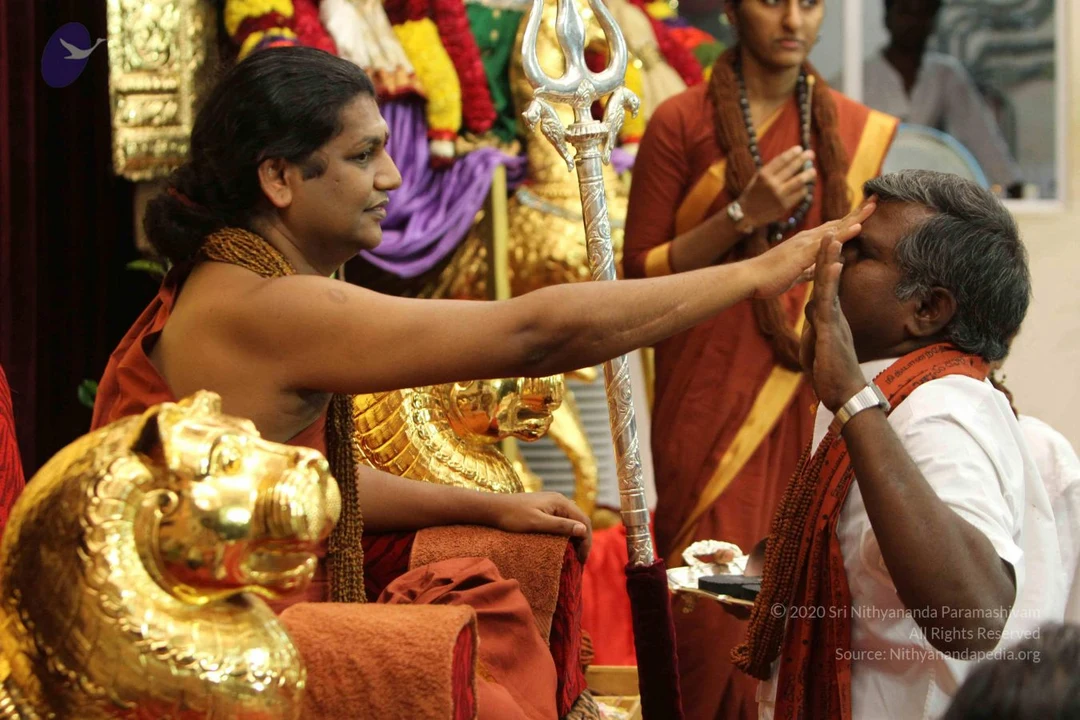
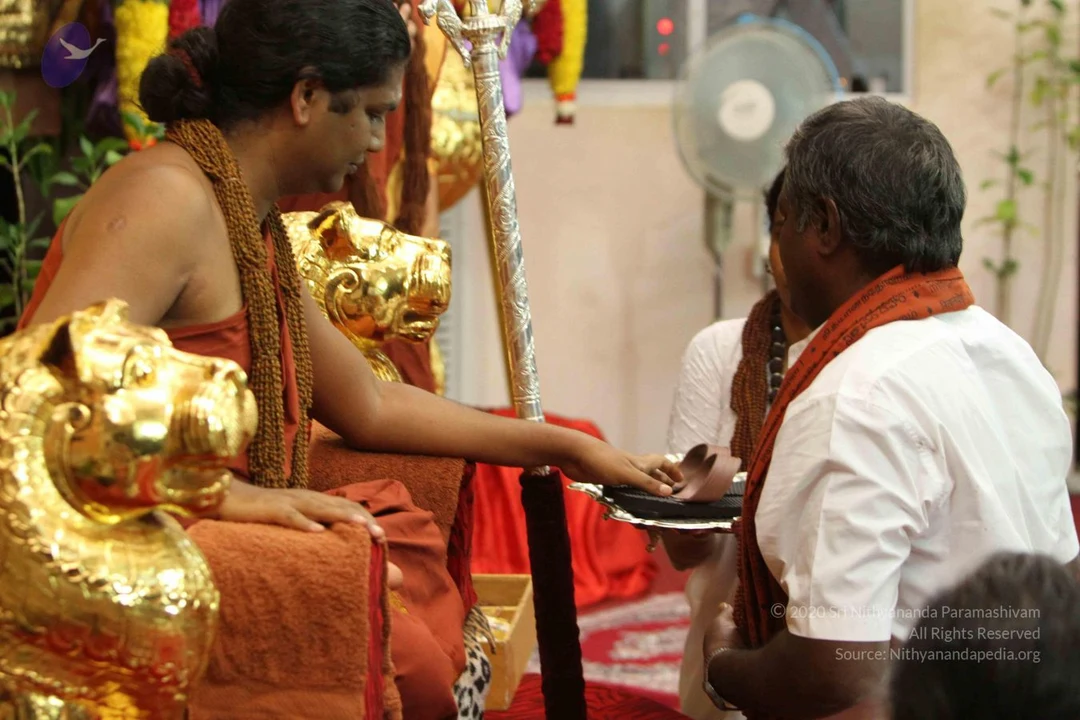
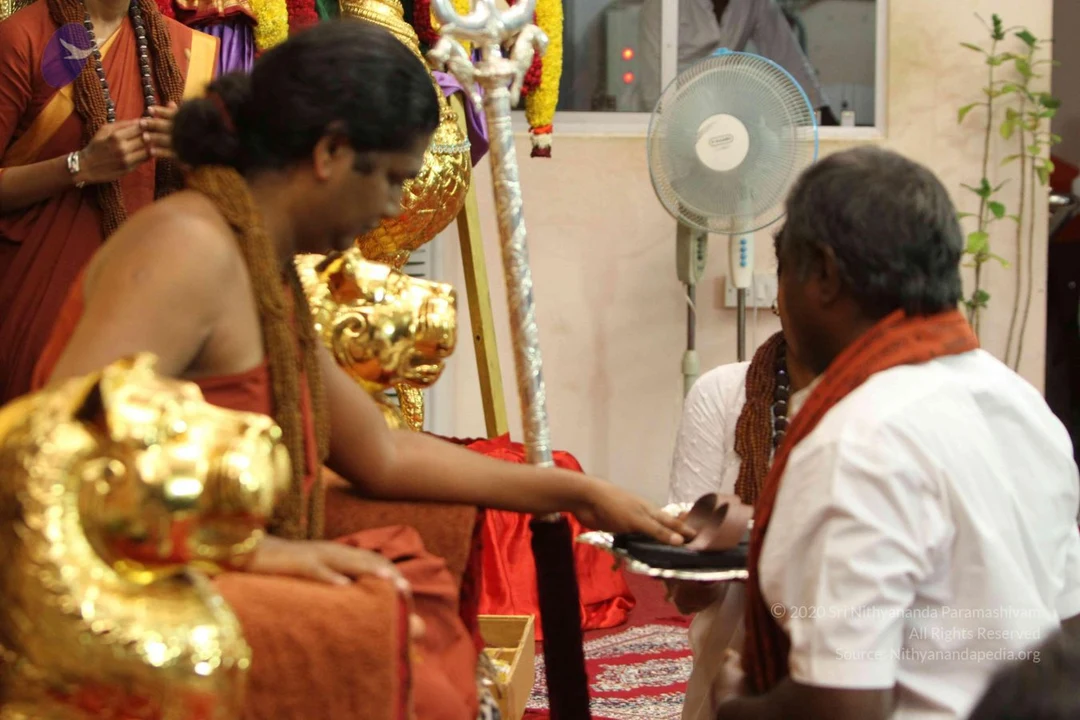
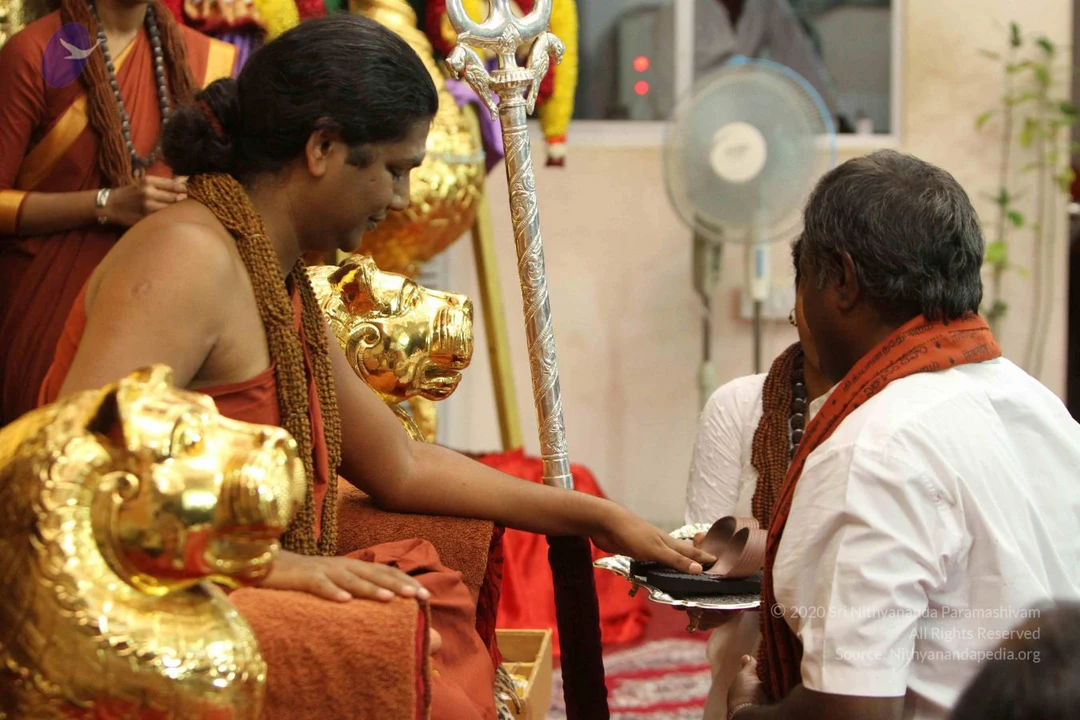
Darshan
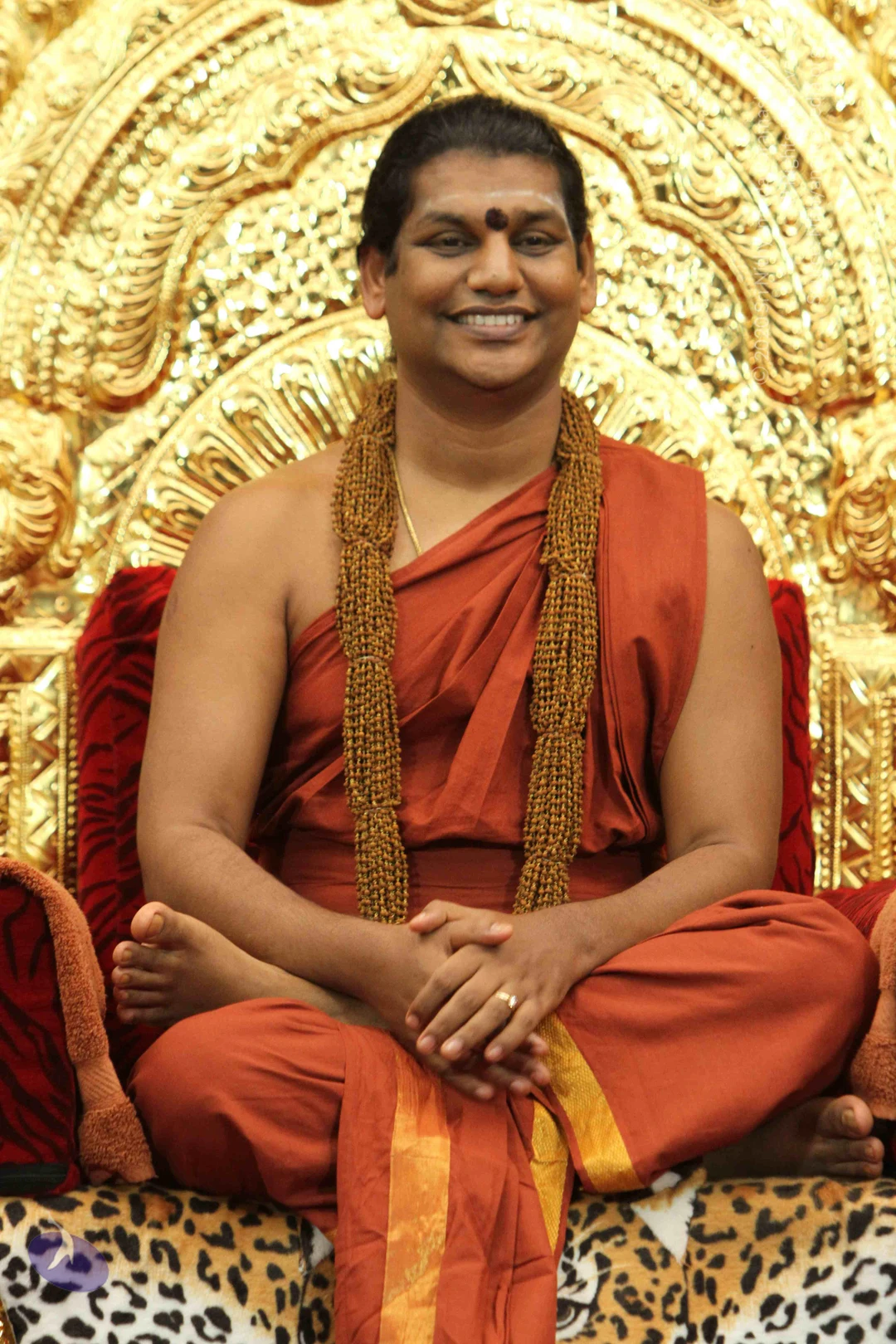
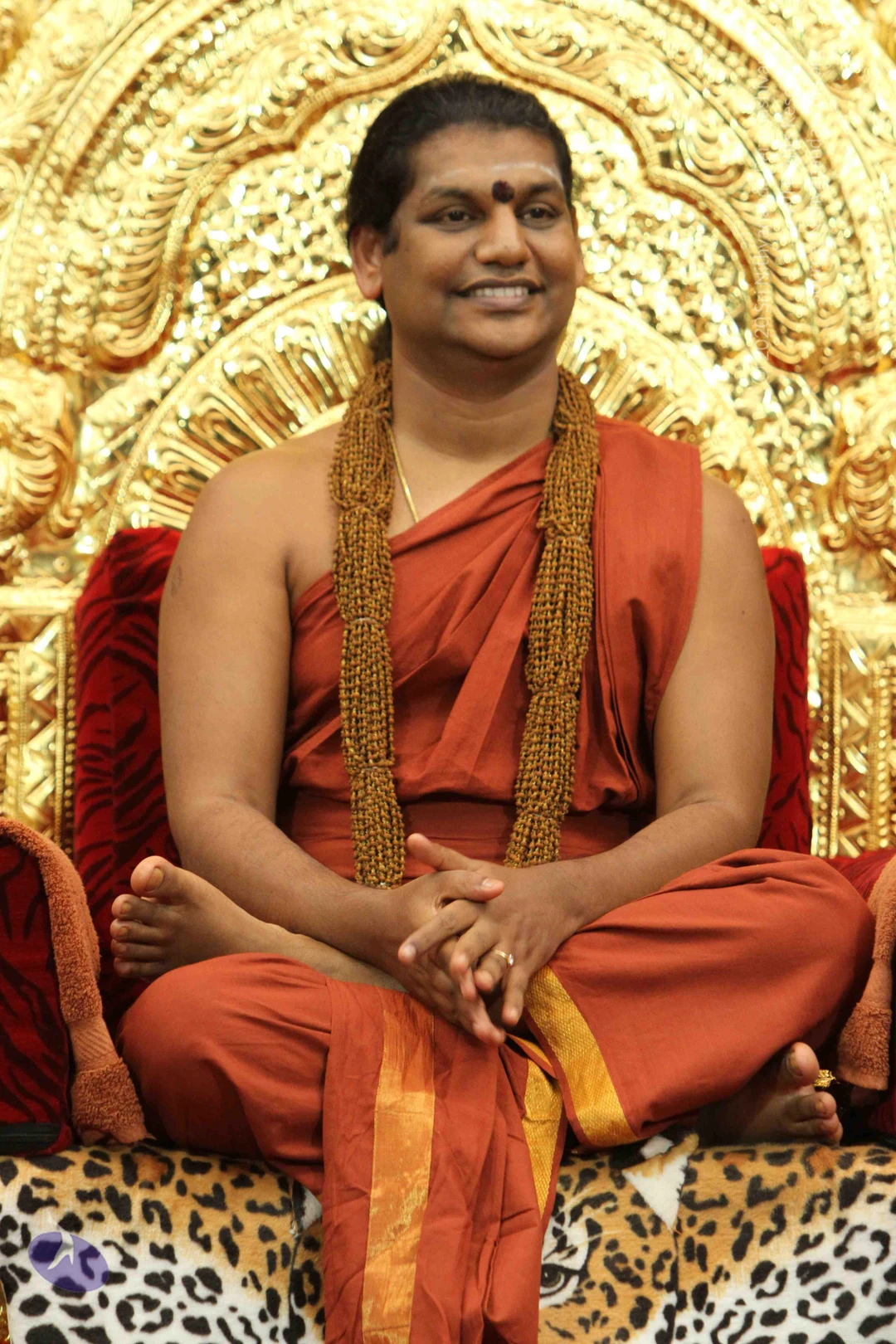
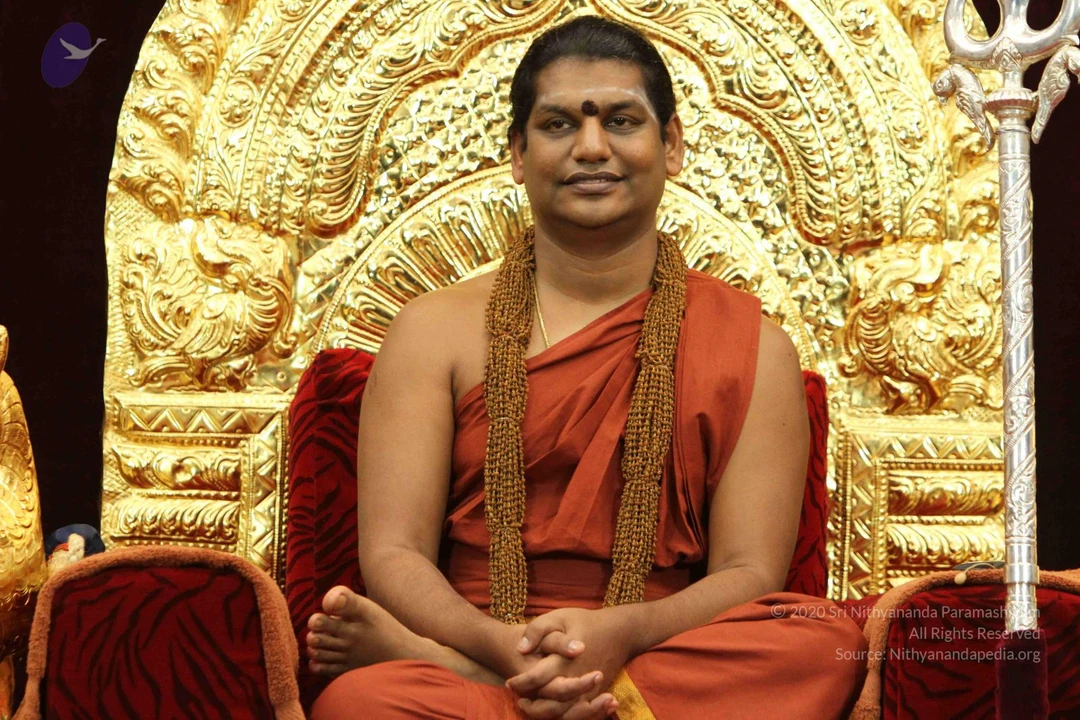

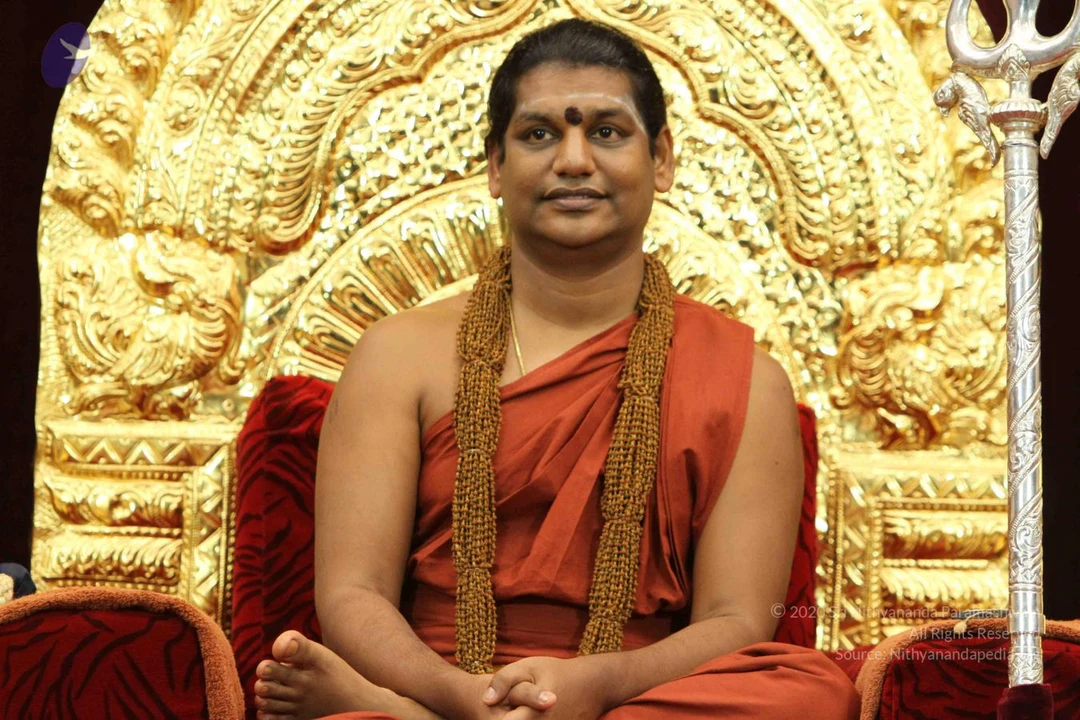
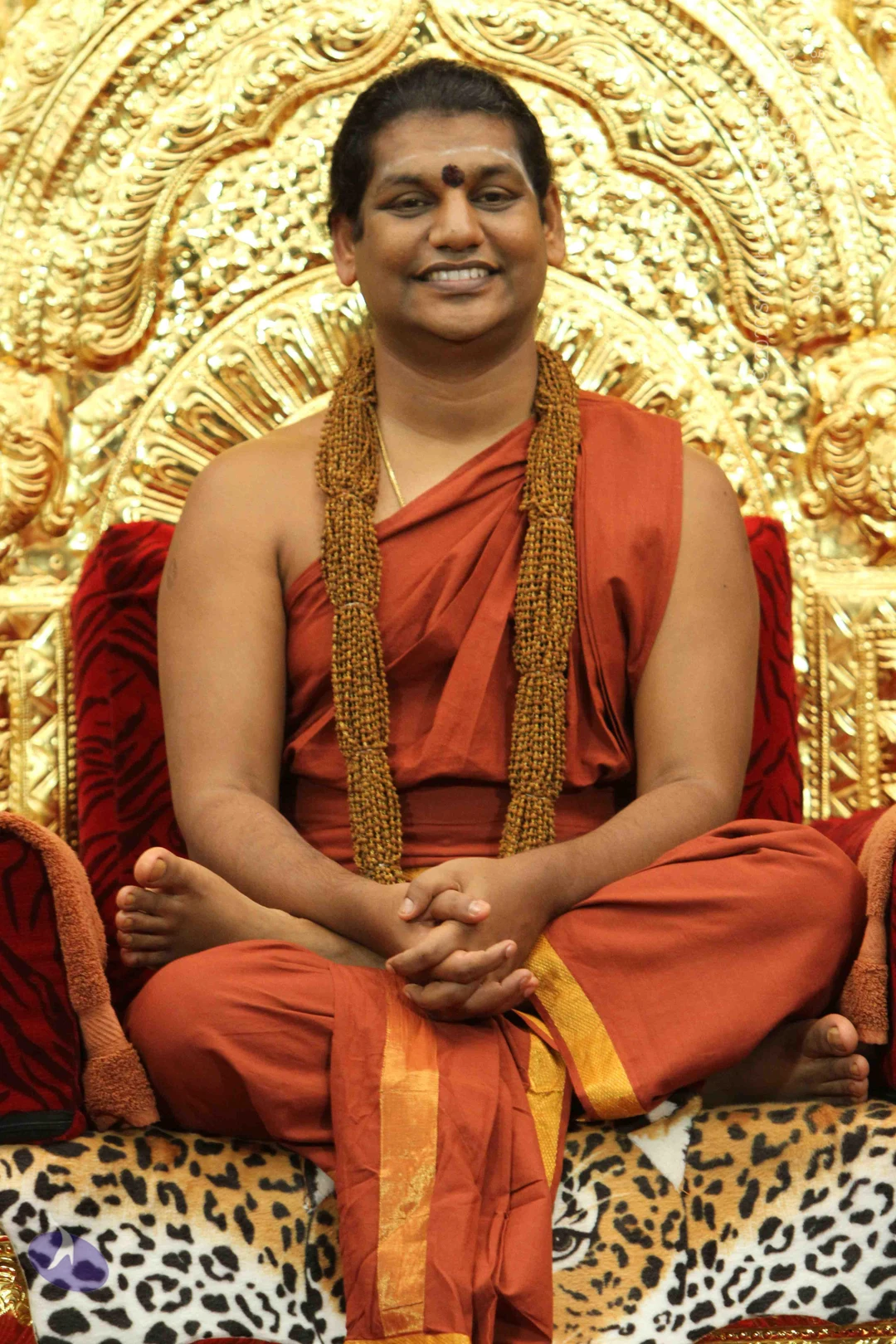
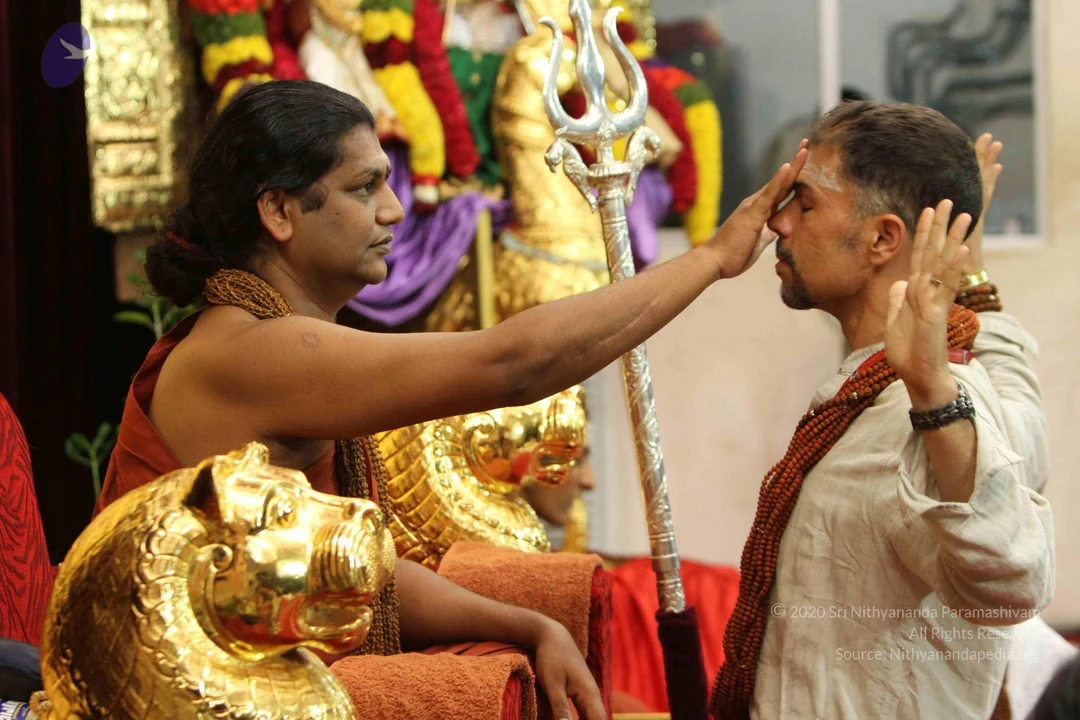
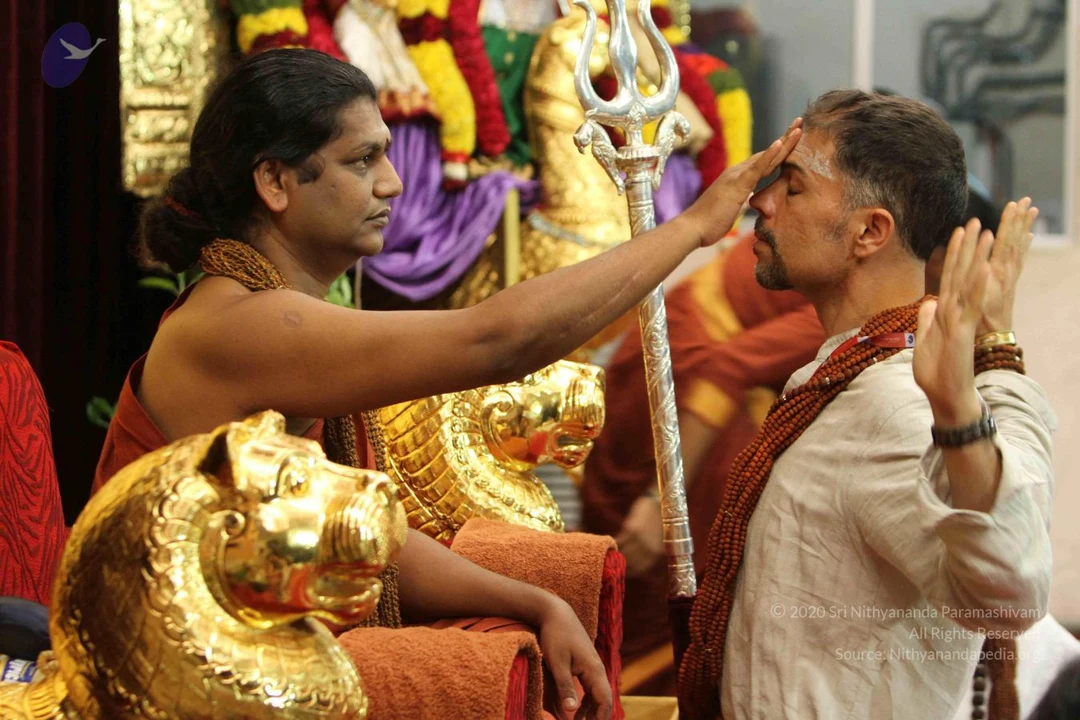
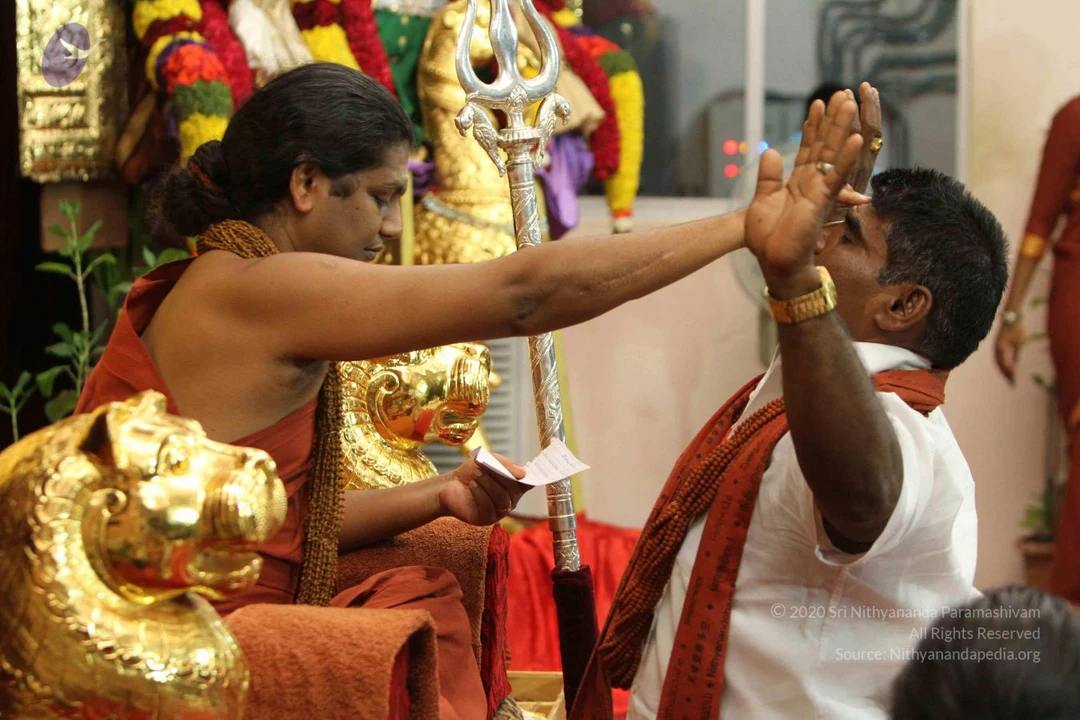


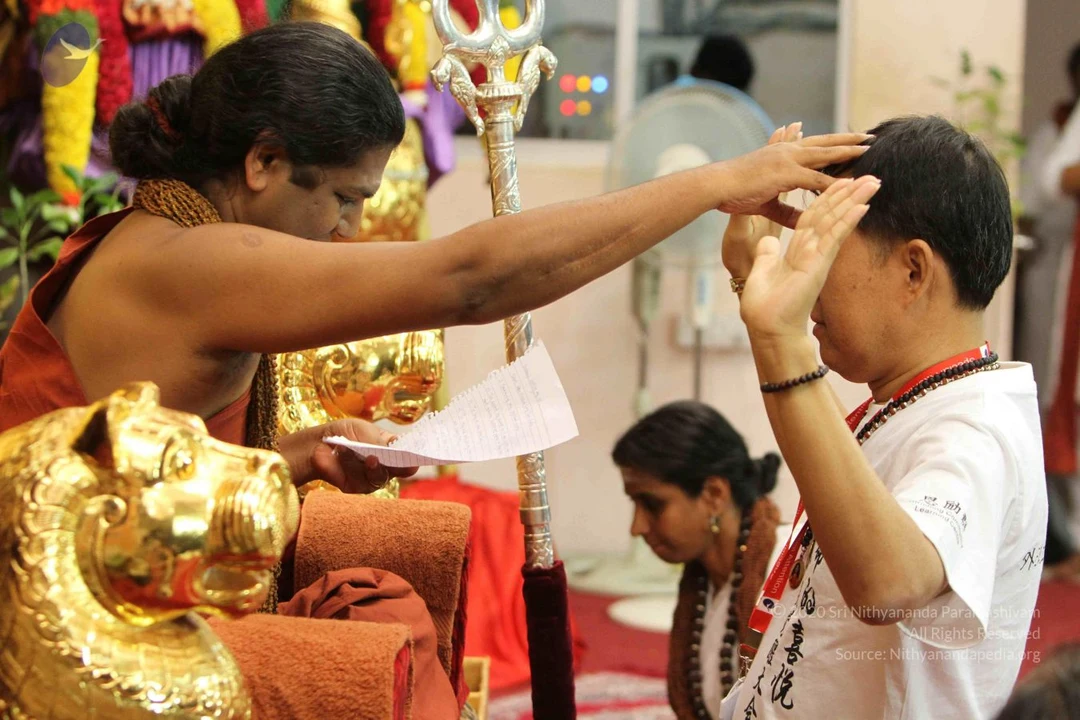
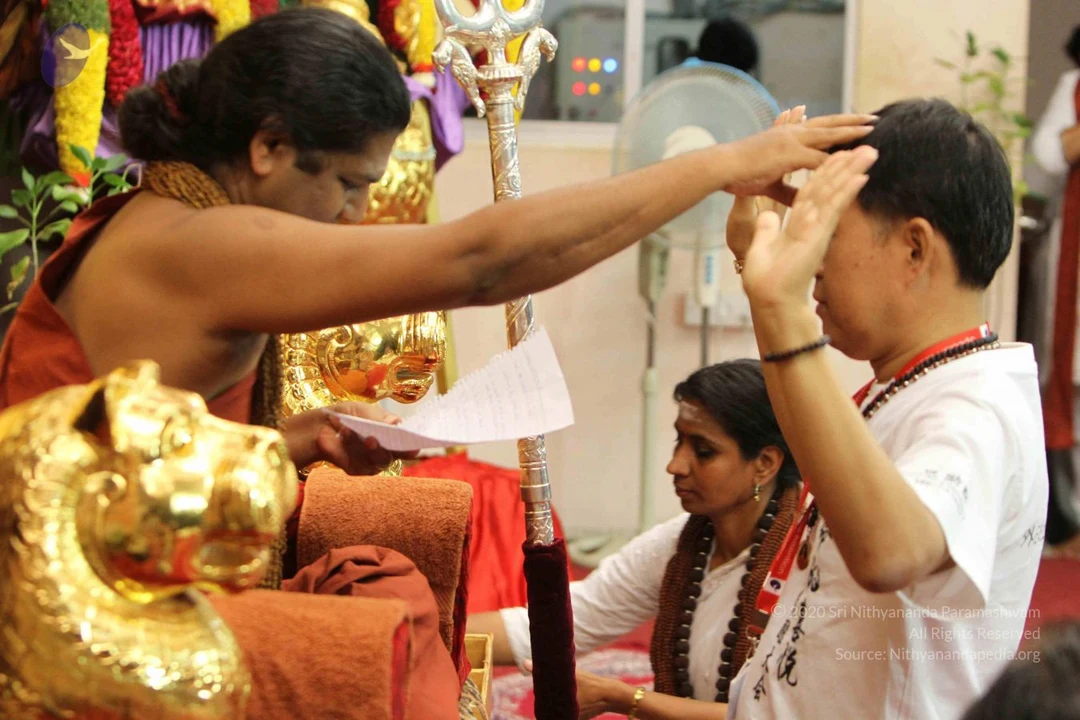
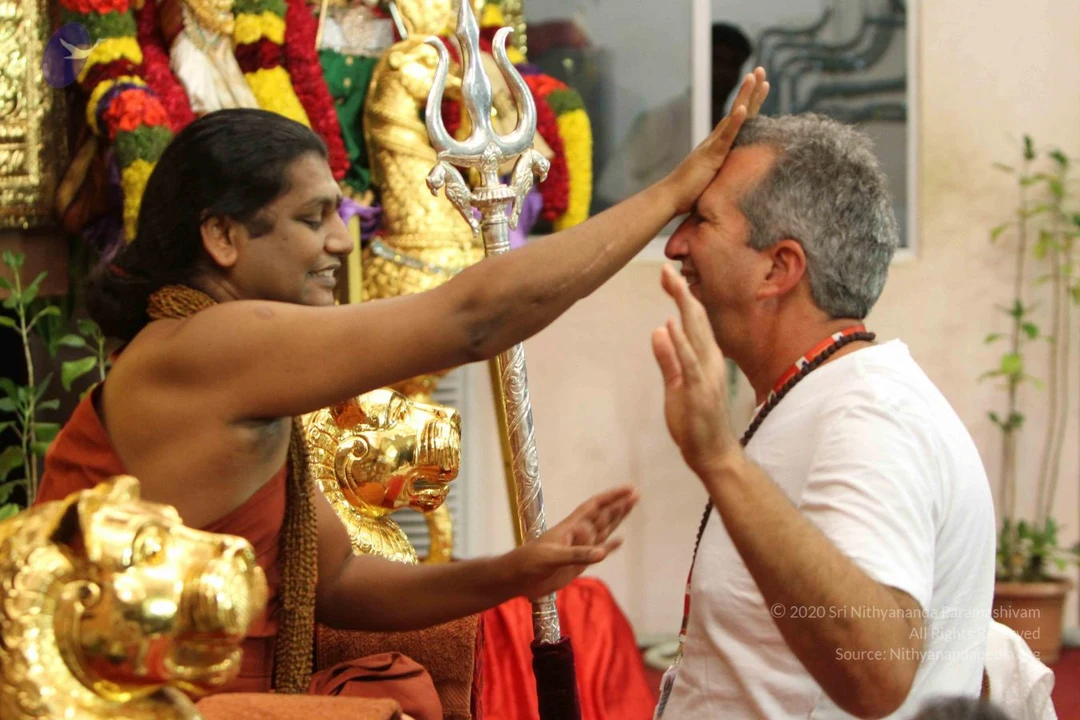

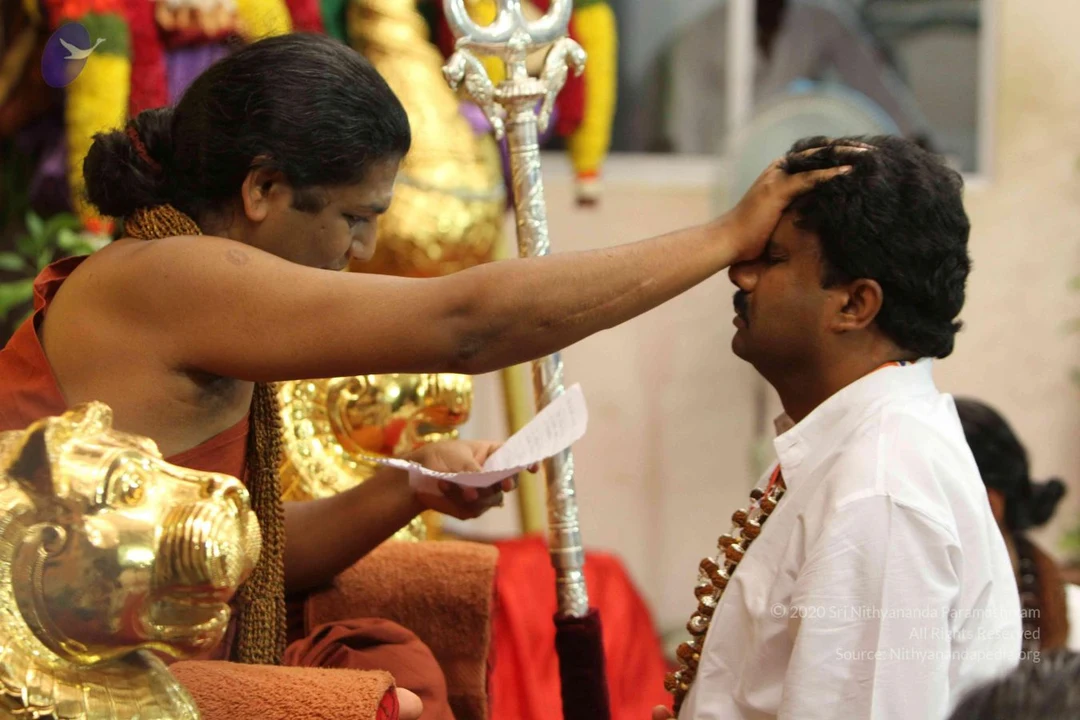
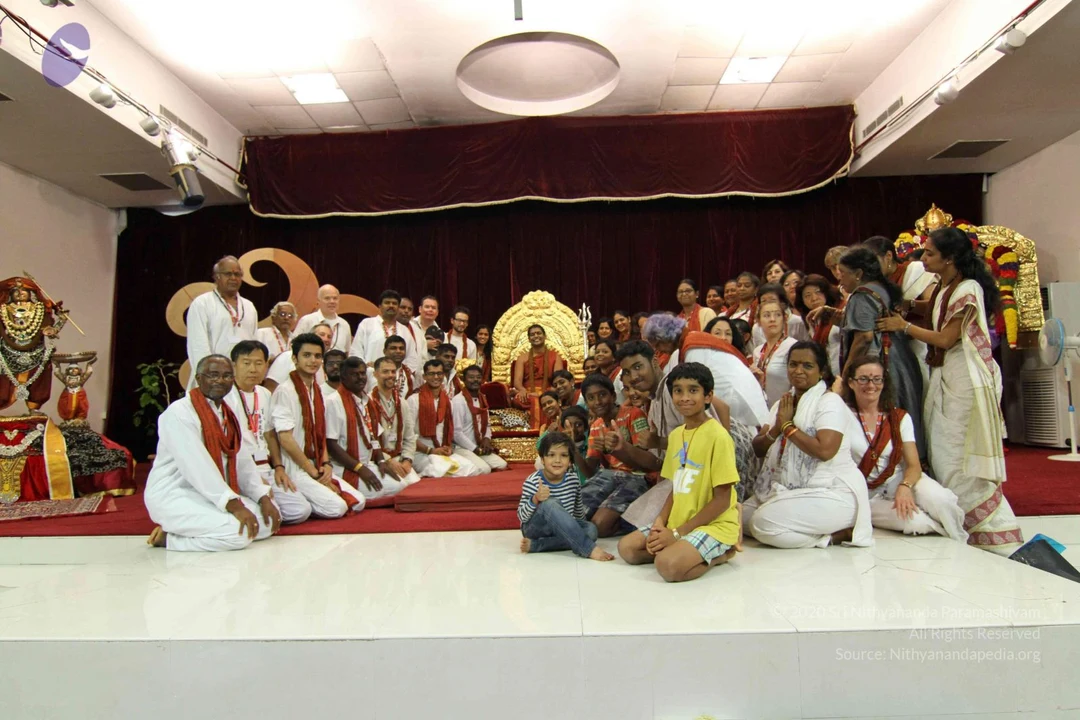
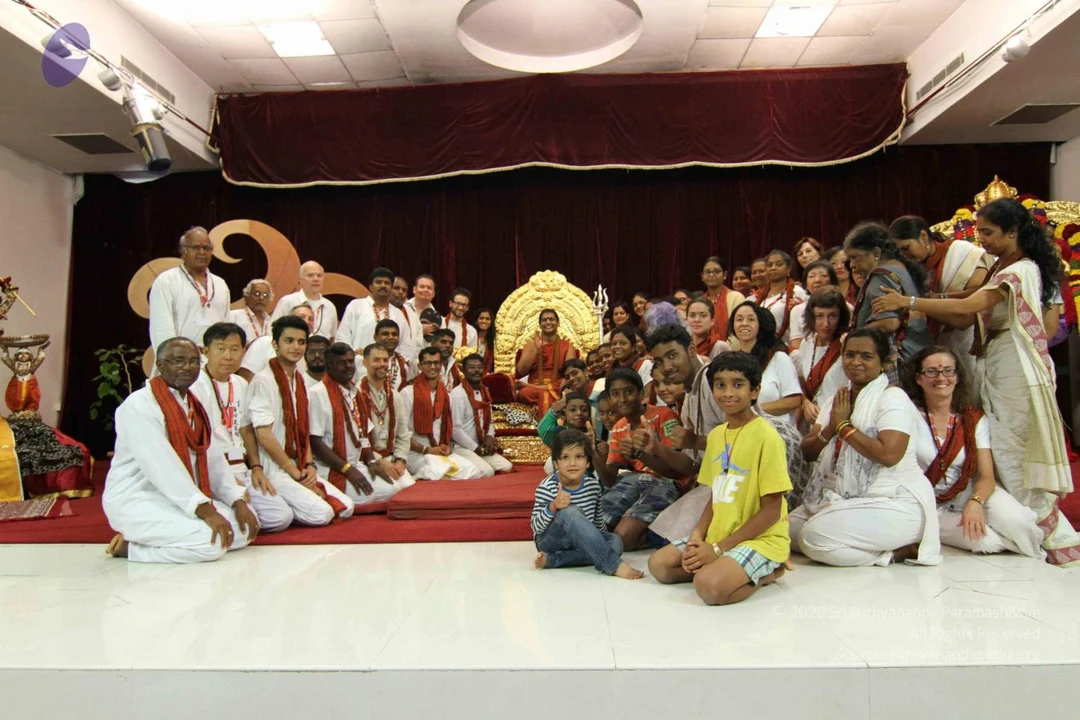
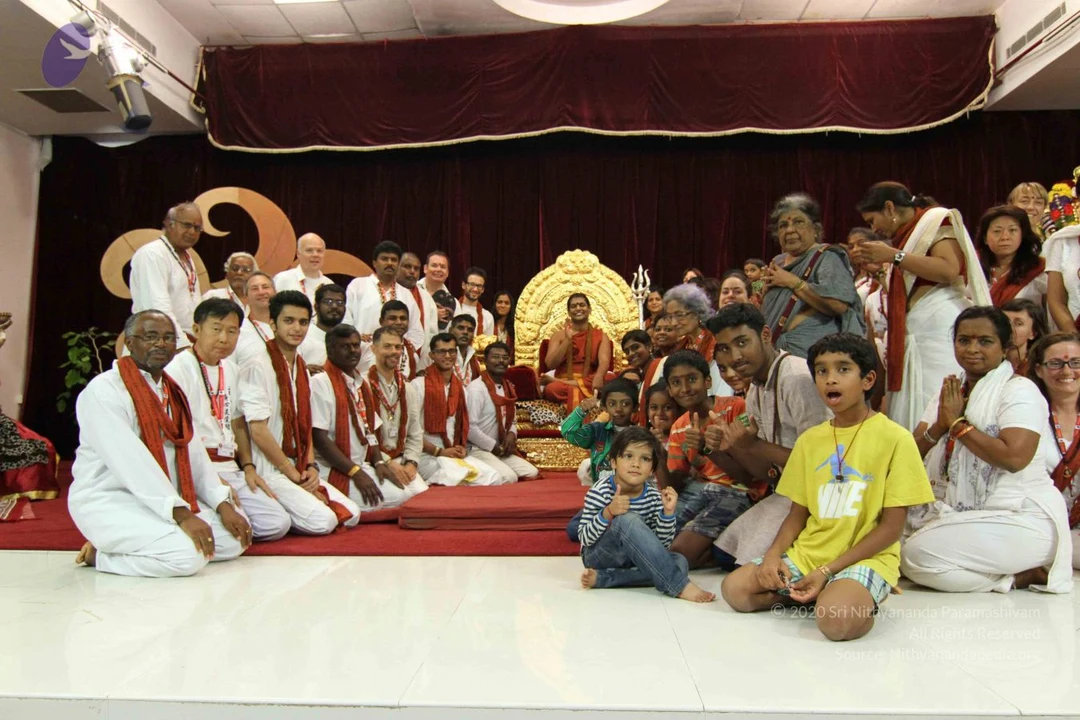
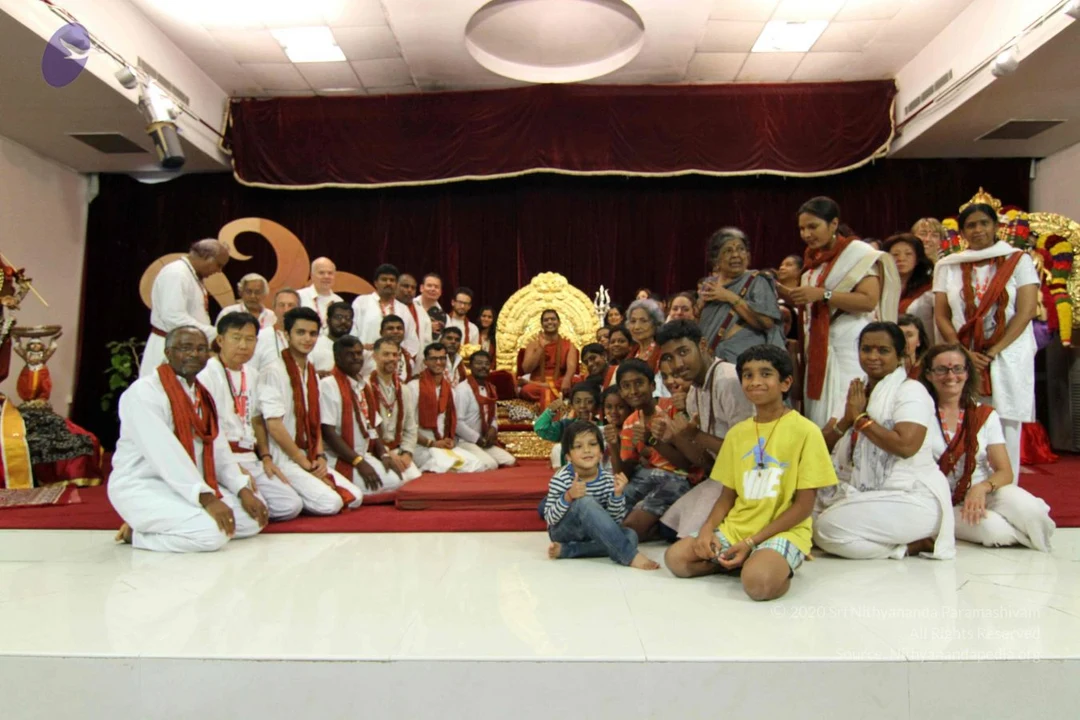
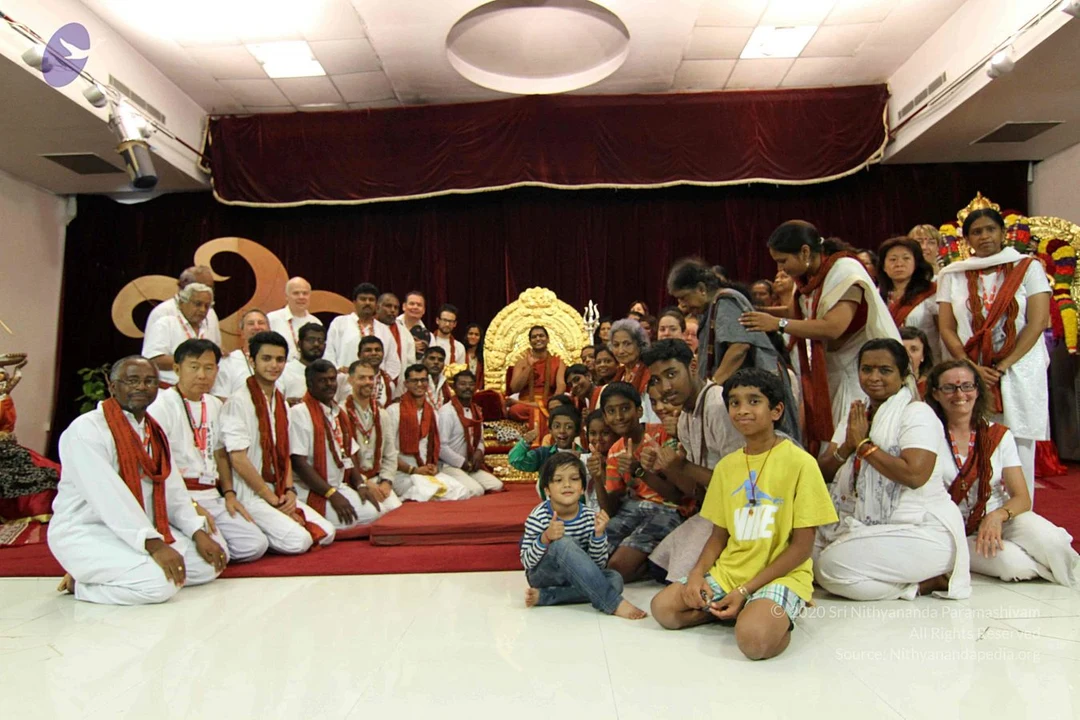
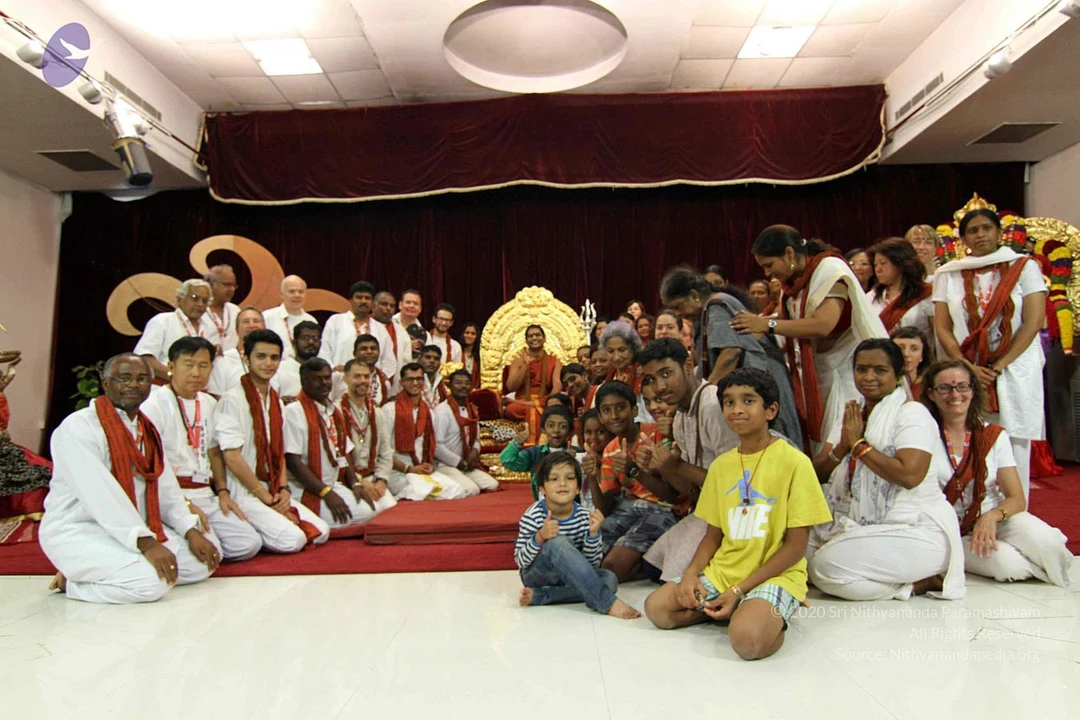
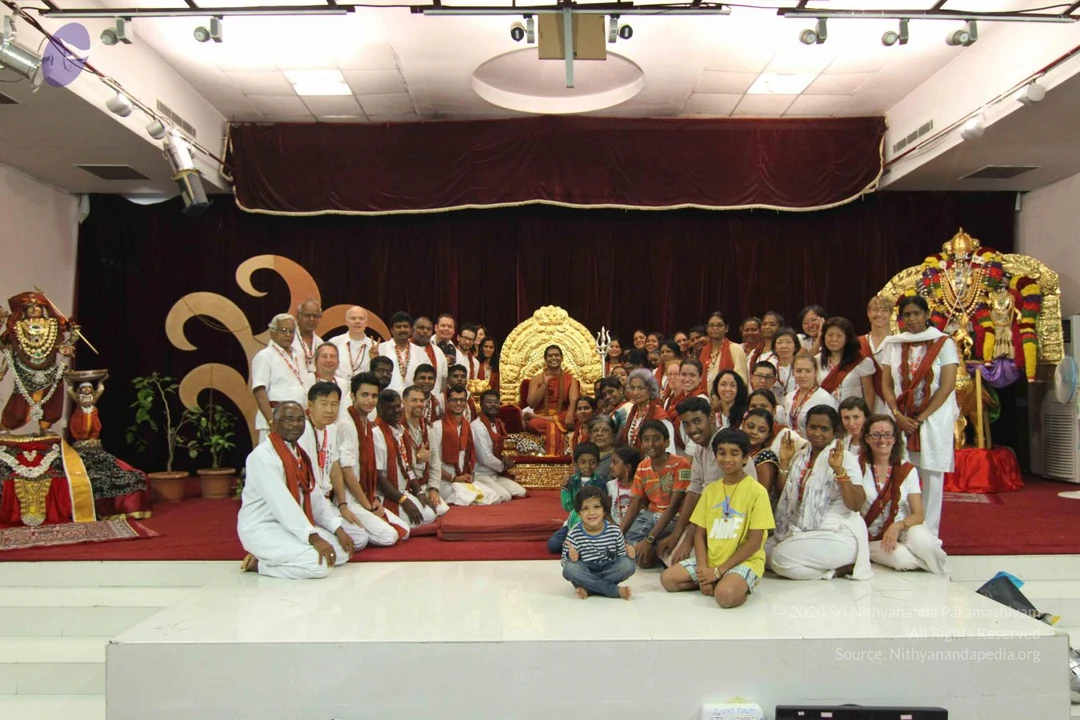
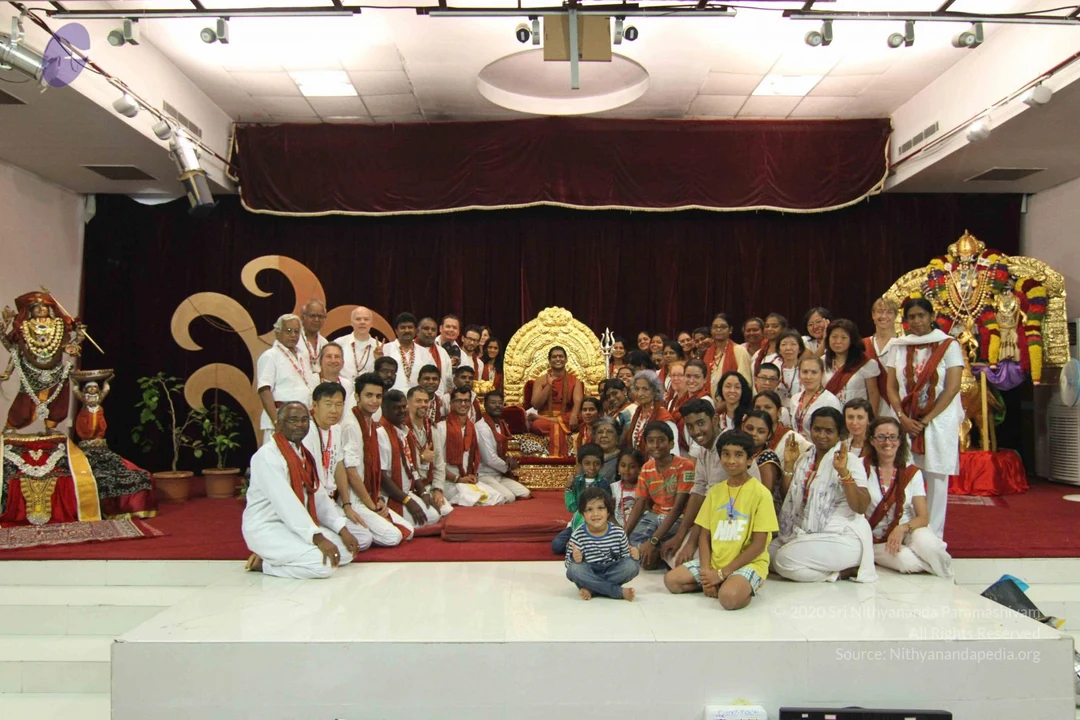
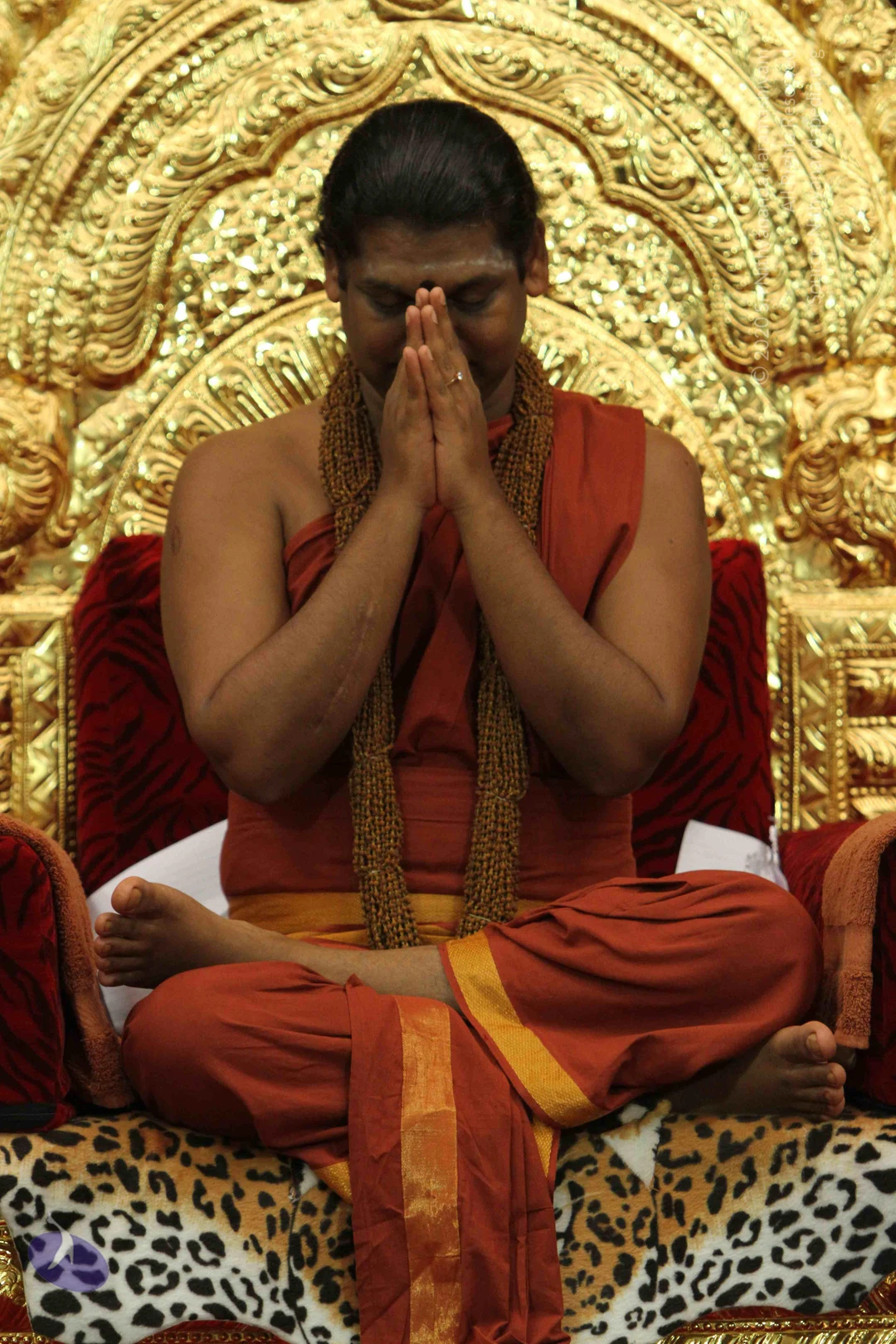
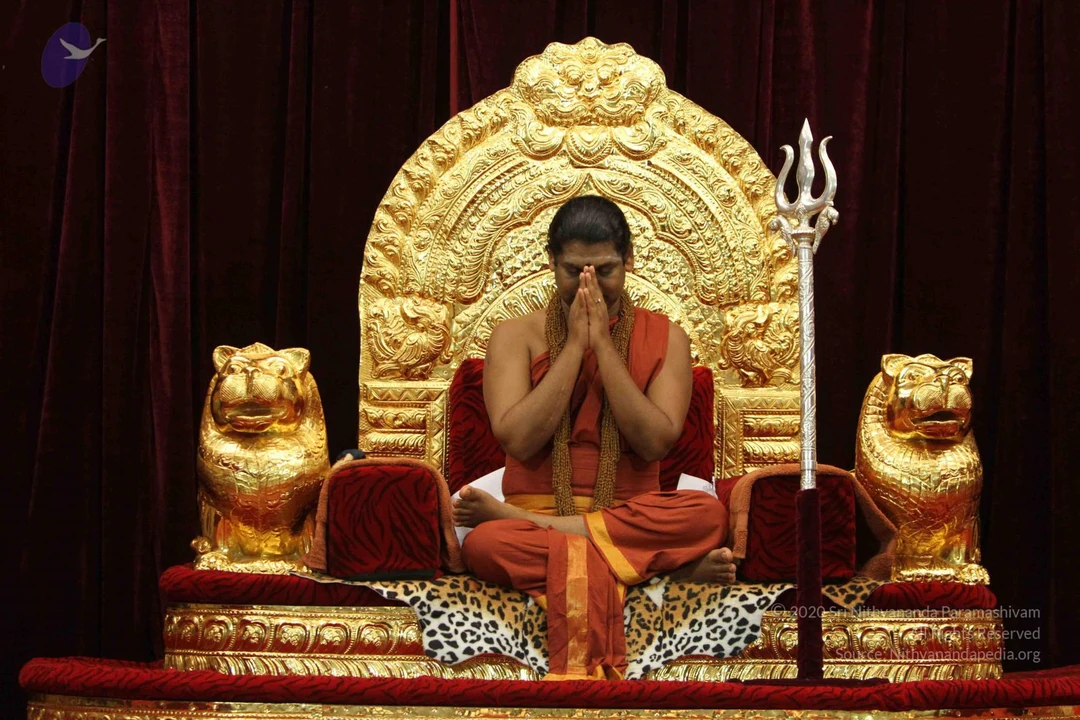
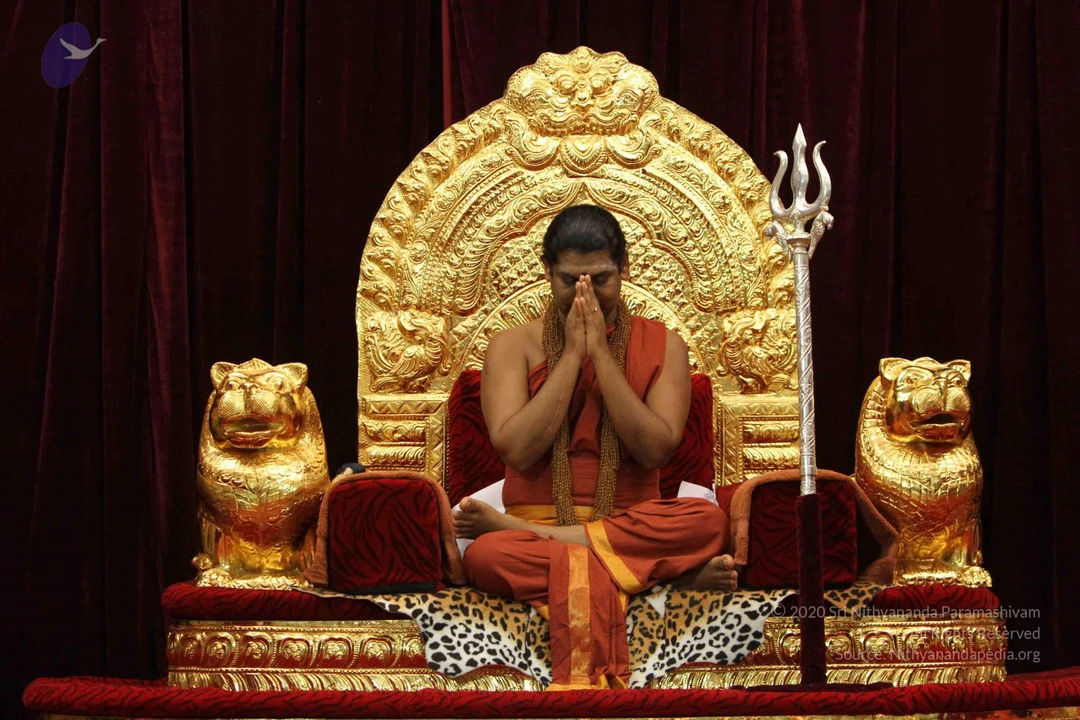
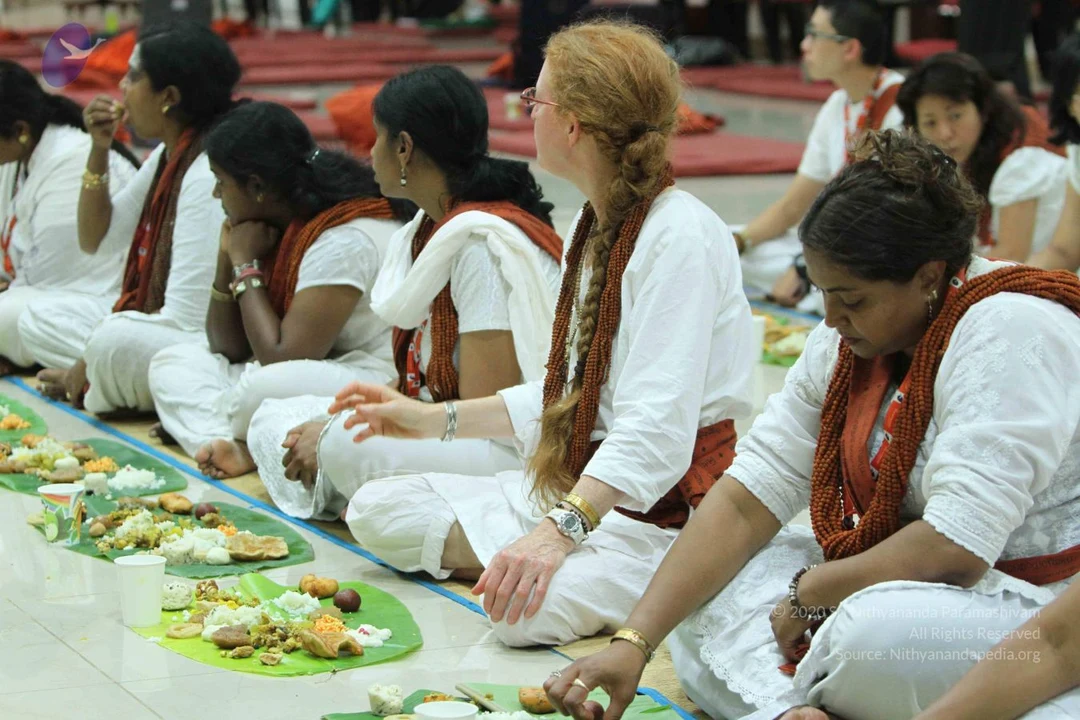



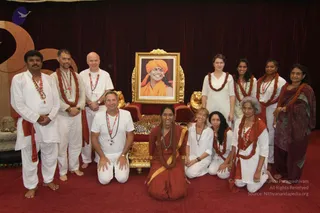
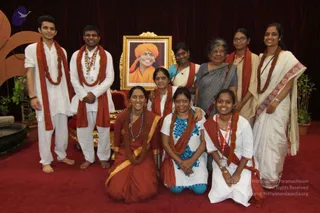
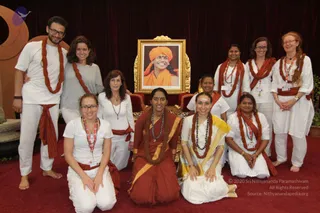
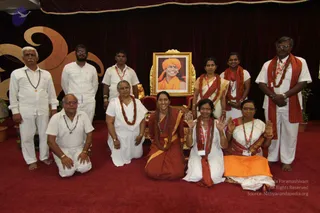
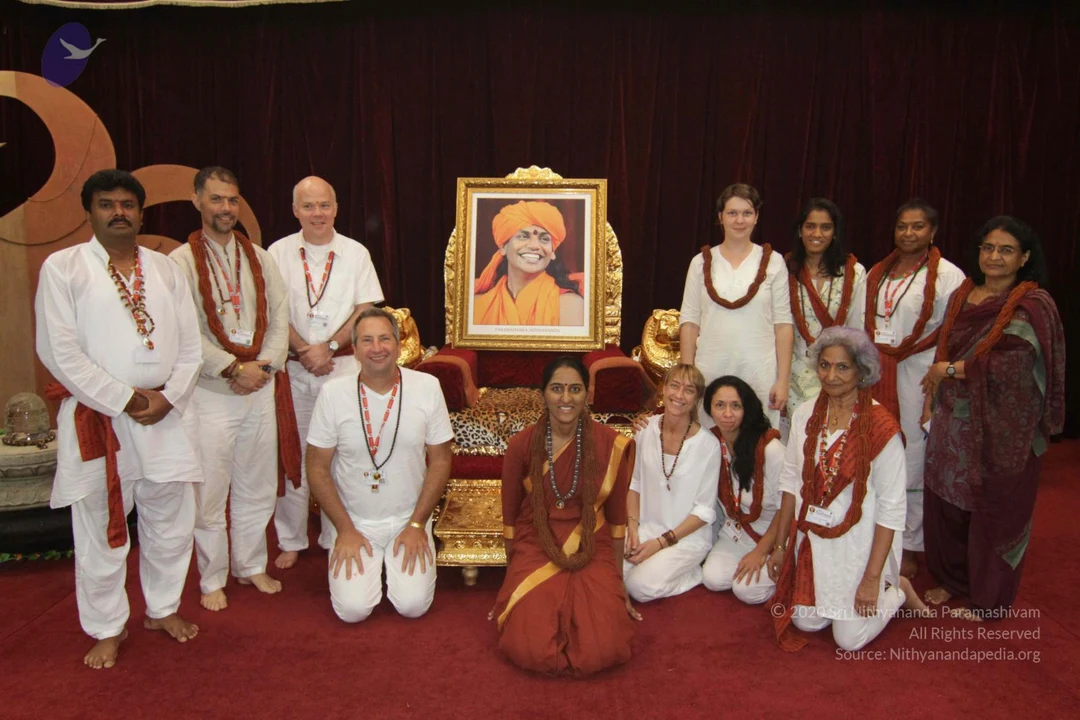
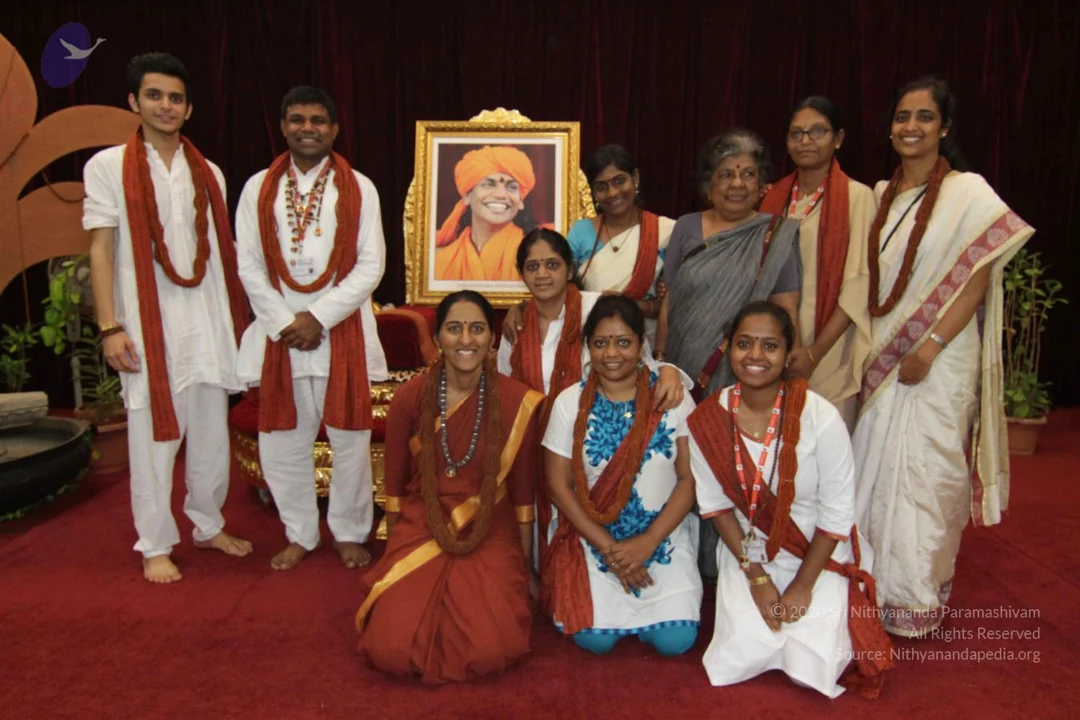
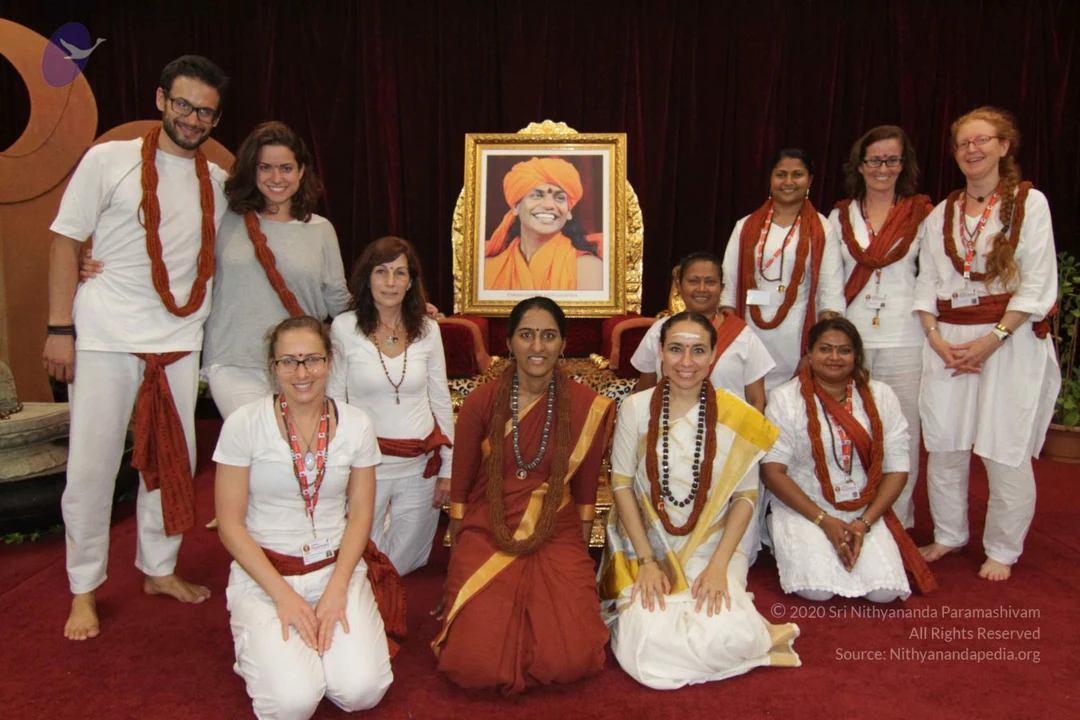
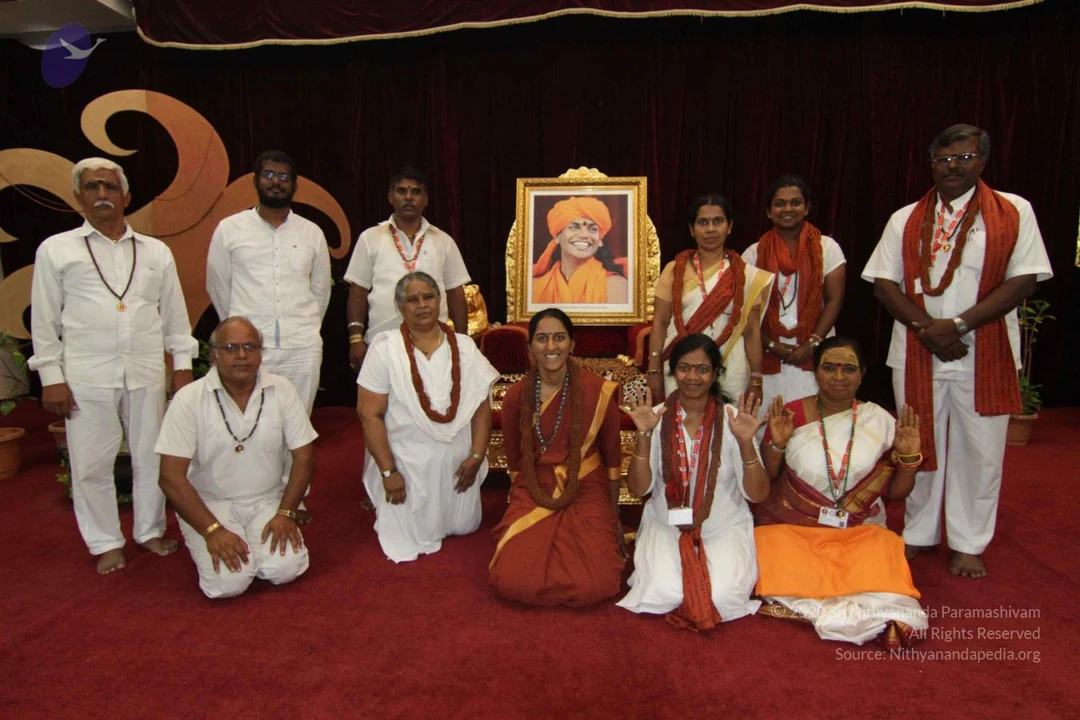
Teamilypictures
Photos from this day
View all 104 photosDarshan
98 photosSource gallery
Teamilypictures
6 photosSource gallery