Saturday
5 July 2014
Compassion Is Not Withdrawal From Life
- Dated photos
- 154
- Source pages
- 1
- Media
- 11
July 05 2014
Original wiki pageTitle:
Compassion Is Not Withdrawal From Life
Description:
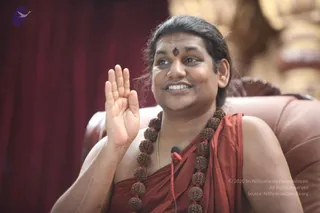
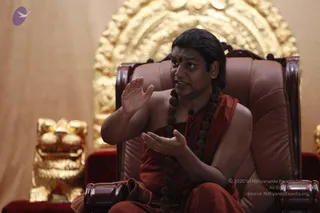
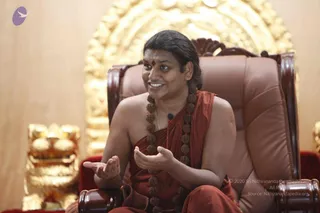
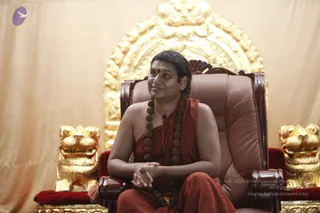
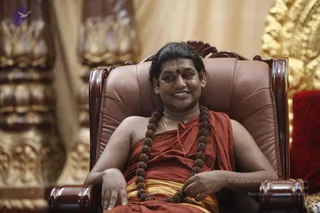
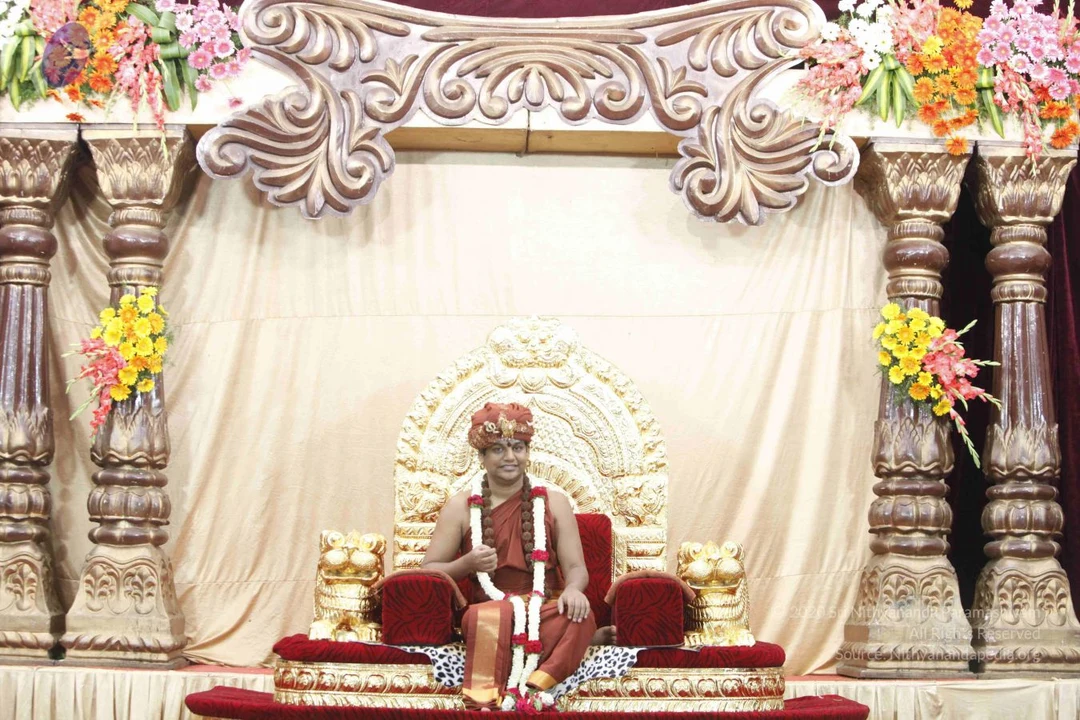
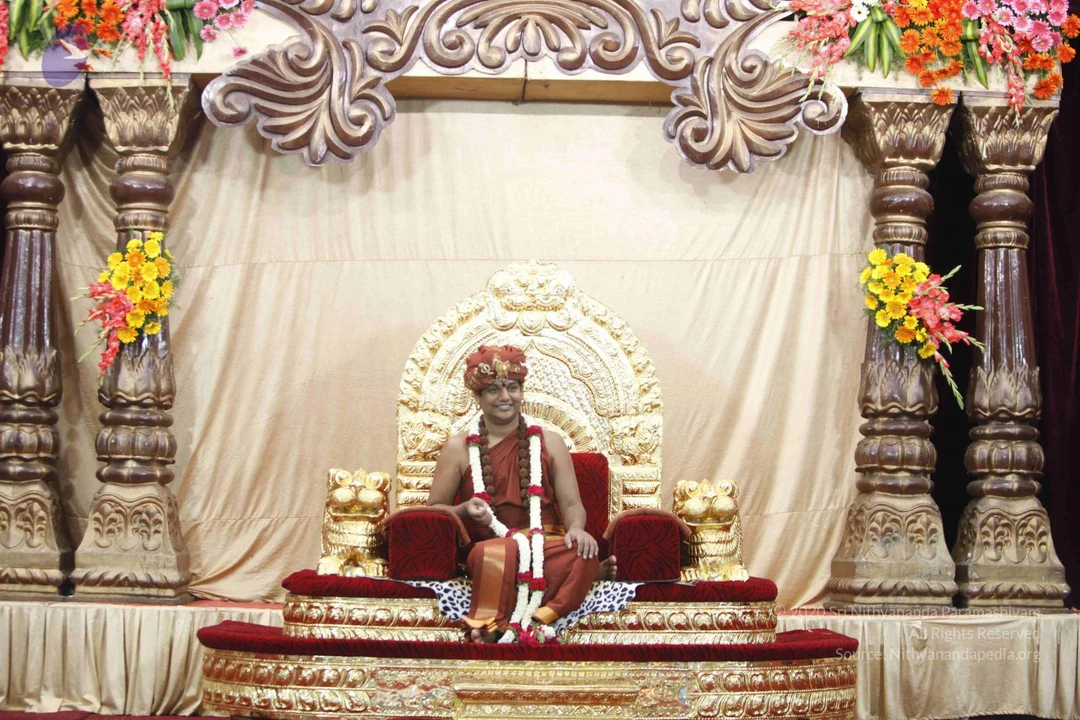
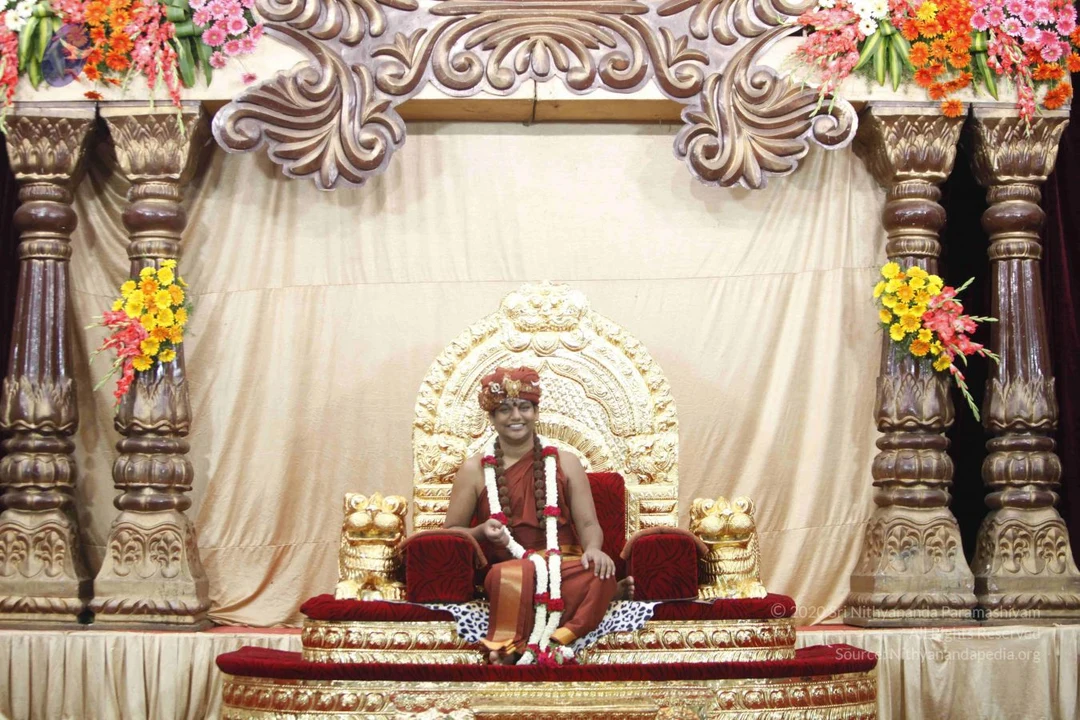
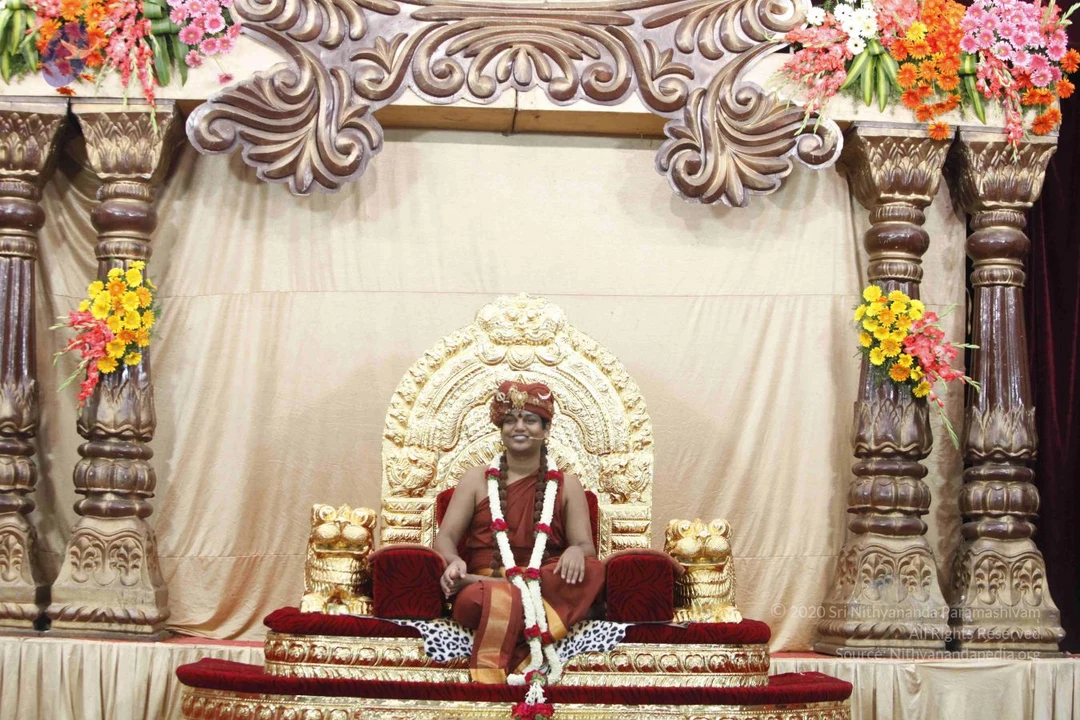
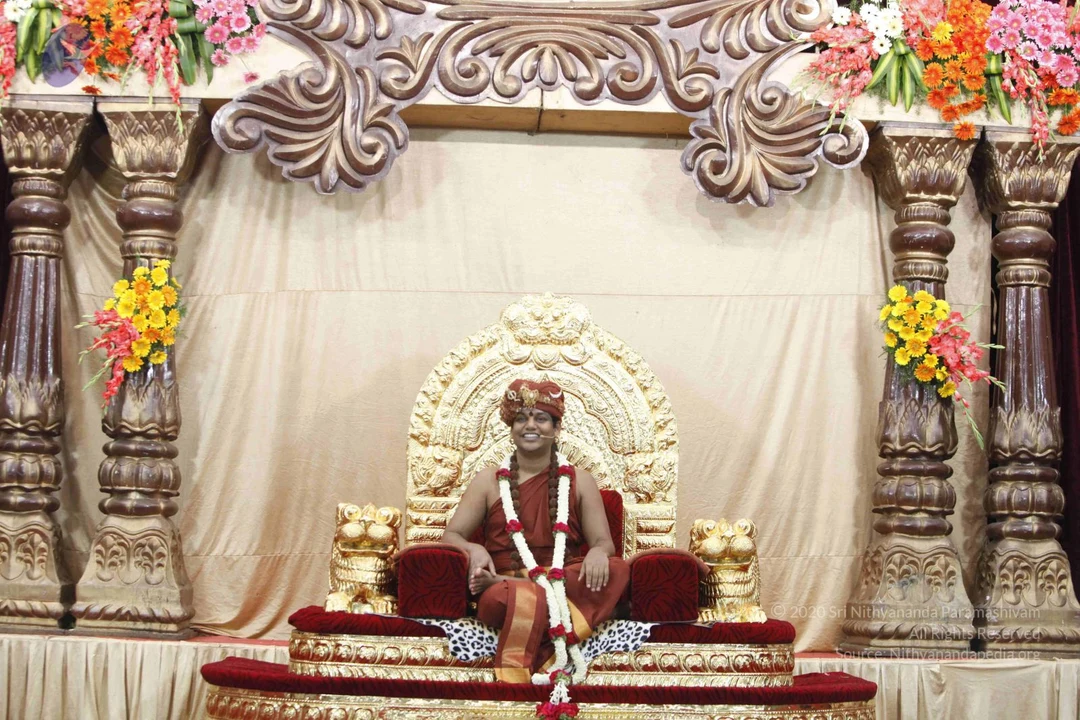
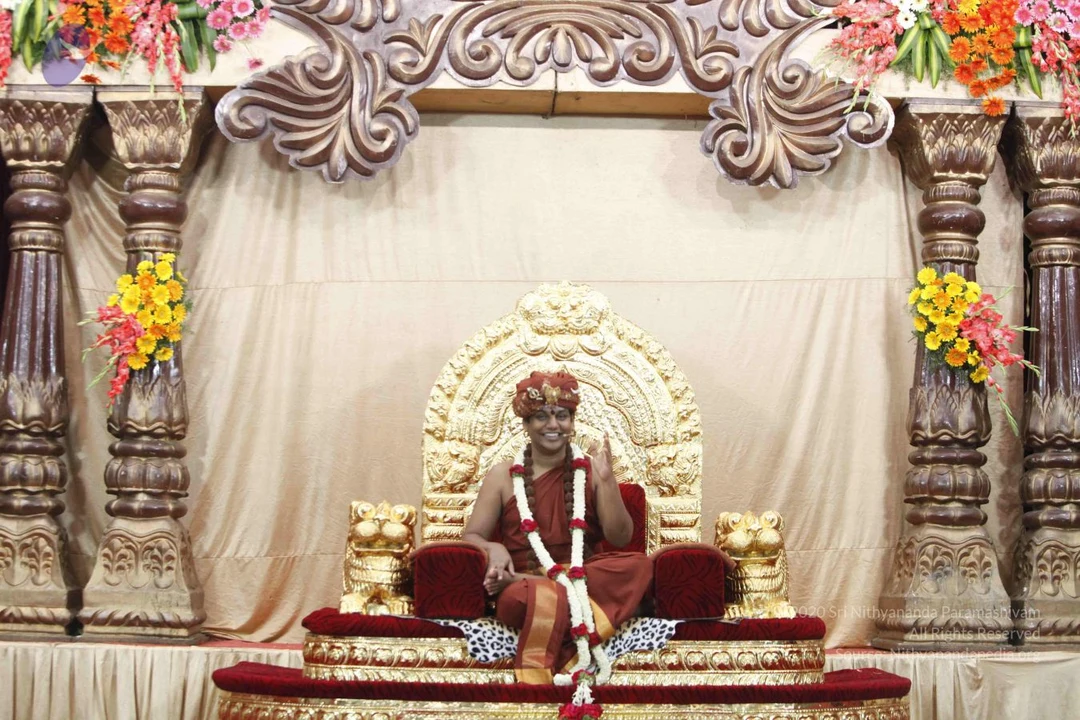
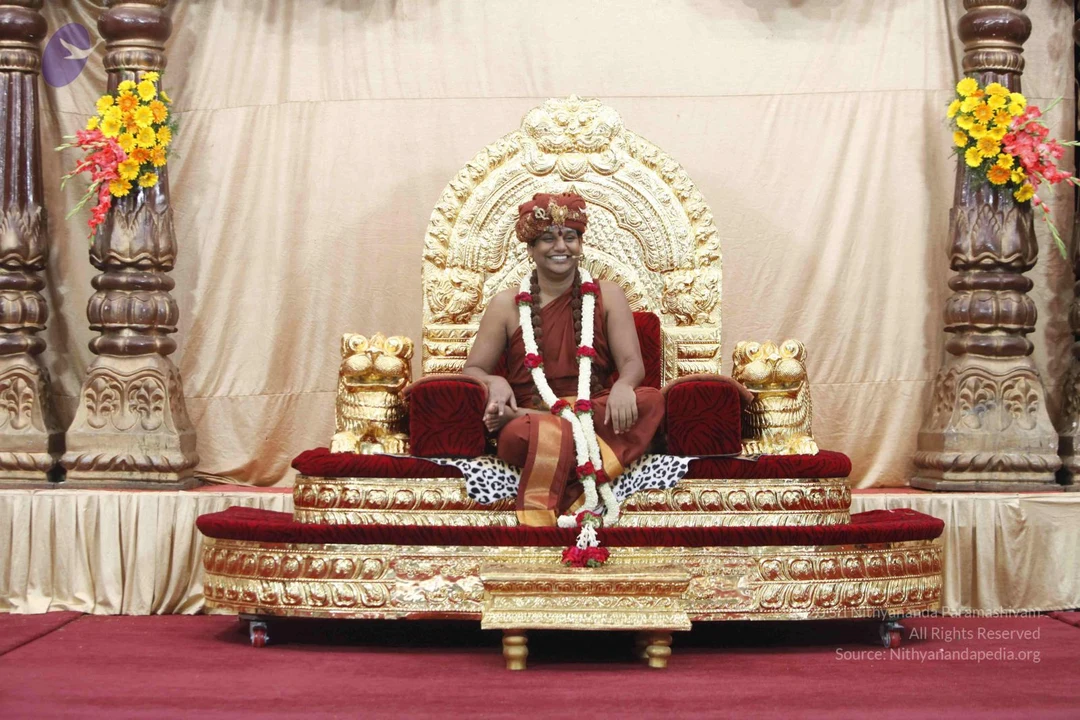
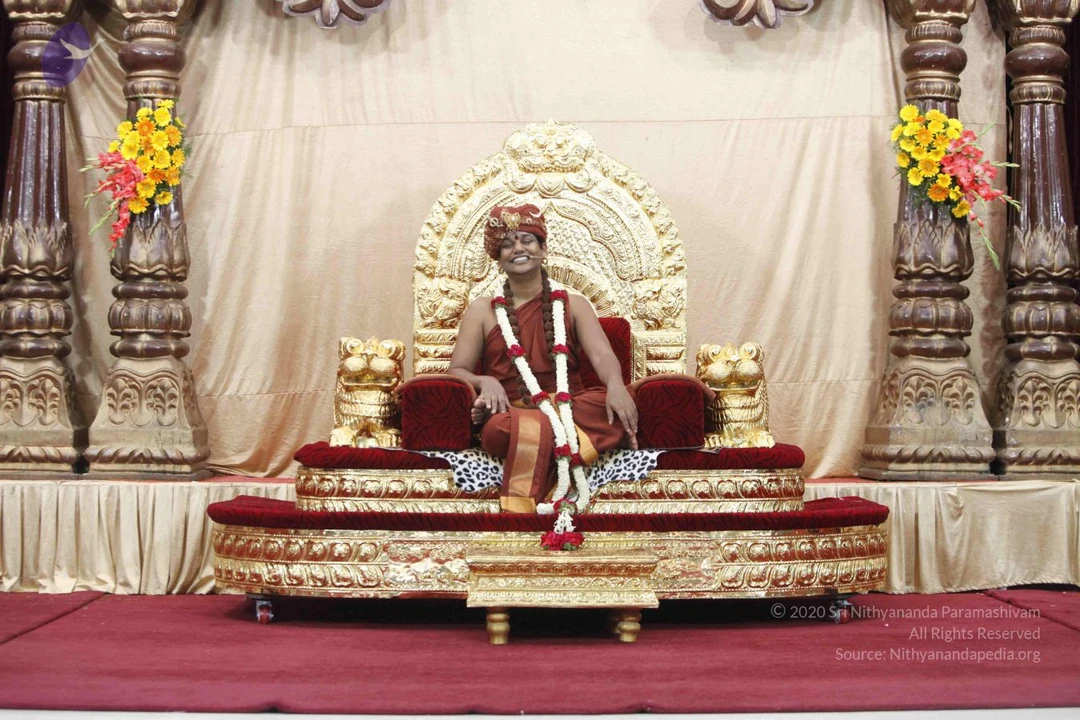
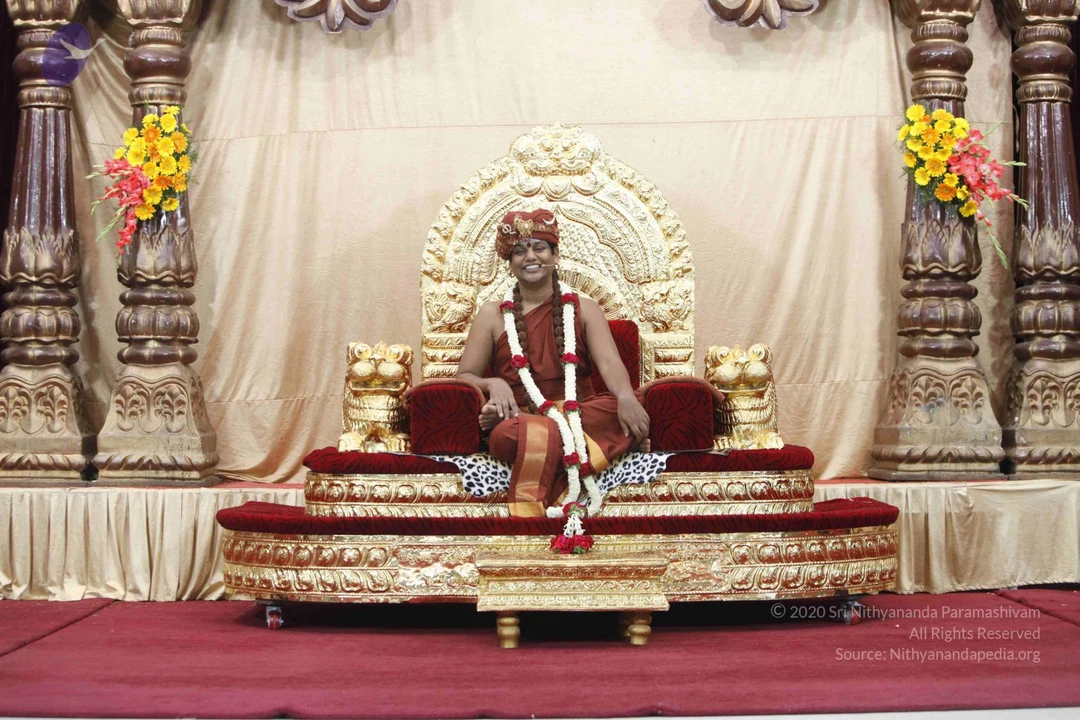
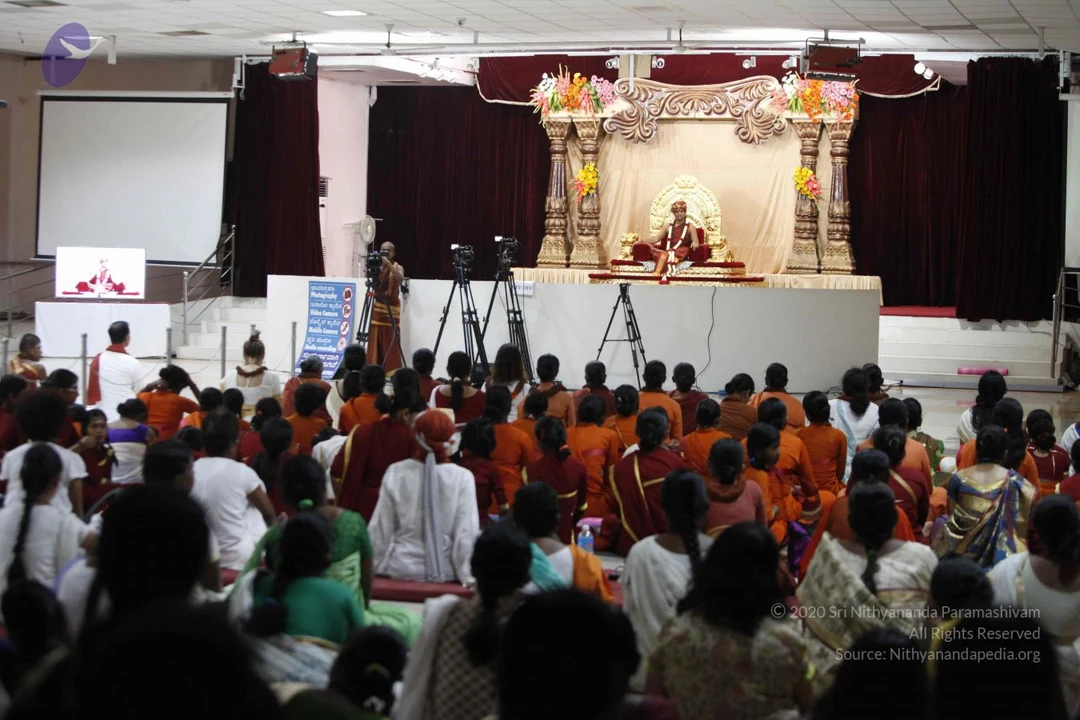
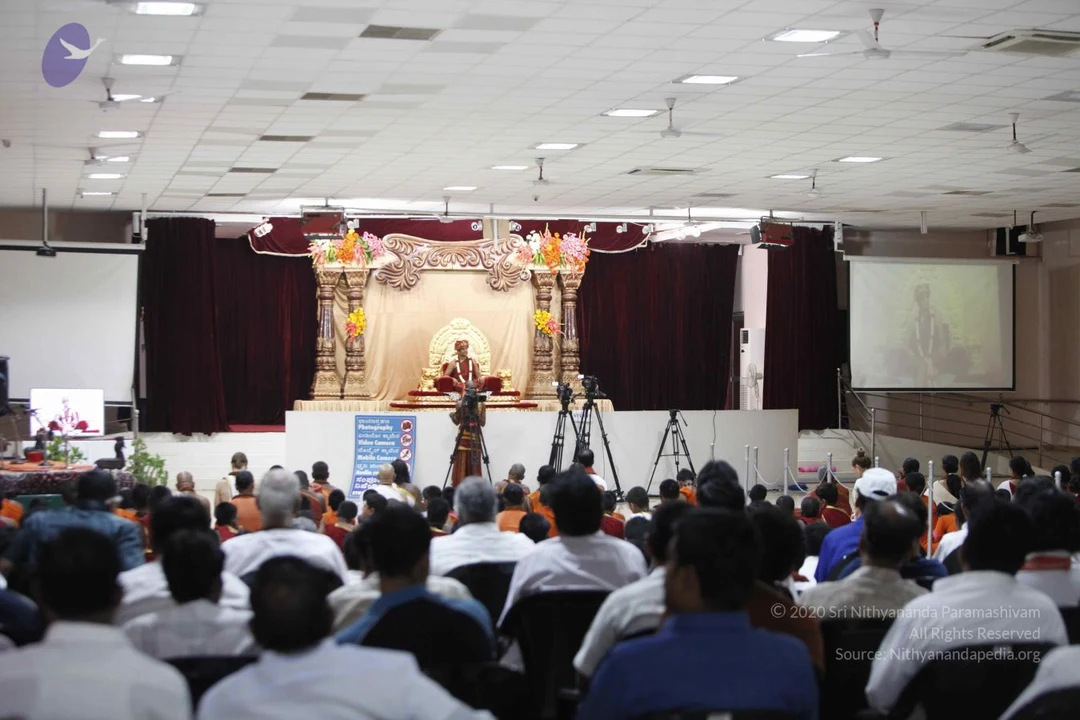
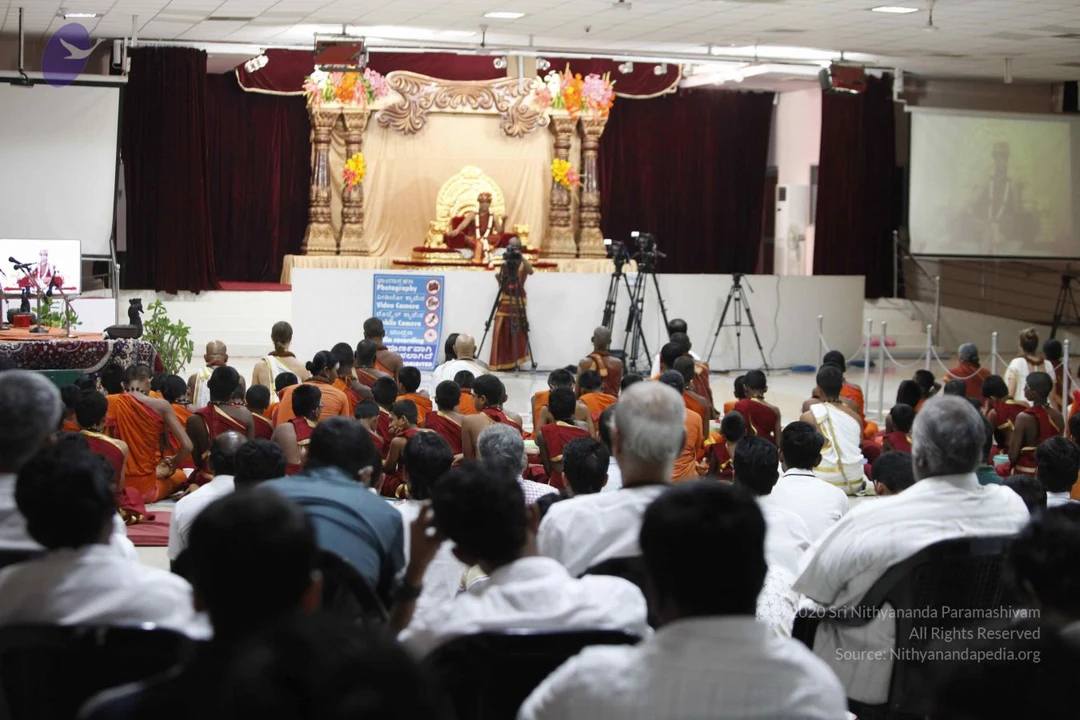
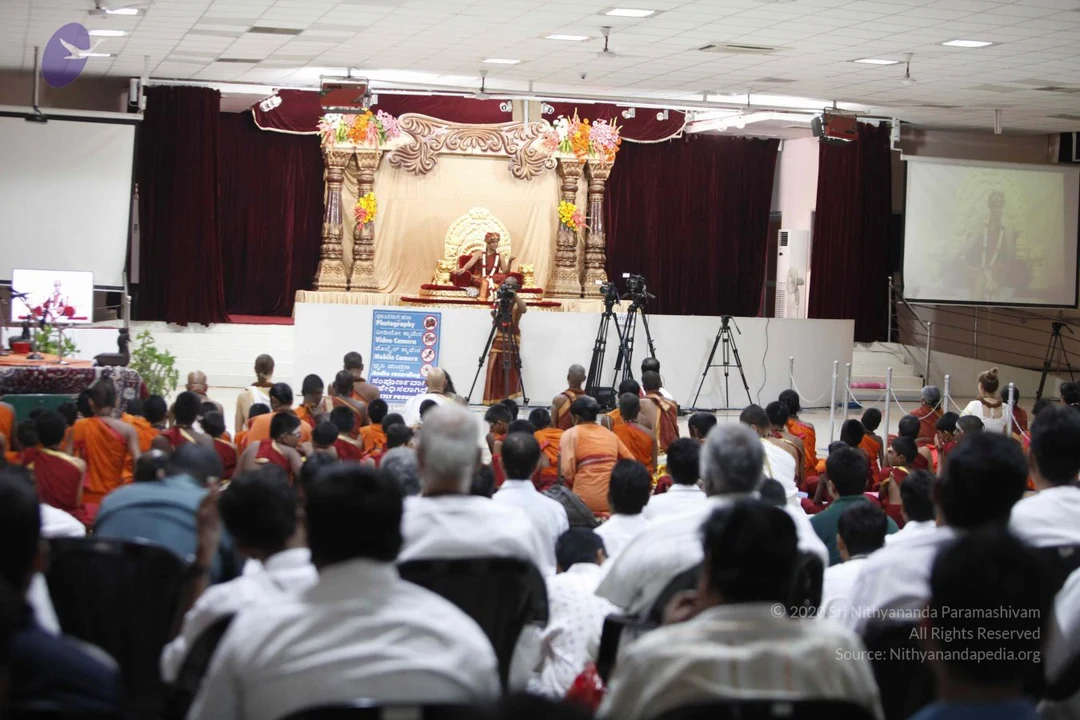
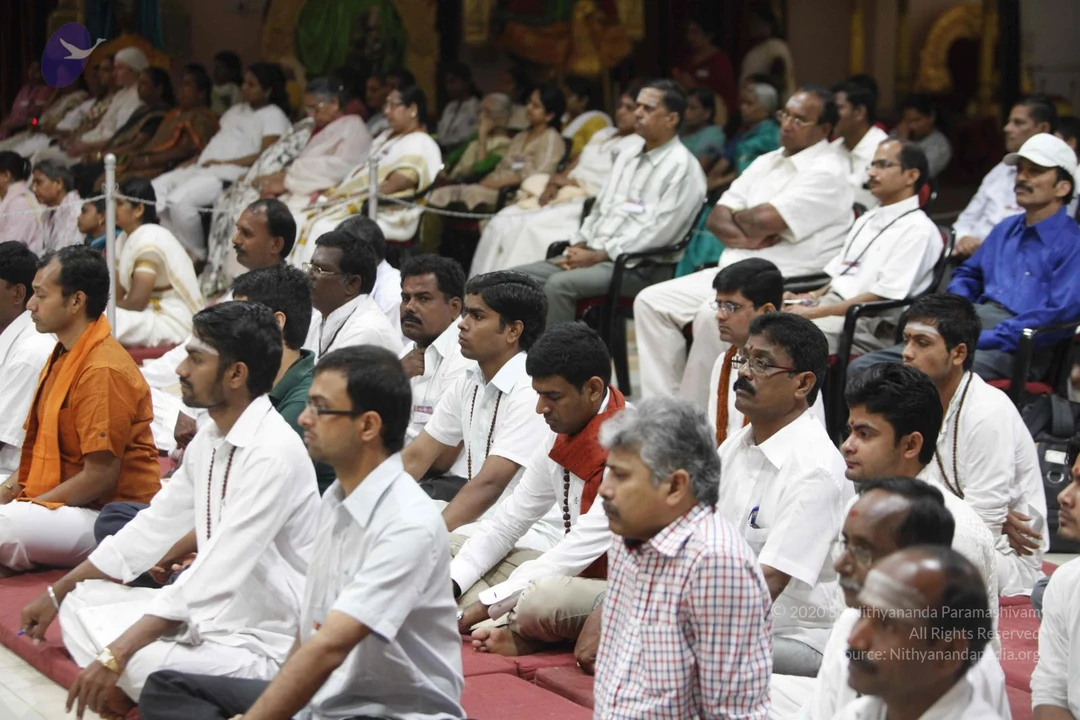
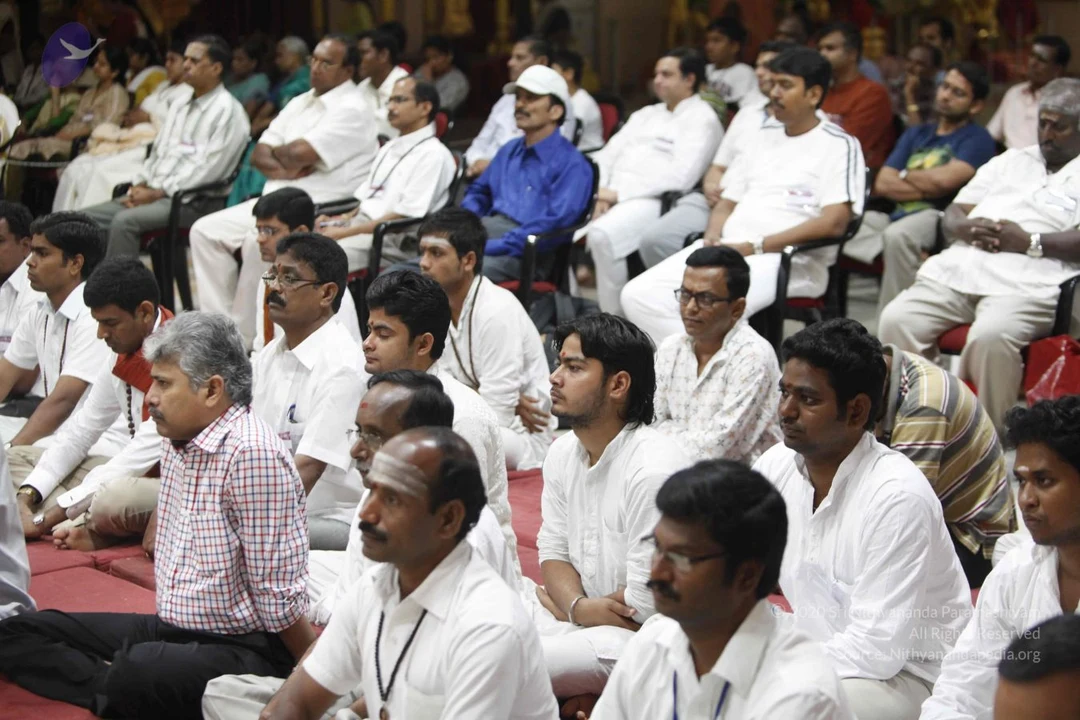
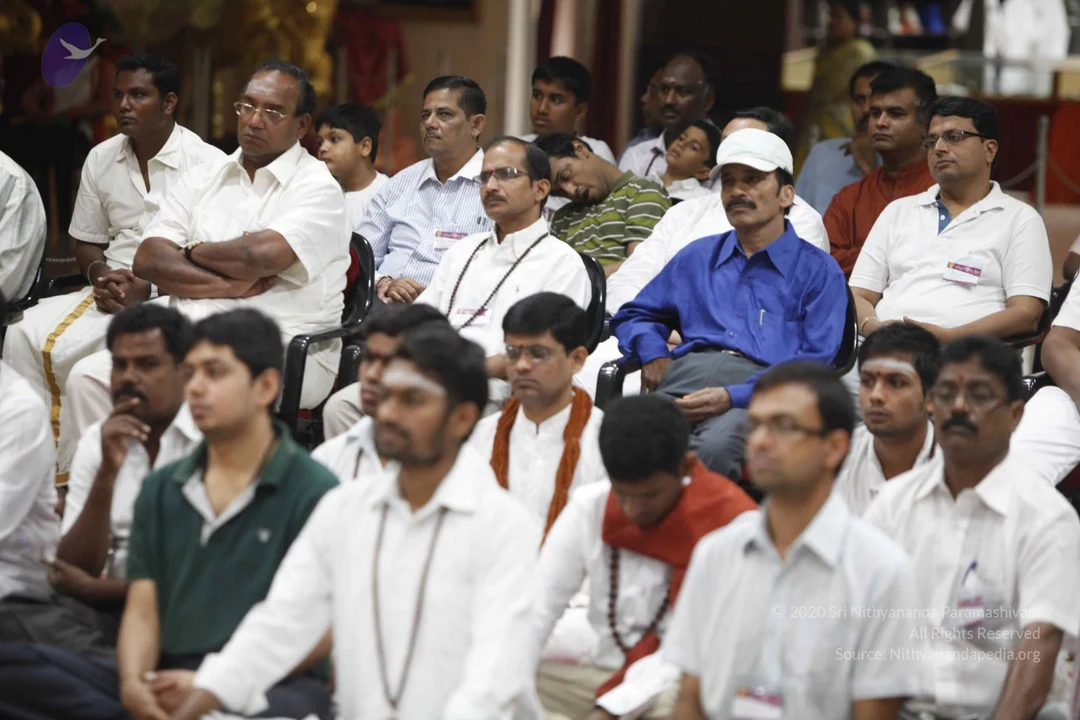
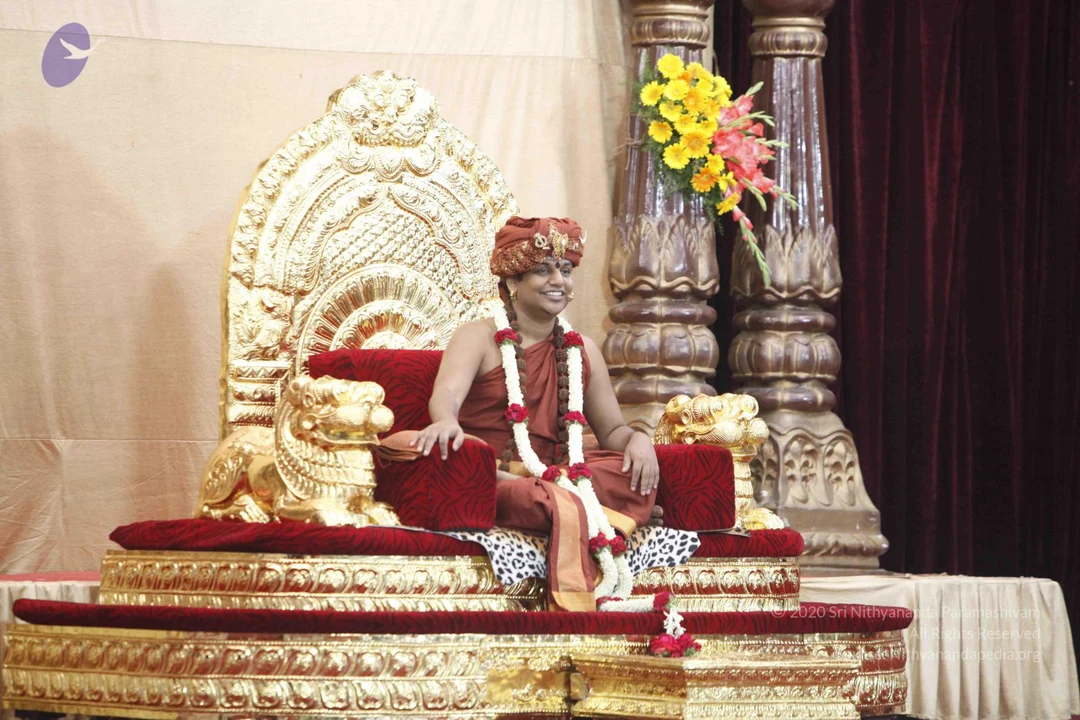
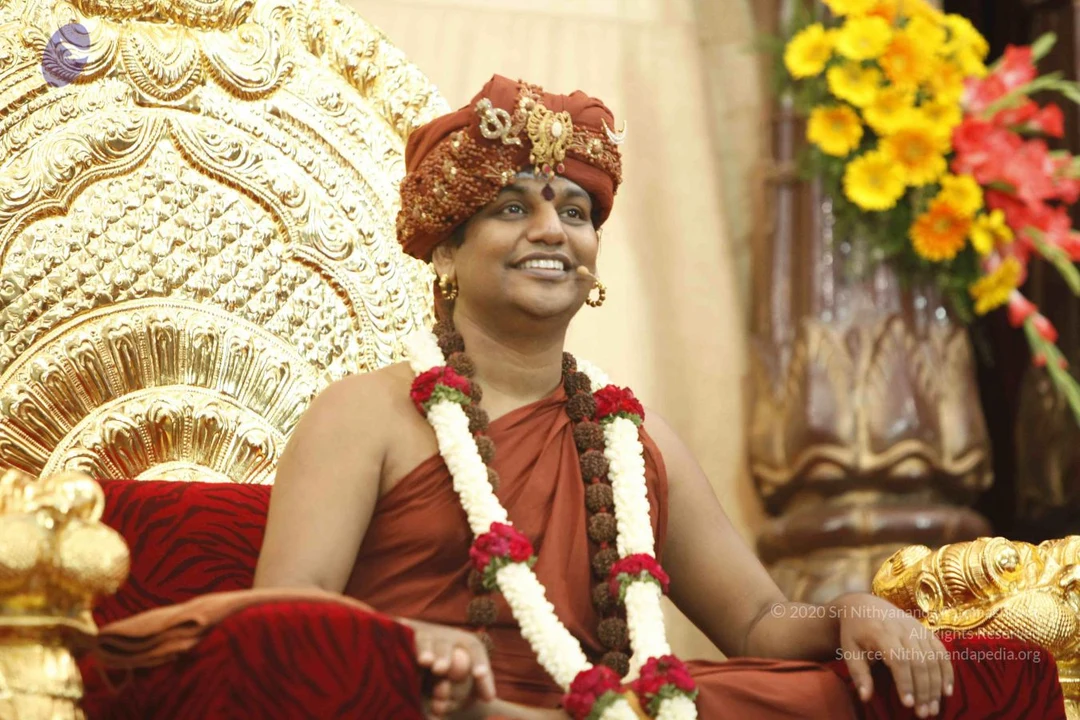
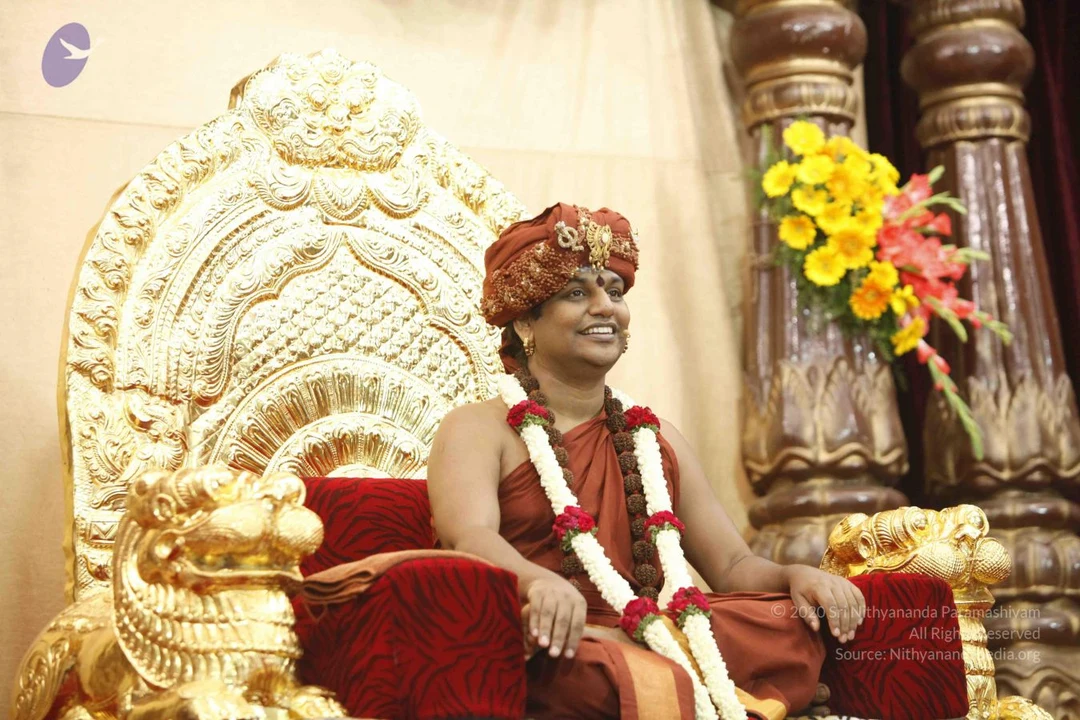
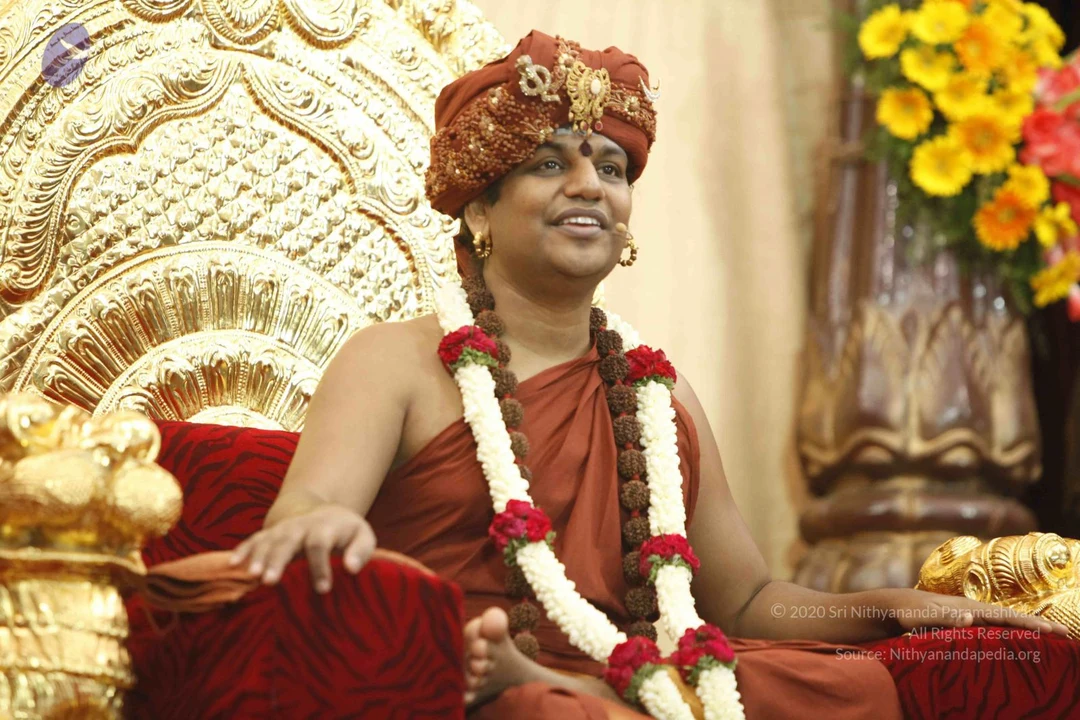
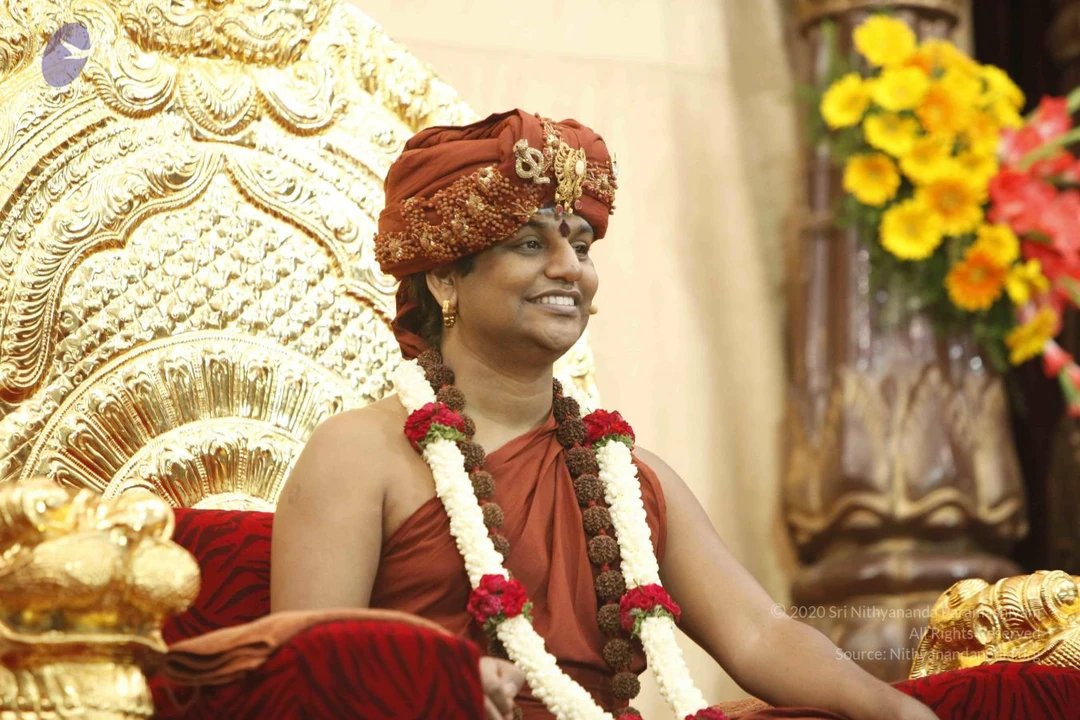
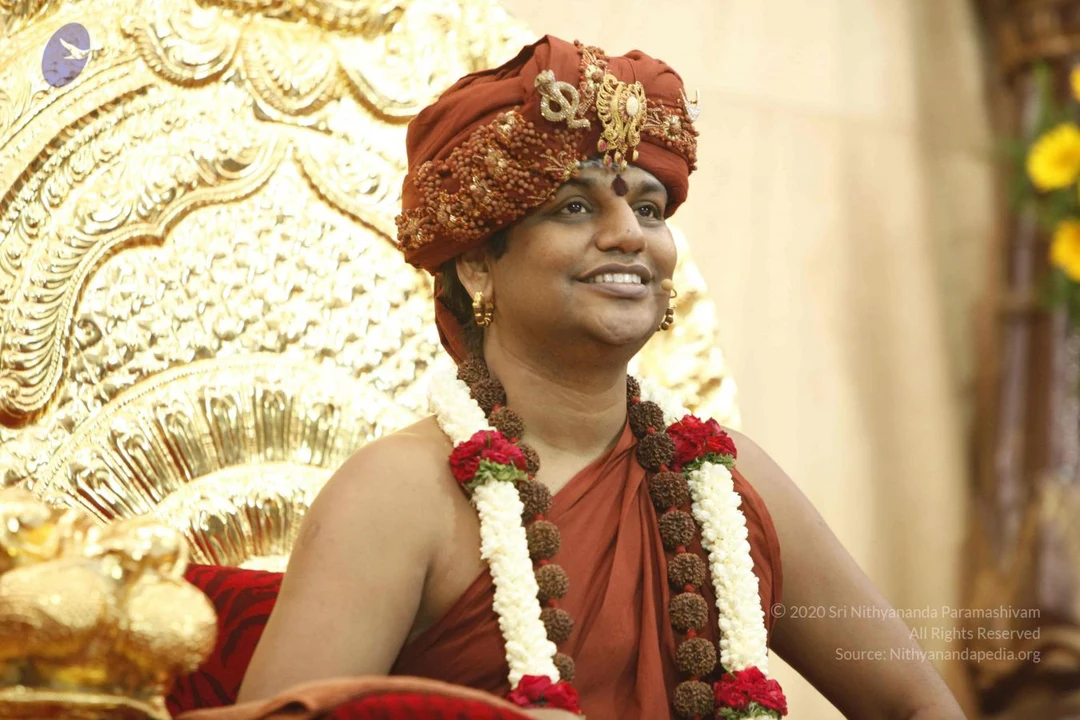
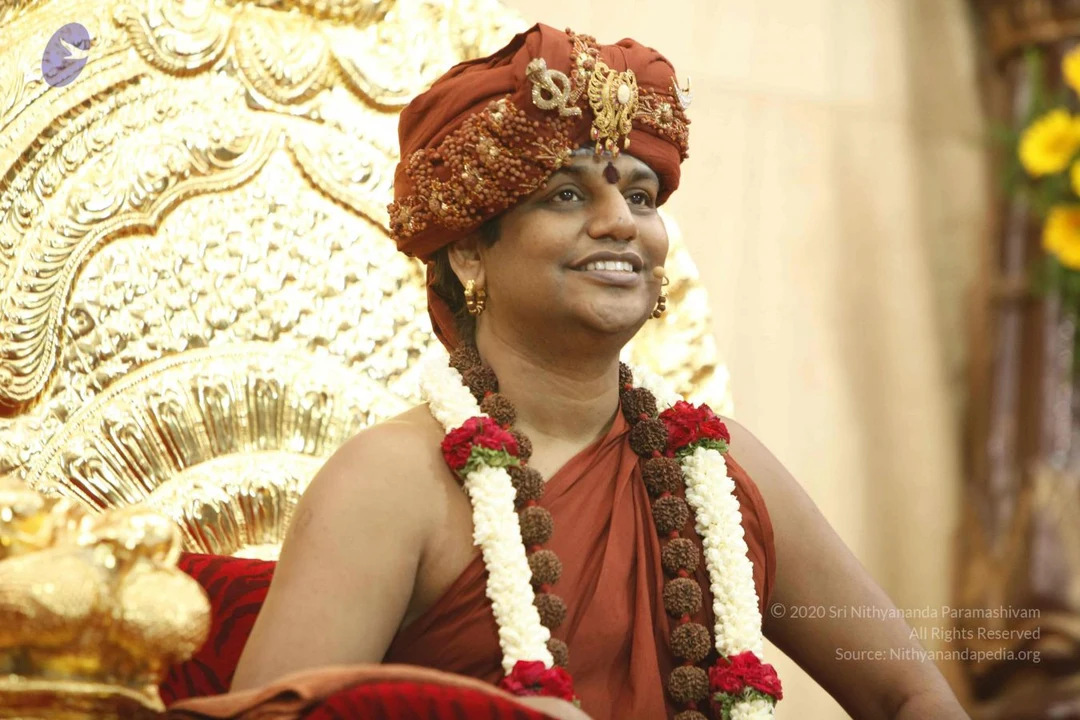
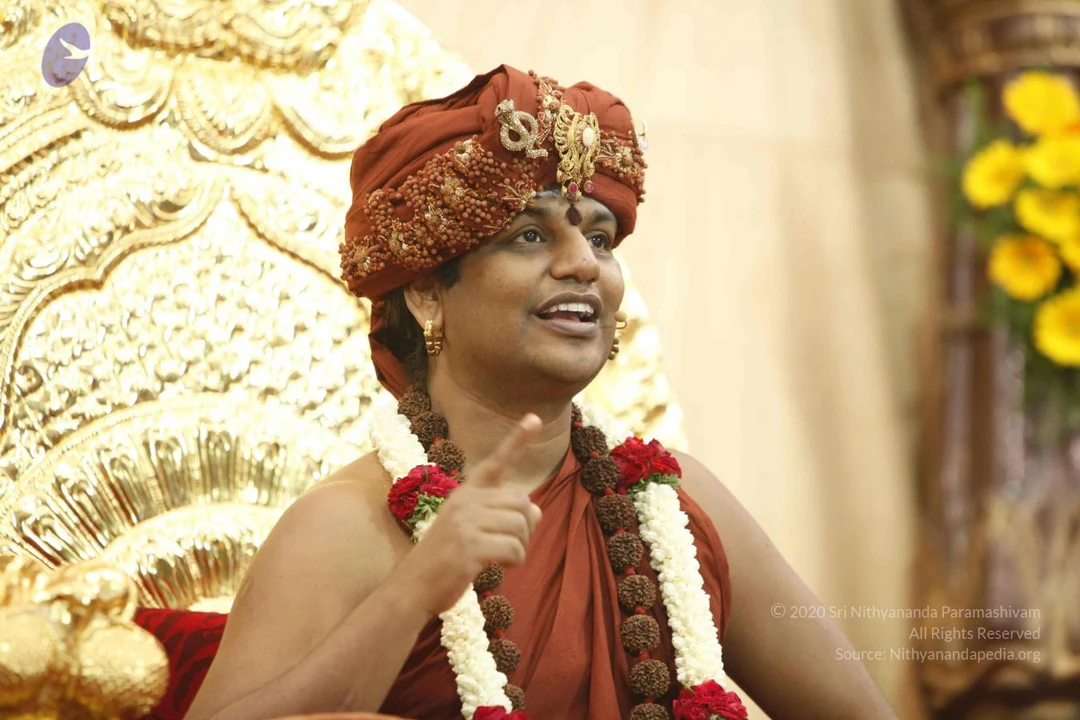
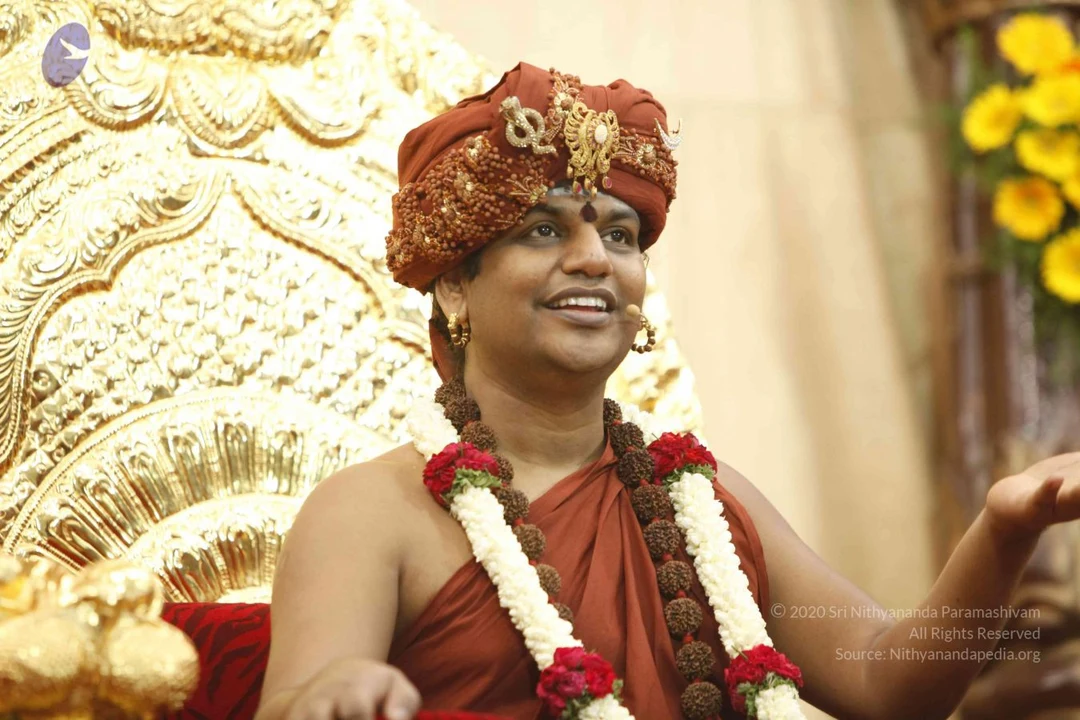
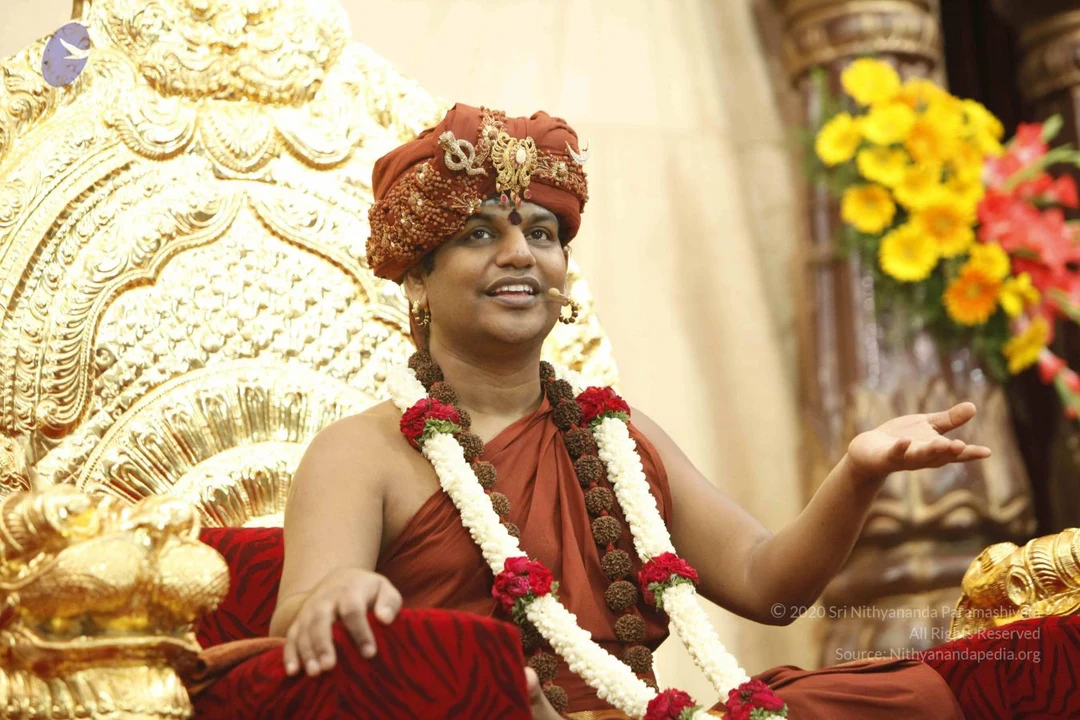
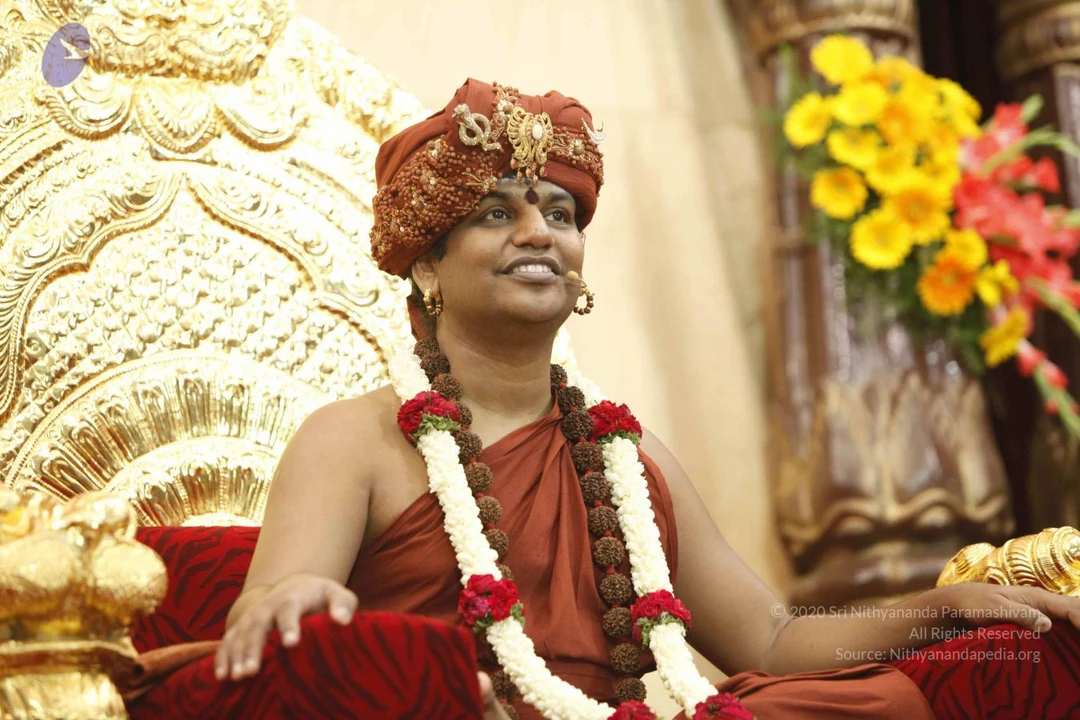
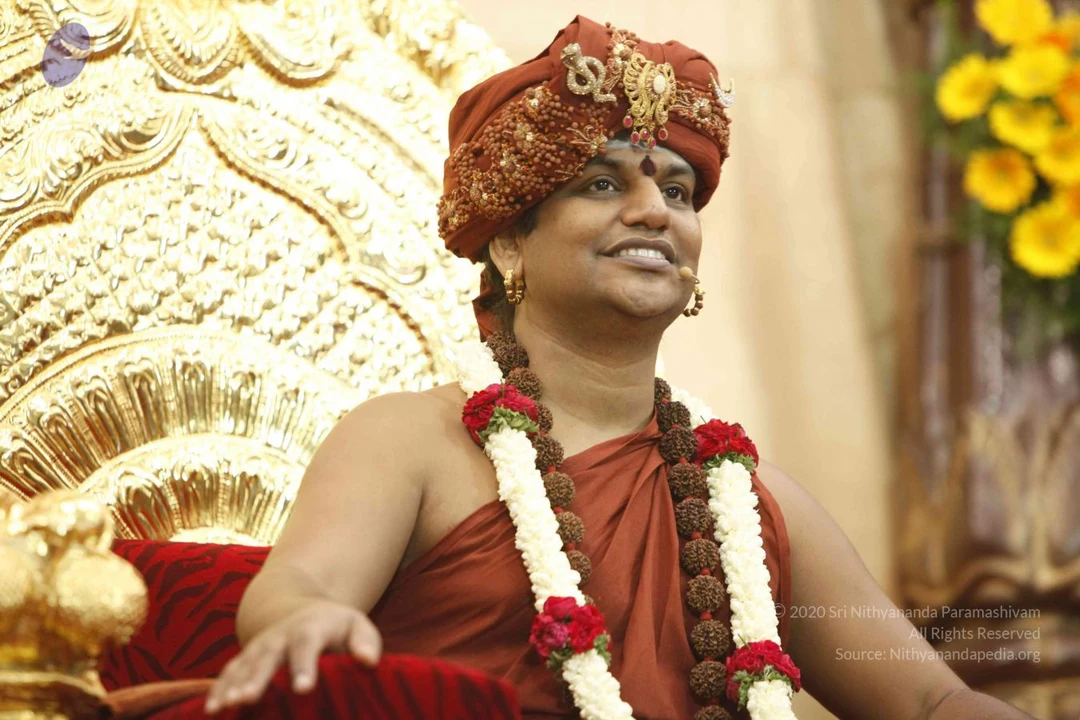
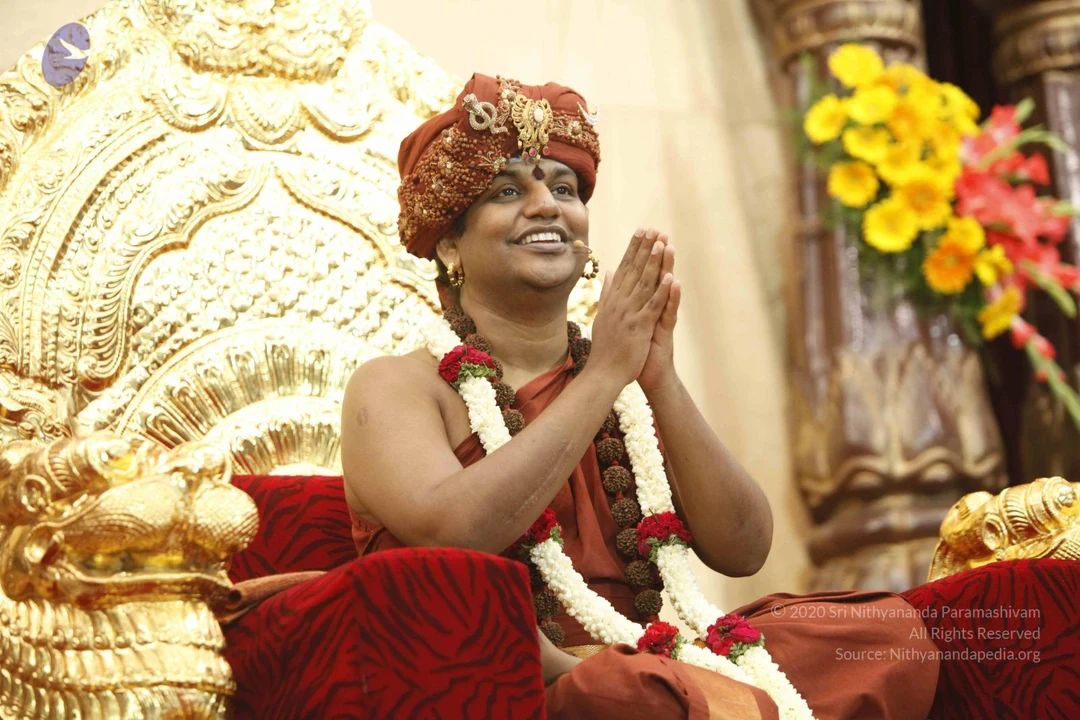
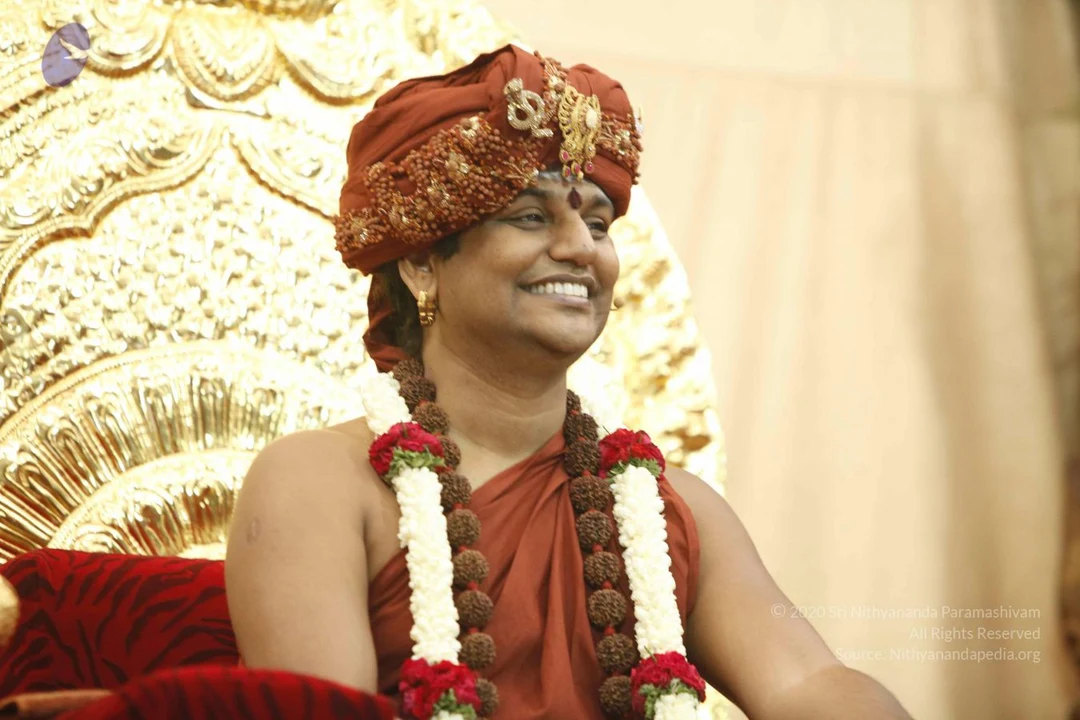
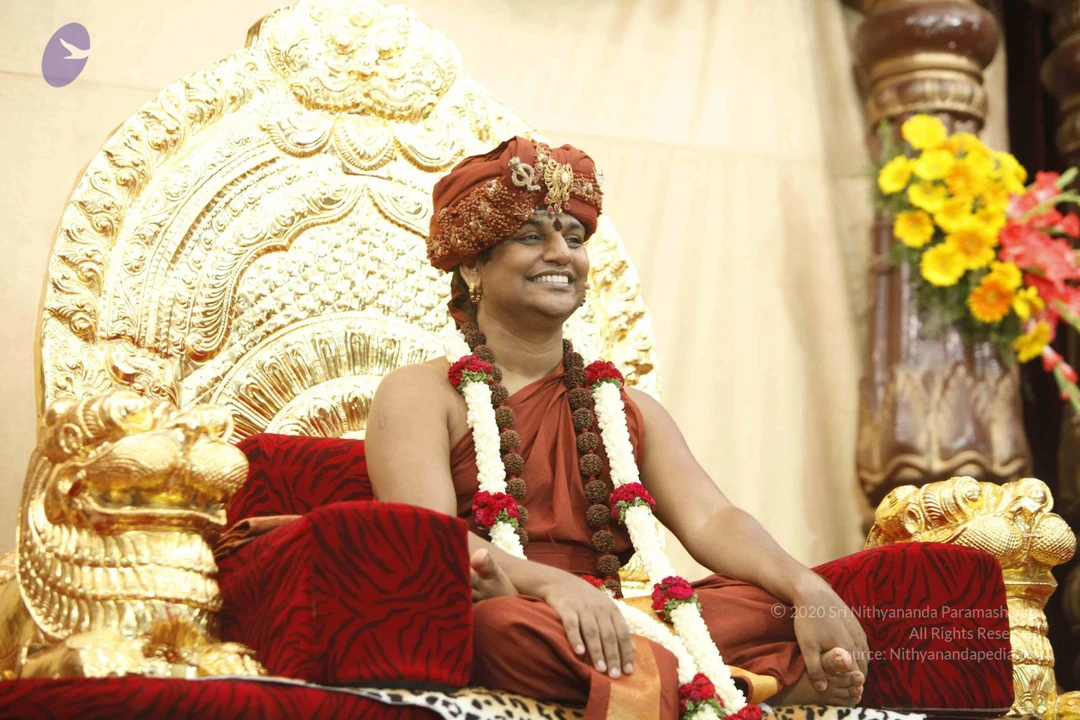
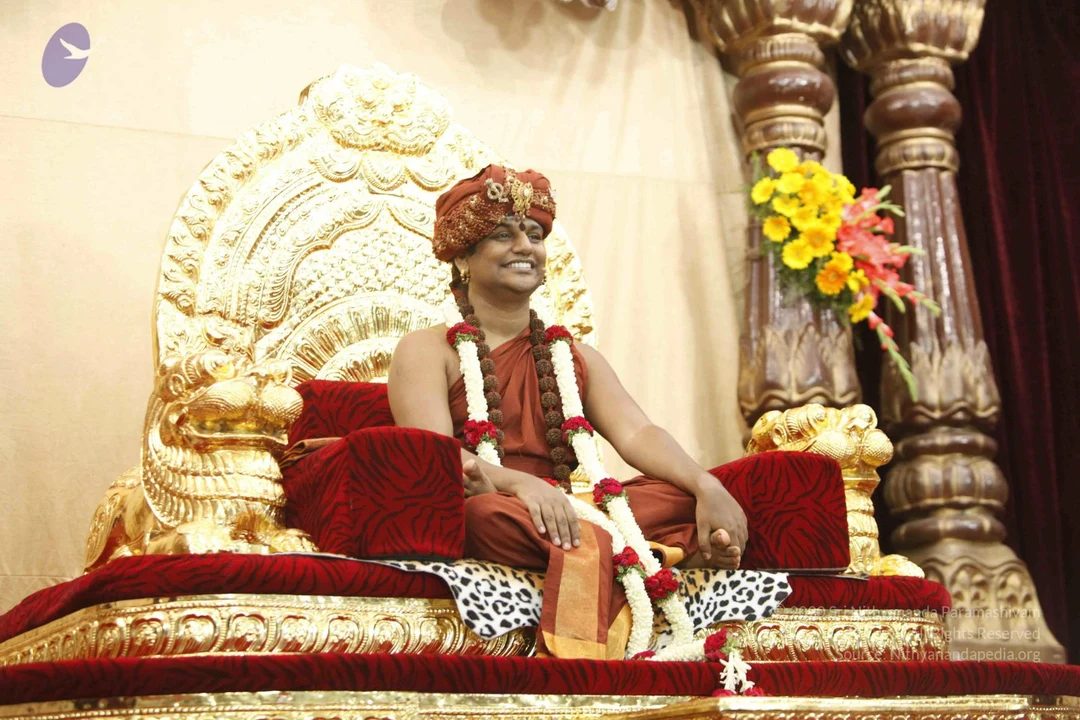
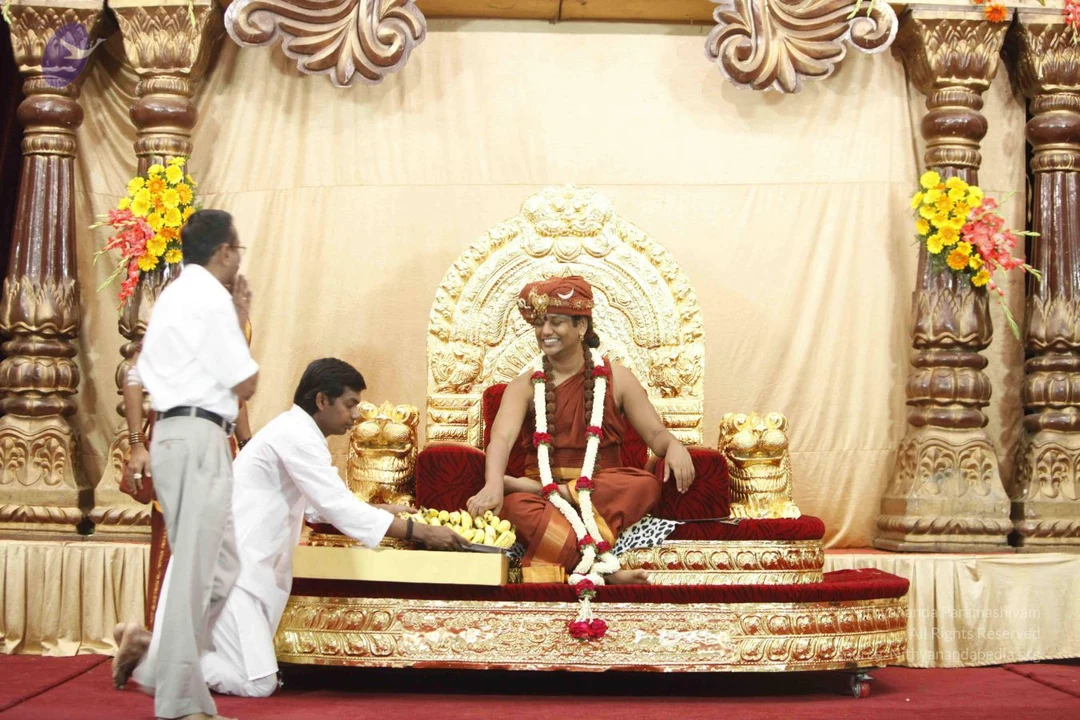
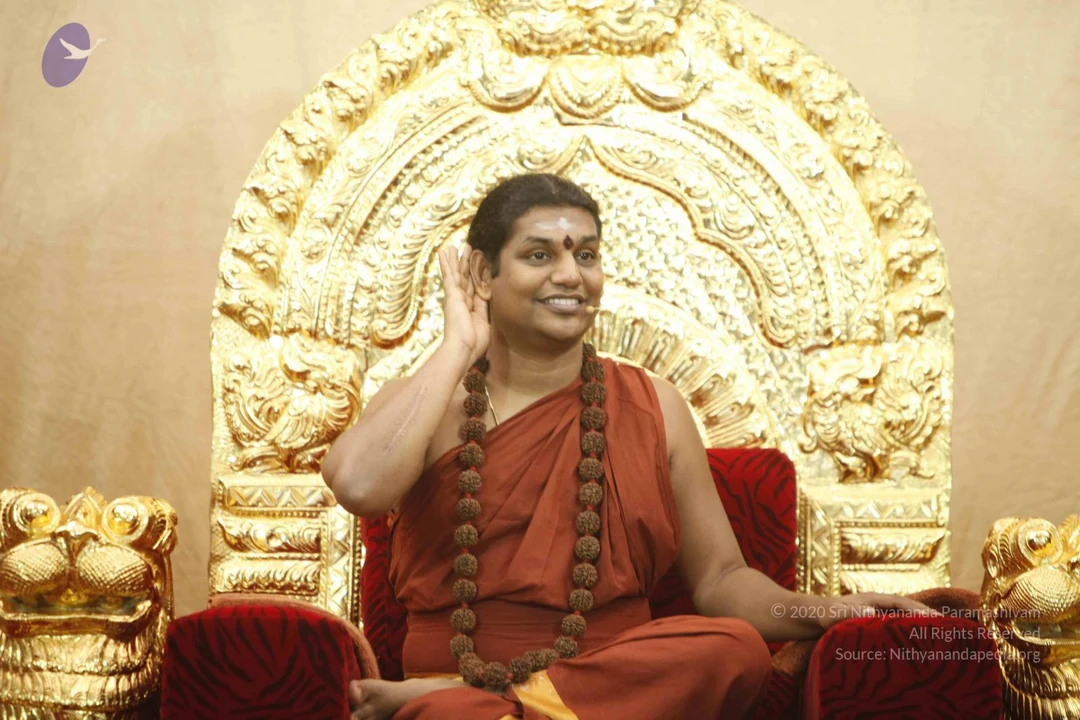
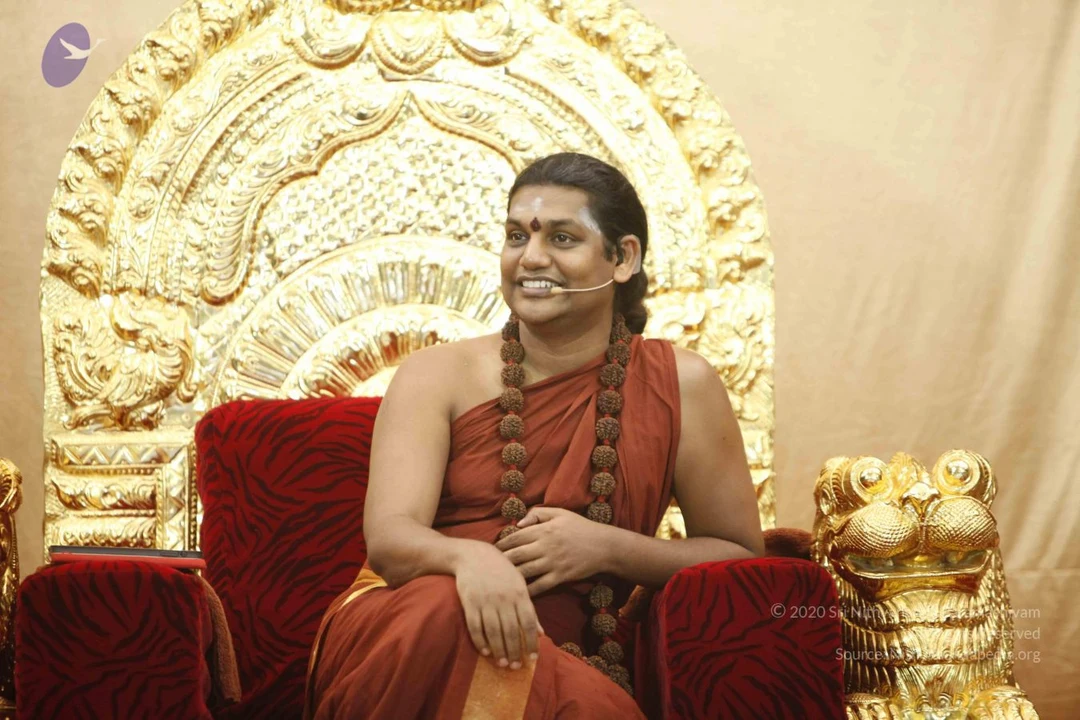
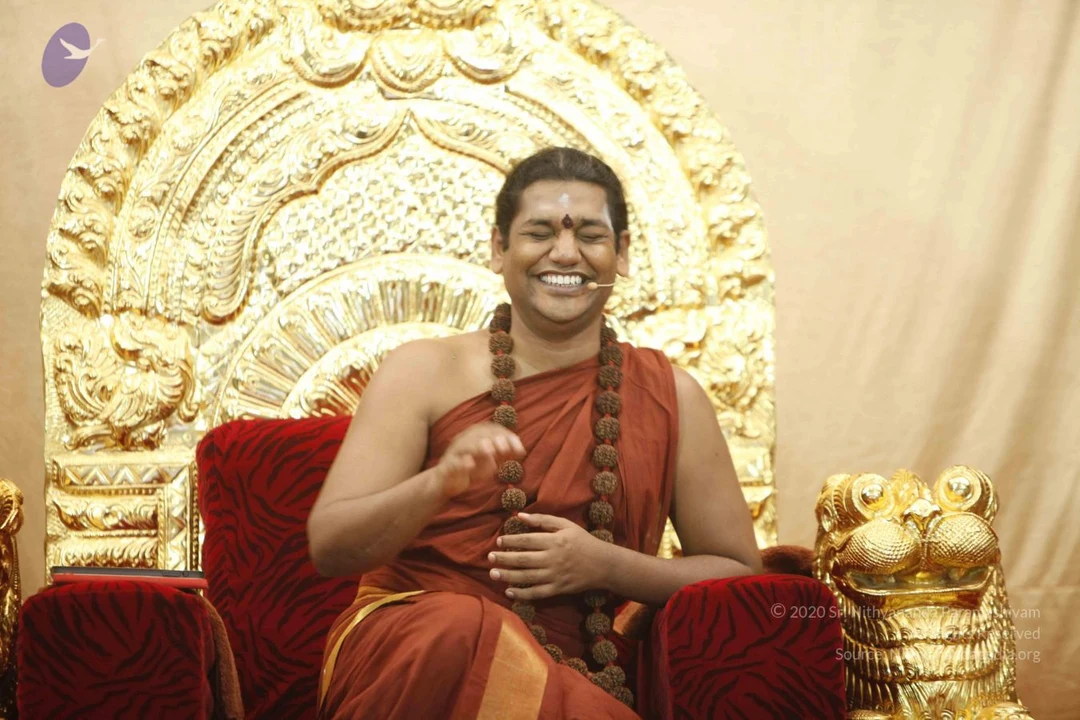
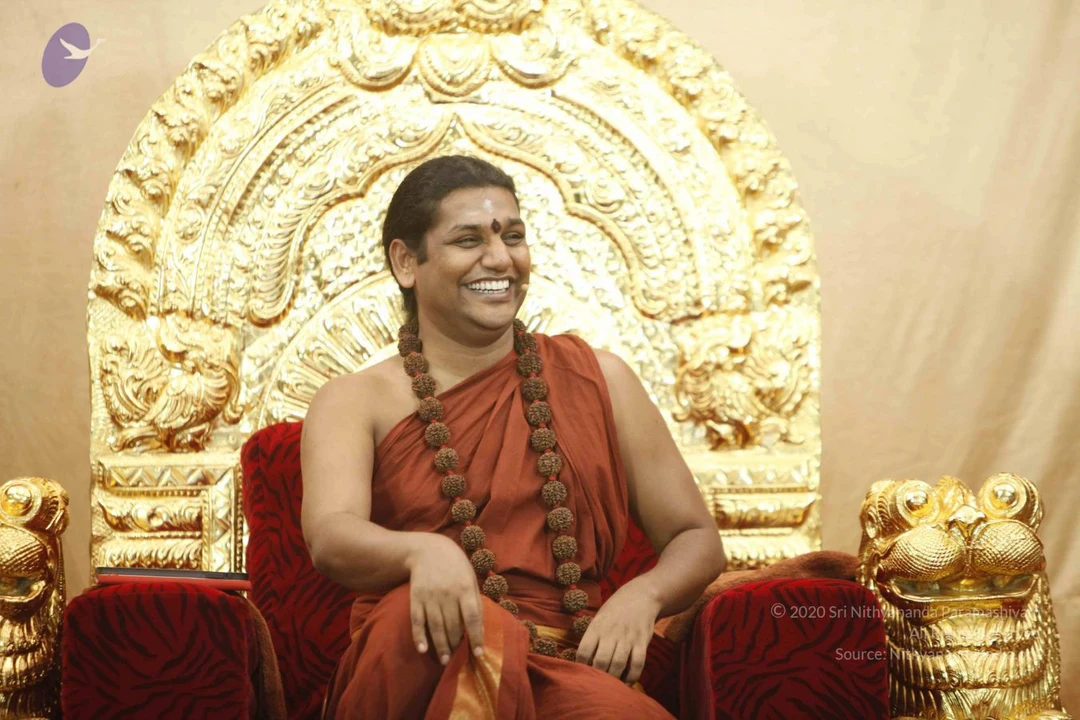
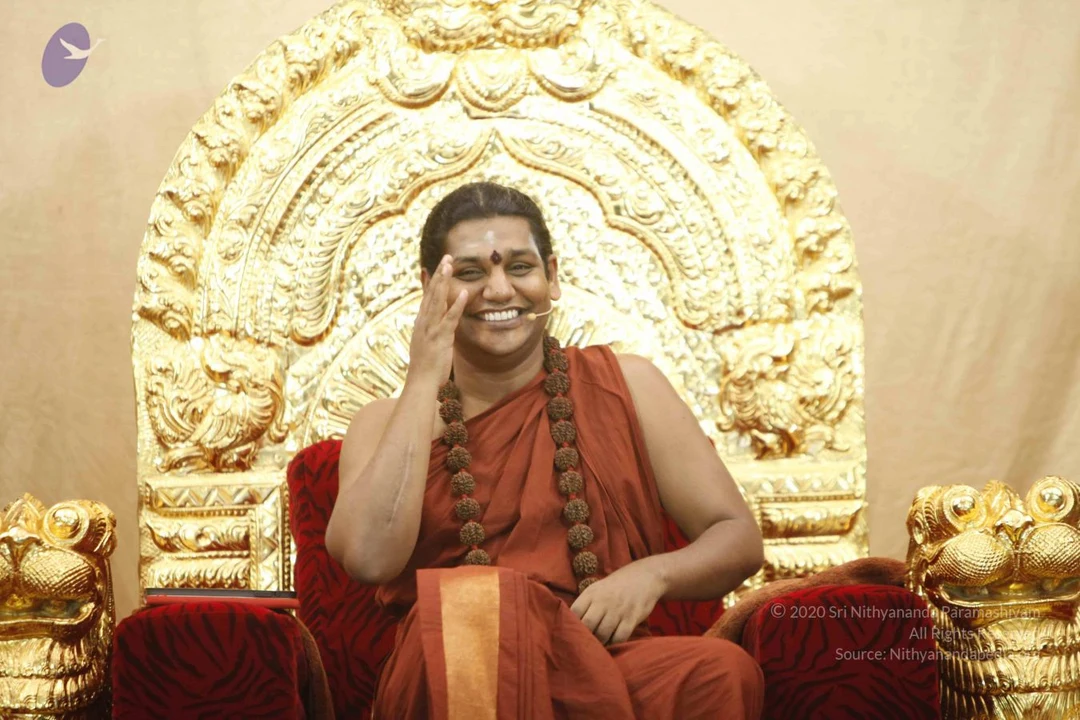
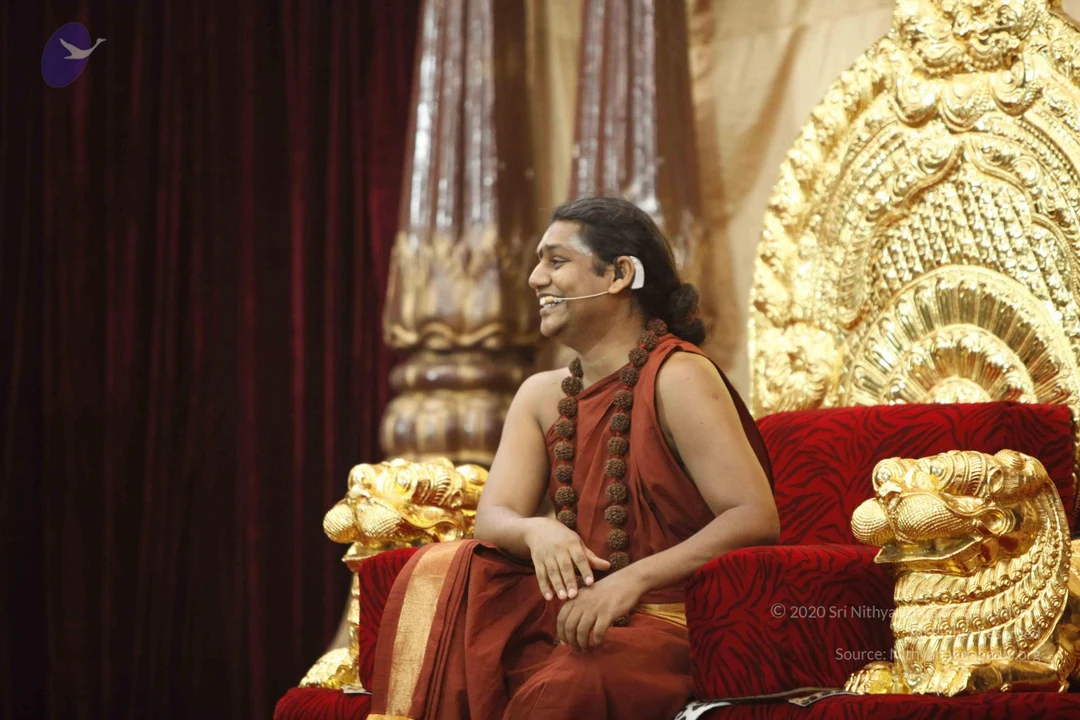
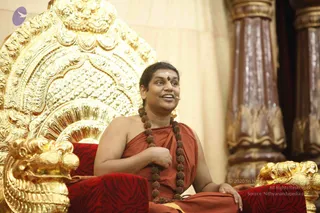
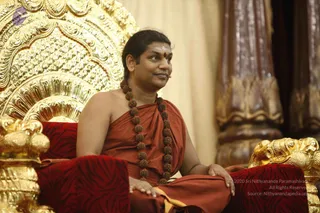
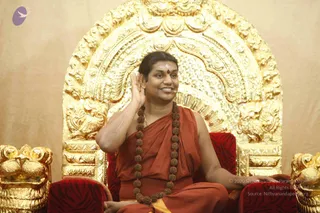
In today’s (5th July, 2014) morning Satsang "Compassion Is Not Withdrawal From Life" Paramahamsa Nithyananda spoke about education. He explained that if your inner space is capable of completing with all the blind-spots in any field then you are educated in that field. Likewise if you are able to handle all the blind-spots of the body, mind and spirit you are spiritually educated. He went on to explain how every human being is extraordinary and a source of endless possibility. He advised us to never surrender to someone who is powerless or call our withdrawl from life as compassion when it is really inability to face conflict.
Link to Video:
| Video | Audio |
Transcript:
Nithyanandeshwara Samaarambhaam Nithyanandeshwari Madhyamaam | Asmath Aachaarya Paryanthaam Vandhey Guru Paramparaam ||
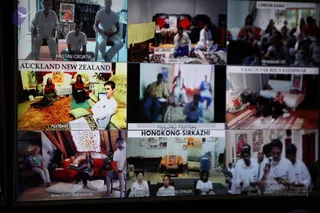
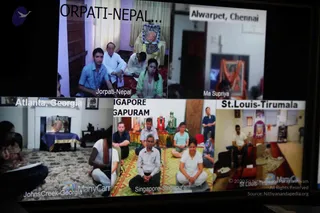
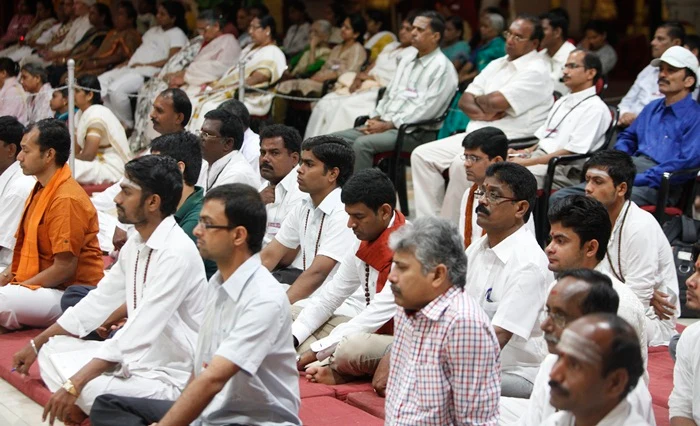
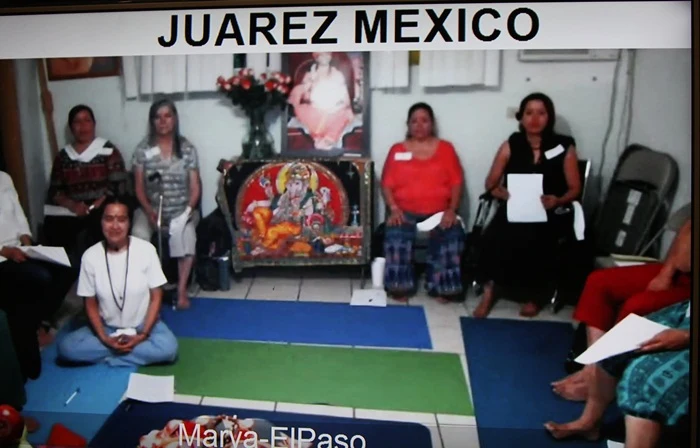
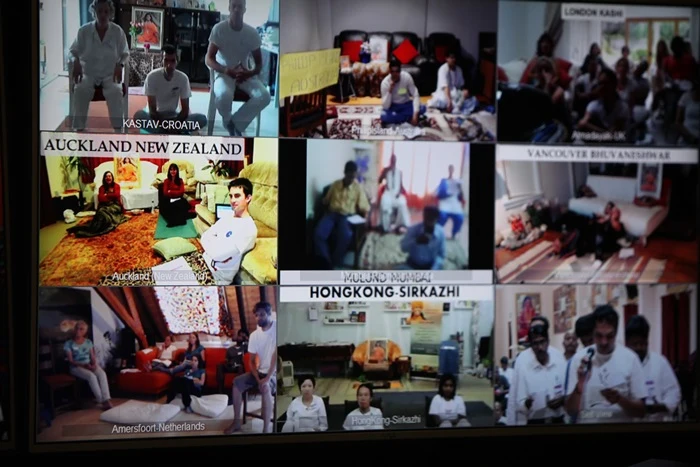
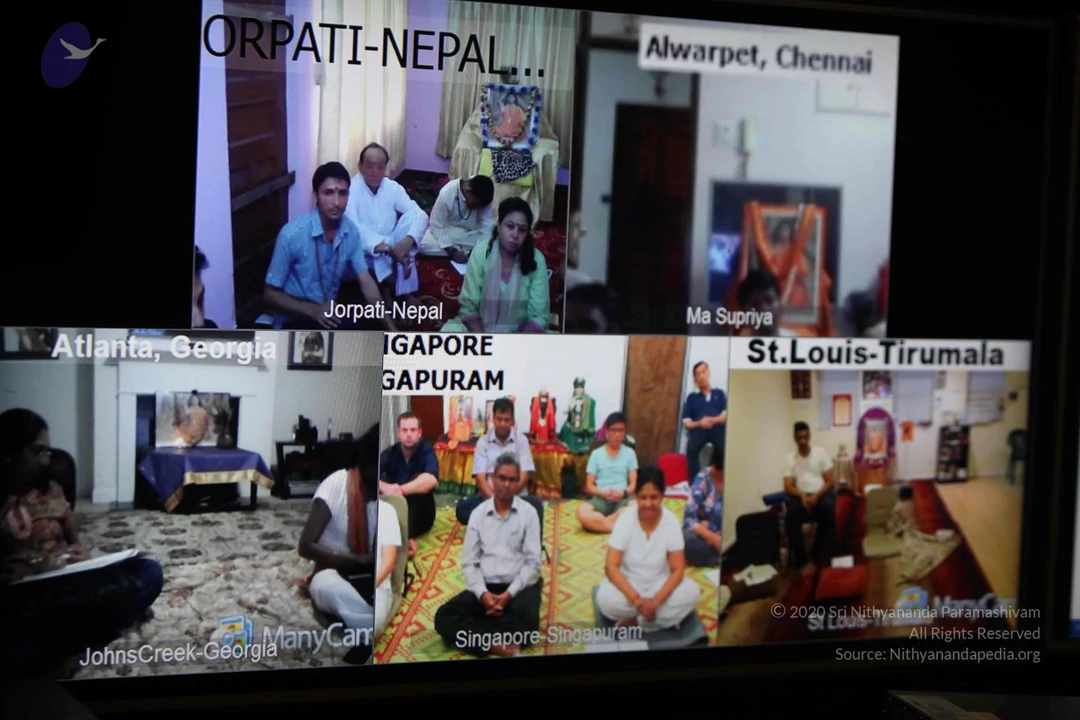
I welcome all the devotees, disciples, samajis, satsanghis, Shrimahants, Mahants, Kotharis, Thanedars, sitting with us through Nithyananda TV, Sadhna TV, two-way video-conferencing having Nayana Deeksha all over the world
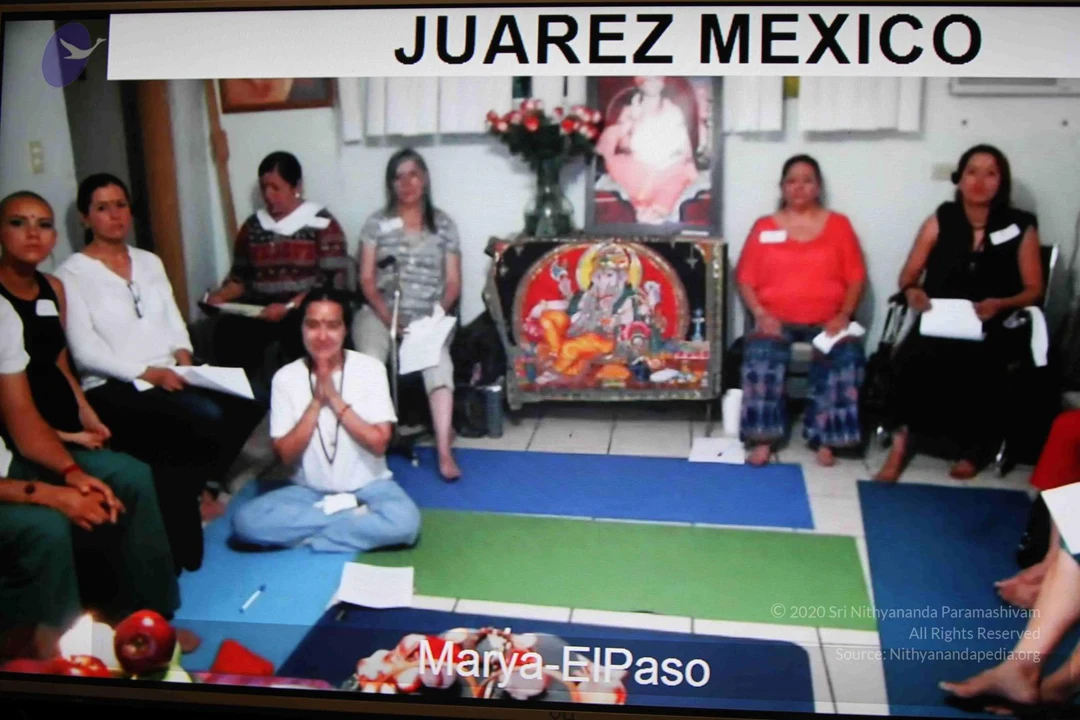
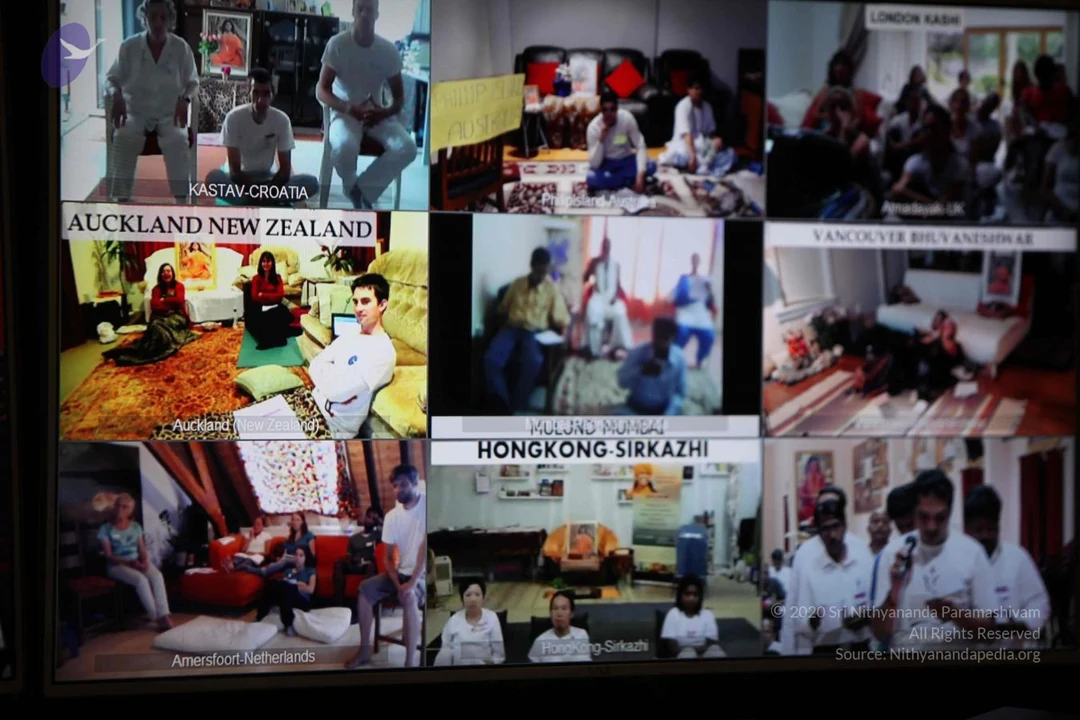
Cities sitting with us having Nayana Deeksha all over the world: New Zealand - Adi Arunachalam, Netherlands, East London UK, Camus Hong Kong; Dubai, Guadeloupe-Rameshwaram, High Point-North Carolina, Hyderabad Gupta Kashi, Scottsdale Arizona, Jorpati-Nepal, Kuala Lumpur-Palani, Mill Valley – California, Oman-Sivagangai, Port Washington – New York, Sun Prairie Wisconsin, Tallahassee-Florida, Houston Texas, Los Angeles – Arunachalam, Seattle- Chidumbramum, Ohio-Prayag, San Jose-Madurai, Mukta Seattle, Singapore – Singapuram, St Louis, Toronto- Kailasam, Vancouver, Austin Texas
I welcome all of you with my love and respects.
Nice to see you guys after long time in the live satsang! Nithya Satsang never stops, please understand; Nithya Satsang never stops. It only starts, never stops. Whoever is in the space of listening, I am constantly talking to them; I am constantly delivering my Nithya Satsang, understand. When you are not in the space of listening, even if I speak Satsang doesn’t happens; if you are in the space of listening, be very clear, constantly I am talking to you, Nithya Satsang is happening there is no break in Nithya Satsang.
I can miss you, but you can’t miss Me. I can say I am always with you, you cannot say you are always with Me. So understand, Nithya Satsang goes on eternally, goes on eternally, goes on eternally.
Who is educated, I wanted to explain this concept. If your inner space is capable enough to complete with all the blind spots you need to handle in that field, you are educated. For example, doctor. What all the blind spots, if an ordinary man suddenly tries to become a doctor, what all the blind spots he will have. He will not know where to cut, where to stitch, he will not know where to put the medicine, he will not know what medicine to apply; he will have too many blind spots. If you are able to handle all those blind spots properly, you are a doctor. Same way, an engineer. If an ordinary man tries to build a building, he may know a few things- a building should have a few pillars, it should have foundation, it should have roof. But he will have a lot of blind spots; what should be the size of the pillar, what should be the size of the foundation, what should be the size of the roof. So many blind spots he will have but if you are able to handle all of those blind spots, you are educated engineer, that’s all.
Understand, education means ability to handle the blind spots.
Same way, if you are able to handle all the blind spots in your body, mind and consciousness, you are spiritually educated, that’s all. If you are able to handle all the blind spots of your body, mind and spirit, you are spiritually educated. Nithya Satsangs are to make you spiritually educated. Once you are spiritually educated, whatever you speak itself is Nithya Satsang! Once you are spiritually educated, even your casual conversations in your office, in your house, even your gossip, will become Satsang, because even there you will have the Right Context. Understand you will have the right context. You will have the right context.
Nithya Satsang never stops for Spiritually Educated because whatever you speak will be satsang. Of course physically to see Swamiji every day, even online, live, something different, I know. But once in a while if I give few days miss, only then people don’t take it for granted. Anyhow, if it’s available every day, good; few days break, good; because we can always enjoy when it starts again. Just for the joy of starting it again, we can have few days break.
I’ll expand on some of the important principles of Advaitha. I have too many to expand now, because all these days, whatever I have churned out and kept it I will have to go on sharing. I have too many extraordinary Advaithic principles to share!
First, maybe in a way I can say, foremost principle I wanted to share today: ability to constantly educate yourself through life, please listen. Ability to constantly educate yourself through life means, having listening to life. I am not saying having a weak, powerless way of thinking everybody teaches - you listen and submissively trying to have everyone’s words as lesson. No, listen. Two biggest mistake advaithi’s do, spiritual practitioners, seekers do:
One -trying to be surrendering to everybody which is not right because many people are in powerless space; when you try to surrender to their powerlessness, you get wrong ideas into your head, they put all the powerless ideas into your head, no.
Second - your fear to face the conflicts, contradictions, you move out of life, step back from life, you call that as compassion and goody-goodiness, no.
Atheism is actually a social crime. Crime done to society by destroying the possibilities to human being, by destroying the possibilities to human beings. Each human being is extraordinary! Understand everything I am making it happen hear proving is I am making every one of you experience your extraordinary dimension in multiple ways.
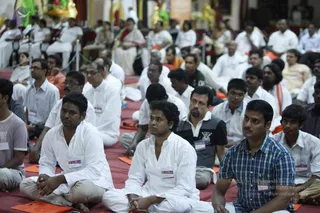
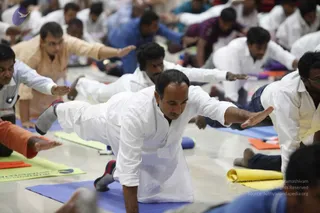
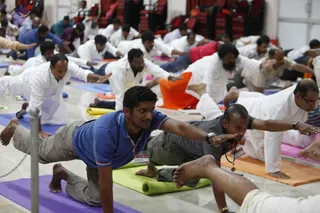
Whether it is two day program, Nithya Dhyaan Yoga, which is going to start today in Bidadi, or Nithya Kriya Yoga, or Inner Awakening, whatever may be the program, all I am doing to you is making you experience your extraordinariness. I am opening the doors of possibility for you!
Understand, teaching human beings that you don’t have any other possibilities, any more possibilities, extraordinary possibilities, is killing his soul, killing his consciousness, reducing him to just a animal which eats and sleeps. Understand, life starts the moment you believe extraordinary possibilities. Life starts the moment you believe extraordinary possibilities! Life happens when you start experiencing extraordinary possibilities. Starting! Life starting itself happens only when you believe extraordinary possibilities. And only when you start expressing them life happens to you. Few blind fellows should not convince the whole world no-one can see; seeing is impossible. It should not happen to humanity. Few stupid fellows should not convince the whole world all of you are stupid! It should not happen, that is too dangerous, it’s a conscious conspiracy against humanity.
Listen. Fear of facing the conflicts and fear of facing the possibilities is one and the same. Fear of facing the conflicts and fear of facing the possibilities. See if you are intelligent making wealth, making political success or social success, you should be intelligent enough to tap into your own powers! After all tapping your conscious energy is a power. Even people who tap into their consciousness have one or two extraordinary powers they feel it is very difficult so others cannot do and try to deny the possibilities others. I tell you, the man who tells you, ‘you can’t have anything extraordinary,’ is a criminal! He is denying your possibility! The man who tells only he can have the extraordinary powers, not you, is cunning. The man who tells He experienced it, he has it, you can have it, you can experience it is an enlightened being! The man who tells He has extraordinary powers and He has seen extraordinary possibilities and you can see it and you can experience it is enlightened being; the man who gives those possibilities for every human being is an incarnation!
Understand. Let Me come back to these two major mistakes all seekers do:
One, because of fear of facing the conflicts, due to the fear of facing the life, due to fear of facing contradictions, withdrawing in the name of compassion, withdrawal being named as compassion, no. That is too stupid! Withdrawal should not be named as compassion. Withdrawing should not be named as compassion!
Second, don’t surrender to powerlessness of others. There is a beautiful story in Ramakrishna’s life. Guru teaches the disciple everything is God, but before completes the lesson, gives a break. The lesson is not yet complete, it is being taught. This disciple, who learned everything is God in half way, walks in the street and he sees a mad elephant and a mahout who is trying to control the elephant. The mahout is screaming, “All of you run away, run away! This elephant is mad!” He is trying to control the elephant and scream. Everyone ran away. This half-learned disciple he thought ‘everything is God, why should I be afraid?’ He went and stood in front of the elephant and the elephant just threw him; he was completely shattered. After some time the other disciples and Guru came to know about this, and they ran and brought the disciple, they were treating him. The Guru asked the disciple why did not run away; the disciple said “No you only said everything is God, so I tried to test that. ‘ Guru said, “Yes, but the mahout was also God, who told you to run away and save yourself!” Listen you need to know the elephant itself is not under its control, it is mad, powerless. It is not able to control itself. It is powerless. If you surrender to the powerlessness of the elephant what will happen to you? Please understand just going crazy and breaking everything is not cute that is not powerfulness, understand. Going crazy and breaking everything does not prove your power! Being under control and establishing, creating only proves your power! Sometimes we think, “If I get angry, do you know what I will do? I will demolish everything, break everything” Then you are stupid! That is not something to be proud about! Why do try to put a CCTV camera in your toilet and show it to the whole world? That is stupid trying to show the whole world the scenes in your toilet. Is it pride? See, see, see what I do? See this camera, see the close-up? No! That is not pride that is stupid! Same way, trying to brag what you will do when you are angry is stupid, that is powerlessness. Understand the elephant itself is stupid. It’s powerless at that time. Surrendering to powerlessness will make you powerless. Surrendering to powerlessness will make you powerless. So avoid these two mistakes: never surrender, bend, for somebody who is powerless. Understand this. And be powerful you can break him. However powerful position he may be sitting, if he is powerless, however powerless situation you may be in, if you are powerful, you can break him. Understand life functions by law of consciousness, not by the law of social status and power! However powerful place somebody may be placed, if he is powerless, simply he can be broken. However powerless position you may be placed in socially, but if you are powerful you can simply break him. You will simply break him.
Understand, never surrender to powerlessness and never call your withdrawal from life as compassion. So many times, your withdrawal from life, you try to call that as compassion or goodness, no. At least name it properly: it is your inability to face the conflicts so that next time you will be more intelligent, will be more brilliant, bright, you will at least have the right strategy, right possibility.
Essence of today’s satsang: Never give way for other’s powerlessness in your life. Do not ever bend or surrender to other’s powerlessness. Second, don’t think a withdrawal is compassion. Fear of facing conflicts is not compassion. Be very clear. If you avoid these two major mistakes in your life, you will constantly create powerful space and completion with you and with others.
I bless you all. Let you all radiate with Integrity, Authenticity, Responsibility, Enriching and Causing Eternal Bliss, Nithyananda. Thank you.
Title
Lets Play A Game With The Master-Start Listening || NDY || 05 Jul 2014
Description
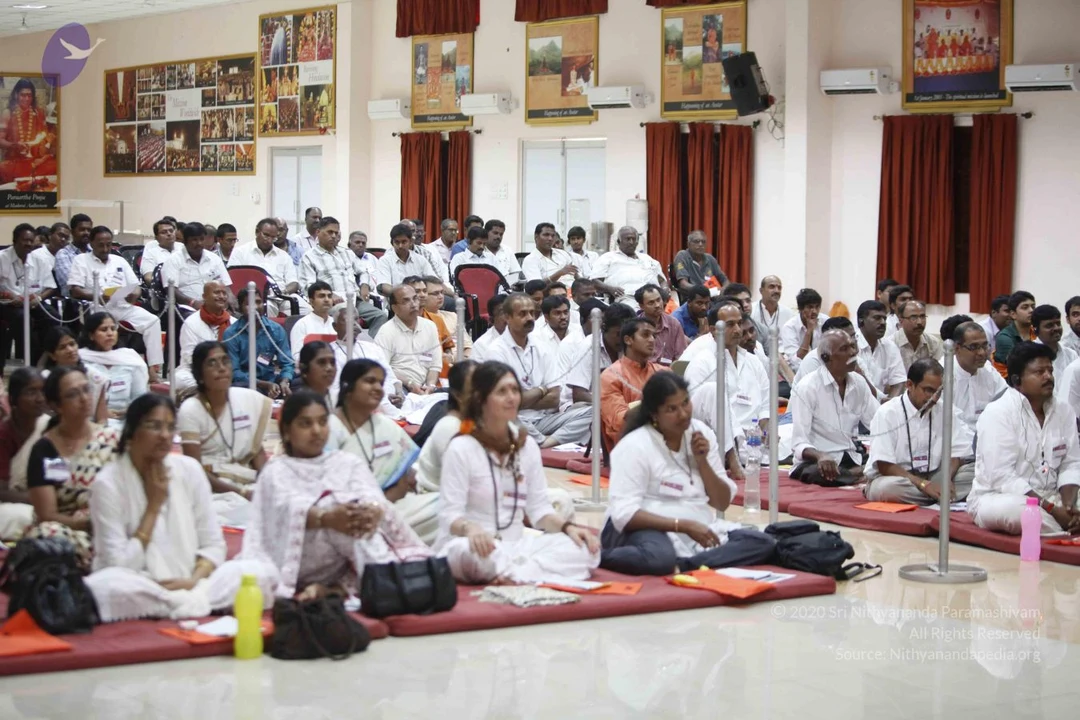
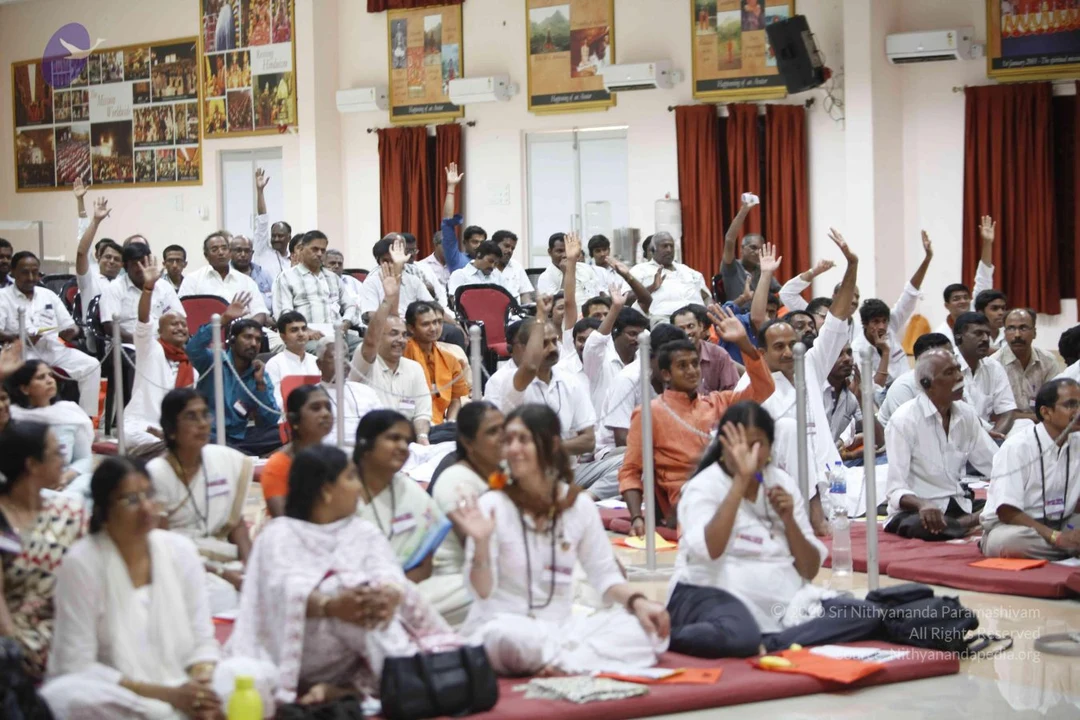
Name Of The Convention: Nithya Dhyan Yoga
Session on: Lets Play A Game With The Master-Start Listening
Date: 05 July 2014
Venue: Adi Kailasa, Bengaluru, Karnataka, India
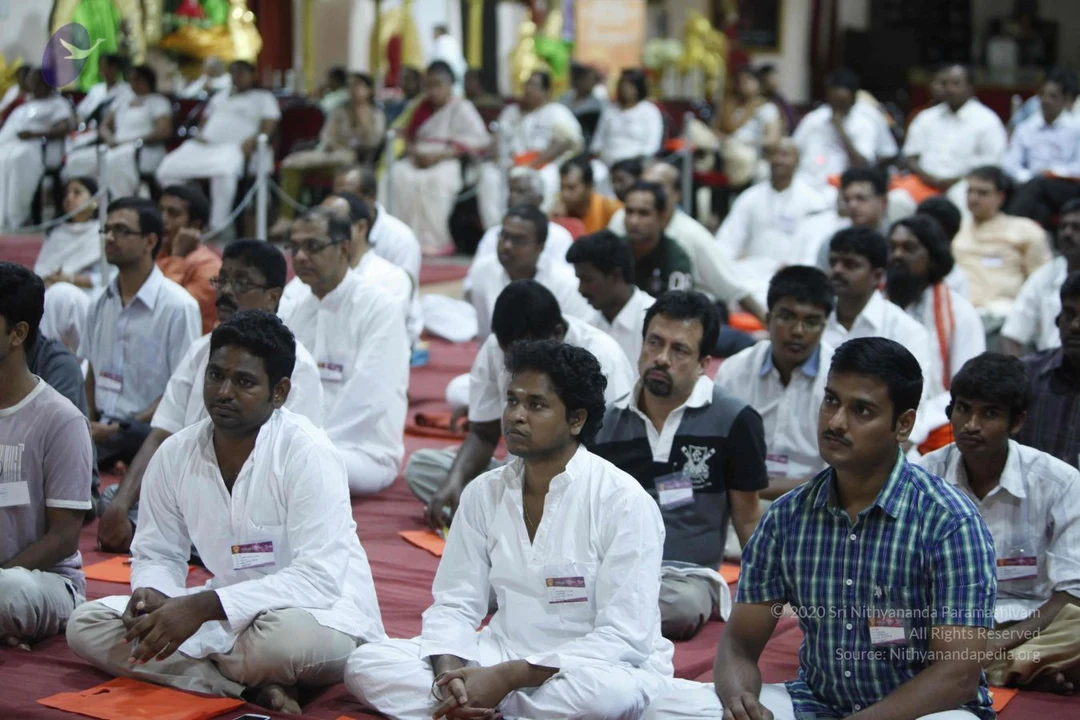
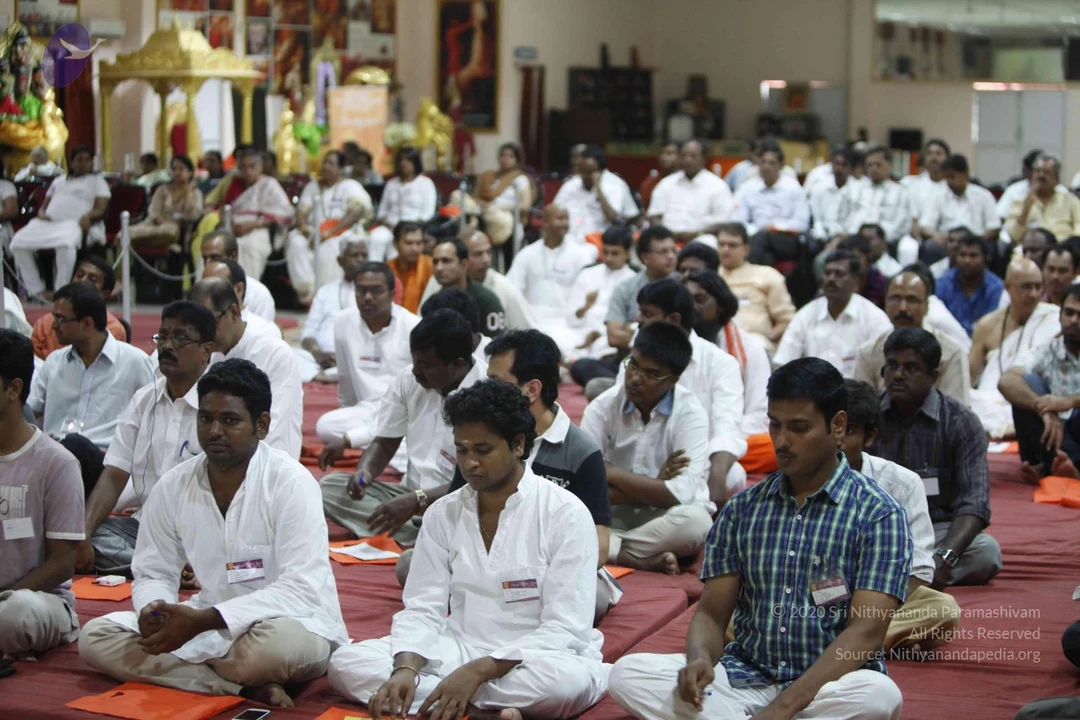
In this video Supreme Pontiff of Hinduism HDH #Nithyananda Paramashivam guides the delegates through various stages of our default life conditionings and gives them the liberated thinking and practices to live a healthy and stress free life.
The Supreme Pontiff of Hinduism Jagatguru Mahasannidhanam His Divine Holiness Nithyananda Paramashivam (HDH) is the reviver of #KAILASA - the ancient enlightened civilization and the great cosmic borderless Hindu nation. Revered as the incarnation of Paramashiva - the primordial Hindu Divinity, HDH has a following of 2 billion Hindus worldwide with de facto spiritual embassies in over 150 countries. He has worked untiringly for over 26 years for the revival of Kailasa, for global peace and to give super conscious breakthrough to humanity. He has survived the worst persecution of multiple assassination attempts on person and on character by anti-Hindu elements. He is collecting, organising, preserving, time capsuling, decoding, spreading and reviving 20 Million source books of Hinduism and the 64 sacred arts & sciences like Ayurveda, music, dance, sculpting, astrology, vastu and much more. Close to 20,000 hours of HDH’s timeless talks have been recorded till date (Sep 2020), which are a treasure trove of powerful cognitions to solve individual and global problems of any kind.
Link to Video:
| Video | Audio |
Title
Crystal Clear Answers from HDH! || NDY || 5 Jul 2014
Description
Name Of The Convention: Nithya Dhyan Yoga
Session on: Receive Crystal Clear Answers from HDH!
Date: 05 July 2014
Venue: Adi Kailasa, Bengaluru, Karnataka, India
In this video Supreme Pontiff of Hinduism HDH #Nithyananda Paramashivam guides the delegates through various stages of our default life conditionings and gives them the liberated thinking and practices to live a healthy and stress free life.
The Supreme Pontiff of Hinduism Jagatguru Mahasannidhanam His Divine Holiness Nithyananda Paramashivam (HDH) is the reviver of #KAILASA - the ancient enlightened civilization and the great cosmic borderless Hindu nation. Revered as the incarnation of Paramashiva - the primordial Hindu Divinity, HDH has a following of 2 billion Hindus worldwide with de facto spiritual embassies in over 150 countries. He has worked untiringly for over 26 years for the revival of Kailasa, for global peace and to give super conscious breakthrough to humanity. He has survived the worst persecution of multiple assassination attempts on person and on character by anti-Hindu elements. He is collecting, organising, preserving, time capsuling, decoding, spreading and reviving 20 Million source books of Hinduism and the 64 sacred arts & sciences like Ayurveda, music, dance, sculpting, astrology, vastu and much more. Close to 20,000 hours of HDH’s timeless talks have been recorded till date (Sep 2020), which are a treasure trove of powerful cognitions to solve individual and global problems of any kind.
Link to Video:
| Video | Audio |
Title
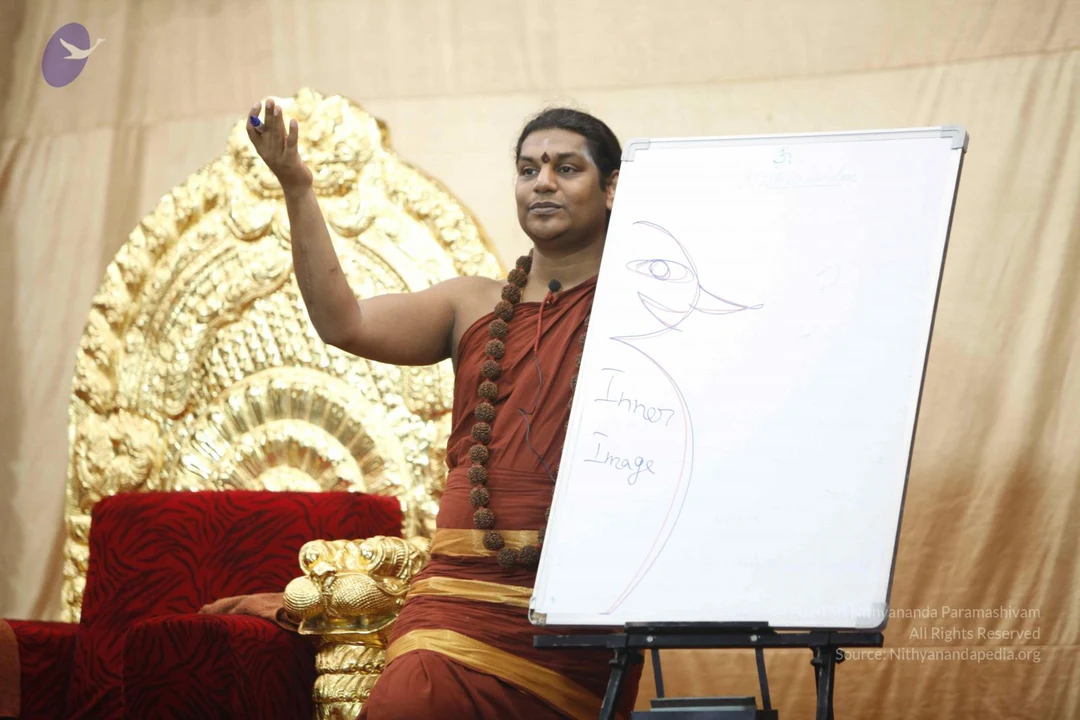
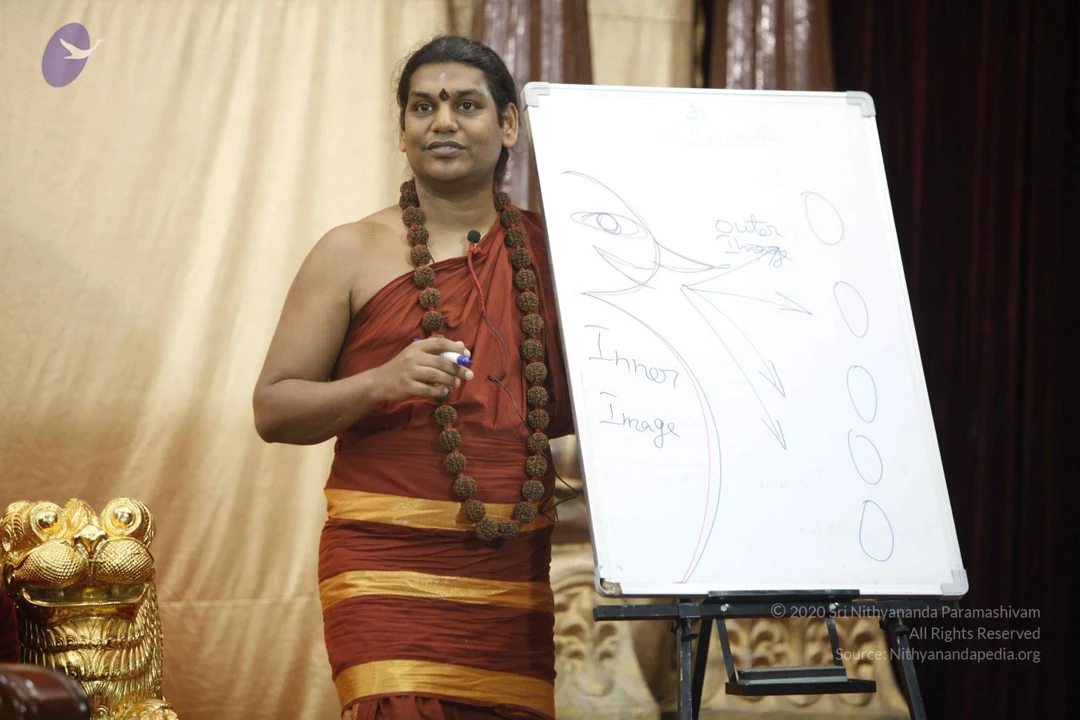
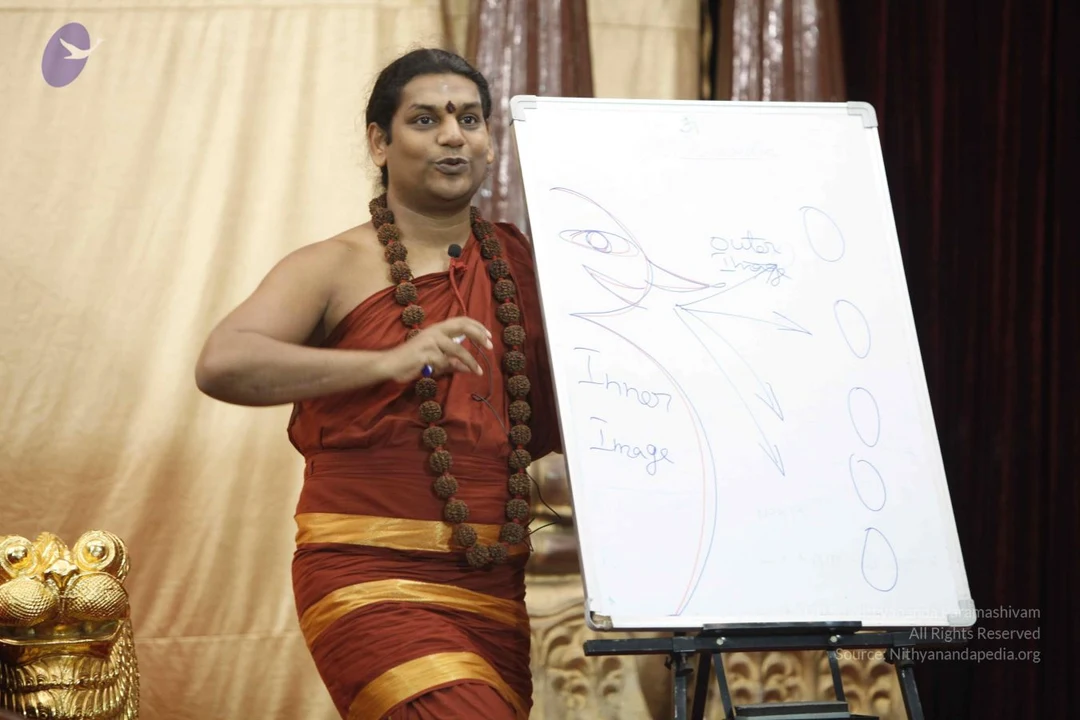
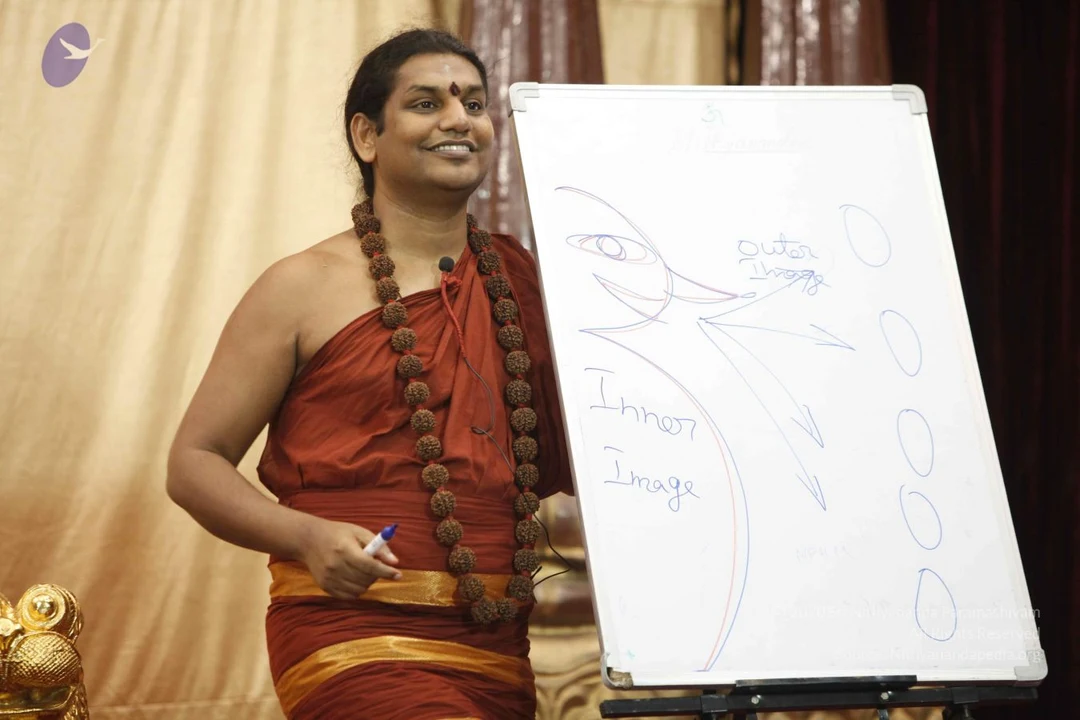
Align to Your Life Image! || NDY || 05 Jul 2014
Description:
Name Of The Convention: Nithya Dhyan Yoga
Session on: Align to Your Life Image!
Date: 05 July 2014
Venue: Adi Kailasa, Bengaluru, Karnataka, India
In this video Supreme Pontiff of Hinduism HDH #Nithyananda Paramashivam guides the delegates through various stages of our default life conditionings and gives them the liberated thinking and practices to live a healthy and stress free life.
The Supreme Pontiff of Hinduism Jagatguru Mahasannidhanam His Divine Holiness Nithyananda Paramashivam (HDH) is the reviver of #KAILASA - the ancient enlightened civilization and the great cosmic borderless Hindu nation. Revered as the incarnation of Paramashiva - the primordial Hindu Divinity, HDH has a following of 2 billion Hindus worldwide with de facto spiritual embassies in over 150 countries. He has worked untiringly for over 26 years for the revival of Kailasa, for global peace and to give super conscious breakthrough to humanity. He has survived the worst persecution of multiple assassination attempts on person and on character by anti-Hindu elements. He is collecting, organising, preserving, time capsuling, decoding, spreading and reviving 20 Million source books of Hinduism and the 64 sacred arts & sciences like Ayurveda, music, dance, sculpting, astrology, vastu and much more. Close to 20,000 hours of HDH’s timeless talks have been recorded till date (Sep 2020), which are a treasure trove of powerful cognitions to solve individual and global problems of any kind.
Link to Video:
| Video | Audio |
Title
Stop Suffering! || NDY || 05 Jul 2014
Description:
Name Of The Convention: Nithya Dhyan Yoga
Session on: Stop Suffering!
Date: 05 July 2014
Venue: Adi Kailasa, Bengaluru, Karnataka, India
In this video Supreme Pontiff of Hinduism HDH #Nithyananda Paramashivam guides the delegates through various stages of our default life conditionings and gives them the liberated thinking and practices to live a healthy and stress free life.
The Supreme Pontiff of Hinduism Jagatguru Mahasannidhanam His Divine Holiness Nithyananda Paramashivam (HDH) is the reviver of #KAILASA - the ancient enlightened civilization and the great cosmic borderless Hindu nation. Revered as the incarnation of Paramashiva - the primordial Hindu Divinity, HDH has a following of 2 billion Hindus worldwide with de facto spiritual embassies in over 150 countries. He has worked untiringly for over 26 years for the revival of Kailasa, for global peace and to give super conscious breakthrough to humanity. He has survived the worst persecution of multiple assassination attempts on person and on character by anti-Hindu elements. He is collecting, organising, preserving, time capsuling, decoding, spreading and reviving 20 Million source books of Hinduism and the 64 sacred arts & sciences like Ayurveda, music, dance, sculpting, astrology, vastu and much more. Close to 20,000 hours of HDH’s timeless talks have been recorded till date (Sep 2020), which are a treasure trove of powerful cognitions to solve individual and global problems of any kind.
Link to Video:
| Video | Audio |
Title
Don’t Let your Past Decide your Future || Part 2 || Nithya Dhyan Yoga || 05 July 2014
Link to Video:
Photos From The Day:
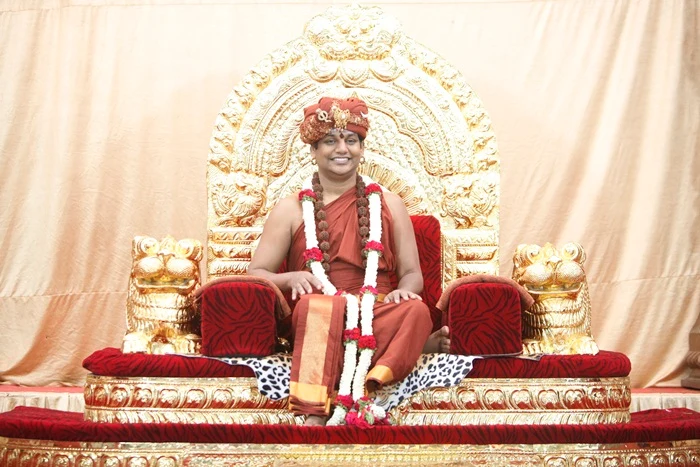
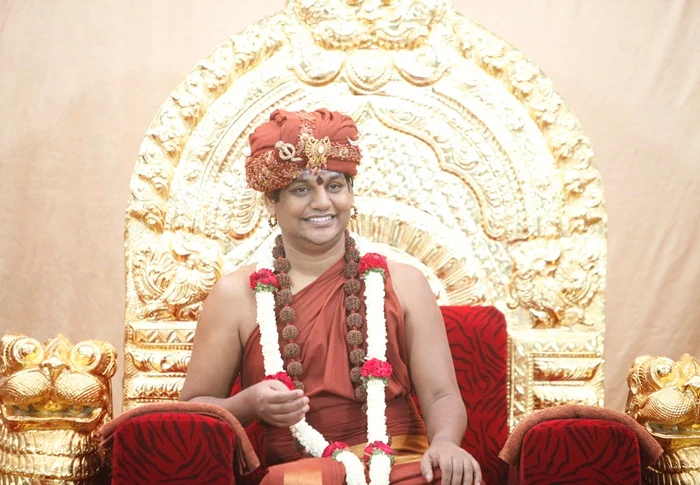
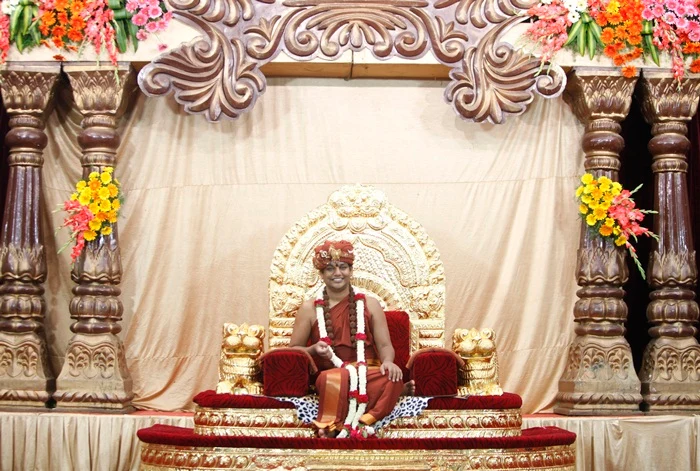
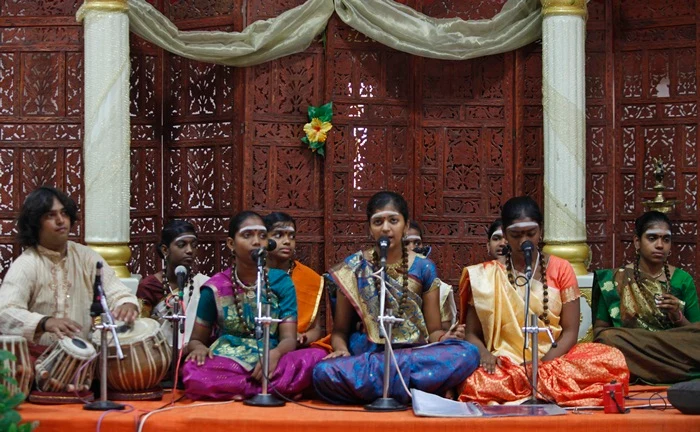
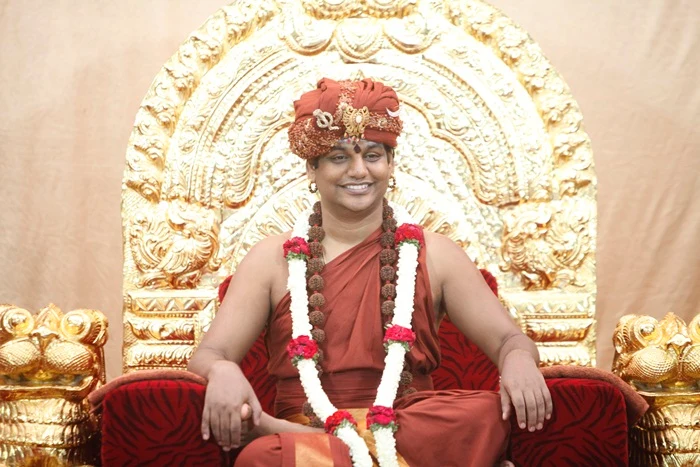
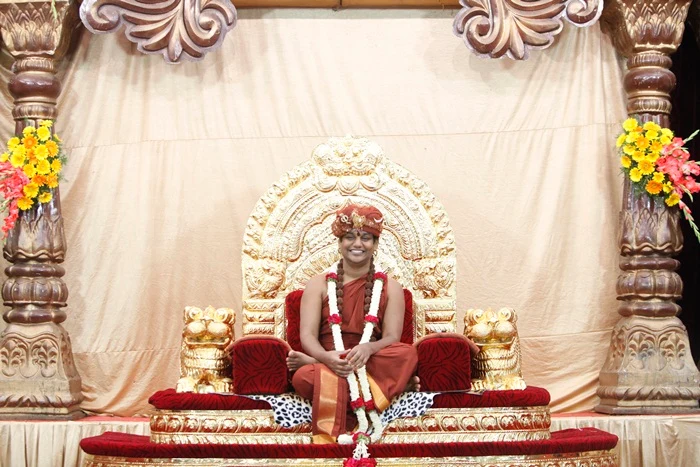
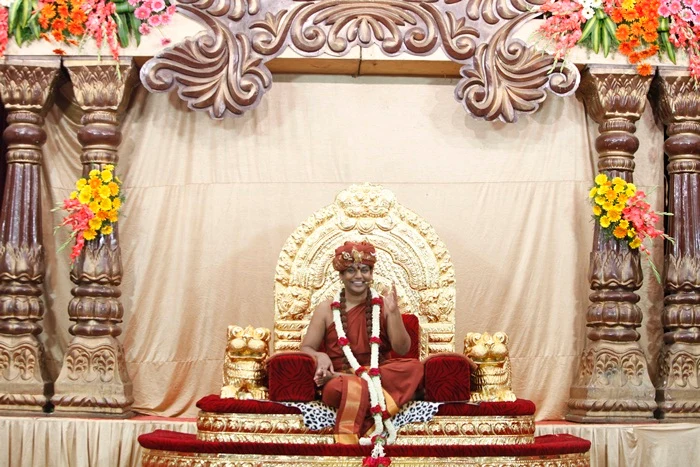
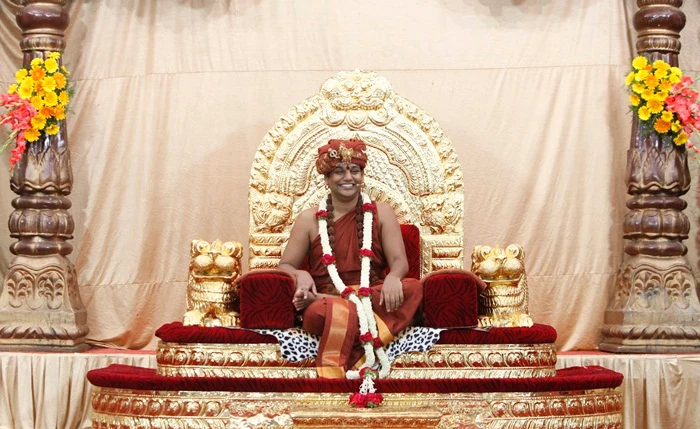
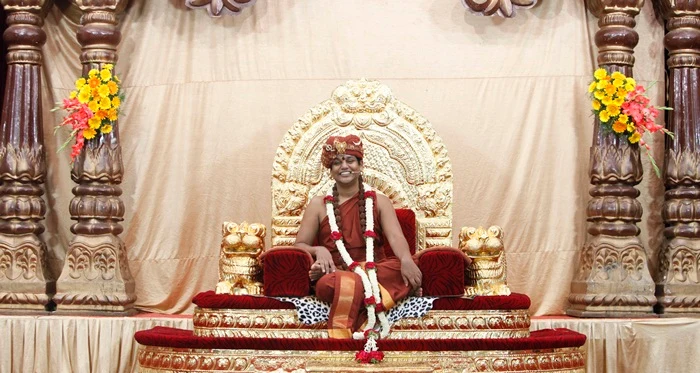
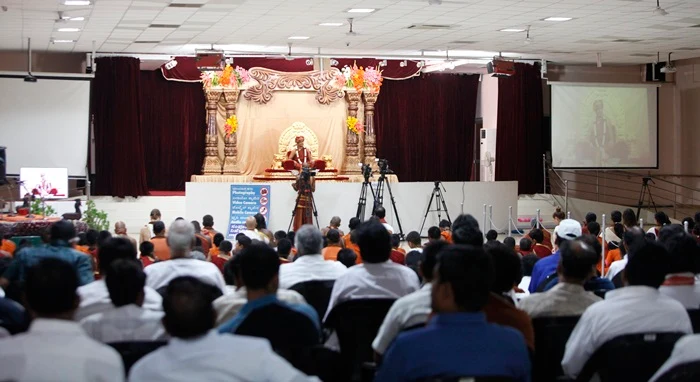
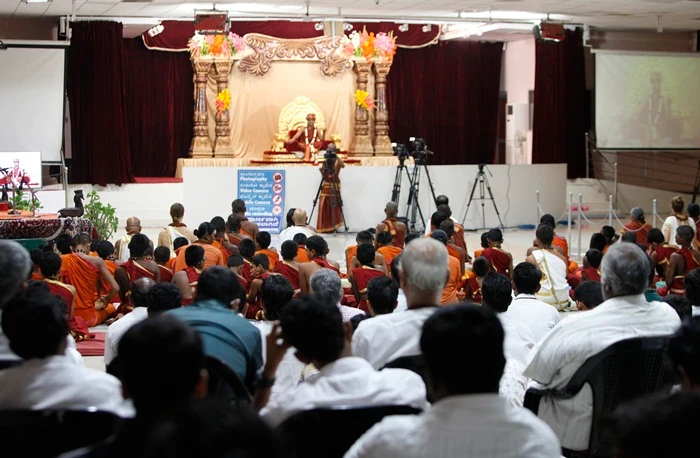
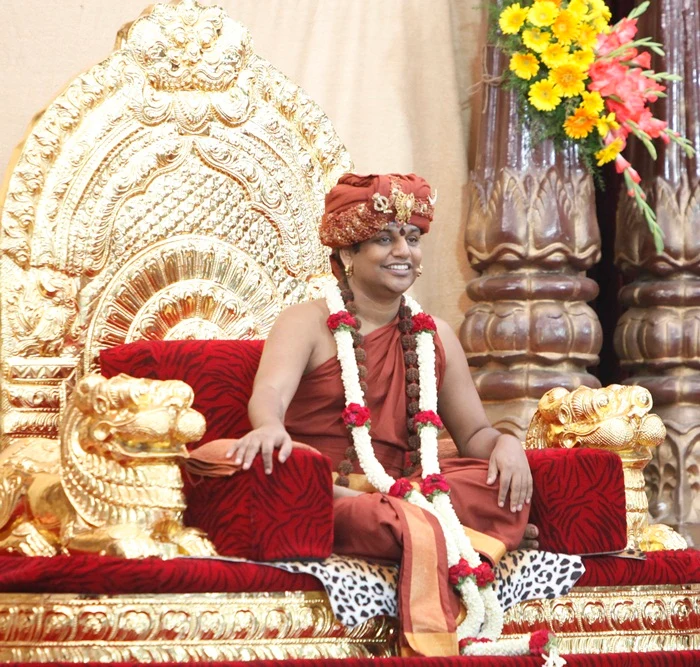
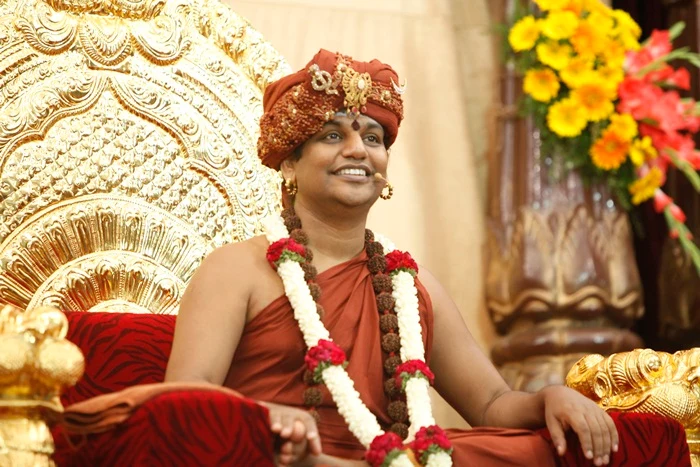
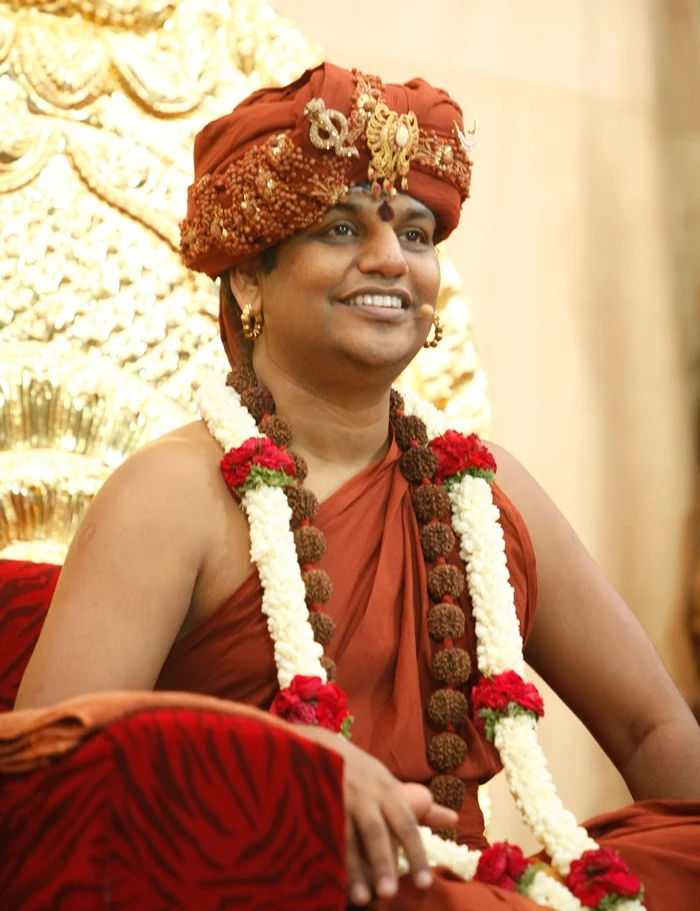
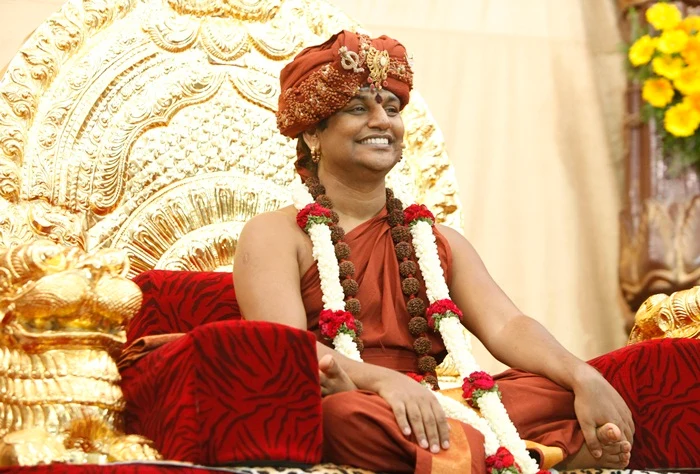
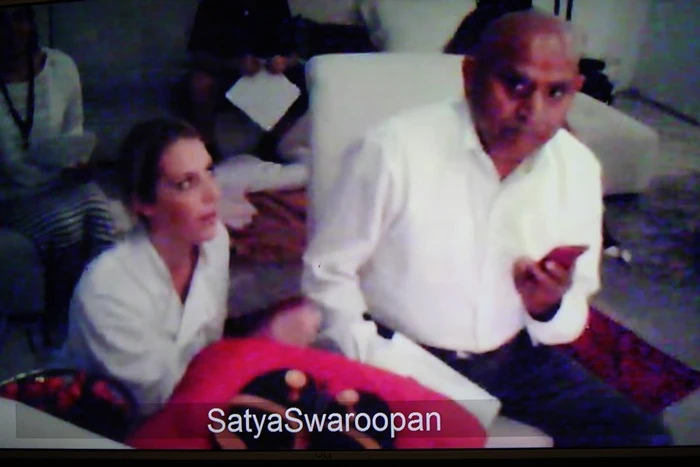
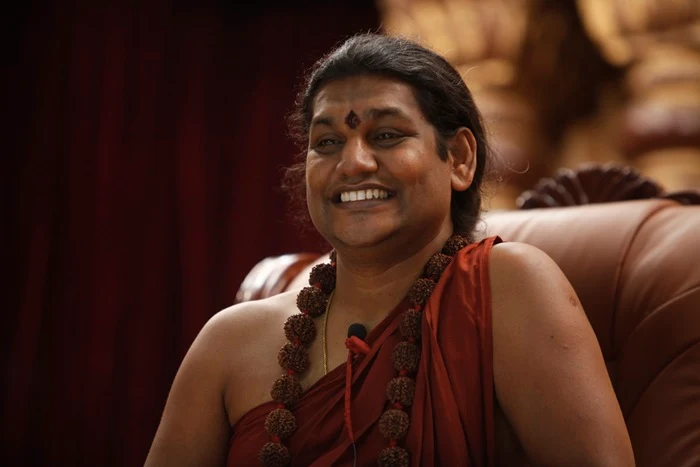
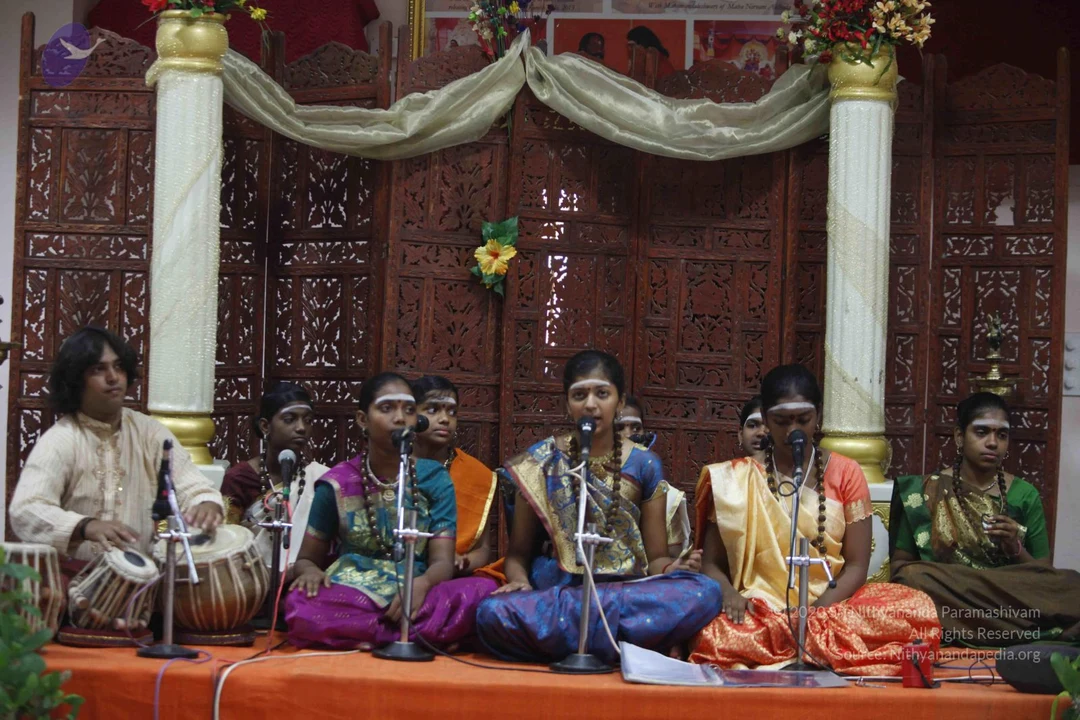
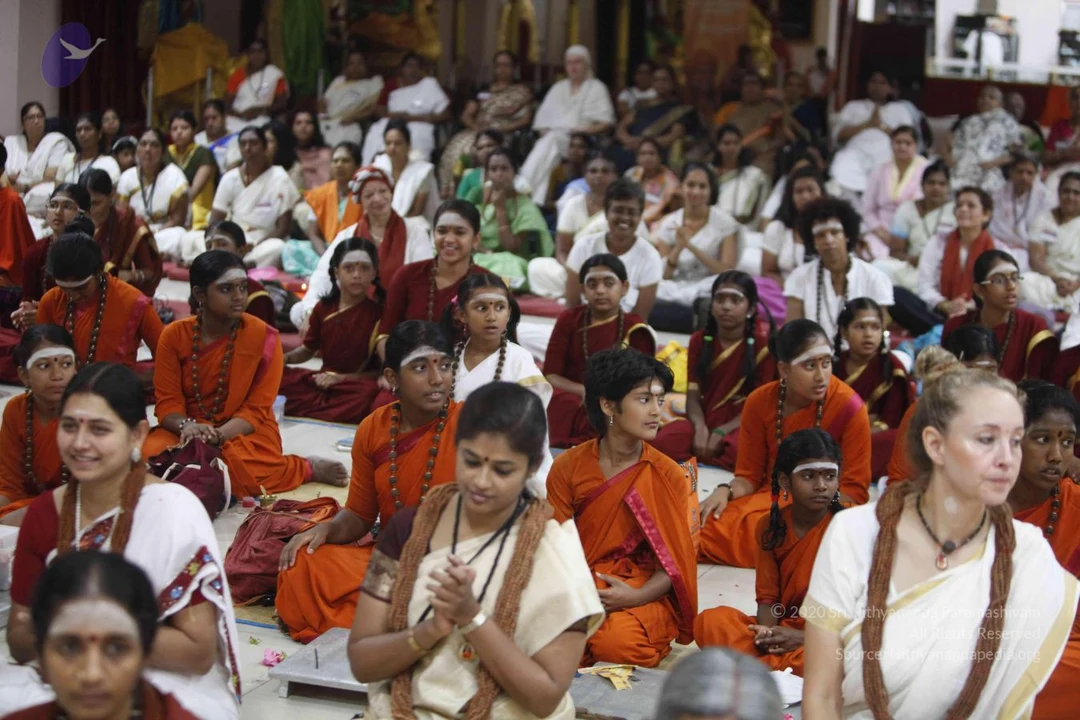
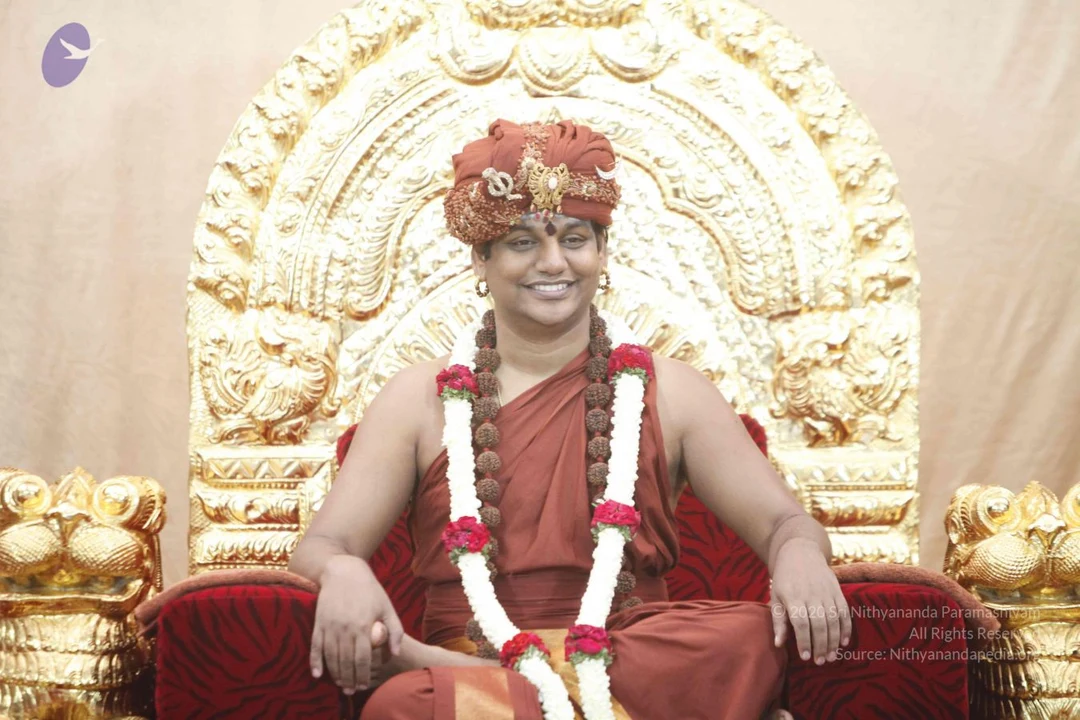
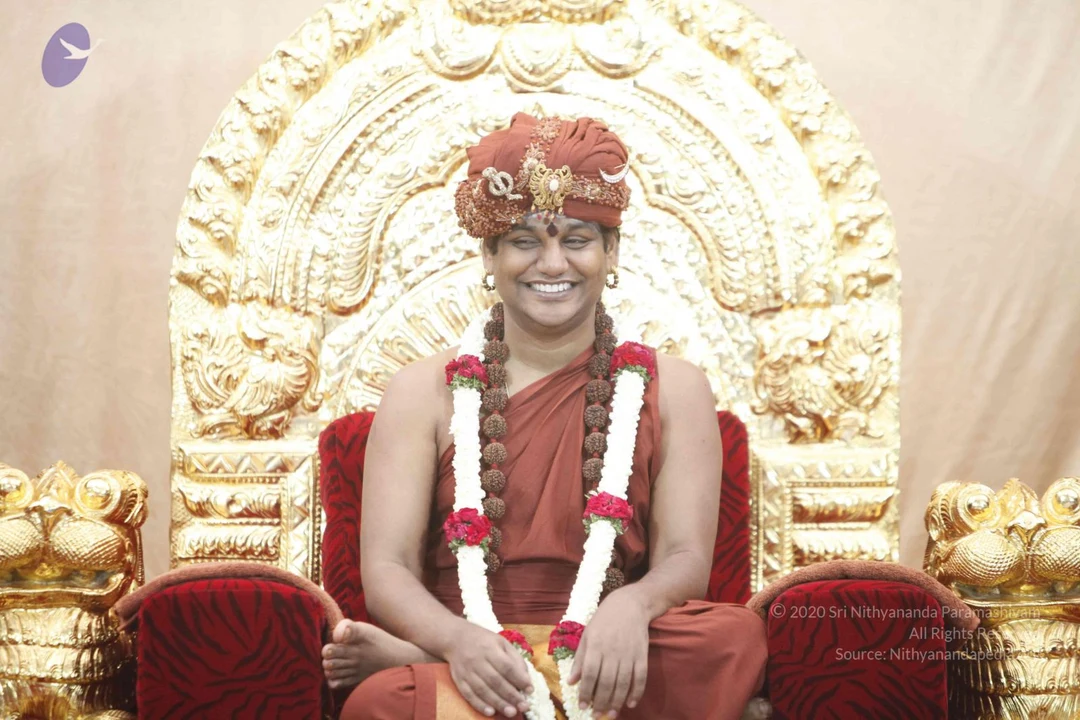
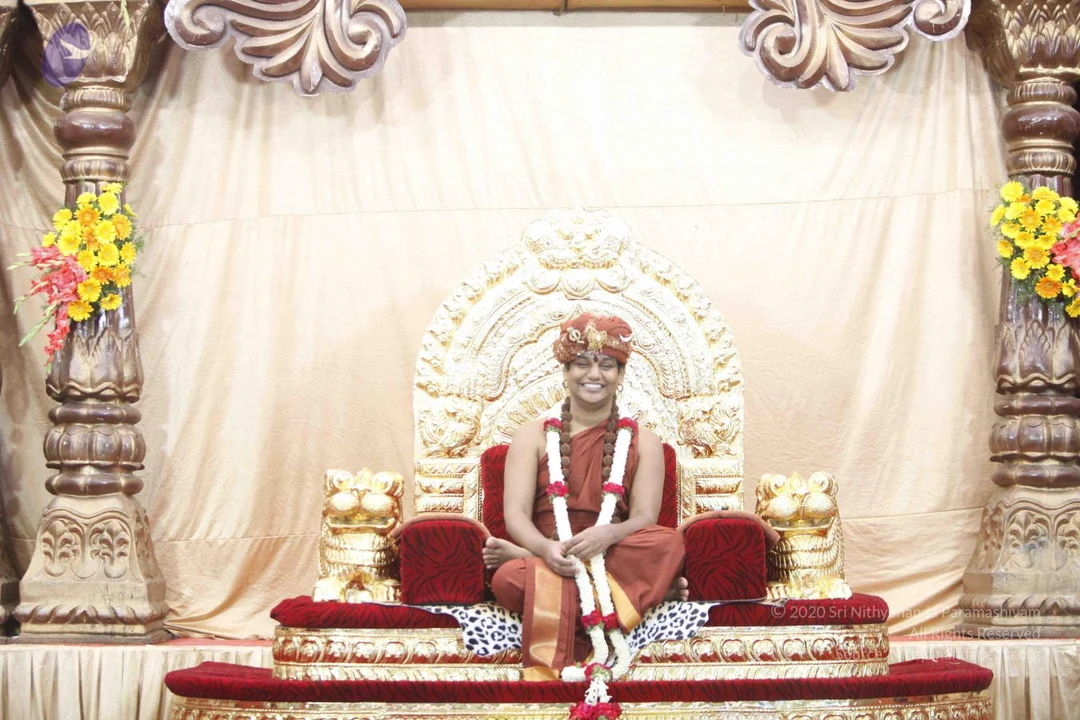
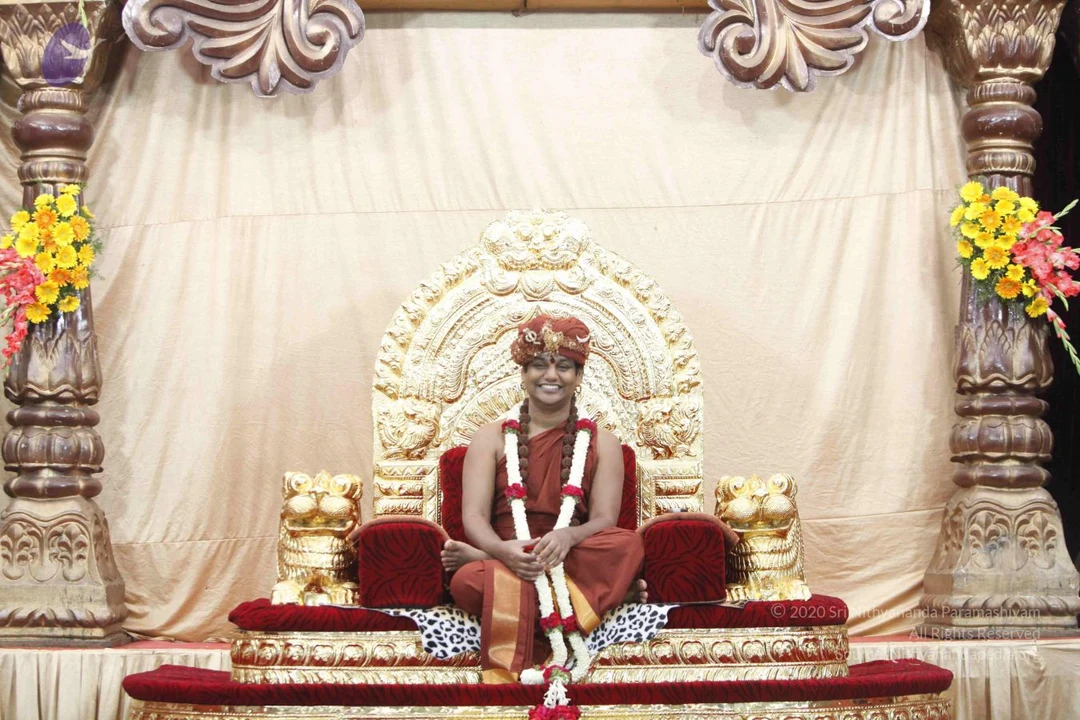
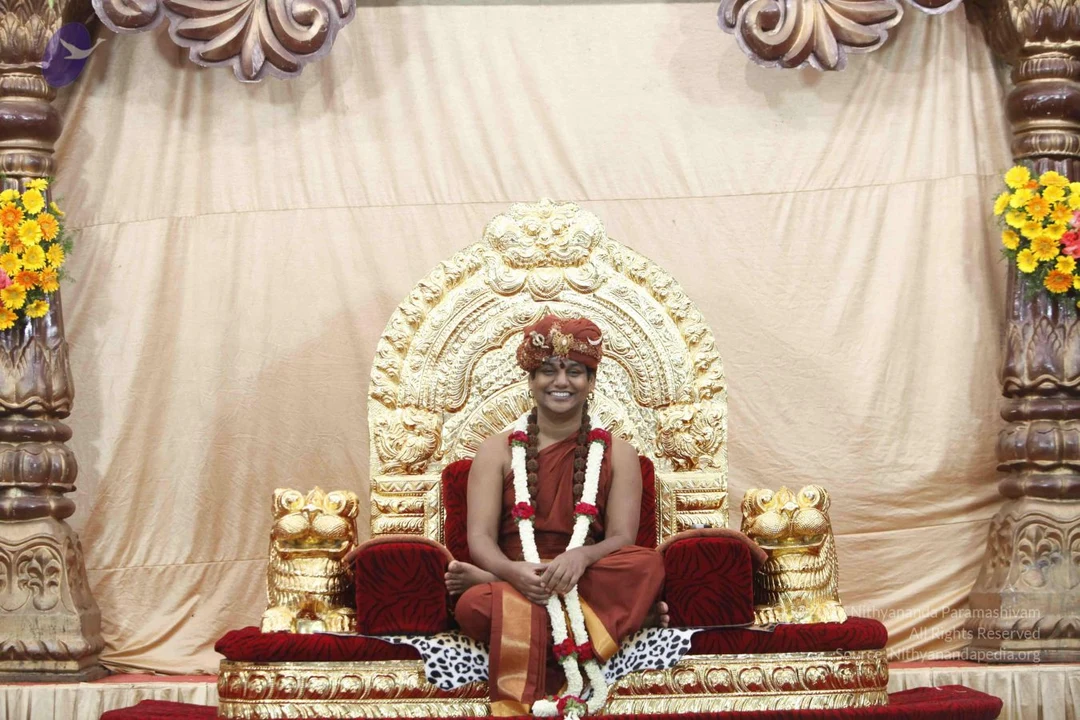
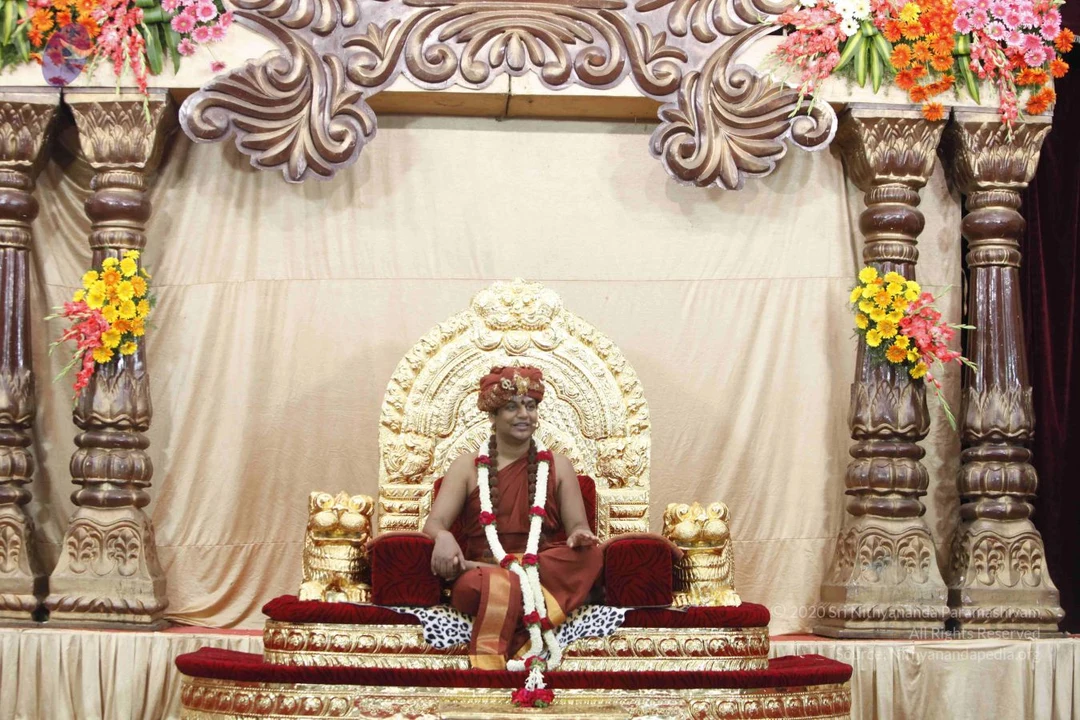
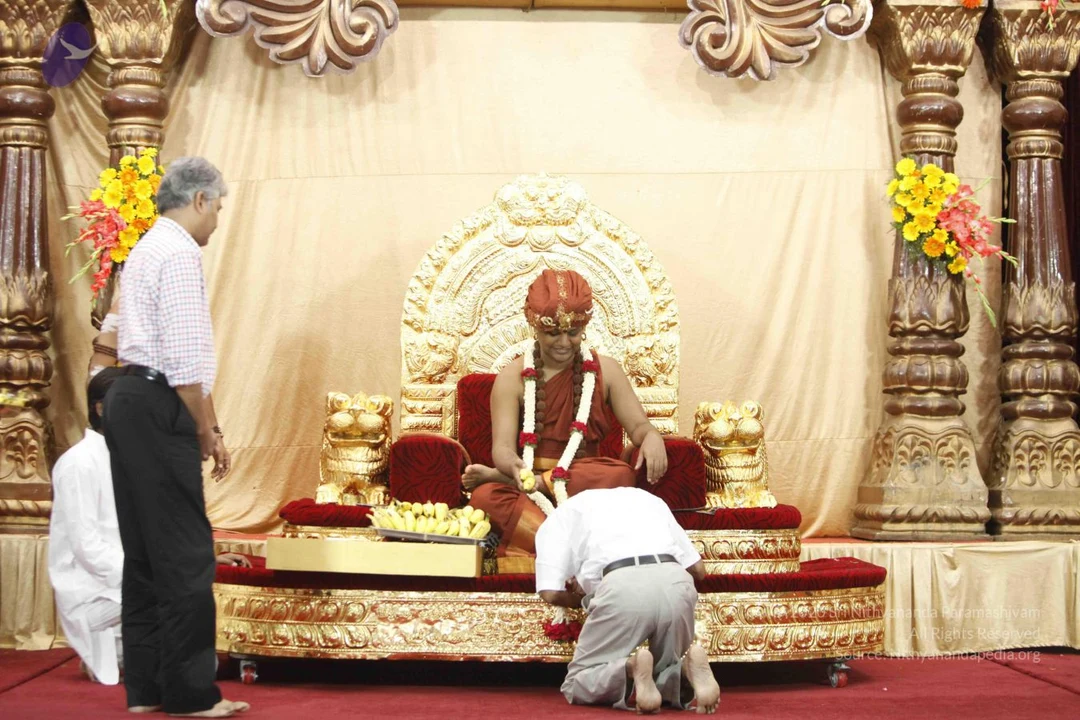
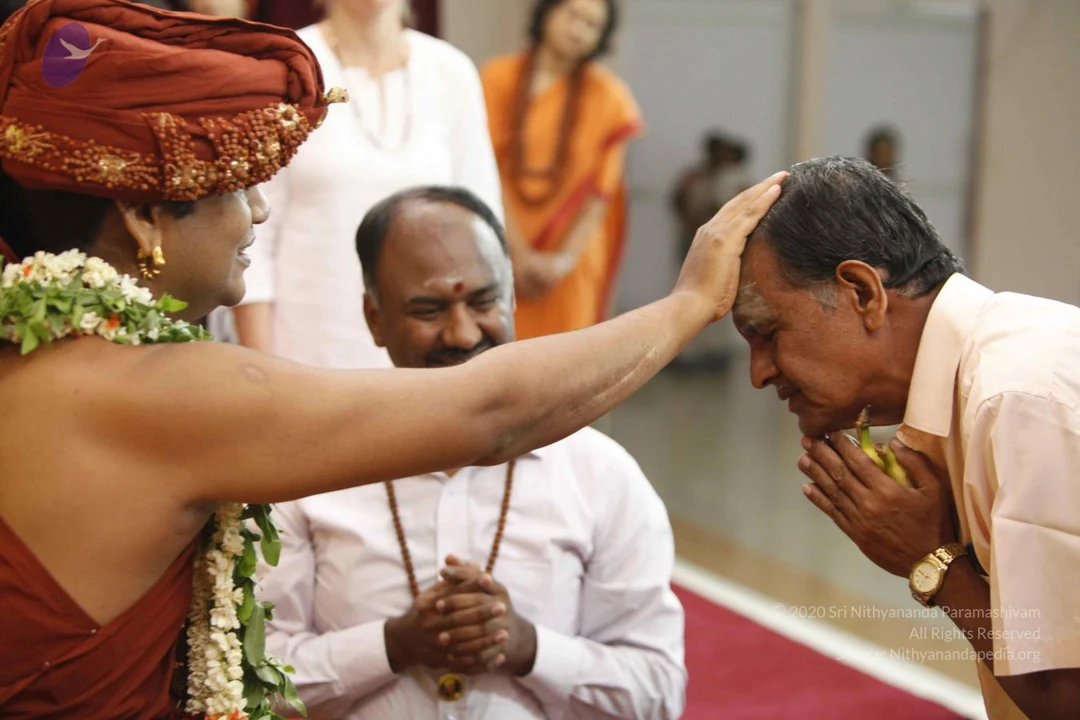
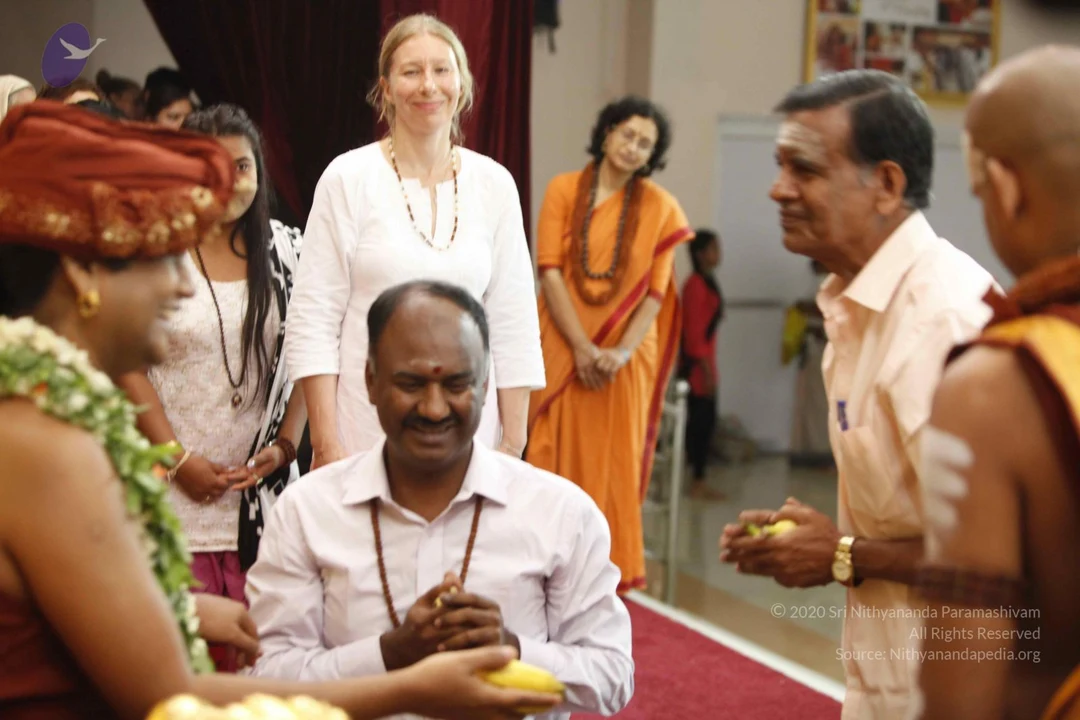
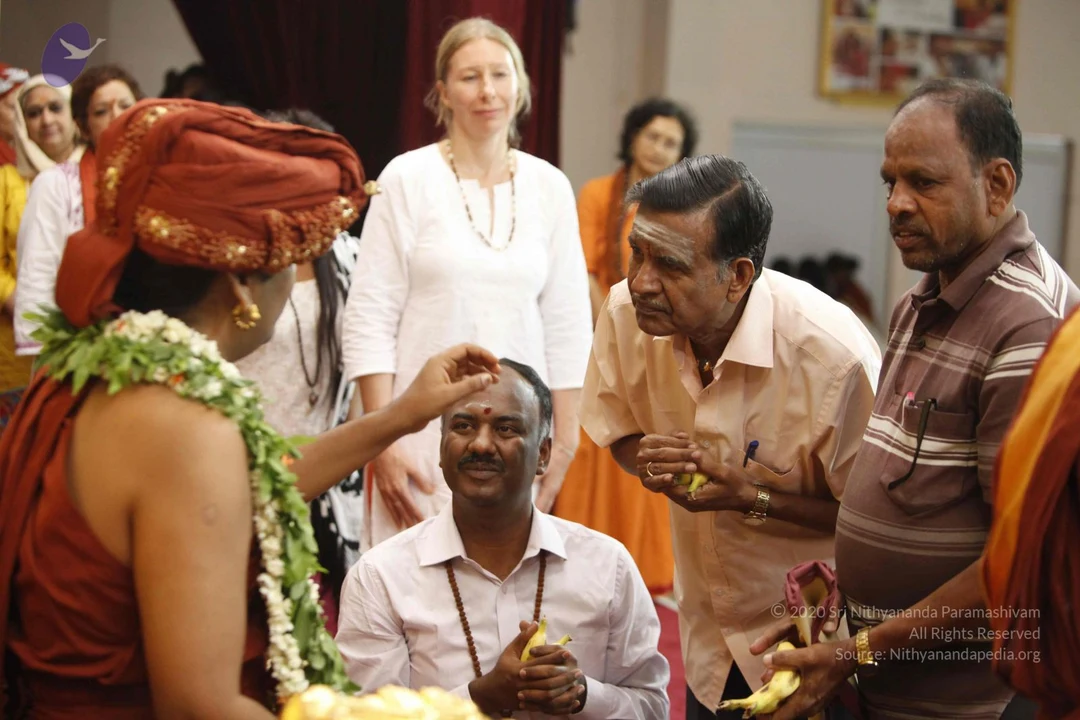
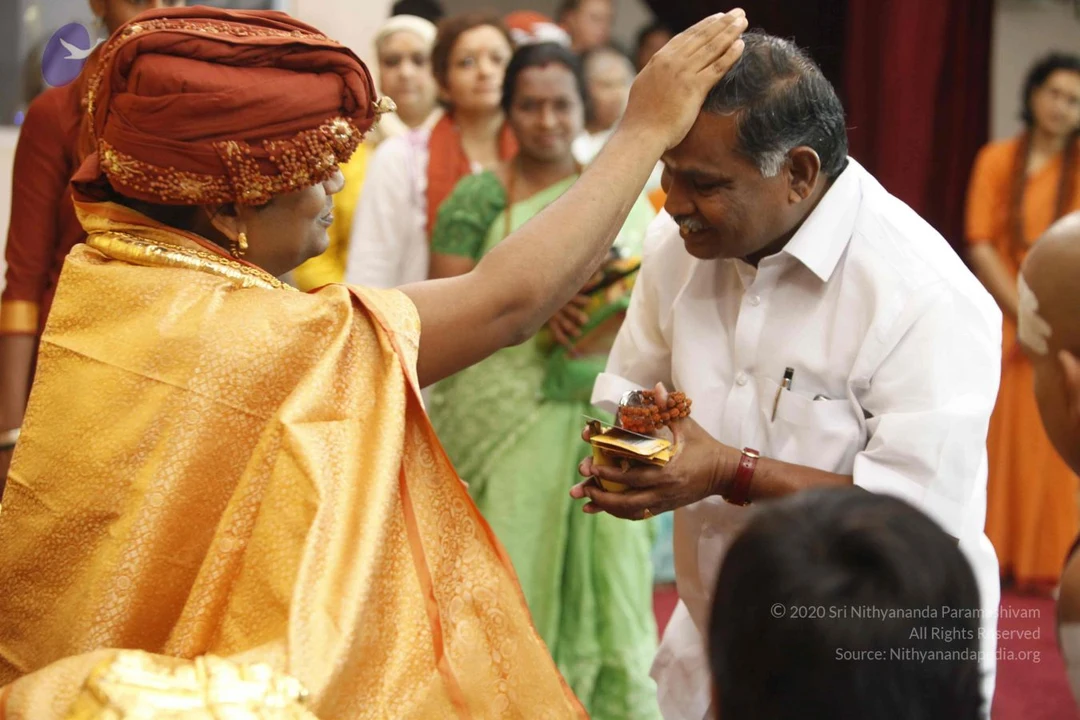
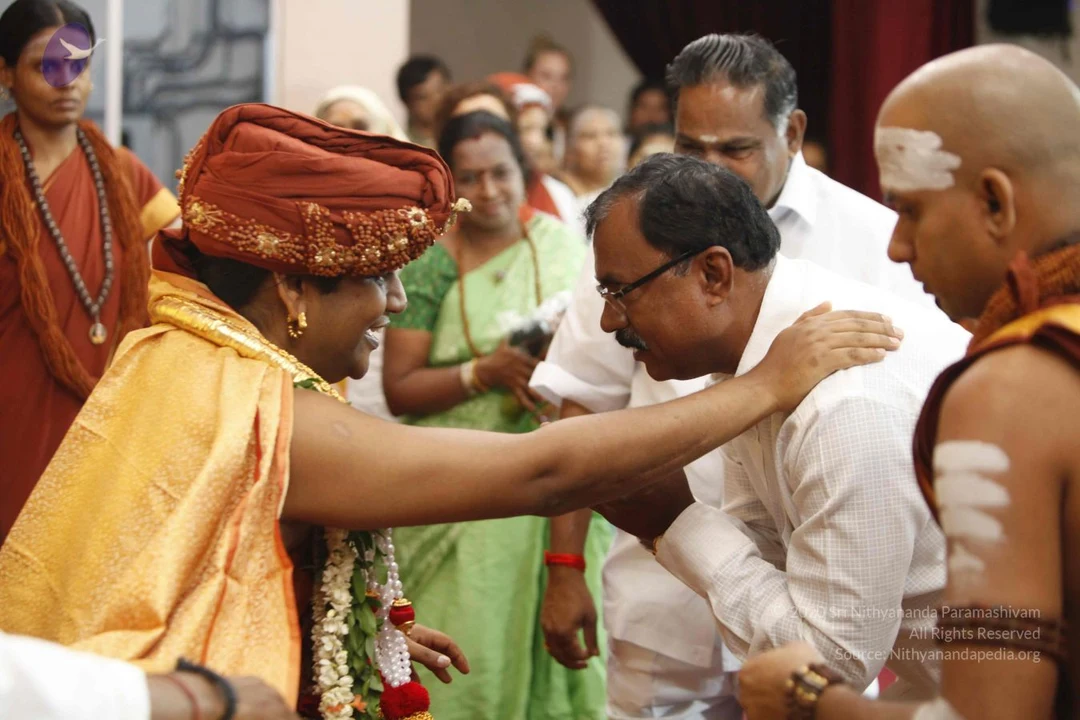
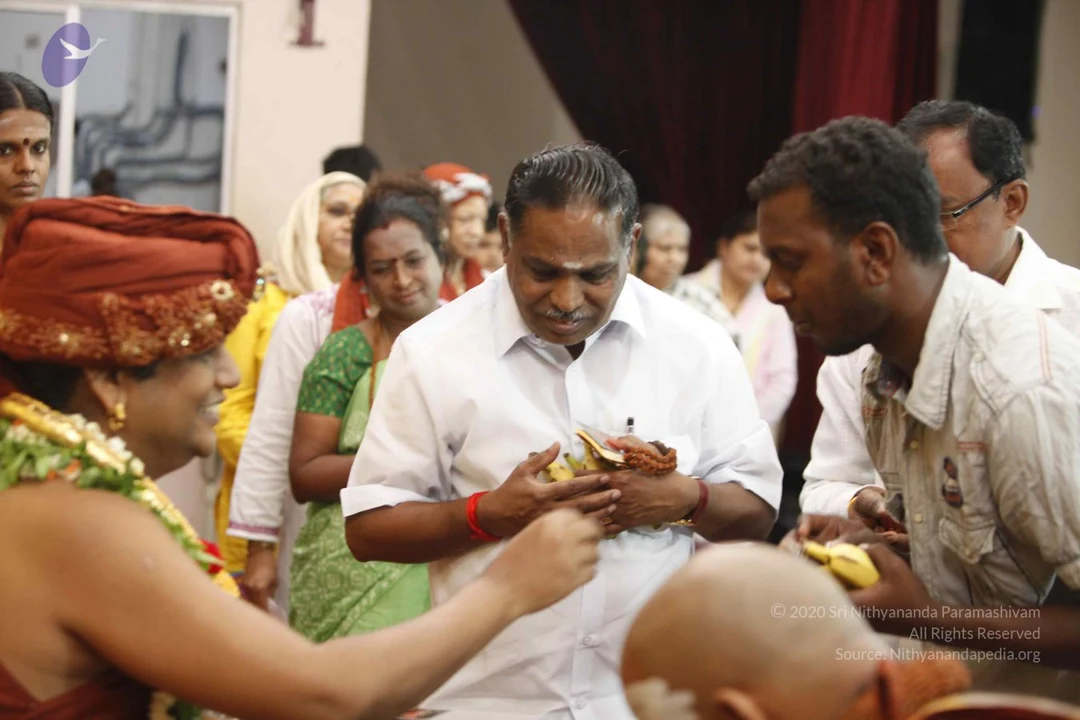
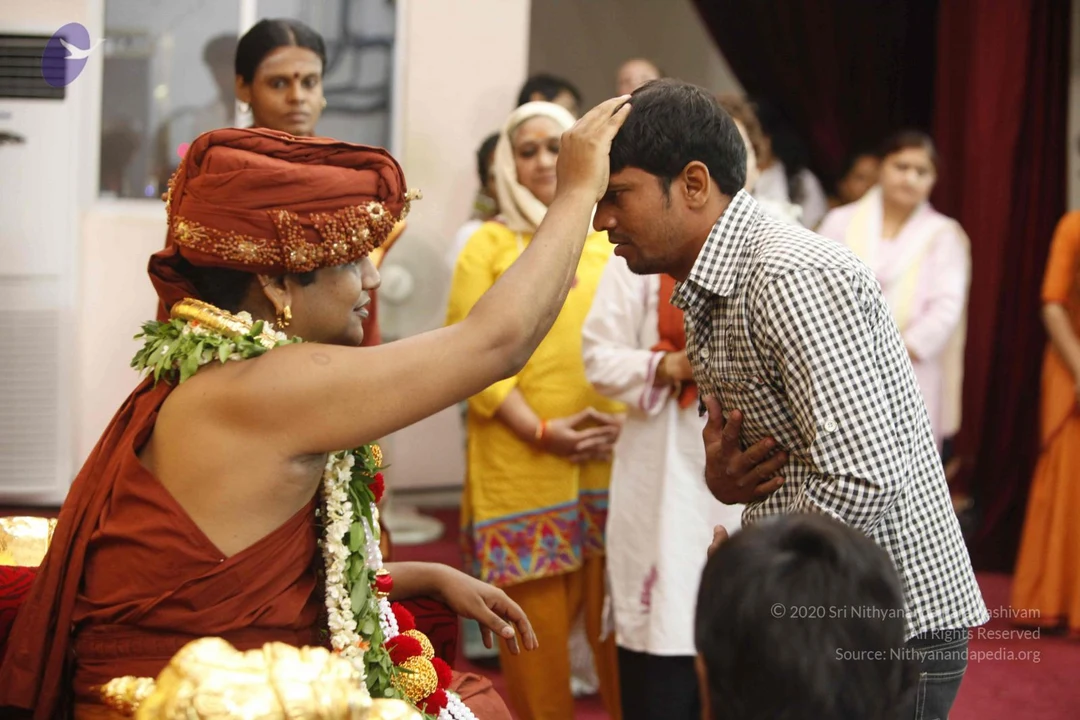
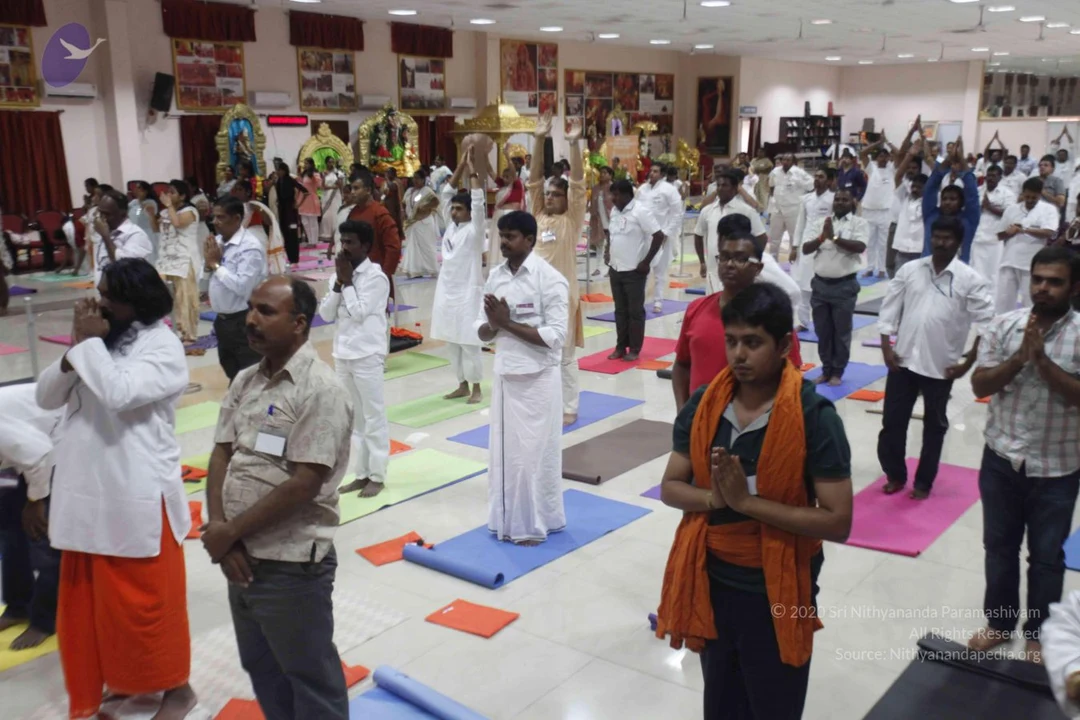
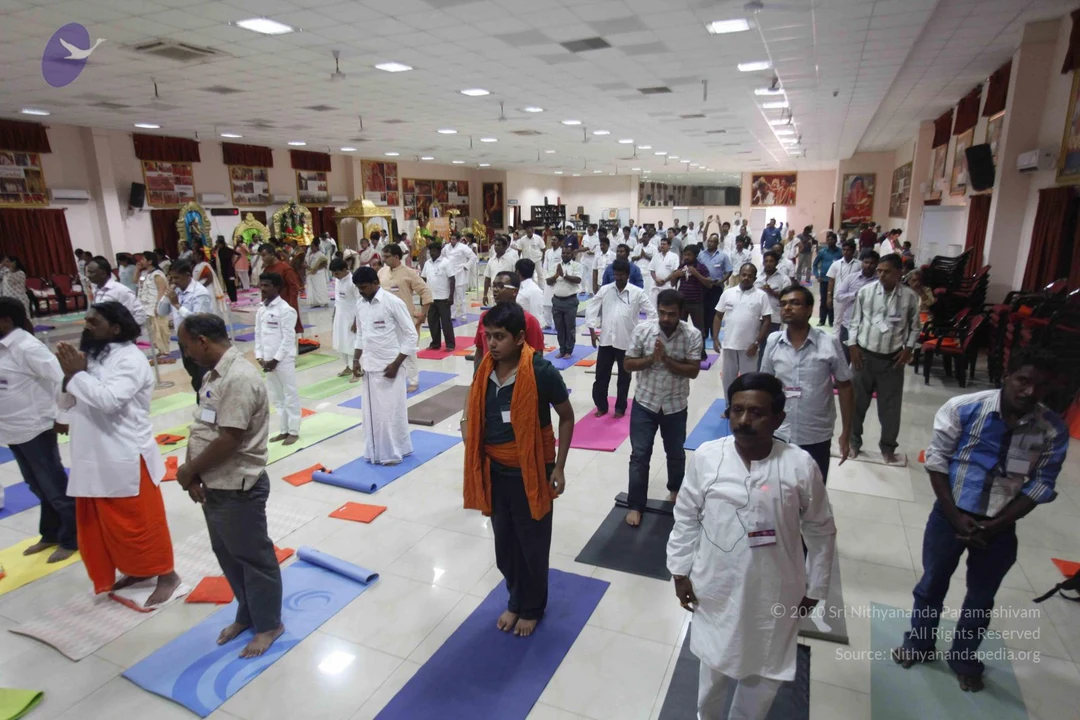
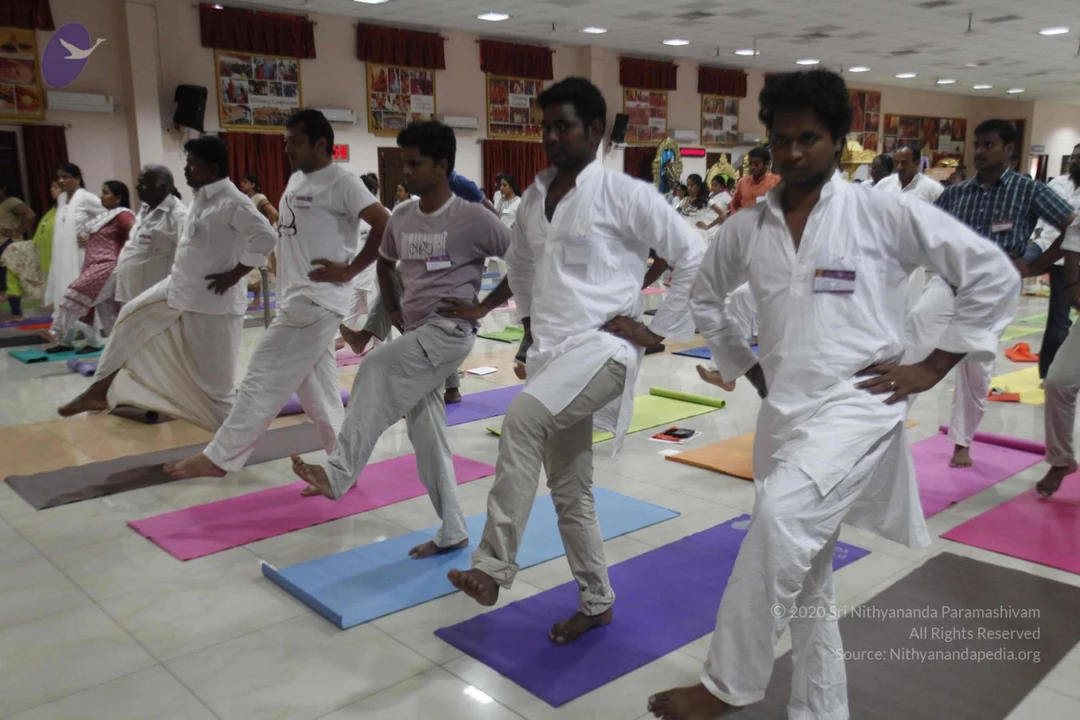
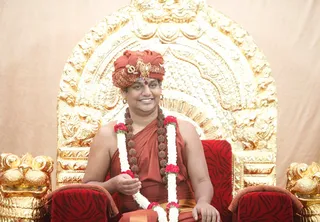
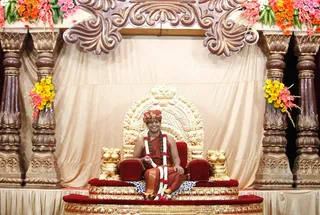
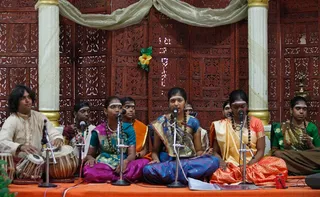
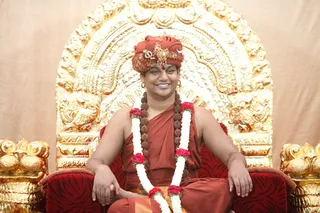
Nithyananda Diary 5th July 2014 | NDY ( Life Bliss Program - level 1) Day 1 | Bhajans | Nithya Satsang | Kalpataru Darshan | e-Kalpataru Darshan in Germany

Tags:
Paramahamsa Nithyananda, education, inner space, completing, blind-spots, body, mind, spirit, extraordinary, possibility, surrender, powerless, withdrawl, compassion, conflict
Photos Of The Day:
Satsang-Kalpatharu
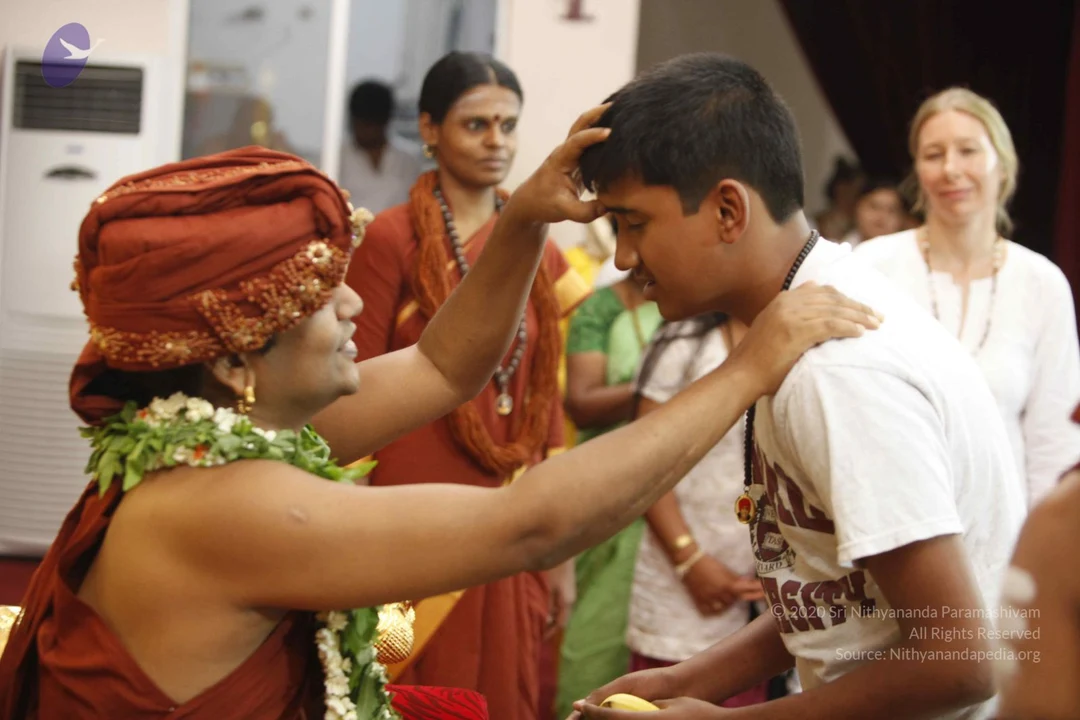
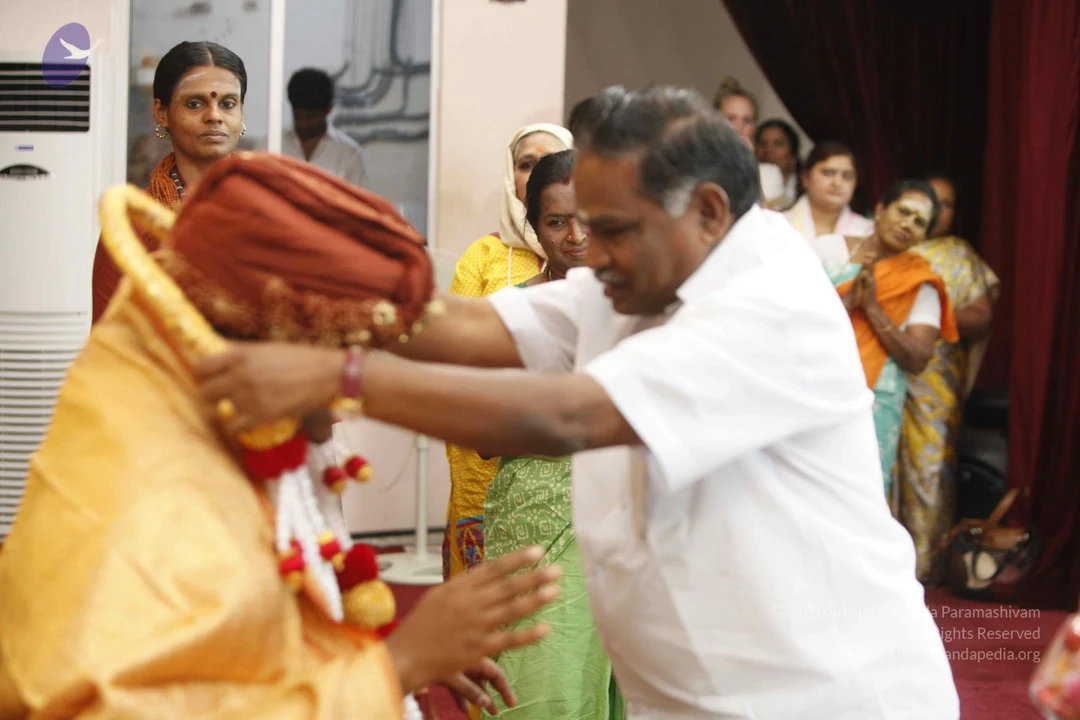
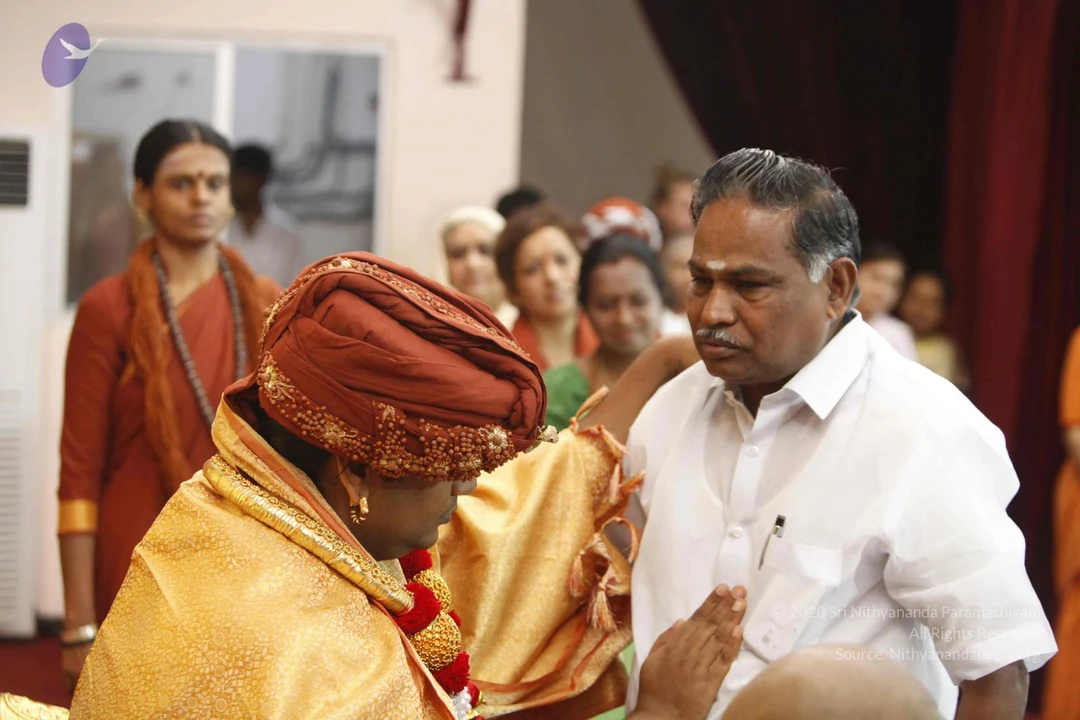
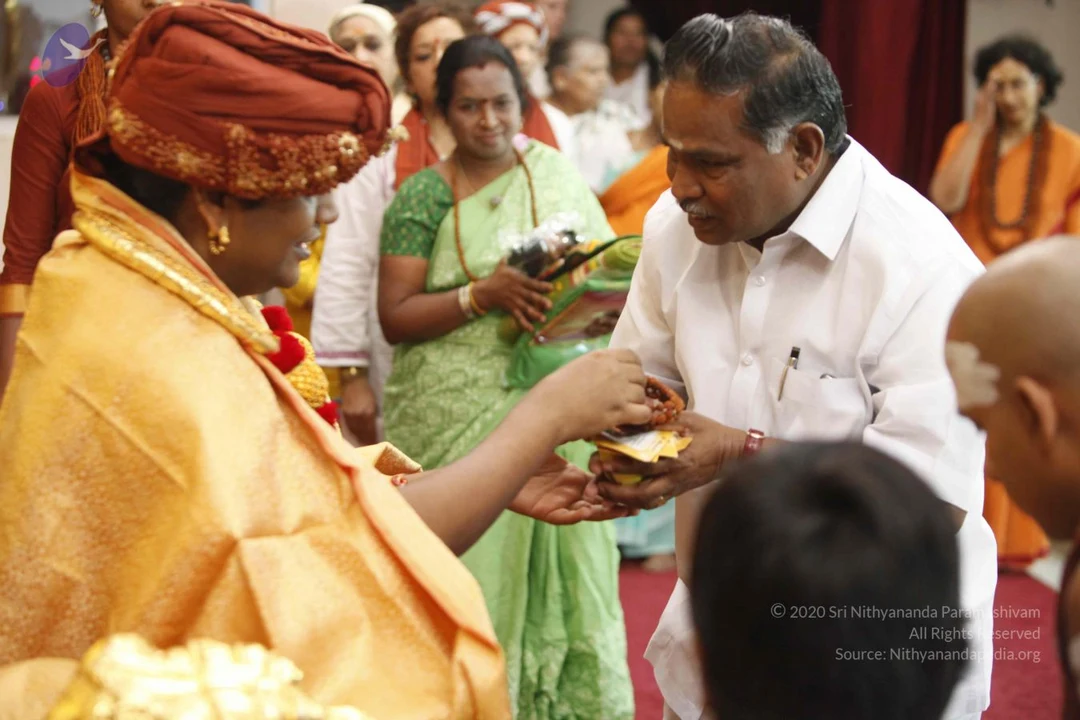

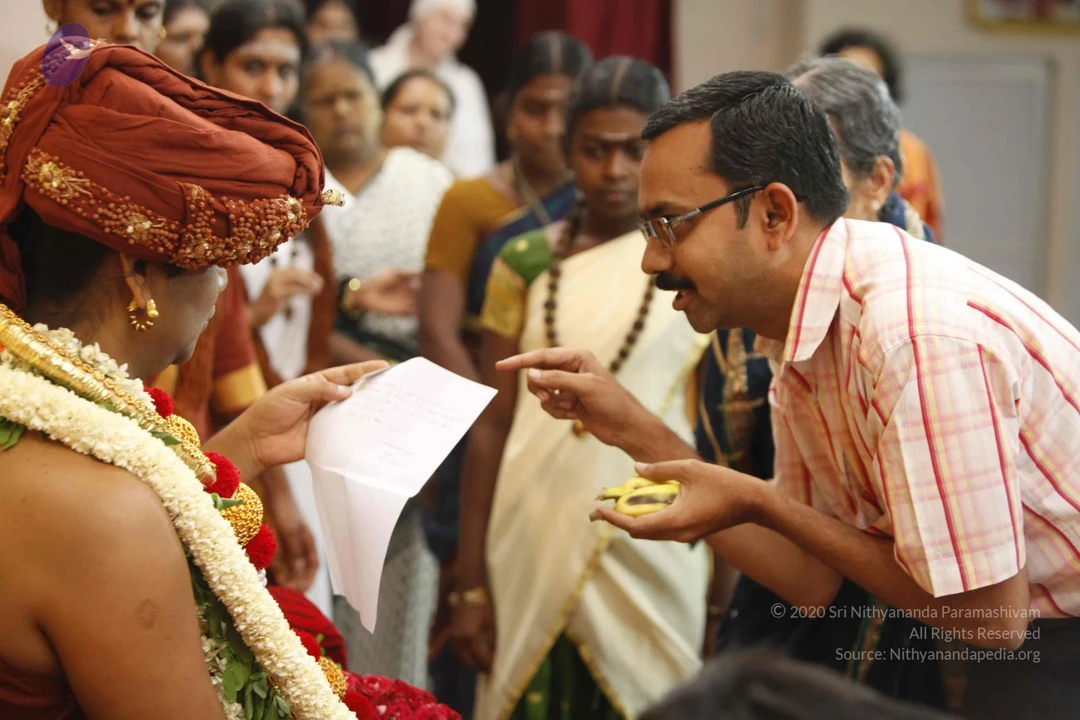
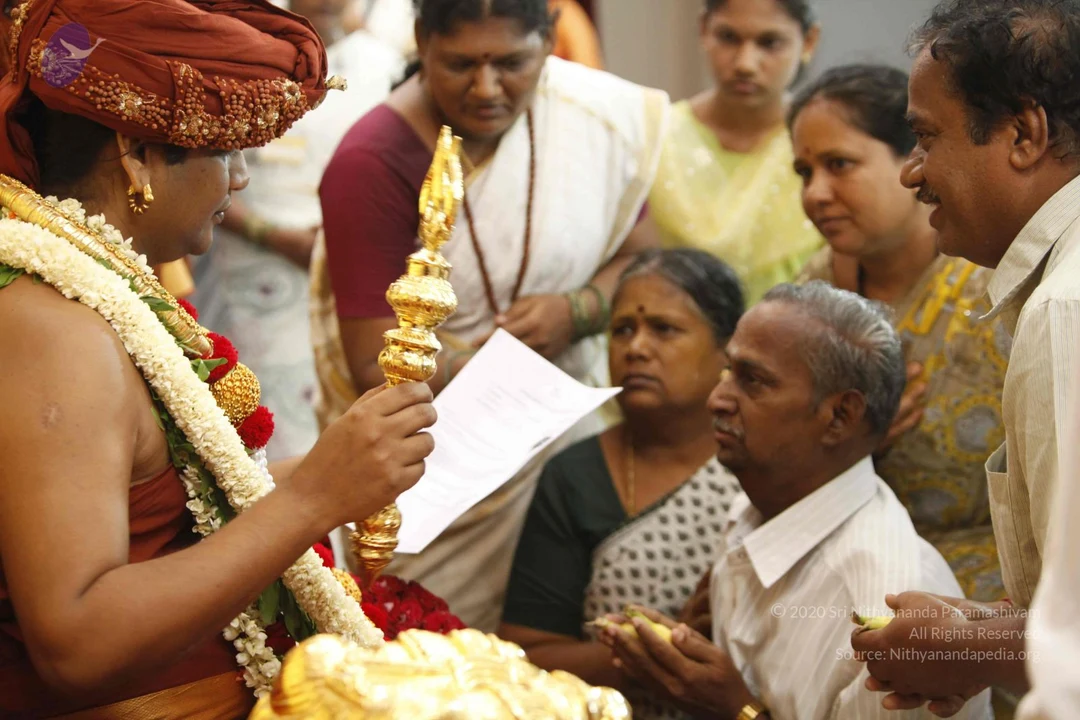
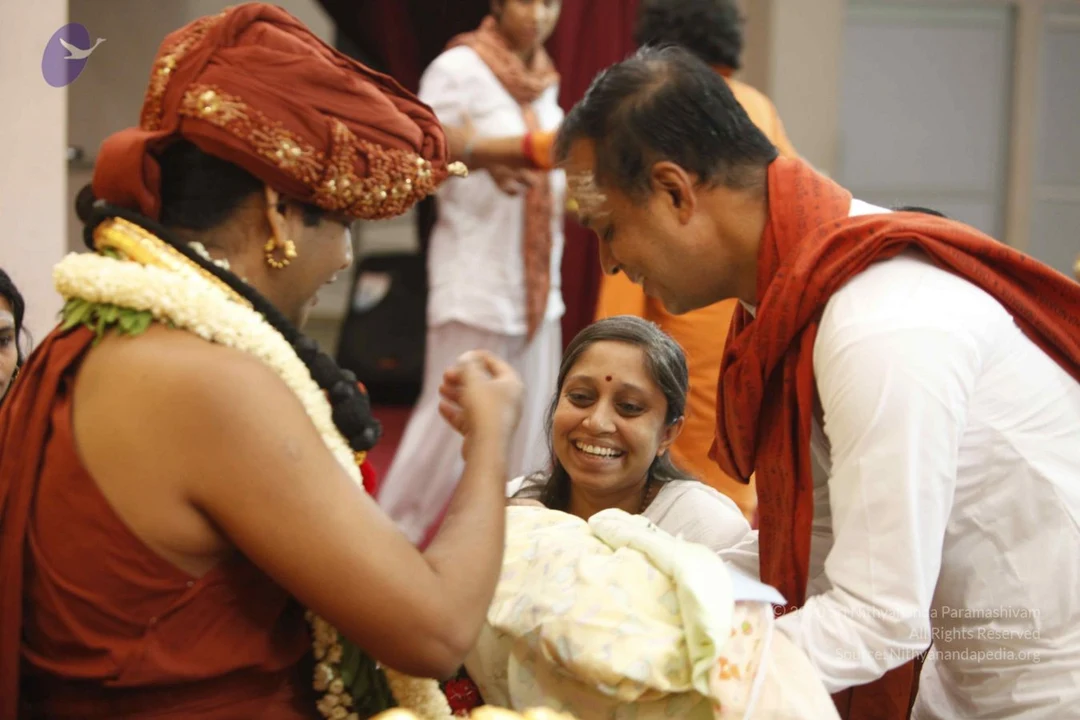
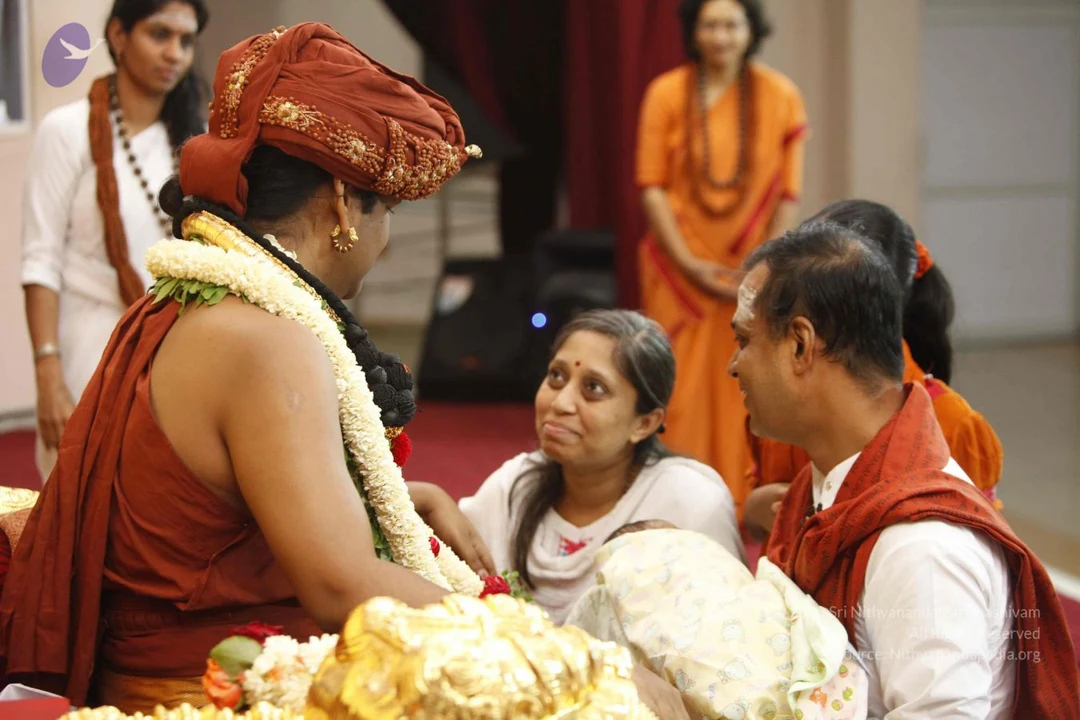
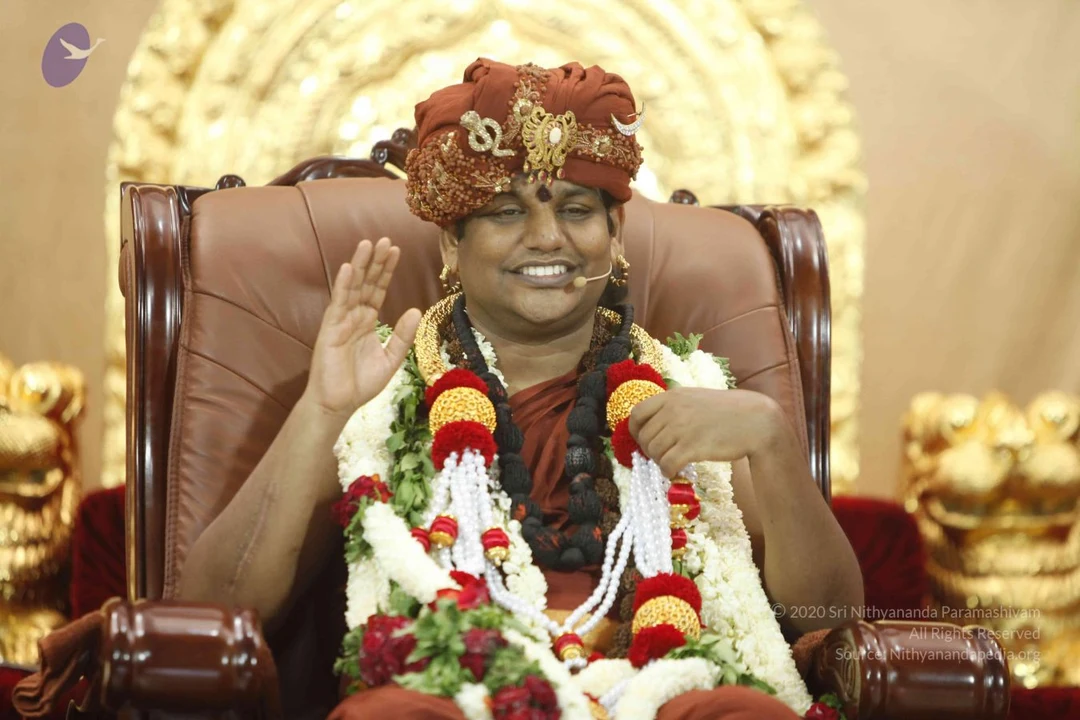
NDY-Session
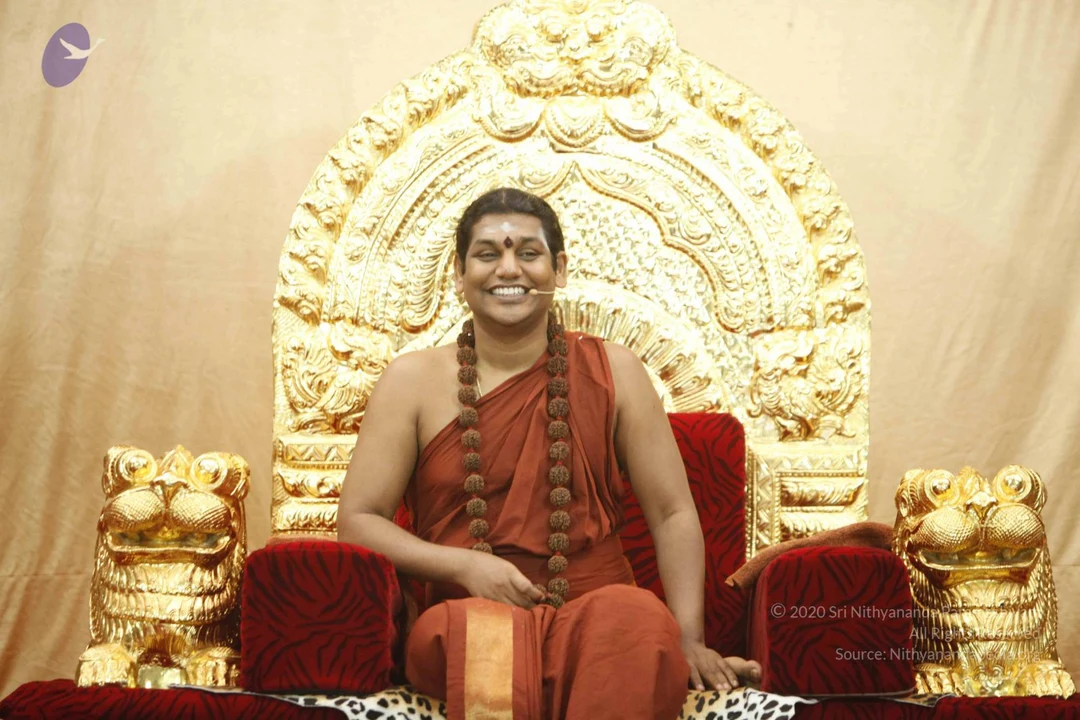
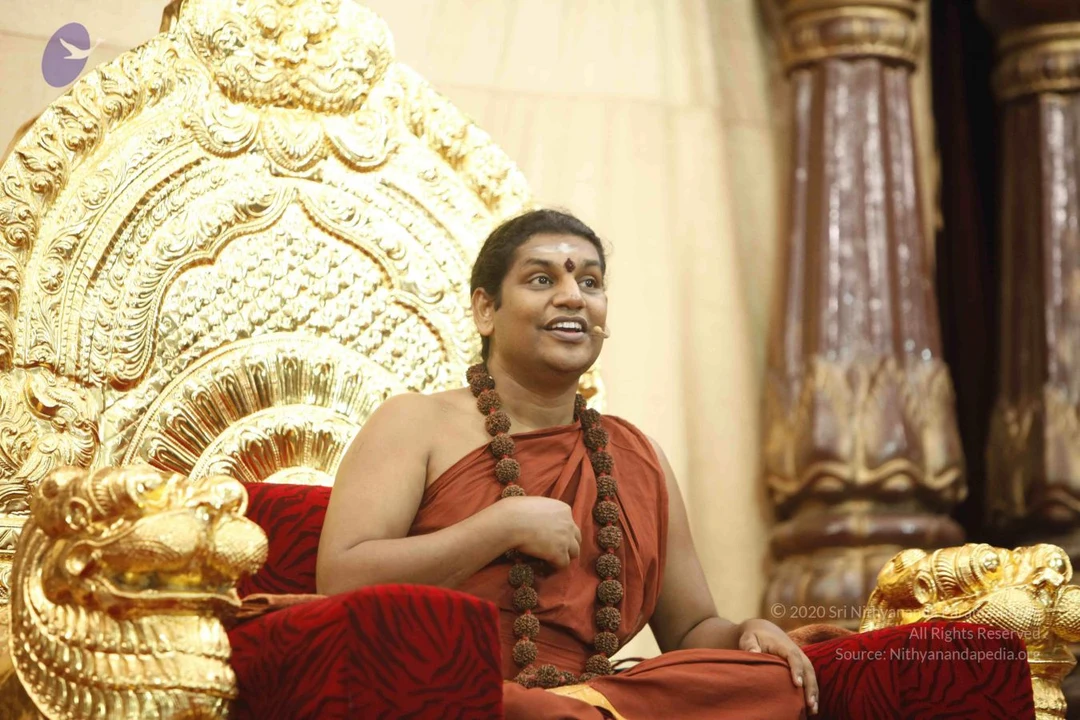
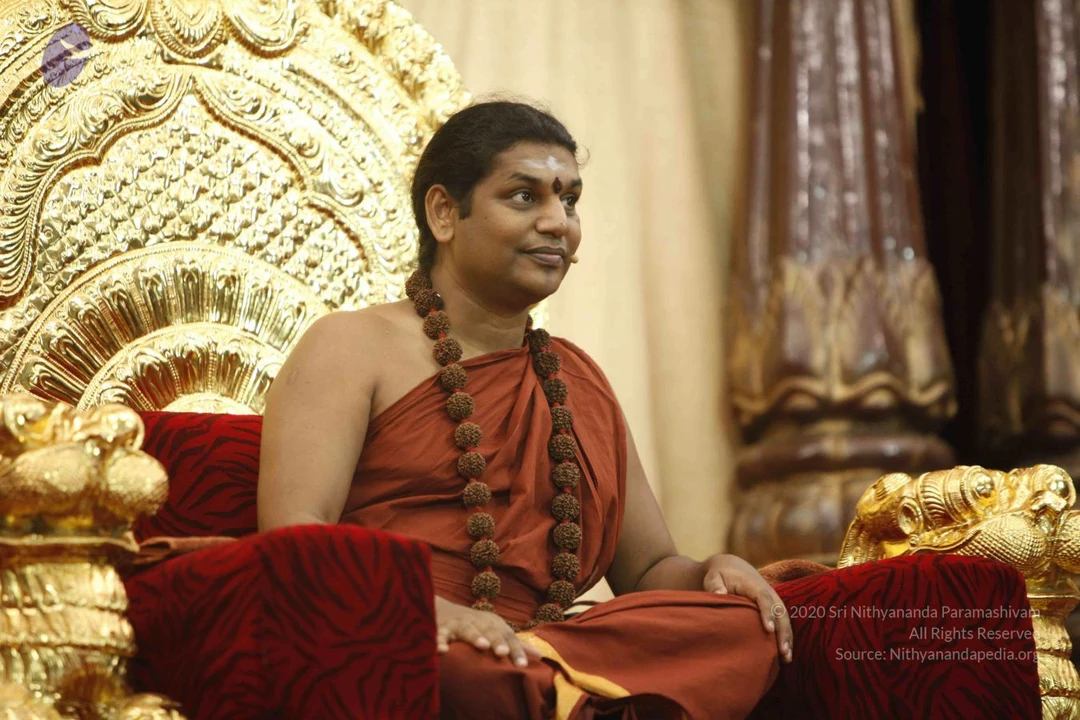


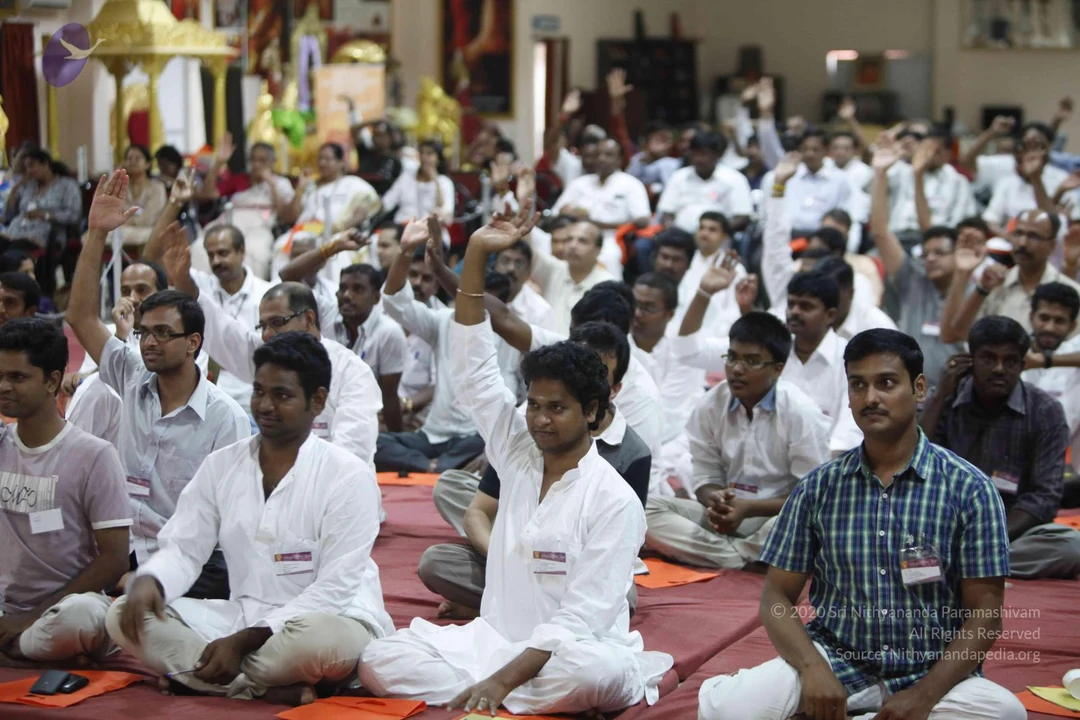
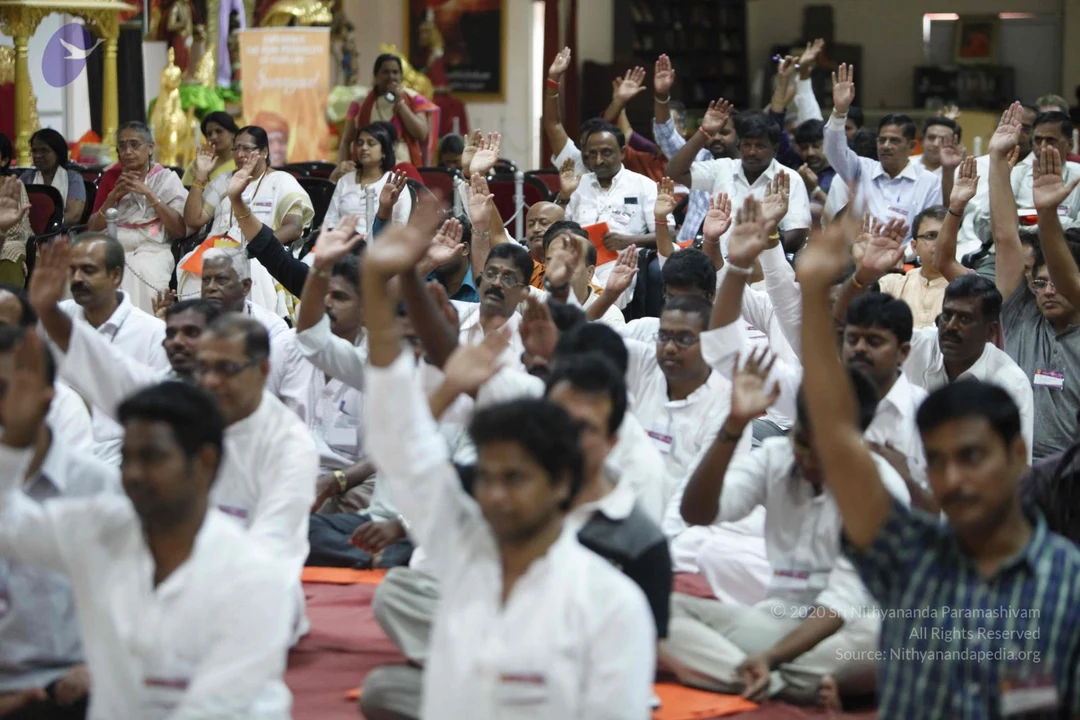
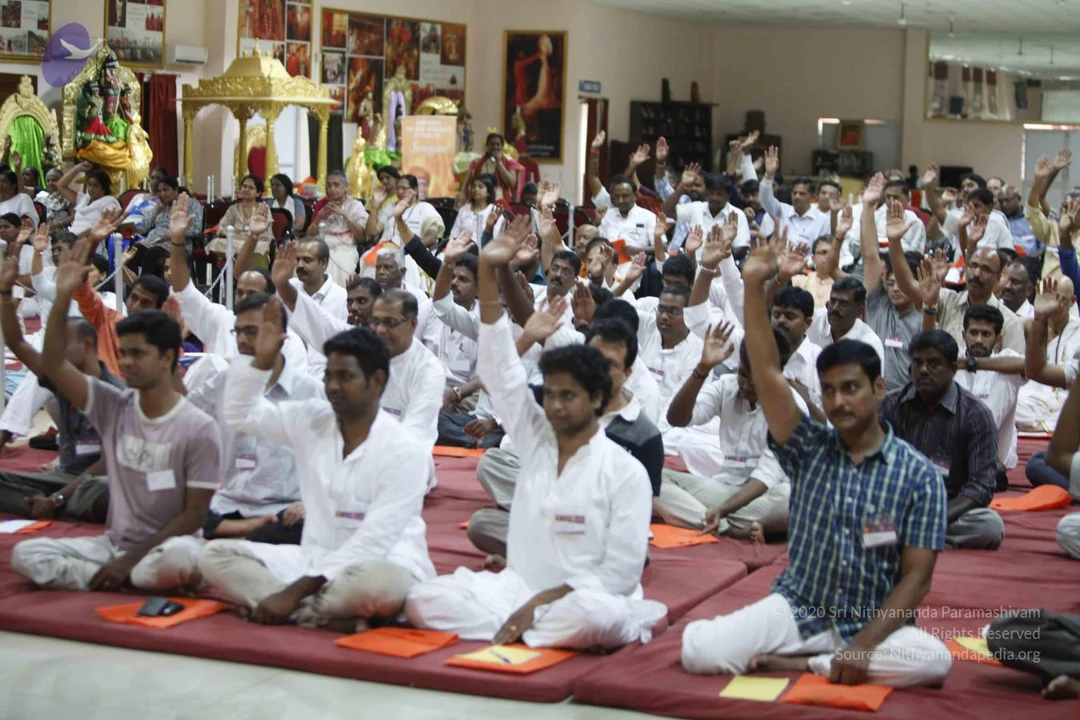
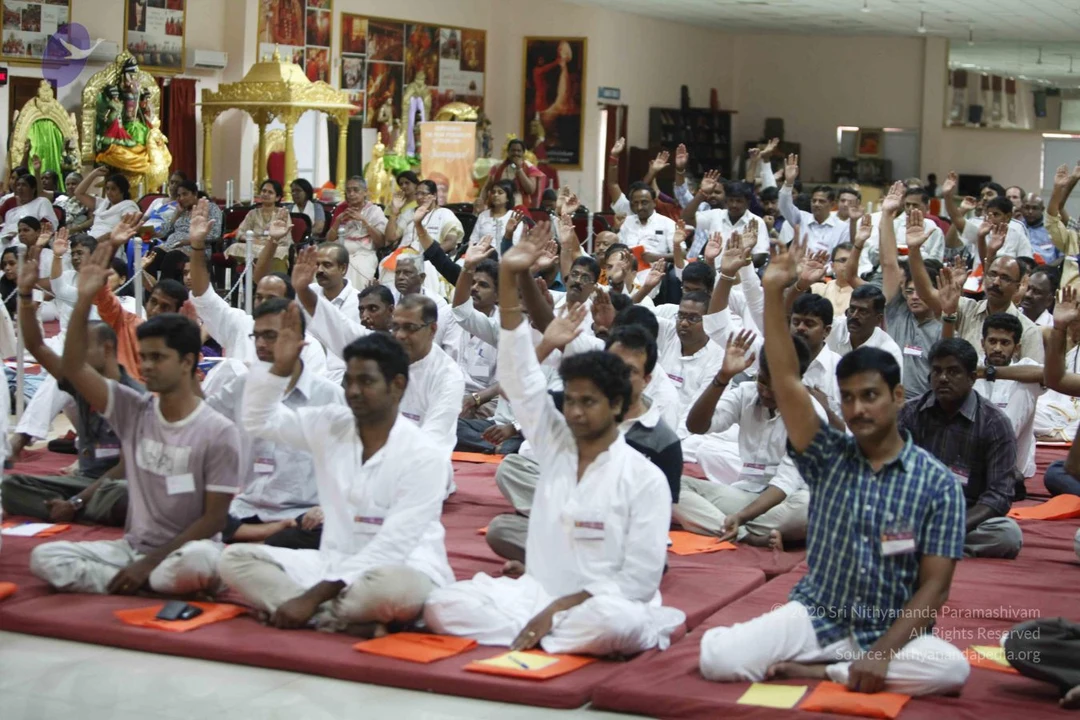
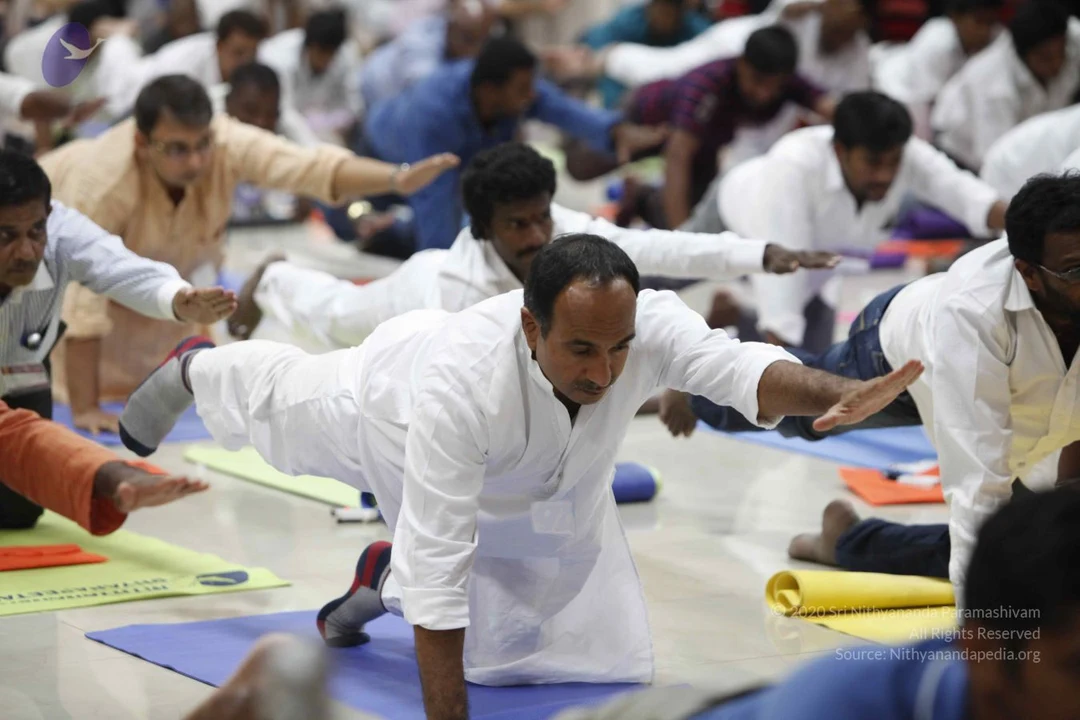
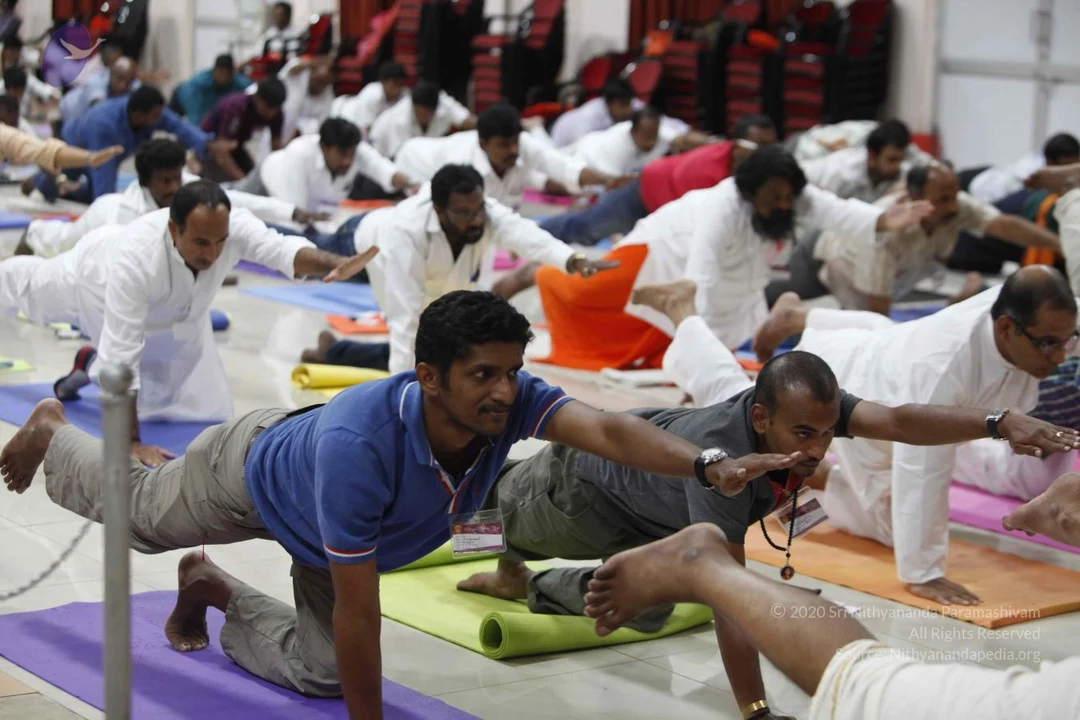
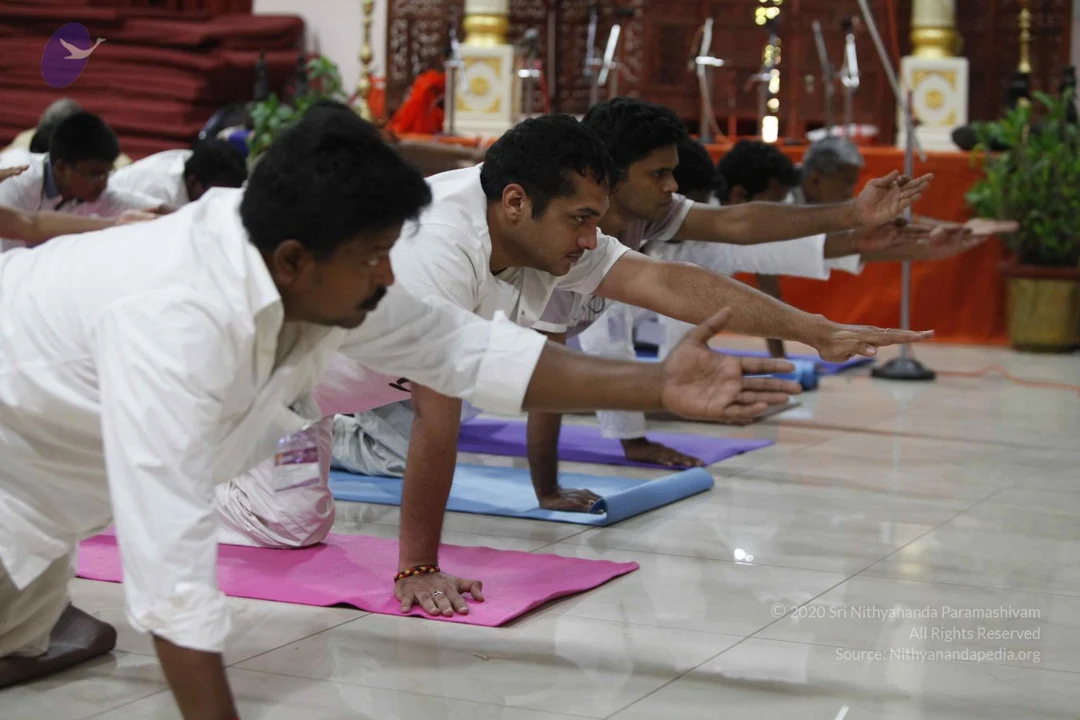
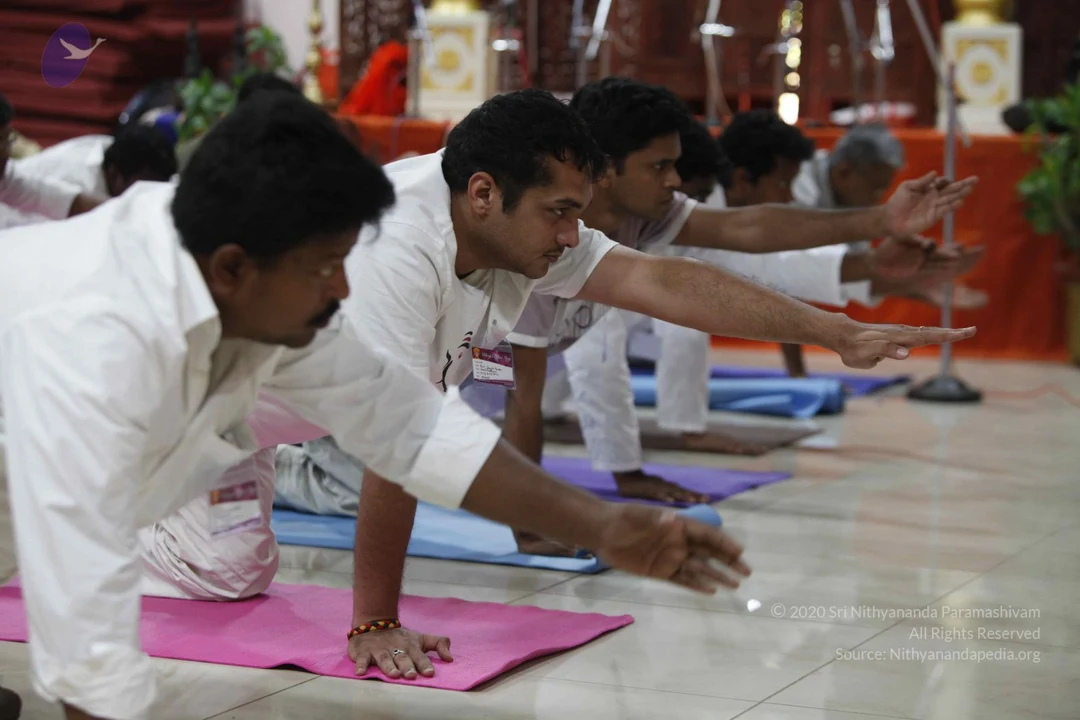
Yoga
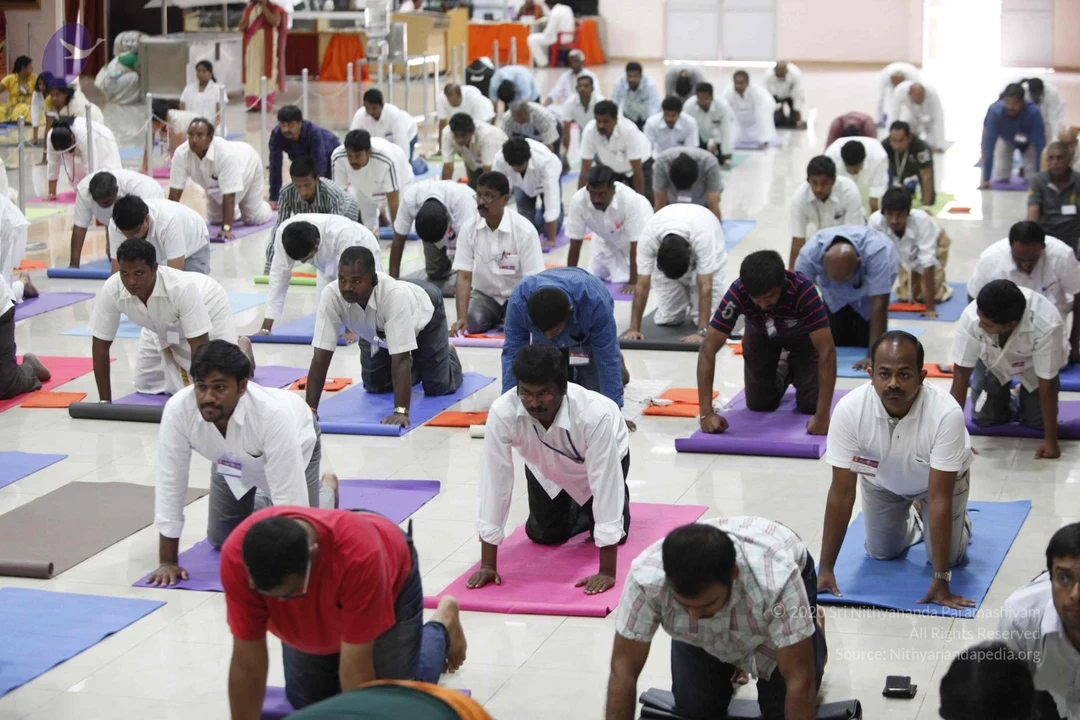
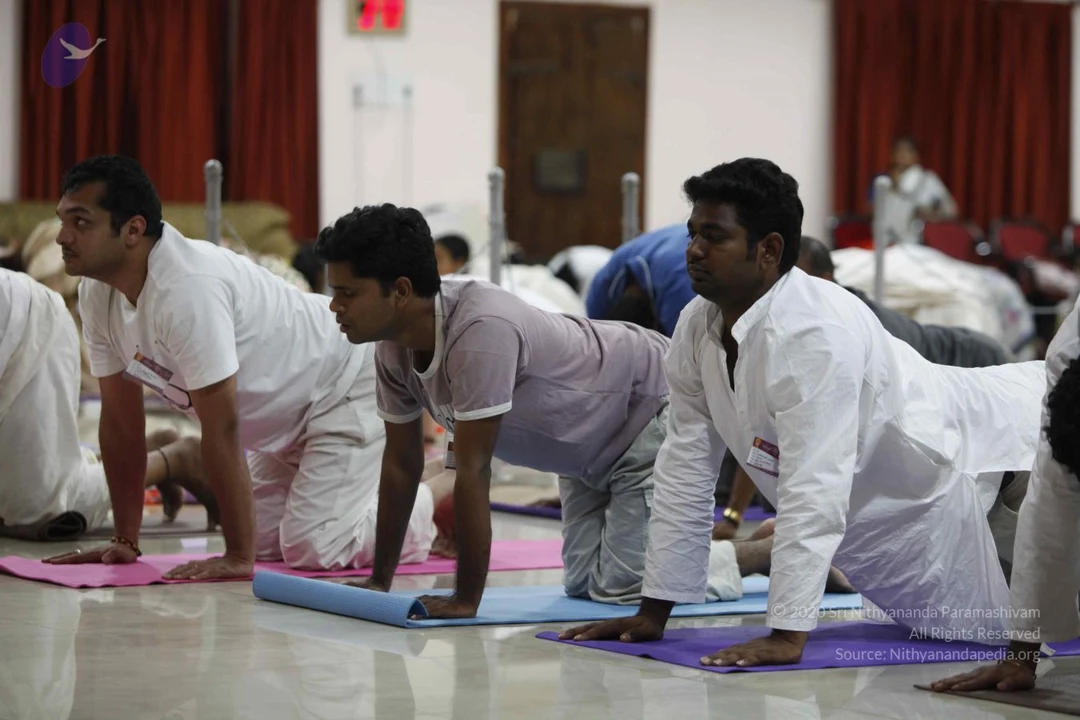
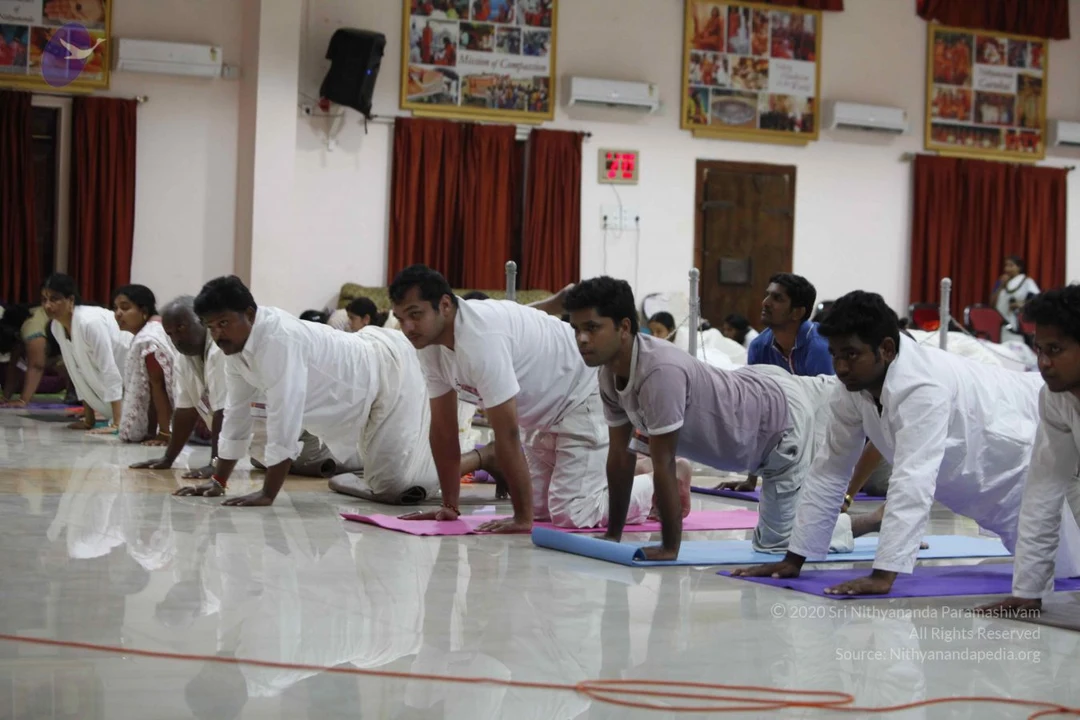
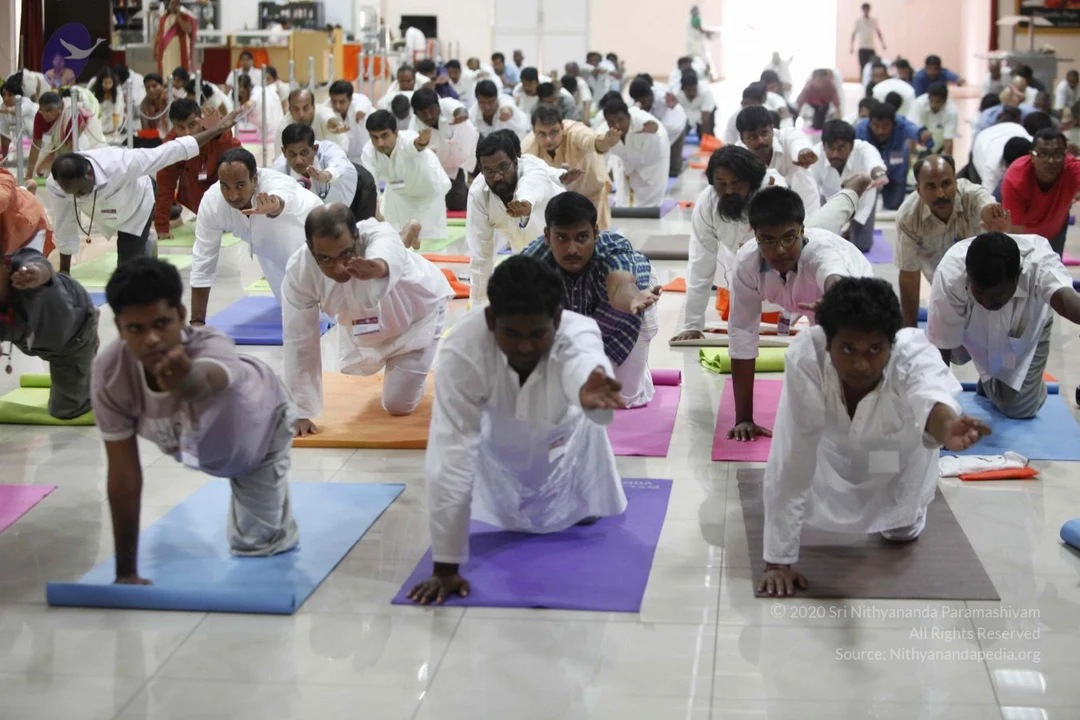
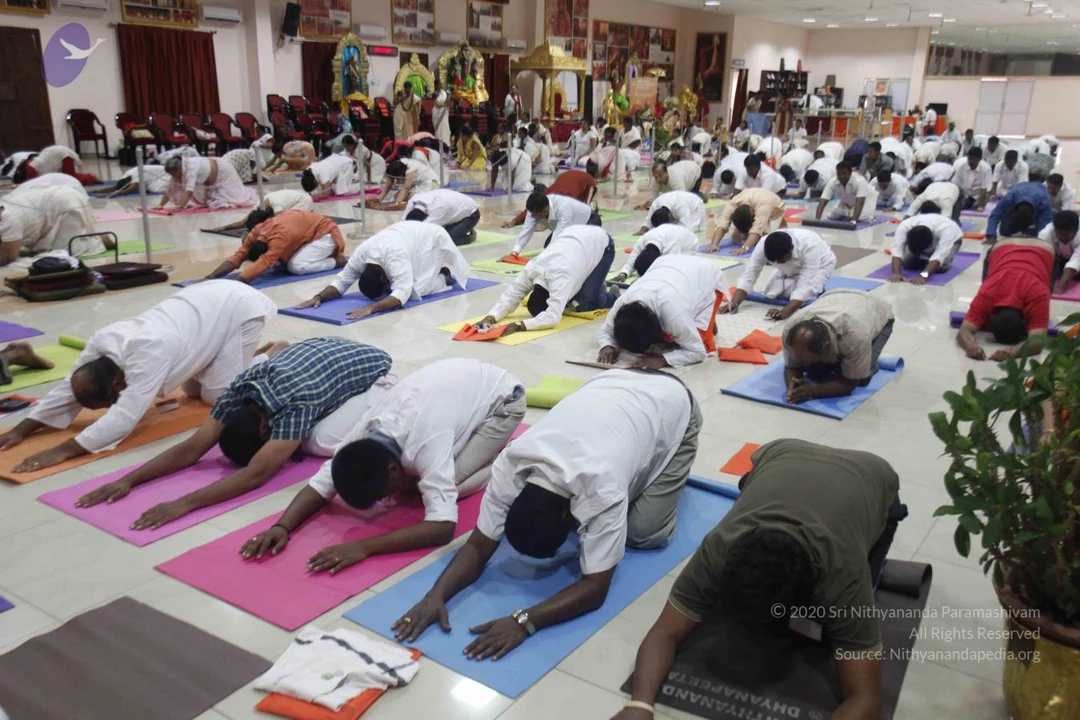
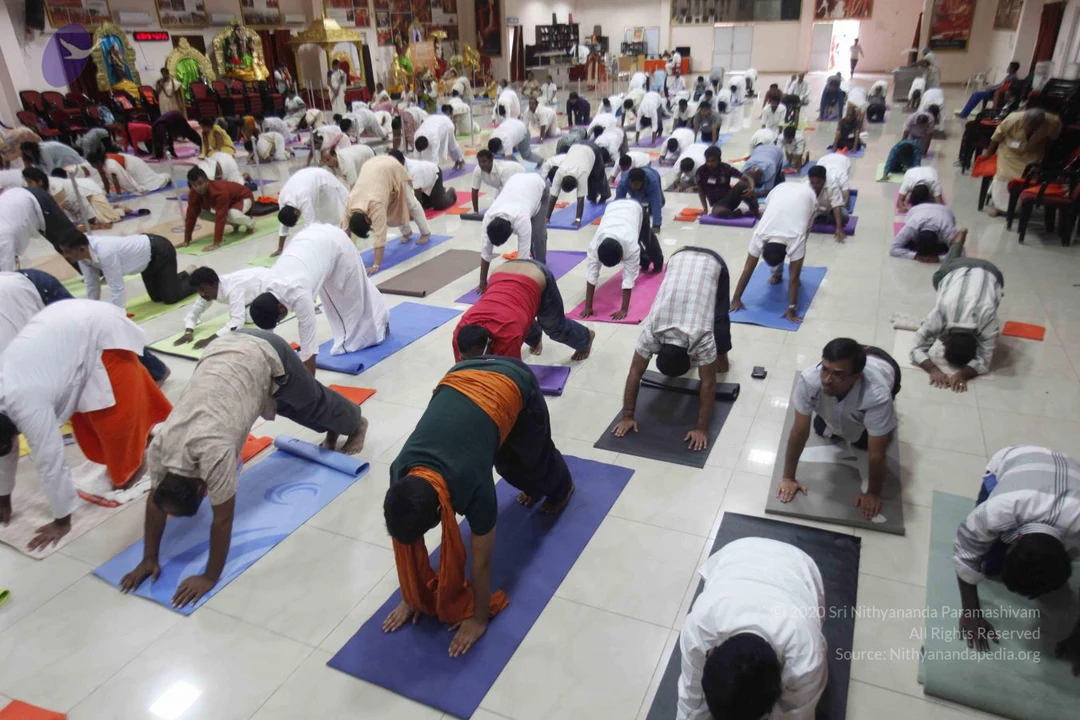
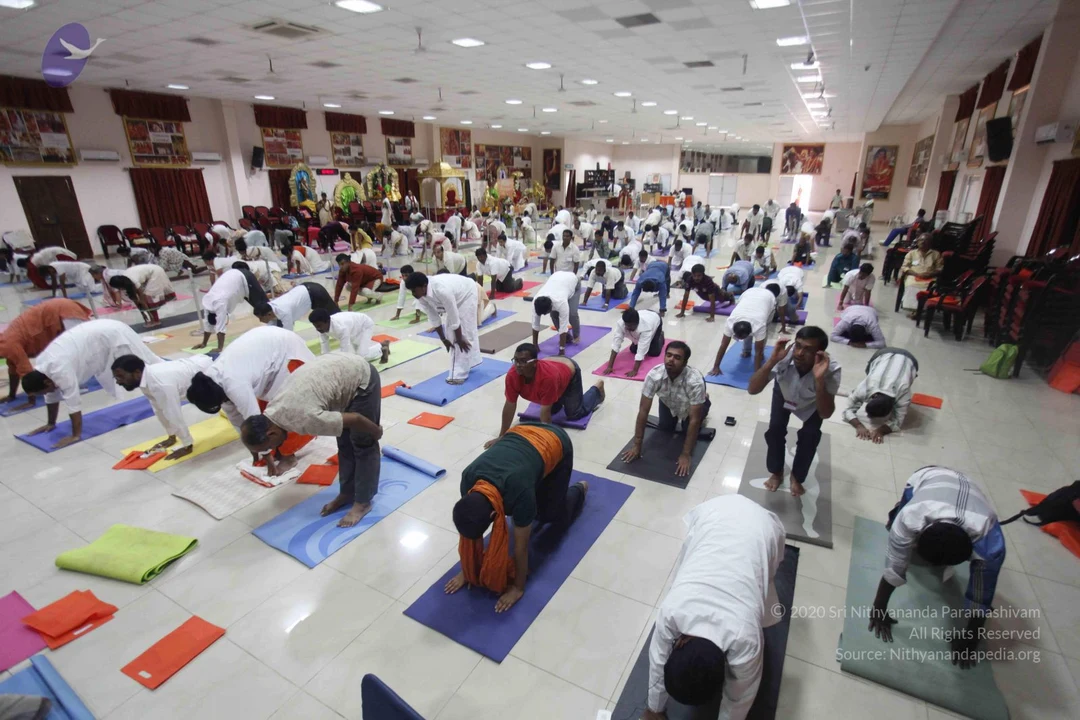
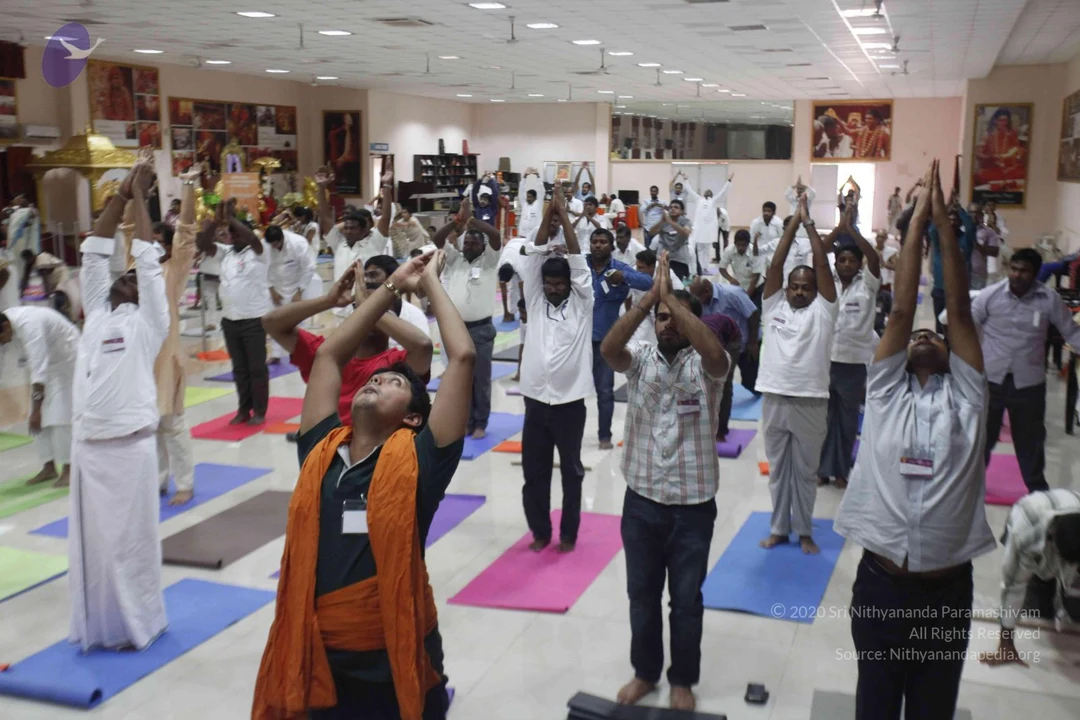
Satsang
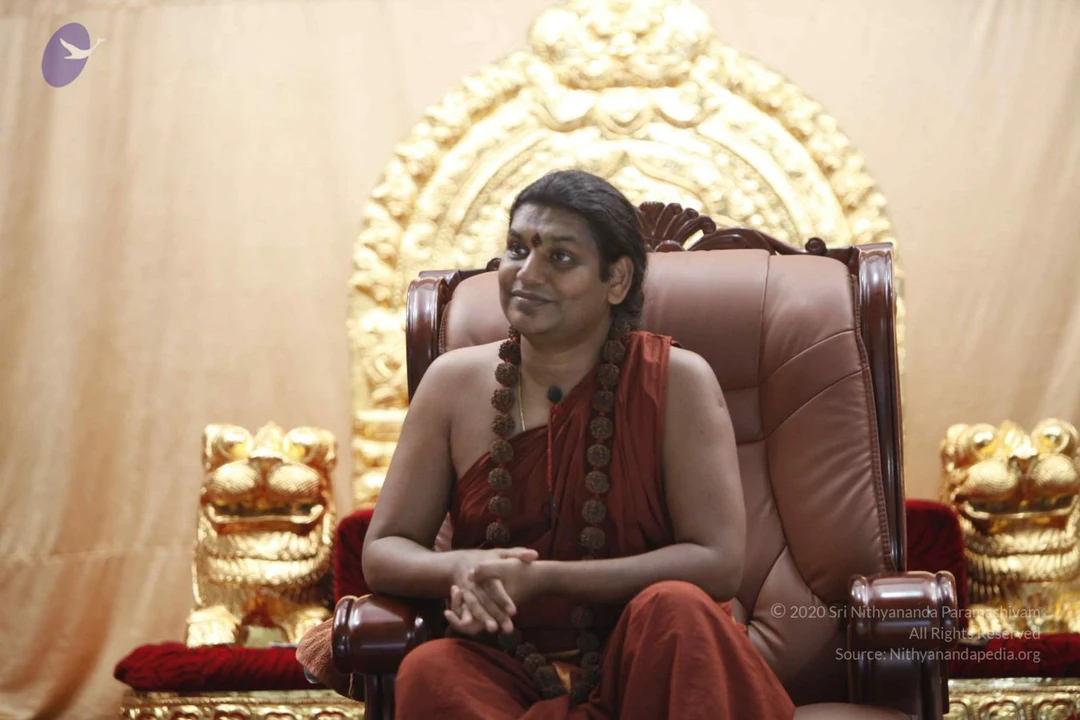
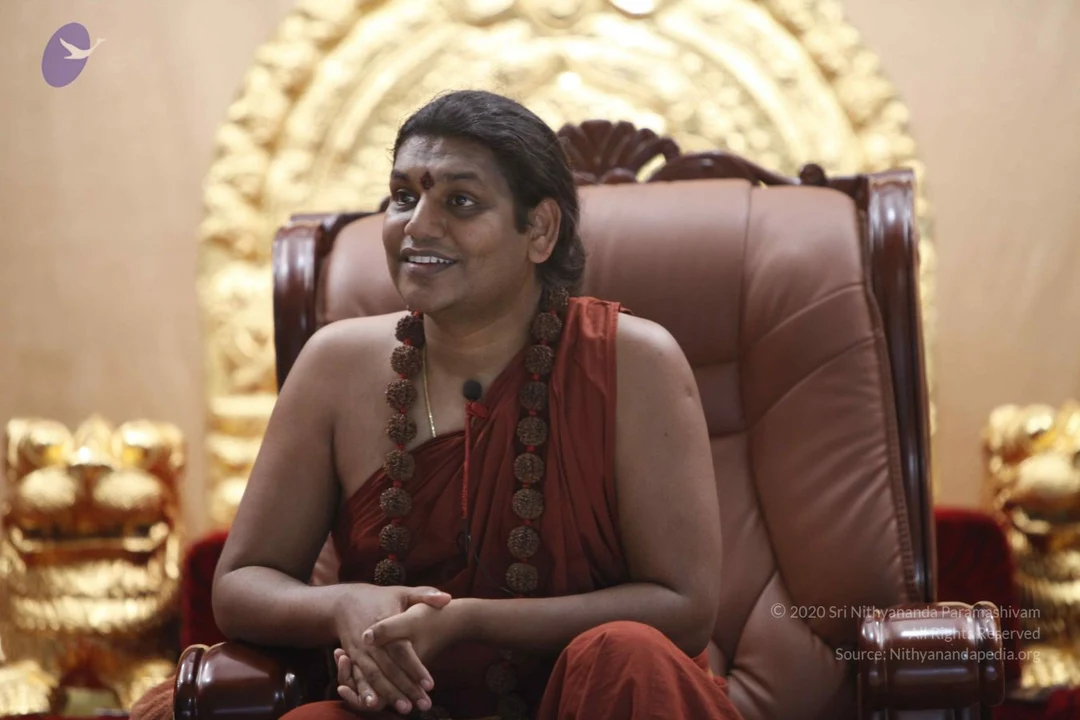
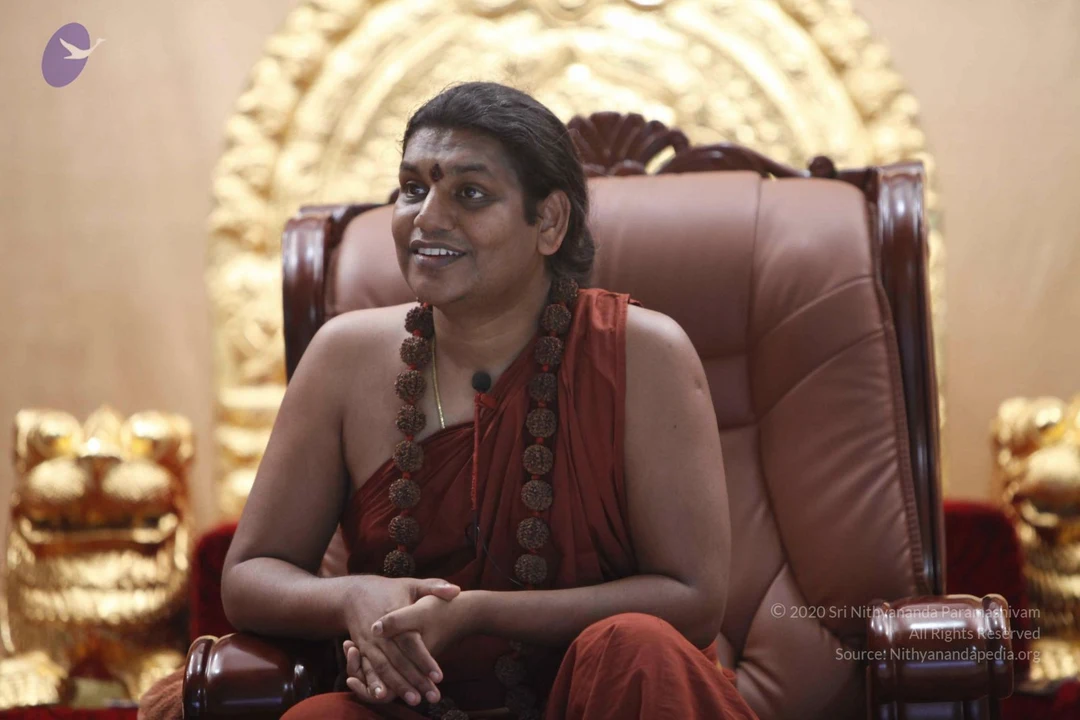
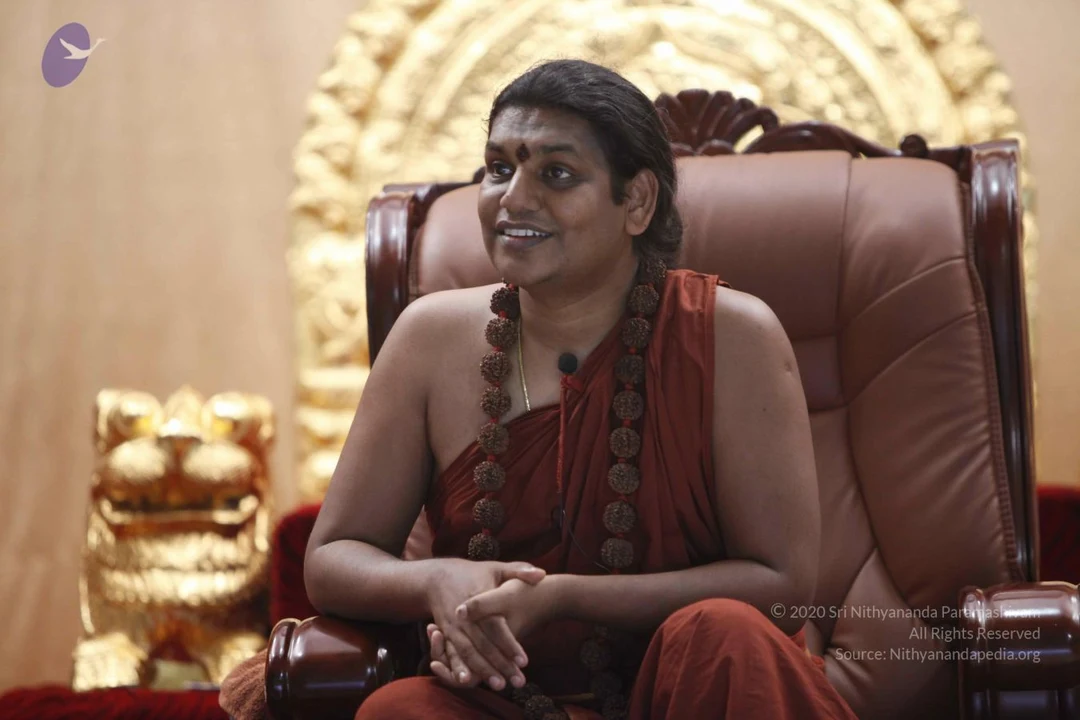
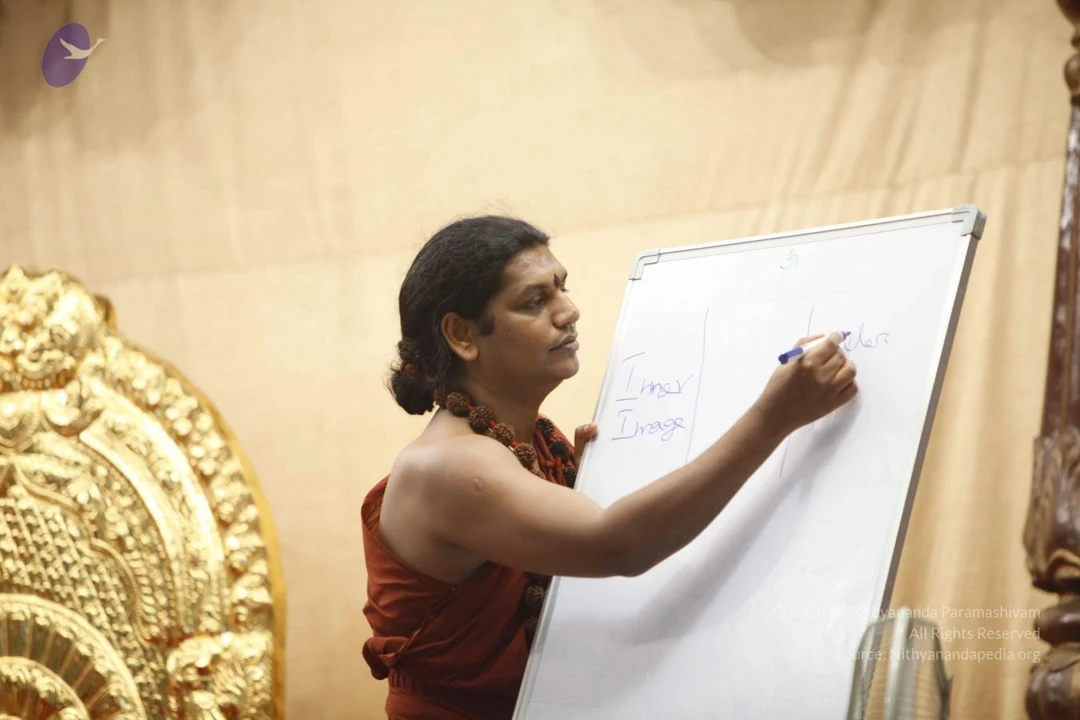
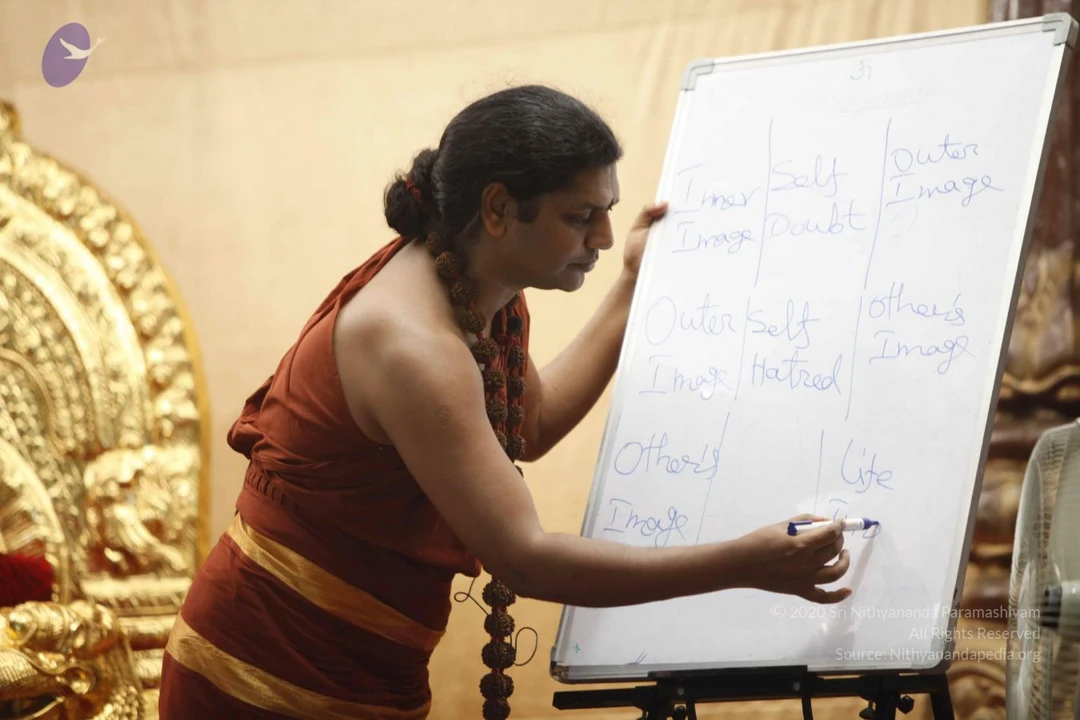
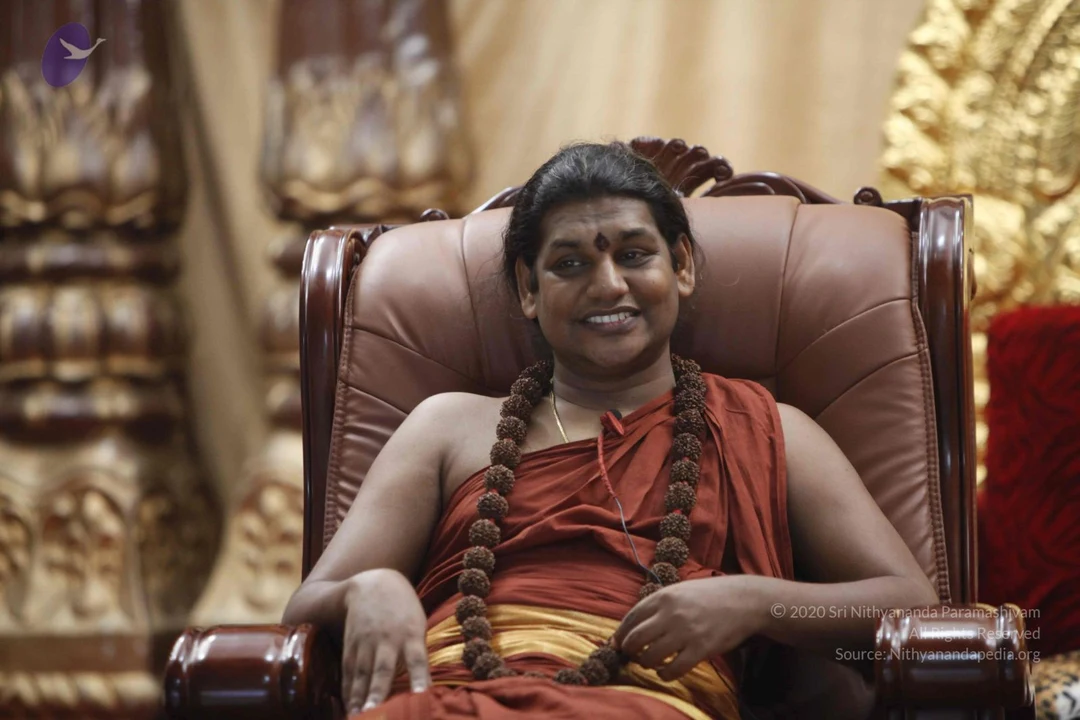
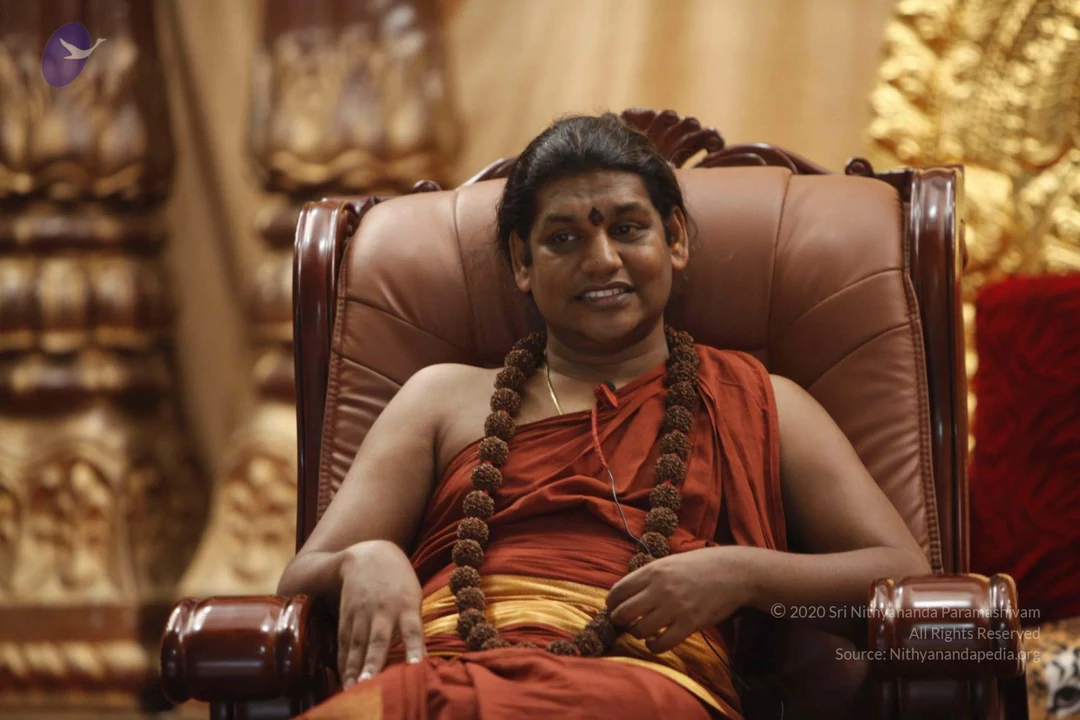
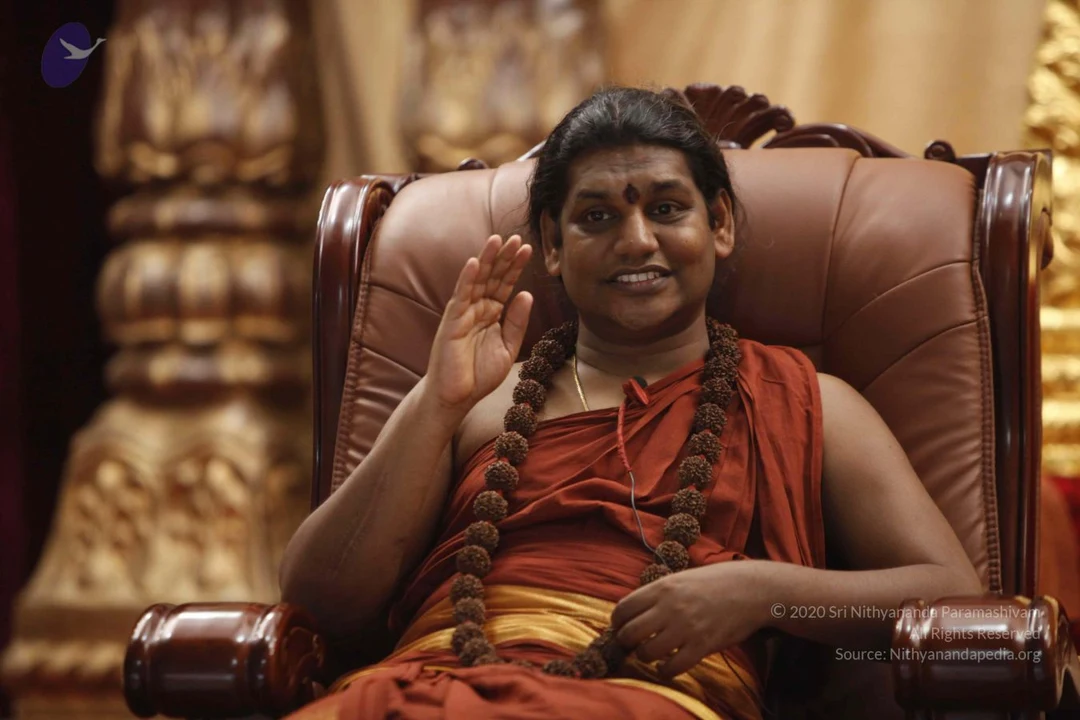
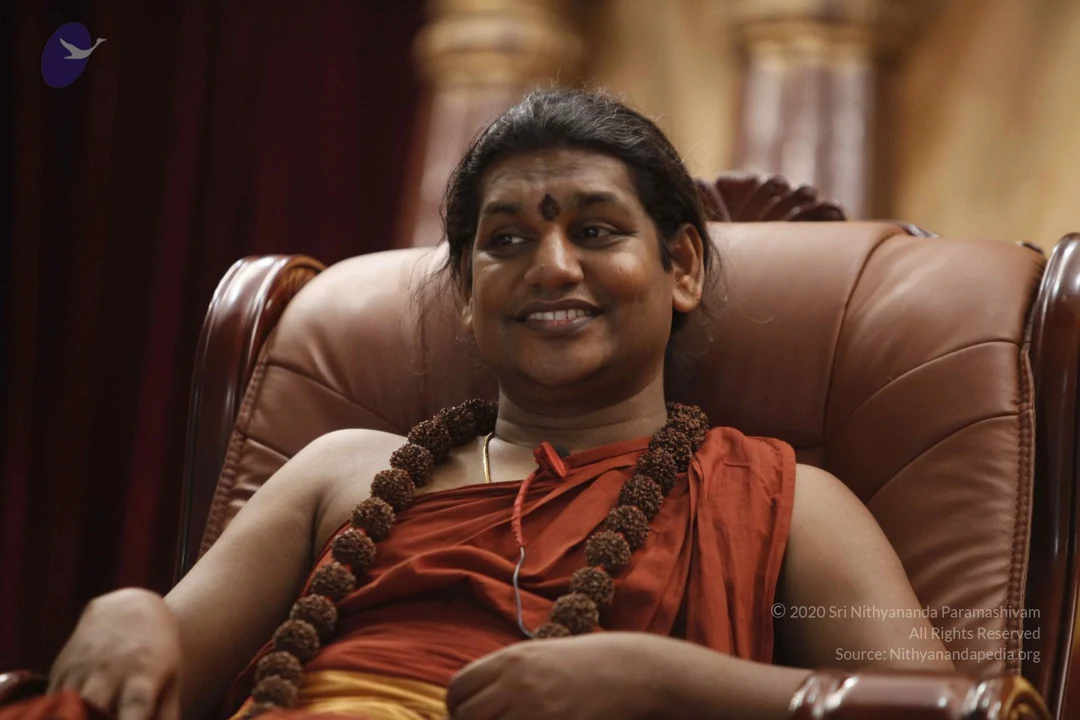
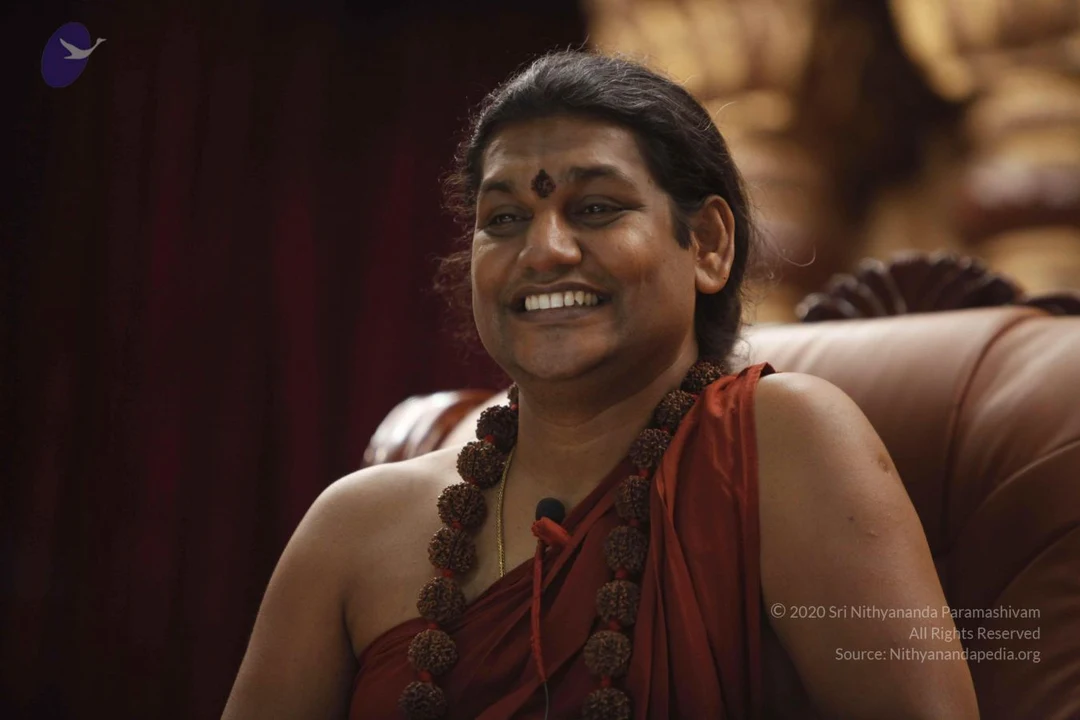
Photos from this day
View all 154 photosNithyananda Diary 5th July 2014 | NDY ( Life Bliss Program - level 1) Day 1 | Bhajans | Nithya Satsang | Kalpataru Darshan | e-Kalpataru Darshan in Germany
16 photosSource gallery
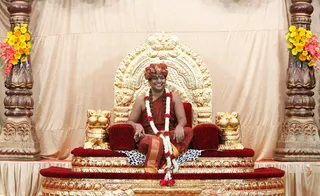
Satsang-Kalpatharu
76 photosSource gallery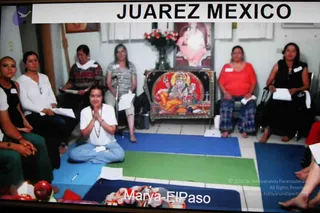
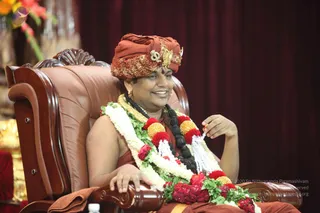
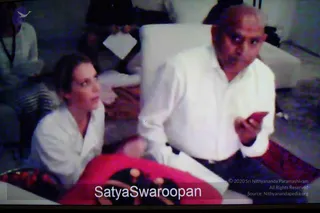
NDY-Session
31 photosSource gallery
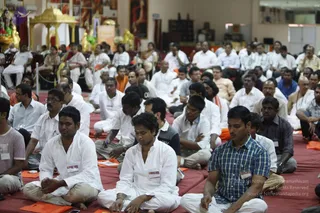
Yoga
15 photosSource gallery
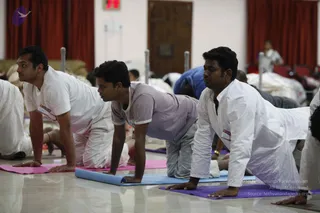
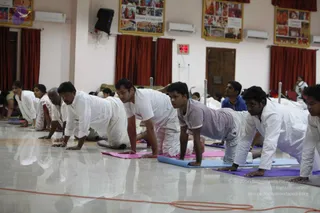
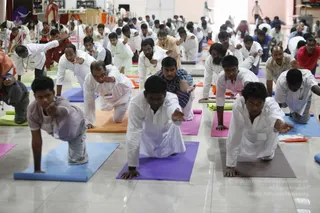
Satsang
16 photosSource gallery