Wednesday
30 October 2013
Kundalini is your peak possibility.
- Dated photos
- 254
- Source pages
- 1
- Media
- 2
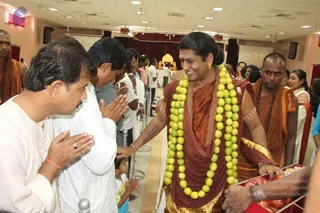
October 30 2013
Original wiki pageTitle:
Kundalini is your peak possibility.
Description:
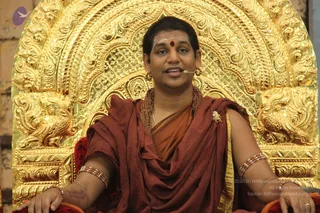
In today’s morning Satsang, Paramahamsa Nithyananda stresses the importance of completing with self- doubt. From self-transformation to cooking to law, completing with our self-doubt will cause our kundalini energy to flow in that direction – we will excel in that area! Ultimately, when we complete with everything in our lives, we will move towards our peak possibility, and excel in all fields!
Link to Video:
| Video | Audio |
Transcript:
Nithyanandeshwara Samaarambhaam Nithyanandeshwari Madhyamaam |
Asmadaachaarya Paryanthaam Vande Guru Paramparaam ||
I welcome all the devotees, disciples, samajis, satsangis sitting with us through Nithyananda TV, Lotus TV, Sadhna TV, Eshwar TV, Janashree TV, and two-way video-conferencing having Nayana Deeksha in eighteen countries around the world as per the statistics.
Cities sitting with us in two-way video-conferencing: Oklahoma-Somanatham, Los Angeles-Arunachalam, Toronto-Kailasam, Vancouver-British Columbia, Seattle-Chidambaram, Houston-Kalahasti, Phoenix-Kanchipuram, Hyderabad-Bhagyanagaram, Guadeloupe-Rameshwaram, San Jose-Madurai, Ohio-Prayag, Klang-Malaysia, Charlotte-Srisailam, Karaikudi-Tamil Nadu, Oman-Sivagangai, Hyderabad-Gupta Kashi, Simi Valley-California, East London-UK, Hong Kong-Sirkazhi, San Diego-La Jolla, Dakota Dunes, Singapore-Singapuram, Indrani-New Jersey, Devon-UK, Kathmandu-Nepal, Austin-Texas, Enriching Temple-Bidadi.
I welcome all of you with my love and blessings!
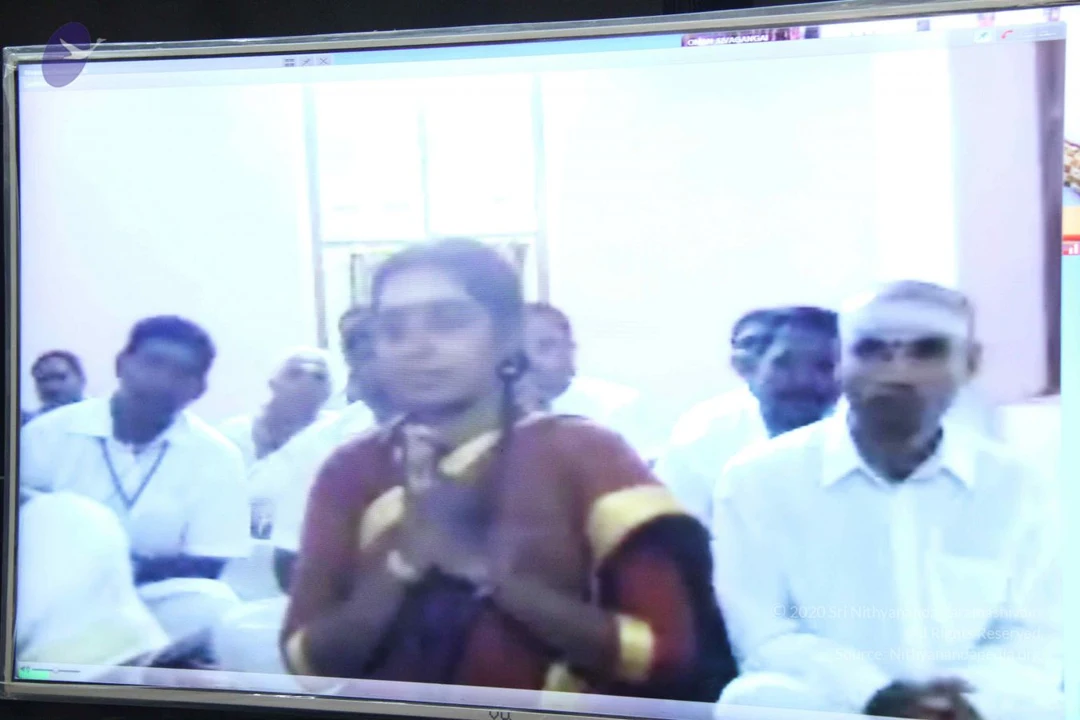
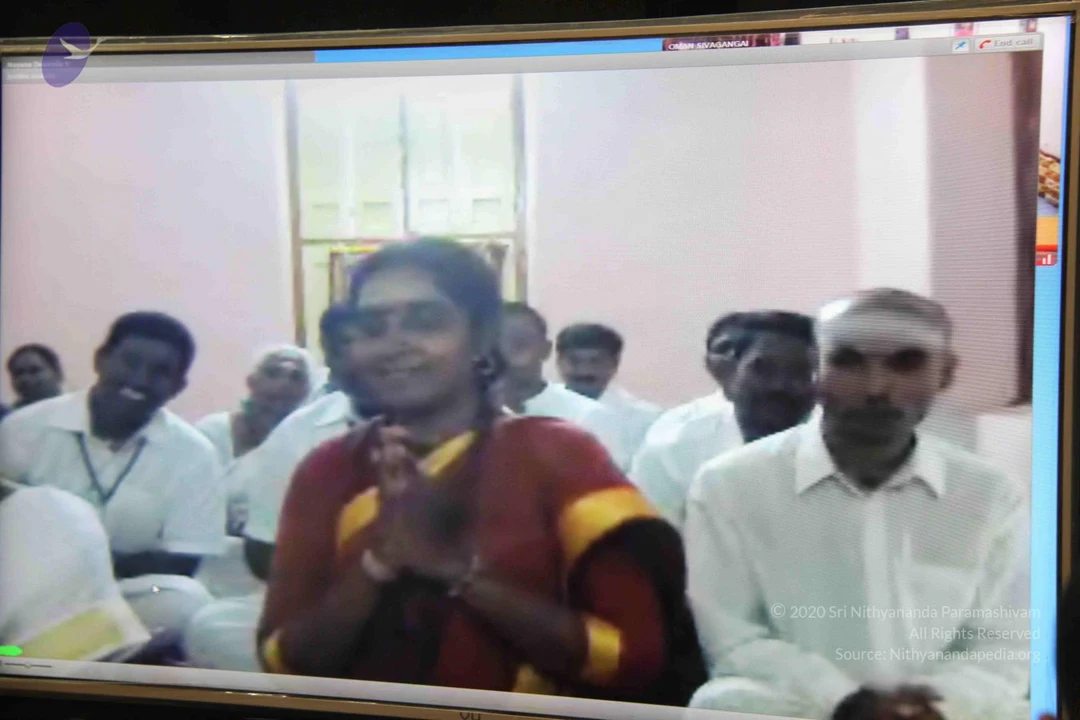
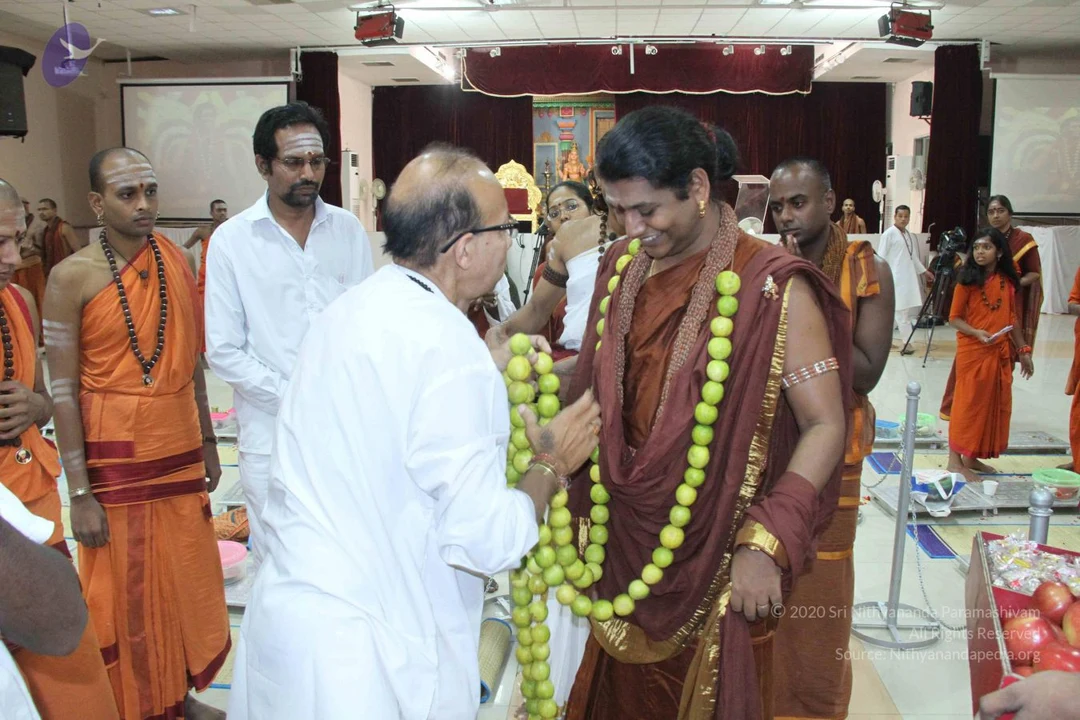
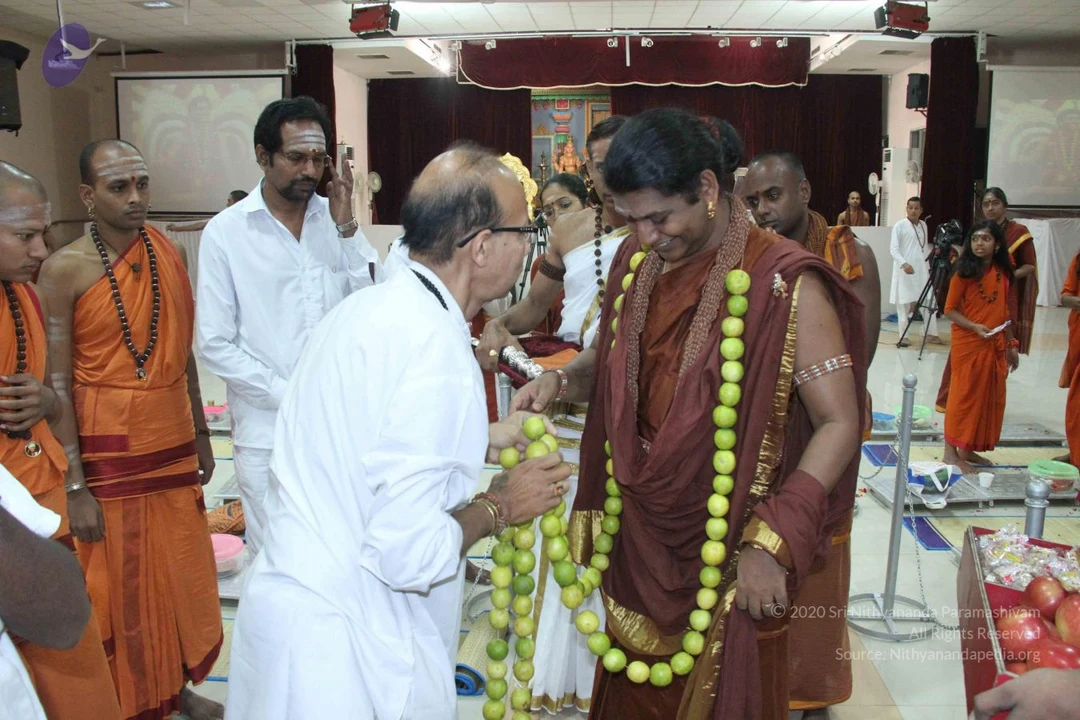
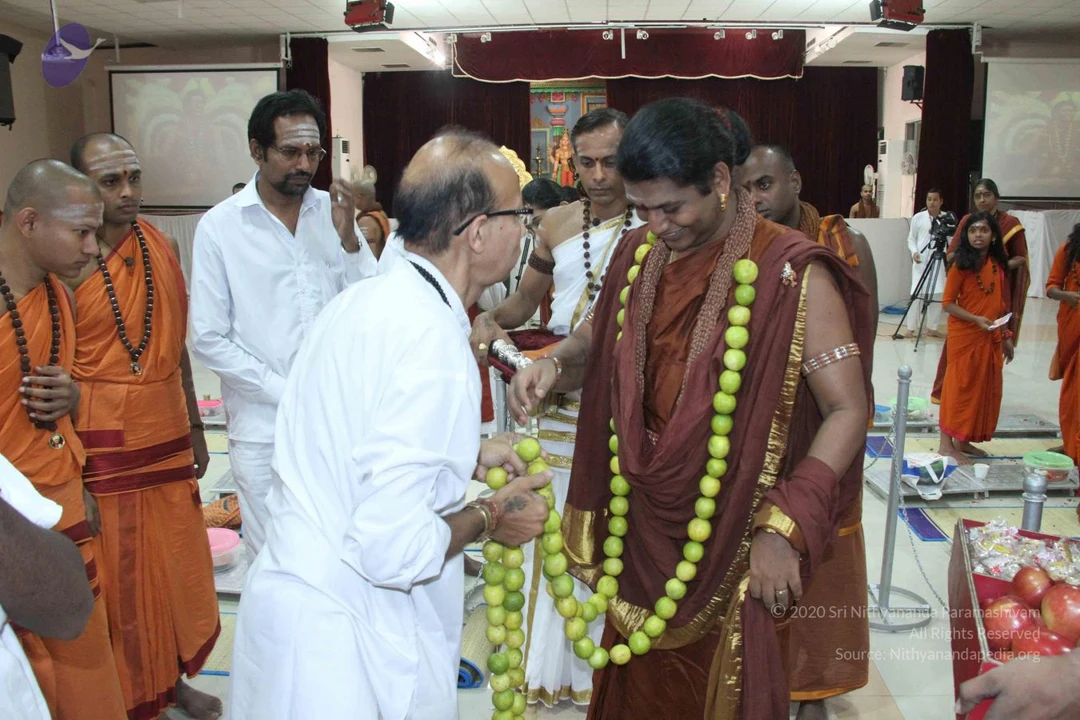
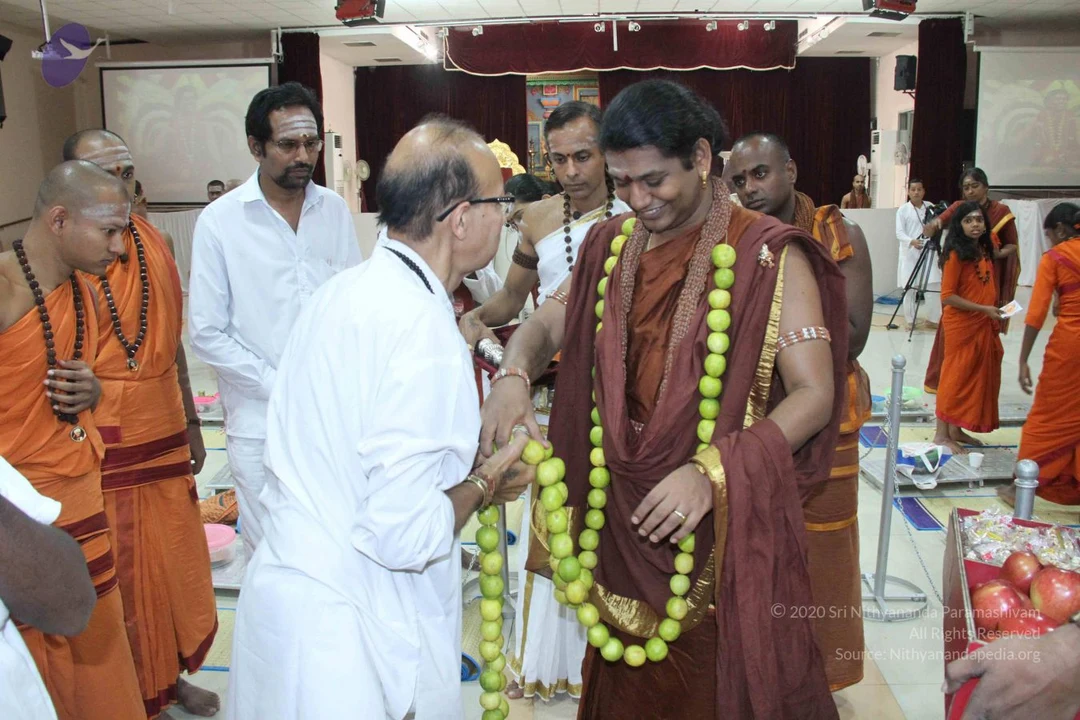
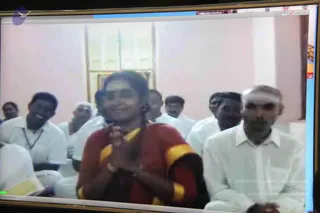
Today, we are inaugurating a new center in Karaikudi-Tamil Nadu. Our devotee from Klang-Malaysia, Palaniappan, has offered his house, property in Karaikudi to be used as a center. Blessings to Palaniappan! Malaysia Palaniapan! Blessings to Aachi, Vasanta Aachi, Dr. Sellappa and everyone; blessings to the whole family, Annamalai, Arunachalam…..blessings! My presence will be there in the Karaikudi Center. My presence will be with all of you. Blessings!
And from today, the Karaikudi Center will start functioning. Mainly, the Karaikudi Center will aim at preserving the Hindu culture. I tell you, the oldest, original Hindu tradition is stored with Nattukottai Nagarathar community. The way we eat, the way we dress, the way we house ourselves, the way we construct…..everything! The oldest, original tradition is stored with them in their life style. Karaikudi Center will strive to keep that tradition alive. My blessings to Karaikudi Nithyananda Dhyanapeetam! Blessings to Palaniappan for offering the place to run the Karaikudi Center. It is a beautiful place. I saw the photographs. We will have a deity of Karuppuswamy also installed in the Center. We will make it in panchaloha (alloy of five metals). We will make it in panchaloha, Karuppuswamy also, and have it. Great!
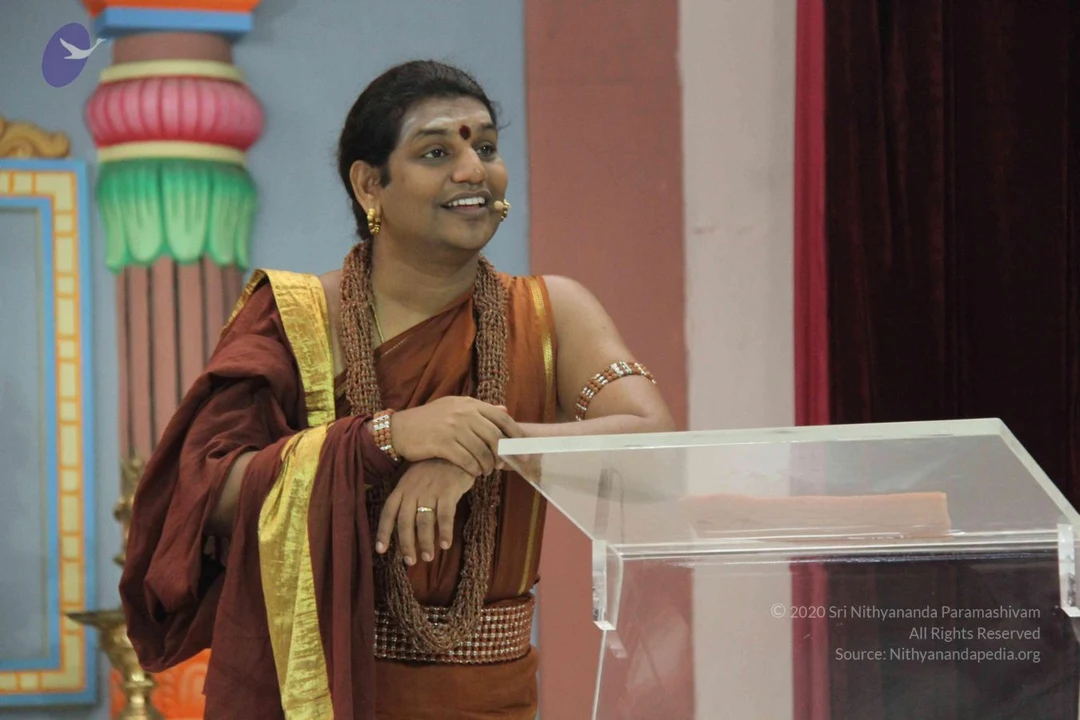
Today, I have one more good news. After the surgery, healing, yesterday was the first time I tried and allowed Mahadeva’s presence, Kaalabhairava landing, and it was very successful! It happened in a very successful way. It means the hand is completely healed, and we will be able to have Kaalabhairava darshans from now on. The hand is completely healed. It did not have any problem even after I settled down. The hand did not have any uncomfortable feeling or pain. The hand was able to handle all the movements, the wild movements Kaalabhairava causes when he lands. The body is now ready to handle Kaalabhairava’s energy and Akashic readings. So, today, as a surprise, we will have Akashic readings about the four tattvas. Before that, I just wanted to say a few words about this Kundalini energy. Then we will let Kaalabhairava take over, let Mahadeva read the Akashic records.
See, the possibility of human life is what we call Kundalini energy. The possibility of human life. There are multiple possibilities in you. It is like in a set-top box you have the possibility of 170 channels, but which channel you open is up to you. Reminding you about your possibility!
And, I also yesterday tried one more funny thing. It was very successful. Trying to pick up Hindi through Akashic records! I was able to, I was able to very successfully! I can say, at least twenty-five sentences I picked up. I just sent the Sanskrit statements. Usually, I think in Sanskrit. Means, there is no individual free will and thinking; but the thinking is realized by my inner space first in Sanskrit, then it gets translated either into English or Tamil. If I am doing some administrative work, that gets translated into Tamil. If I am giving satsang, then it gets translated into English. So yesterday, I tried to send the raw material, that Sanskrit into this Hindi software, and the statements came out!
Kundalini is your possibility. The multiple possibilities. After twenty-five statements, I think I myself get over-excited. See, the moment I get over-excited, I fall into Samadhi. The over-excitement leads to too much of Completion, you can’t have the gap between internal and external. So, the over-excitement. If you discover something new, how you get excited, like that I started getting excited. So, the moment I started getting excited, I saw very clearly the Sanskrit words go inside and come out as a diffused energy; the words are not coming out. It is like the Vaak, what you call the vocal chord-in that area, from the being the words enter, and by the time it comes out, it just becomes prana; it is no more a word; it is disintegrated into prana. Means, gone back to the original source, original form. See, the original form of a letter is mantra. The original form of a language is mantra, the prana space. I know that I am throwing too many mystical details. Even if you don’t understand, it’s okay. I just wanted all these to be on record. When science evolves to scale spirituality, that time the scientists will discover the meaning of all these words. Till then, let all these be at least on record.
Kundalini is your possibility. You letting your possibility happening in you, you trusting your possibility without self-doubt; you responding to your possibility without the self-doubt, is Kundalini energy. Please understand, each human-being allows himself to be expressed, allows his possibility without self-doubt in one dimension. No doubt, even if you are a useless fellow, to be useless, in that dimension, you allow your possibility without self-doubt. Somebody allows their possibility without self-doubt in the field of cooking. This guy may be useless in all other fields, but in cooking he has no self-doubt about himself. He knows, any dish he sees, he will be able to make it. Some people will allow themselves without self-doubt in the field of medicine, may be orthopedic surgeon, or general physician, or eye specialist, or dentist. Somebody may express their peak possibility without self-doubt in the field of Law. So, every human-being expresses his peak possibility, allows his peak possibility in some one field without self-doubt. It is not that you don’t express in any field at all. No! Then you can’t be alive. Even to be alive, at least in one field you have to allow the Kundalini to breathe through you. Kundalini has to breathe through you at least in one field. I have seen some people, they will be so cunning, in their cunningness they will allow their peak possibility. In some field you allow your peak possibility without self-doubt. A great lawyer, he may have a lot of doubt about his character; he may have a lot of doubts about his ability to cook, he may have a lot of doubts about his ability to drive. But in his lawyer field, he will not have doubt; he will not have any self-doubt. Same way, a dentist; he may have self-doubt about his ability to speak publicly; he may have self-doubt about his ability to handle his wife; he may have self-doubt about his ability to pick up languages; but in dentistry, he will not have any self-doubt. So, understand, in any field you express your peak possibility without self-doubt, you allow your Kundalini to be awakened in that field. So, in that field your logic gets so refined, it becomes intuition.
A few days before, in the Nithya Dharmam reality show, we were discussing about intuition. The producer asked me, ‘Swamiji, can you define intuition?’ He was telling me, ‘Swamiji, nowadays wherever I go, whoever I talk to, they are all making fun of me. They’re saying that I have joined Nithyananda Adheenam!’
I asked, ‘Why?’
‘Swamiji, I don’t know what you did to me. Every second statement I talk only about you! Whoever I meet, whether my friends, or my family, or business, the second, third statement I only say some quotation from you! I only say something about you!’
And he was telling me, ‘Swamiji, please define intuition.’
Please understand, I gave him an example. I told him, ‘See, for example, about this show, how to make this show, if somebody asks me, it will take at least two days for me to explain. First, you have to get a proper light-boy, then the lights, then the crane, then the camera in the crane, then the trolley, then a few specialists to handle the trolley, then food for all the staff, then the camera man, and then the setting. For me to explain, it will take two days! But for you, next second, the whole thing will stand in front of your eyes, because you put all your energy in this field. You do not need to go through logically step by step how to produce this show. Your logic has become refined. In two seconds, as intuition you will see the whole set up in front of your eyes. Refined logic is intuition.’
Listen, “Praakritham” is logic. “Samskritham” is intuition.
I told him, in this field, ‘In this field of producing a reality show, you are a master. So, the moment I utter the words “producing a reality show”, in two seconds everything is in front of your eyes. Before logically thinking through you come to the conclusion, you know it. But in my case, I need to logically think through so many things. Even after that I may miss two or three items. I may miss tea and coffee for all the assistants, the set assistants because I don’t drink tea or coffee, I’ll miss their tea, coffee. I don’t have a habit of tea, coffee, so I may miss their tea, coffee.’
Same way, if you ask about the human consciousness, he will have to take a lot of time and detail each thing. But, in my case, it‘ll take only a few micro mili-seconds where the whole thing is in front of me as intuition, because in this field my logic is refined.
Understand, in any field if your logic is refined, it becomes intuition. In any field you allow your Kundalini to express itself without self-doubt to its peak possibility, in that field you become a leader. So, allowing the Kundalini to express itself without self-doubt, allowing your peak possibility to express itself without self-doubt is Kundalini. For example, even the self-transformation. Understand, you can allow your Kundalini to flow in the direction of enlightening you if you complete with the self-doubt, ‘Will I ever be enlightened? Can I ever be enlightened?’ People always have self-doubt about their enlightenment. If you are young, you think, ‘I am too young for enlightenment.’ If you are old, you think, ‘I am too old for enlightenment.’
The self-doubt, self-doubt in the field of transformation, please listen, self-doubt in the field of transformation stops your Kundalini flowing in that direction. I tell you, I‘ll give you a very important click: ‘Have incompletion only with your incompletions.’ Have incompletion only with your incompletions. Don’t have incompletion with anybody else, with anything else. Doubt only your self-doubt. Doubt only your self-doubt. Doubt only your self-doubt. Have incompletion only with your incompletion. Then naturally, you will be forced to complete with all your incompletions. You will be forced to complete with self-doubt. So understand, completing with the self-doubt sends your Kundalini energy into the direction of transformation, self-transformation.
I wanted to tell all of you, many of our disciples, ashramites, sannyasis, their Kundalini is awakened, but unfortunately, because still you constantly carry the self-doubt about your transformation, the Kundalini is not flowing in that direction. It flows in different directions. You become a great publisher, you become a great writer, you become a great speaker, or you become a great cunning fellow, you become a great strategist. Your energy starts flowing in multiple directions; but because you have a deep self-doubt whether you can get enlightened at all or not, whether you can transform yourself at all…..! I have seen, many of these fellows, they think, ‘Don’t worry about this spiritual practice, Swamiji will take care.’ This “Swamiji will take care” is a great technique, the surrender. But, if you do it from the wrong context……! What is the wrong context you know? They don’t want to think about it, so they dump it on me. They do not want to work for it, so they dump it on me. Alright, if you want to dump the transformation on my head, at least you should take responsibility for the words I give you. Neither they do that, nor do they do something on their own. So, understand, even surrender, if it is from the wrong context, it won’t help, it won’t do any right thing, good to you. So, you need to know.
Listen! So, first complete with that self-doubt – “Will I be able to transform myself or not? Will I reach enlightenment or not?” And, the moment you complete with this self-doubt – “Will I reach enlightenment or not?”, immediately, from that moment, all the awakened Kundalini energy starts travelling in that direction of self-transformation. That starts travelling in the direction of self-transformation.
Understand, the Kundalini has only one blockage. Kundalini has only one blockage. That is self-doubt. Kundalini has only one blockage: that is self-doubt. In any field in your life if you complete with your self-doubt, in that field you become educated. Please understand, education is nothing but completing the self-doubt. If you complete all your self-doubts in the field of dentistry, you are a dentist now; you are educated in the field of dentist. If you complete all your self-doubts in the field of Law, now you are educated as a lawyer. If you complete all your self-doubts in the field of transformation, now you are a master of transformation. If you complete all your self-doubts in the field of cooking, you are now educated as a cook. Education is nothing but completing the self-doubts. Education is nothing but completing the self-doubts. Education is nothing but completing the self-doubts. I can repeat again and again and again this one line!
J. Krishnamurthy defines education, Vivekananda defines education, Osho defines education, I have defined education multiple number of times. But, I tell you, this is the best, most precise, concise definition I have ever given about education: “Completing your self-doubt in any field is education”. Completing your self-doubt in any field is education.
I have a question from Ma Achala: ‘What is the root of self-doubt?’
Please listen! In your life, when the first incident happens, the root incident, where the root-pattern starts, where you make your Inner Image and get the Outer Image and Life Image as a gift – it is like “Buy one, get two free” – when you make your Inner Image and create the Outer Image to protect yourself for survival reason and create the Life Image….. Please listen, please listen, I am giving you one example. For example, at the age of three or four, you try to run around in the rain and play in the rain. Your mother sees you and strongly pulls you into the house and gives you one slap saying, ‘Don’t go in the rain! You will catch cold! Your health will be spoiled!’ She screams at you. For a child, mother slapping and especially being pulled inside the house and locked inside the house is too much. The child will not understand it is only a slap. The child will literally feel as if he is going to die…..as if he is going to die! Please understand, at that moment, the child will create the Inner Image: “I am helpless”. It will create the Outer Image: “I am powerful”, because he cannot survive with that idea “I am helpless in the society, I am helpless in life”. So, naturally, he will create the Outer Image “I am powerful”, and he will create the image about mother and life, that life is cruel. So, when this happens – I am giving you one example, this happens in a different way to many of you – in this root-pattern, in this root incident, once you create the Inner Image, Outer Image and Life Image, you start living. When you start living, you naturally put your Outer Image in the front – “I am powerful” – a pseudo Outer Image. Please listen, if you are not able to convince others with the pseudo Outer Image, it is good for you. But if you convince others with the pseudo Outer Image, when you come back to your private space like your bedroom, you will start thinking, ‘Oh, God! I made every one believe my Outer Image as the truth, but my Inner Image is different from my Outer Image!’ So, this clash is self-doubt. This clash is self-doubt.
Please listen! If root-pattern is the root of a tree – I am giving you the example of a tree – root-pattern is the root of a tree, lust patterns are the parasites of the tree, every day sufferings and powerlessness are the leaves of the tree, self-doubt is the fragrance of the tree. So, please understand, when you convince others with your strong Outer Image and your Inner Image starts questioning you, your Inner Image questioning you is self-doubt. That is where the self-doubt starts.
In any field if you carry self-doubt, you will continue, you will continue to be powerless in that field. In any field if you complete with your self-doubt, you are educated in that field…..you are educated in that field.
Please understand, look in, first time when you started having the doubt whether you can memorize any poetry or a mathematics table in your life. Look in, first time when did you have that doubt about you? Or when you started hating memorizing? Complete with that incident and pattern. Suddenly, you will awaken your ability to memorize in an unimaginable way, in your brain, that component, that part in your brain which is now non-mechanical, will be awakened. Same way, if you complete with the self-doubt in any field, suddenly that part of the non-mechanical brain will be immediately awakened. Awakening all your non-mechanical parts of the brain is what I call “Inner Awakening”; awakening various non-mechanical parts of your brain.
I tell you, you are capable of living without suffering. First find out when is the first time in your life you started believing suffering is part of your life, when you started believing you can’t be without suffering? Find that incident and complete. You will see, the brain part, your non-mechanical brain part which has the capability to be without suffering, which has the capability to run your life without suffering, is immediately awakened! You can really, really, really live a beautiful life! When did you start believing you have to live with suffering? Find that incident and complete with it. Please understand, find that root incident and complete with it. When did you start believing, when did you start believing life has to be with suffering? Find that incident and complete with it. I tell you, suddenly you will see your brain is awakened for Completion; your brain is awakened for joyful life; the non-mechanical parts of your brain are awakened to live bliss and to attract bliss! You will attract blissful incidents, blissful persons, blissfulness in your life due to your innate intelligence, due to your innate intelligence!
Helping you to realize your possibility and supporting you to complete with your self-doubt is Kundalini Awakening. That is what we do in the two-day Nithya Kriya Yoga which is going to happen in Delhi on November 23rd and 24th. Listen, reminding you about your possibility and helping you to complete with your self-doubts and making you experience your Kundalini energy is initiation into Nithya Kriya Yoga. You will be having this initiation in the Nithya Kriya Yoga program in Delhi, November 23rd and 24th.
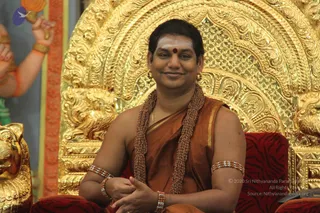
And I also have one more good news to share with you all. In the Inner Awakening Level-4 in Bali, all twenty-one days you will have Akashic readings in the morning. The morning satsang will be Akashic readings on various subjects for your questions. Today, we will have the Akashic readings now. Let us allow Mahadeva to read the Akashic records on the four powers.
So, the essence of today’s satsang:
In any field, whether it is self-transformation, or cooking, or sweeping, or cleaning, or medicine, or law, or construction, in any field, complete your self-doubt. Your Kundalini energy will flow in that direction and you will excel in that direction, in that field.
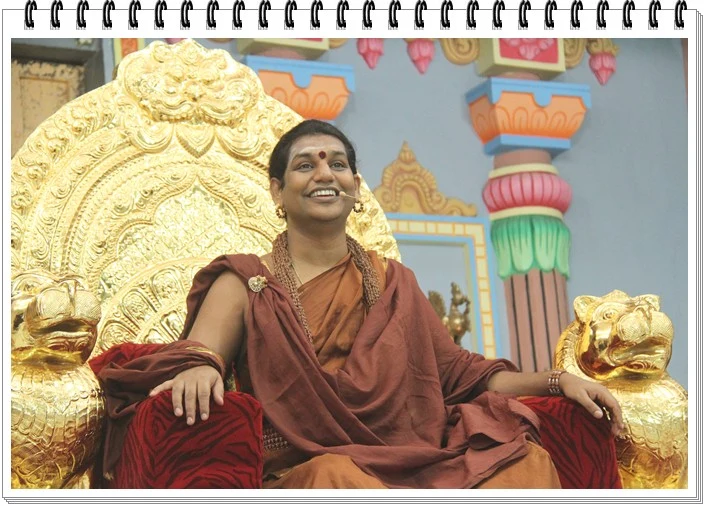
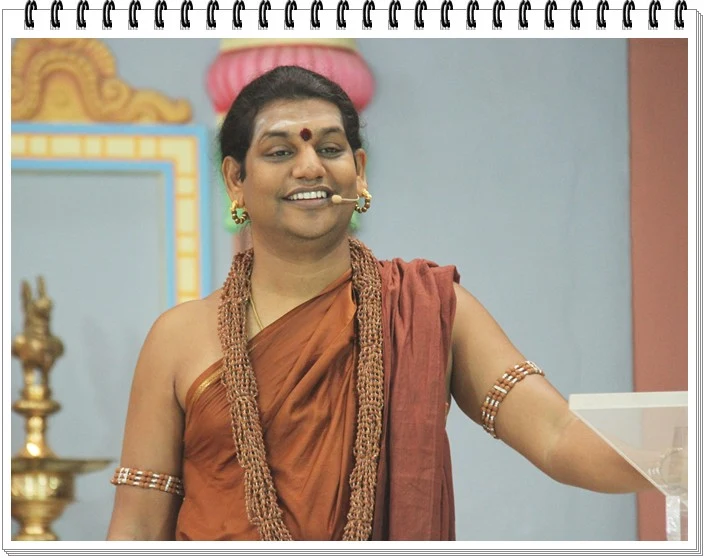
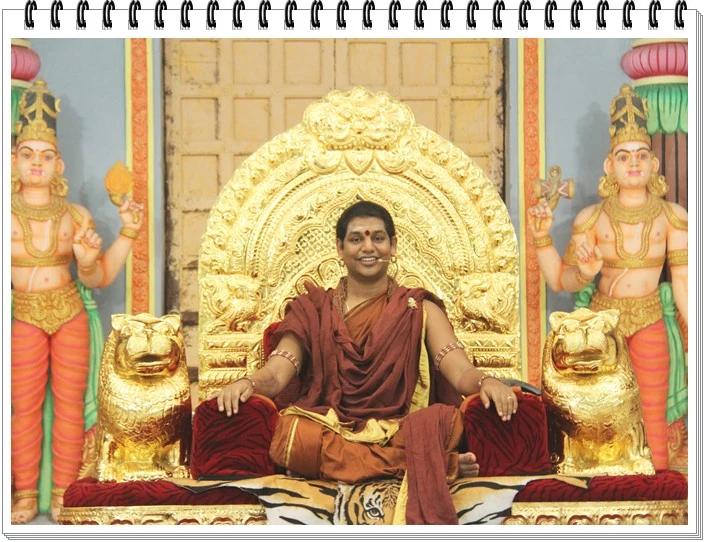
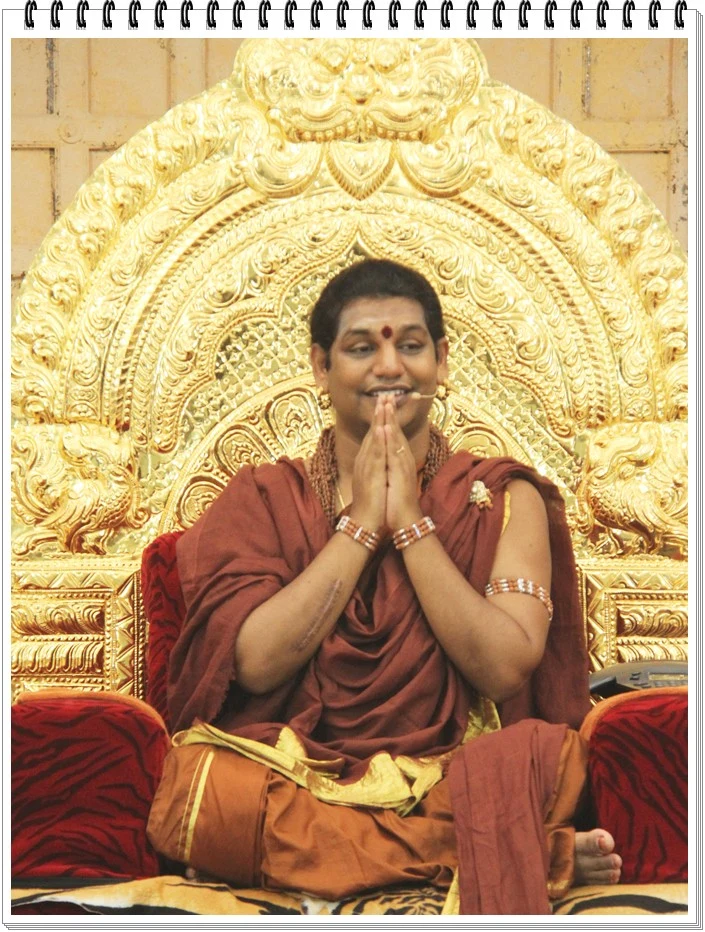
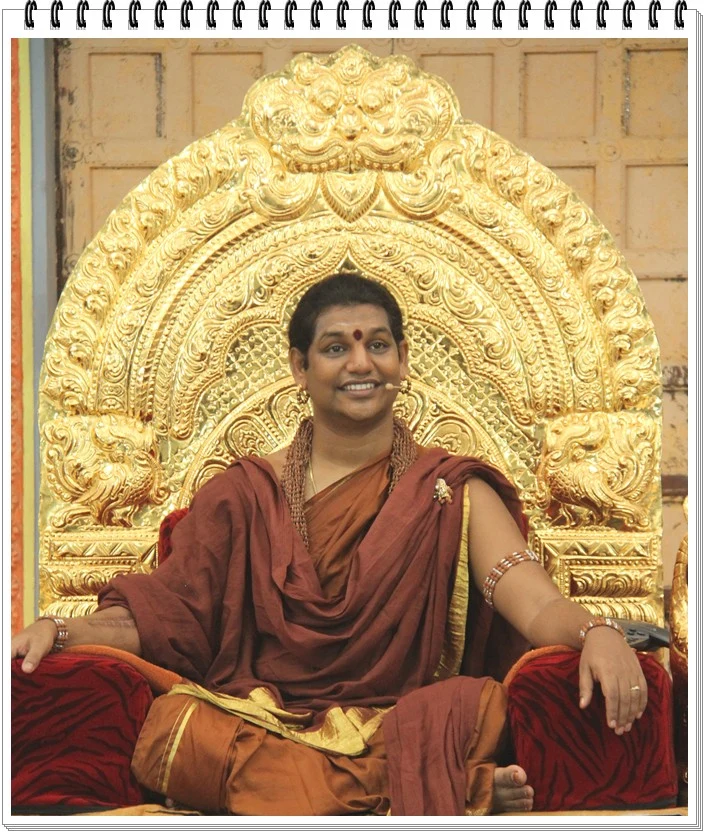
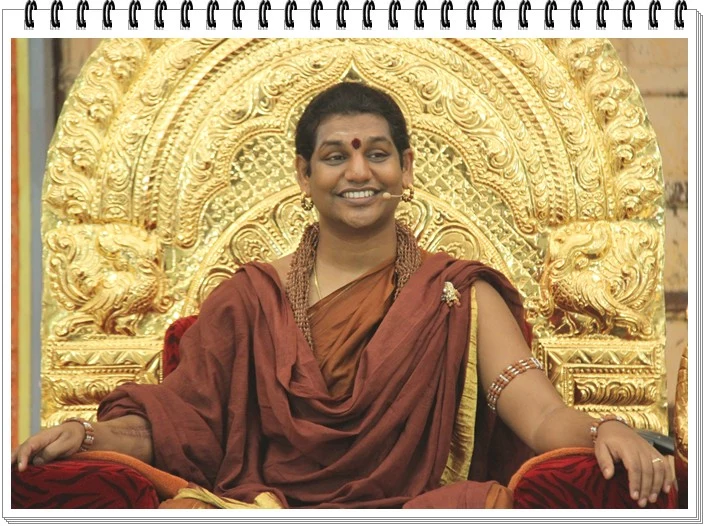
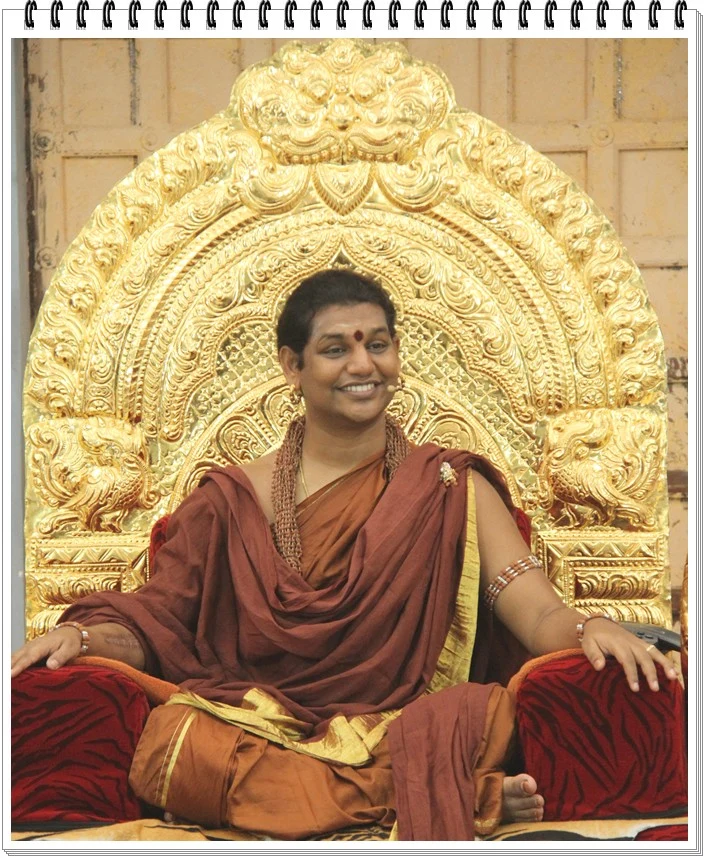
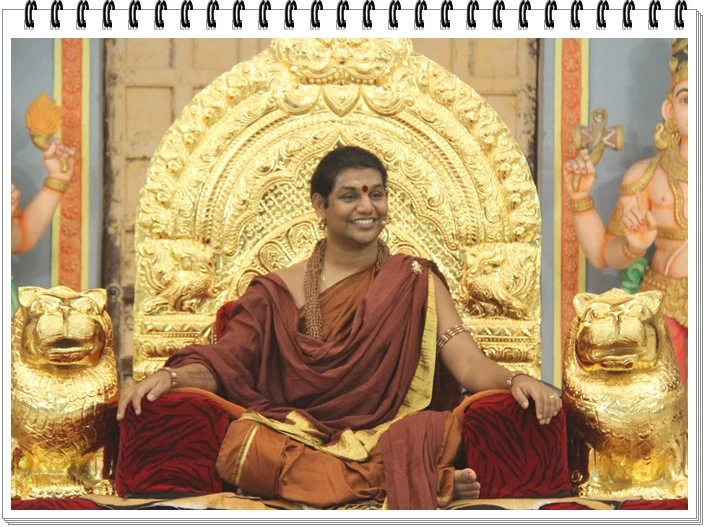
Photos From The Day:
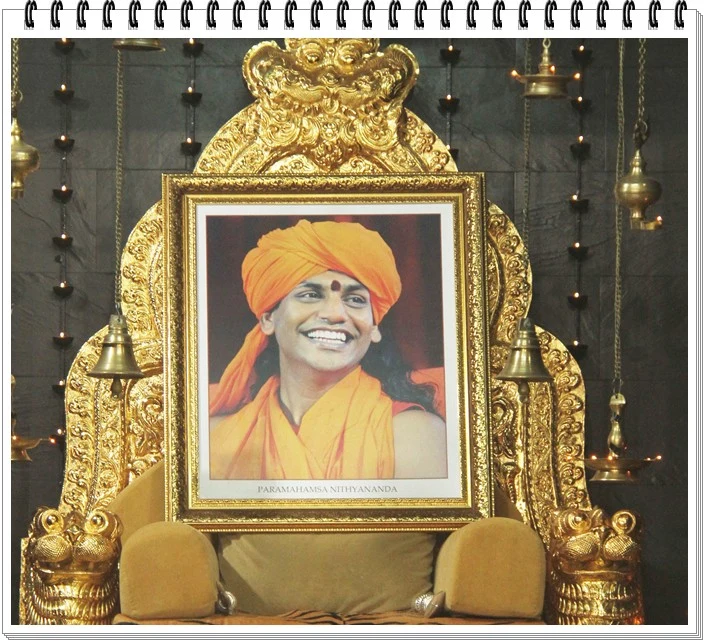
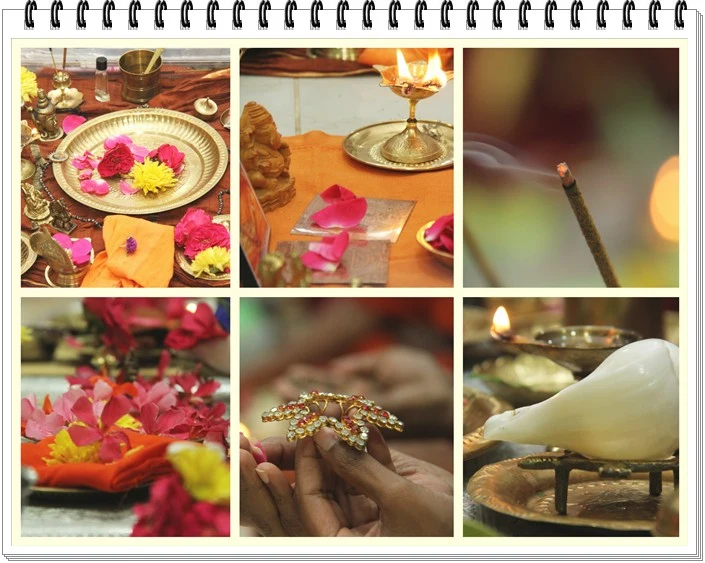
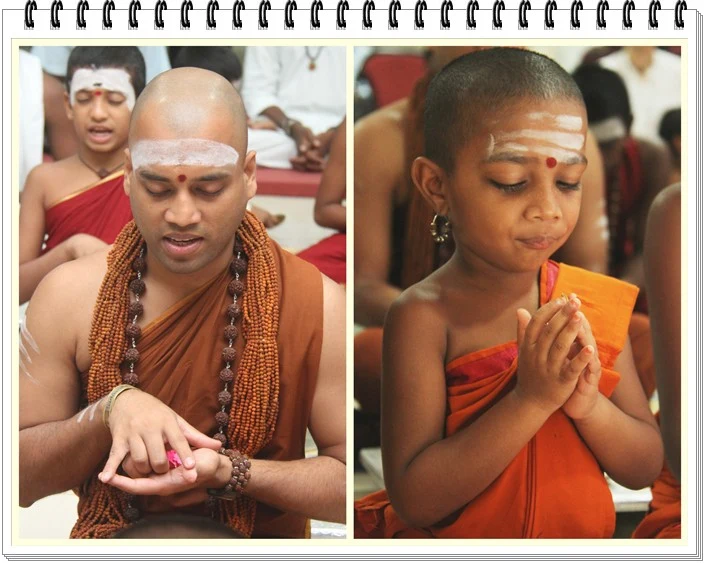
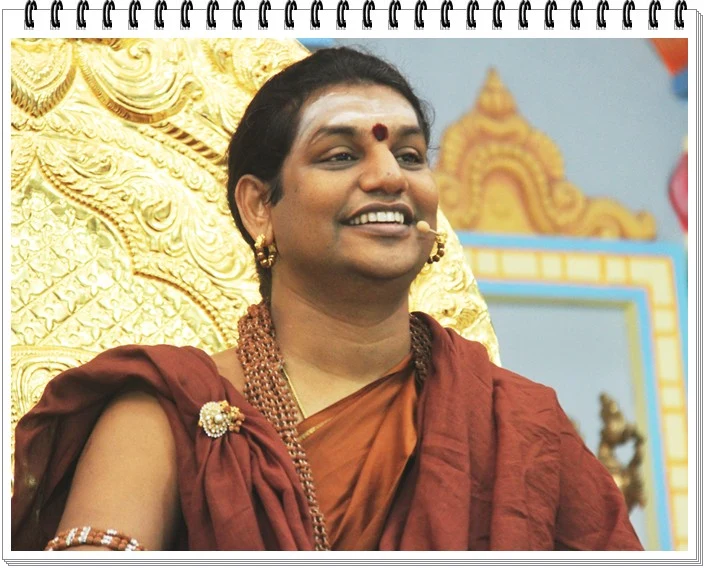
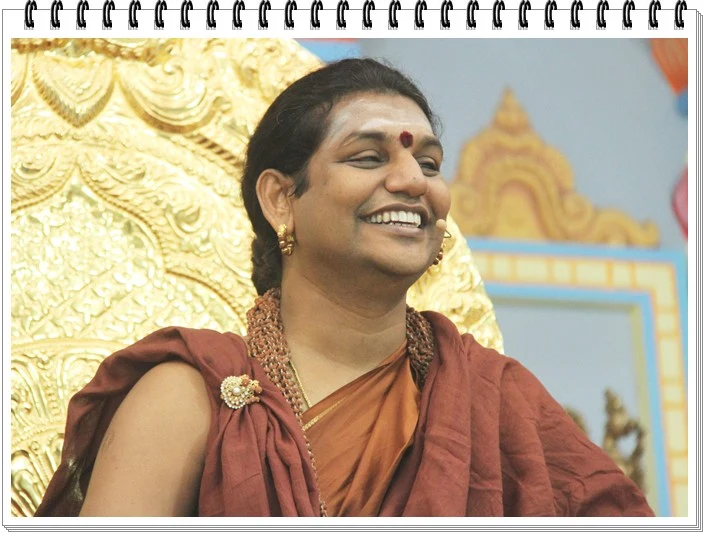
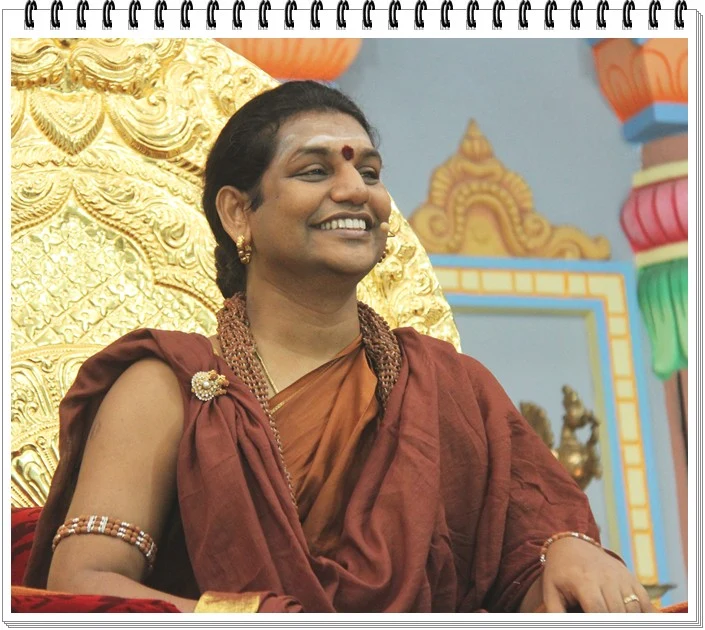
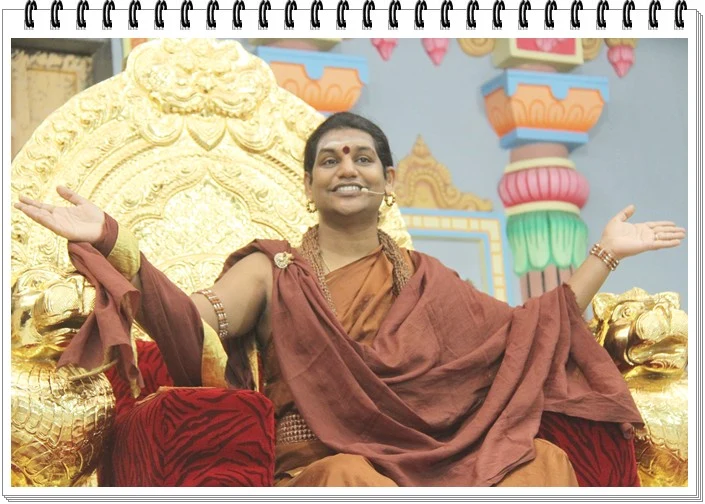
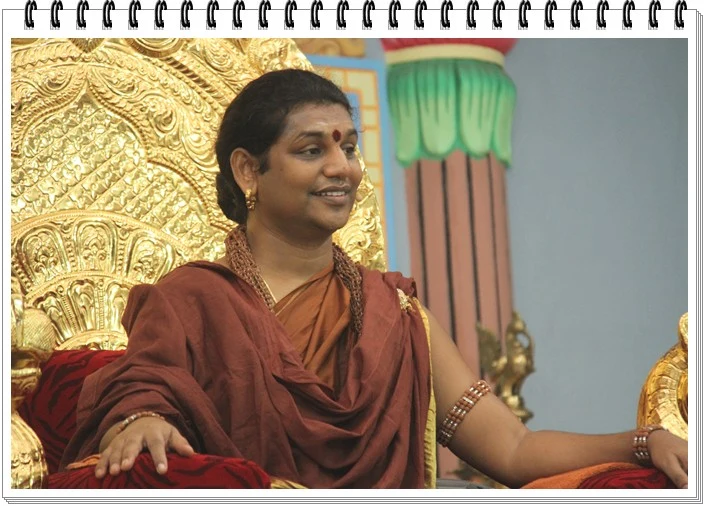
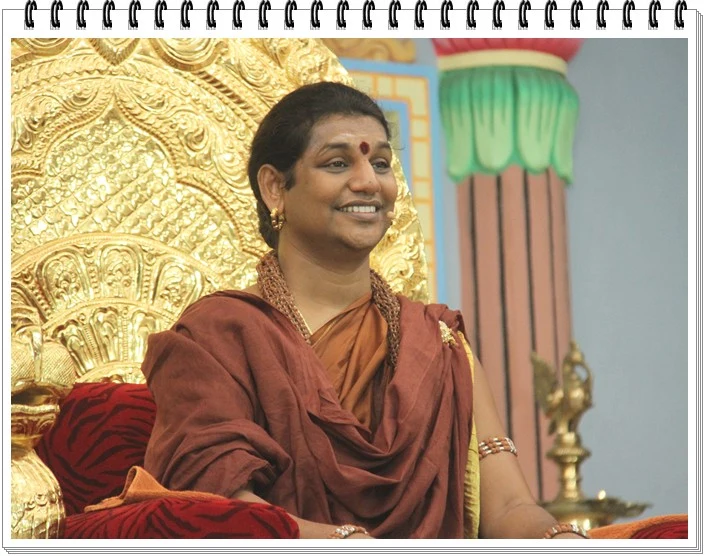
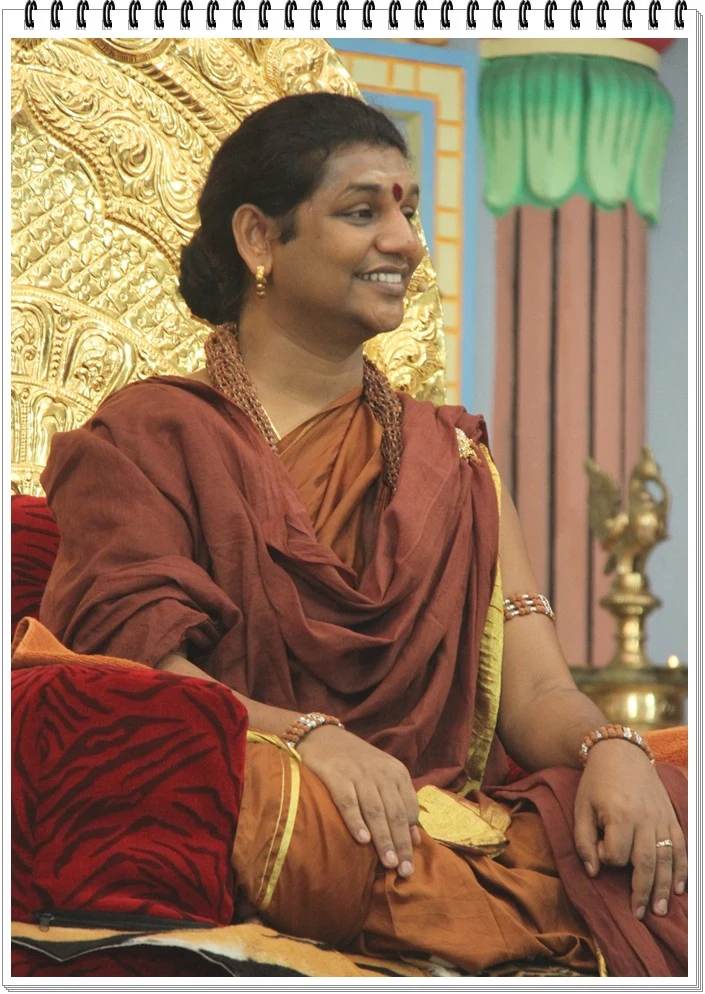
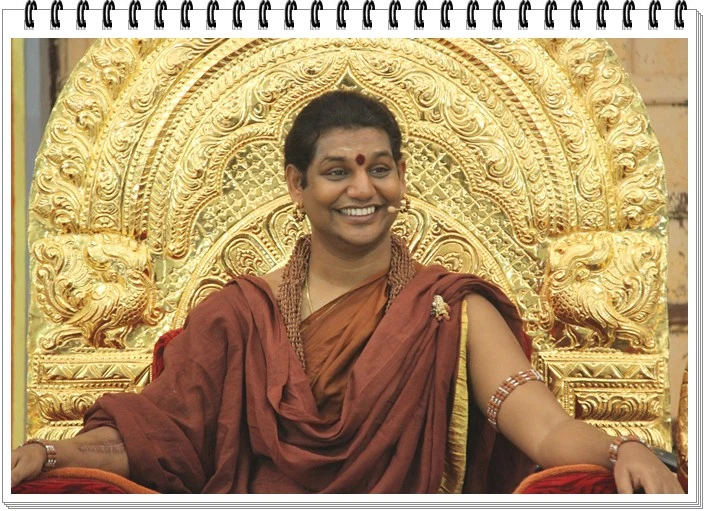
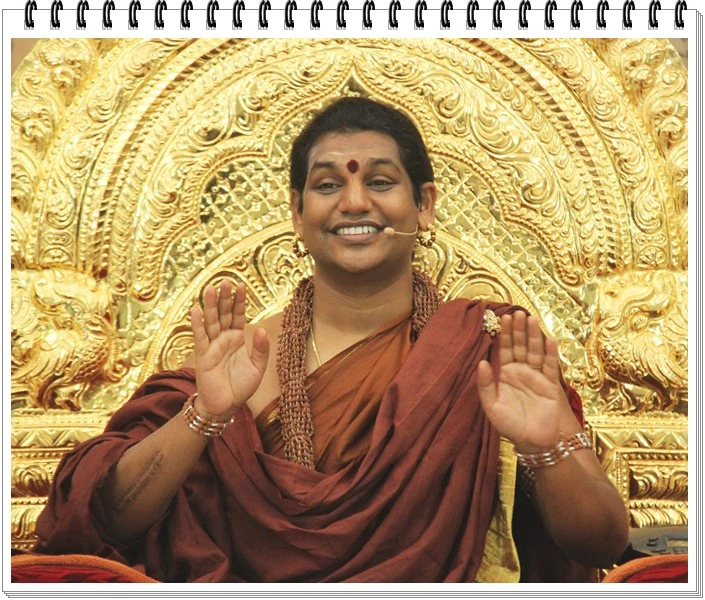
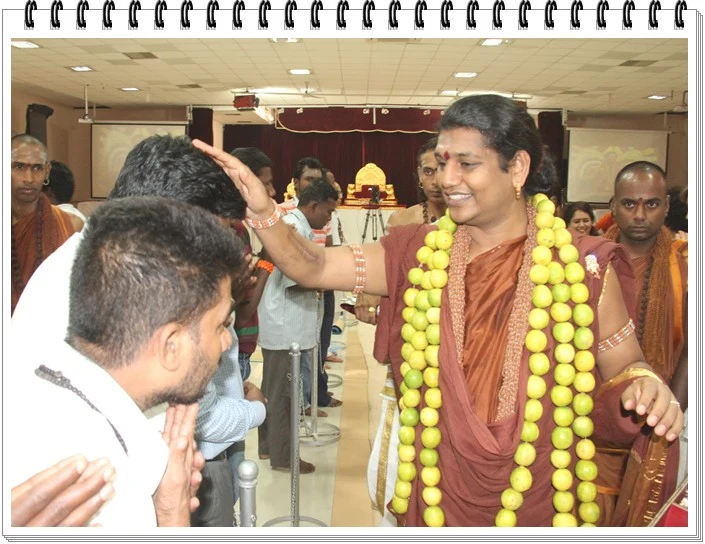
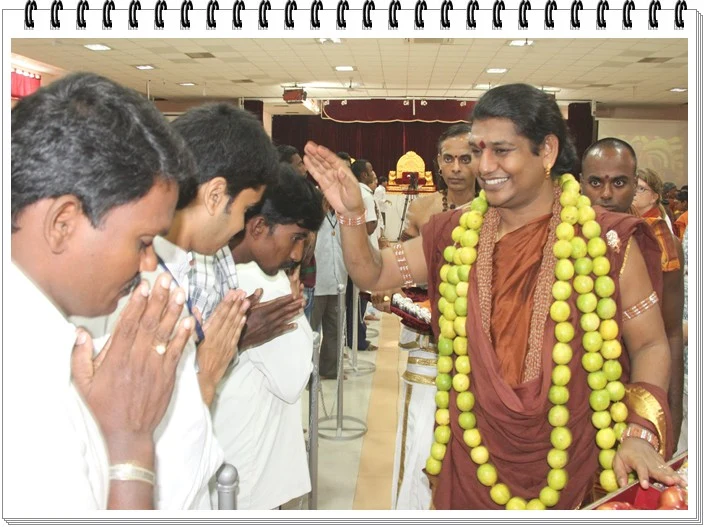
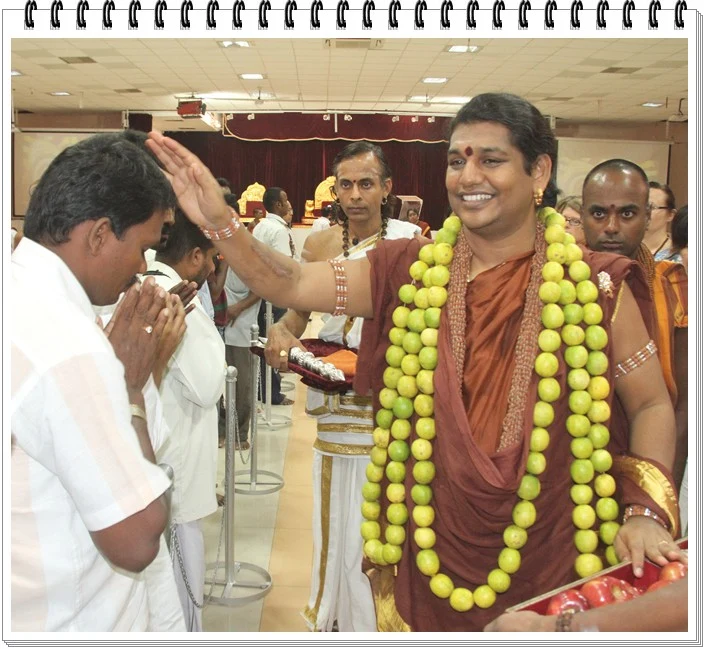
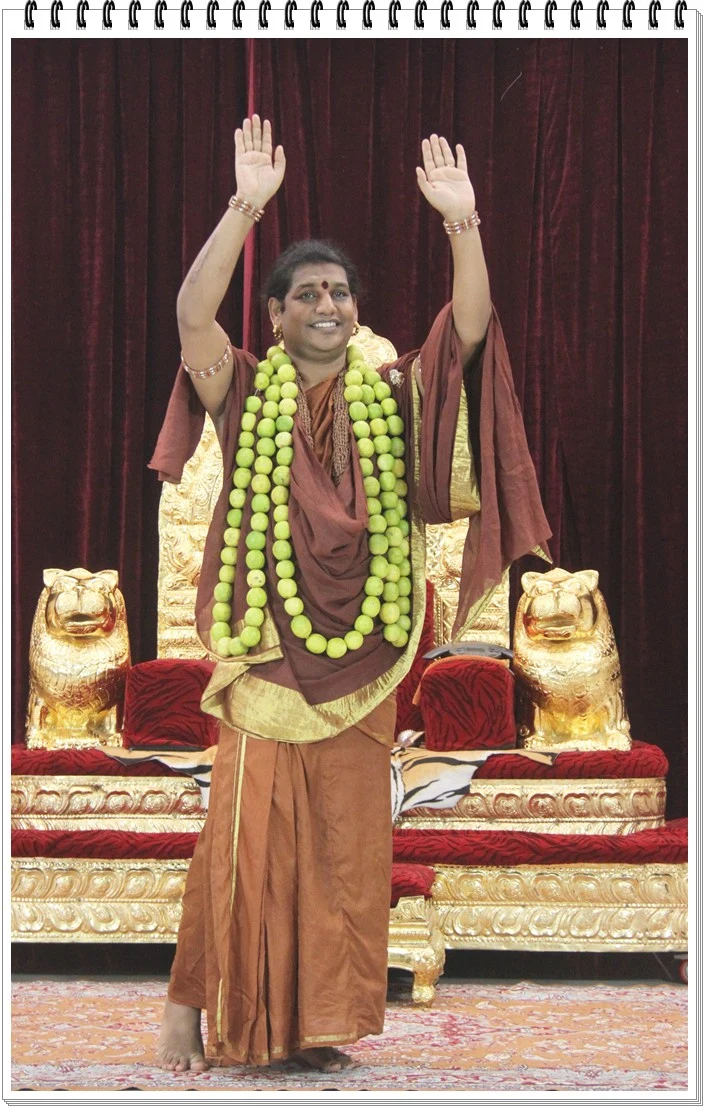
Photos Of The Day:
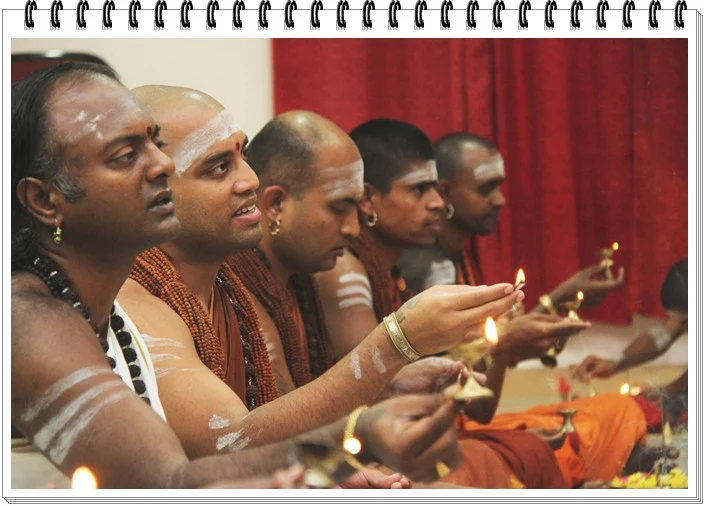
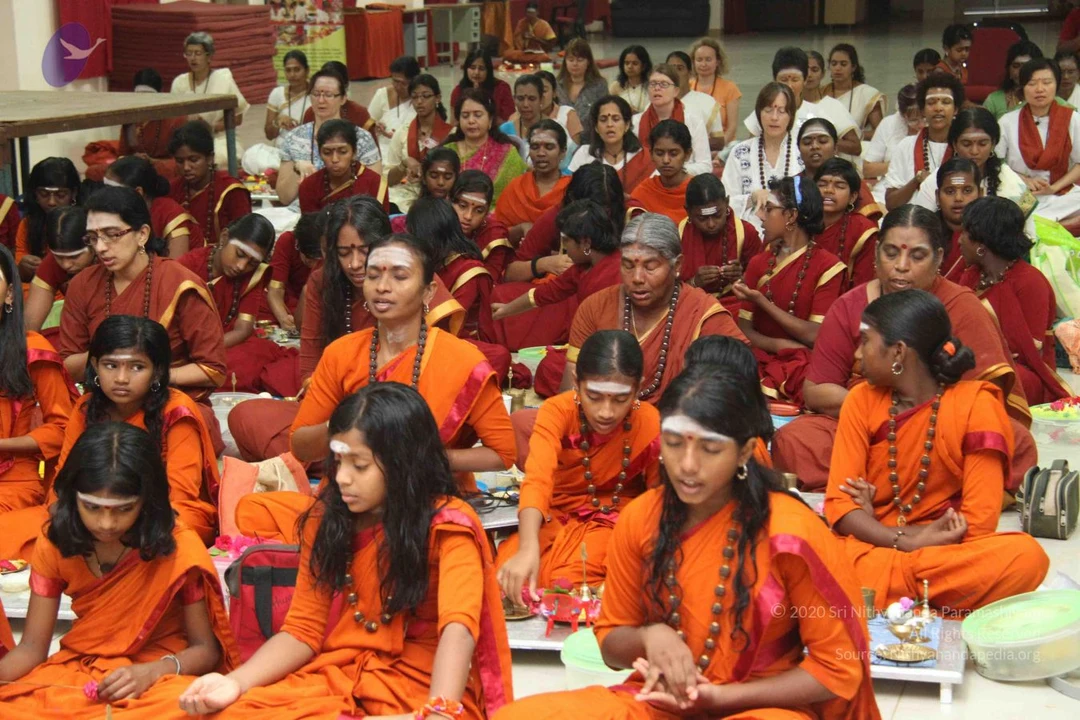
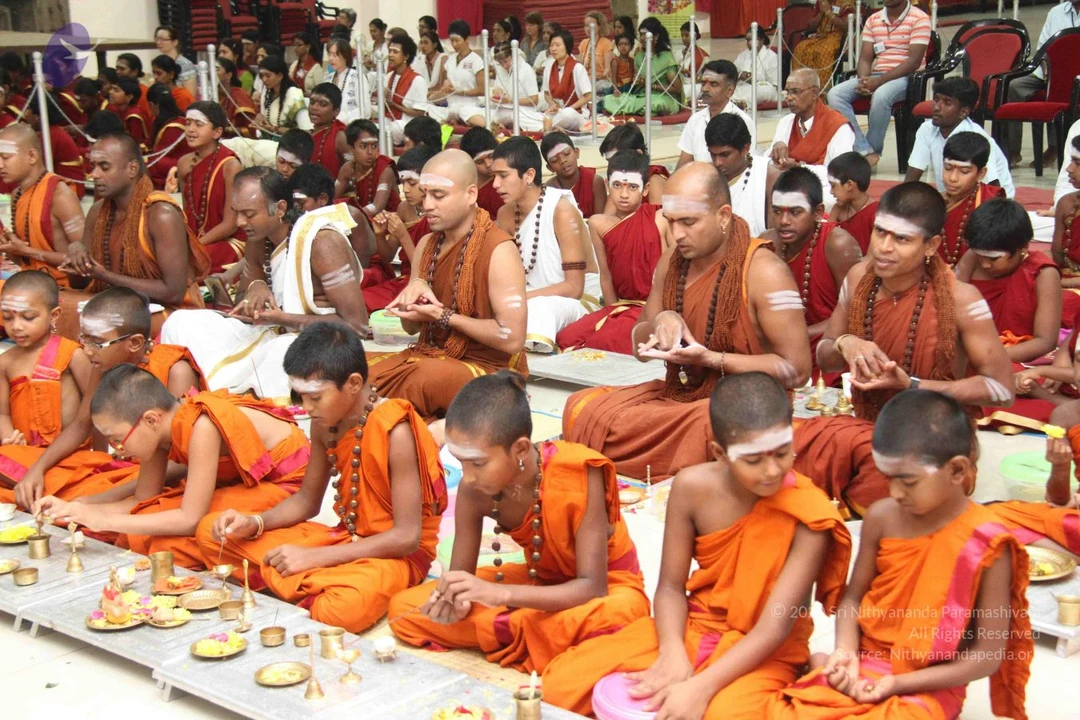
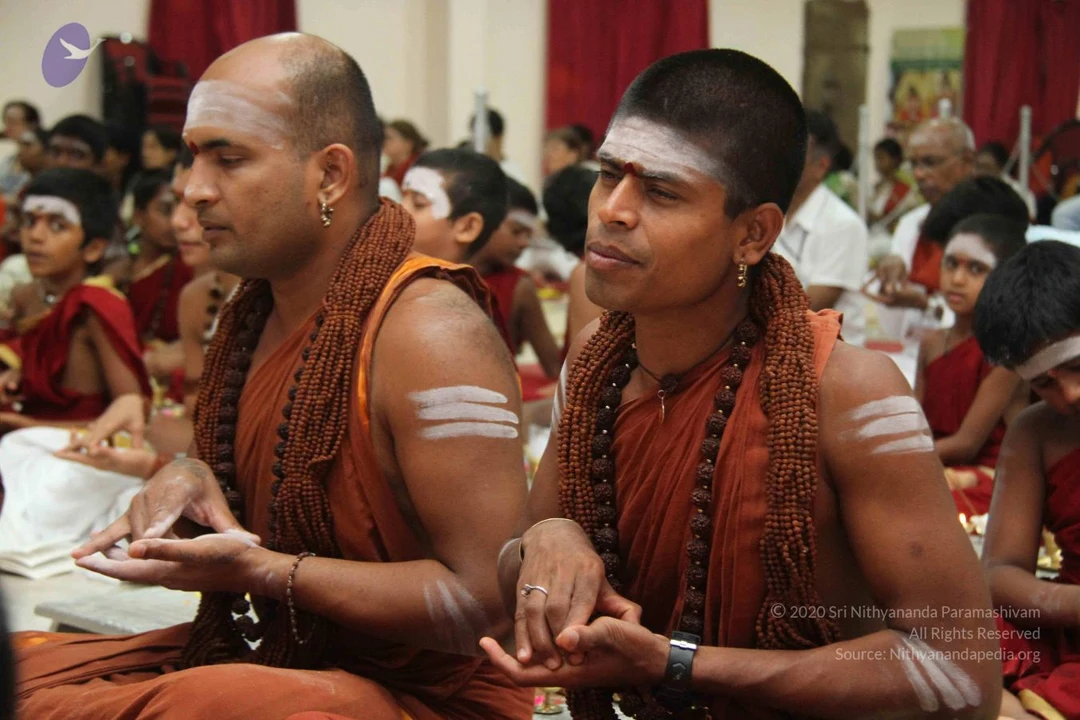
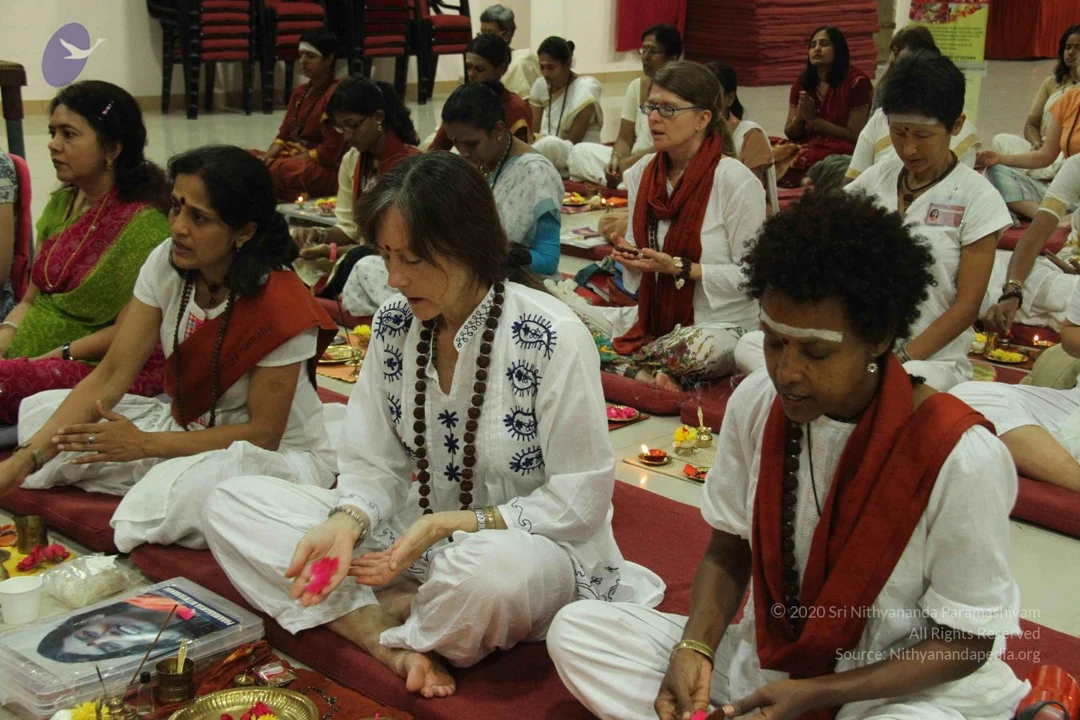
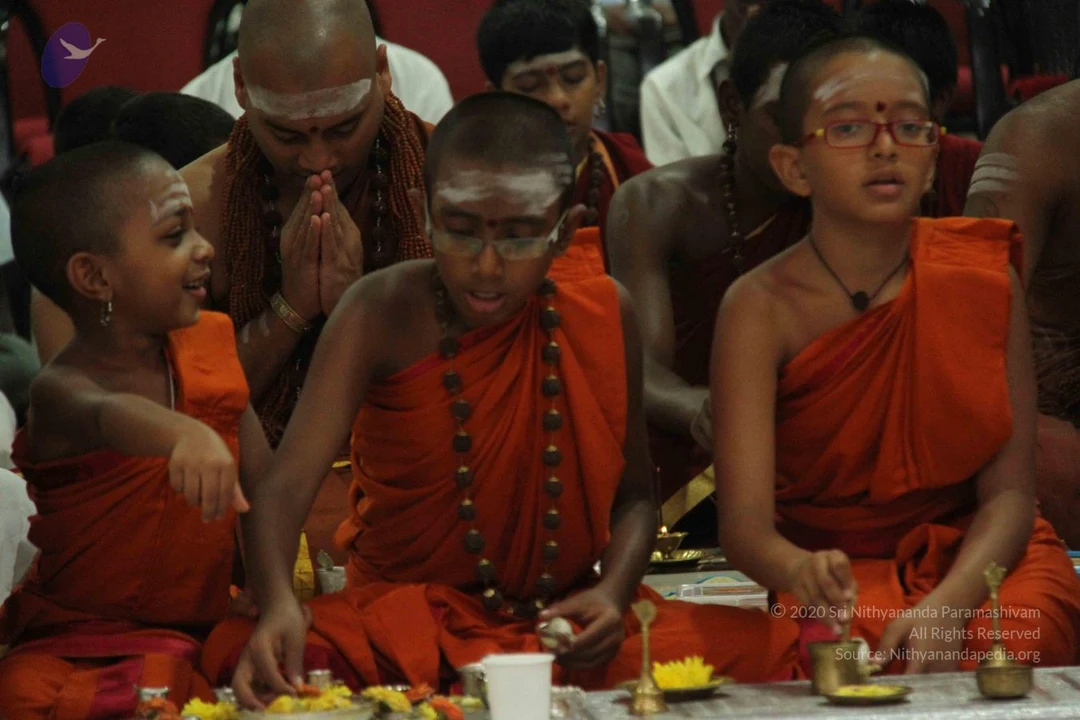
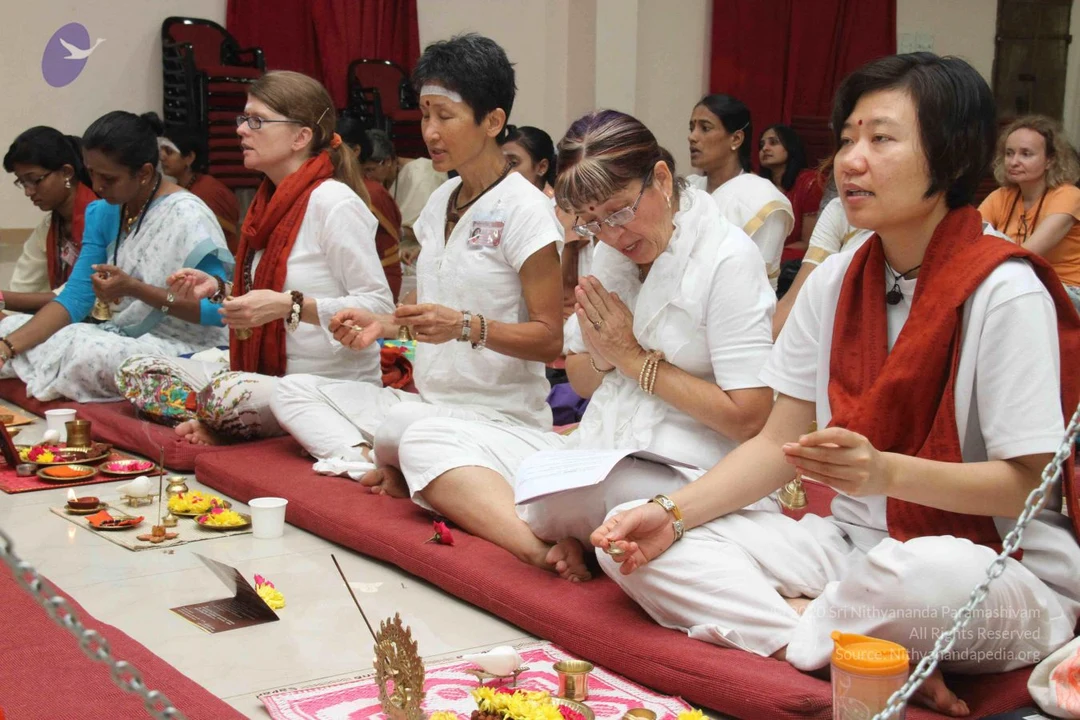
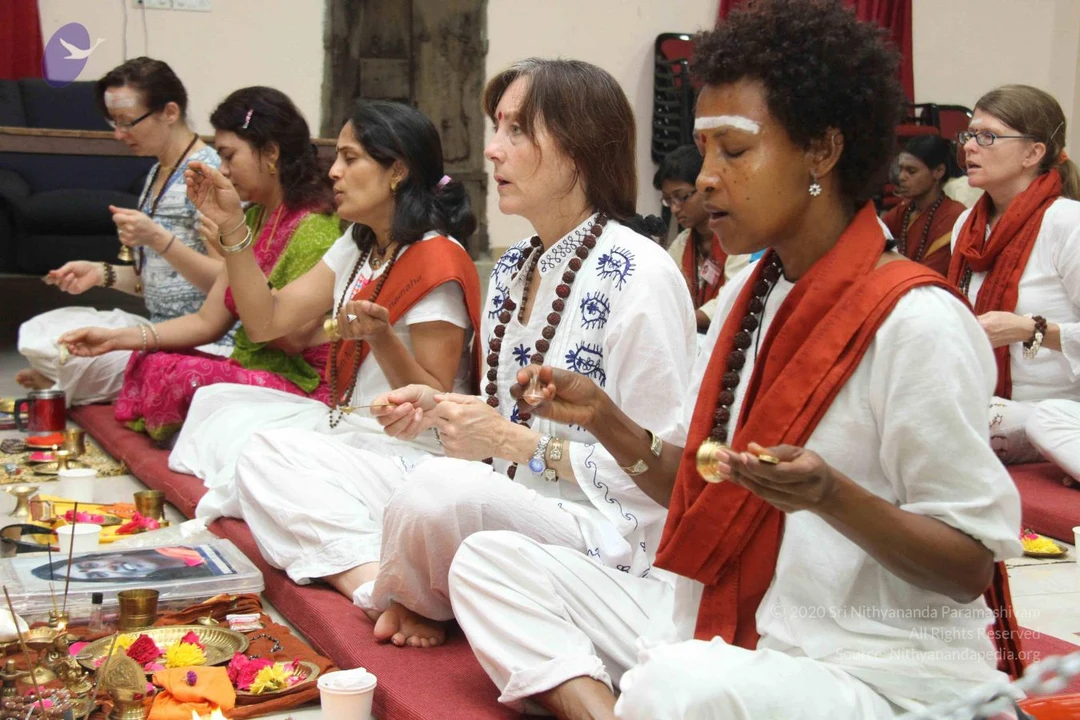
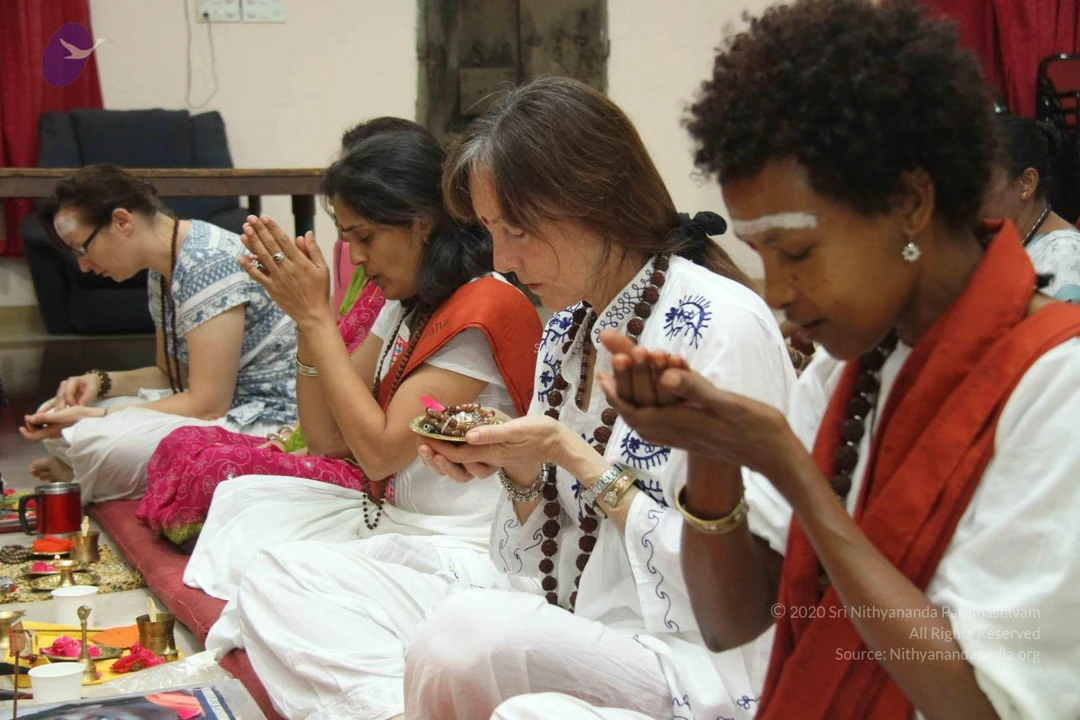
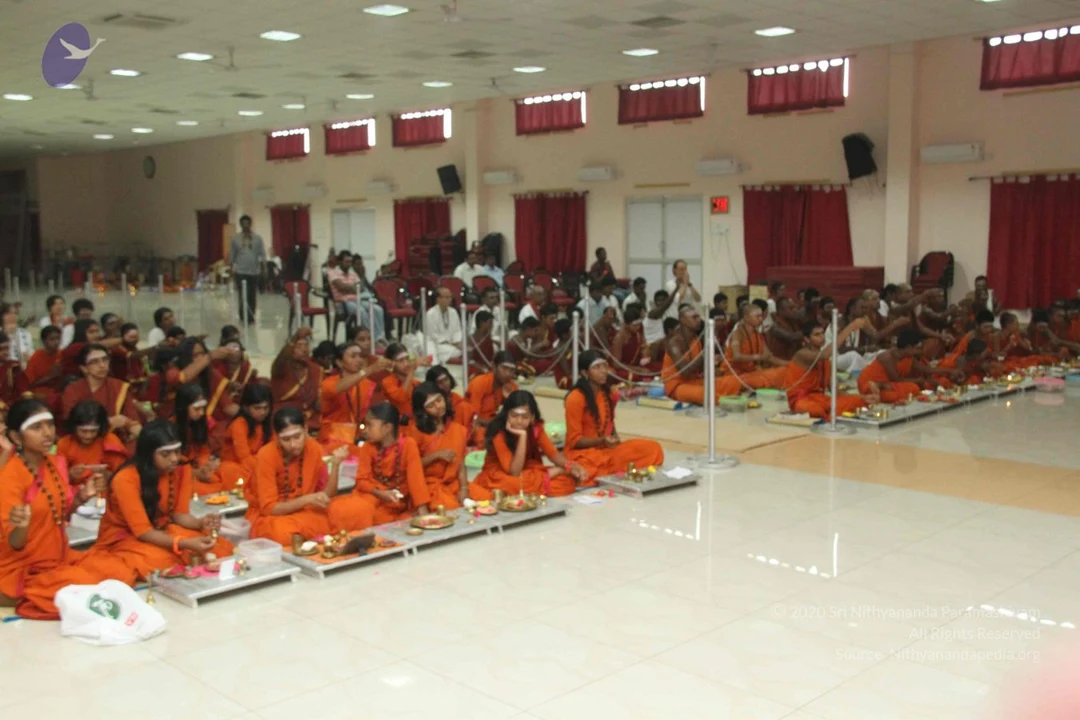
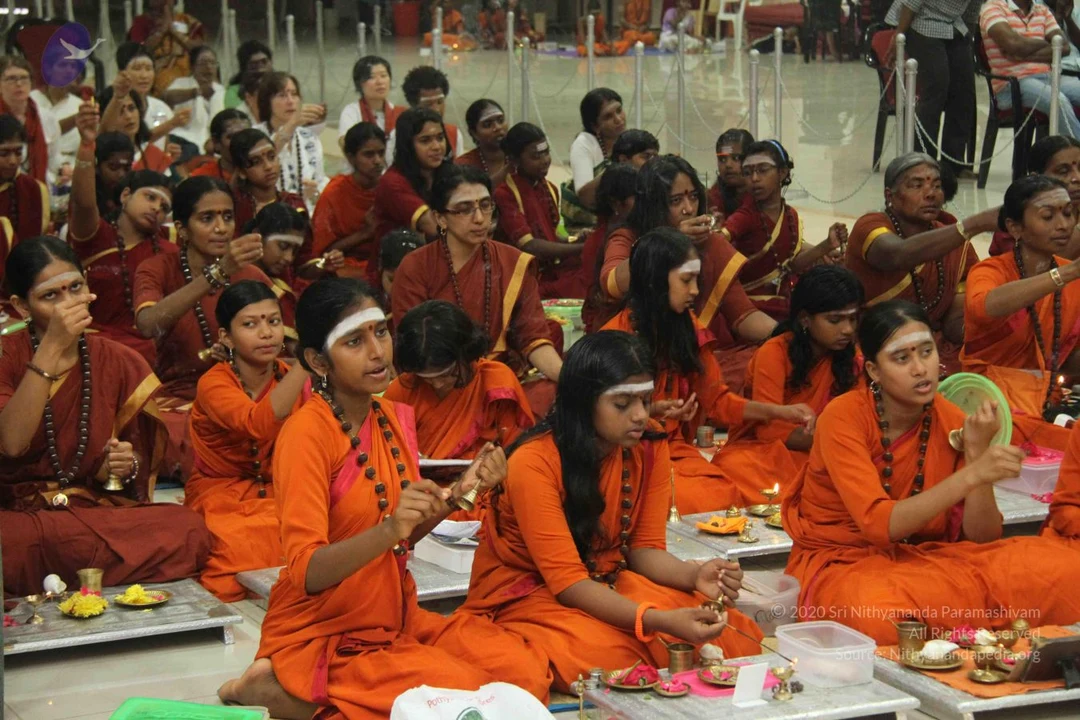
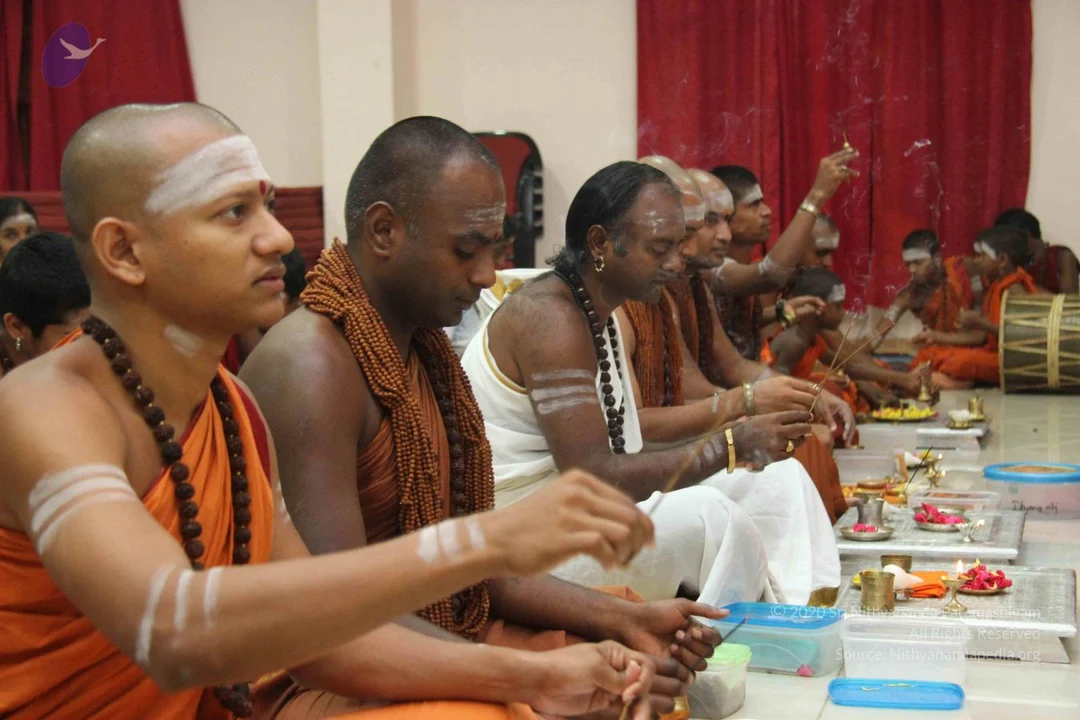
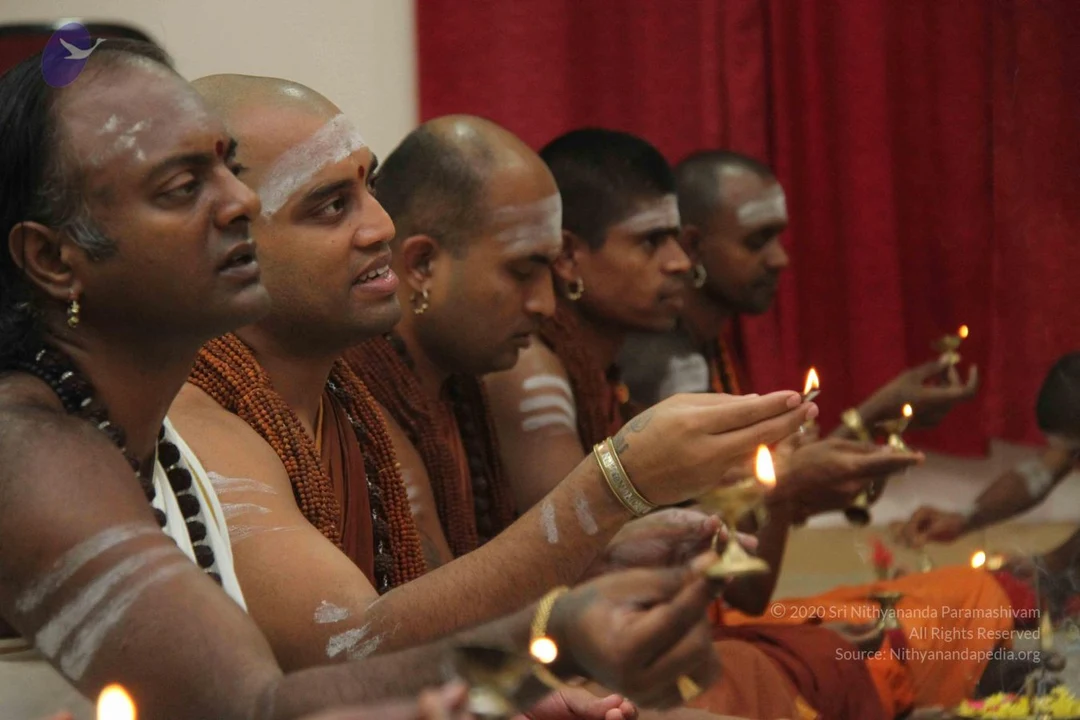
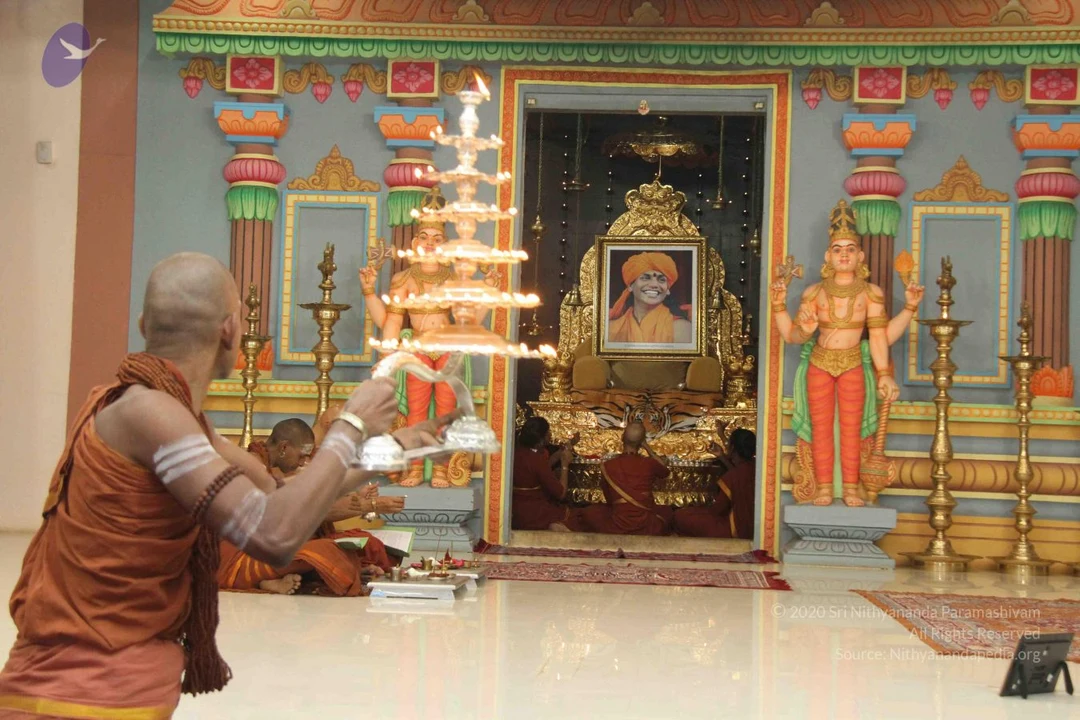
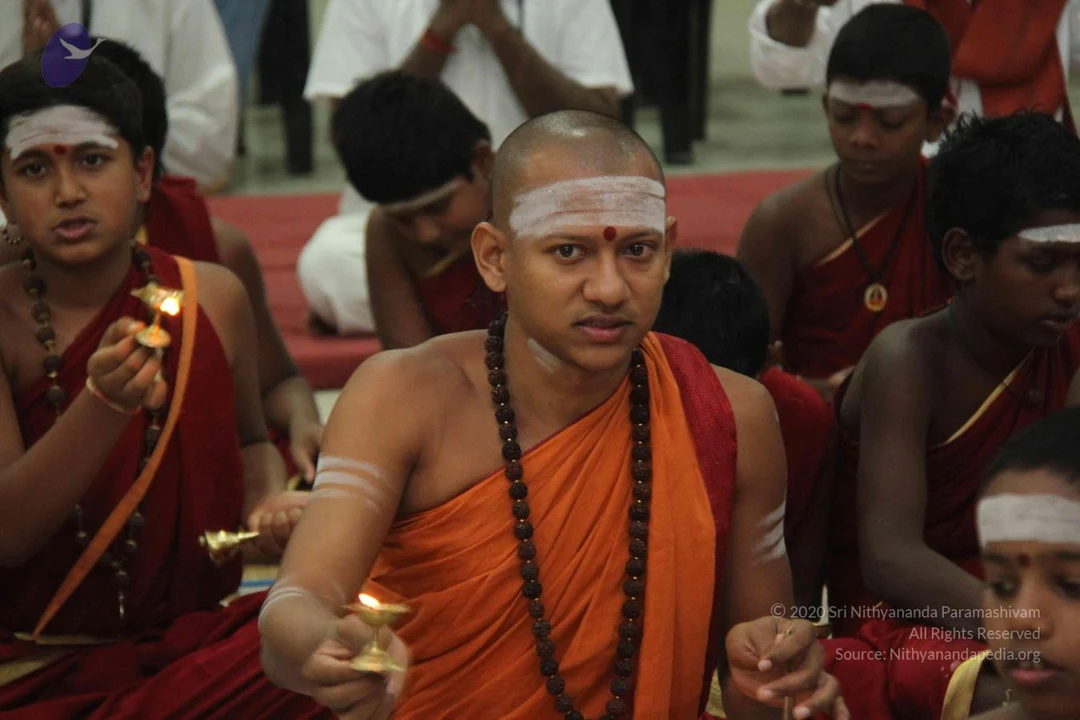
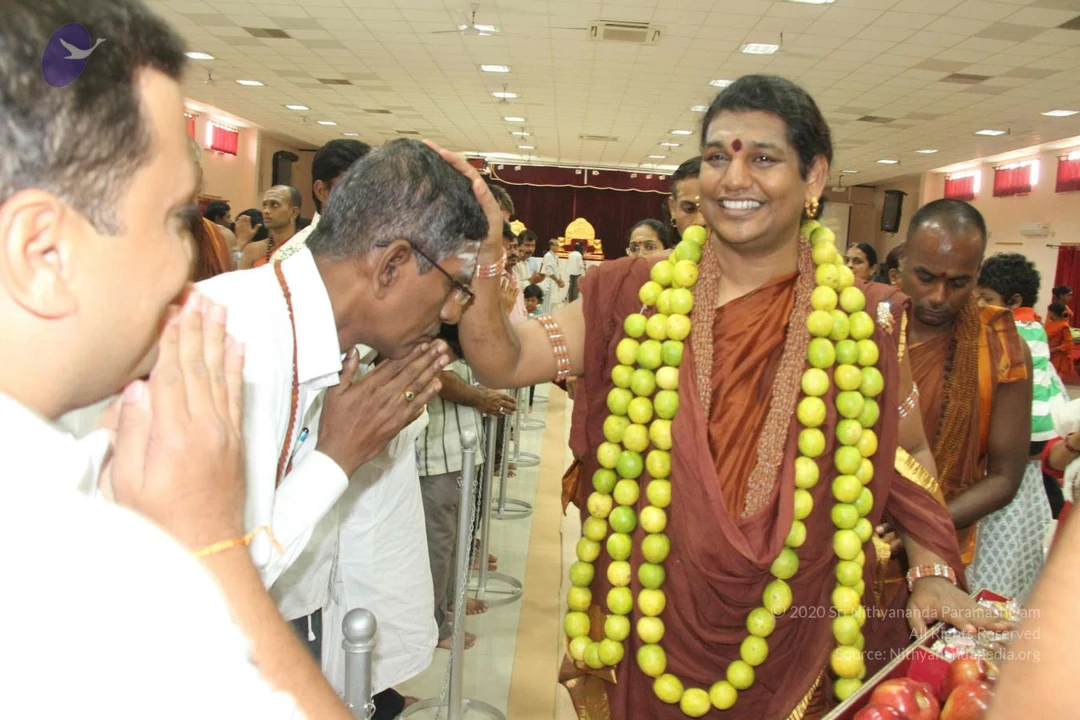
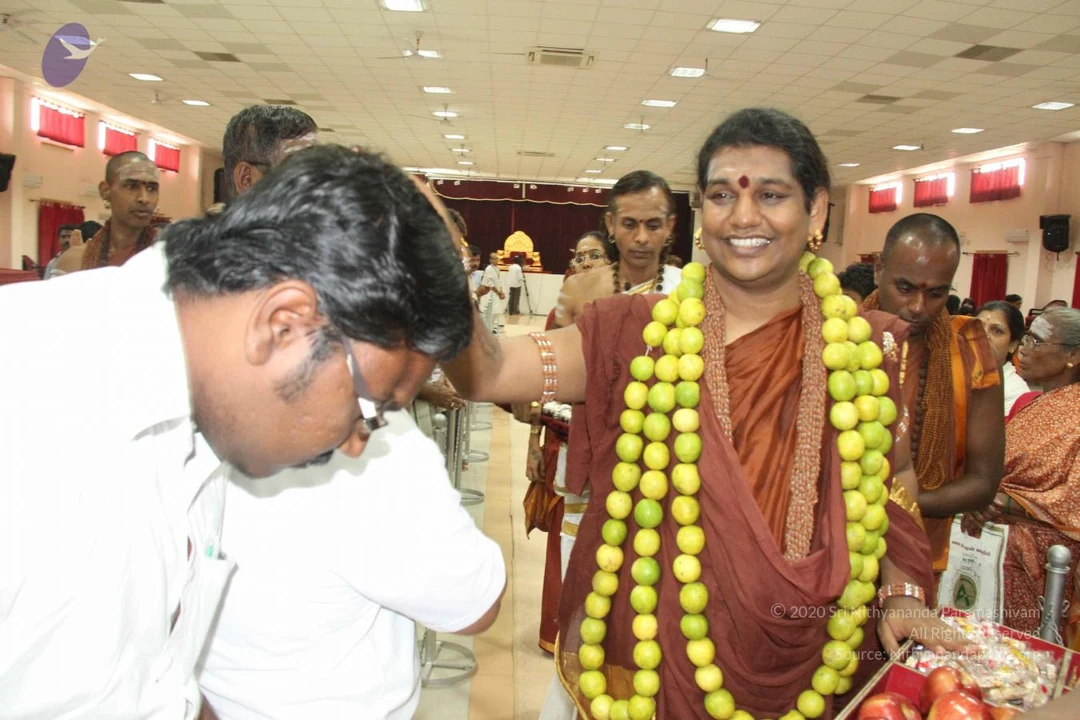
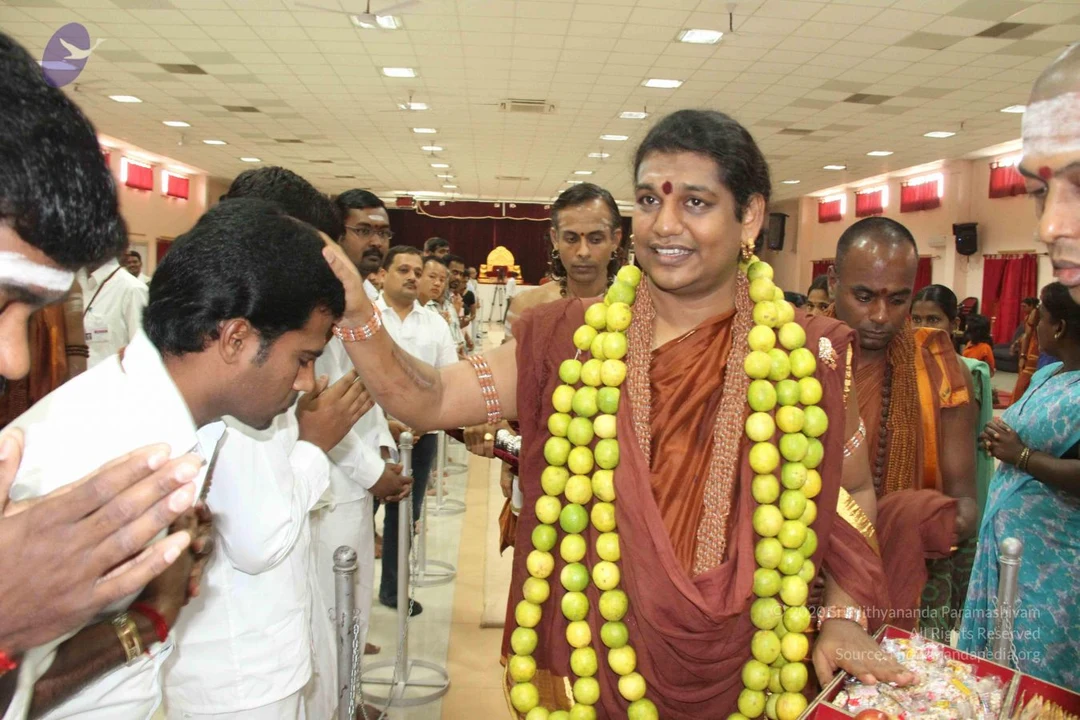
PadukaPuja
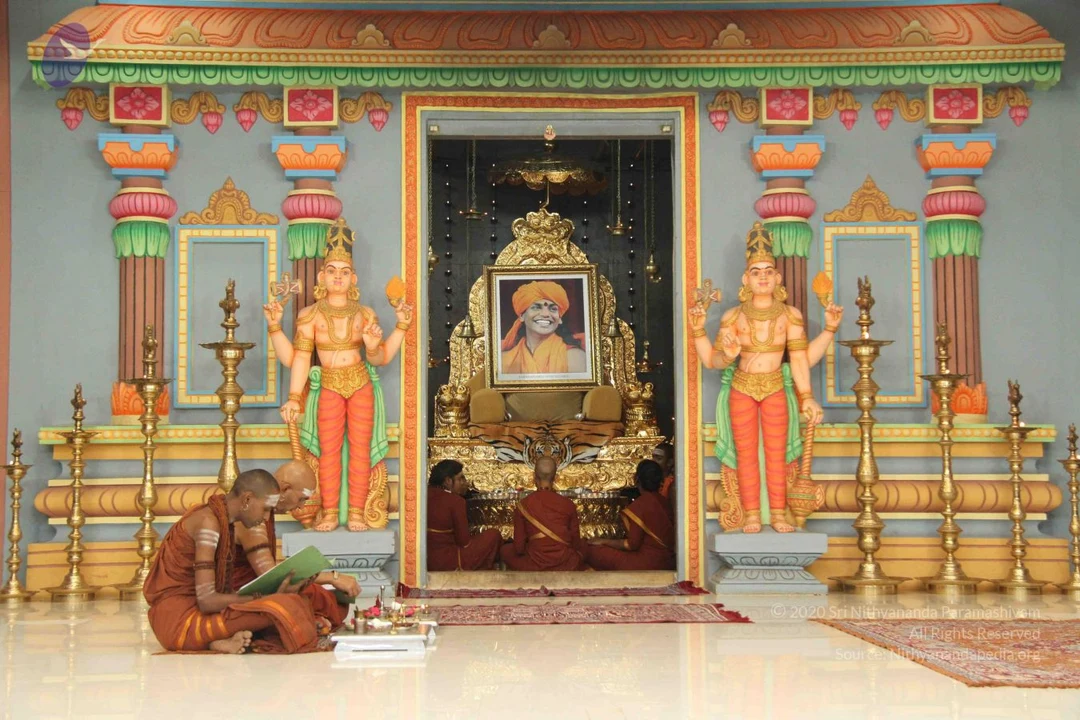
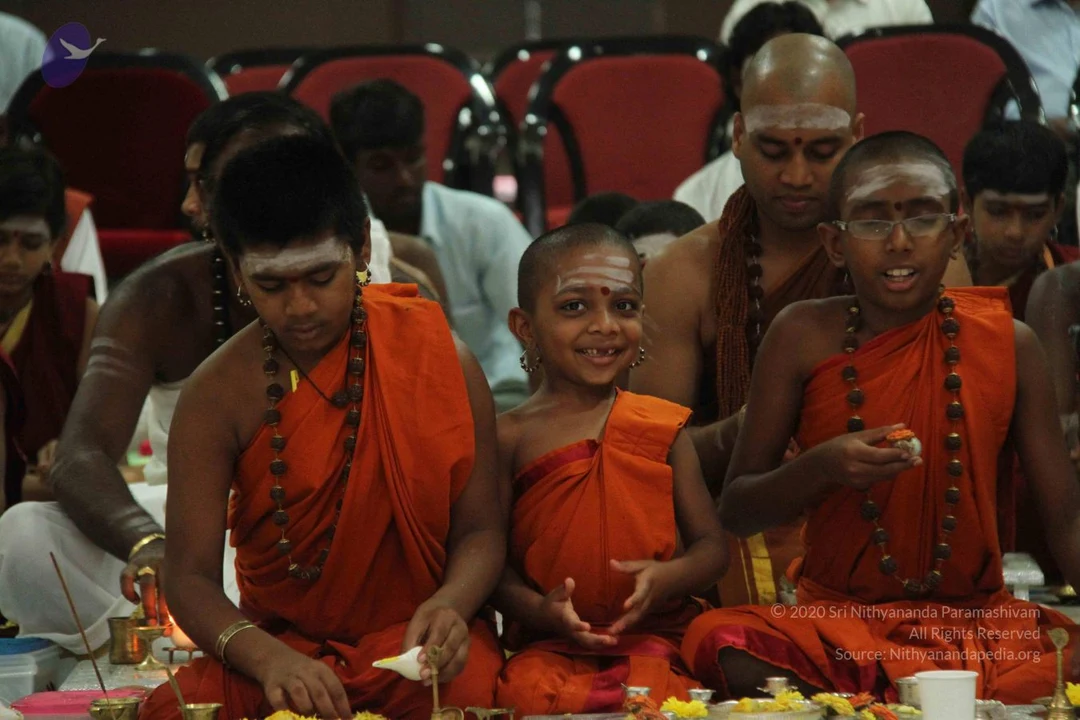
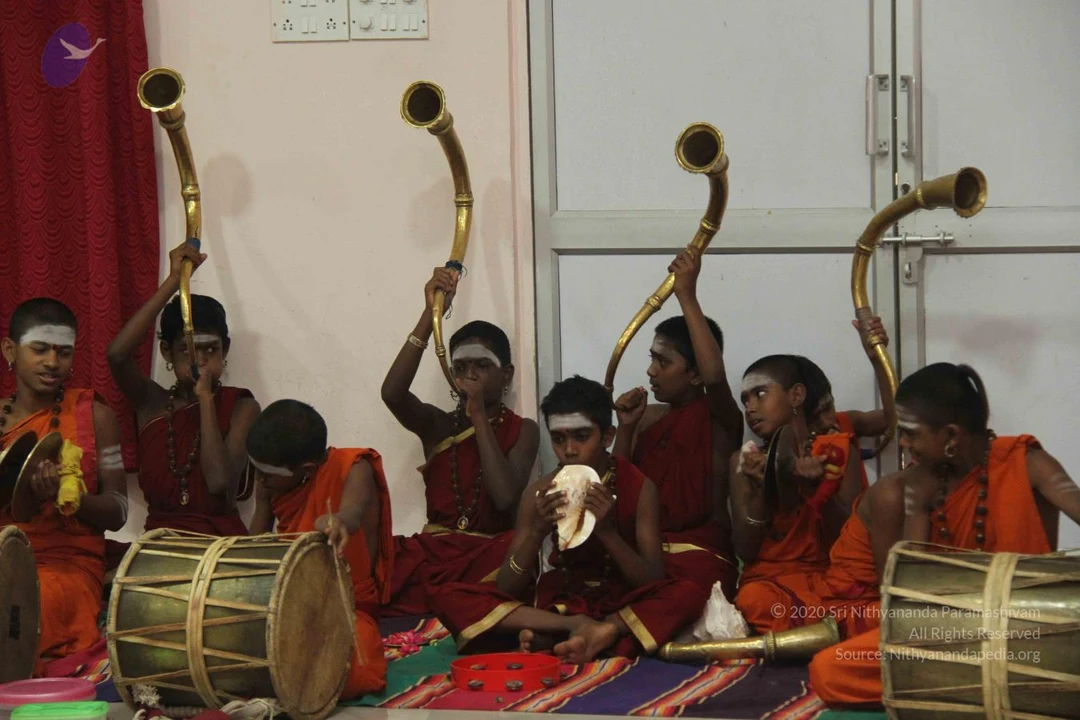
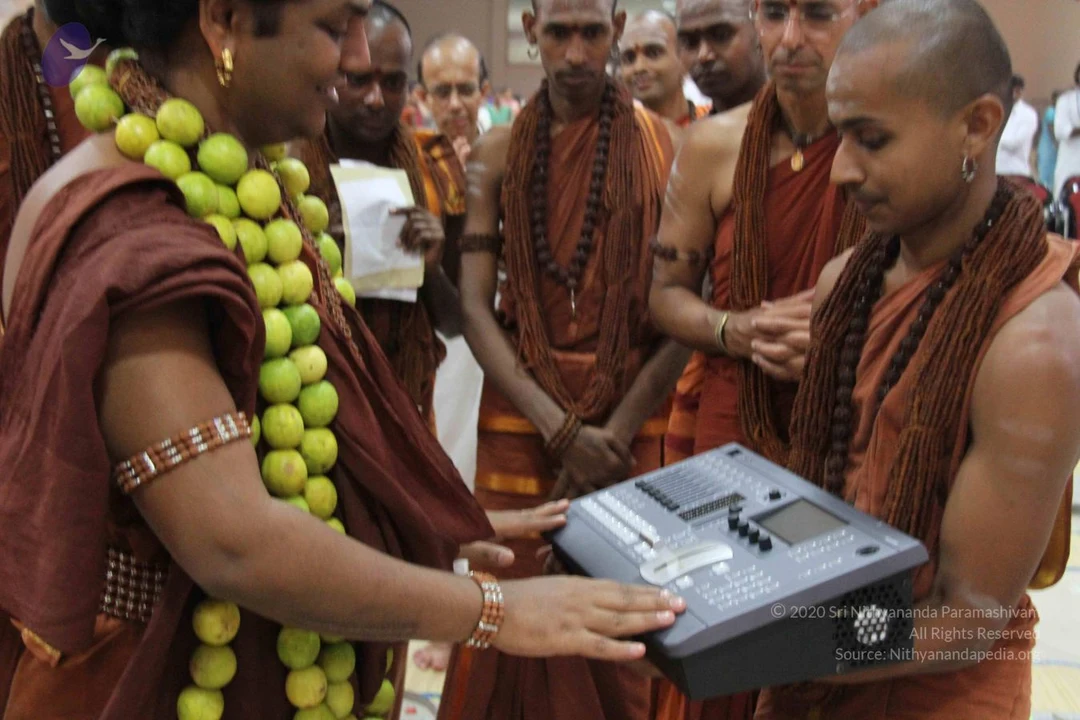
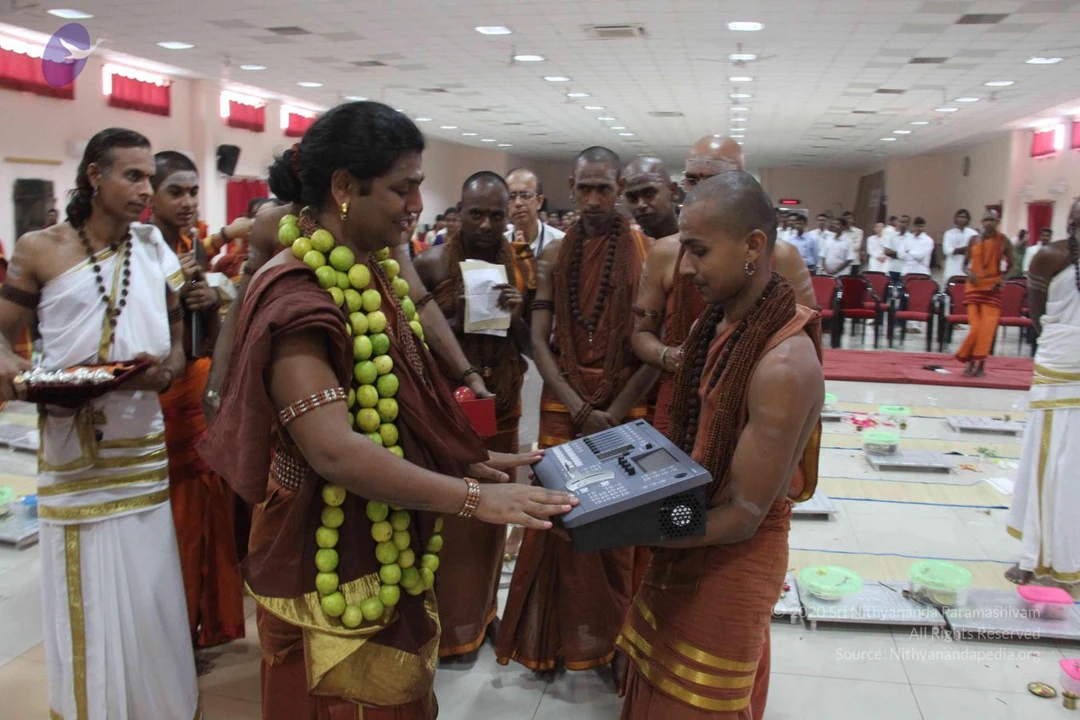
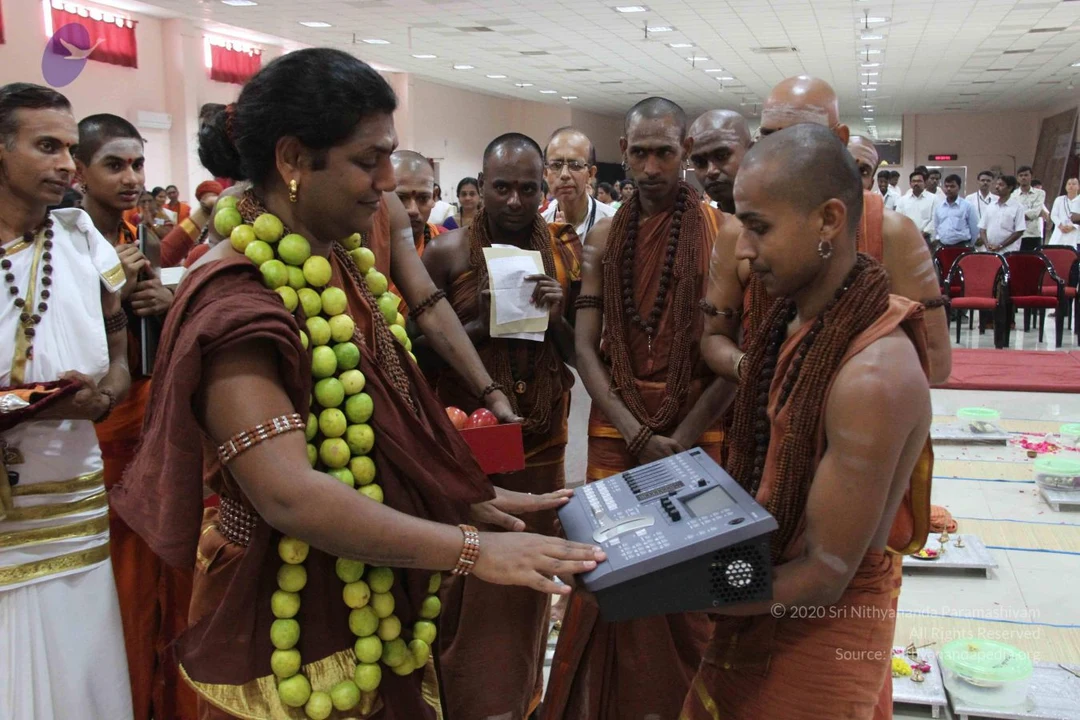
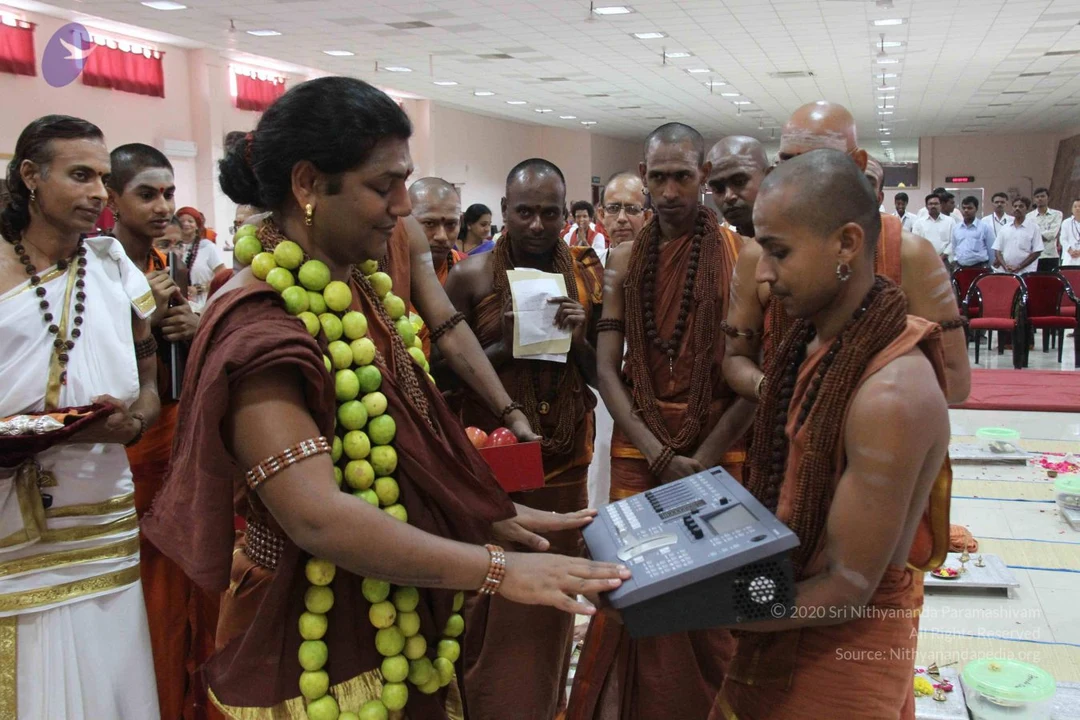
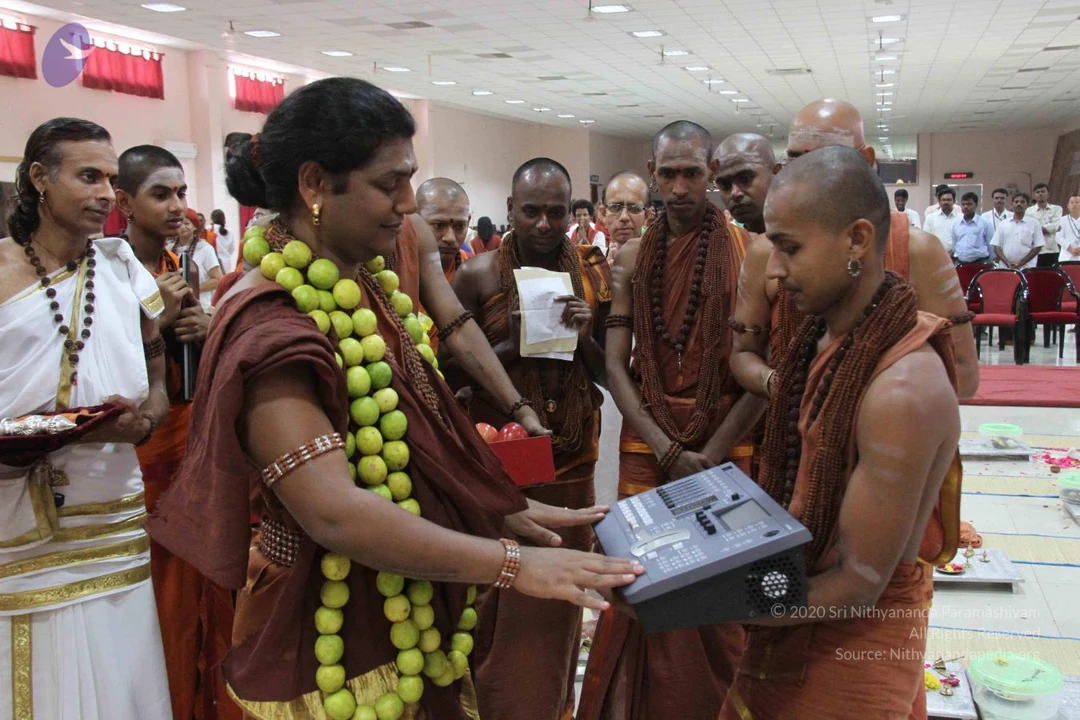
Gurukul_instruments
KaraikudiCenter_Inauguration
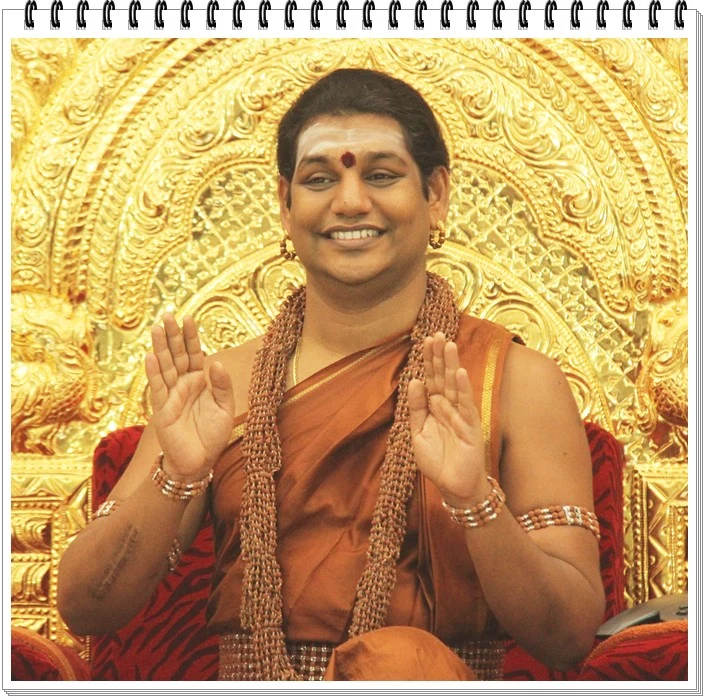
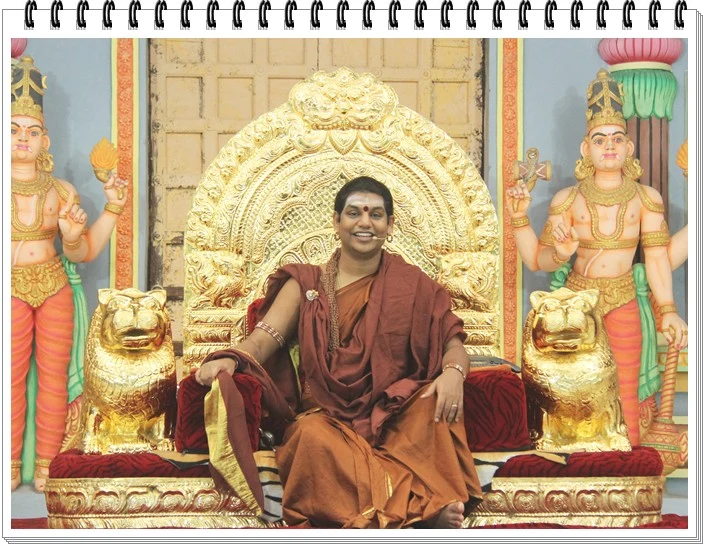
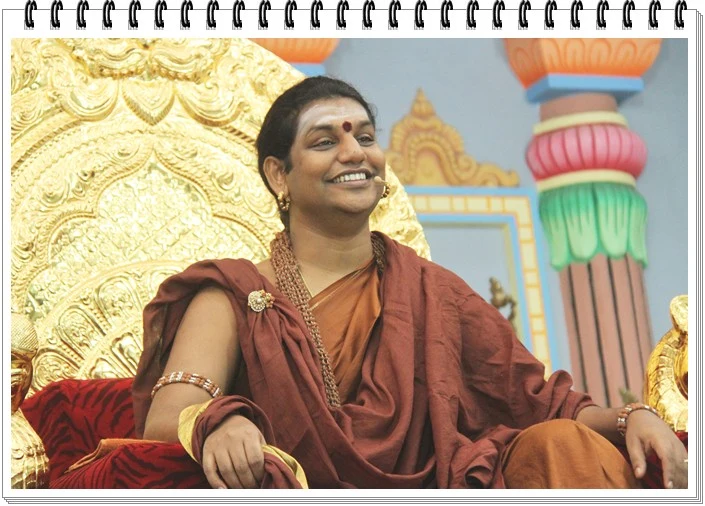
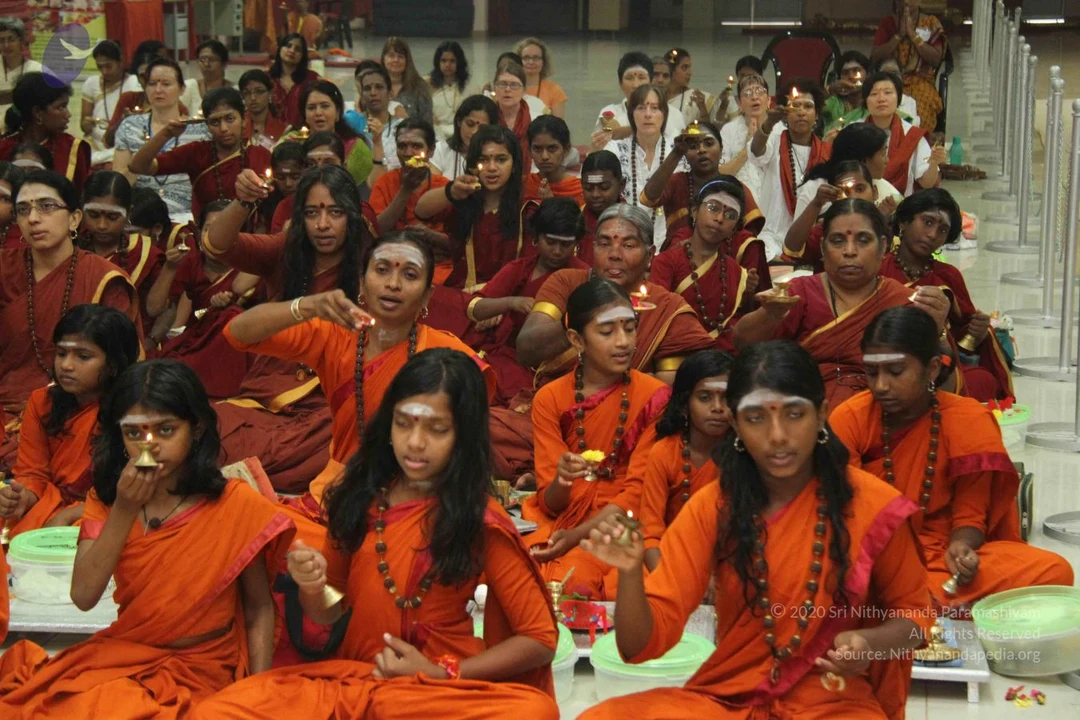
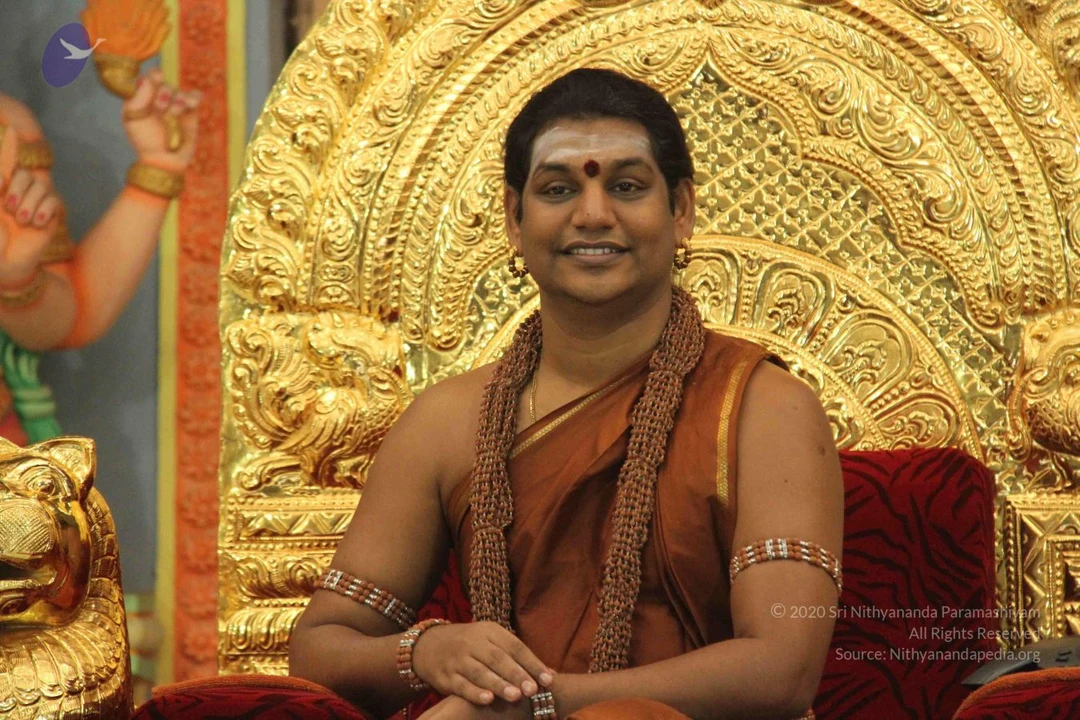
NithyaSatsang
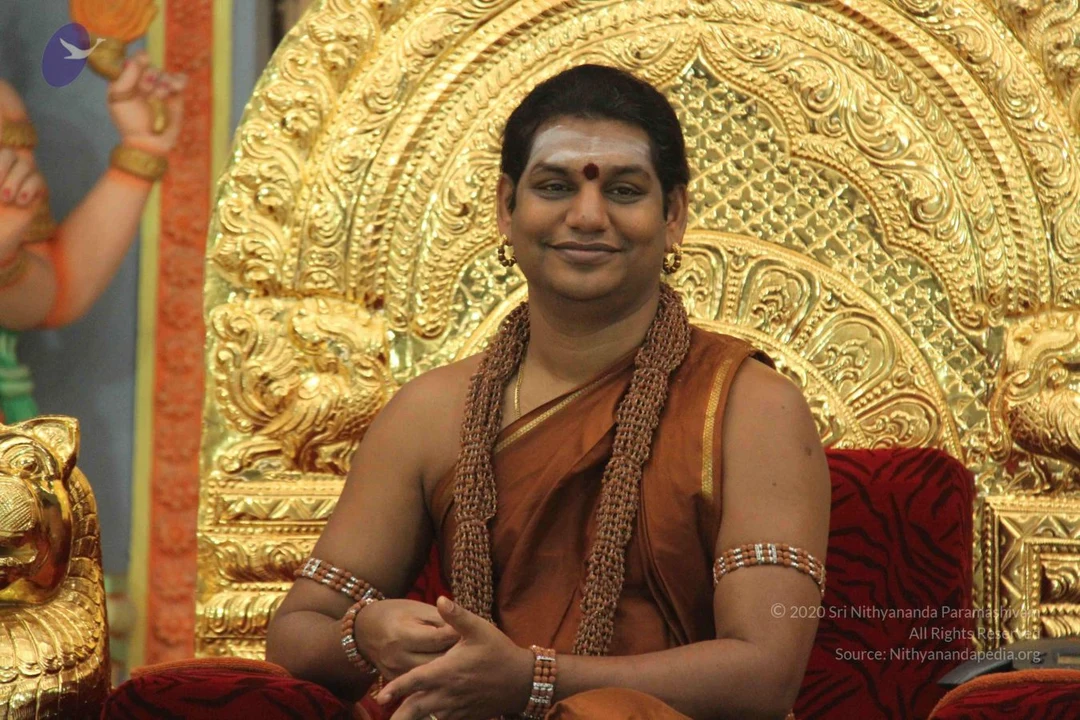
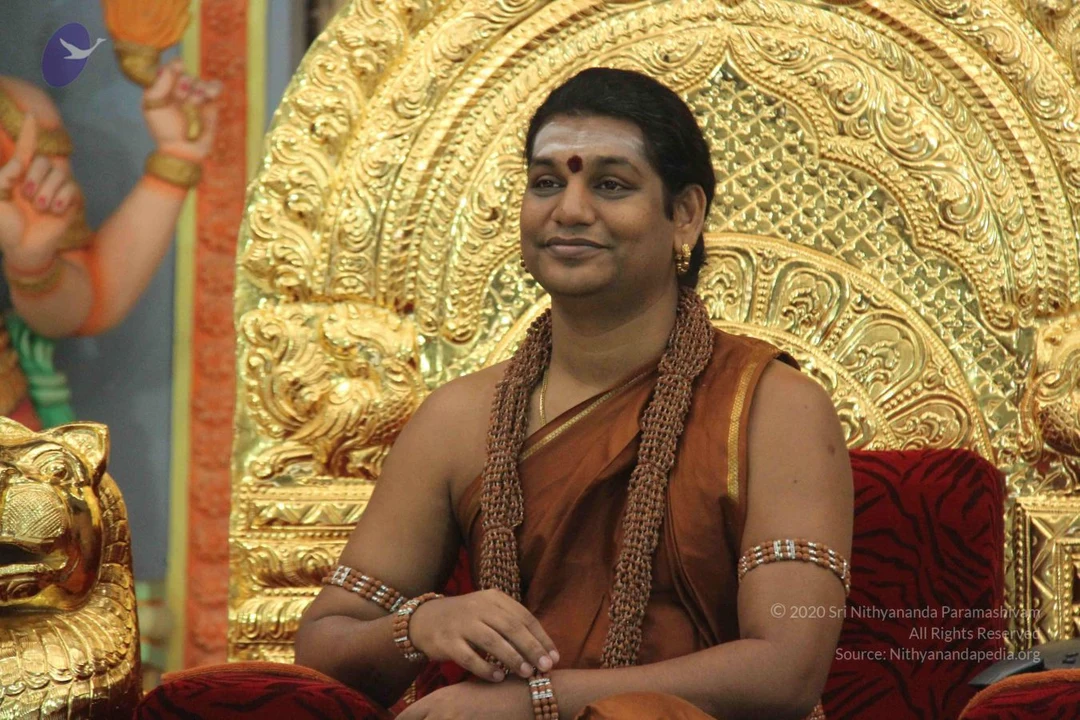
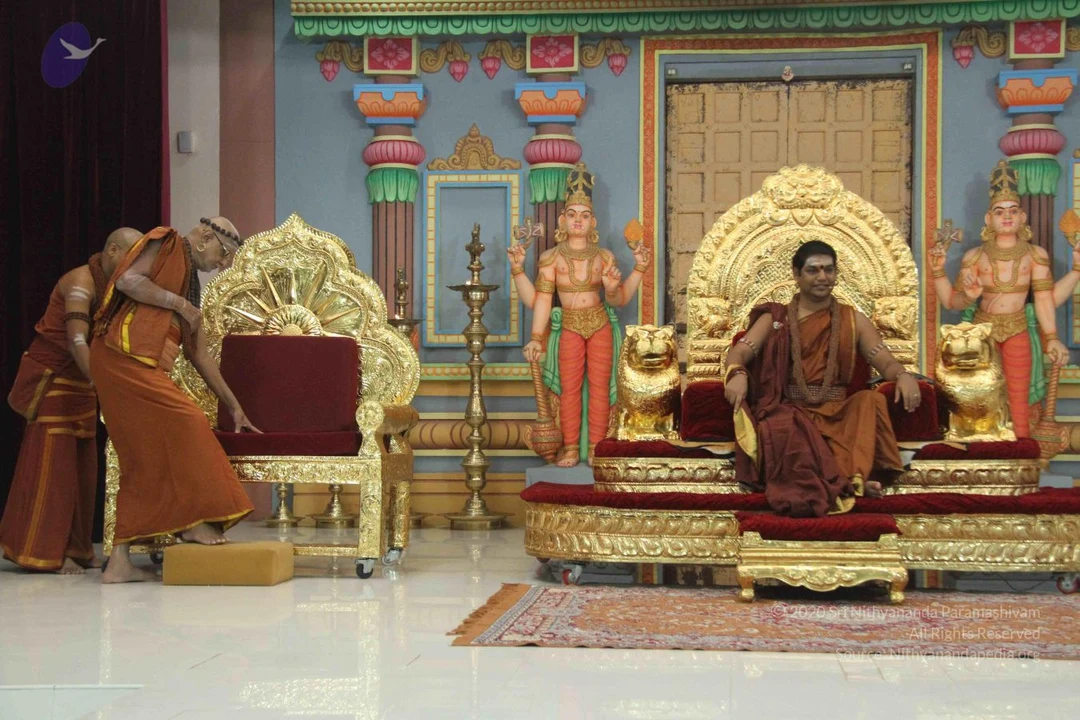

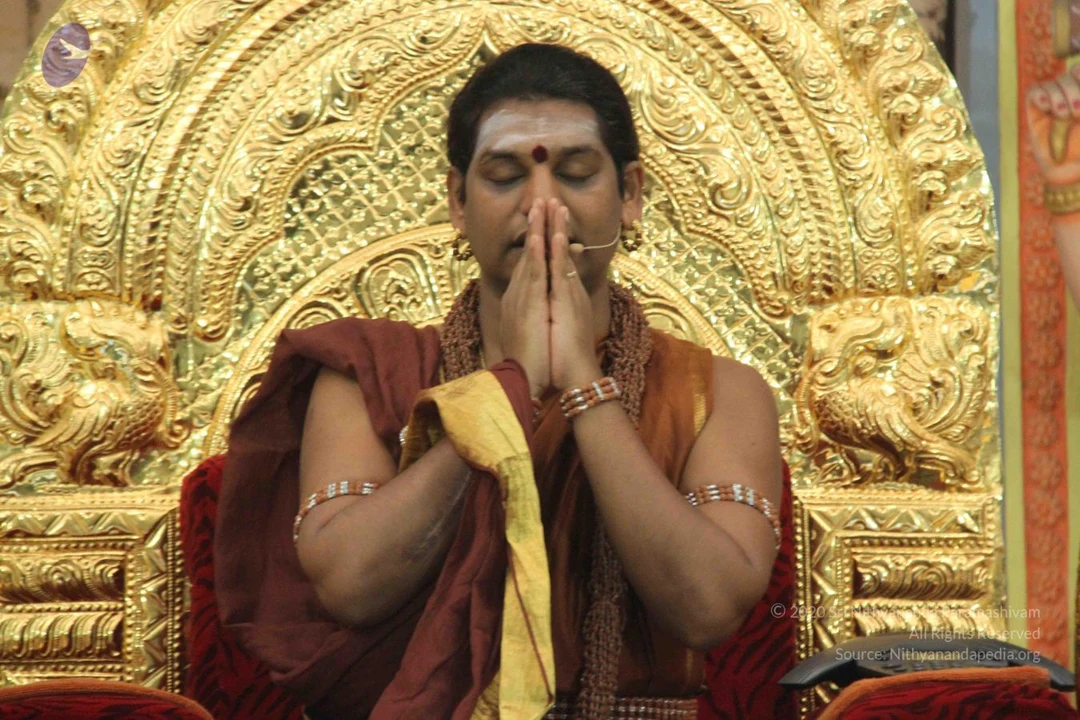
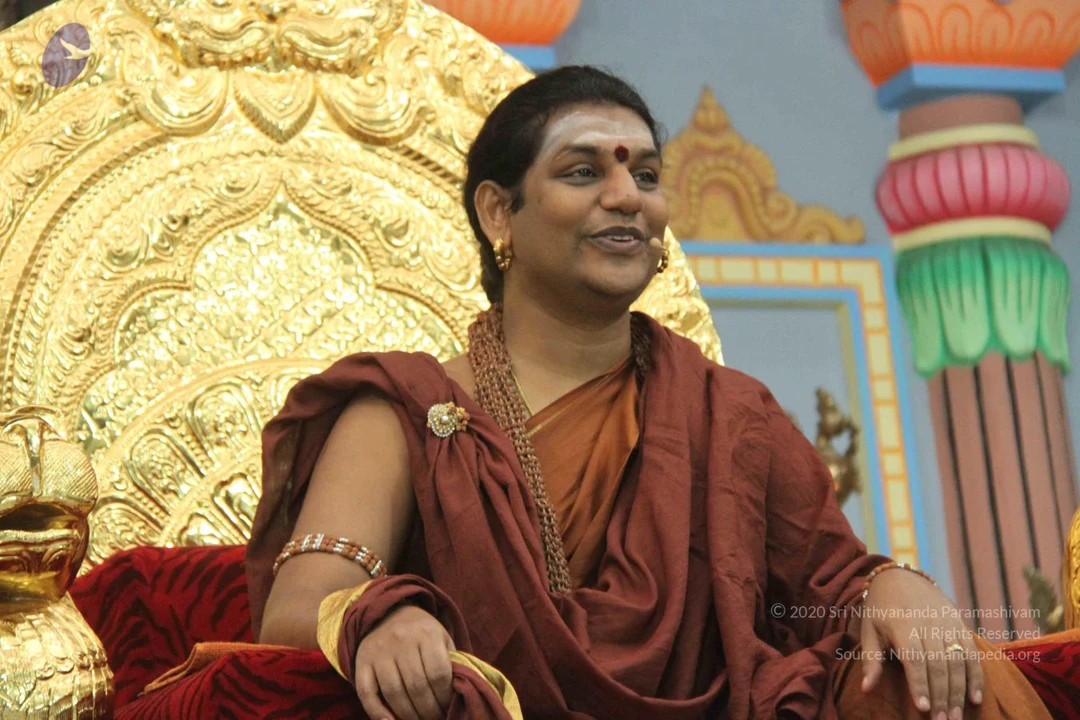

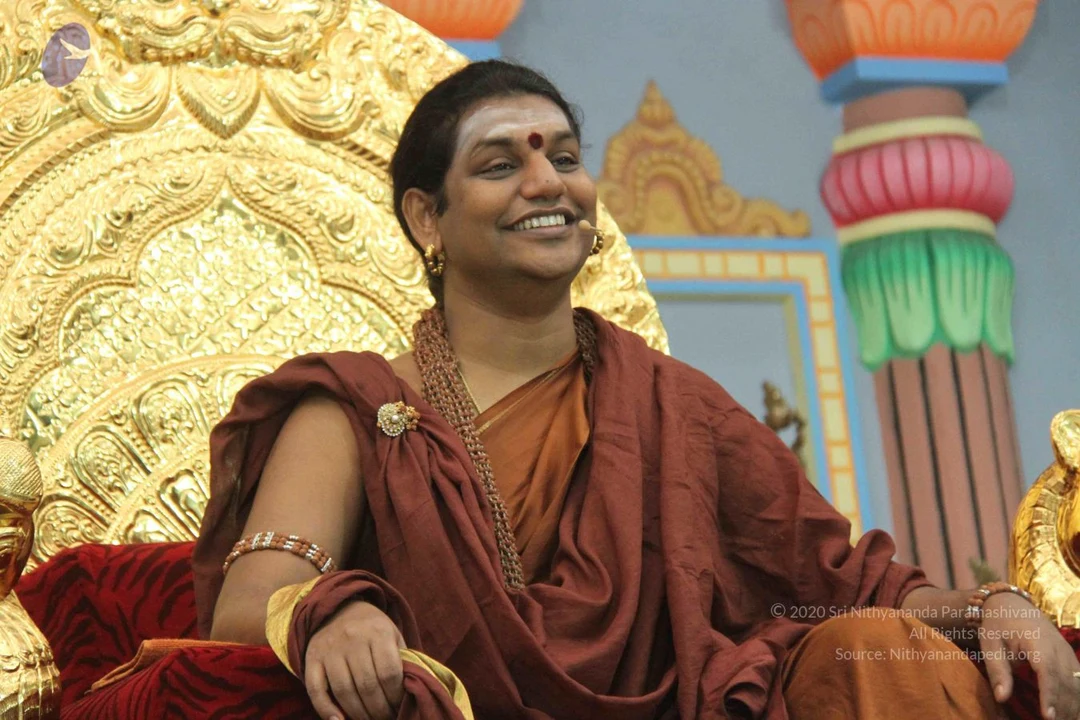
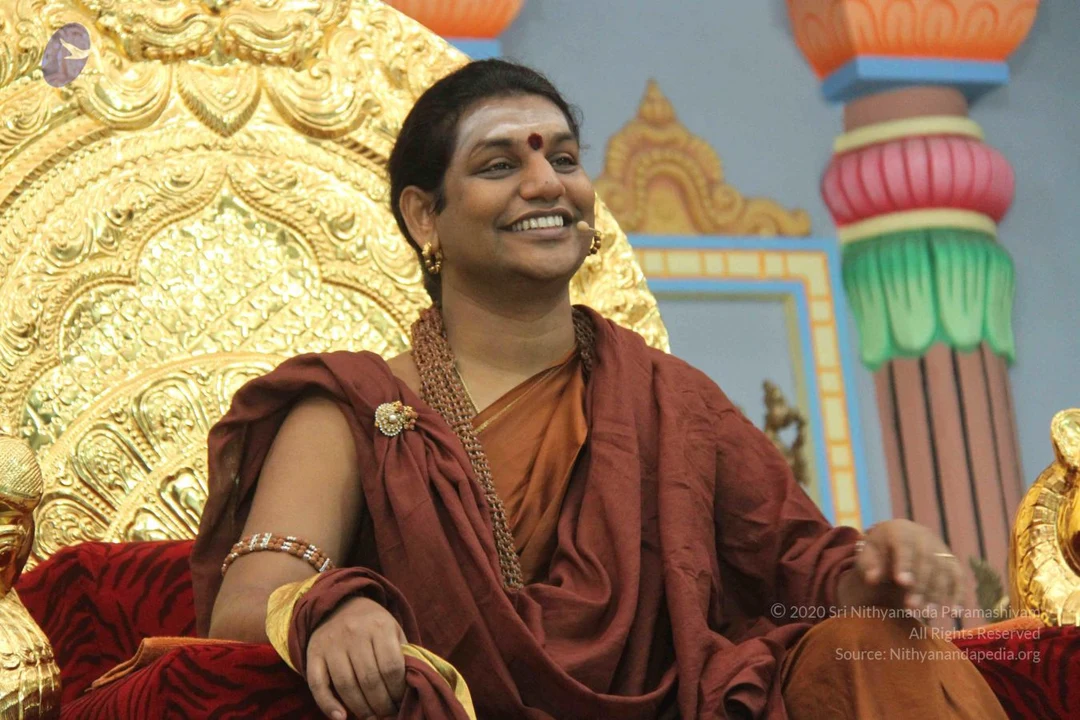
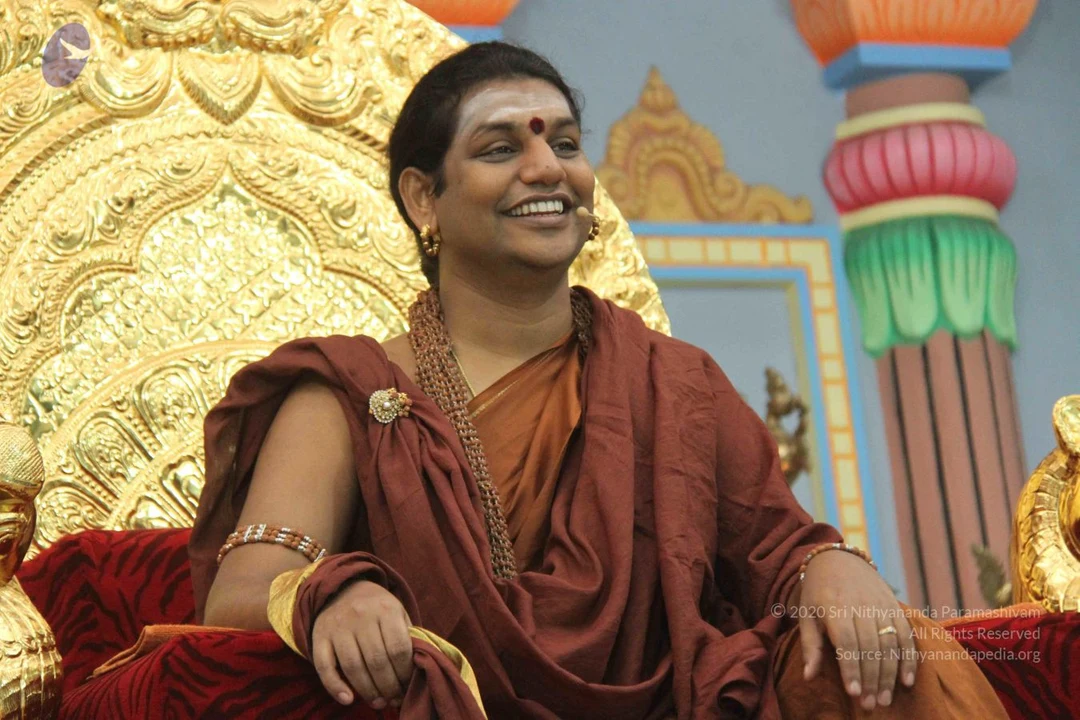
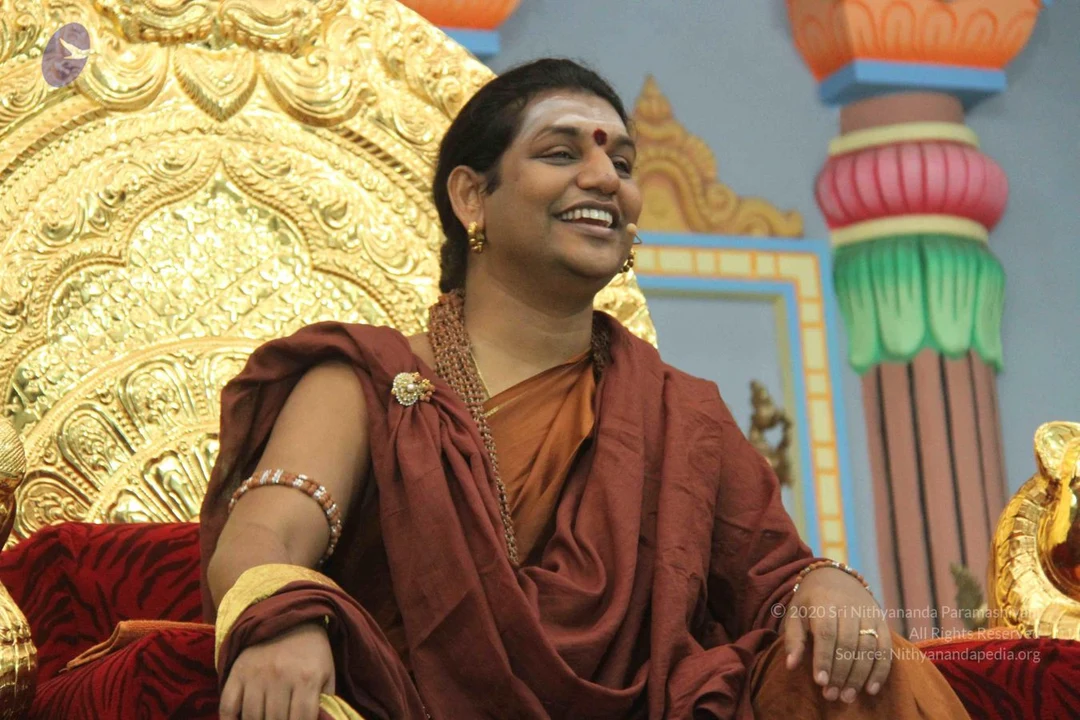
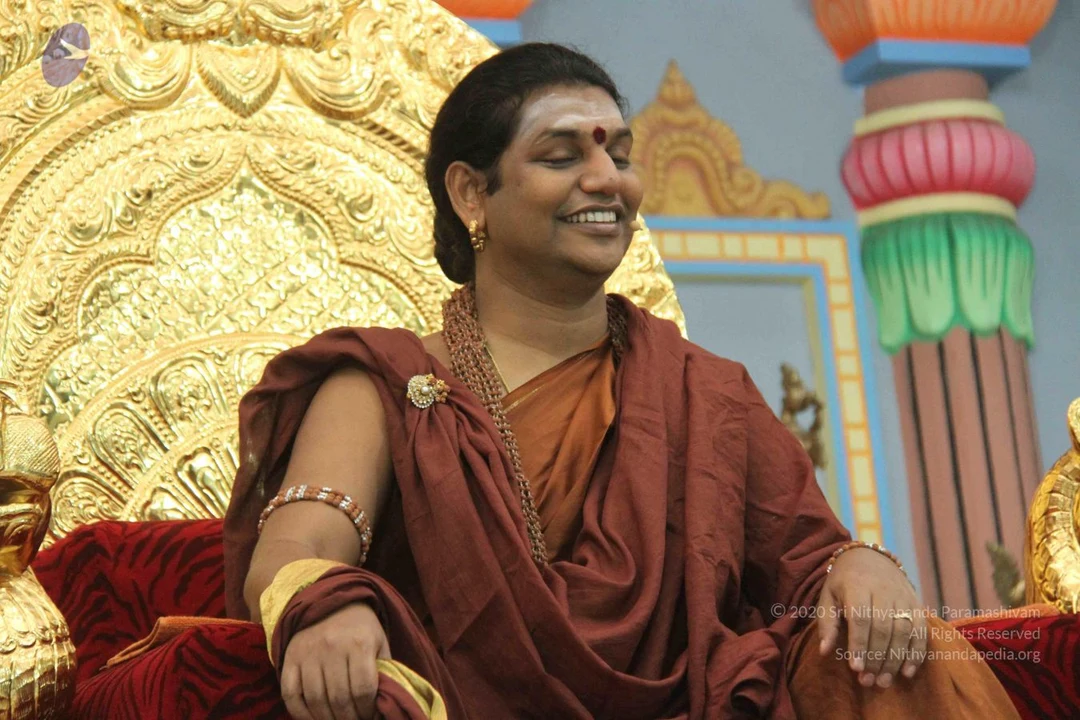
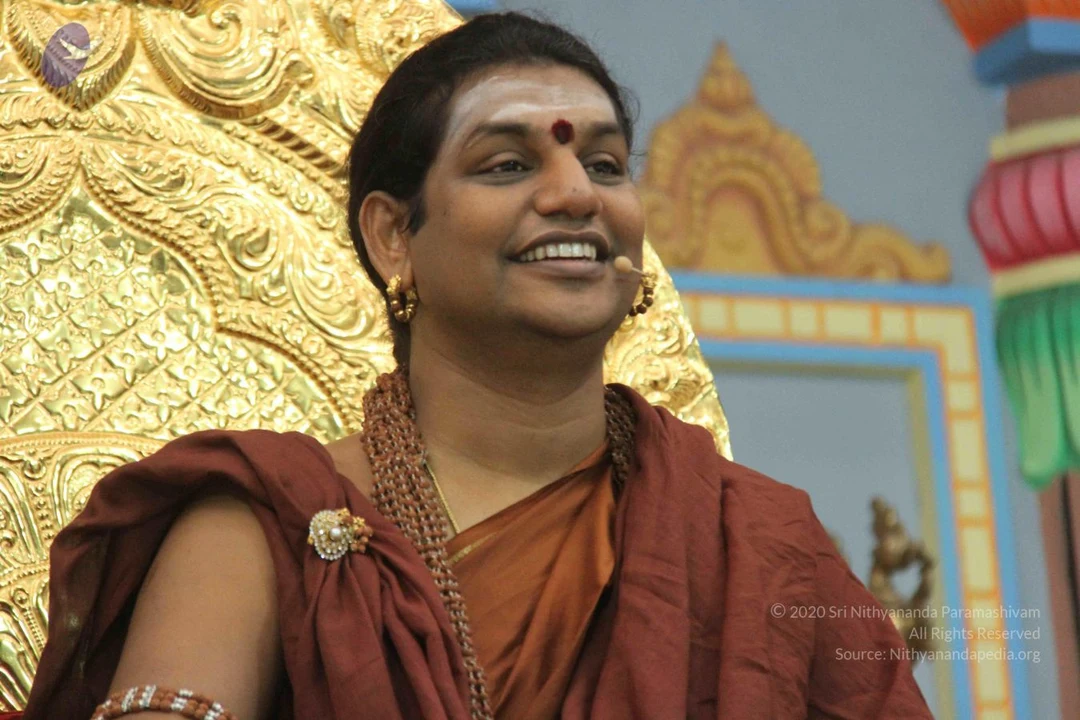
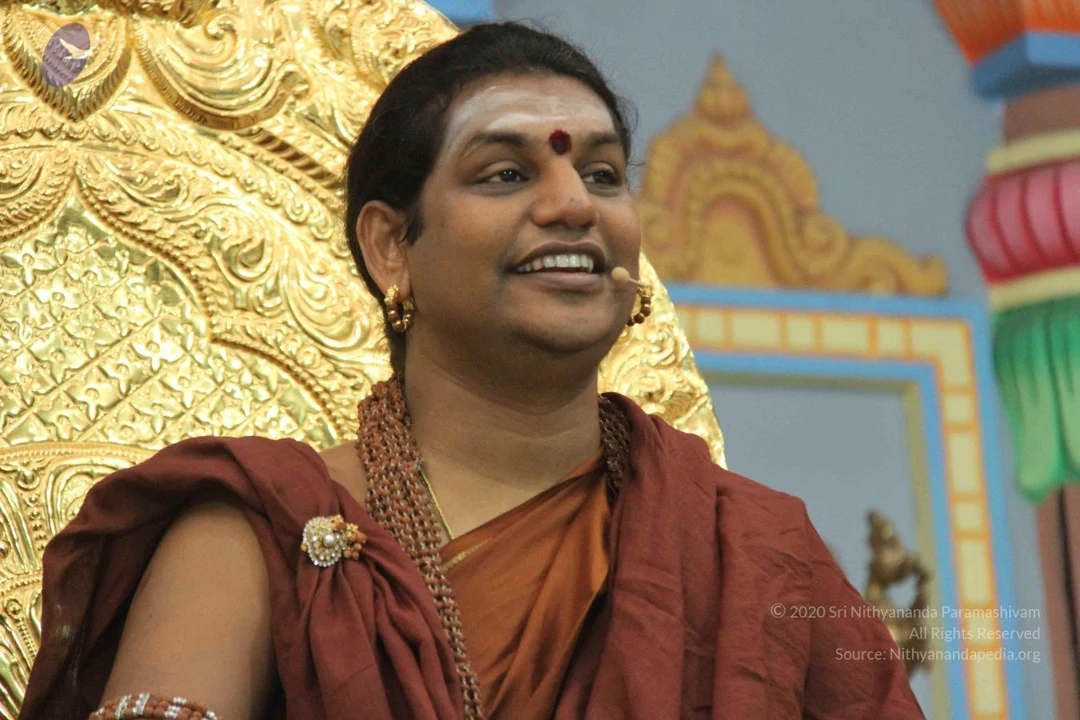
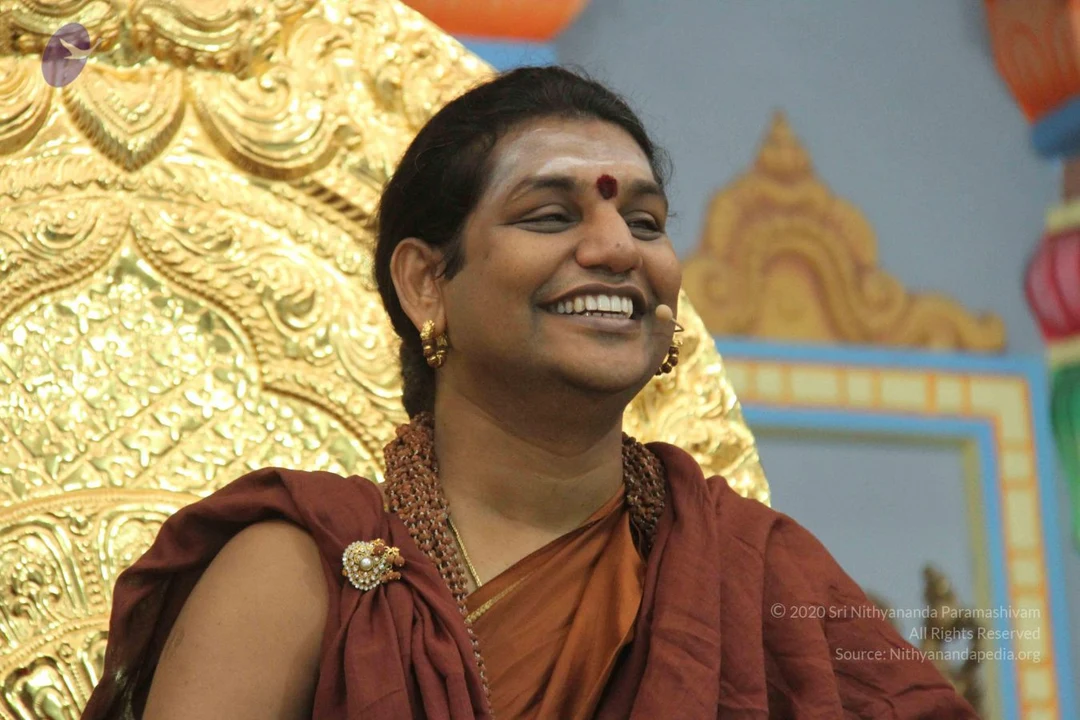
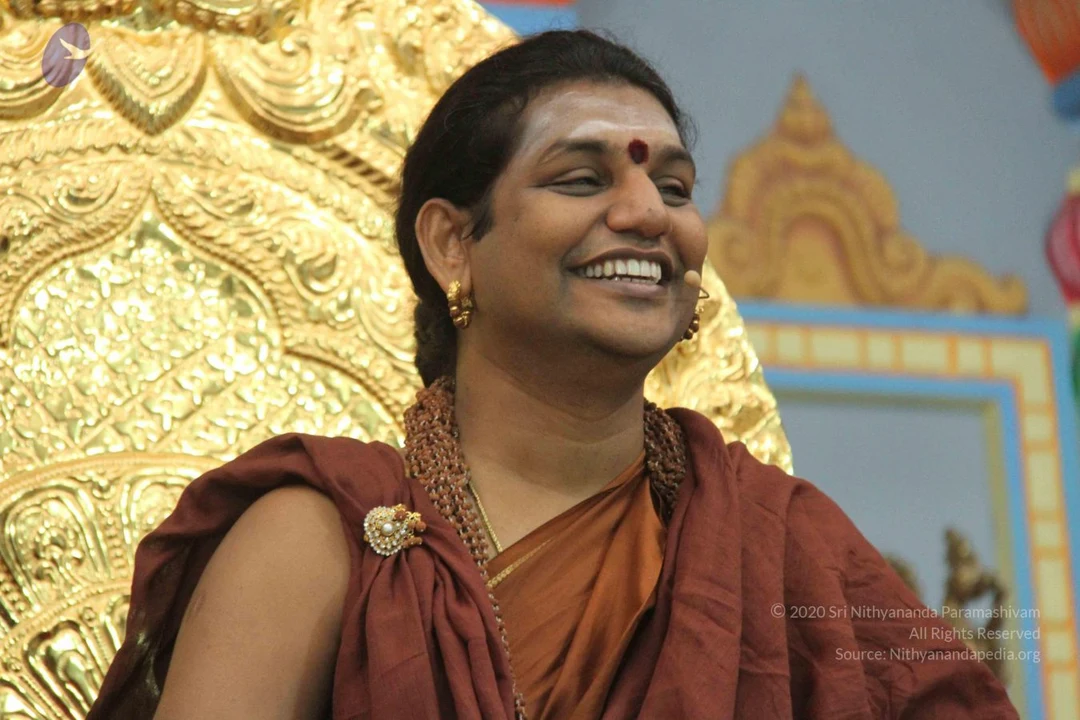
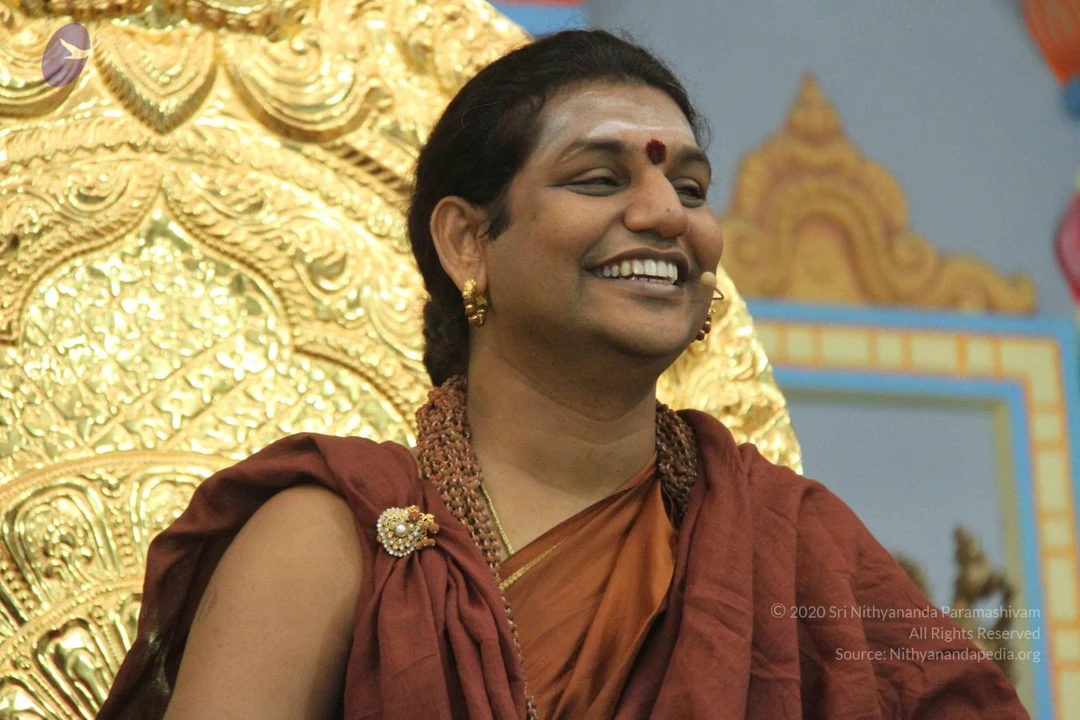
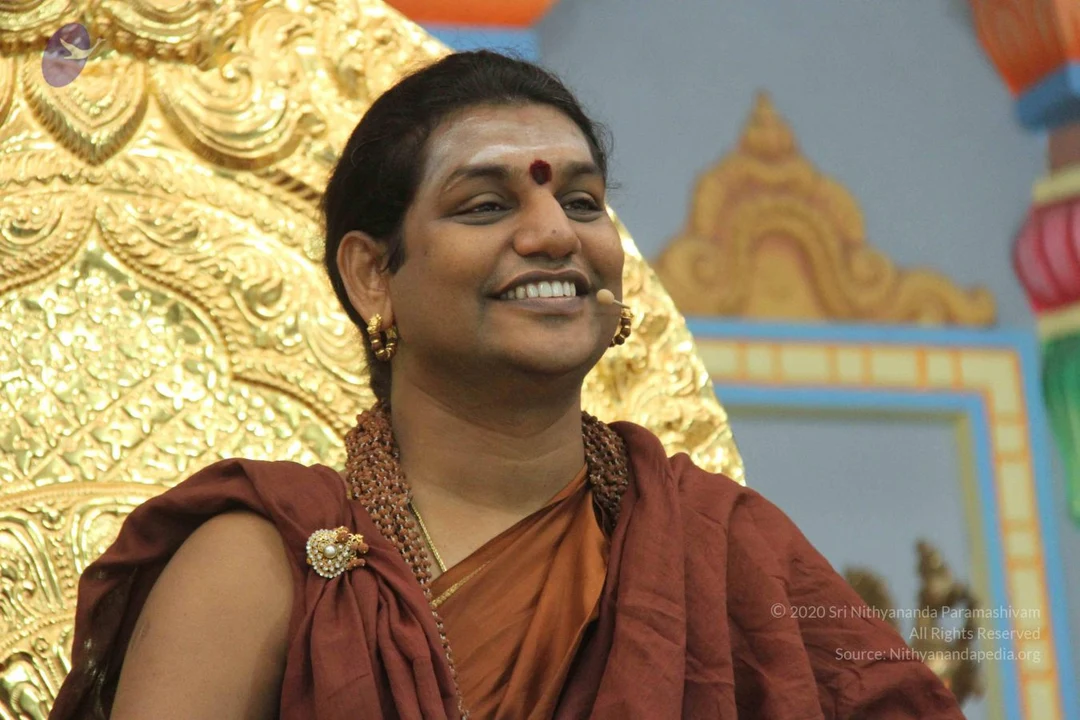
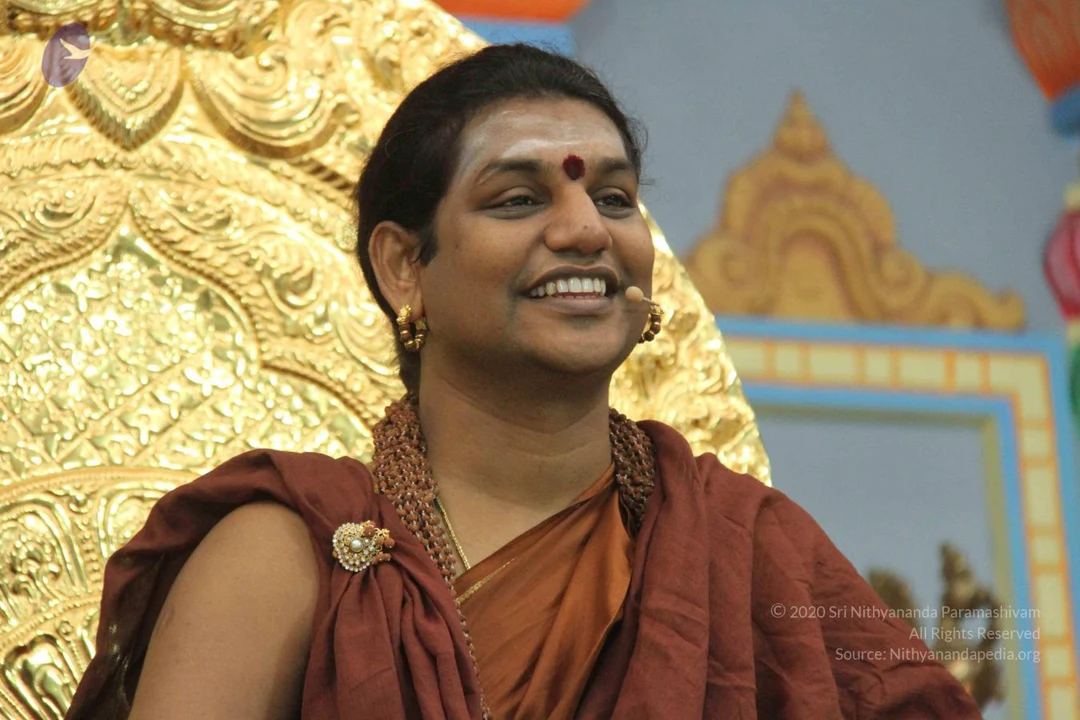
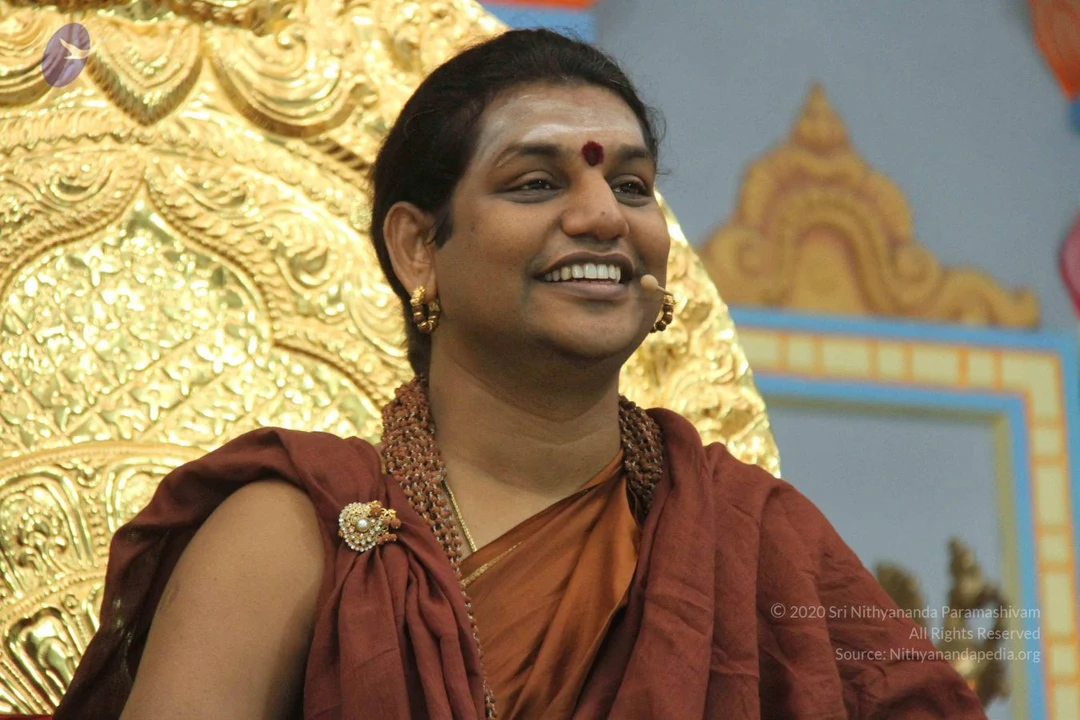
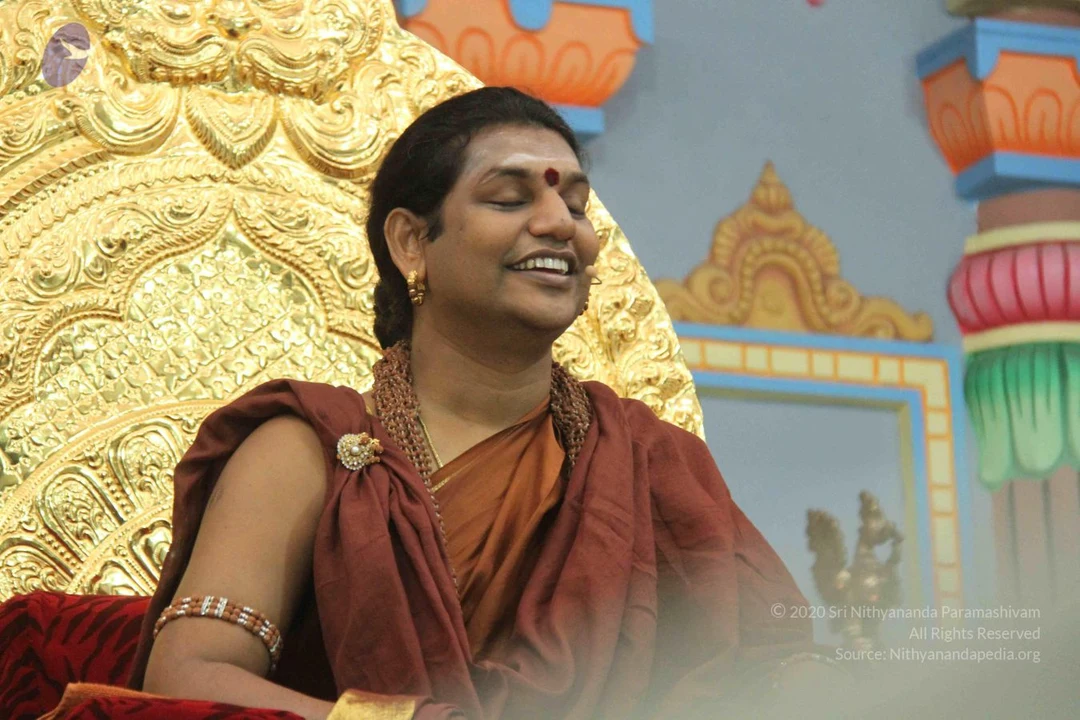
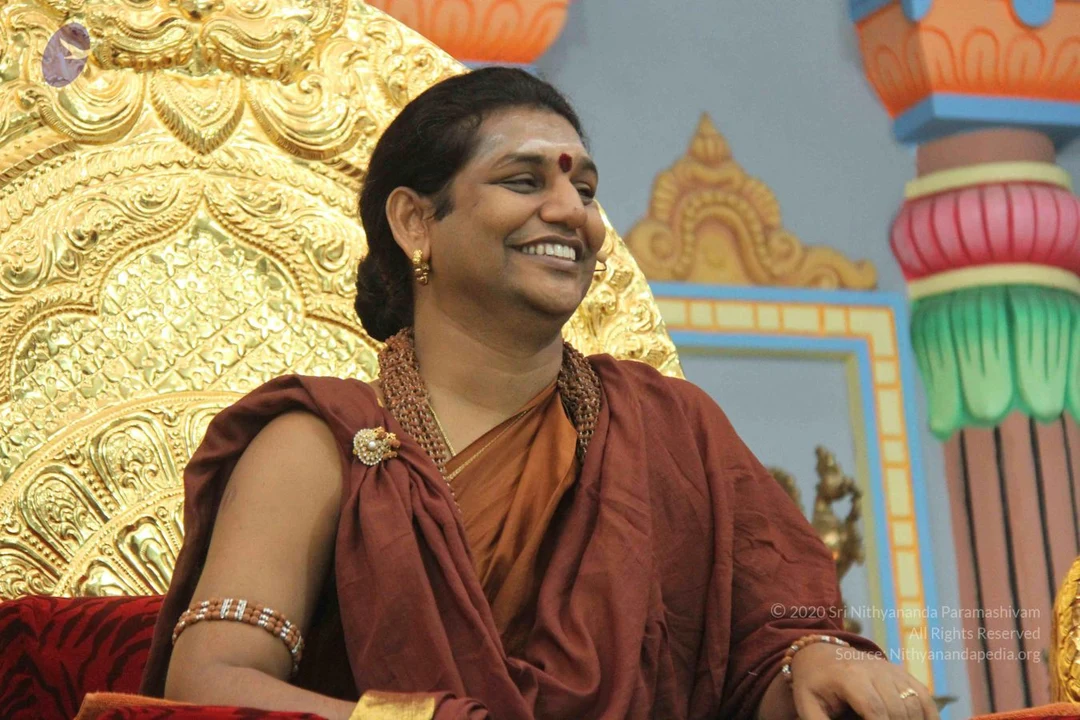
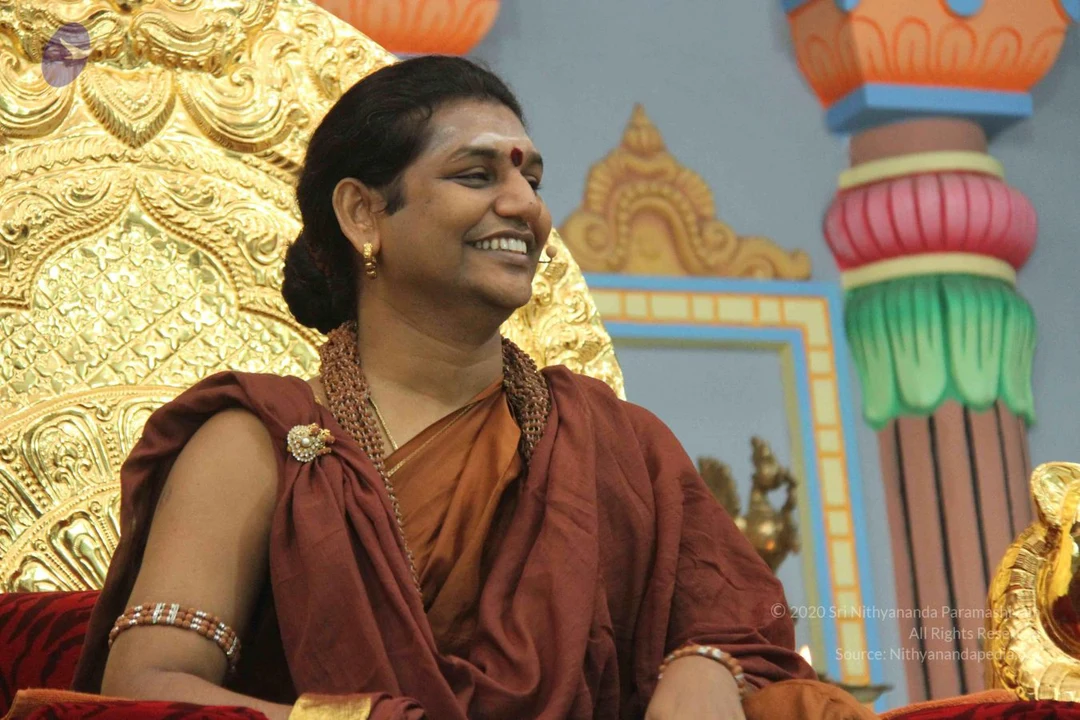
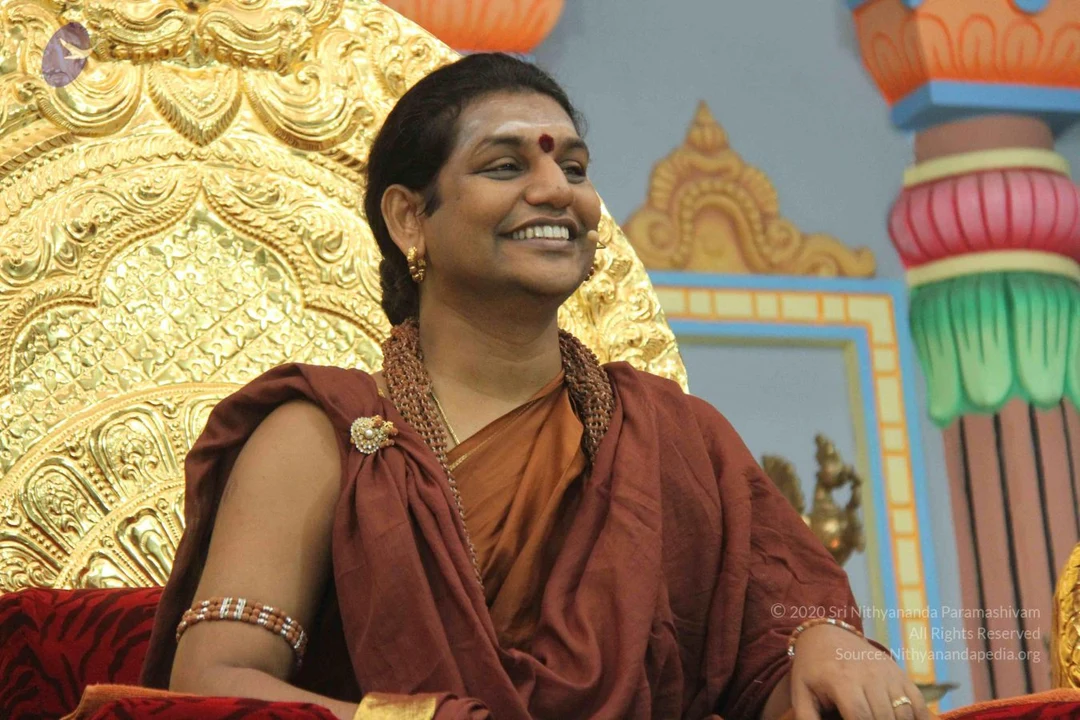
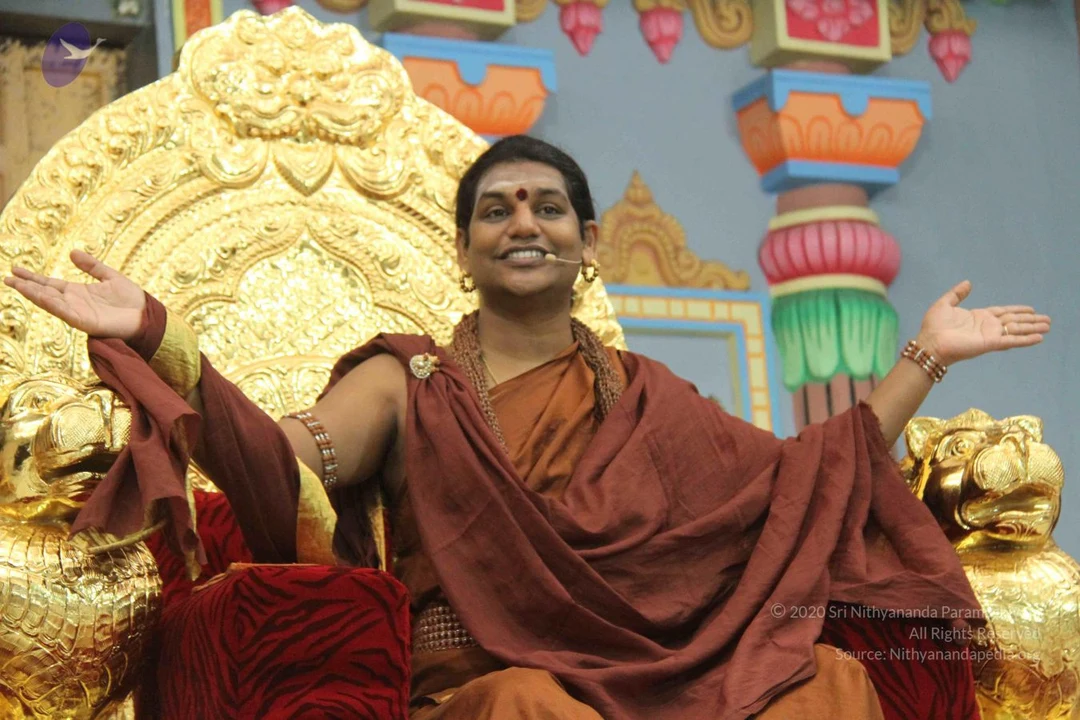
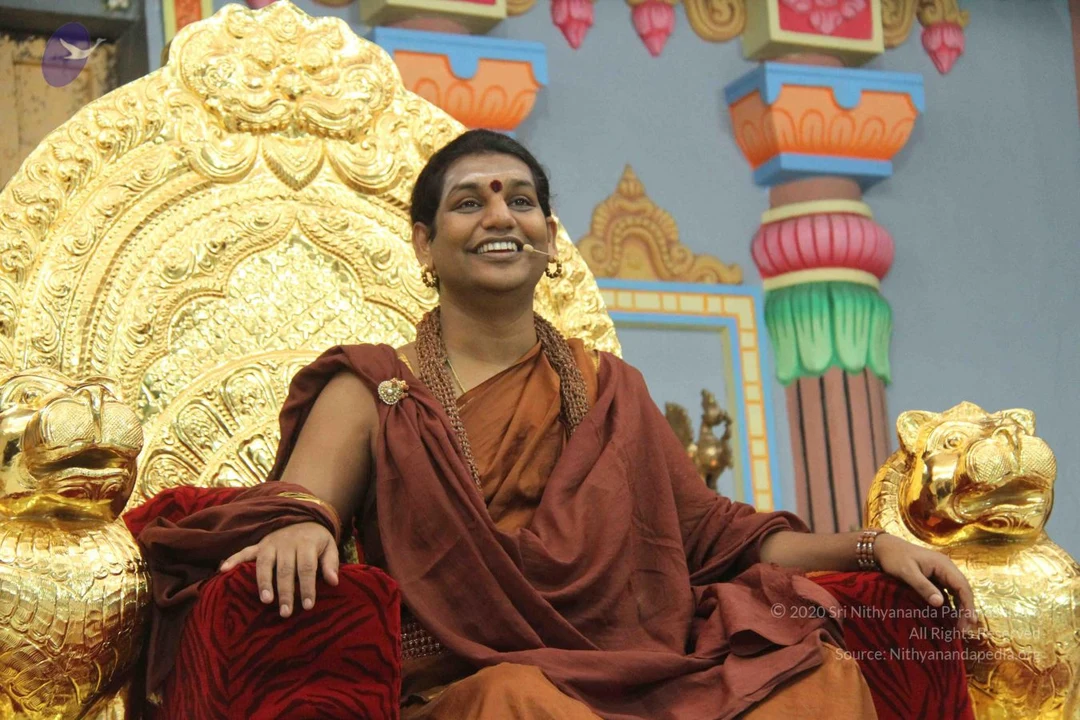
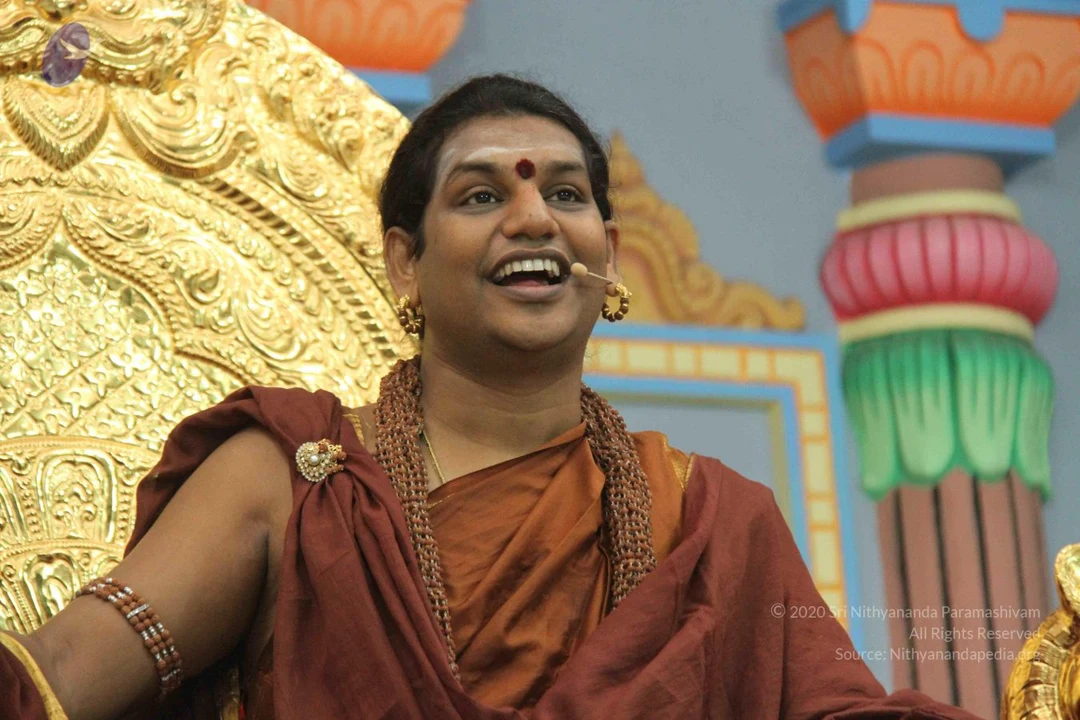
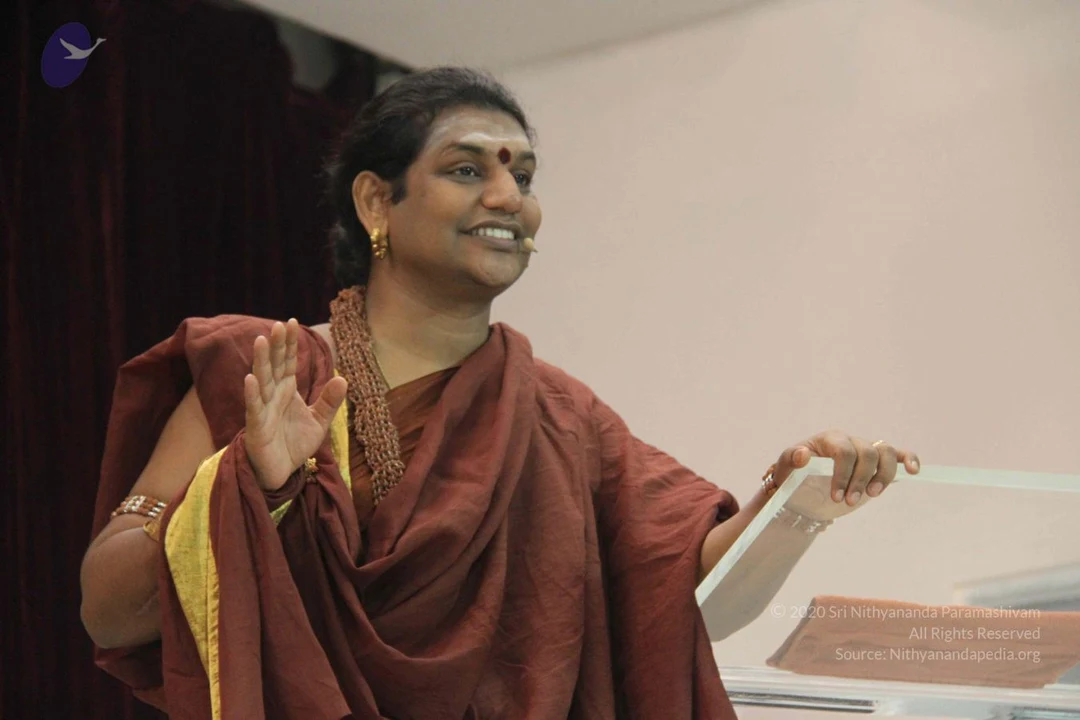
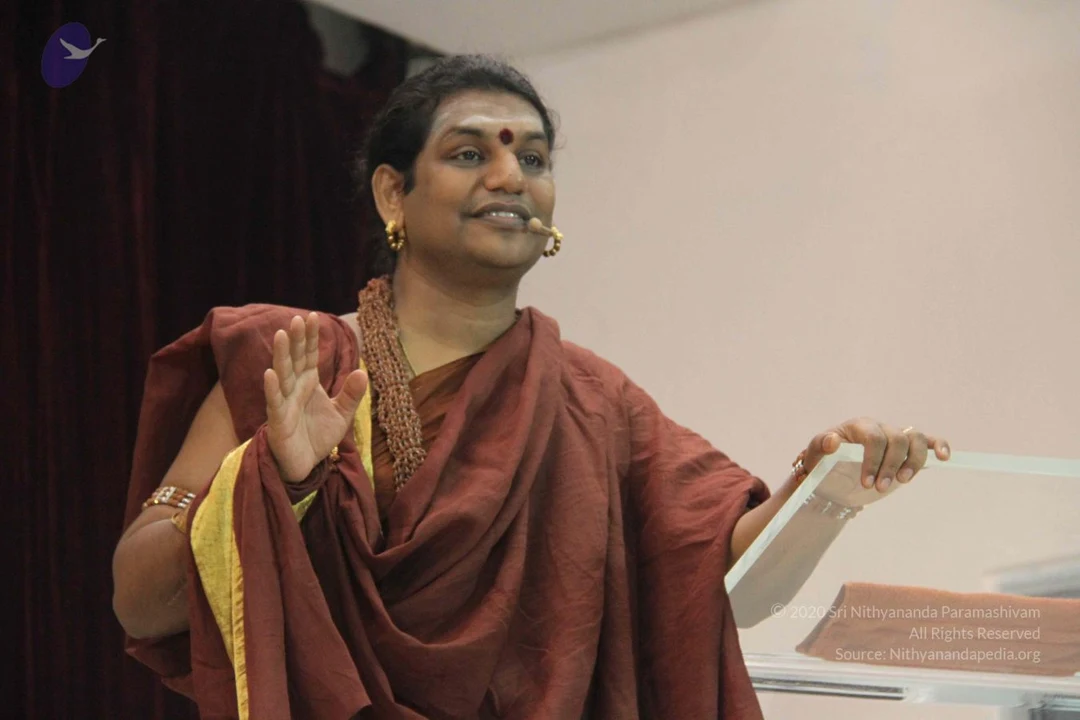
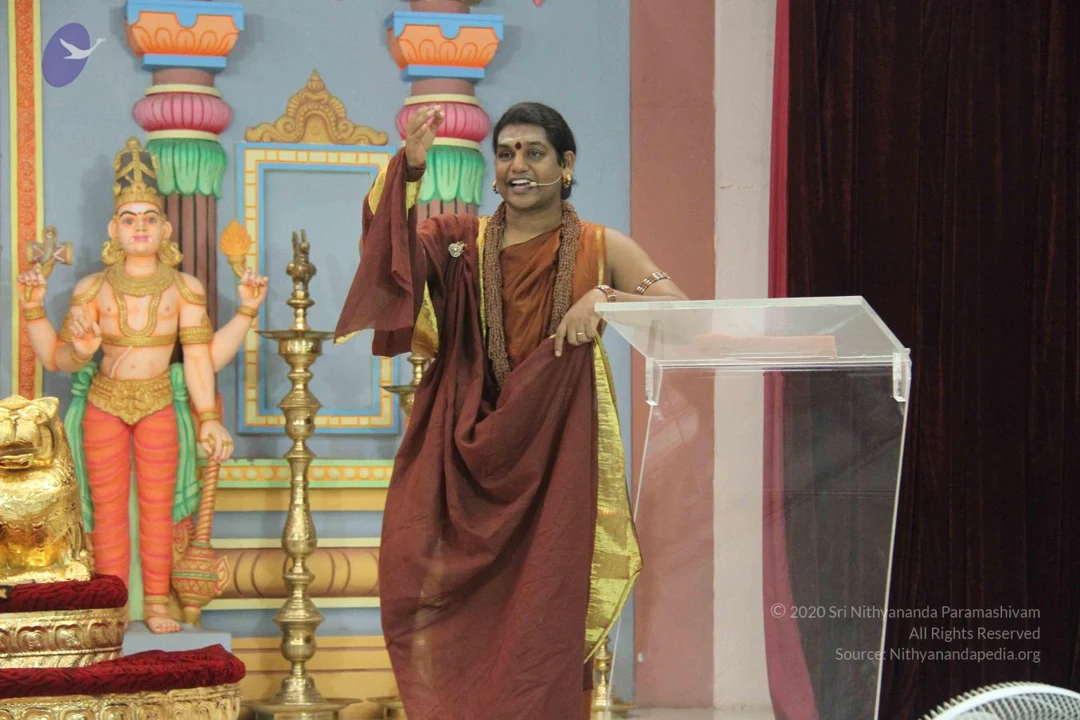
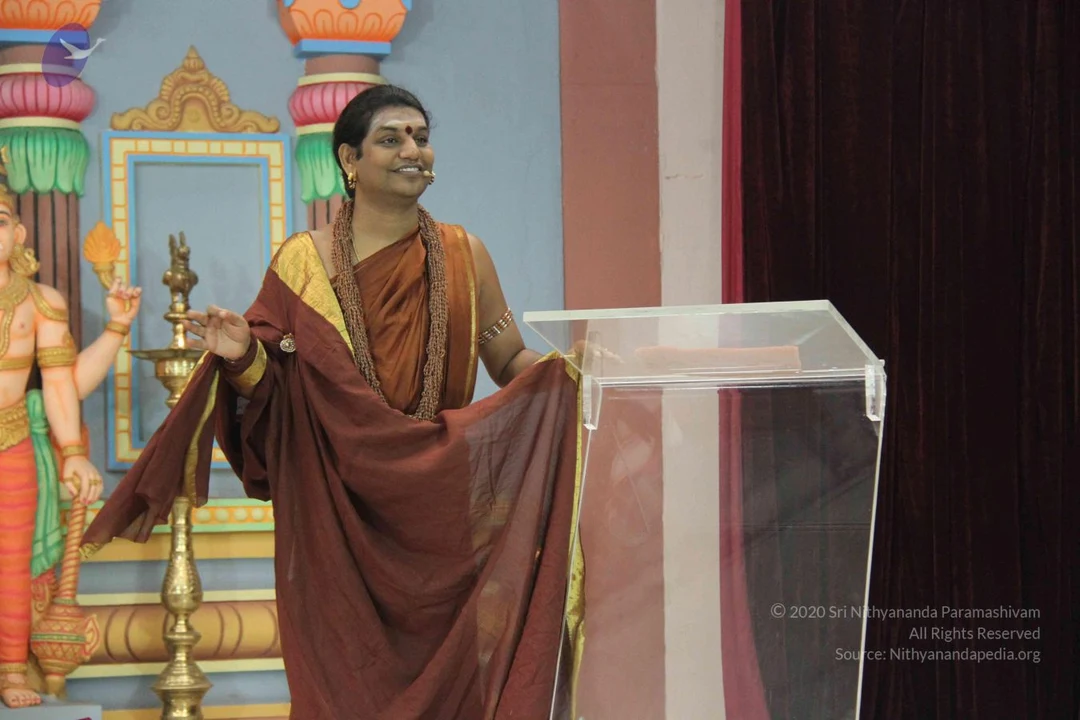
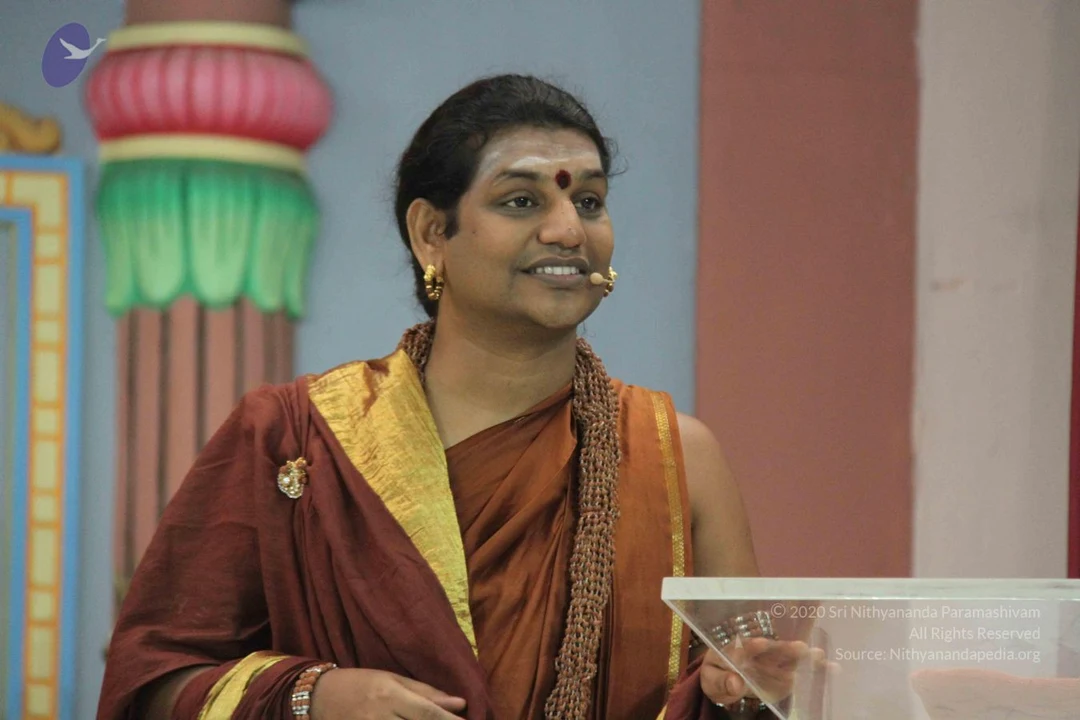
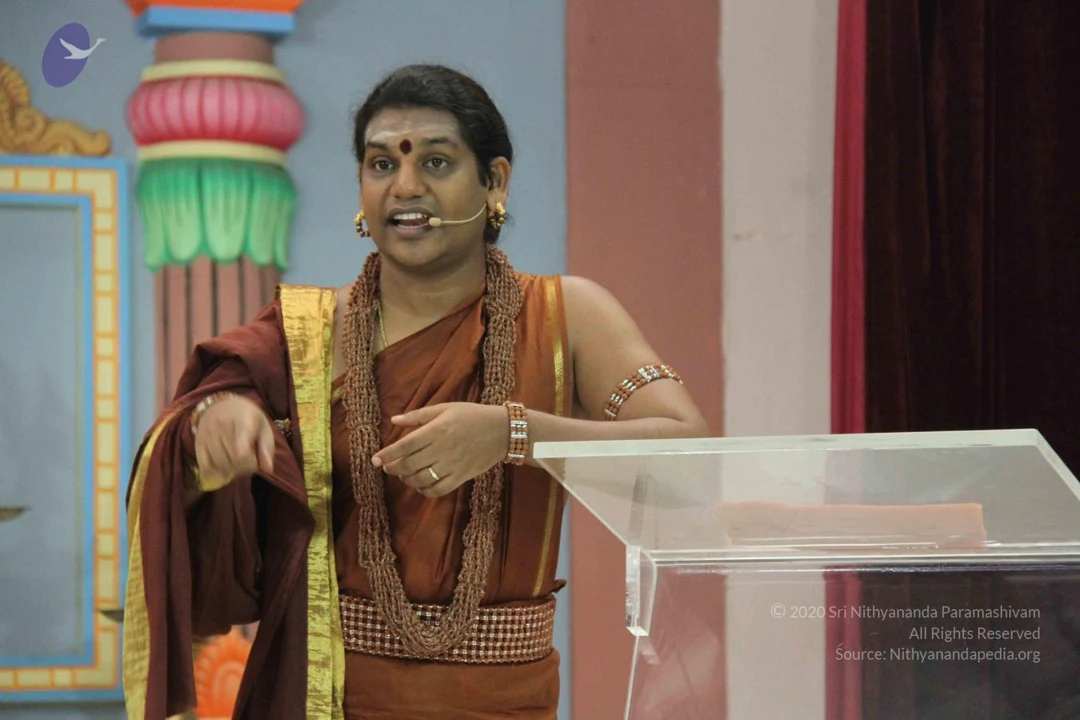
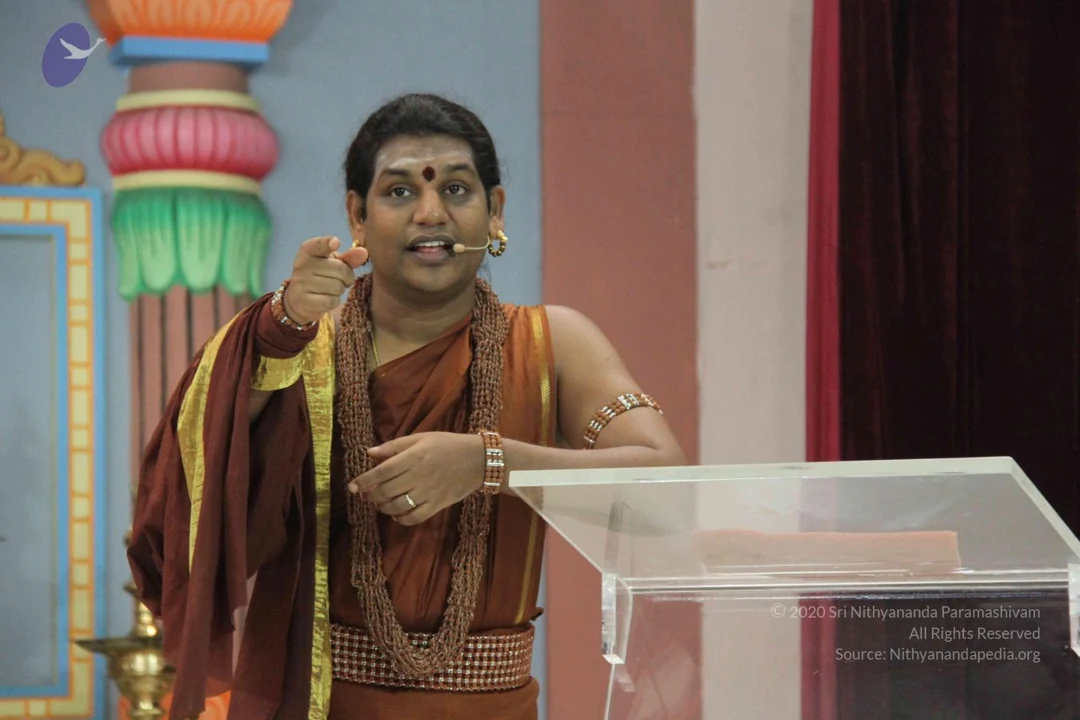
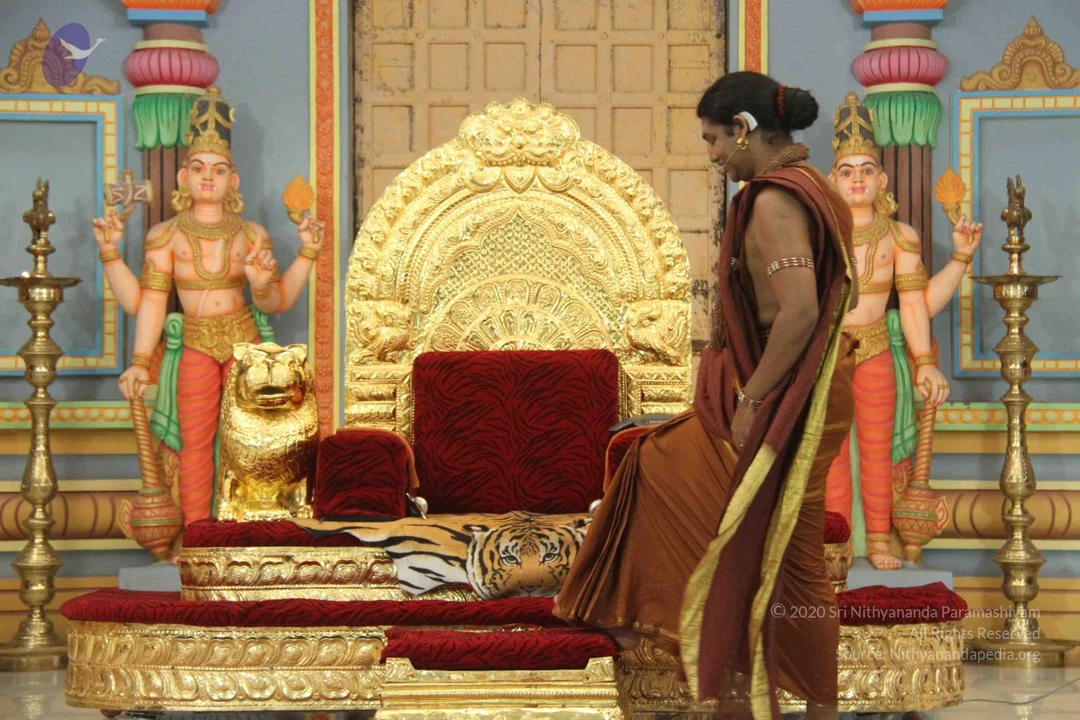
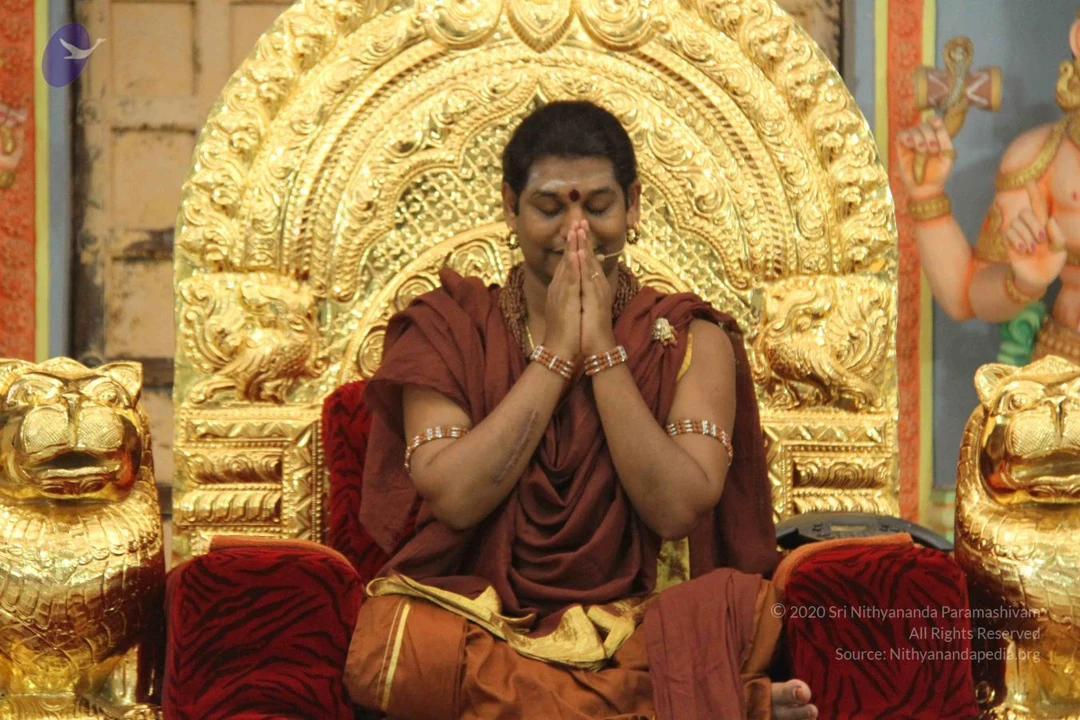
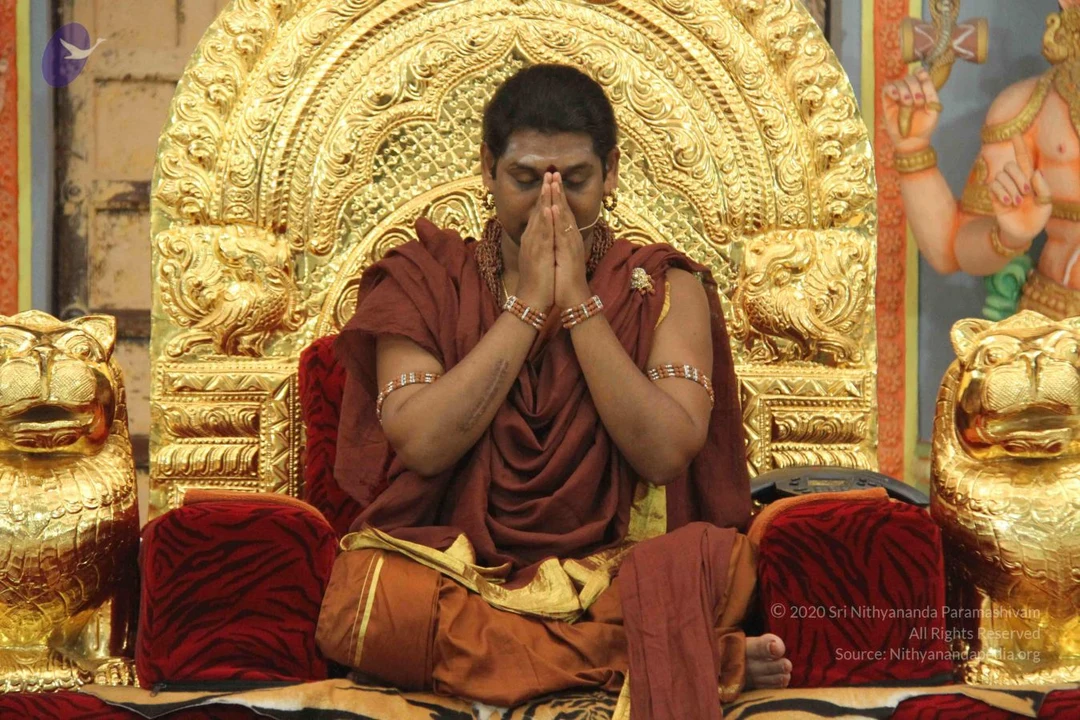
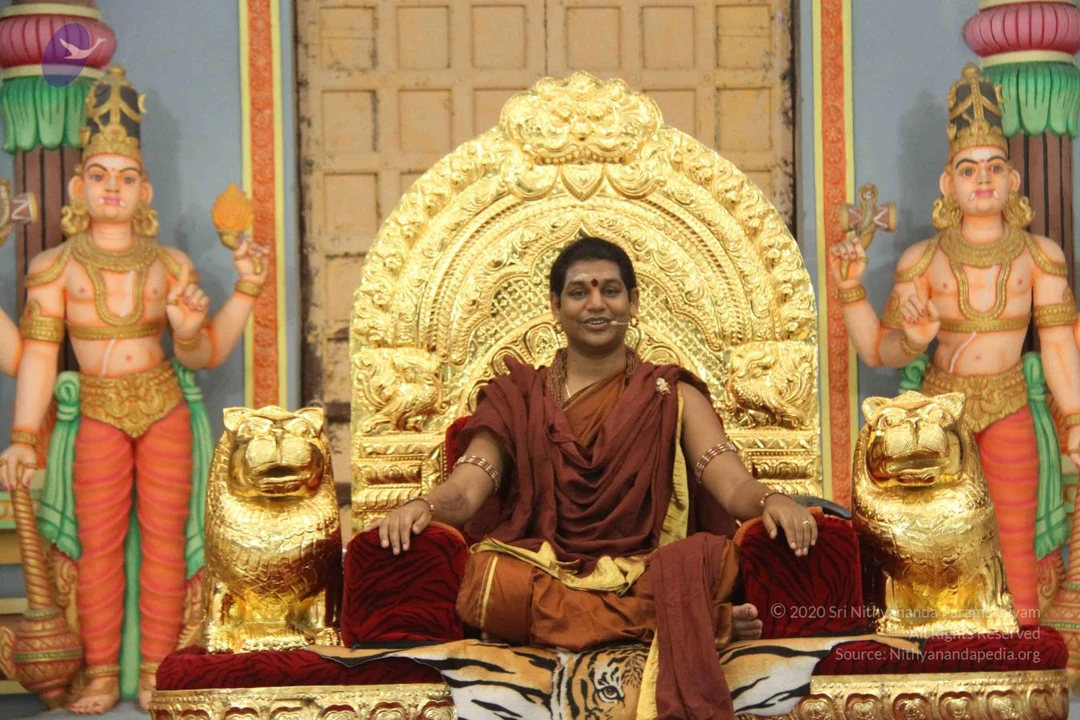
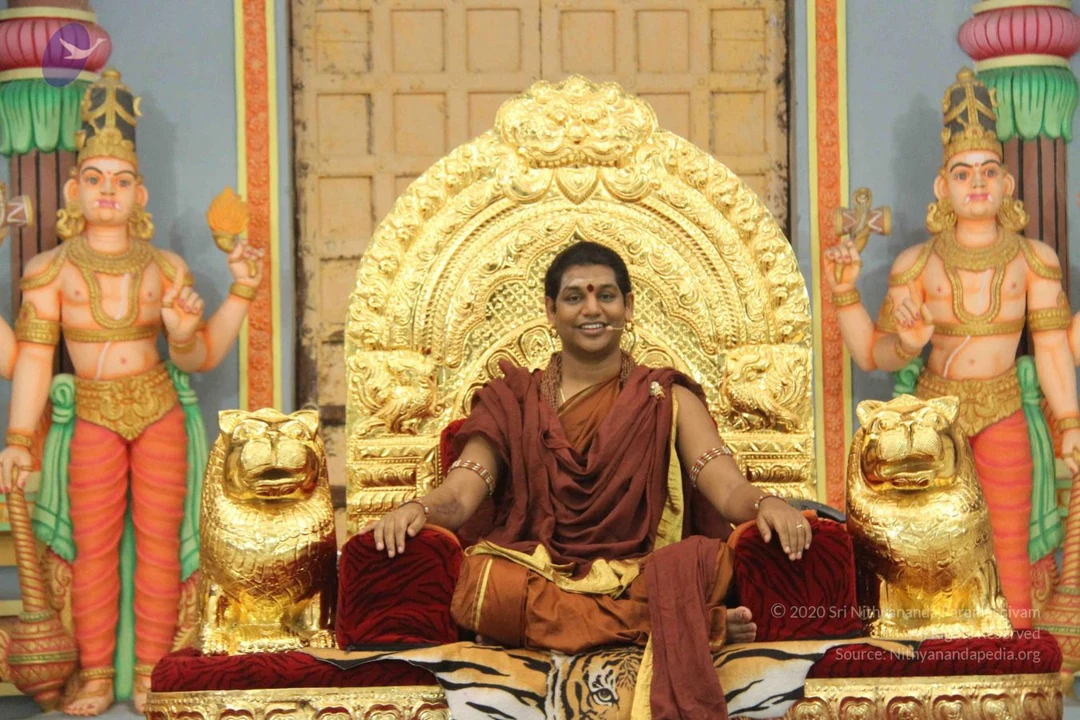
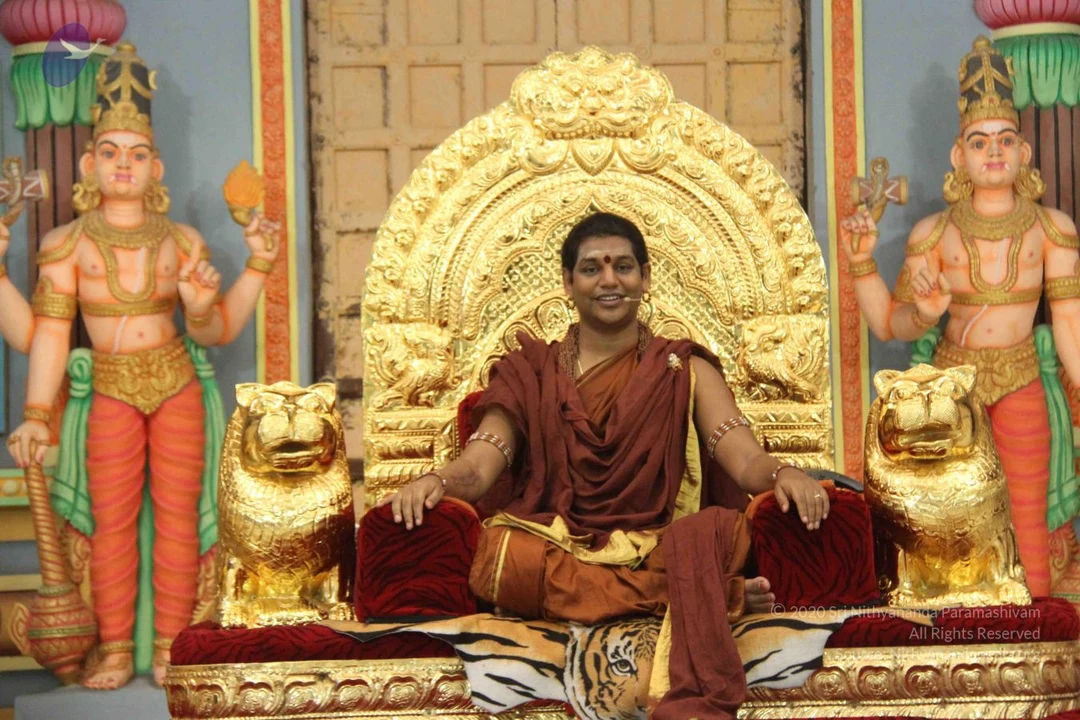
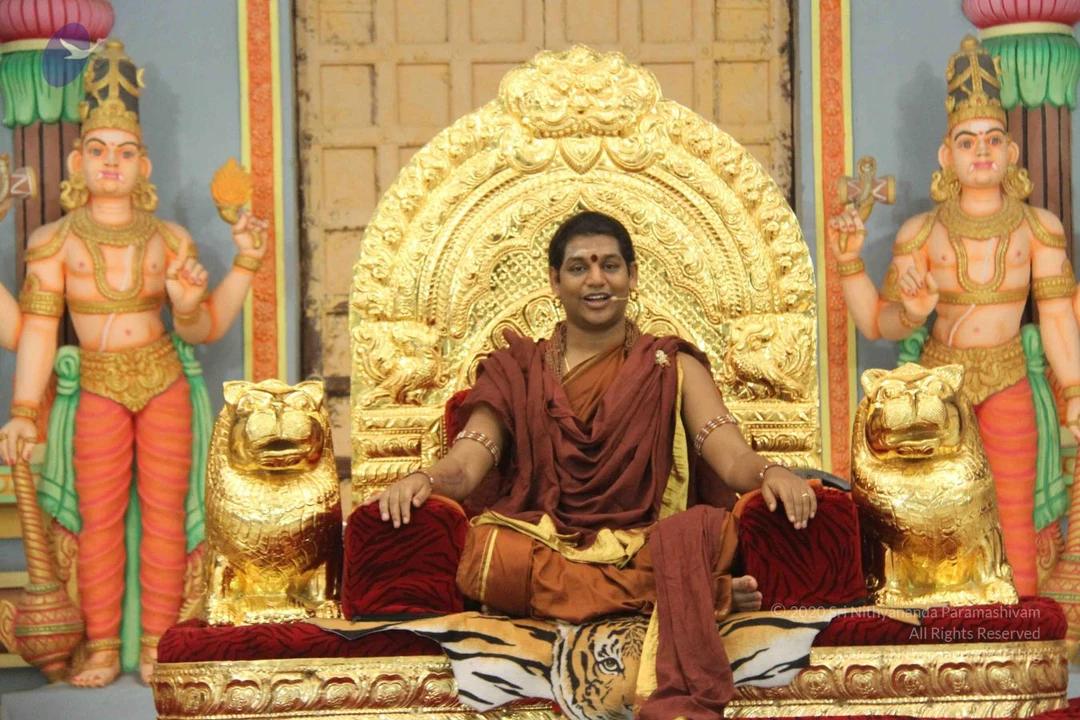
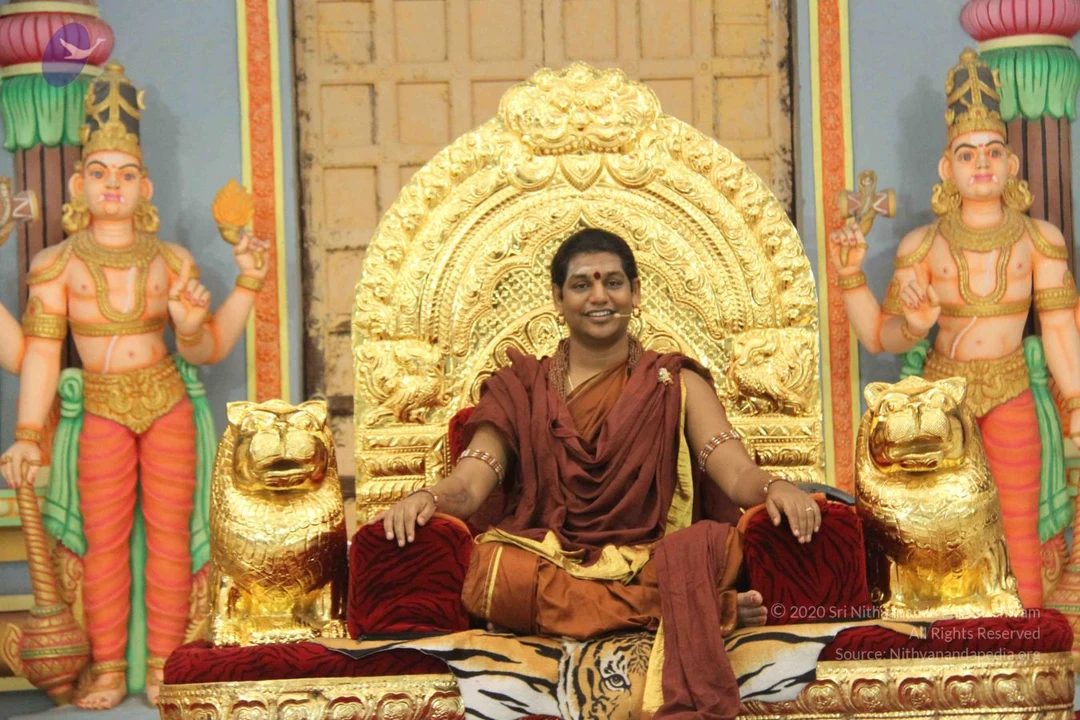
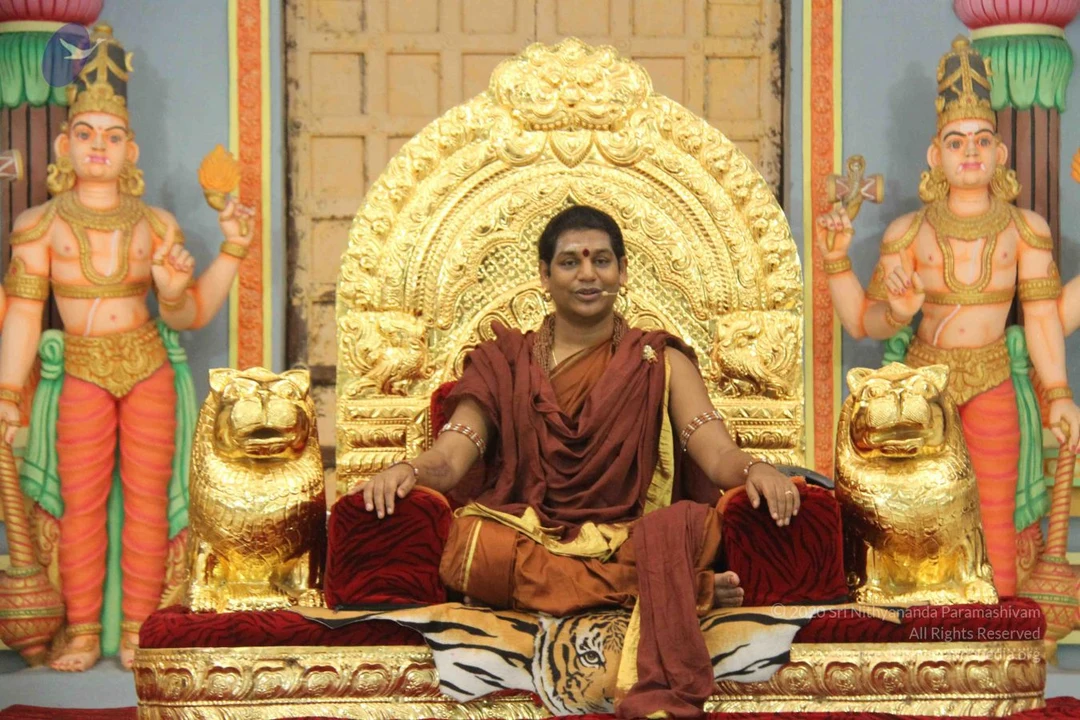
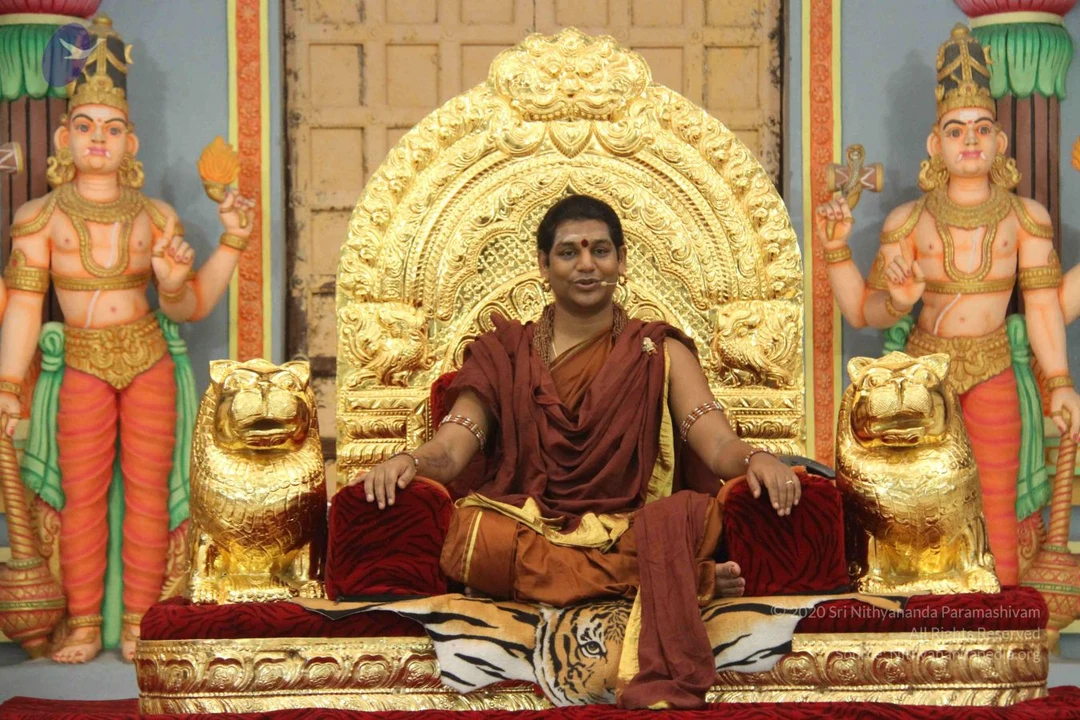
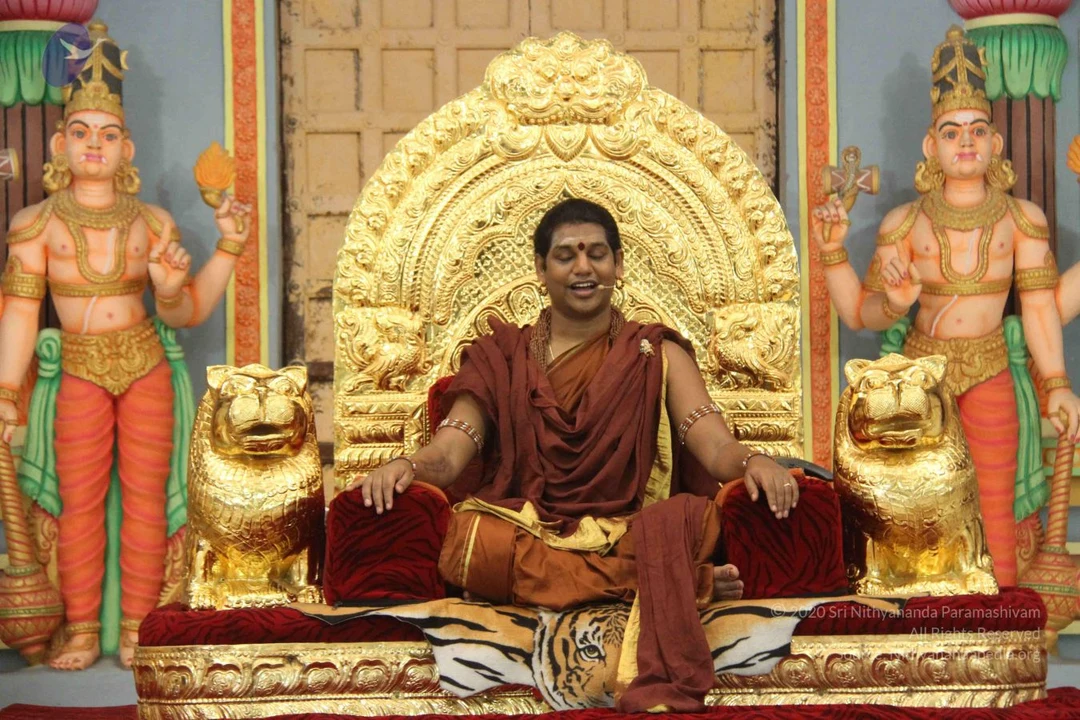
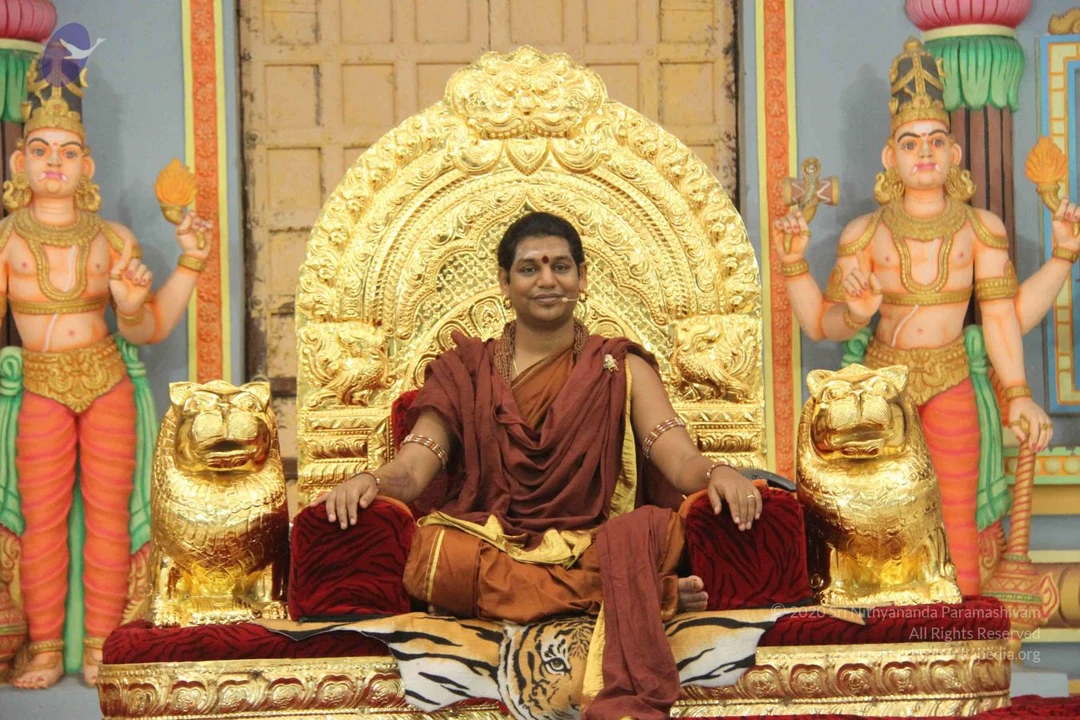
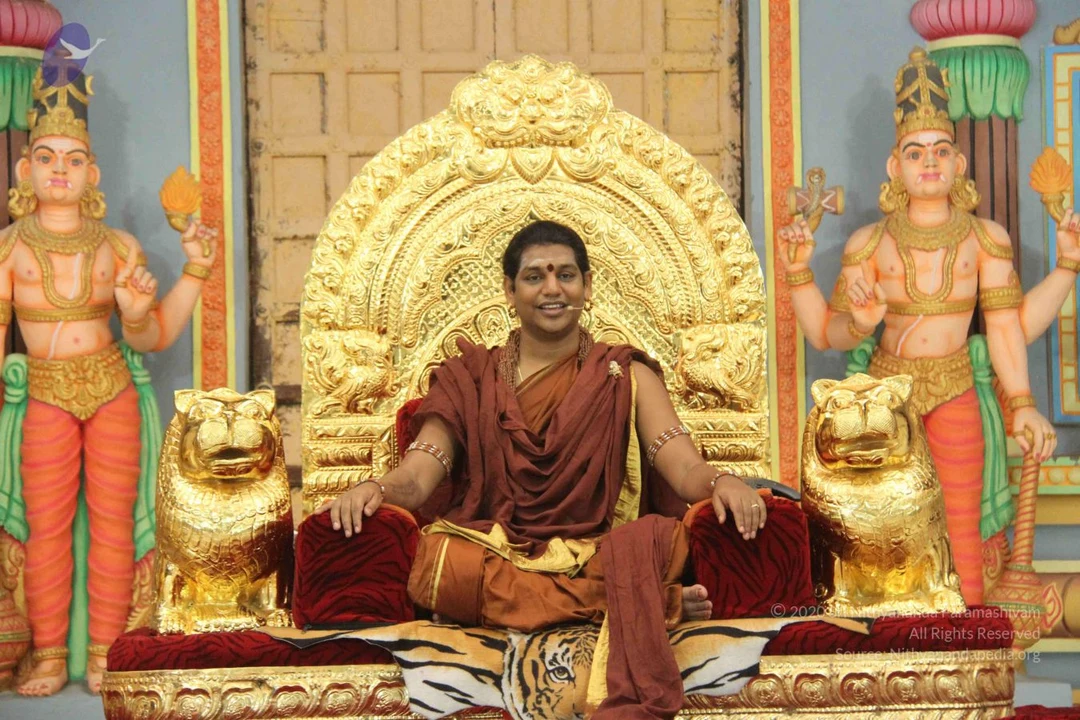
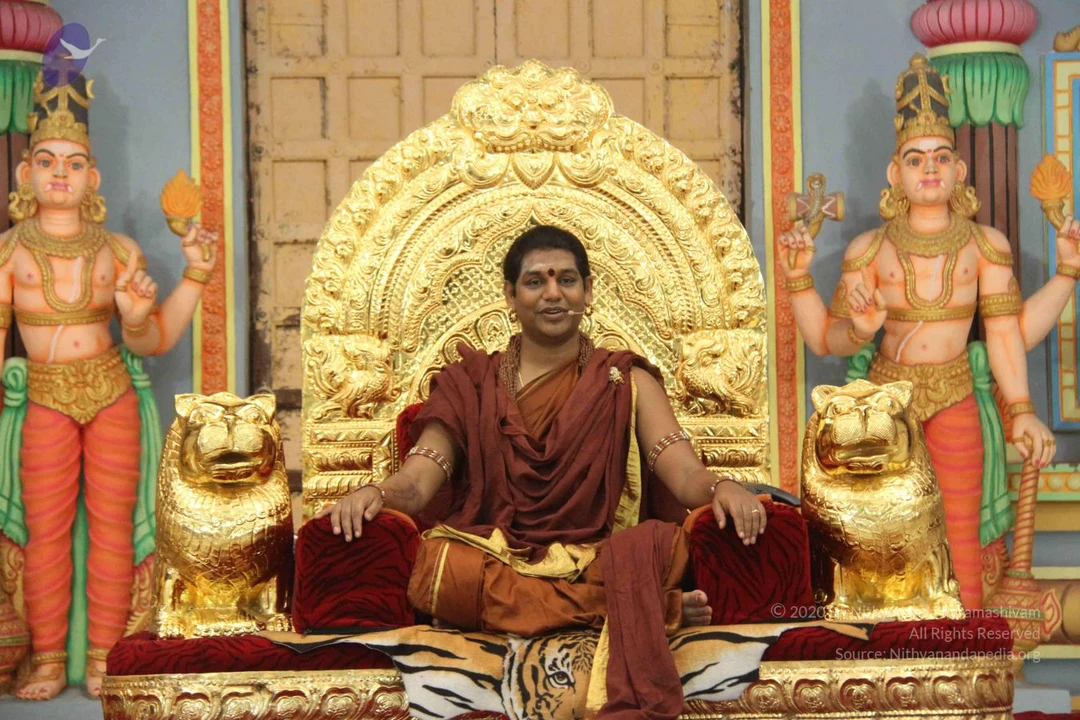
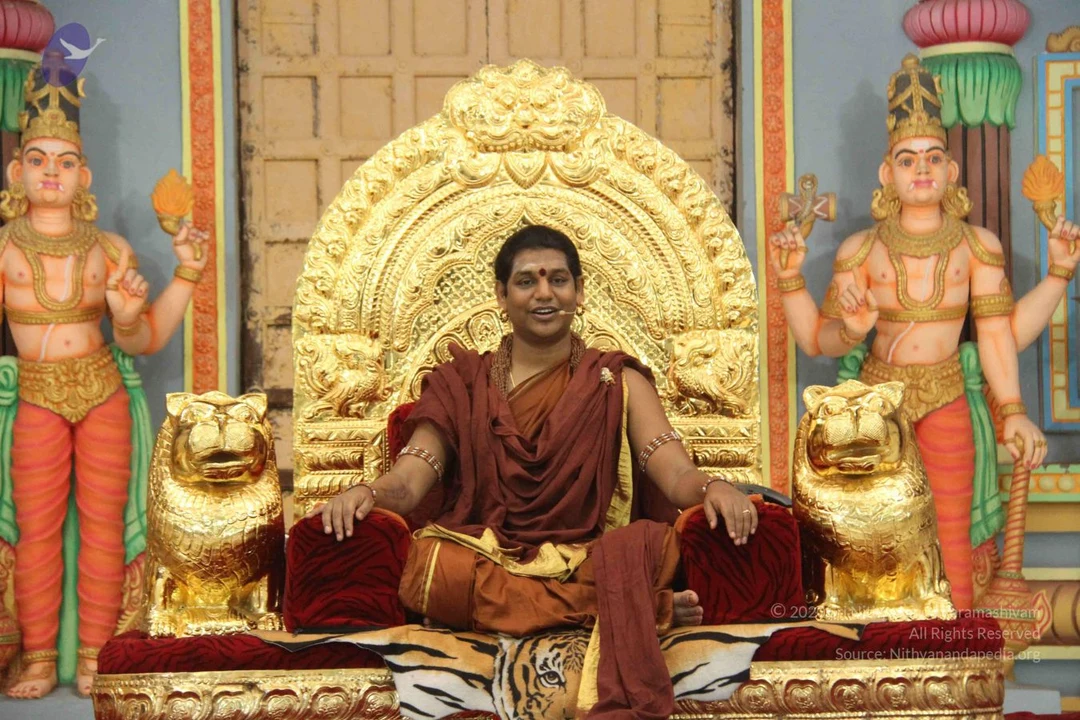
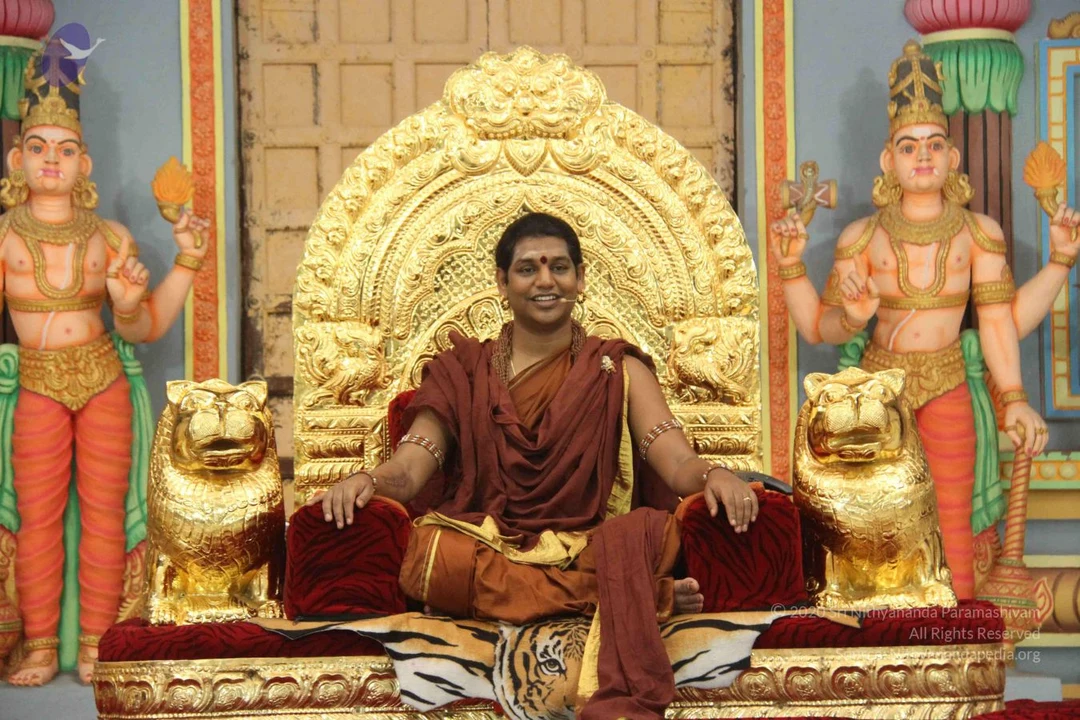
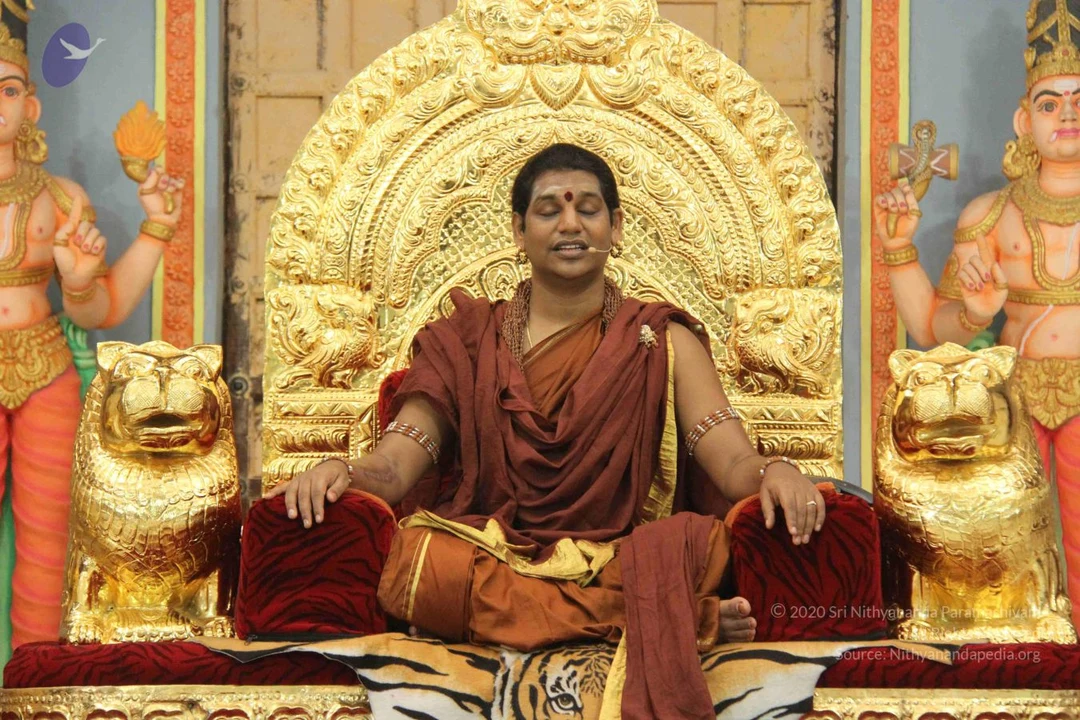
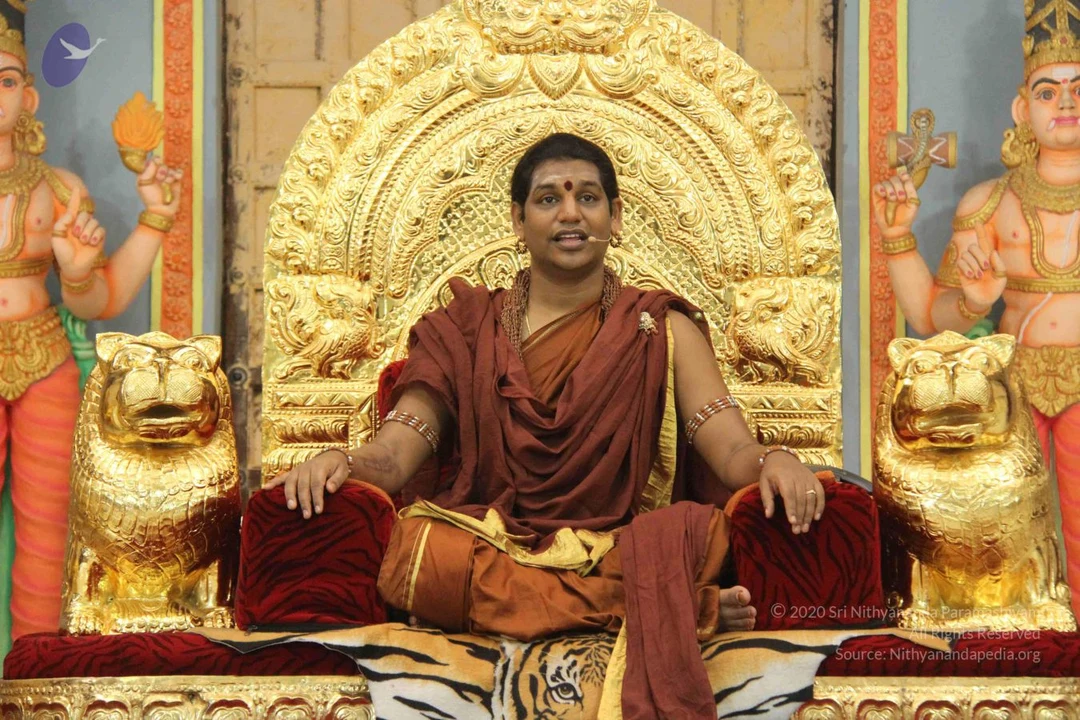
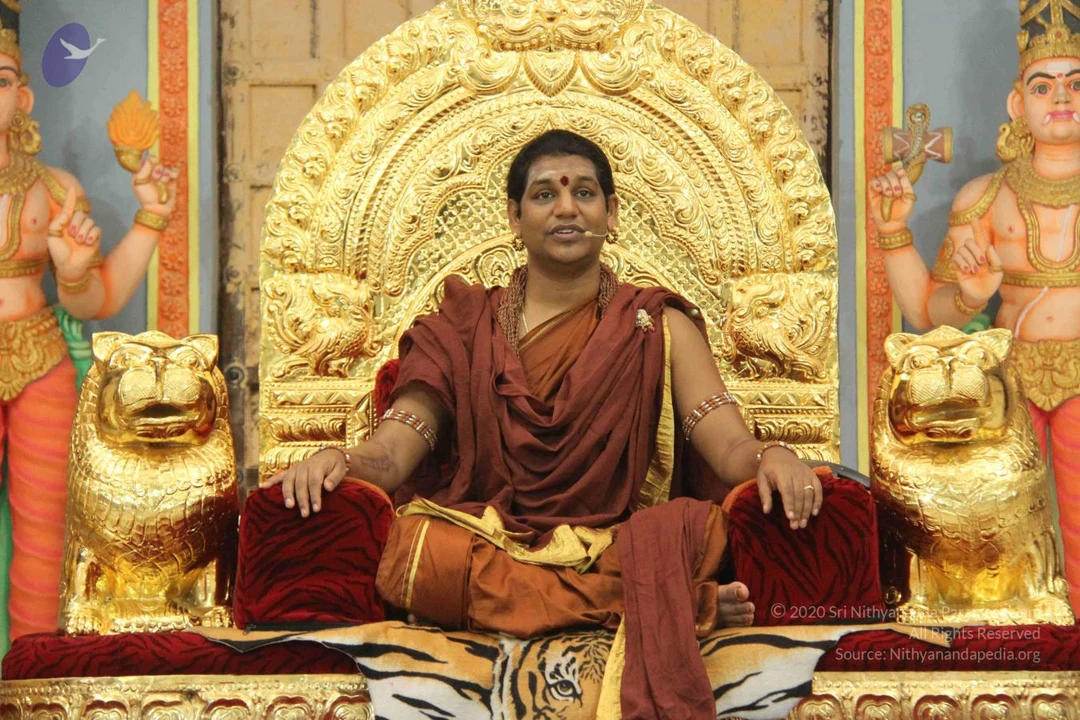
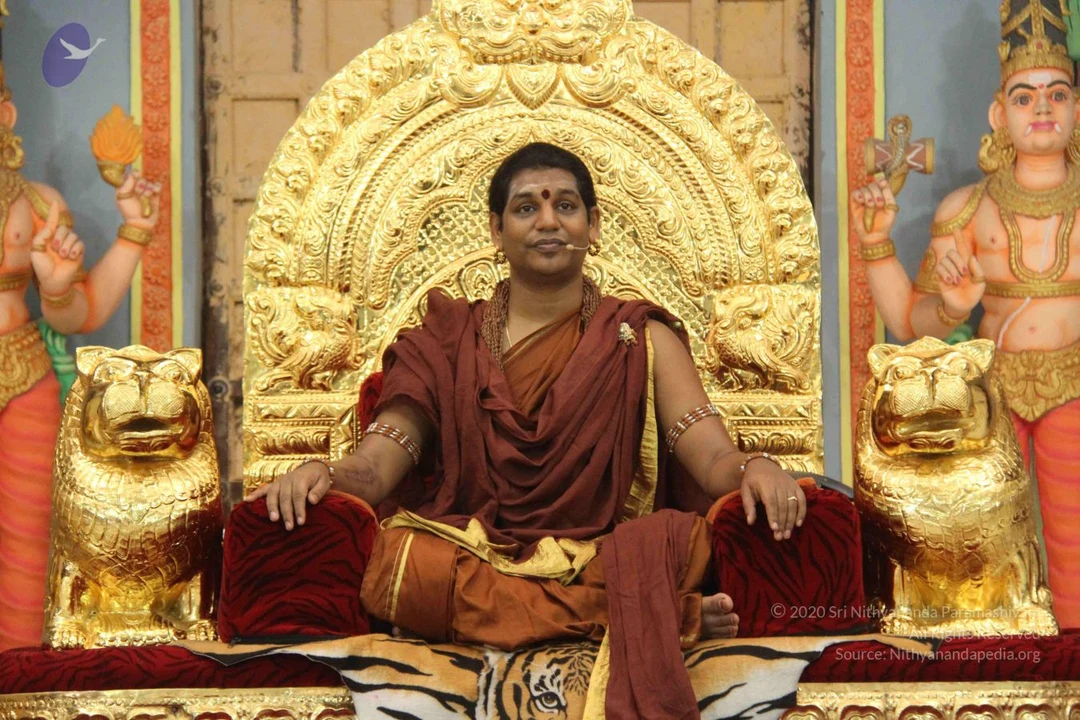
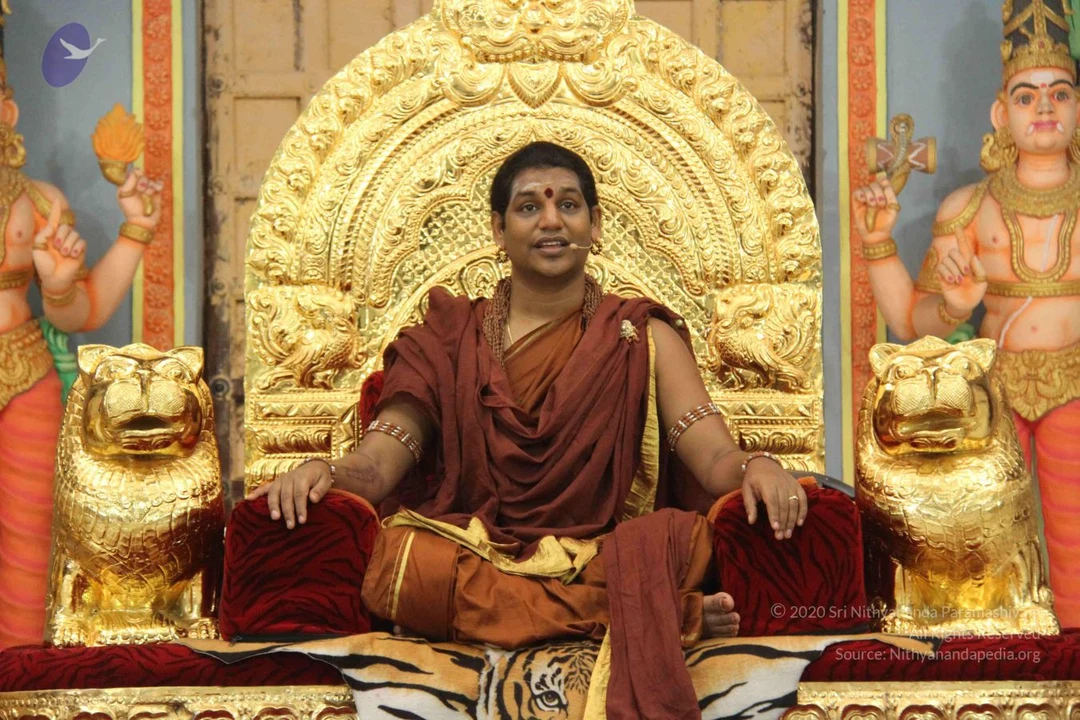
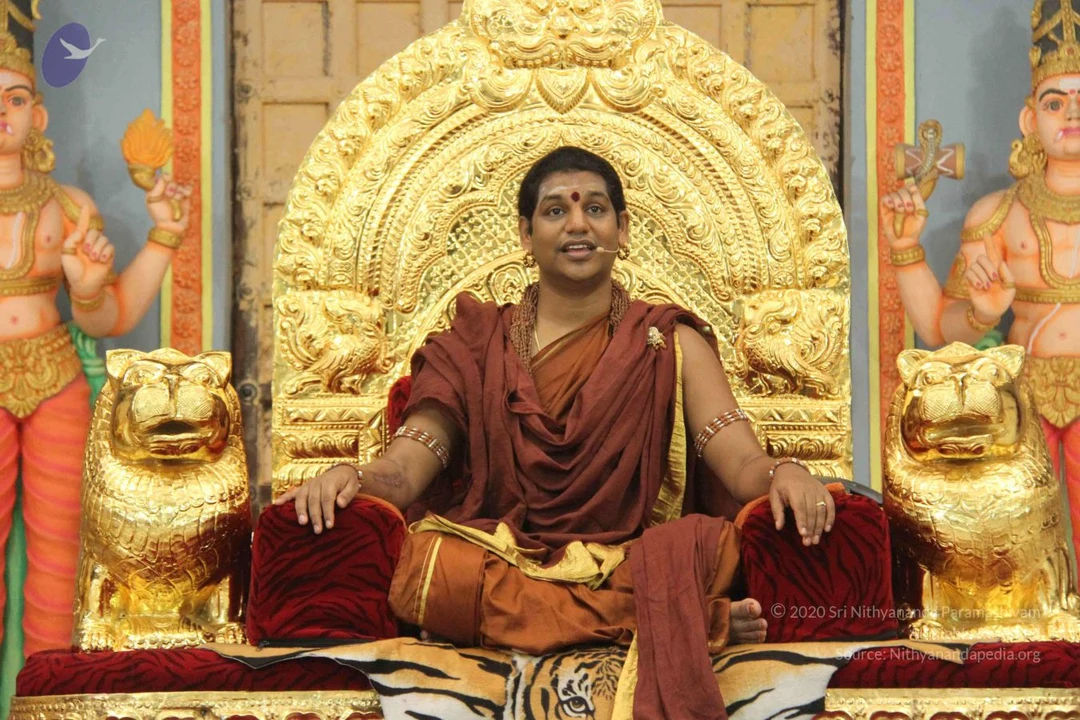
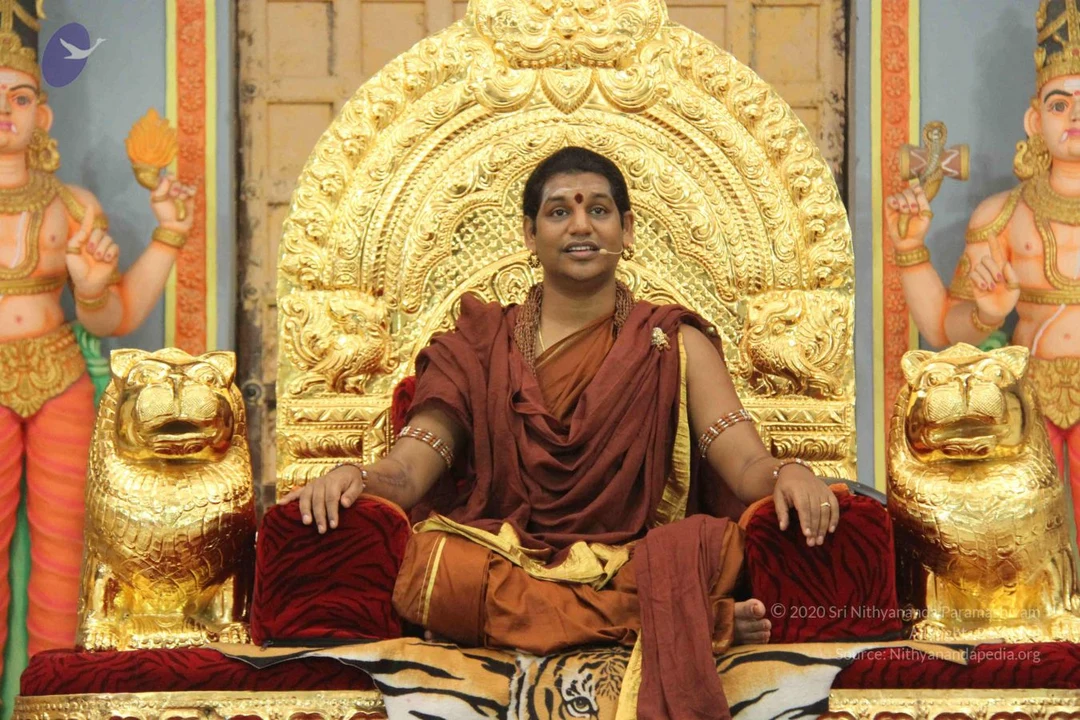

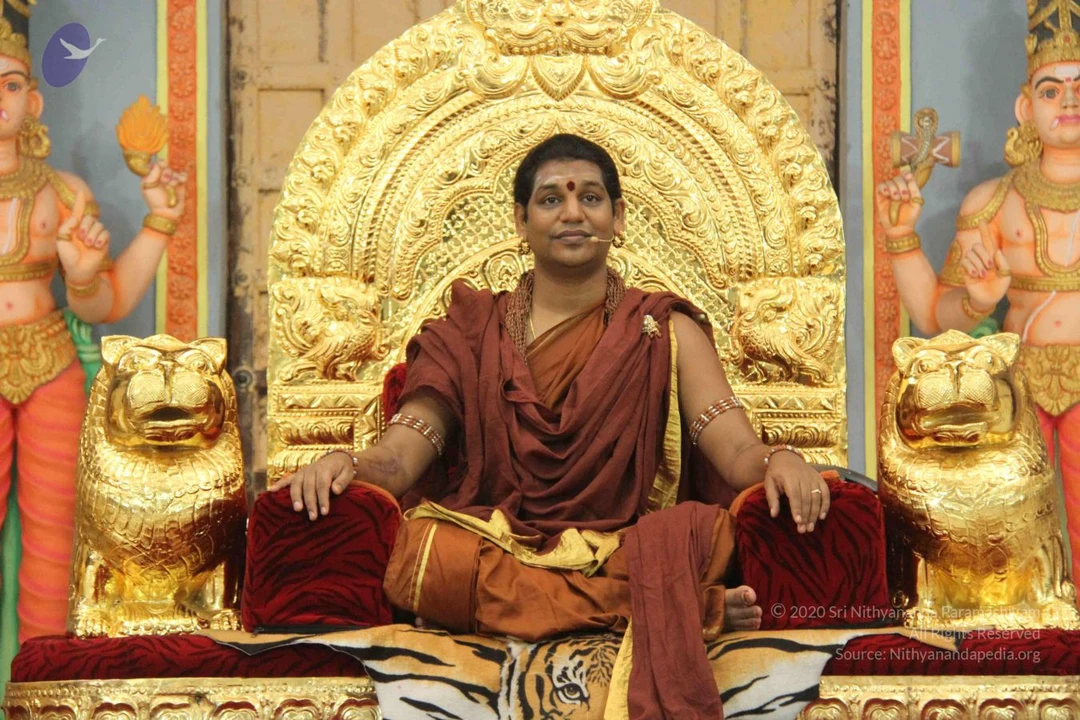
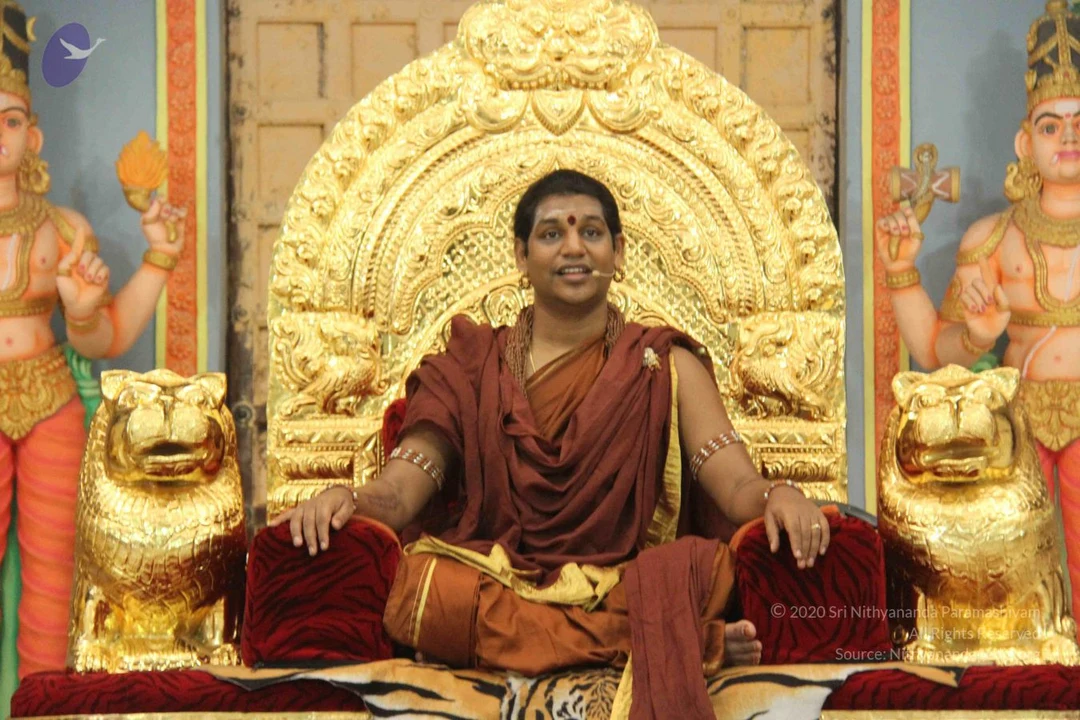
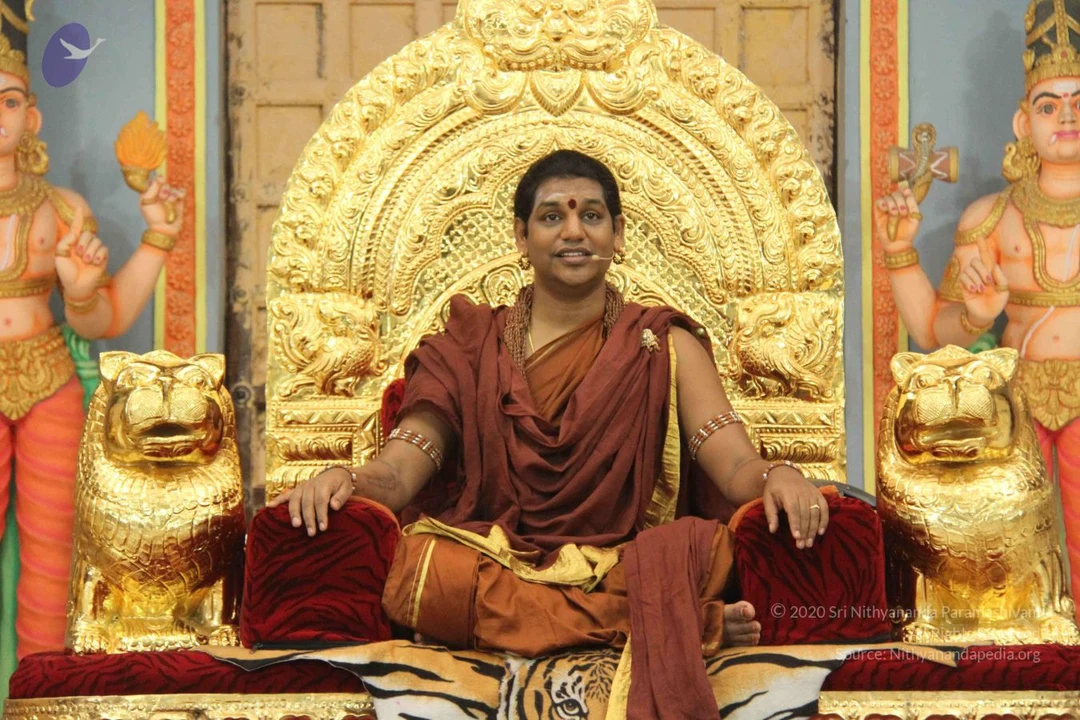
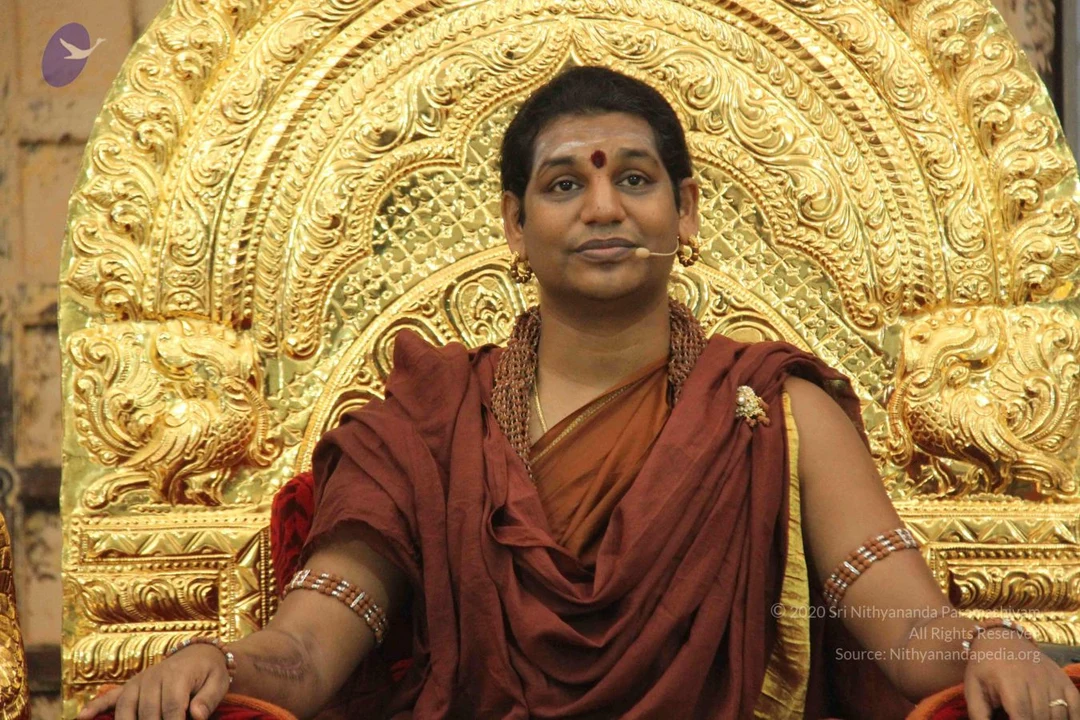
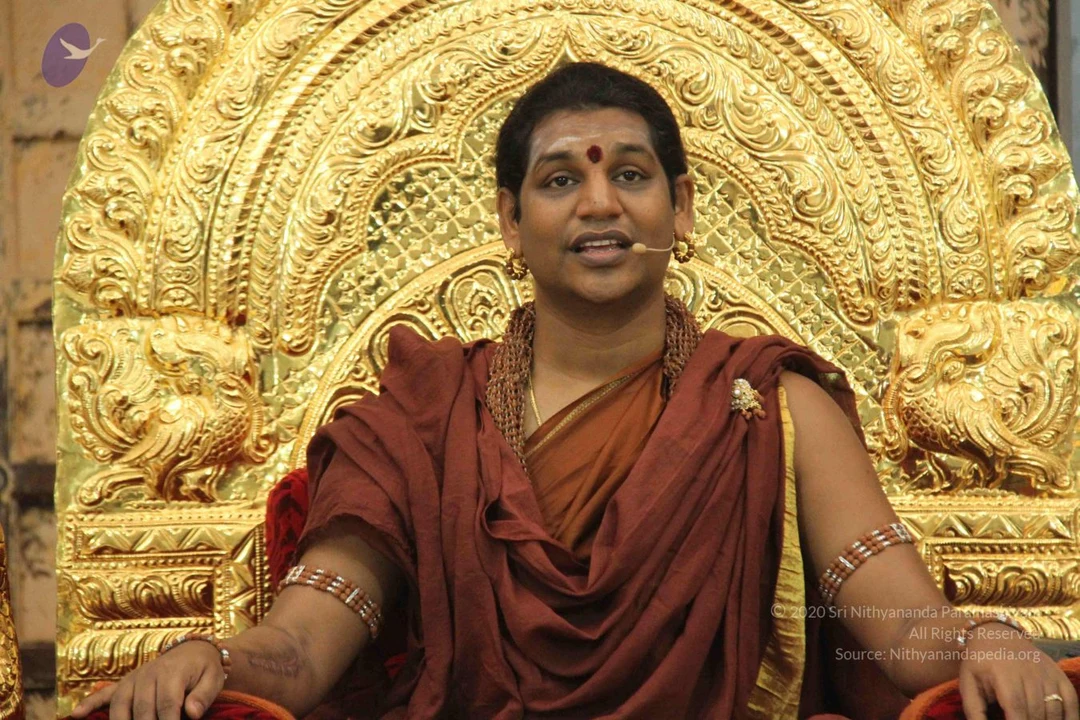
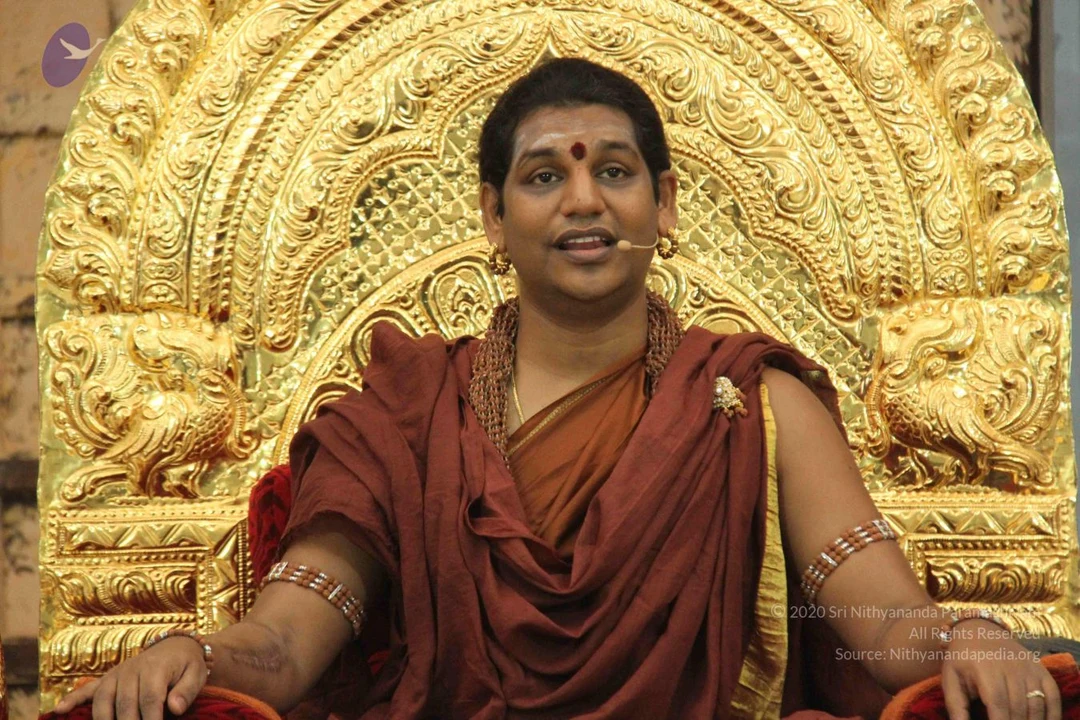
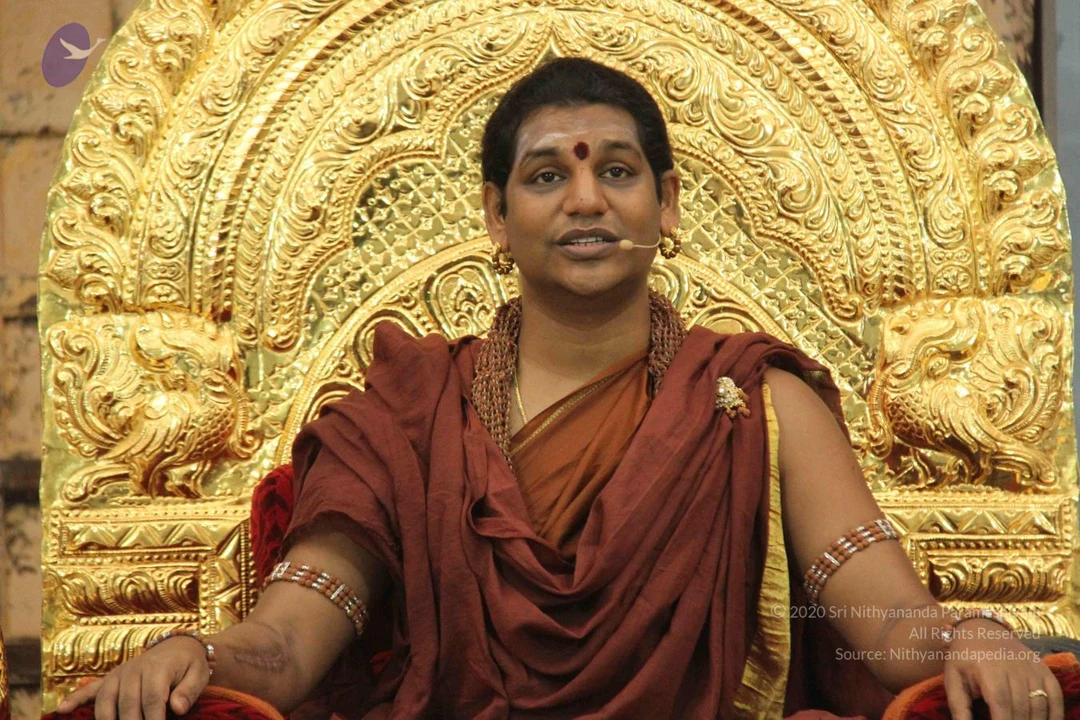
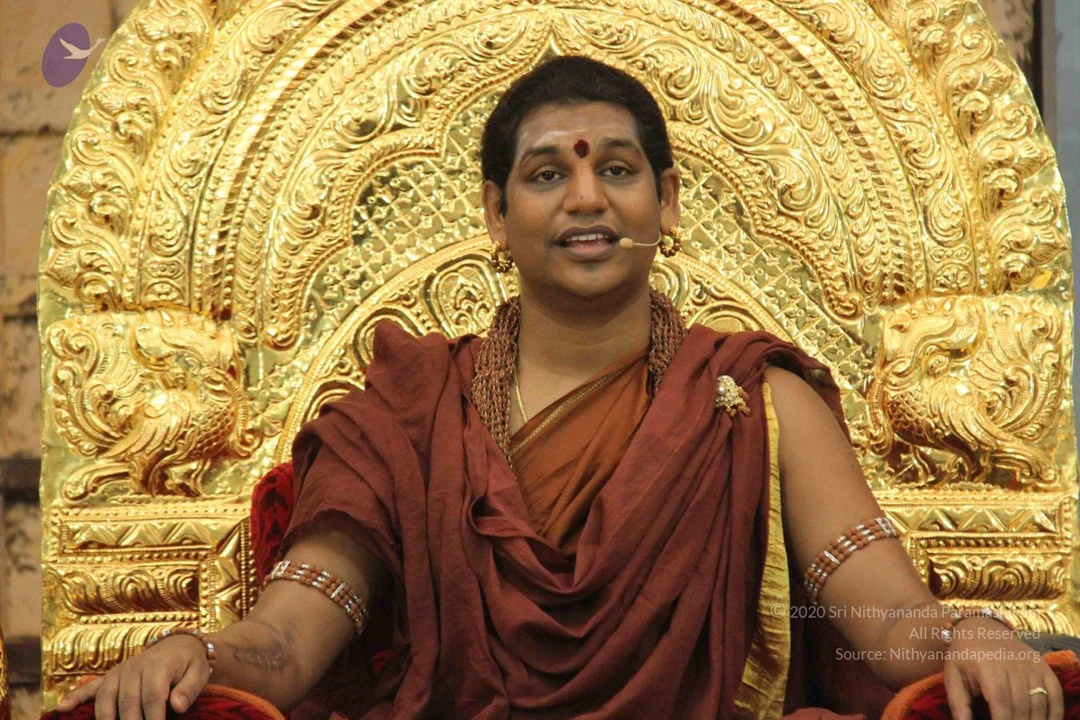
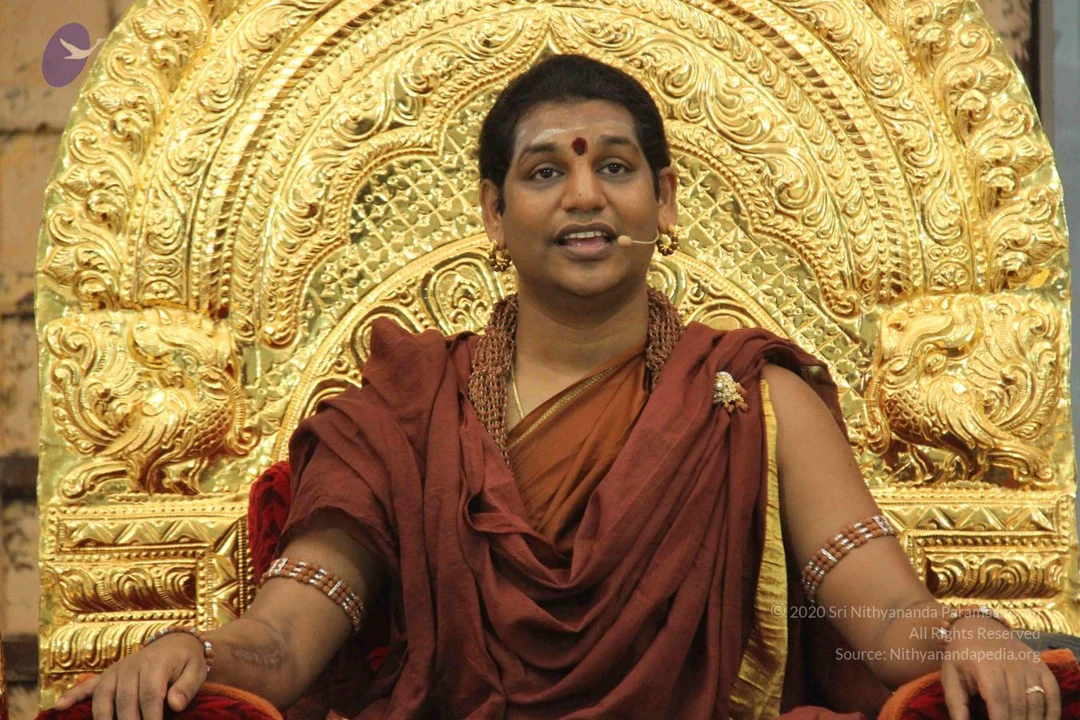
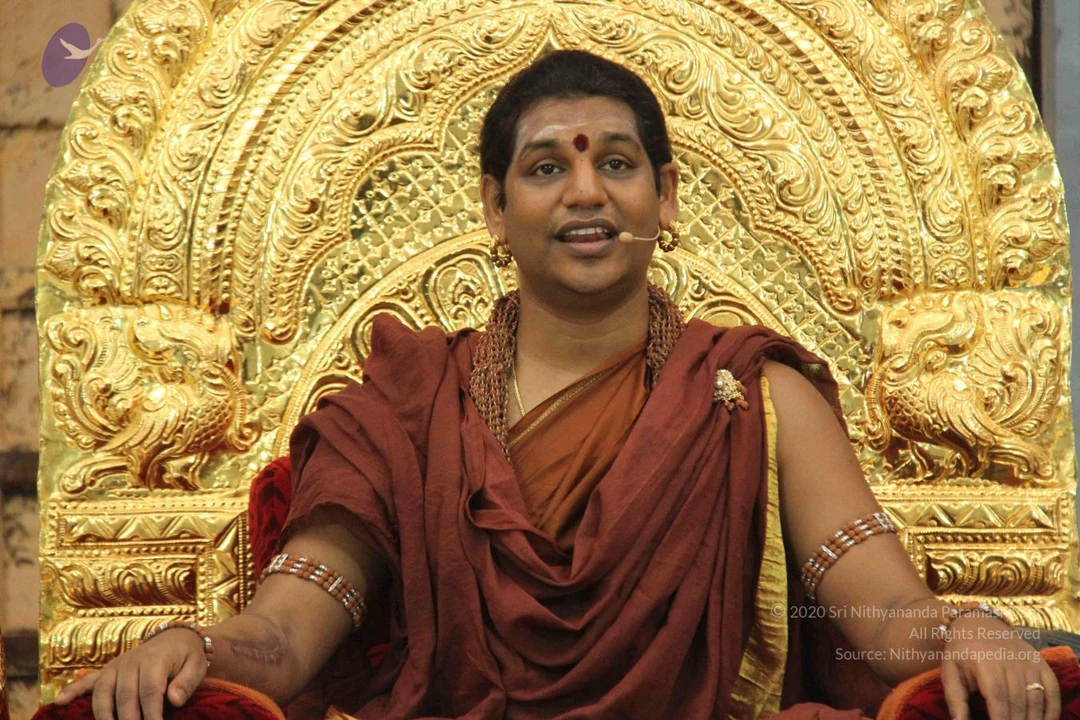
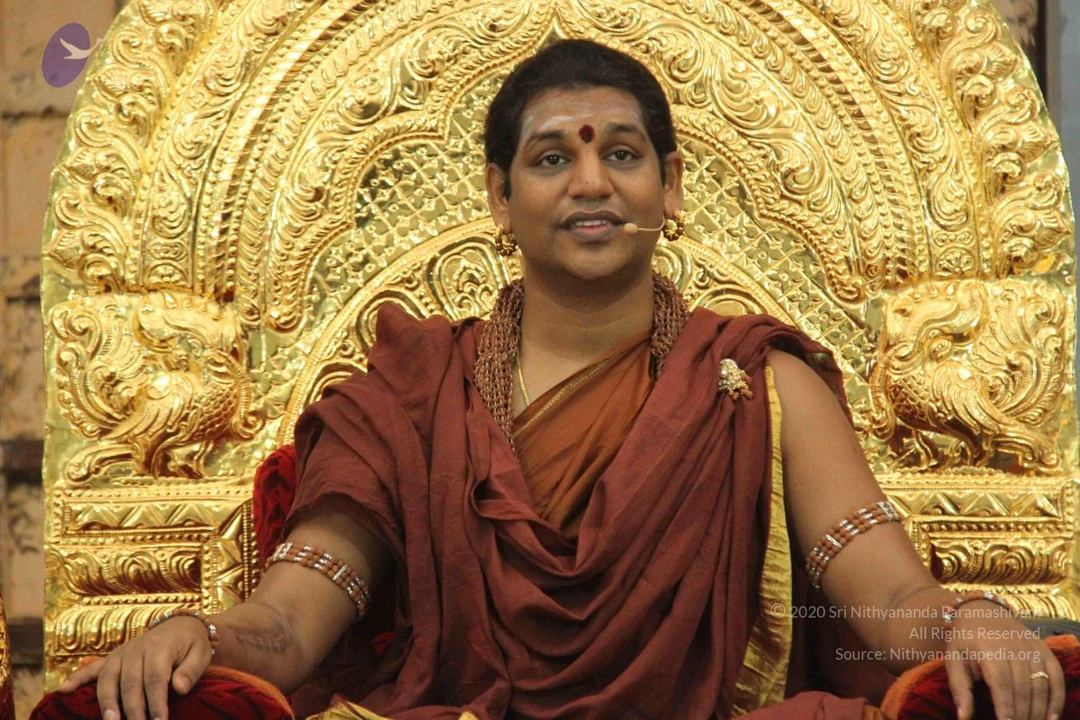
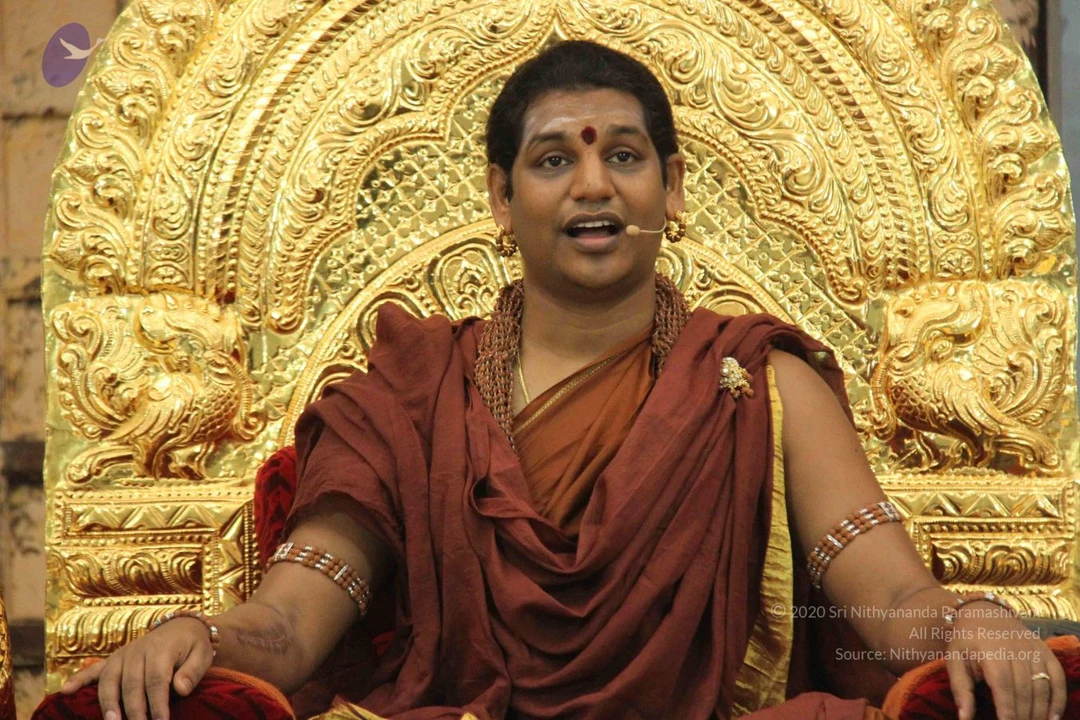
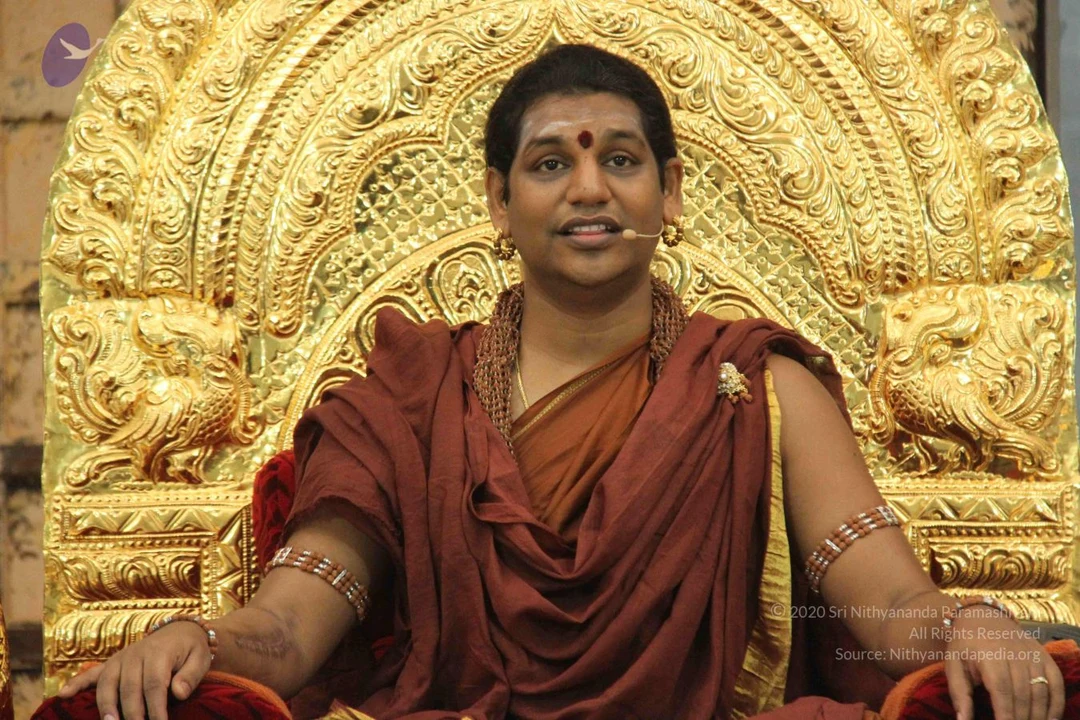
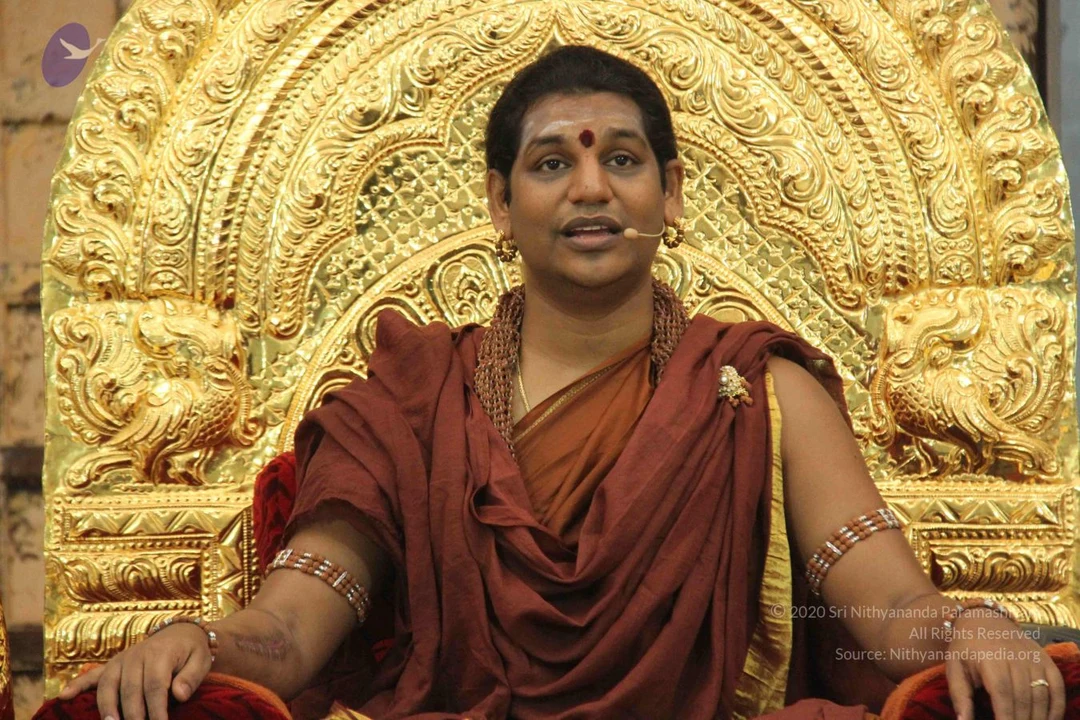
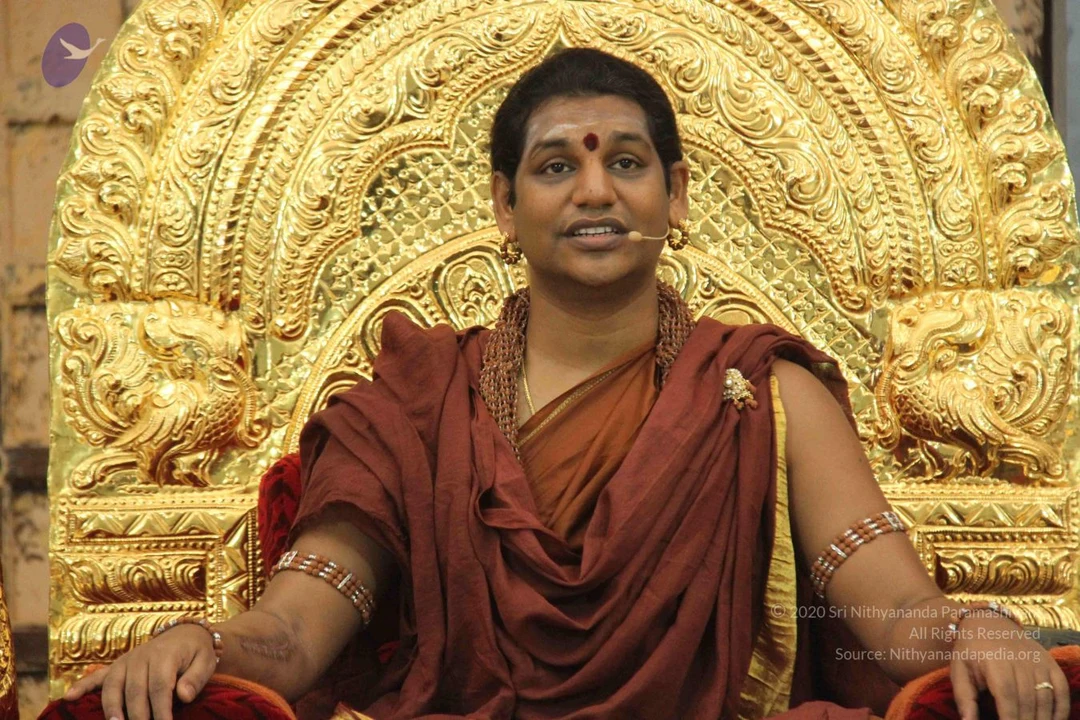
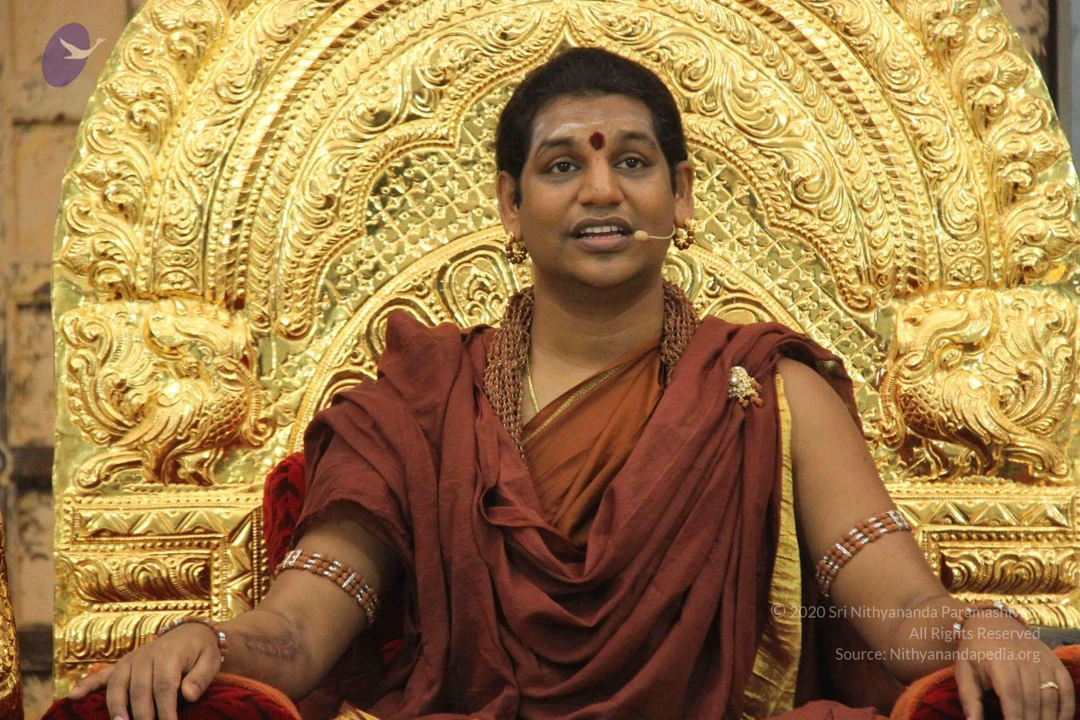
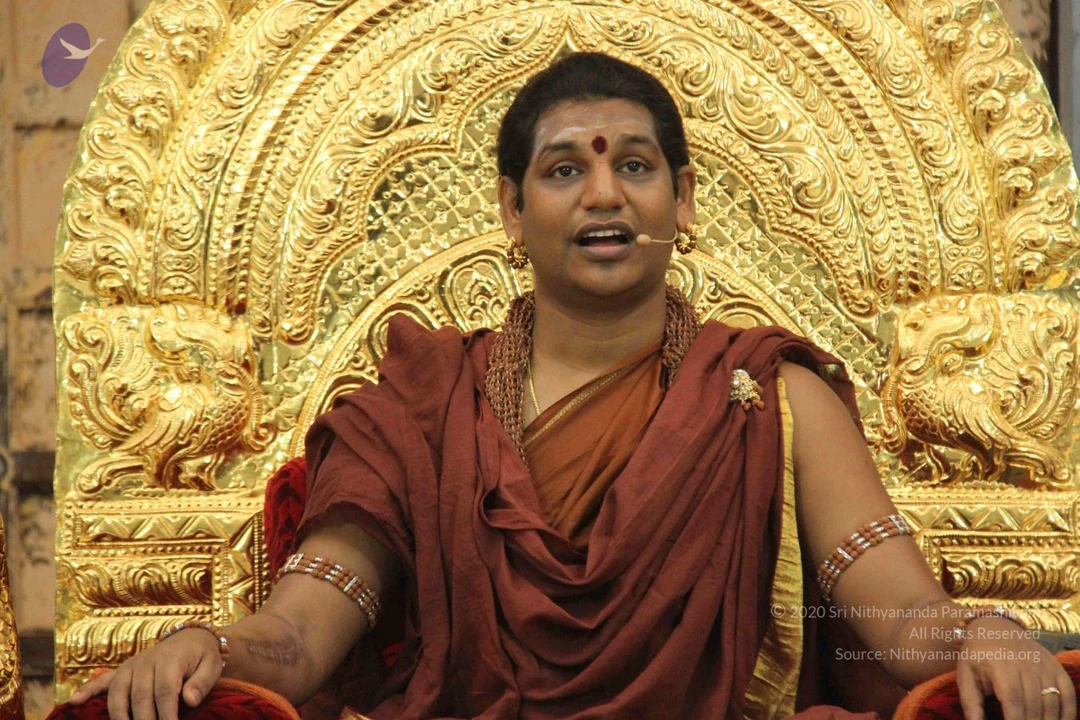
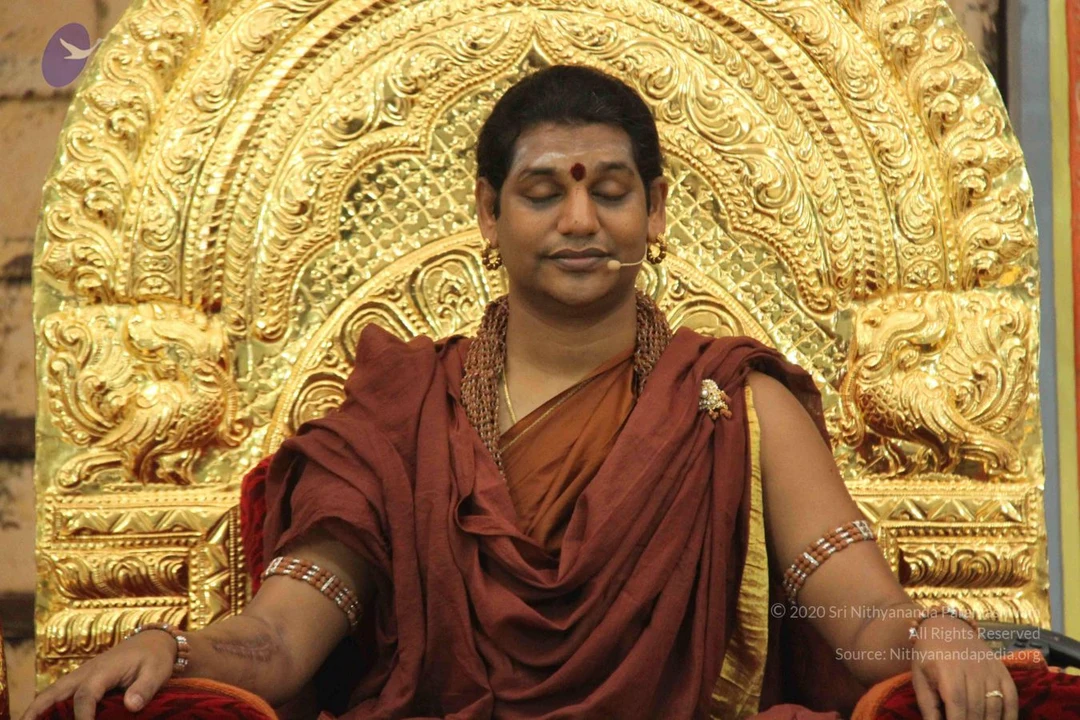
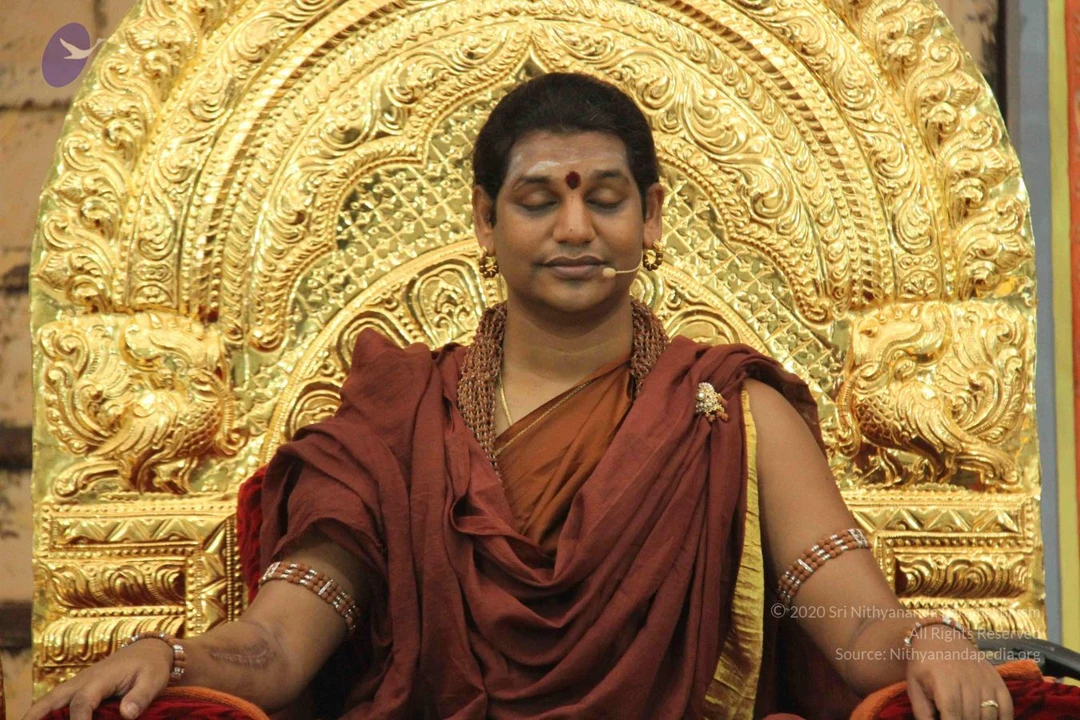
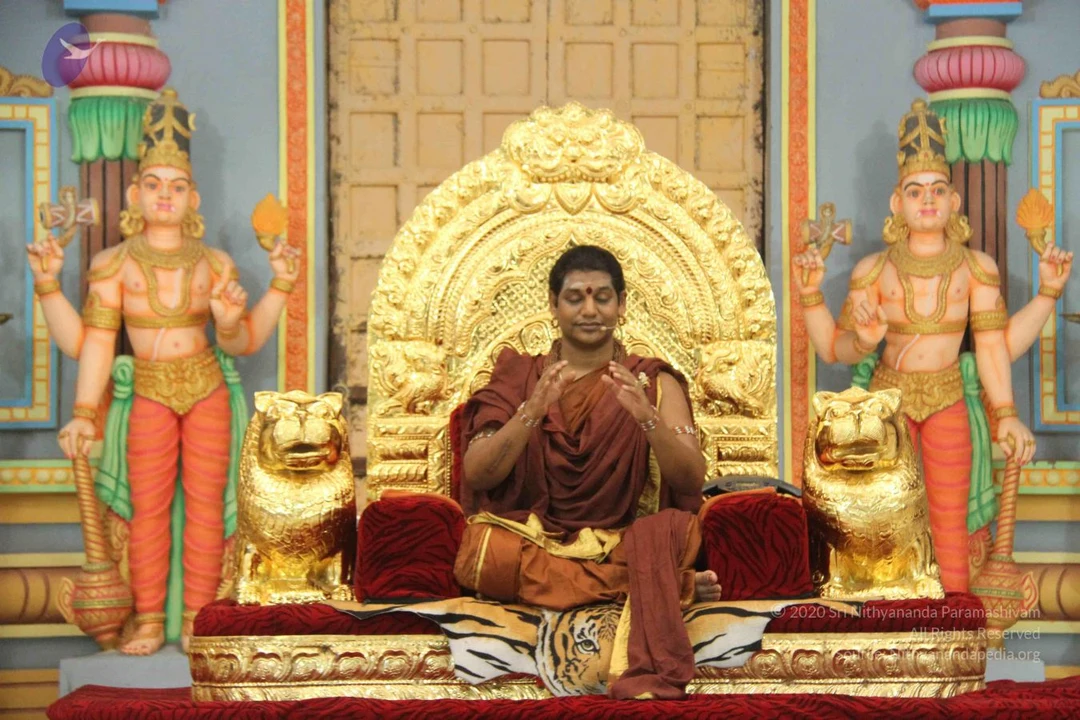
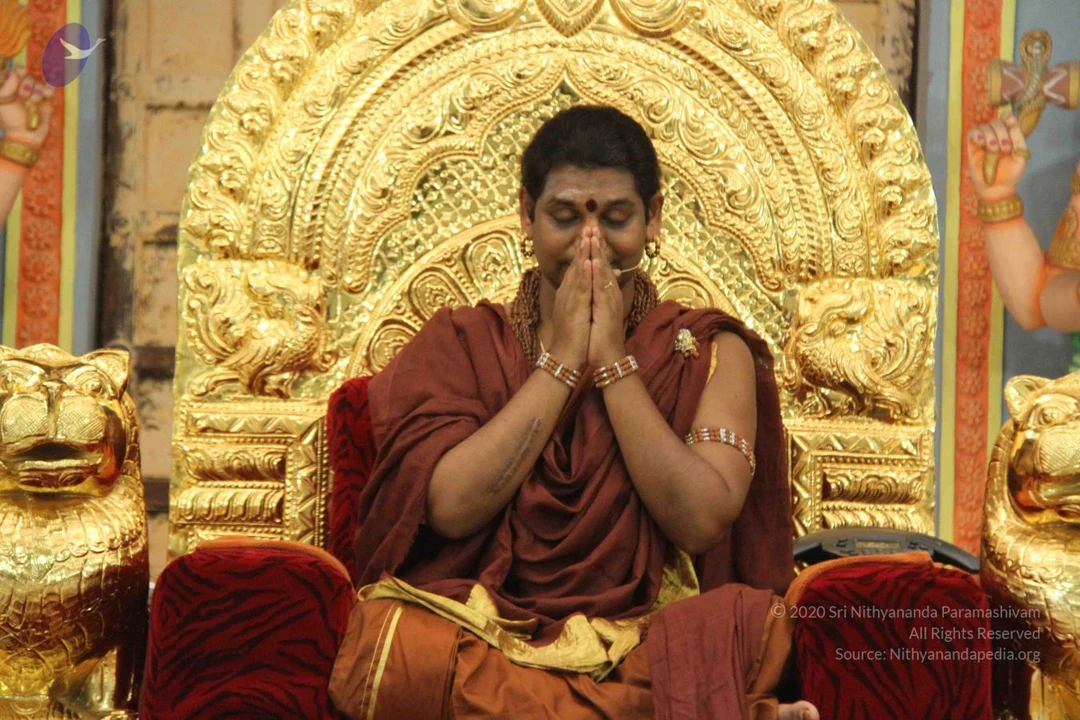
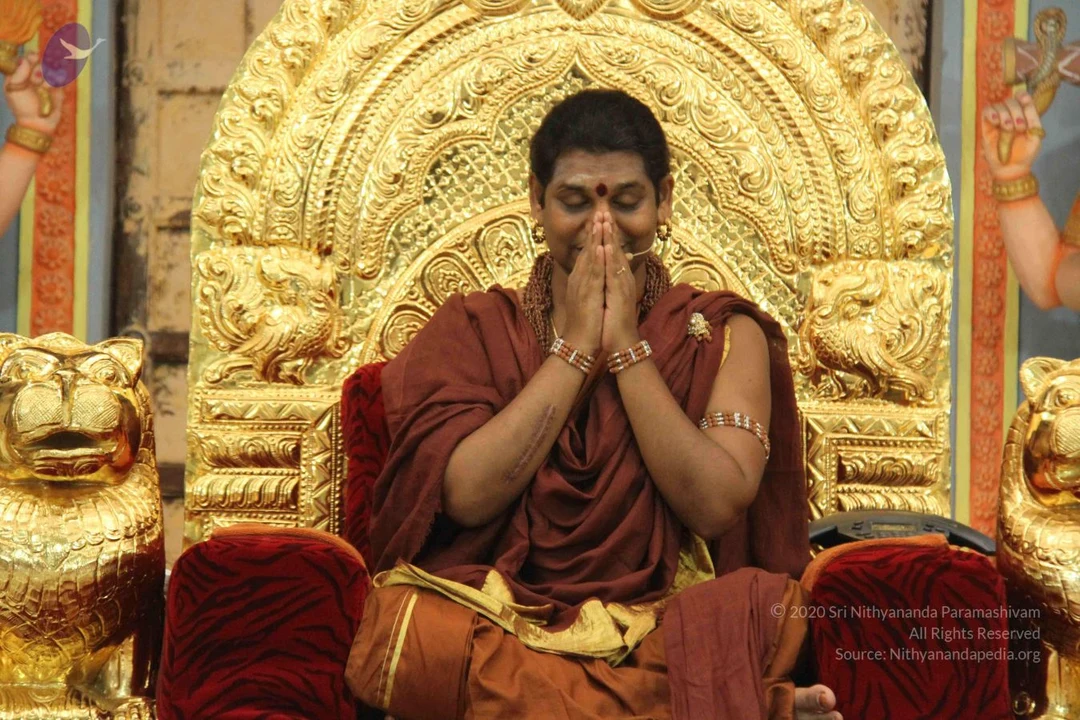
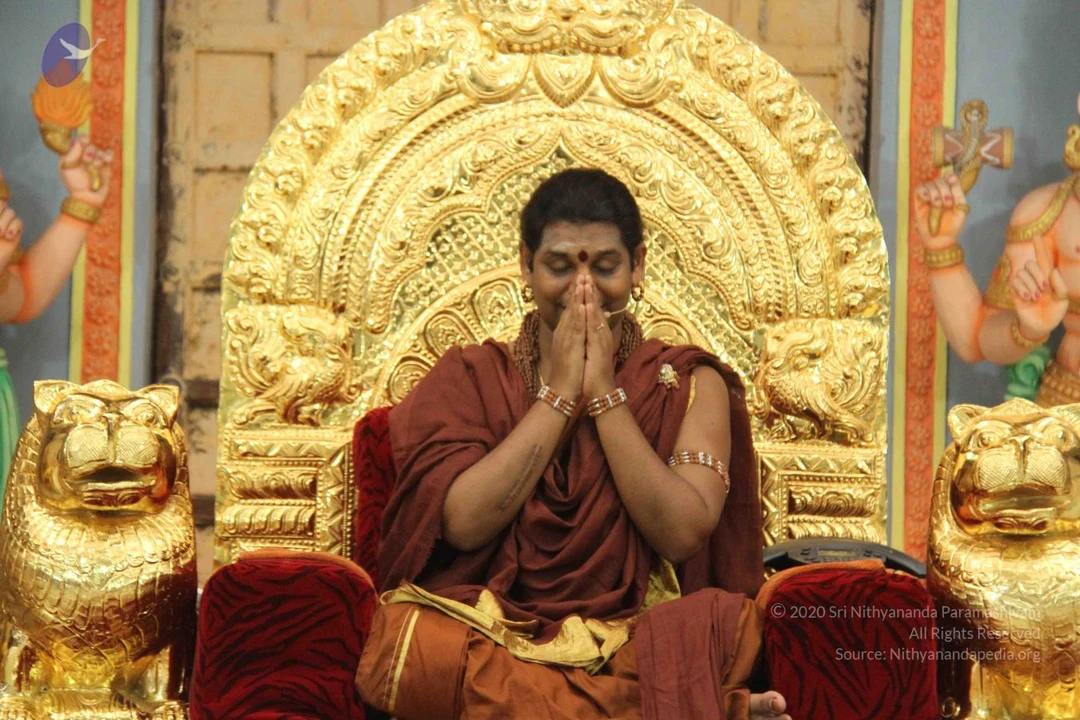
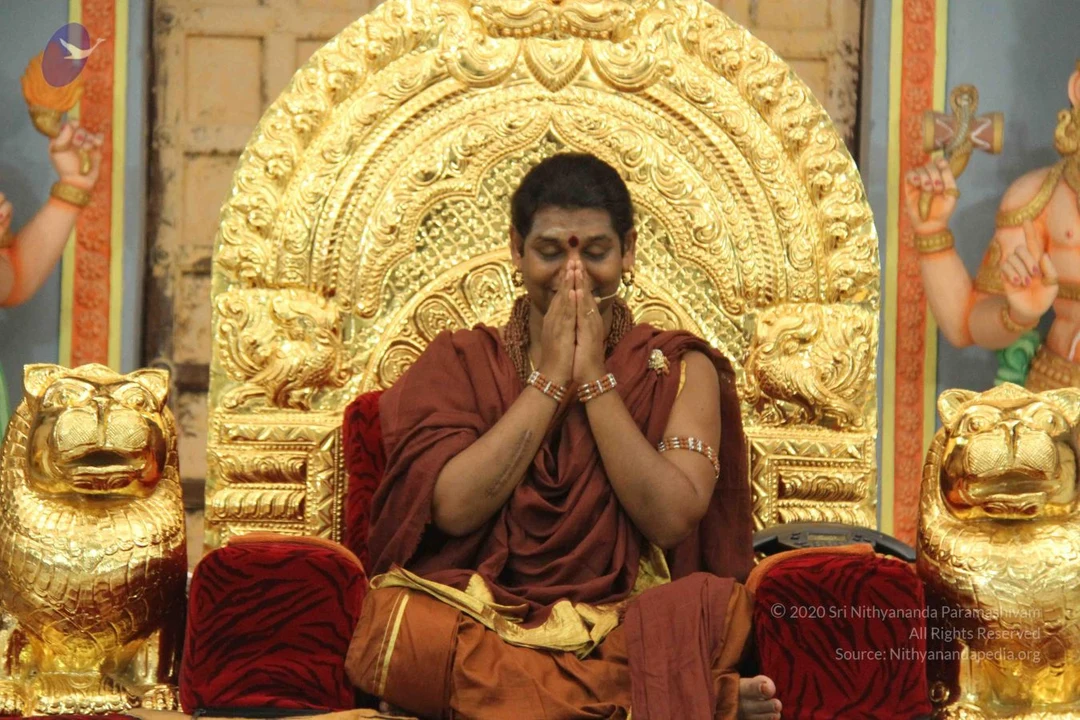
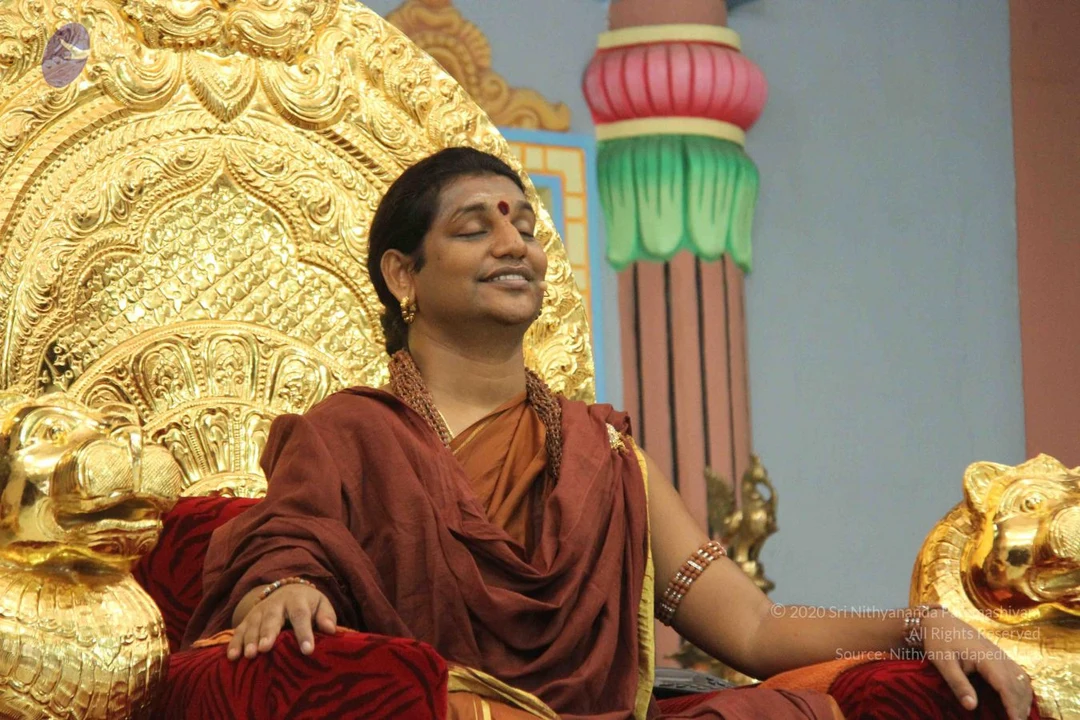
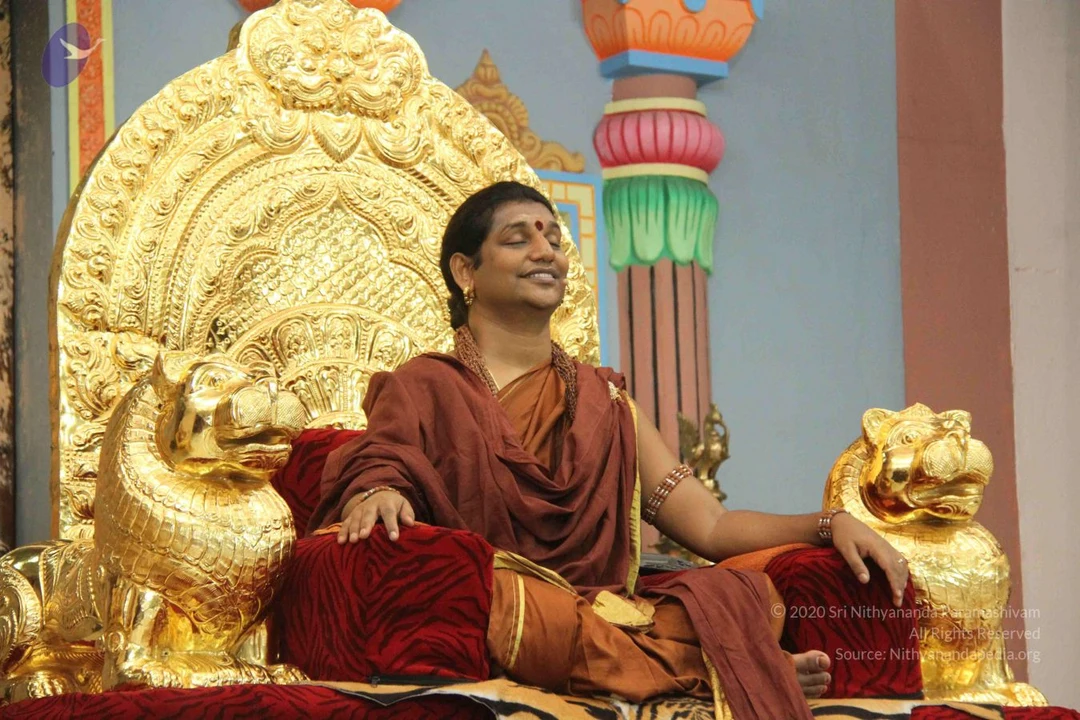
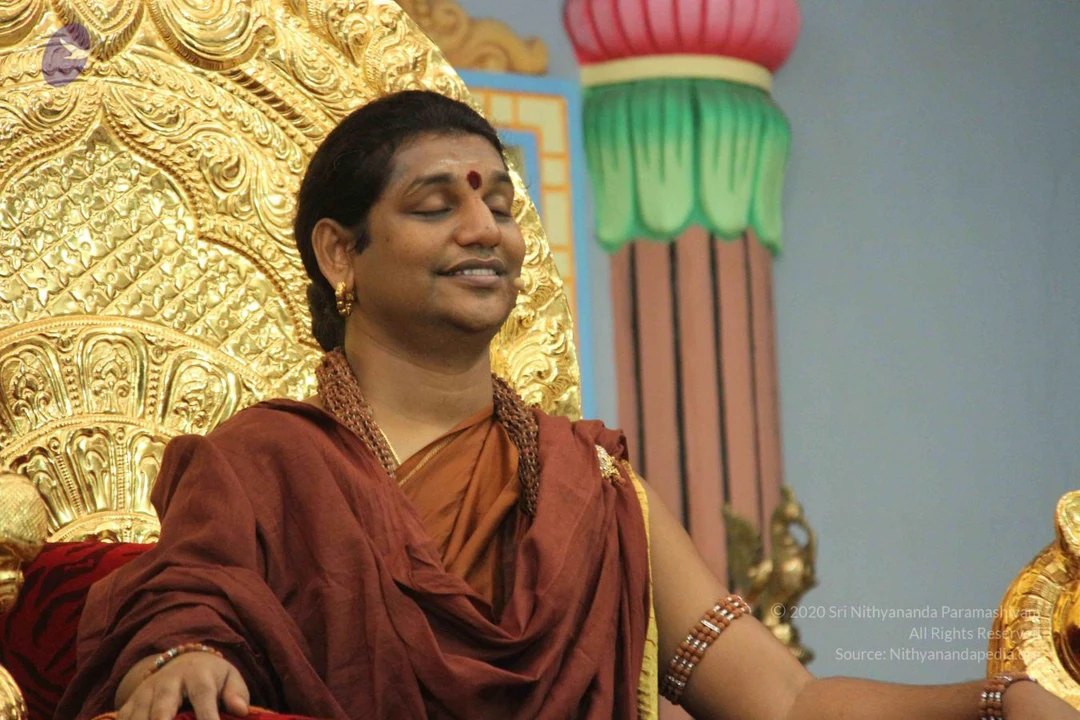
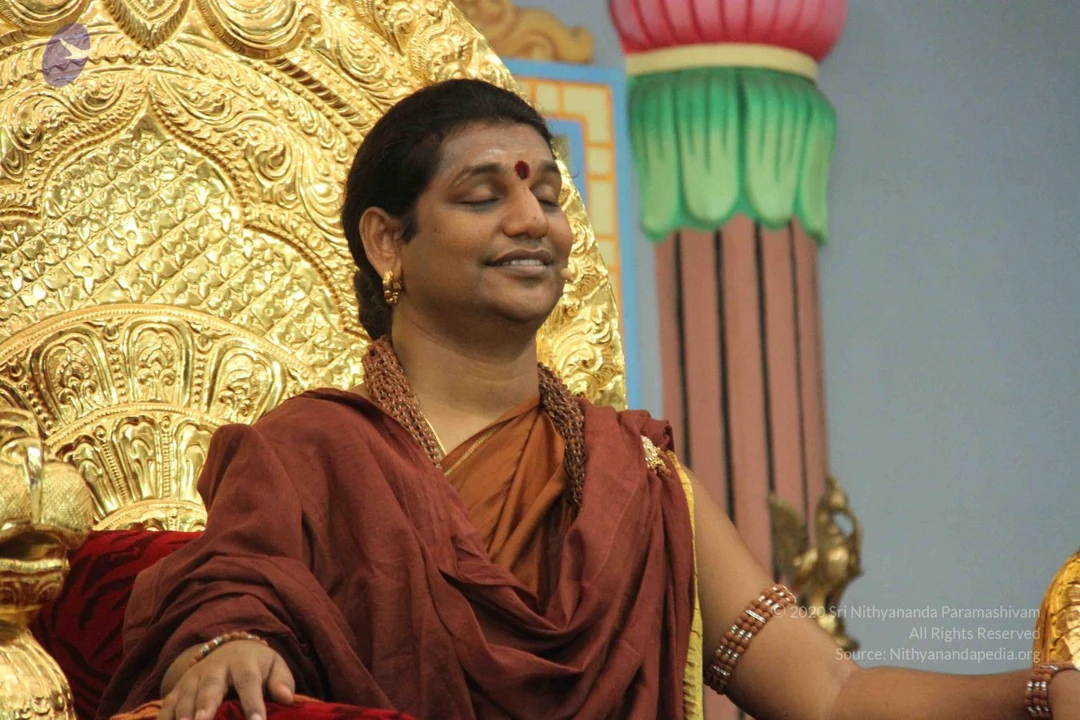
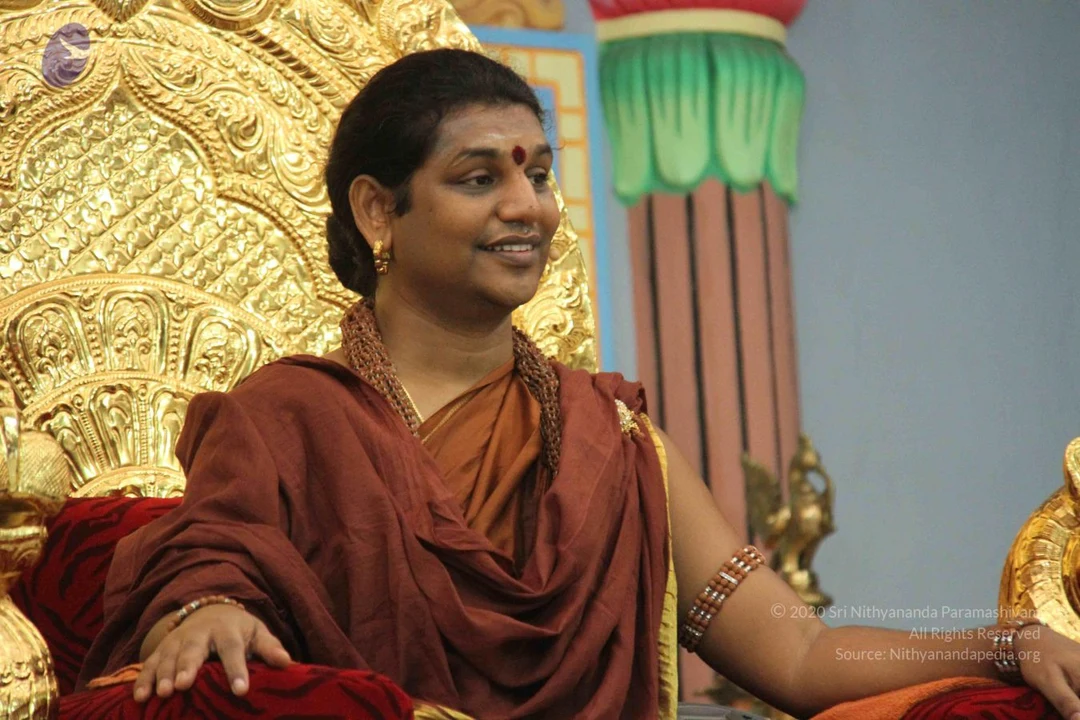
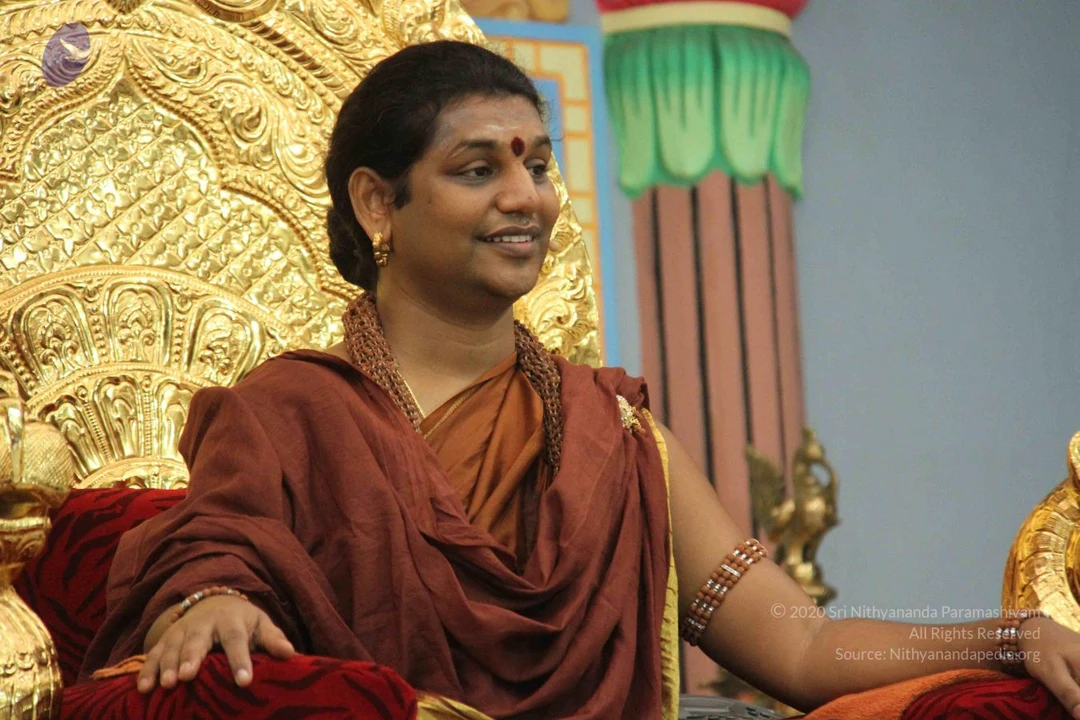
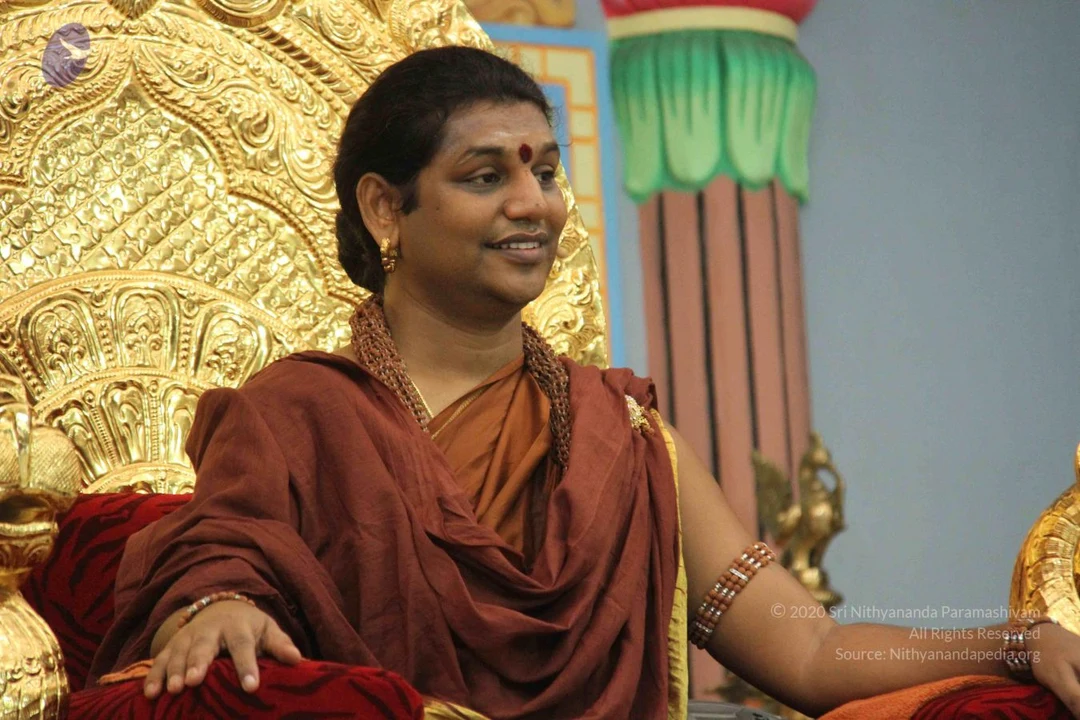
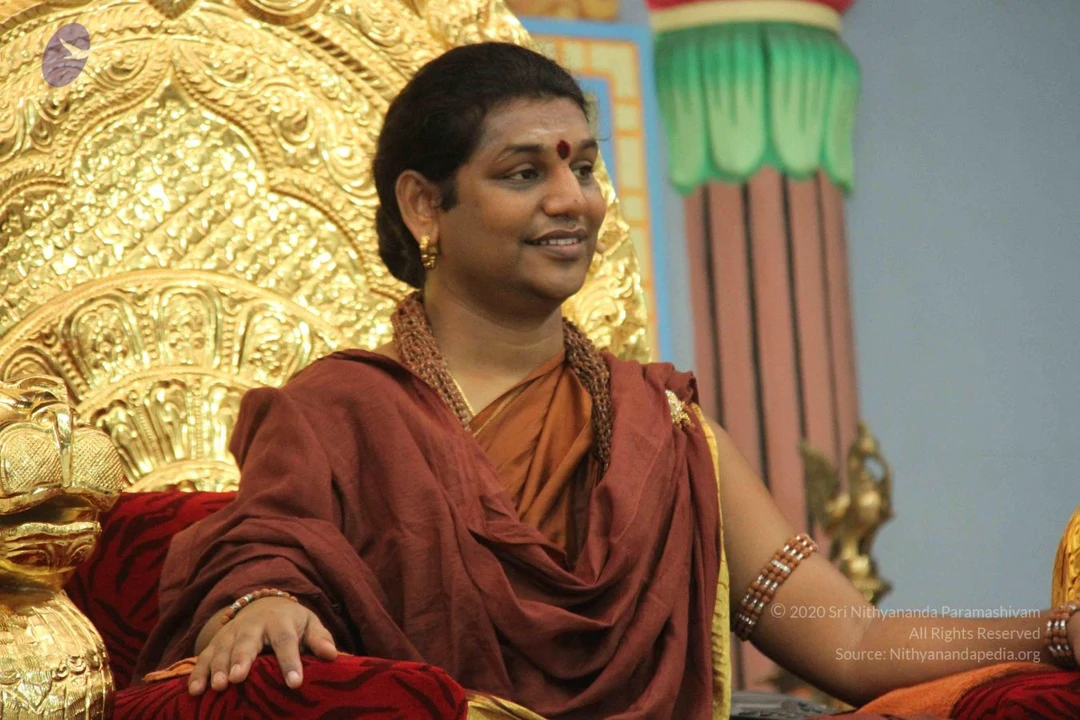
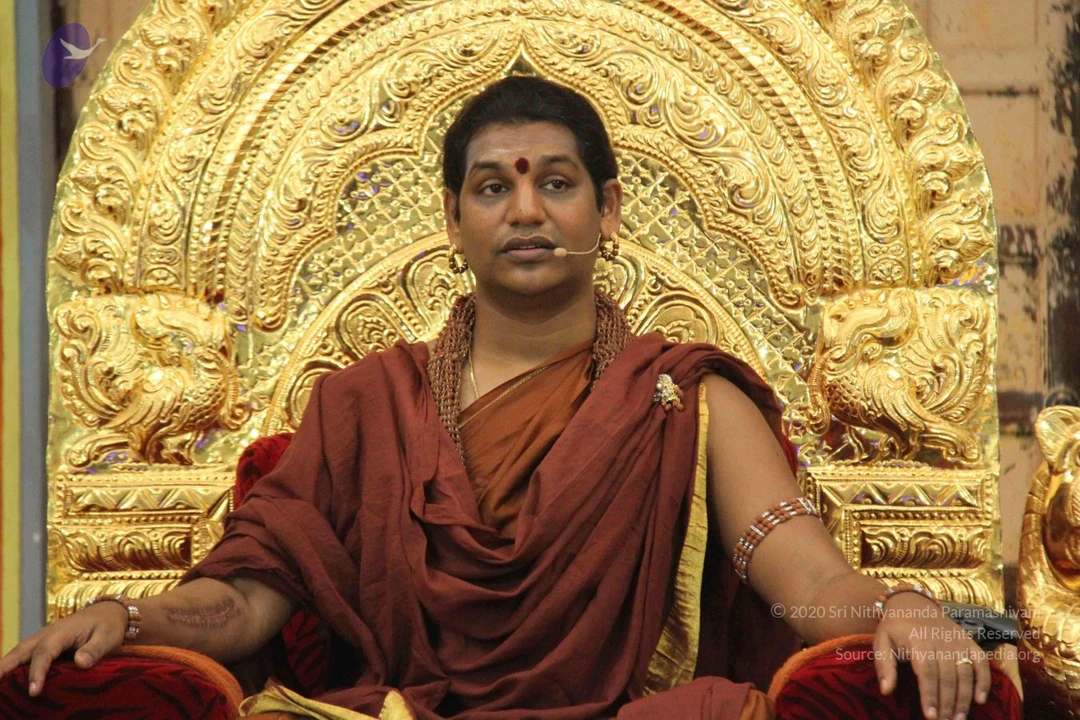
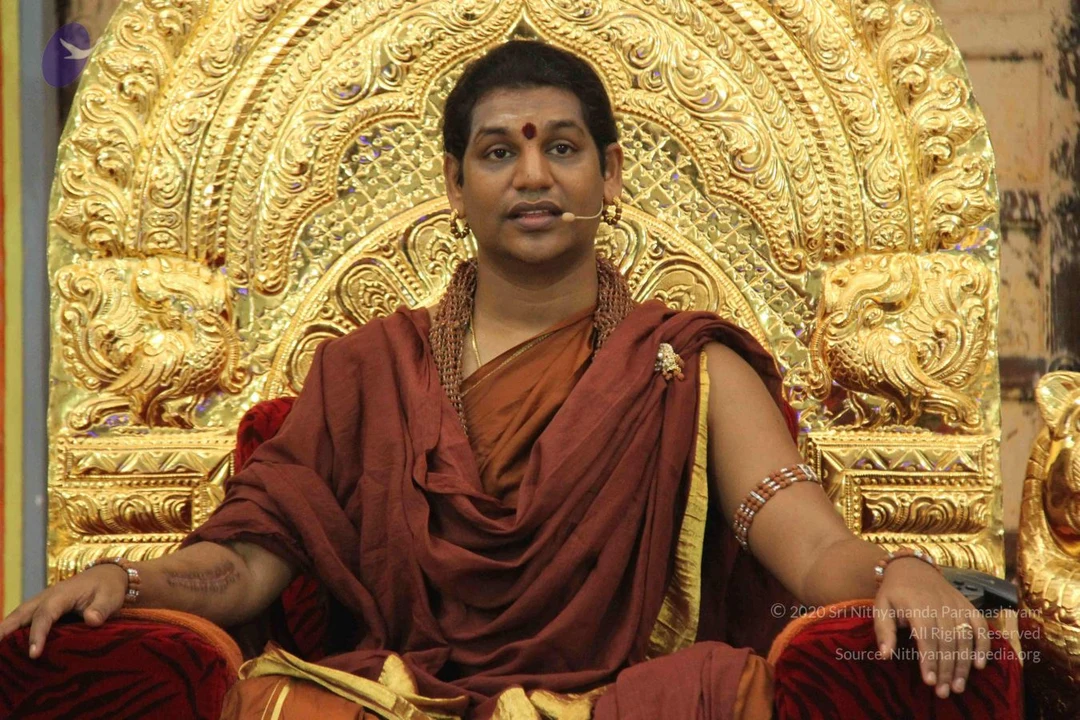
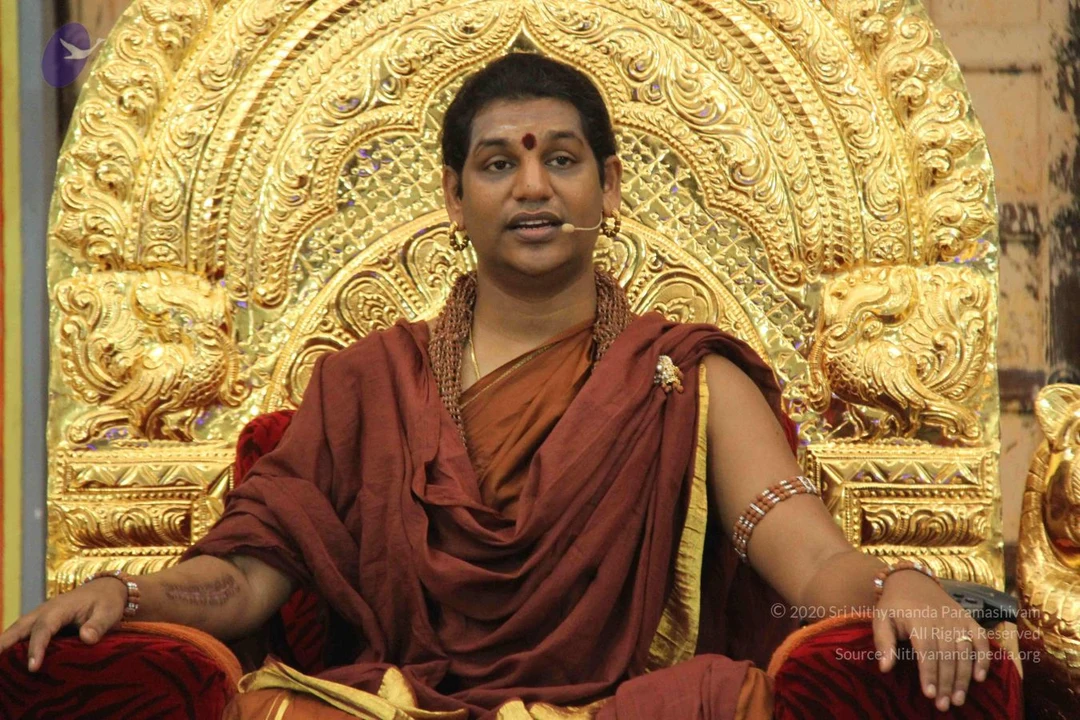
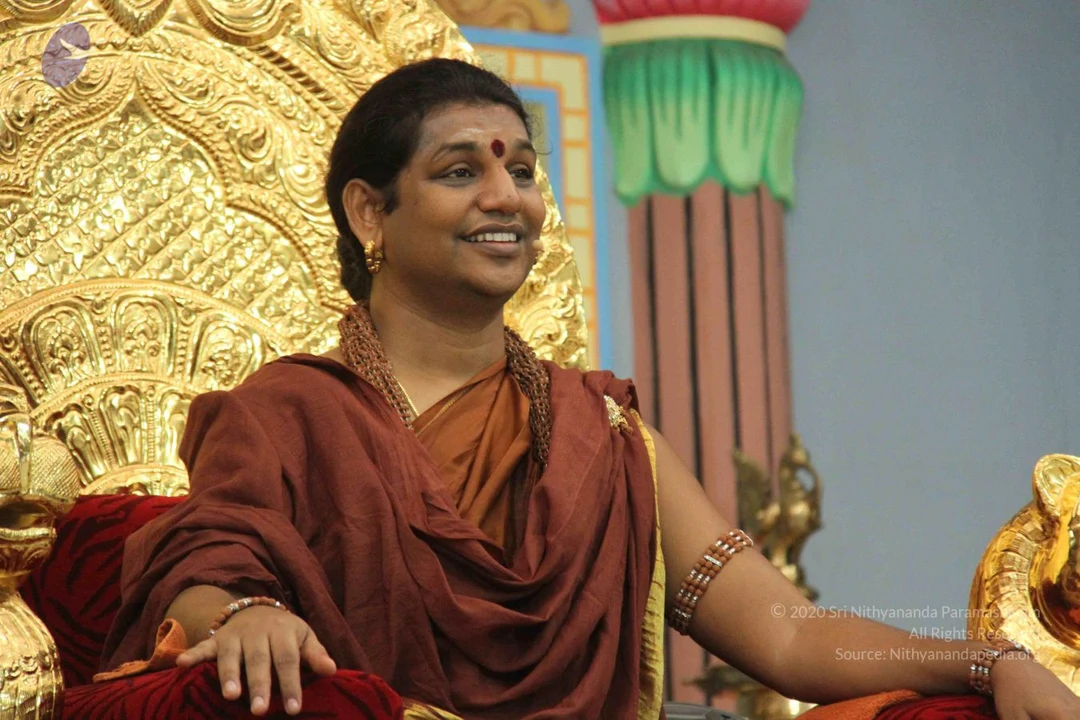
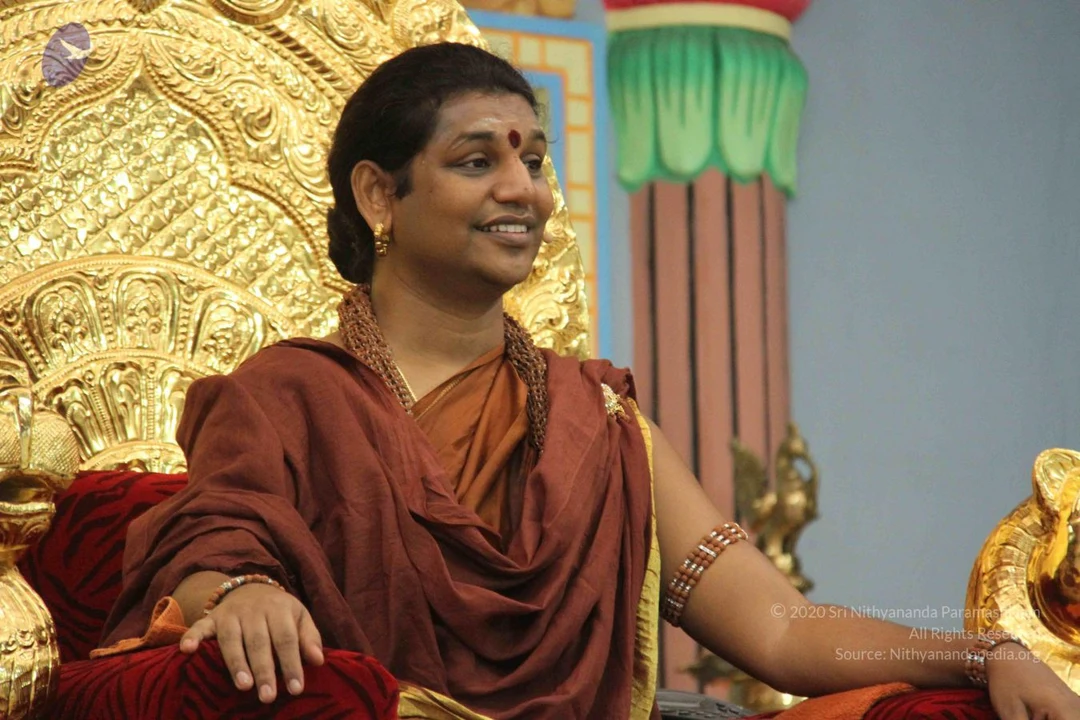
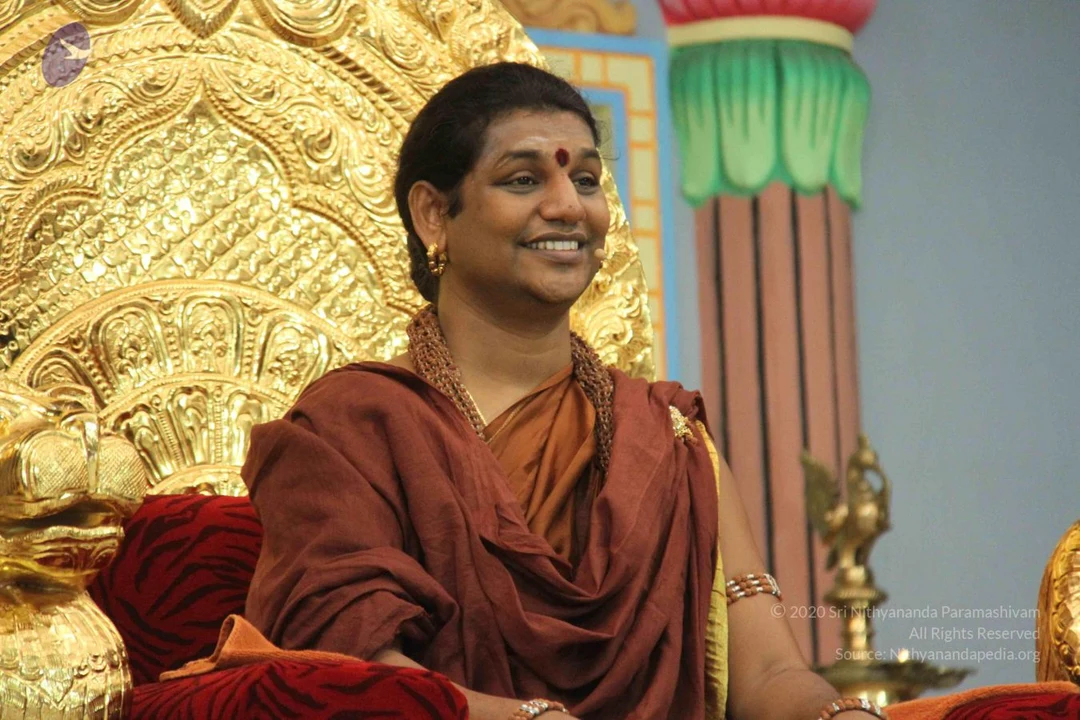
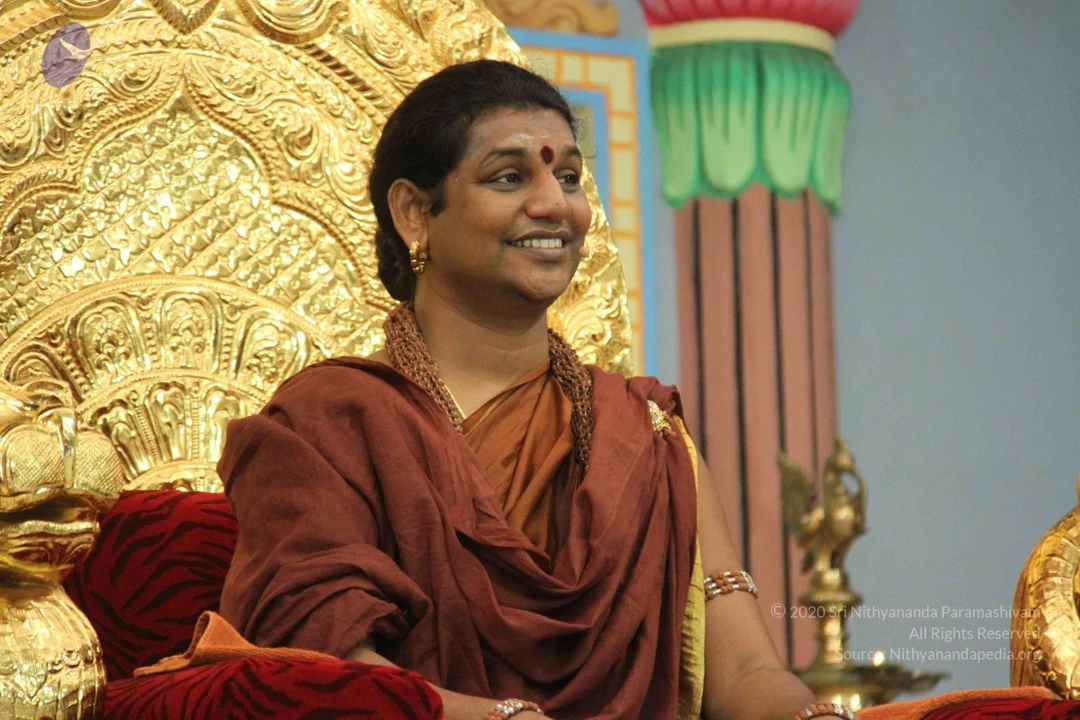
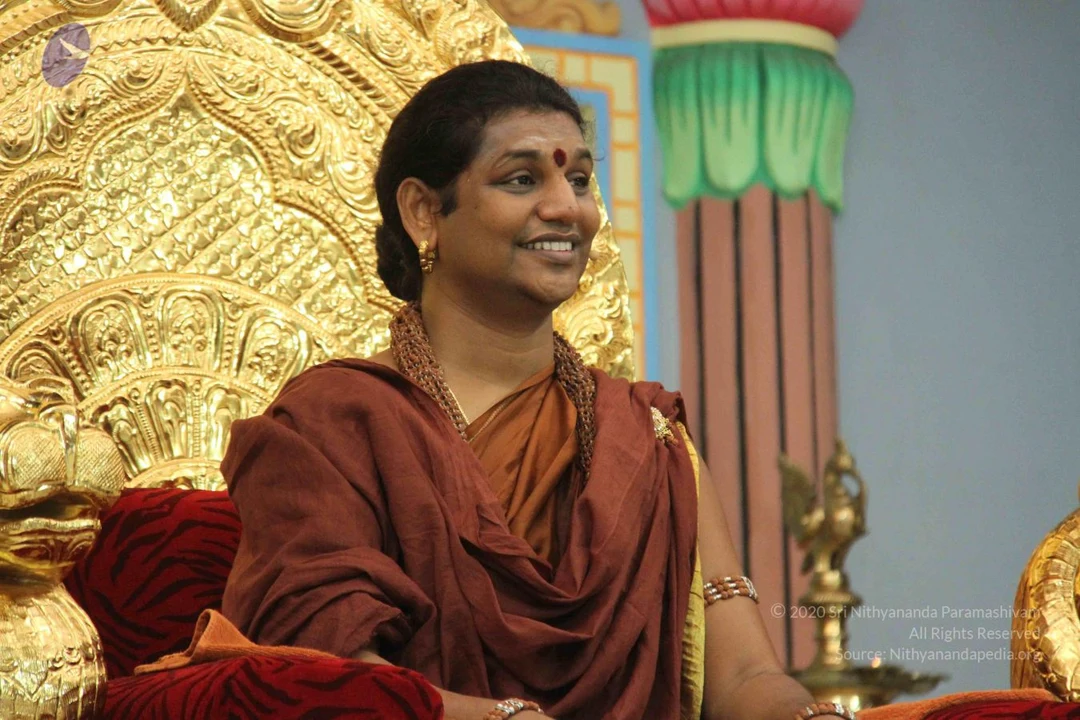
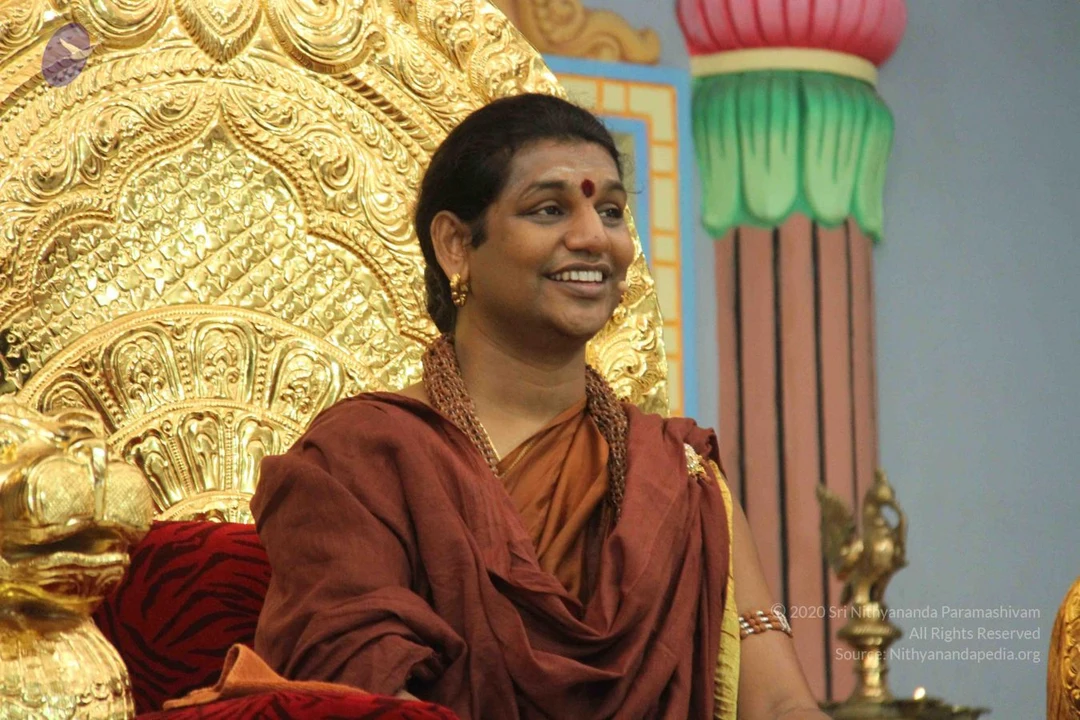
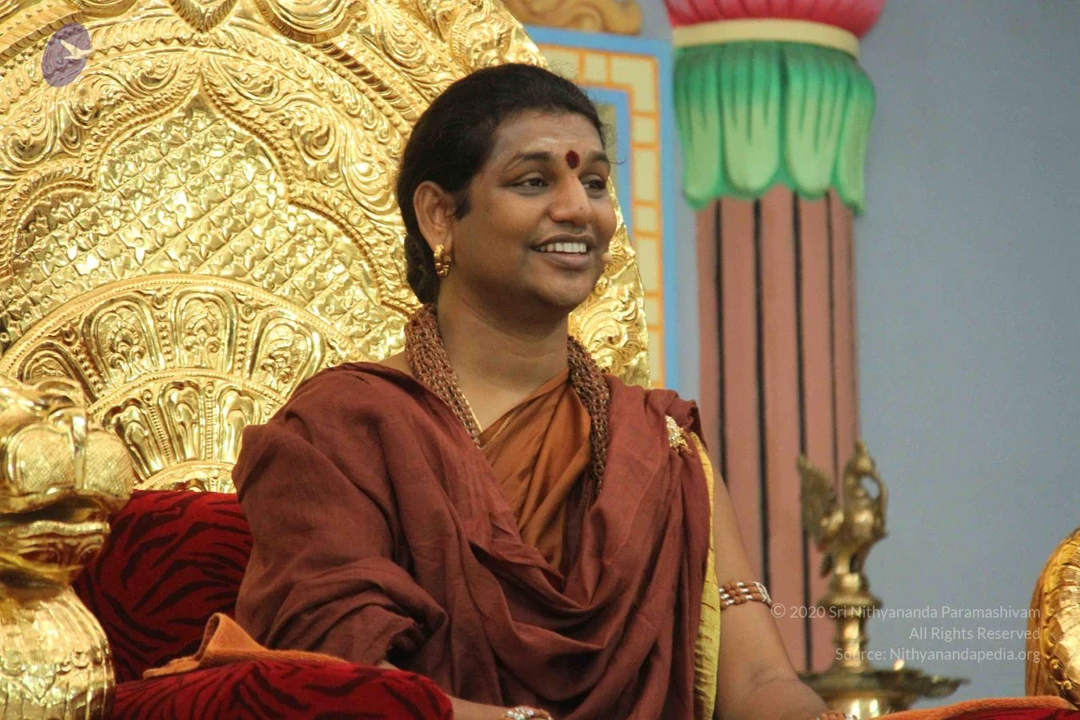

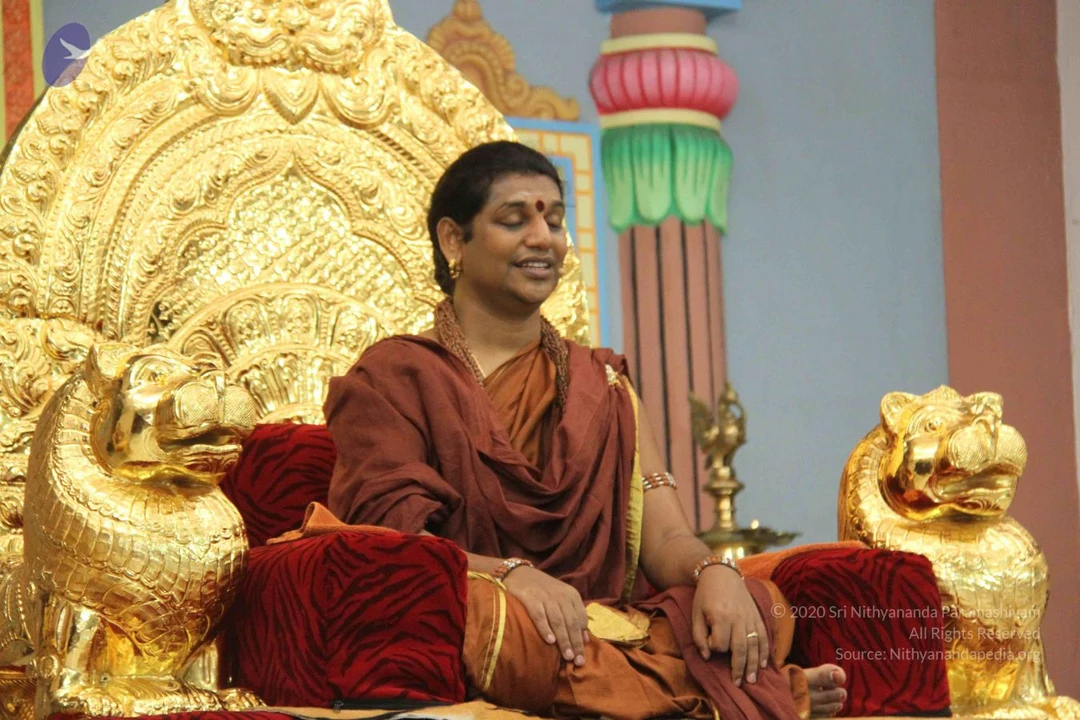
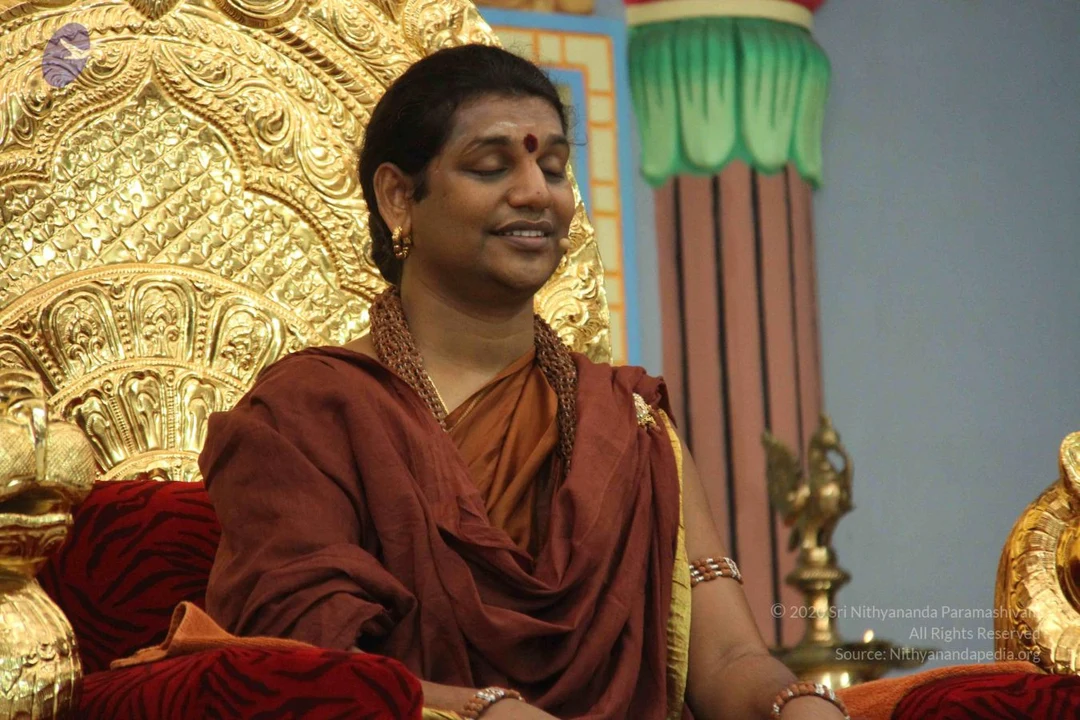
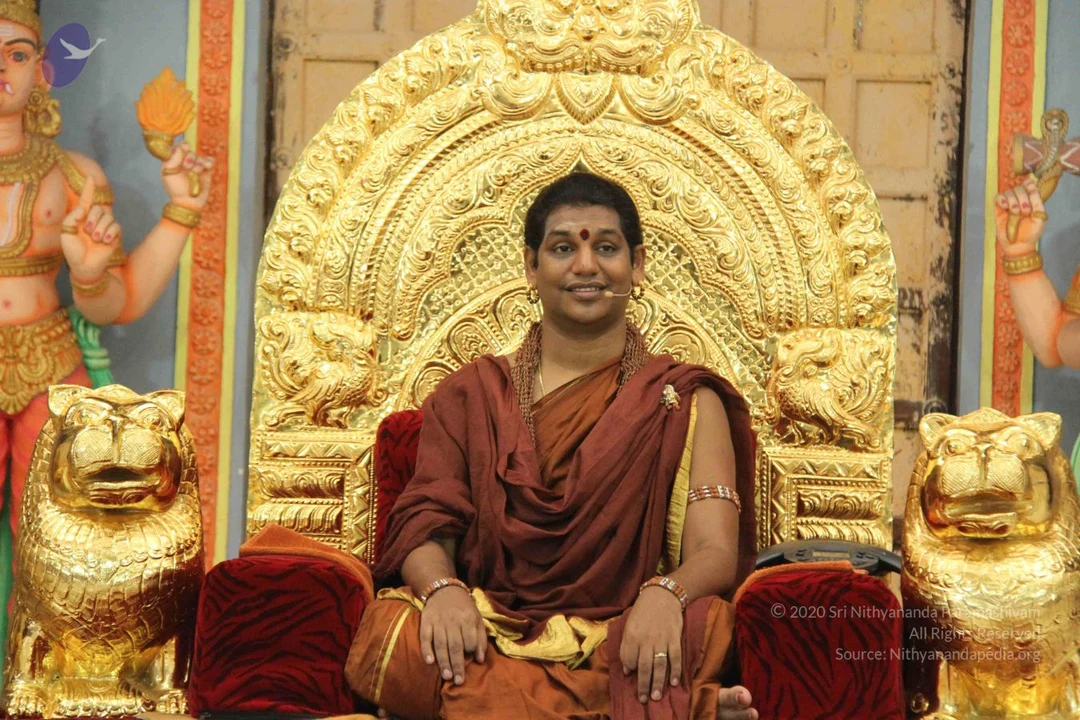
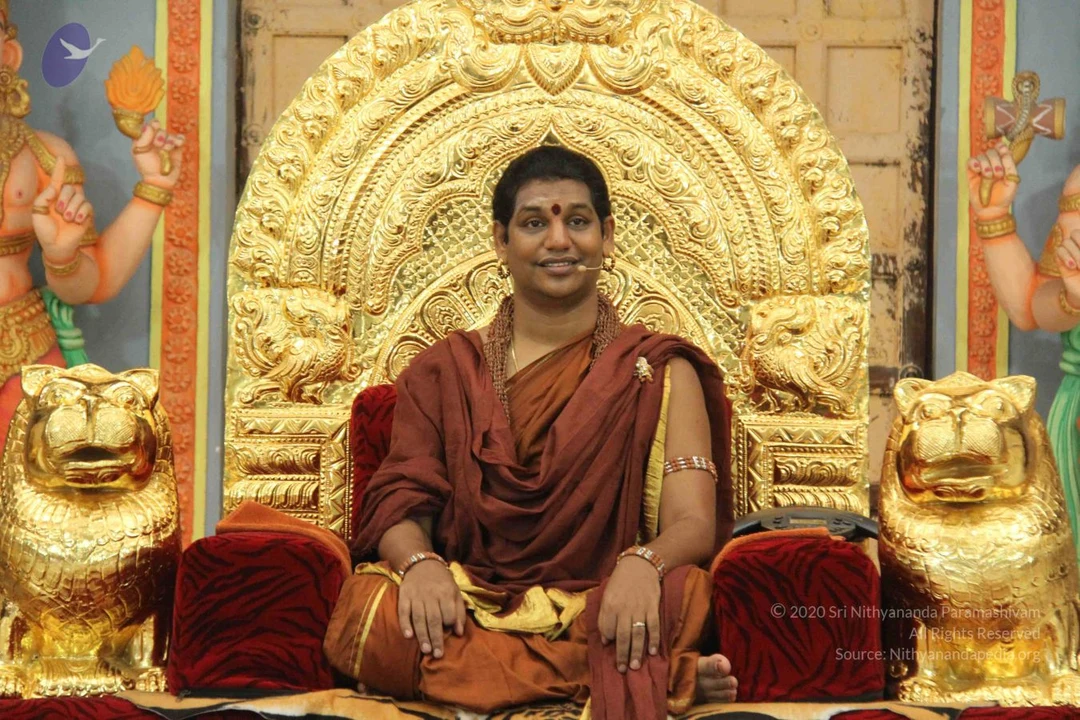
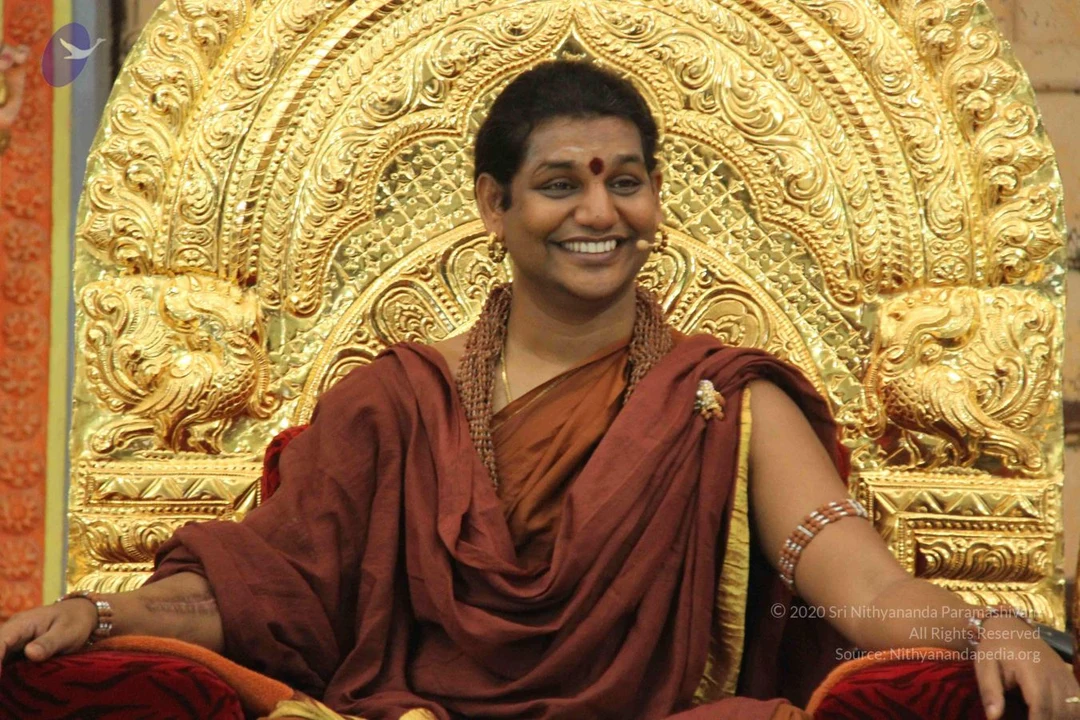
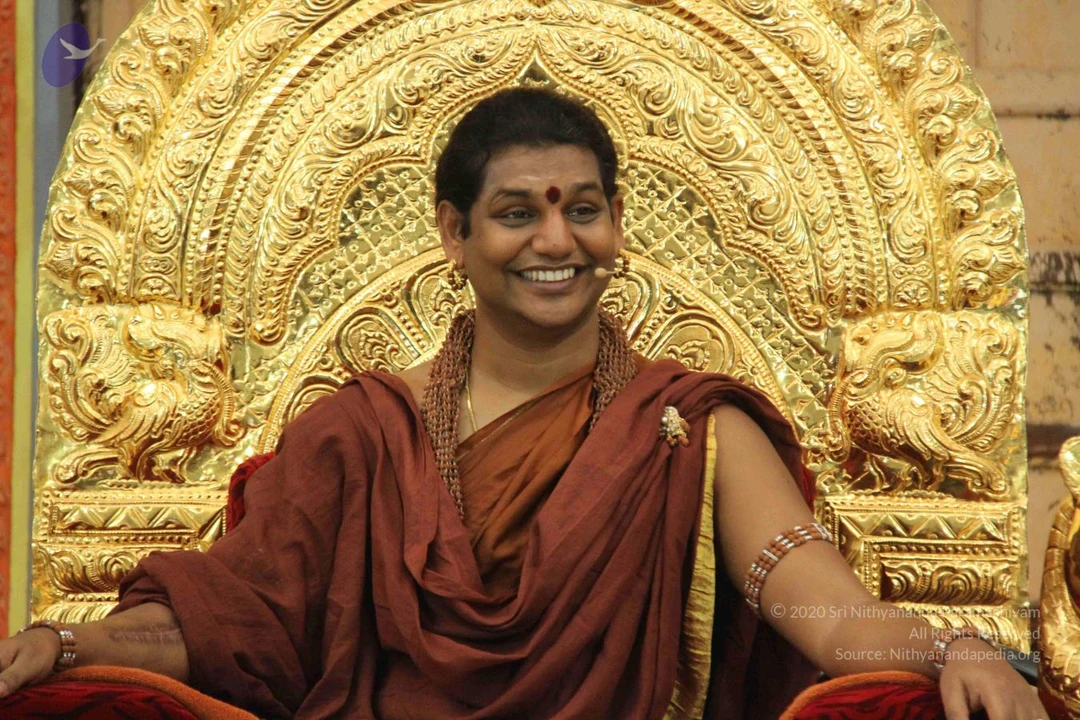
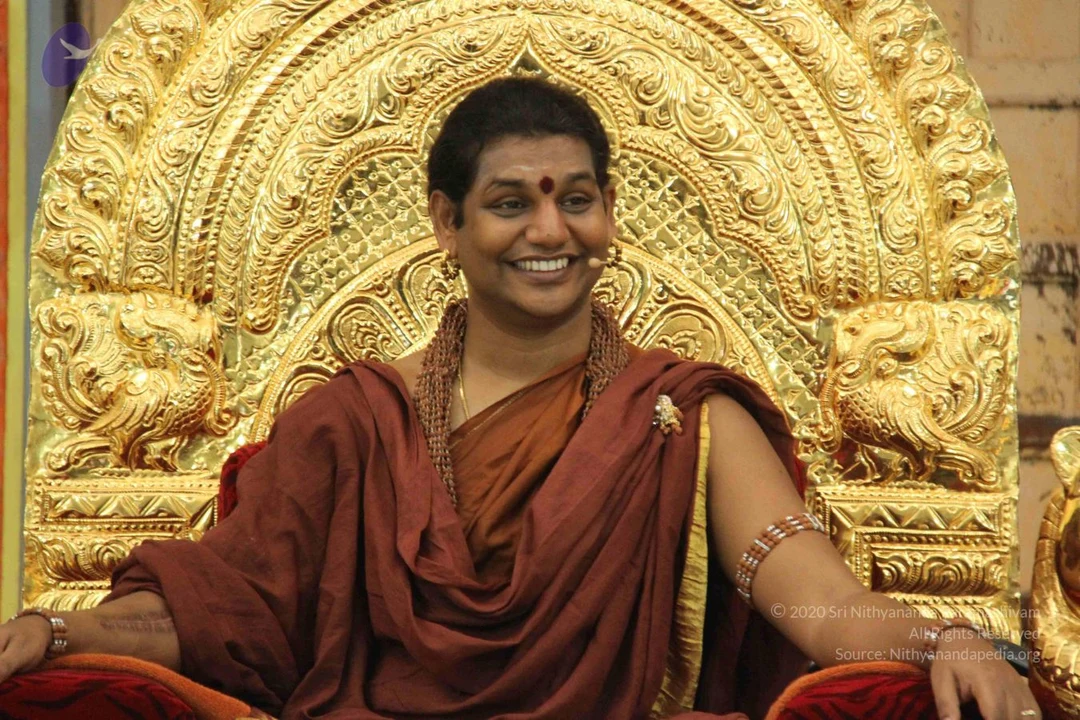
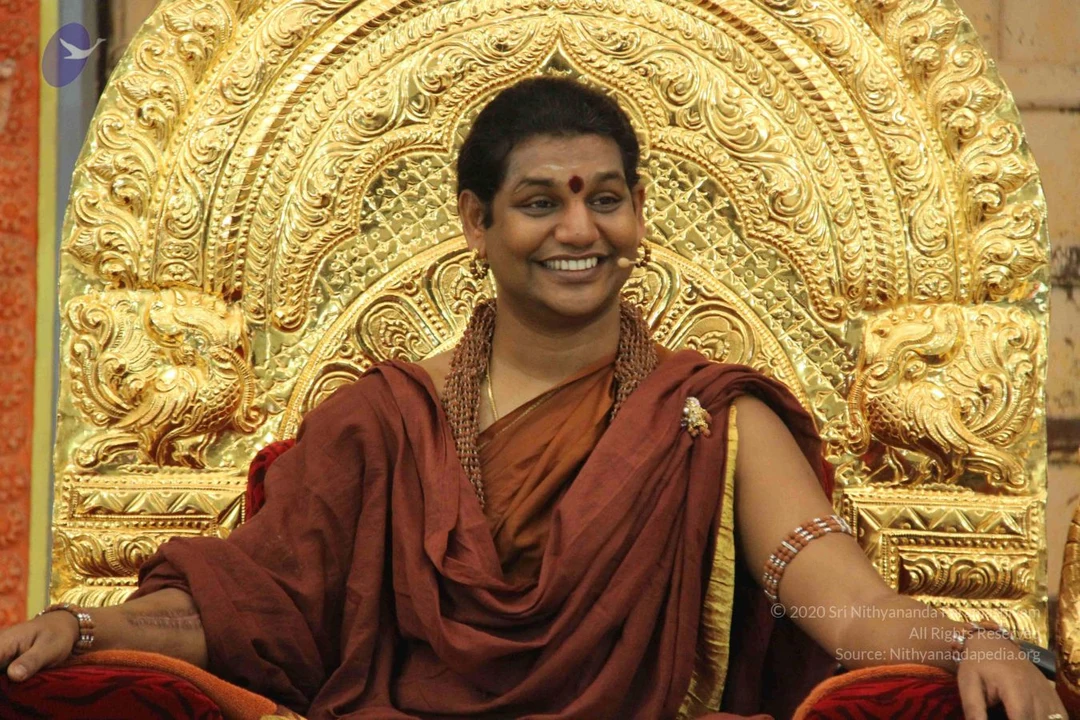
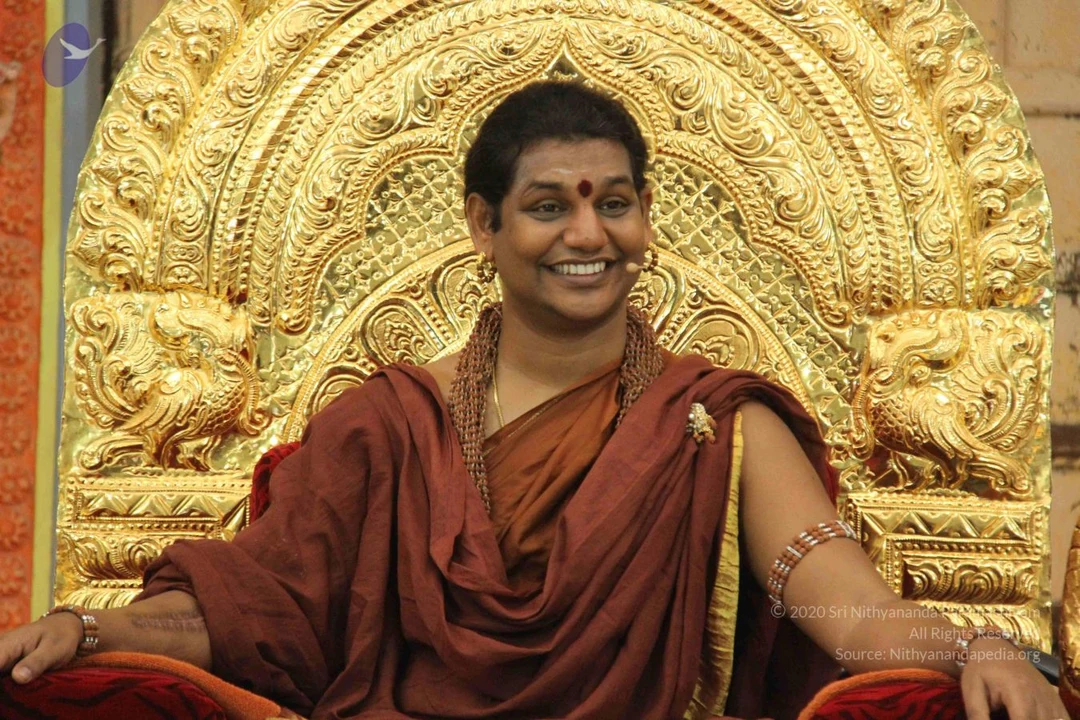
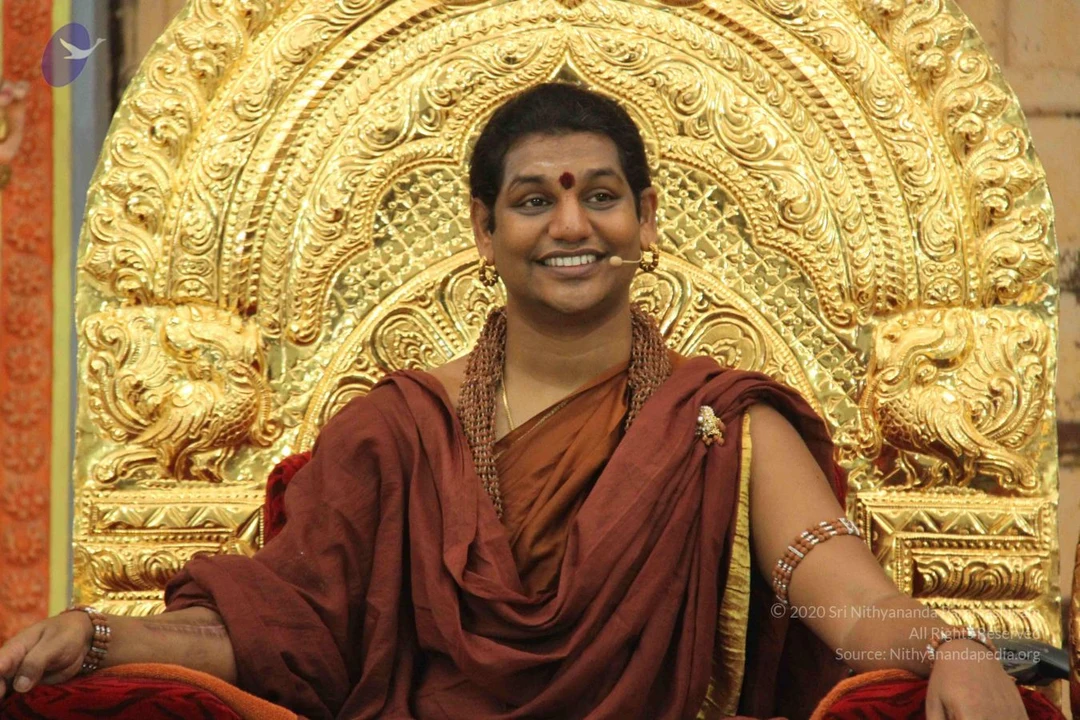
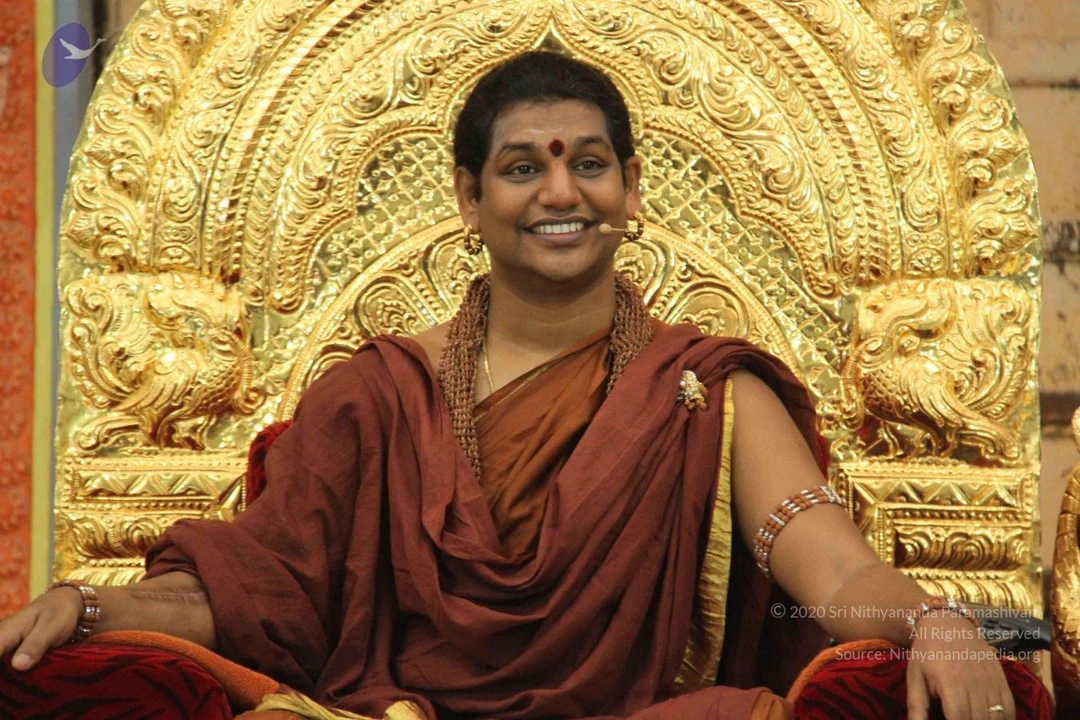
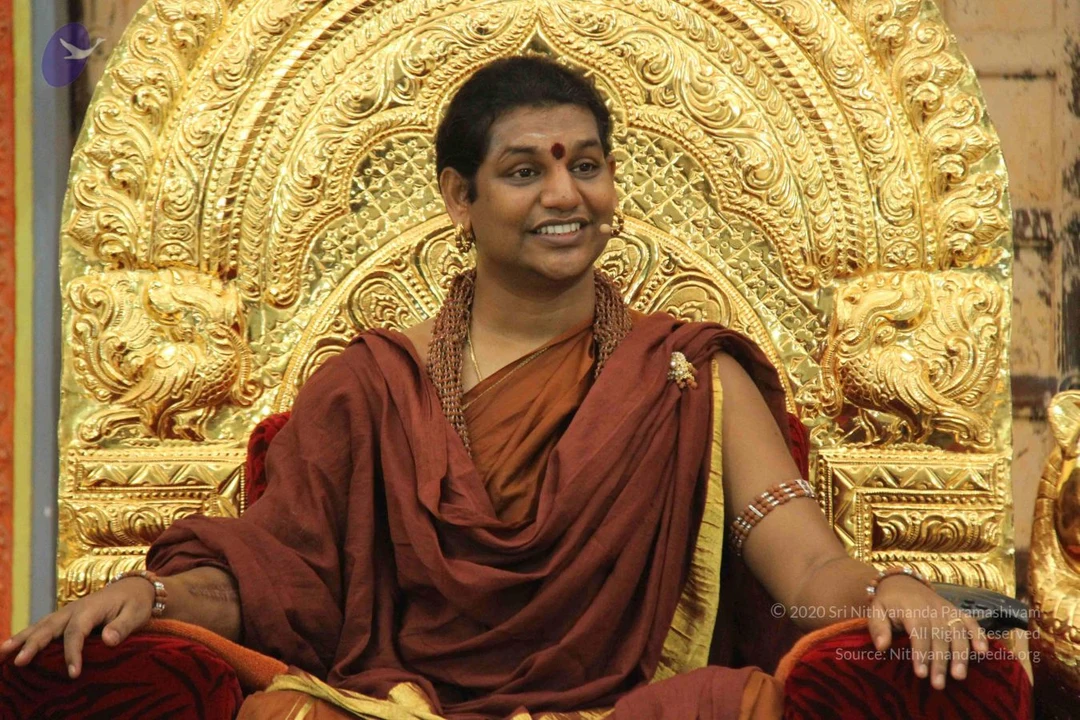
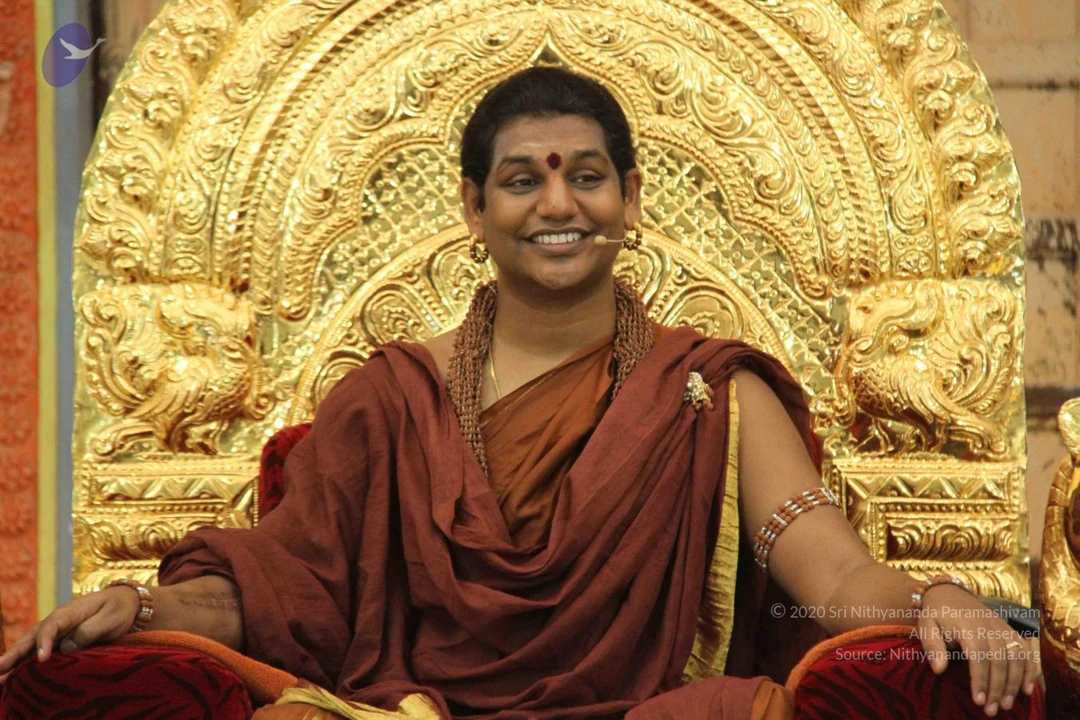
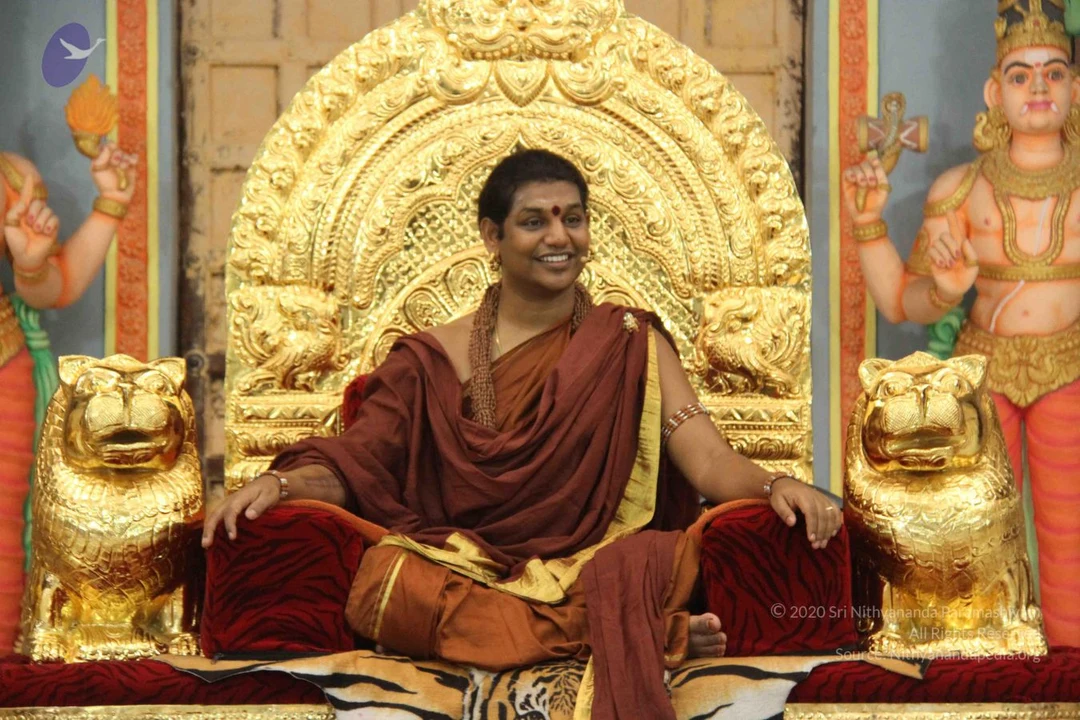
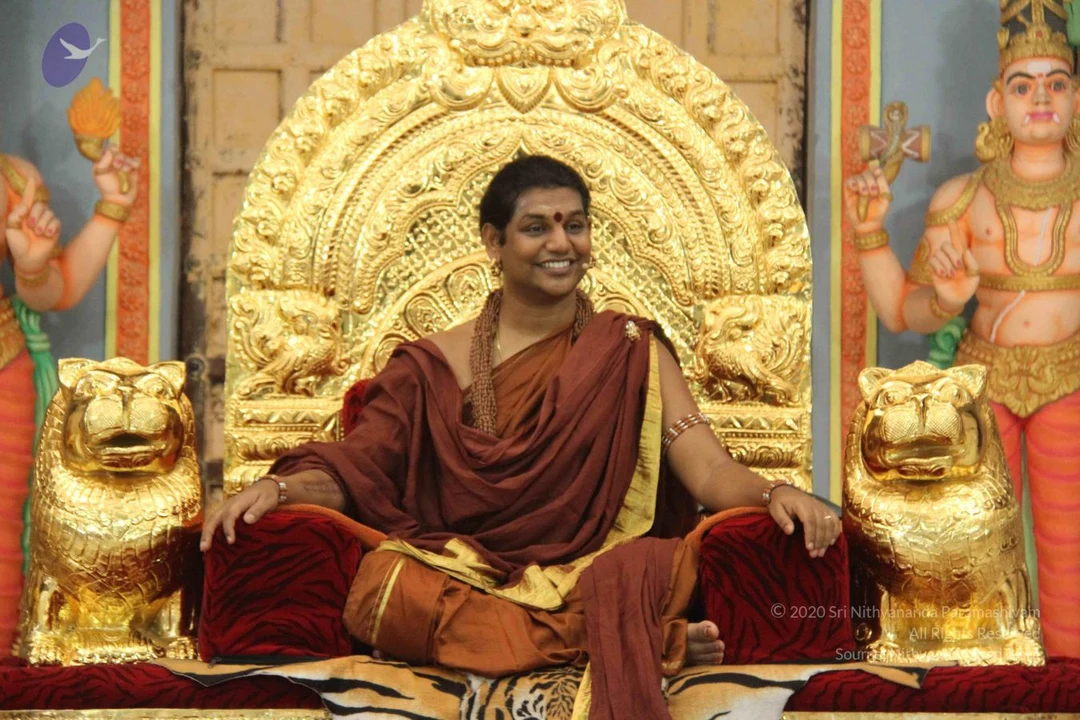
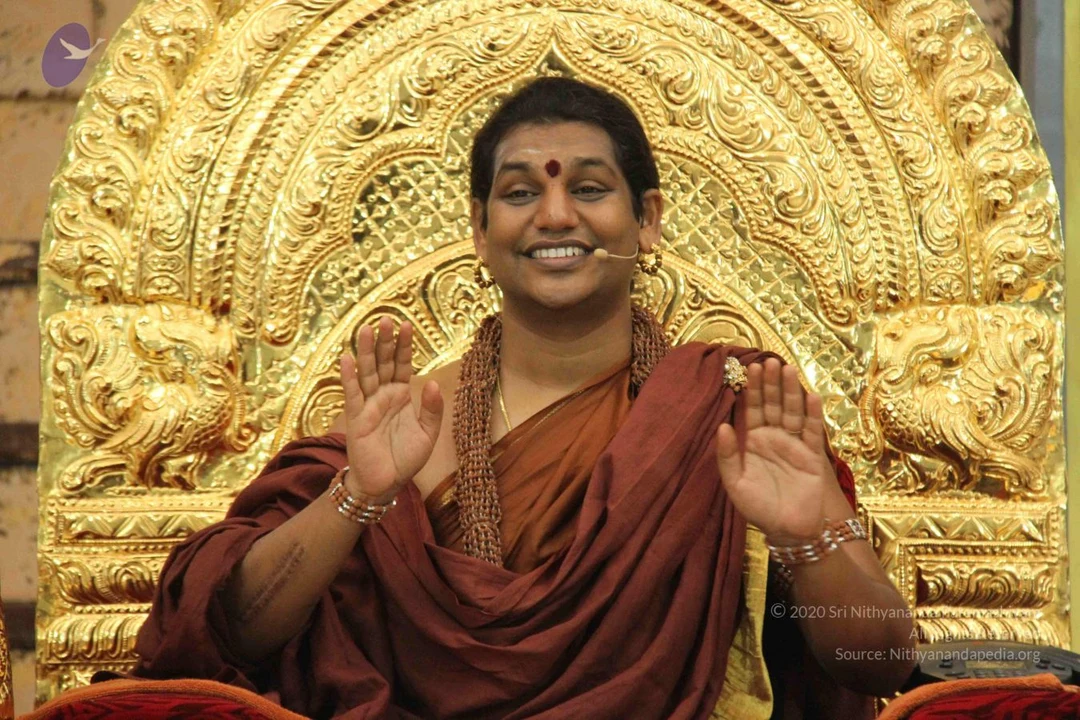
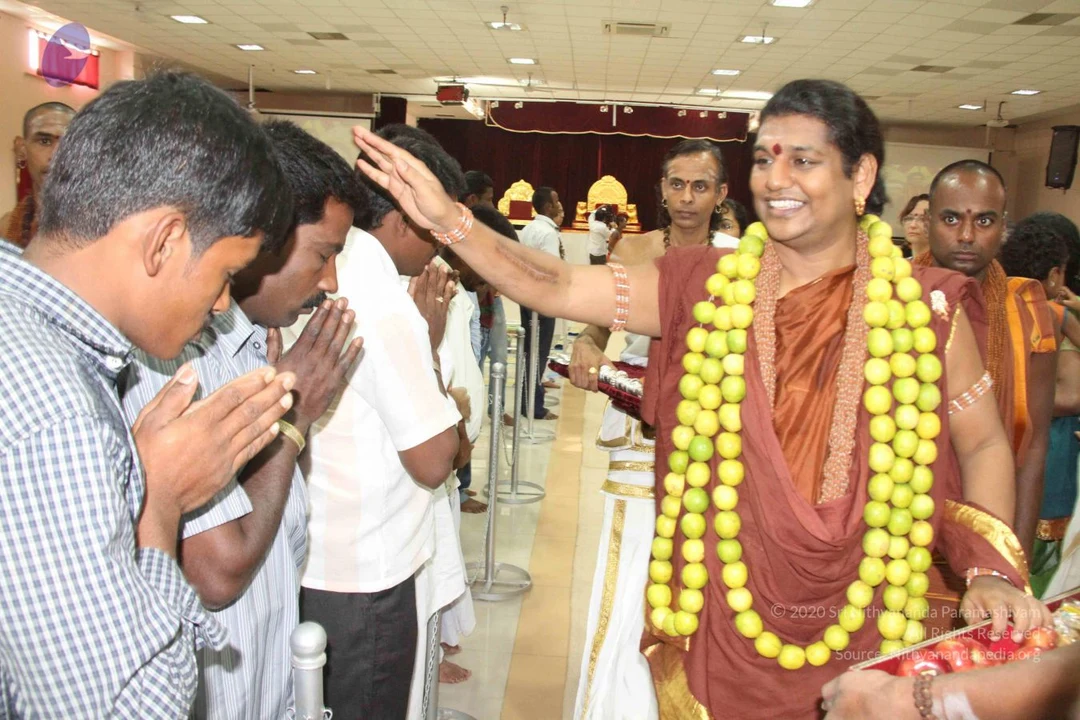
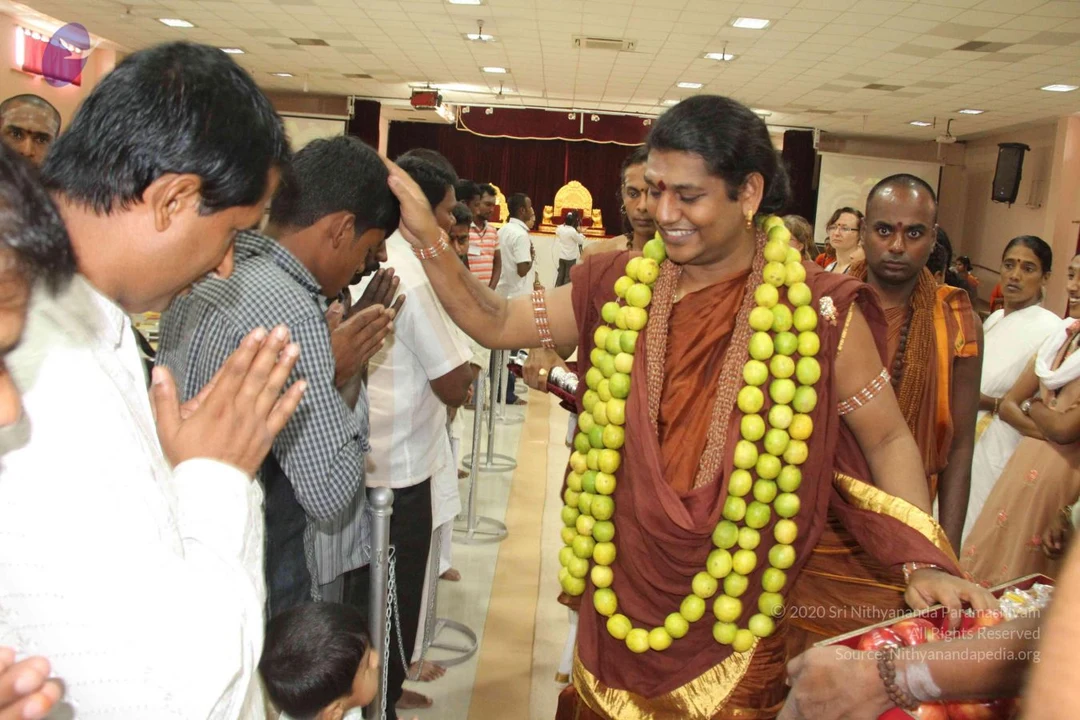
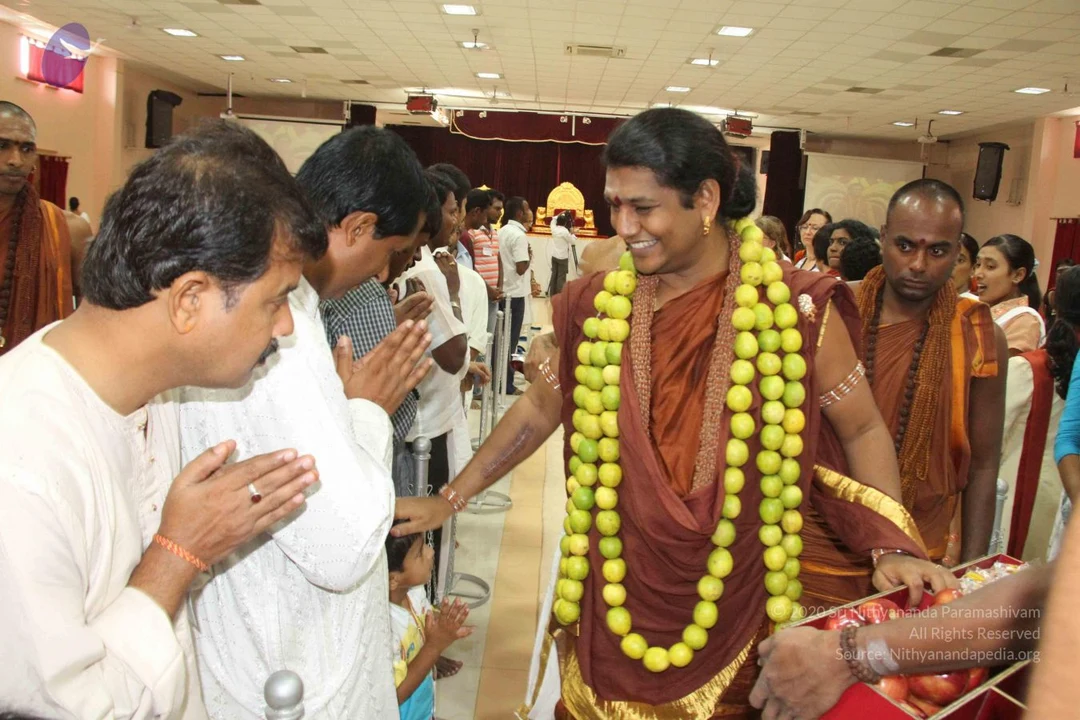
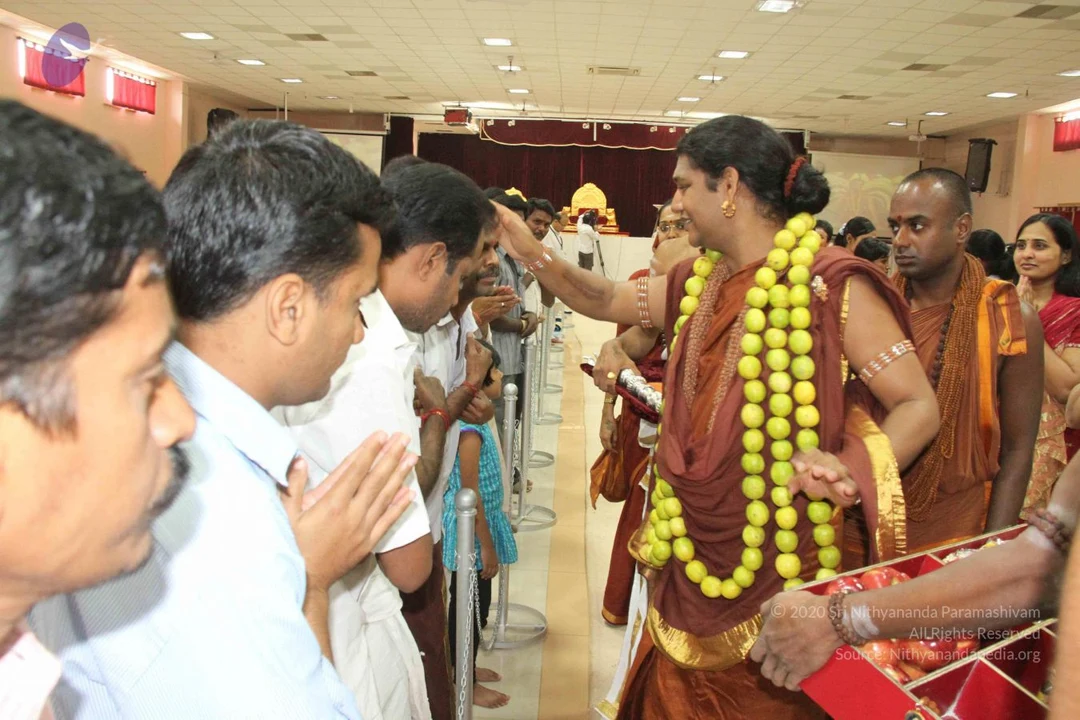
SarvaDarshan
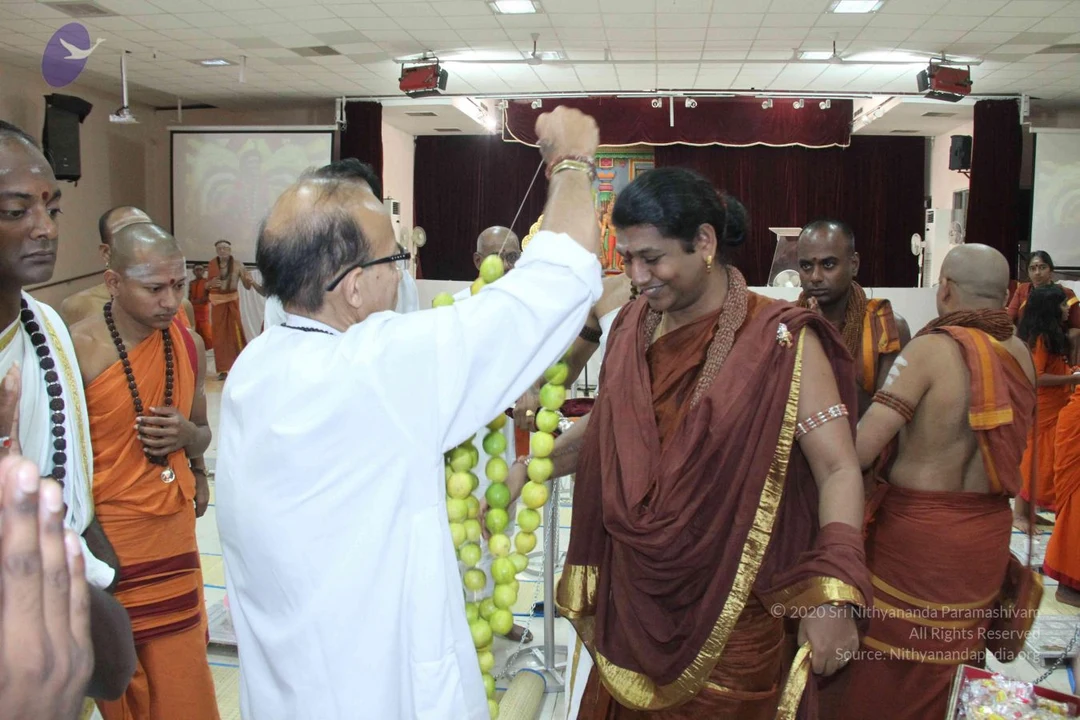
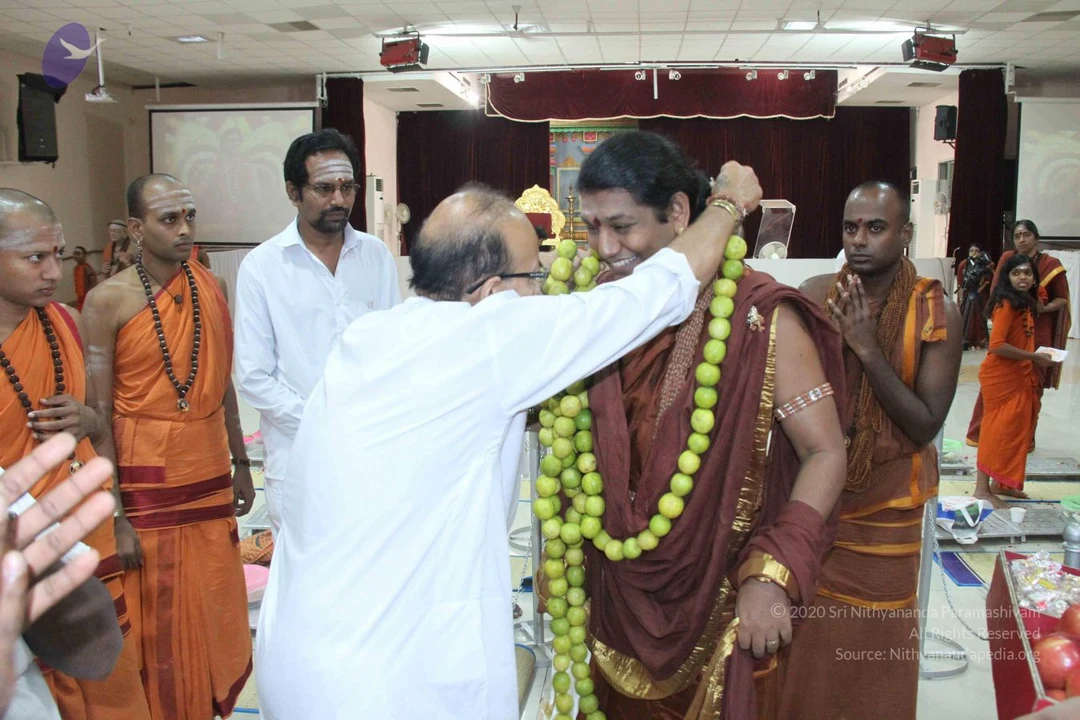
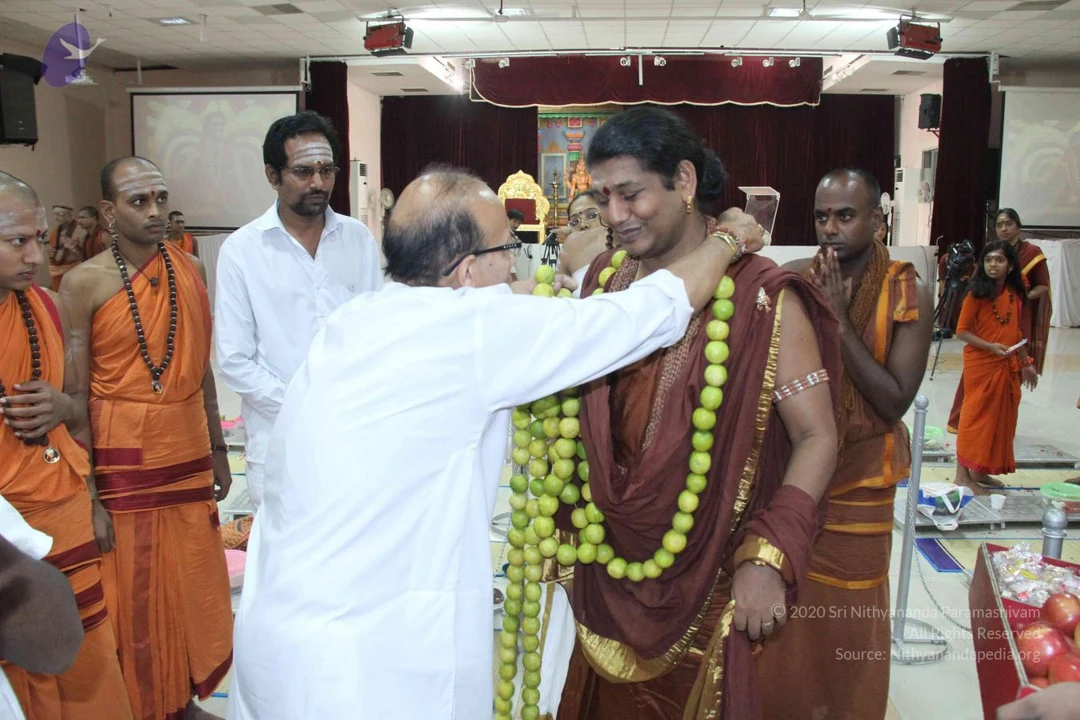
Tags:
Paramahamsa Nithyananda, self-doubt, self-transformation, cooking, law, kundalini, energy, complete, lives, possibility.
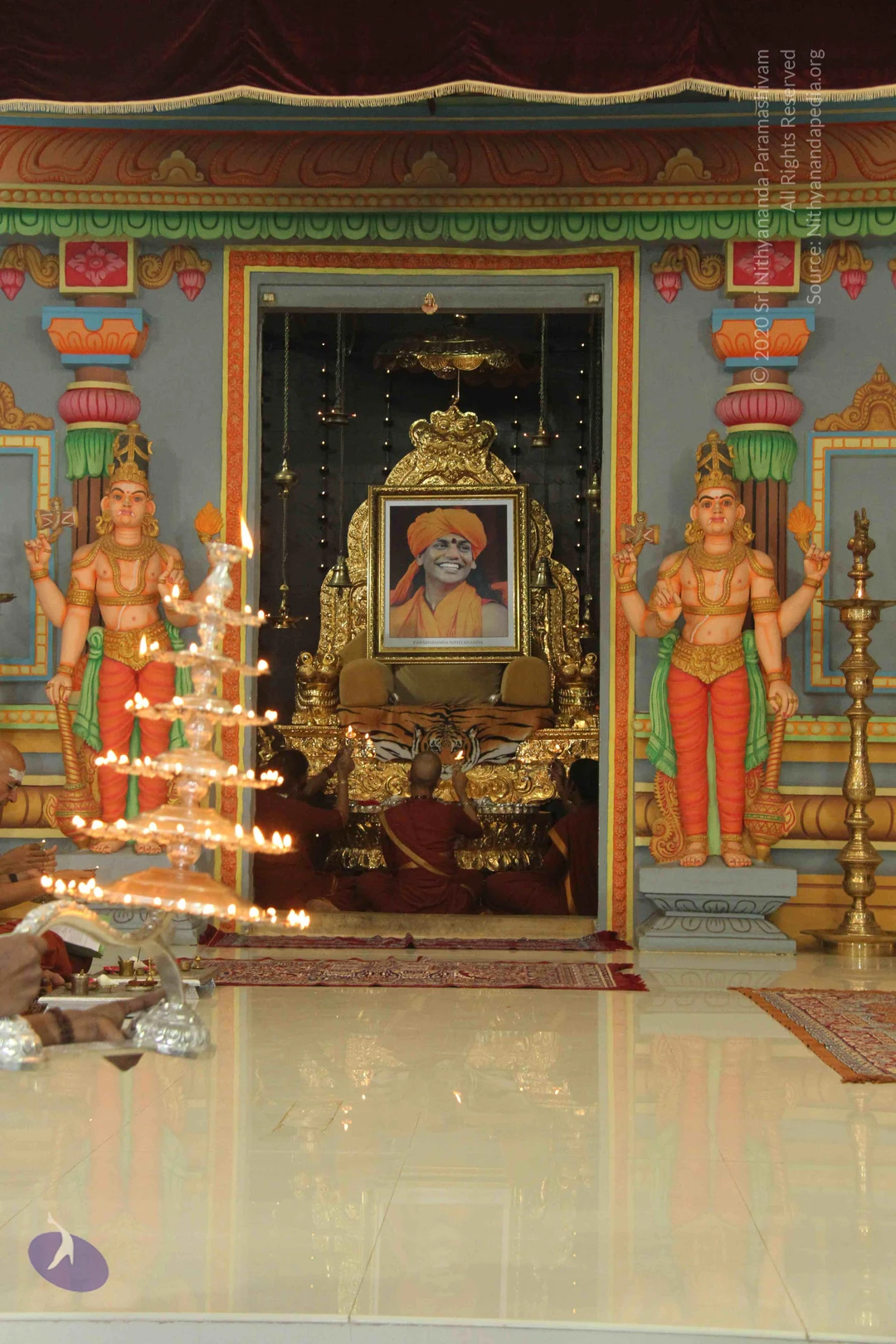
01-PADA-PUJA
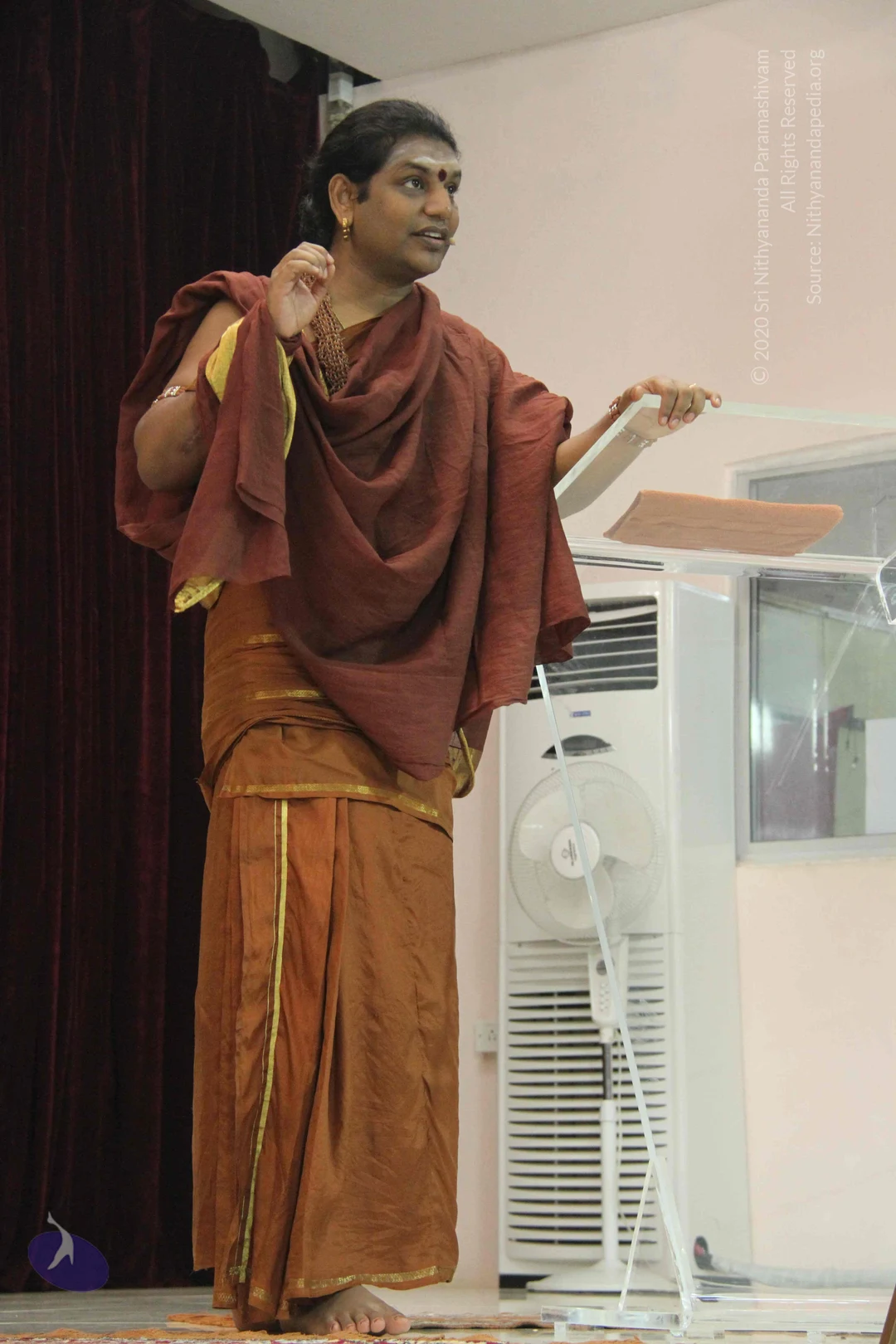
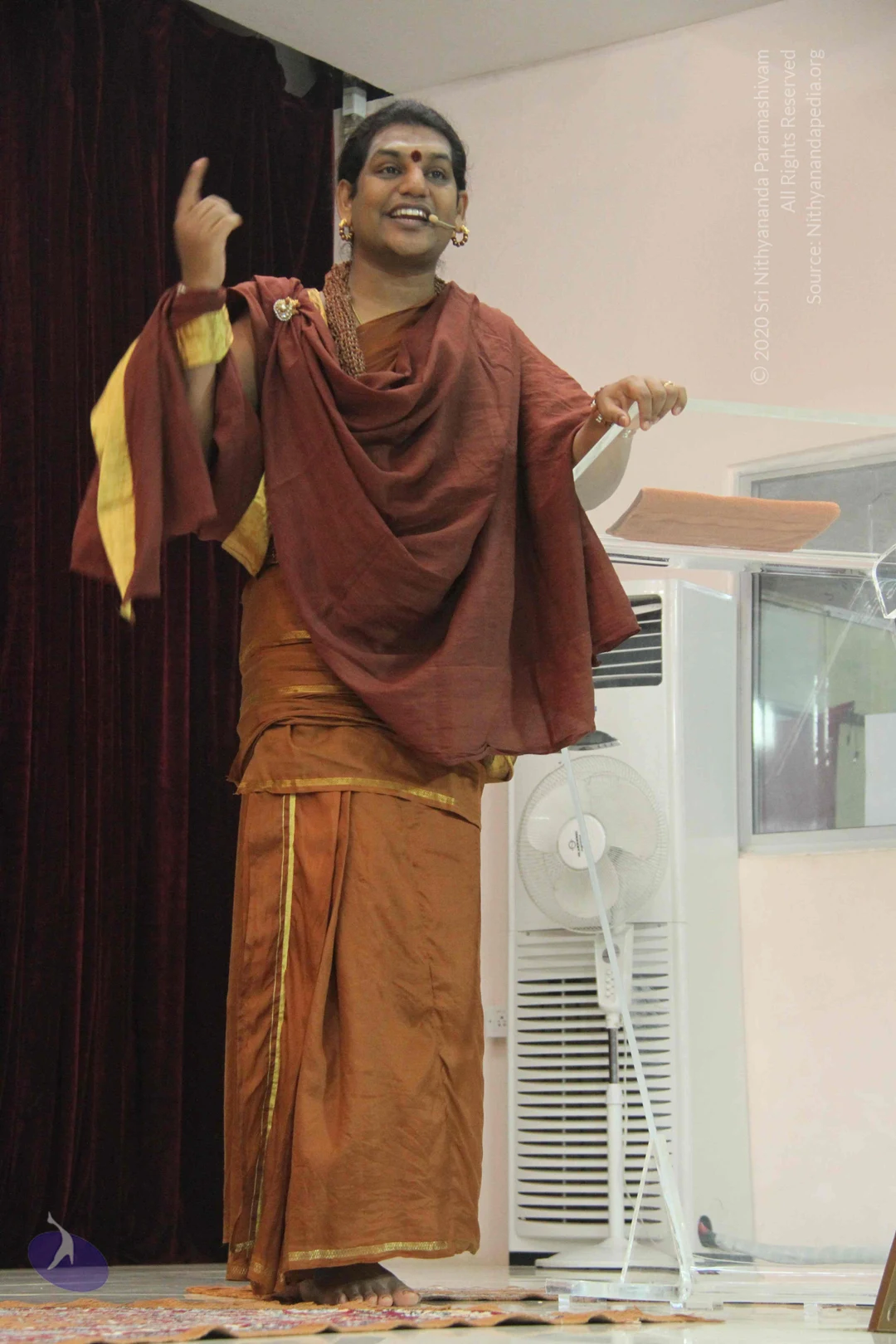
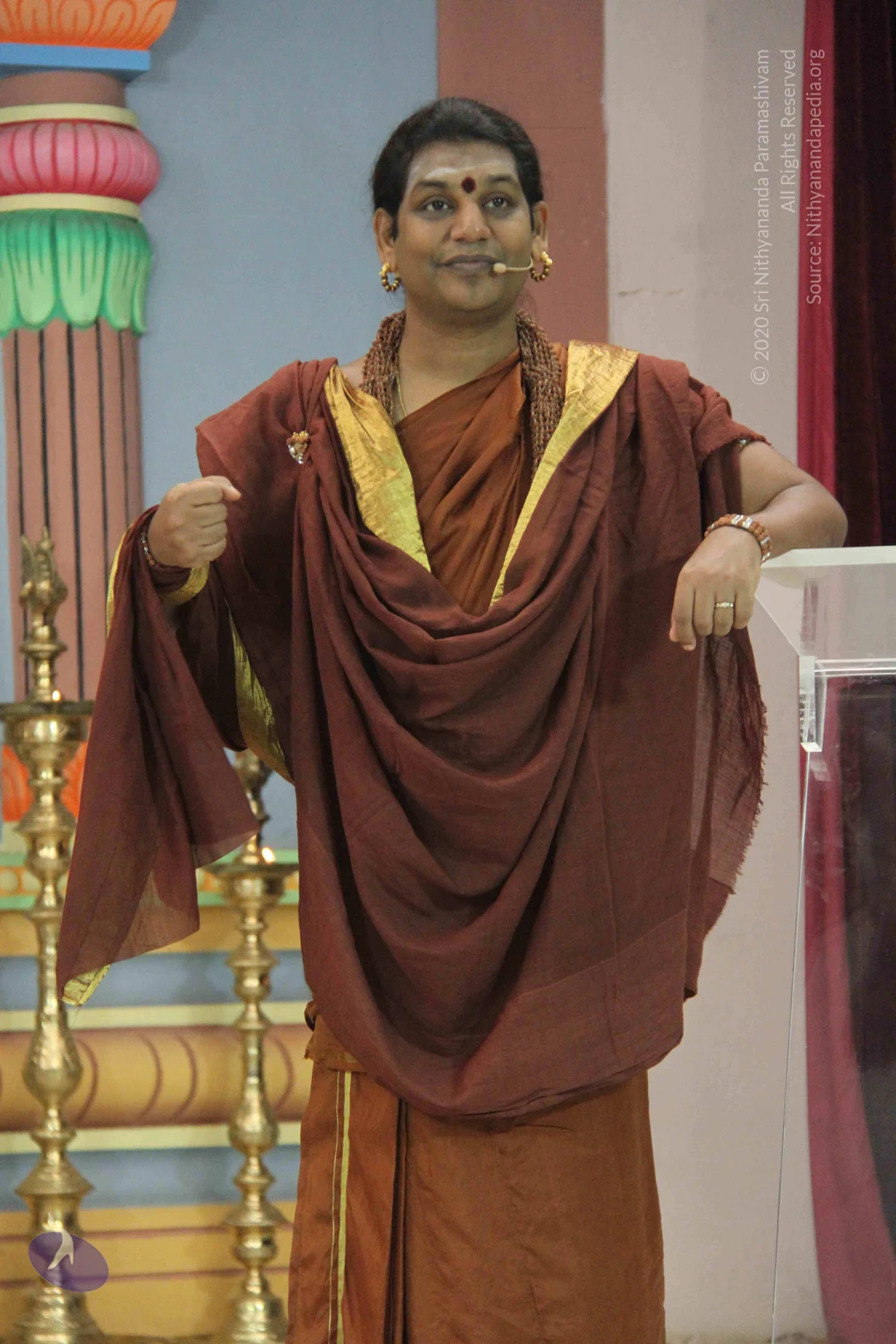
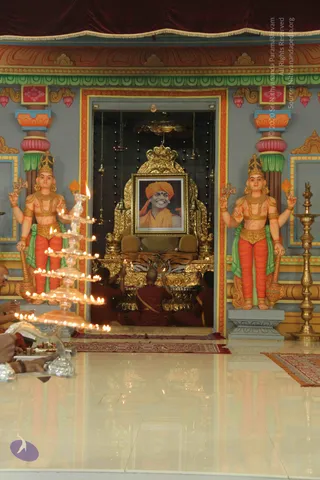
02-NITHYA-SATSANG
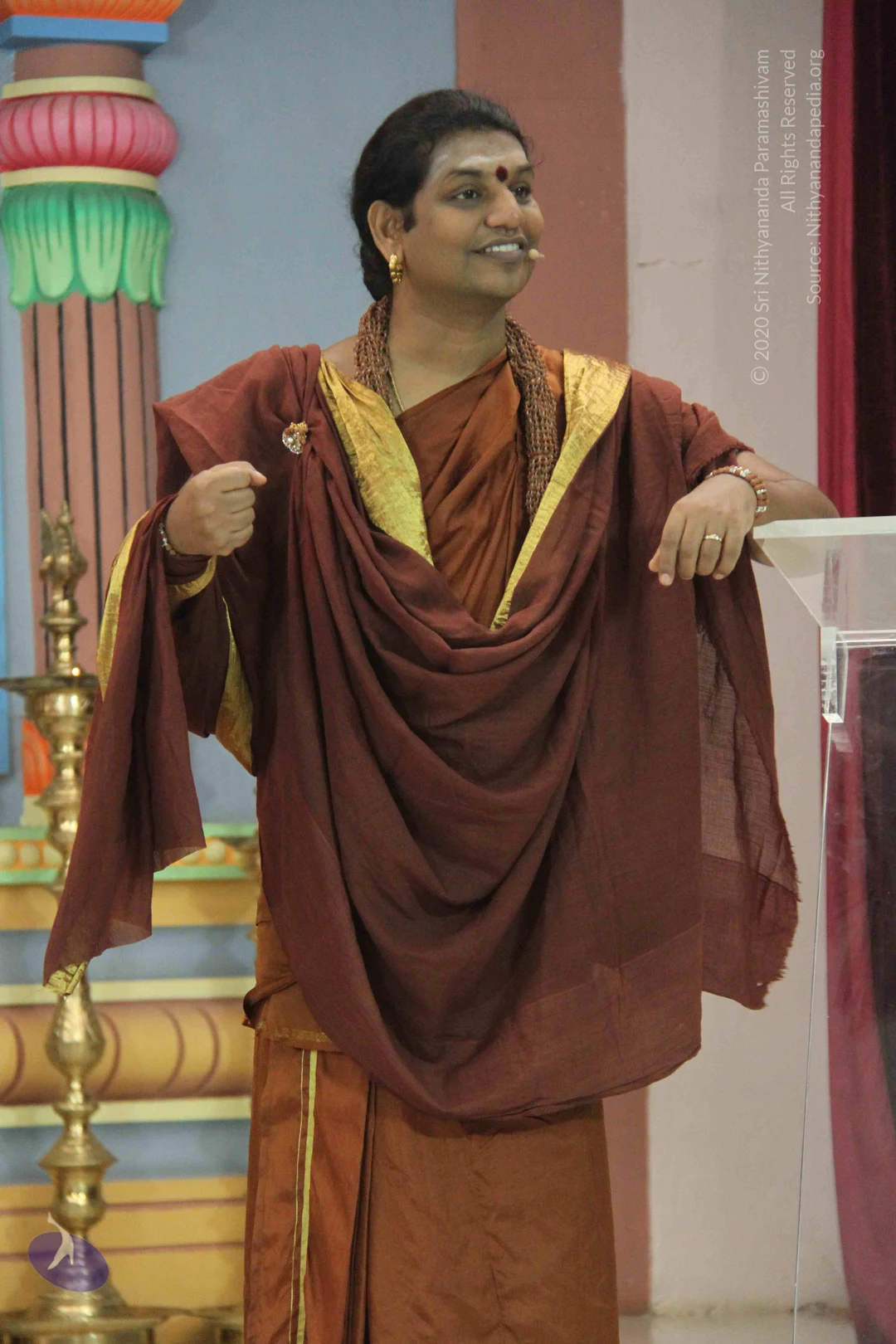
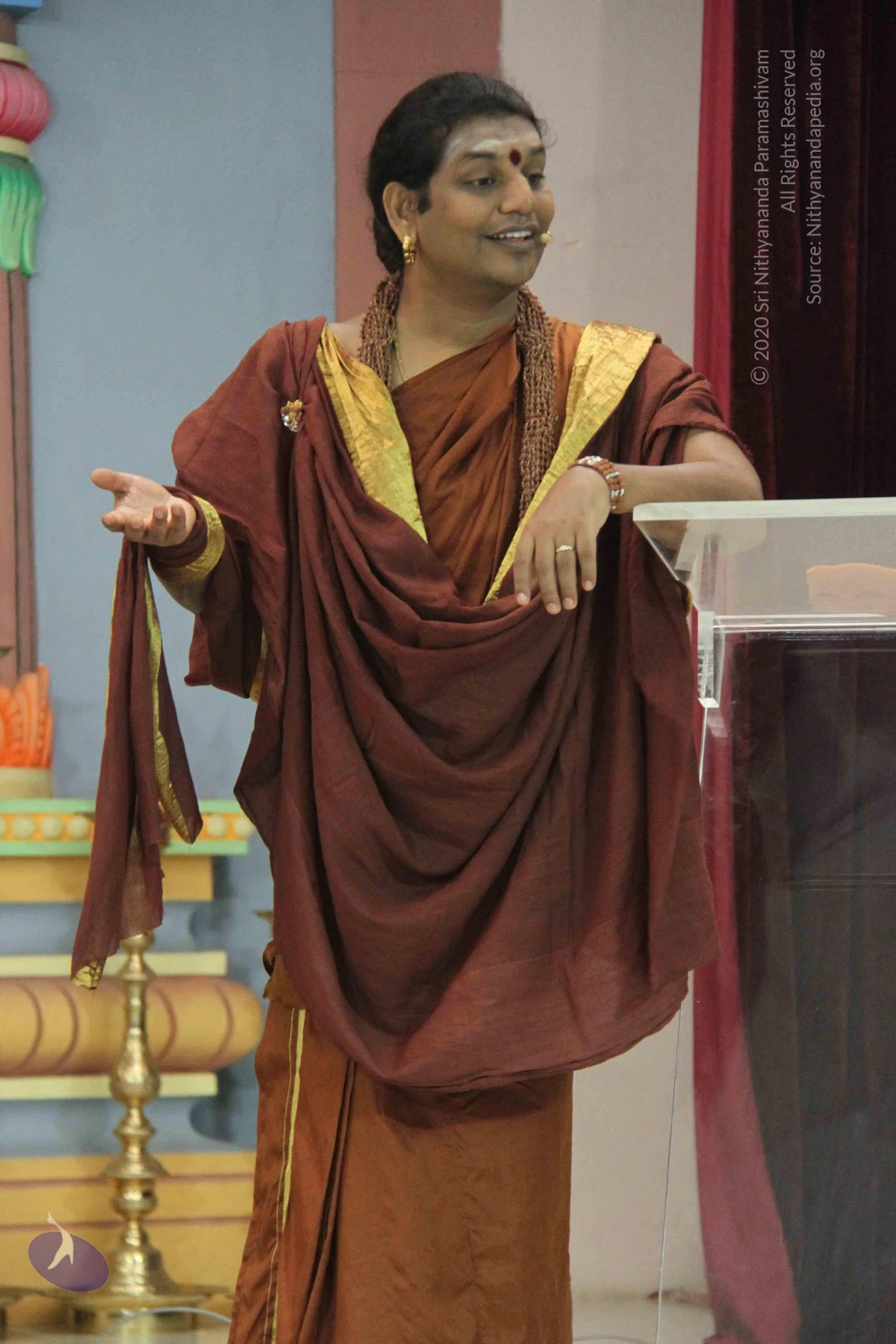
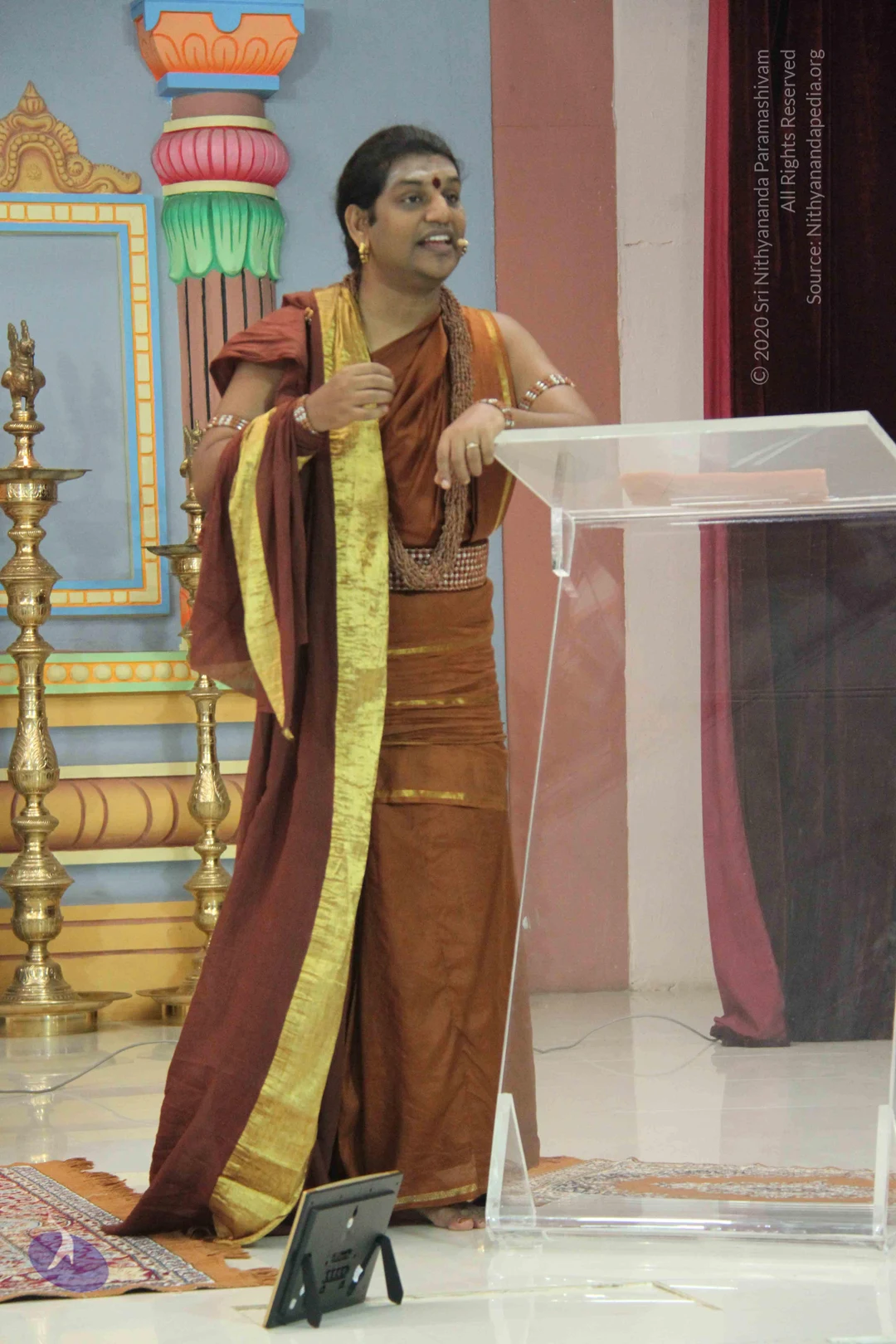
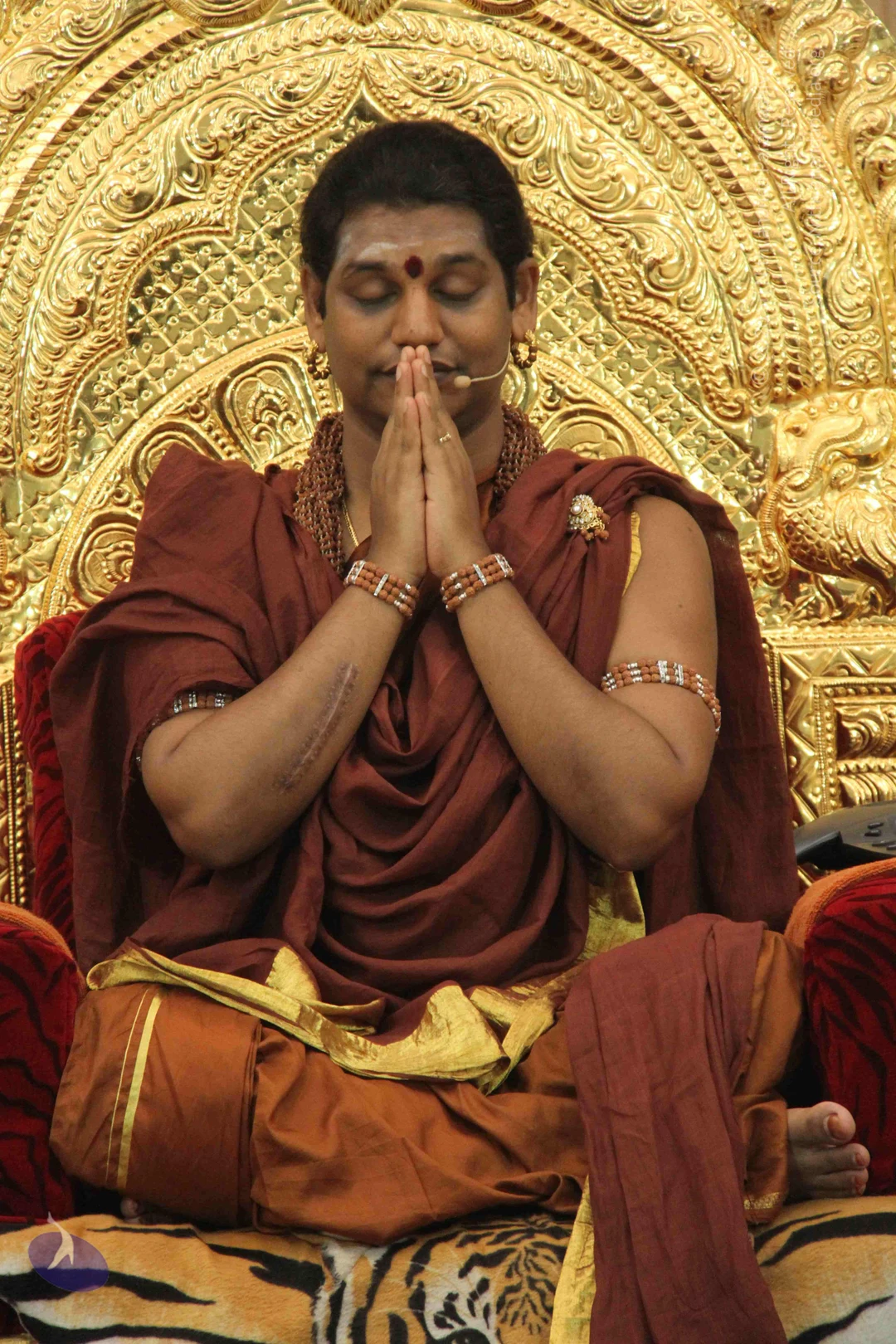
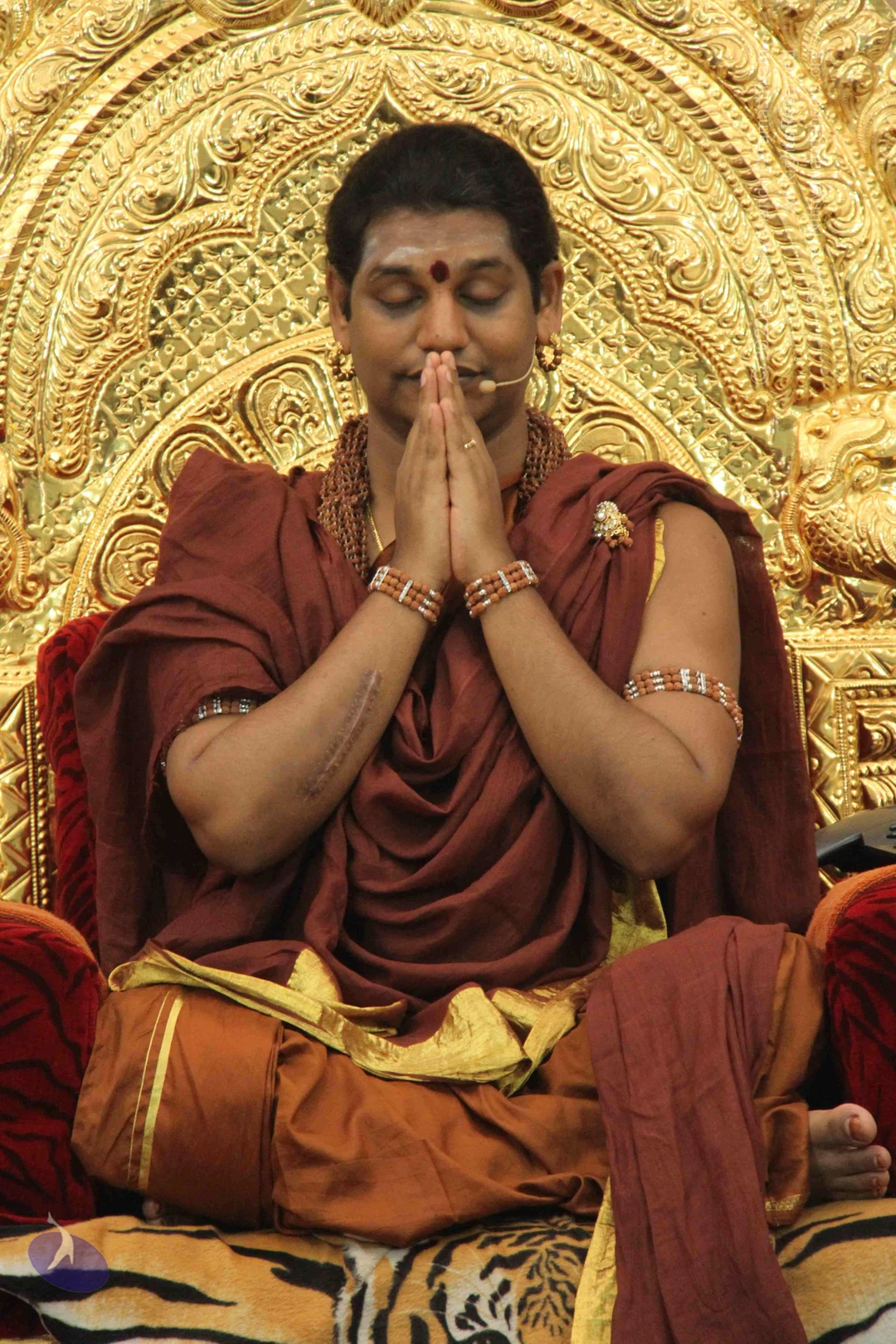
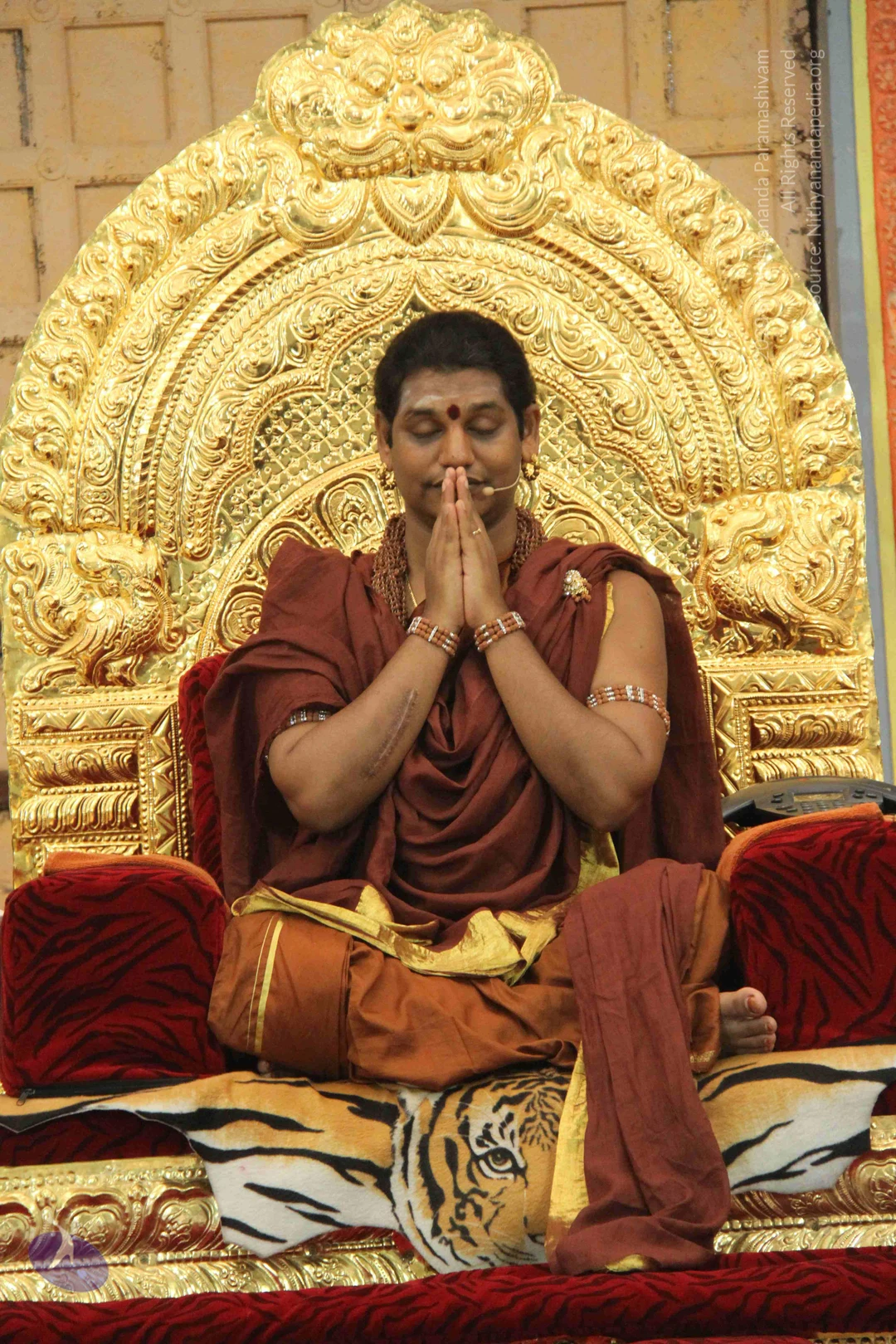
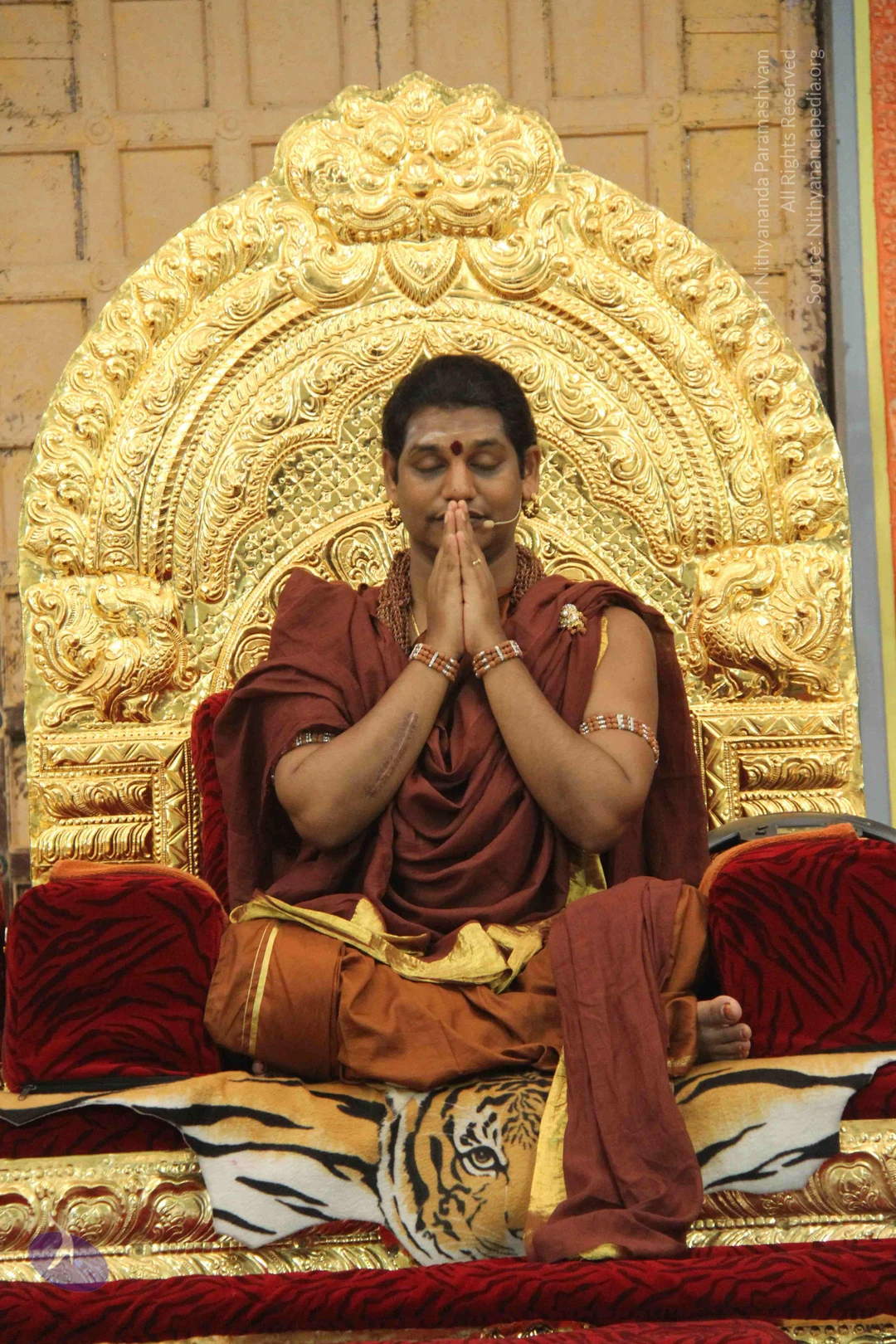
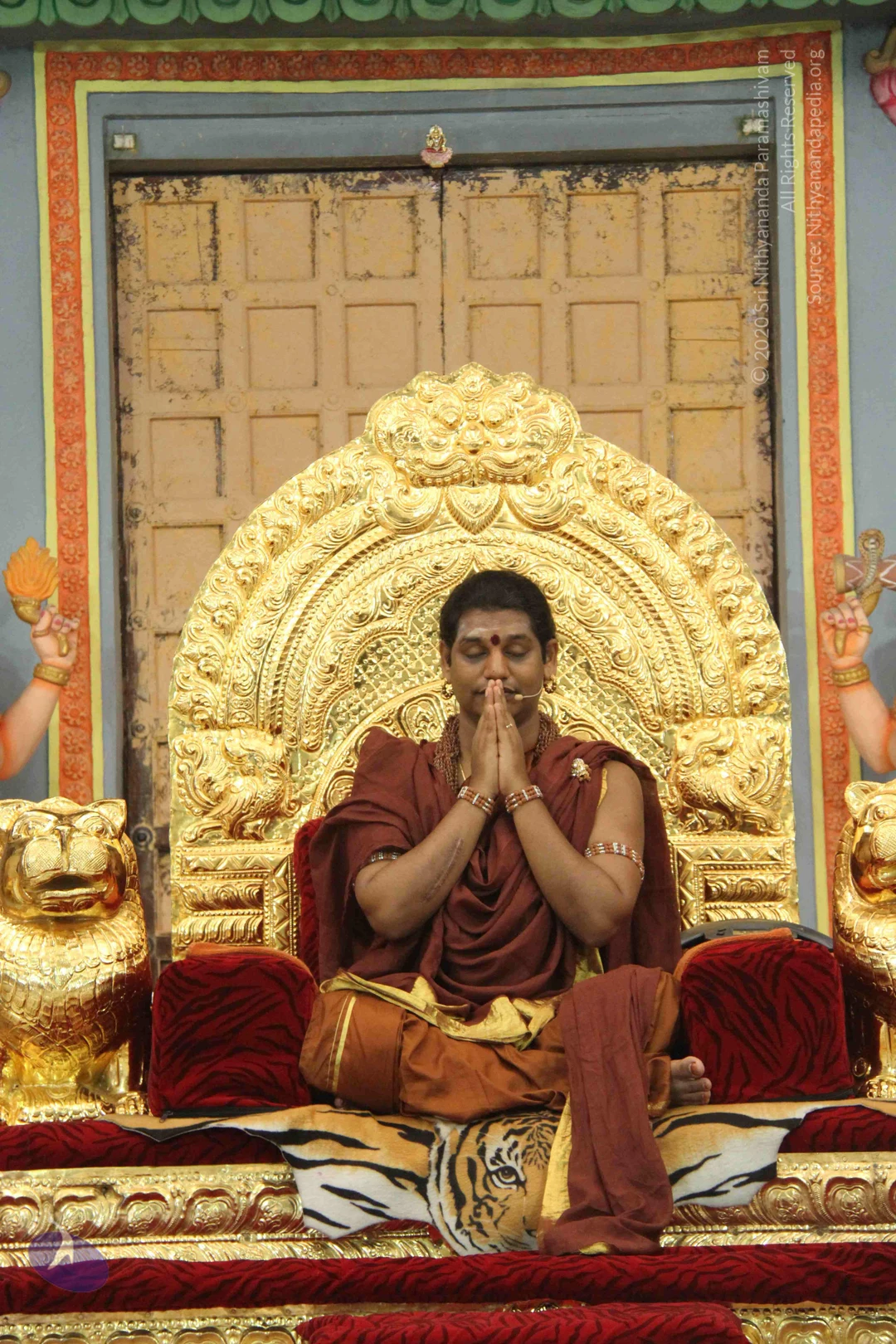
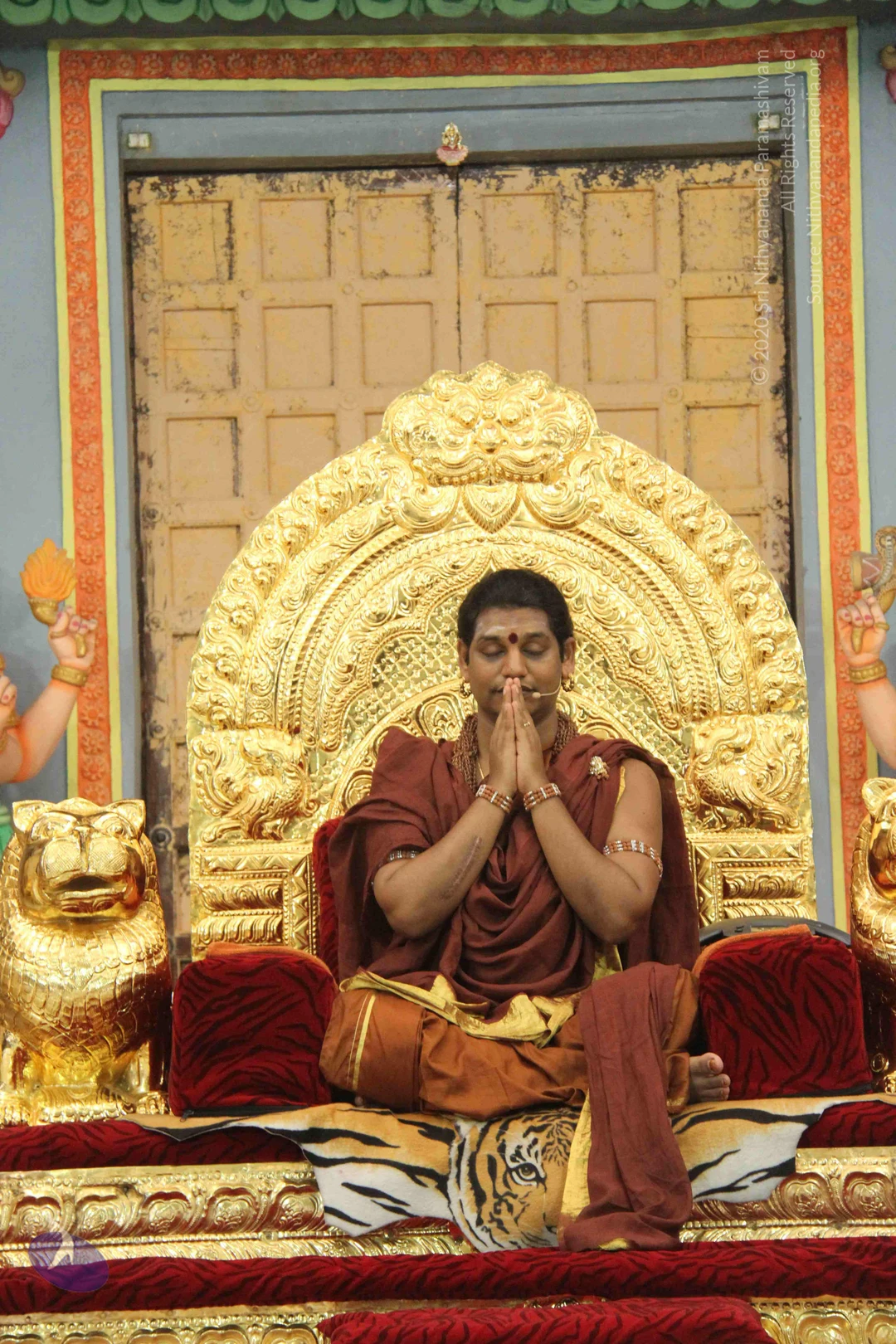
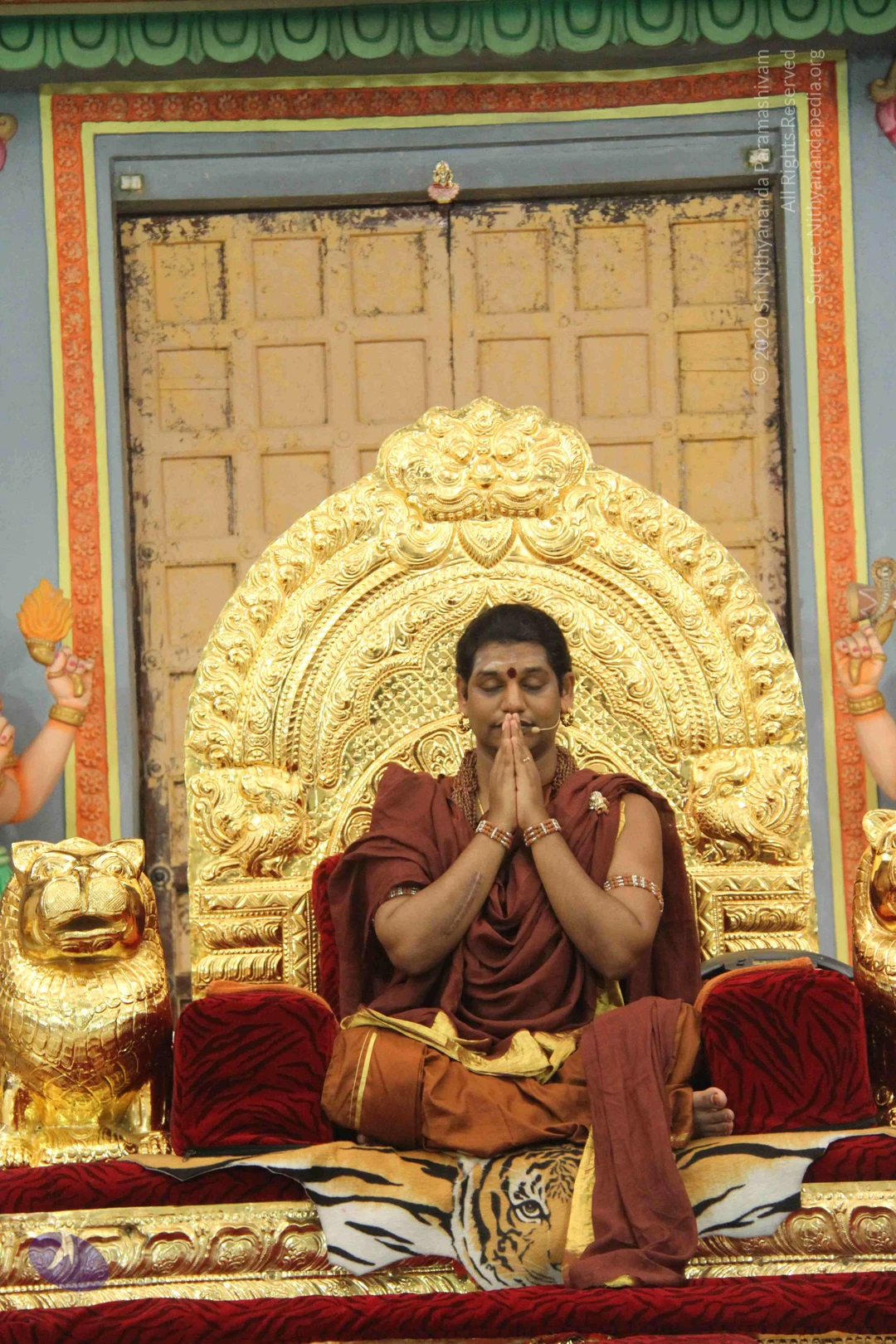
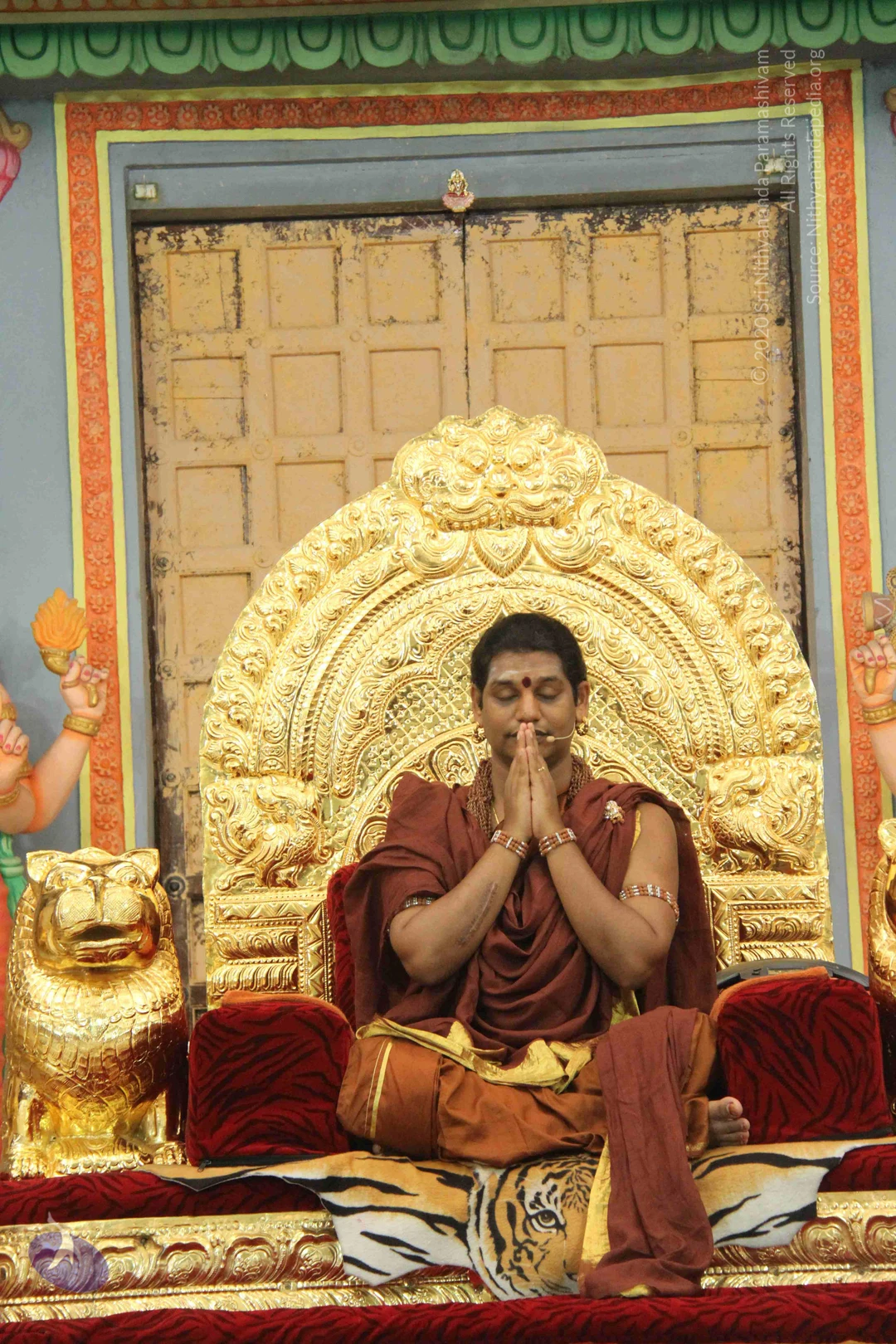
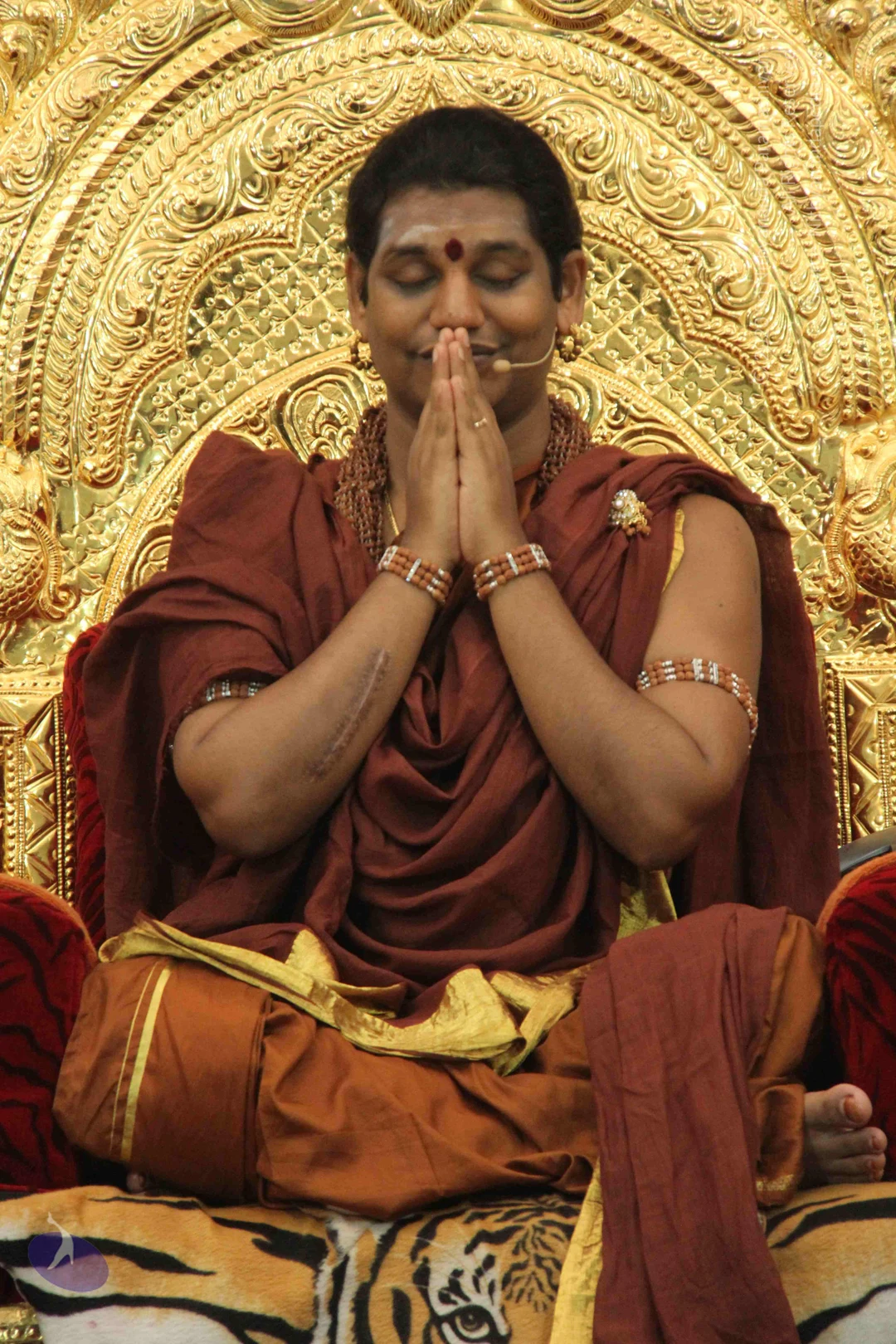
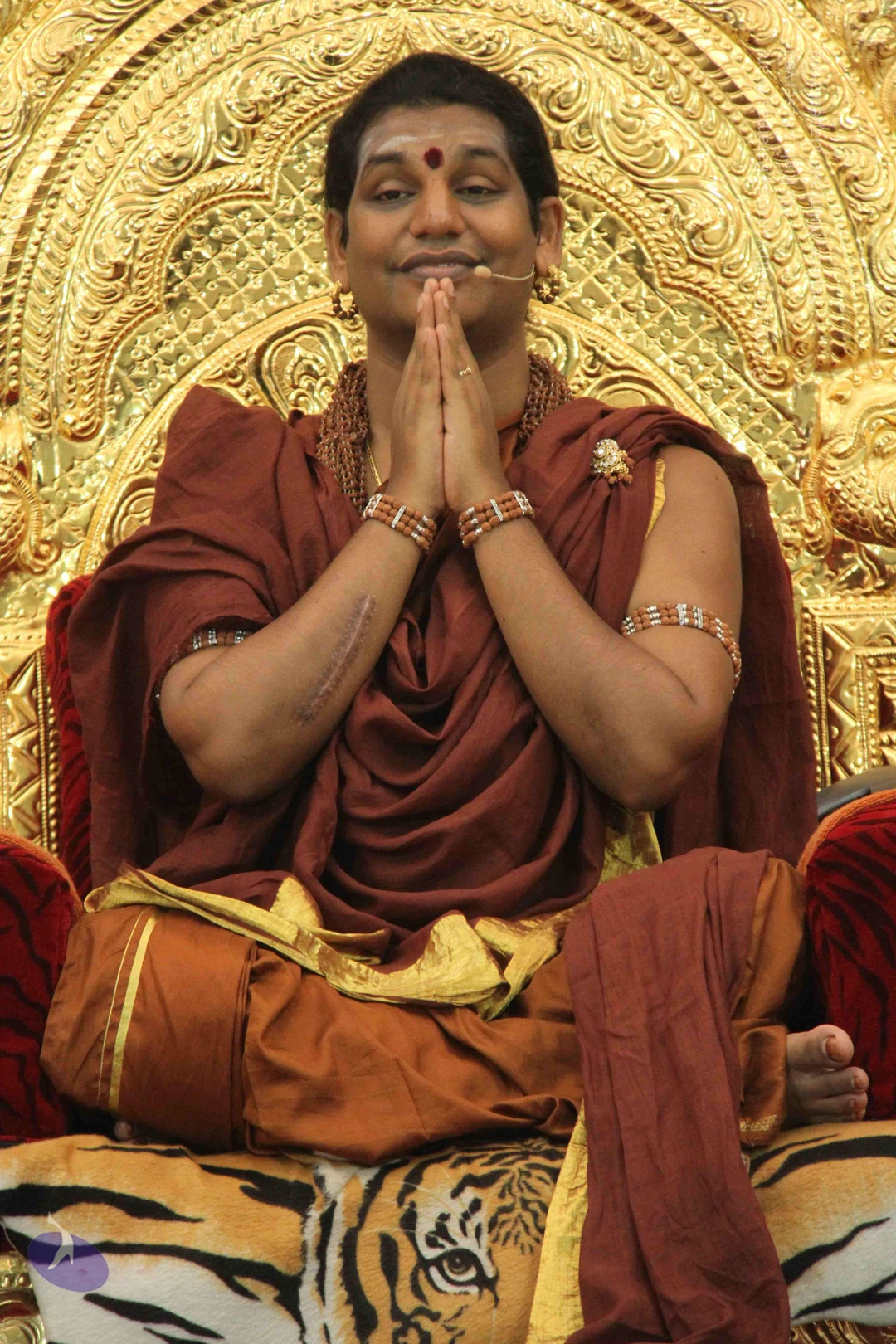
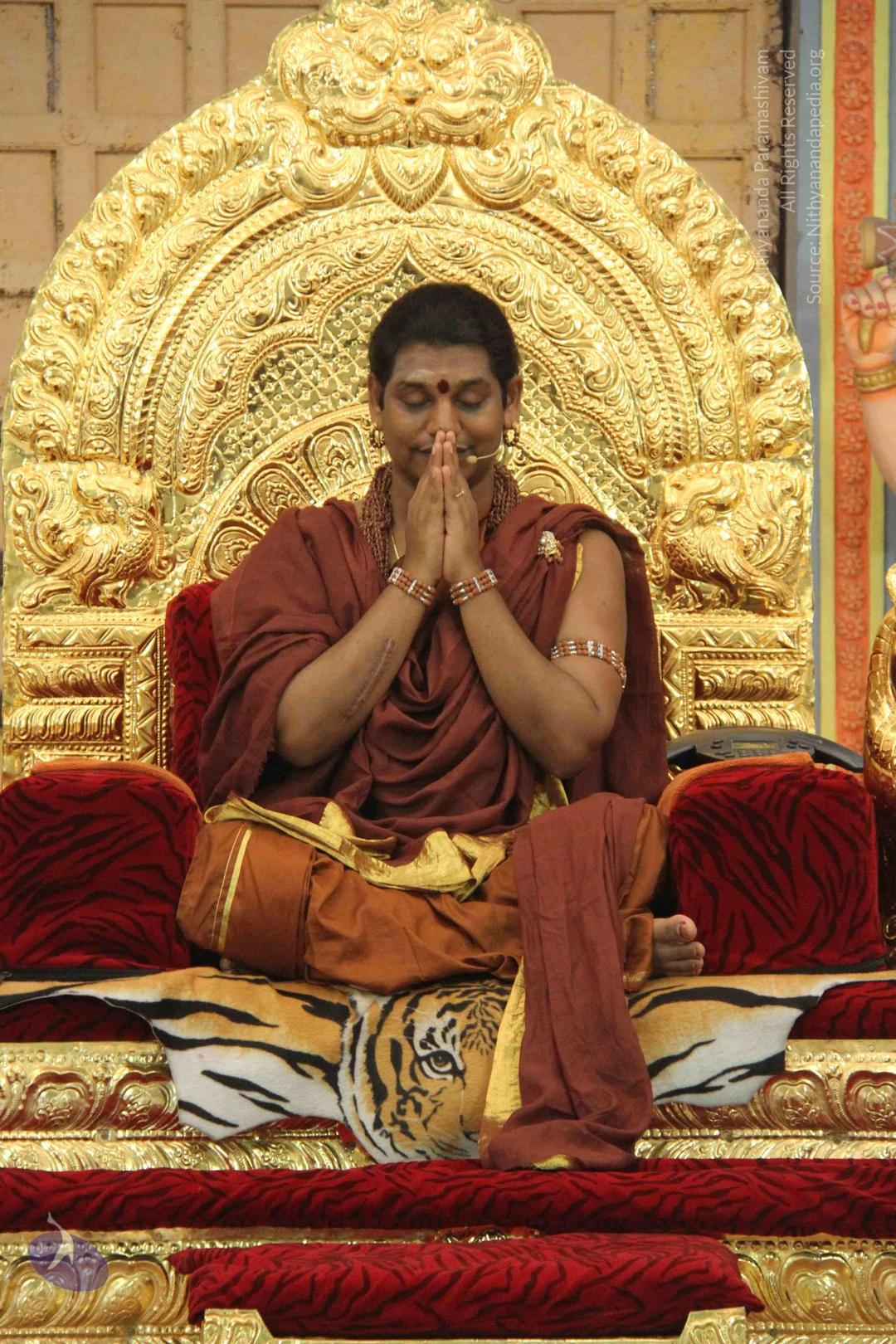
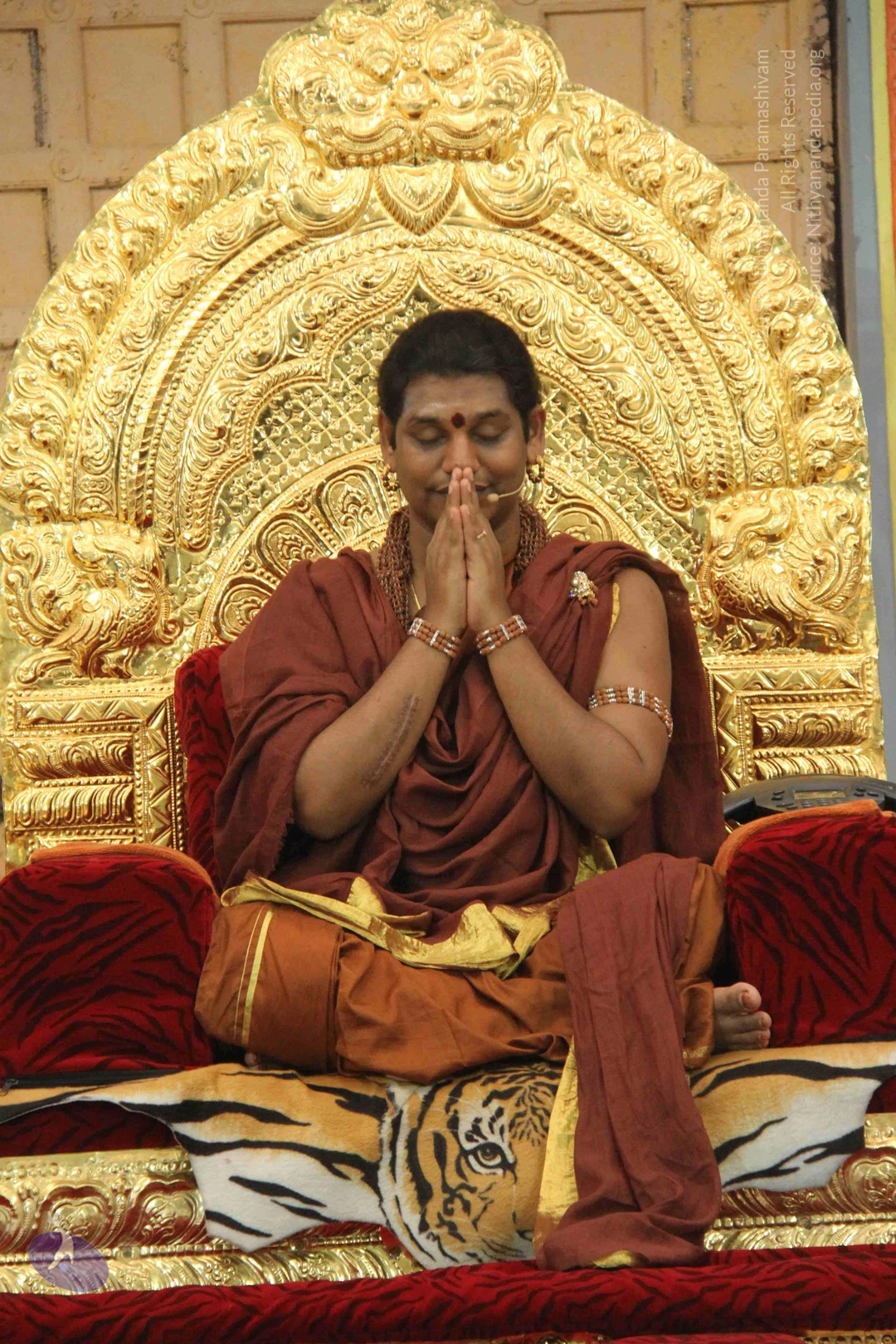
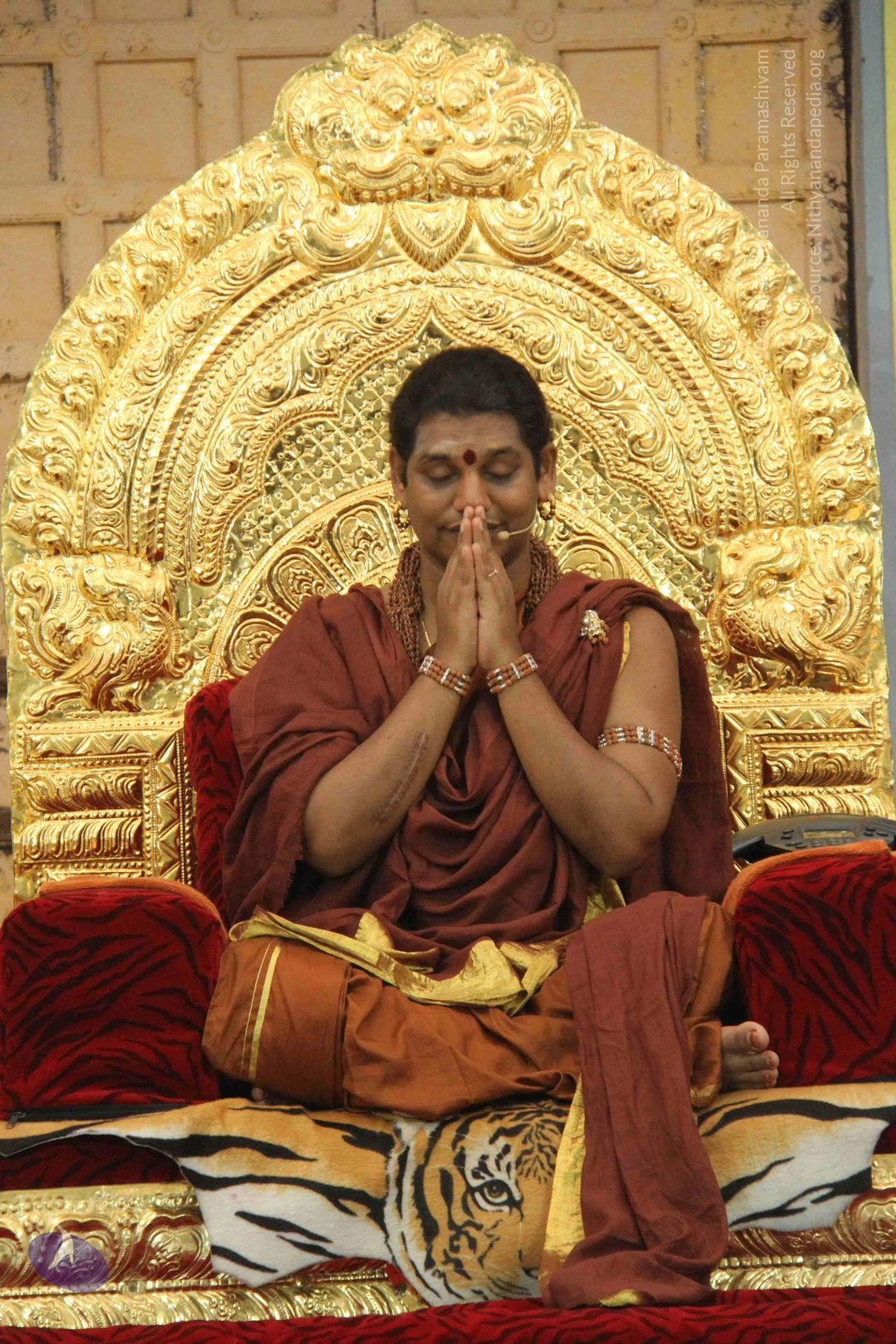
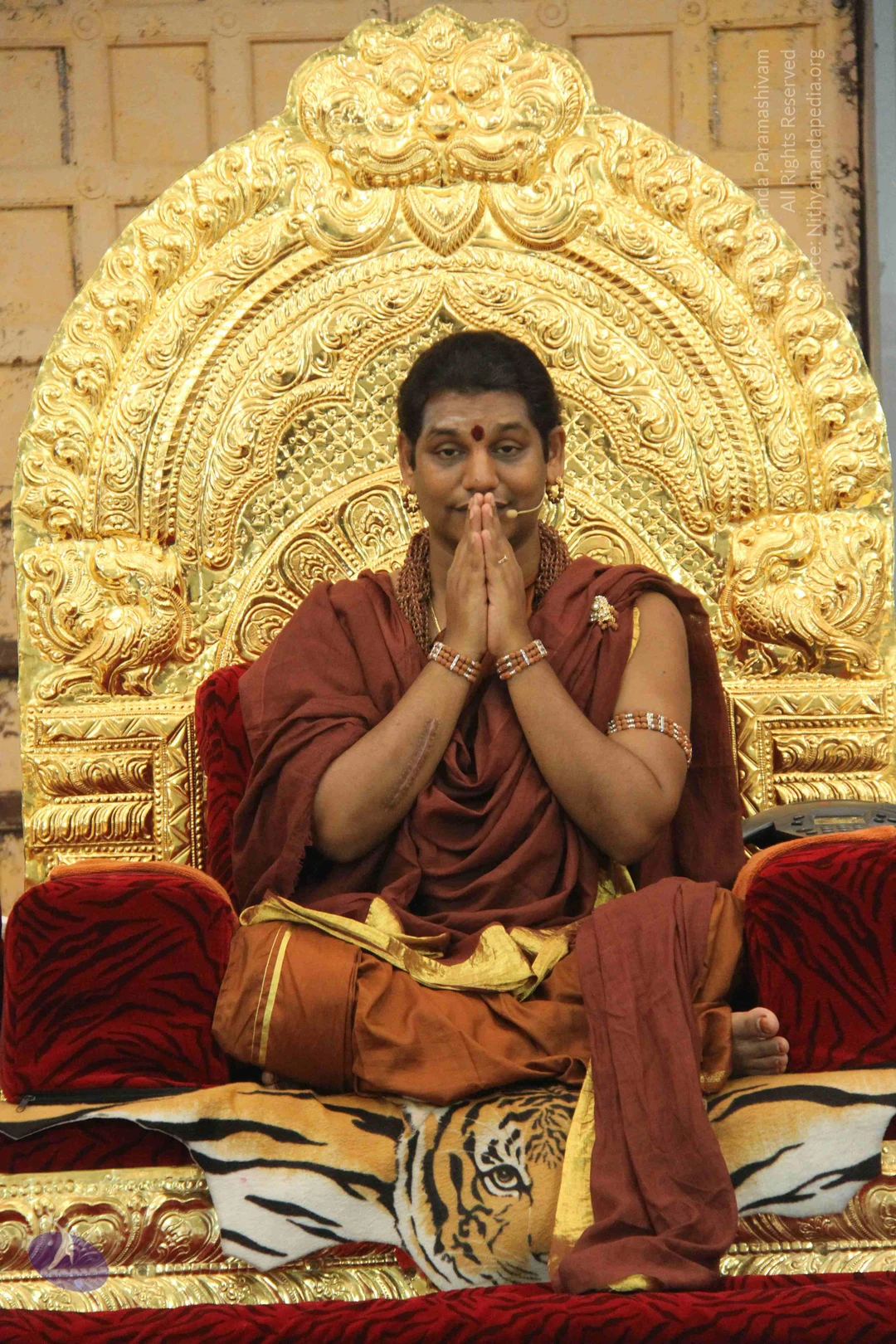
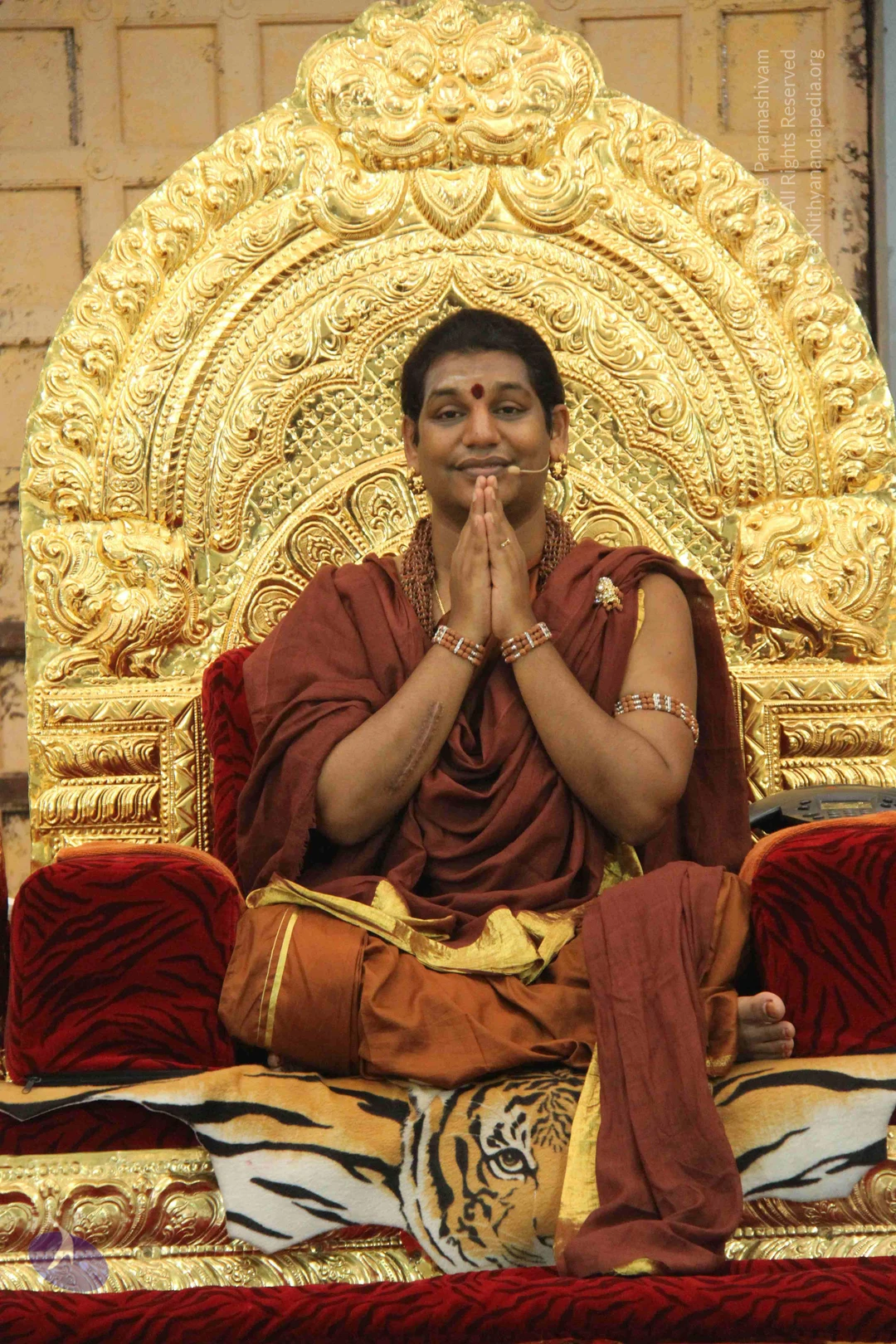
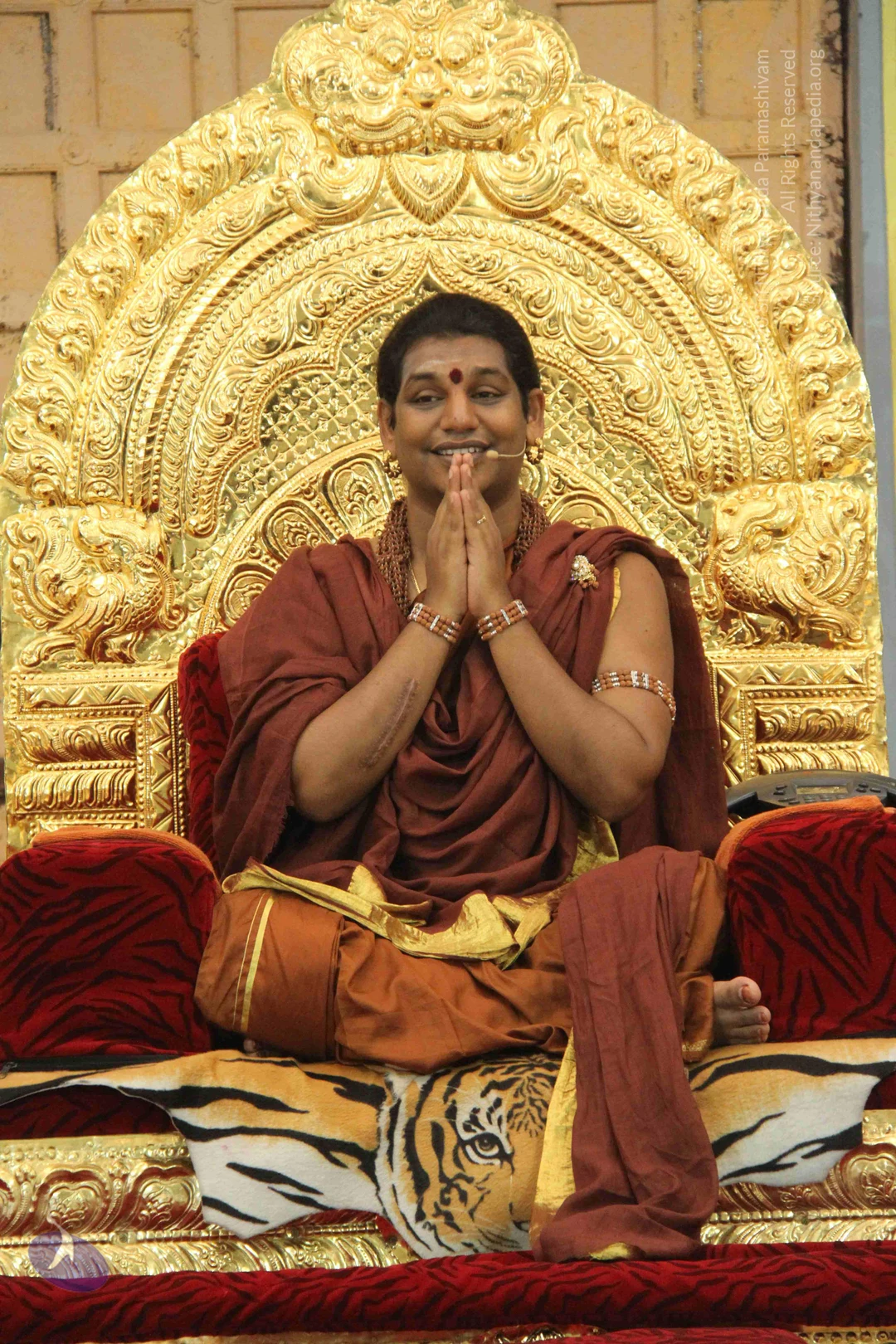
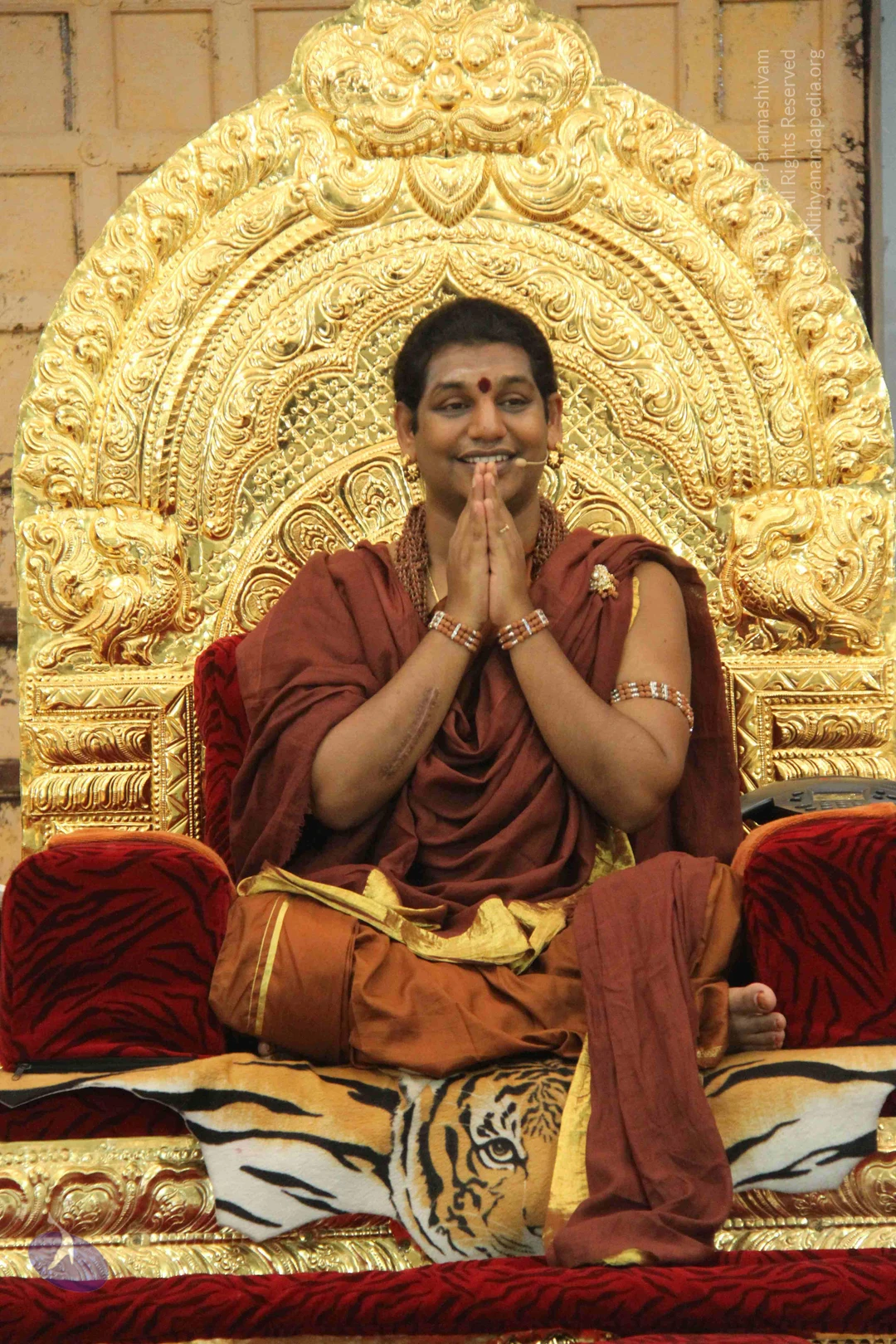
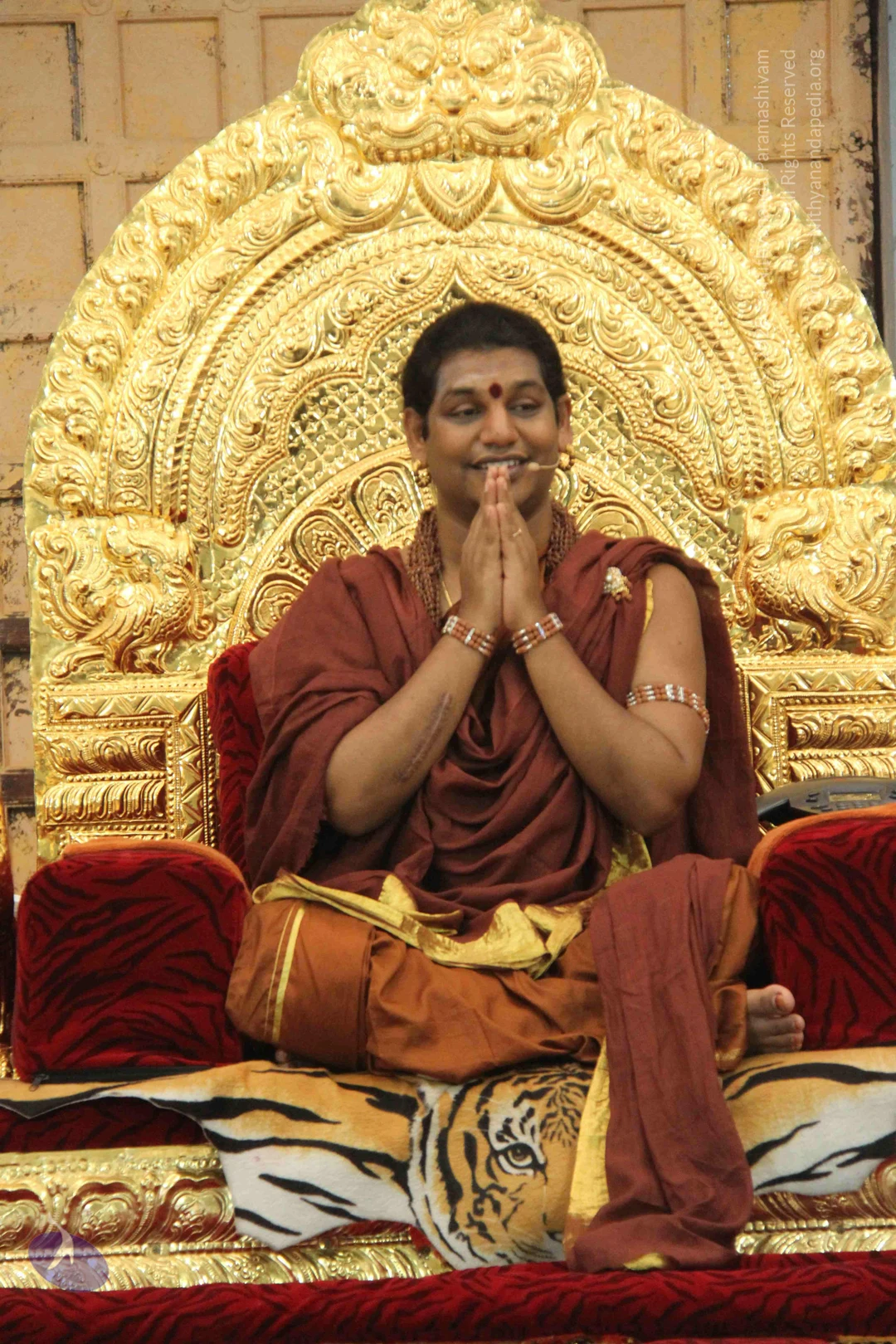
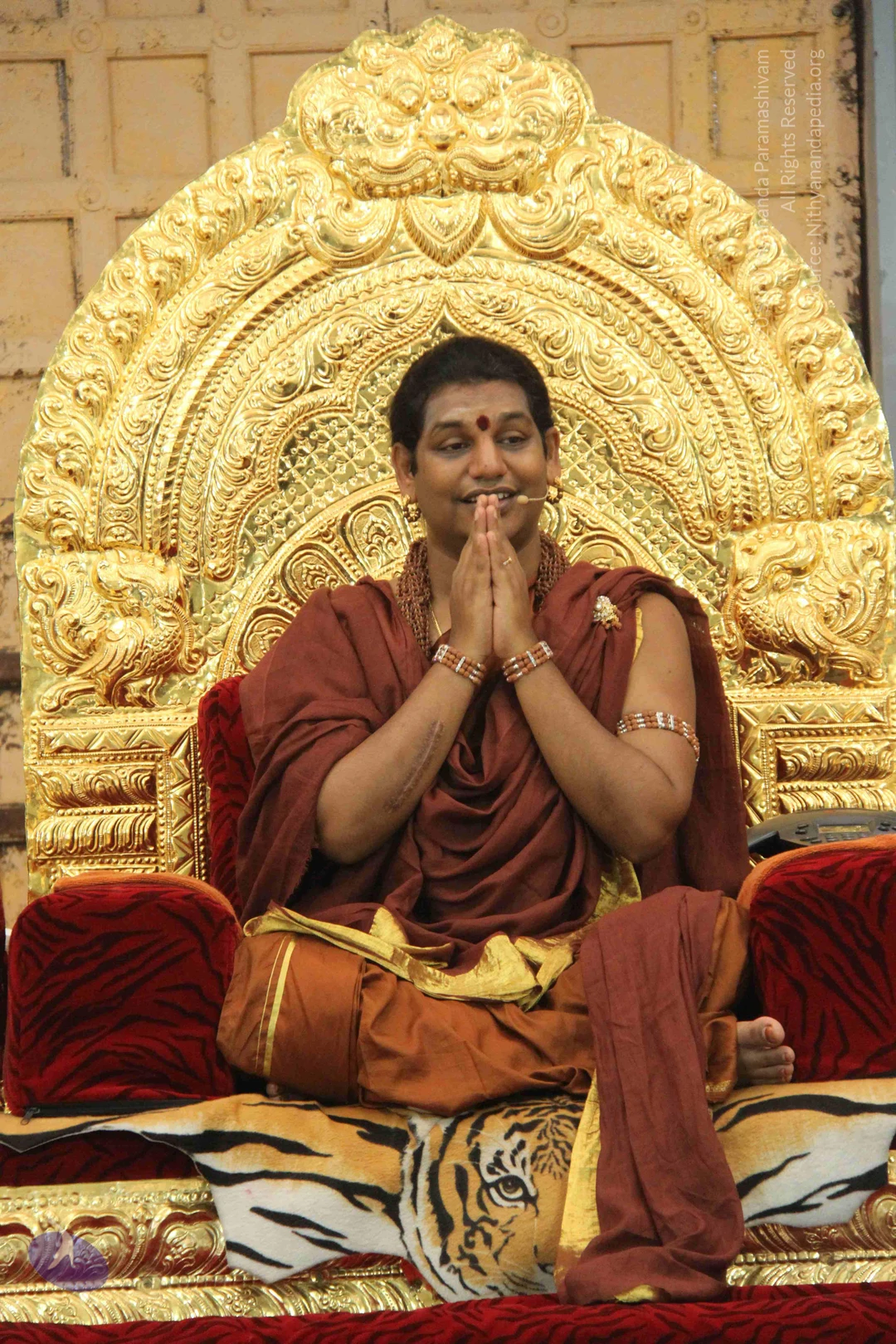
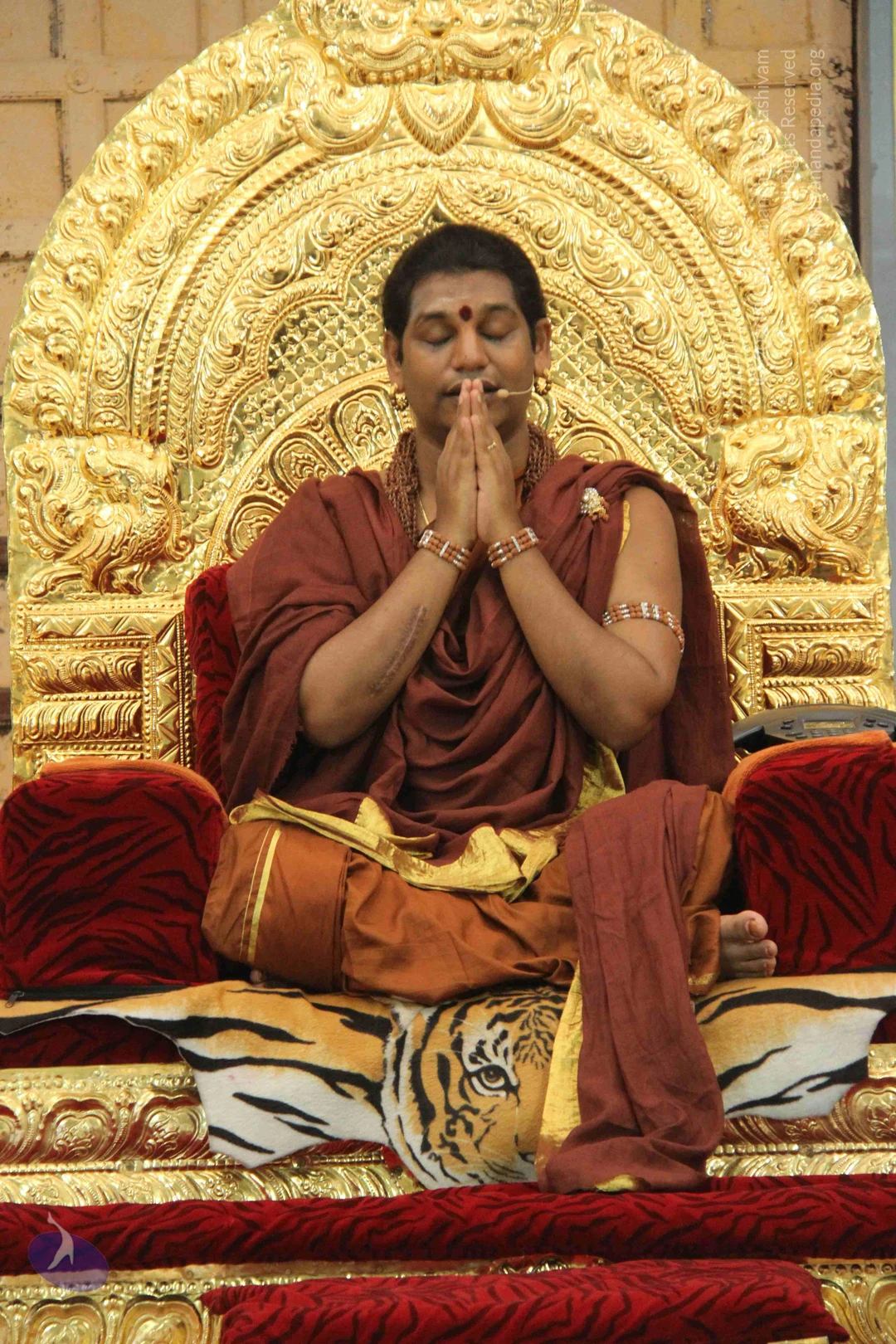
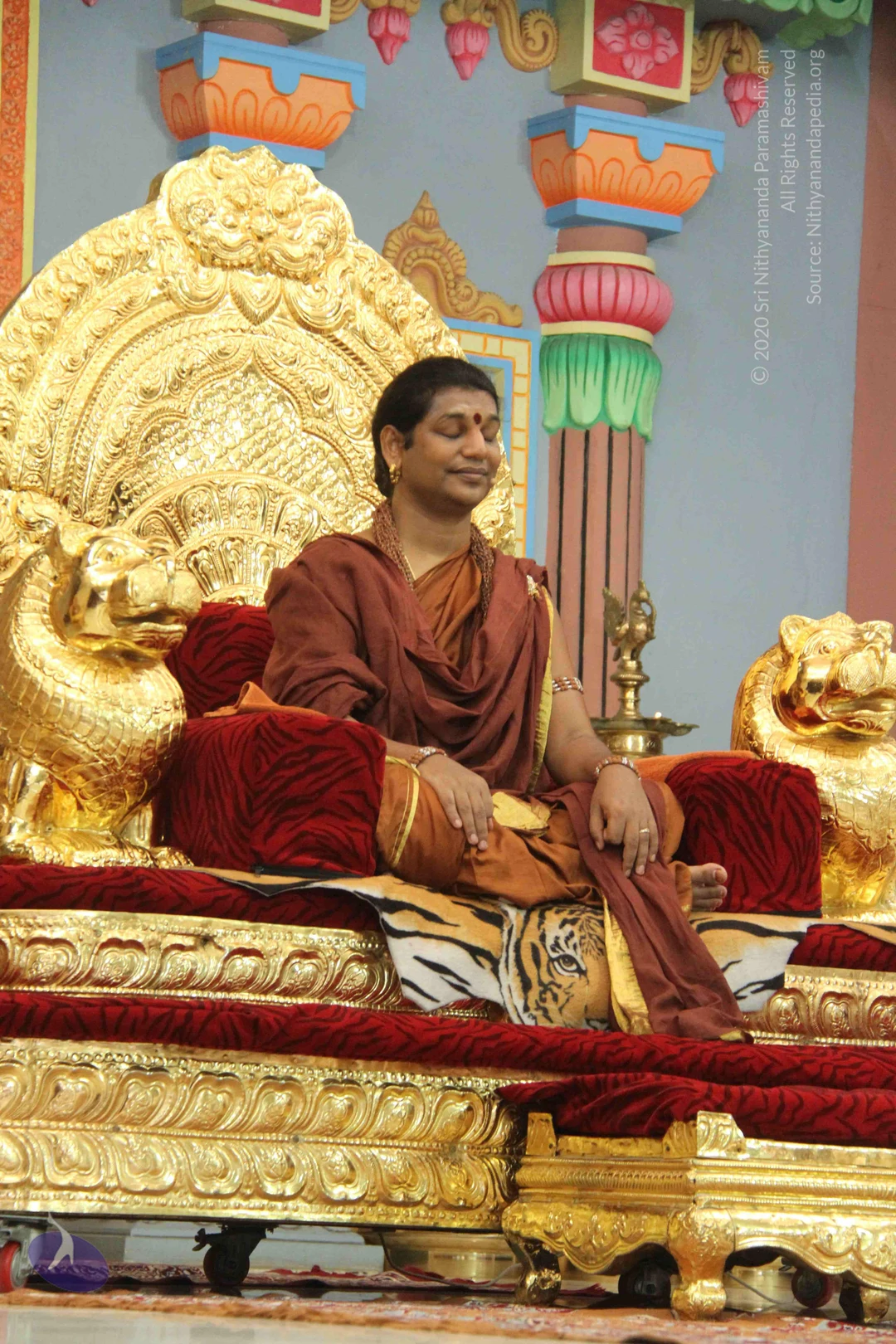
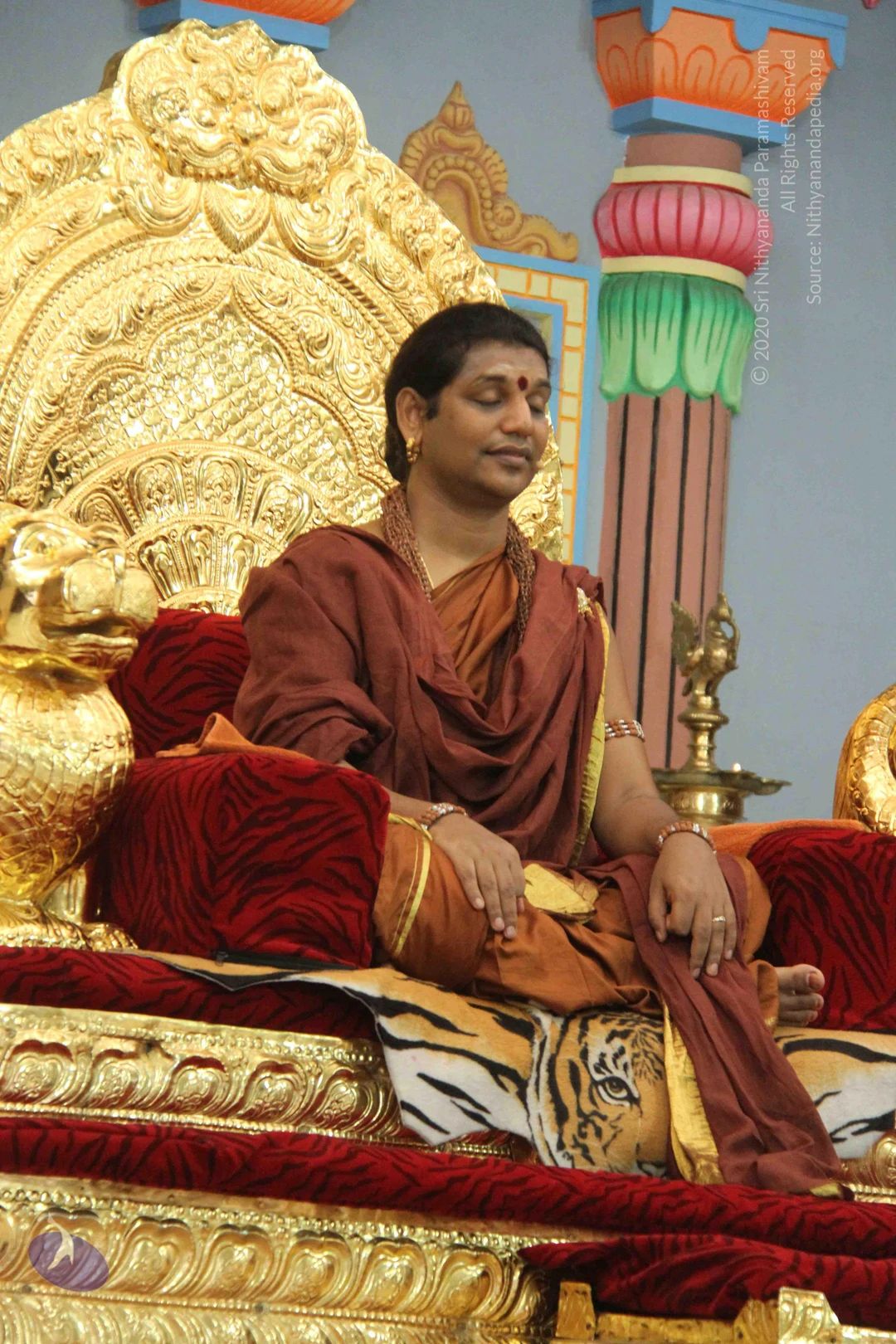
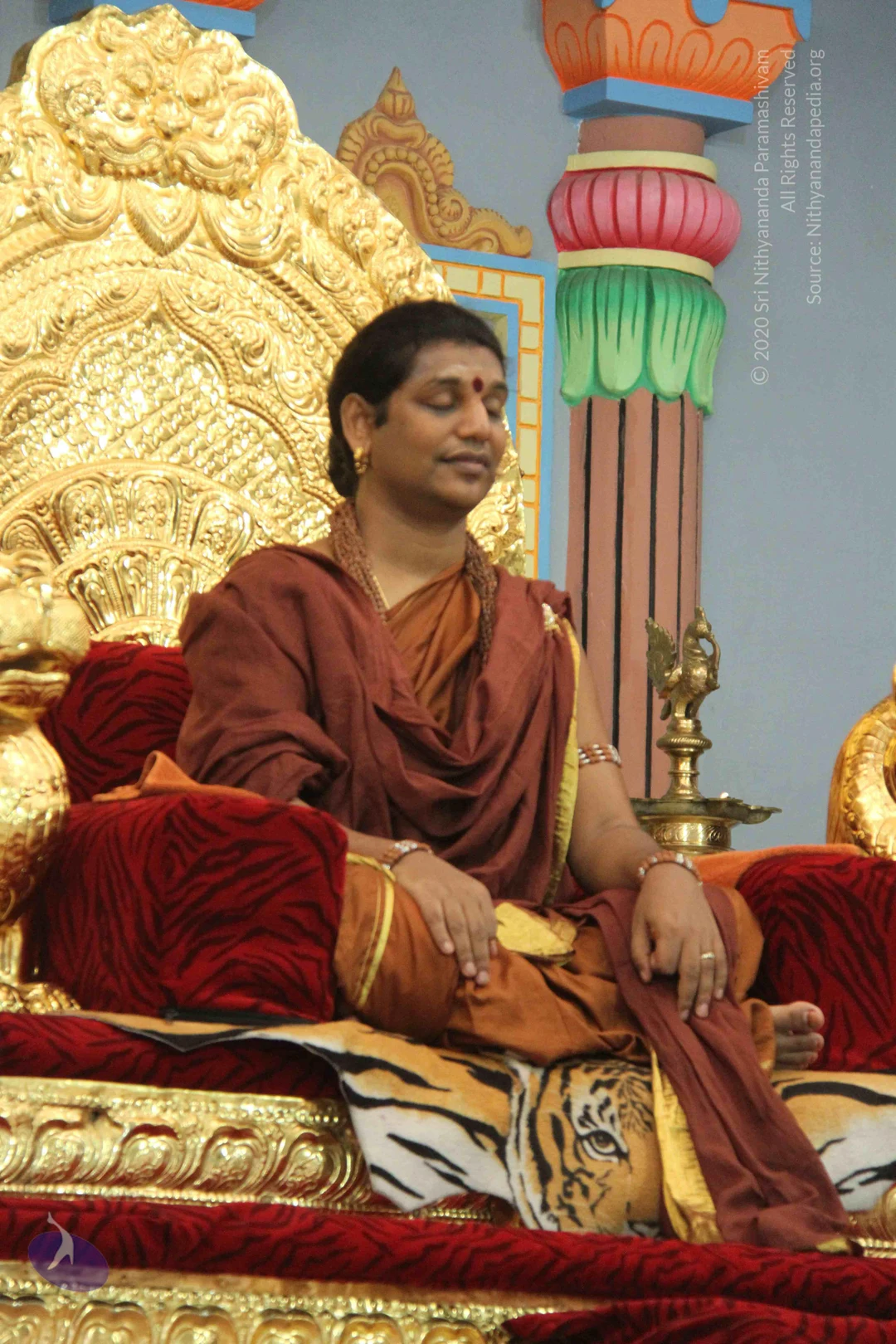
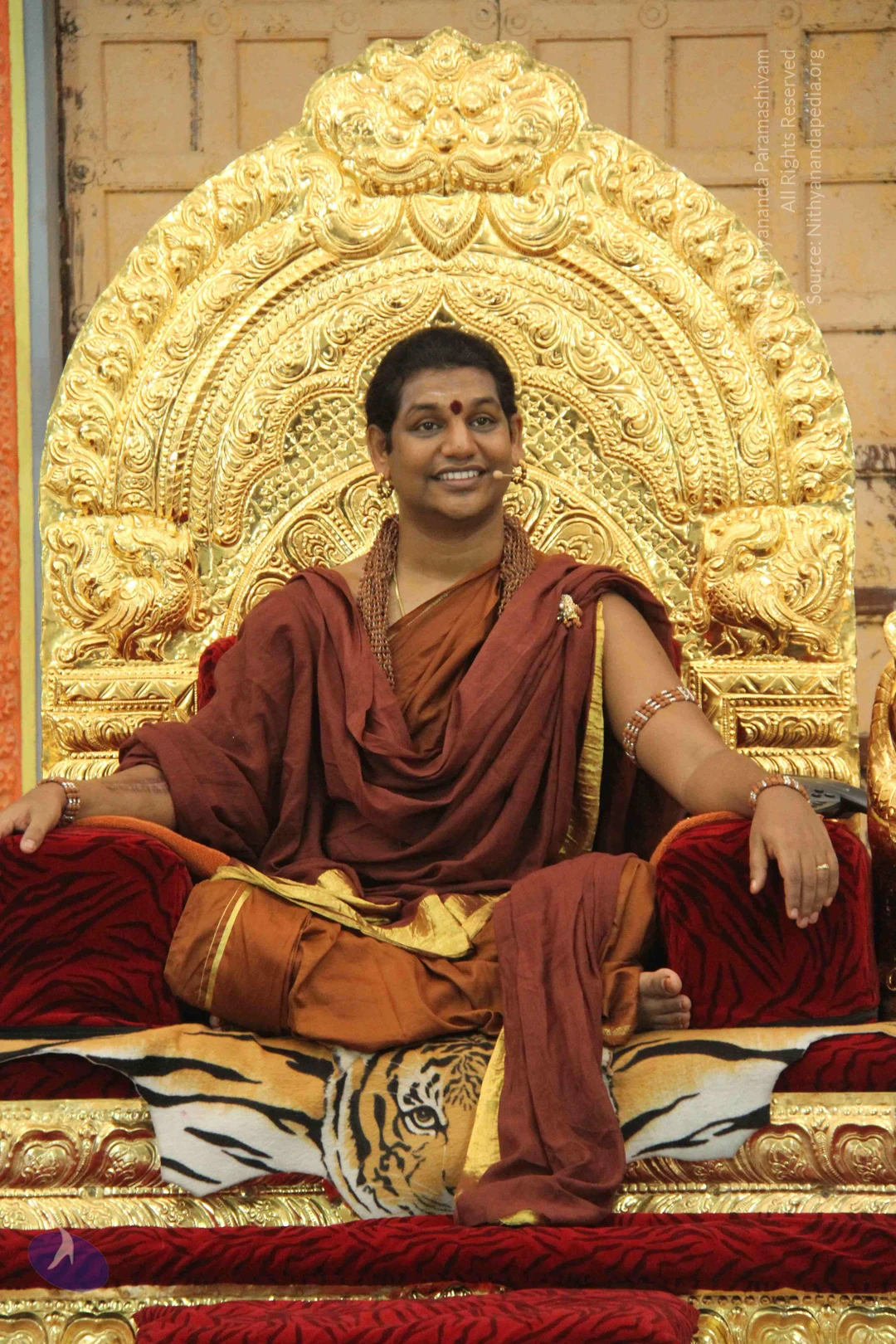
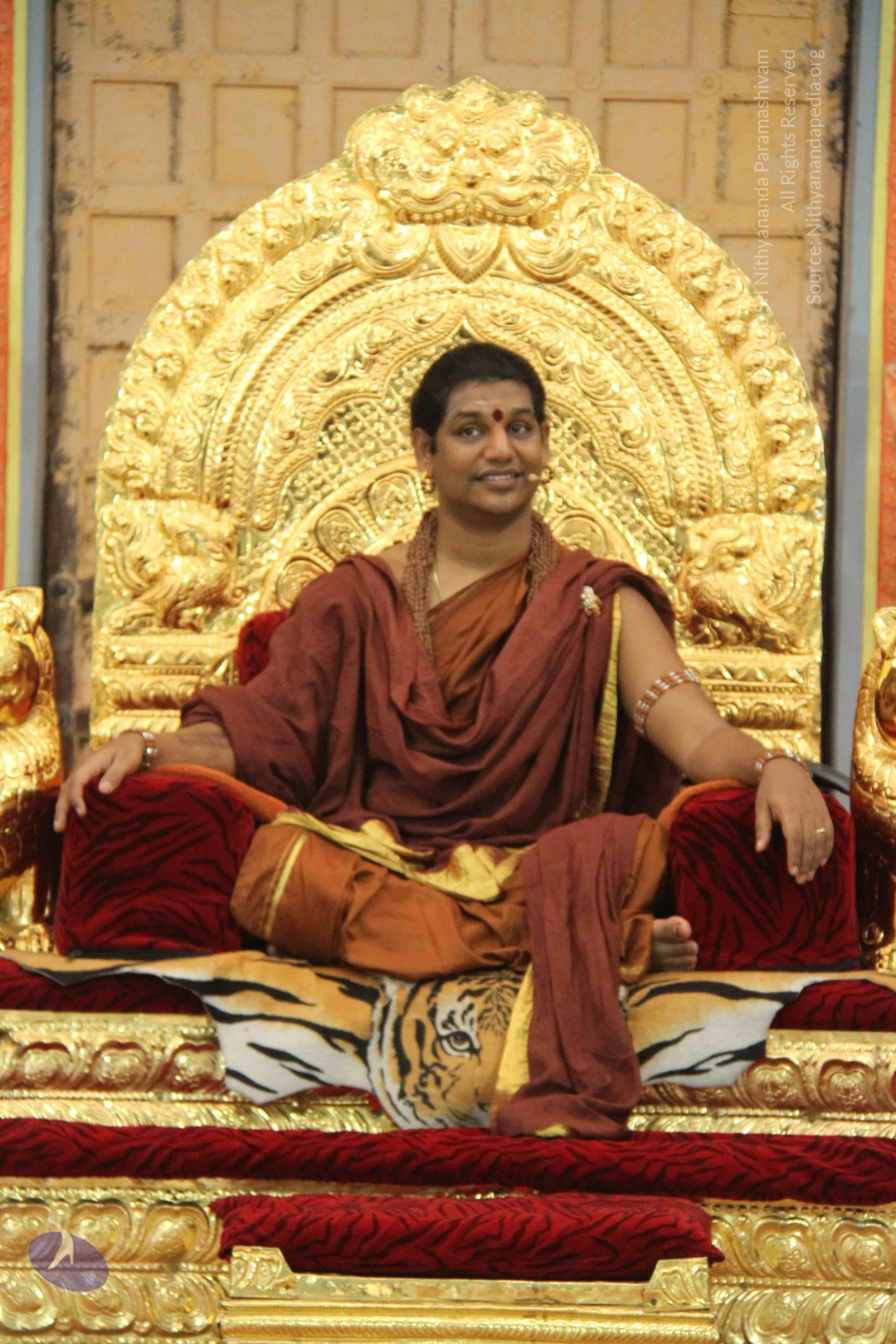
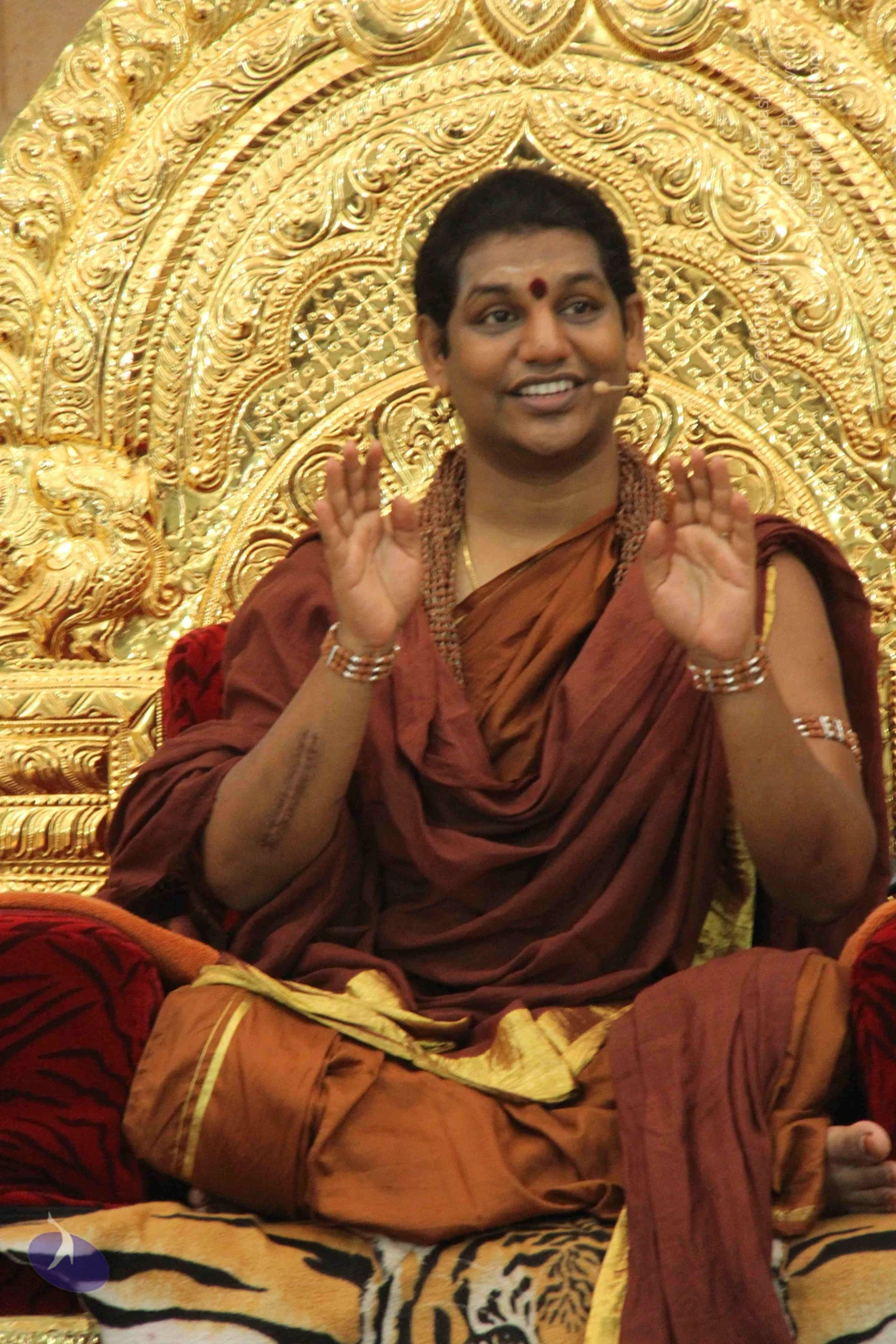
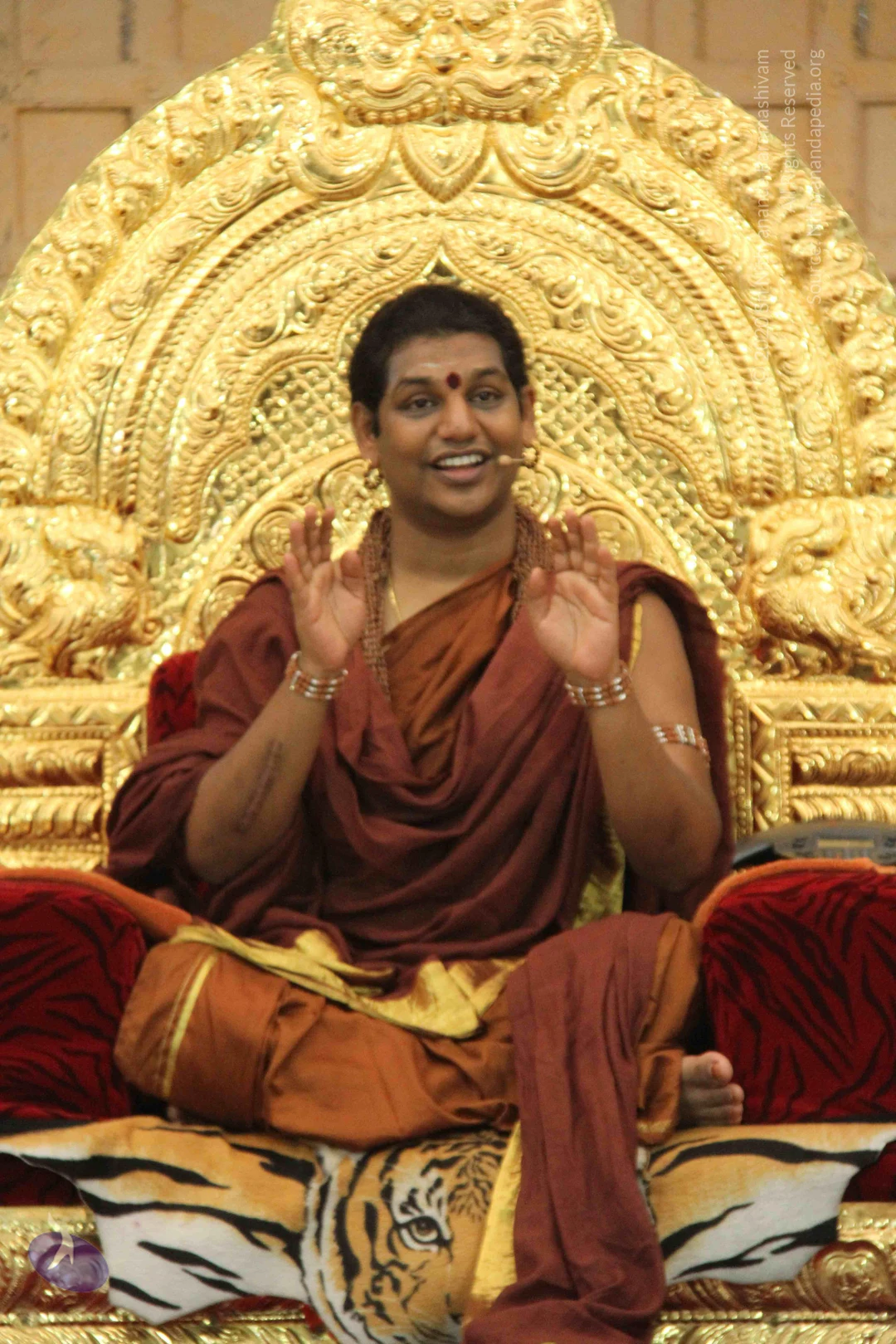
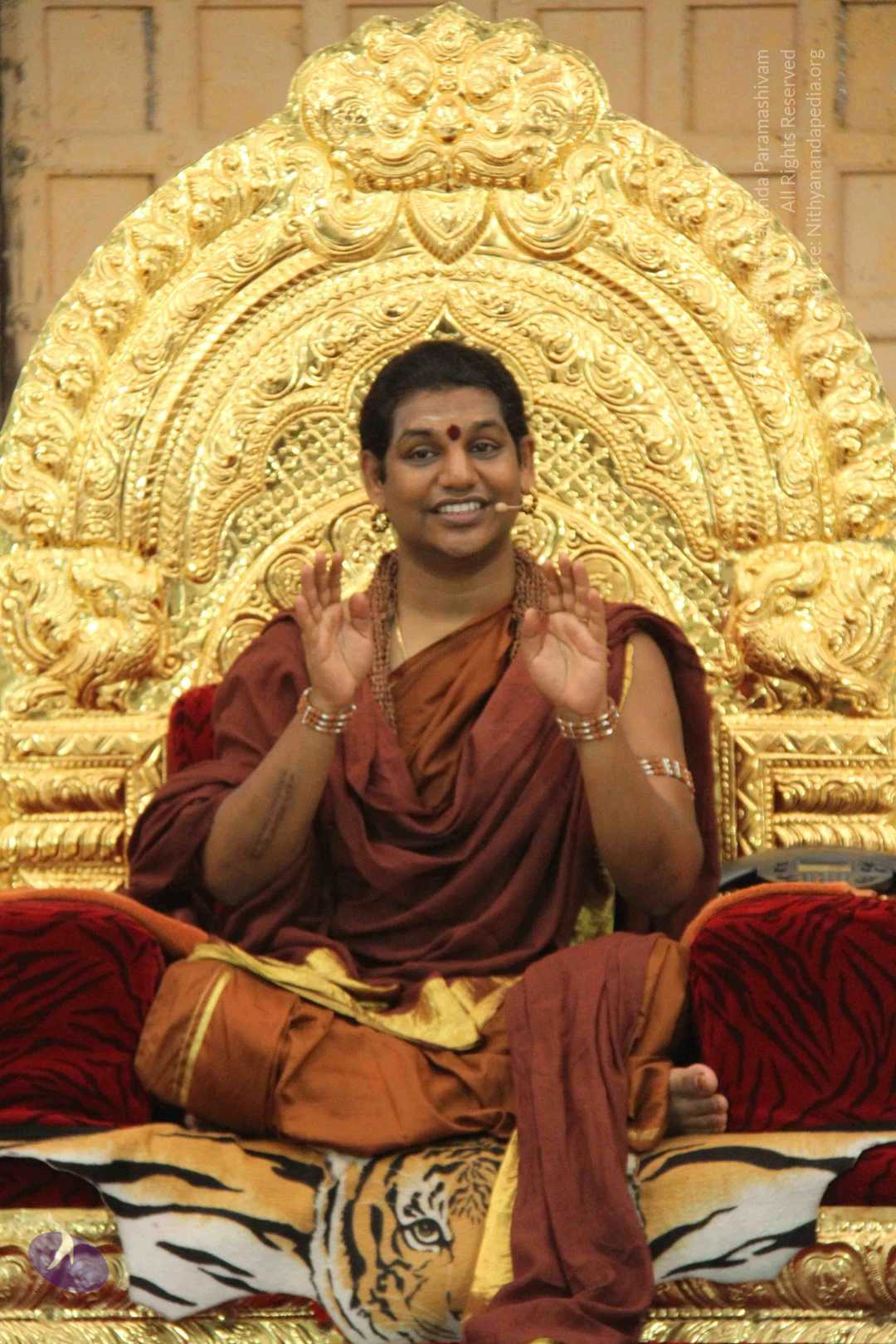
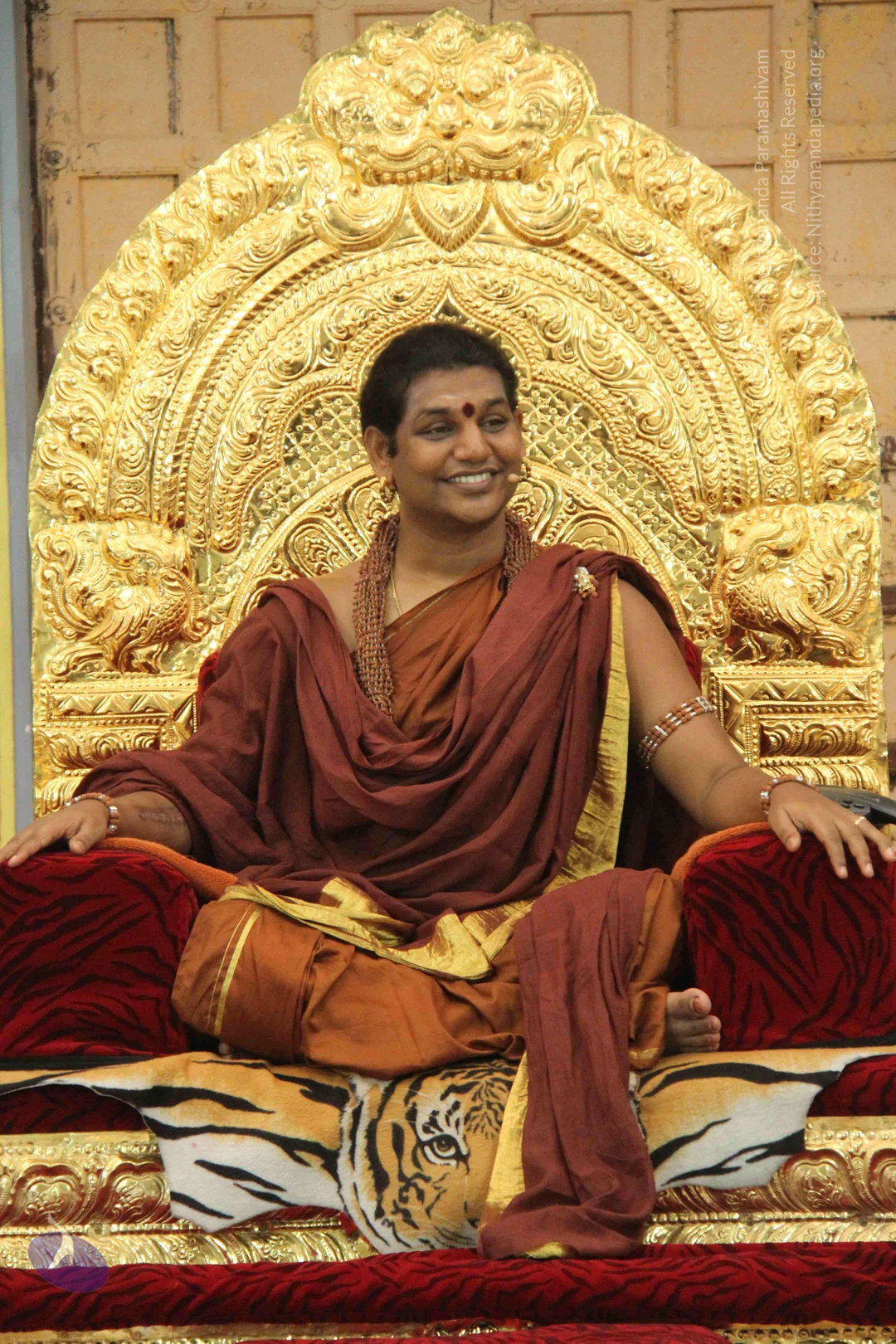
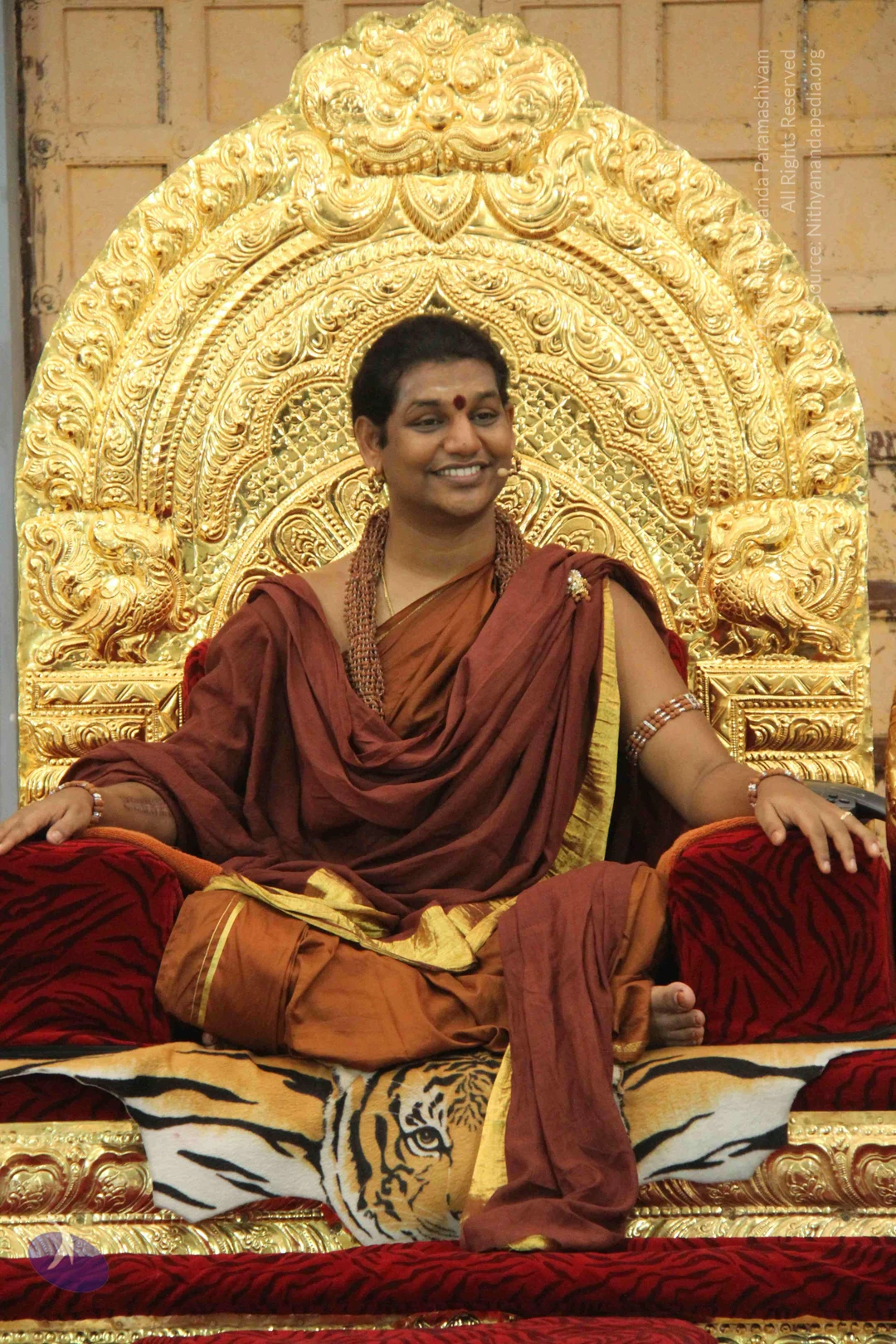
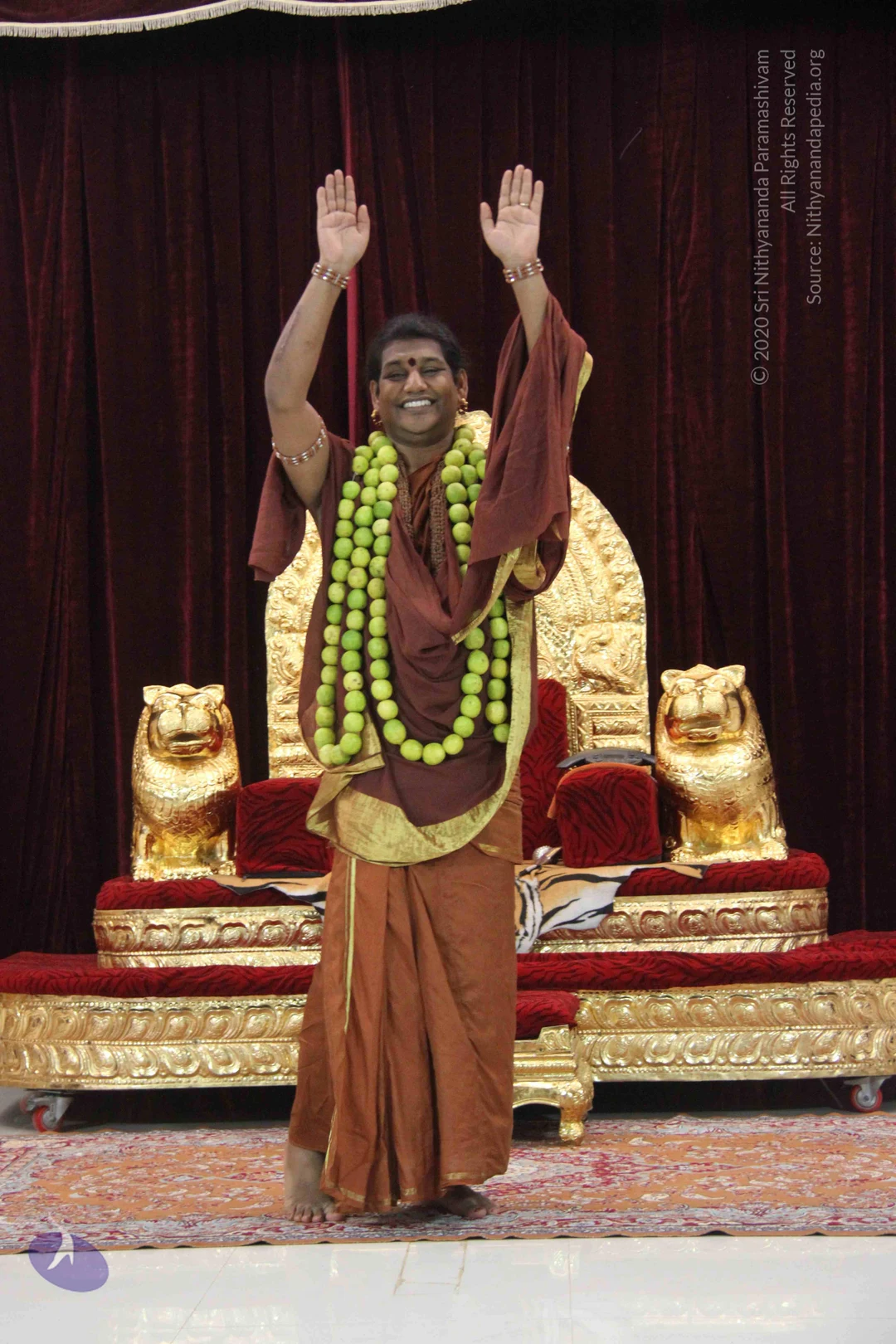
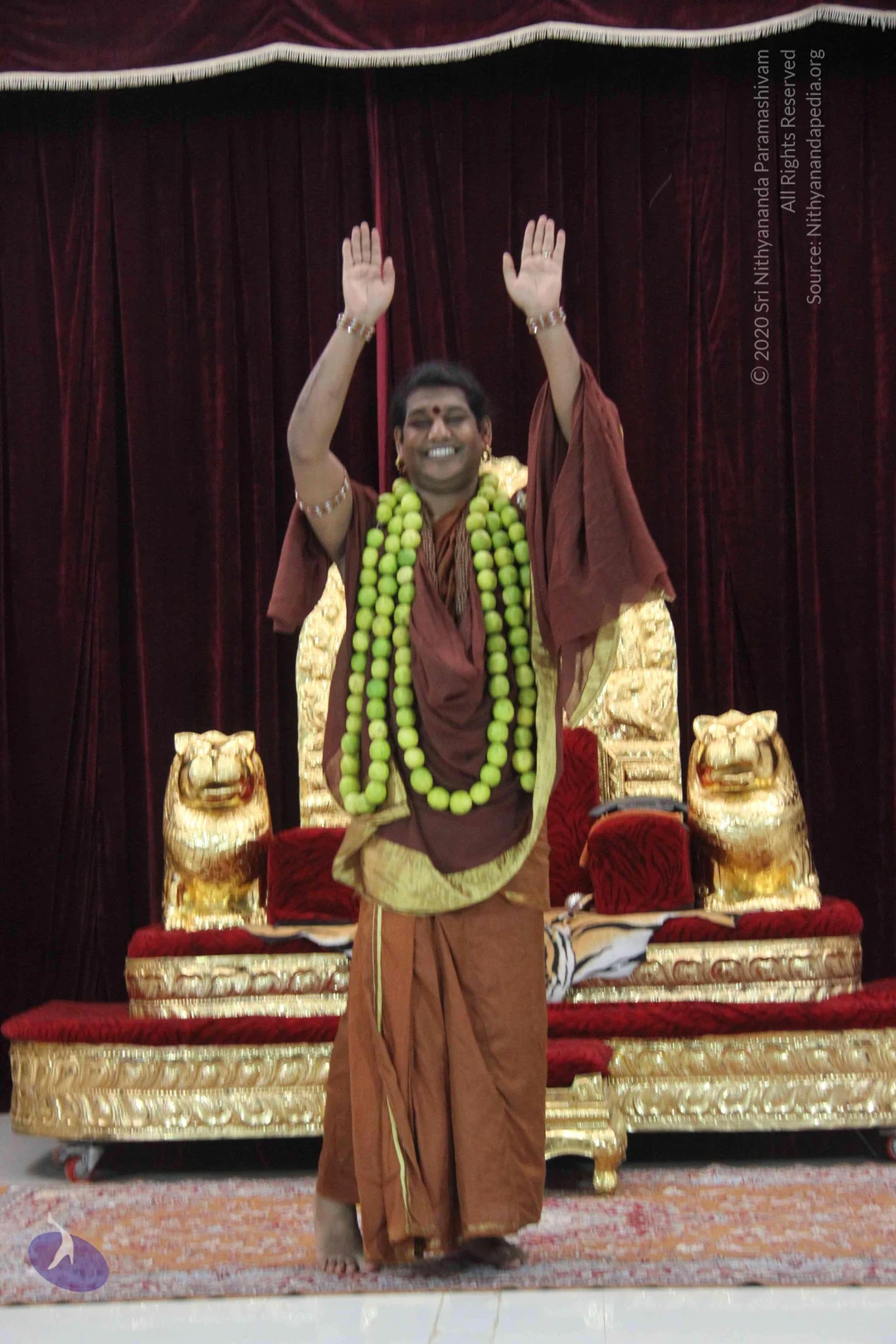
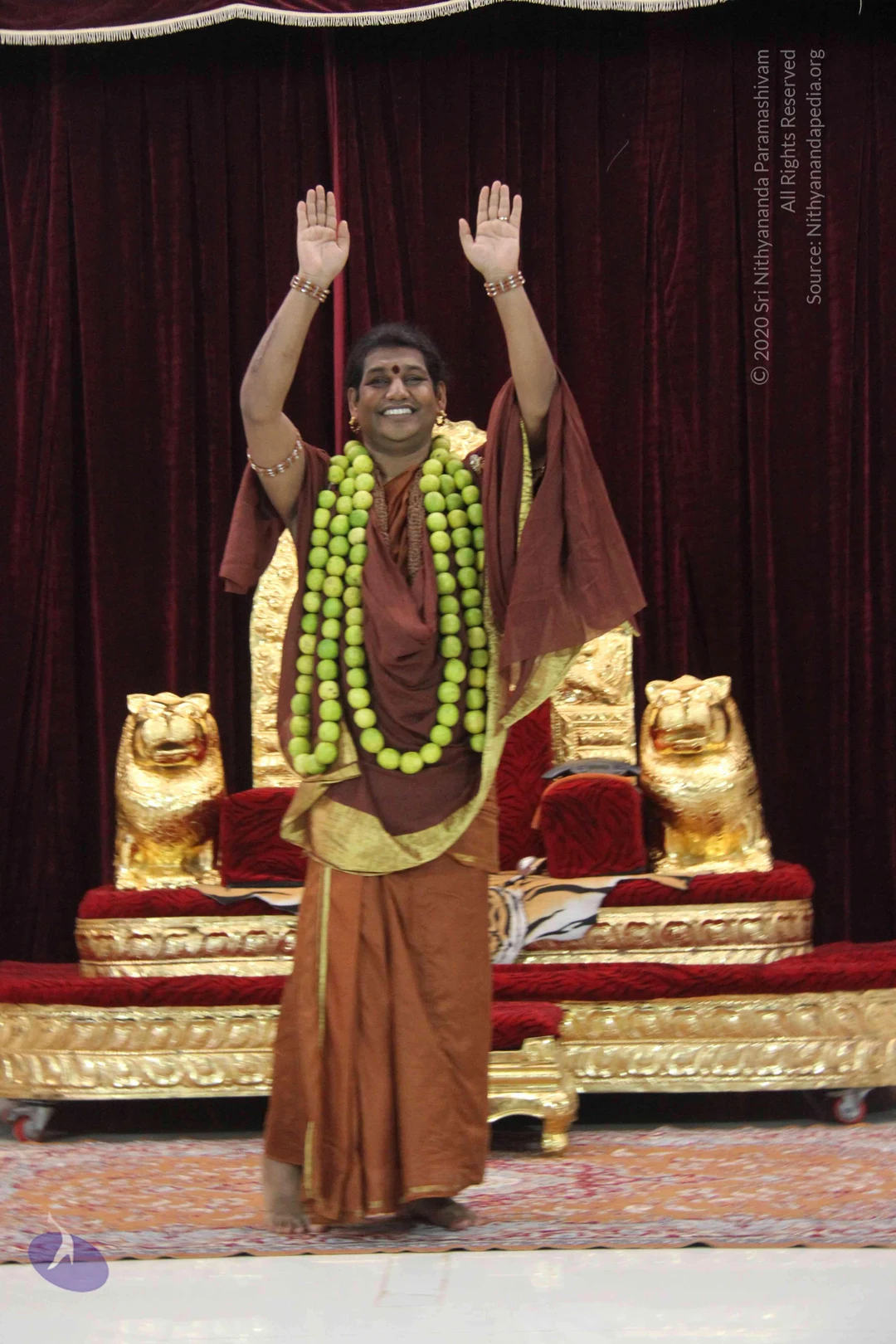
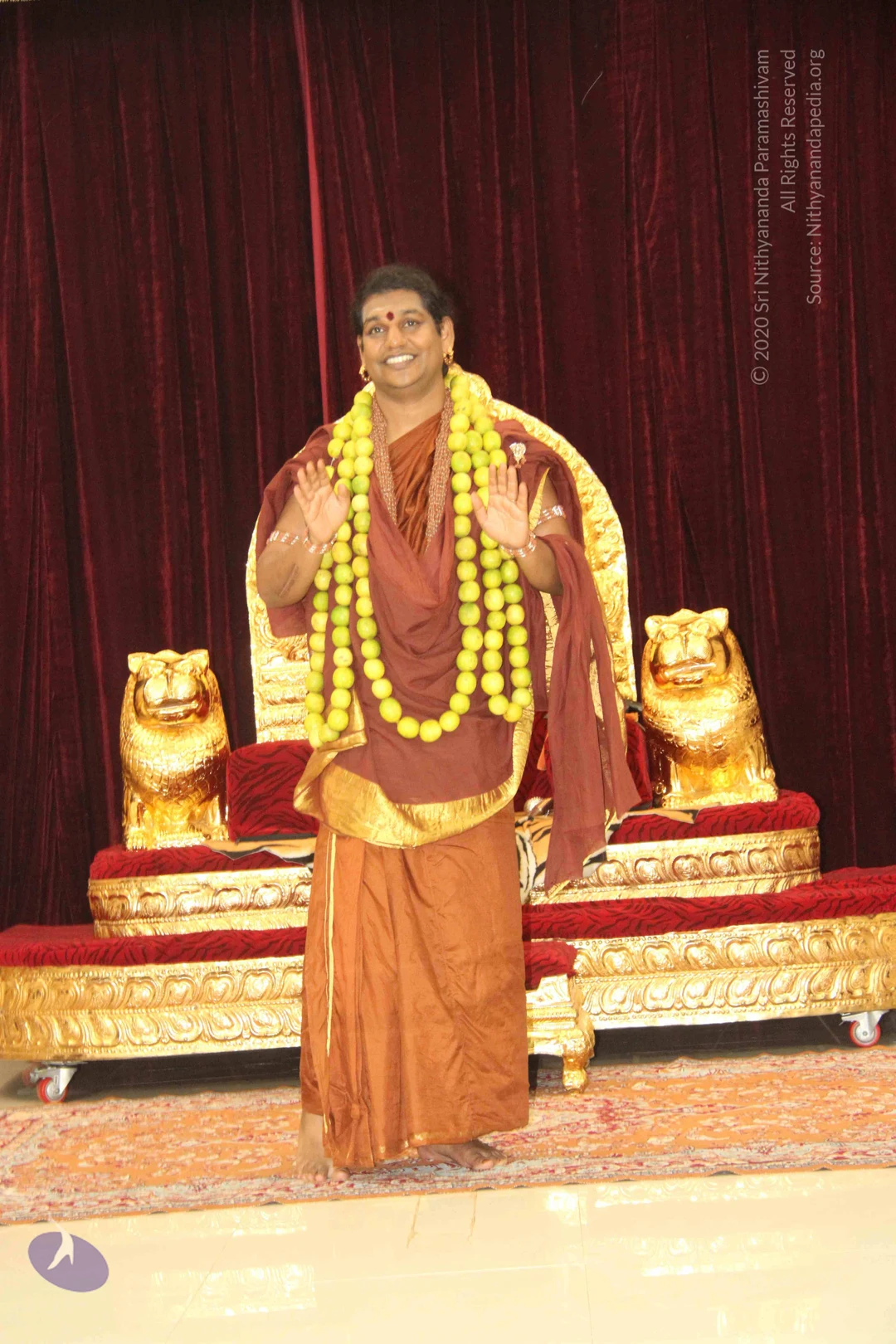
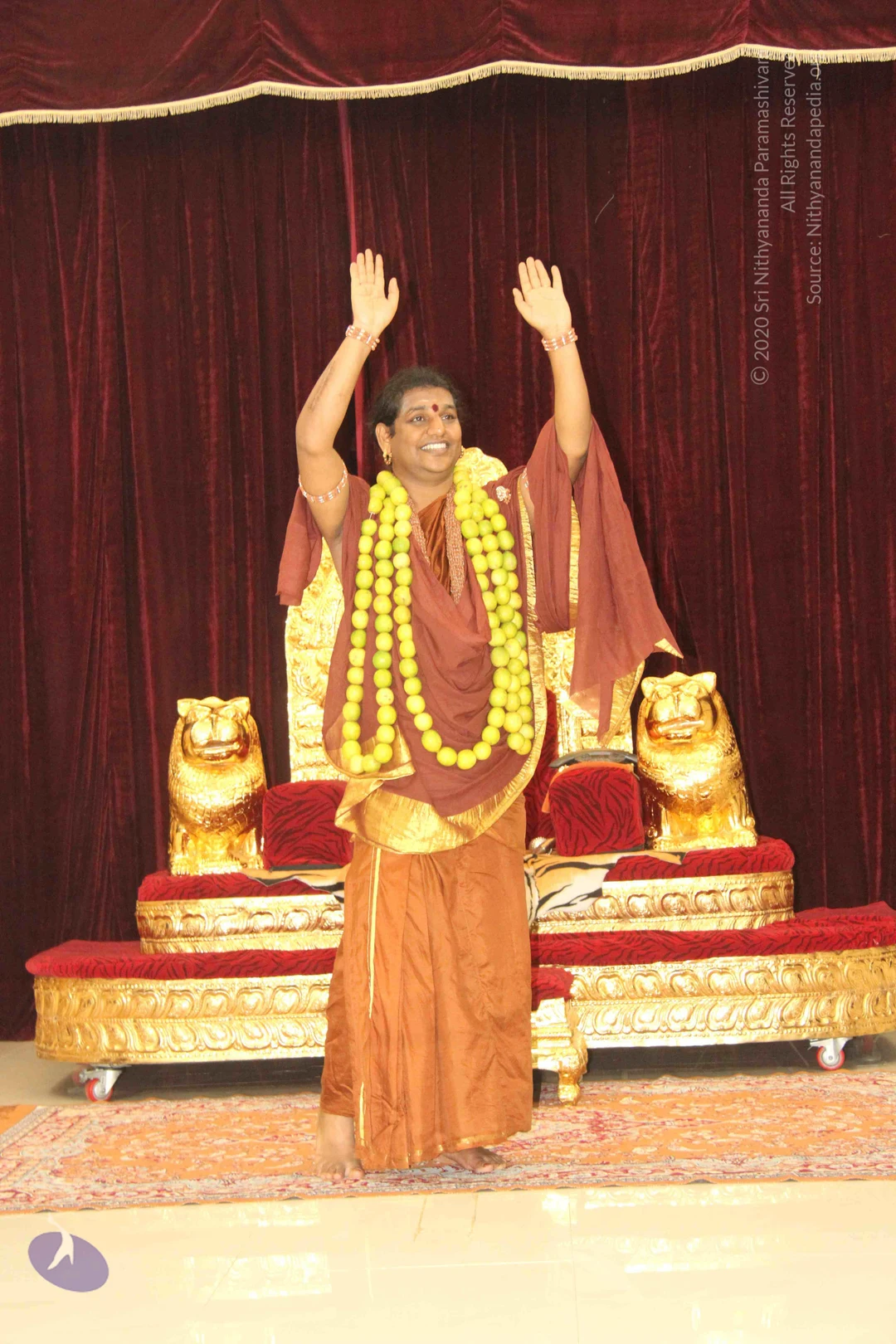
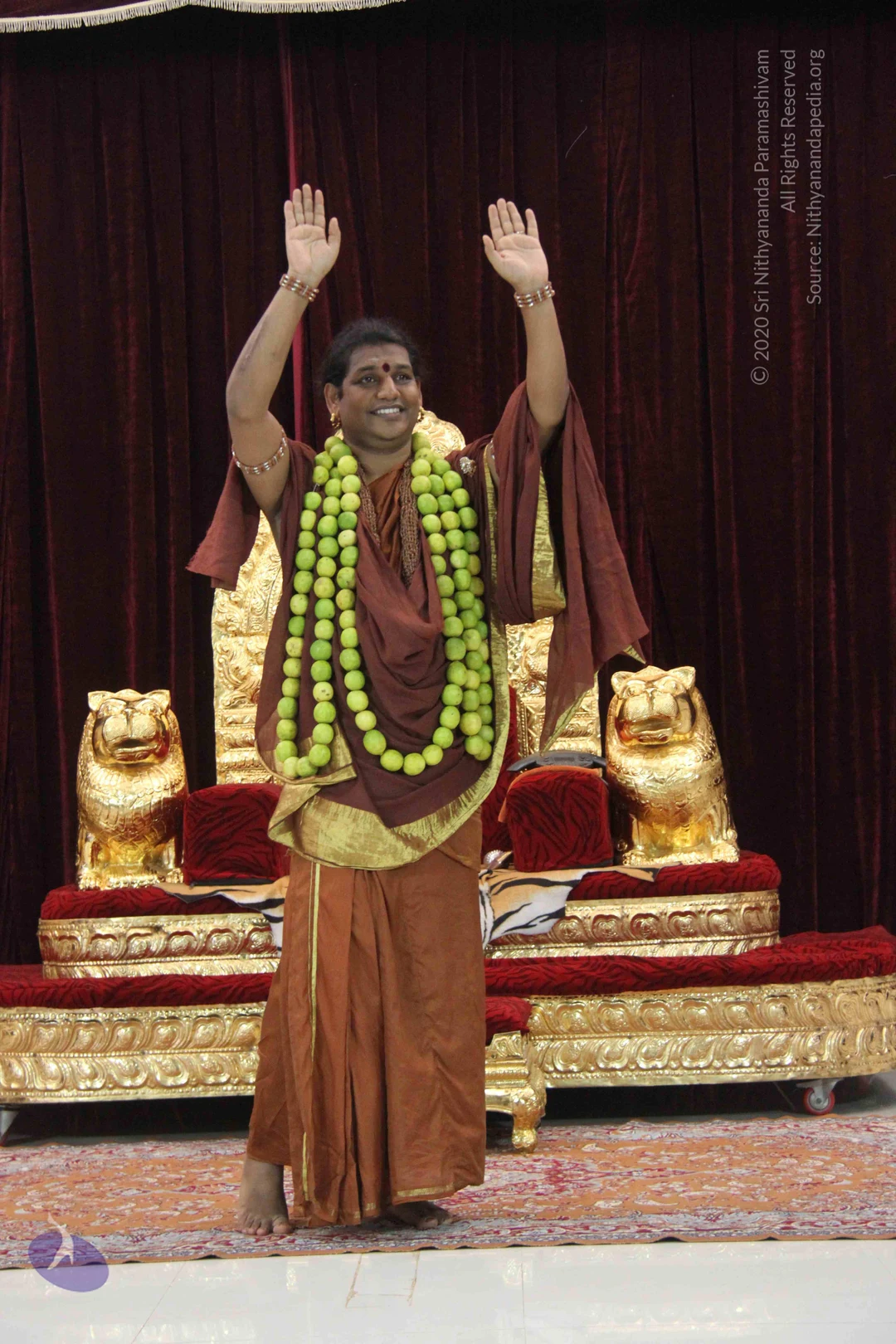
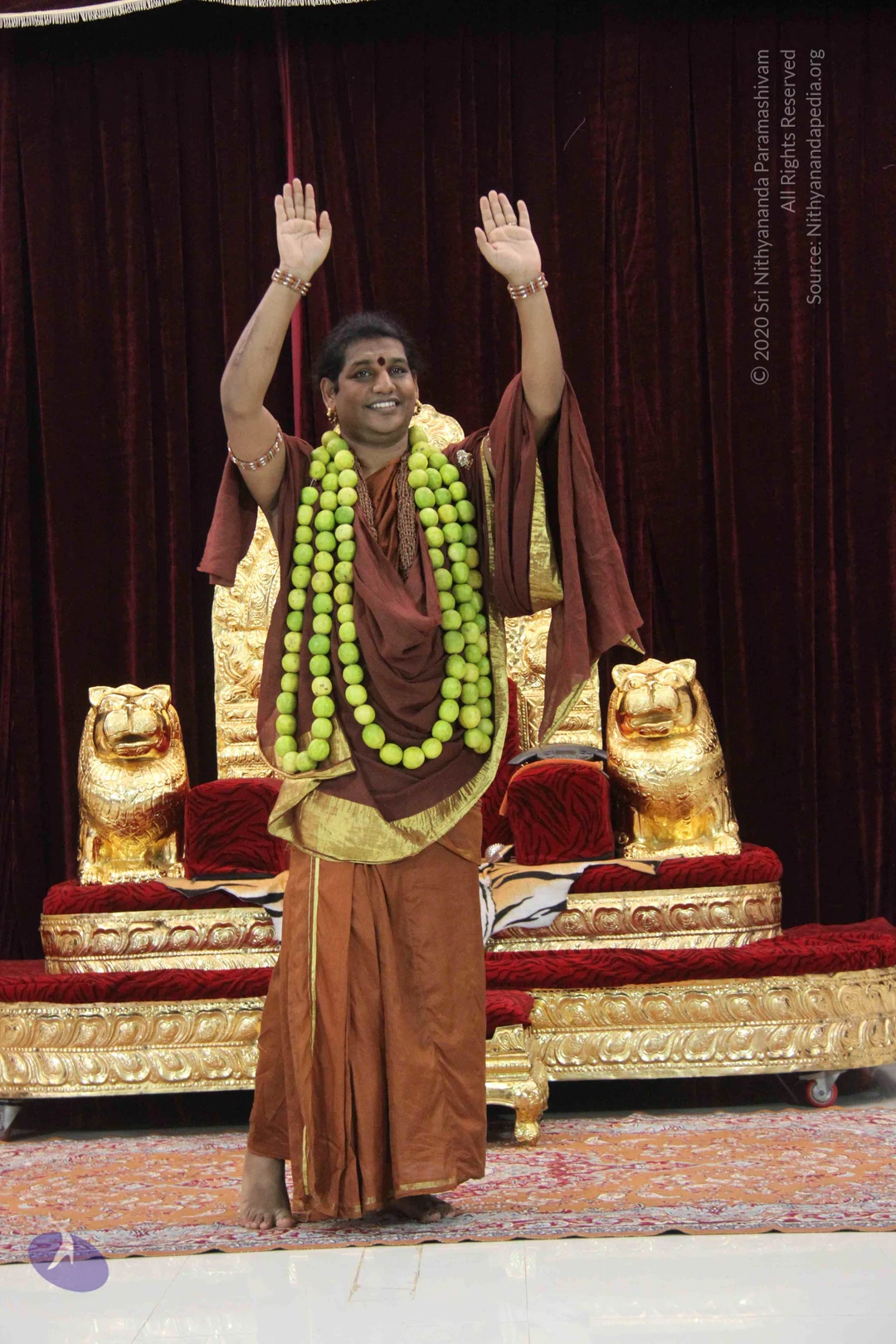
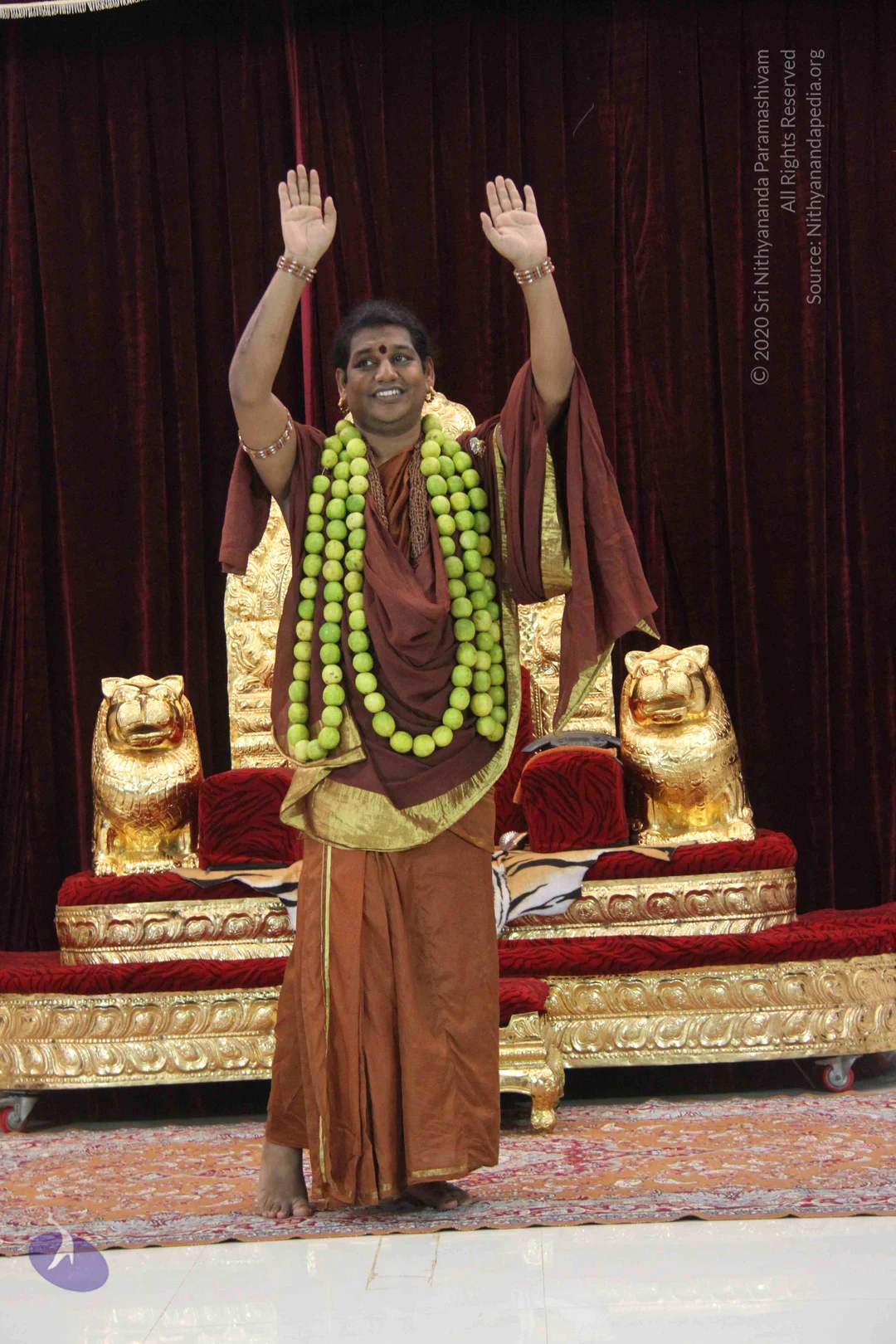
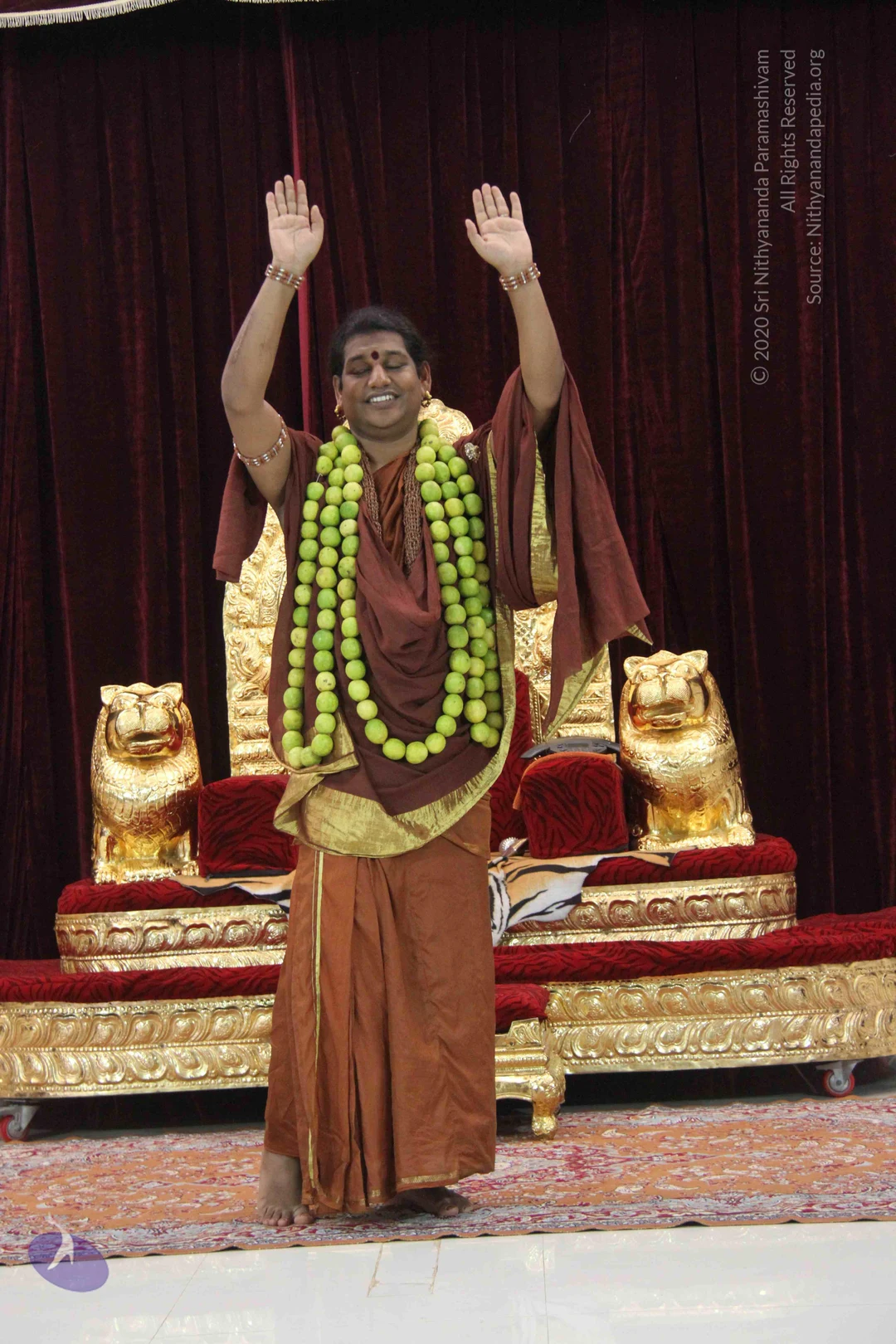
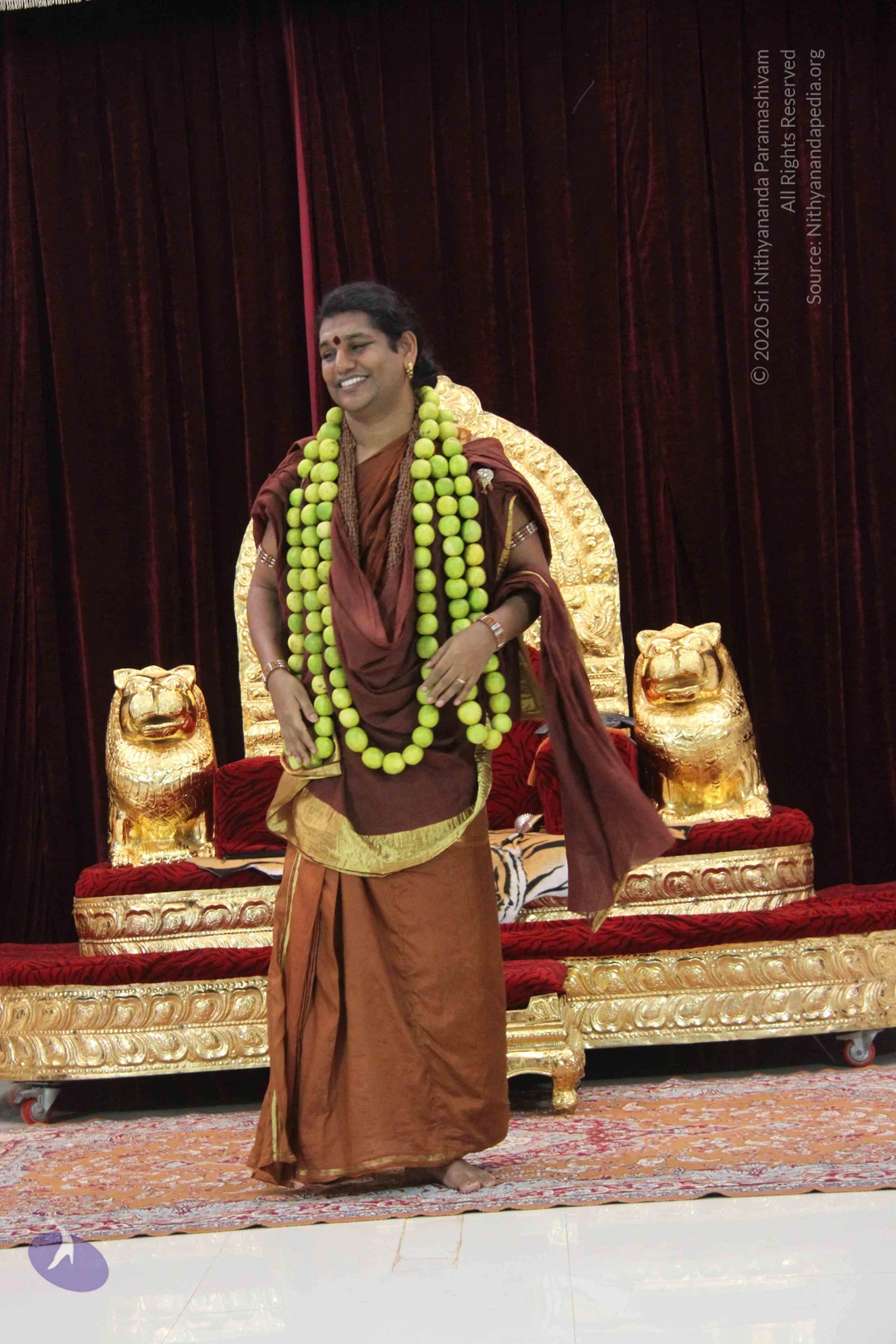
Photos from this day
View all 254 photosPhotos From The Day:
28 photosSource gallery
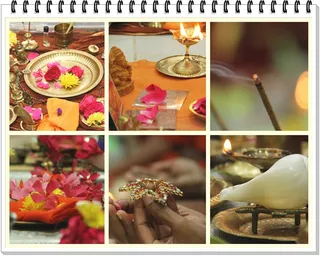
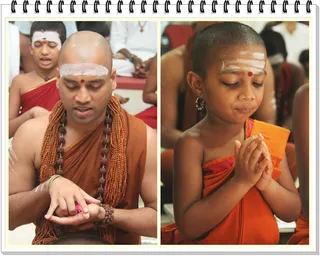
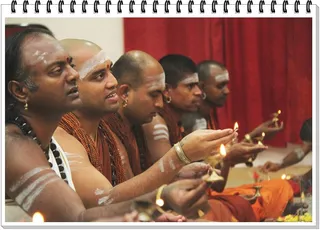
PadukaPuja
23 photosSource gallery

Gurukul_instruments
1 photoSource gallery
KaraikudiCenter_Inauguration
2 photosSource gallery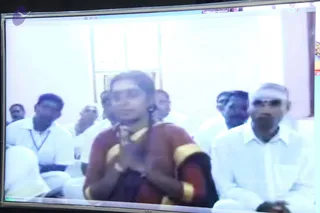
NithyaSatsang
113 photosSource gallery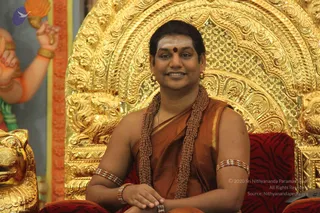
SarvaDarshan
34 photosSource gallery
01-PADA-PUJA
2 photosSource gallery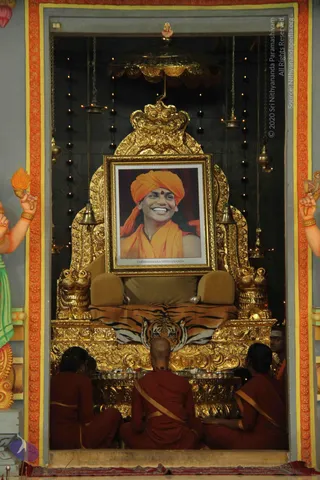
02-NITHYA-SATSANG
51 photosSource gallery