Sunday
30 October 2011
Discover Joy Inside Yourself
- Dated photos
- 206
- Source pages
- 1
- Media
- 3
October 30 2011
Original wiki pageTitle:
Discover Joy Inside Yourself
Description
Bhagavad Gita (Song of God) is a timeless treatise on the essence of living enlightenment. The Gita was imparted by the enlightened Hindu incarnation Sri Krishna to the warrior-prince Arjuna over 5000 years ago. Amazingly, the spiritual wisdom and life solutions offered in the Gita are so universal and current that it is even today used as a personal transformation guide
In this talk on Bhagavad Gita, Chap 2, Verse 58, Paramahamsa Nithyananda shares his personal experience with Sri Krishna's message. The verse instructs us that when we withdraw our senses from outward stimuli in the same way that a tortoise withdraws into its shell, our spiritual understanding becomes steady. Paramahamsa recalls grasping this concept strongly upon first seeing a tortoise in action as a boy. He comments that the clarity of Sri Krishna's image is so sharp it needs no embellishment. When we transform our awareness and focus on our inner space, we discover that the source of all joy lies within ourselves. We accept our evolutionary destiny: to end our dependence on external events. This does not mean we don't interact or enjoy the outer world, but it no longer disturbs our stability
Link to Video:
| Video | Audio |
Link to Video:
Transcript:
DISCOVER JOY INSIDE YOURSELF (Bhagavad gita; day 63)
We received a lot of questions about this Kundalini Awakening;
So, today I will do one verse on Bhagavad Gita and then answer all your questions from yesterday’s webinar.
Lets get into the BG verse,
2nd chapter Sankhya yoga; 58th verse in BG,
yadaa samharate chaayam
koormo’ngaaneeva sarvashaha
indriyaan-indriyaarthebhyaha
tasya pragnyaa pratishthitaa II2.58
Translation:
“When a person completely withdraws his sense organs from the object of the senses like a tortoise; like a tortoise withdrawing its limbs on all sides; then he is said to be established in intense unclutching.
Actually, when I saw the tortoise for the first time; first time I saw a tortoise in my life near Tiruvannamalai, one Sattanur dam. There is a dam near Tiruvannamalai, where they have this crocodile park and they have few tortoises also; huge one; must at least 2 ft high and 4 ft wide; huge one! I have never seen that size after that! Tortoises live for quite a long time; it seems they live even up to 250 years. Their breathing system, everything was so perfectly designed! Huge size; and you know these kids, the moment they see that tortoise or any animal they try to throw some fruit/sweet/try to feed. First time I saw crocodile eating jilebi; no really! See, we all went as a schoolboys; school boys all of us went. The crocodiles are so poor fed, anything you throw they are there to eat. So, all these group of boys, who all of us went, from the school. Usually from the schools, they will take you for the education trip and all that; useless, it is just little fun, you go with all the students and jump around and that’s all; nothing much. So, even the crocodile was eating the jilebi and muruku’s that what we got; that’s the thing we carry when we go for this trips. But, I was surprised a small piece of snack was thrown at this tortoise, the moment something touched him, he withdrew all the limbs, and we were waiting, waiting, waiting, waiting for him to put his head out and the legs out so that we can catch few photographs. The schools when we go, they will bring their own photographer, the camera will be almost this size (shown big), and like a box that guy will bring. At one place, usually, that is the usual standard place, in the dam there is one Gandhi statue, all will stand there and take the group photo, it’s like a typical ritual. You stand here and walk in line, and hold each other’s shirt behind; no really! so that you don’t get lost in the crowd, and roll no.1,2,3,4,5,6; based on the roll no. they will stand. Still I remember my roll no. in polytechnique it was 731 and in the school I think it was 34, So, all have stand in the queue and hold the shirt behind and walk. The teacher who is in charge, that fellow had an affair with another one lady teacher; he will go away with her. There will be the class head; class leader, you have to hang around with that fellow, what that fellow knows, he’s also of my age, maybe little tall. Usually the tall, well built guy is put as a class leader, and he’s a little tall and well built that’s all, and he will walk that same typical path and you will have to follow and its like a you are sitting inside the train and you can see both sides that’s all; that’s the only advantage and ‘dung,dung dung, dong’ go and stop in one, there will be one regular canteen; already pre-ordered food will be there, eat that and take little snacks whatever you brought in your hand and leave your bags and baggage, and then ‘dung, dung, dung’ walk and go! There will be some monkeys, you can throw little for them. Anyhow it’s a typical trip!
So, all of us wanted to have photograph with the tortoise. We waited, waited , waited almost for two hours!, but that guy is not ready to come; not ready to put his head and limbs out. I have heard this example, this tortoise example earlier itself from Kuppamal. It was such a sharp click for me! Wow!
yadaa samharate chaayam
koormo’ngaaneeva sarvashaha
indriyaan-indriyaarthebhyaha
tasya pragnyaa pratishthitaa II2.58
I thought this fellow is now in Samadhi and he is not going to take his limbs out. He’s not going to be again caught in any senses. He is in his senses! Just like tortoise withdraws its limbs from all sides, when a person withdraws his senses from the sense objects, his wisdom becomes steady.
When a person completely withdraws his sense organs from the object of the senses, like a tortoise withdrawing its limbs on all sides, then he is said to be established in intense unclutching.
Keyword:
Repeats verse.
They keyword is “Indriyani indriyapdeha”
Withdrawing sense organs from the object of the sense, like a tortoise withdrawing its limbs. Nothing much to expand; because Bhagavan is giving a very clear instruction:
Withdraw your sense organs from the object of the senses. Basically, the pleasure from inside, what excitement the sense organs are feeling is from inside; it is not from the objects of the senses. When you eat a sweet the excitement or the joy you feel is from your own source, not from the sweet! If it’s from the sweet, why the 10th or 11th sweet is not sweety? Why you don’t feel the same taste, excitement by 11th or 12th sweet? As per the law it is supposed to be expanding. One sweet, two sweets then more excitement, three sweets more excitement, but hereby the 10th sweet, the excitement not only reduced, but its lost!
Once I remember this Dome Raja of Manikarnika ghat. Dome Raja is the successor of Harishchandra; the present generation of Harishchandra. Dome Raja gave a feast; Dome Rajas are supposed to be the as on now very low community. So this high class Pandits and Brahmins will not go for the Dome Raja’s Bhandara. The Dome Raja gives this feast, Bhandara, for all the sadhus once a year to wash all his sins, purifying himself of burning these dead bodies day in and day out. So, he is a very humble man. I know the present Dome Raja, very humble man. Any Sadhu comes, I know, many of them who come there, not even Sadhus, just ordinary beggars, they come there for food, temporary decoration; but he was so humble man, he will fall at everybody’s feet. Understand, he is the in charge of the Mannikarnika Ghat, he gets the money which is paid for burning the dead bodies in the Manikarnika ghat. Per day around 360 bodies are burnt average and the pyre is supposed to be eternal and not put off for the last I don’t know thousands of years; it is there!!
So, this Dome Raja is a rich guy, he’s not a poor guy. Understand, he’s a rich guy, but still he himself personally, inspects and takes care of burning the dead bodies everyday. This Dome Raja, the present Dome Raja is a little intelligent, so he’s maintaining the Ganga also pure. He takes care that the half burnt bodies are not thrown in the Ganga, and he’s a very nice person. Only if the relatives are; of course these are very intelligent things; only if the relatives are all of them there and certify it a natural death, he will cremate the body. All that he has done a wonderful job of organizing that whole area. Otherwise, in those days, they will just; even the murdered bodies will be brought, and they will just, nobody will ask anything and you burn it and go away, and later on police will be searching, because even the ashes will not be left, it will all be in the Ganga. So, he made everything now organized.
This Dome Raja was giving a feast; Bhandara. Only as I said, the low community Sadhus, means the Sadhus and the priests who are from the lower community; only they will come and attend. The upper class Brahmins will not come and attend this Dome Raja’s Bhandara, because Dome Raja is supposed to be the low community. You will be surprised even in Dakshineshwar, because Rani Rashmani is from fisherman community; she is a fisherwoman, no Brahmin wants to be a priest in the temple! Finally, because of poverty and the knowledge of the scriptures, Ramakrishna’s brother accepted the post. He said, no I will take up the job, so they were heavily paid, Ramakrishna’s brother and Sri Ramakrishna were heavily paid. In those days, Rs. 8/- salary; almost equal to collector’s salary! In those days, collector himself received only Rs.10. That each Jilla collector received only Rs.10. Ramakrishna received Rs.8, Ramakrishna’s brother received Rs.8. So, those days the collectors salary.
Upper community Brahmins will not go for the lower caste people’s ritual or the temples and all that. So, this dome Raja was giving a Bhandara. I don’t have a caste or community problem. I said, come on he’s giving food that’s all! I had my death experience in Manikarnika ghat only. After my death experience, when I came back, I was going around and that Dome Raja was talking to me in broken Hindi, “Baba, what three days you sat silently in ‘dhyan’, in meditation? I told him, yes I had some spiritual experience, Samadhi experience, Vishwanath gave darshan; in broken Hindi I was trying to tell. The moment, I said, Vishwanath gave darshan, blessed me; he did not even think twice, just fell at my feet and went round rolling. He just went round rolling, doing angapradakshina literally. Dome Raja, “why did you not remove me from that area”? because that area belongs to him , where I sat and had the death experience that area belongs to Dome Raja and Dome Raja and his servants, they come and sleep there. Dome Raja is a post, means the family eldest man takes the post, but, his whole family is doing the same job, taking care of lot of dead bodies and cremating. So he has lot of assistants, only his family people will do; cutting the wood and taking care and the whole family is fed by this income only and not only that lot of people so they’re rich guys. So, all these assistants, all of them used to sleep there only. So, I asked the Dome Raja, Why you did not wake me up and send me? “No, No Baba, I saw your head was not hanging, I know only if the head is hanging, people are sleeping, your head was straight, so I know you are in meditation, so I did not disturb you”. That guy did not disturb for 2.5 days. “We only wanted to give food for you, but you were mediating, so we did not disturb you”.
Anyhow, so that guy was giving Bhandara, we went and sat there, some maybe 50 Sadhus were there; all Aghoris; Aghoris also don’t have community. Aghoris and some Vedantic sanyasis who are from the low community, some Ramakrishna mission Sadhus. Ramamakrishna mission sadhus also don’t care about the community. One good thing about them is they don’t care about caste, community; anywhere Bhandara, they go and bless that person, and not only that, Ramakrishna mission Sadhus use that opportunity to sing the glory of Ramakrishna. Usually in the Bhandara time, you are expected to sing your ‘Ishtadevatha’ or Guru’s glory as a song. Bhandaras are the beautiful platform to teach about your Guru, your tradition or your sampradaya. So, Ramakakrishna mission Sadhus always take that opportunity to come and teach about Sri Ramakrishna and they will beautifully sing in Sanskrit the history of Ramakrishna, in one beautiful stotra, in one verse.
So, these few people were there, this Dome Raja, very humble man, but because he is a villager, he has this strong faith, “How much you feed, that much ‘punya’ you will get! and this fellow will go and sit in front of each leaf literally and put 10 sweets, 20 sweets. That day, I saw, the way he was forcing, literally at least 10 Sadhus vomited. No, really!! He will tell, “Baba, Baba, Baba, you eat one more laddu, I will give one more rupee dakshina”. He’s a sweet guy, but how much sweet you can take? Finally, end of the Bhandara I saw, people have come to eat, and more people have vomited, than the number of people who ate. Understand, even if it is sweet, when the number increases, you are only vomiting, it doesn’t give you excitement or joy, because the joy comes from inside.
You are not having the understanding about the source of joy. You are not having right understanding. Understand, small story, after closing time at a bar a drunk was proudly showing off his new apartment to couple of his friends. Fully drunk, he’s taking his two friends and showing them his bedroom where there was a big brass gong and a mallet. The friends asked, what is that big brass gong? The drunk said, “Eeye, it is not a gong, it is a talking clock”. The friends were not able to believe, they were astonished. “It’s a talking clock? Seriously? The drunk replied, “Yep”, “How it works”?, a friend asked. “Watch” the drunk replied. The drunk fellow picked up the mallet and gave the gong an ear shattering pound; DOMM!! All the three stood, looking at one another for a moment. Suddenly, someone from the other side of the wall screamed, “You idiot, it is 3.15 in the morning”. Understand, the sound is not coming from that clock, it is coming from the neighbour, same way, joy is not coming from the sweet, it is coming from the ‘atman’.
Having the understanding about the wrong source, or the wrong understanding about the source will make your life hell and others life also hell. Understand, as long as you are thinking it is a Irish talk, it’s a talking clock, your neighbour cannot sleep. As long as you think, your spouse is the source of your joy, she cannot sleep or he cannot sleep. As long as you think, sweet is the source for your joy, the man who is supposed to supply sweet for you cannot sleep. When you have wrong understanding about the source of your joy, neither you can rest, nor the other person can rest. So, understand the right source of joy, your wisdom becomes steady, you are established in intense unclutching. “Tasya pragnya pratishtitha”. So, know the right source of joy.
Question and Answers
Paul, London, UK, All three questions are related to Kundalini, I will answer all 3 questions together.
First let me read the questions,
Questions 1, 2 &3
1) Paul, London Uk, Swamiji, How do we avoid disconnecting the Kundalini once it is awakened?
2) Anand Kioskar , Bloomigton,Illiniois,USA Once the Kundalini is awakened can it be increased or decreased?
How do we make sure that it stays positive and not have any negative effects?
3) Asmodie Burginham , UK Dear Swamiji,
Is Kundalini awakening a one-point time process or can it happen any number of times? If it is a one-time process, does it infuse irreversible energy, explosion that stays forever?
Swamiji:
Let me answer this very clearly. Understand, when I initiate you, a part of Kundalini, how much you will be able to handle gets awakened. Whether you do some spiritual practice or not, it can never die in you. Whatever is awakened, once for all it is awakened, but if you continue to do some spiritual practice, like attending morning satsang, listening to these great truths, not only that sharing these great truths with others. Always, carry this 'book of heart' with you and who ever you meet catch them and inspire them at least give them one spiritual idea. By again and again again sharing with others, these great truths get embedded in your system. By doing these two spiritual practices, the awakened Kundalini will permanently stay in you. More and more energy will be awakened, your body will be ready to get more and more energy awakened, to experience more and more K awakening; then when you come again for the satsang next day, then more energy will be awakened. Go around and teach to others and practice and come back, then more energy will be awakened. It’s like, I awaken 10% energy for you now, go and start sharing with others the truths and teachings; come back tomorrow, then you will have 20% energy awakened; go around and come back, then 30%, it goes on only increasing, increasing, increasing. So, it never brings any negative side effects and never dies down.
Question 4: Shiva from NZ and Anuradha from Cochin, (First question from Kerala)
What is required from my end to experience the K awakening? Is it possible that I can resist the process and stop my Kundalini awakening from happening ?
Swamiji:
Yes, please understand what is required from your end to experience the K awakening?
Feeling Connection, Receptivity.
Is it possible that I can resist the process and stop my Kundalini awakening from happening?
Yes, you can resist and stop the K awakening process by too much of negative beliefs. I am not asking you to have faith in me or believe in me, but don’t have negative belief and negative faith. That’s all!
Question 5: Praneeta from Muscat, Thank you for today’s experience.
Will the 21day Inner Awakening program help the Kundalini energy stay in the body?
Swamiji:
Yes, the whole 21day Inner Awakening program is all about awakening the highest possible Kundalini energy in you making it stay in your body.
So, sure it will stay in your system and all the positive, health, and the right effects of the Kundalini experience will happen in you, when you go throughout that beautiful Kundalini awakening.
Question 6: Arunmozhithevan, Swamiji,
Can you explain how Kundalini can help create wealth?
Swamiji:
Wow, it creates such a positive mental step, intense energy and ability to strategize; naturally all these things help wealth in your life.
Question 7: Kiran Waria , place not mentioned, Nithyanandam swamiji,
Can one you use the awakened Kundalini energy to heal others? If so, how?
Swamiji:
Yes, but, better you attend formally the healing initiation training, which is given in our Inner Awakening and other programs. Please, have the proper training, then you will know how to heal others. Don’t try to heal others without having proper training, then you may get into some problem by accumulating his karma and put yourself in a mess. Don’t do it. Do it only after learning properly!
Question 8: Pat Young, LA, USA.
Why is the Kundalini more awakened or so it appears in some people than in others? Does it have anything to do with the hormones?
Swamiji:
No, Kundalini has nothing to do with the hormones; it has something to do with your harmoniousness. It has nothing to do with the hormones; it has something to do with your harmoniousness. If you are harmonious, feeling connected, in tune with the Master, your Kundalini energy is awakened more. That’s all!
Question 9: Shankar NagaRajan, Chennai. Dear Swamiji,
I am a sportsman; can Kundalini awakening will increase my physical power phenomenally? Will my muscular power be increased?
Swamiji:
Yes, your muscular power can be increased at least 3 times more spontaneously. So, understand, Kundalini awakening will increase the muscular power immediately; otherwise how do you think I am lifting 150 kg sometimes, not pounds kgs! I am only around 60 kg, 60 or little more than 60, but I can simply lift 150 kg because of the Kundalini energy only and I’ve proved in 100’s of ways, when somebody’s Kundalini energy is awakened, he is able to lift any amount of weight, and his muscular power is increased tremendously.
Question 10: Seema Jain, Mumbai, Nithyanandam, Swamiji,
I watch your satsang every morning on eN-TV and I have started levitating about 2 months ago. Nowadays, I feel so young and light, even though I am 42. People are also telling me that I am looking good. Can you explain more on how Kundalini can slow the aging process in us?
Swamiji:
Kundalini awakens your mitochondria cell energy. Mitochondria cell dying is the direct reason for the aging. When the mitochondria cell energy is awakened, straight away the ‘anti-aging’ happens in you.
Naturally, you’ll look young and feel light and not only that literally your skin starts shining. So, Kundalini is the most powerful permanent cosmetic you can have. That is why, Shiva is having the Kundalini snake as his abharanas; as his ornaments. Understand, Kundalini awakened Kundalini is the most powerful cosmetic you can have for your life. Anybody wants to look young and feel light, Come on! Kundalini awakening is the best thing you can have apart from all your cosmetics and cosmetic surgeries.
Question 11: Mahipal Raj Purohit,
Can you explain how Kundalini awakening can impact our creativity?
Swamiji:
Again, your whole brain is rewired, so naturally it increases the creativity like anything.
Question 12: Yogi Baba, Adnan Chabuk, Respected Swamiji,
Can wrong Kundalini awakening result in problems like schizophrenia?
Swamiji:
Yes, if it is not awakened by an enlightened being; if it’s awakened by a wrong person; wrong method; not only schizophrenia, all problems of ‘being loosu’ will start happening. So, be very clear, your Kundalini awakening has to be proper, intelligent, energetic and by the right Master.
Question 13: Avani Arshaneef, Queens, NY, (Age 12), Nithyanandam Swamiji,
Today when we did the kriya for Kundalini awakening during the webinar, it was really intense, my body felt so light, it felt like in the air for few seconds in padmasana. Thank you so much for transforming me to live life. Hope to see you in India for en-Genius soon.
Swamiji:
Welcome, Blessings! Blessings! Great!
Photos Of The Day:
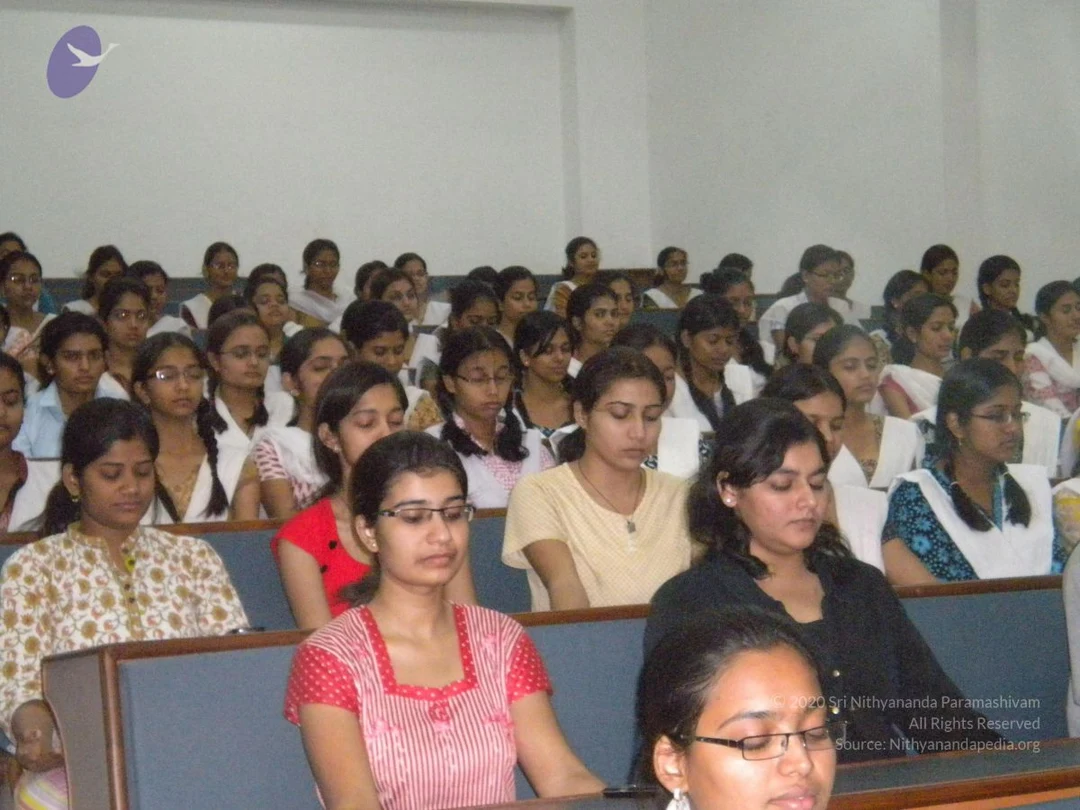
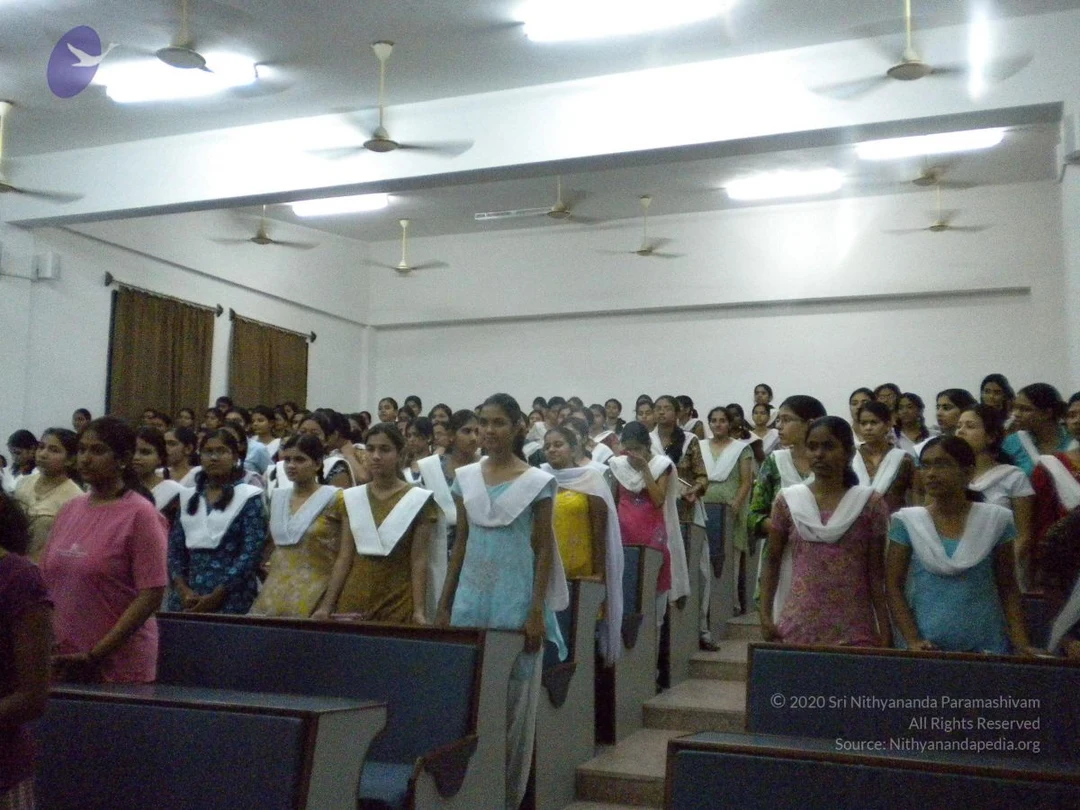
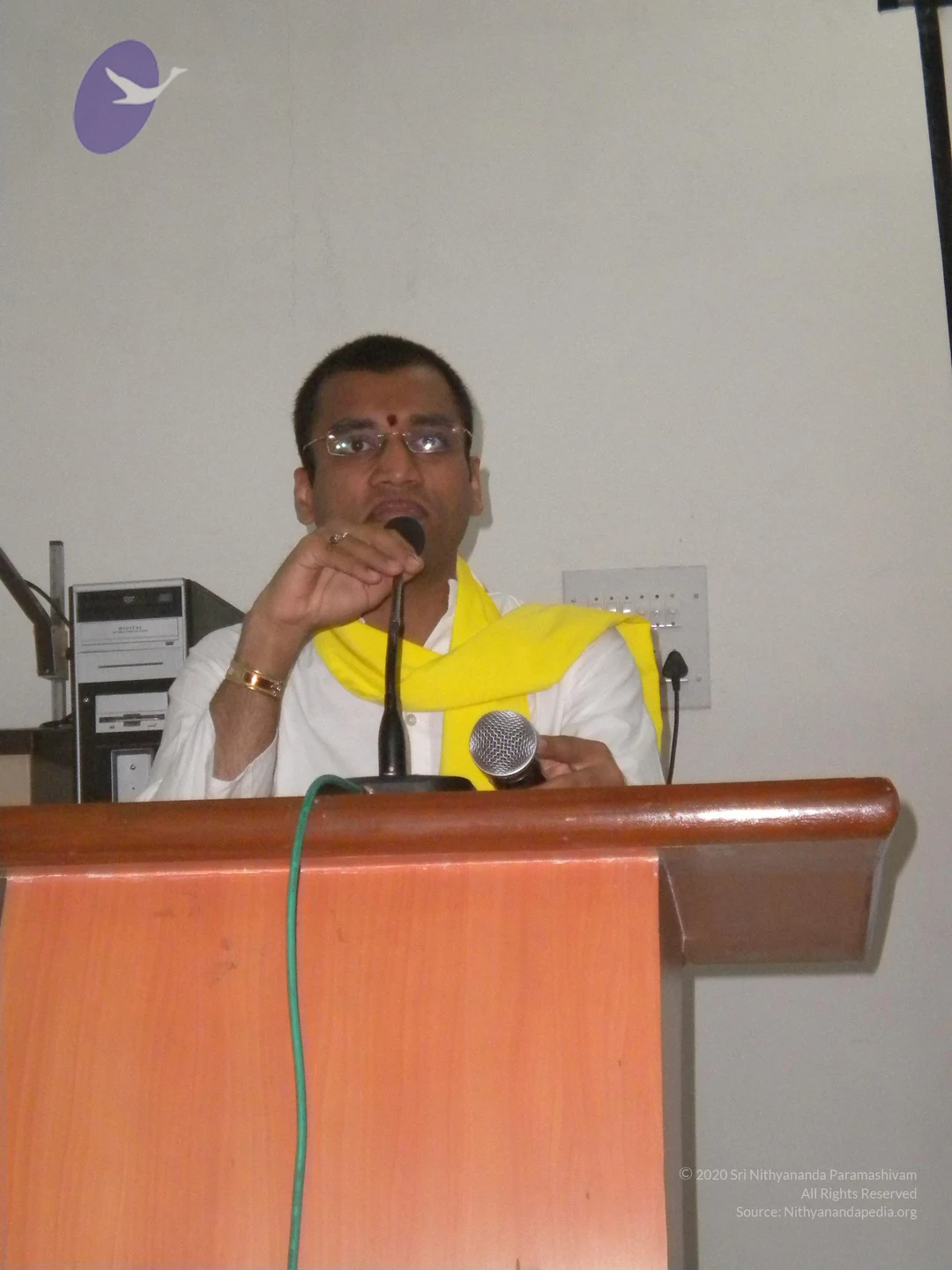
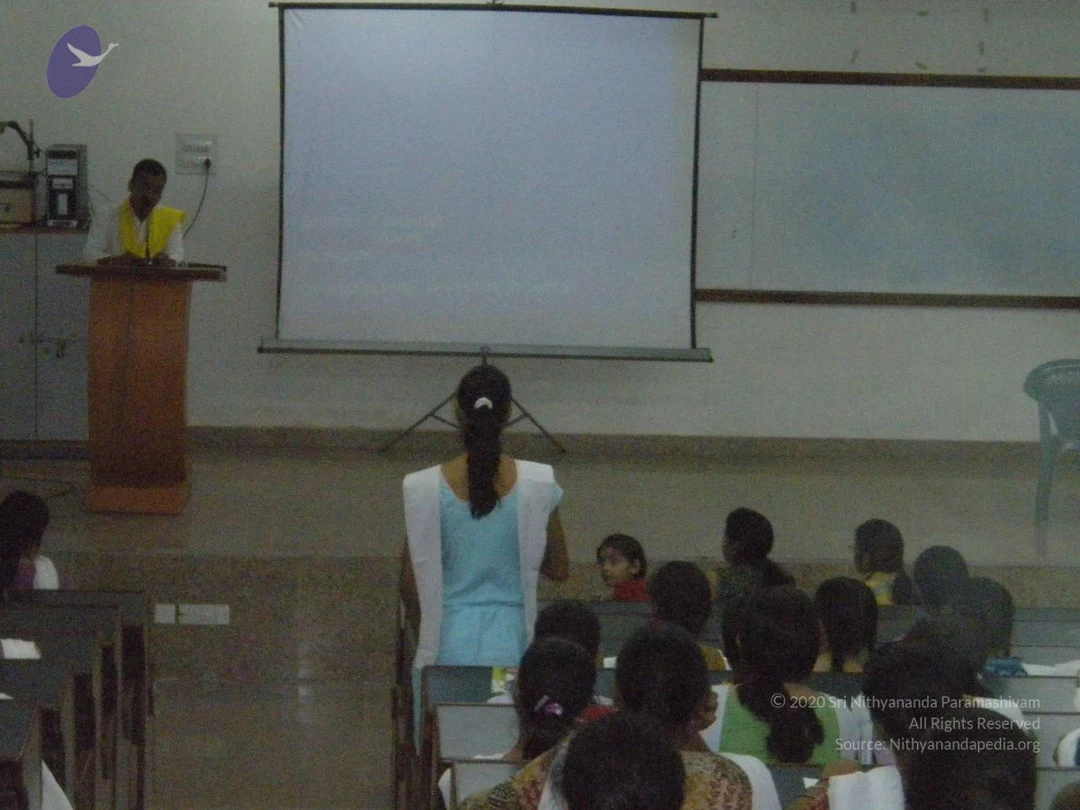
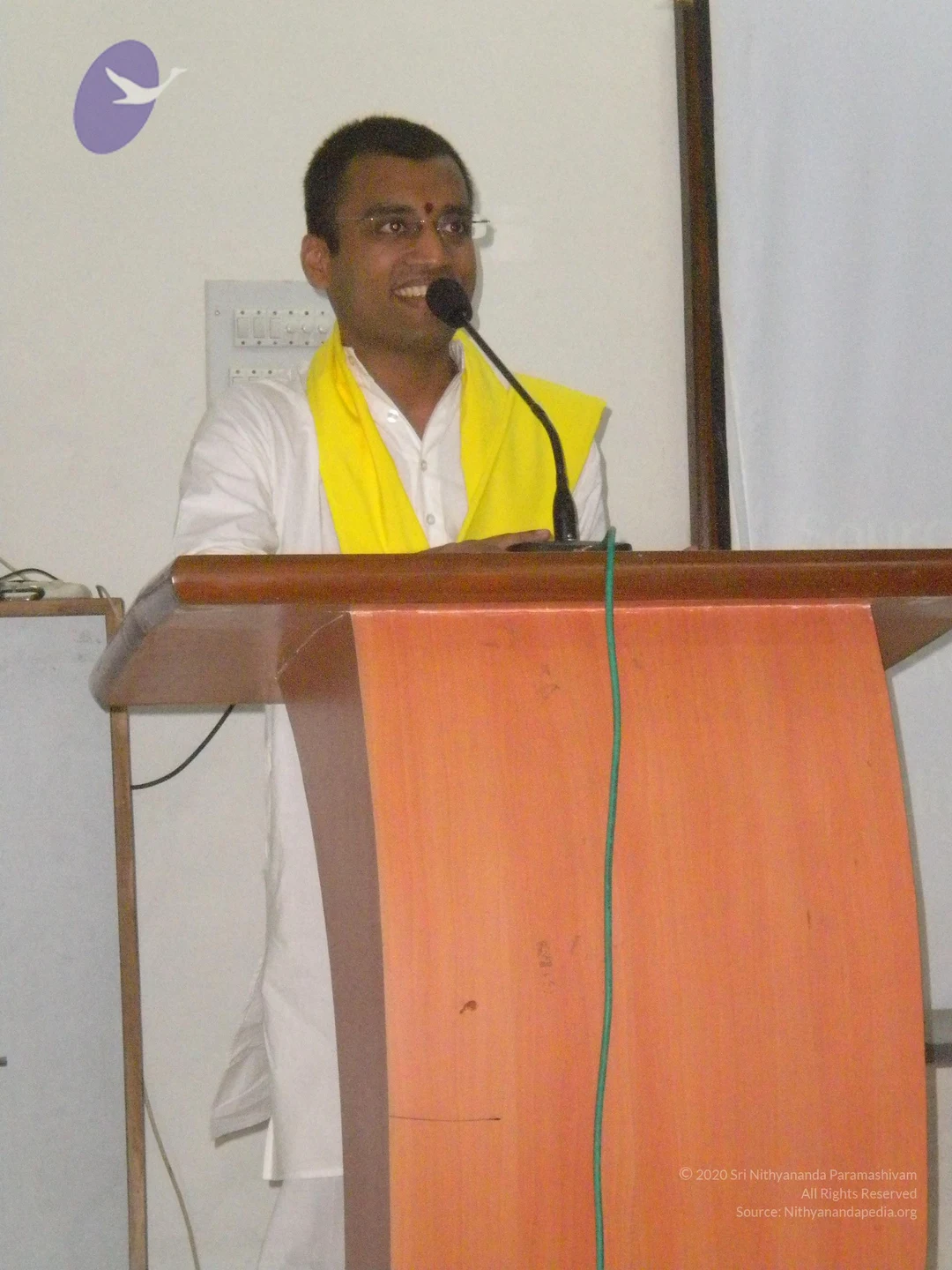
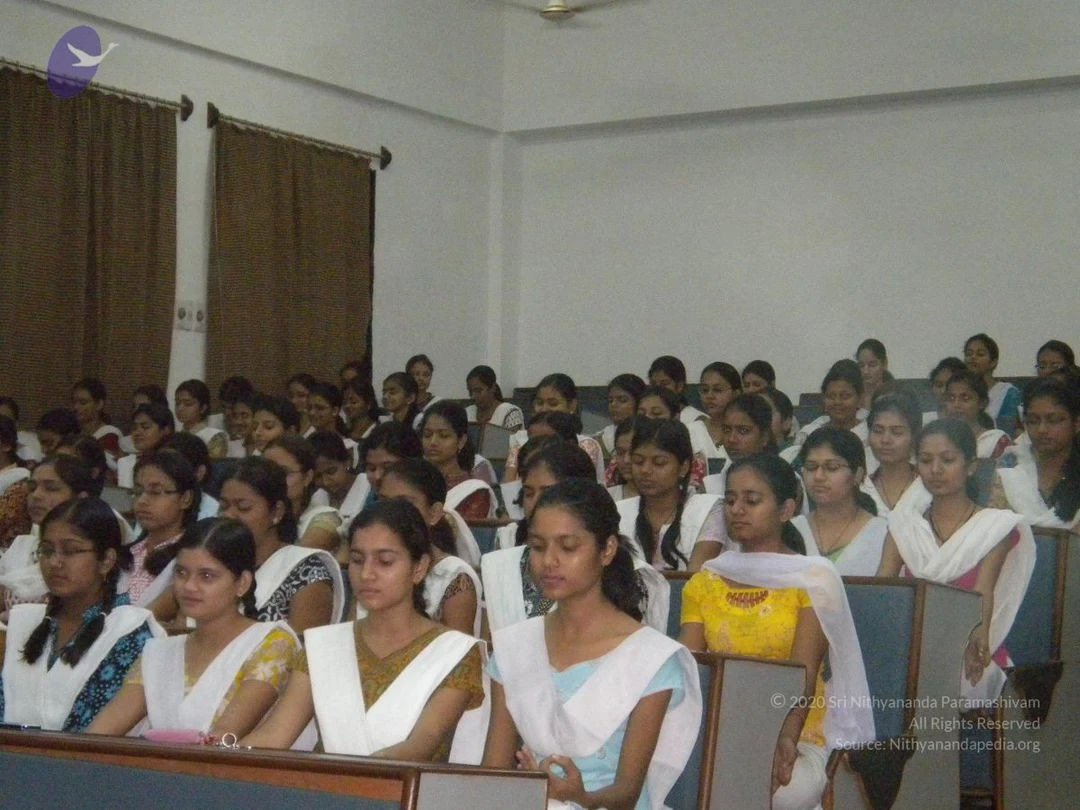
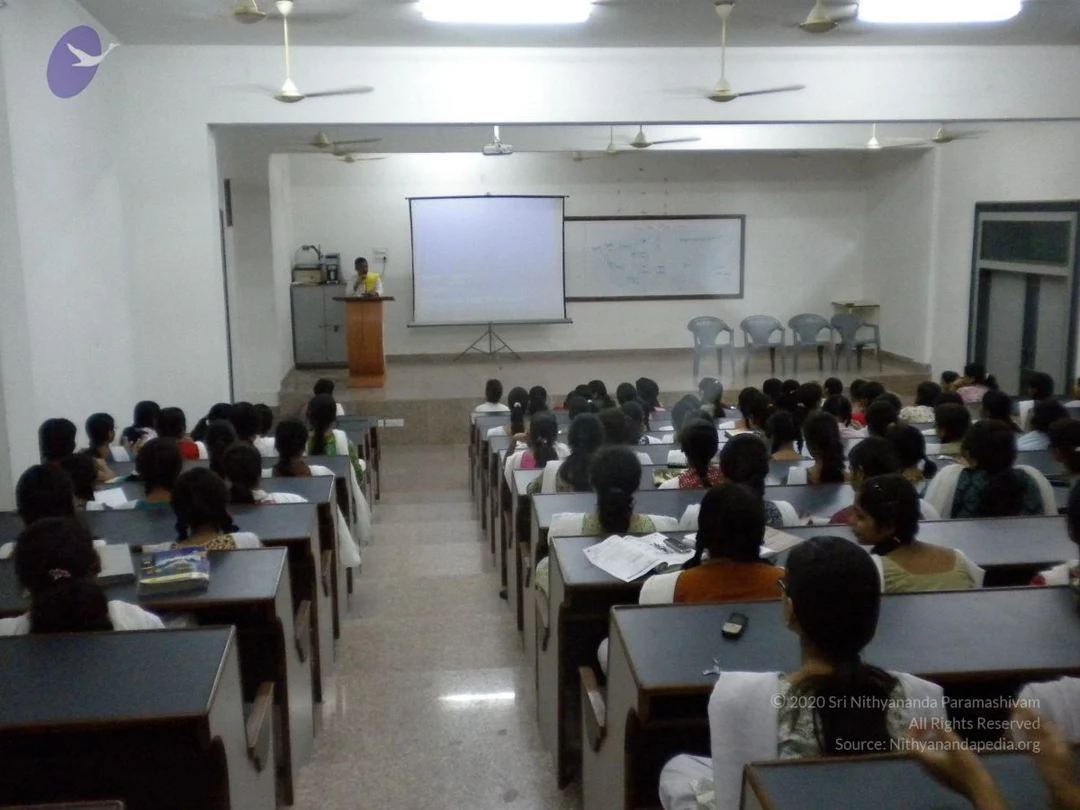
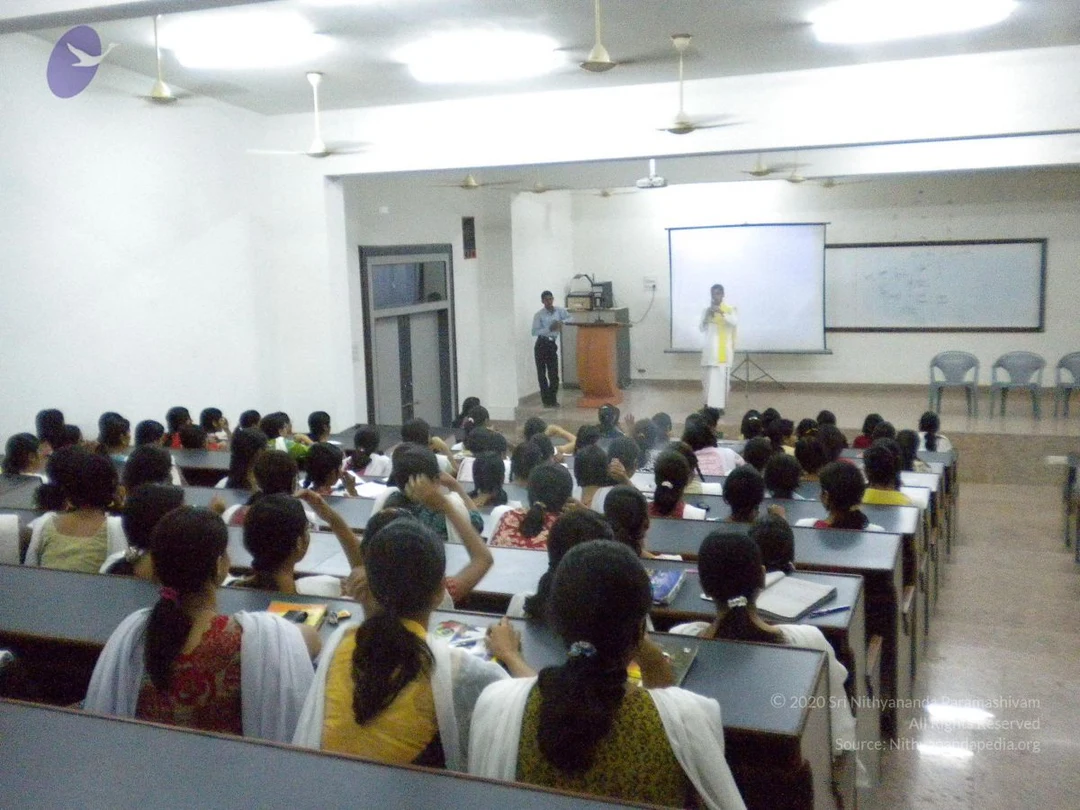
Acharya-Session

Photos Of The Day:
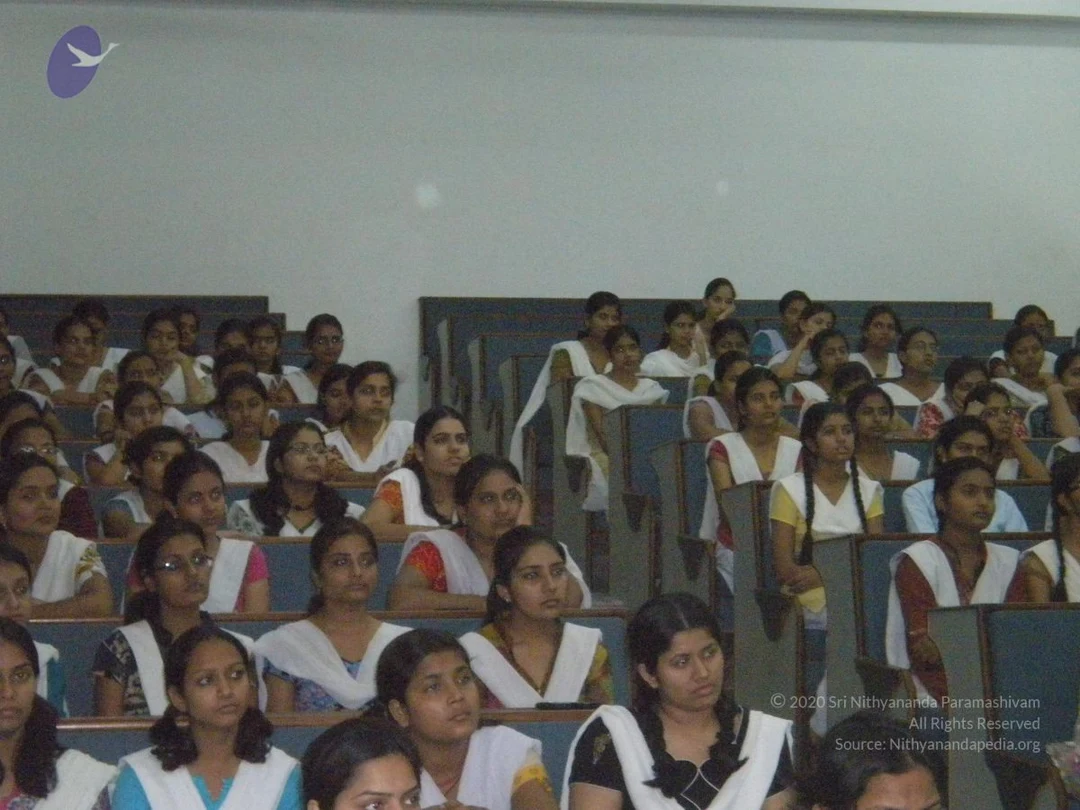
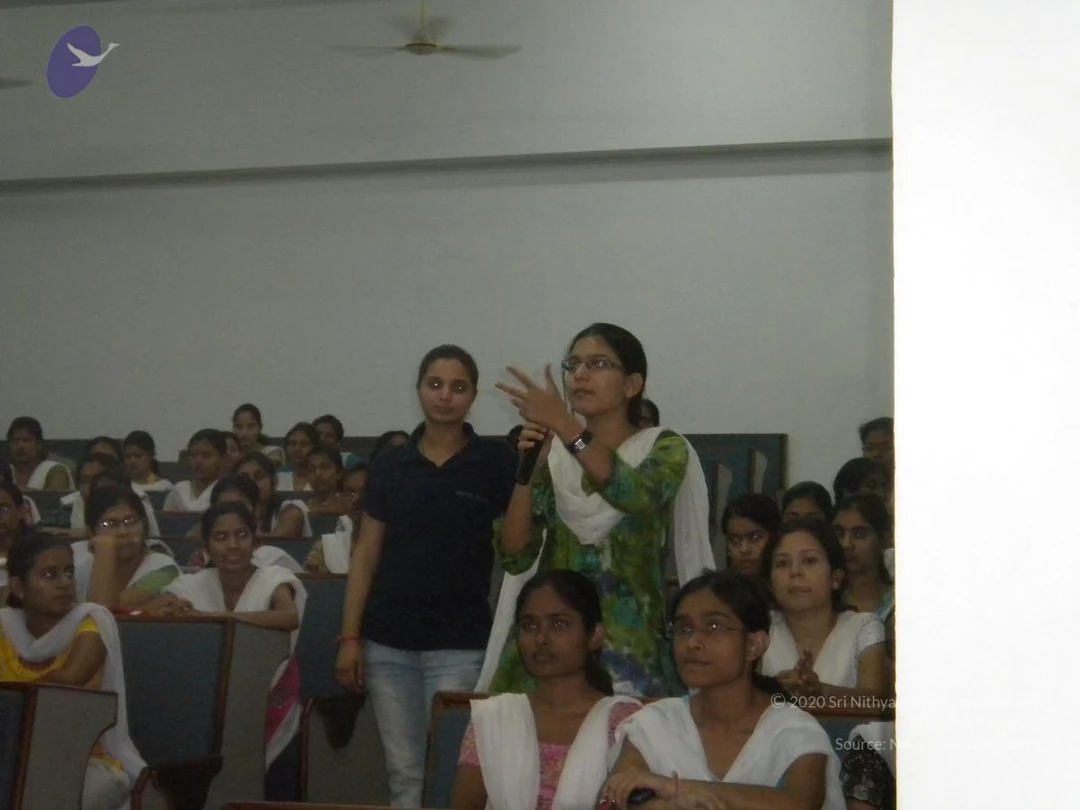
Photos Of The Day:
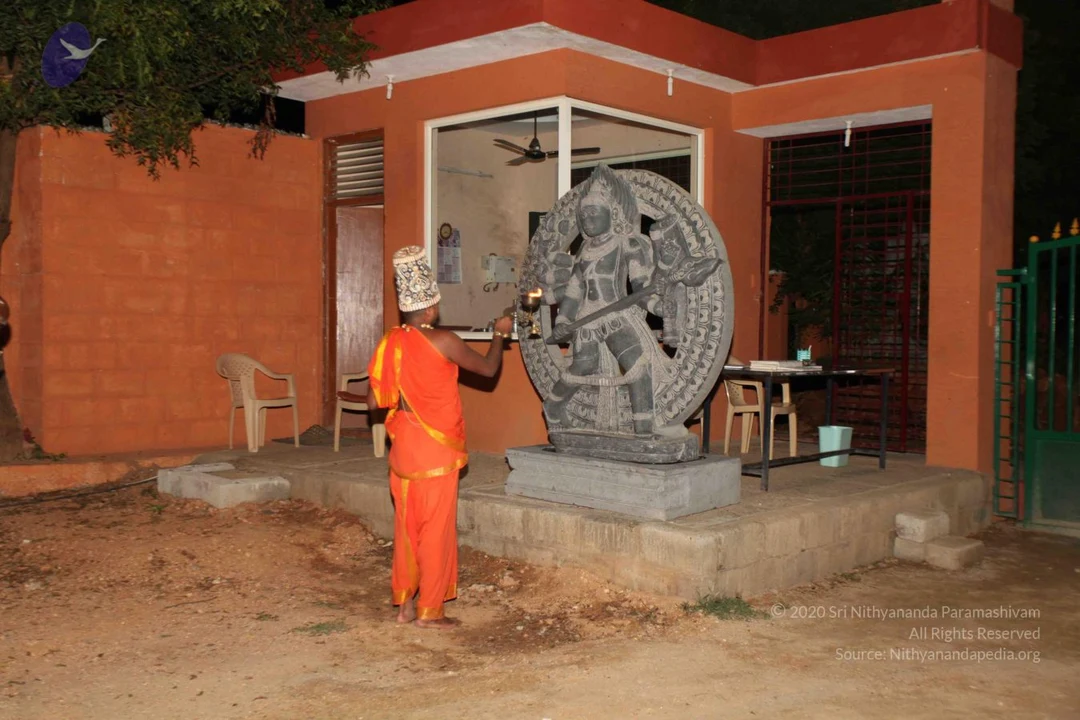
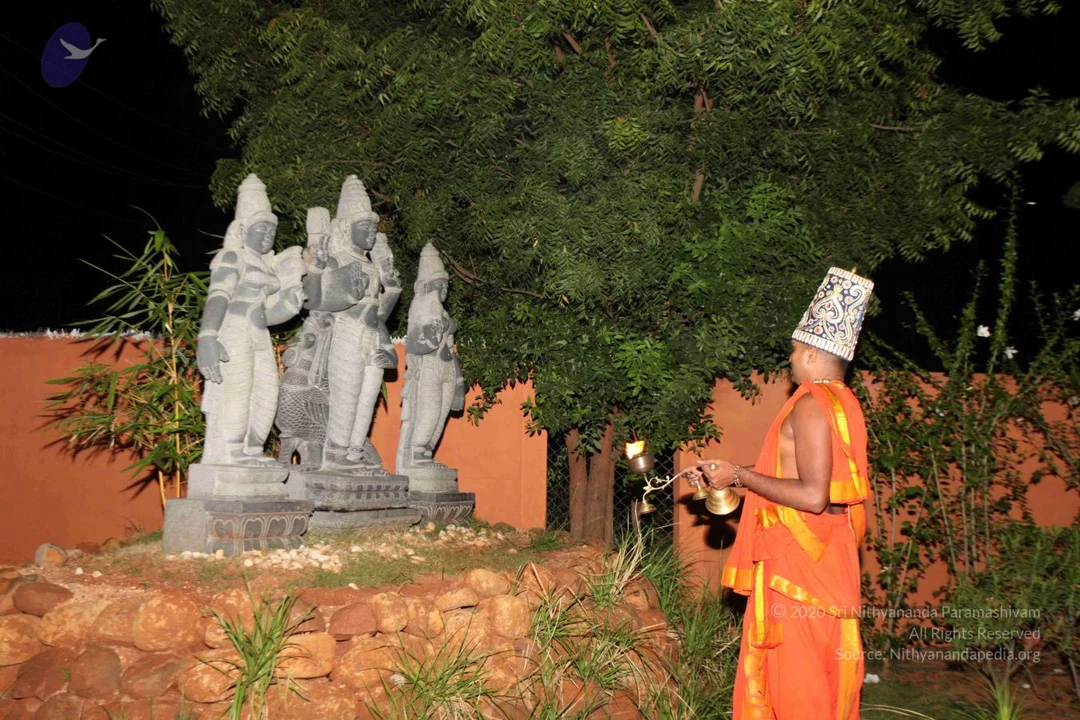
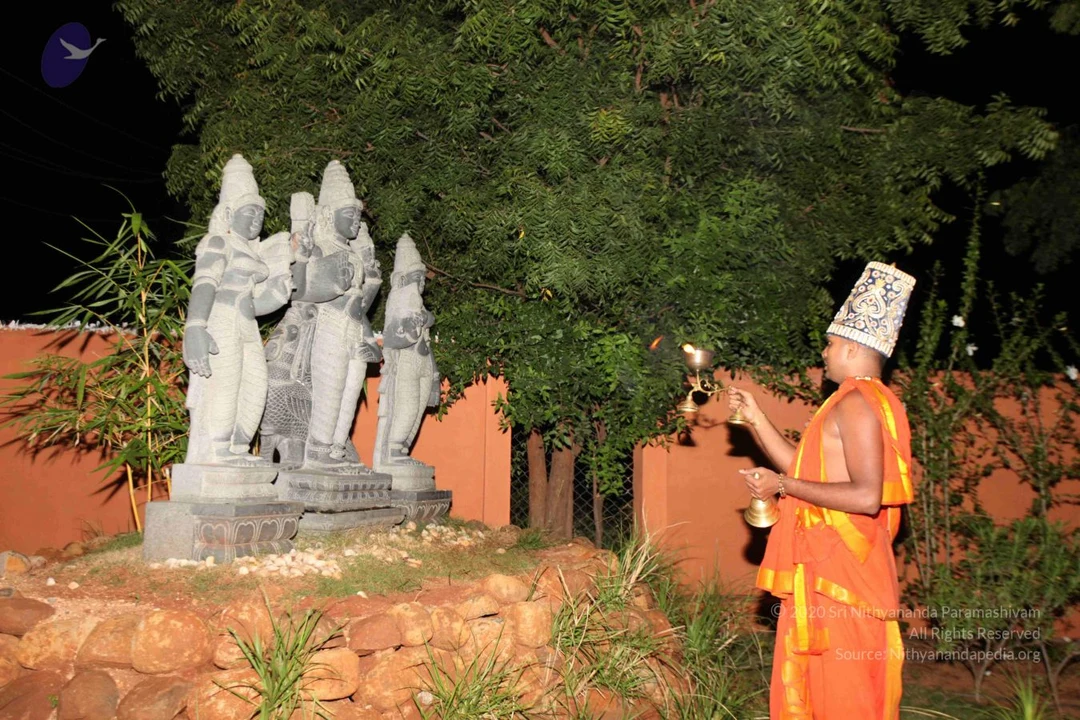
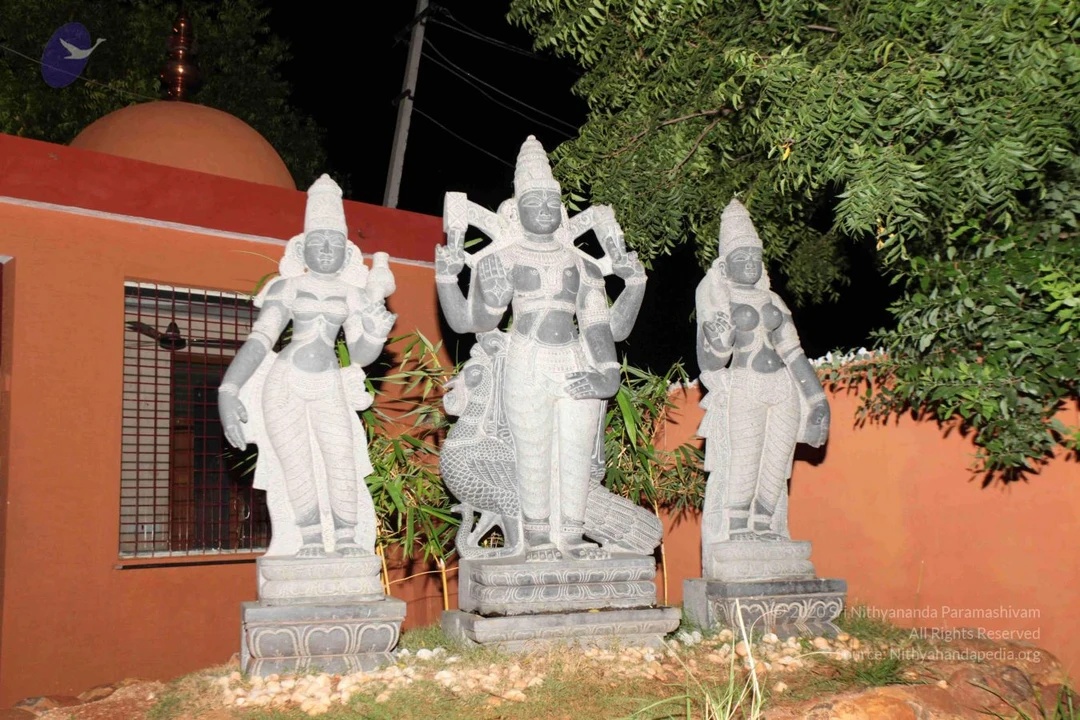
Temple

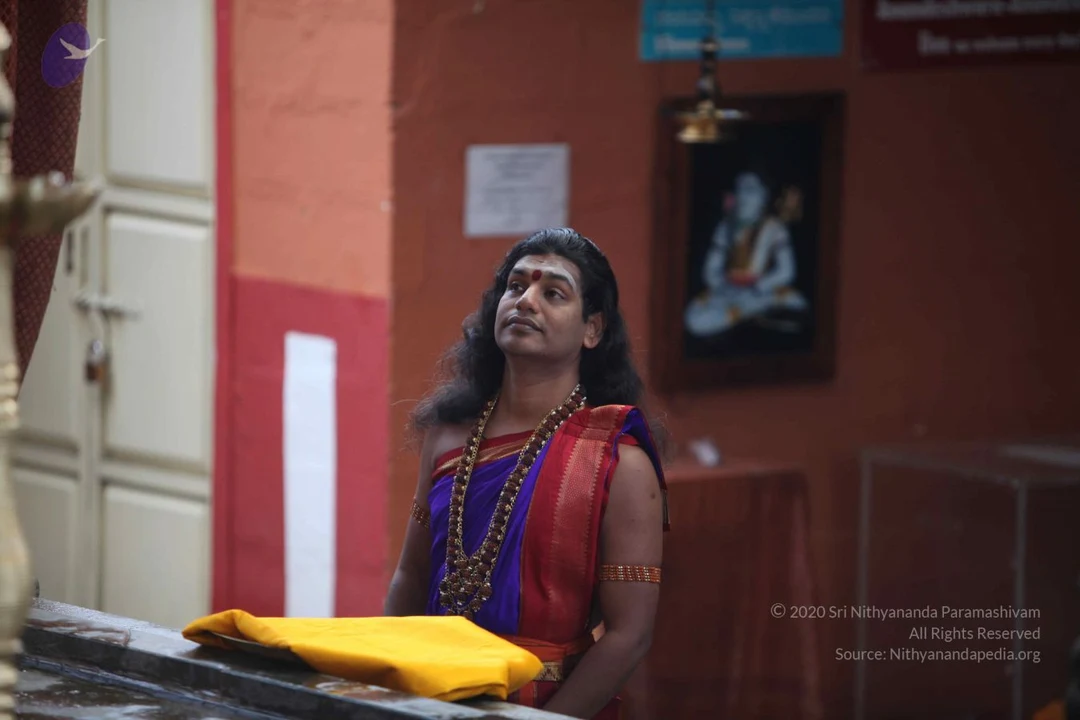
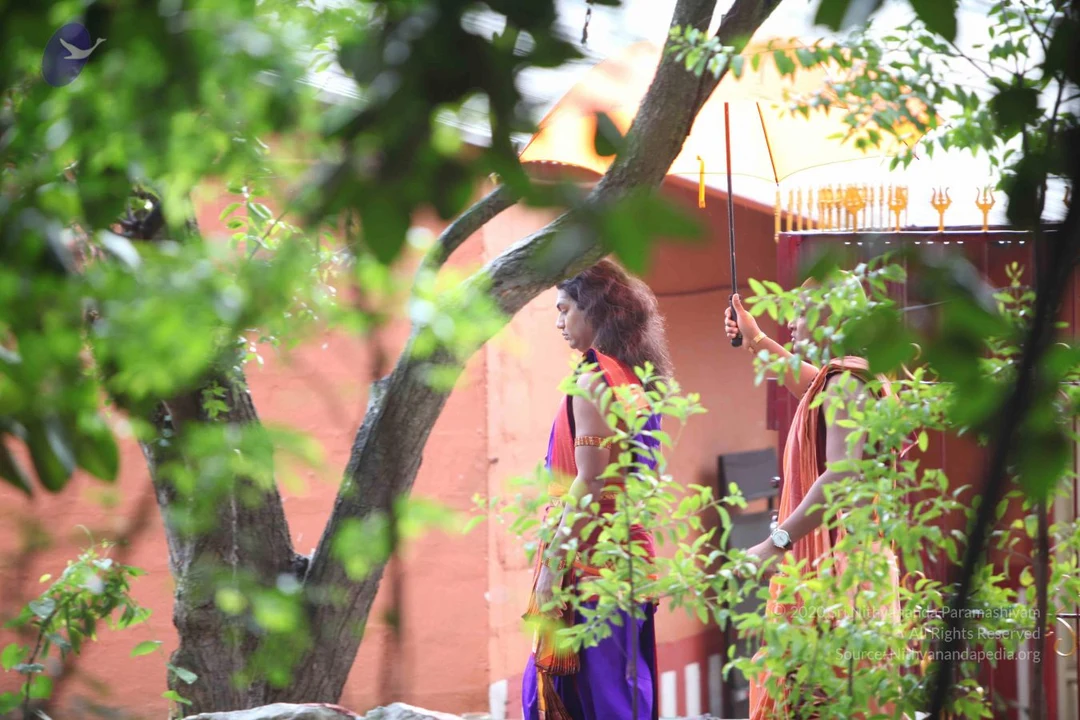
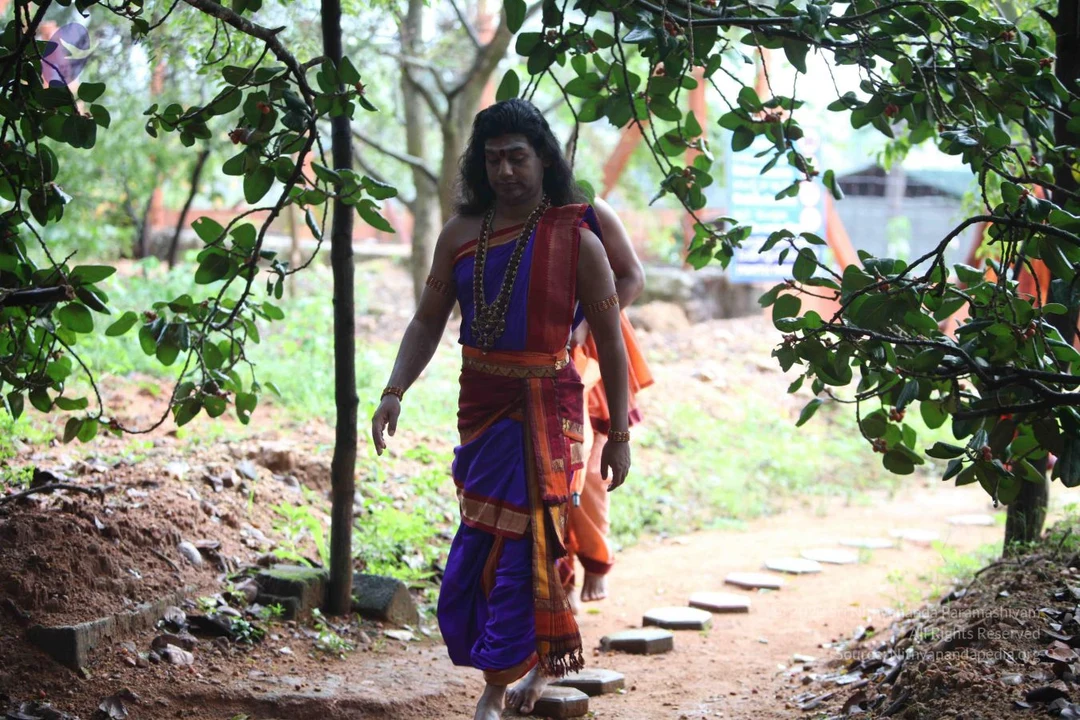
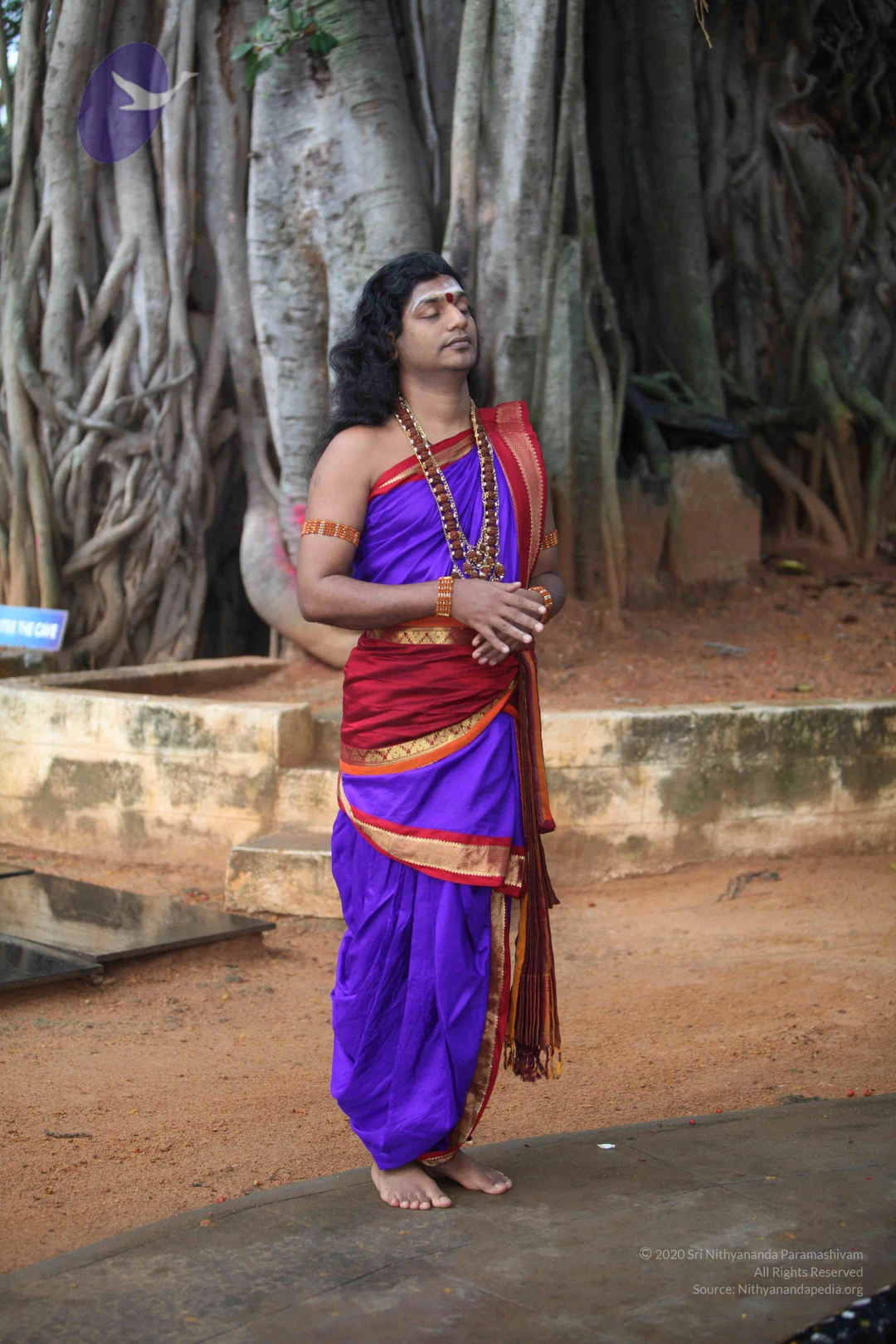
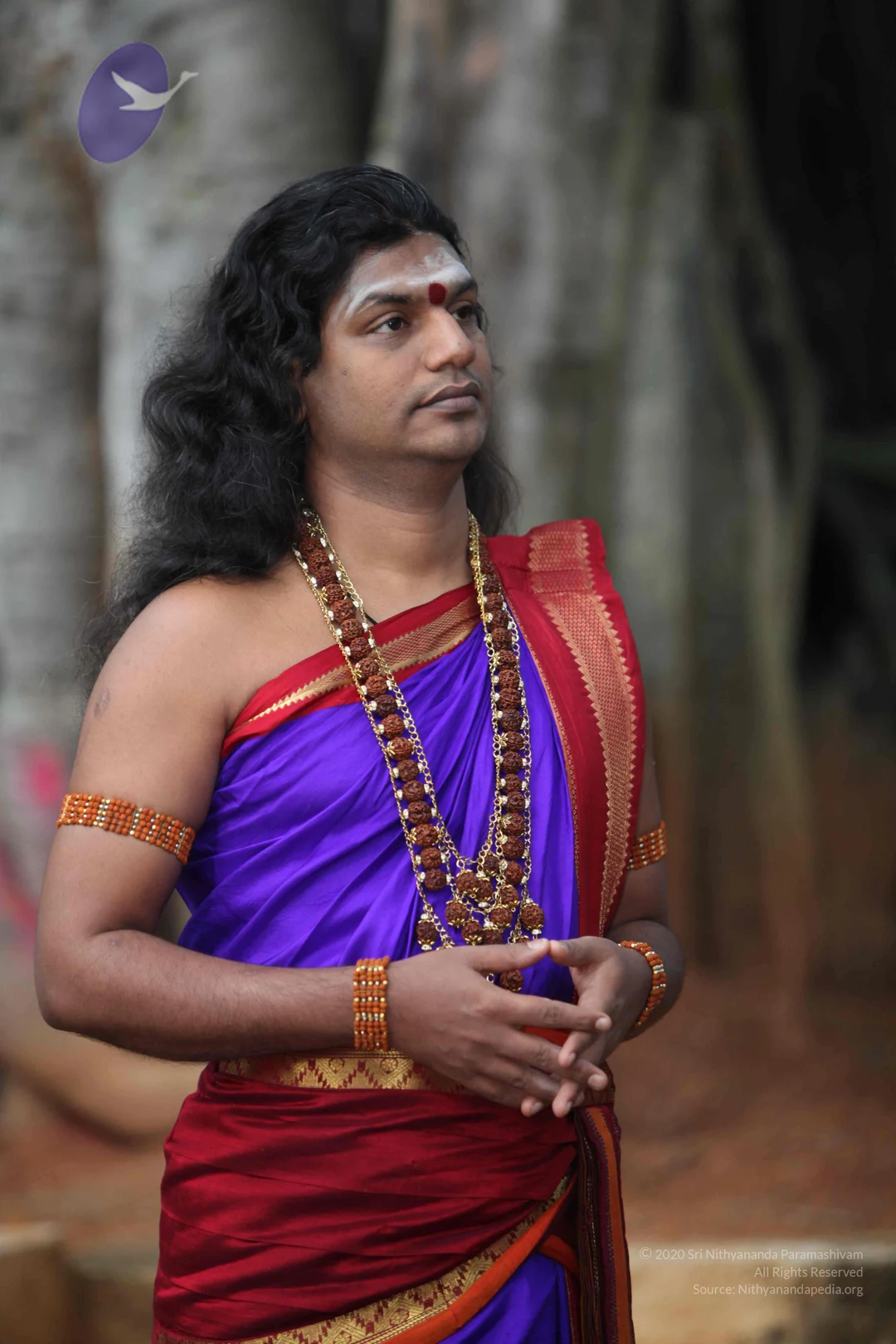
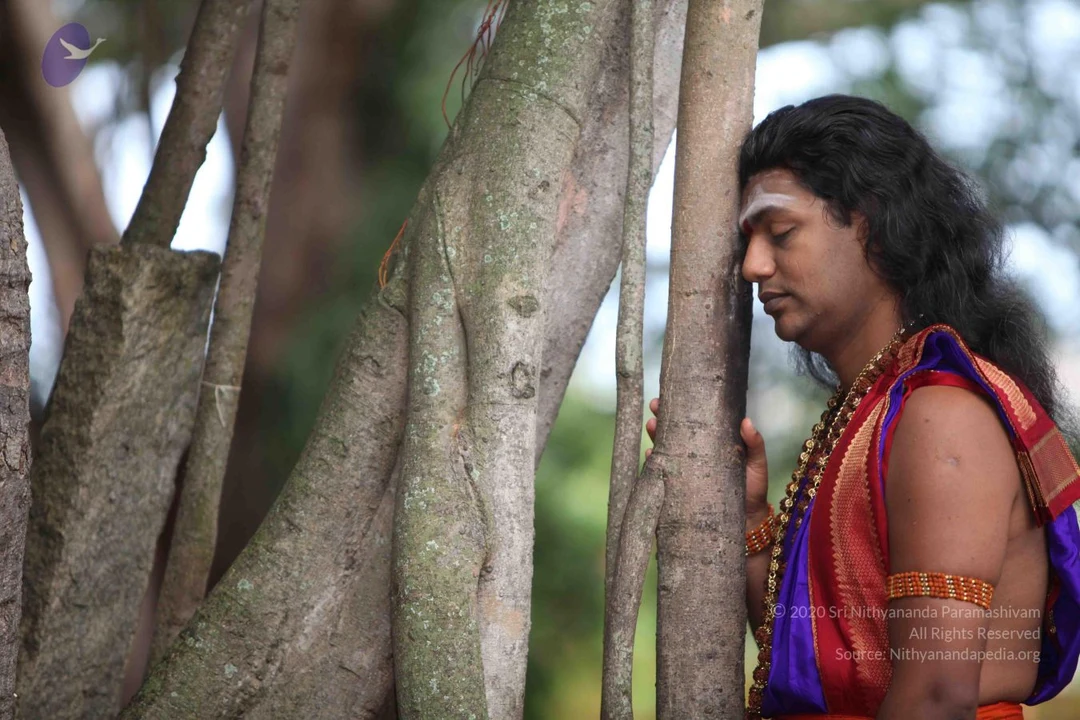
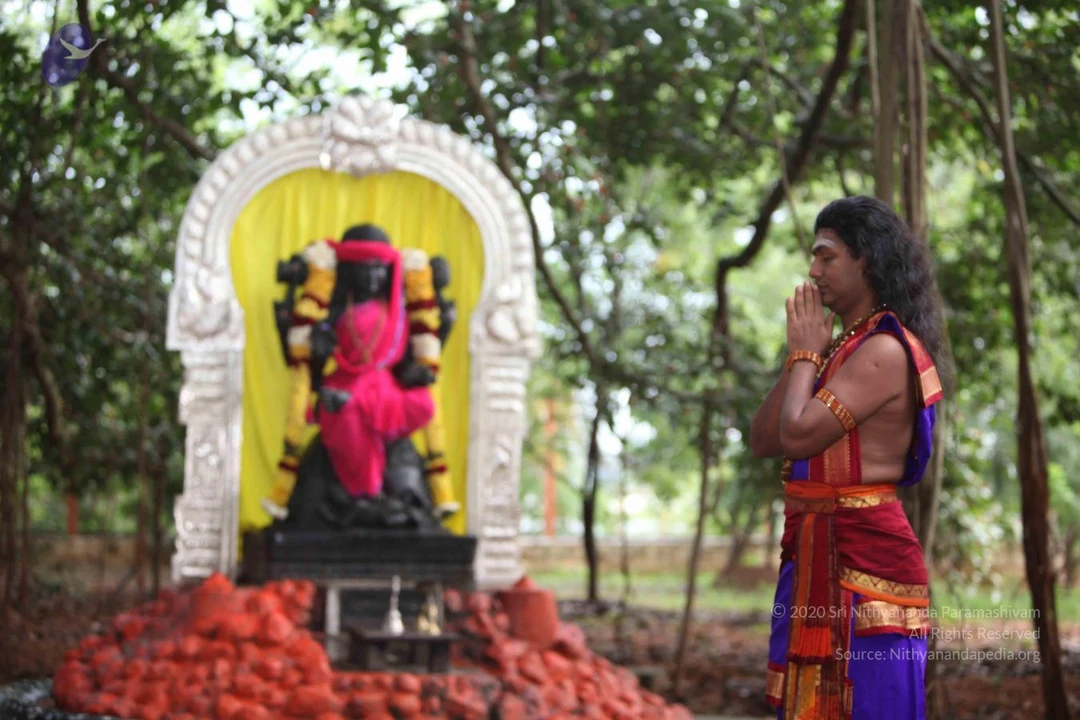
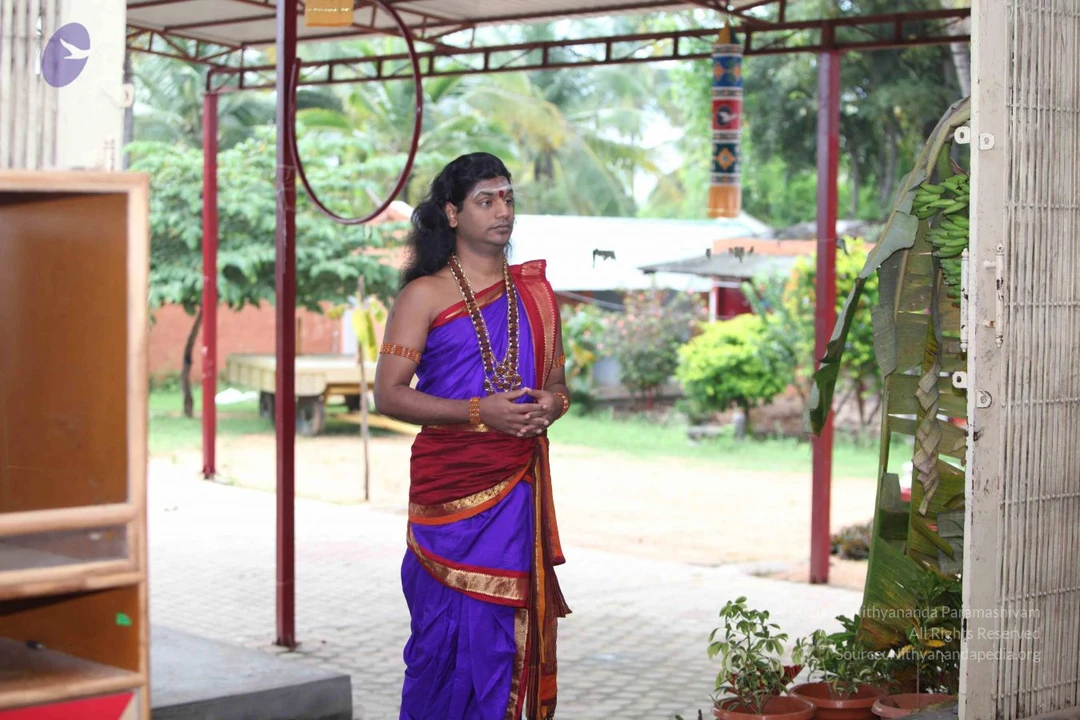
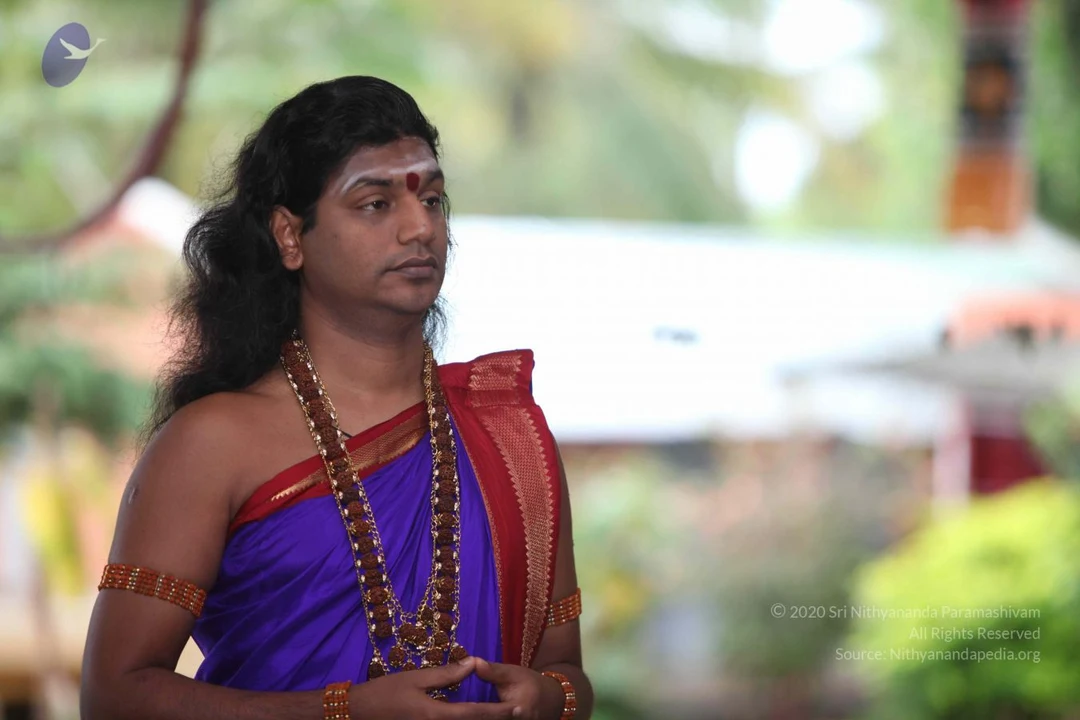
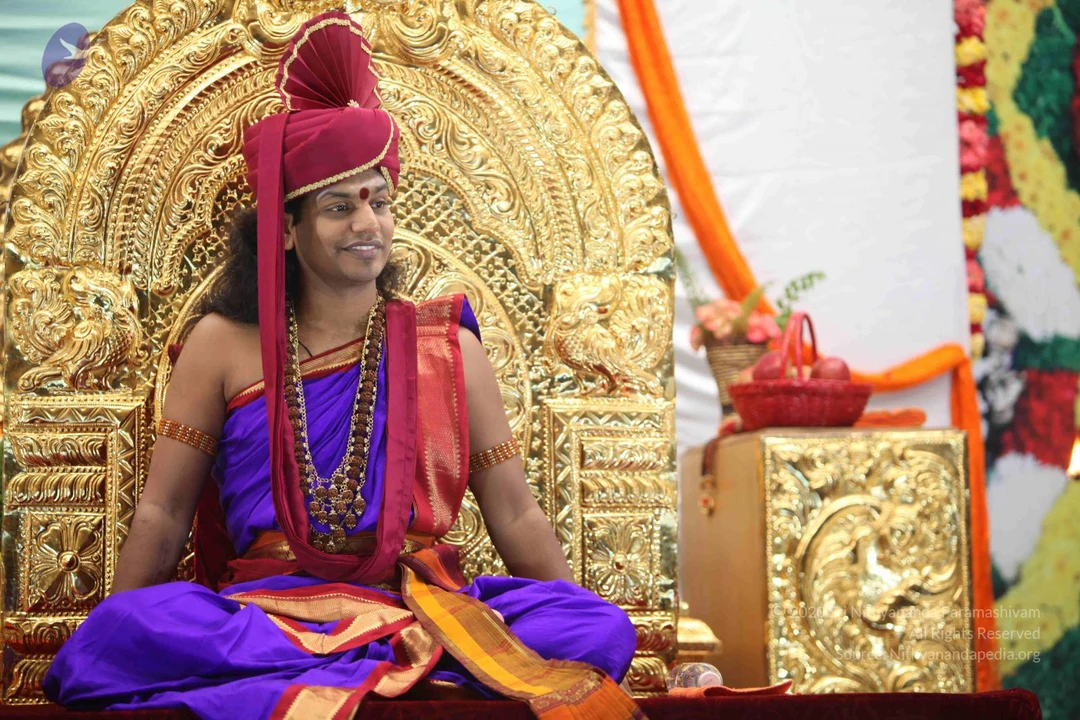
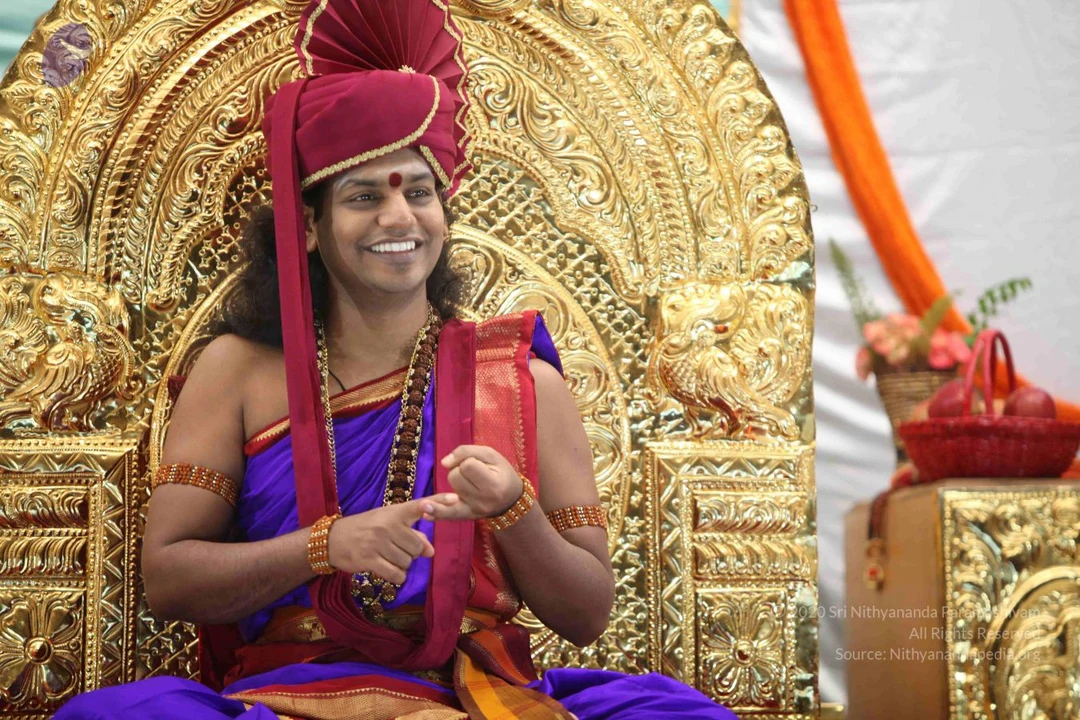
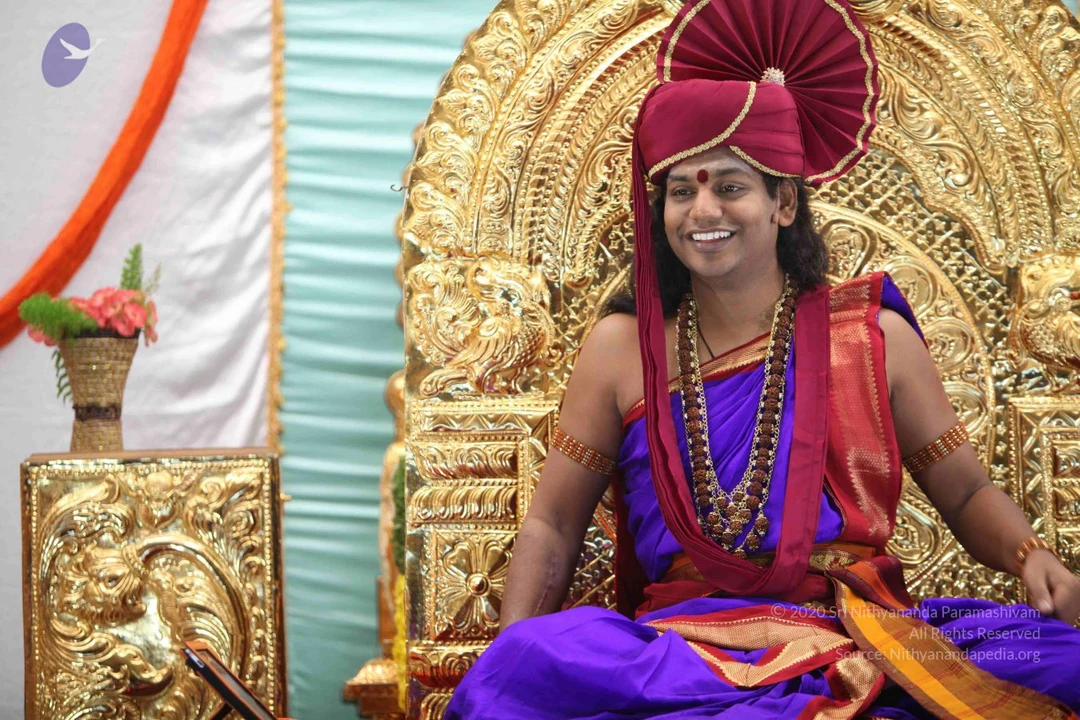
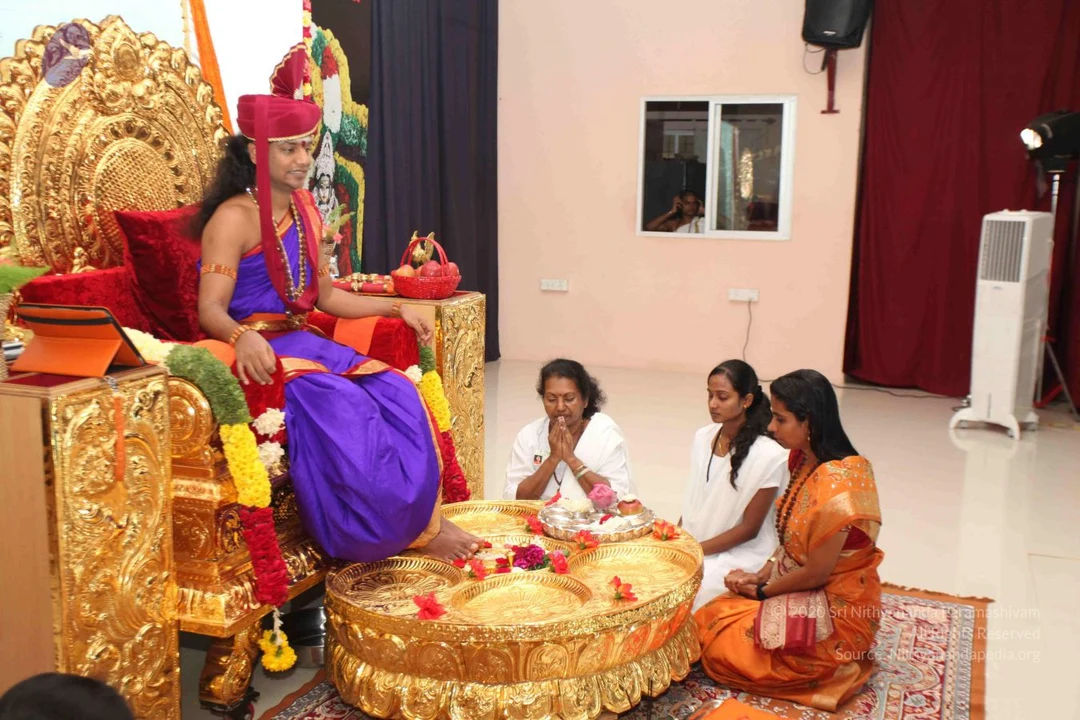
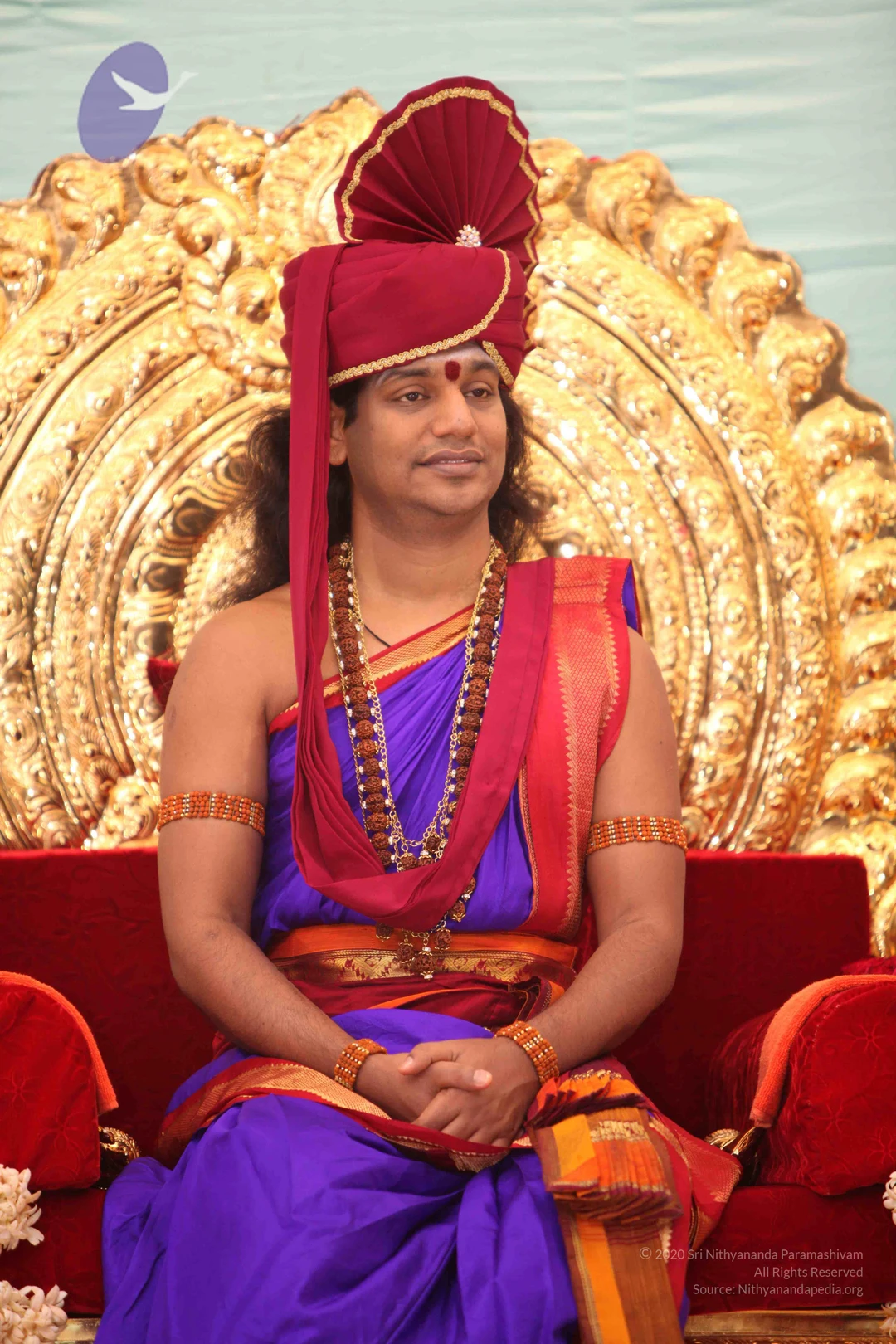
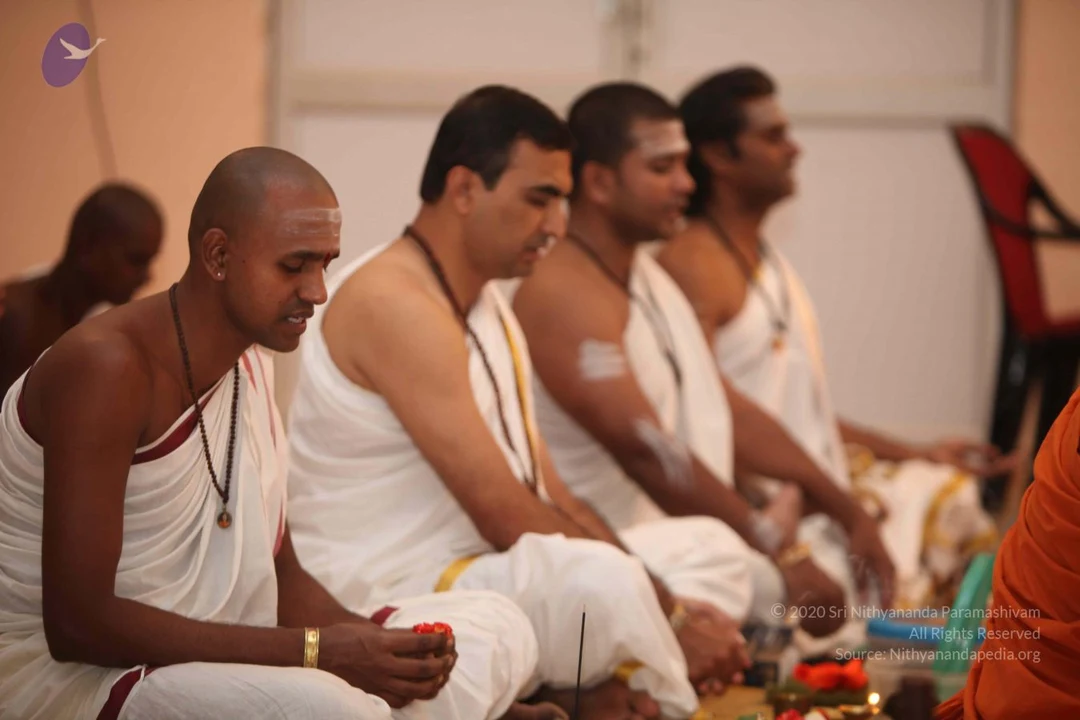
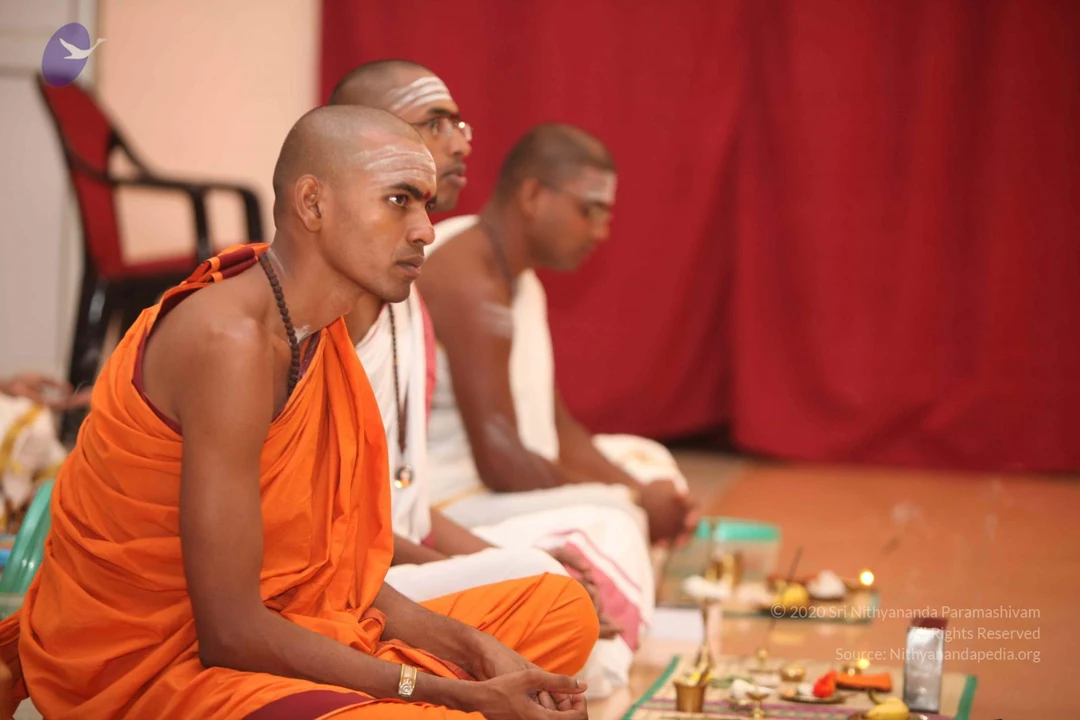
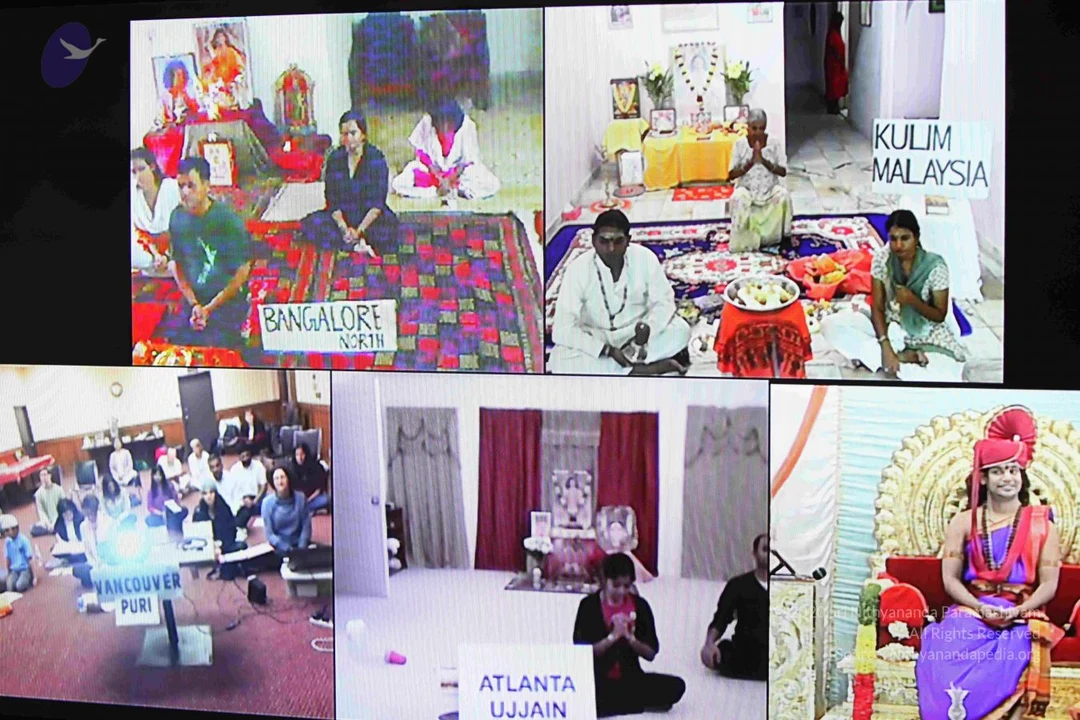
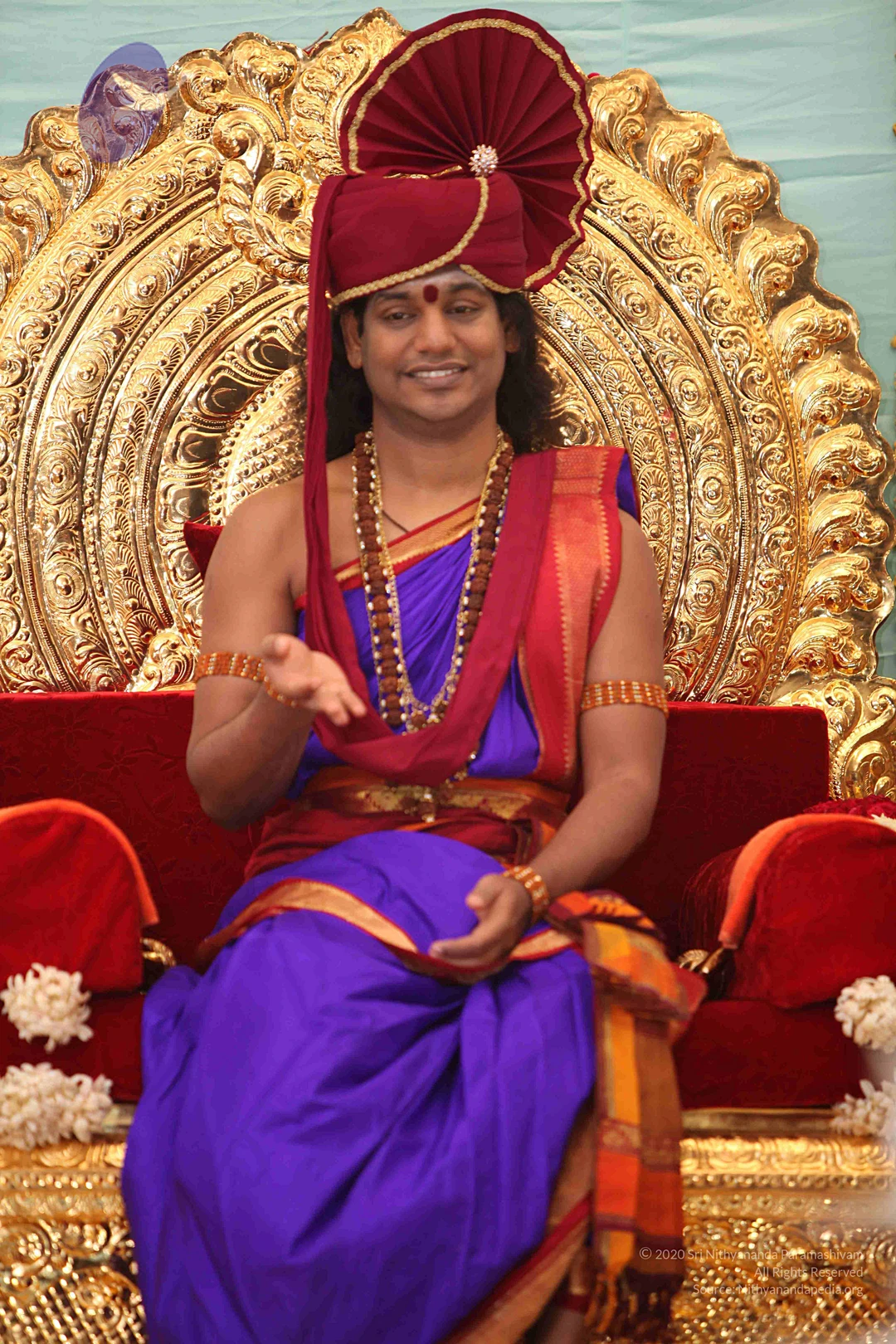
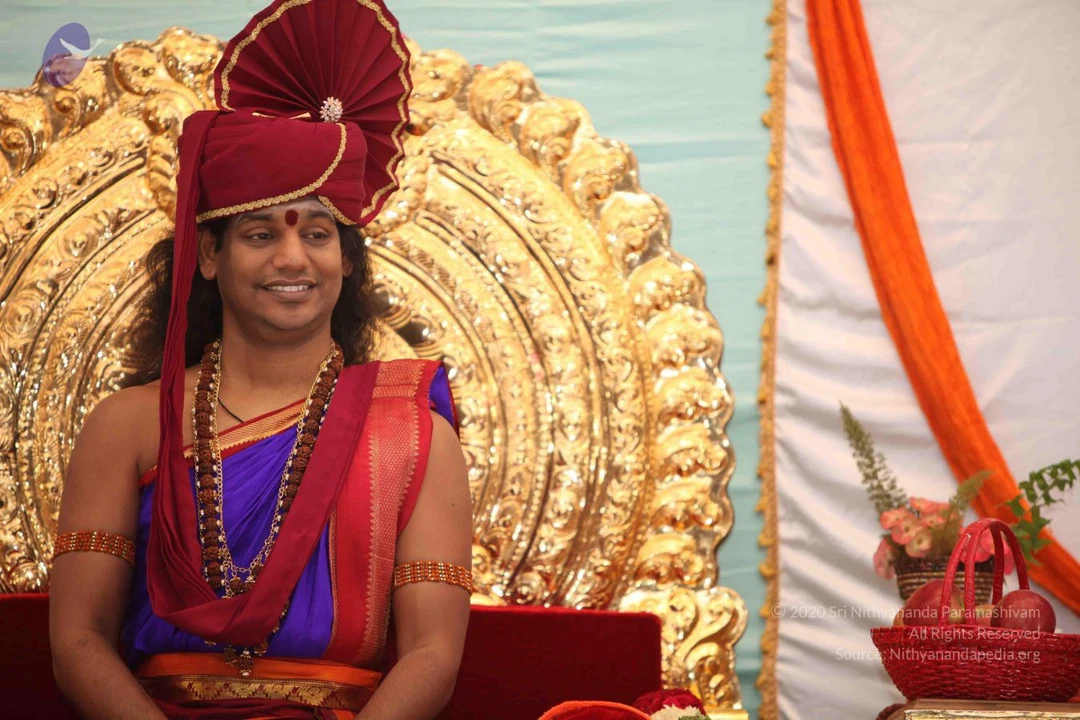
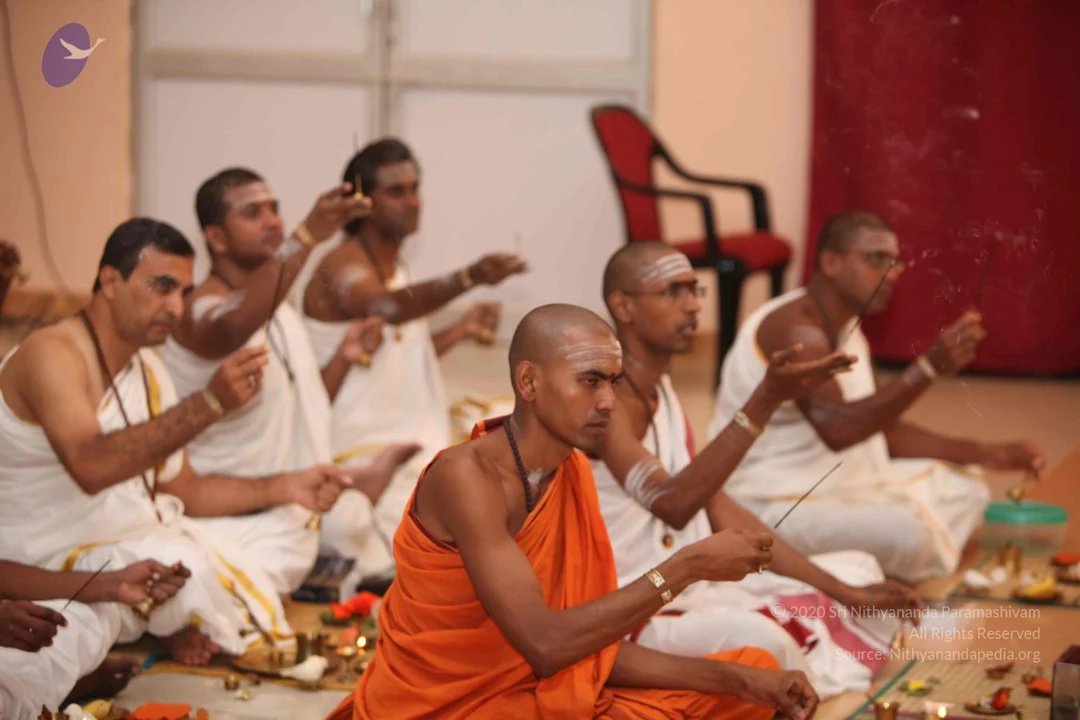
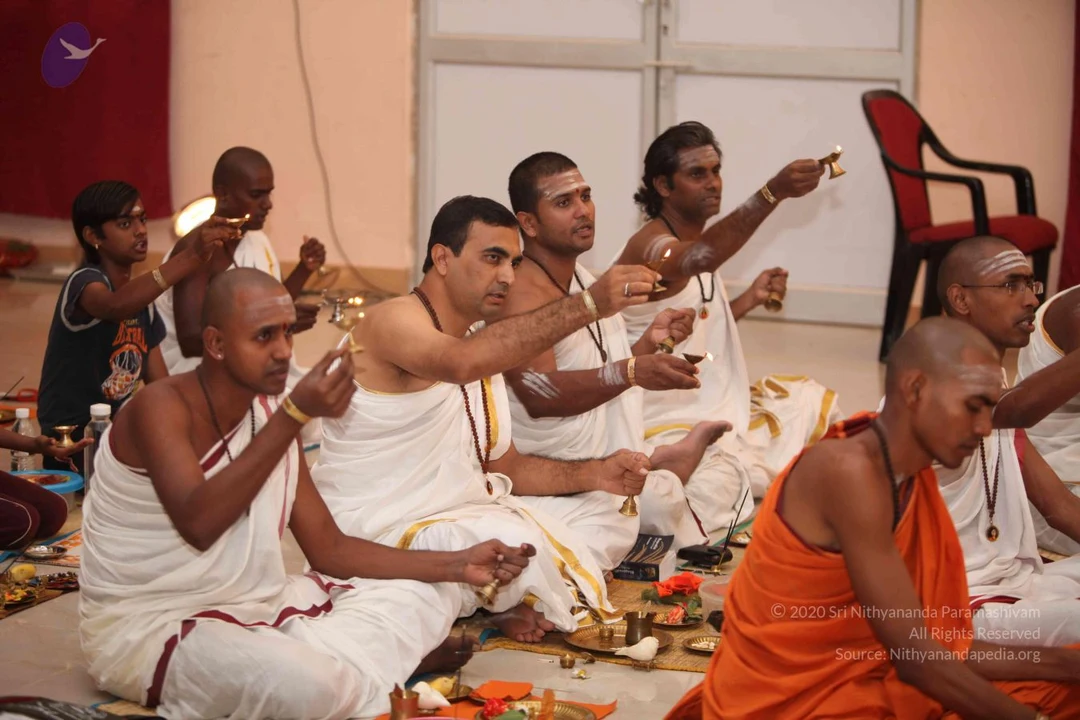
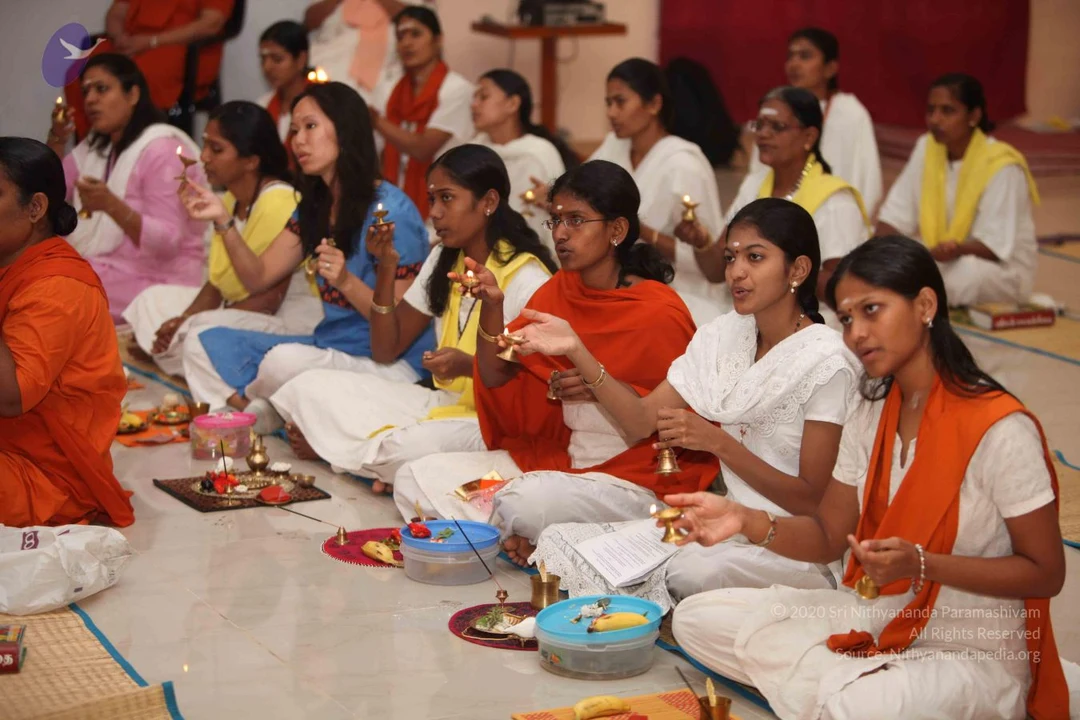
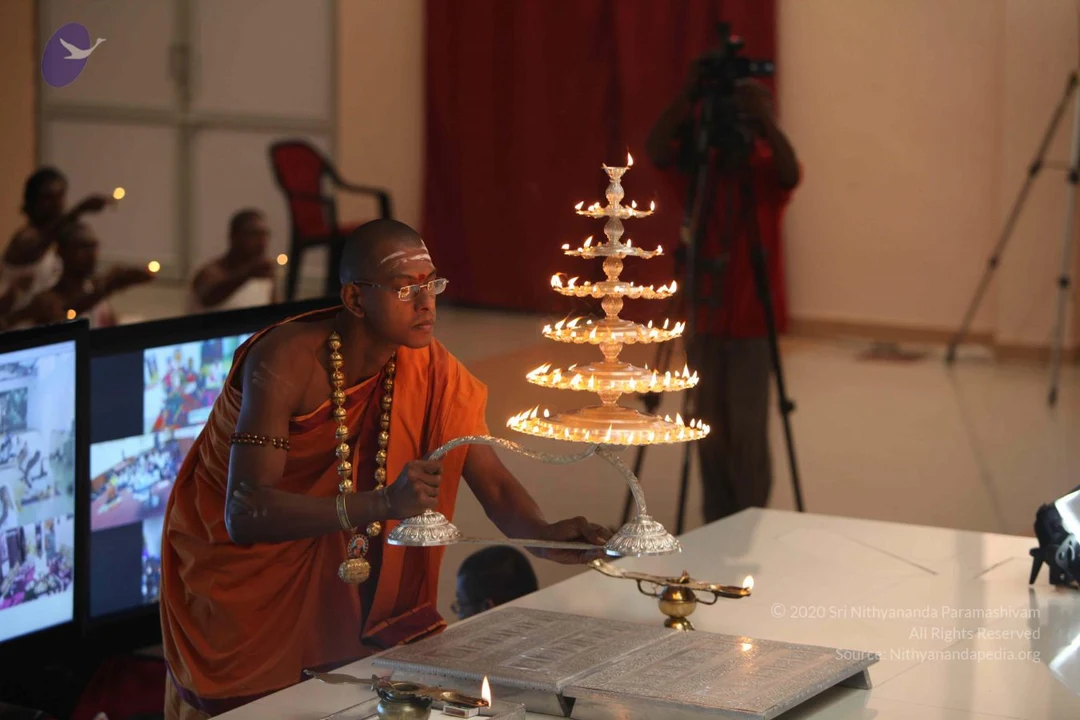
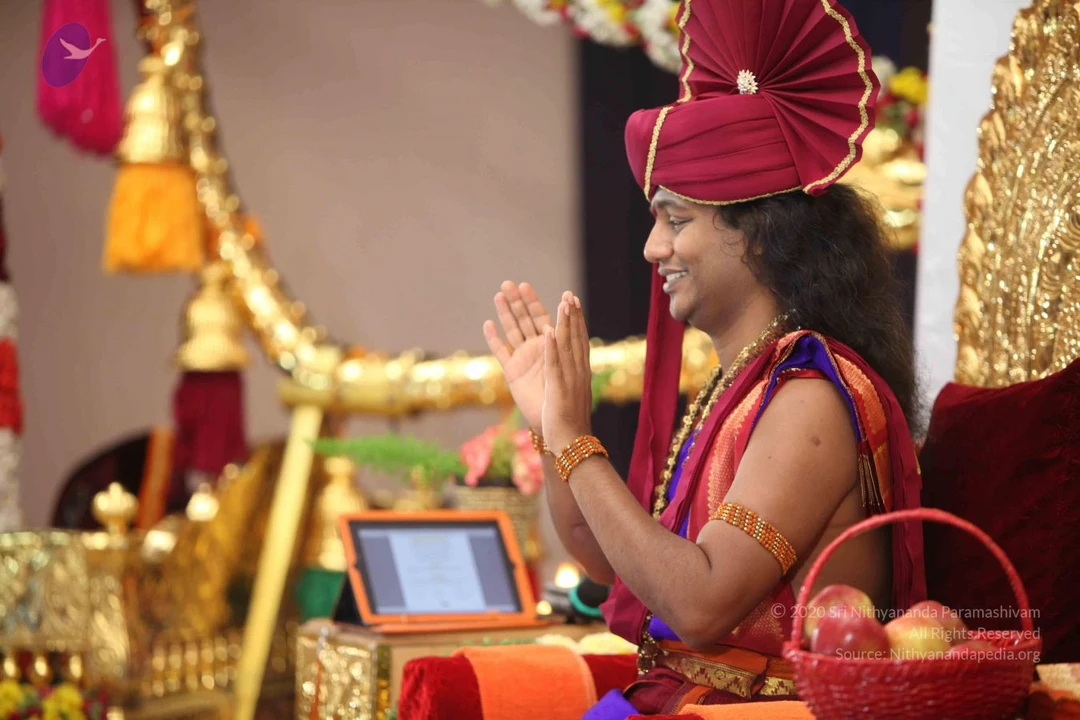
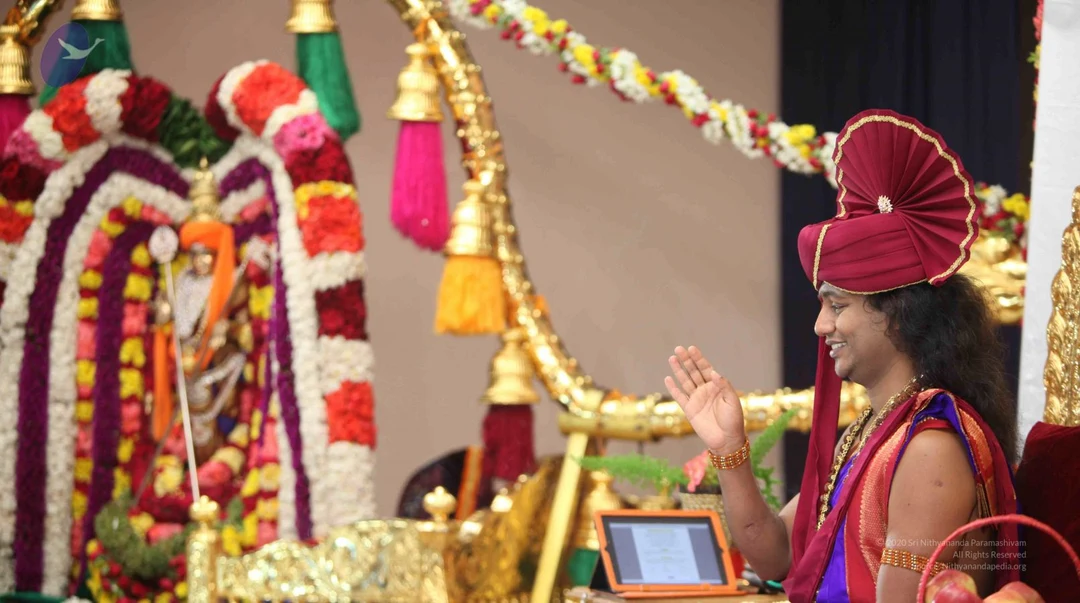
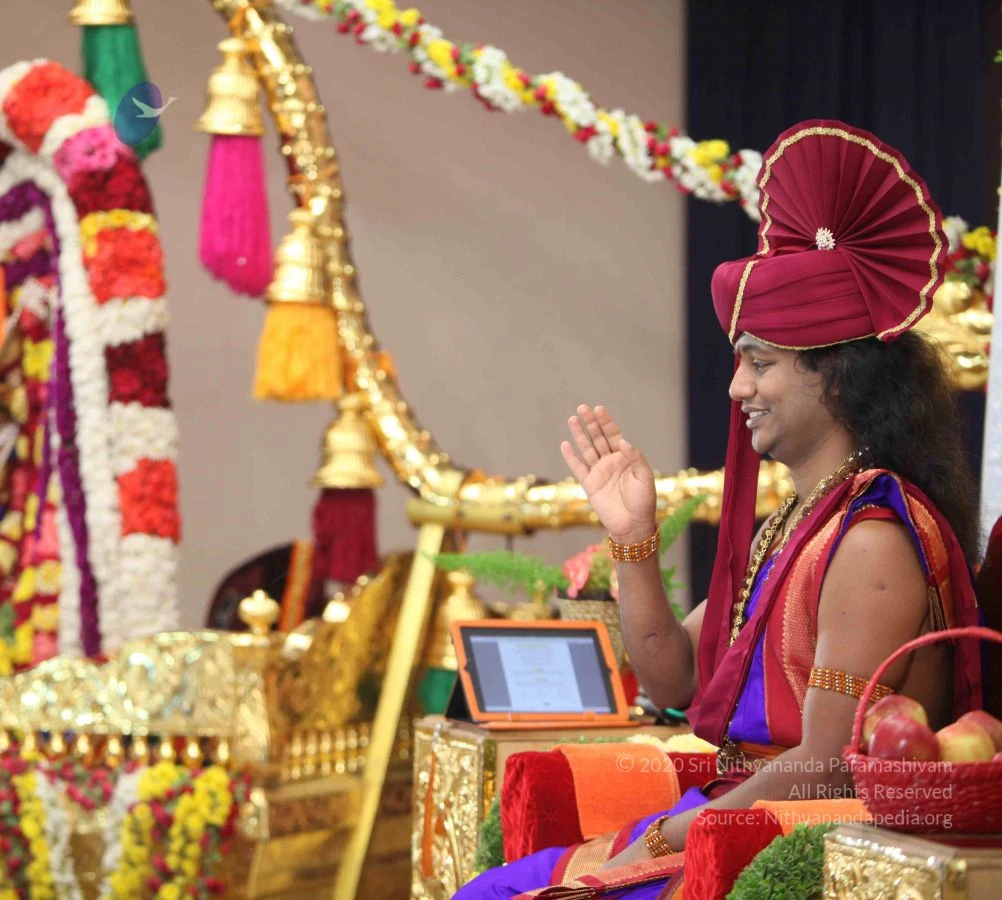
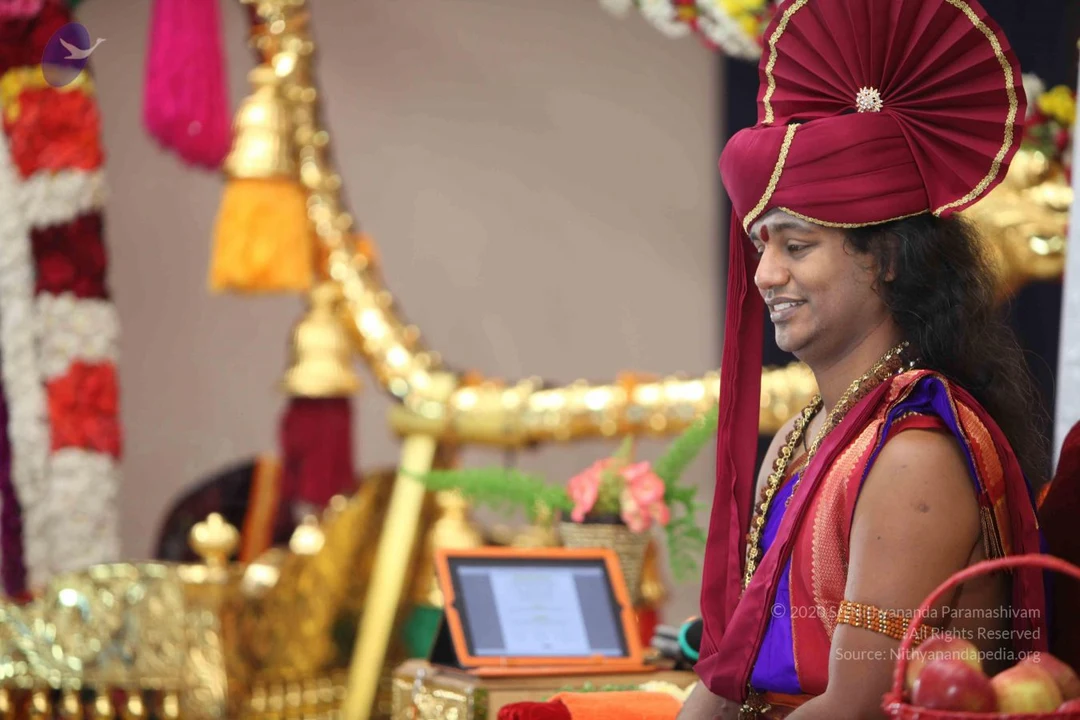
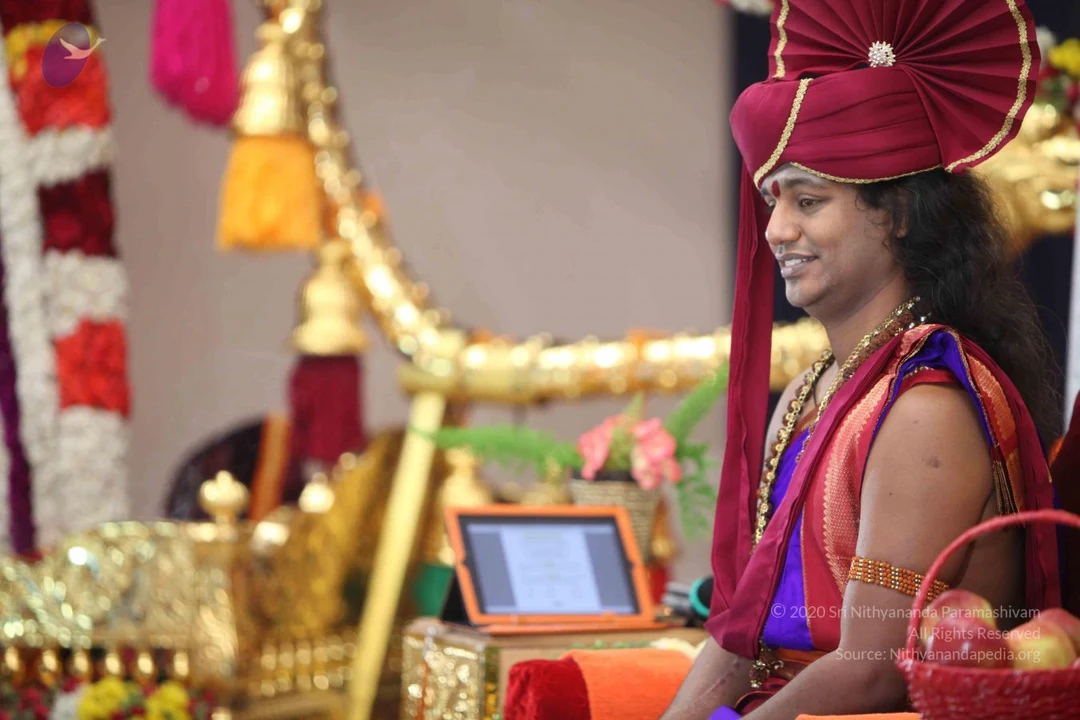
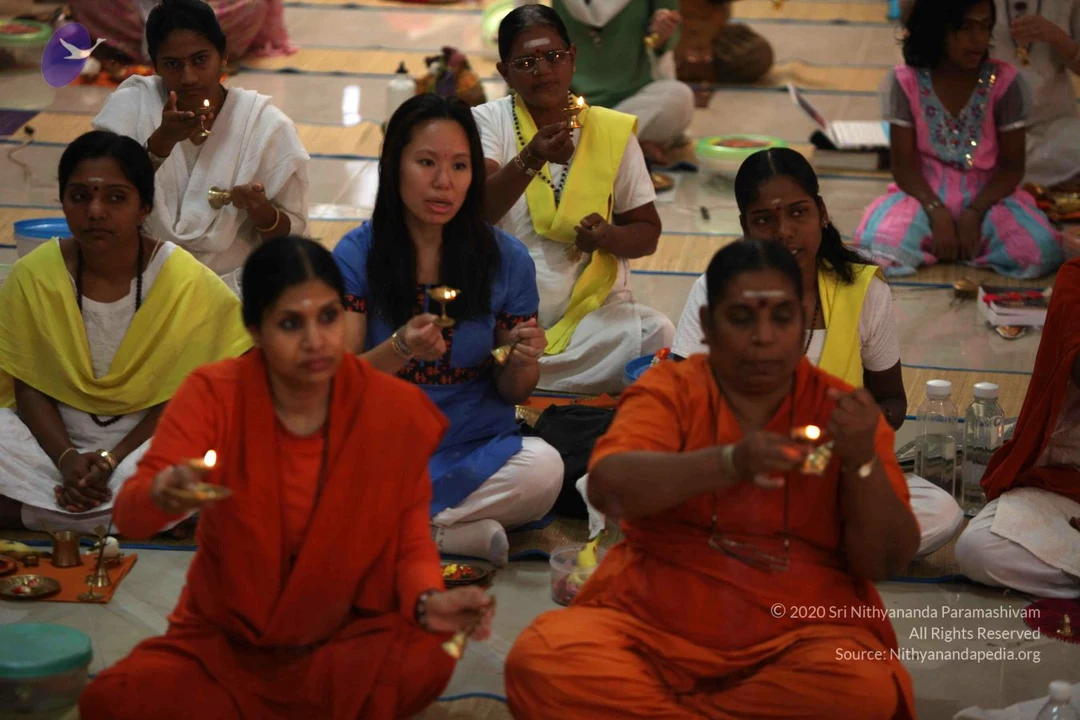
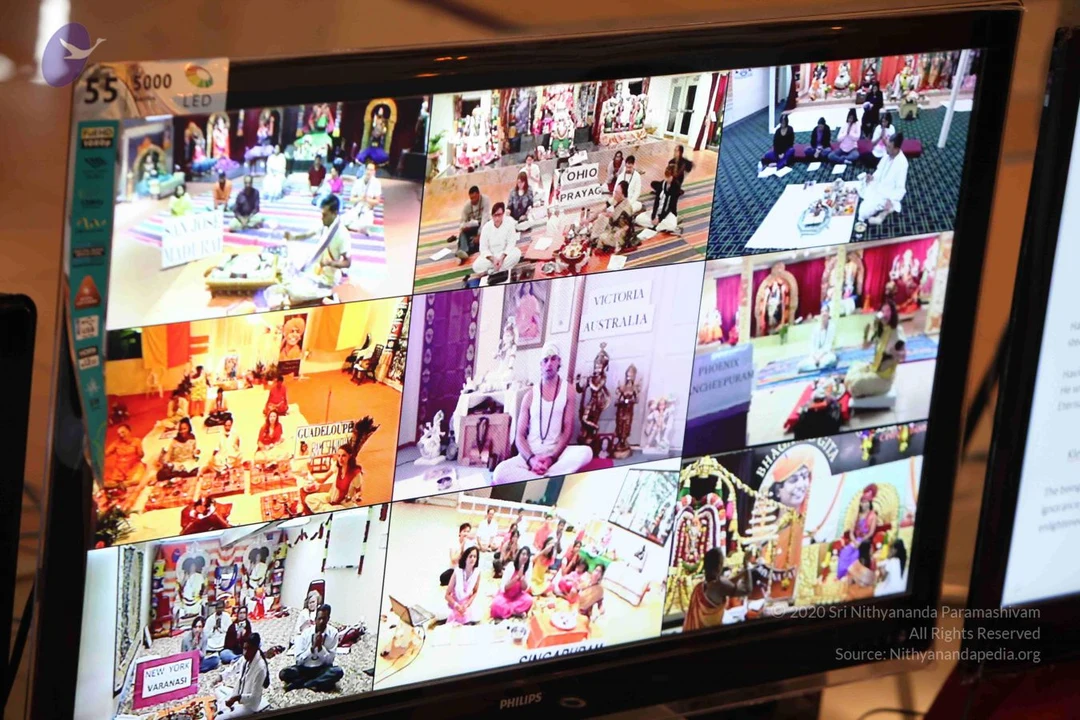
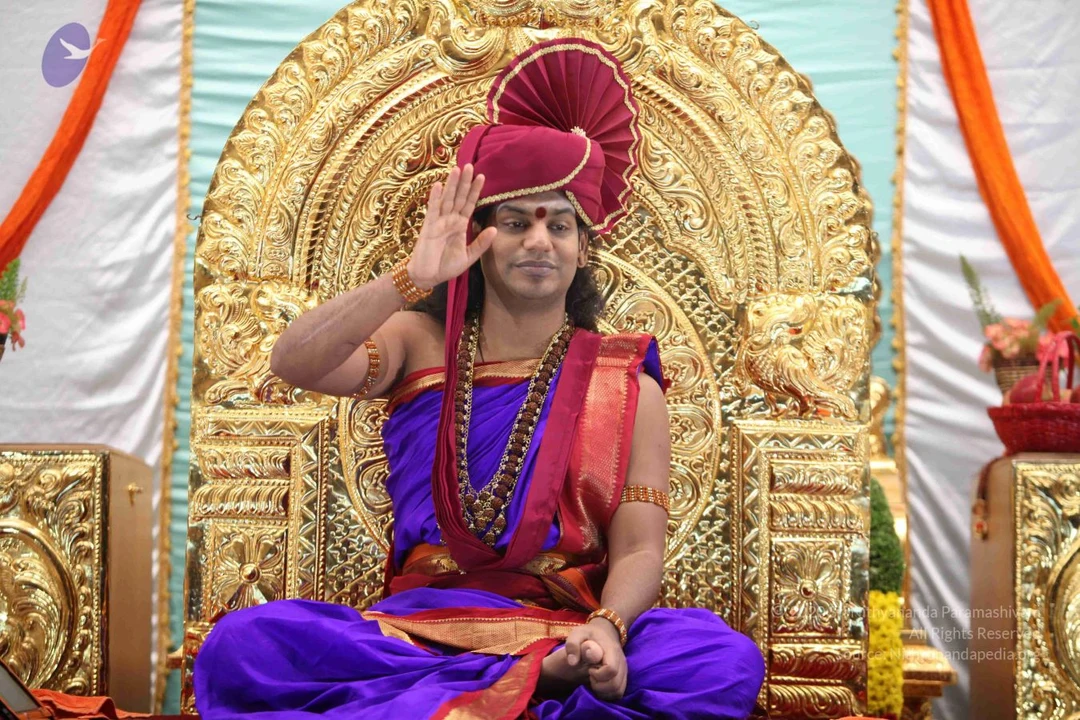
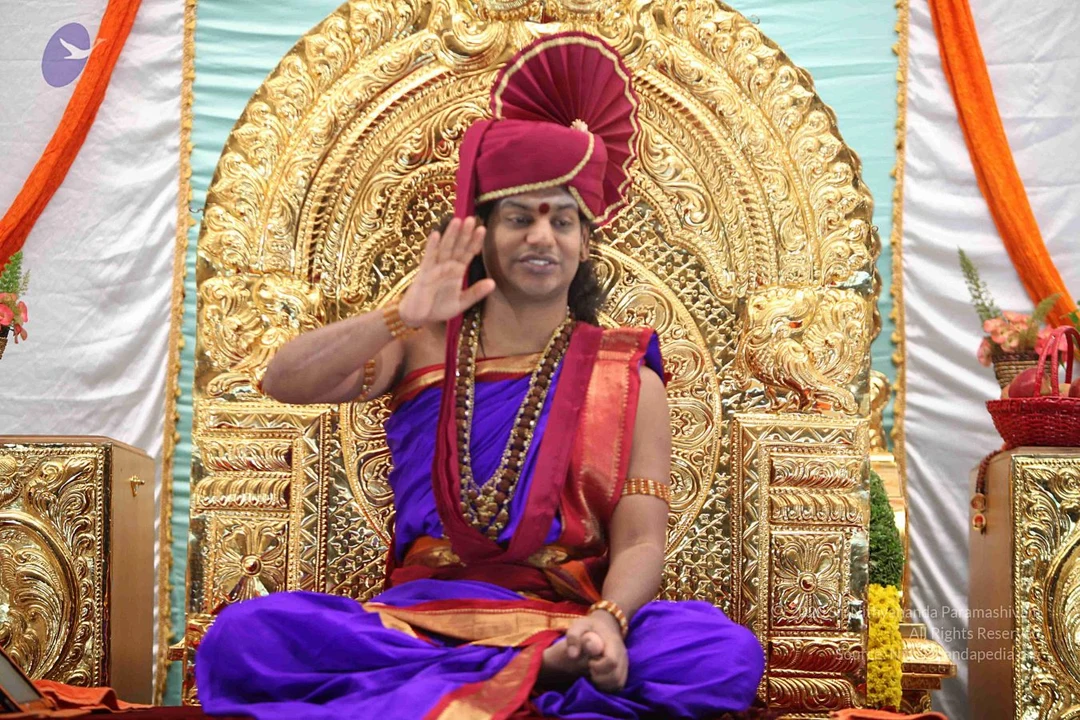
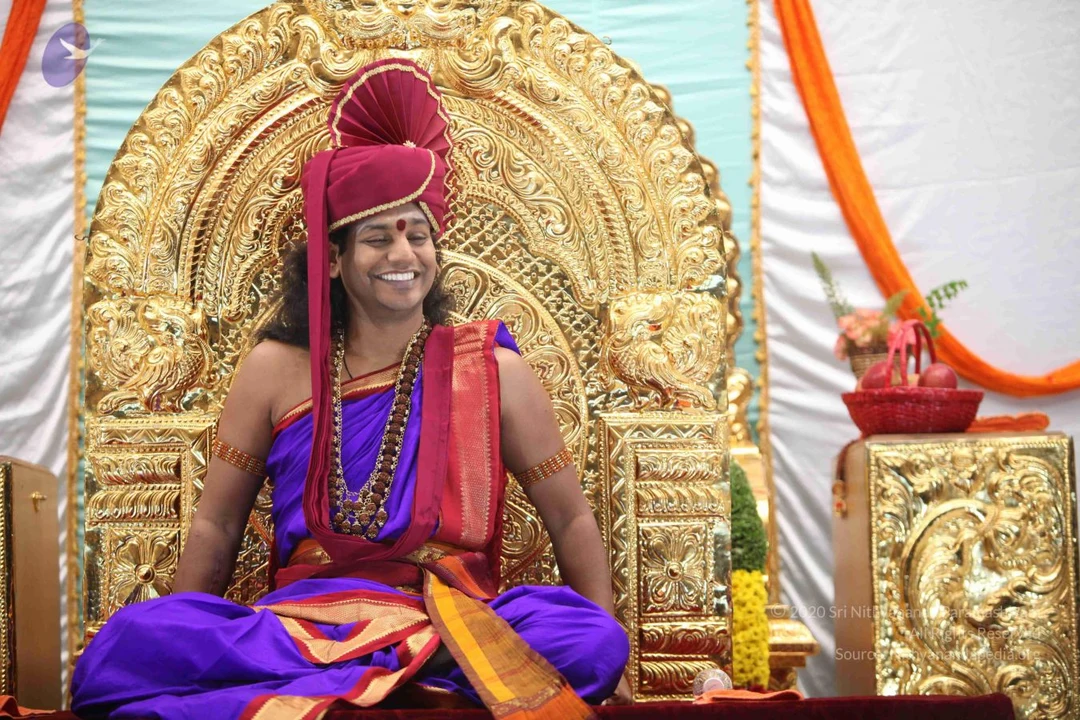
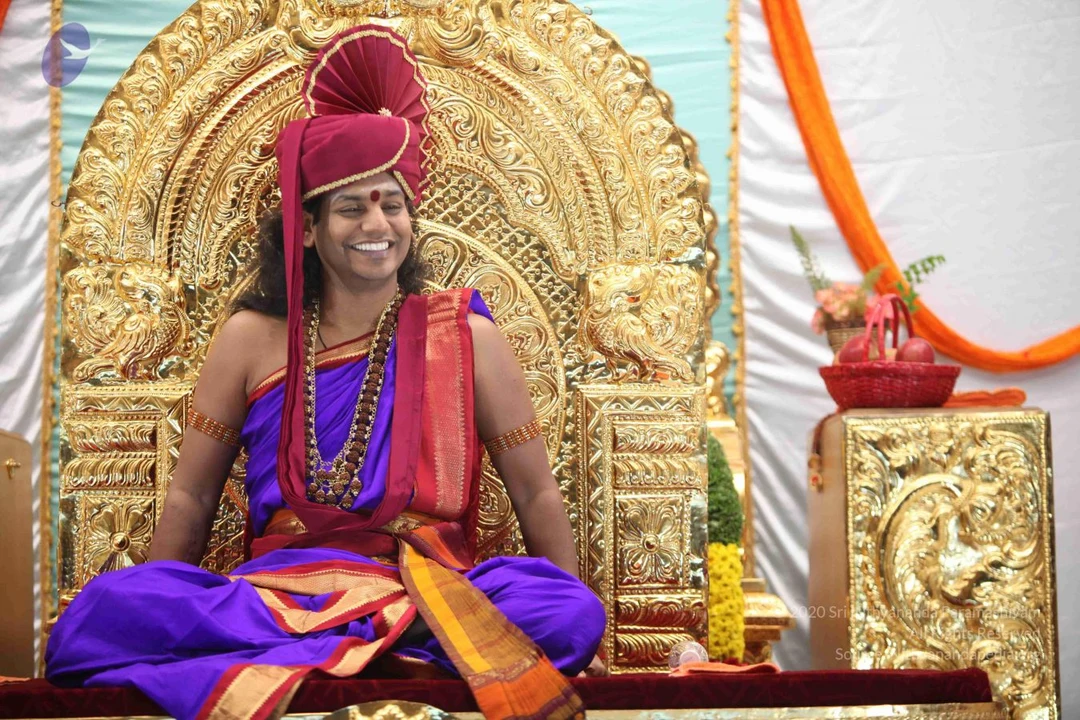
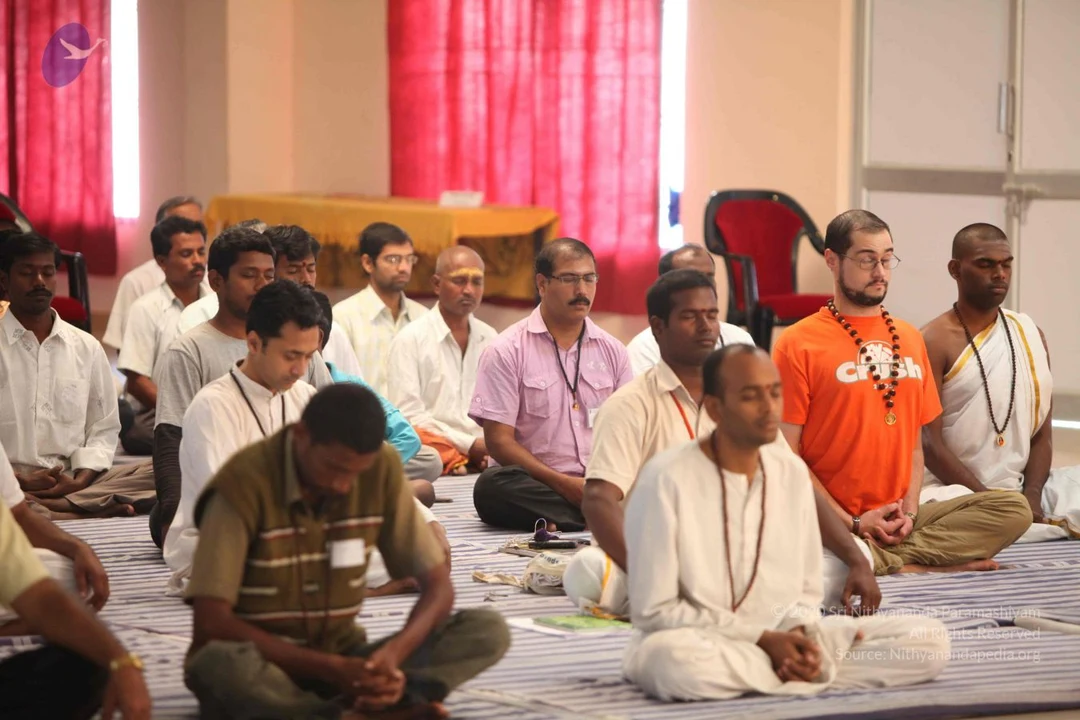
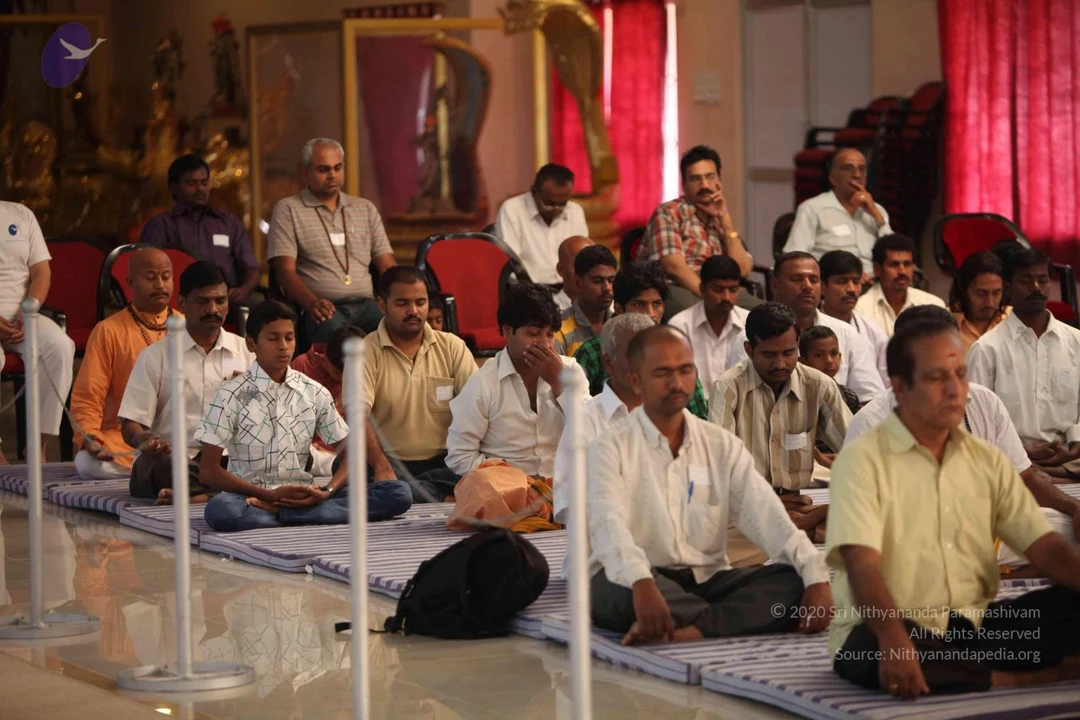
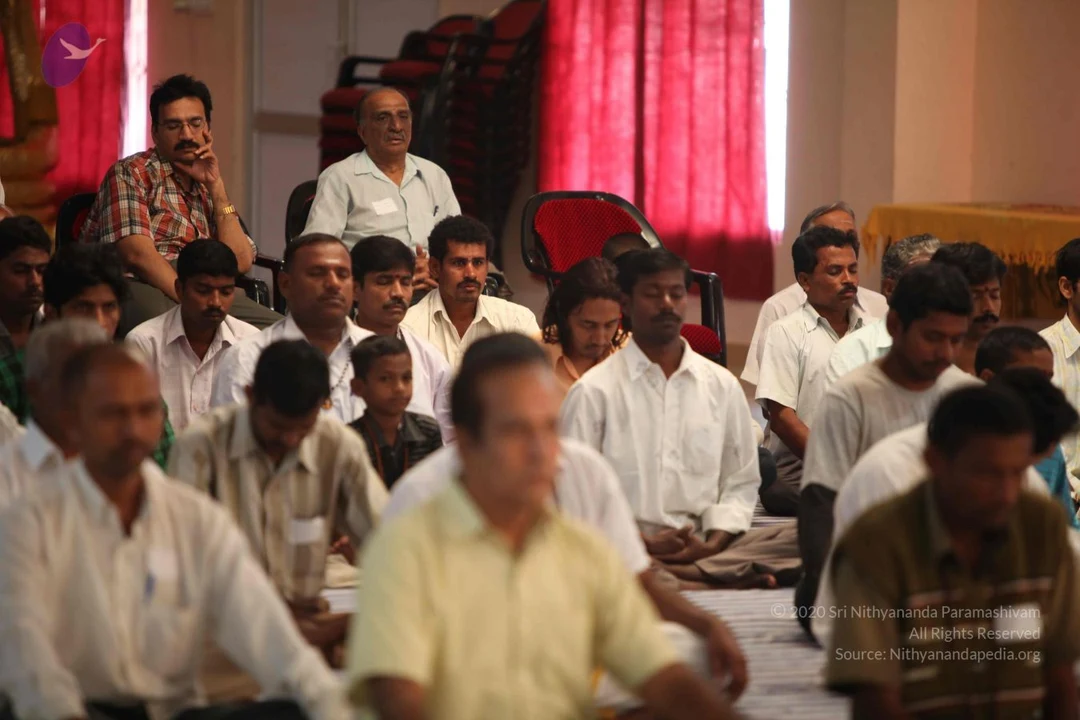
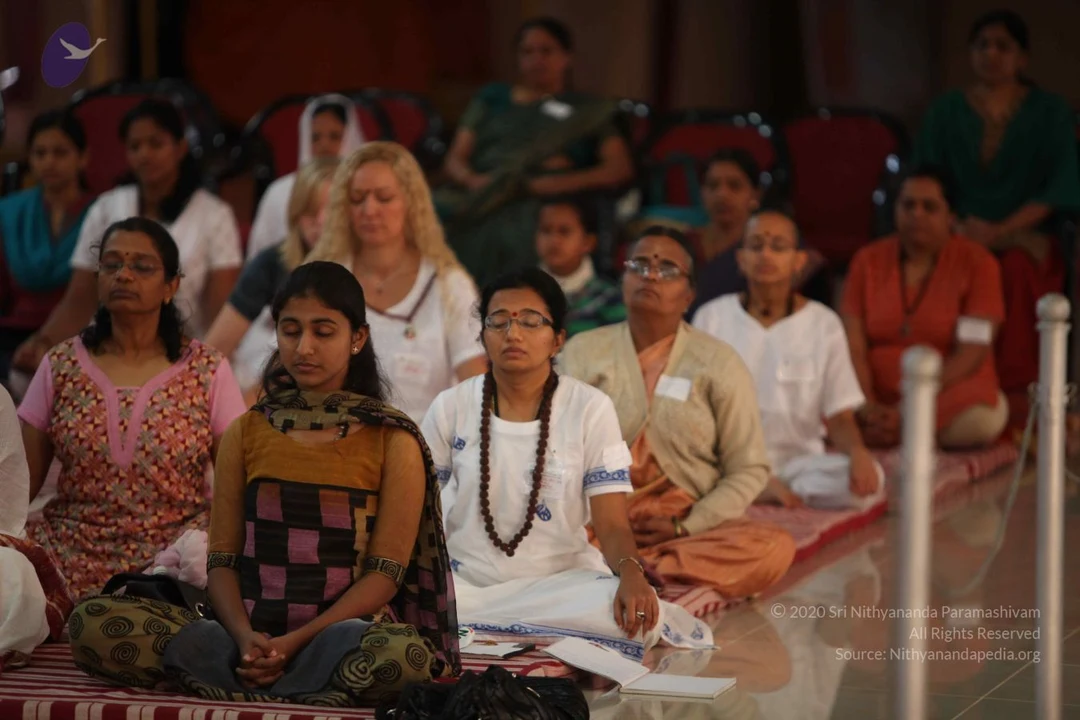
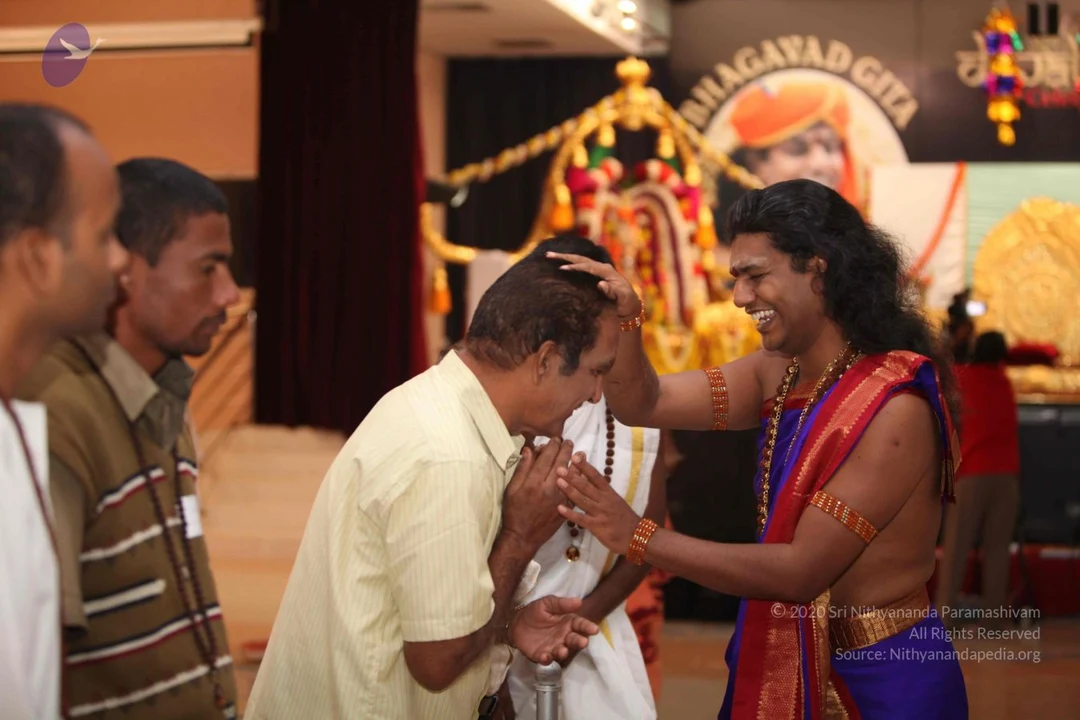
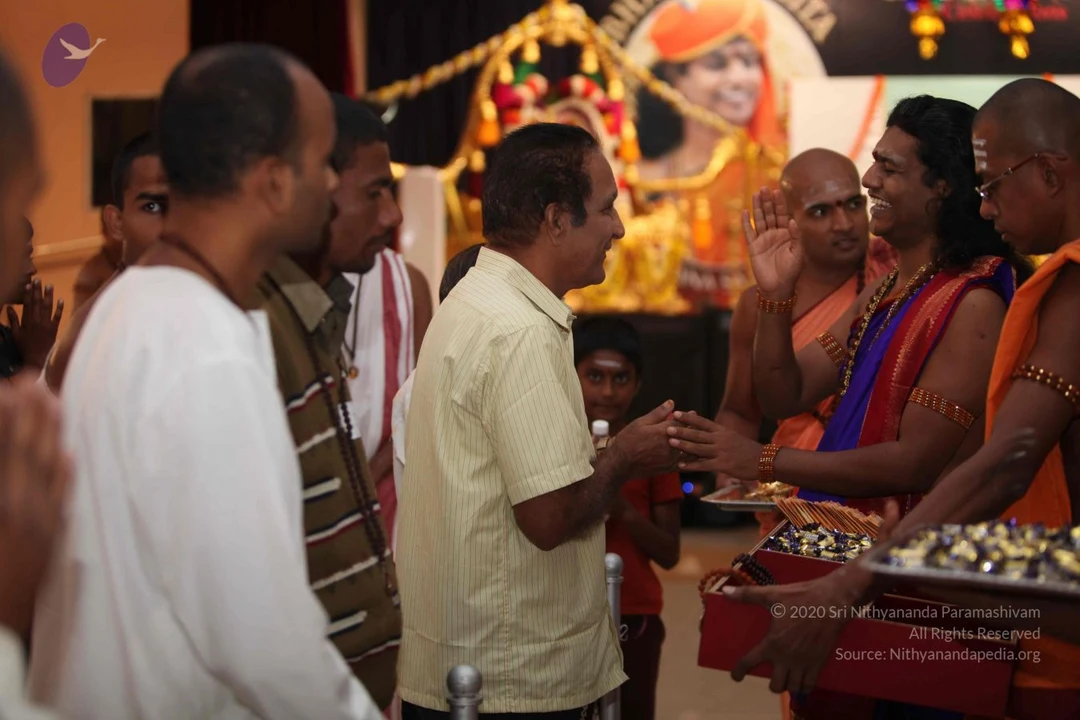
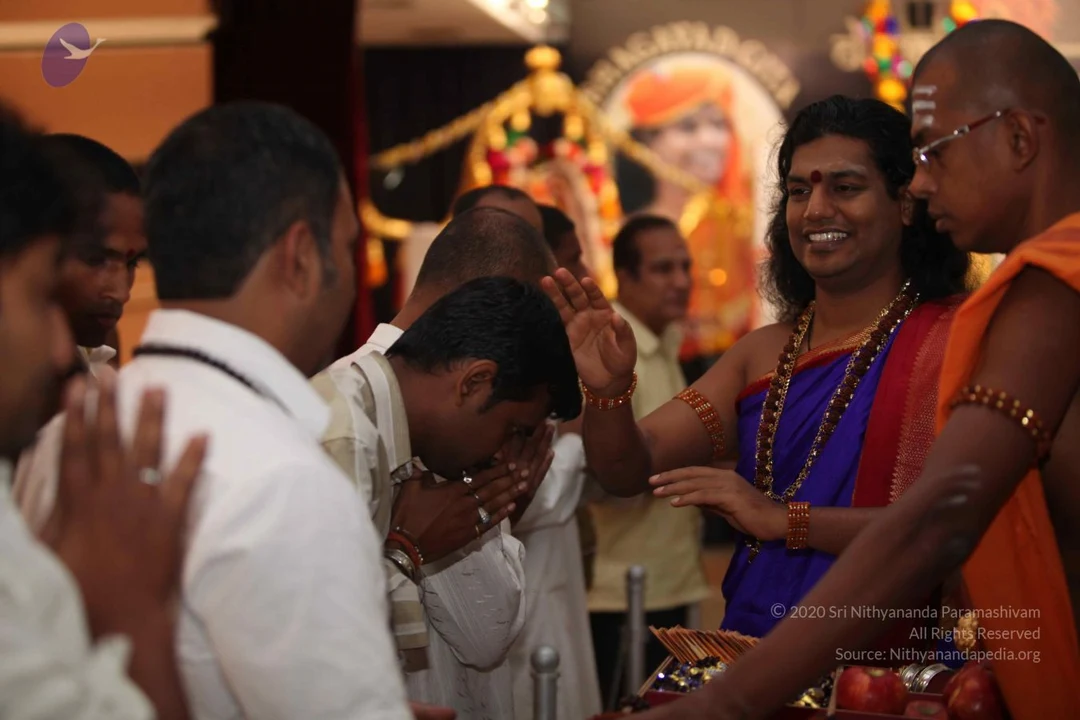
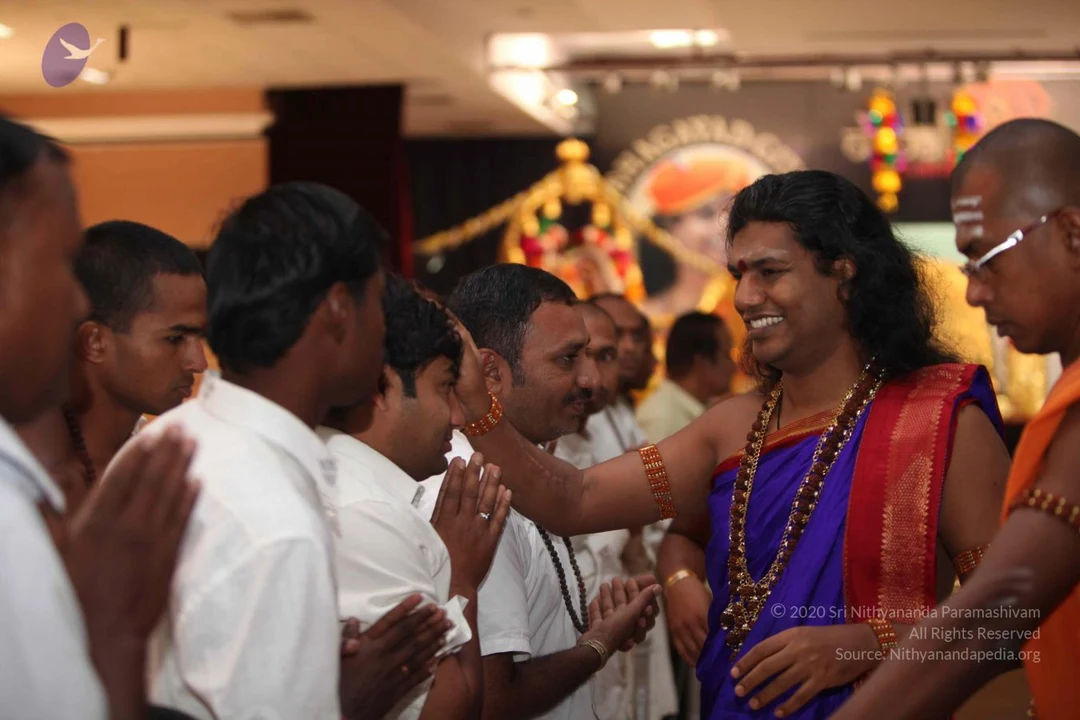
BGSatsang-PADHA POOJA
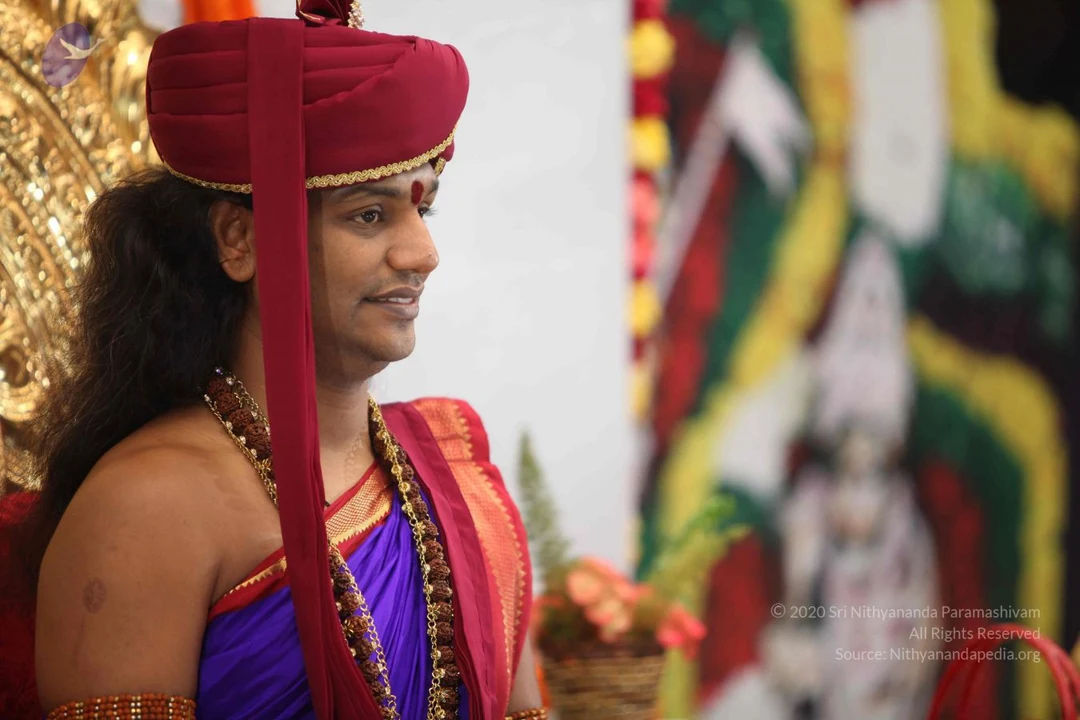
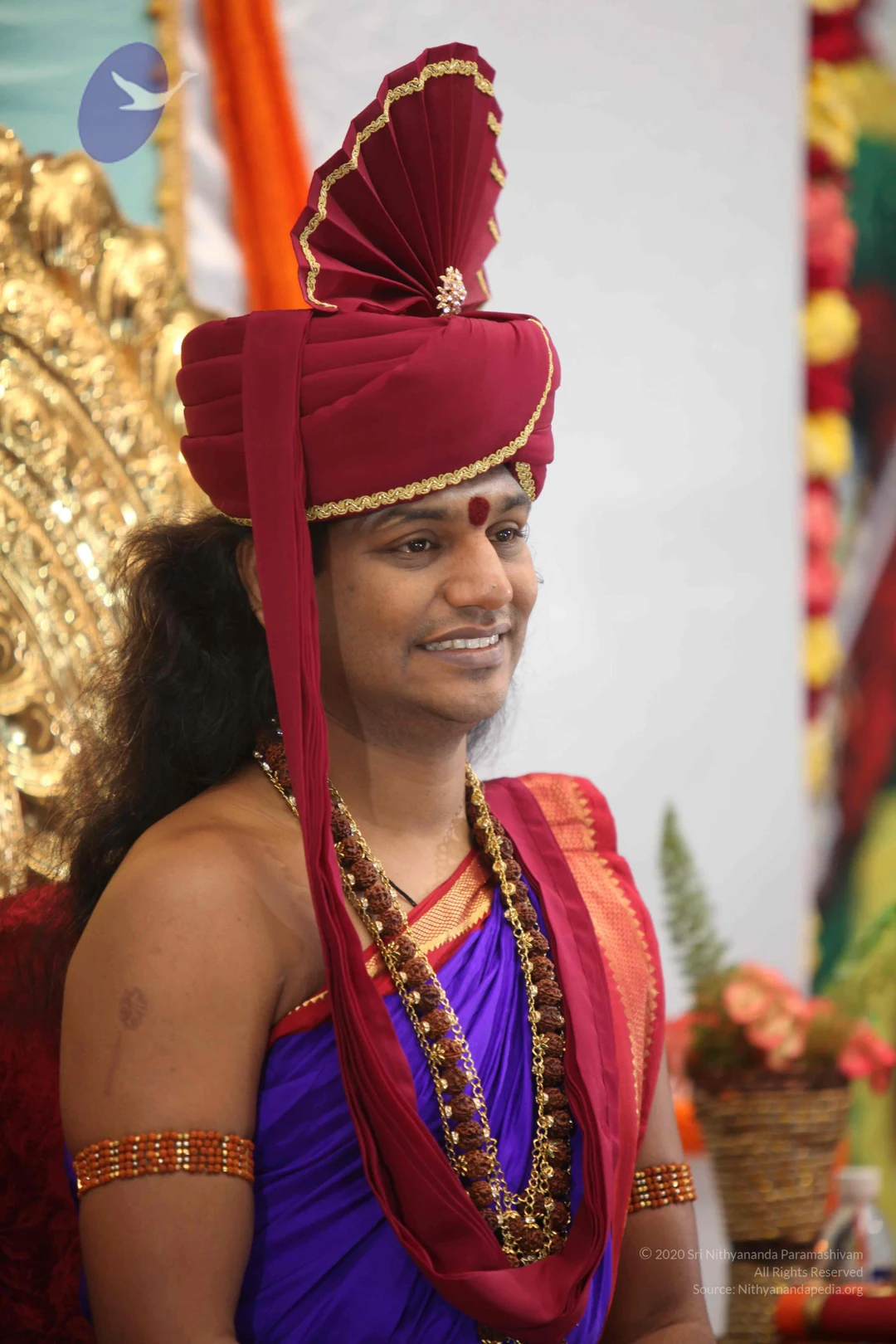
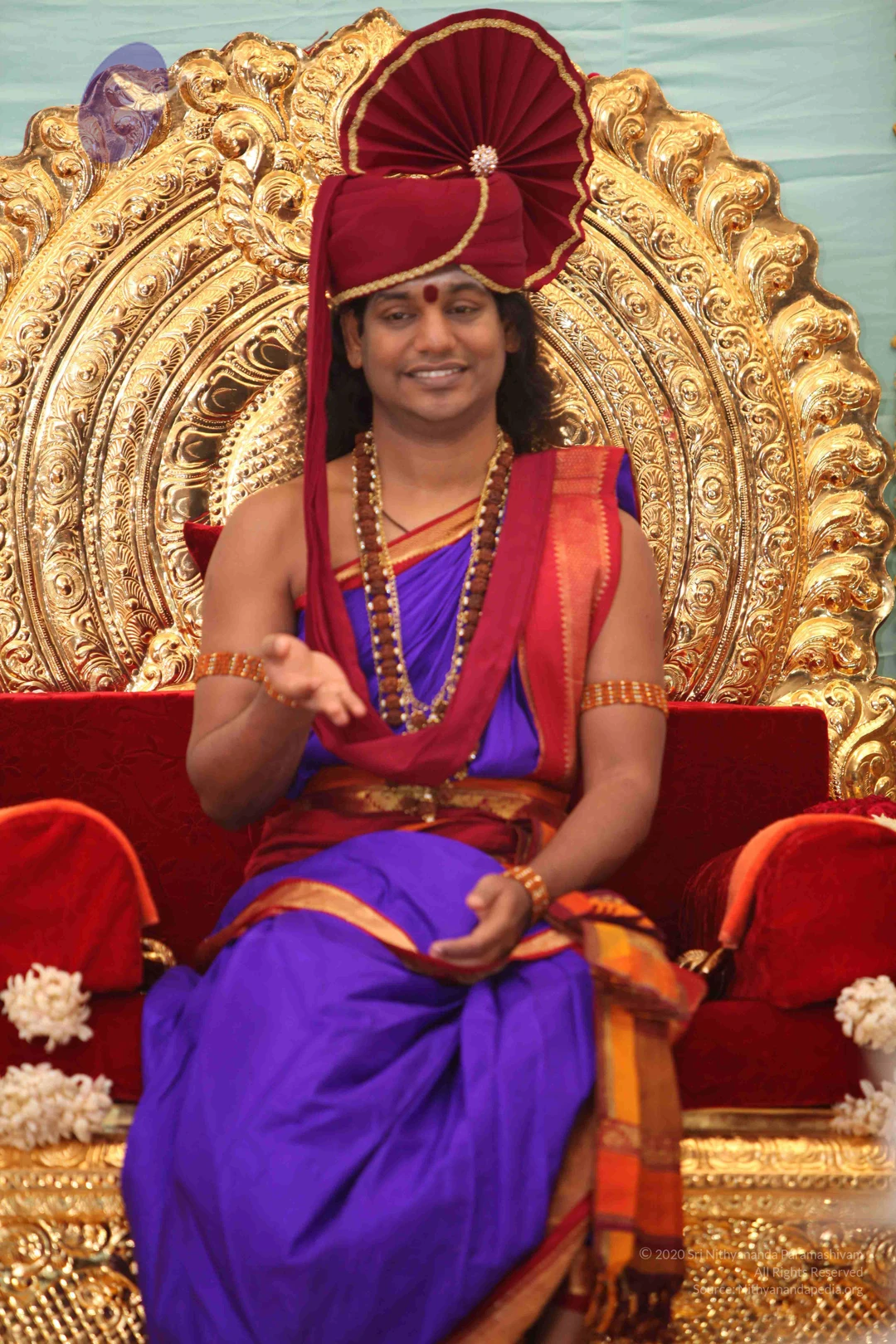
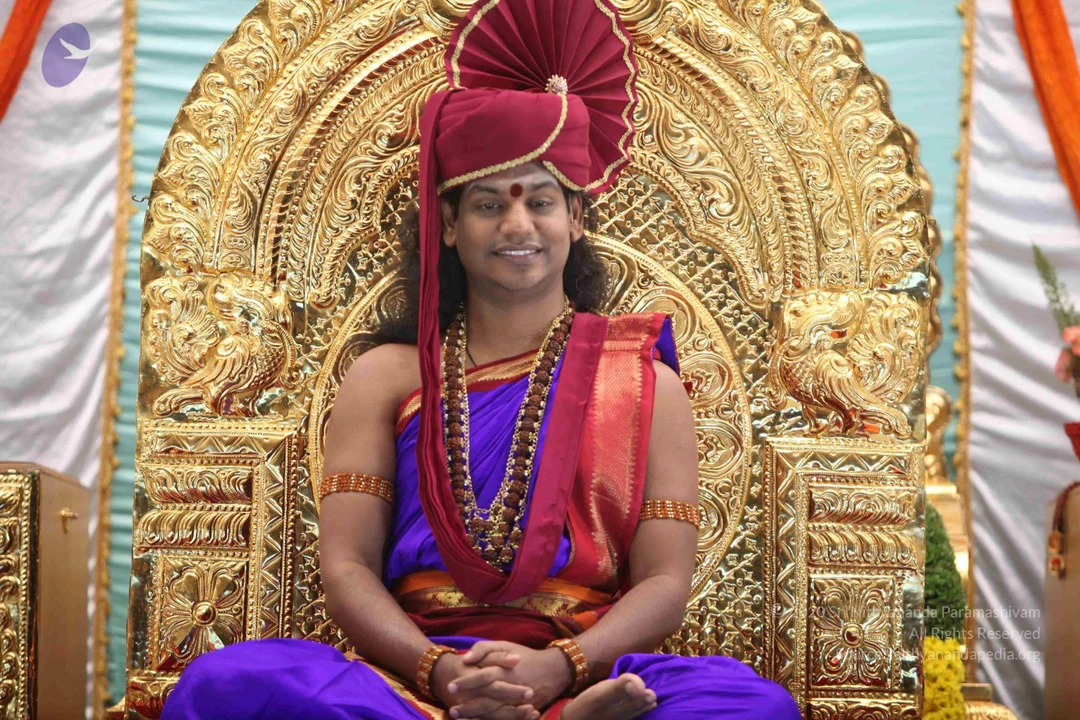
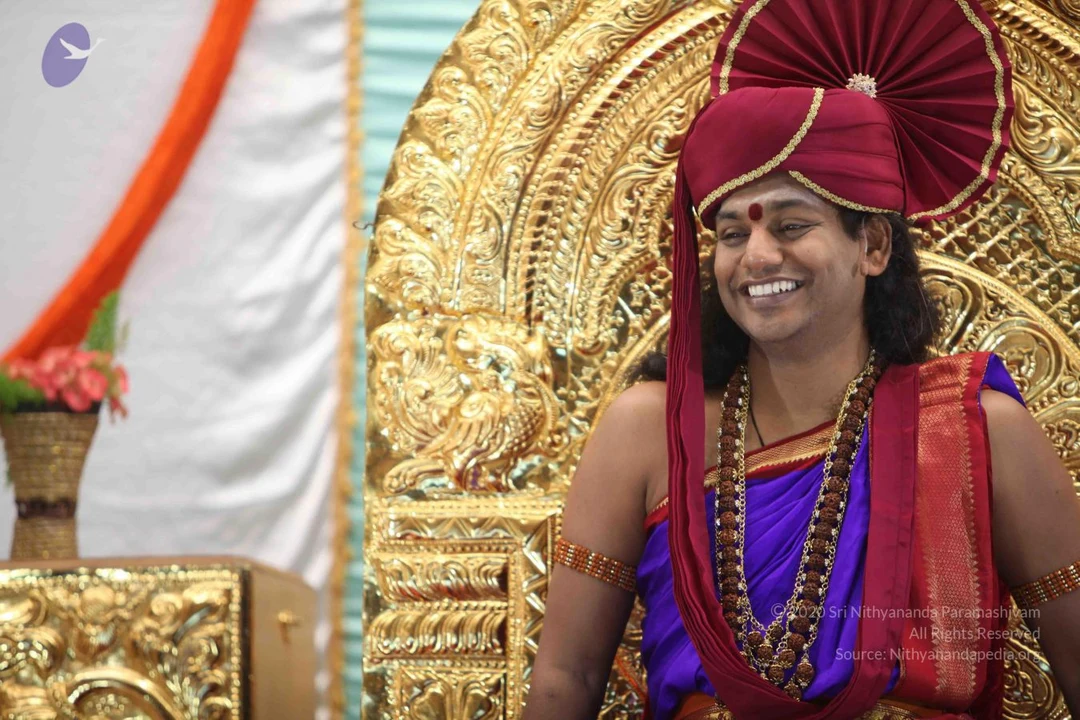


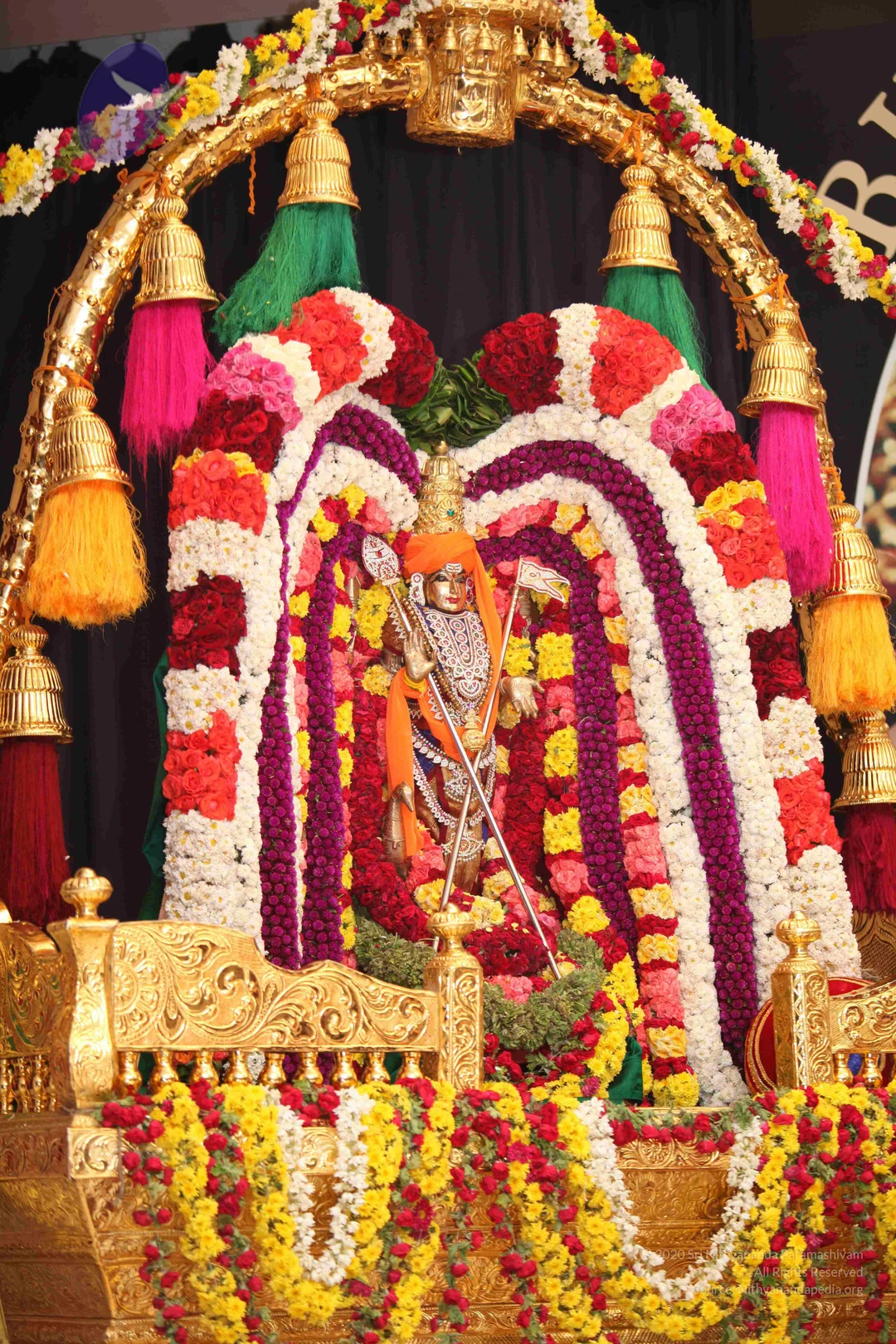
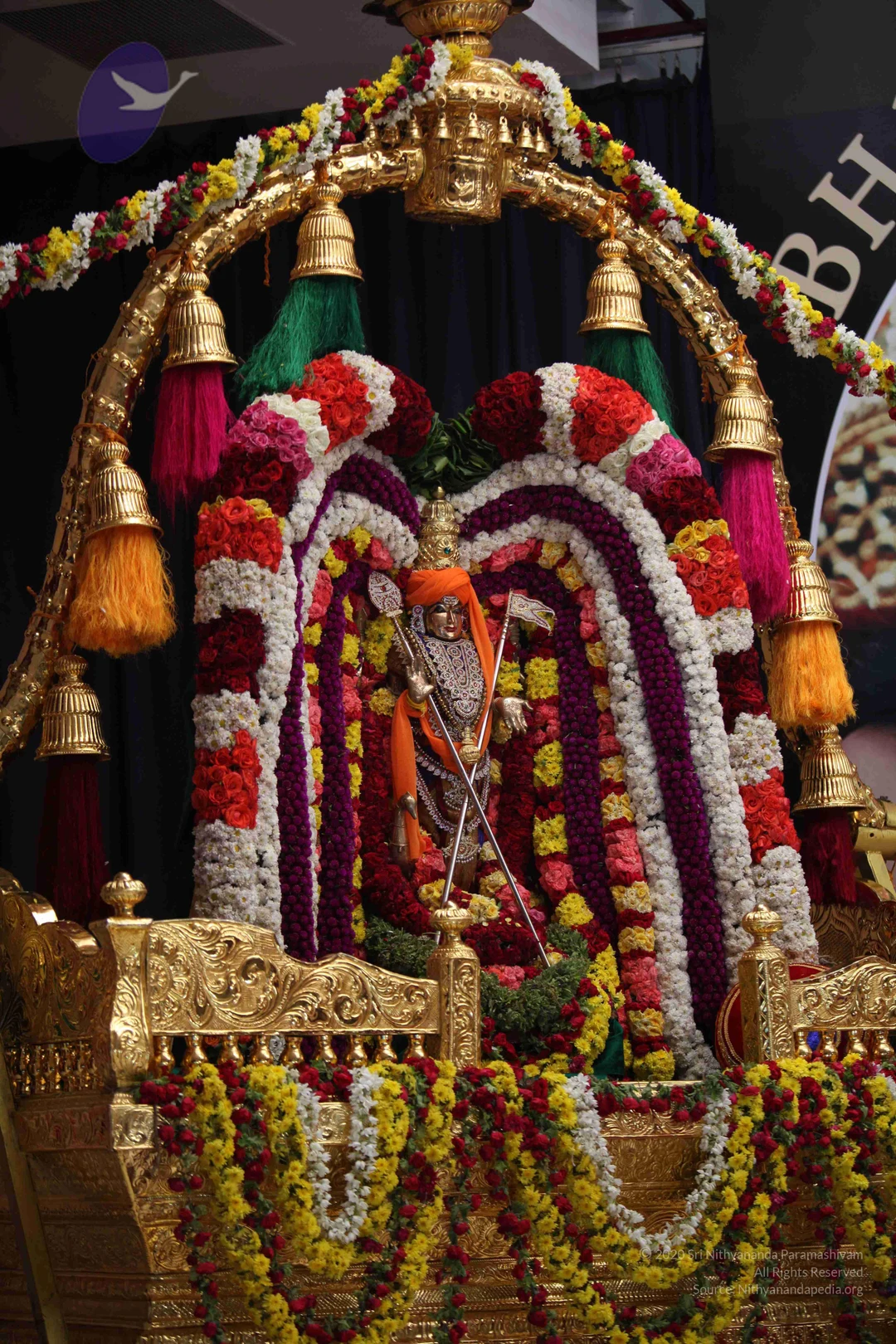
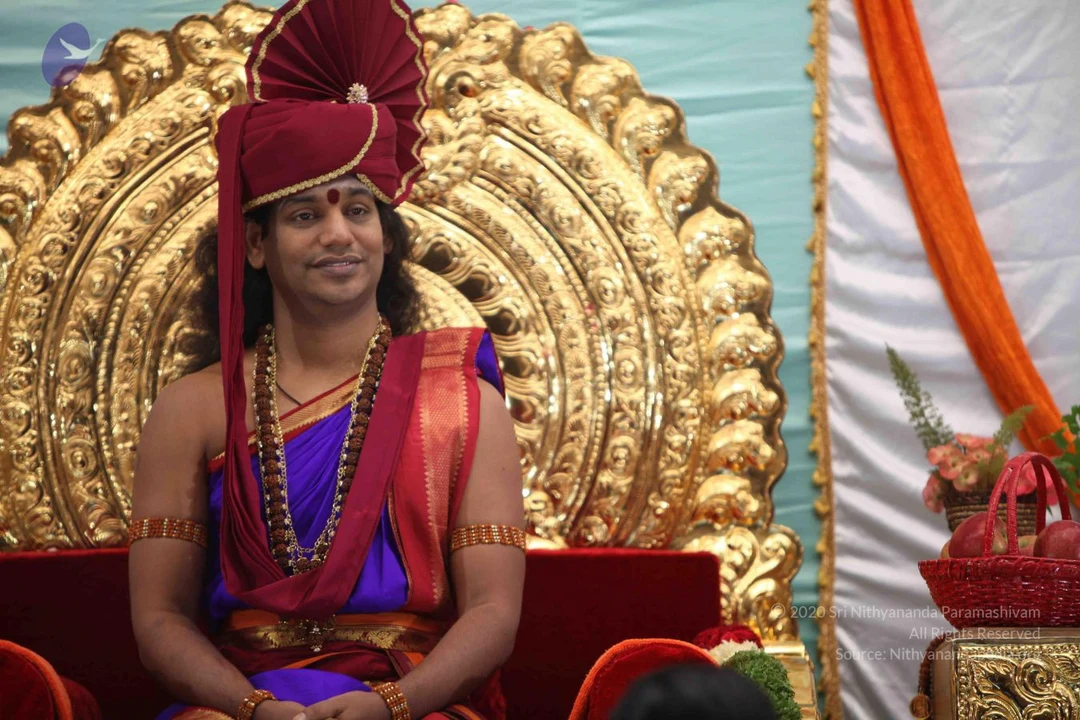
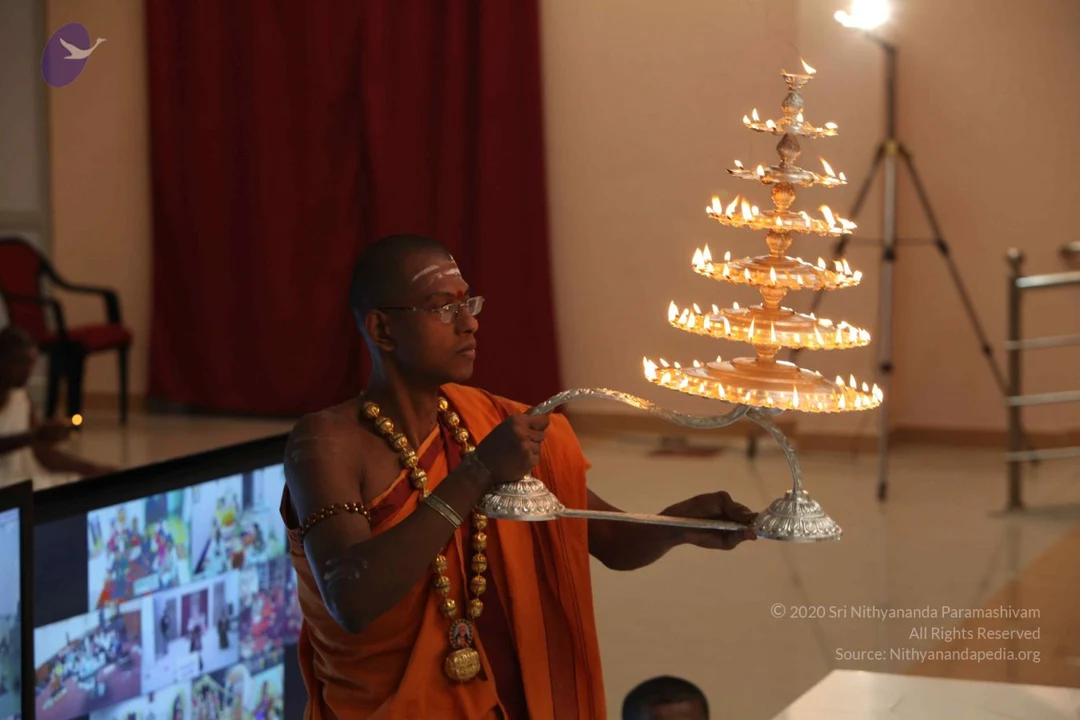
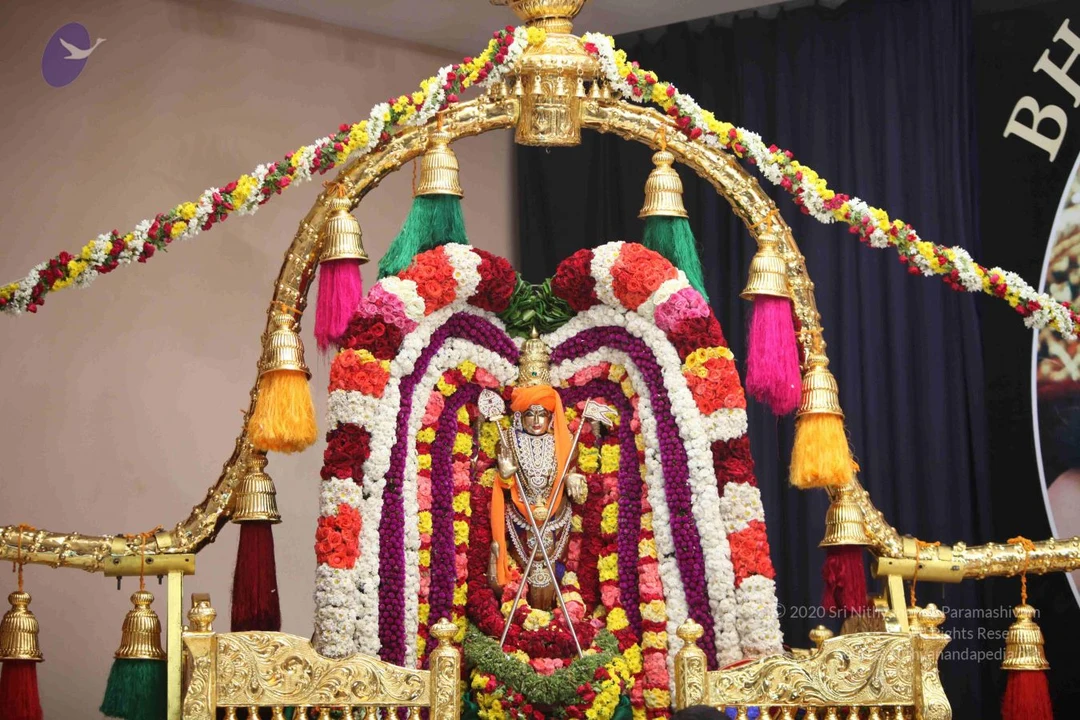
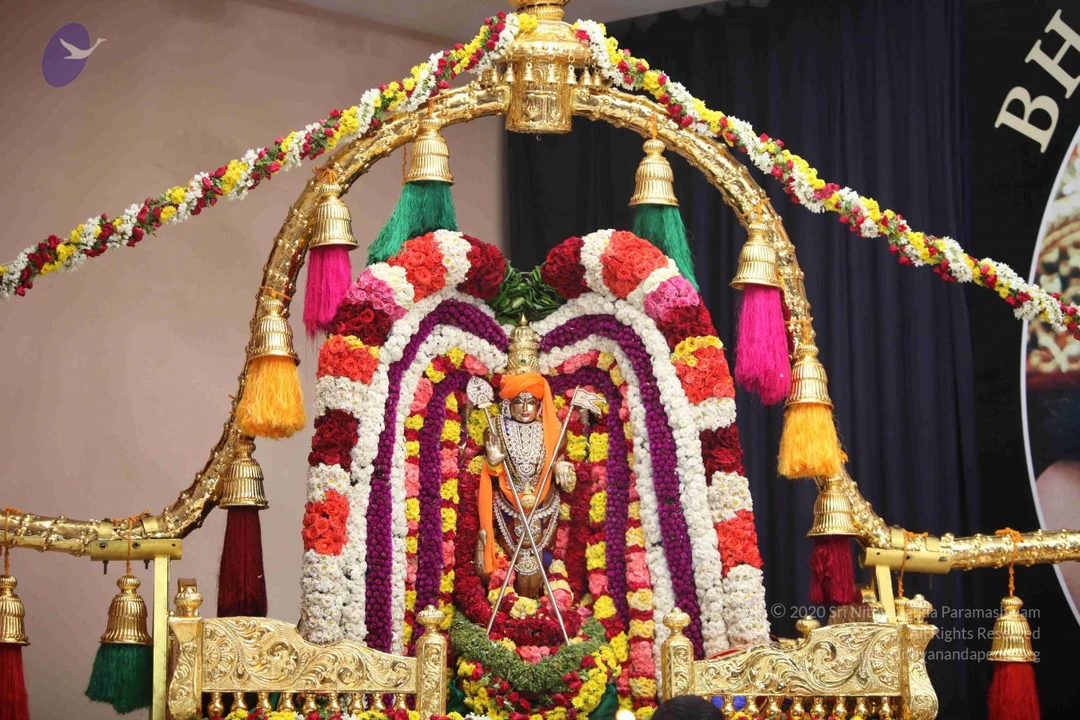
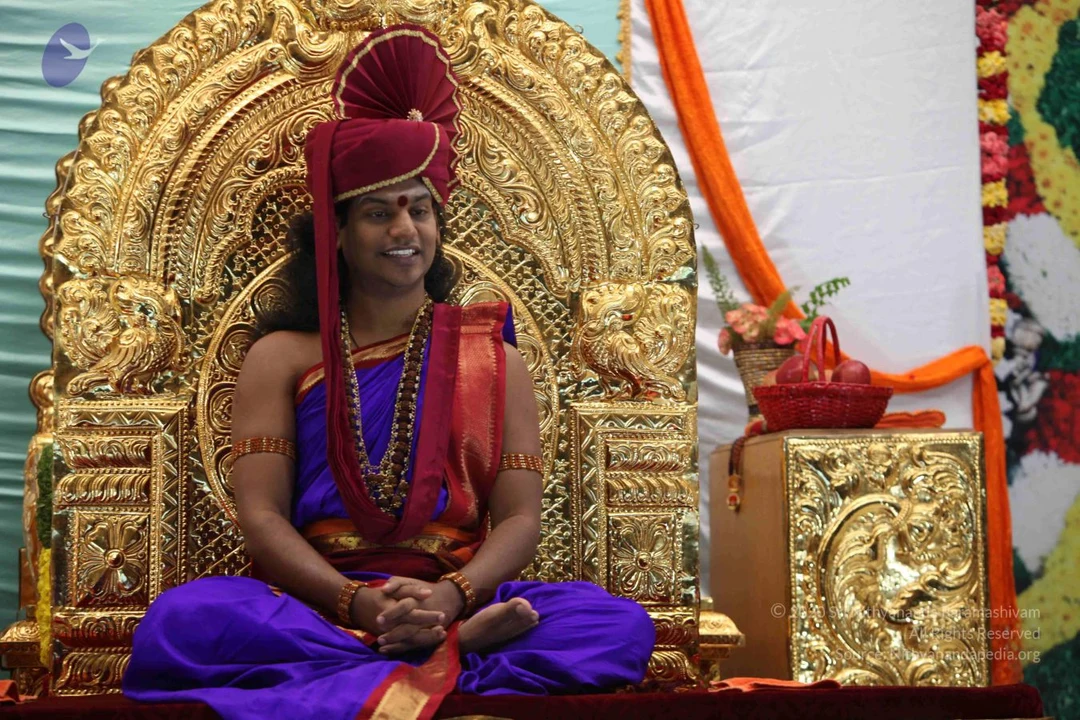
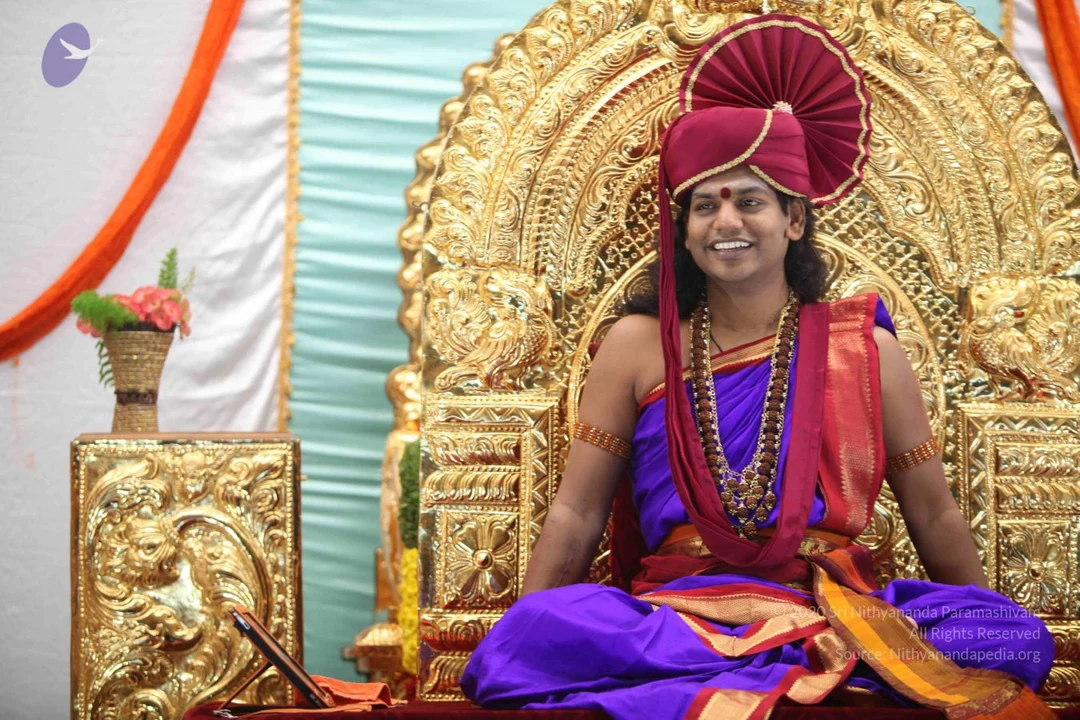
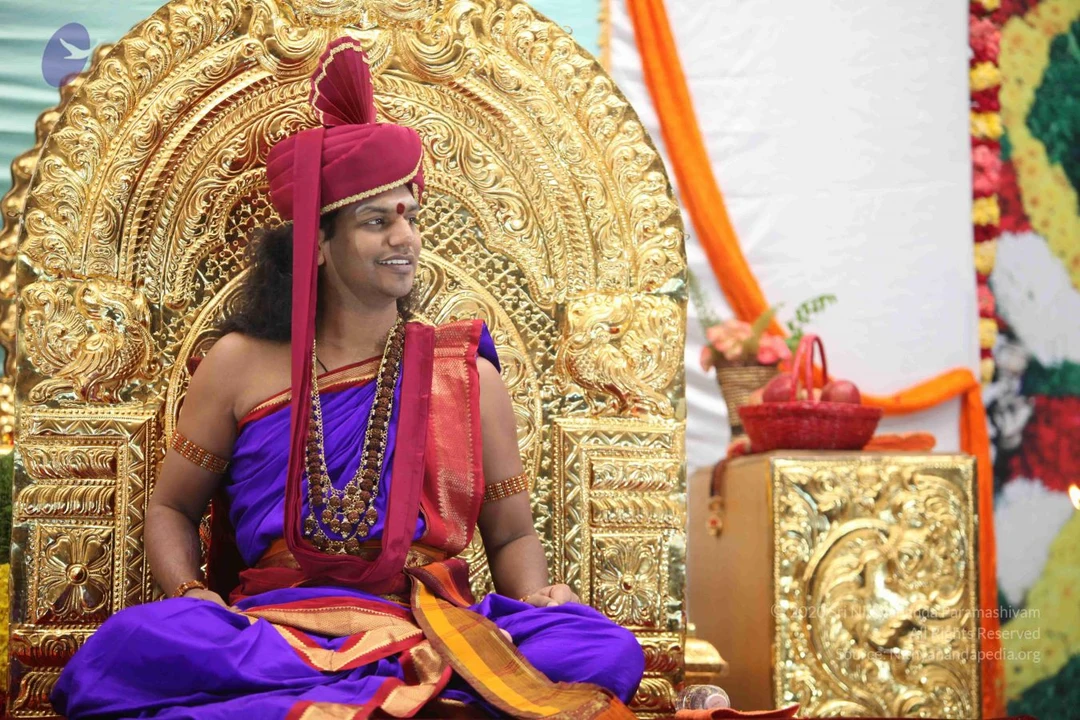
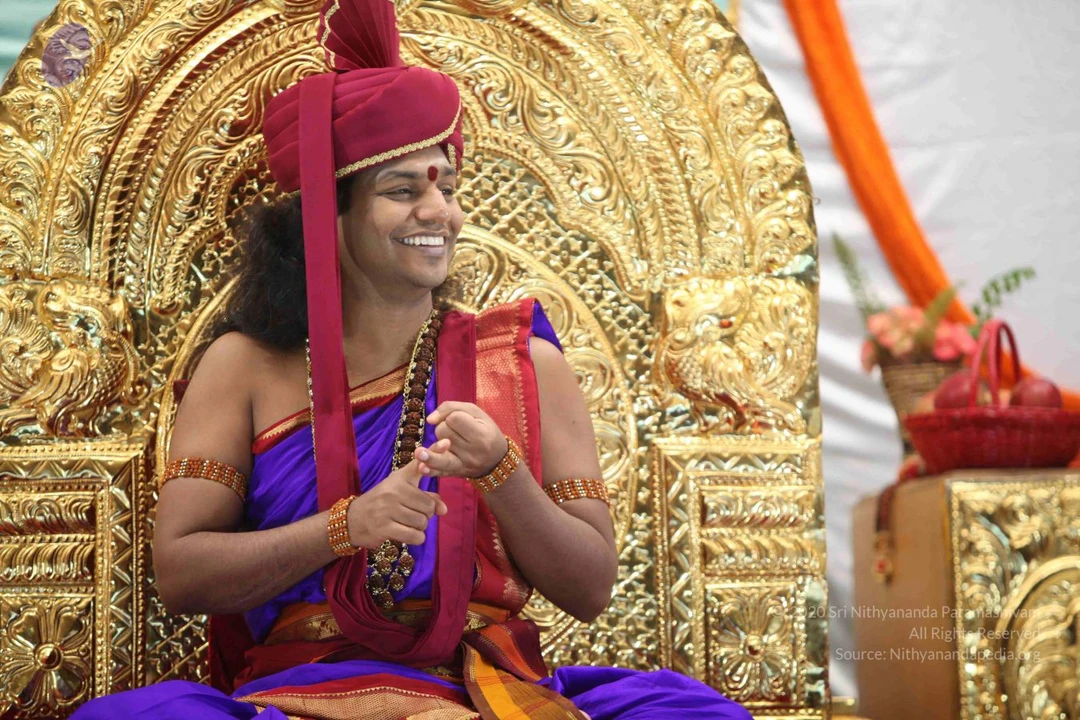
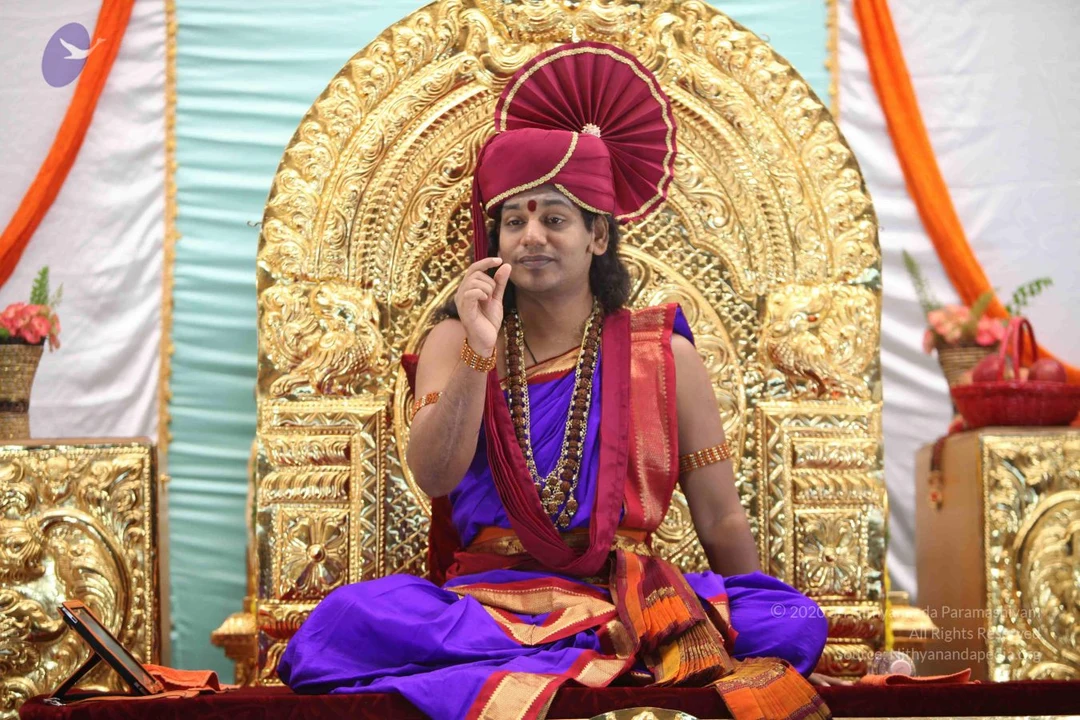
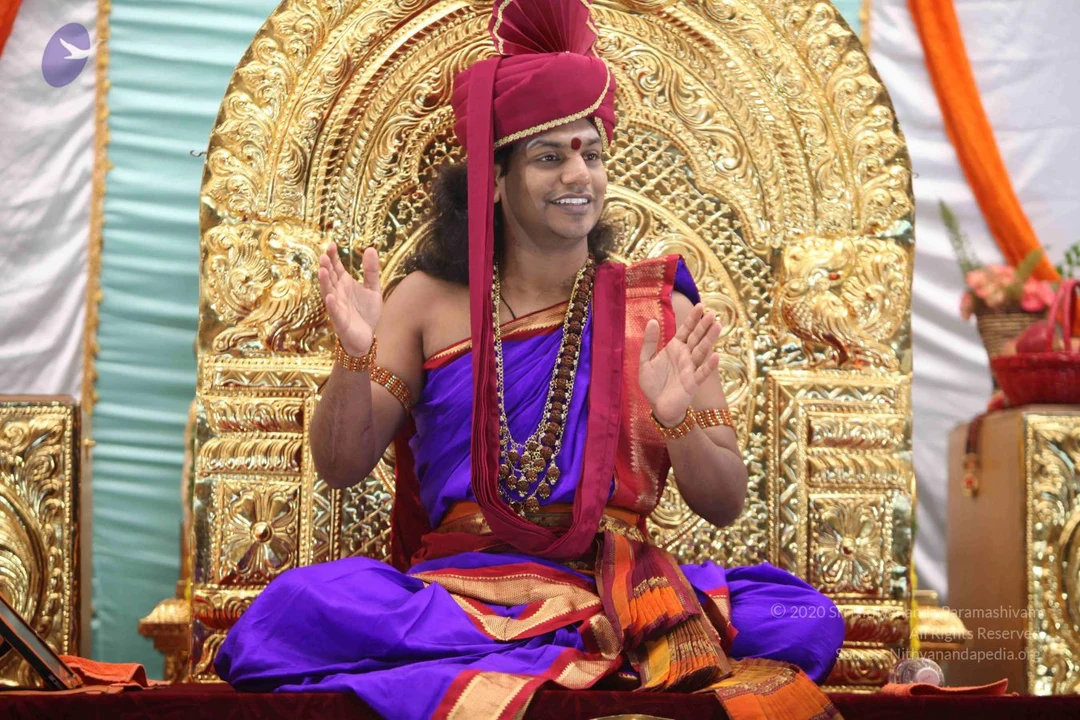
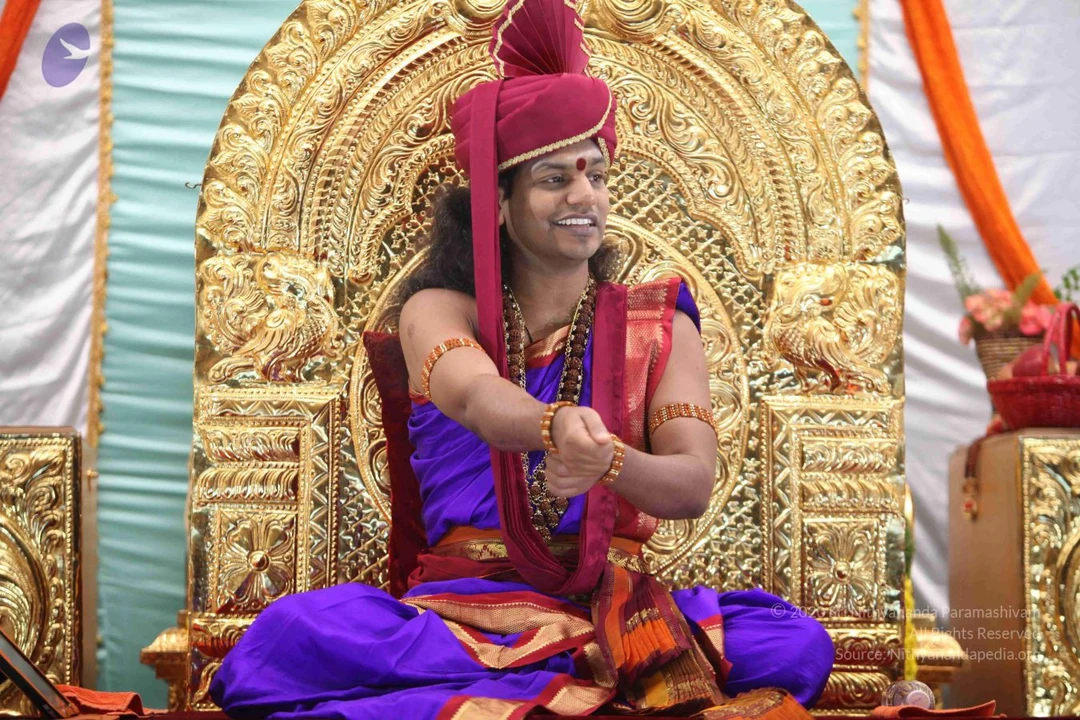
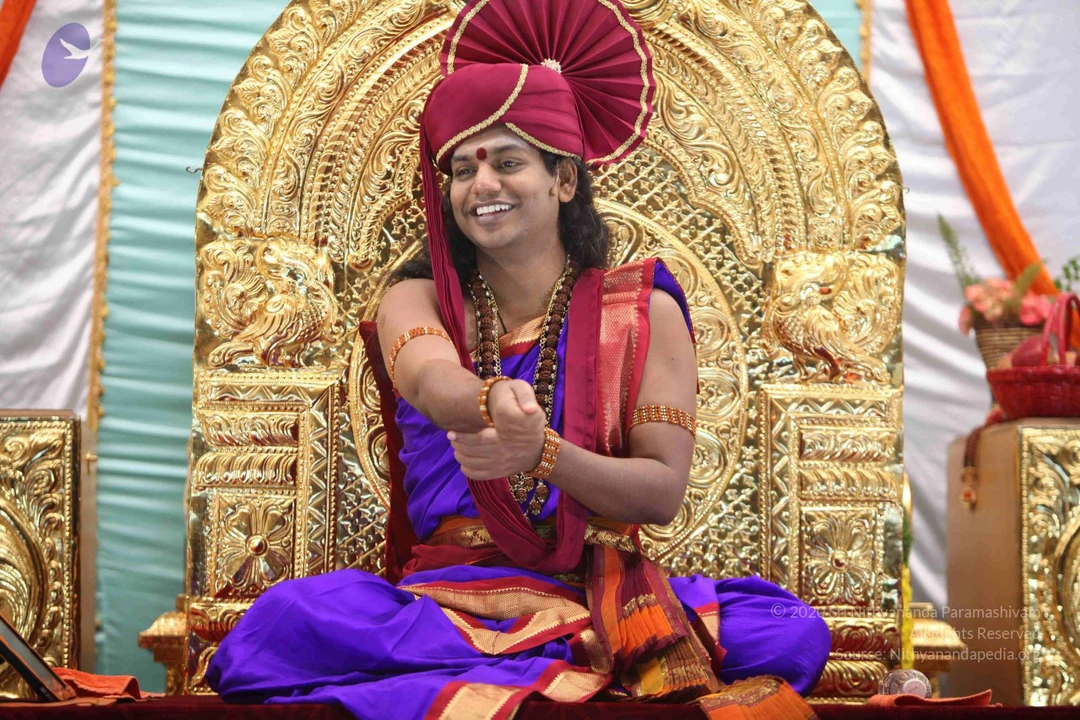
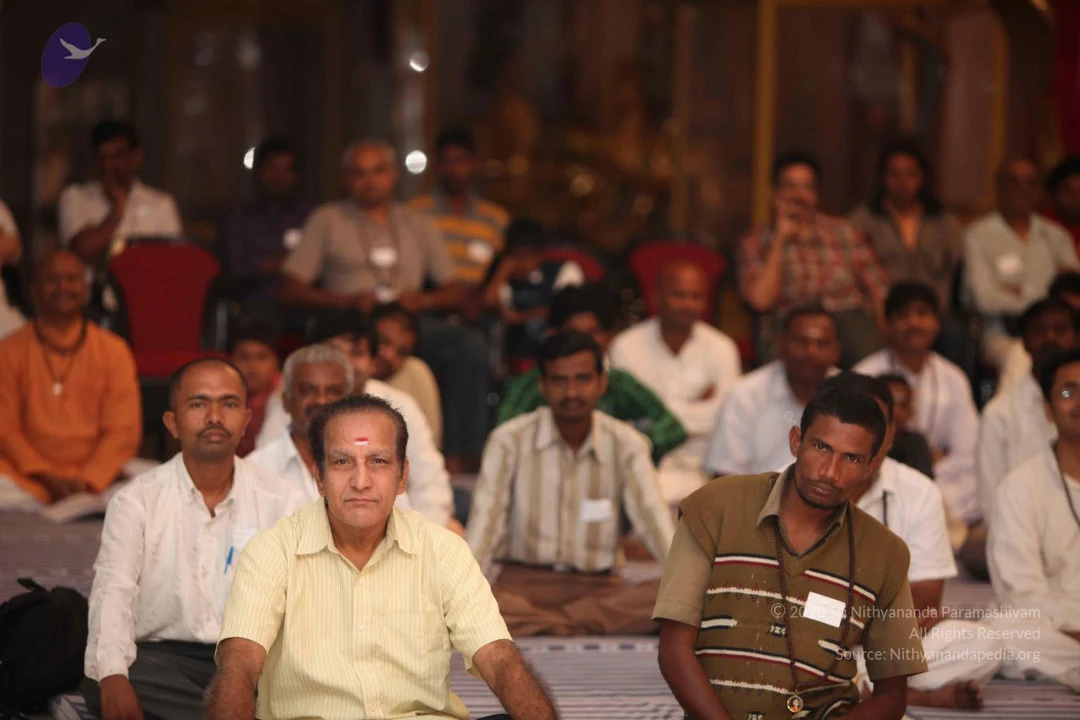
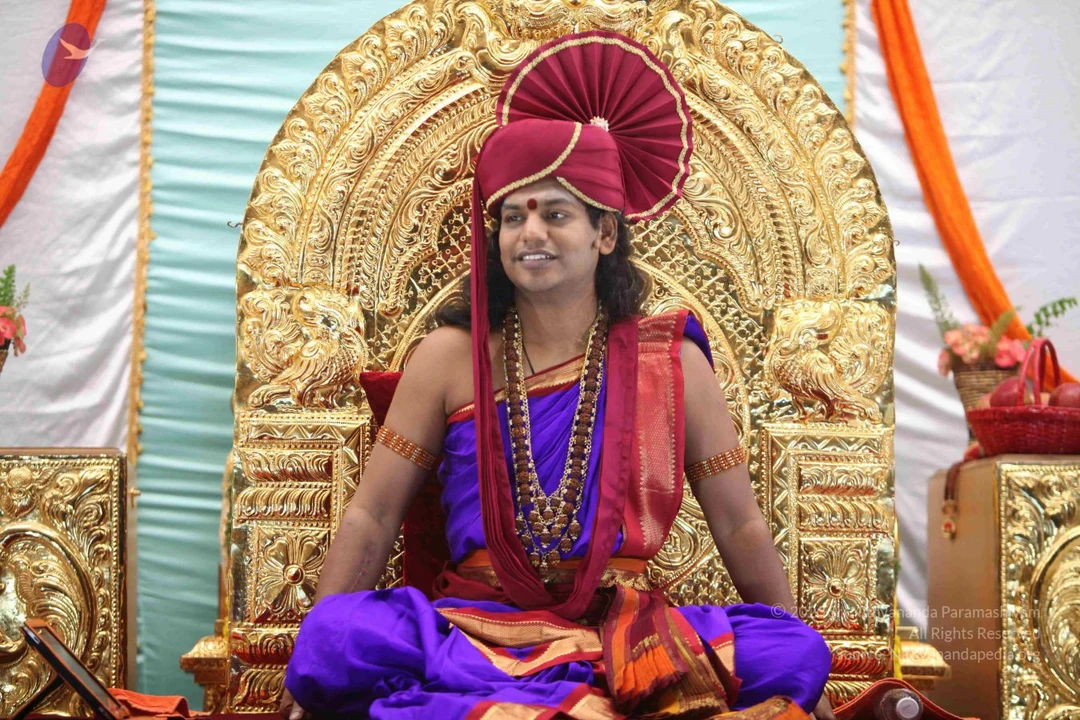
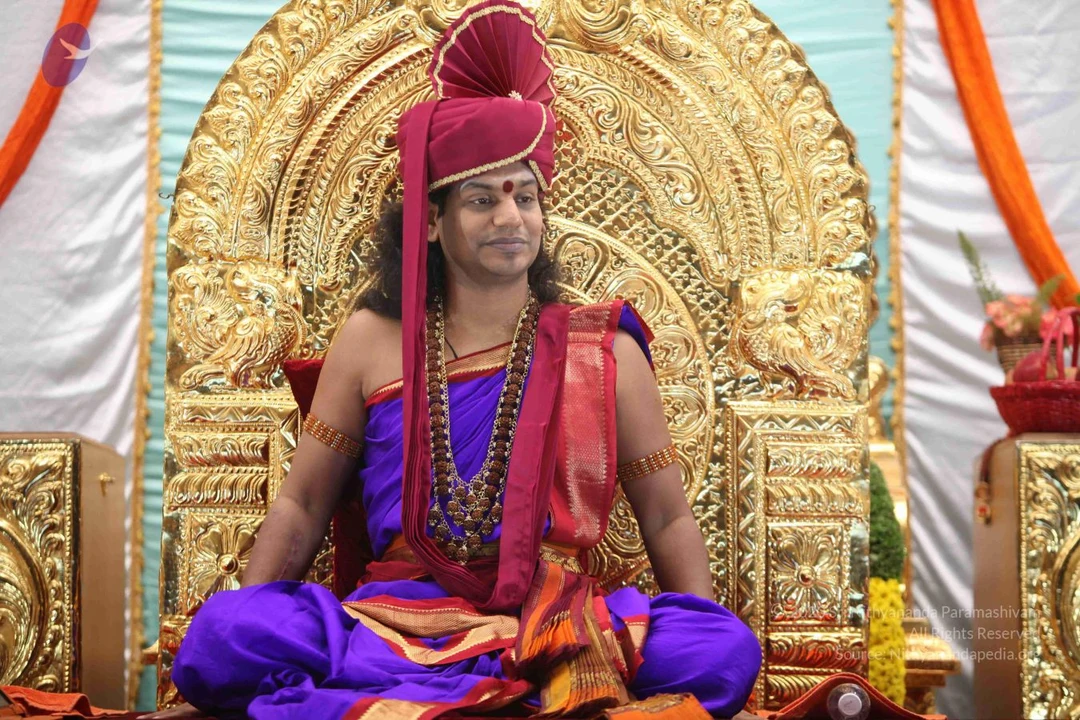
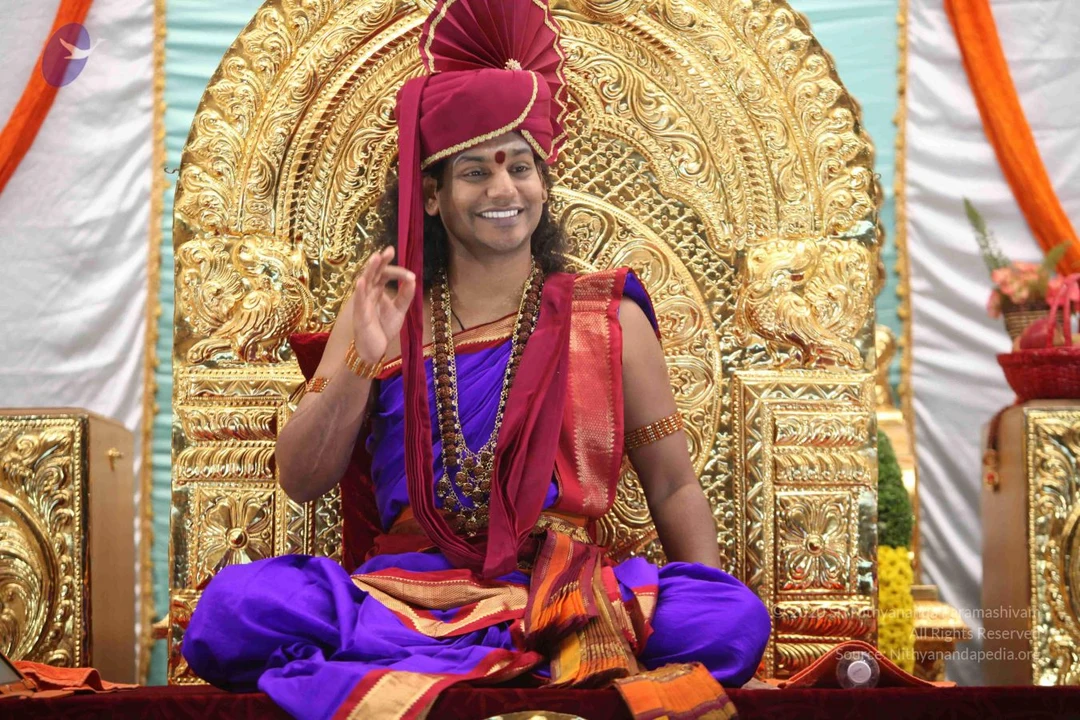
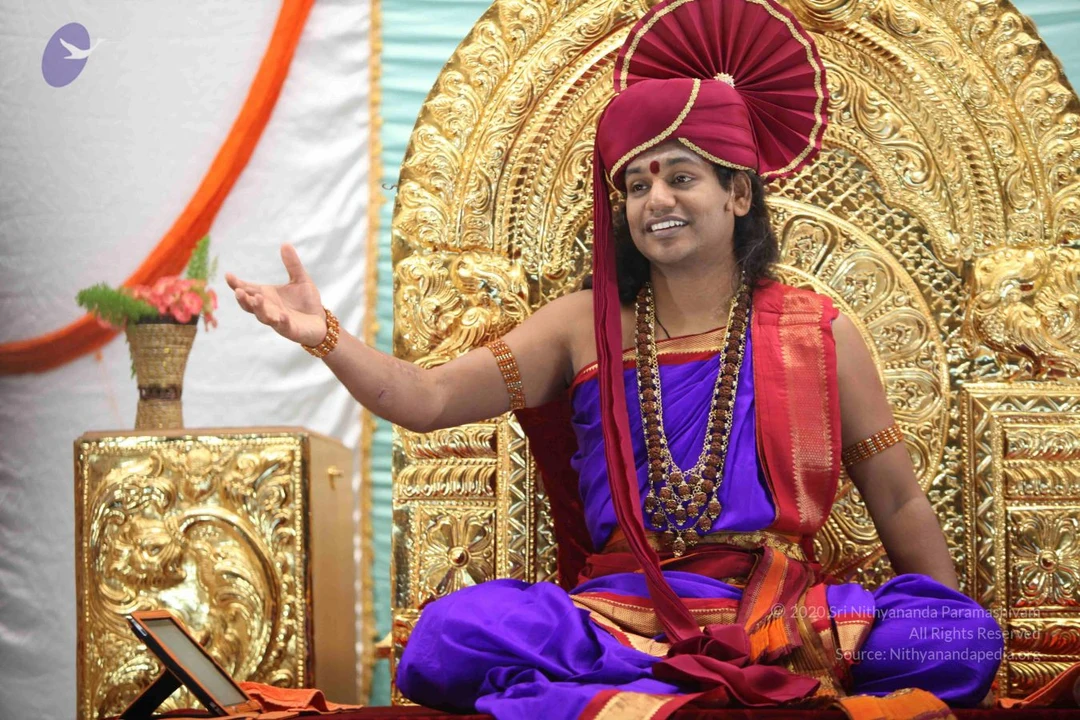
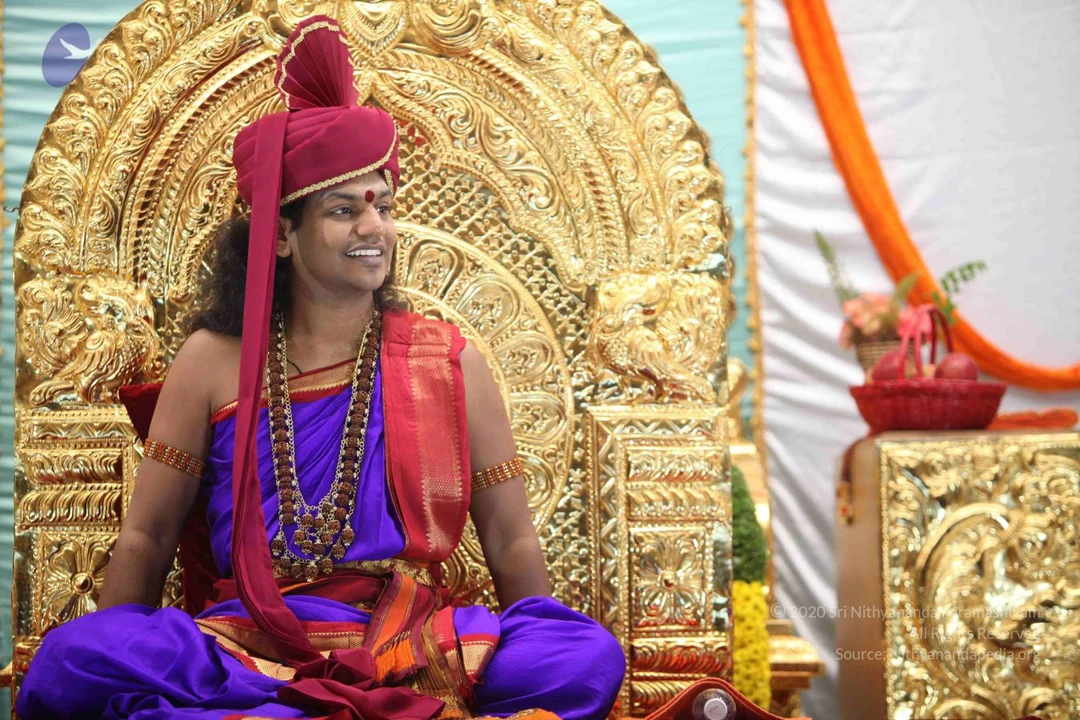
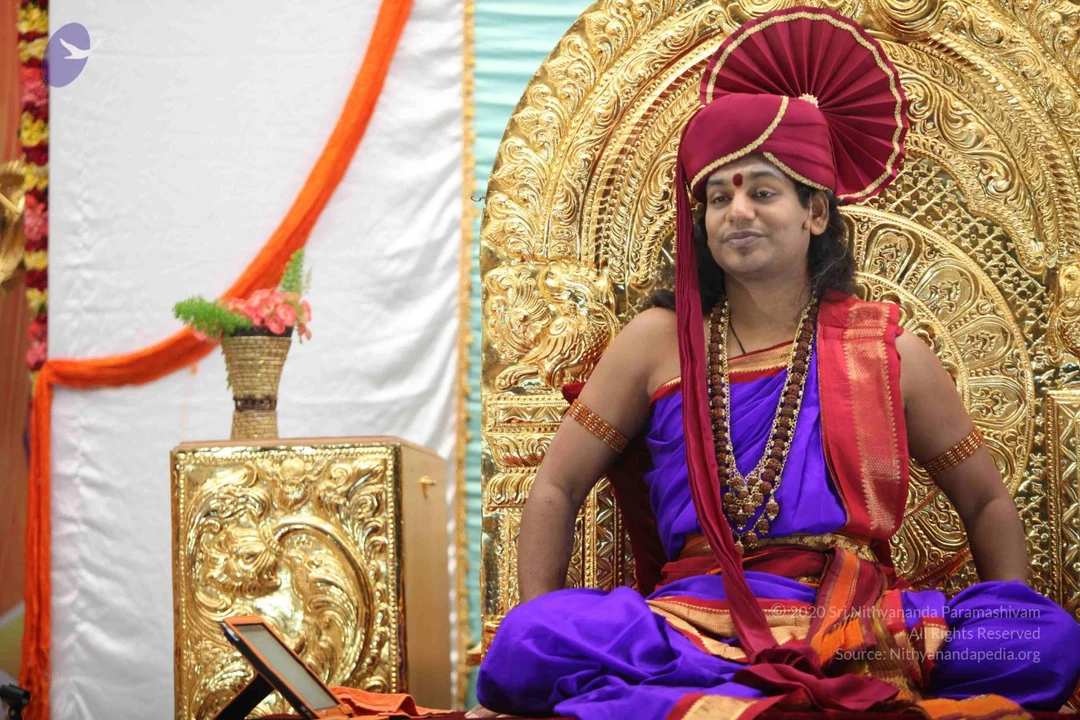
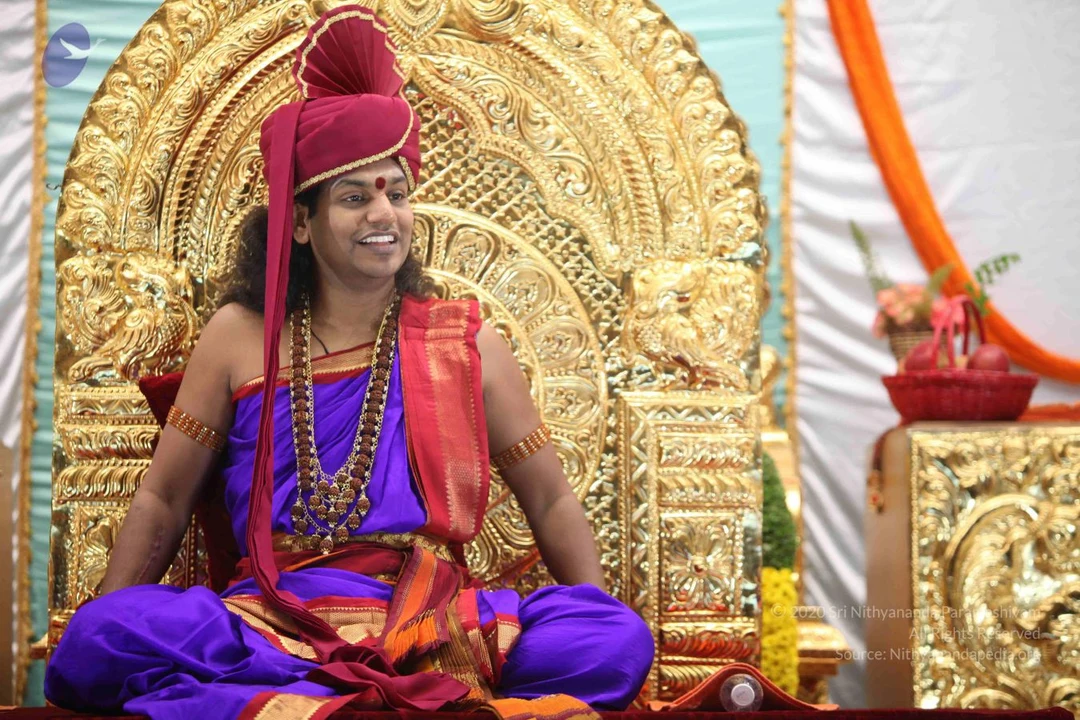
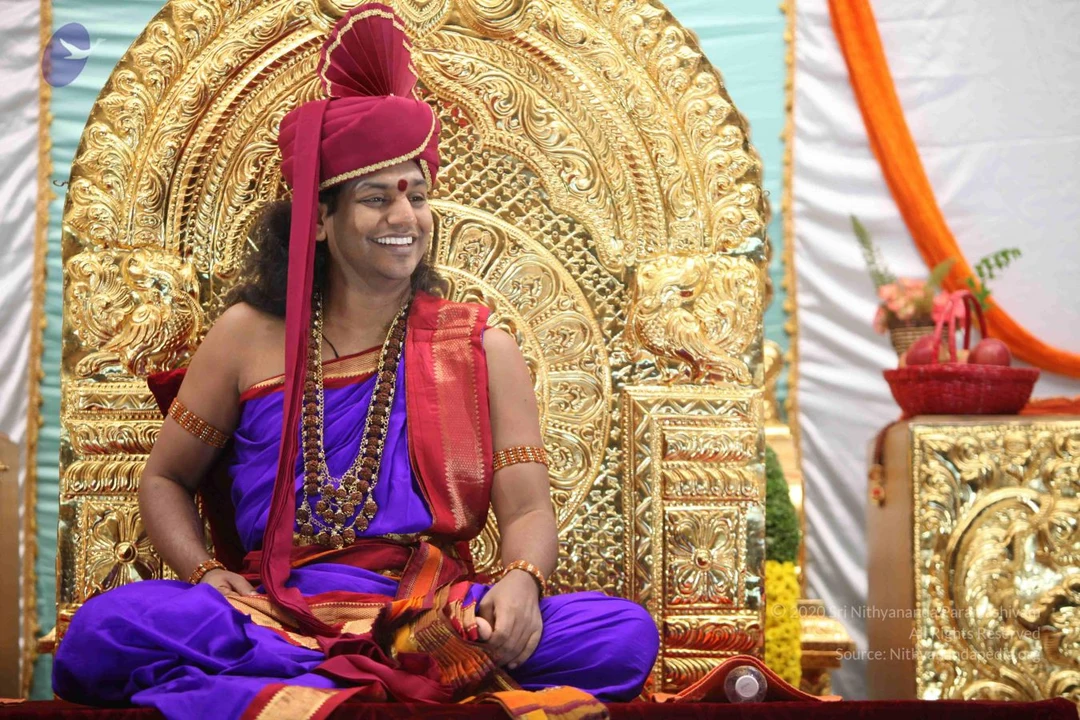
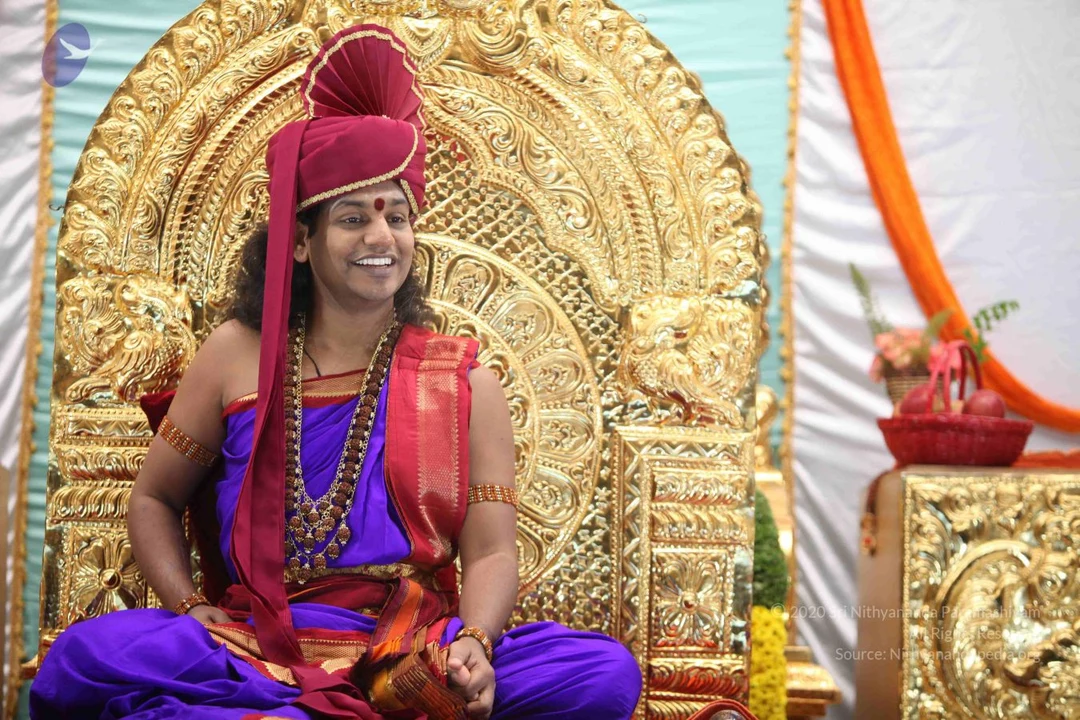
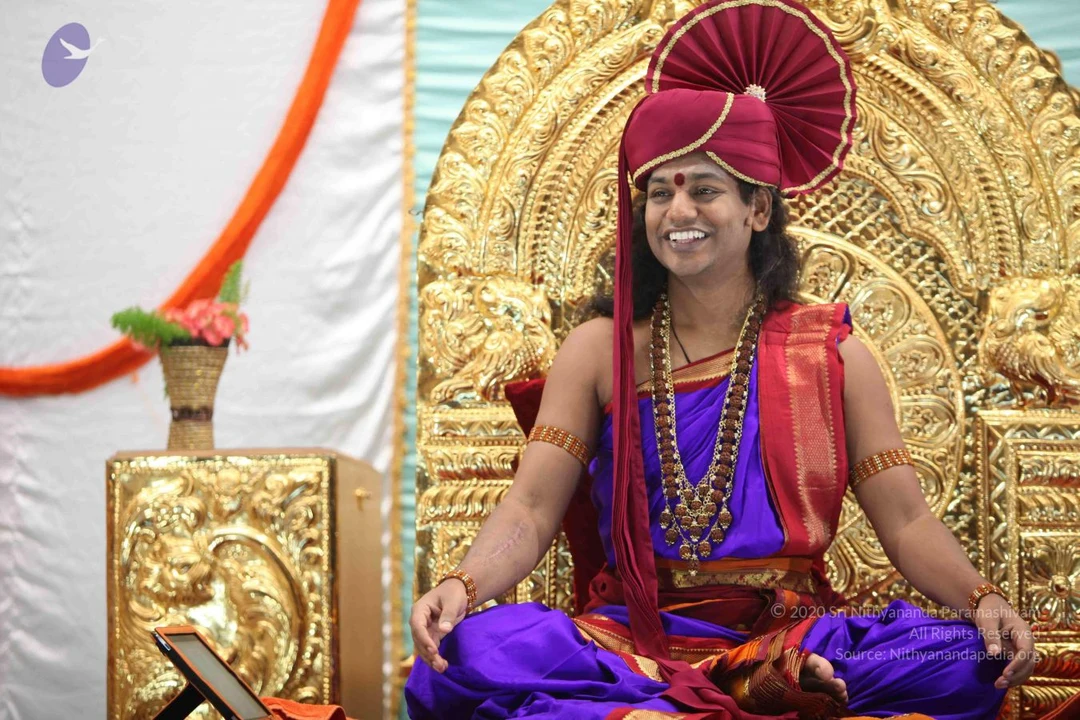
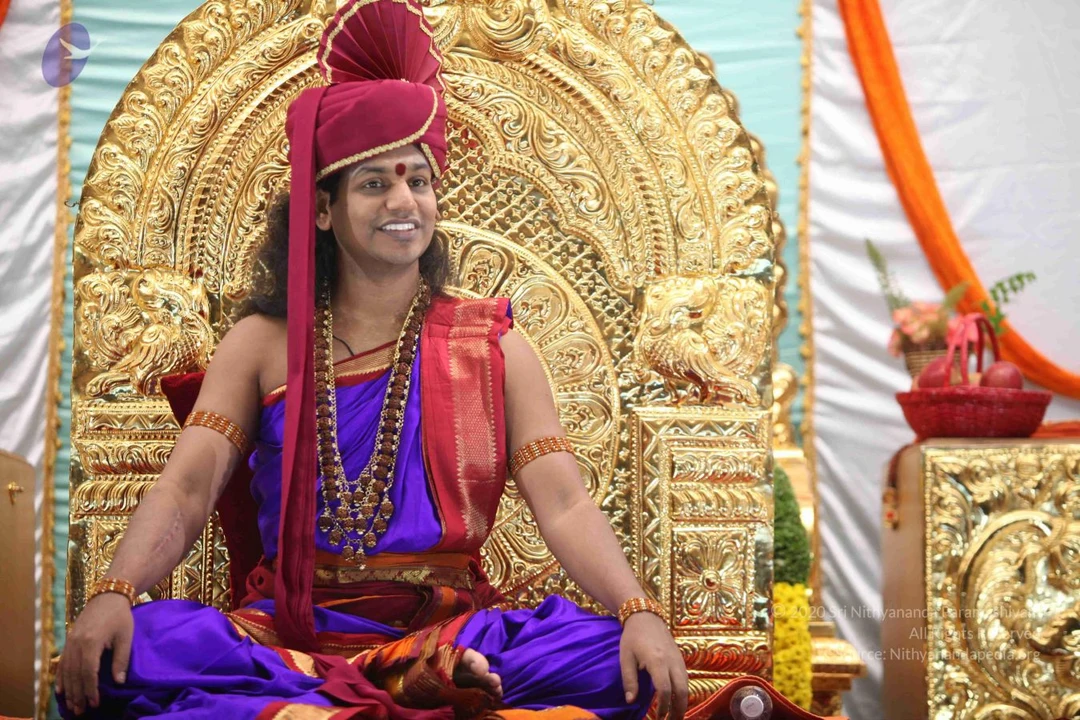
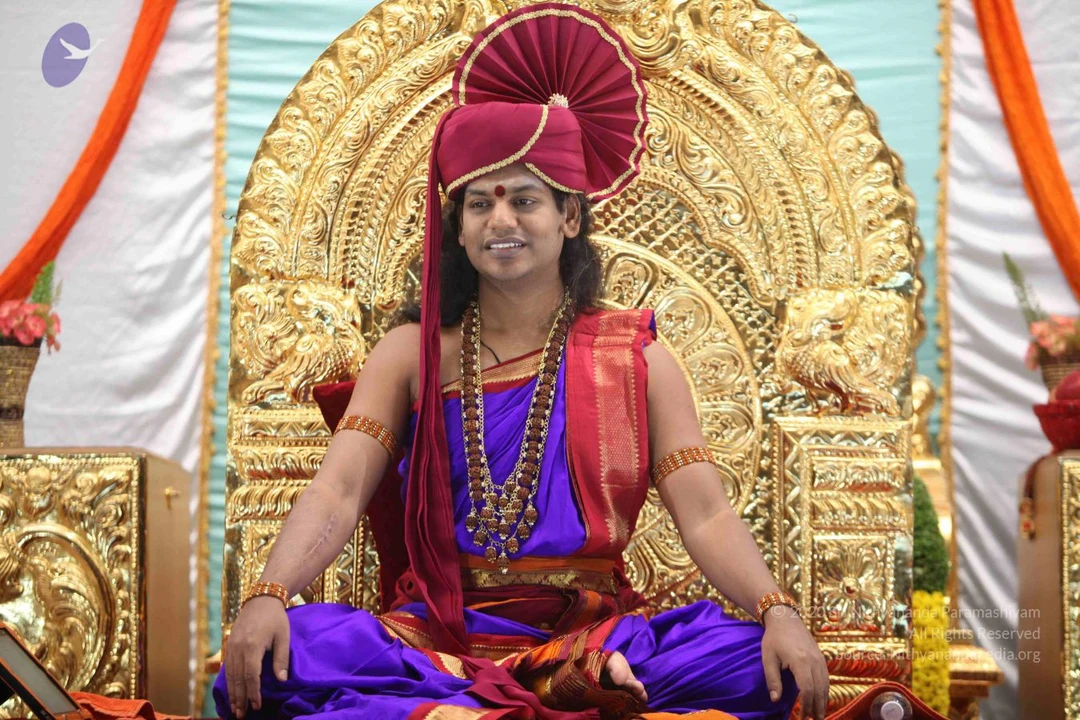
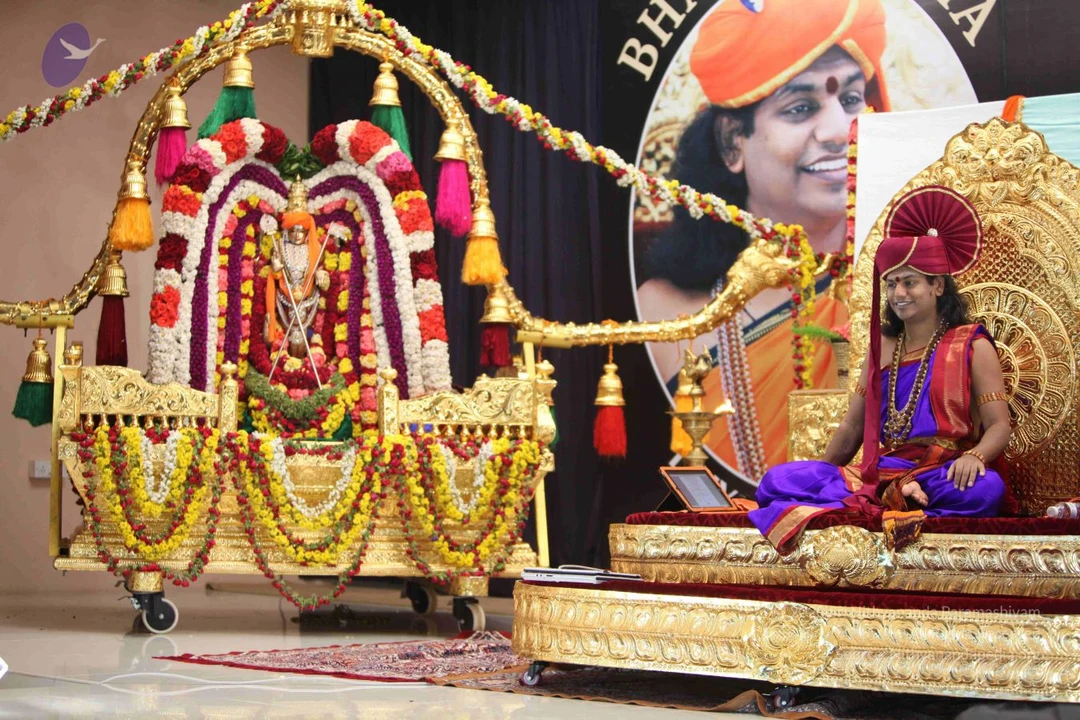
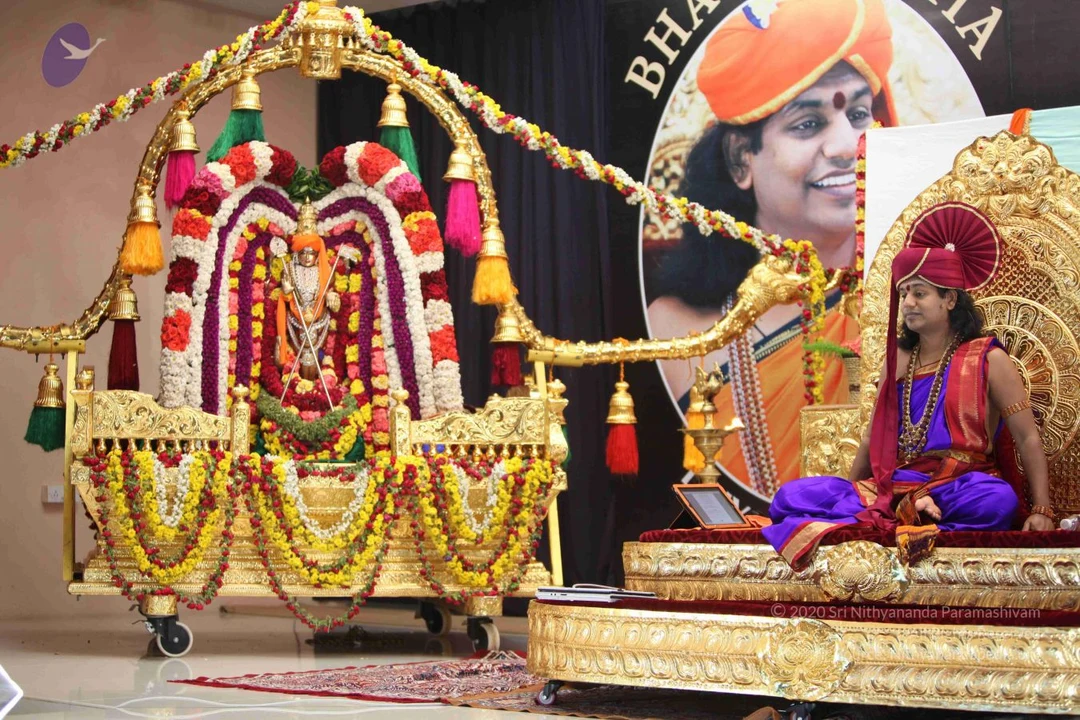
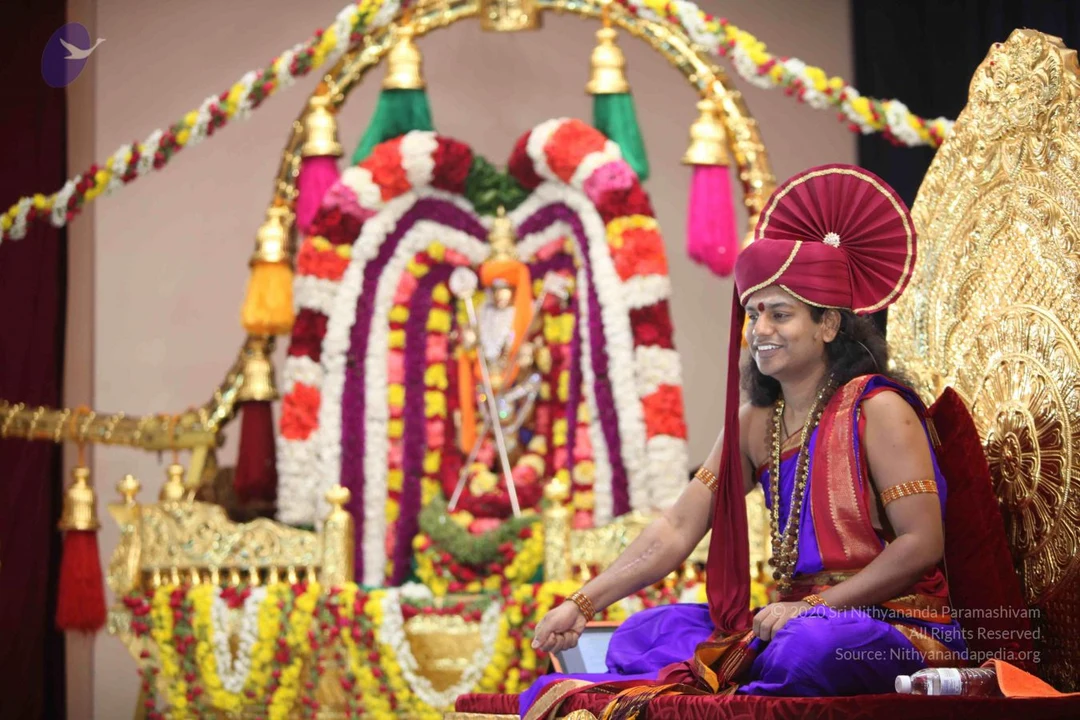
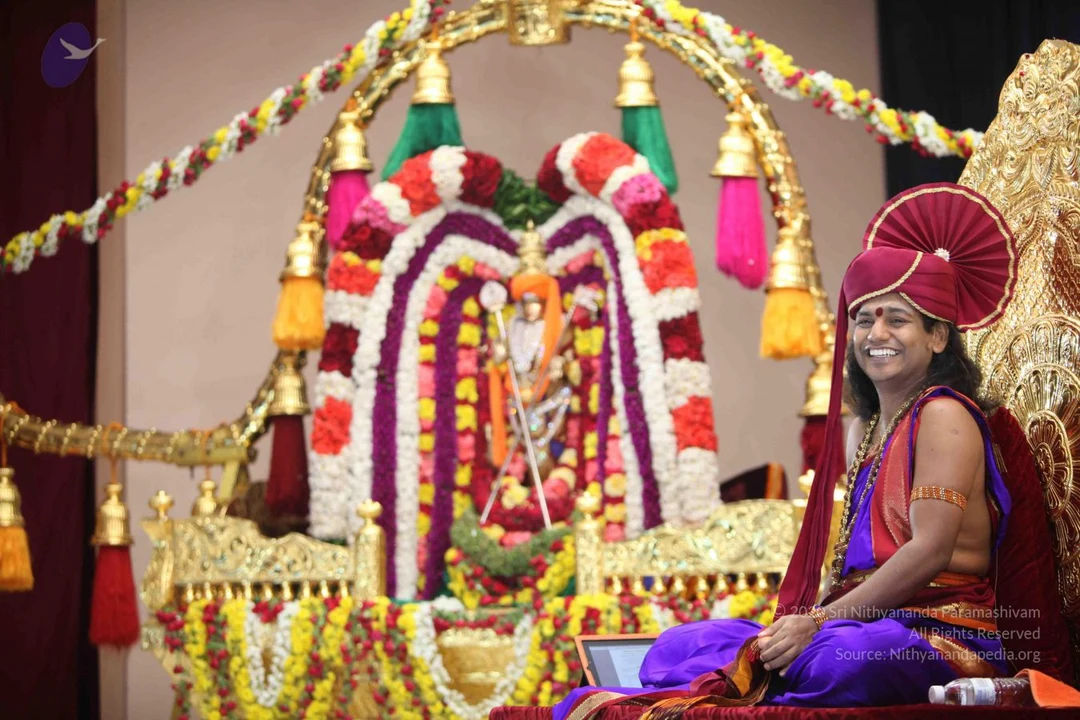
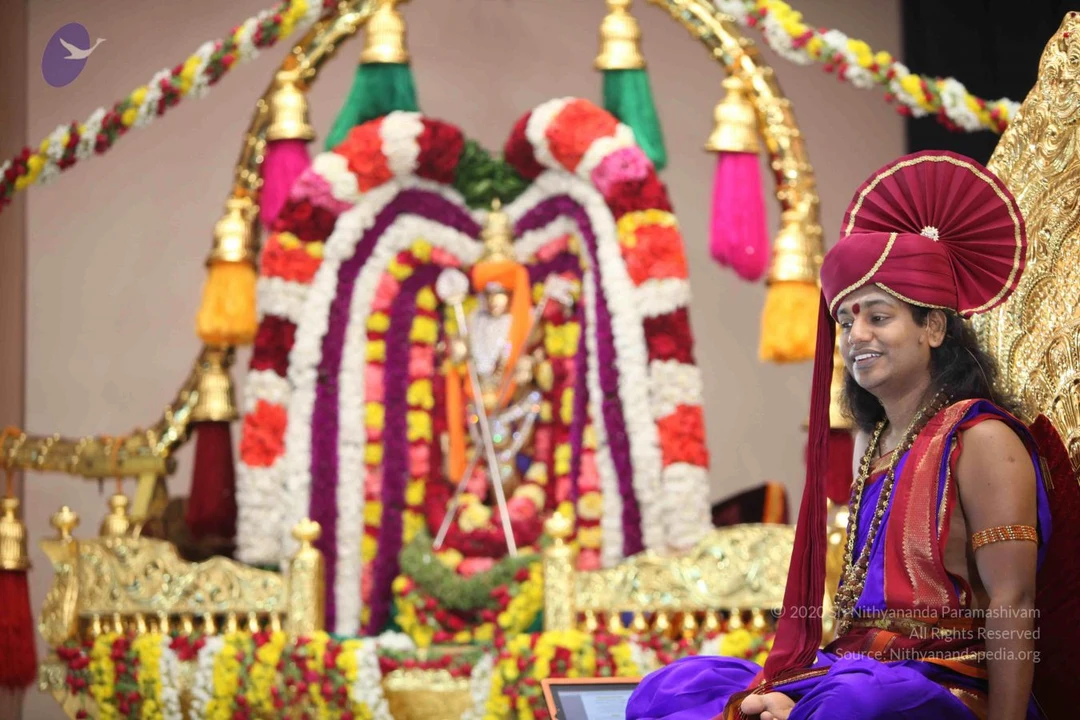
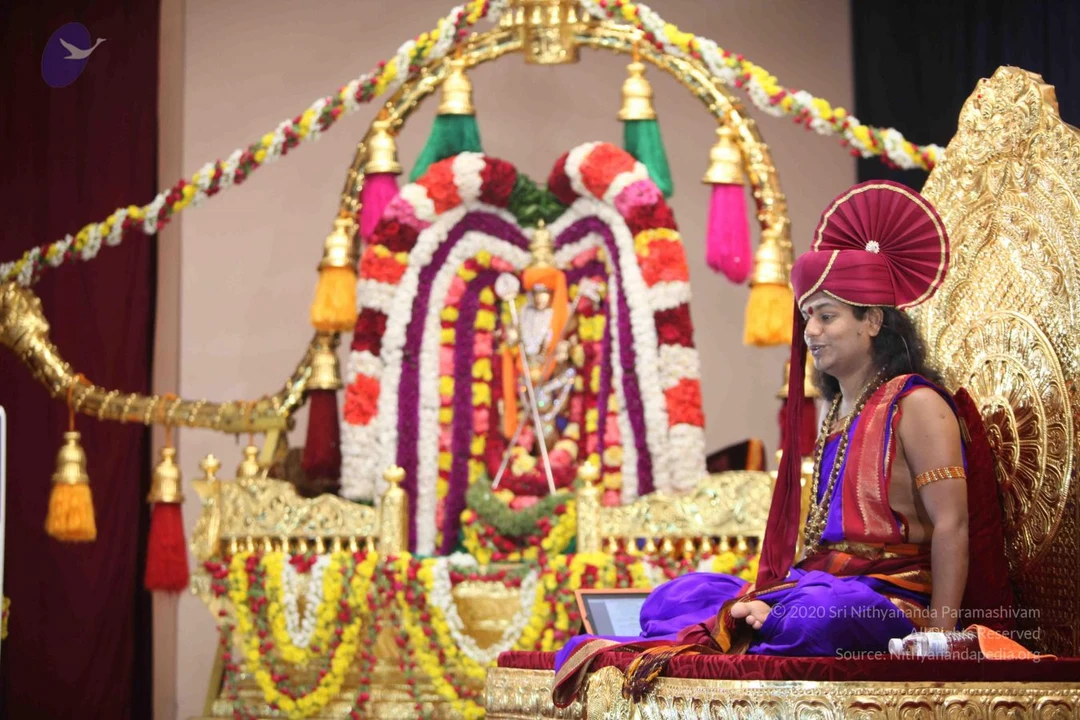
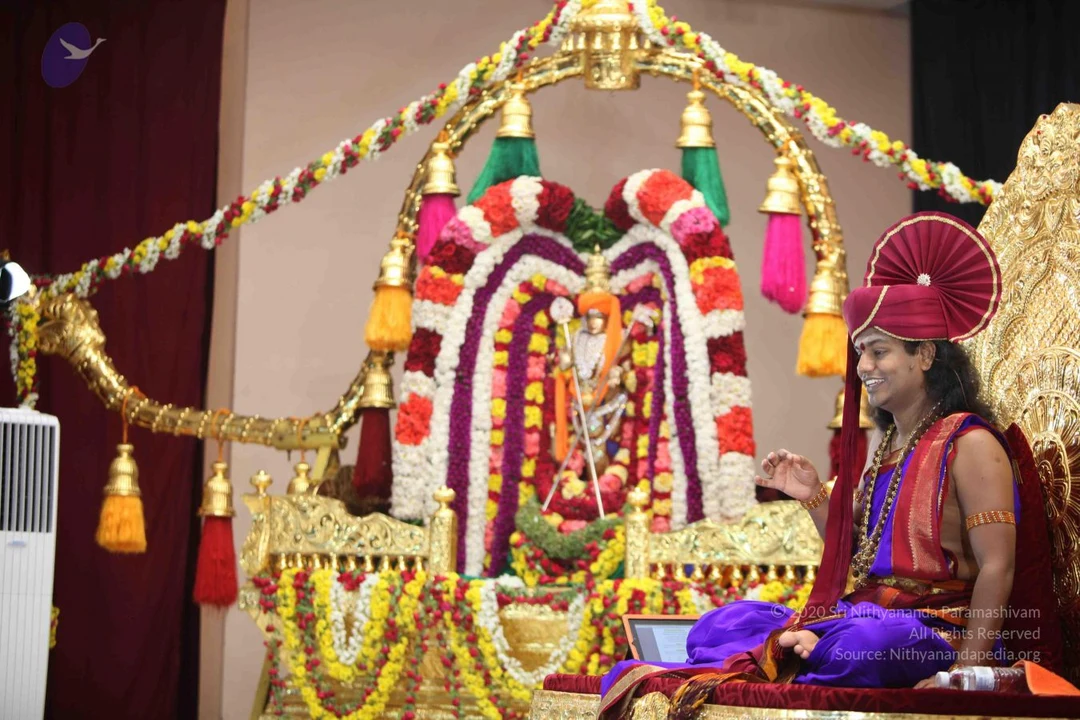
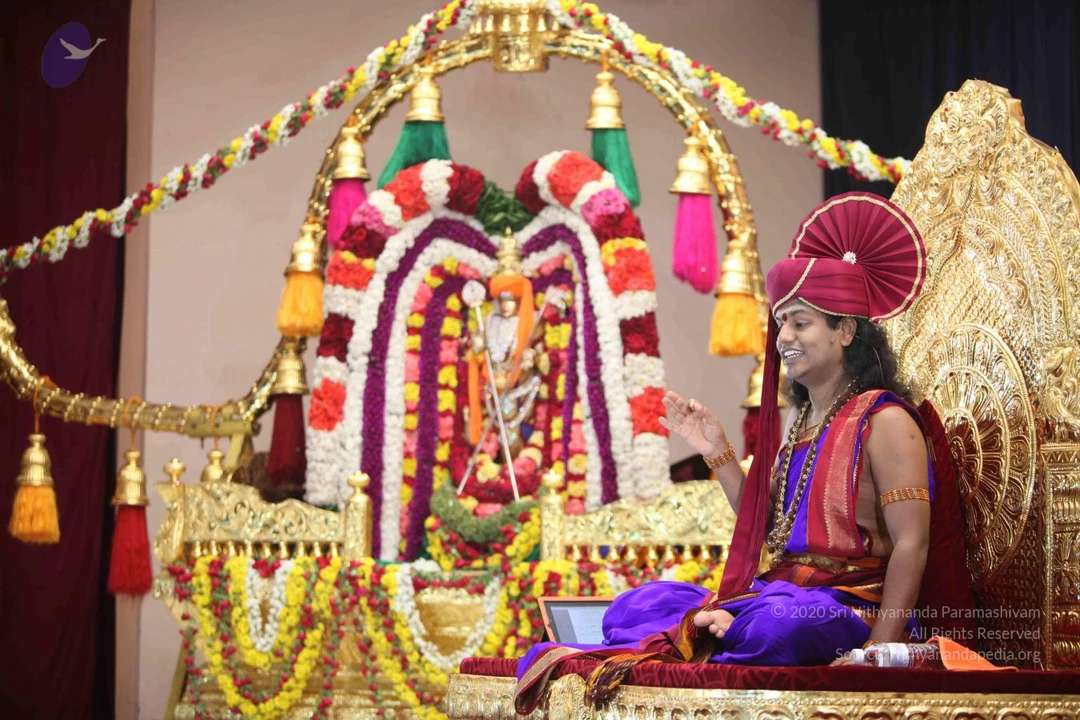
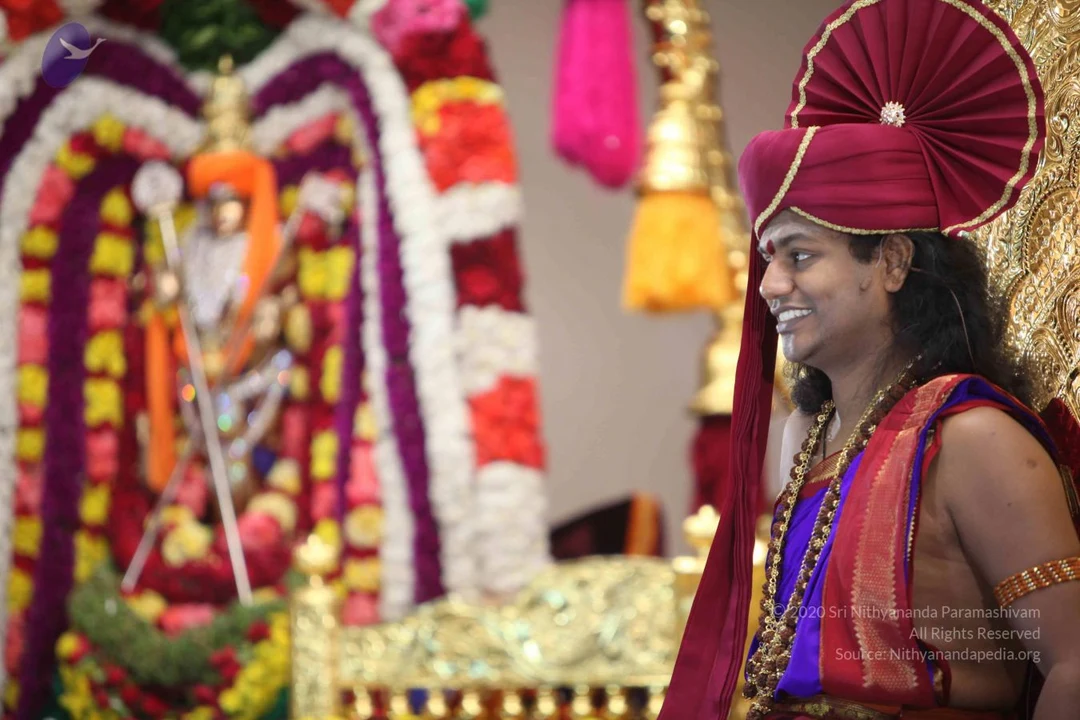
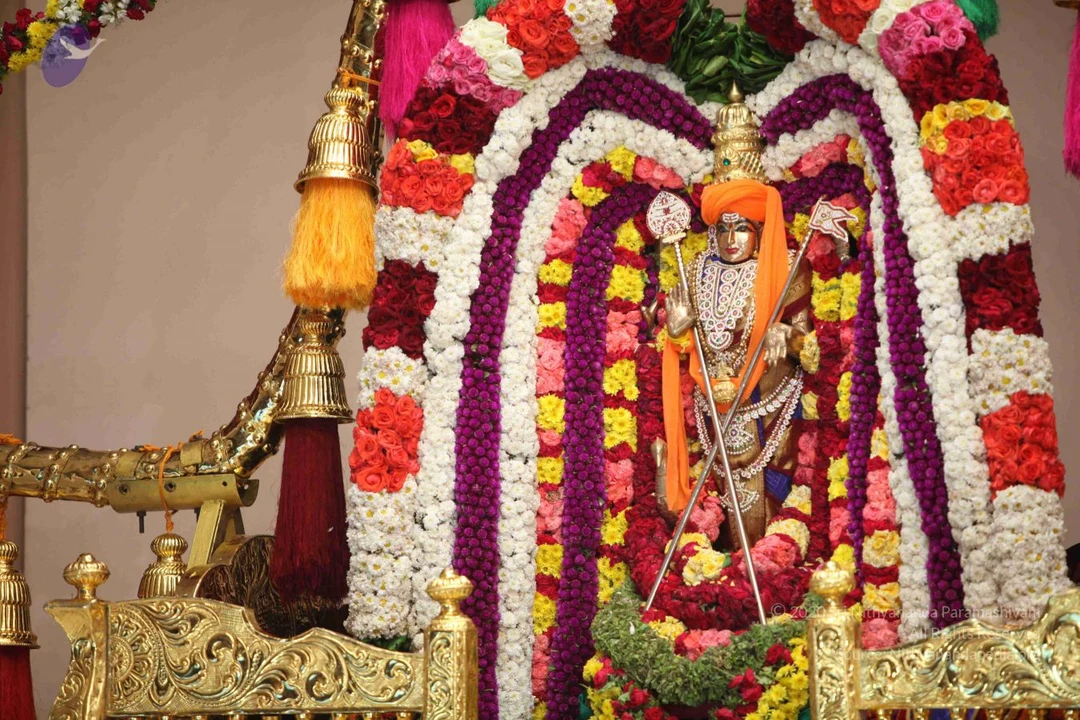
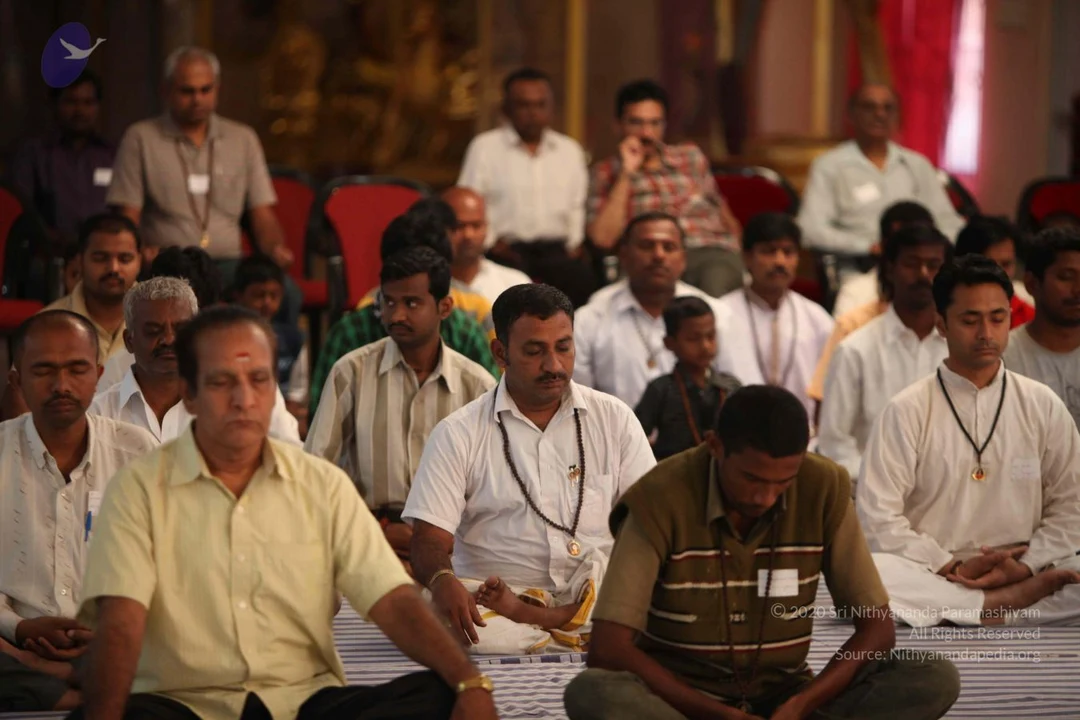
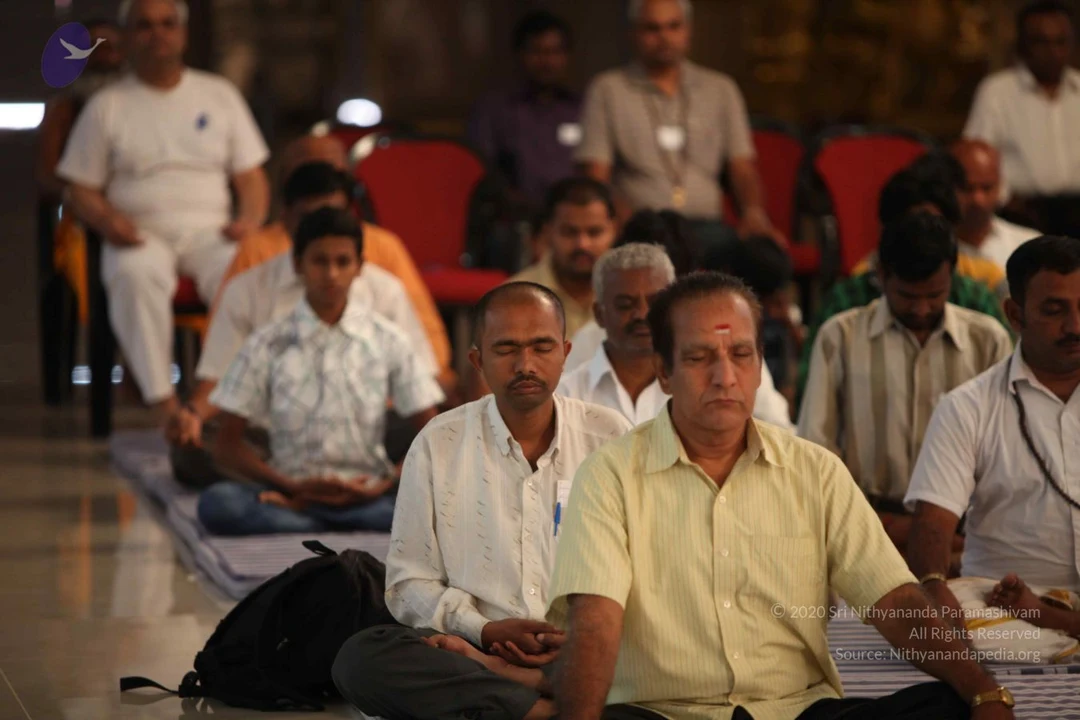




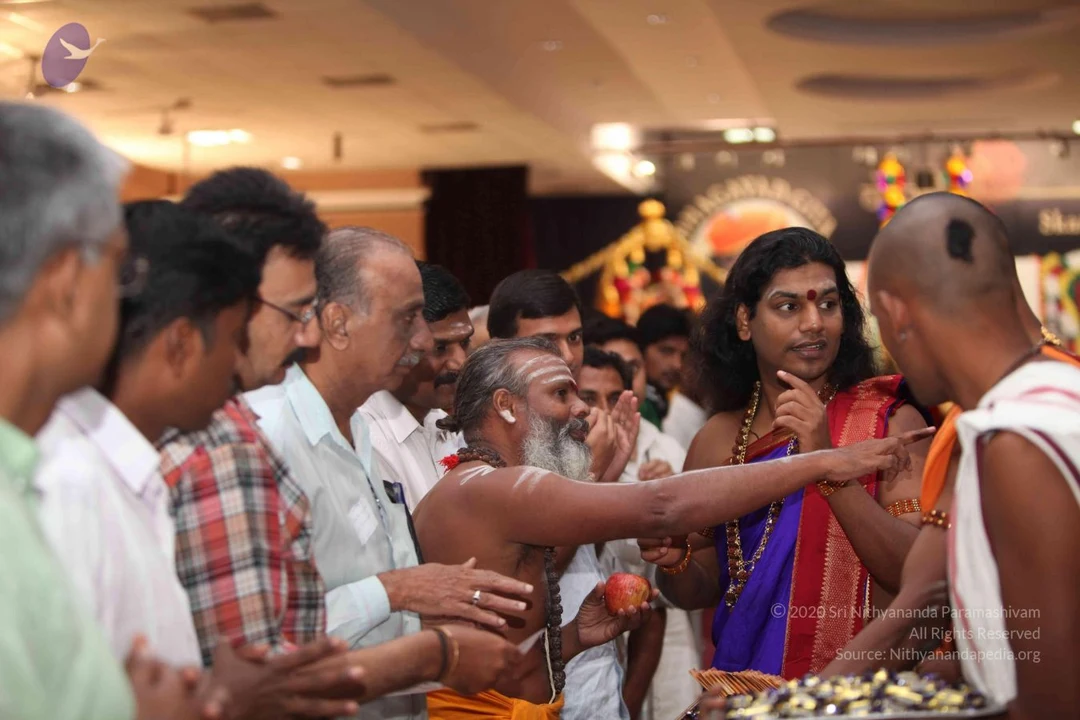
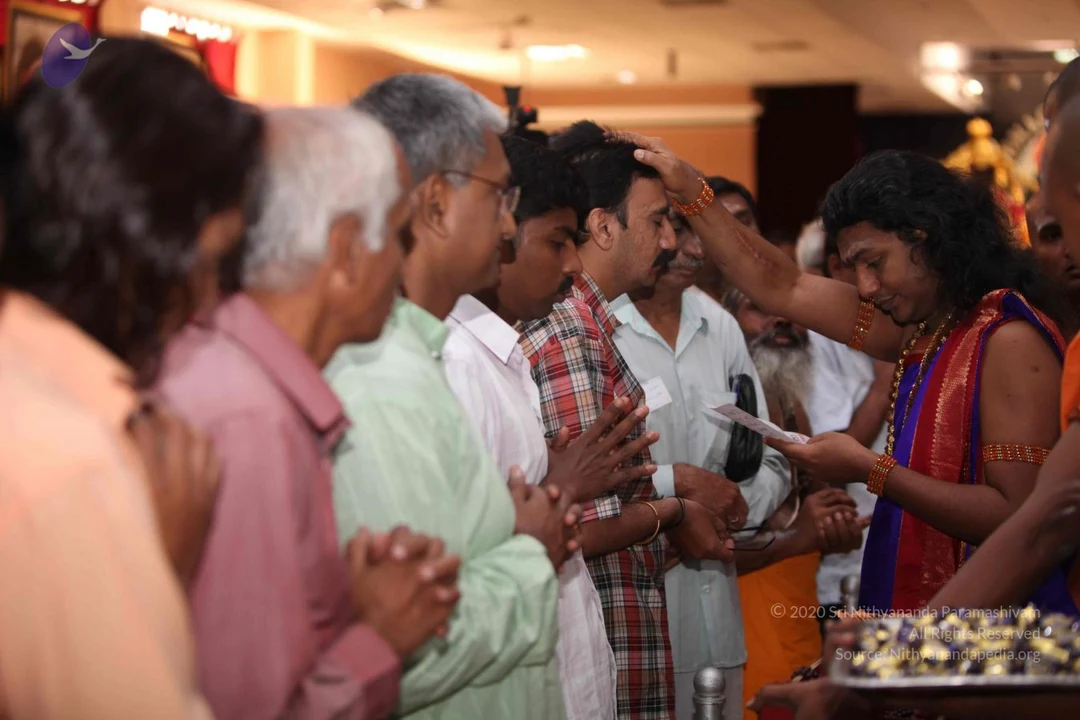
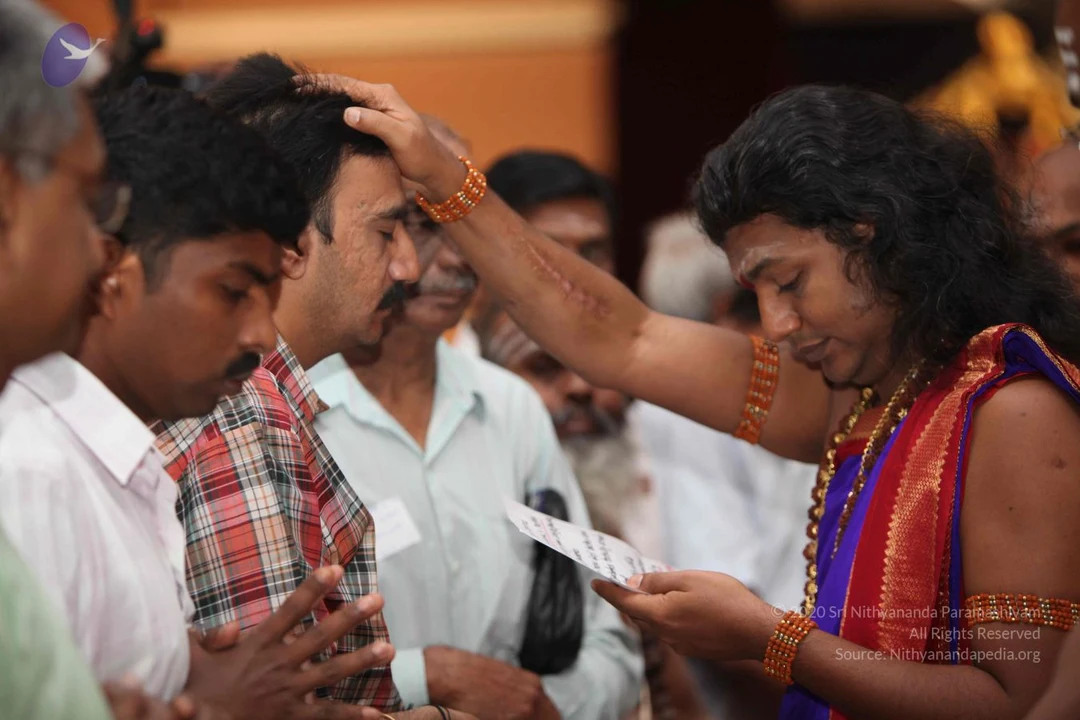
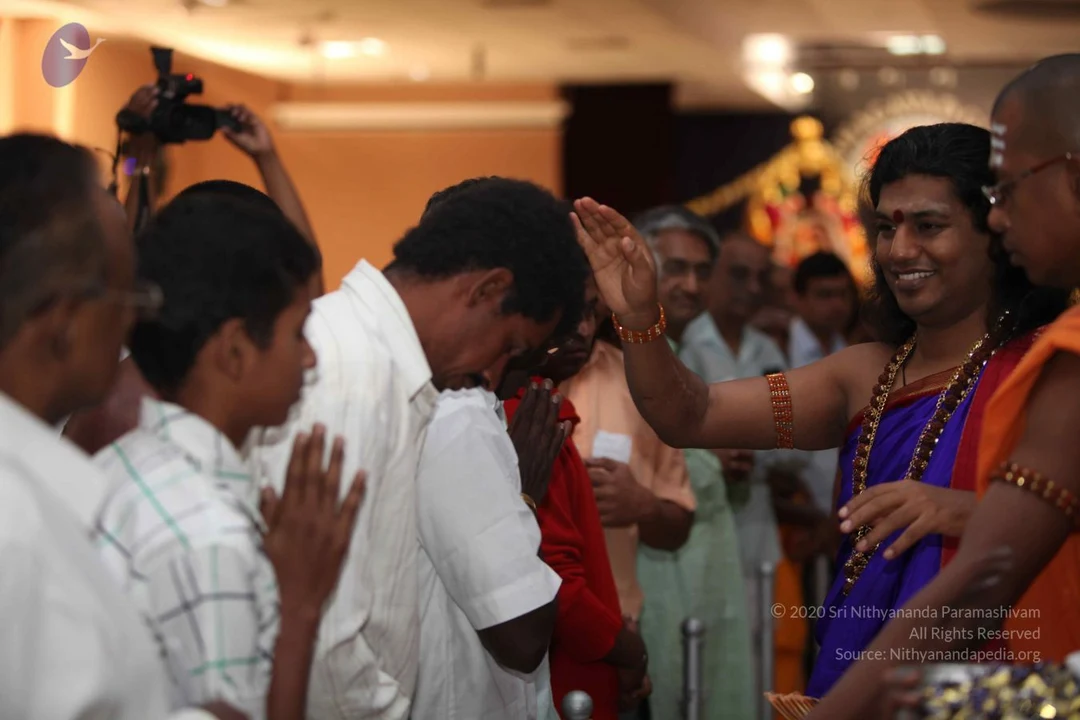
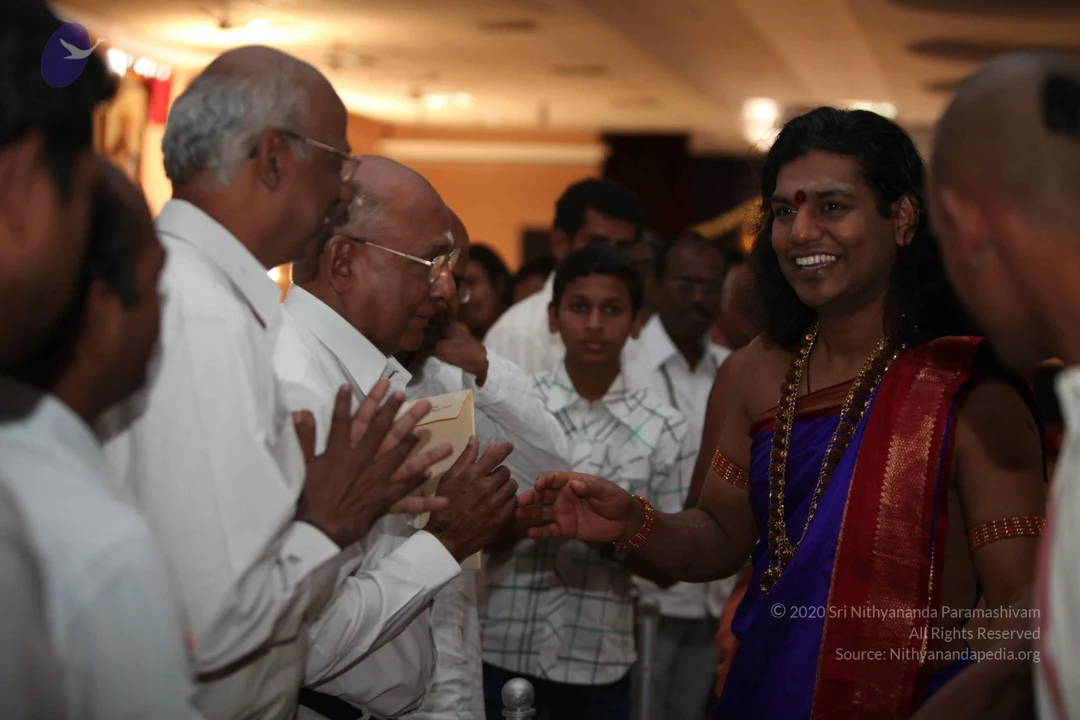
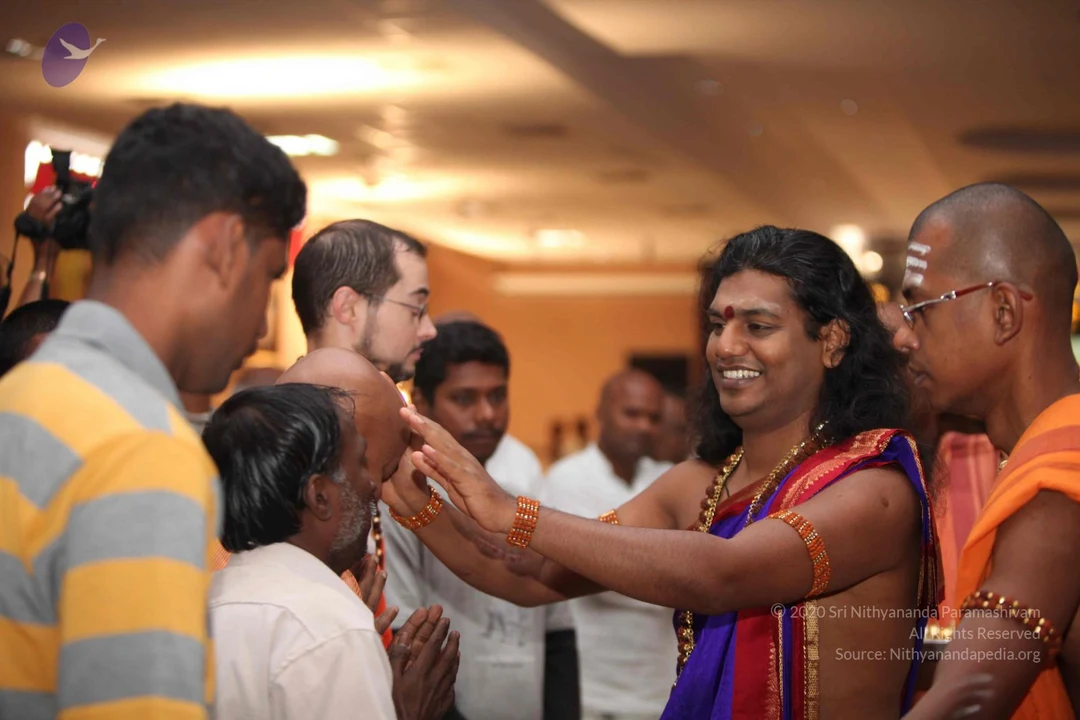
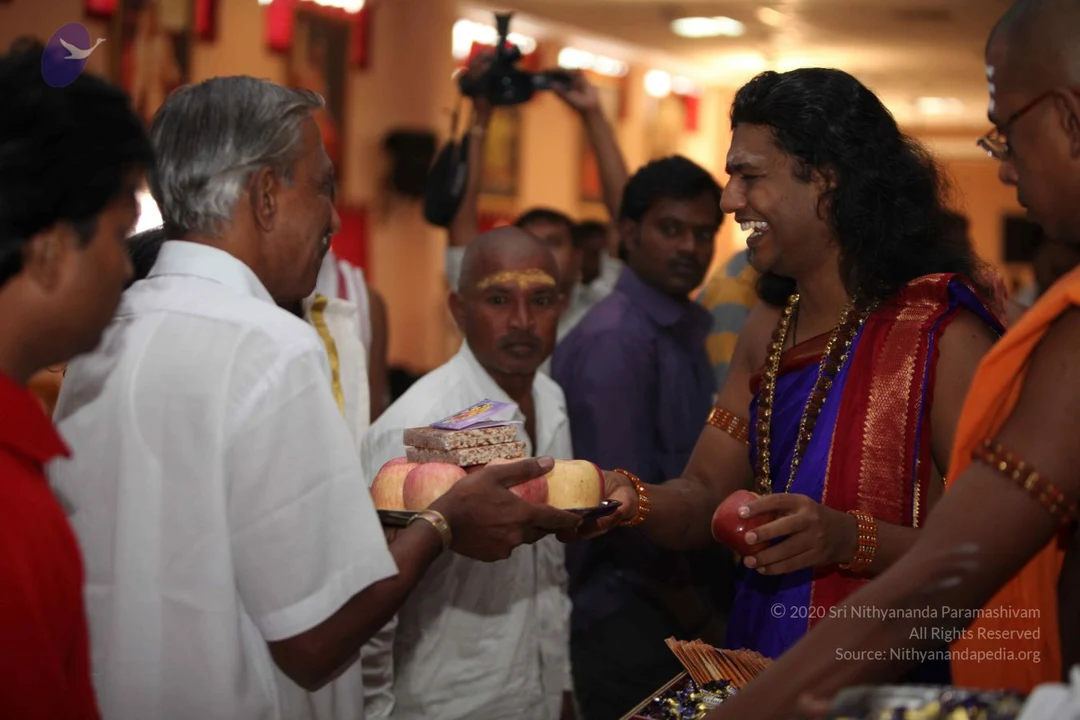
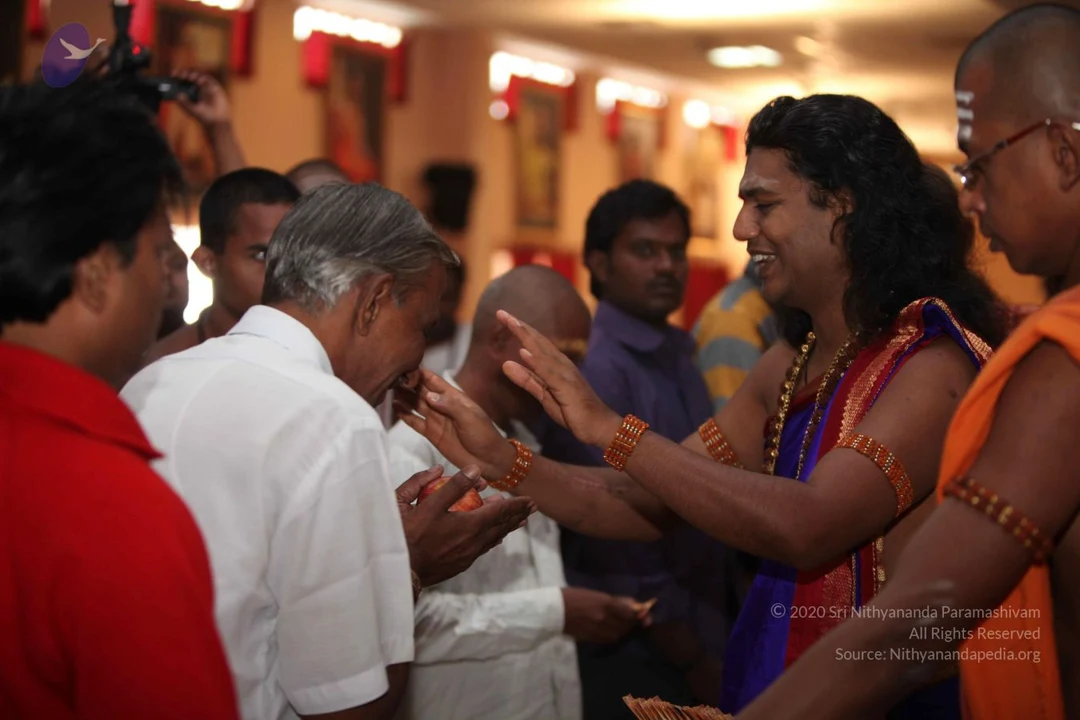
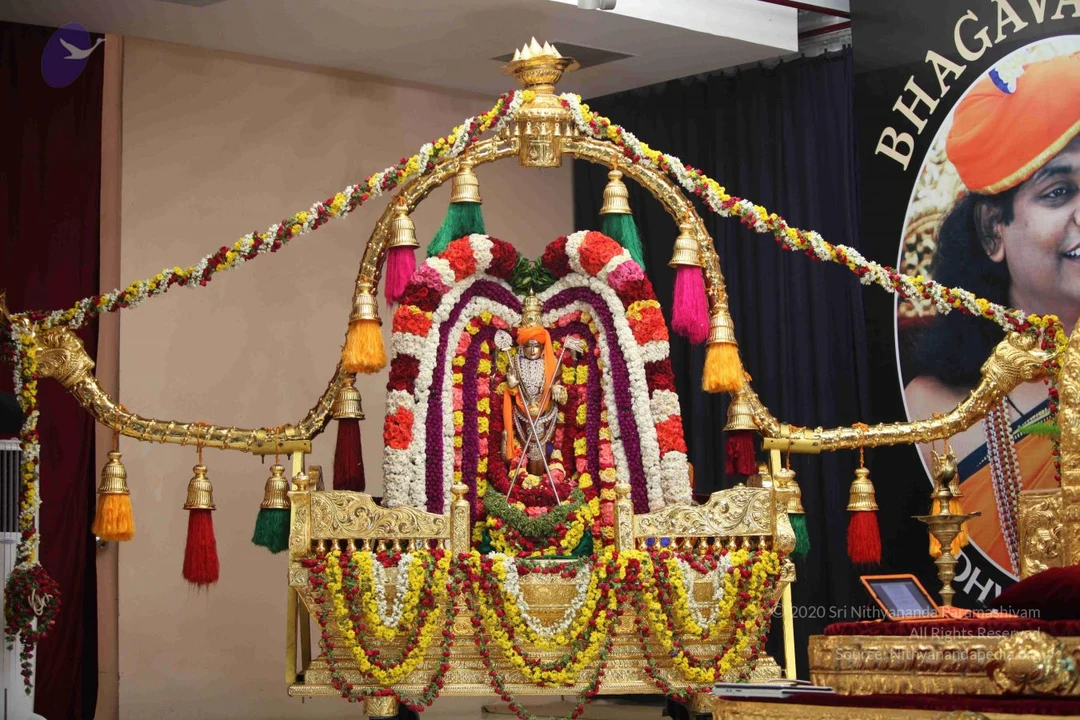
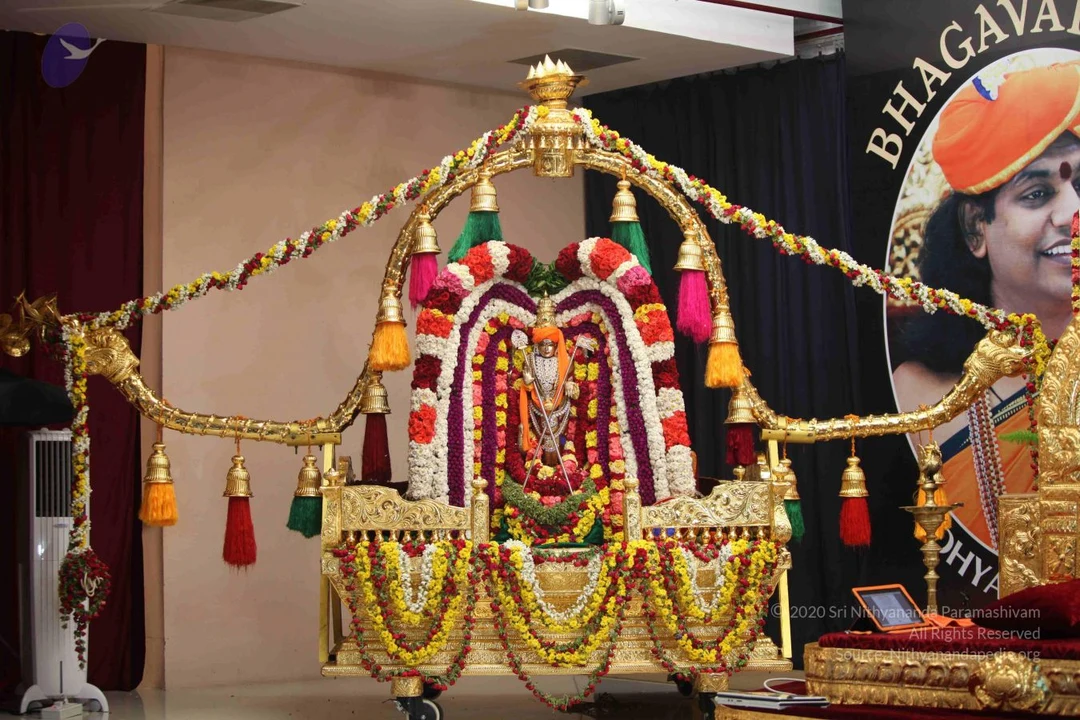
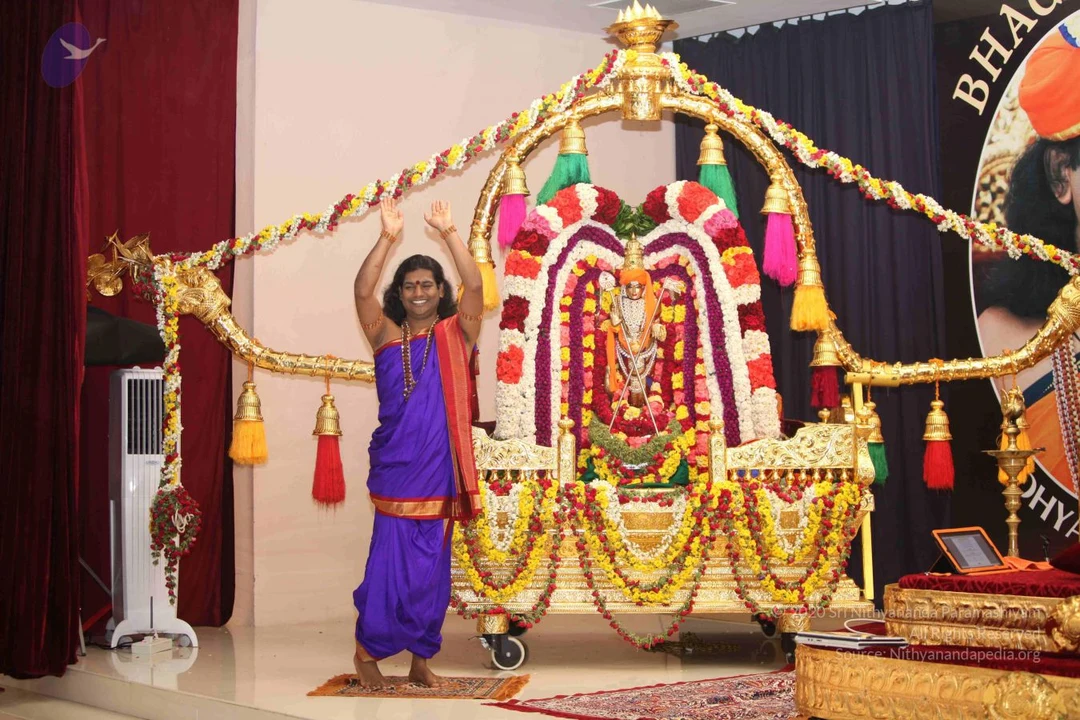
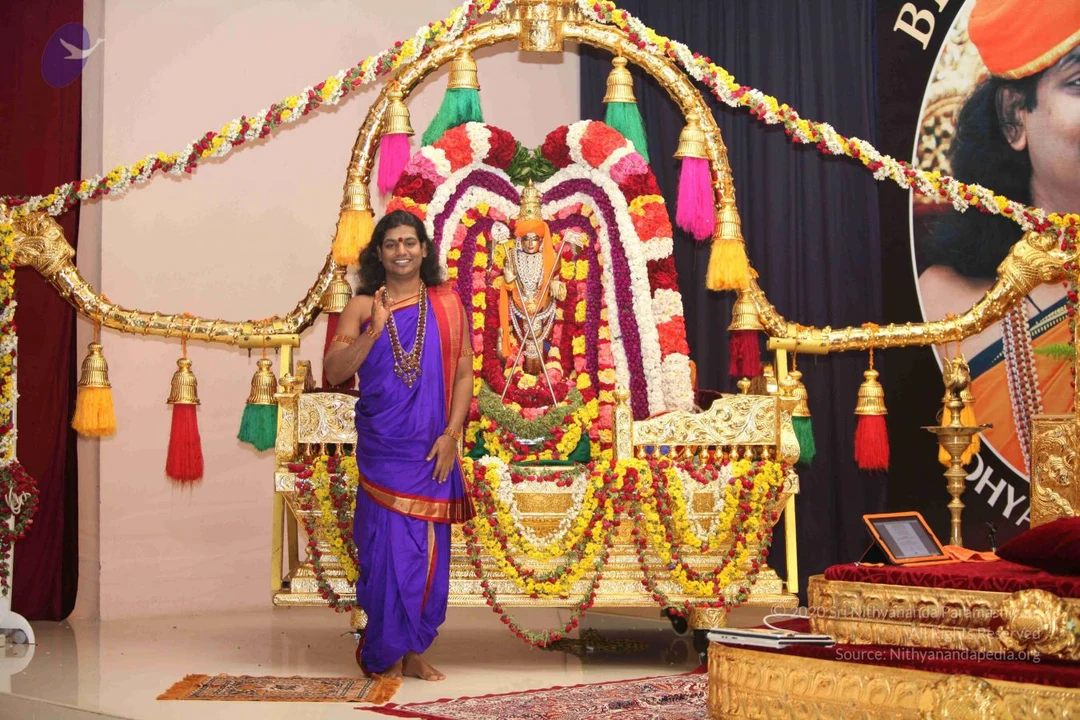
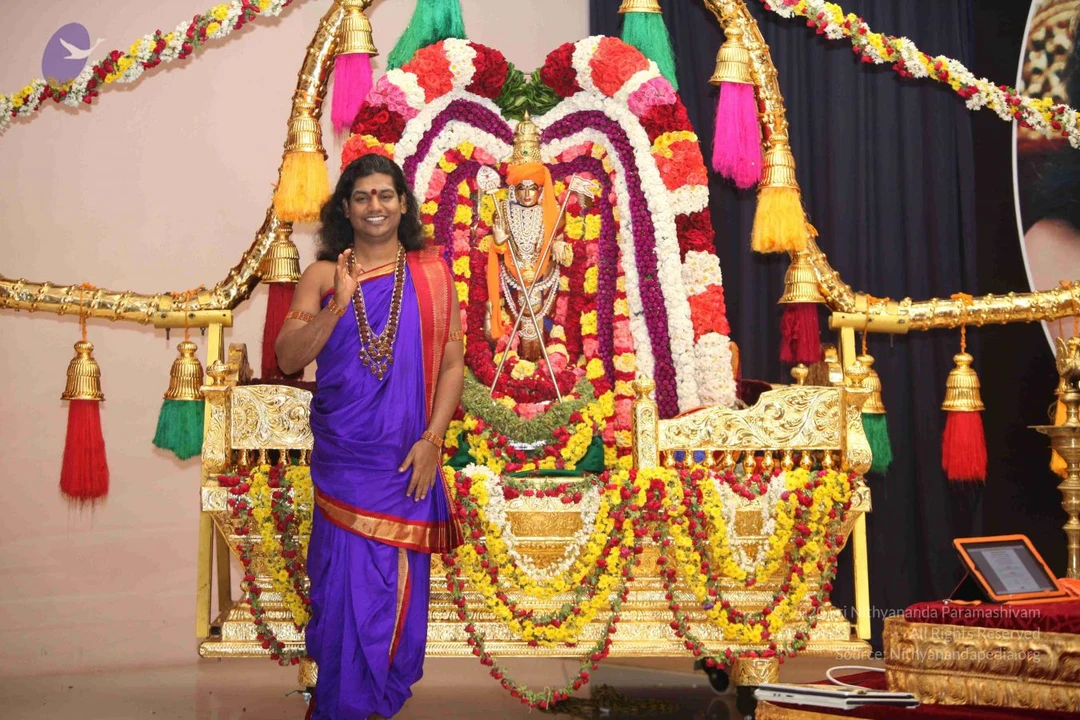
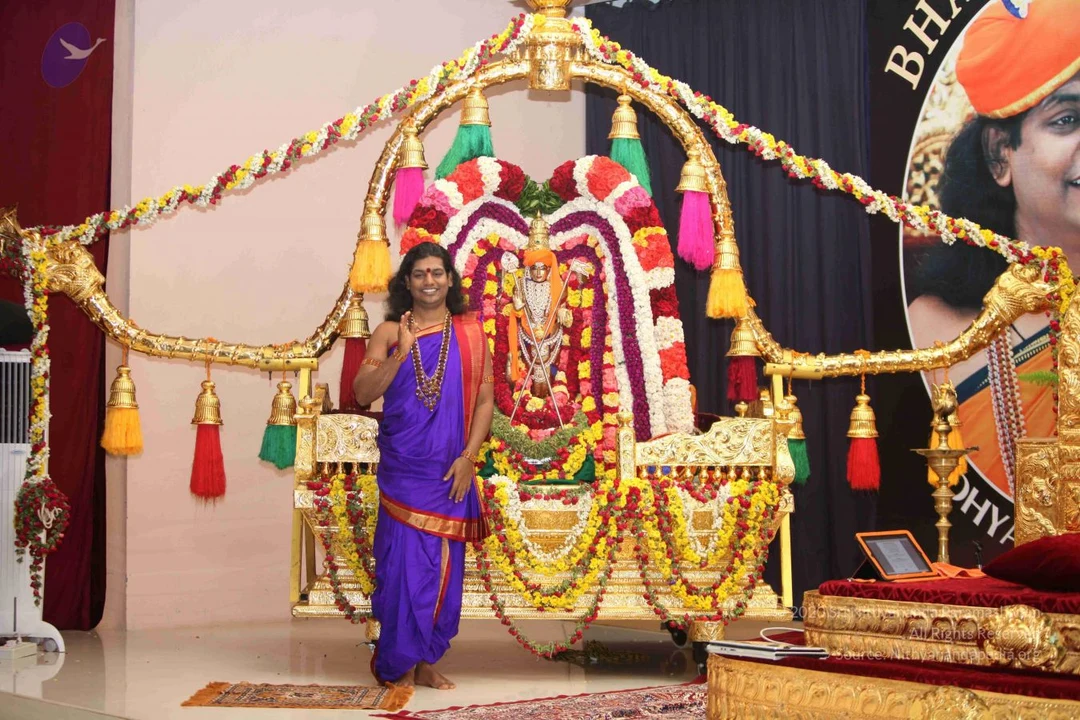

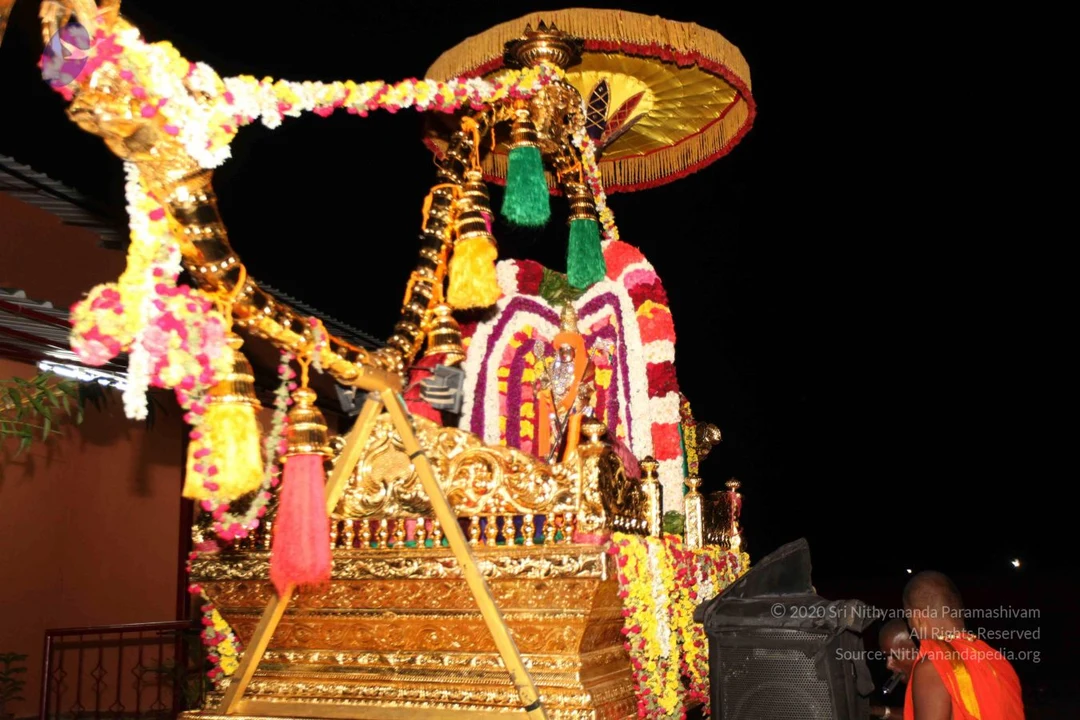
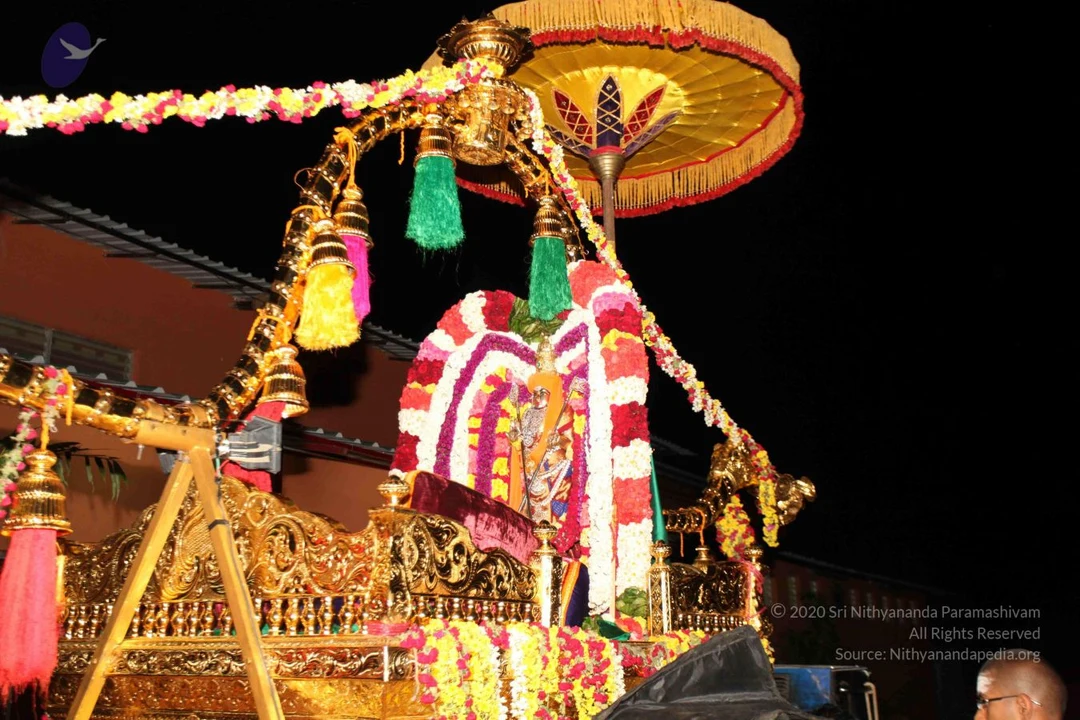
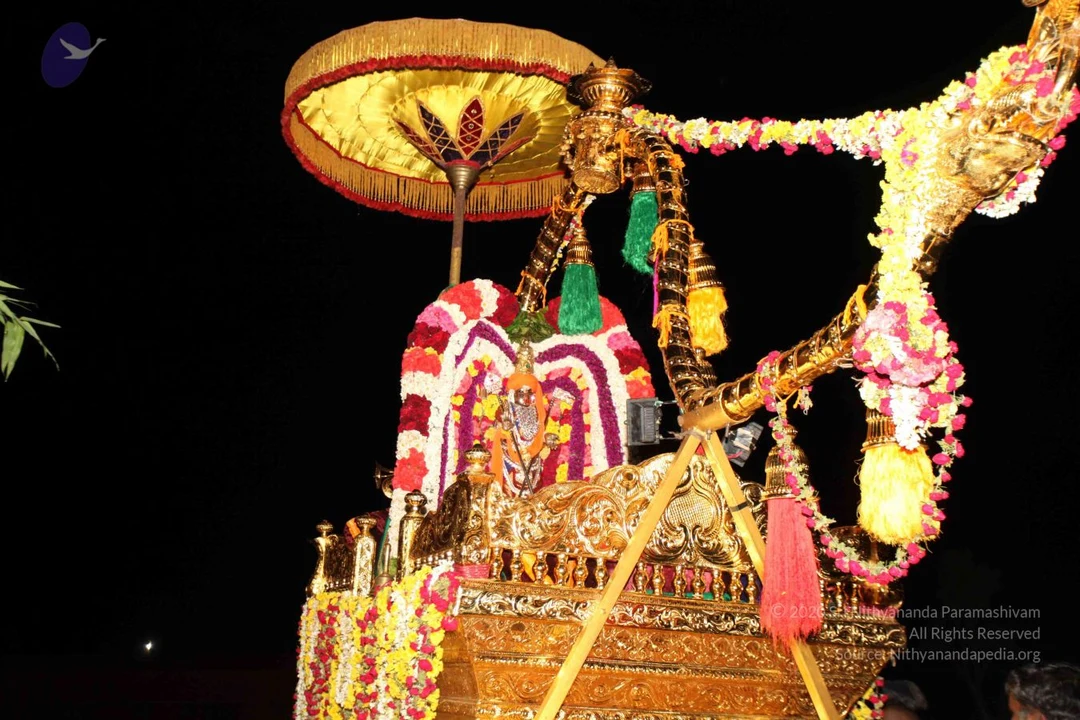
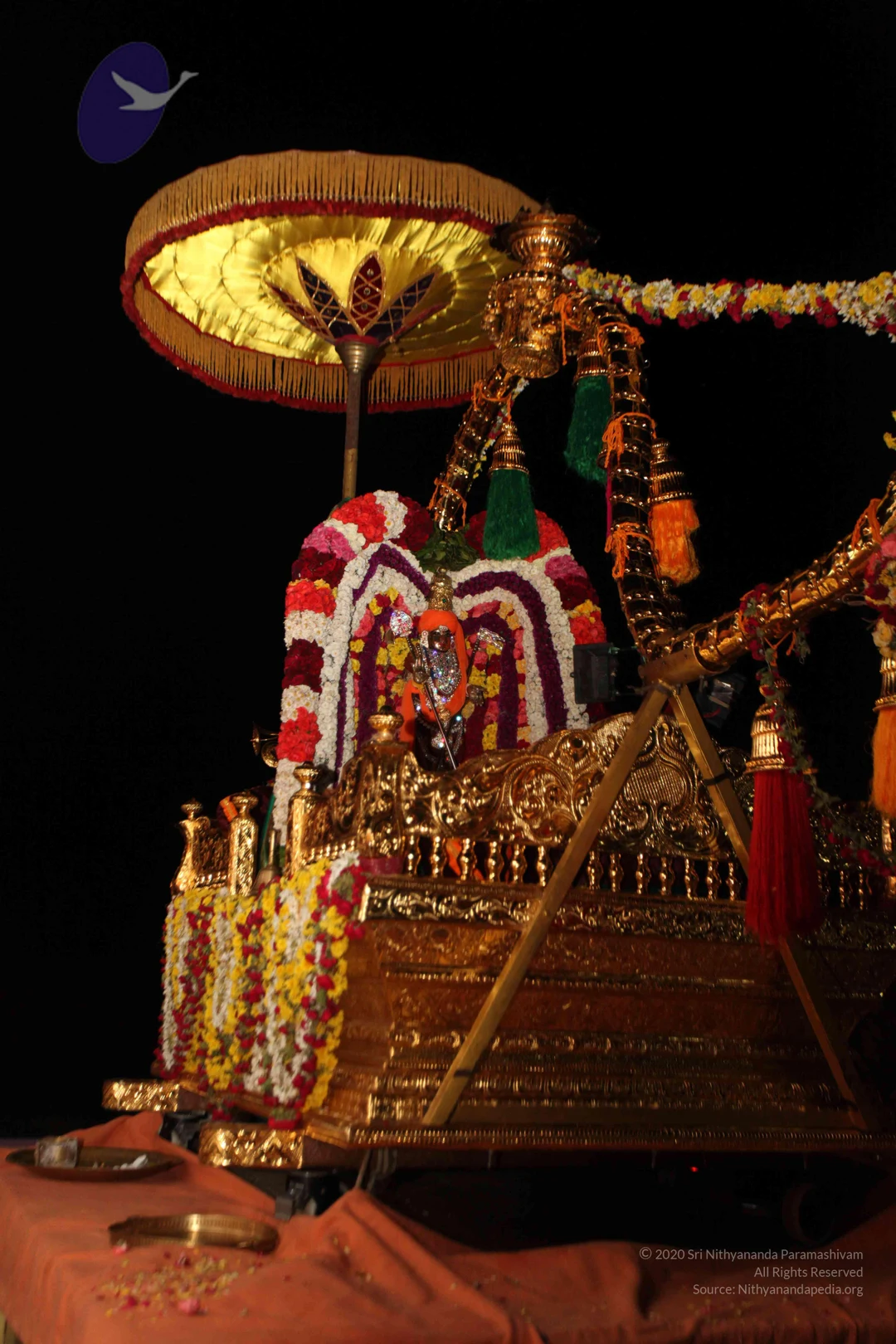
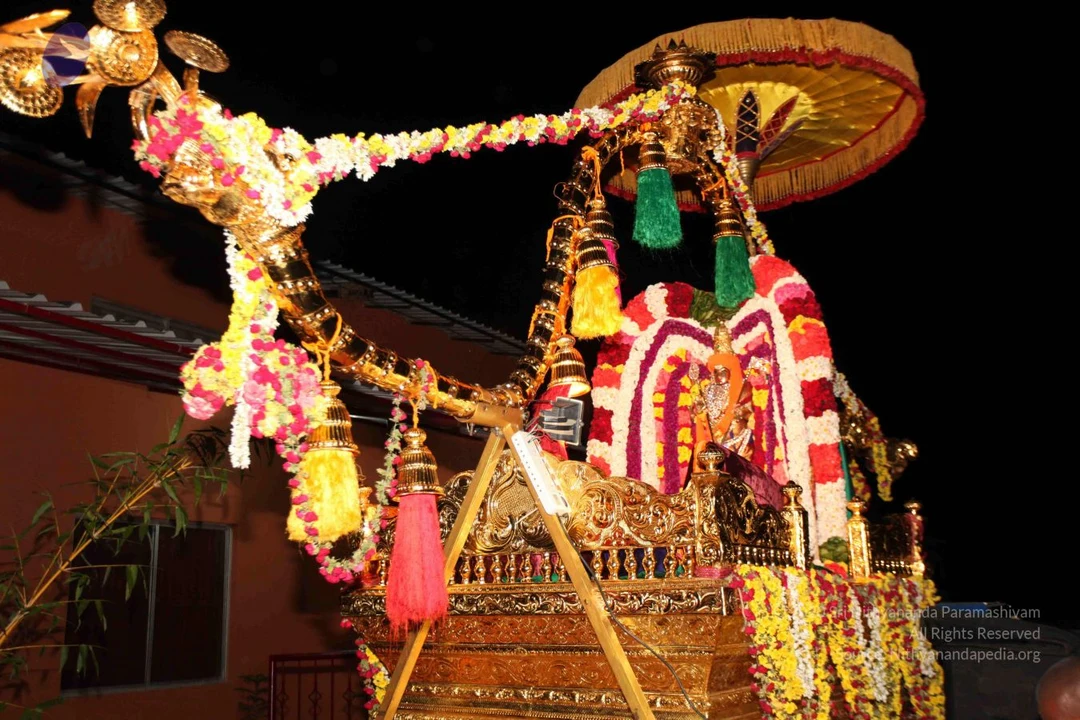
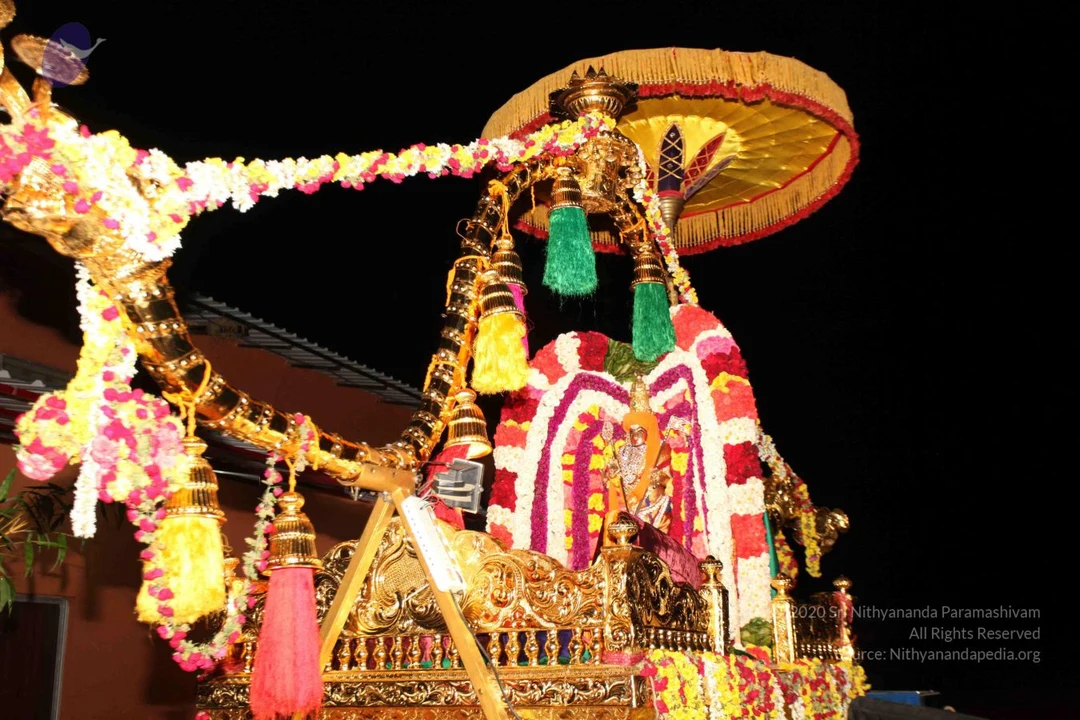
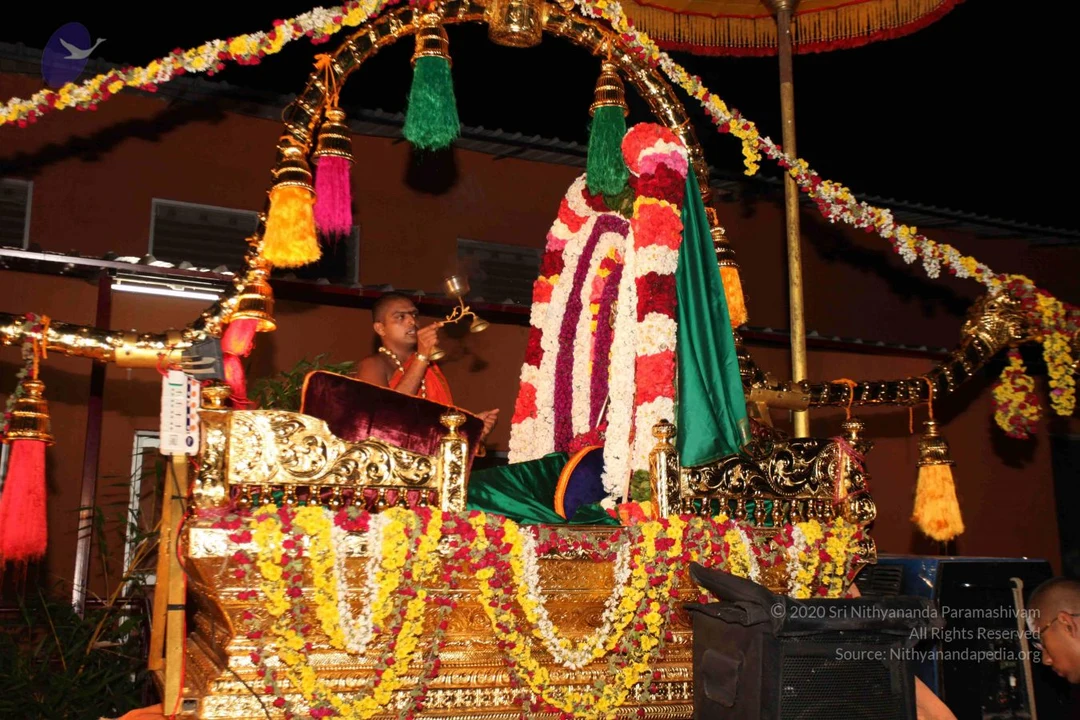
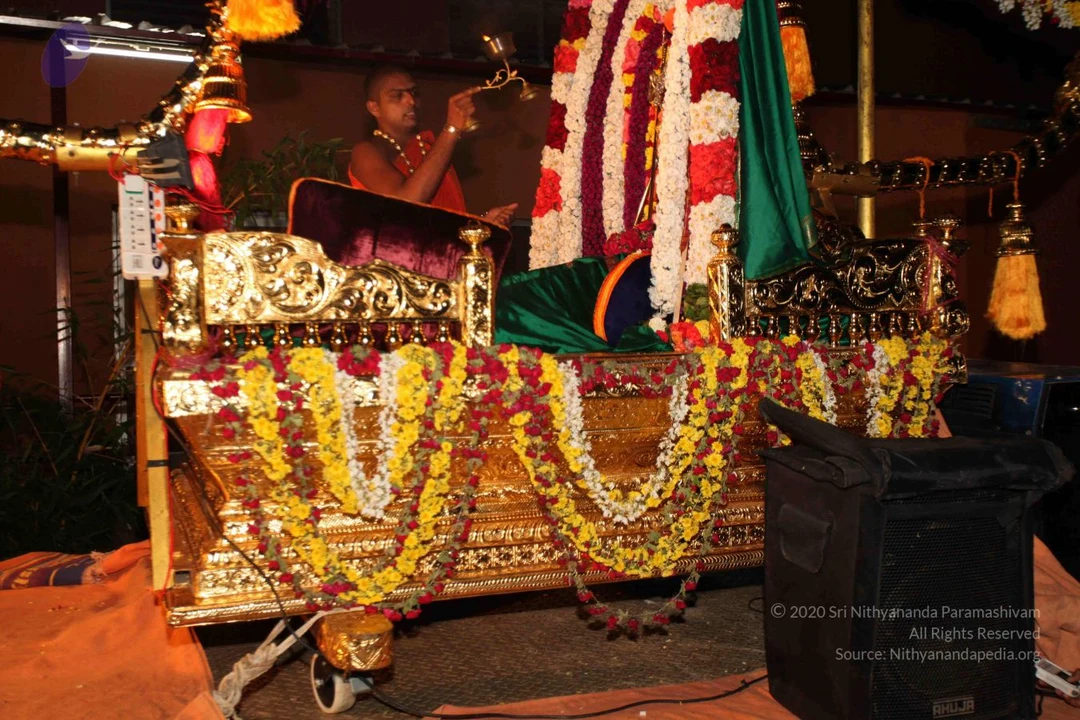
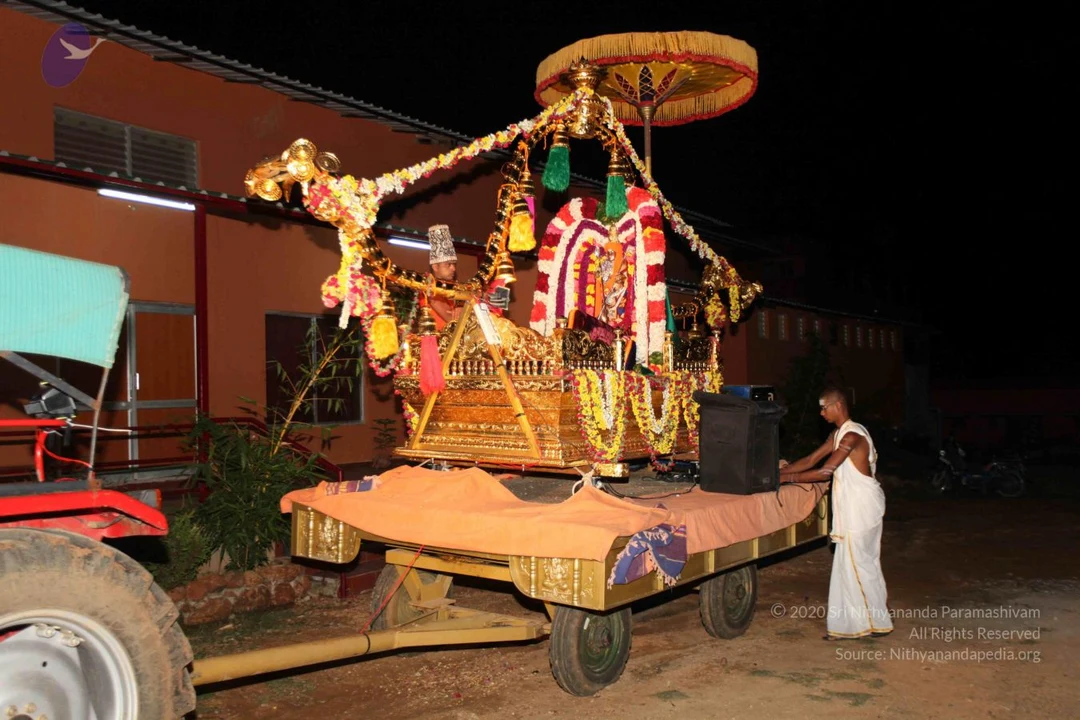
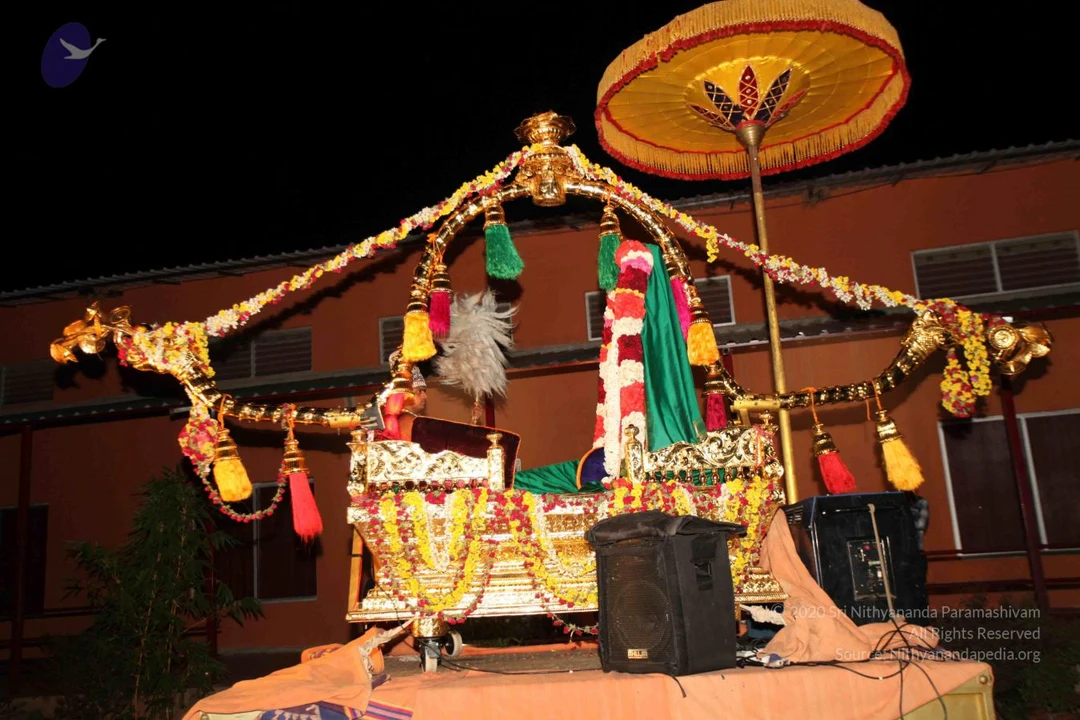
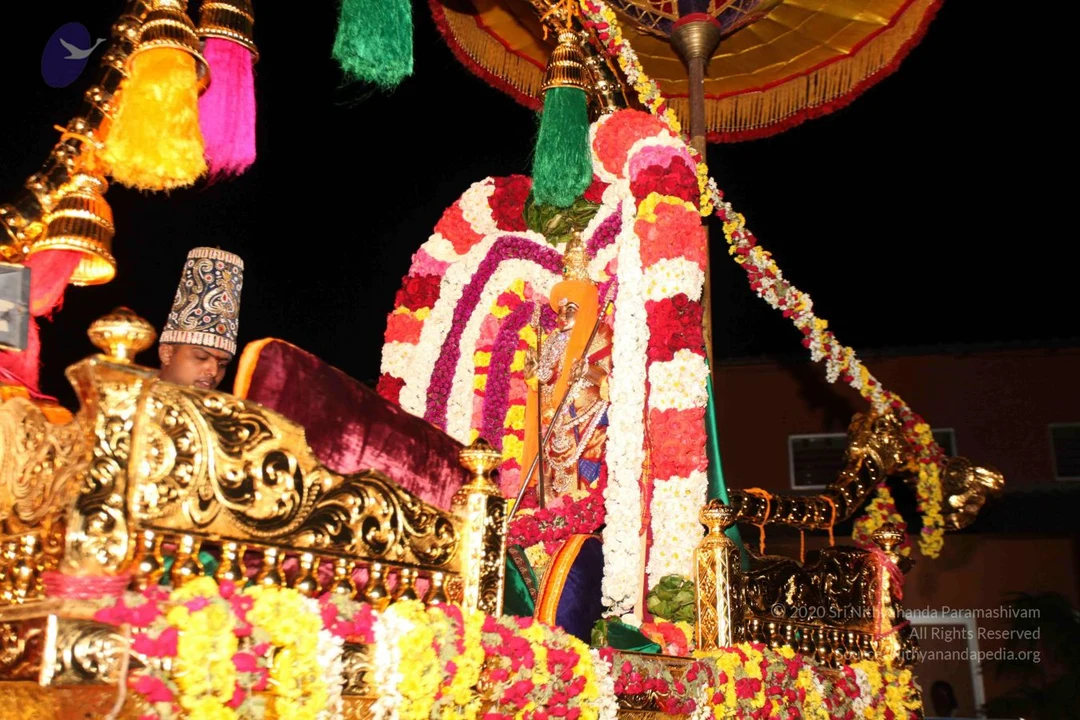
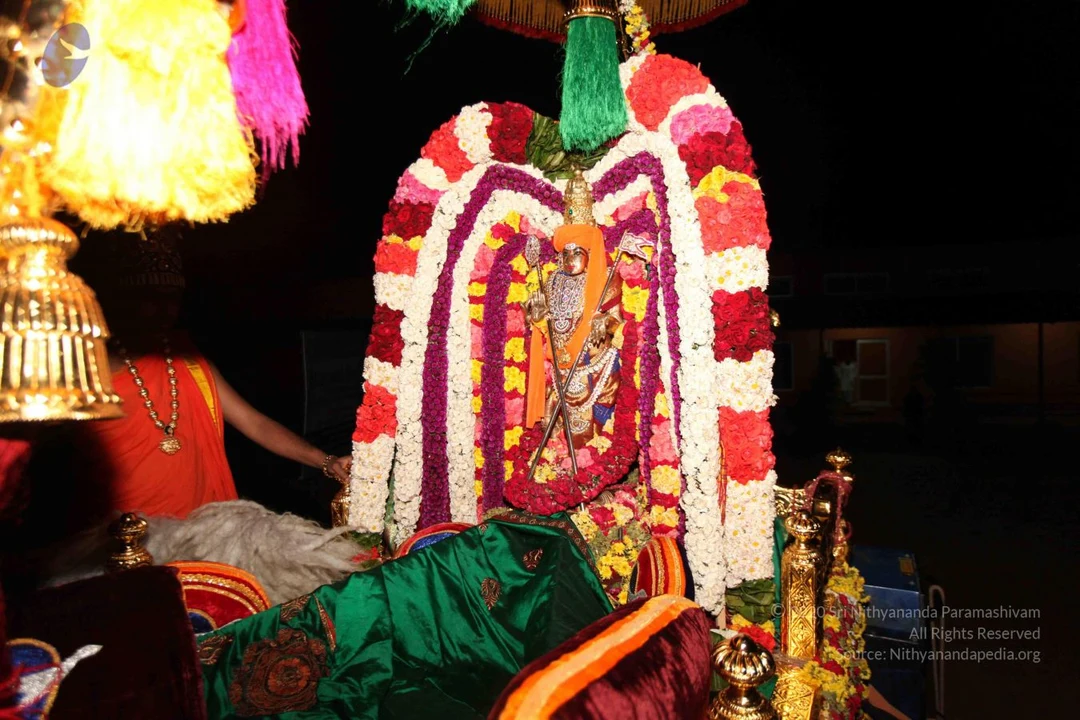
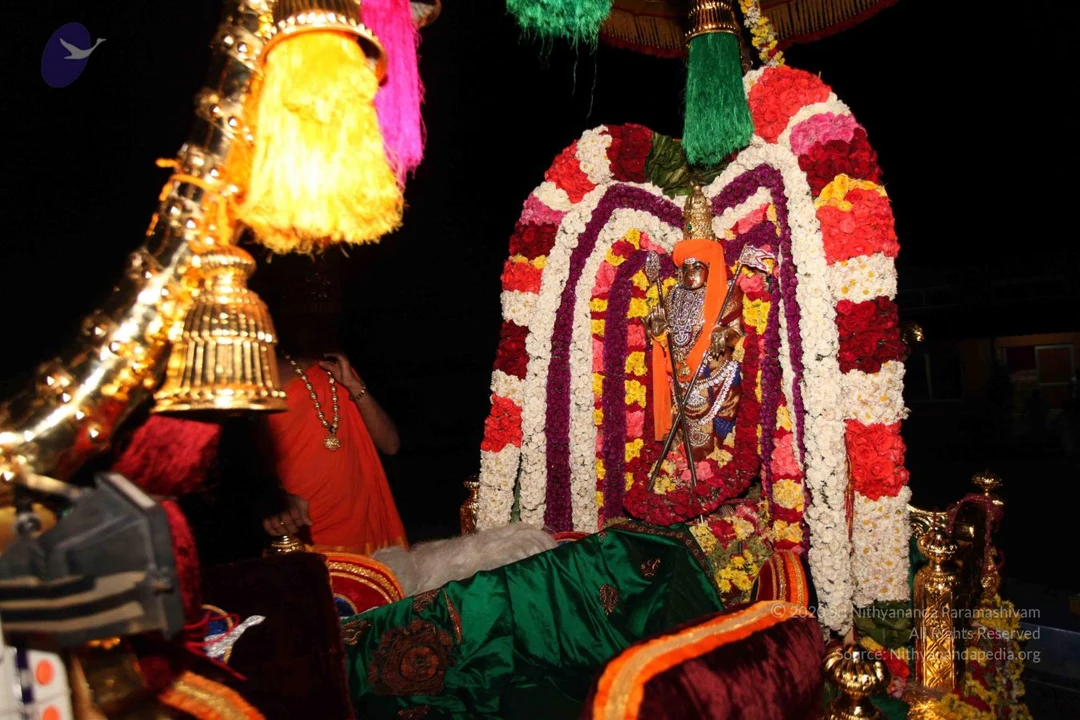
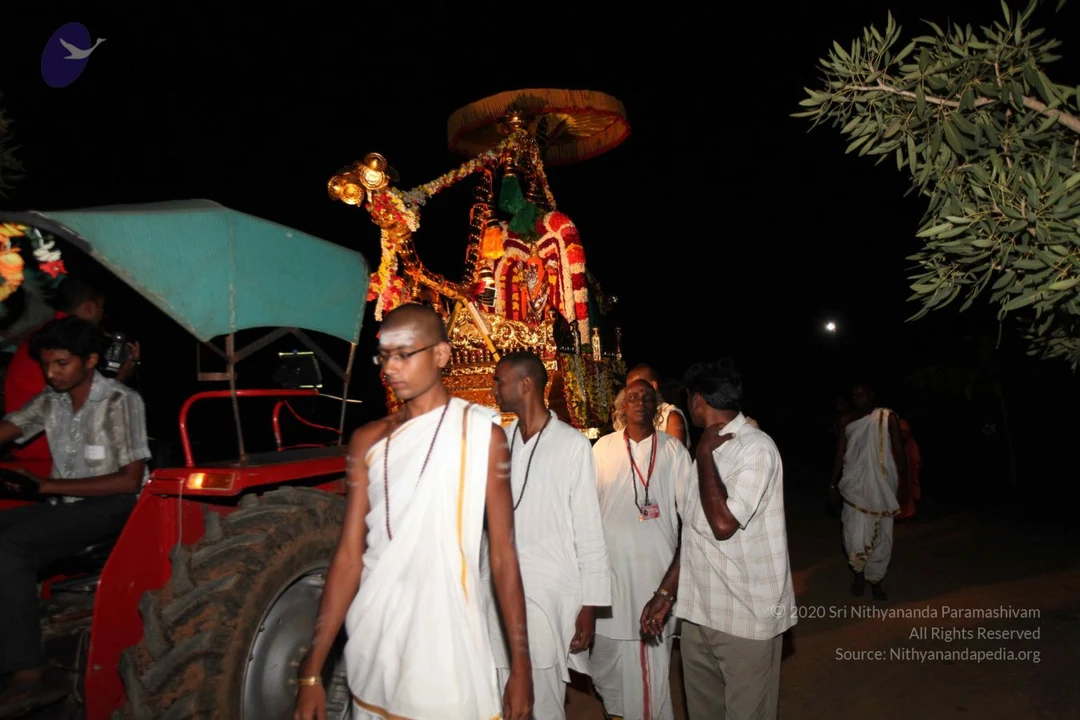
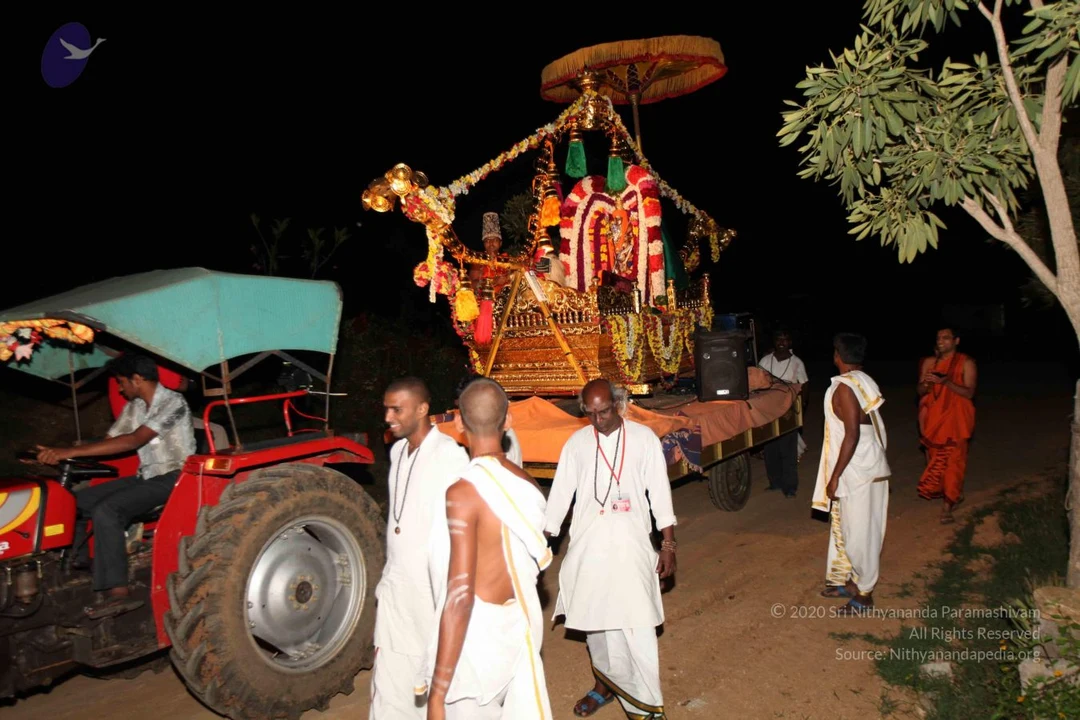
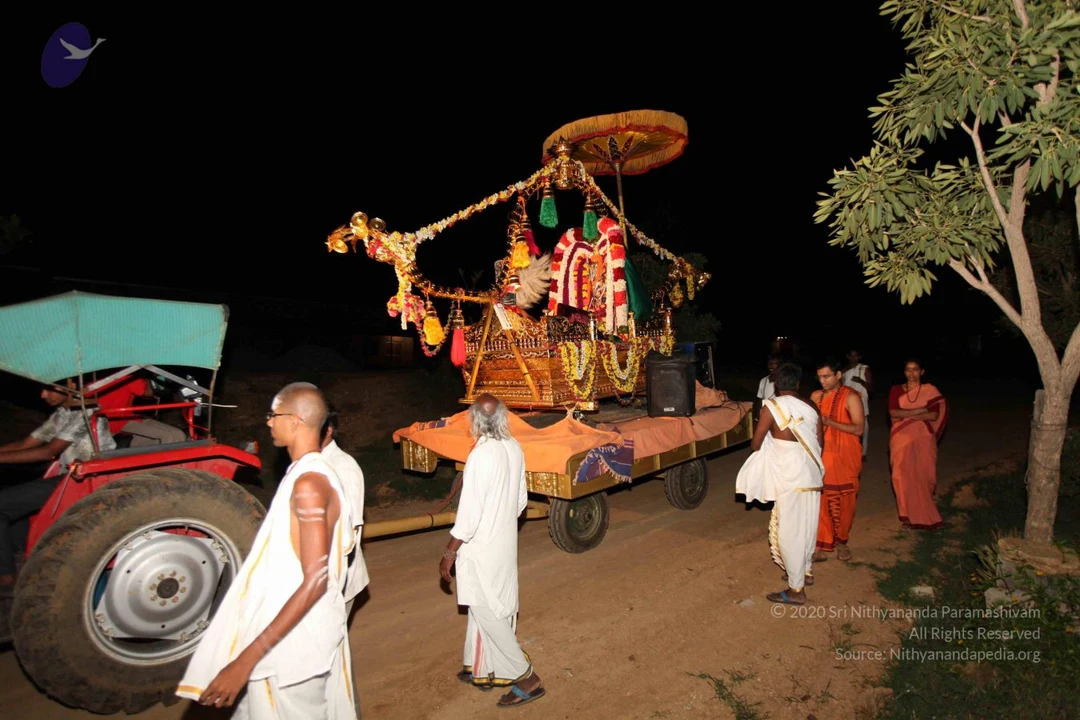
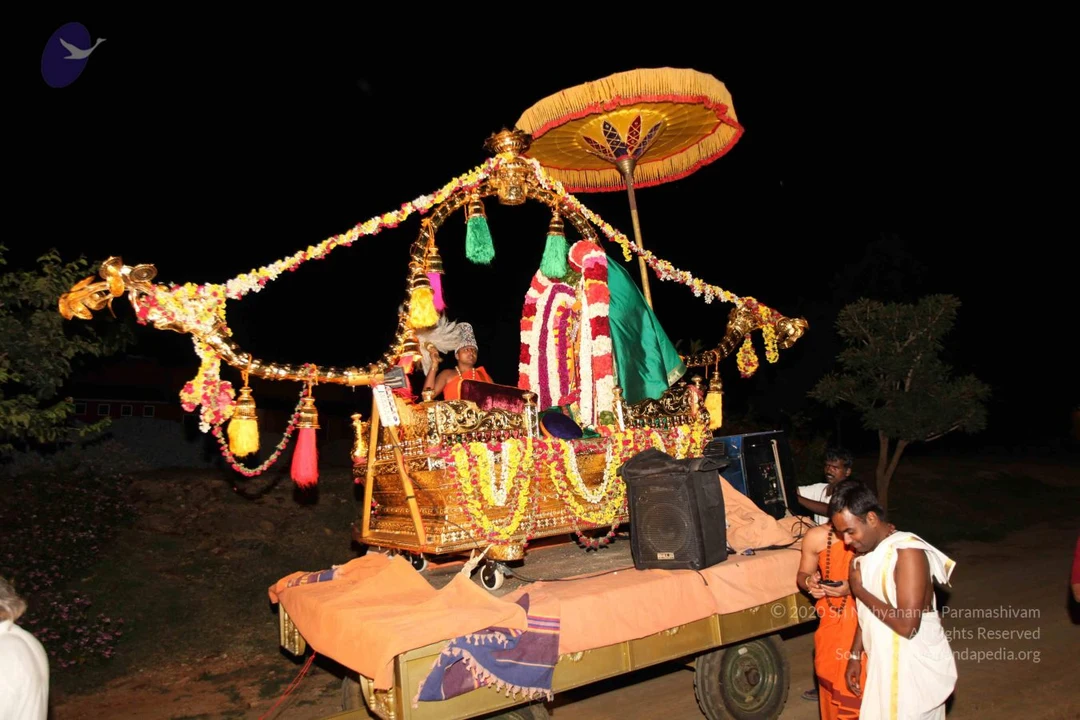
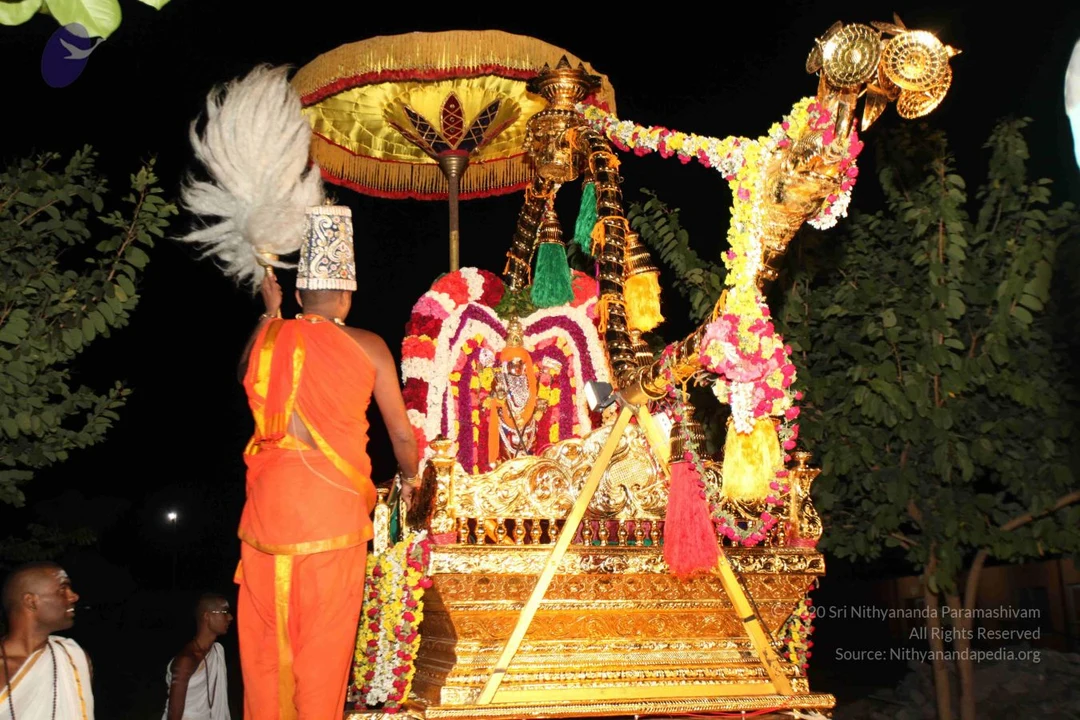
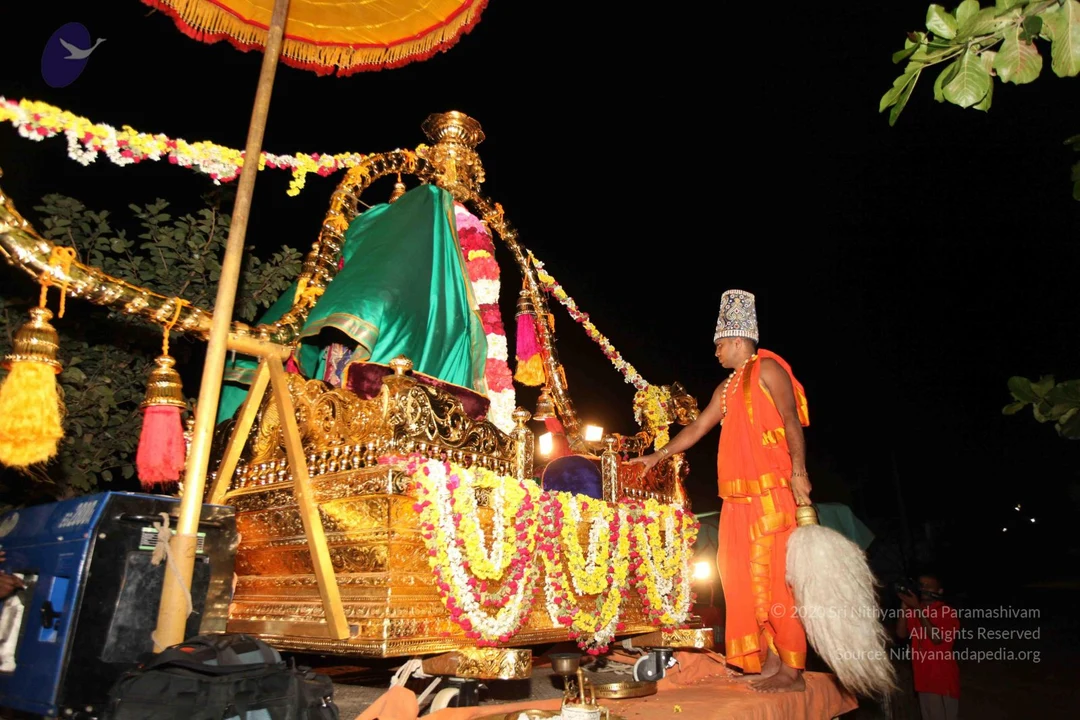
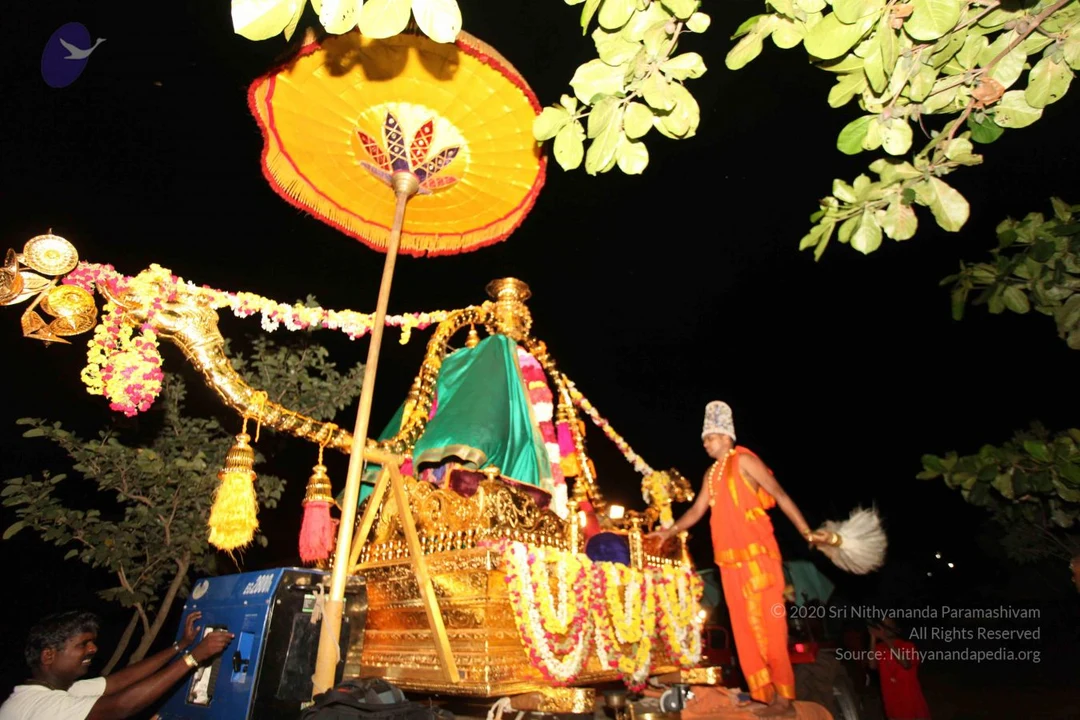
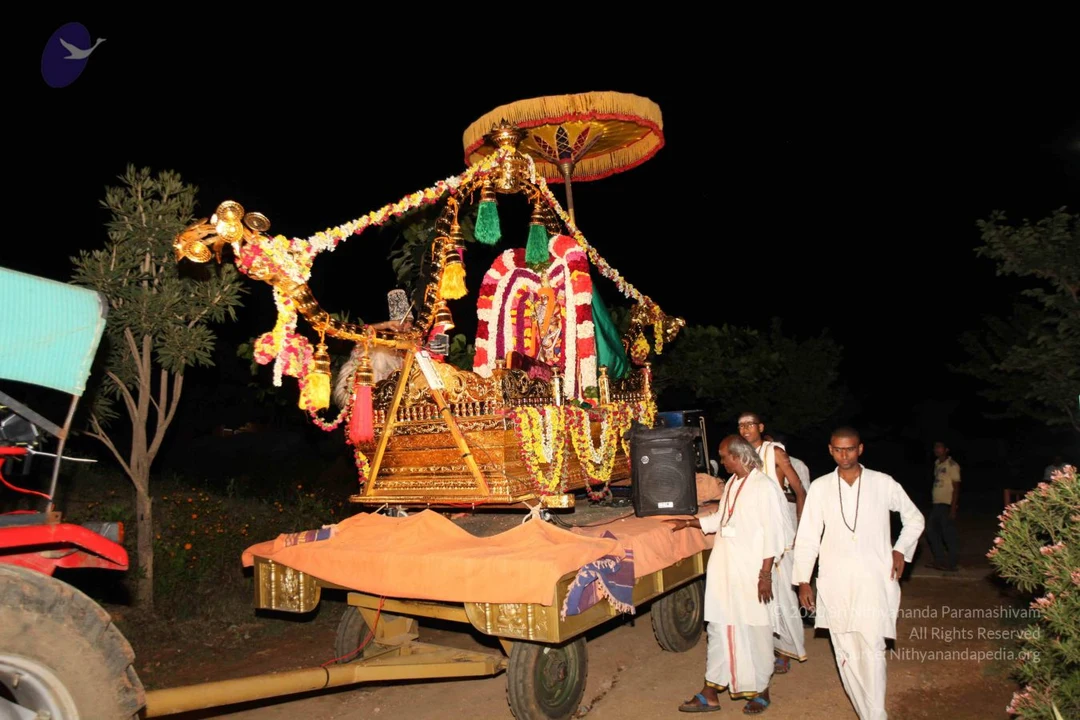
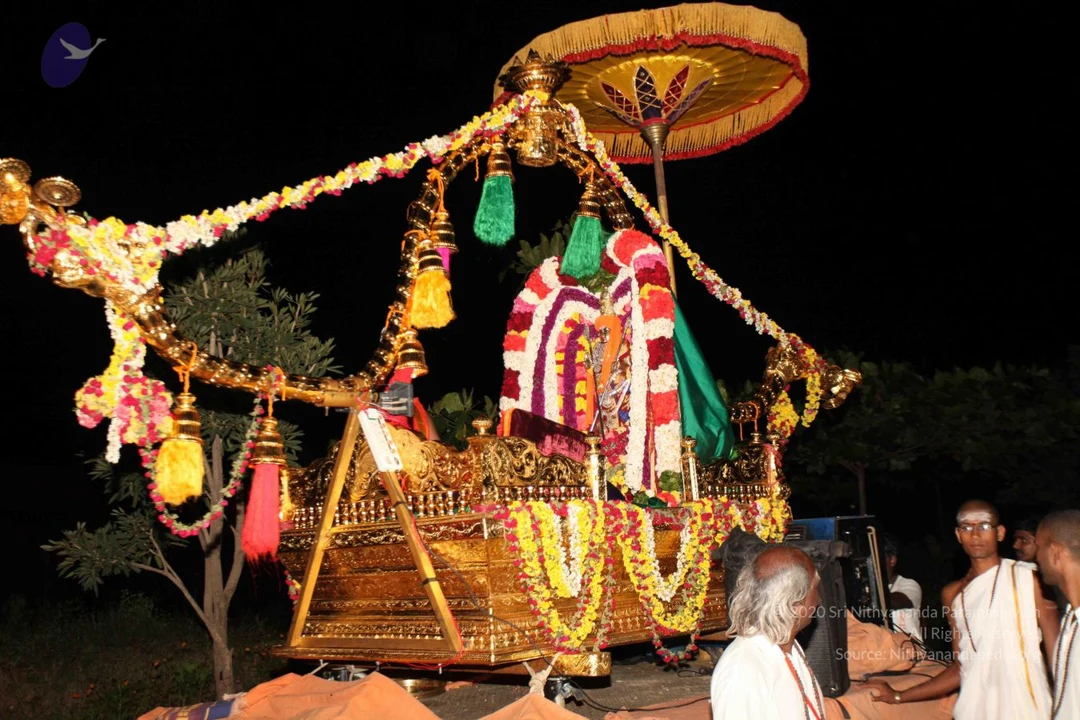
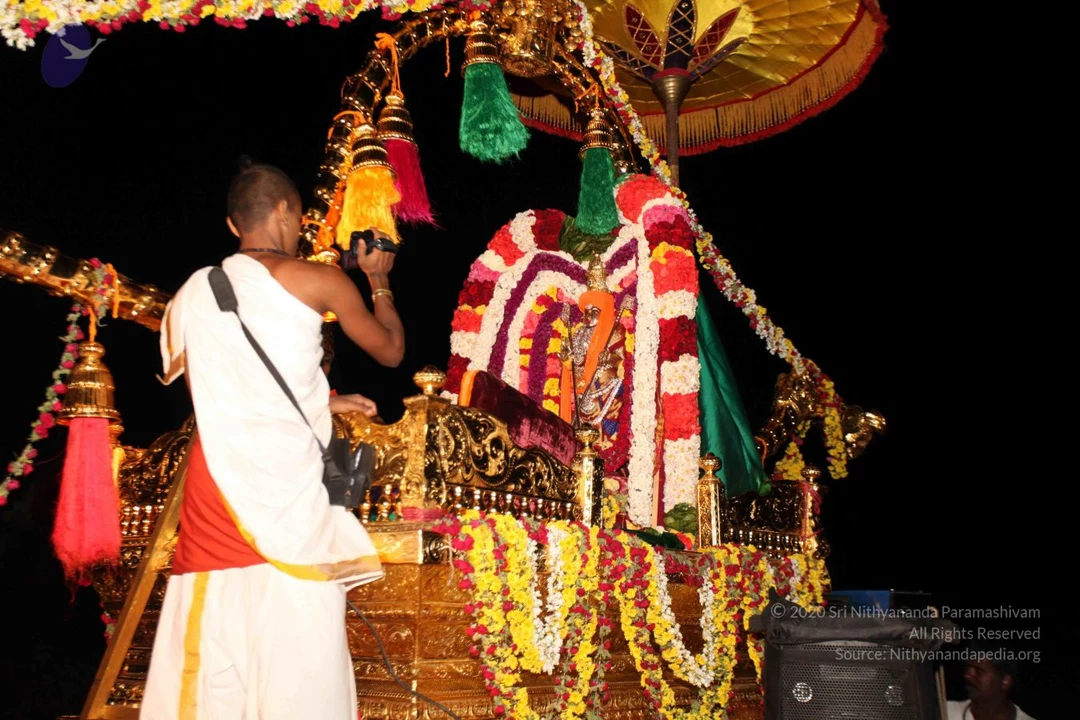
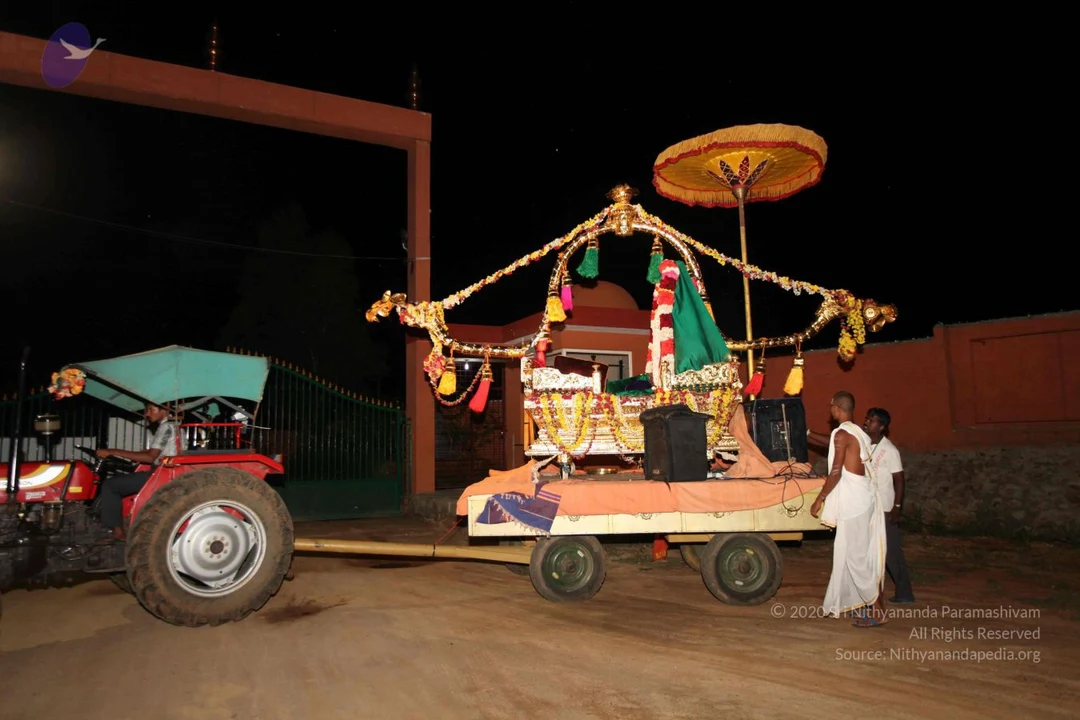
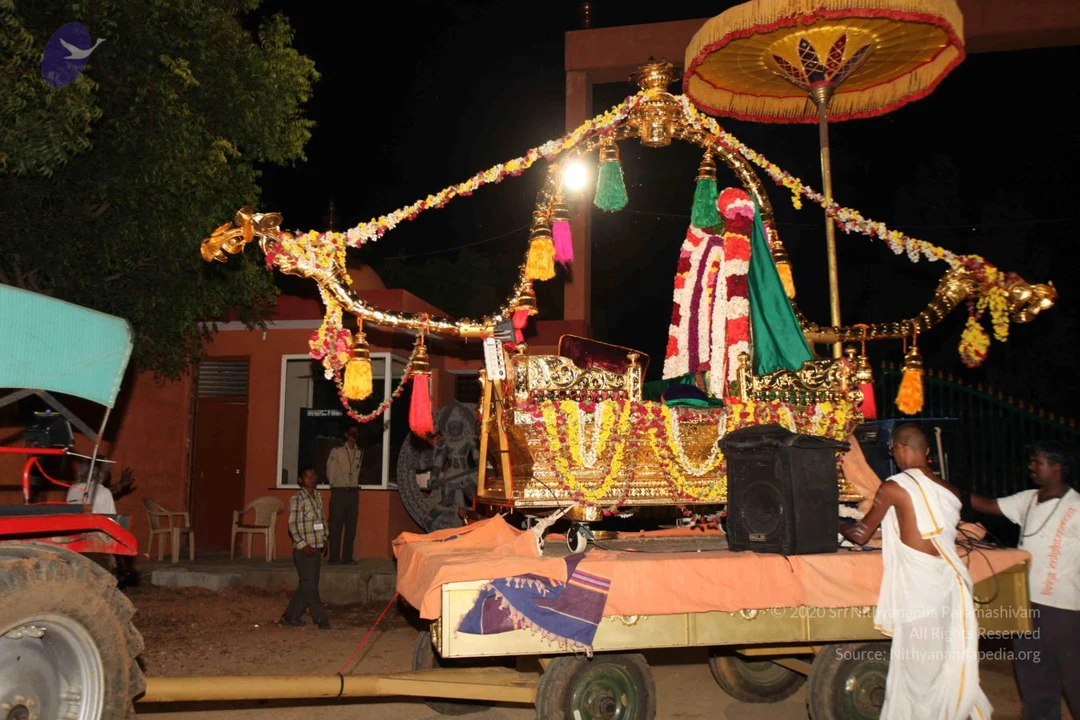
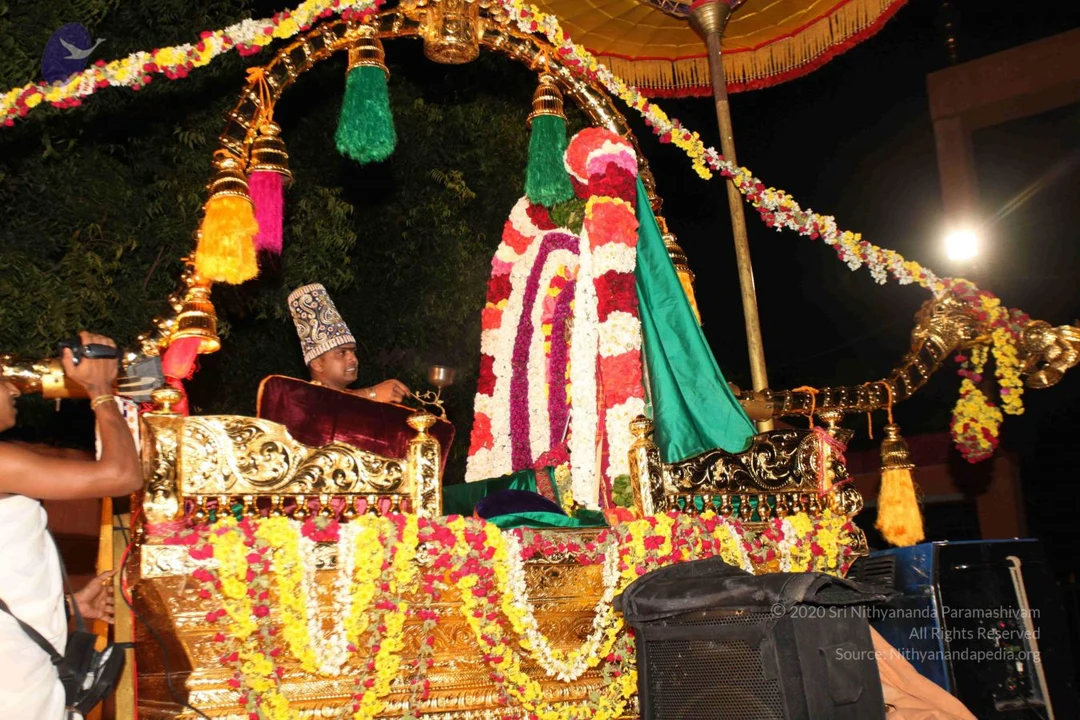
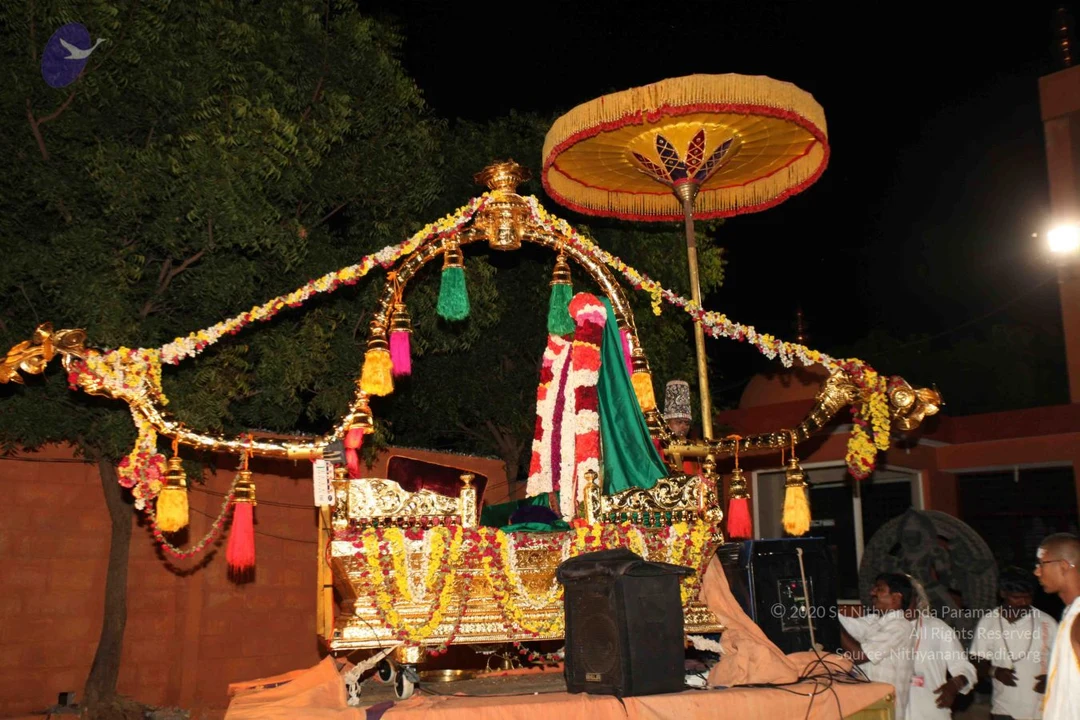
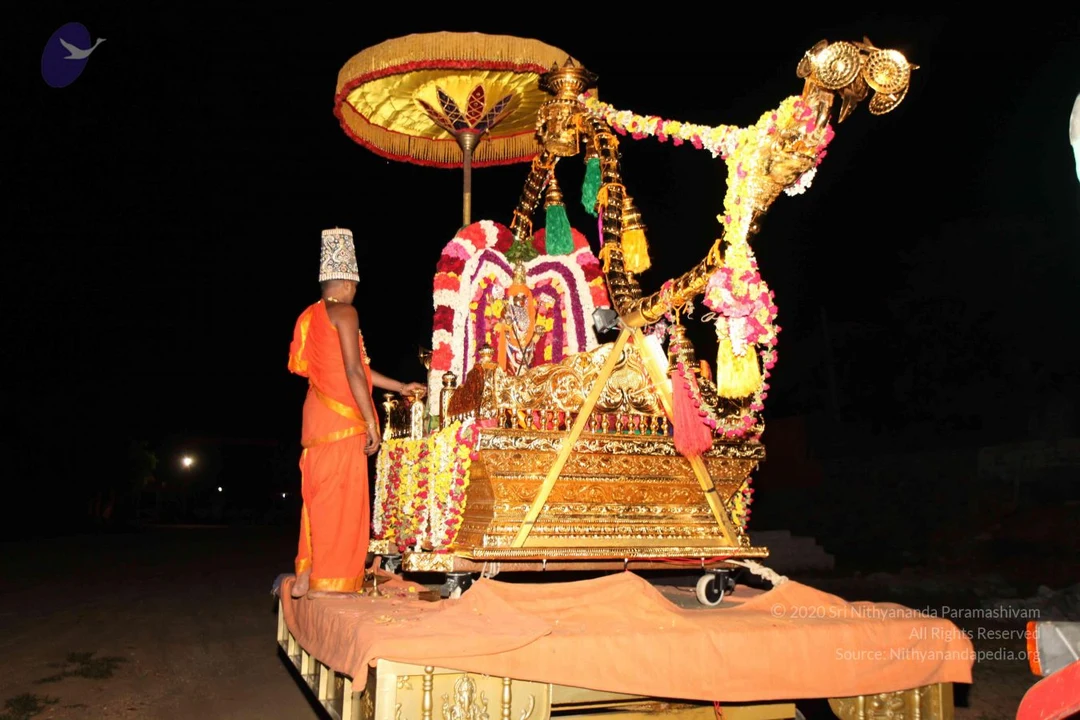
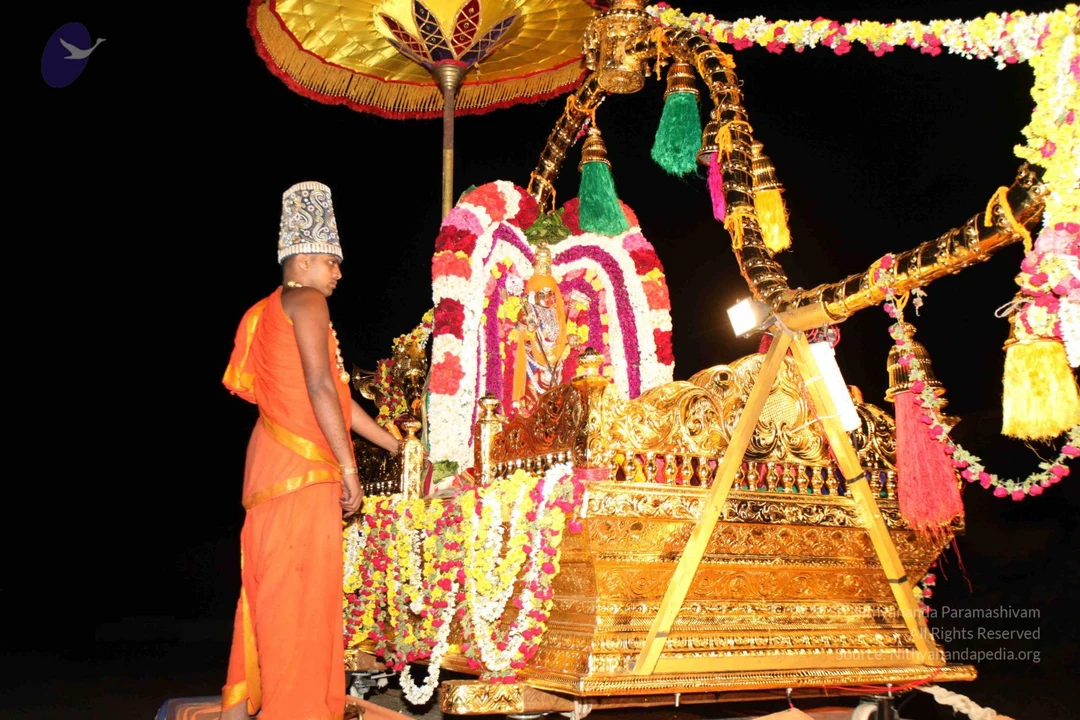
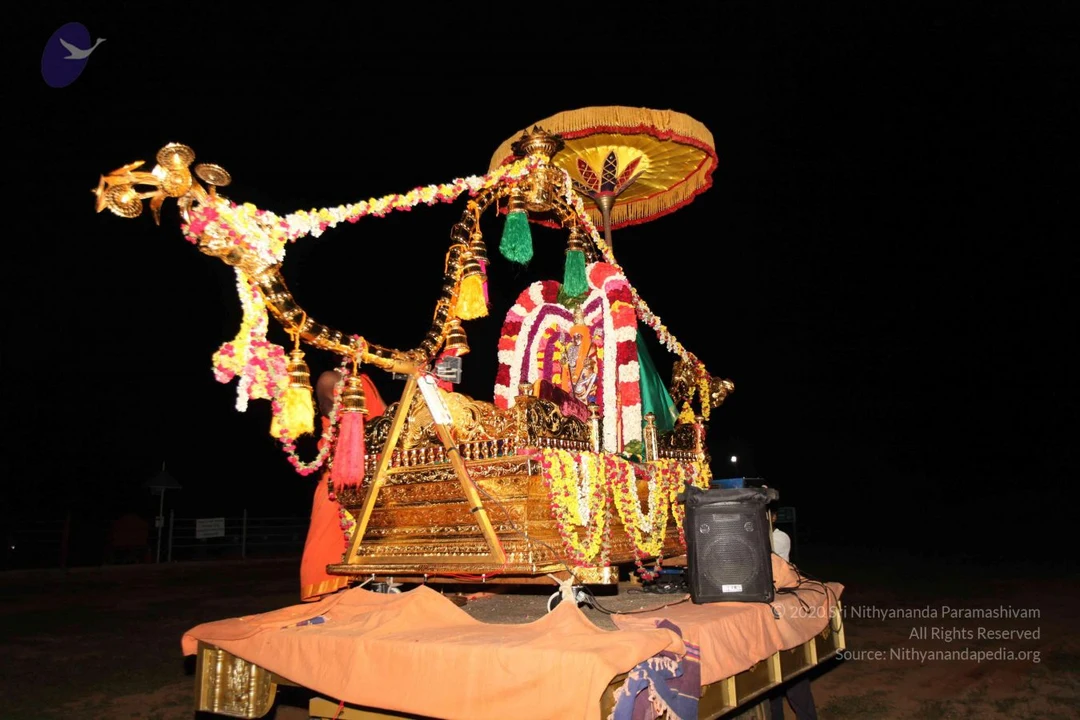
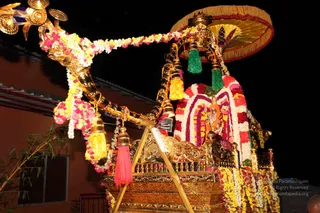
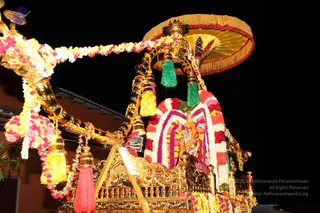
Procession

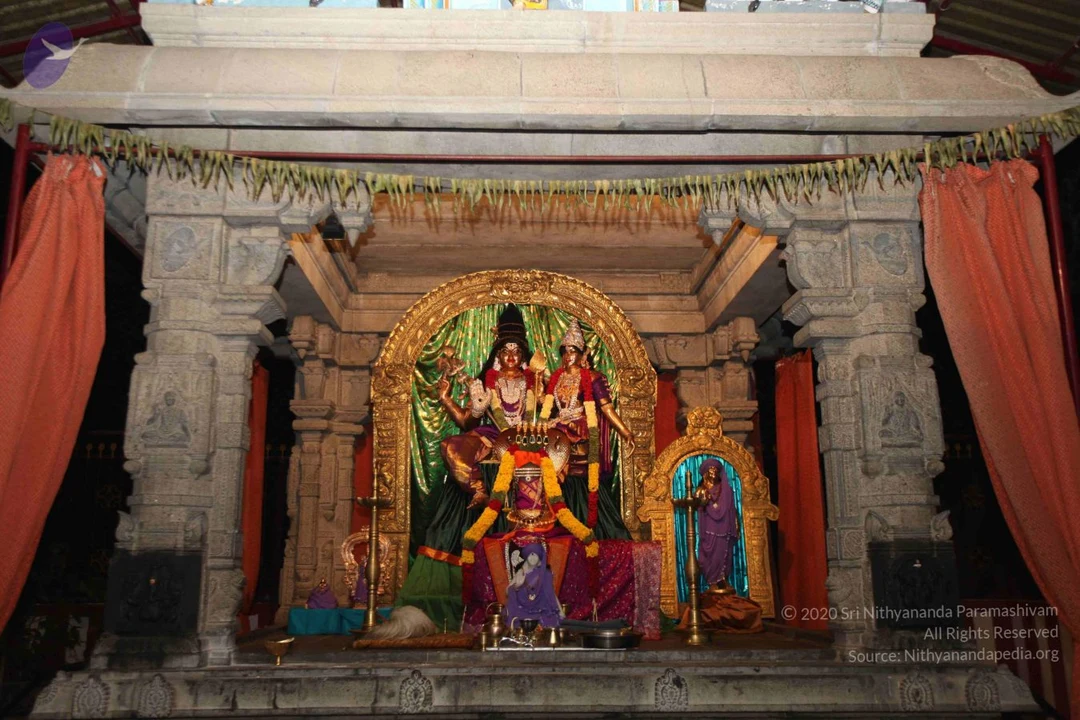
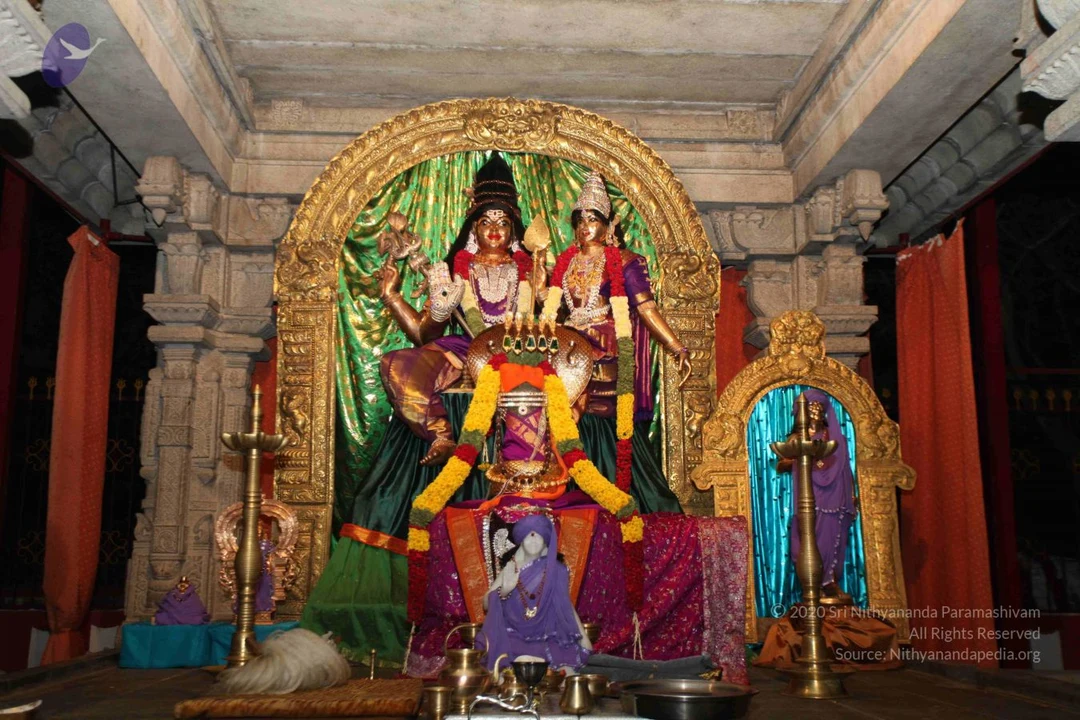
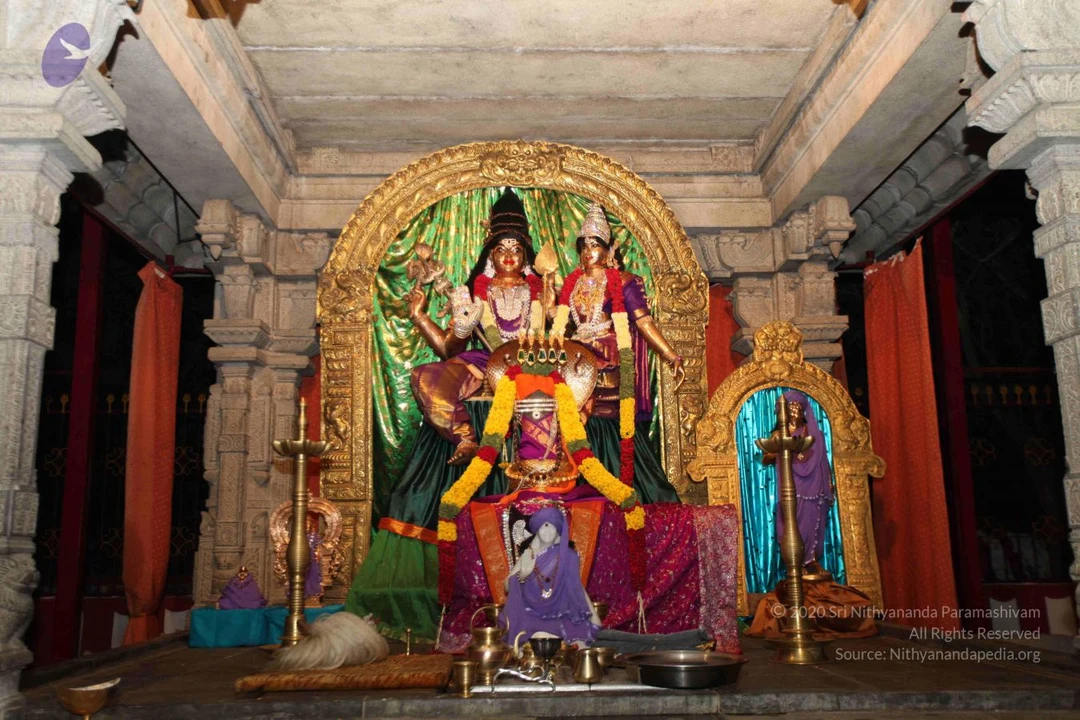
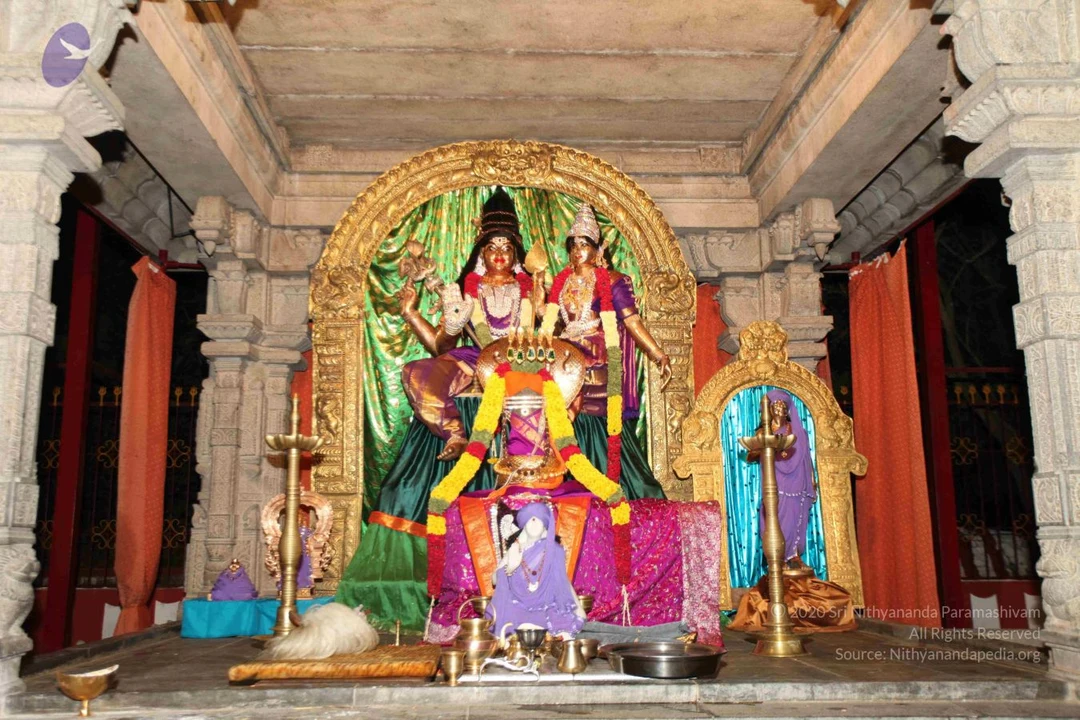
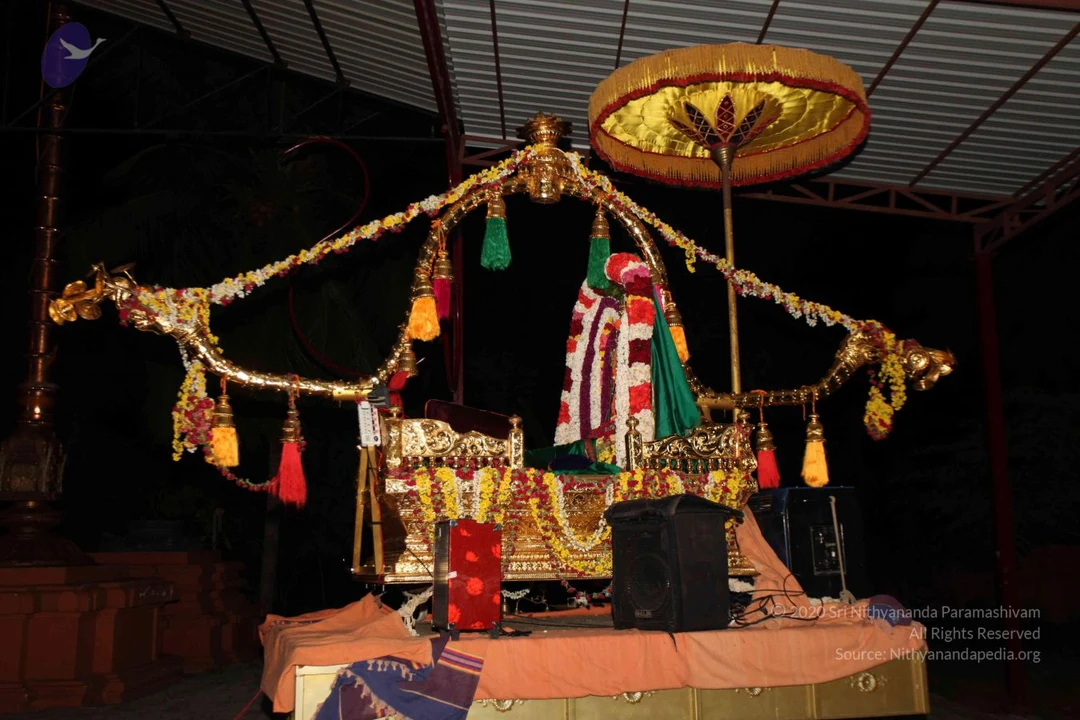
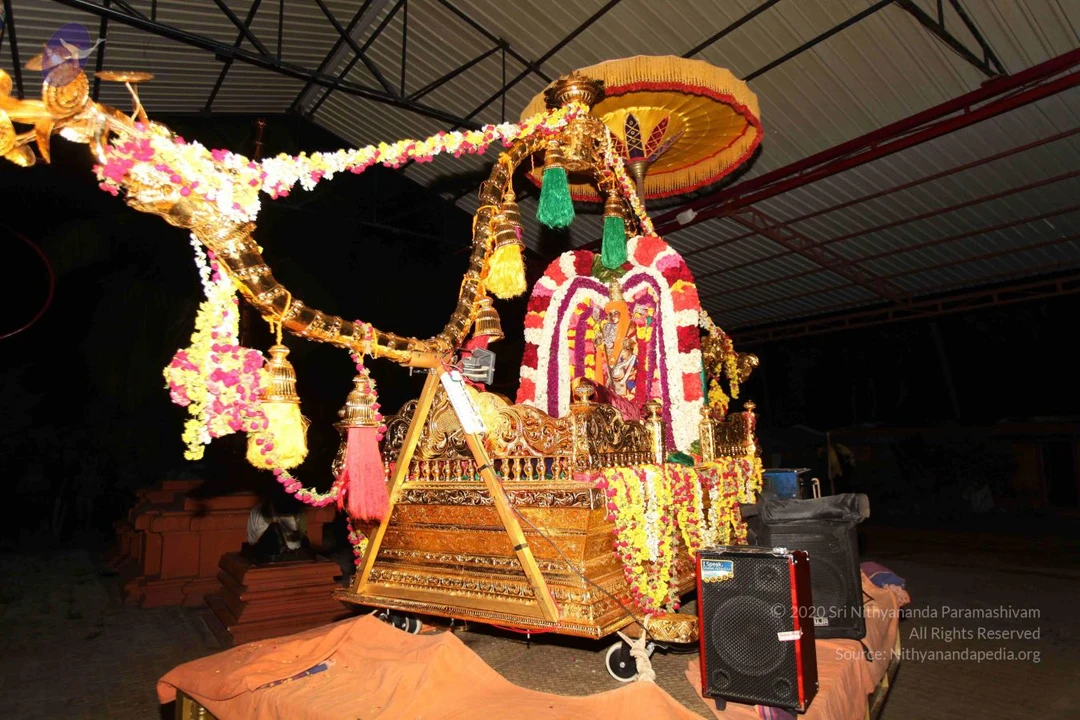
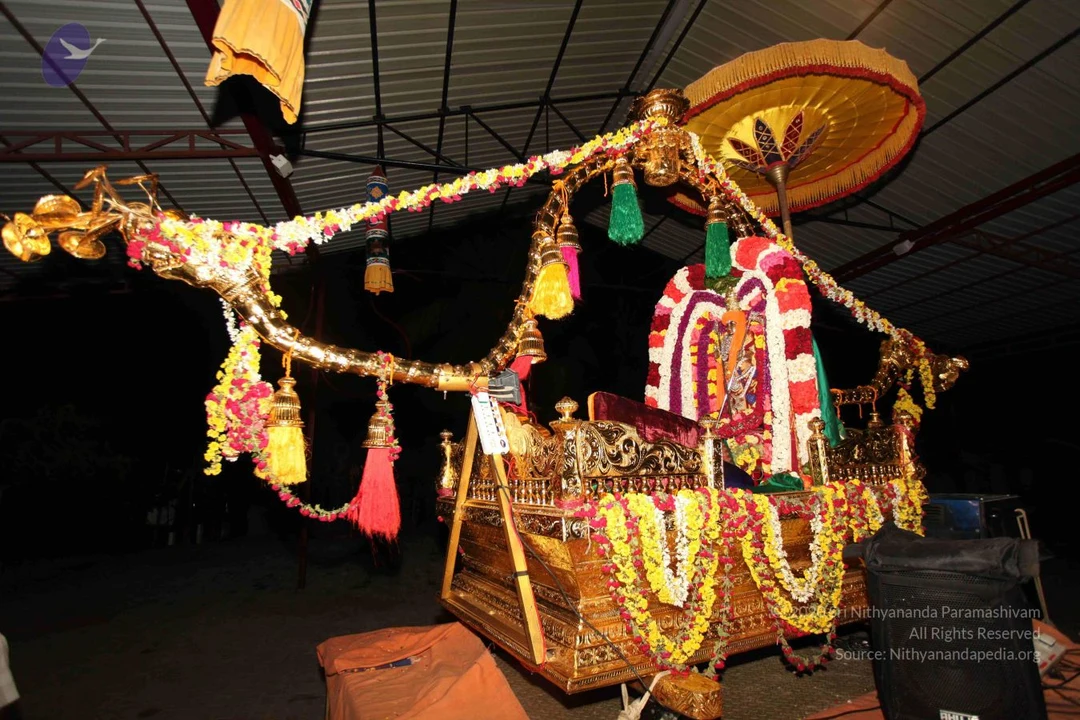
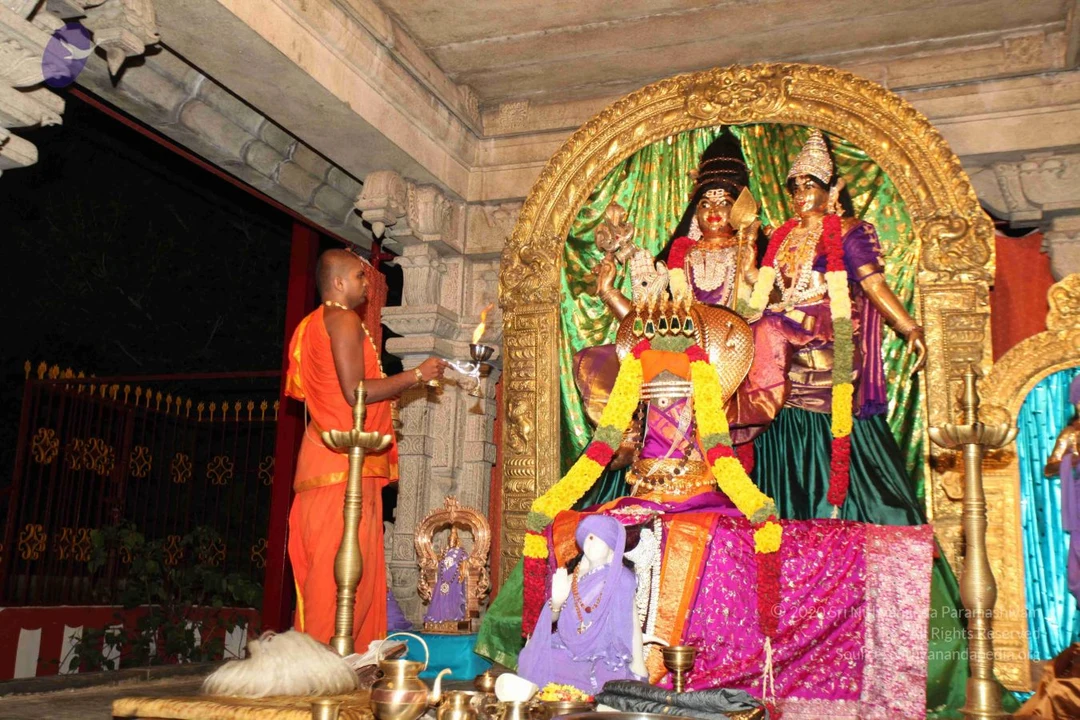
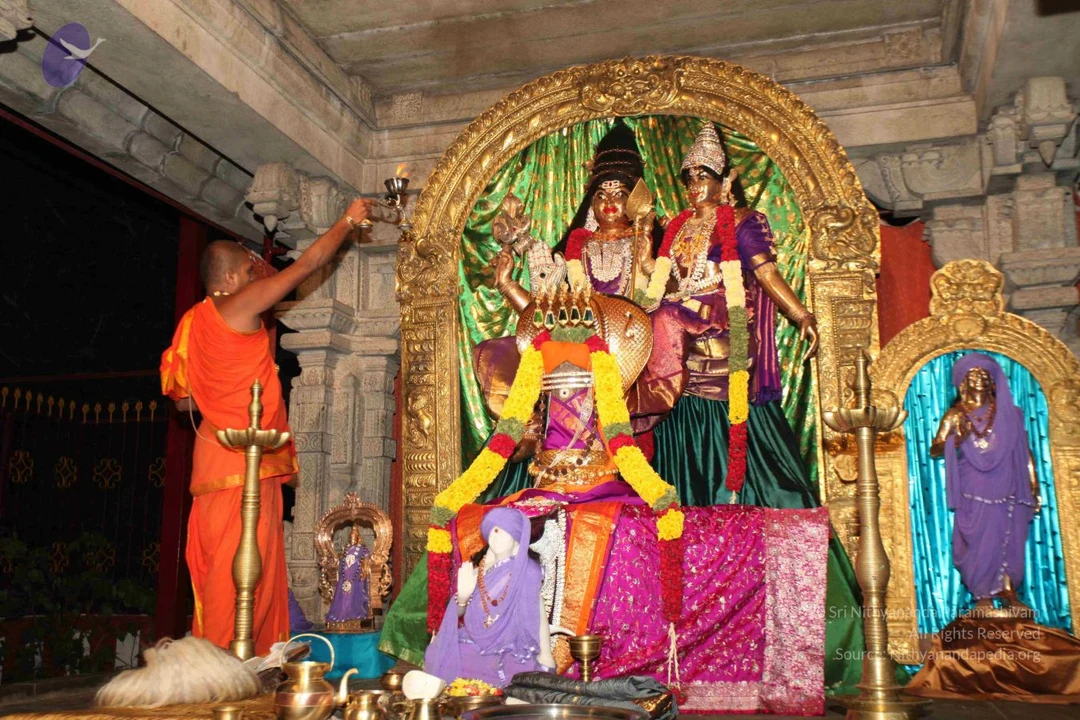
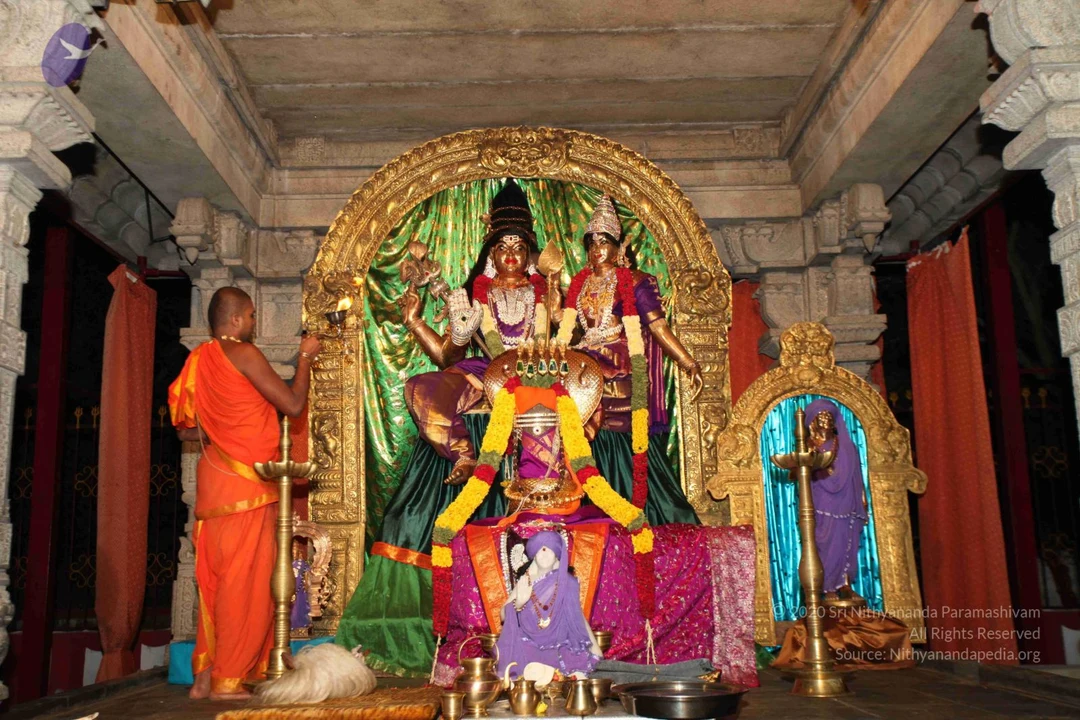
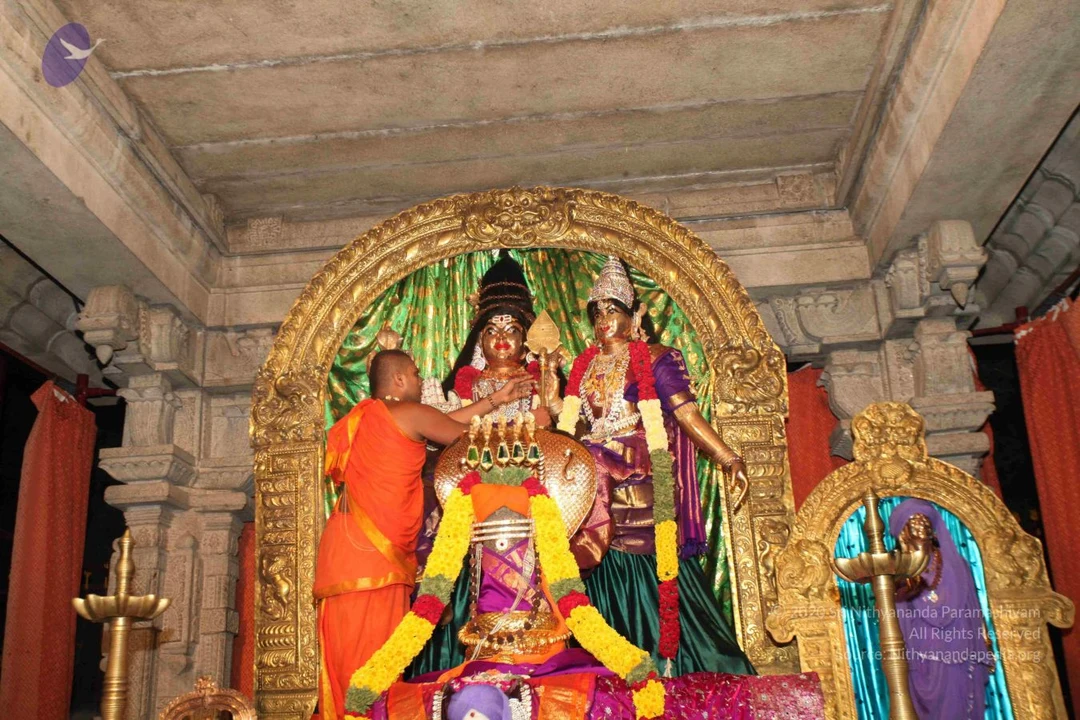
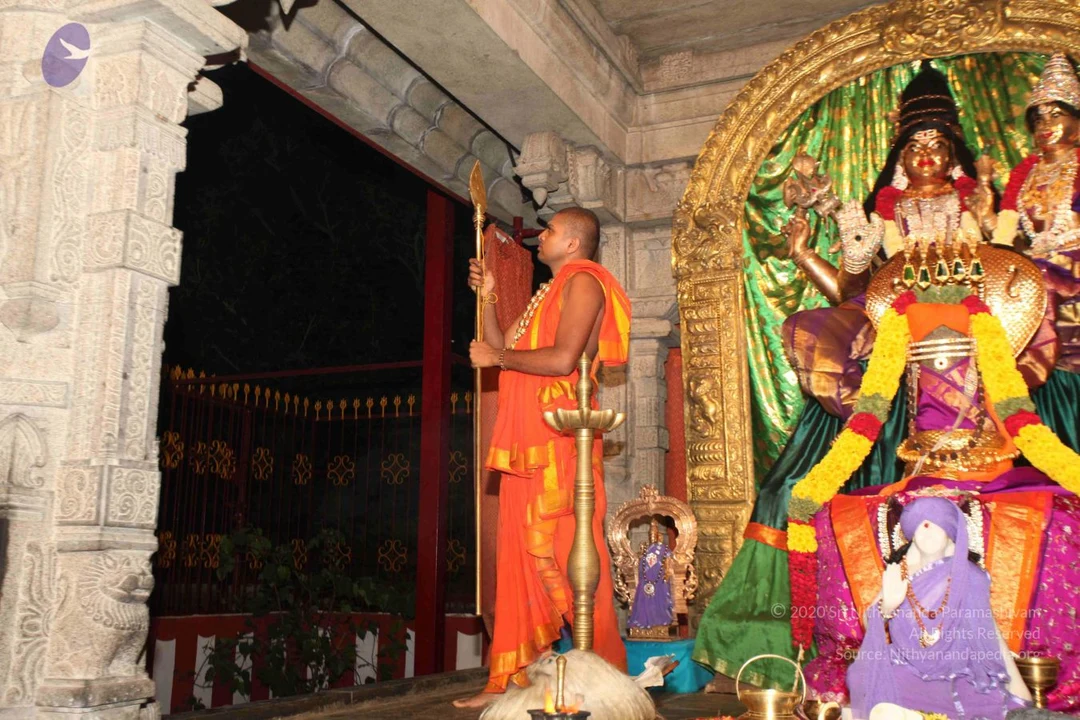
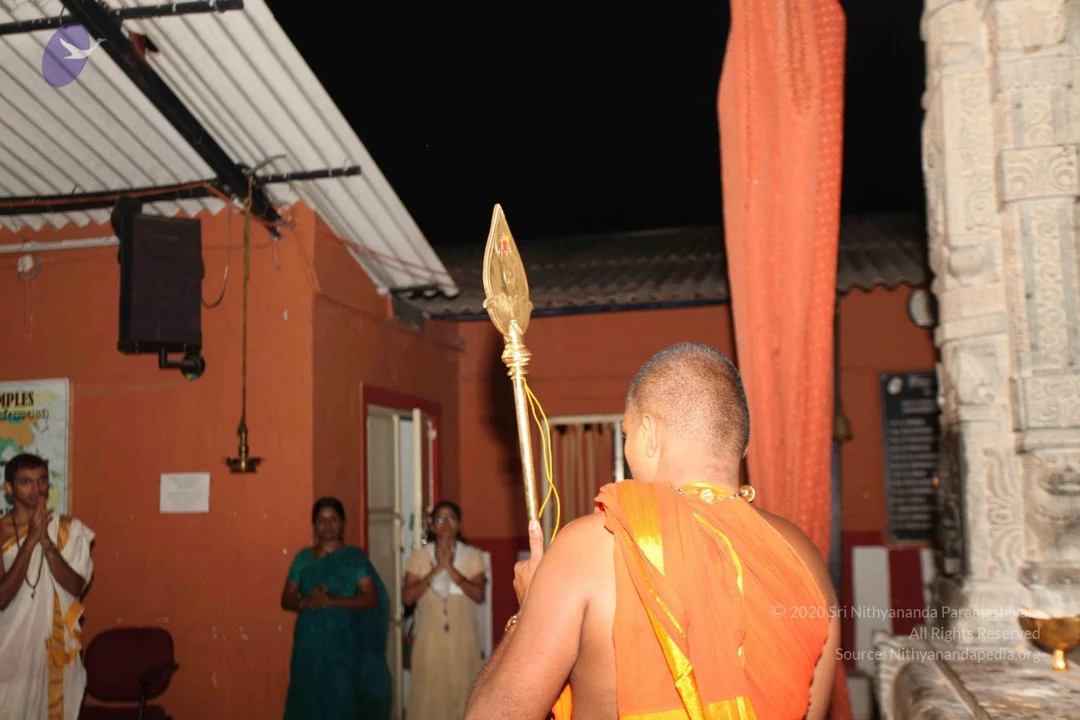
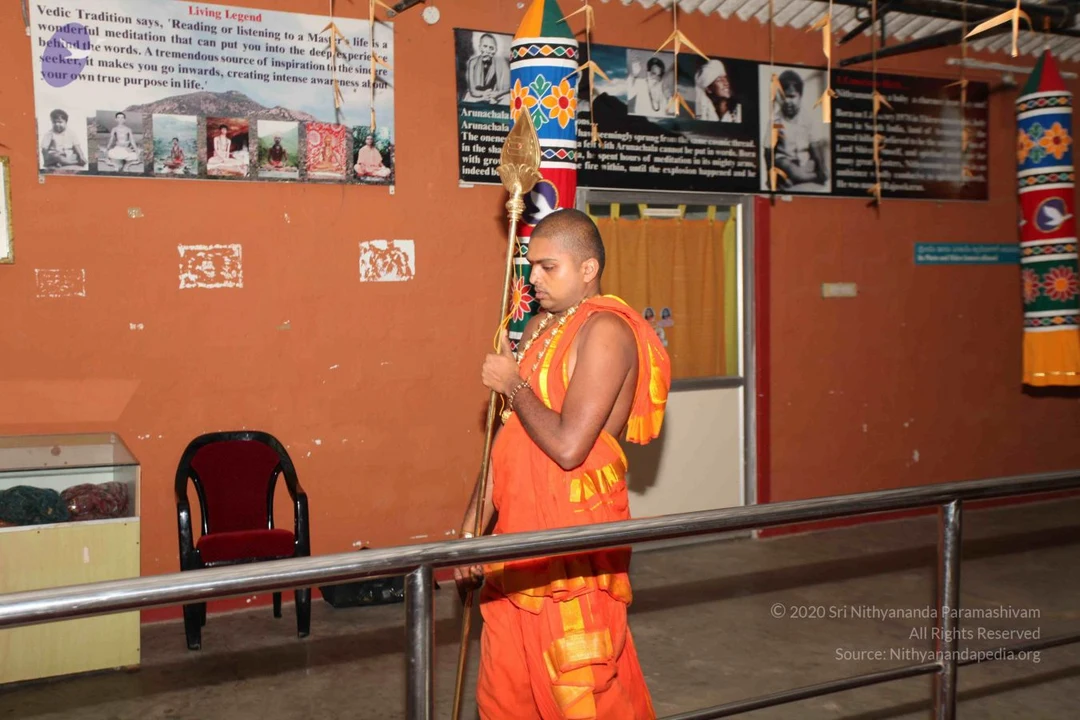
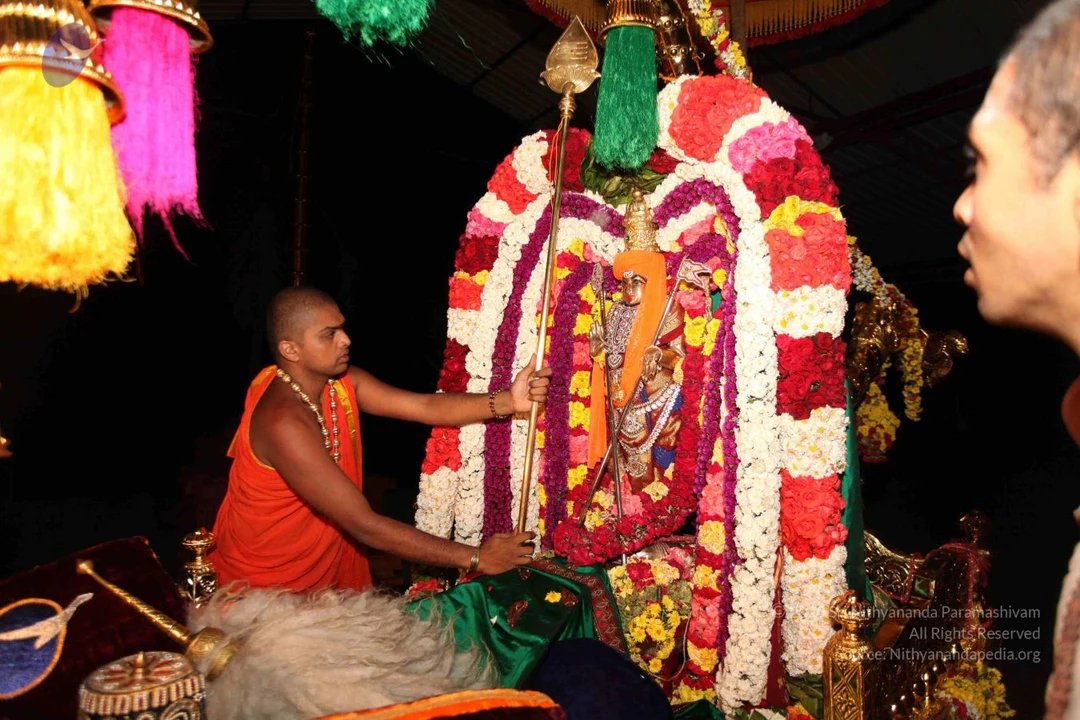
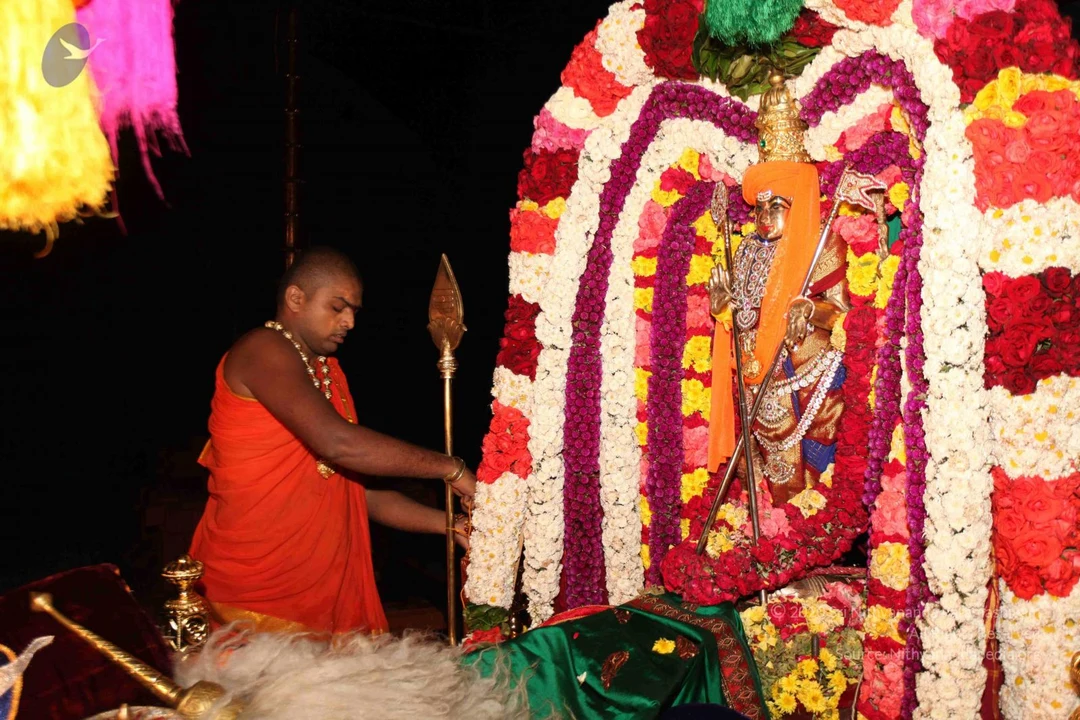
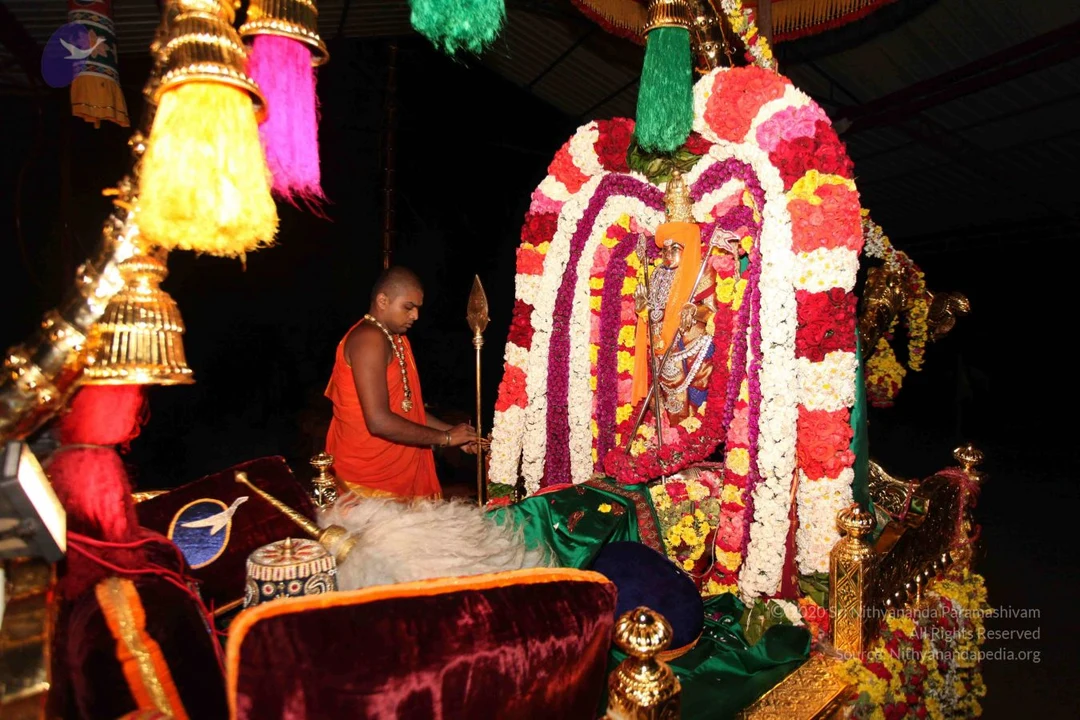
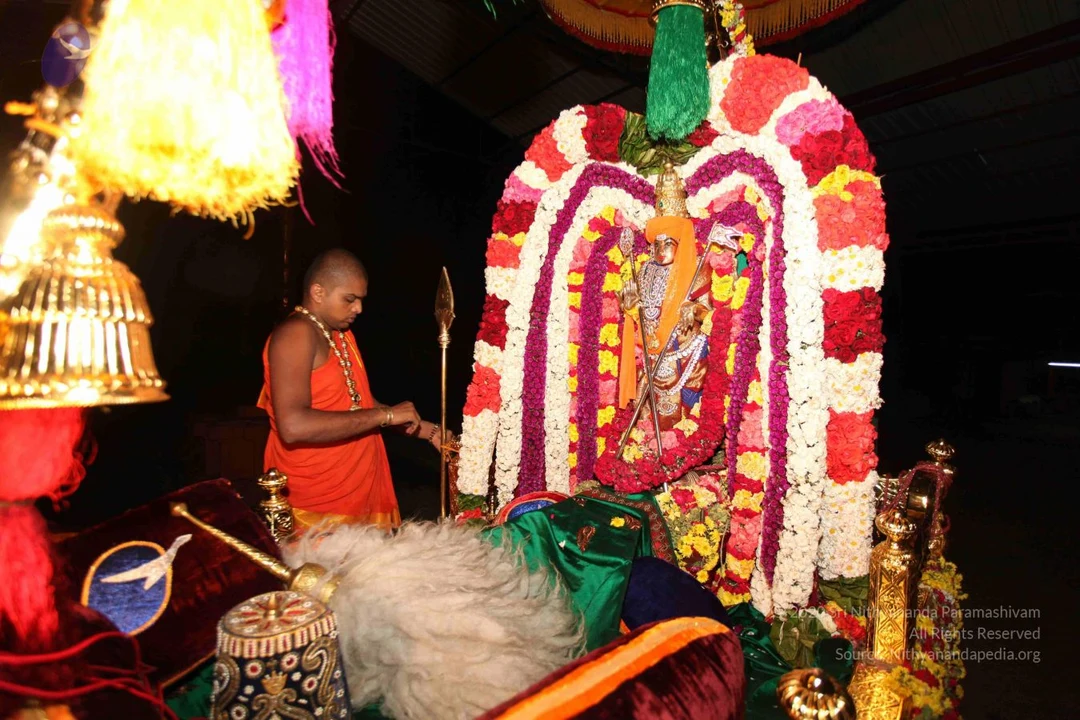
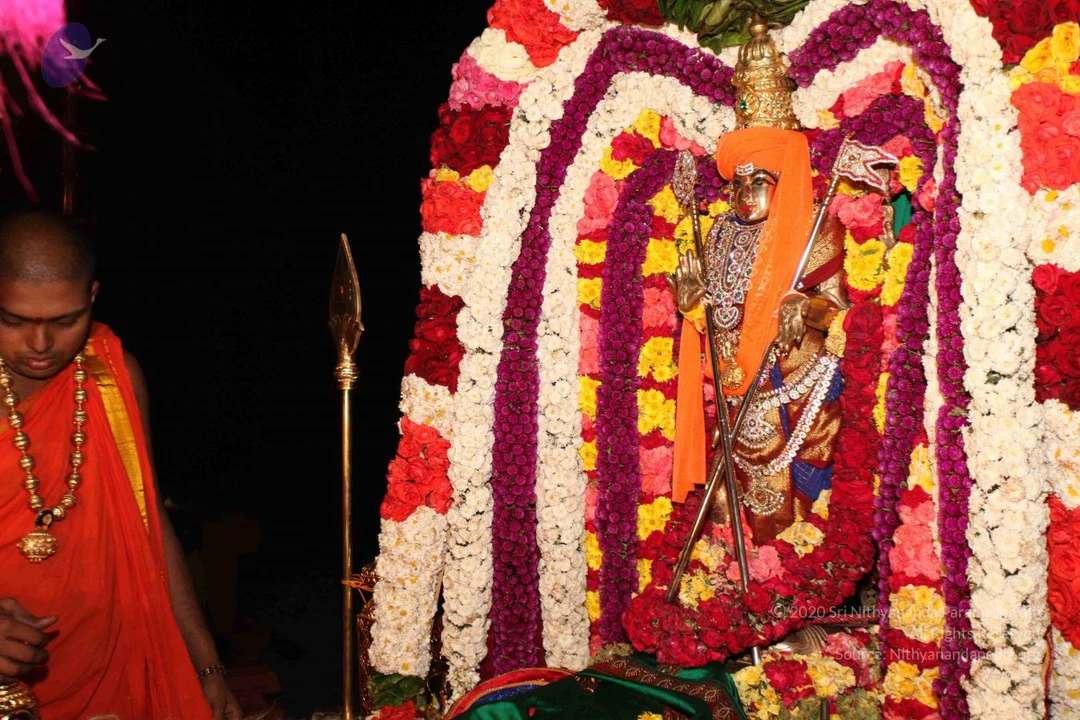
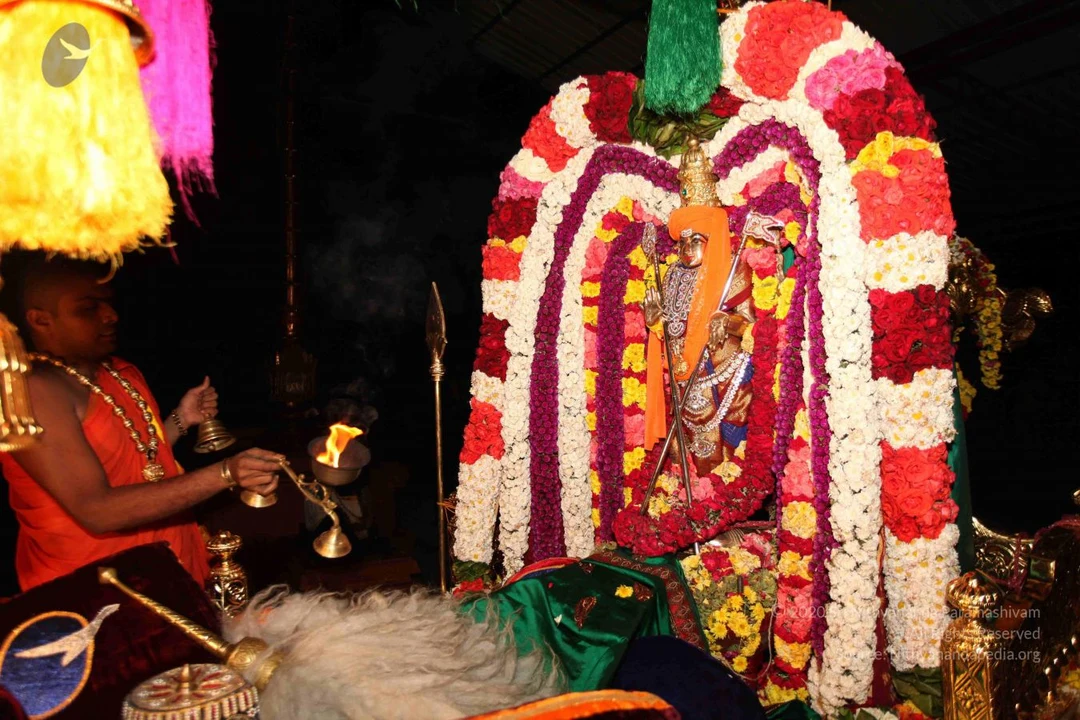
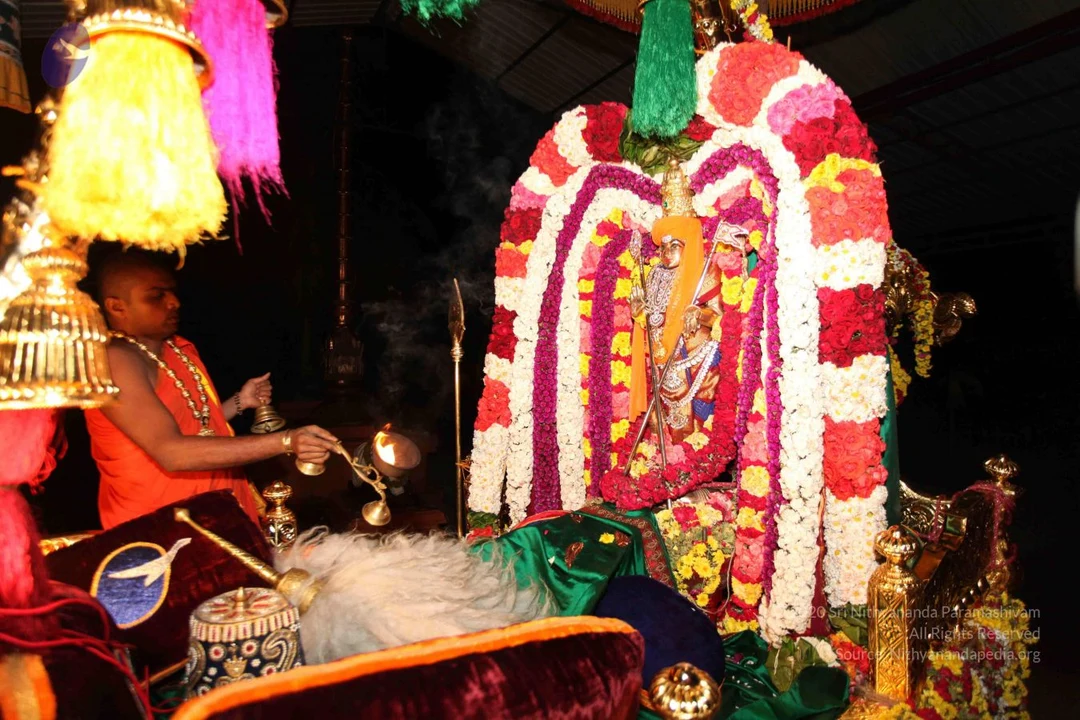
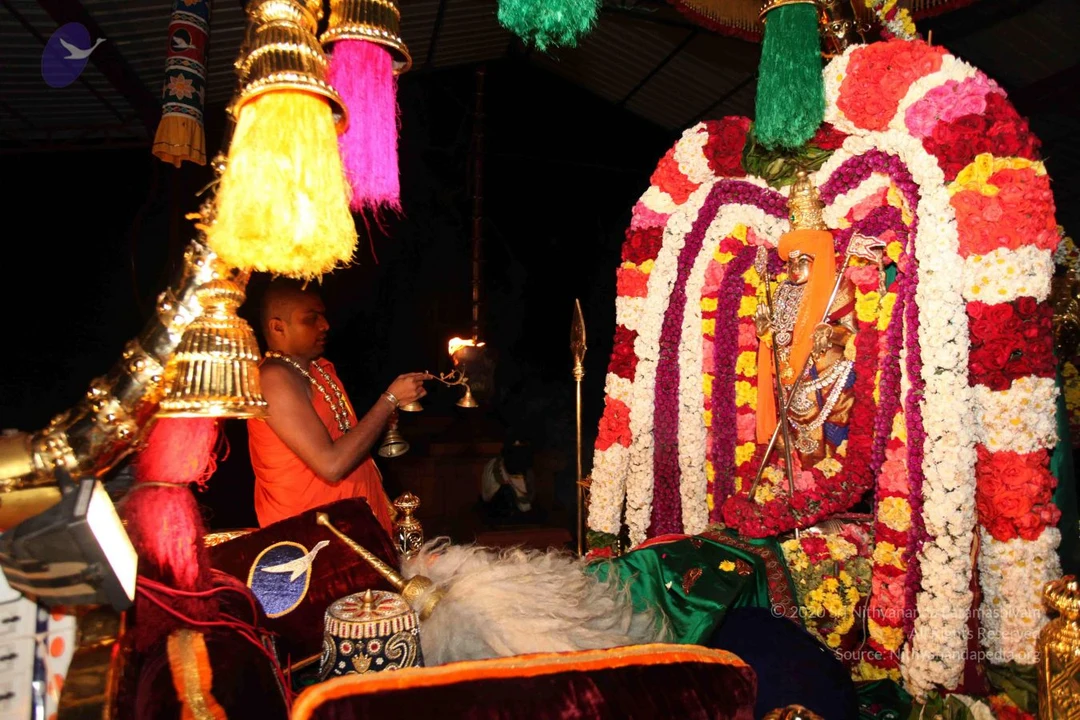
Nithya-Kriya
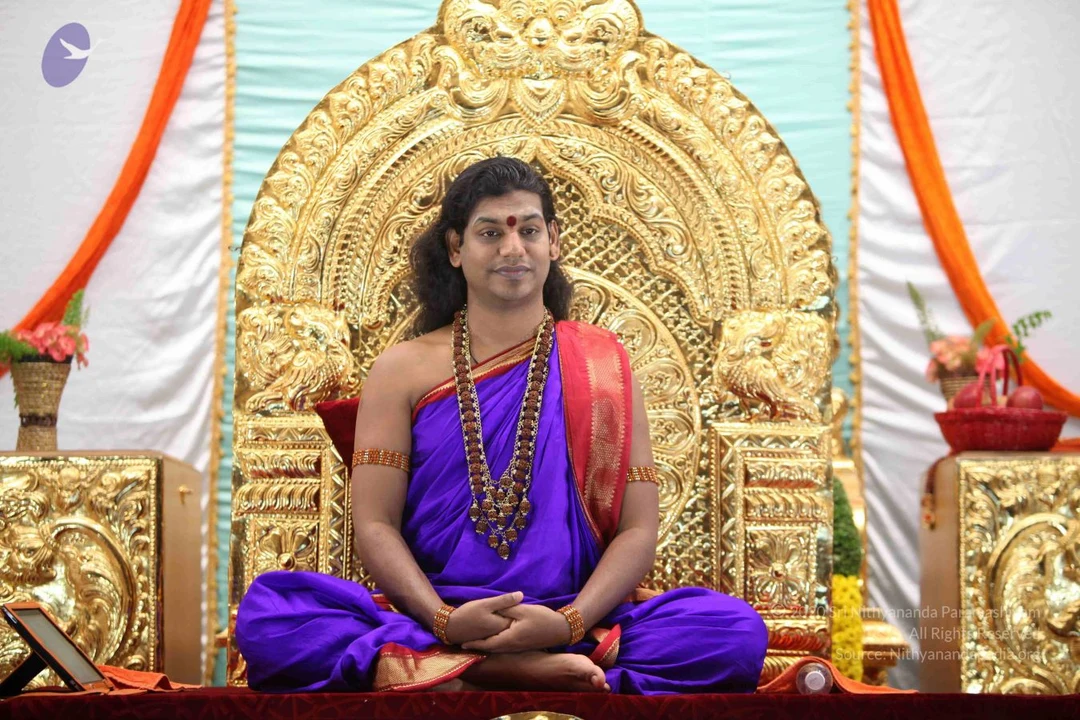
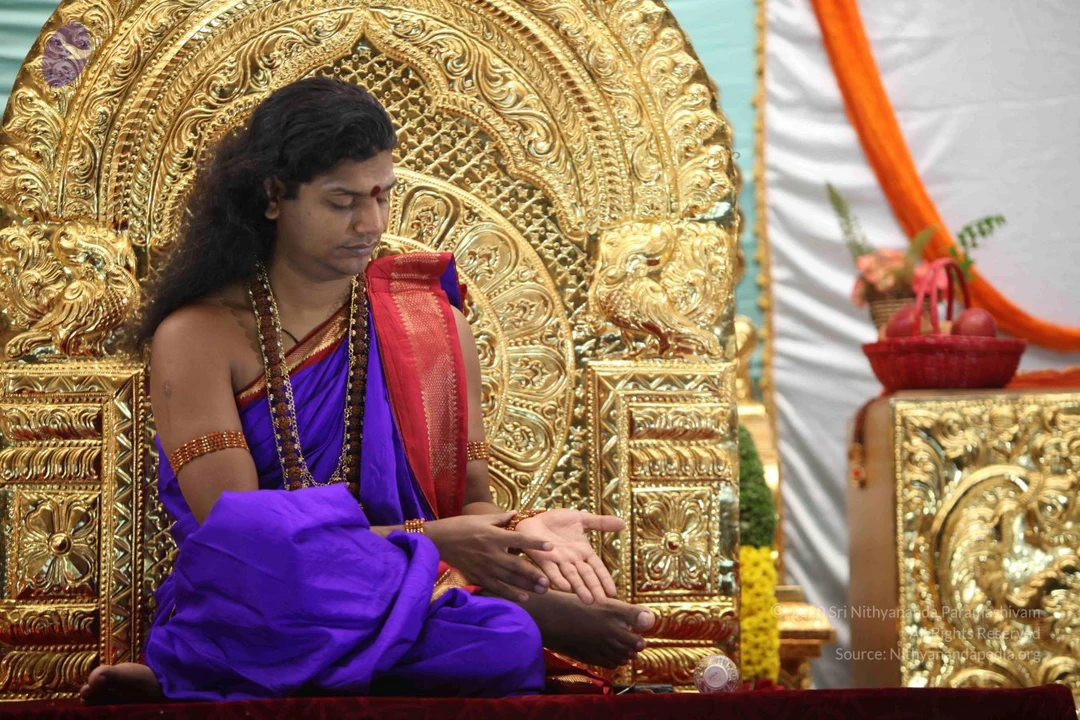
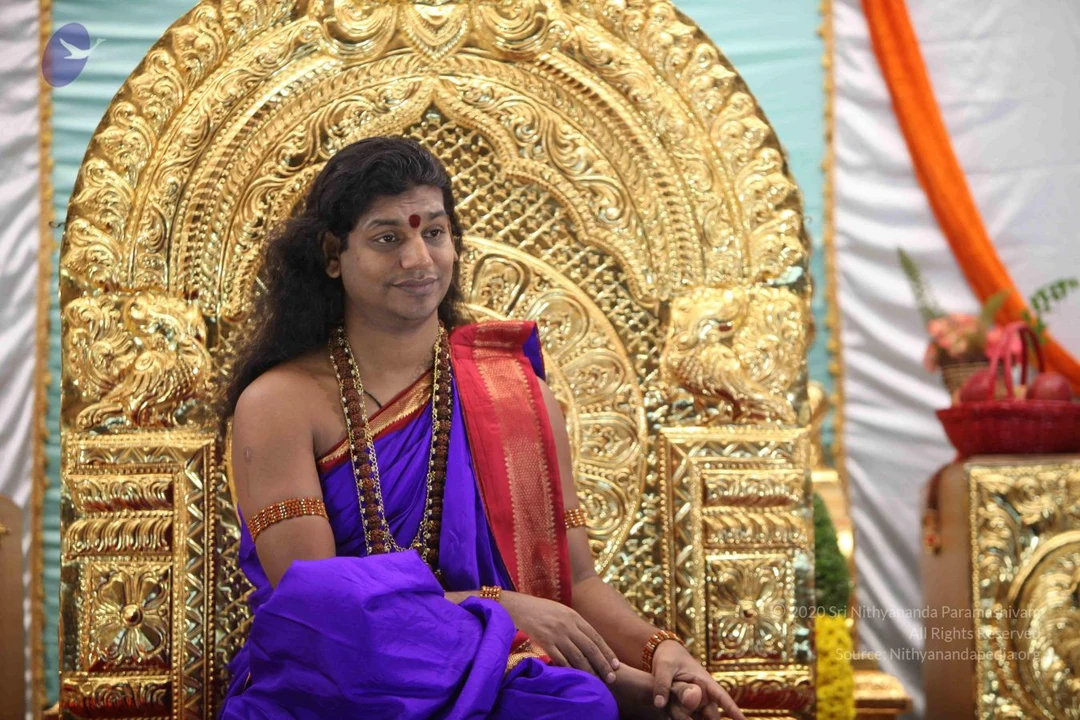
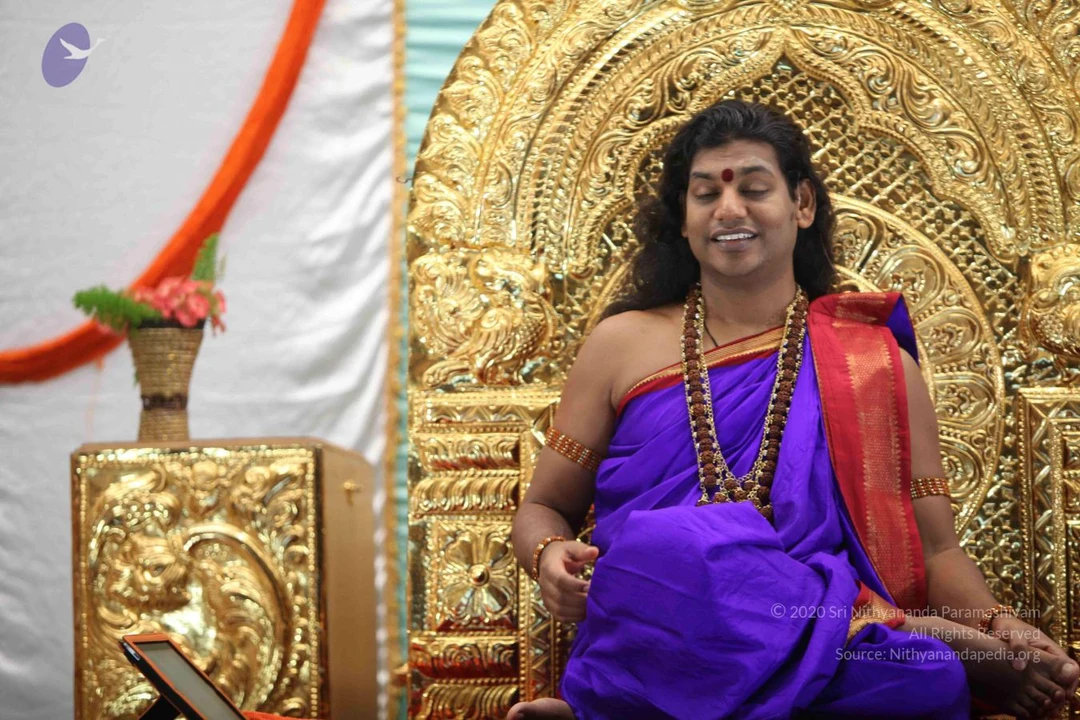
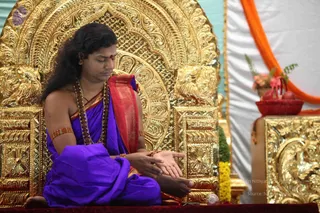
Sashti-Alankar-Day5
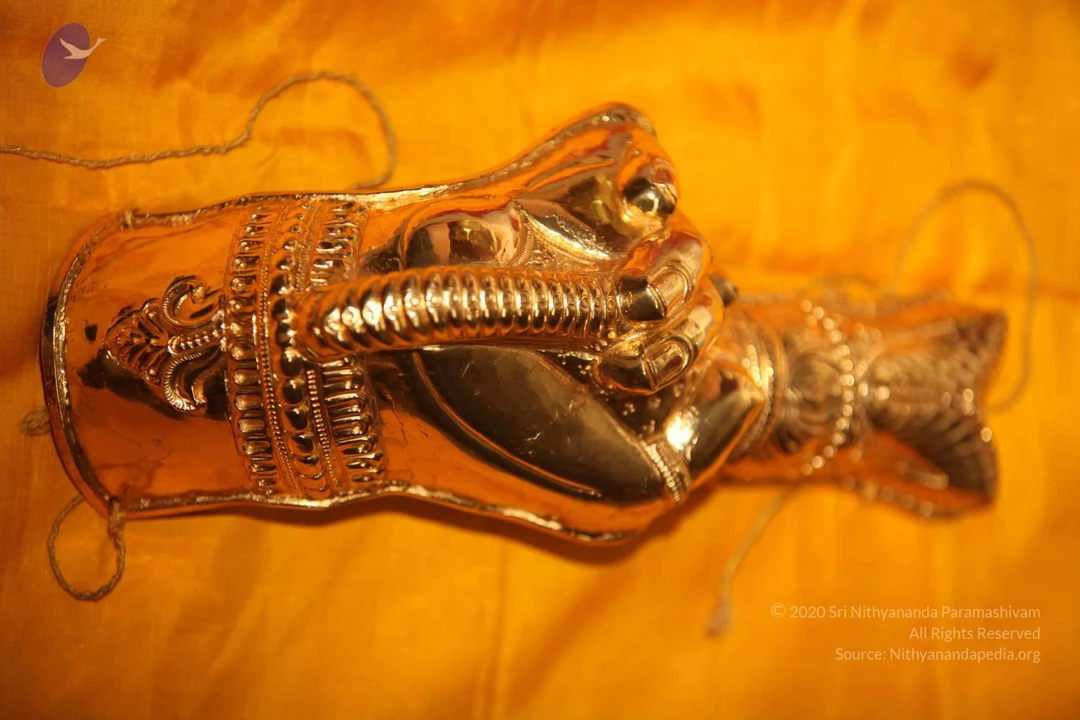
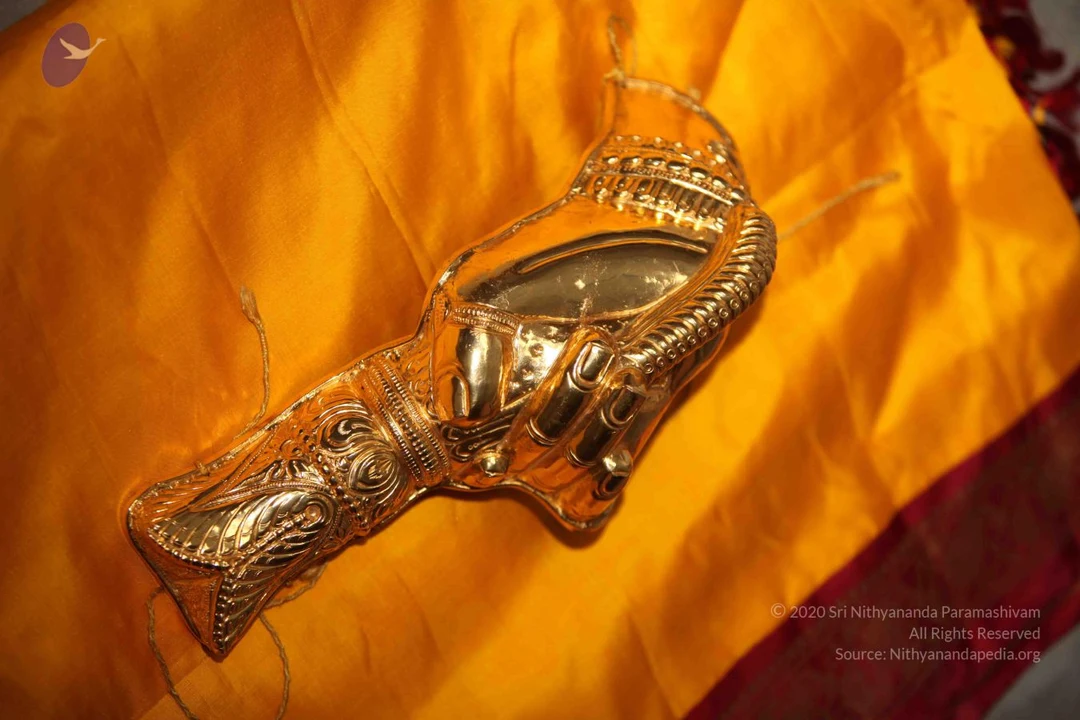
Photos Of The Day:
Photos from this day
View all 206 photosAcharya-Session
8 photosSource gallery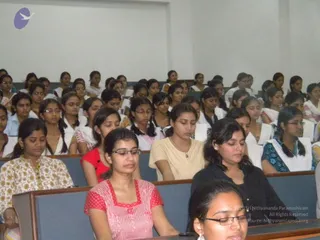
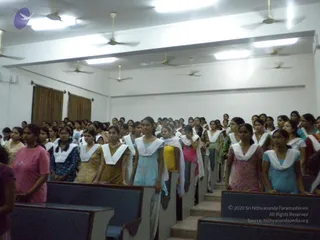
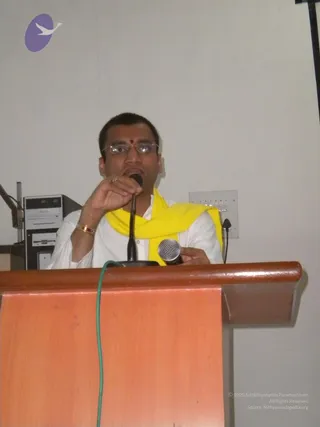
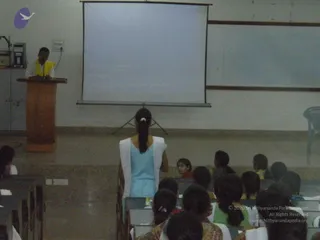
Photos Of The Day:
10 photosSource gallery
Temple
10 photosSource gallery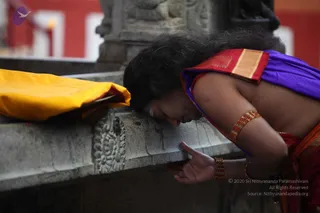
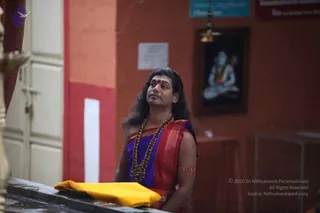
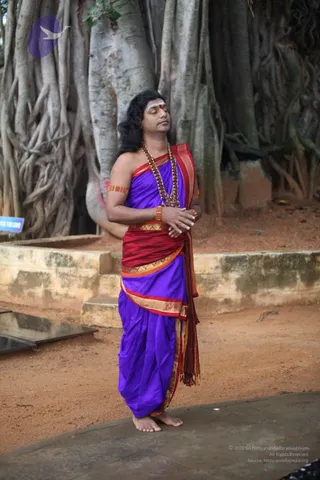
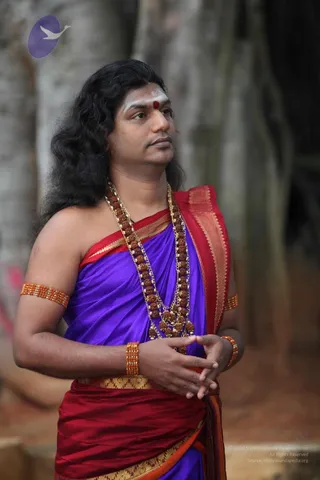
BGSatsang-PADHA POOJA
99 photosSource gallery
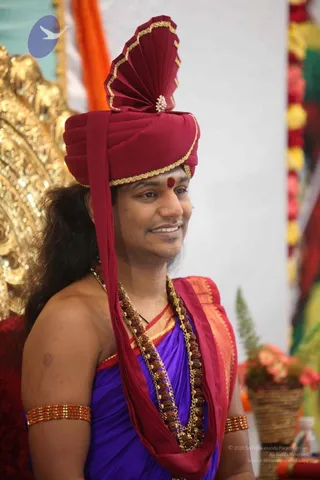
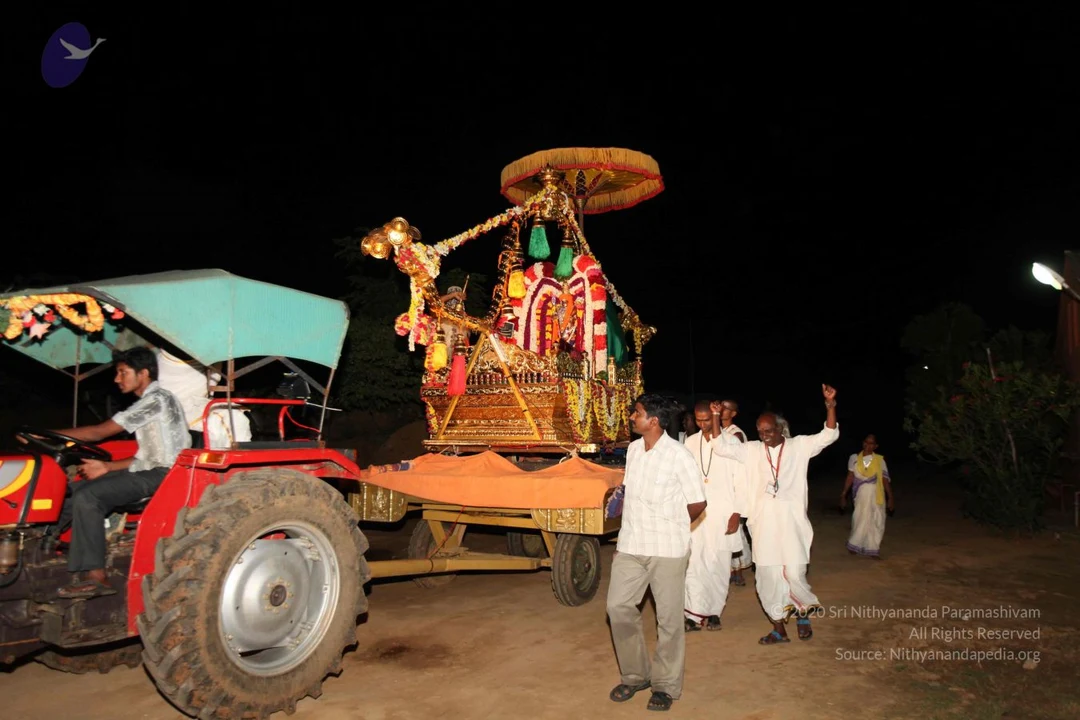
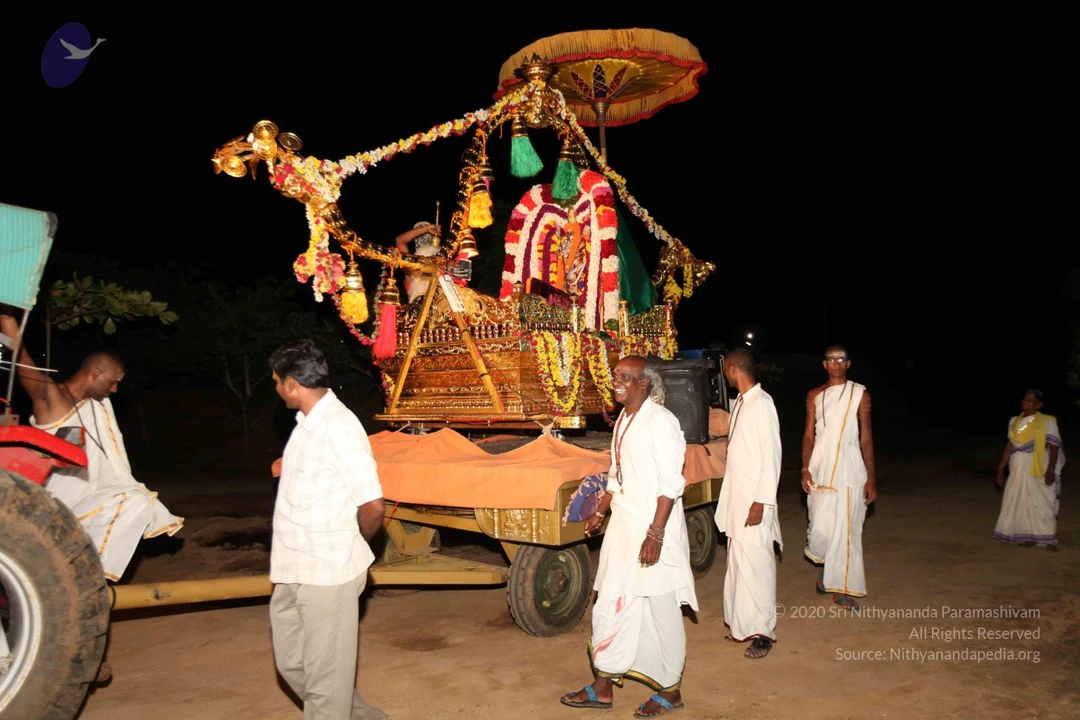
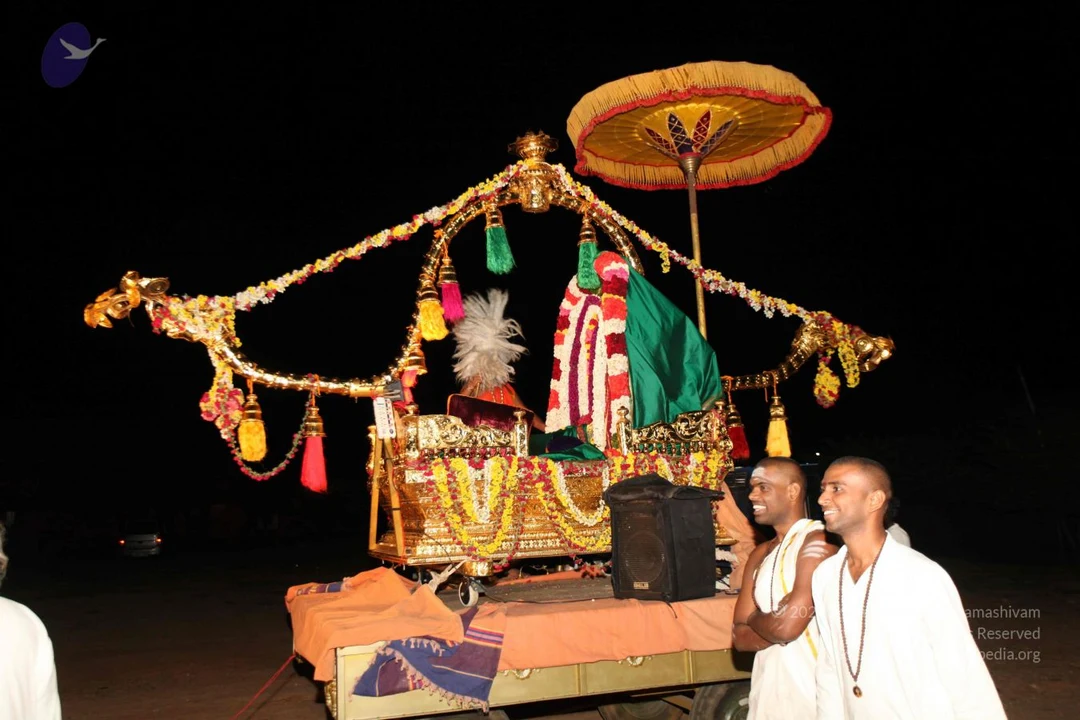
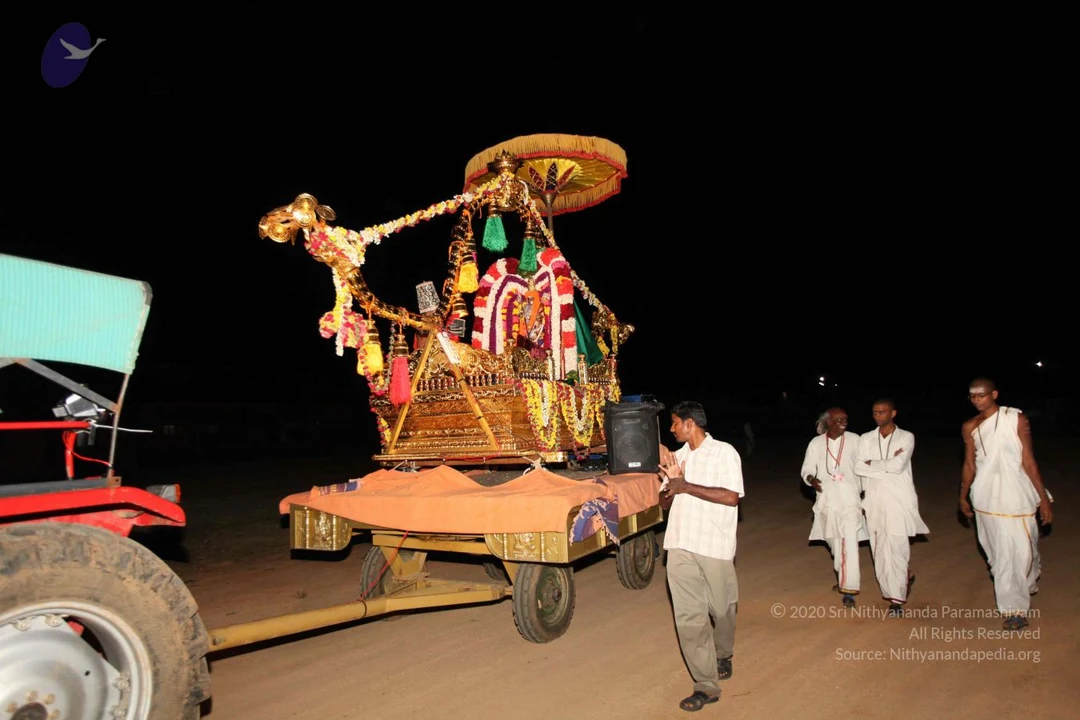
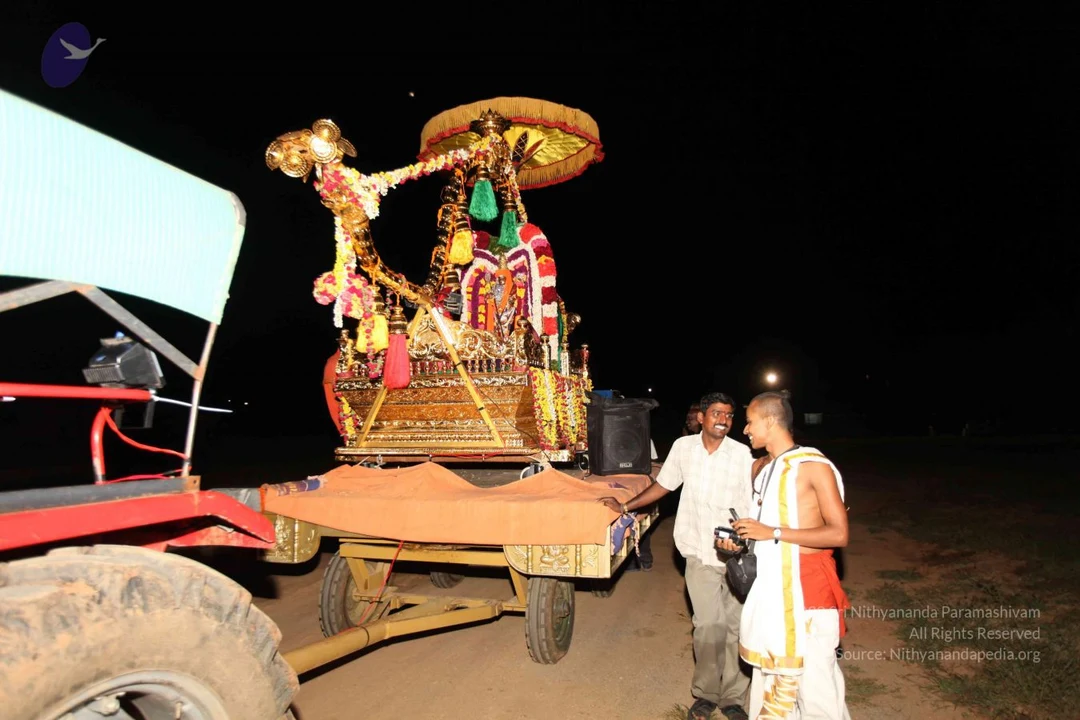
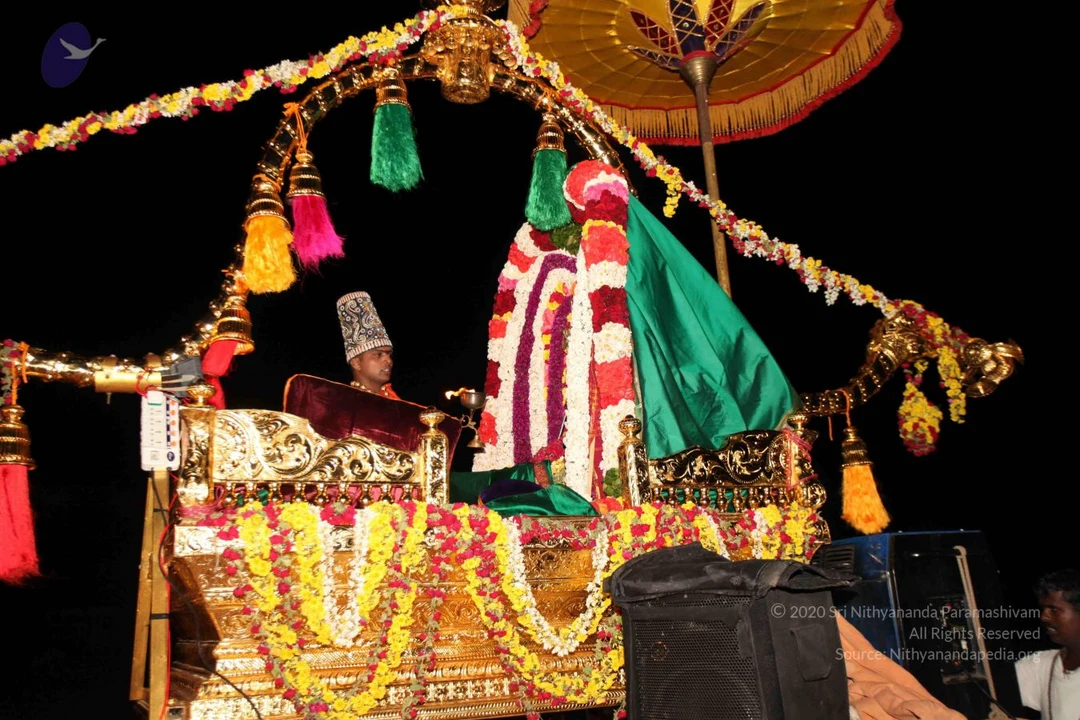
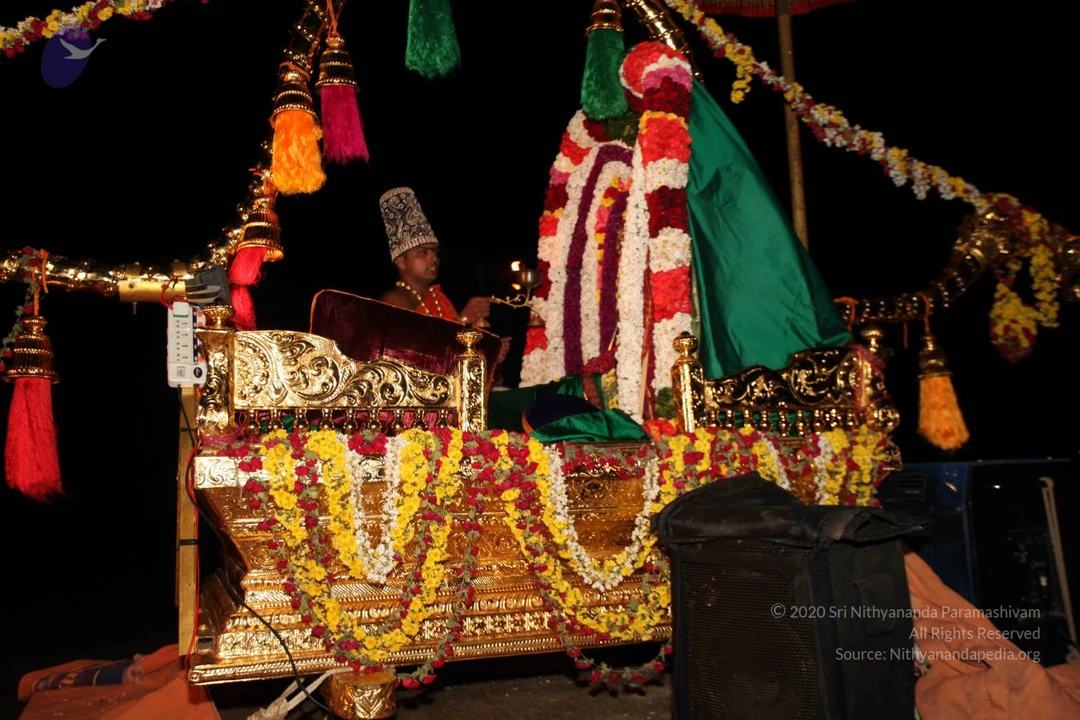
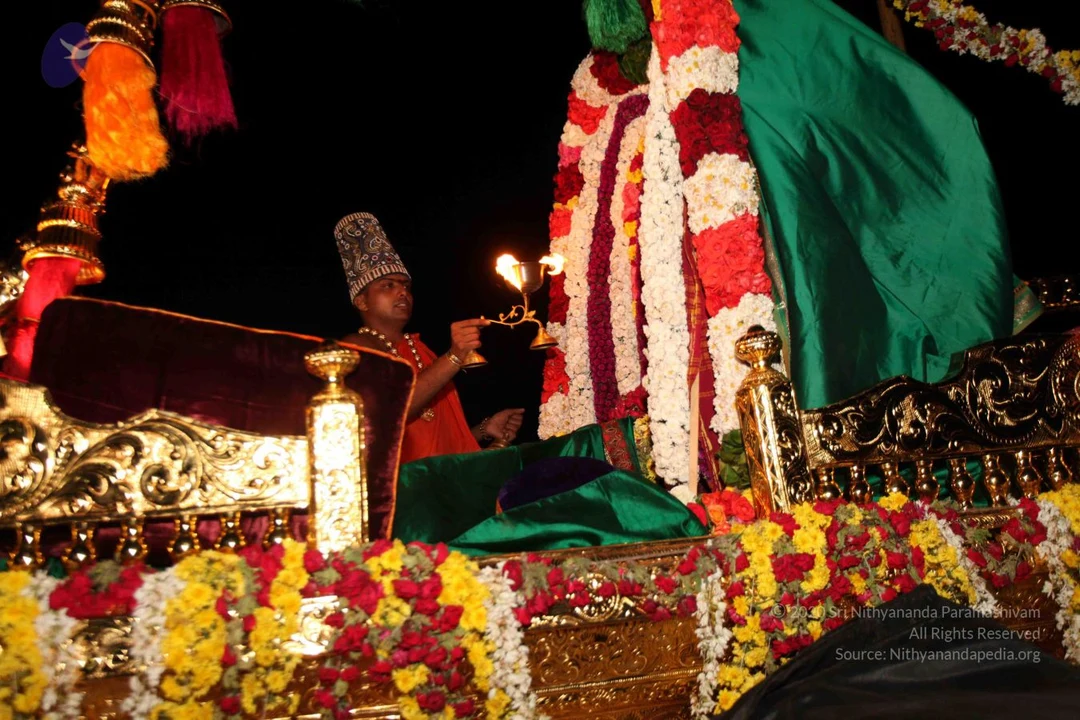
Procession
69 photosSource gallery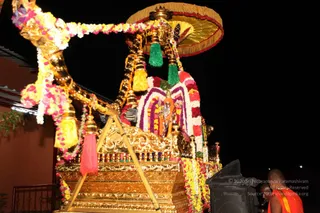
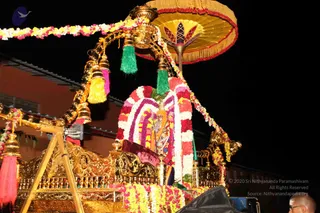
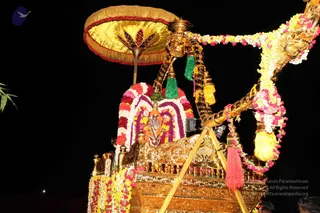
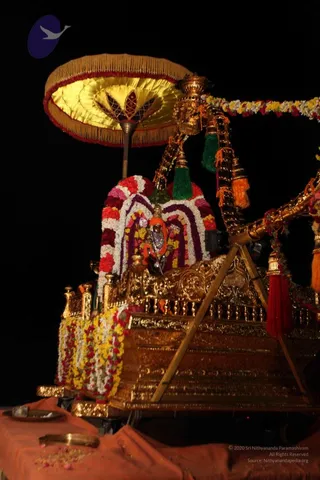
Nithya-Kriya
4 photosSource gallery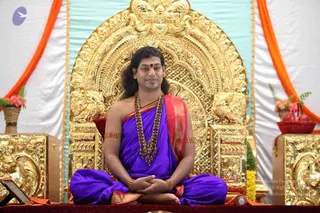
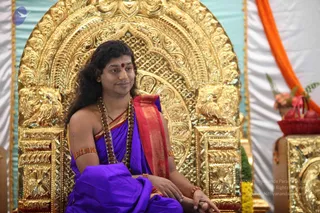
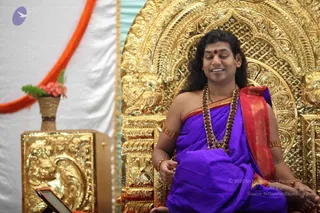
Sashti-Alankar-Day5
16 photosSource gallery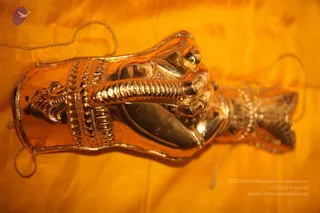
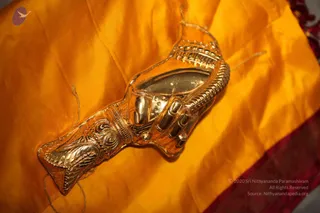
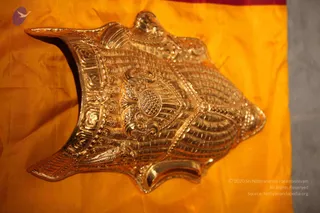
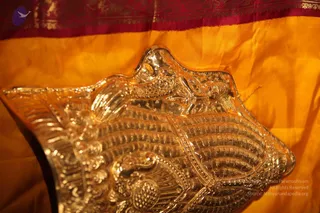
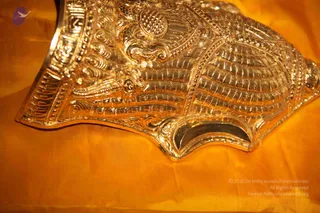
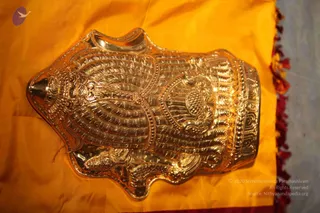
Photos Of The Day:
1 photoSource gallery