Skip to content
Friday

11 October 2013

Dated photos
635
Source pages
1
Media
2
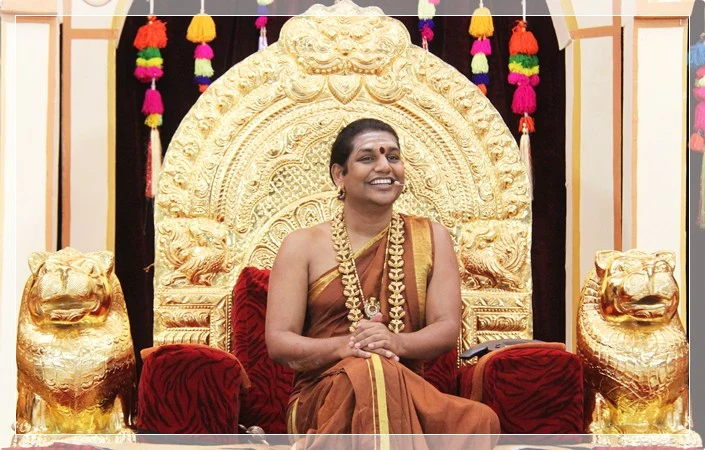
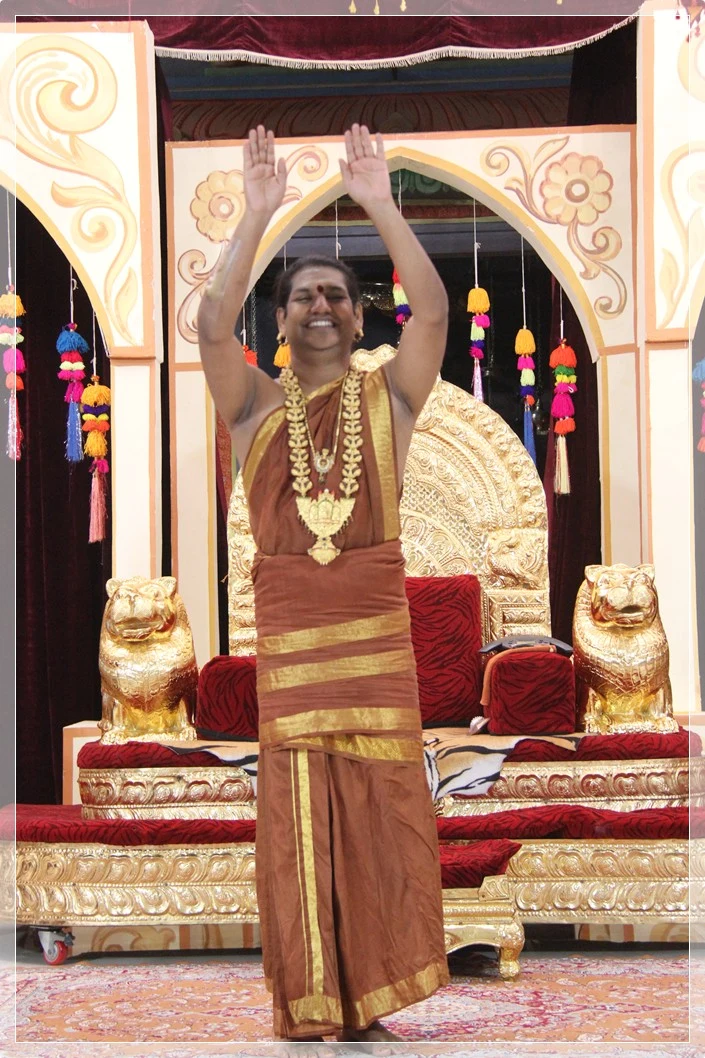
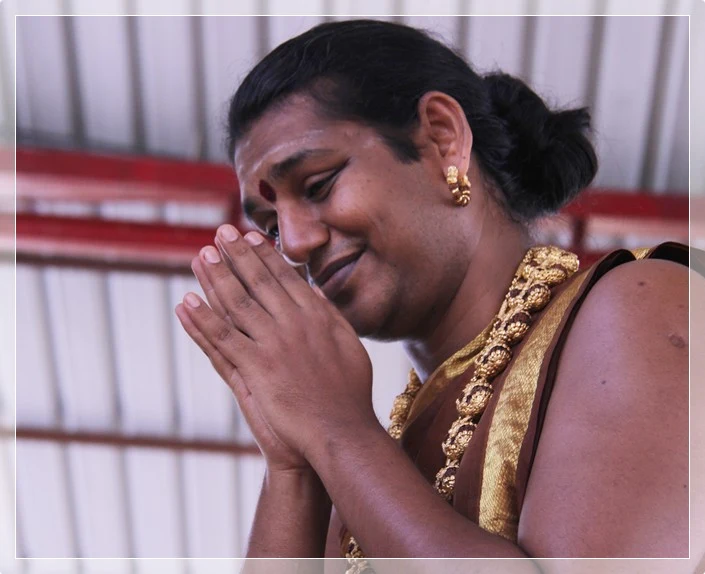
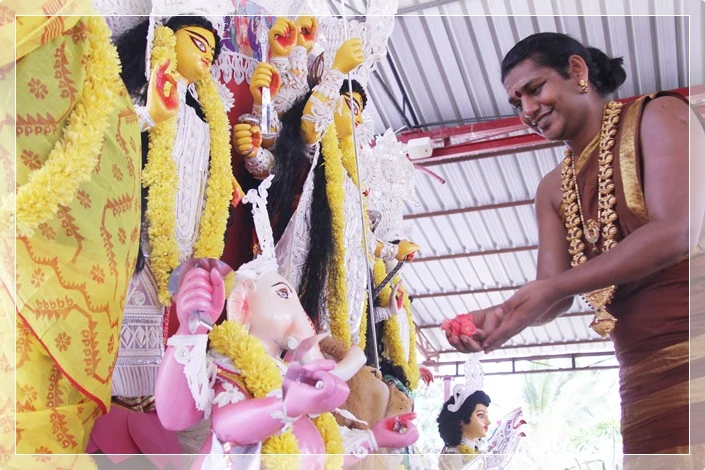
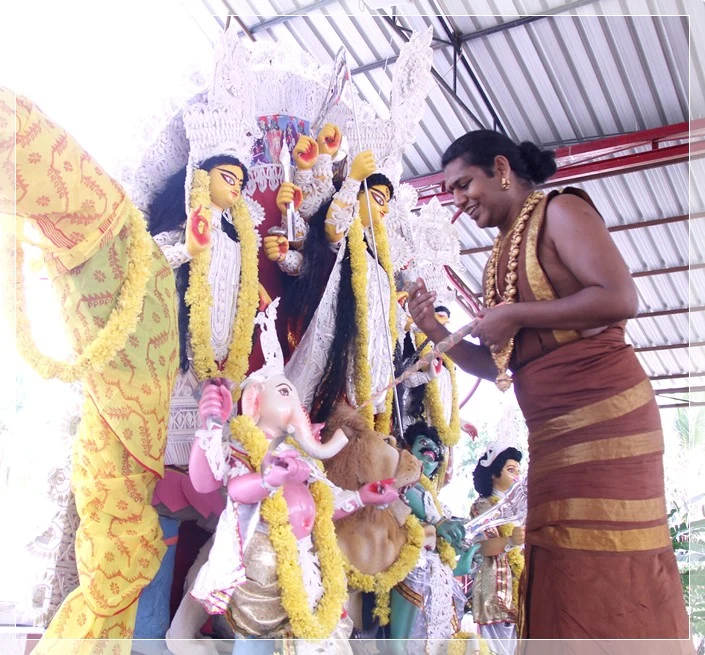
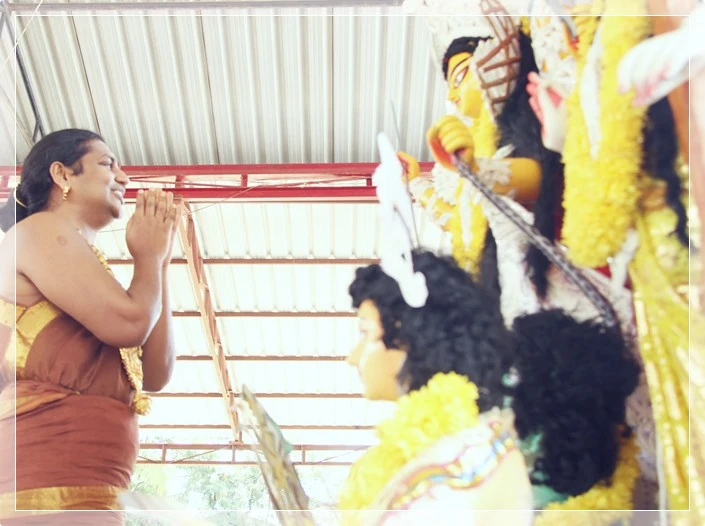
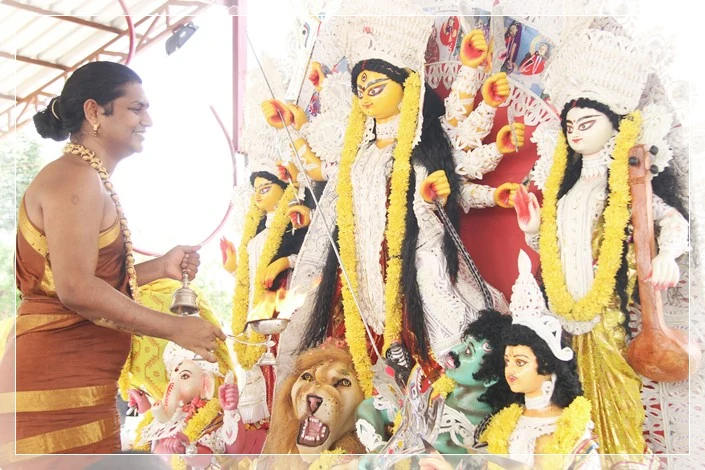
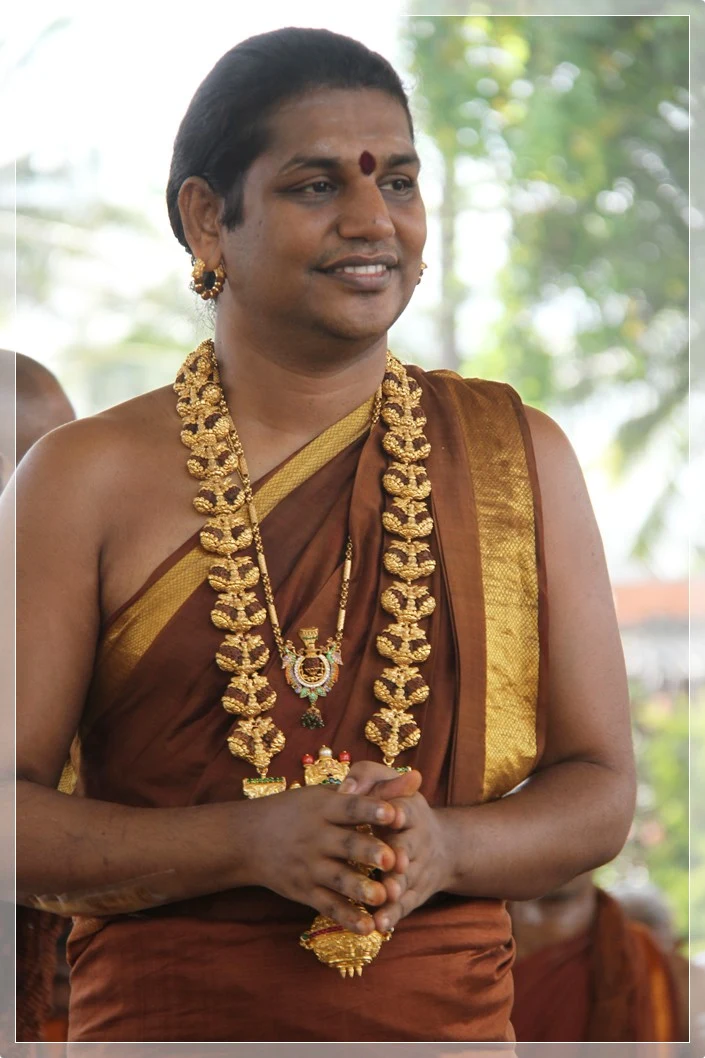
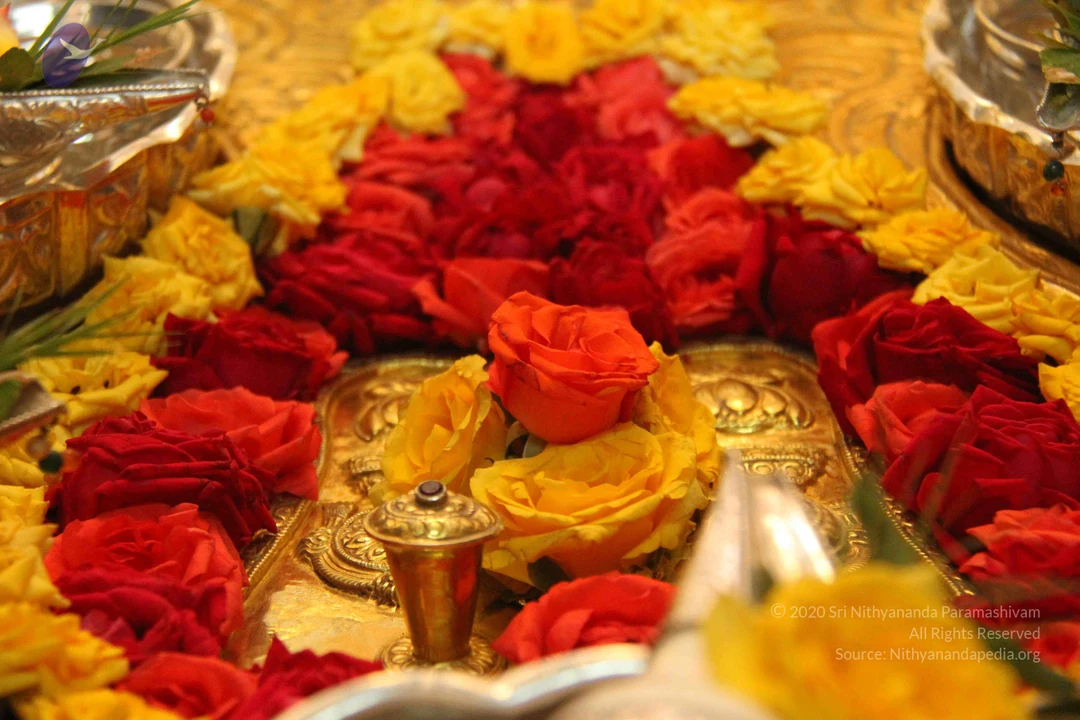
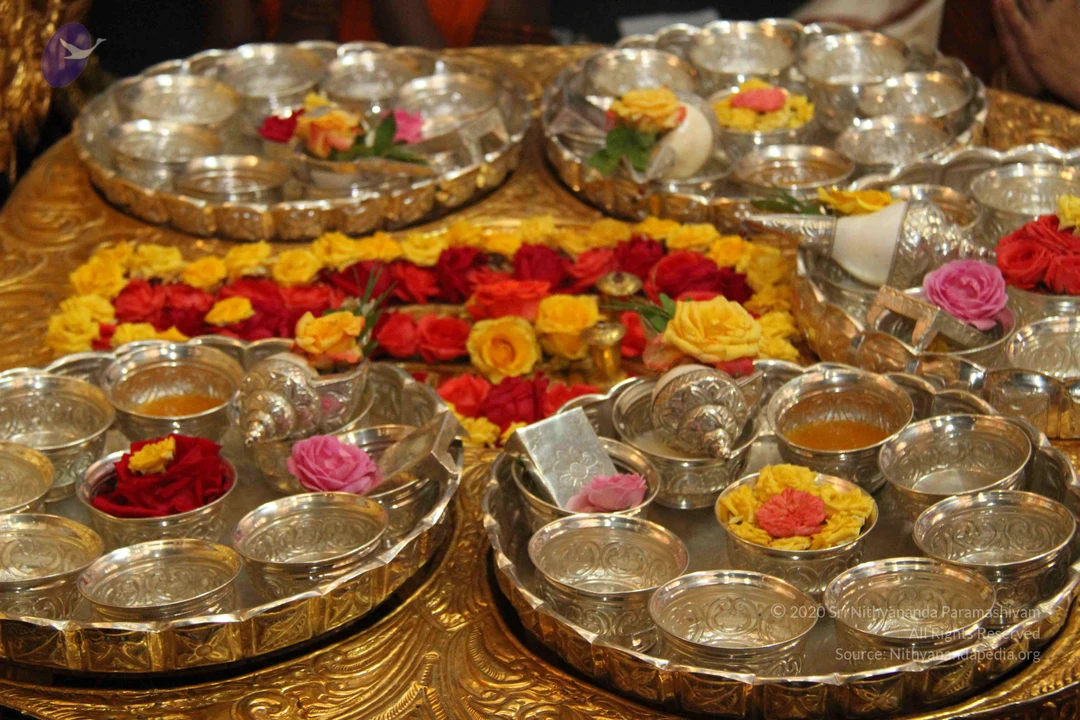
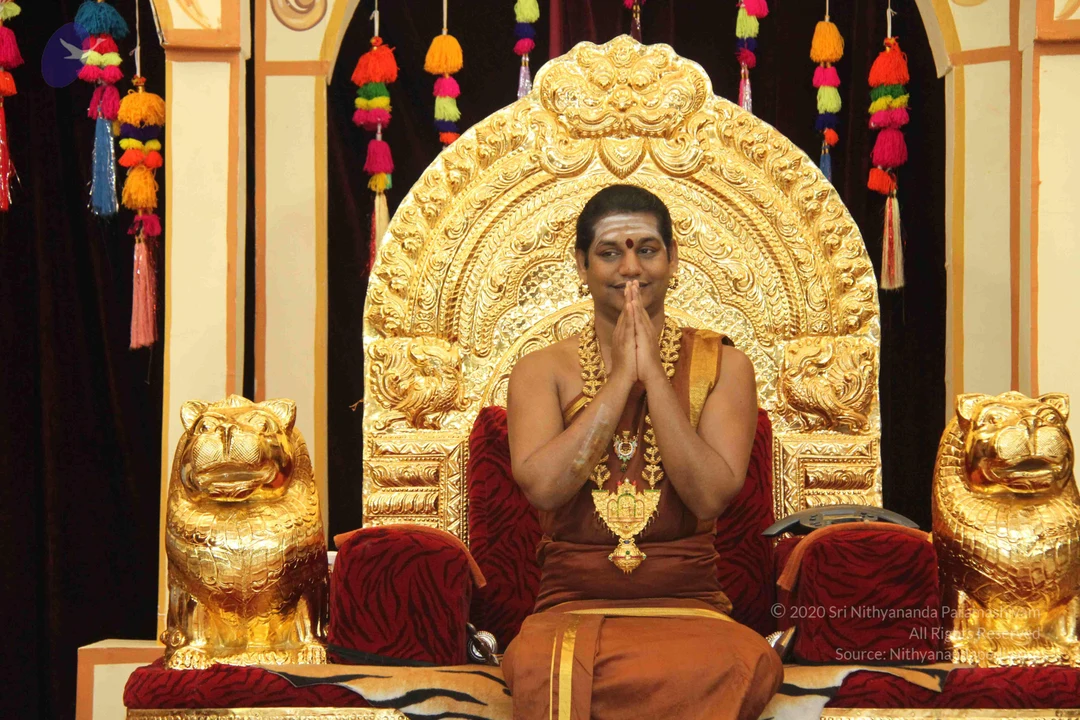
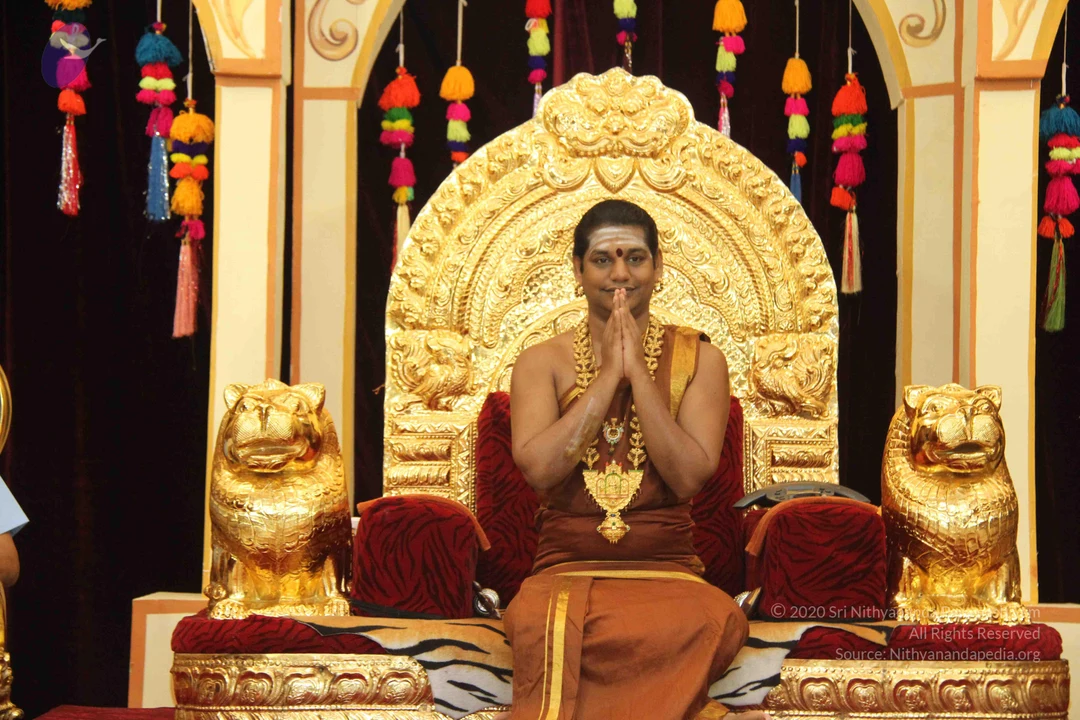
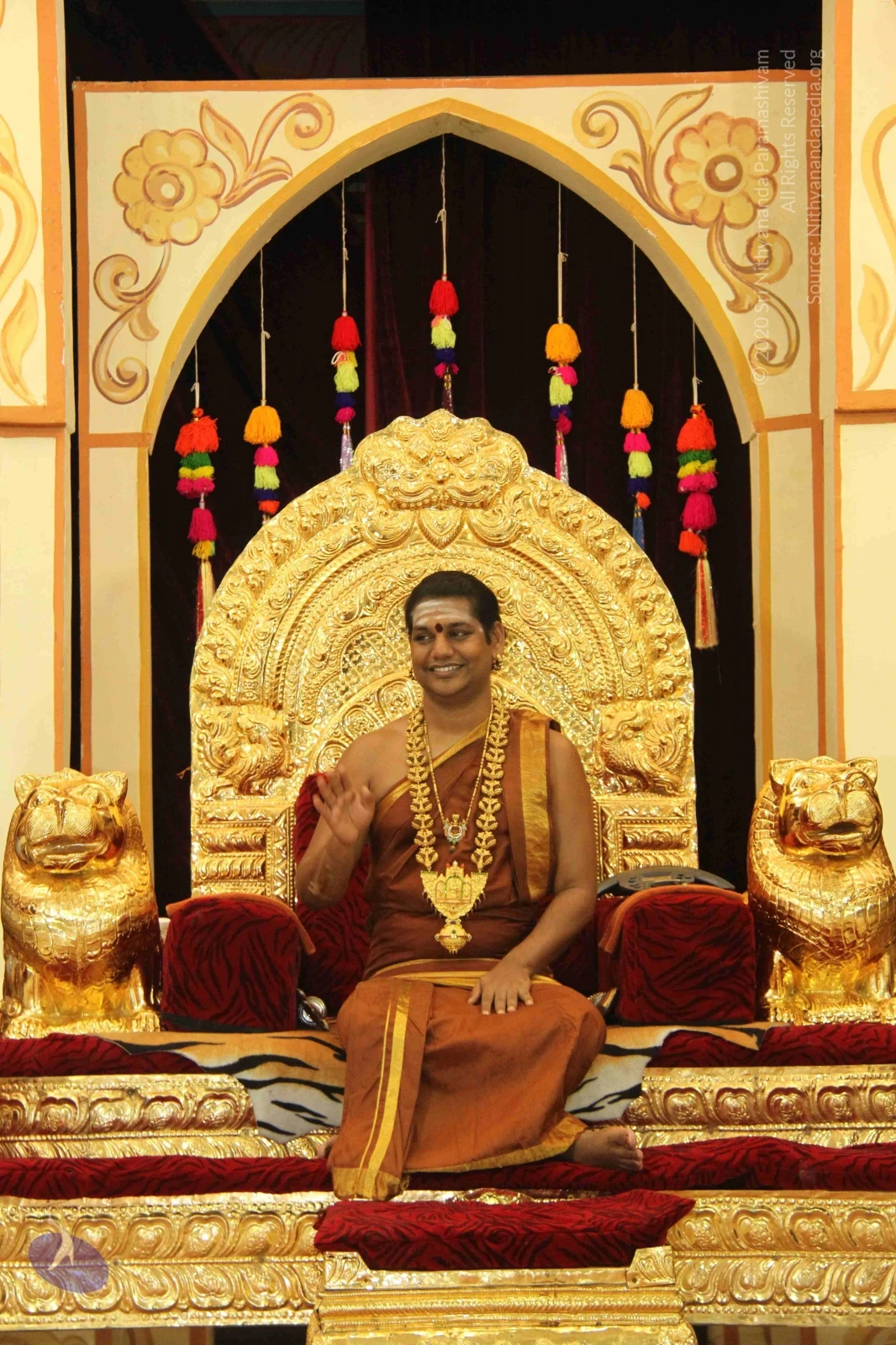
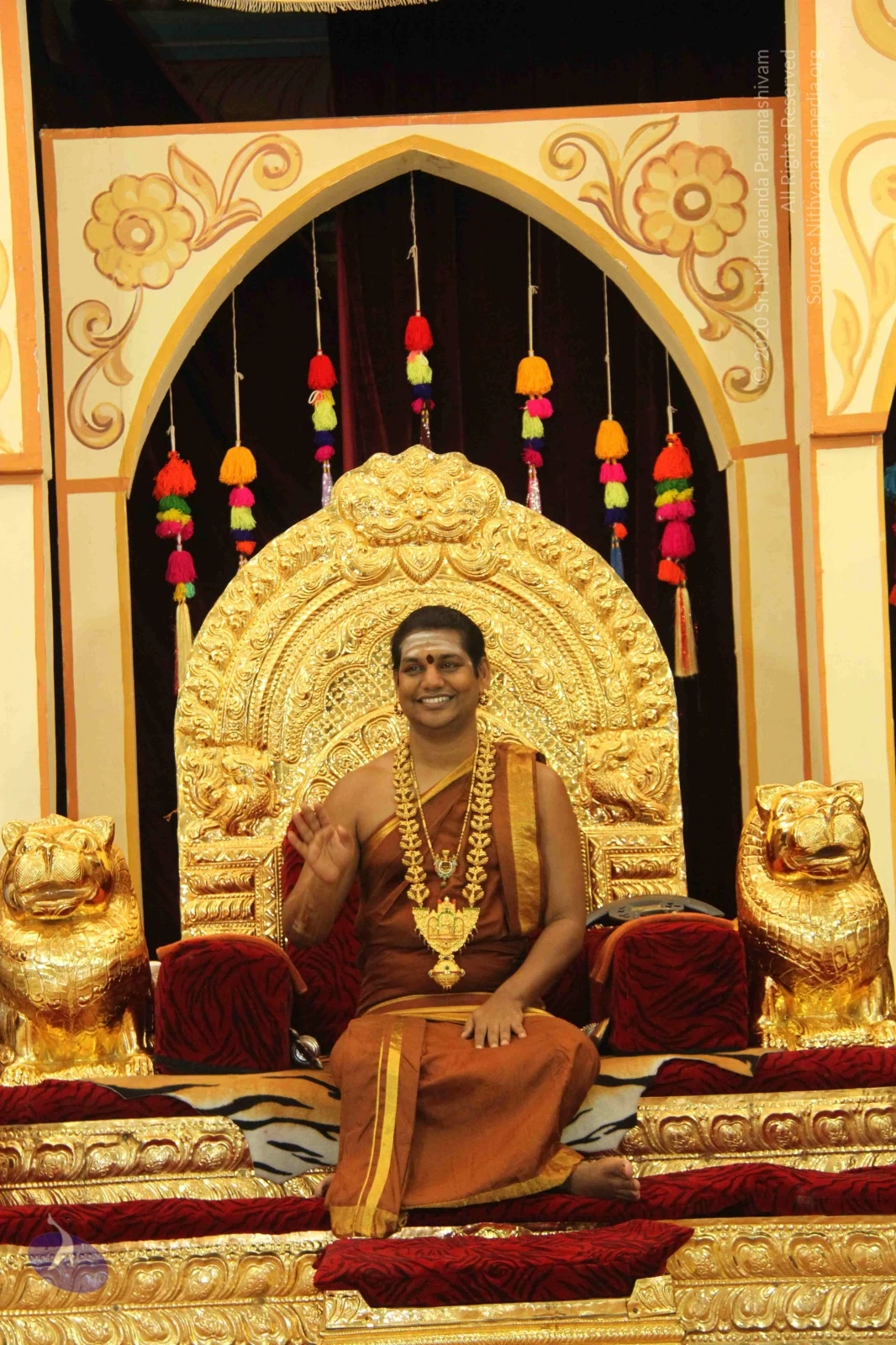
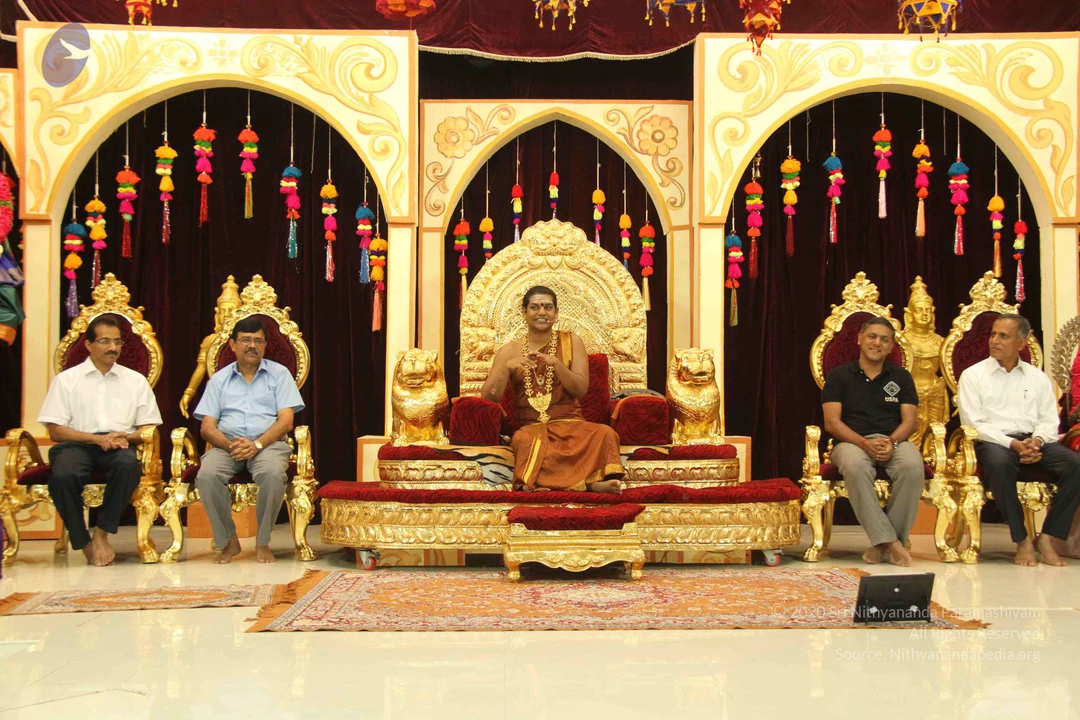
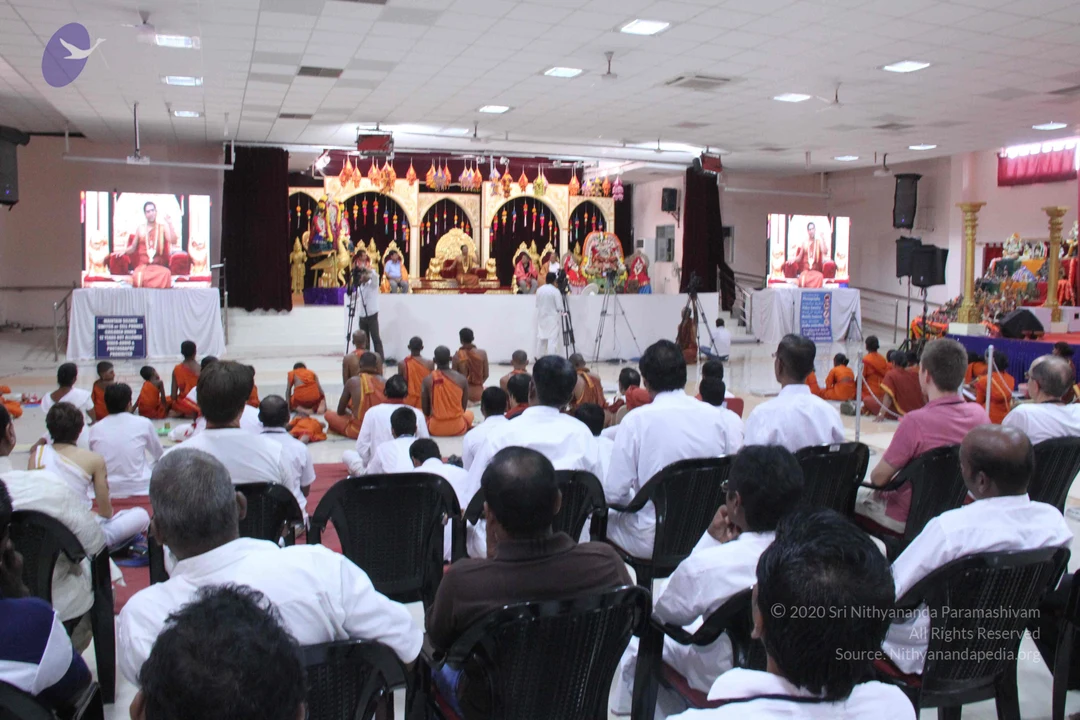
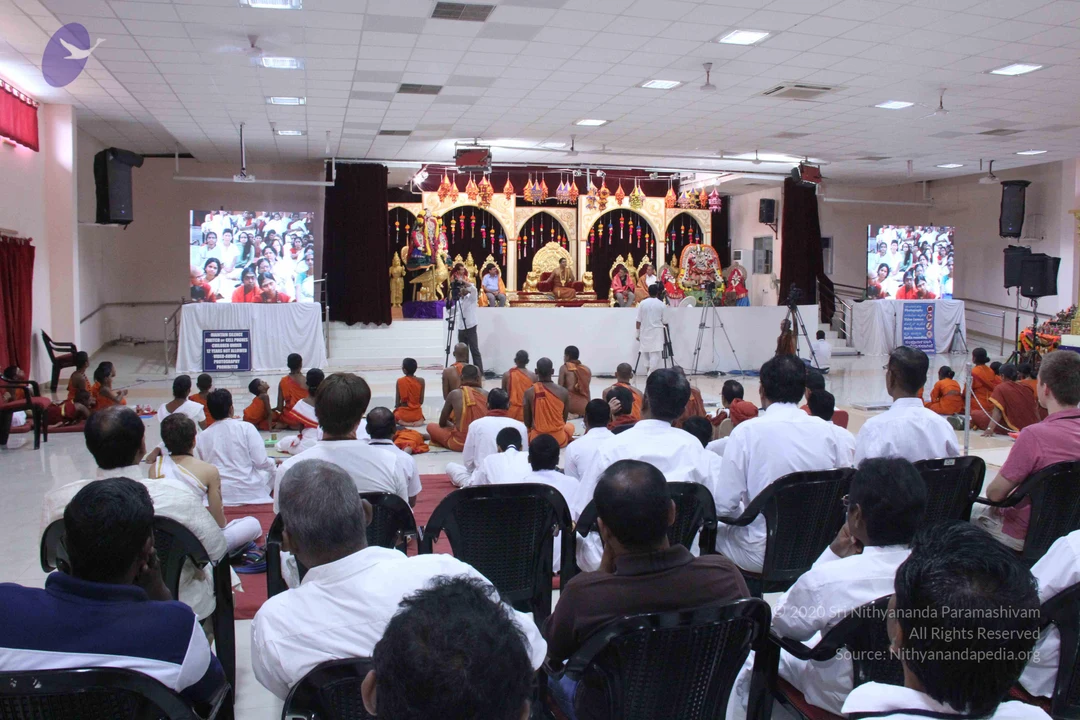
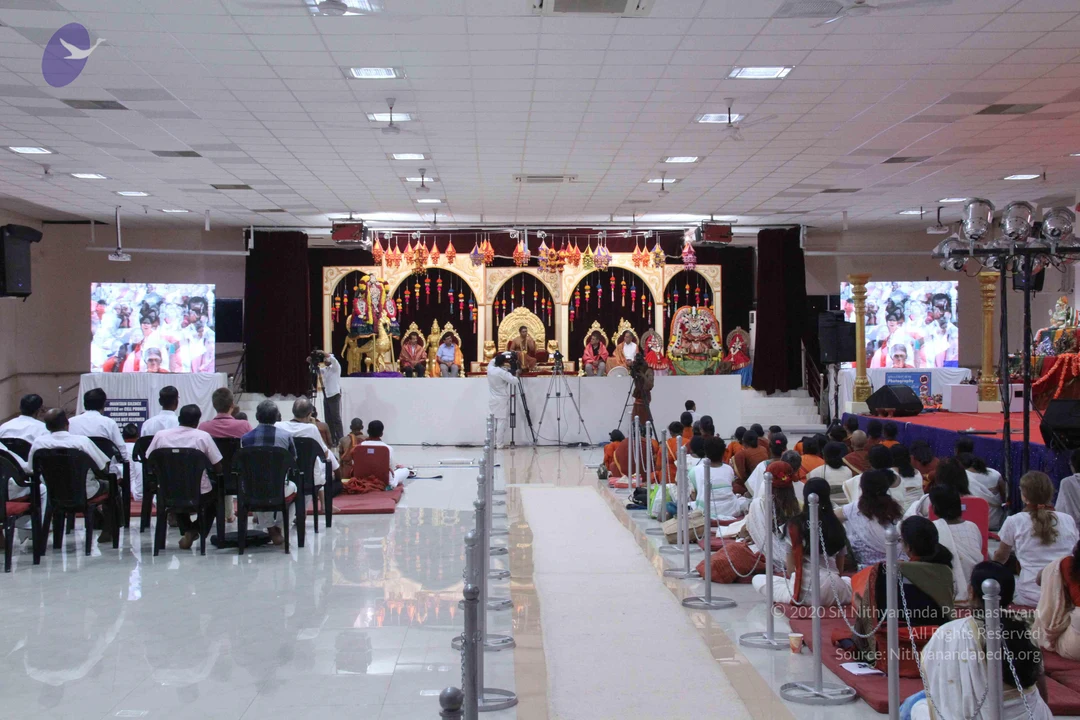
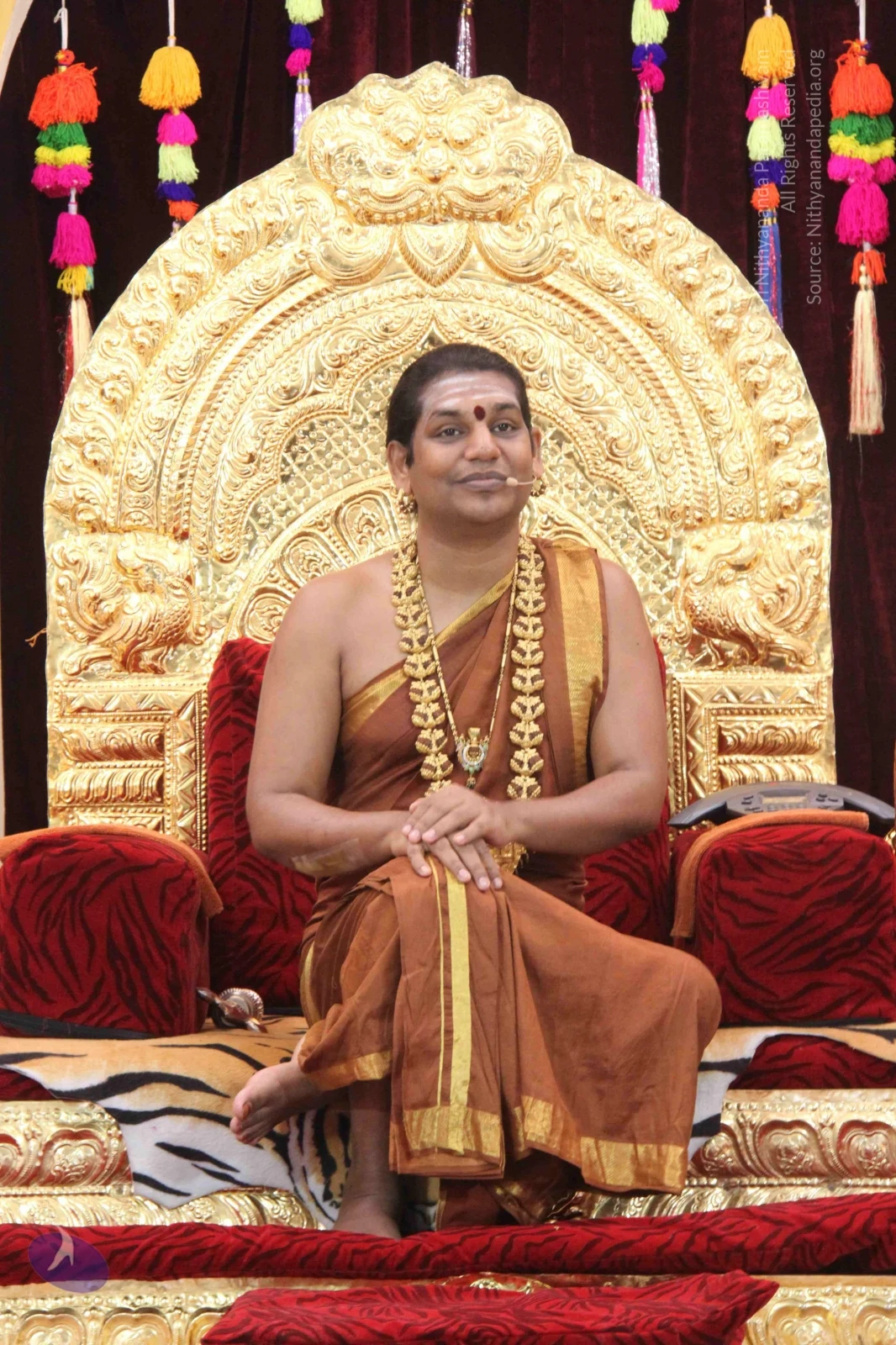
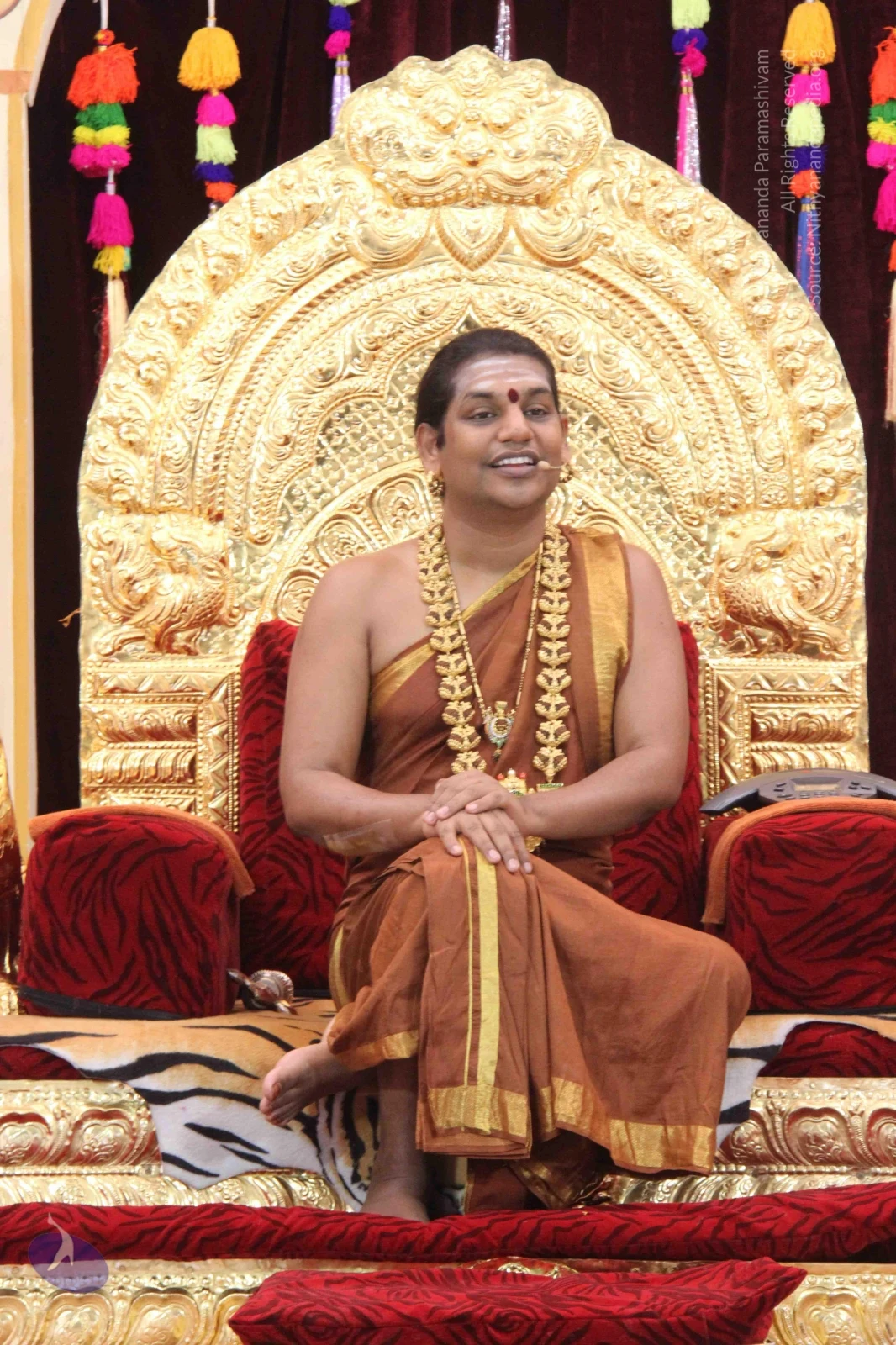
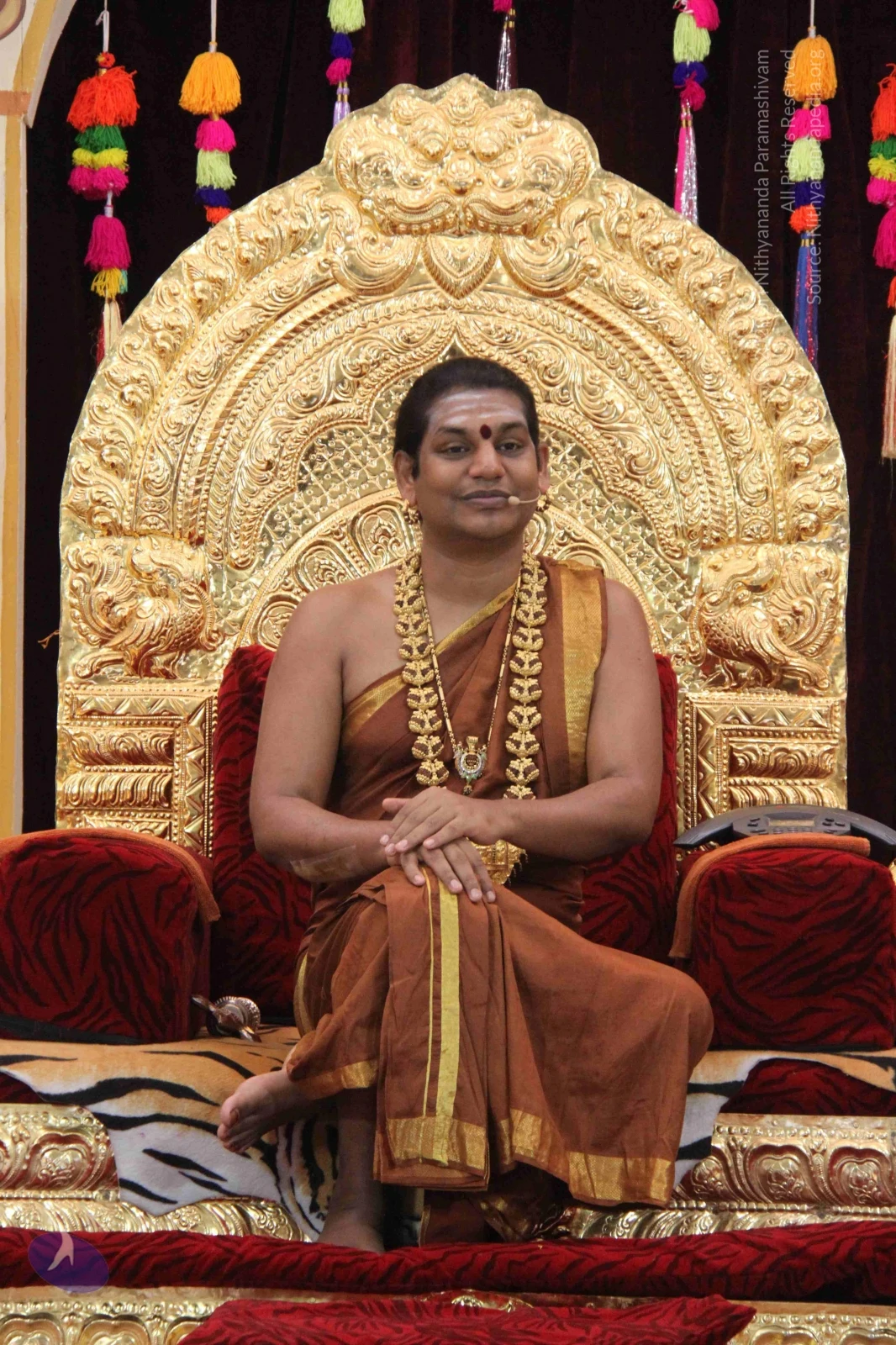
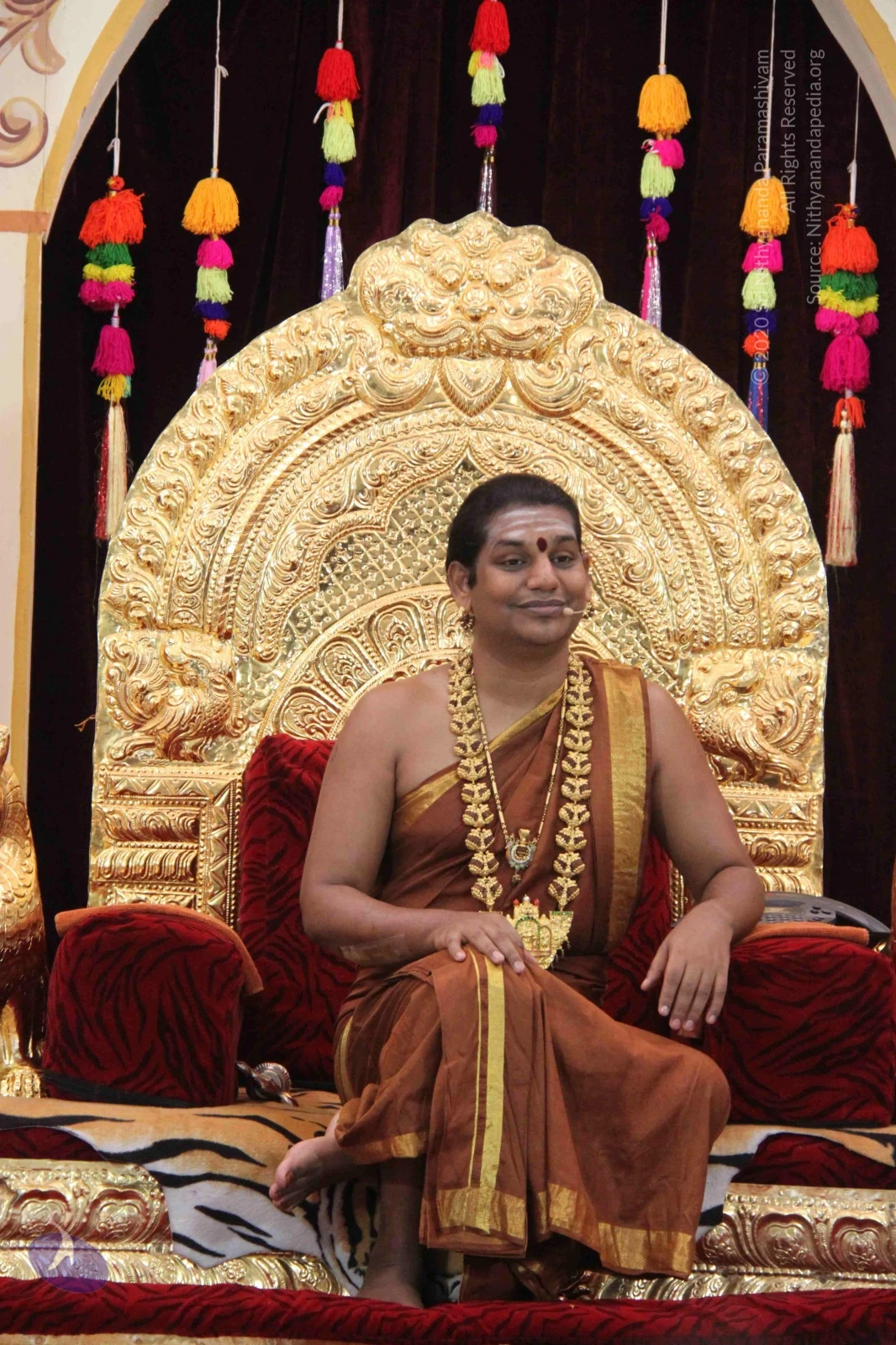
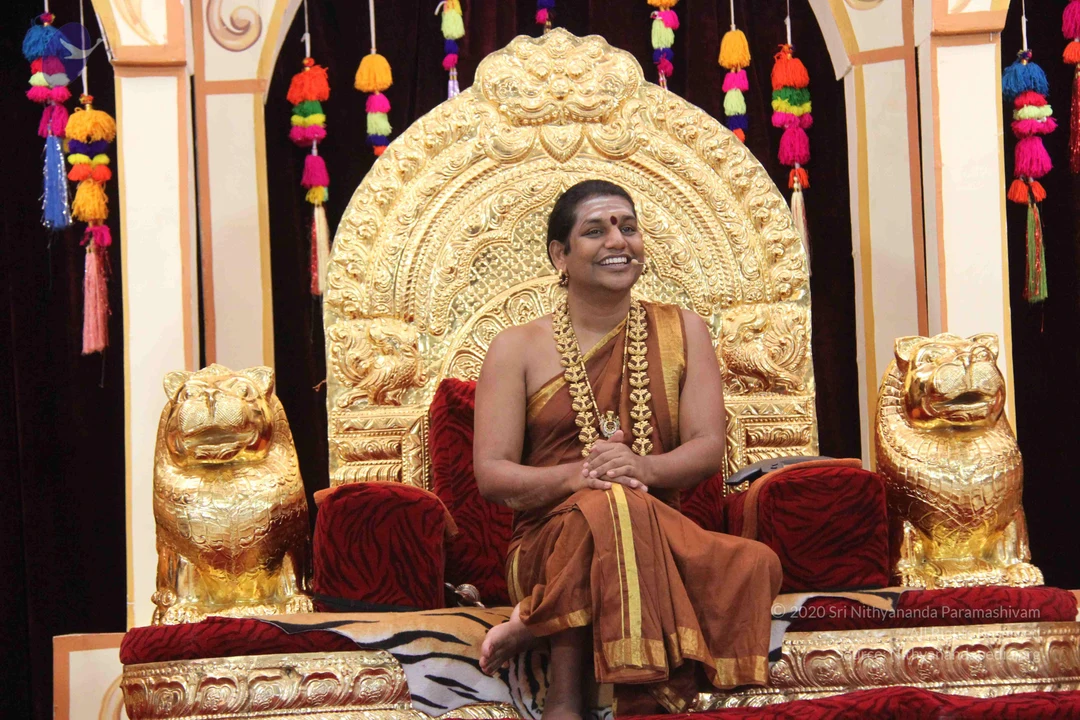
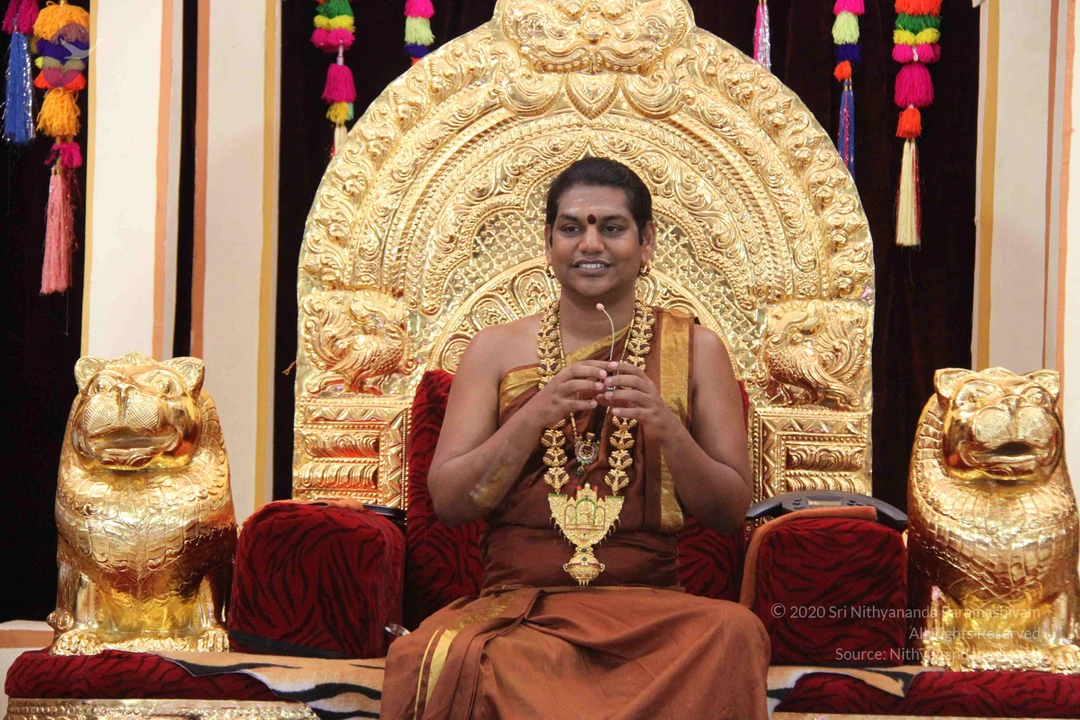
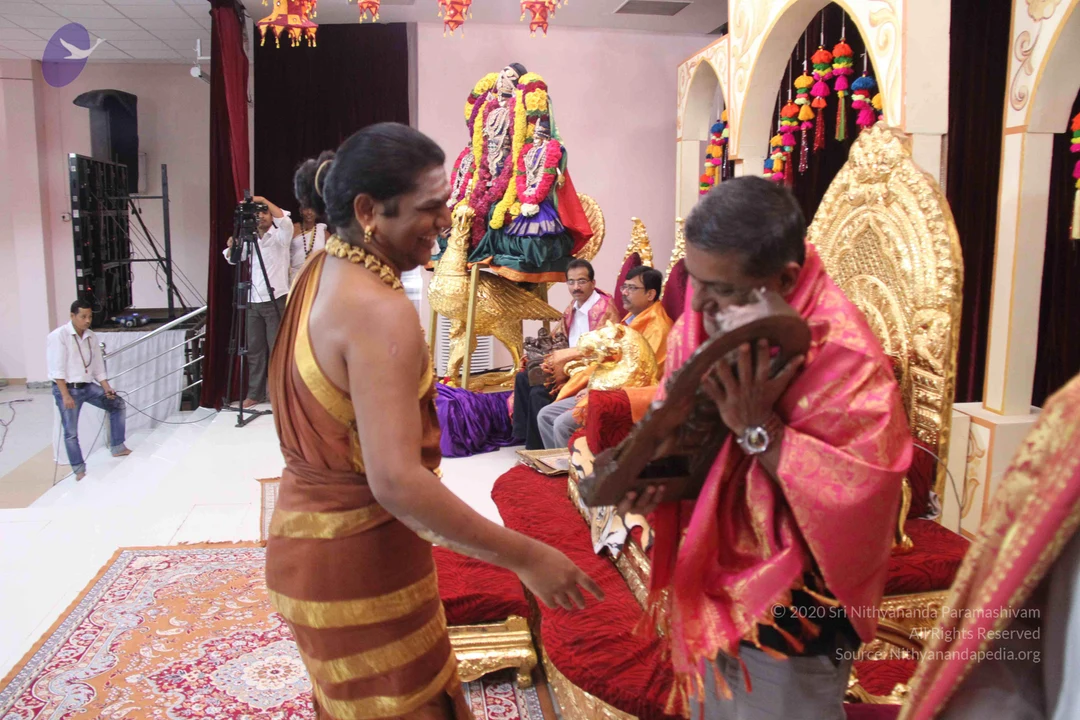
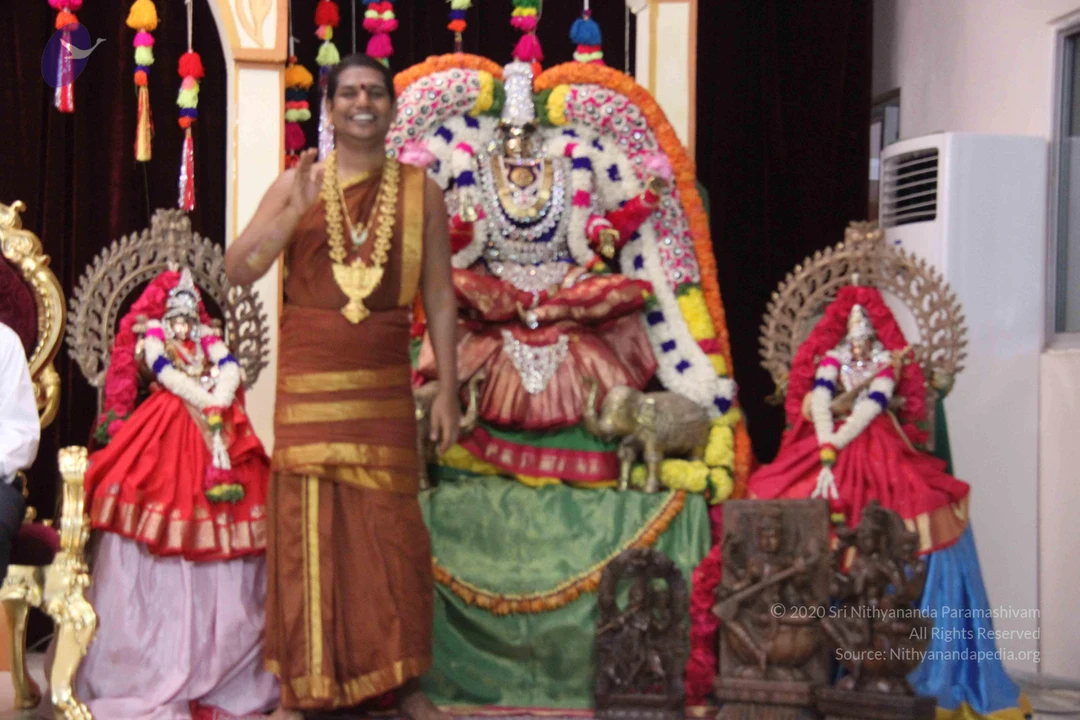
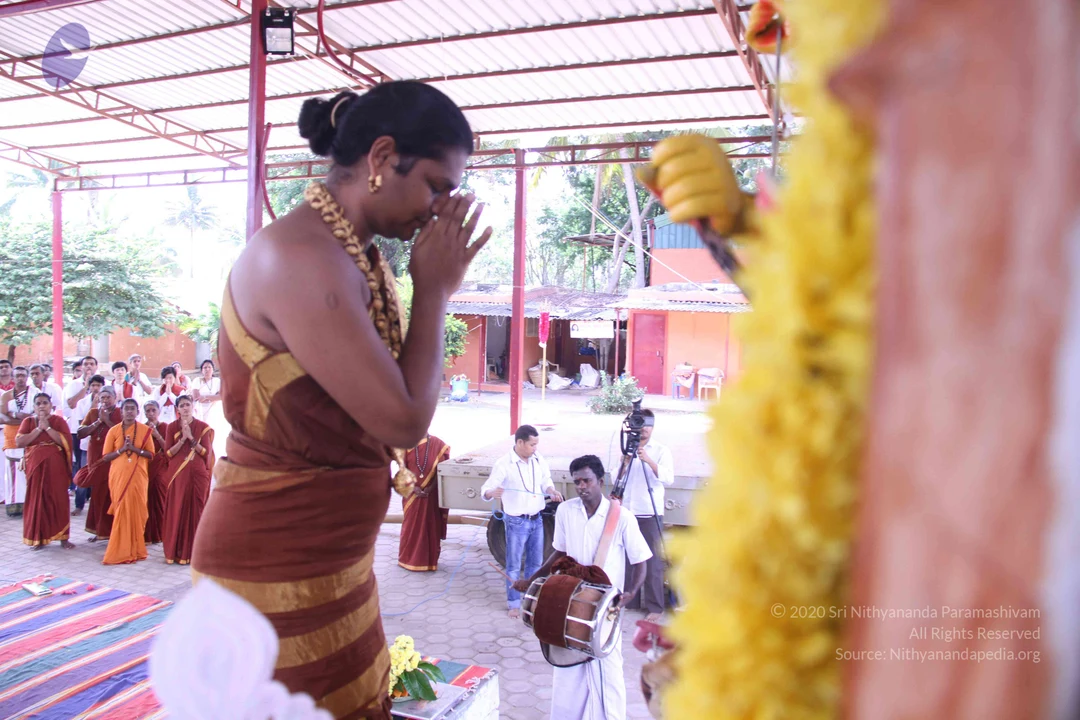
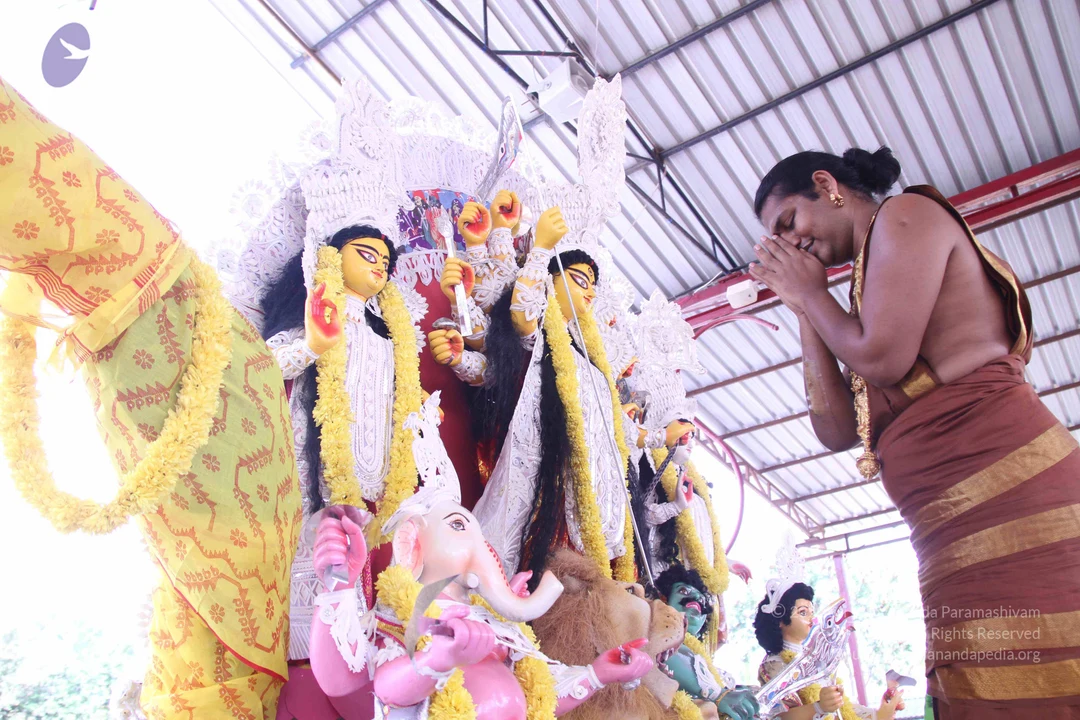
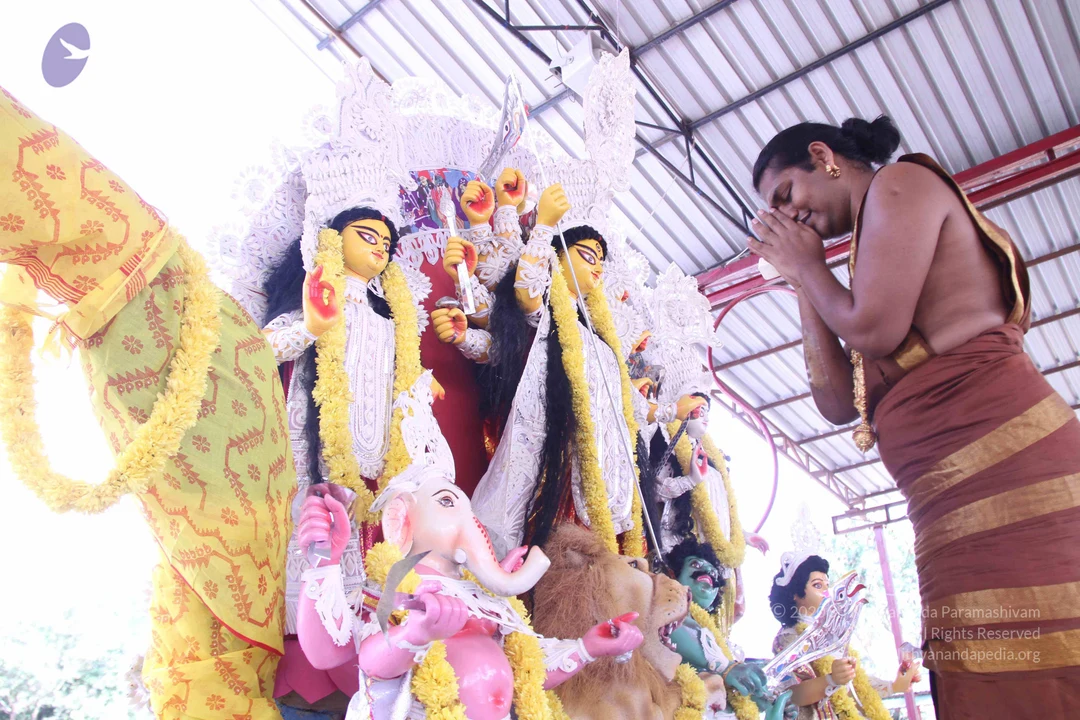
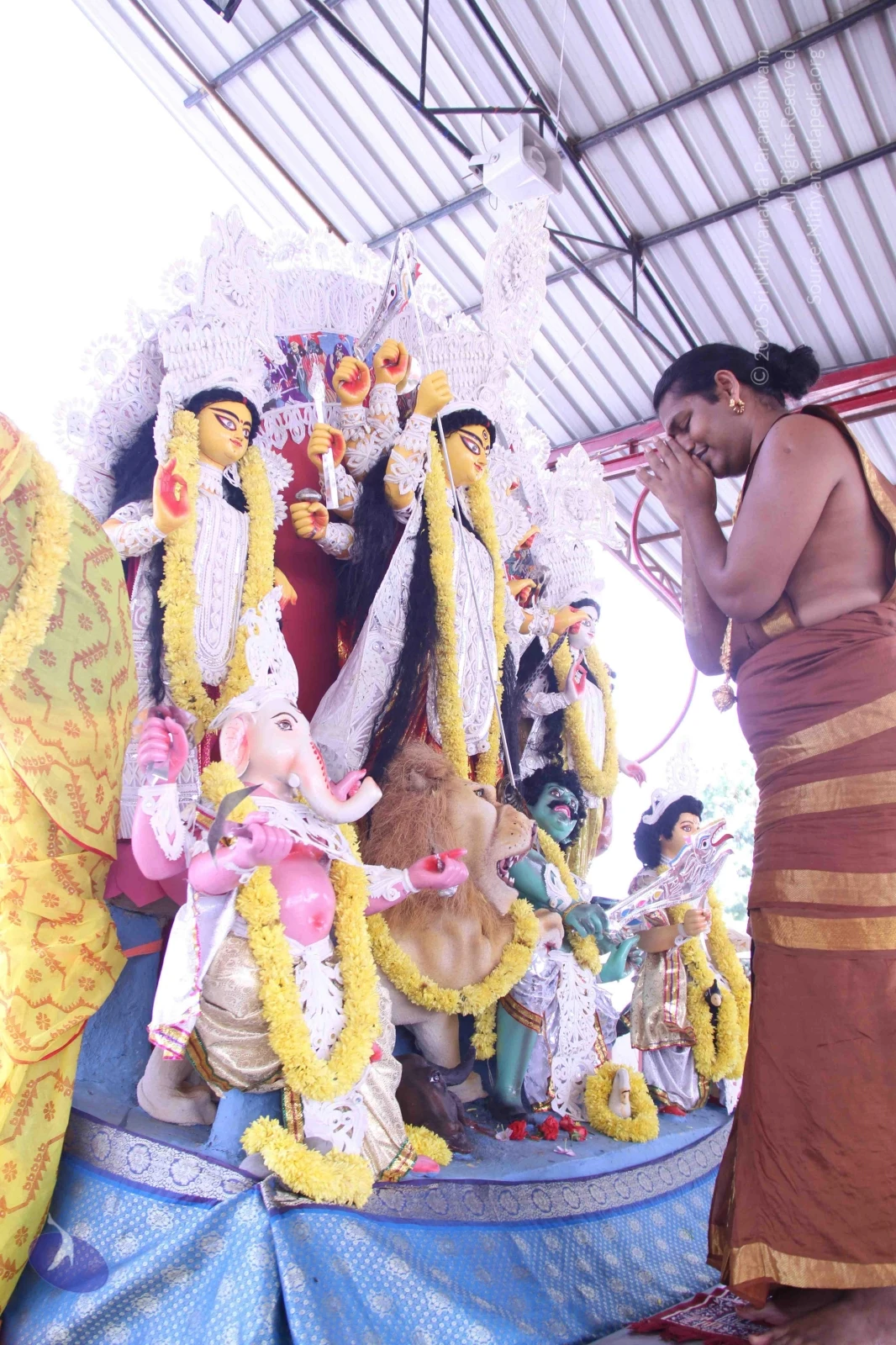
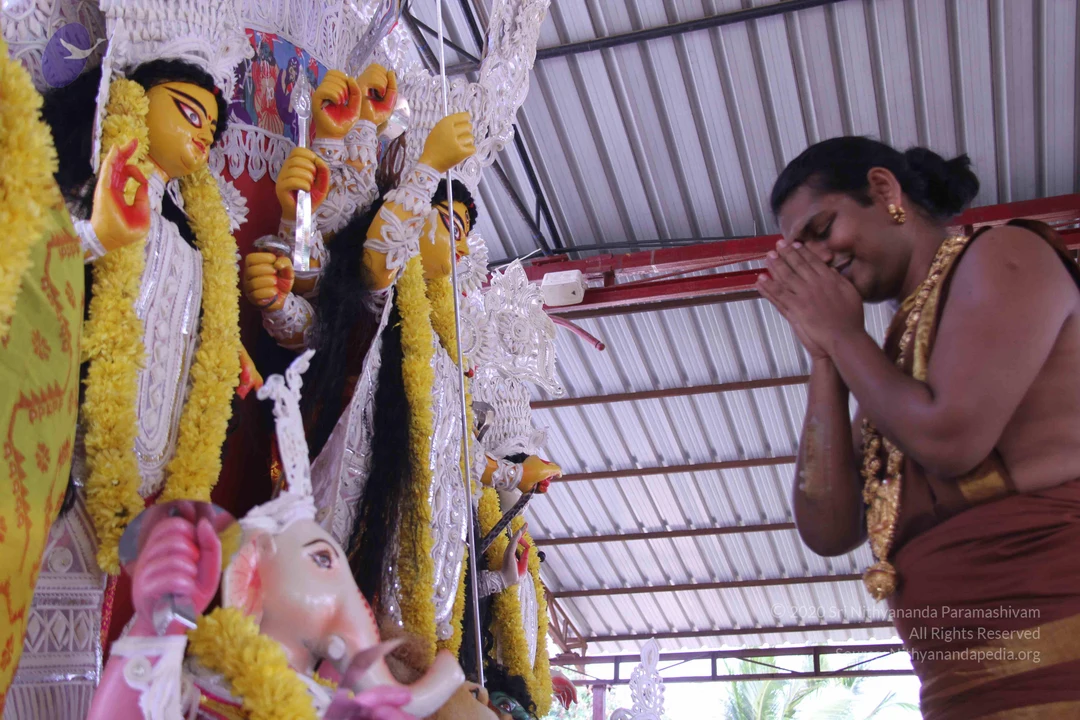
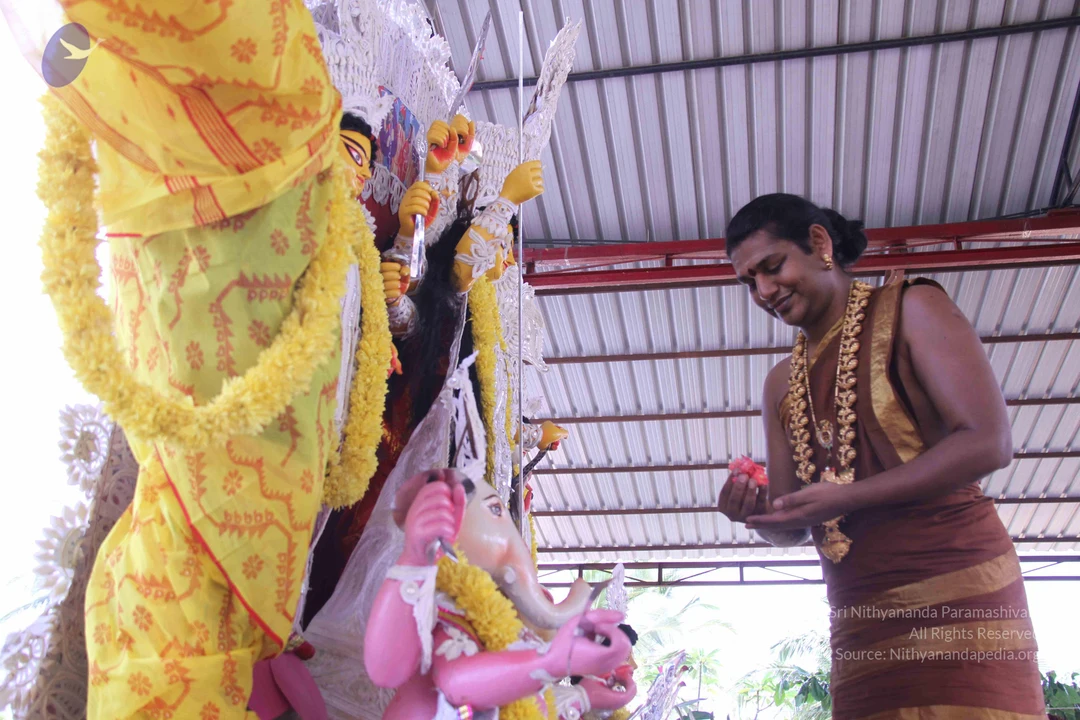
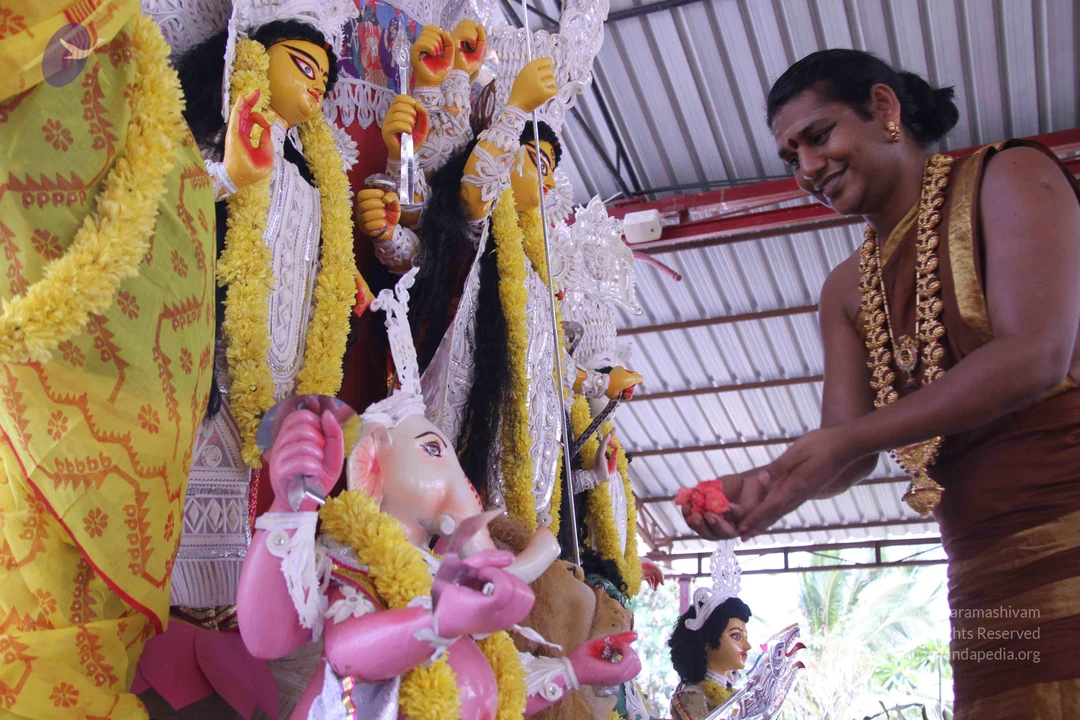
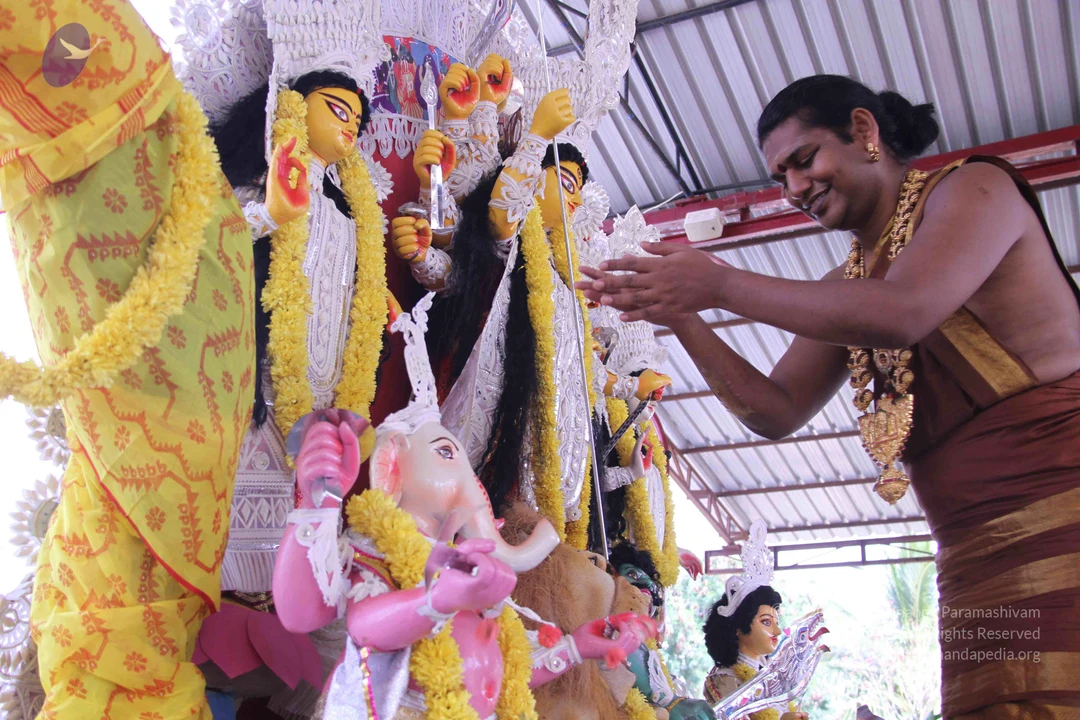
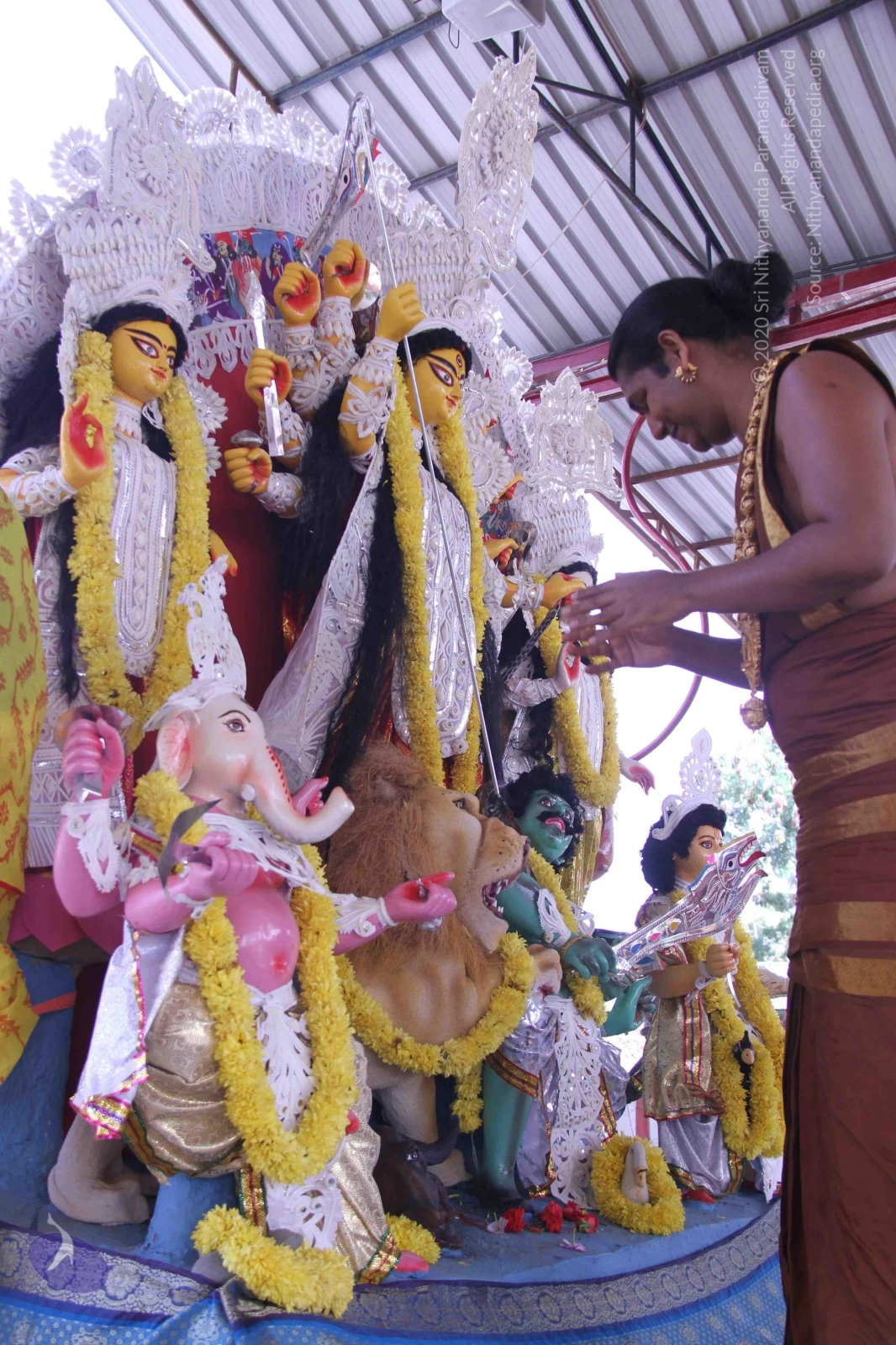
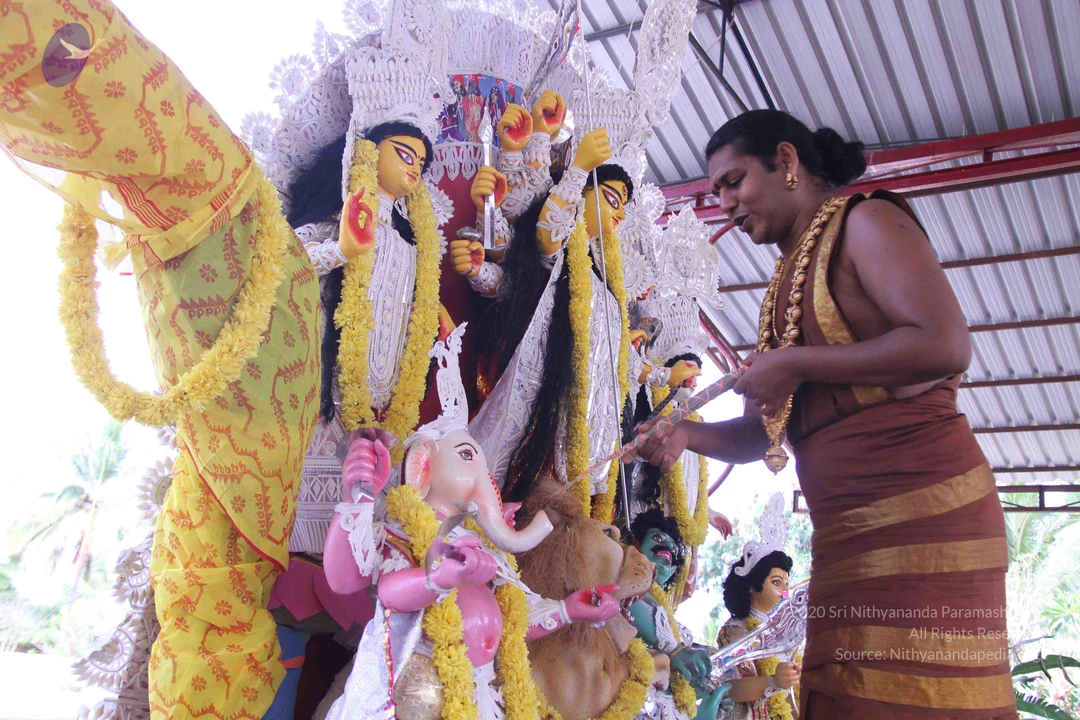
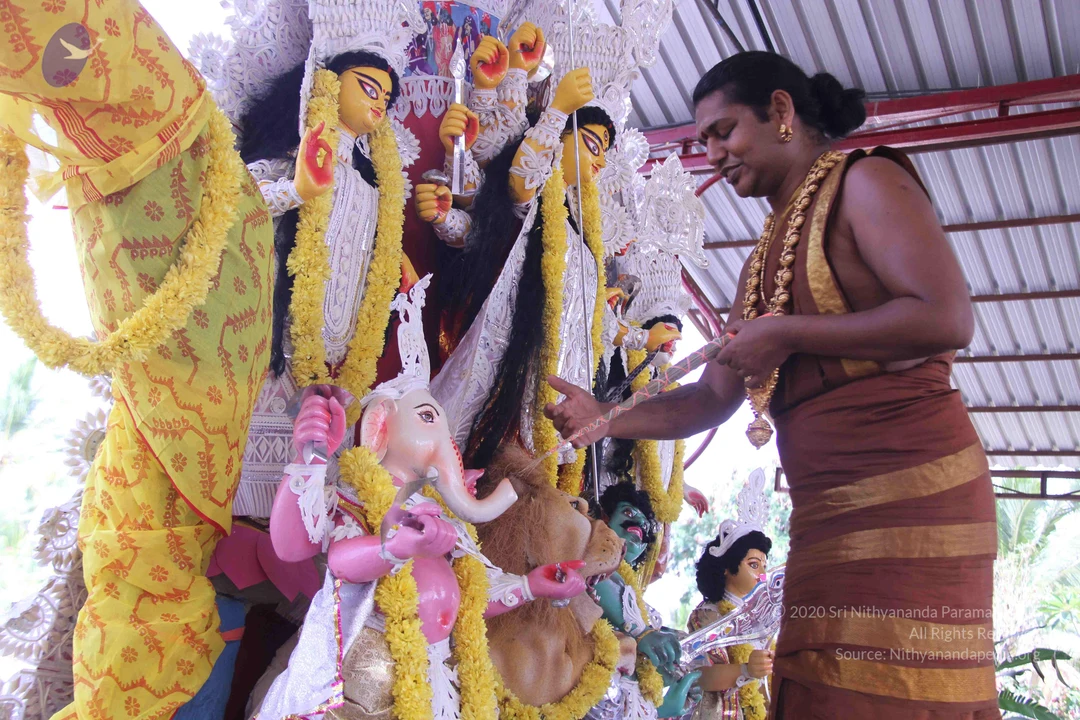
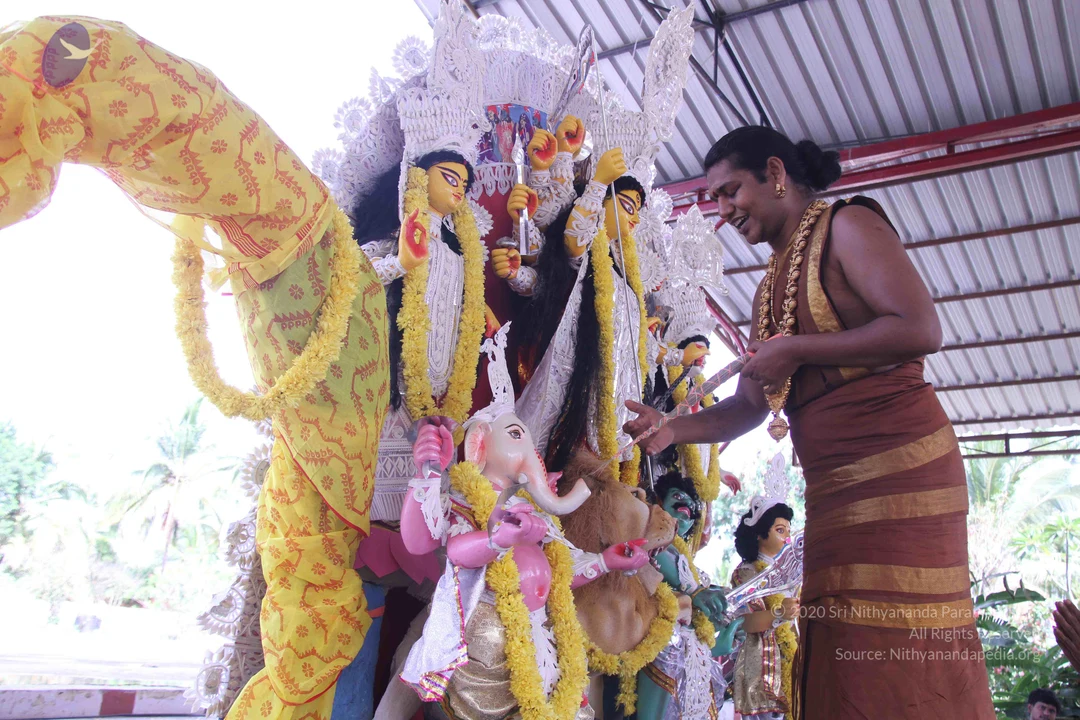
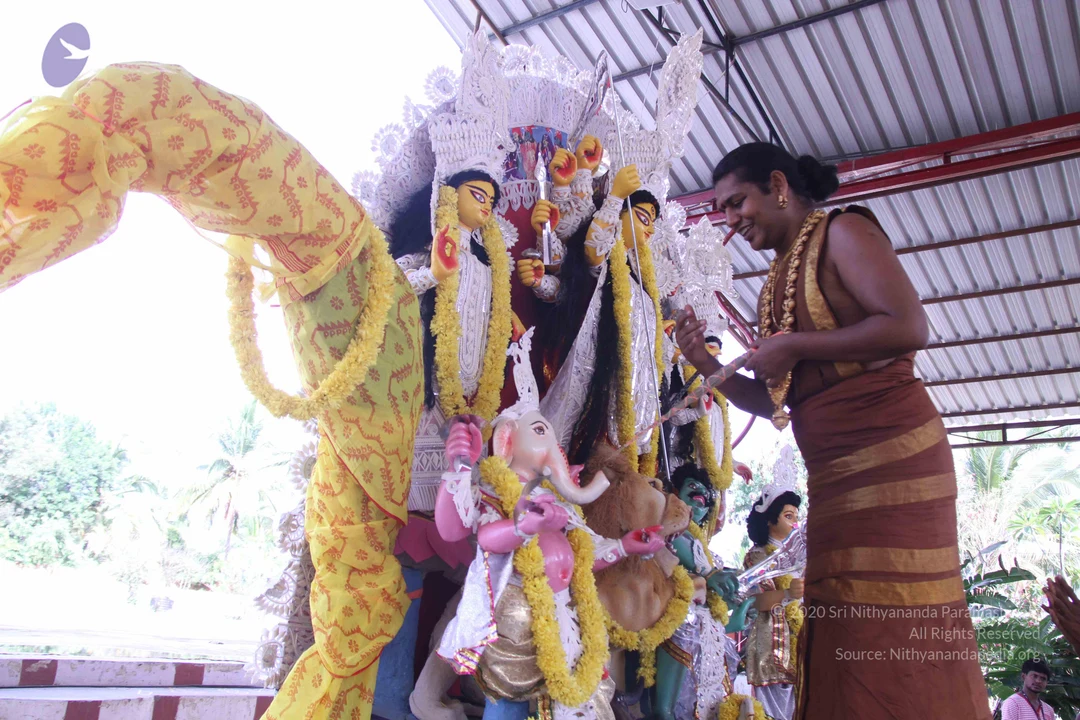
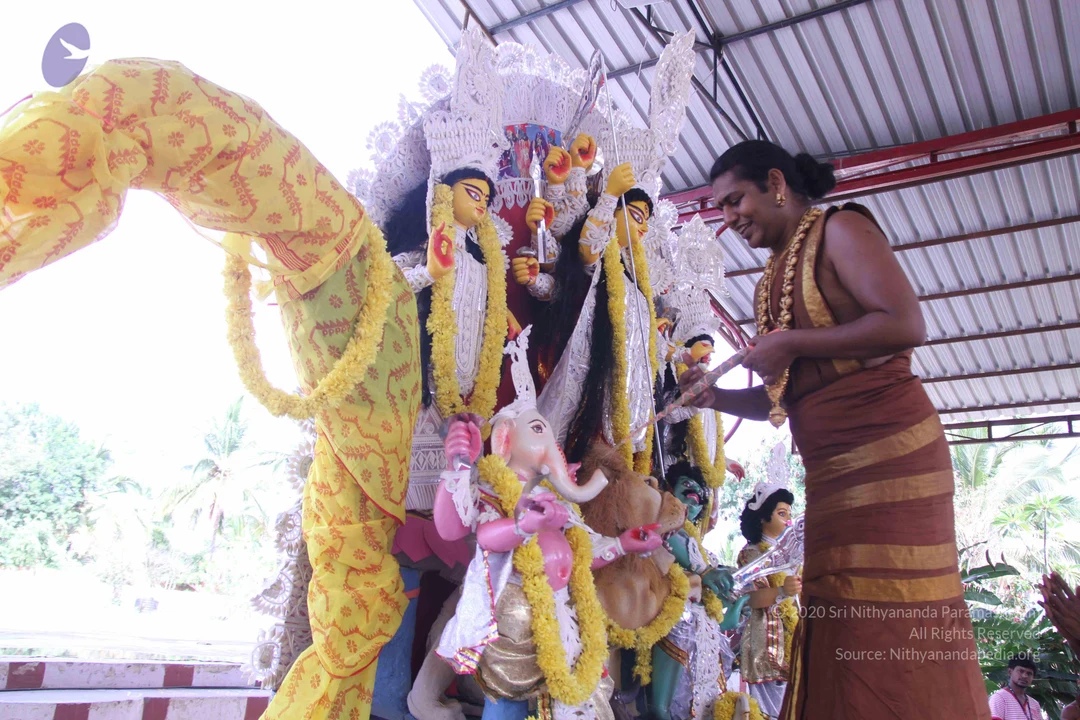
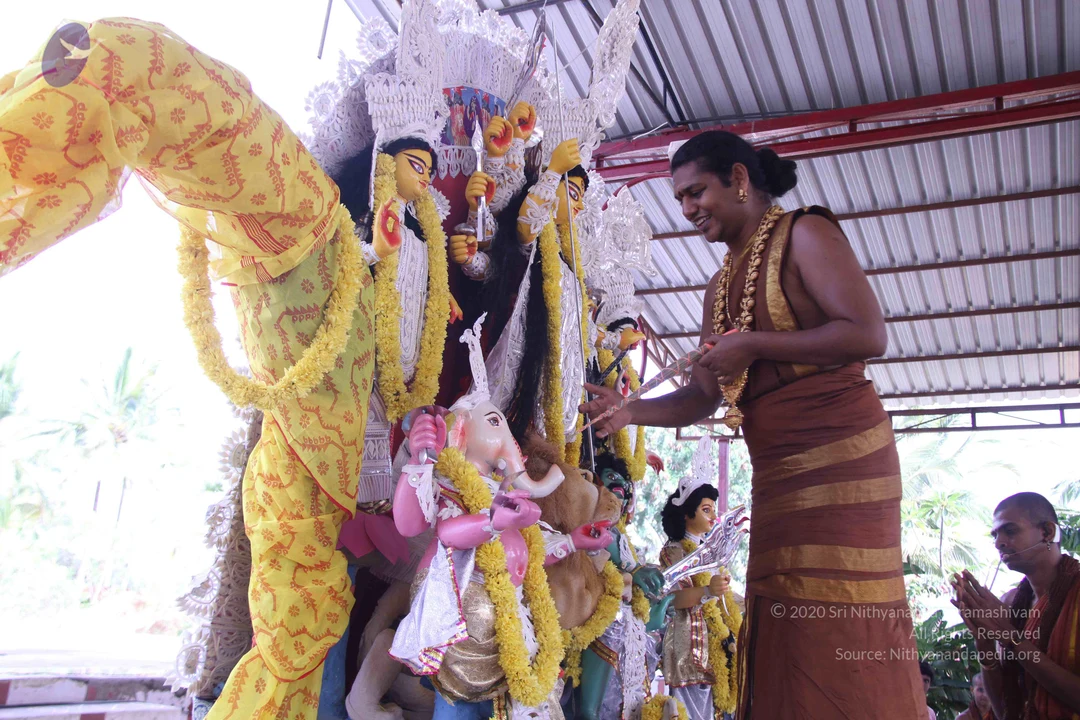
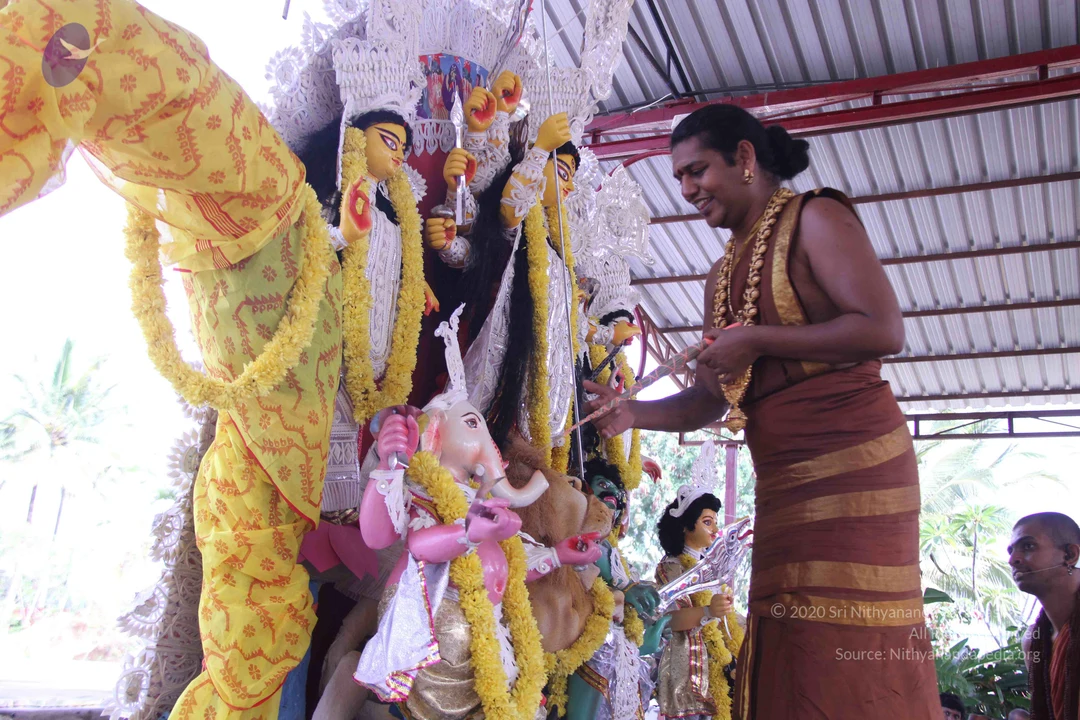
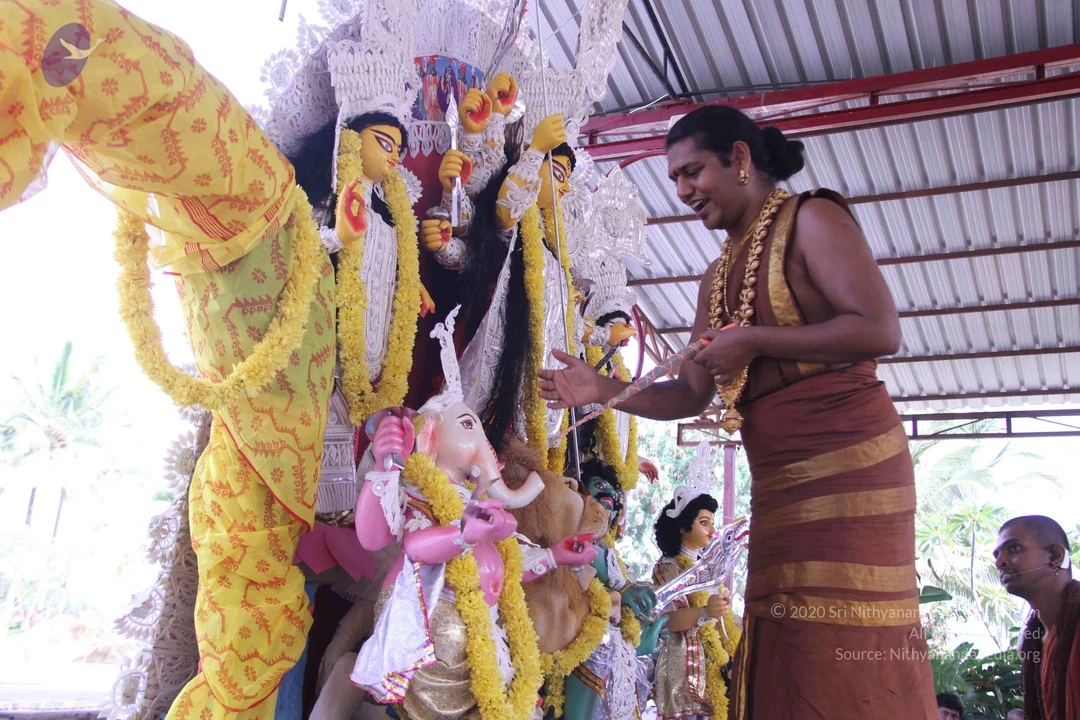
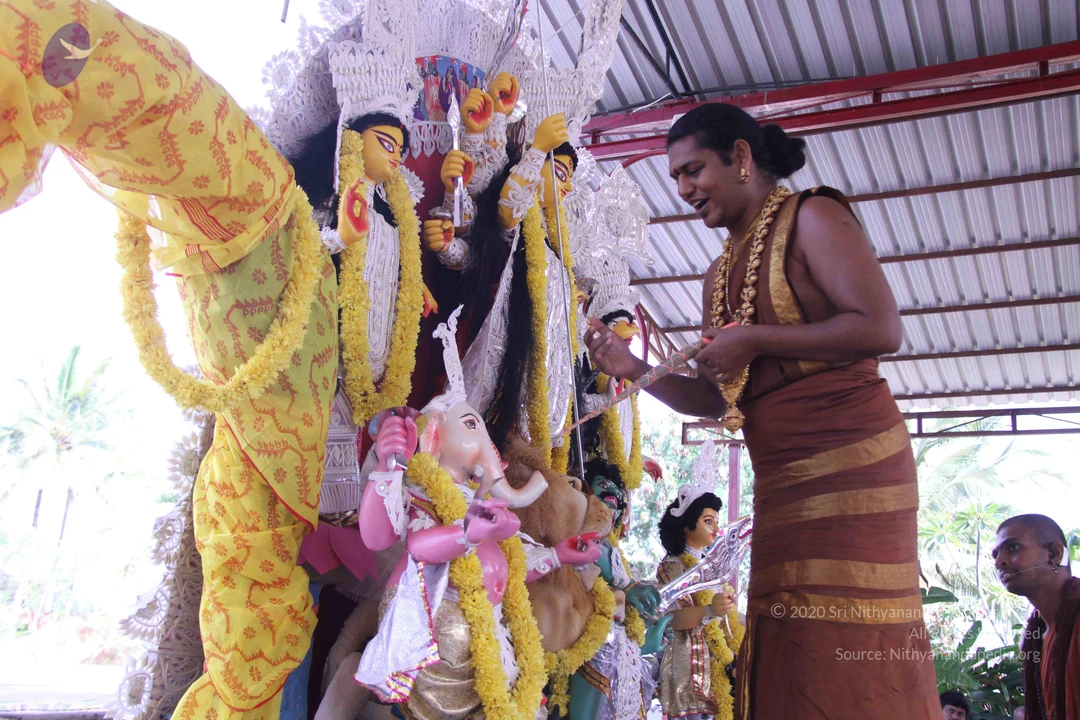
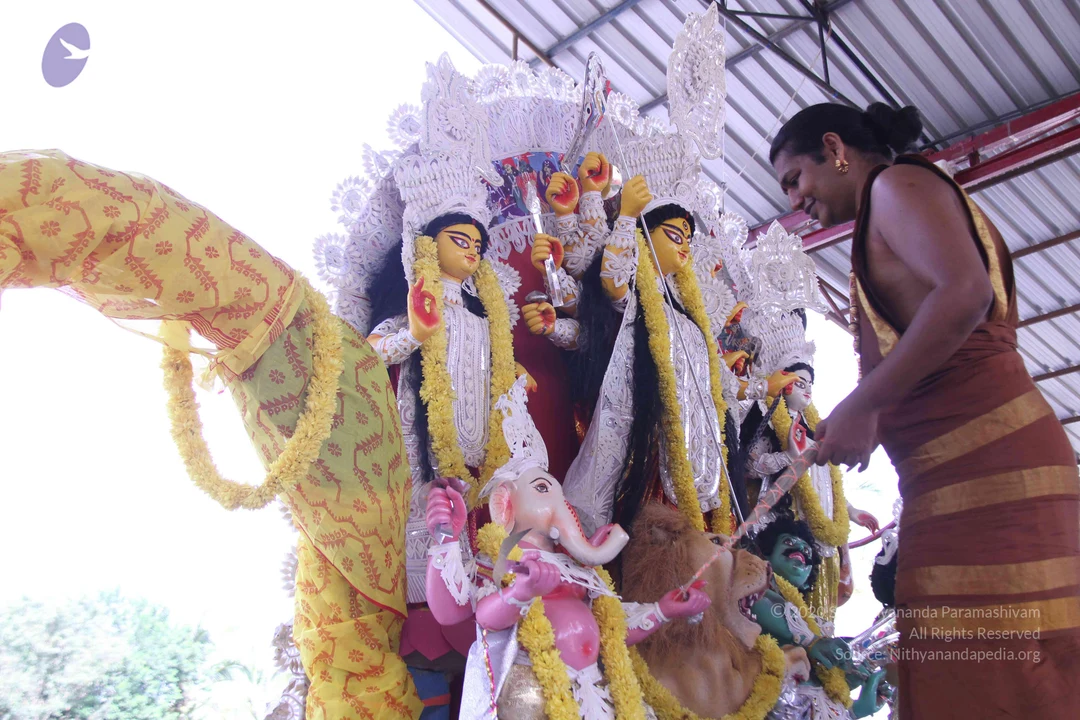
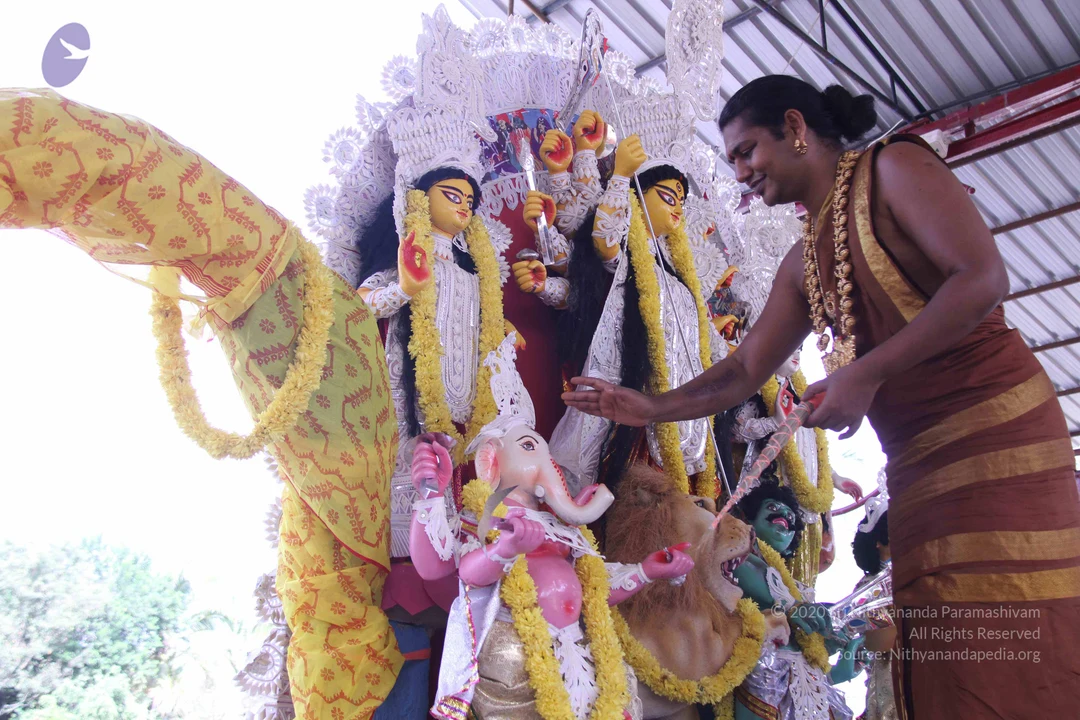
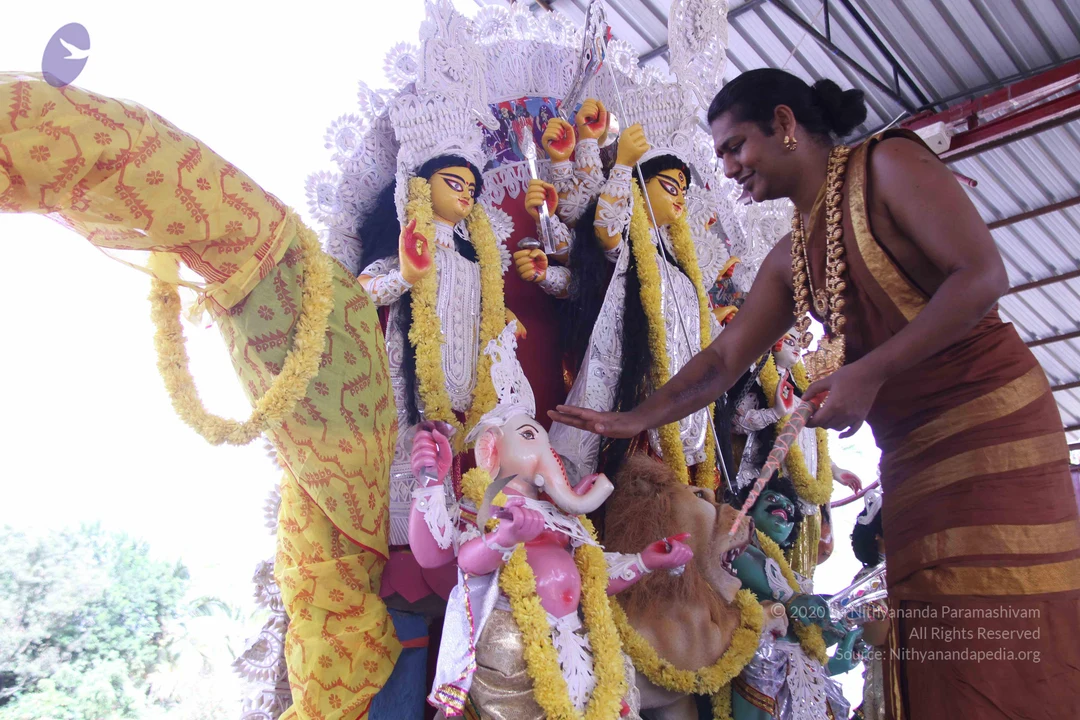
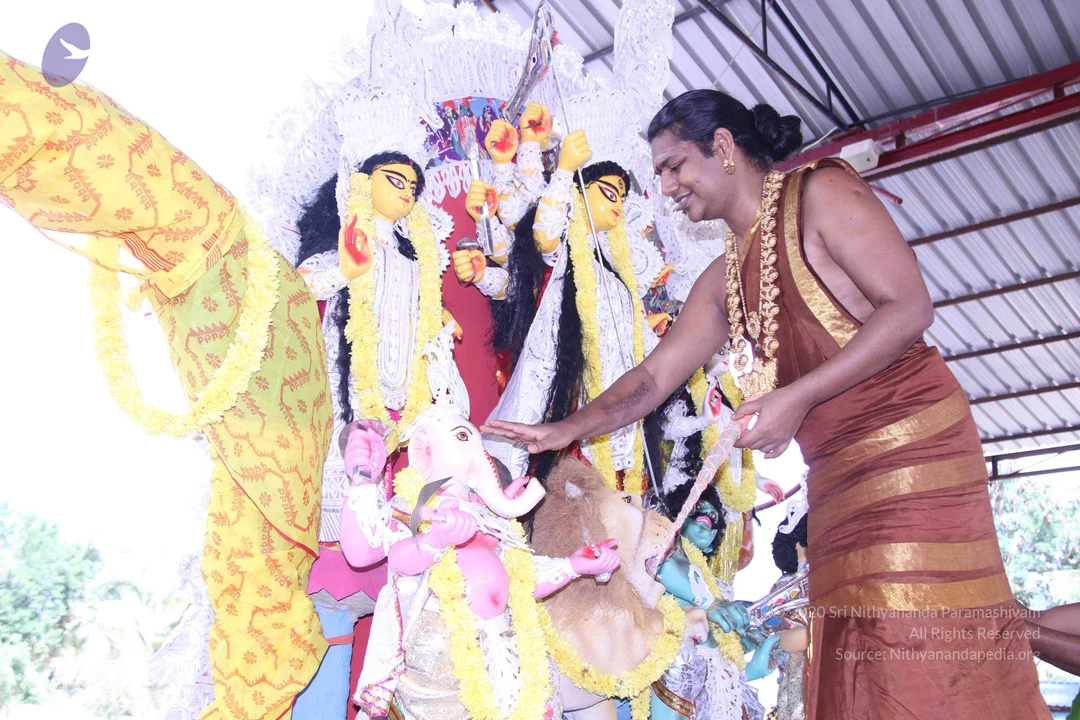
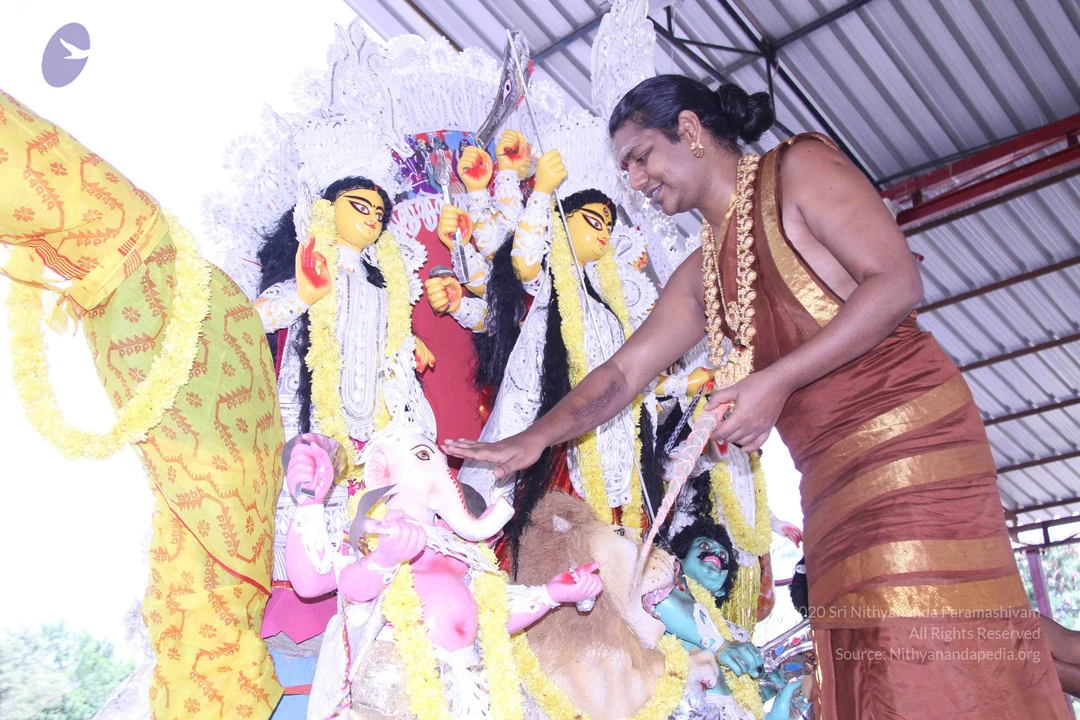
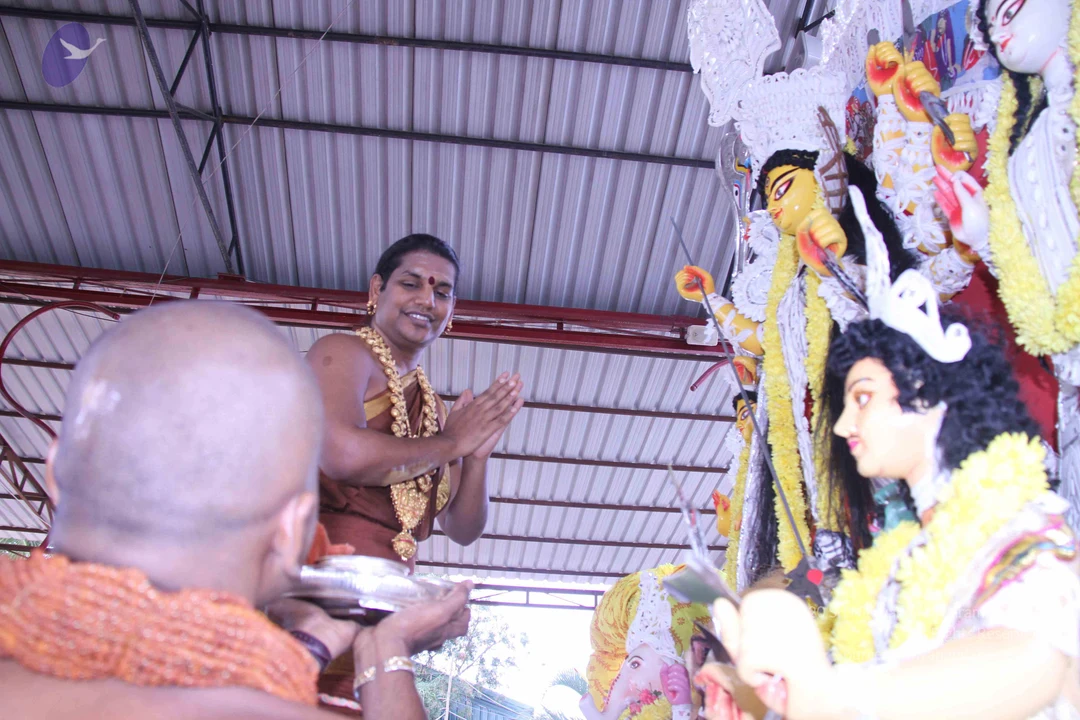
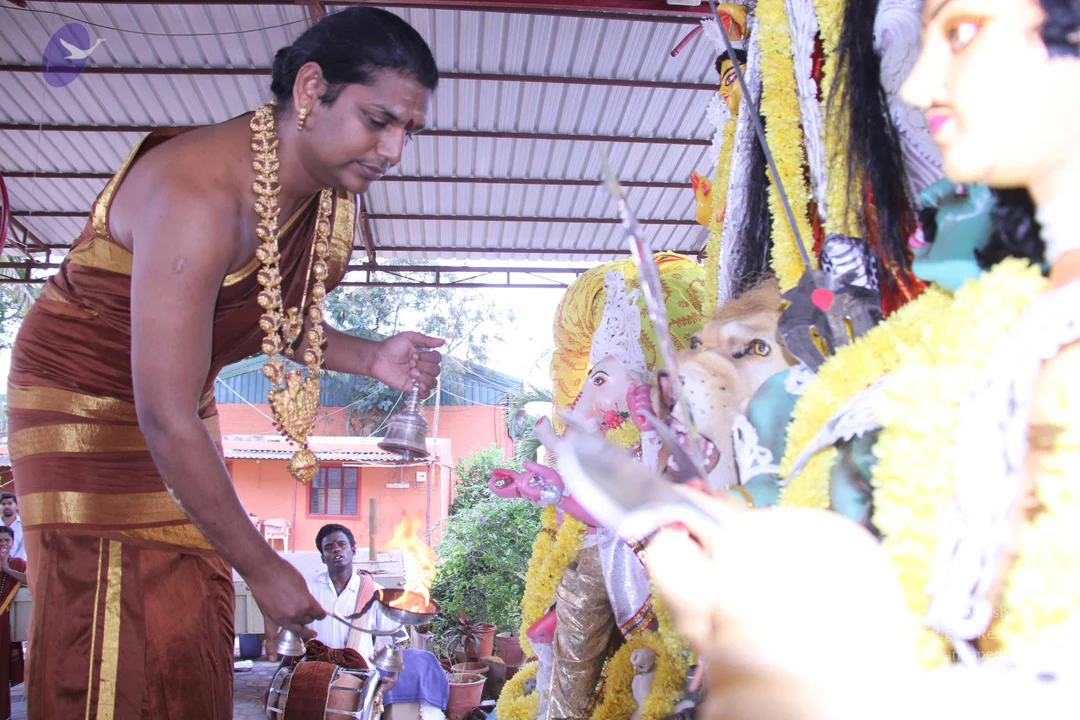
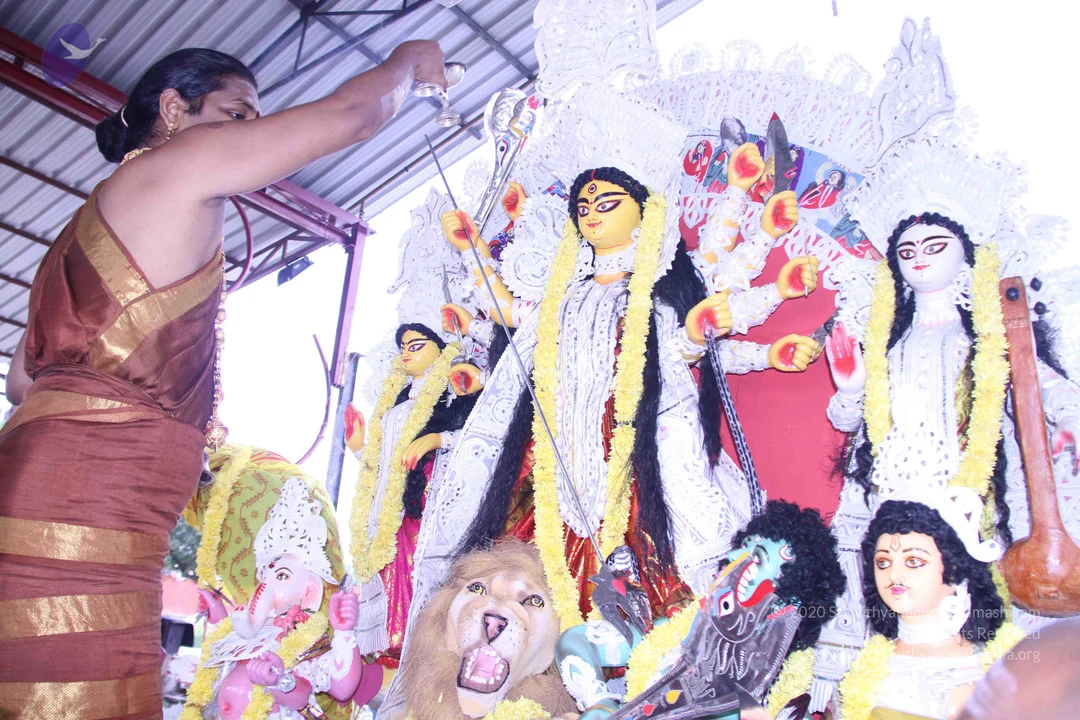
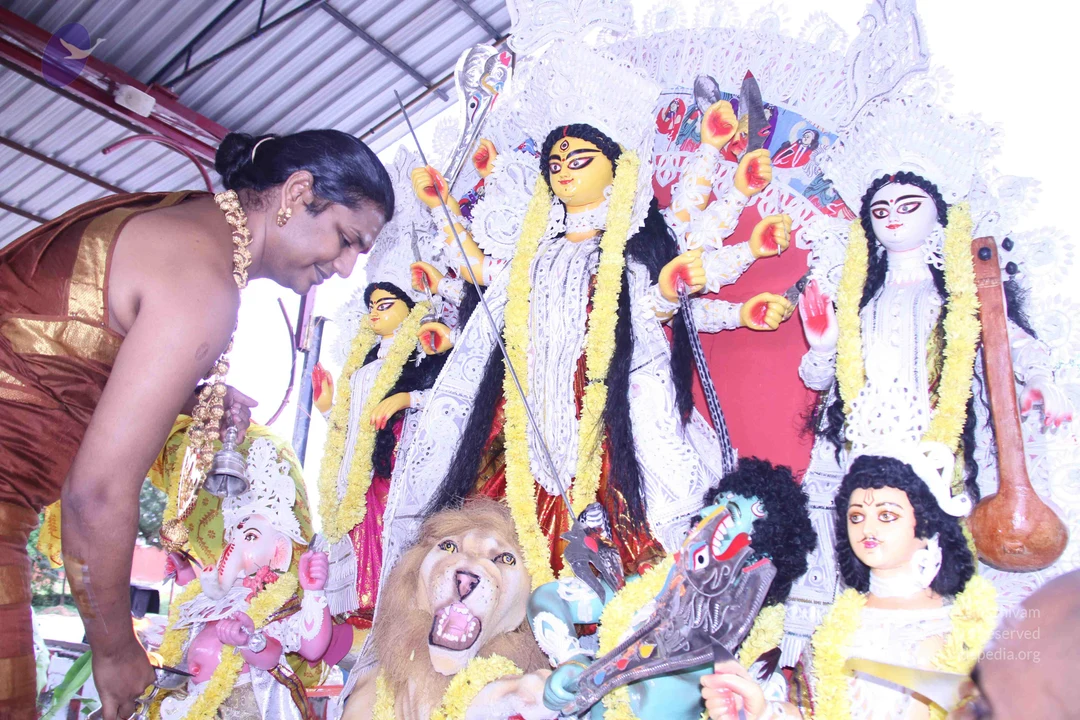
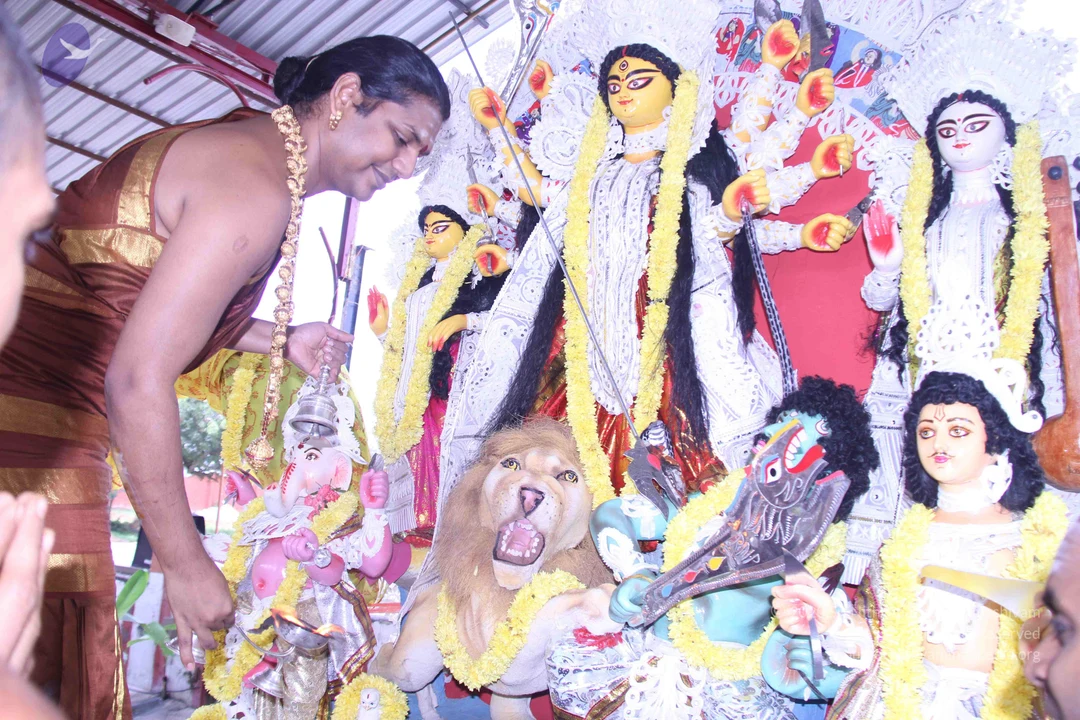
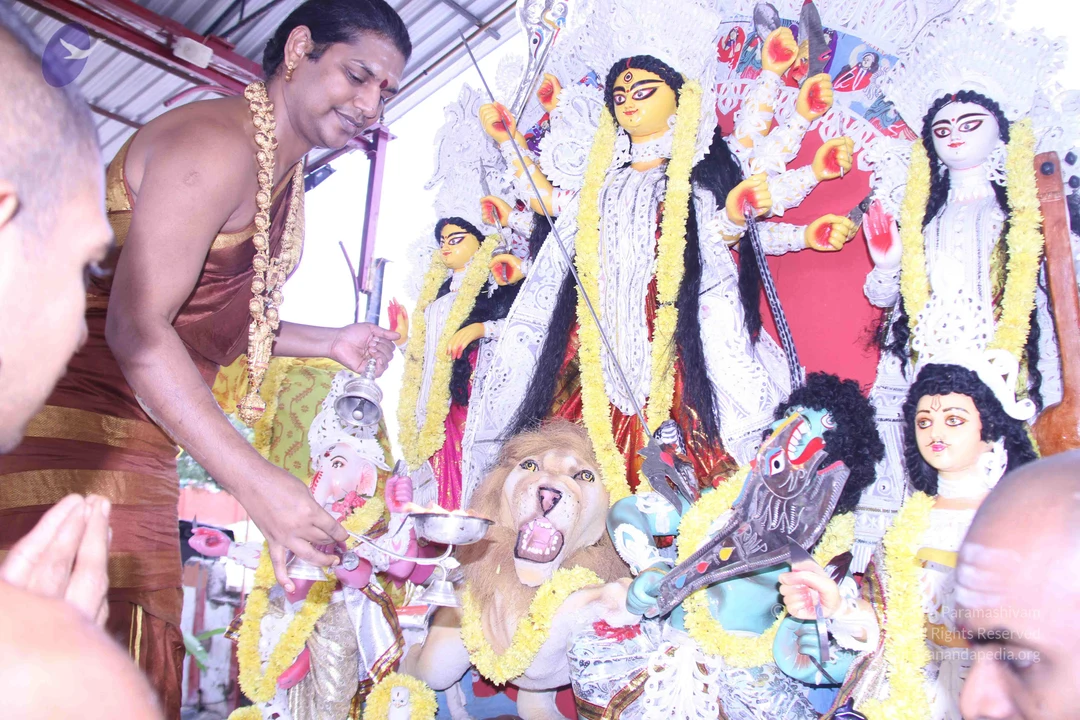
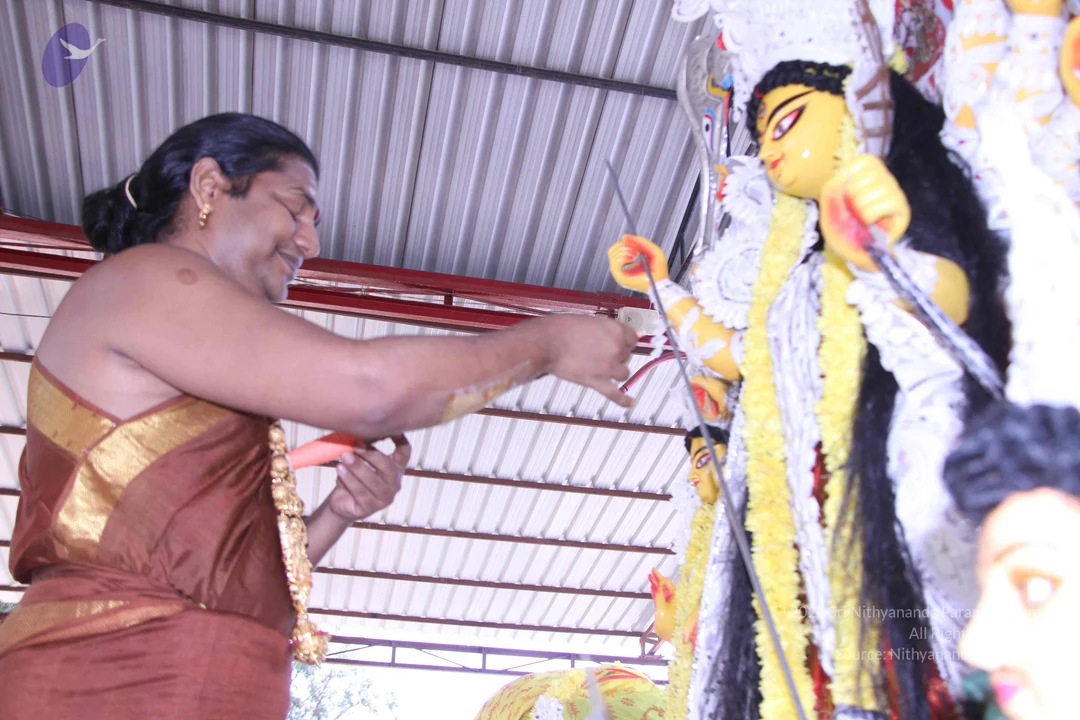
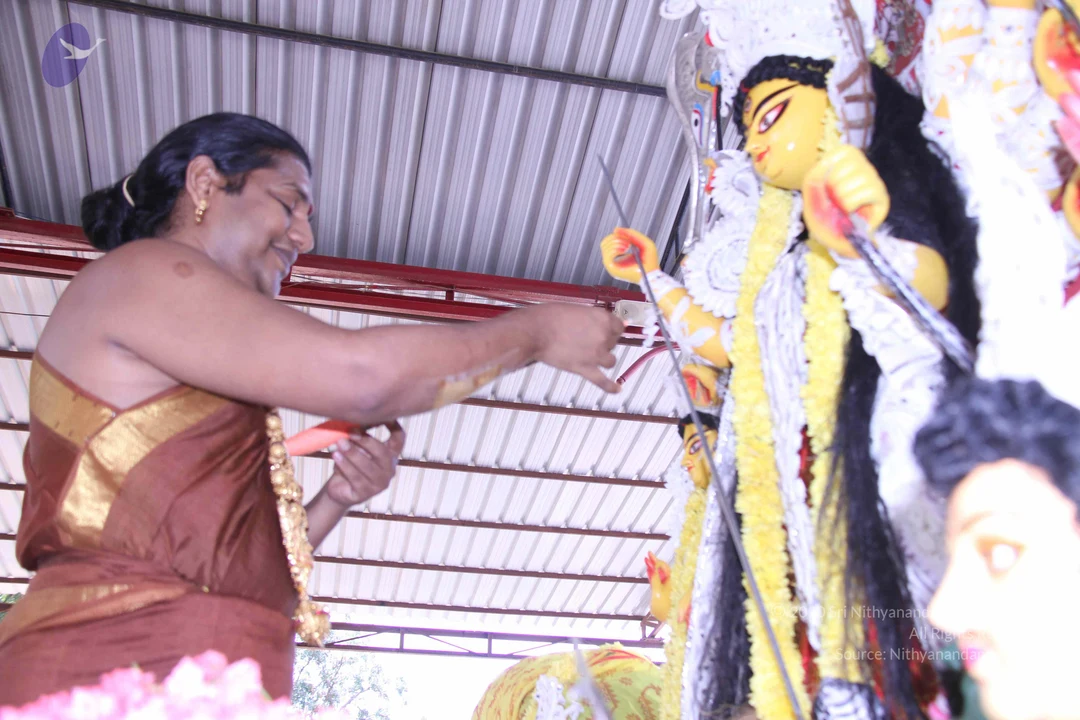
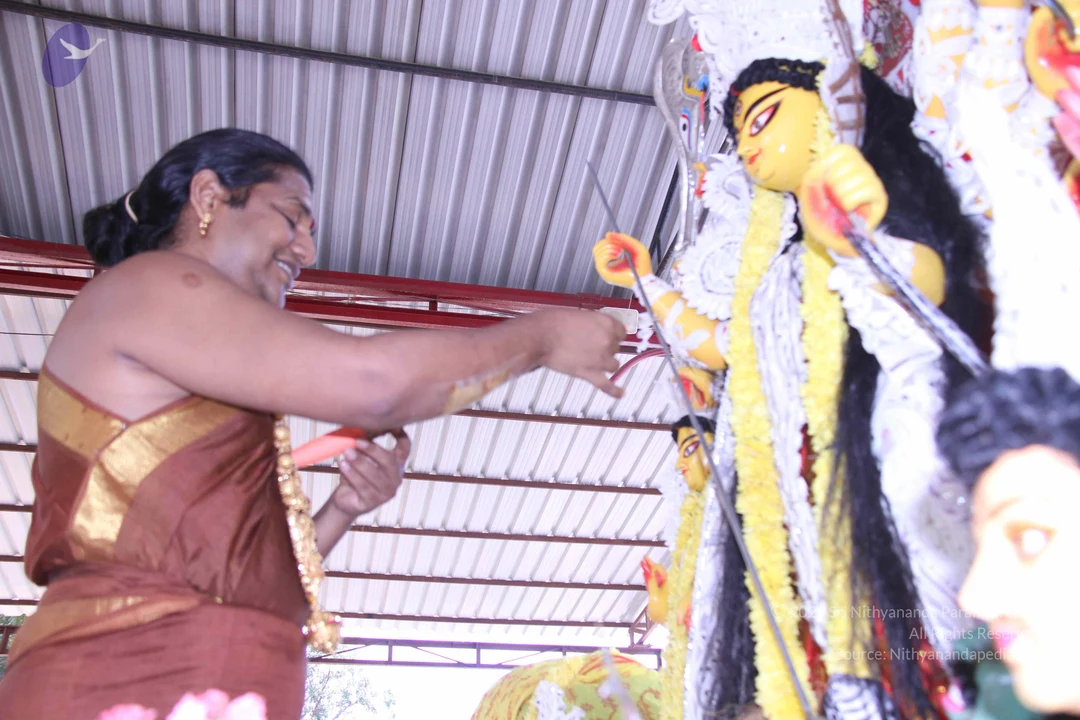
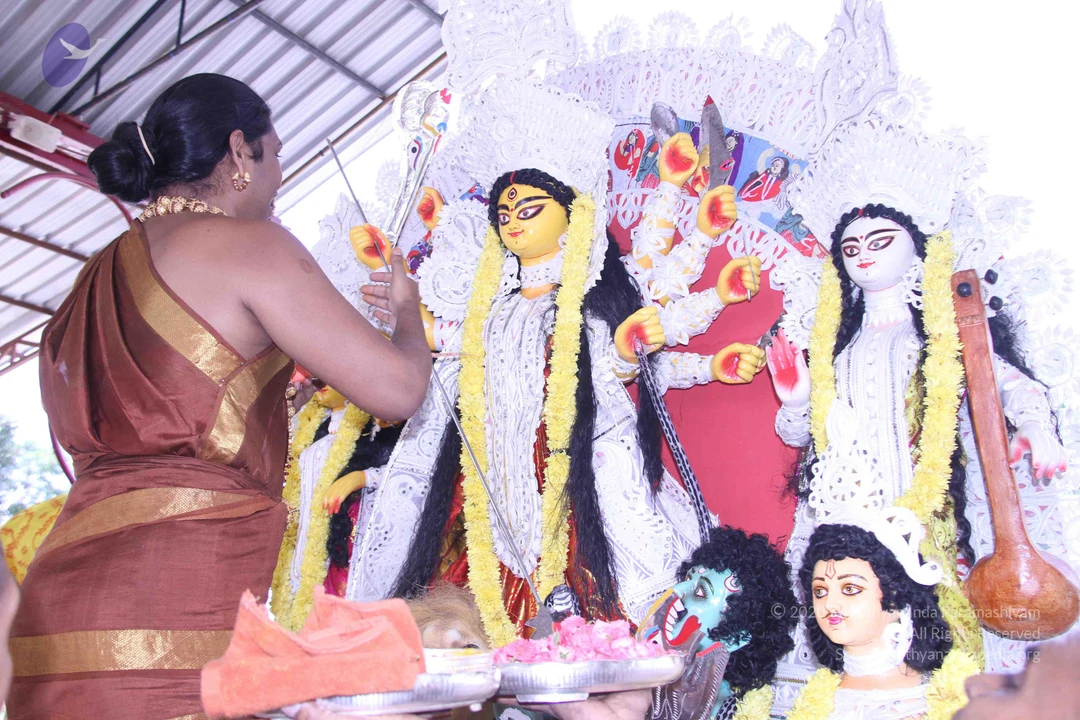
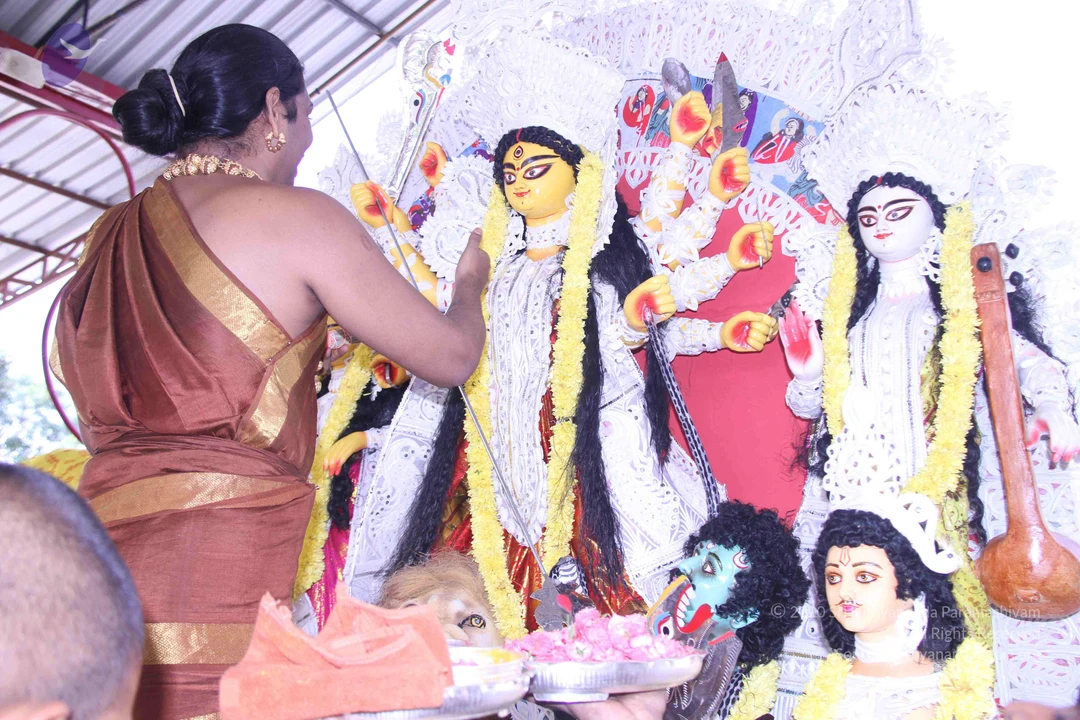
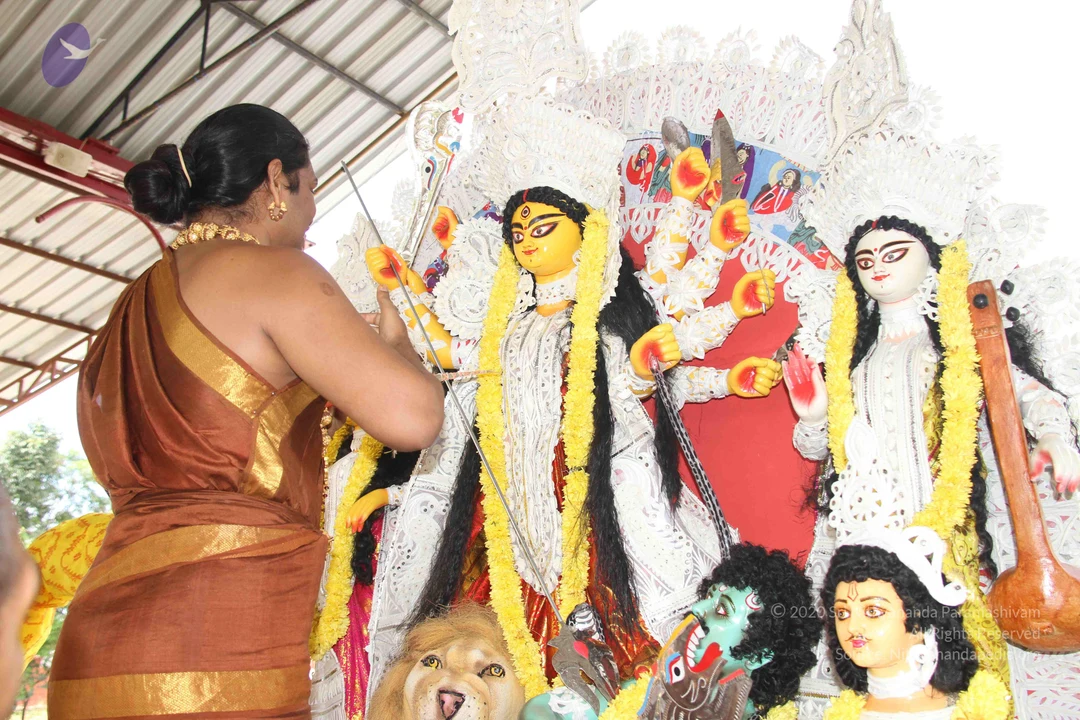
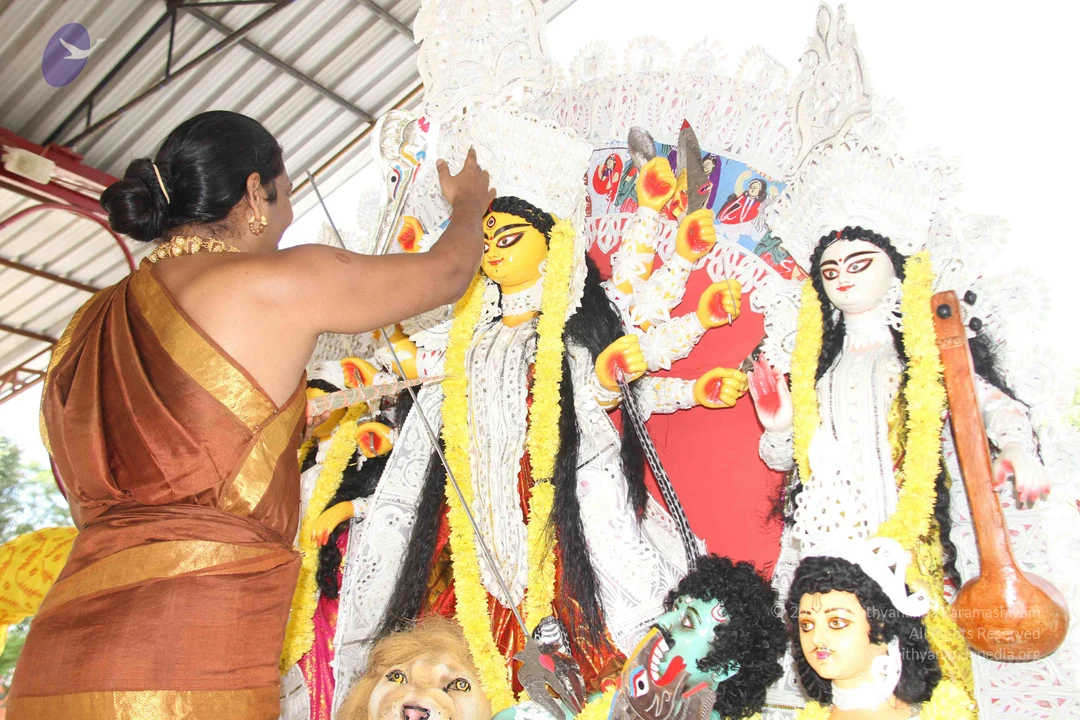
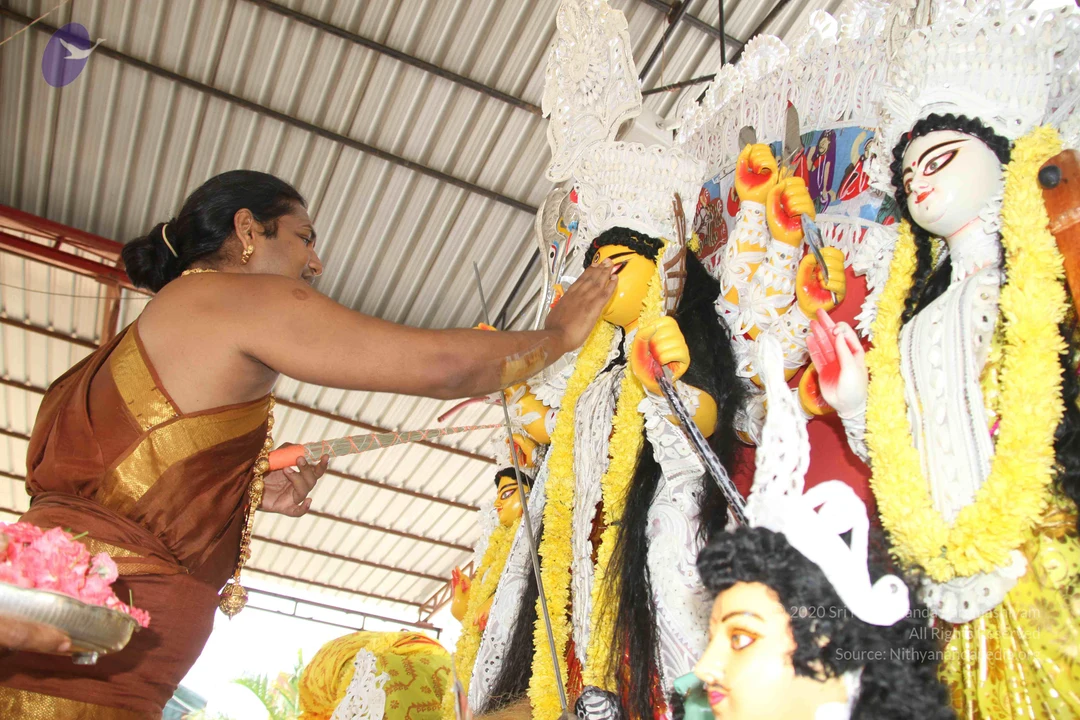
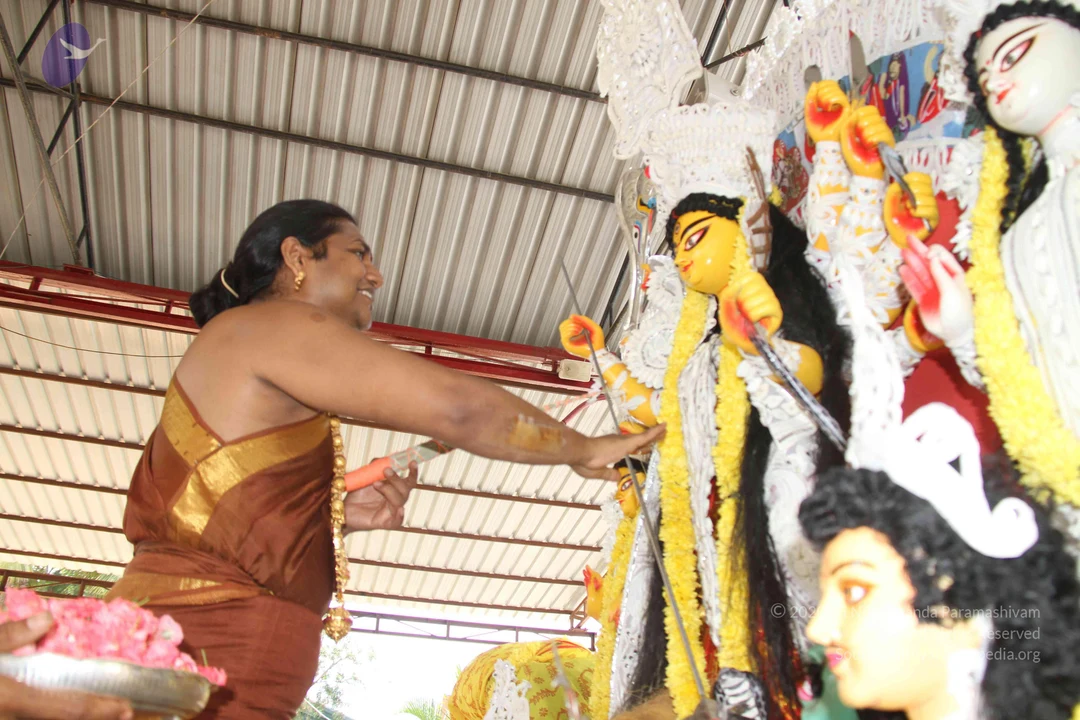
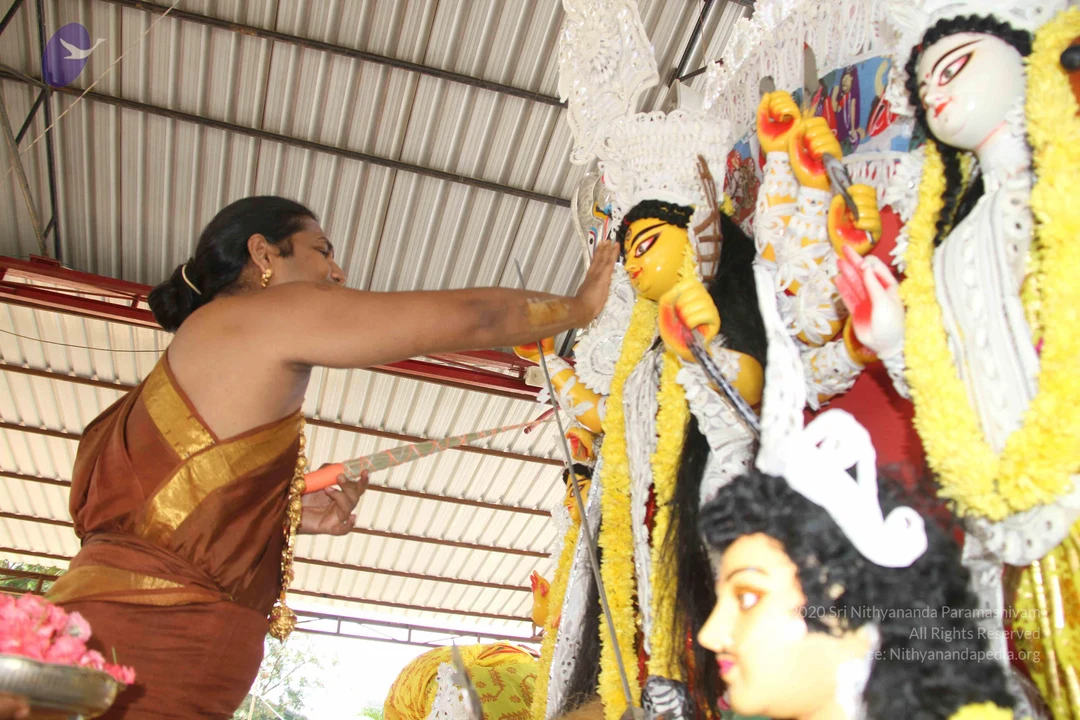
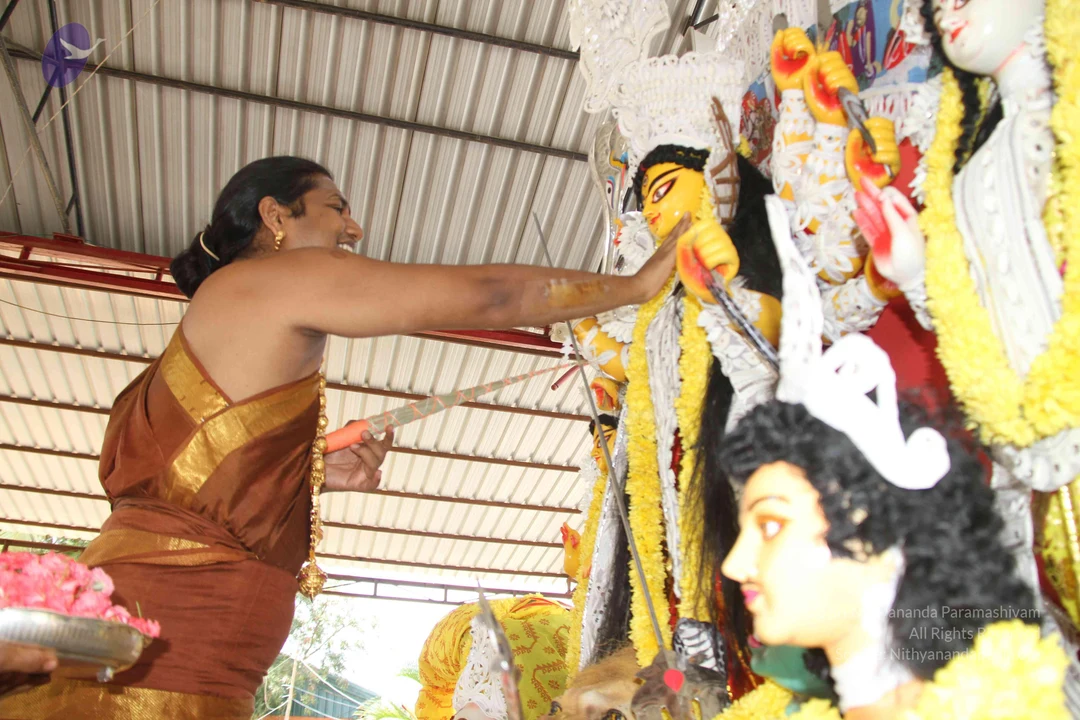
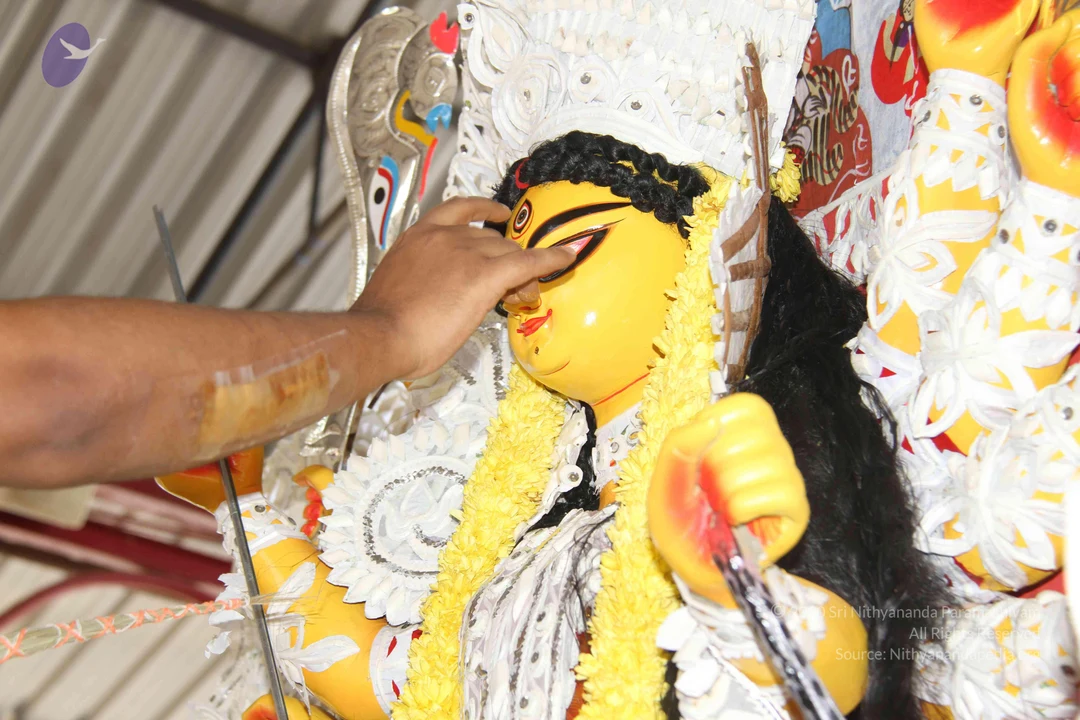
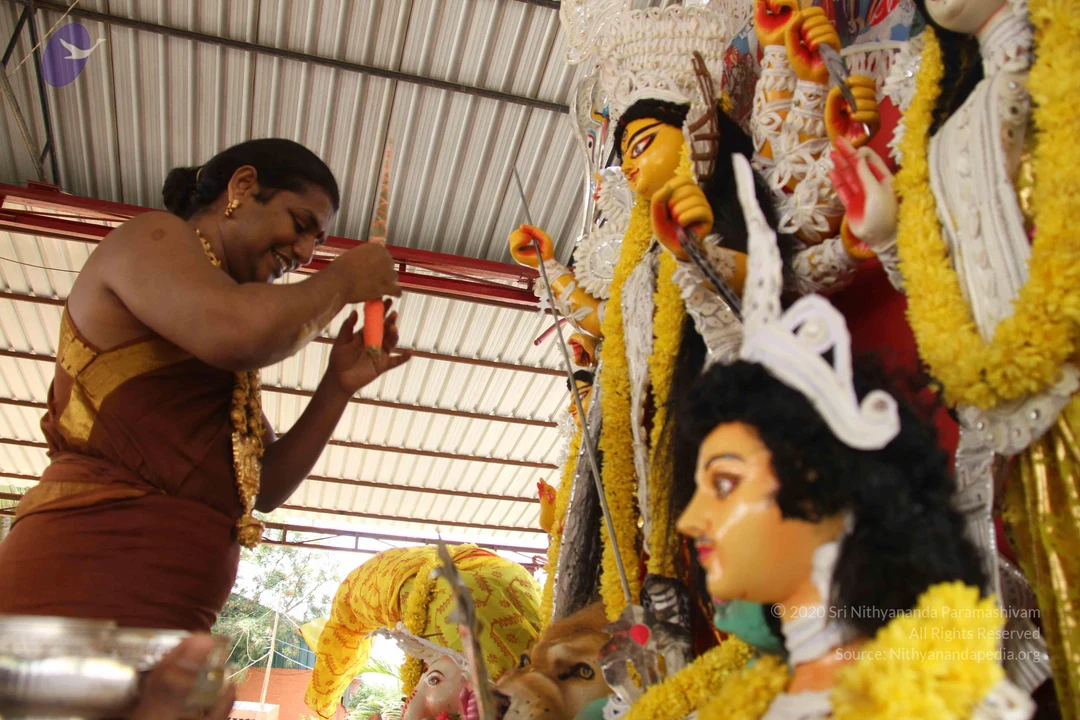
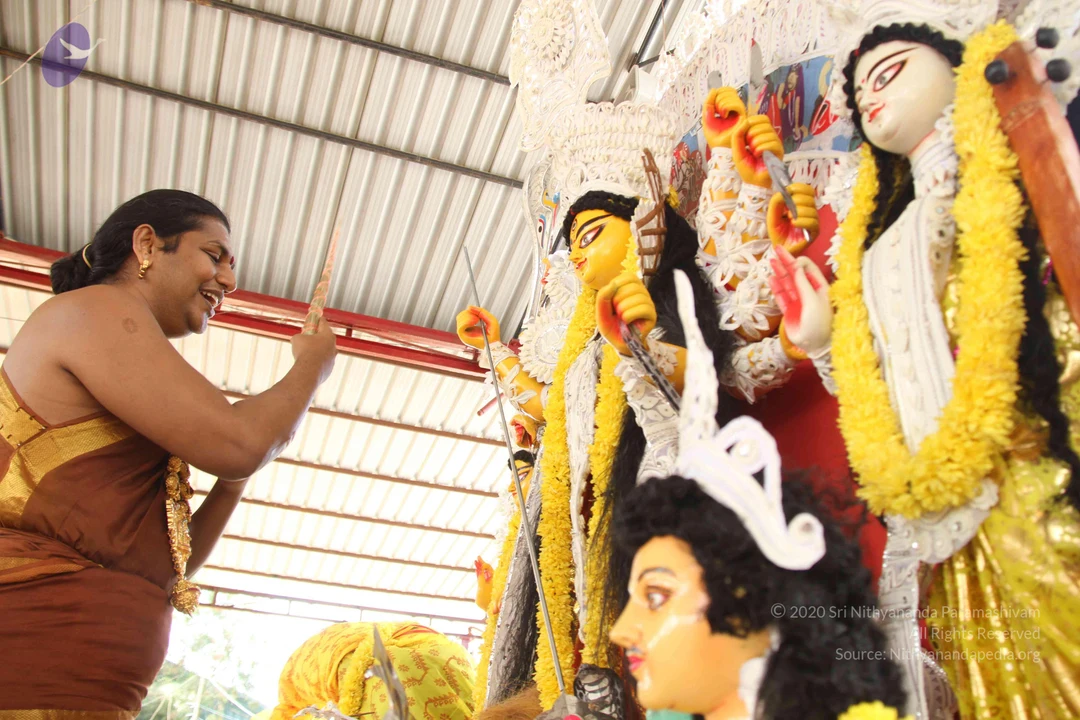
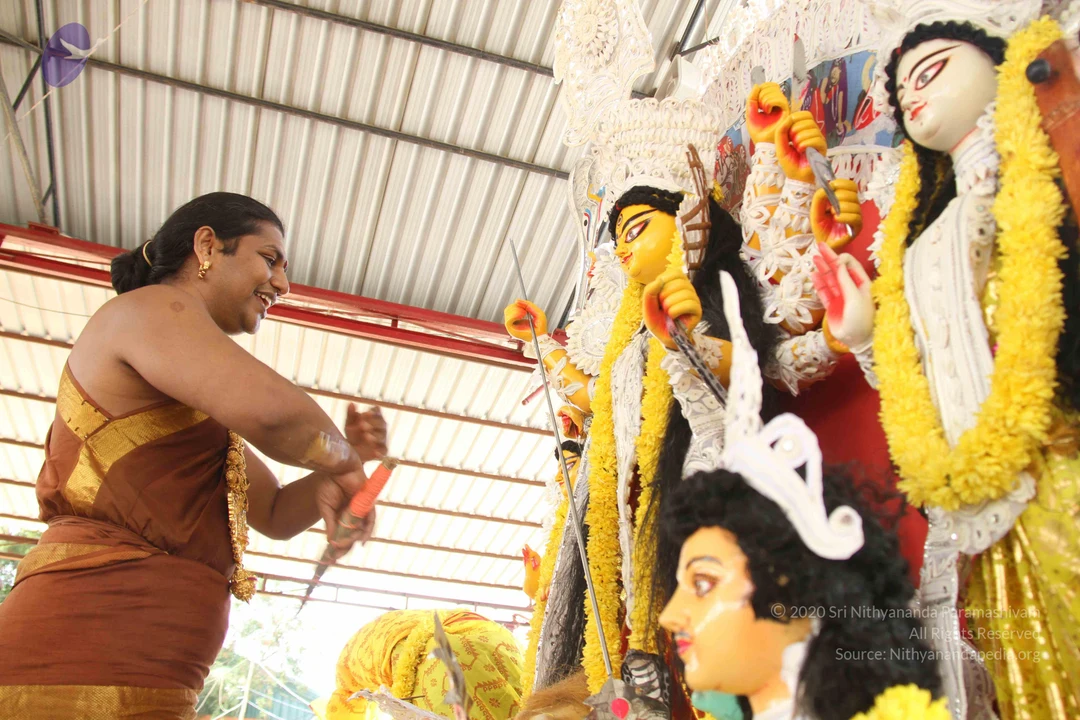
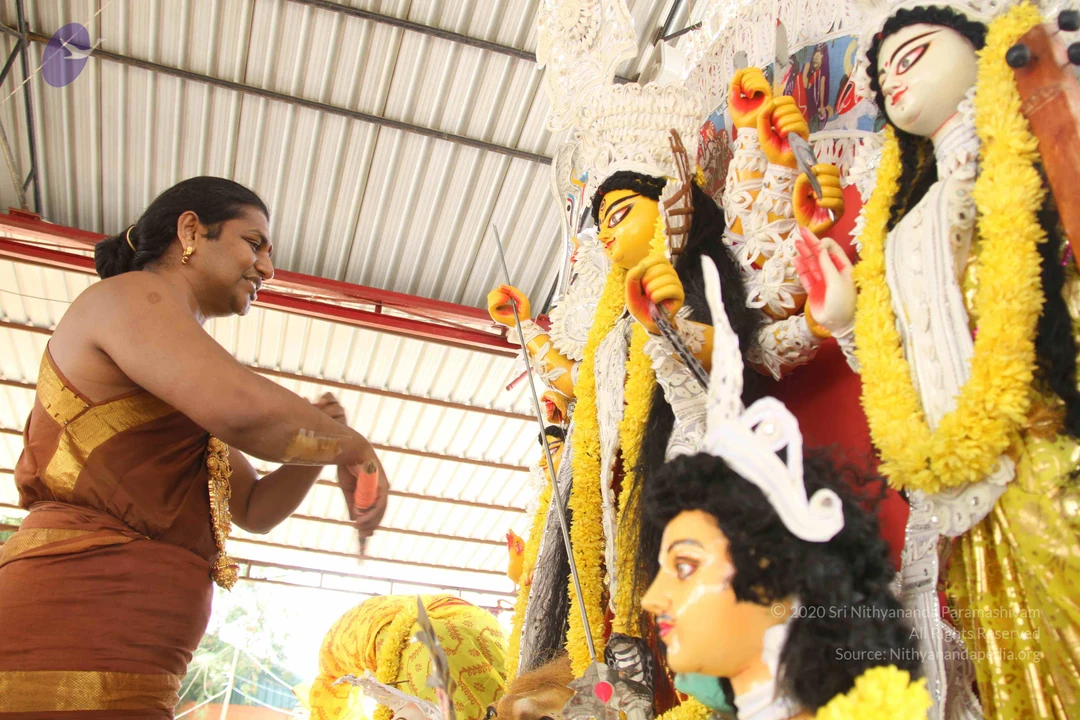
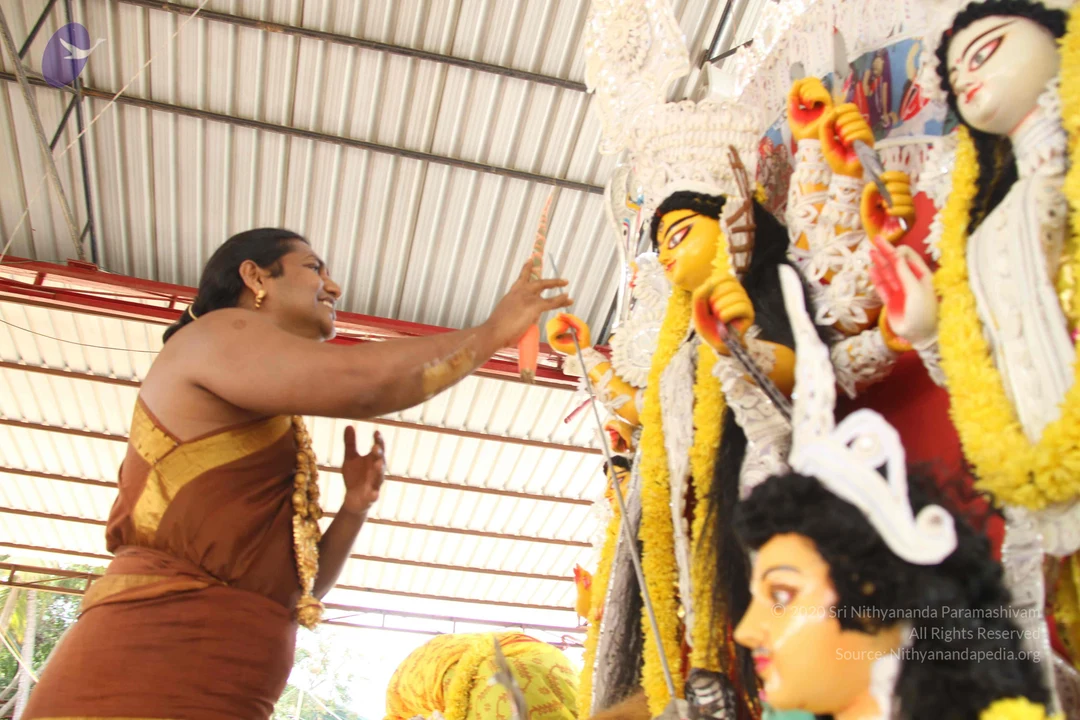
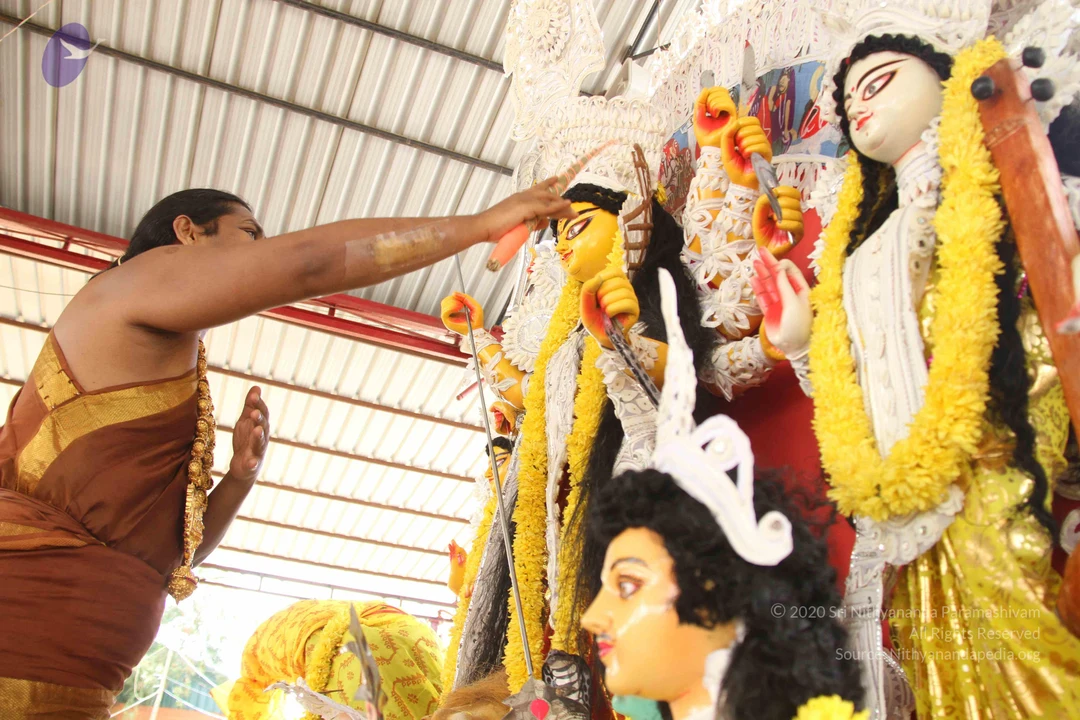
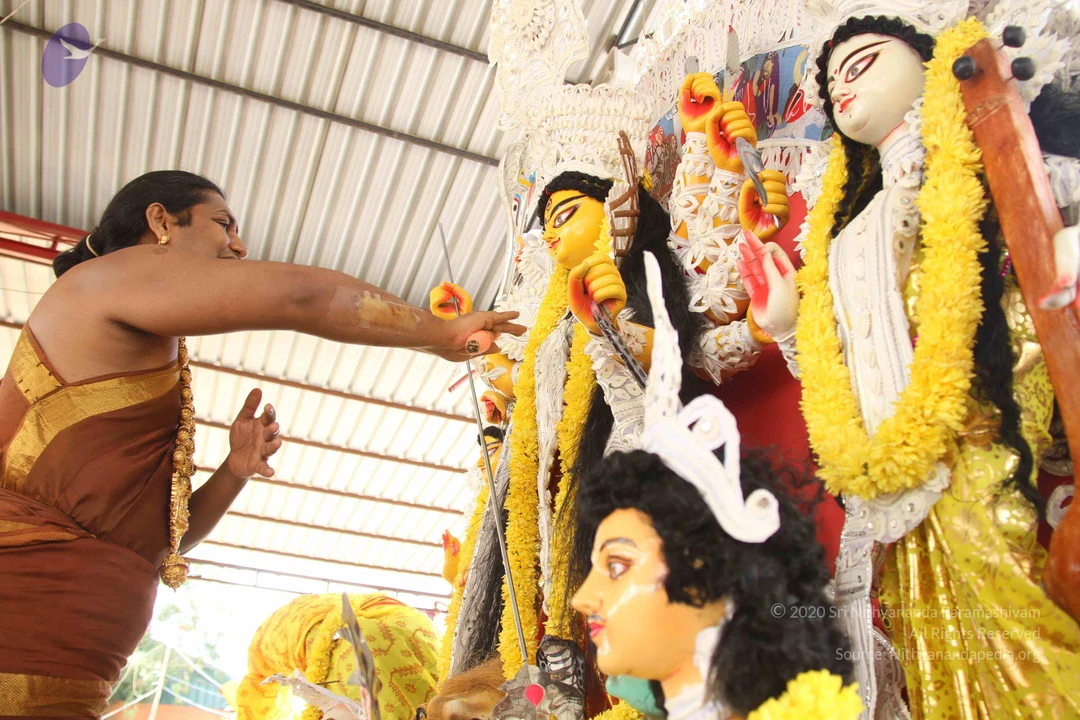
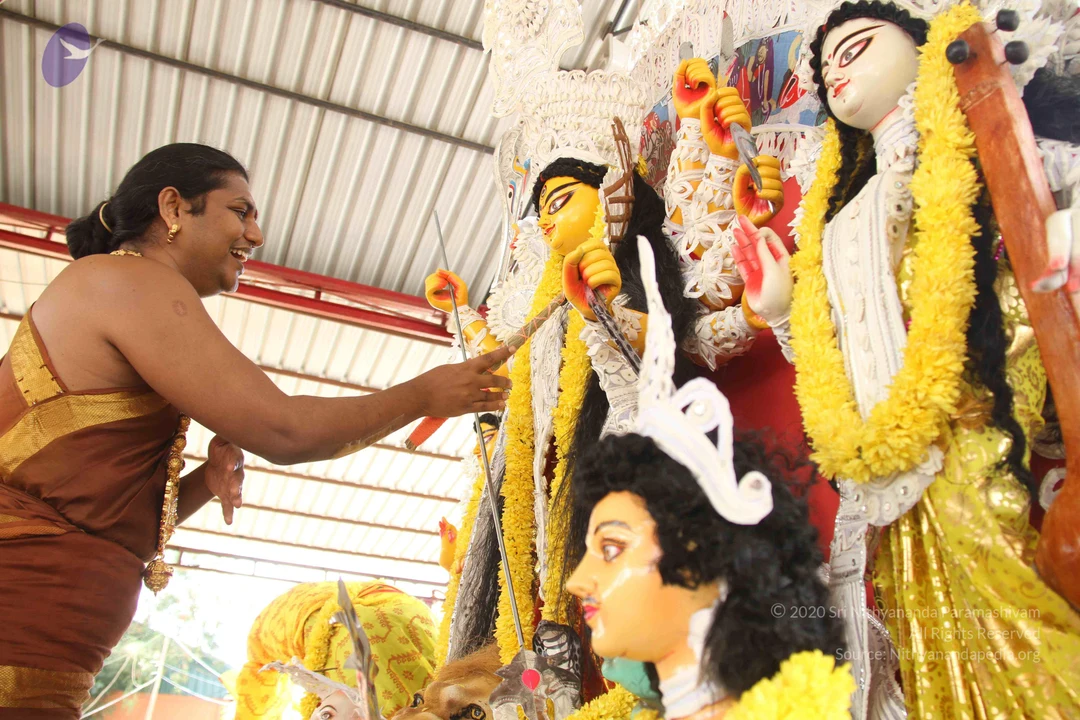
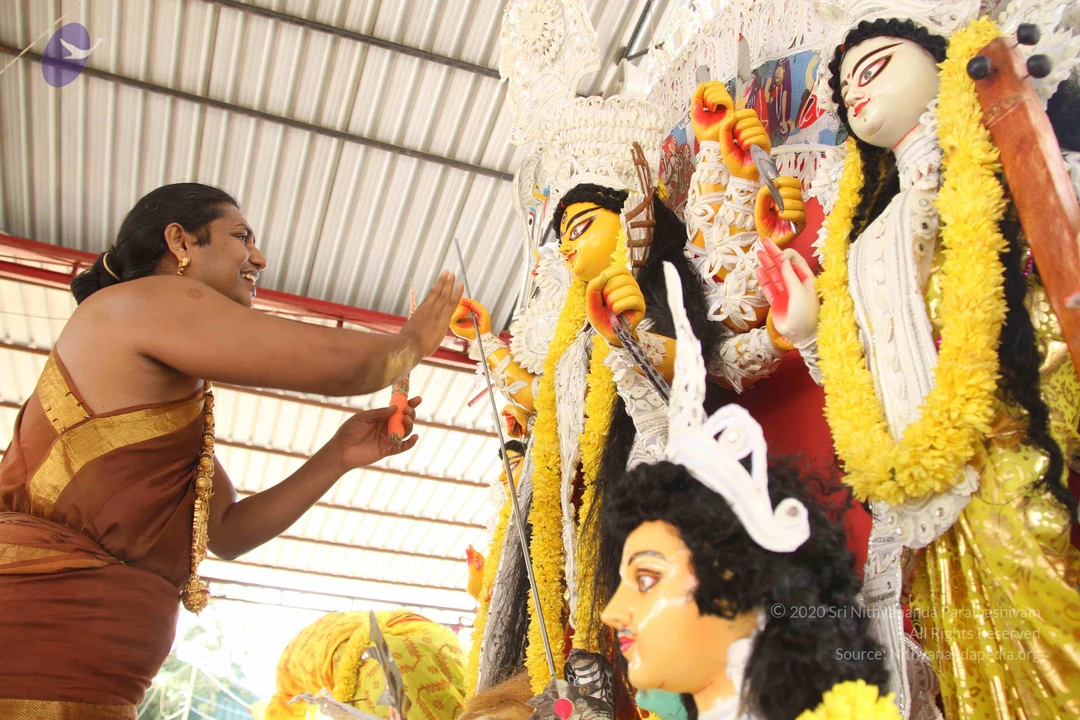
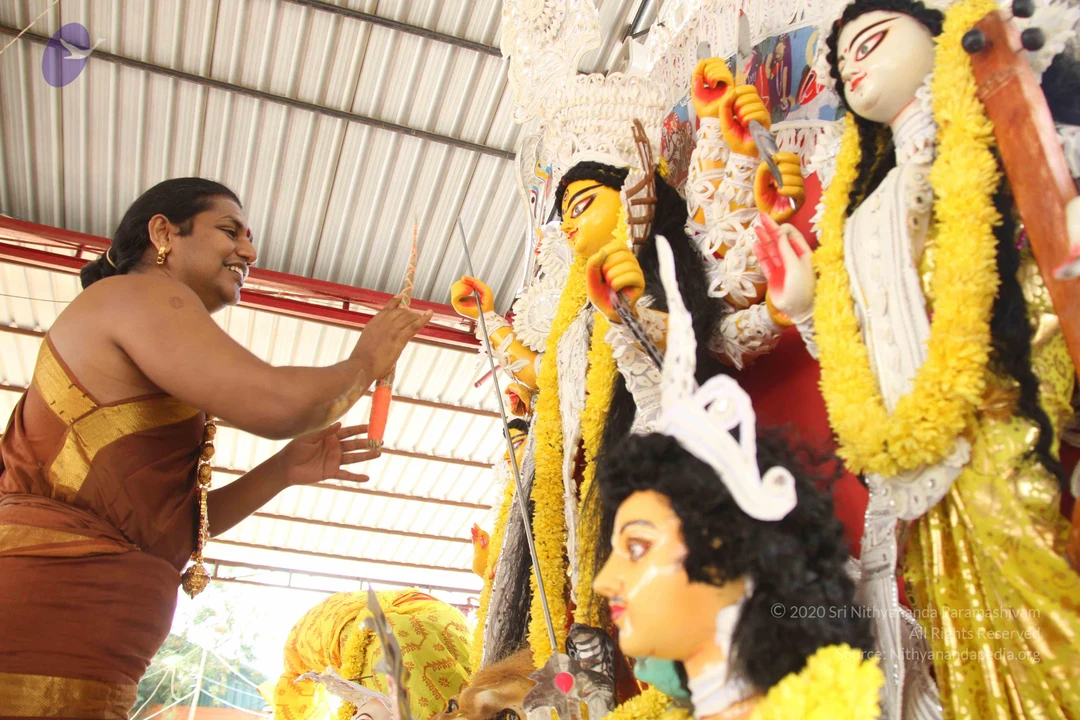
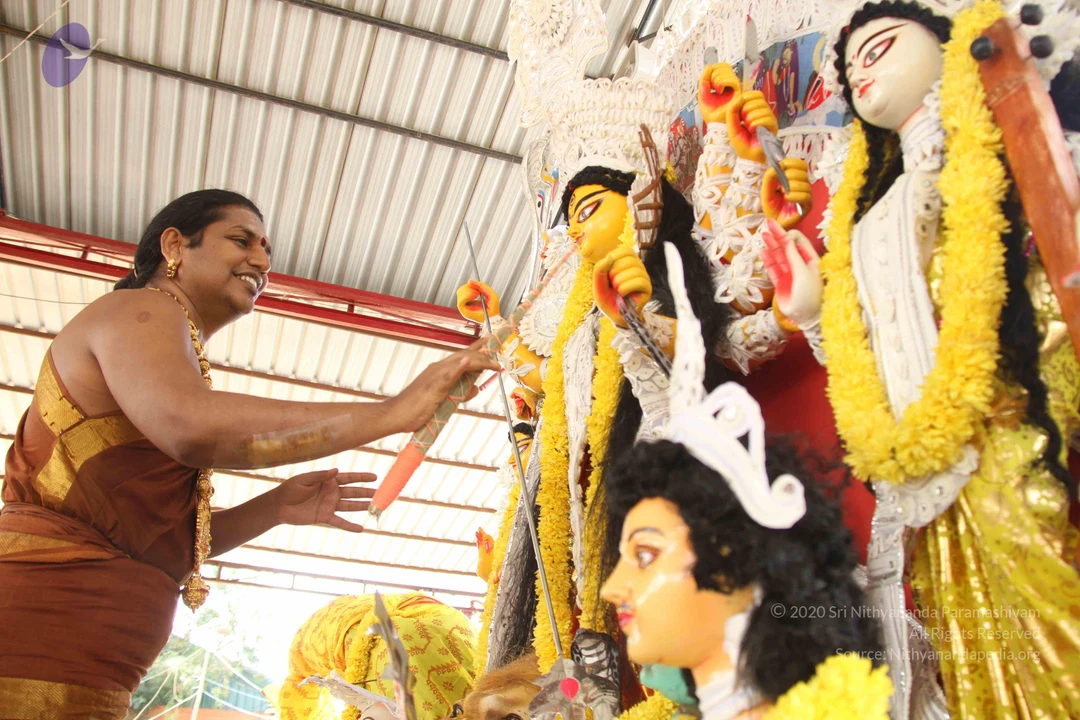
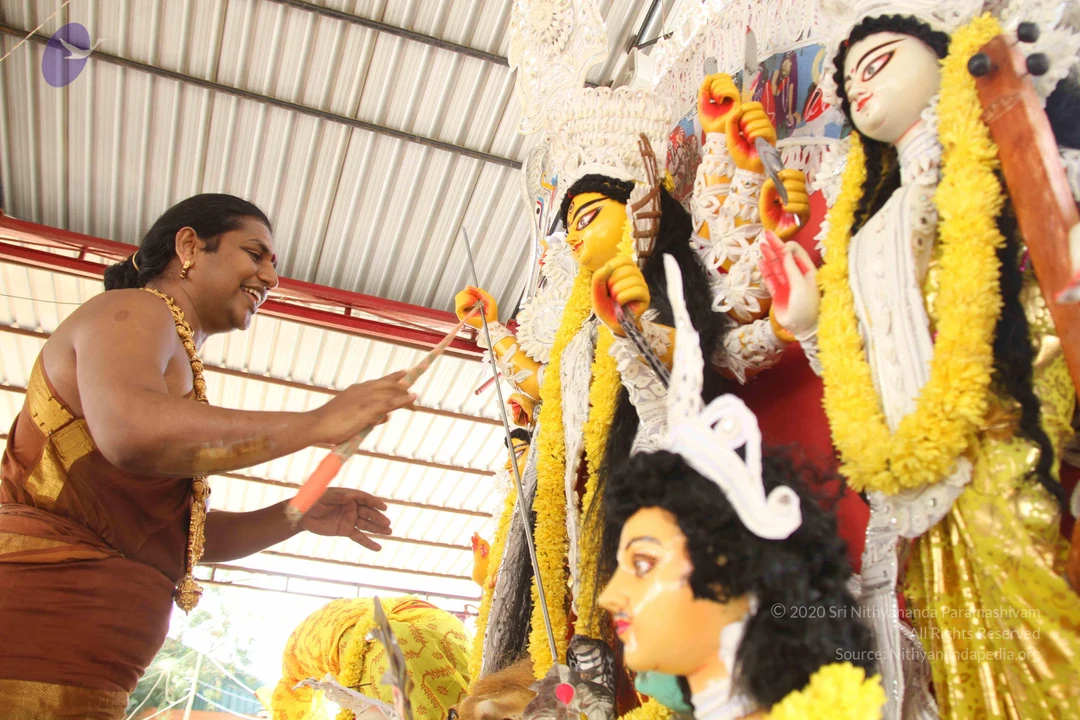
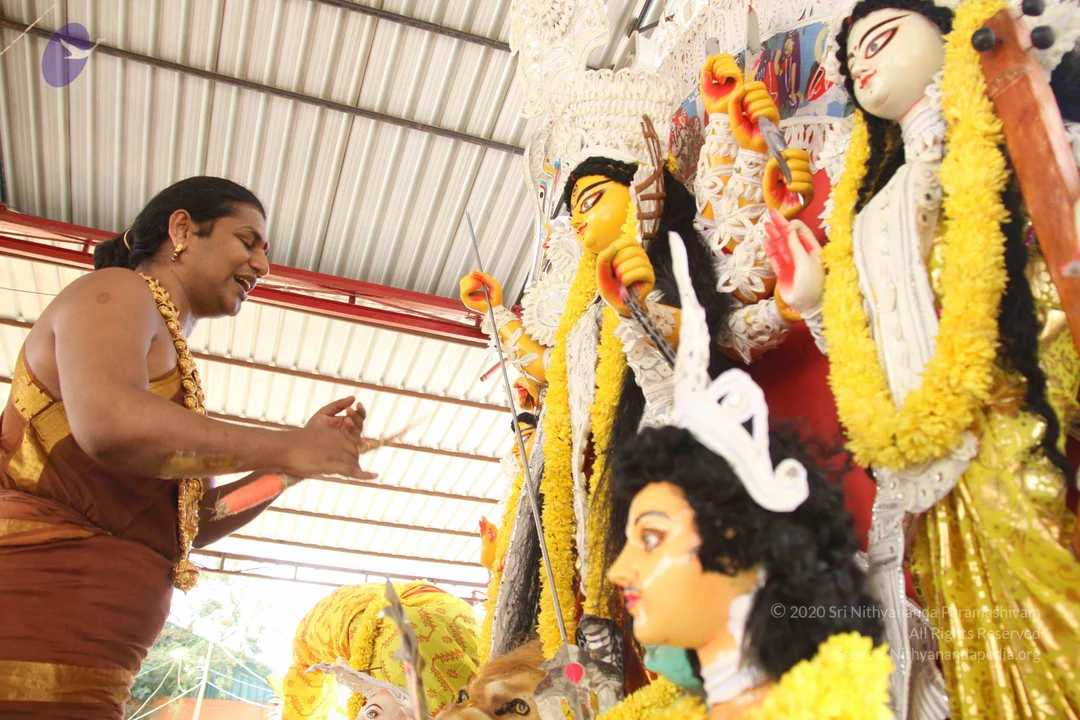
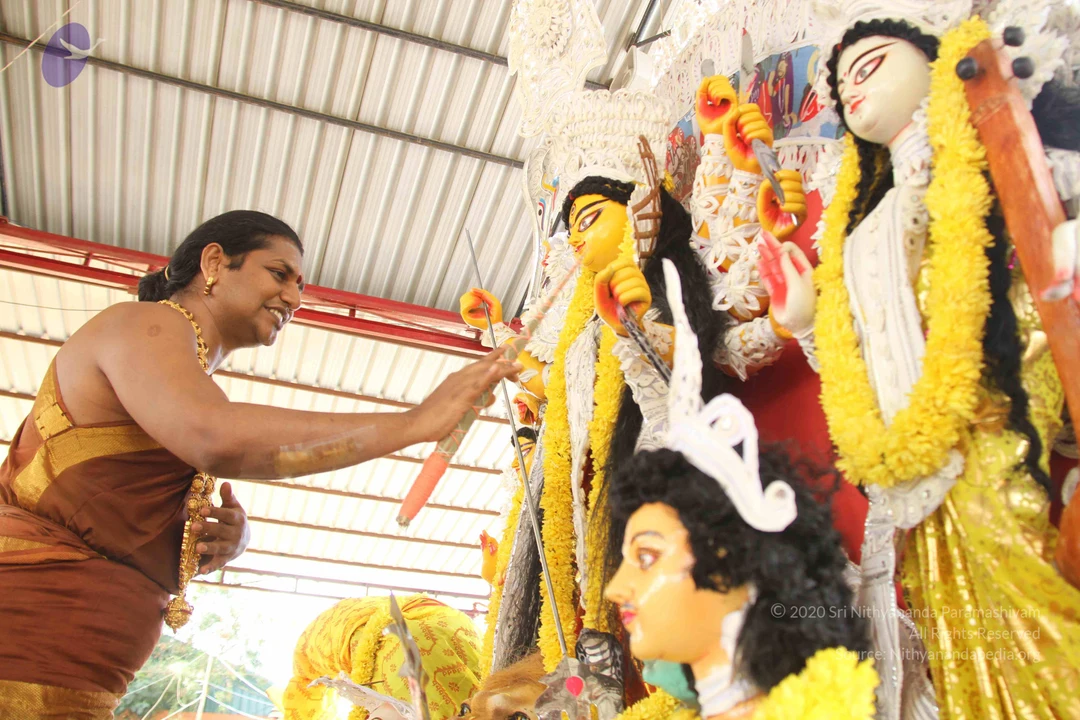
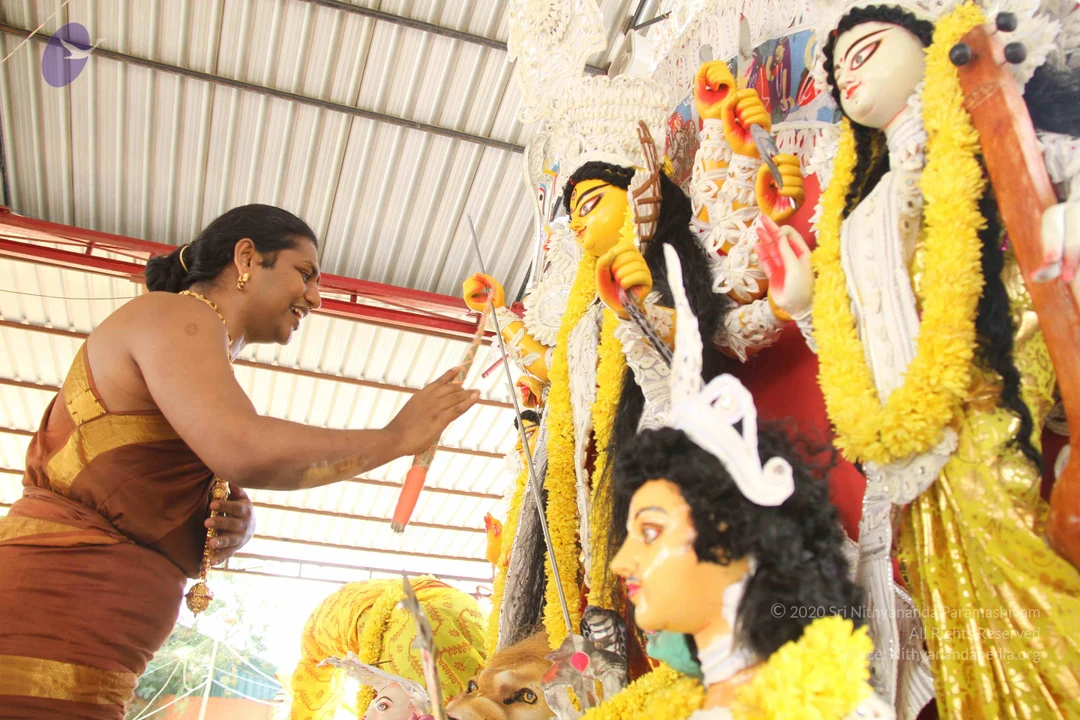
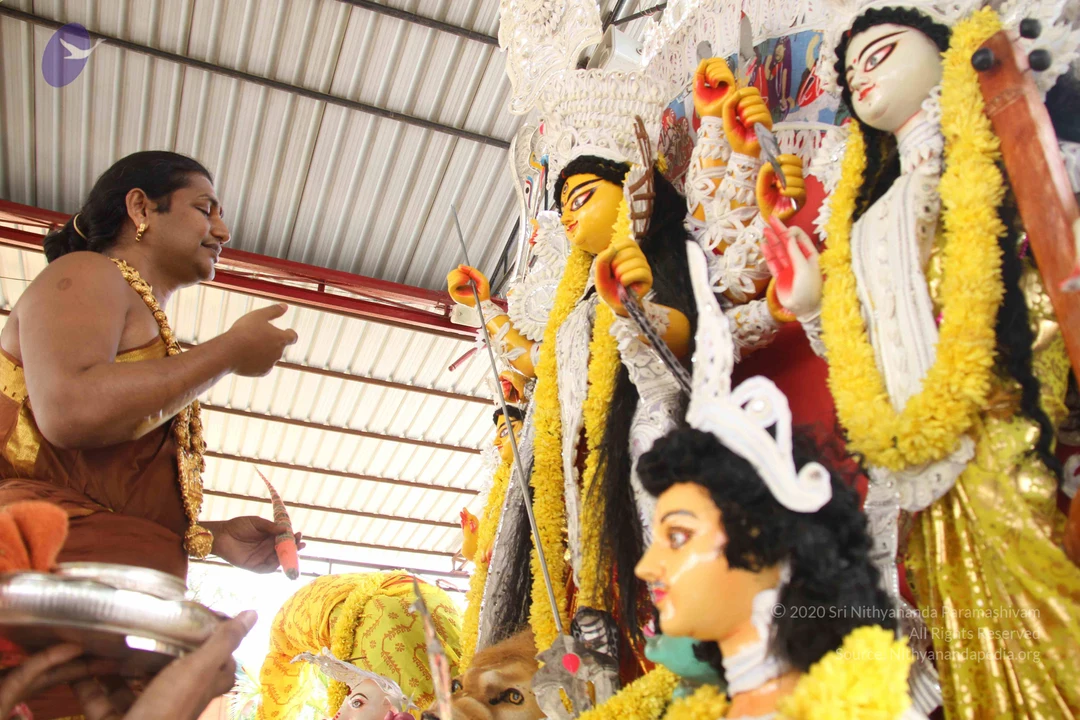
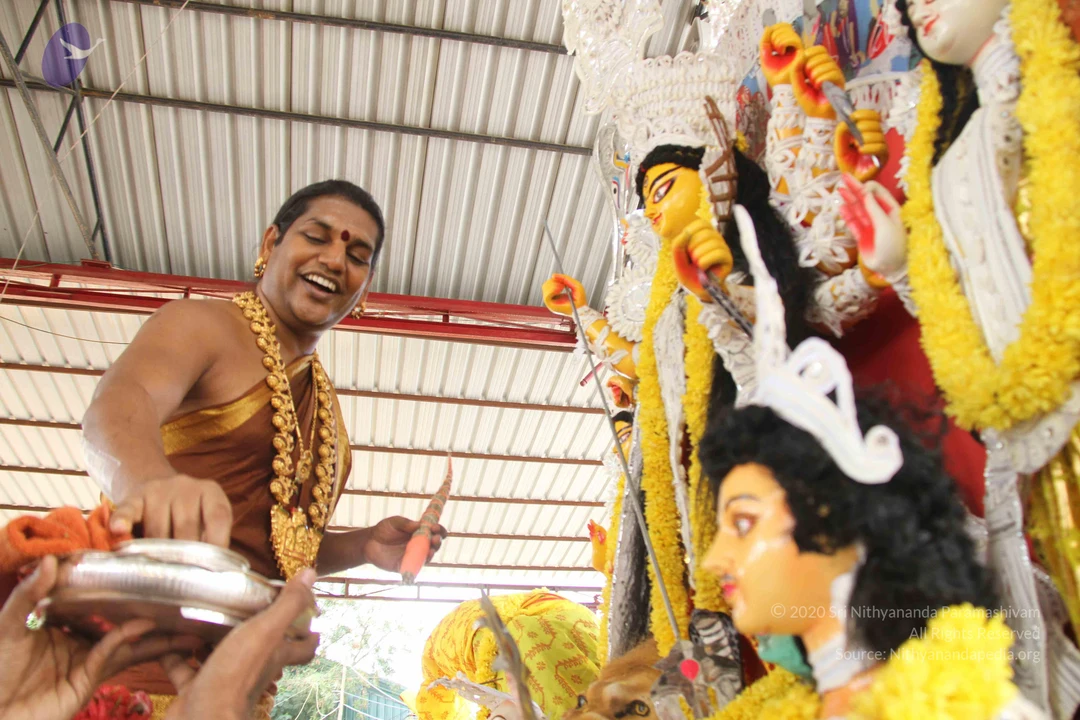
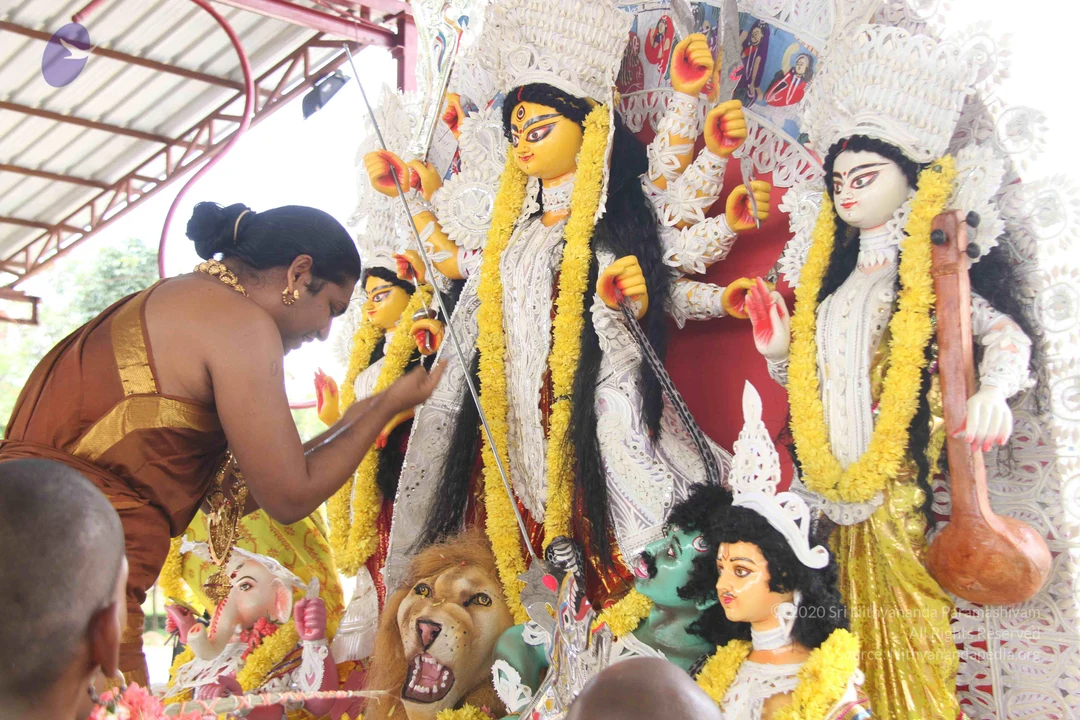
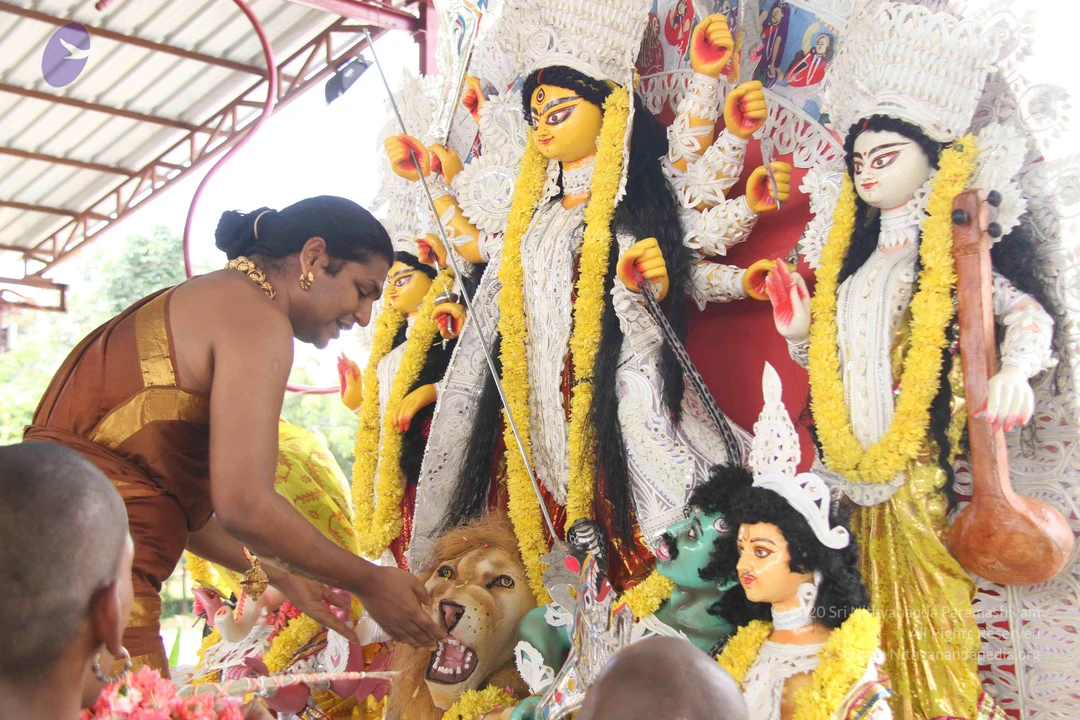
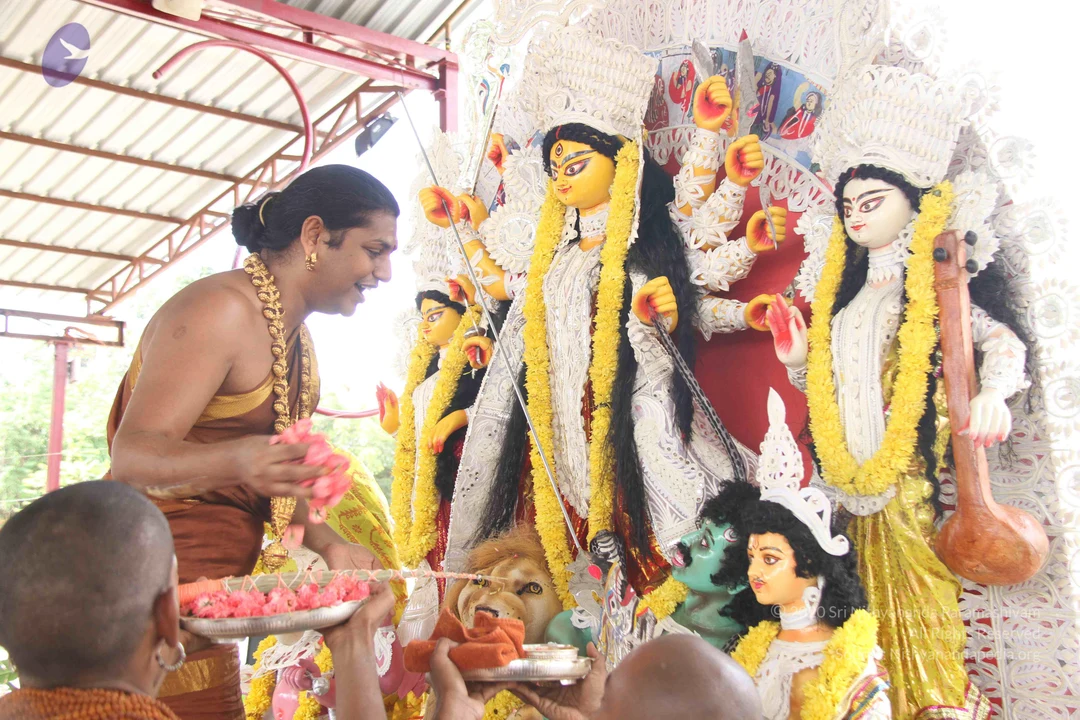
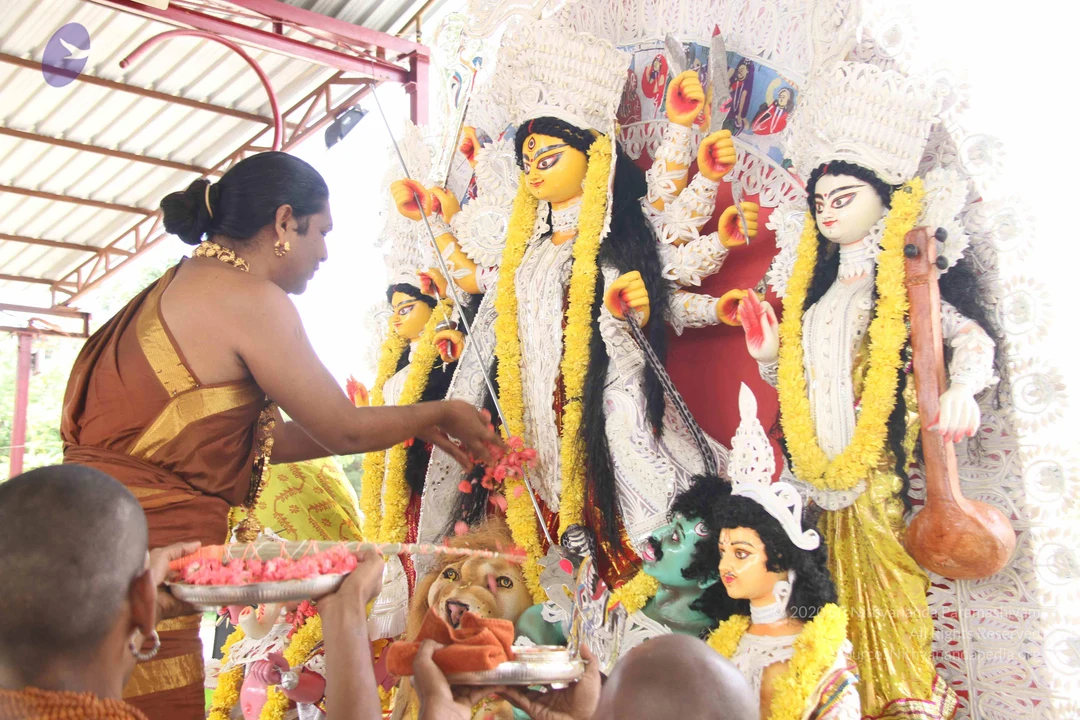
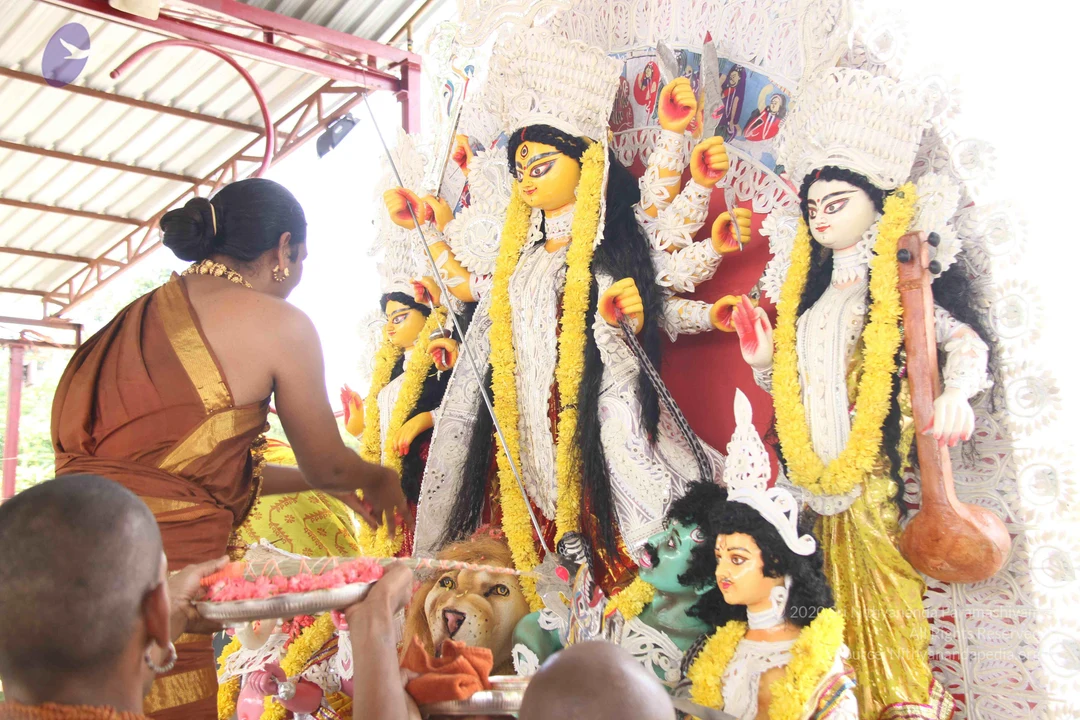
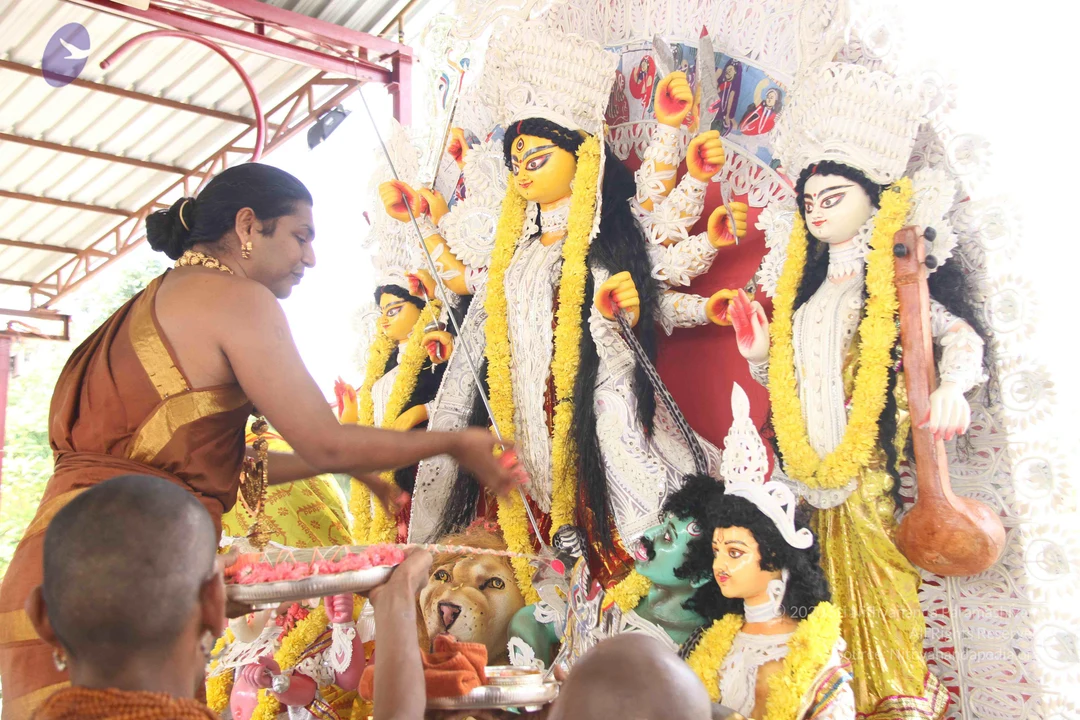
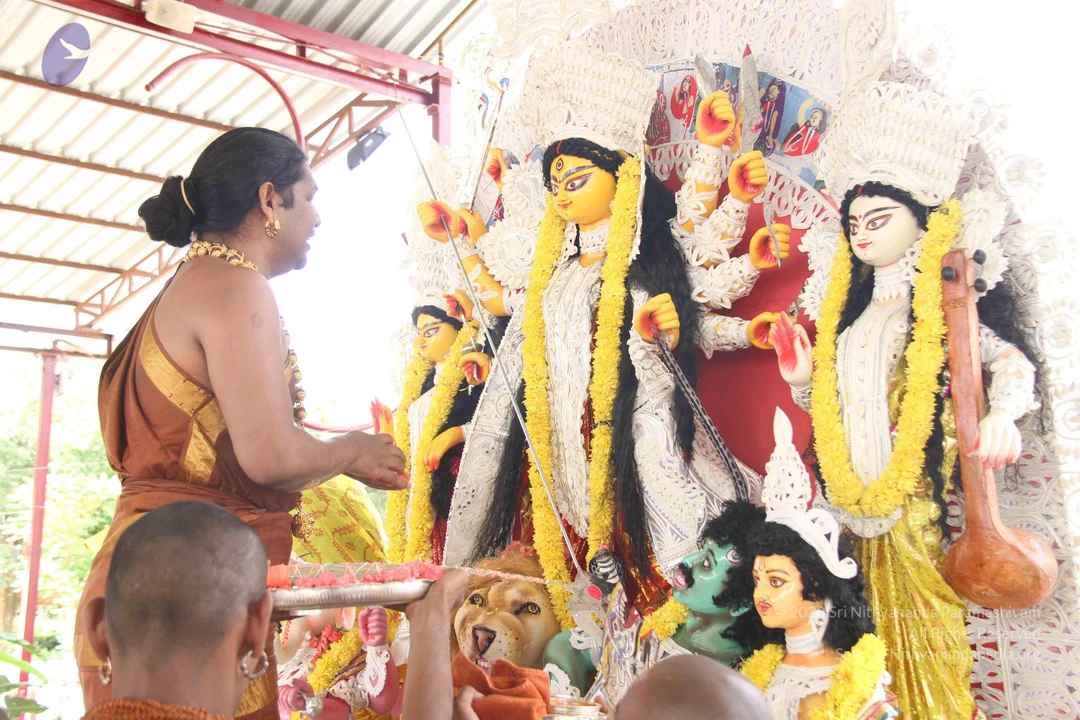
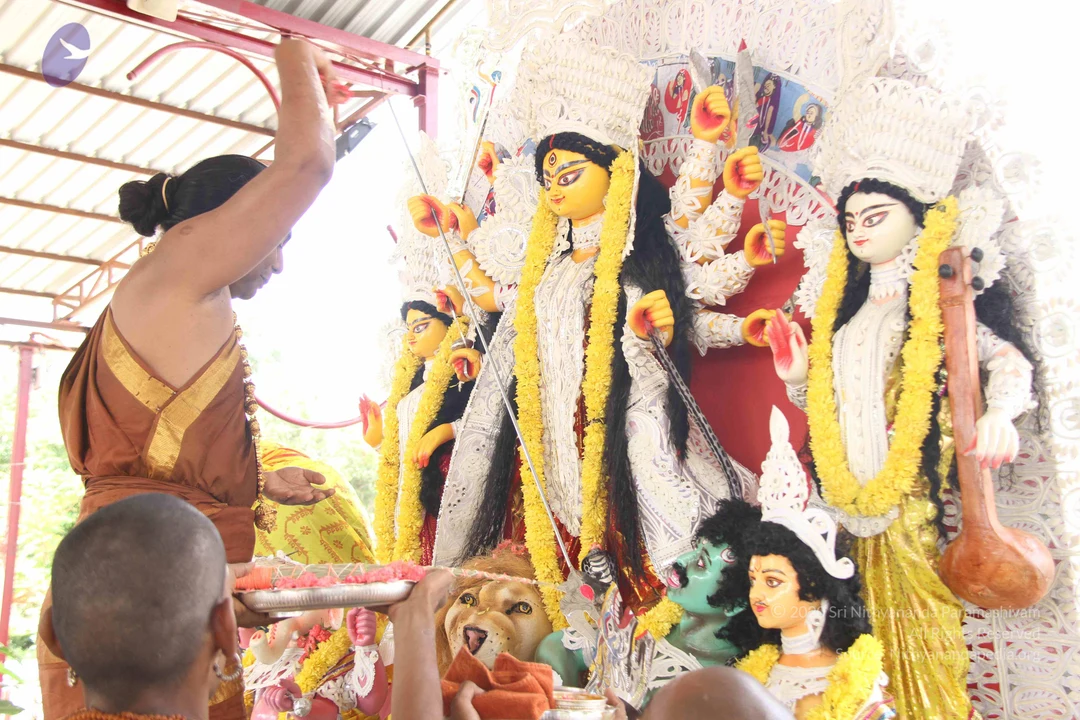
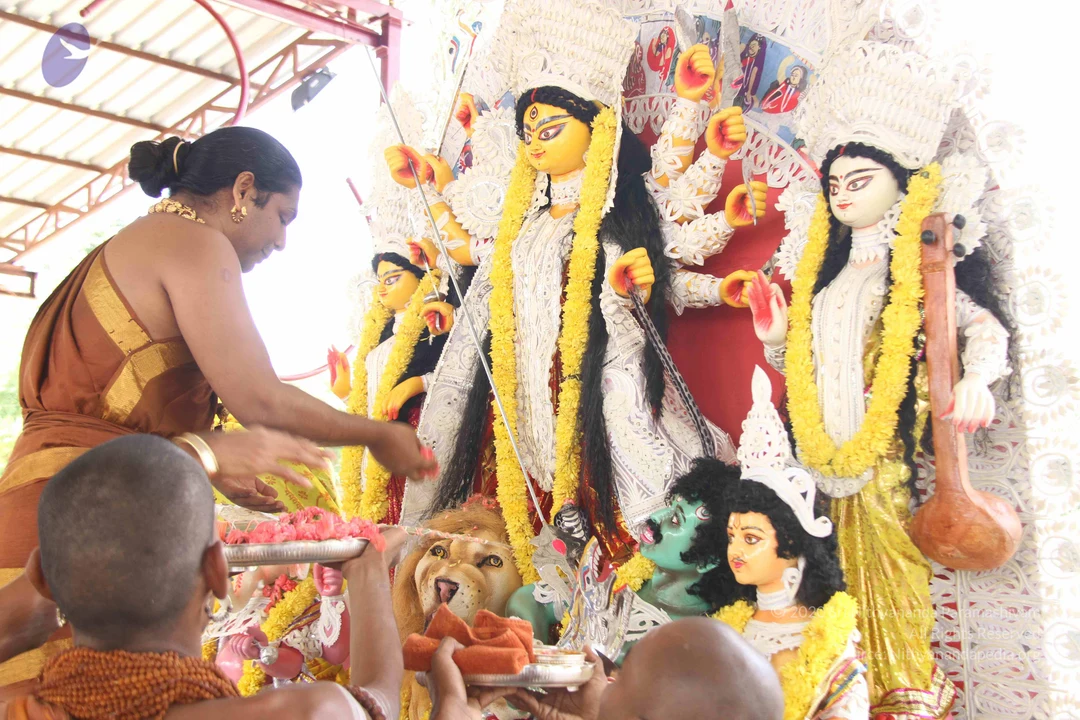
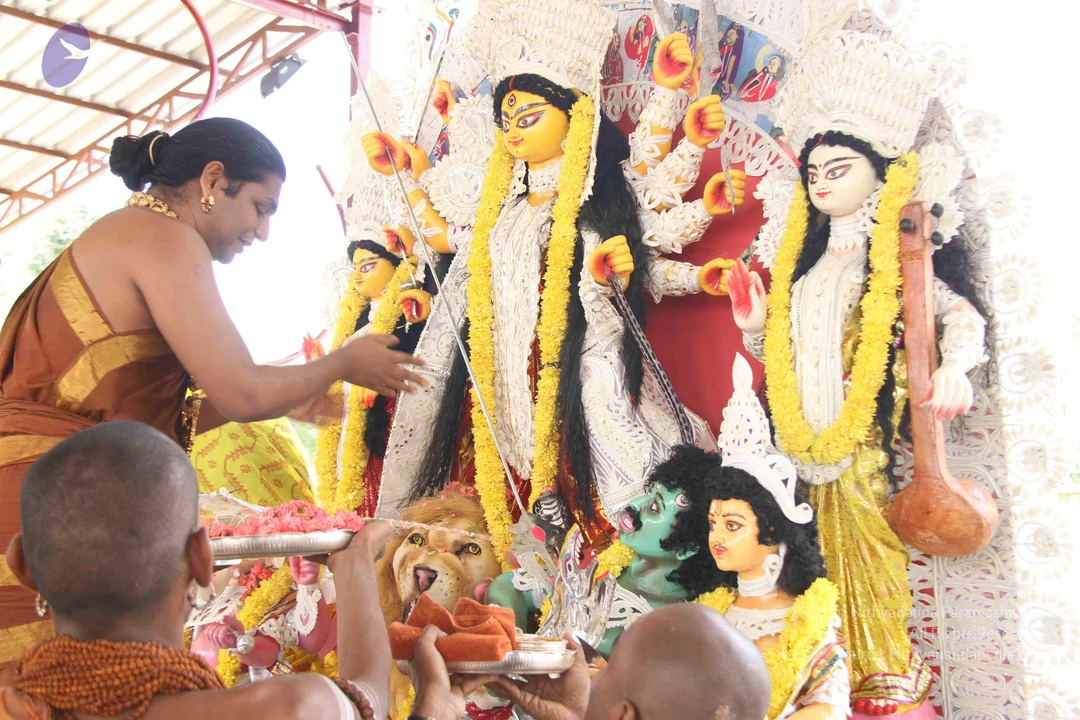
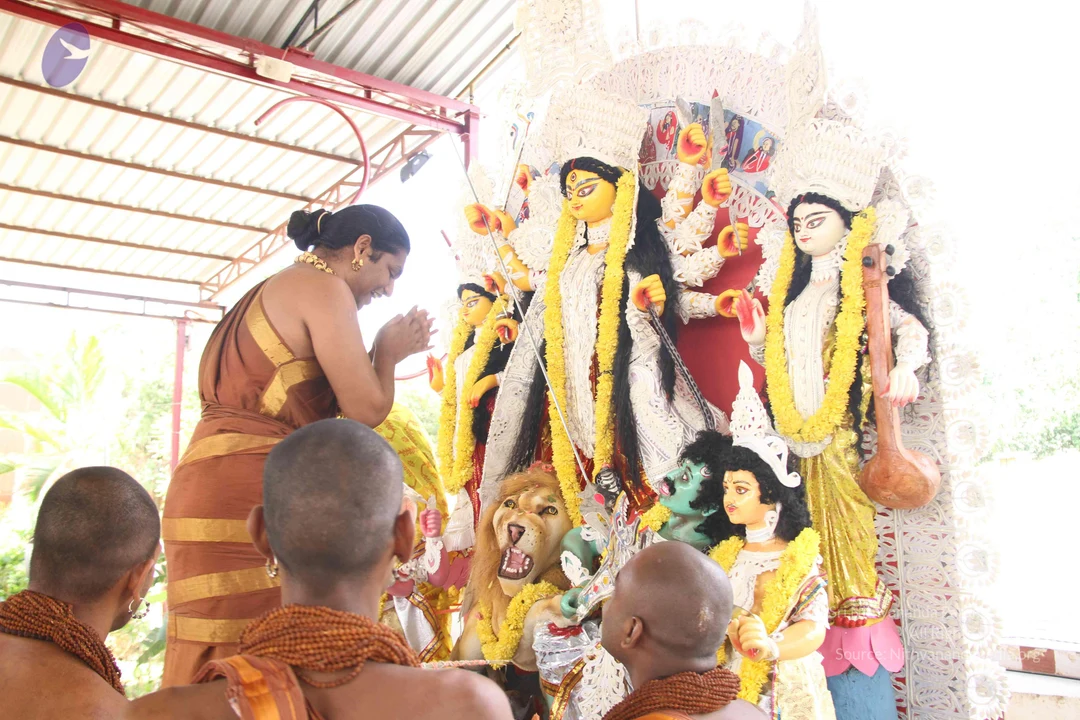
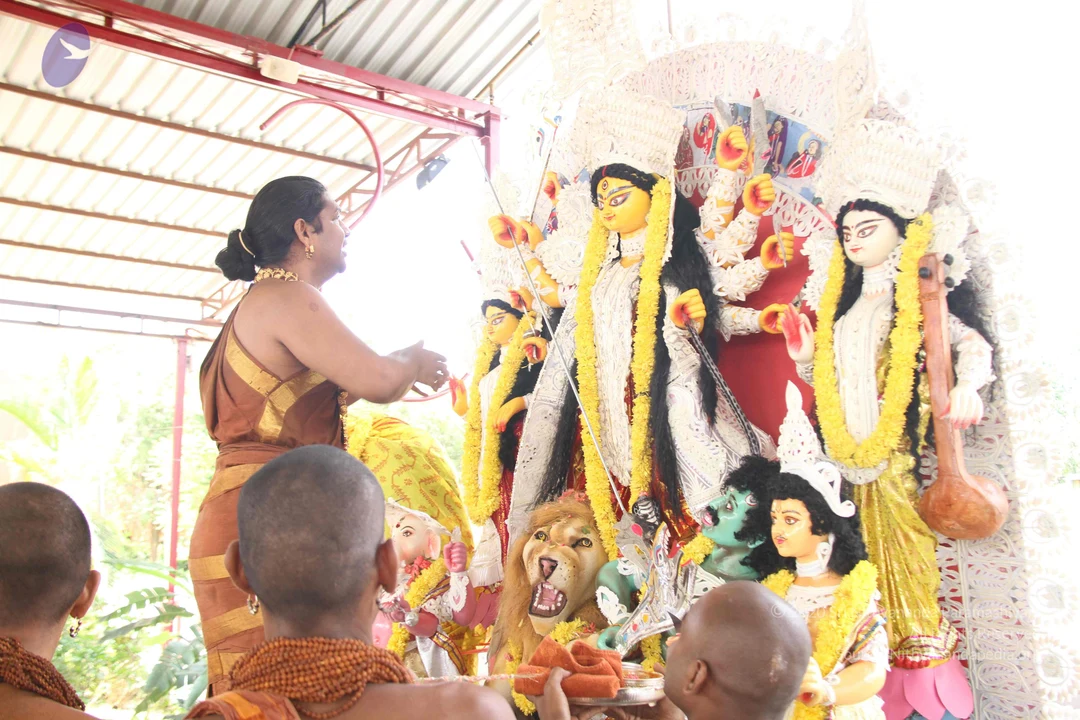
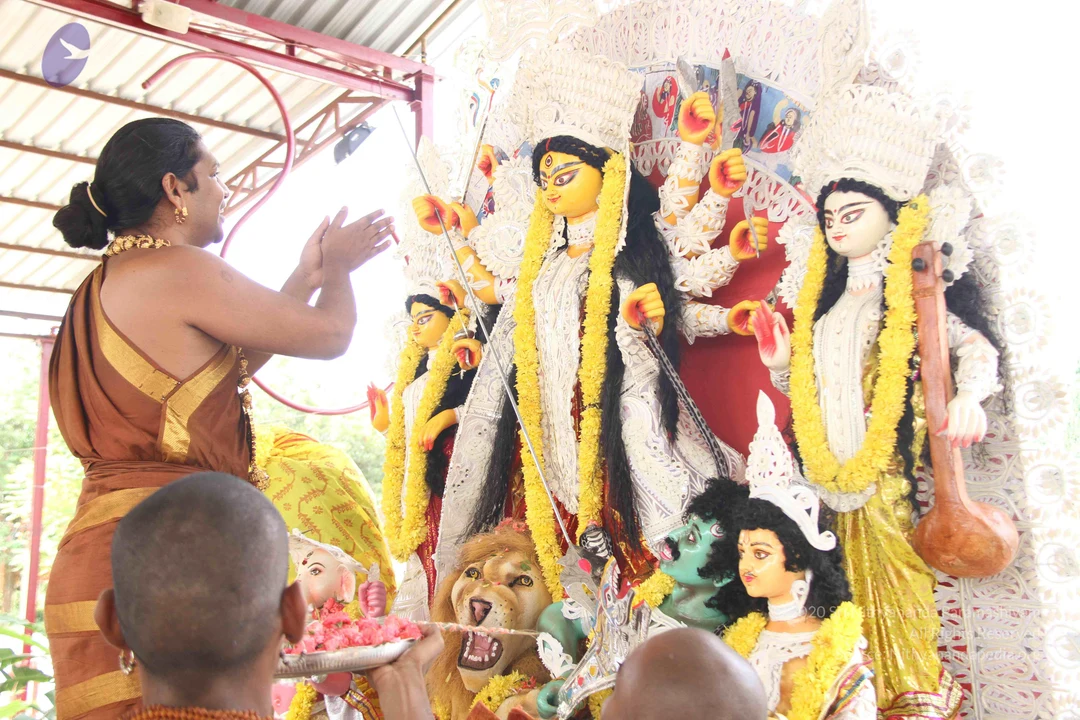
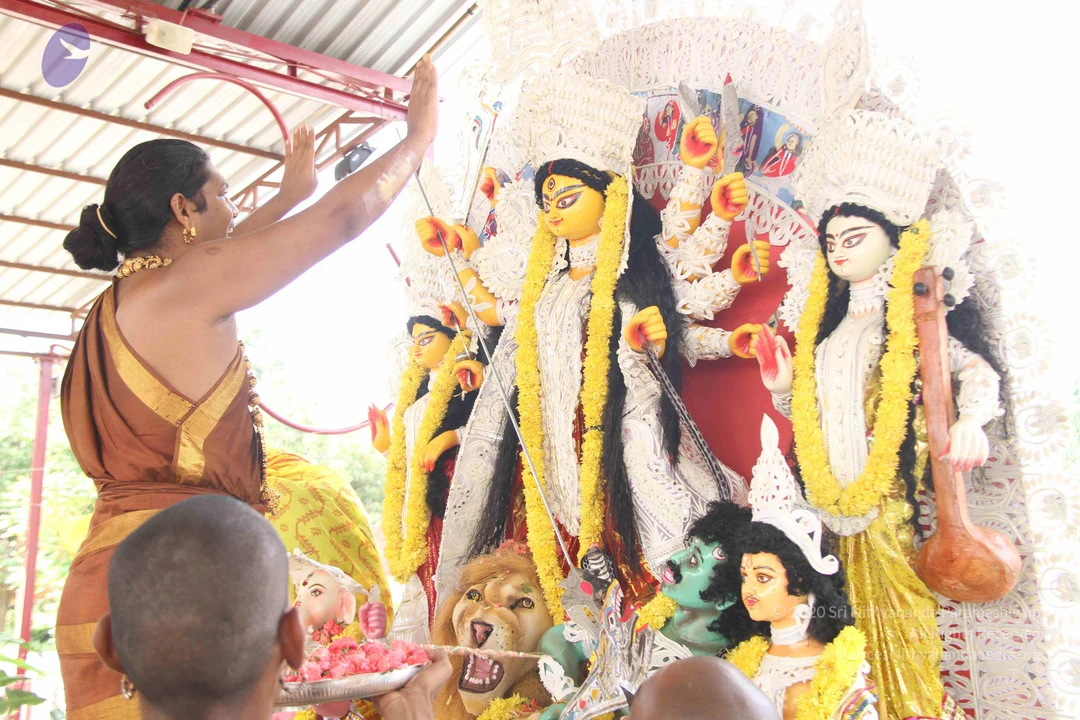
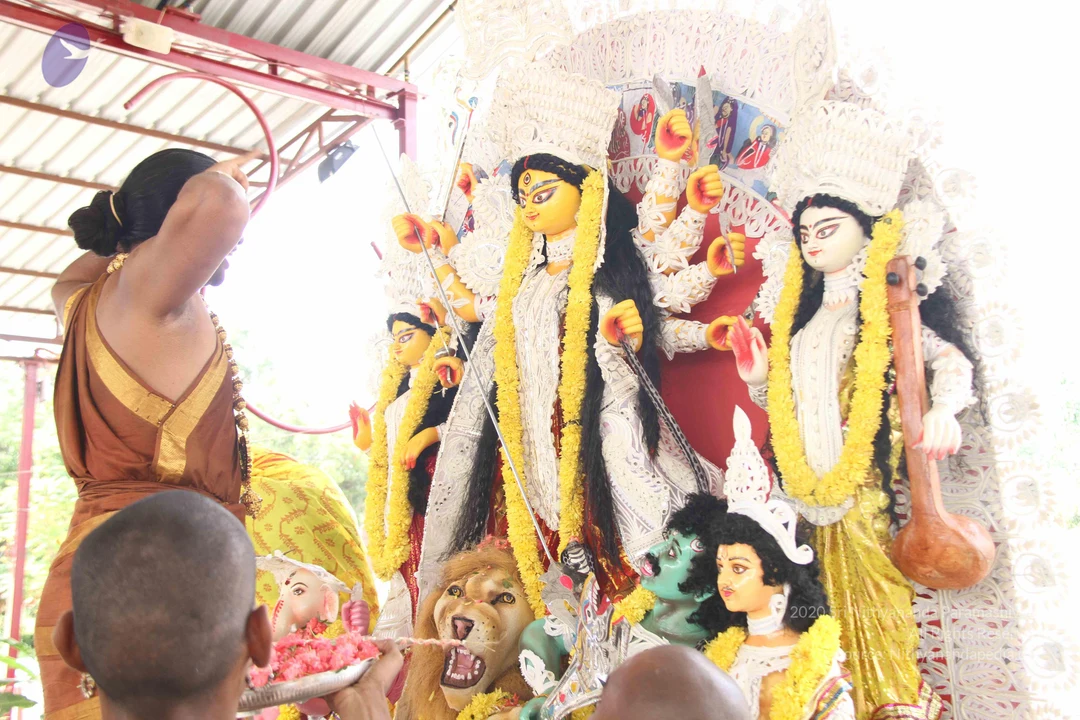
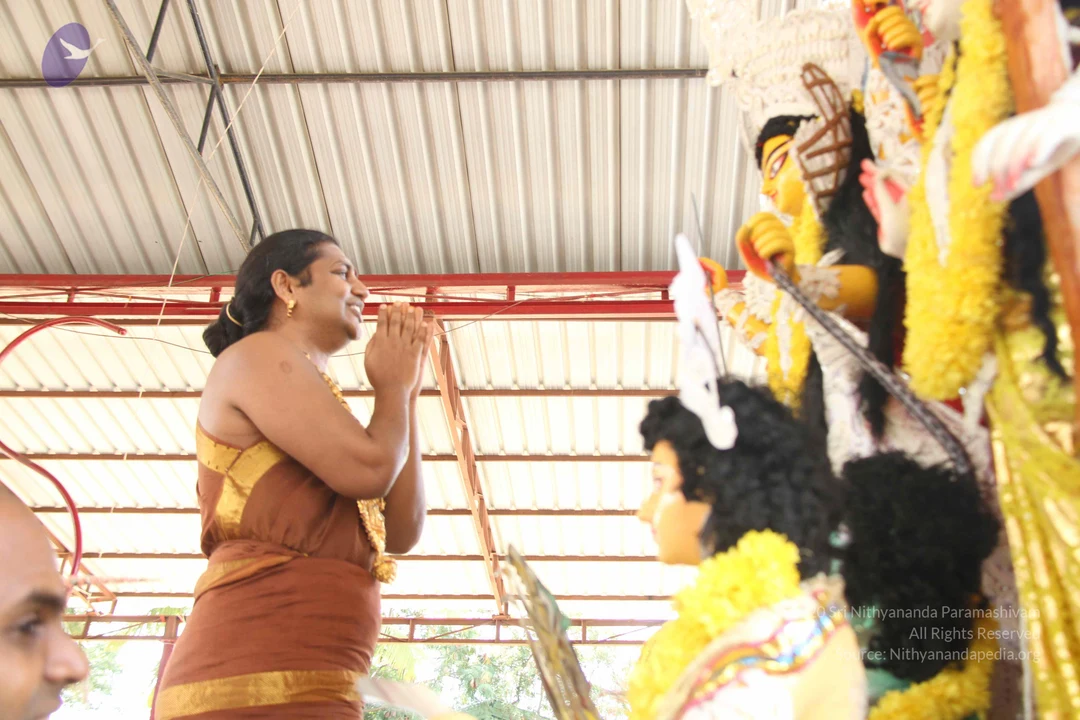
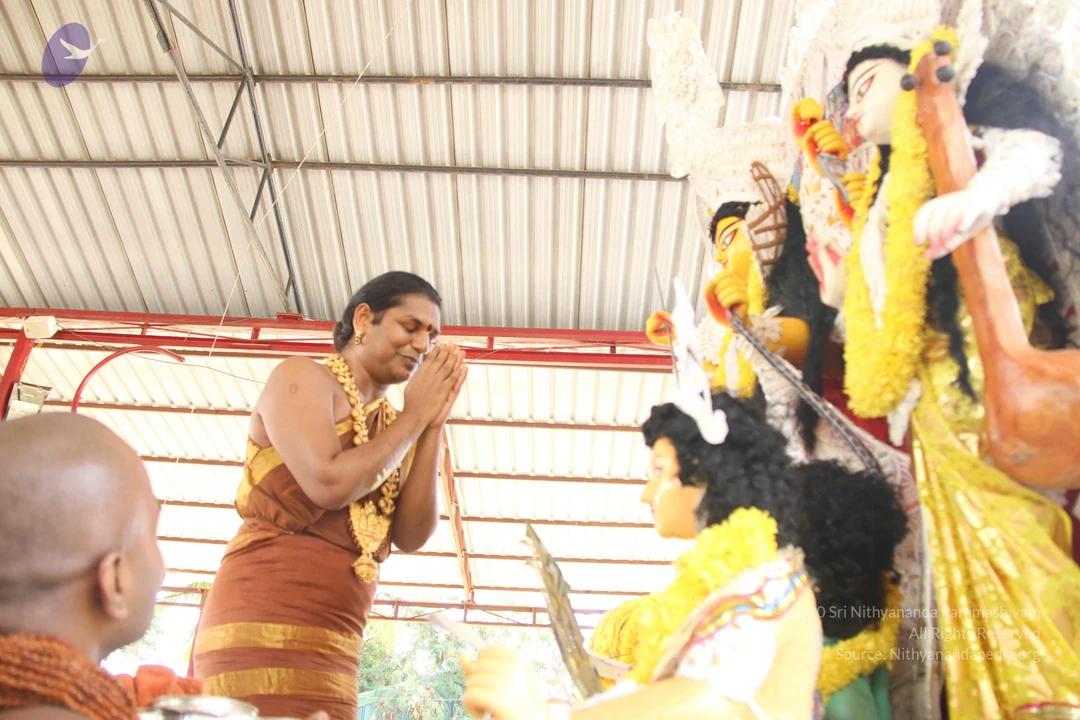
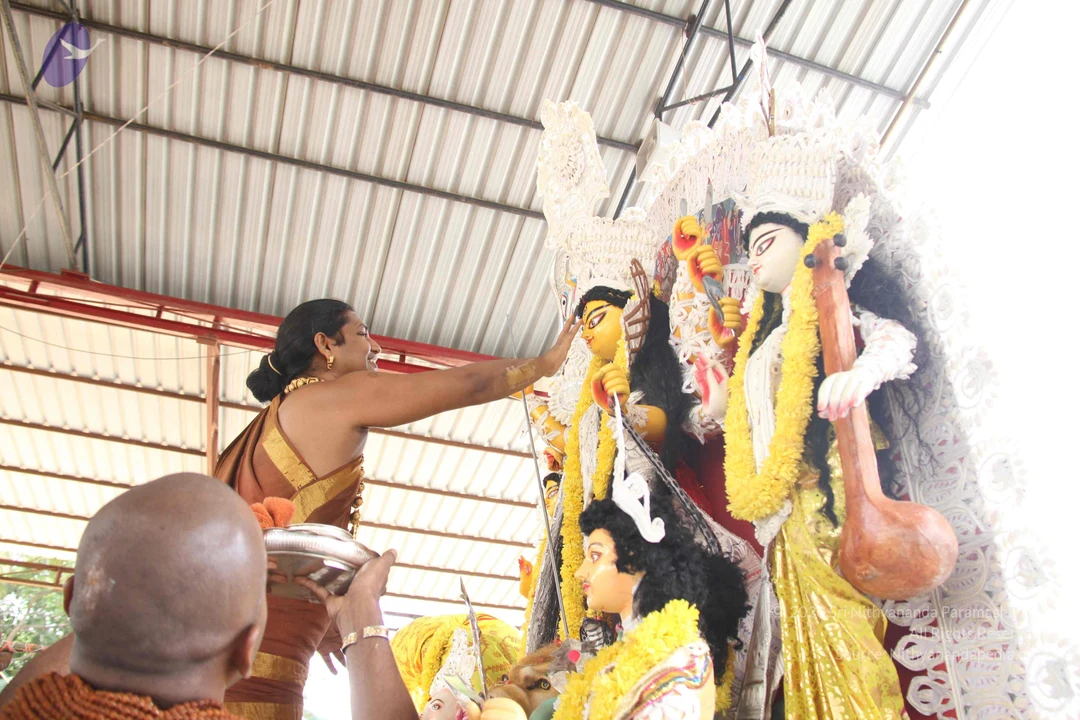
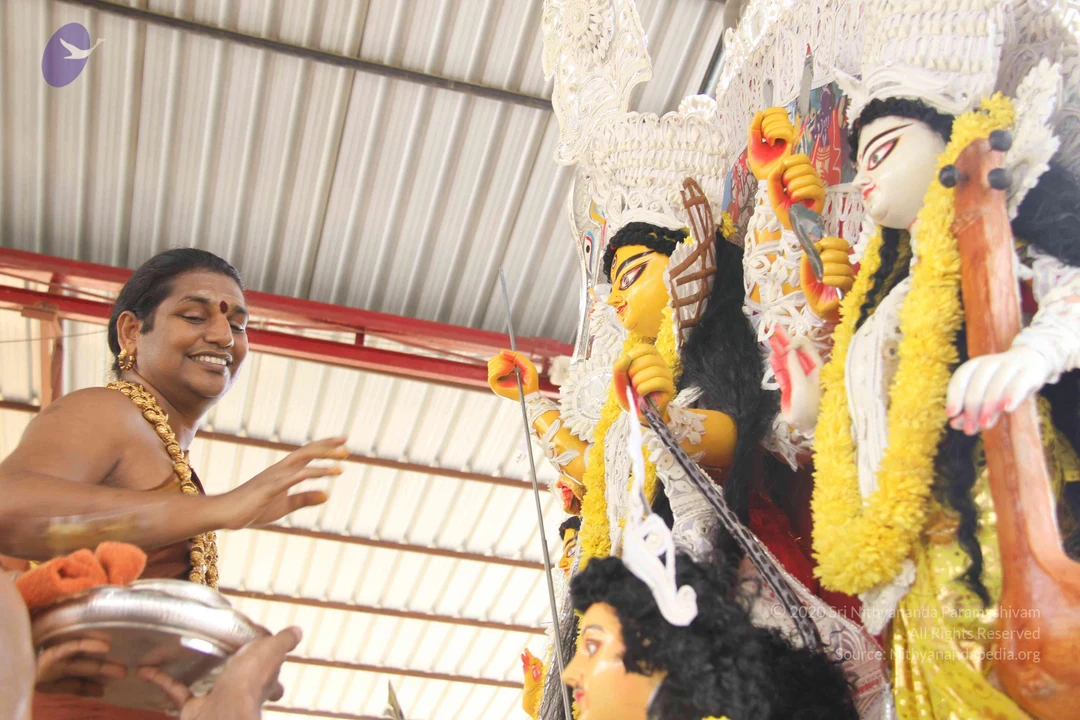
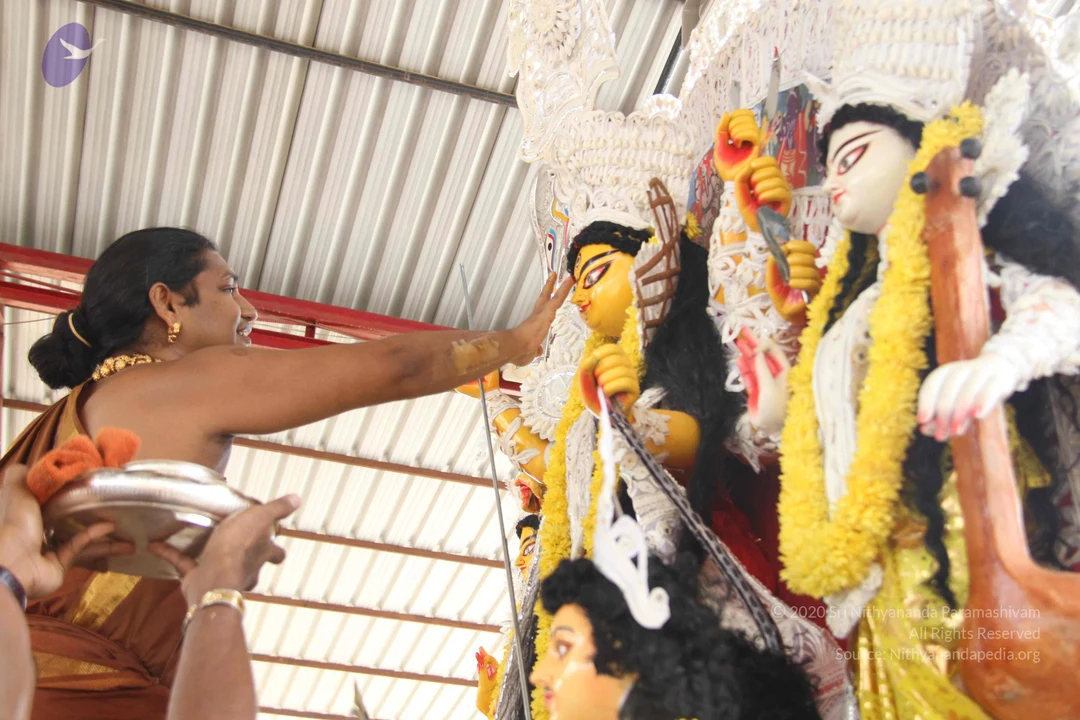
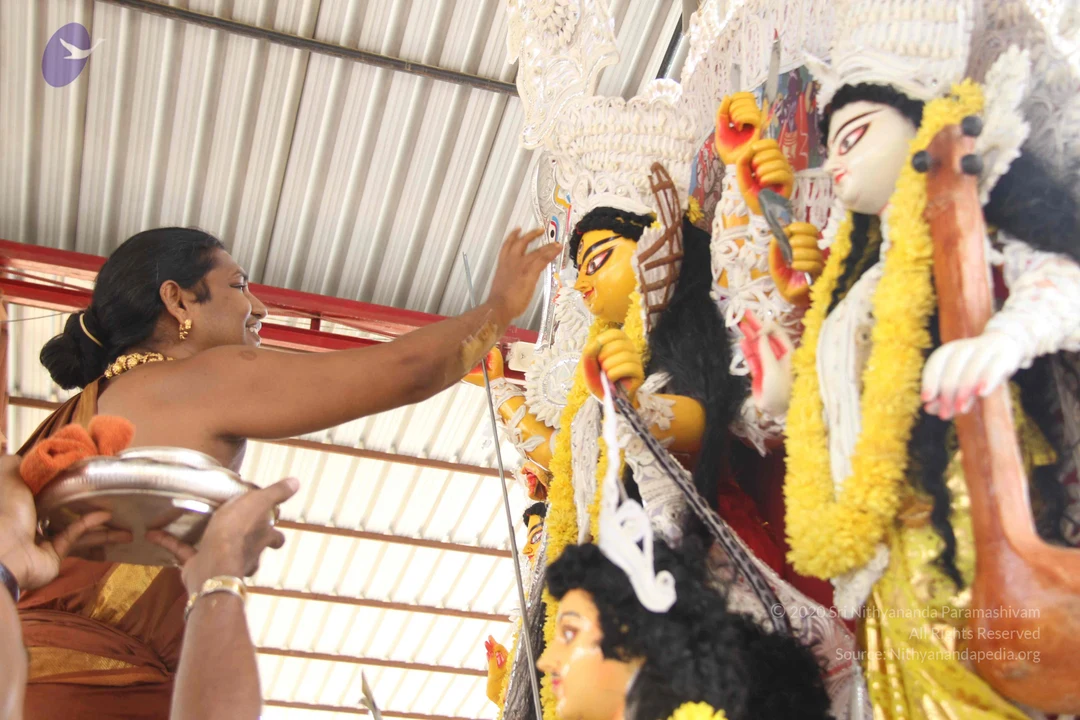
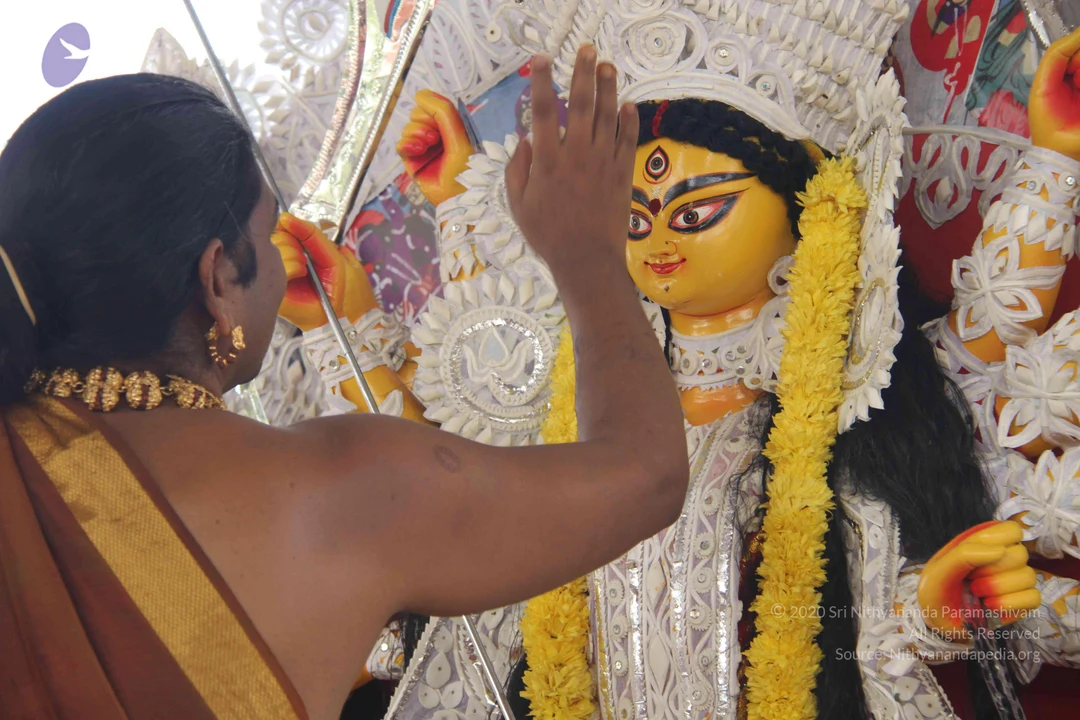
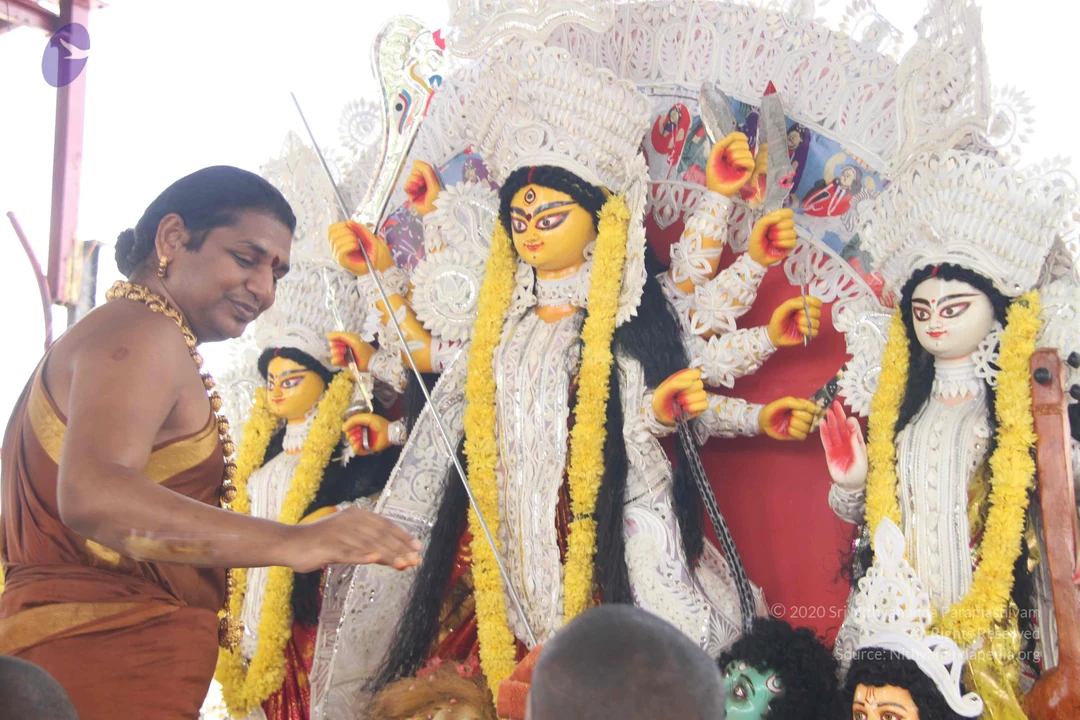
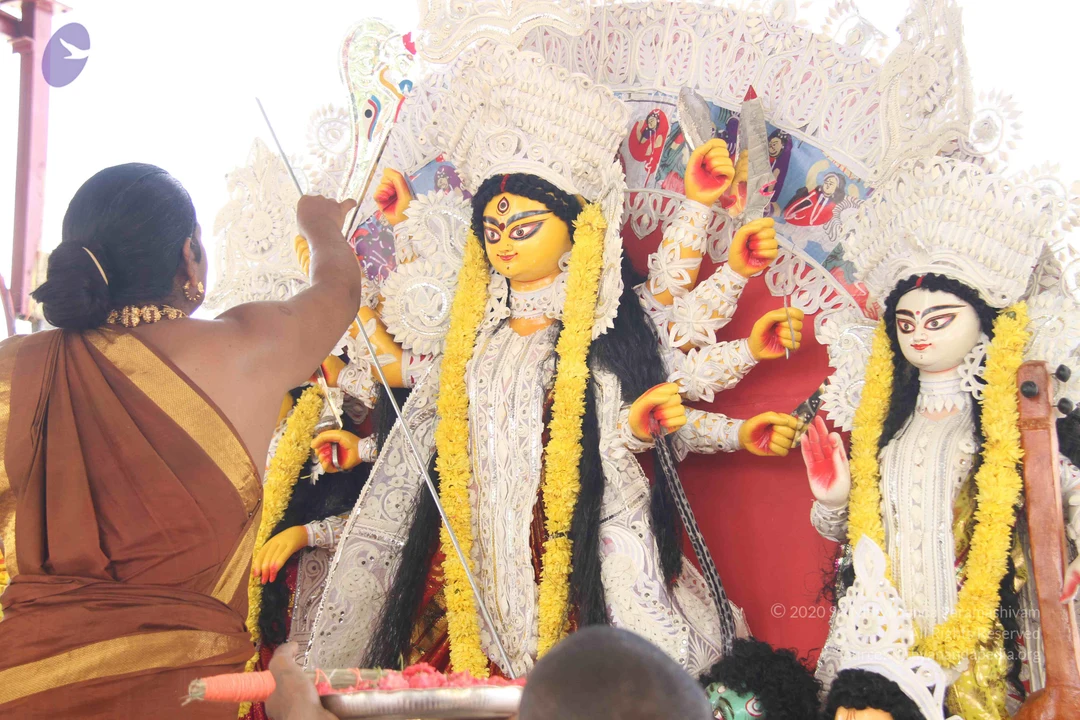
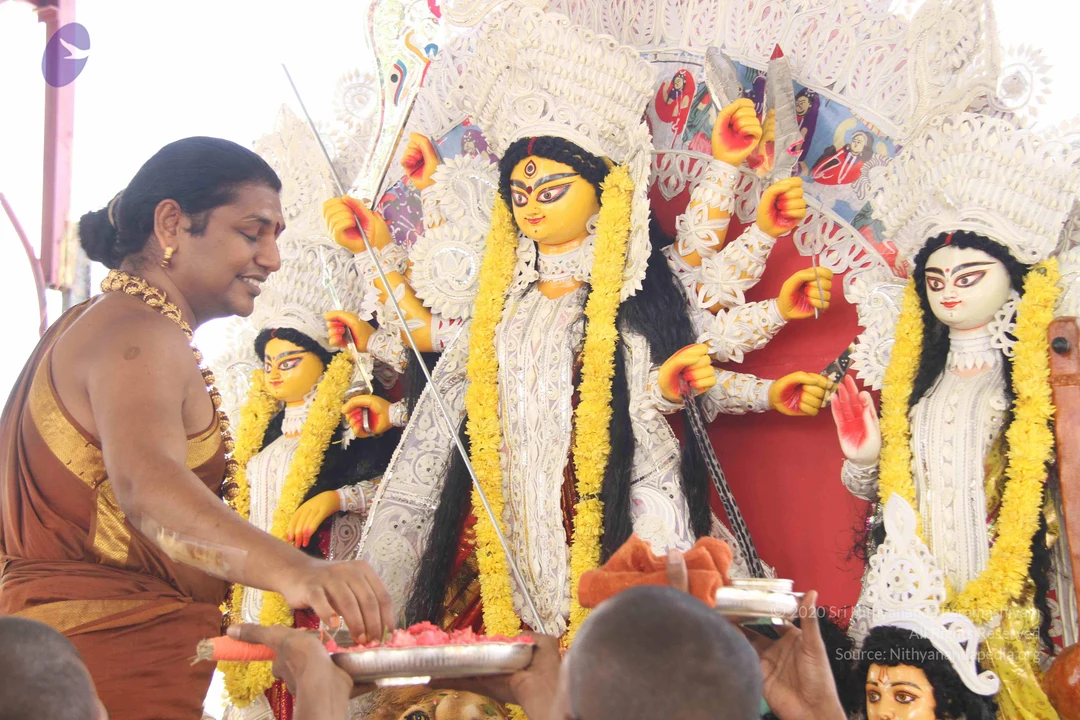
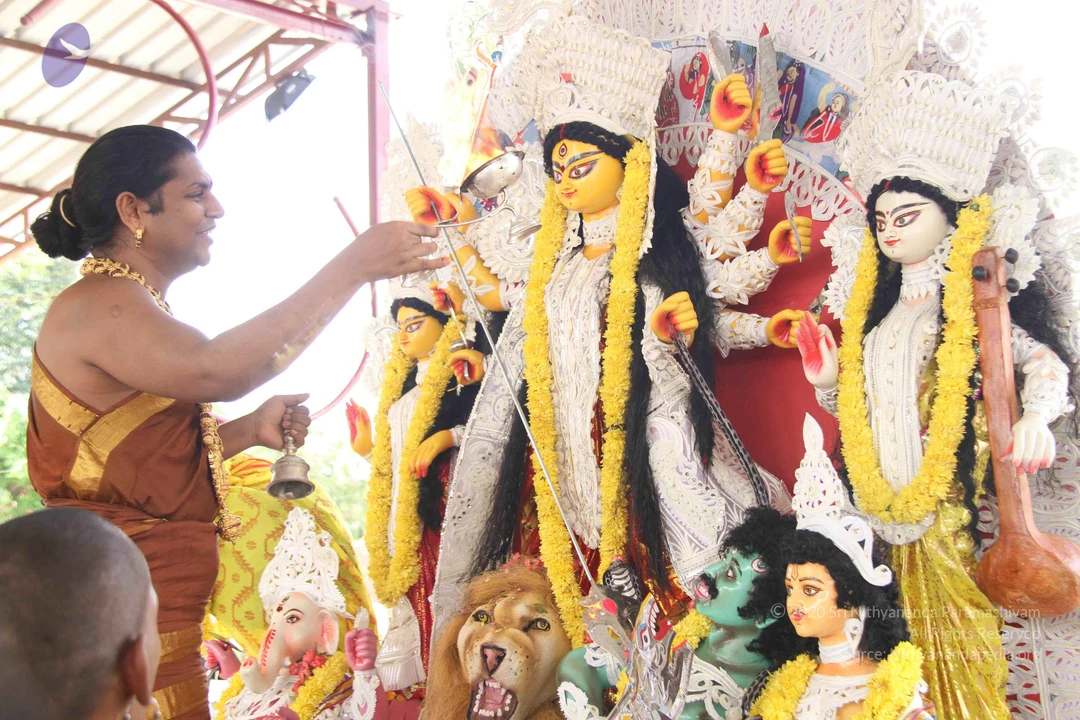
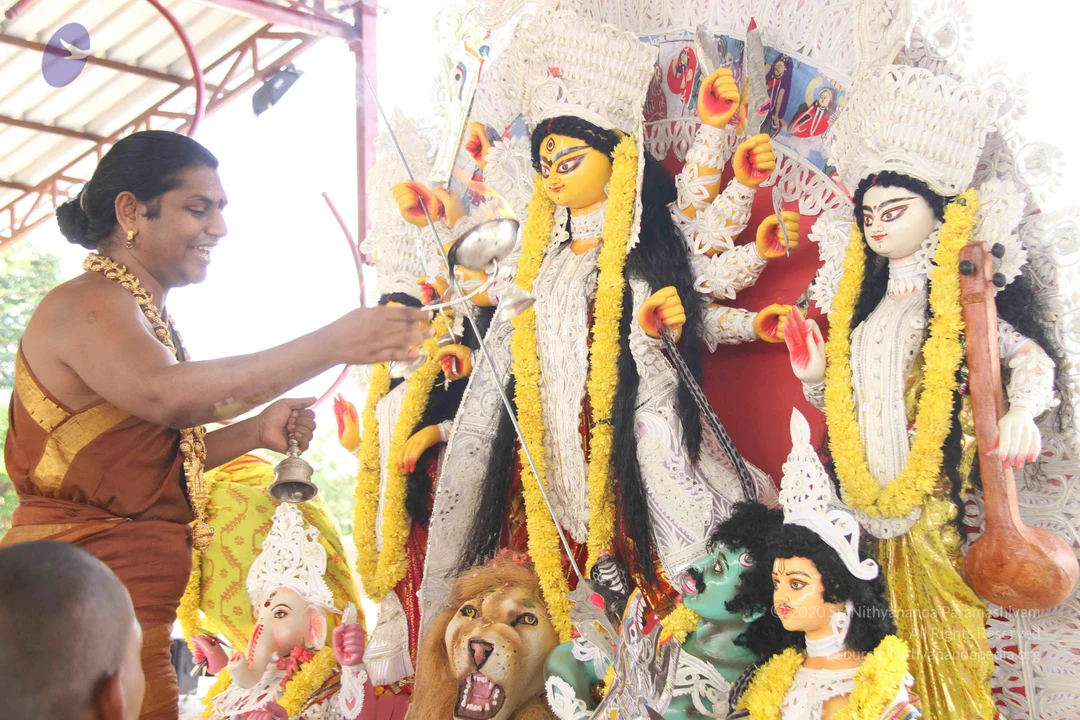
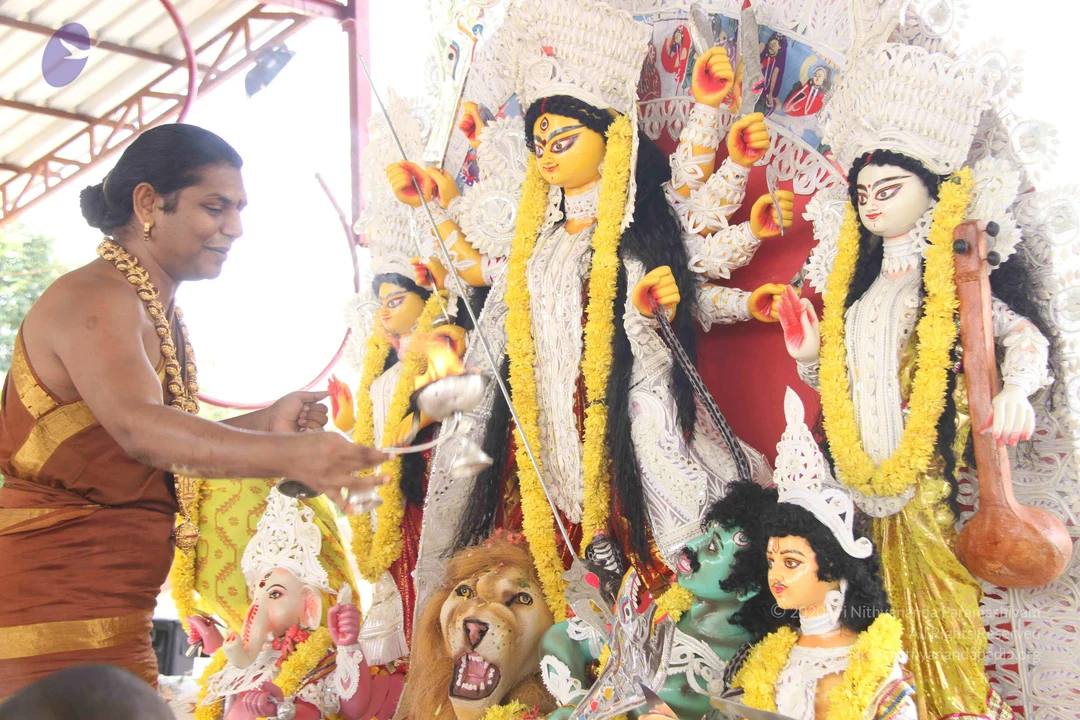
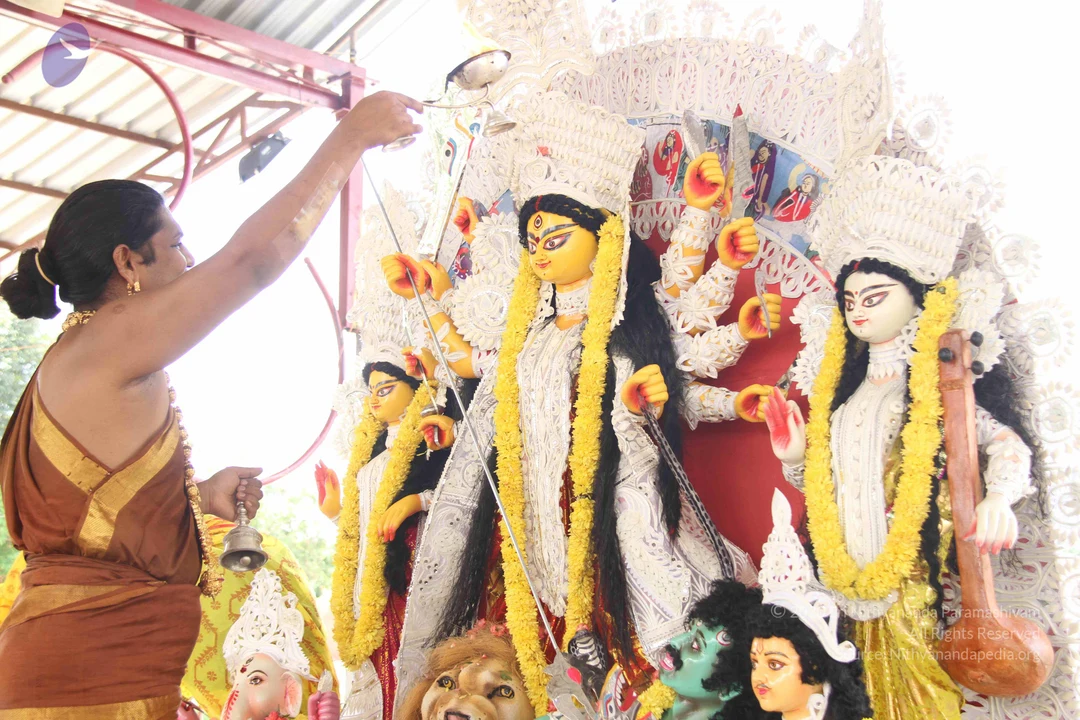
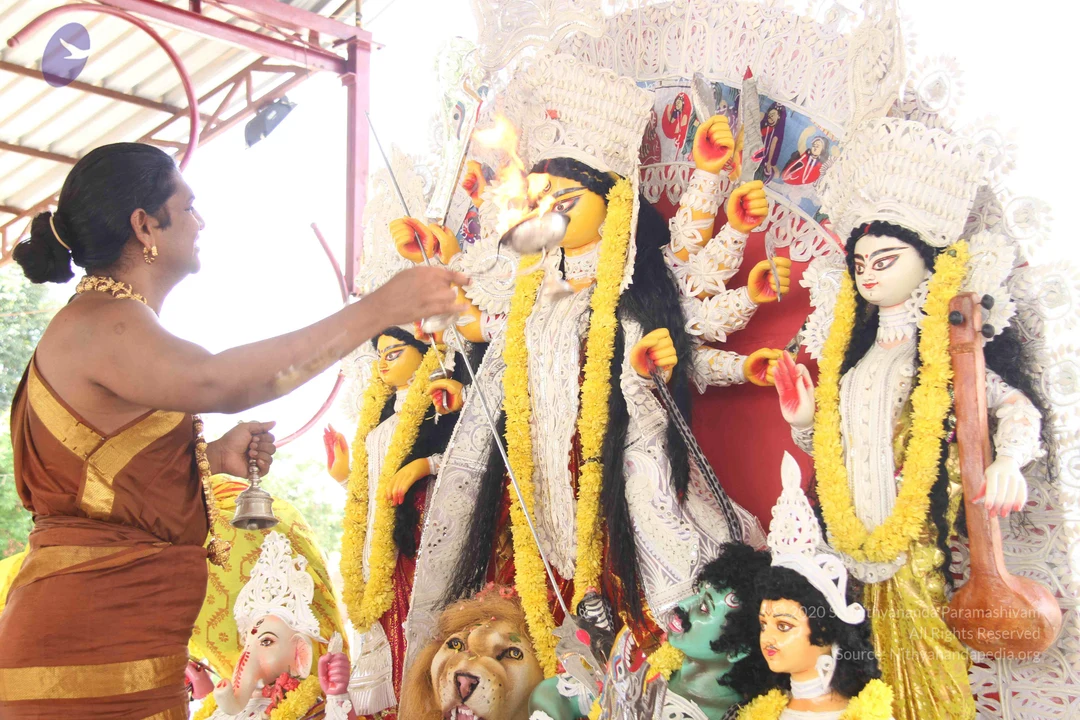
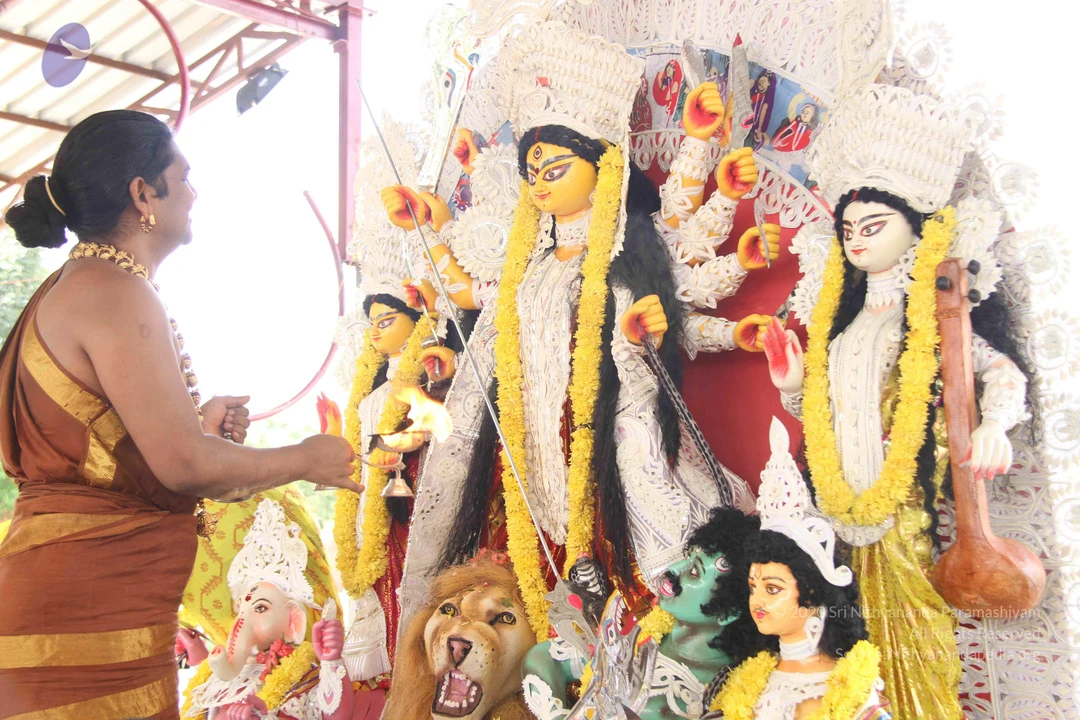
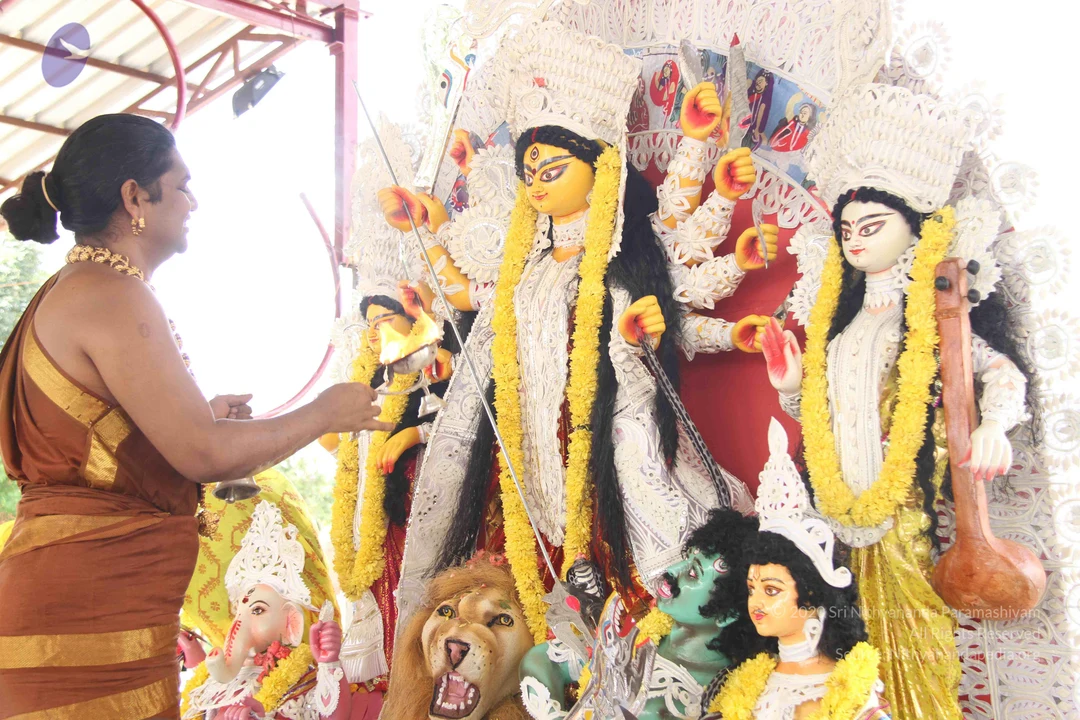
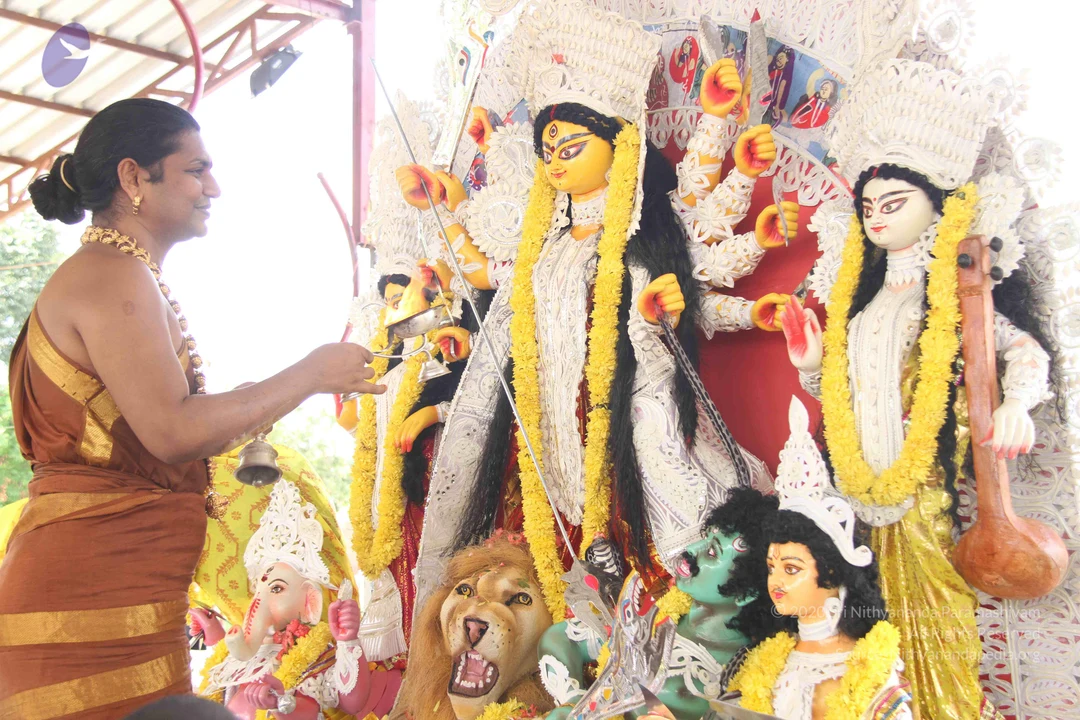
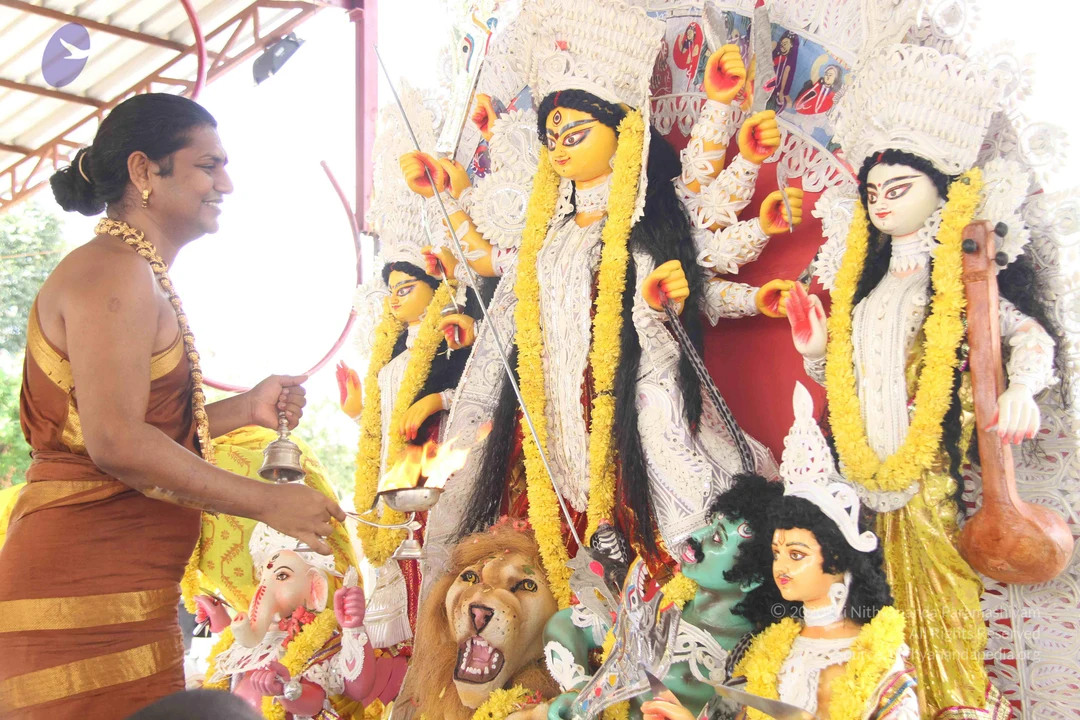
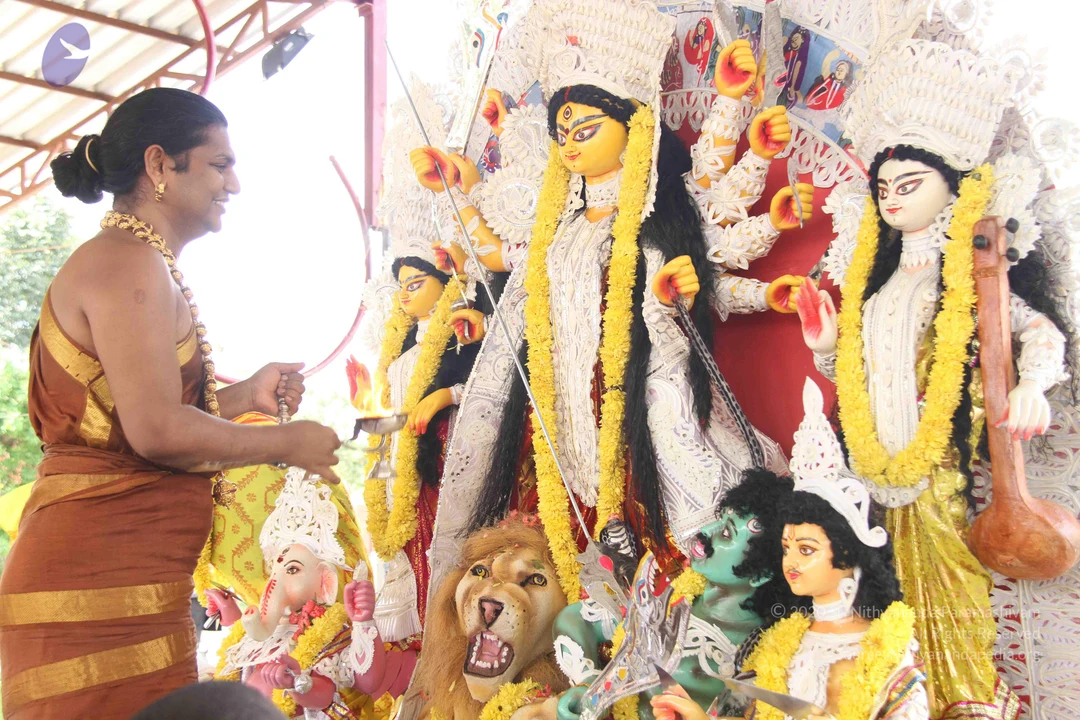
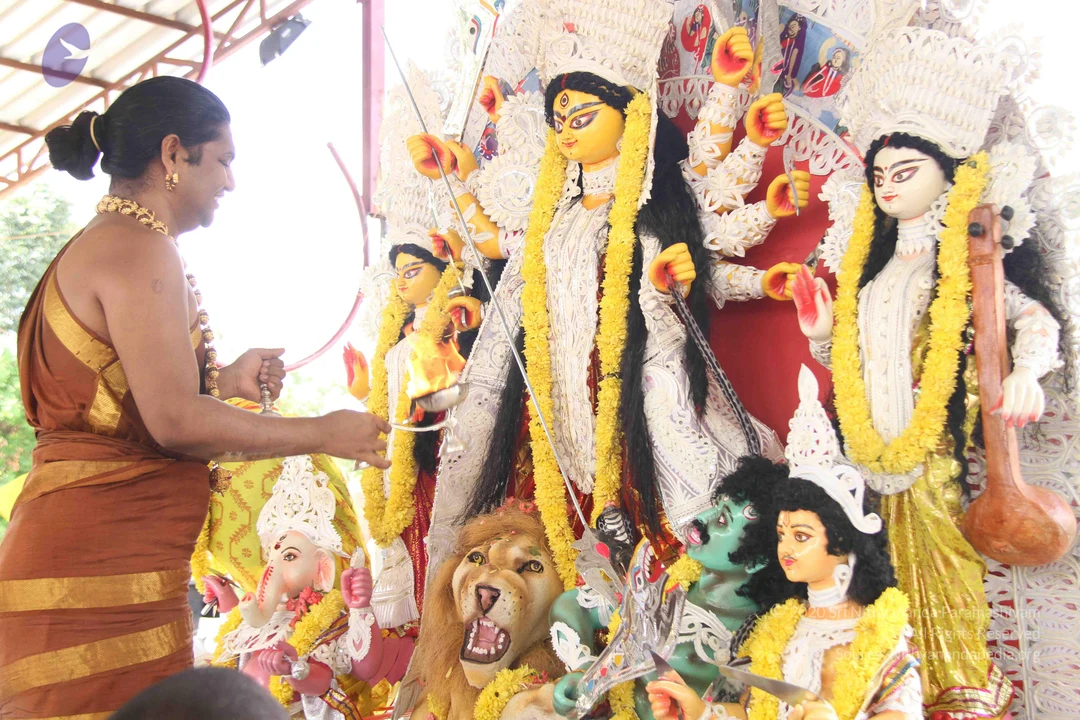
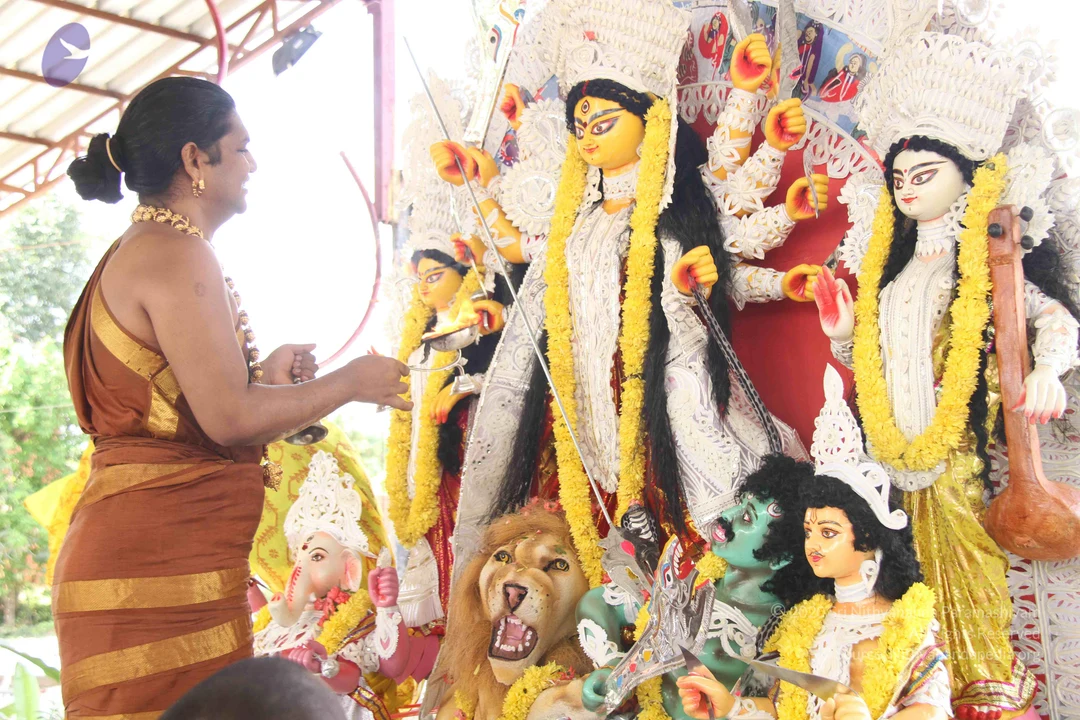
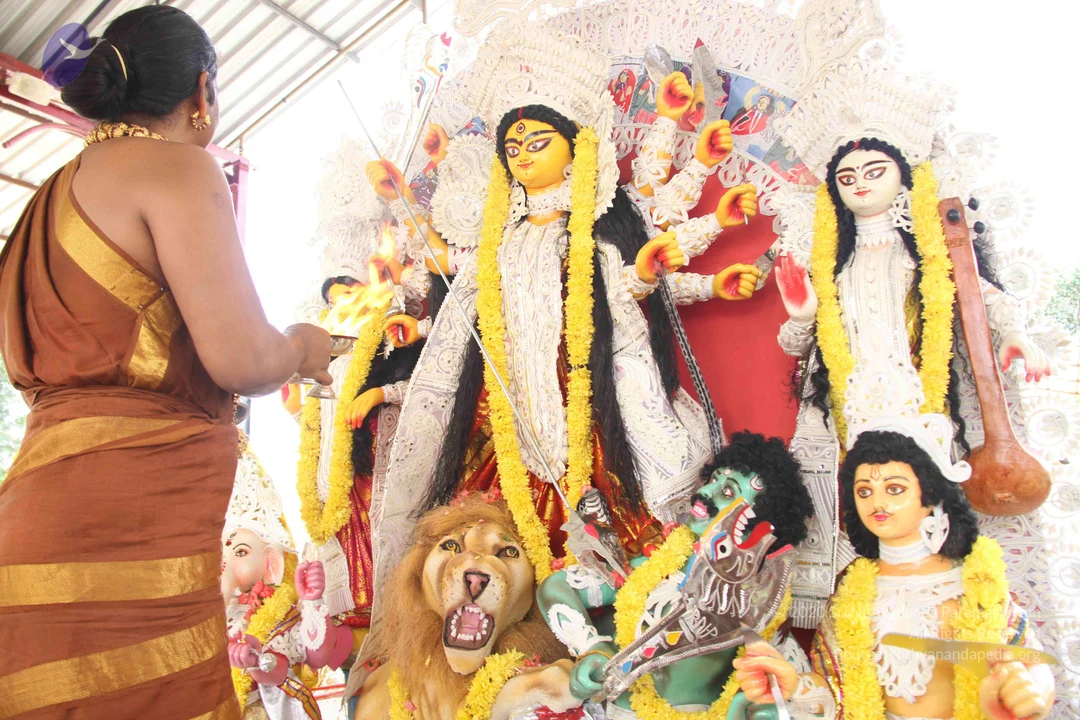
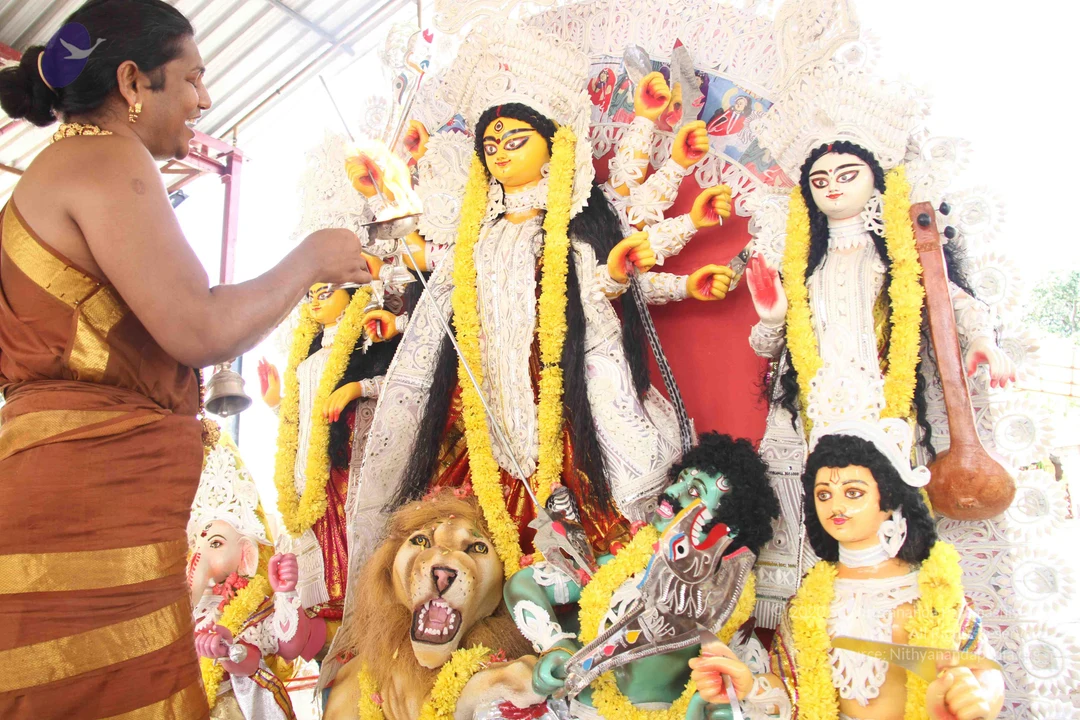
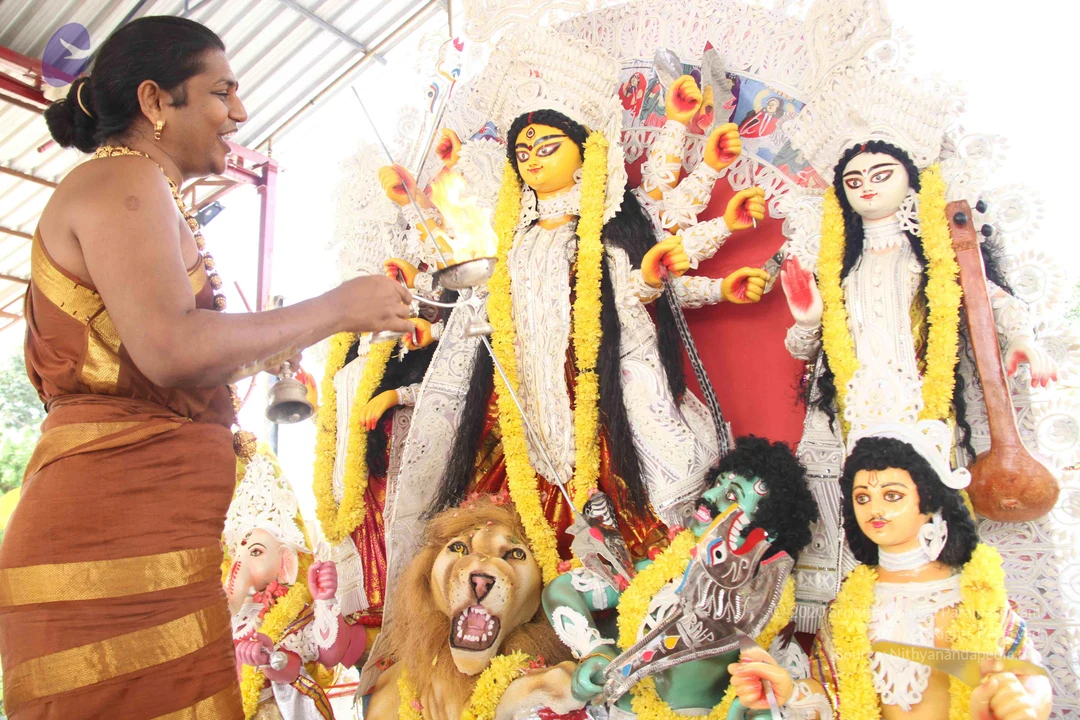
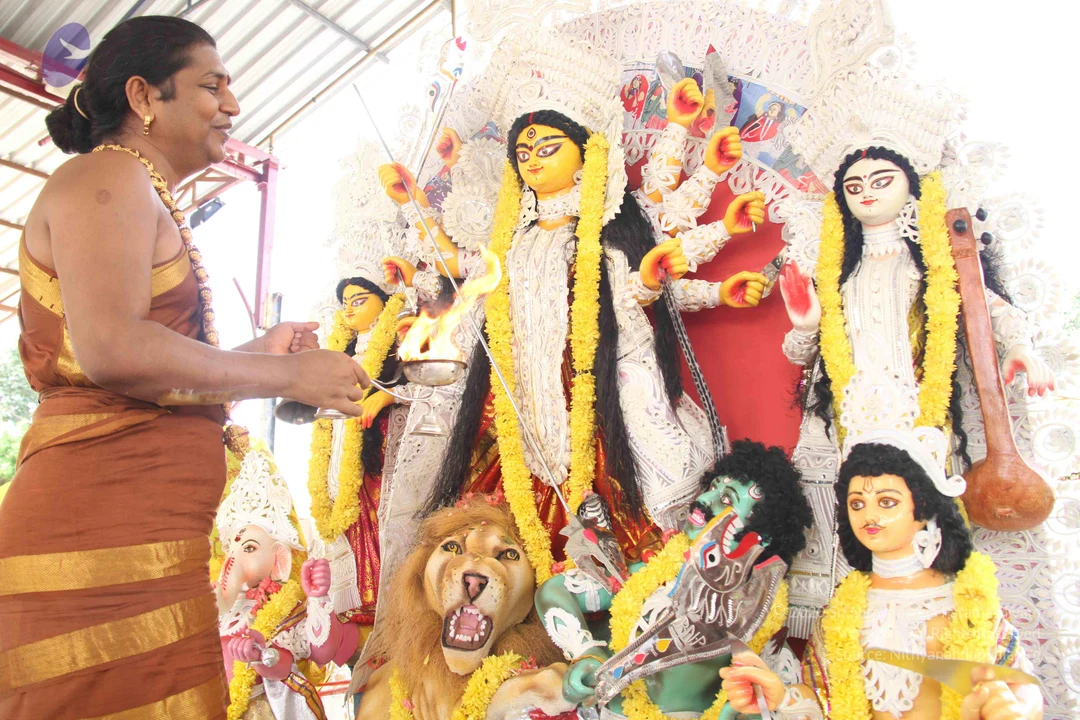
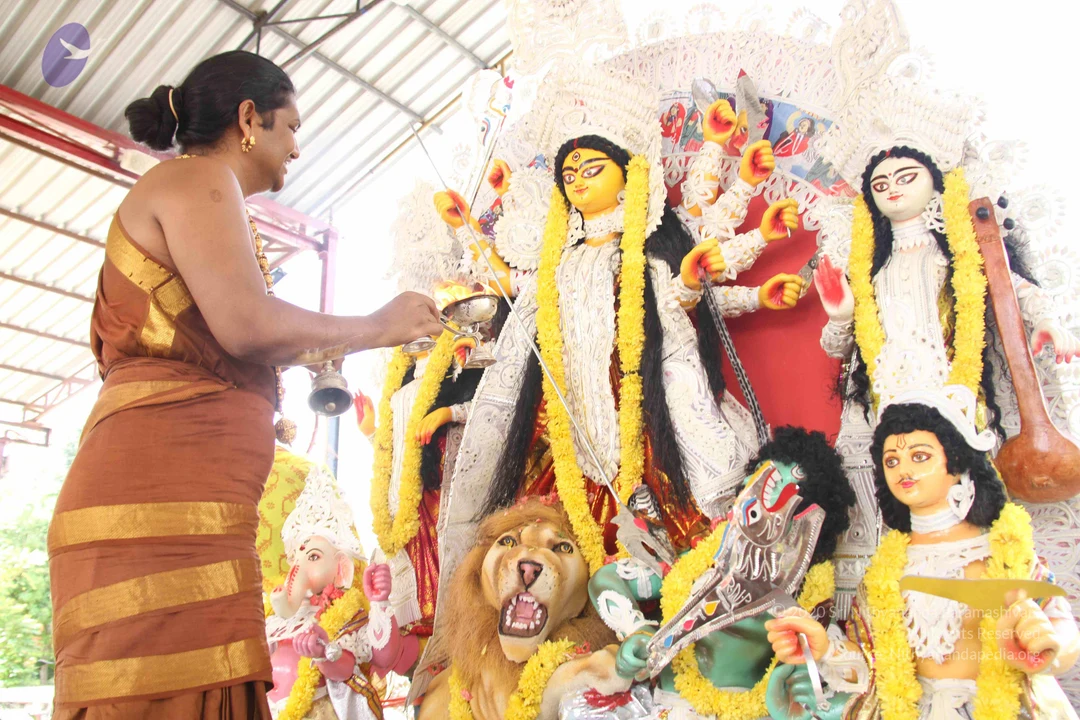
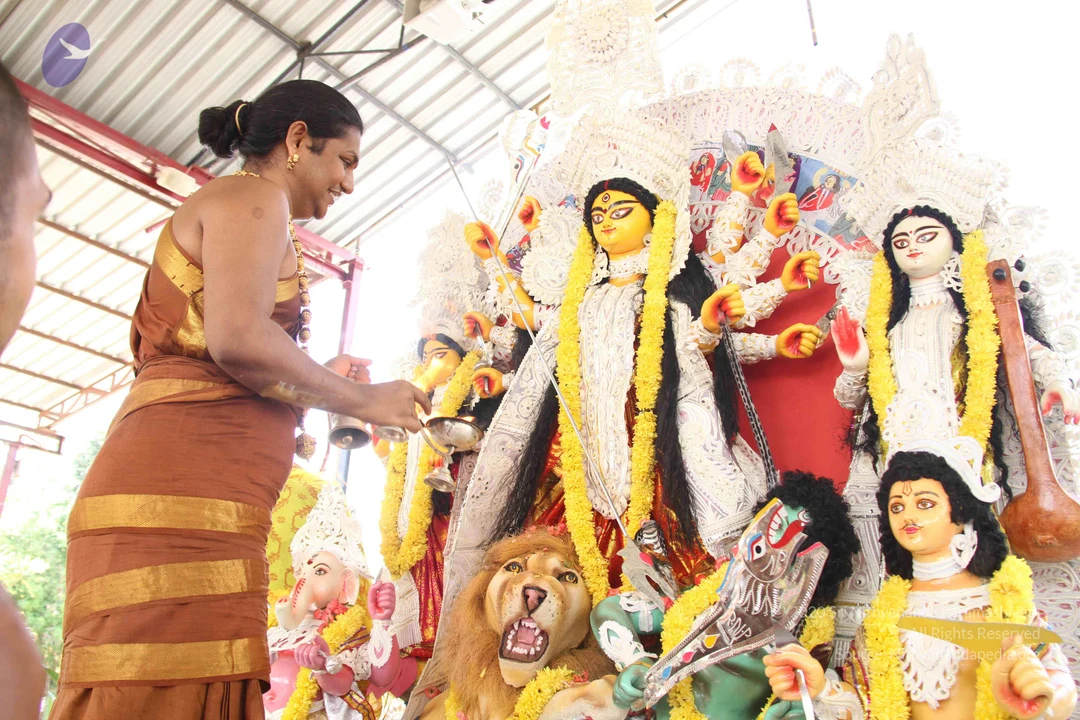
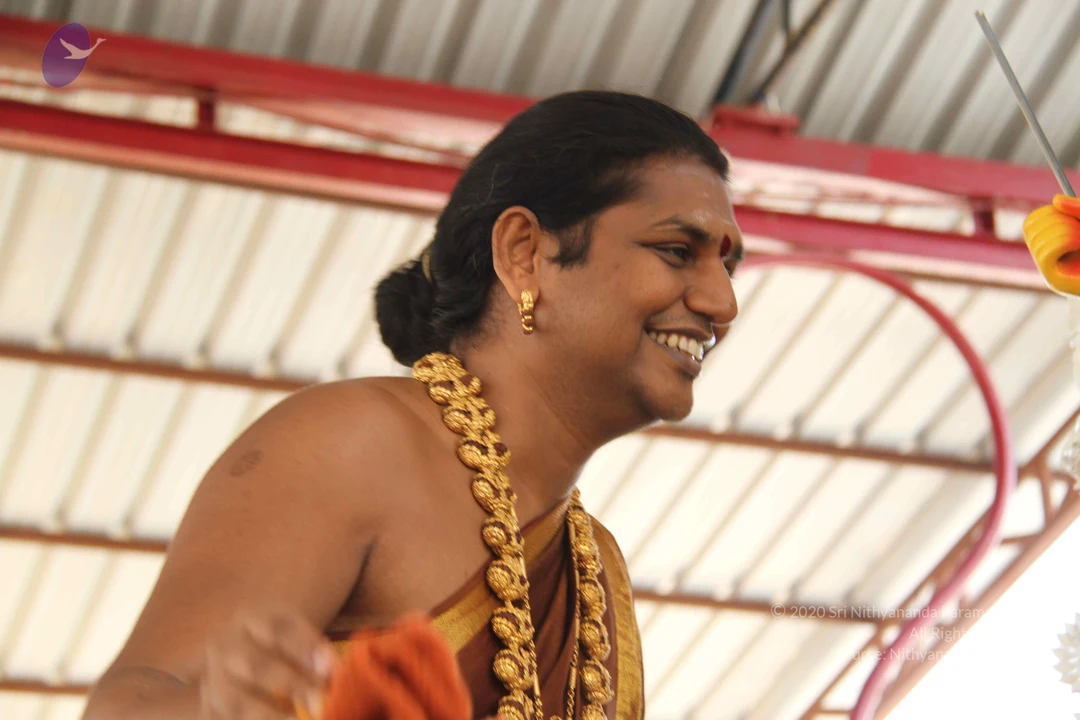
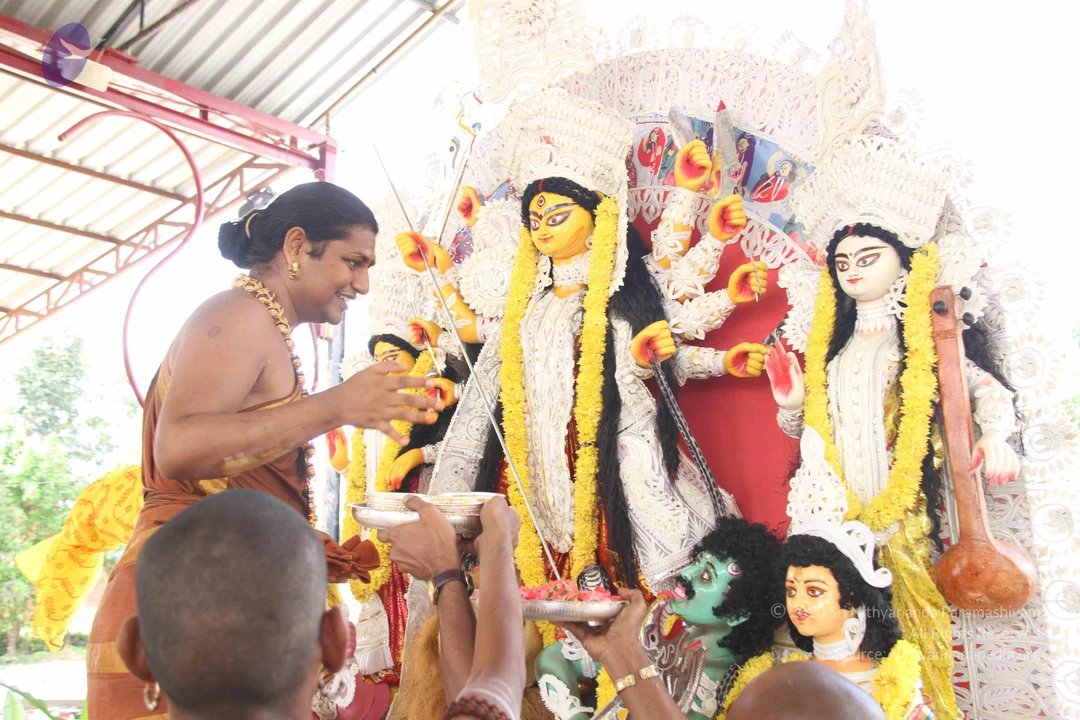
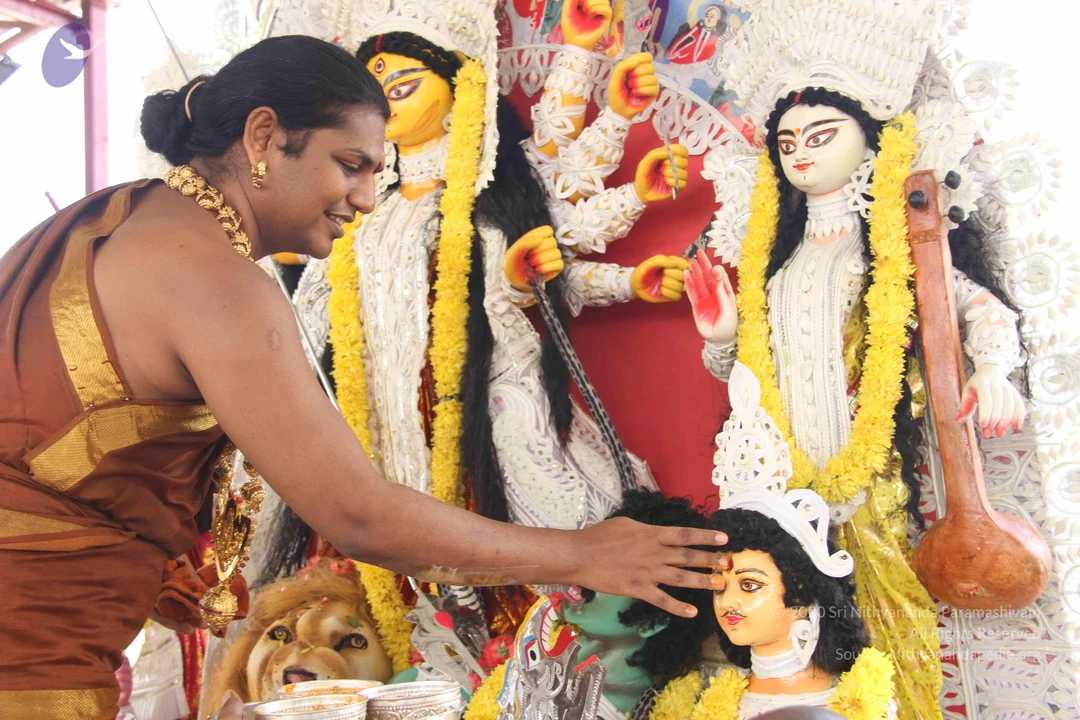
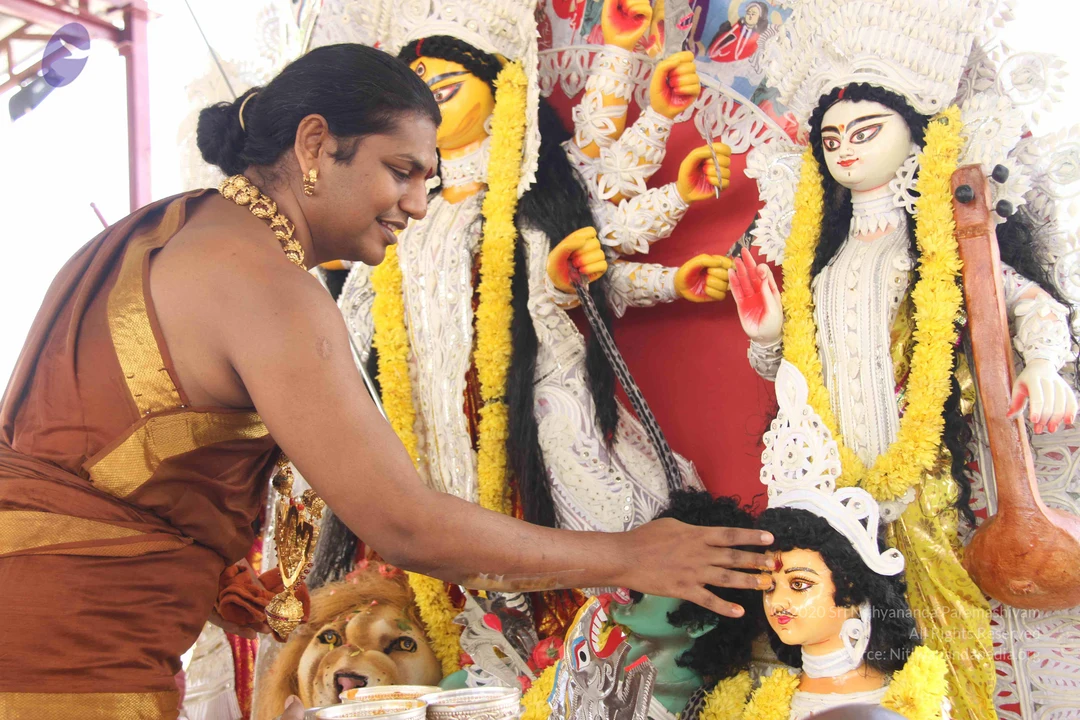
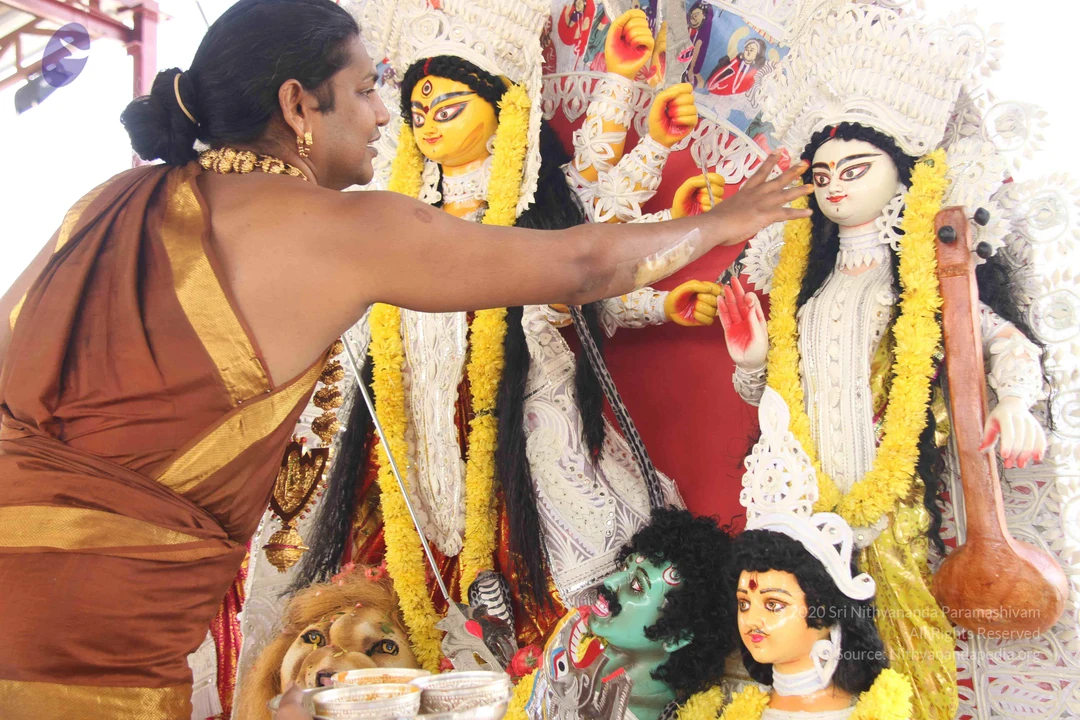
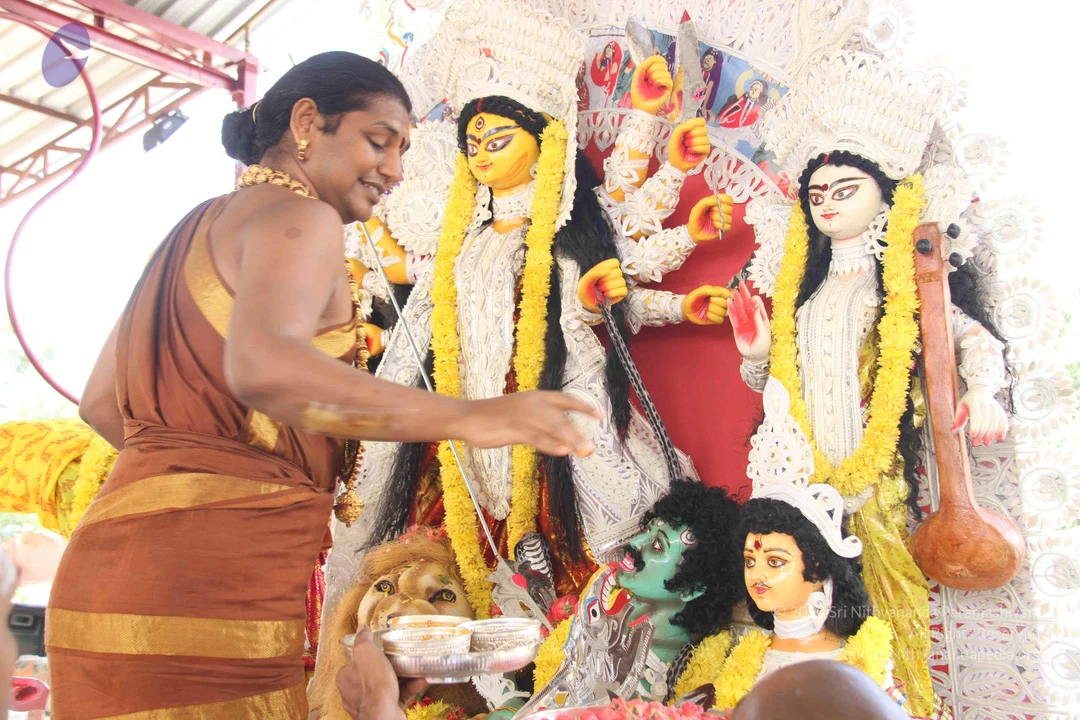
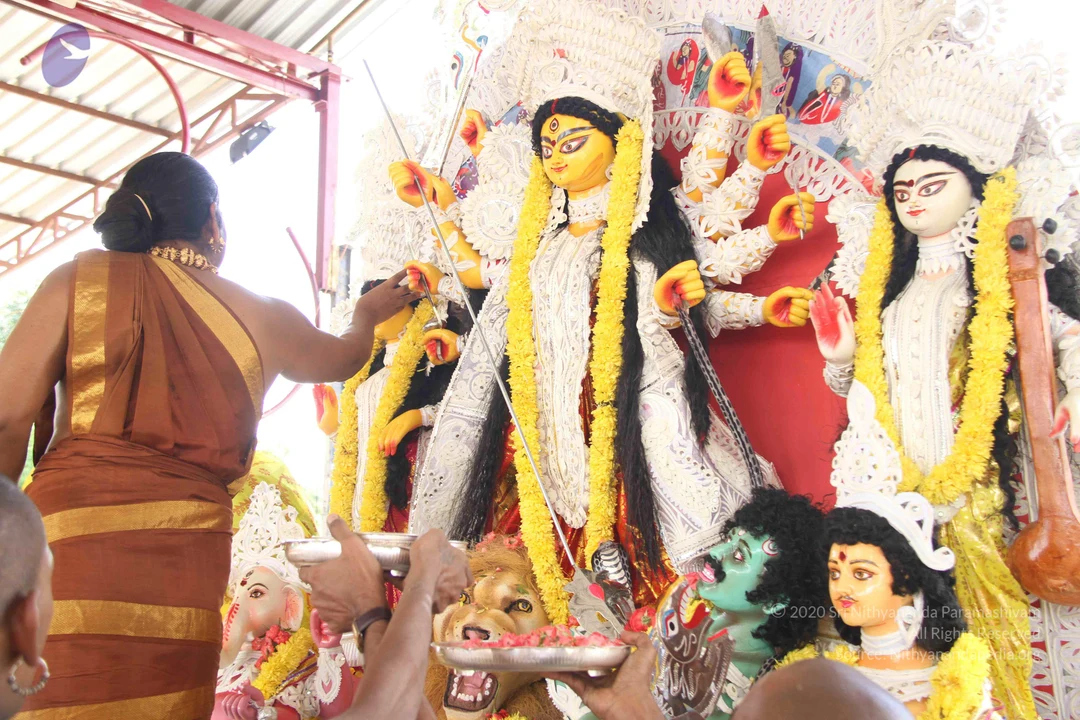
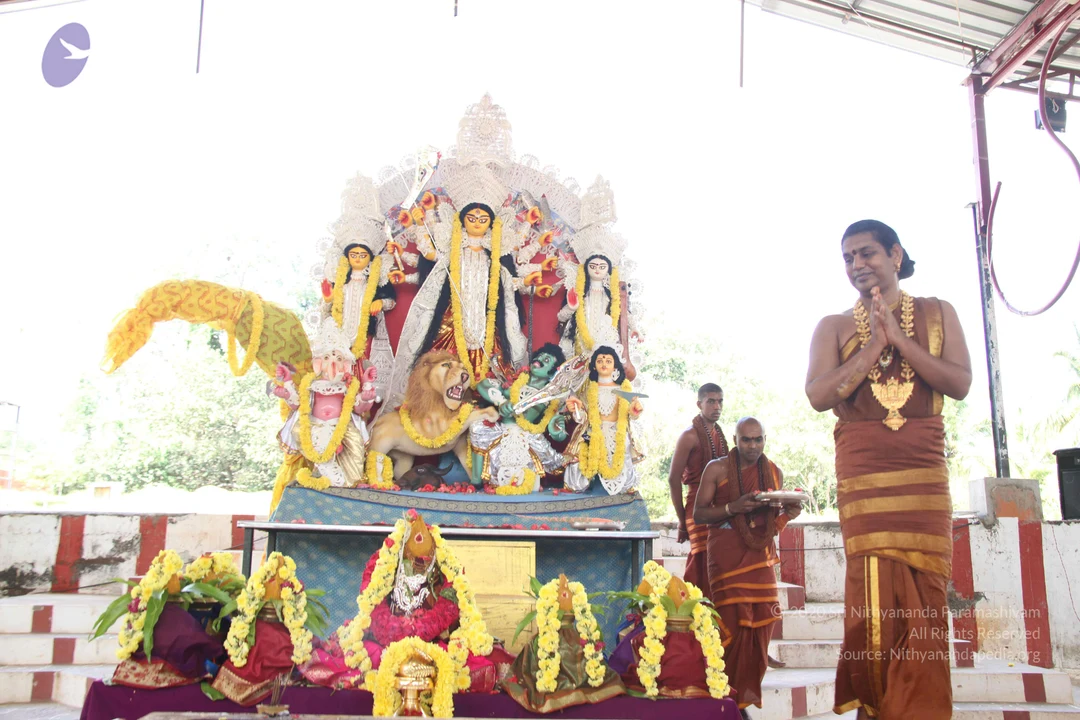
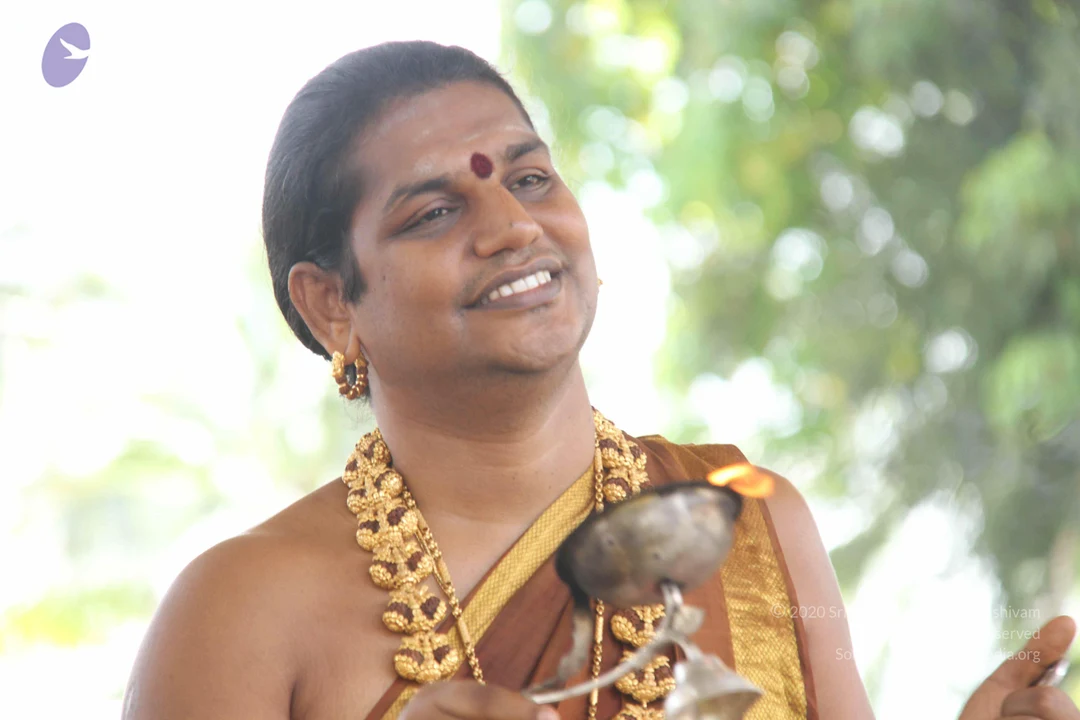
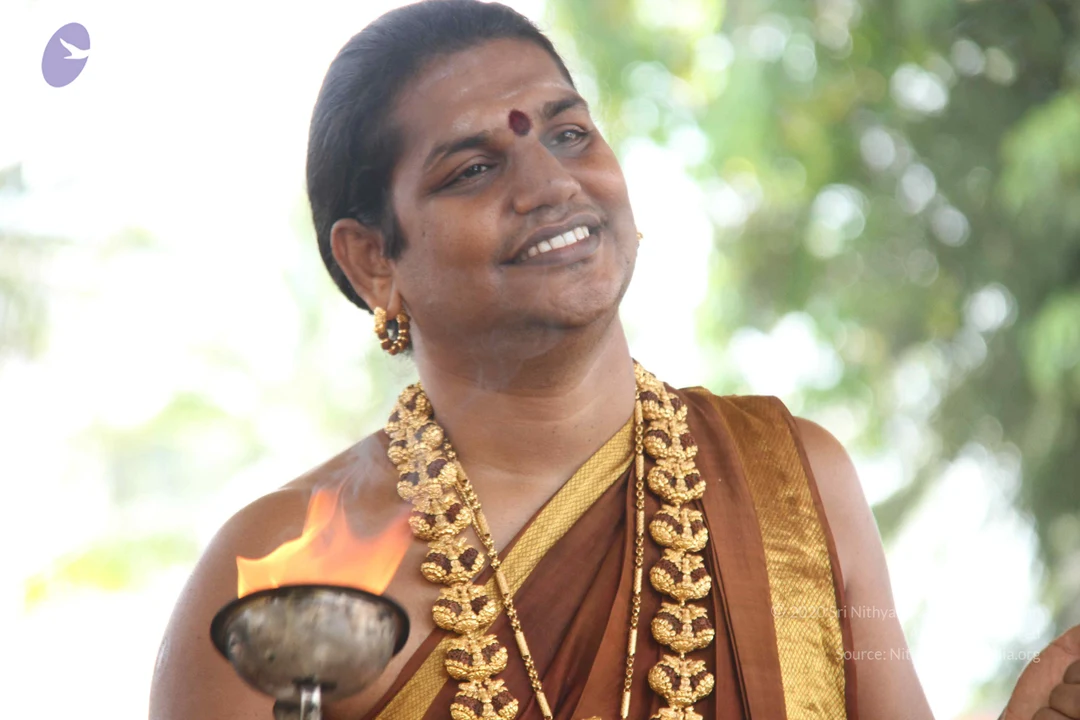
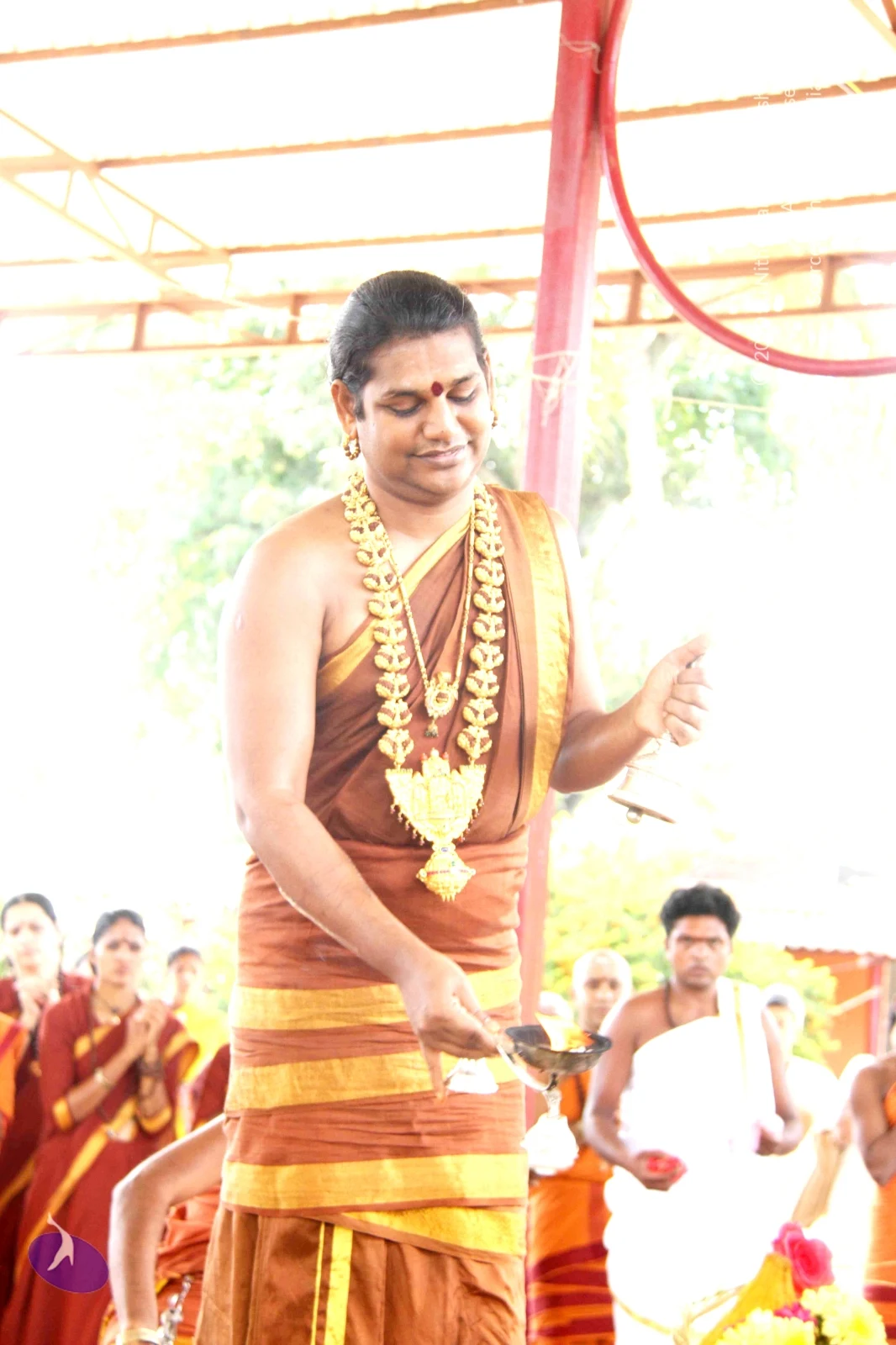
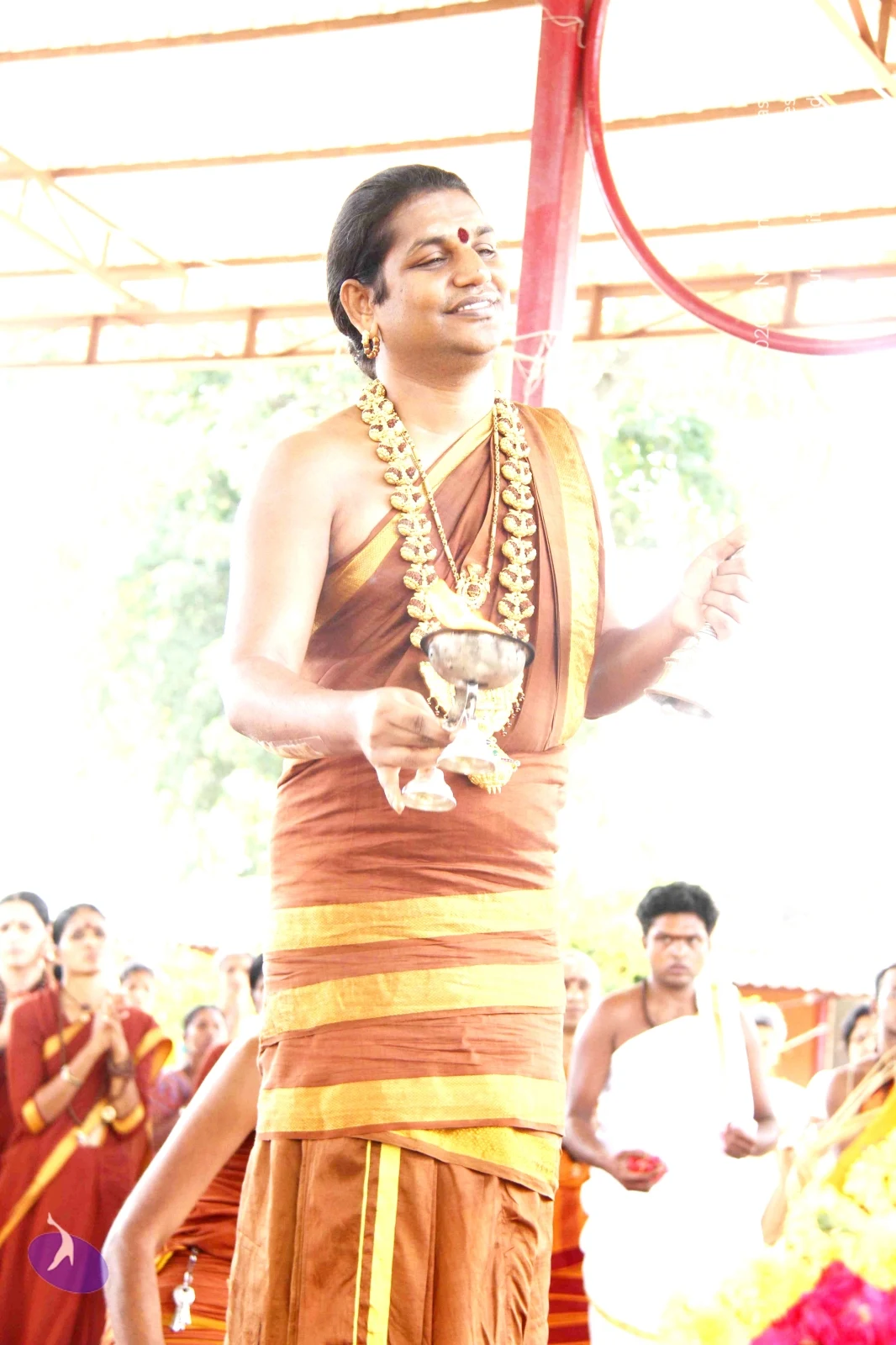
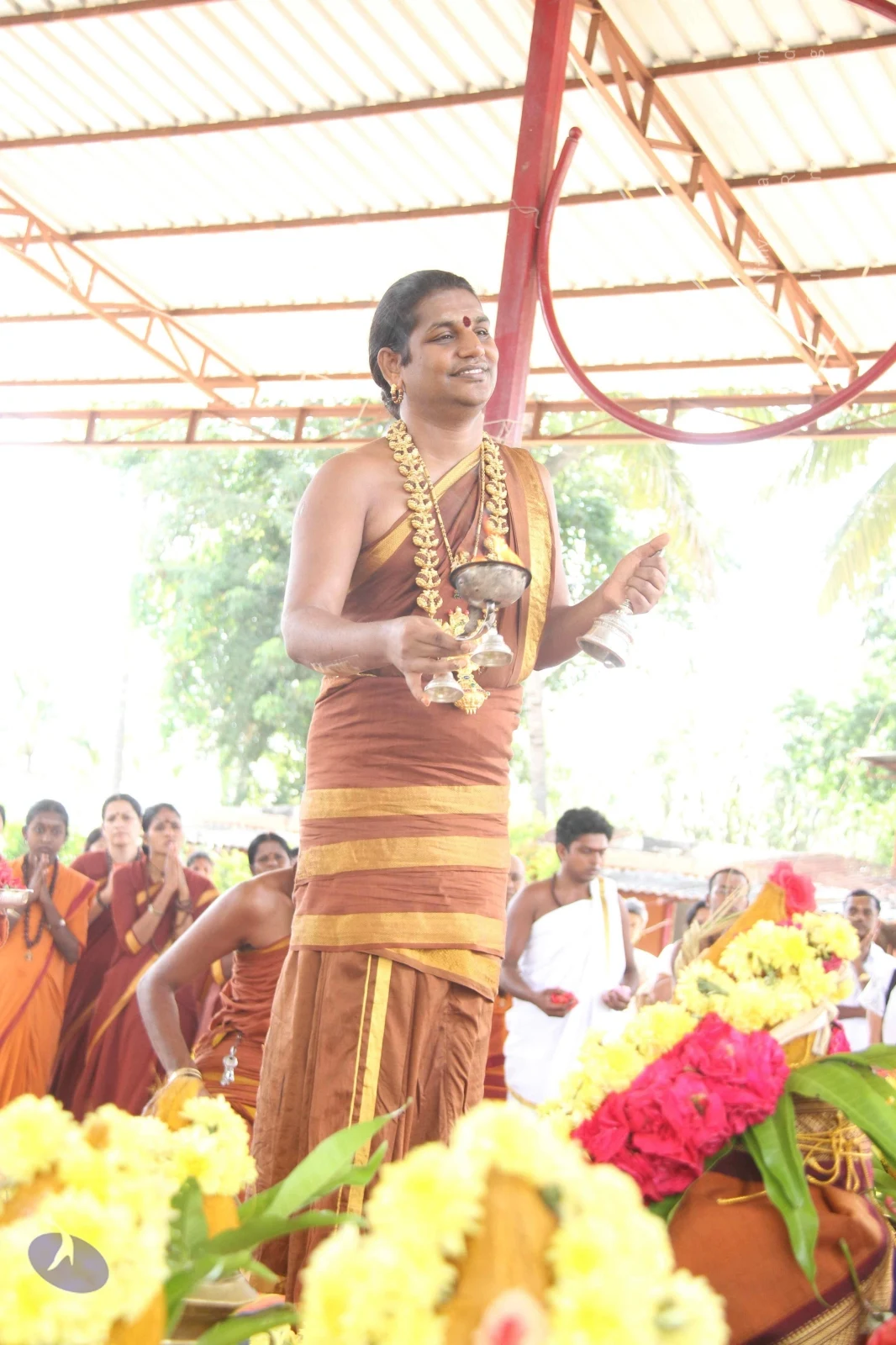
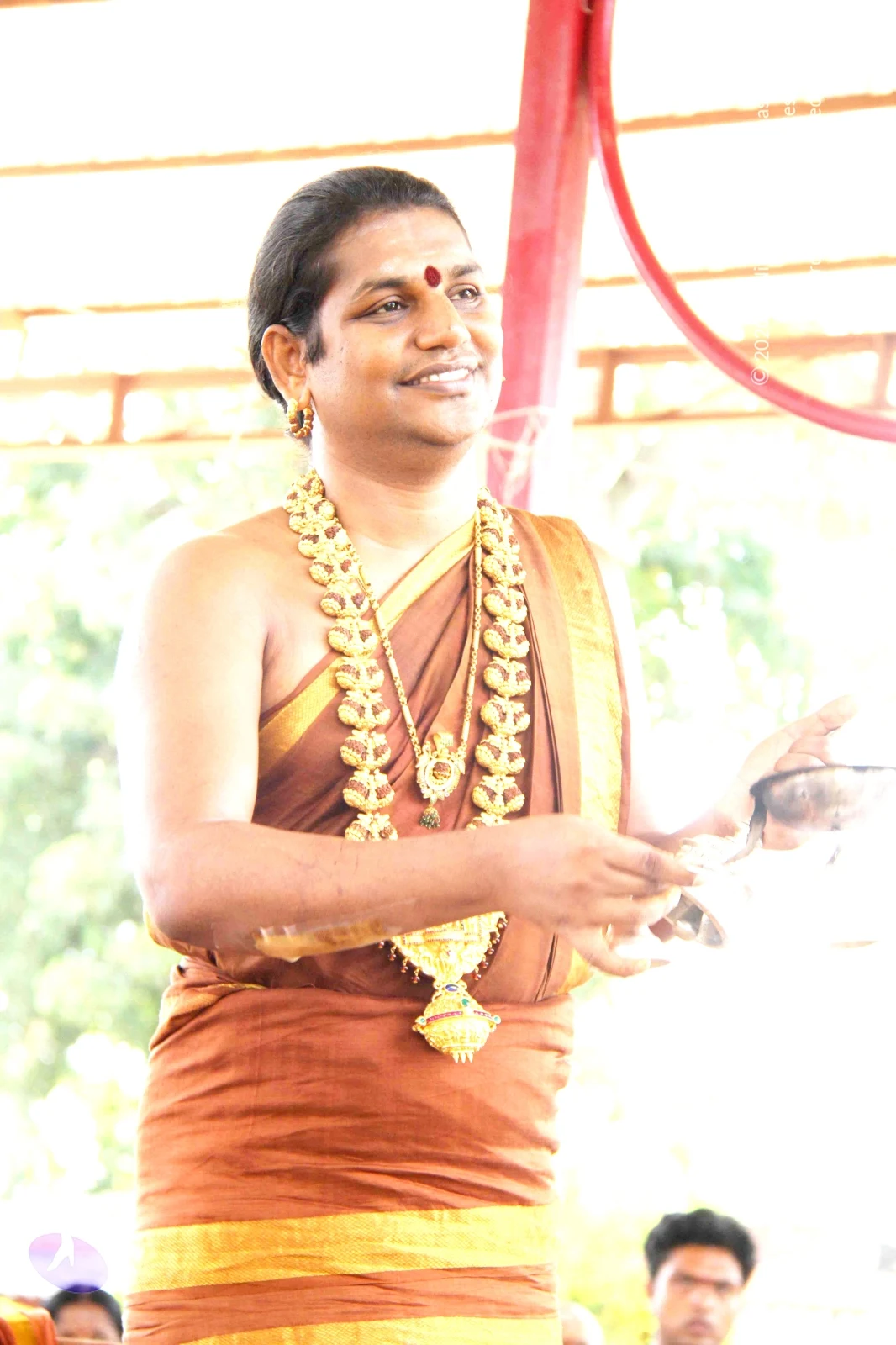
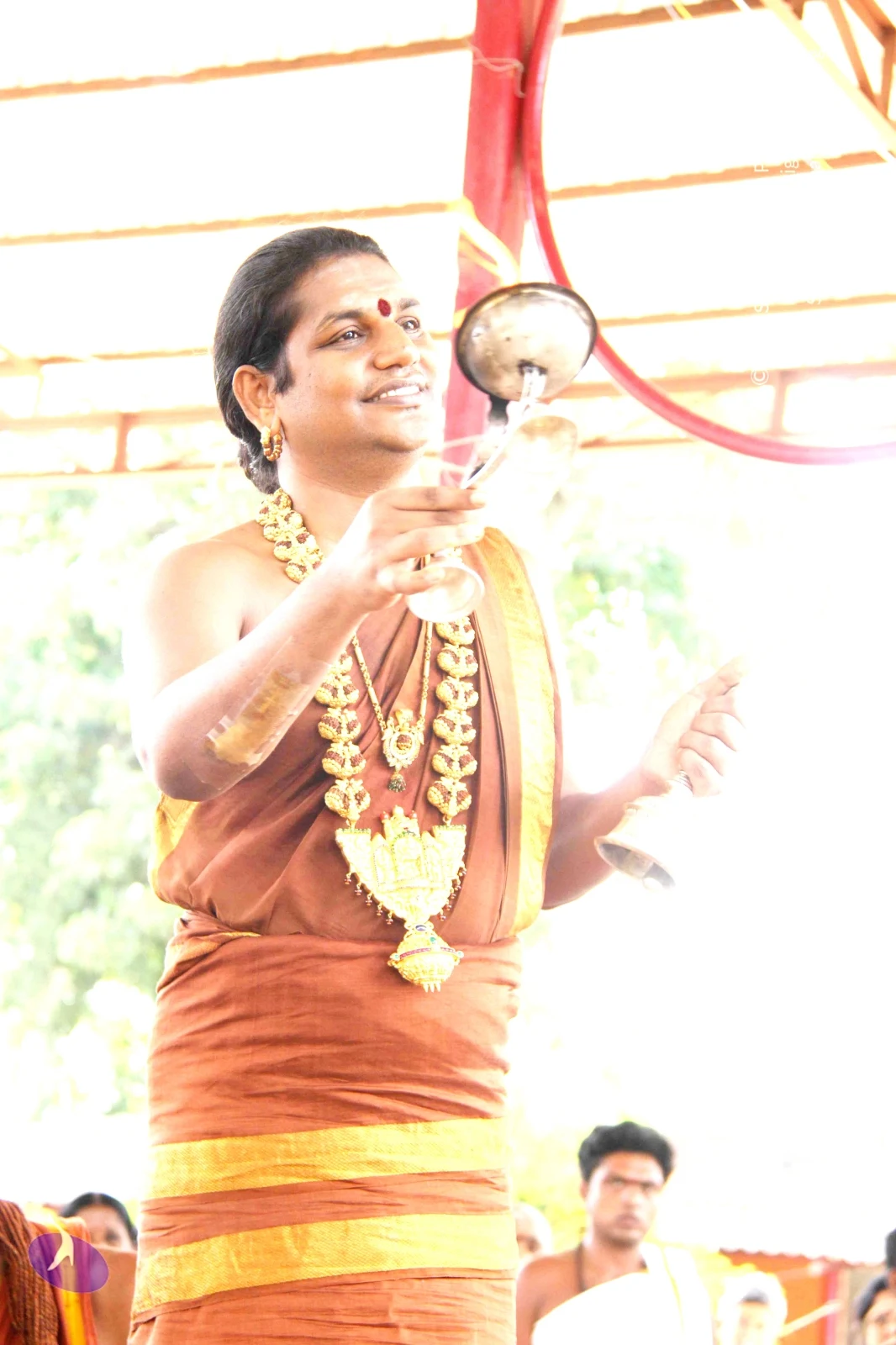
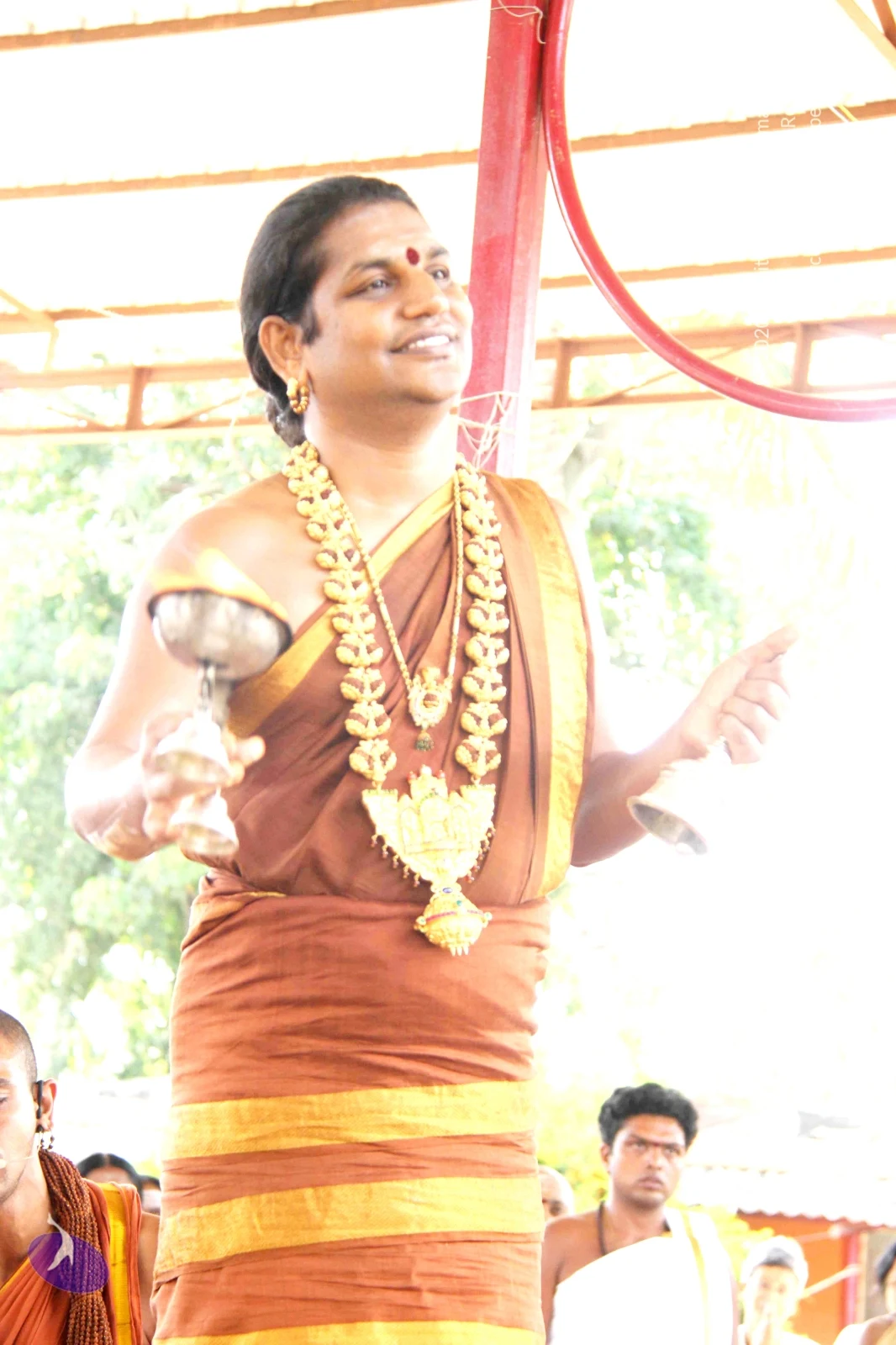
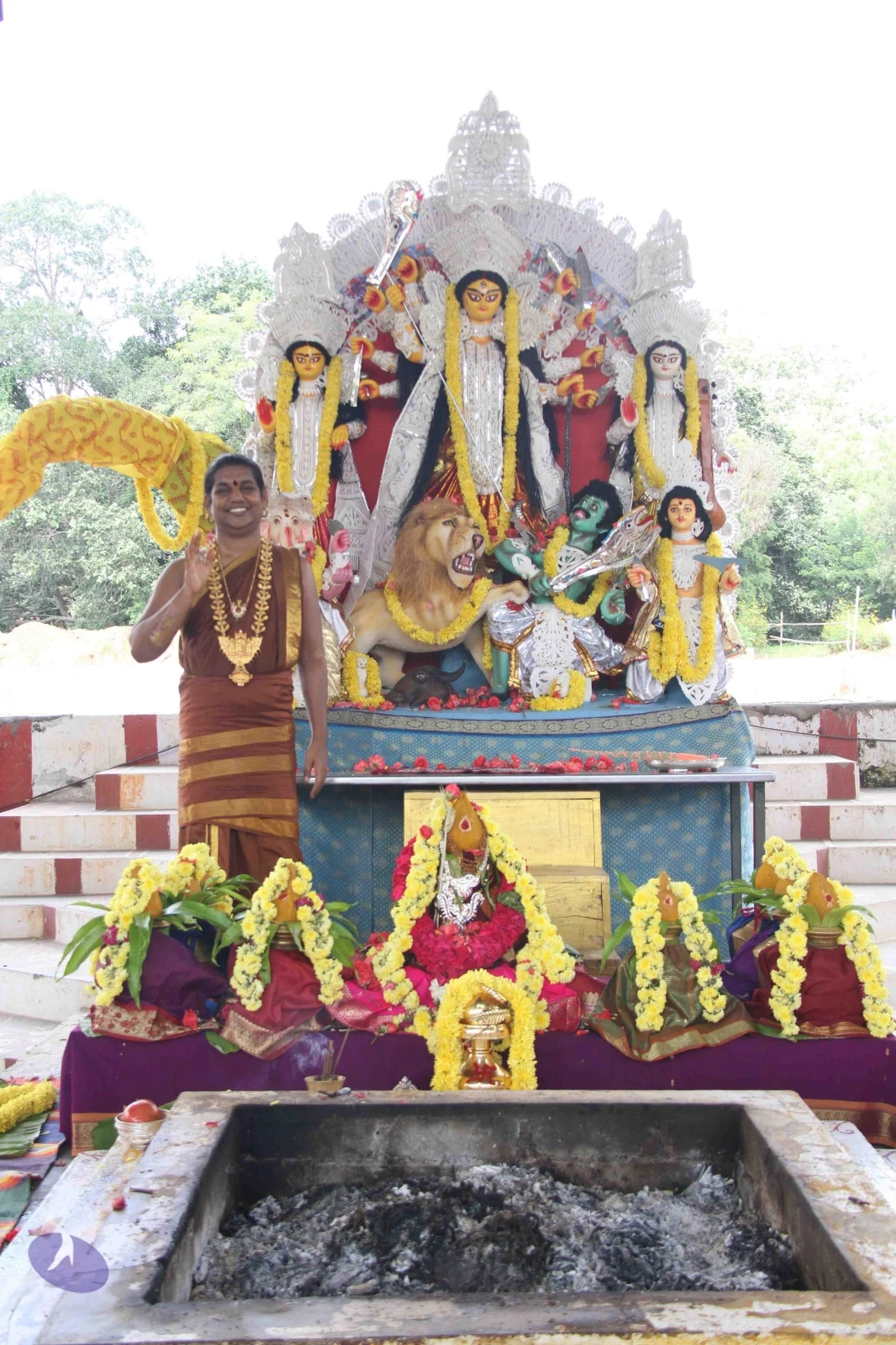
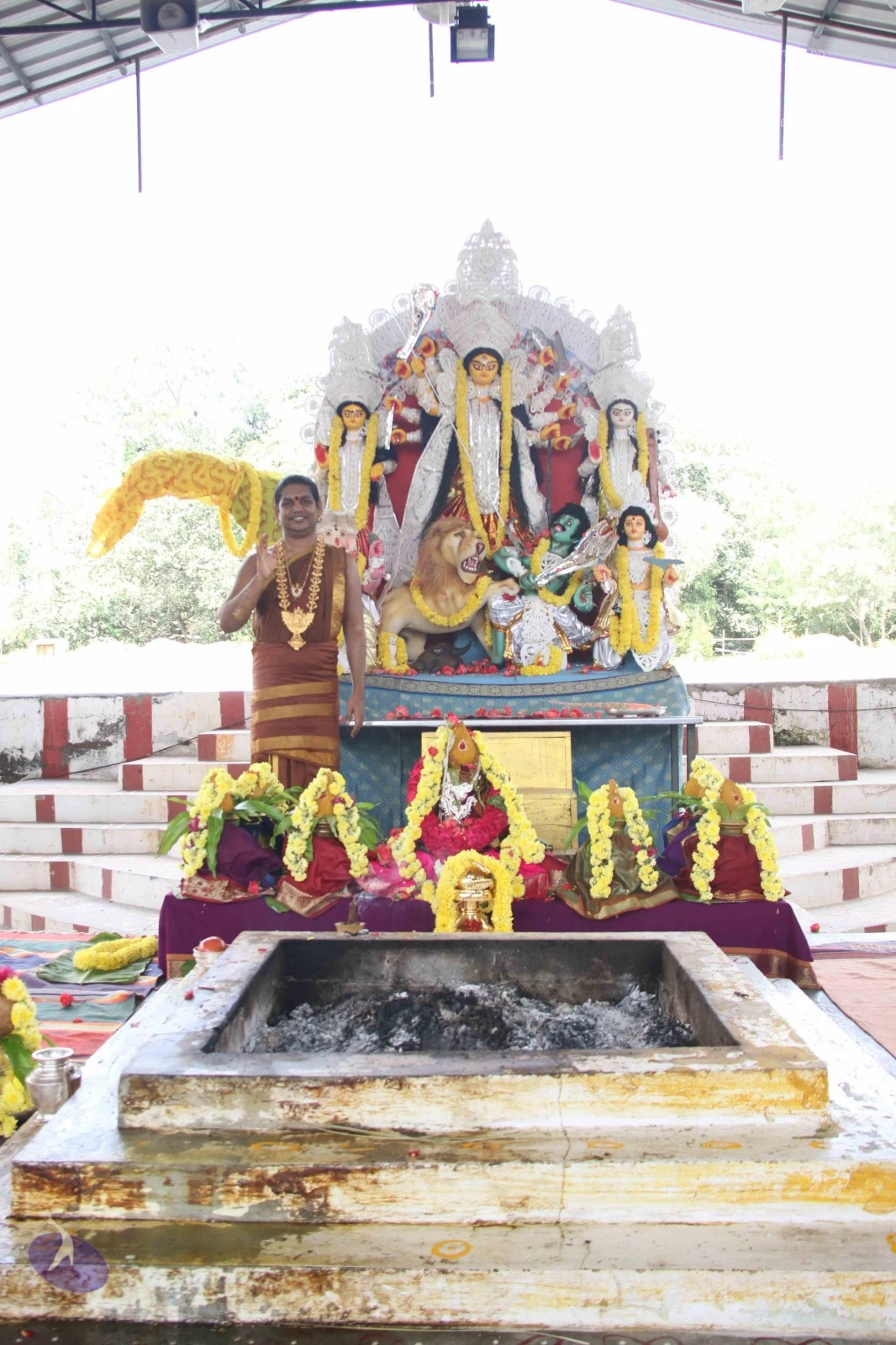
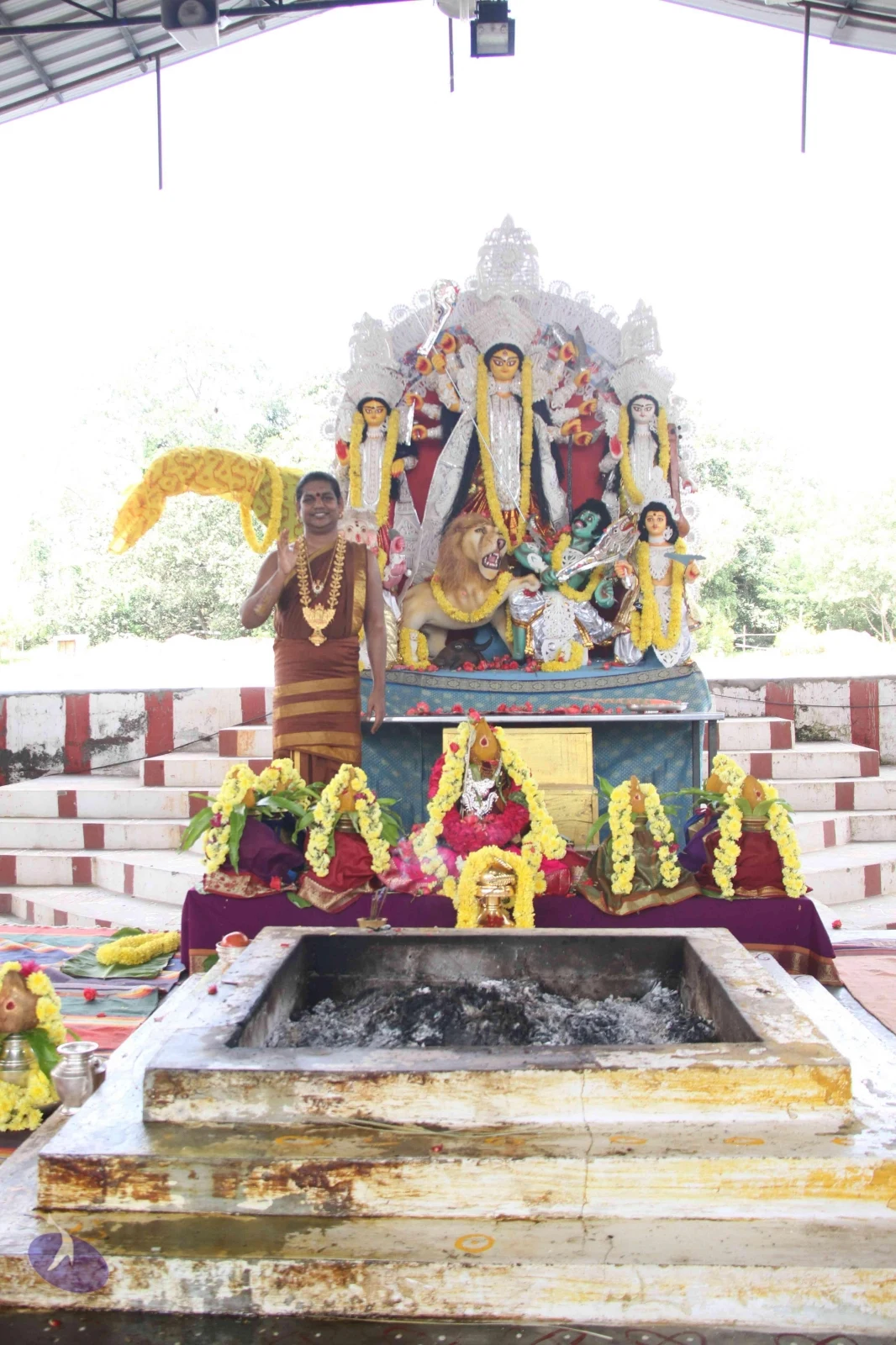
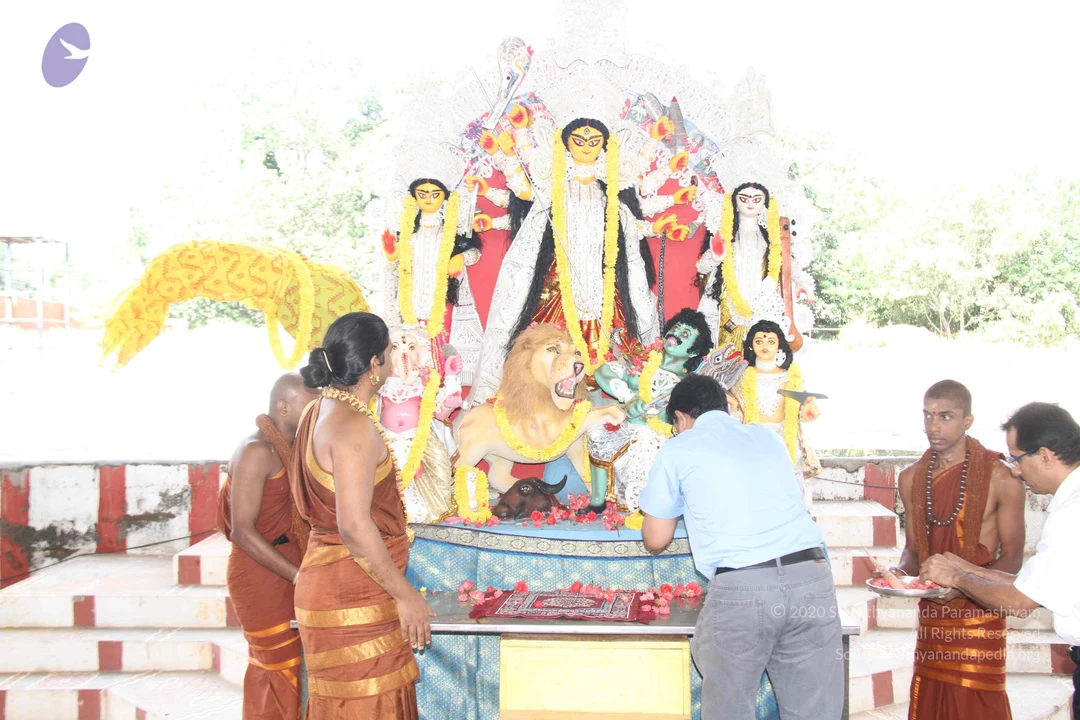
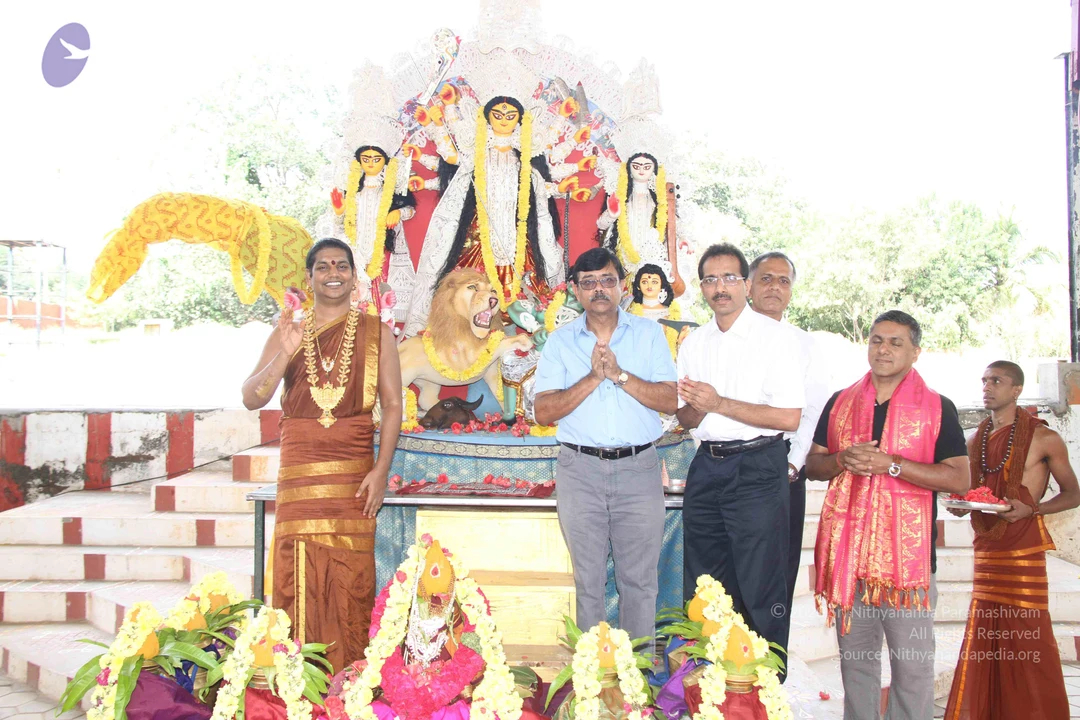
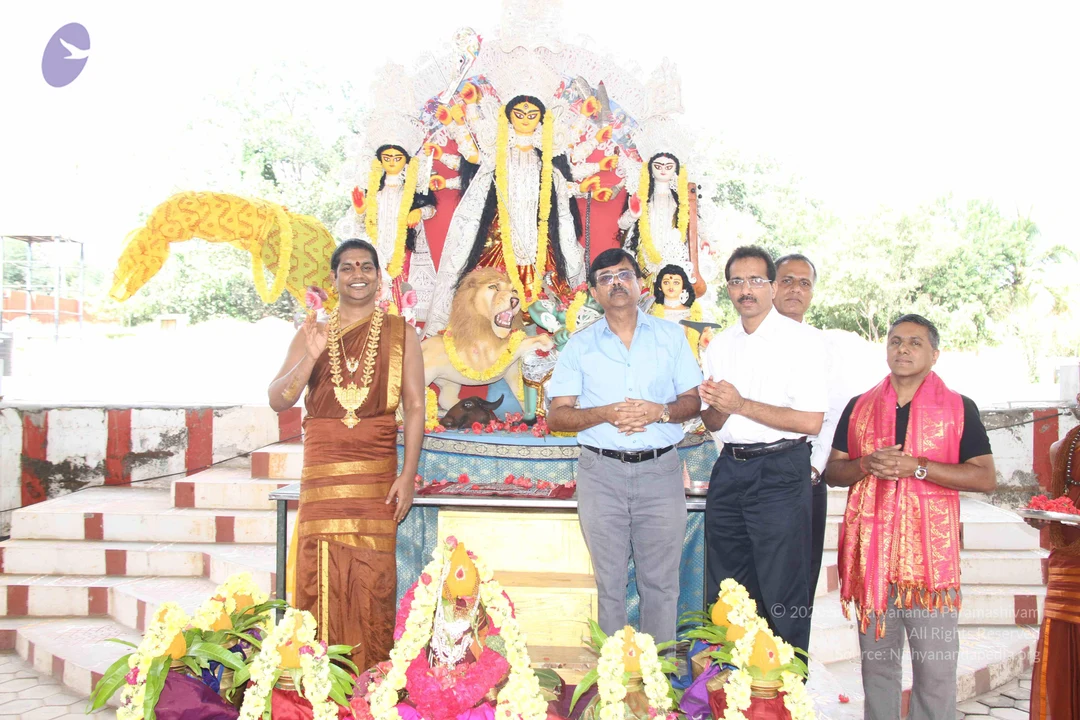
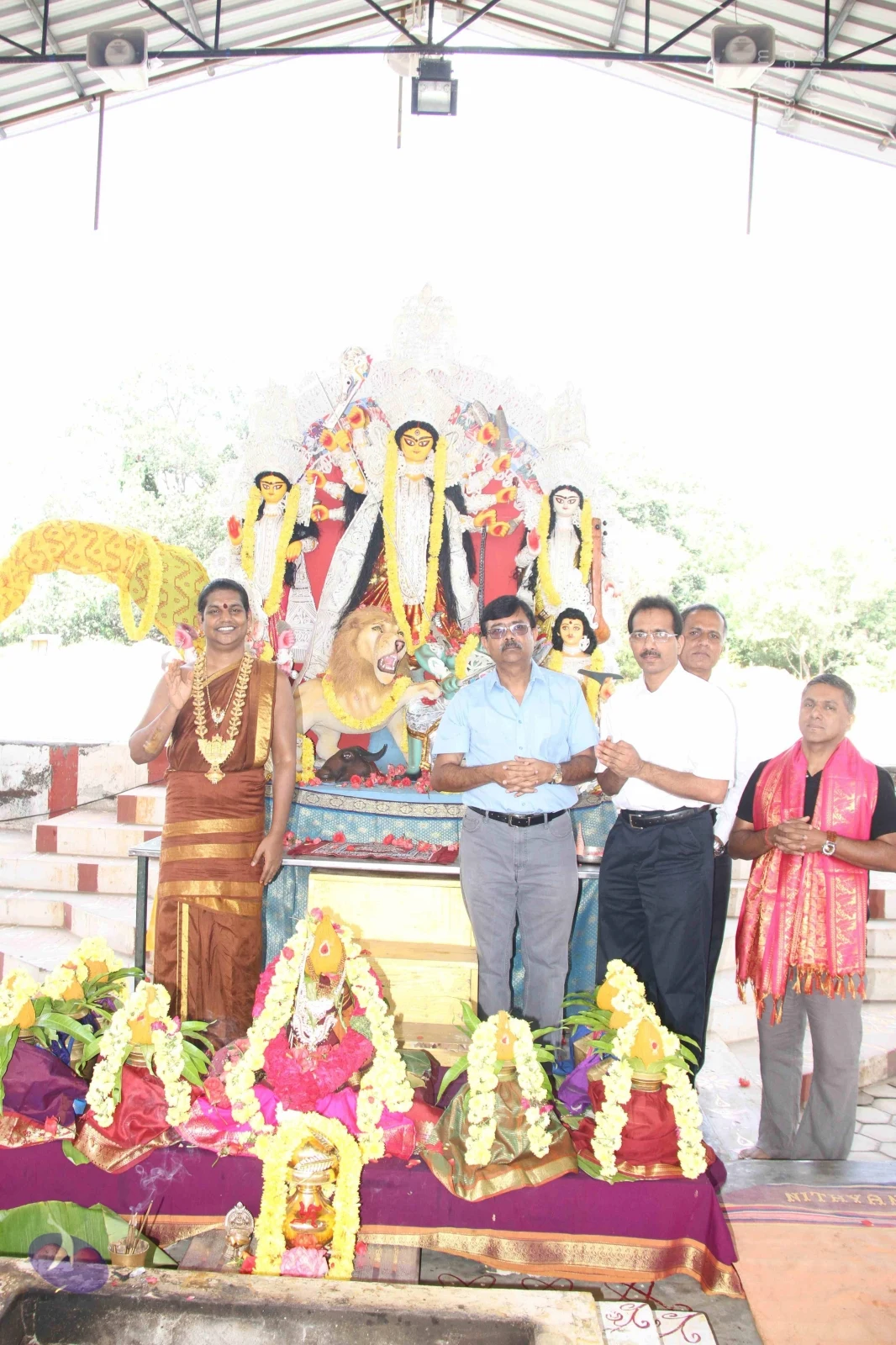
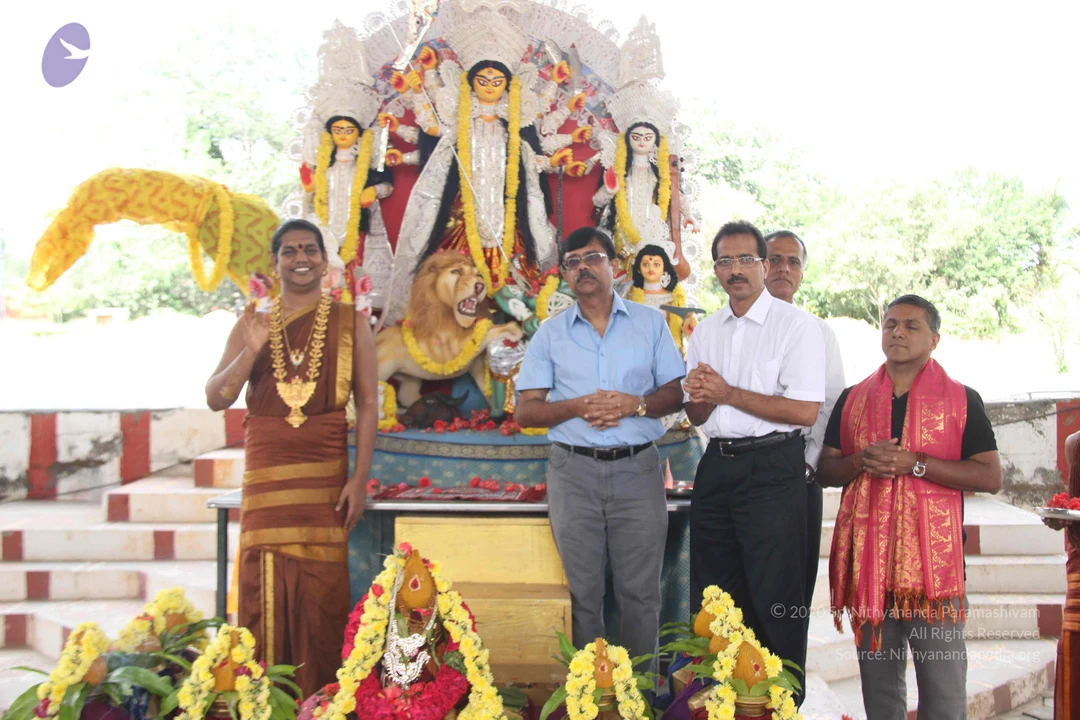
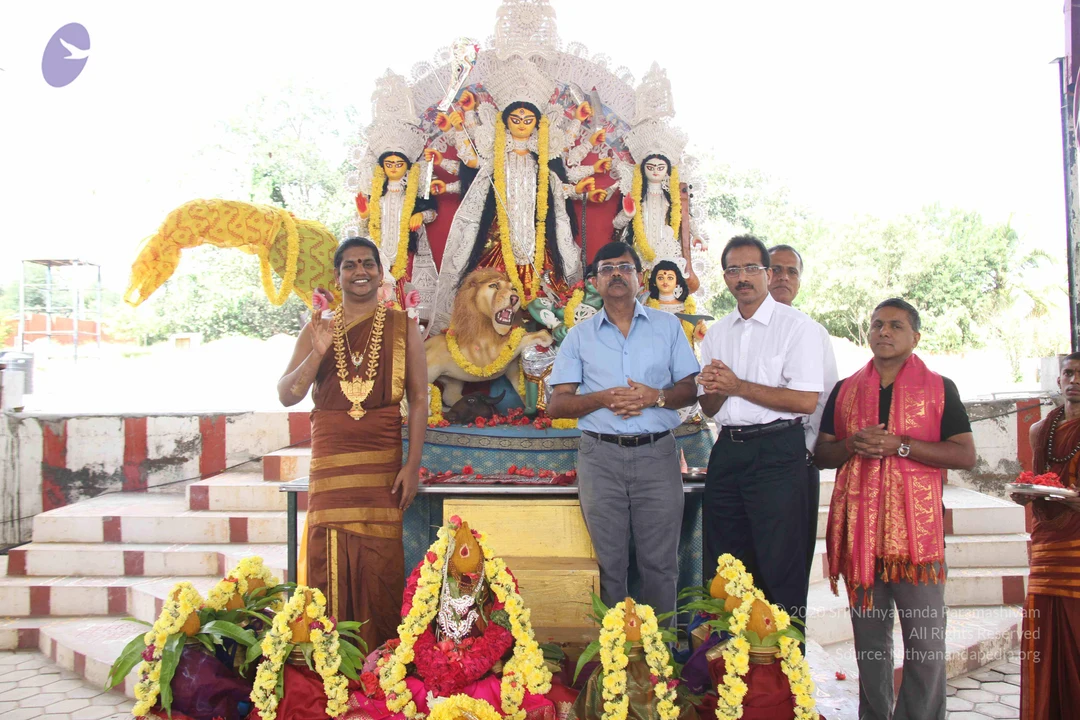
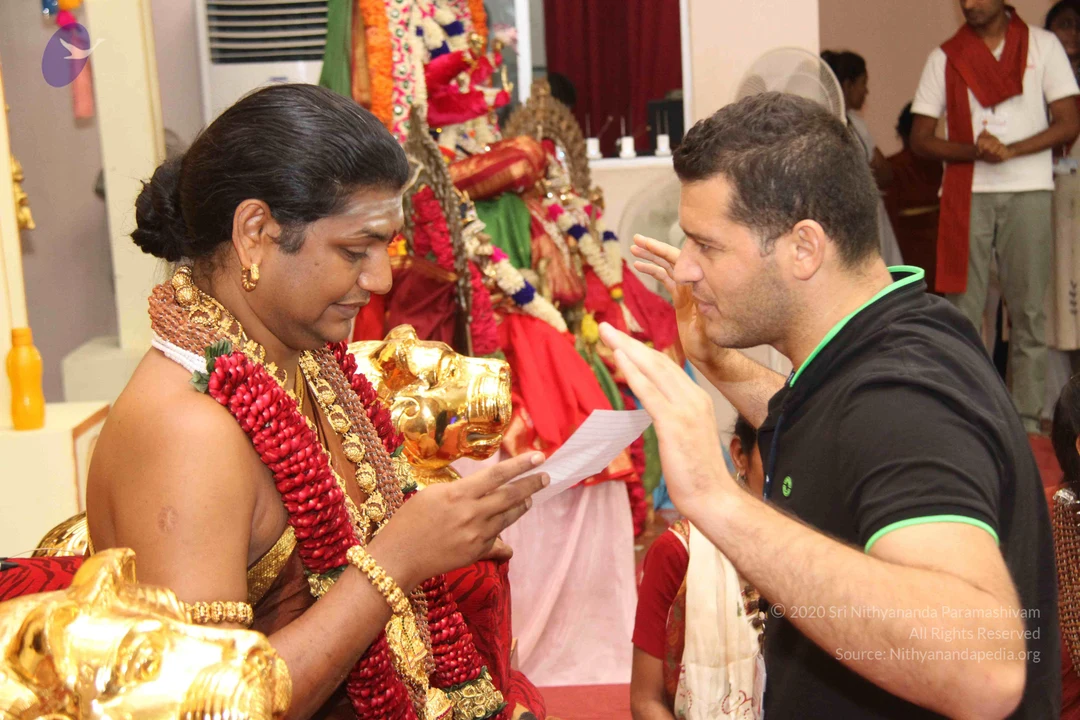
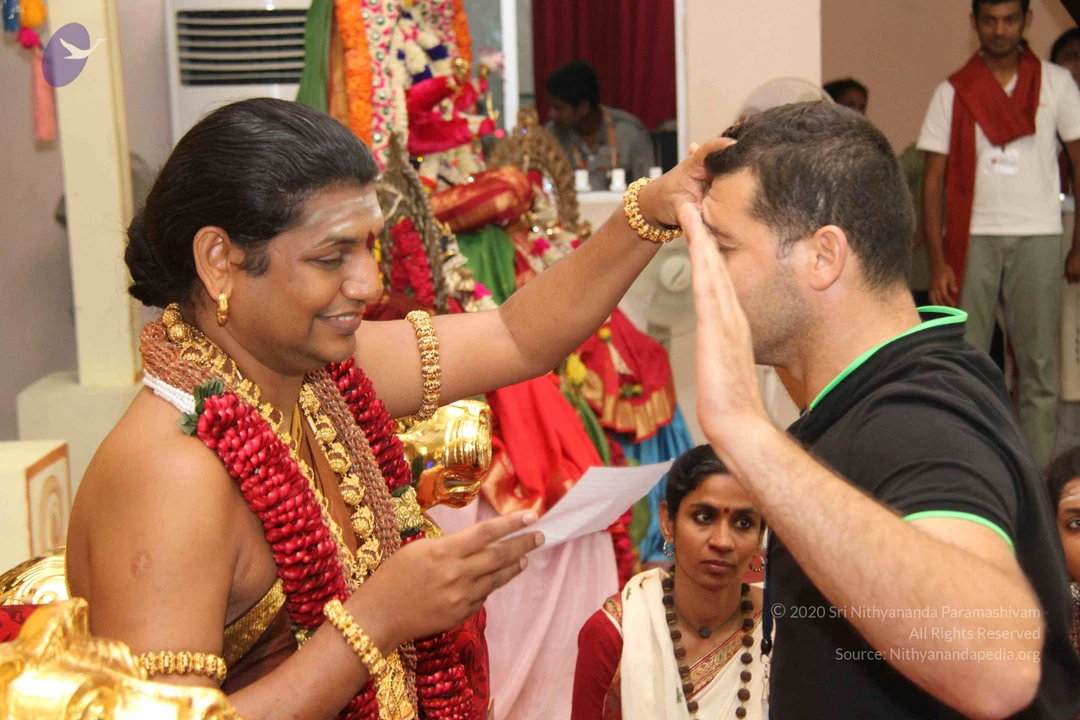
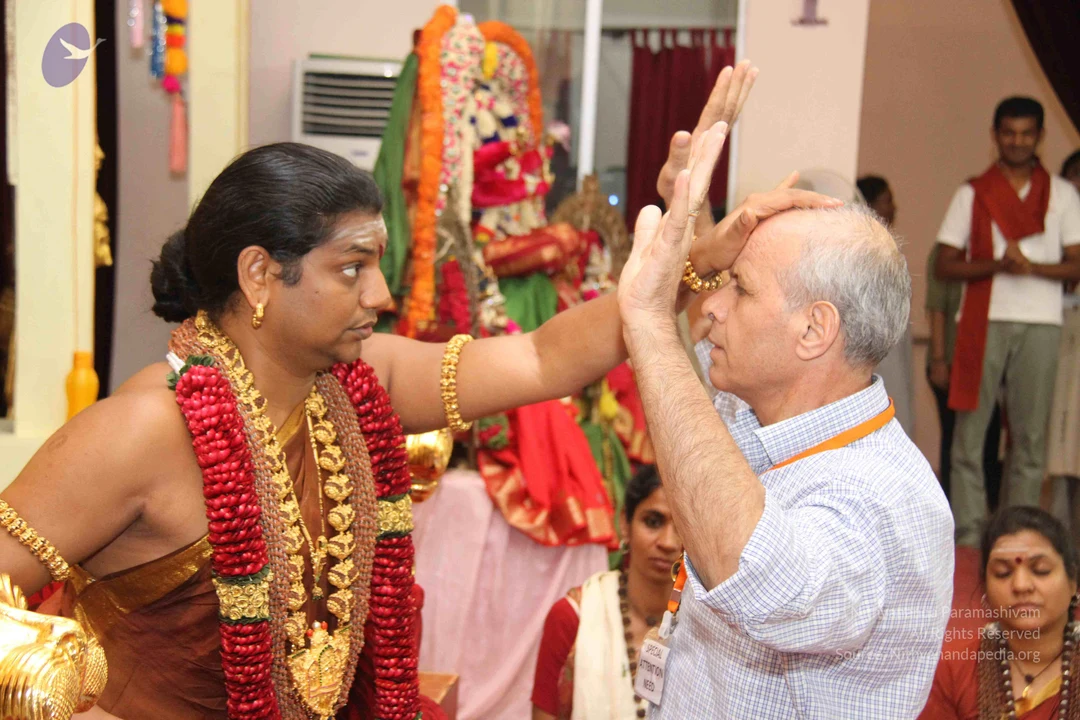
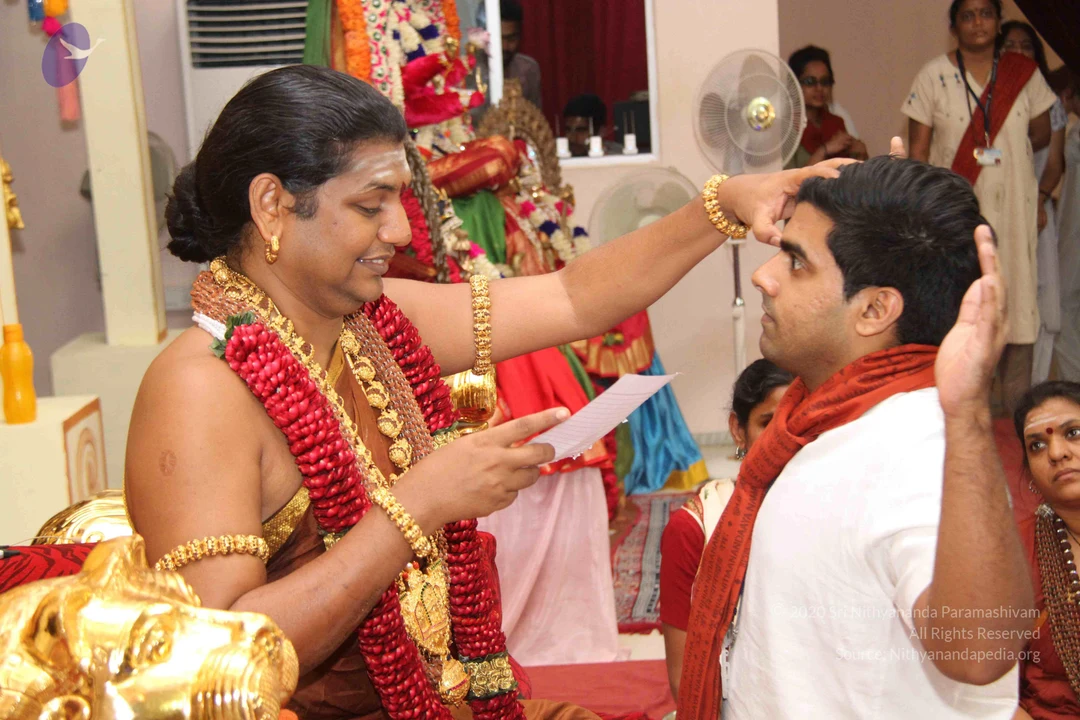
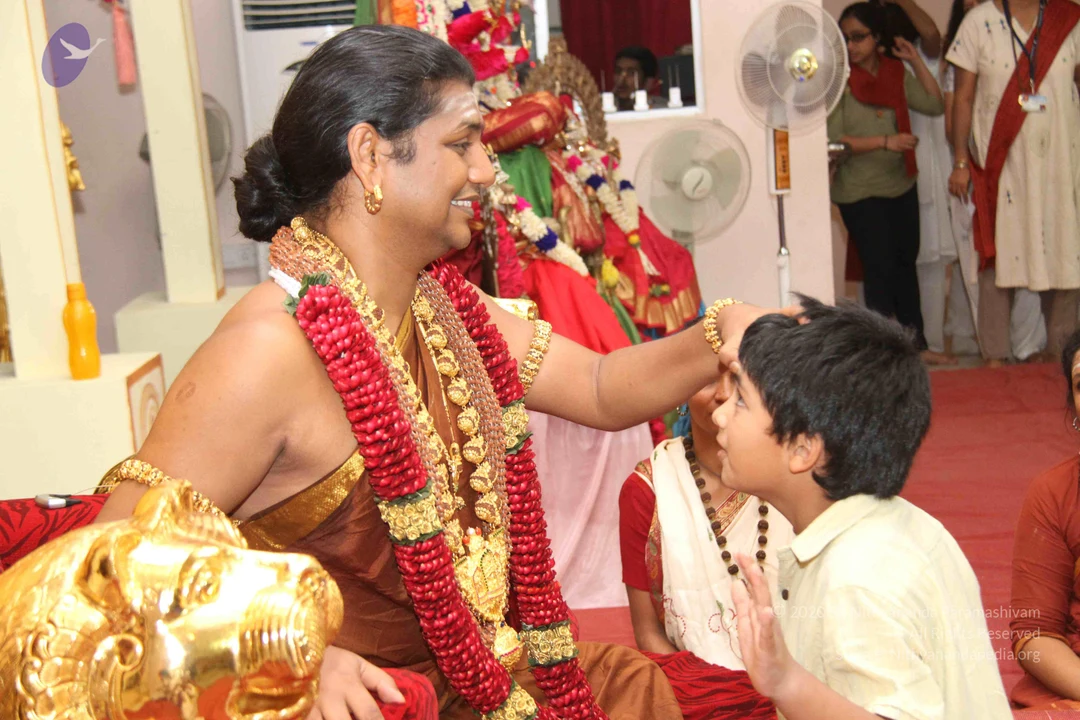
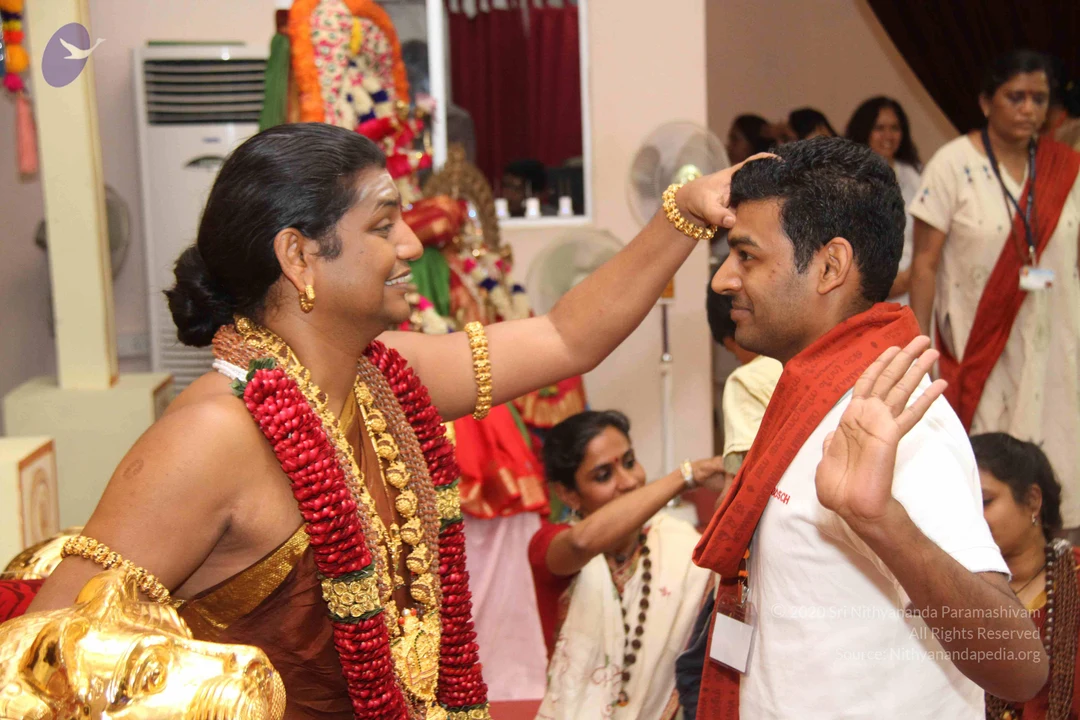
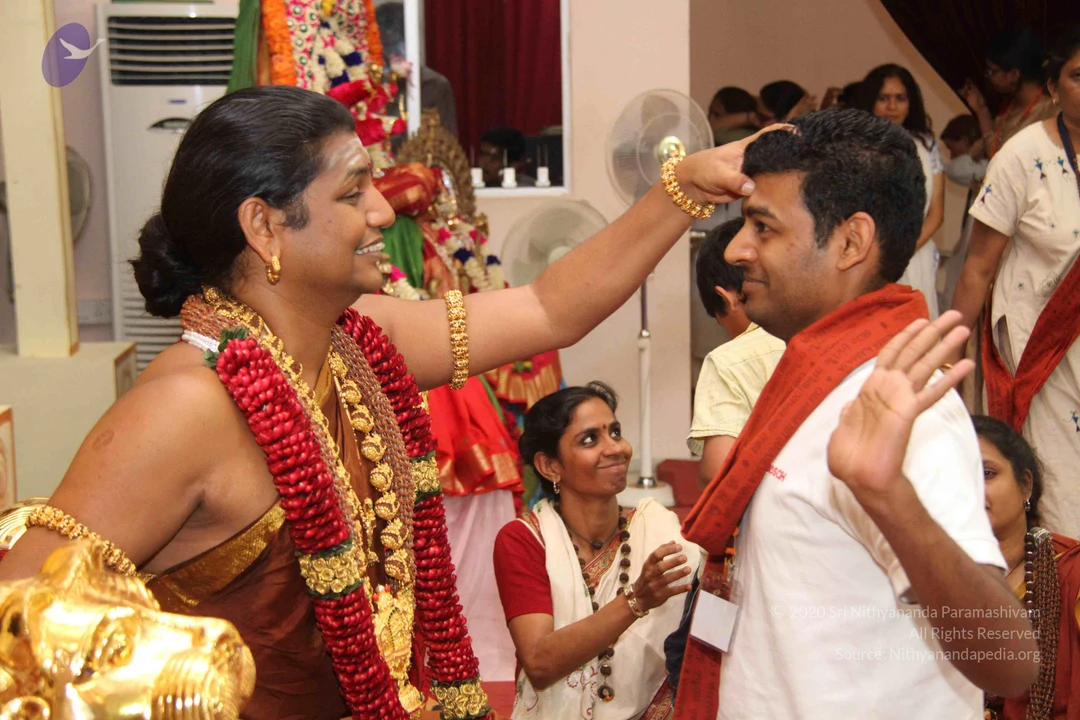
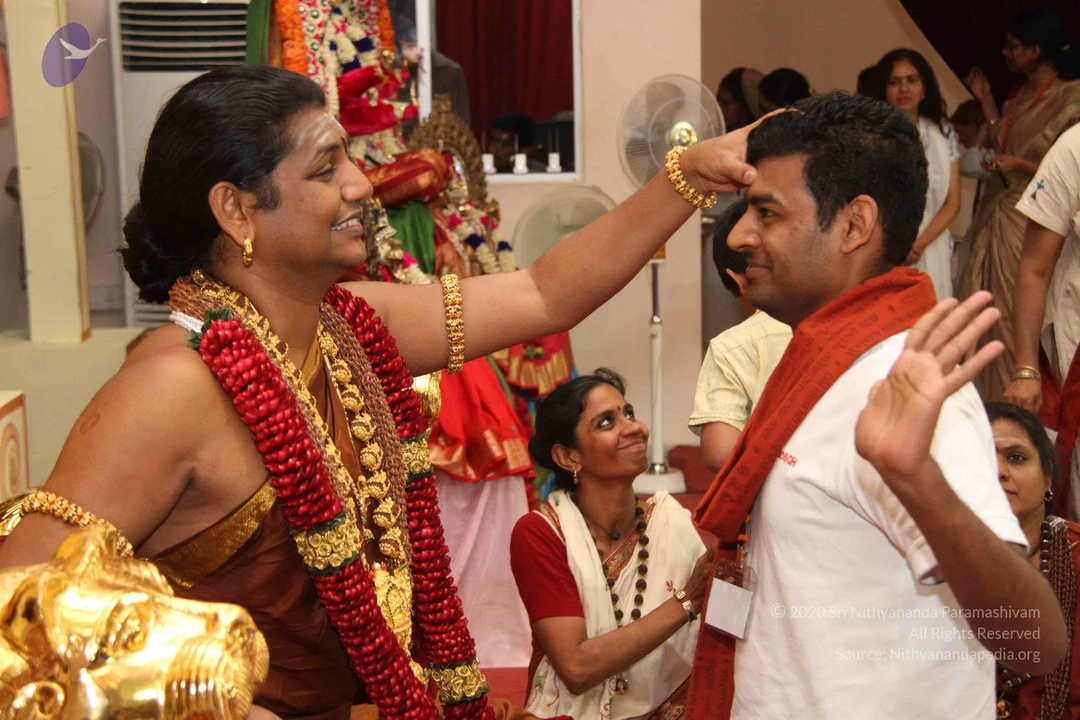
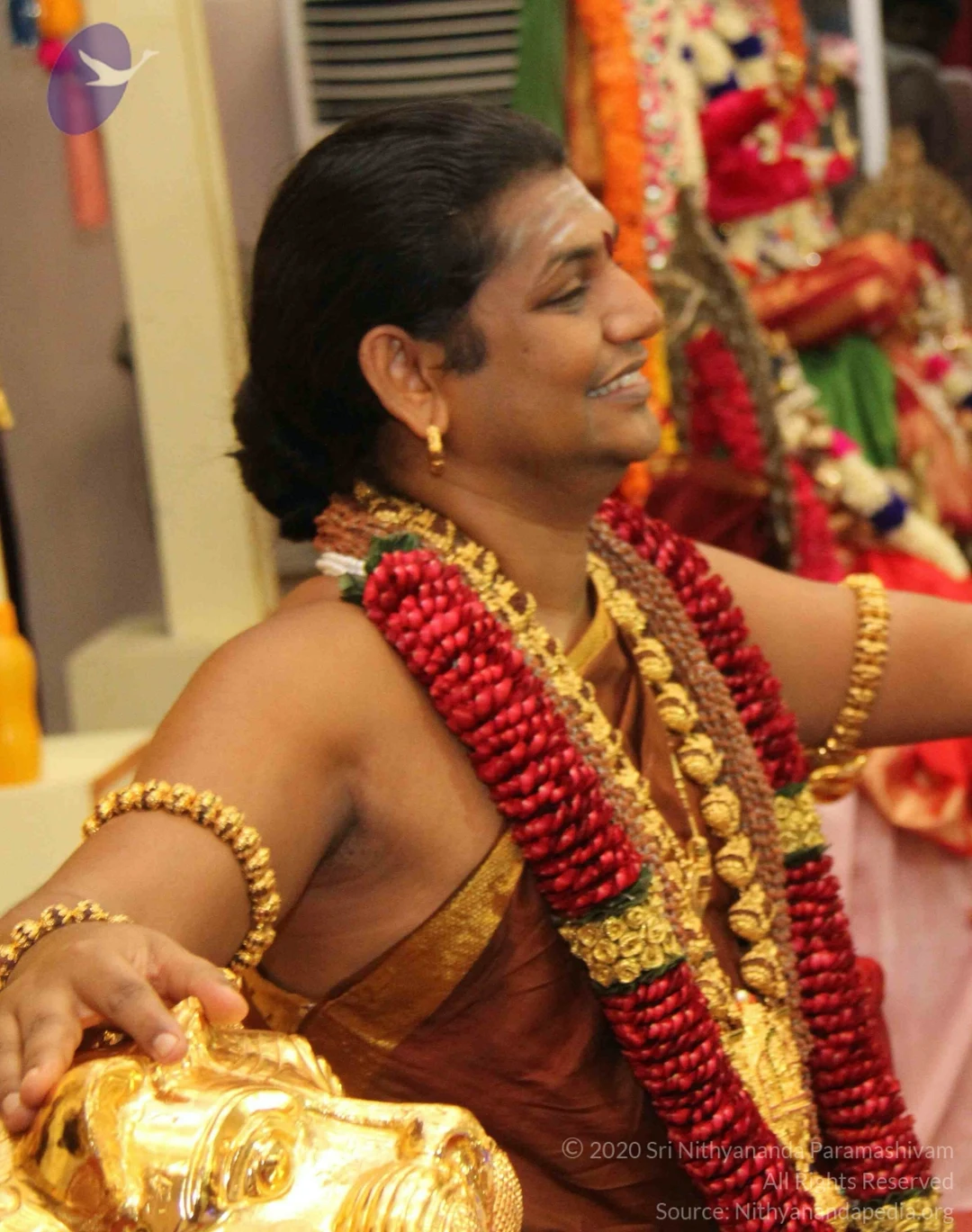
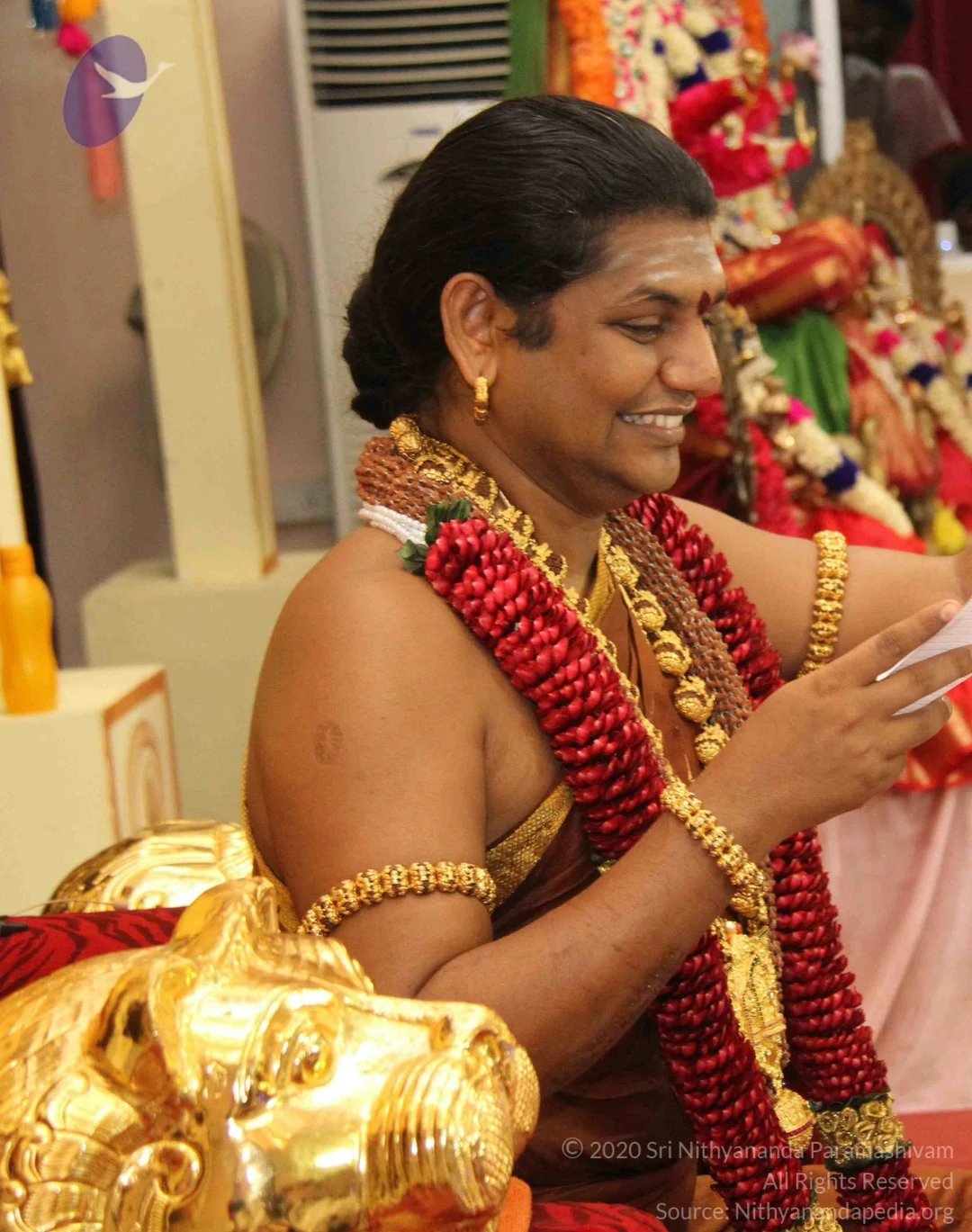
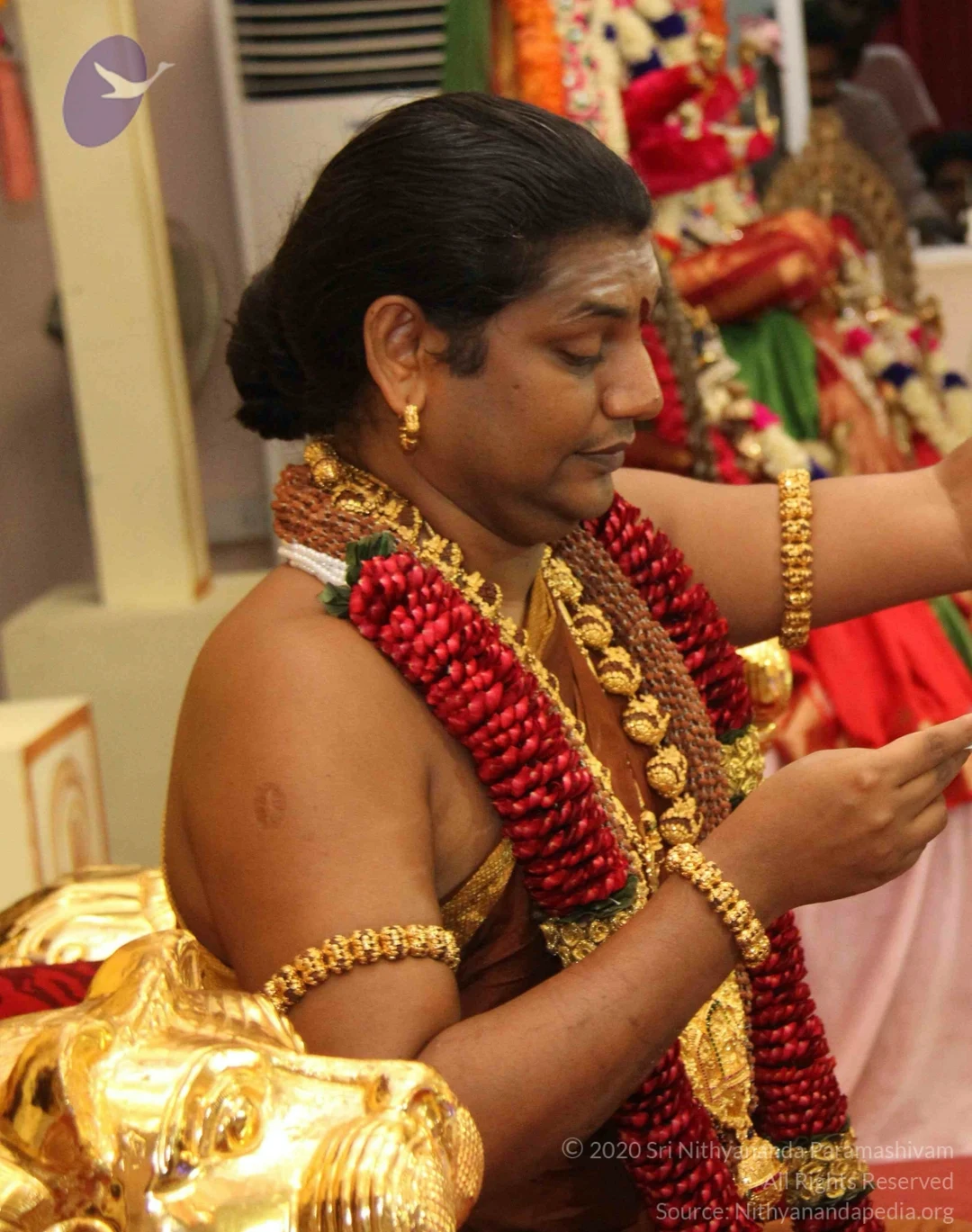
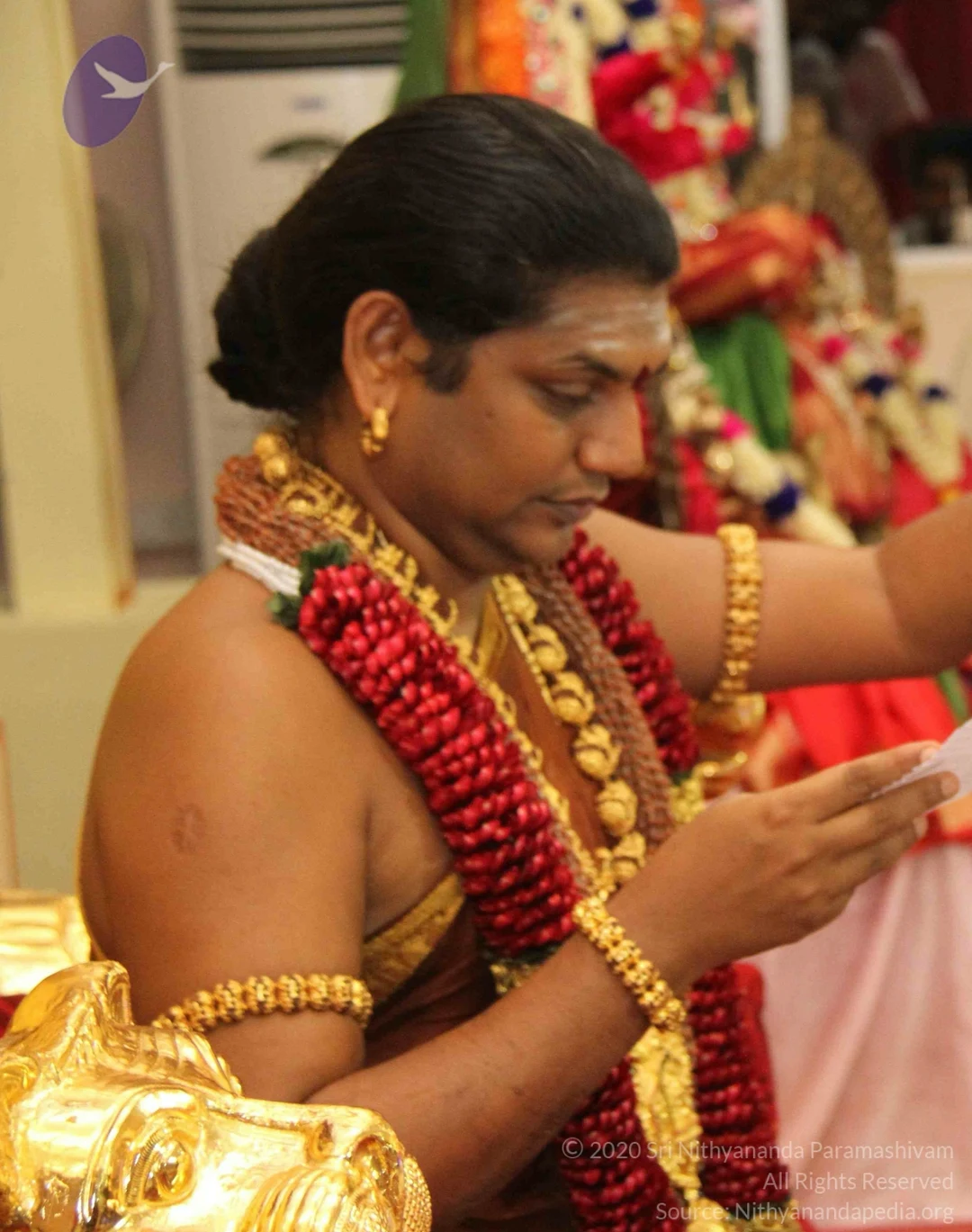
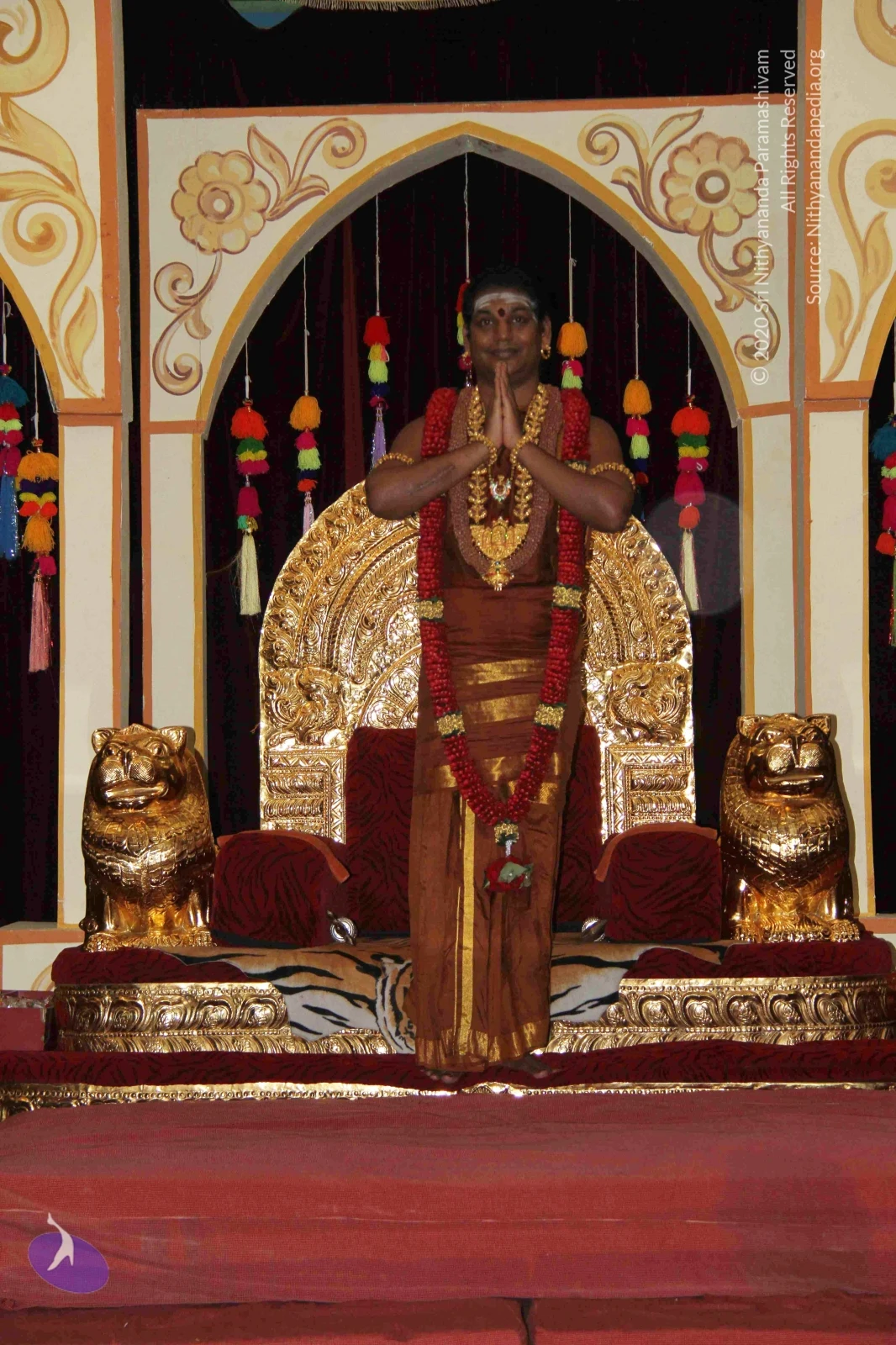
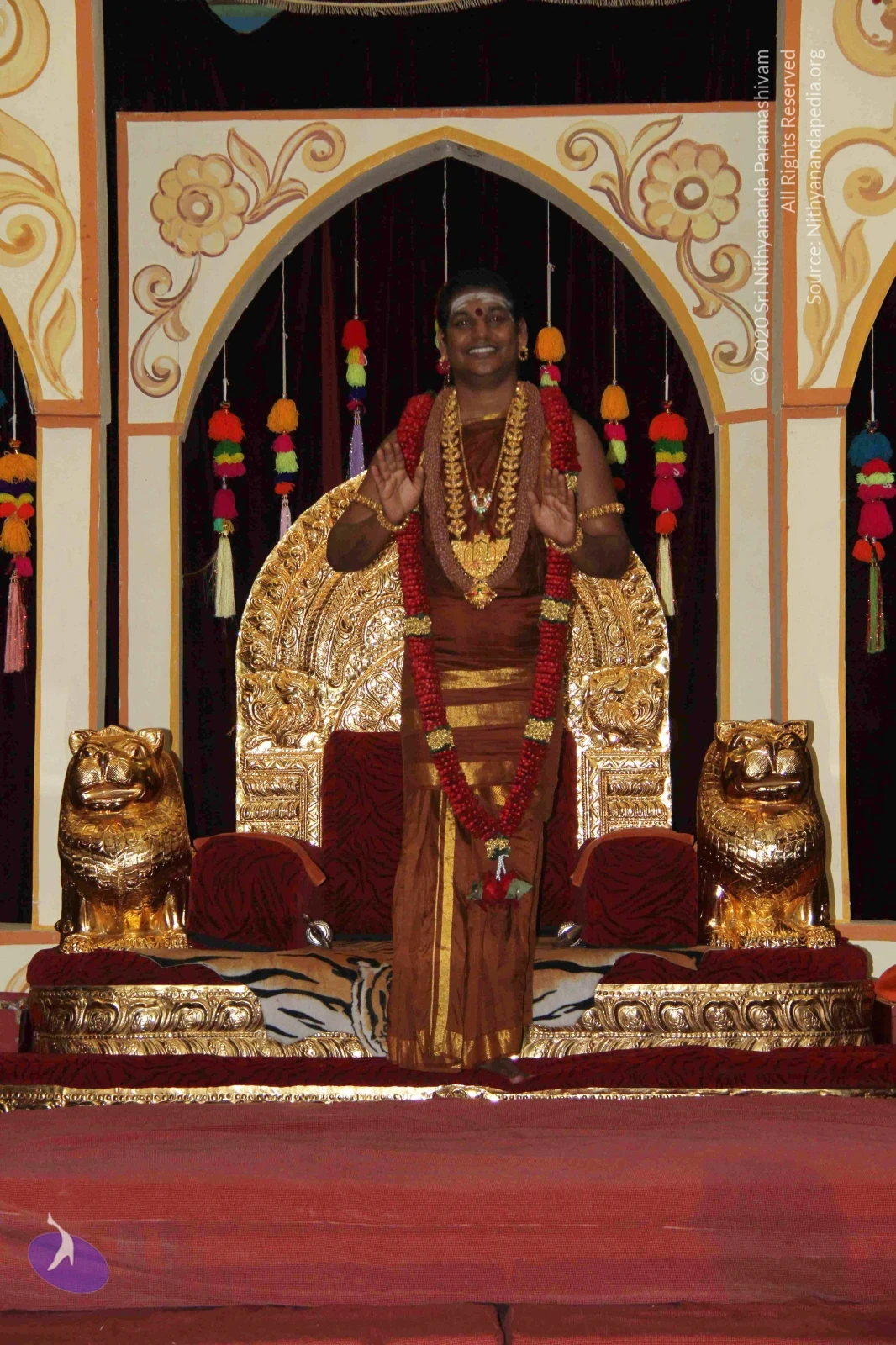
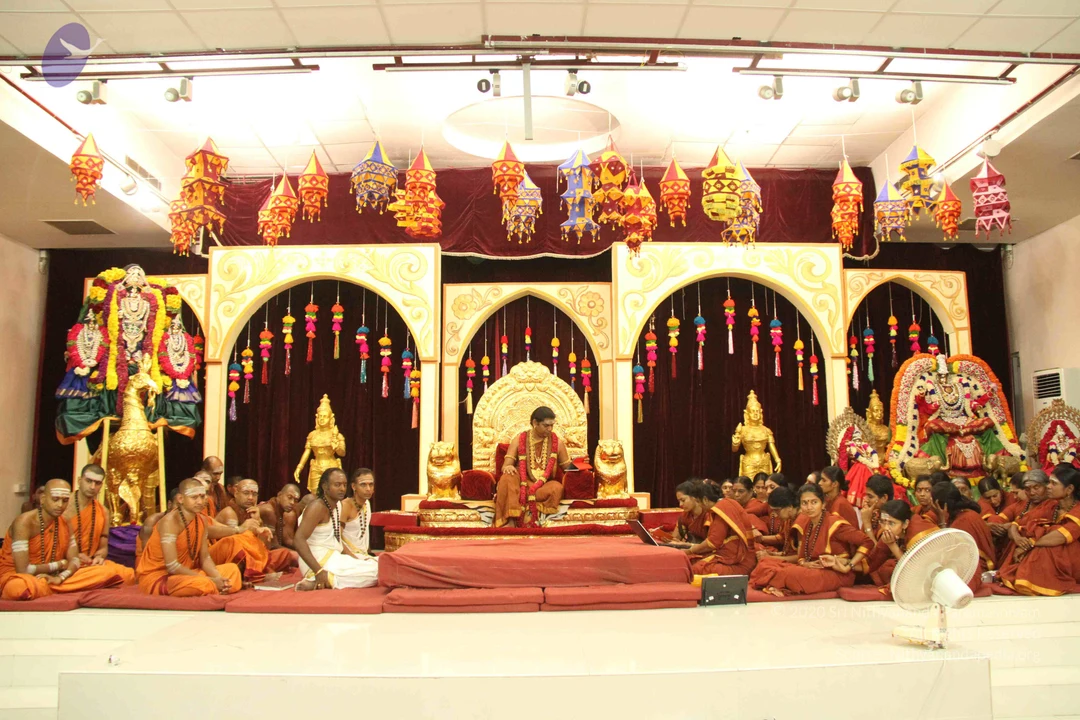
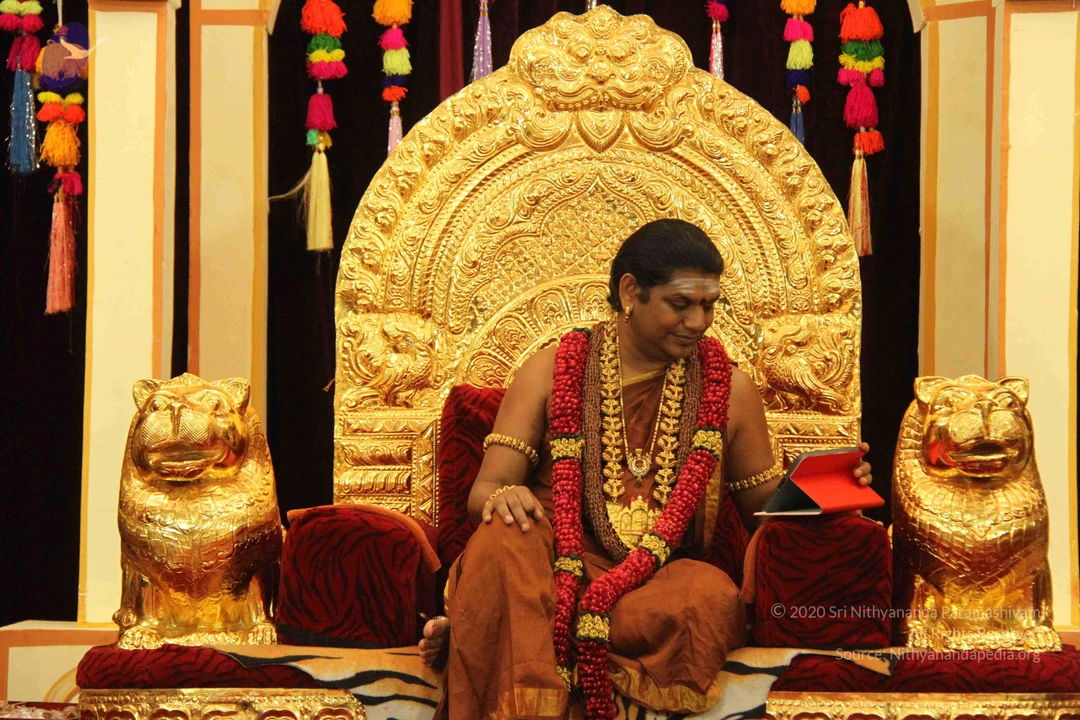
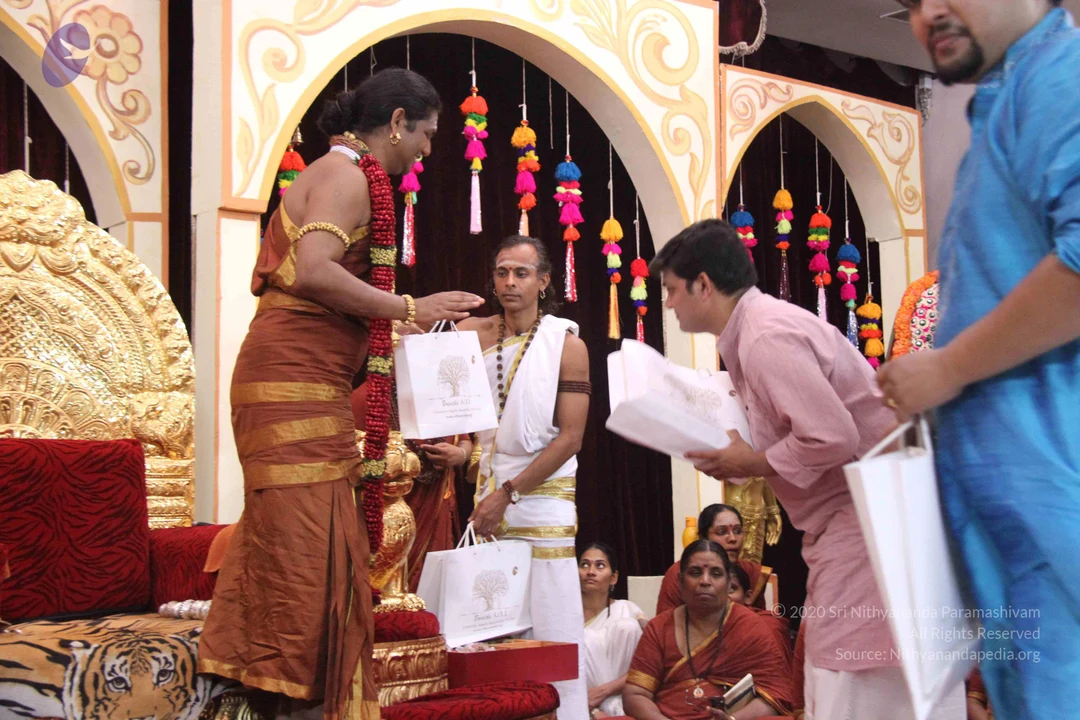
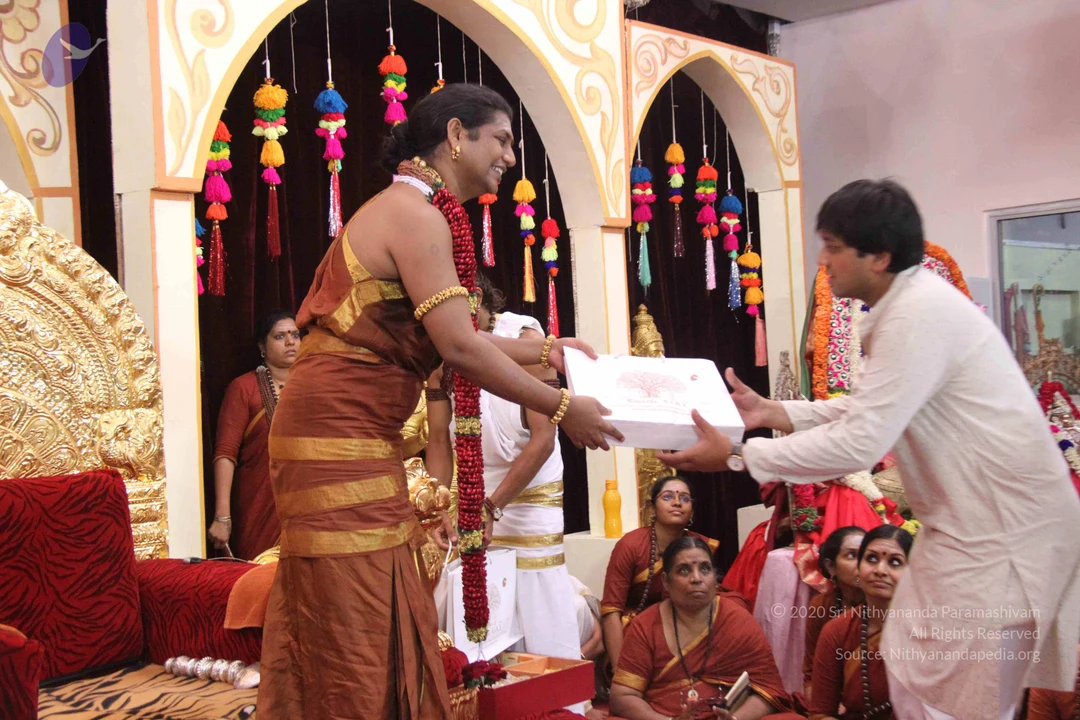
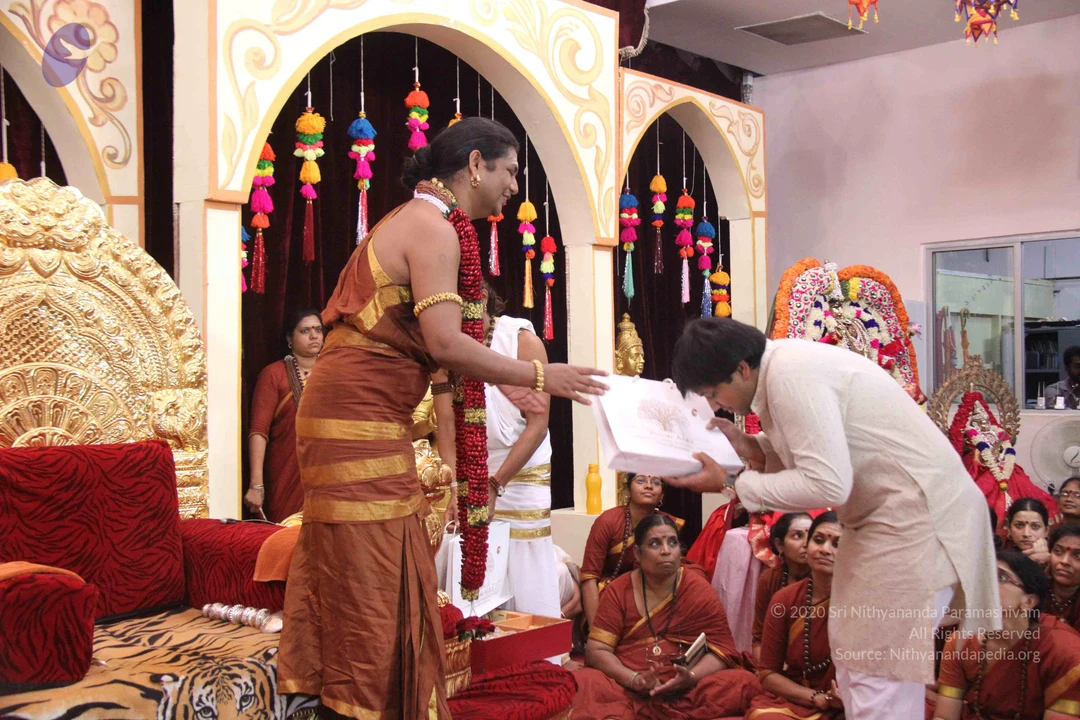
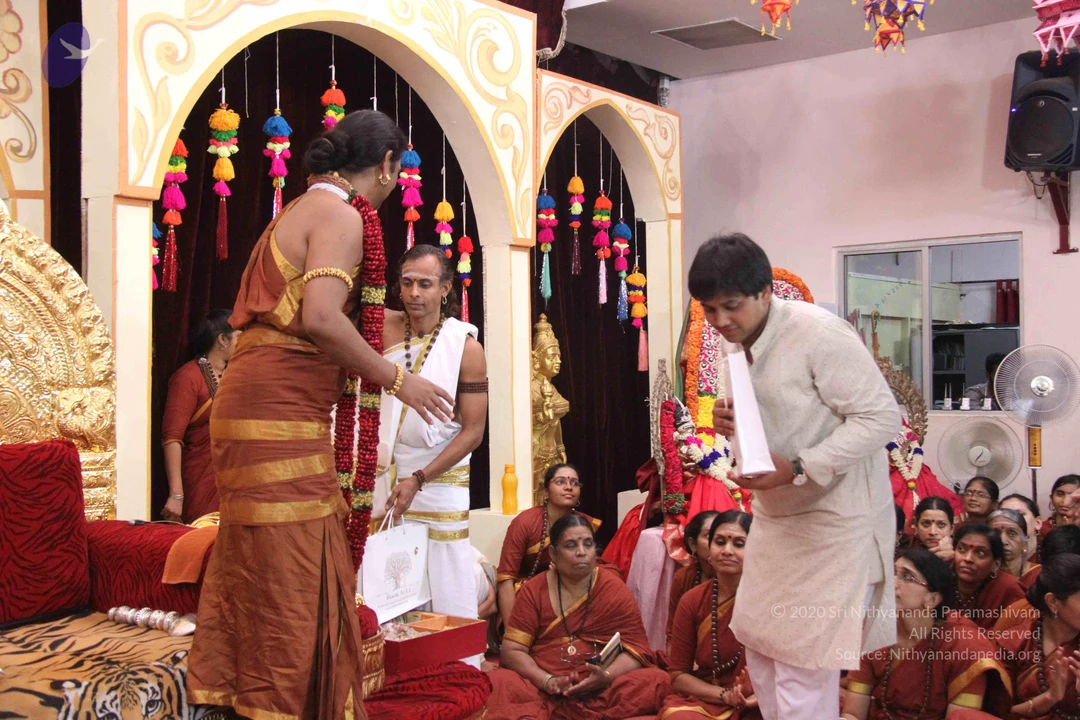
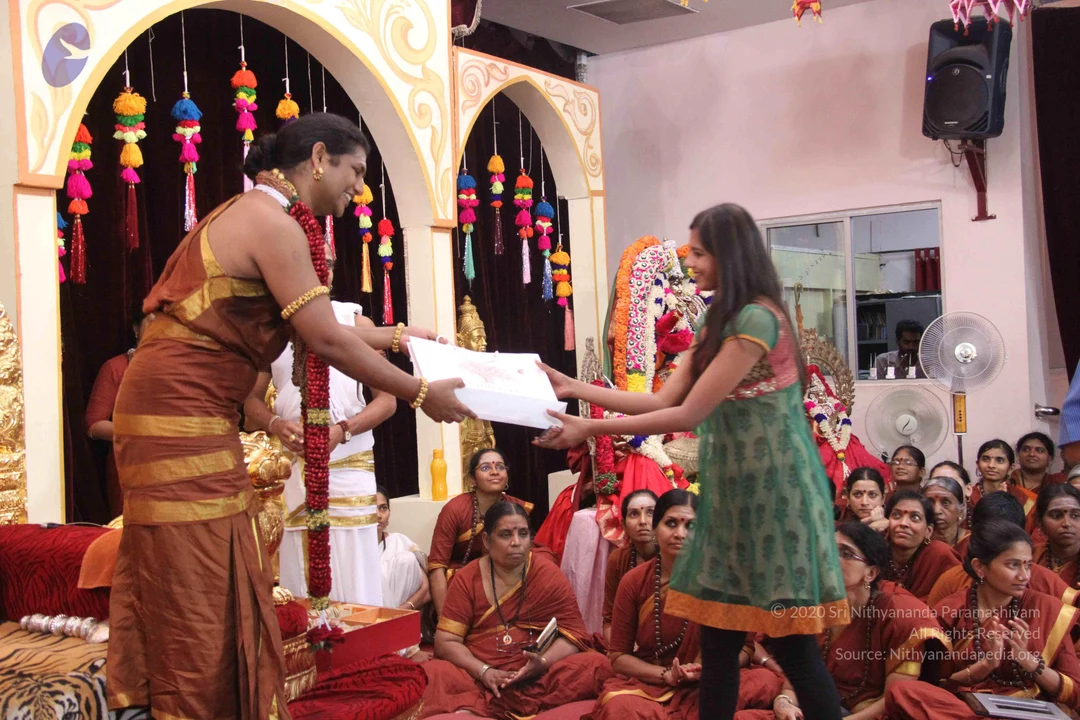
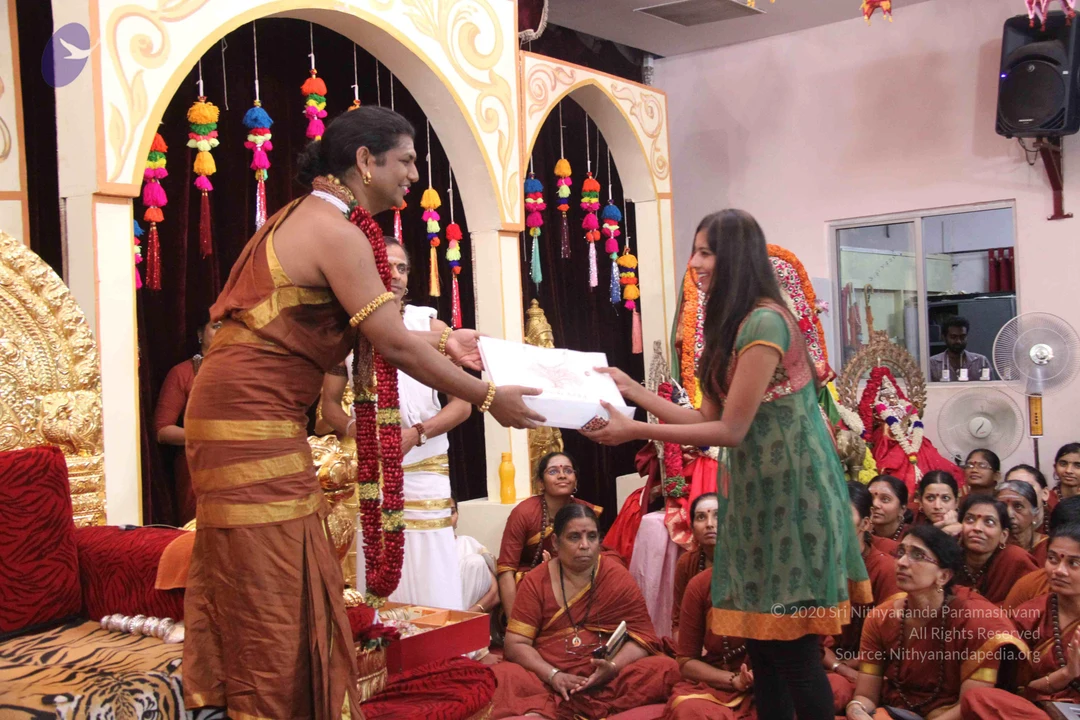
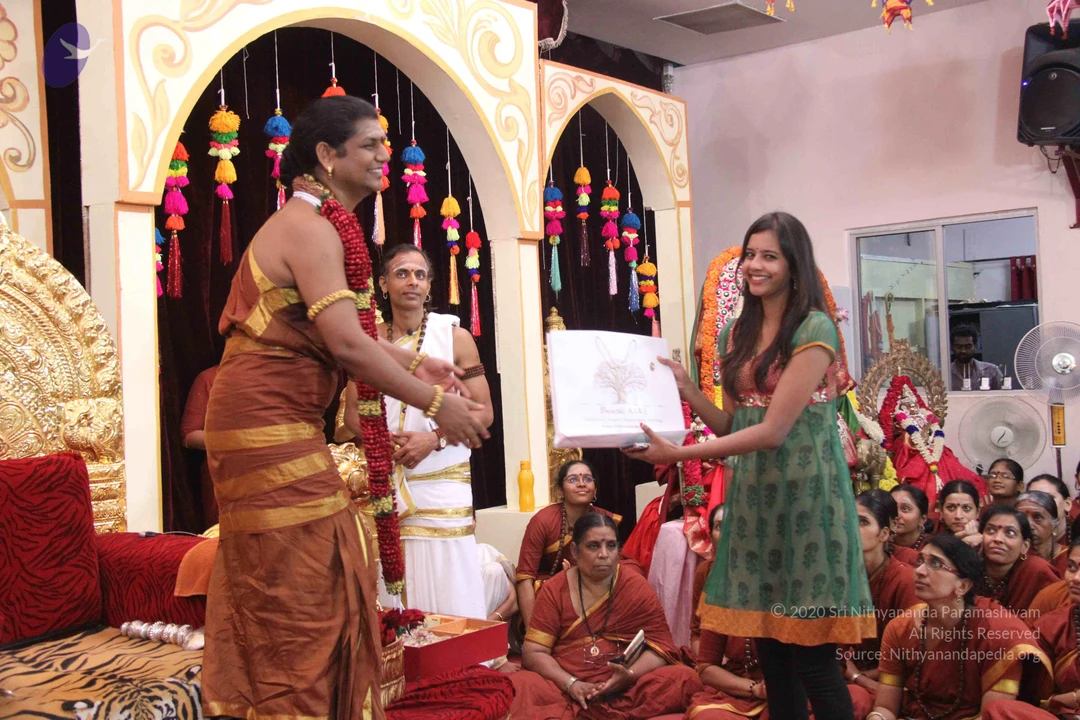
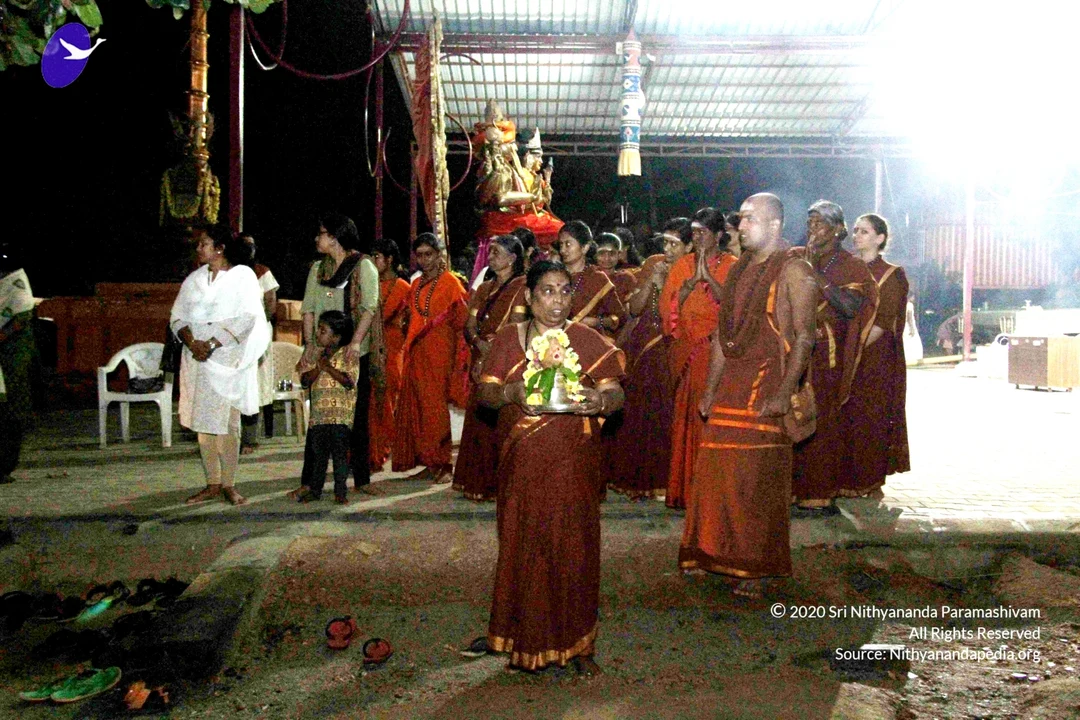
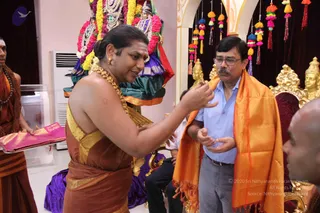
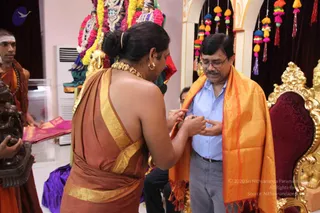
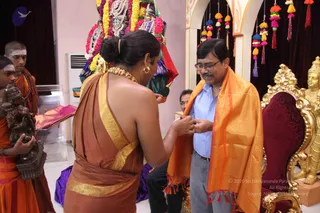
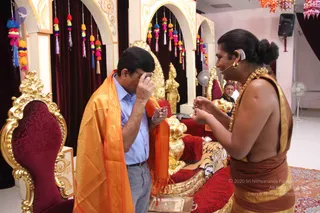
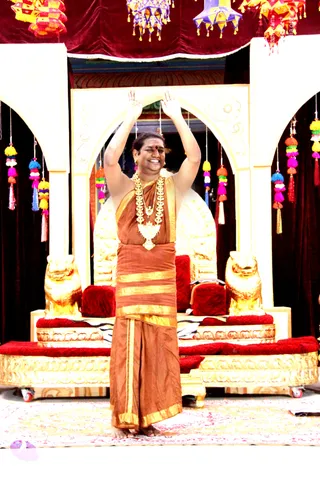
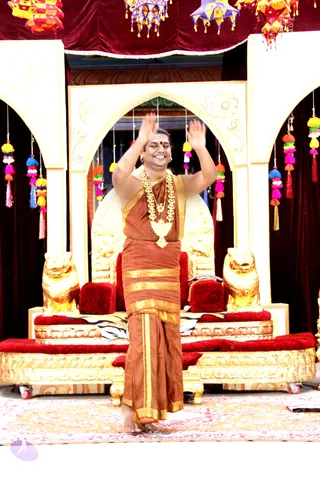
Close-up photograph of a ritual arrangement on an ornate gold tray. Red and yellow roses form a ring of petals around a central gold tray, with a small gold cup-shaped vessel with a domed lid at the front. Silver and gold bowls sit at the top corners of the frame, and green leaves appear at the left edge. No people are visible; the image shows only flowers and ritual vessels.A smiling man in a rust-brown dhoti and shawl with gold borders stands barefoot on a patterned red-and-cream carpet in front of a gold-carved throne with lion-head arms, red cushions and a tiger-skin cover. He wears a multi-strand gold necklace with a pendant and a red bindi, and his arms are slightly raised in a relaxed gesture. Above, colourful paper lanterns and tasselled pompom streamers in pink, yellow and blue hang from a maroon velvet canopy beside white arched pillars. One physical person is present; the throne is empty.A photograph of a man in a rust-brown dhoti with gold border and a long gold chain necklace performing a ritual before a large deity murti. He holds a small silver lamp or aarti vessel in one hand and a metal bowl in the other, offering to a multi-armed goddess figure in white and red with long black hair, flanked by smaller figures, a golden-maned lion, and a Ganesha figure garlanded with yellow flowers. Marigold garlands drape the images. Partially visible heads of onlookers appear at the frame edges. The setting is a temporary shelter with corrugated metal roofing. a person candidate not identifiable from appearance alone; the presenter is described by role as a ritual officiant.

October 11 2013

Original wiki page
Contents

Description:

In today’s morning Satsang, Paramahamsa Nithyananda describes the importance of balancing the image we hold about ourselves and the one we project to others. Feeling powerless or powerful has nothing to do with external factors but has everything to do with how we experience ourselves. Practicing non-resistance will directly help us to bridge the gap of our outer and inner selves. Only then can we achieve completion and the ultimate - enlightenment.

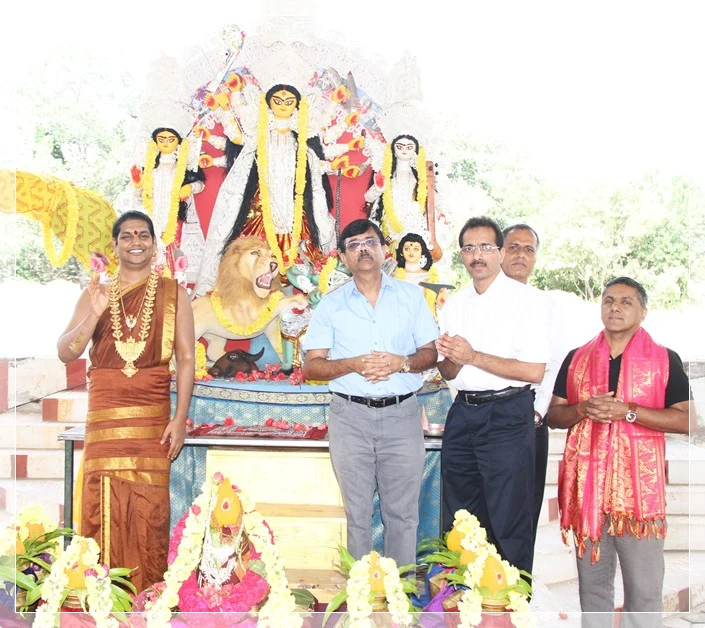
Link to Video:

VideoAudio

Transcript:

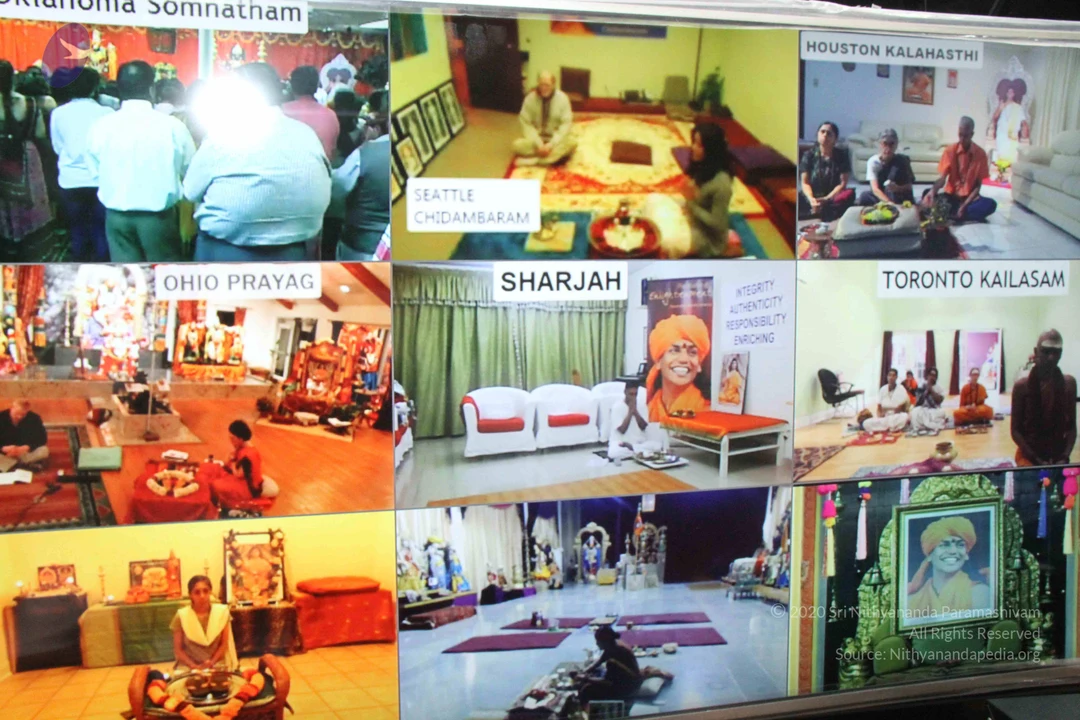
I welcome all the devotees, disciples, samajis, satsanghis, visitors, viewers, sitting with us as on now through Nithyananda TV and Sadhna TV, Lotus News Channel, Eshwar TV and two-way video-conferencing all over the wprld, 28 places having Nayana DeekshA in 25 countries around the world as per the statistics this moment and I welcome all of you with my love and respects.

And cities sitting with us as on now Toronto, Toronto can you wave, Yes, Paris home temple, St Louis, Studio city; California, Oklahama, Sharjah, Kuala Lumpur Palani, Guadalope, Houston, San Jose, Seattle, Ohio, Seattle you guys are able to hear ? Yes. Los Angeles, Charlotte, Thiruvanmyur dhyanapeetam, Jorpati Nepal, Oman shivagangai, Redmond Washington, Singapore. Monterry, Hong Kong, Calgary, Devon, East London, Dubai, Hyderabad, New York Varanasi, Indrani New Jersey, Enriching temple Nithyanandanagar, and Hong Kong Shirgali, Calgary Alberta.

I welcome all of you with my love and blessings.

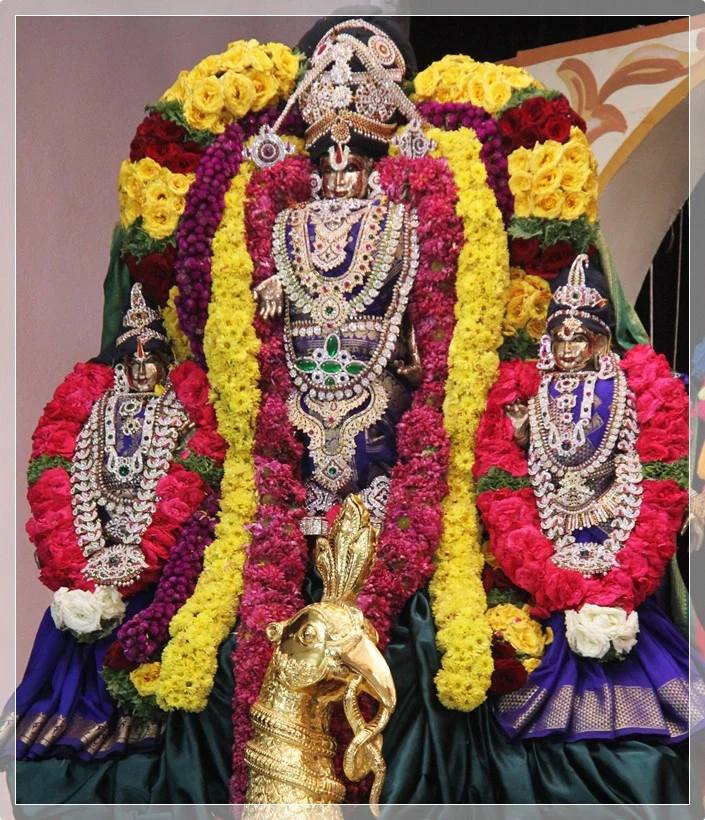
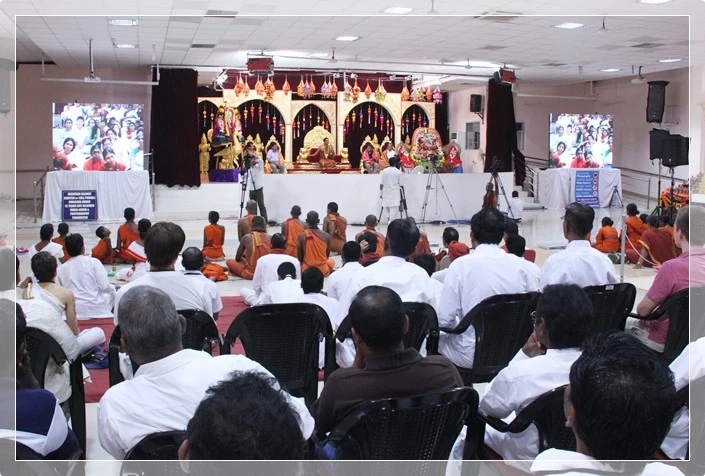
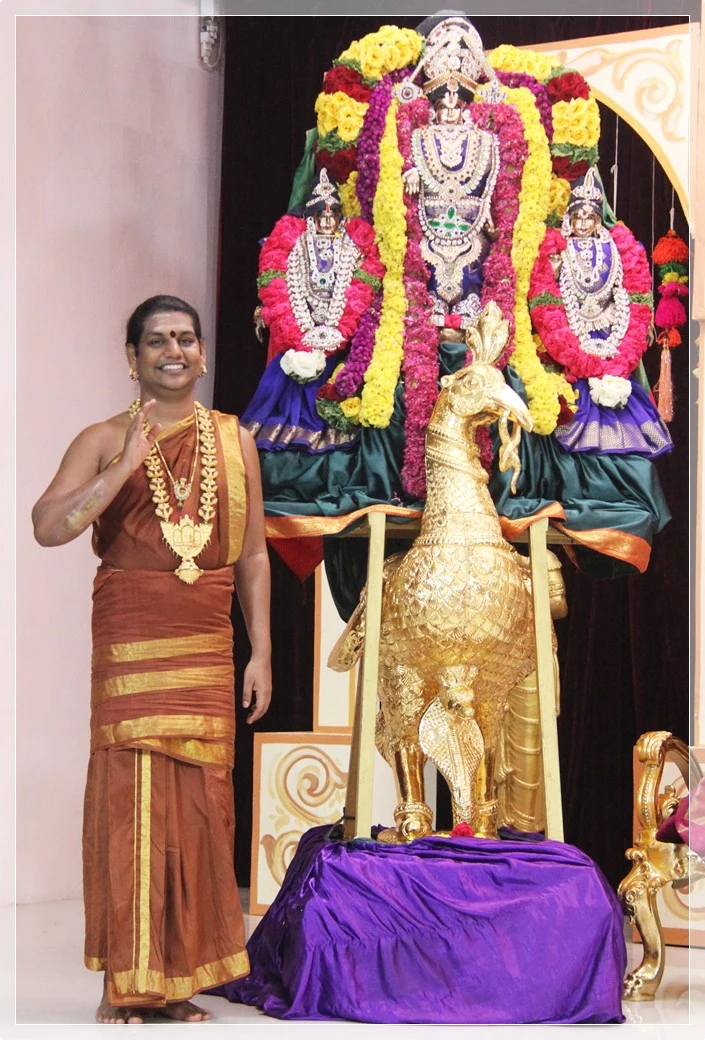
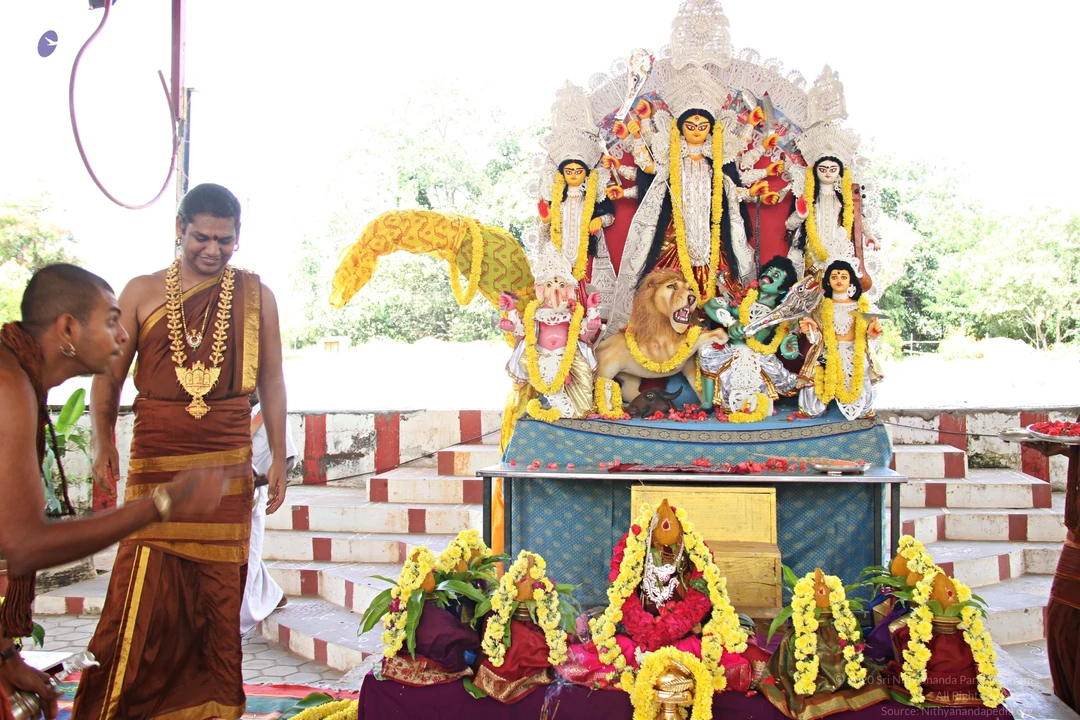
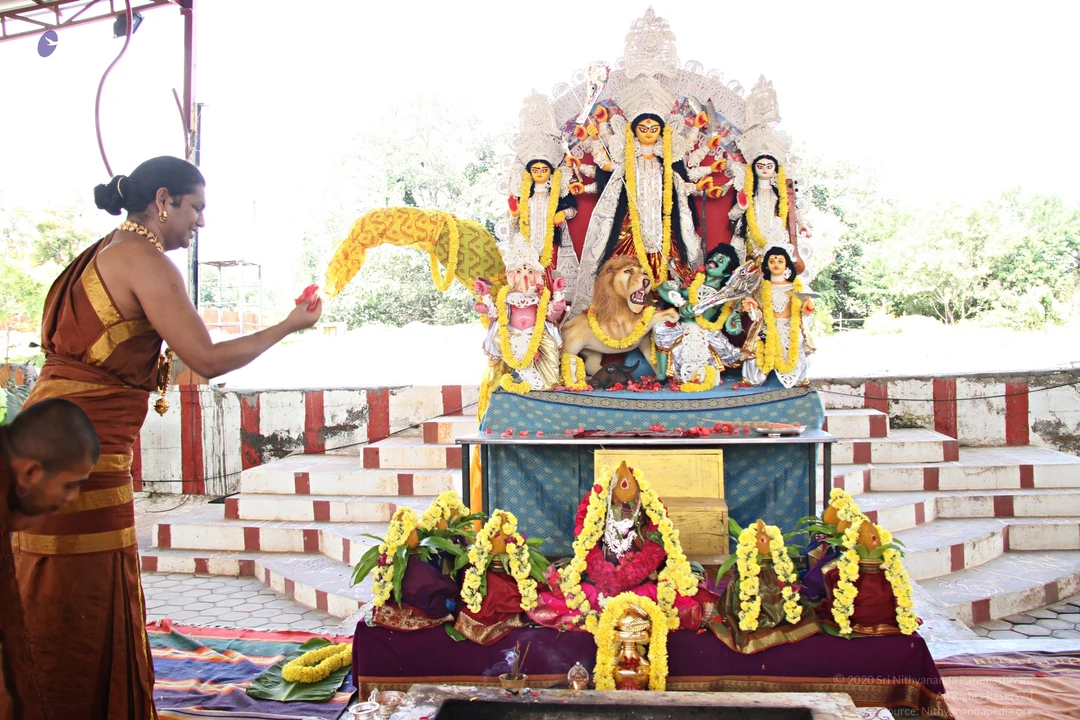
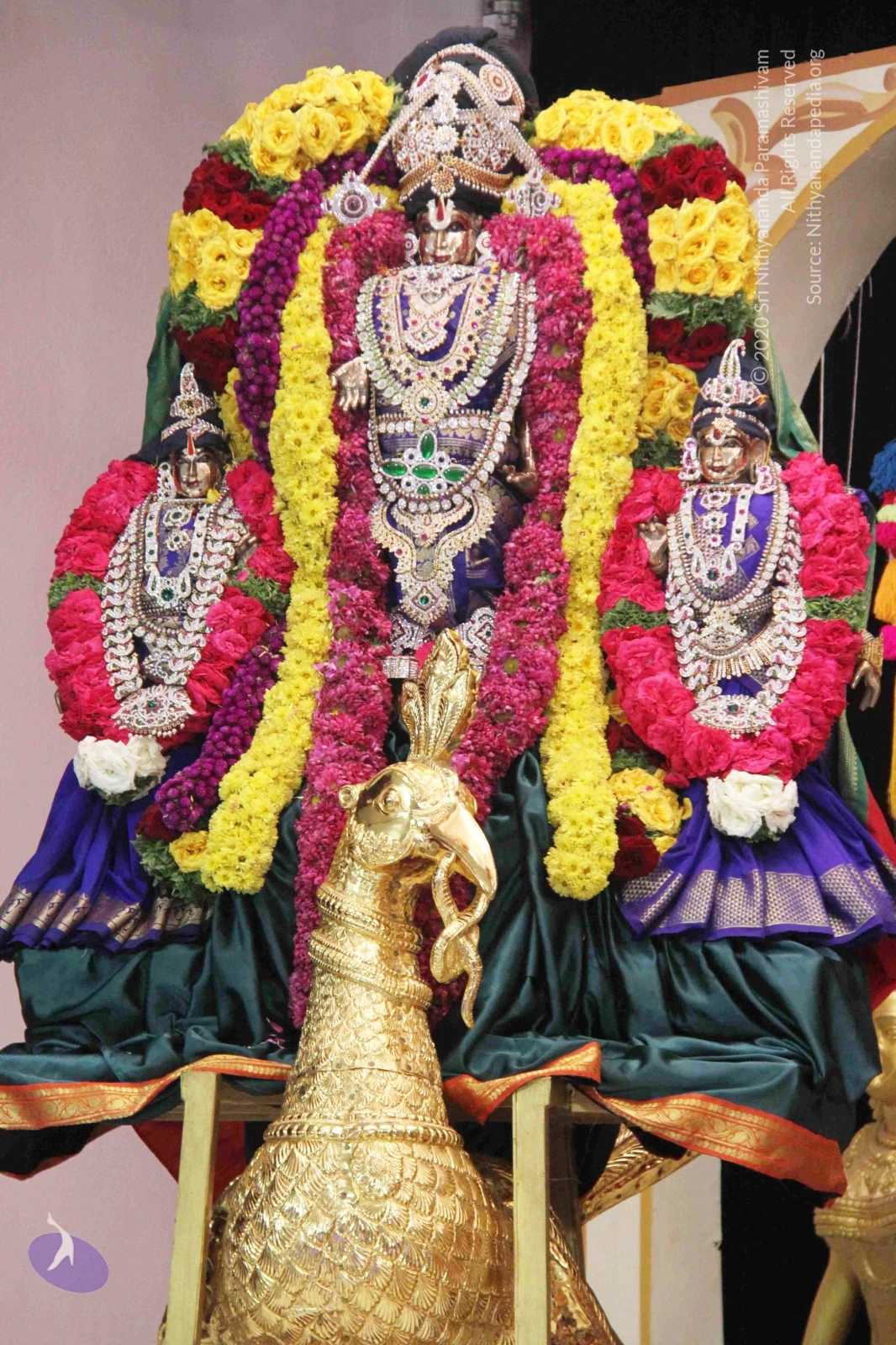
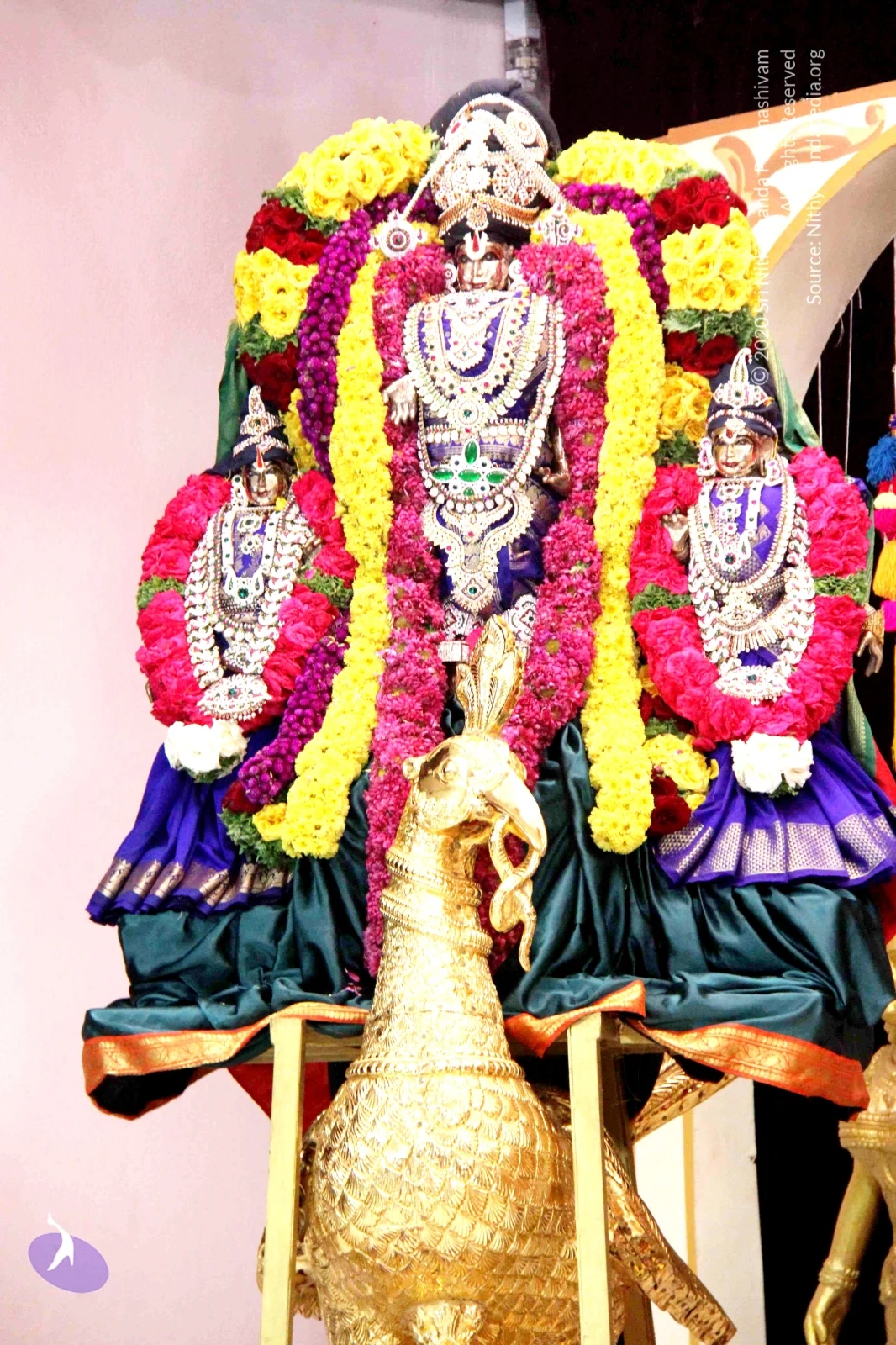
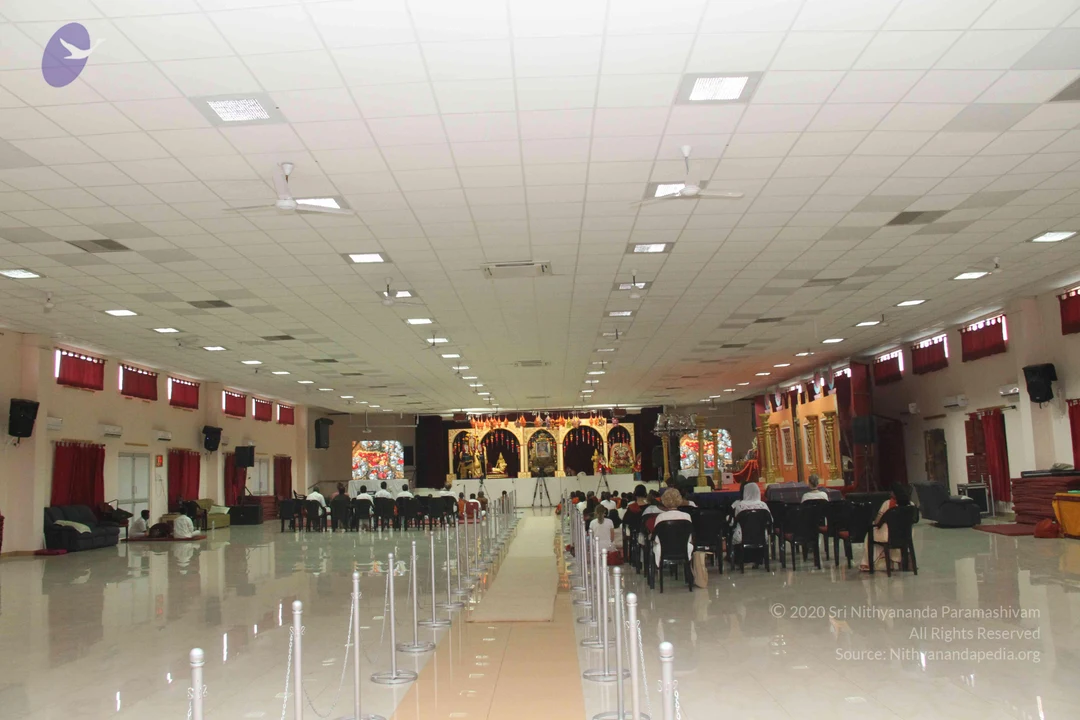
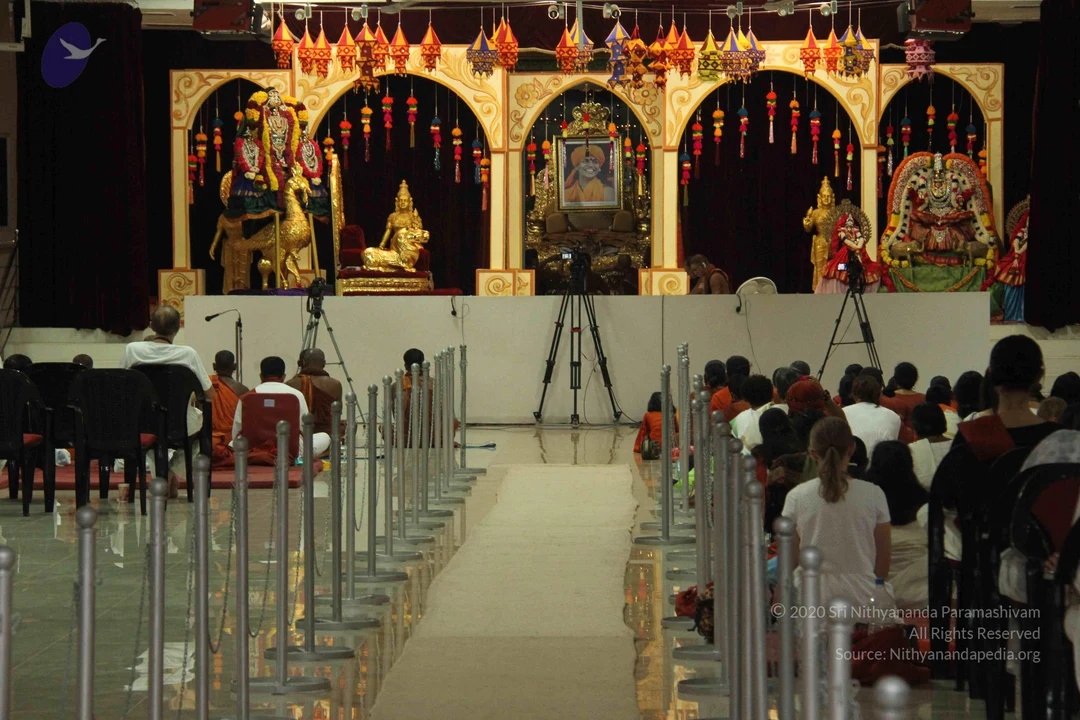
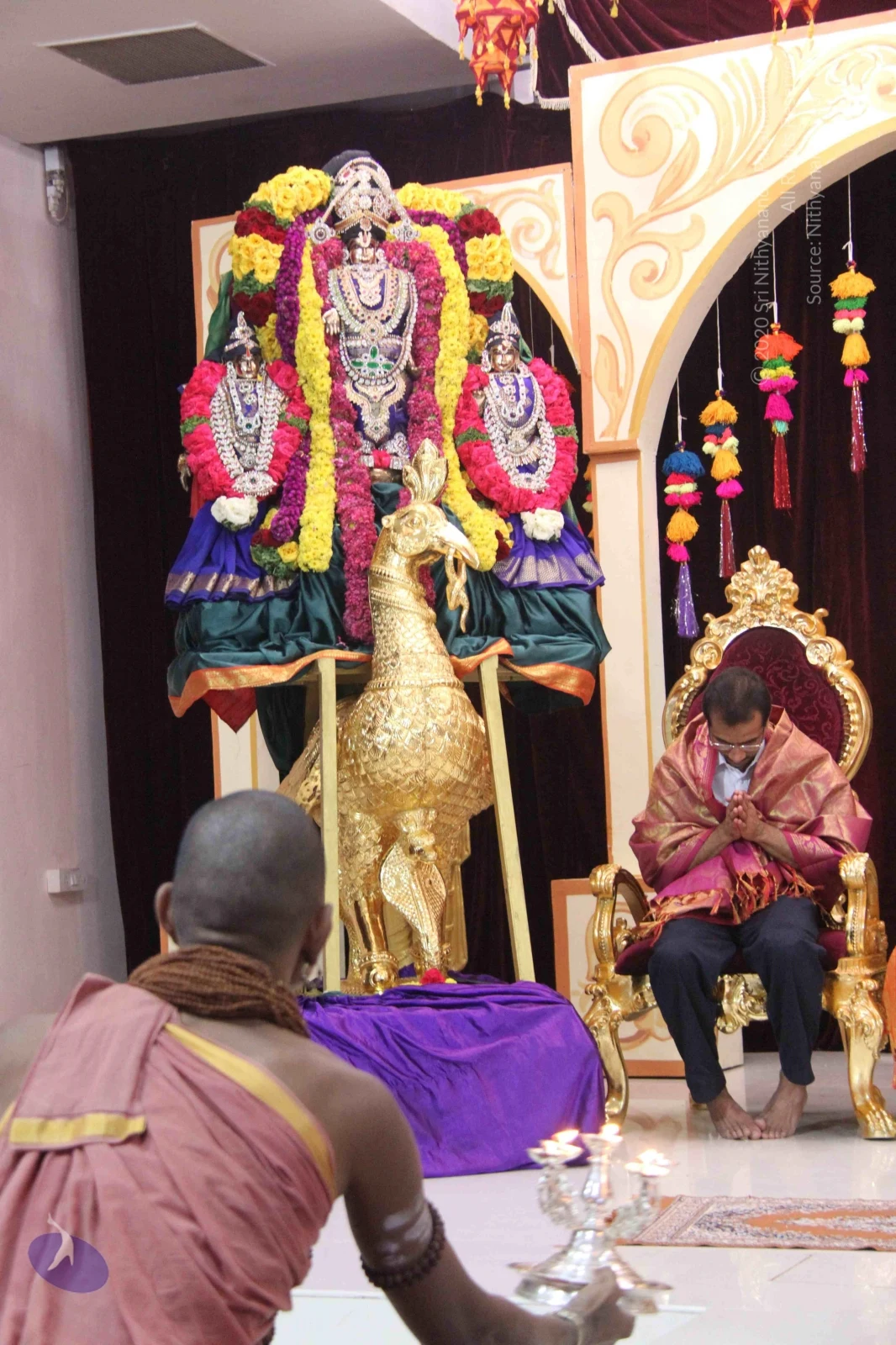
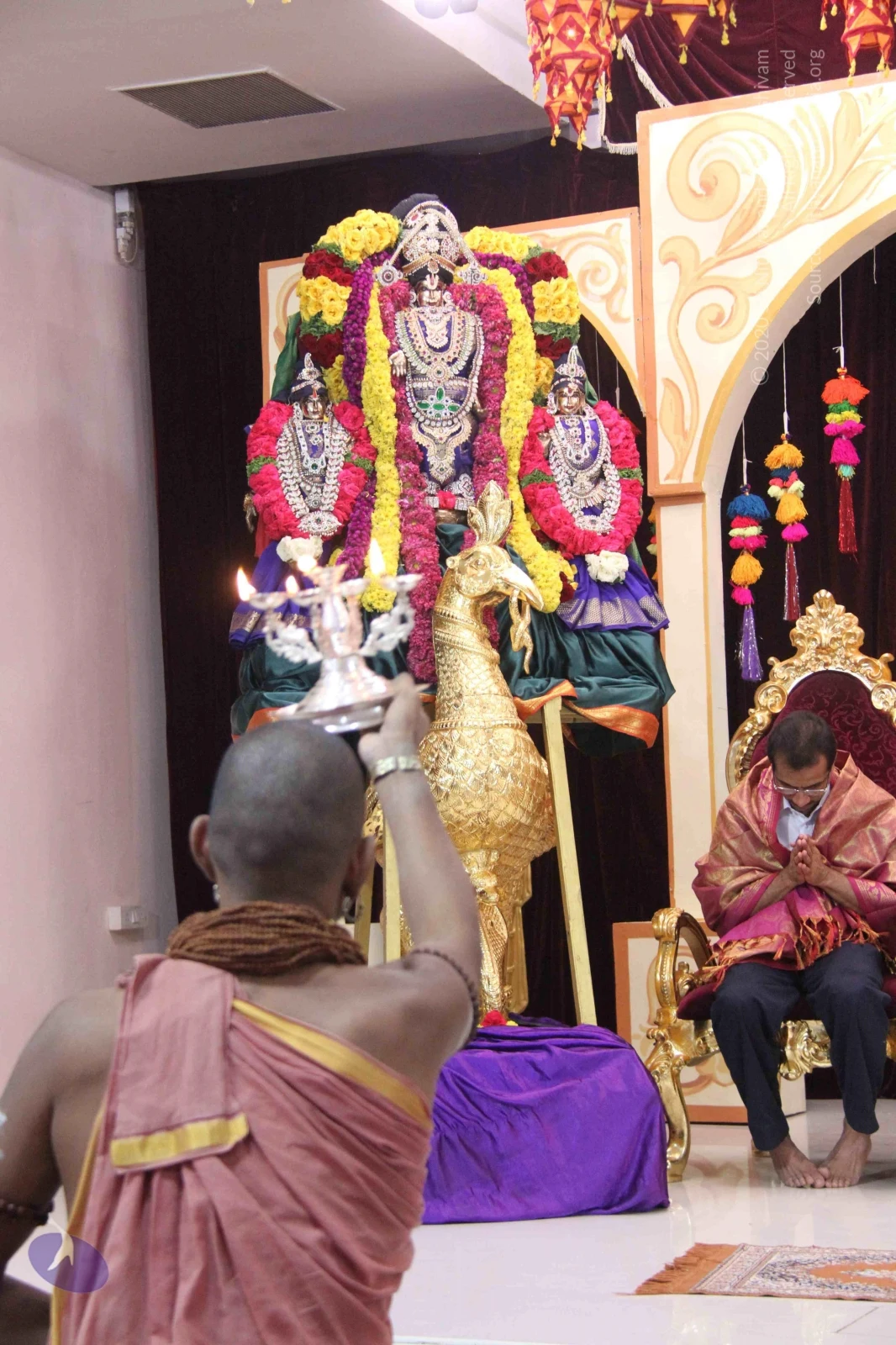
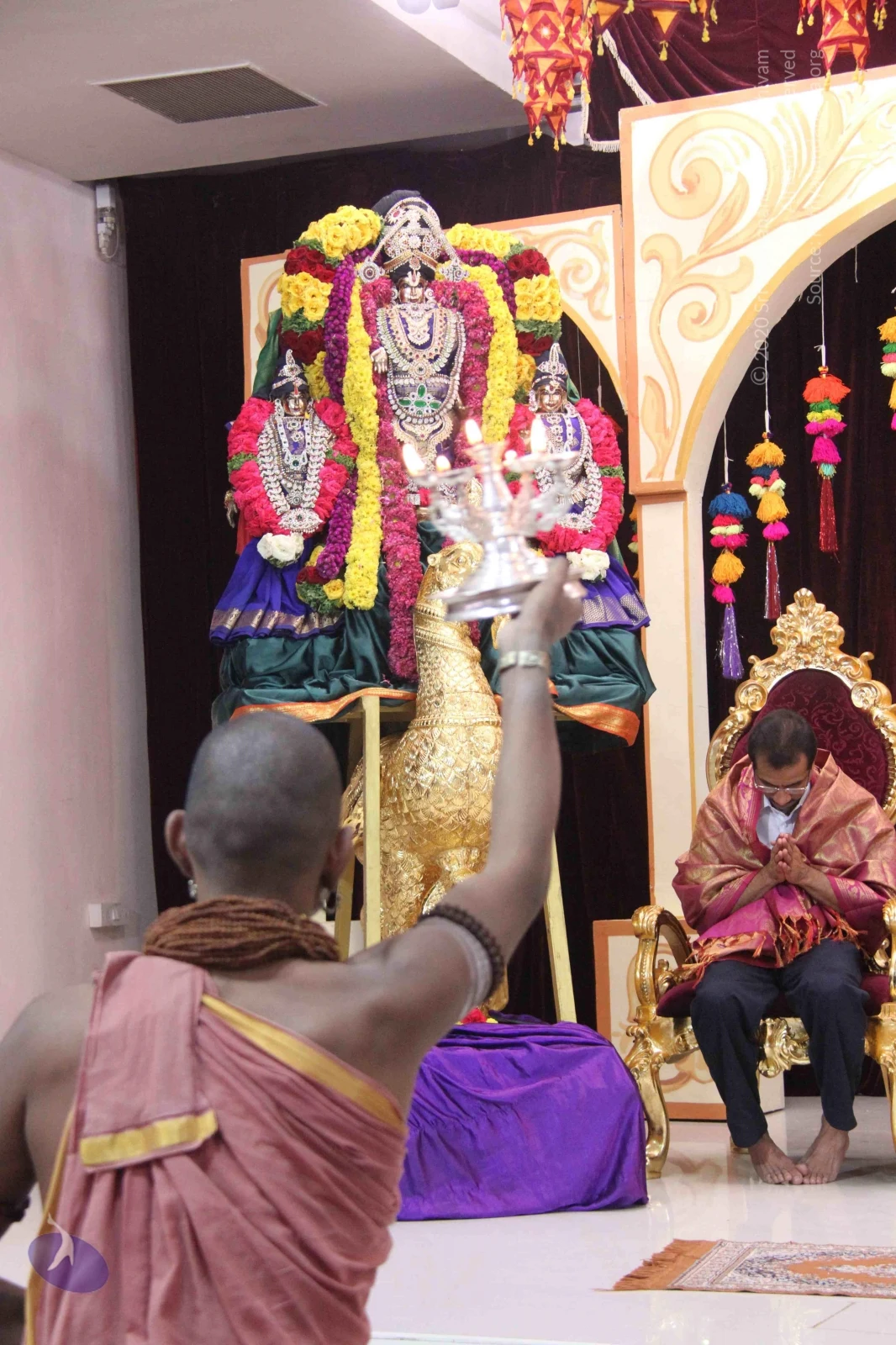
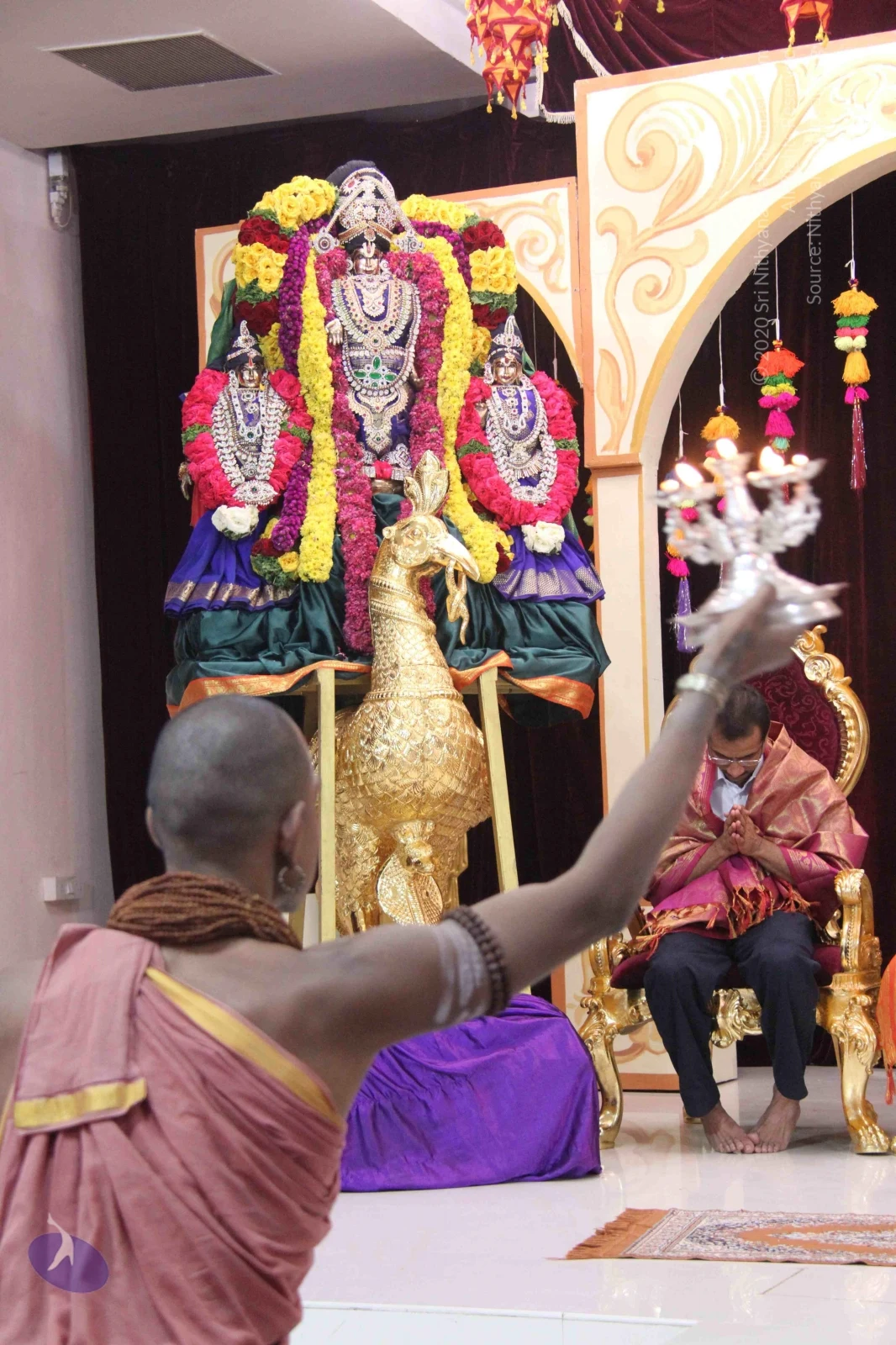
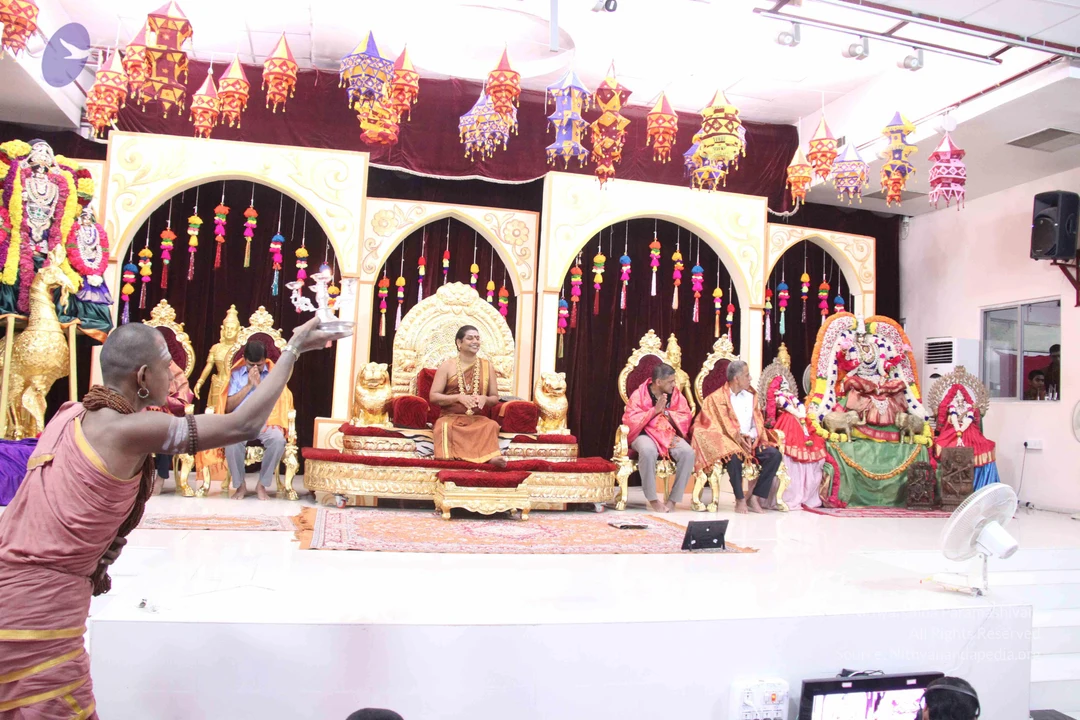
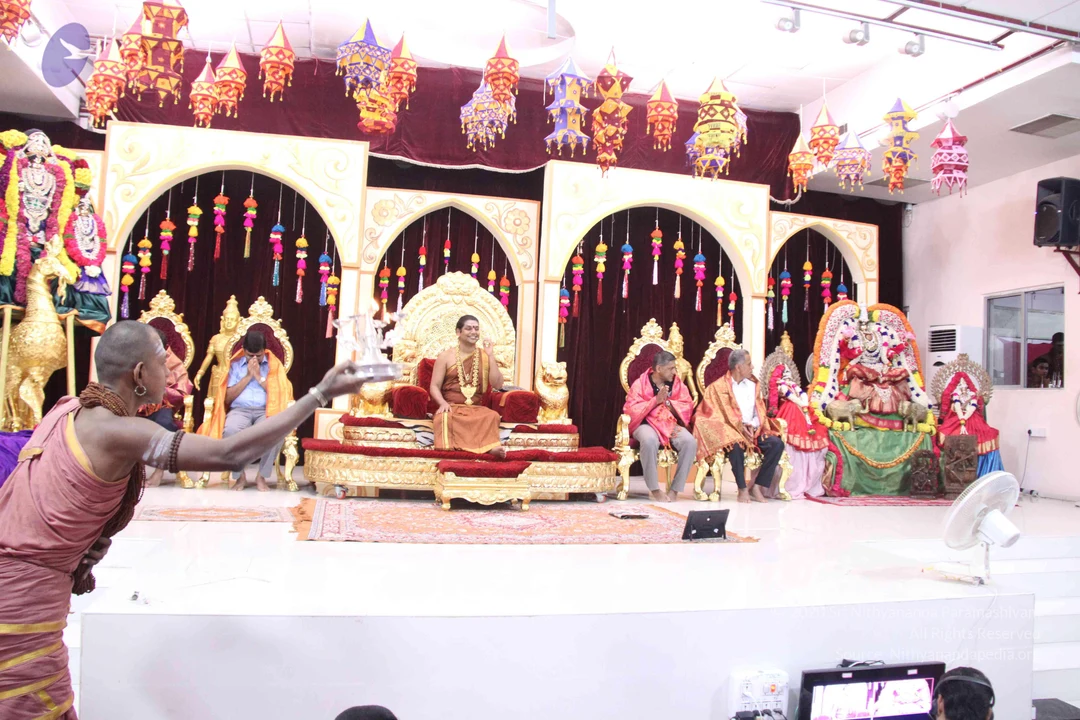
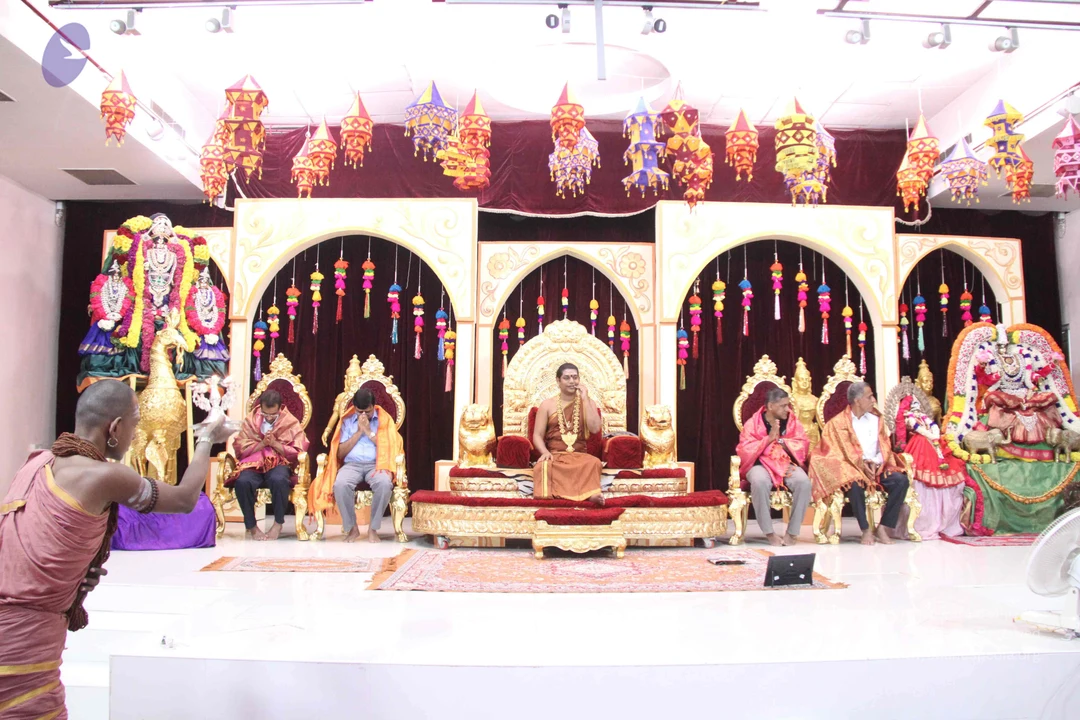
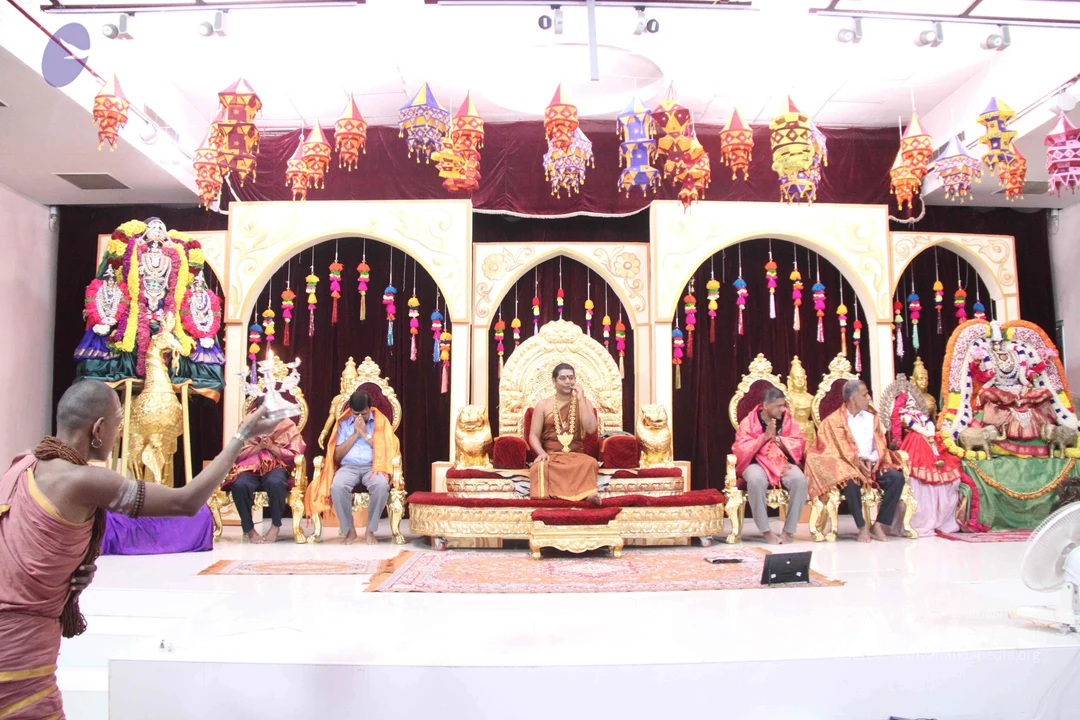
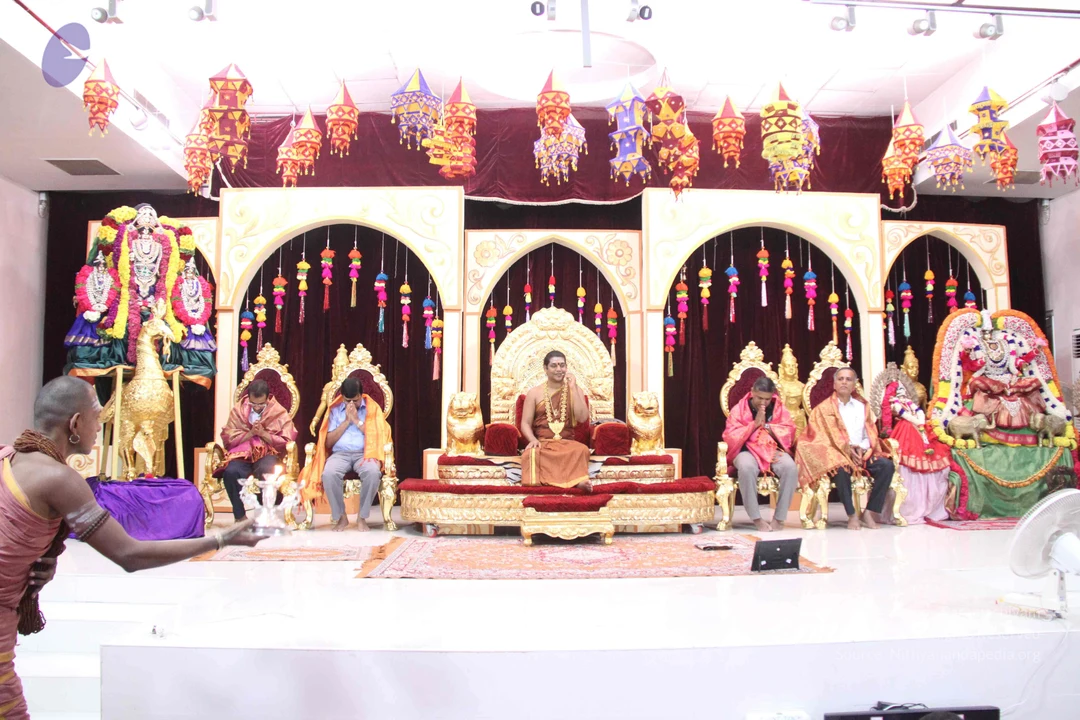
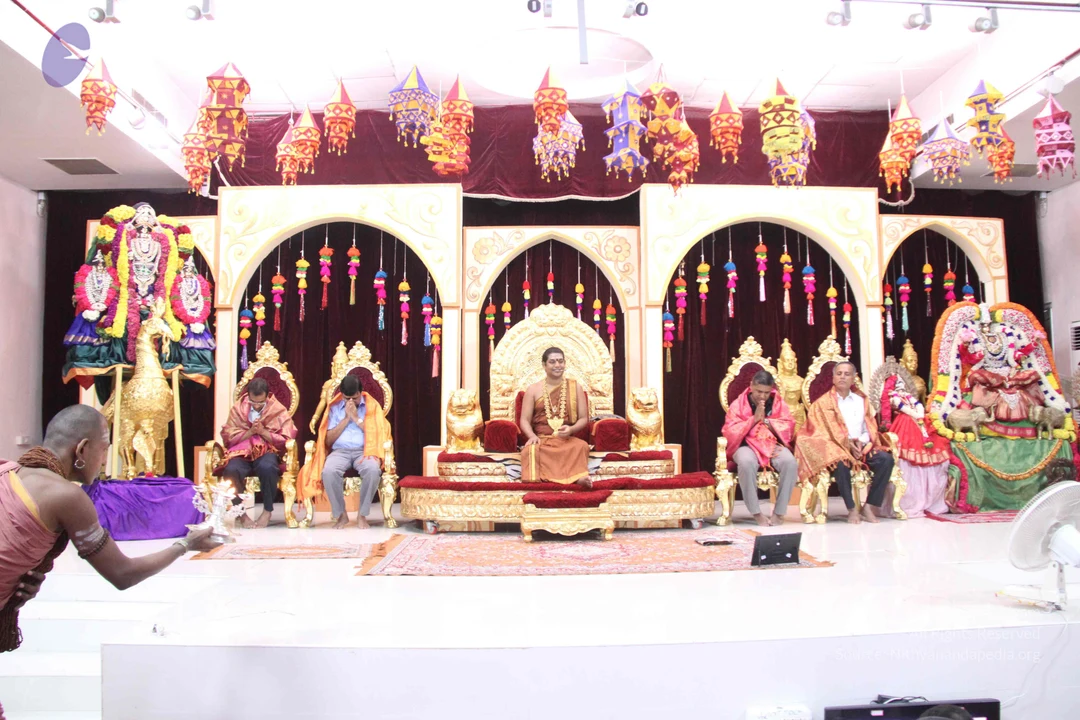
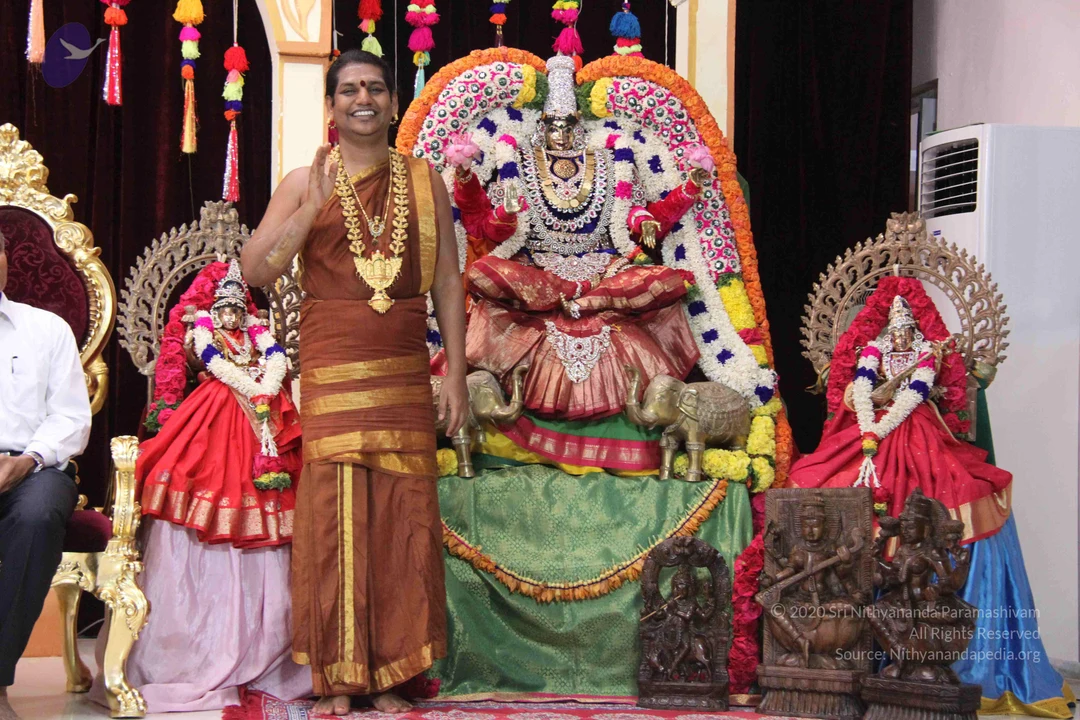
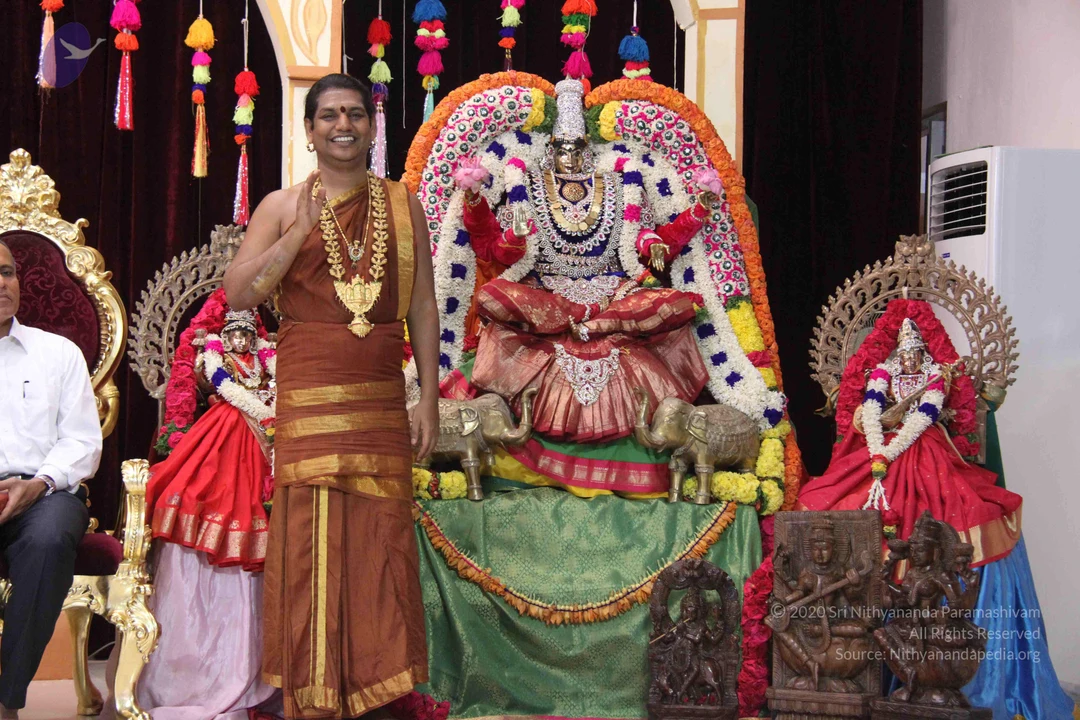
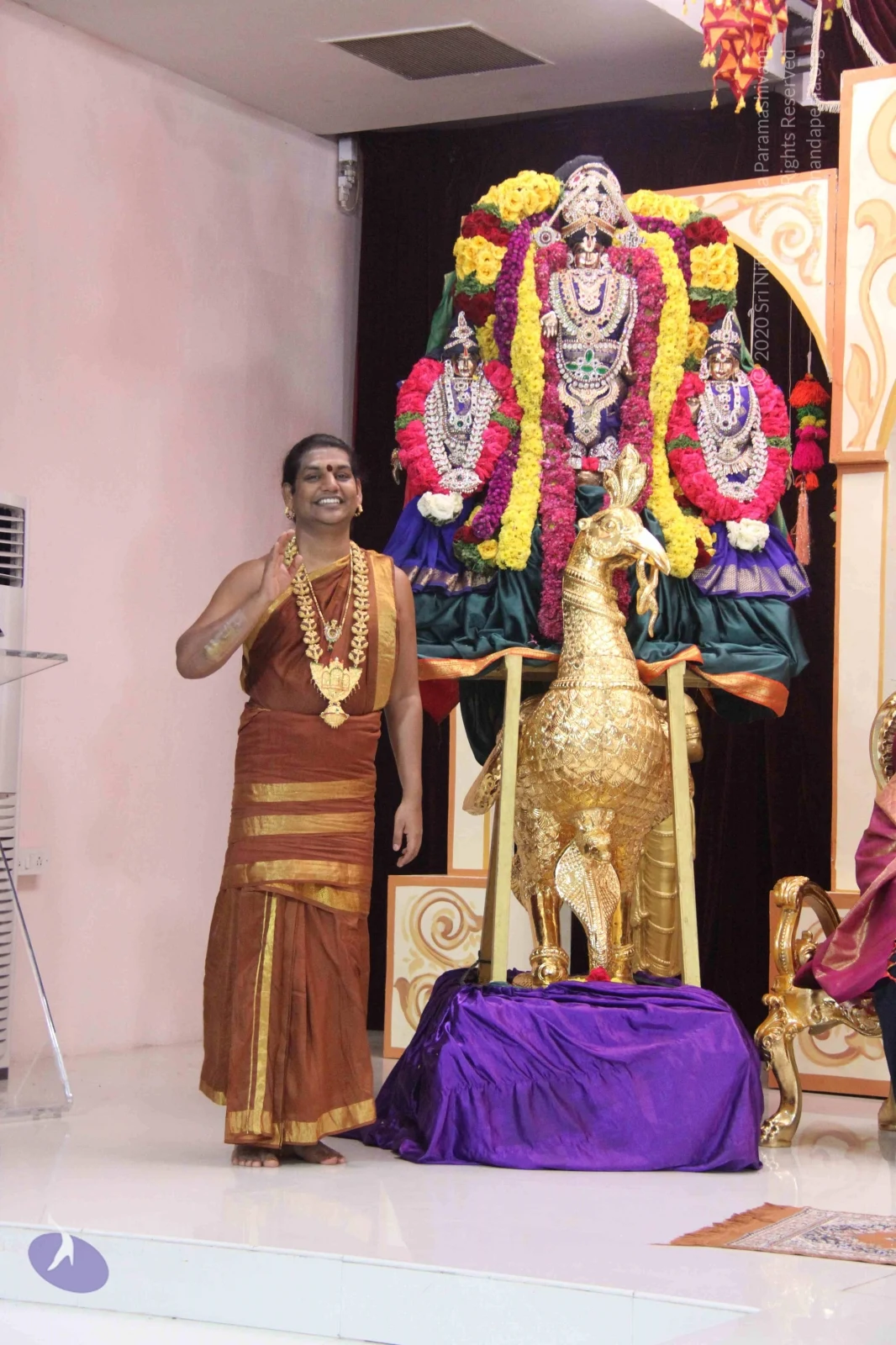
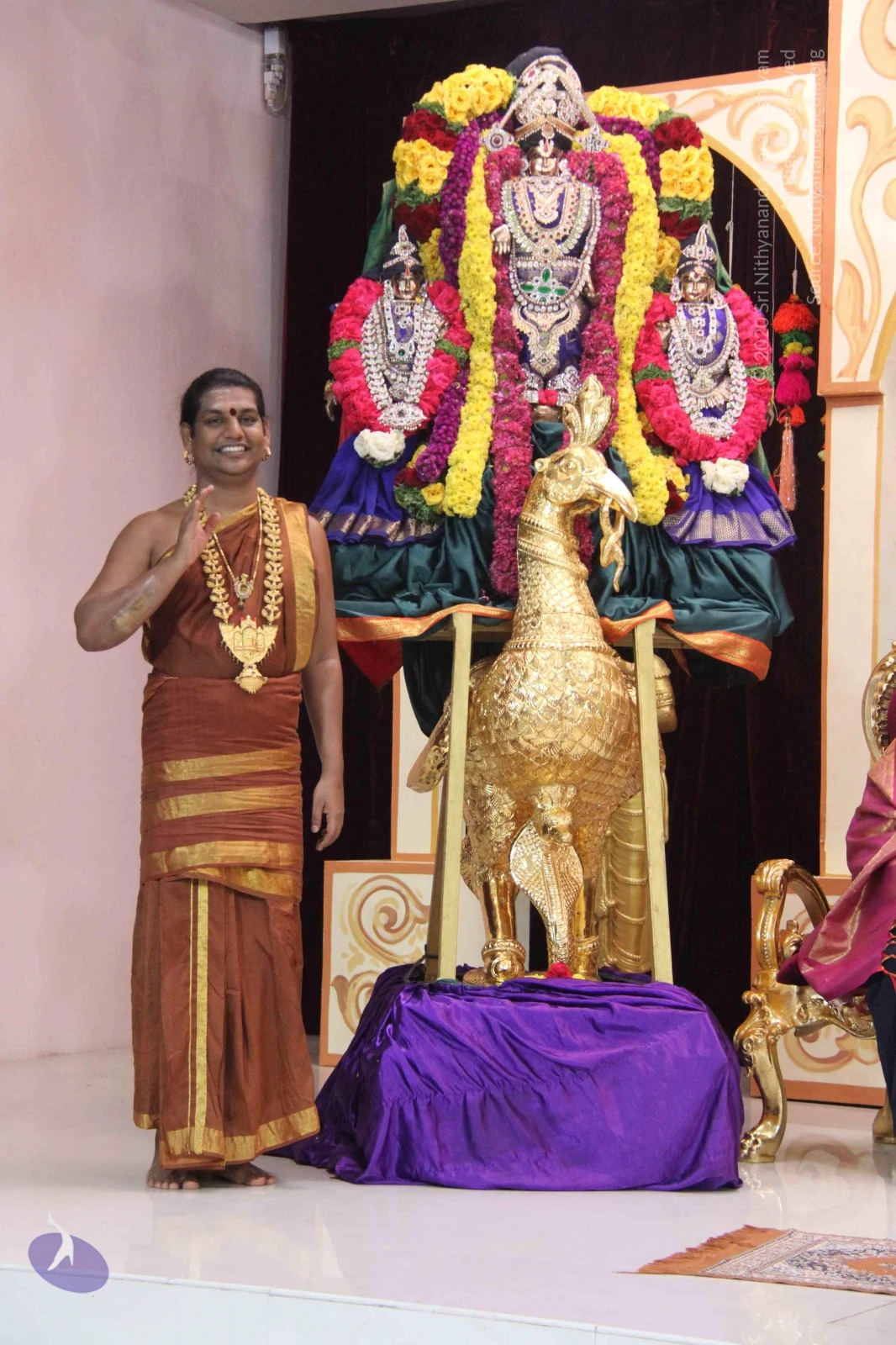
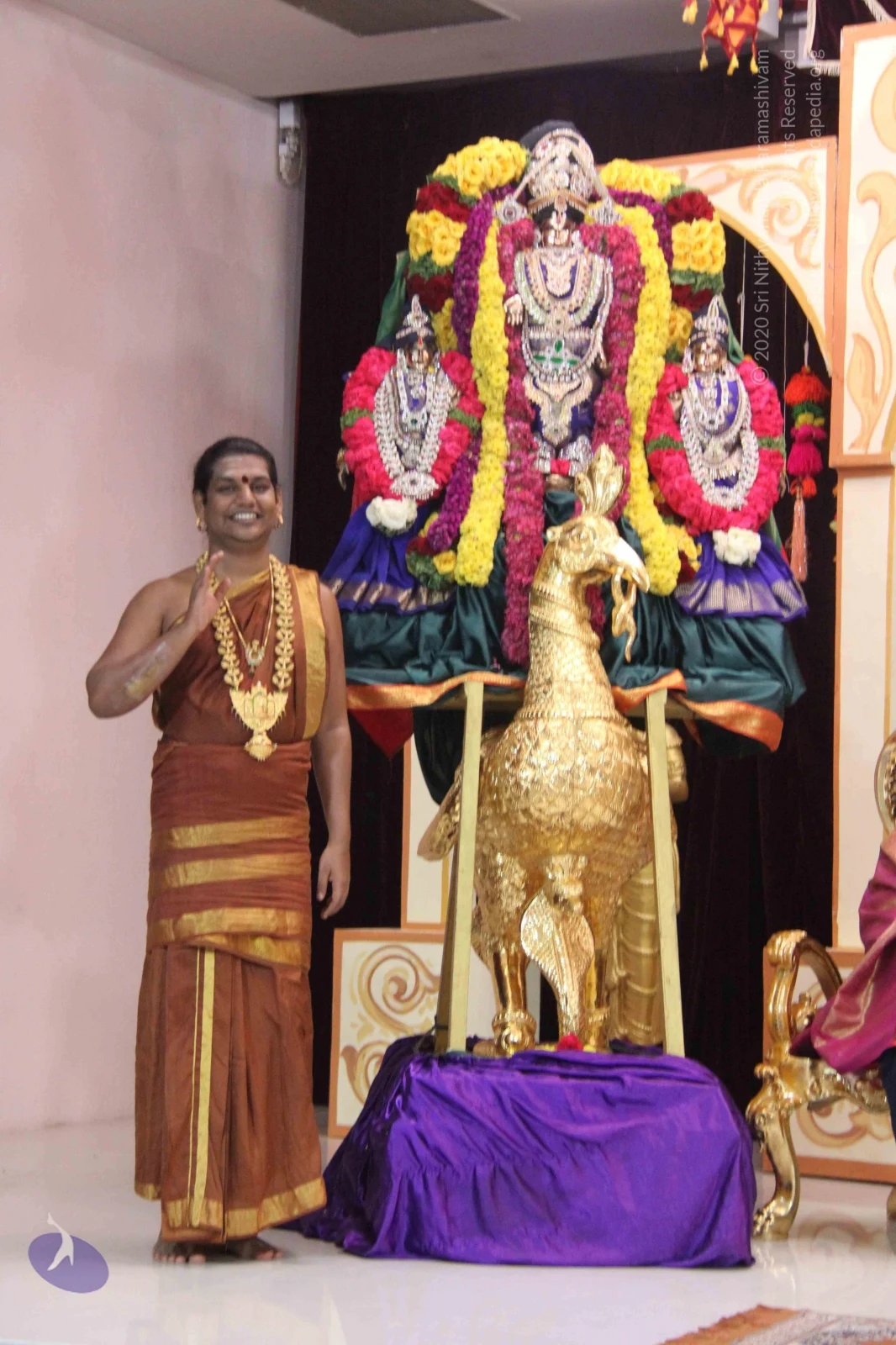
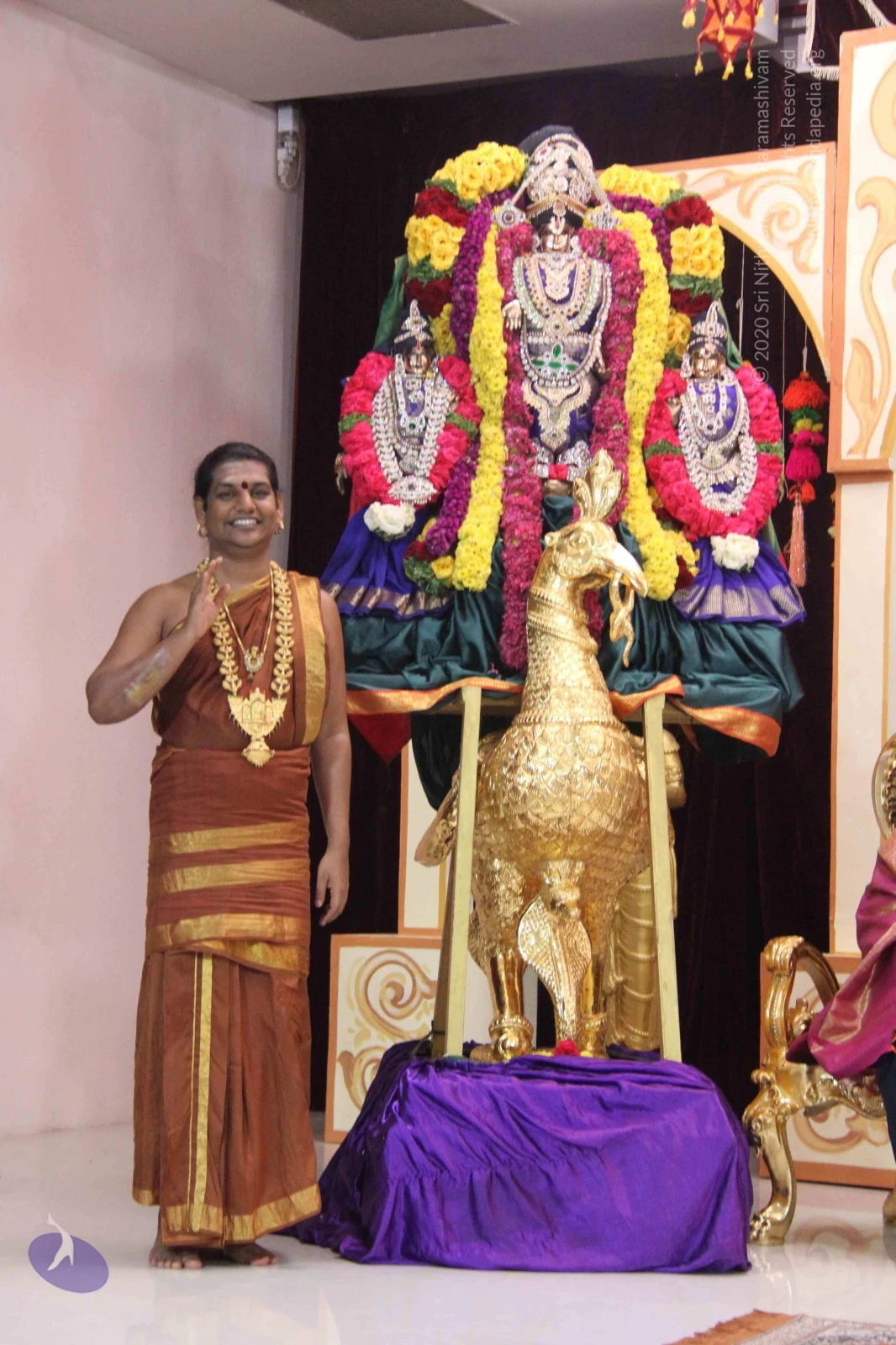
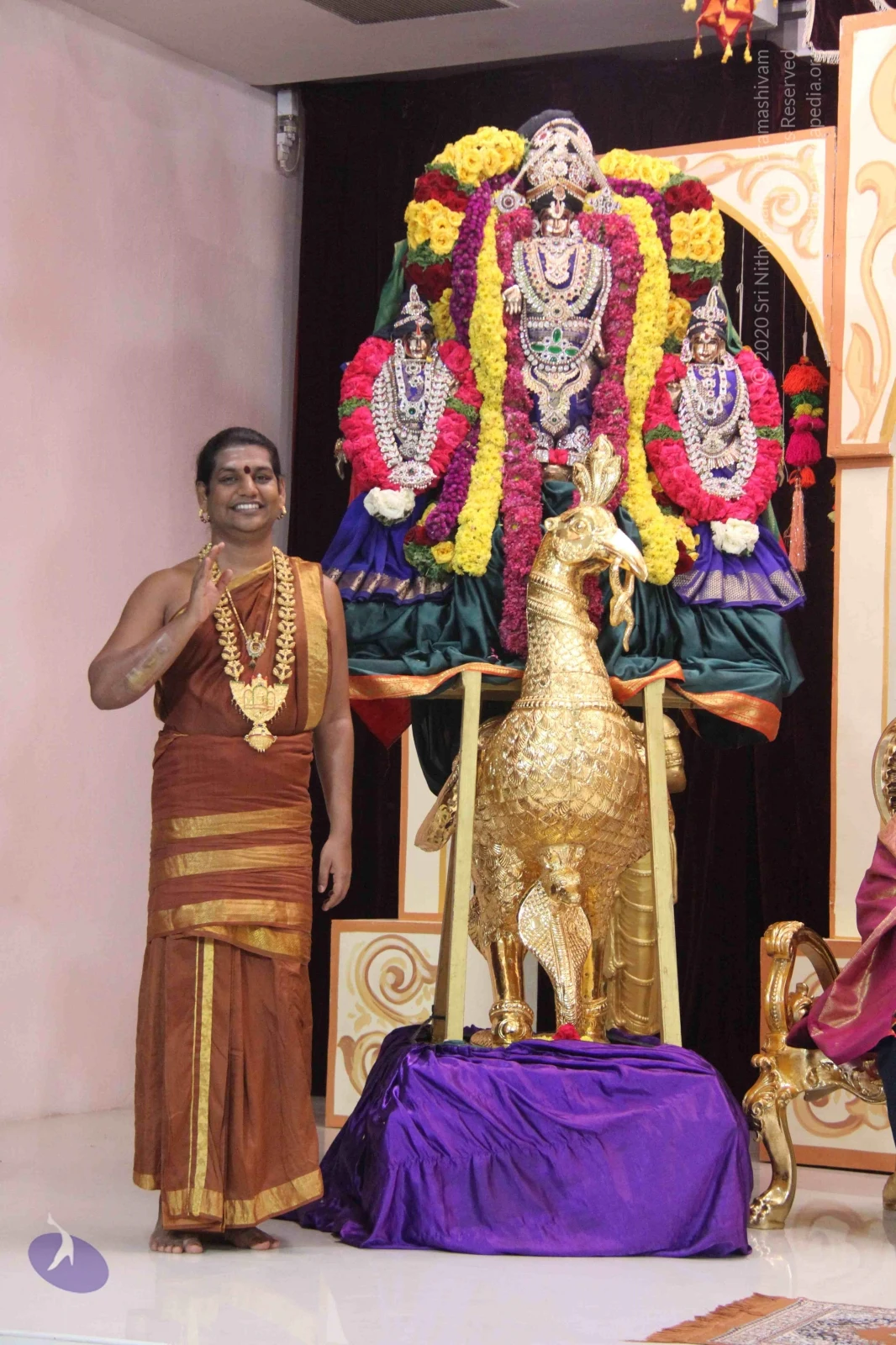
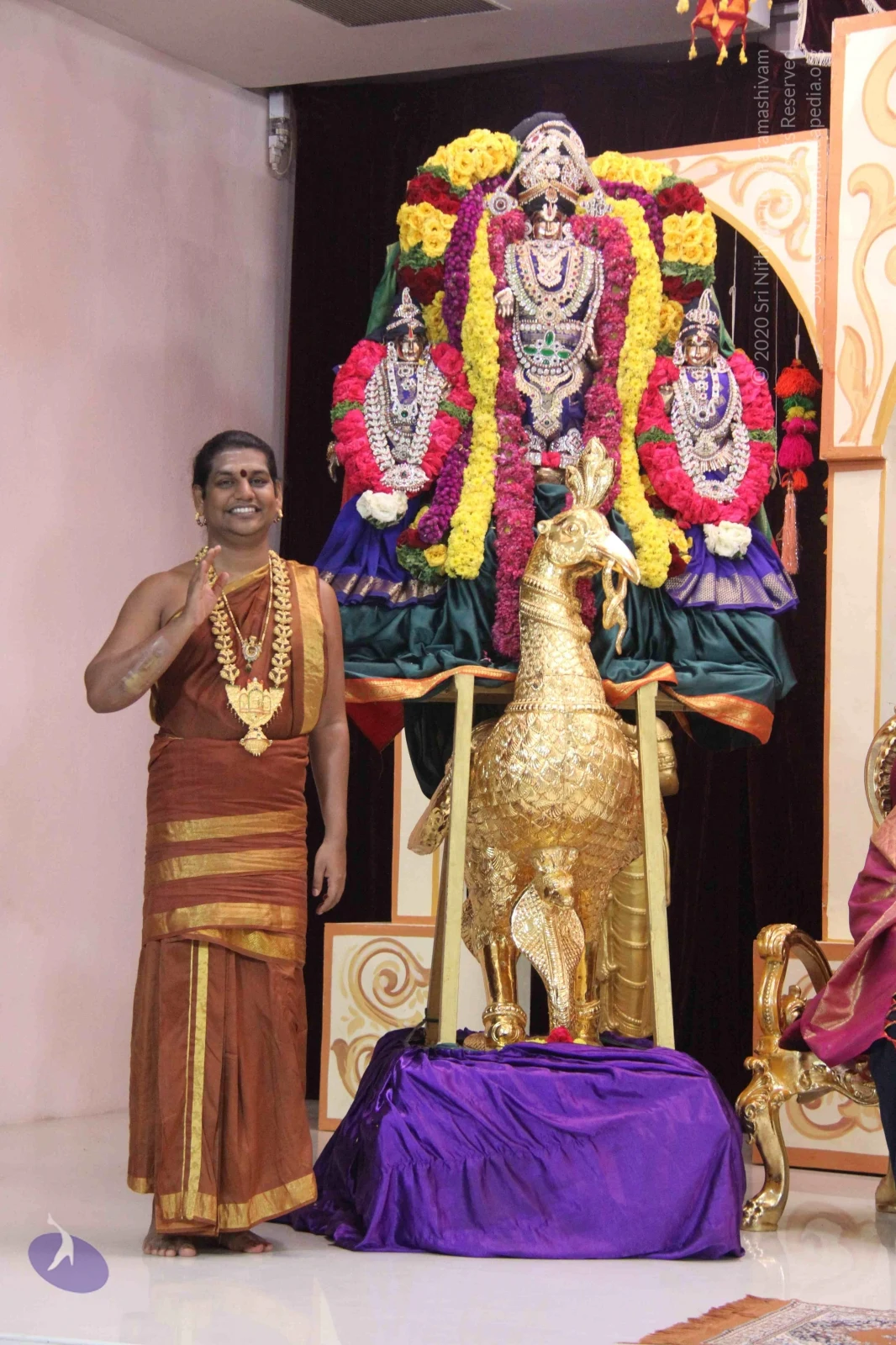
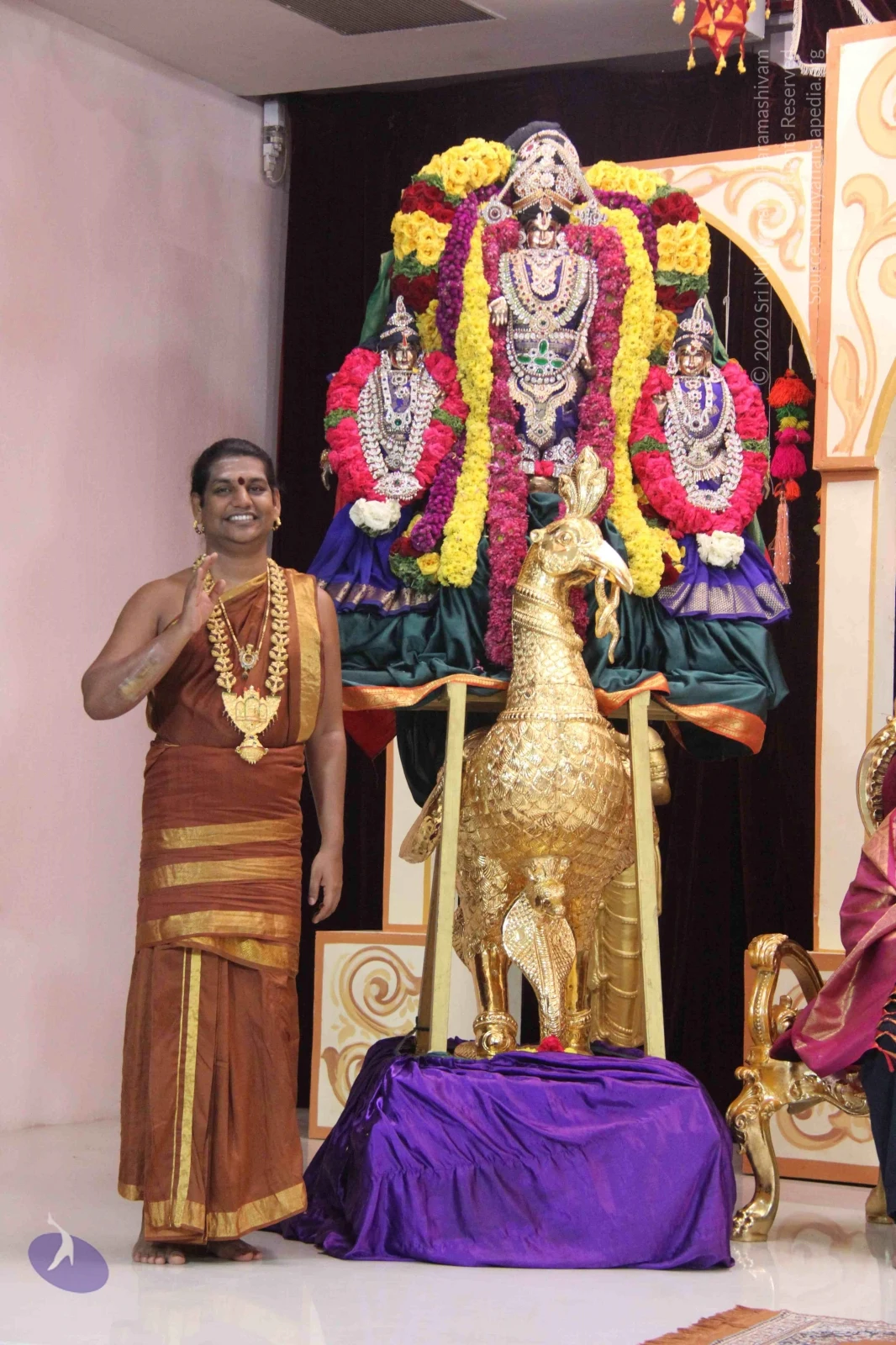
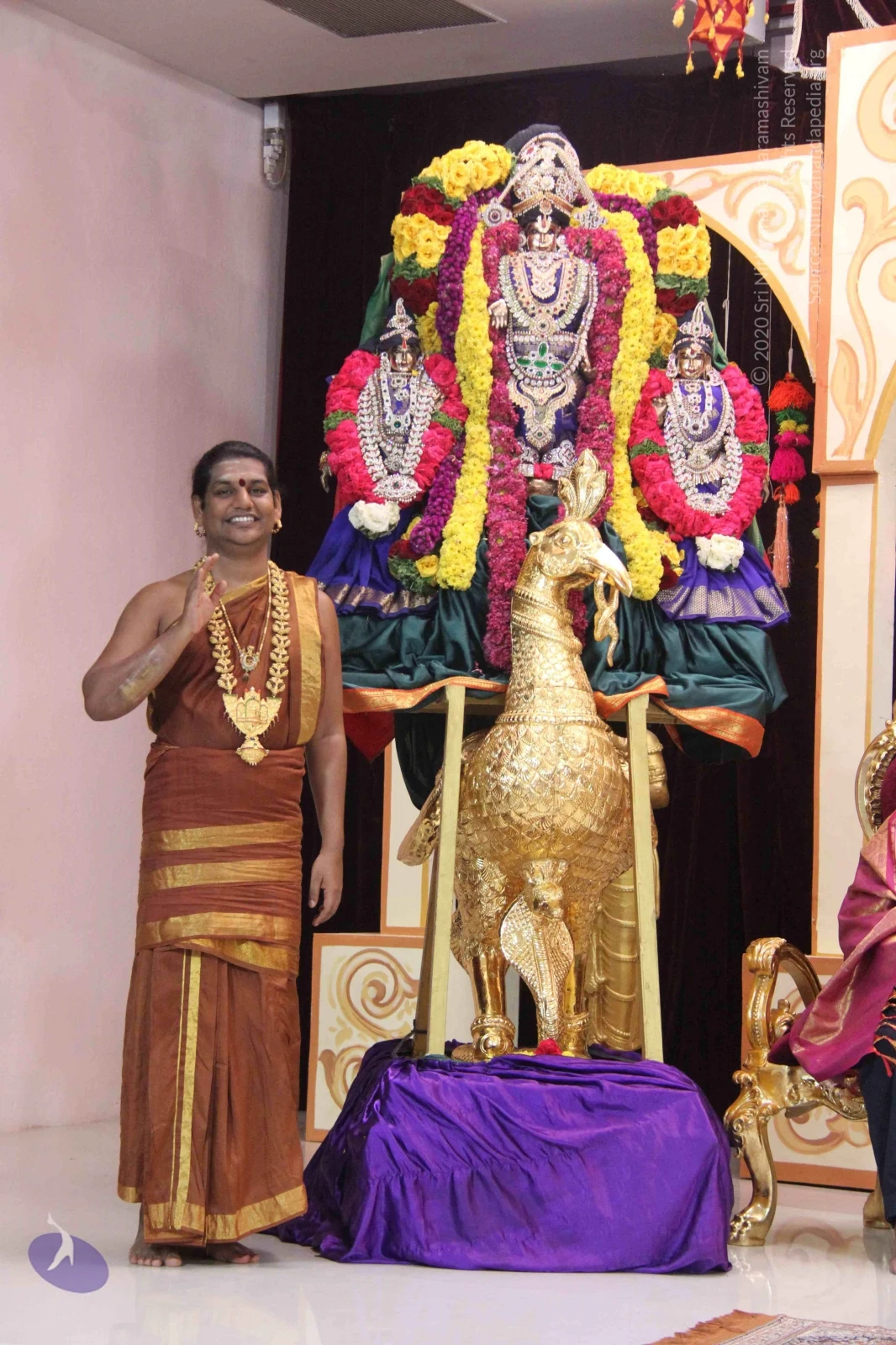
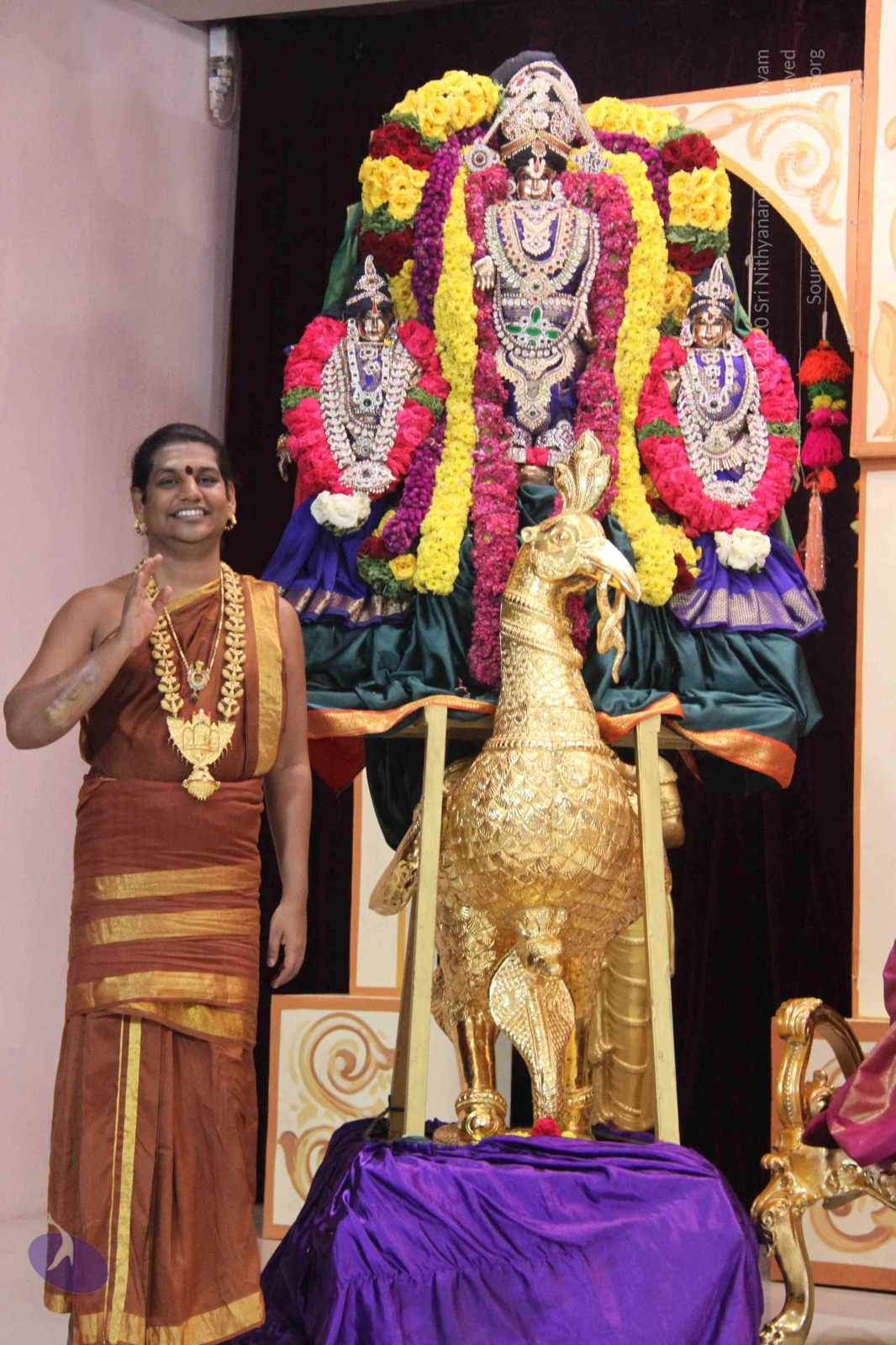
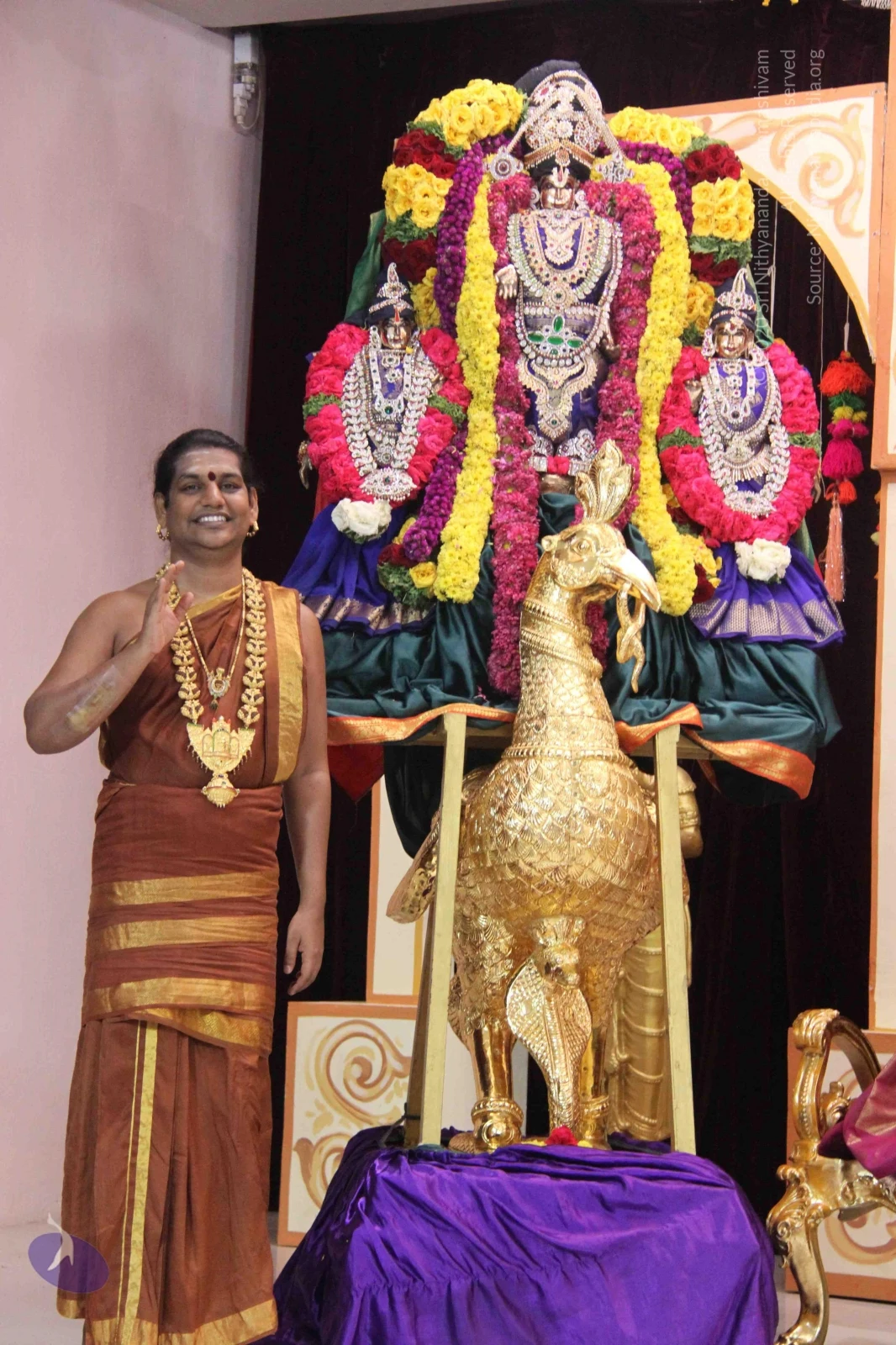
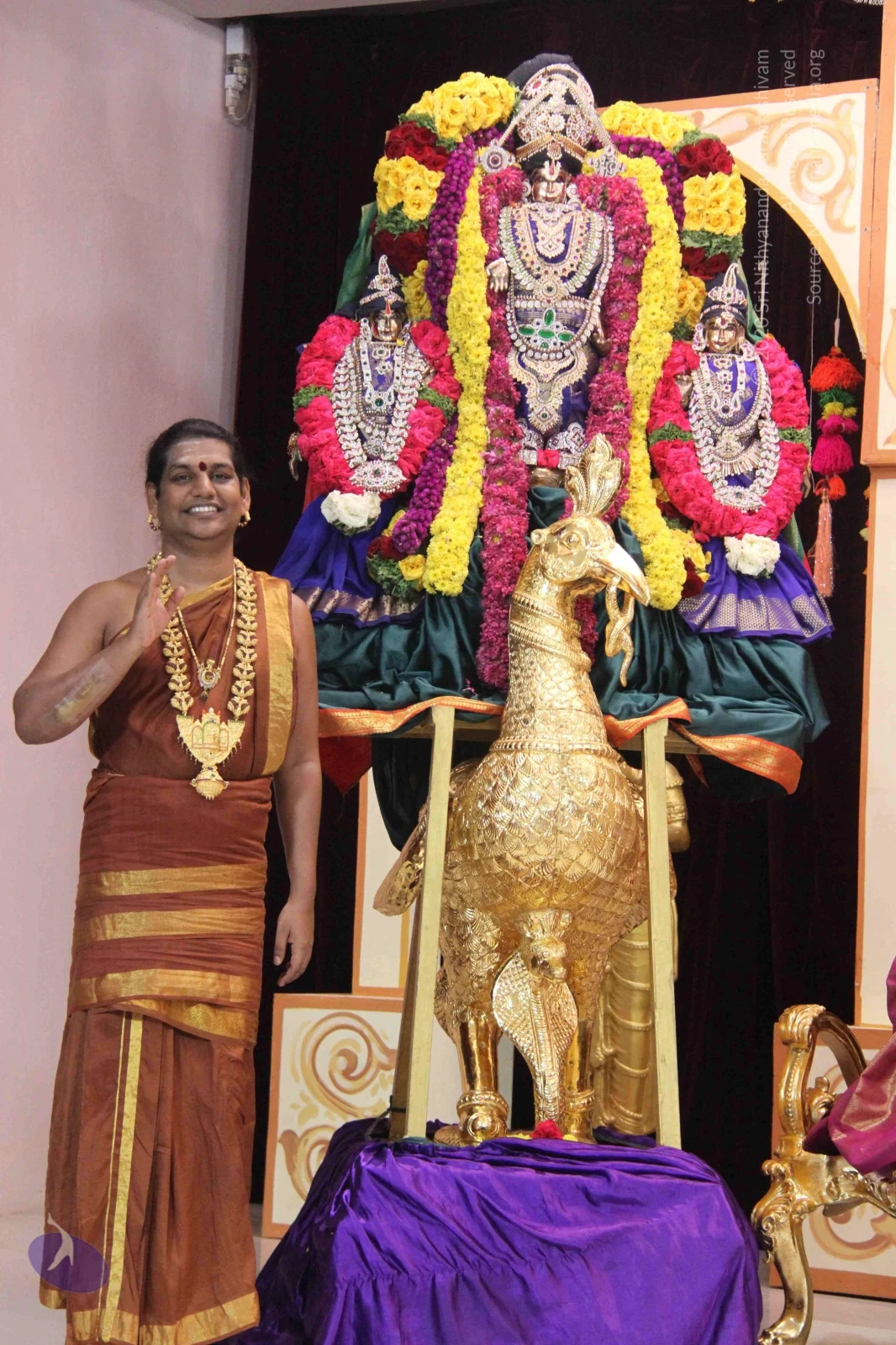
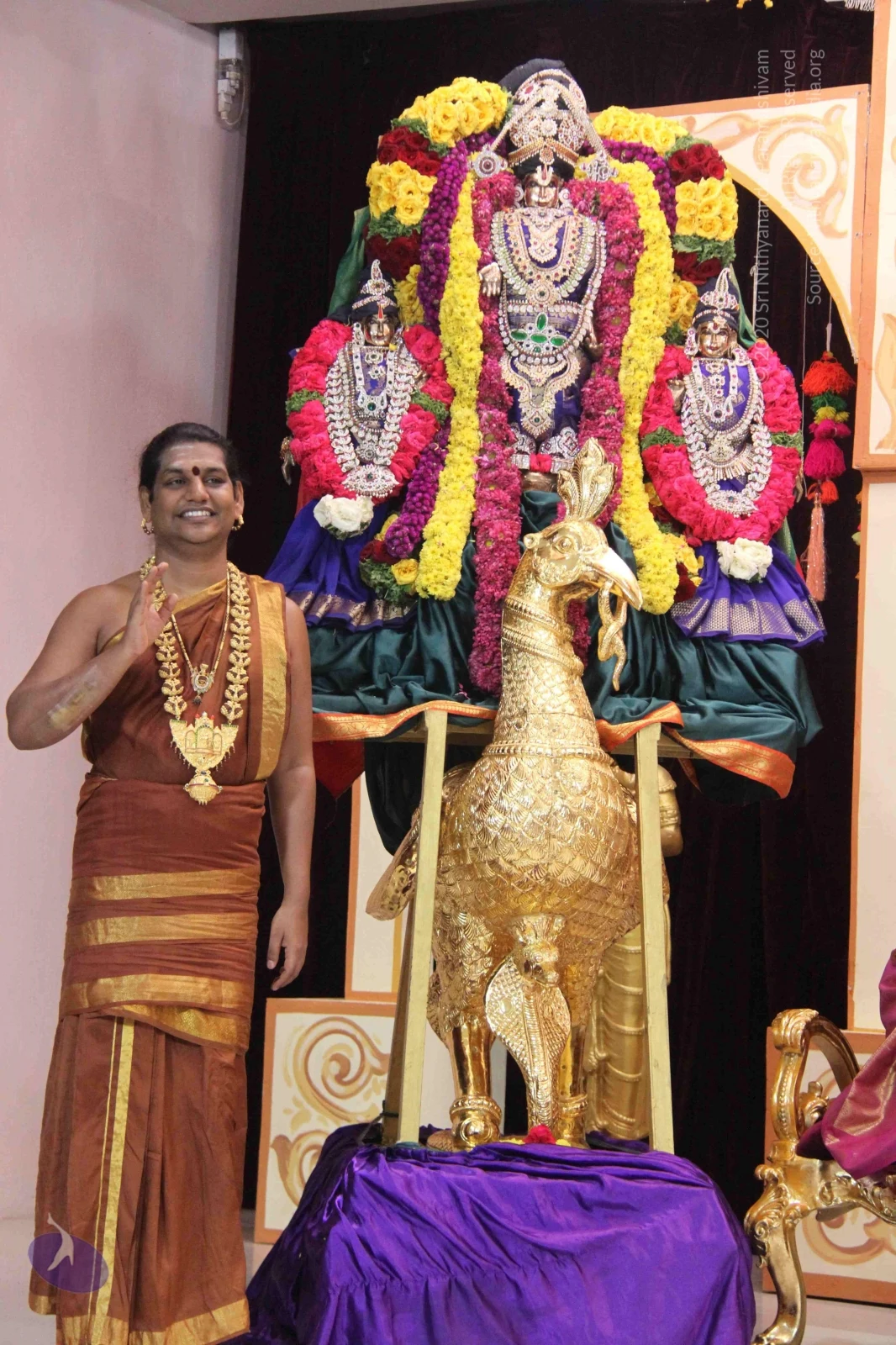
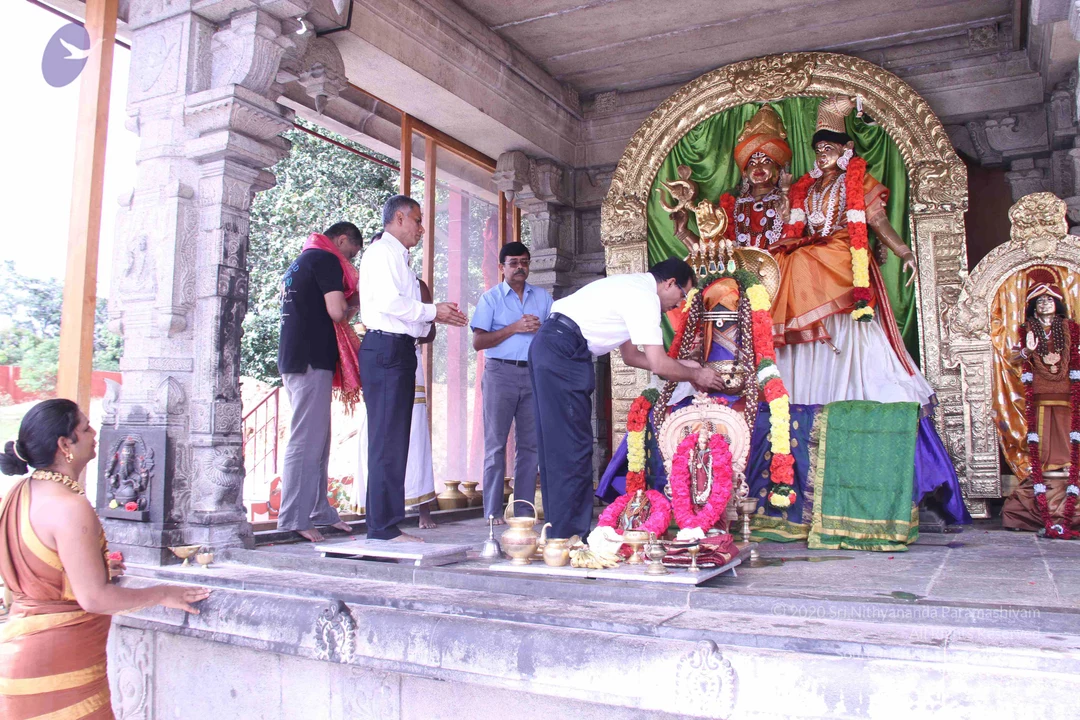
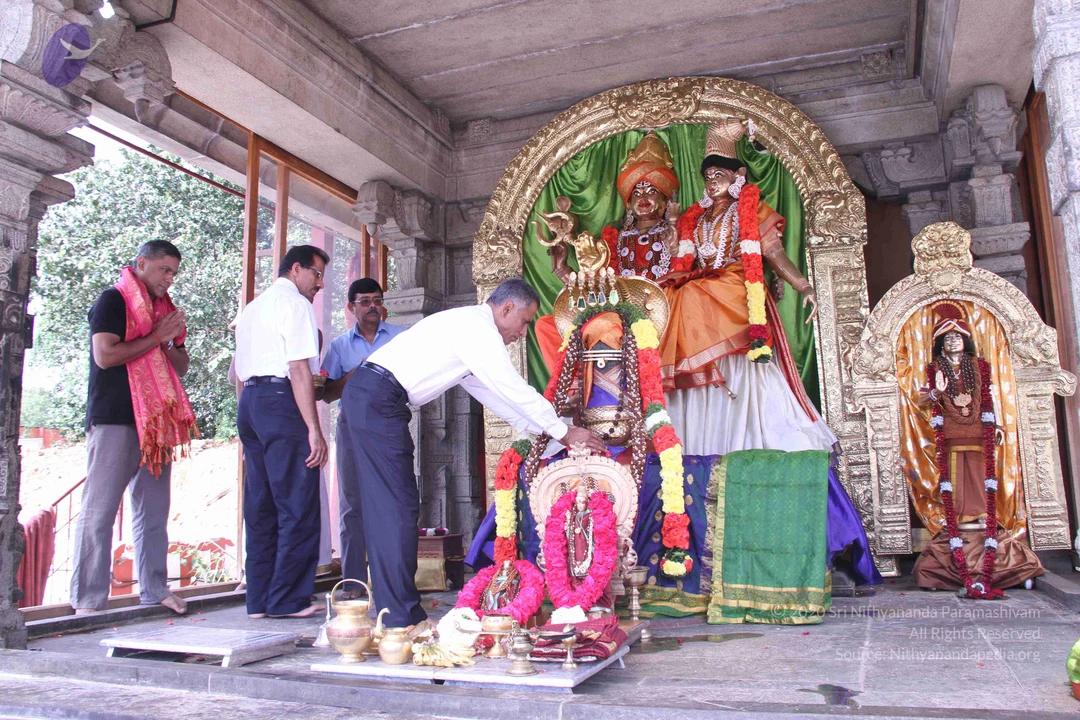
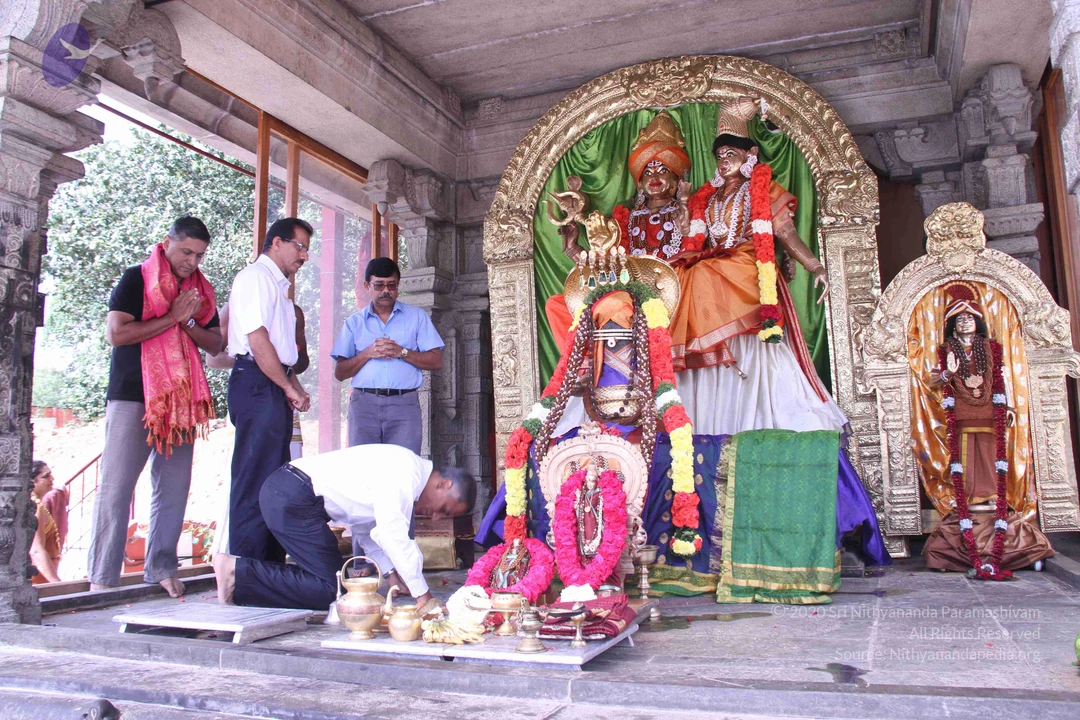
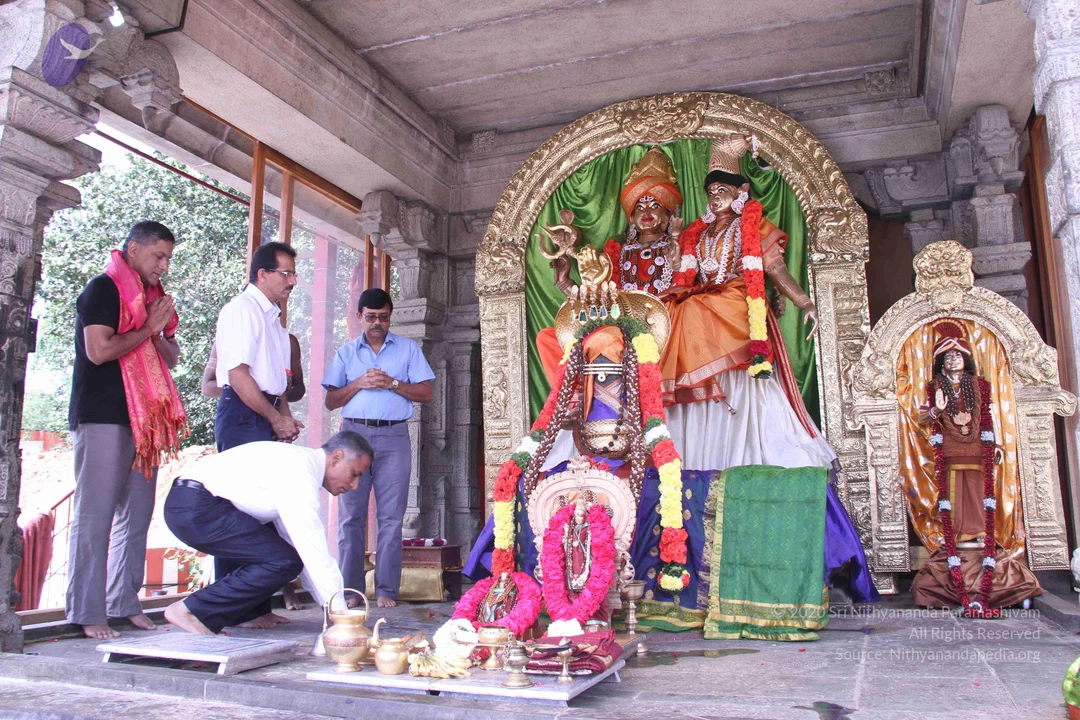
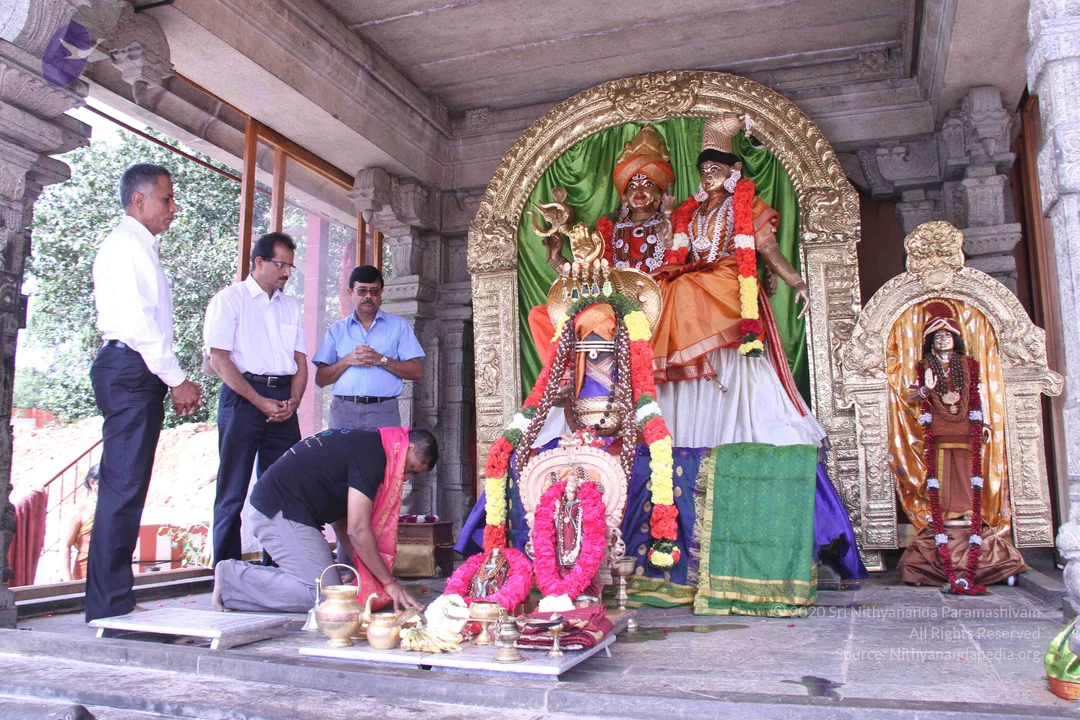
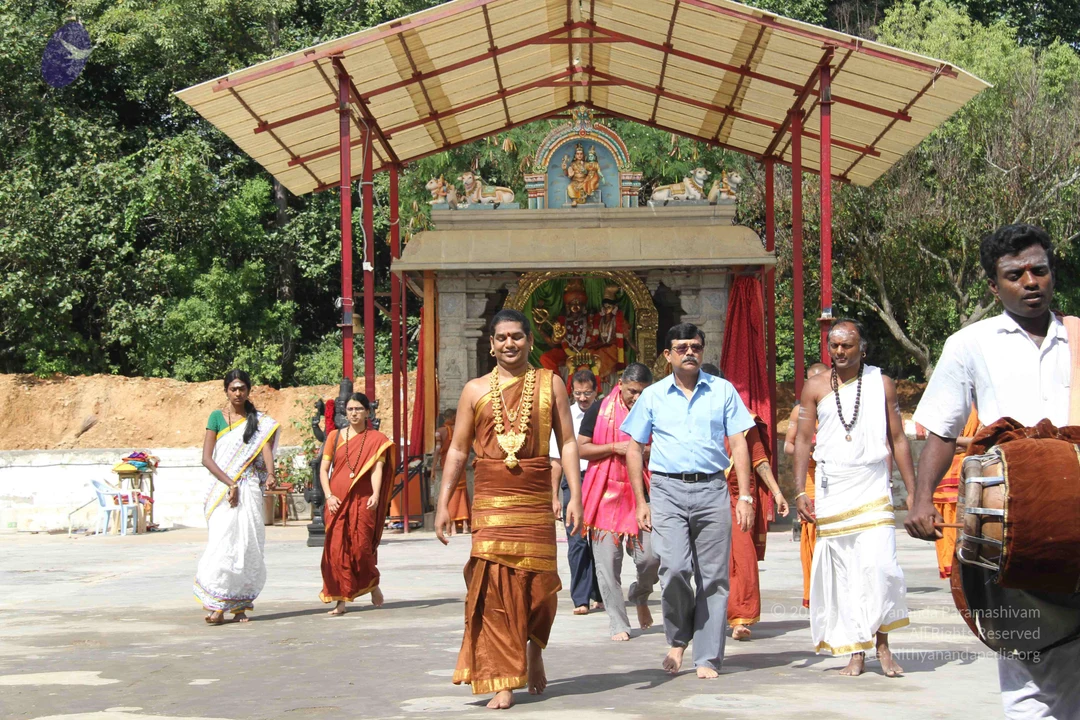
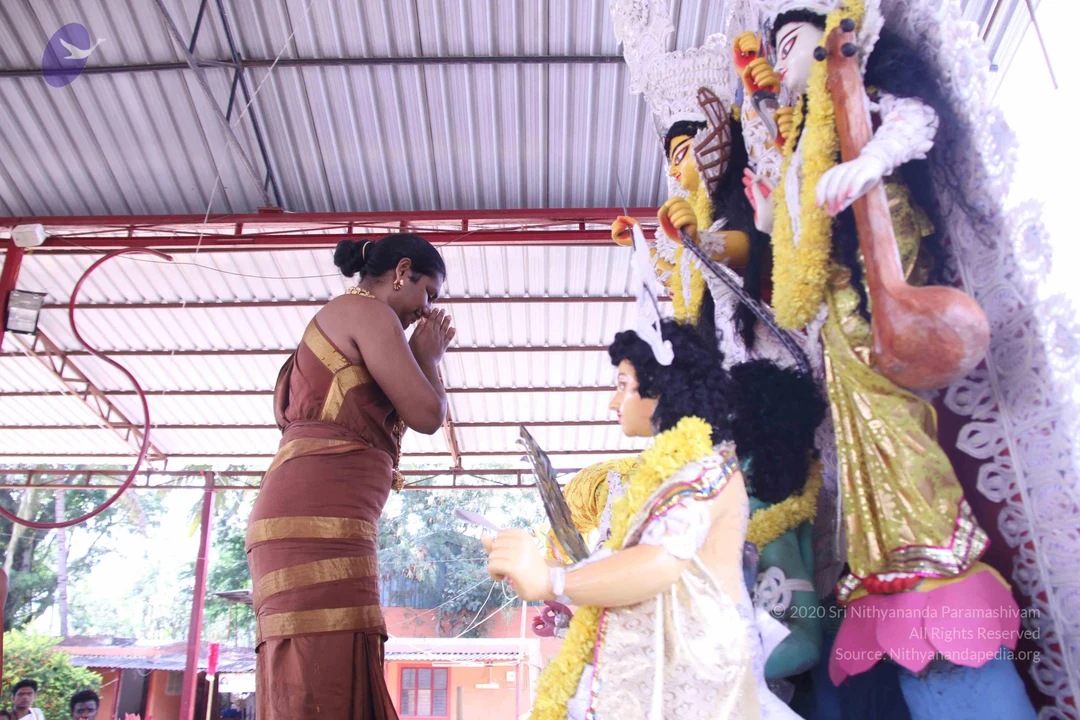
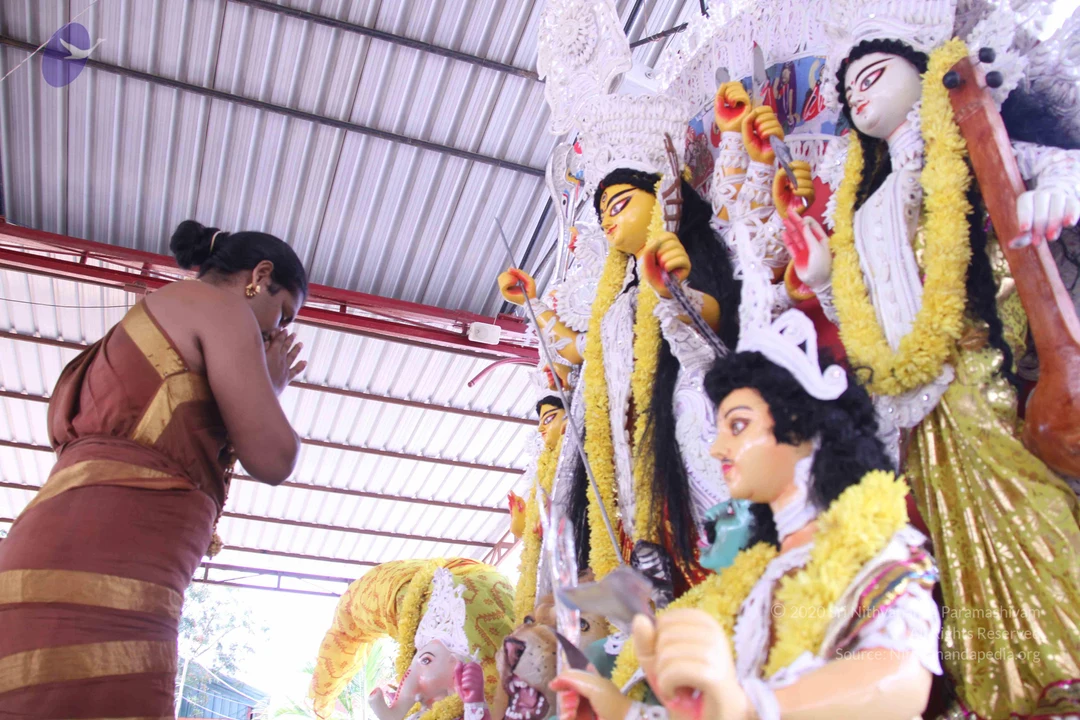
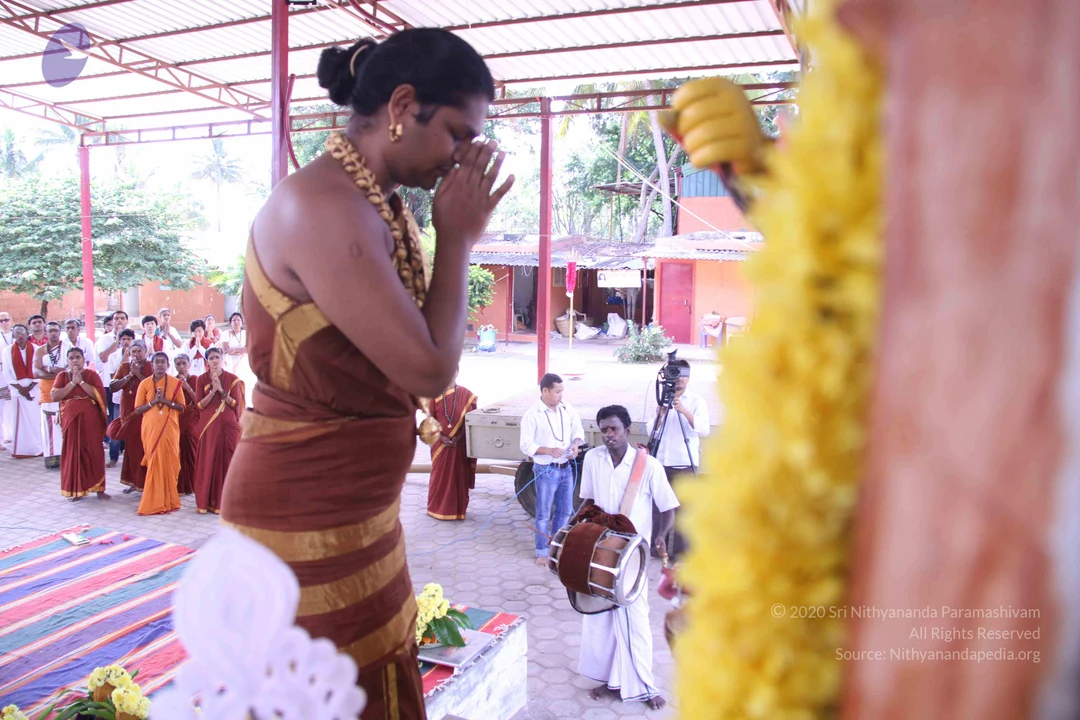
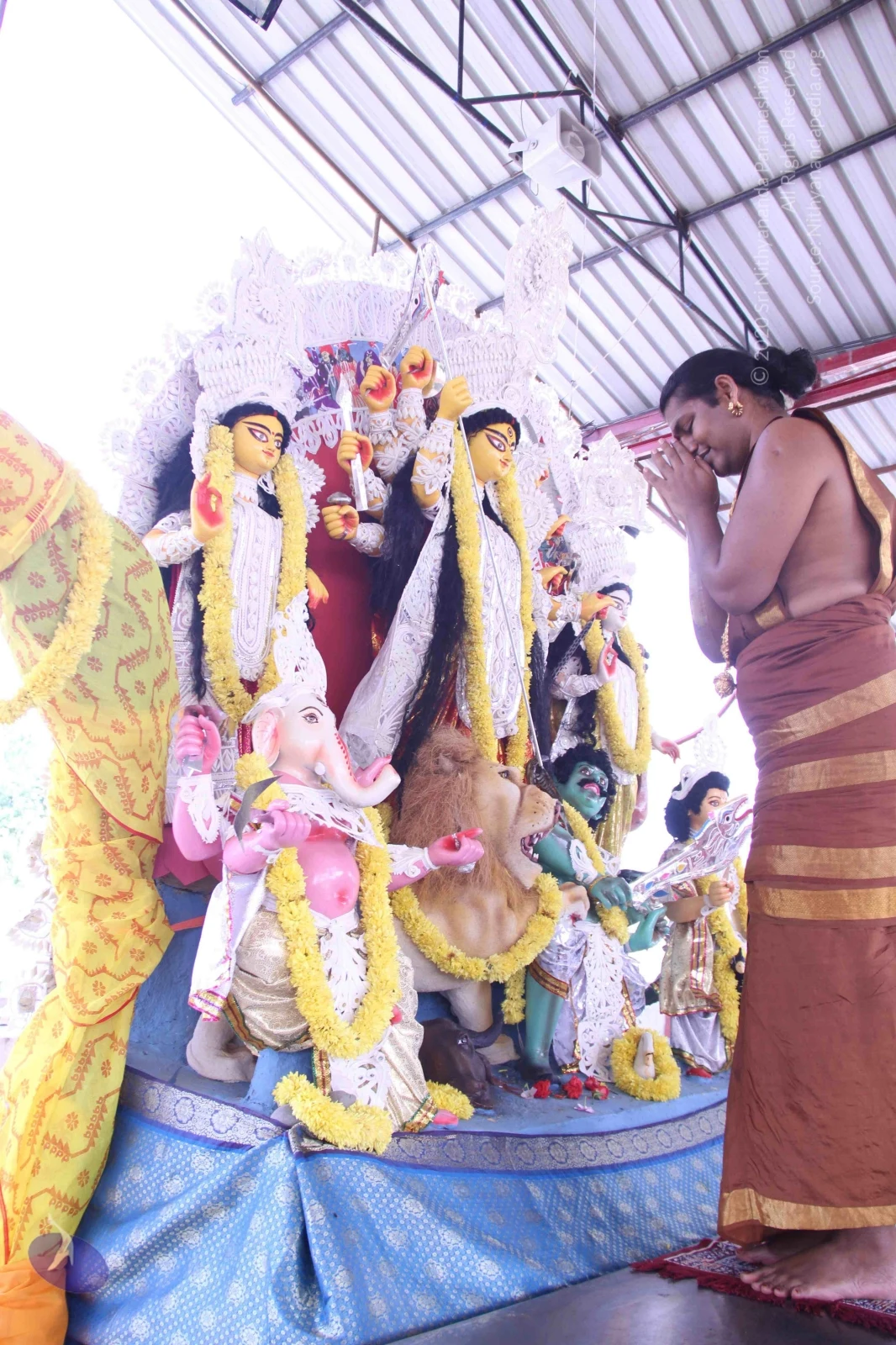
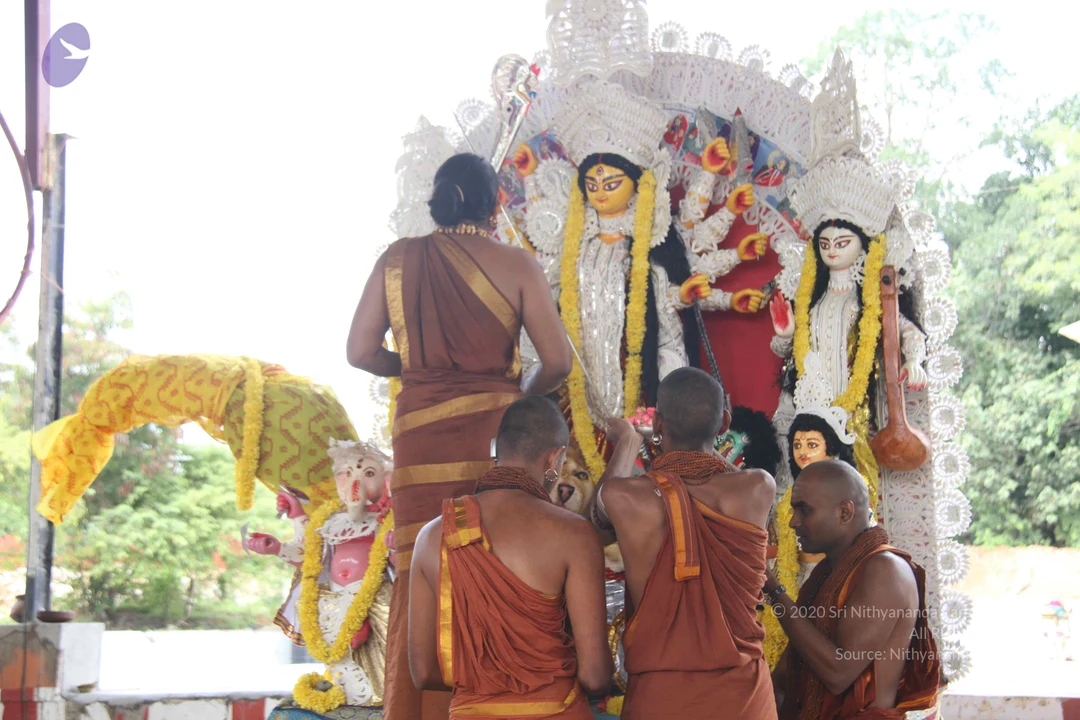
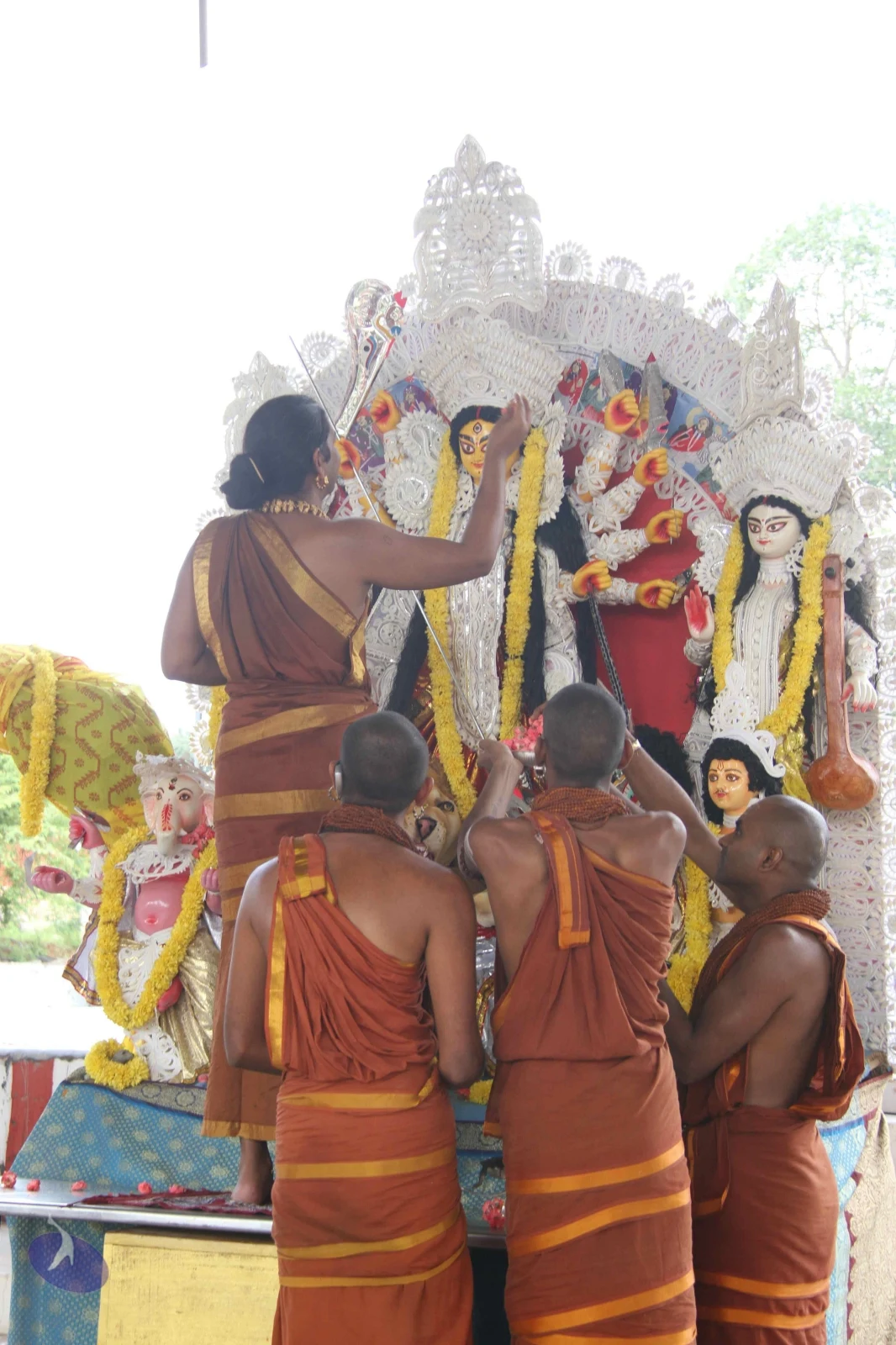
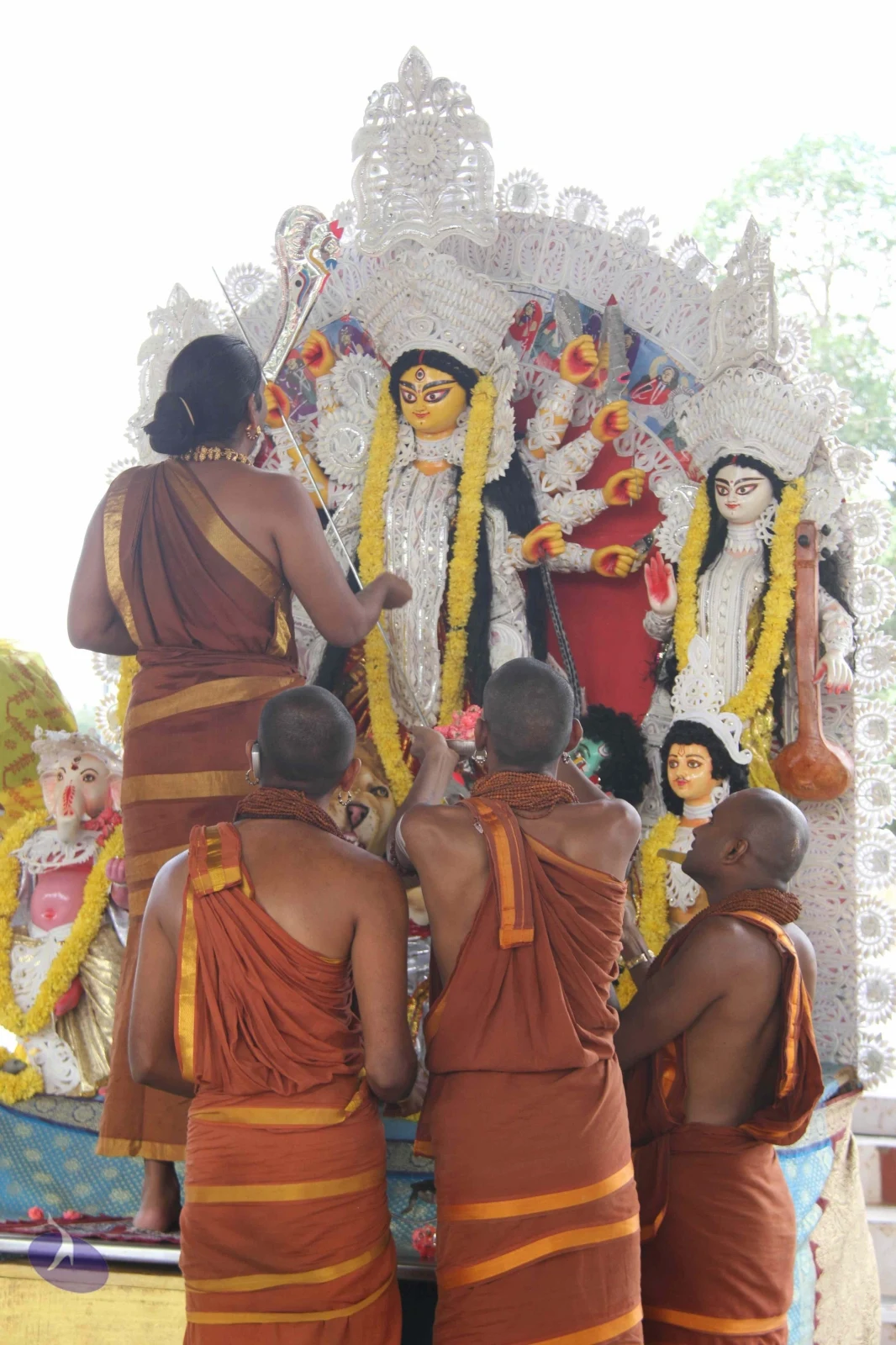
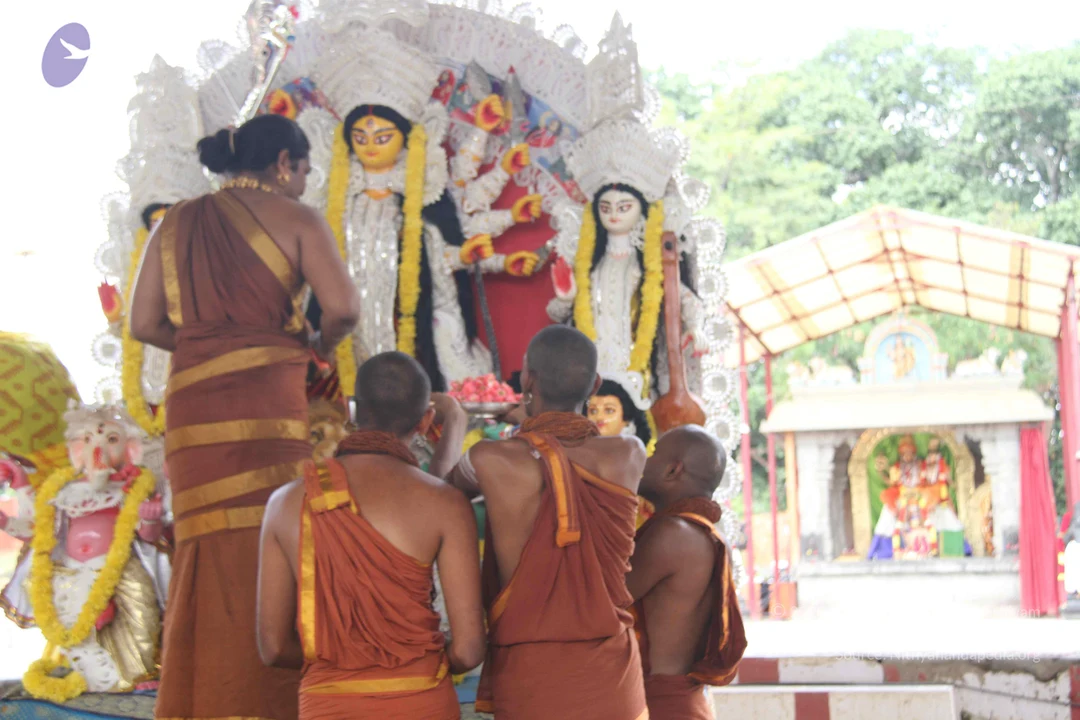
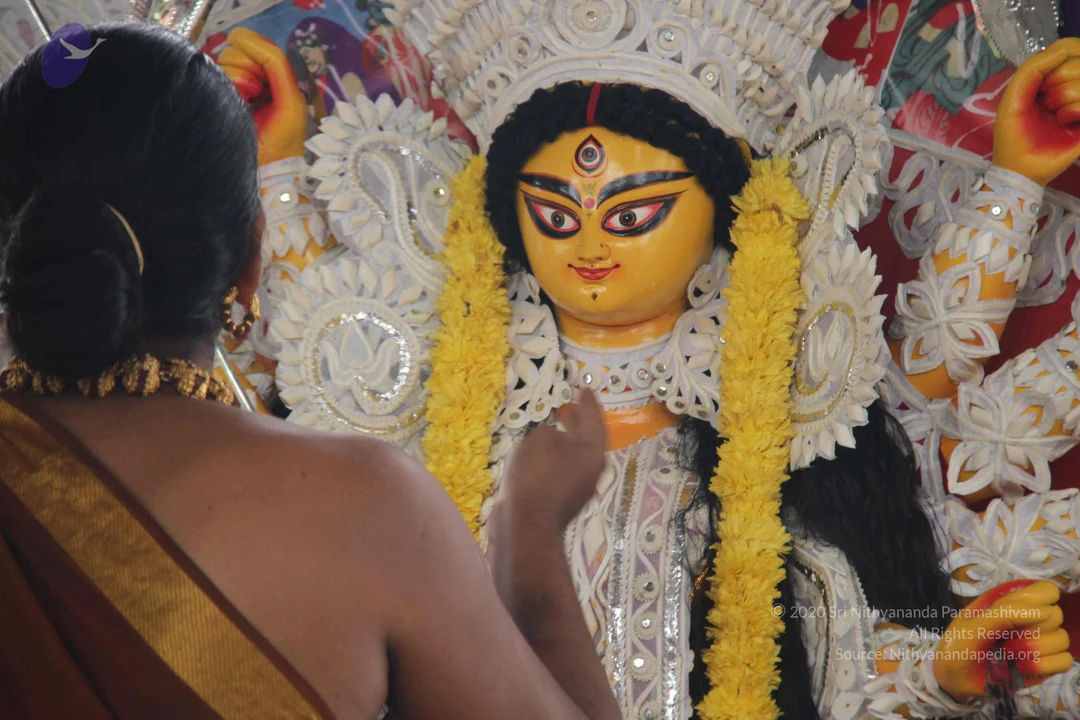
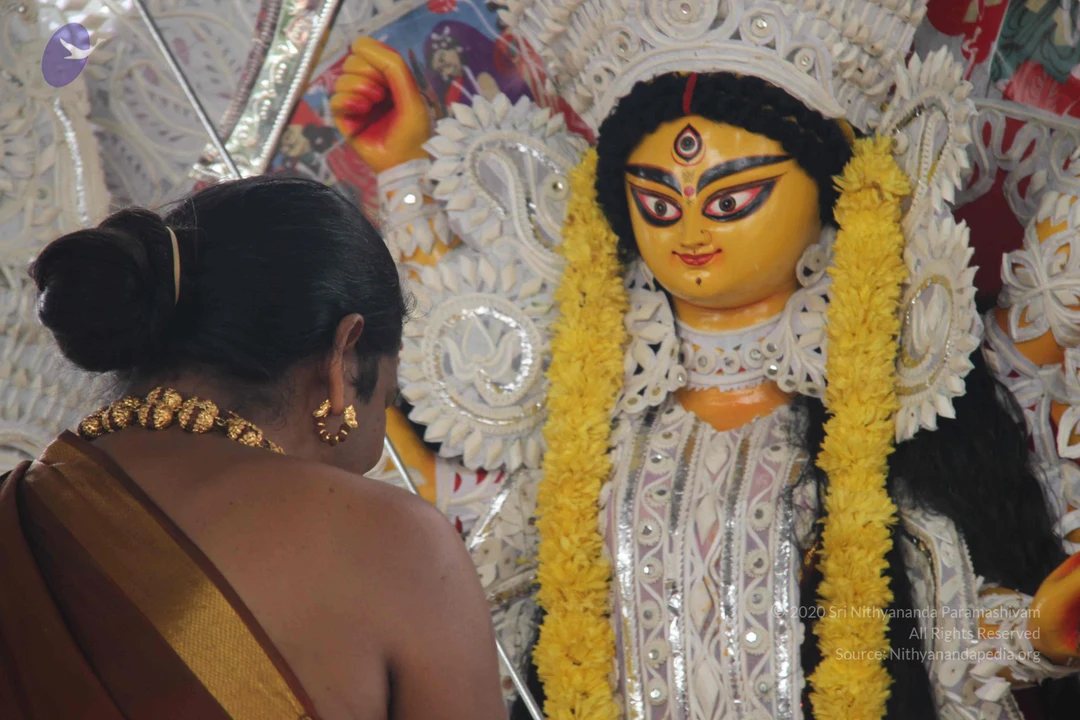
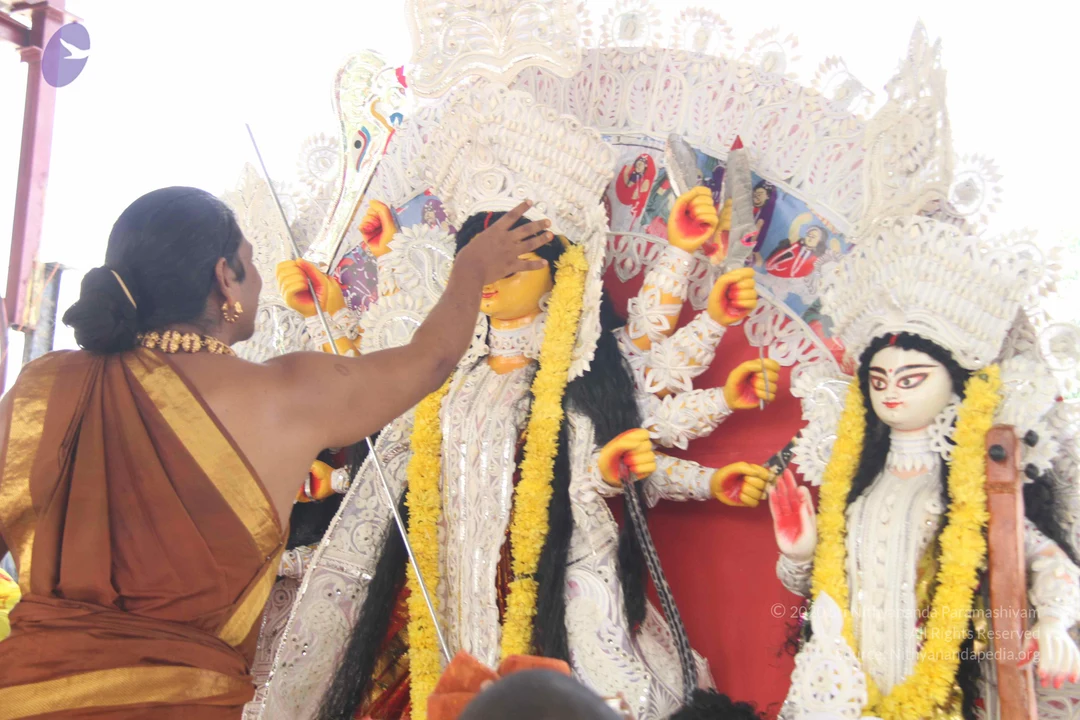
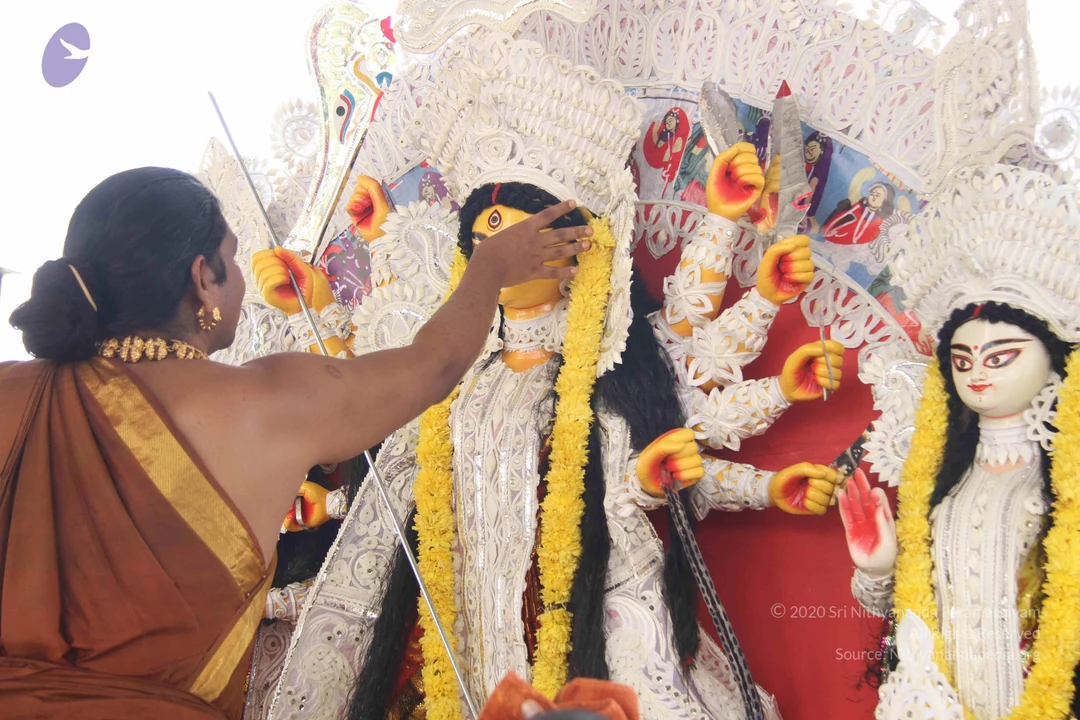
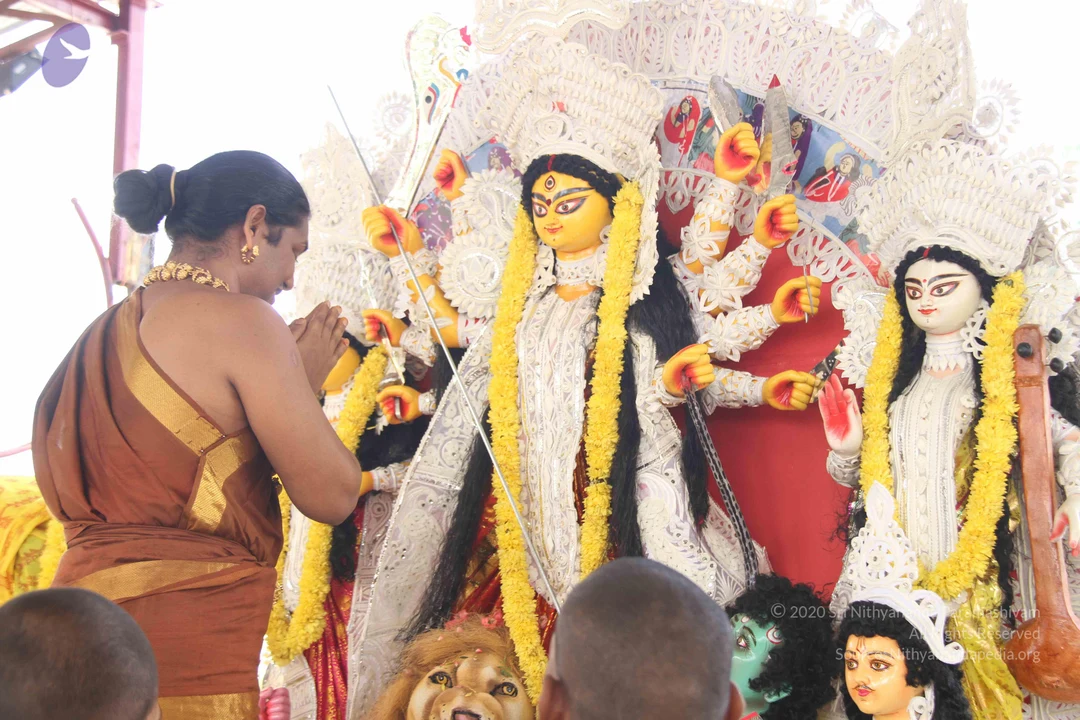
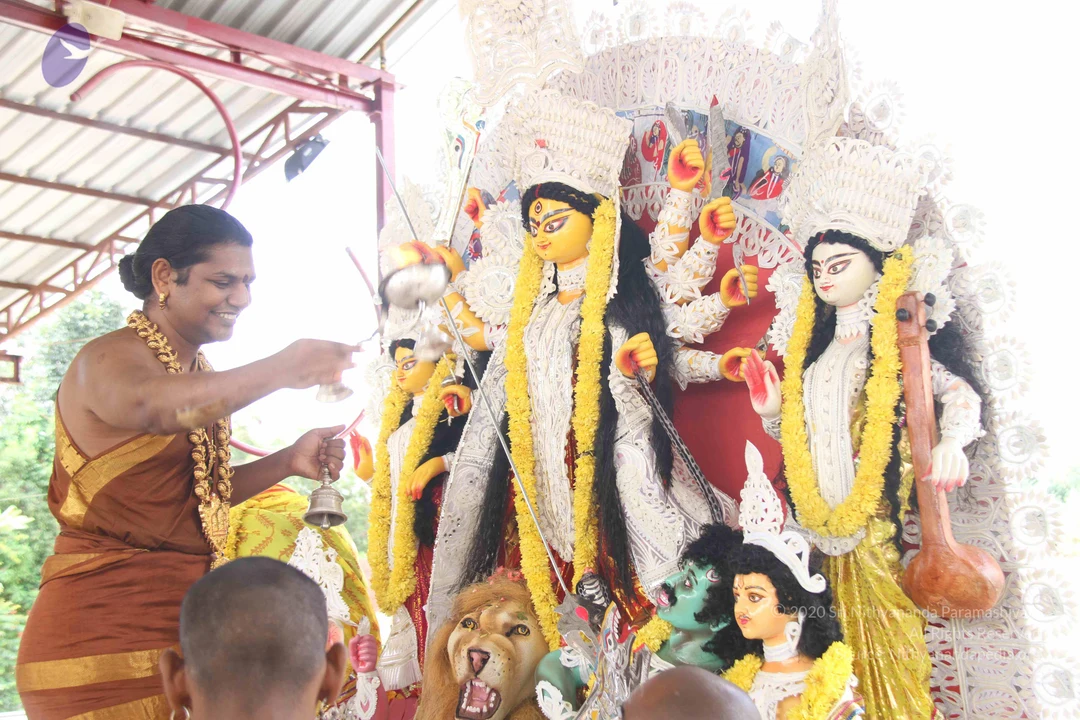
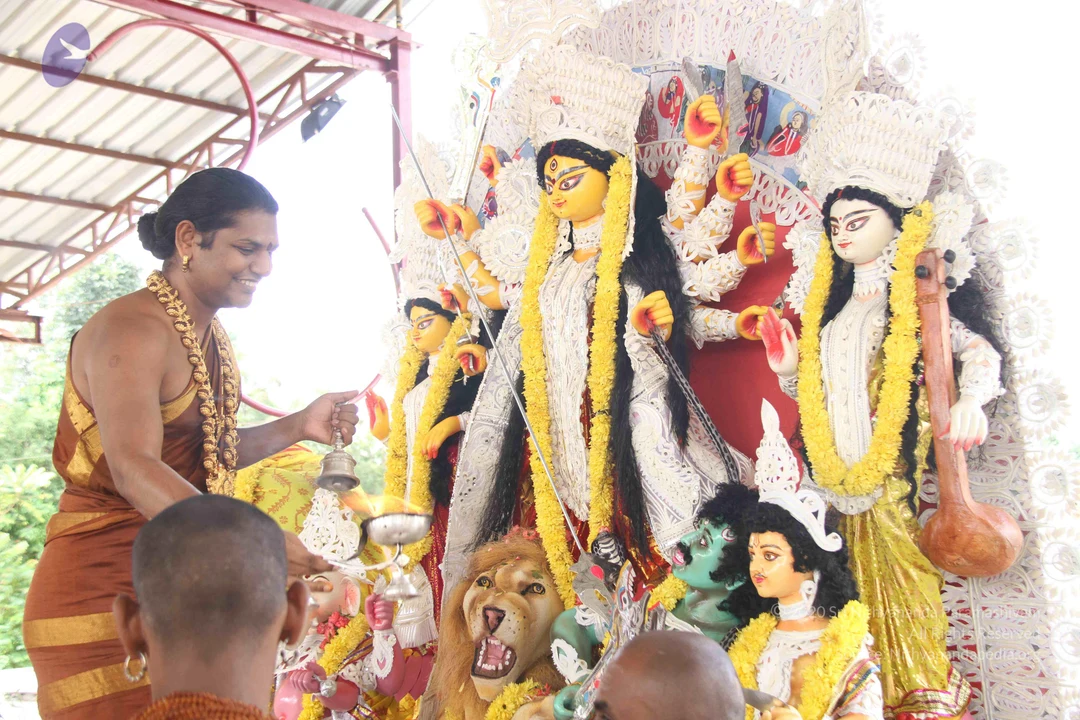
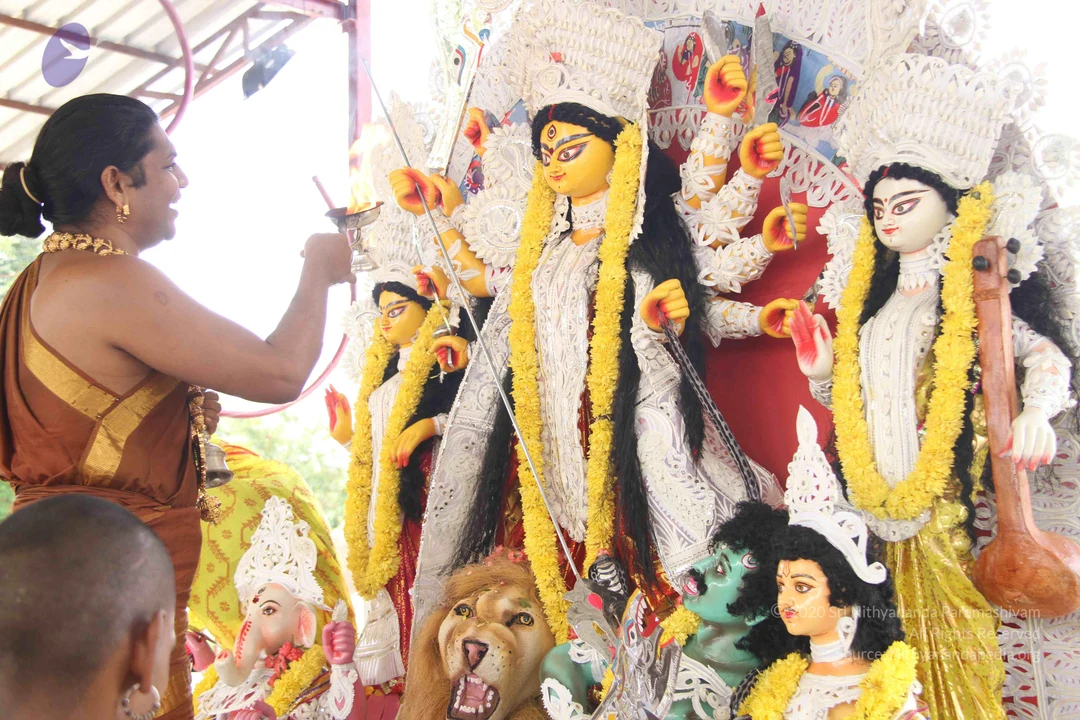
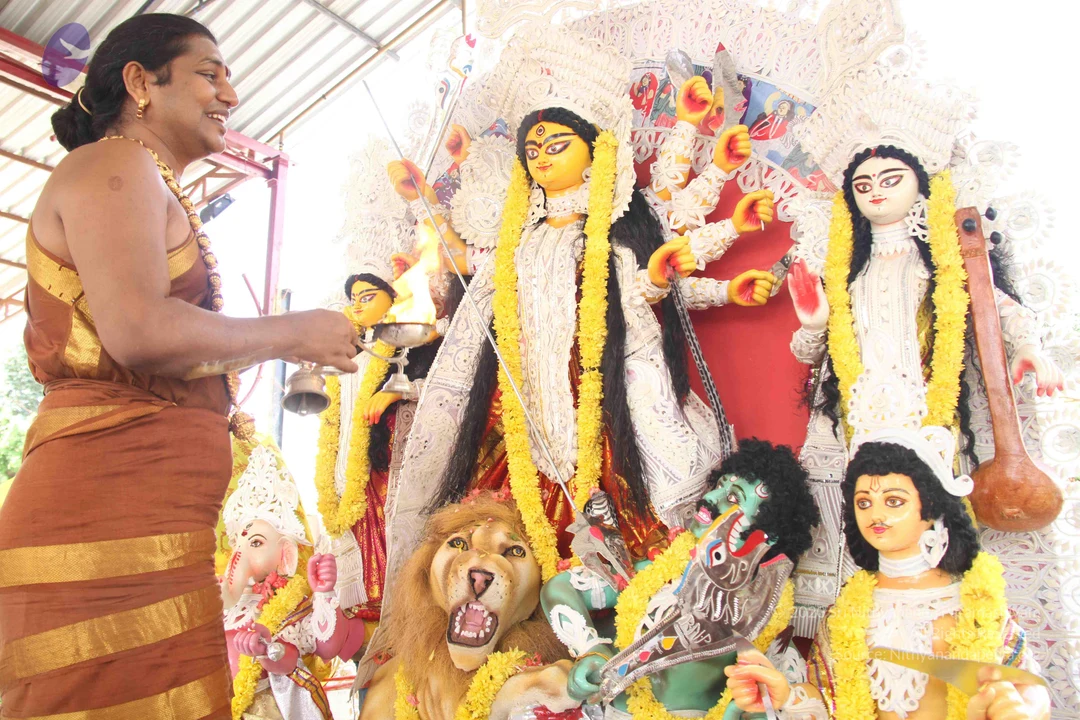
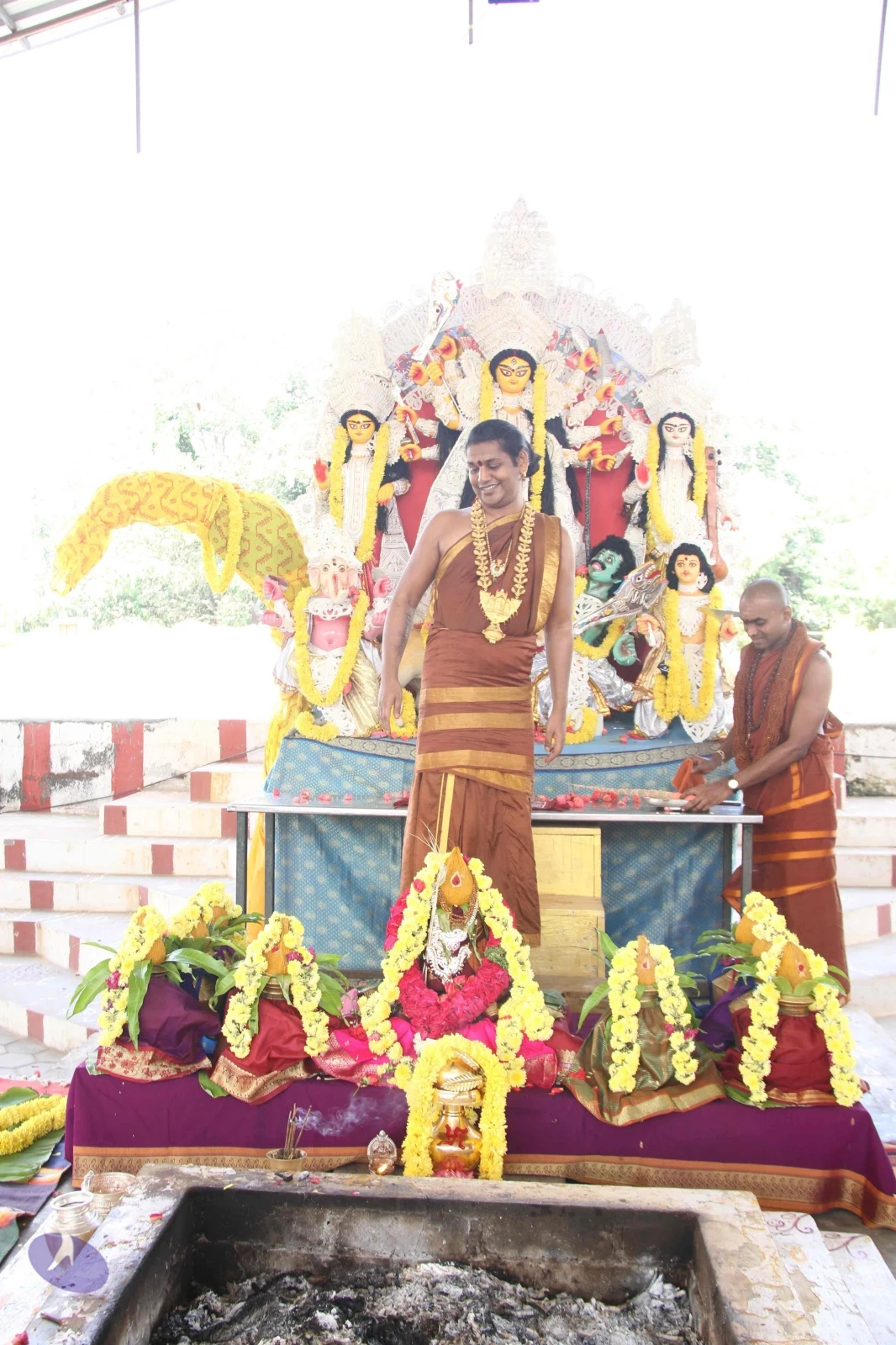
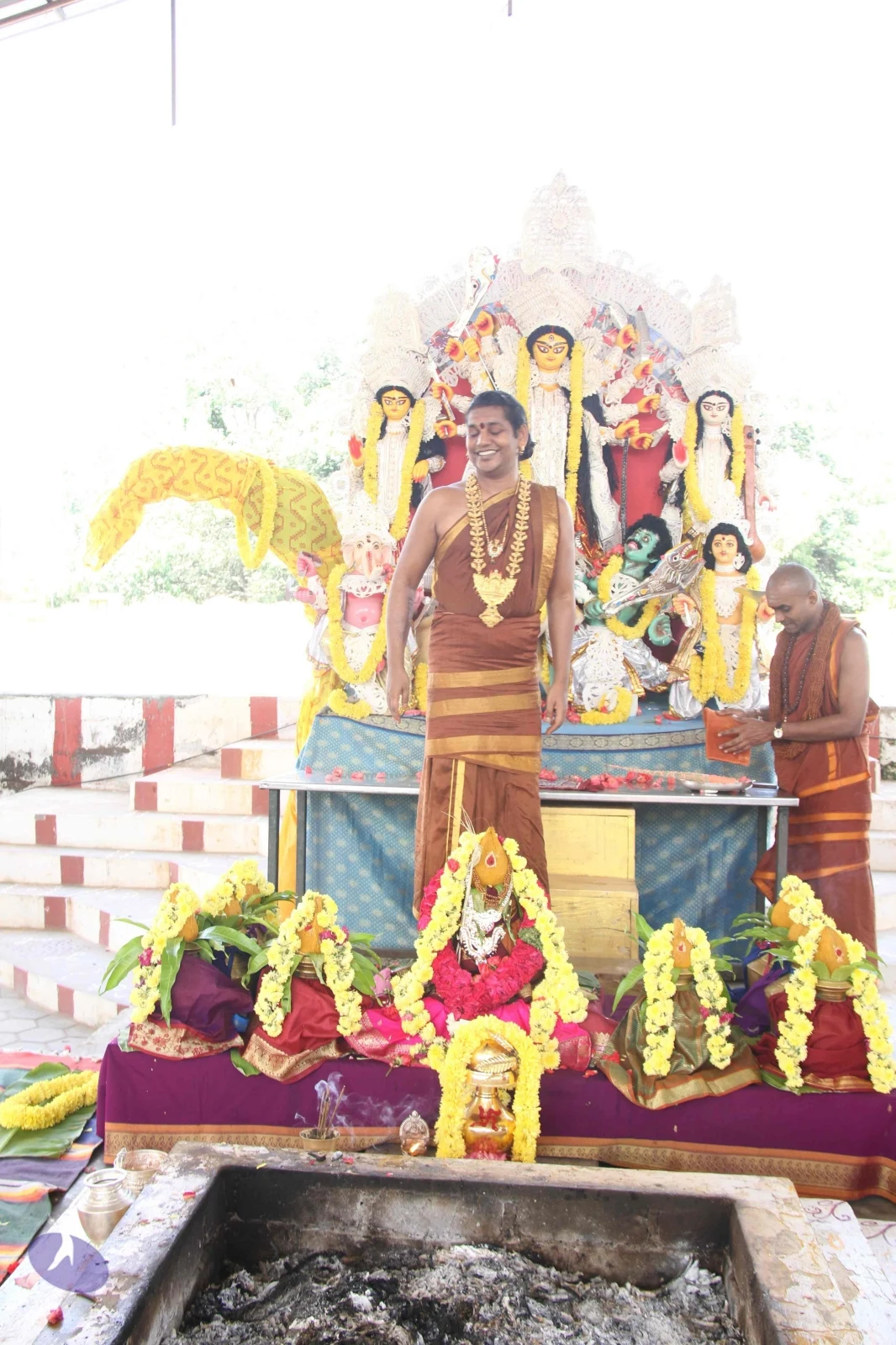
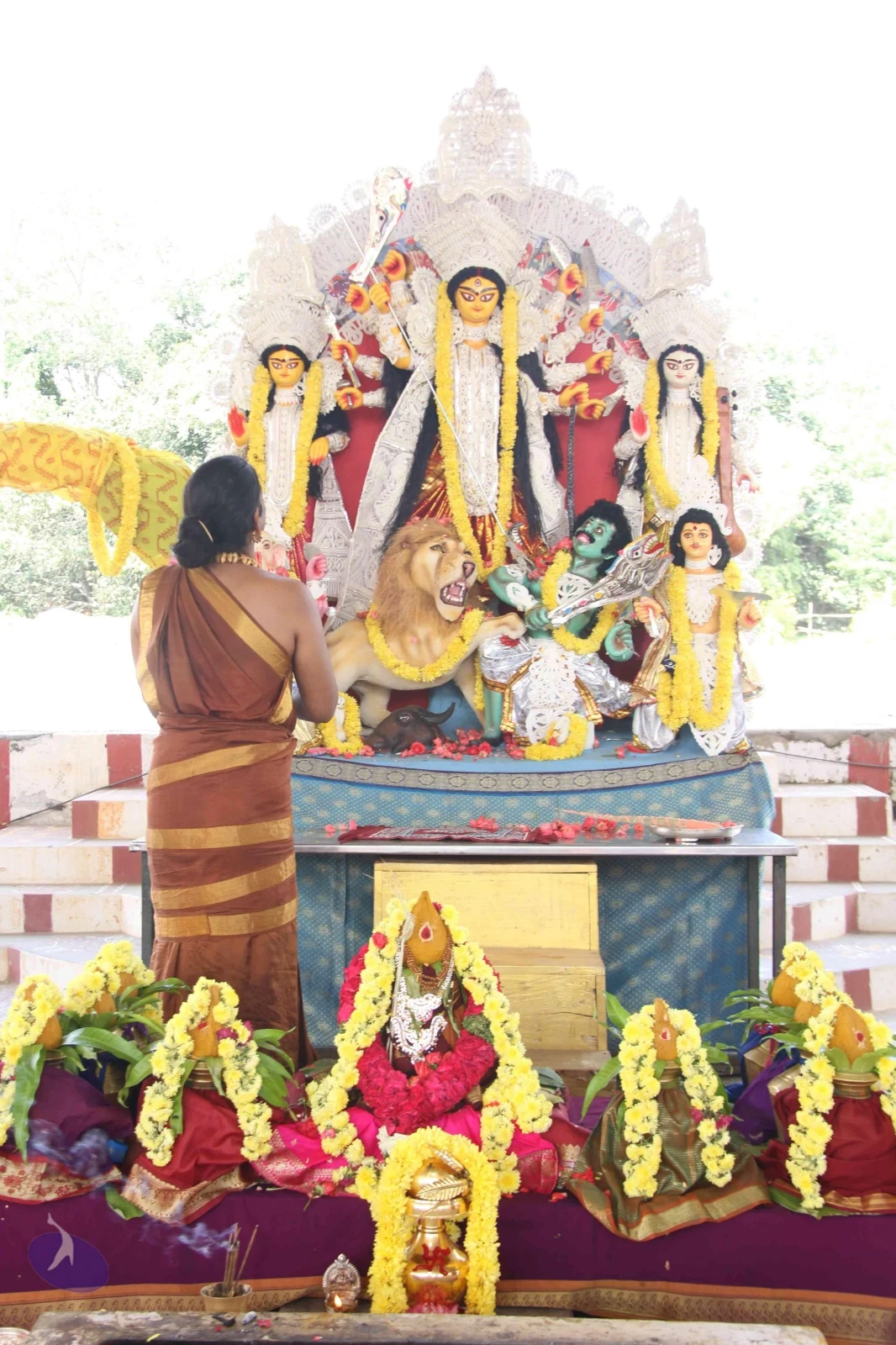
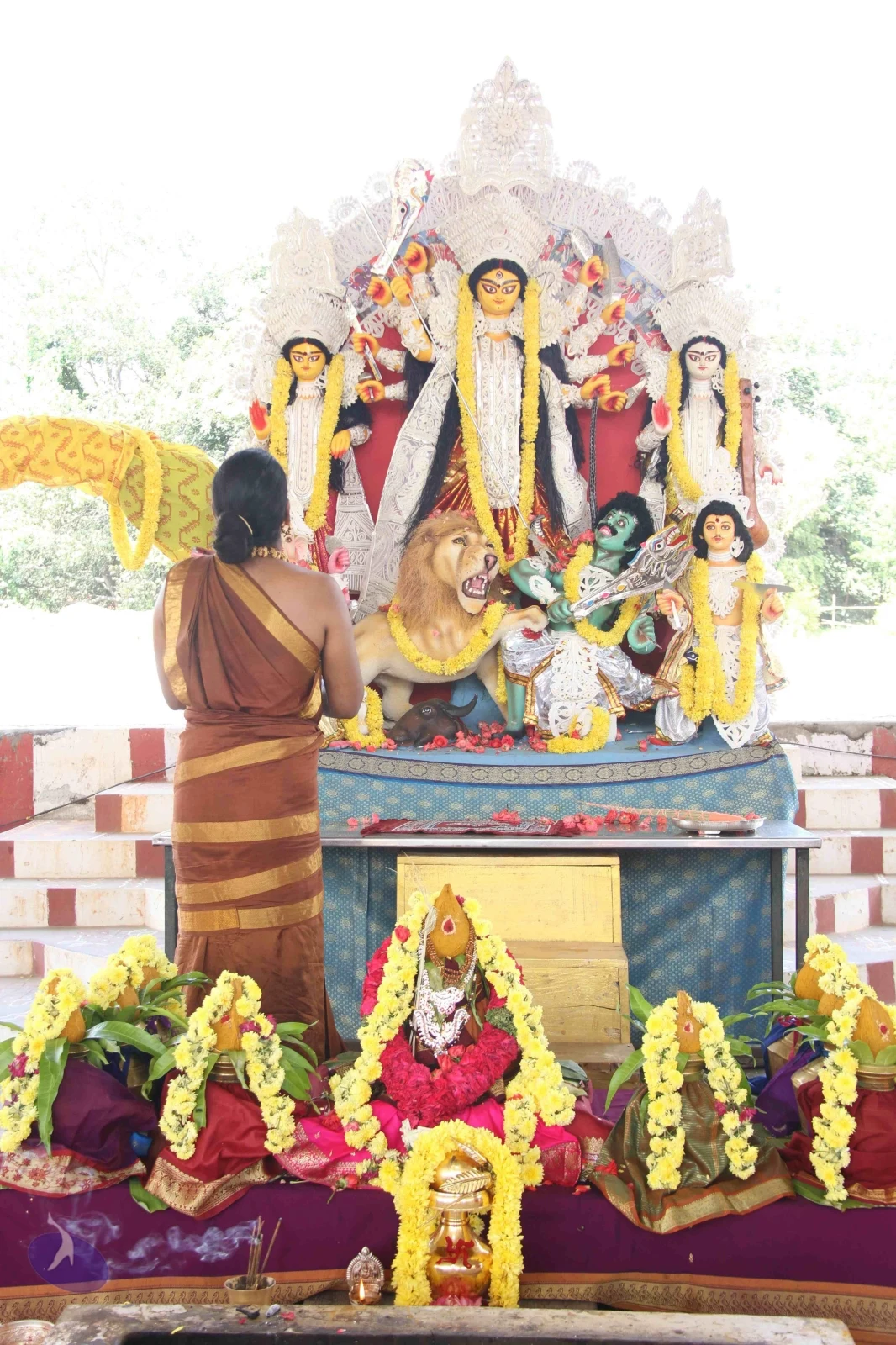
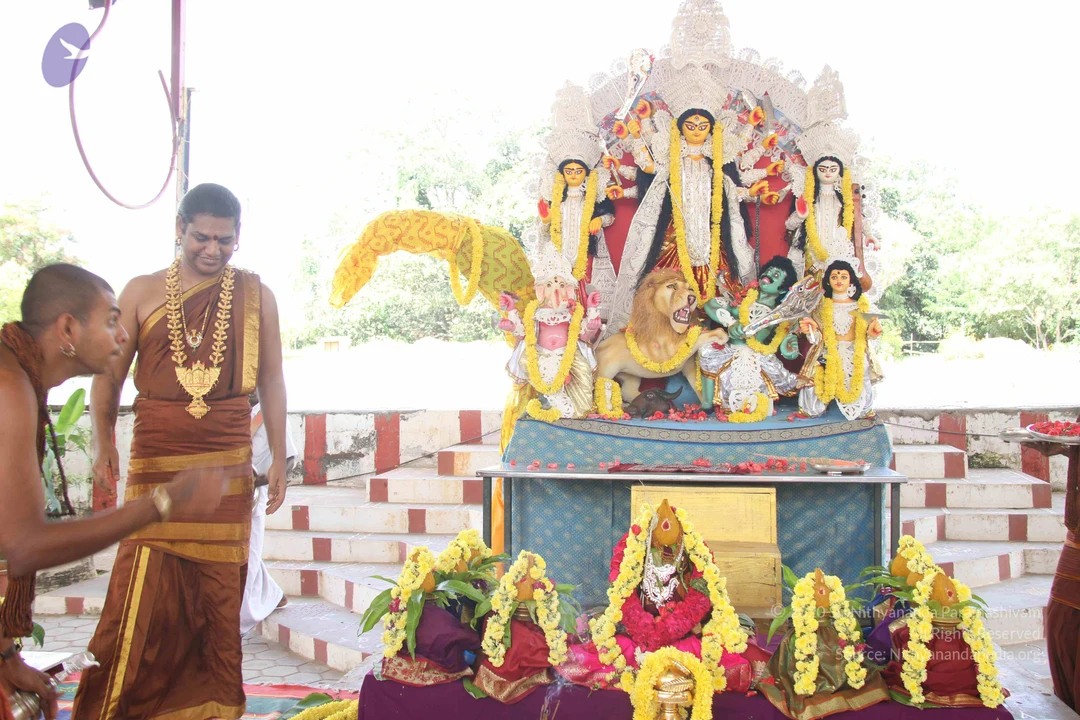
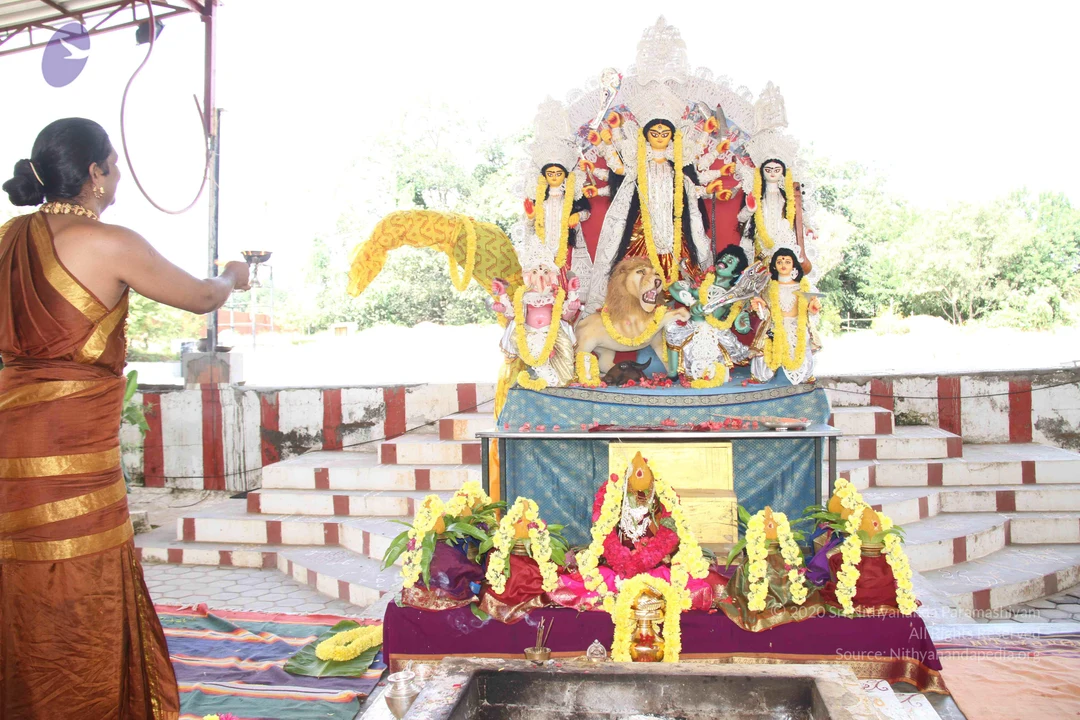
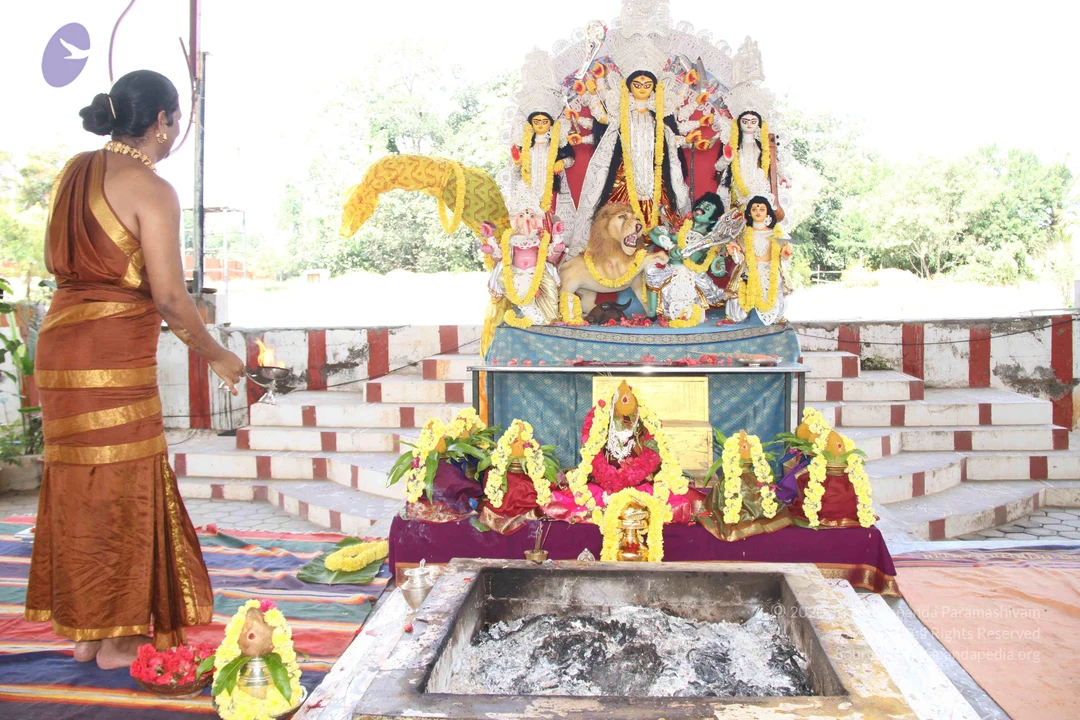
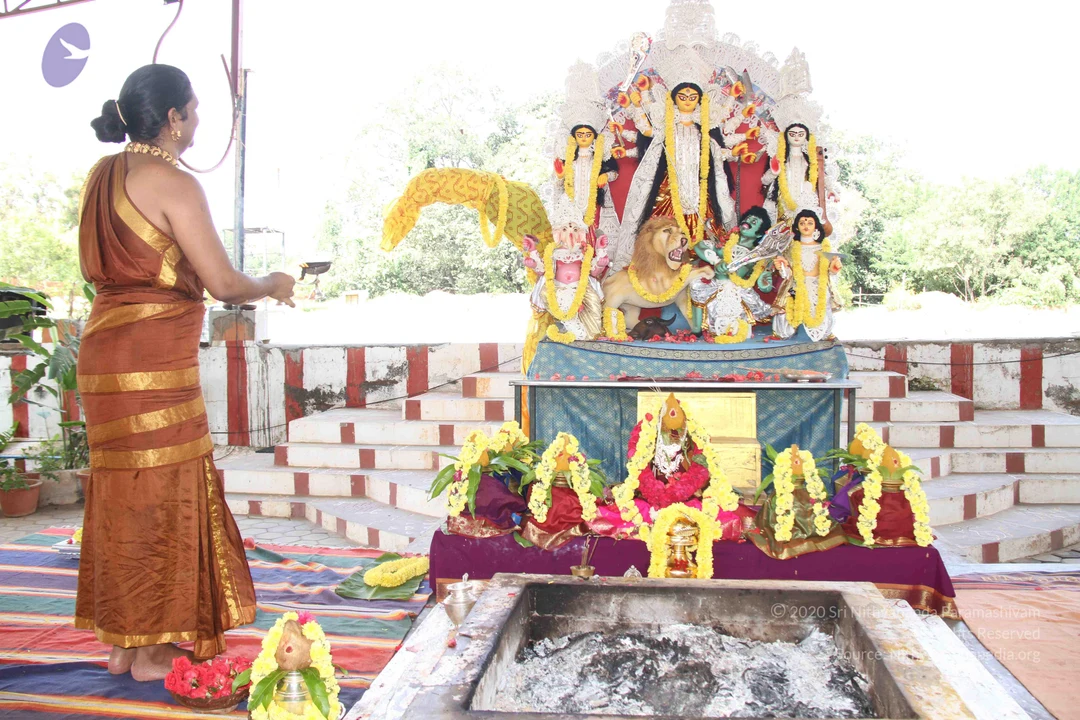
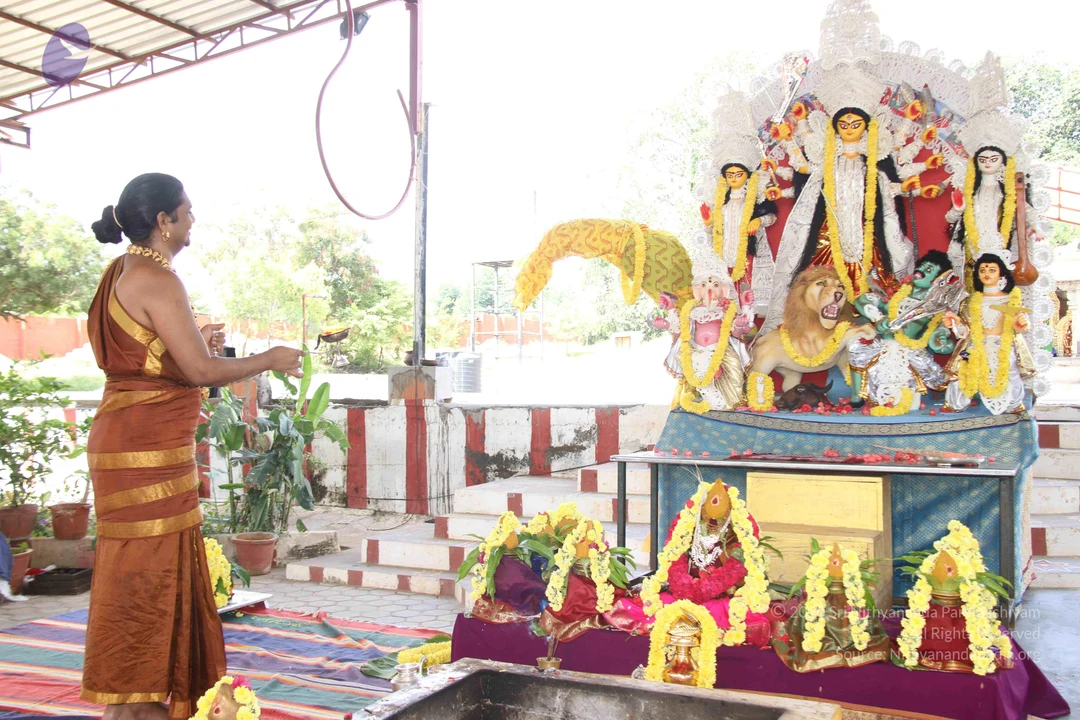
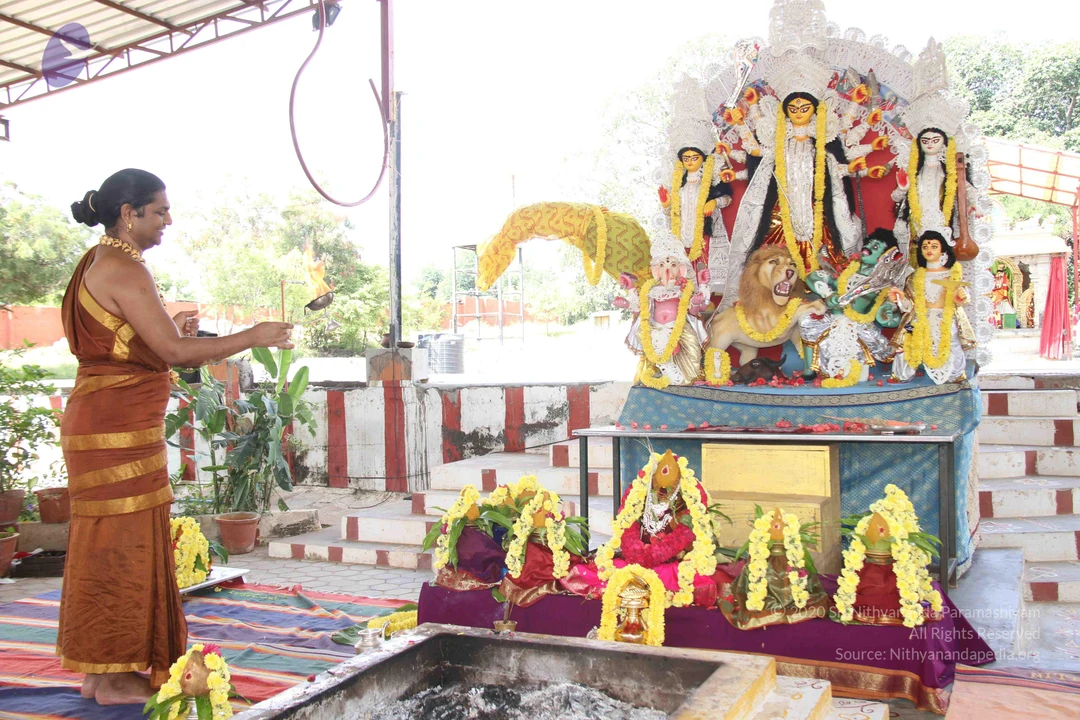
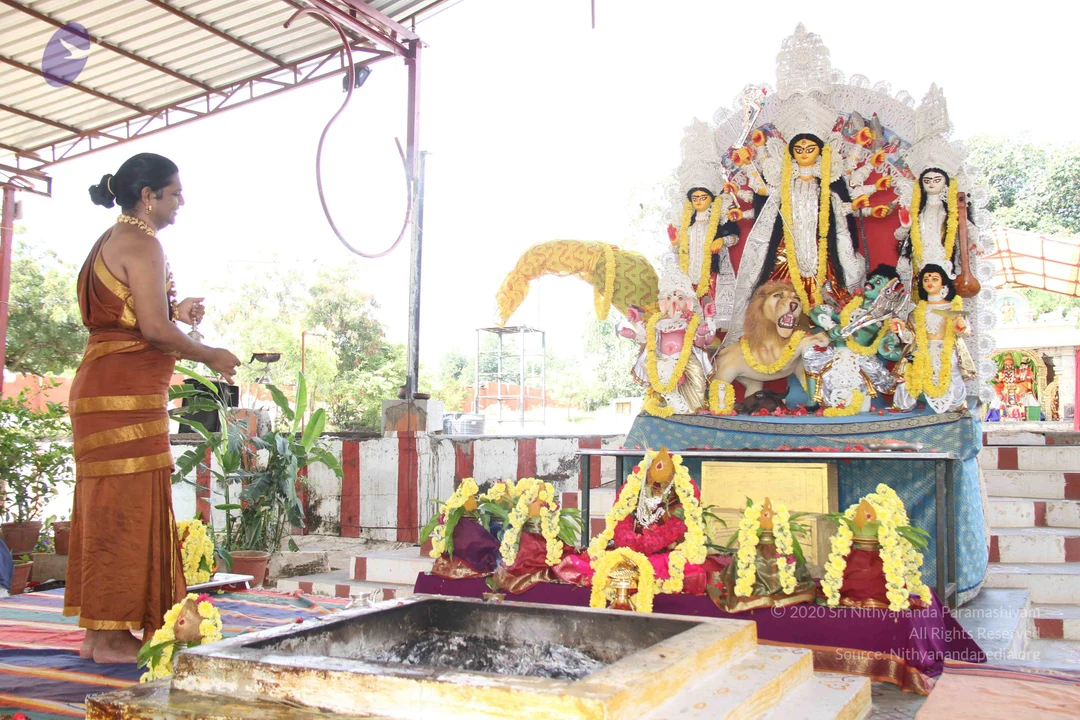
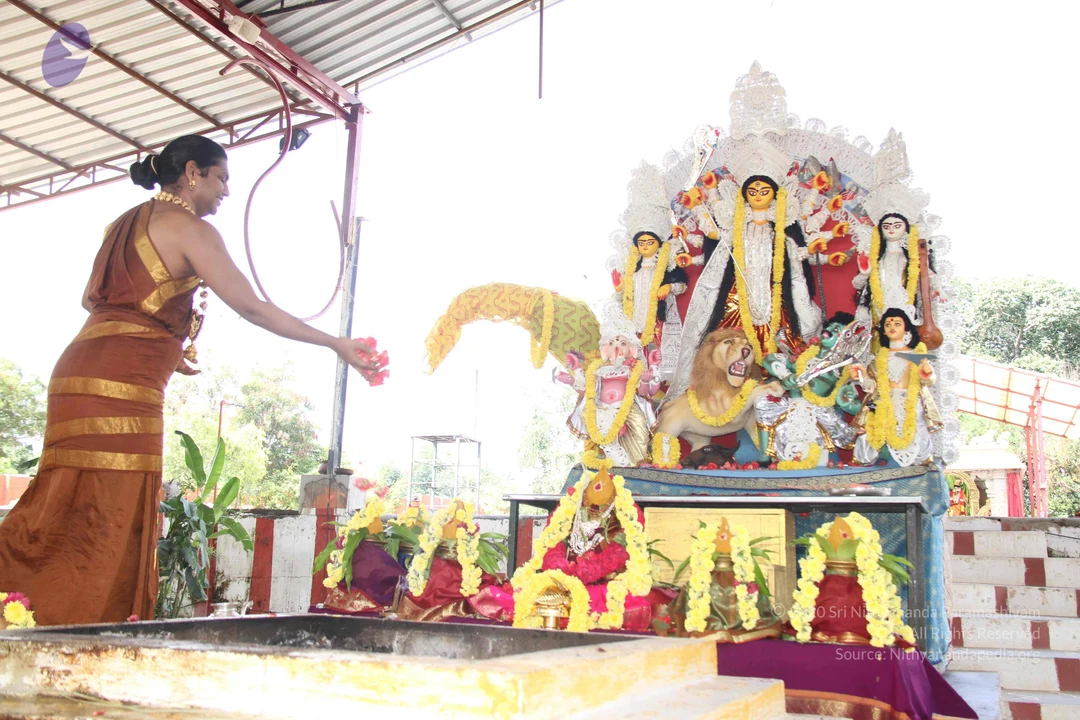
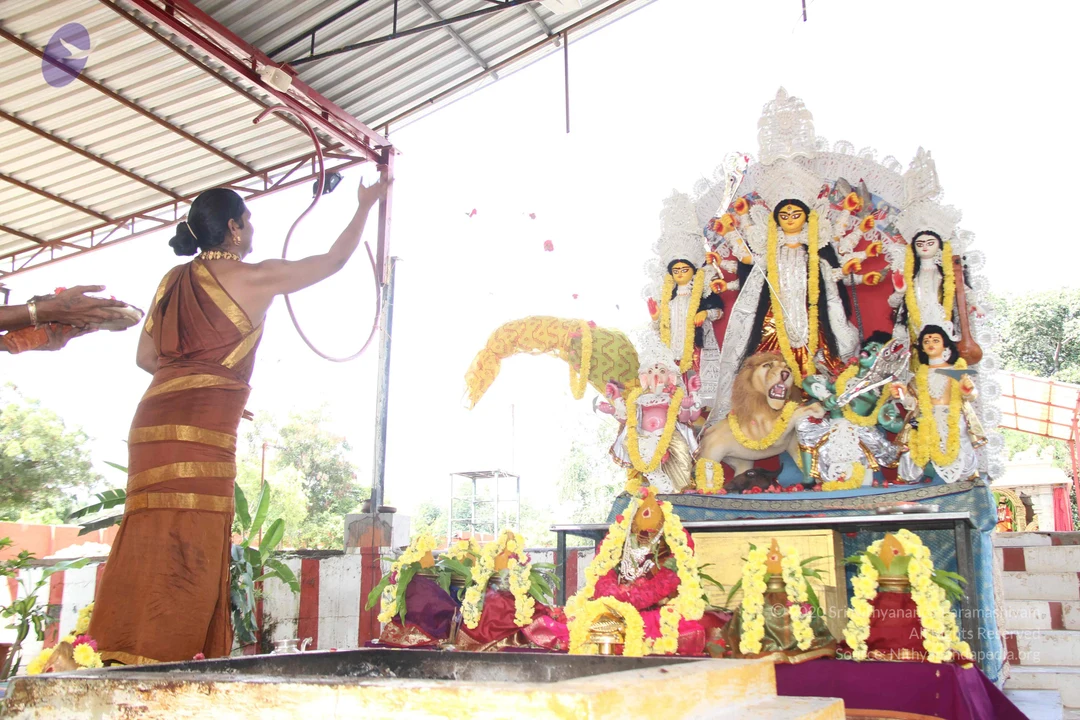
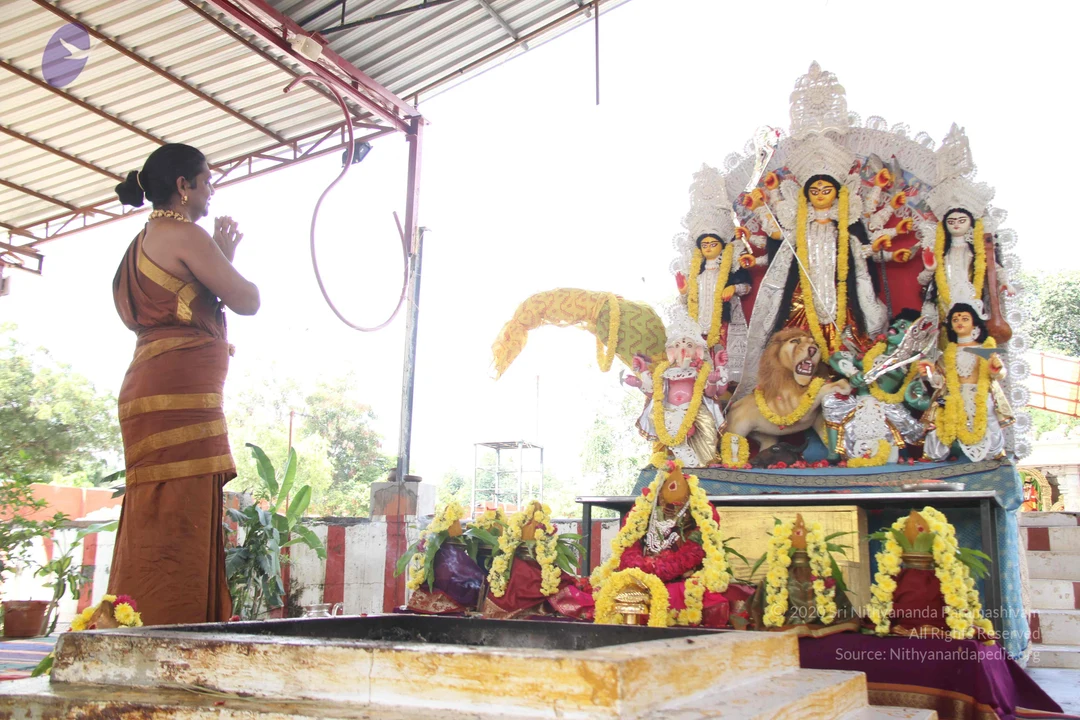
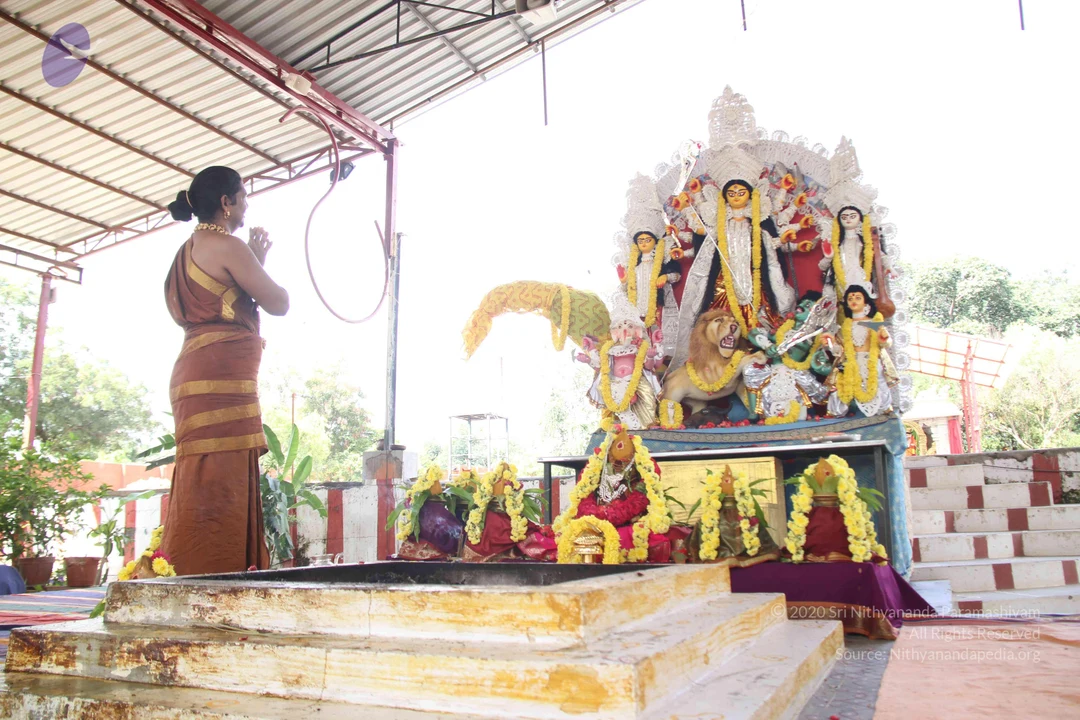
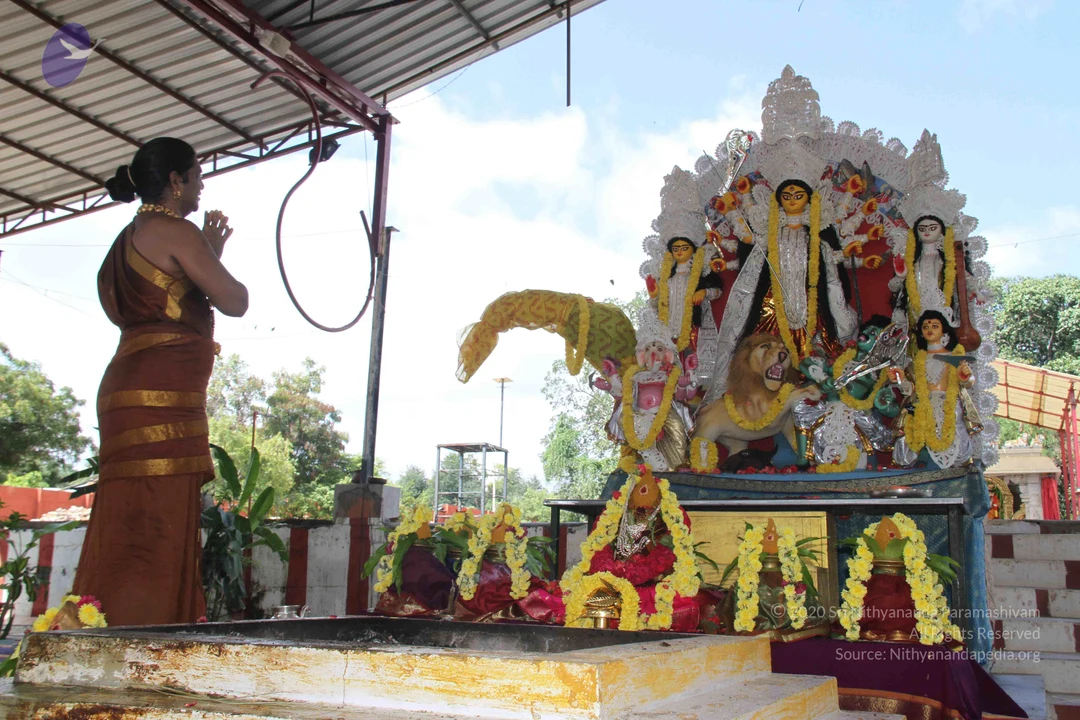
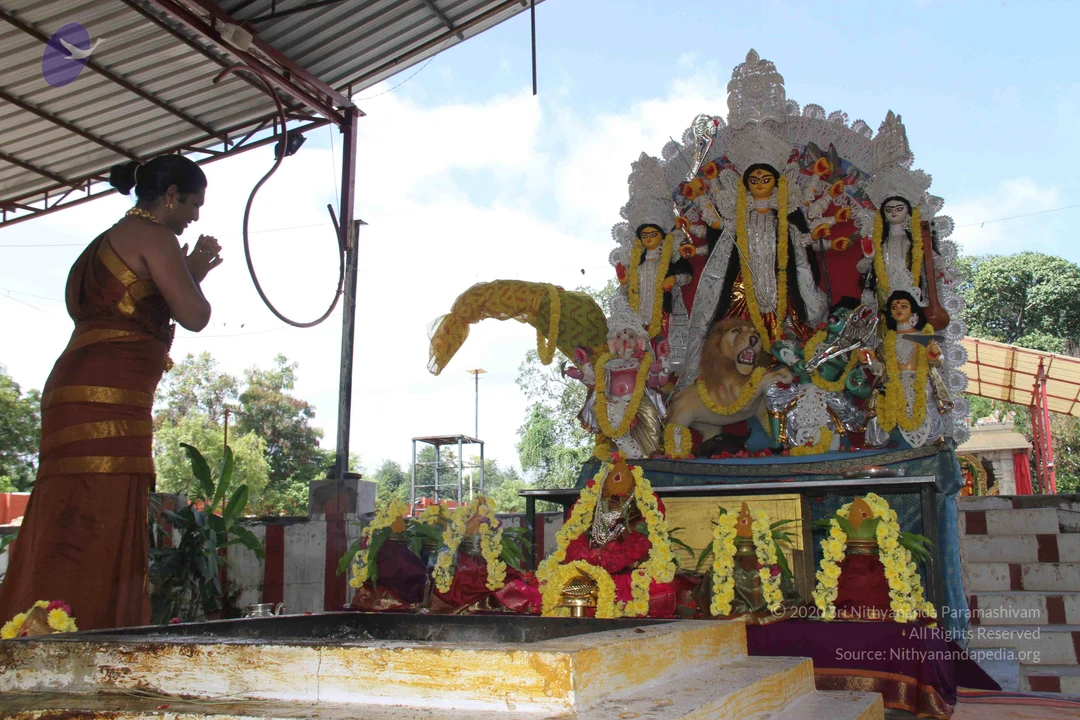
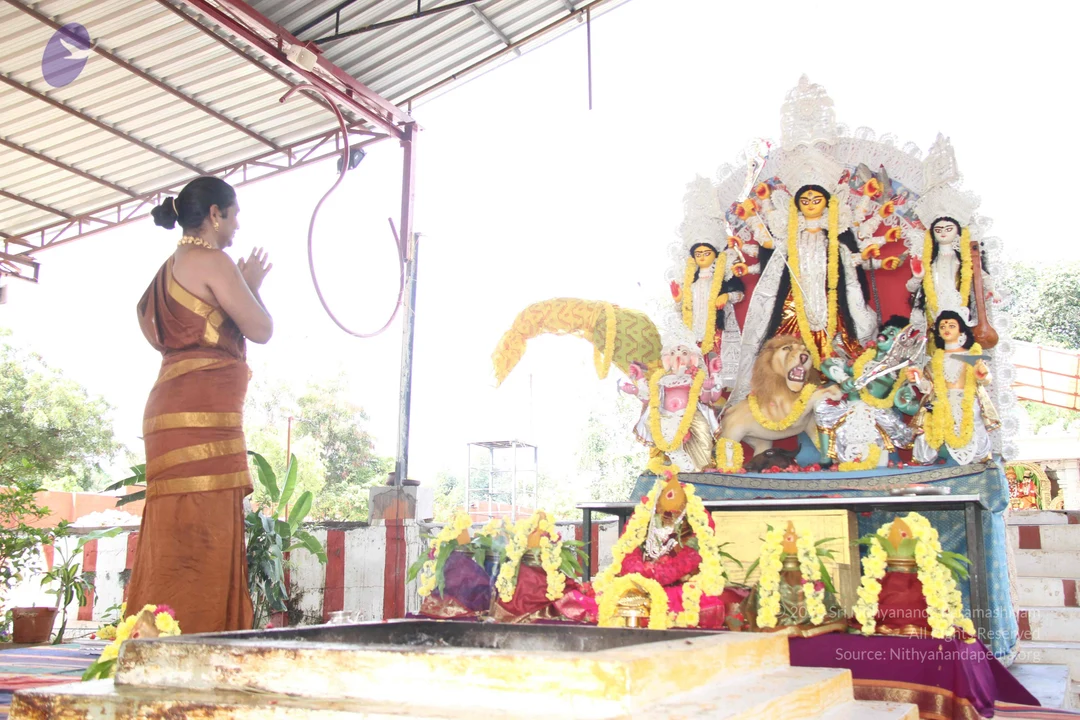
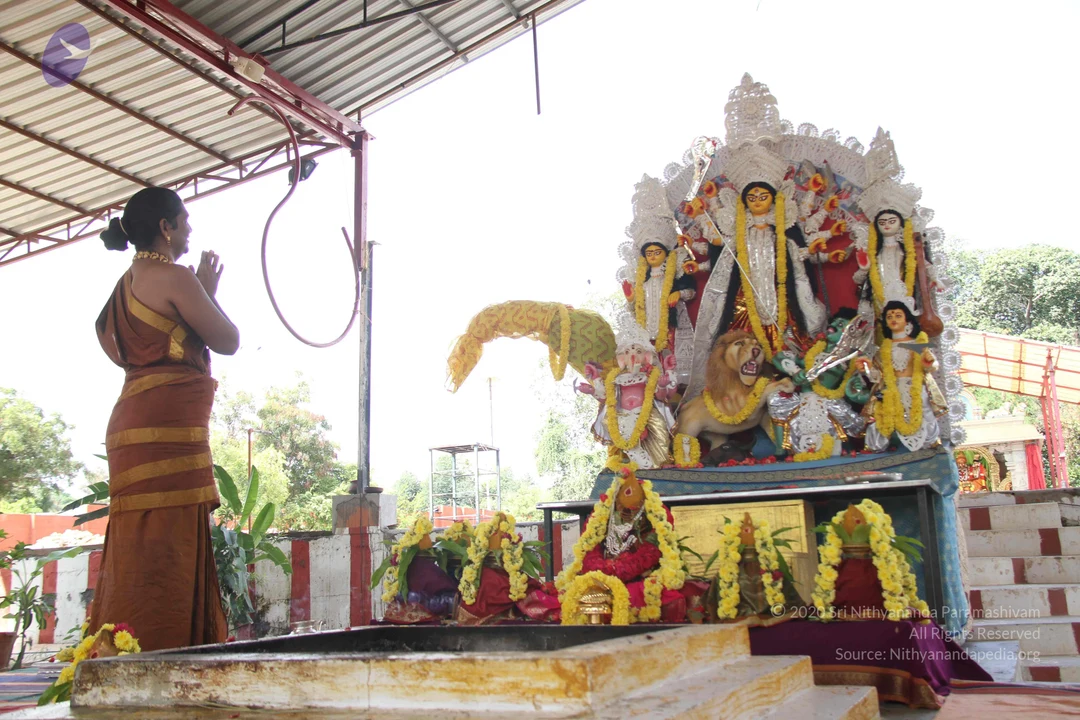
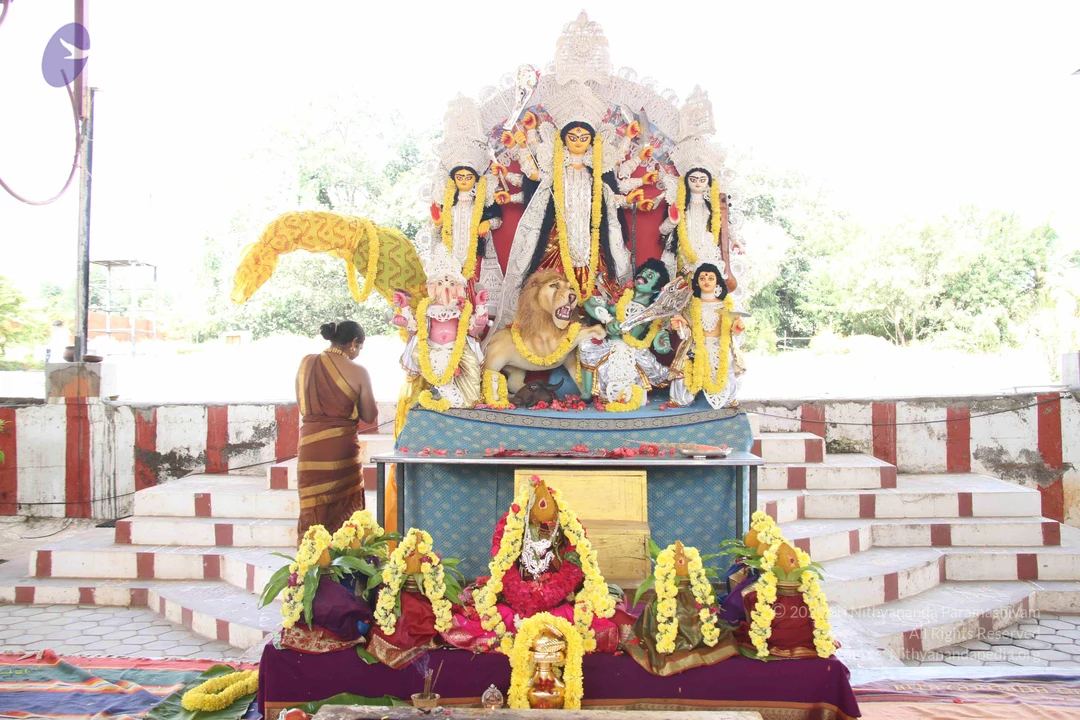
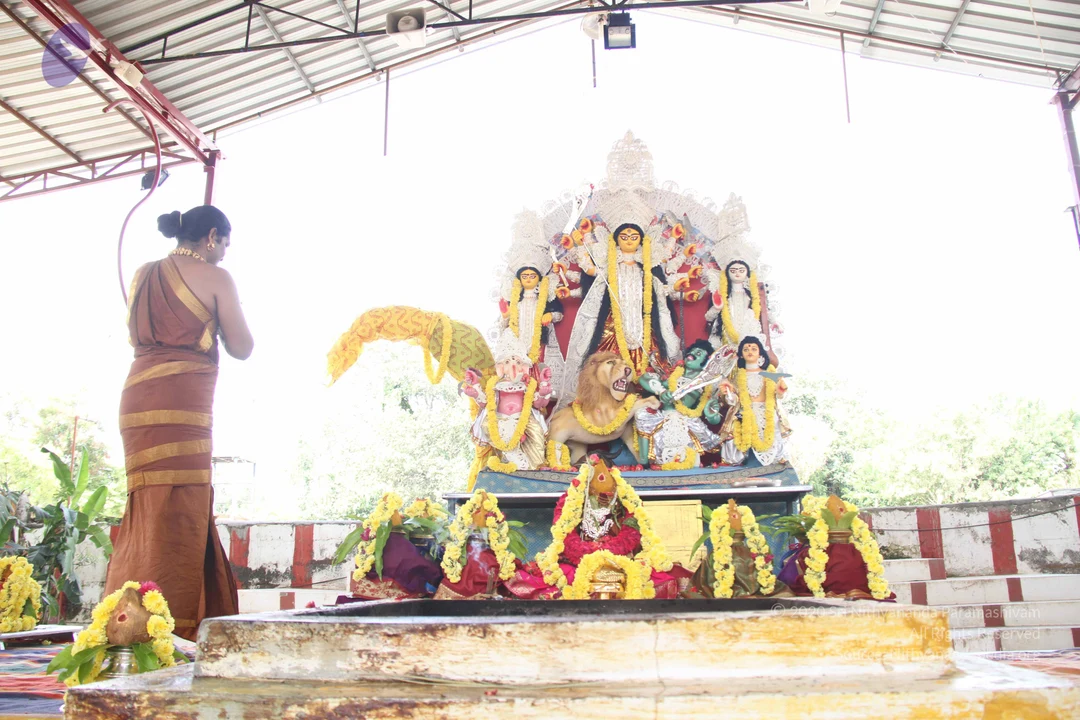
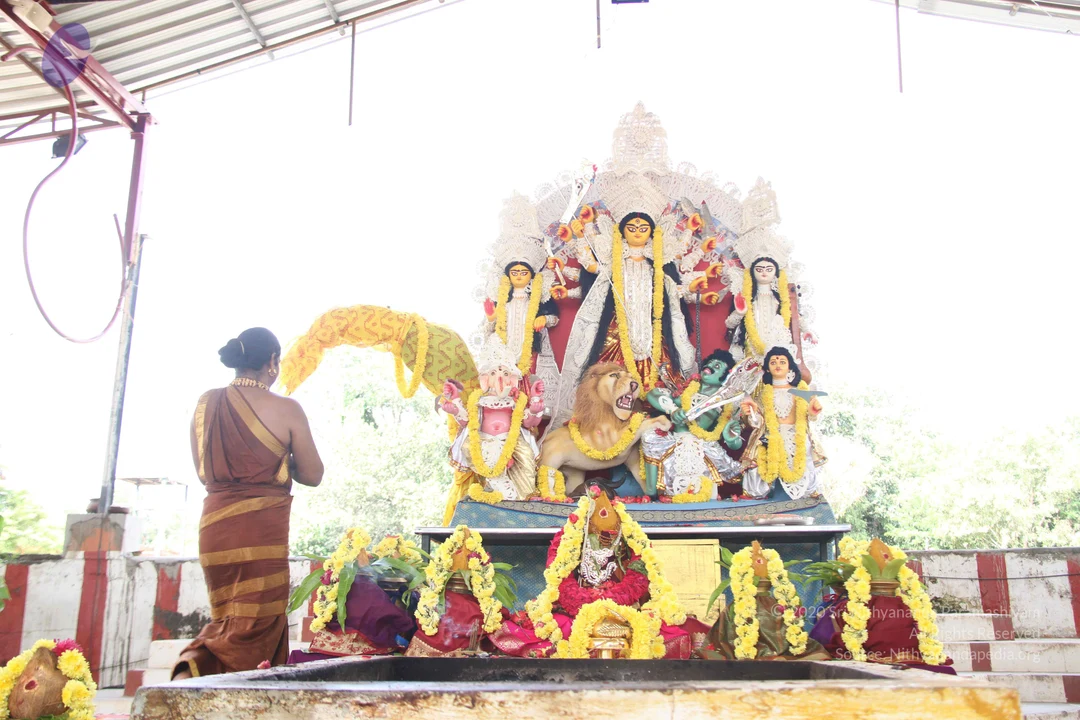
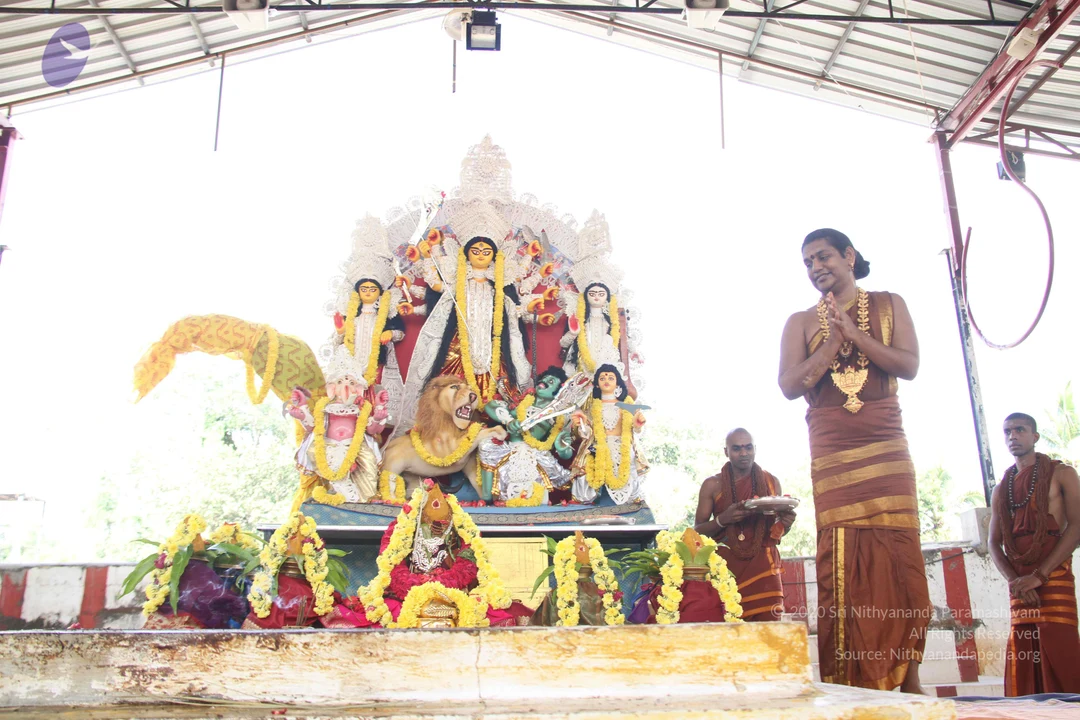
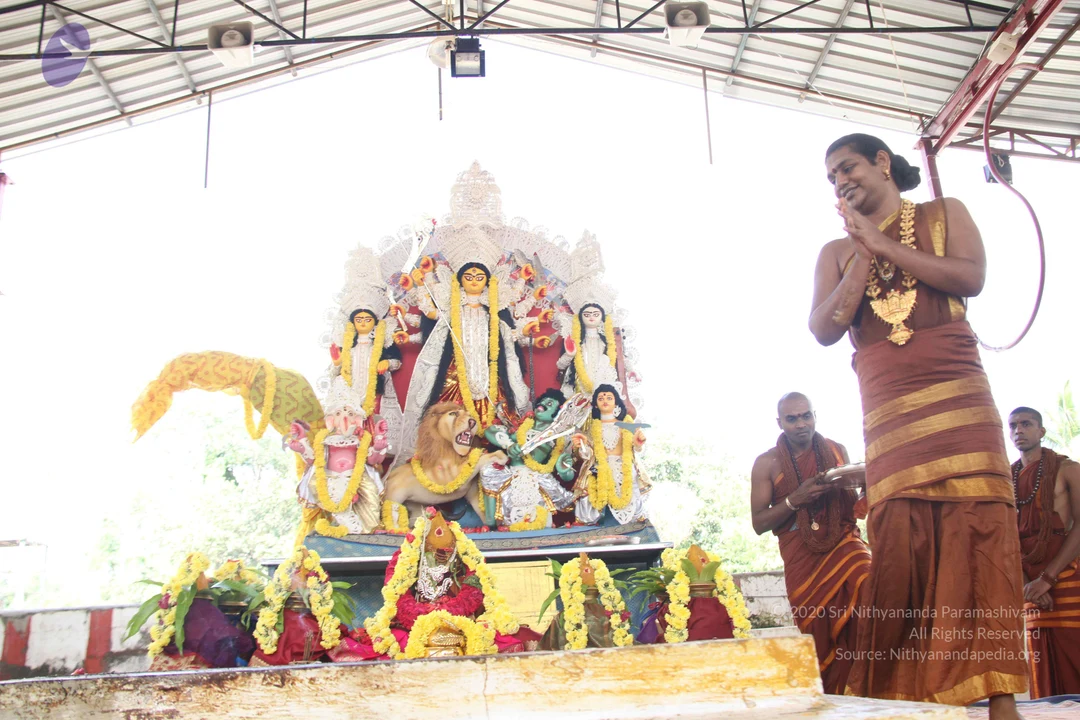
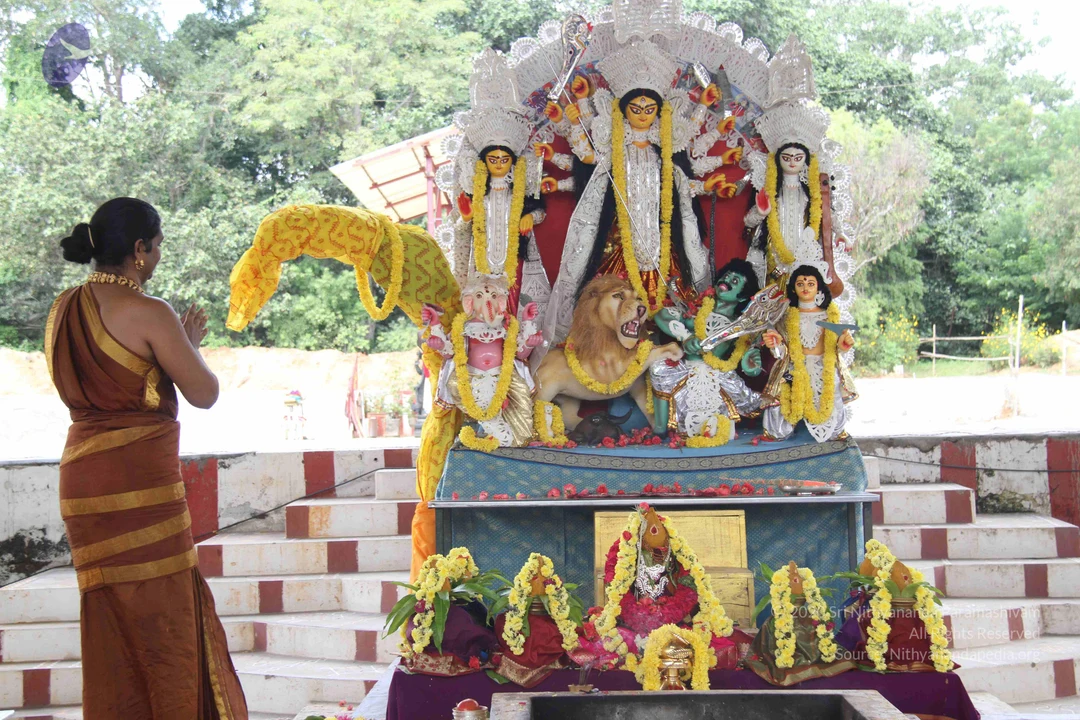
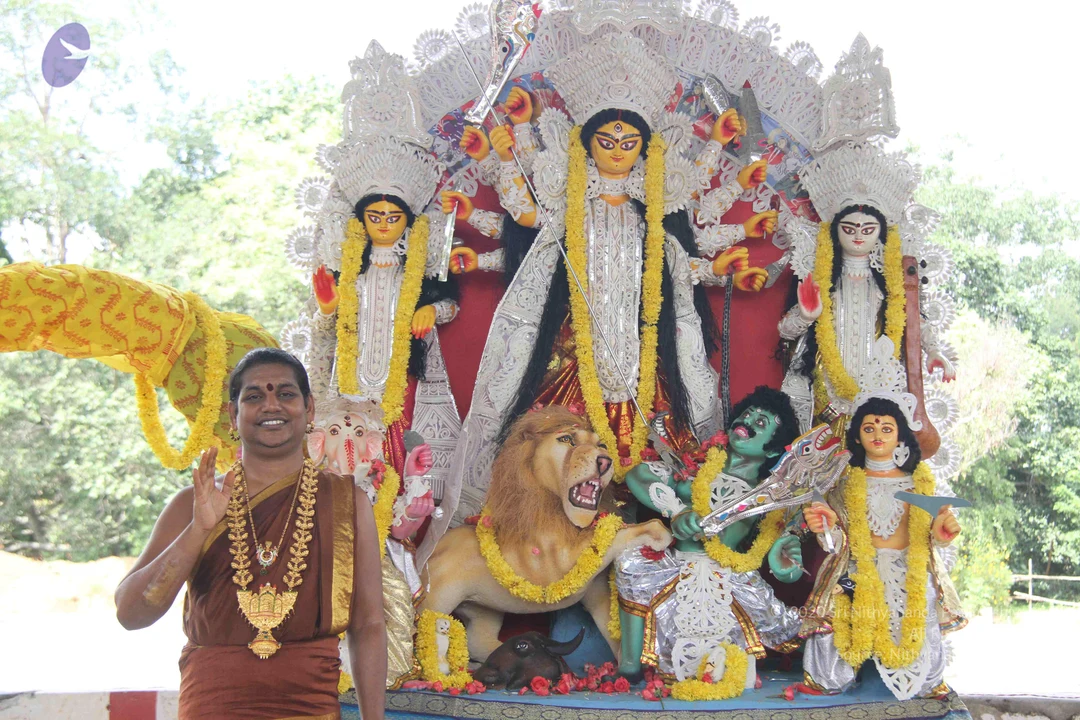
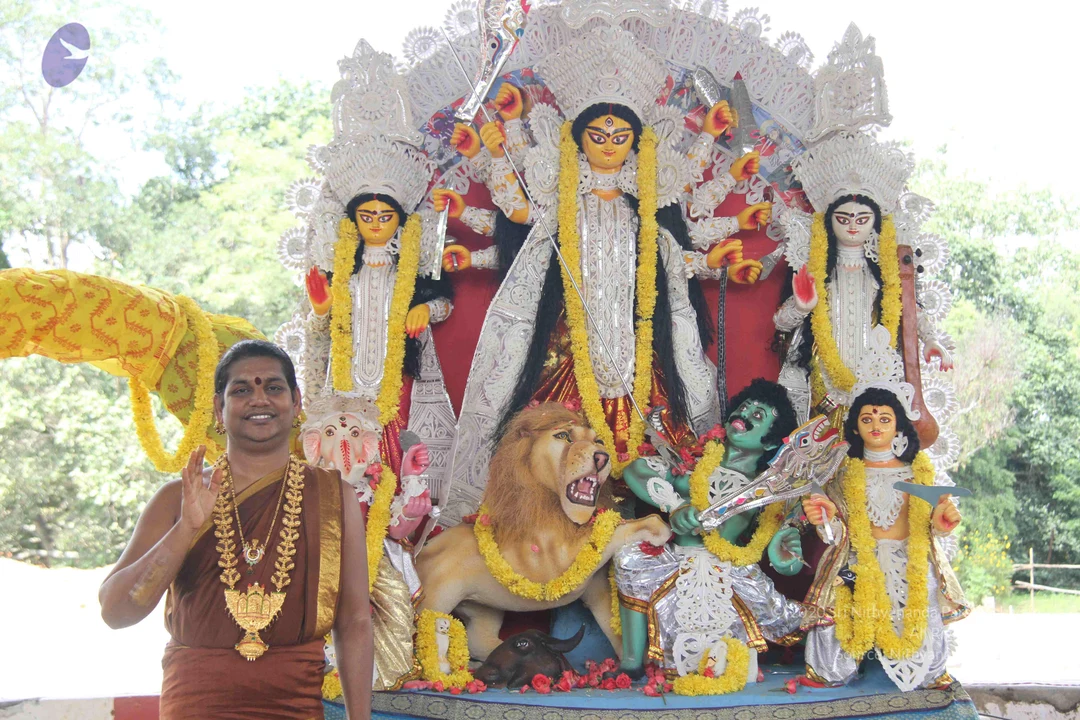
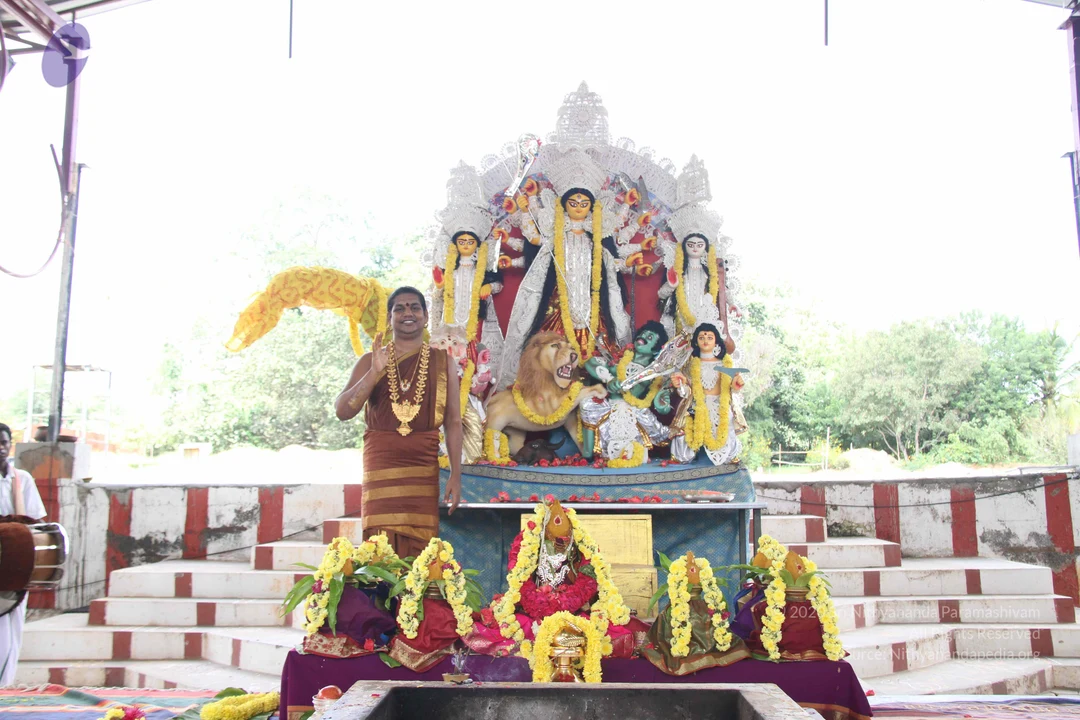
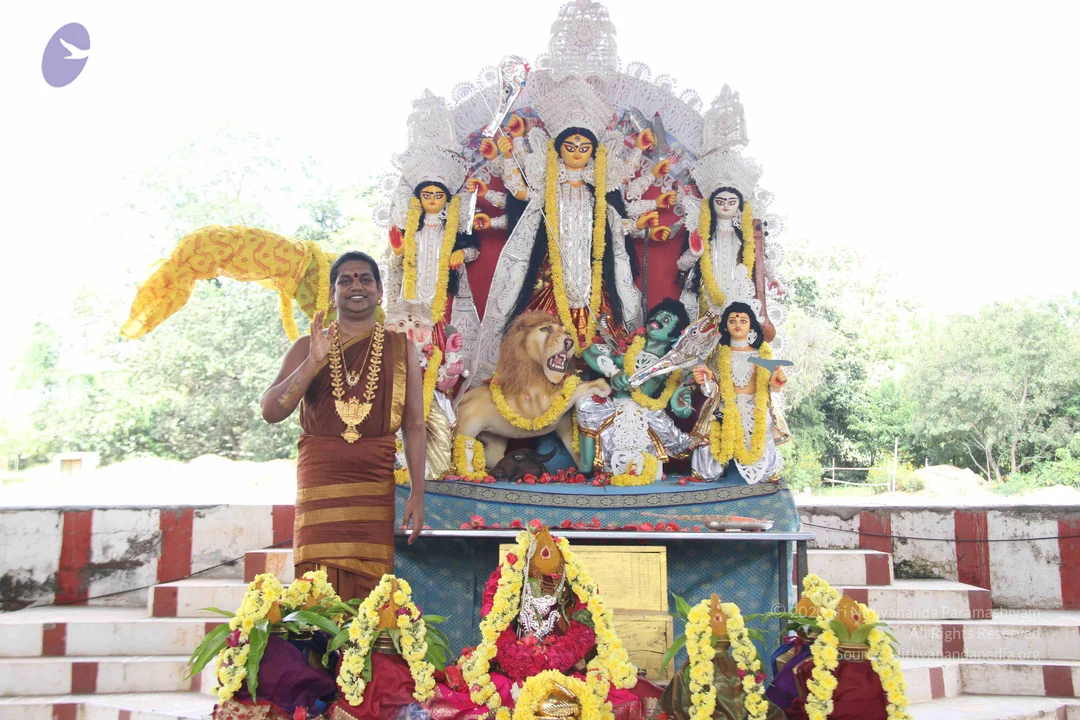
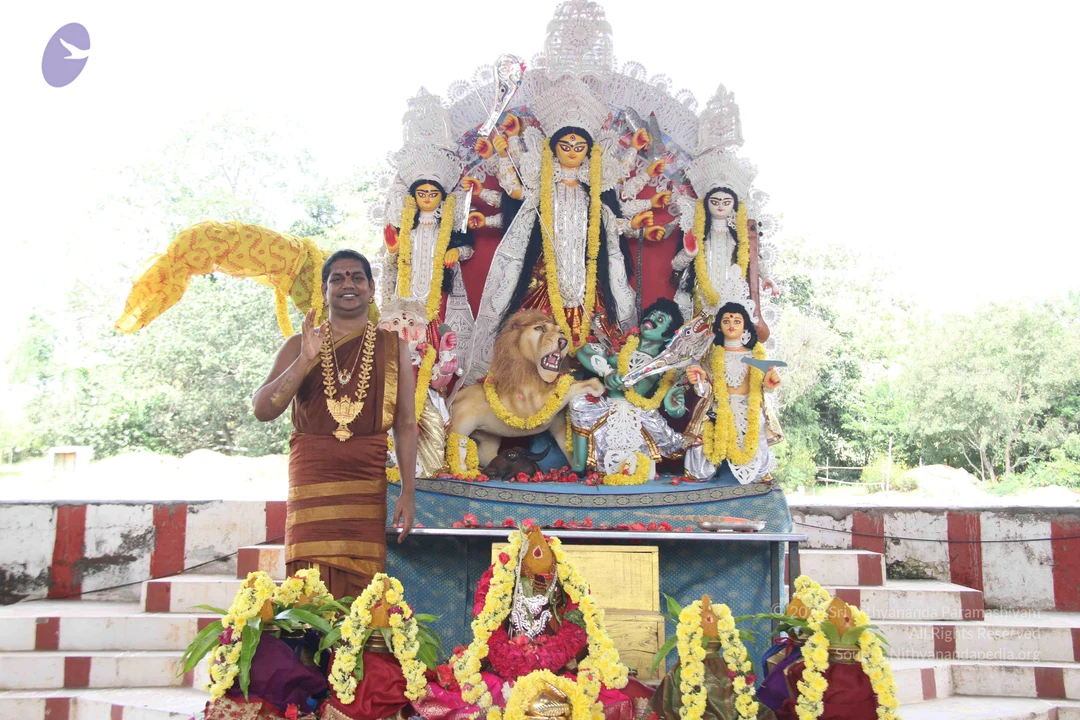
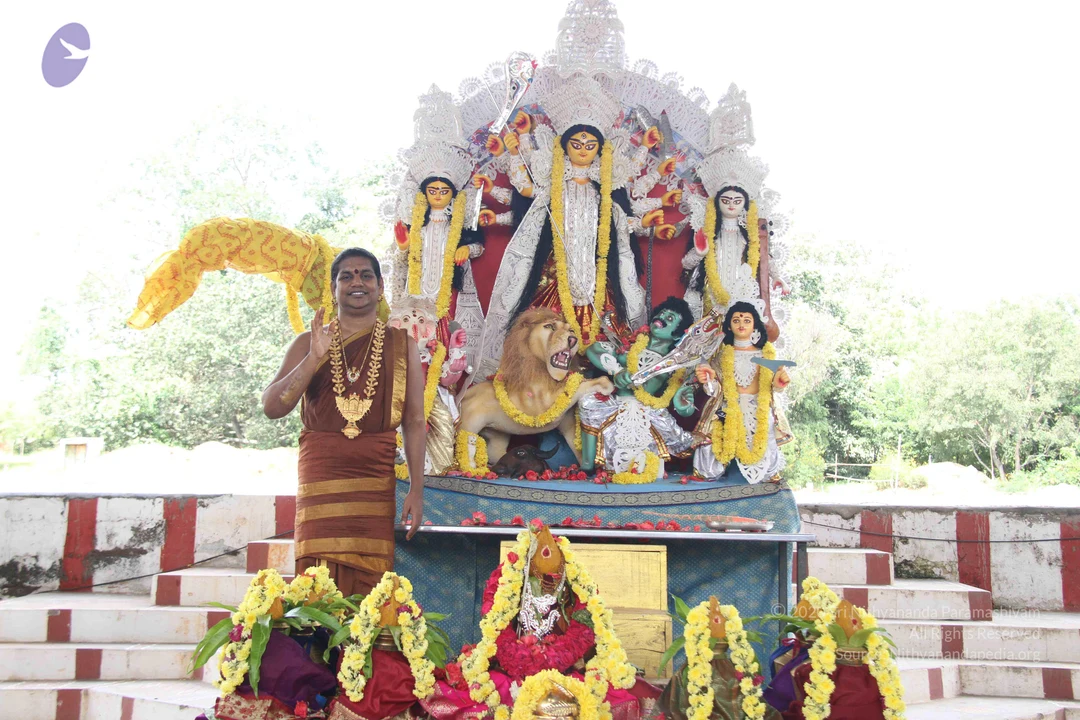
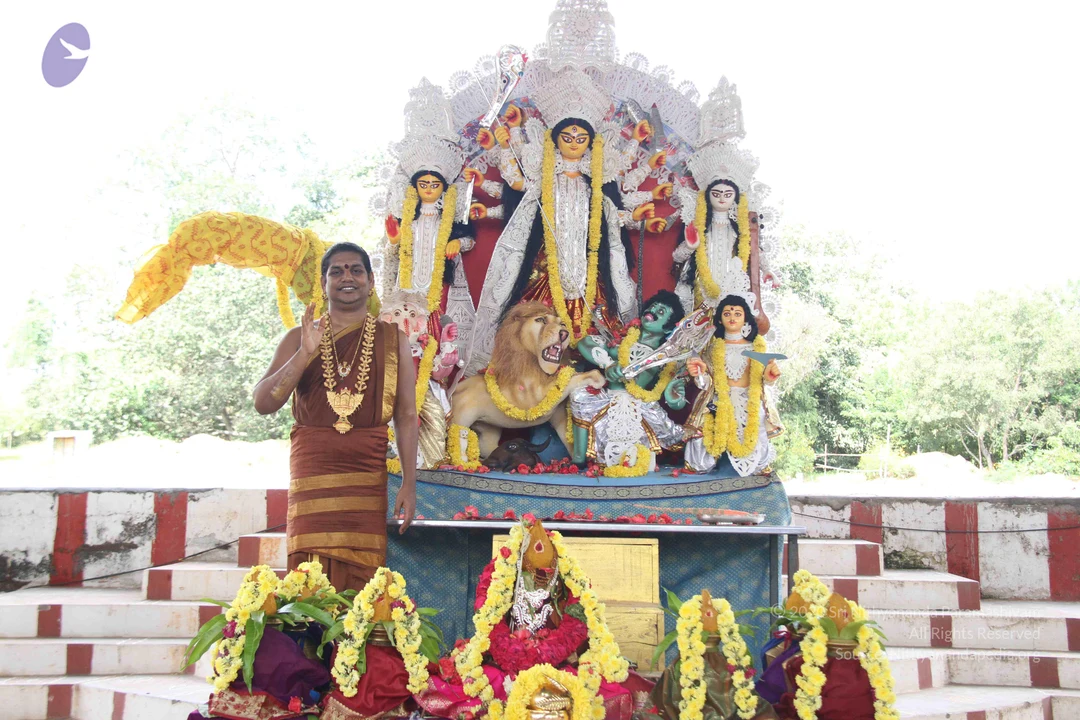
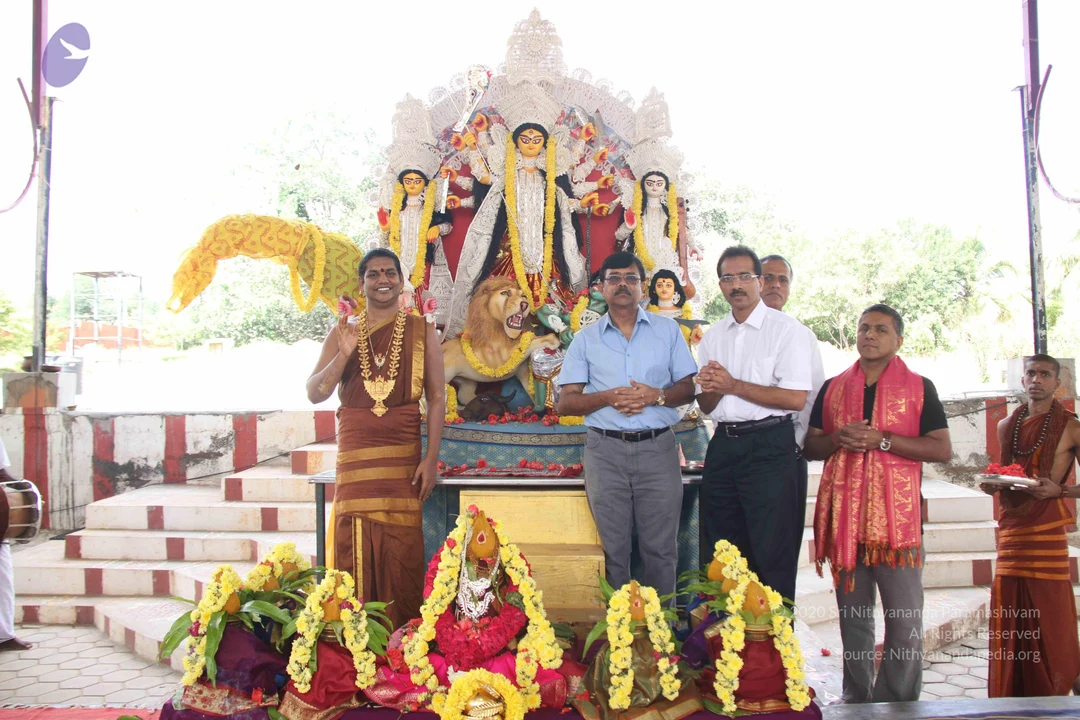
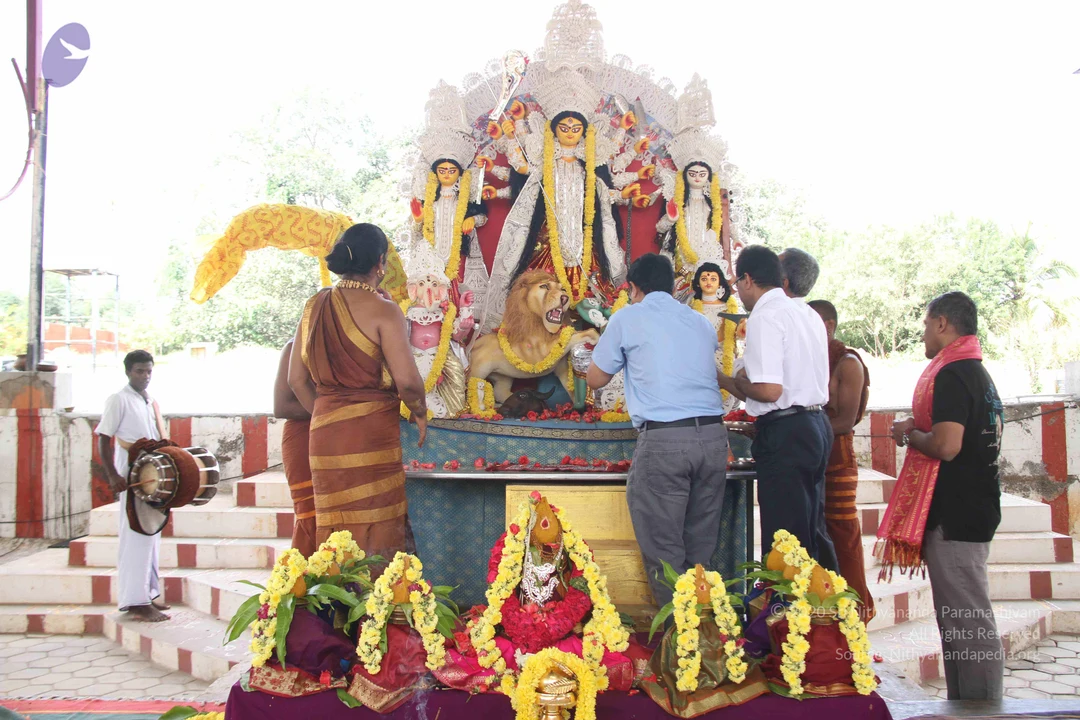
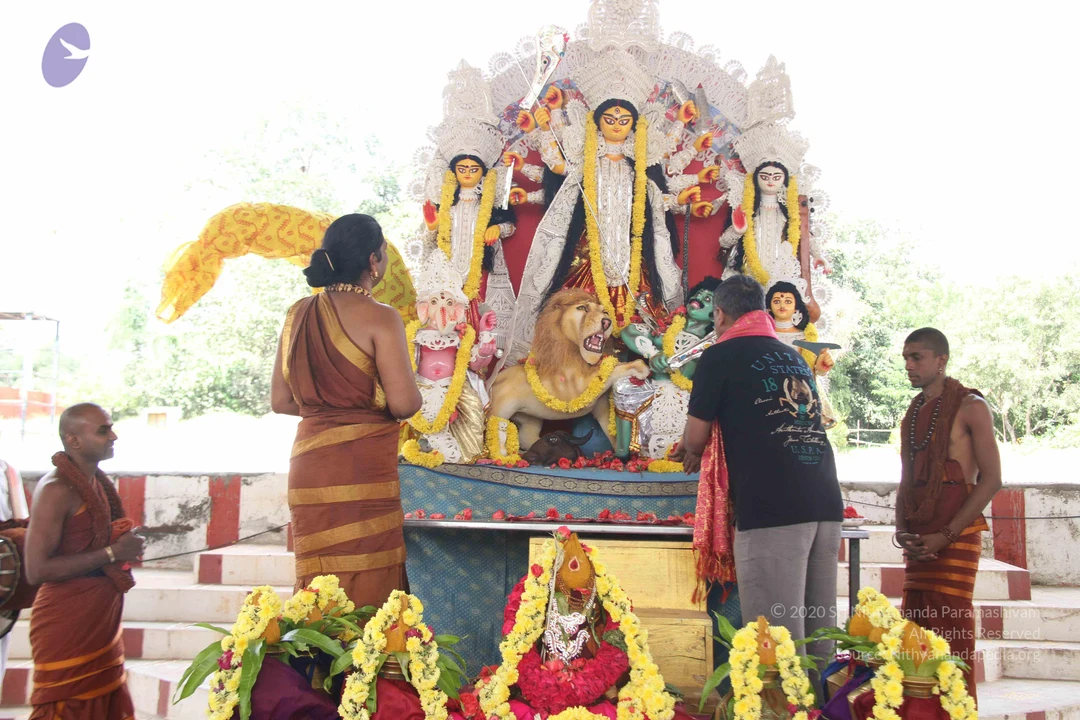
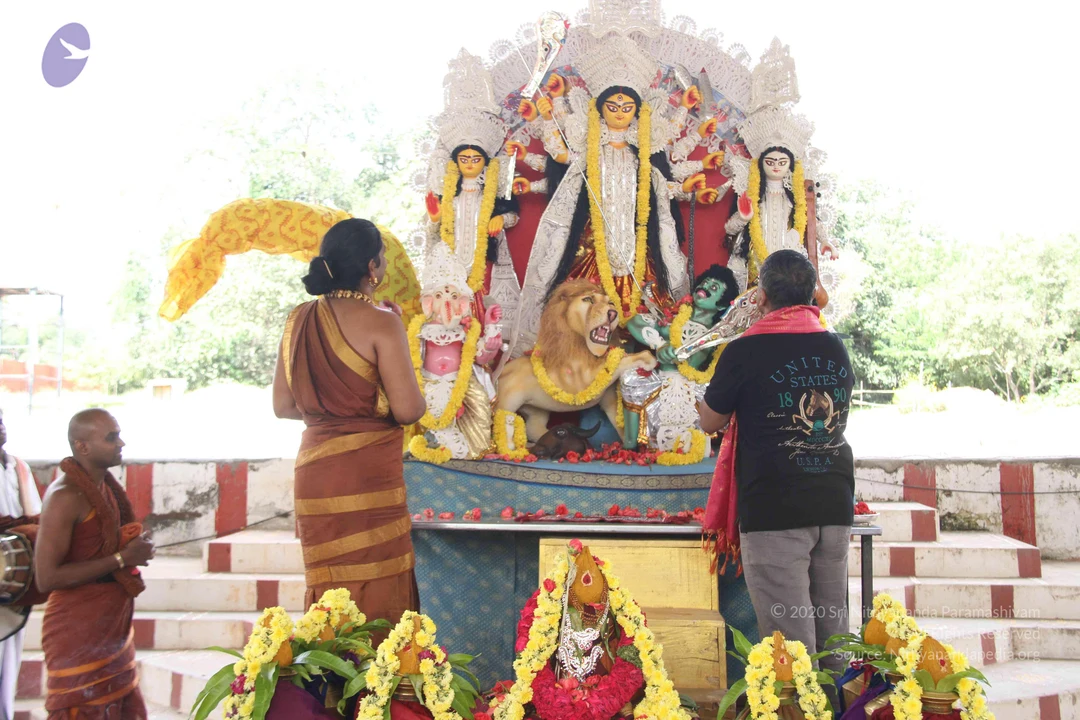
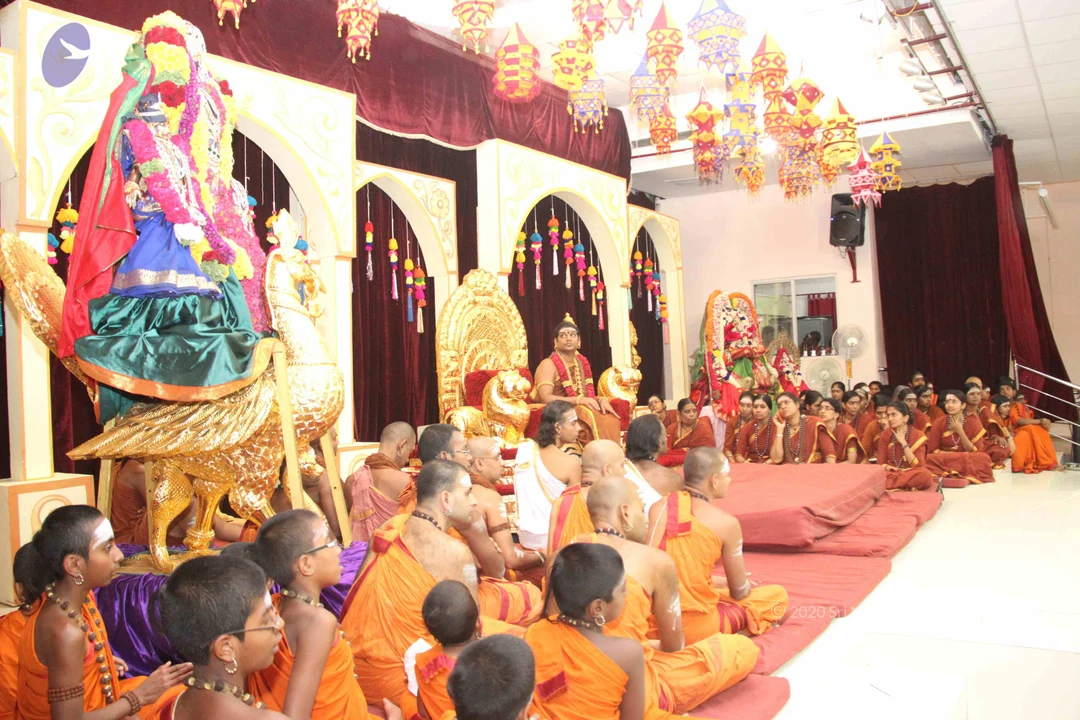
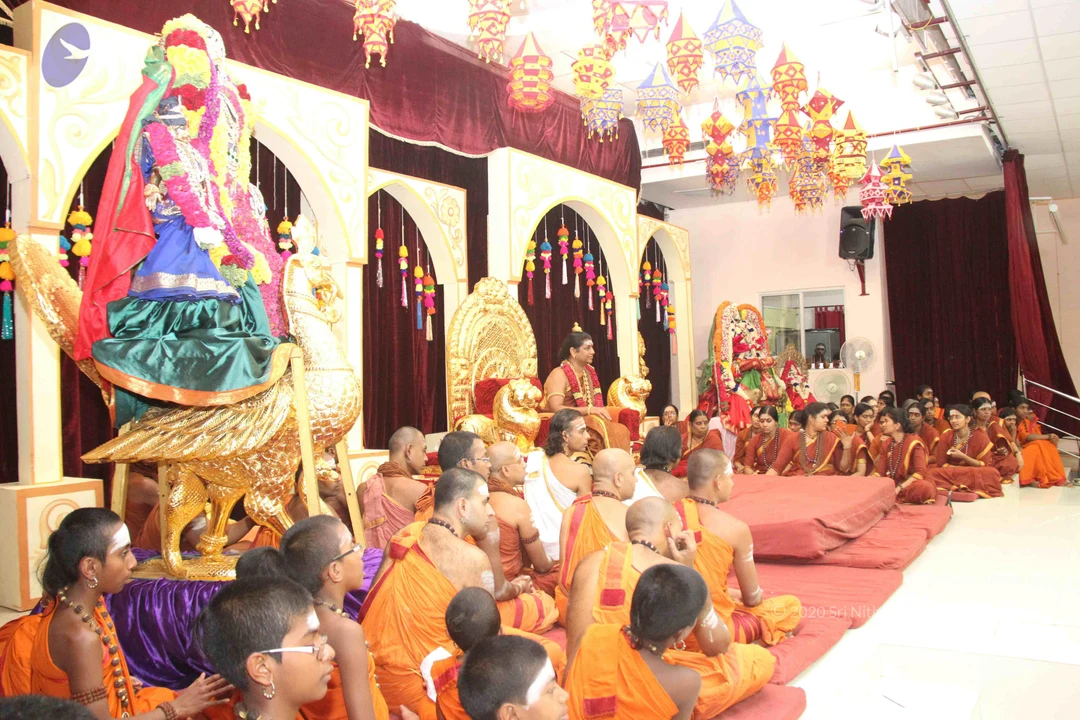
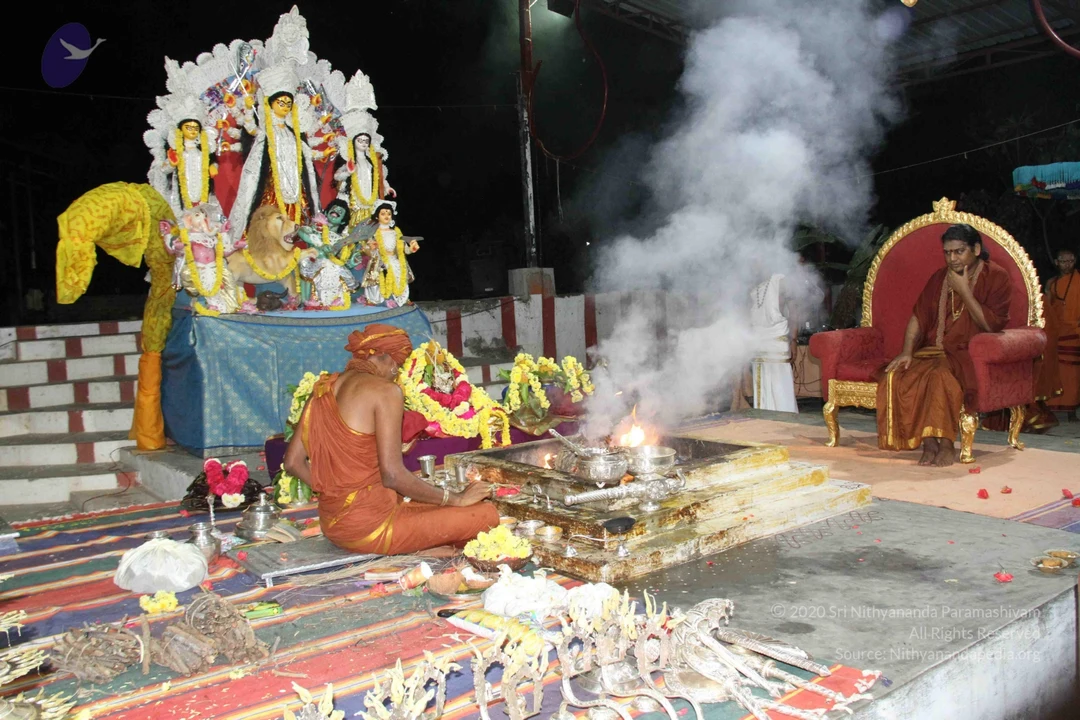
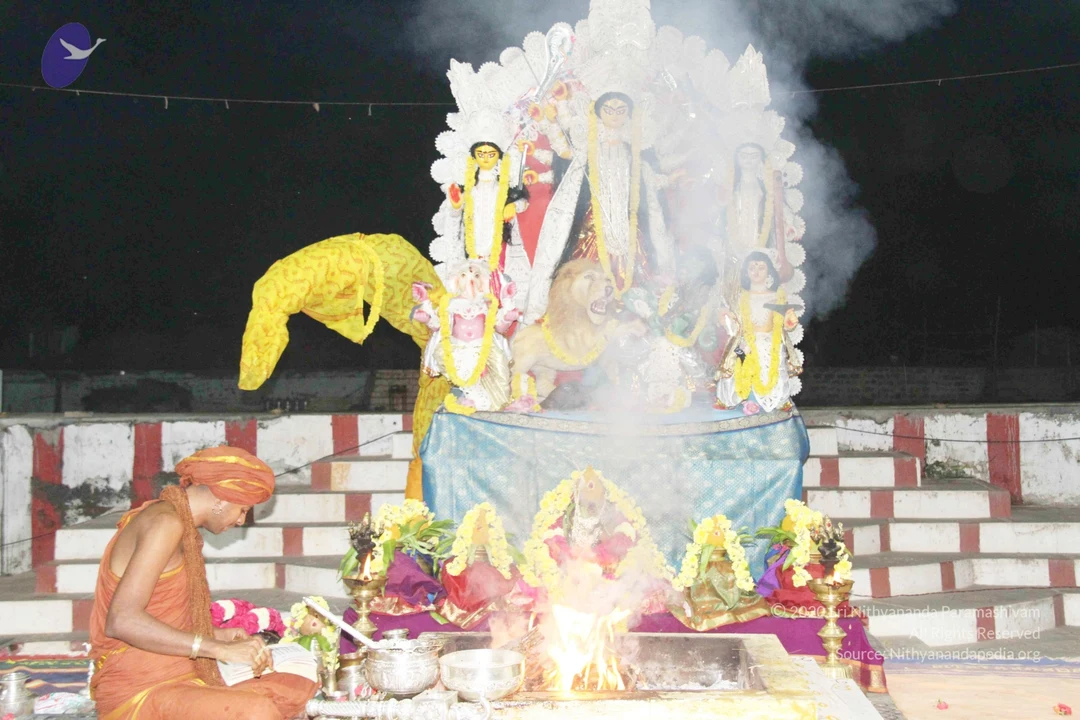
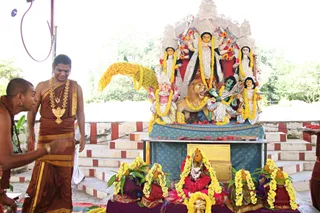
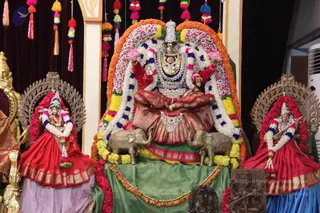
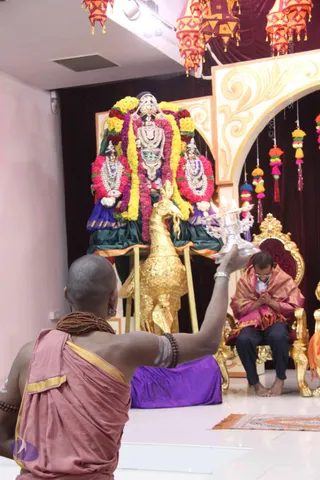
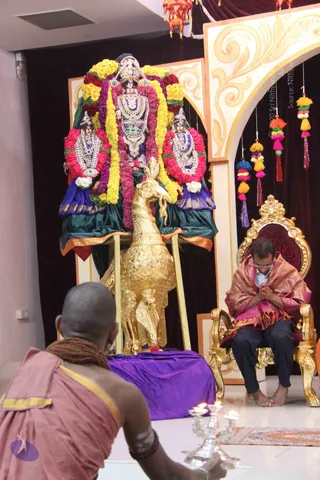
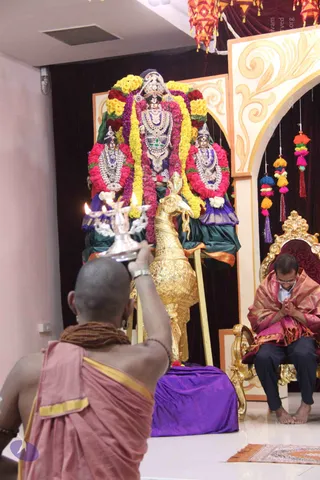
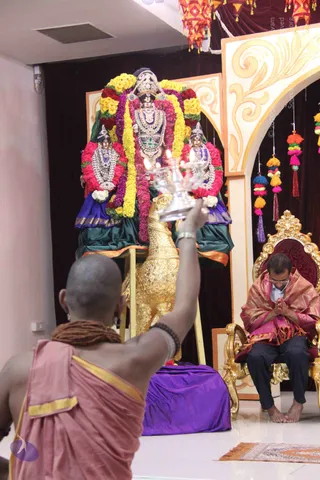
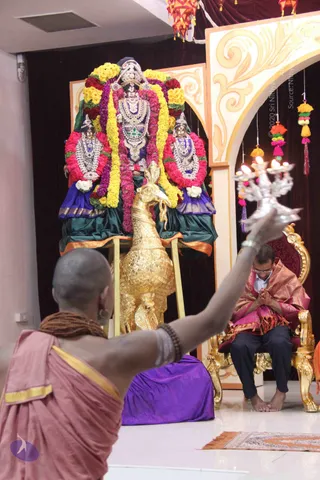
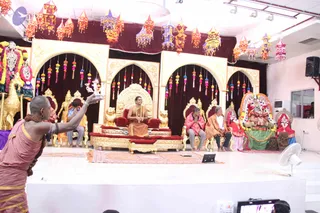
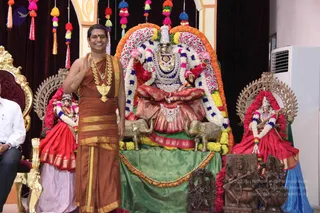
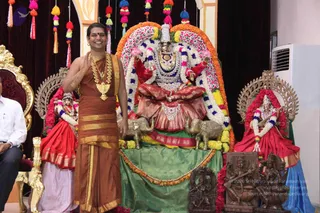
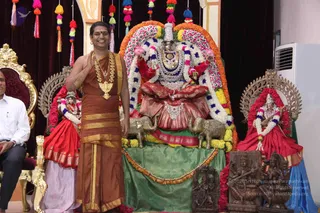
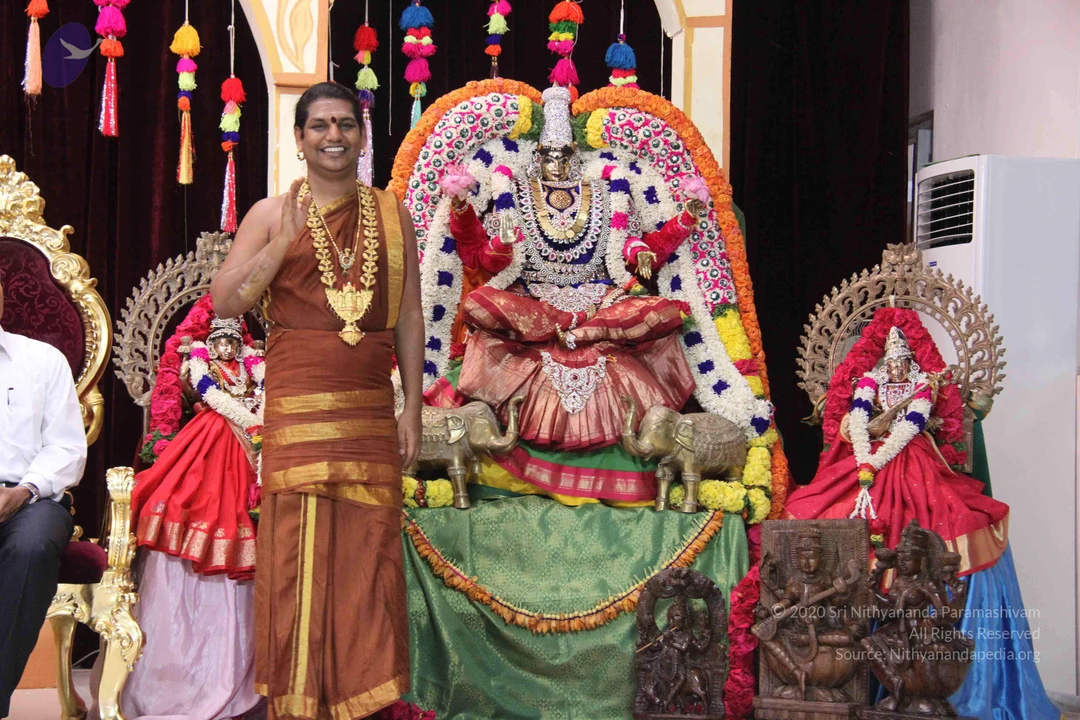
Today, as part of the Navaratri Bramhotsava, the 7th day Venkateshwara is gracing us on Mayura Vahana with Sridevi and Bhoodevi, two consorts.

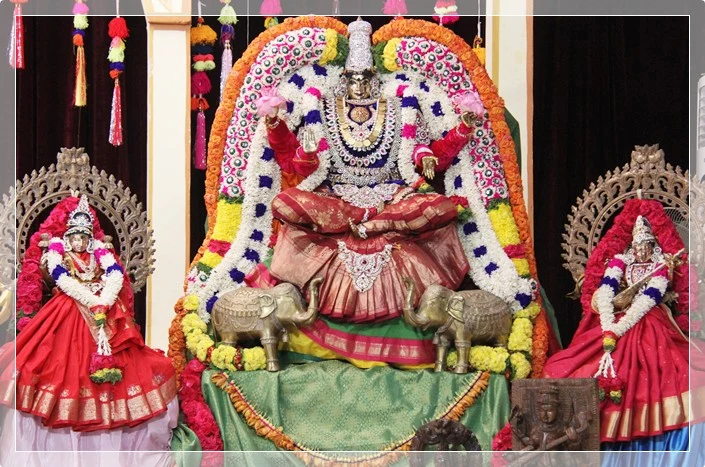
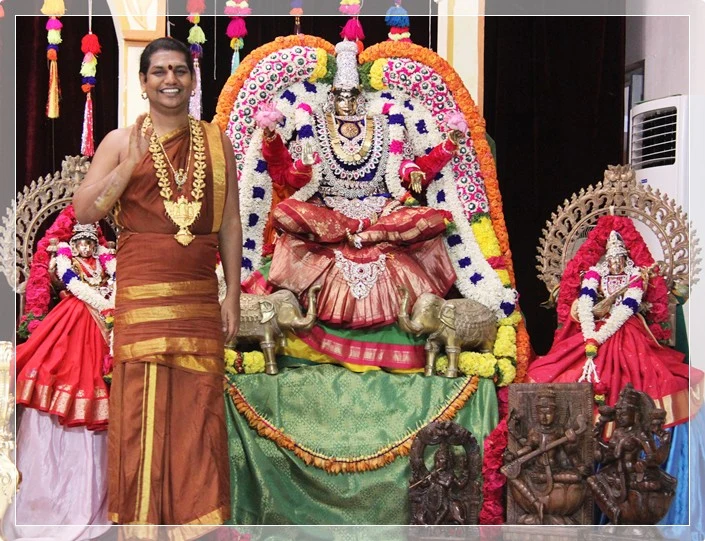
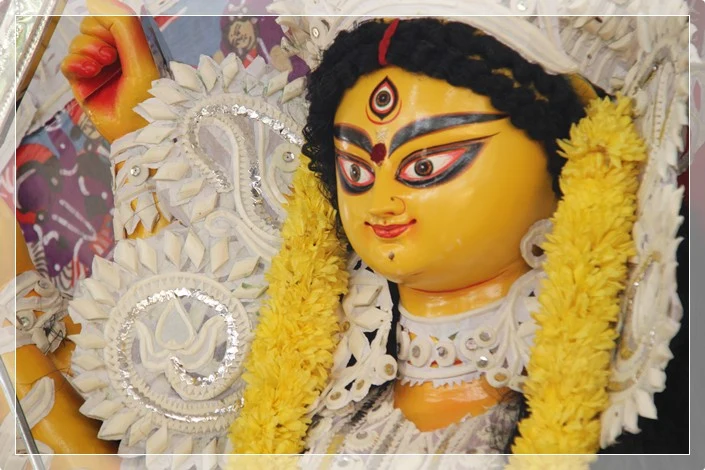
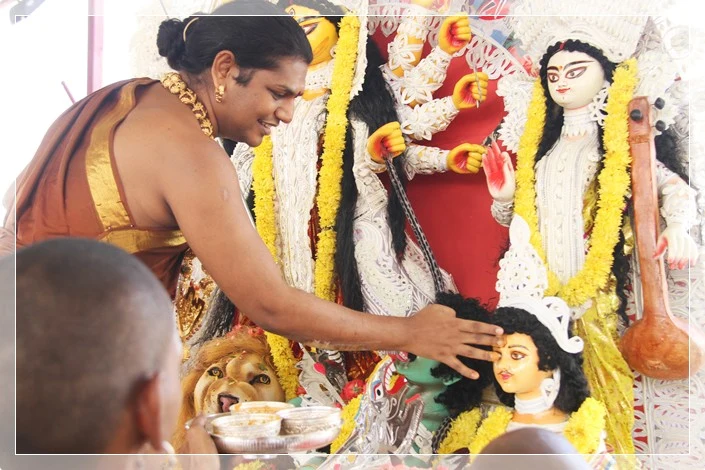
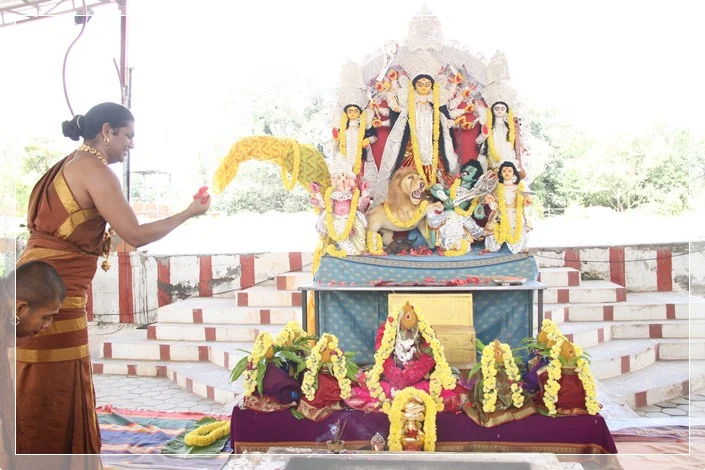
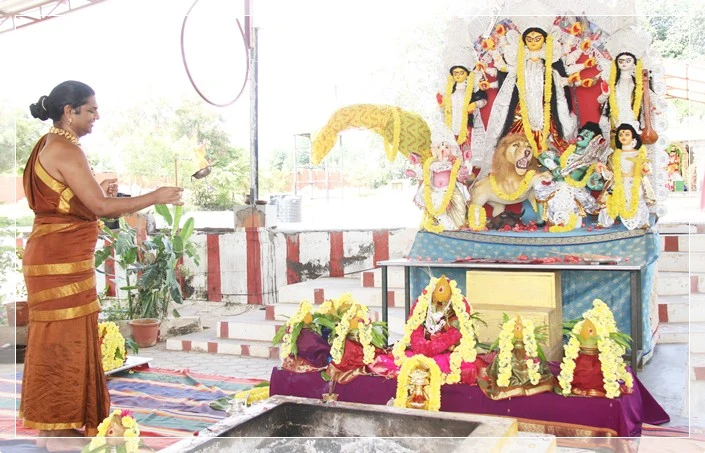
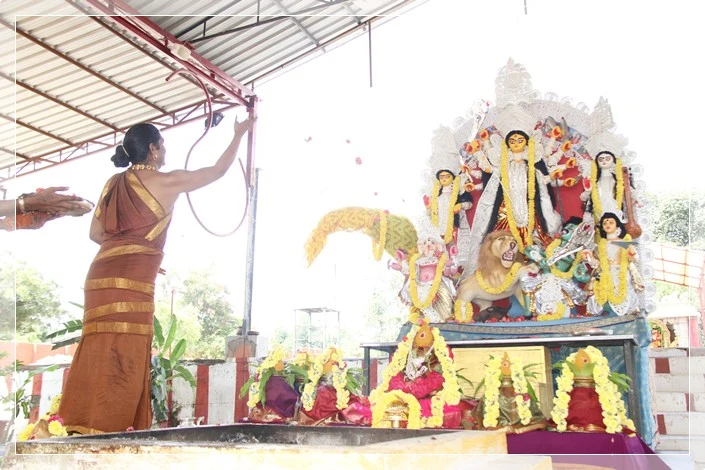
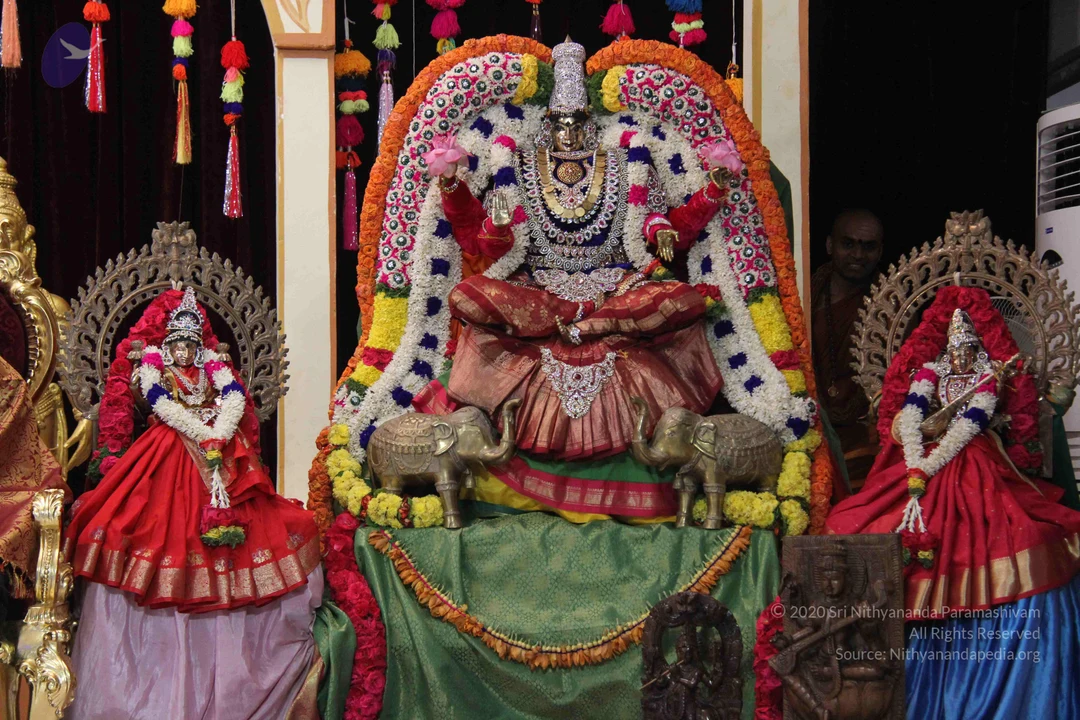
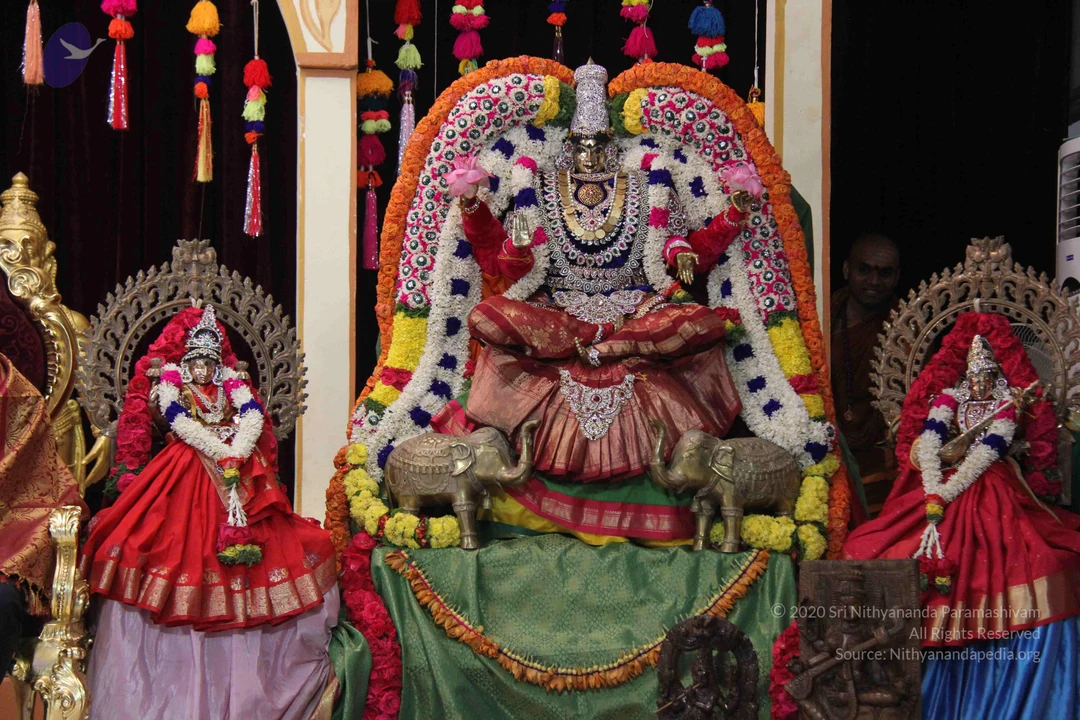
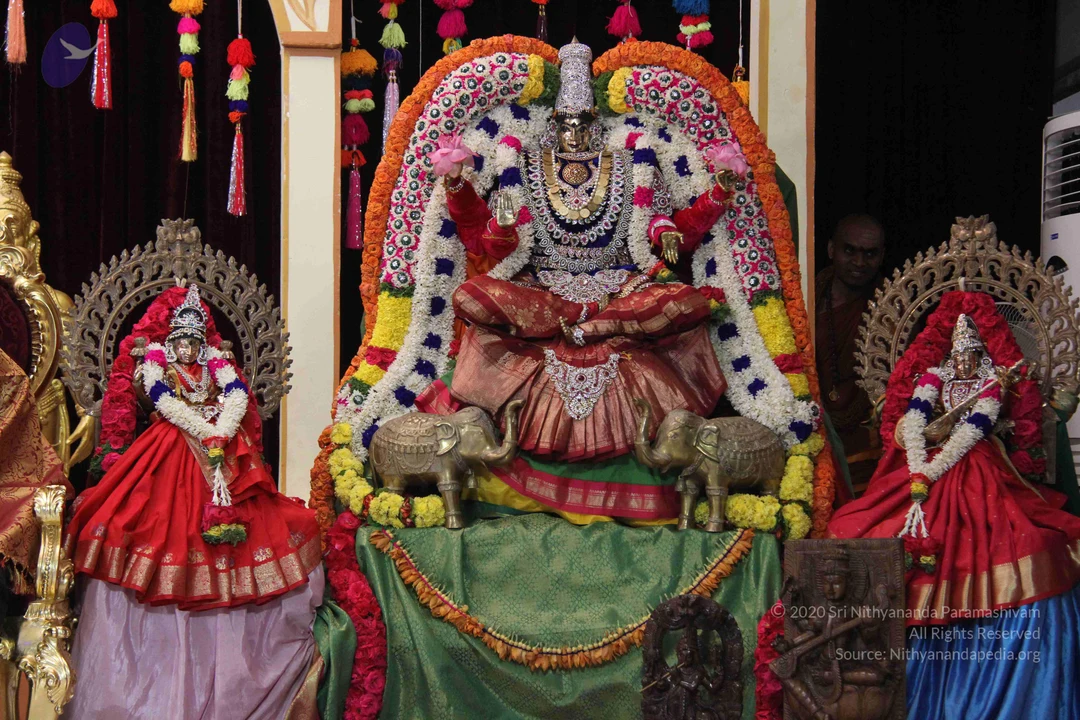
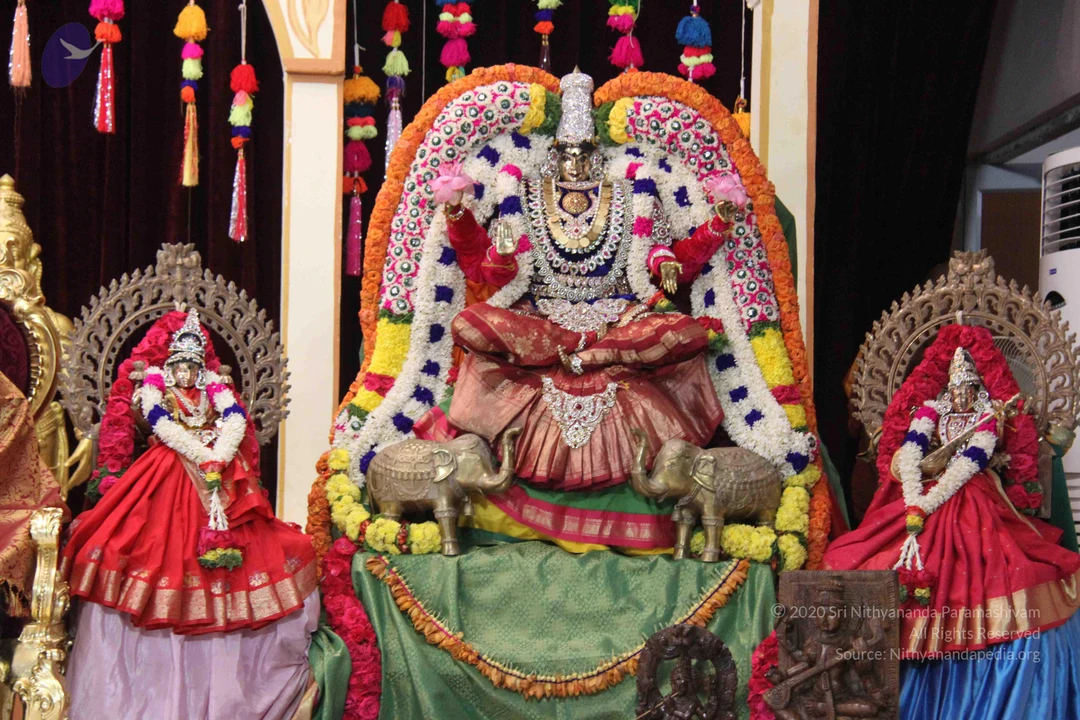
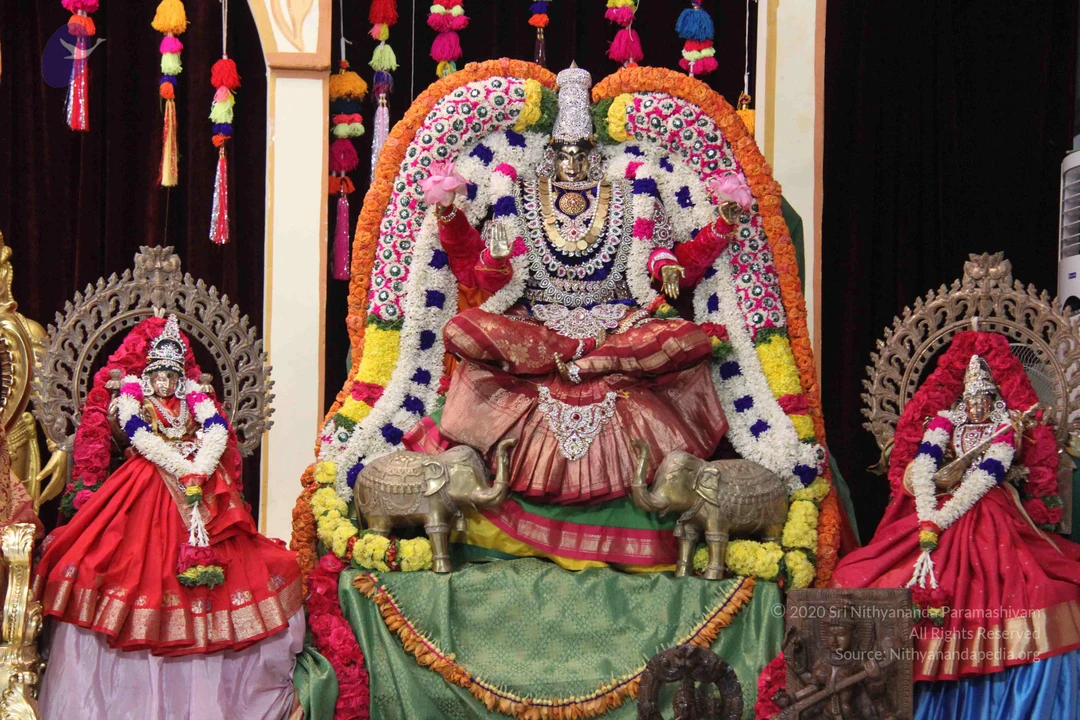
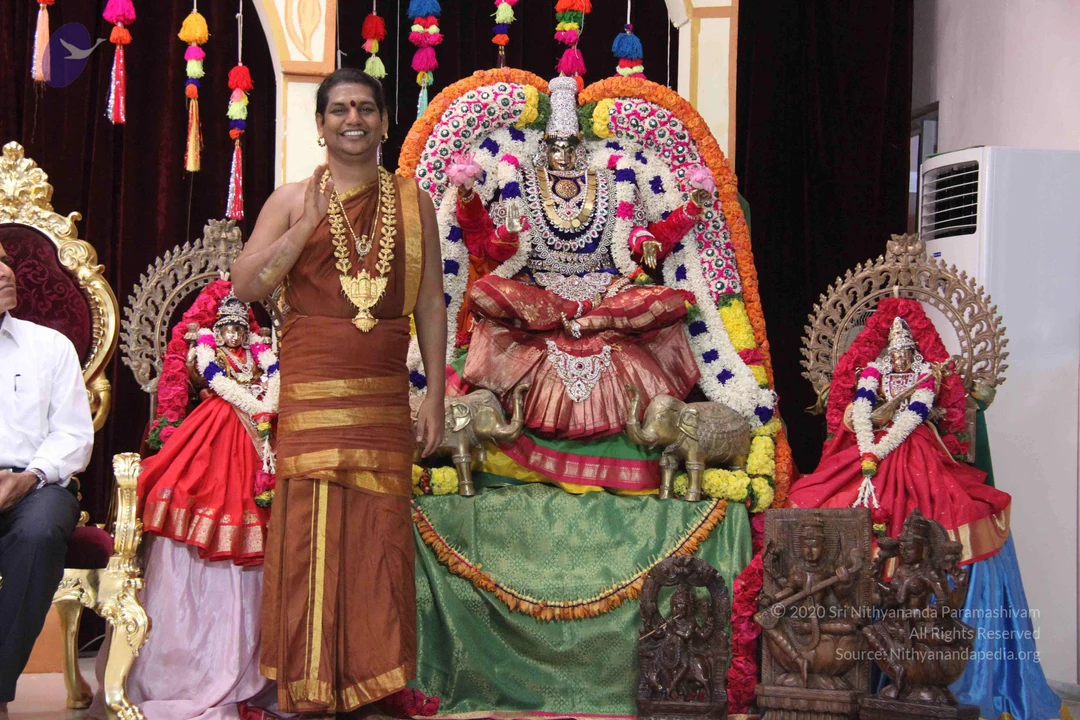
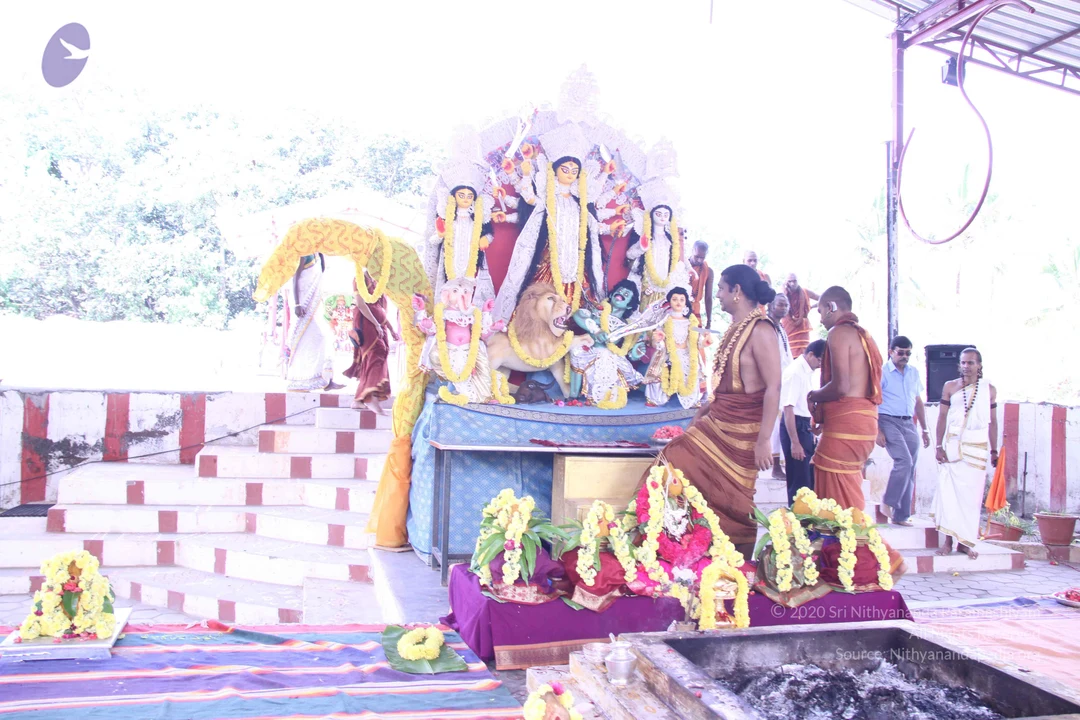
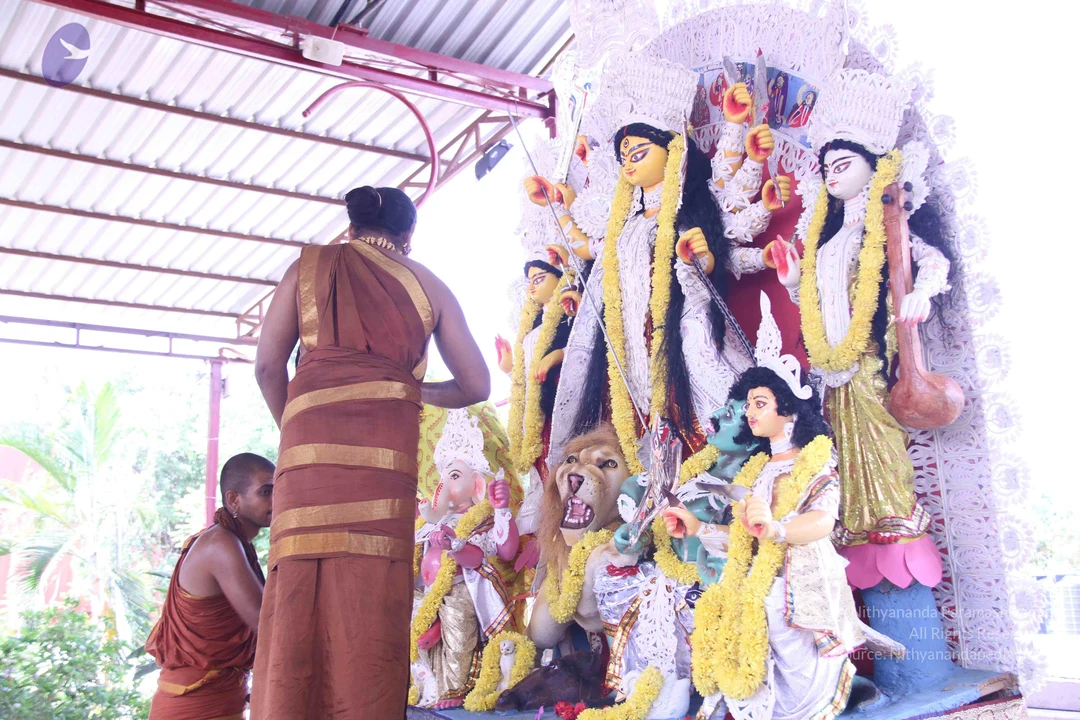
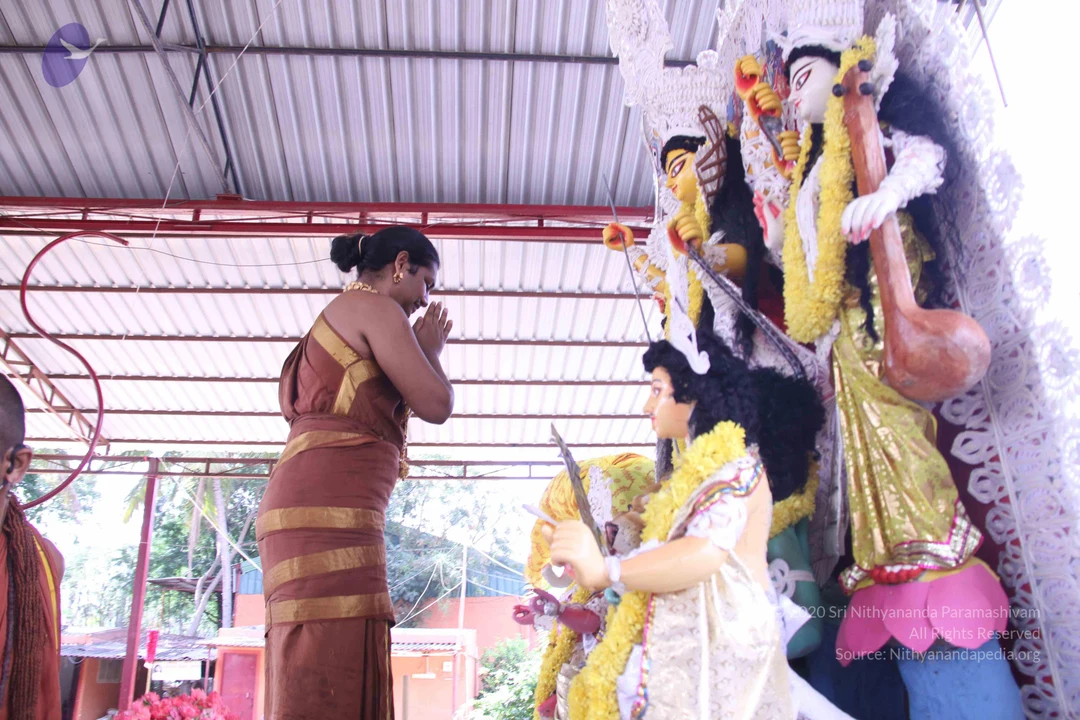
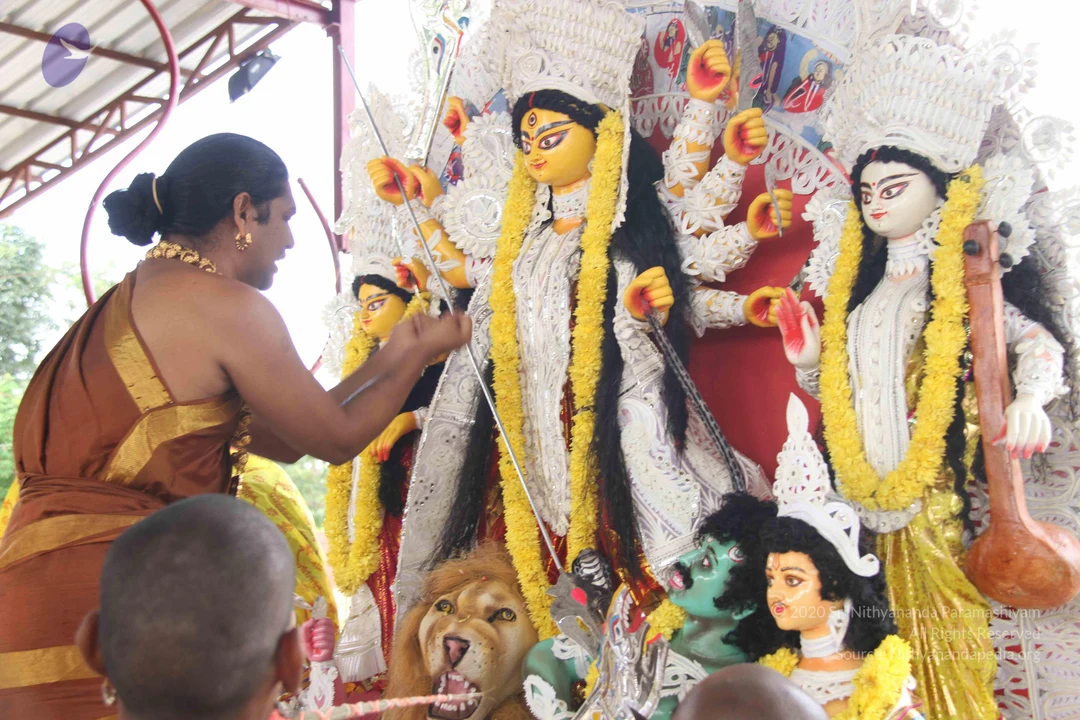
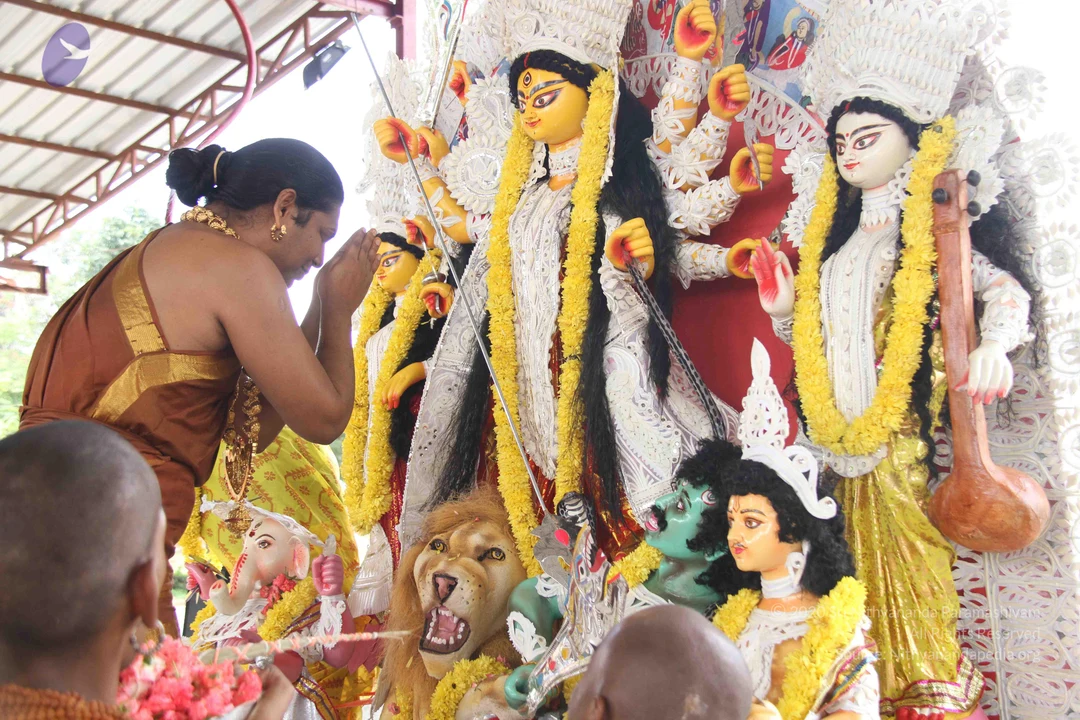
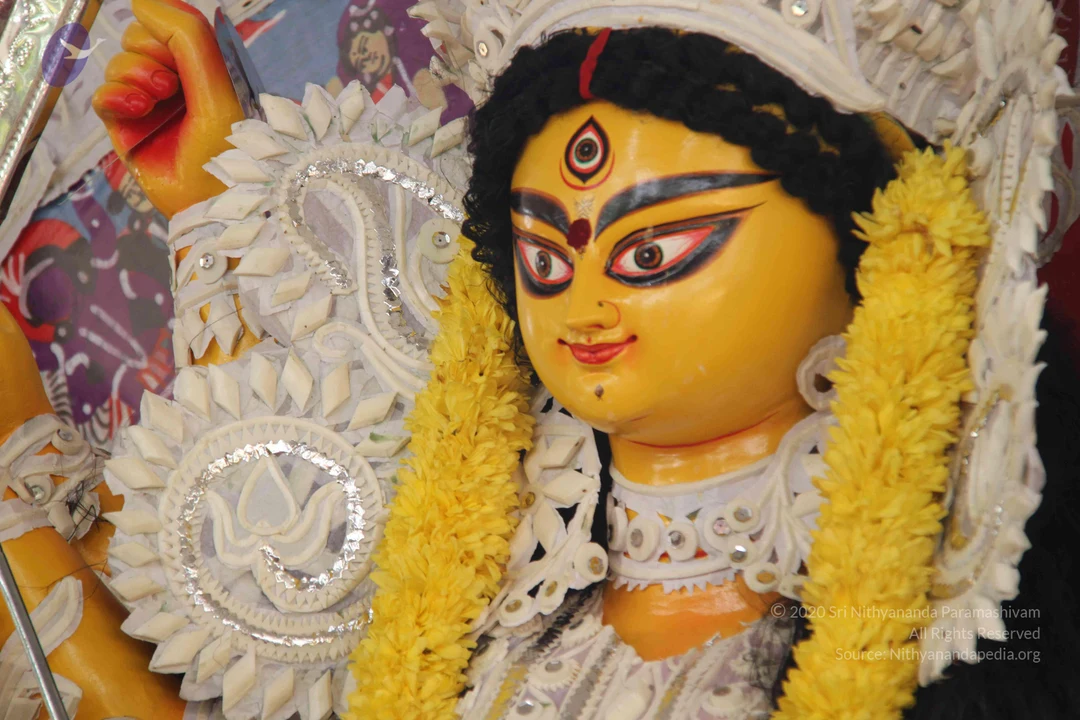
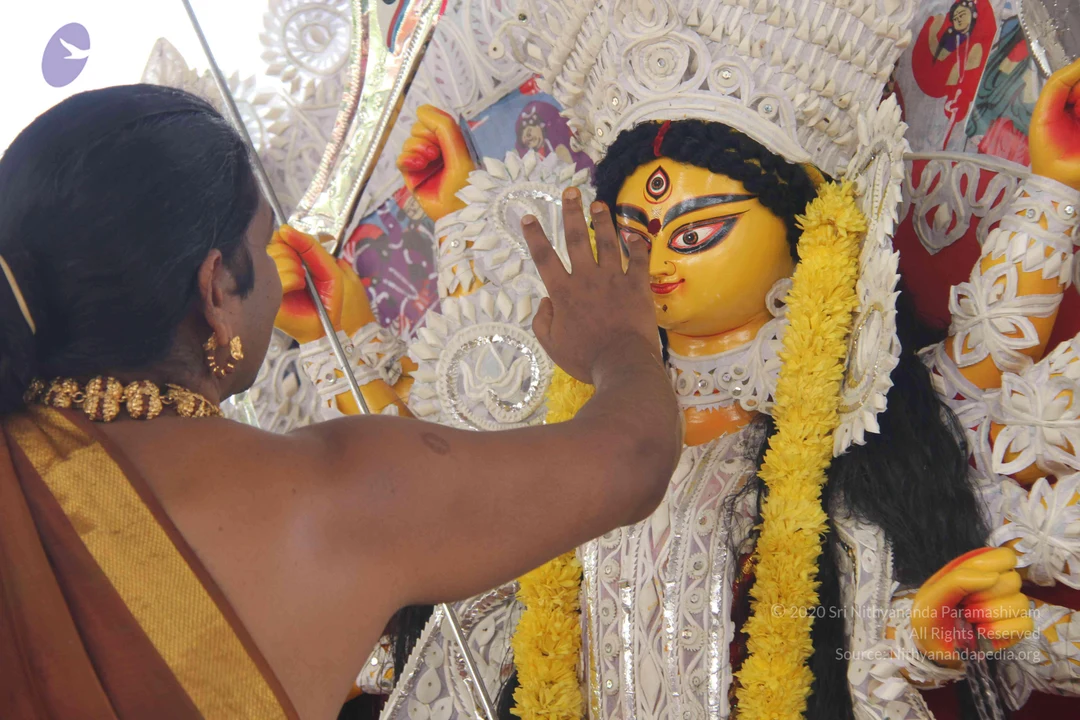
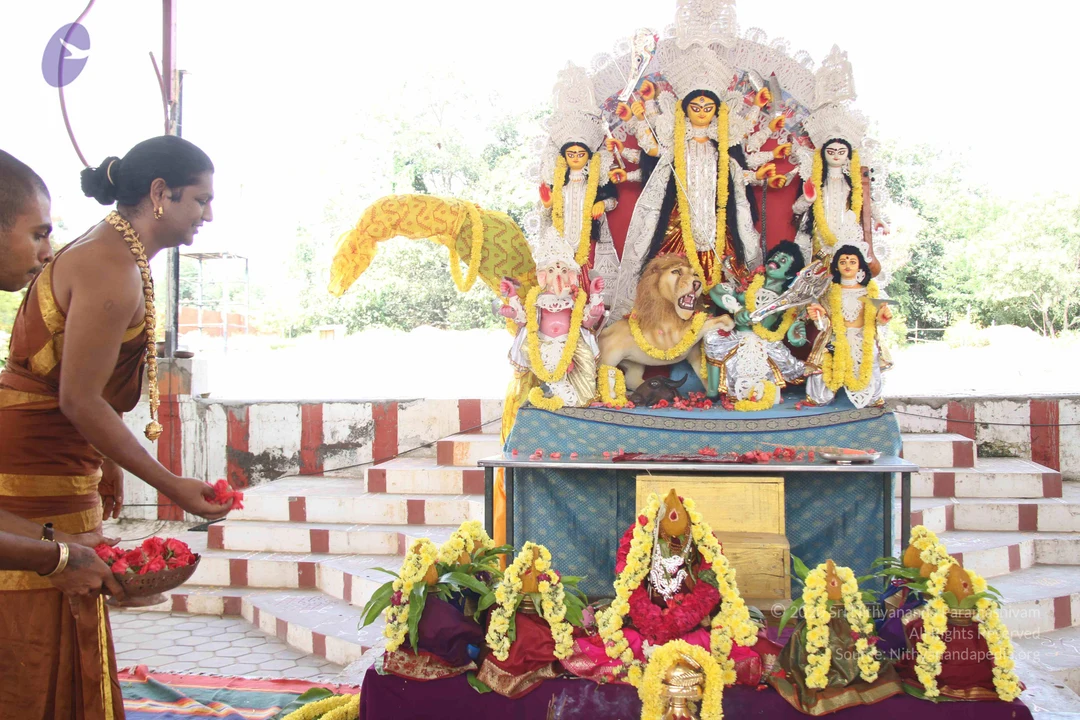
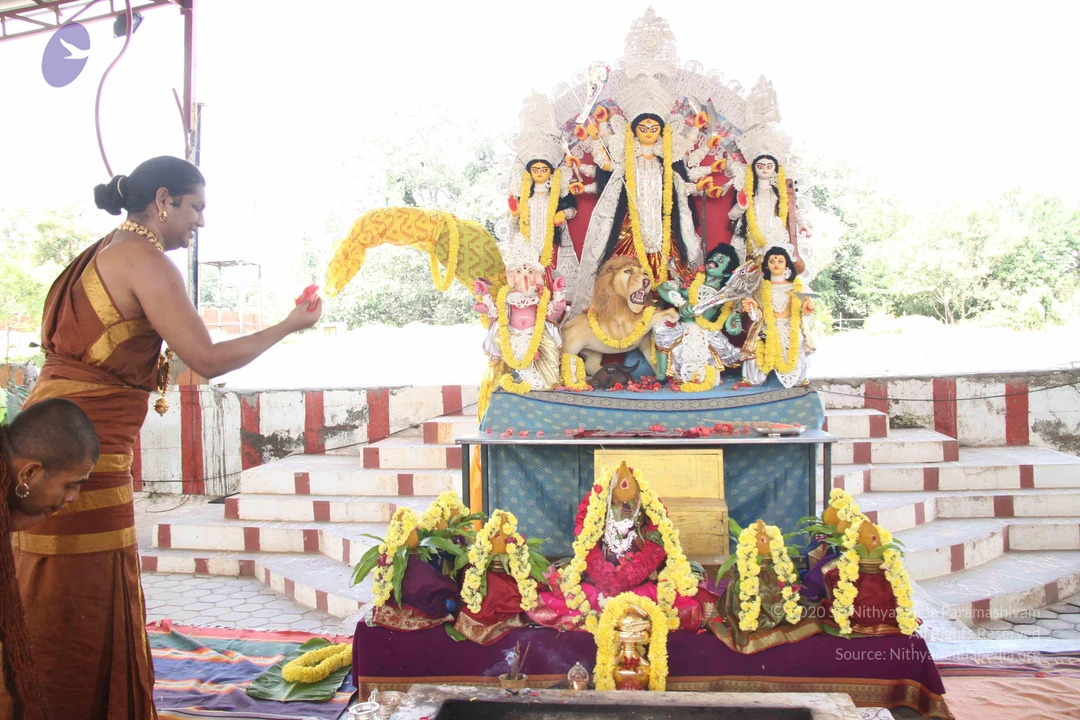
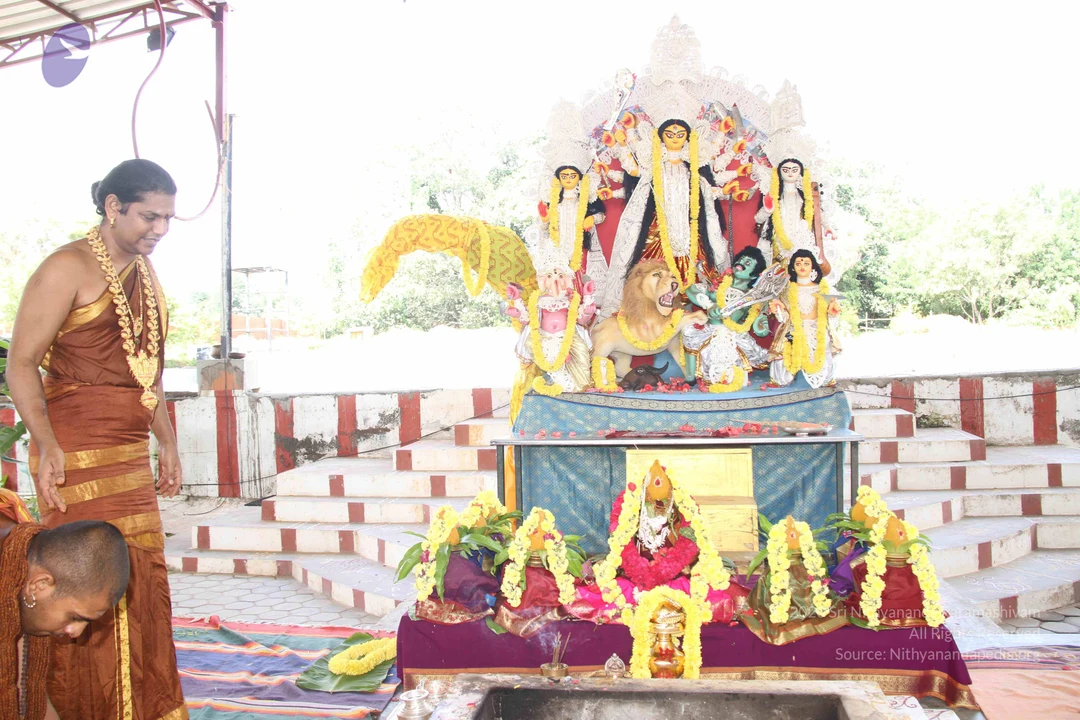
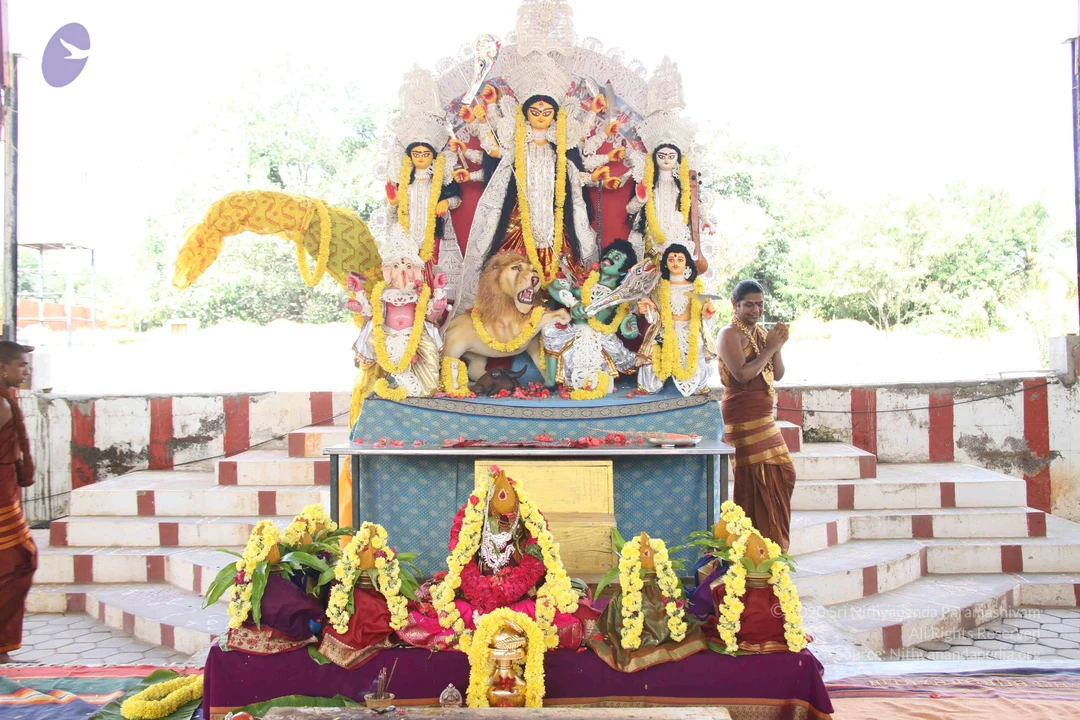
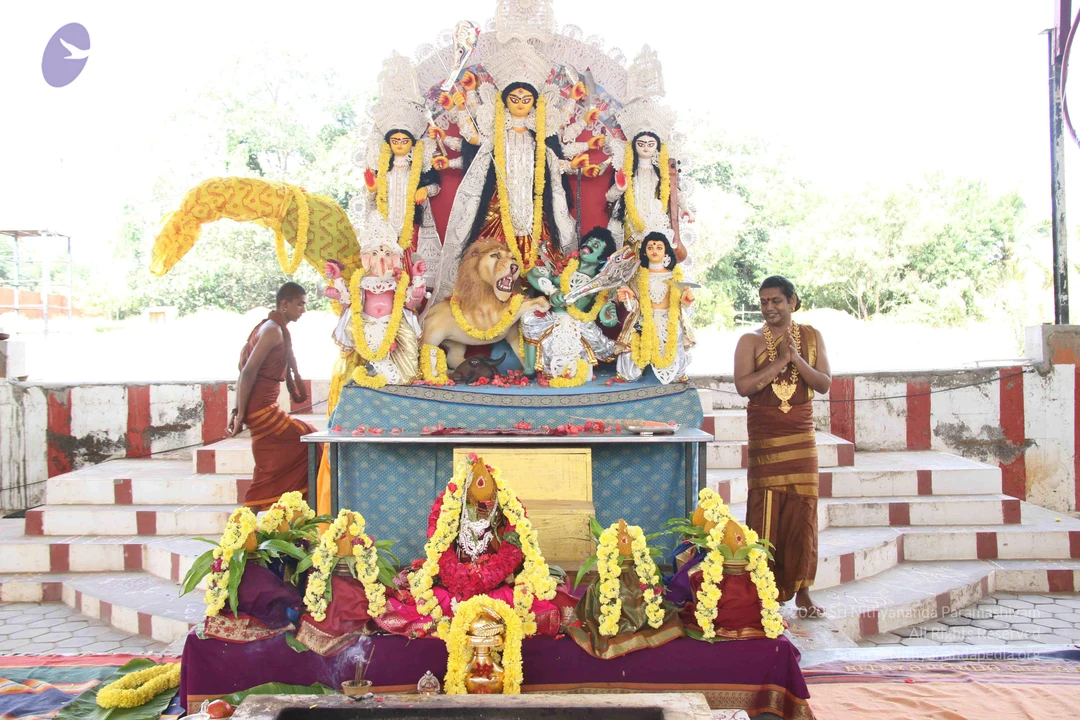
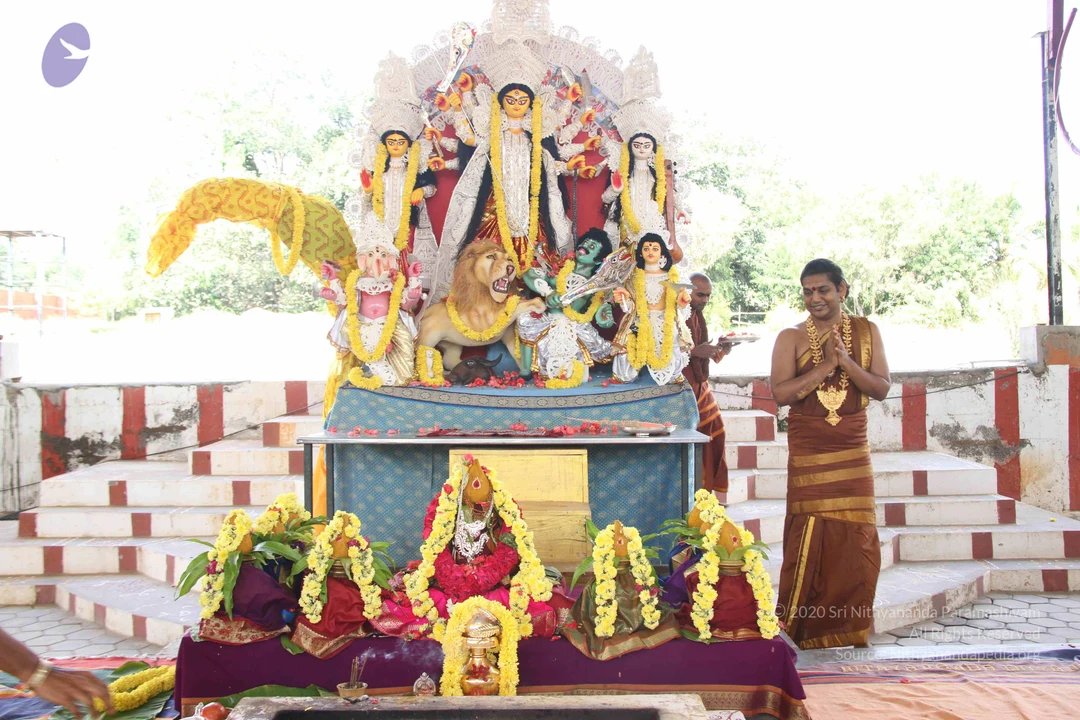
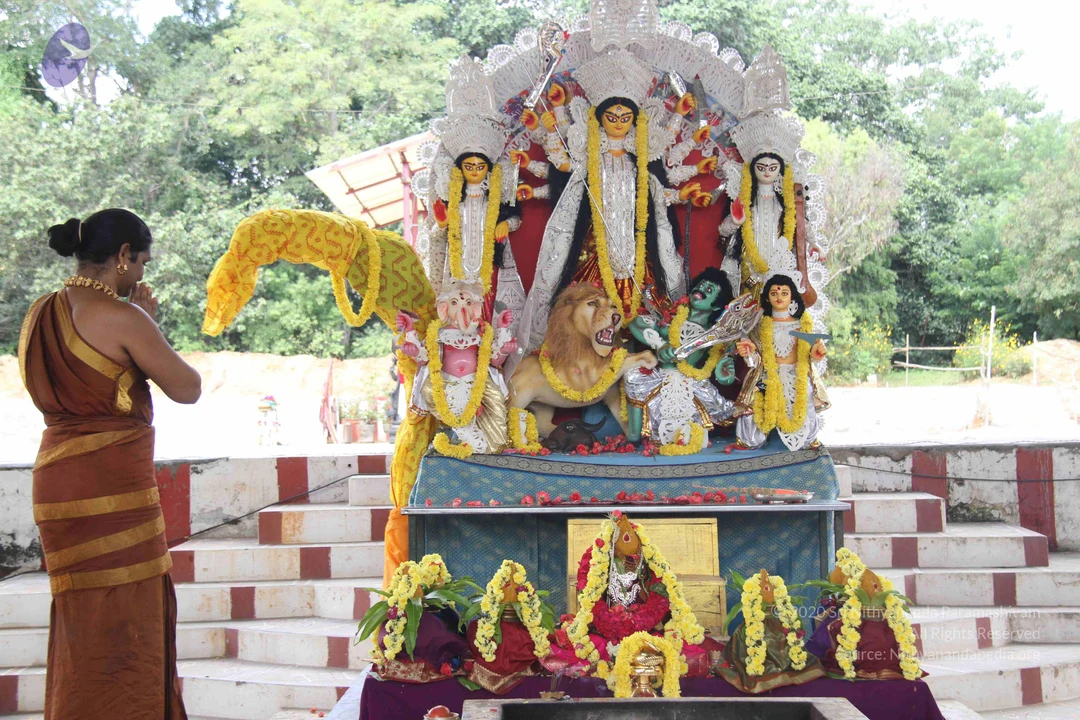
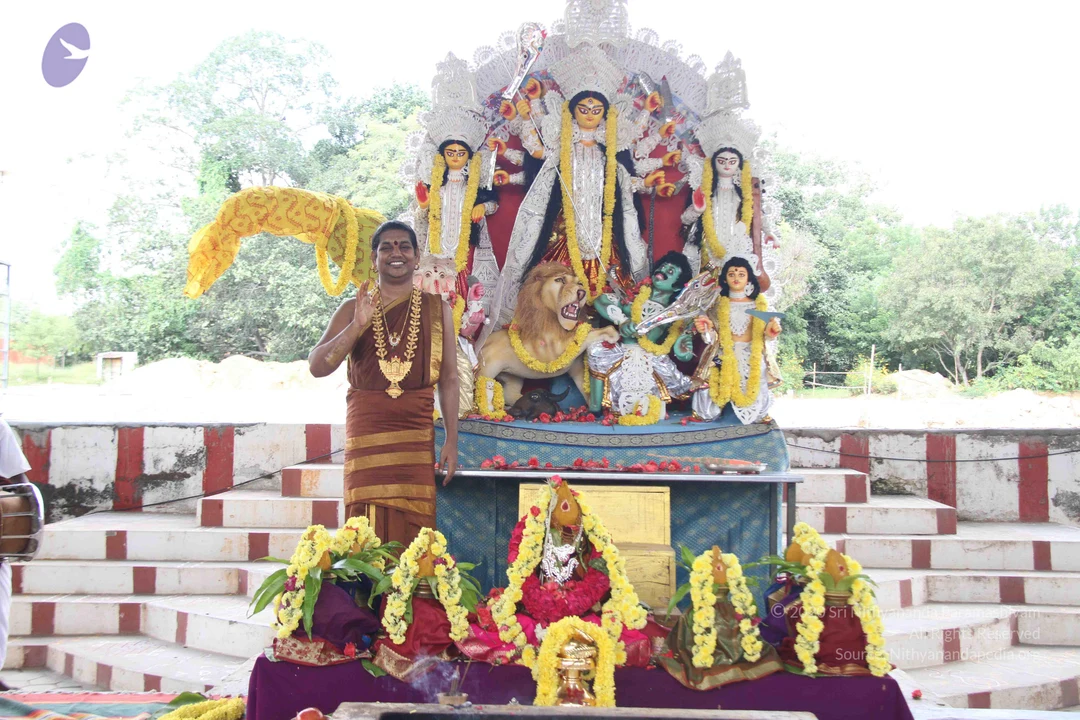
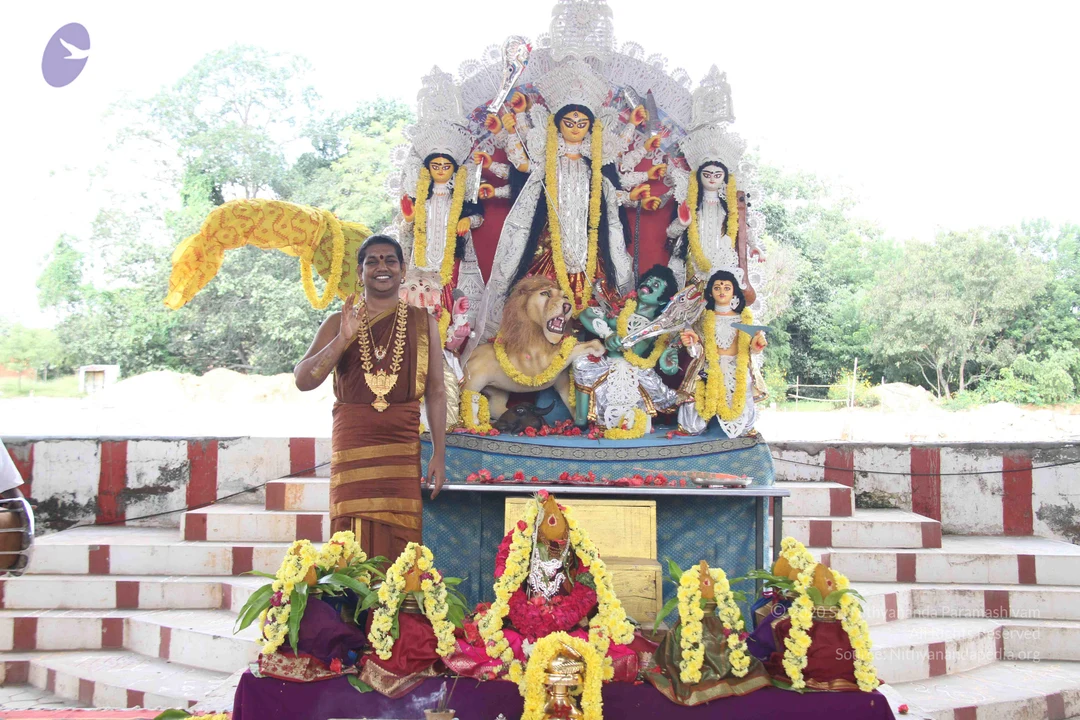
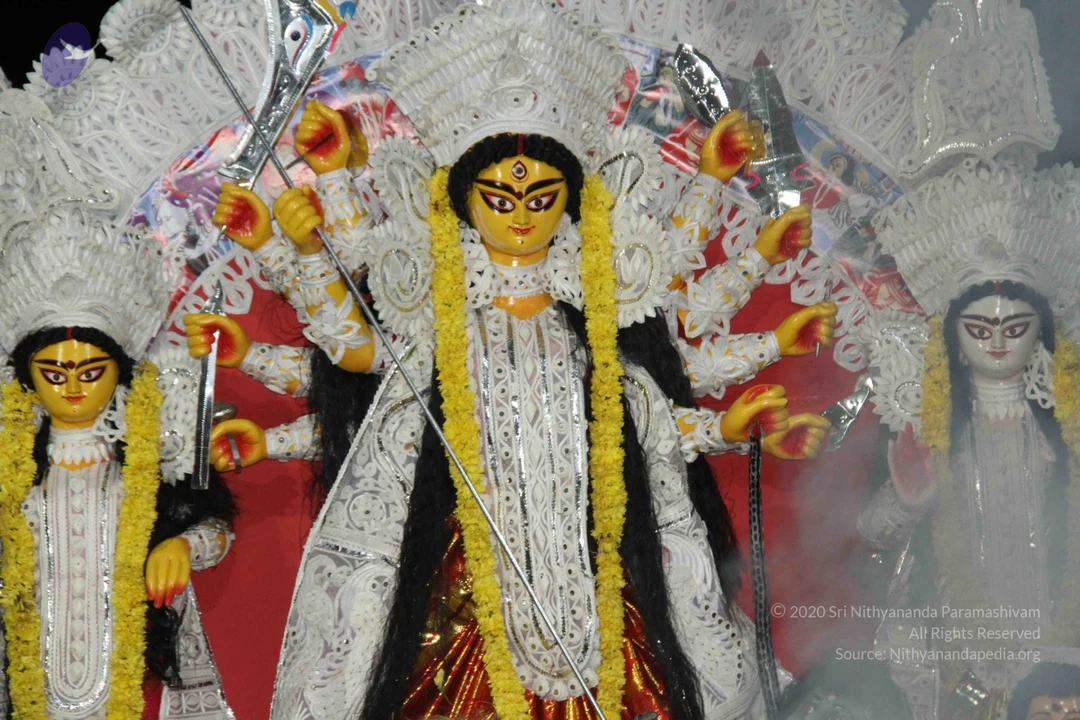
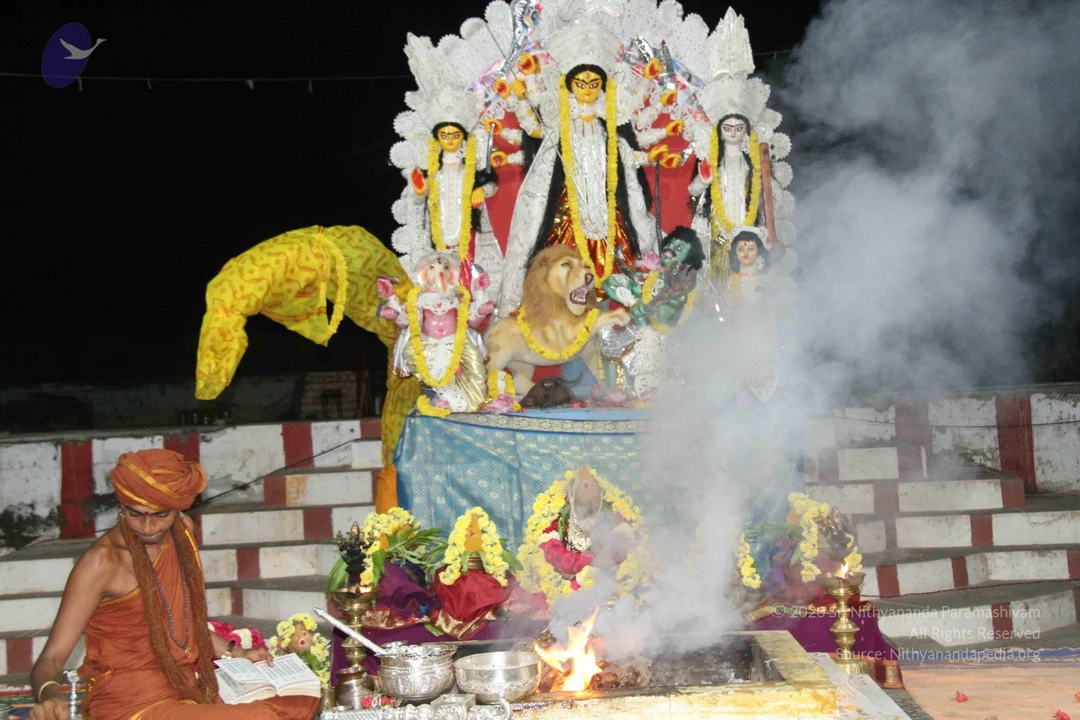
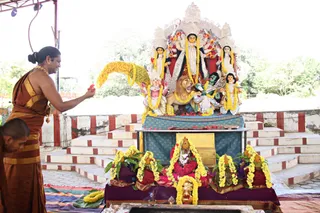
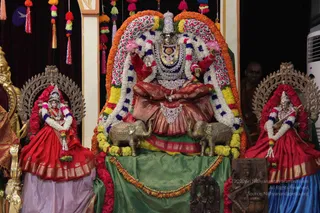
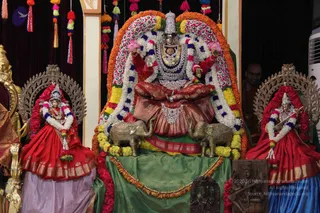
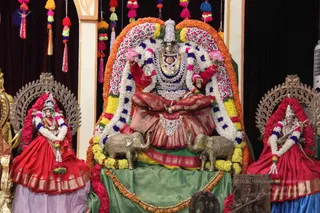
And, on the other side, Navaratri Brahmotsava is happening. Devi is gracing us as Gajalakshmi, in the form of Gajalakshmi, with Lakshmi and Saraswathi serving both the sides.

Today, the Brahmotsava is proceeding seventh day. Let us bow down to Venkateshwara and Devi for gracing us on this auspicious day.

Today, I would like to expand on just two important truths. Yesterday I was continuing on how the ultimate spiritual truths should be understood not in the language of “Yes-No” or “Yes or No”, it has to be understood in the multiple infinite permutation combination.

Please understand, “do not resist” does not mean “accept”. I wanted to bring just two important facts today, important truths, for all of us to contemplate whole day: “Whether you feel you are powerless, bound, or you feel powerful, liberated, both is decided inside your strategy planning”.

Please understand, whether you feel bound or you feel liberated, both does not get decided based on how you are able to proceed in your life. I wanted to remind this fact. The external happening, whether it is success or failure, does not directly contribute to you feeling powerful or powerless. If you think the external happenings contribute for you feeling powerful or powerless, that is what I call “wrong context”, “incompletion”.

Please understand, even if you feel powerful, excited, energetic, blissful, if you think external happening is the reason for that joy, for that powerfulness, for that excitement, for that bliss, you are having joy out of wrong context; it will not stay with you; it is not going to become lifestyle in you! Not only the right experience, but the right context is needed. So, whether you feel powerful or powerless, whether you feel excited or depressed, whether you feel rich or poor, whether you feel healthy or sick, nothing, nothing comes from external happening. It is the experience of you having about you.

Please understand, yesterday I was giving you one example – the Indian PWD - Public Works Department, they never go to the ground when they plan for a road. They sit in their air-conditioned office and finish the whole road planning! The person who goes there to lay the road, only he finds out in this place you don’t need a road, you need bridge! In this place you don’t need bridge, you need road! In this place a protected monument is standing; the road has to take a turn. They never bother to go to the ground reality to check whether their decision are right or wrong! Same way, we never bother the ground reality to check whether our decision that we are bound or liberated is right or wrong. Please understand, the ground reality which can really make you understand whether you are bound or liberated is the context with which you continue your thinking. The understanding with which we move our consciousness, the cognition with which you function, the cognition with which you act, the cognition with which you cognize who you are to you.

Please understand, the idea you carry about you (the inner image), the idea you project to others about you (the outer image), the gap between these two, the gap between these two brings tremendous self-condemnation and disrespect to yourself. When you see the gap between your inner image and your outer image, instead of completing, bridging, you start condemning. Condemnation is like pulling a rope which has a knot. See, the rope has a knot. You try to pull both sides strongly to remove the knot. Is the knot going to be released? No! Same way, the disrespect or self-condemnation is not going to complete the gap between inner image and outer image. All I am trying to tell you is, first do not resist this gap. I am not saying accept. No! I am not saying accept. Do not resist this gap. Only when you don’t resist, you still start moving in the right direction, you will start having the right strategy planning.

Please understand, when you drop the resistance, the first thing that will happen in you, the self-condemnation, the disrespect will start melting down. As long as the disrespect is kept alive, because you don’t respect yourself you create larger and larger outer image. The outer image, when it becomes more larger and larger, you know your inner image is not matching with it, and the disrespect also becomes more and more. So it leads to a vicious circle. Bigger outer image means, naturally, bigger disrespect to yourself. And the gap, when it widens between your inner image and outer image, the experience you go through is what I call “Hell”! Hell and Heaven are not geographical; they are psychological. When there is more disrespect, naturally you can’t sit with yourself, you can’t digest you, you can’t digest your own existence. Then, naturally, where will you reside? Where will you rest? The resting place is ‘Come on, let us create a bigger image!’ Bigger image out of wrong context is not going to be solving your life, not going to be leading to more and more Completion. The Completion happens when your inner image (your idea about you) and the outer image (the idea you project to others), when these two are bridged. When these two are bridged, only then Completion happens. Please listen, Completion is Enlightenment! Completion IS Enlightenment!

Just today morning I was contemplating, the idea which I was explaining yesterday – “Do not Resist” – how it directly loosens the stress level you carry, how it directly contributes in your health, in your wealth, in your feeling joyful, contentment, feeling powerful, creative, alive, awakened. Please understand, now I am going to throw a very important truth, very subtle truth. You cannot afford to miss a single word. I will explain it with technical terms, then expand.

The resistance you carry towards anything – you may be resisting poverty, you may be resisting aging, you may be resisting disease, you may be resisting powerlessness, you may be resisting your fear, you may be resisting legal problems, you may be resisting social problems – whatever you resist, unfortunately you create negative attachment with it. If you have an attachment, the effects and side-effects you know very clearly, because it is straightforward. But if you have a negative attachment, you don’t know the effects and side-effects of negative attachment, because it is not that straightforward. I am telling you, the negative attachment creates at least ten times worse side-effects than positive attachment. Positive attachment is something like “I want this”. Negative attachment is “This should not happen in my life”. Understand, the negative attachment constantly keeps you in a powerless space. Powerless mode. Your psychology functions in a very powerless way. You need to know the cognition of powerlessness: Constantly remembering you do not want something, and it is pushing itself in your life. I tell you, anything you resist will persist. Even if it does not come in your life, you will experience as if it is happening again and again in your life.

If you are afraid of snake, in your whole life you may see the real snake only once or twice only. But every day you will be remembering snake at least 200 times. How many of you cognize this ? See the fun, In reality you would have seen the snake only twice or thrice in your whole life. Now we are living in the cities, the possibility to see the snake is almost zero. If you want to see you may habe to go to some Zoo. But your fear of snake makes you see the snake, remember the snake 200 times a day. 200 times a day you have a panic attack which leads to multiple disorders. Physical and Mental. So without even seeing the snake, just by the memory of the snake you die. That is what is the power of Resistance. Please understand, if you are afraid of snake, you may see the real snake in your life only once or twice if you are fortunate, but just the remembrance, memory can make you so powerless! I am not saying accept the snake biting, or the side-effects of the snake, after-effects of the snake. No! All I am saying is stop resisting. When you drop the resistance, the fear will start melting down.

Please understand, for an RCC pillar to stand, the steel rod inside is very important. Same way, for the fear to stand, the resistance inside it is very important. Resistance is the steel rod for the fear-pillar. If fear is considered as the RCC pillar, resistance is the steel rod which keeps the pillar standing. When you melt the resistance, fear melts down. You remembering the snake will drastically drop from two-hundred to twenty in a few days when the resistance completely melts down, and you will be able to complete with your fear.

I tell you, the side-effects and after-effects of the resistance, any resistance it may be, the resistance you carry towards poverty, towards disease, towards psychological problems, towards the fighting in the house, towards the relationship conflicts, or the resistance you carry towards your boss in the office, any resistance builds a fear-pillar in front of you and makes you feel constantly powerless. The biggest problem is, when I say, ‘Don’t resist’, you start thinking, ‘Then Swamiji is asking me to accept. How can I accept my wife? No! How can I accept my boss?’ No! Because you feel, if you accept your boss or your wife, that you lost the game, you become powerless.

Please understand, I am not saying accept. I am not saying accept. No! I am saying do not resist, and see the side-effect and after-effects of non-resistance. Acceptance is also one more ego process where you need to sit and reconcile, console yourself. There will always be an unconsoled part of you which is incomplete, which will say, ‘No! I will practice all this acceptance after I complete my fight!’ My side of the fight ! So many times she did this, this, this to me. You do this next 2 days, then I will practice this acceptance. That’s the usual mind.

Understand, because acceptance is one more ego game, you will never be successful in the acceptance. Especially, today, the subject we are going to deal whole day the process we are going to do – “Where the life happens to us?”. Please understand, where the life happens to us ? For you to experience the truth, non-resistance is a very important catalyst. The Non-resistance is a very important catalyst for you to find, discover the reality, the truth “Where life happens to us?” We will have the session. When we experientially go through this game .. Today you will have a unique game to find the truth “Where life is happening to us?”. Because, only if you know where life is happening, you can work on it, you can understand it, you can analyze it, you can design as you want, you can create your own reality. For you to create your own reality, the reality you wanted, you need to know where you are standing, you need to know where the life is happening. So, today whole day, we will work on this one truth – “Where is life happening to us?” – with the cognition of non-resistance.

I will continue to expand in further satsanghs How you resist non-resistance, No! the ideas, the questions which makes you resist non-resistance. I will answer all of them and help you to complete. Then you will be able to practice this truth, live this truth experientially.

Let you all Achieve, Experience, Live, Express, Radiate, Share and explode in Eternal Bliss, Nithyanandam.

Photos From The Day:
Tags:

Paramahamsa Nithyananda, powerless, powerful, completion, ultimate, enlightenment.

Photos Of The Day:
Prana-Pratishta

01-Kolu-Deities

02-Navaratri-Devi-Alankar

03-Venkateshwara-consorts-Alankar

04-Paduka-Puja-Crowd-Individuals

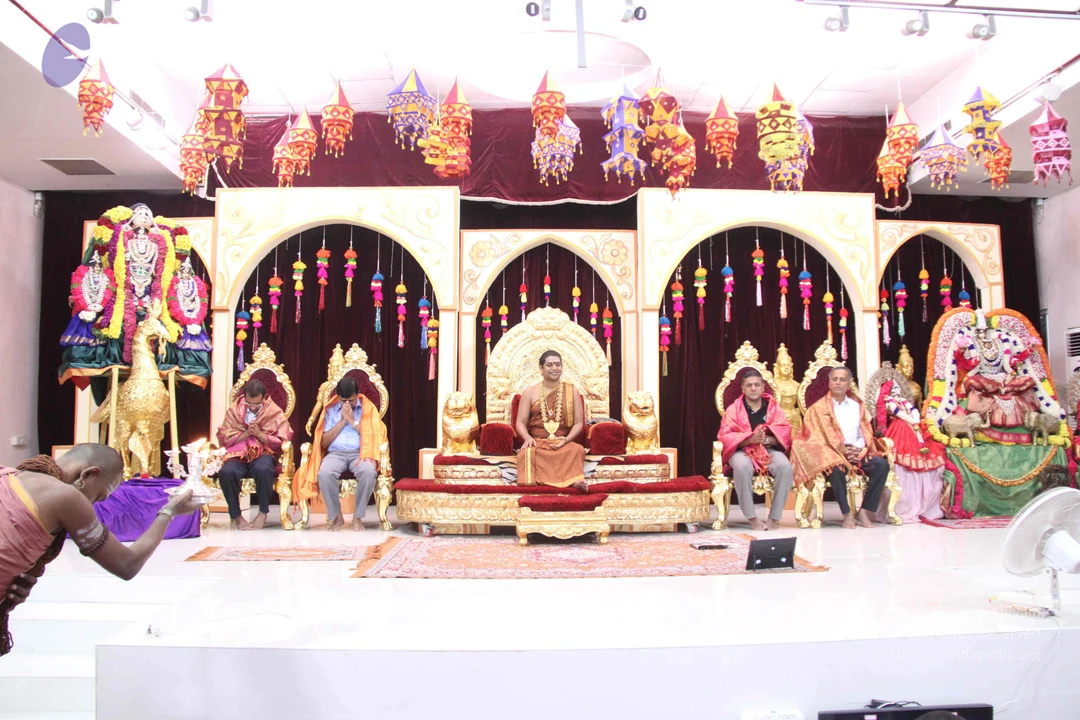
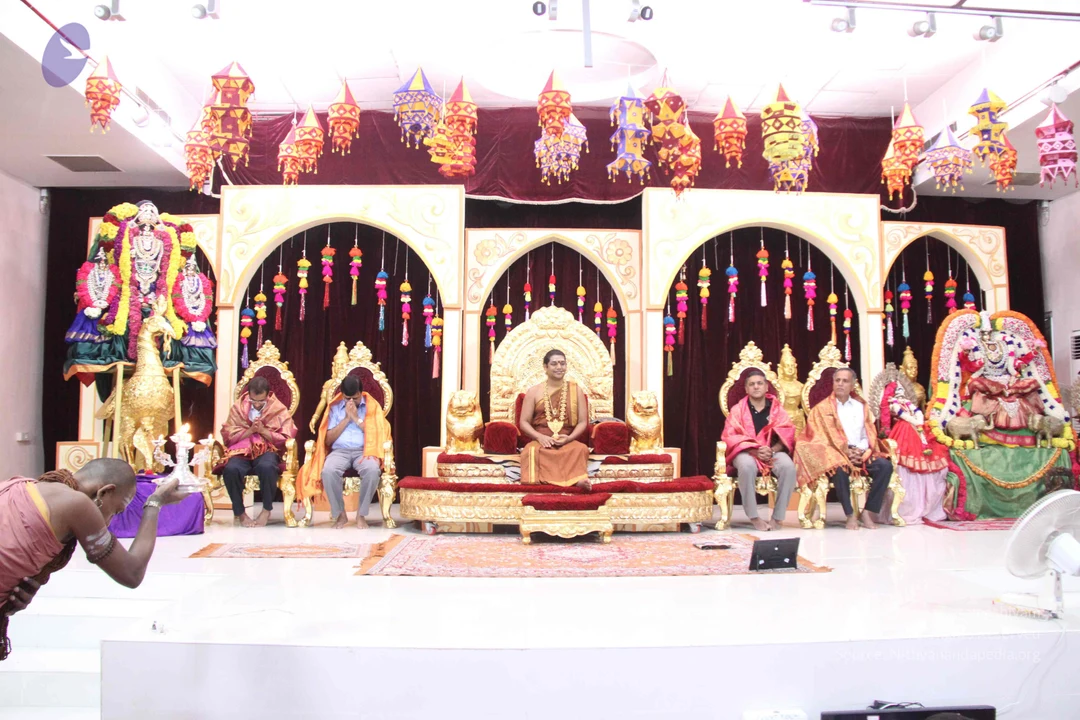
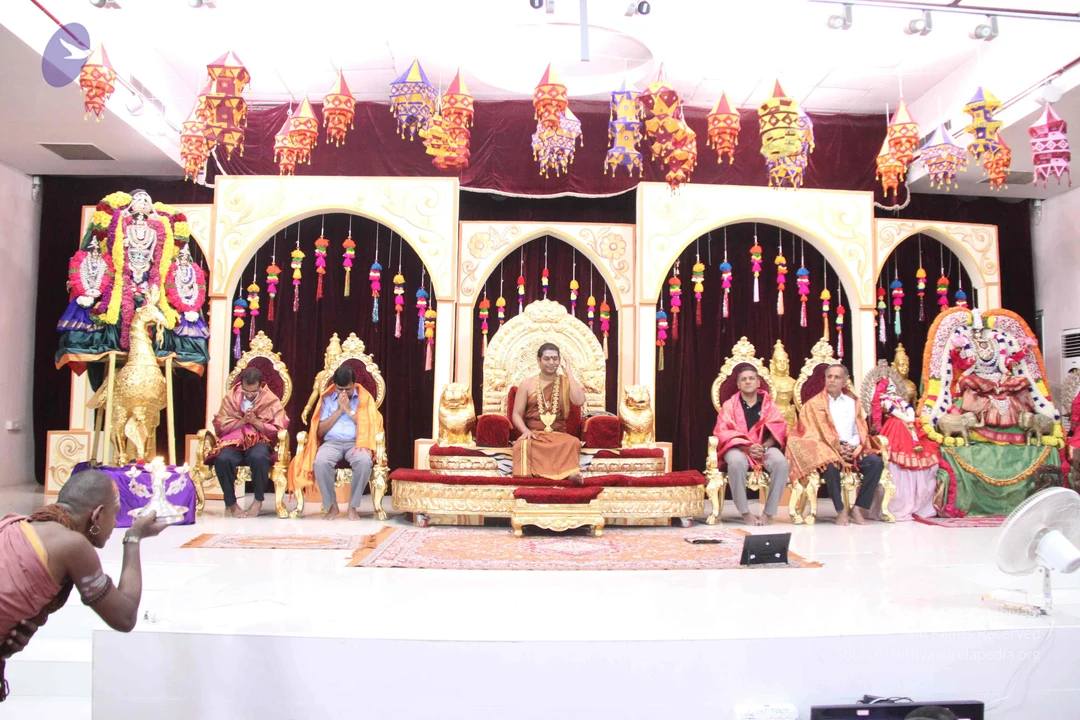
05-Deity-Arati

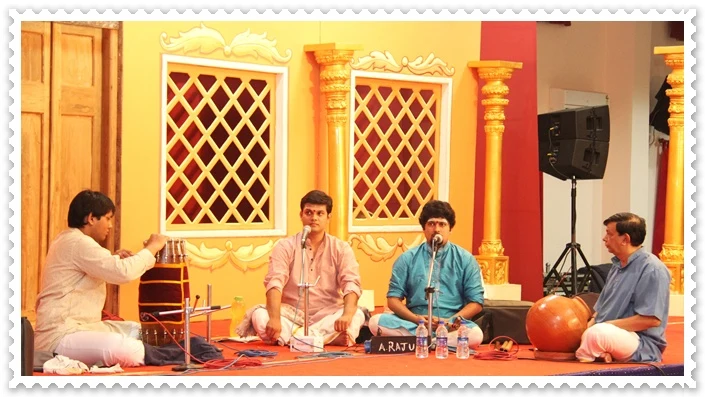
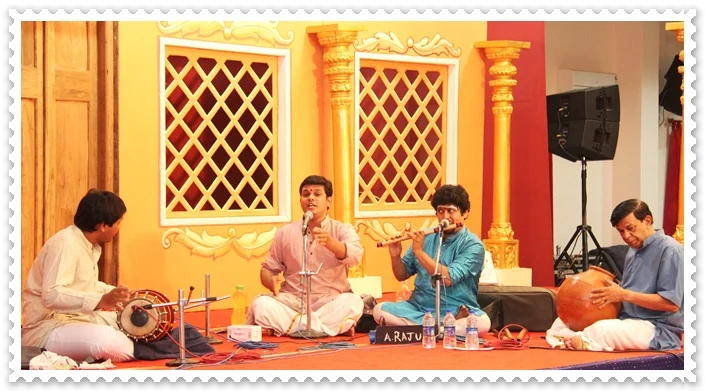
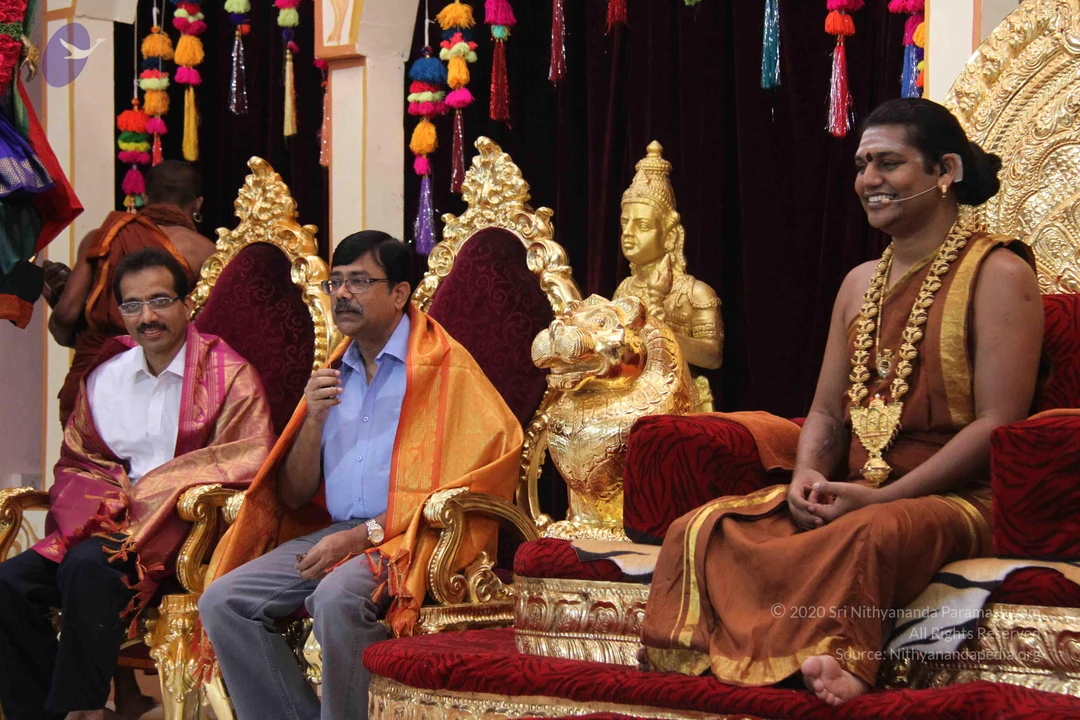
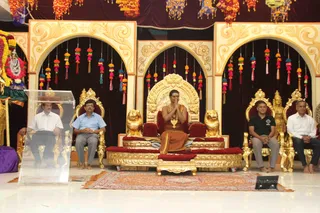
06-Dr-Raj-Chakravarthy-talk

07-Nithya-Satsang-HDH-Doctors

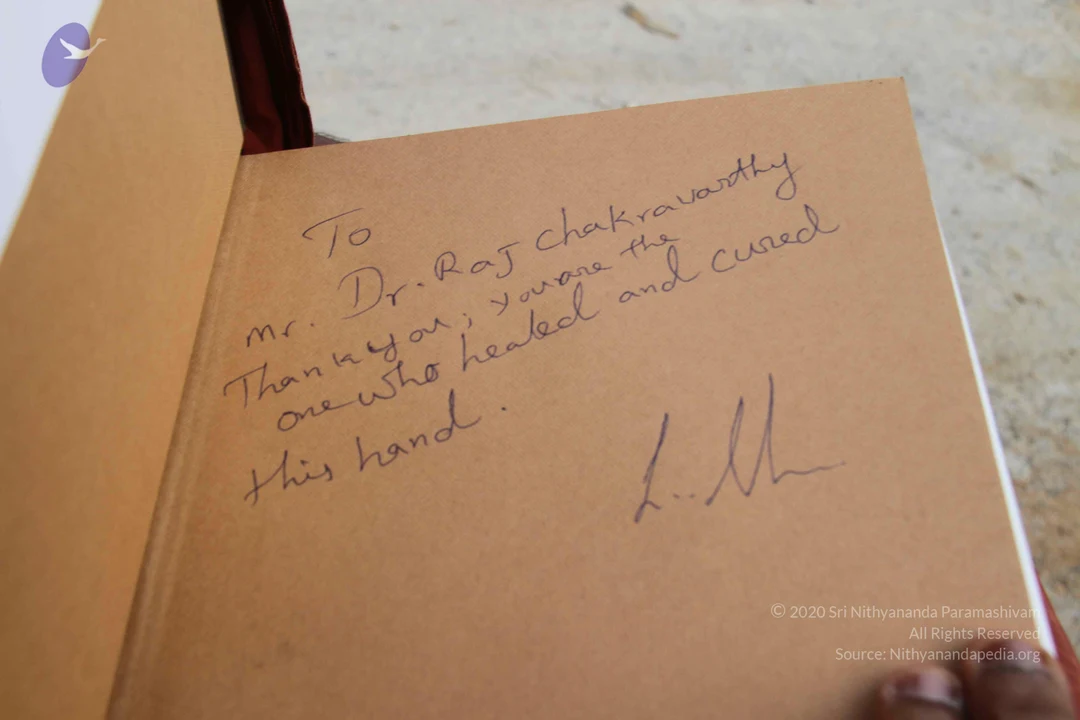
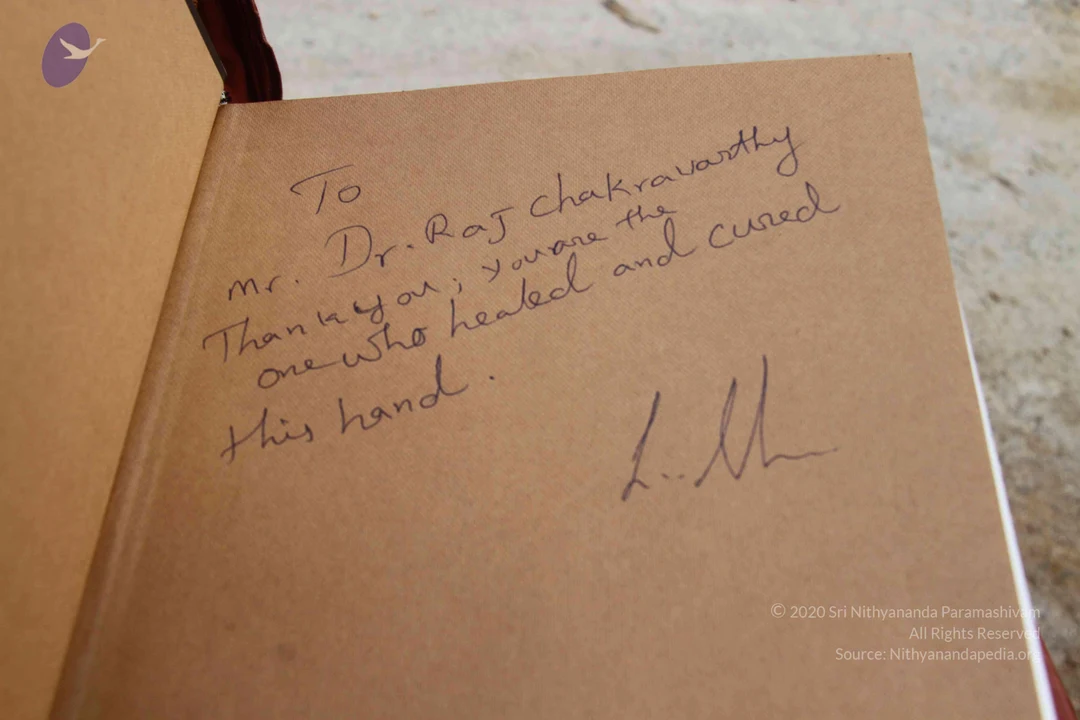
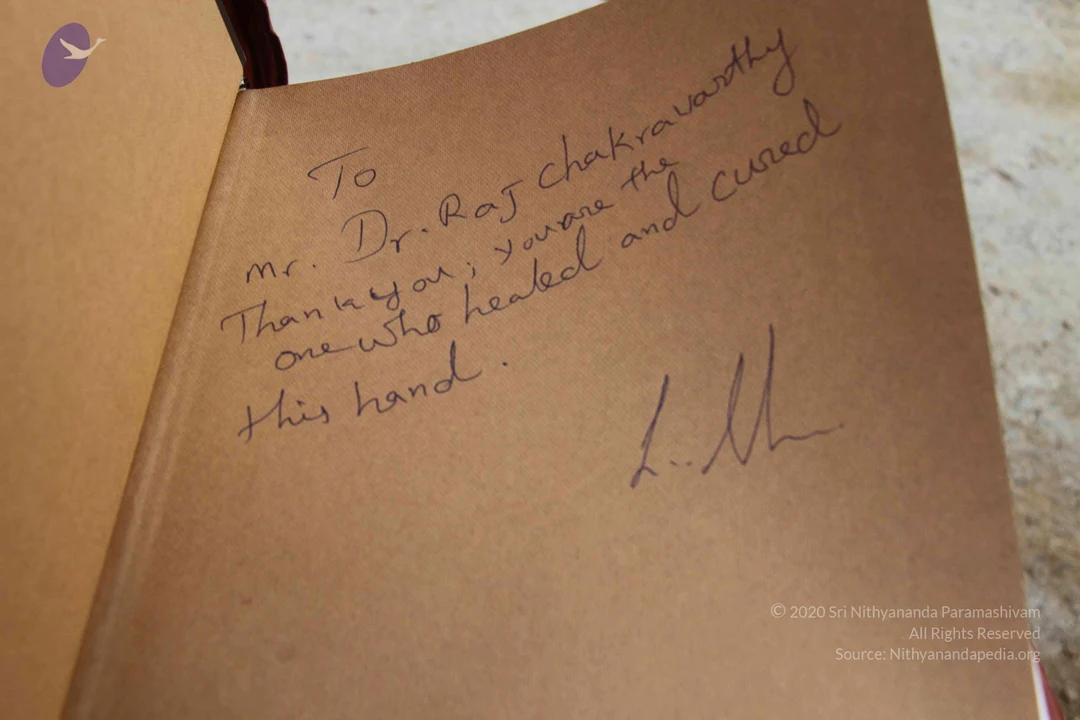
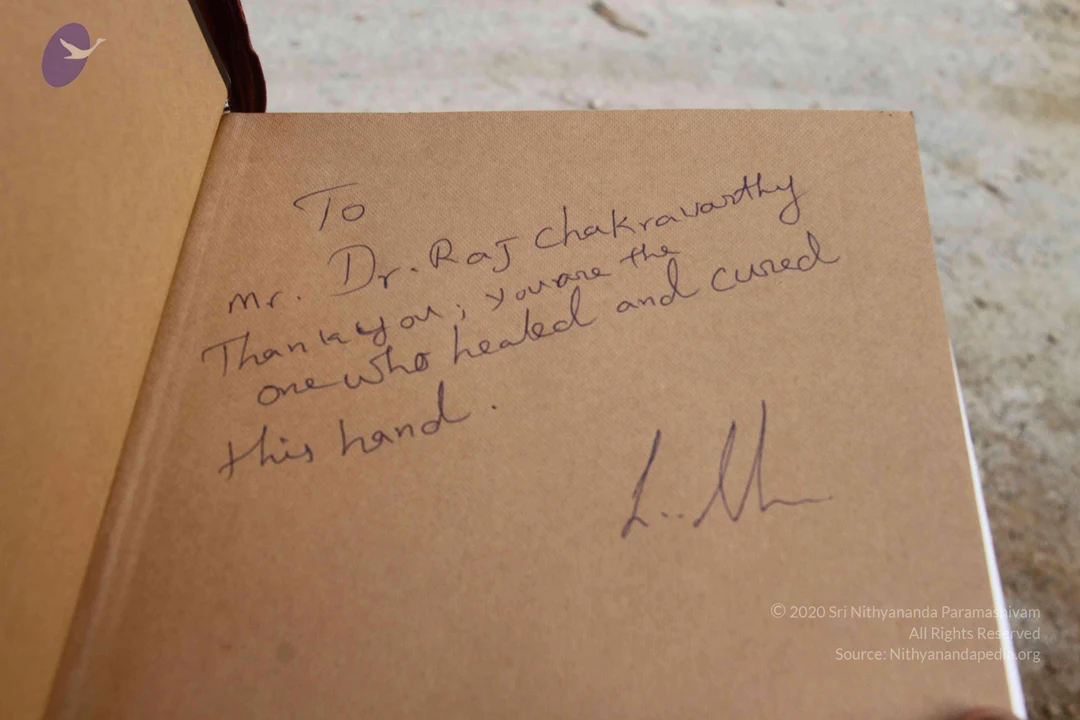
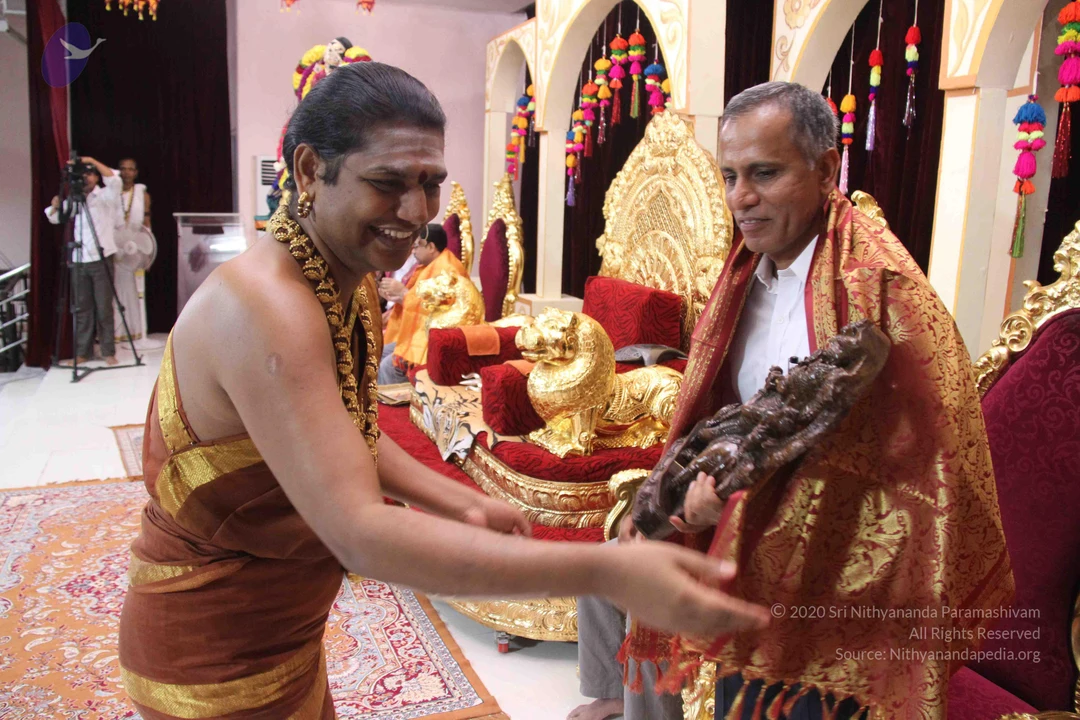
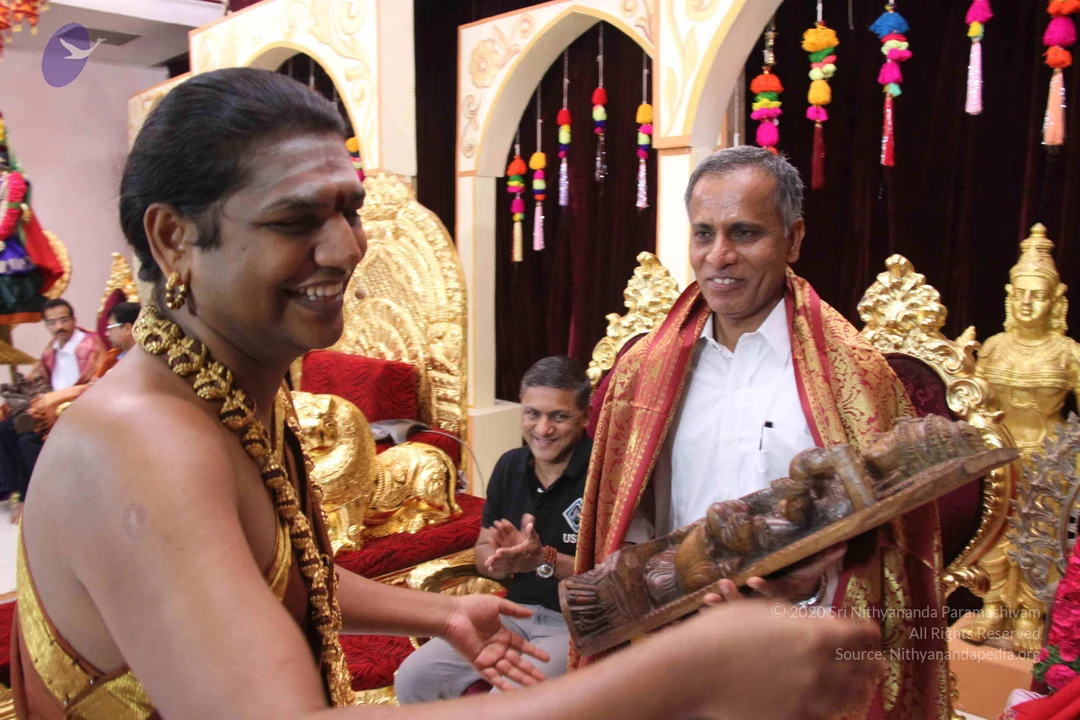
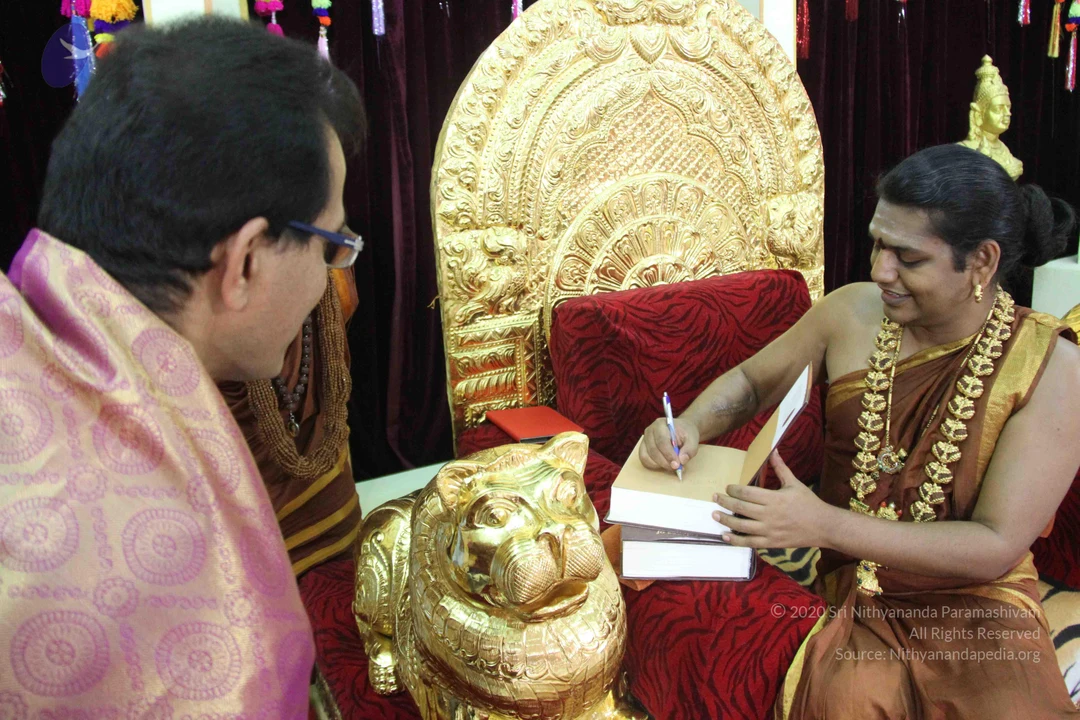
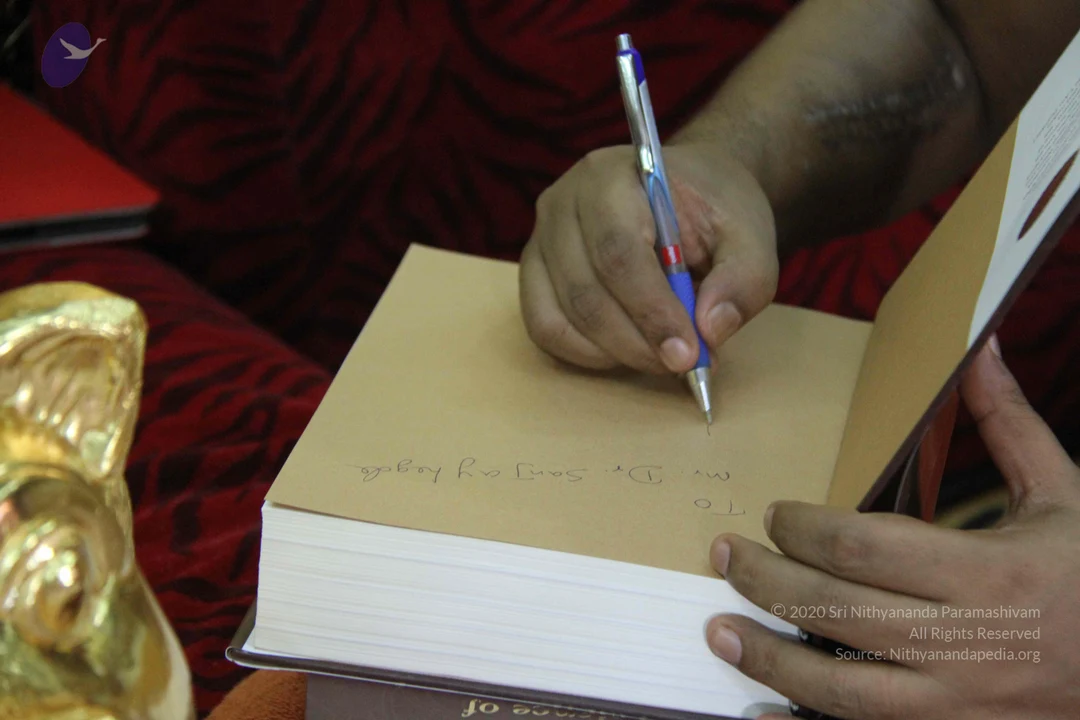
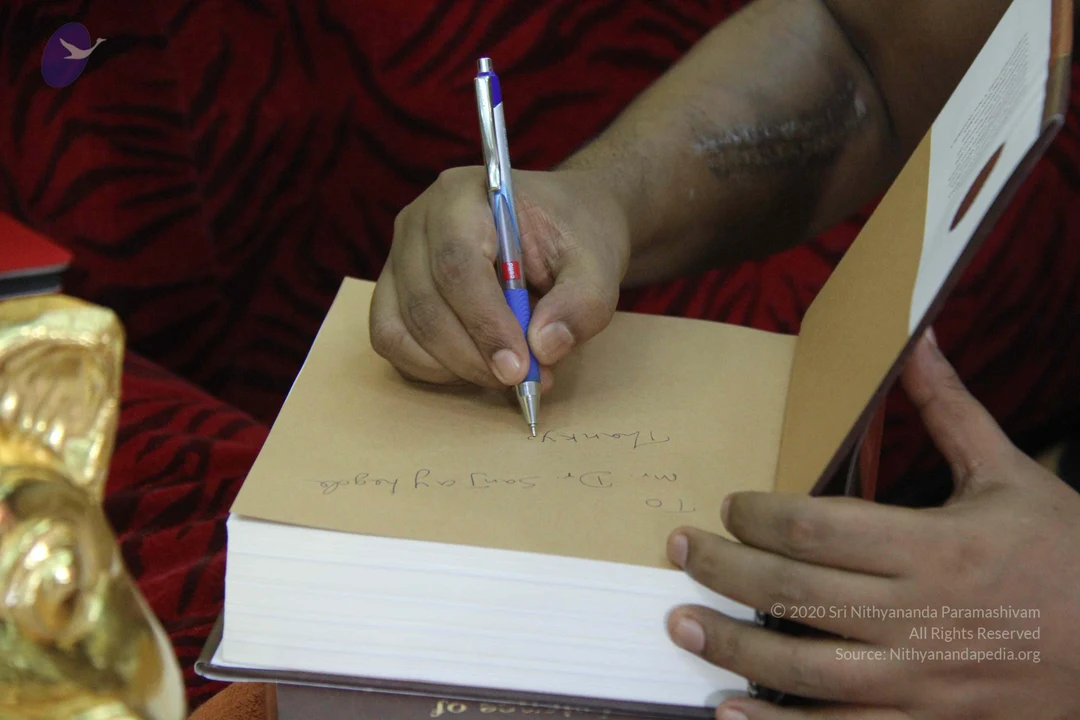
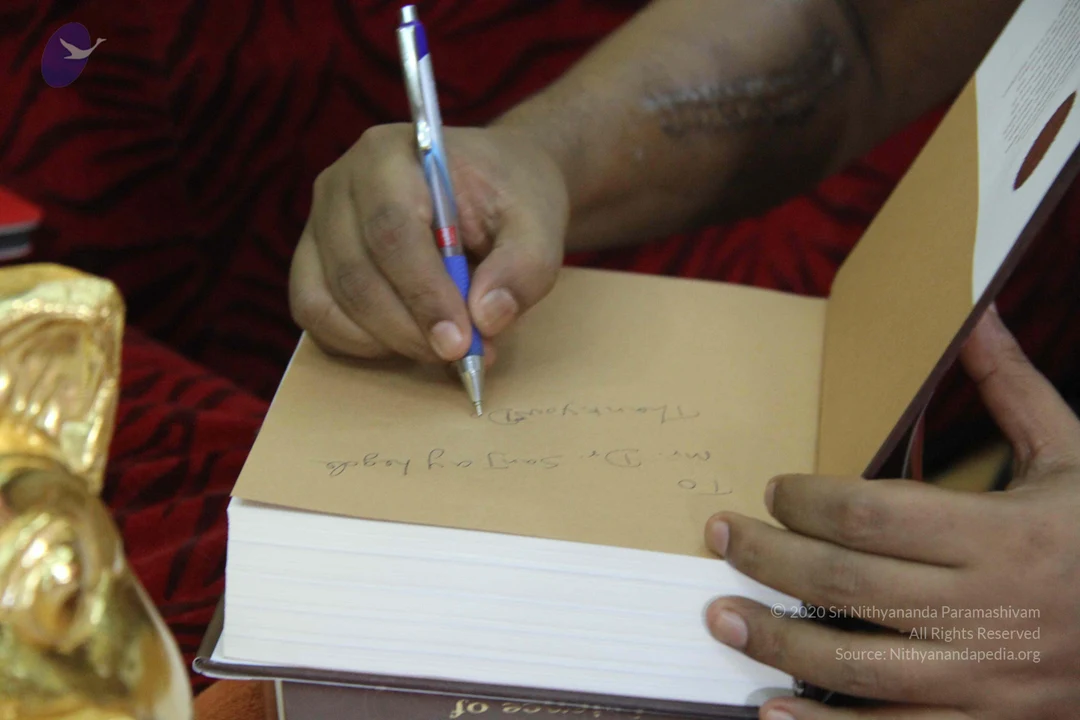
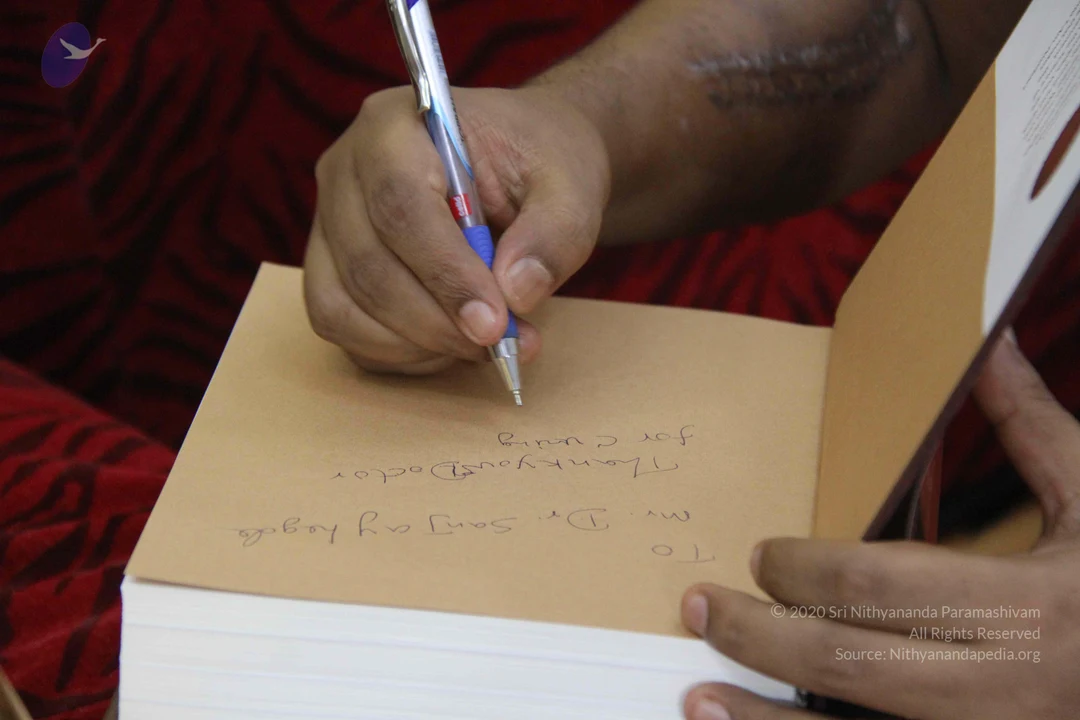
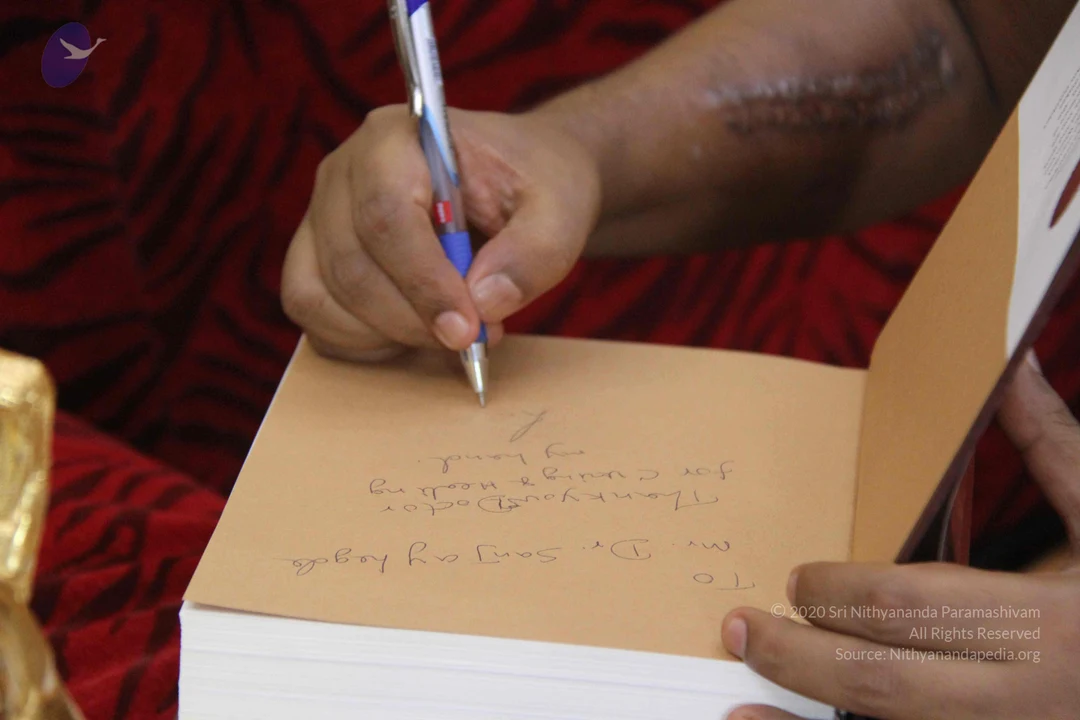
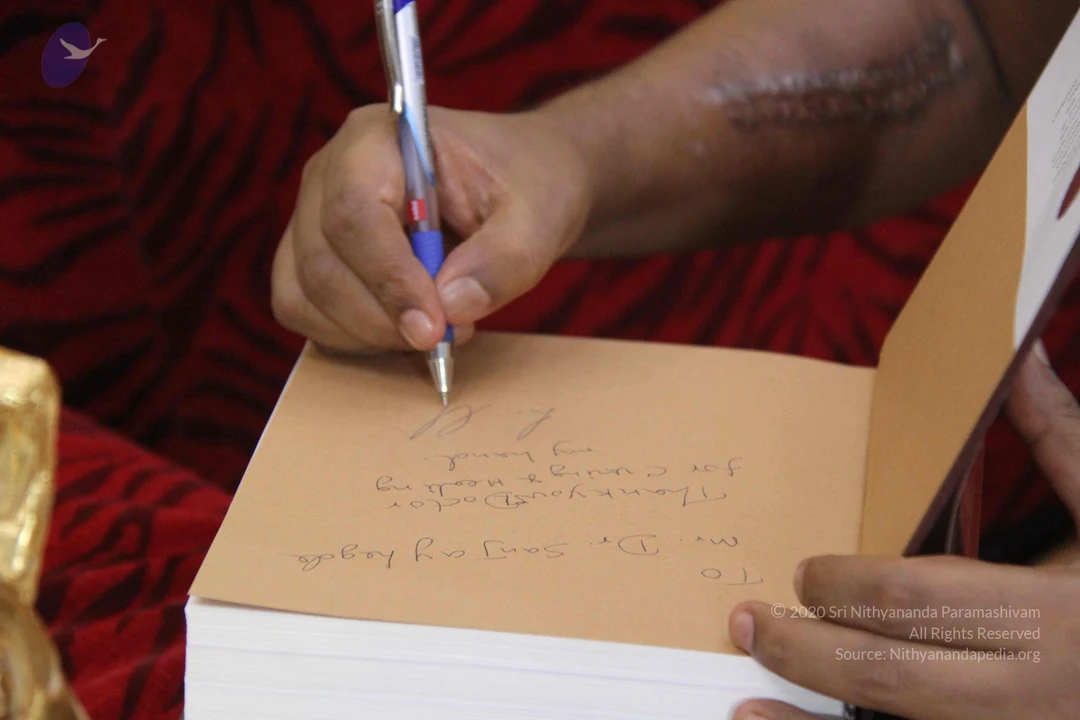
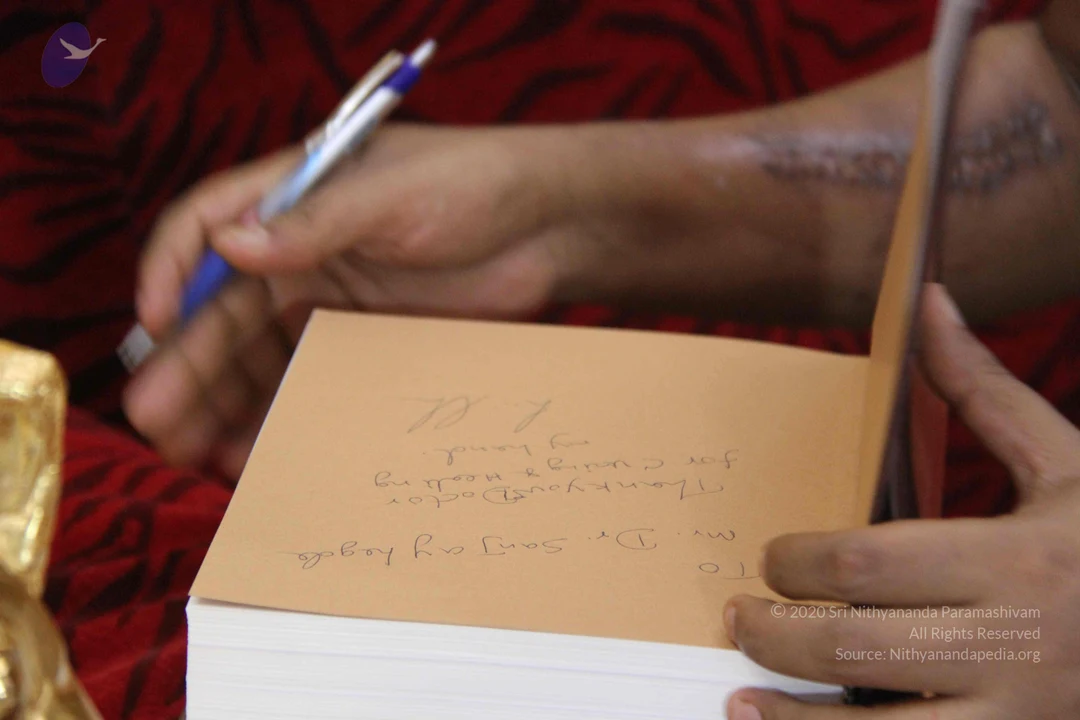
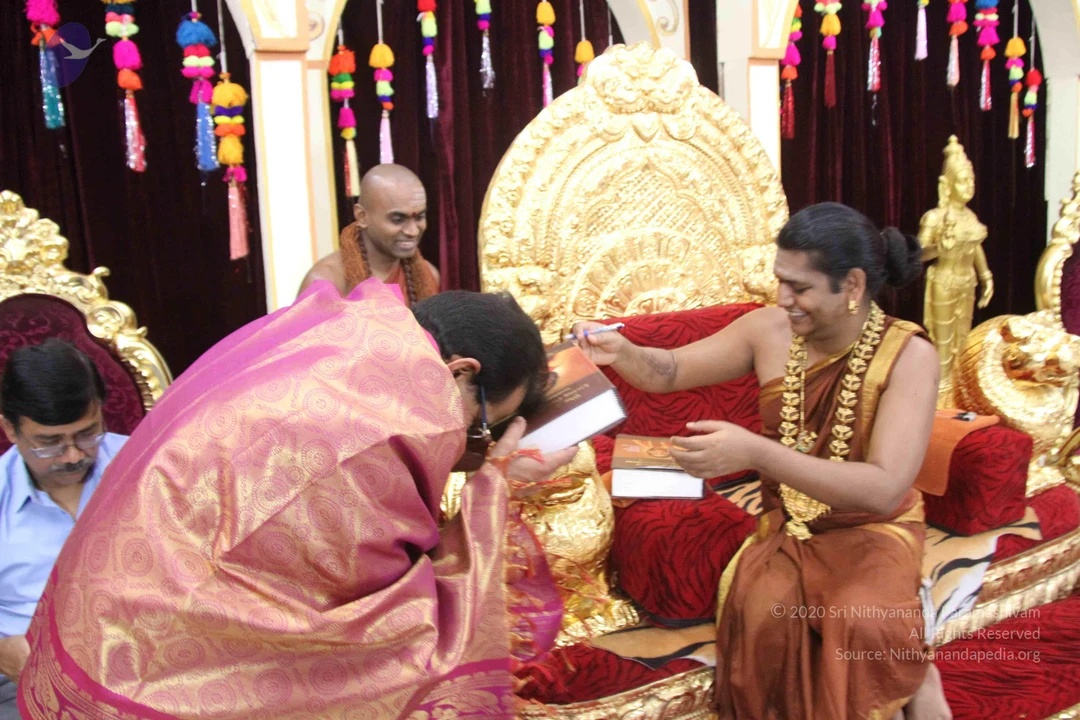
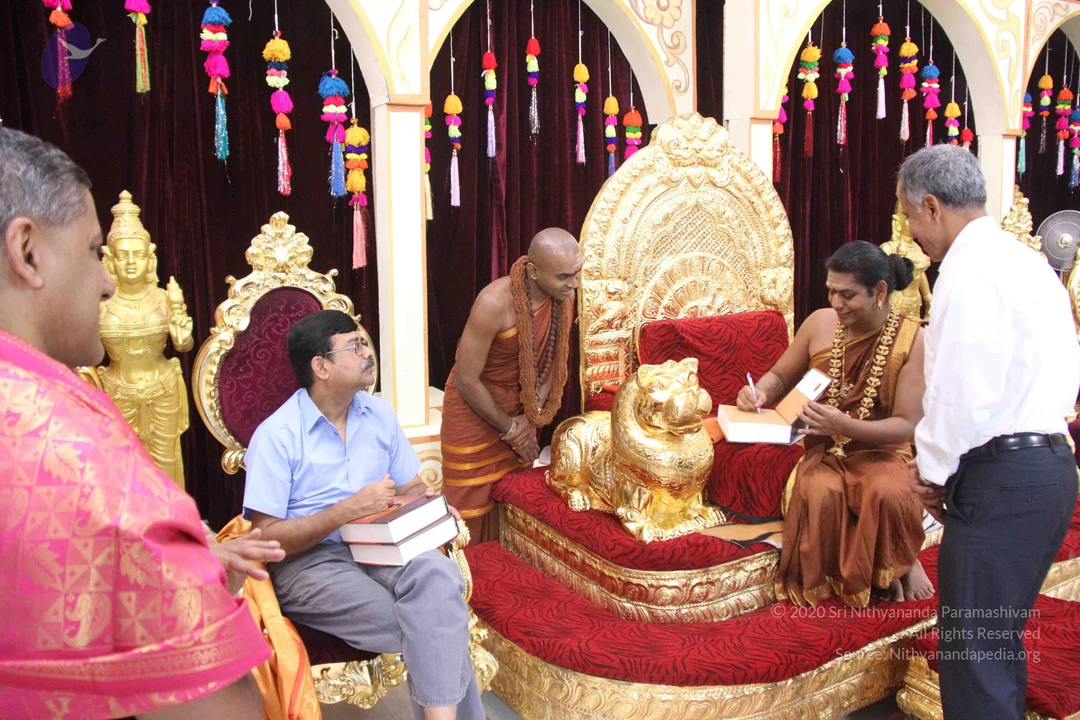
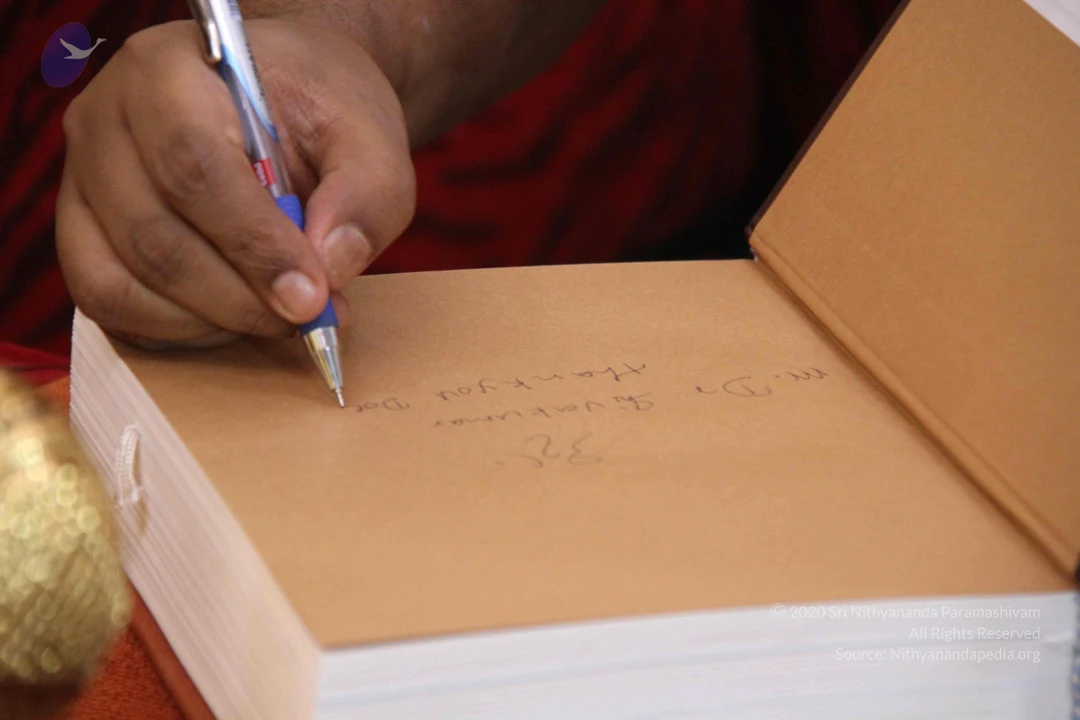
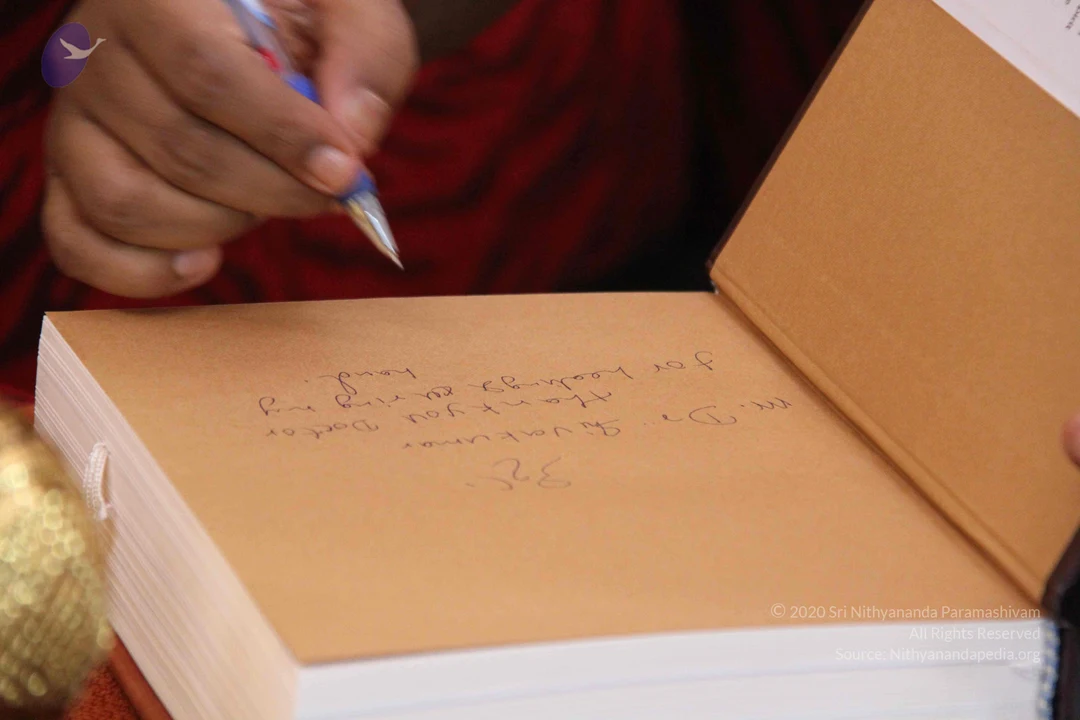
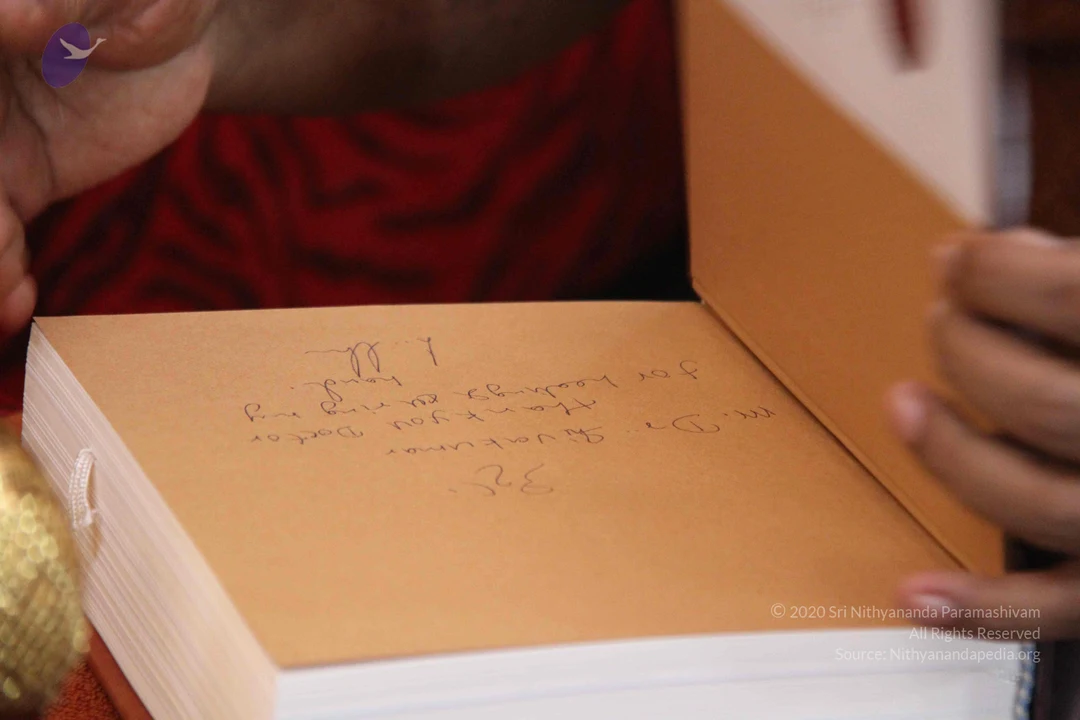
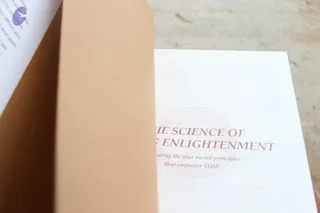
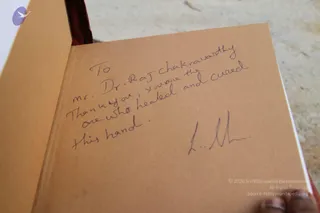
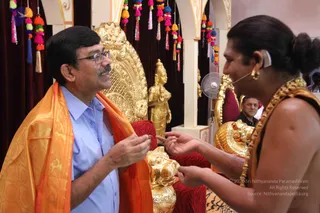
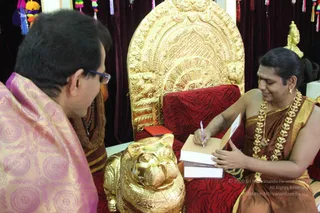
08-SLE-Book-Compliment-HDH-Handwriting-to-Dr-Raj-Chakravarthy

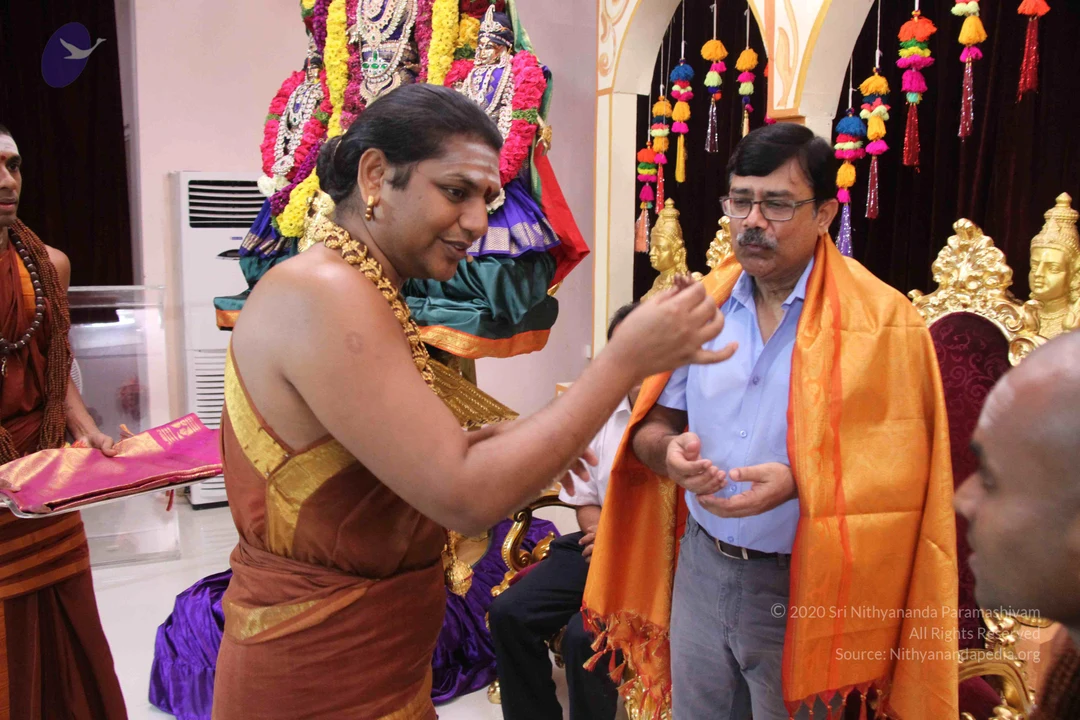
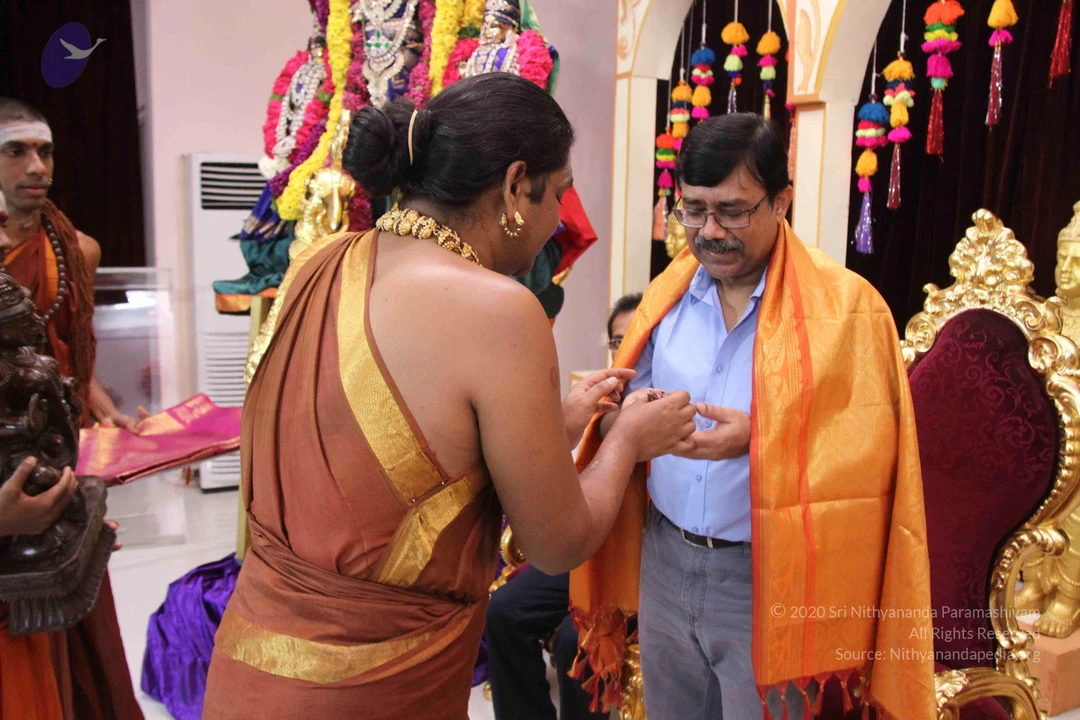
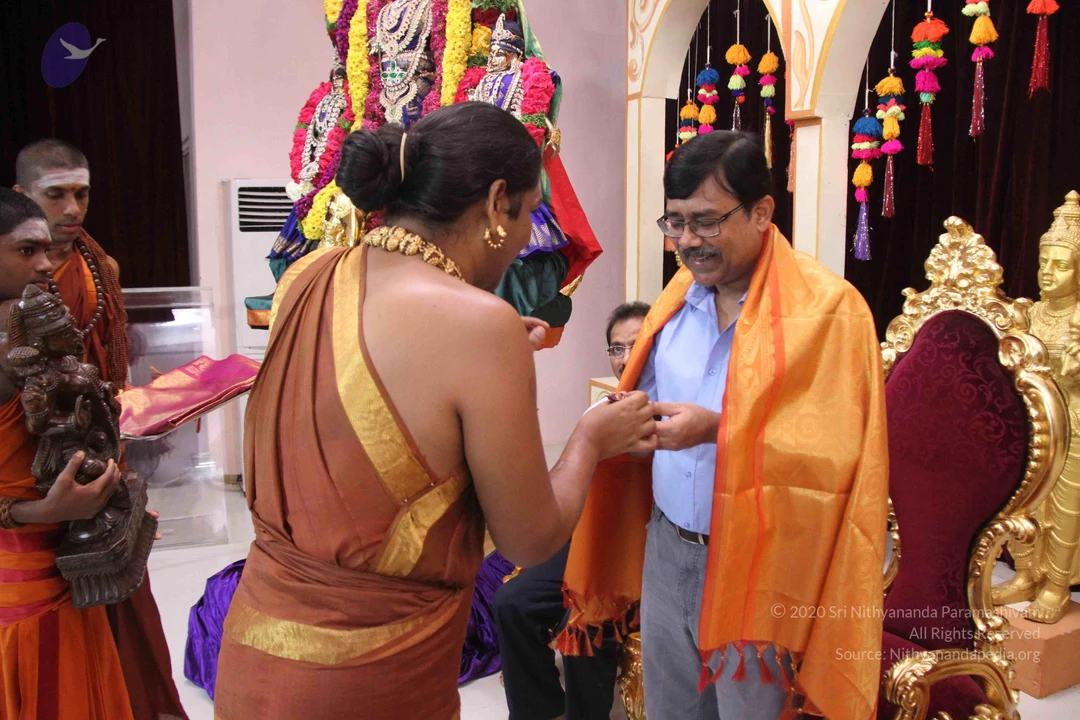
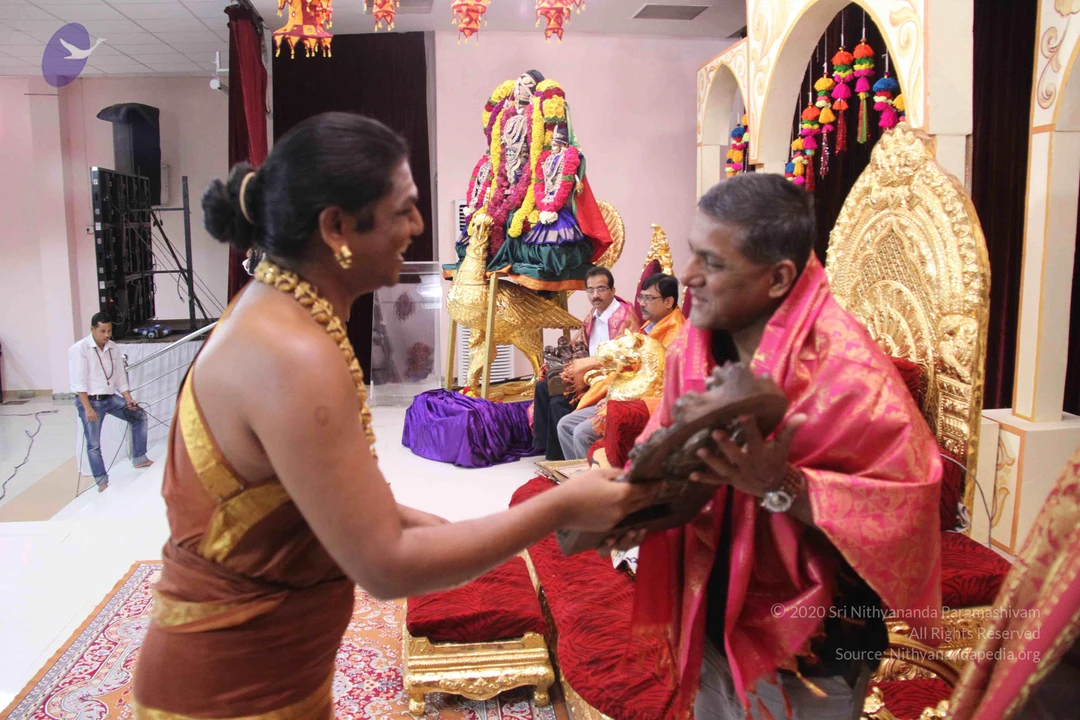
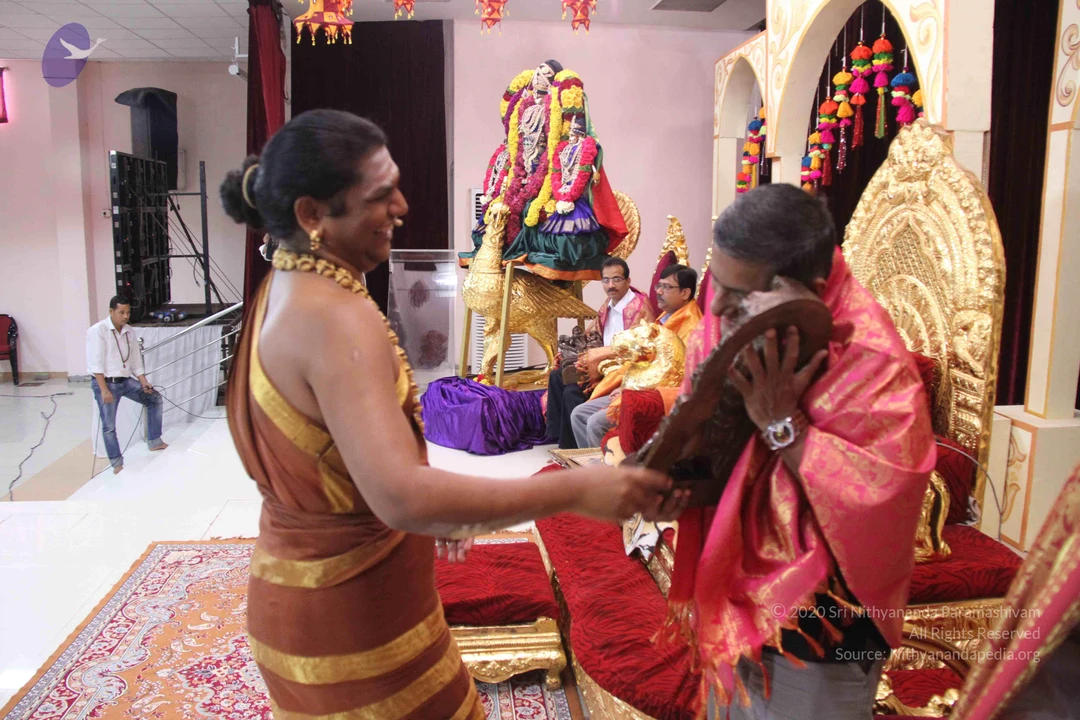
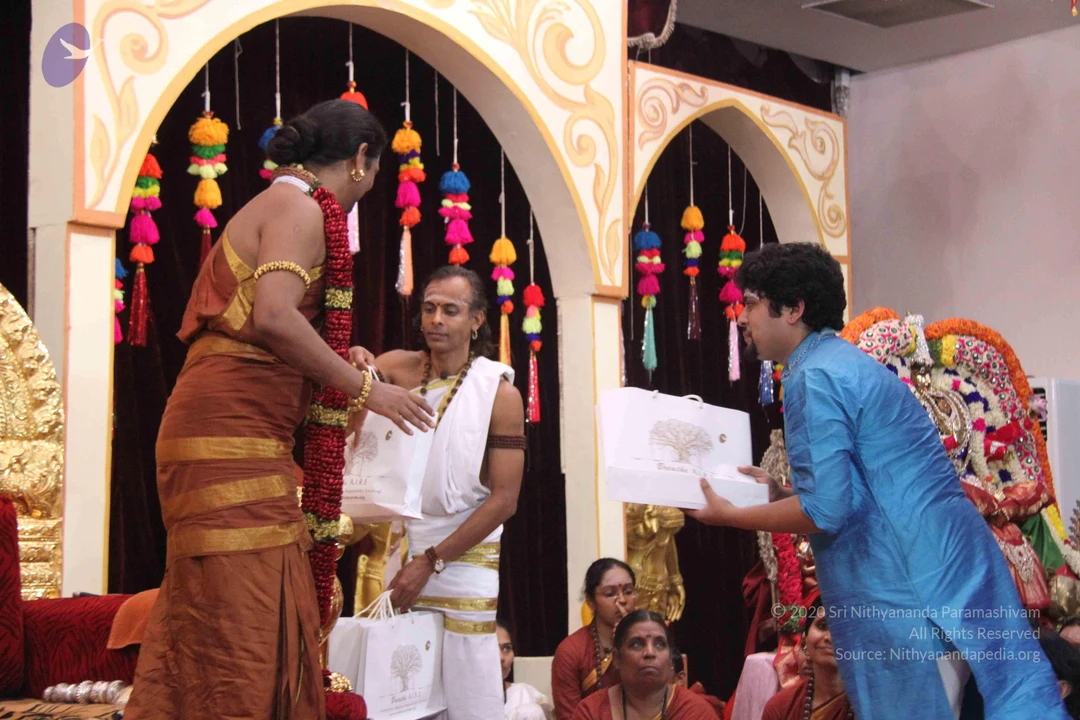
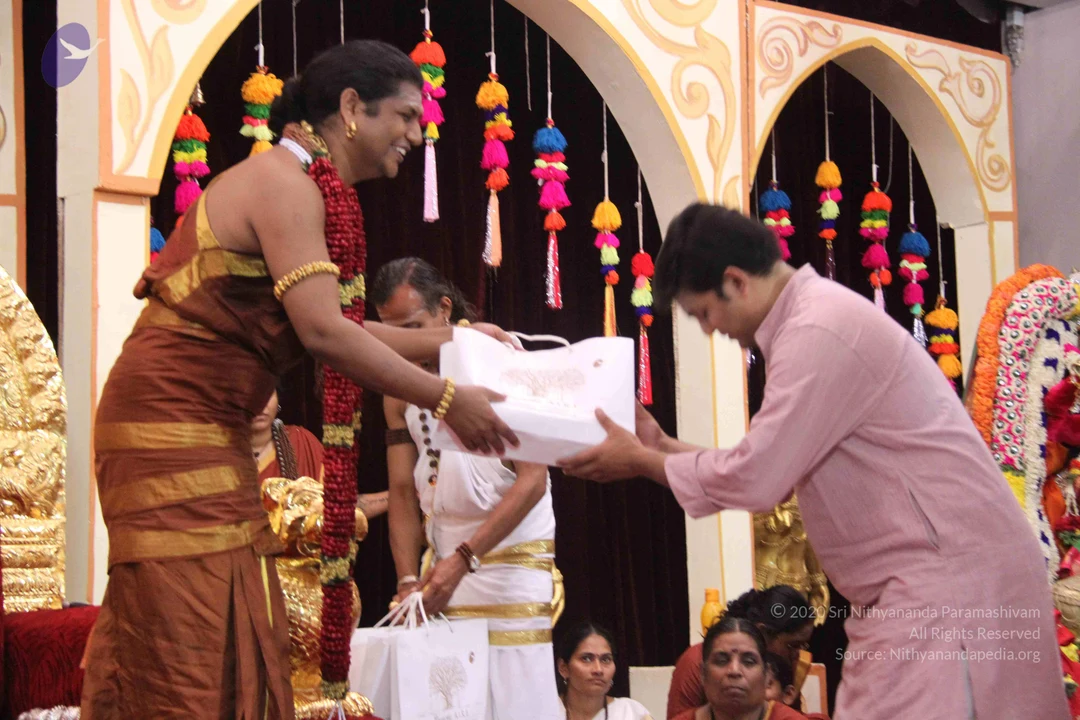
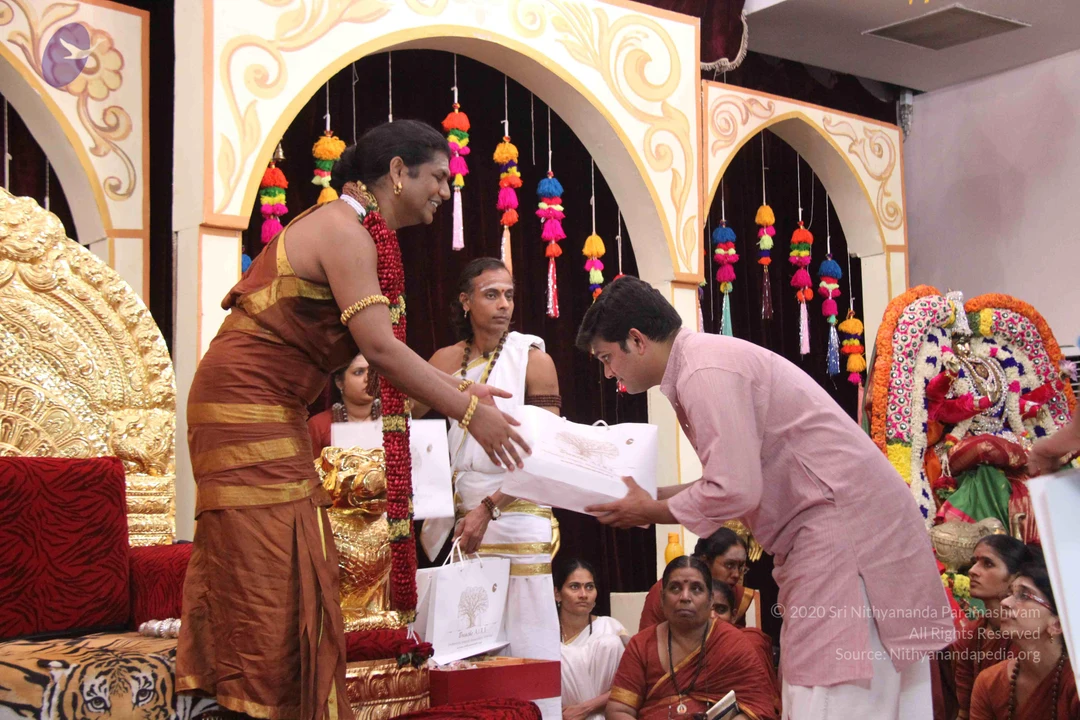
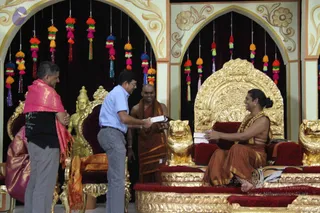
09-HDH-Shawl-Deity-Complements-Doctors

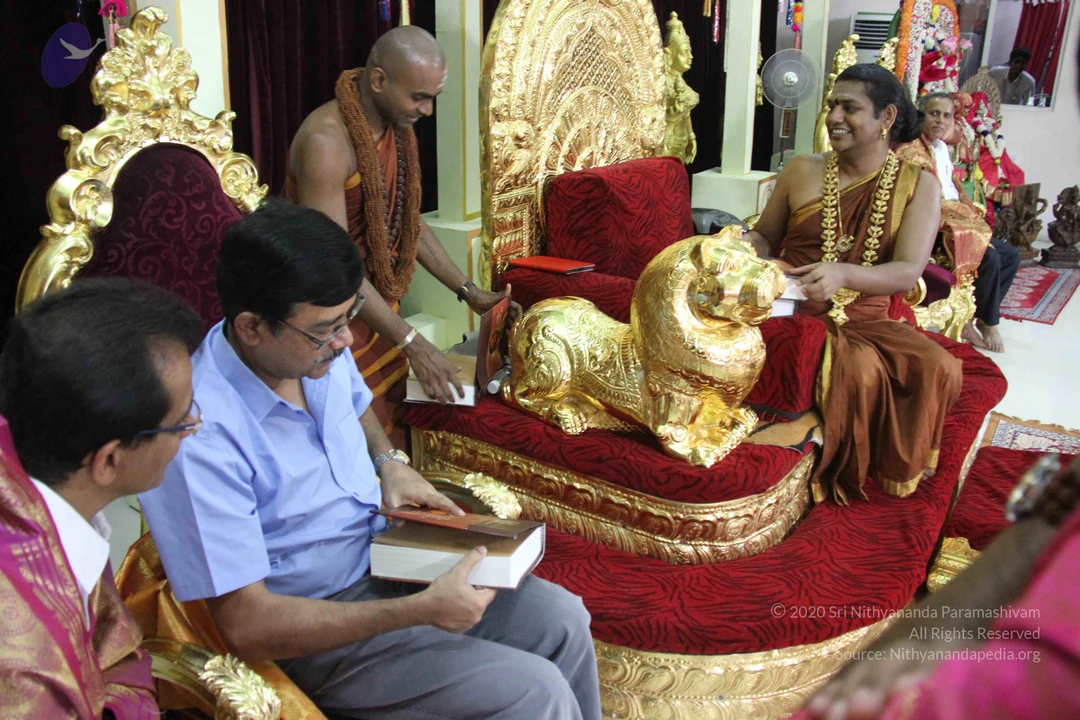
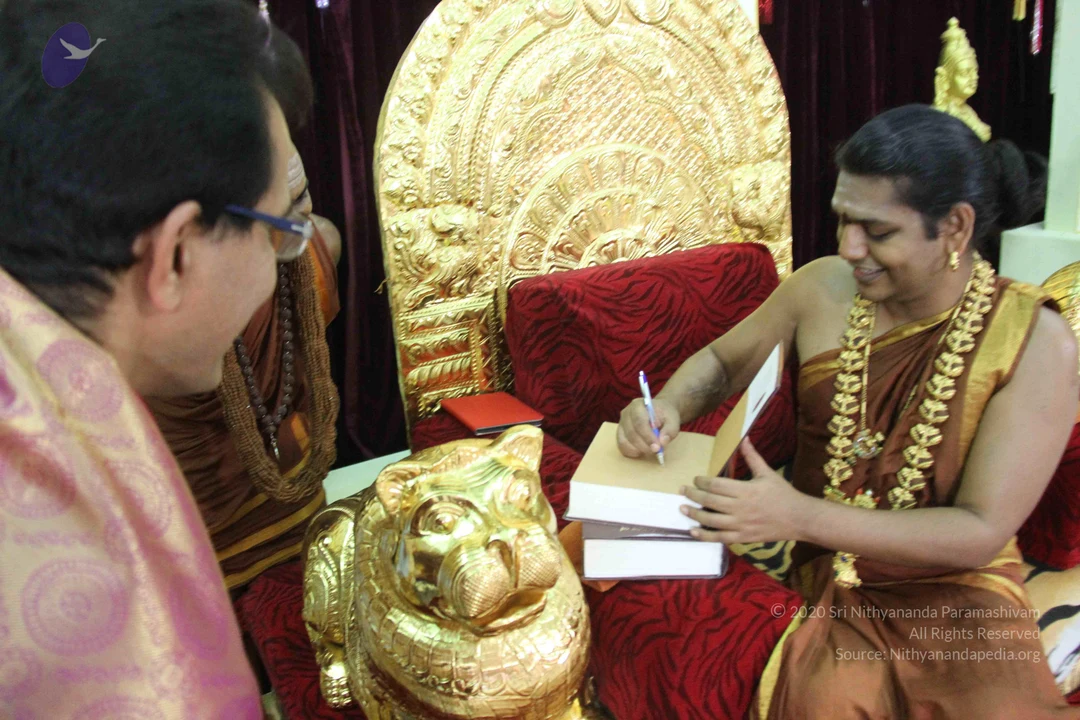
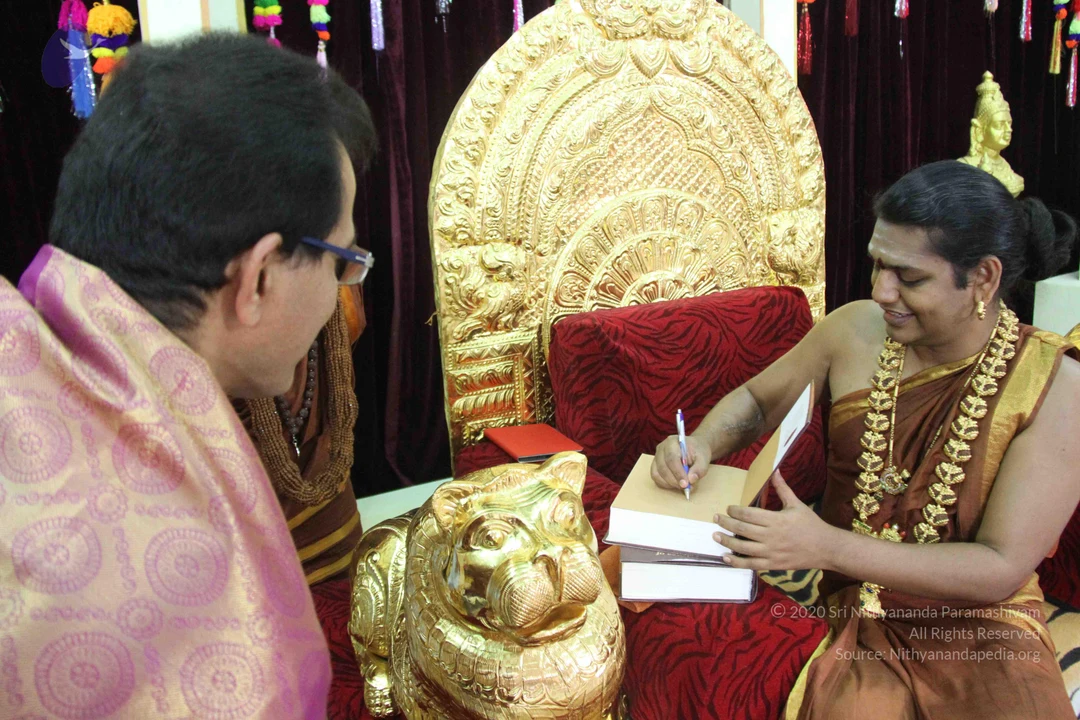
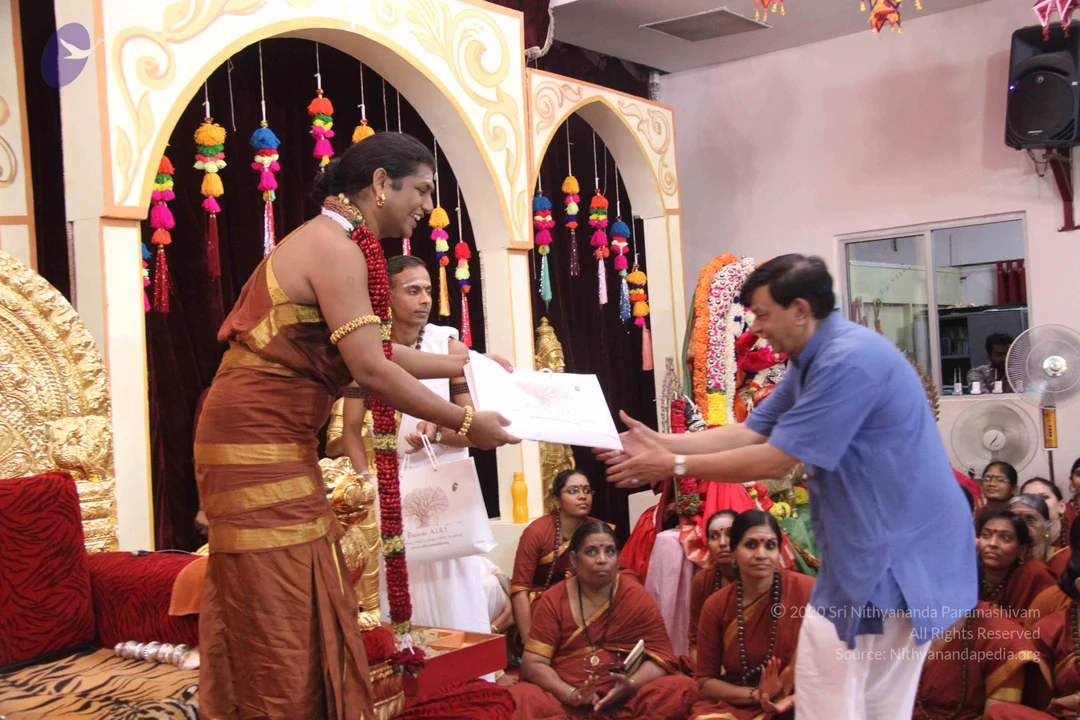
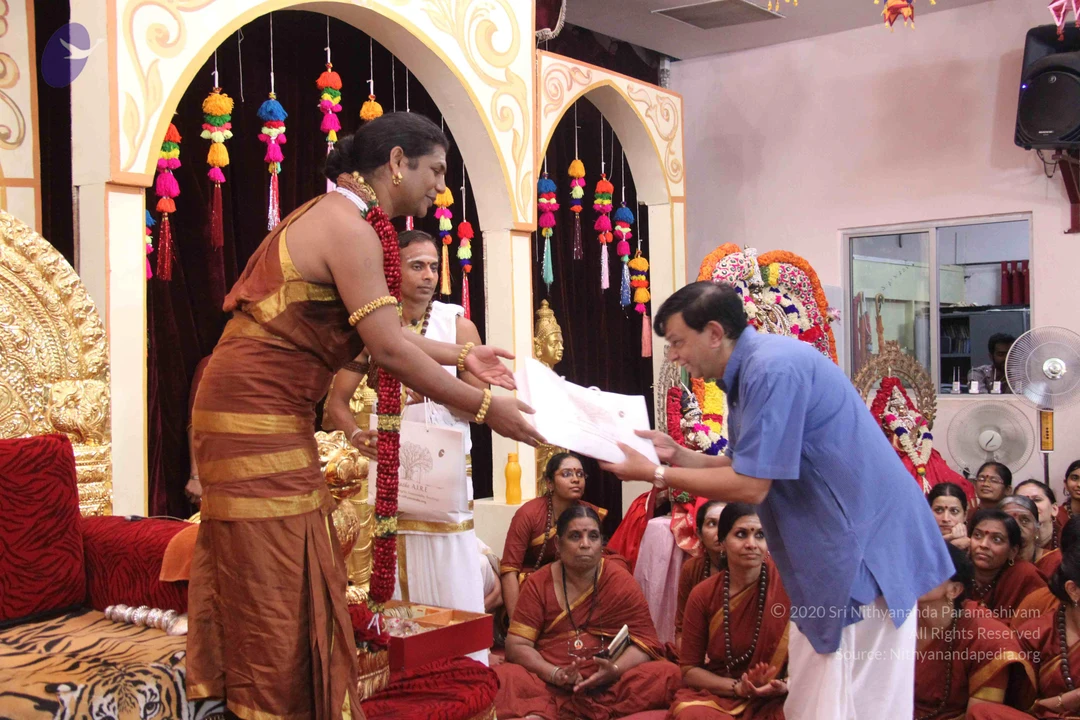
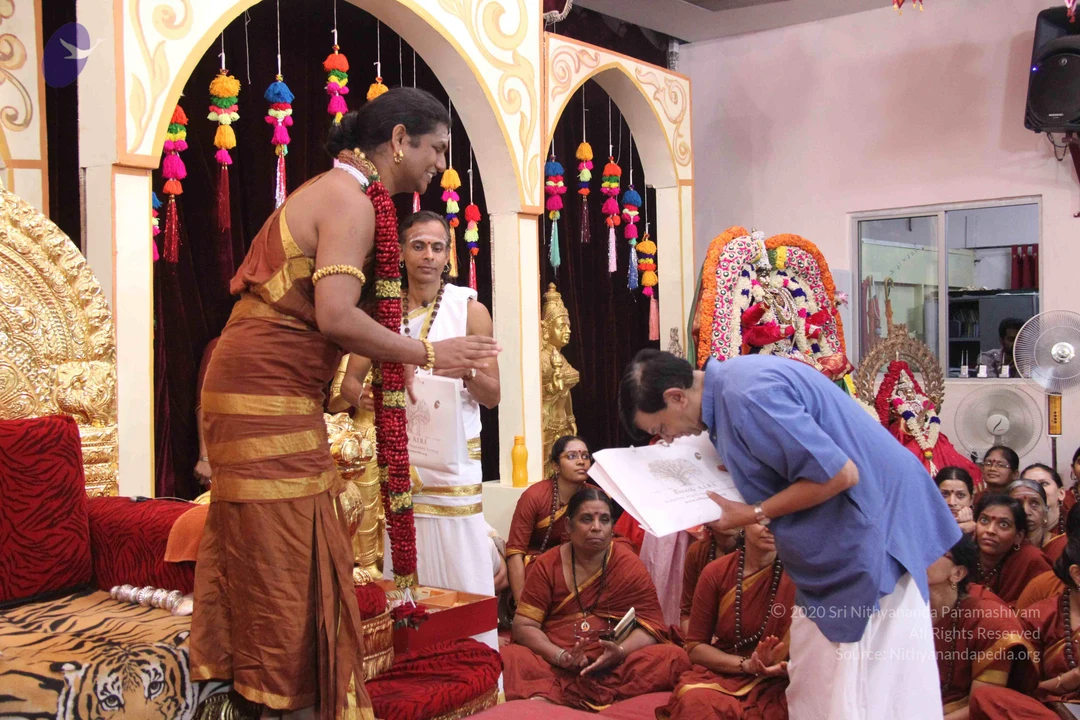
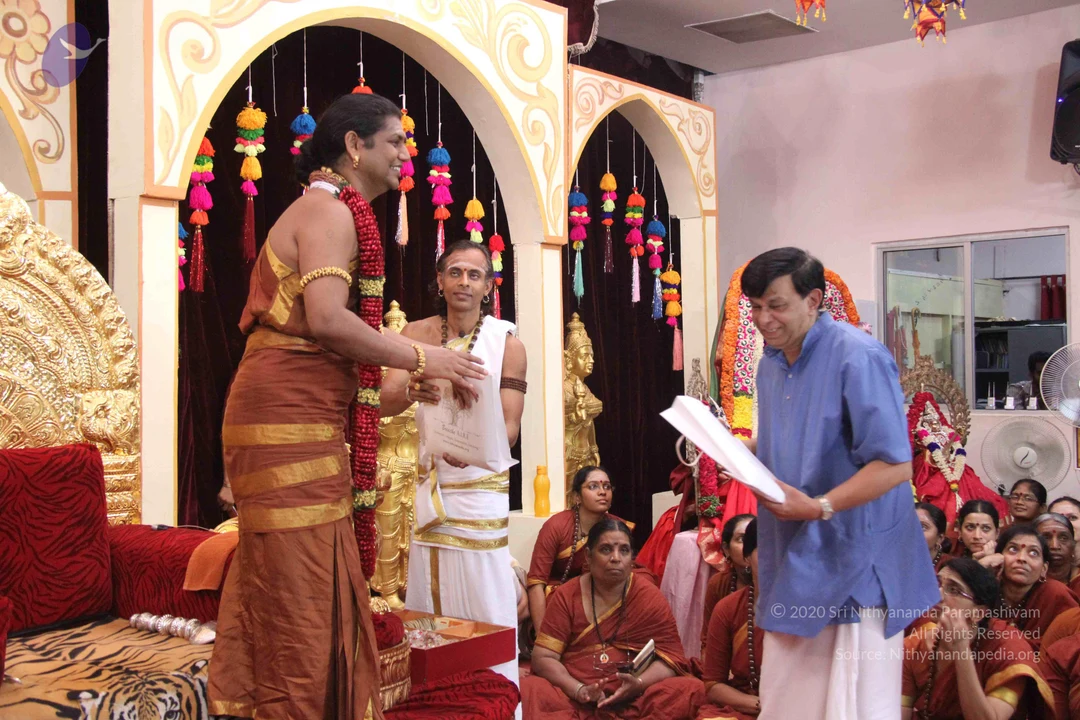
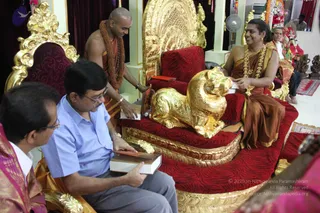
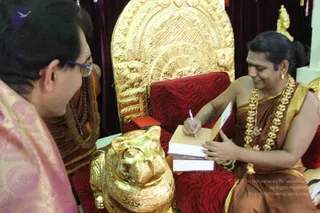
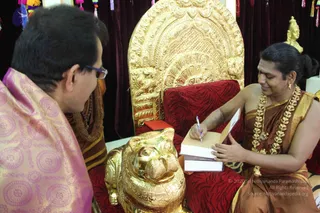
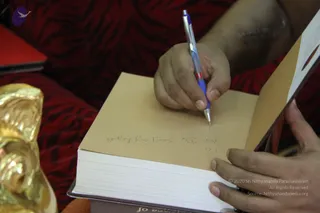
10-HDH-Books-Signature-to-Doctors

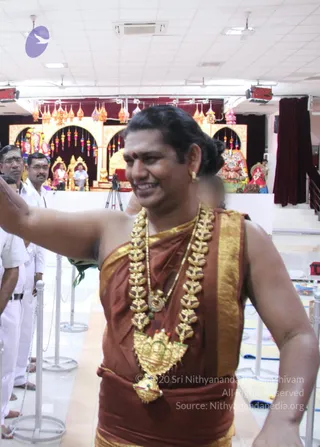
11-Sarva-Darshan

12-HDH-Deities

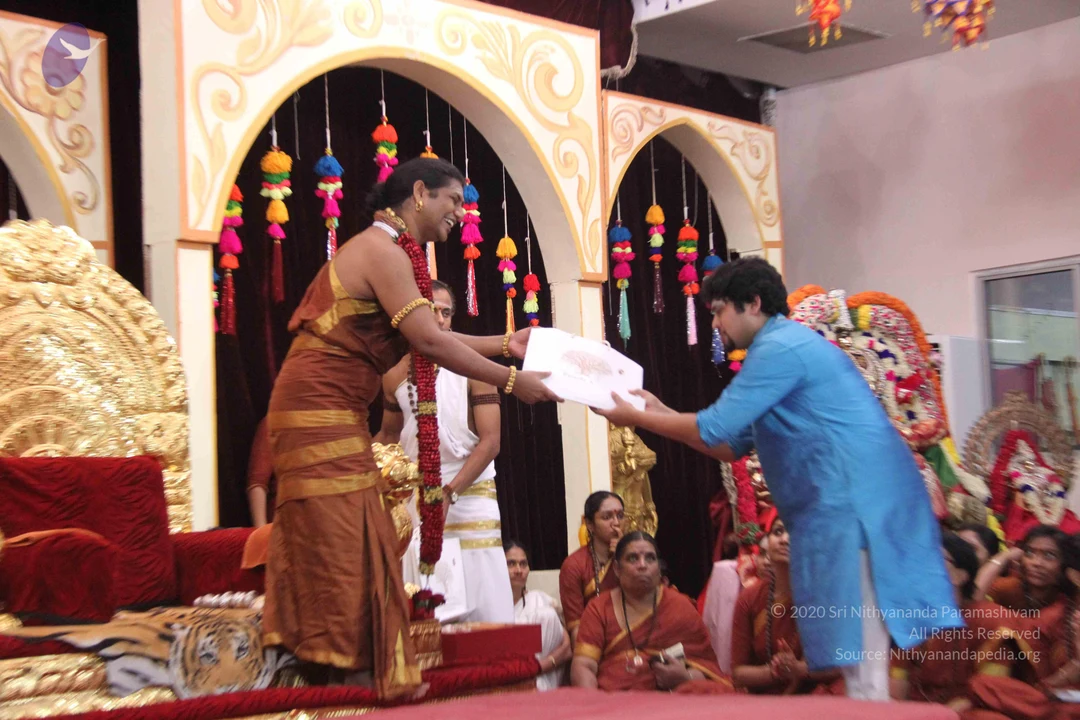
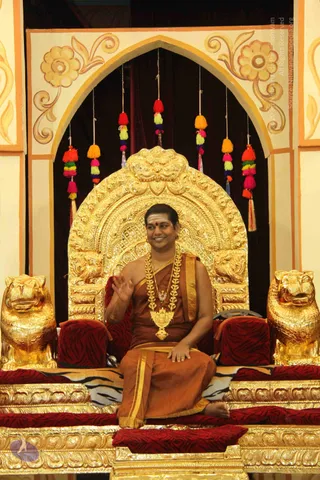
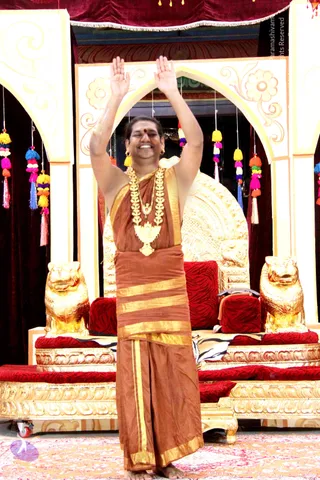
13-Final-Blessing

14-Navarathri-Devi-Pranapratishta-Temple-Guests-Doctors

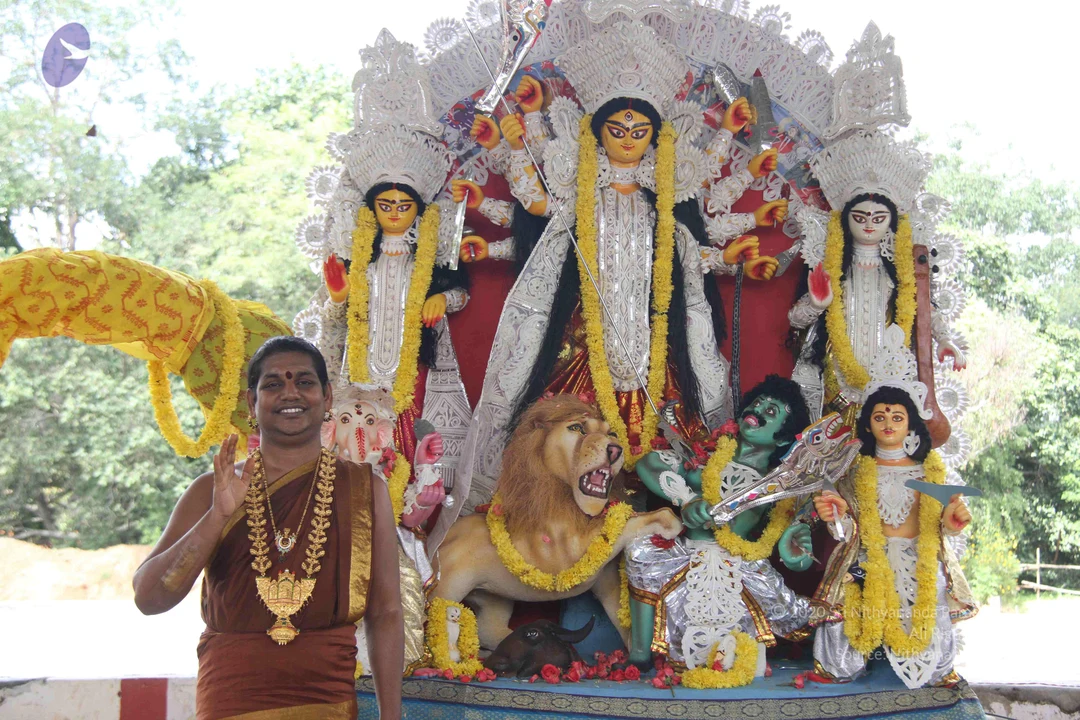
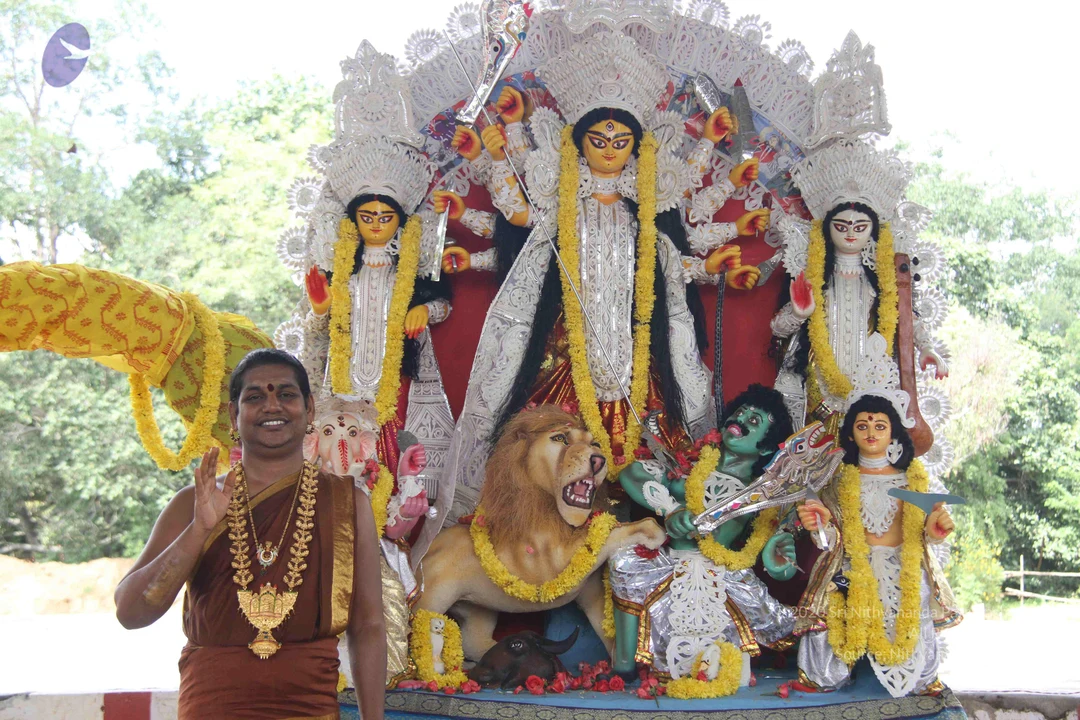
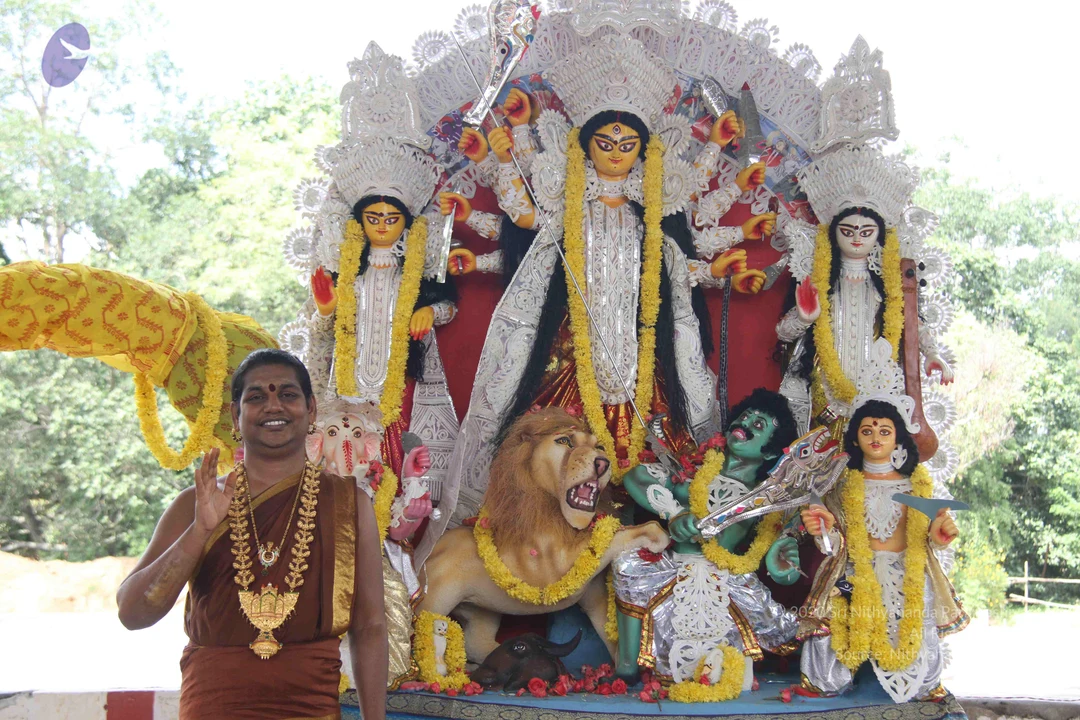
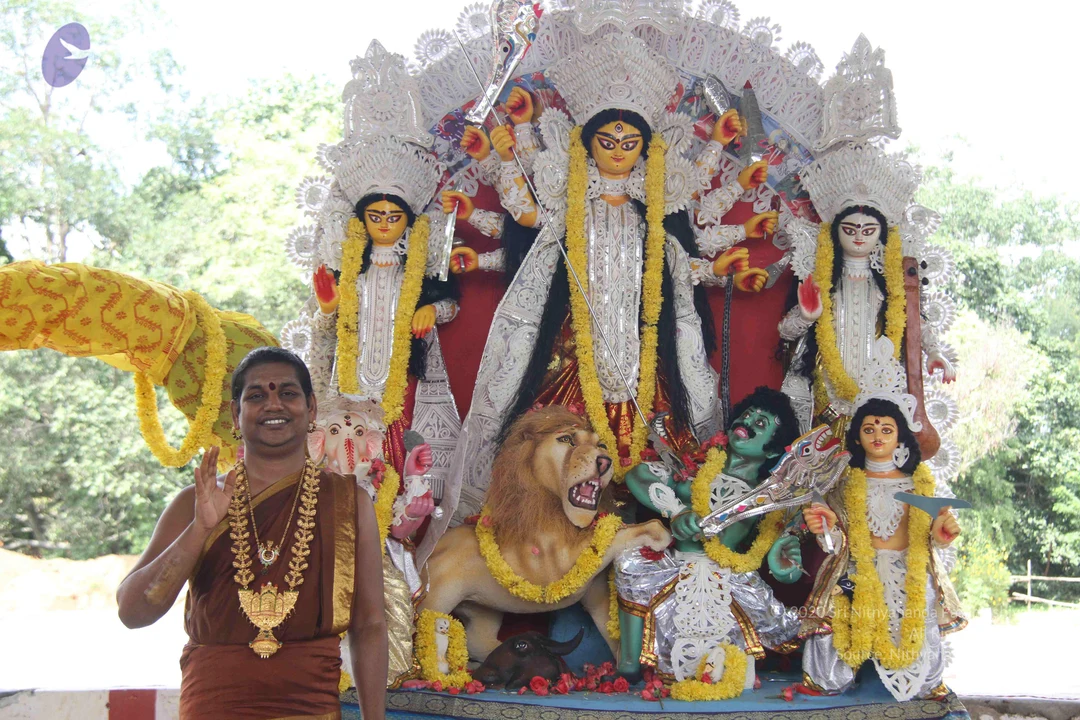
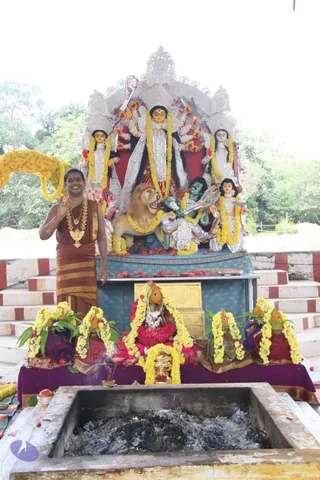
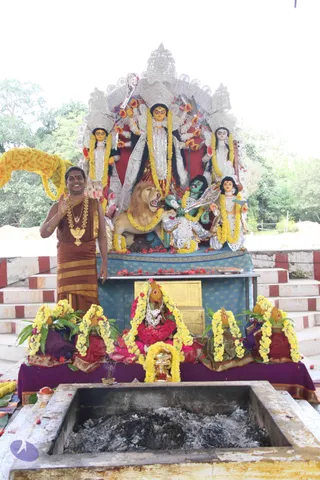
15-Navarathri-Durga-HDH-Guest-Doctors-Blessing

16-IA-Darshan-Day-15

17-Navaratri-Darbar

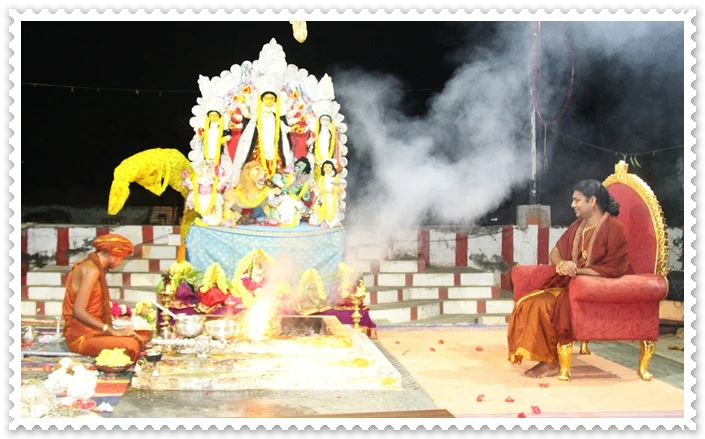
18-Homa-HDH

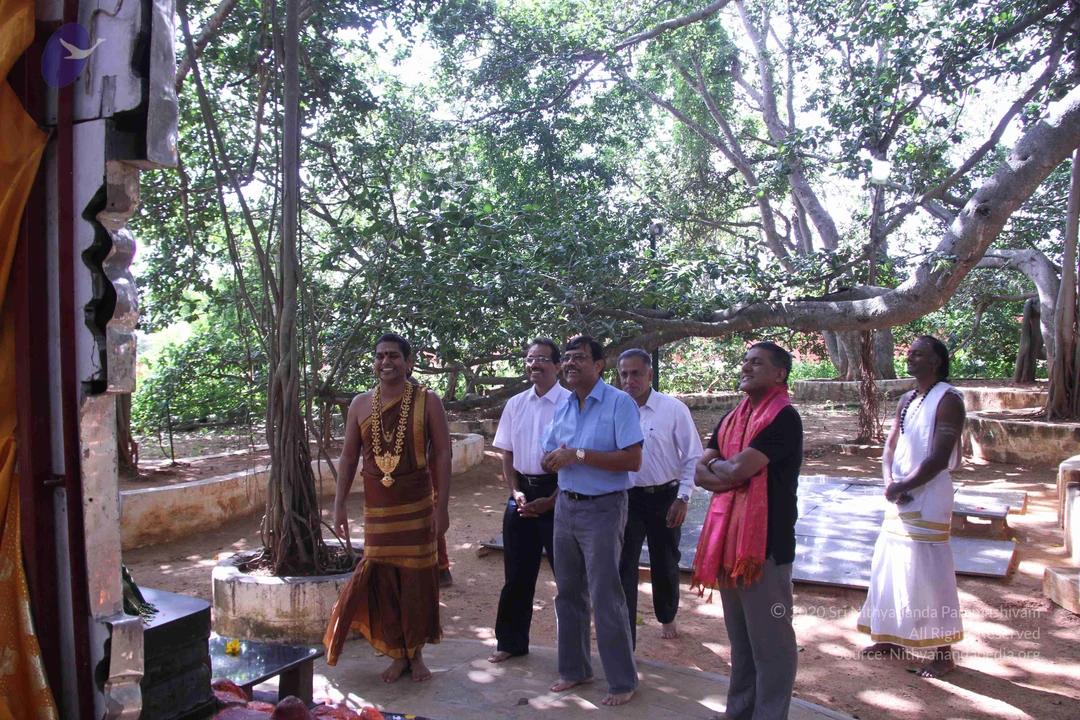
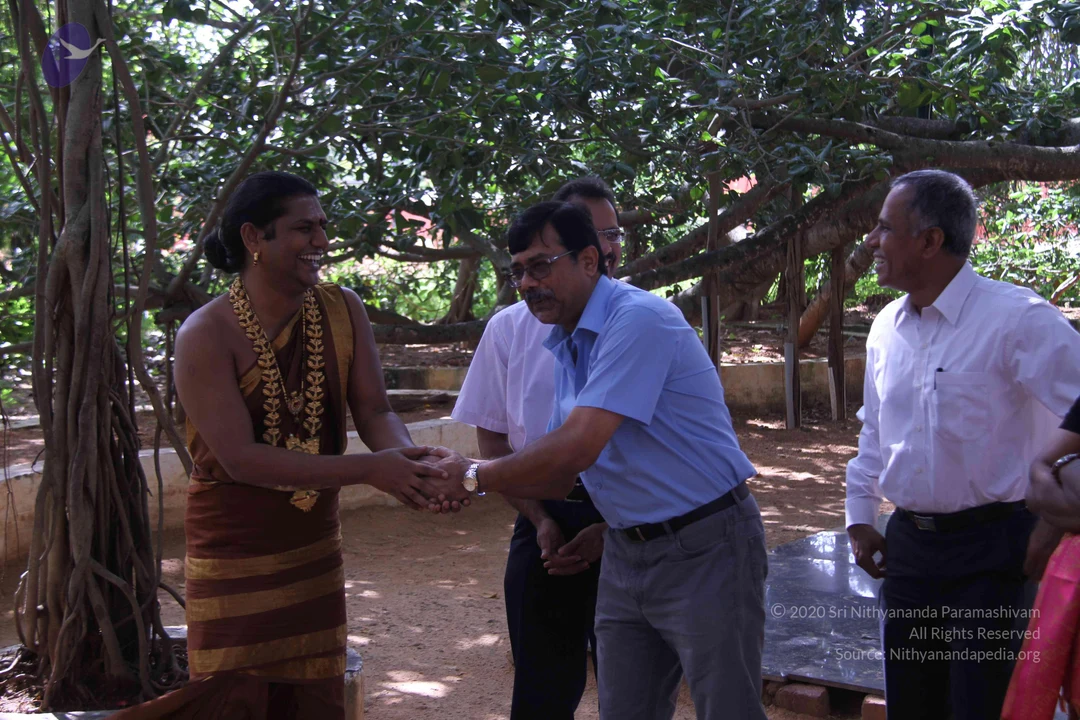
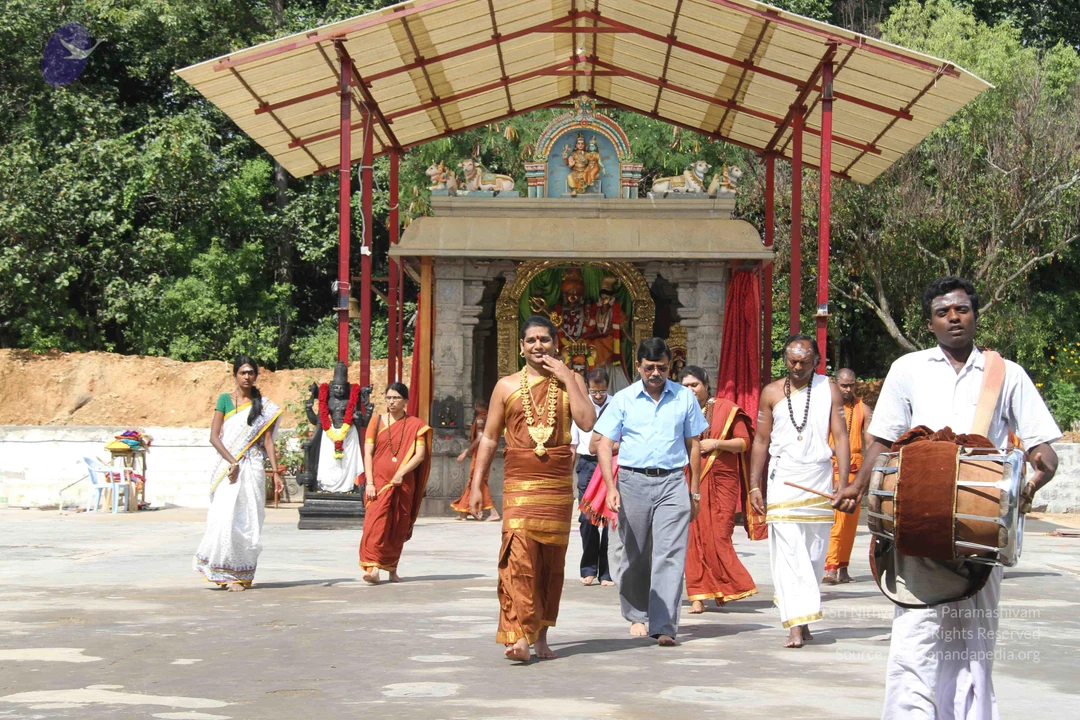
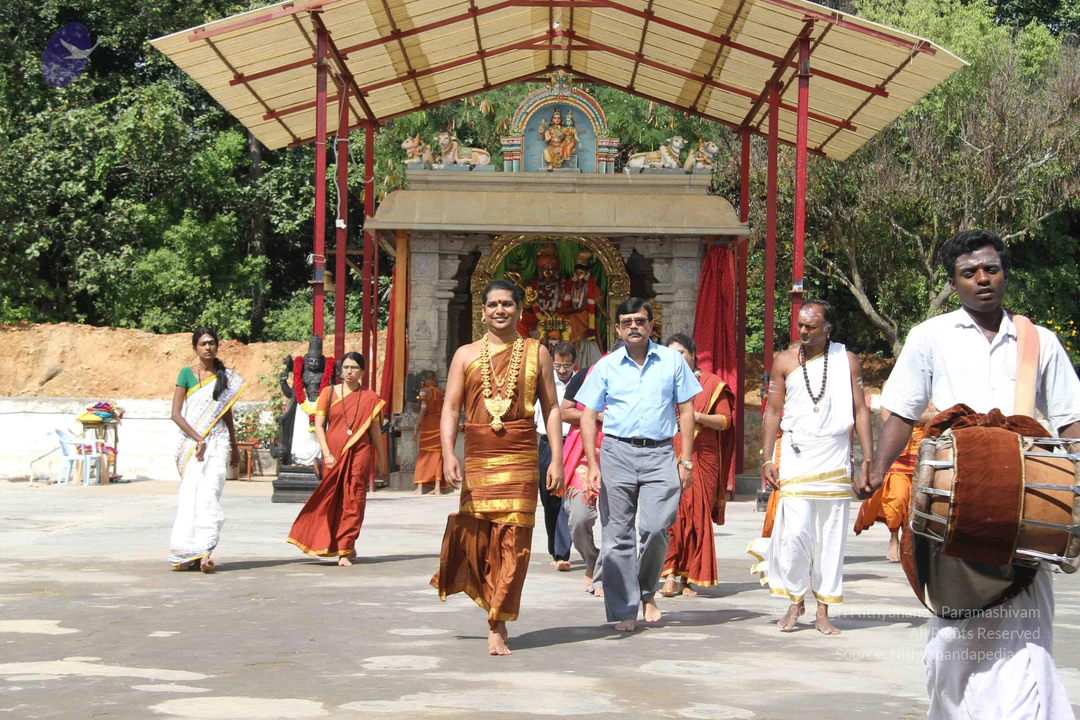
Photos from this day

View all 635 photos

Prana-Pratishta

6 photosSource gallery
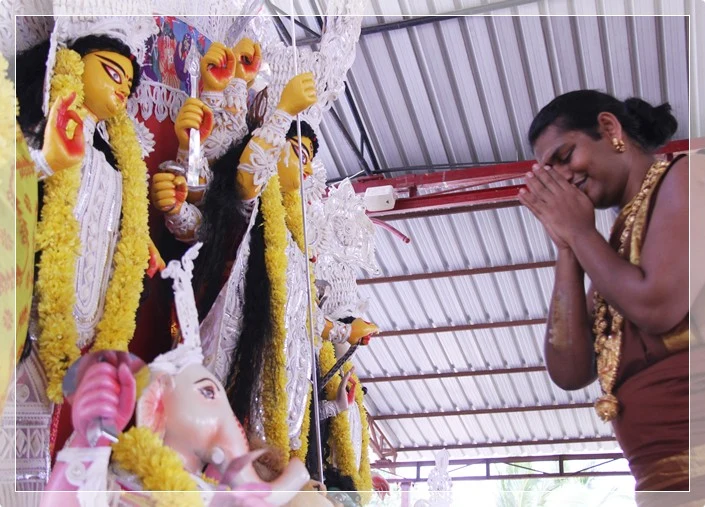
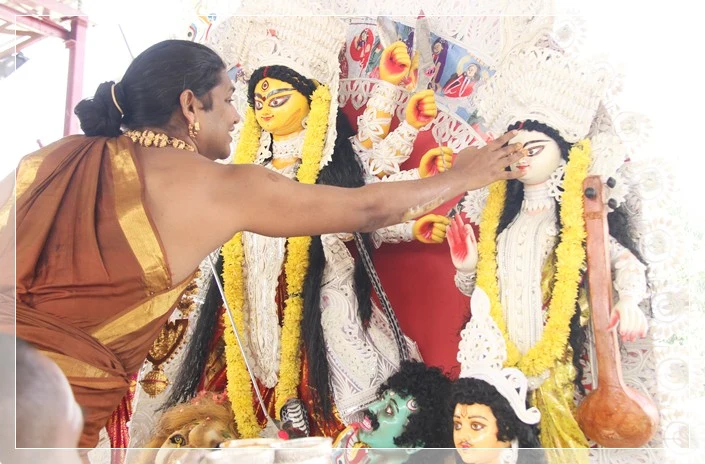
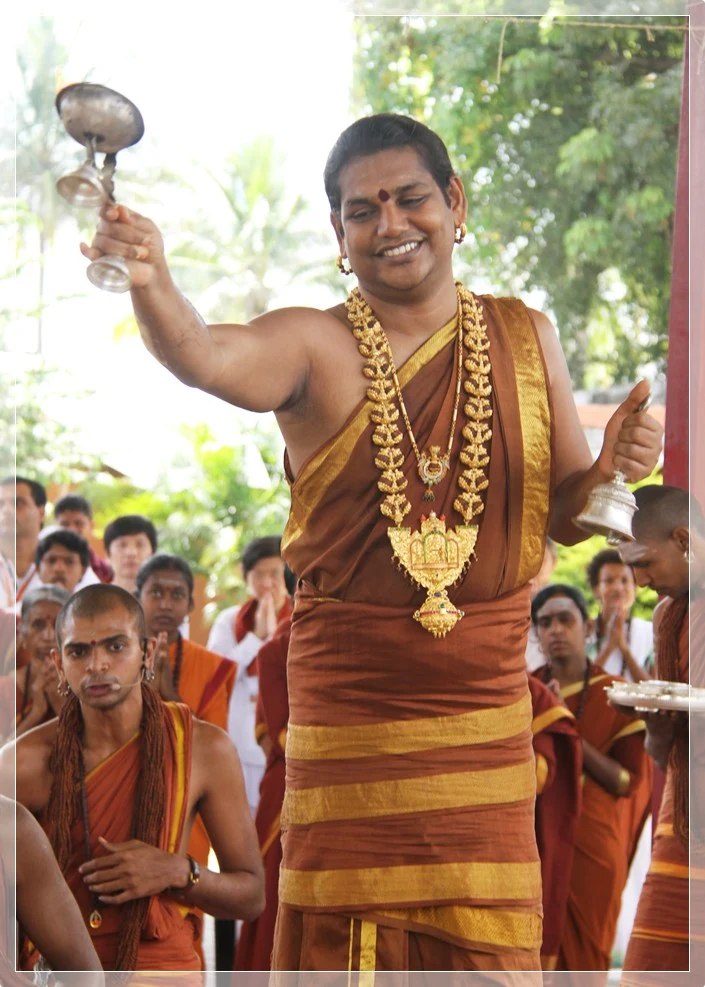
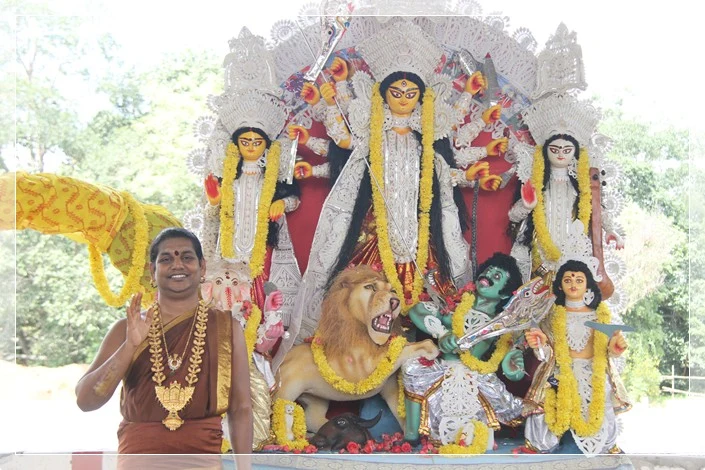
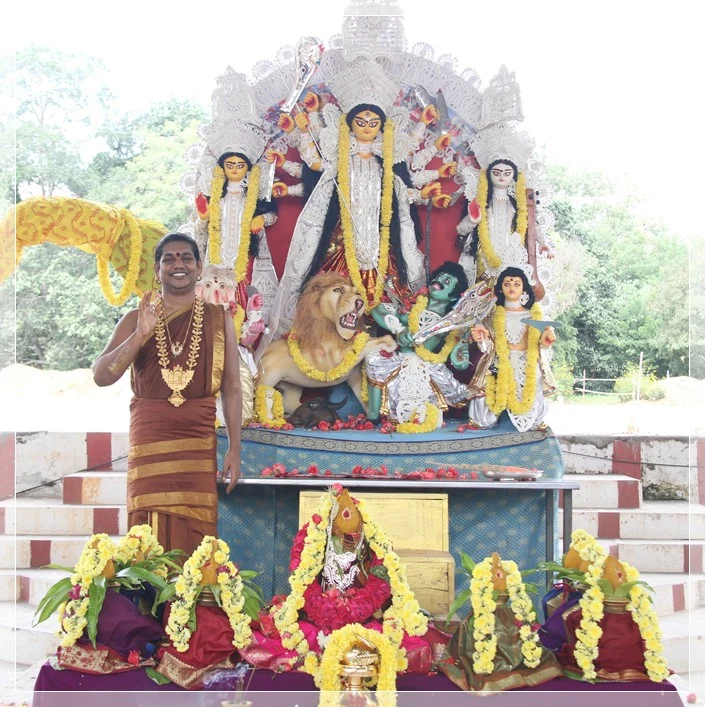
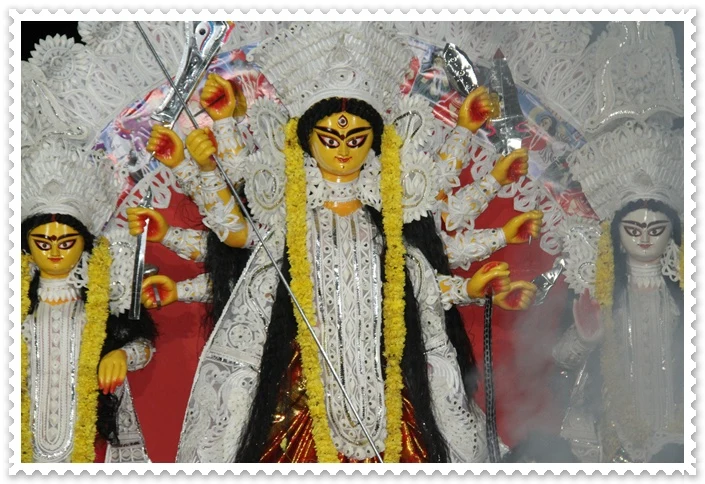
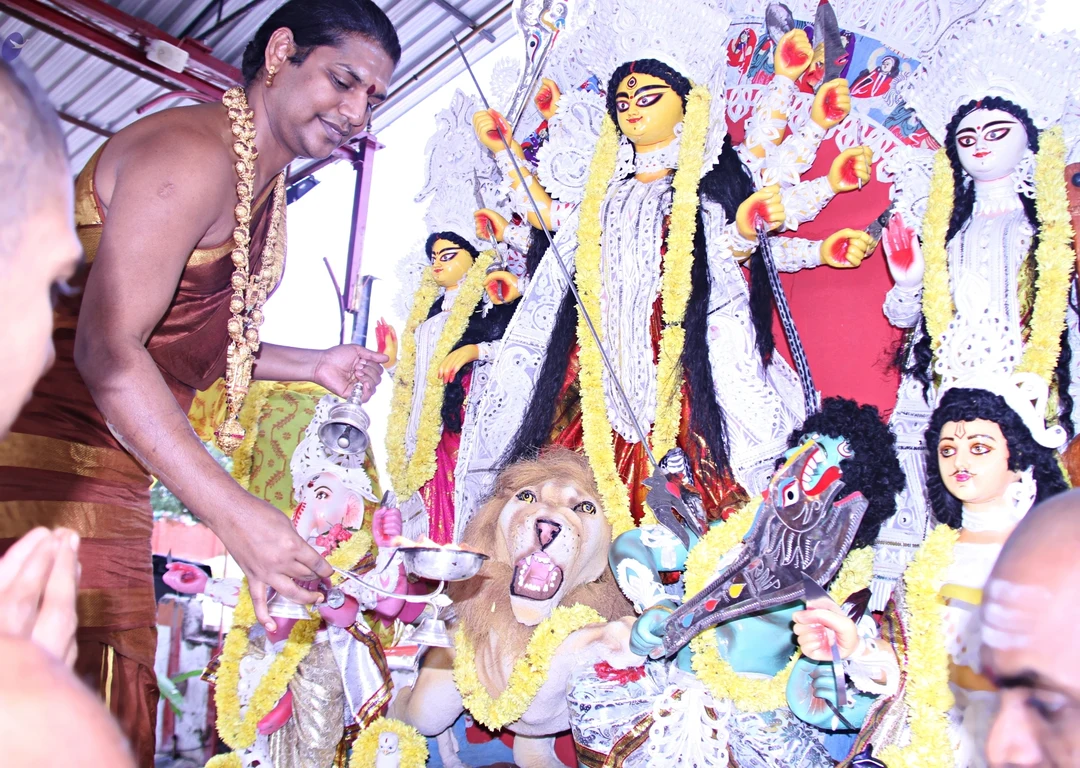
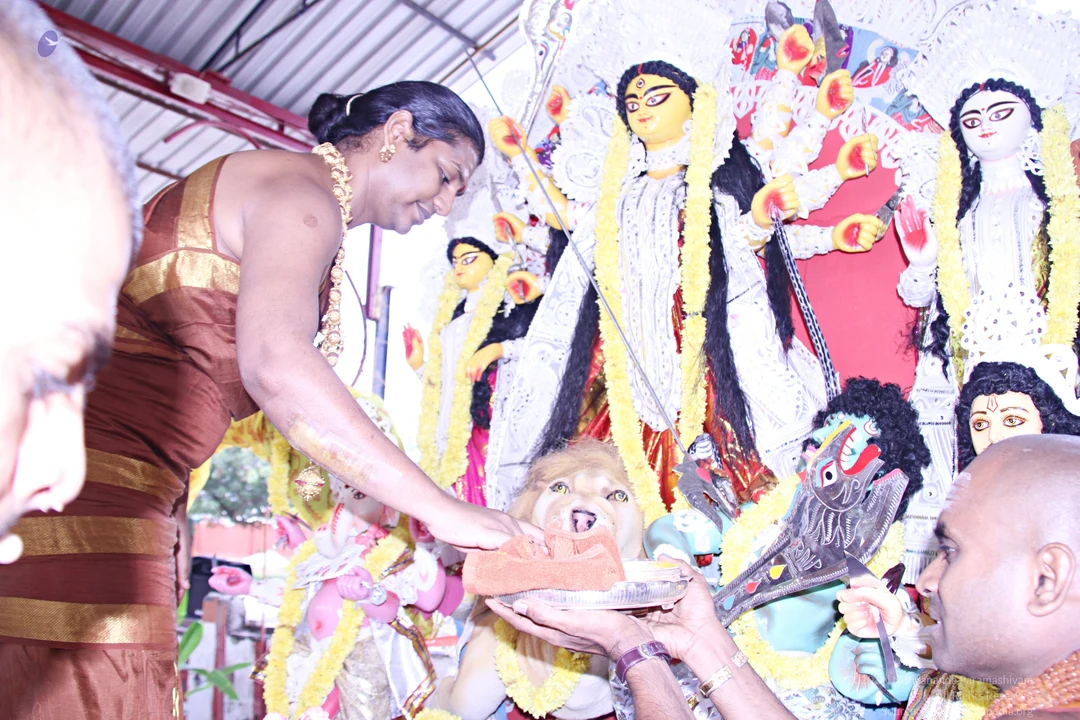
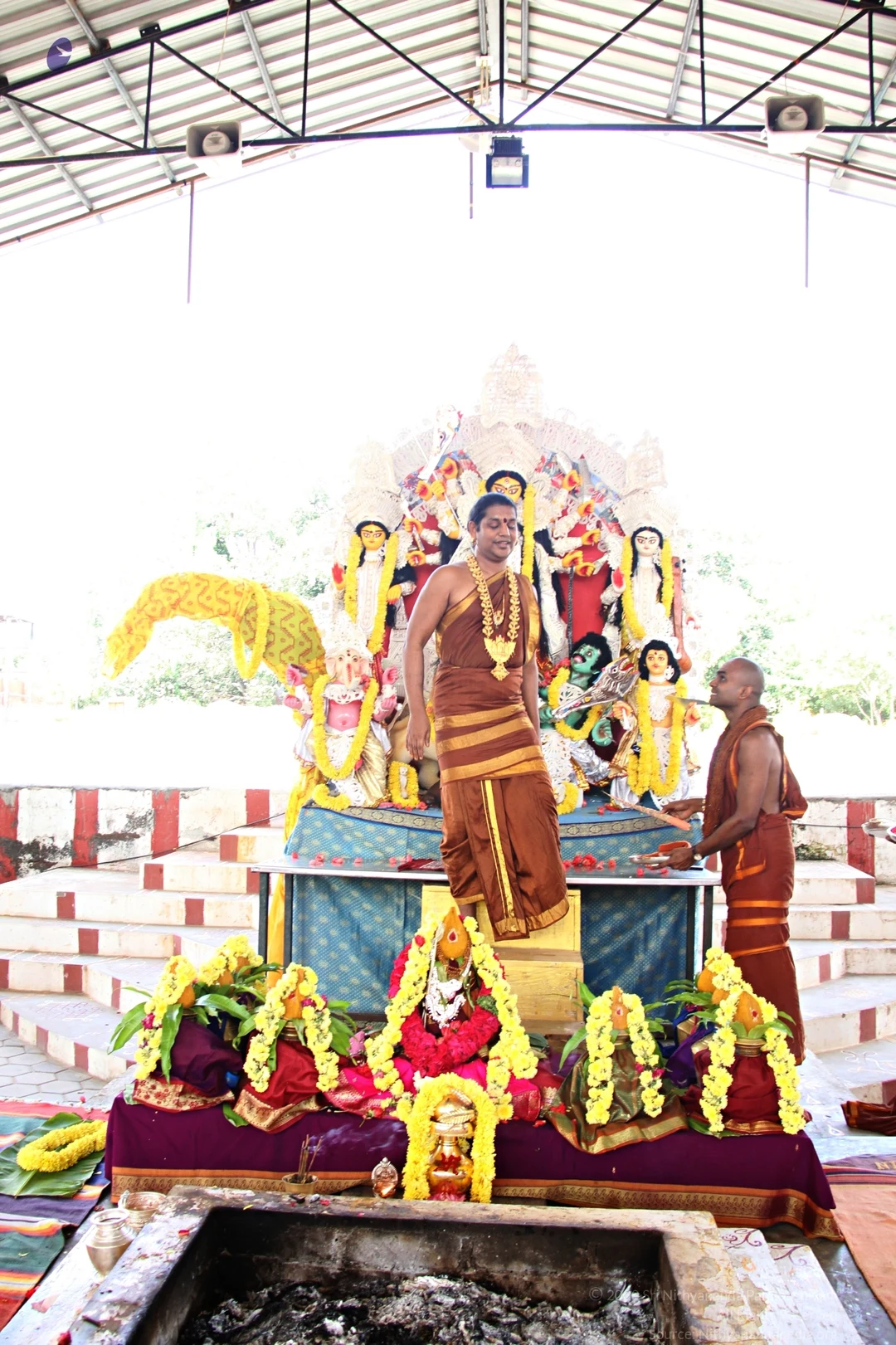
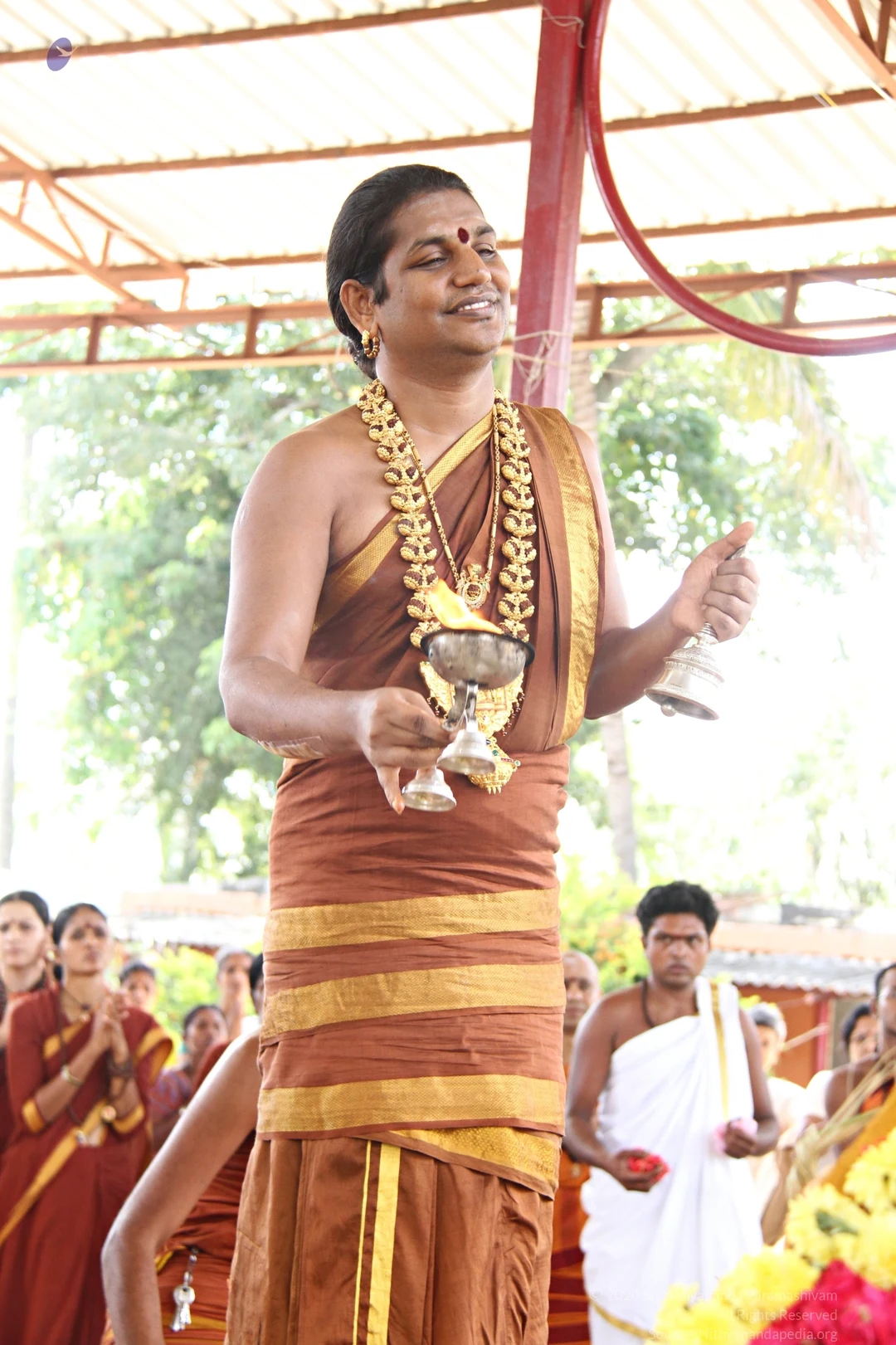
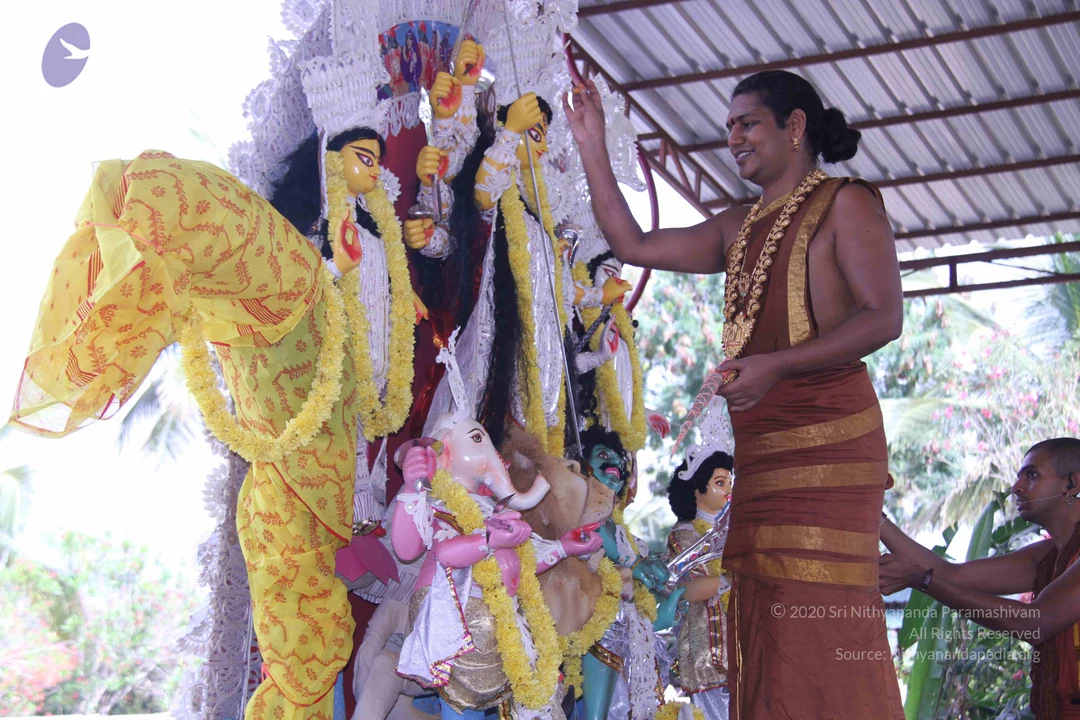
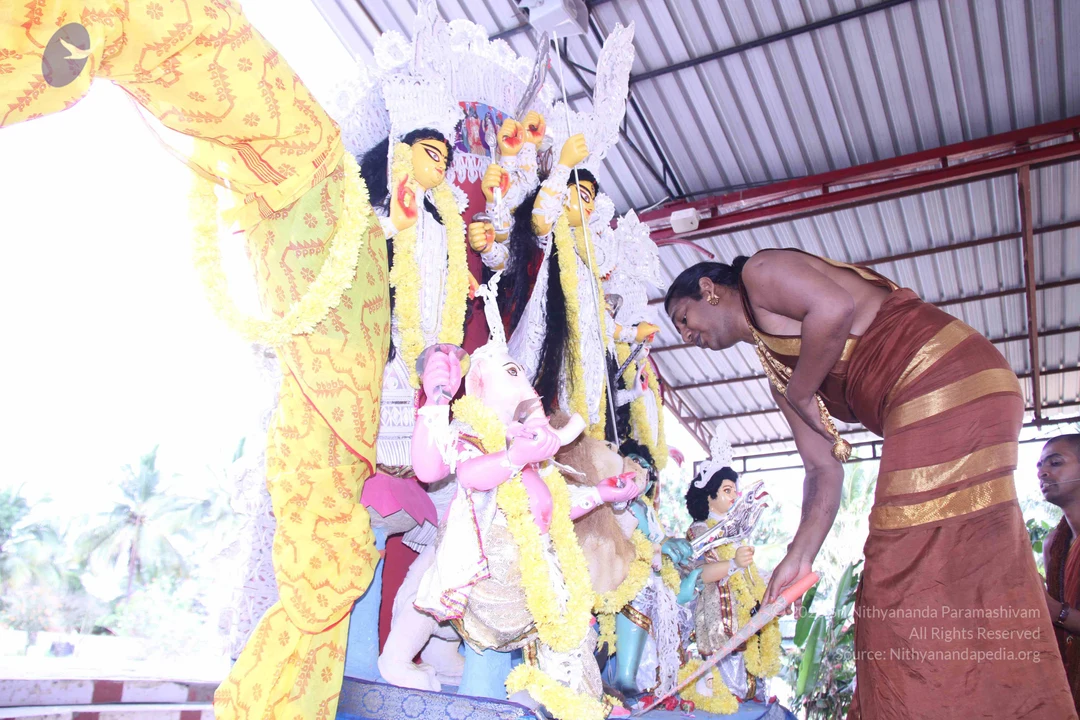
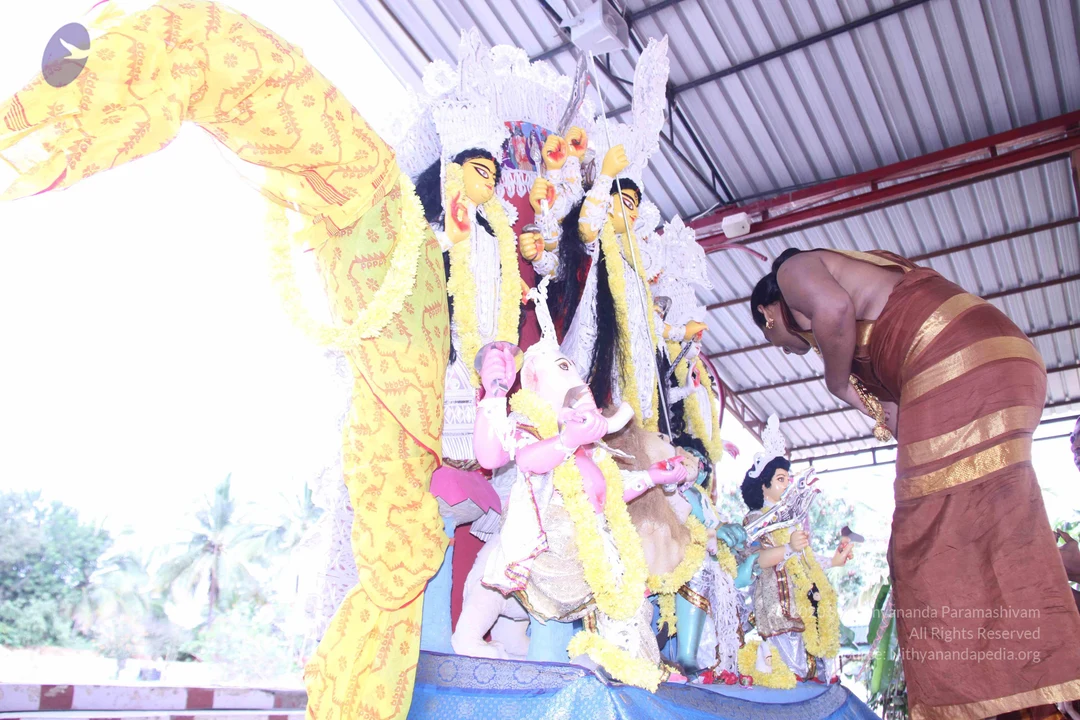
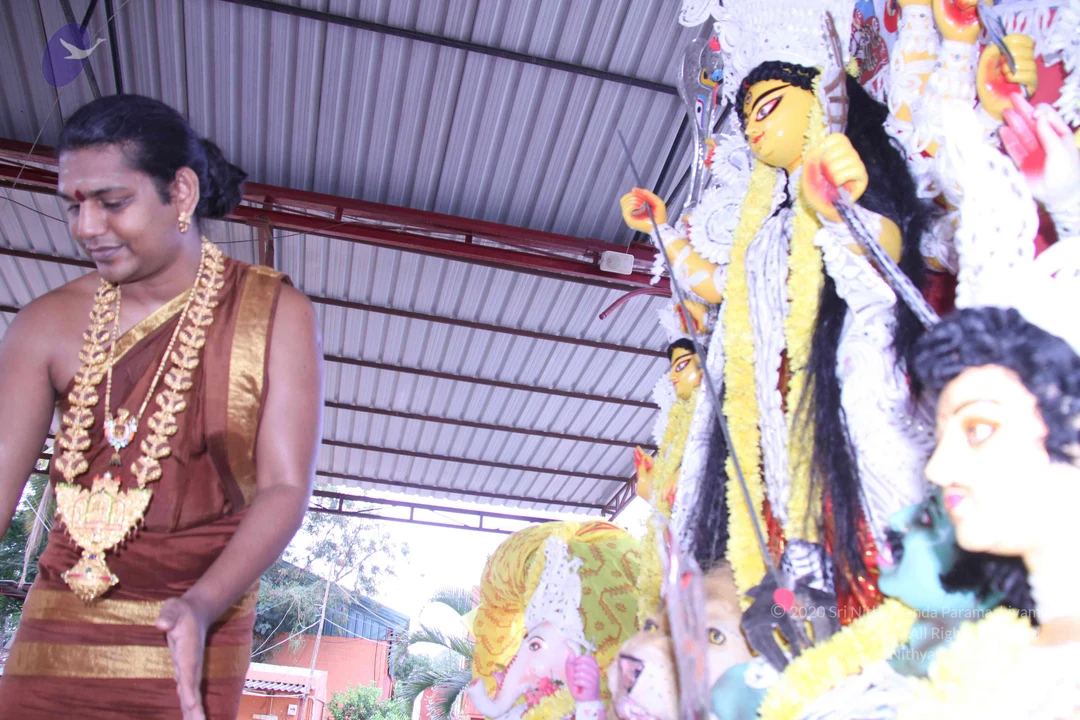
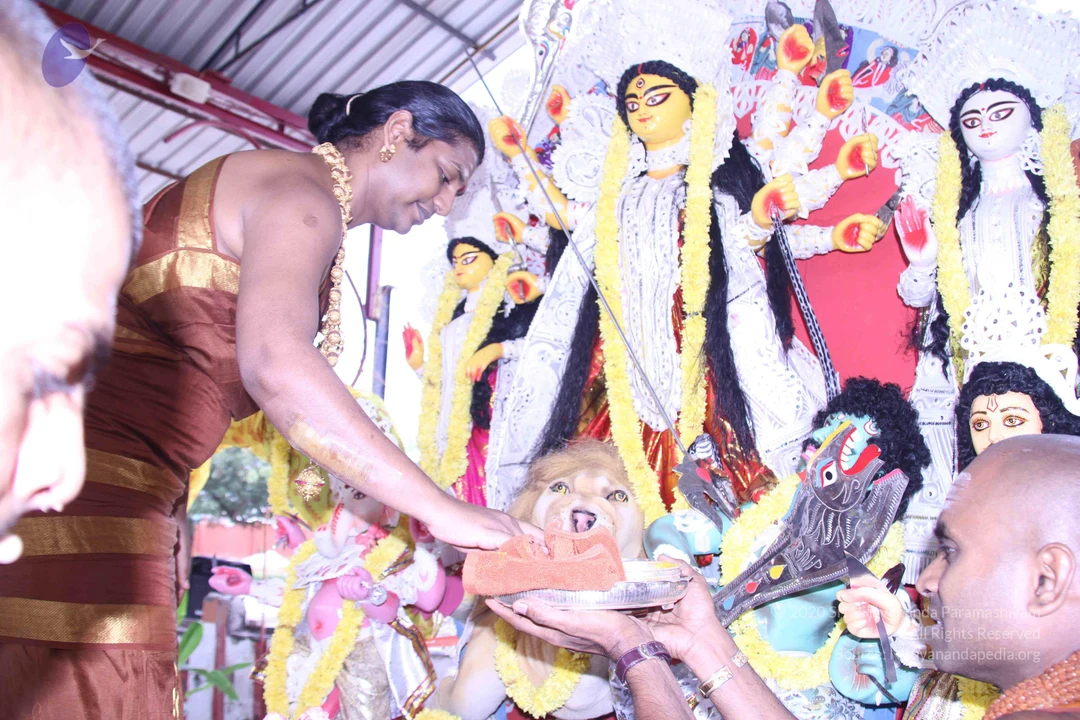
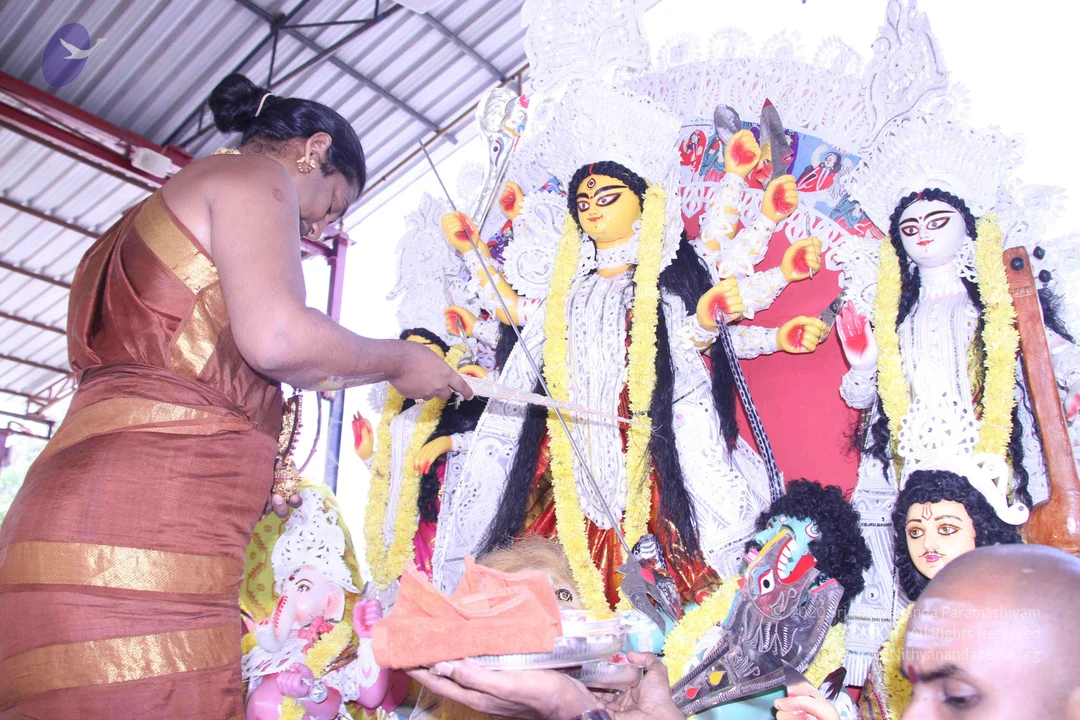
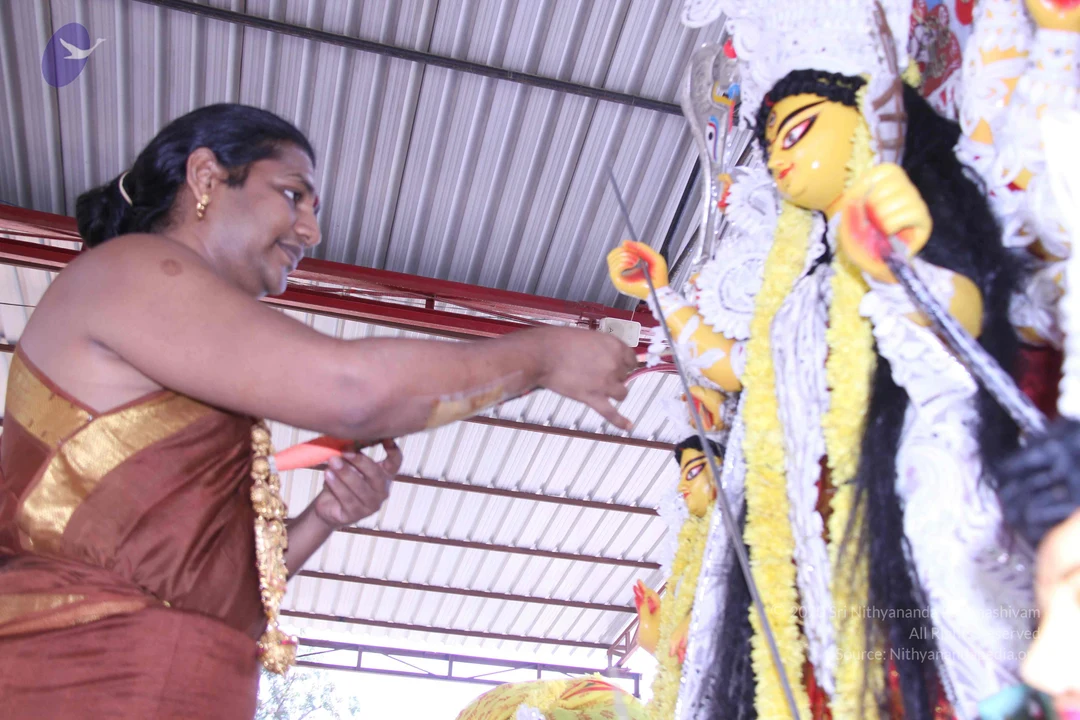
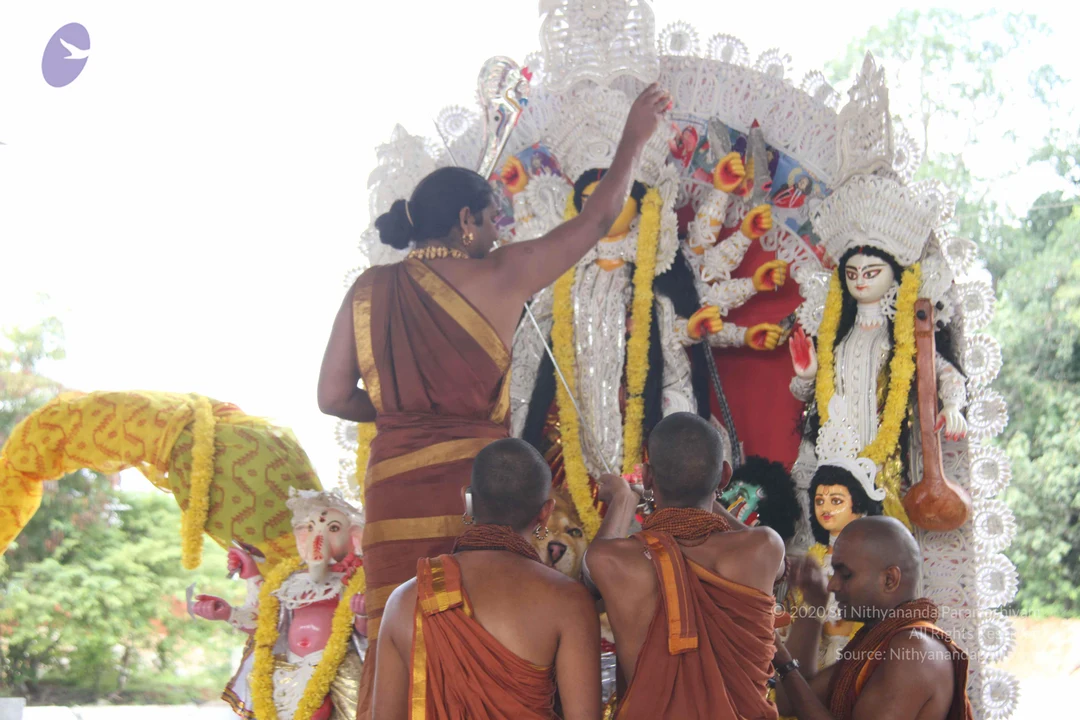
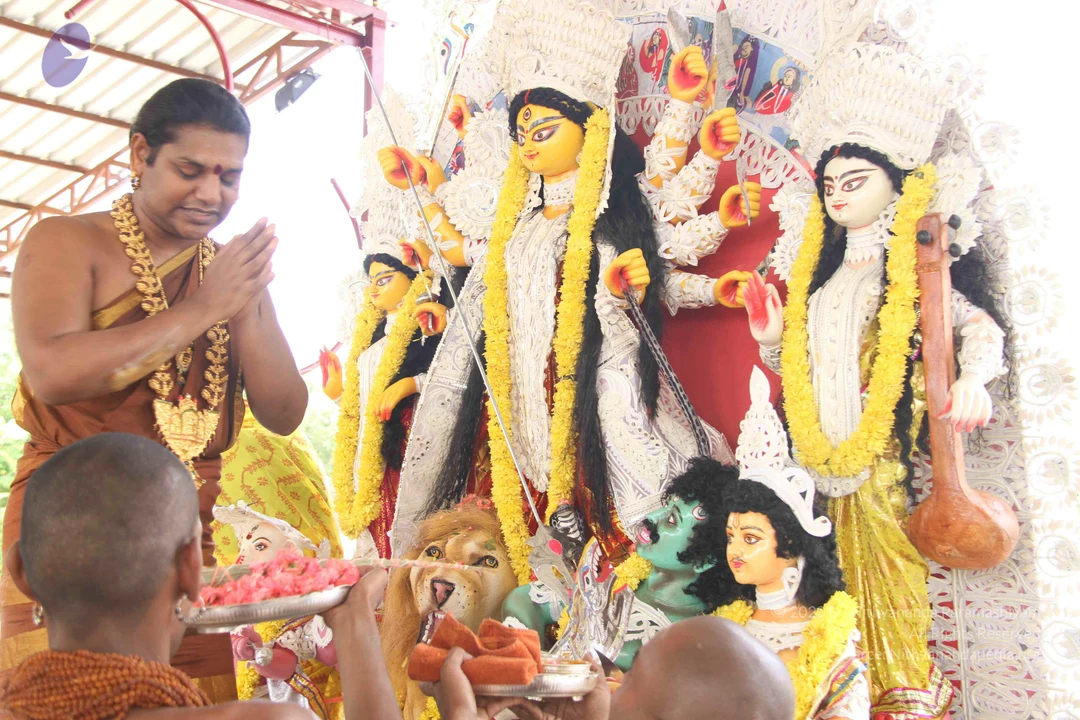
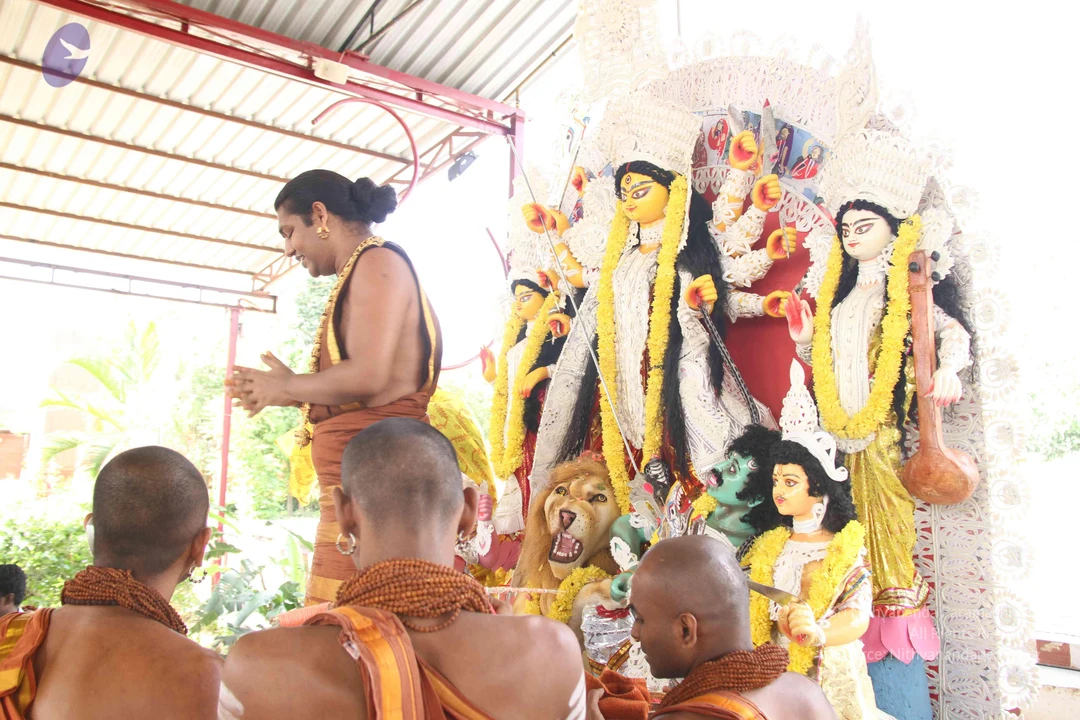
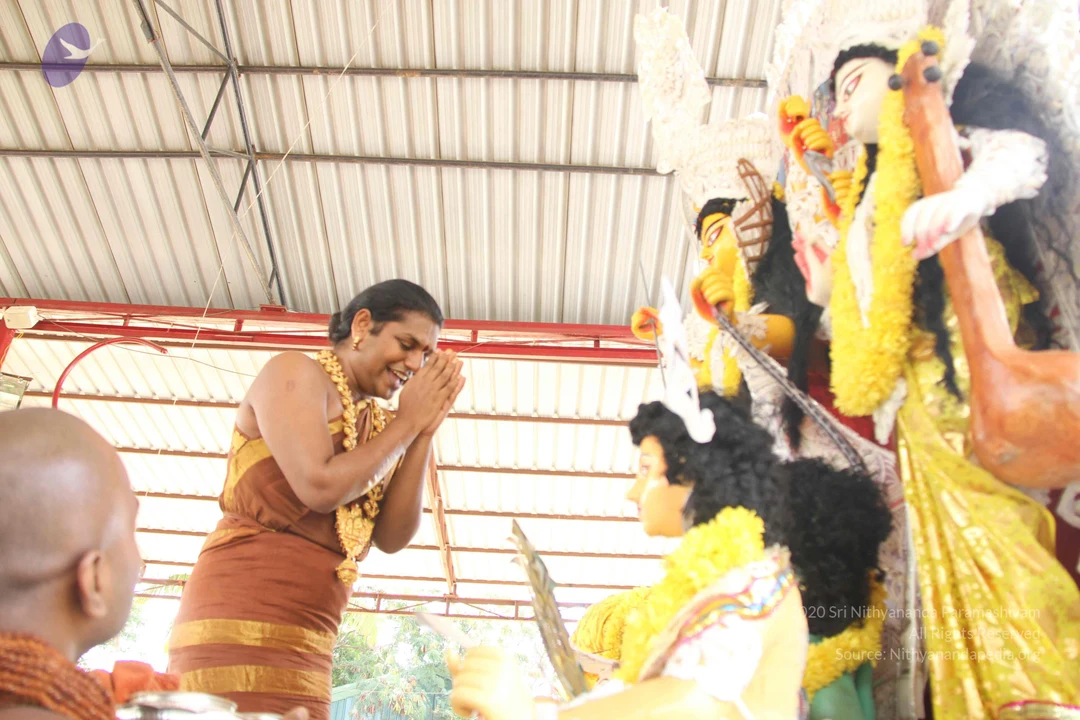
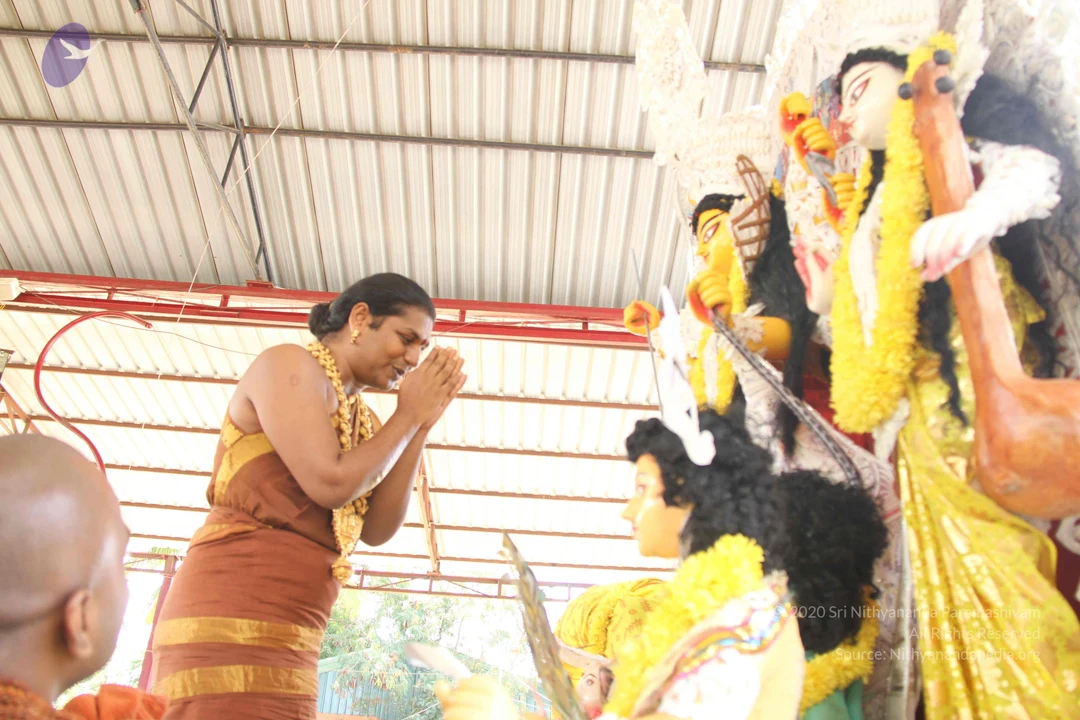
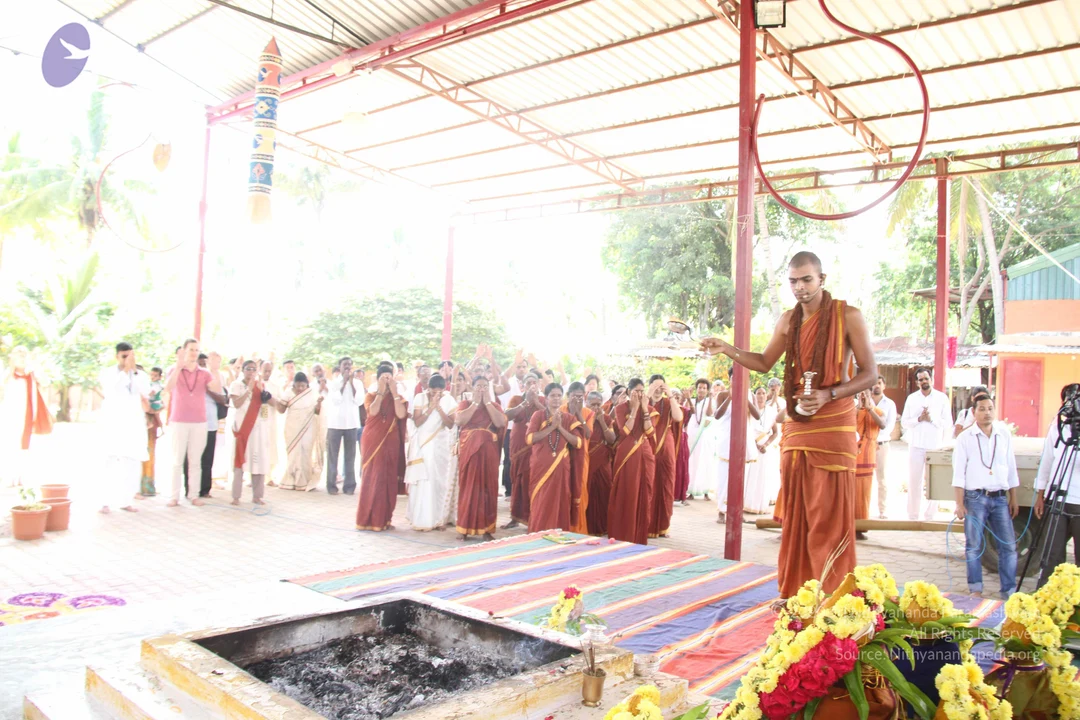
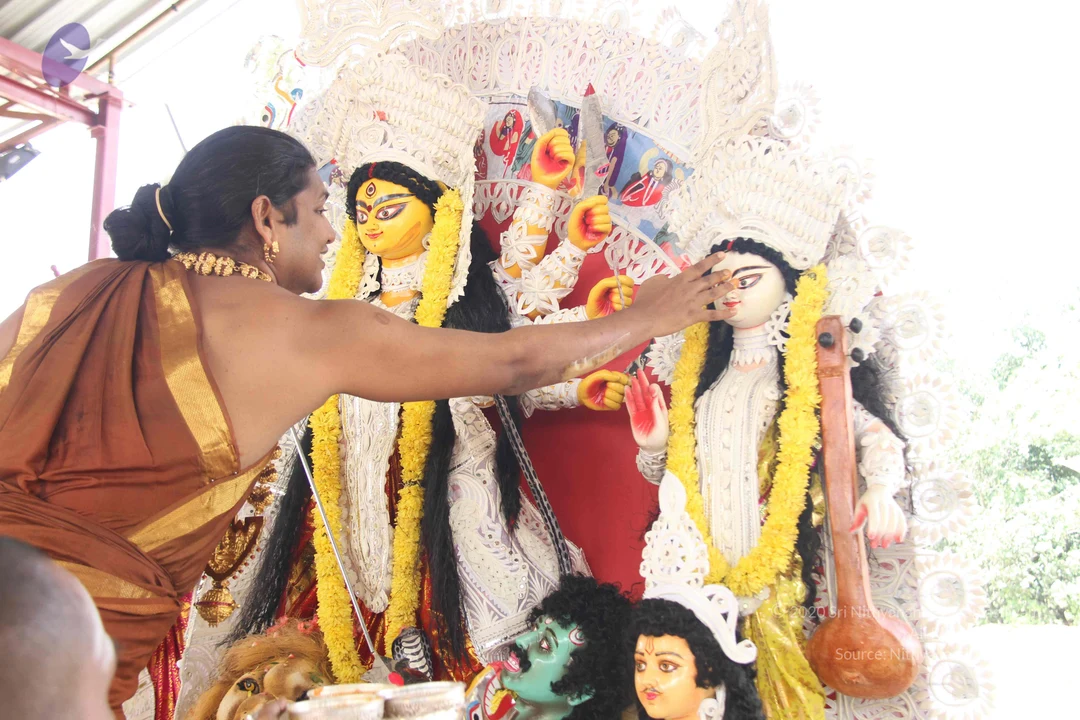
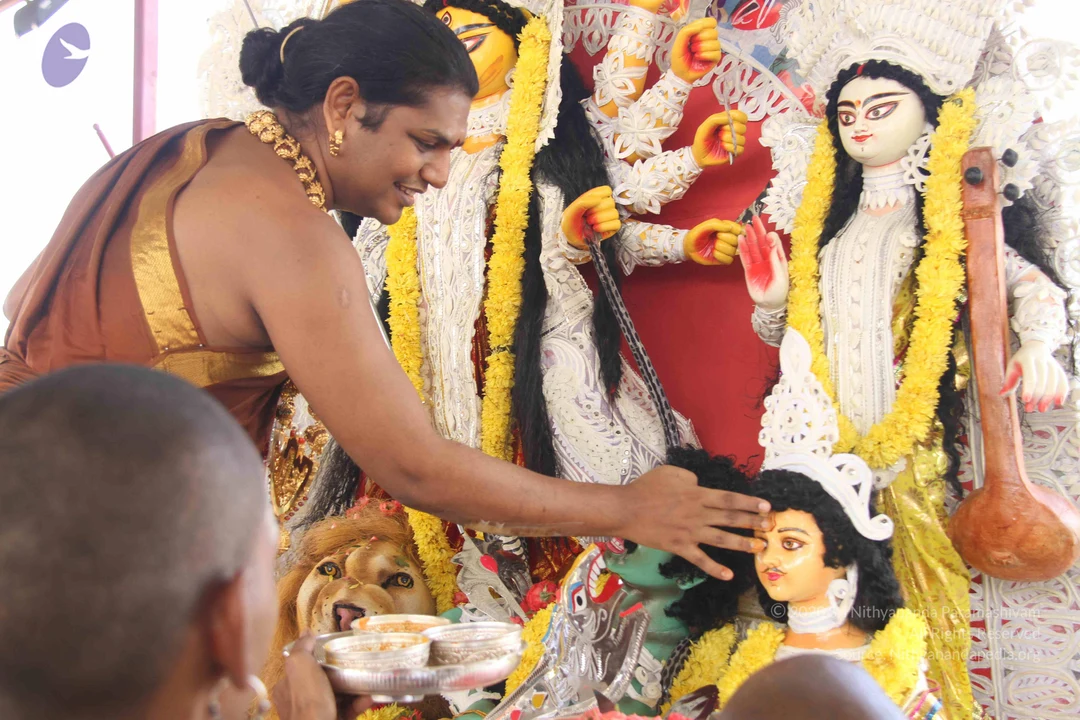
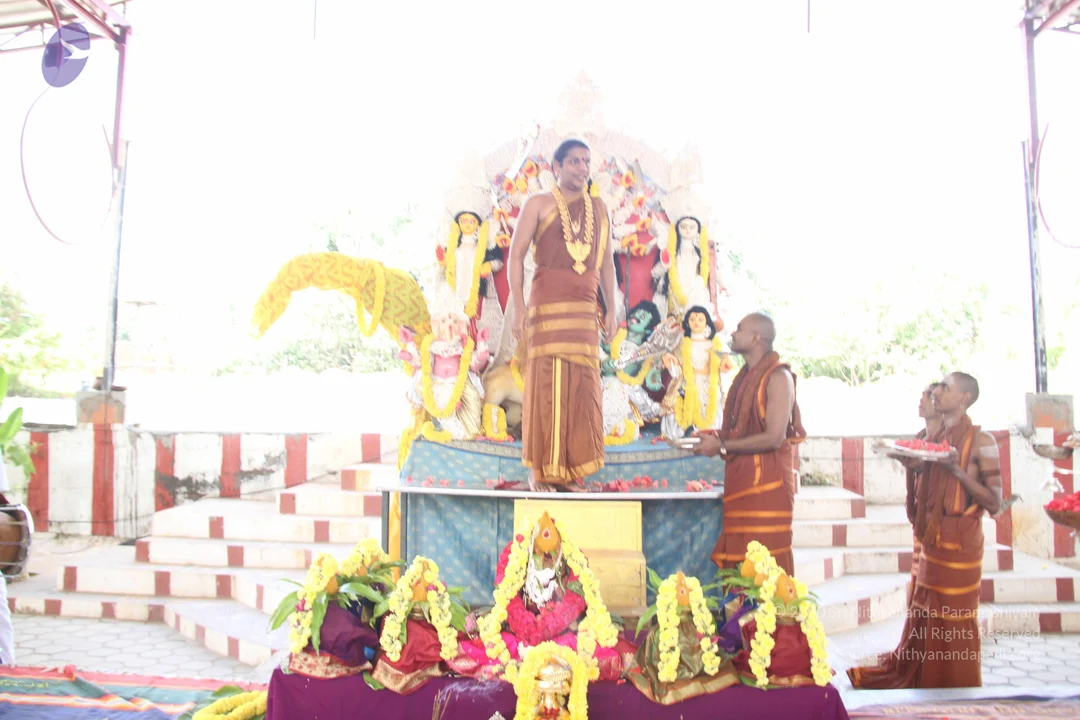
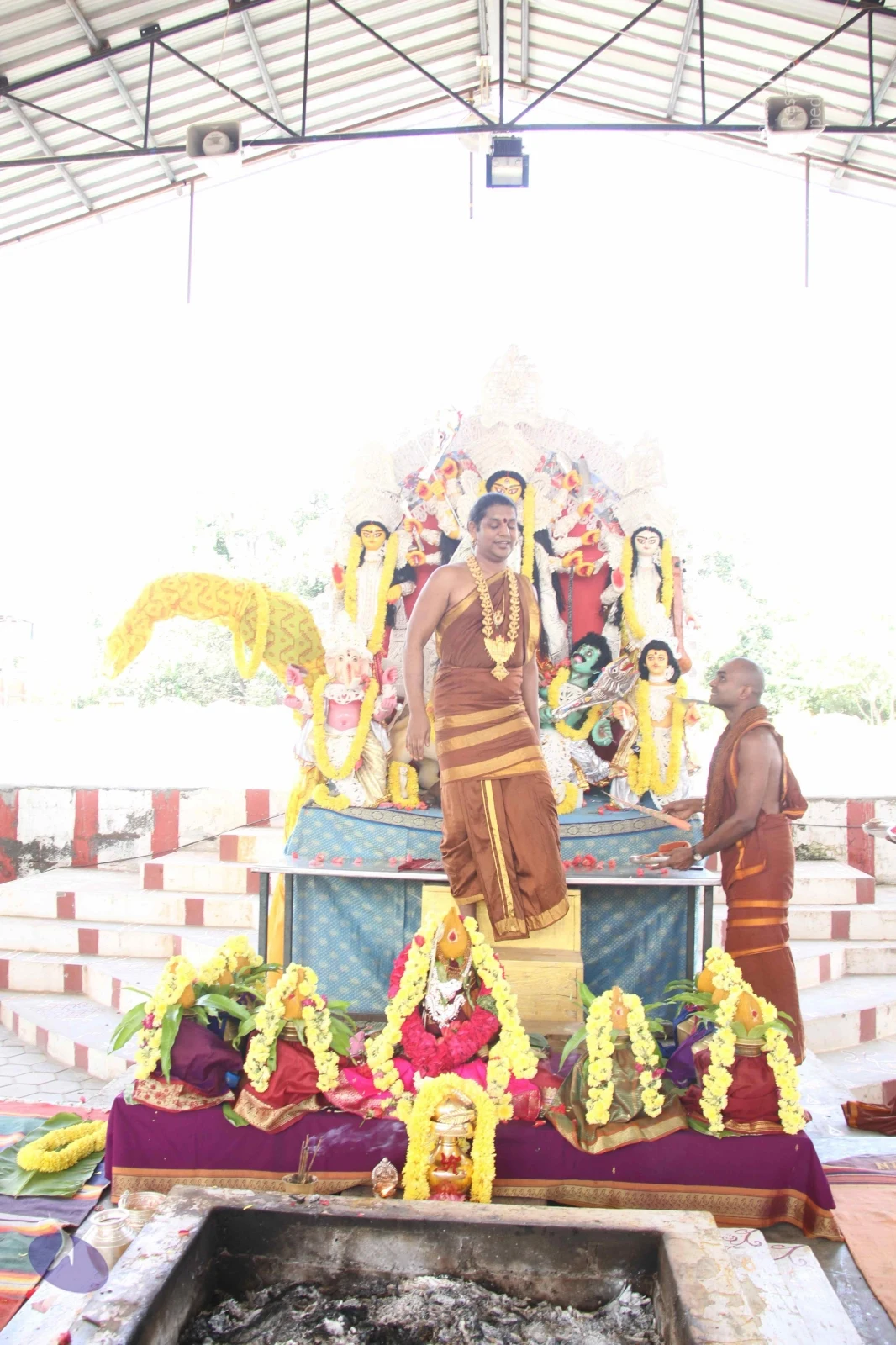
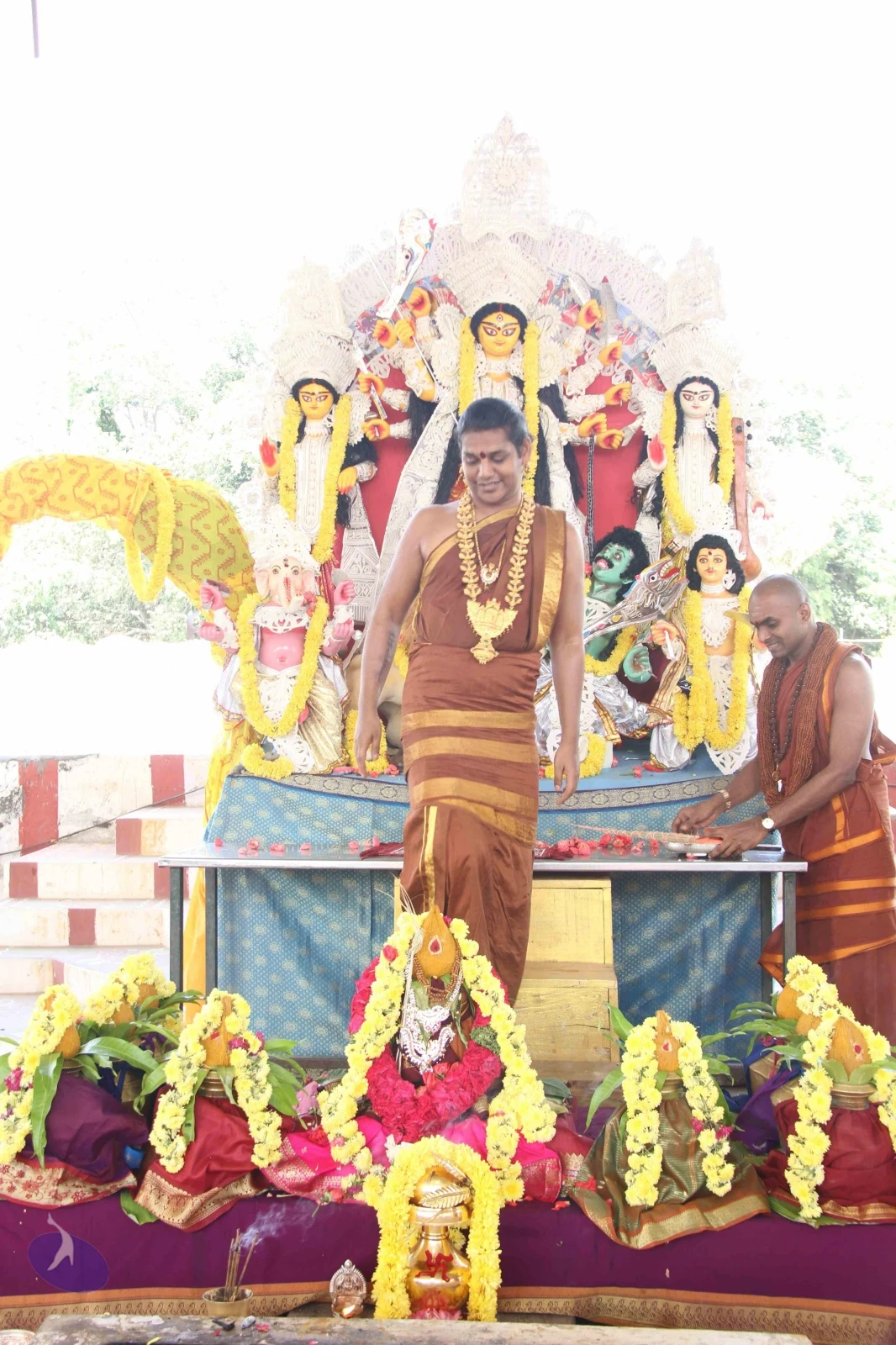
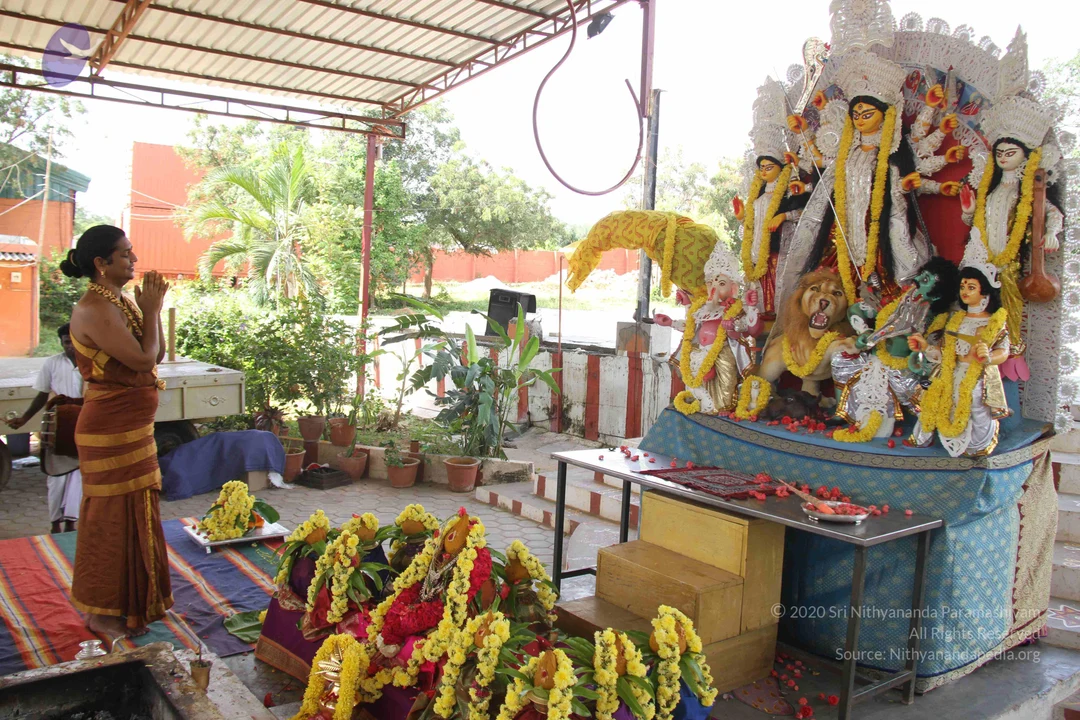
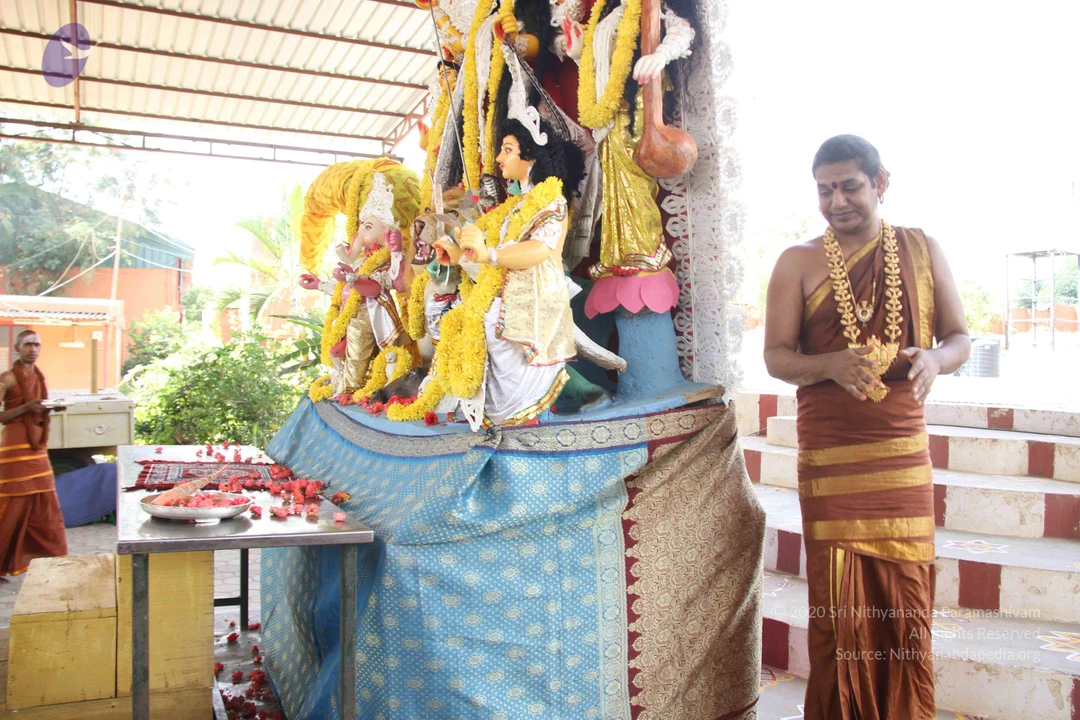
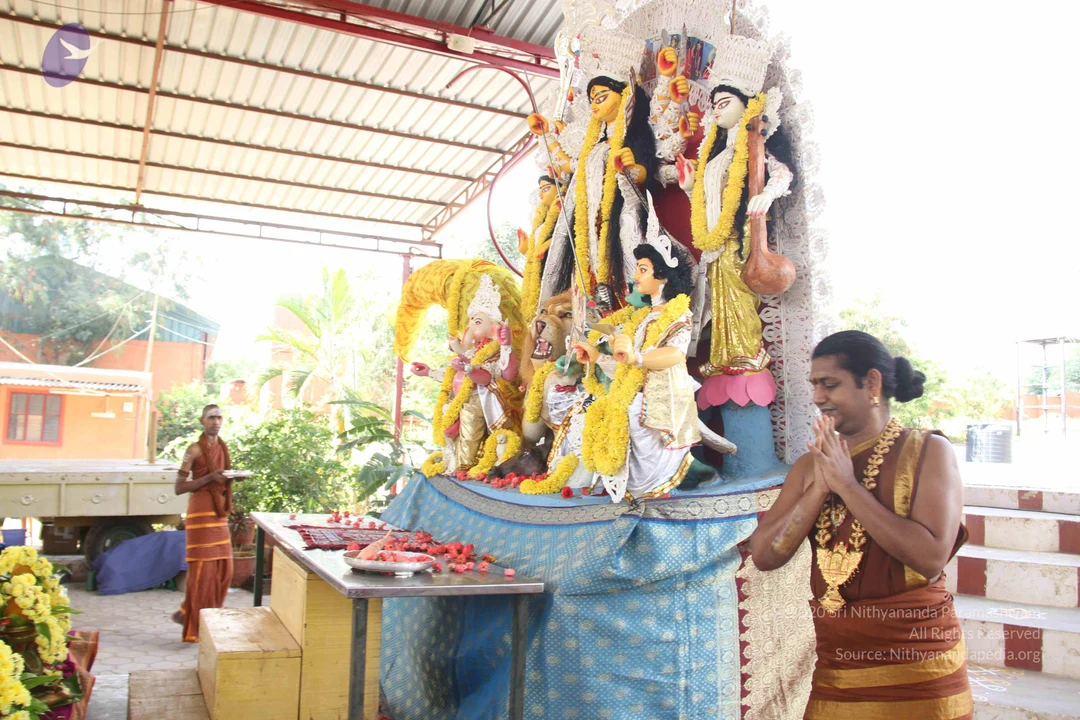
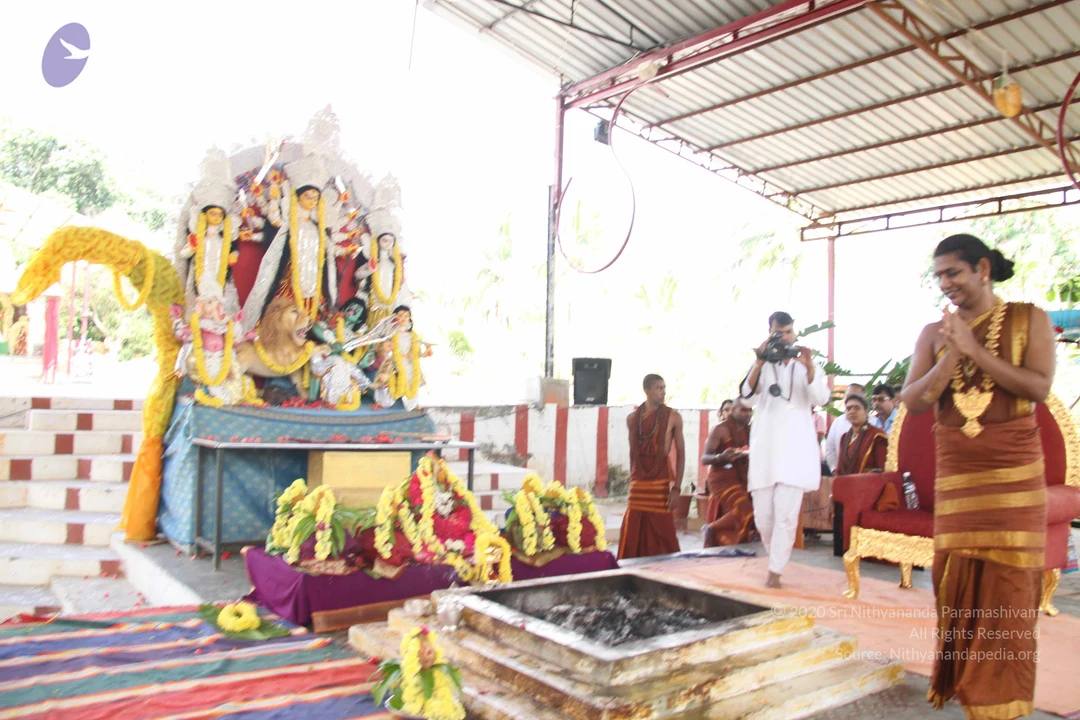
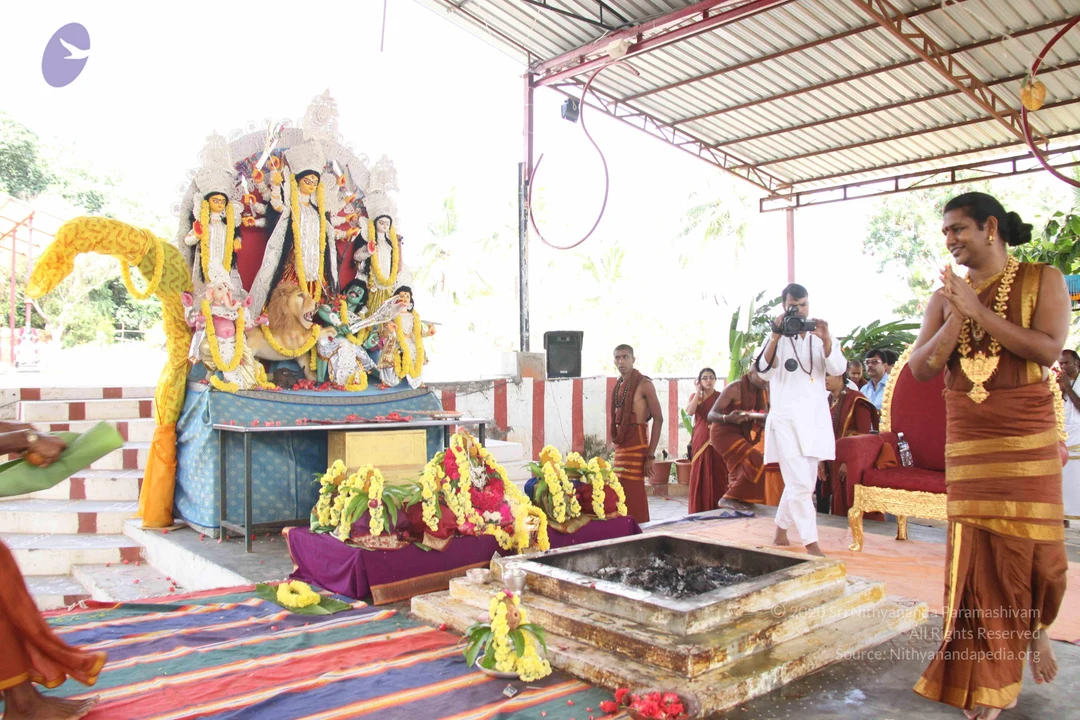
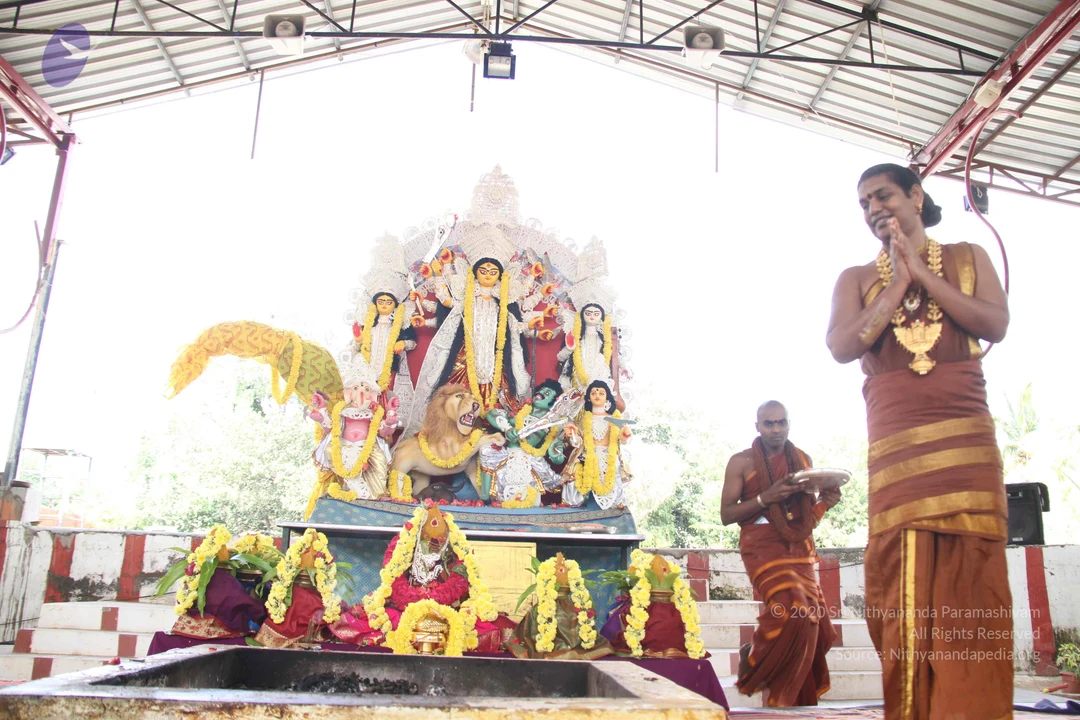
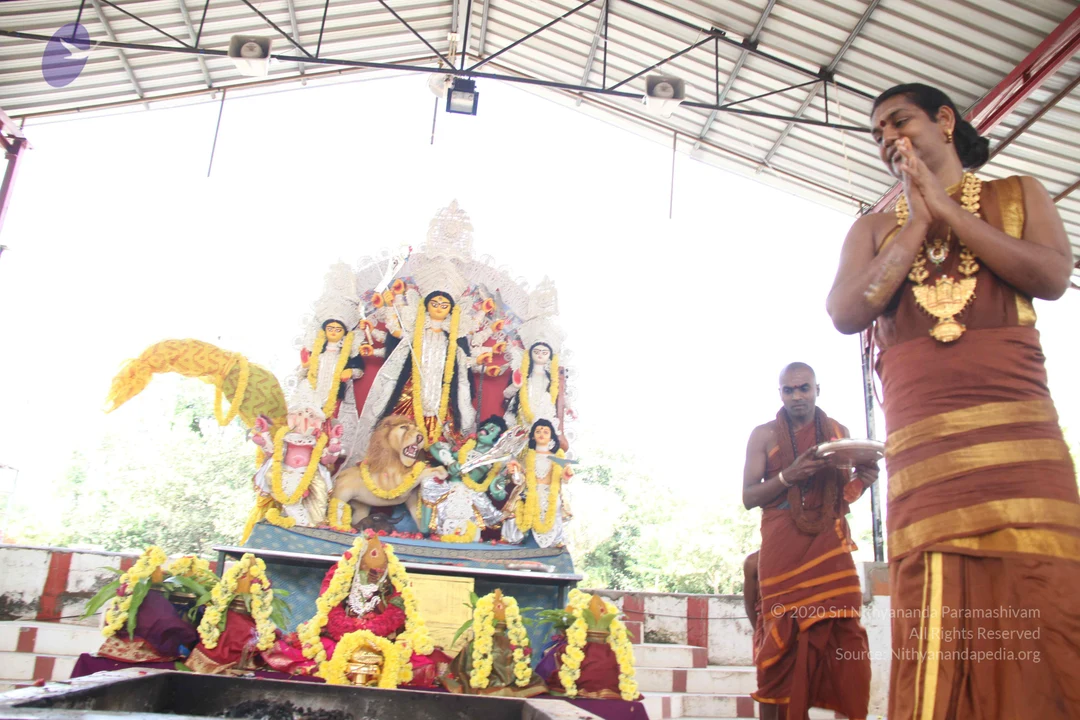
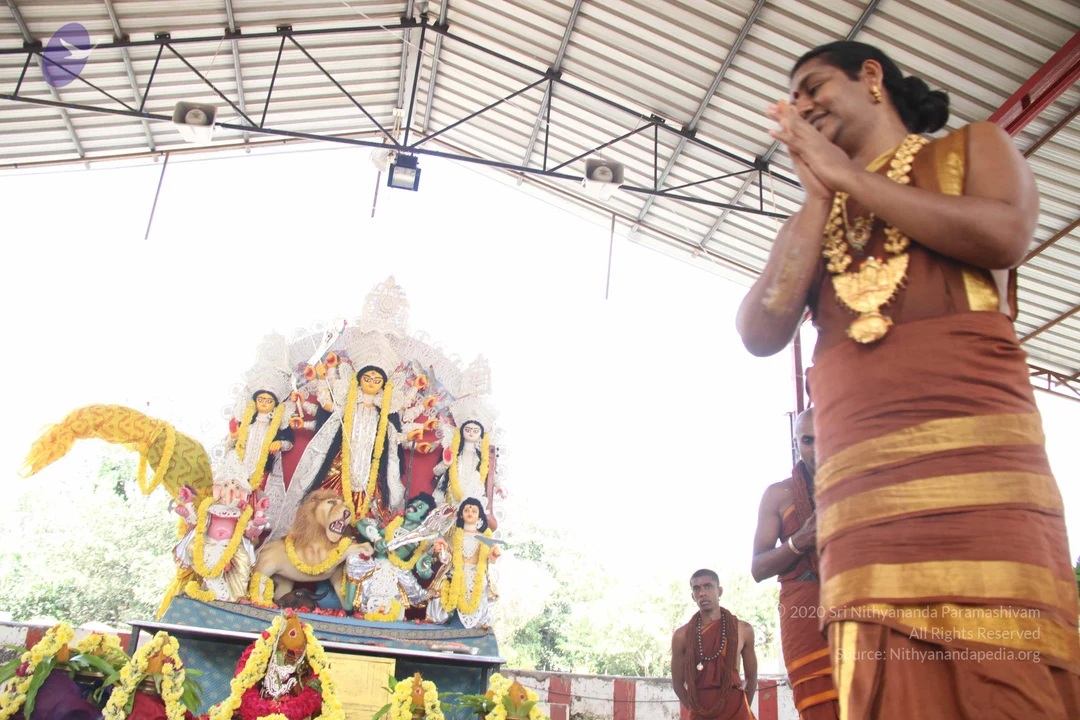
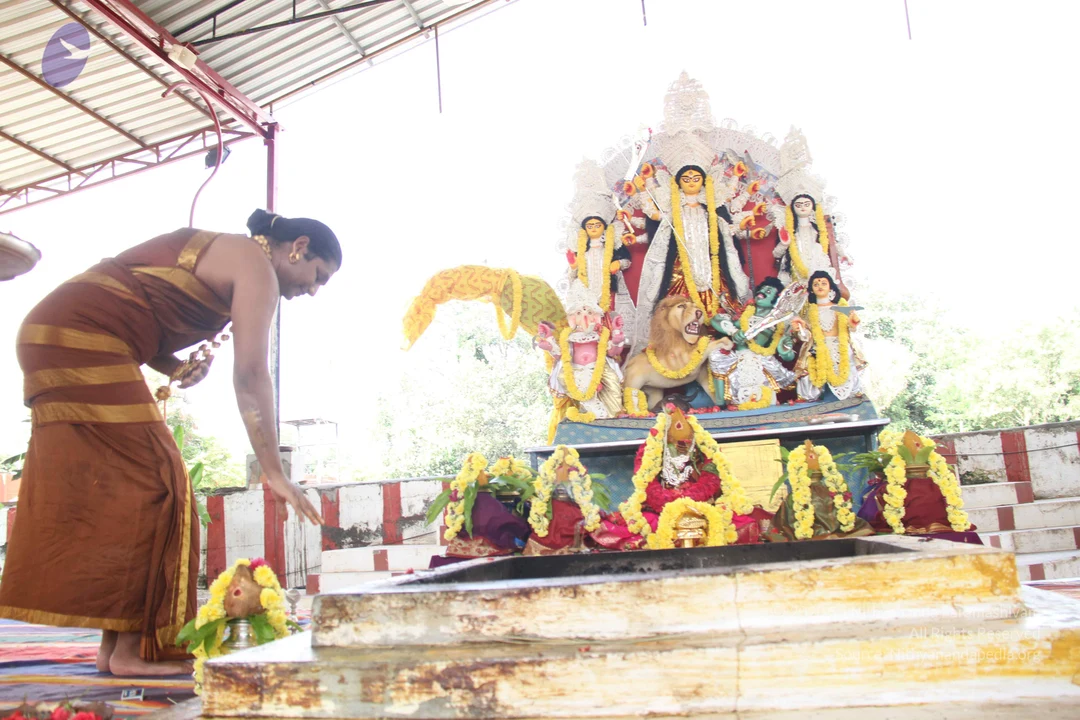
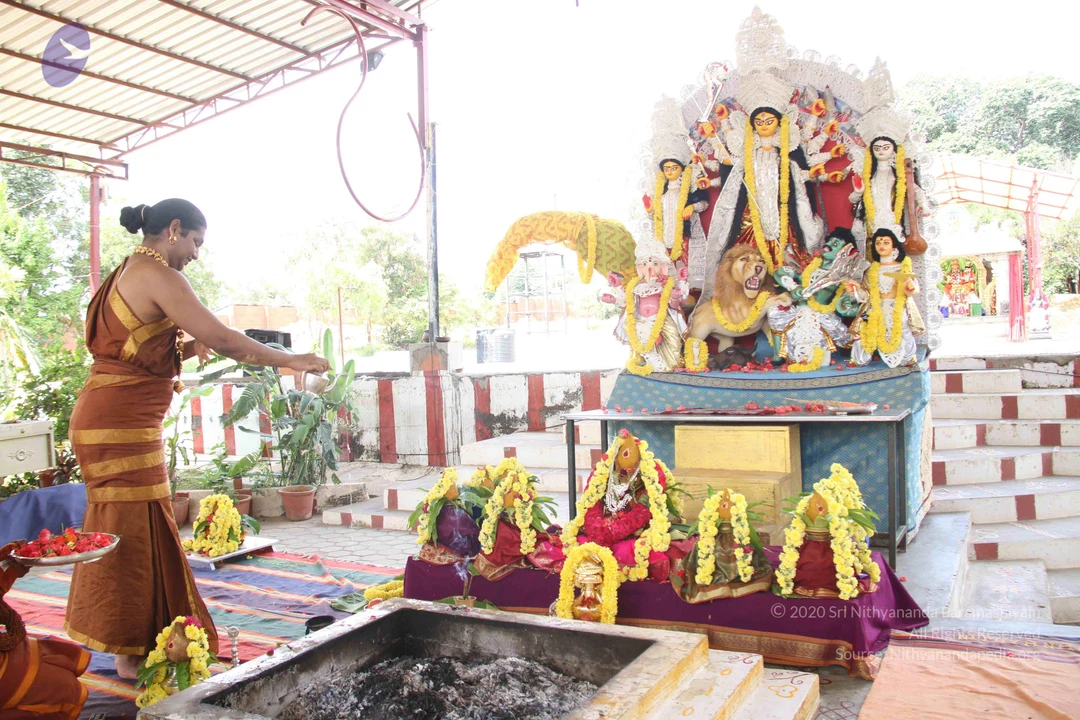
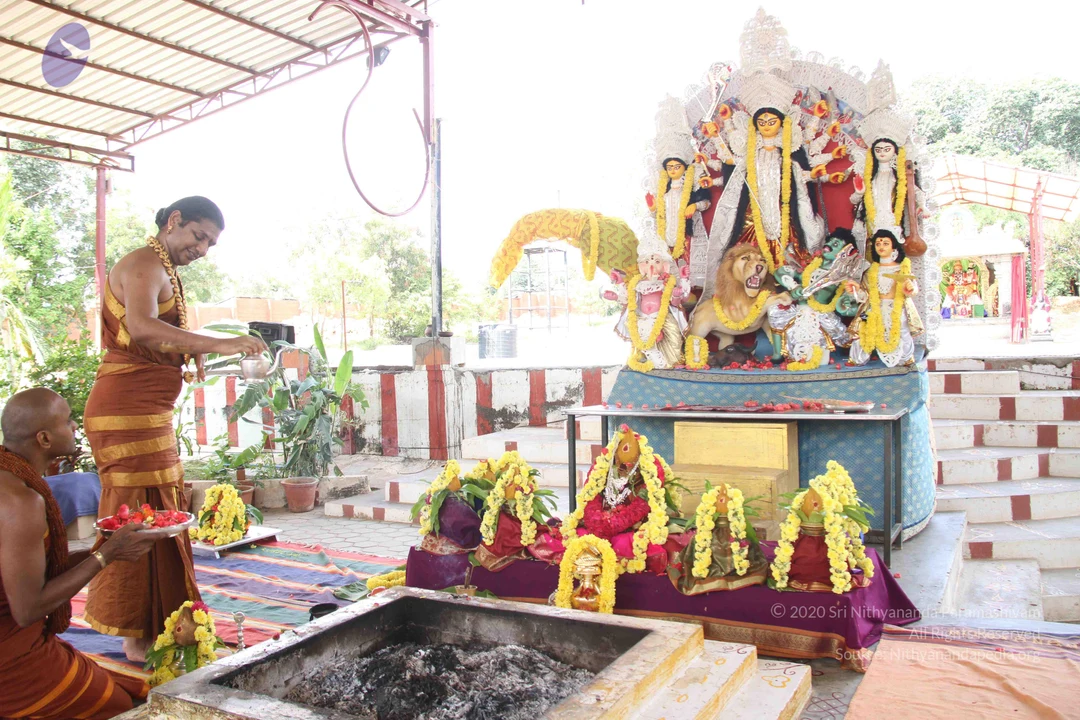
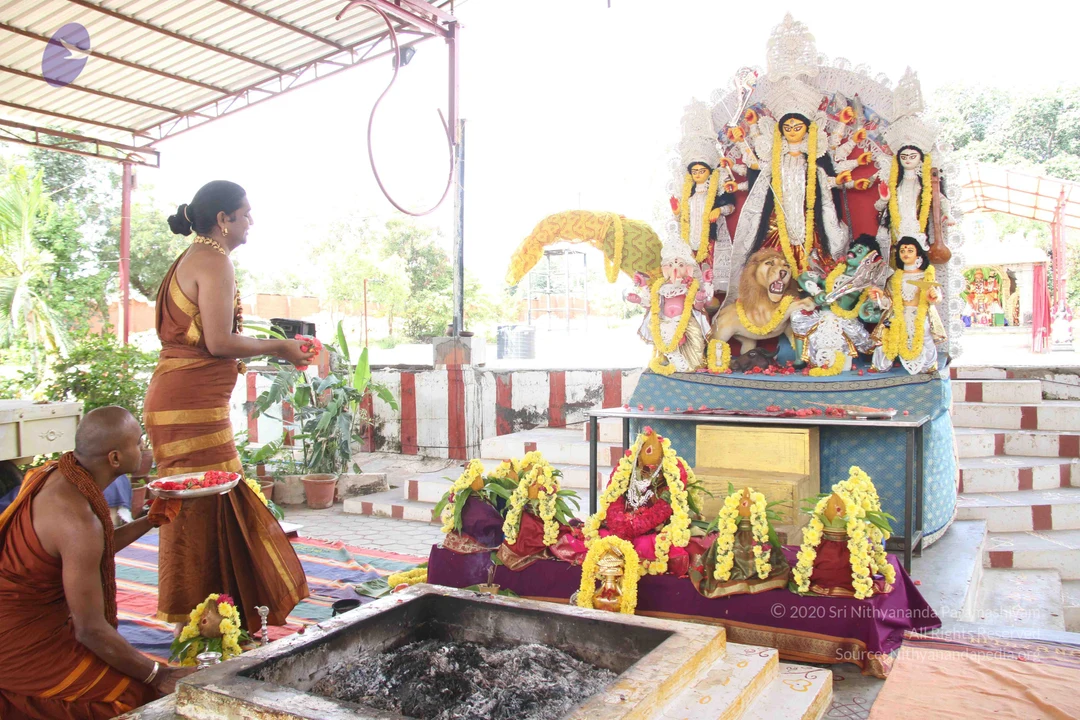
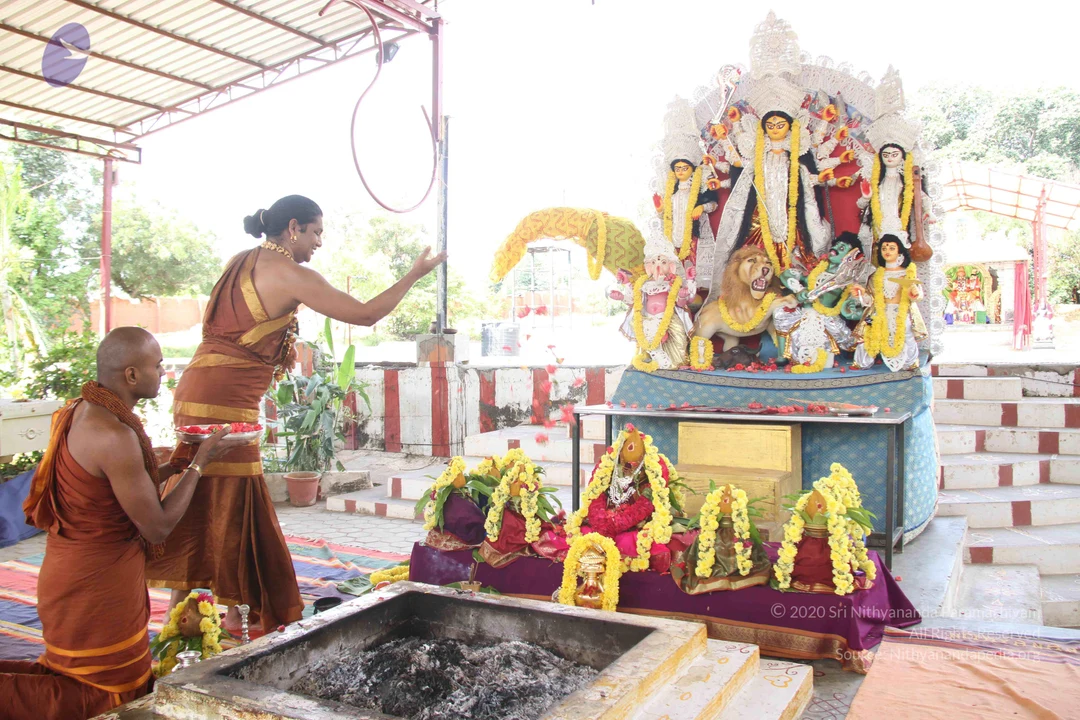
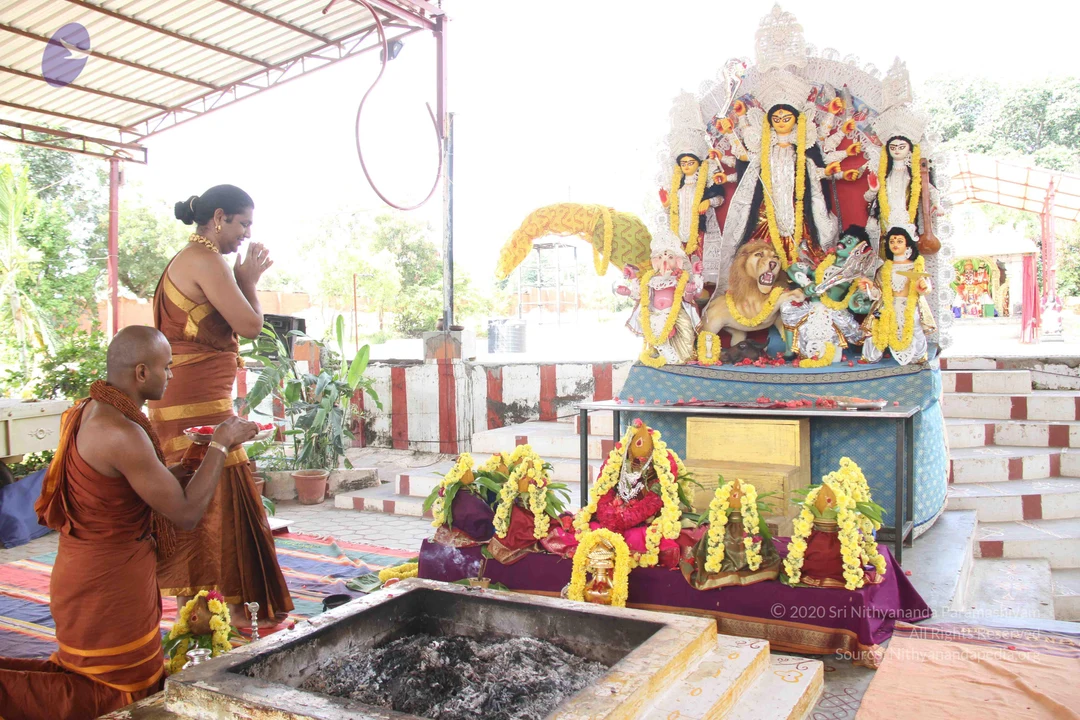
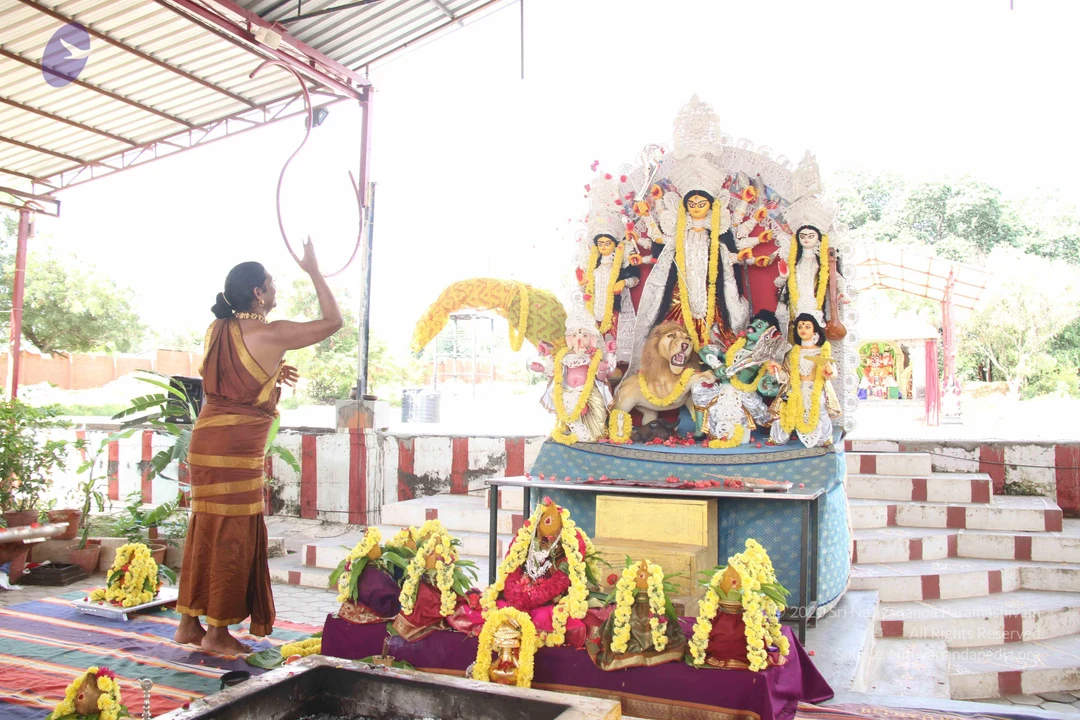
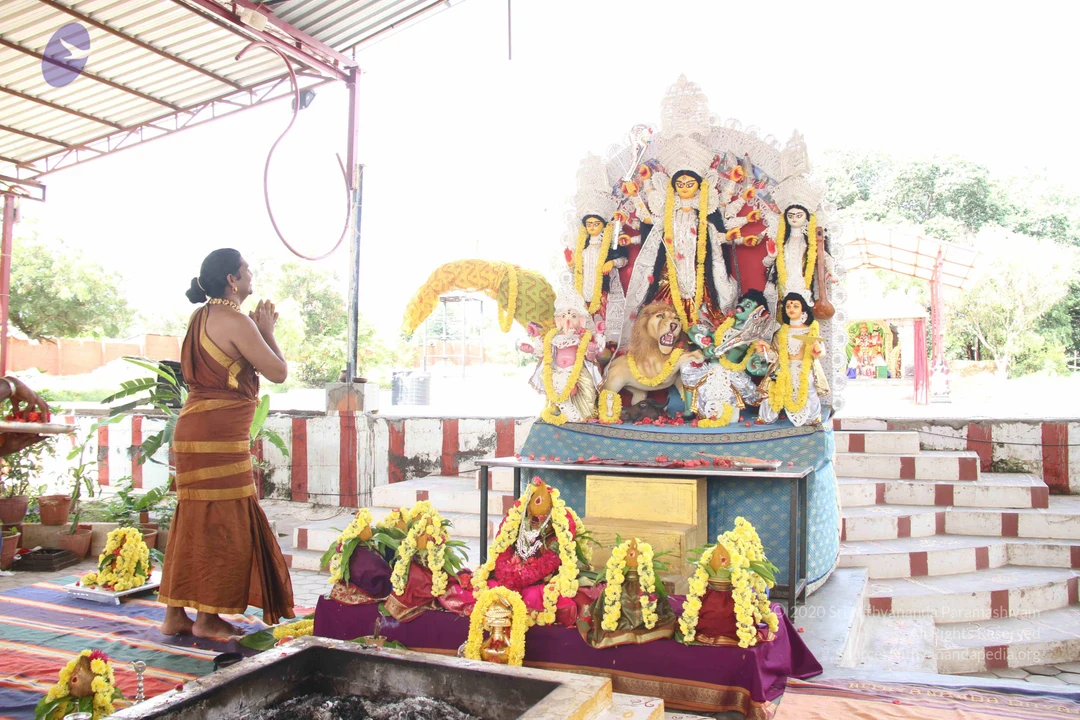
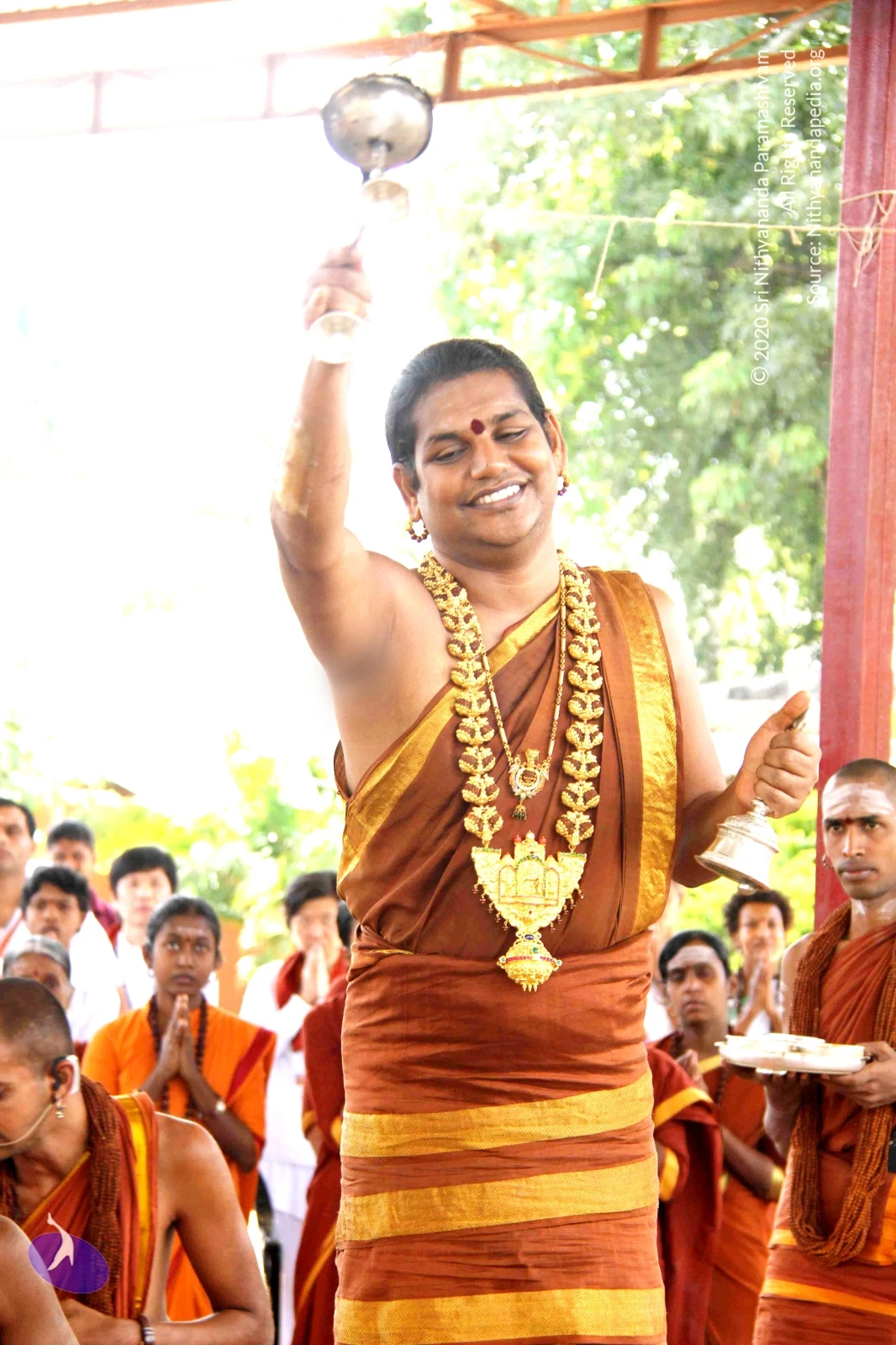
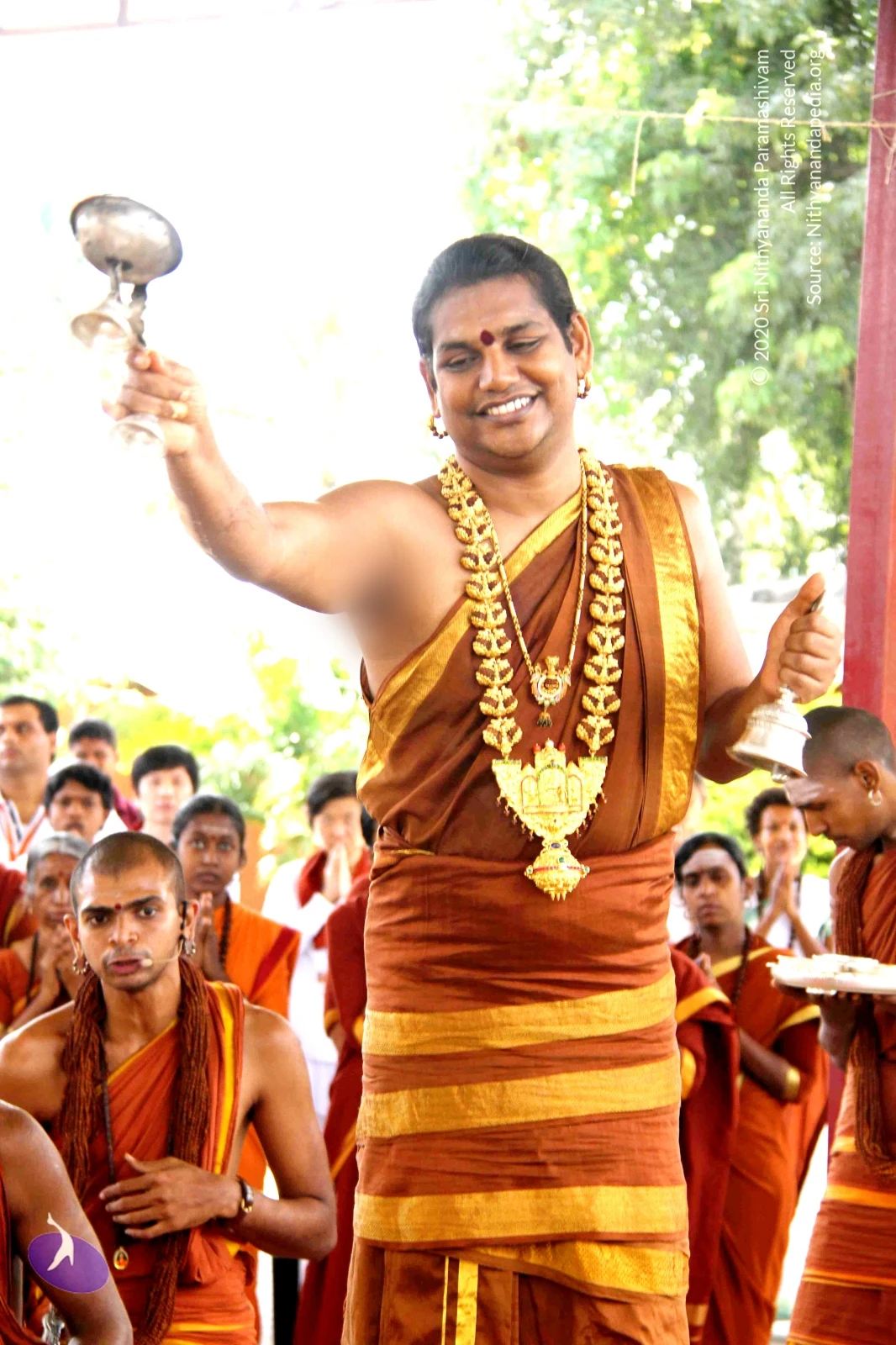
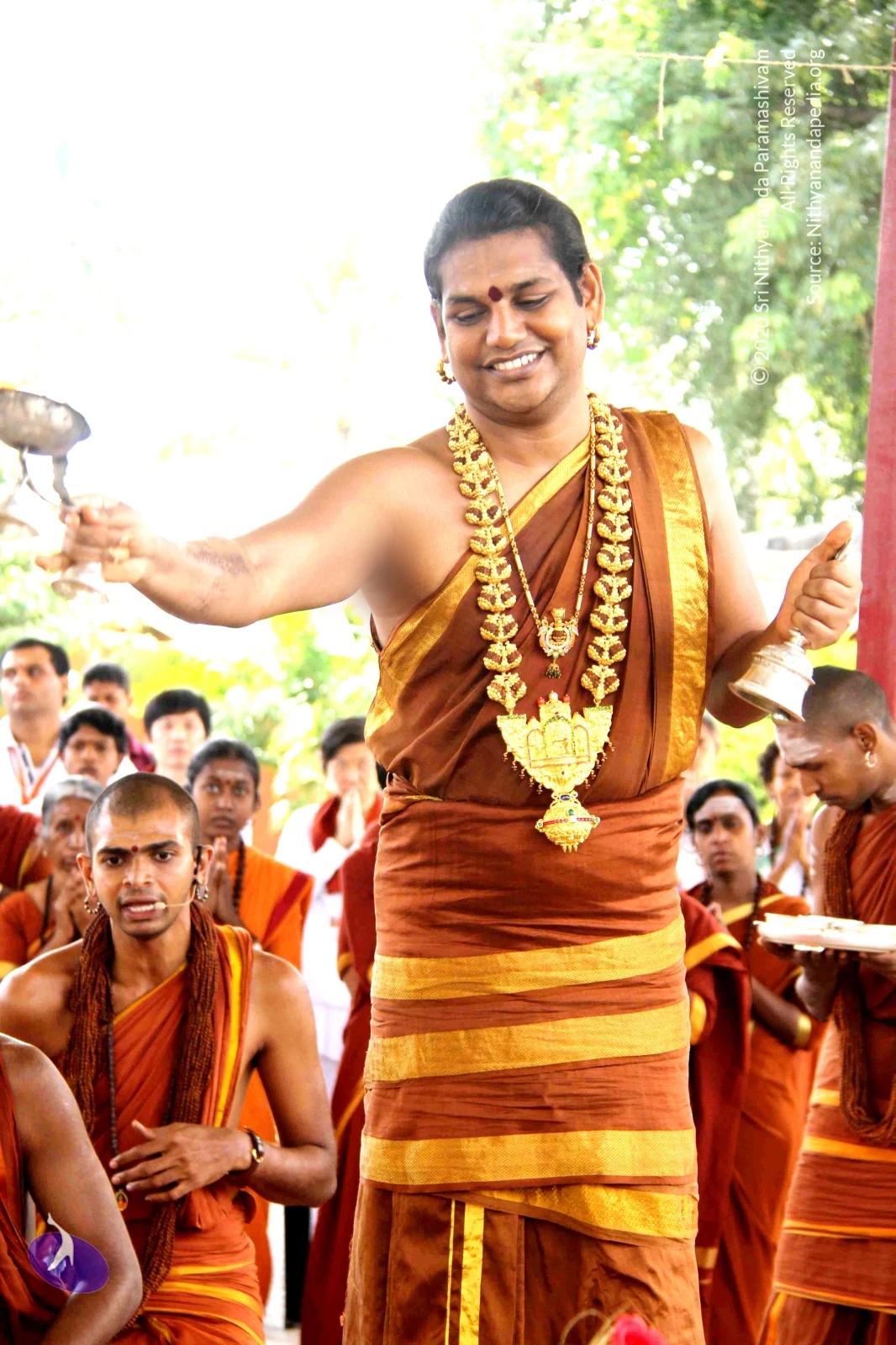
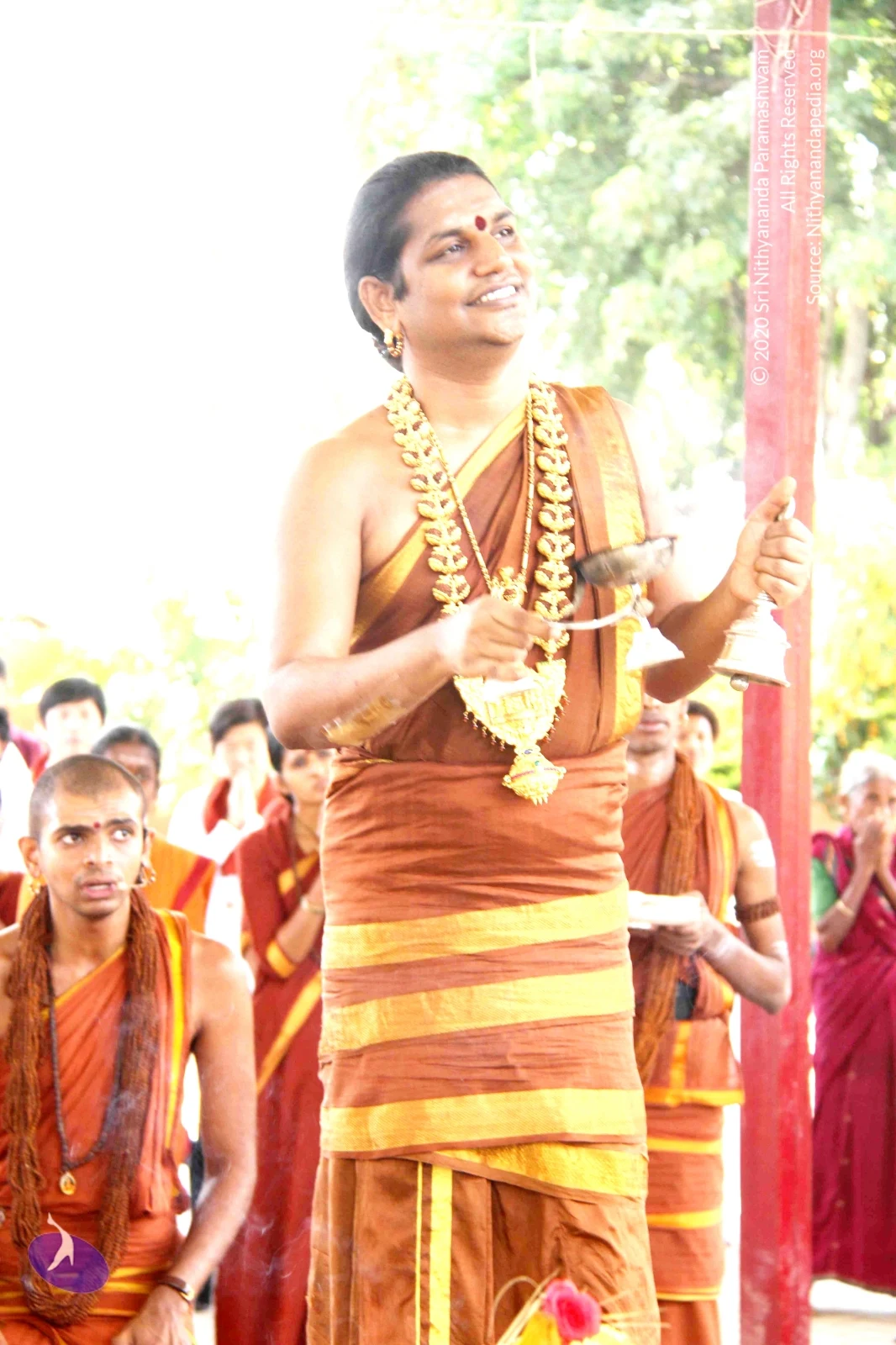
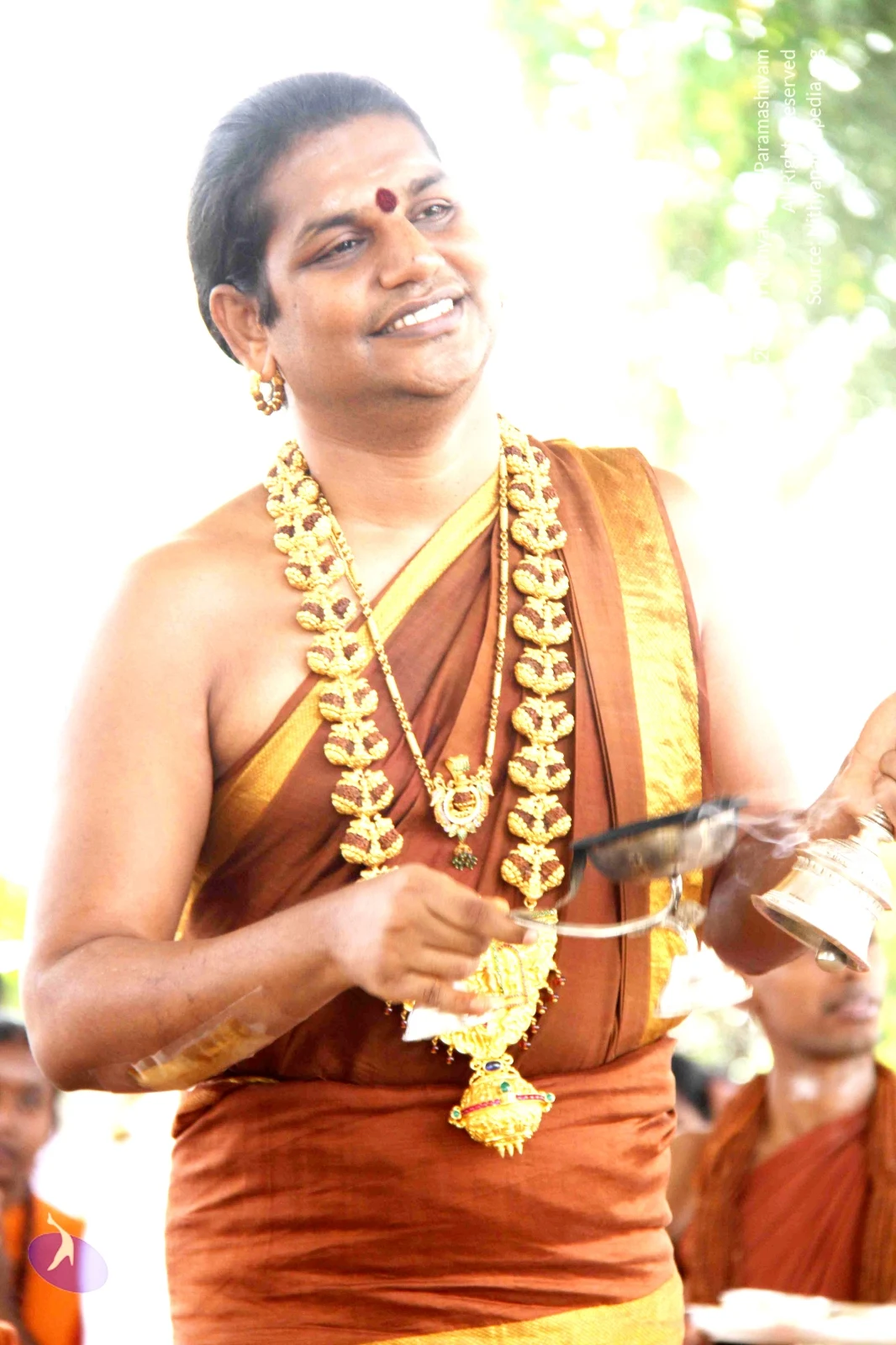
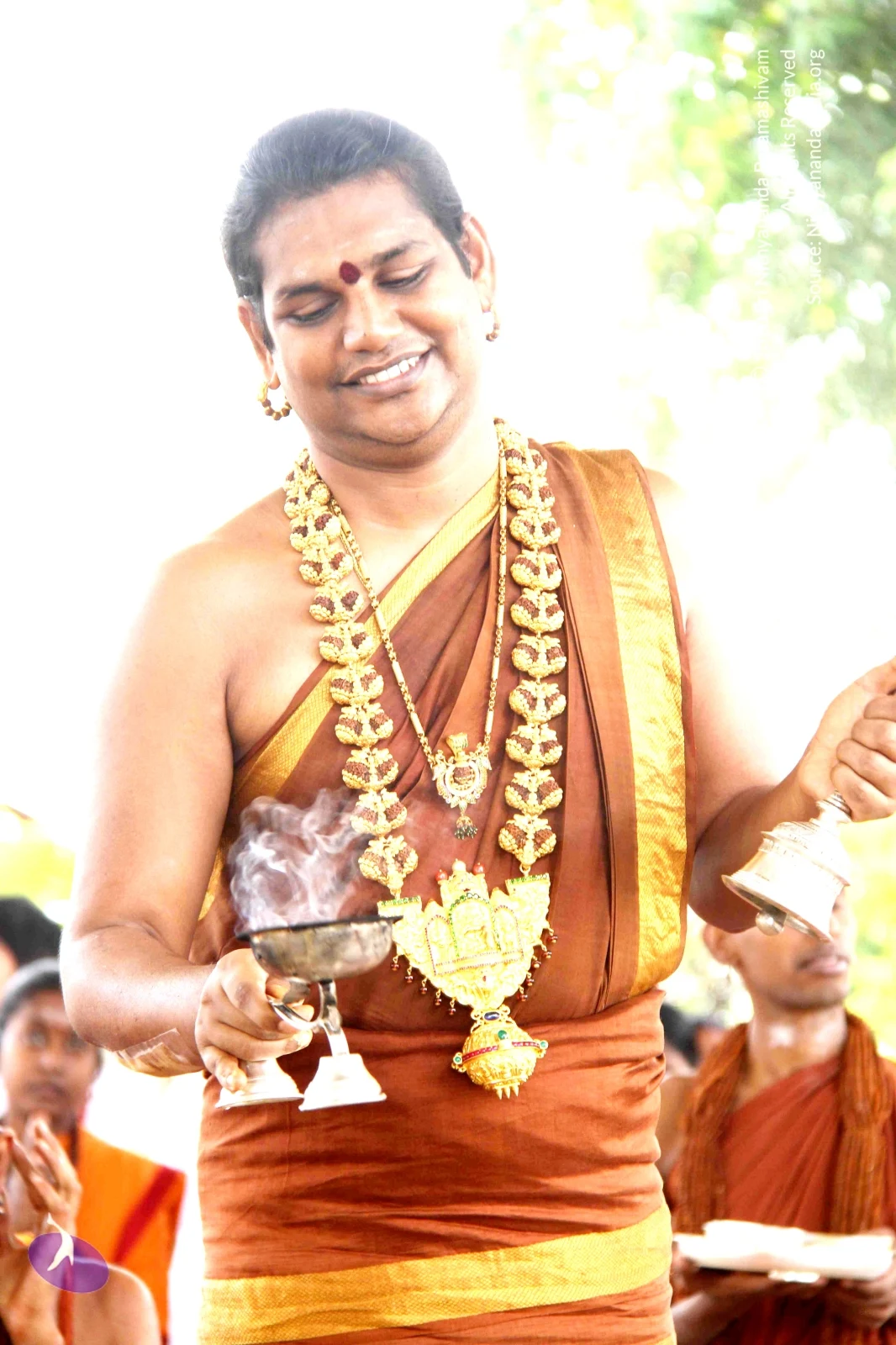
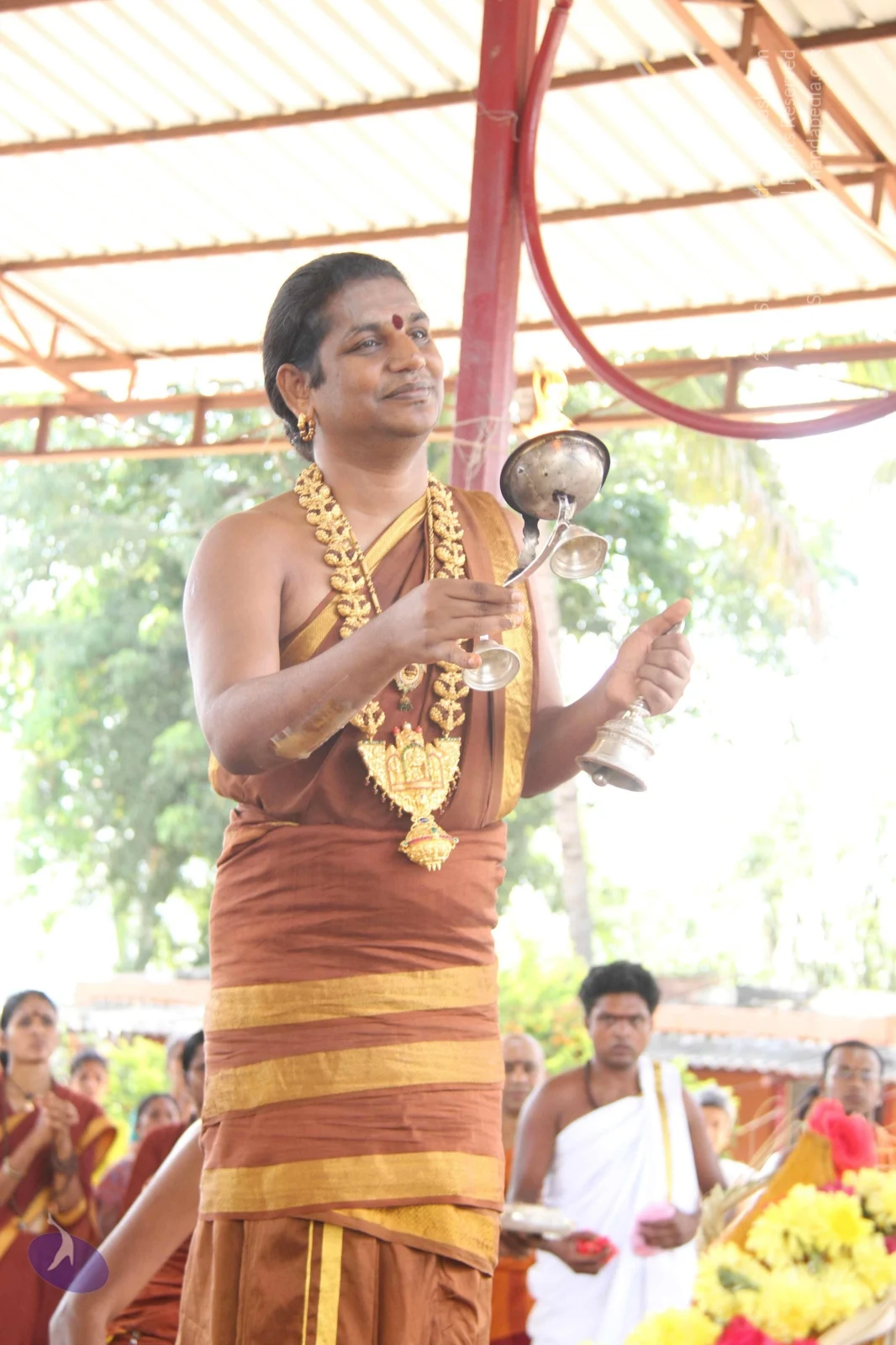
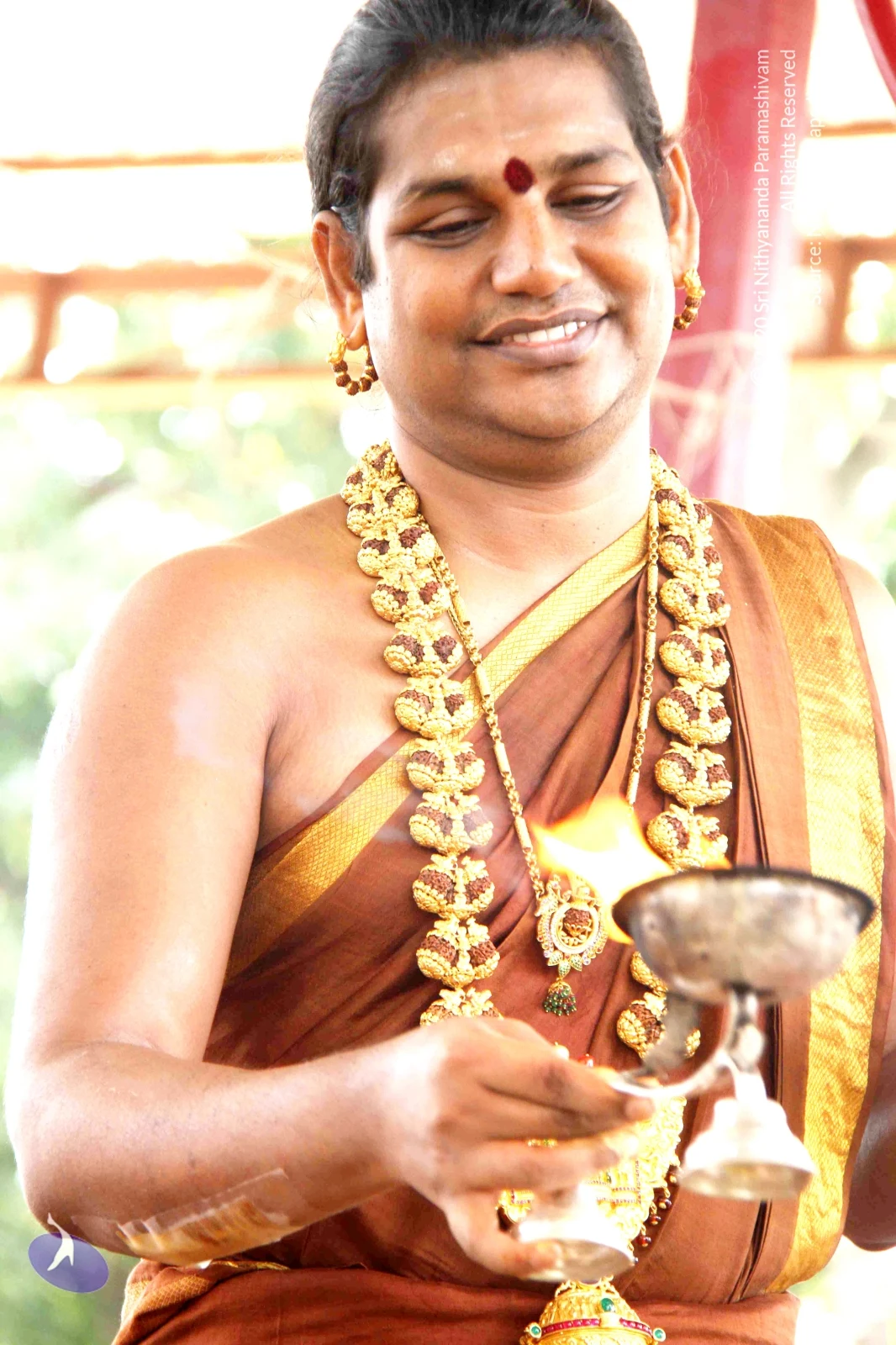
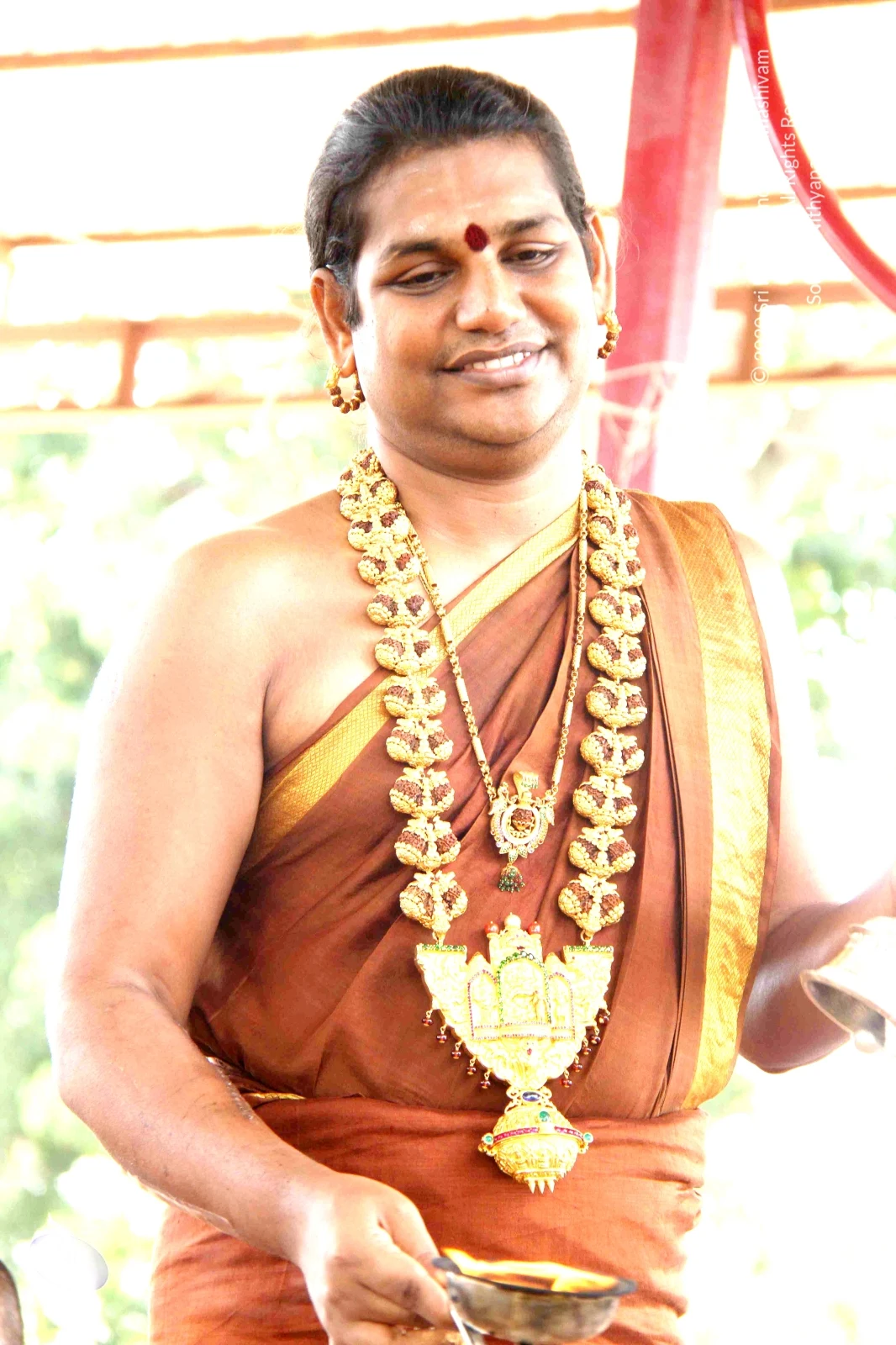
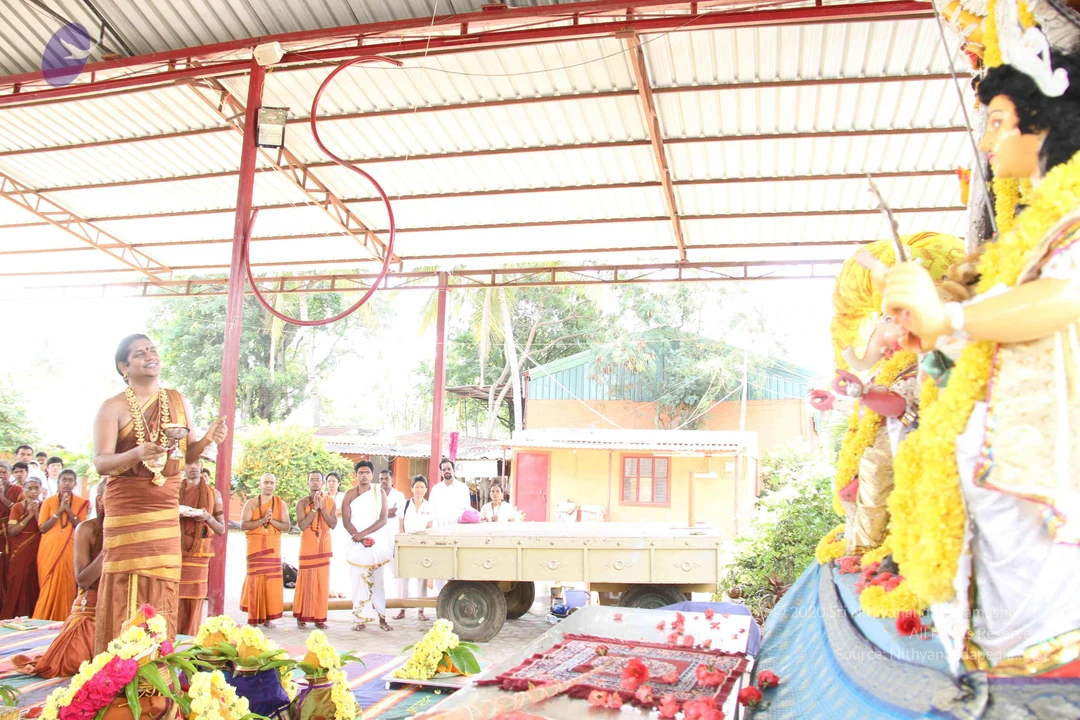
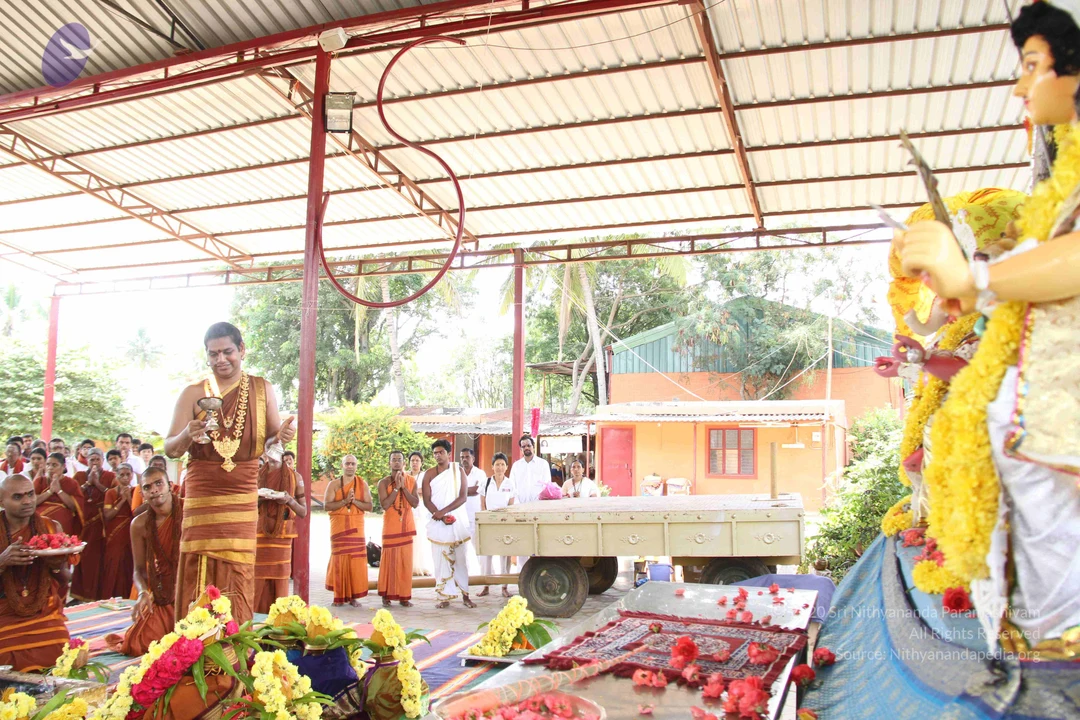
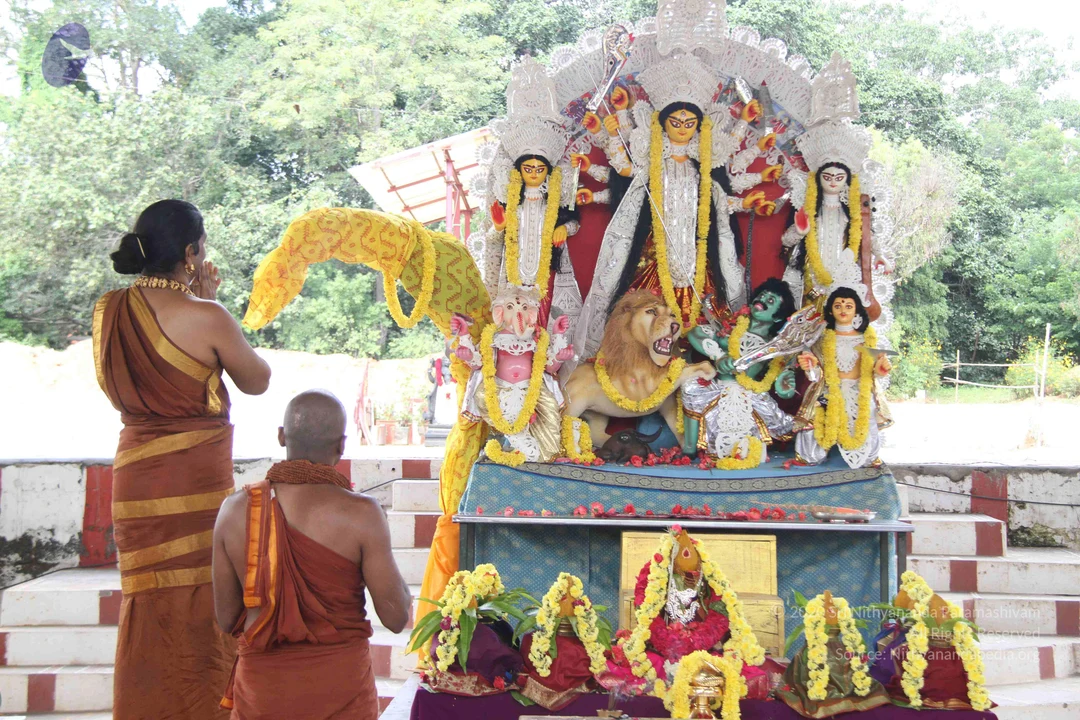
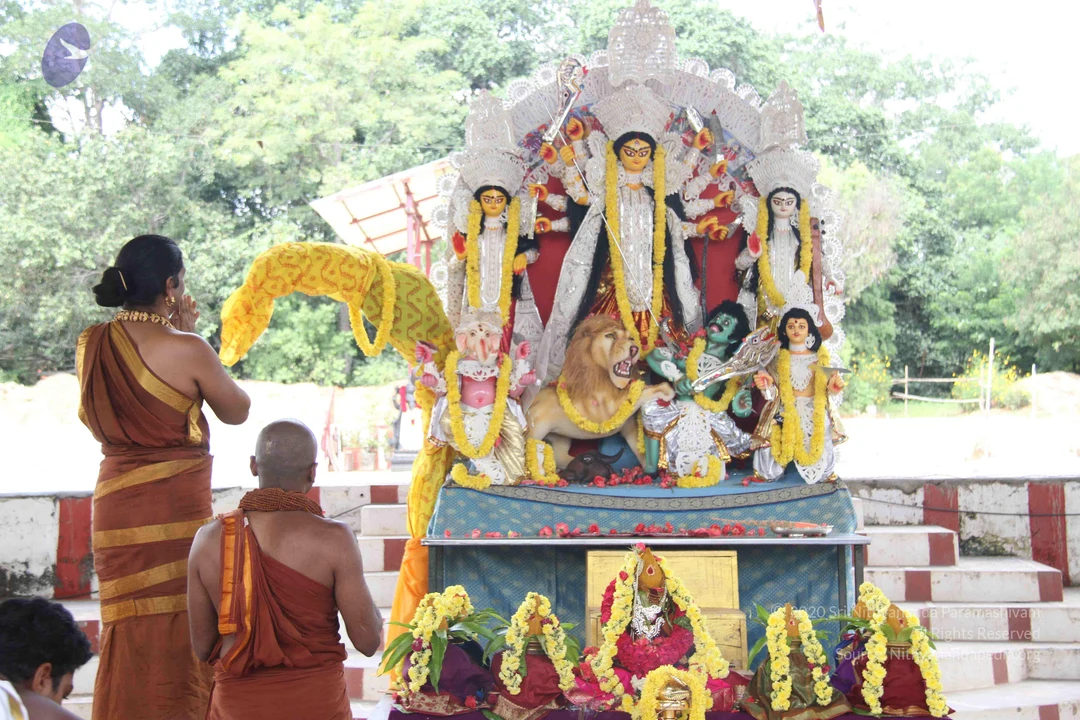
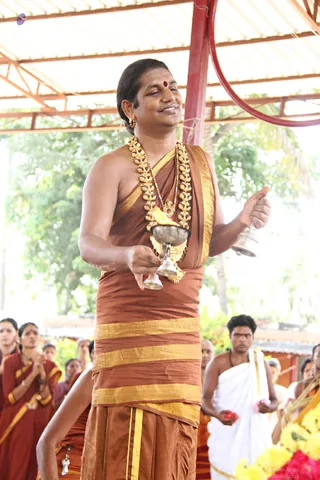
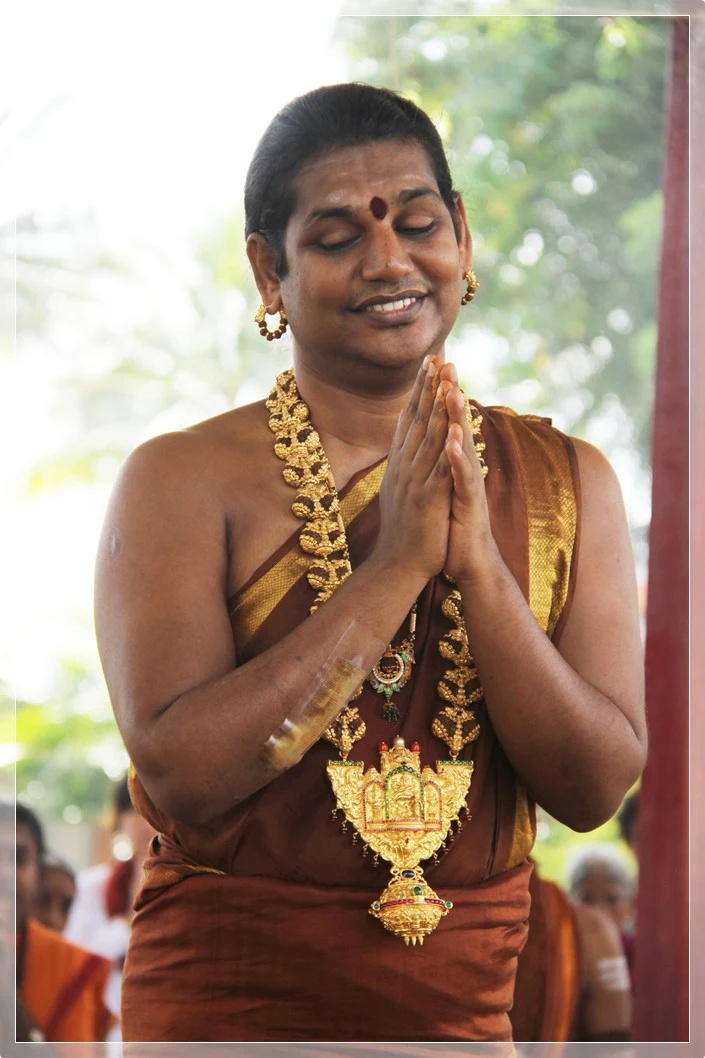
A photograph of a man in a rust-brown dhoti with gold border and a long gold chain necklace performing a ritual before a large deity murti. He holds a small silver lamp or aarti vessel in one hand and a metal bowl in the other, offering to a multi-armed goddess figure in white and red with long black hair, flanked by smaller figures, a golden-maned lion, and a Ganesha figure garlanded with yellow flowers. Marigold garlands drape the images. Partially visible heads of onlookers appear at the frame edges. The setting is a temporary shelter with corrugated metal roofing. a person candidate not identifiable from appearance alone; the presenter is described by role as a ritual officiant.A man in a brown and gold dhoti and shawl stands on a raised wooden platform before a large group of painted deity murtis, including a multi-armed goddess with a red background and a figure with green skin, all garlanded with yellow and red flowers. A yellow-garlanded tiger statue sits to the left. An attendant in orange-brown cloth, shaved-headed, offers a ritual item toward the platform. Three decorated kalasha pots with mango leaves and marigold garlands sit at the front, with a sunken homa/yagna pit of ashes in the foreground. A gold necklace and garland adorn the standing man. Corrugated roof and speakers are overhead. The man has long hair; cues are ambiguous, so identity is uncertain.A photograph of a temple puja at an outdoor shrine with a multi-armed goddess murti flanked by a lion, a trident-wielding deity and other figures, all garlanded with yellow and white marigolds. A man in an orange-brown dhoti and gold-toned shawl, with gold chain and hair in a knot, stands at left extending a red offering toward the murti. A second, partly visible man with a shaved head in orange clothing stands at the bottom left. Stone steps with red-and-white striped edges rise behind, and offerings and a flower-decorated kalasha-style vessel sit on a purple-draped altar in front.A smiling man in rust-brown and gold-bordered dhoti and shawl, wearing a heavy gold floral necklace with rudraksha, a red tilak and gold earring, stands under a corrugated shelter holding a silver lamp with a flame in one hand and a silver handbell in the other. Behind him, devotees in red and white garments fold their hands and watch, and yellow and pink flowers lie in the foreground.

01-Kolu-Deities

7 photosSource gallery
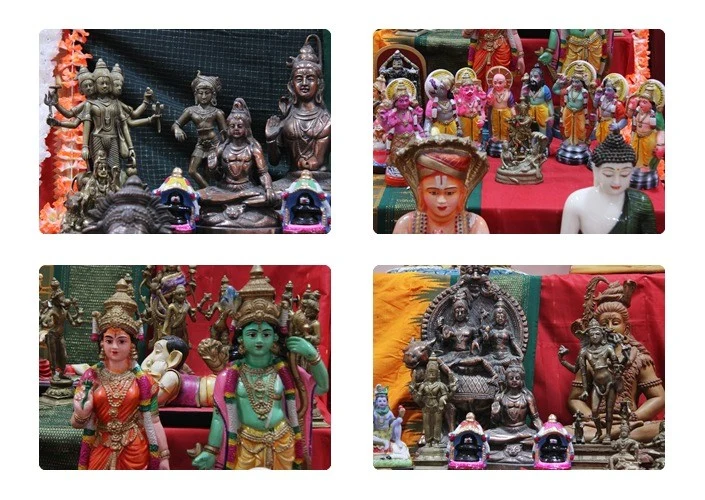
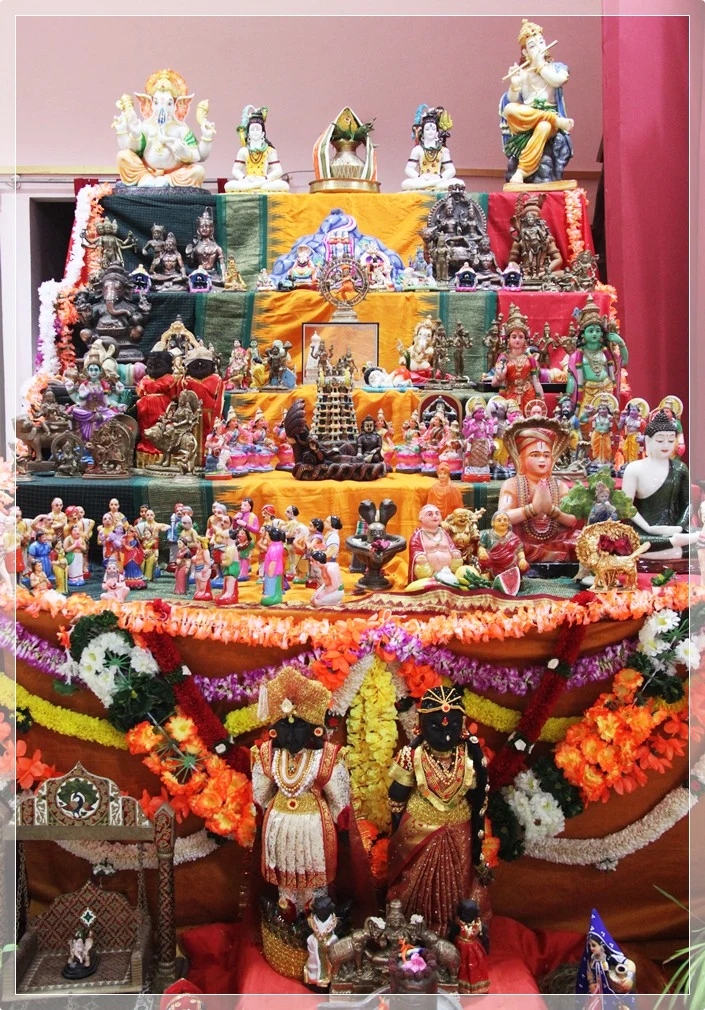
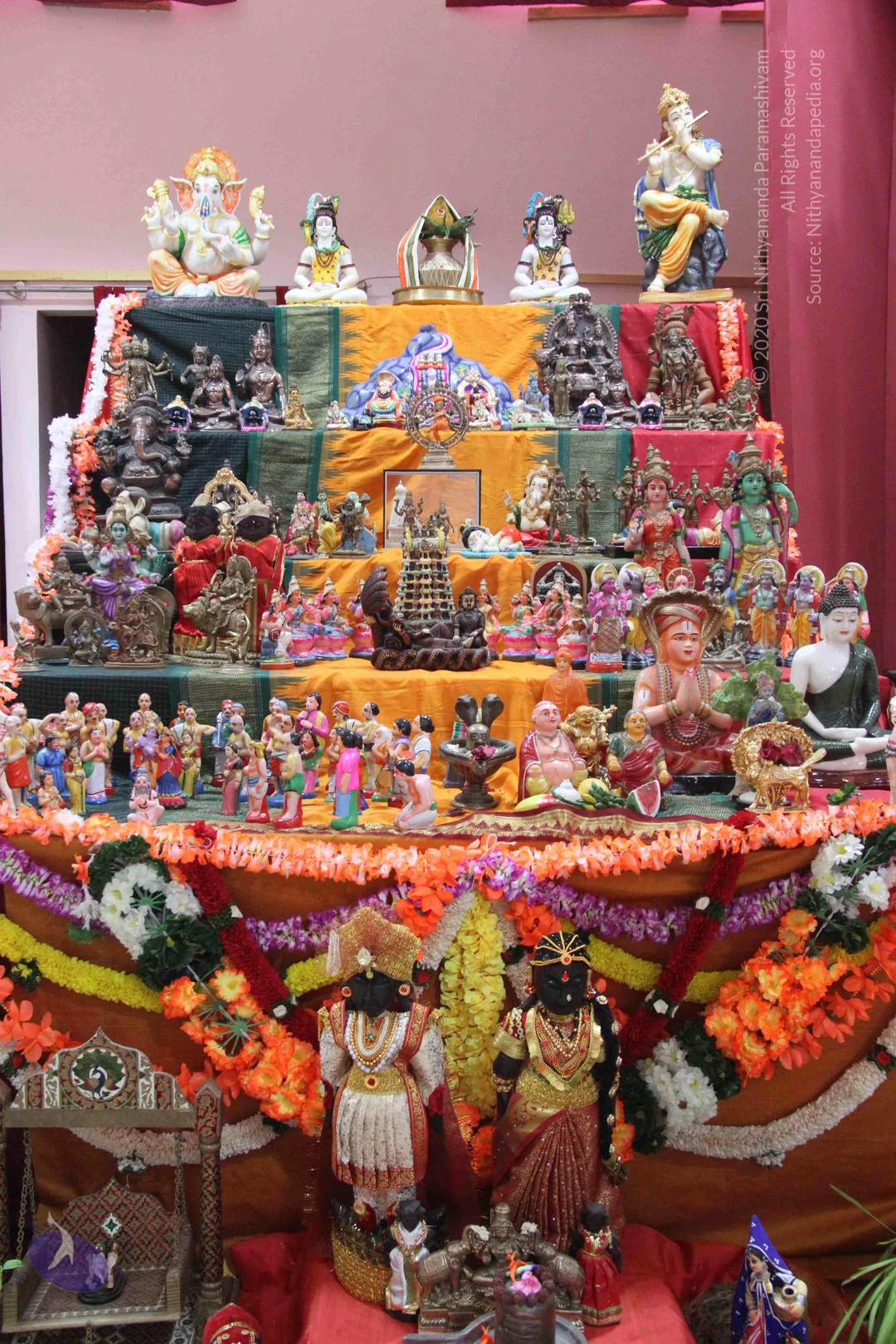
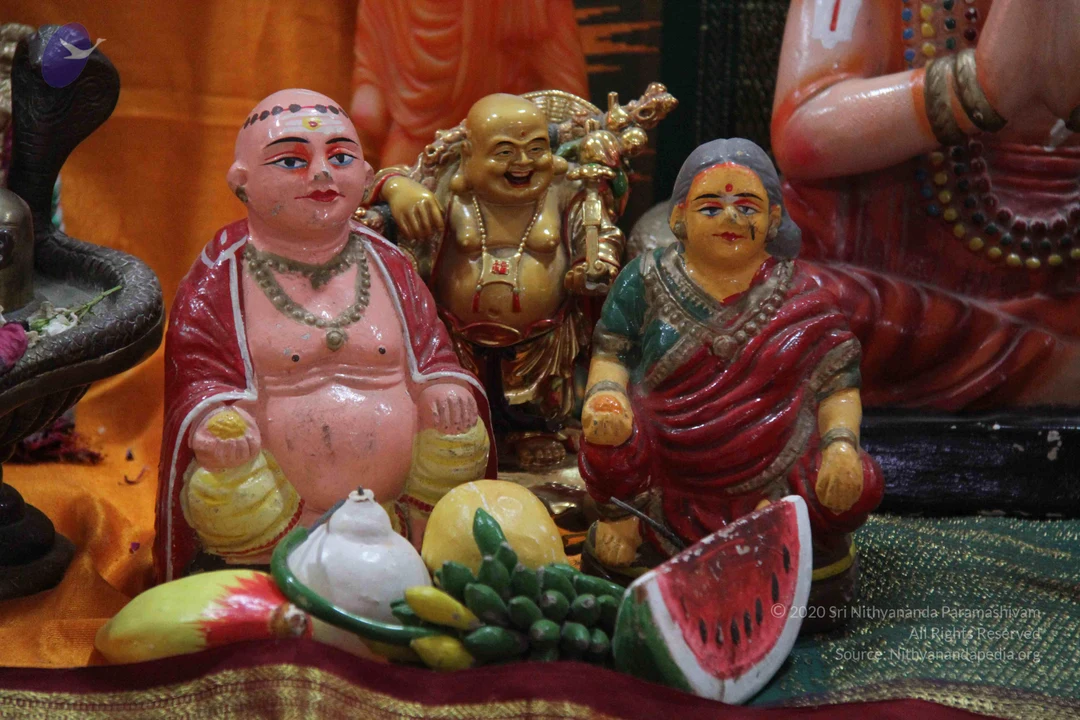
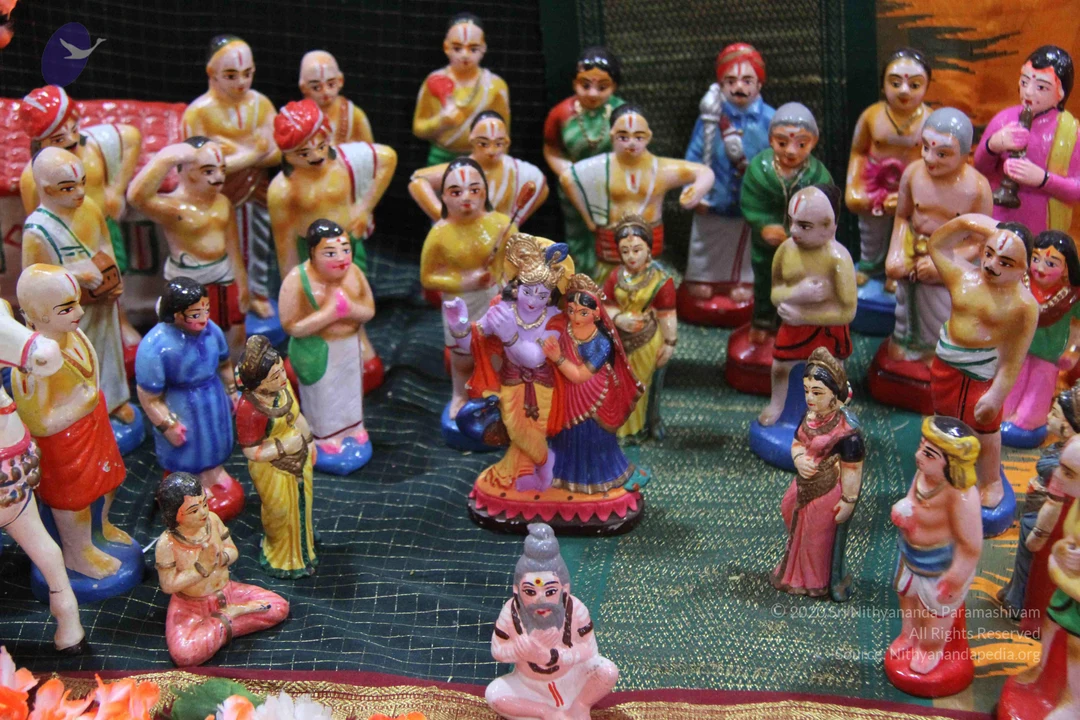
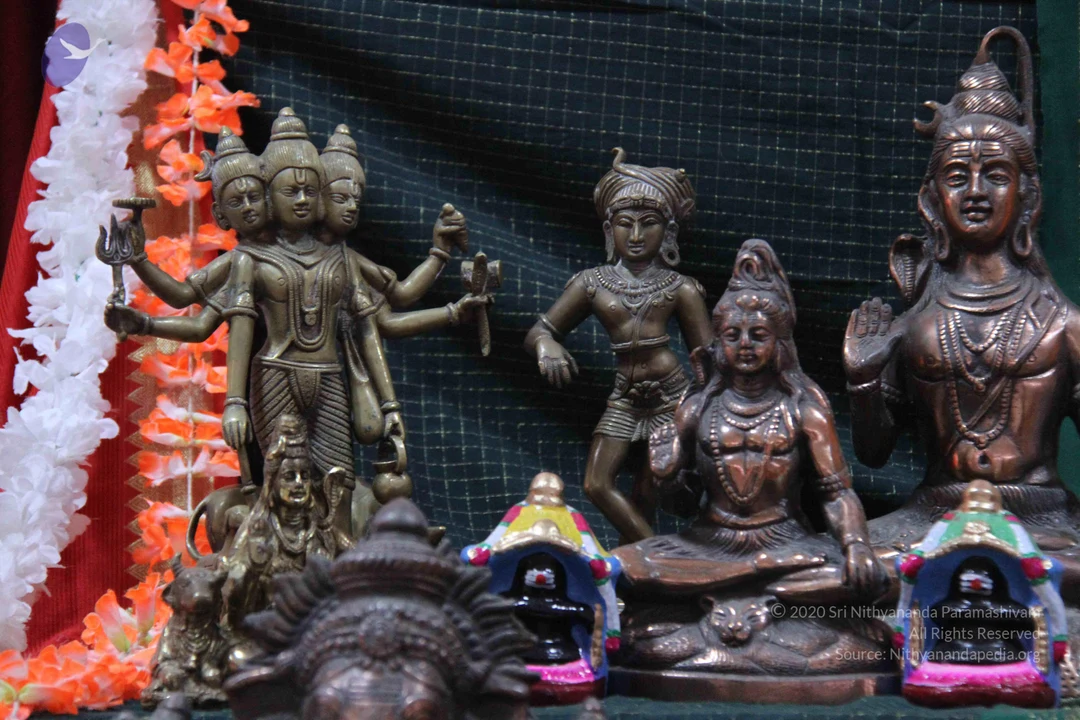
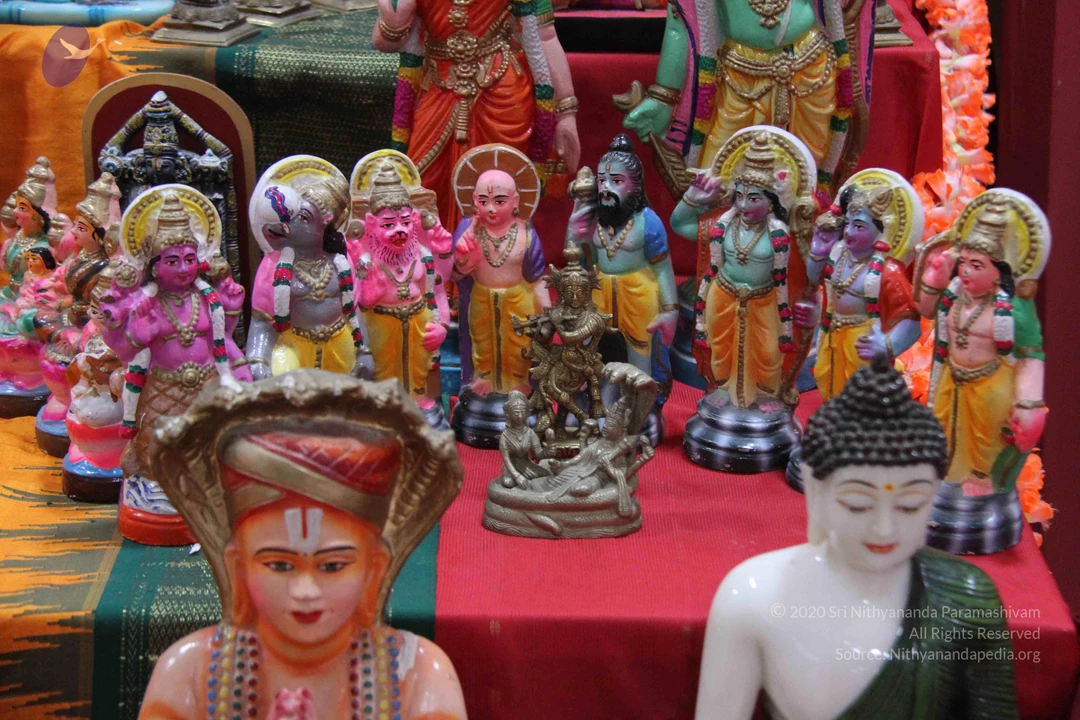
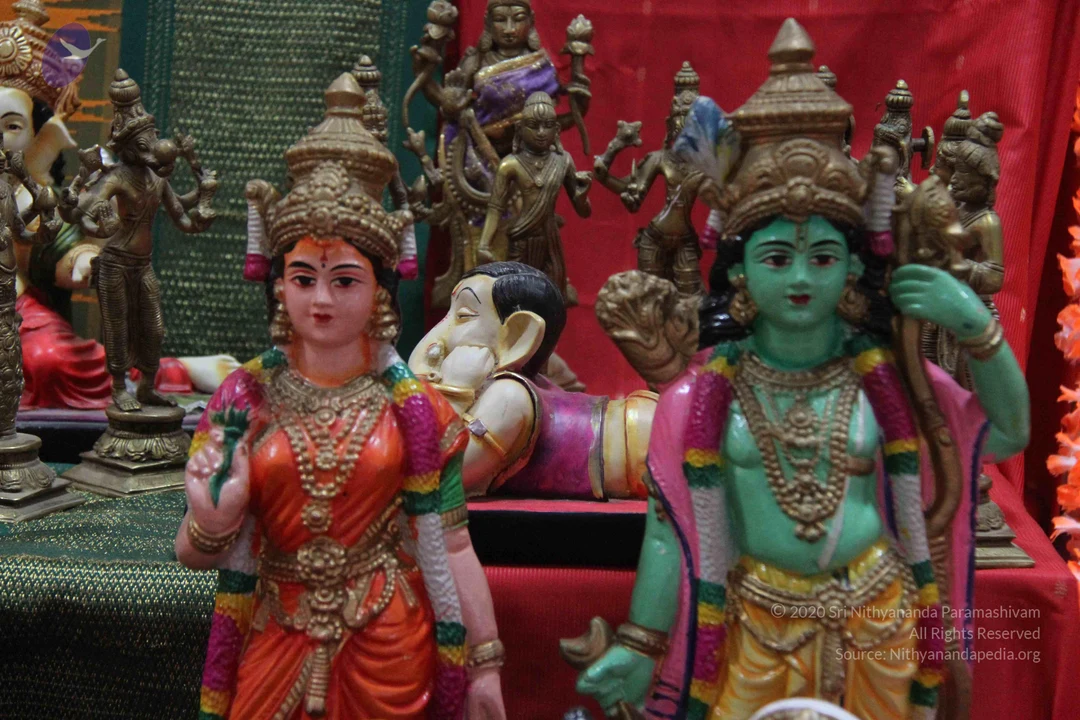
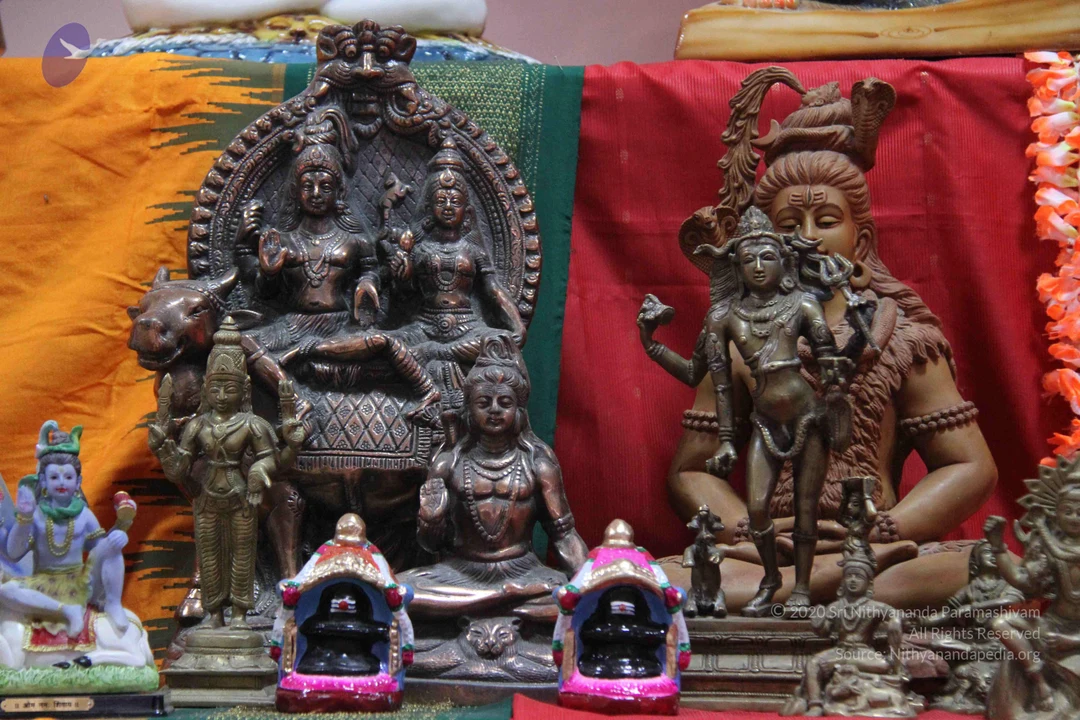
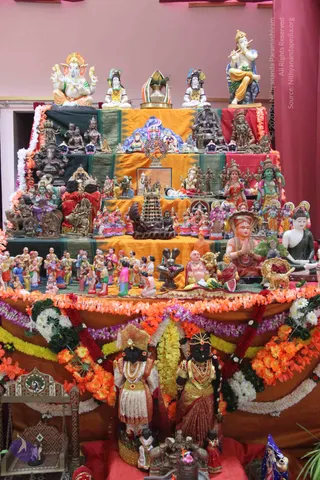
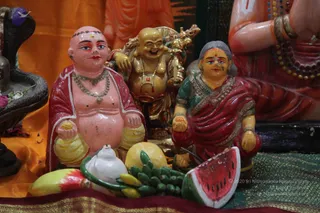
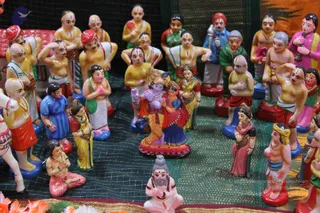
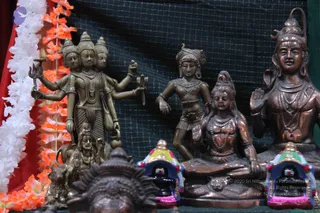
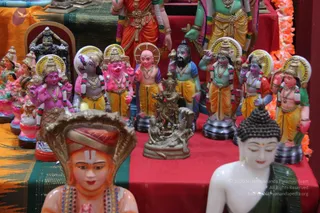
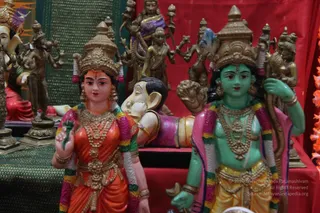
A tiered golu-style doll display (kolu) filling the frame, built on stepped platforms draped in orange, green and red cloth and strung with marigold and white flower garlands. Figures include Ganesha seated at the top left, a seated Shiva-like figure, a flute-playing Krishna at upper right, a Nataraja bronze, Buddha figures at right, and many small painted clay figures of people and deities arranged in groups on the lower tiers. Two large dark deity figures in red and white garments with gold ornaments stand at the front centre, and a small shivalinga with a cobra hood sits on a pedestal in the middle. No physical people are visible; all figures are statues or dolls.Close photograph of painted clay figurines arranged on a ritual setting. A pot-bellied figure in red robes and gold-yellow arm bands sits at left, a laughing bald golden figure with a beaded necklace stands at centre, and a seated woman in a red and green sari with grey hair and a kumkum bindi sits at right. In front lie painted fruits including a watermelon slice, a yellow mango-like fruit and green pods, with a white conch-shaped offering. An orange cloth drapes behind, with a snake-hooded metal stand at left and a larger painted deity murti partly visible at top right. No people are present; the figures are statues.A photograph of a Kolu display of painted clay dolls arranged on a green woven mat with a gold-threaded border. Many small figures in bright colours stand in groups: men in white dhotis and saffron or red cloths with tilak markings, a figure in a blue shirt and red turban, women in yellow and pink saris, and a seated figure in pink robes with hands folded. At the centre, a pair of figures in purple and red garments stands together. Orange flowers are visible at the bottom edge.A photograph of a shrine display of metal deity statues arranged before a dark green checked cloth, framed by white and orange flower garlands. On the left stands a multi-headed, multi-armed bronze deity holding a trident and other objects. Beside it a small bronze figure wears a turban and beaded necklaces. Two seated figures appear: a bronze deity with a crescent-topped headdress and rudraksha beads, and a larger copper-toned seated Shiva with a serpent, raised hand and beaded necklaces. In front are two small colourful shrines, pink, blue and green, each holding a black lingam, and a carved animal head. No living people are visible.A display of colourful painted deity figurines on a red cloth and gold-trimmed fabric, with garlands draped over many of them. In the foreground a red-turbaned figure with a cobra hood and white tilak sits beside a white Buddha statue in a green robe. Behind them, a small brass figure of a flute-playing deity stands among pink, orange, green and blue painted statues wearing gold necklaces and flower garlands. No physical people are visible; all figures are statues.A display of painted and metal Hindu deity figurines on a red cloth and green fabric backdrop. In the foreground stand a female figure in an orange sari with gold jewellery and a pink-and-green garland, holding a green stem, beside a green-skinned male deity with a gold crown, pink shawl, gold necklaces and a bow-like staff. Behind them lie a white elephant-headed deity figure and several smaller bronze figures with raised arms, along with a purple-clad figure. No living people are visible.
02-Navaratri-Devi-Alankar

5 photosSource gallery
A decorated deity murti of a goddess seated cross-legged on a green and gold draped platform, with a crown, silver ornaments and a multi-strand necklace, holding lotus flowers in raised hands. Two elephant figures flank her at the base, and a red and gold sari adorns her. Flanking her on either side are two smaller seated goddess statues in red and blue saris with floral garlands. A bright marigold and rose garland frames the central figure, and hanging tassels decorate the upper background. A shadowy partially visible person in dark clothing stands at the right edge behind the display, appearing to be a partially visible man, but no clear identification can be made.A photograph of a decorated deity murti seated at the centre of an altar for a Navaratri Devi alankar display. The central seated goddess figure, silver-toned with a tall crown, wears a red and gold sari, layered silver necklaces and jewellery, and holds pink lotuses in raised hands. She is framed by a large arch of white jasmine garlands, pink and orange marigolds, and colourful flower bands. Two brass elephants flank her base on a green cloth with marigold garlands. Smaller goddess figures in red and blue saris with white garlands sit on either side, and a dark-robed person stands partly visible at the right edge behind the arch. Hanging tassels in red, orange and blue decorate the top of the frame.A decorated deity murti of the goddess Lakshmi seated in padmasana on a throne, flanked by two smaller Lakshmi-style murtis in red and pink saris on either side. The central figure wears a silver crown, layered jewelled necklaces, and a red-and-gold sari, holding lotus flowers in raised hands. Two brass elephants sit at the base of the throne amid yellow and red marigold garlands, with a green silk cloth draped across the platform. Floral arches of white, pink and purple blossoms frame the central figure. A figure in orange robes stands partly visible at the right edge of the frame, and an air conditioner is mounted on the wall. Setting suggests a Navaratri devi alankar display. No identifiable physical person is clearly presented as a person; the orange-clad figure is partially visible only.A decorated deity murti of the goddess Lakshmi-style form, seated centrally on a pedestal draped with a green cloth and fringed garland. She wears a red and gold sari, layered silver necklaces and a silver crown, with a large floral arch of white and pink flowers behind her and two brass elephants flanking her seat. Two smaller goddess murtis in red and blue saris stand on either side, one holding a veena. Hanging tassels and a wall-mounted air conditioner appear in the background. No physical people are visible.A decorated deity murti of a goddess seated cross-legged on a throne-like platform, adorned with a silver crown, layered jewelled necklaces, and a garland of white and red-blue flowers arching behind her. Her red and maroon silk sari has gold borders. Two brass elephants flank her lap on a green cloth draped over the dais. Two smaller standing deity murtis in red and blue silk saris with garlands and crowns stand on either side, one holding a veena-like instrument. Strings of tassels and orange marigold garlands decorate the backdrop. No living people are visible.

03-Venkateshwara-consorts-Alankar

4 photosSource gallery
A decorated deity murti of Venkateshwara (Balaji) with two consorts seated on a green draped platform, adorned with heavy jeweled ornaments, silver-and-stone crown and necklaces, and dense garlands of yellow, pink, red and purple flowers. The central figure wears a blue garment and a tall crown; the consorts flank him in blue saris with gold borders and red-and-white flower garlands. A large golden peacock-shaped vahana stands in front. No physical people are visible, and no a person candidate is present.Photograph of a decorated deity murti of Venkateshwara (Vishnu form) seated centrally on a green satin draped platform, flanked by two consort murtis in purple and blue silk saris with silver and gem jewellery. The central figure wears an ornate jewelled crown, heavy gold and gemstone necklaces, and a Vaishnava tilak; the figures are dressed with thick garlands of yellow chrysanthemums, red roses and pink flowers. In front stands a large gilded peacock vahana with a snake in its beak. No living people are visible.A photograph of a decorated deity murti. The central figure wears a tall ornate crown, silver and jewelled necklaces with a green gem pendant, and a vertical tilak. Flanking figures wear silver jewellery and crowns, with purple and blue silk garments. Dense garlands of yellow marigolds, red roses and pink flowers surround all three figures, and a teal satin cloth drapes below. In front stands a large gold peacock sculpture. No physical people are visible; the figures are statues.A decorated deity murti of Venkateshwara stands centrally, dressed in silver and jewelled ornaments with a crown and a dark blue body tone, flanked by two smaller consort figures in silver jewellery and blue skirts. Thick garlands of yellow, red, pink and purple flowers drape the figures, and a golden swan-like vahana sits in front on a wooden stand. A green satin cloth backdrops the arrangement, with a golden figure partly visible at the right edge. No people are visible; the setting is a temple alankar display.

04-Paduka-Puja-Crowd-Individuals
49 photosSource gallery
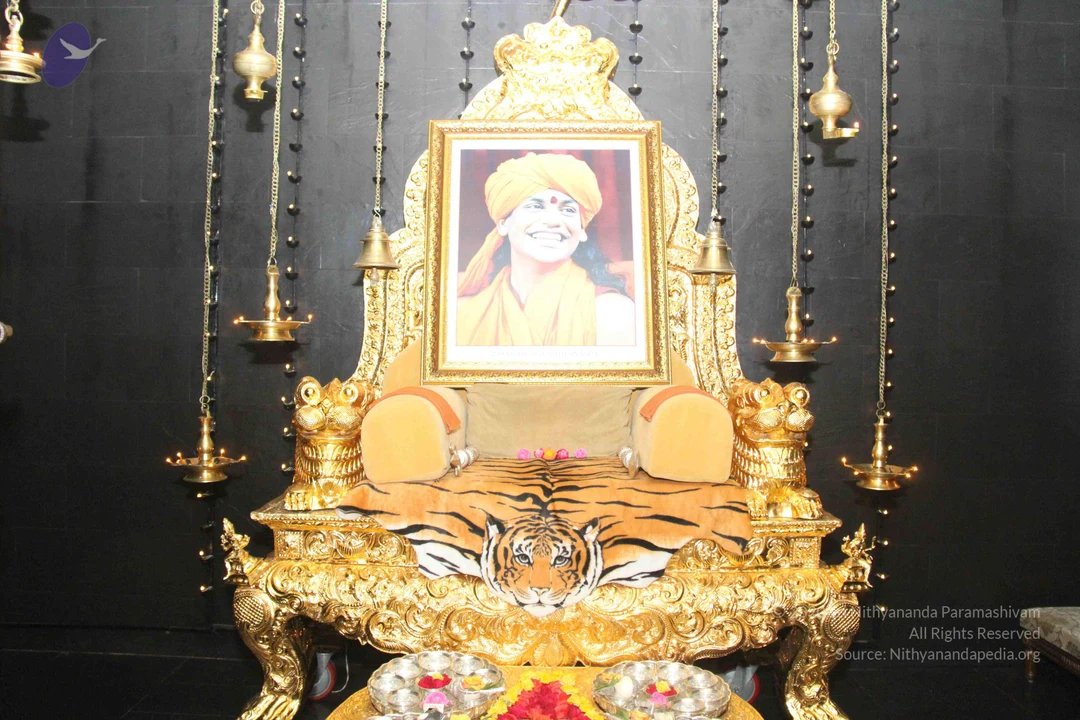
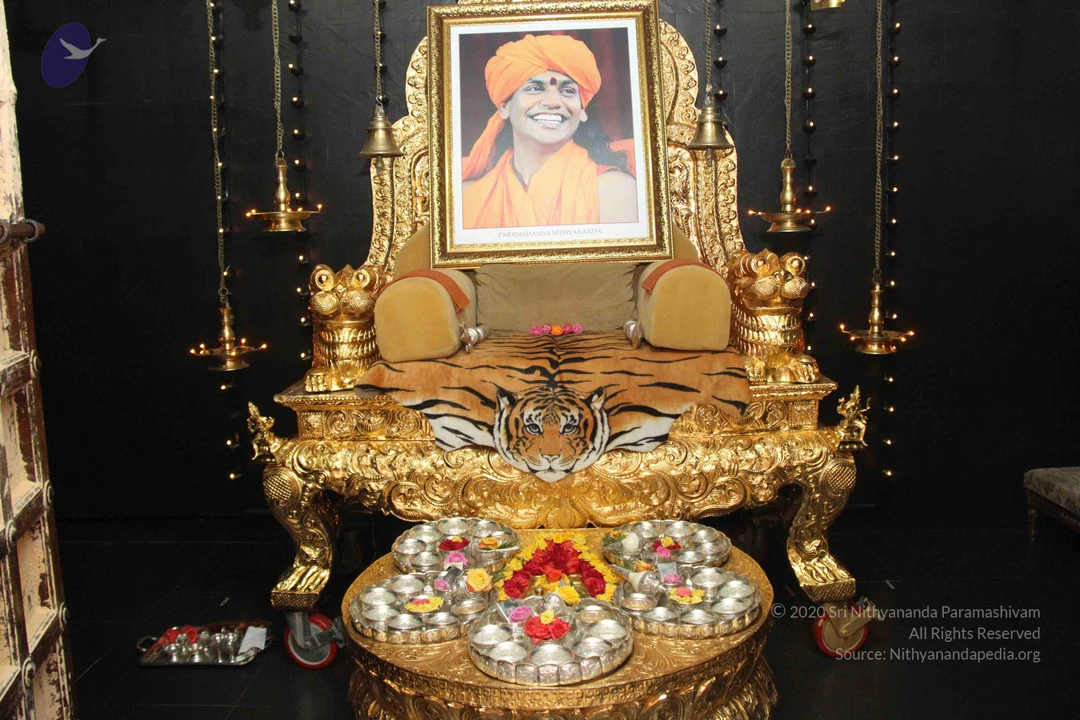
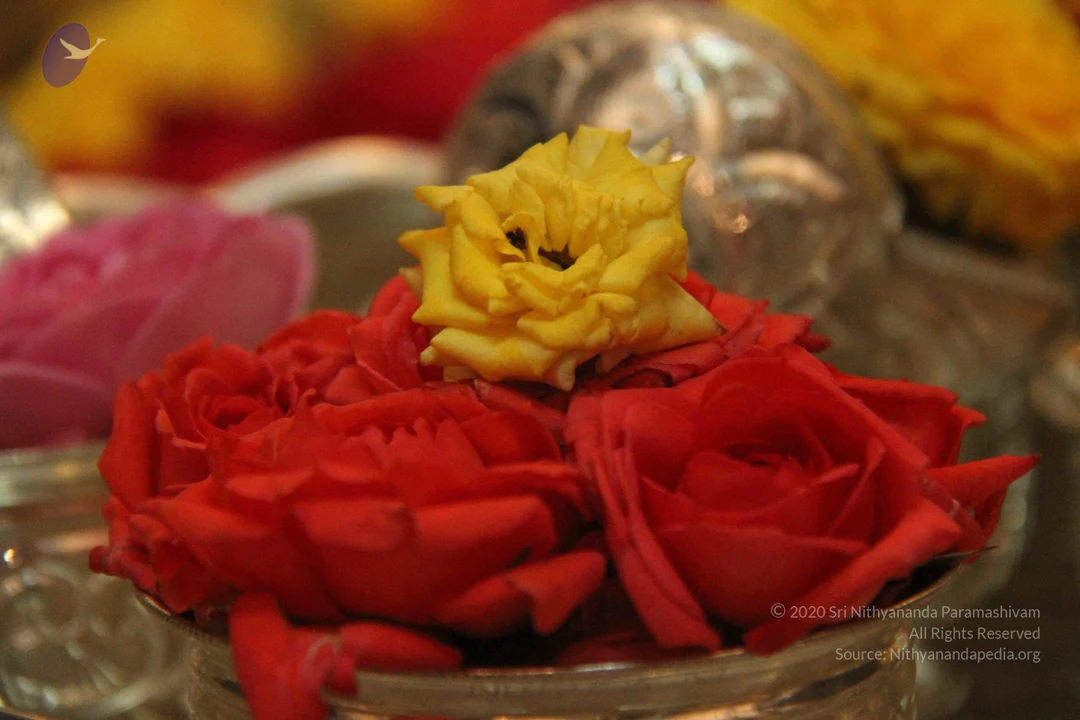
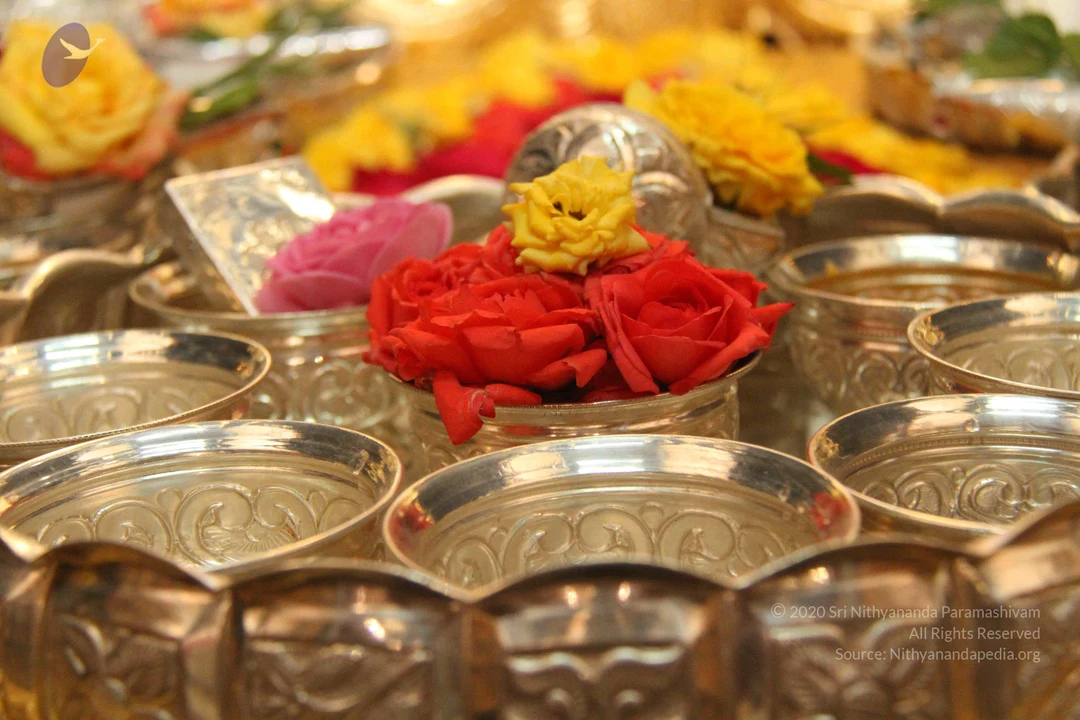
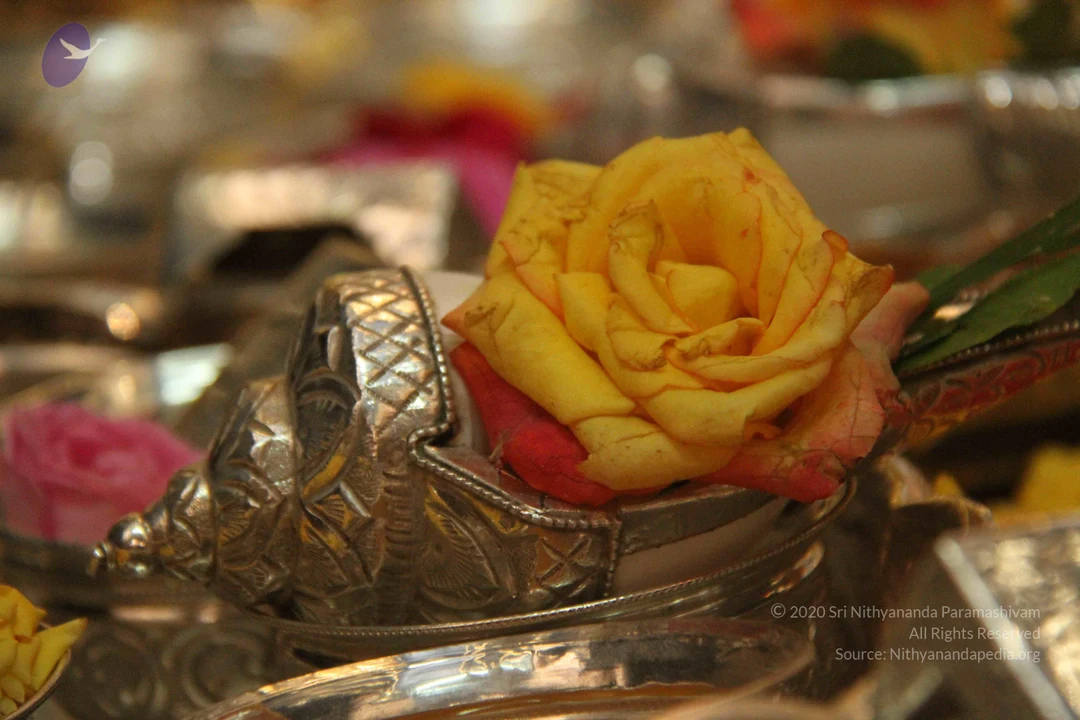
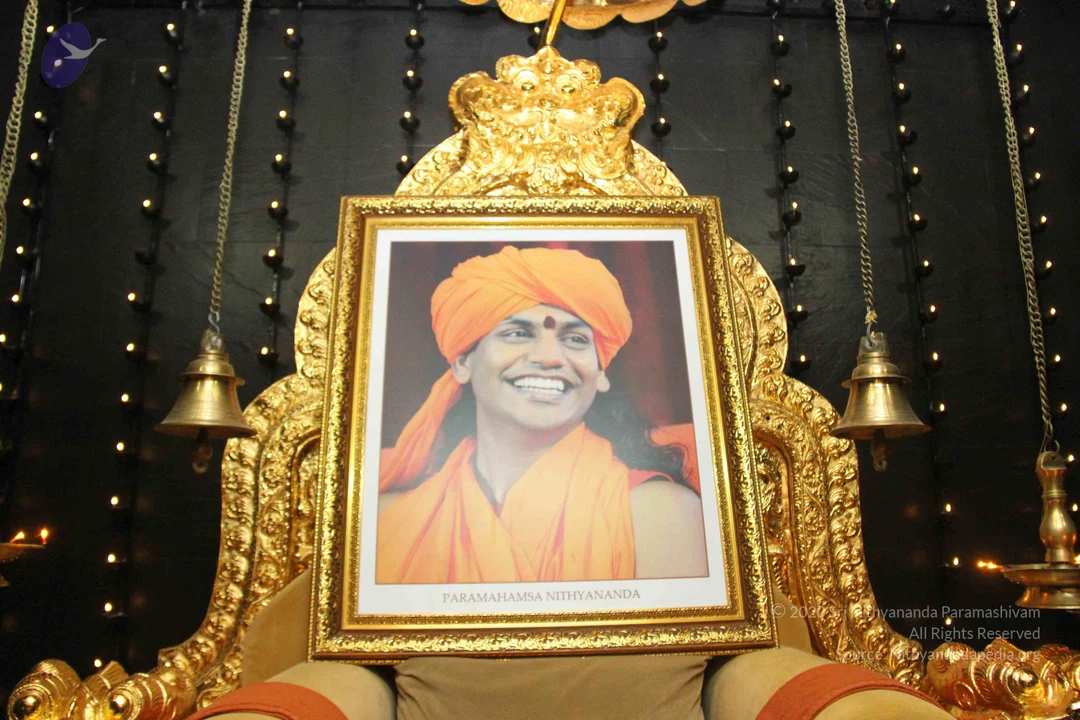
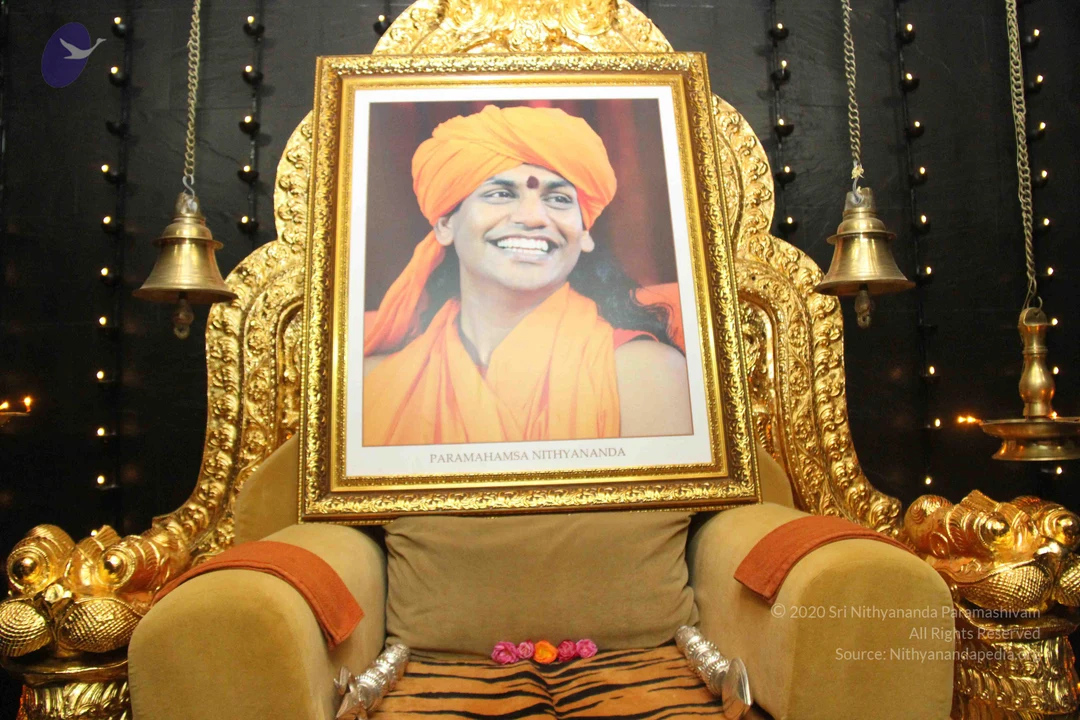
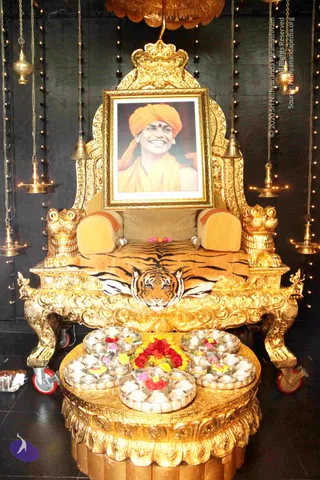
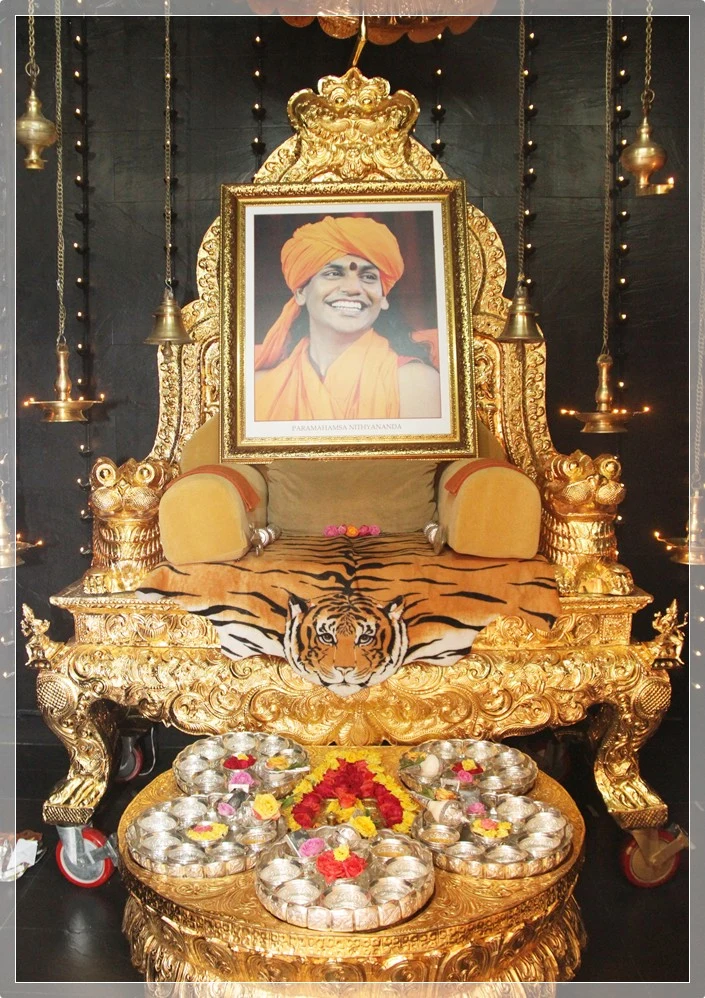
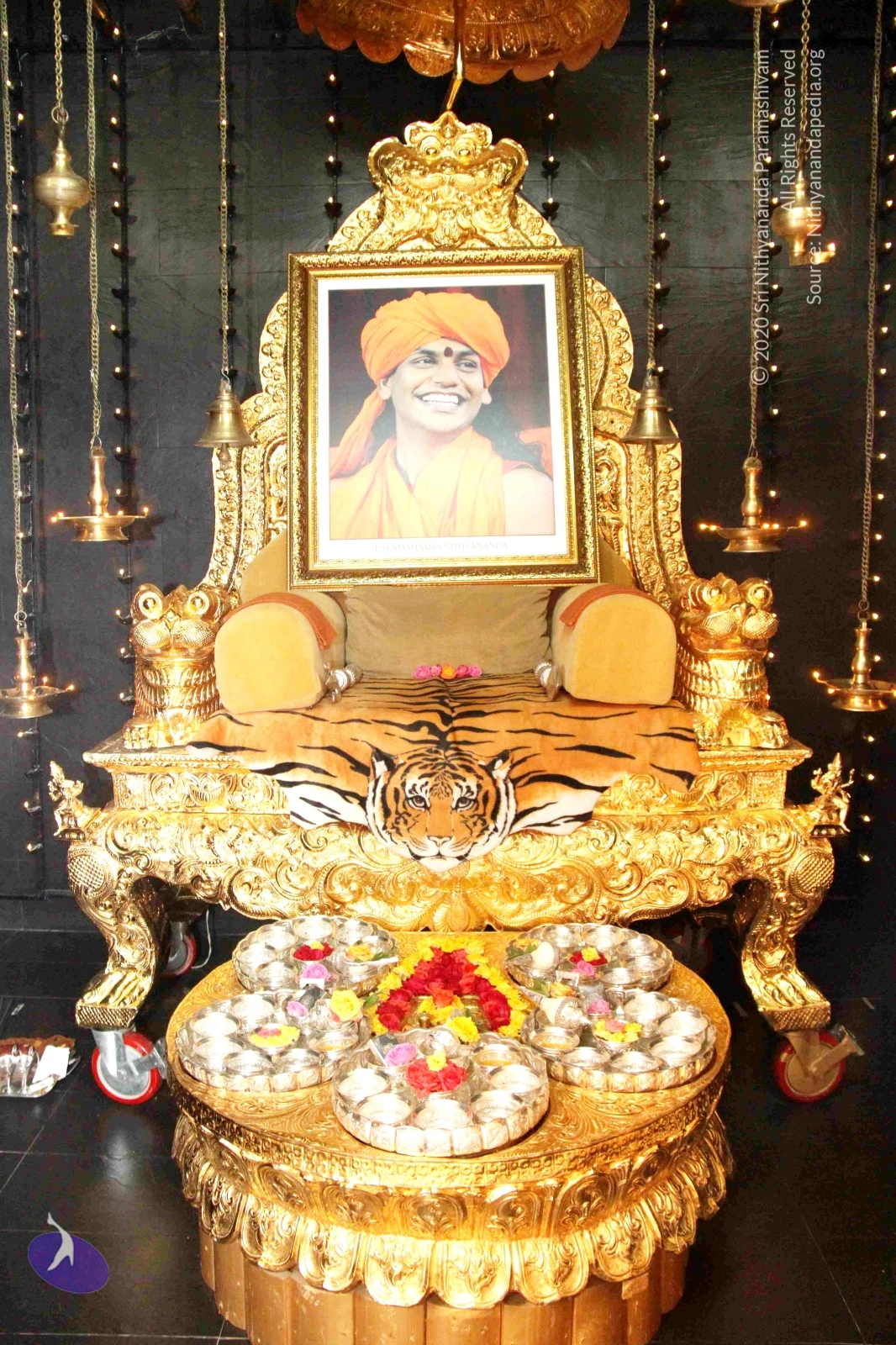
A photograph of an ornate golden throne (peetha) with carved lion-head arms and a tiger-skin cushion draped over the seat, set against a black wall. Above the seat hangs a framed portrait of a smiling man with an orange-yellow turban, red bindi and orange robe, labelled as a portrait of Paramahamsa Nithyananda; this is a printed depiction, not a physical person. Brass hanging oil lamps with chains flank the throne, and silver plates of offerings with pink and red flowers sit at the base. No physical people are visible.A photograph of an empty ornate gold throne draped with a tiger-skin cloth, set against a black backdrop. A framed portrait above the throne shows a smiling man in an orange turban and orange robe, labelled "PARAMAHAMSA NITHYANANDA" in the printed caption. Brass oil lamps hang on chains on either side and a small pink flower garland rests on the seat. In front, a gold table holds brass plates of rose petals, marigolds and flowers arranged around a red rose and marigold offering. No people are visible.A gilded ornate throne with carved lion-head arms and a tiger-skin seat cover stands empty before a black wall. Framed on its back is a printed portrait labelled "Paramahamsa Nithyananda", showing a smiling man in an orange turban and orange robe with a red bindi. Below the throne, a golden tiered platform holds silver plates of flowers, fruit and lamps, with a central arrangement of red and yellow flowers. Brass hanging lamps with chains and beaded strings frame the scene. No physical people are visible.Close-up photograph of a glass bowl filled with red roses, topped by a single yellow rose at the centre. Behind them, blurred yellow and red flowers and a reflective metallic or glass vessel suggest a puja offering arrangement. No people are visible, and no a person candidate appears in the frame.Close-up photograph of ornate silver puja vessels filled with fresh flowers. In the foreground, a row of embossed silver bowls with scroll and floral relief patterns holds water-like reflections; a cup in the centre holds red roses topped with a yellow marigold-style bloom. Behind, more silver bowls and yellow and red roses are blurred. Pink petals and a small silver tray are visible. No people are visible. The setting suggests offering preparation for a ritual.Close-up photograph of a yellow rose with red-tinged petals resting in an ornate silver ritual vessel with embossed, chased patterns and a curved handle. Pink and yellow petals and other silver offering vessels blur in the background. No people are visible.
05-Deity-Arati
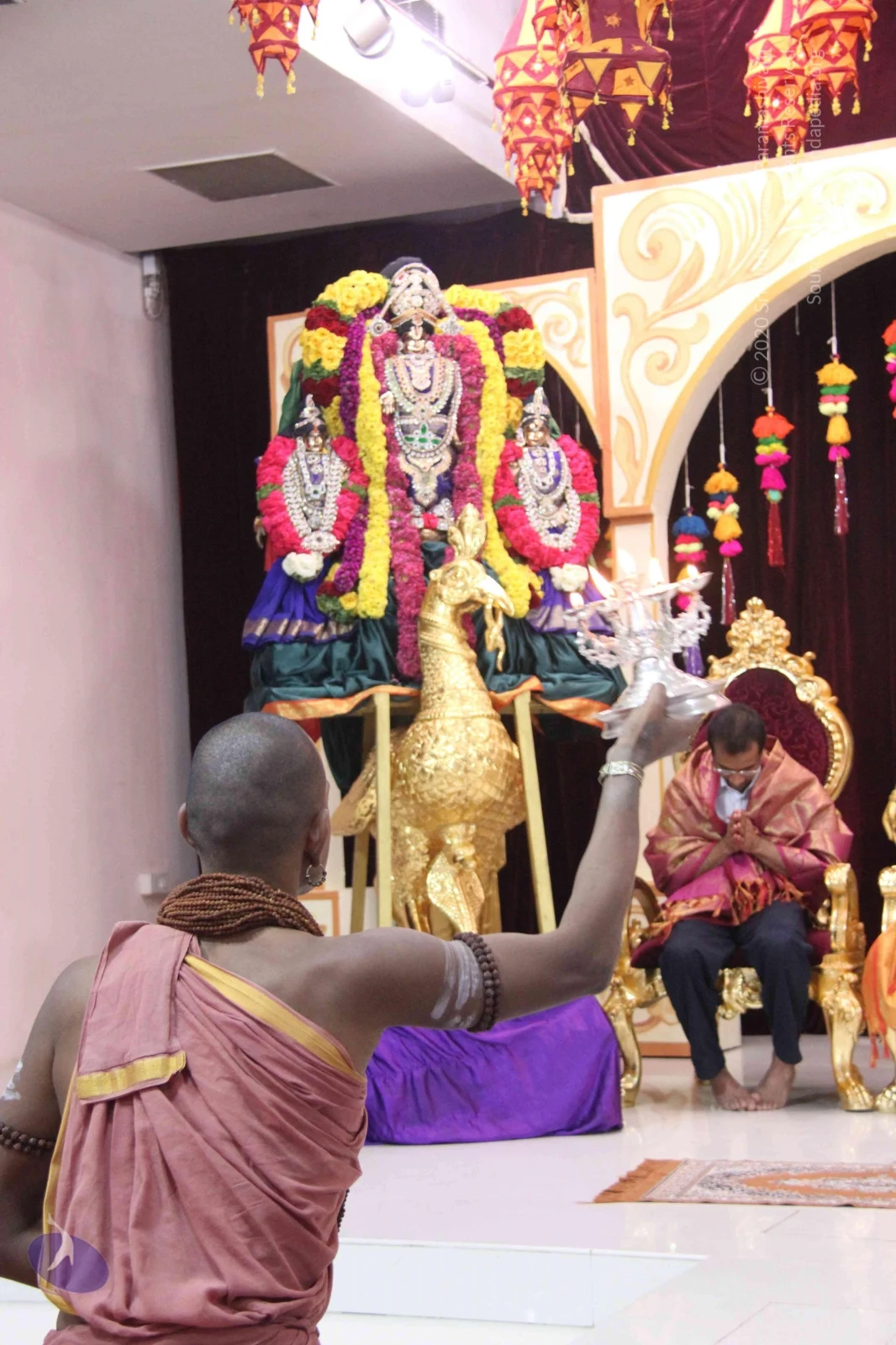
14 photosSource gallery
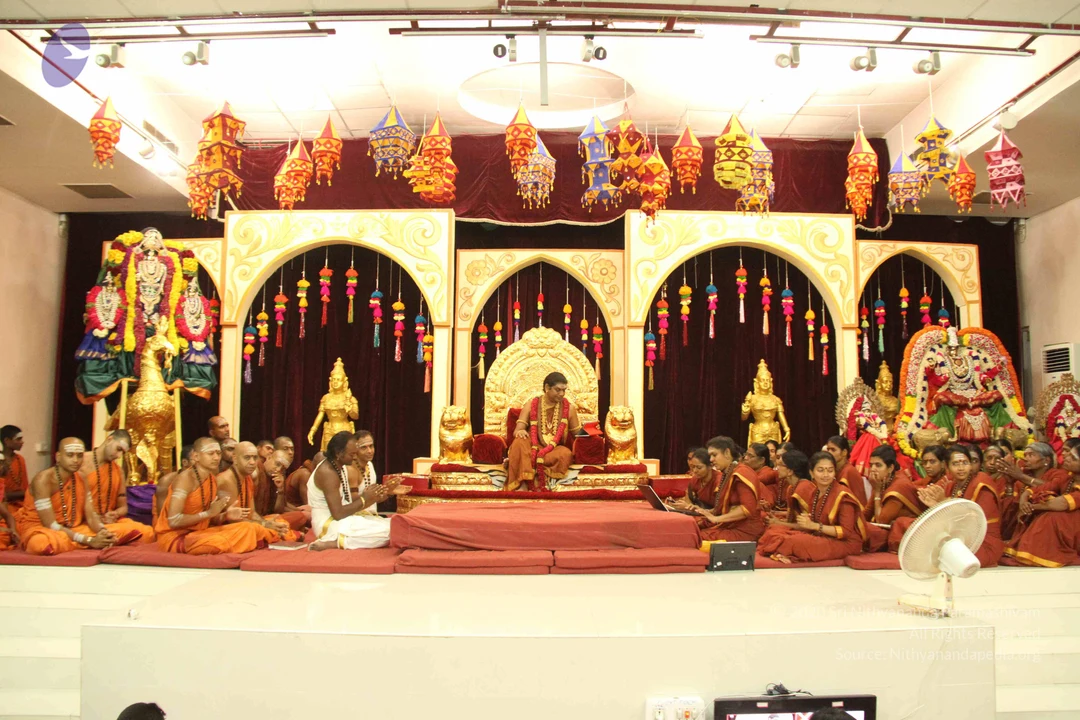
A photograph of a deity arati in a temple hall. A shaved-headed priest in a rust-coloured dhoti with a gold border and rudraksha malas kneels in the foreground and raises a silver arati lamp toward a deity murti adorned with yellow and pink marigold garlands and silver jewellery, flanked by two smaller murtis in purple and blue cloth. A golden peacock-like vahana stands in front. A man in a pink silk shawl and dark trousers sits with folded hands on a gold throne to the right. Hanging red and gold paper lanterns decorate the ceiling and a cream arched frame surrounds the shrine.A deity murti stands decorated with garlands of yellow and red flowers and silver ornaments, flanked by two smaller silver-adorned figures, behind a golden peacock vahana. A seated man with folded hands, wearing a magenta silk shawl over dark trousers and eyeglasses, sits barefoot on a gold throne with a red cushion. In the foreground a shaven-headed priest in a rust-coloured robe with a yellow border holds a lamp and faces the throne. Oil lamps sit on the floor, and colourful tassels hang from the arch on the right. Ritual puja setting.Photograph of a deity arati in a temple hall. A shaven-headed priest in a rust-pink dhoti with a gold border, with a rudraksha mala at his neck, faces the shrine holding a silver arati lamp with lit flames. Three decorated murtis stand behind a golden peacock vahana, garlanded with yellow, red and pink flowers, with silver ornaments and jewelled crowns. A man in a pink-and-gold silk shawl and dark trousers sits on an ornate gold-and-red throne at right, hands folded in prayer. Red and gold paper lanterns hang overhead and a purple cloth covers the base.A photograph inside a temple shrine with a deity murti decorated with yellow, red and pink flower garlands and silver ornaments, flanked by two smaller silver-adorned figures on a green draped platform. A golden peacock-like carving stands before them. In the foreground a shaved-headed priest in a saffron-pink wrap with gold border raises a silver multi-wick aarti lamp with lit flames toward the deity. On the right, a man in a pink and gold silk shawl and dark trousers sits barefoot on a gold throne with hands folded in prayer. Hanging tassels in orange, pink and yellow decorate the arch and a red lantern hangs above.Arati being performed before a deity murti adorned with flower garlands and silver jewellery, flanked by two smaller silver-clad figures, with a golden peacock-shaped vahana in front. A priest in a rust-coloured dhoti and shawl with a shaved head and a rudraksha mala raises a silver multi-wick oil lamp toward the deities. Seated on a gold-and-red throne at right, a man in a magenta silk shawl and dark trousers sits barefoot with palms pressed together in prayer. Red, yellow and magenta garlands, a purple cloth and draped green fabric surround the shrine, with hanging tassels and a decorated arch framing the scene.A stage decorated with gold arches, maroon drapes and hanging paper lanterns is set for a ceremony. A bald priest in a pink dhoti and a rudraksha mala stands at left, holding a lit oil lamp aloft toward the stage. Seated centrally on a large gold and red throne is a figure in orange robes and gold necklaces, a person, with a wide sweeping hair style and ornate attire. Beside him sit two older men, one in pink clothing with folded hands and one in an orange shawl. At right, a deity murti adorned with garlands and flowers sits on a golden peetha beside a tall gold chair. Gold lions and elephants flank the throne area, and a microphone stand and a laptop sit on the floor.

06-Dr-Raj-Chakravarthy-talk
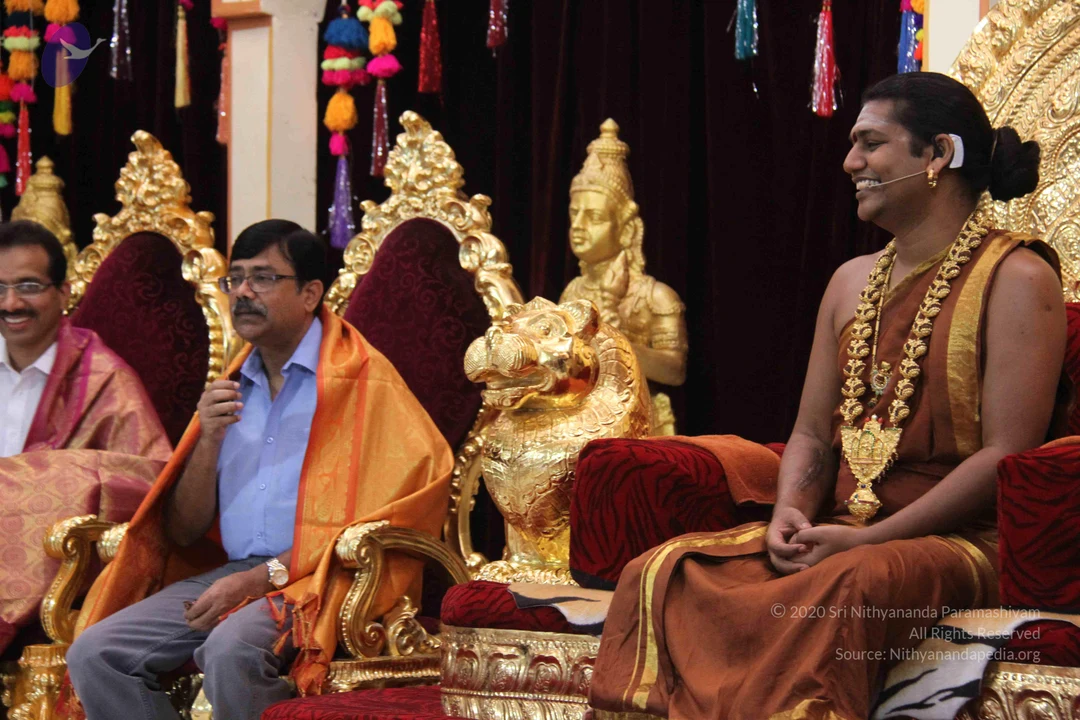
6 photosSource gallery
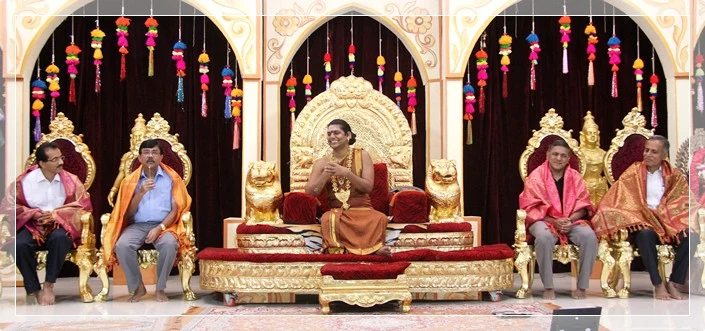
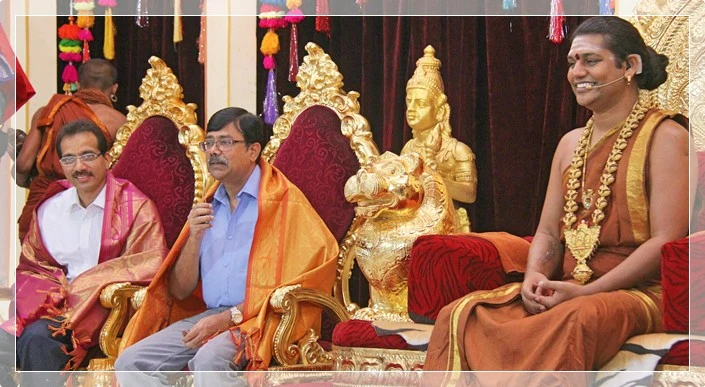
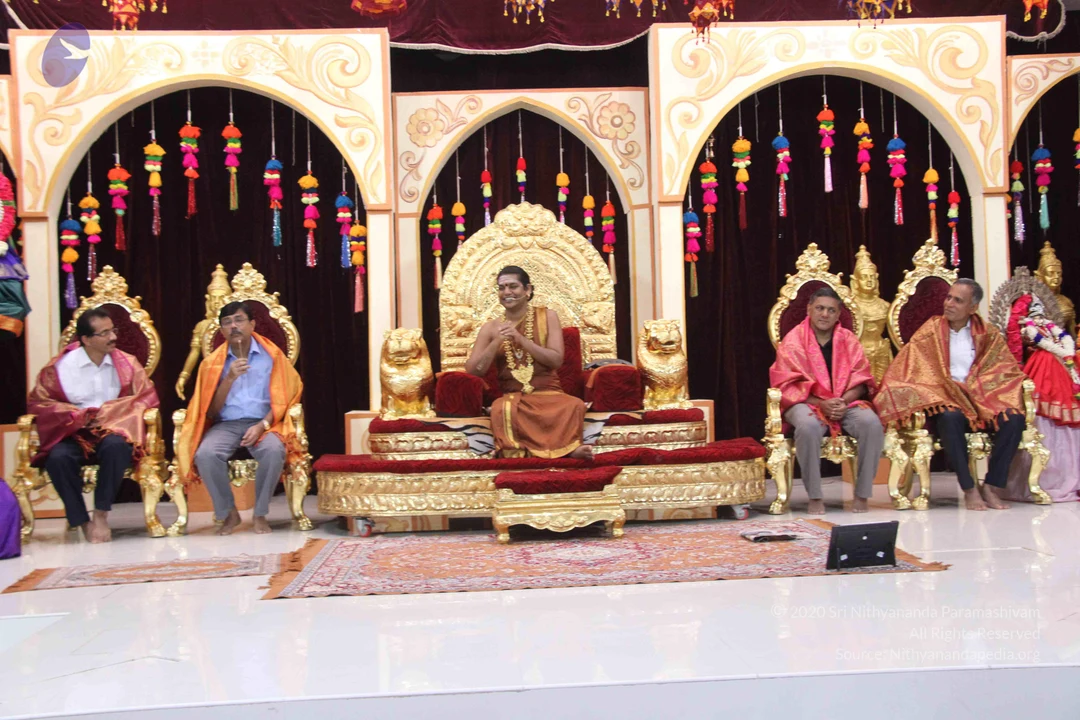
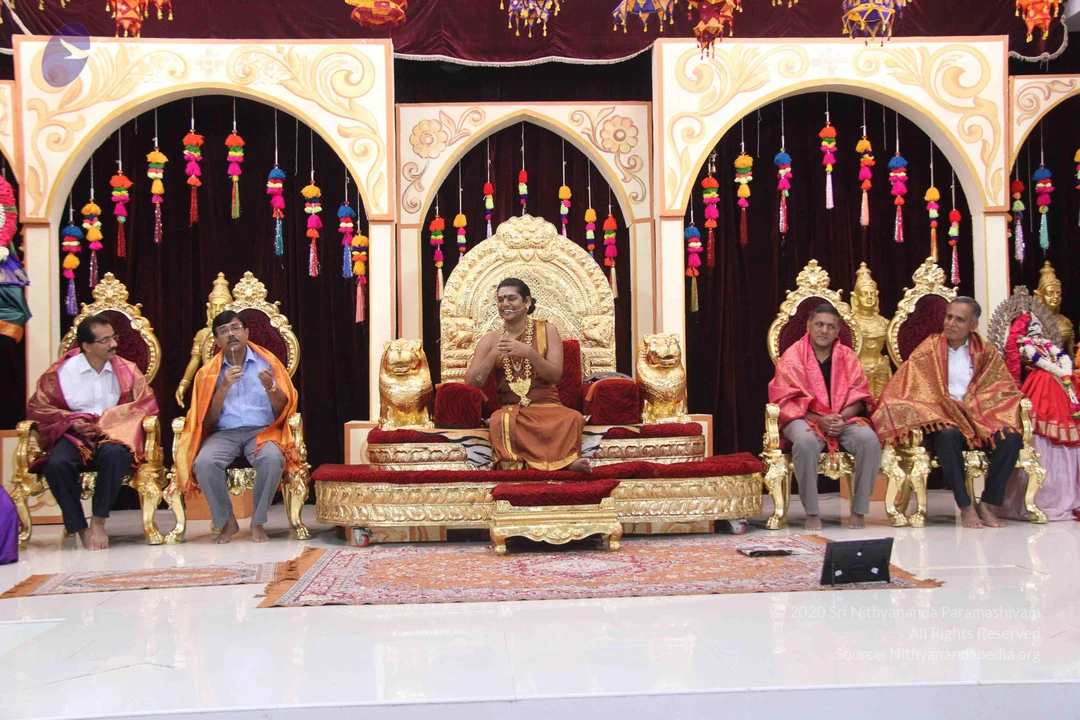
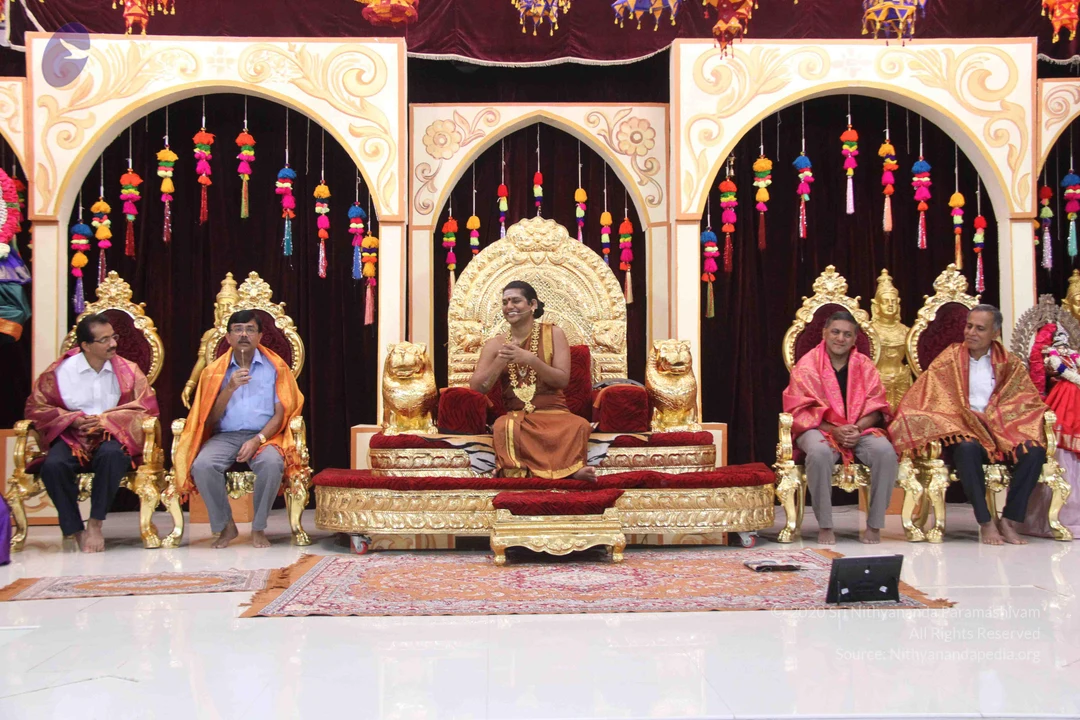
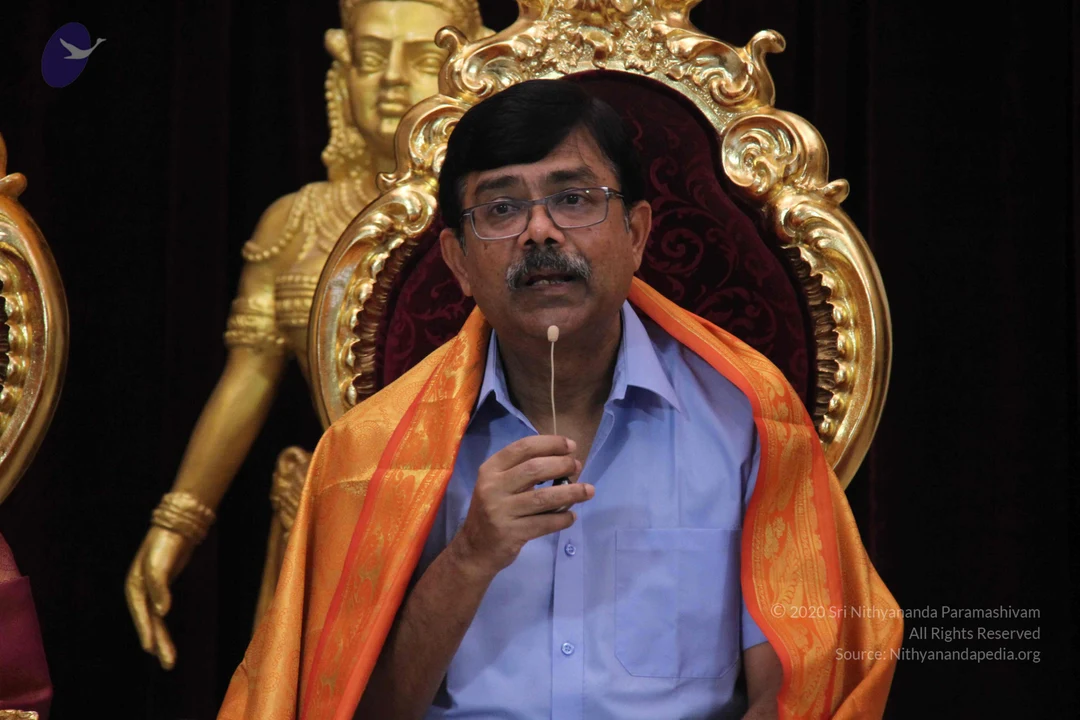
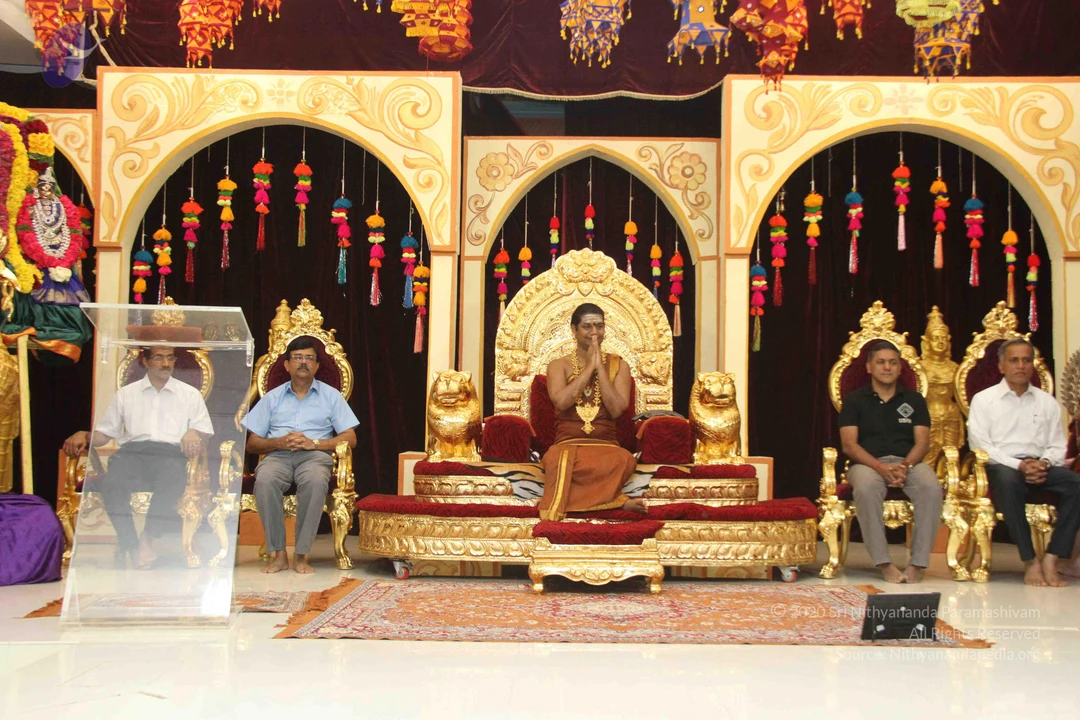
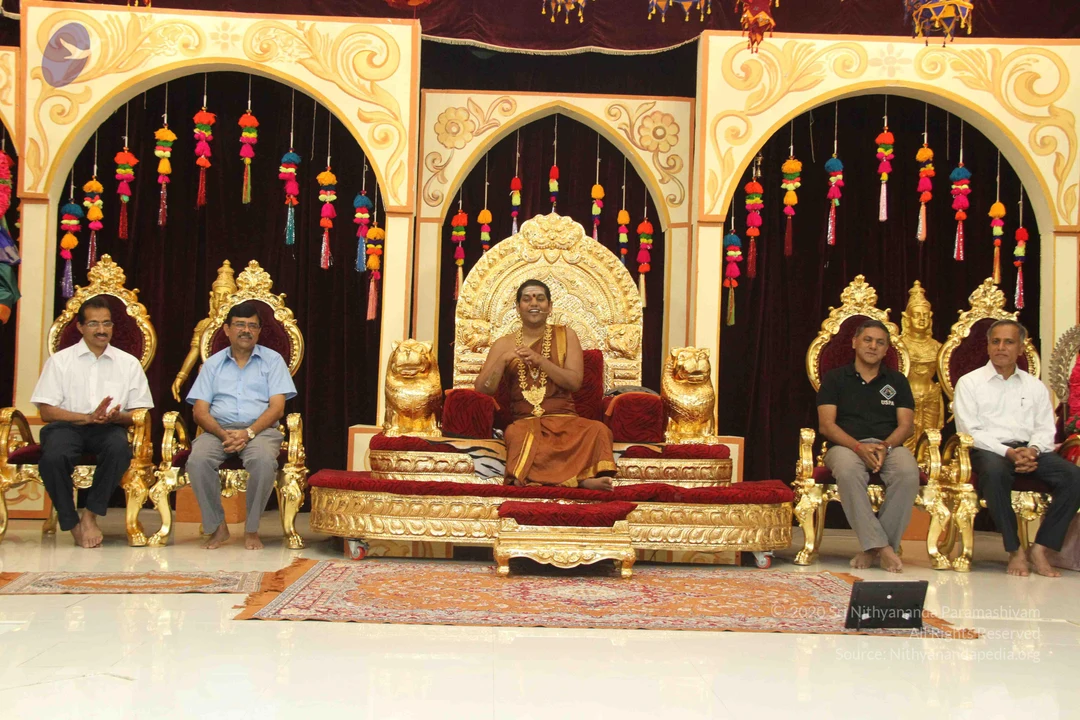
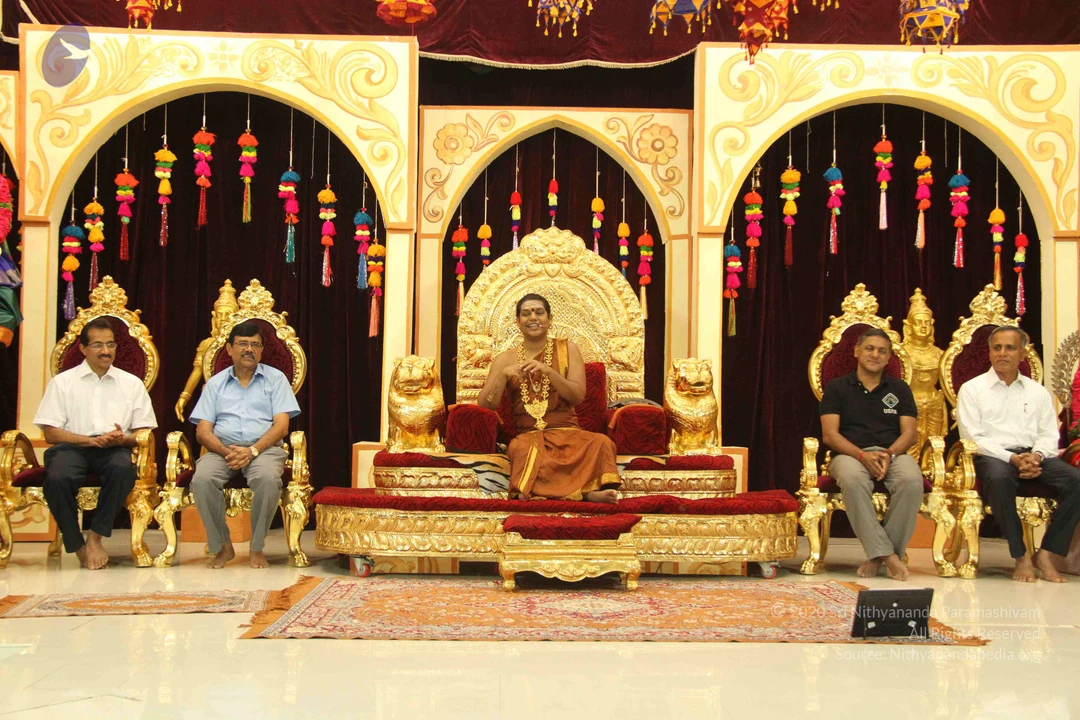
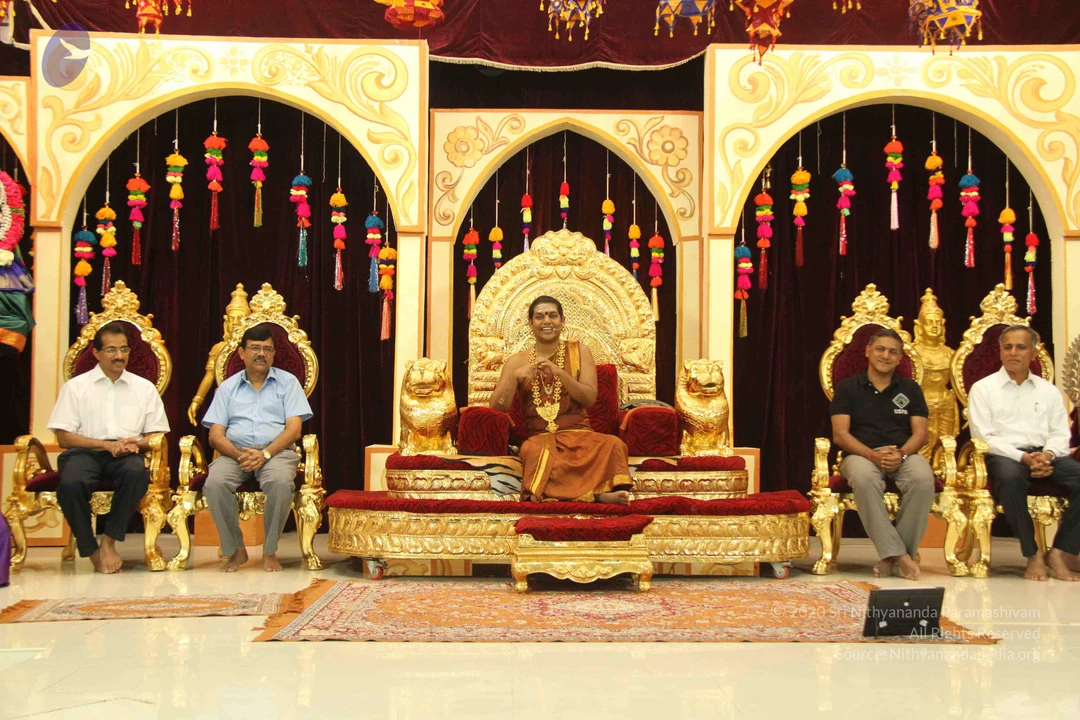
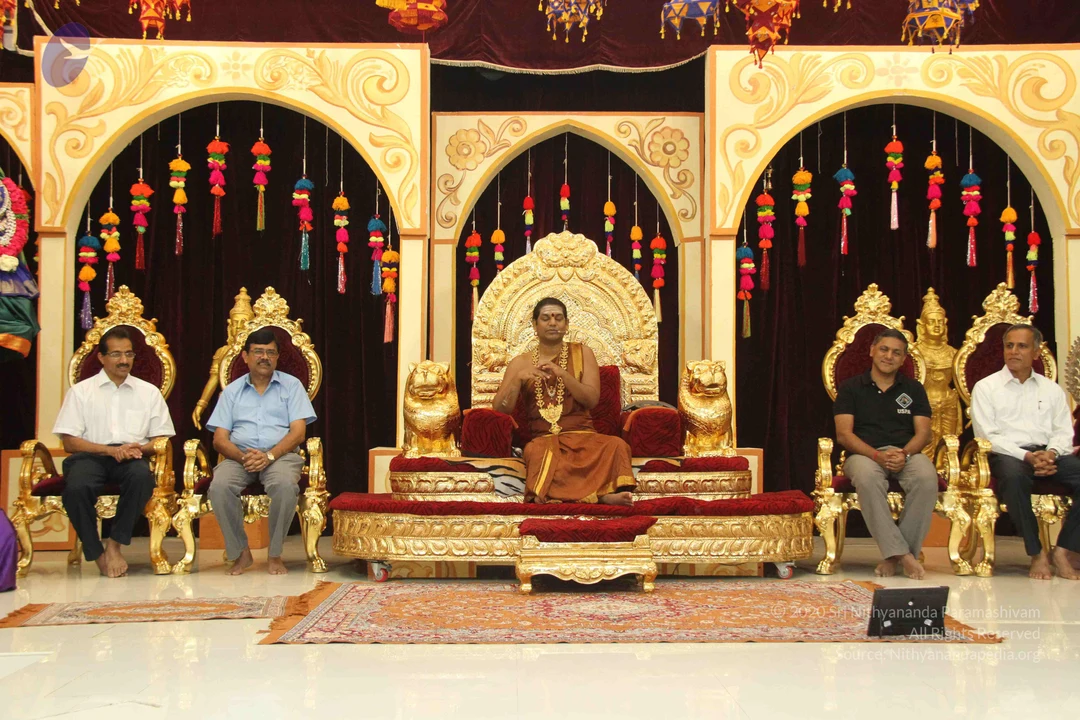
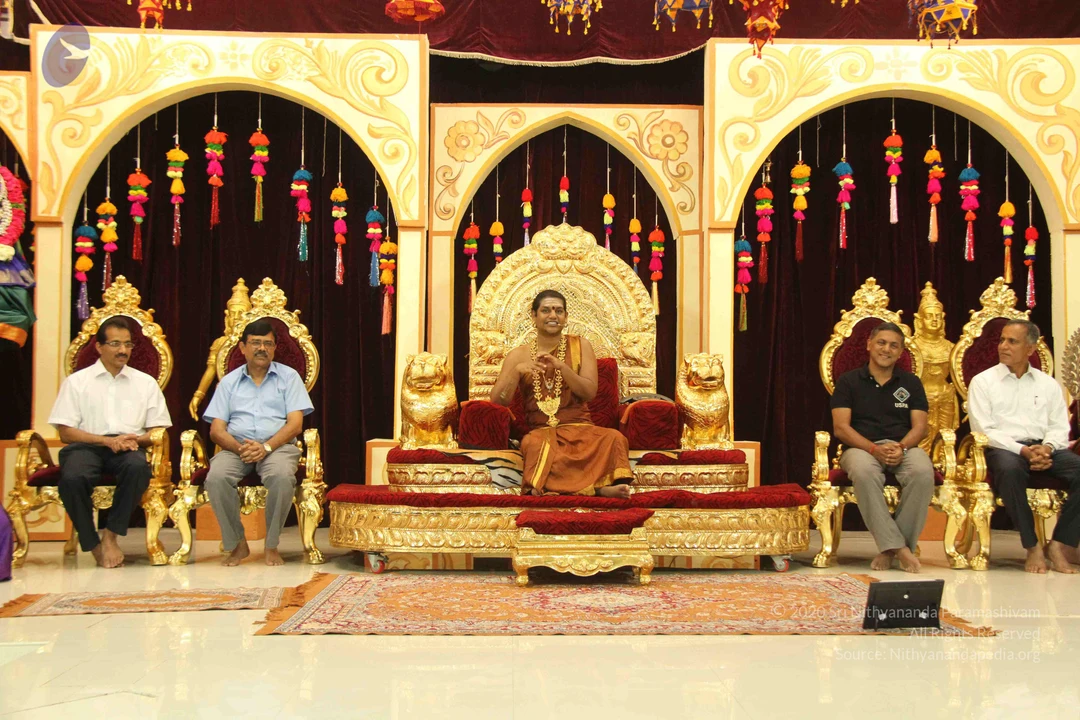
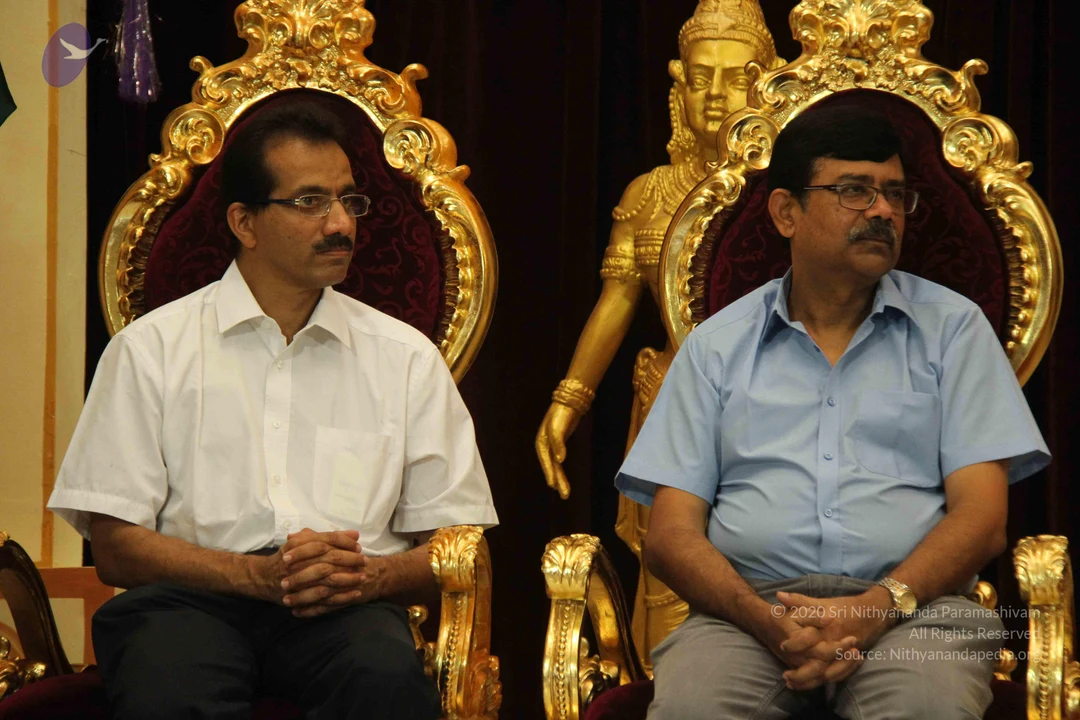
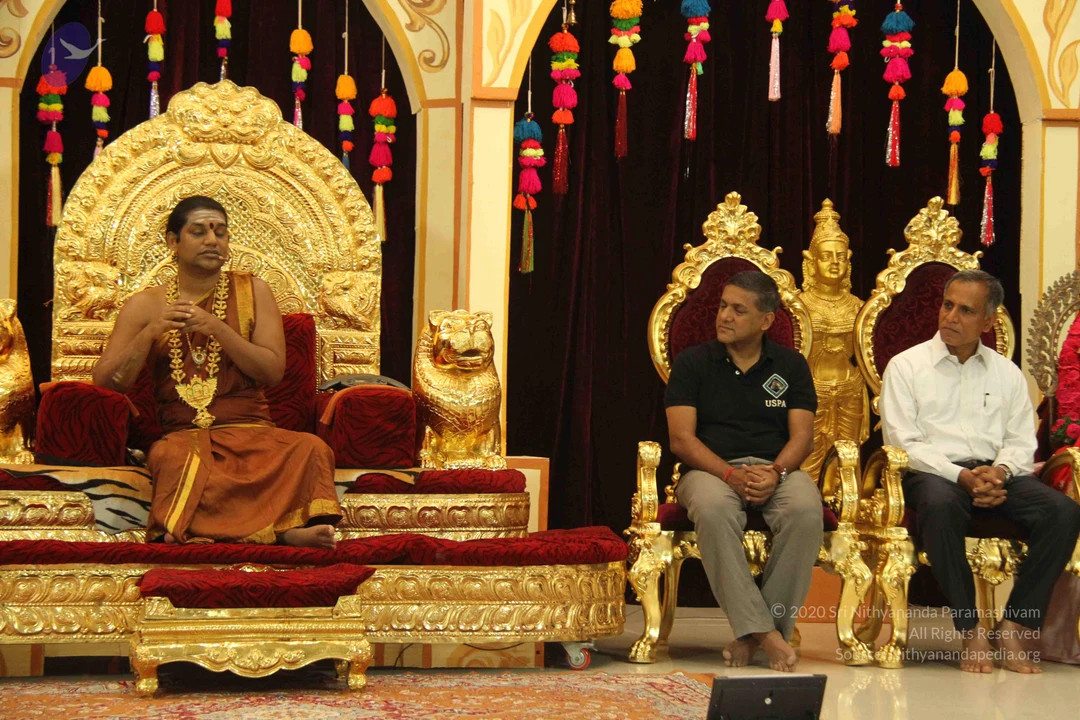
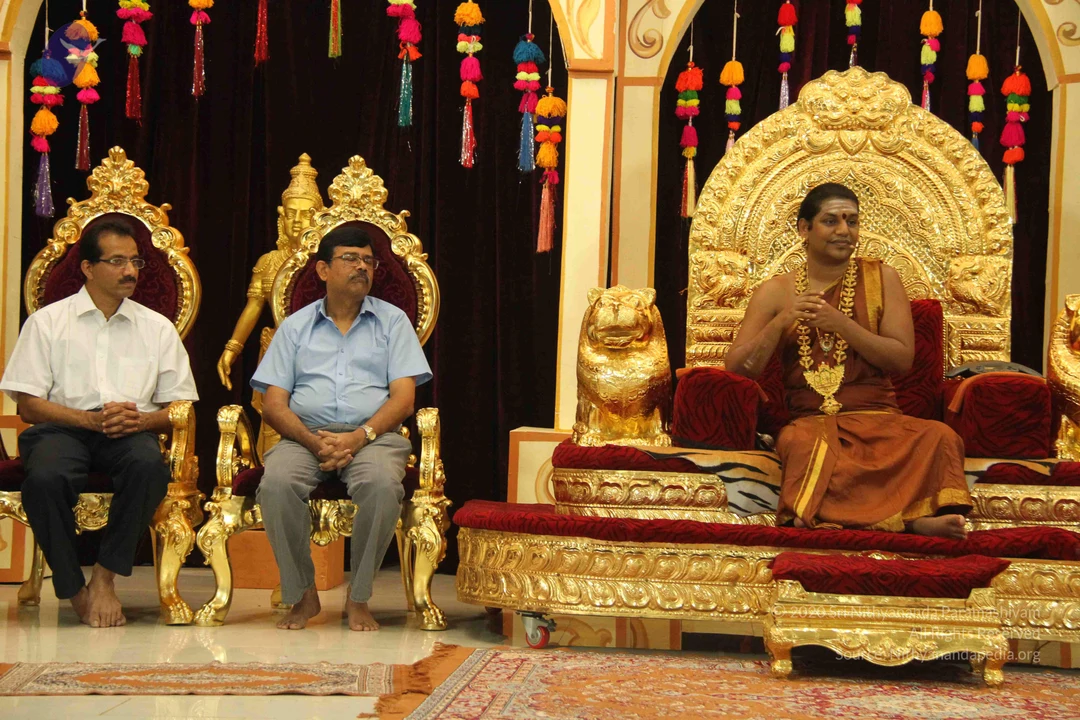
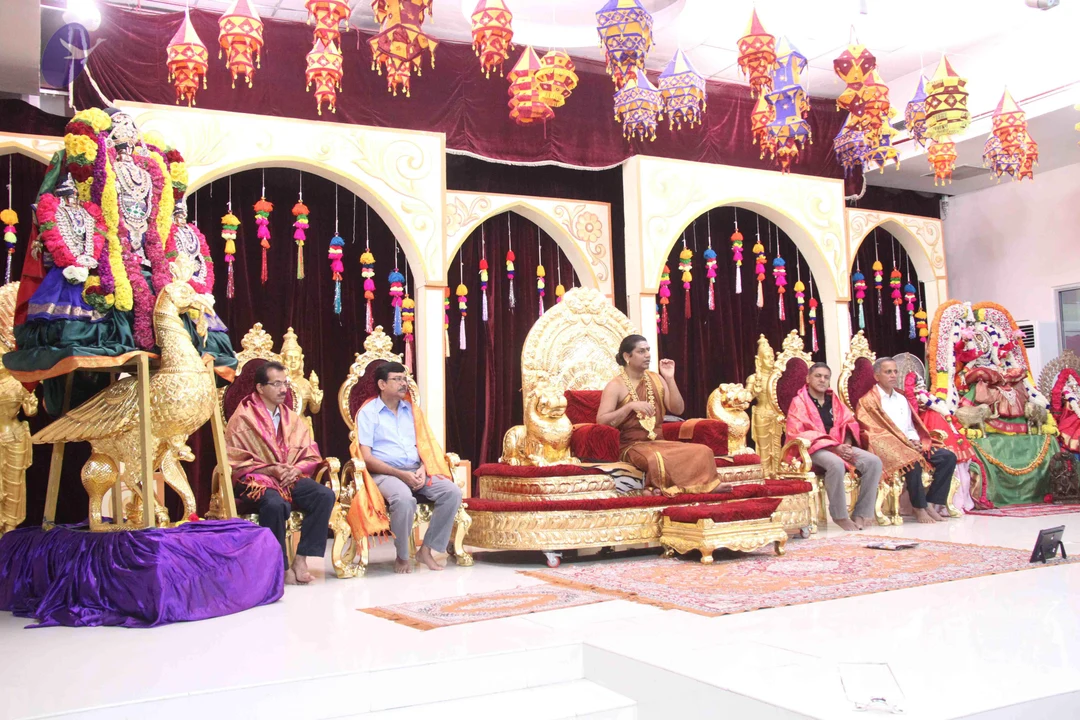
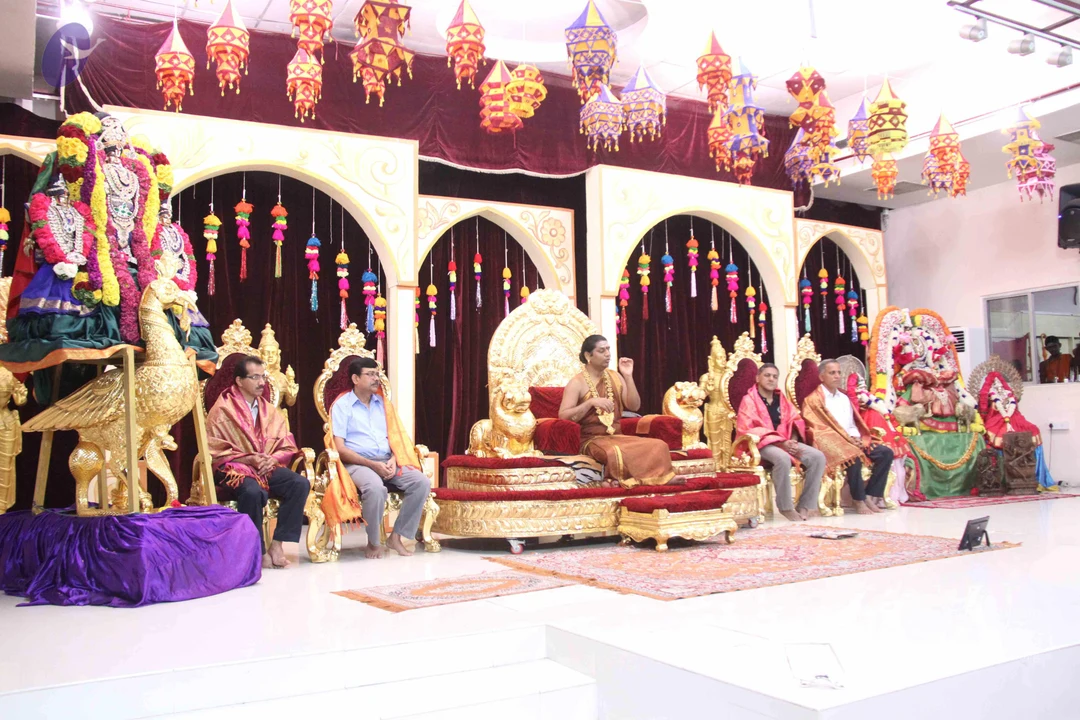
A seated man on a gilded throne with red velvet cushions smiles broadly while wearing a lavalier microphone at the ear. He wears a rust-orange dhoti and shawl with gold border, multiple long beaded garlands and a gold pendant, and his hair is tied in a bun. Beside him, a man in a light blue shirt and grey trousers wearing an orange shawl sits on a matching throne, and another man in a pink-and-gold silk shawl sits at left. A golden lion-head armrest and a gold statue of a deity bust stand behind, with tassels and red drapery in the background. a person: the seated man on the right in rust-orange robes, long garlands and a gold pendant, sitting on a throne during a talk.Three men seated on ornate gold-and-red thrones in a ceremonial hall with maroon drapes and colourful tassel decorations. On the far right, a man with long swept-back hair, a black headset microphone, a heavy gold-beaded garland and orange-brown robes smiles while seated on a throne with a gold lion-head armrest. Beside him, a man in a light blue shirt and orange shawl holds a pen-like object, and a man in white shirt with pink-and-gold shawl sits at left. A gold statue of a deity stands between them. Swamiji (probable) is the man on the far right, identified by long hair, saffron-orange clothing, a gold garland and a throne seat; the other two are guests. Seated as guests on thrones; a monk in orange robes stands partly visible at upper left.A stage event photograph with a golden throne at centre holding a seated man in saffron-orange dhoti and a gold-beaded necklace, hands joined in greeting. He sits between lion-figure armrests on a red-cushioned dais under a golden arch backdrop. Flanking him are four men seated in gold-and-red chairs: at left a man in a white shirt and maroon shawl, next a man in orange shawl and light blue shirt holding a microphone, at right a man in pink shawl and grey trousers, and further right a man in a gold-bordered shawl and white shirt. Behind them hang rows of colourful tassel decorations, and gold statues and a garlanded deity figure appear at the edges. The floor is white with a patterned rug.A seated man in an orange-brown robe with long hair and a gold necklace sits centrally on an ornate golden throne with lion armrests and red cushions, gesturing with both hands while speaking. Four people flank him on gold-framed chairs: on the far left a man in a white shirt and red shawl, a man in an orange shawl holding a microphone, a man in a pink shawl, and a man in a gold-bordered shawl. Behind them stand golden statues and a deity murti with a red garment. Colourful tassels hang from arches draped in dark maroon fabric, and a red-and-gold carpet lies on the white stage. The seated central figure's appearance suggests a probable Swamiji (probable) presence, with long hair, gold necklace and ornate robes as cues.A seated figure on a large gilded throne with red cushions and carved lion armrests sits centre stage in a decorated hall with arched backdrops hung with colourful tassels. He wears an orange-brown robe and a long gold necklace, with a shawl-like drape, and holds his hands together in front of him while smiling. Probable Swamiji appearance cues include the swept-back long hair and ornate gold necklace, with the figure seated in the central throne. Four men flank him on smaller gilded chairs: at far left a man in white shirt and dark trousers with a maroon-and-gold shawl, second from left a man in blue shirt and grey trousers with an orange saffron shawl holding a microphone, second from right a man in pink shawl and grey trousers, and at far right a man in white shirt with a gold-bordered shawl. All sit barefoot on a patterned carpet, with a small black tablet on the floor in front. Gold statues and garlanded deity figures are visible at the edges.A seated man with dark hair, glasses and a grey moustache wears a light blue collared shirt and an orange-and-gold silk shawl draped over his shoulders. He holds a thin white stick or cotton swab upright in his right hand while speaking. He sits on a red velvet throne with ornate gold scrollwork. Behind him stands a golden deity murti with a crown and jewelled armlets. The background is dark maroon drapery. A partial figure in maroon is visible at the left edge.

07-Nithya-Satsang-HDH-Doctors
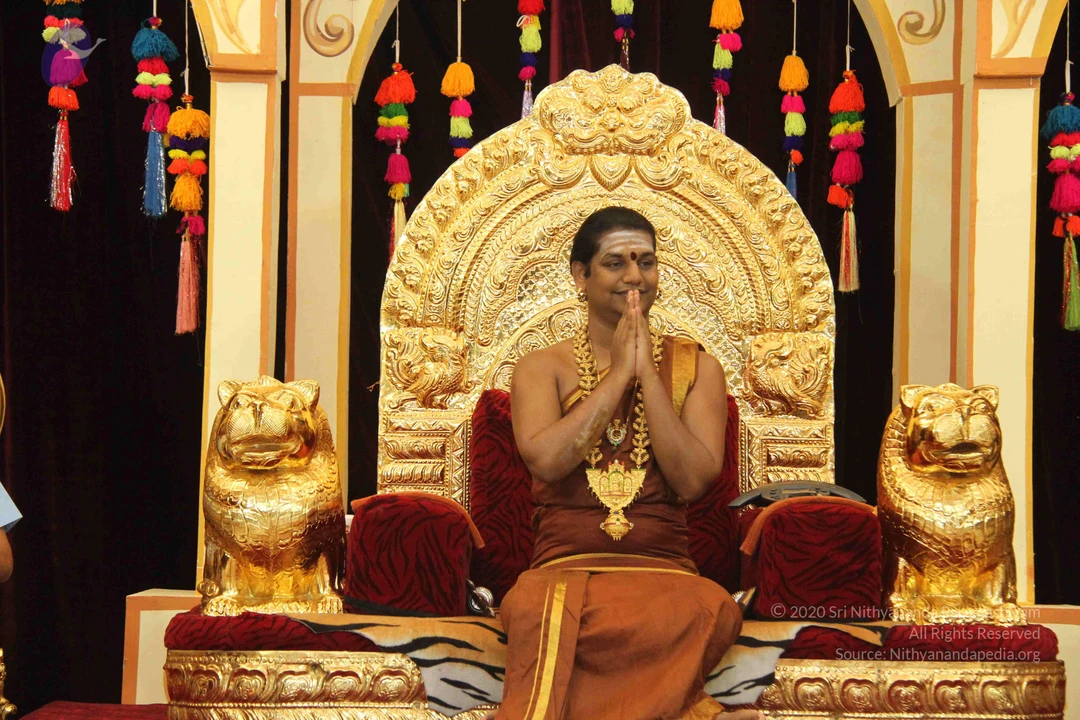
29 photosSource gallery
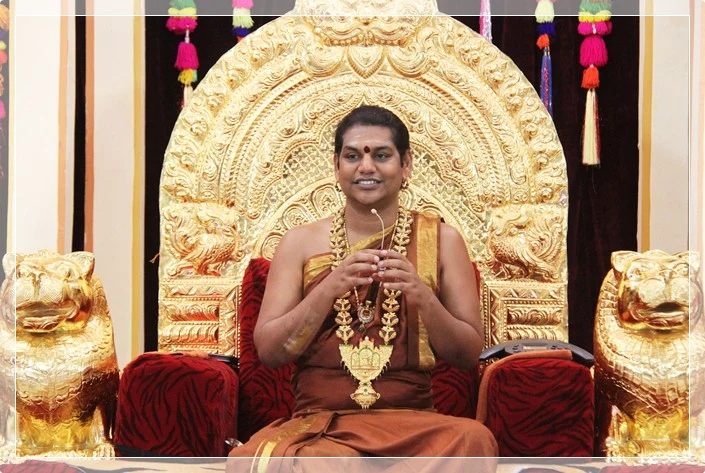
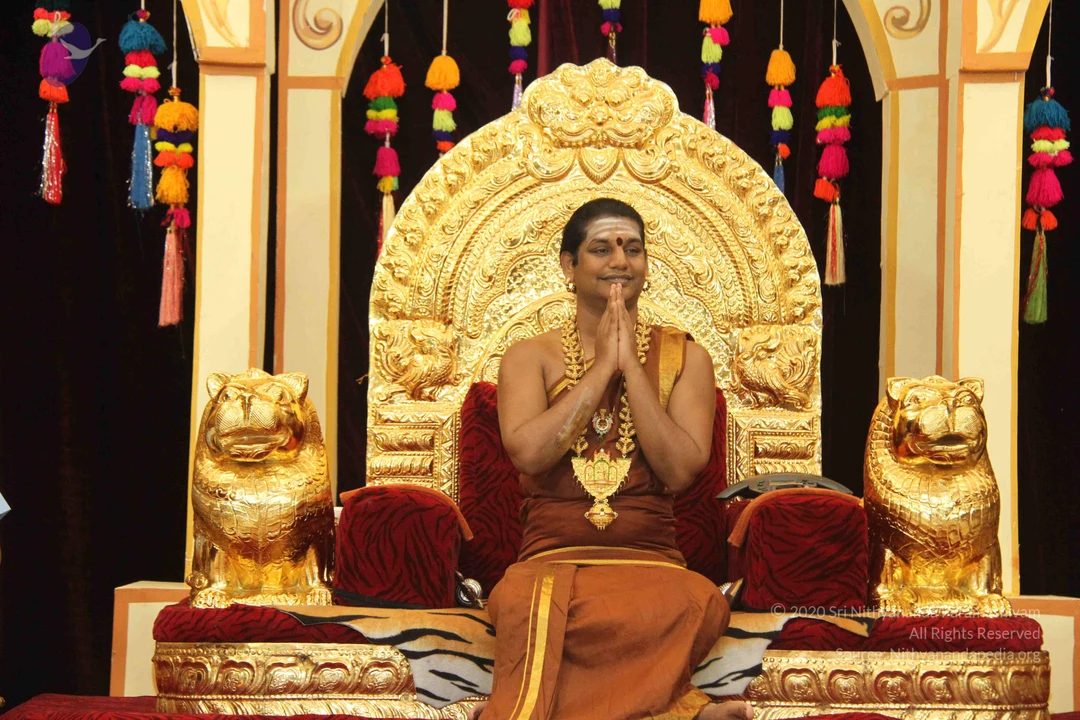
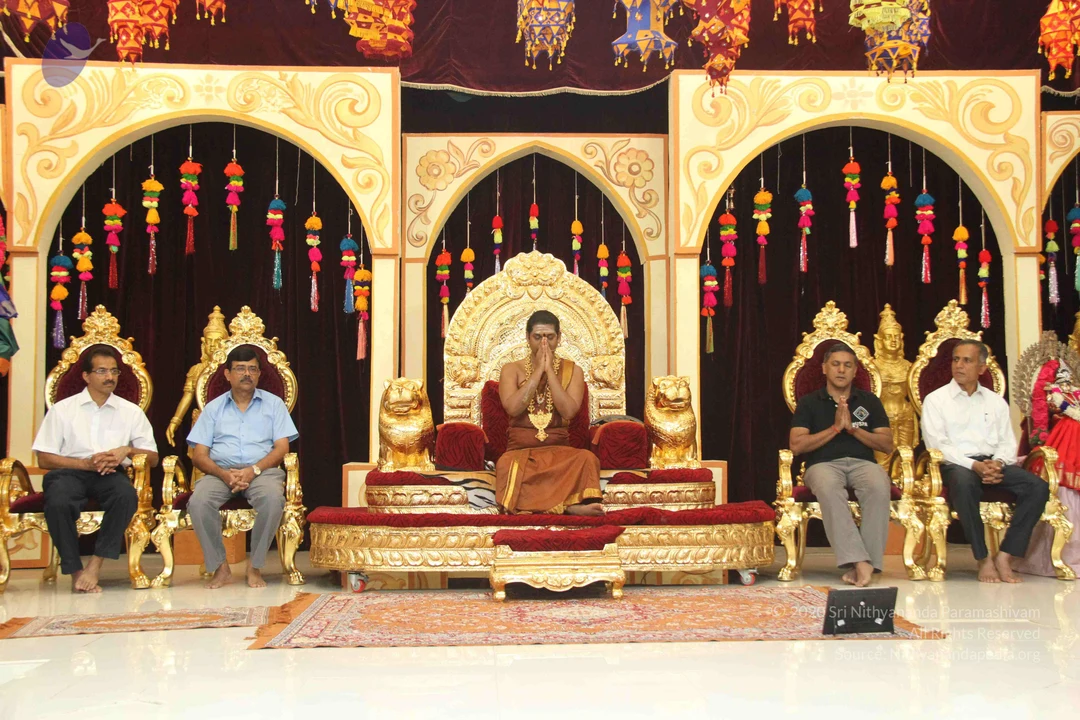
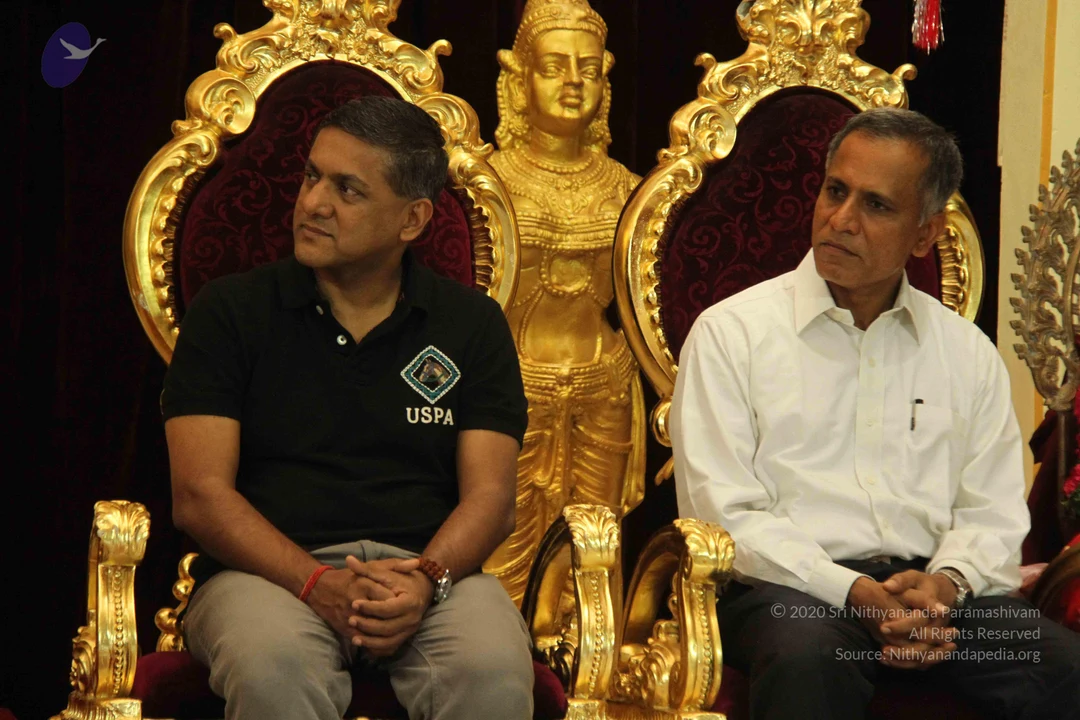
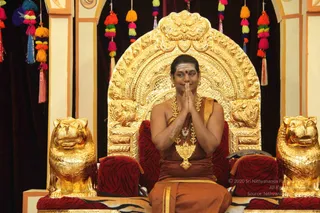
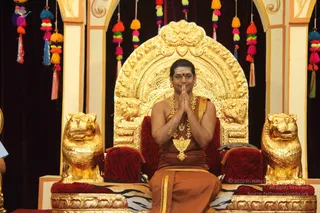
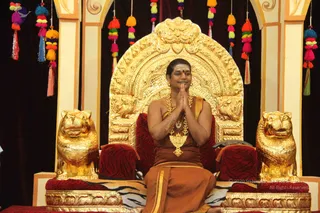
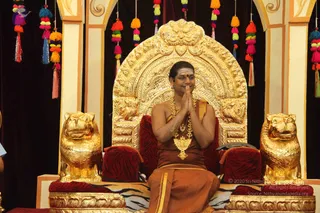
A seated man in rust-brown and saffron-bordered ceremonial dress sits with palms pressed together in namaste on an ornate golden throne (peetha) with a gilded arched back and two golden lion sculptures flanking him. He wears a vibhuti-style tilak and a red kumkum dot, a heavy gold necklace with a large ornamental pendant, and a gold chain. Behind the throne hang colourful tasseled decorations in orange, pink, yellow and blue on a dark maroon backdrop. The figure matches a person candidate by cues: ornate gold and throne setting, ceremonial gold necklaces and sacred markings, though the appearance is only partly distinctive. Single seated person, no other people visible.A man seated on an ornate gold throne with carved gold lion-head armrests, in front of dark drapes and hanging tassel garlands in pink, green, blue and orange. He sits with palms pressed together in namaste, smiling, wearing a rust-orange dhoti and shawl with a gold yellow border, a heavy gold necklace with a large pendant, and a white vibhuti mark with a red kumkum dot on his forehead. a person by appearance cues: ornate gold necklace, orange ceremonial clothing and throne seating; the printed caption identifies a satsang setting. A tiger-striped cushion rests under the throne.A man seated on an ornate gold throne with carved lion-head armrests and red tiger-striped cushions, hands pressed together in namaste. He wears an orange-brown dhoti and shawl, a gold pendant on a gold chain, and a tilak on his forehead. Colourful tasseled hangings decorate the backdrop. The setting resembles a satsang stage. Only one person is visible.A seated man in orange-saffron robes sits on an ornate gold throne with a tall arched back carved with floral and scroll motifs, flanked by golden lion heads. He has palms pressed together in namaste, wears a gold chain necklace with a large pendant, and has white forehead markings. Colourful tassels in pink, yellow, orange and blue hang overhead against dark drapes, and a tiger-striped cushion covers the seat. a person (in_person) cues: saffron/orange clothing, ornate gold ceremonial necklace, and throne seating. No other people are visible.A seated figure in saffron-orange dhoti and shawl, wearing a long gold necklace and palms pressed together in namaskar, sits on an ornate gilded throne with lion-head armrests in front of a decorated stage with arched gold frames and colourful tassel hangings. Four men sit on gilded chairs flanking the throne: on the left a man in white shirt and dark trousers and a man in a light blue shirt, on the right a man in a dark green polo shirt and a man in a white shirt. A clear acrylic podium stands at left, and a floral garland decorates a deity murti at the far left edge. The figure's appearance is consistent with the page's identification but is not distinctive enough for a confident match.A seated man in a rust-orange and gold-bordered dhoti and shawl sits on an ornate gilded throne with carved arches and lion-head armrests, red velvet cushions and a tiger-skin cloth. He wears a heavy gold necklace with a pendant, a red tilak on his forehead, and raises one hand in a gesture of address while smiling. Behind the throne hang multicoloured tassels from a dark drape under a painted cream arch with floral scrollwork. a person: a gold-and-orange ceremonial presentation with a gilded throne and gold ornaments, presented as the seated speaker. Only one person is physically present.

08-SLE-Book-Compliment-HDH-Handwriting-to-Dr-Raj-Chakravarthy
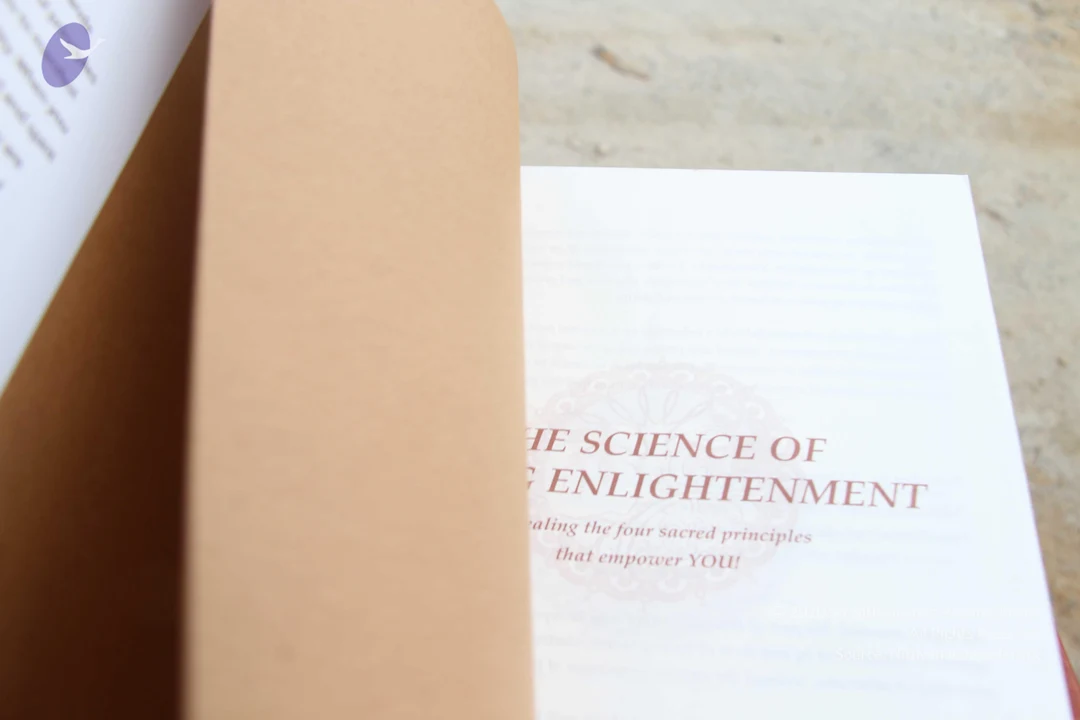
5 photosSource gallery
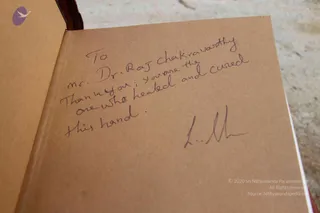
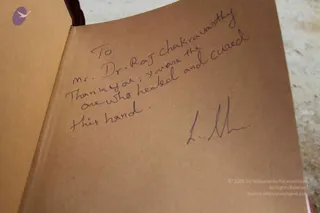
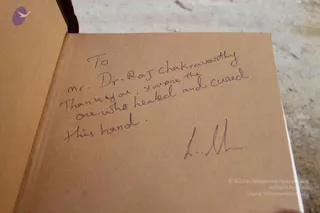
Close-up photograph of an open hardcover book held in a hand, with a tan cardboard or kraft-coloured inner cover in the foreground. The white title page shows the printed heading 'THE SCIENCE OF ... ENLIGHTENMENT' in rust-brown serif capitals, with a subtitle reading 'revealing the four sacred principles that empower YOU!' and a faint decorative mandala motif behind the text. Blurred printed pages are visible at the top left. The background is a pale grey stone or concrete surface. No people are visible in the frame.Close photograph of the inside cover of a tan hardcover book held open in a hand. Handwritten dedication in blue ink reads a note addressed to Dr Raj Chakravarthy, thanking him as the one who healed and cured this hand, with a signature at lower right. No people visible other than the hand holding the book; background is a pale concrete surface.Close-up photograph of the inside cover of a tan hardbound book lying open on a grey stone surface. Handwritten in blue-black ink: 'To Mr. Dr. Raj Chakravarthy, Thank you; you are the one who healed and cured this hand.' A large looping signature sits at lower right. No people are visible in the frame.A close photograph of an open book with a tan cardboard-coloured cover. Handwritten ink on the inside page reads a dedication addressed to Dr Raj Chakravarthy, with a signature in the lower right. No people are visible; only the book, page and a concrete background at the edge of the frame.Close-up photo of the inside cover of a tan hardcover book lying open, with a handwritten inscription in blue ink reading 'To Mr. Dr. Raj Chakravarthy, Thank you; you are the one who healed and cured this hand.' followed by a signature at lower right. No people are visible.

09-HDH-Shawl-Deity-Complements-Doctors
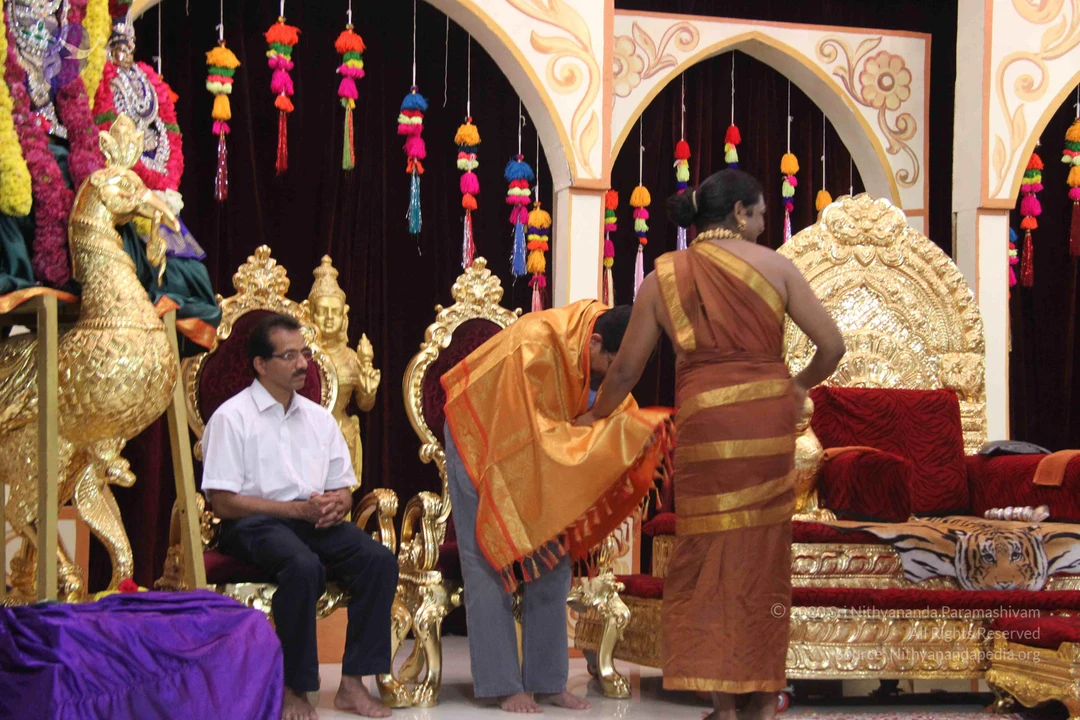
17 photosSource gallery
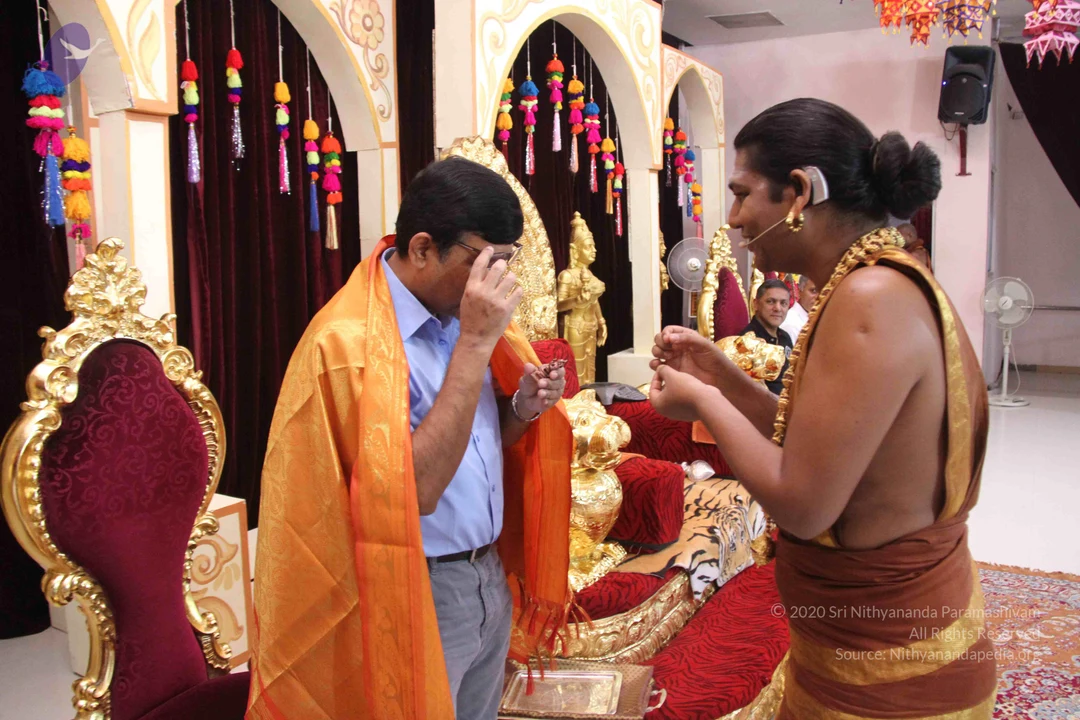
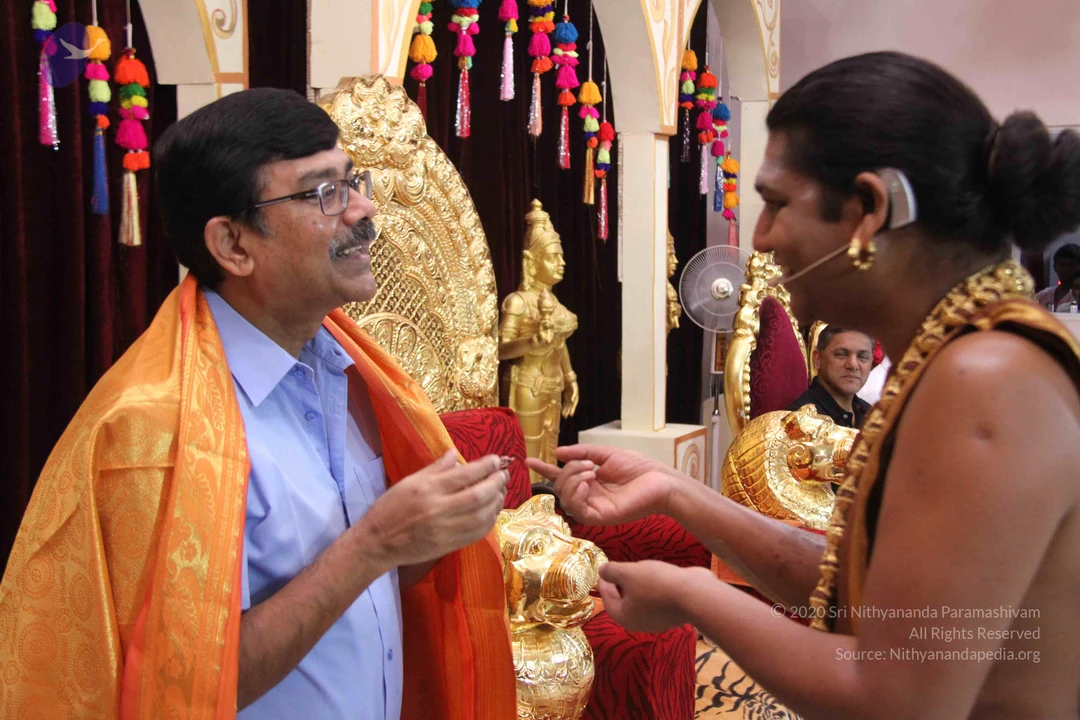
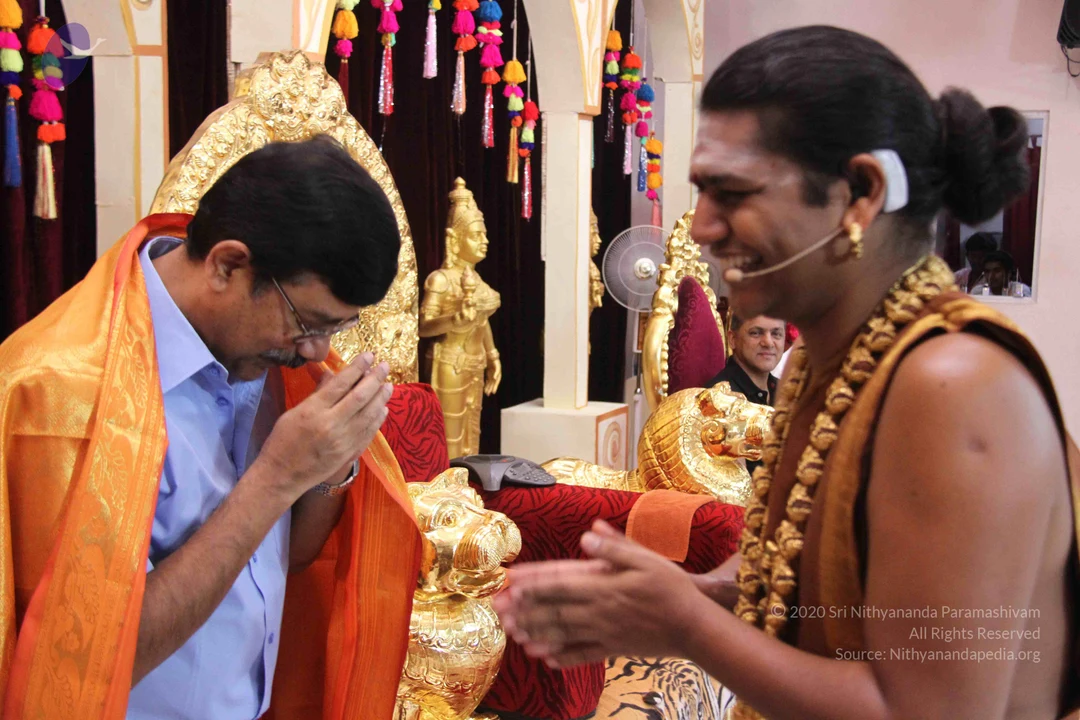
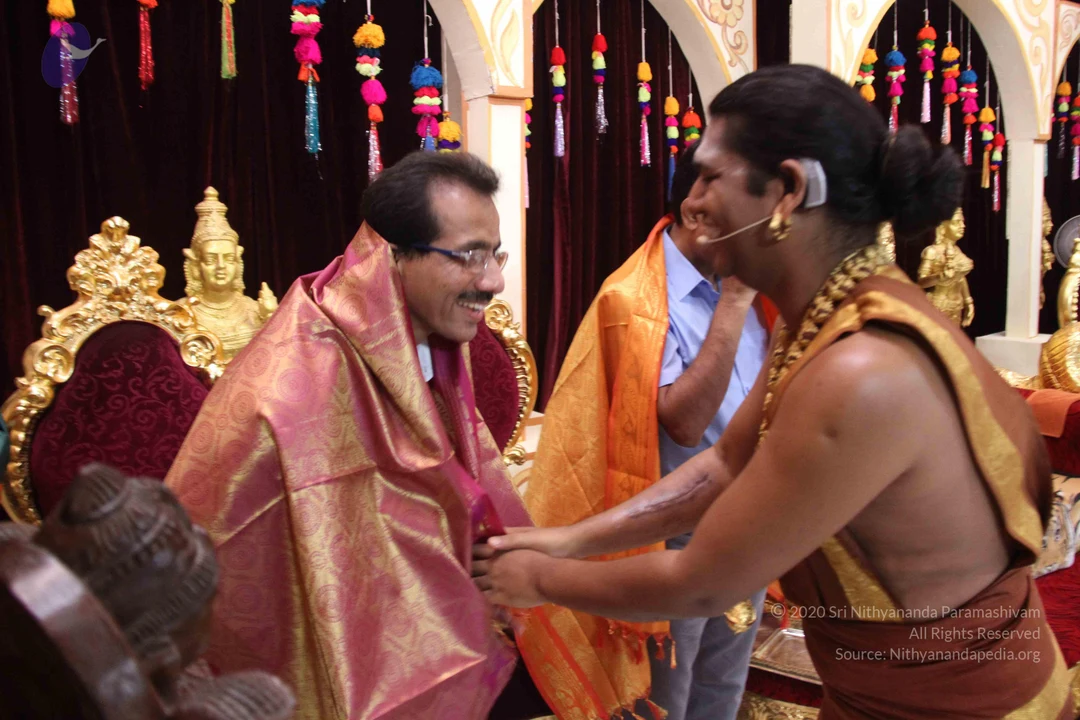
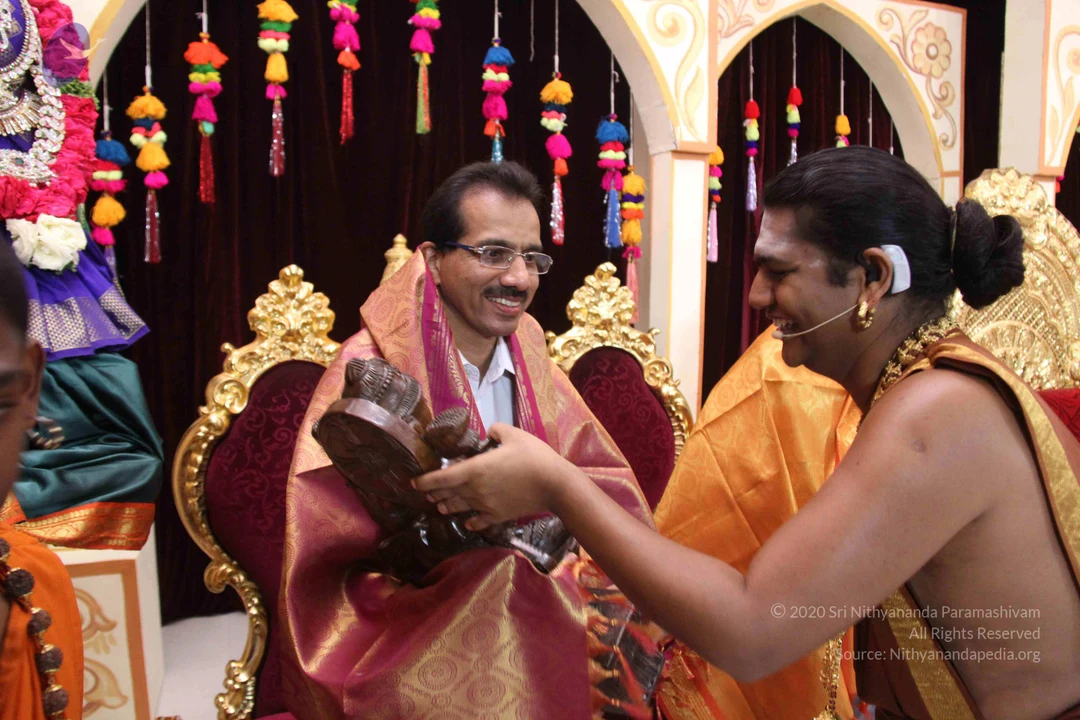
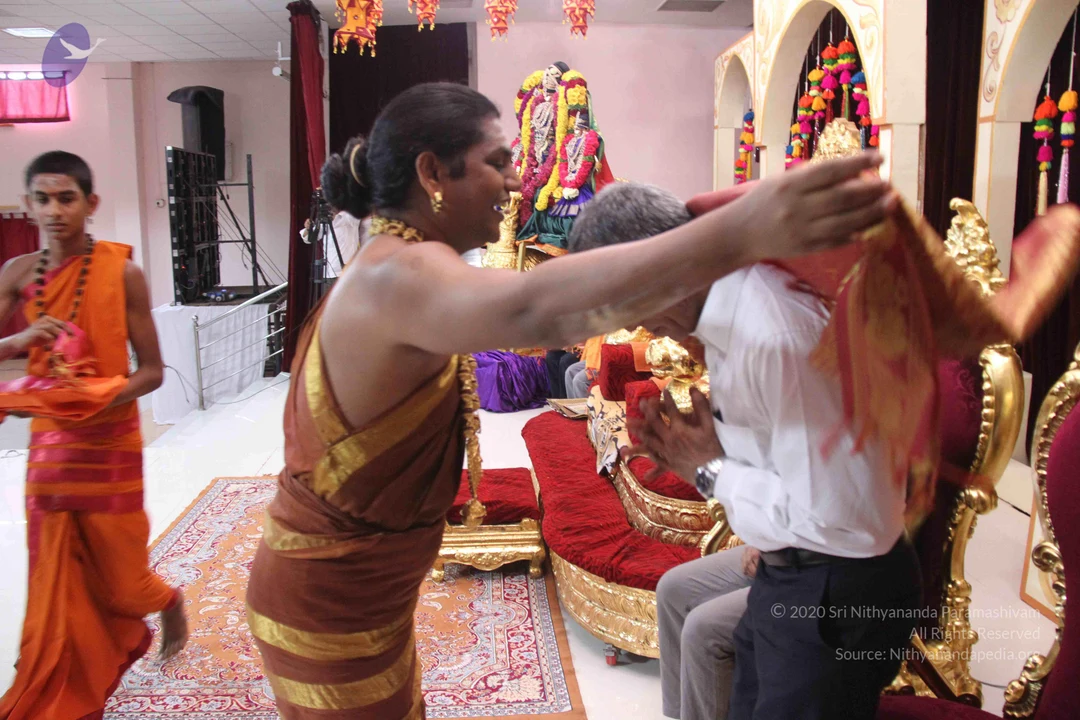
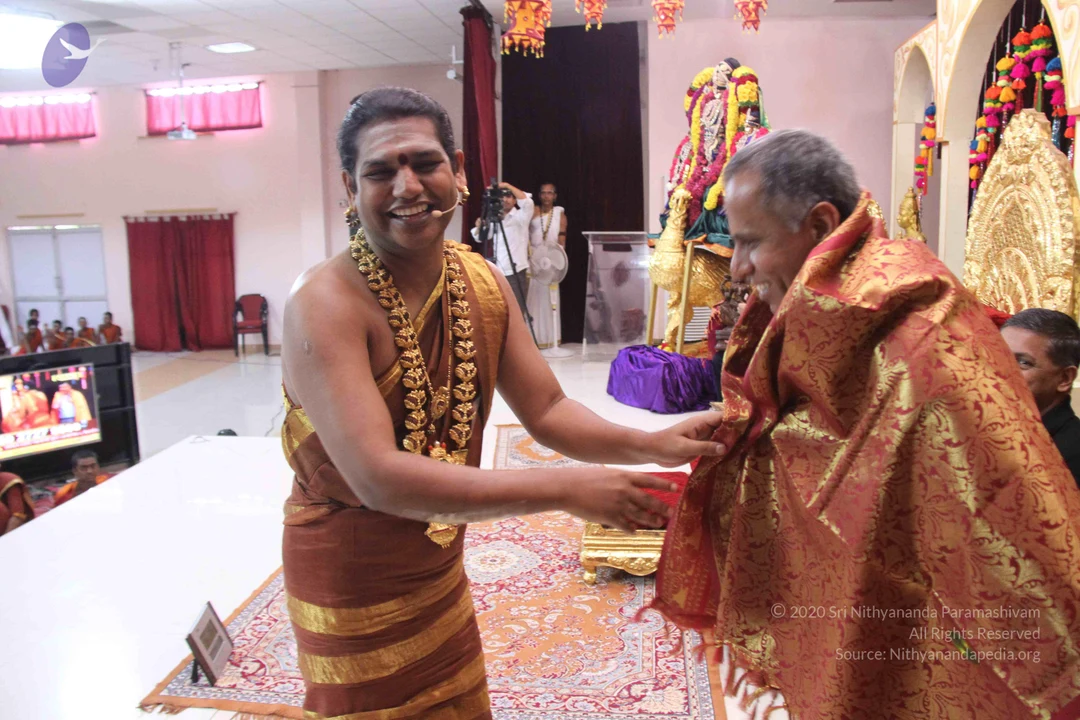
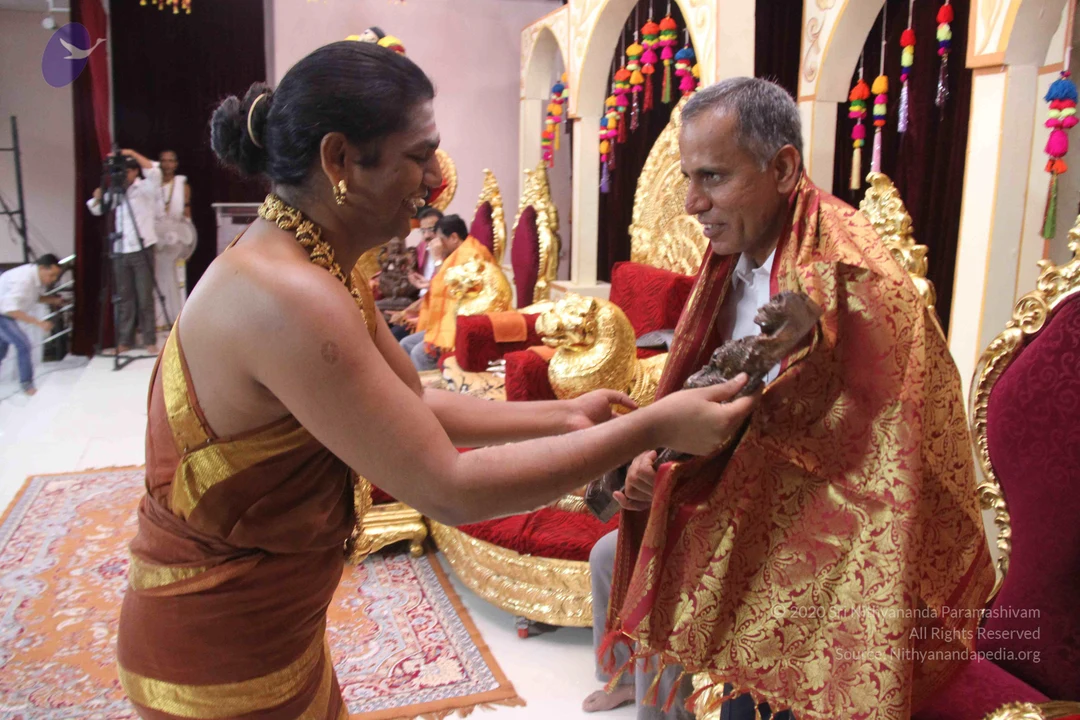
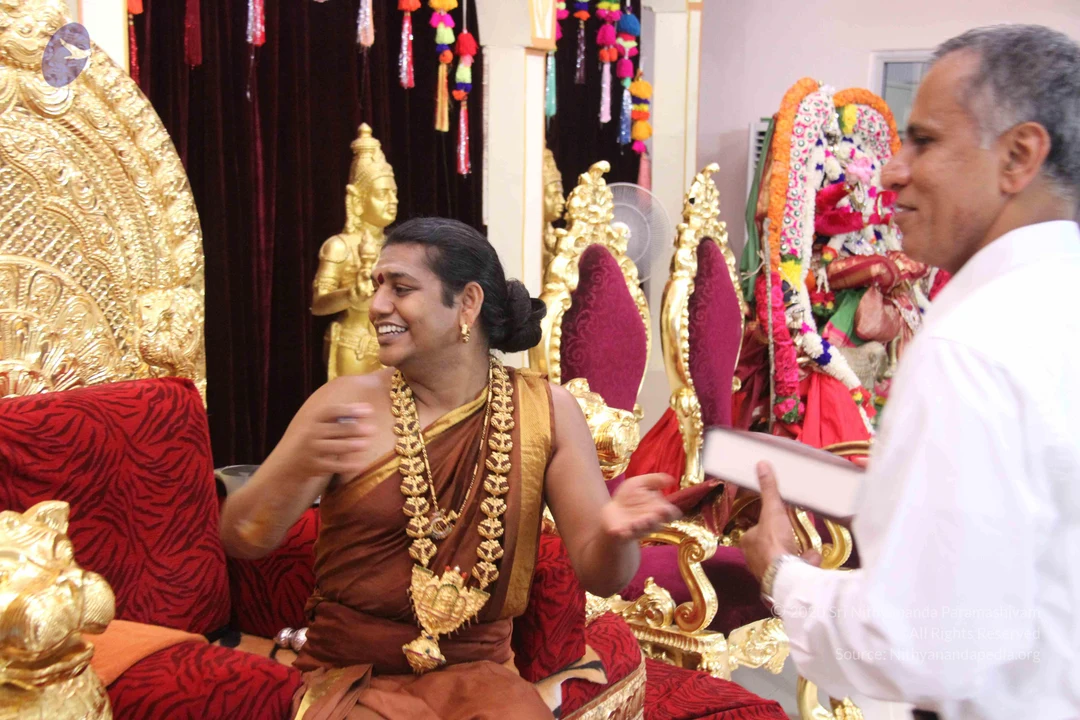
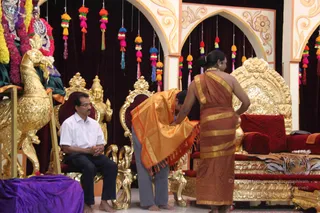
A photograph inside an ornate gold-and-red ashram hall with a golden peacock sculpture at left and a tiger-print cushion on a golden throne at right. A man in a white shirt and dark trousers sits seated at left. In the centre, a man bends forward with his head lowered, receiving an orange silk shawl with dark fringe draped over his shoulders by a woman in a brown-and-gold sari who stands at right. A golden deity murti stands behind the seated figure, and colourful tasselled hangings decorate the arches above. No clear appearance-based candidate for a person is visible; the bent figure's presentation is not distinctive enough to confirm identity.A photograph of an indoor ceremony beside a decorated deity murti draped with garlands and gold ornaments. A figure with a bare upper body wears a golden-bordered reddish-brown cloth and a heavy gold chain, and gestures toward a standing man in a light blue shirt and glasses who wears an orange shawl with tassels. Behind them are a gold-backed throne, hanging tassels in pink and yellow, and an attendant in orange holding a pink cloth at left. A person in saffron-coloured robes with a rudraksha mala stands at the left edge. a person: the bare-chested figure with long swept-back hair and gold necklace matches the page's claim, but the cues are not fully distinctive, so the identity is uncertain.A woman in a rust-orange sari with a gold border and a gold necklace drapes an orange-gold shawl around the shoulders of a middle-aged man with glasses, a mustache and a light blue collared shirt with grey trousers. Behind them stands a tall floral garland arrangement with yellow, pink and white flowers and a deity murti decorated with garlands. Colourful tassels hang from the arch on the right, and a gold-and-red throne chair stands beside the man. A dark wooden statue and a shaved-headed attendant in orange cloth with tilak appear at the left edge. The scene looks like a shawl-honouring ceremony in a temple hall. No a person candidate is clearly visible.A woman in a brown and gold-bordered sari drapes an orange silk shawl over the shoulders of a man in a light blue shirt and grey trousers, who wears glasses. Behind them a tall deity murti stands garlanded with marigolds and heavy ornaments, and a temple attendant in orange robes with a shaved head and tilak holds a small bronze figure. Another seated man in the background and colourful tassels hang from the arched shrine area, with a gold throne-like chair on the right.A photograph in a decorated ashram hall with gold-framed red velvet thrones, colourful tassel hangings and a golden deity murti behind. A man in a light blue shirt and grey trousers, wearing an orange shawl, has his hands raised to his face while another man stands in front, bare-chested, wearing a brown and gold dhoti-style cloth with a gold necklace and a visible ear-mounted device, holding a small object in his hands near an ornate gold vessel and a tray. A person in dark clothing stands in the background near a fan. The scene suggests a blessing or ritual exchange. a person appears as the bare-chested figure with gold necklace and gold-trimmed wrap, seated at the right side of the ritual exchange.Two men stand face to face in front of a golden throne with a red cushion and a gilded lion-head armrest. On the left, a bespectacled man with a moustache wears a light blue collared shirt and an orange-gold silk shawl, gesturing with his hands as he talks. On the right, a bare-chested figure with dark hair in a bun and a gold hoop earring wears a gold-embroidered orange cloth and a gold necklace, extending his hand toward the man. Behind them are a gilded deity statue, hanging colourful tassels and a red curtain. A third person is partly visible in the background.

10-HDH-Books-Signature-to-Doctors
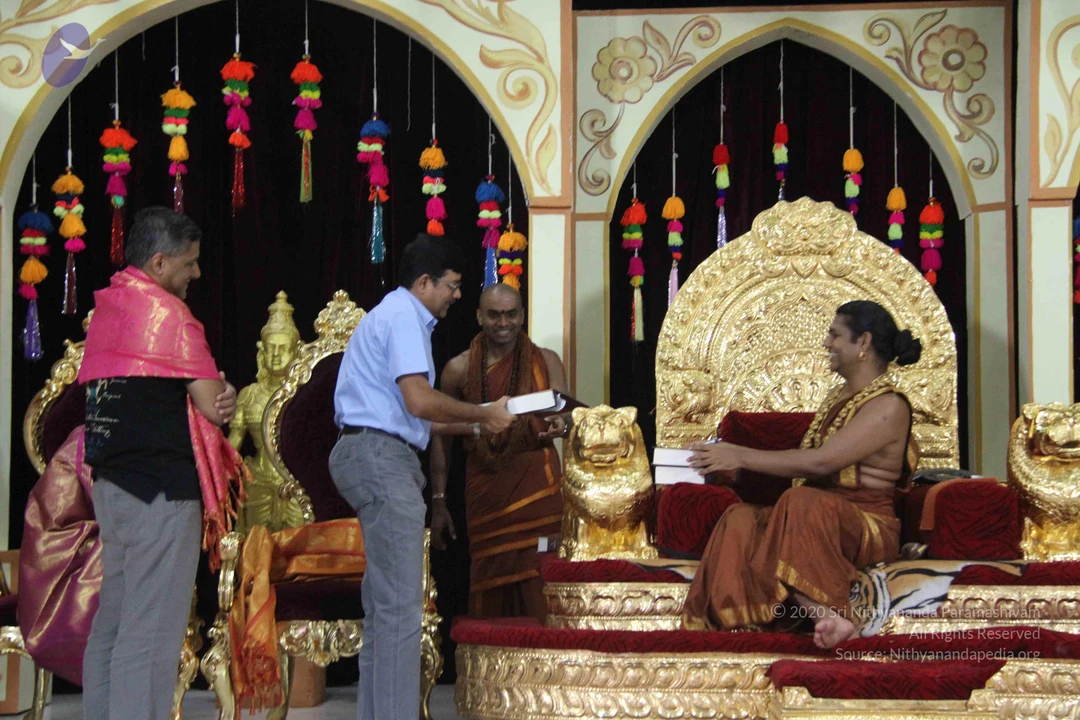
19 photosSource gallery
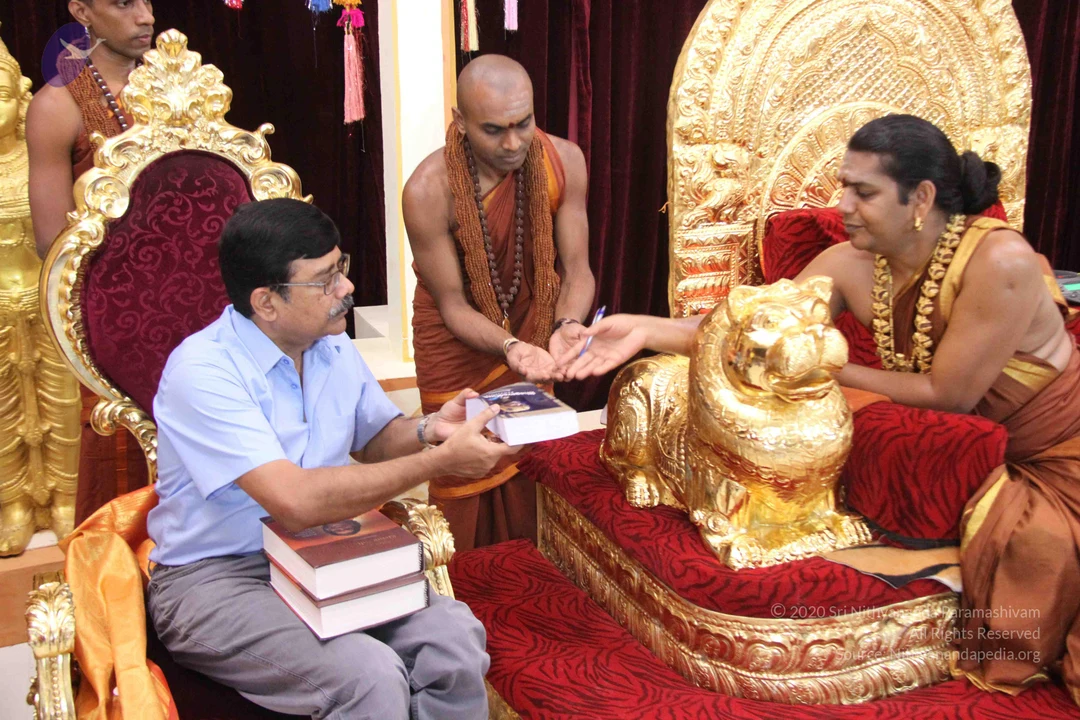
A seated figure on an ornate gold throne with lion-armrest carvings receives books from a man in a pale blue shirt and grey trousers, who stands before the throne and holds a white book with a red-and-white cover. Beside him a standing monk in saffron-orange robes holds a small stack of books. On the left, a man in grey trousers and a black top with a pink silk shawl watches, and a golden deity murti stands near the chair. The seated figure wears an orange-saffron cloth draped over the shoulders, a gold necklace, and a hair bun, and is smiling. Hanging tassels in pink, orange, blue and green decorate the arched backdrop, which has cream-and-gold floral painting, and red cushions cover the seats.A photograph of a seated figure on an ornate gold-and-red throne with a gold lion-shaped armrest, wearing a rust-orange dhoti and shawl with a long gold-and-bead necklace. Beside the throne, a bald man in saffron-orange robes and a rudraksha mala stands and smiles while holding a book. In the foreground, two men in light-blue and grey clothing sit and look at a hardbound book, and a figure in pink-bordered cloth sits at the left edge. Behind, a woman in white and red sits near garlanded deity murtis and floral decorations in a shrine-like room. The seated figure has long swept-back hair and a warm smile, with distinctive gold necklaces and rudraksha-style adornments; this appearance-based candidate is Swamiji (probable), seated in a throne with devotees presenting books.A photograph of a man in a rust-brown dhoti and shawl with a gold-edged border, wearing a long gold-beaded necklace and a gold earring, seated on a red velvet throne with an ornate gold back. He smiles while signing a white hardcover book held on his lap with a blue pen. In front, a seated man in a pink-and-gold patterned shawl and glasses leans in to watch. A golden lion-head armrest sits in the foreground, with a dark red curtain behind.A seated person in a rust-brown and gold-bordered dhoti and shawl, wearing layered gold necklaces and earrings, with hair pulled back in a bun, signs a book held on the lap while smiling at a man in glasses and a pink-and-gold silk shawl with circular motifs who leans in to watch. Beside them is an ornate gold throne with a red zebra-patterned cushion and a gold lion-head armrest, with a red-and-gold tassel-decorated velvet backdrop behind. A man in glasses and an orange-brown dhoti with a beaded necklace is partly visible in the middle.A photograph of a man in a brown and gold robe with a gold necklace and gold earring seated on a red-cushioned ornate gold throne, signing an open book held on a stack of books. A man in a pink and gold patterned shawl and eyeglasses sits facing him, looking on. A large gold lion statue sits in the foreground, and a gold figure stands on the throne's right side, with maroon curtains and hanging tassels behind. The seated robed man is a person by visible cues: long swept-back hair, ornate gold necklaces, and a brown-gold robe, while acting as the person signing books. Two physical people are visible.Close photo of a hand writing an inscription with a blue-and-silver ballpoint pen on the kraft-coloured flyleaf of an open hardcover book. The visible handwriting reads "To Dr. Sanjay Nagar" (partially legible). A gold figurine edge sits at left, and red-and-black patterned fabric lies beneath the book. Only a forearm and hands are visible, so no whole person appears in frame.

11-Sarva-Darshan
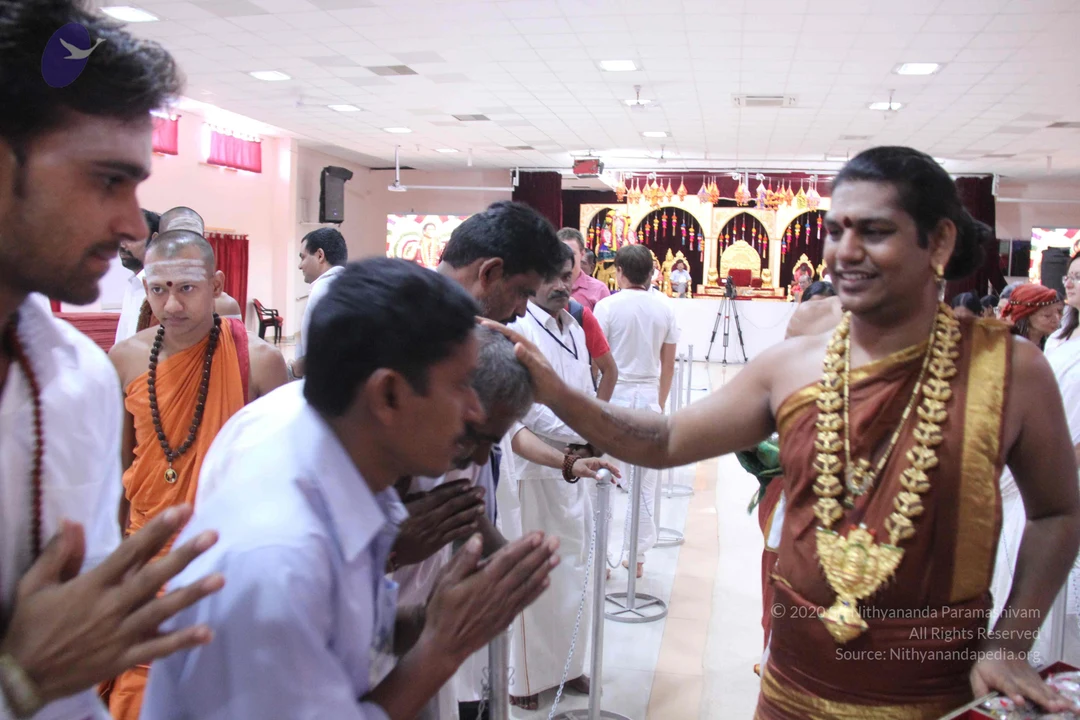
21 photosSource gallery
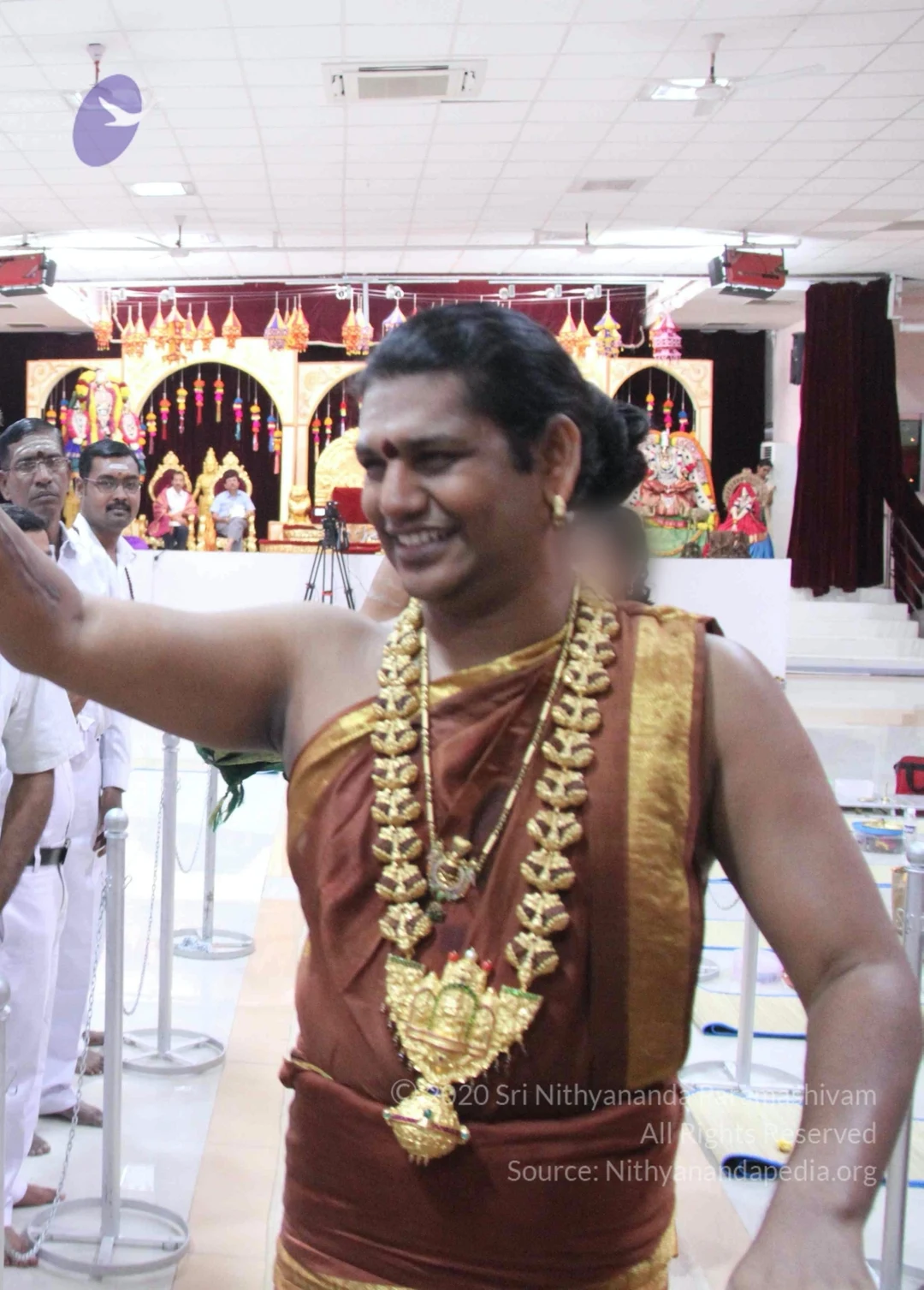
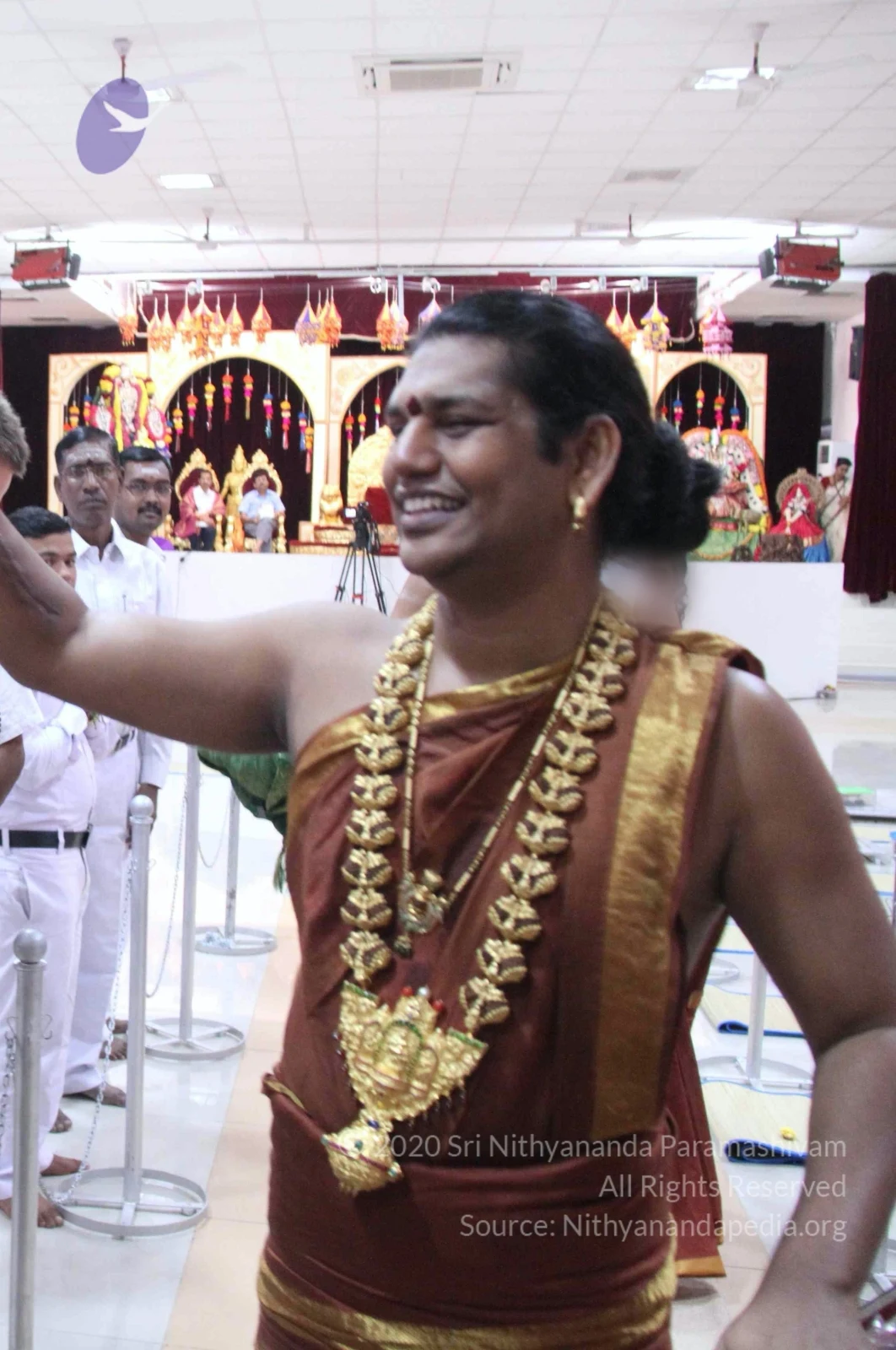
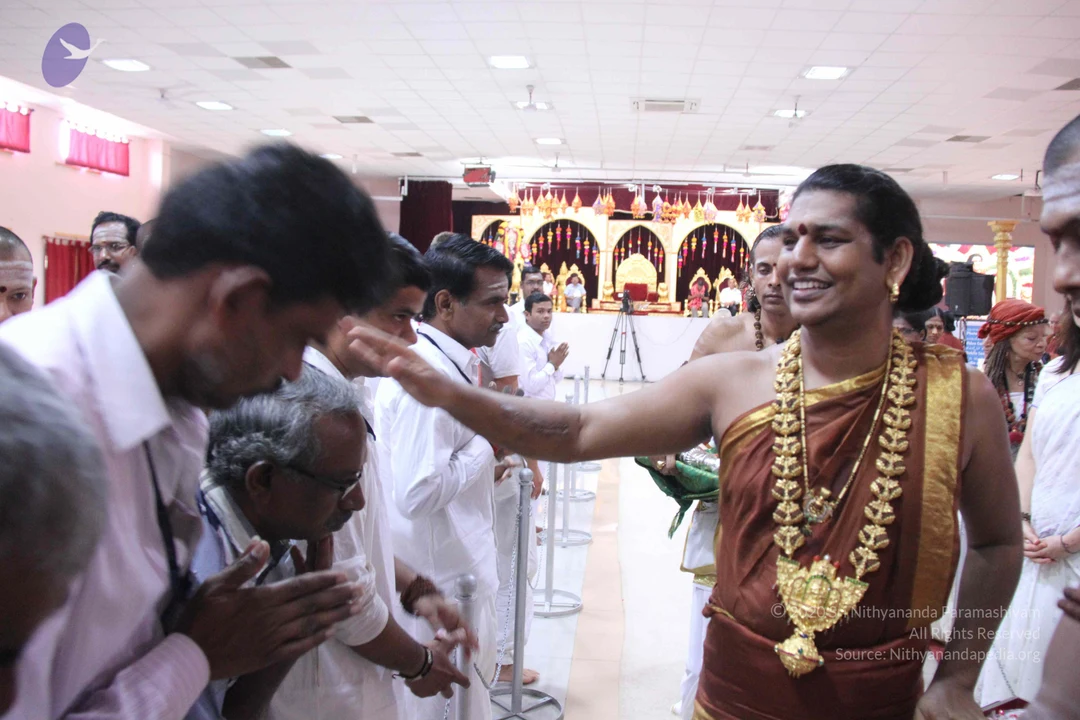
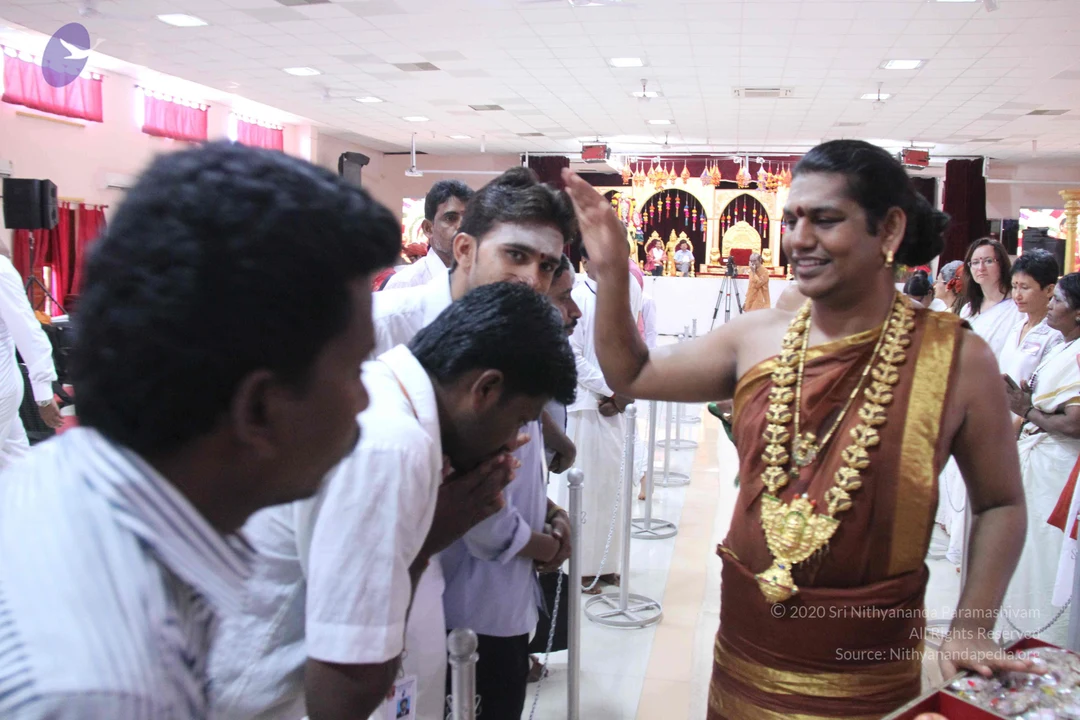
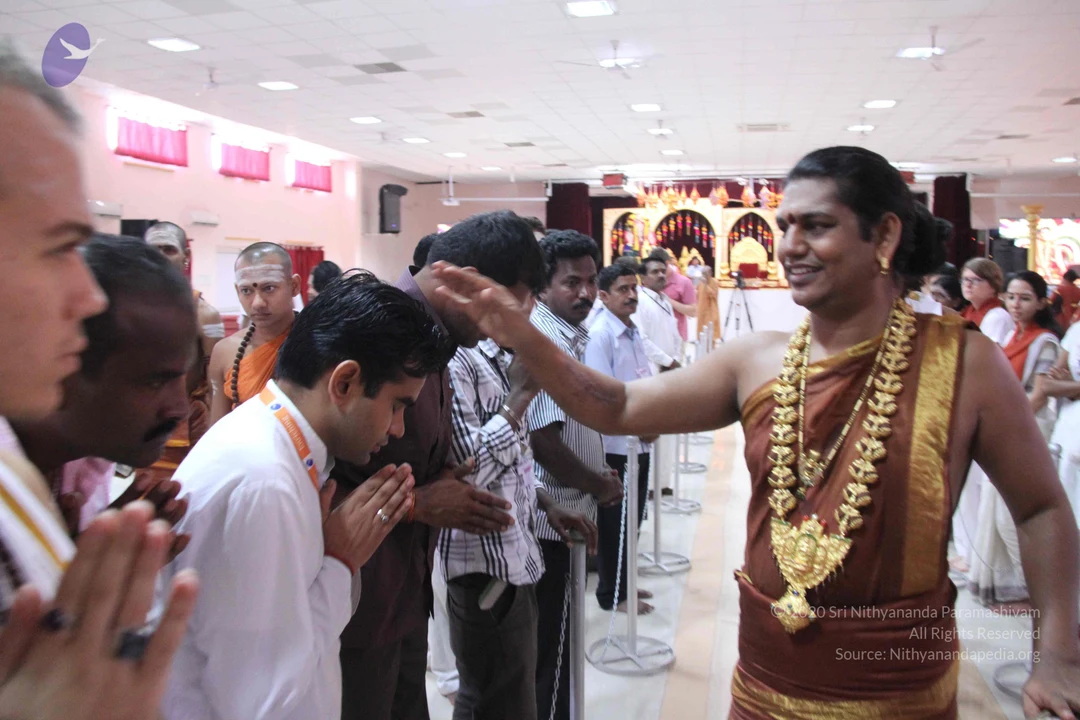
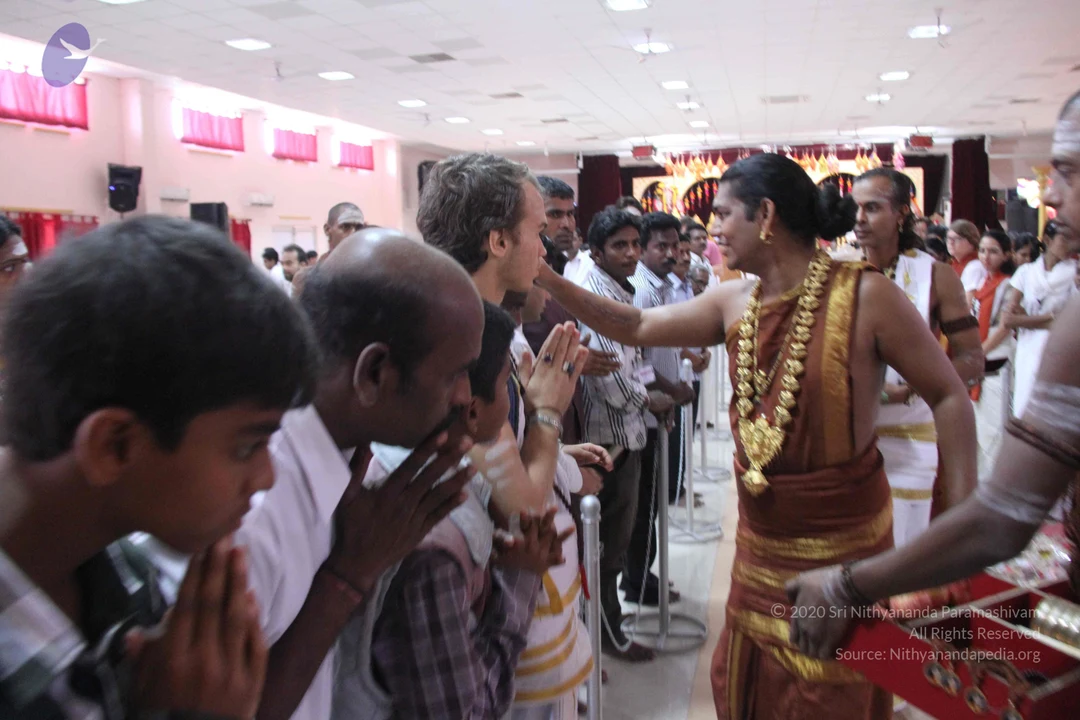
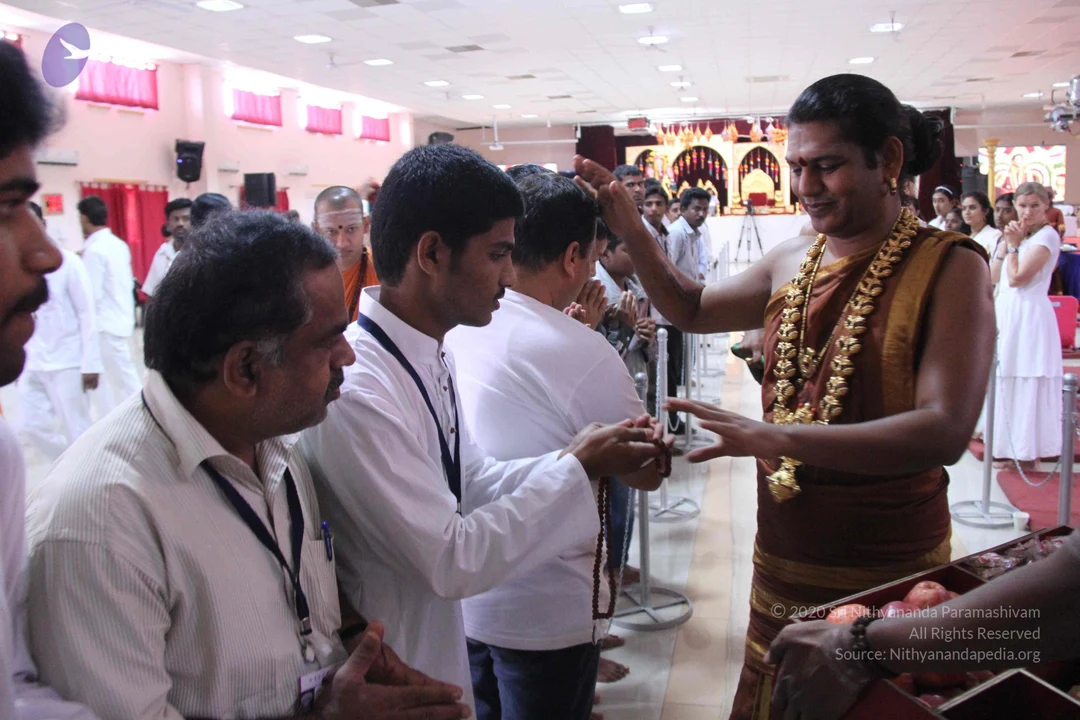
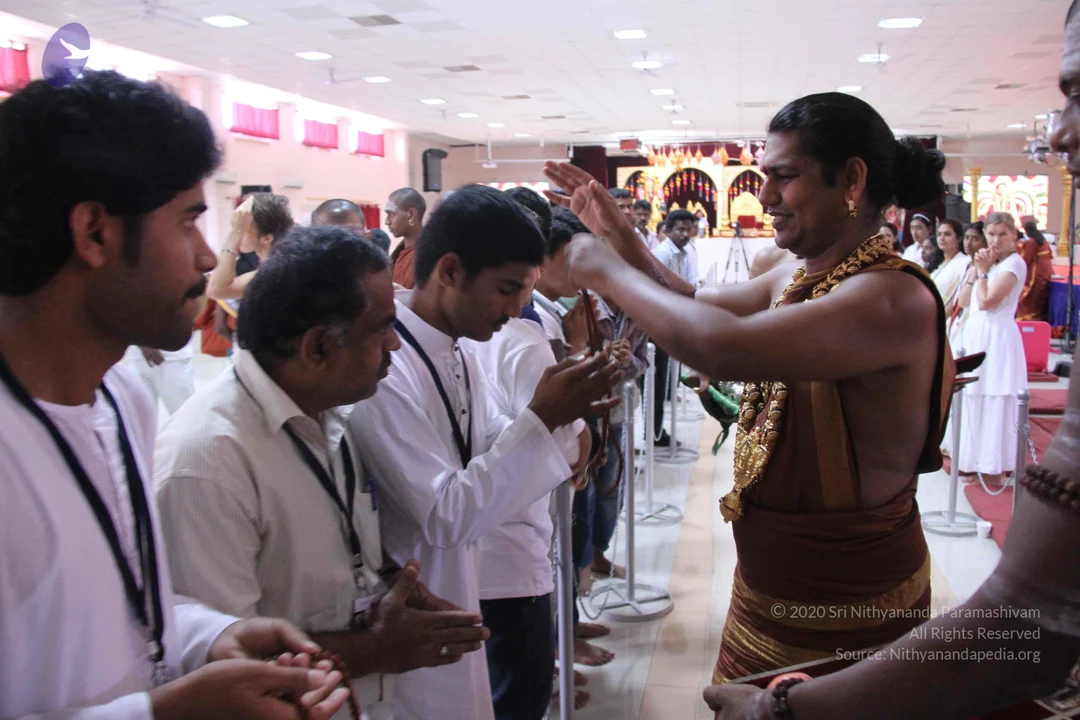
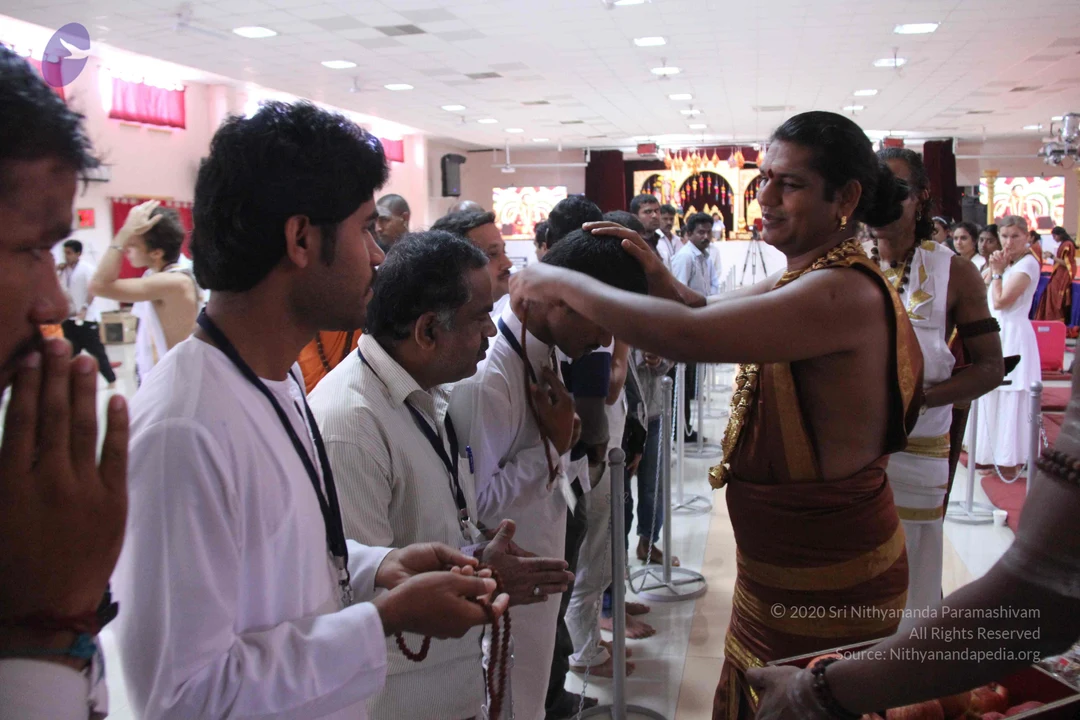
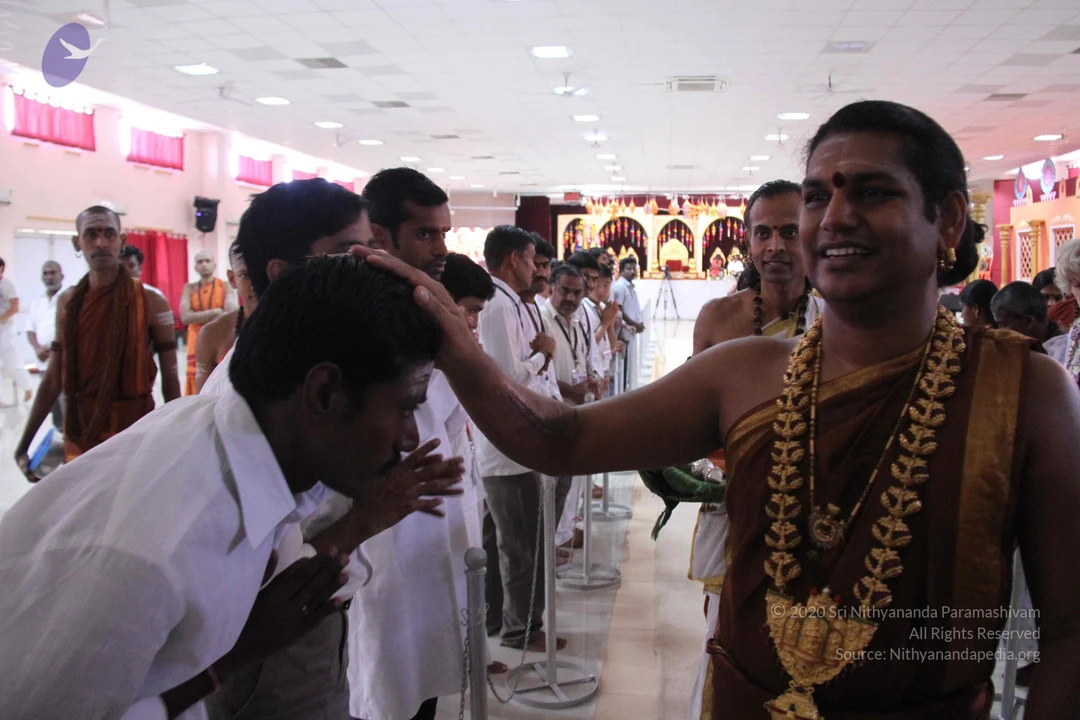
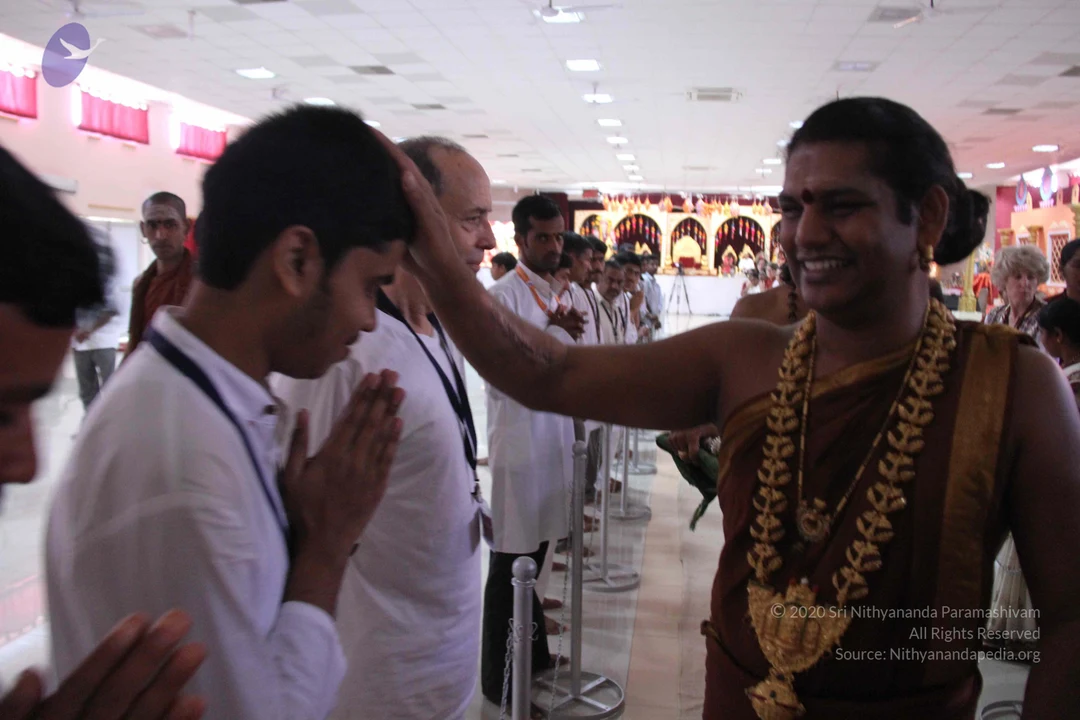
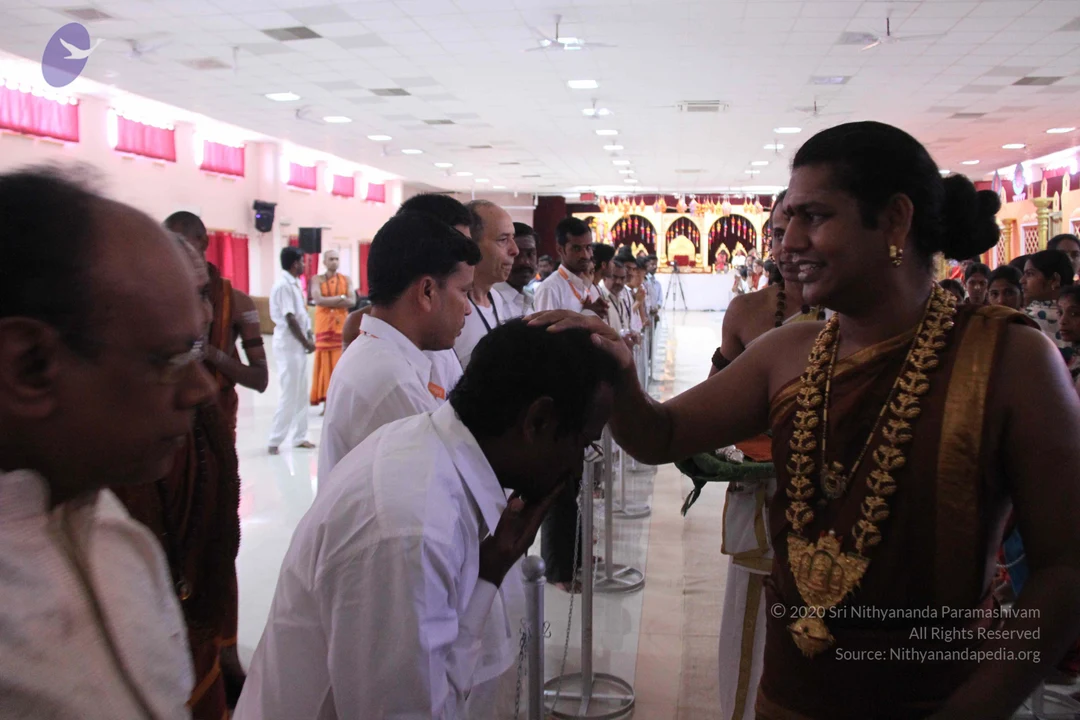
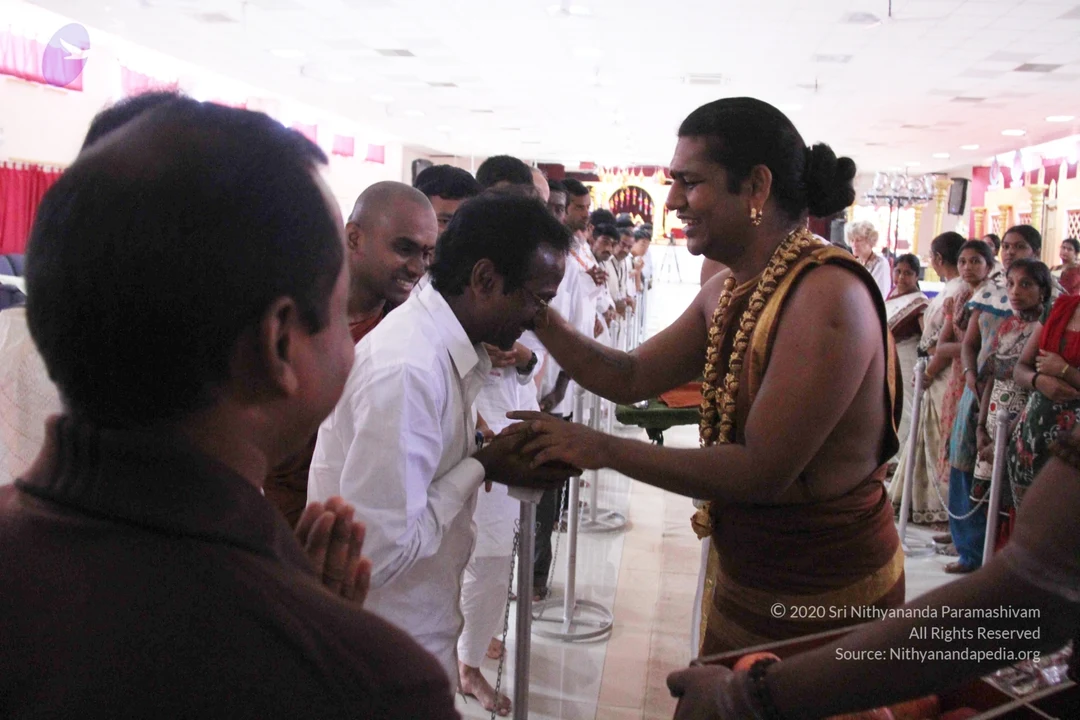
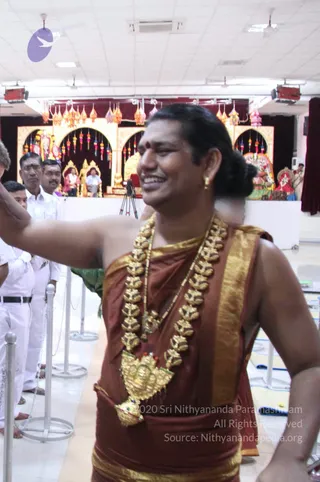
A smiling man stands in a hall, raising one arm, wearing a rust-brown sleeveless garment edged with gold border and a heavy gold necklace with leaf-shaped pendants and a large central gold ornament with red stones. Short-cropped dark hair is pulled back into a knot; a red tilak is on his forehead. Behind him, a stage is decorated with arches, hanging colourful lanterns and tassels, a deity murti in a shrine niche, and seated figures on a golden throne-like seat. A camera tripod and white-clad men stand near metal barriers. The clothing and ornaments are visible, but identity cannot be confirmed from appearance, and the ornate dress is not distinctive enough to establish the a person candidate.A smiling man in a rust-brown sleeveless garment with a wide gold border stands in a hall, wearing a heavy gold ornamental necklace with a large pendant, a dark rudraksha-style mala, a red tilak on his forehead and a dark hair bun. He raises one arm toward someone at the left edge. Behind him, a platform with gold chairs and decorated arches hung with colourful tassels holds seated people, and several men in white shirts and white dhotis stand near metal barrier posts. Deity murti and painted panels decorate the stage area.Photograph inside a bright hall with a pale ceiling and pink wall panels. A man in a rust-brown dhoti-style wrap with a gold border and heavy gold ceremonial necklaces, with red tilak on his forehead and hair tied back, smiles and extends his right arm toward a row of devotees. Devotees in white shirts and white dhotis stand behind metal crowd barriers, several with palms pressed together in namaskar. A decorated altar stage with a golden throne-like seat, arches draped with hanging garlands and lanterns, and a tripod-mounted camera stand in the background. a person: the figure wears distinctive ornate saffron-gold clothing and gold necklaces, and is being greeted by devotees in a darshan setting.A photograph inside a hall with white tiled floor and red curtains. On the right, a bare-chested man in a rust-brown dhoti with a wide gold border and a heavy gold ceremonial necklace reaches out to bless a devotee with his right hand; he has long swept-back hair and a gold earring and smiles. Bowed devotees in white shirts and white dhotis press their palms together in greeting, one with his head lowered. Behind them, a saffron-robed sannyasi with a rudraksha mala and tilak stands near a stanchion queue. In the background, a decorated stage with gold-and-red arches, lanterns and a deity murti area is visible, along with stanchions and a camera tripod.A man in a rust-orange and gold dhoti-style garment with a heavy gold ceremonial necklace and gold pendant raises one hand in blessing toward a group of devotees in white clothes. In the foreground, a man in a white shirt bows with palms pressed together, and another man in a striped white garment leans in. Behind them, devotees in white stand along a barricade in a large hall with red curtains, hanging decorative lamps and a decorated altar with a deity murti. A tray with offerings is visible at the lower right. The scene suggests a satsang darshan setting.A photograph in a bright hall with pink walls and white ceiling fans. On the right, a man with long dark hair tied back wears a saffron-brown dhoti-style garment with a wide gold border, layered gold ceremonial necklaces, and gold earrings; he smiles and extends a hand in blessing toward a bowed devotee. Probable Swamiji (long swept-back hair, ornate gold necklaces and ceremonial saffron-gold clothing), in_person as a visible figure. Around him, several men and women stand or bow with palms pressed together in namaste; a young man in white with an orange lanyard and a shaved-headed monk in orange with a white tilak stand nearby. Behind, a decorated altar with golden arches and deity murti sits beneath red drapes and a wall of red banners.

12-HDH-Deities
20 photosSource gallery
A photograph of a man in a rust-brown dhoti and shawl with a thick gold band at the border, wearing a heavy gold necklace and standing before a decorated deity murti. He raises one hand in a wave and smiles. Behind him sits a large deity murti draped in flower garlands with white, purple and orange blooms, adorned with silver ornaments and a crown. Two smaller female murtis in red and pink saris flank the altar on golden chairs, and a green silk cloth covers the base. A bronze mount figure sits near the centre, and dark carved metal figures stand at lower right. Colourful tassels hang from the top left, and a wall air conditioner is visible at right. Three people are partly visible at the edges.A photograph of a man standing barefoot in front of a decorated deity murti seated on a throne. He wears a rust-brown dhoti and shawl with gold borders, a gold pendant necklace, and a rudraksha-style bead garland, and raises one hand in greeting while smiling. Behind him, a seated deity murti in a silver-and-jewelled crown and necklaces sits in a red and gold sari-like cloth, flanked by garlands of white and orange flowers and small silver animal figures. Two smaller seated deity figures in red and white garlands sit on golden thrones on either side, and carved wooden figures stand at the lower right. A seated man in a white shirt is partly visible at the far left edge. a person stands centre, with his distinctive gold necklace and bead garland as cues.A standing man in an orange-brown dhoti and shawl with gold-and-stone necklaces stands at the left of a decorated shrine, smiling and raising his right hand in greeting. Behind him a seated goddess murti with multiple arms, crowned and adorned with silver jewellery, sits on a red and gold cushion amid garlands of white, pink and yellow flowers. Two elephant figures flank the base on a green cloth. Smaller red-clad deity figures sit on gilded chairs at either side, and bronze figures stand in the lower right. Tasselled decorations hang from the top, and a white air conditioner unit is visible on the right wall. Two people appear at the far left and are partly cut off.A photograph of a smiling man in a saffron-orange dhoti and shawl with a heavy gold necklace and gold-yellow pendant standing beside a richly decorated deity murti on a throne. The murti, dressed in a red and gold silk garment with a silver crown, sits between two elephant figures, decorated with garlands of white, blue and pink flowers, and marigolds. He raises one hand in greeting. Two seated female figures in red and gold robes flank the central deity, and a seated man in a white shirt is partly visible at the left edge. Carved wooden figures stand in the foreground at the lower right, and tassels hang from the top. Four people are visible, including the man in white.A standing man in a rust-orange dhoti and shawl with gold-coloured bands, wearing layered gold necklaces, smiles and raises one hand in greeting before a decorated deity murti seated on a green-draped throne. The deity wears a crown, silver ornaments and a garland of white and purple flowers, flanked by brass elephant figures and marigold garlands. Two smaller seated deity figures in red garments stand on either side, one with a crown and garlands, and a dark wooden carved panel appears in the foreground. Colourful tassels hang from the top of the backdrop, and a white air conditioning unit stands at the right edge. A seated man in a white shirt is partly visible at the far left.A standing man in a rust-orange dhoti and shawl with gold borders smiles and raises his right hand in a blessing gesture before a large deity murti. He wears a heavy gold necklace and a gold pendant with a rudraksha-style mala. The seated goddess murti in a red and gold sari is adorned with white and multicolored flower garlands, a silver crown and jewelry, flanked by two elephant figurines on a green draped dais. Smaller figures in red saris with white garlands sit on either side, and a seated man in a white shirt is partly visible at the left edge. Wooden carvings of deities stand at the lower right beside tasselled colorful decorations.

13-Final-Blessing
4 photosSource gallery
A photograph of a single man standing barefoot on a patterned rug before an ornate gold throne with red velvet cushions and two gold lion-shaped armrests. He raises both palms overhead, smiling, and wears a rust-brown dhoti and shawl with gold borders, a layered gold necklace with a lotus pendant, a red bindi and gold earrings. Behind him hang colourful tassels from a cream arched backdrop with gold floral motifs. Appearance-based probable Swamiji cues: long swept-back hair, ceremonial gold necklaces and ornate clothing, seated on a throne during a satsang setting, so the candidate is physically present.A smiling man stands barefoot on a patterned rug before an ornate golden throne with lion-figure armrests and red velvet cushions, under a white arched canopy hung with colourful tassels and paper lanterns. He wears a rust-brown dhoti and shawl with gold borders, a gold multi-strand necklace with a central pendant, and a red bindi, and he raises both arms overhead with palms joined in a gesture of greeting. Probable Swamiji (crown absent, saffron-brown clothing with ornate gold necklace and throne setting), presented here as the central figure in a satsang or darshan setting.A man in a rust-brown silk dhoti and matching shoulder cloth with gold borders stands barefoot on a red and cream rug, hands raised beside his head in greeting, smiling. He wears a heavy gold necklace and a red bindi, with gold earrings. Behind him stands a large gold throne with carved lion-head armrests, red cushions and a tiger-striped seat cover, framed by a white arched backdrop, red velvet drapes and hanging tassels in pink, yellow and blue, with colourful paper lanterns above.A smiling man in a rust-brown dhoti and shawl with gold borders stands barefoot on a patterned red-and-cream carpet in front of a gold-carved throne with lion-head arms, red cushions and a tiger-skin cover. He wears a multi-strand gold necklace with a pendant and a red bindi, and his arms are slightly raised in a relaxed gesture. Above, colourful paper lanterns and tasselled pompom streamers in pink, yellow and blue hang from a maroon velvet canopy beside white arched pillars. One physical person is present; the throne is empty.

14-Navarathri-Devi-Pranapratishta-Temple-Guests-Doctors

273 photosSource gallery
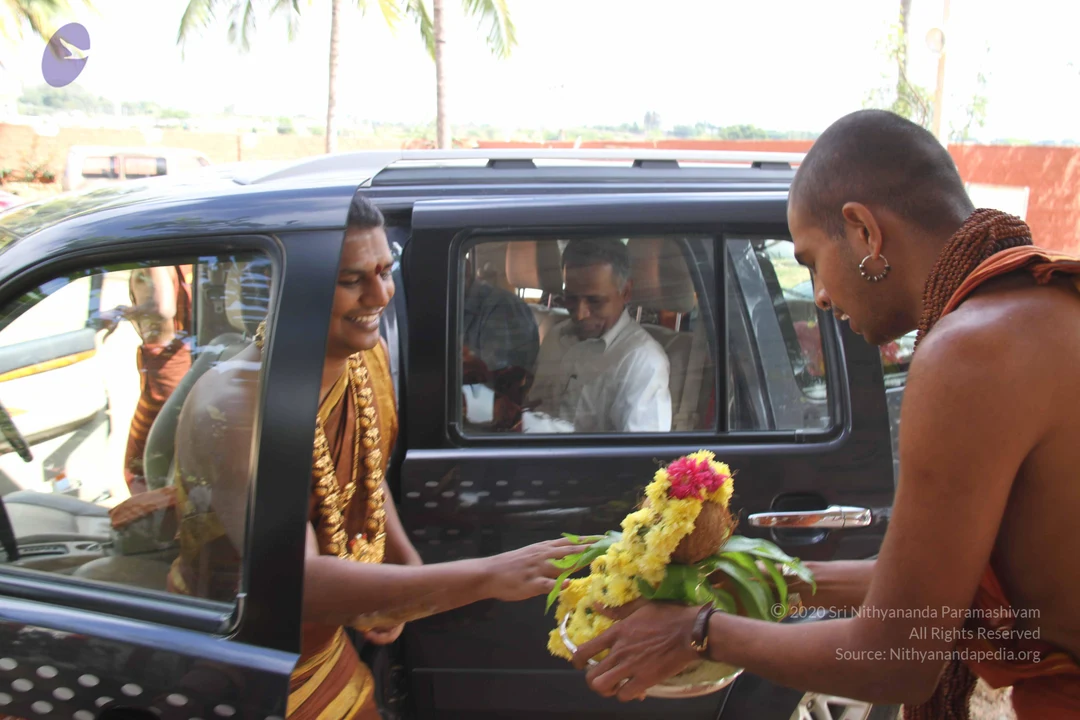
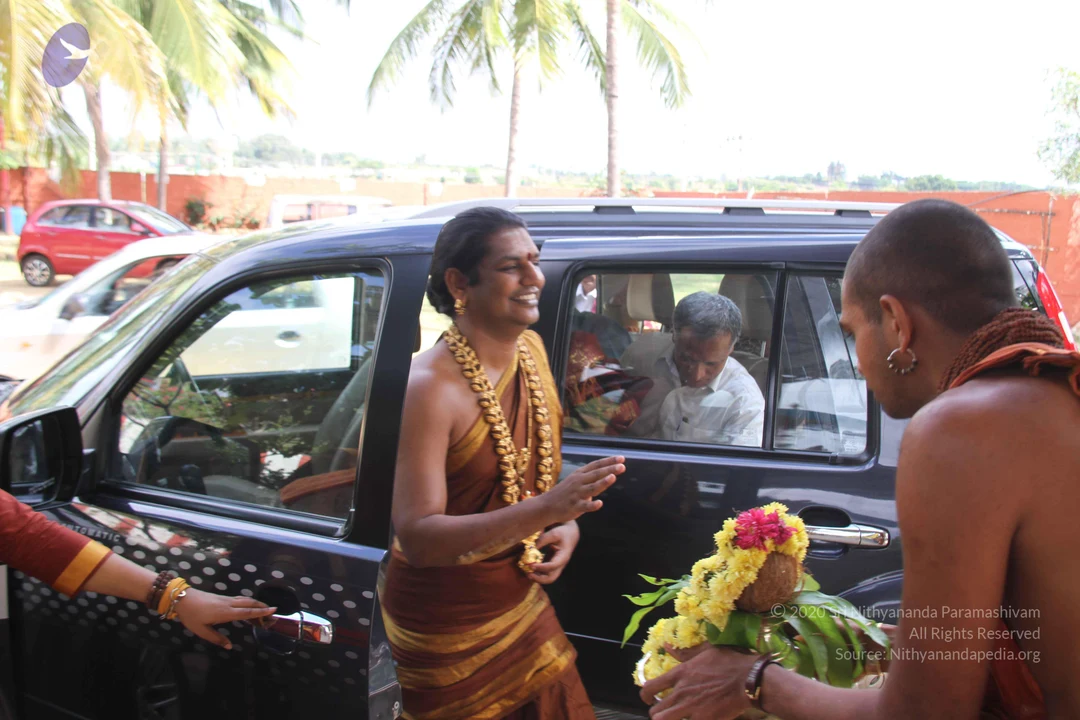
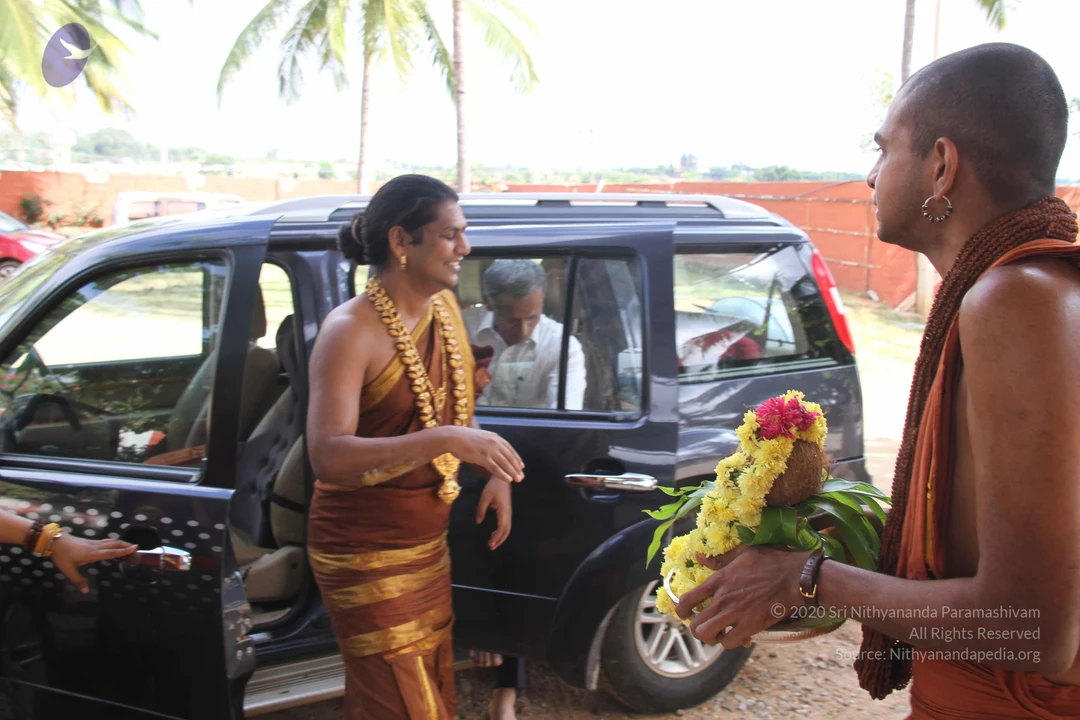
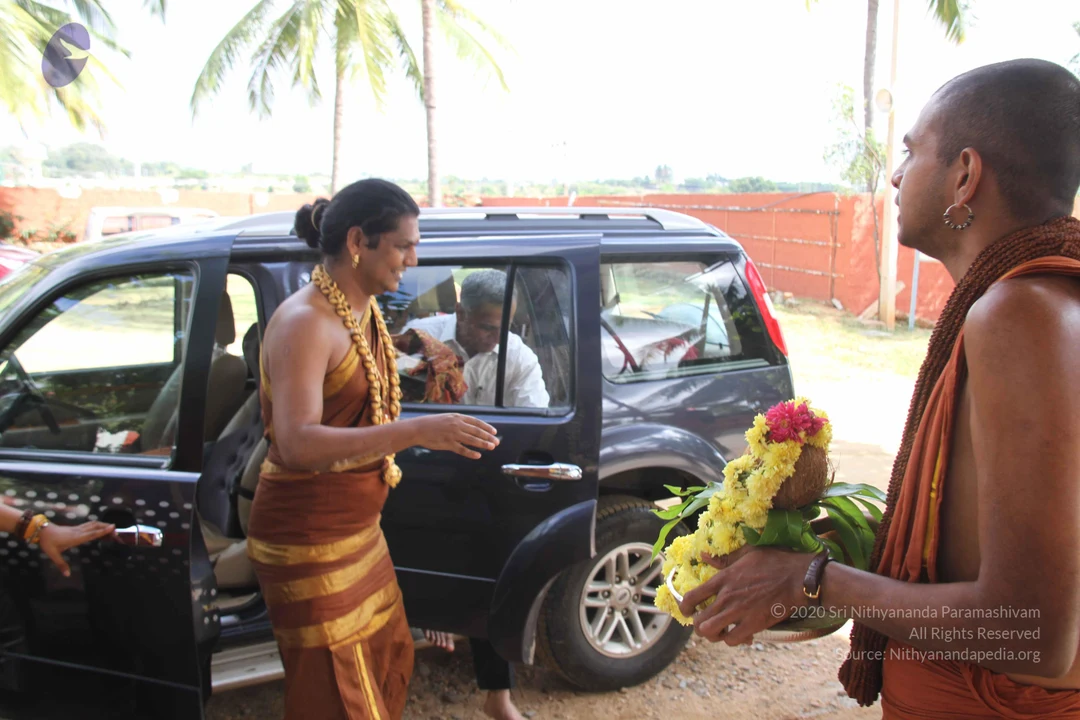
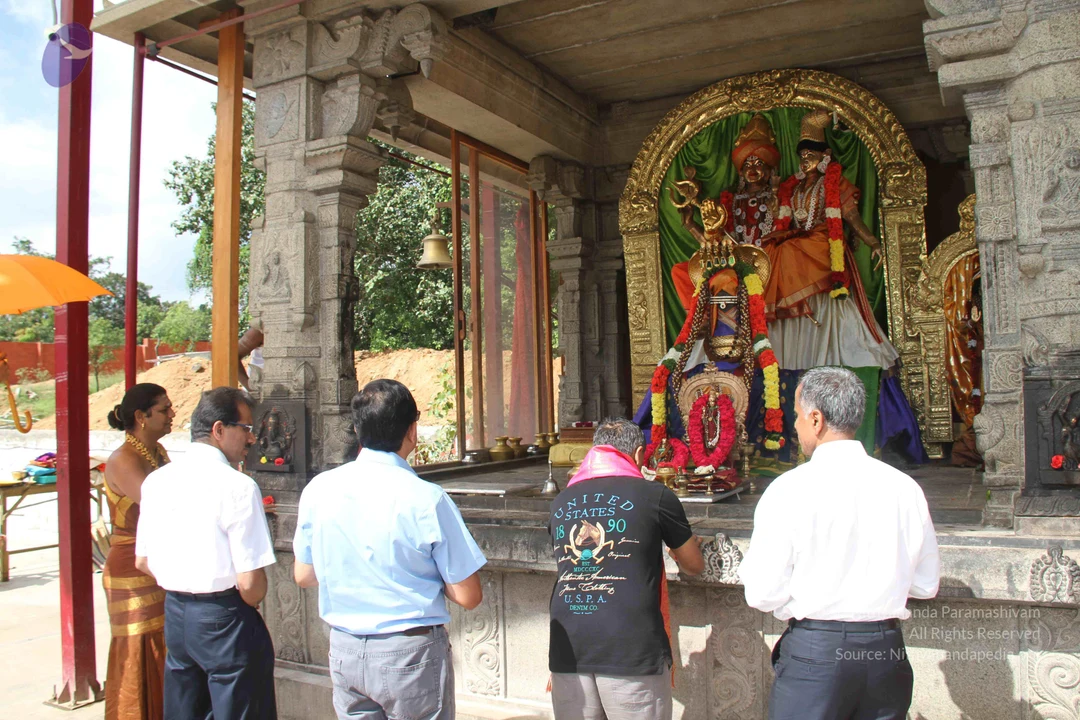
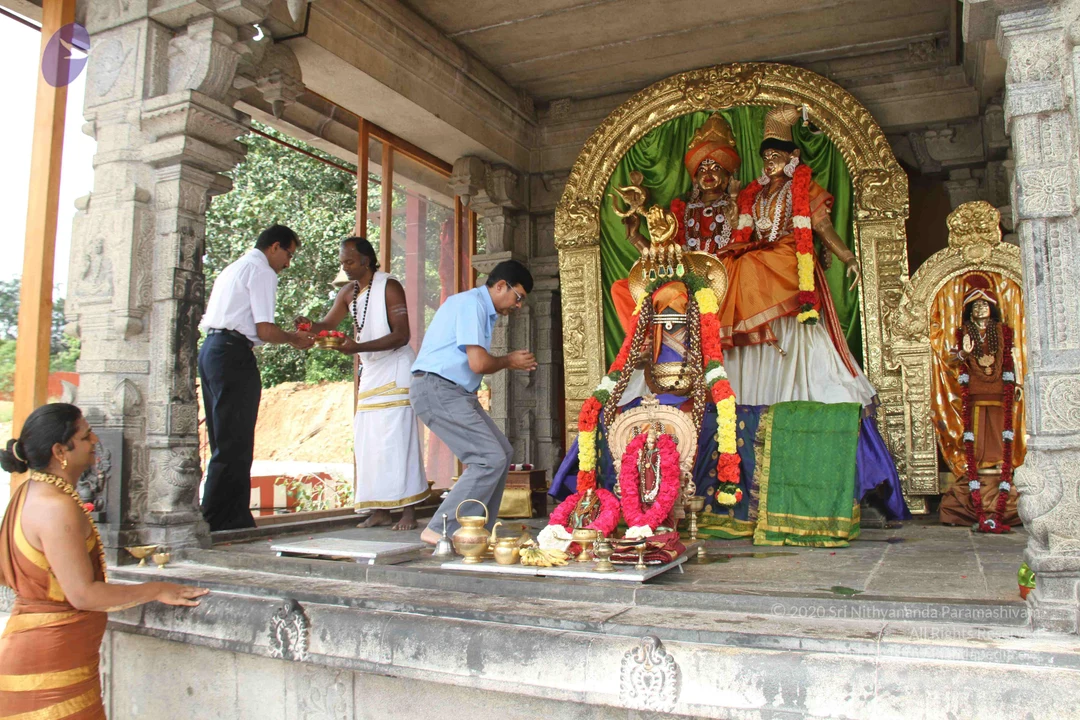
A photograph at a car door outdoors, with palm trees and a low wall behind. A smiling woman in an orange-and-gold sari with a gold necklace leans from the open rear door and reaches toward a shaved-headed man in an orange shawl and bare upper body, who holds a silver plate with a coconut, yellow marigold garland and red flower, and green leaves, a ritual welcome offering. A man in a white shirt sits in the back seat behind the glass. The man with the plate has a hoop earring and rudraksha mala beads; he is a priest or devotee performing the welcome and his identity is not established by visible cues.Outdoor photo beside a dark SUV with its rear door open. A man with long dark hair tied up, wearing an ochre-orange shawl with gold trim and a long gold-bead garland, smiles and gestures toward the car. A bald young priest in an orange-brown dhoti with a rudraksha mala stands at right holding a brass kalasha-style coconut decorated with yellow flowers and green leaves, a welcome offering. Inside the car, an older man in a white shirt sits in the rear seat. Palm trees and a red wall stand behind.Outdoor photo at a dusty compound beside a dark blue SUV with its rear and side doors open. A figure with long hair swept into a bun wears an orange-gold draped garment and a thick ceremonial gold-and-garland necklace, smiling as they step out near the open door. To the right, a bald priest in an orange shawl and a rudraksha mala holds a coconut decorated with yellow flowers and a pink bloom on a leaf-lined tray as an offering. A man in white shirt is seated inside the vehicle, and a red brick wall with palm trees stands behind. Swamiji (probable): the figure stepping from the vehicle shows long swept-back hair, ornate gold-and-garland necklace and orange-gold garment, consistent with the page label, so this is identified as a probable candidate in person.A photograph outside beside a dark grey SUV parked on a dirt driveway with palm trees and an orange wall behind. A man in a rust-orange dhoti with gold-bordered cloth and a long yellow-and-orange flower garland steps out of the open front door, extending his right hand toward a waiting attendant. Inside the car, an older man in a white shirt sits in the back seat. On the right, a shaven-headed man in orange robes and a rudraksha mala, with hoop earrings, holds a yellow flower-garlanded coconut with a pink flower on top. Image has a faint circular logo in the corner and the Nithyanandapedia copyright credit.A photograph of five people standing in front of a granite temple shrine with carved pillars and a gilded arched frame draped in green cloth. Two large deity murtis stand inside, one wearing a crown and holding a trident-like staff, the other in an orange sari-like garment, both garlanded with marigold and red flower garlands. Brass lamps and offering vessels sit on the shrine platform, and a hanging bell is visible at left. Four men in white or light blue shirts and dark trousers stand facing the shrine, one in a black UNITED STATES tee with a pink cloth over his shoulder; a woman in an orange and gold sari stands at left. Trees and a red wall form the outdoor background.Photograph of a temple shrine with a stone-pillared sanctum and gold-framed arch. Two standing murtis with orange and red garments, garlands and crowns stand on a platform behind a seated figure with a purple cloth and garlands; a green backdrop is behind them. In front, a man in a white shirt holds a brass tray with red flowers, a bare-chested man in a white dhoti with gold border and rudraksha mala holds a plate, and a man in a light blue shirt bends forward toward the offerings. A woman in an orange sari with gold border watches on the left. Brass pots, lamps and garland-decorated offerings sit on the platform.

15-Navarathri-Durga-HDH-Guest-Doctors-Blessing
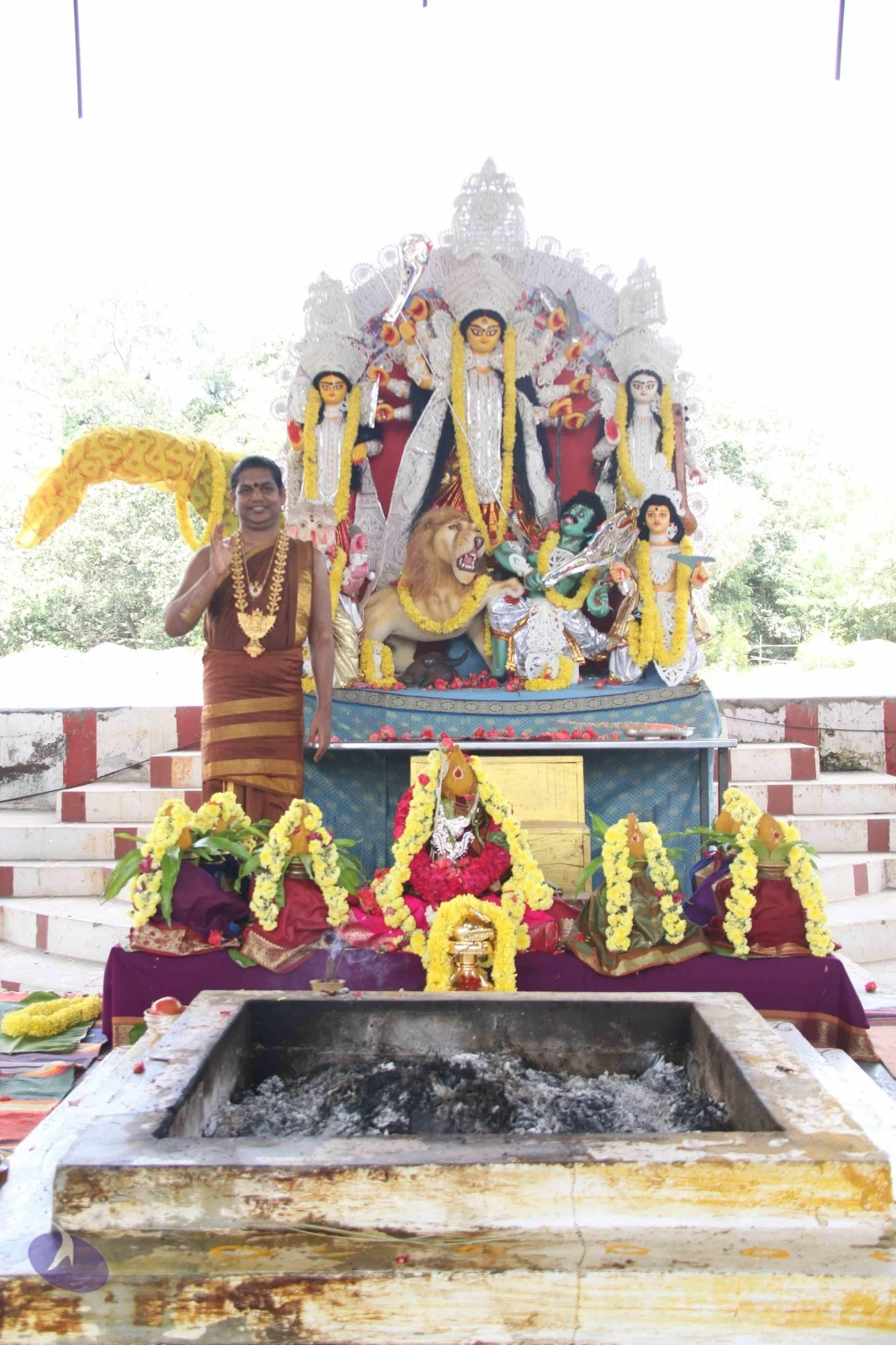
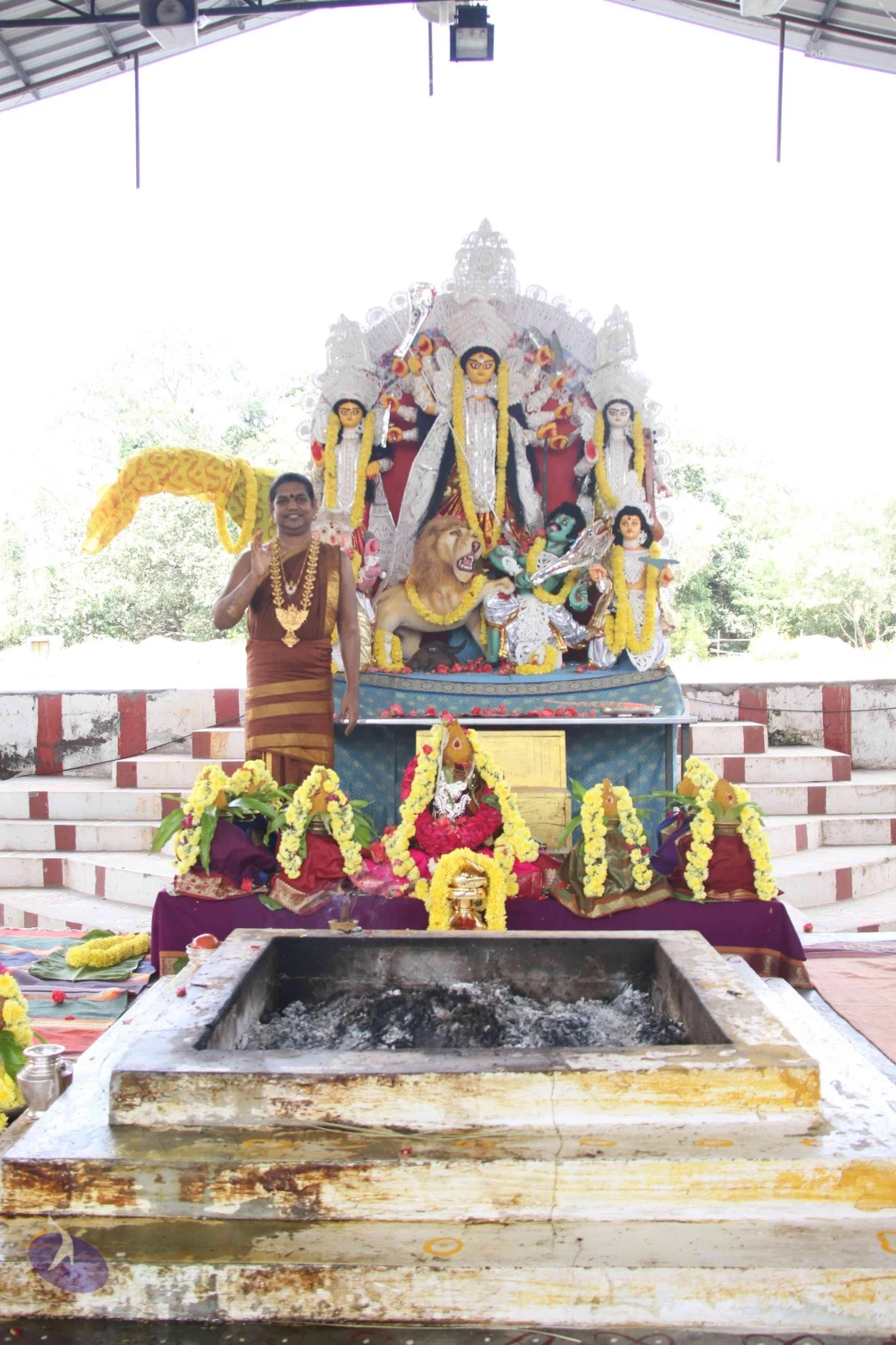
21 photosSource gallery
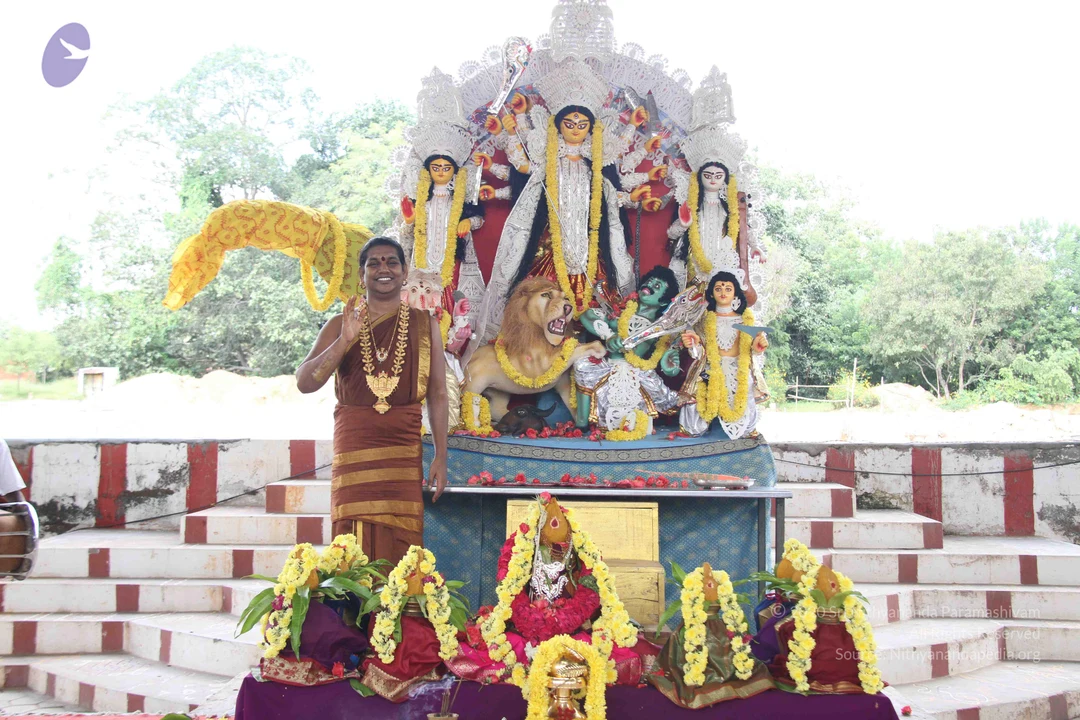
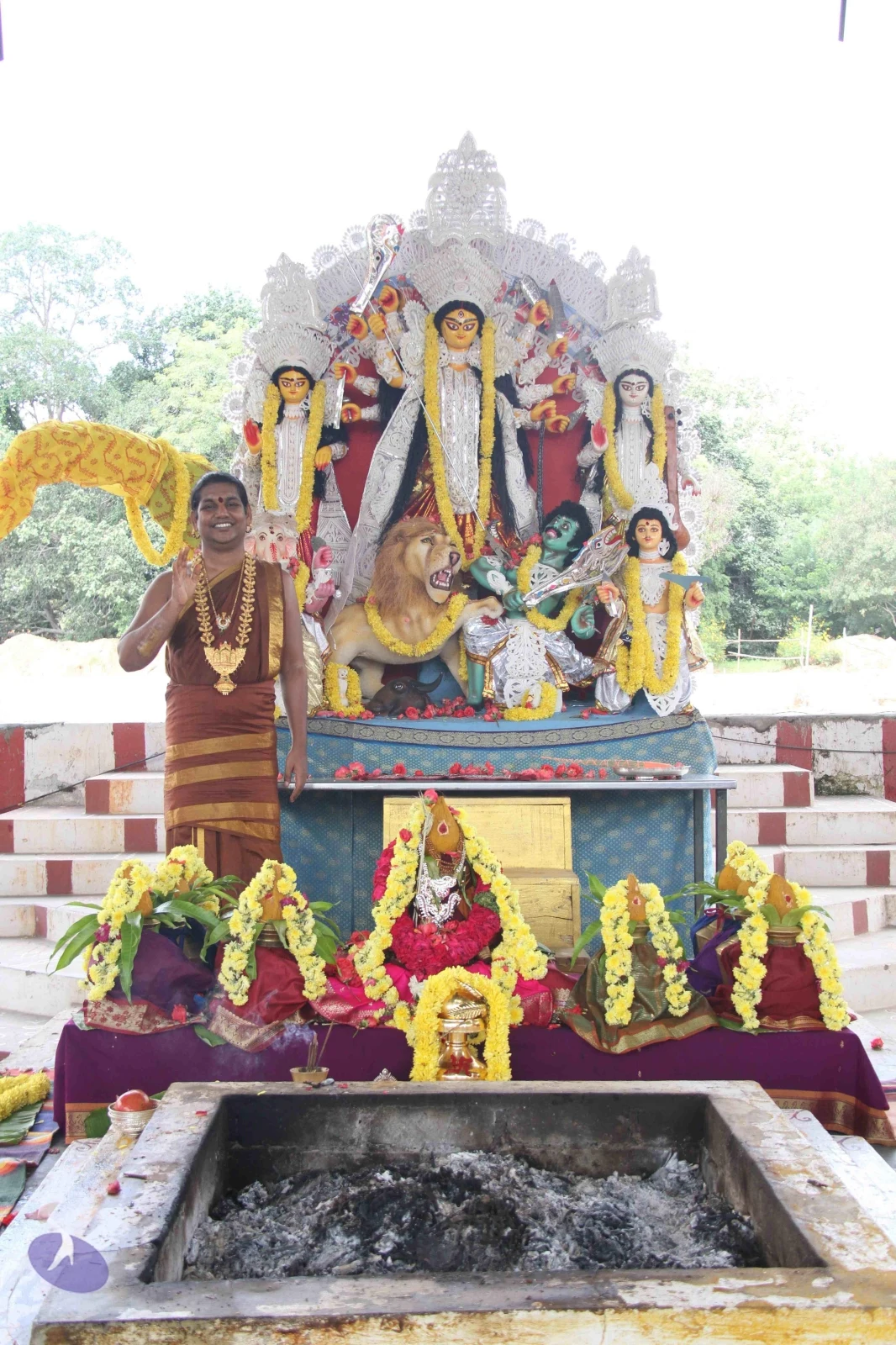
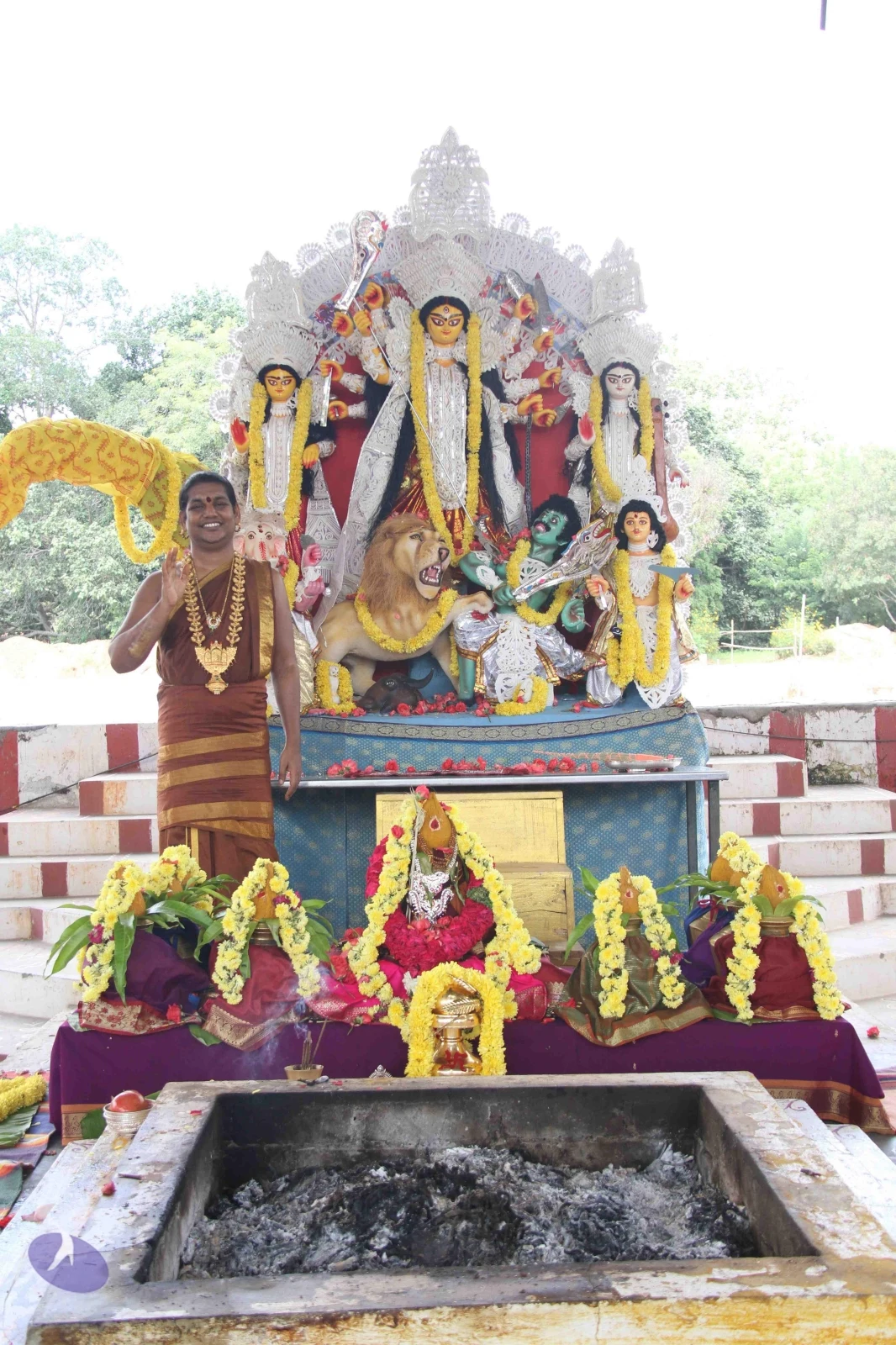
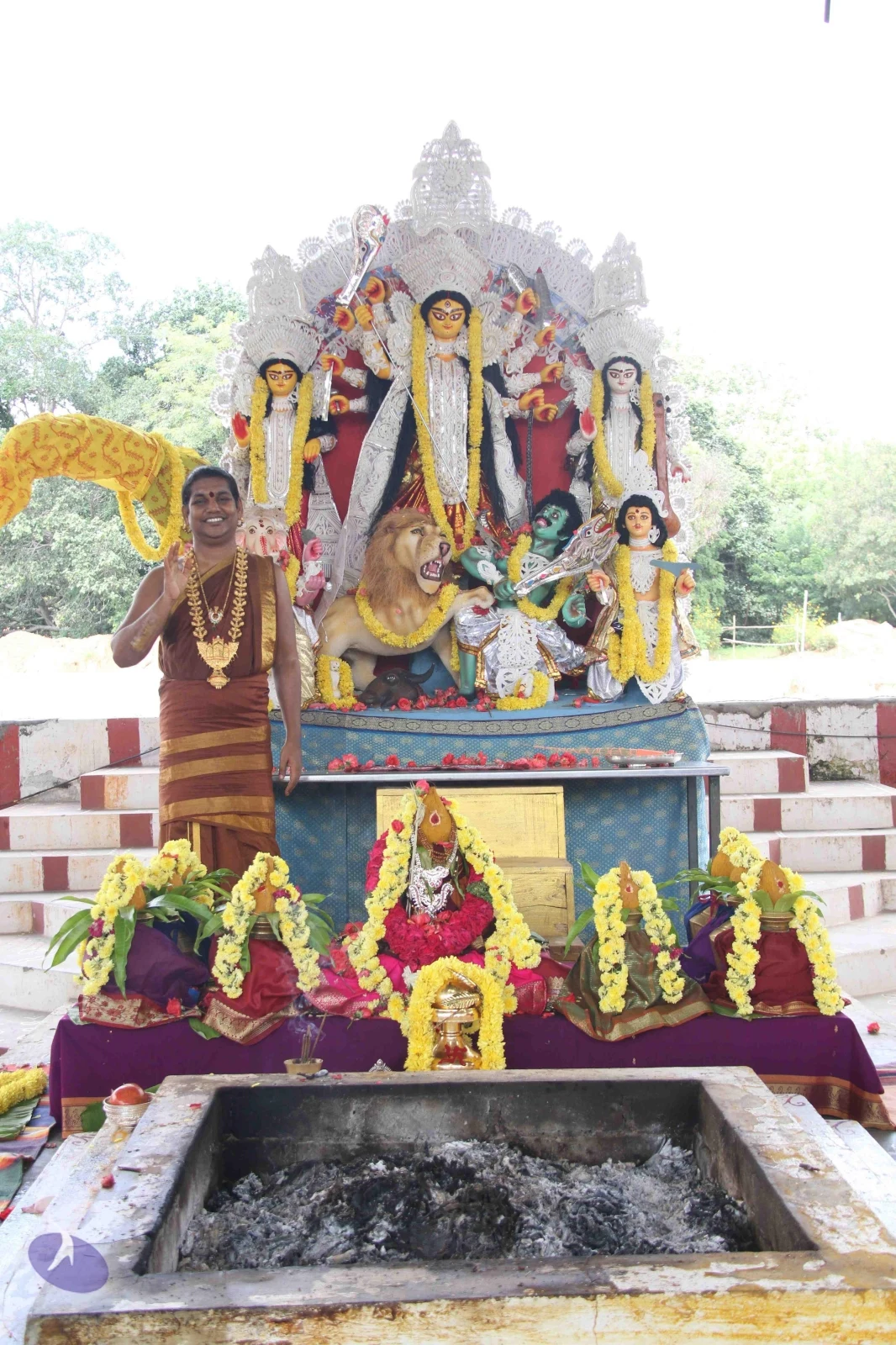
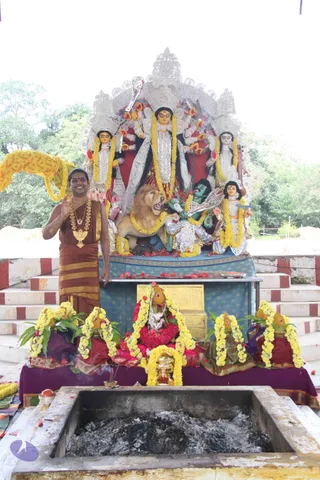
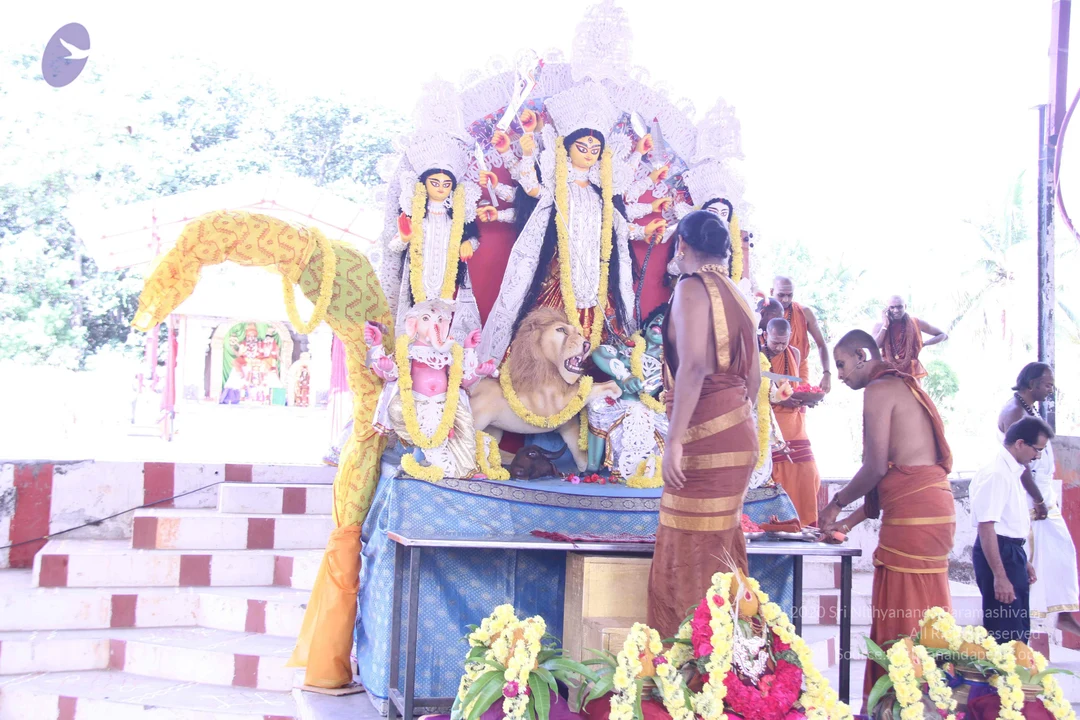
A man in a saffron-orange dhoti and matching shawl with gold borders stands on the left, smiling and raising one hand in a blessing gesture. He wears a gold necklace and ceremonial gold chains. Behind him stands a large deity murti of Durga with multiple arms, seated on a lion, decorated with yellow and white garlands and surrounded by smaller attendant figures. Floral offerings, marigold garlands and red flowers lie on a blue-draped altar in front, with brass kalashas and a small smoke fire. Stone steps painted red and white lead up to the altar under trees. The setting suggests a Navaratri puja outdoors.A man in a saffron-brown dhoti and shawl with gold trim stands smiling beside a large Durga murti on a stepped platform, with his right hand raised in greeting. He wears layered gold necklaces and a bead mala. The deity has ten arms holding weapons, sits atop a golden lion with mouth open, and is flanked by two smaller female figures; yellow and orange marigold garlands decorate the murti. Yellow decorations and a yellow serpent-like shape appear at left. Below, a purple-draped altar holds marigold garlands, red flowers, kalasha-like brass vessels and offerings. Green trees and a whitewashed wall with red bands form the backdrop.A man stands on steps in front of a large Durga murti with multiple arms, seated on a lion, with a demon figure beneath. The deity wears white silk with yellow and orange garlands, and the altar below holds yellow and red flower garlands, offerings and a purple cloth. The man wears a rust-brown dhoti, a heavy gold necklace and a gold chain, and gestures with one hand raised. A yellow serpent figure rises at left. The murti is set against green trees and a red-and-white striped stepped platform. A printed copyright notice appears in the lower right.A standing man in a rust-brown dhoti with gold borders and a gold necklace raises one hand in greeting beside a large Durga murti. The goddess, with multiple arms and a silver halo-like arch, sits on a lion and is flanked by female attendant figures and a green-skinned fierce deity, all draped with yellow and red marigold garlands. Below, smaller decorated kalasha pots with yellow flower garlands and red blossoms surround a golden item on a purple cloth, and a square fire pit holds grey ash in the foreground. The setting is an open-air shrine with white and red steps and trees behind.A man in a rust-brown dhoti with gold borders and a gold temple necklace stands at left, smiling and raising one hand in greeting beside a large deity murti. The multi-armed goddess, with a lion beside her, is decorated with white silver-look ornaments, yellow marigold garlands and red flowers. Other figures flank her, including a green-skinned figure and a child-like figure holding a sword. In front, a square fire pit holds grey ash, and several yellow-garlanded kalasha pots with coconuts sit on a purple cloth, with a brass lamp in the centre. Outdoors, white steps with red stripes lead up behind the altar under trees.A smiling man in a rust-brown dhoti with gold-bordered cloth and a heavy gold necklace stands at the left, one hand raised in blessing, beside a large Durga murti. The goddess has many arms, a silver halo and red-and-white sari detail, and rides or stands beside a roaring lion; a green-skinned figure and smaller attendant deities flank her. Yellow and red marigold garlands drape the murtis, and pots with mango leaves, yellow garlands and red cloth sit on a purple table in front of a blue-draped altar. A smoke-blackened homa pit with ash fills the foreground, and steps lead up to the shrine under open sky.