Skip to content
Thursday

10 October 2013

Dated photos
478
Source pages
1
Media
2
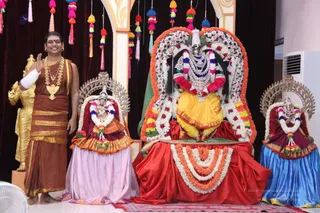
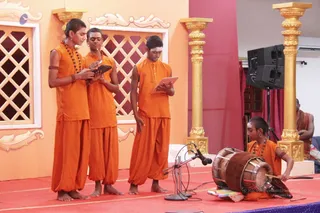
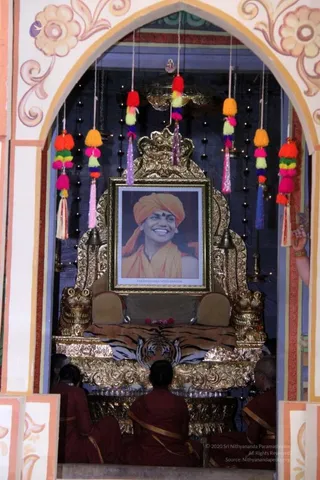
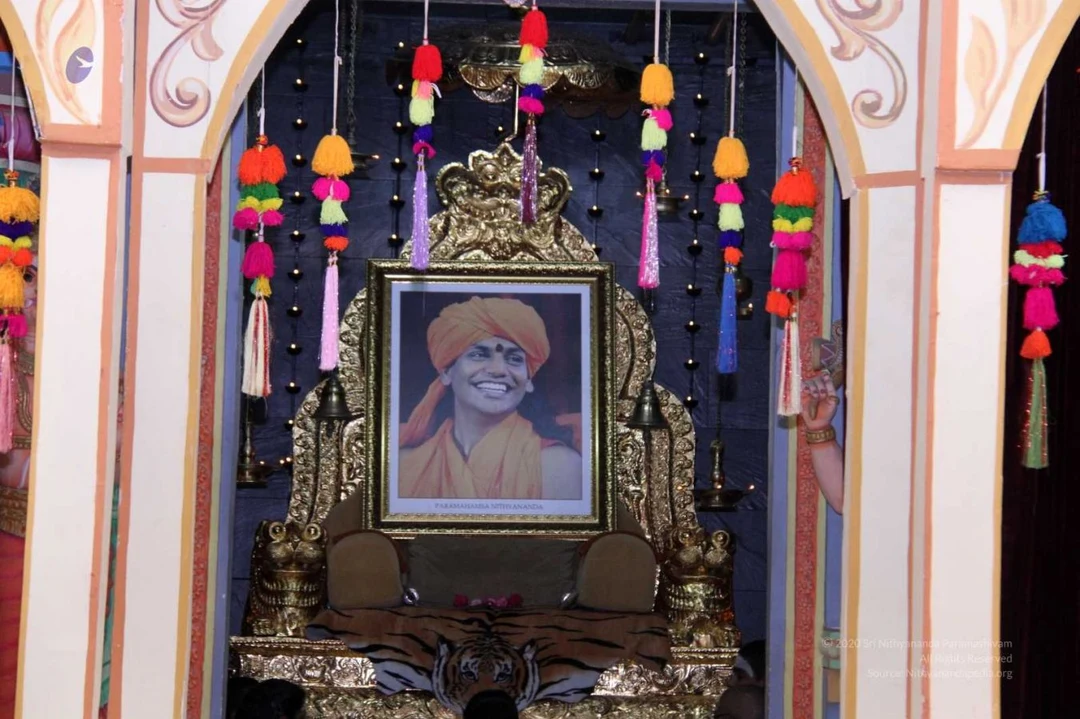
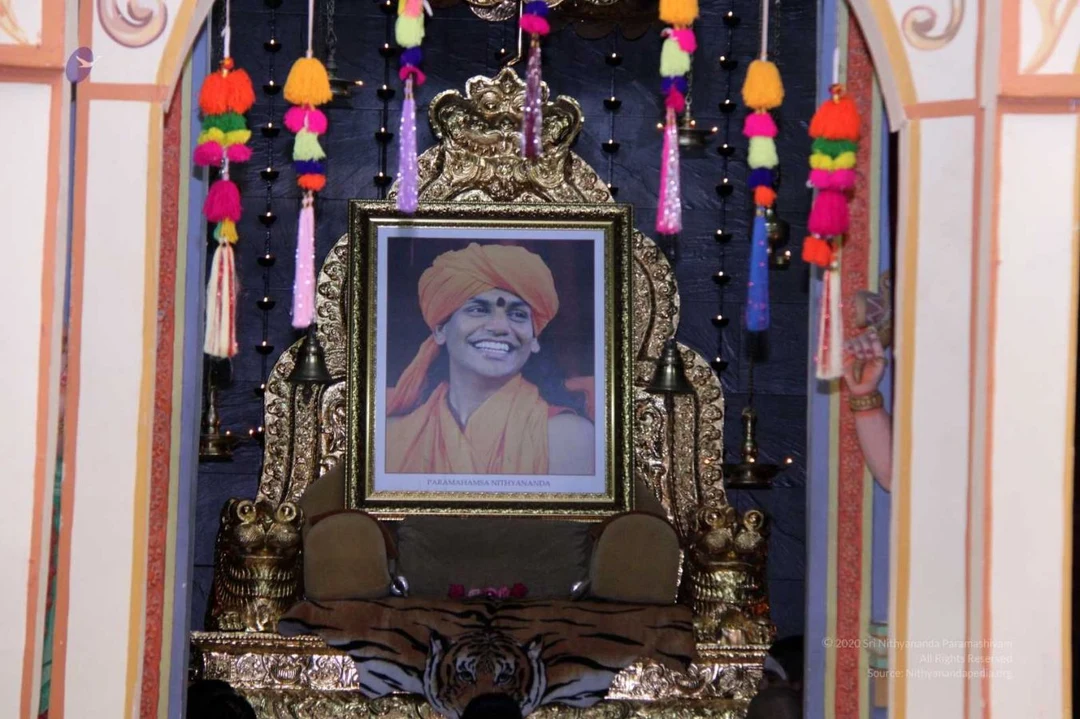
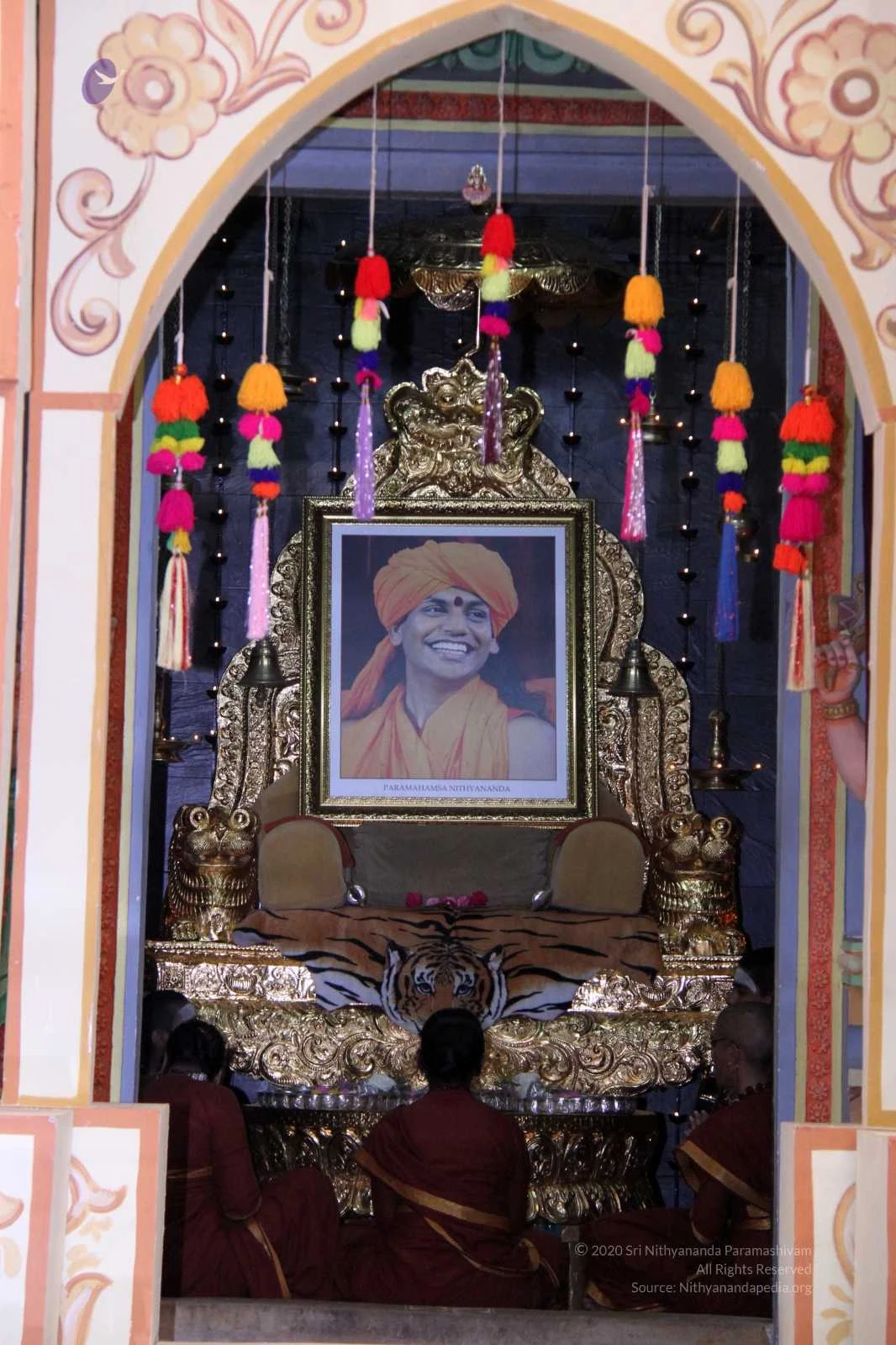
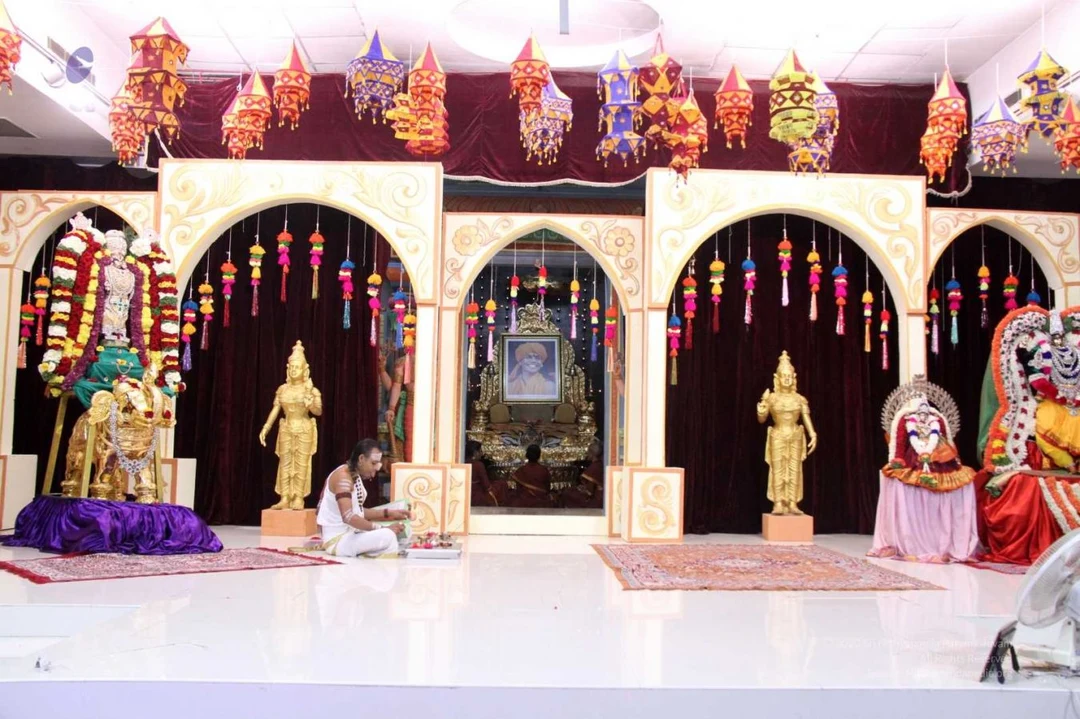
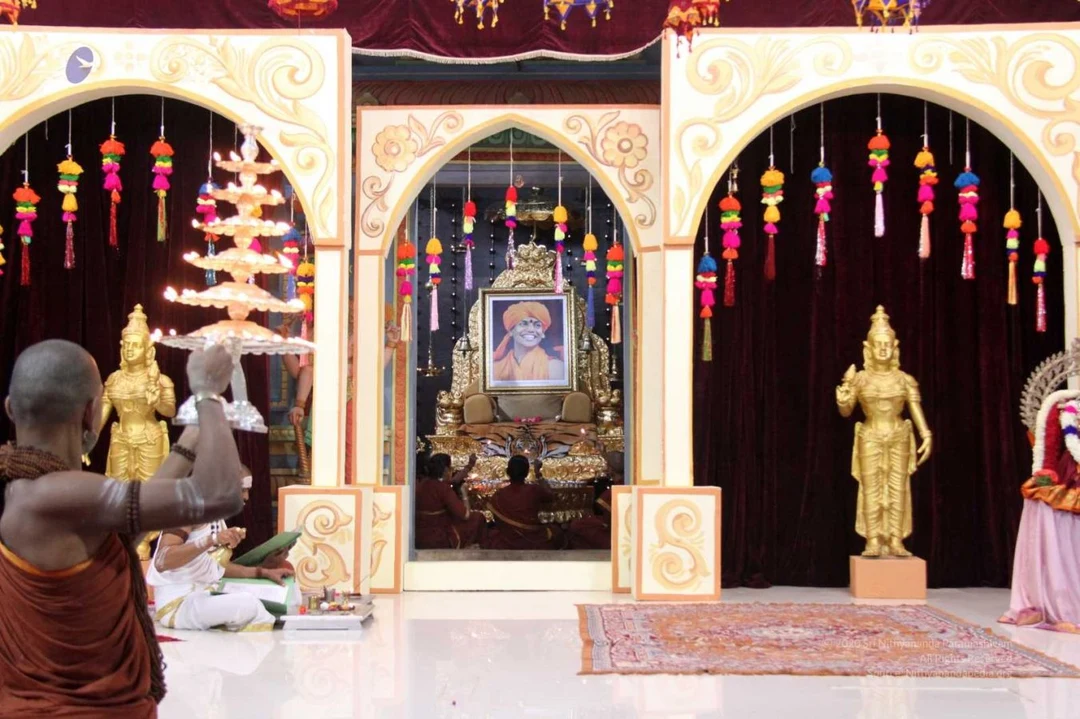
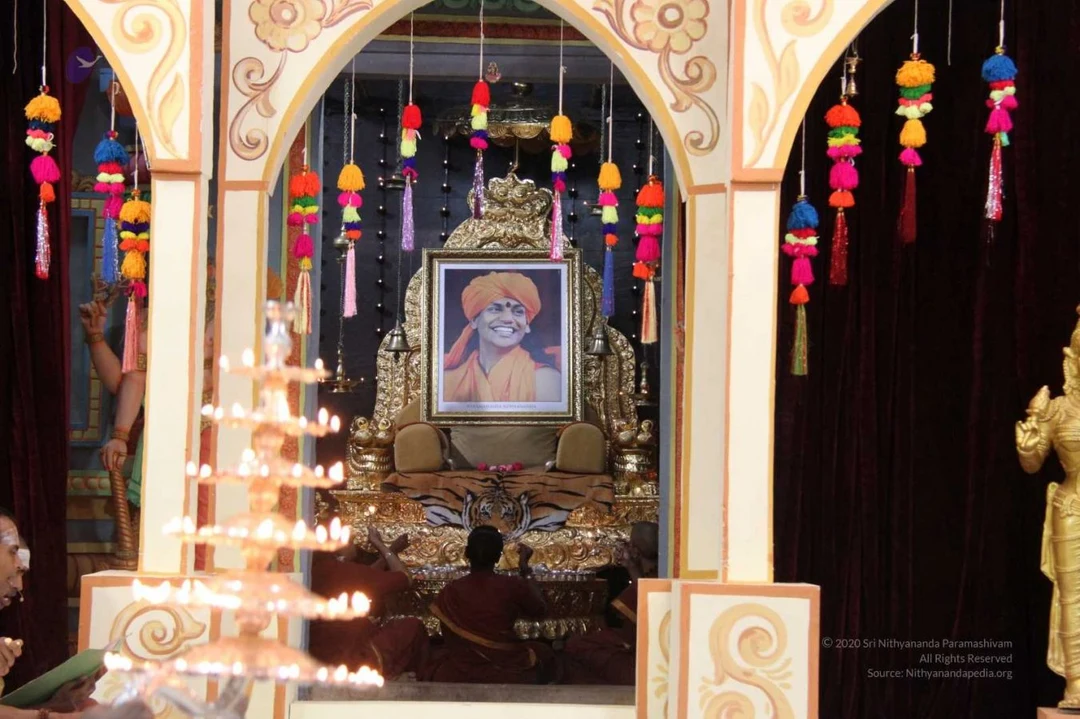
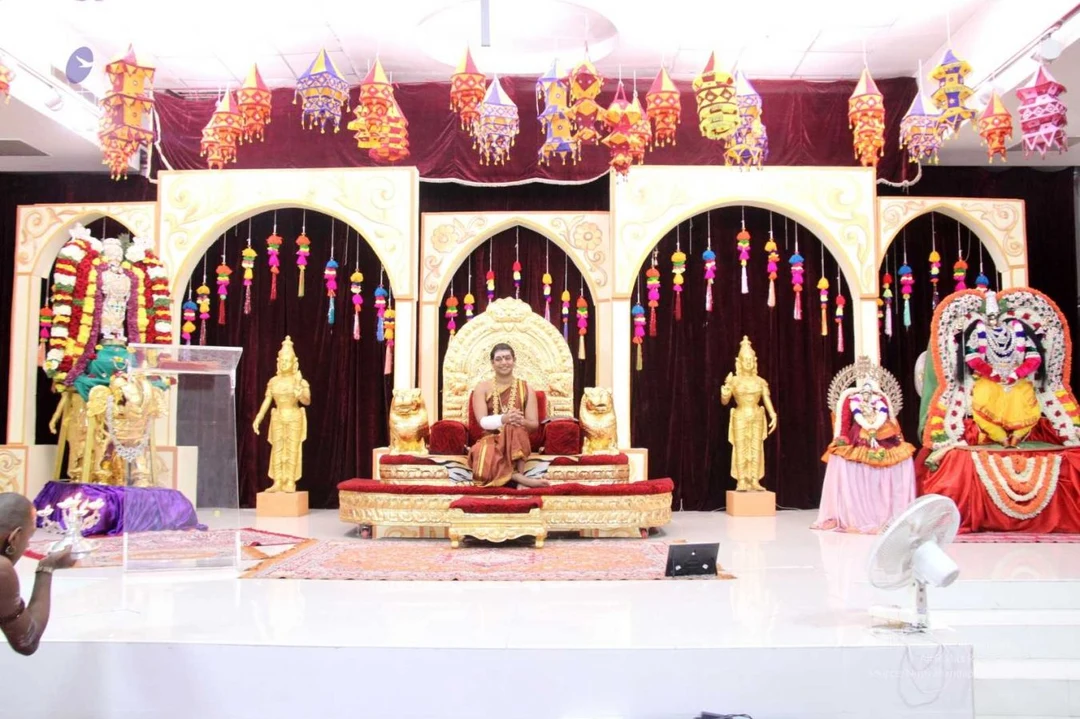
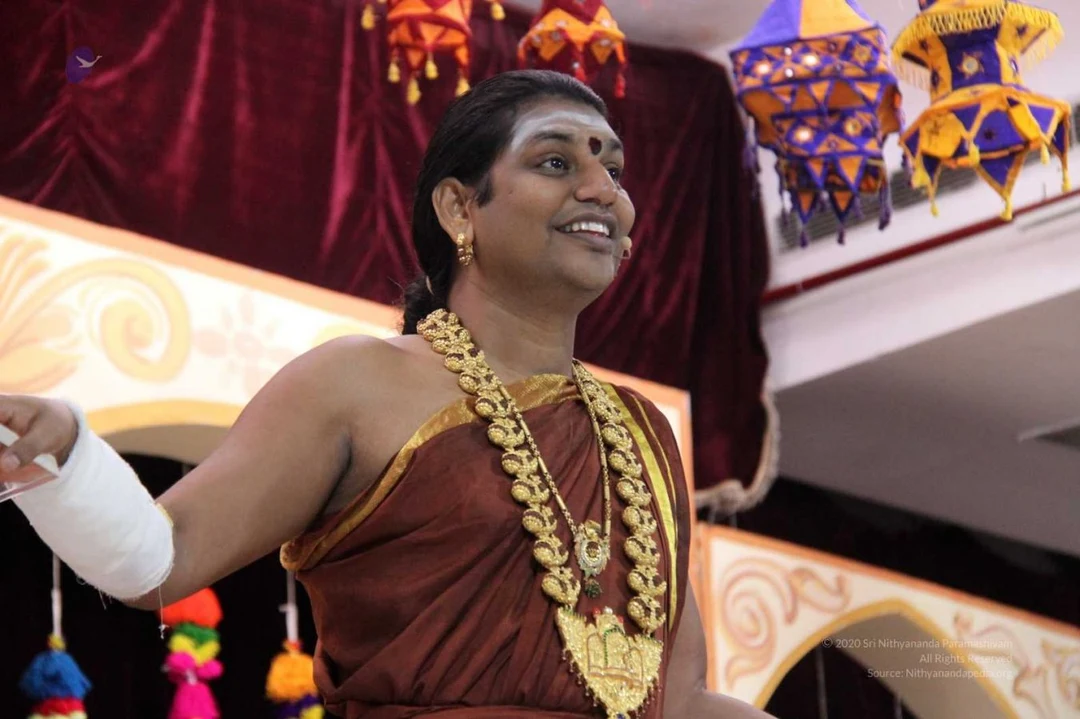
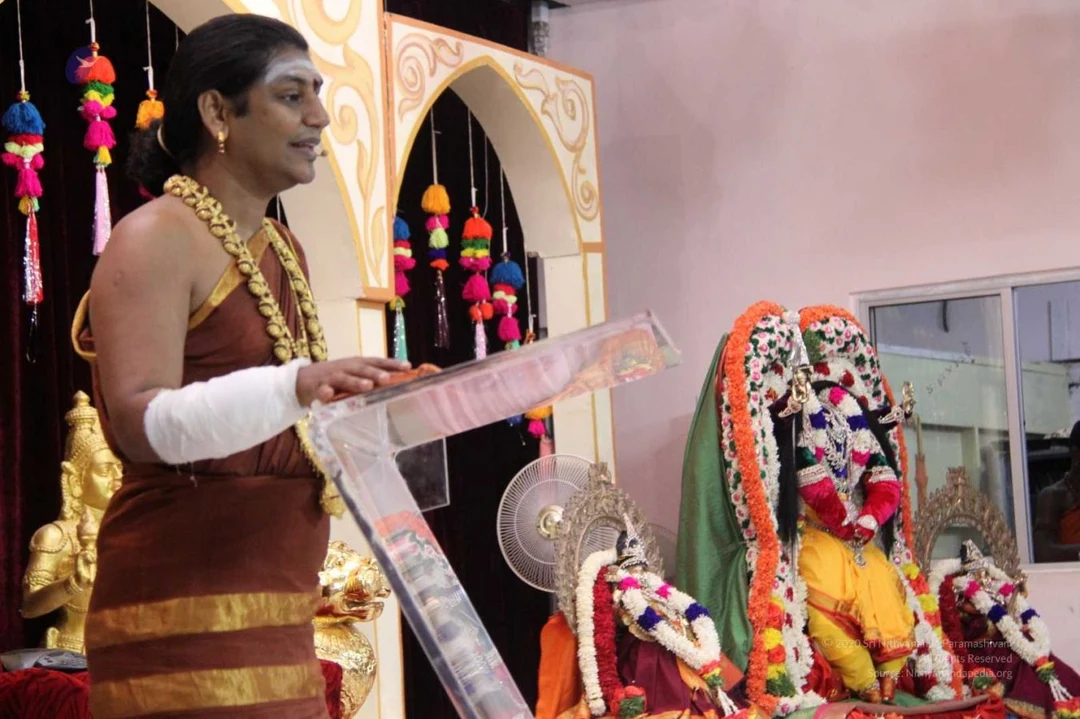
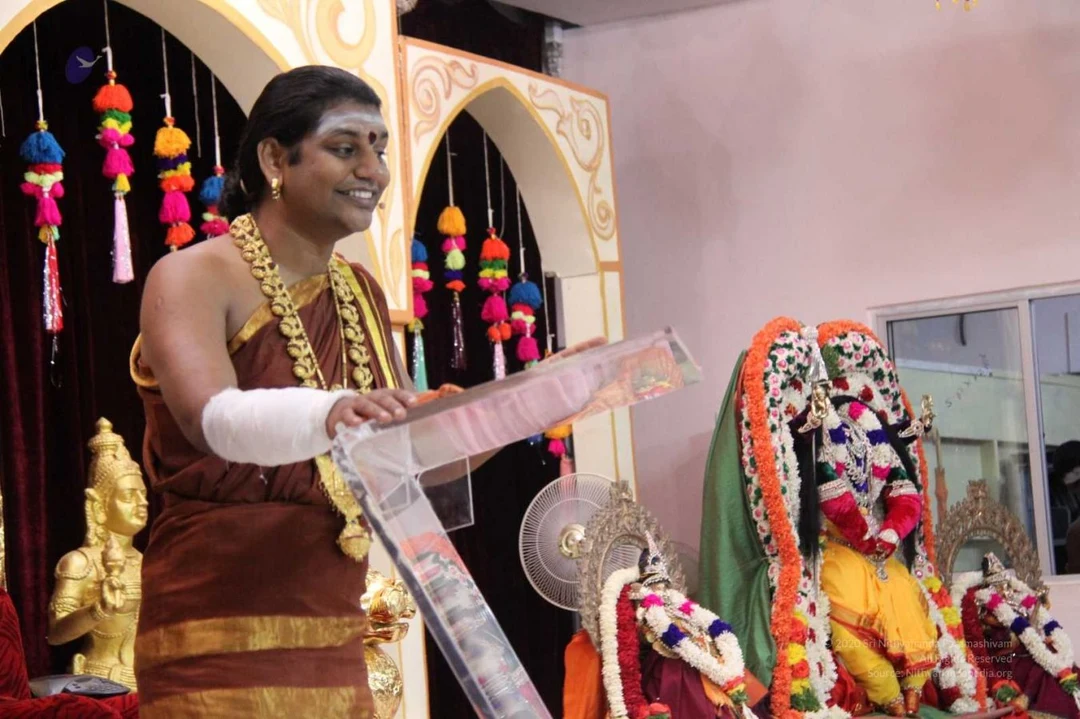
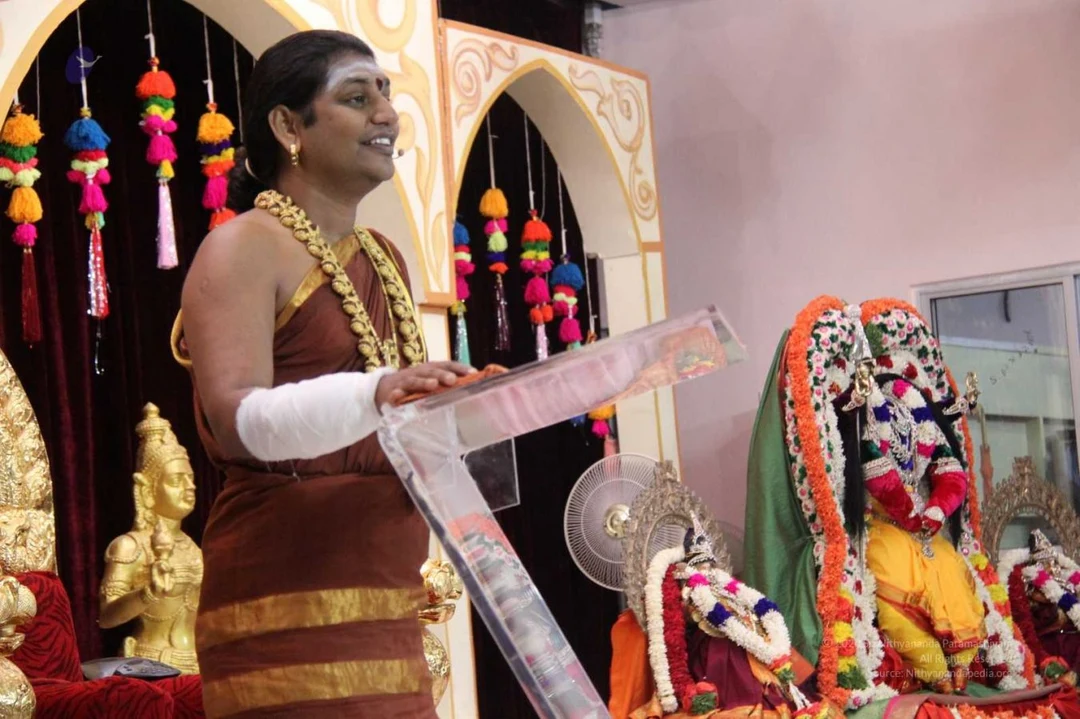
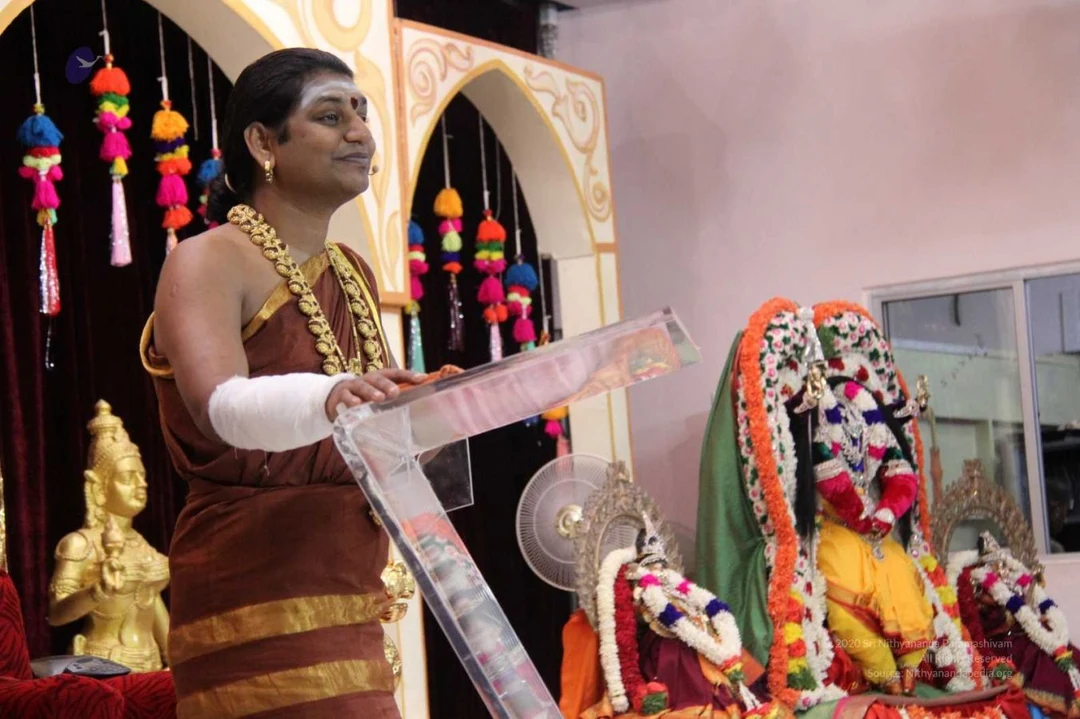
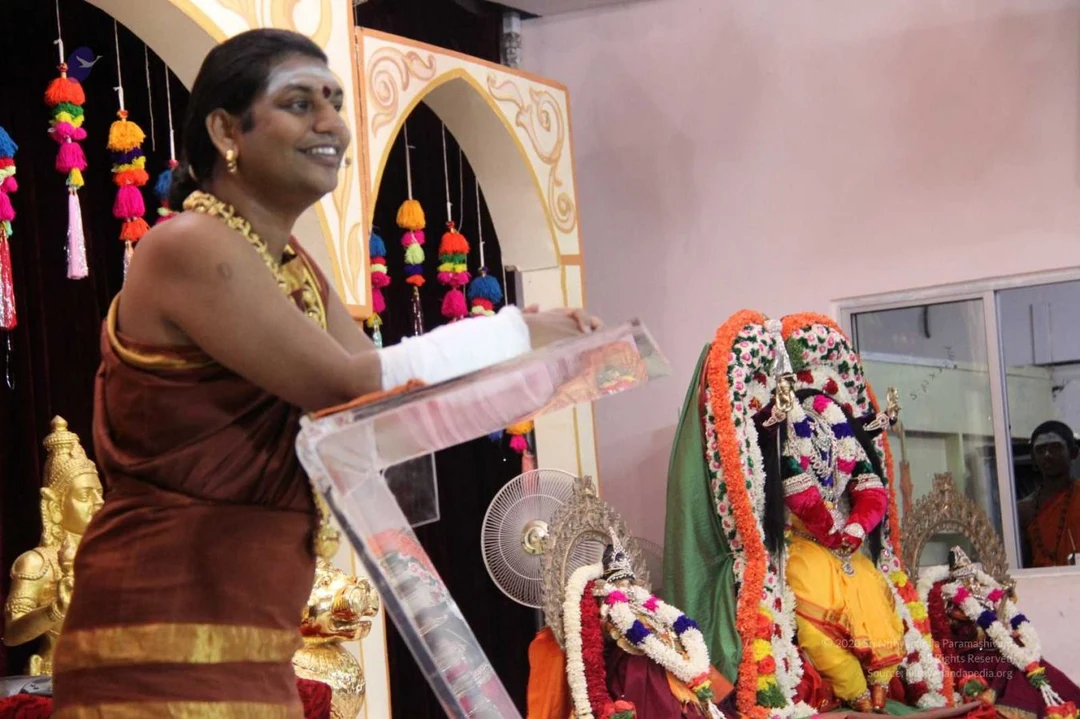
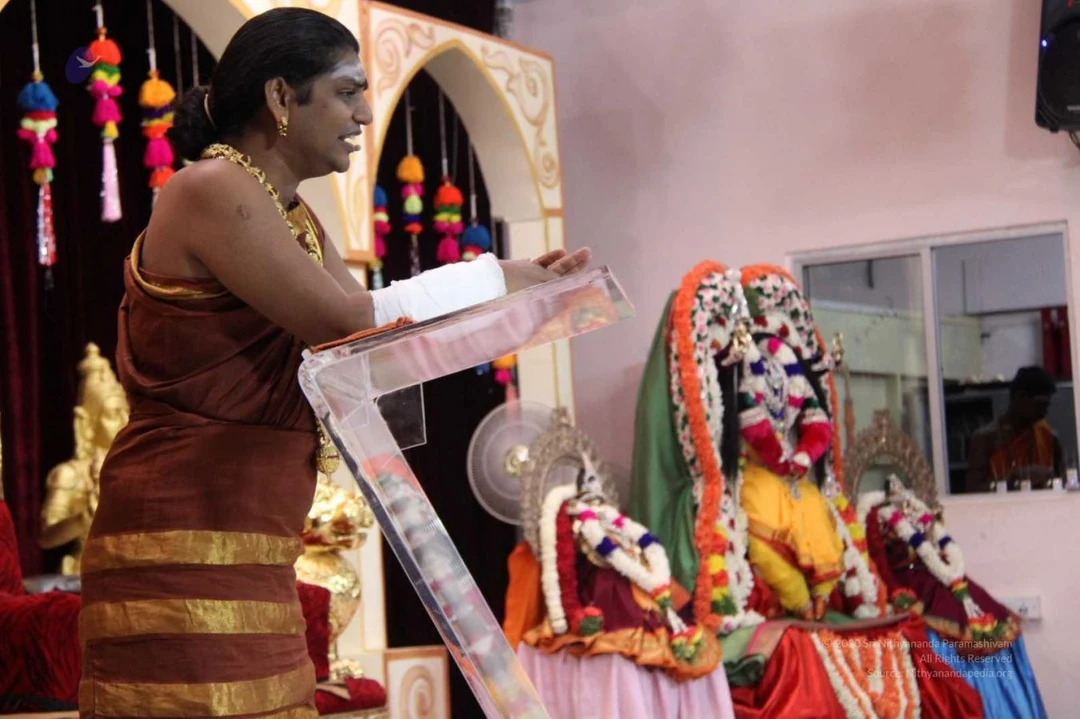
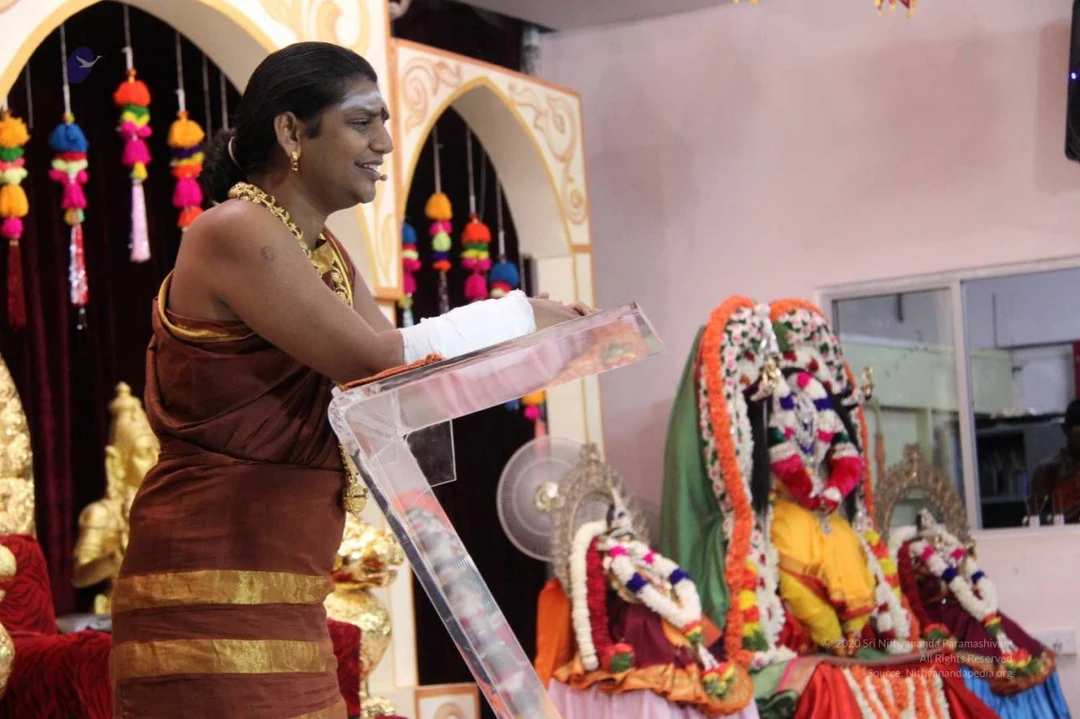
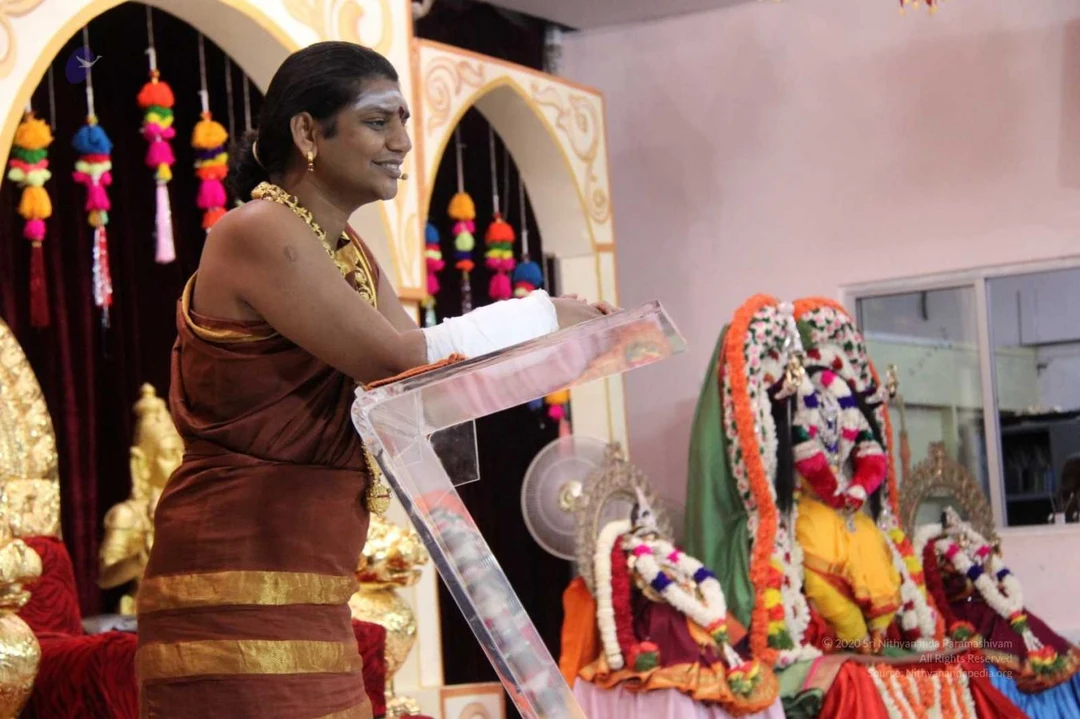
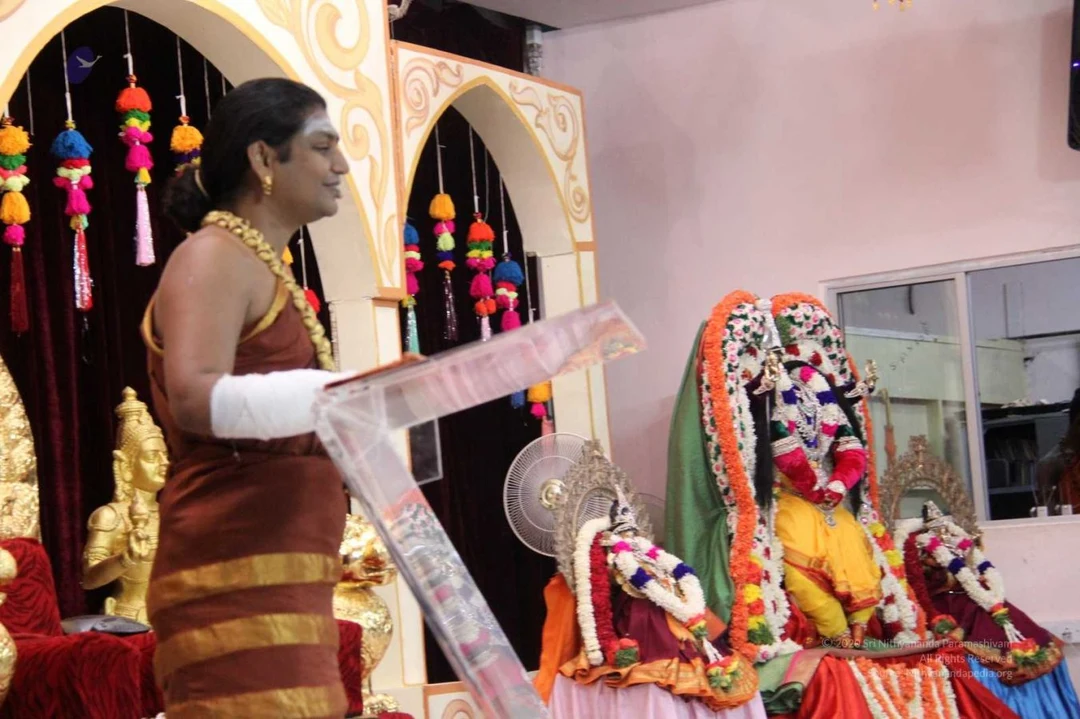
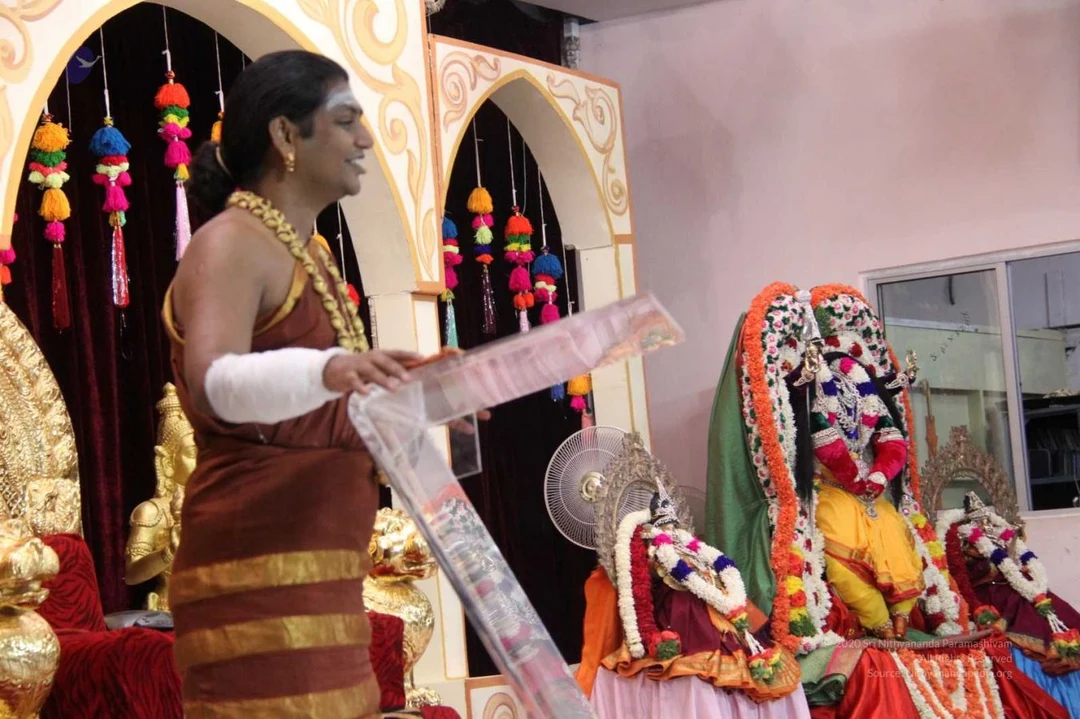
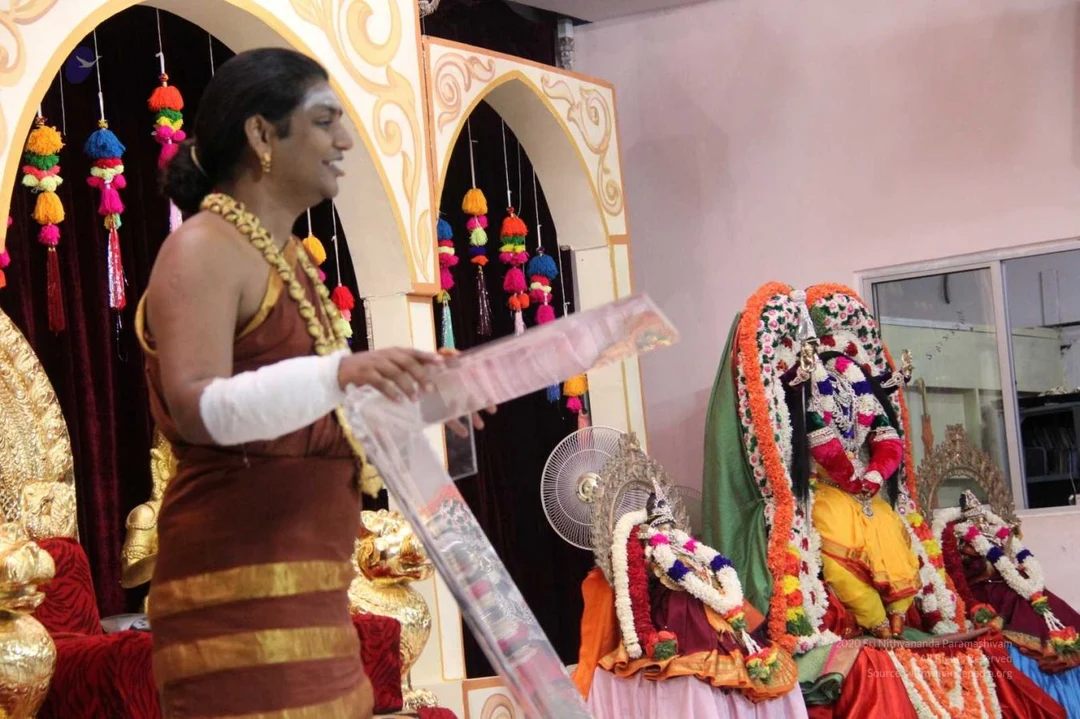
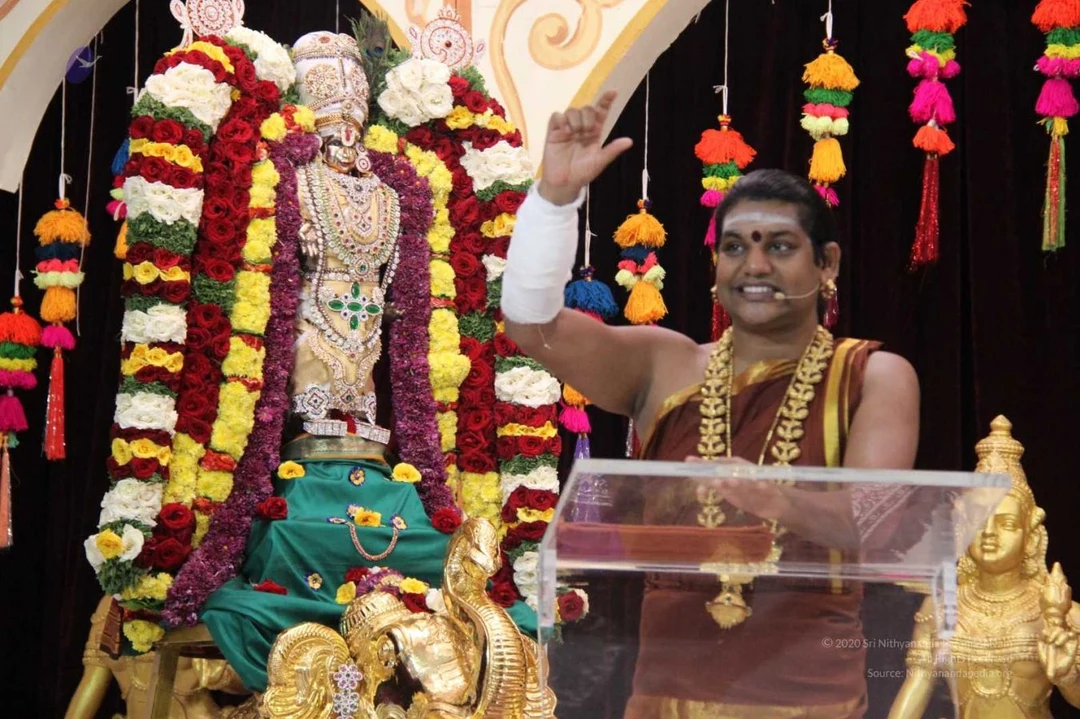
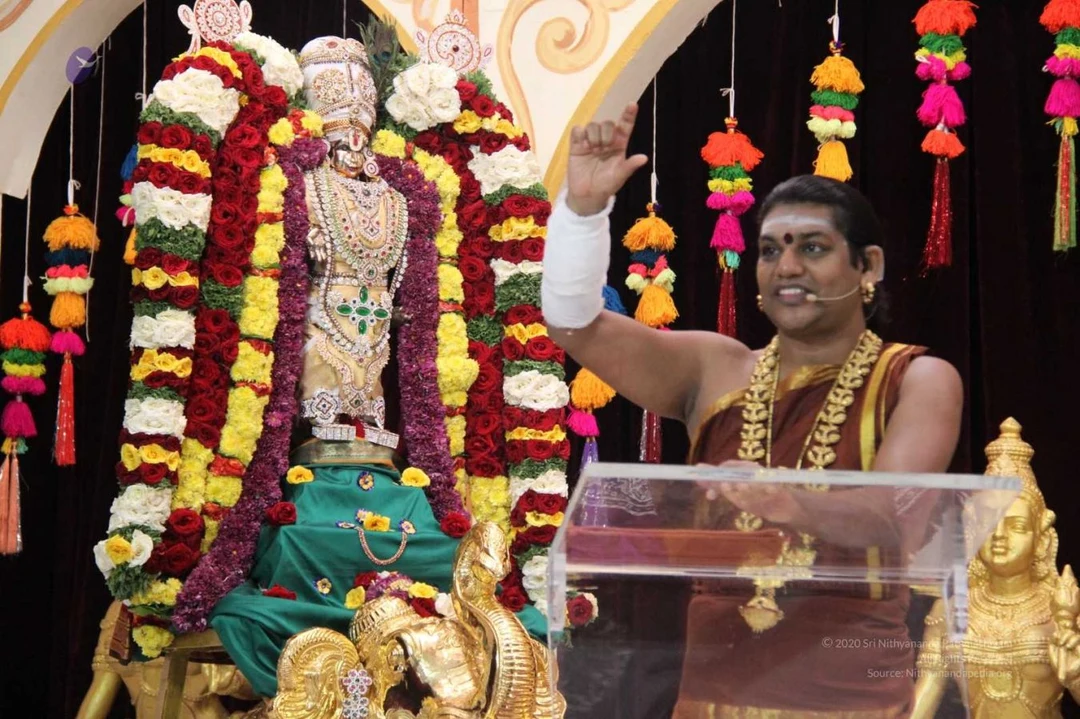
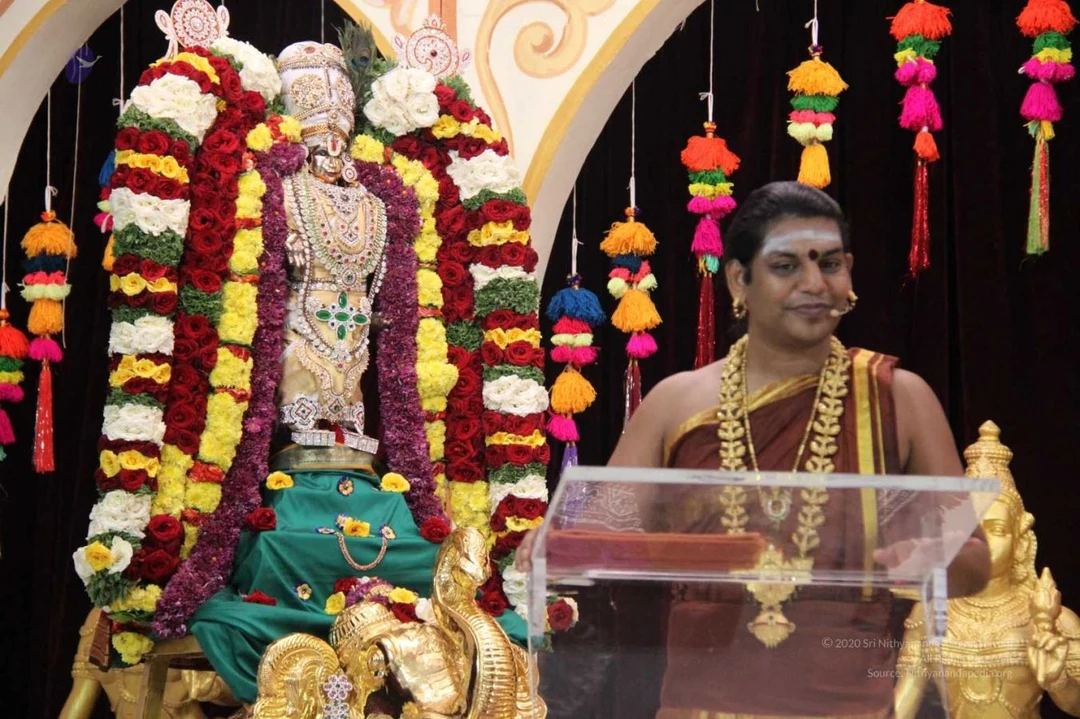
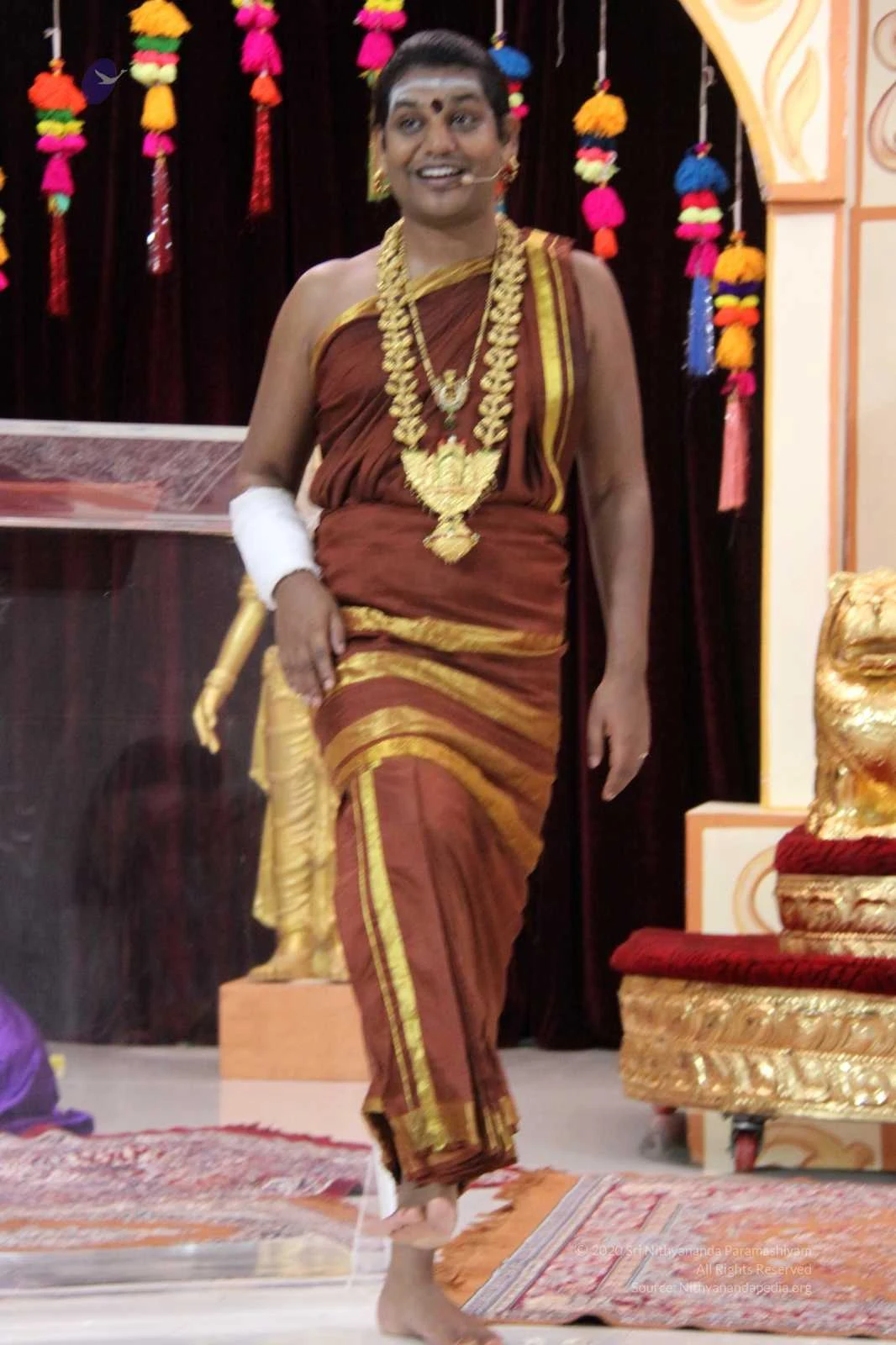
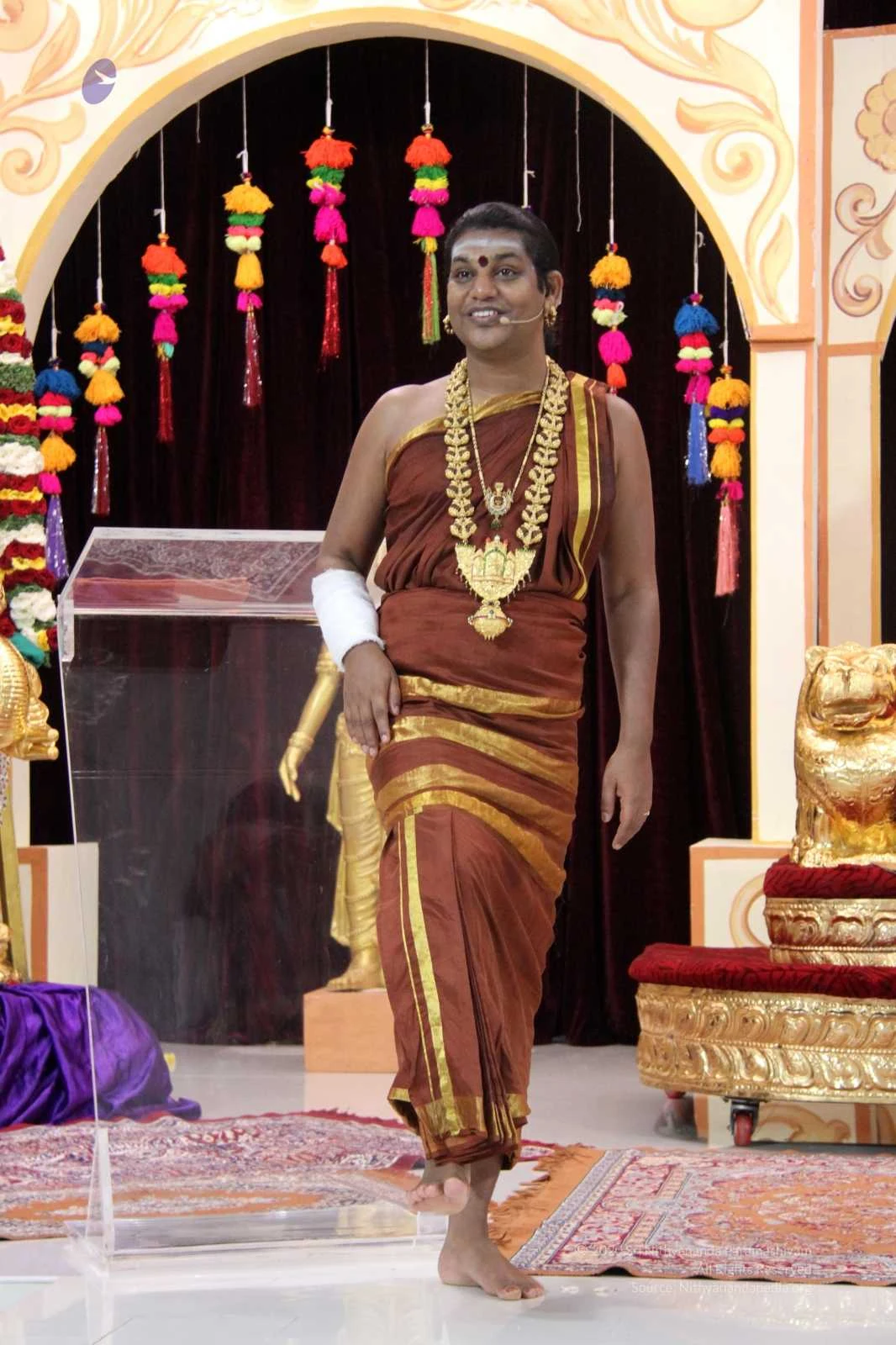
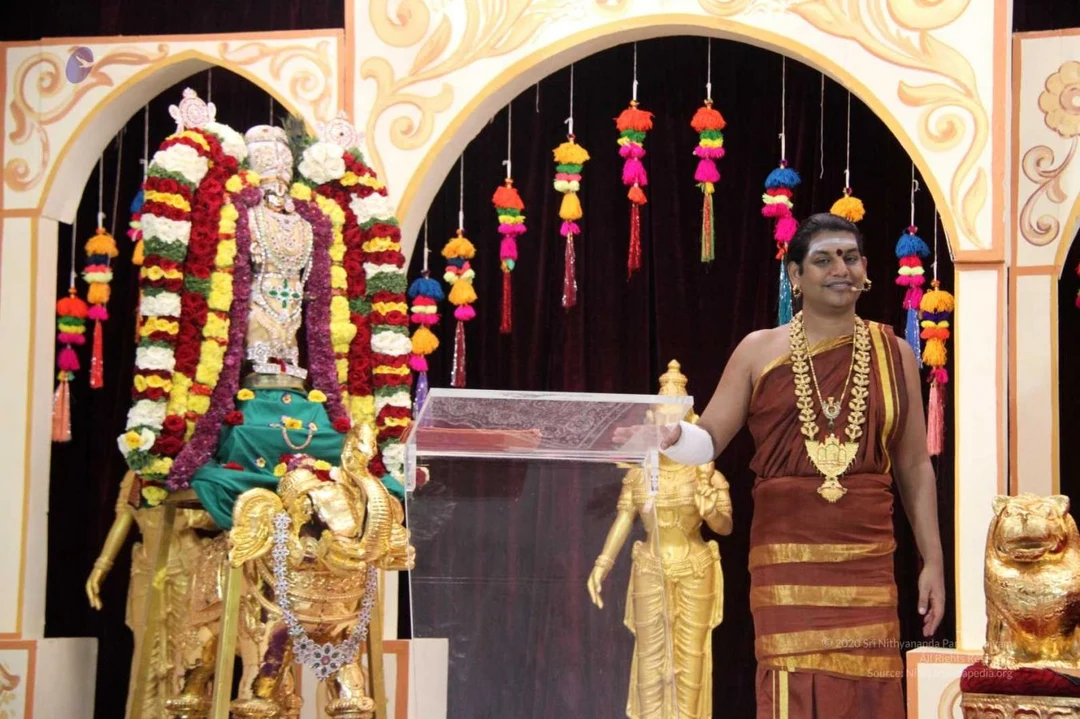
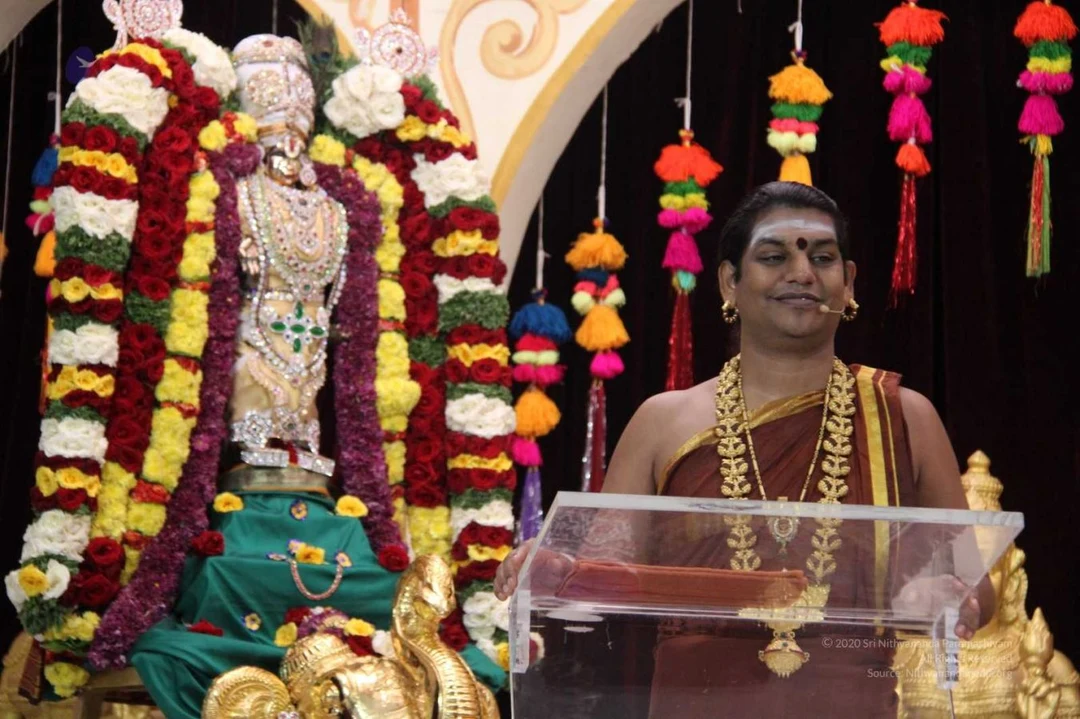
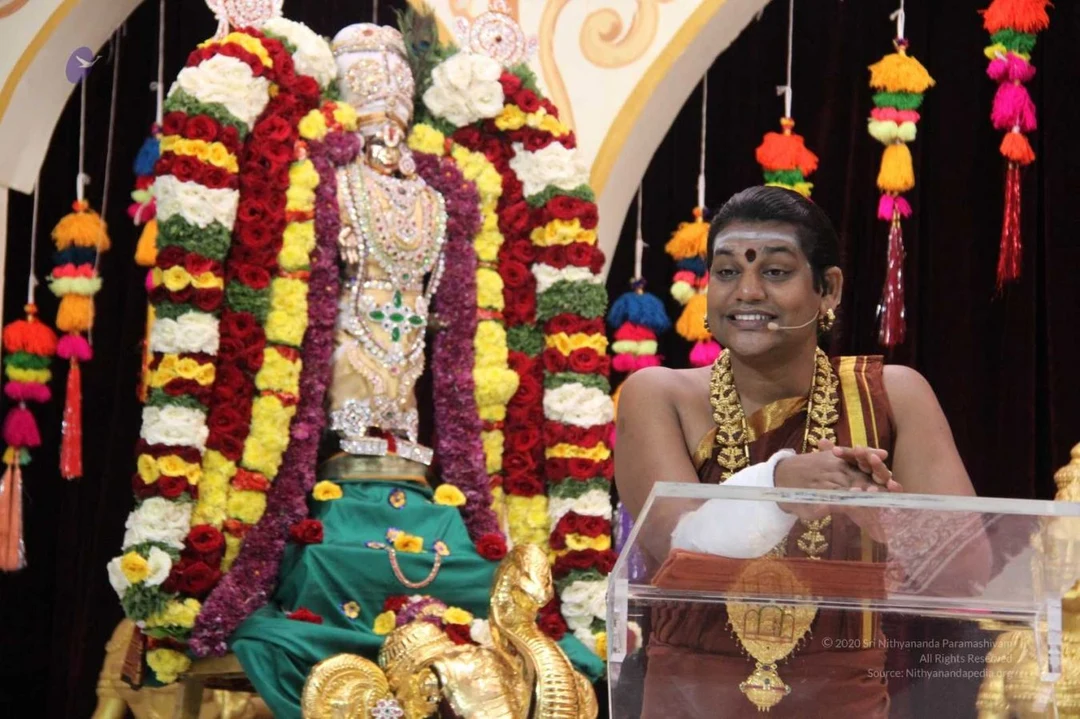
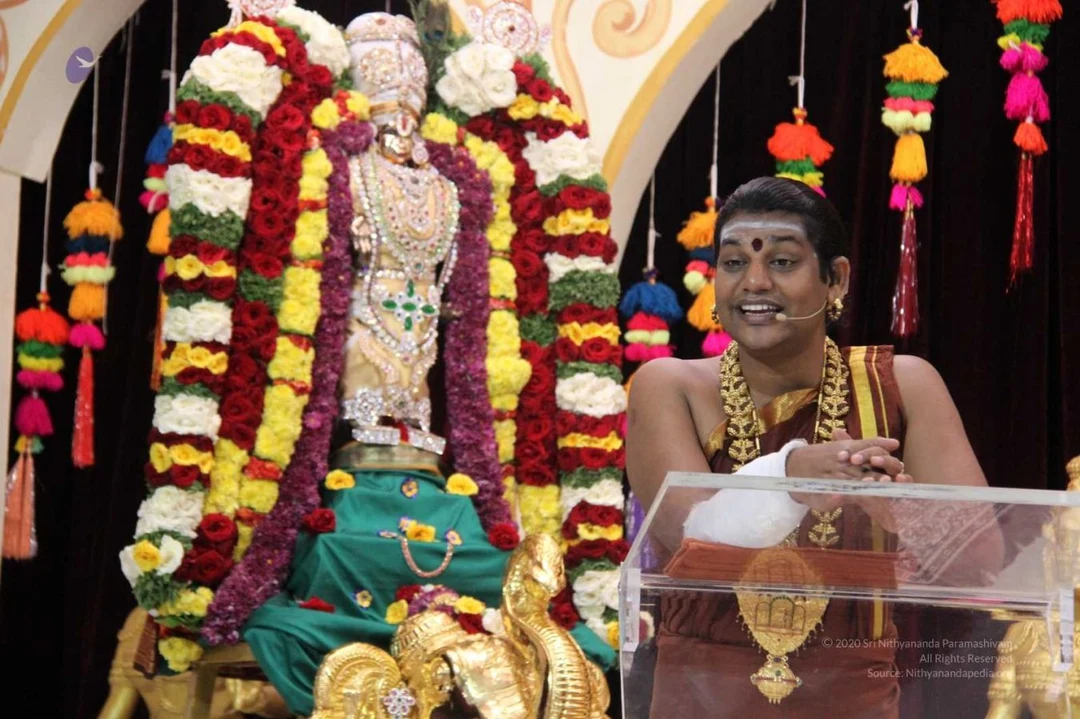
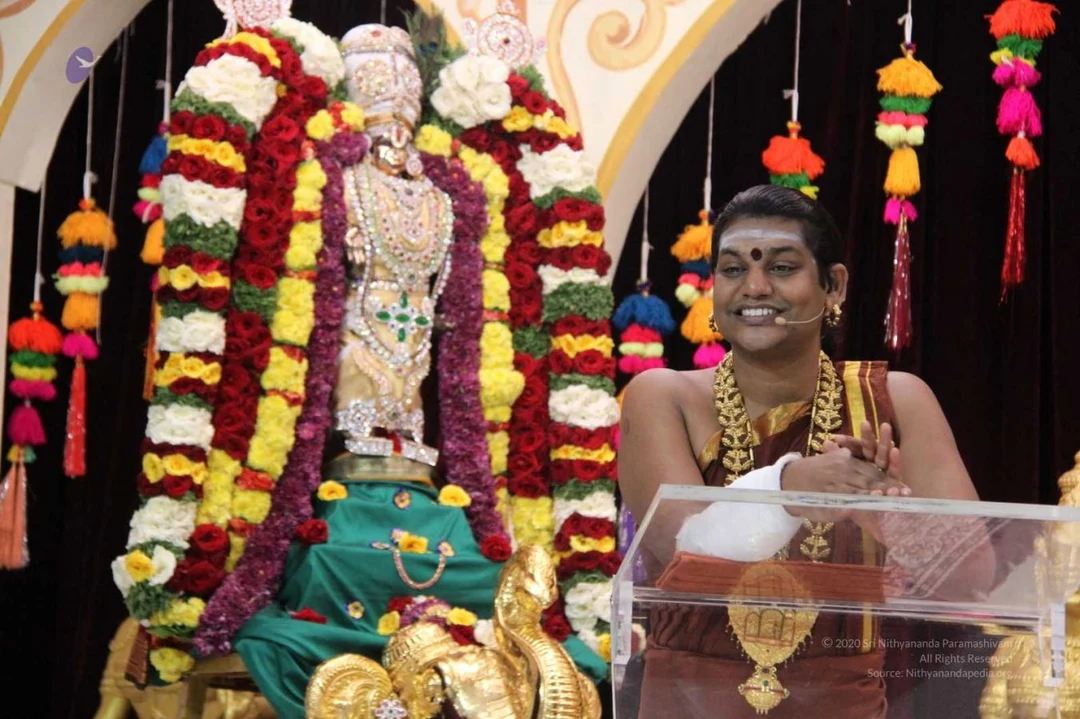
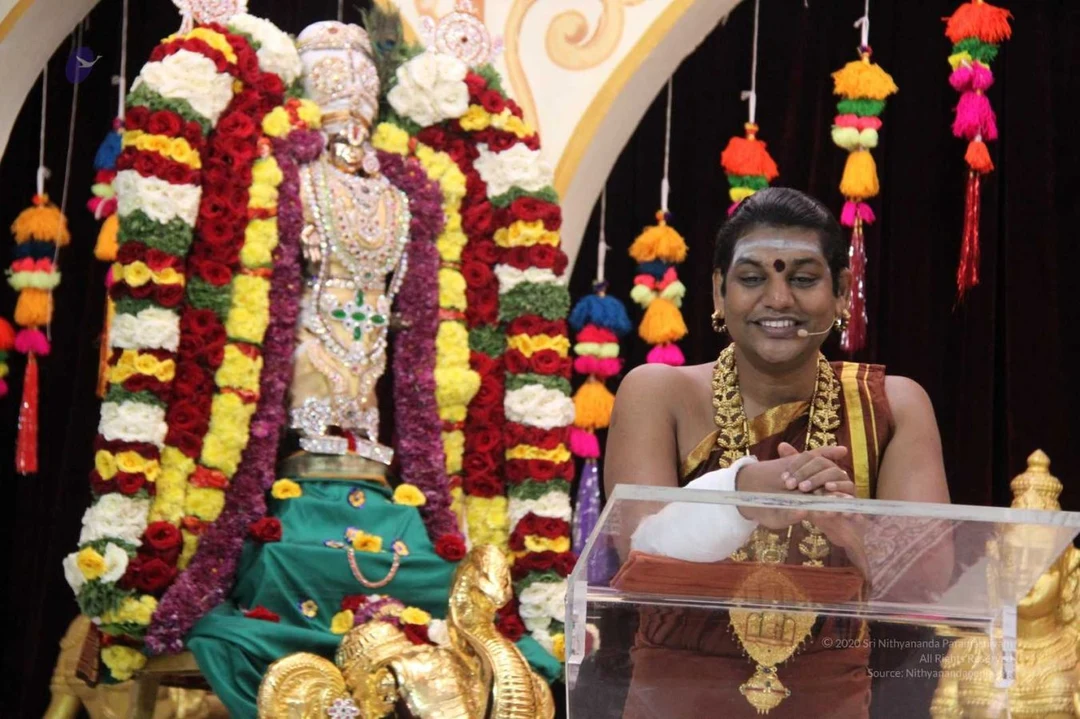
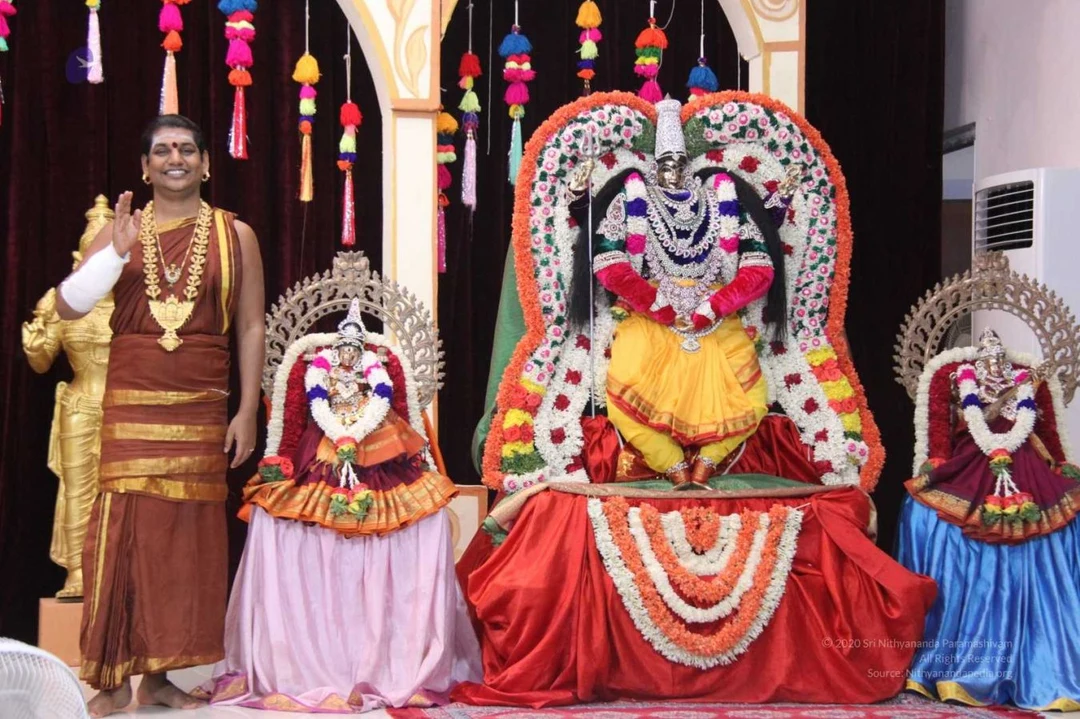
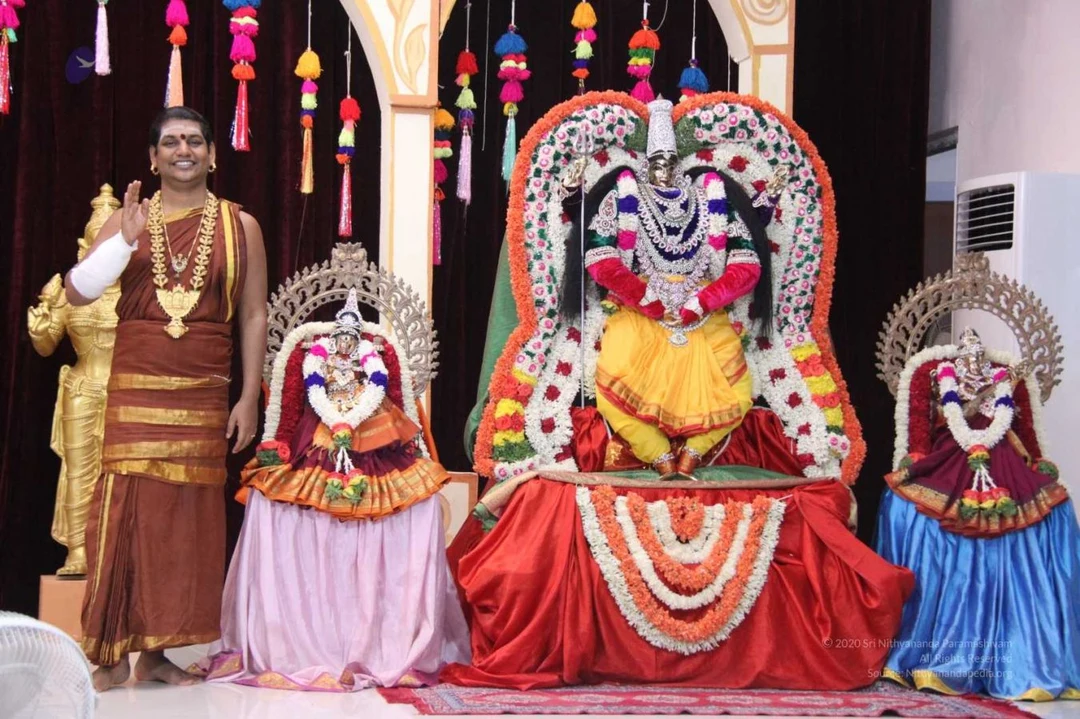
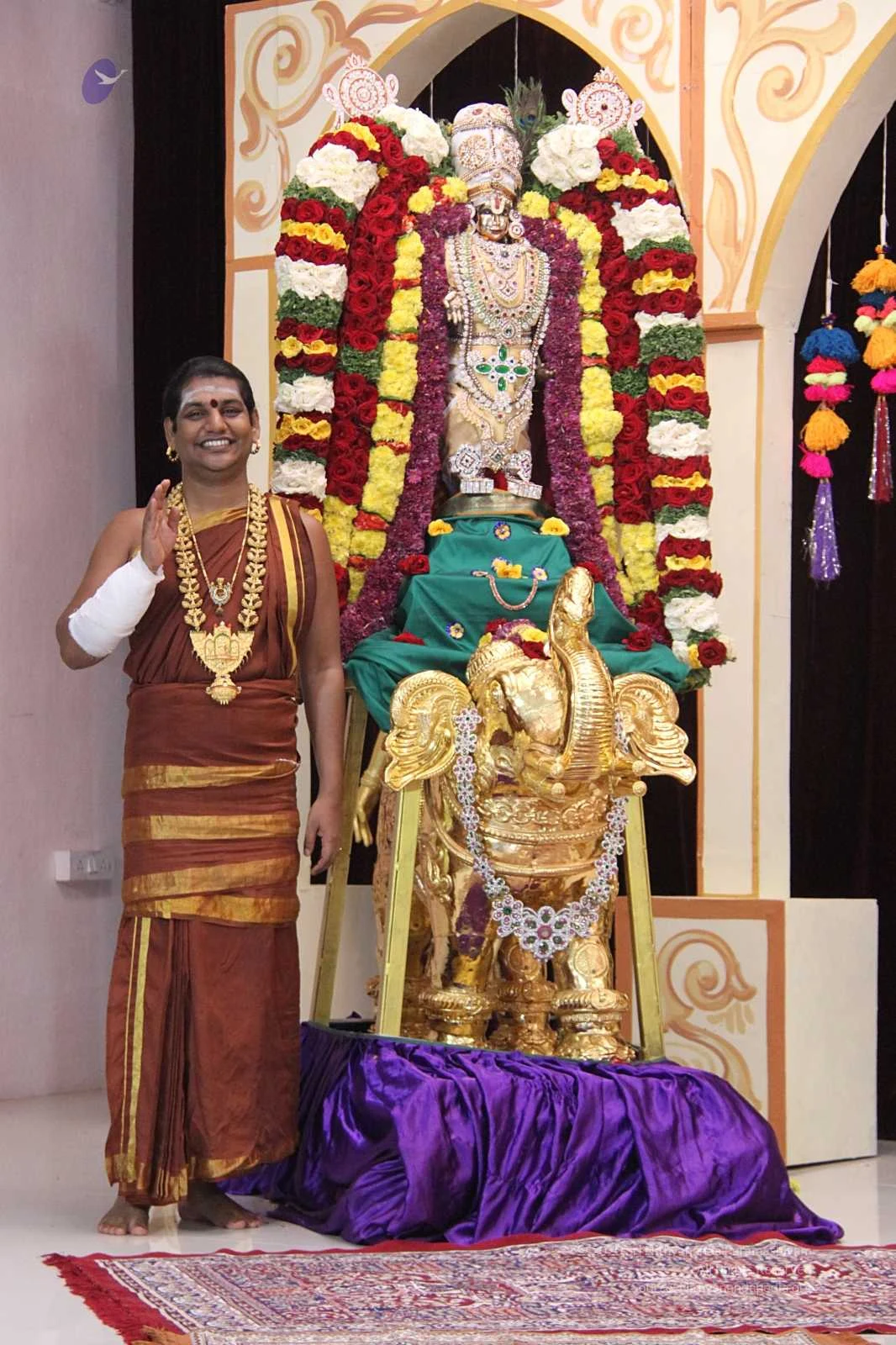
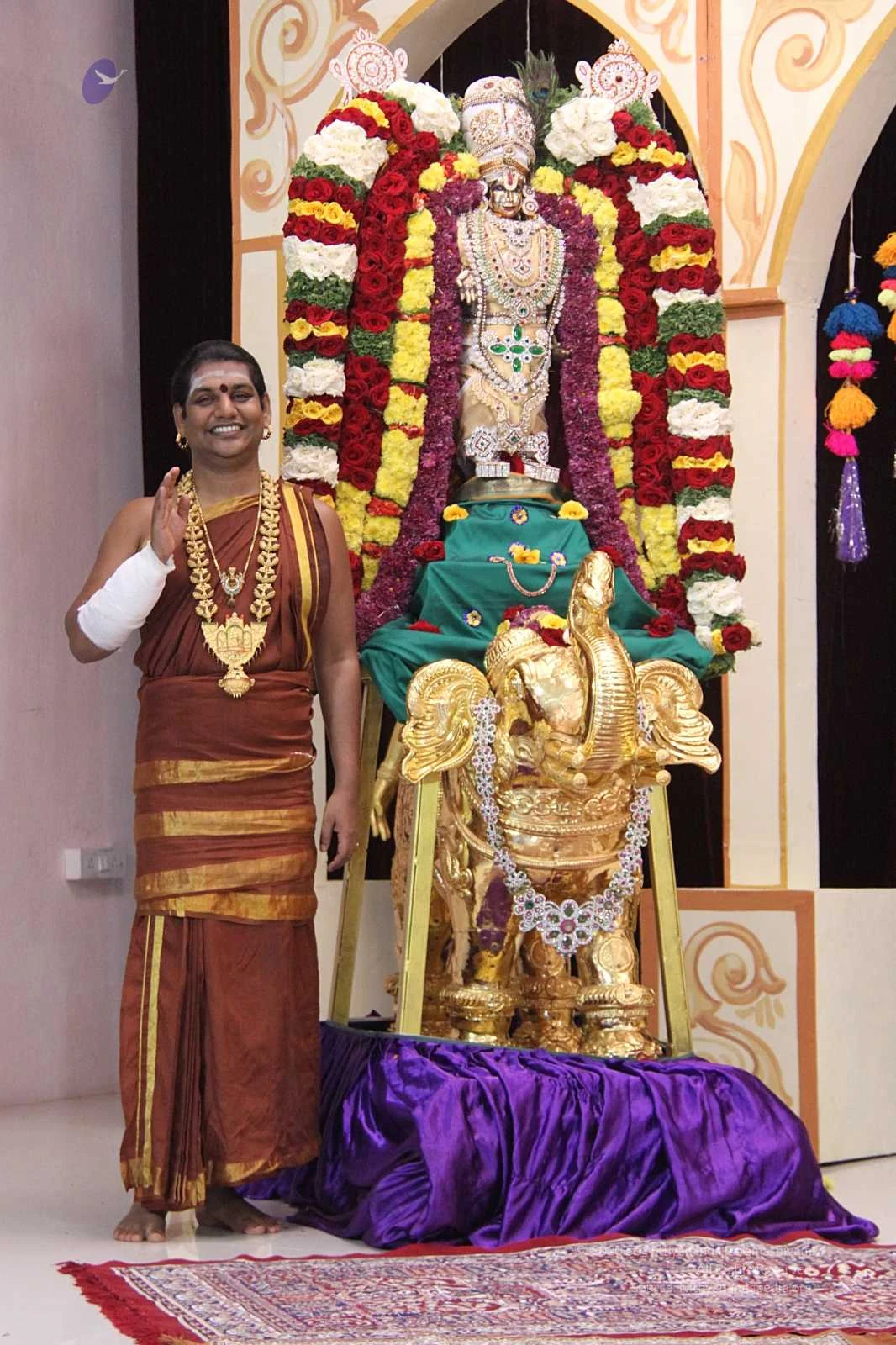
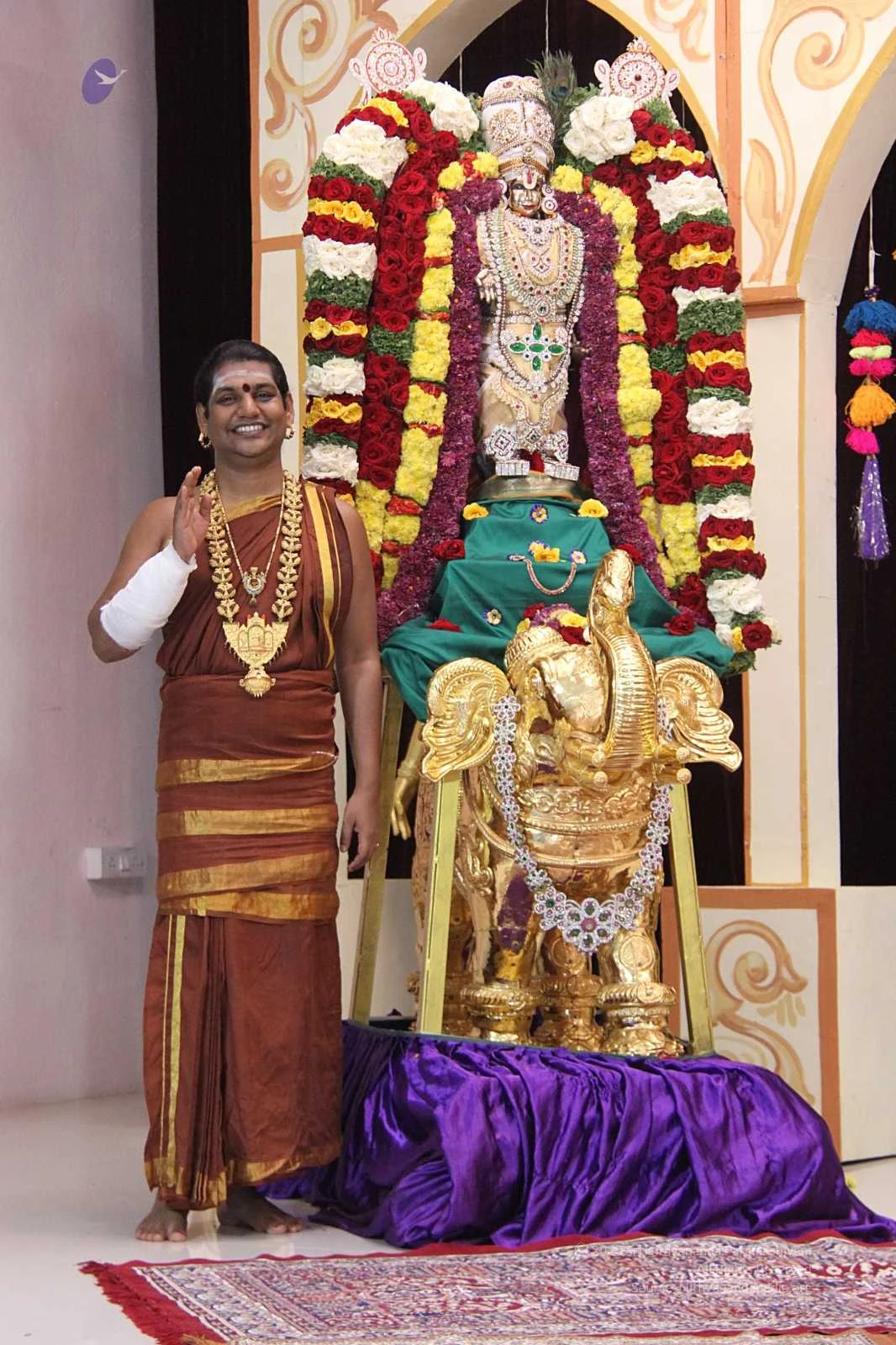
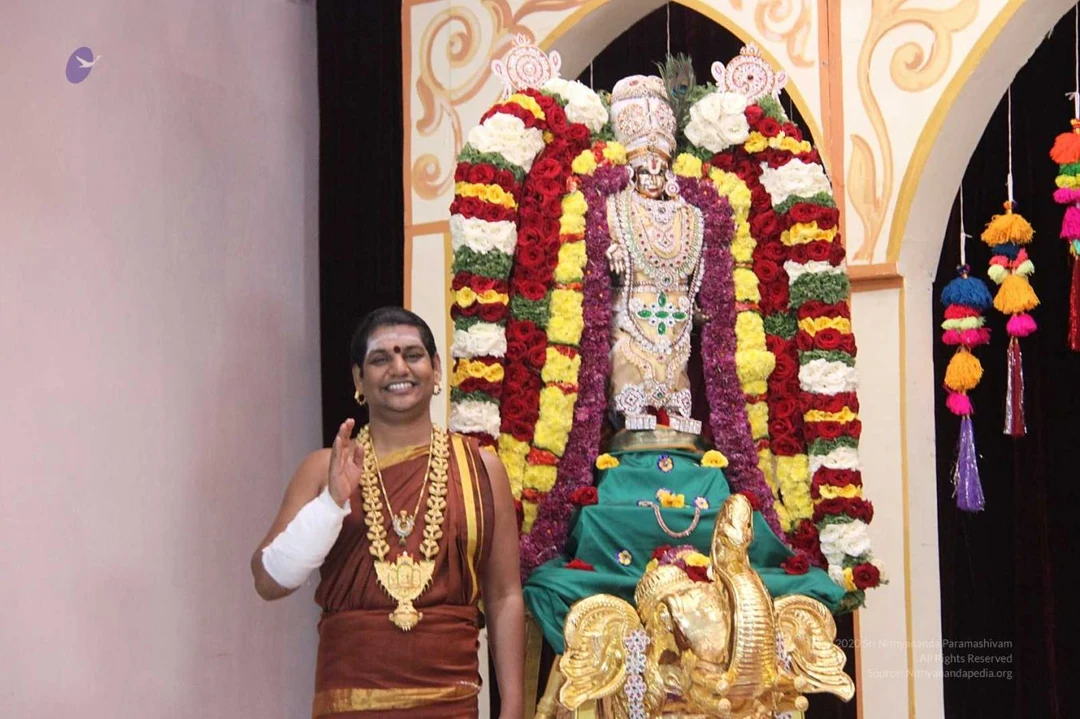
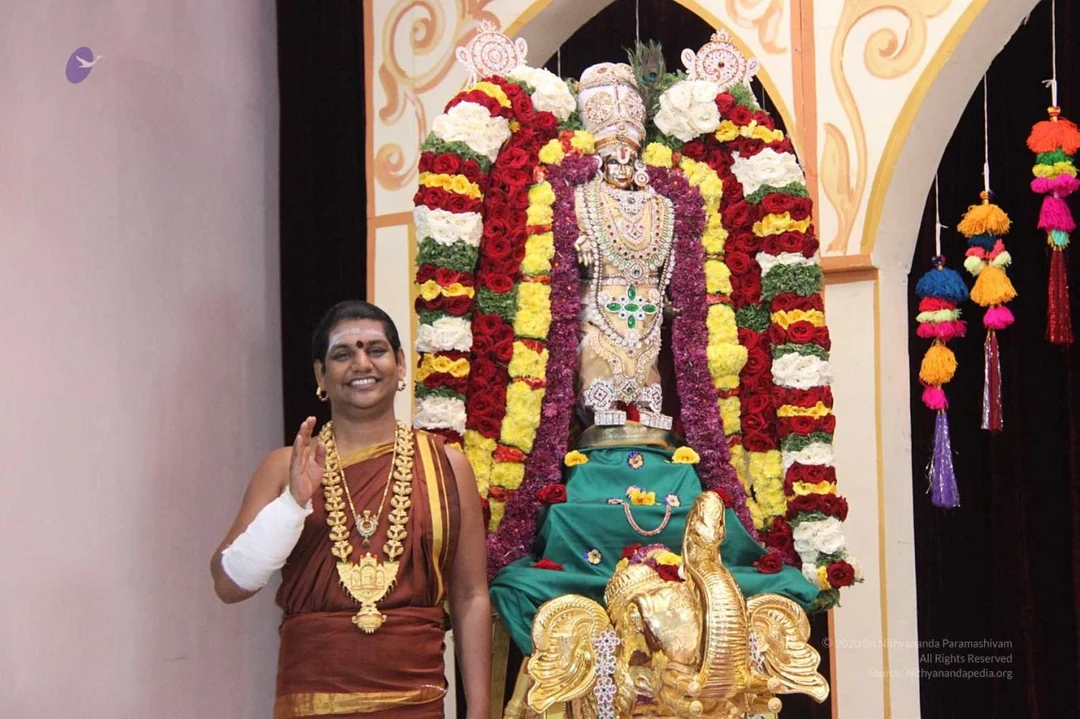
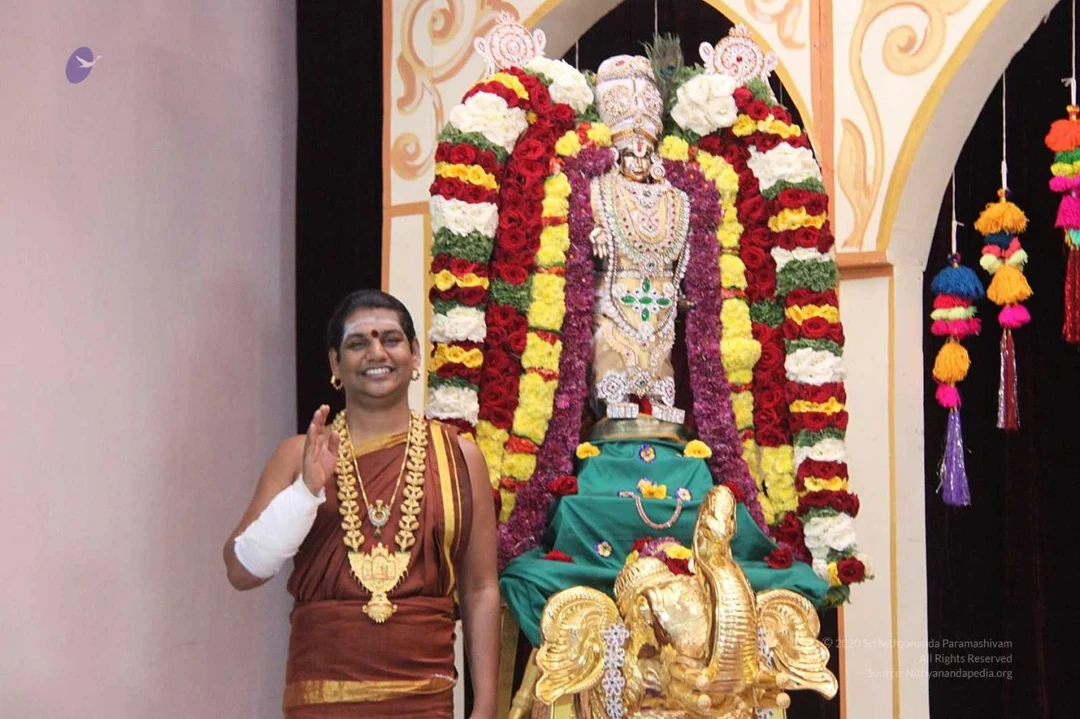
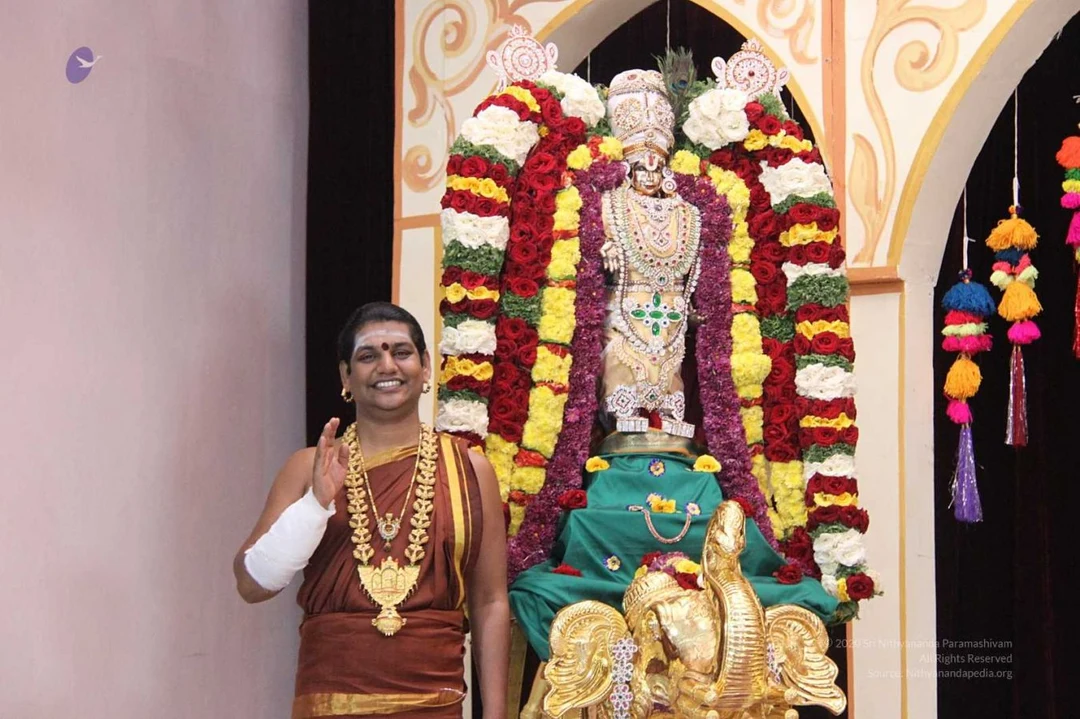
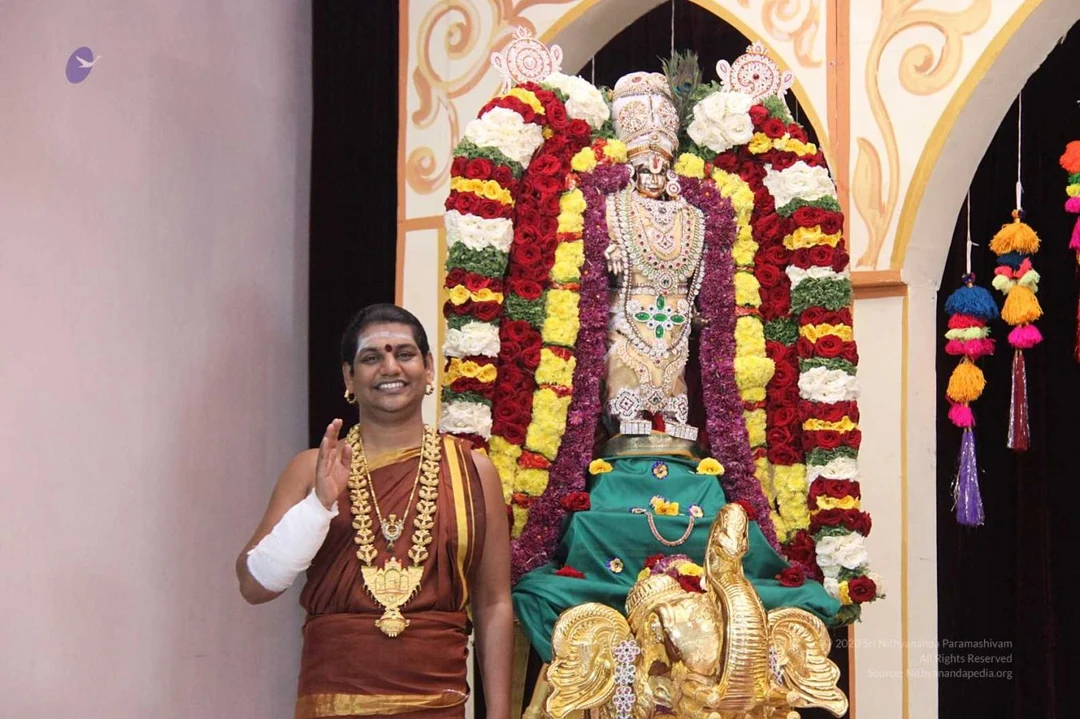
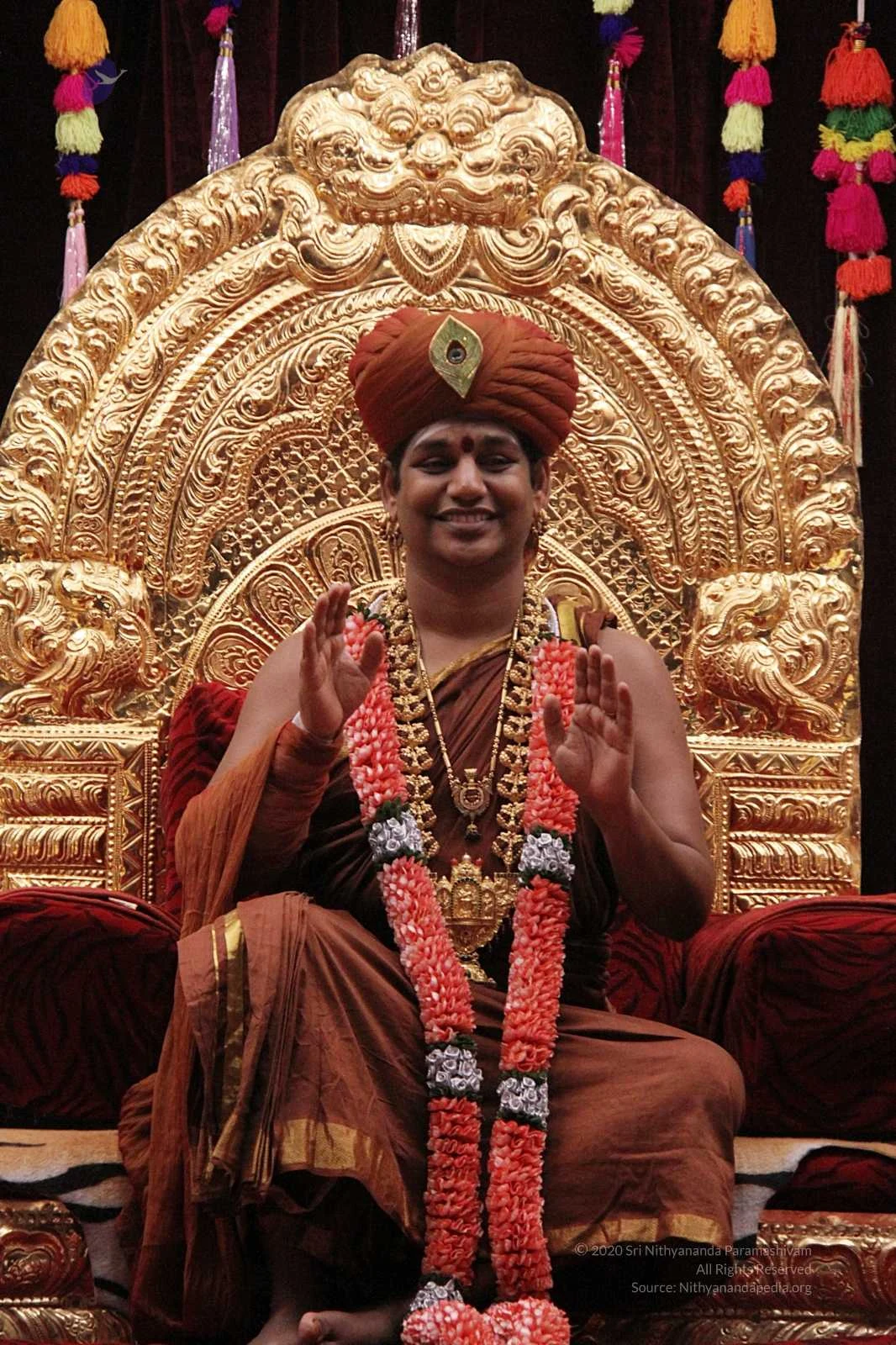
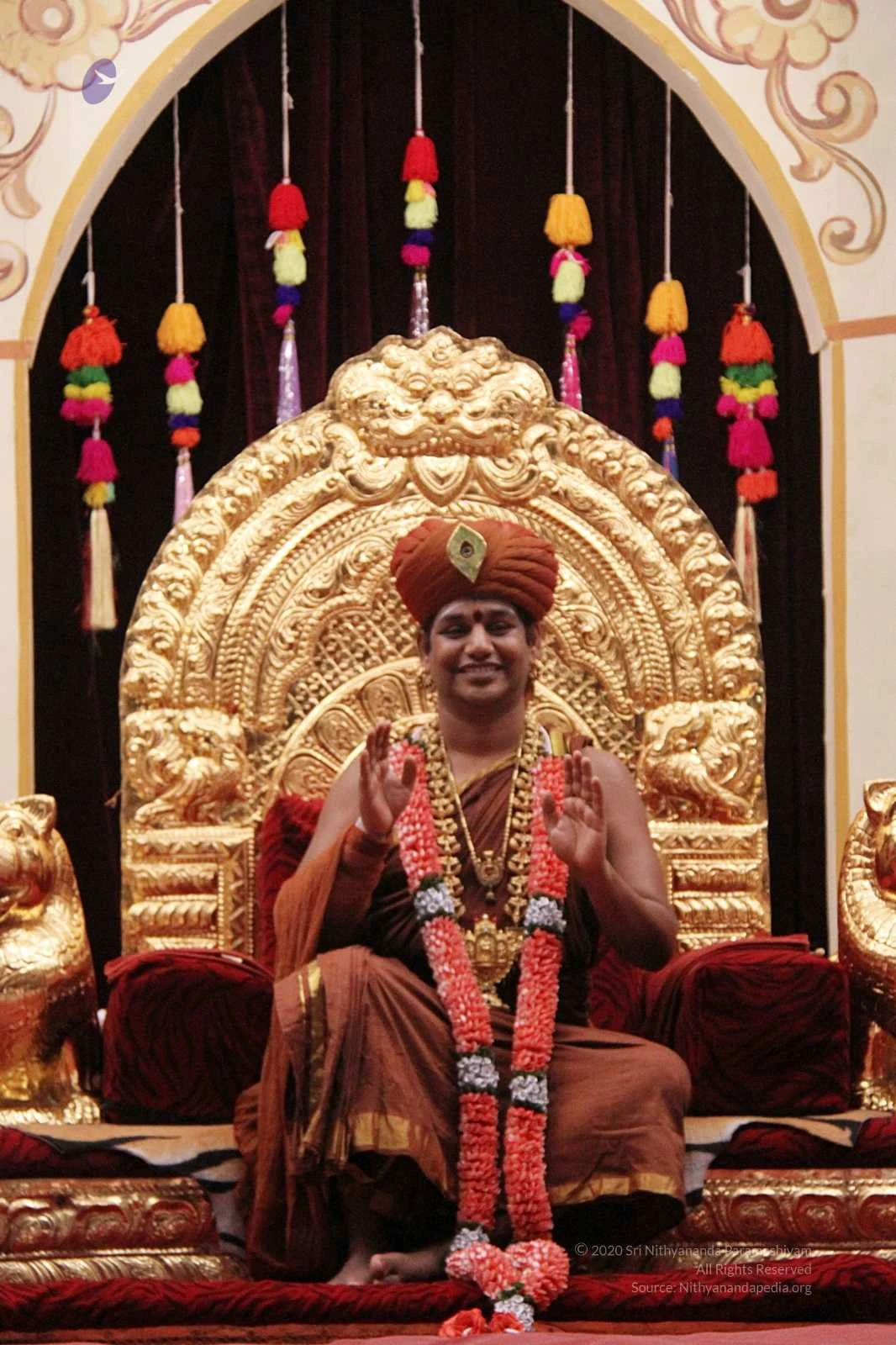
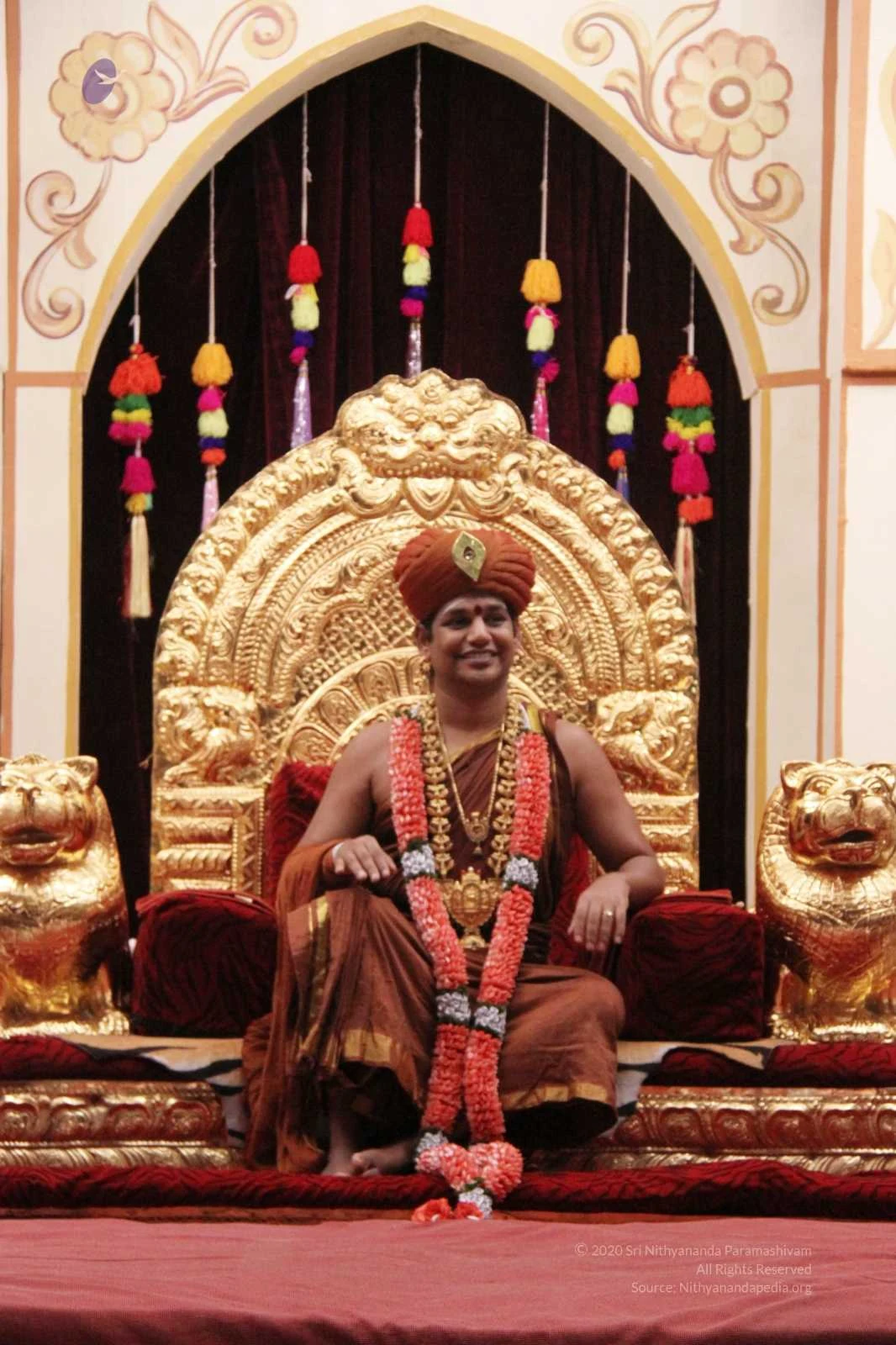
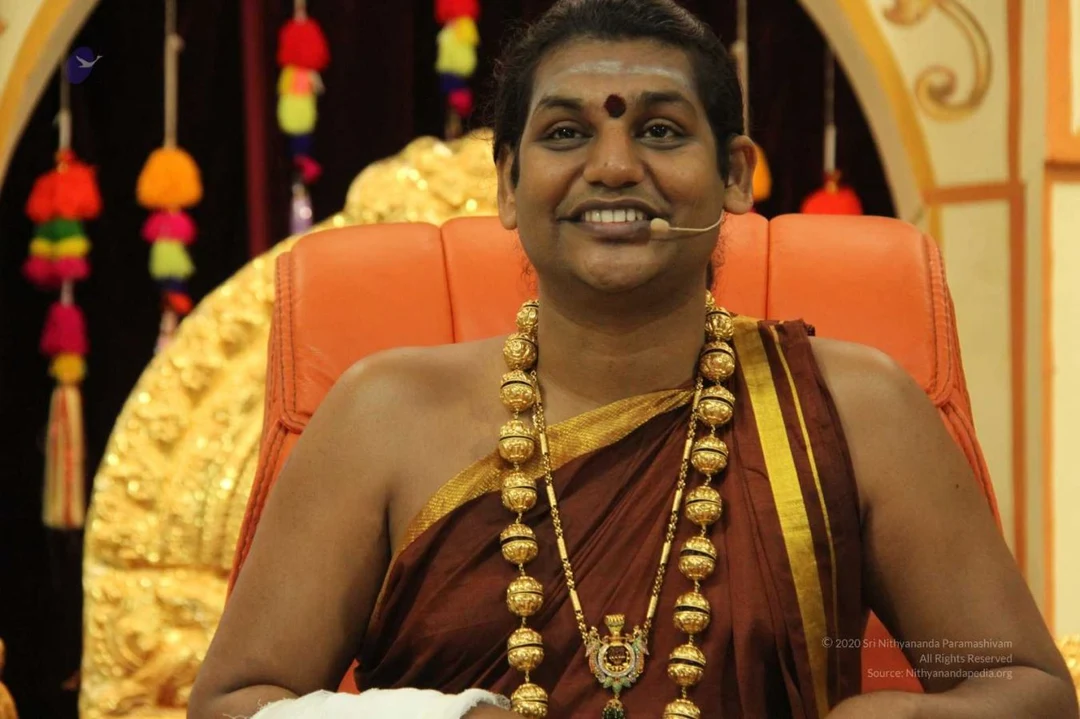
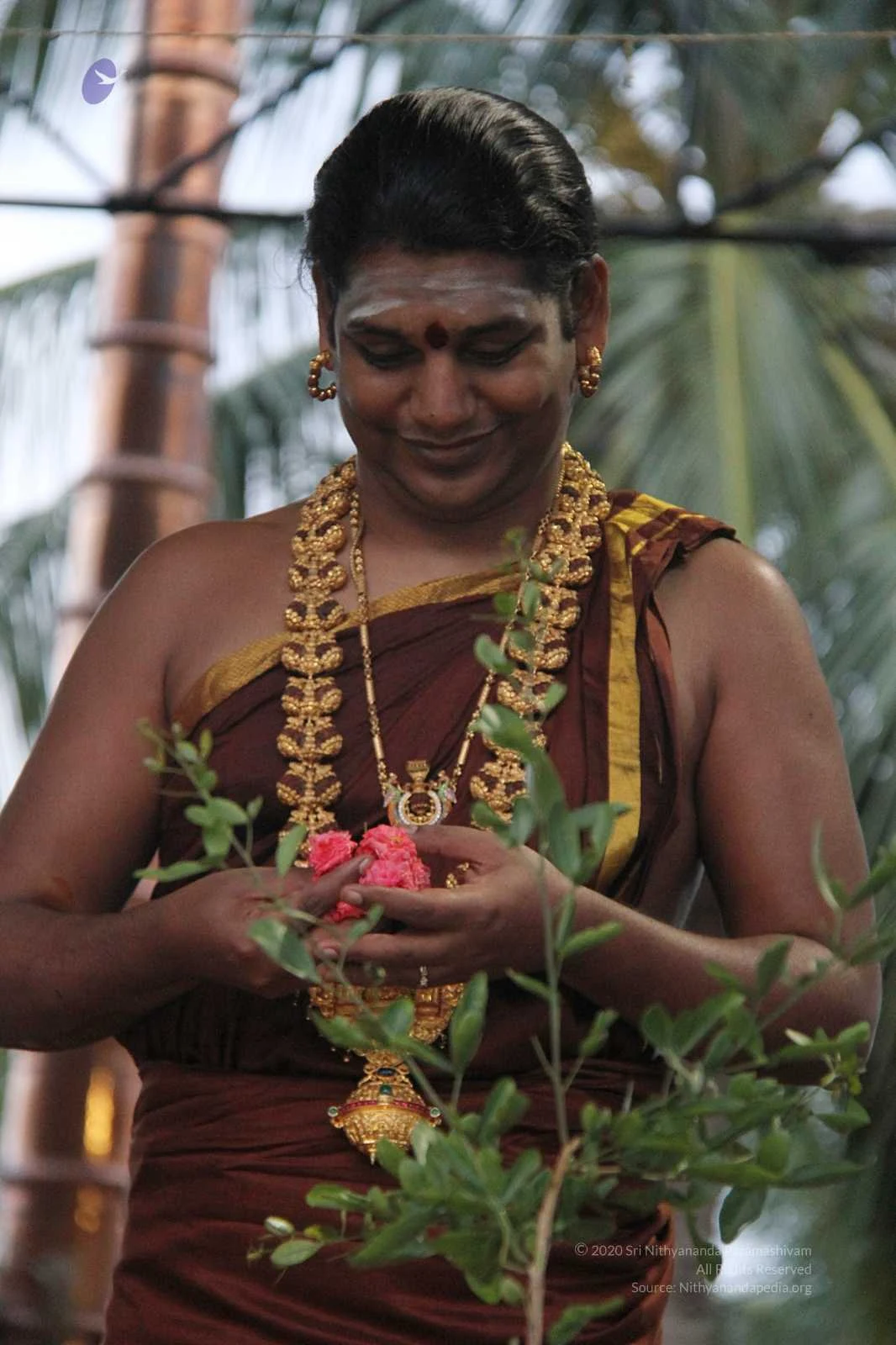
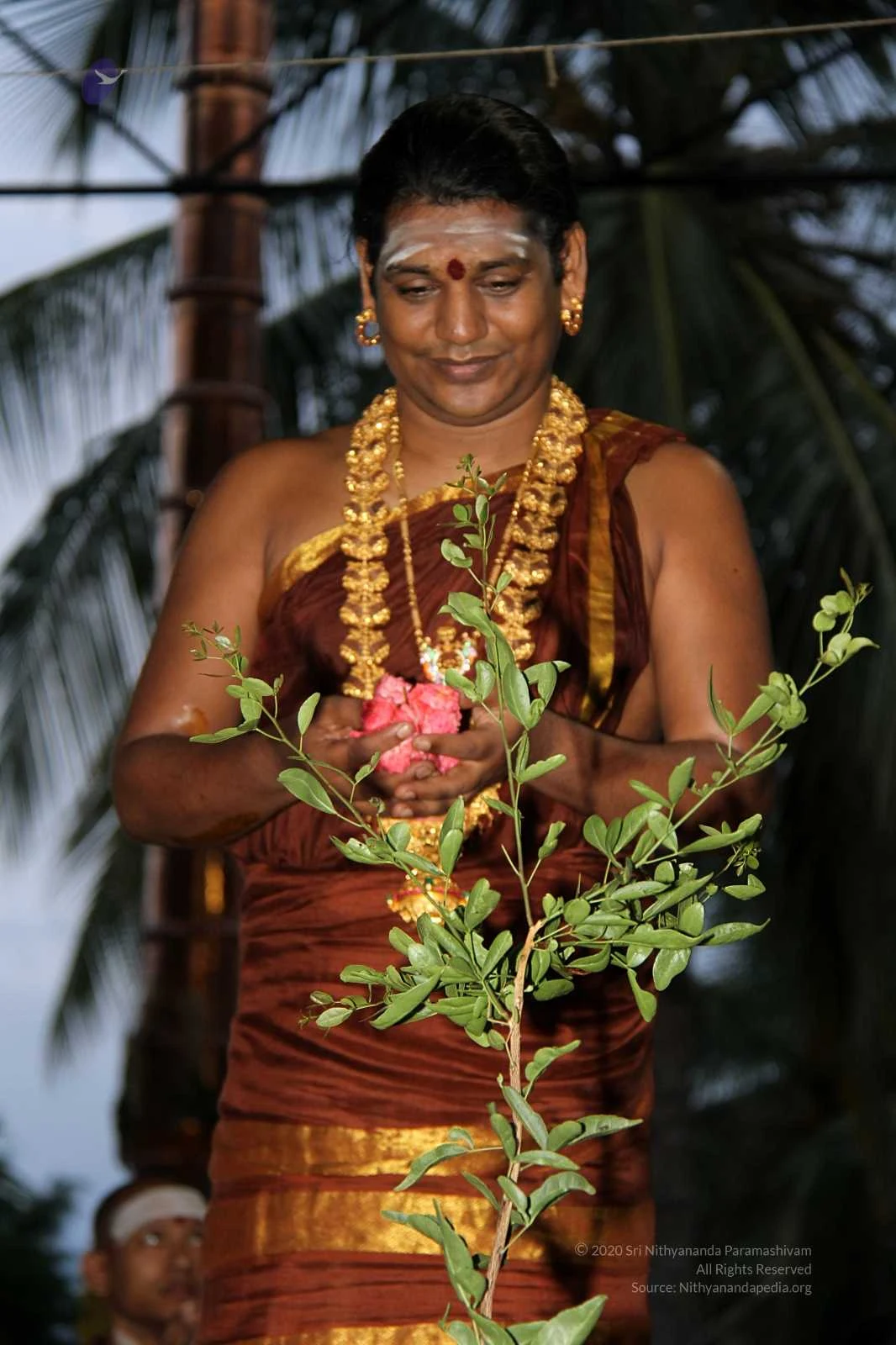
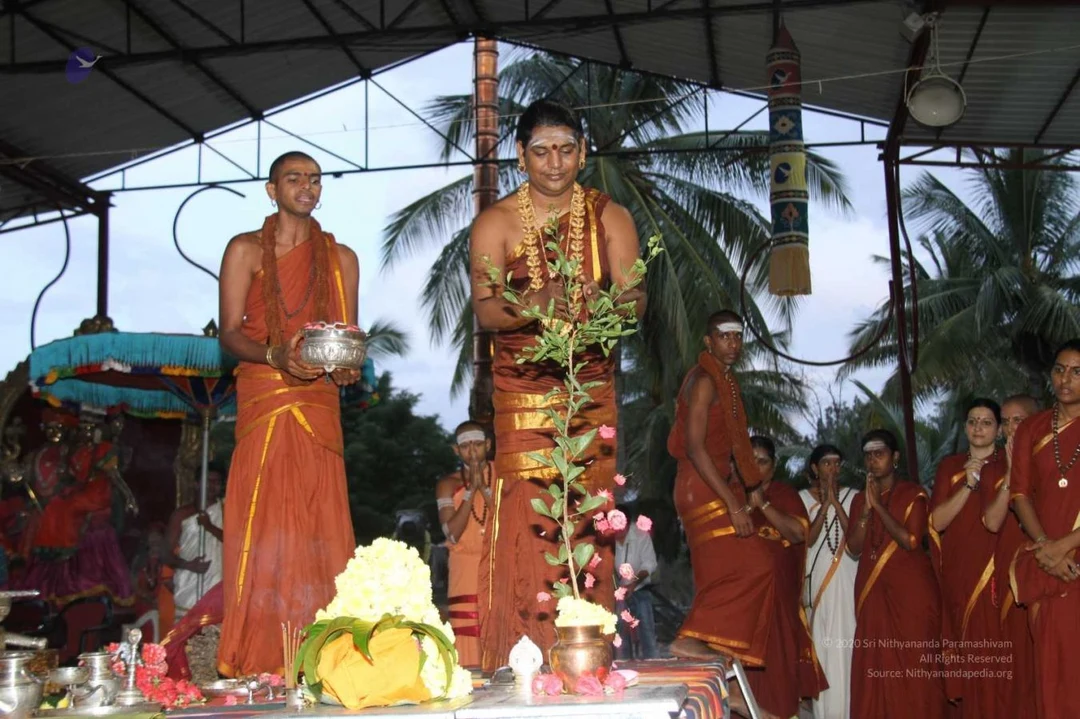
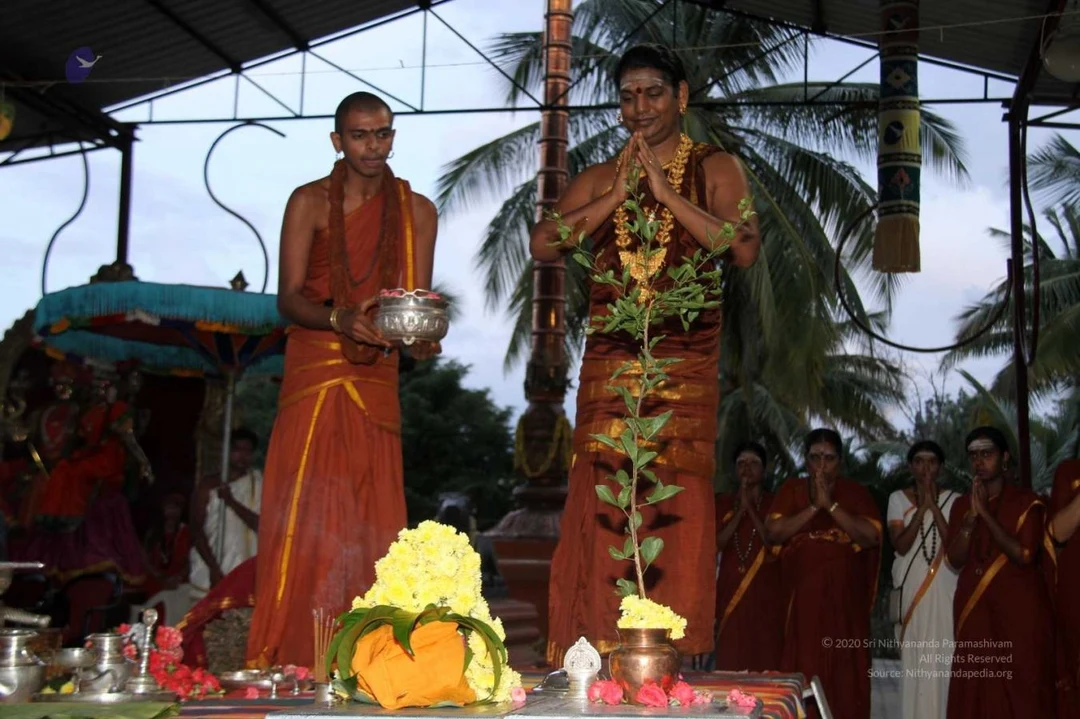
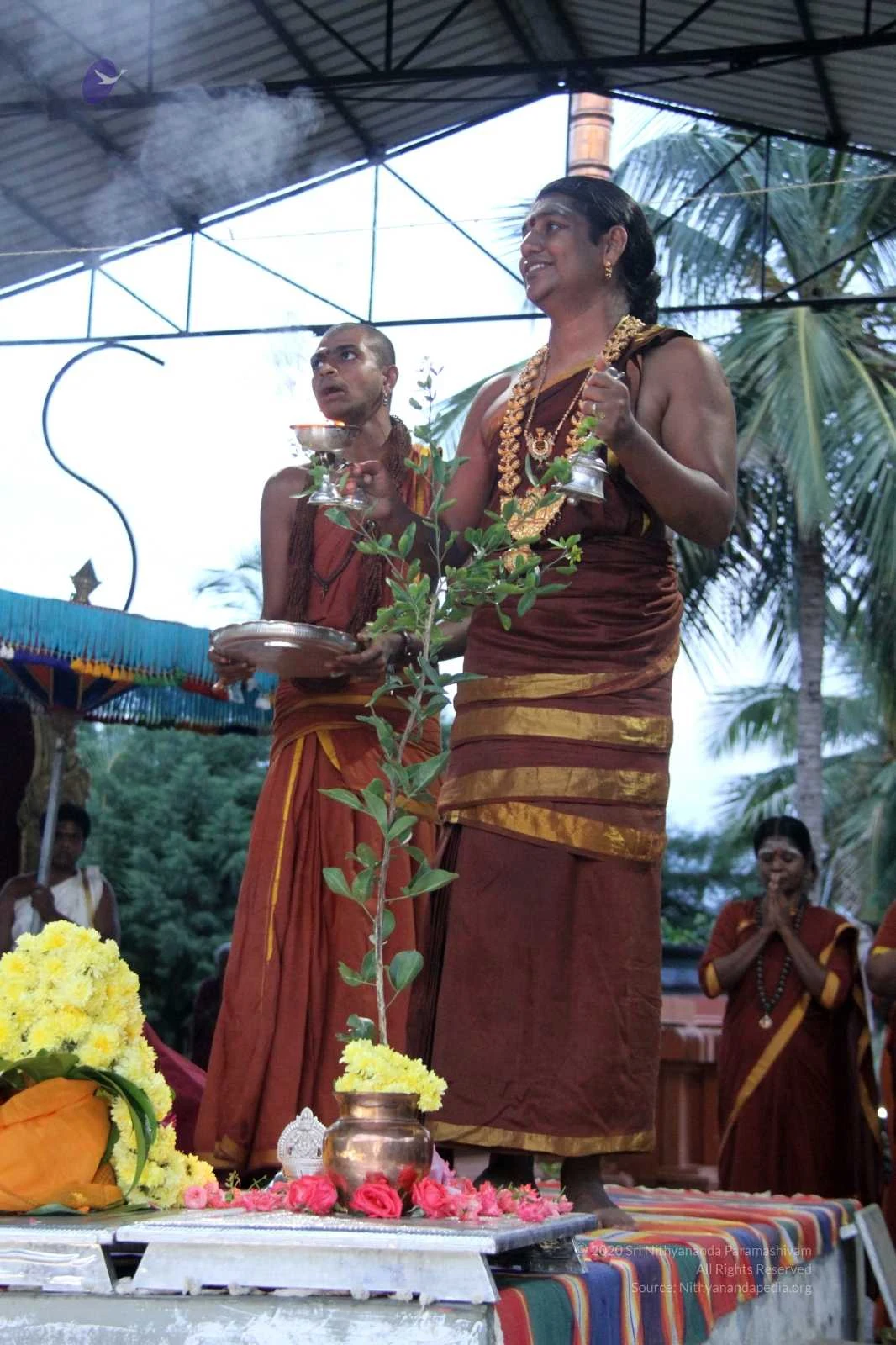
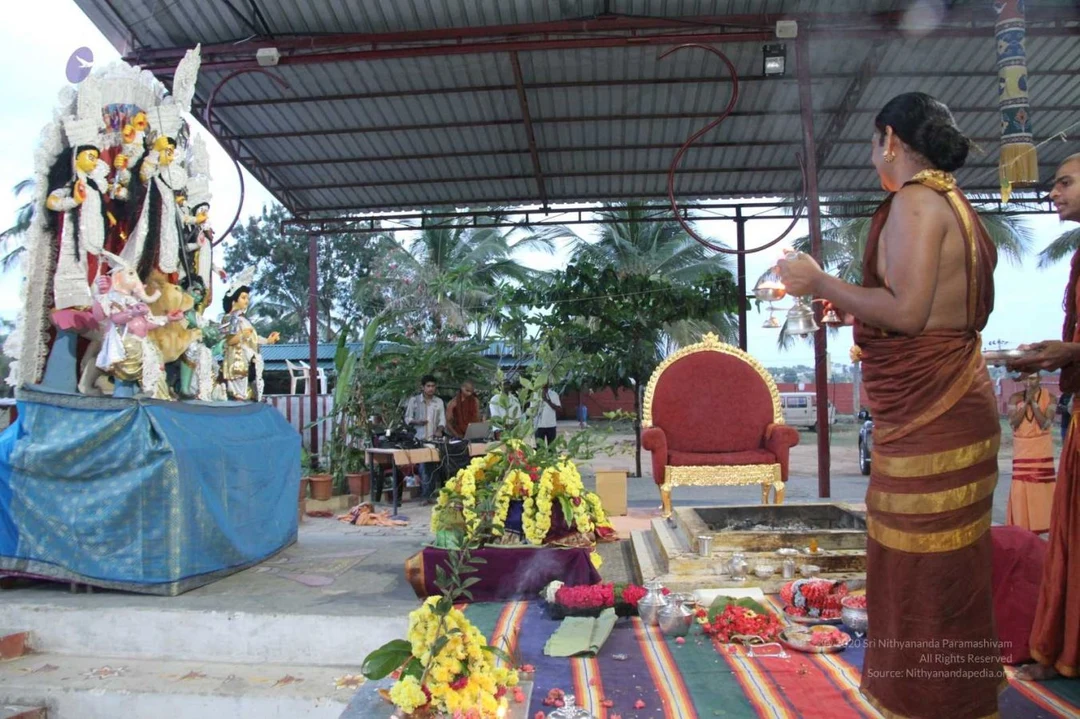
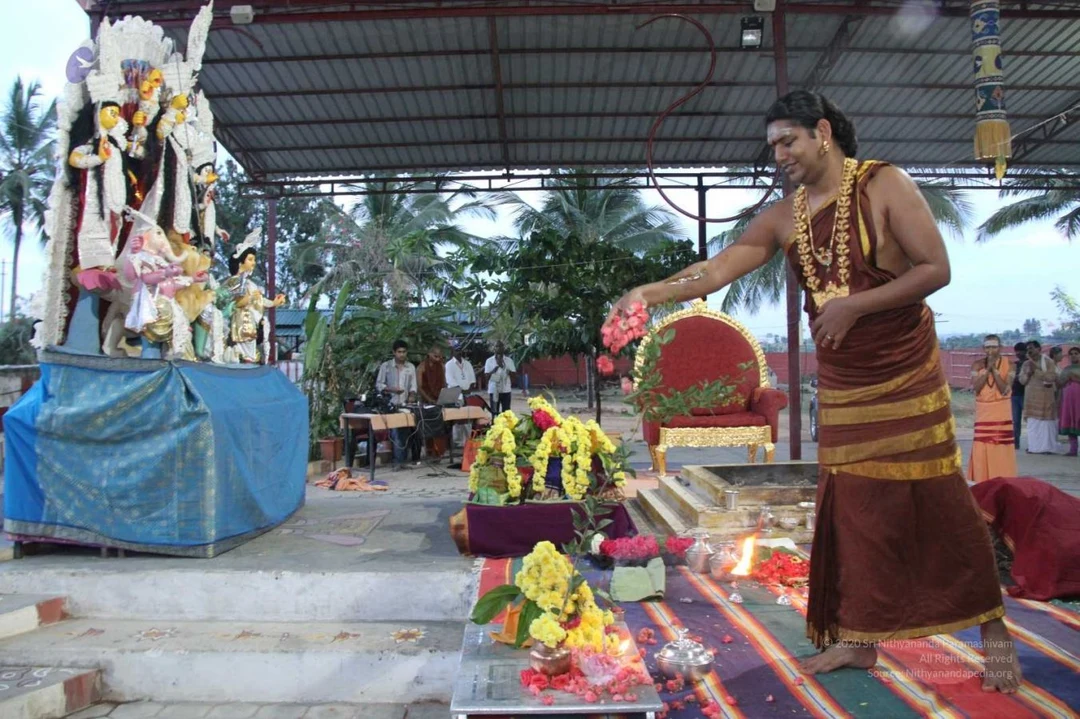
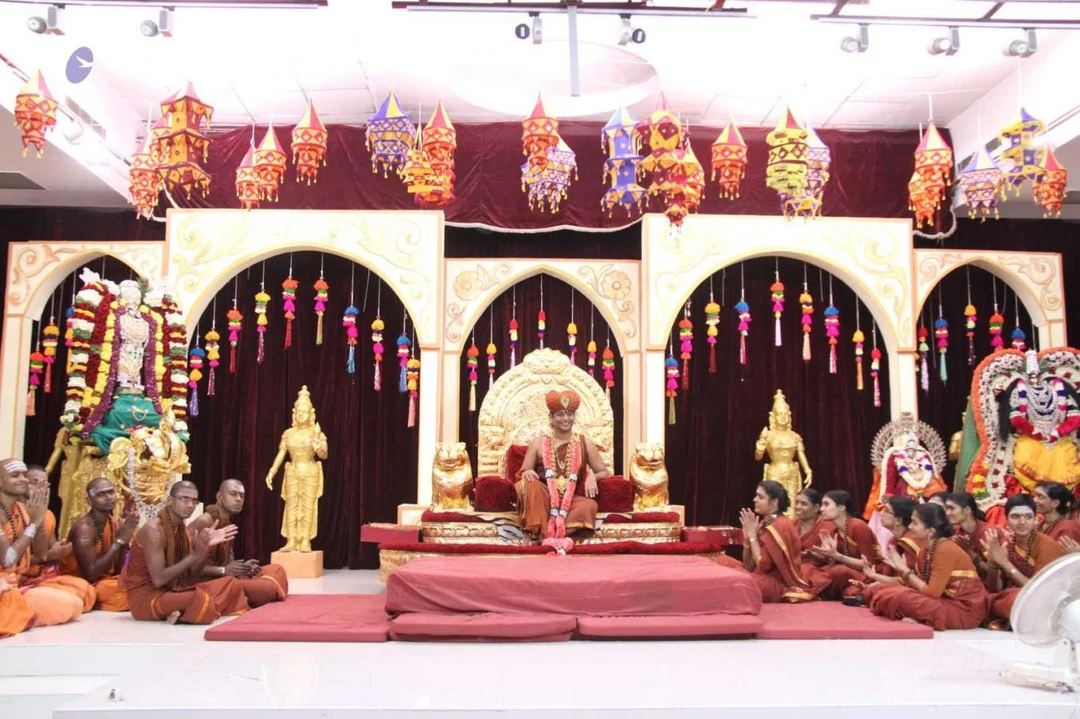
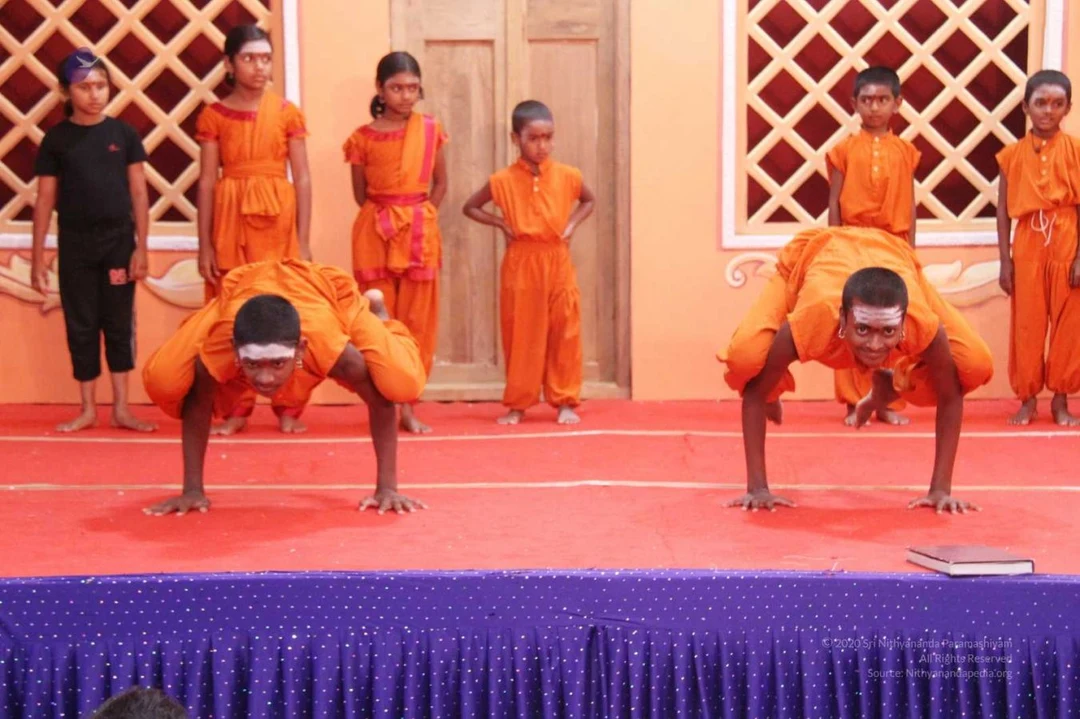
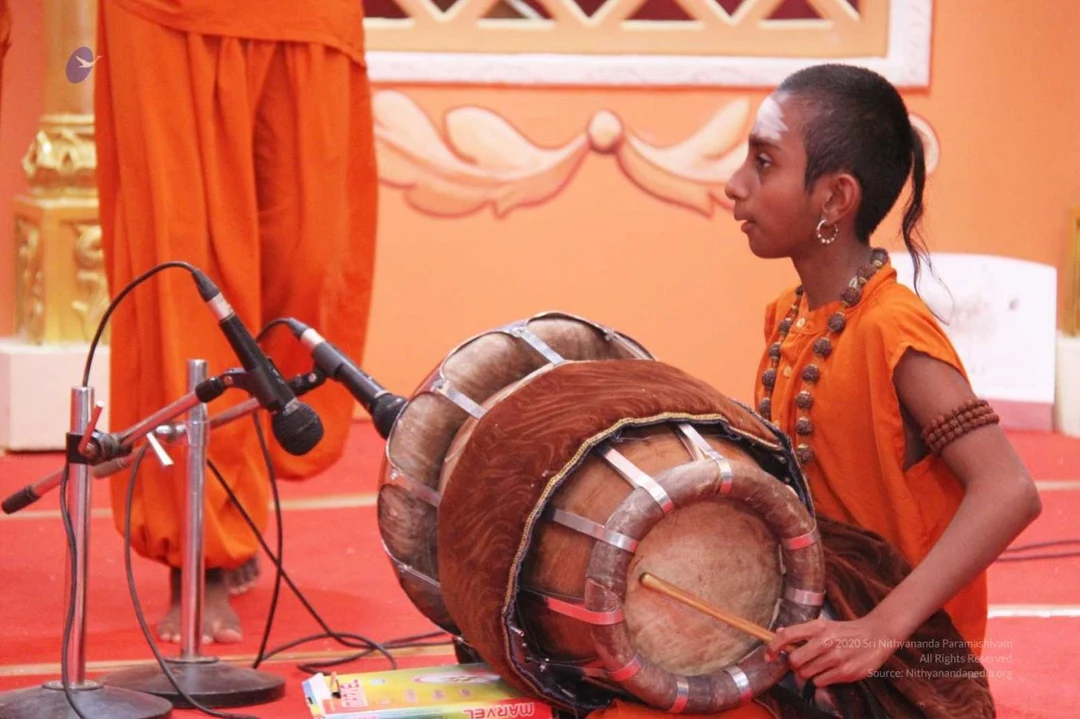
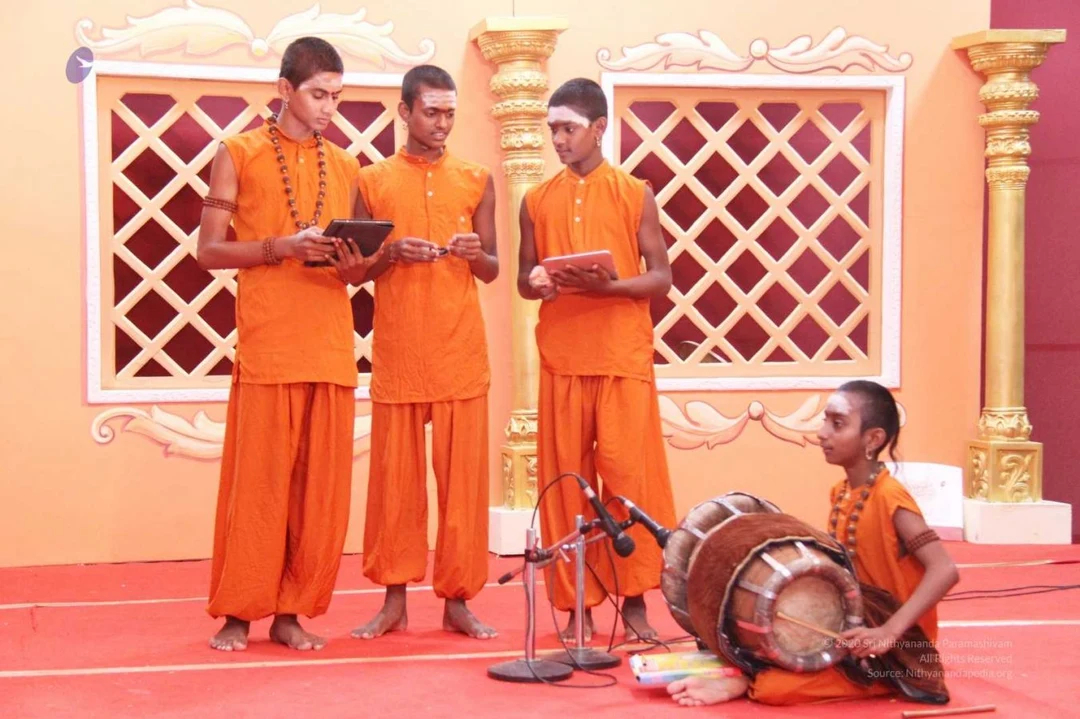
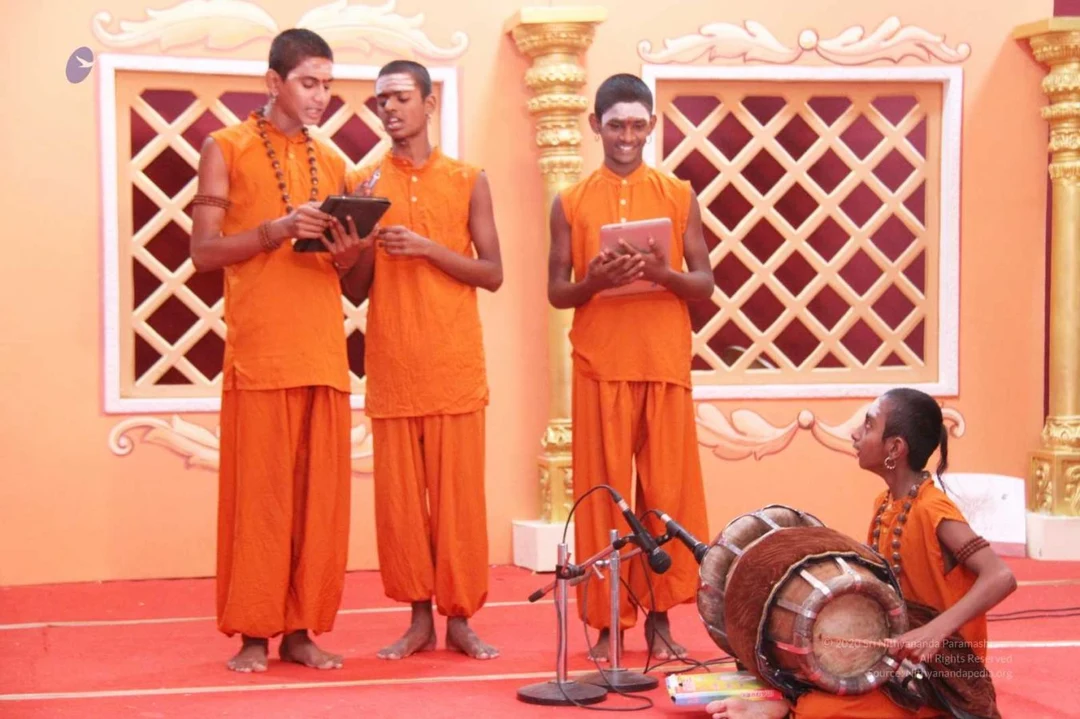
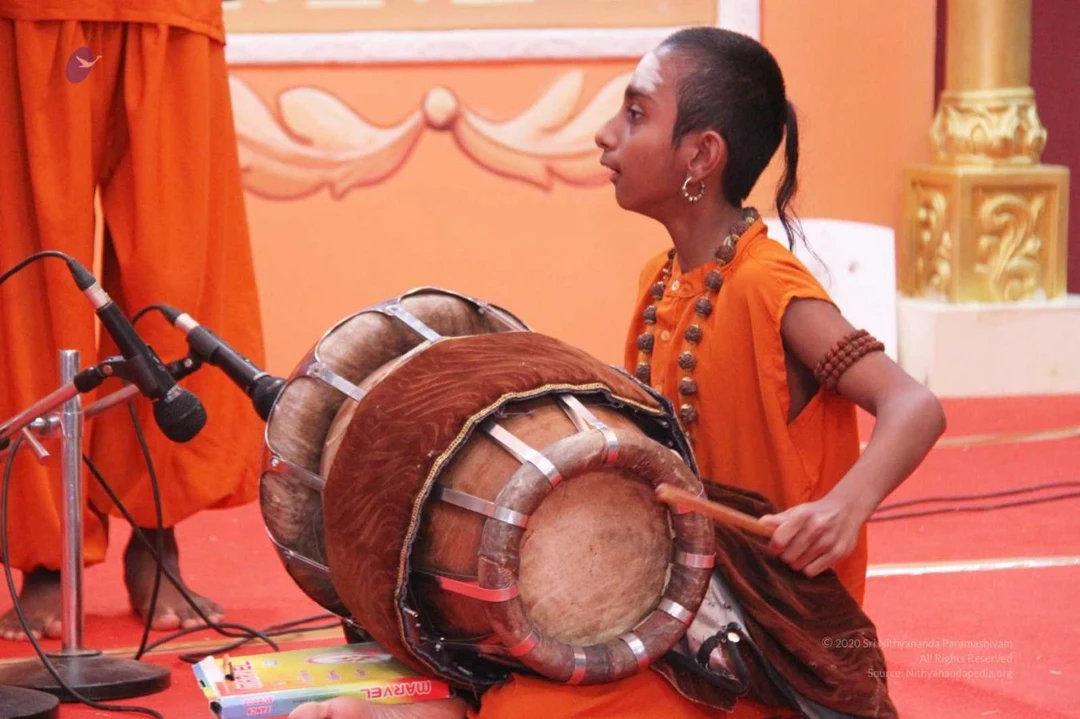
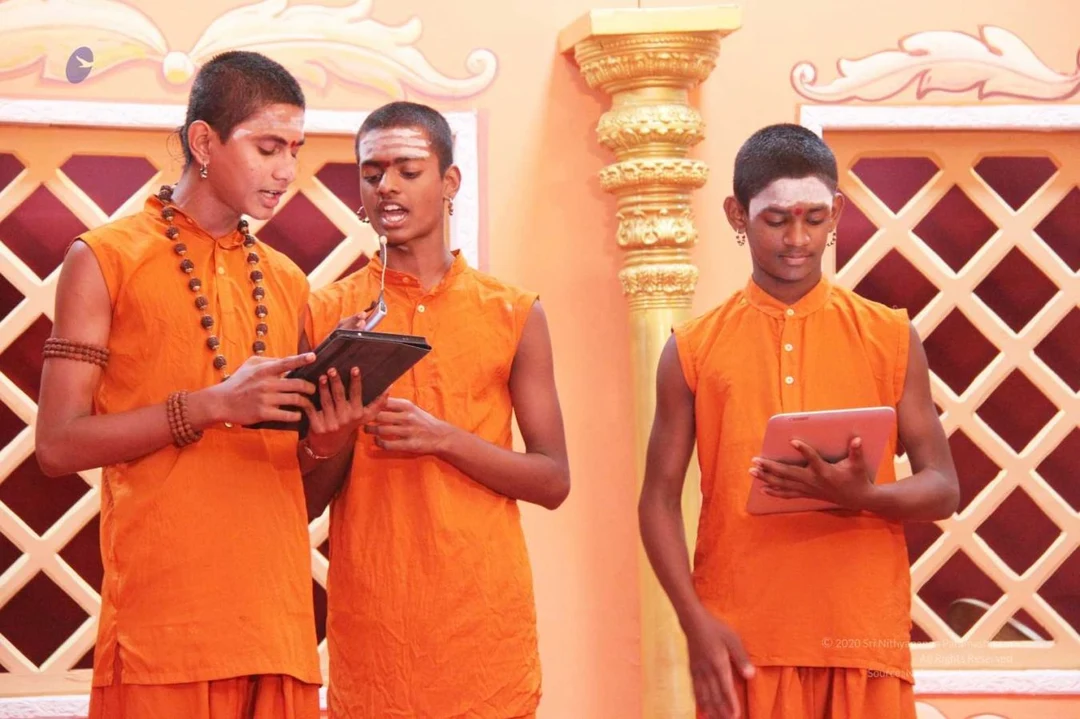
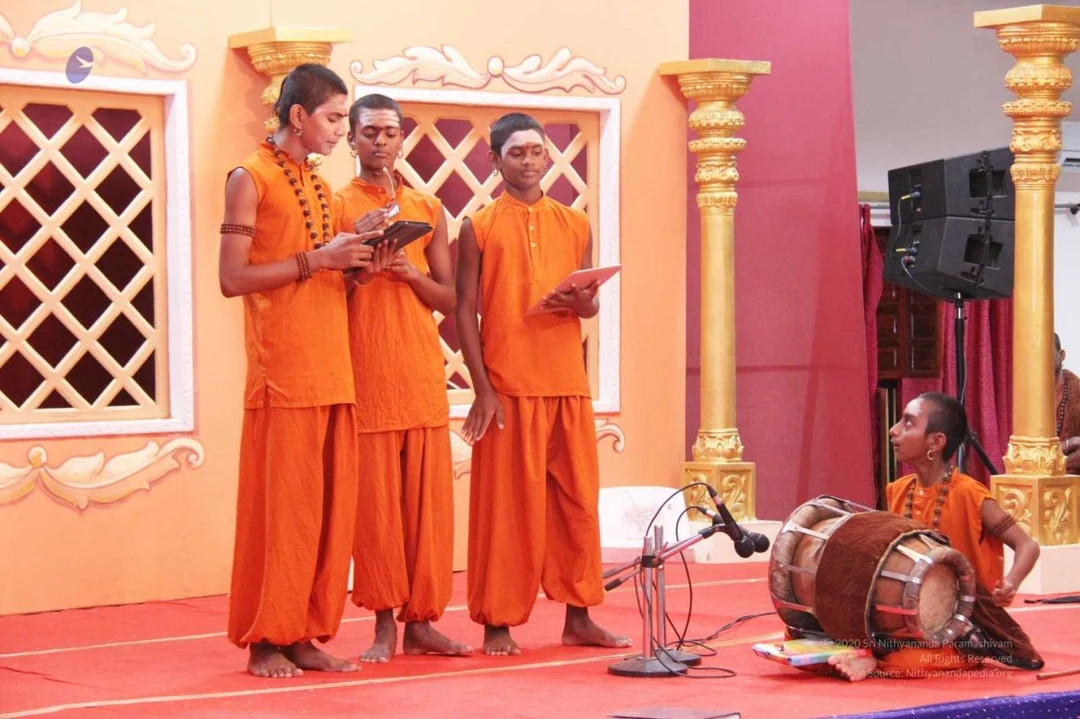
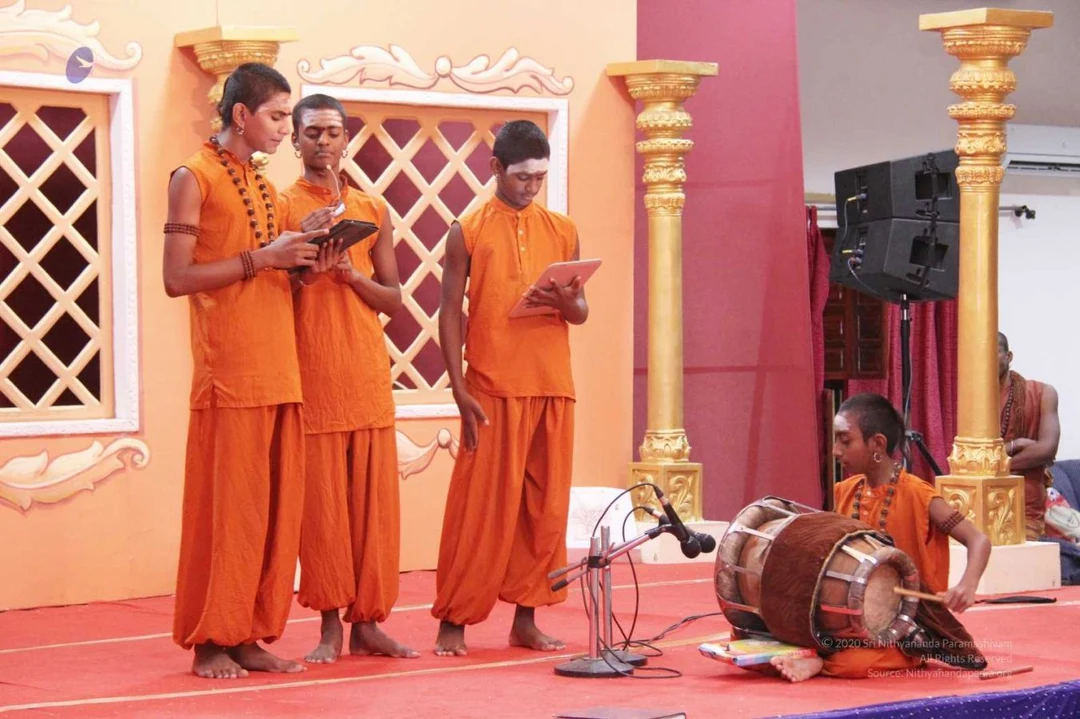
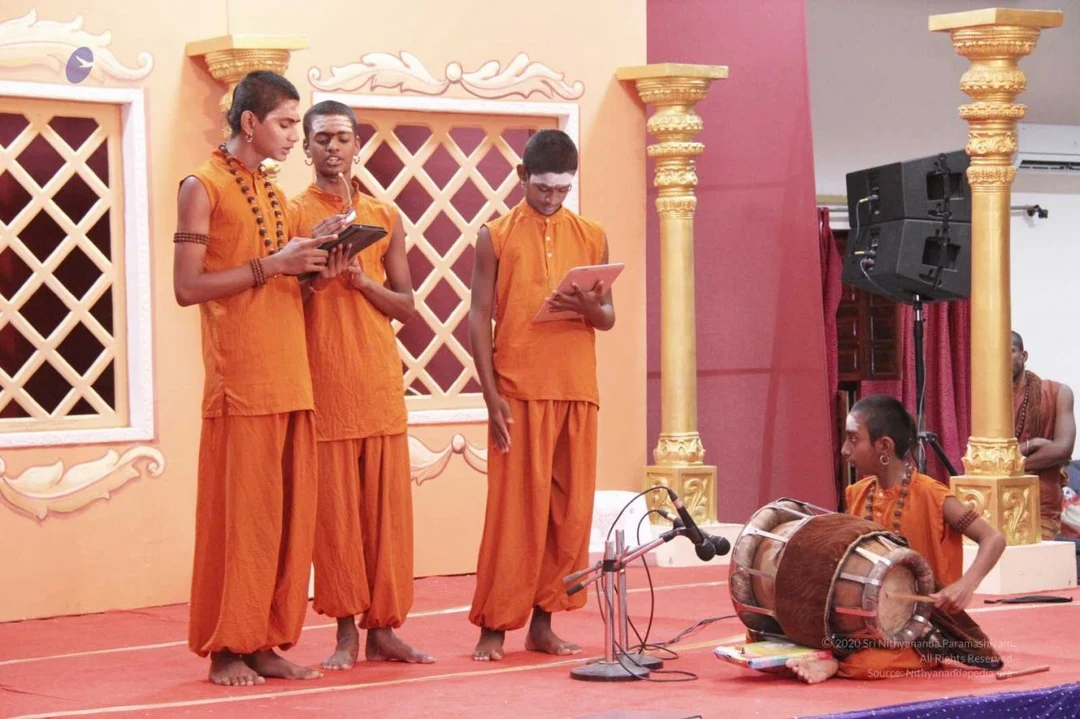
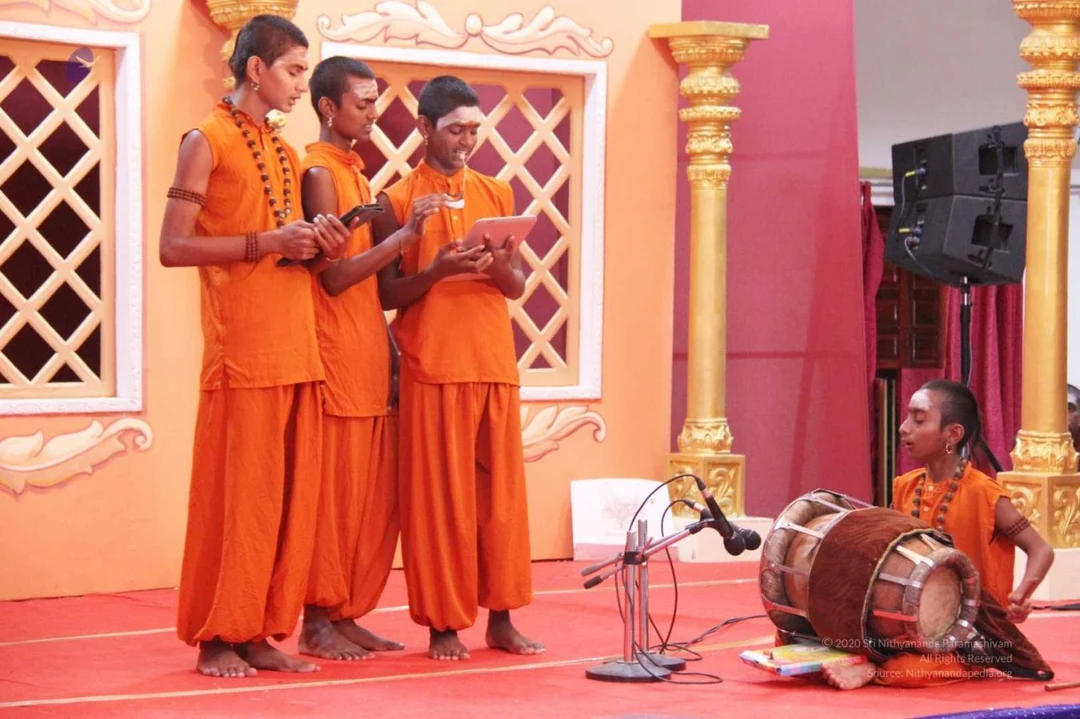
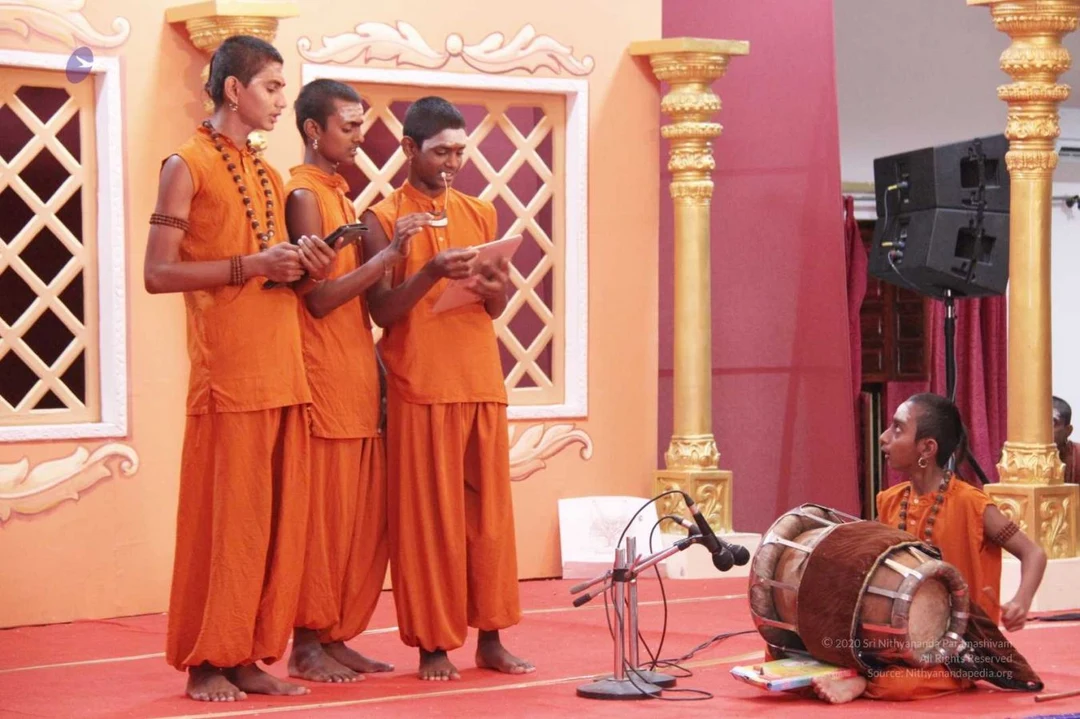
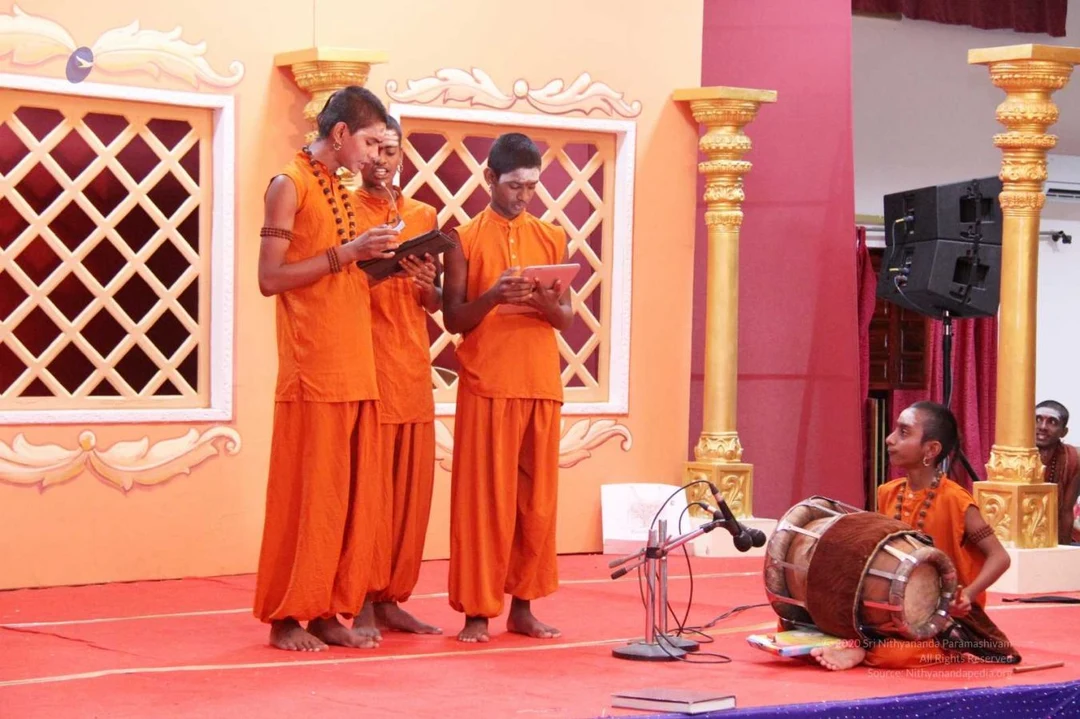
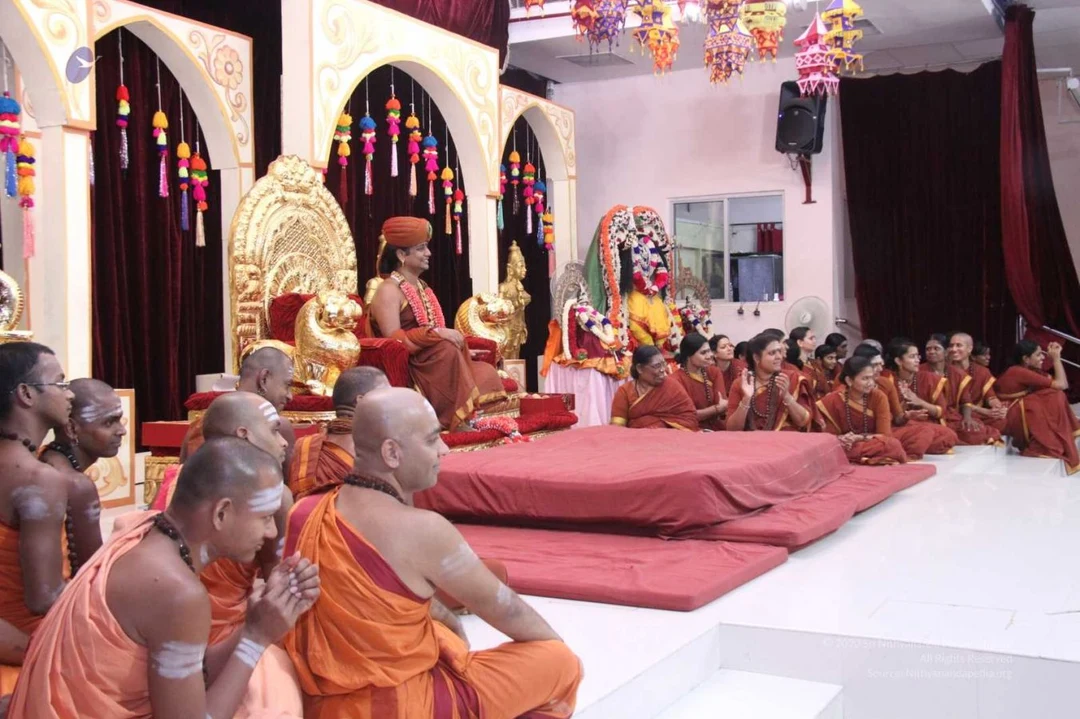
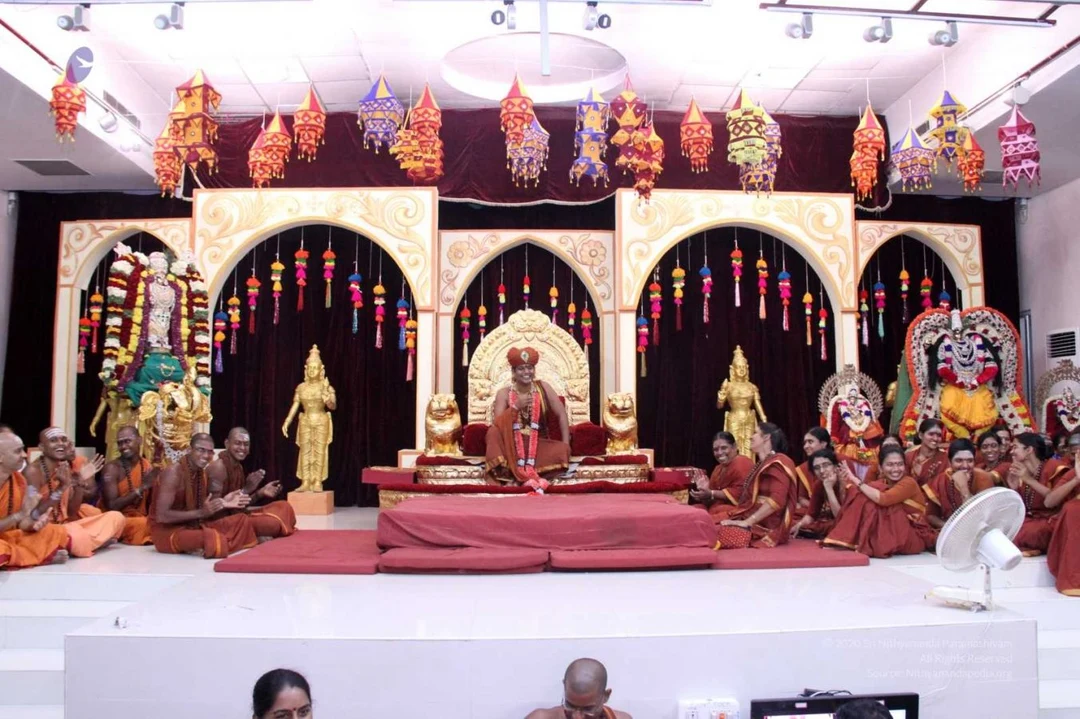
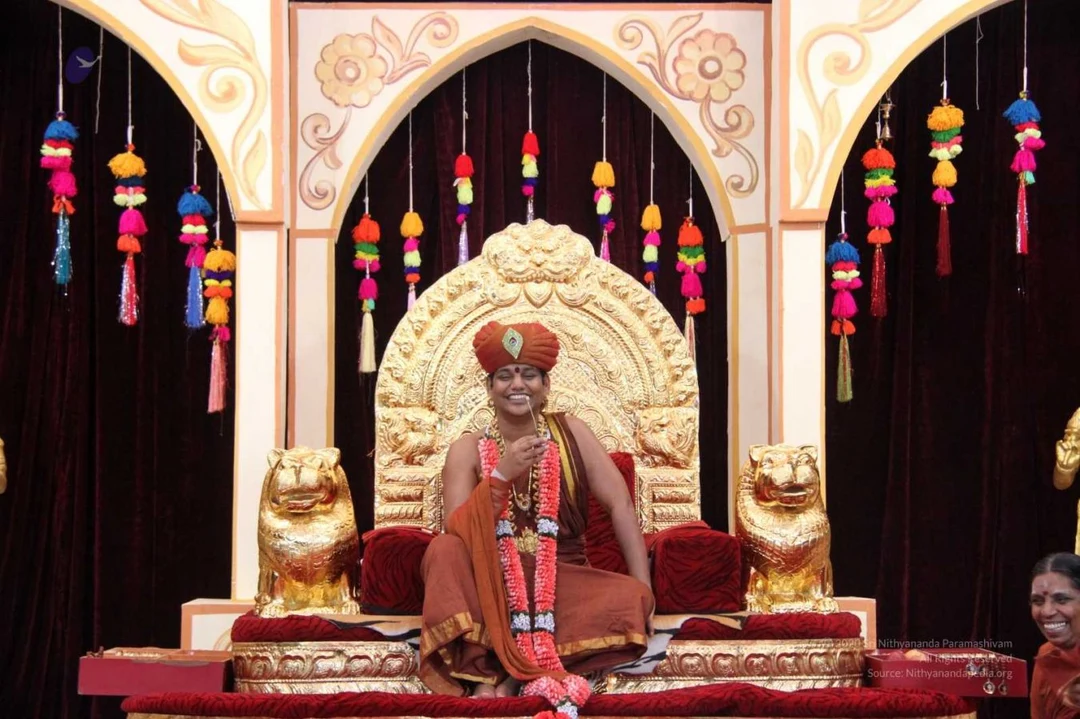
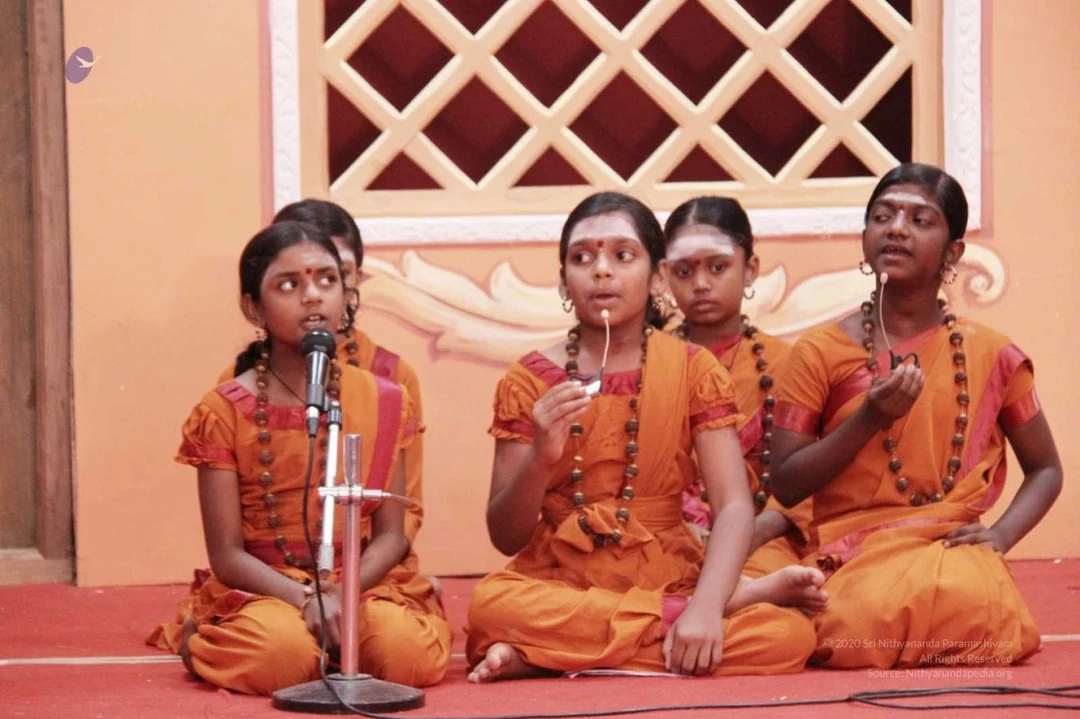
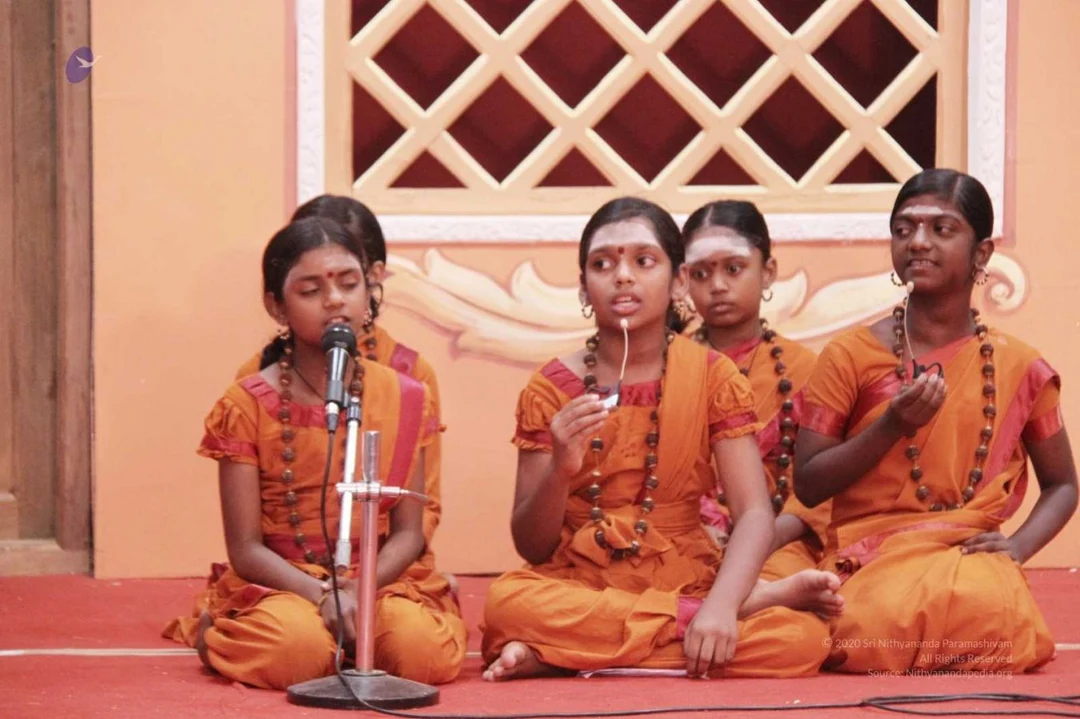
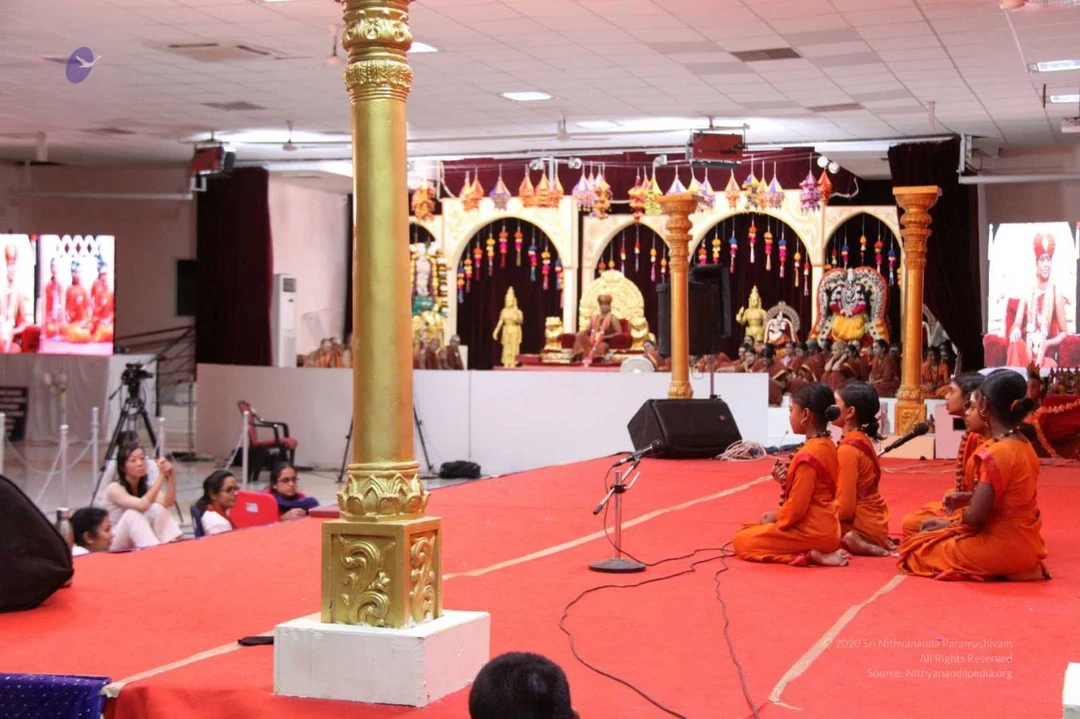
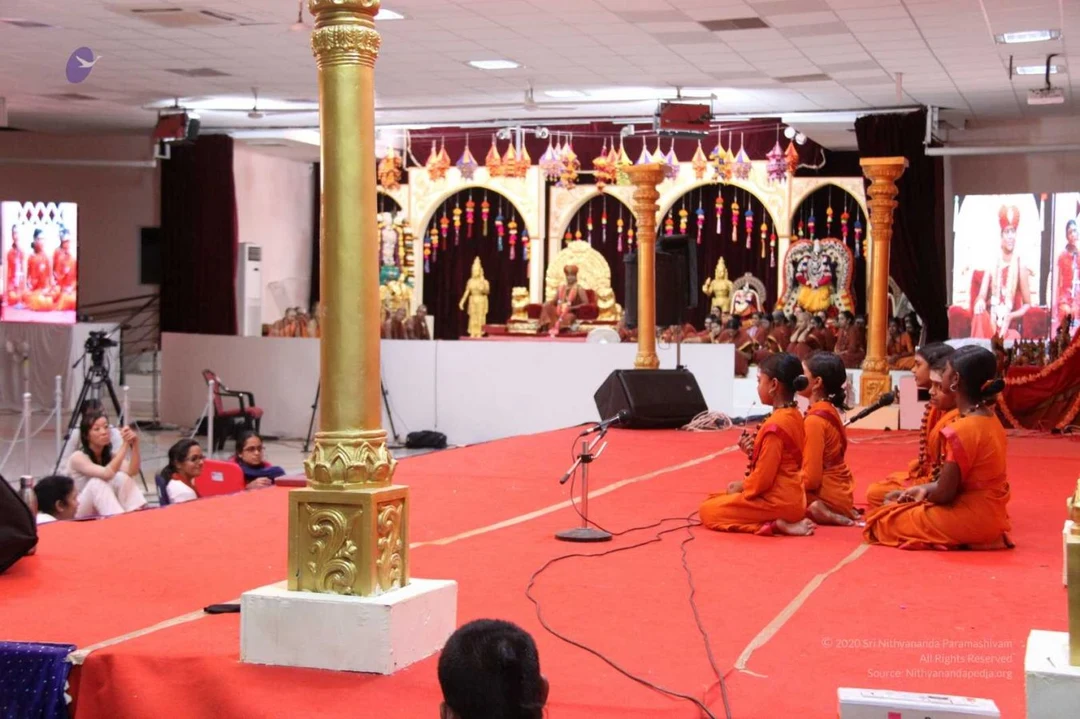
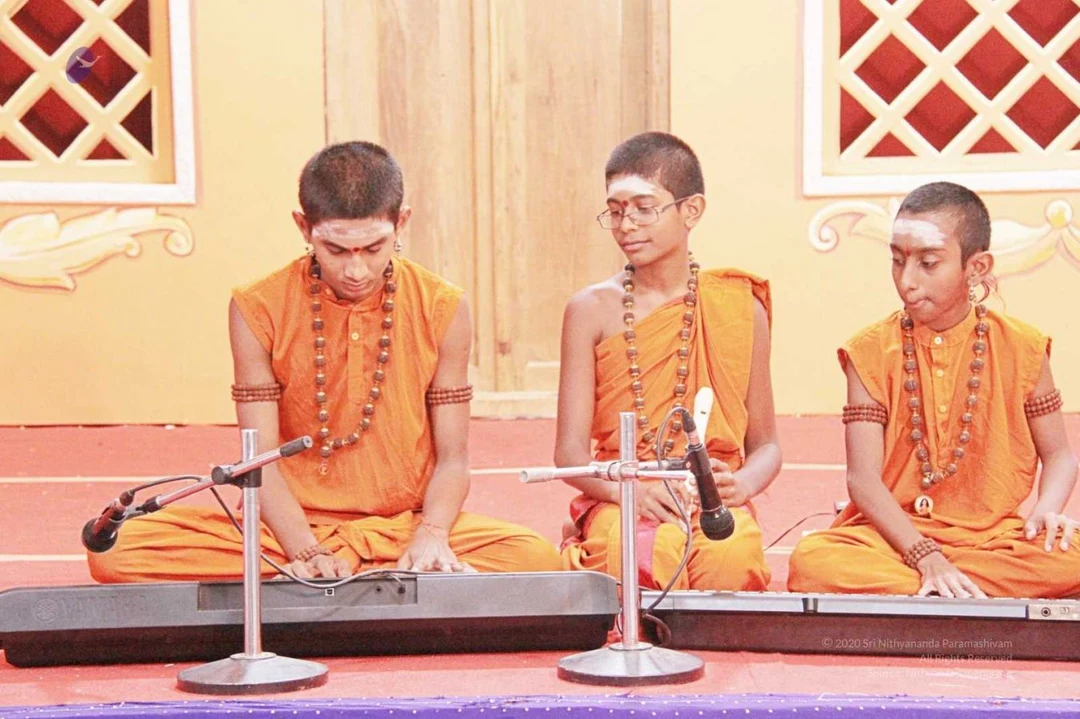
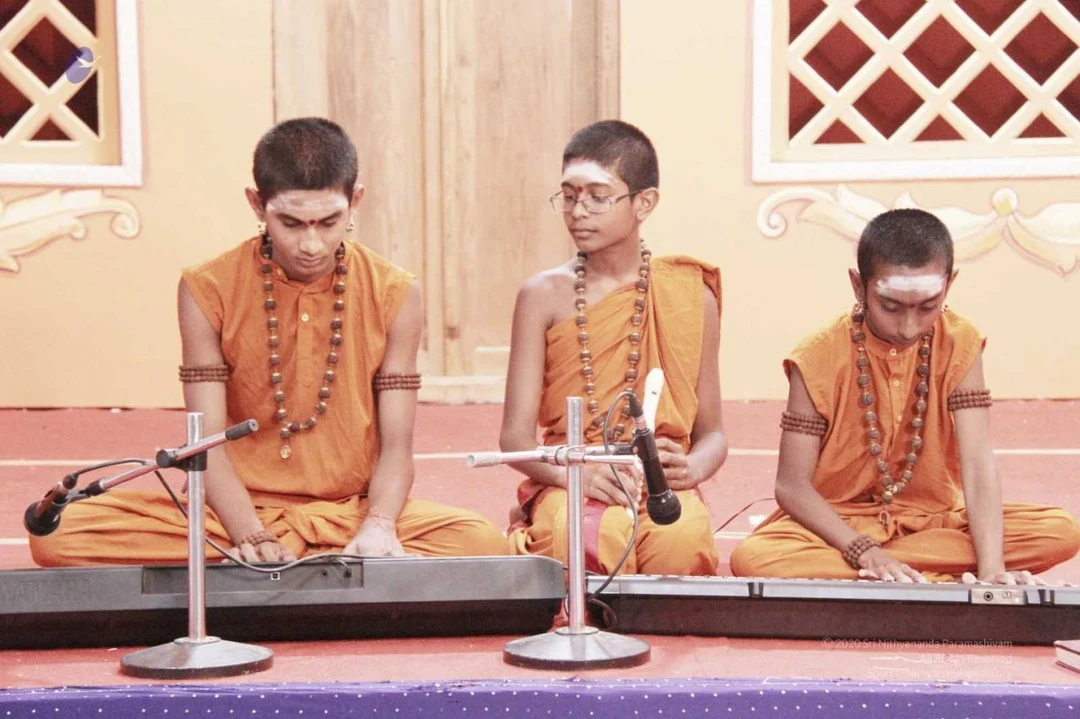
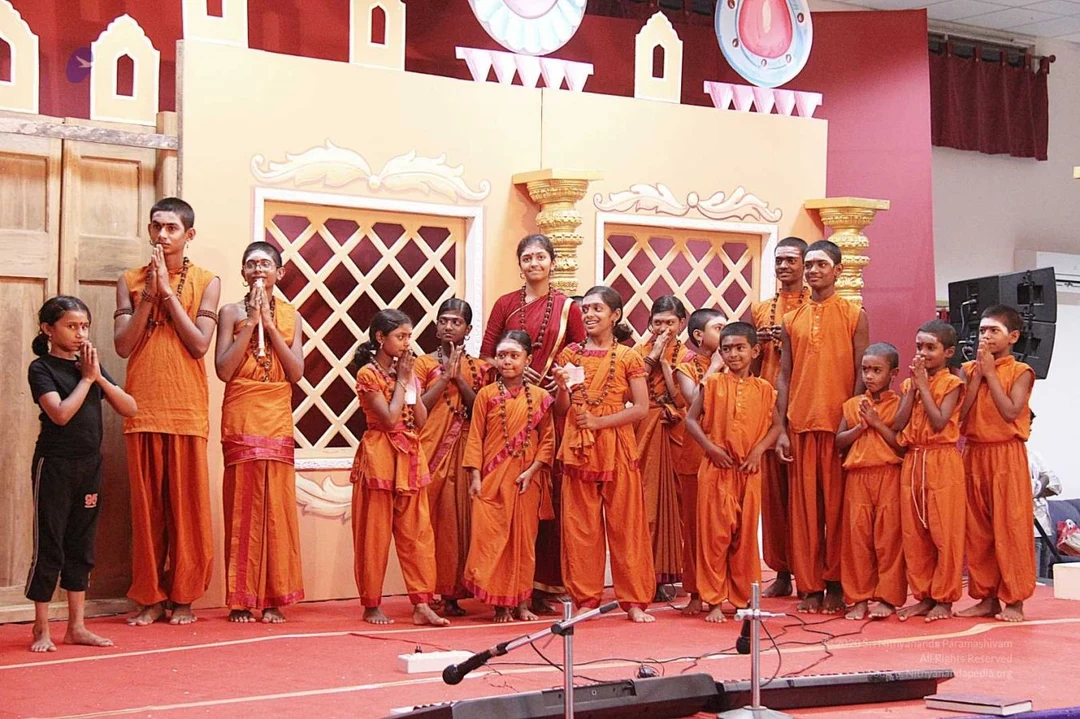
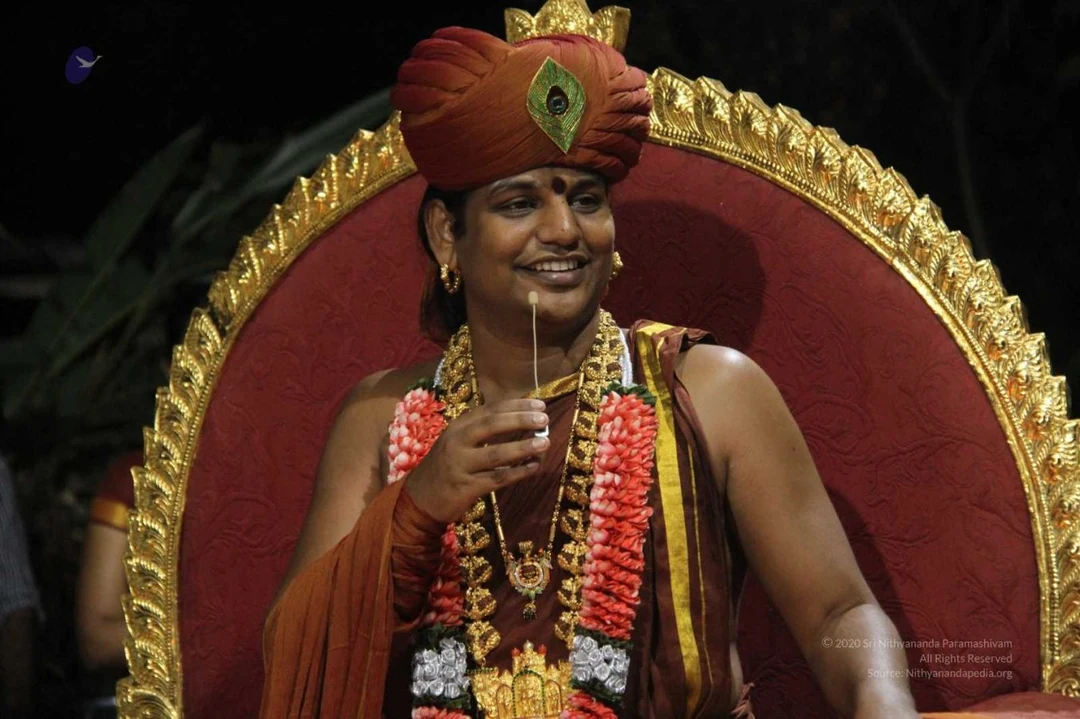
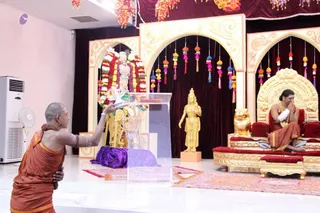
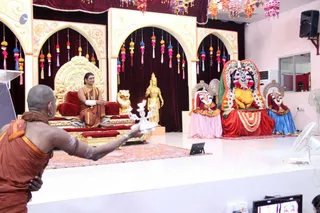
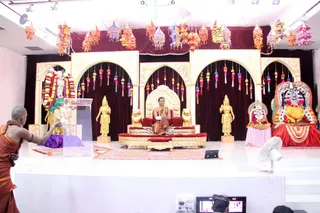
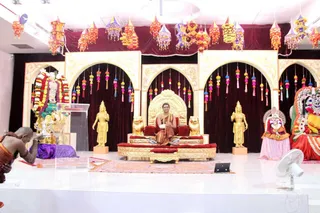
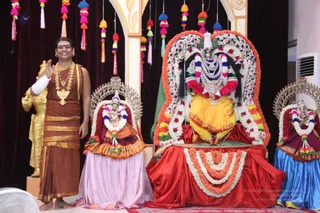
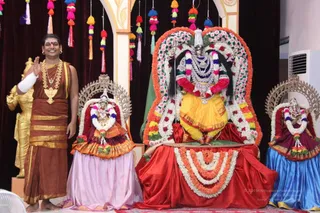
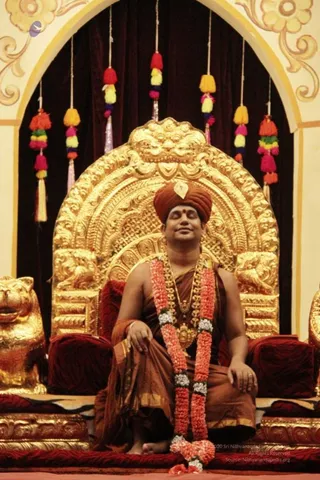
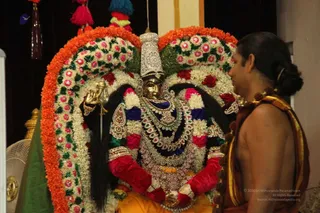
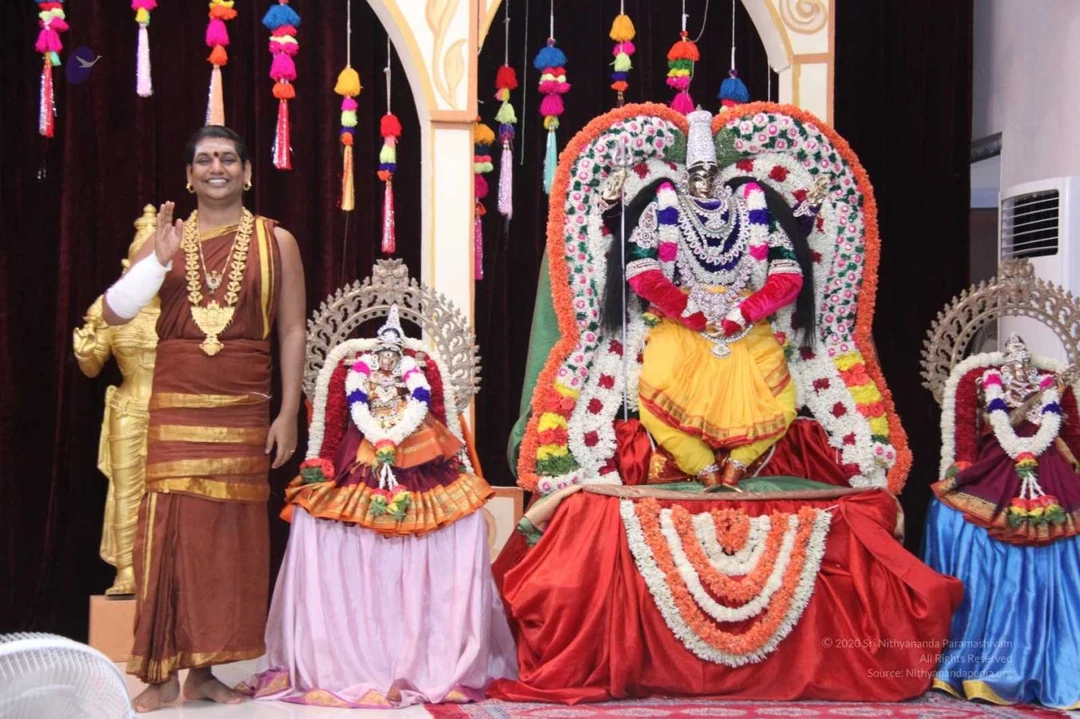
A standing man in a brown and gold ritual dhoti and shawl, with a gold necklace and rudraksha-style mala, raises his right hand in a blessing gesture while smiling, barefoot on a white floor. Behind him, three decorated deity murtis sit on ornate silver-framed thrones draped in garlands of marigolds, roses and white flowers. The central murti wears a gold crown, silver jewellery and a yellow dress; the flanking murtis wear pink-lavender and blue-green dresses. Red cloth covers the central dais, and colourful tassels hang from an arch above. A gold statue stands at the left edge.Photograph of a stage performance with four young men in saffron-orange kurta and loose dhoti-style trousers with rudraksha malas. Three stand in a row on a red-carpeted stage before an orange backdrop with lattice windows and gold-painted pillars, each holding a tablet or book and reading or chanting. A fourth performer kneels at right playing a large wooden barrel drum with a microphone in front of him. A speaker stands at upper right, and an older man in orange robes sits partly visible at the far right edge.Inside an arched shrine, a large gilded ornate throne stands draped with a striped tiger-skin cloth and flanked by carved lion-like guardians. Above it hangs a framed portrait labelled "PARAMAHAMSA NITHYANANDA" showing a smiling man in an orange-yellow turban and orange-yellow robe with a red forehead dot. Colourful pompom and tassel hangings in pink, orange, yellow and blue dangle from the arch, and kneeling devotees in maroon robes sit before the throne at the lower edge of the frame.

October 10 2013

Original wiki page
Contents

Description:

In today’s morning Satsang, Paramahamsa Nithyananda describes the importance of balancing the image we hold about ourselves and the one we project to others. Feeling powerless or powerful has nothing to do with external factors but has everything to do with how we experience ourselves. Practicing non-resistance will directly help us to bridge the gap of our outer and inner selves. Only then can we achieve completion and the ultimate - enlightenment.

Link to Video:

VideoAudio

Transcript:

Nithyanandeshwara Samaarambhaam

Nithyanandeshwari Madhyamaam |

Asmadaachaarya Paryanthaam

Vande Guru Paramparaam ||

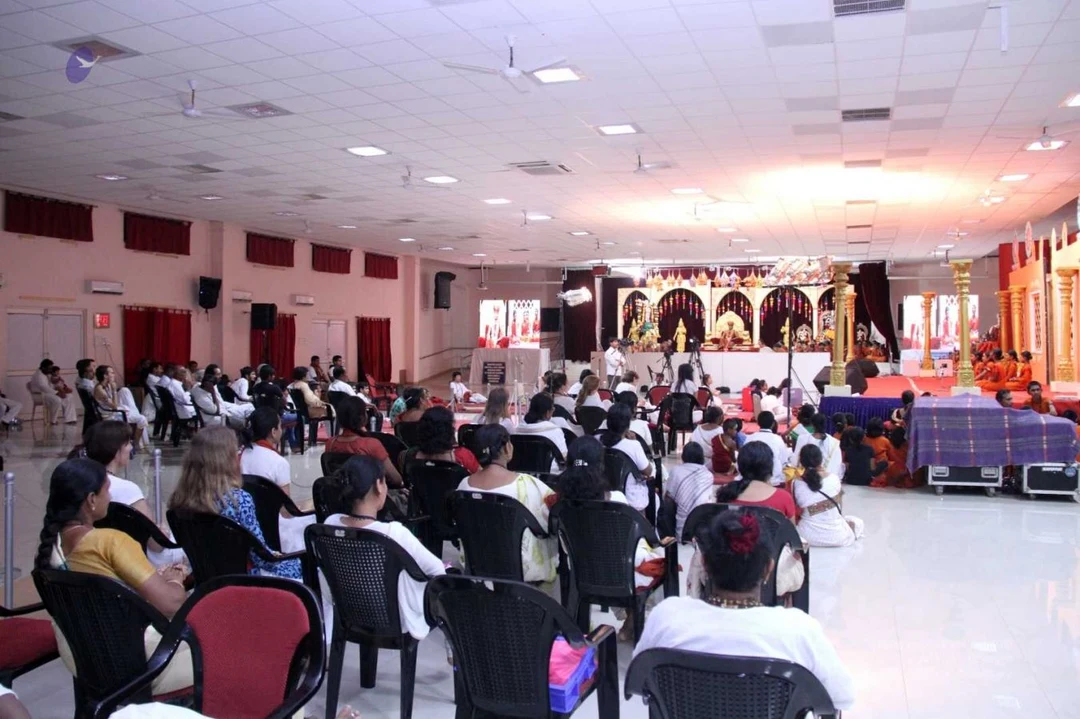
I welcome all the devotees, disciples, samajis, satsanghis siting with us all over the world through Nithyananda TV, Sadhna TV, Lotus News Channel, and two-way video-conferencing having Nayana Deeksha…in 26 places and 21 Countries around the World as per the statistics!

Cities sitting with us in two-way video-conferencing: Singapore, Hyderabad-Gupta Kashi, Calgary-Alberta, Hong Kong-Sirkazhi, San Diego-La Jolla, Indrani-New Jersey, Enriching Temple-Bidadi, Bogota-Colombia, East London-UK, New York-Varanasi, Monterrey-Mexico, Los Angeles-Arunachalam, Guadeloupe-Rameshwaram, Ohio-Prayag, Miracle Mile-California, San José-Madurai, Charlotte-Srisailam, Seattle-Chidambaram, Houston-Kalahasti, Toronto-Kailasam, St. Louis-Tirumala, Kuala Lumpur-Palani, Oklahoma-Somanatham, Paris Home Temple, Jorpati-Nepal, University of Texas at Austin, Oman-Sivagangai, Tiruvanmiyur, Bangalore North………..

I welcome all of you with my love and blessings!

Today:

• 20th batch Inner Awakening, 14th day. Wow, only 14th day! Because I’m spending a lot of time with these guys, I feel like it is a long time. Today, the Inner Awakening is all about Completion with your past life patterns. We will open your past life just to complete with it. See, past life memories can be opened for various purposes – to know the details, to know some strange information, or to have miracle powers. But today, we will open your past life memories and your past life, just to lead you to Completion.

• And 17th batch eN-Genius;

• 19th batch Nirahara Samyama;

• 20th batch Nirahara Samyama;

• 9Th batch The Samyama. Great!

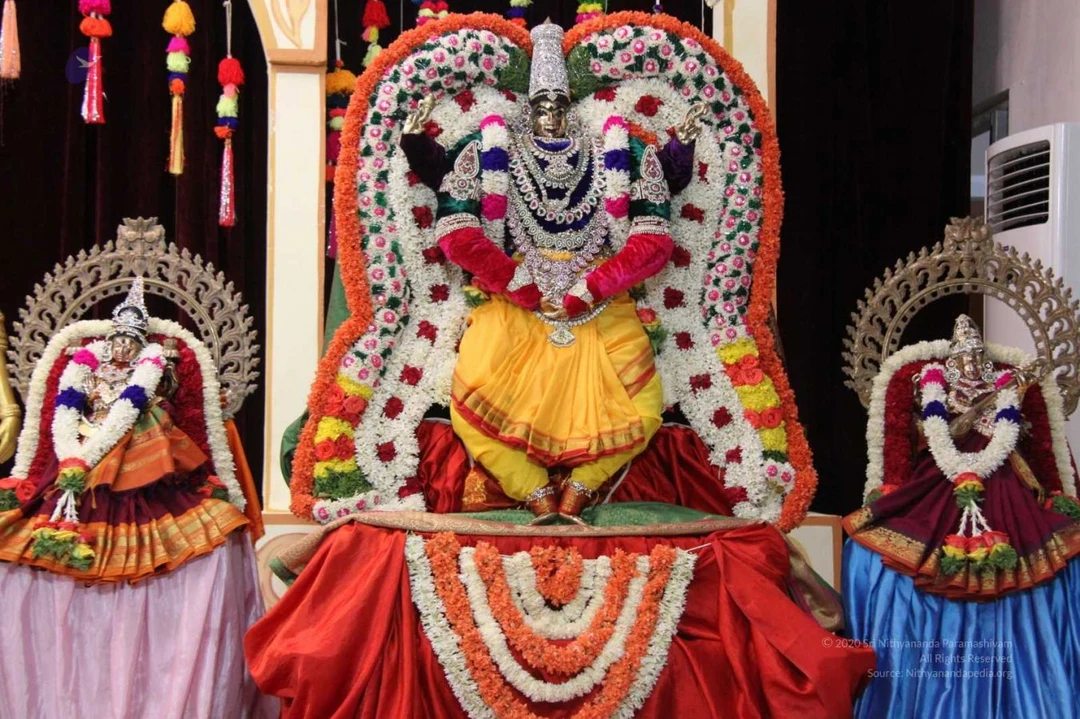
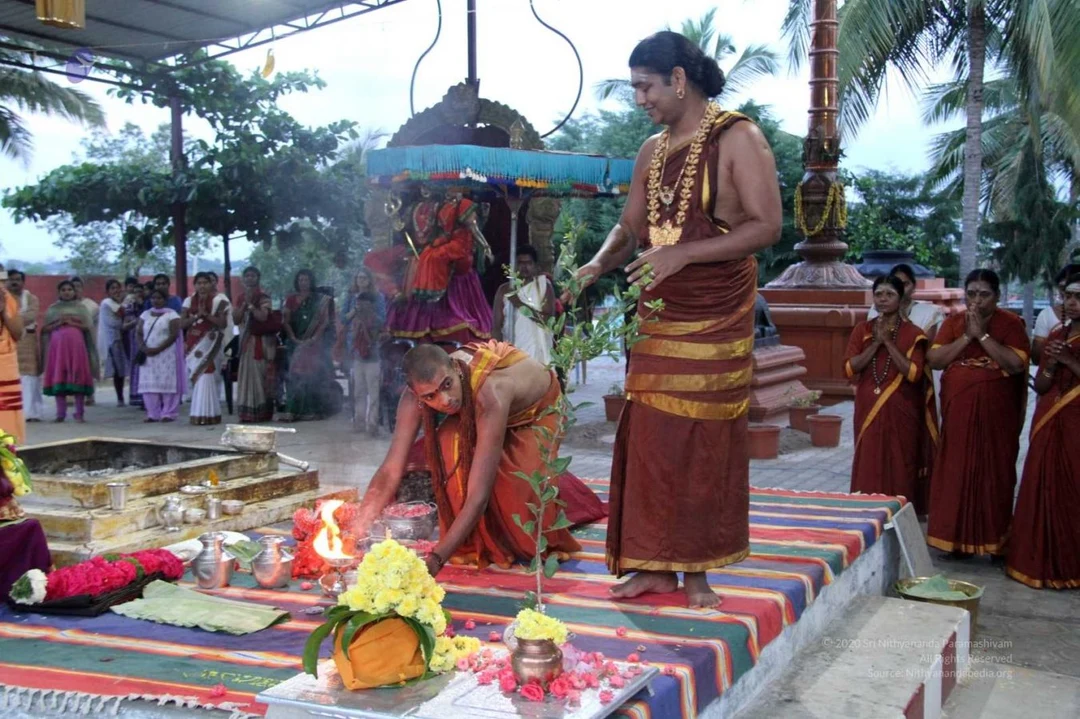
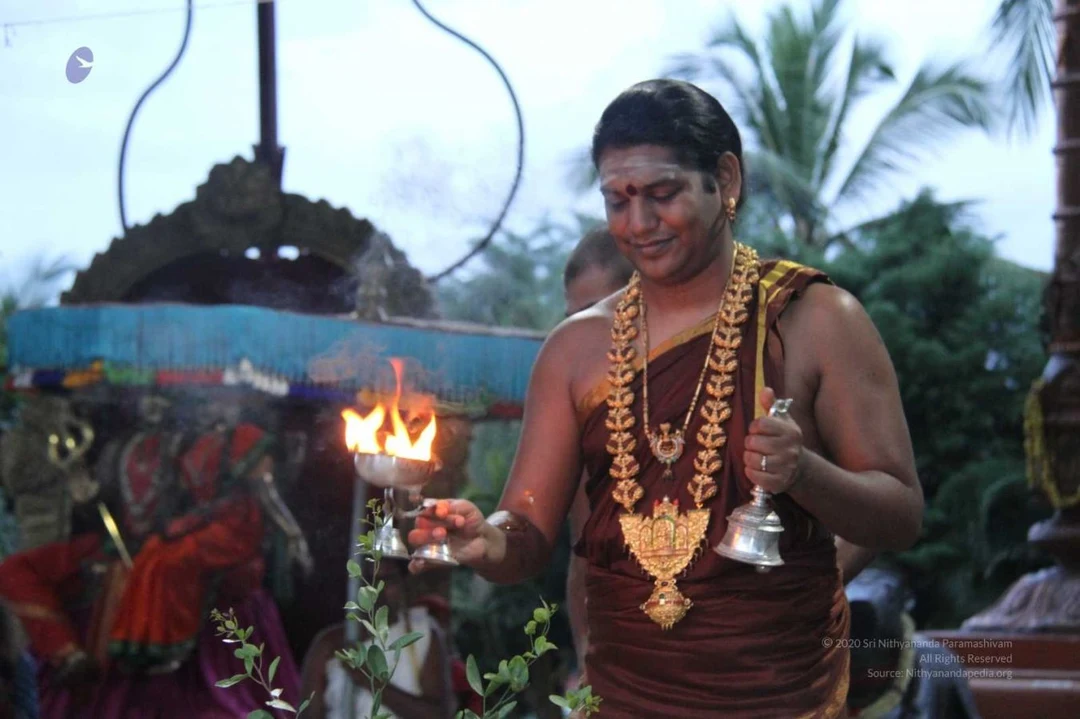
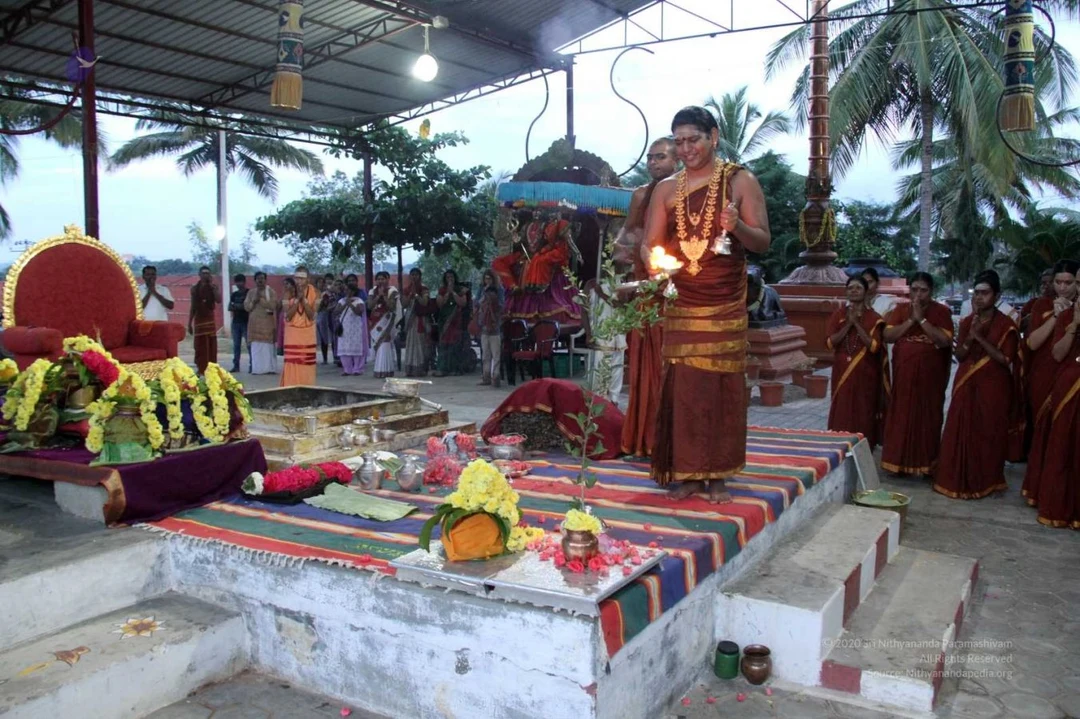
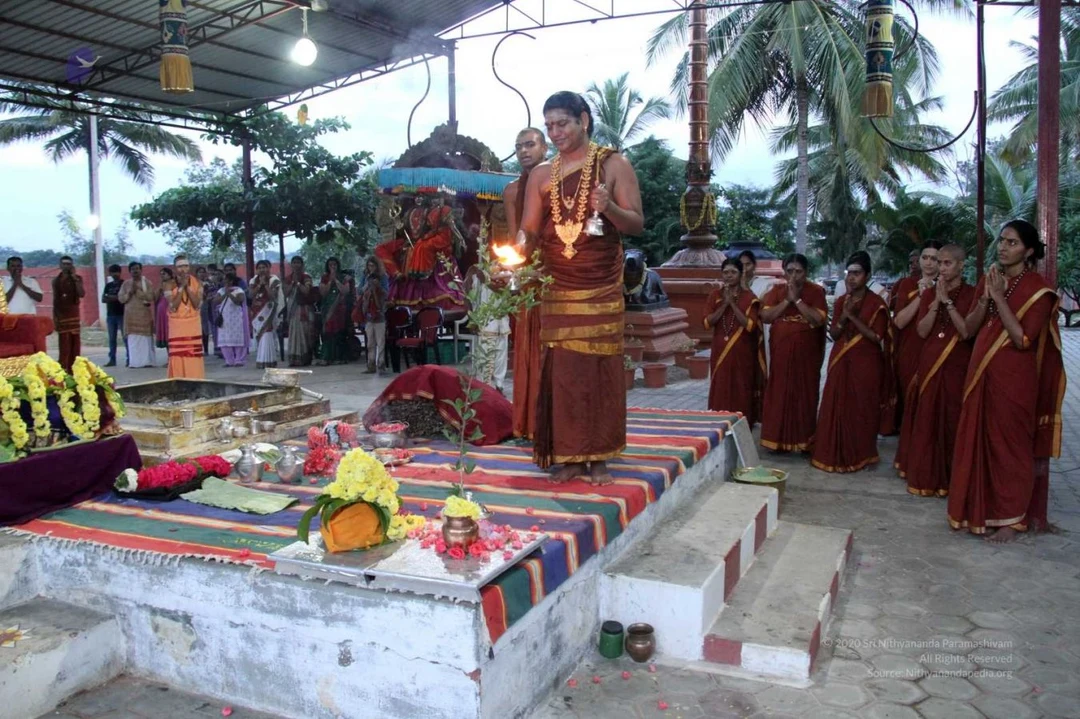
Today, Navaratri Brahmotsava!

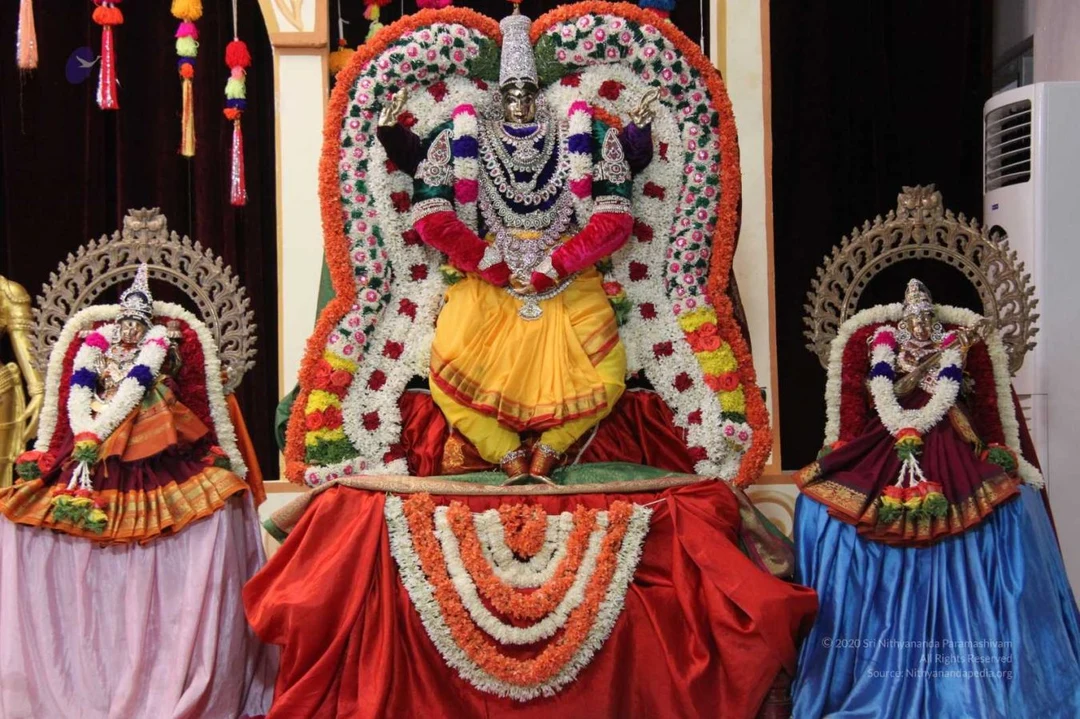
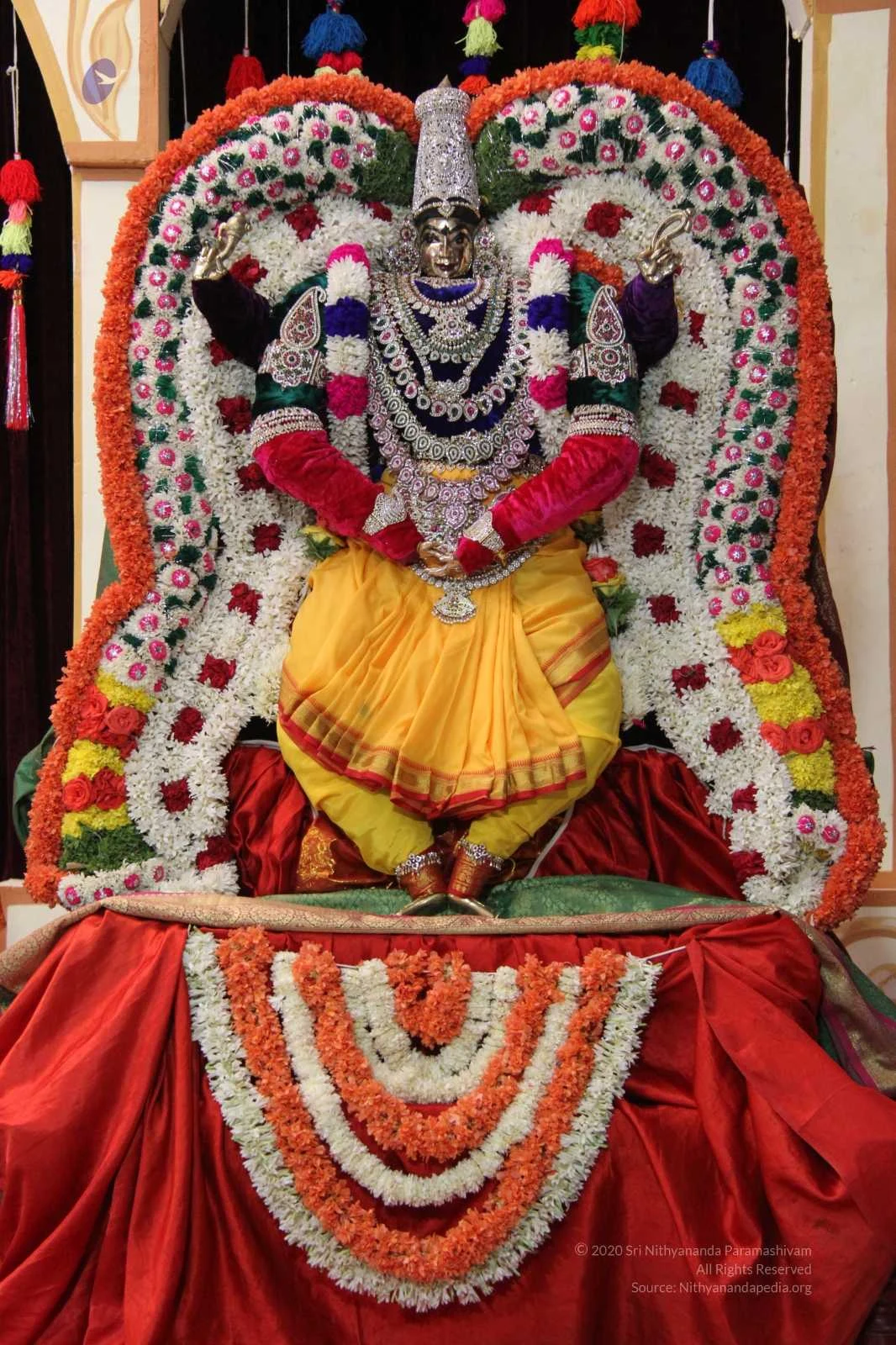
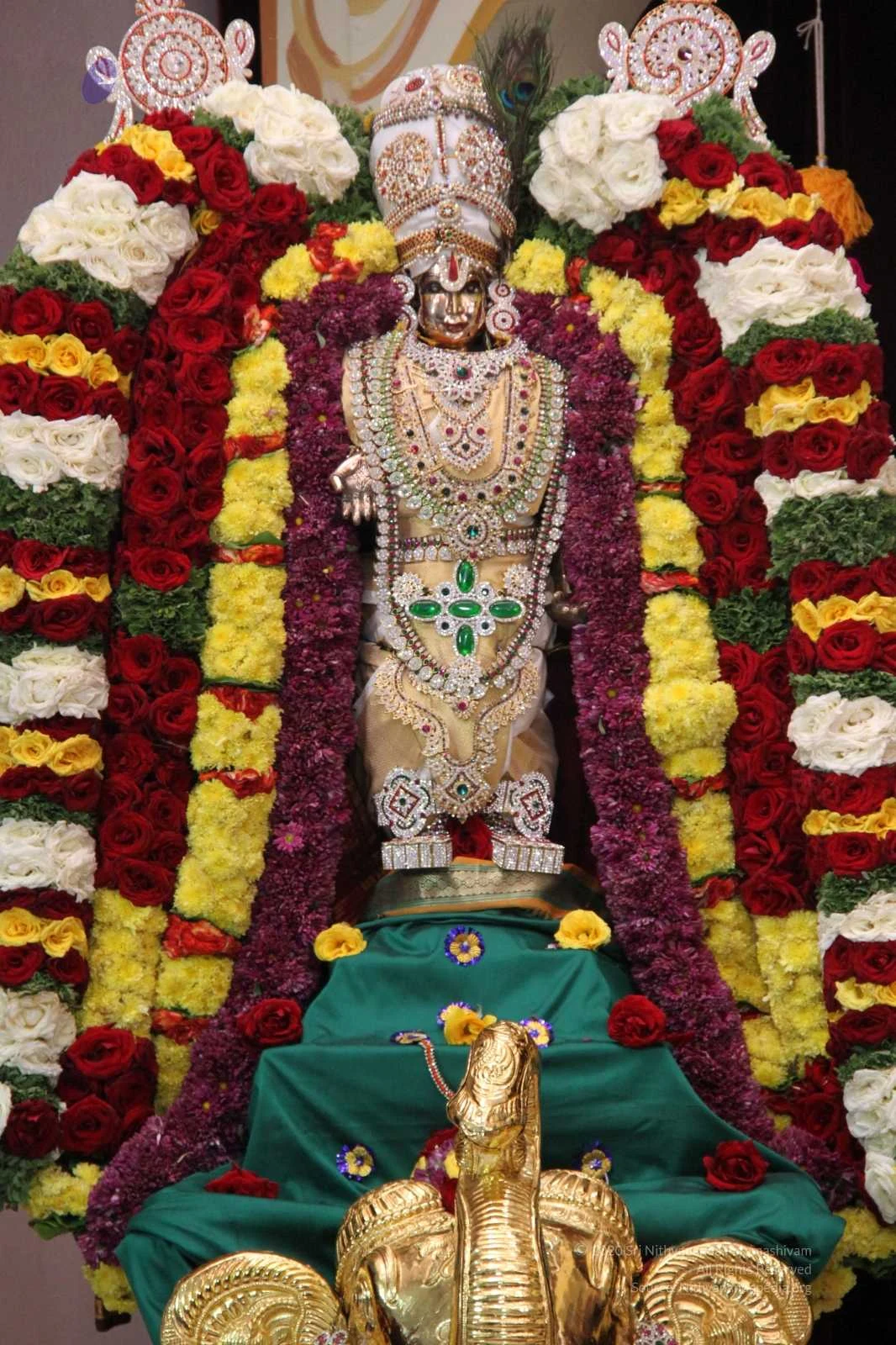
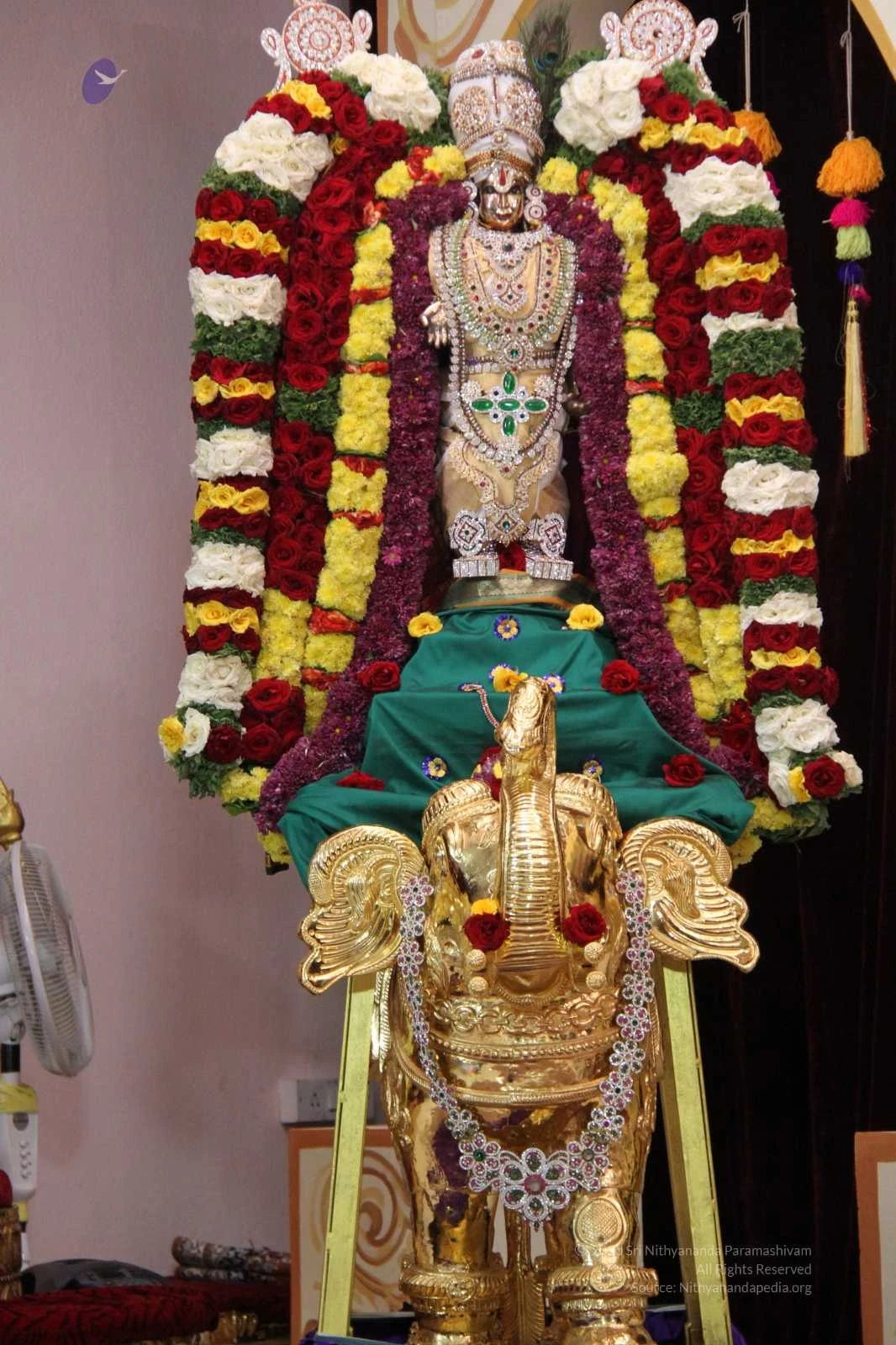
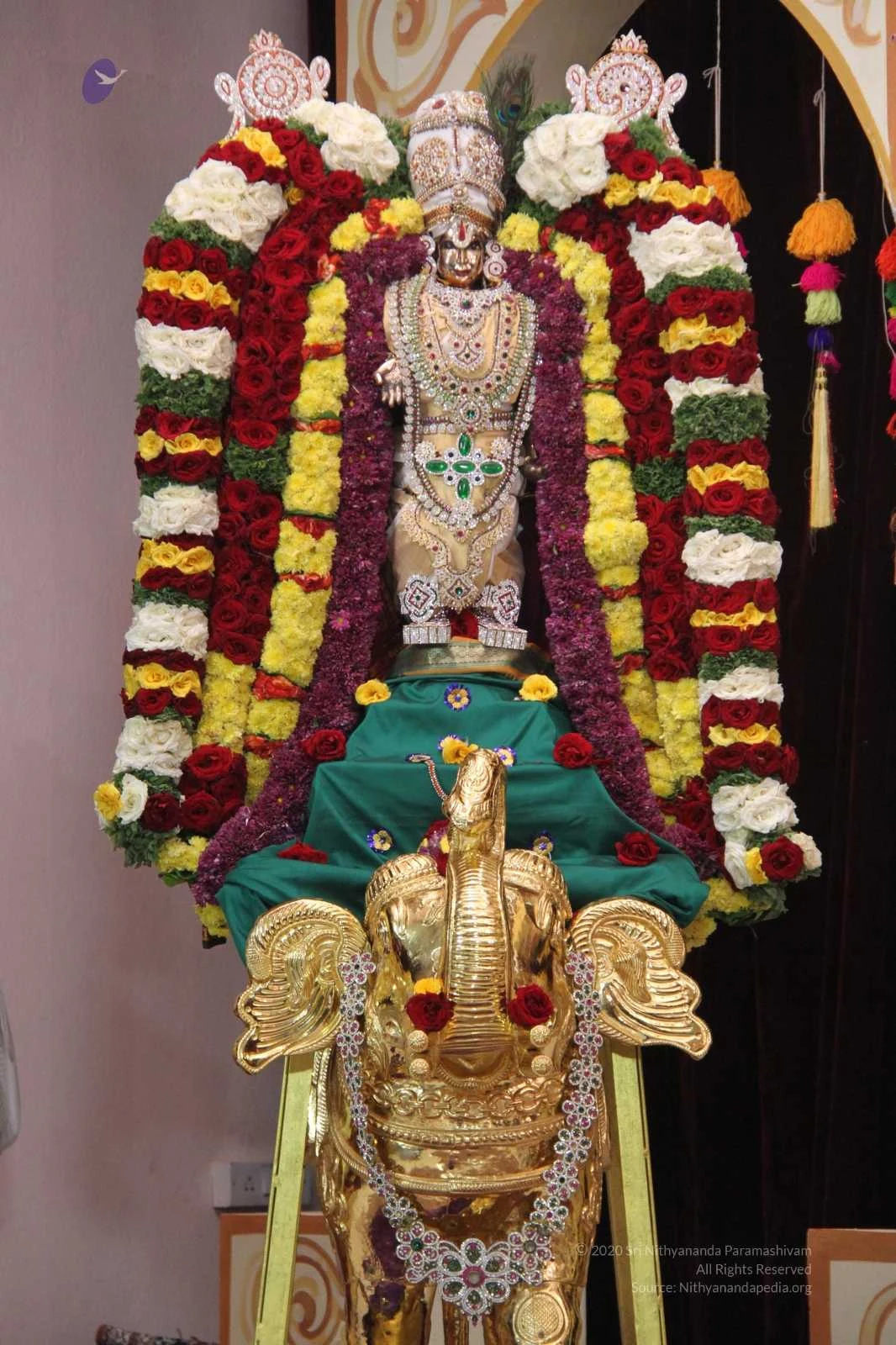
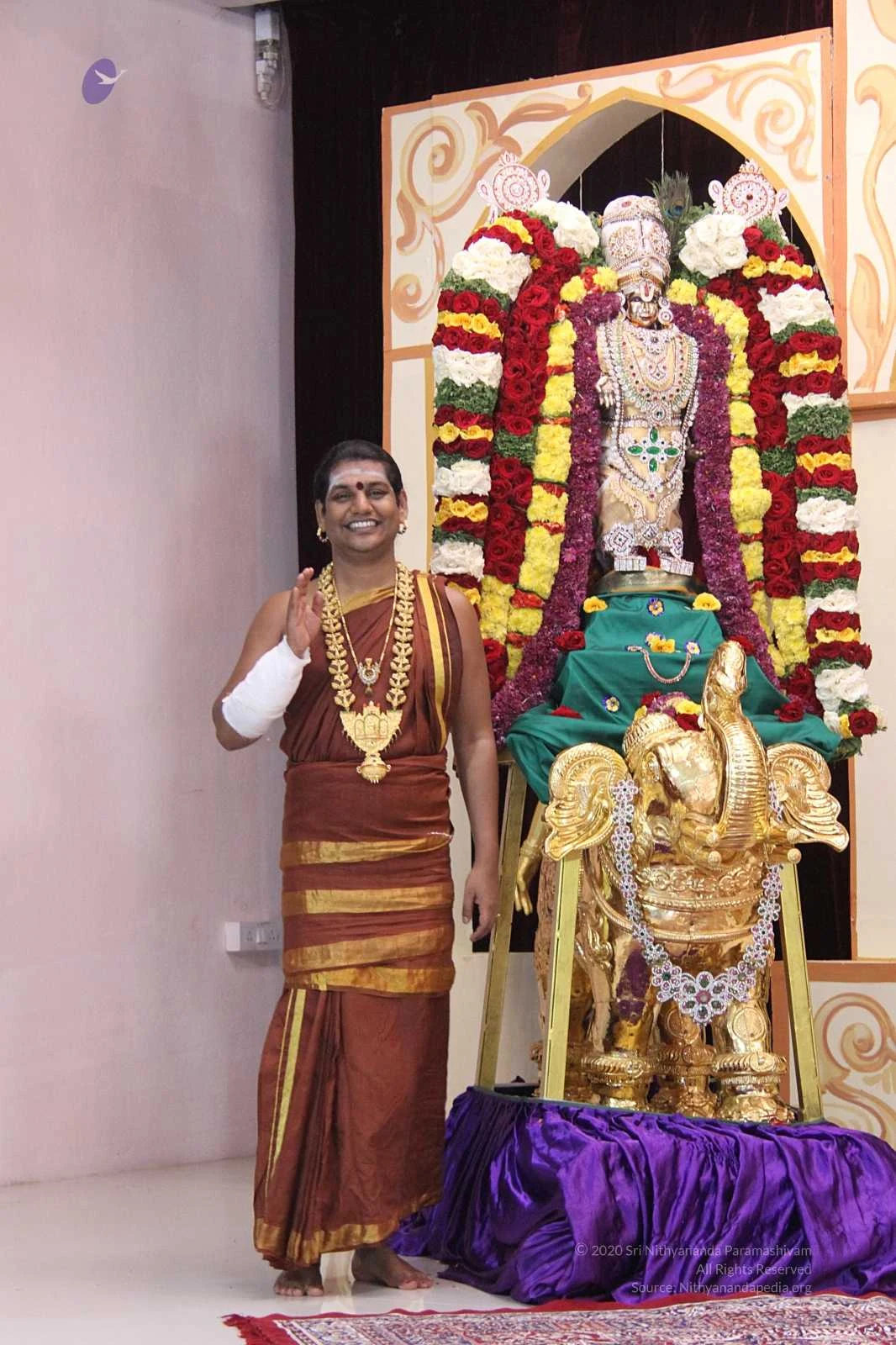
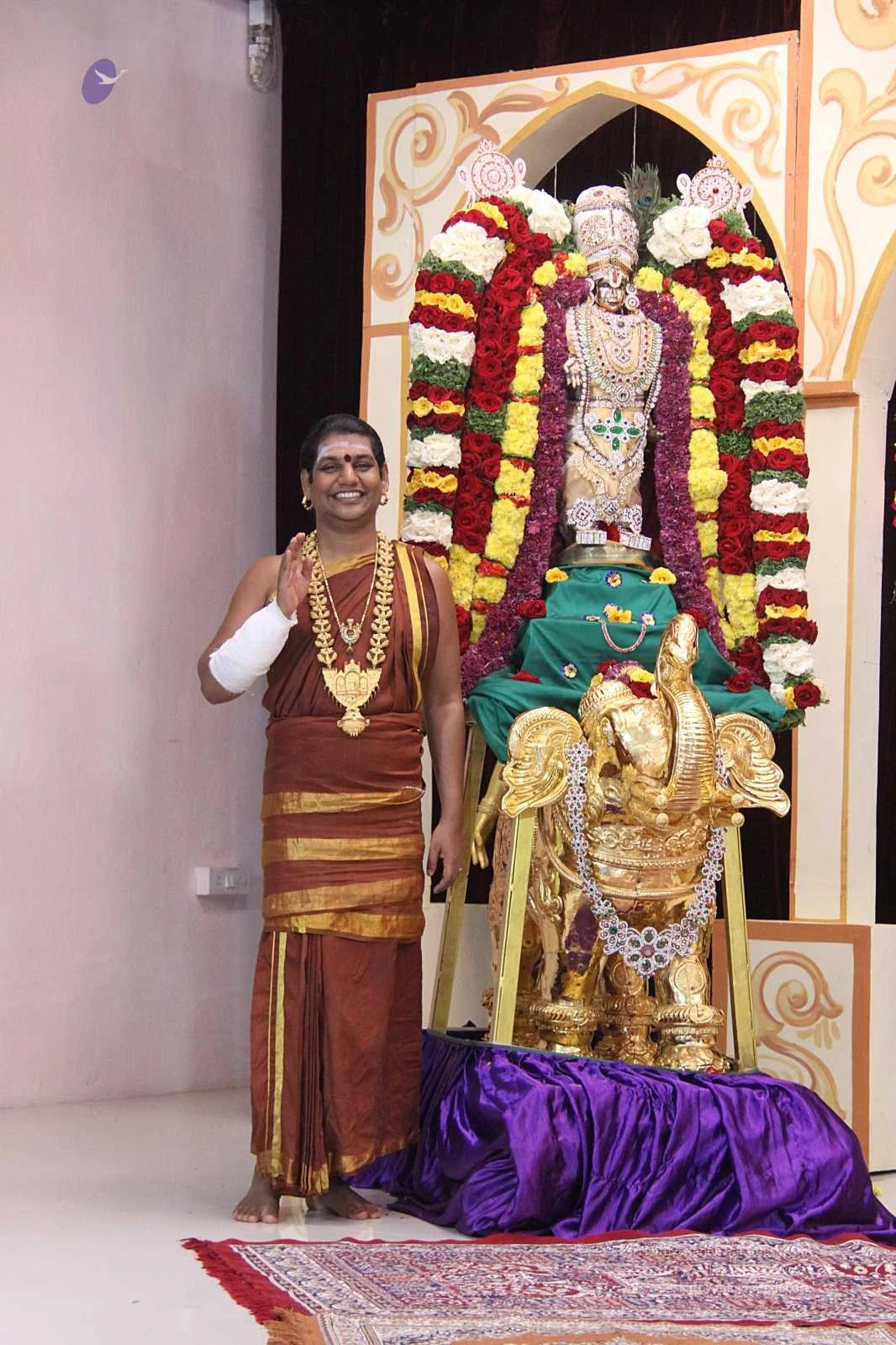
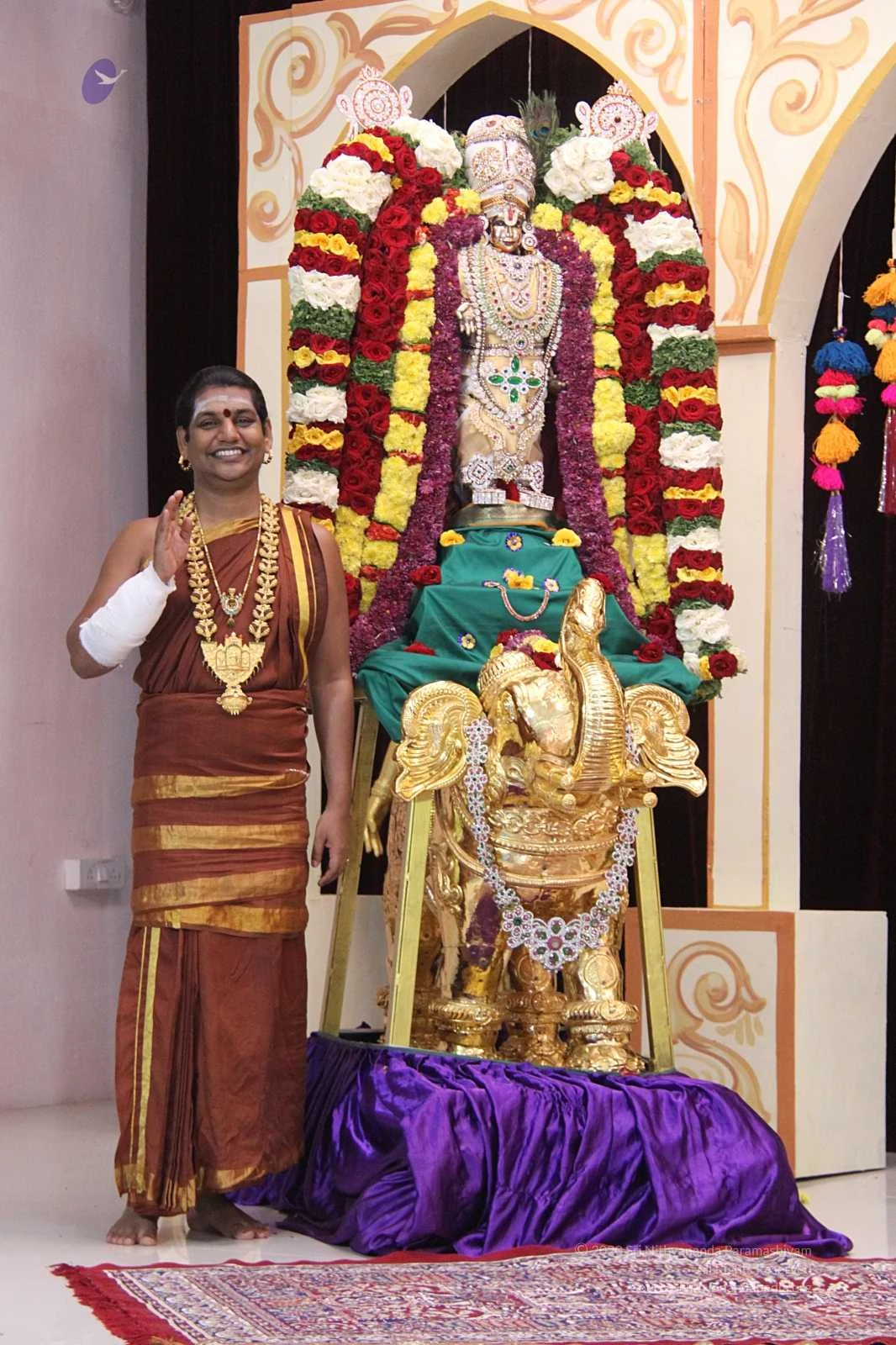
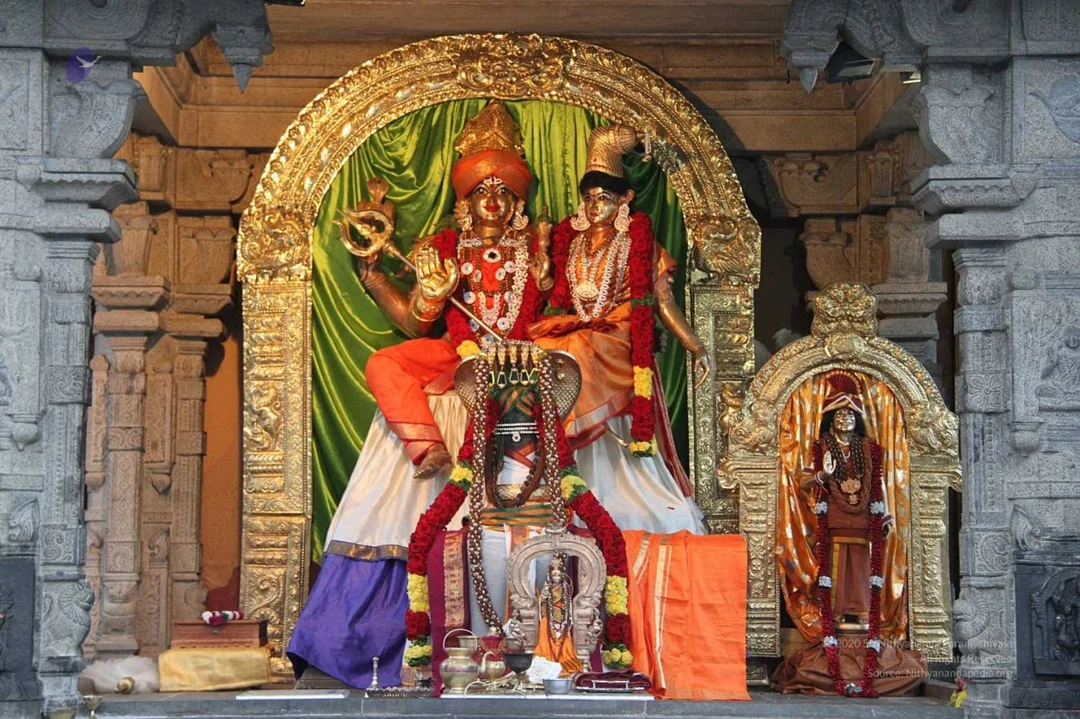
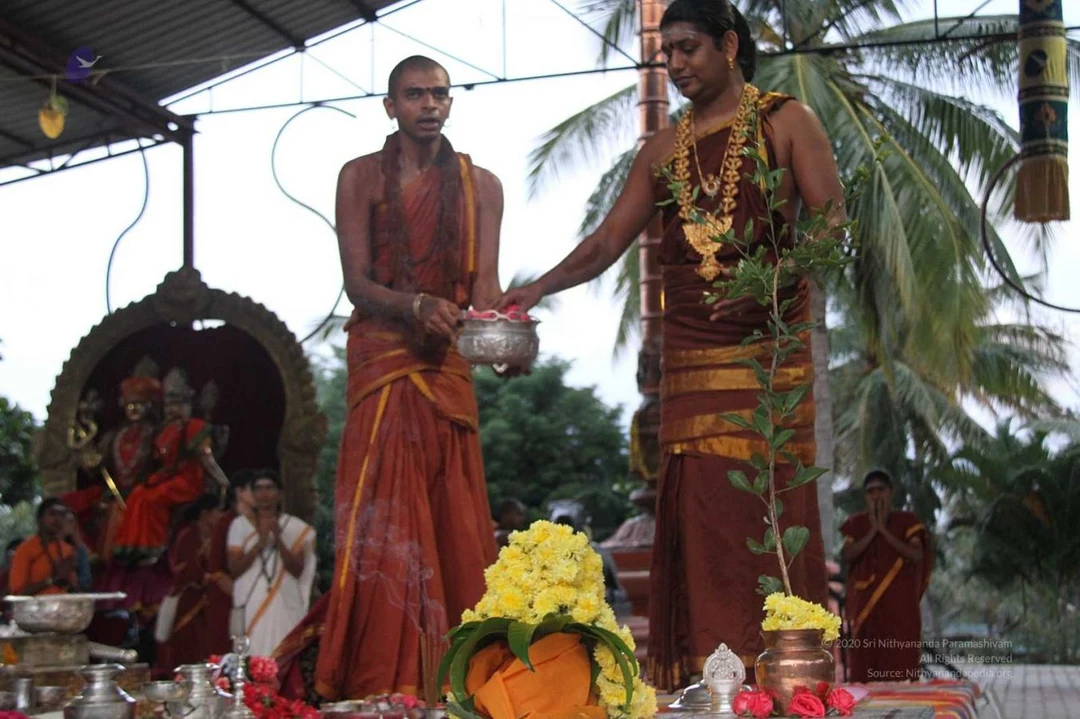
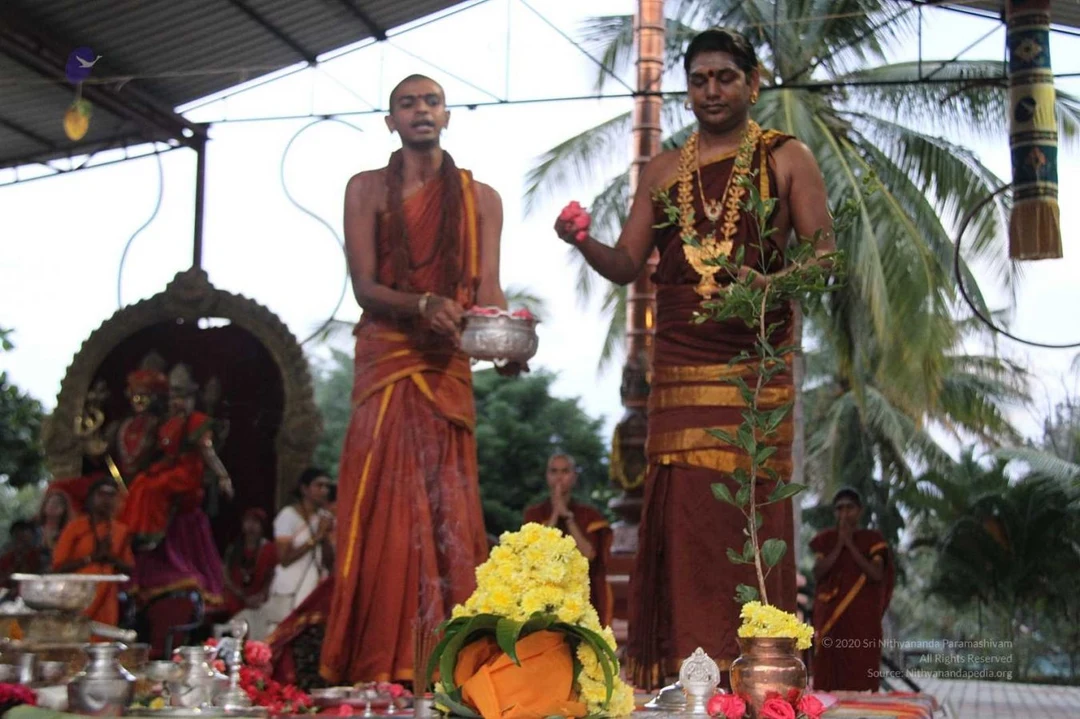
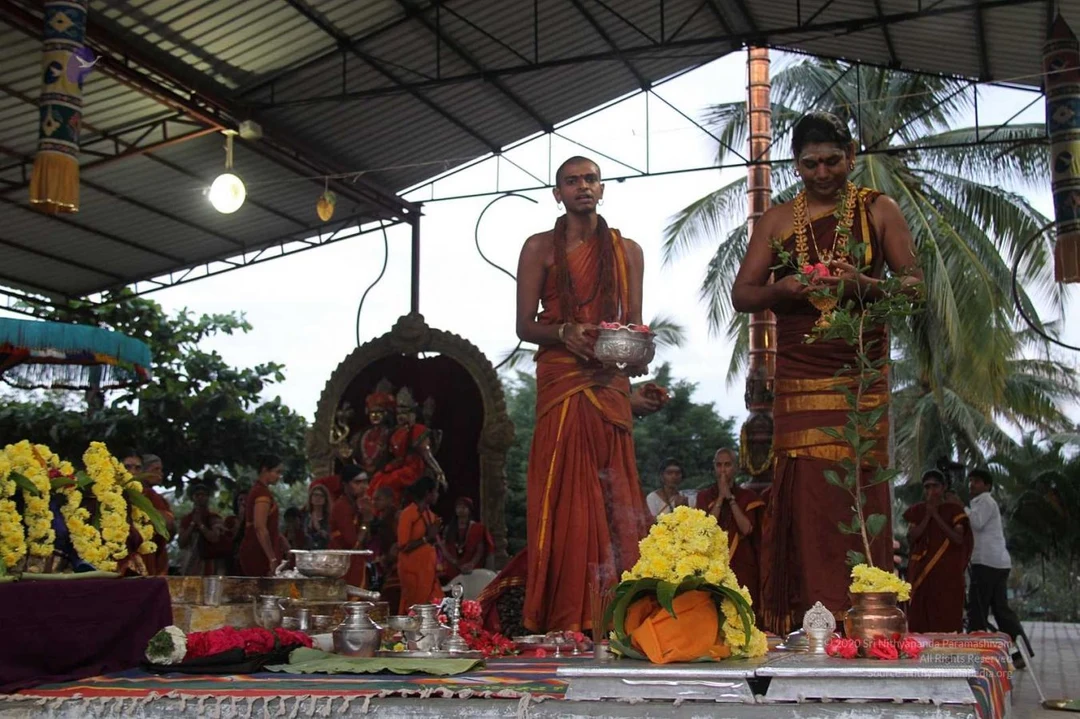
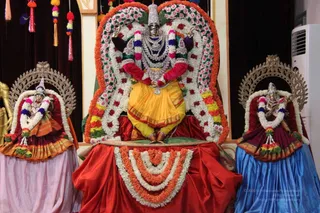
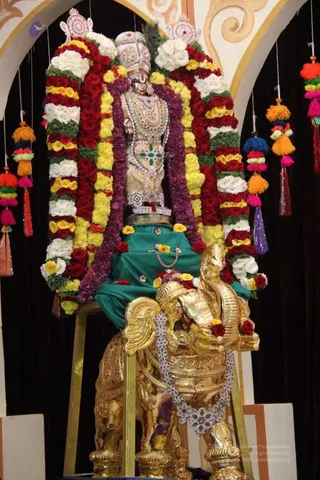
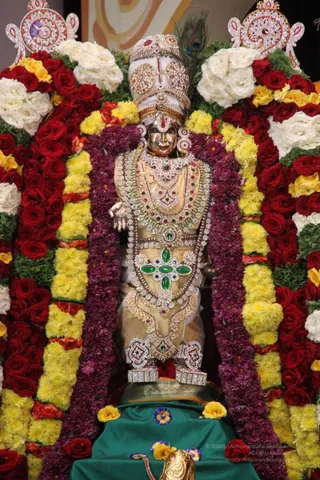
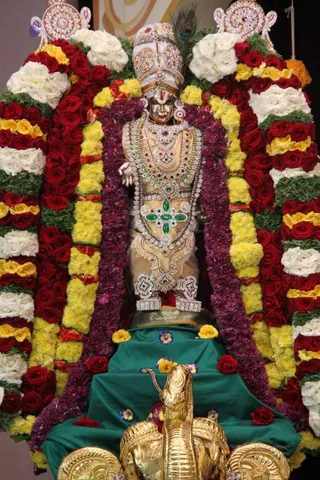
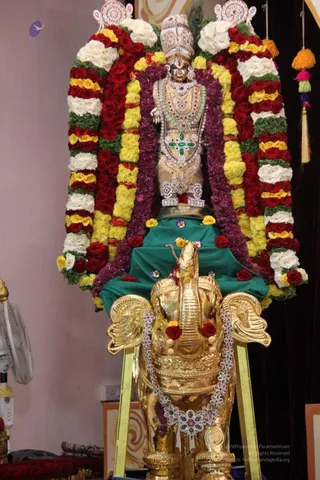
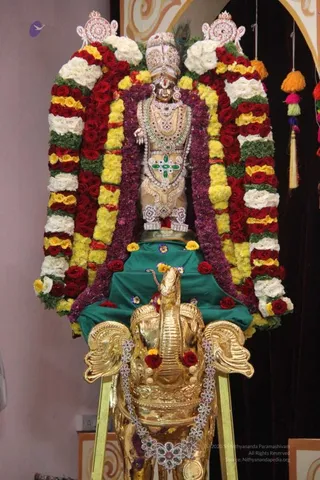
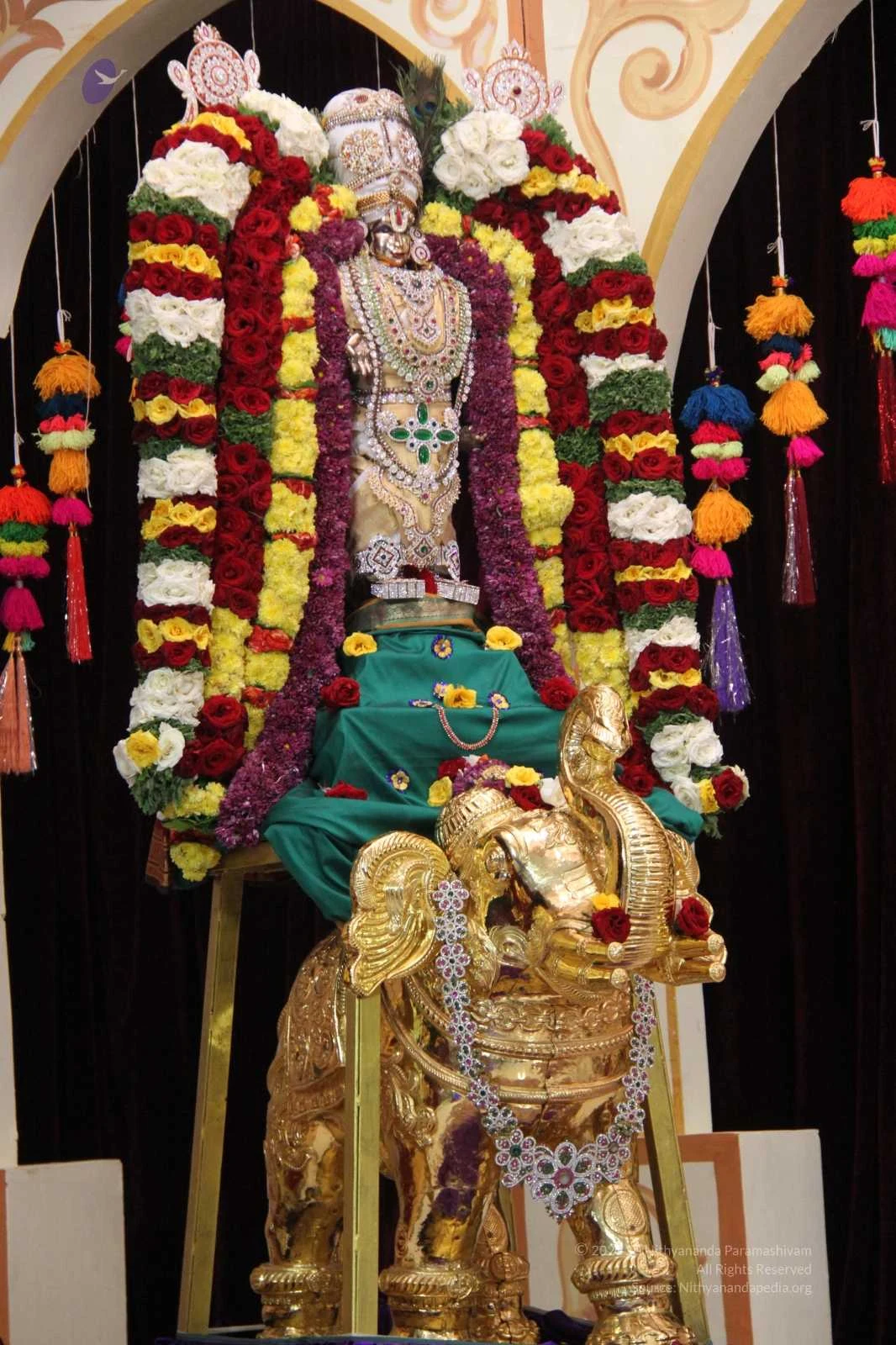
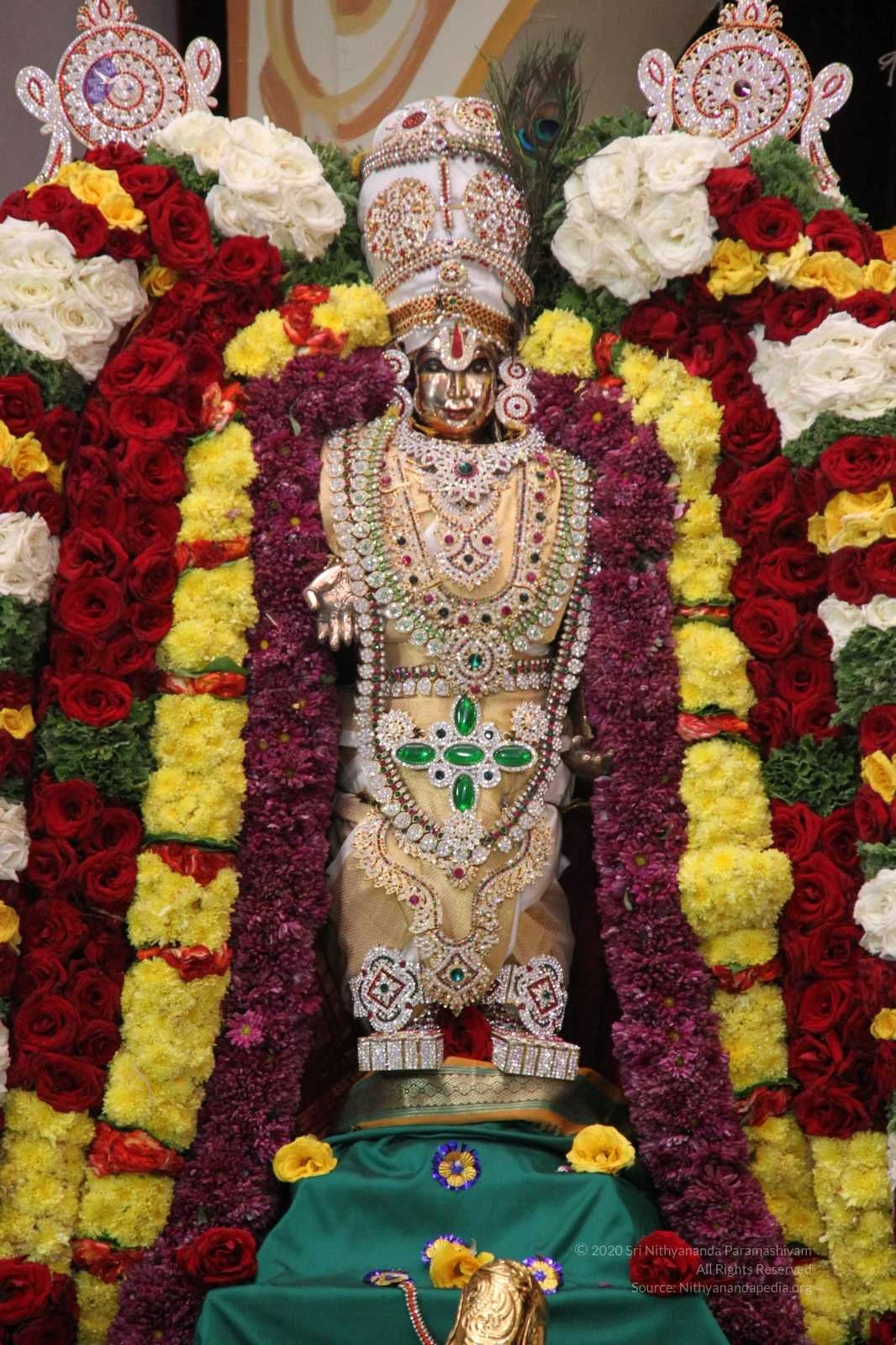
Venkateshwara, Vishnu, is gracing us on Gaja Vahana. On Golden Elephant He is gracing us.

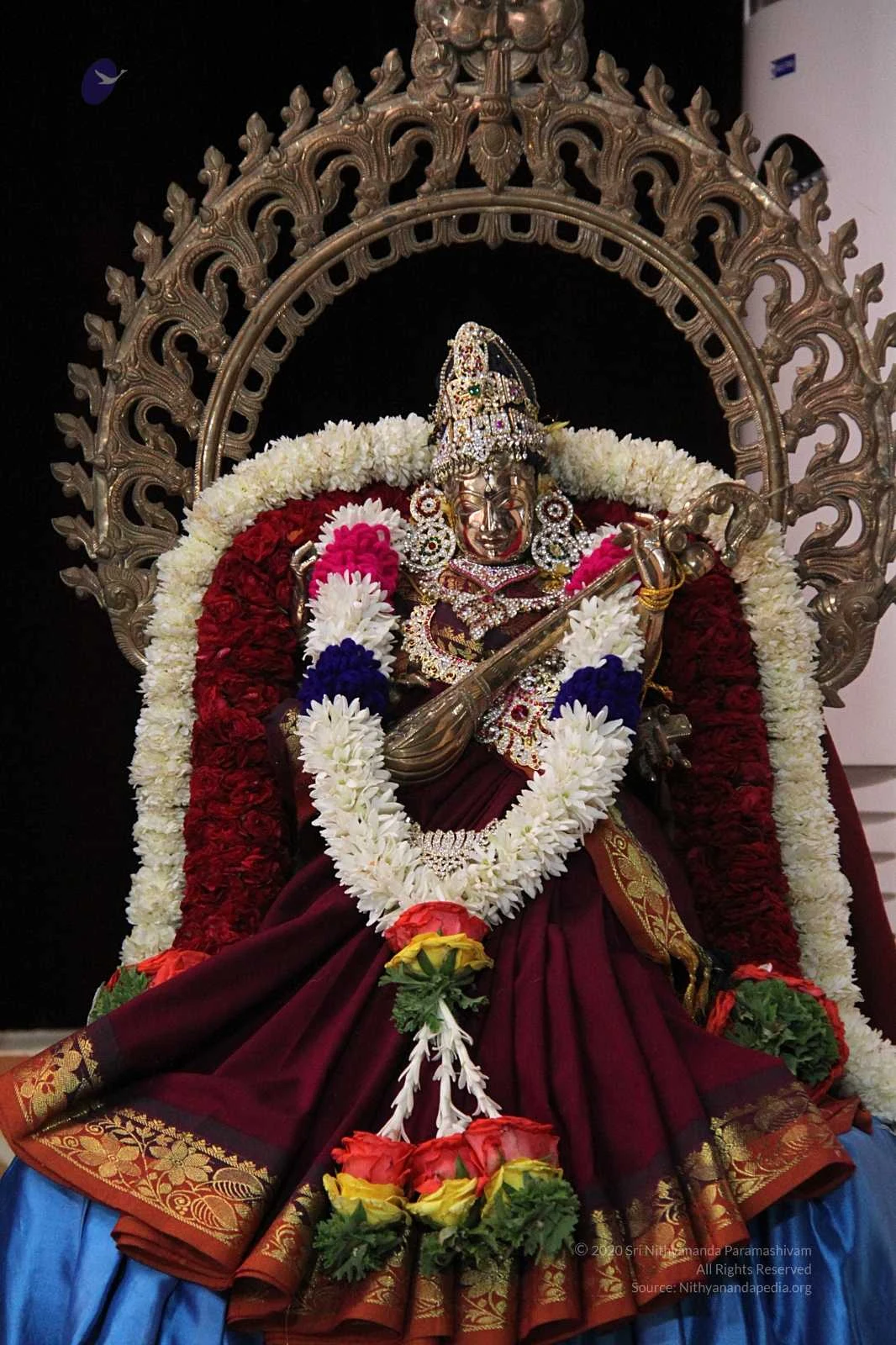
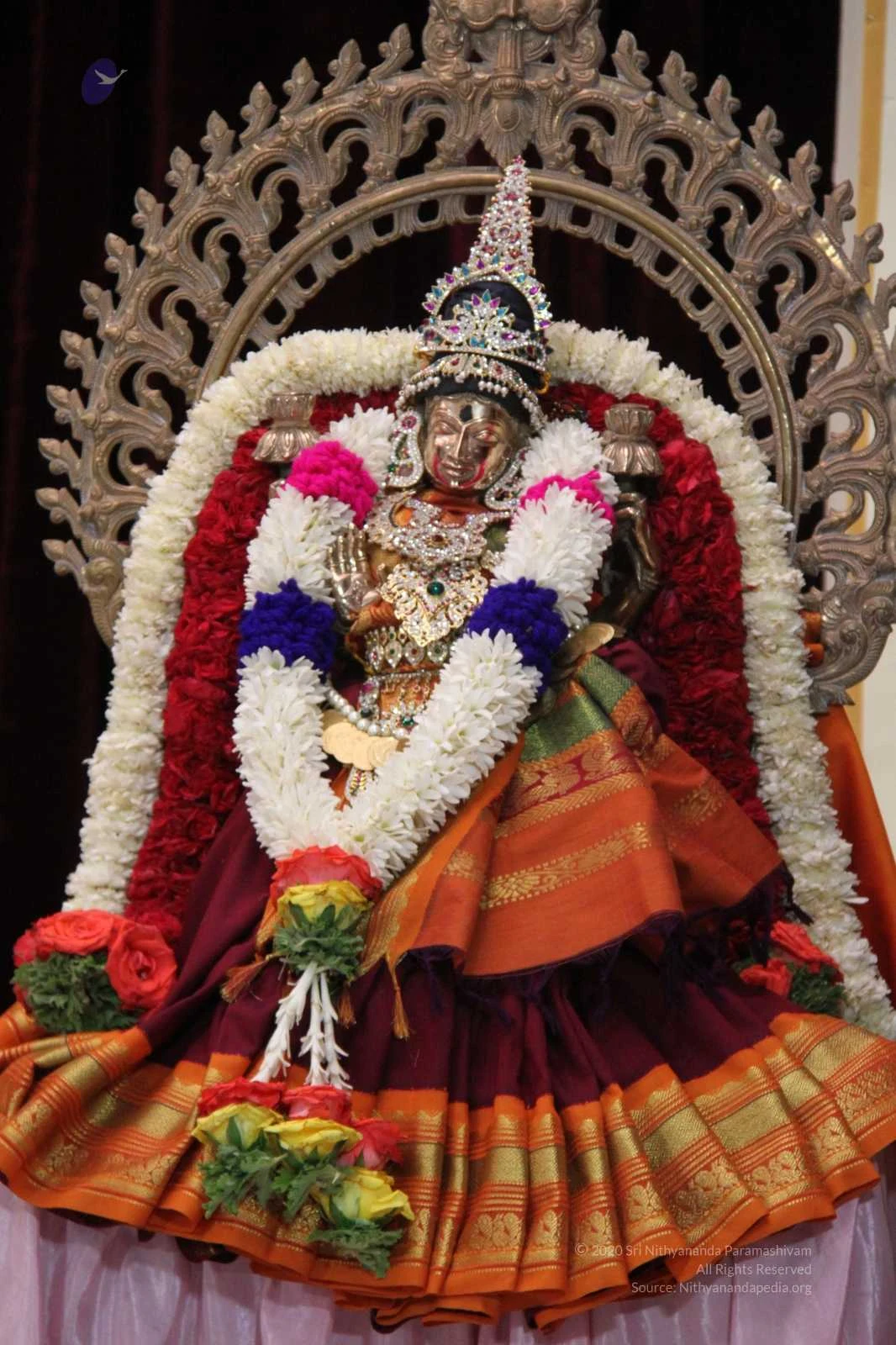
And, Devi - Paráshakthi, is doing Shakti Tandava, dancing, Devi is dancing today, doing the Ananda

Tandava, with Sridevi and Saraswathi.

And Venkateshwara is gracing us on Suvarna Gaja Vahana (Golden Elephant Vehicle), on this auspicious

Navaratri Brahmotsava.

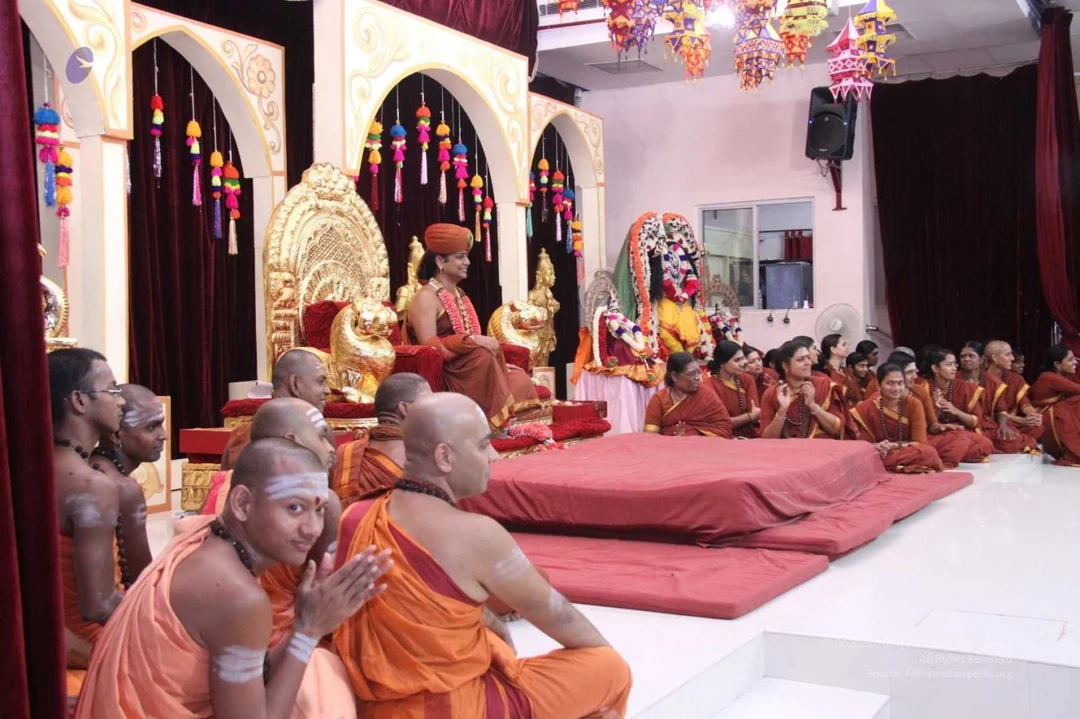
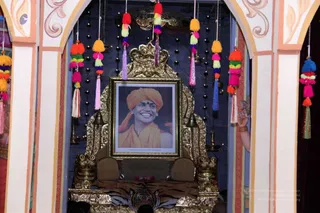
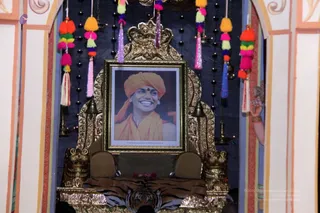
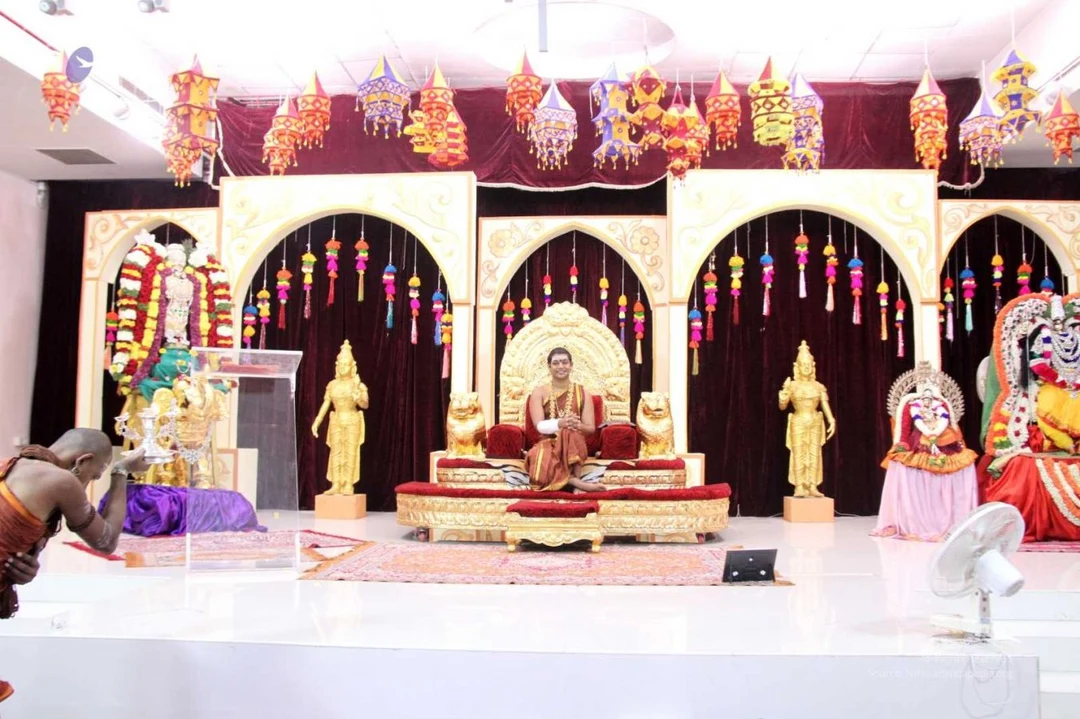
We will move to the satsangh. Before that, my blessings for Satsanghi Lakshmi Puja! In Singapore – blessings for you guys and I also bless that Lakshmi’s energy and presence will be there. Today, kumkum will materialize from my Padukas as the presence of Lakshmi! You guys will see, by the time you complete the puja, if you have a Lakshmi deity, it will materialize on the deity, if you don’t have the deity, it will materialize on my Padukas. My blessings! Great!

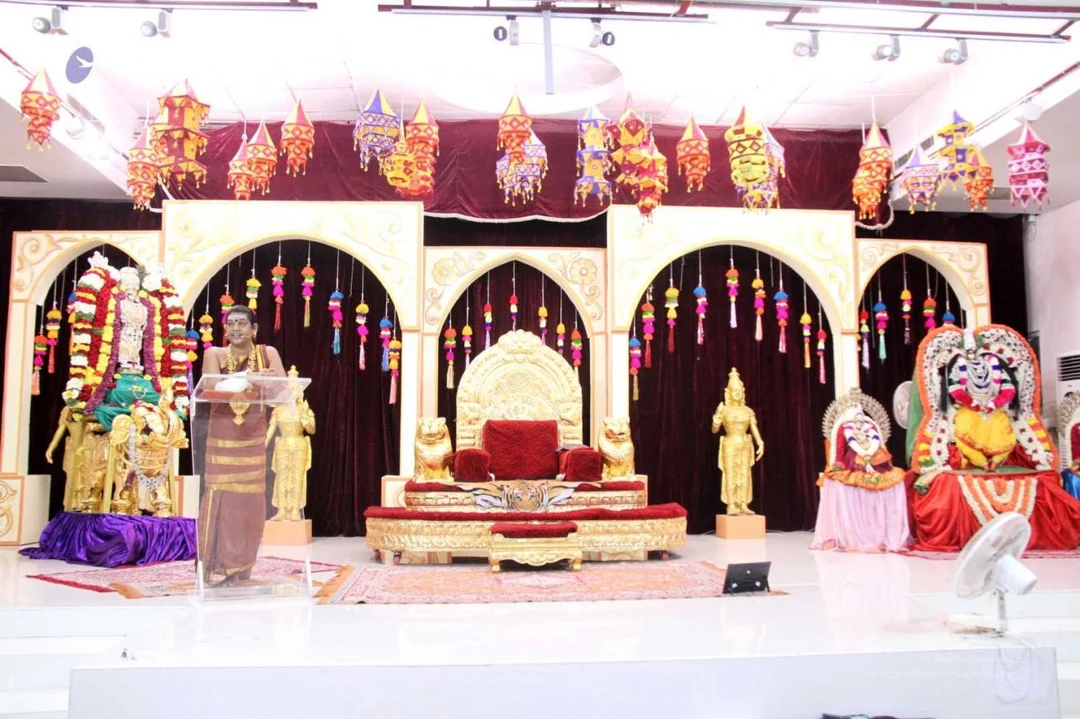
We will move to the Nithya Satsangh.

Today, I wanted to share a very important truth with you all. I was meditating, contemplating on what is the one important truth I need to share with people, really, really, really helping them to enrich themselves and others. Kaalabhairava has revealed that this one truth is enough; that is, “you don’t need to accept, but stop resisting”! Please understand, you don’t need to accept, but stop resisting. You may or may not accept, but stop resisting. Whatever you resist in your life, the memory of resistance stops your Kundalini awakening.

Kaalabhairava revealed today early morning very beautifully to me! Usually, that early morning time is the downloading time for me, to teach. Every day satsangh, whatever subject I’m talking, it happens in that early morning downloading! And thanks to this hand, early morning it doesn’t allow me to sleep. It wakes me up. No pain, but it asks for my attention. And I was just sitting, I had only one question in my space, contemplating:

What is it that can make human-beings enrich themselves and others? Kaalabhairava revealed that this is the foremost truth! He said this should be taught with more importance, even prior to Integrity, Authenticity! I was shocked! ‘Oh, God!’

Please listen! For example, if you are resisting, if you are constantly afraid of a disease…..I am not saying accept, like ‘Alright, if that disease comes, what can be done?’ No! Then you will trigger the fear and you will trigger another pattern: ‘If I am constantly meditating on this disease, it may come on me!’ You may trigger other complications. I am not saying accept; all I am saying is decide not to resist. Decide,whenever the fear of that disease comes, you are not going to resist.

Please listen! If you are afraid of poverty, I am not saying accept poverty. No! Accepting poverty is like going back in your life. No! I am not saying that! All I am trying to tell you is, don’t resist poverty.Whenever the thought of poverty happens in you, do not resist. I tell you, in India, these engineers, PWD fellows, Public Works Department fellows who plan for roads, bridges, these fellows never visit the site. Sitting in the office in the AC, they see the map and finalize the plan, freeze it and approve it. Only the people who have to work on the ground, when they go there, they find suddenly a big hole in the place where the road has to happen. Now, because of that big hole, you cannot build a road, you have to build only a bridge! Otherwise, where they have a bridge, you will see a beautiful flat land. You don’t need to build a bridge there, you need a road! On the center of the road, some important, monumental protected, archaeological monument temple will be standing! And you know one funny thing, these fellows had made a road exactly in the middle of our banyan tree! There is a law in this country, if any tree is more than hundred years old, you can’t touch it. Then we had to write to them, made them understand, made somebody come here and see, and then they stopped. Our tree was saved. No, it really happened, I think in 2006!

Please understand this example: with this example, I wanted you to understand a very important truth. How these guys don’t go to the spot and decide the details, same way how they sit inside the office itself in the air-condition and finish all the decisions from the beginning to the end, they already see that they have a road and cars and other vehicles are moving without even seeing the ground. Please listen, you have the same pattern of without entering into life trying to have a sketch of a complete life, which is arrogance! Please understand, I am defining arrogance. Arrogance means, “Without getting to the ground reality of life, trying to have the whole sketch of life and forcing your life that it should accept your plan”, is arrogance.

Listen! I am not saying you need to accept life as it is. I am not even teaching you acceptance.

Acceptance is one of the biggest mental triggering patterns. When I say “accept poverty”, thousands of things will be triggered: ‘Arey, how can I accept? I cannot!’ I know, suffering and all the fears, everything related to poverty, will be awakened in you. So, that will be such a calamity, and so much of resistance from your very bio-energy, the very source of life will happen in you. You will never be able to accept, you can only fight with acceptance. I am just saying one word: Do not resist! That’s all! When you don’t resist, two things will happen. Immediately, two things will happen in you. One, you will not judge. Second, you will not have negative or positive attachments!

Please listen! These negative or positive attachments… If you are resisting poverty, you have a negative attachment with poverty, which is also dangerous. The negative attachment, “thathaata”, “IS”ness,does not mean acceptance. “Thathaata”, “IS”ness means “NO RESISTANCE”. “No resistance” is not “acceptance”. English is such a poor language, with that language you cannot teach life; but unfortunately, that is the easiest common language we have amongst you all and me. If I am given my independent choice, I will naturally choose Sanskrit as the first language to teach. If not, because no other way - English.

Please listen, I am not saying accept. For example, if you are afraid of jail, I am not saying accept jail.

No! I am just saying, drop the resistance you have. I tell you, most of your problems are because you sit in your AC room and decide to see the end. Just drop resistance. When you drop resistance, the judgment will drop, and positive or negative attachments will drop.

Please understand! Your negative attachments do more harm to you than your positive attachments! If you resist disease, you will be thinking about disease million times more than the objects with which you are attached. For example, if you are attached to your boyfriend or girlfriend and you resist disease, every day whenever you remember your boyfriend or girlfriend, make a note in your cellphone and record. Whenever you remember about the disease, record that. I challenge, what you resist, you will be remembering more number of times than what you are attached to! So, negative attachment is more dangerous, takes away your energy more. Negative attachment is more difficult to break. These negative attachments stop your Kundalini. Actually, I don’t have enough English words to translate this original concept of “Thathaata”- “IS”ness. Our language is such a rich language. That is why these fellows, many of these guys in U.S., try to take all the Hindu ideas and map it into the western mental frame!

See, I wanted to make my stand very clear. I am all for teaching to the whole world. I am all for teaching to the whole world. But, I am dead against stealing the concepts of the Vedic tradition and

trying to digest it into a different framework and completely eradicating the impact of the source and destroying the impact of the source! And, you know one funny thing, very important thing you need to know. I wanted to make this statement very clearly to all the people who try to have knowledge, spiritual knowledge through the western framework, what they call, now newly many things like “Christ Yoga”, “Hot Yoga”, means taking these ideas and trying to map Hindu dharma into the western framework. They call it by different names, different names like “Integral Theories”; too many names they use; trying to digest. Please understand, I tell you, the Sanskrit language is such a powerful language, you can never do this! Anybody tries to do it, you will only be a failure!

This word “Thathaata”, the “IS”ness – see the practice of the “IS”ness, is supposed to be “no resistance”, not “acceptance”! But, even if you miss this single, one small thing, if you……. See, when the Upanishads say the “IS”ness, “Thathaata”, when Buddha says “IS”ness, “Thathaata”….. All of you should know, as per the Indian Constitution, Buddhism, Sikhism, Jainism are branches of Hinduism and I wanted this to continue the same way. I sincerely request, as the Mahamandaleshwar of Mahanirvani Akhada, my Sikh brothers, please don’t try to separate yourself from us. I heard in the Parliament, somebody brought a bill, an independent bill, to separate Sikhs from Hindus. I sincerely request, we are brothers; you should know, your founding fathers created Sikhism for the purpose of protecting Hinduism! We are brothers, let us stay together! I take this moment to send my sincere appeal to Sikhs not to feel alienated and not to ask for separate status, or not to be separated from Hinduism. Let us stay together. That is good for both of us!

Anyhow, when Buddha says “Thathaata”……… please listen, when Buddha says “Thathaata”, the “IS”ness, the next practicing step for that “Thathaata” is supposed to be non-resistance, not acceptance. But, all these guys who try to map Hindu dharma into the western frame of mind will always jump into that side, because, English is “Yes or No” language. Sanskrit is “Yes-Yes” “No-No” “No-No” “Yes-Yes” “Yes or No”, “Yes-No No-Yes” language! Understand, the “IS”ness, “Thathaata” has to be achieved. A Sanskrit scholar will never think acceptance is the path for “IS”ness, because the language itself is such, it does not ask you to think with “Yes” or “No”. NO! It gives you such vast possibility, such vast understanding! It is not “Yes or No” language. “Yes-No”, “Yes-Yes-No”, “No-No-Yes”, “Yes-No-Yes-No” and “No-No-No-No” and “Yes-Yes-Yes-Yes” language! Understand, please listen, the word “Sanskrit” means “well done”, “refined”!

25:00

Whether it is a decision in your life or in your profession or in your career, “leader” is a man who makes decisions without losing his options. Who “has and eats the cake” is “leader”. “Leader” is a man who makes decisions without losing his options. And leader is a man who, when he makes decision, the decision does not reduce his choices, it multiplies his choices. The more he decides, the more possibilities open in front of him.

“Follower” is a man, by making decision, he loses his choices, he becomes more and more bound. I think many of you are not able to understand what I am saying, because you are taught only one side of life. If you decide, for example, you are standing on both legs. Now you have a freedom to lift one leg. So, the moment you make the decision of lifting the right leg, now you are bound. You can’t have a freedom to lift the left leg also. You are taught only this logic. This is what you call as “decision-making”. But, “leader” is a person who makes decisions only which gives him more and more choices and possibilities and freedom. If you are going to be stuck in the position that you will not have a freedom to raise the other leg also, don’t even raise the first leg.

Decision making, every decision should be made in such a way that you have more and more choices, possibilities, opening in front of you and the choices and possibilities you are retaining it. One more thing you need to know, Sanskrit is that kind of a language, the language where, listen, the language where the possibilities are continuously available, completely available. For example, if you want to make a statement with ten words, even if you made the, completed the ninth word, tenth word you have the freedom to change the meaning of the whole statement. Just the tenth word you can change the meaning of the whole statement, you have a freedom. Till the last word, you have a freedom. That is the power of this language. That is why it is called “most refined language”, “well done”, “refined speech”. That is why I sincerely request everyone, especially westerners who wanted to learn spirituality, please come to the original source. I know, naturally you will feel little comfortable learning from a person who has mapped the whole Hindu dharma into these western words but you have a very big danger learning that way. This word “acceptance” is that kind of one danger where you lose the whole life. Understand, Isness is the goal, no doubt; but “non-resistance” is the path, not “acceptance”. These two have a huge difference in their meaning.

And all these people who map this Hindu dharma, the “backpack” gurus, “sad” gurus, they go on teaching acceptance. I tell you, it is unfortunate that they put people more and more into depression, conflict and they cause so much of harm to human consciousness without even knowing. That is what Upanishad calls “a blind leading a blind”. When a blind leads a blind, what happens? I very sincerely request all the western seekers; please learn spirituality from its original source. See, if you are looking for Christian spirituality, Christian theology, then no problem. Then you learn from that theory, from people who are masters of that but if you are looking for spirituality, I really sincerely request, don’t learn from people who mapped it from Hindu dharma. I can give you hundreds of organization names – Landmark, Scientology, this Integral Theory. I can give you hundreds of names. We have not copyrighted, but please understand, we have locked the secrets in the language. We have not copyrighted but we have locked the secrets in the language.

So, I sincerely request, especially if you are a Westerner – of course, Indians also, who are looking for spiritual knowledge; I expect Indians to be mostly, they will have some family connection to some original source, some traditional Guru, so I think they may have more possibility to learn from the original source, but let me cover them also, because they are also westernized now – if you are a human being seeking, searching for spiritual knowledge, do not get diverted by the “trekker” gurus, the “backpackers” , people who try to map Hindu dharma into the western wordings. Even if it takes a little time, energy, go to the original source and learn from original source, because you are seeking something with which you are going to live for your whole life. If you are just dating, for “hit and run” relationship, those “trekker” gurus are okay. If your seeking is just dating for “hit and run” relationship, those “trekker” gurus are okay. But if you are very serious about committed relationship and settling with the spiritual knowledge as your life partner, there are multiple, various websites. For “hit and run” relationships you have separate websites. For committed, serious, sincere, marriage relationship, where you want to settle down, for that separate websites are there. If you want just “hit and run” kind of relationships with spiritual knowledge, you can go to many “sad” gurus, “trekker” gurus; they teach you how to live art but if you want a sincere, committed relationship with spiritual knowledge, I tell you, avoid these people who try to map Hindu dharma into Western framework, who try to digestion, digesting the great truths.

And even these people who try to map Western framework, who try to map Hindu dharma into Western framework, I wanted to tell you guys, with lot of concern and sincerity I am telling you, you cannot frame it, you cannot do the framework, you cannot take Hindu dharma and put it into a Western framework. Even if you take one small idea of Hinduism, see, like a water plants on a pond, if you pull one, the whole thing will come; same way, if you take one small thing applying ash on your forehead, the whole Hinduism has to come with you. A small thing like, to remove back pain let me do Yoga; the whole Hinduism has to come with it. So, you will never be able to map Hindu dharma into Western framework. If you are doing it, you are harming yourself and the people who are following you. Just this one example – “not-resisting” is not equalent to “acceptance” – any man who is made to think through the English language, non-resistance means acceptance; that’s all. But only if you are thinking from the beginning in Sanskrit language, you will understand “non-resistance” does not mean “acceptance”, because we go to the ground before we plan the road.

Listen, “non-resistance” is not “acceptance”. If somebody is teaching you acceptance, they are only creating more conflicts in you, don’t go to them. Acceptance is impossible rule. I am telling you, acceptance is impossible teaching. I am ready for open debate with any gurus who are teaching acceptance. I am ready to debate with them. It is not teaching from Vedic tradition. Of course, they also don’t claim themself as Vedic that is different. It is not even from the yogic tradition. “Thathaata”, “Isness”, does not mean you need to accept and, I tell you, you can’t accept. No one can be successful in acceptance, but you can be immediately successful in non-resistance. Non-resistance is a dhamma which does not need practice; just understanding, you are there. Dhamma means which happens in you just by understanding, which does not need special spiritual practice or special spiritual contemplation. Shravana leads to Nididhyasana is dhamma. “Non-resistance.”

If you are resisting poverty, if you are resisting disease, if you are resisting jail, if you are resisting death – I am not saying accept death; I am not saying accept jail; I am not saying accept poverty; I am not saying accept disease; I am just saying, stop resisting. The moment you stop resisting, your whole body will go through transformation of powerfulness. Immediately, the cholesterol in-built in your body, the stress, fat due to stress, cholesterol due to stress, will melt away in your body. Please understand, the cholesterol will melt as if it is put in the fire.

Non-resistance forms the basis blockage which creates stress. That is the reason for the cholesterol. Which is responsible. The cholesterol which comes due to stress, starts getting built in your life and I tell you, I can give this as a technique for all the big-belly. No, really, all the people who are little big-bodied, who have too much cholesterol, I give this one technique: Stop resisting. I am not teaching acceptance. Stop resisting. Suddenly, the stress level in you will drastically drop because you need to know, the stress in you, the stress built in you is not because of your life, but because trying to finalize the whole flow of life sitting in one room. It is like, before even going to the land they try to finalize the whole road, same way, before even you start living, you try to have the whole picture of your life. When you stop resisting, suddenly your whole internal thinking will be free from stress and the cholesterol will melt as if it is put in the fire, like a ghee melts when it is poured in the lamp or the Homa.

Next few days I am going to dedicate to discover all these wrong translations of these people who try to map Hindu dharma into Western framework and the dangers they created, damage they caused. And I’ll also warn the western seekers, if you are interested in Christian theology, go to Christian theology school. I am not saying no but if you are interested in Hindu spirituality, don’t go to these people who mapped it in the Western framework, come here. Come to the source. Go to a Hindu monastery, eat with your hand. Yoga needs eating with your hand. Live in a traditional monastery. Learn from the source. I am not against you learning in English but learn from a man who thinks in Sanskrit. Don’t learn from a person who thinks in English and speaks in English. Learn from a person who thinks in Sanskrit and speaks in English, translates English. Of course, sometime he may not think in Sanskrit completely but he knows the intricacies of Sanskrit. If you learn from that kind of people great because sometimes when I.... I don’t think at all firstly that is different and if there is the words coming out, it comes out many time in English, but the cognition from which it comes out knows the intricacies of Sanskrit. Otherwise you may miss big time, for example, somebody is practicing acceptance for thirty years and the thirtieth year he suddenly listens to this truth – “Acceptance is not the right thing. It is Non-Resistance.” – What will happen? How many of you are able to find the difference between acceptance and non-resistance? How the acceptance does not work and non-resistance immediately works? You will see.

I have a story:

A old Christian monk, suddenly is weeping and wailing, coming out of the archives room where the original Bible is kept.

His followers ask, ‘Why, why are you crying?’

The old monk said, ‘Today I happened to look into the original manuscripts. One letter we missed when we copied.

The disciples asked, ‘Why are you crying for that so much? What is there to worry so much about it? It’s OK we will correct it now.’

The monk said, ‘No, no it is too late! I am already old. The original manuscript says “CELEBRATE”….not “CELIBATE”!’

Contemplate on this “No Resistance”, but I am not asking you to accept. You may, may not accept. That is different, but no resistance. Sit and complete with all the resistance you carry about everything in life and decide “No Resistance” – no resistance with you, with life, with God, with Guru, with world and with universe. That does not mean you need to accept, you need to change your strategies towards acceptance, no. Just no resistance. No resistance takes away the whole internal stress you create while you are thinking. Actually, in reality, there is not so much of resistance but in your thinking there are tons and tons of roadblocks you have, that only creates more and more stress.

47 :47 Now I can see Oman- Sivagangai complete with the great, important completion session.

I request all the satsangis to enrich as many lives as possible for satsangh, because it will be special. The subject is “What is IA Level-4?” I’ll introduce Inner Awakening Level-4 ,October, Sunday morning, Sunday morning Indian Standard Time. Sunday morning Satsang please enrich as many lives as possible. That is Navaratri also. So, as many lives as possible, enrich on Sunday morning. We will have introduction to Inner Awakening Level-4.

Let you all achieve, experience, live, express, radiate share and explode in eternal bliss, Nithyananda.

49:16

Photos

Koly
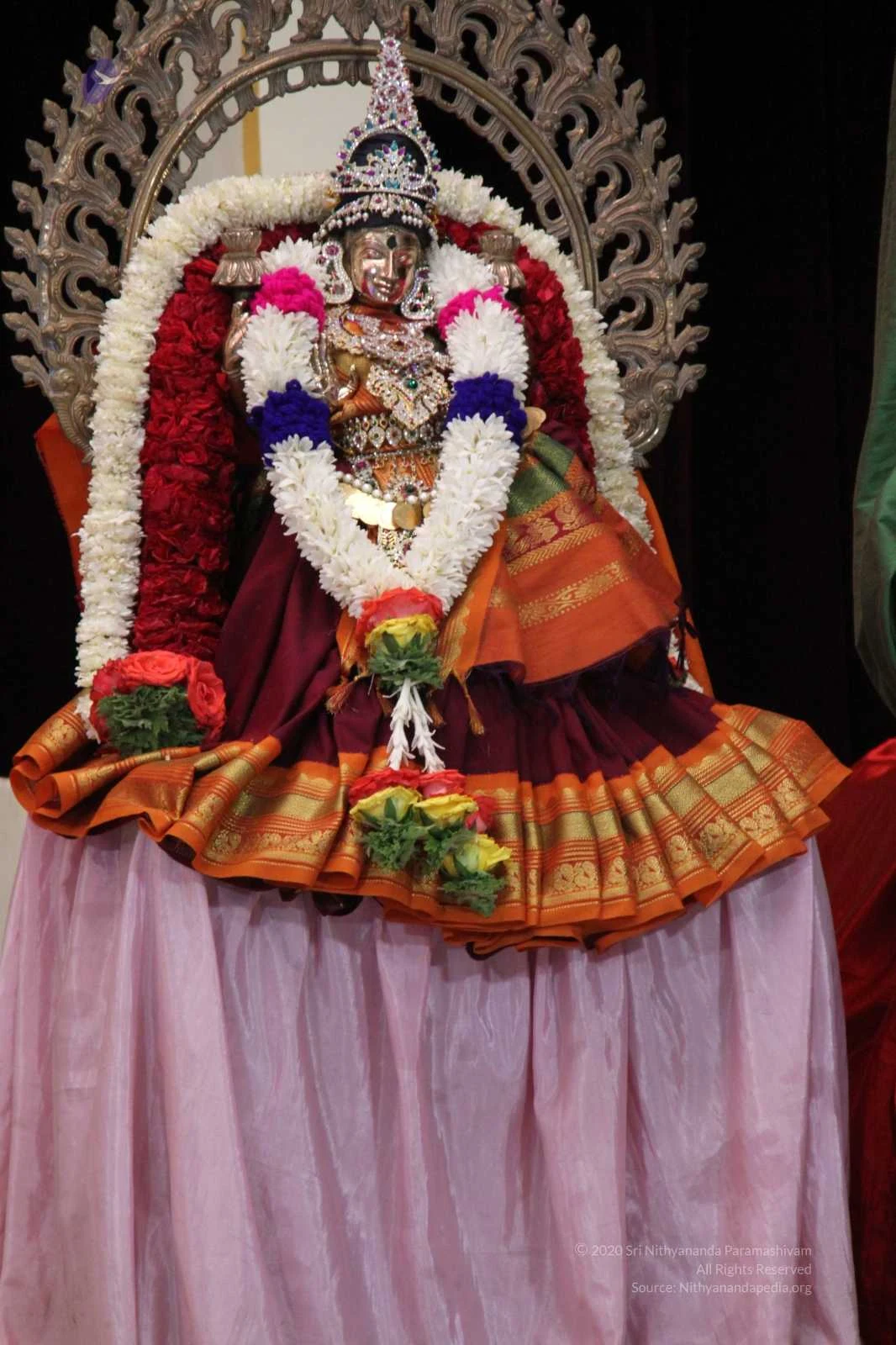
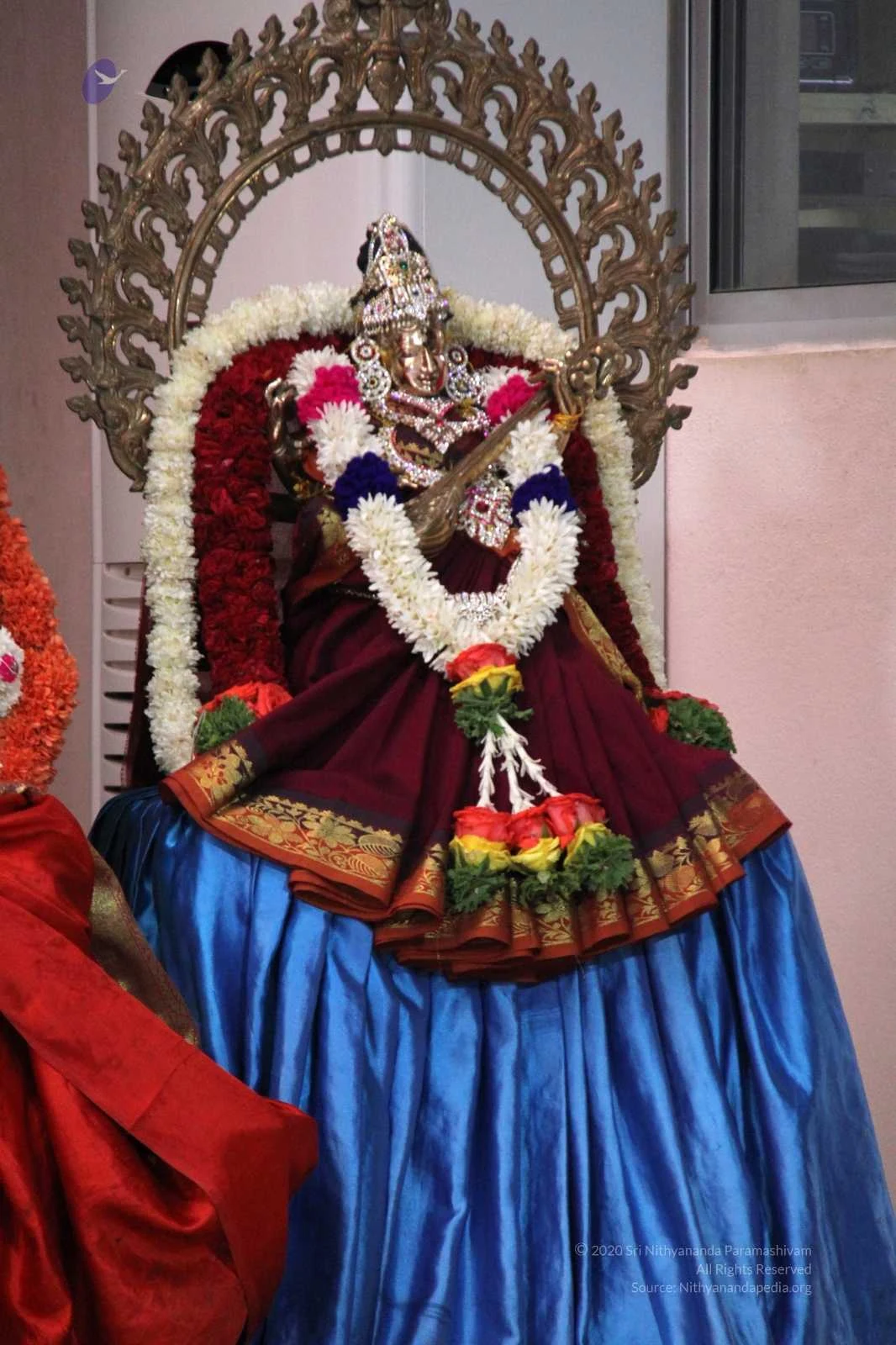
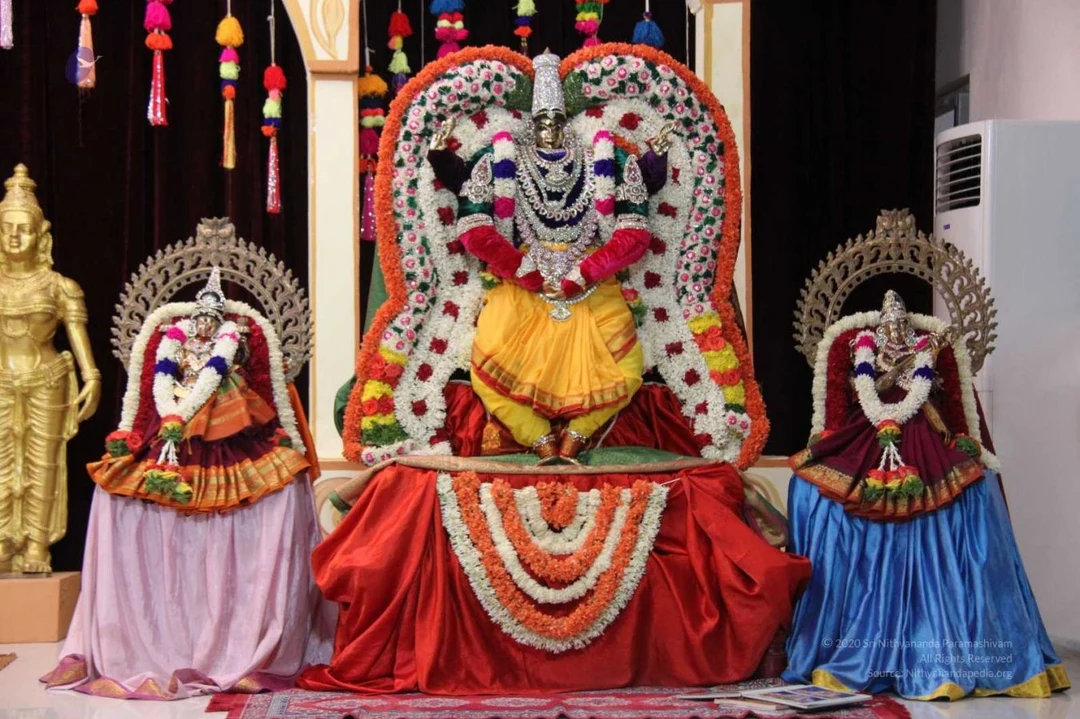
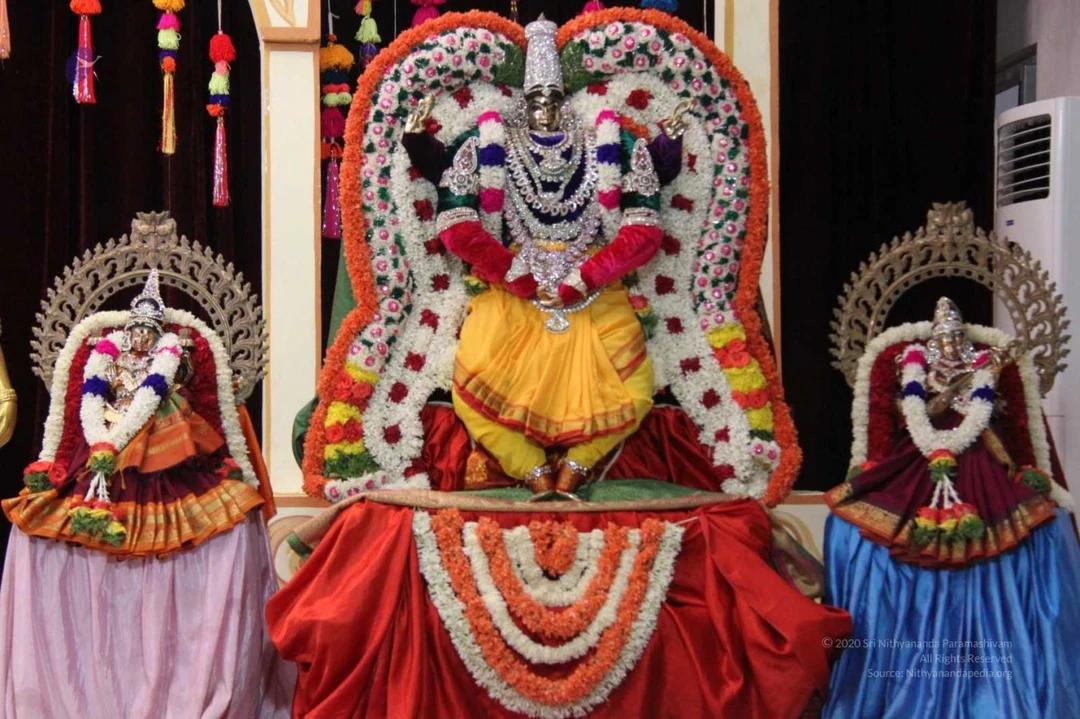
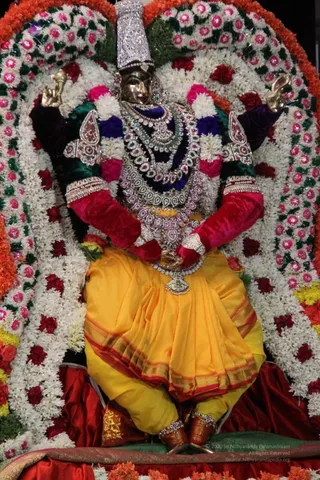
Navrathri Devi Alankaram

Venkateshwara Alankaram on an Elephant
Paduka Puja

Deity Arathi

Nithya Satsang

Sarva Darshan

Final Blessing

Swamiji and the Deities Blessing us

Inner Awakening Darshan

Inner Awakening session with Swamiji

Navrathri Devi Ritual

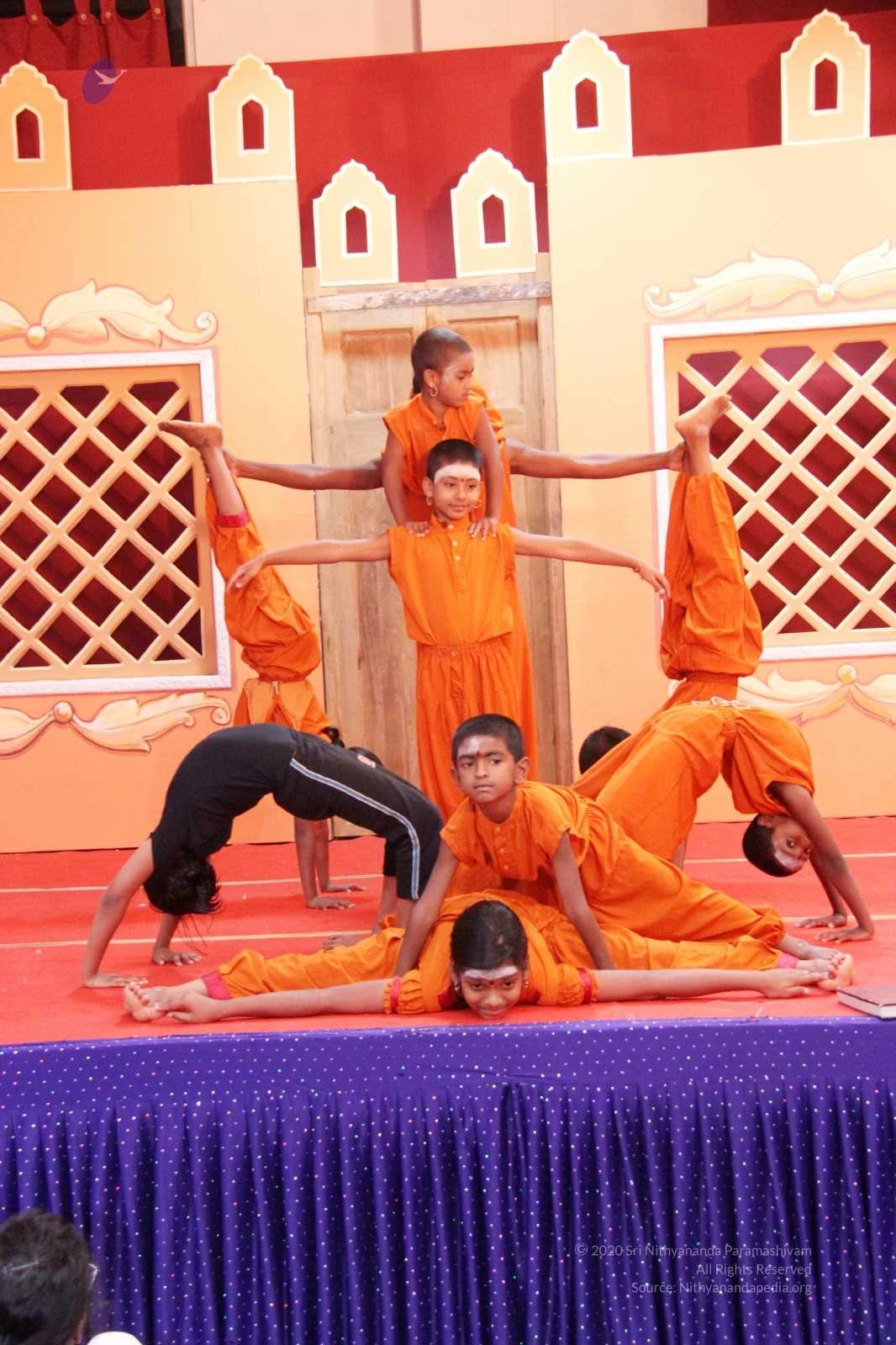
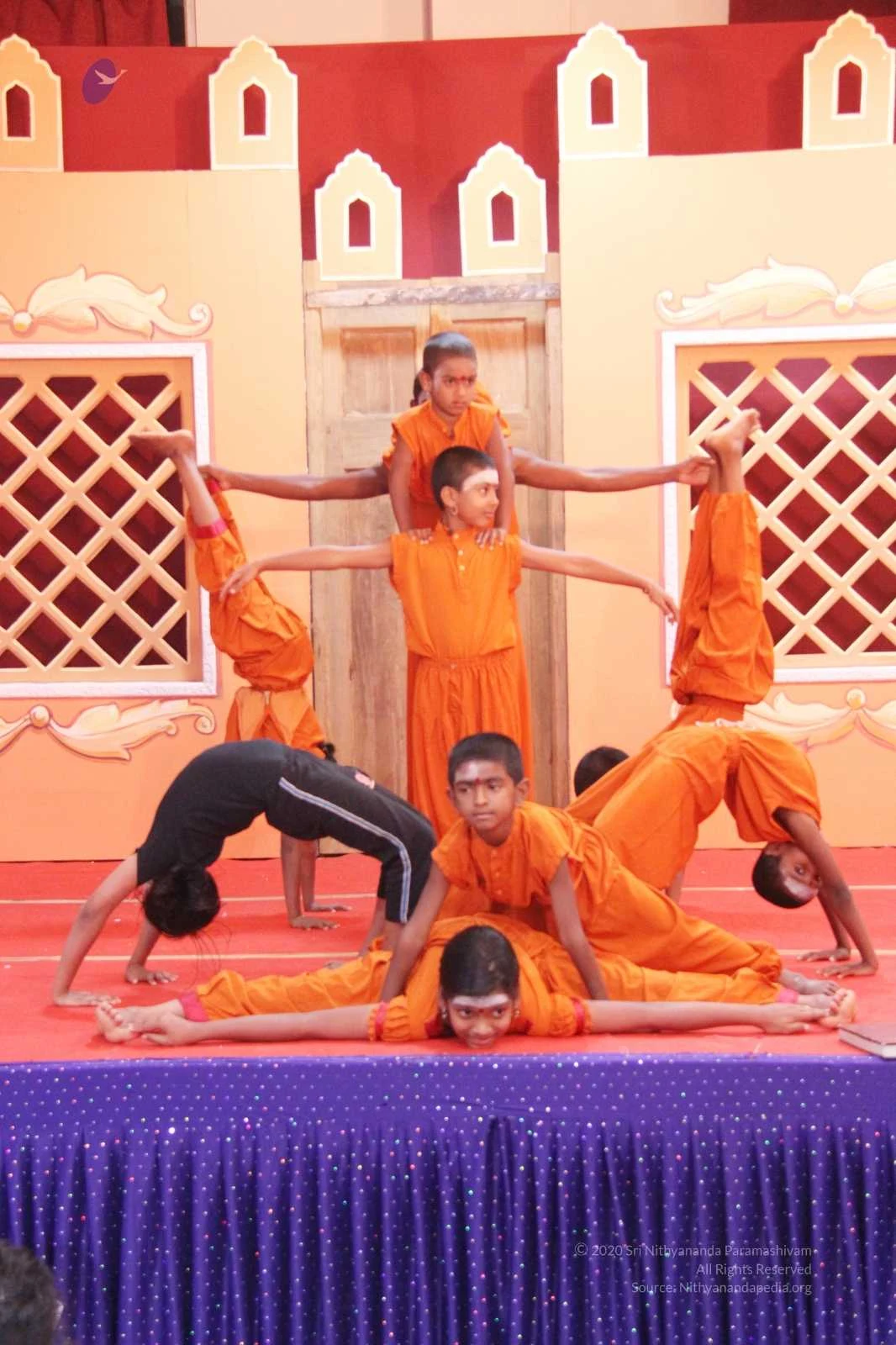
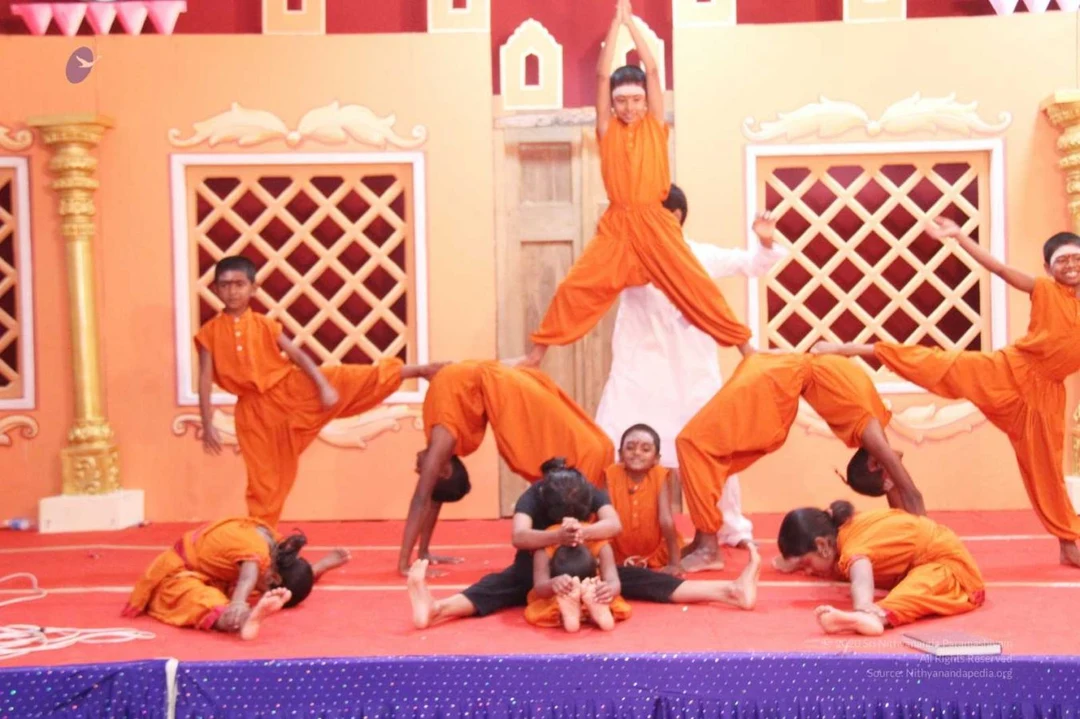
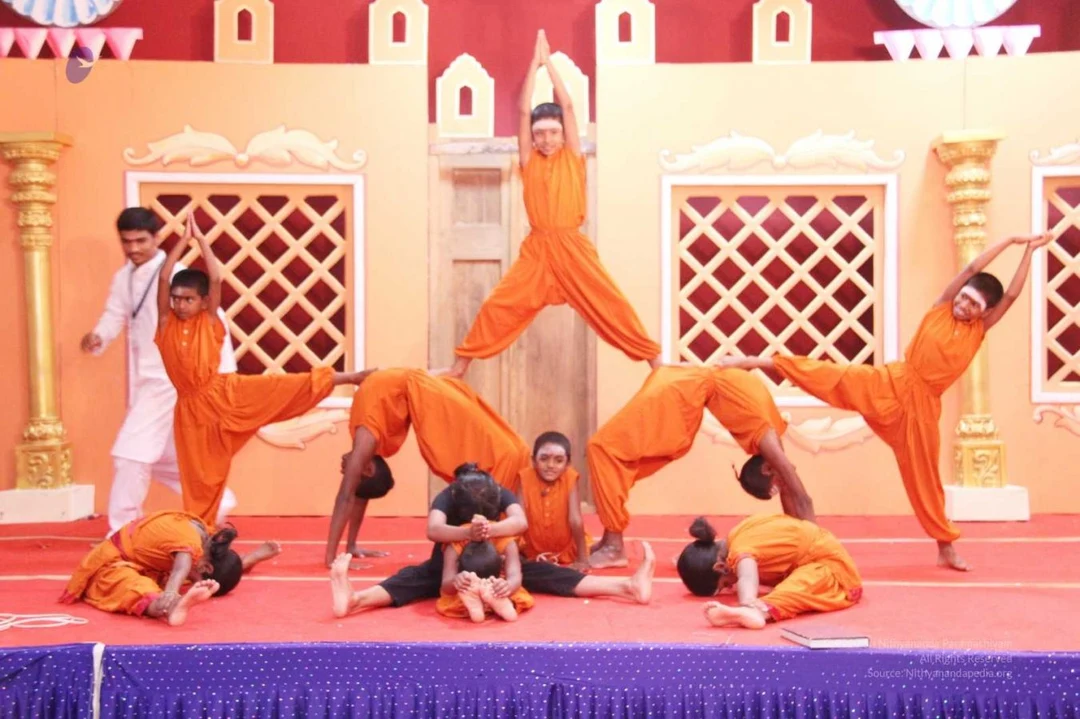
Navarathri Gurkulul Show

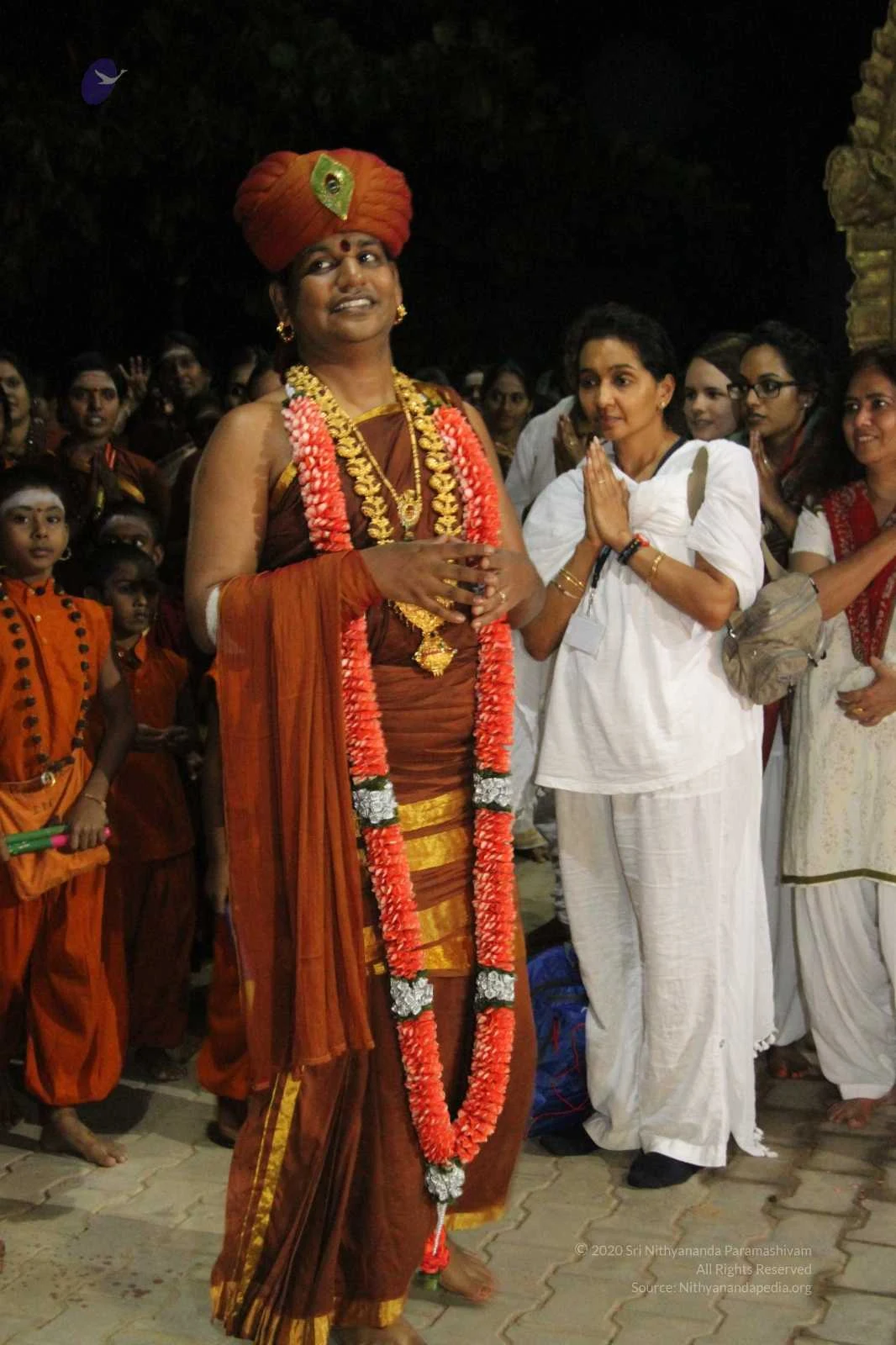
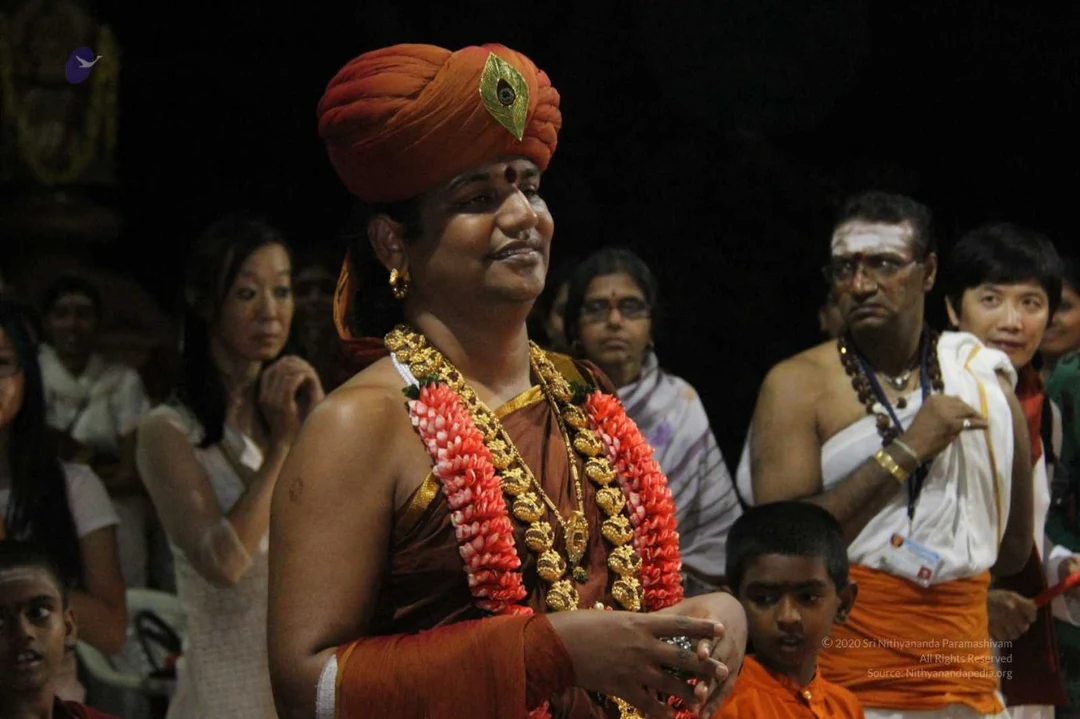
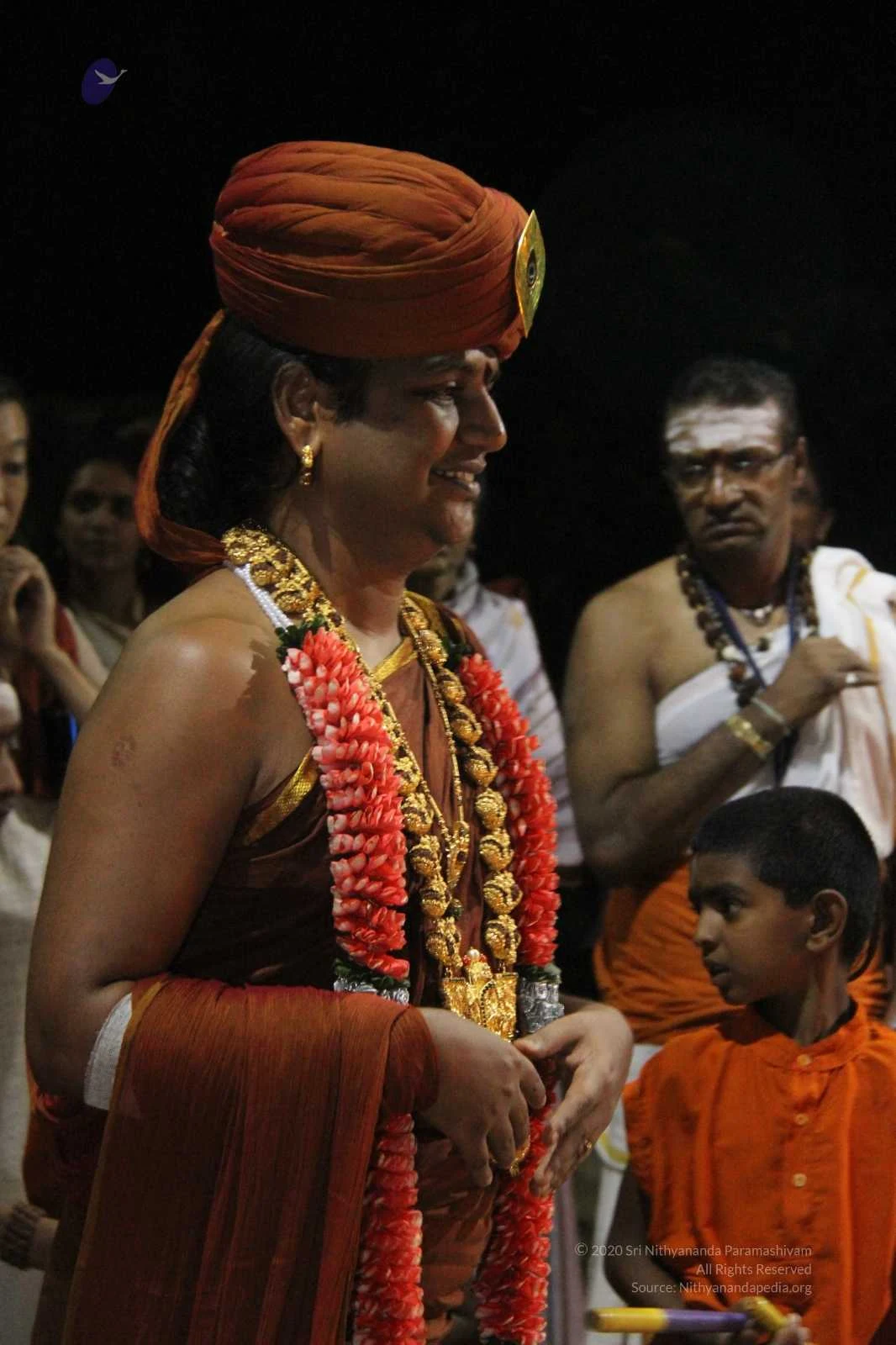
Ashramites, Gurukul Kids and Devotees Dhandiya Dance

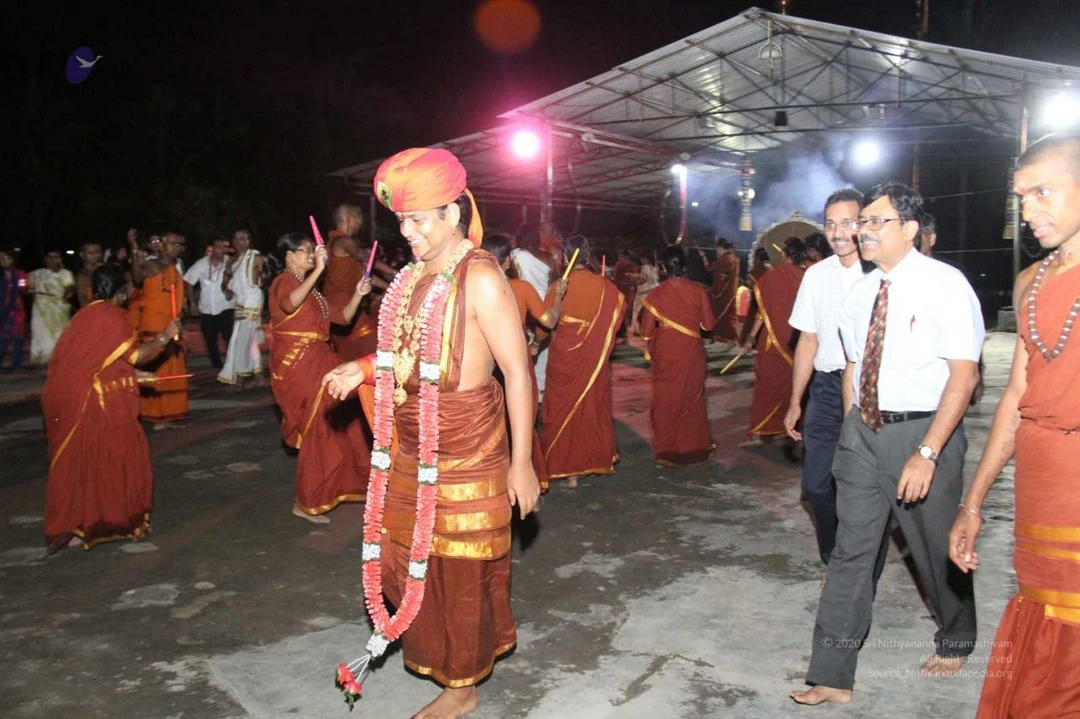
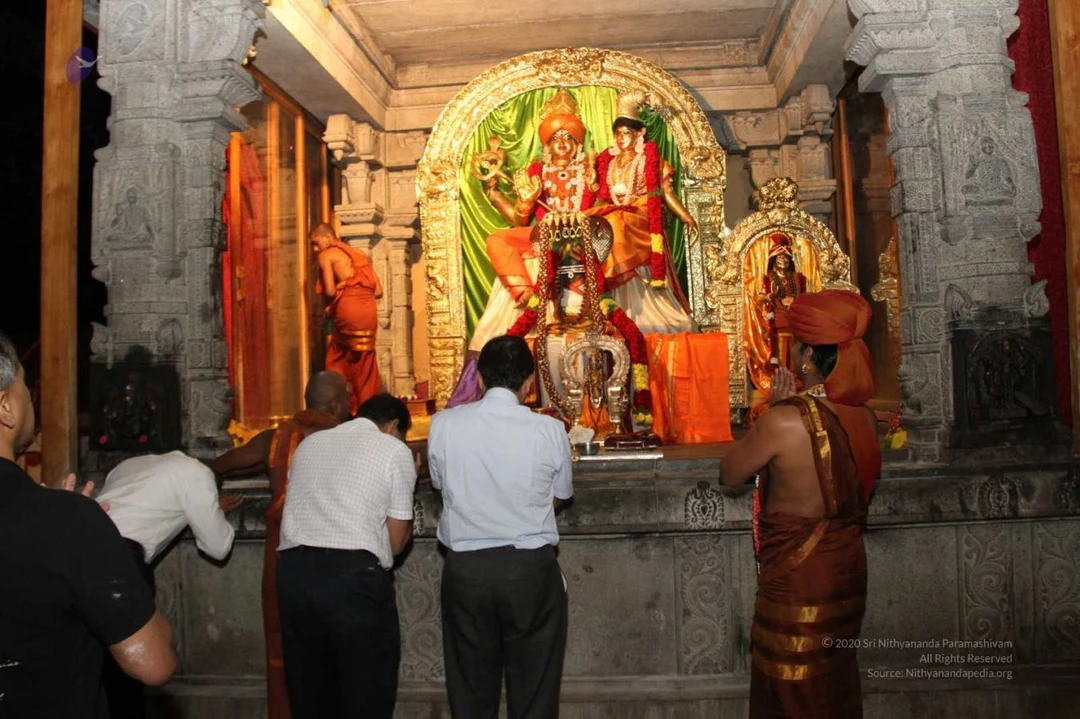
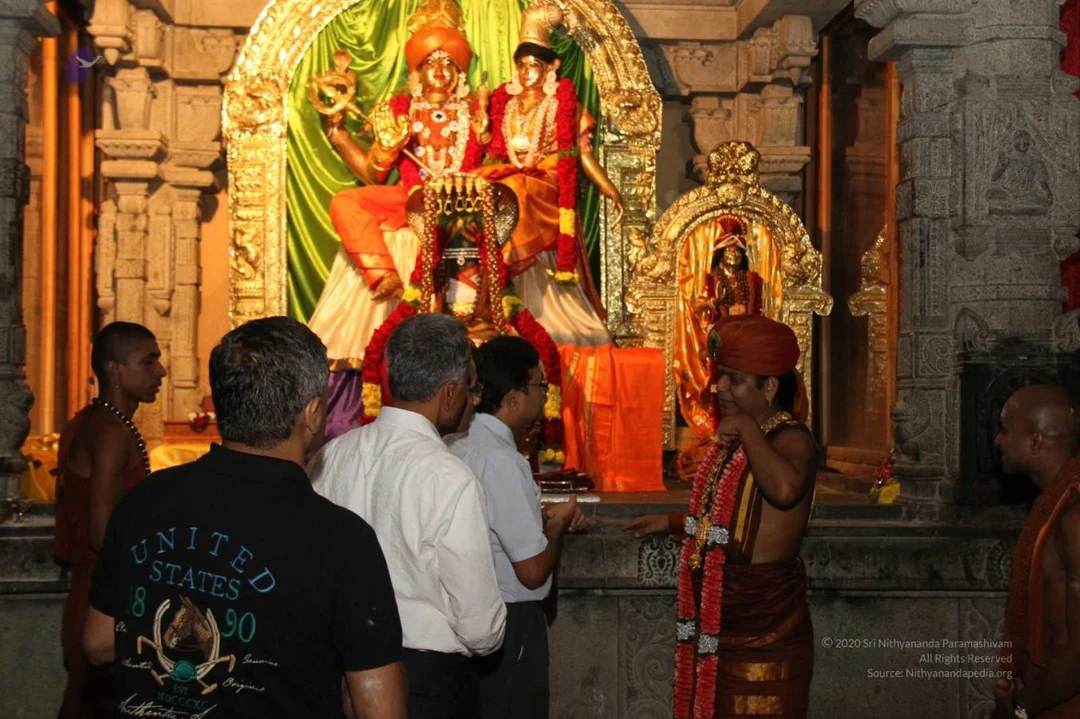
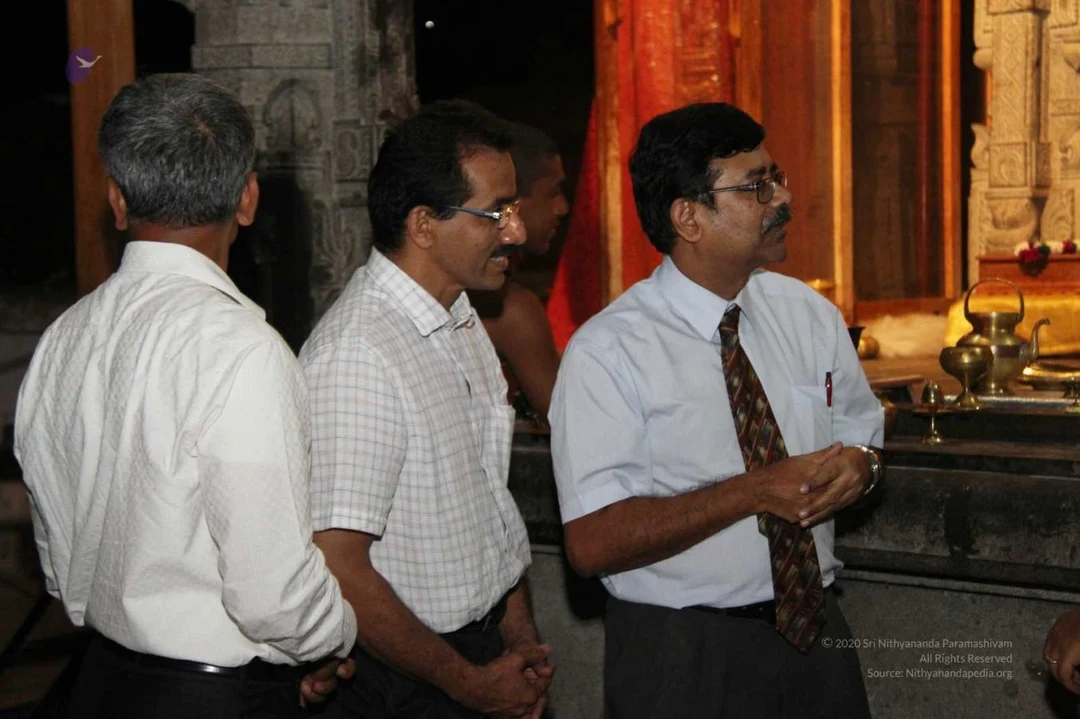
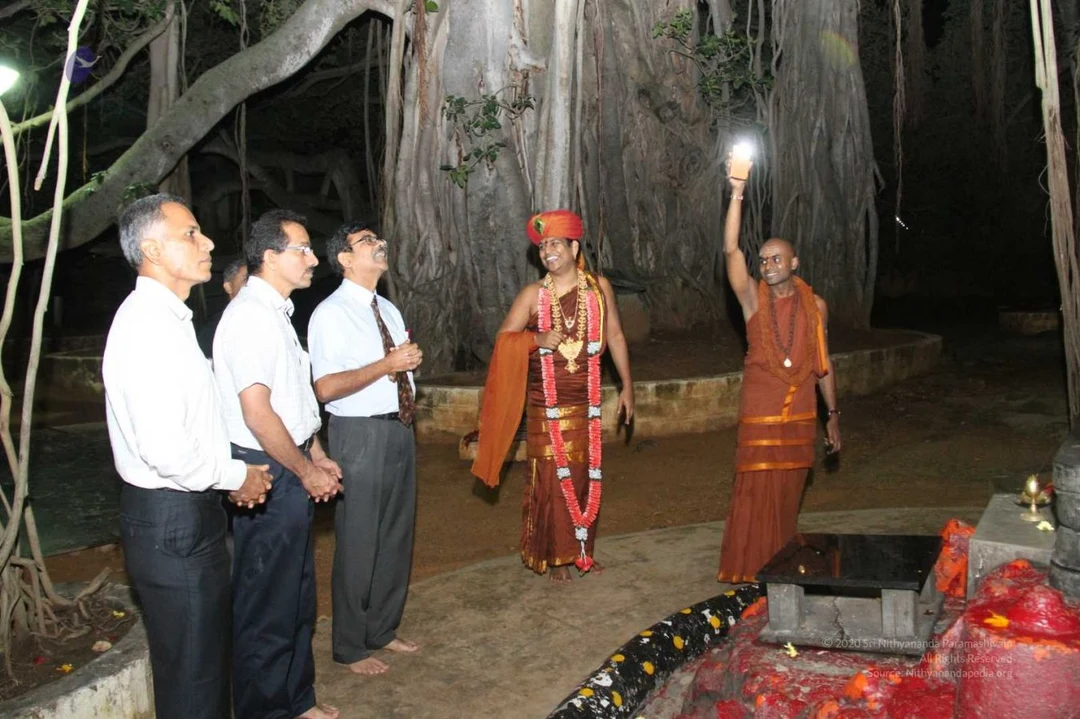
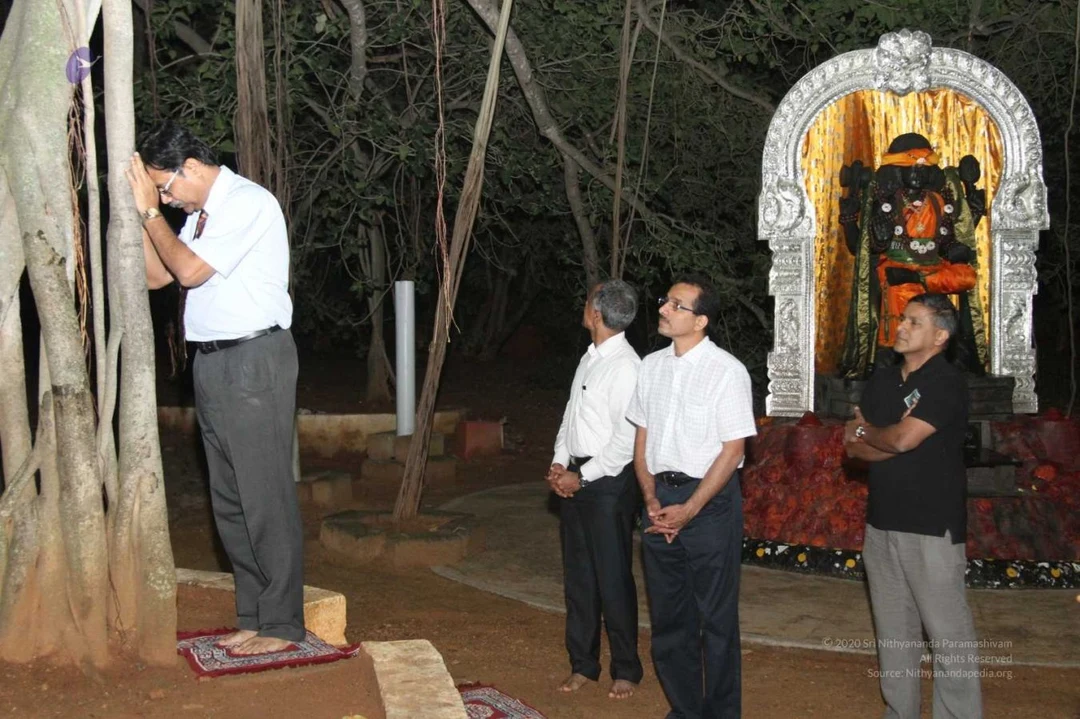
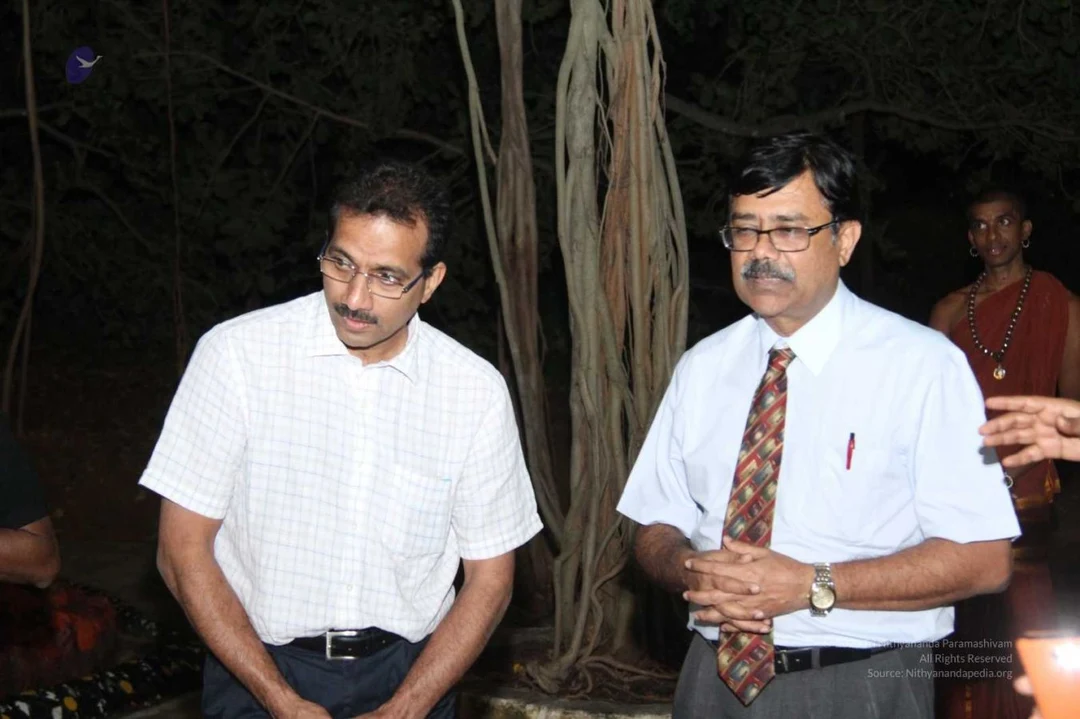
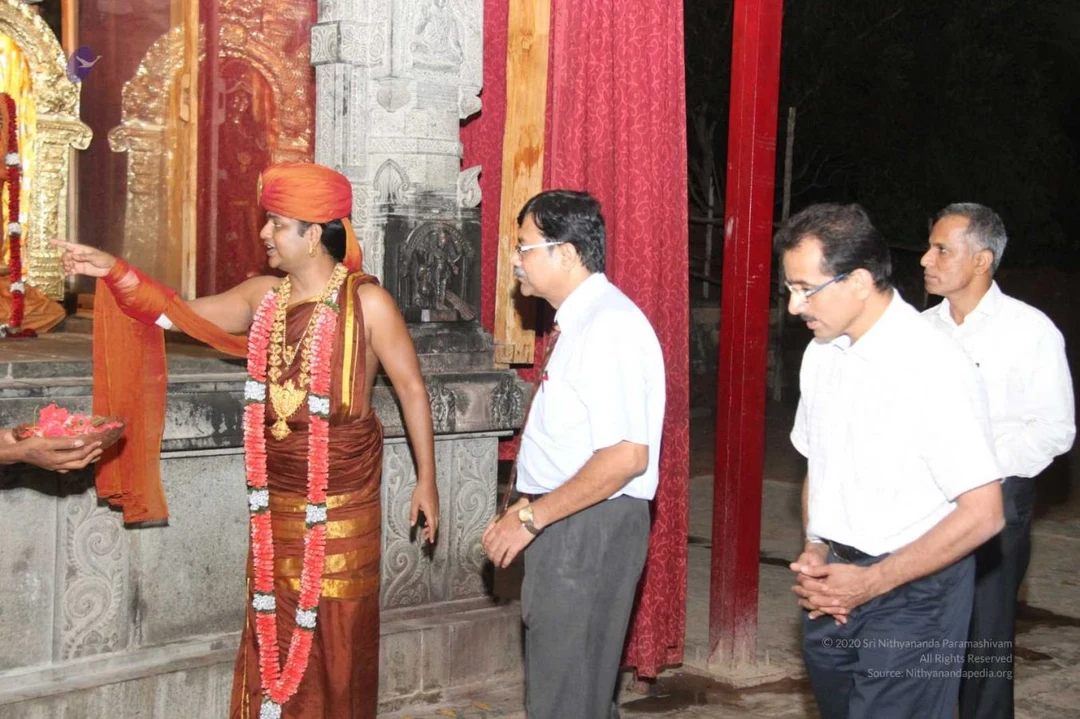
Dr. Raj Chakravarthy and Swamiji visit the temple

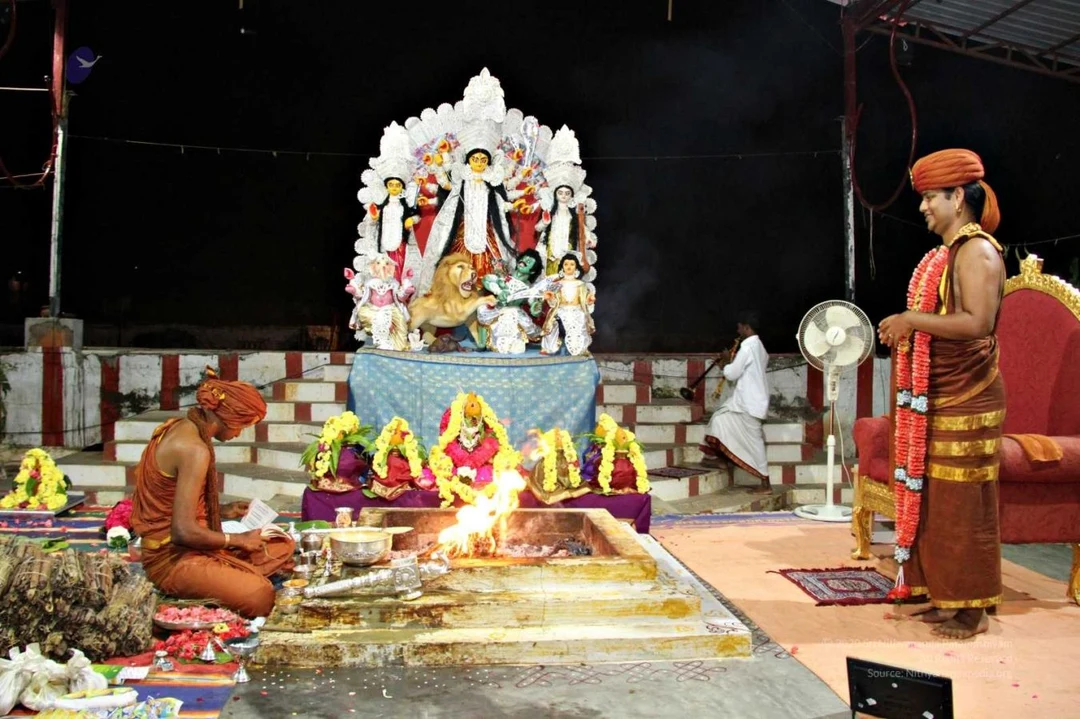
Homa

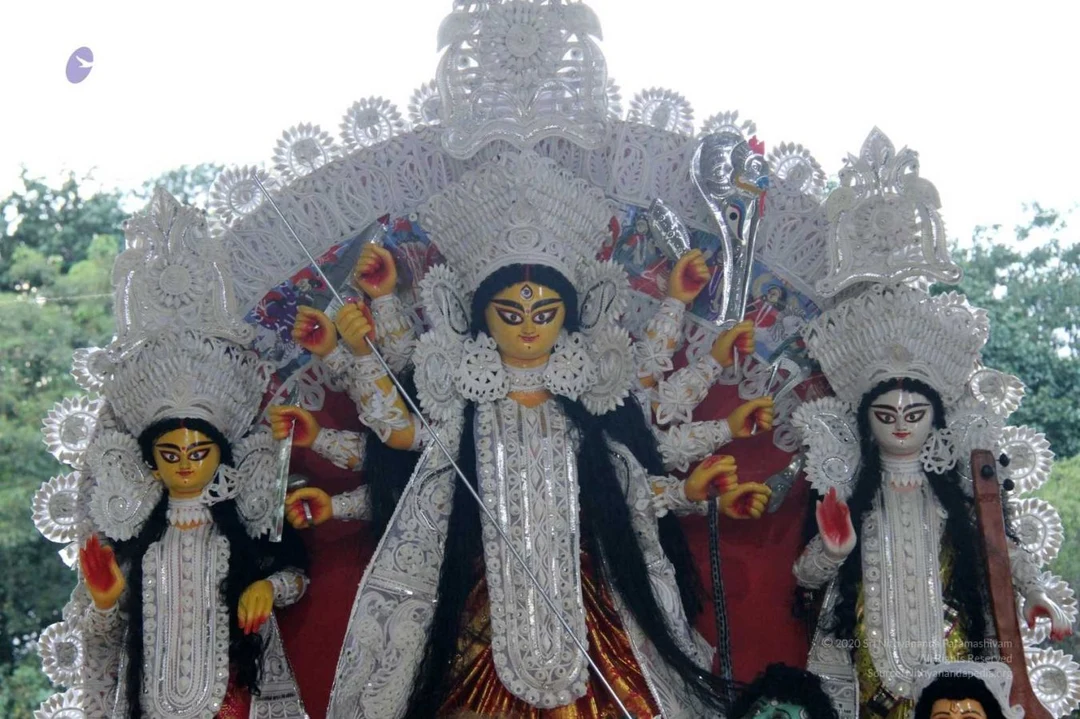
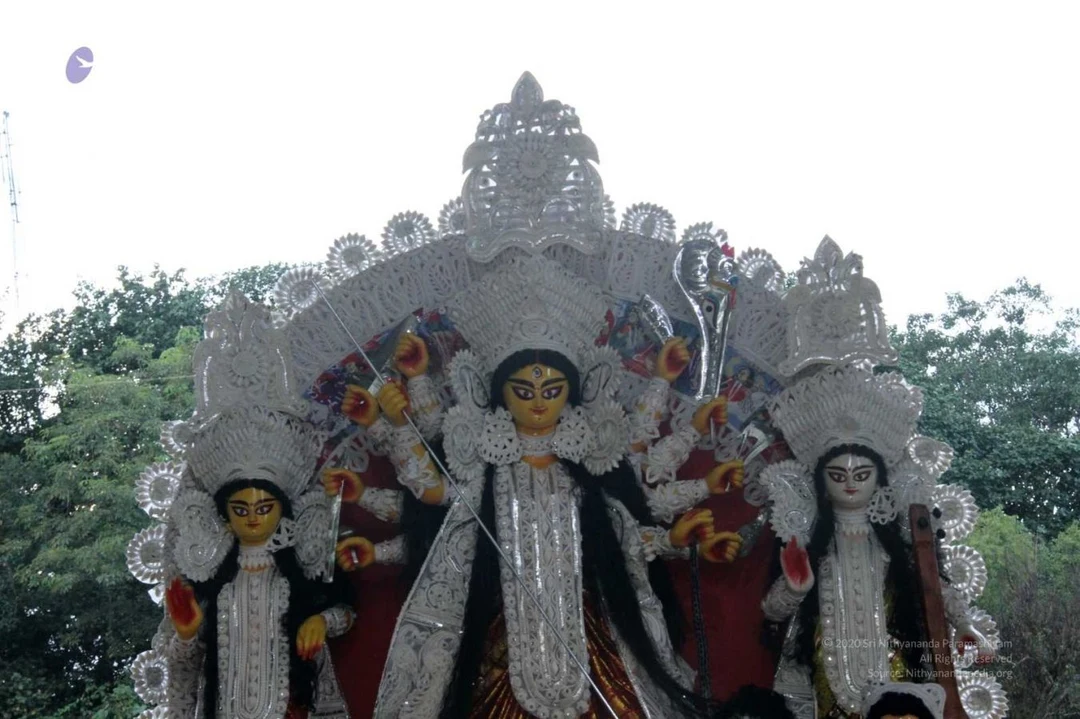
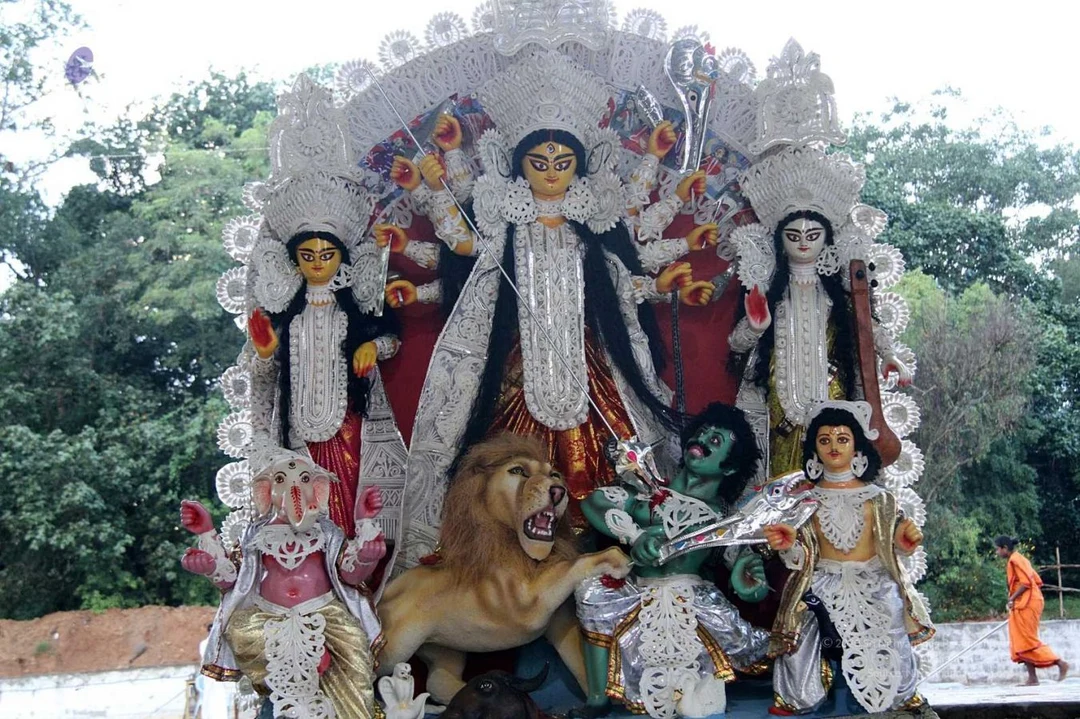
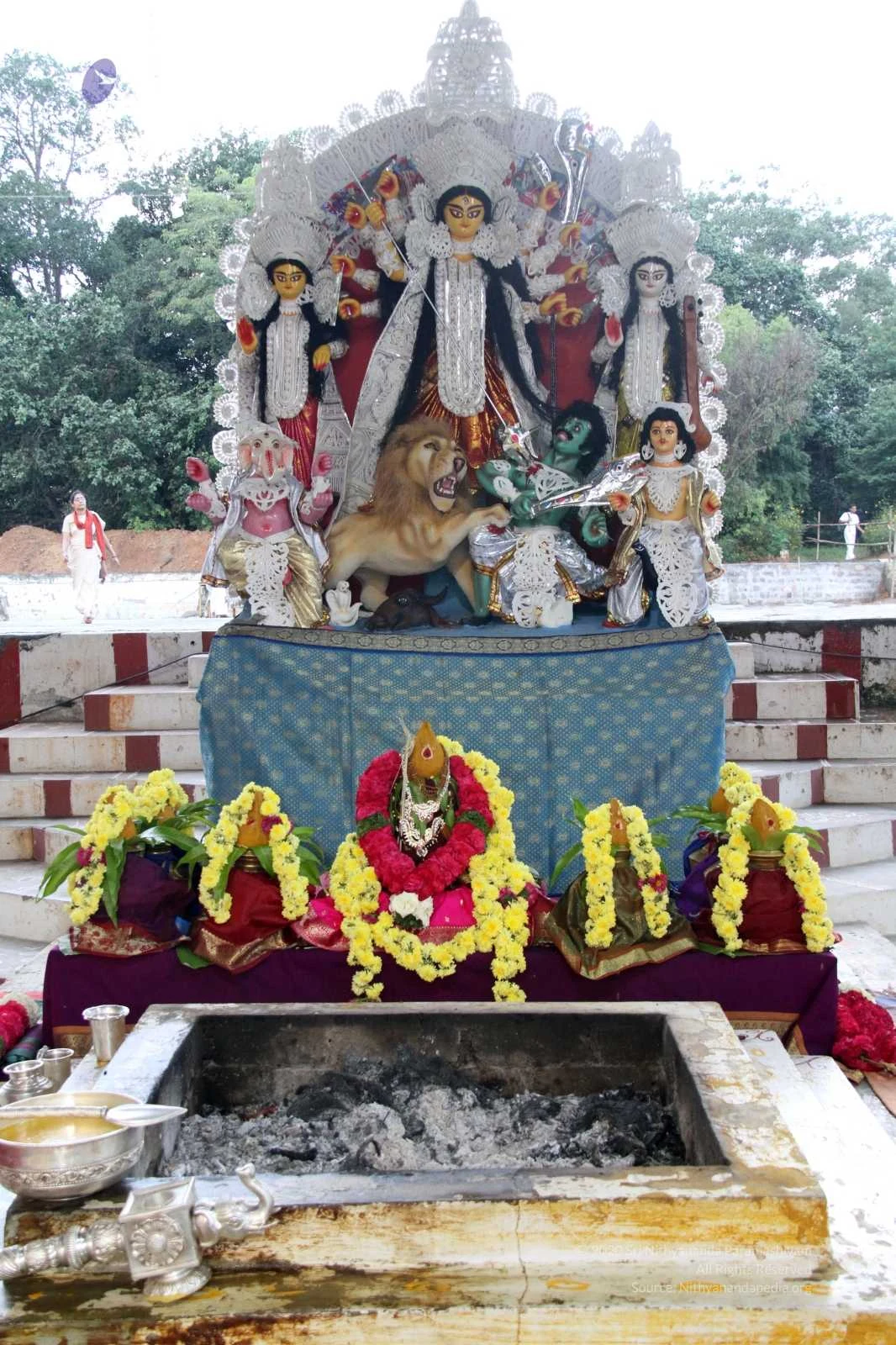
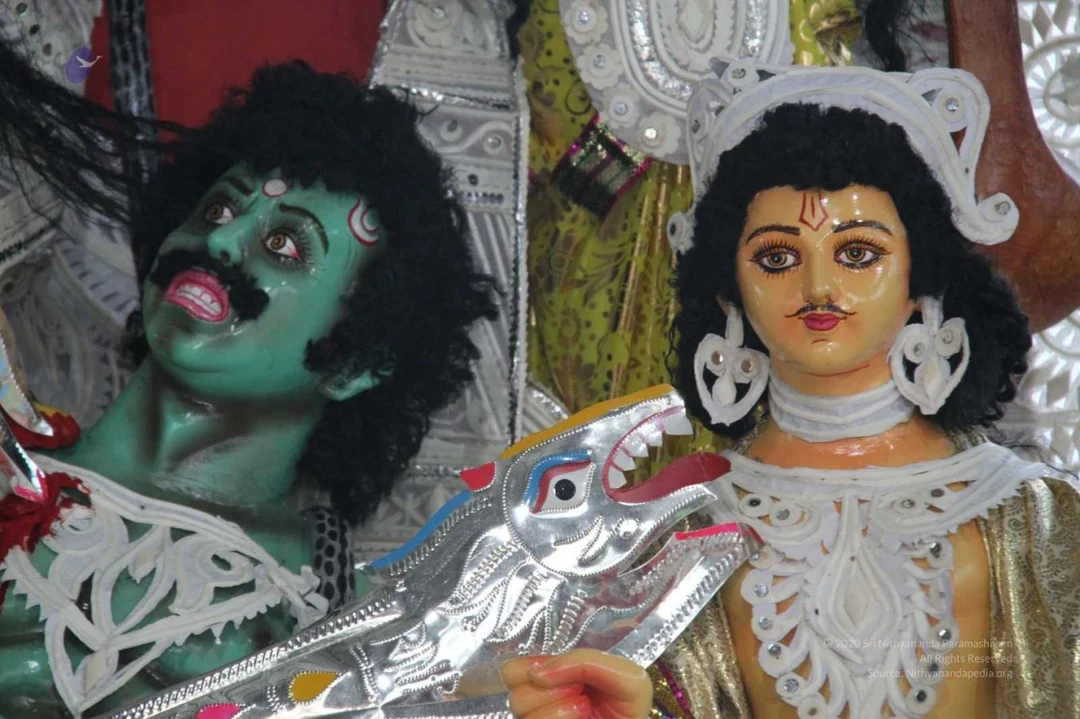
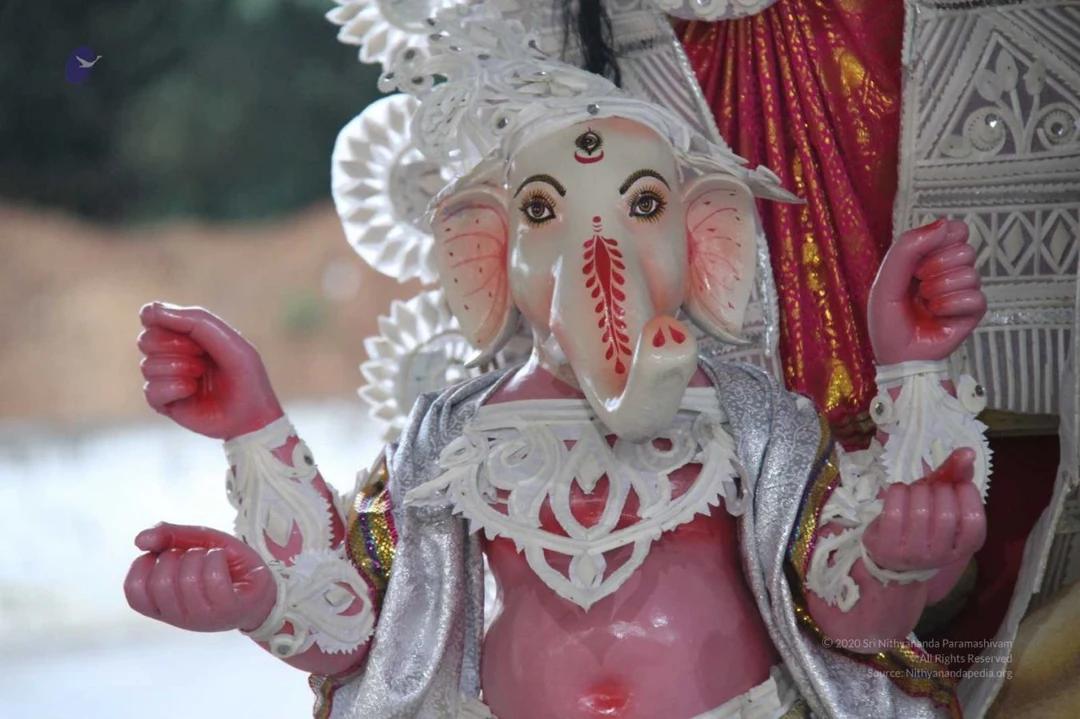
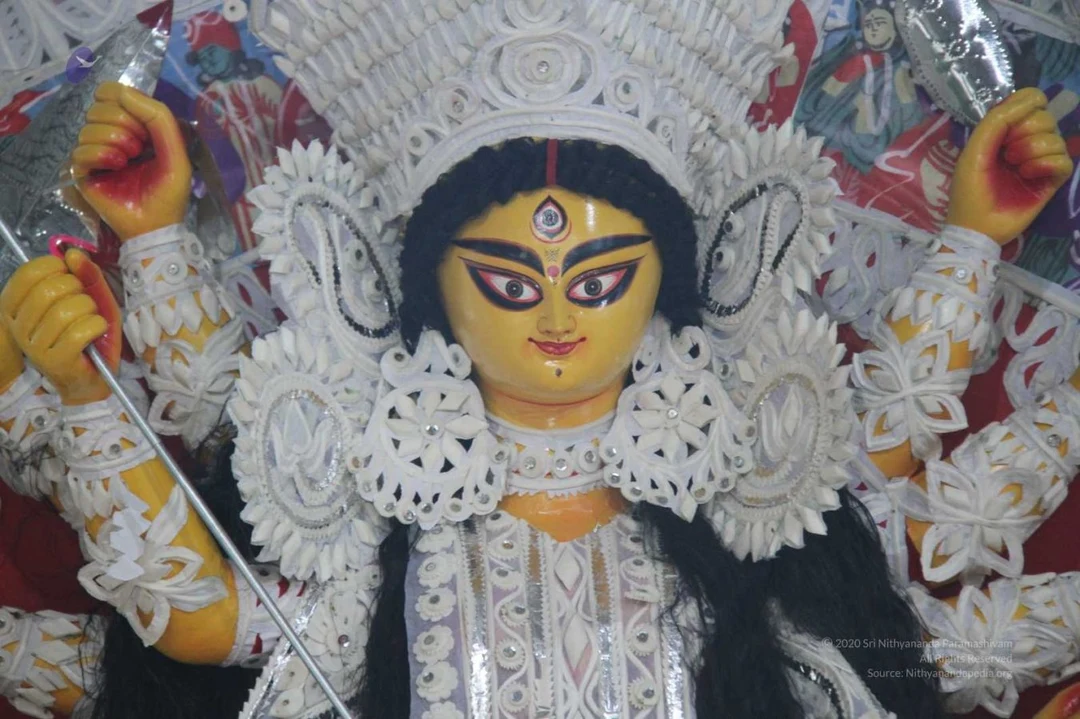
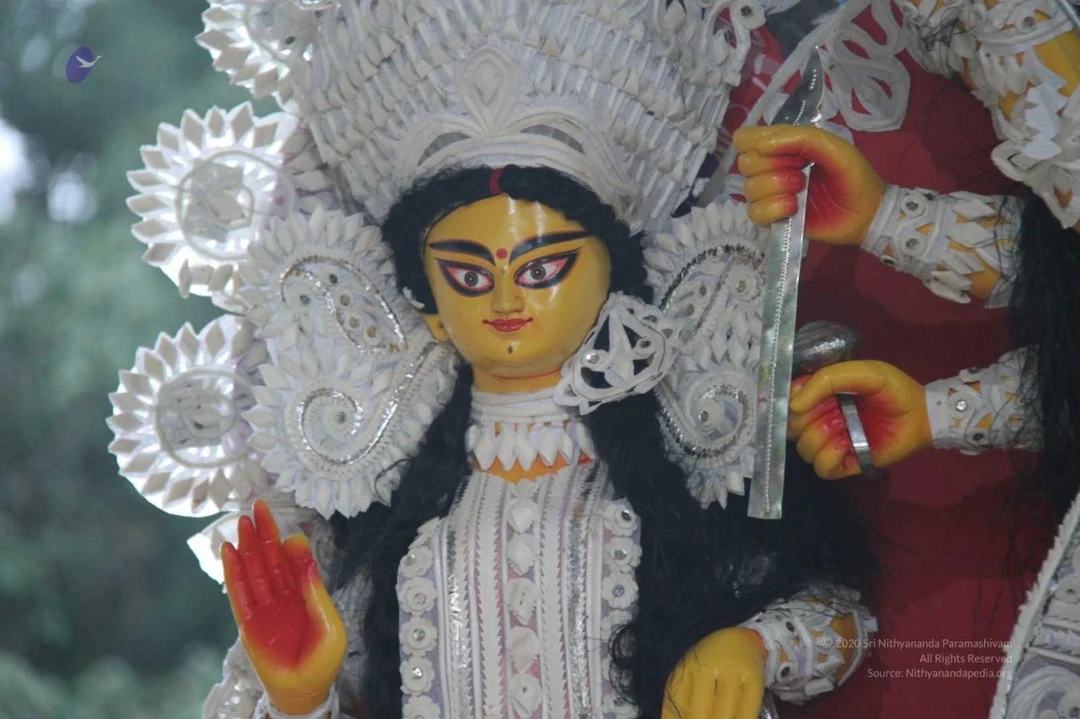
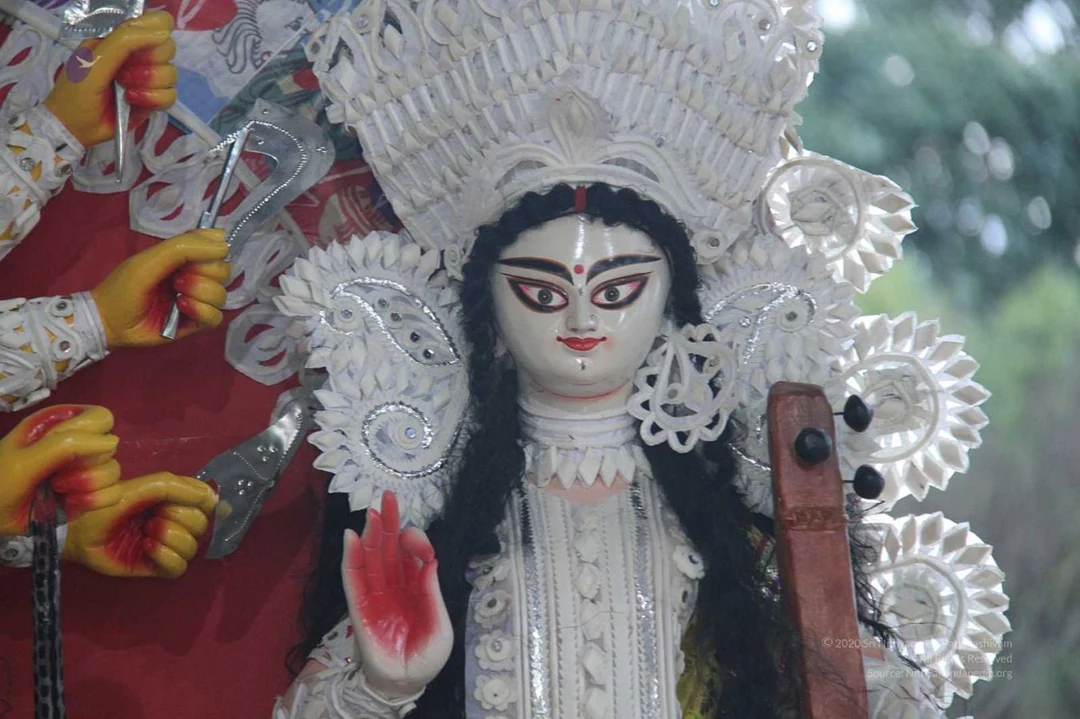
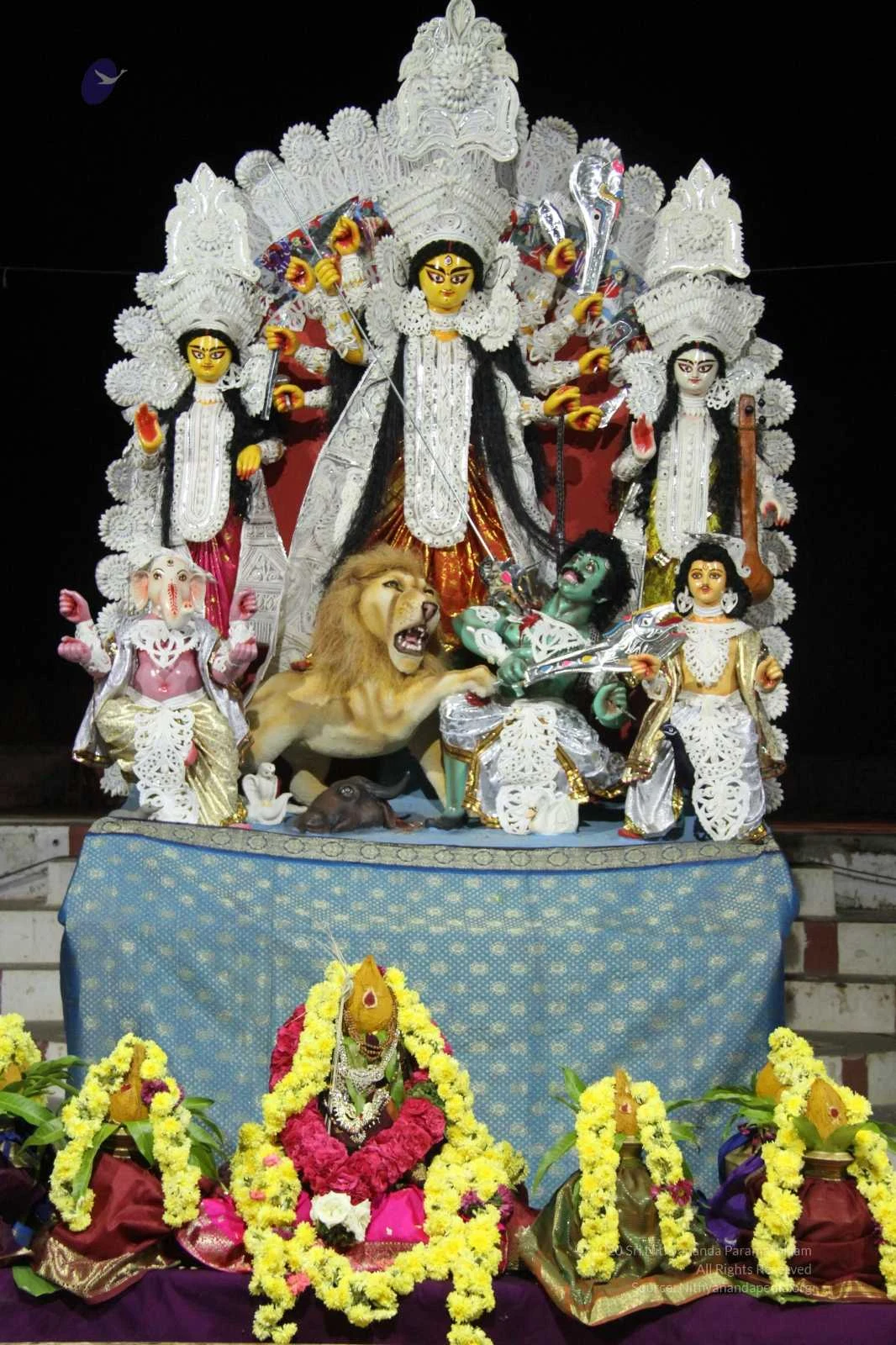
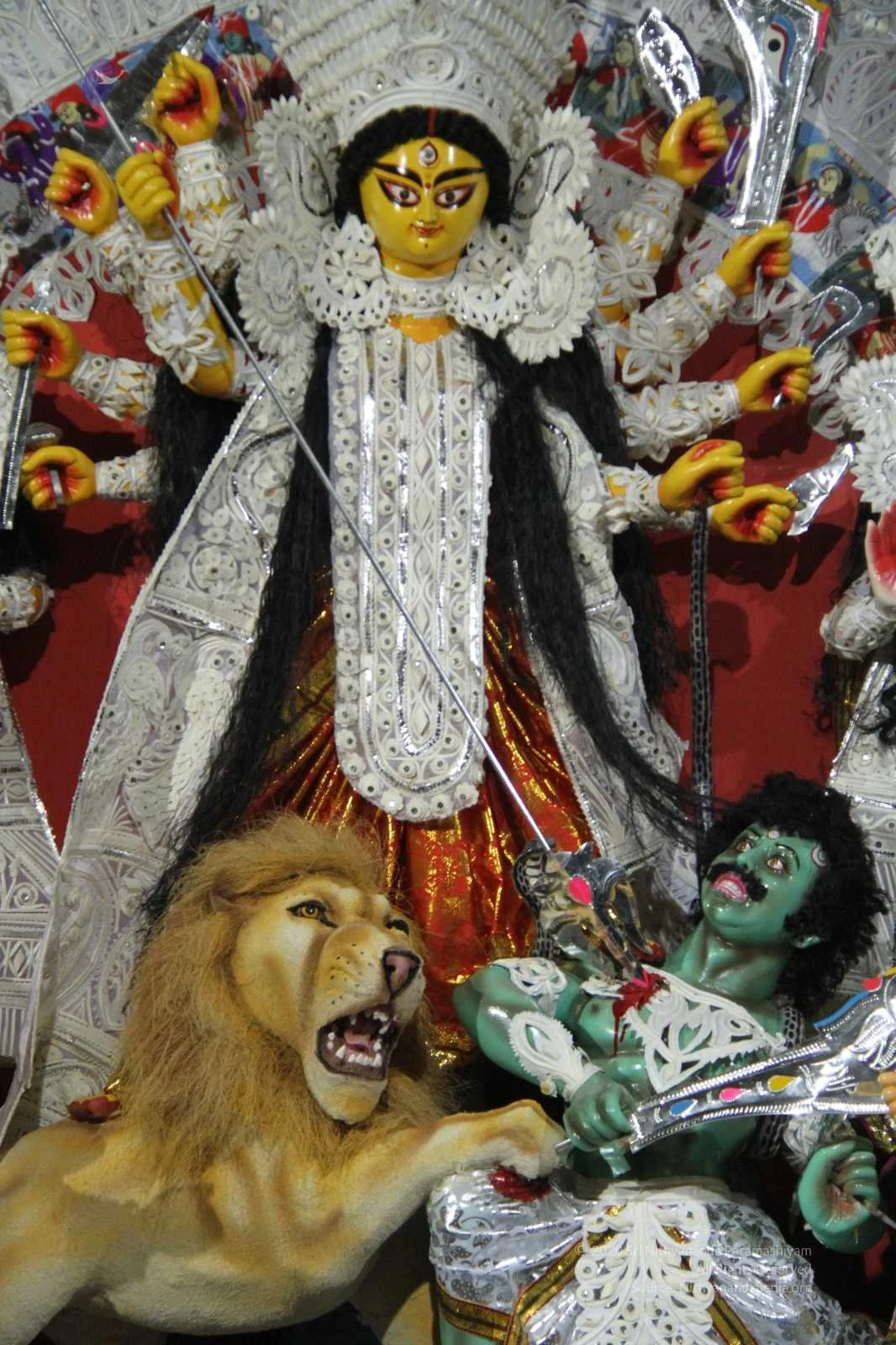
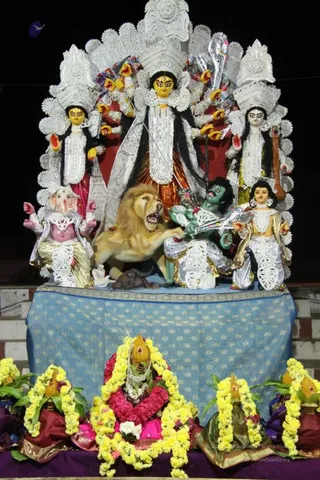
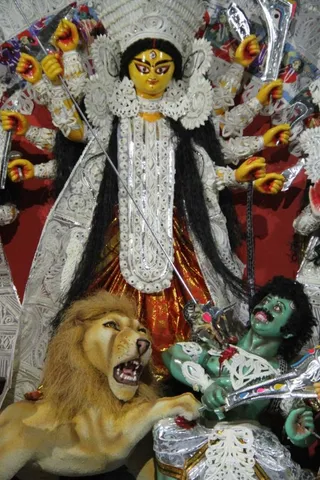
Kolkata Durga Deity

Photos from this day

View all 478 photos

Photos

1 photoSource gallery
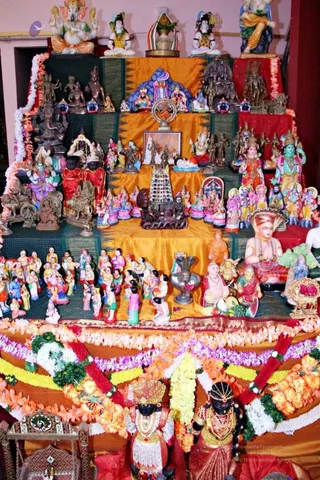
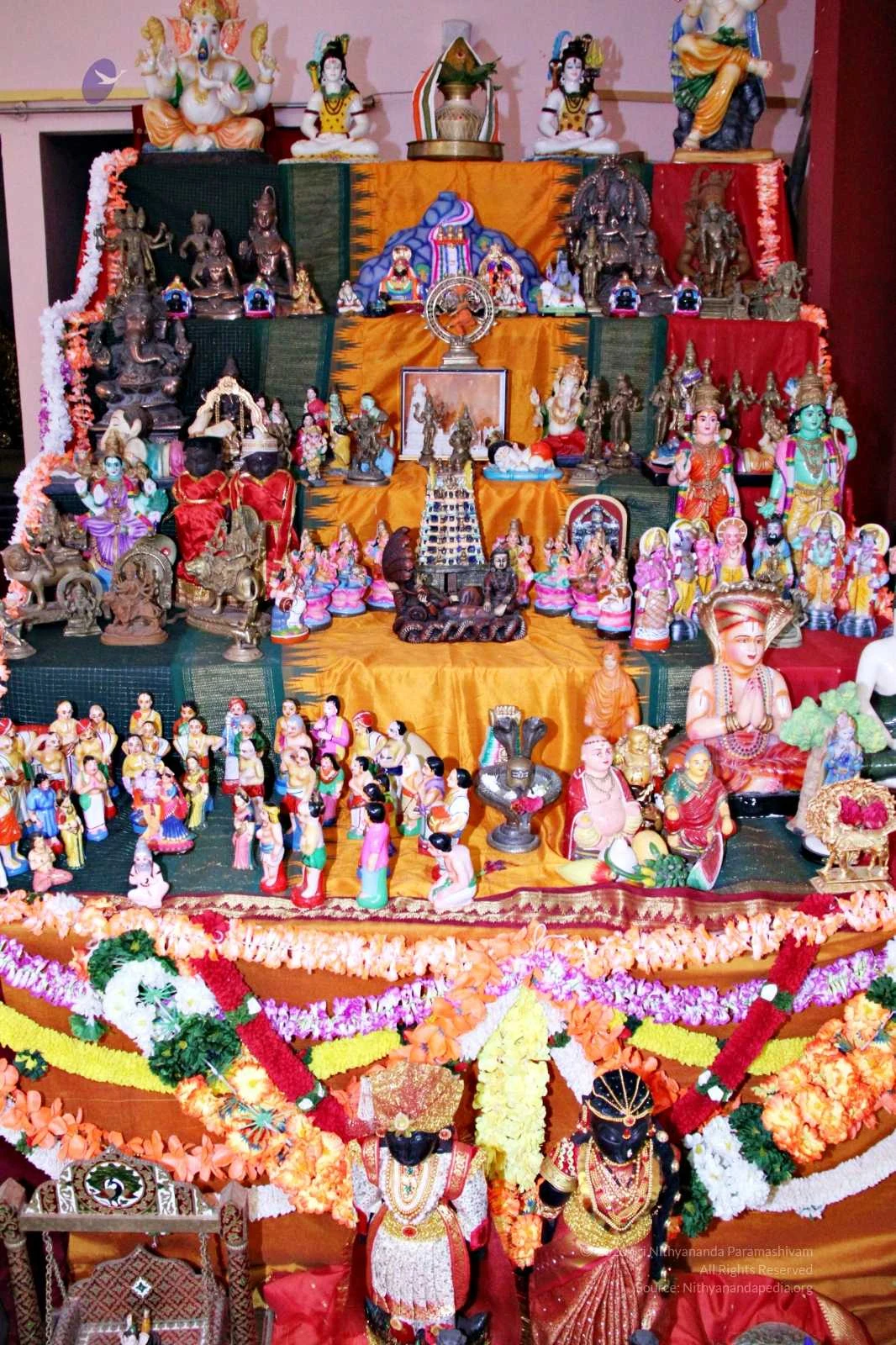
A tiered golu display of many dolls and figurines arranged on orange and green silk-draped steps, decorated with marigold and jasmine garlands. Top row holds Ganesha, seated Shiva figures and a kalasha. Central tier shows a nataraja bronze, a framed picture, a temple-tower model and a seated deity figure. Lower steps hold smaller painted dolls of devotees, a seated saint figure with folded hands and a rudraksha-adorned seated figure, plus a pair of dark-complexioned bride-and-groom dolls in red and gold at the front. No physical people are visible; all figures are statues or dolls.

Navrathri Devi Alankaram

10 photosSource gallery
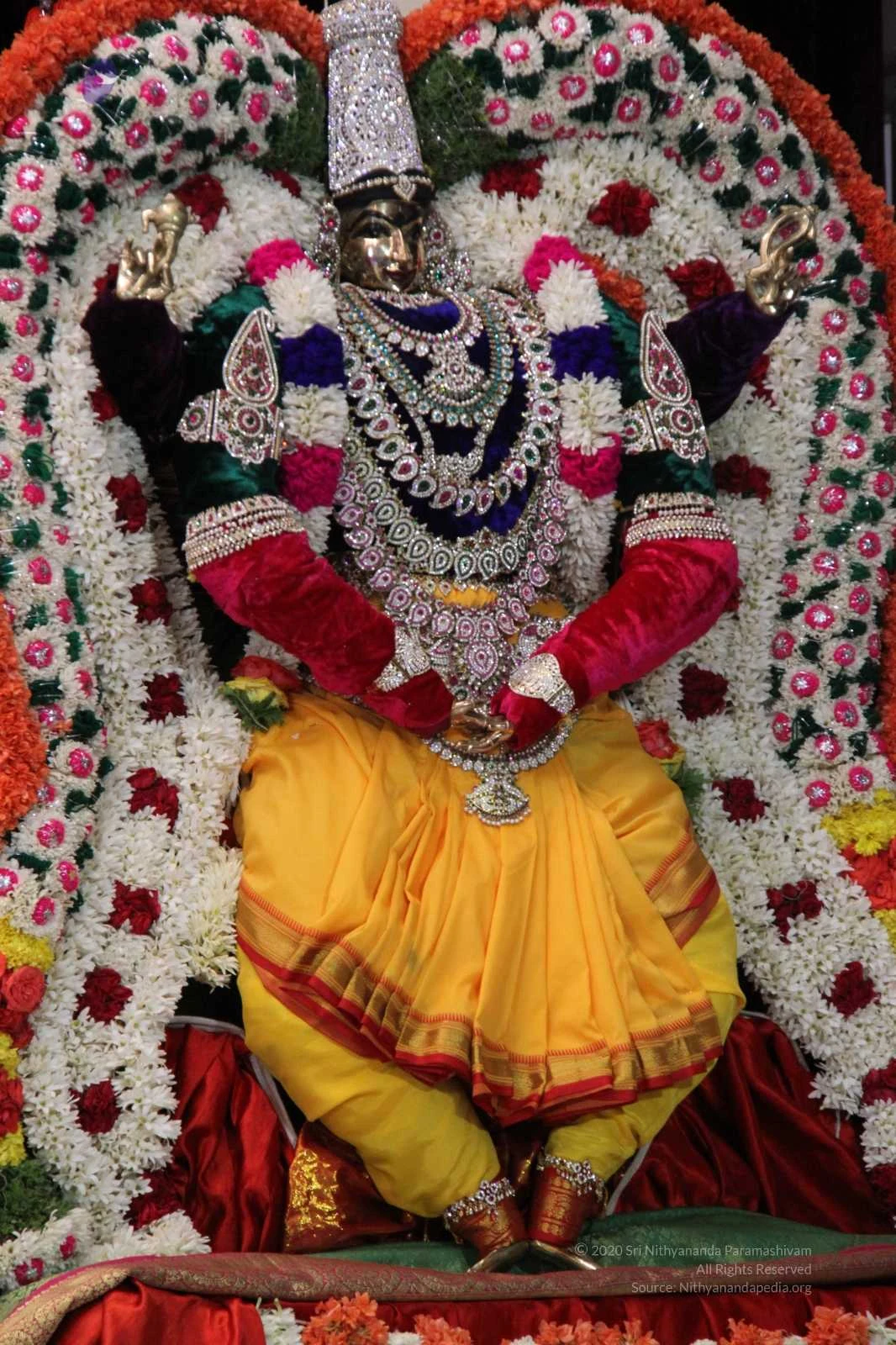
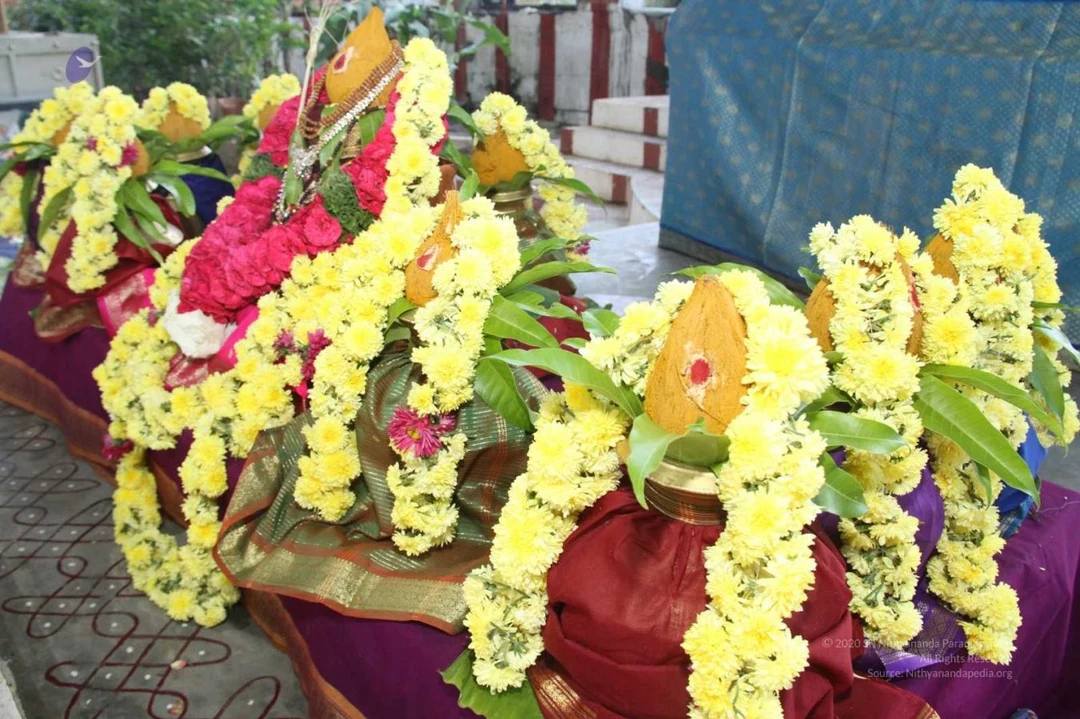
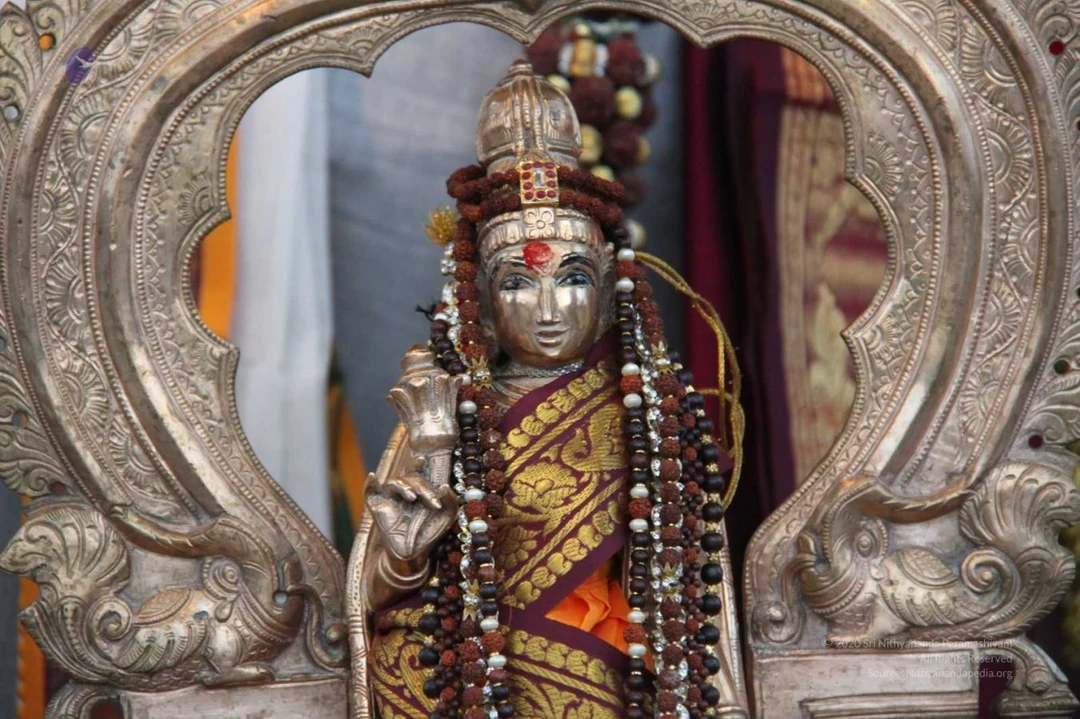
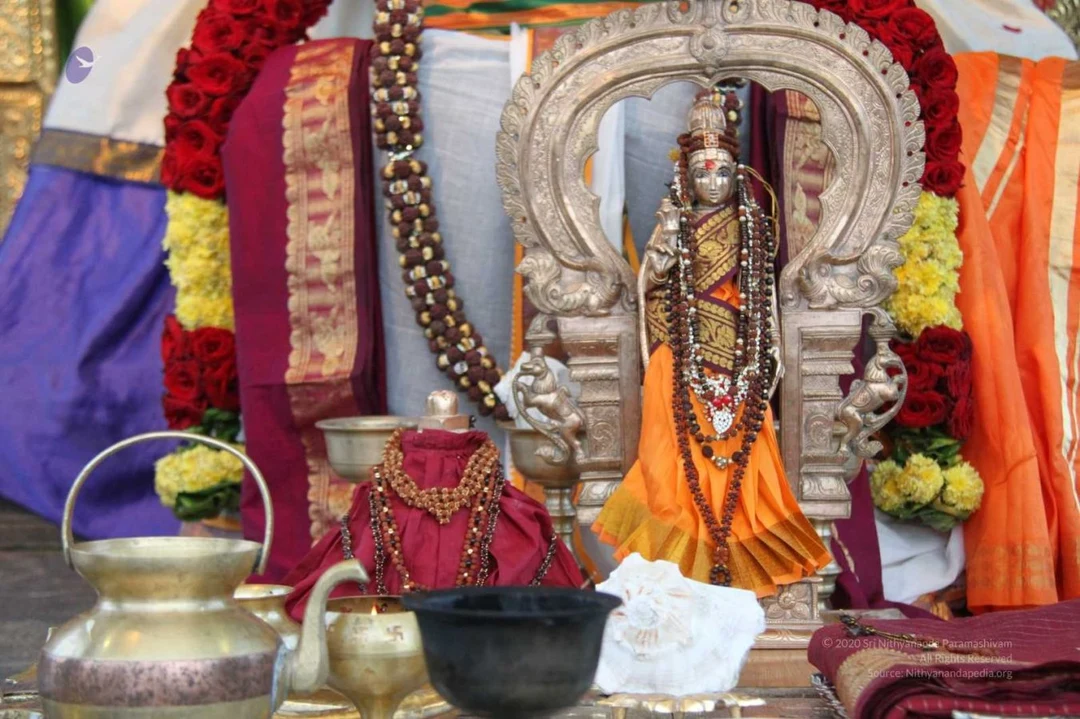
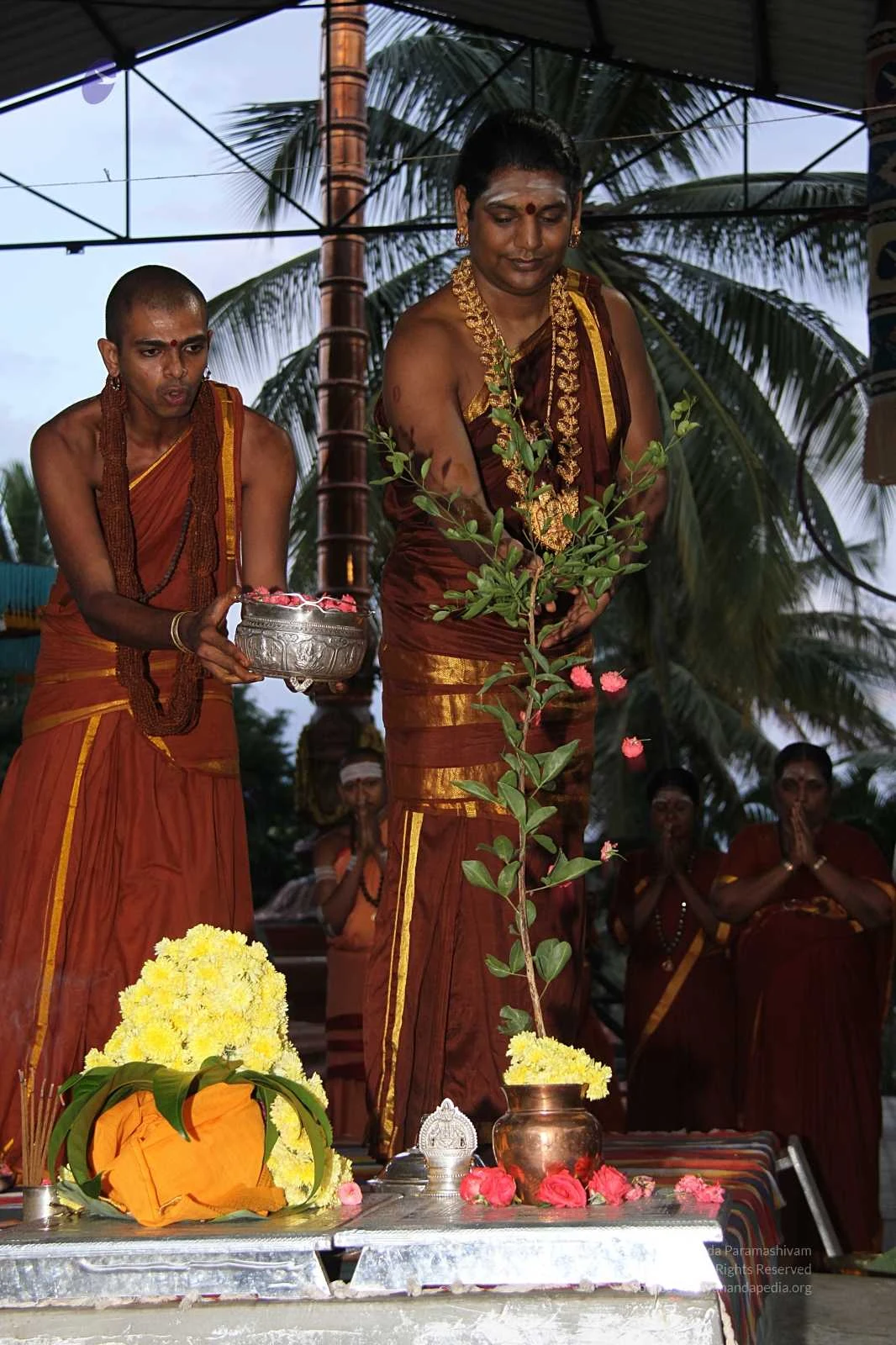
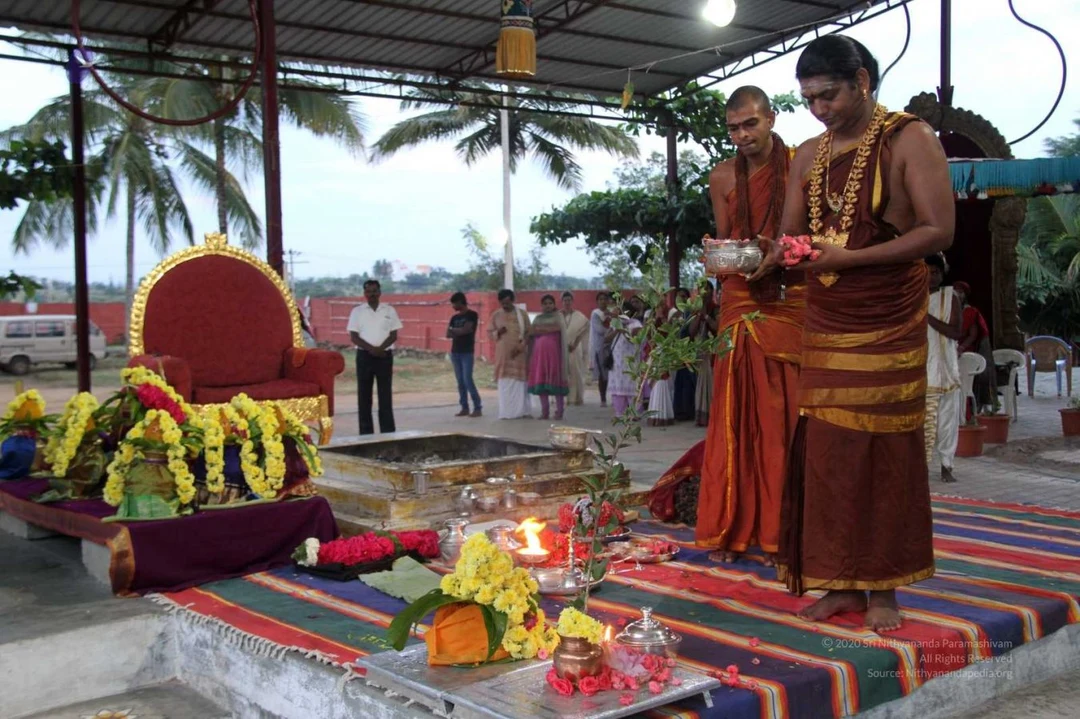
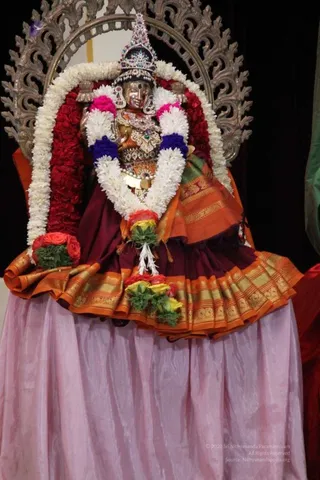
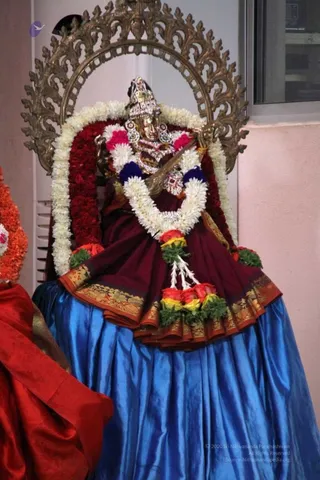
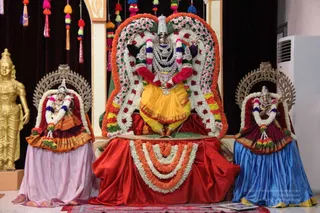
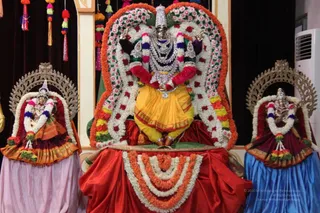
A photograph of a decorated deity murti, a golden metal figure seated on a red cushioned throne and framed by a large arch of white jasmine garlands and pink and red flowers. The murti wears a tall jewelled crown, layered diamond-style necklaces and bangles, and a yellow silk dhoti with a gold-bordered red band, with red velvet sleeves and a dark green-and-purple velvet upper garment. Its hands show gold mudra gestures. No physical people are visible in the scene.A photograph of a decorated deity murti seated on a dark-draped stage in front of an ornate silver-toned arched backdrop. The figure wears a tall jewelled crown, a silver-and-gem necklace, and a maroon and orange silk sari with gold zari borders, draped over a pale pink skirt cloth. Garlands of white jasmine, red roses, pink and blue flowers, and green leaves frame the figure and hang from the arch, with rose bouquets placed at its sides and lap. No people are visible.A photograph of a metal deity murti of a goddess seated within an ornate brass arch backdrop. The murti wears a jewelled crown, silver-and-gem necklaces and earrings, and holds a veena. It is draped in a maroon sari with a gold zari border over a royal blue skirt, with white jasmine garlands, red and pink flowers, and a long green-and-red flower garland hanging from the neck. To the left edge a red-clad figure is partly visible. No person is clearly visible in the central scene. A window and pink wall form the background.Photograph of a decorated temple shrine with a central deity murti seated on a red draped platform, dressed in yellow garments with silver ornaments and a crown, framed by a large arch of white, orange and red flower garlands. Two smaller murtis flank it on silver-rimmed backdrops, one in pink and orange, the other in blue and maroon, each adorned with garlands. A tall golden standing statue stands at left, colourful tassels hang above, and a wall air conditioner is visible at right. No physical people are present.Three decorated deity murtis are shown in a temple setting, with a central figure seated on a red cloth-draped platform framed by a floral arch of white, pink, red and orange garlands. The central murti wears a tall crown, layered silver and beaded necklaces, a yellow skirt and silver armlets, and holds up gold-accented hands. Flanking murtis on the left and right sit on draped pink and blue cloths, wearing crowns, garlands in white, red and multicolour, and saris in maroon and orange. Brass arched backdrops, hanging tassels and an air conditioner appear behind them. No people are visible.A decorated deity murti is seated on a red draped altar in a shrine. The central figure wears a tall silver crown, layered silver necklaces, a yellow dhoti and red bangles, and its arms are framed by a large heart-shaped arrangement of white, orange and red flower garlands. Two smaller female deity murtis flank it on ornate gold-framed thrones, one in an orange and maroon sari and the other in a deep maroon and blue outfit, each adorned with white and multicoloured garlands. Rows of orange and white flower garlands hang across the red altar cloth below, and a wall-mounted air conditioner and dark drapes with tassels frame the scene. No people are visible.

Venkateshwara Alankaram on an Elephant
5 photosSource gallery
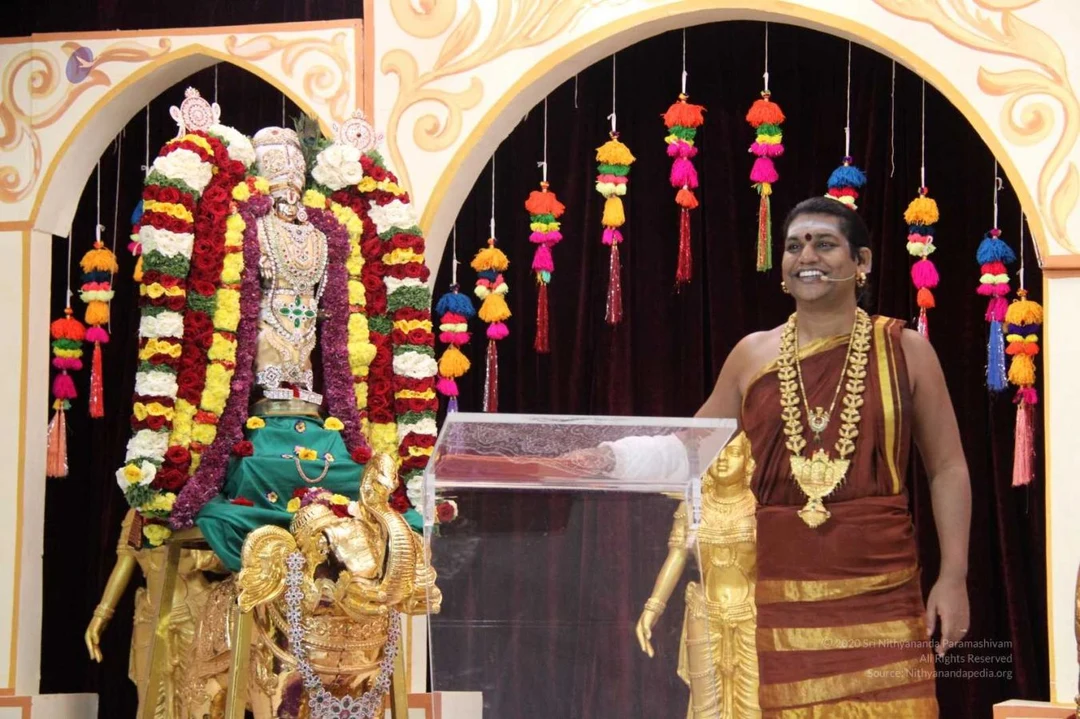
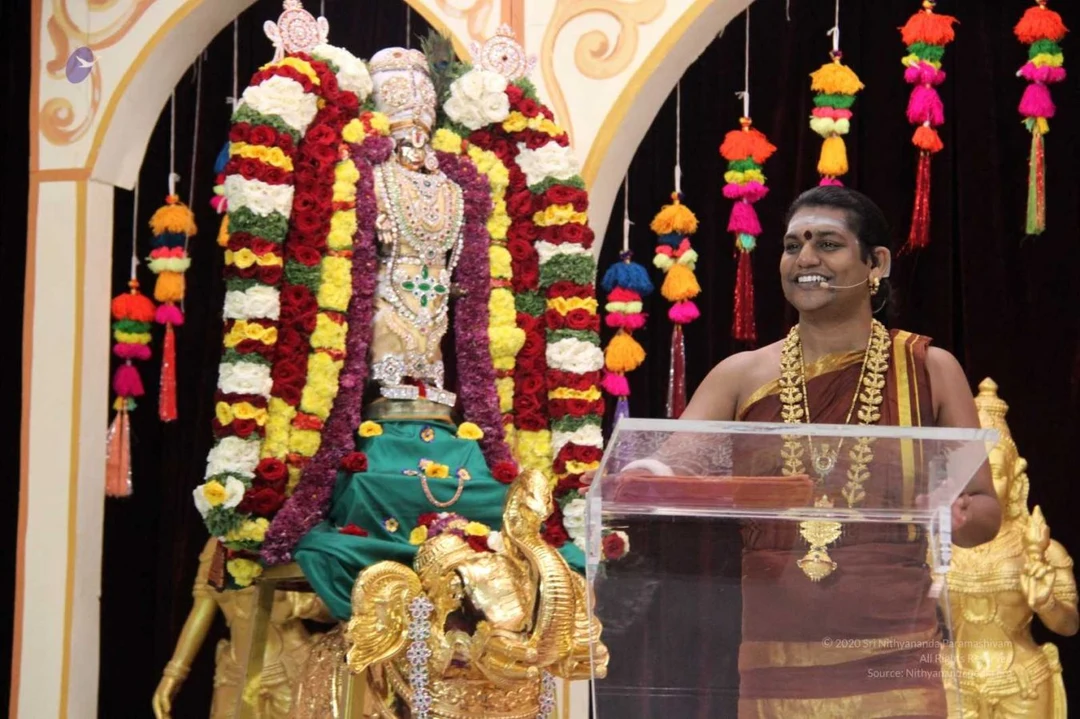
A decorated deity murti stands at the centre of an arched shrine, adorned with layered gold and jewelled necklaces, a green emerald-set pendant, and a tall white crown with a peacock feather. Long garlands of red roses, white flowers, yellow marigolds and purple blossoms frame the figure on both sides. Below, a green cloth covers a gold base, with a gilded elephant-like vahana in the foreground draped with a jewelled garland. Colourful tasselled hangings in orange, pink and purple hang at the sides against dark curtains. No physical people are visible.A decorated deity murti stands in the centre of an altar framed by red roses, white roses, yellow marigolds and purple flower garlands. The figure wears a tall white and gold jewelled crown with a peacock feather, a golden face with a vertical tilak, and layered gold necklaces set with green, red and white stones, including a large green cross pendant. Its white cloth is draped over a teal green cloth on the altar, with yellow flowers and a small golden kalasha-like object at the base. Gold ornamental shields with red and white jewelling sit at the top corners. No physical people are visible.A photograph of a deity murti standing in a shrine, adorned with a white and gold crown, heavy jewelled necklaces, emerald and diamond ornaments and a gold waist belt over a cream-gold garment. Garlands of red roses, white roses, yellow marigolds and purple blossoms frame the figure in an arch. Below, a green cloth covers a seat with a gold lion or serpent-like base in the foreground. Two decorative gold and white ornamental finials rise at the top corners. No physical people are visible in the scene.A decorated deity murti stands on a green cloth draped over a golden elephant-shaped base, framed by large garlands of red roses, white roses, yellow marigolds and purple flowers. The figure wears a tall white crown, layered jewelled necklaces, emerald-and-diamond ornaments and armlets, and a small tilak on the forehead. A peacock feather rises behind the crown. The gilded elephant carries a jewelled necklace and rose ornaments. A small fan and red fabric appear at the lower left.A decorated deity murti stands on a golden vahana-like base draped with a green cloth, surrounded by arches of red roses, white roses, yellow marigolds and purple flower garlands. The murti wears a tall ornate crown with a peacock feather, layered jewelled necklaces with green and red stones, and armlets. Gold-coloured ornaments and tassels hang at the right. No physical people are visible in the frame.

Paduka Puja

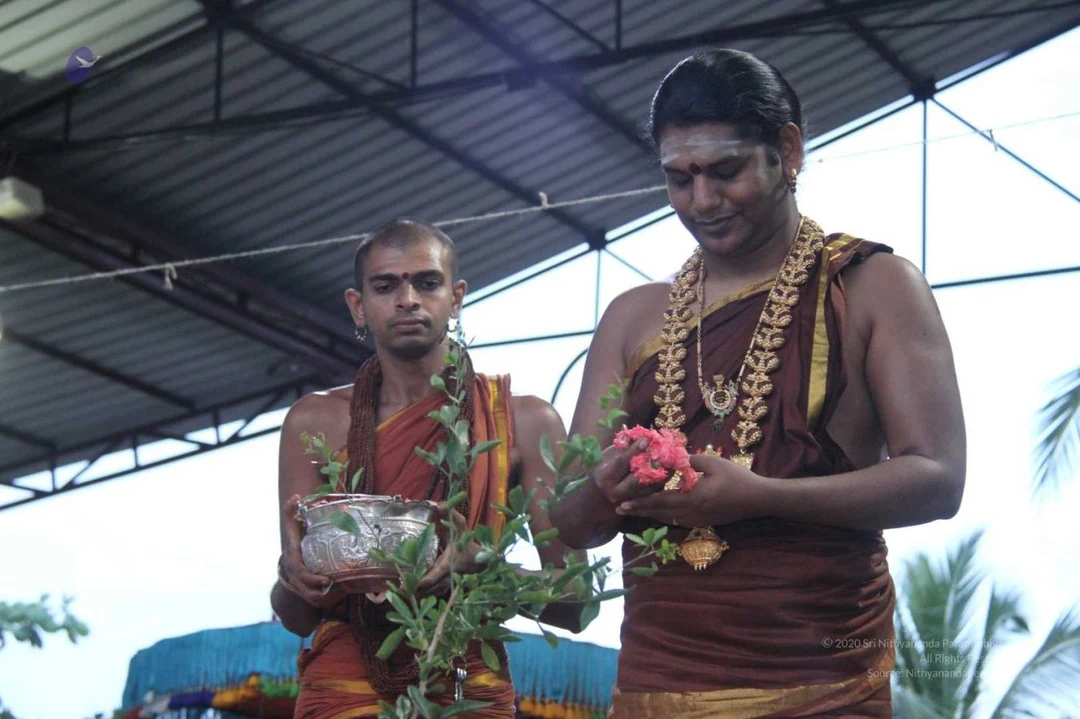
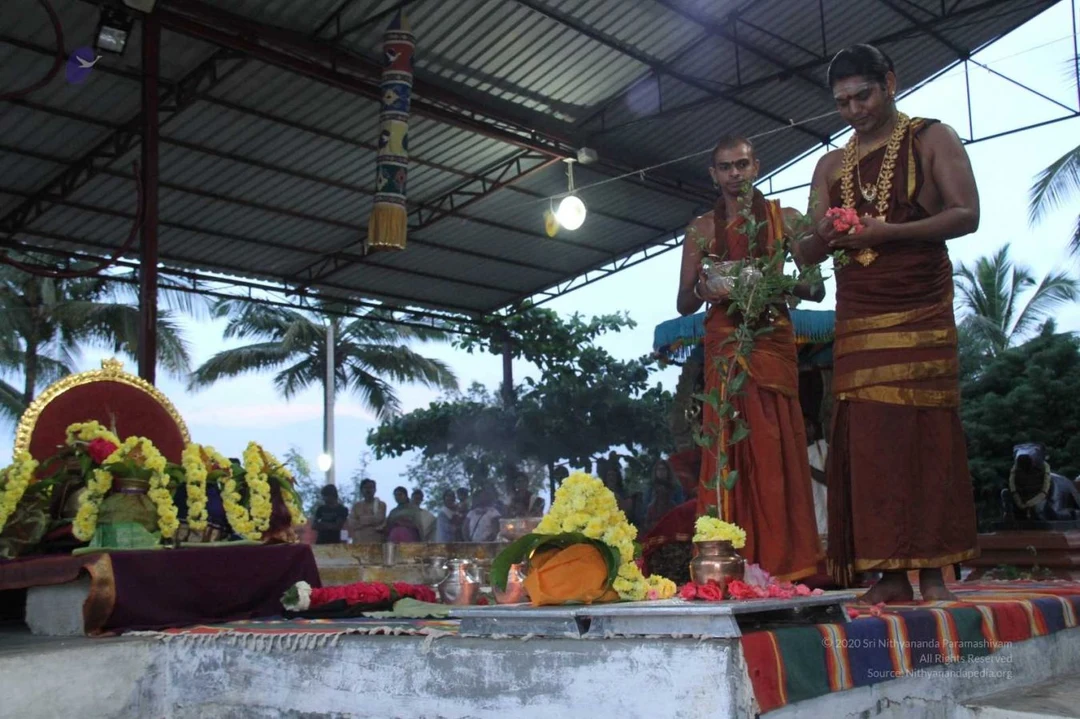
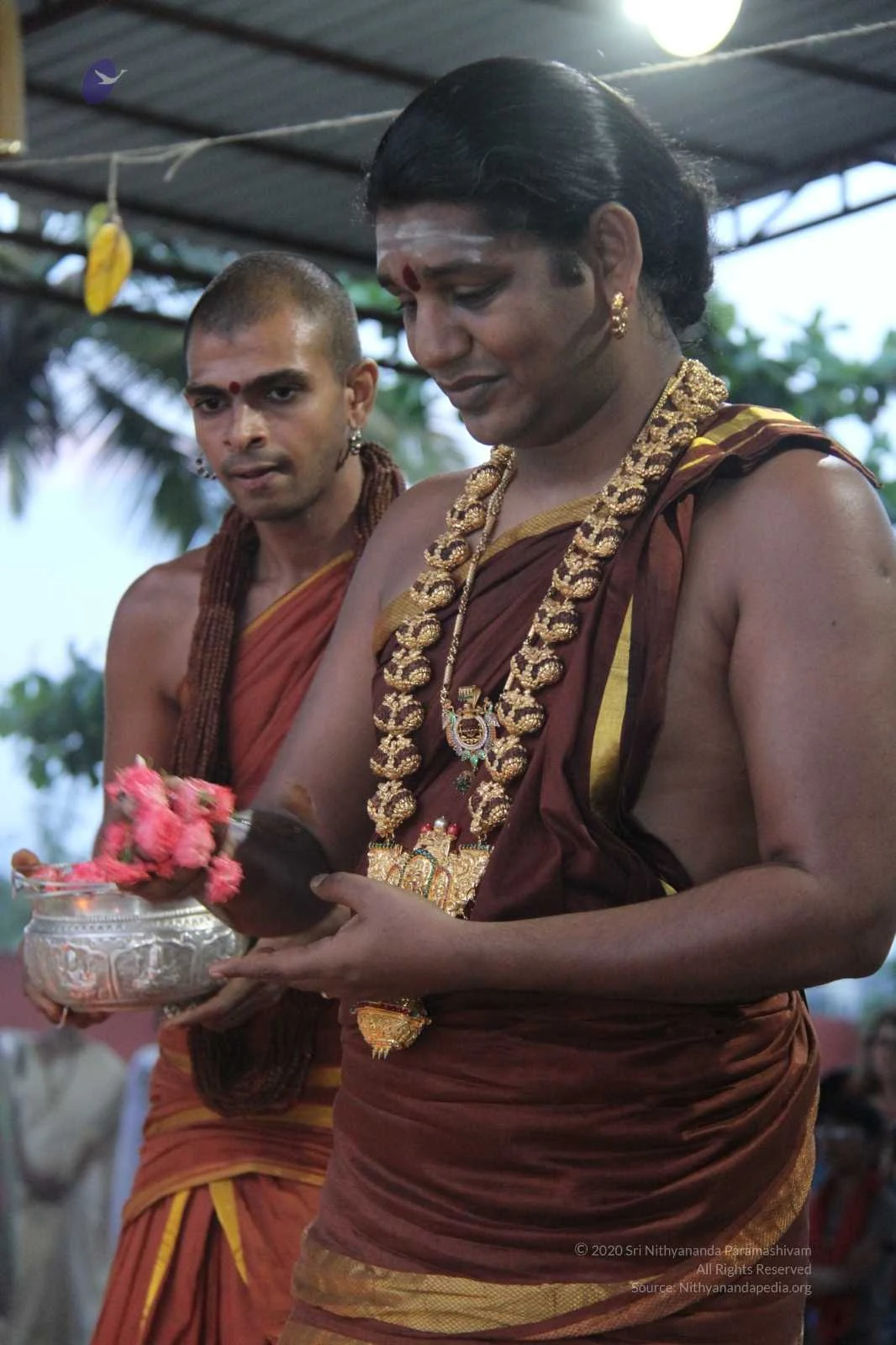
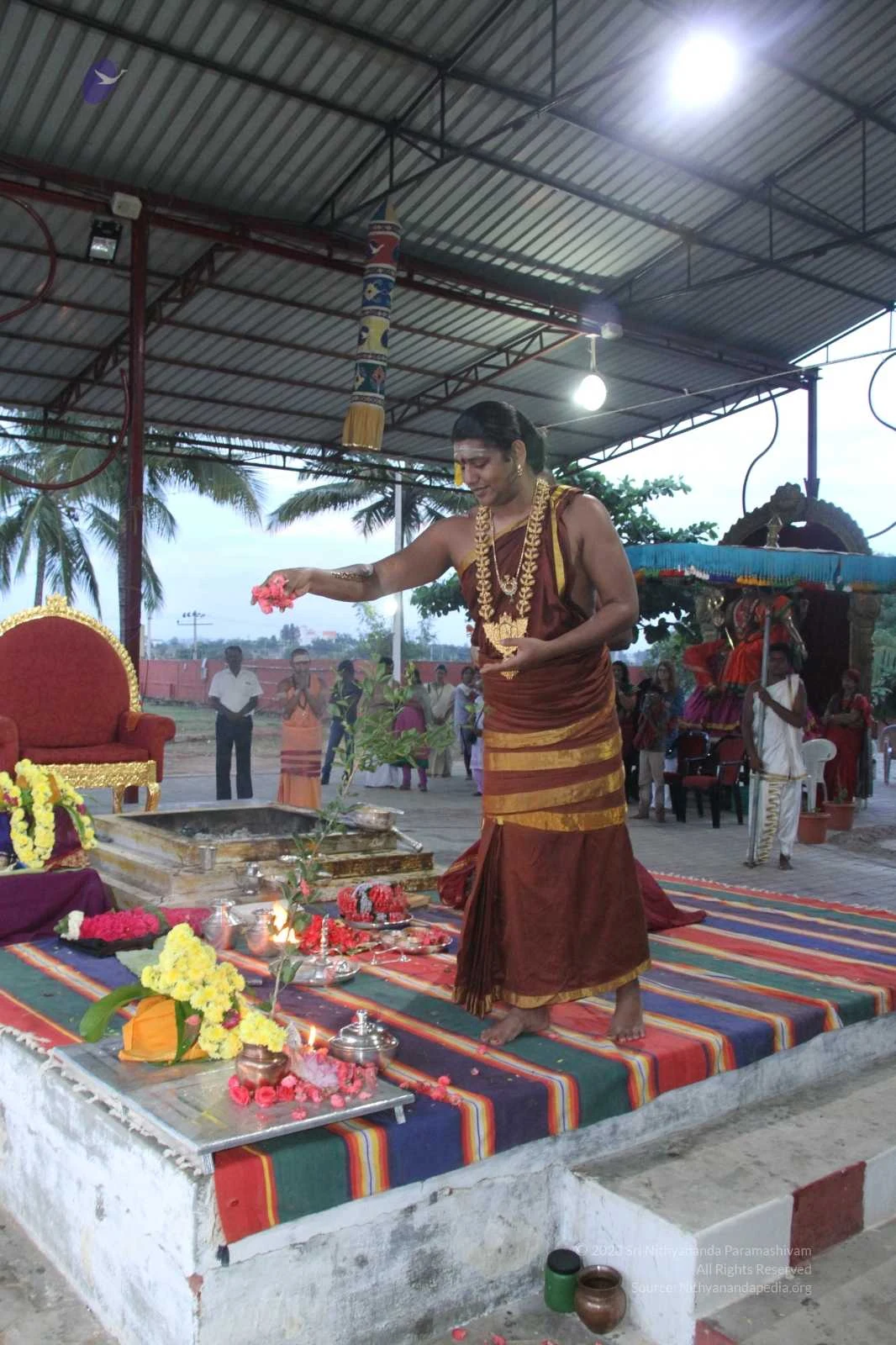
19 photosSource gallery
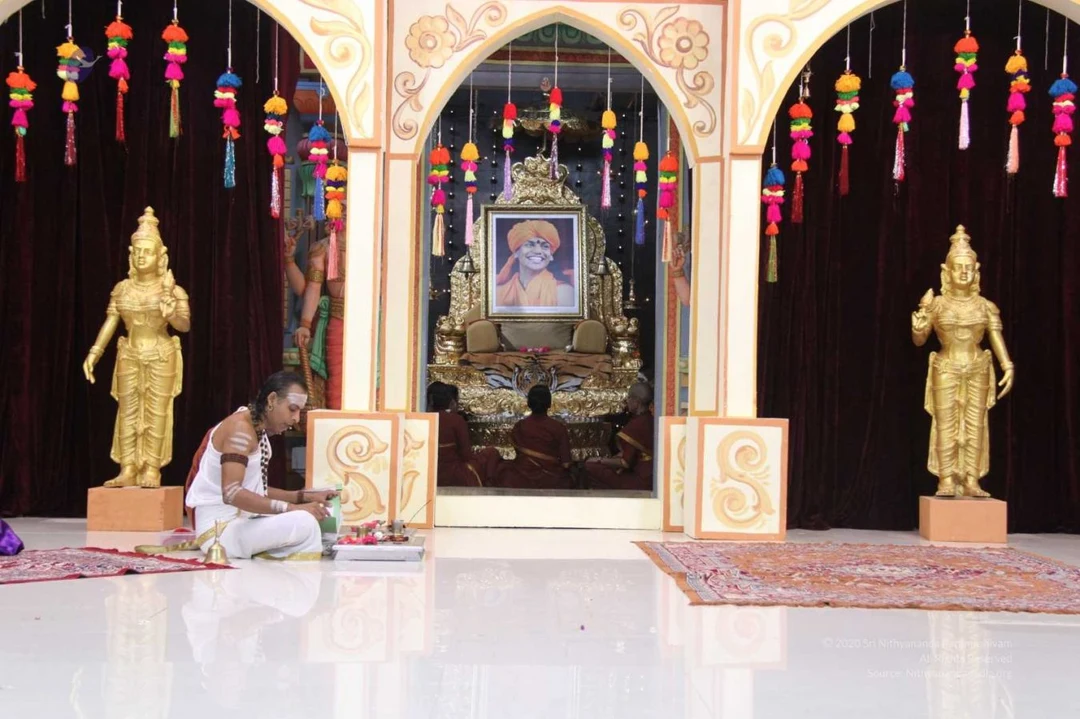
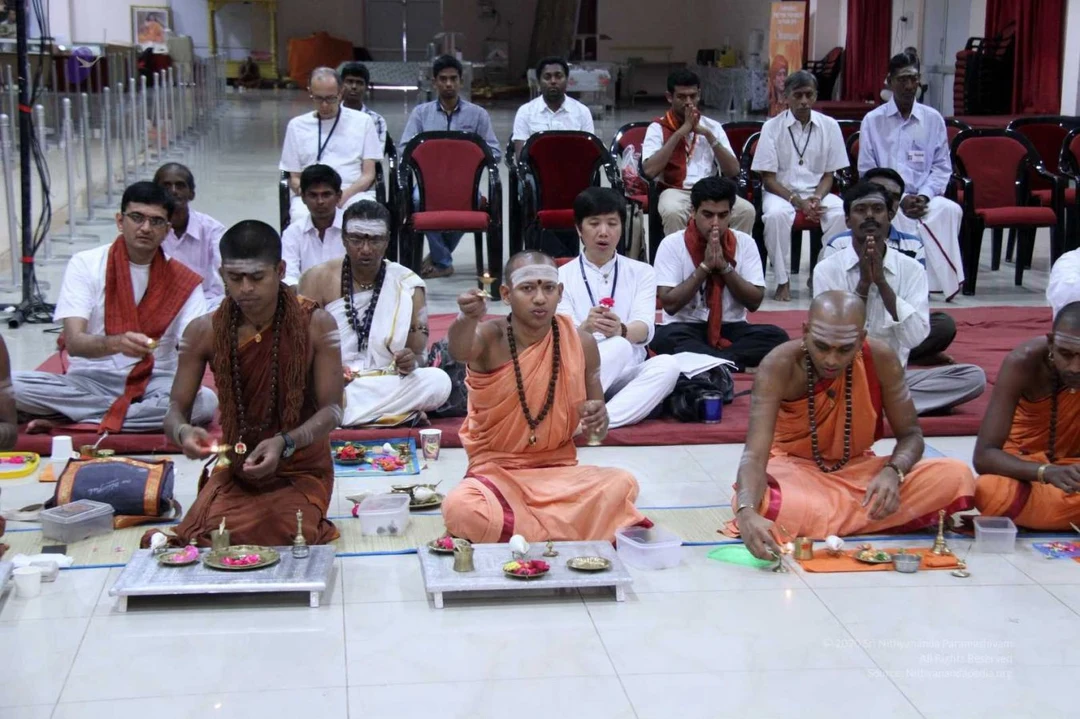
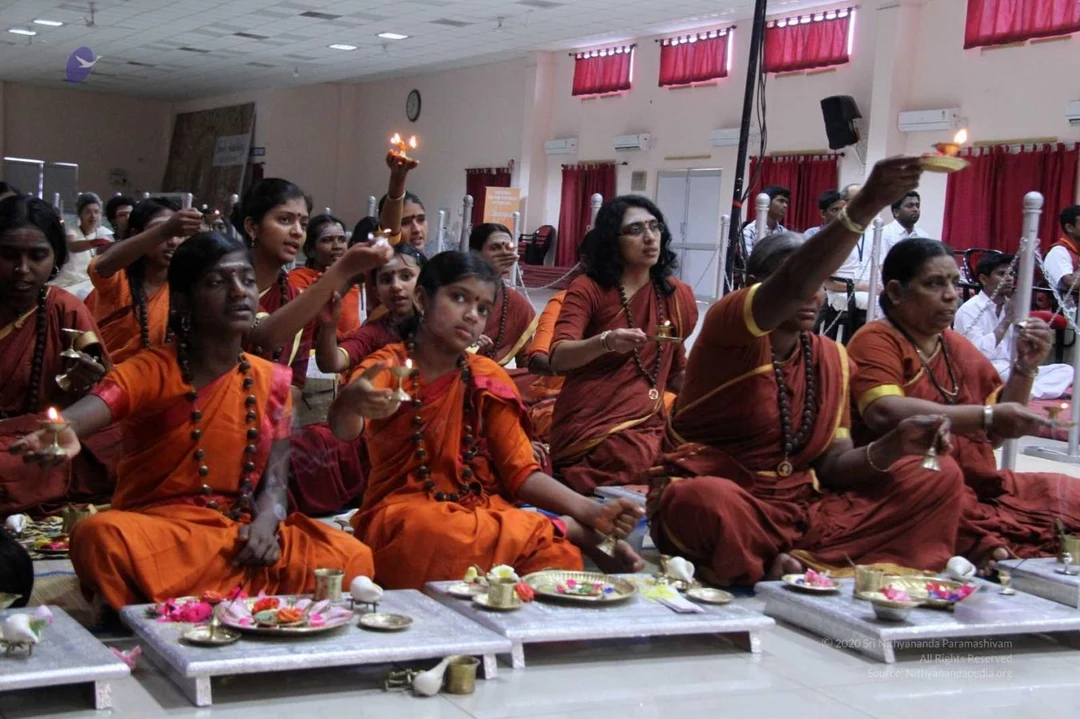
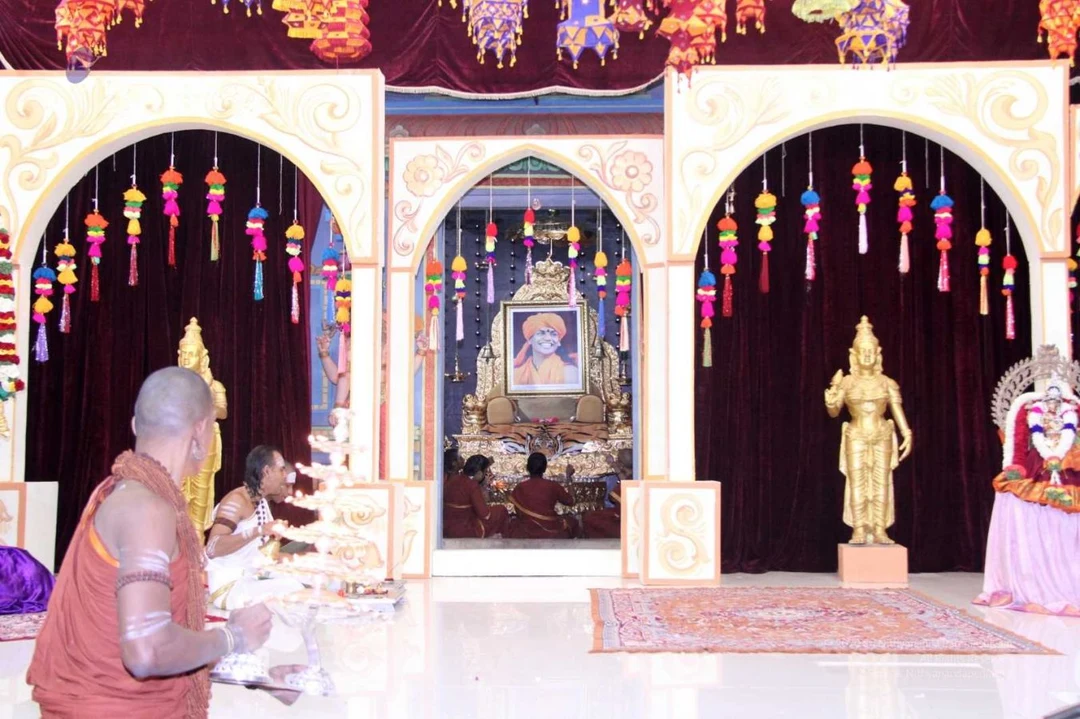
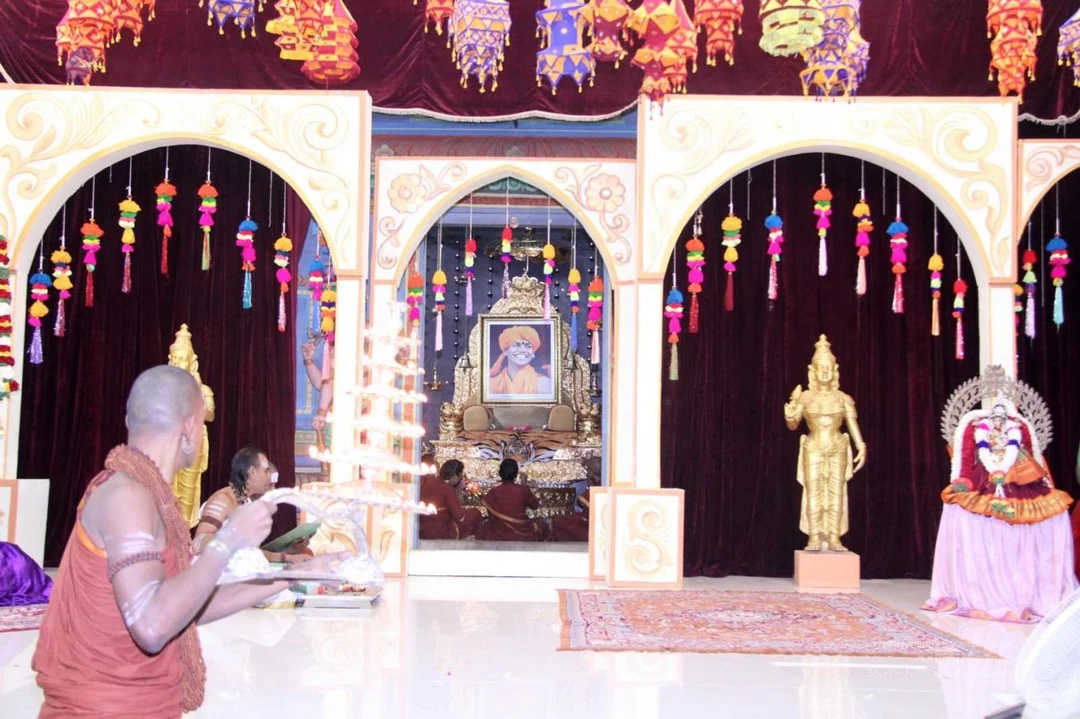
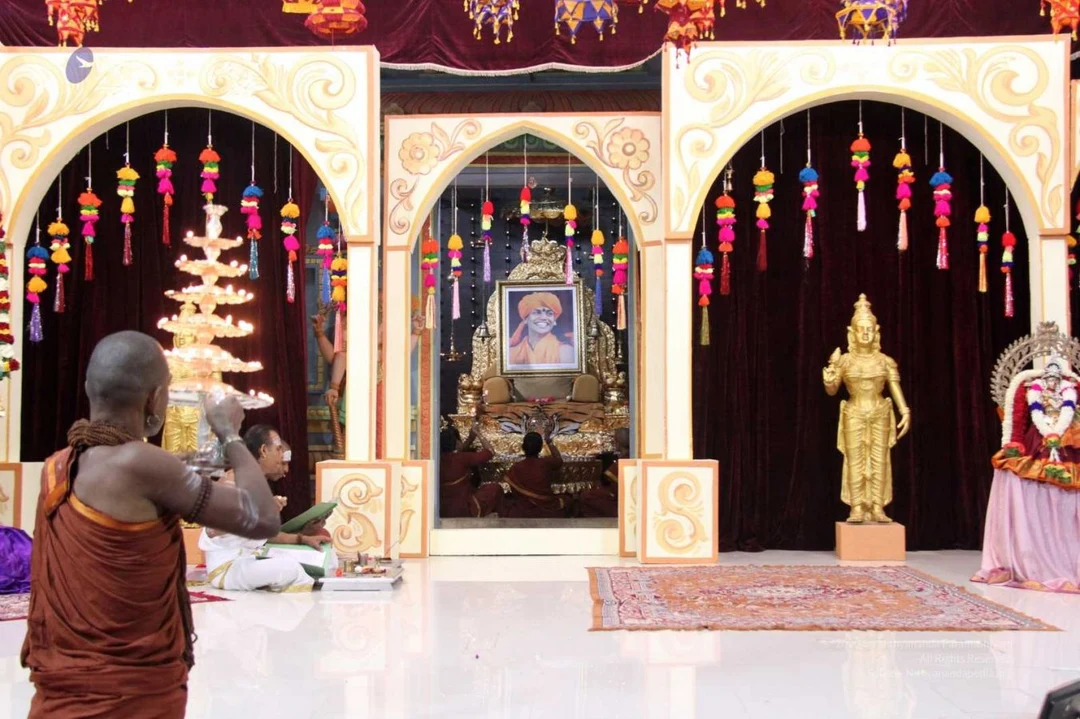
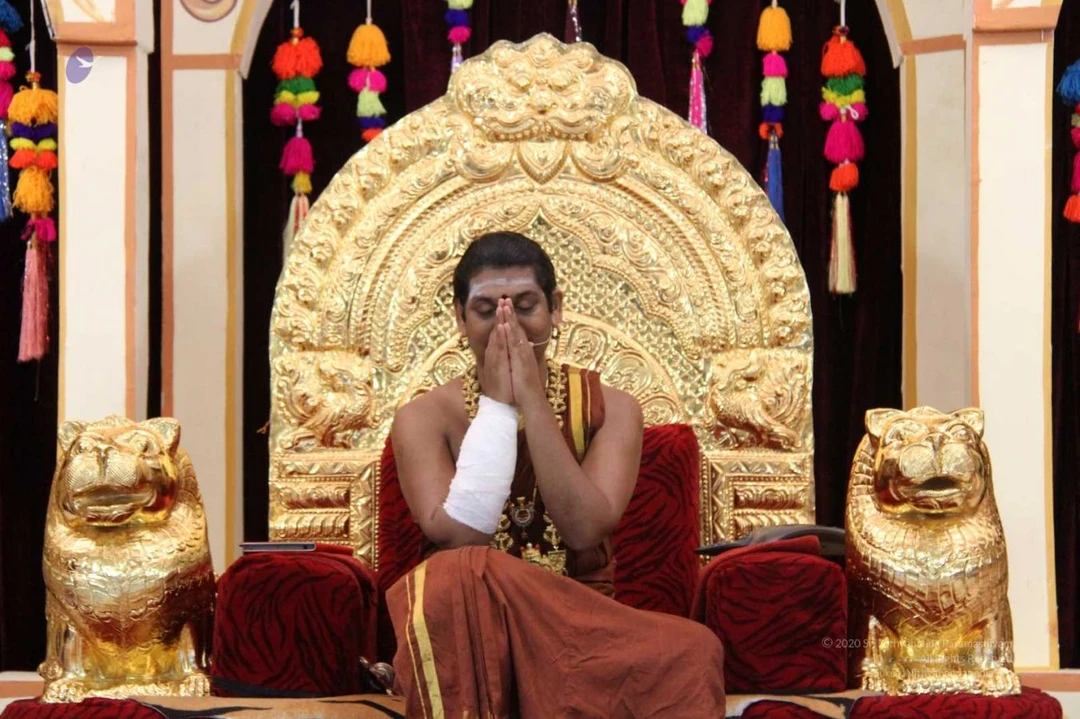
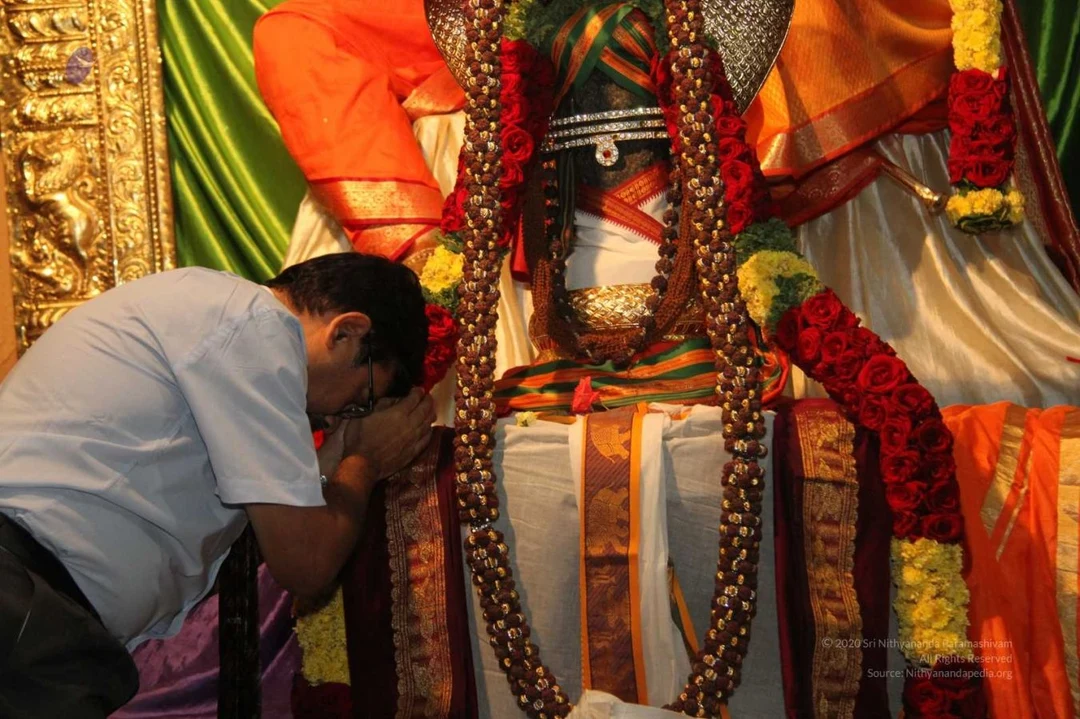
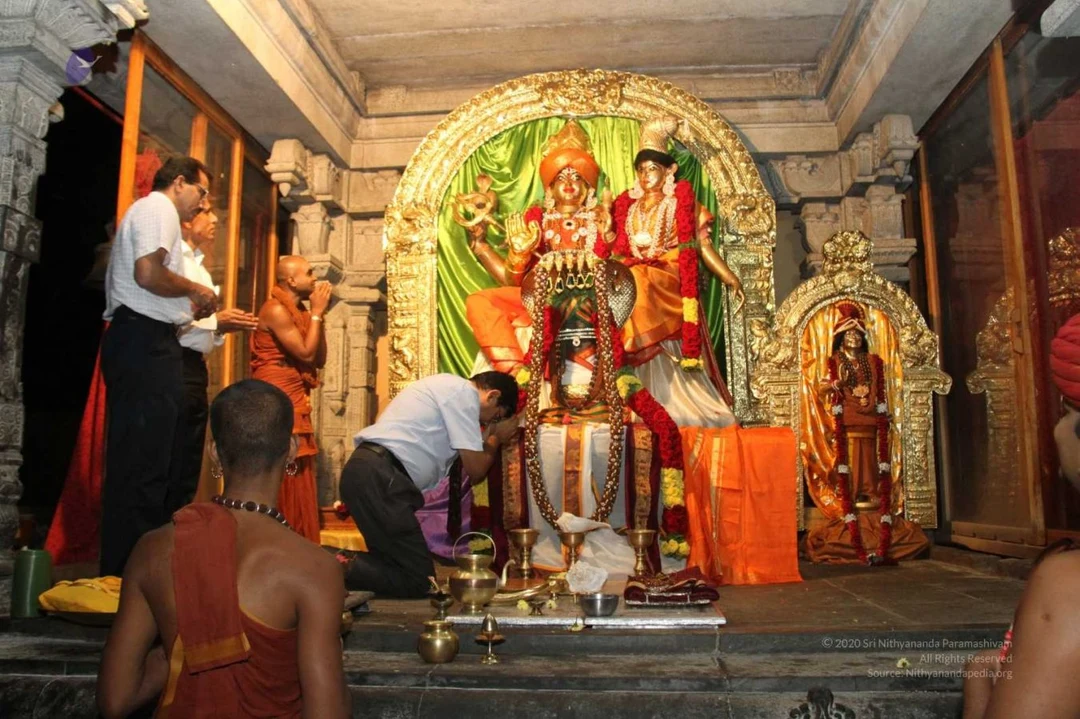
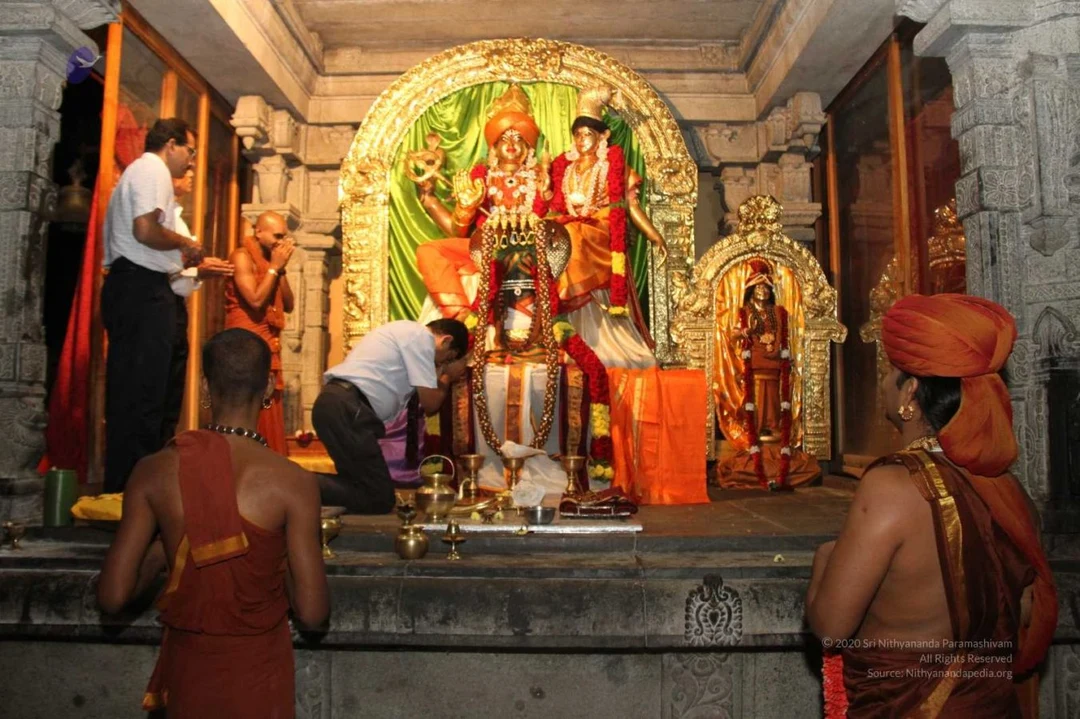
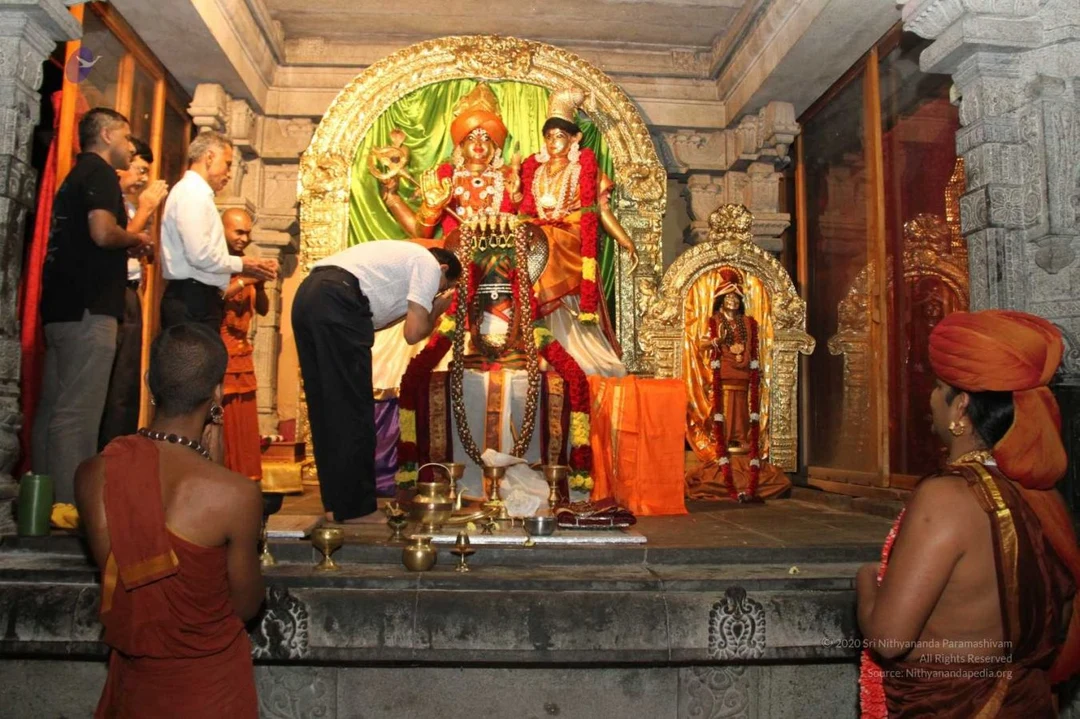
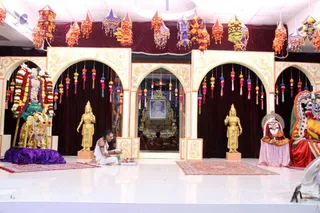
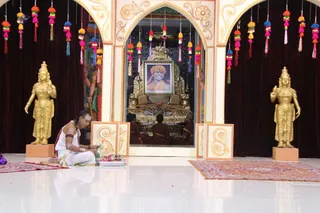
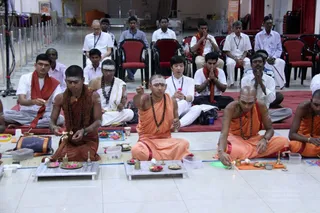
A framed portrait of a smiling man in an orange turban and saffron-yellow robe stands on an ornate gold throne-like seat with a gilded back, placed in a decorated shrine niche. The portrait is labelled "Paramahamsa Nithyananda" on a caption strip. The throne is draped with a tiger-striped cloth, and rainbow tassels with beaded strings hang around the arch. Brass oil lamps stand beside the seat, and small flowers rest on the cushion. No people are physically visible in the scene. The portrait is a depiction of a candidate with a saffron turban and saffron robe, but the appearance is only partly clear, so identity is uncertain.A framed printed portrait labelled "PARAMAHAMSA NITHYANANDA" sits on an ornate gold throne with carved lion-head armrests and a tiger-striped cloth draped over the seat. The man in the portrait wears an orange-saffron turban and orange-yellow robe, smiling broadly with a red bindi. The throne is set within a decorated alcove with strings of pink, orange, green and yellow tassels and dark beaded garlands hanging above, with brass oil lamps on either side and a small red flower offering on the seat. No people are physically present in the scene; the only figure is the printed portrait, so the a person value is depiction for the portrait.Inside an arched shrine, a large gilded ornate throne stands draped with a striped tiger-skin cloth and flanked by carved lion-like guardians. Above it hangs a framed portrait labelled "PARAMAHAMSA NITHYANANDA" showing a smiling man in an orange-yellow turban and orange-yellow robe with a red forehead dot. Colourful pompom and tassel hangings in pink, orange, yellow and blue dangle from the arch, and kneeling devotees in maroon robes sit before the throne at the lower edge of the frame.A decorated temple hall with a white stage and arched gold-trimmed alcoves draped in maroon velvet and hung with colourful tassels and paper lanterns. A single priest in white dhoti and shawl sits cross-legged on the floor at the left, arranging offerings before a deity. Golden standing statues flank the central arch, and a framed portrait of a bearded man with a saffron cloth stands on a golden throne in the centre alcove. On the left, a deity murti is adorned with garlands and sits on a purple cloth, and on the right, a deity is dressed in red and pink with garlands. A fan stands at the lower right edge.A photograph of a temple hall interior with a white and cream arched shrine framed by hanging multicolored tassels. In the centre, a large framed portrait of a smiling man wearing an orange turban and orange robe sits atop a gilded golden throne with cushions, labelled as a portrait within the shrine. Two tall golden standing deity statues flank the shrine. In the foreground, a shaved-headed priest in white dhoti and white upper cloth, with white and orange sacred markings on his forehead and arms, kneels on the white floor beside a tray with flowers, brass vessels and a bell. Three seated figures in orange-brown robes sit near the throne in the background. Red-and-gold rugs lie on the floor and dark maroon drapes hang behind.A group puja in a hall with white tiled floor and red chairs. In the foreground, several saffron-robed priests sit cross-legged on mats, one with a bare chest and rudraksha mala, another with white tripundra markings holding a flame over a brass tray, and others with brass lamps and plates of flowers and fruit before them. Behind them, seated devotees in white shirts and dhotis, some with red shawls and hands in anjali mudra, watch the ritual. Brass kalasha-style vessels and small offering trays sit on the floor. Several participants wear lanyards. No clearly identifiable distinctive presentation for an in-person a person candidate is established from appearance alone.

Deity Arathi
7 photosSource gallery
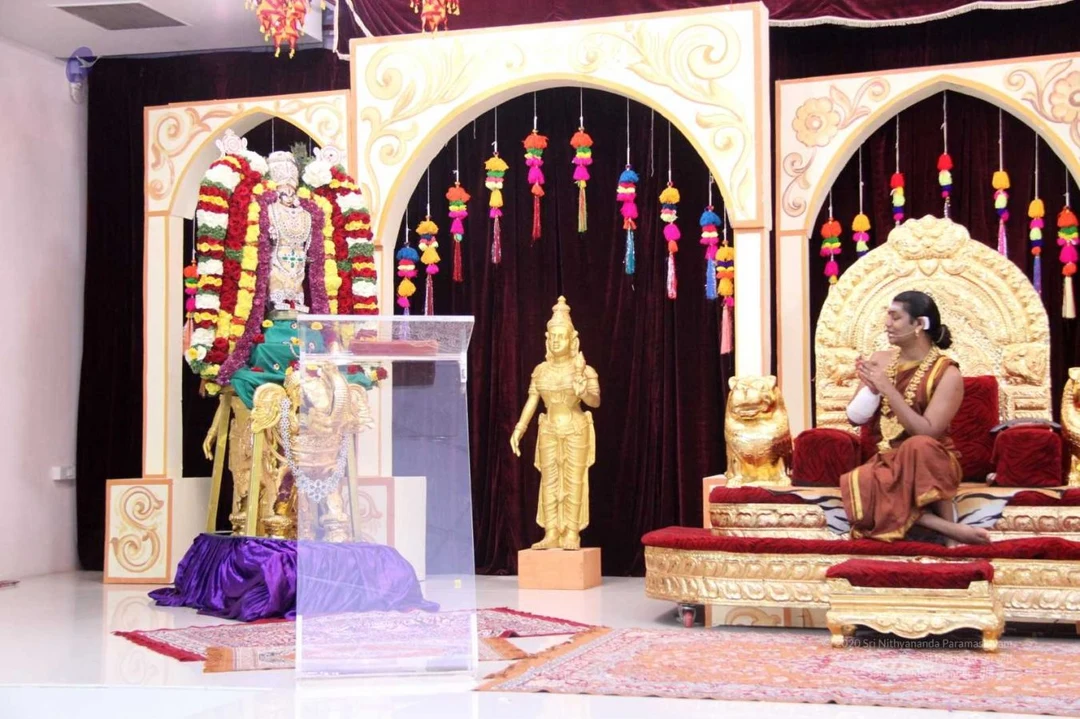
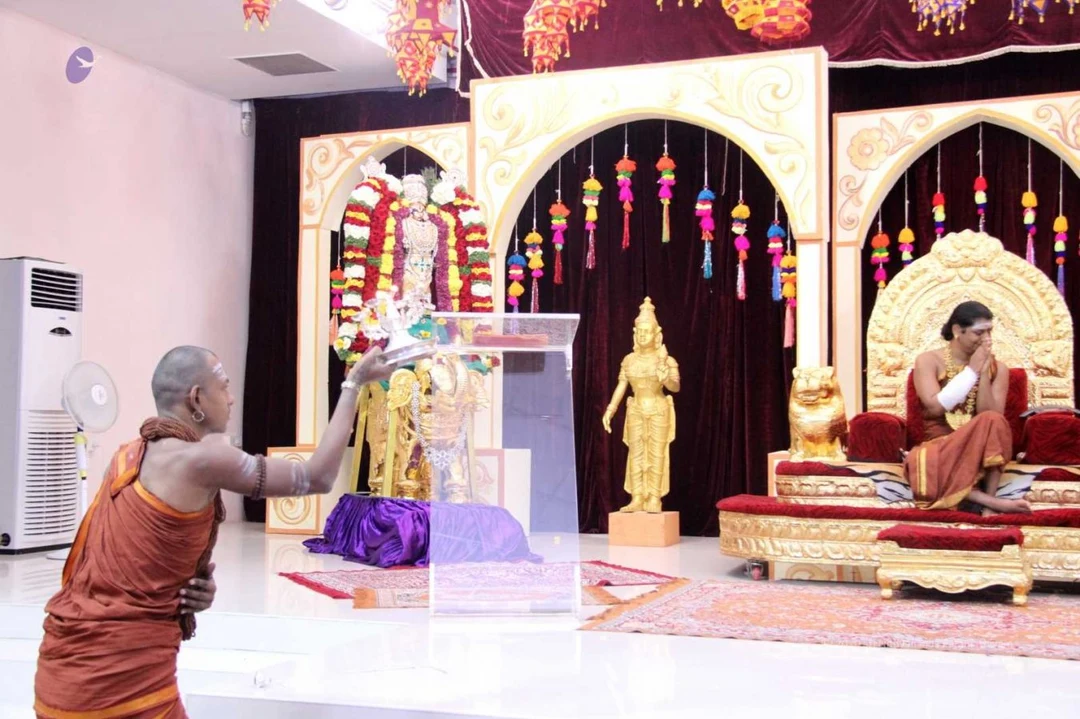
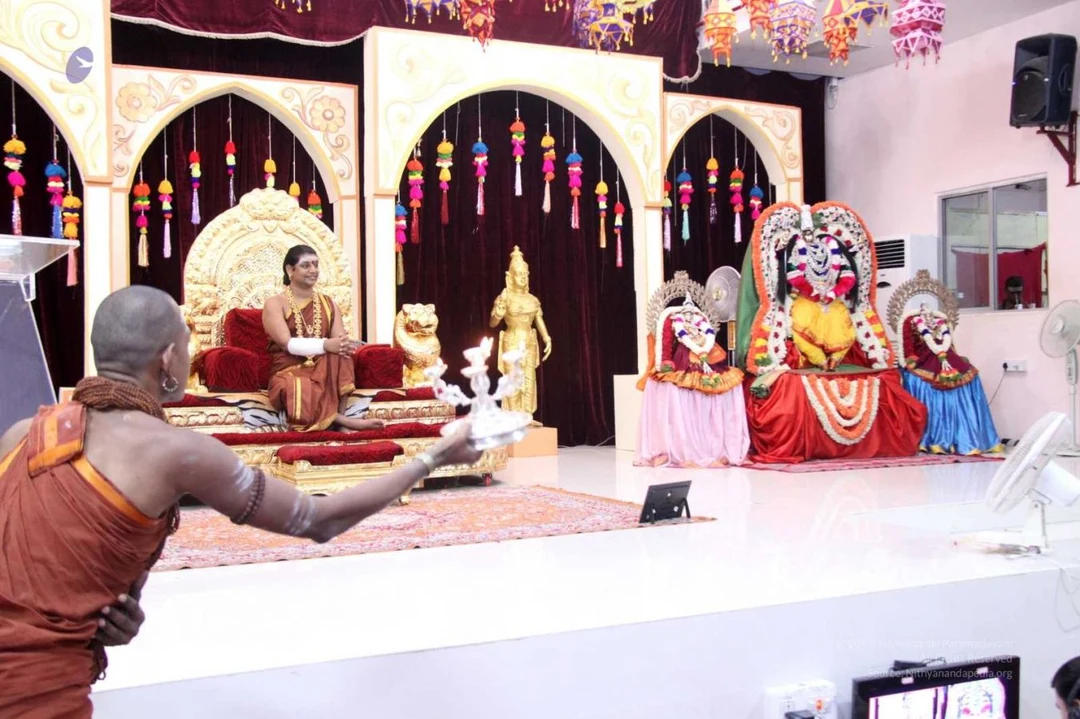
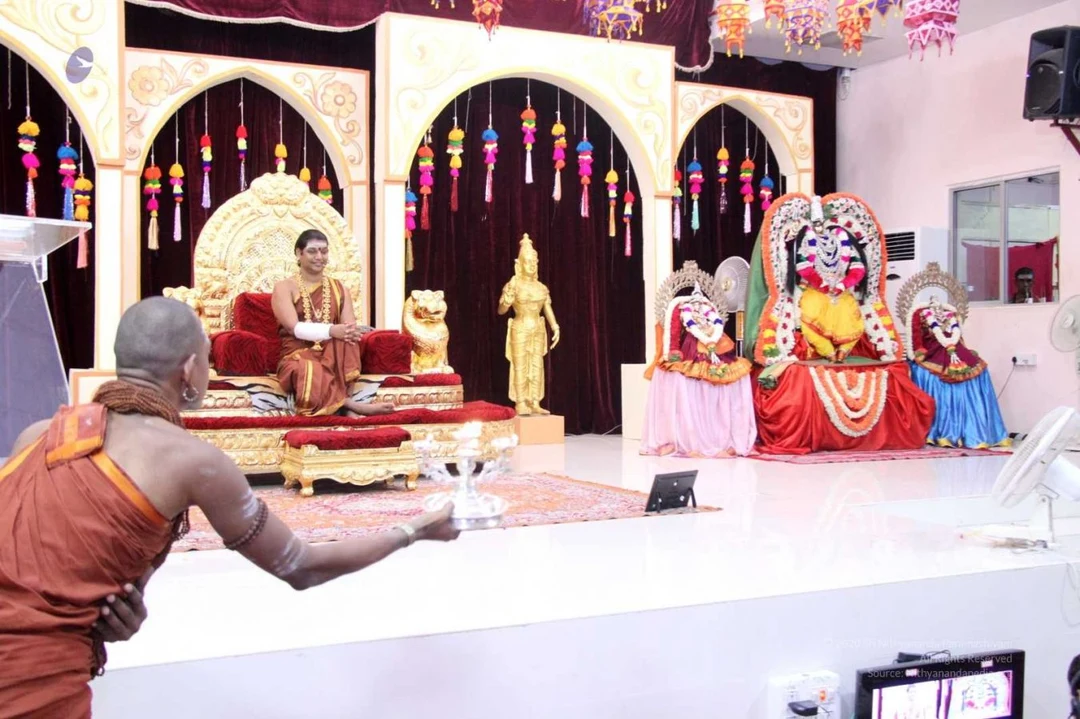
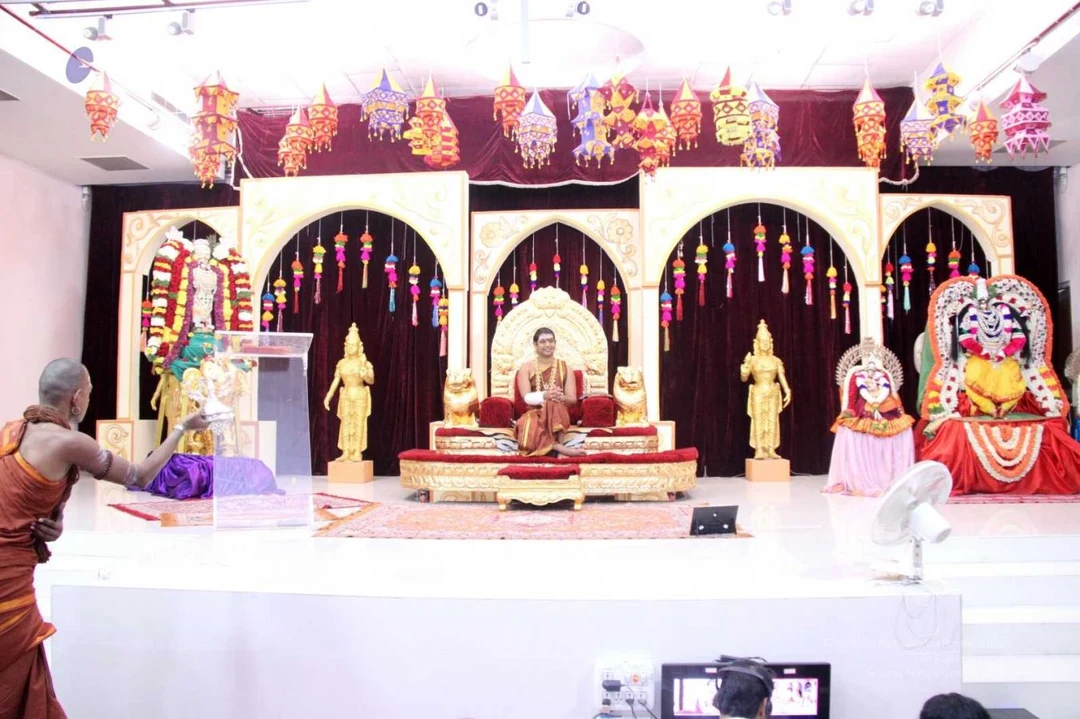
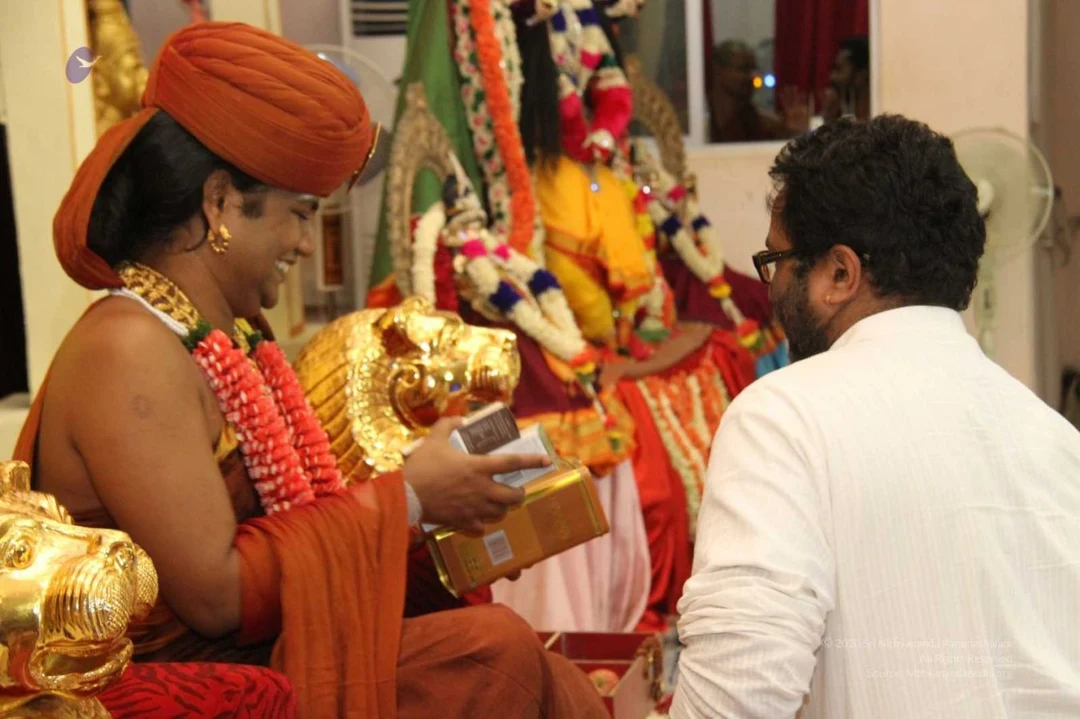
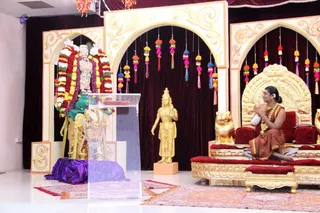
A photograph of a stage set for a satsang. On the right, a person in an orange-brown saffron robe and a long gold necklace sits cross-legged on an ornate gold throne with red cushions, hands joined in front of the chest. Center stage stands a golden standing figure of a deity, and to the left a deity murti sits draped in large garlands of red, orange and white flowers on a golden seat with a purple cloth beneath. A clear acrylic lectern stands in front, and multicoloured tassels hang from the cream arches behind on a maroon velvet backdrop. Red and patterned rugs cover the white floor.A photograph inside a temple-style hall with a gold-trimmed arched backdrop, maroon velvet drapes and hanging tassels in pink, green and yellow. On the left, a shaved-headed man in orange-saffron cloth kneels and extends a silver plate toward a decorated deity murti covered in red and white flower garlands, with a glass-enclosed offering stand before it. A gold standing deity figure stands at center. On the right, a man in orange-saffron cloth with a gold necklace and a white bandage on one hand sits on an ornate gold-and-red throne, hands folded near his face. The scene looks like a puja or abhishekam; a second seated throne-like seat and red carpets complete the setting.A photograph of a ceremonial stage inside a hall with maroon drapes, arches and colourful tassel garlands. A man in a saffron-orange robe sits on a large gold throne with red cushions, wearing a rudraksha mala and a white wrap on one arm. Beside him stands a golden statue of a standing deity. To the right, a deity murti adorned with garlands and a red-and-gold cloth sits beside two smaller murtis in pink and blue. In the foreground, a man with a shaved head and saffron robe, facing the stage, extends a silver-coloured ritual vessel toward it. A stage railing and a small monitor are visible.A photograph of a ceremonial stage inside a bright hall. A man in an orange-saffron dhoti and shawl with a rudraksha-style necklace sits on an ornate gold-and-red throne in the centre-left, a white bandage on his wrist, hands resting in his lap. In the foreground, a shaved-headed priest in orange robes, with a sacred cord across his shoulder, faces the stage and holds a silver tray or lamp toward the seated figure. To the right, two seated deity murtis are decorated with garlands and rich fabrics: a central one in red and yellow, flanked by figures in pink and blue saris. A golden standing deity statue stands between the throne and the murtis. Hanging tassels in pink, green and blue decorate the arches behind them. Visible physical people are about three.Photograph of a satsang stage with a golden throne at centre holding a seated figure in saffron-orange robes and rudraksha mala, hands folded, flanked by golden lion figures and two gold standing deity statues. Red velvet cushions sit on the throne platform. Behind it, cream arches frame maroon drapery hung with colourful tassels and paper lanterns. At left a standing attendant in orange dhoti and shawl gestures toward a clear acrylic stand holding an object, with a purple cloth draped nearby. At right, a deity murti in red and yellow garlands sits beside a figure in pink and gold. A white fan and a small monitor are visible at the lower edge with a cameraman's head, and a few additional people are partly visible at the bottom edge.A decorated stage hall with a gold throne in the centre, where a seated man in saffron-orange robes holds a white cloth, flanked by gold lion figures on the throne base. Two gold standing deity statues stand beside the throne, with deity murti on the left and right draped in floral garlands and colourful garments. Maroon velvet drapes, gold arches, and hanging multicoloured tassels and paper lanterns frame the set. A man in orange clothing with a shaved head stands at the lower left near a glass lectern and offering vessels. A white fan sits at the lower right.

Nithya Satsang
43 photosSource gallery
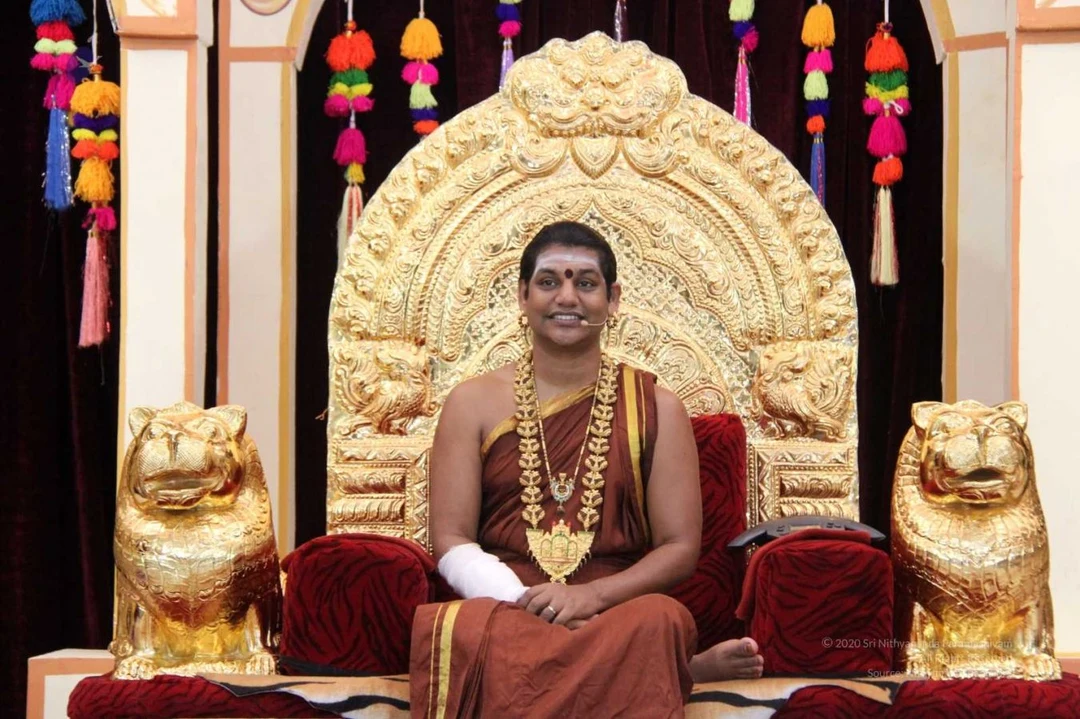
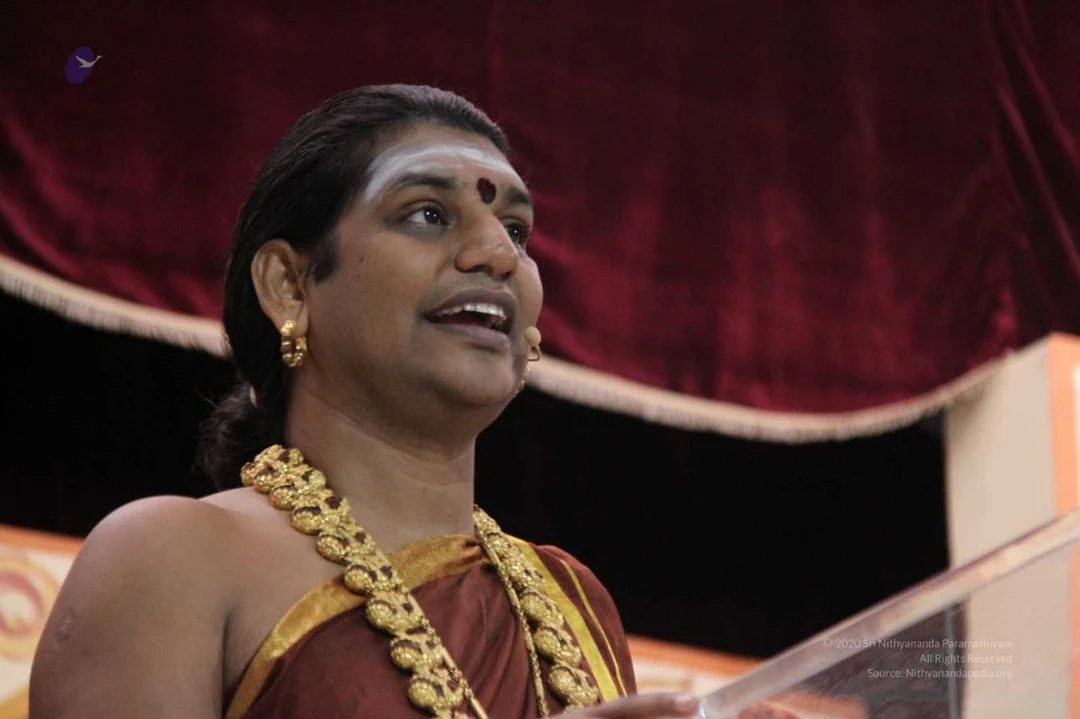
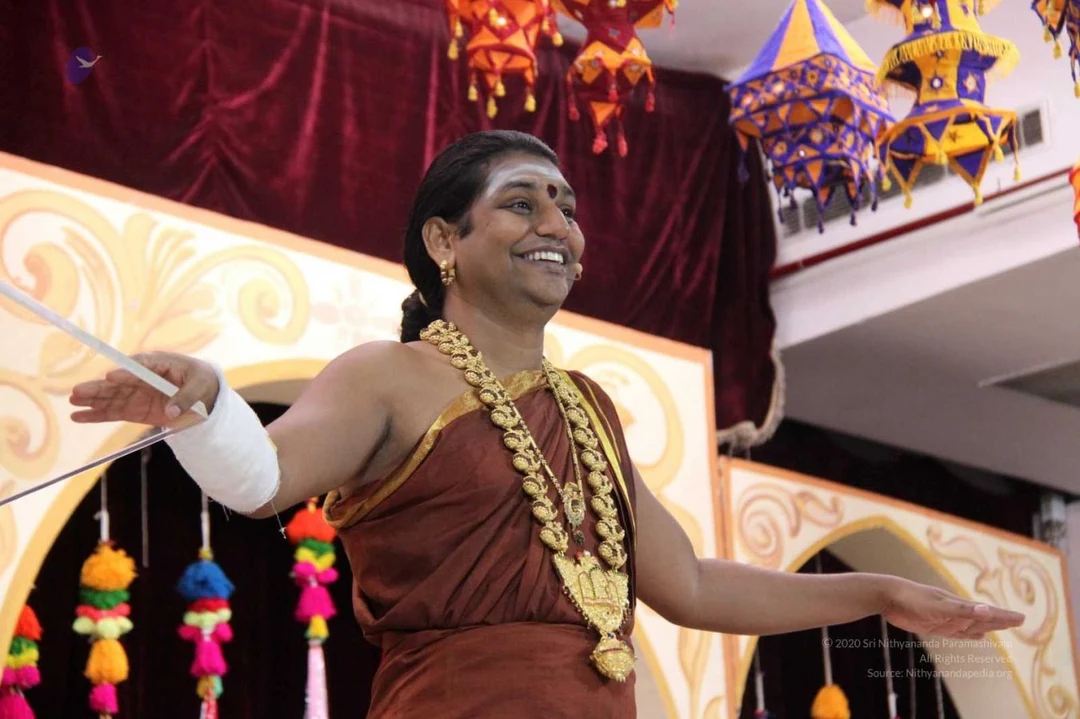
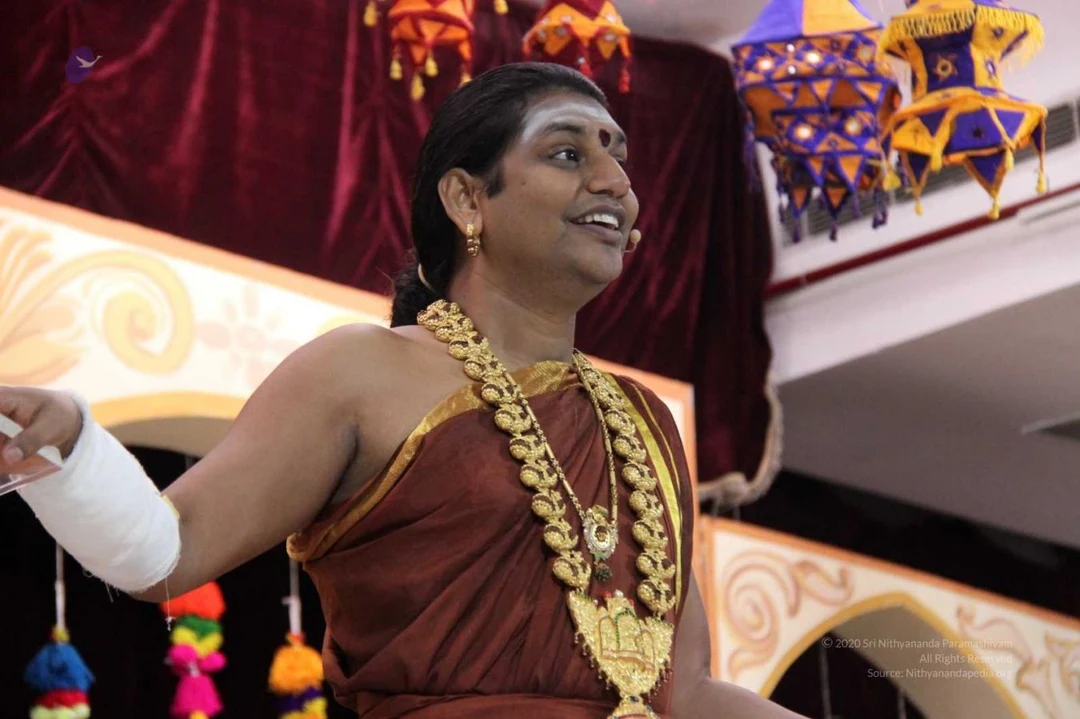
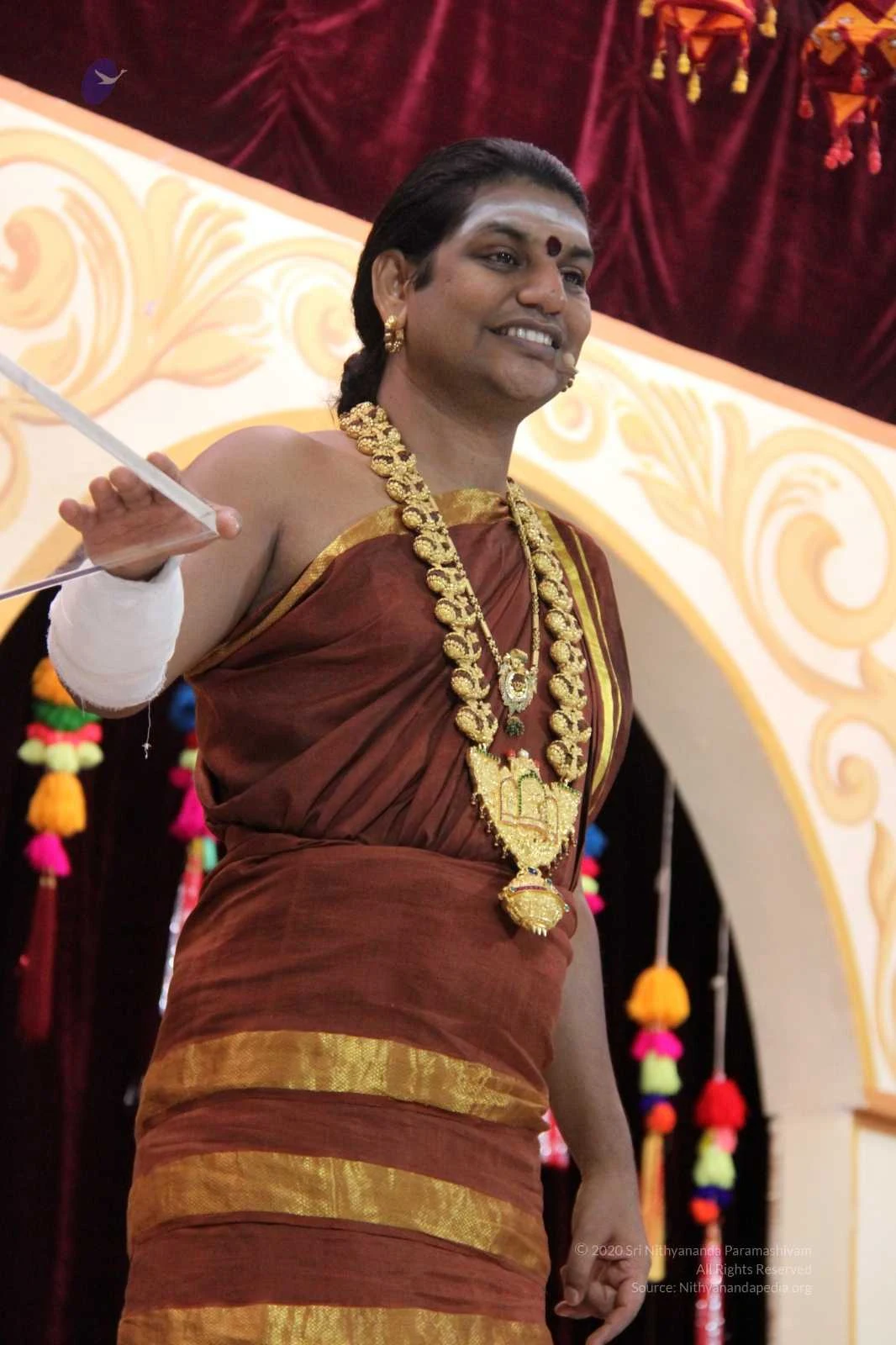
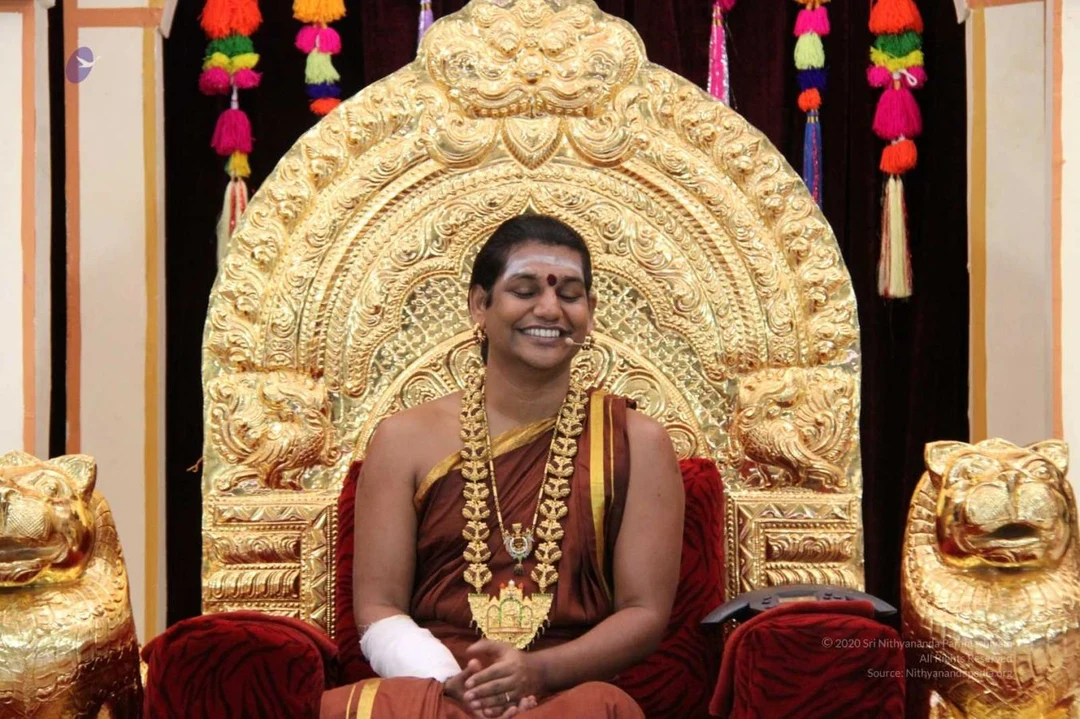
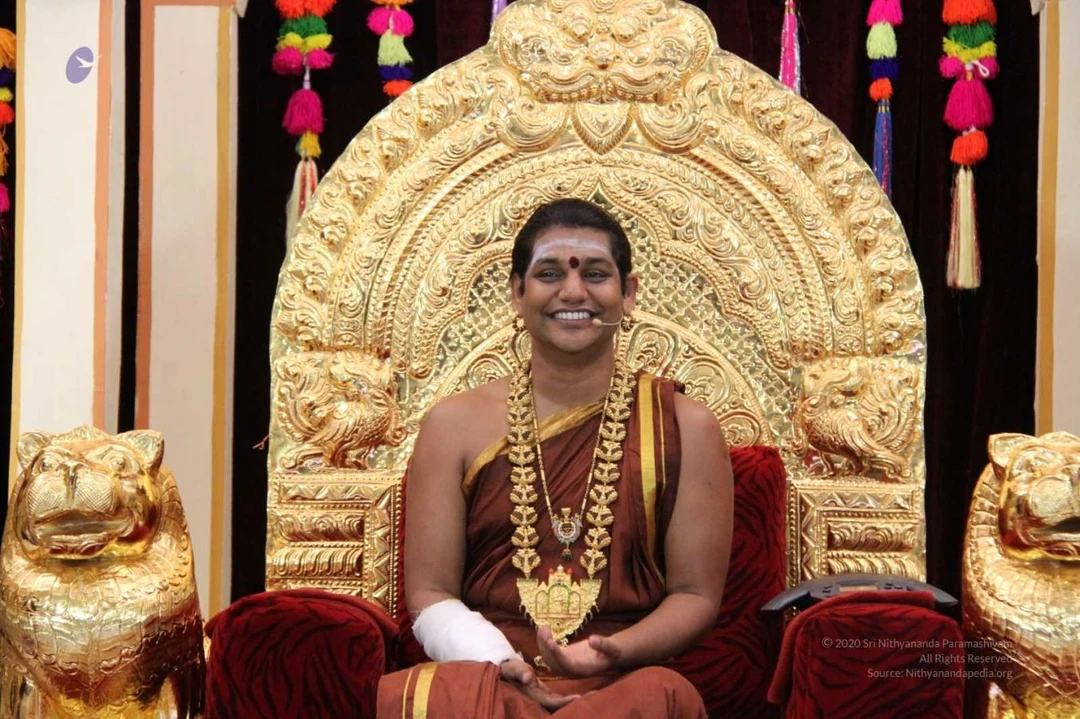
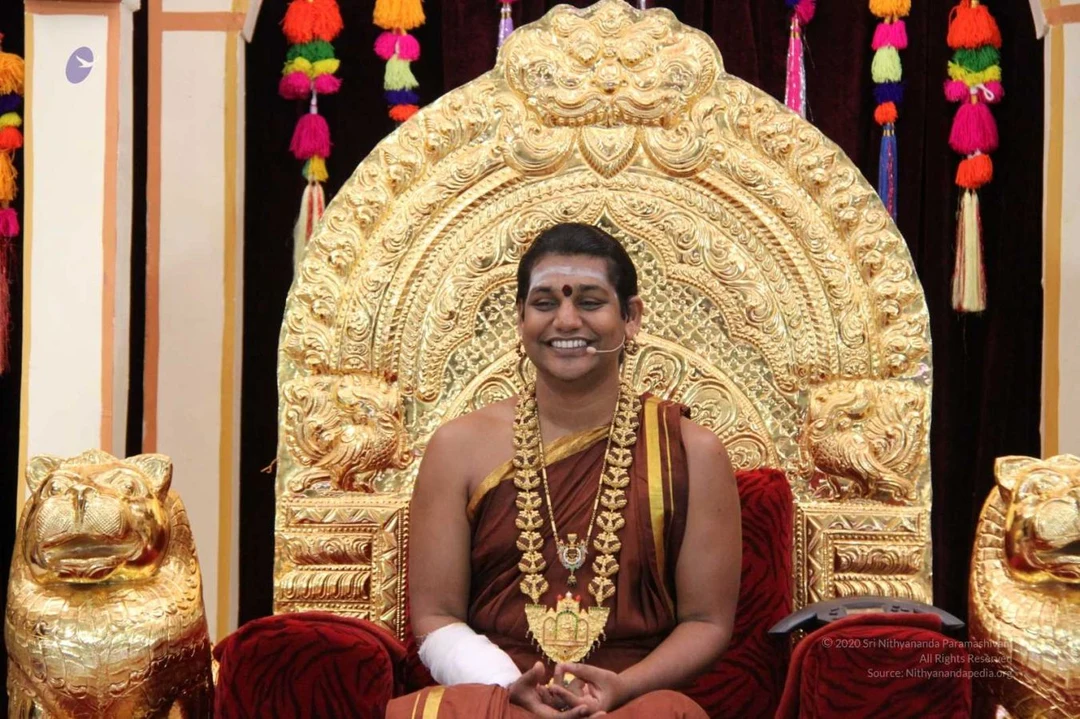
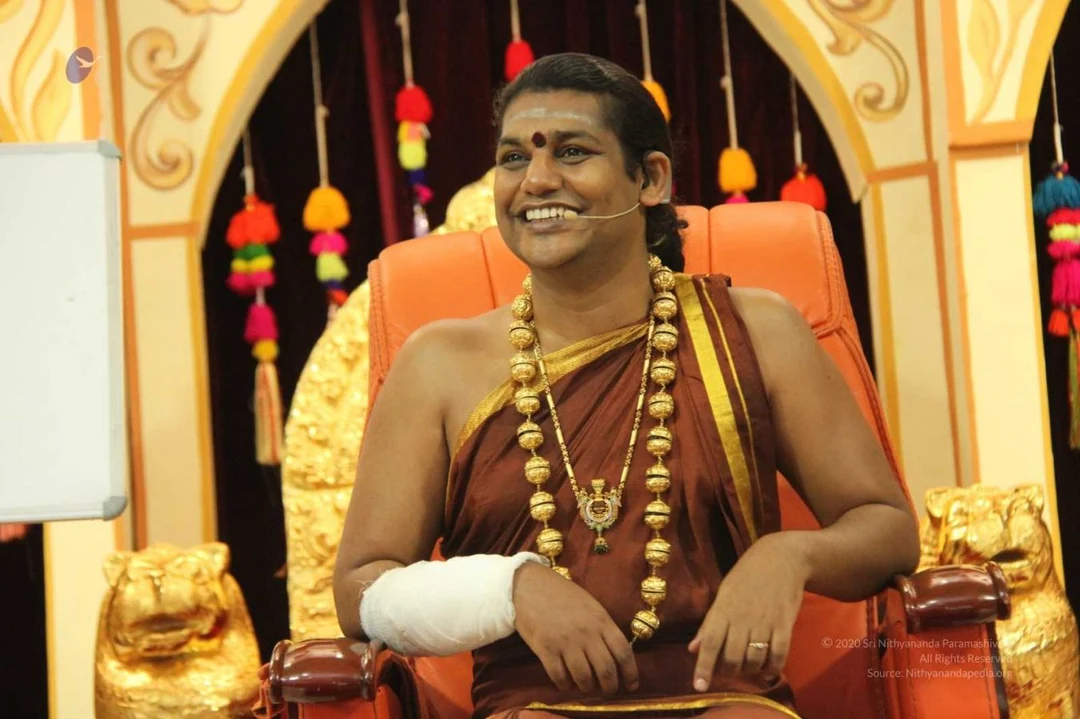
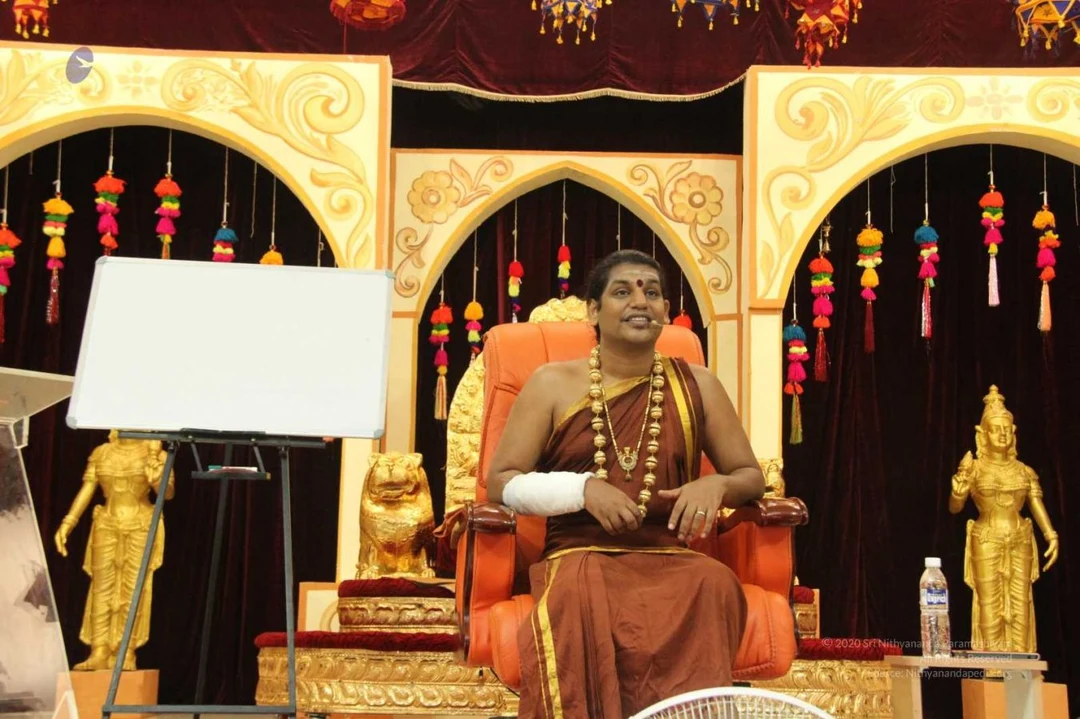
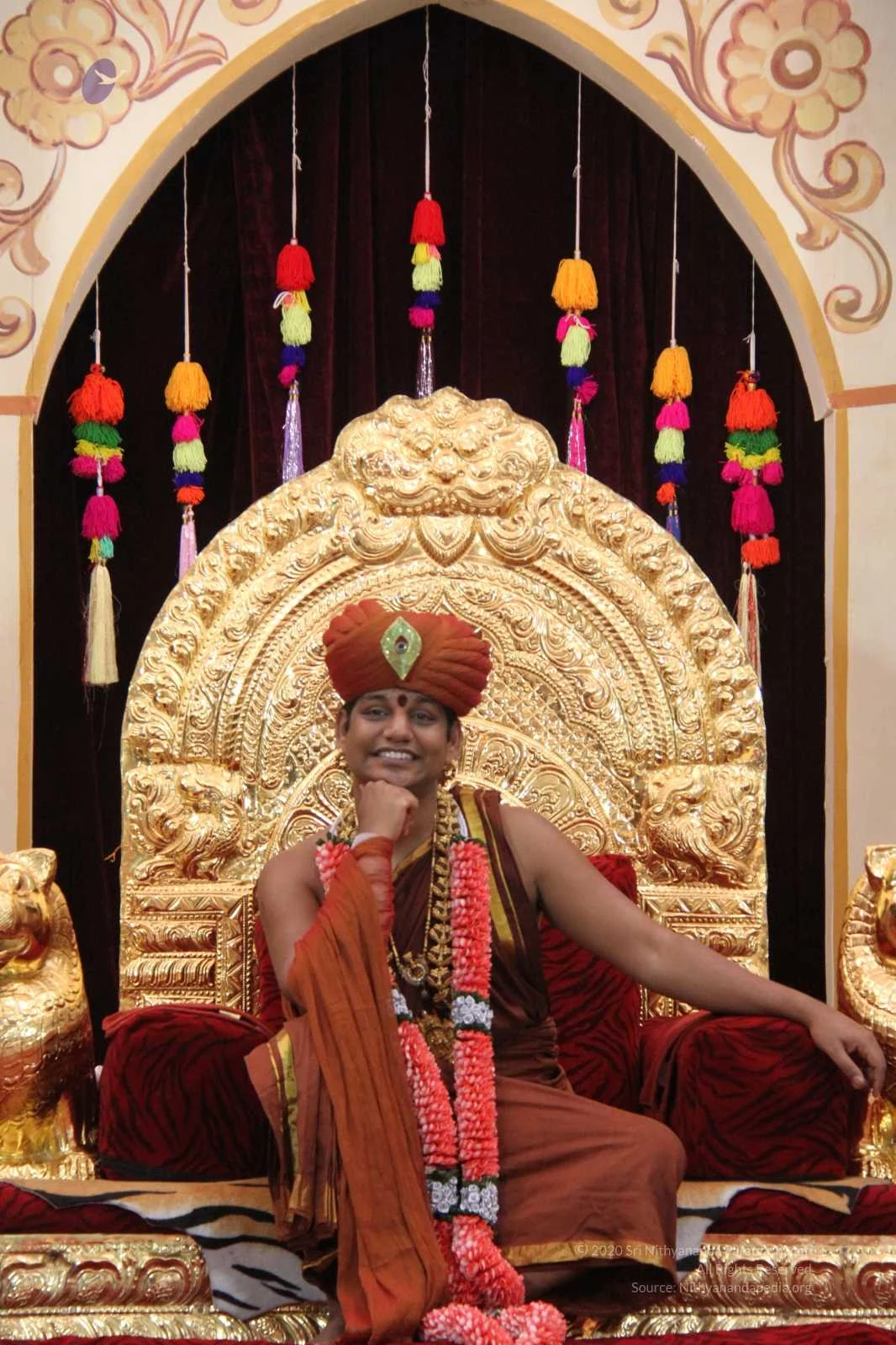
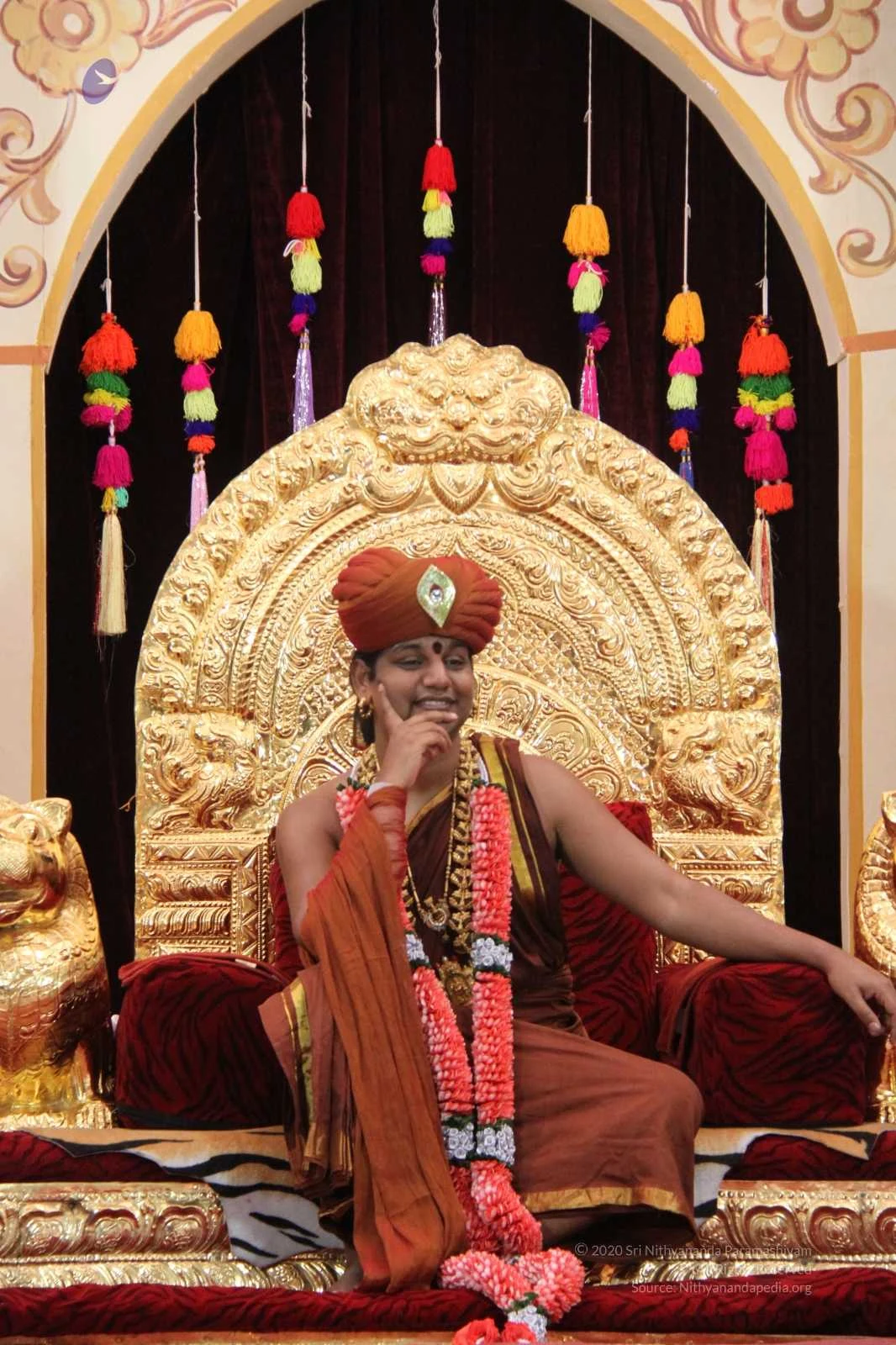
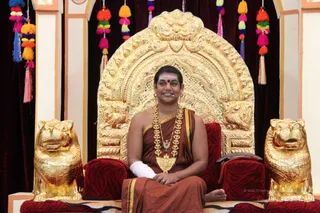
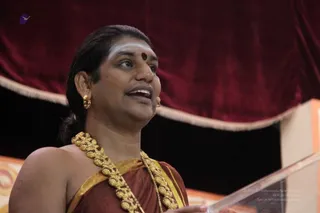
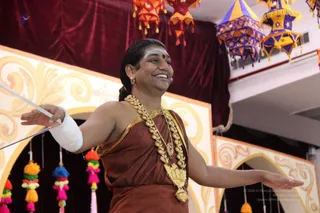
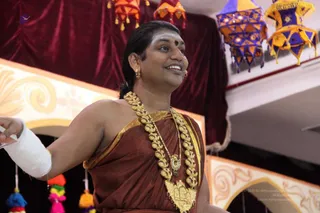
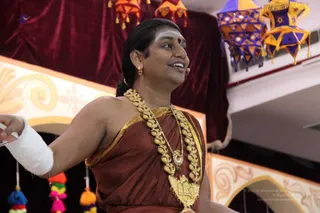
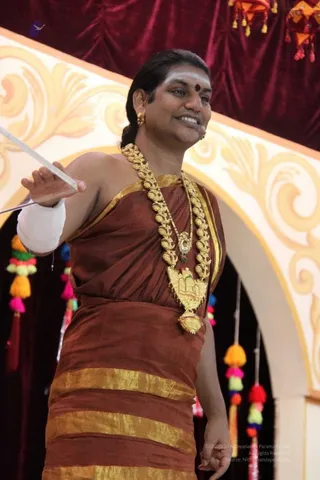
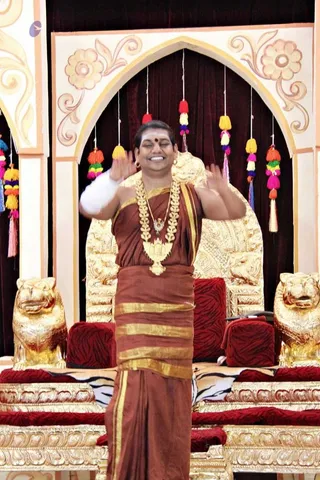
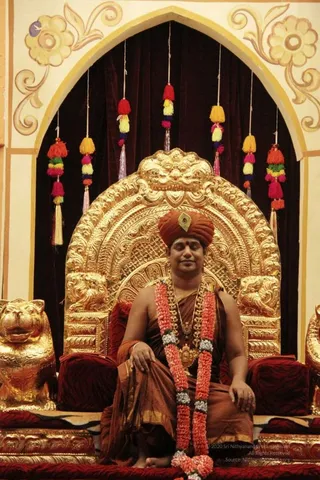
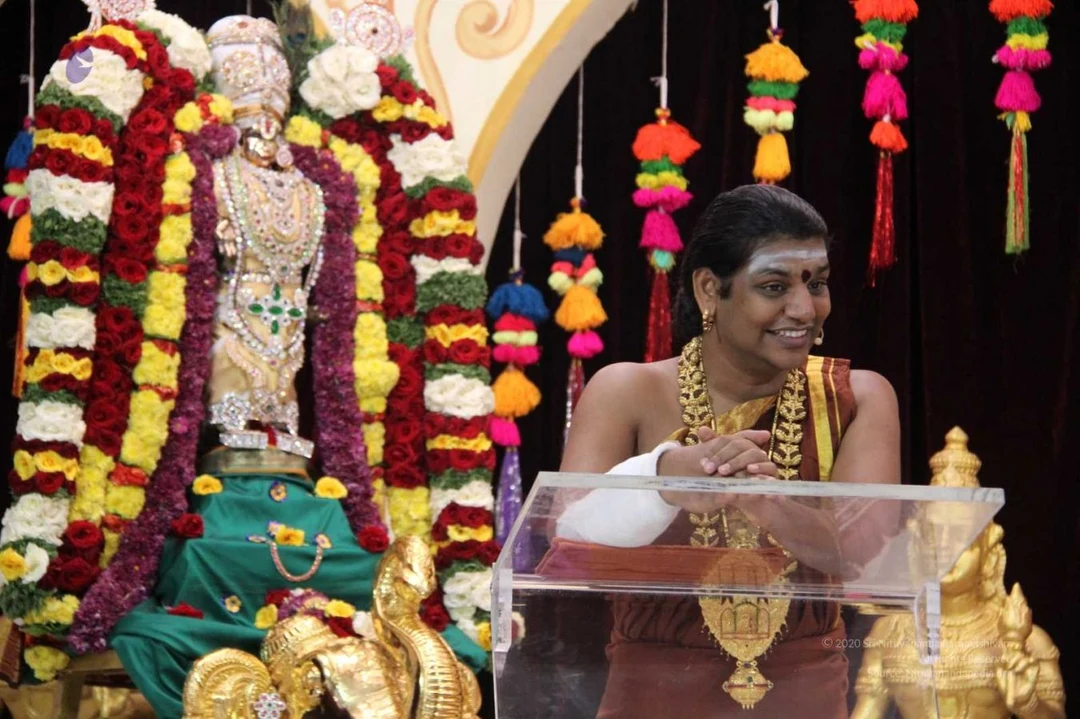
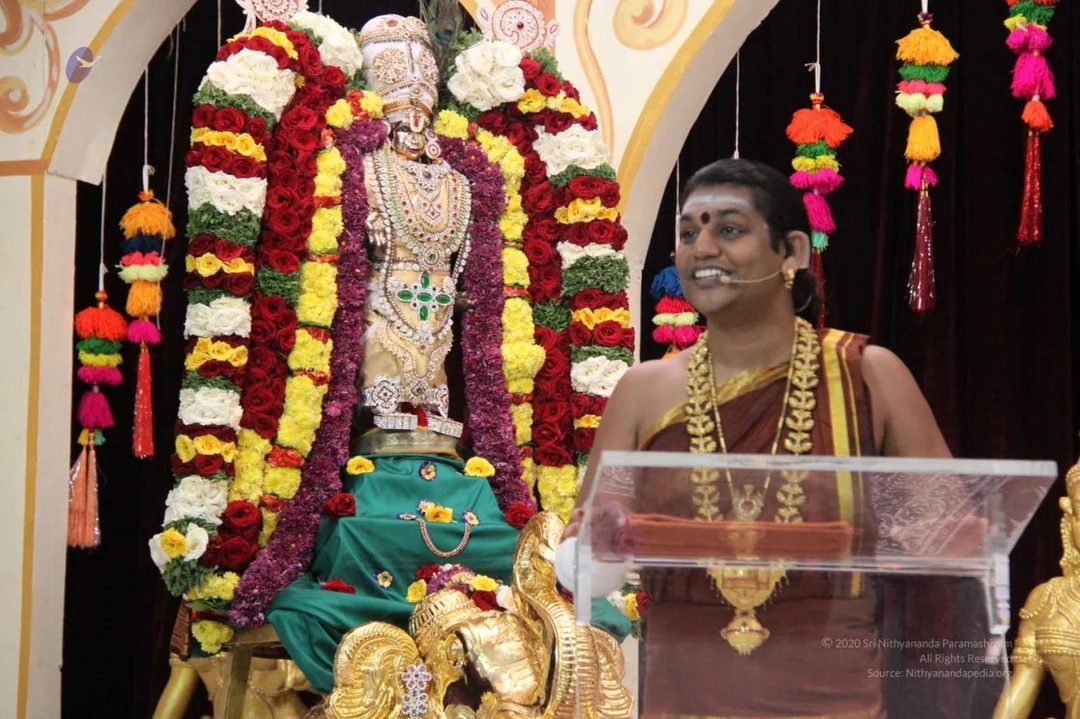
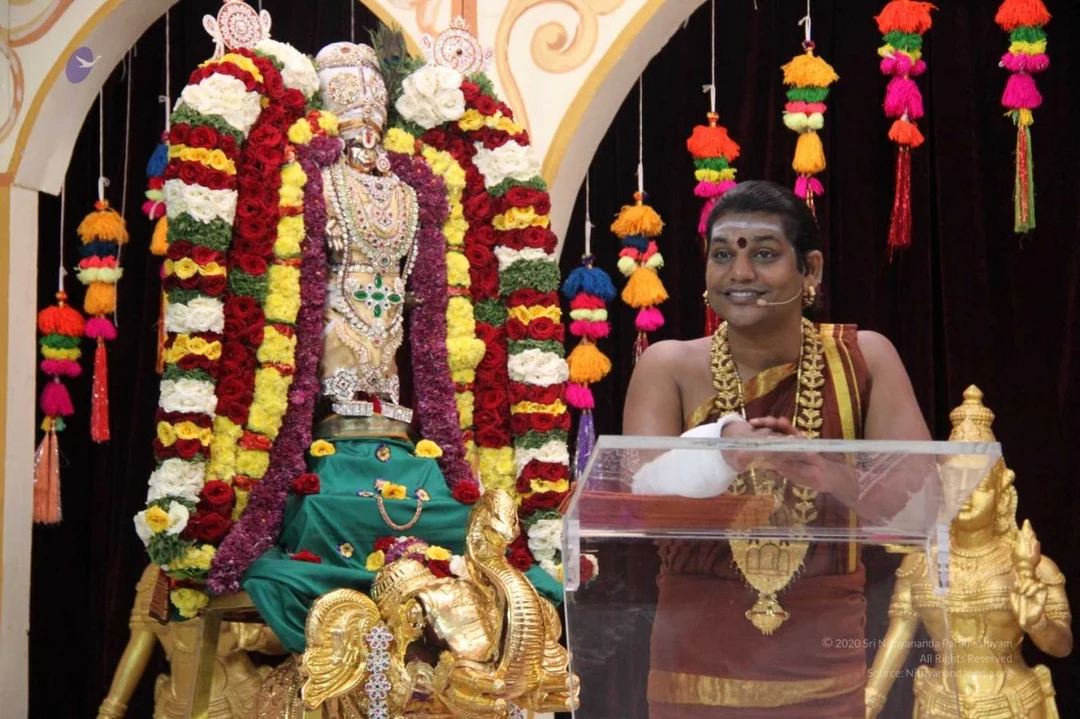
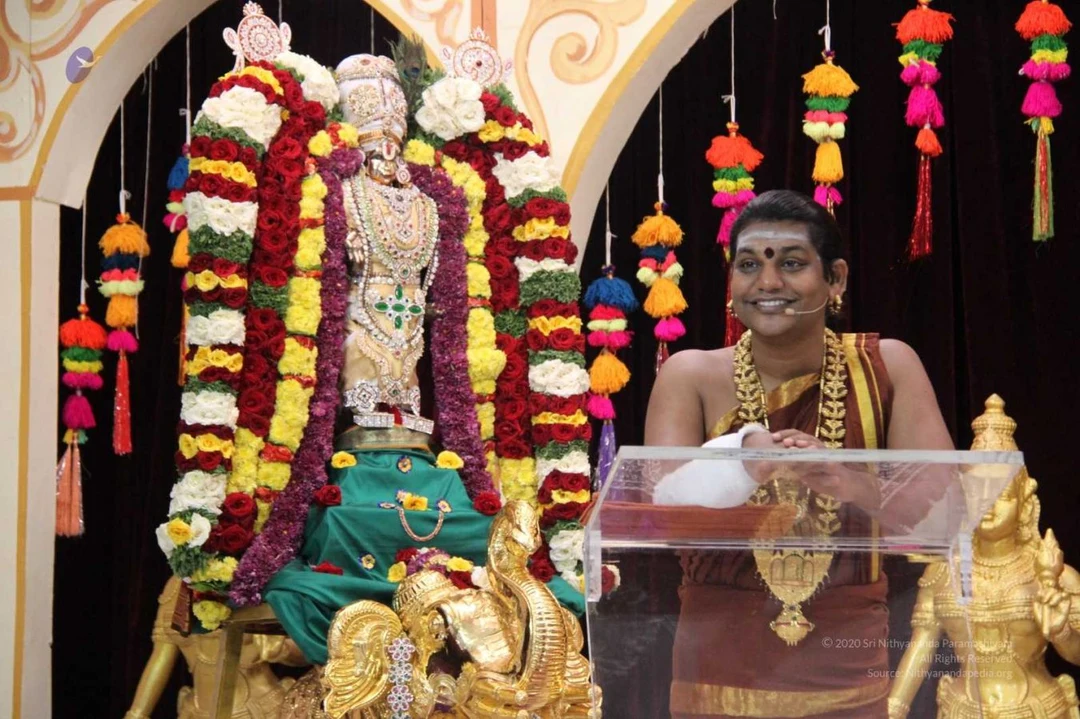
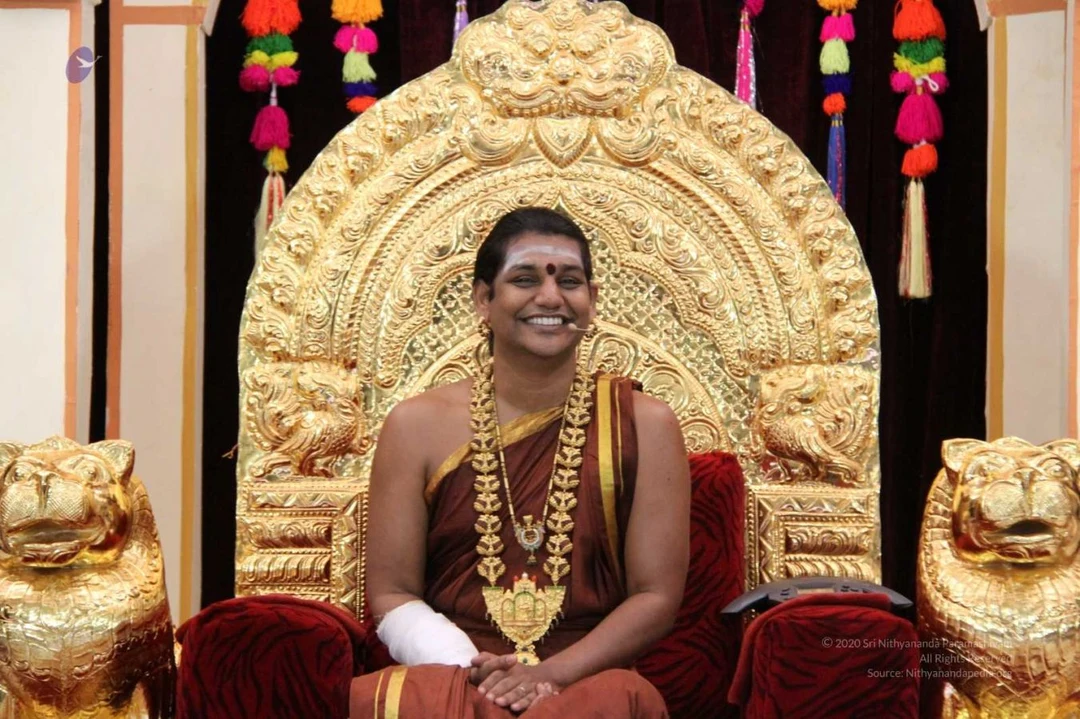
A photograph of a man seated on an ornate golden throne with a carved arched backrest and armrests shaped like lions, flanked by two golden lion statues. He wears a rust-red and saffron-bordered robe with a gold necklace and a red-beaded pendant, a white bandage on one forearm, and a white tilak with a red dot on his forehead. Behind him hang colourful tassels in pink, orange, green and blue, and a dark red curtain backs the stage. a person (in_person): the seated man has a clean-shaven, closely cropped head, a rust-red robe with saffron edging, ornate gold necklaces and a central seat on a golden throne in a satsang setting, which is consistent with the page's reference to a person at this event.A close-up photograph of a person speaking into a microphone at a podium with a clear glass lectern in the lower right. The speaker wears a maroon-brown garment with a gold-bordered edge draped over the shoulder, a heavy gold multi-strand necklace, gold earrings, a white forehead band and a red dot on the forehead. Behind is a deep red velvet drape with gold fringe.A smiling man stands on a stage with his arms spread wide, holding a thin white rod in his right hand and a white bandage wrapped around his left forearm. He wears a rust-brown draped garment with a gold border, a heavy multi-strand gold necklace with a gold pendant, gold earrings, and a red bindi with white forehead markings. His hair is swept back into a low bun. Behind him hang a deep red velvet curtain, cream panels with gold scrollwork, and hanging lanterns in purple, blue and yellow, with colourful tassels on the left. Swamiji (probable): the figure matches the page's claim through his long swept-back hair, ornate gold necklaces and saffron-toned draped clothing, and is presented as the speaker at this satsang.A smiling man in a maroon-brown draped garment with a gold border stands on a stage with a bandaged left forearm raised, gesturing. He wears a heavy gold multi-strand necklace with a large gold pendant and gold earrings, a white vertical mark and red bindi on his forehead, and a small clip-on microphone near his face. Behind him hang red velvet drapes and ornate purple, orange and yellow lanterns with tassels, beside a cream arch with gold scrollwork. The image is a photograph of a single person, so a person: the swept-back hair, ornate gold necklaces and saffron-toned draped clothing match the page's claim, though the appearance is only a partial cue match.A man seated on a stage speaks while smiling, wearing a maroon draped garment with a gold border and heavy gold temple-style necklaces with a pendant. His right arm is bandaged in white gauze, his forehead bears white paint and a red bindi, and a small microphone is clipped near his face. Behind him hang red velvet drapes, a cream and gold arched wall with scrolled floral patterns, and purple and orange decorative lanterns with tassels. Coloured pompom tassels dangle at the lower left. a person: the figure wears distinctive ornate gold necklaces and a saffron-toned draped garment while speaking from the stage.A smiling person stands on a stage in front of a cream-and-gold arched backdrop with red velvet drapes and hanging tassel decorations. They wear a rust-brown draped garment with gold border stripes, a heavy gold necklace with a large pendant, and gold earrings, with a red bindi and white vibhuti on the forehead. A clear rod is held in one raised hand, and a small headset microphone is clipped near the mouth. The appearance is consistent with the a person candidate named on the page, though the face and identity cannot be confirmed.
Sarva Darshan

24 photosSource gallery
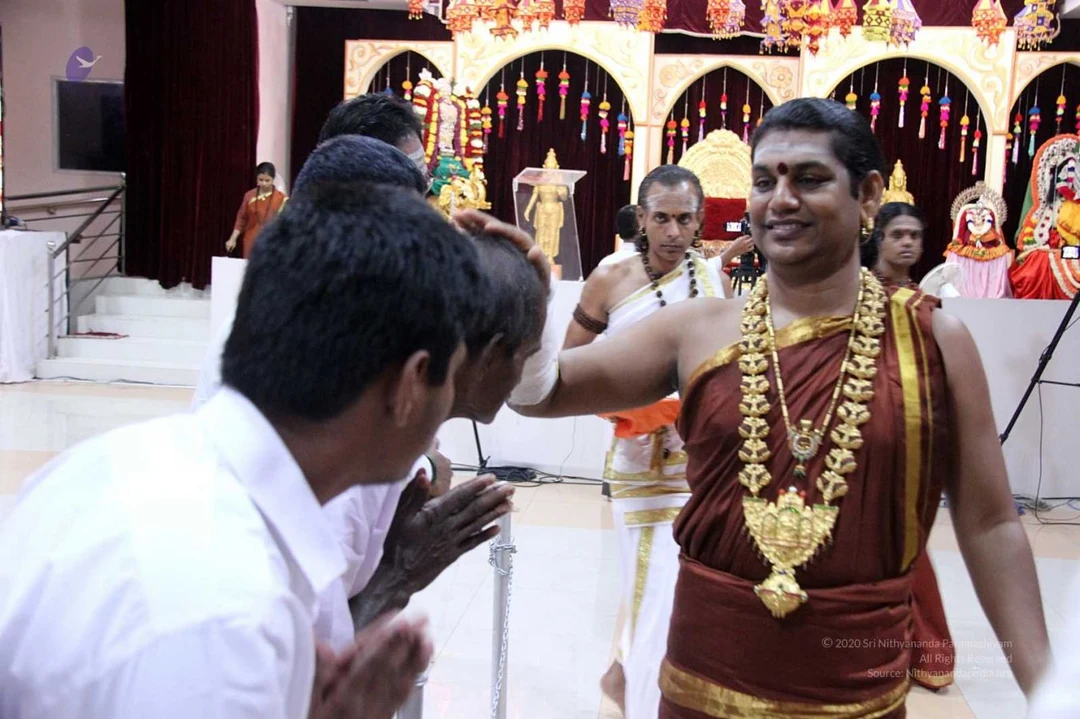
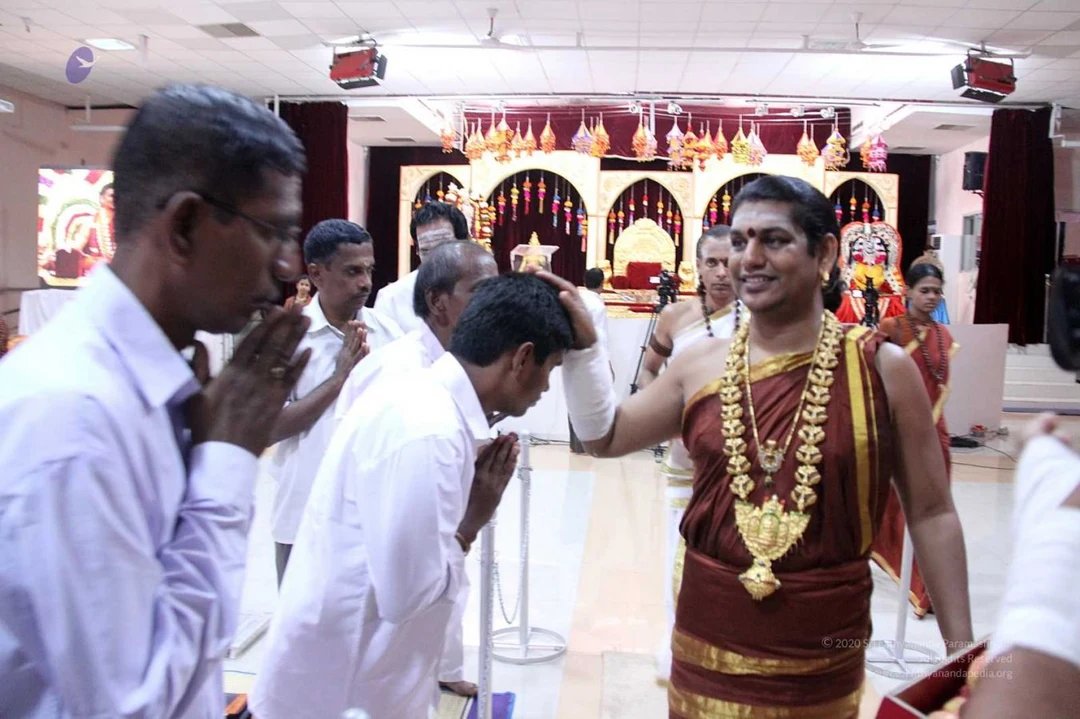
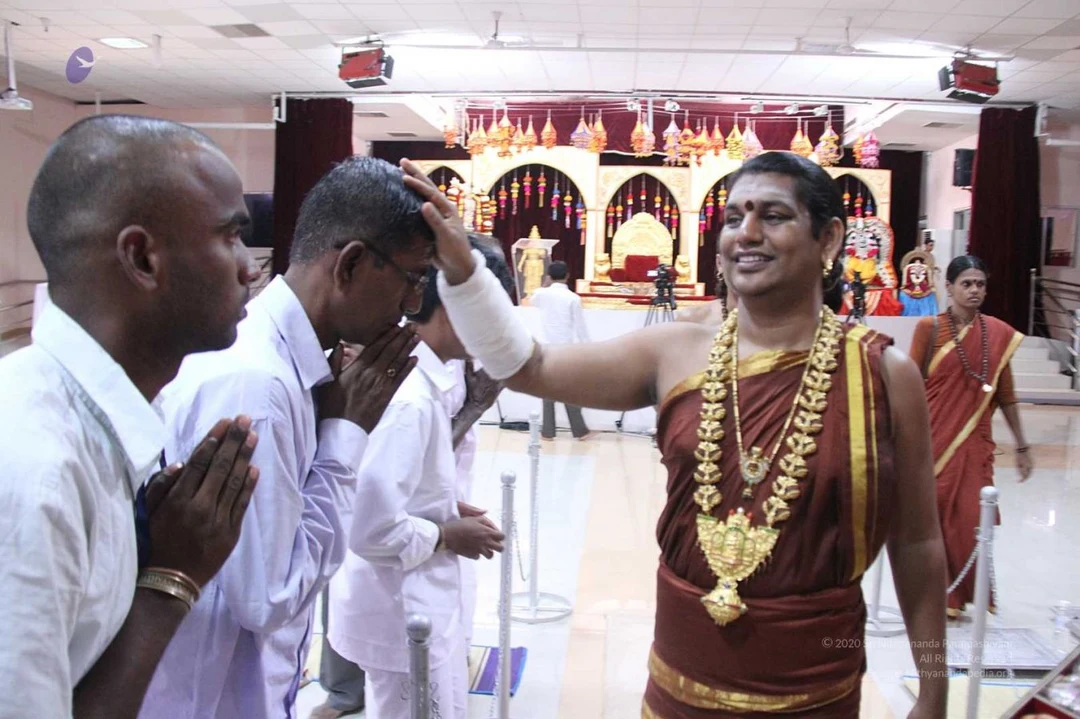
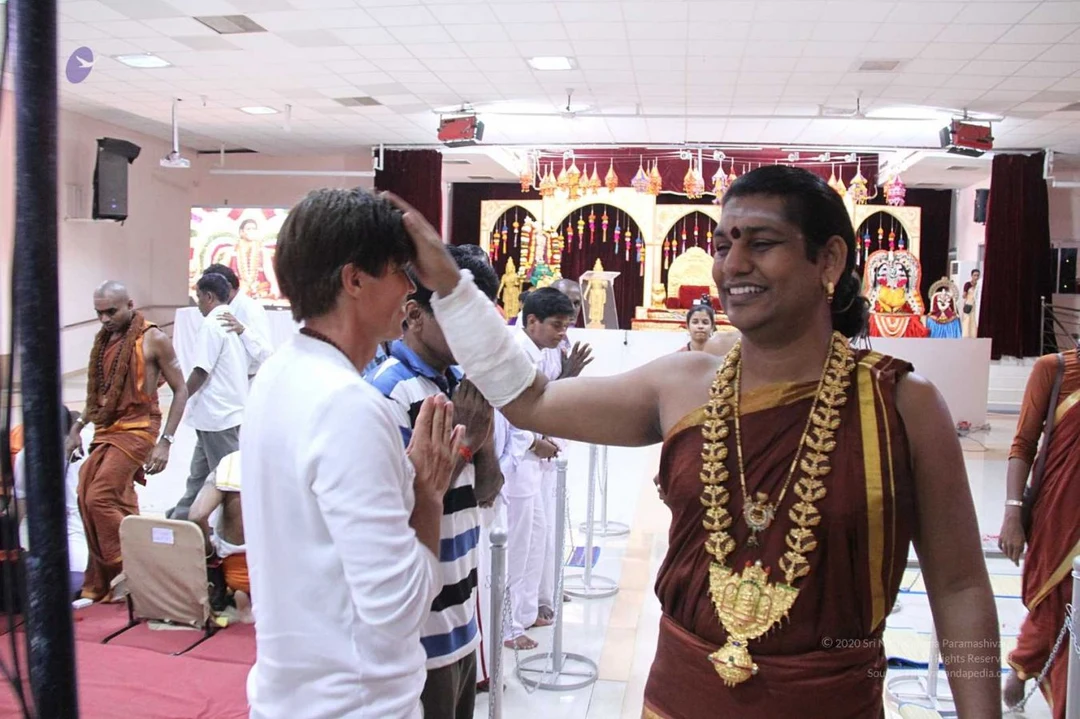
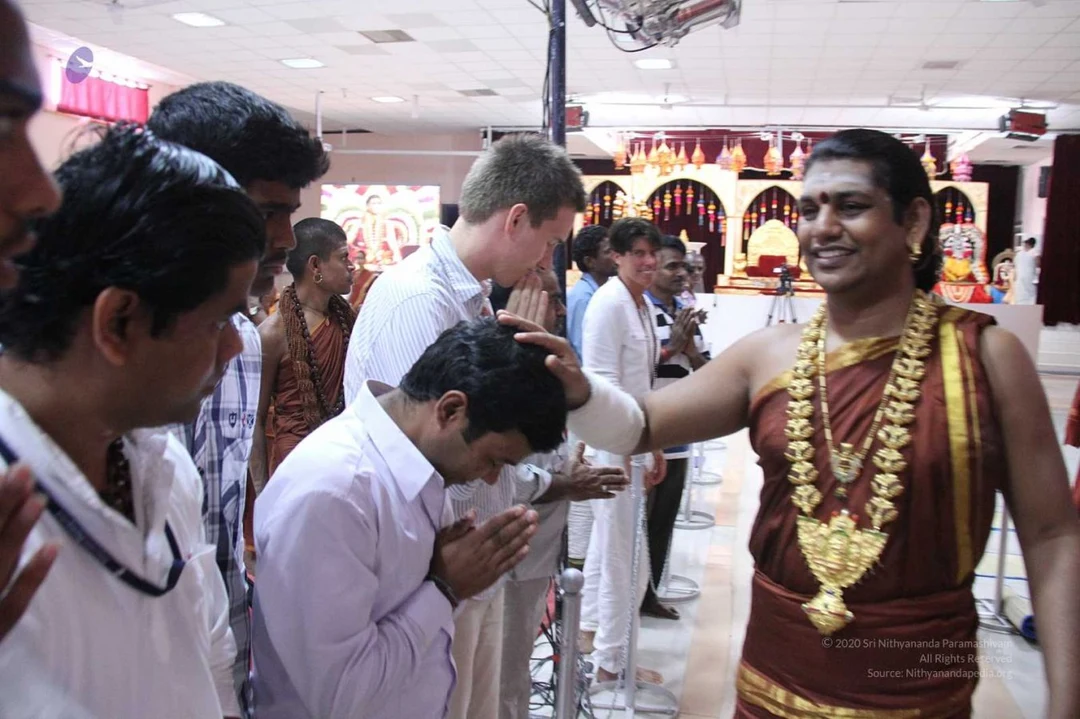
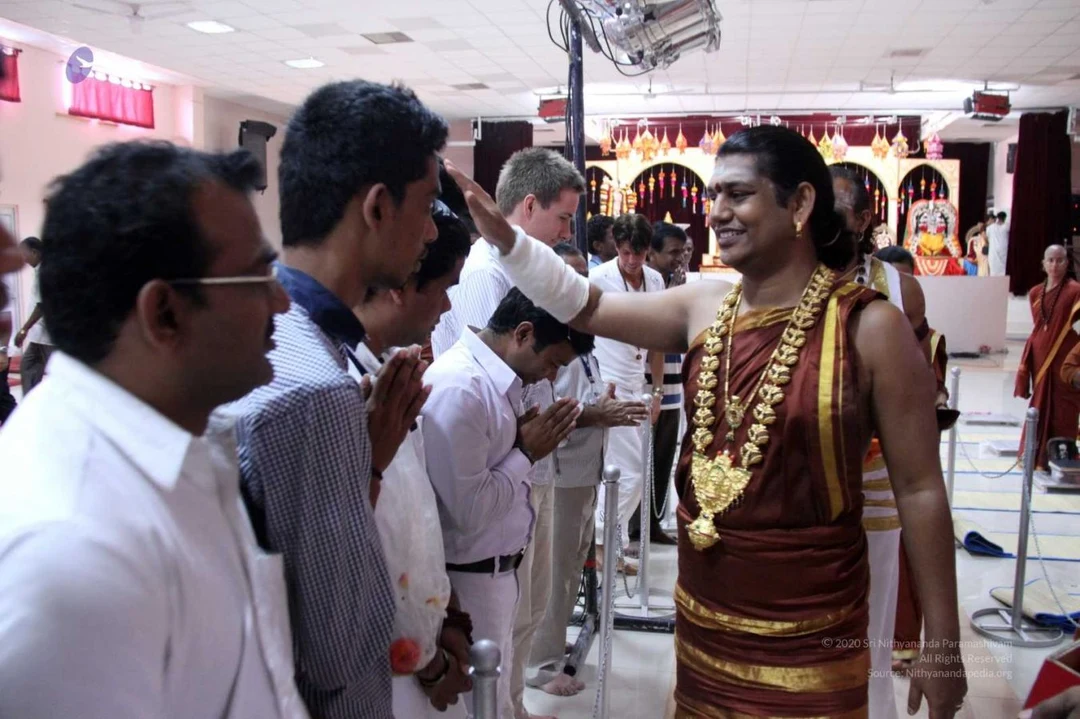
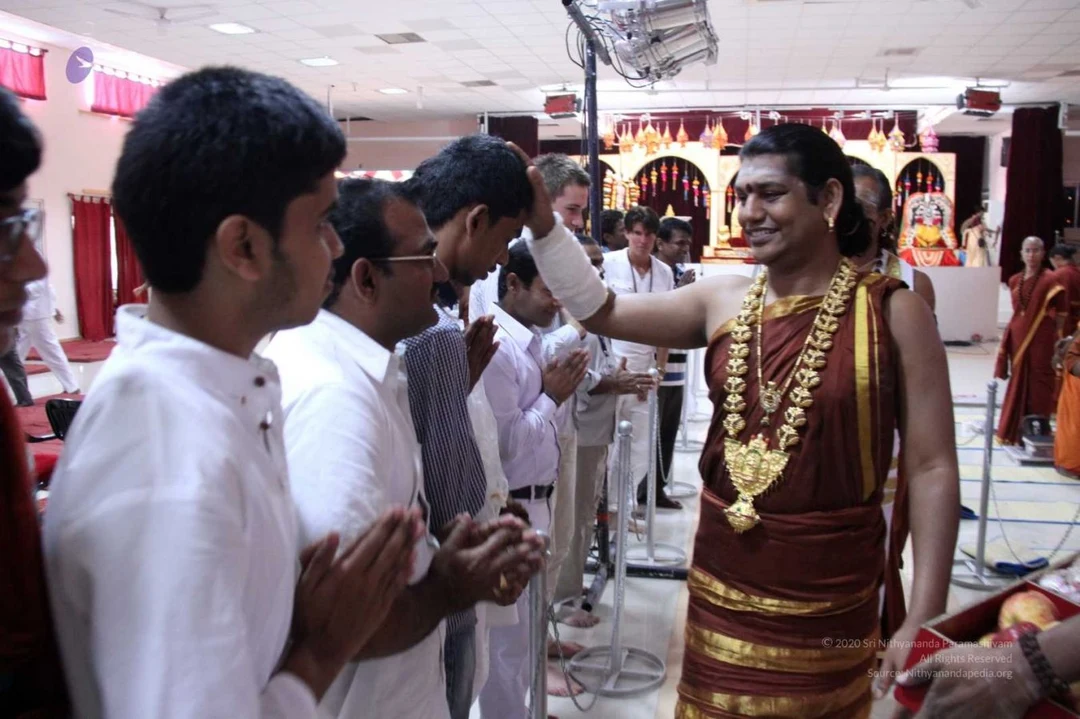
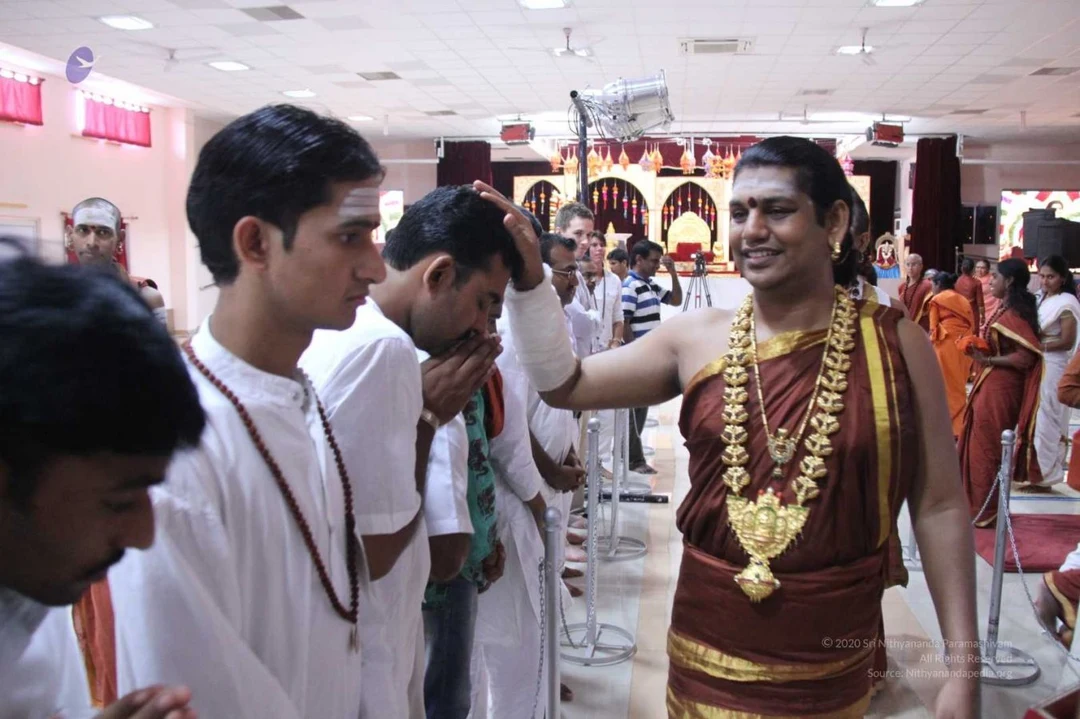
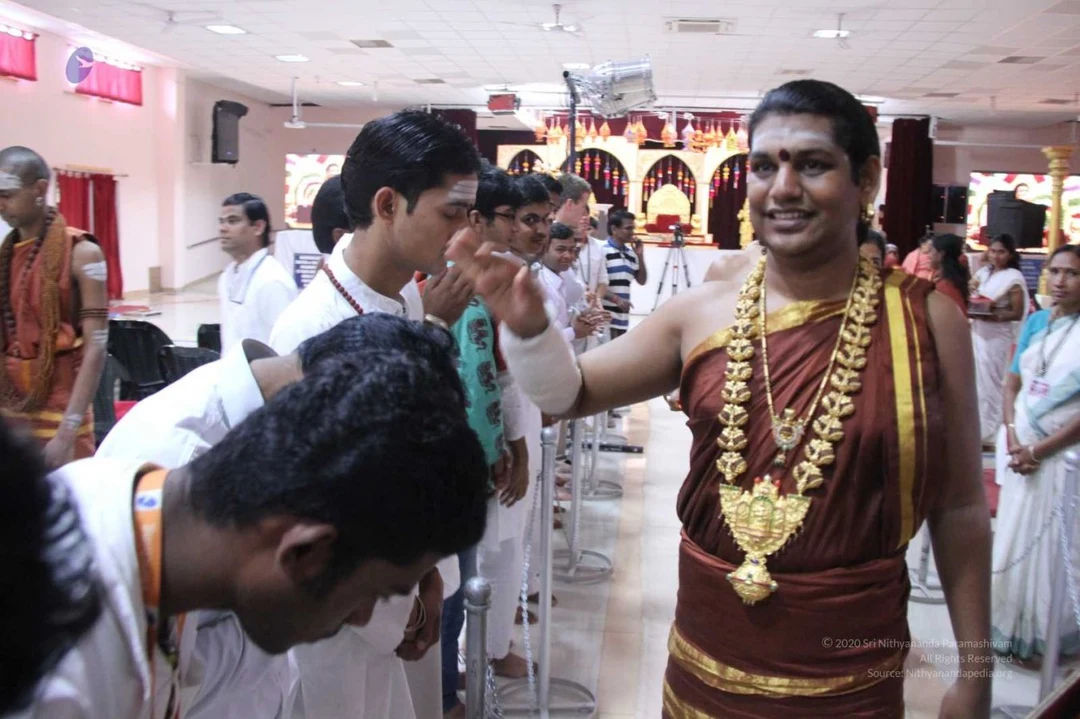
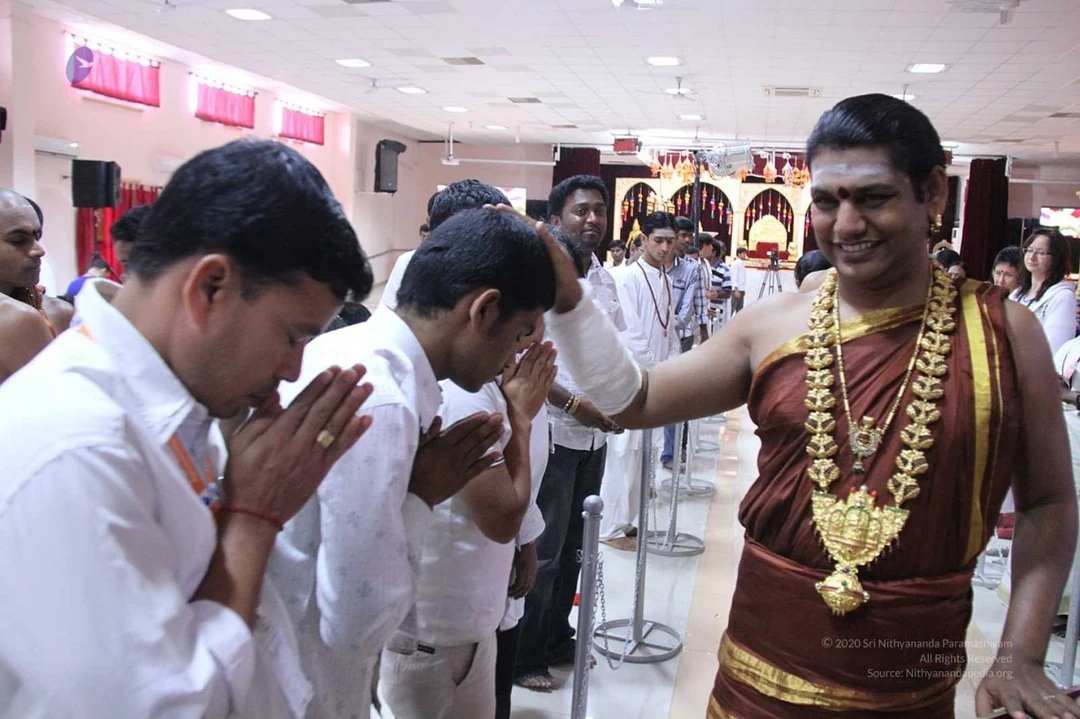
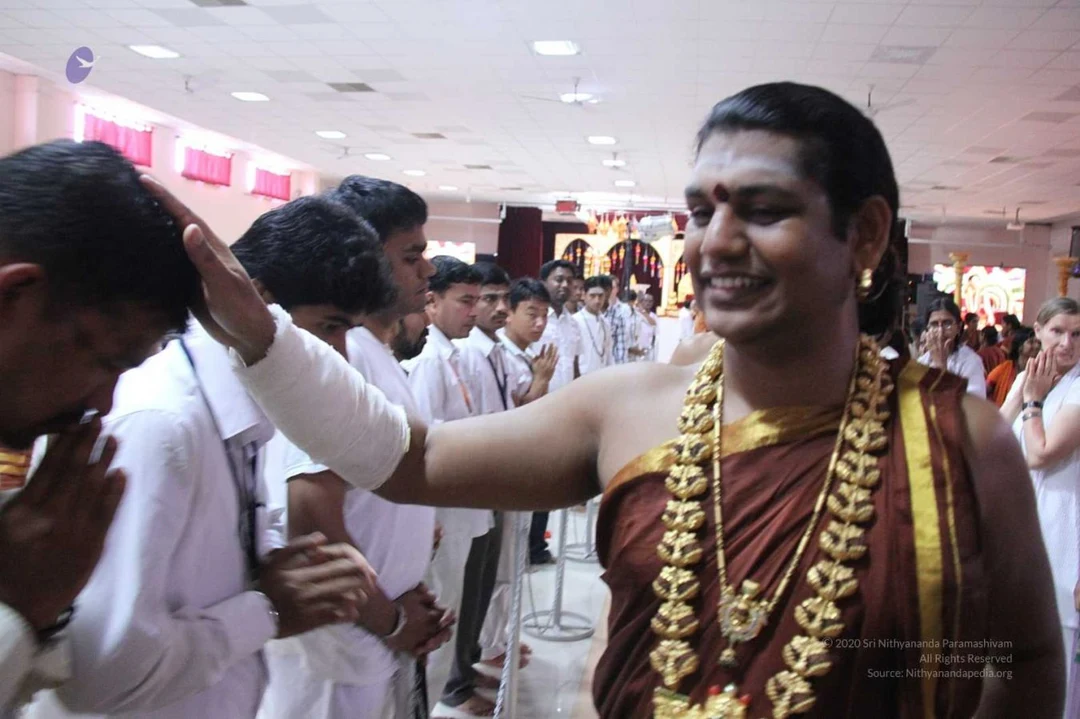
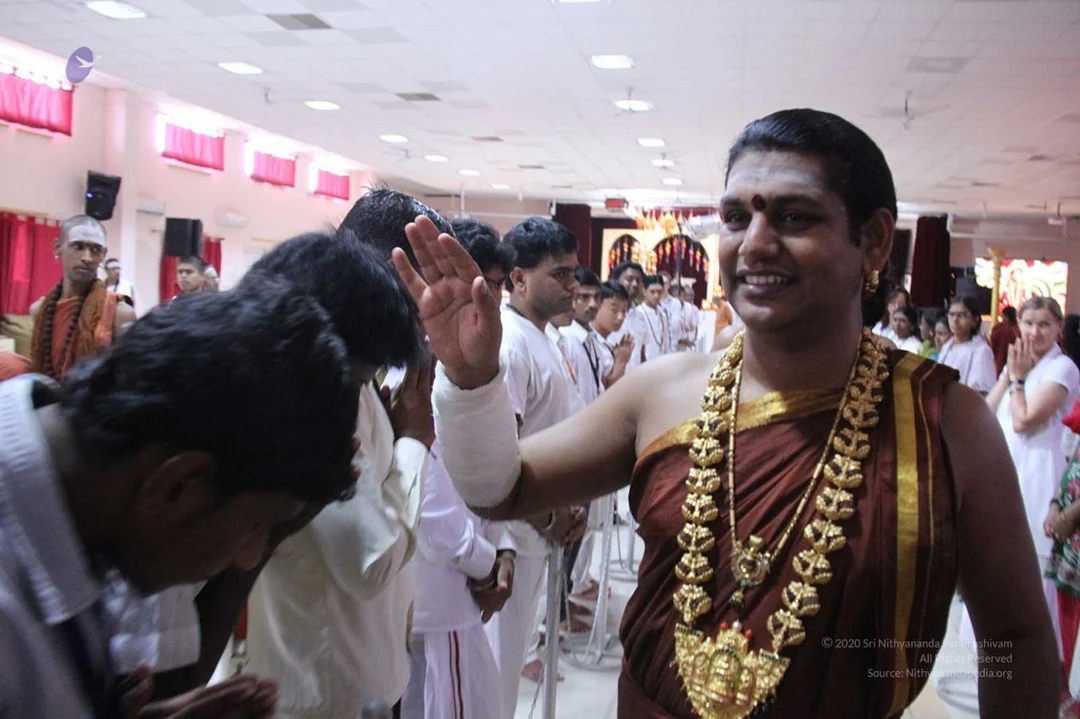
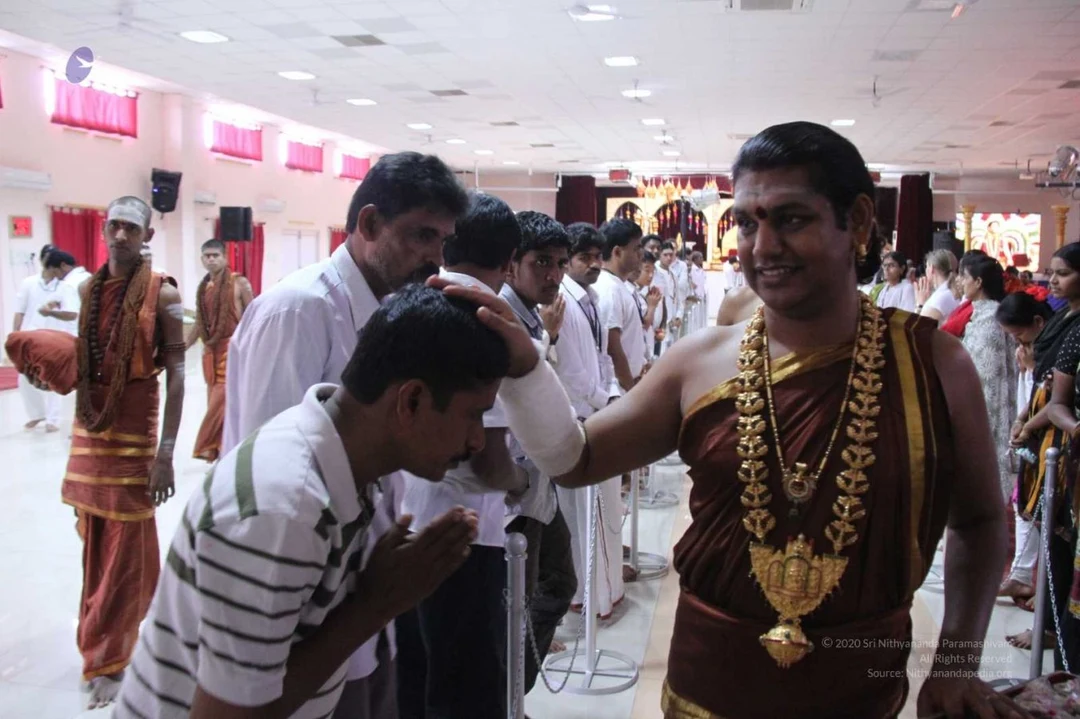
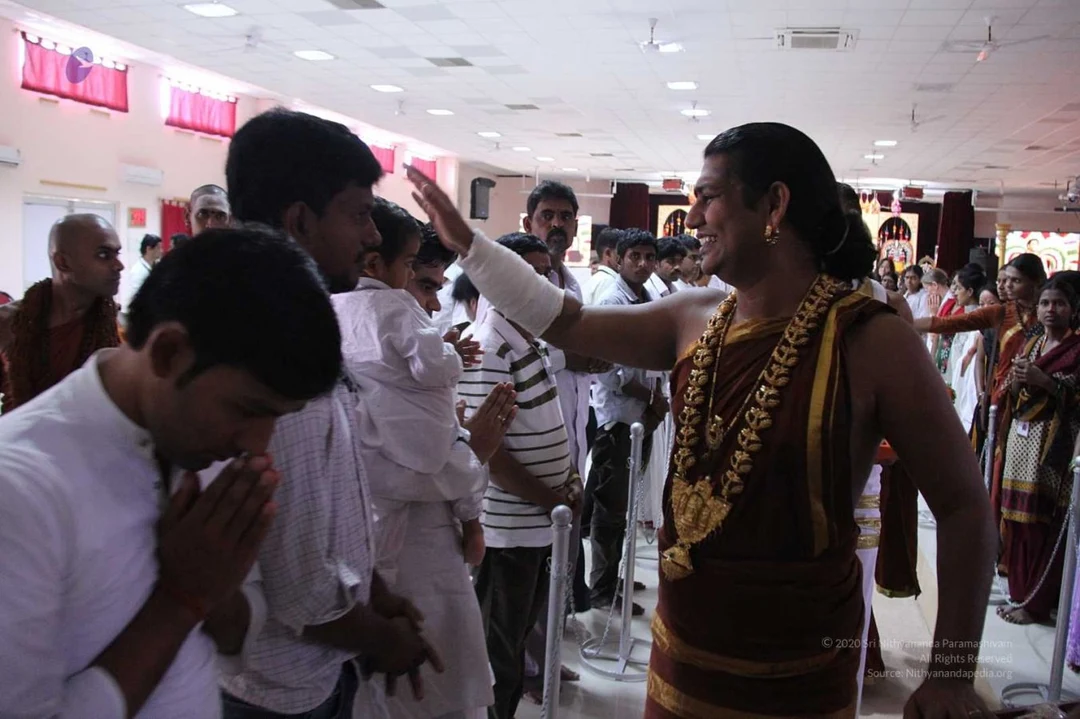
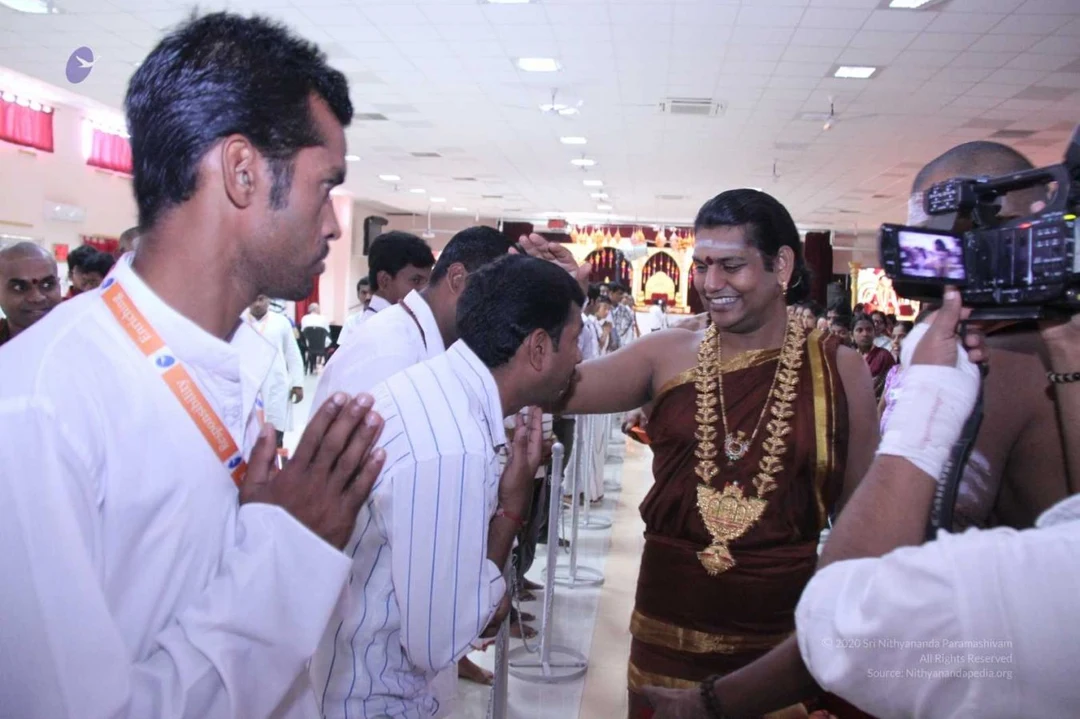
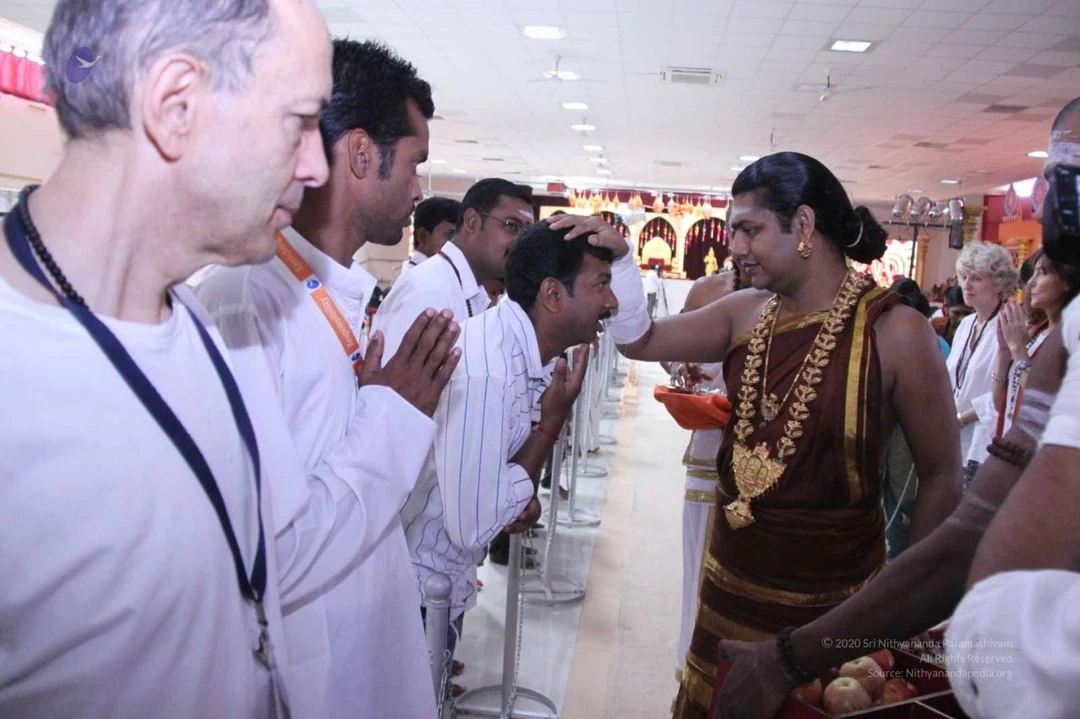
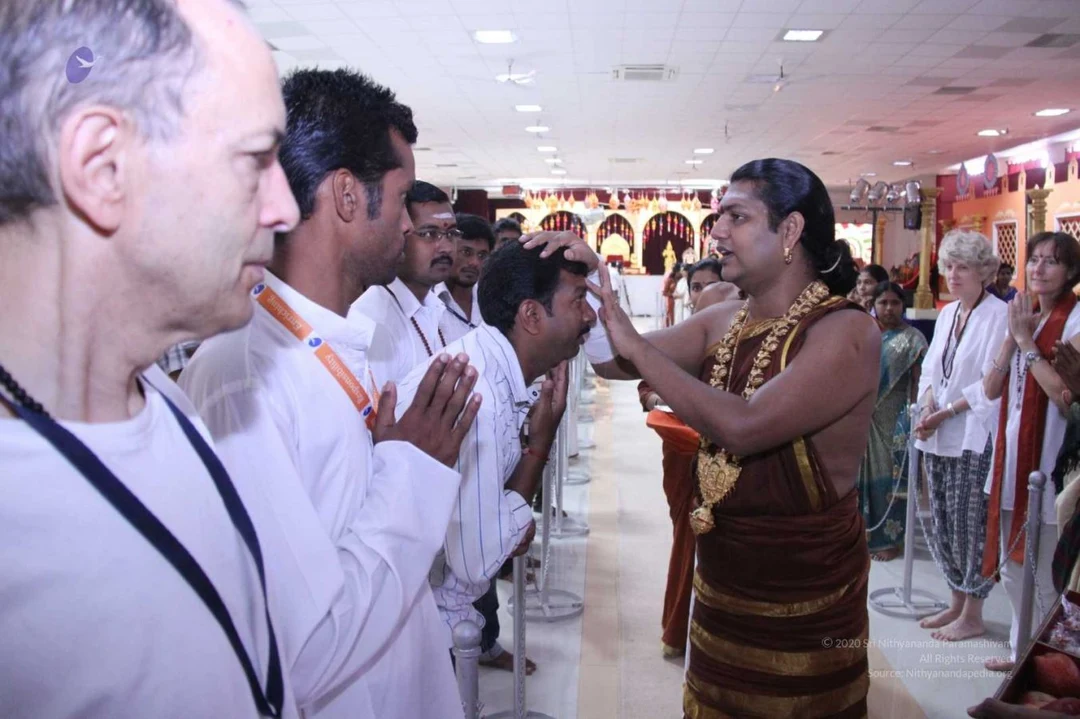
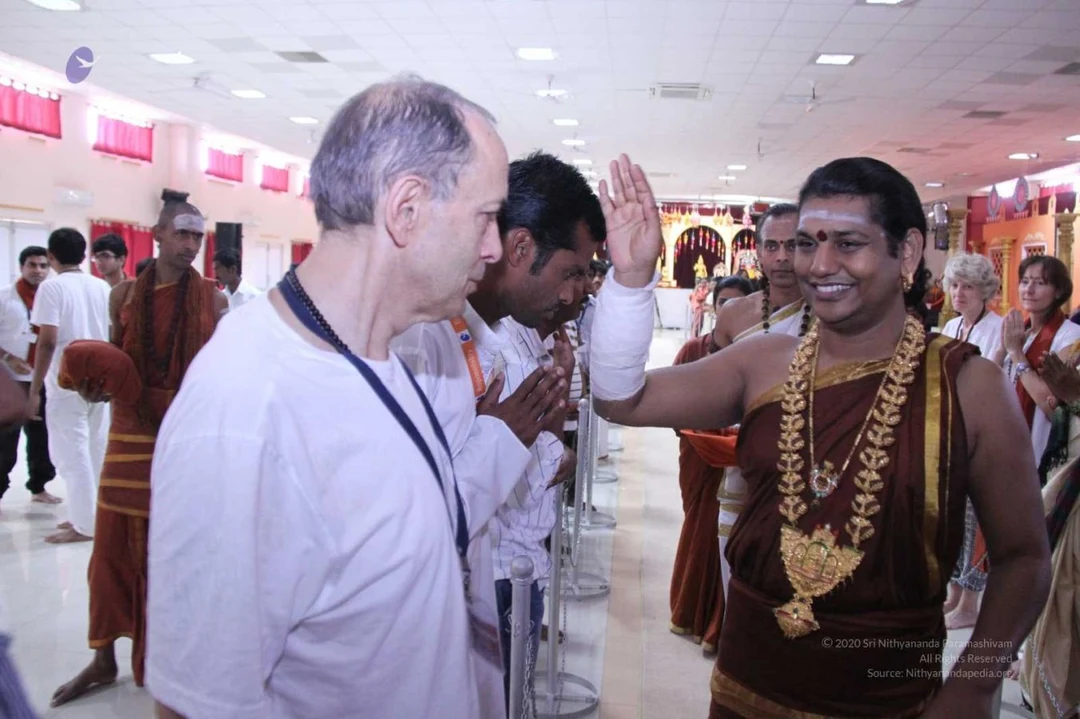
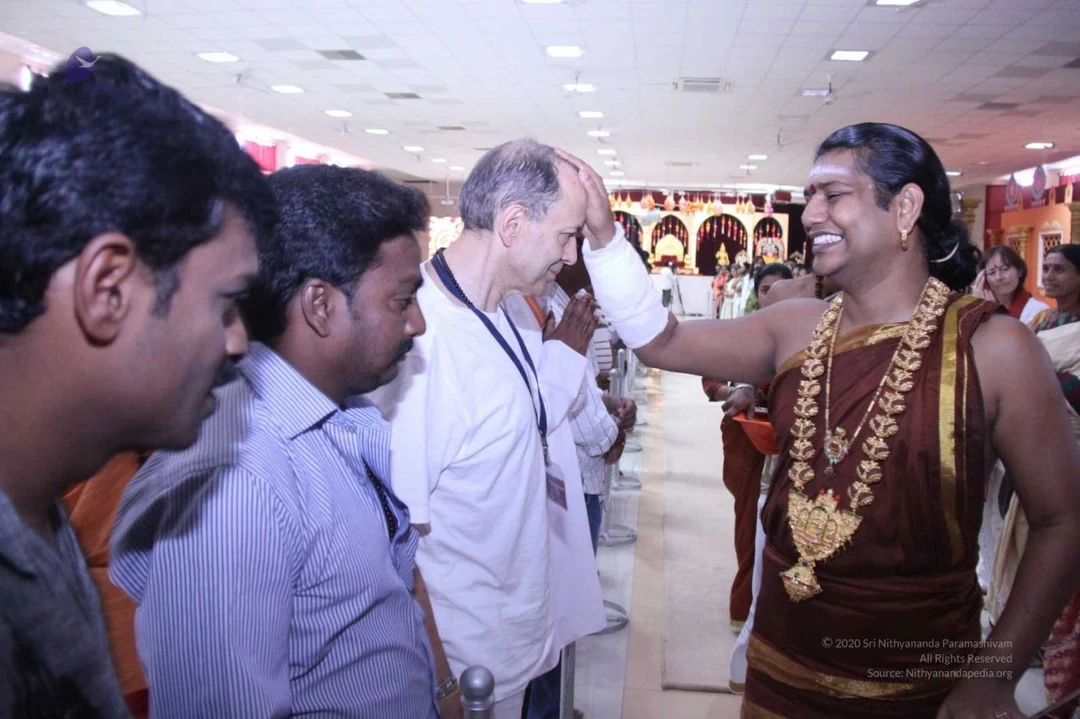
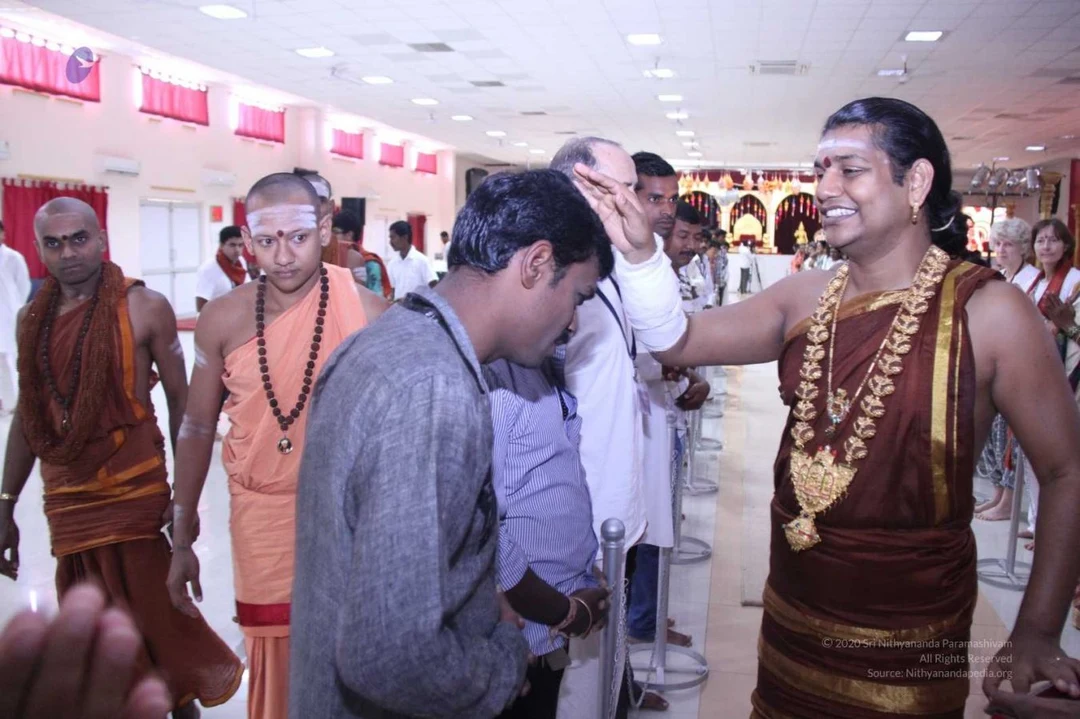
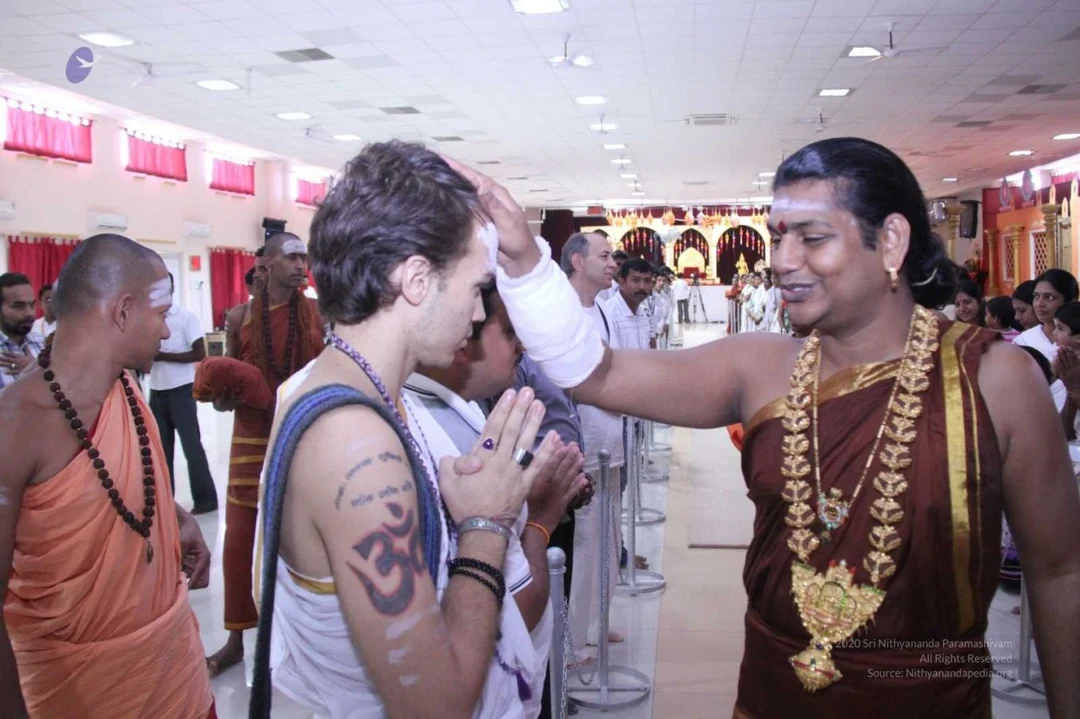
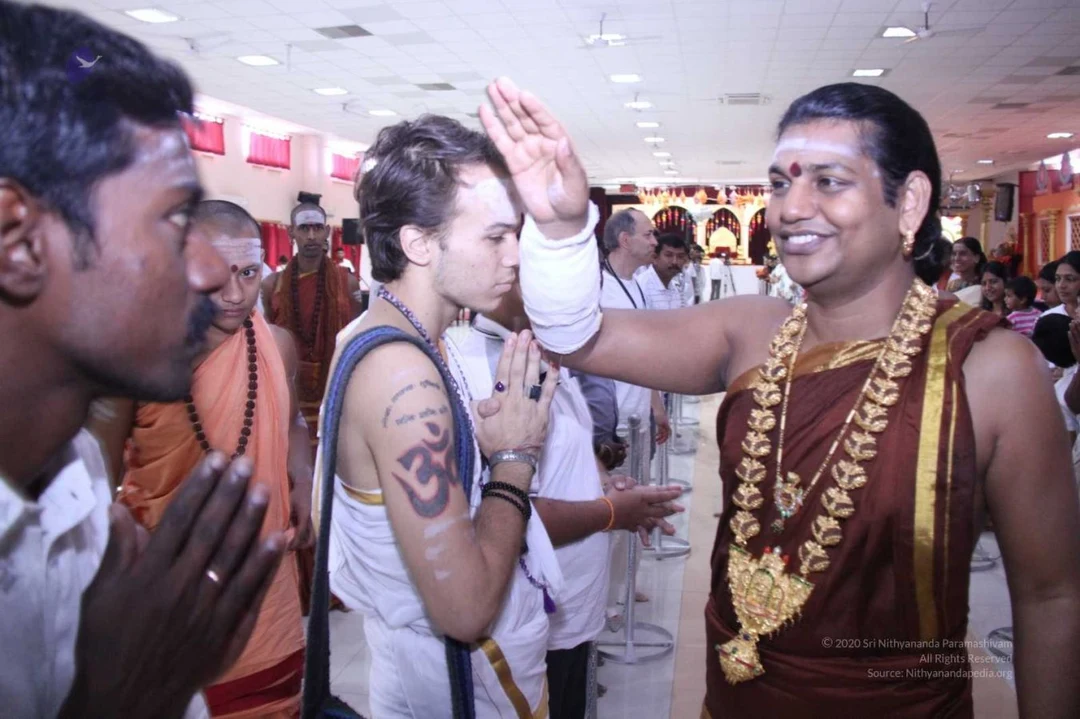
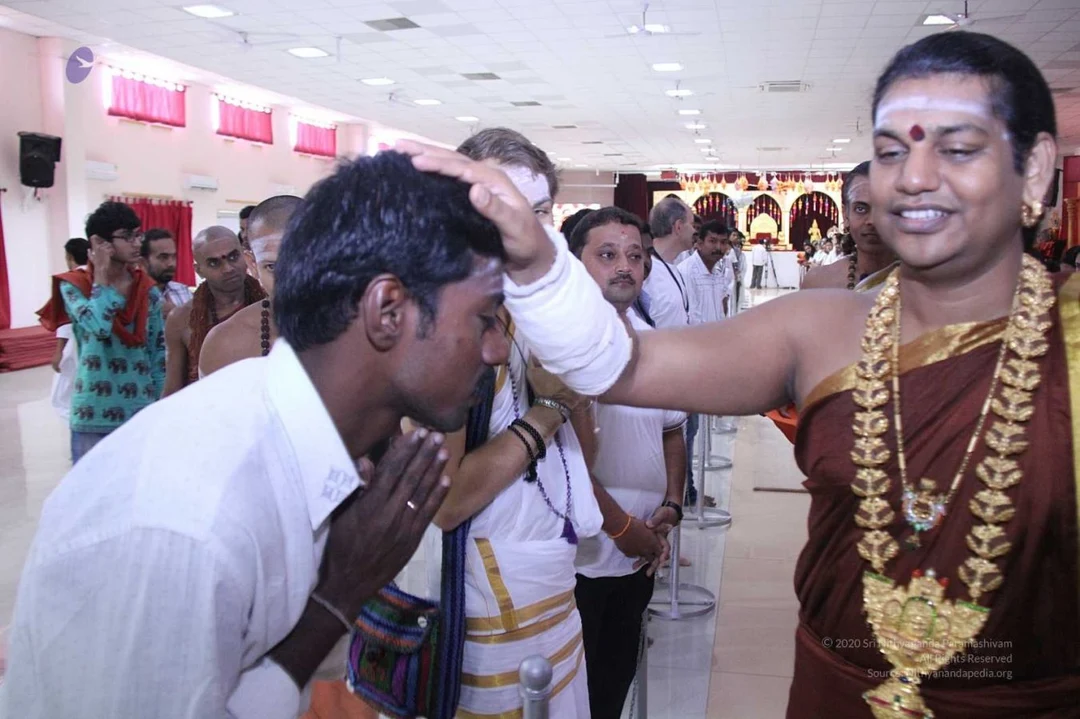
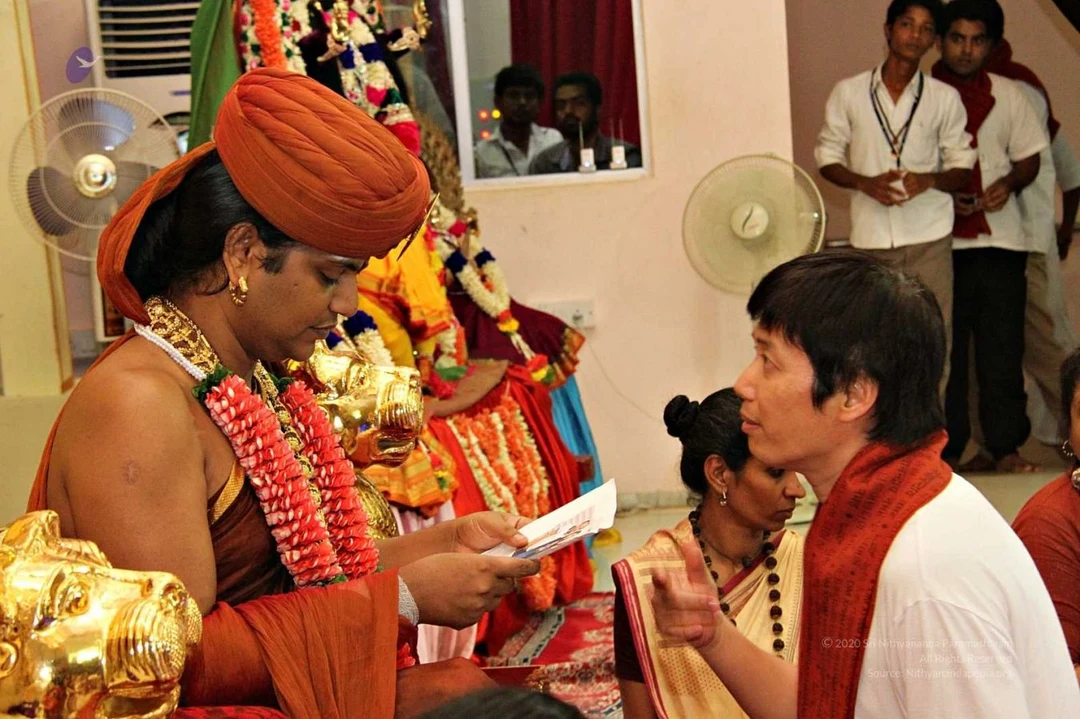
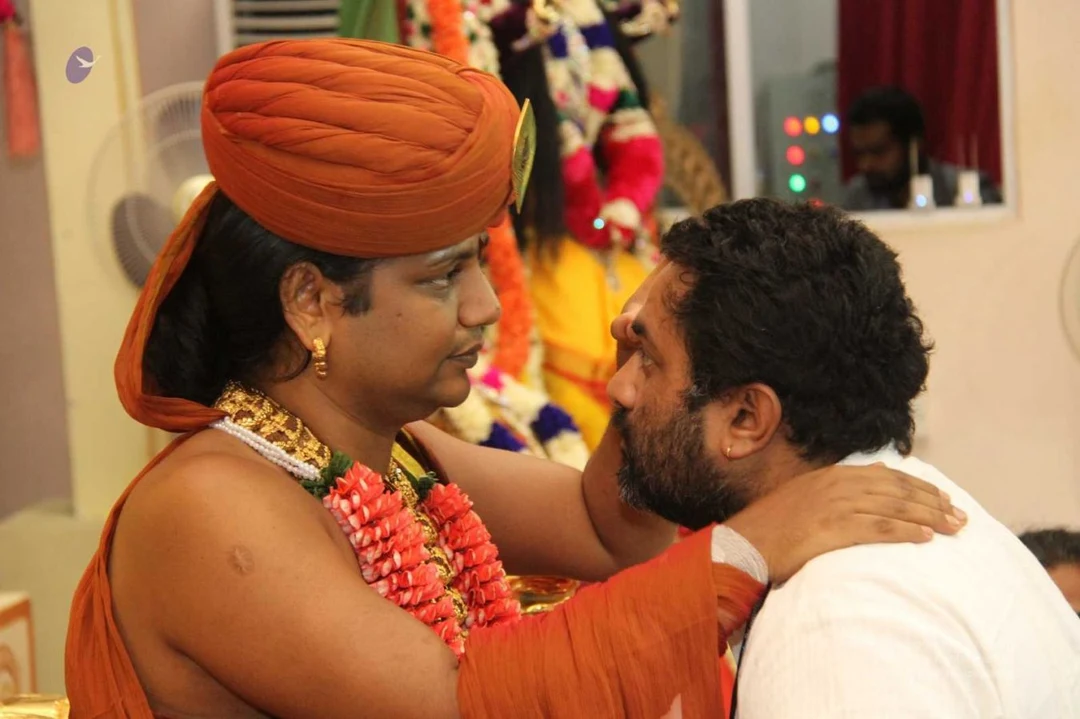
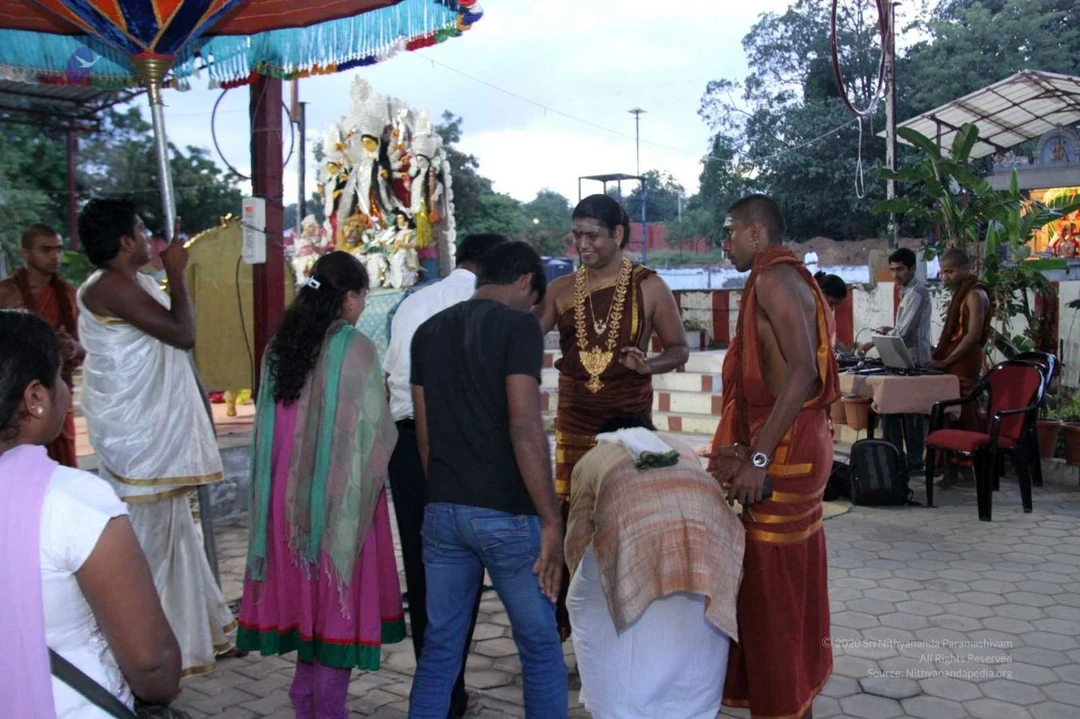
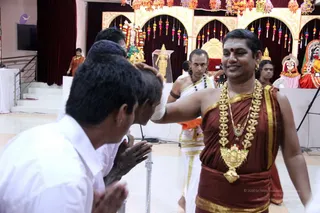
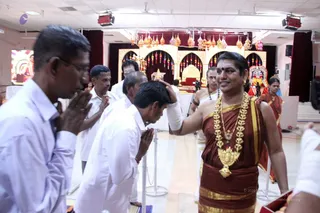
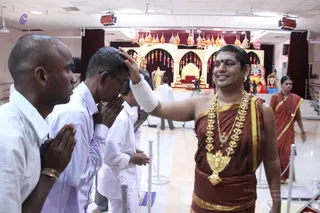
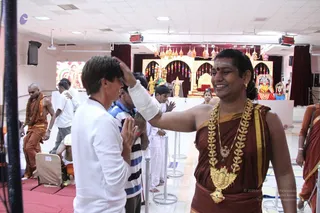
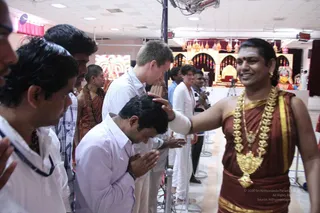
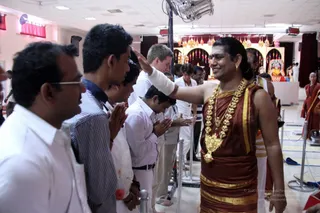
Photograph in a decorated hall with red and gold drapes, paper lanterns and a golden canopy. In the foreground a man in a white shirt bends forward with palms joined while a man in a rust-brown shawl with a heavy gold necklace and a gold pendant lays a hand on his head, smiling. Behind them a man in white dhoti with gold border and rudraksha mala stands near a golden deity murti and a tall floral garland. A woman in orange stands at the left, and dressed figures appear at the right near colourful painted deity masks. a person: the man in the rust-brown shawl and heavy gold necklace is blessing the devotee.A photo from a hall with a decorated stage behind. A man in a rust-brown dhoti-style garment with a gold border and a heavy gold necklace stands at right, placing his hand on the head of a man in a white shirt who bows with folded hands. Another man in white folds his hands in namaskar at left, and a few more people in white stand behind. Hanging tassels and gold arches decorate the stage, with a golden throne-like seat and a deity murti visible at right.A photograph of a devotional greeting in an indoor hall with a gilded throne and hanging colourful lanterns behind. A smiling person in a rust-brown dhoti-style wrap with a thick gold garland and a large gold pendant places a hand on the head of a man in a white shirt who bows with palms pressed together. Another man in white stands at left with hands folded in namaste. Behind them a woman in an orange-red sari stands near the stairs, and a golden ornate shrine backdrop with decorative arches is visible. The smiling figure's cues are ceremonial gold necklaces and rust-brown saffron-toned clothing, but no clear distinctive identifiers establish identity from appearance, so the role is recorded as a person giving blessing.A photograph inside a hall with pale walls, ceiling lights and a stage backdrop draped in maroon curtains, golden arches and hanging tassels. On the right, a smiling person with long hair pulled back wears a rust-brown dhoti with a gold border, a thick gold necklace of leaf-shaped pendants and a gold chest ornament; they extend a hand to touch the head of a person in a white top with palms joined in namaskar. Behind them, devotees in white and striped shirts stand in a line, a seated priest in an orange-brown shawl and rudraksha-style beads is at left, and deity murti decorate the stage at back. The scene reads as a blessing exchange at a satsang event.A photograph of a satsang-style hall with a decorated stage behind. On the right, a figure in a rust-brown dhoti-style wrap and multiple gold-toned garlands and a large ornate pendant places a hand on the head of a man in a white shirt who bows with palms pressed together. Around him, several men and a woman in white stand or bow with folded hands, a saffron-robed attendant with a rudraksha mala stands to the left, and a golden arched shrine with lit lamp-like lanterns and deity images decorates the back. a person (appearance-based label: long swept-back hair, gold garlands and rudraksha-style adornment), giving blessing to devotees.A man in a brown and gold-bordered dhoti and shawl, wearing a heavy gold necklace and a gold pendant, stands at right with his arm raised in blessing over the head of a devotee. Several men on the left, some in white shirts, stand with palms pressed together in anjali mudra, watching in a line along a barricade. Behind them a decorated hall shows a festooned shrine with gold and red hangings, lanterns and a deity murti, with other saffron-robed people in the background.
Final Blessing

3 photosSource gallery
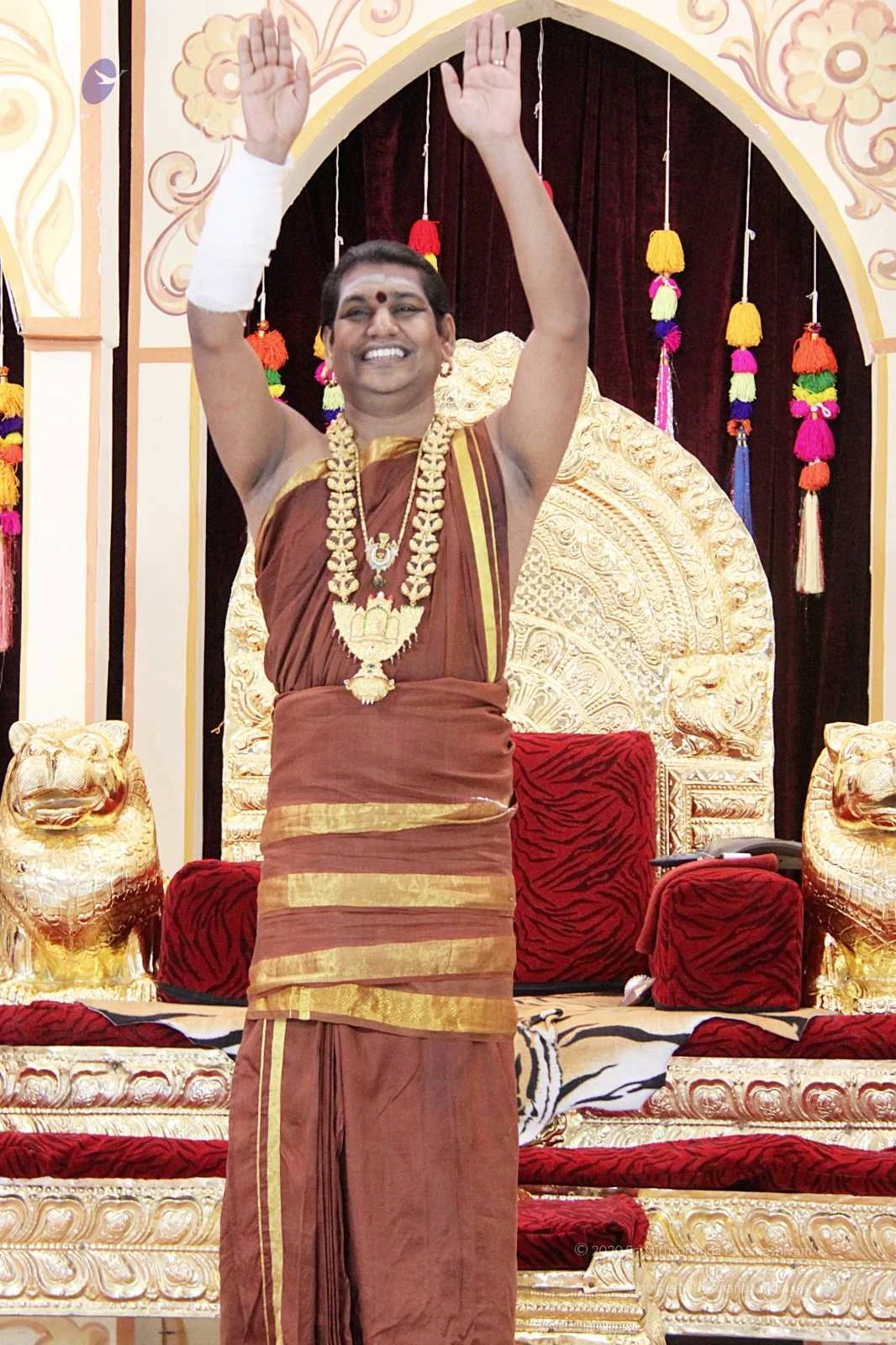
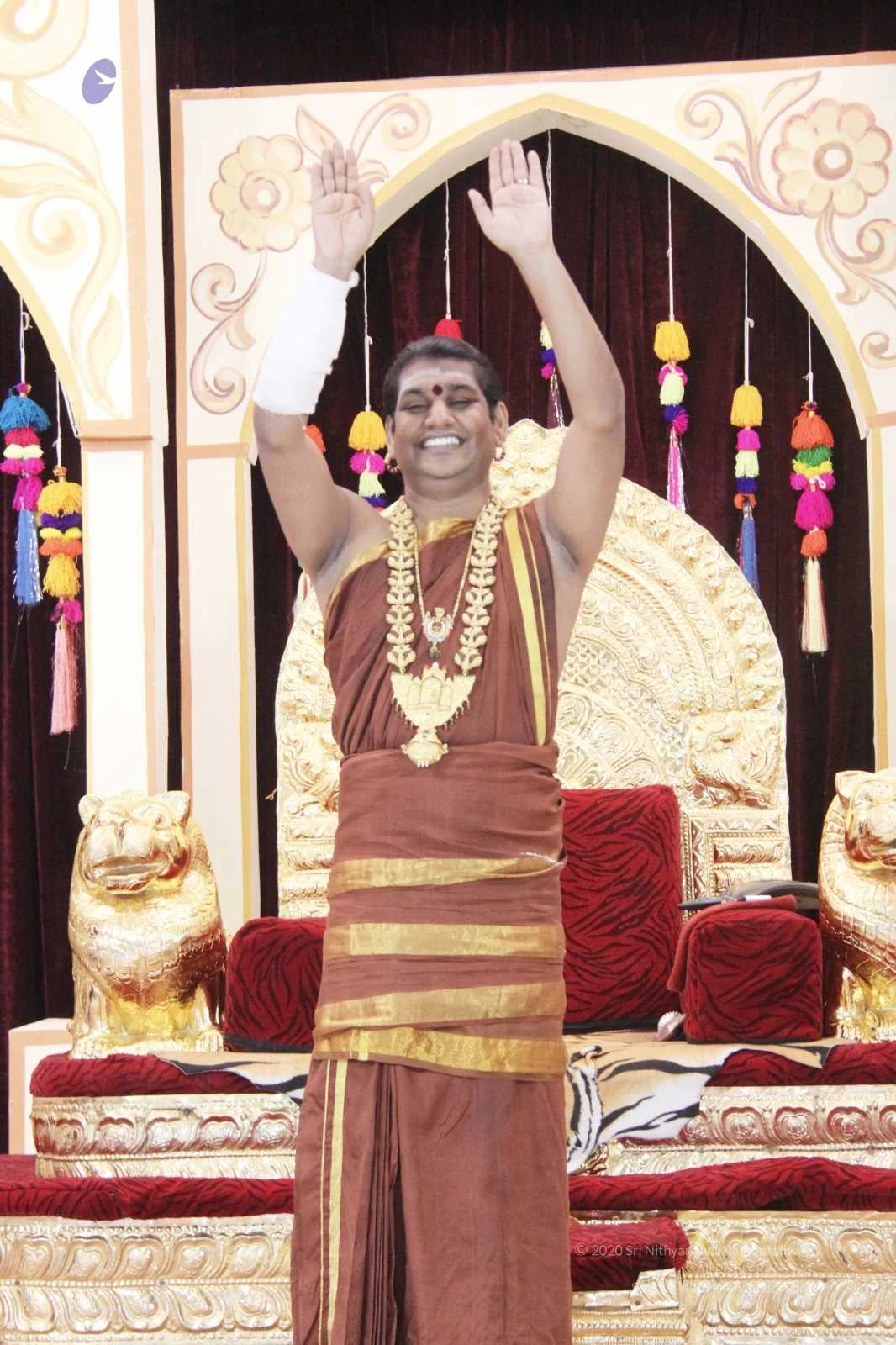
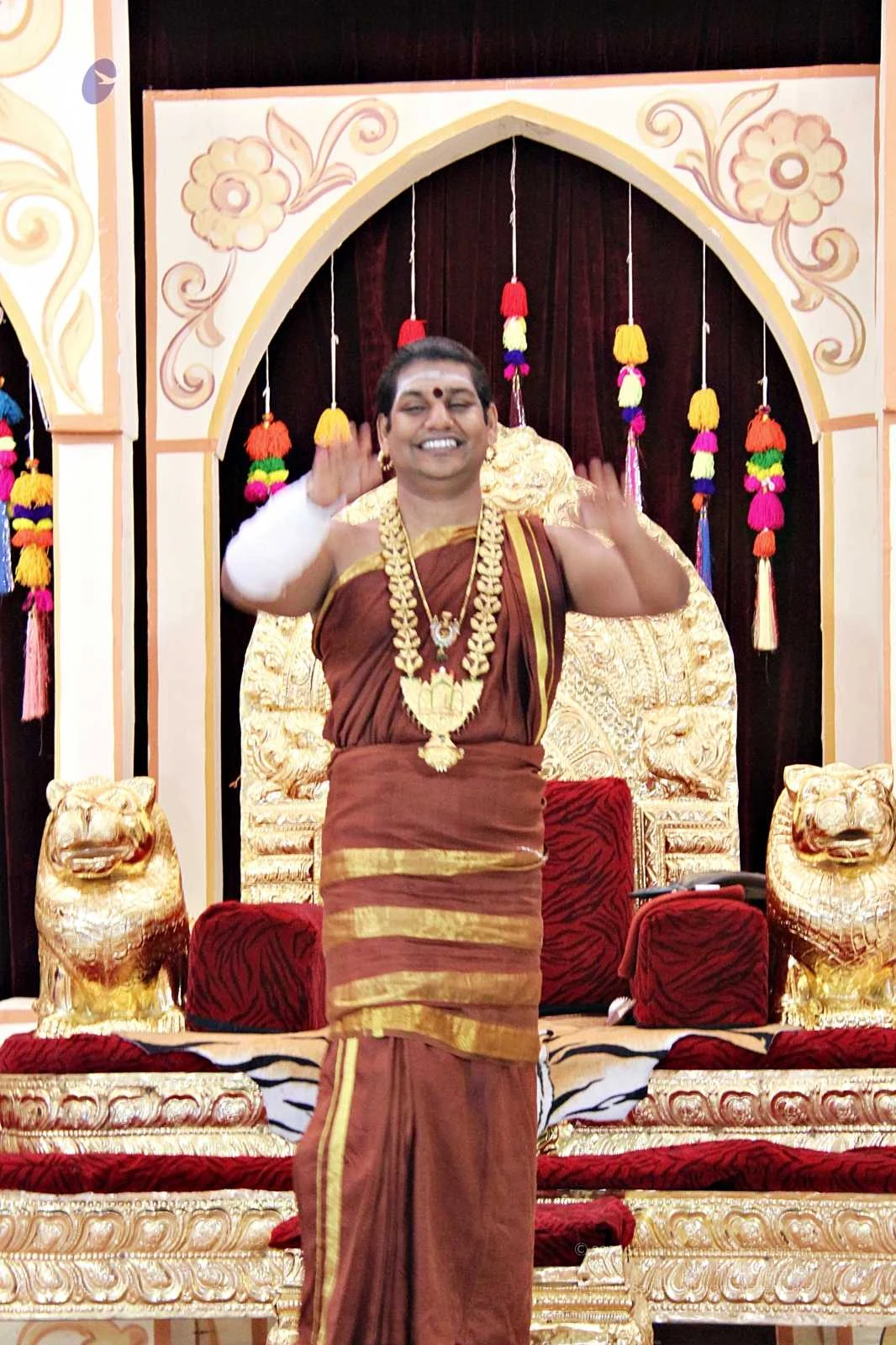
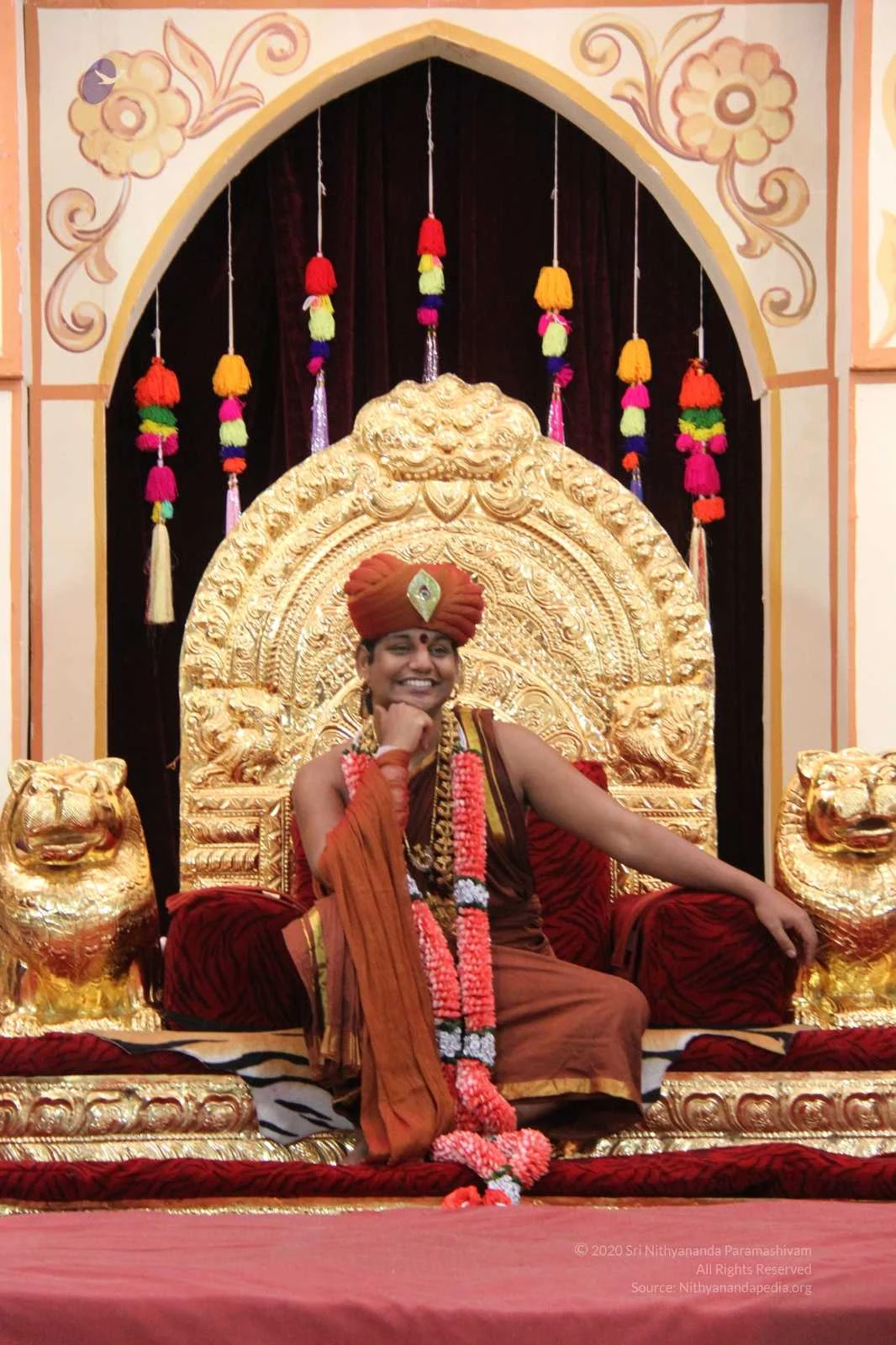
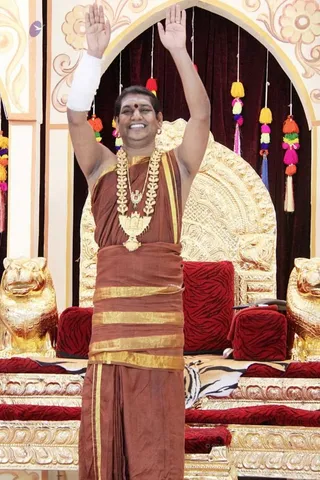
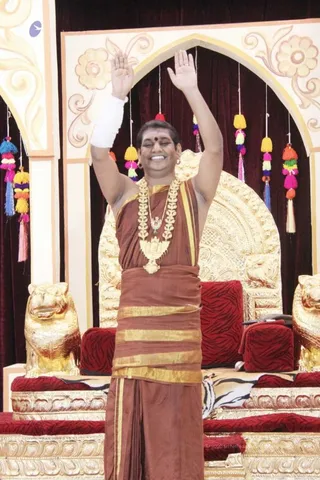
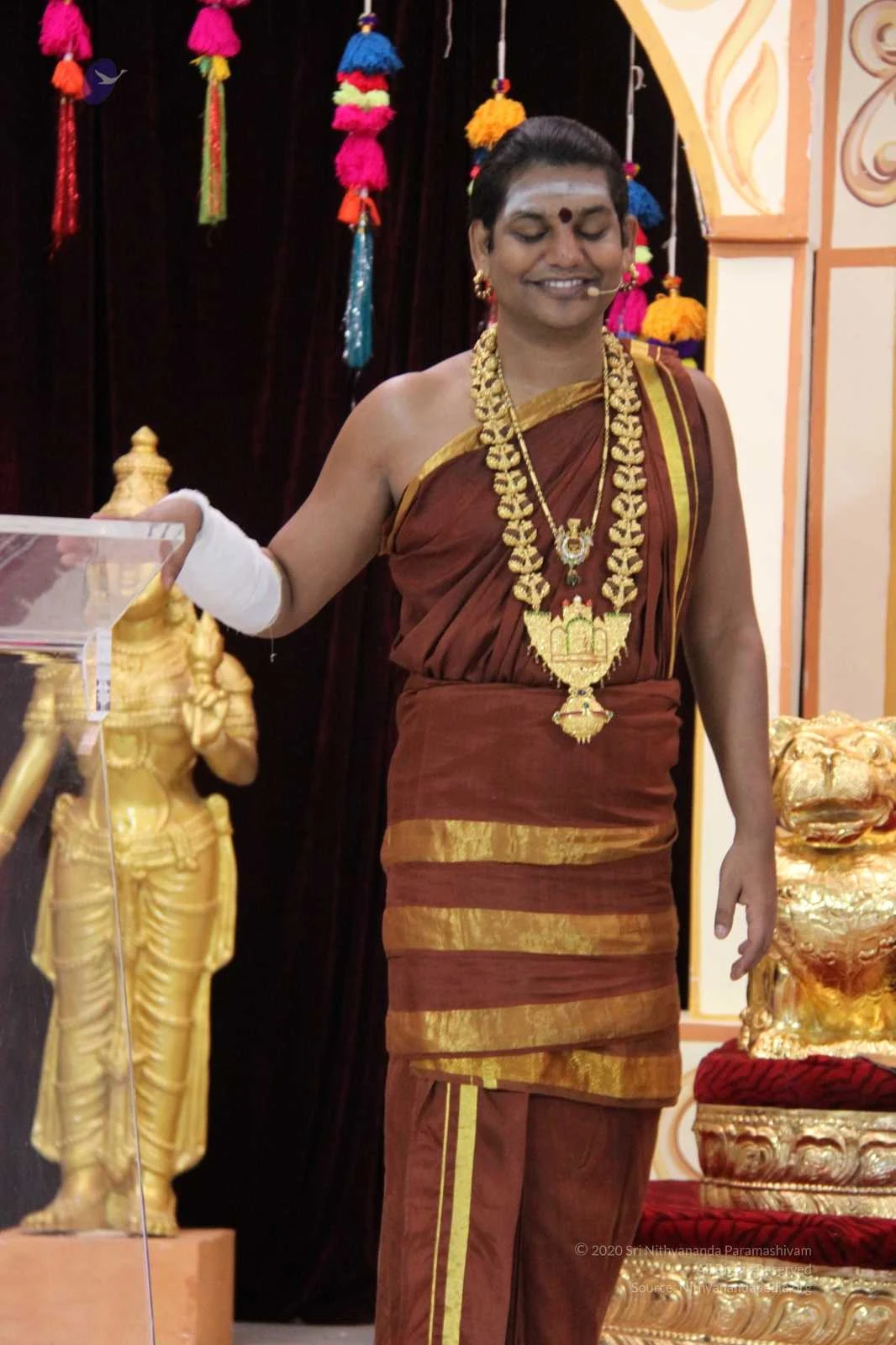
A standing man in a rust-brown robe with gold borders raises both hands in greeting, smiling, in front of an ornate gilded throne with lion-head armrests and red tiger-striped cushions. He wears a long gold ceremonial necklace with a lotus pendant, a red bindi and a white bandage on one wrist. Behind him hang colourful tassels and a dark red velvet backdrop with painted floral arches. The scene looks like a satsang or public address at the throne.A photograph of a single man standing centrally on a stage in front of an ornate gold throne with carved lion-head armrests and red tiger-stripe cushions. He raises both hands above his head, smiling, with a white bandage wrapped around his right wrist. He wears a rust-brown dhoti-style garment with gold borders, a heavy gold multi-strand necklace with a lotus pendant, and a red bindi on his forehead. Behind him hang a maroon velvet curtain and colourful tasselled ornaments, with a gold-painted arch framing the stage. The setting suggests a satsang or public gathering; a white-bandaged figure in ceremonial gold regalia on a throne fits the page's a person candidate, but appearance cues are only partly distinctive, so identity is uncertain. The only visible copyright text is excluded.A smiling man in a brown and gold-bordered dhoti and shawl, with a red bindi and a heavy gold necklace, raises both hands in greeting in front of an ornate gold and red throne. Gold lion-head armrests flank the seat, and red tiger-stripe cushions sit behind him, under a painted cream arch hung with multicolored tassels. A white bandage covers one of his forearms. a person's appearance cues are limited to his dress and gold ornamentation, while the throne-and-arch setting shows a ceremonial stage rather than a specific ritual.
Swamiji and the Deities Blessing us
19 photosSource gallery
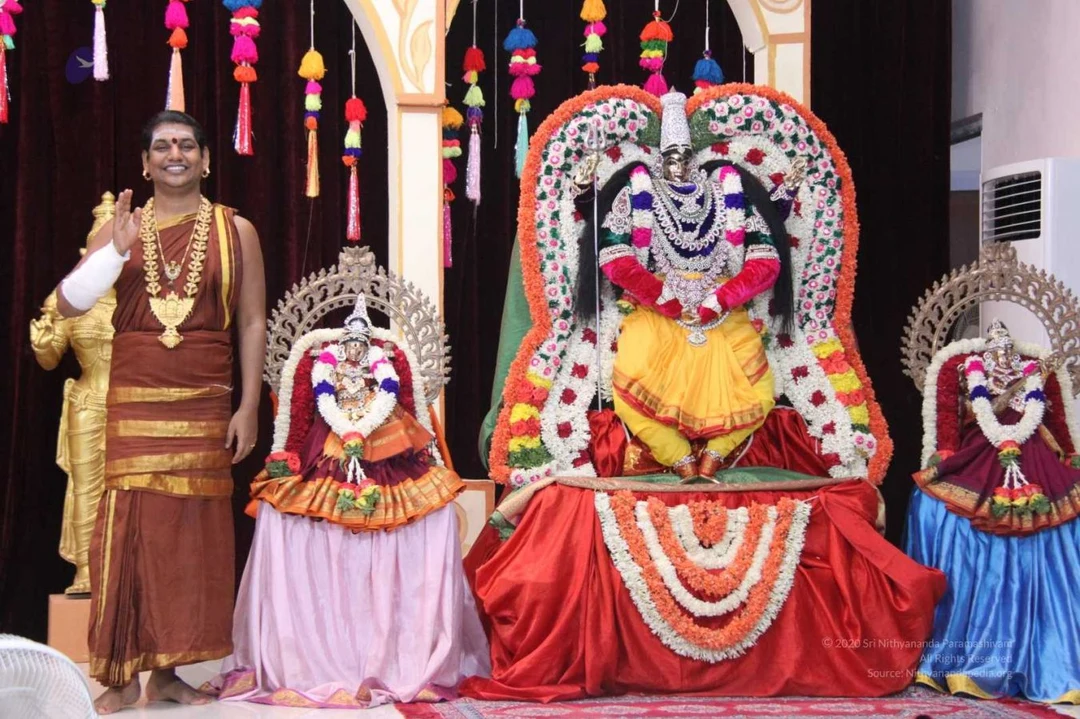
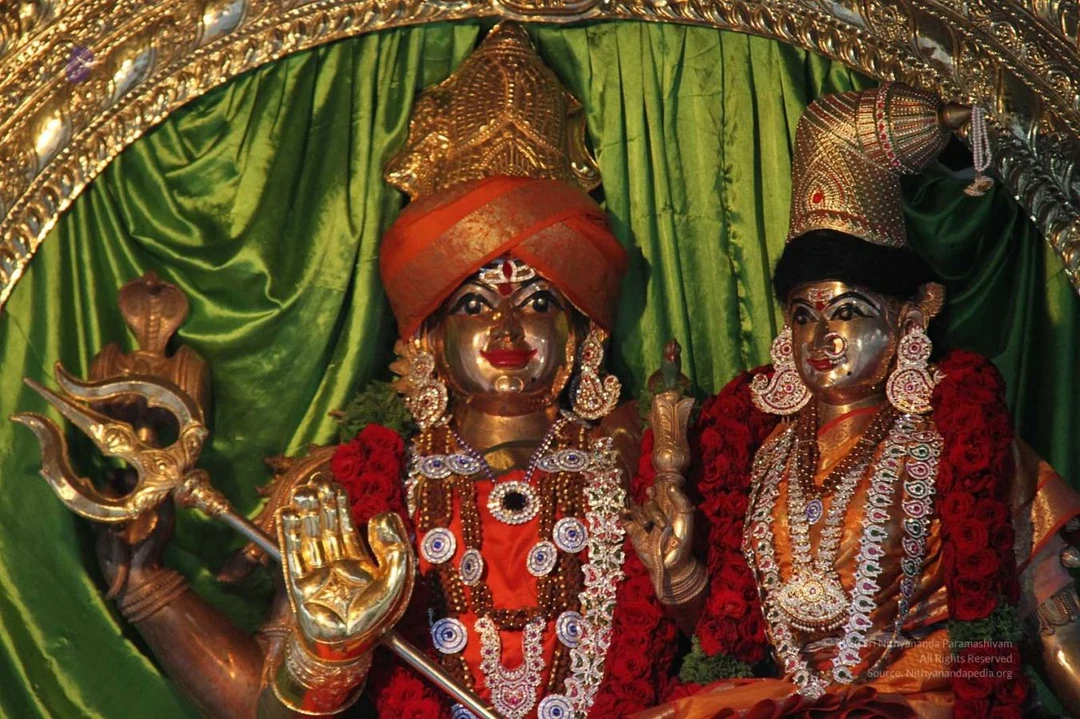
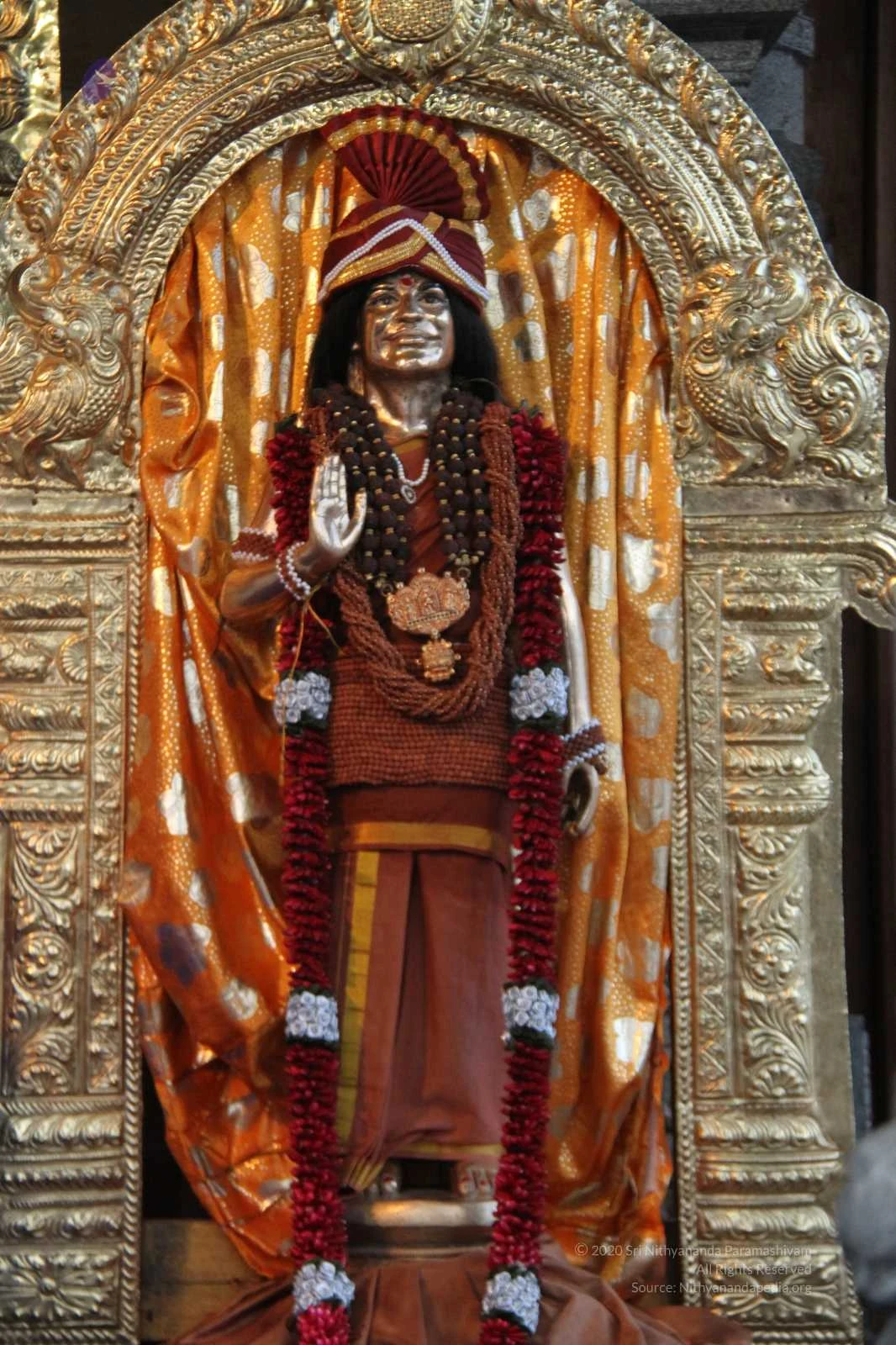
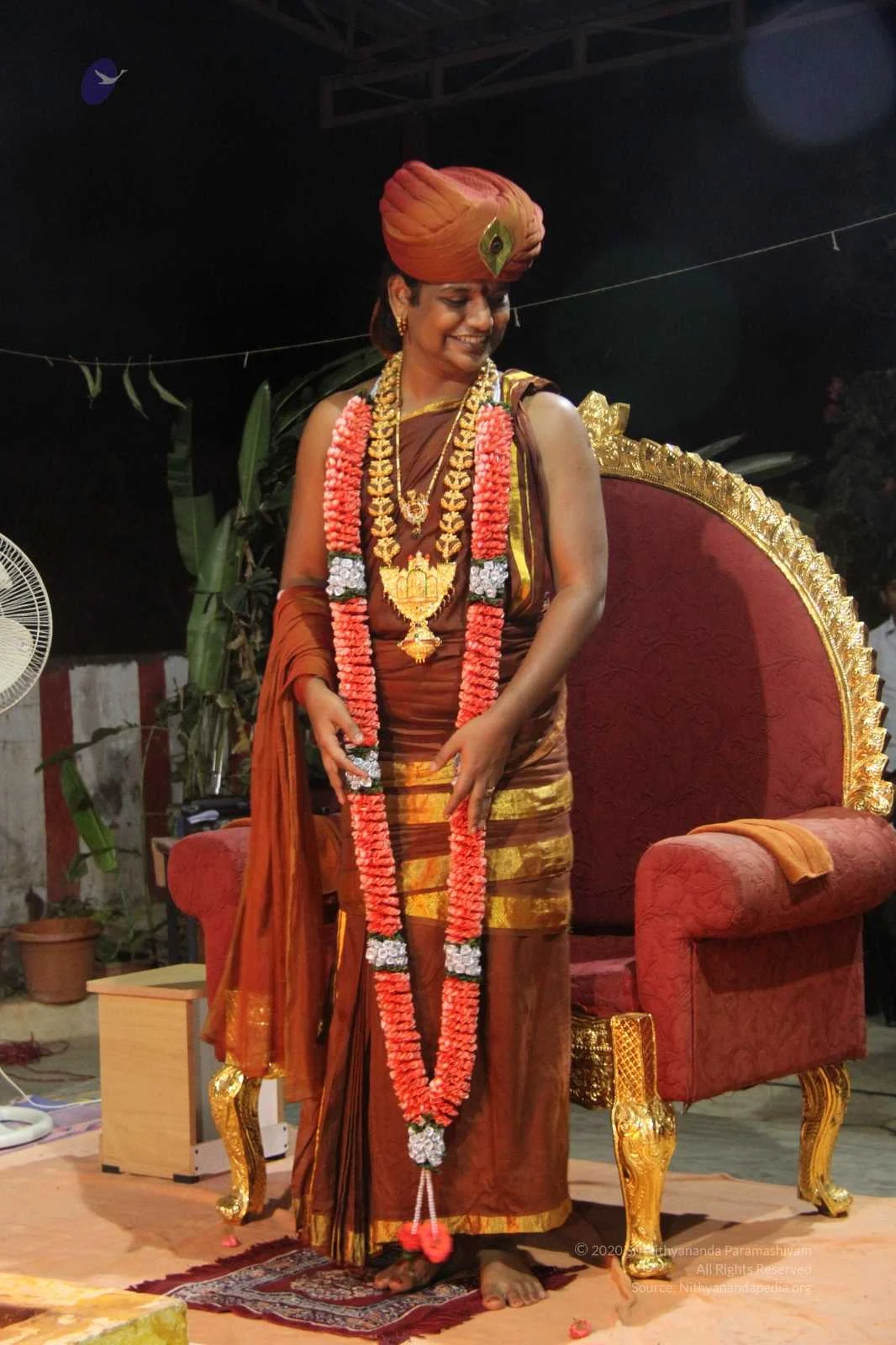
A standing man in a brown-and-orange dhoti and shawl, wearing layered gold necklaces and a red bindi, smiles and raises one hand in greeting beside a golden deity statue. Behind him, three deity murti sit on ornate silver-framed thrones decorated with garlands of white, red, orange and purple flowers. The central murti wears a yellow silk dress, a tall crown, silver jewellery and a trident-like staff, while the flanking murti wear pink-and-gold and blue-and-maroon garments. Hanging tassels in pink, yellow and red frame the stage, and a dark curtain forms the backdrop.A photograph of a standing man in a rust-brown dhoti and matching shawl with a gold-toned pendant and beaded necklaces, one hand raised in a wave while he smiles, with bare feet on a stage. Behind him stands a gold-coloured statue. At the centre sits a large decorated deity murti in a yellow garment, with a silver crown, a silver trident-like staff, heavy silver jewellery and red and white garlands, on a red satin cloth and framed by a marigold and jasmine arch. Two smaller murtis in pink and blue skirts flank it on ornate silver thrones. Tall tassels in pink, yellow and green hang from above and a wall air conditioner is at the right edge. The man's identity is not established from appearance, so no candidate is named.A photograph in a temple hall shows a man in a rust-brown dhoti with a gold border and a gold necklace standing at left, waving with his right hand, his left forearm in a white bandage. Behind him a golden statue stands partly visible. At centre, a deity murti in yellow garments and a crown sits on a red-draped throne wreathed in marigold and rose garlands, with a red and orange garland arranged below it. Two smaller deity murtis, one in pink and one in blue garments, sit on silver throne backs on either side, all decorated with garlands and tassels hanging above.A photograph of a standing man in a brown dhoti and shawl with gold trim, wearing a gold necklace and garland, smiling and raising his right hand in greeting with a white bandage on the forearm. Behind him stands a golden statue. On a stage draped with dark maroon curtains and hanging tassels, a deity murti in yellow garments and silver jewellery sits on a red-draped throne with a trident, flanked by two smaller seated murtis in pink and blue saris, all decorated with white, orange and red flower garlands.A standing man in brown and gold ritual dhoti and shawl, with a heavy gold necklace and bare feet, smiles and raises his right hand in greeting beside a stage. Behind him, a golden deity statue stands on the left. Three seated deity murtis dominate the stage: the central figure wears a yellow skirt, a silver crown, layered silver jewellery and a rich garland of red, orange and white flowers within an ornate arched frame, while flanking figures in pink and blue are dressed in silk. Hanging tassels in pink, yellow and blue decorate the arch, and a wall air conditioner appears at right.A standing man in a maroon-brown dhoti and shawl wears a multi-strand gold necklace with a large pendant, one hand raised in blessing, against a dark curtain strung with pink, yellow and green tassels. Beside him stands a gold statue of a figure. On the stage, a central deity murti in a yellow skirt and silver crown, adorned with white and red garlands, sits on a red-draped throne framed by a floral arch, flanked by two smaller decorated murtis in pink-and-maroon and blue garments. Garlands of orange and white flowers lie at the base. No other physical people are visible. a person: the standing man has a shaved head rather than the long hair or crown cues, so identity is uncertain.

Inner Awakening Darshan
12 photosSource gallery
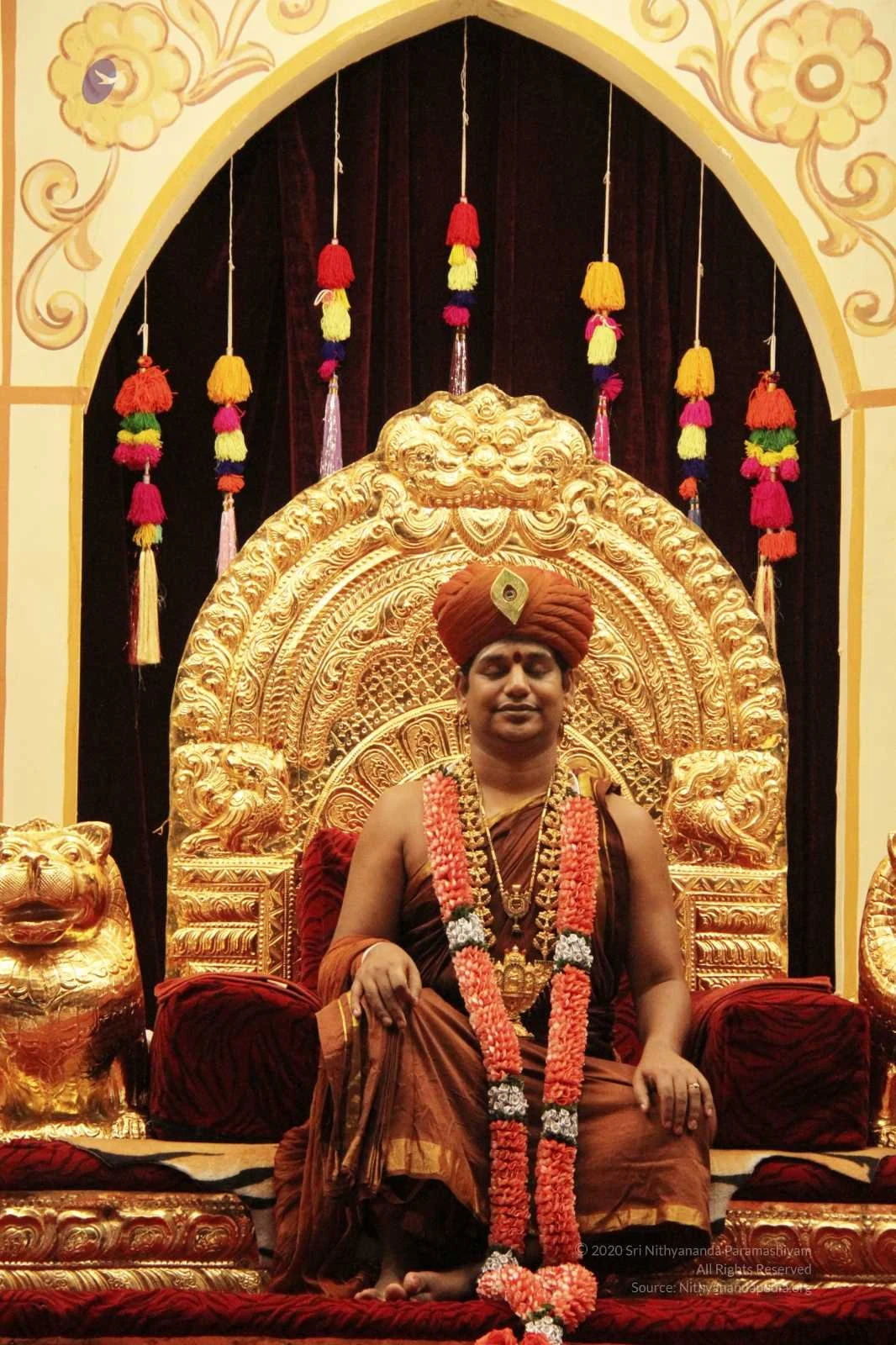
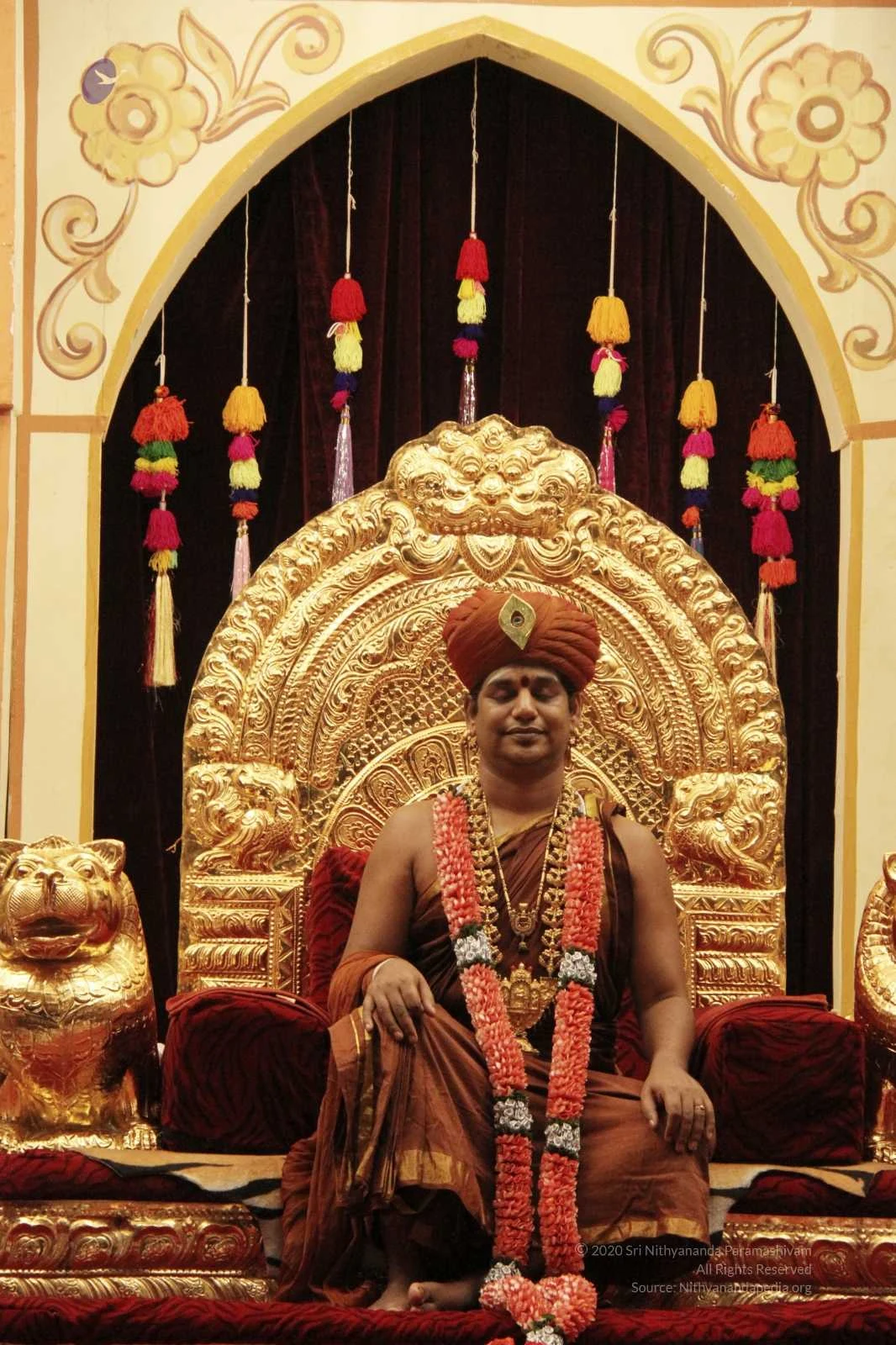
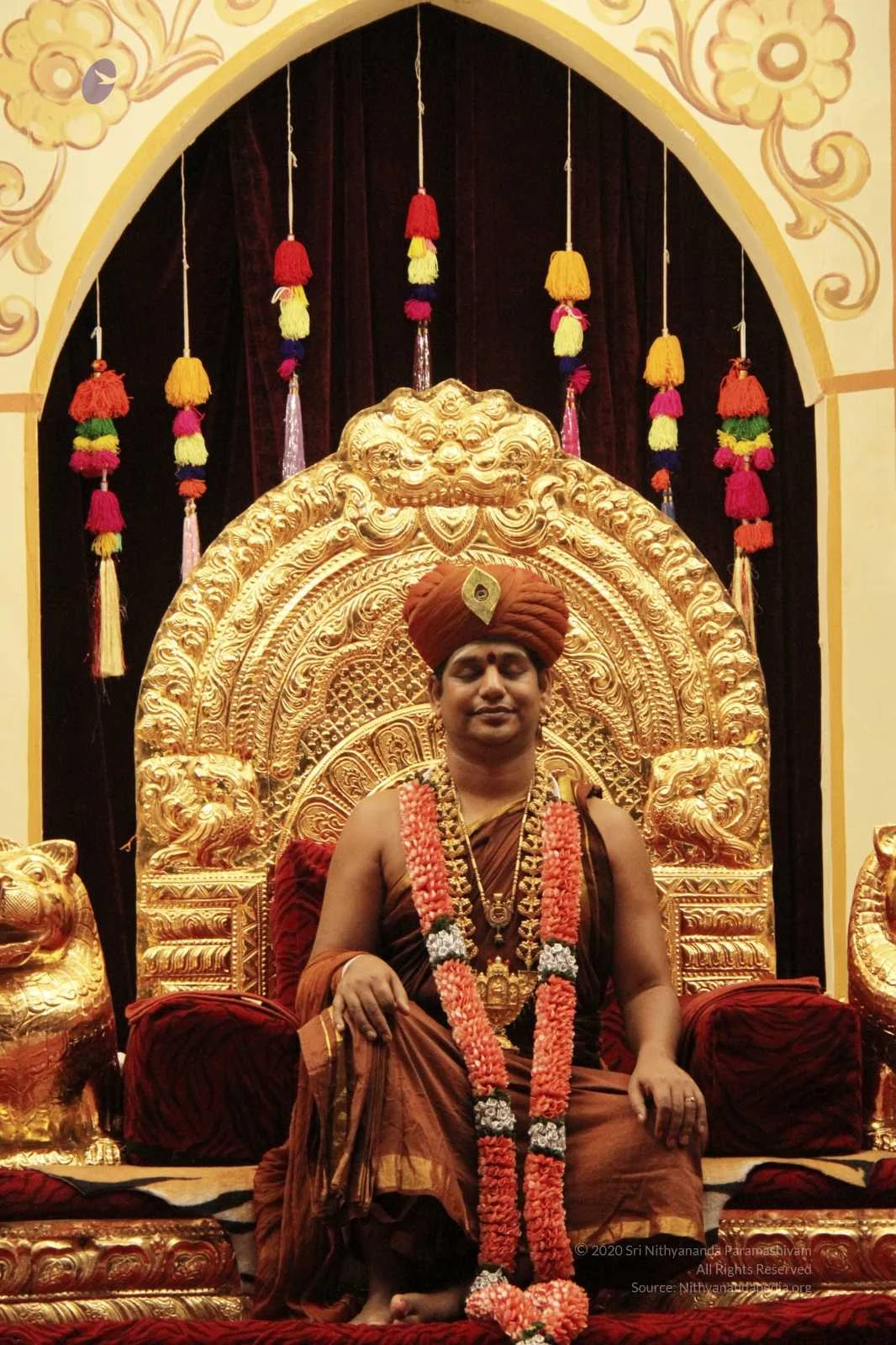
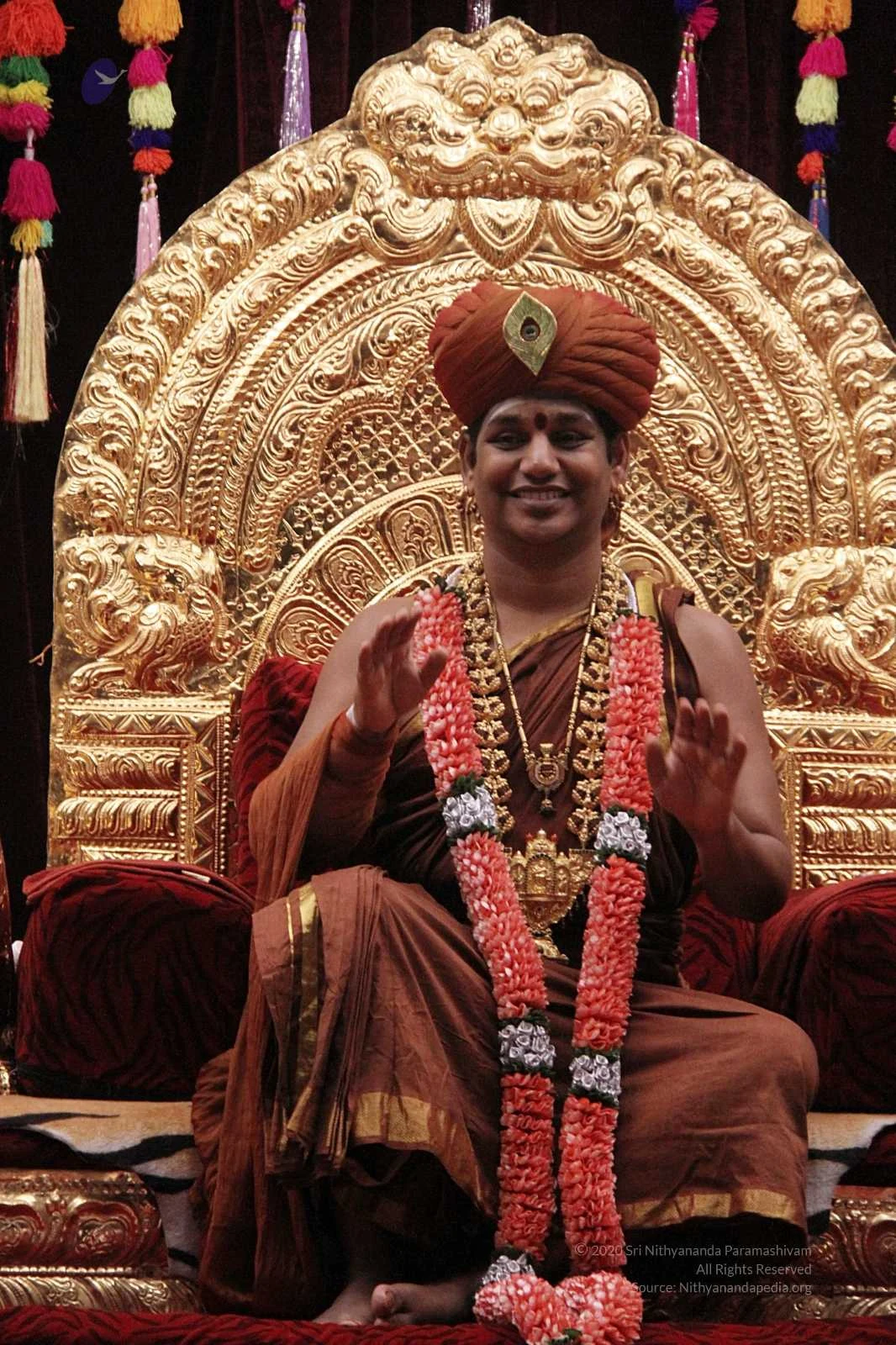
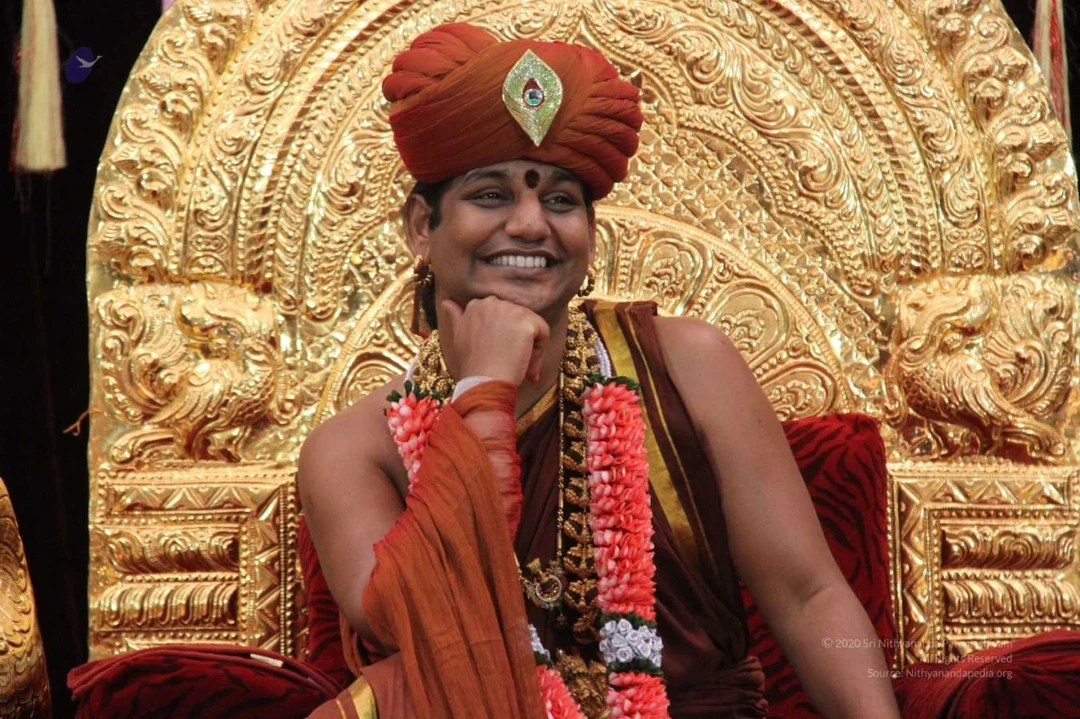
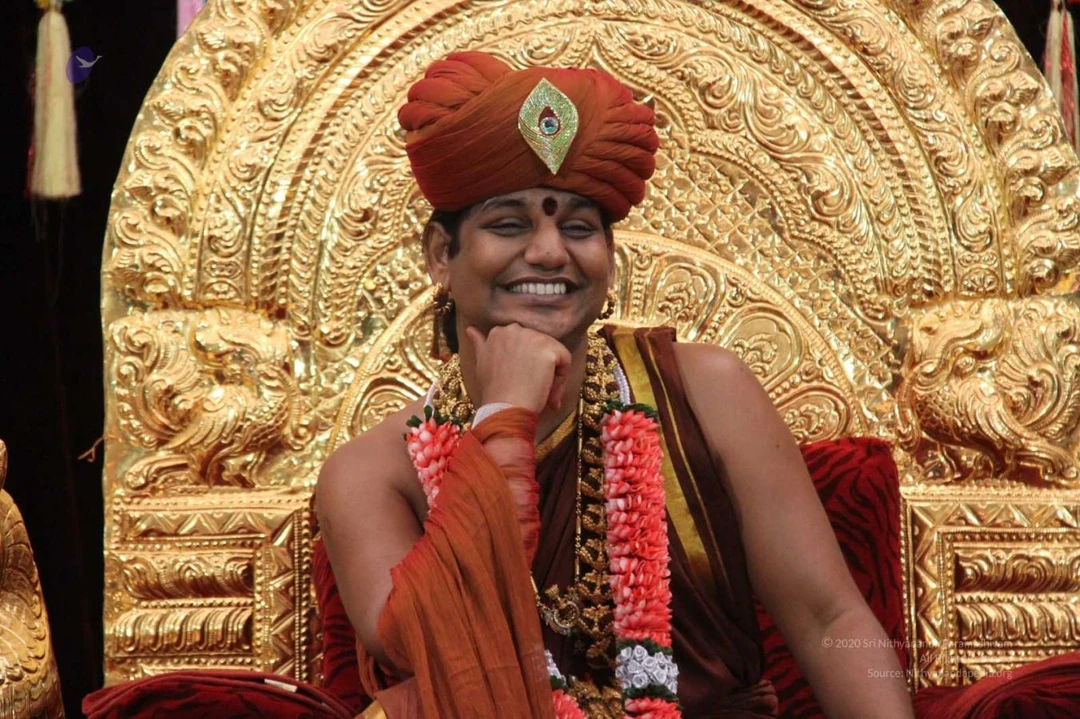
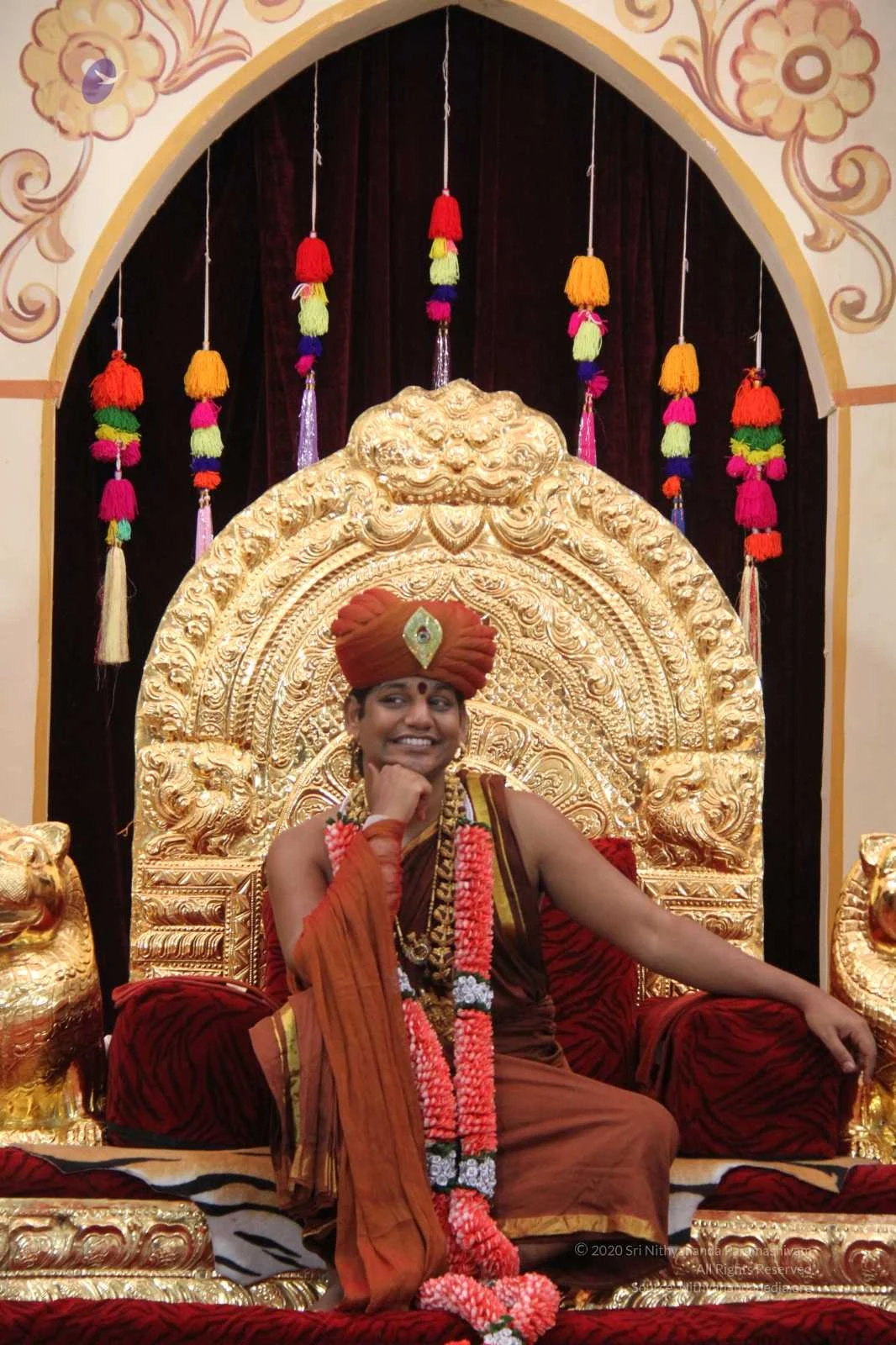
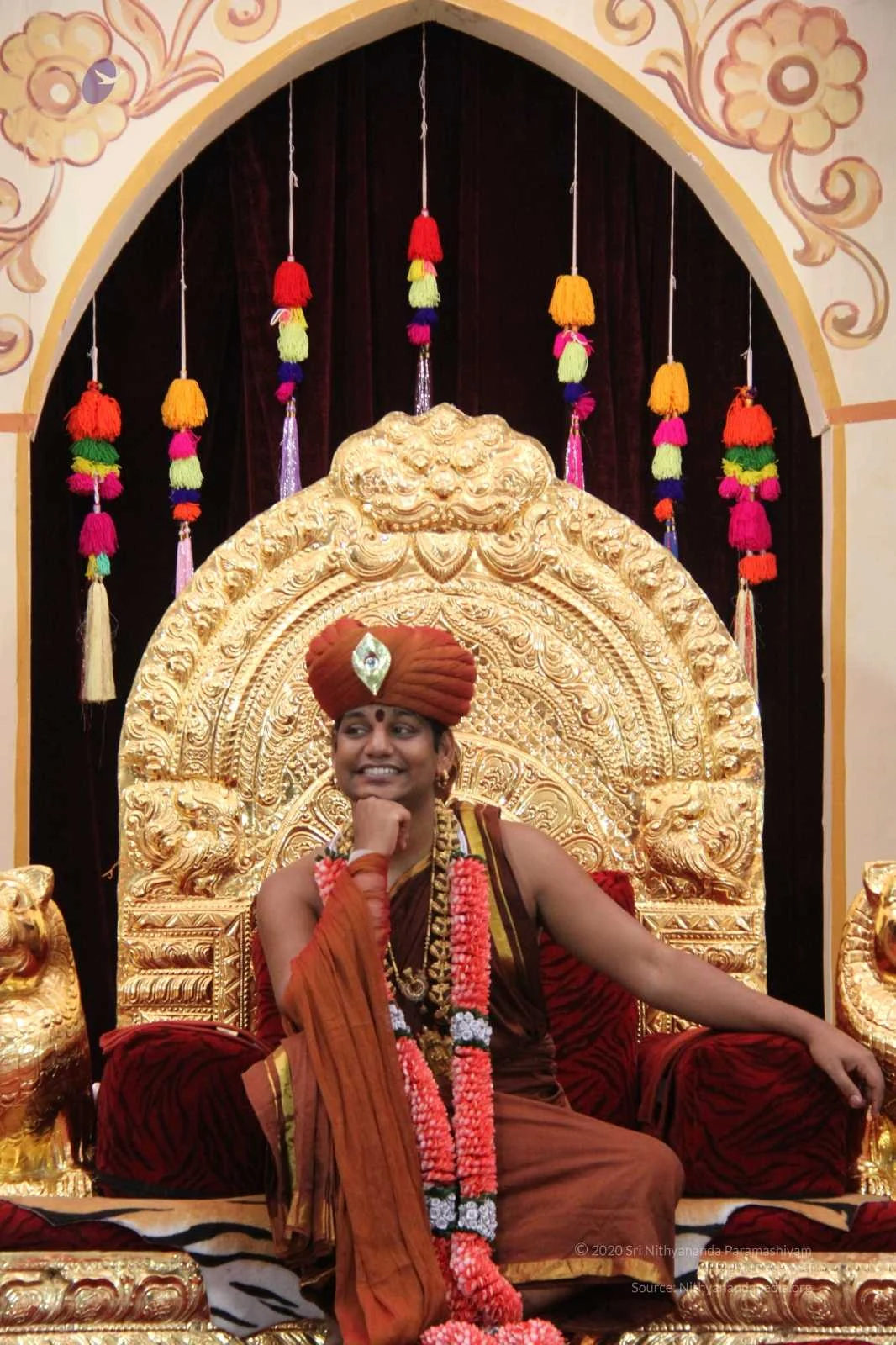
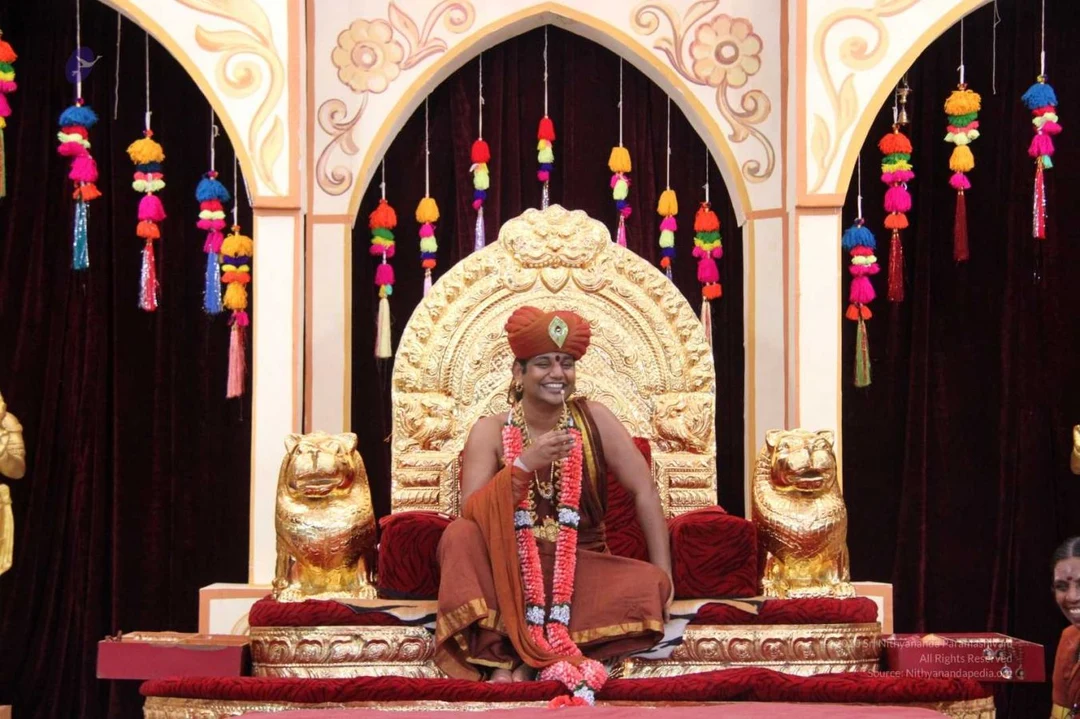
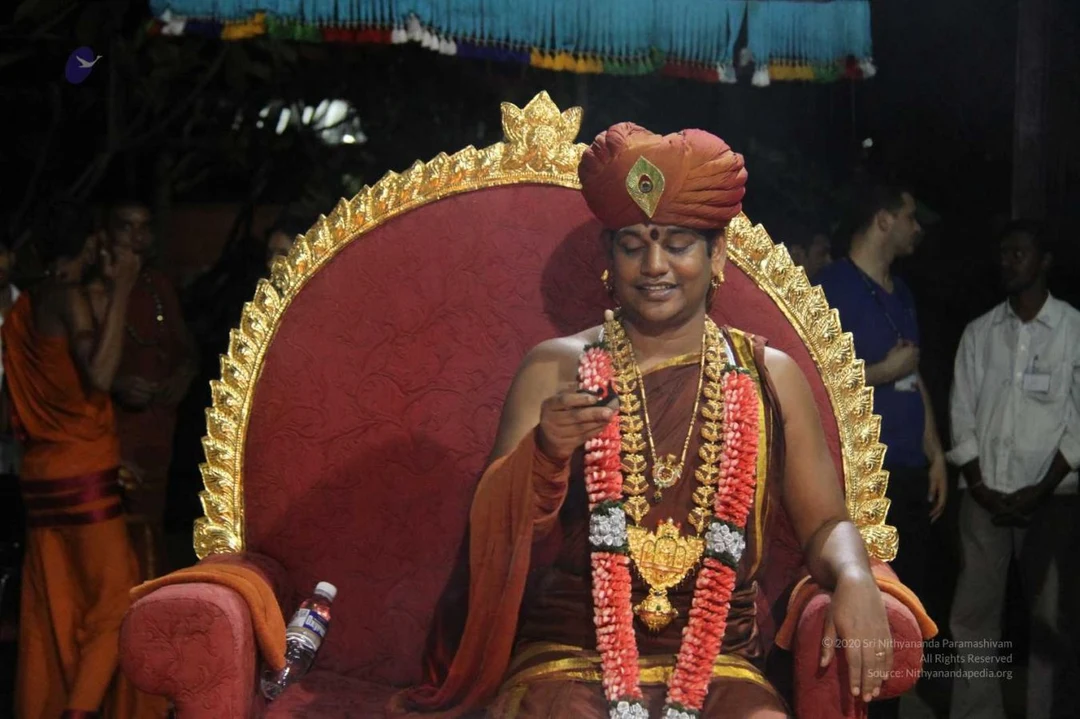
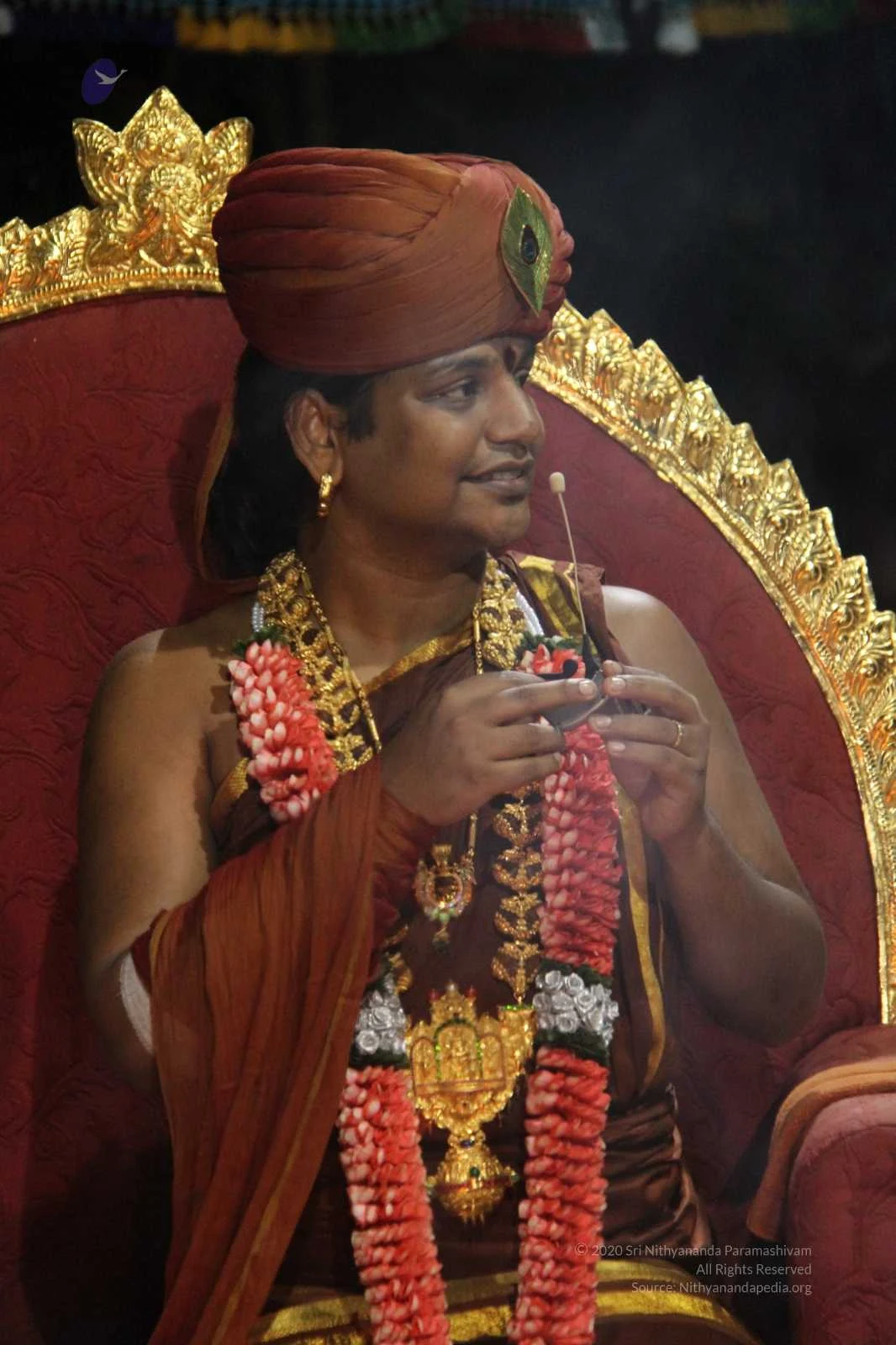
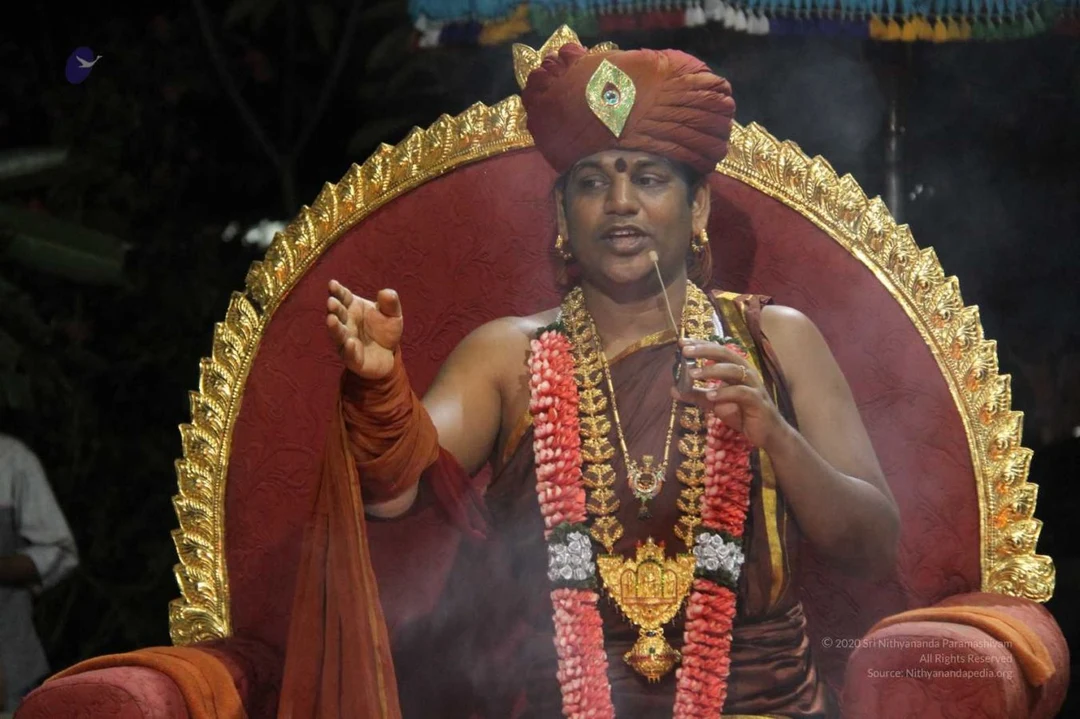
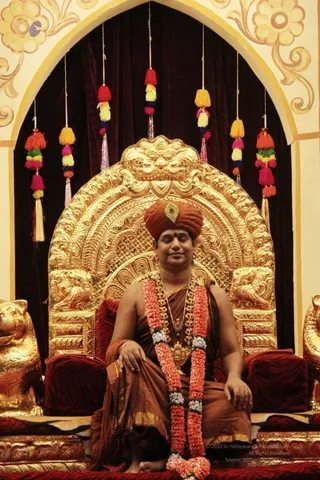
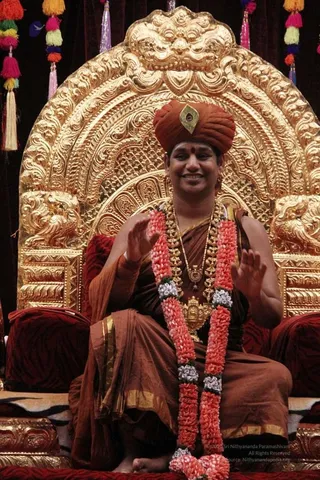
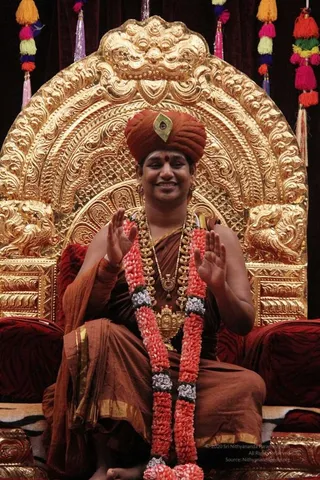
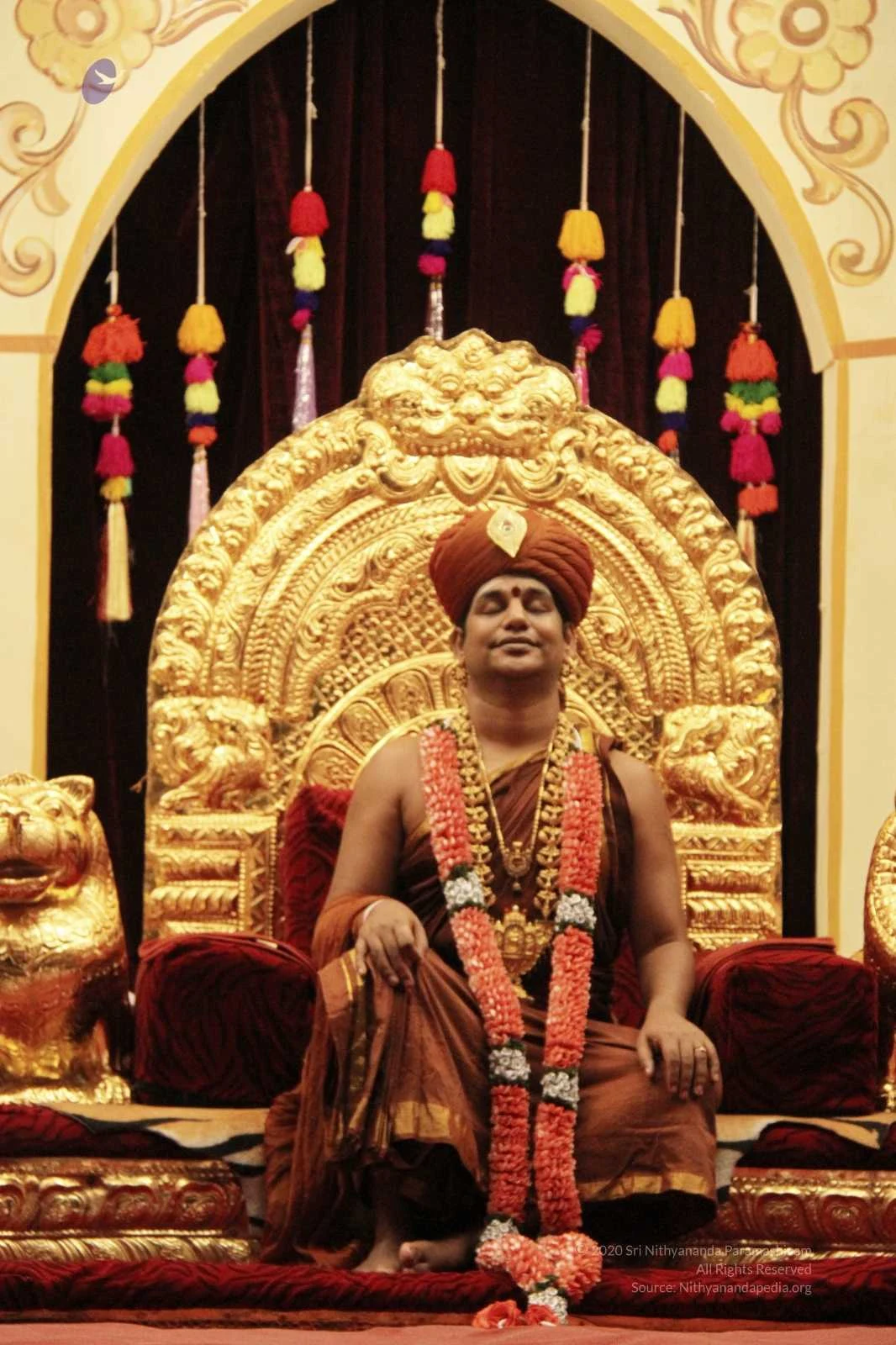
A seated man with closed eyes sits on an ornate gilded throne with lion-carved armrests and a golden arched back, backed by a dark maroon curtain and hanging tassels of red, yellow and pink. He wears an orange-red turban with a jewelled ornament at the front, a bare upper body with a rust-brown wrap, a gold necklace and a red bindi. Two long garlands of coral and white flowers hang across his chest, and his hands rest on his knees. Golden lion statues flank the throne. a person seated in a relaxed, meditative posture in a decorated hall.A seated man with eyes closed sits on an ornate gilded throne (peetha) with carved lion figures and a golden arched backrest, backed by maroon velvet drapery and colourful tassels. He wears an orange-red turban with a gem brooch, a saffron-brown garment, gold necklaces, and a long pink and white flower garland. He rests one hand on his knee in a meditative posture. Gilded lion statues flank the throne. The image is a photo with a printed copyright notice and a source credit in the lower right, which are not described further. a person: the seated man is the one described by the page; the turban, gold ornaments and garland are visible cues, but his face and features are not used for identification.A seated man in a rust-orange turban with a green gem ornament sits eyes closed on an ornate gilded throne with lion carvings and a dark red velvet backdrop. He wears an orange-brown shawl over the shoulders, a gold necklace, and a long garland of red and white flowers hangs down his chest. Gilded lion figures flank the throne, and colourful tassels hang from the arch above. Appearance-based a person: the turban, ceremonial gold necklace and orange clothing with a throne setting are present, but the visible cues are not fully distinctive, so identity is uncertain. One physical person is present.A seated man in a rust-orange turban with a gold ornament and an orange-brown robe sits with eyes closed on an ornate gold throne carved with lion heads and scrollwork. A thick multicolour garland of coral-pink and white flowers hangs over his chest, with gold necklaces and a rudraksha-style mala visible. Red velvet cushions surround him, with gold lion statues at the sides and colourful tassels hanging behind against a dark velvet backdrop. Swamiji (probable) is seated on the peetha throne, bearing the cues of distinctive ornate orange clothing, turban and gold necklaces.A seated man in a rust-orange turban with a green jewelled brooch, wearing a brown-orange robe, gold necklaces and a gold ornament, sits on an ornate gold throne with carved arch and lion-like motifs. A thick garland of coral-pink flowers with white clusters hangs across his chest, and his hands are raised in front of him as he gestures while smiling. Colourful tassels hang at the top left and right. Swamiji (probable): the orange turban, saffron-toned robe, gold necklaces and garland are the qualifying cues, and the seated figure is in a dais setting. One physical person is visible.A seated man in a saffron-orange turban with a green jewelled ornament and an orange-brown robe sits before an ornate gold throne with carved lion-like finials. He wears a long gold necklace, a gold pendant, and a thick garland of orange and white flowers. He raises both palms in a blessing gesture and smiles. Colourful tassels hang above the throne. Appearance cues (turban, ornate saffron clothing, gold necklaces, ceremonial throne) are consistent with a Swamiji (probable) candidate seated in a central honoured position, and the page names Swamiji at this event, so the candidate is in person.

Inner Awakening session with Swamiji
11 photosSource gallery
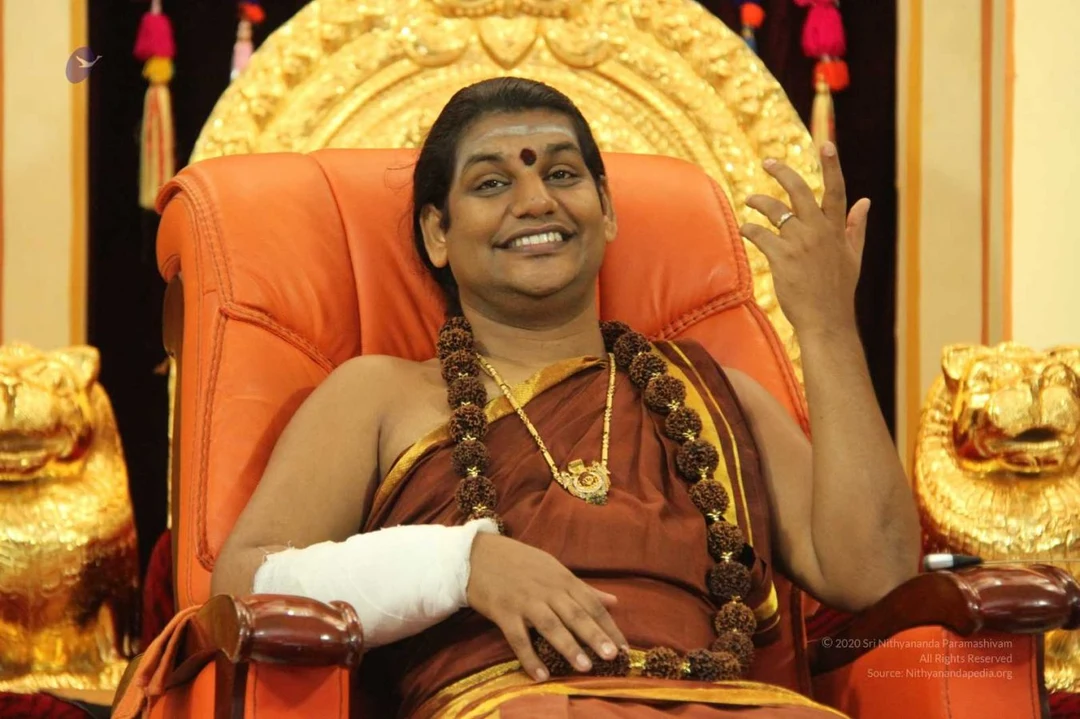
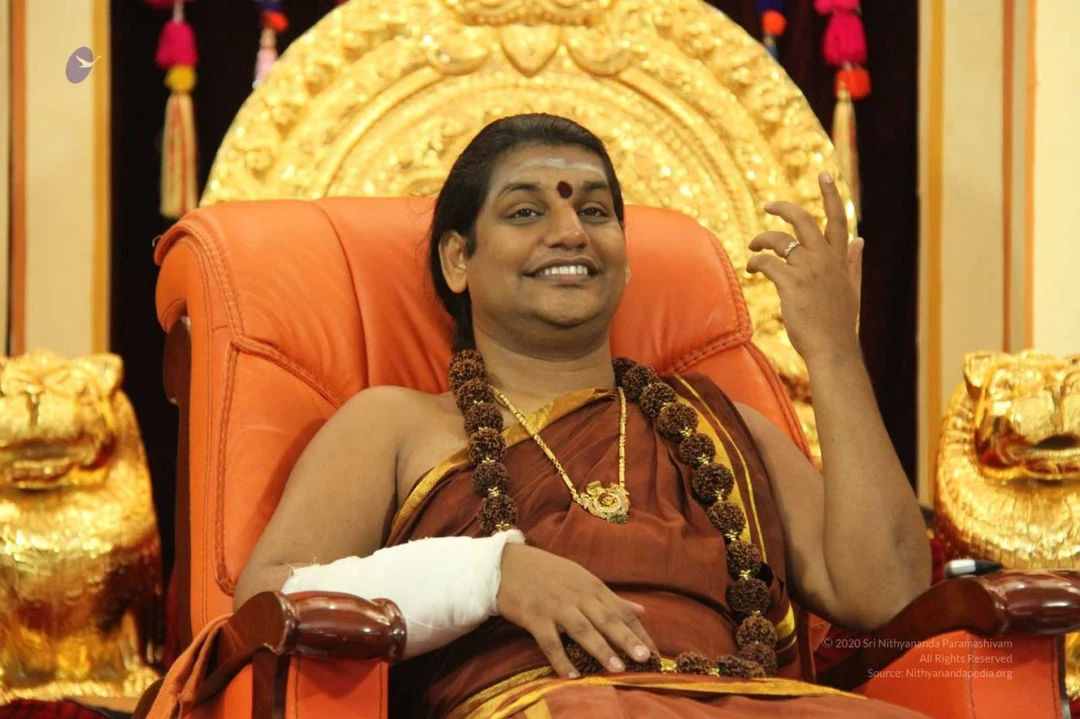
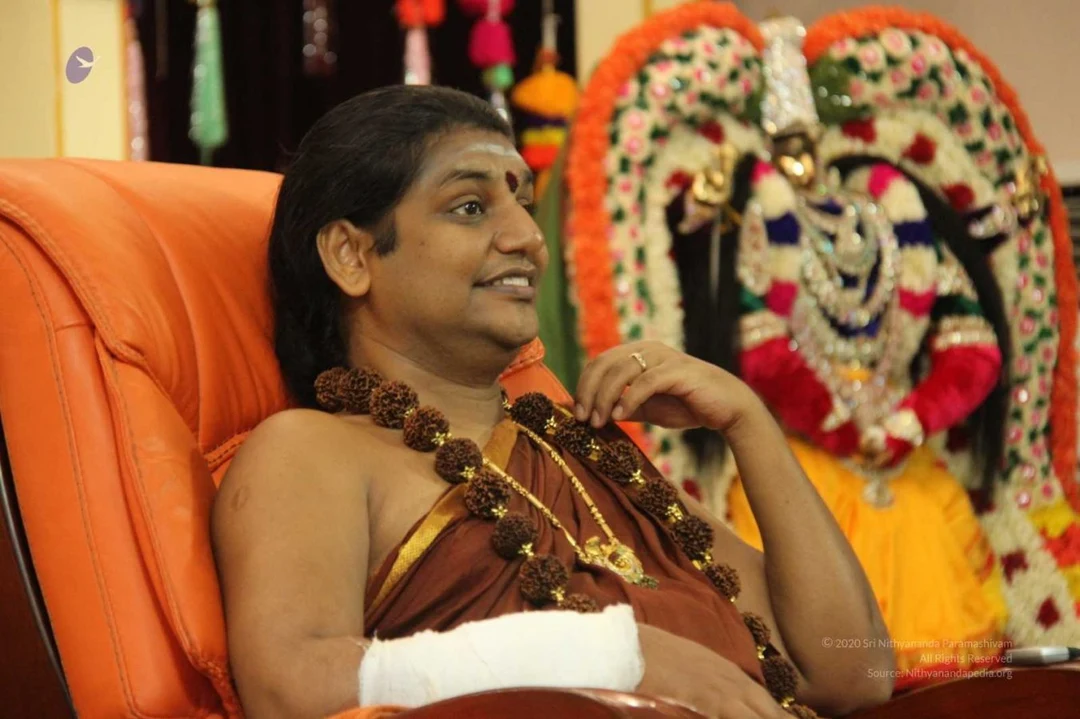
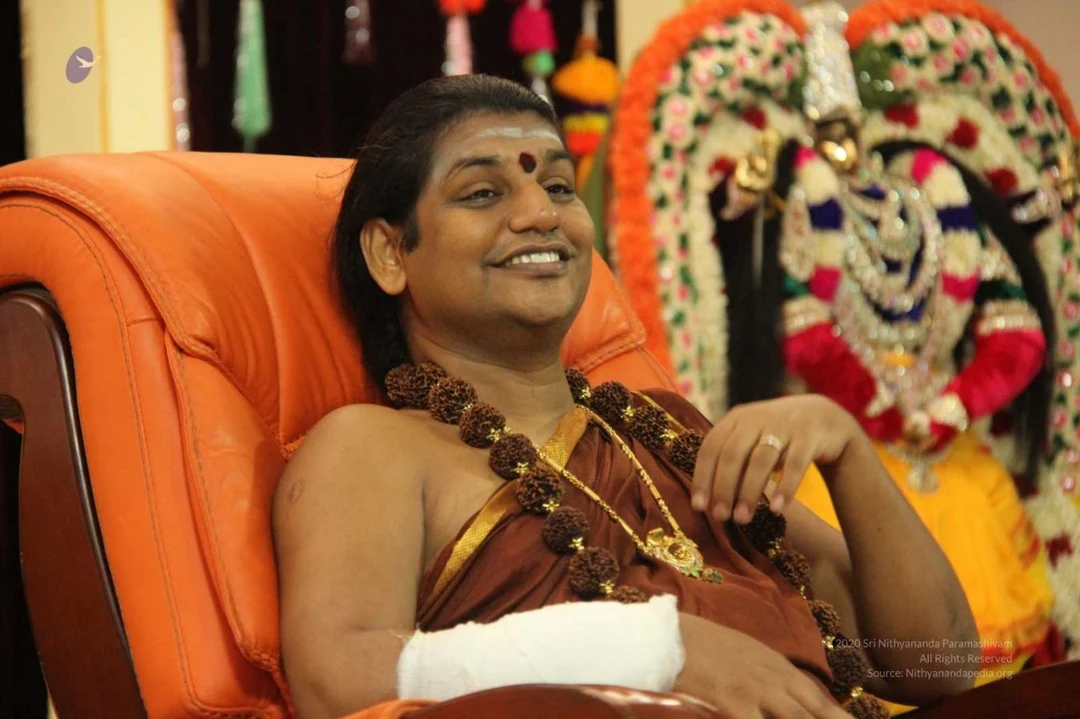
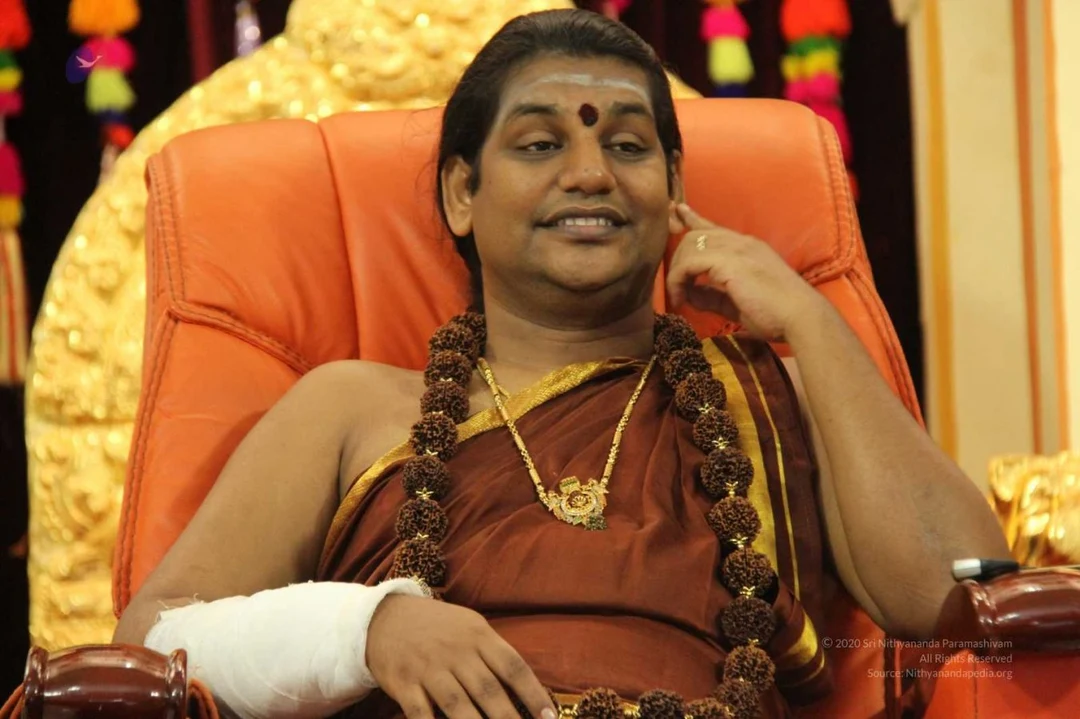
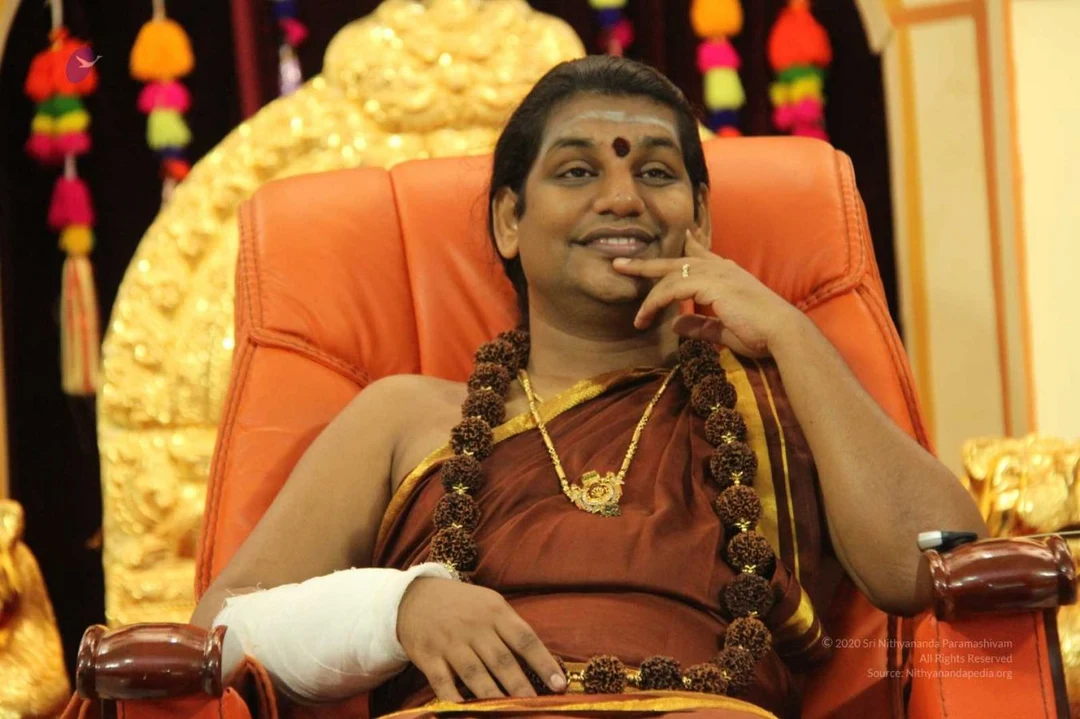
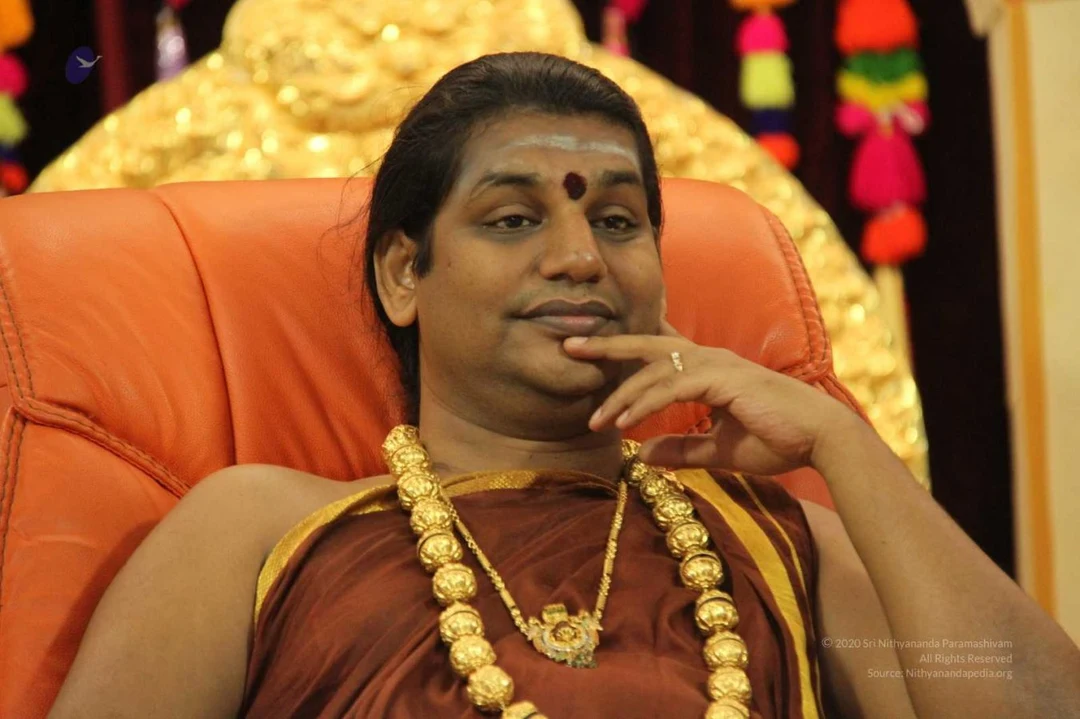
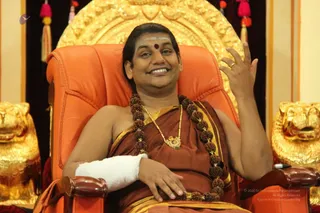
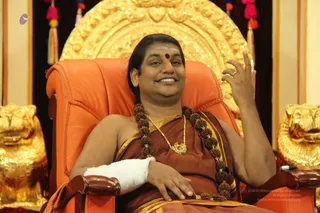
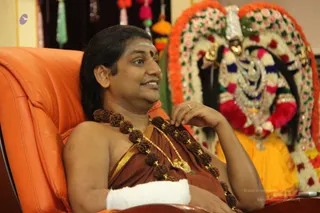
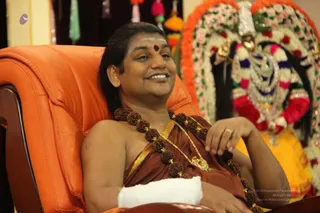
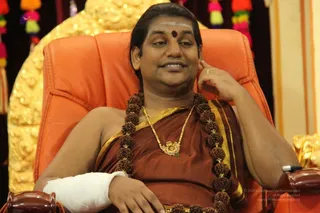
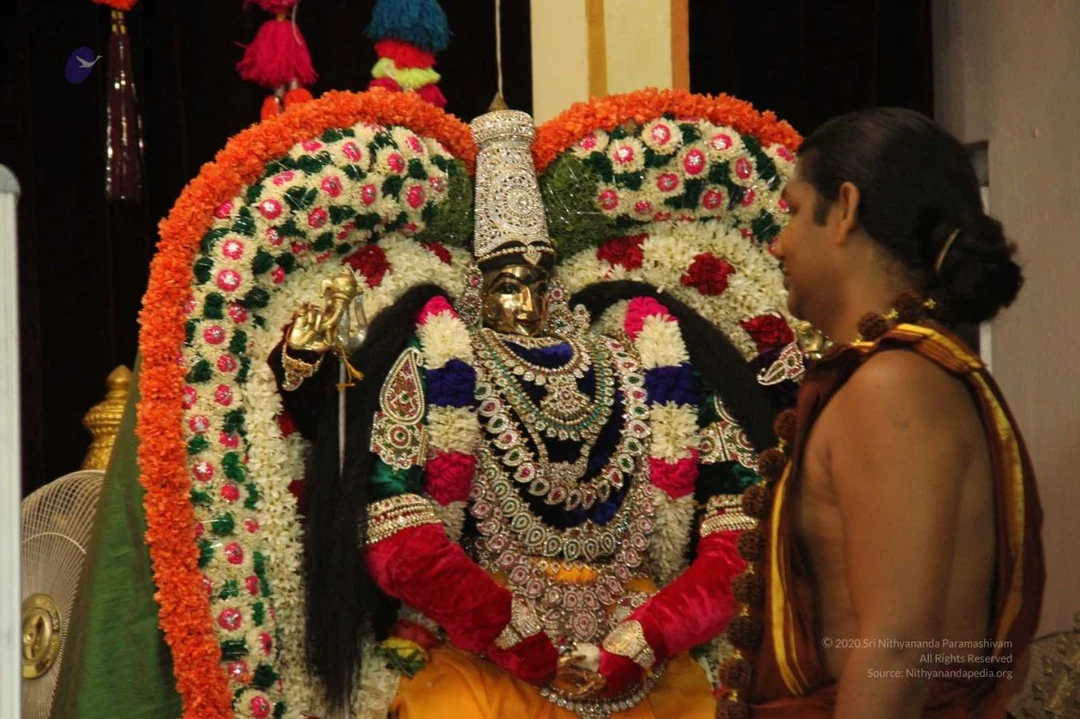
A photograph inside a temple shrine showing a richly decorated deity murti, a golden face with a tall ornate silver crown, covered in layered gold and jewelled necklaces, garlands of white and pink flowers, and an arch of orange marigold garlands framing it. Red and pink silk drapes adorn its arms, and a dark hair-like cloth hangs behind. To the right, a bare-chested man in an orange-brown wrap with gold border and rudraksha beads stands in profile, facing the deity, appearing to perform worship. A fan and brass fittings are visible at the left edge.A smiling man in a reddish-brown dhoti-style garment with a gold border sits in a large orange leather throne-style chair with carved wooden armrests. He wears a long mala of dark rudraksha beads and a gold chain with a pendant, a red bindi and a white tilak on his forehead, and a white bandage on his left forearm. His right hand is raised, palm open, in a gesture of greeting or blessing. Behind him is an ornate gold-embossed backdrop with tassels, and golden lion sculptures flank the chair on both sides. Swamiji (probable): the man has swept-back hair, a rudraksha mala and a gold pendant, consistent with the page's identification, though appearance alone leaves this uncertain.A smiling man sits on an orange leather chair in front of a large gold ornate backdrop, with golden lion-head armrest guards at both sides. He wears a brown-and-gold draped garment, a long rudraksha mala with a gold necklace pendant, and a red bindi with a white forehead mark. His left forearm is wrapped in white bandage and his right hand is raised in a gesture while his left hand rests on his lap. Swamiji (probable): long swept-back hair, rudraksha mala and gold ceremonial necklace, seated on a ceremonial throne. The setting suggests a satsang discourse.A man with shoulder-length dark hair and a red bindi sits reclined in a large orange leather armchair, one hand raised to his chin, gazing off to the side. He wears a rust-brown shawl over his bare shoulder with a gold border, a dense rudraksha mala with a gold pendant, and a white bandage on his left forearm. Behind him stands a deity murti heavily decorated with white, pink and red flower garlands, gold ornaments and a crown. Orange and red marigold festoons frame the scene, and tasselled fabric hangs in the background.A man reclines smiling in a large orange leather armchair with dark wooden trim. He wears a brown-maroon shawl draped over his bare shoulder with a gold border, a multi-strand rudraksha mala with a gold pendant necklace, and a red bindi with white tripundra marks on his forehead. A white bandage wraps his left forearm, resting on his lap. Behind him, a deity murti is decorated with floral garlands of orange marigolds, pink and red flowers, and gold jewellery, with colourful tassels hanging at the top left. The Swamiji (probable) cues are the long swept-back hair, rudraksha mala and gold necklace on a saffron-toned shawl.A photograph of a man seated on an orange leather throne-style chair in front of a gold-carved backdrop with colourful tassels. He wears a brown silk dhoti-style garment with gold borders, a long rudraksha mala draped across his chest, and a gold pendant necklace. His forehead bears white sacred ash and a red bindi, and his left forearm is wrapped in white bandage. His right hand rests near his ear as he smiles.
Navrathri Devi Ritual

89 photosSource gallery
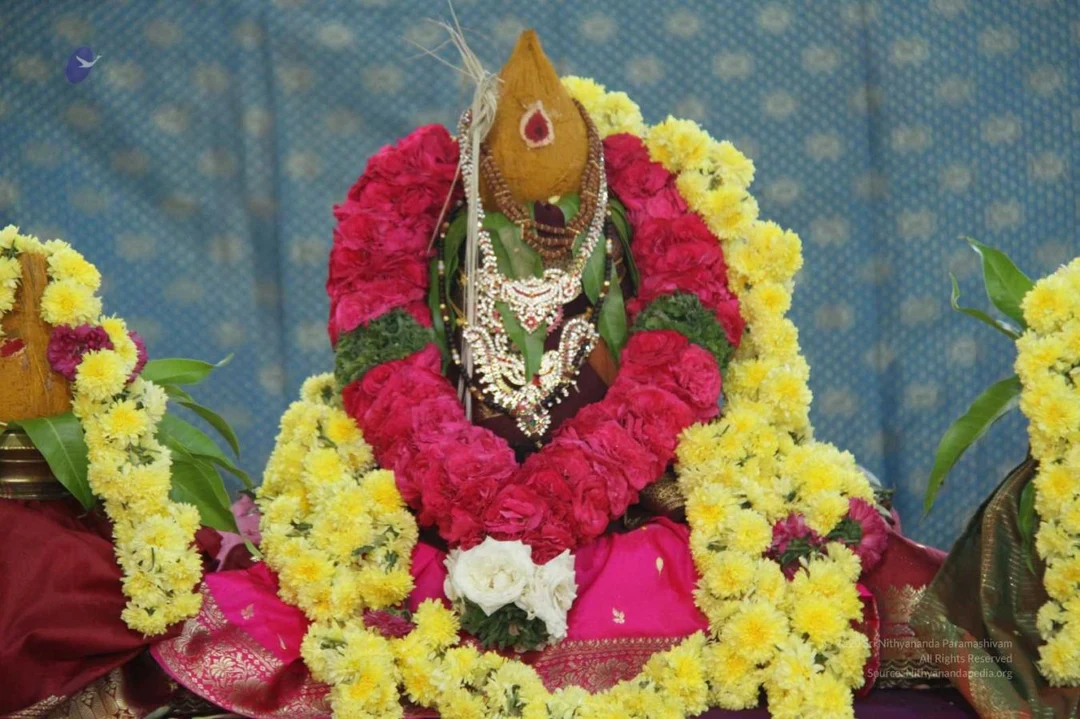
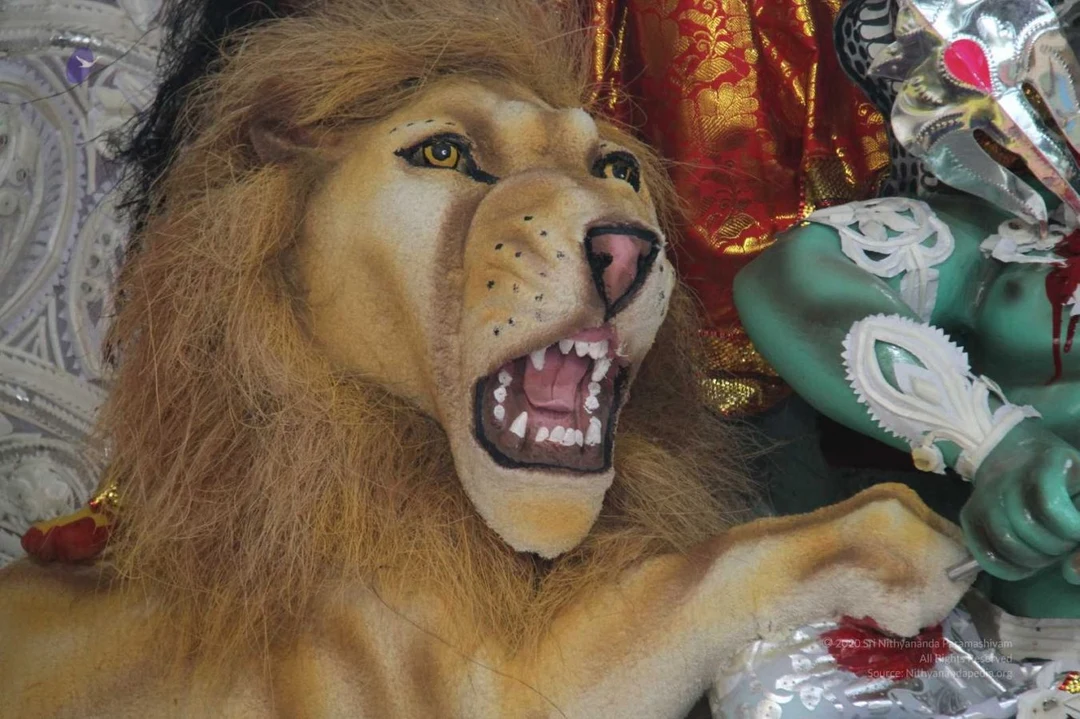
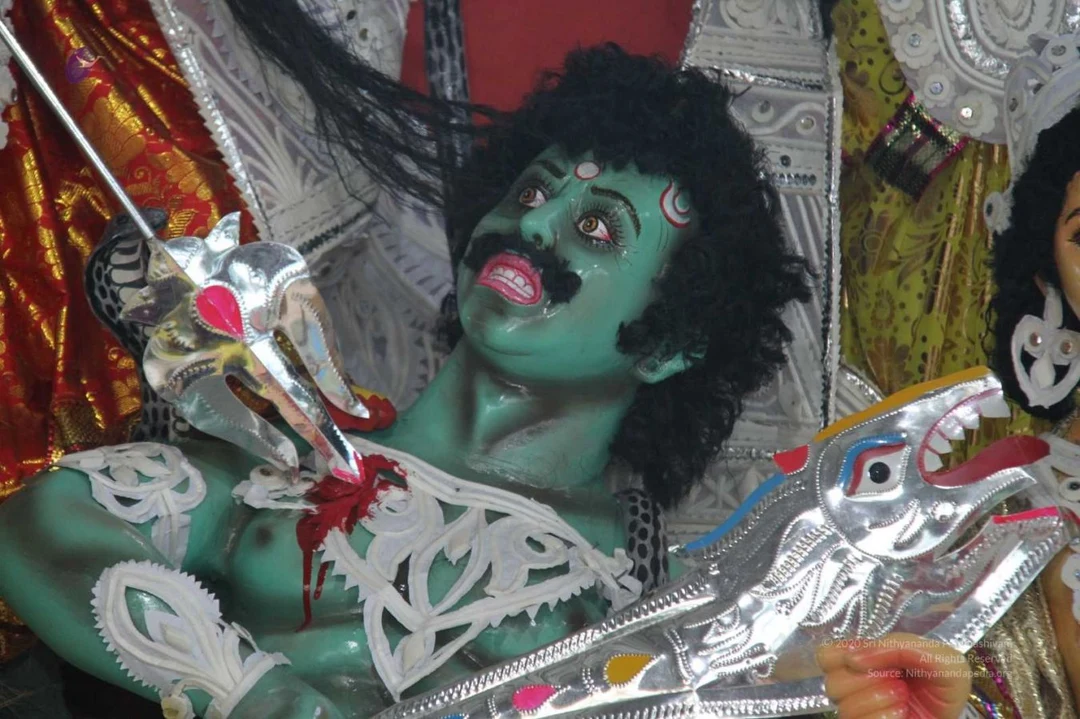
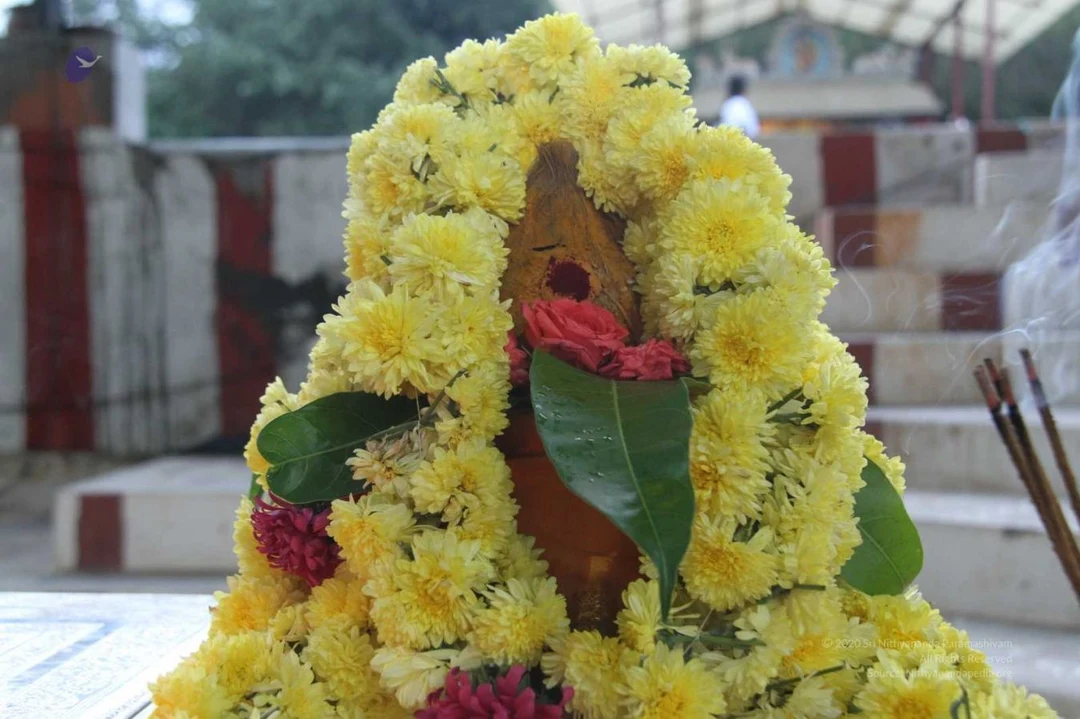
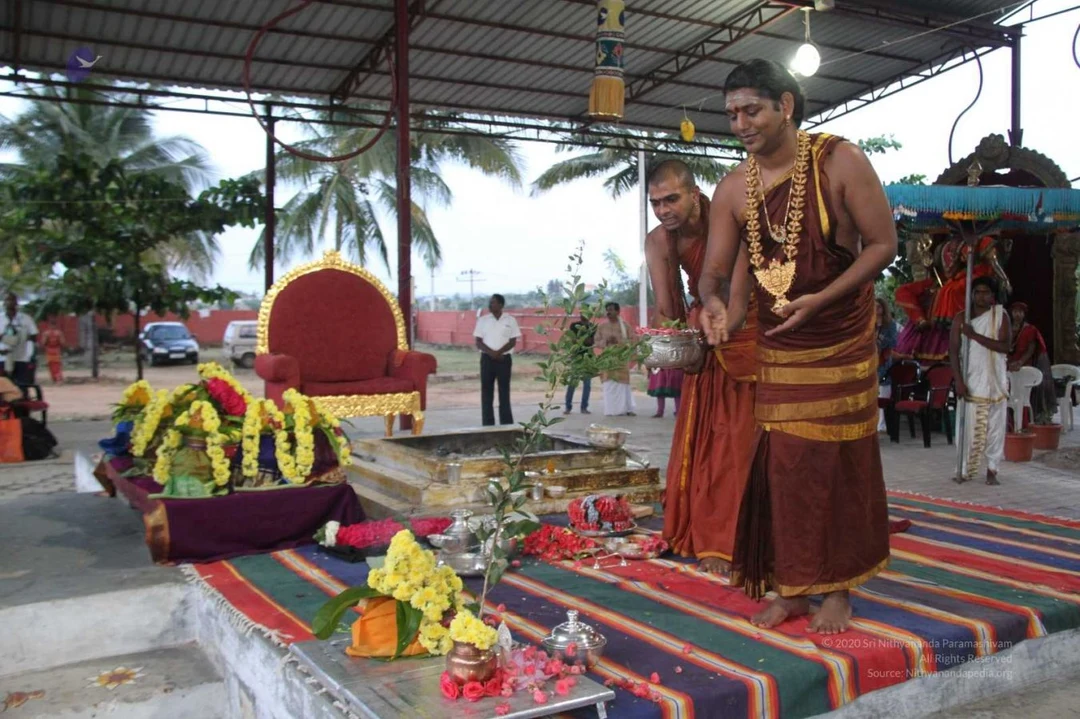
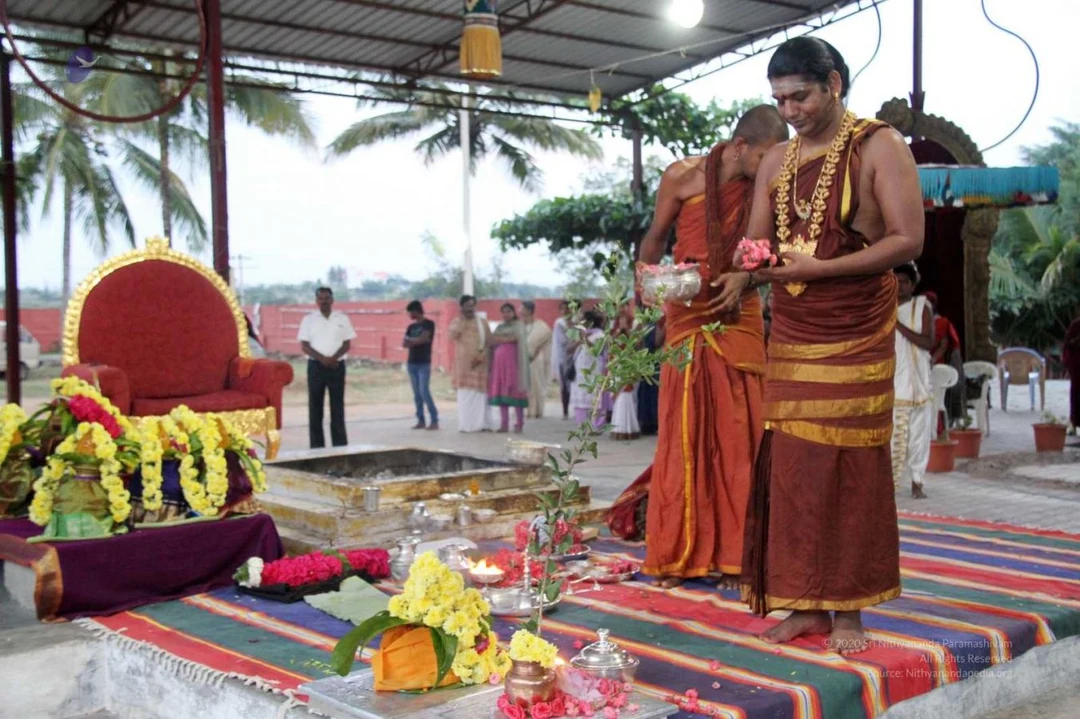
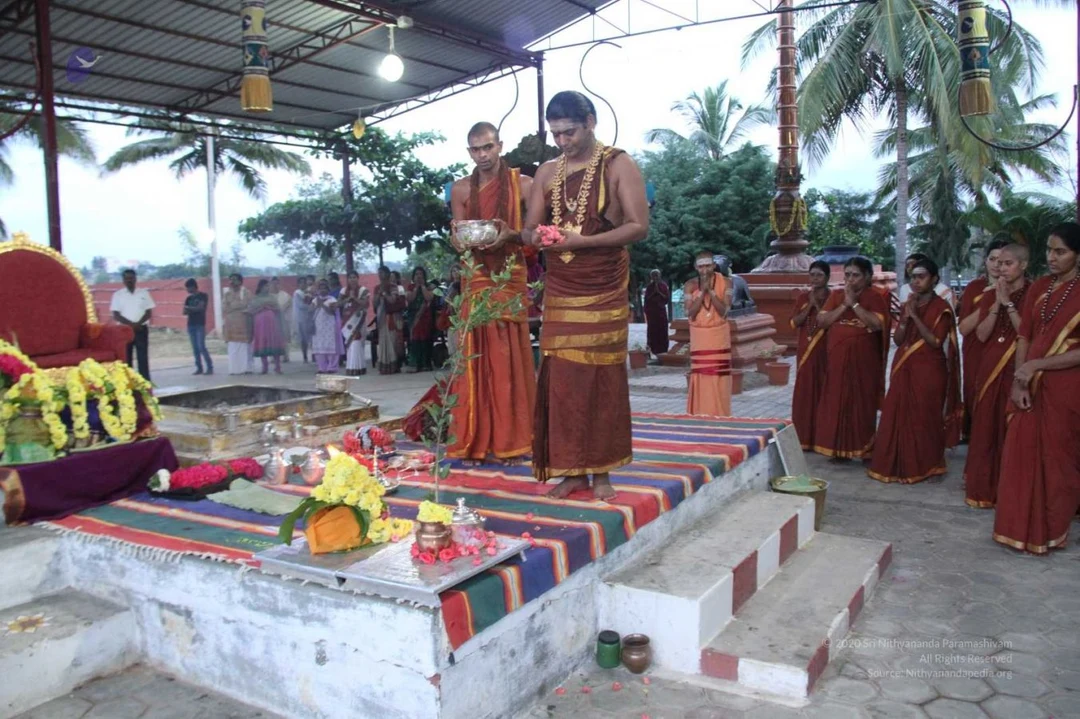
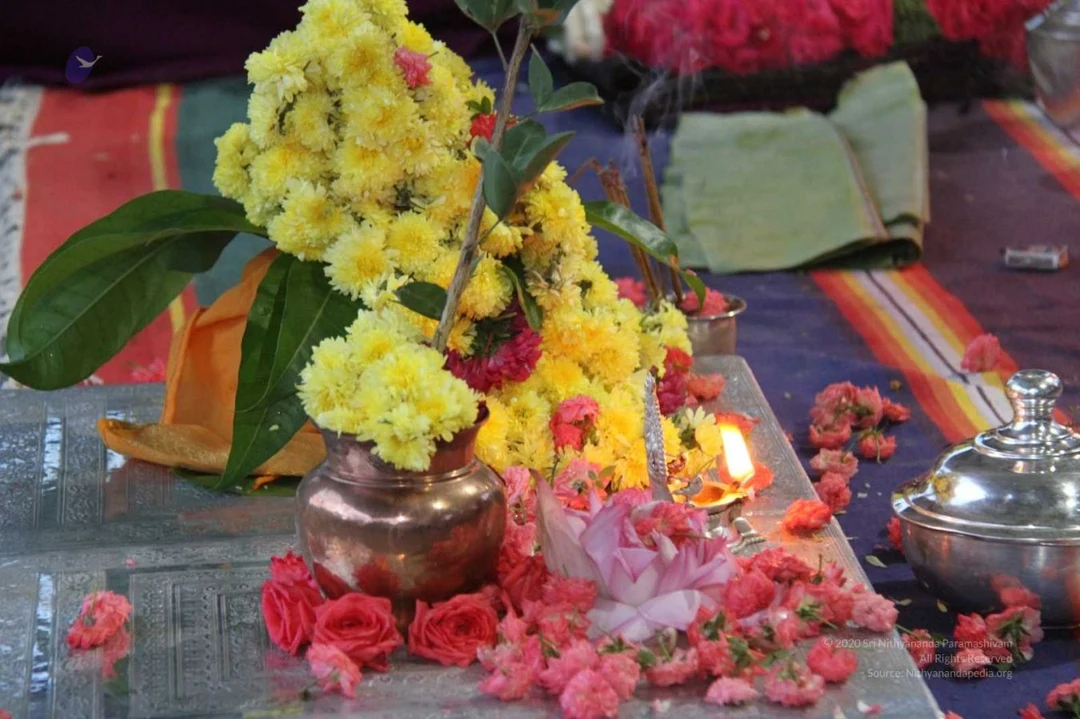
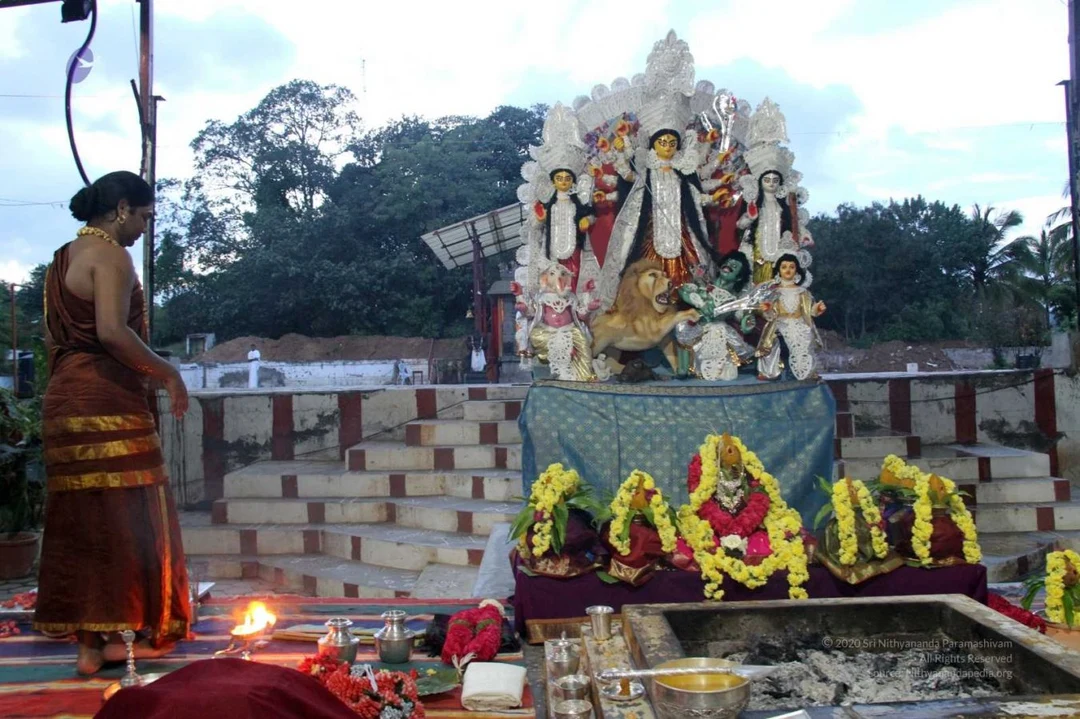
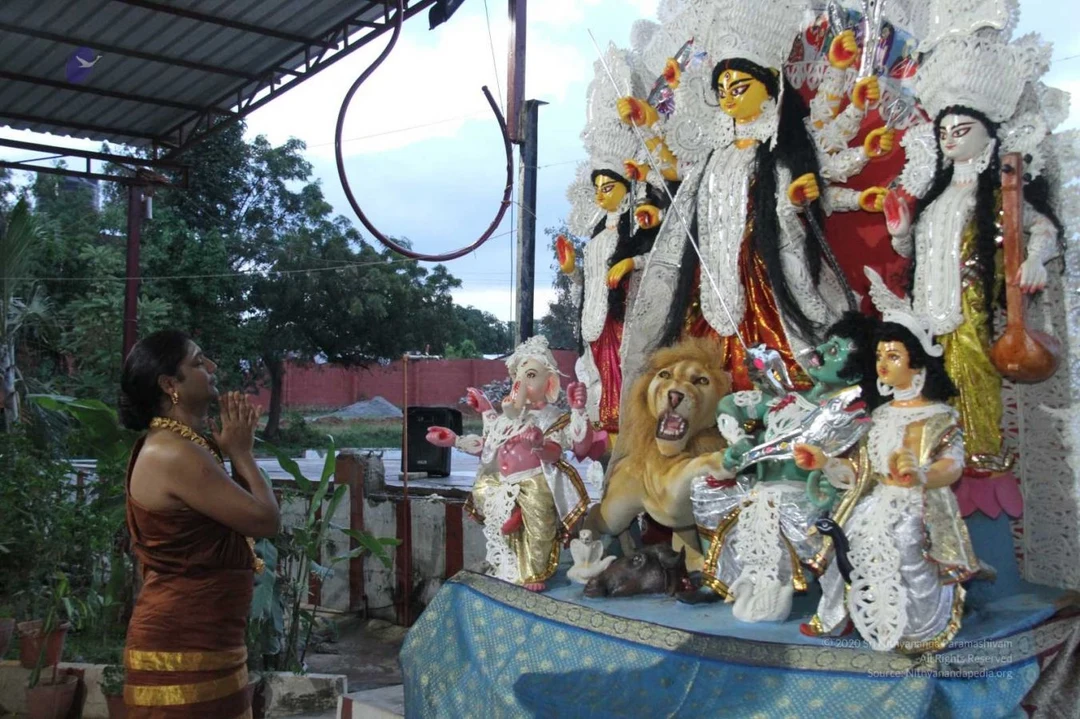
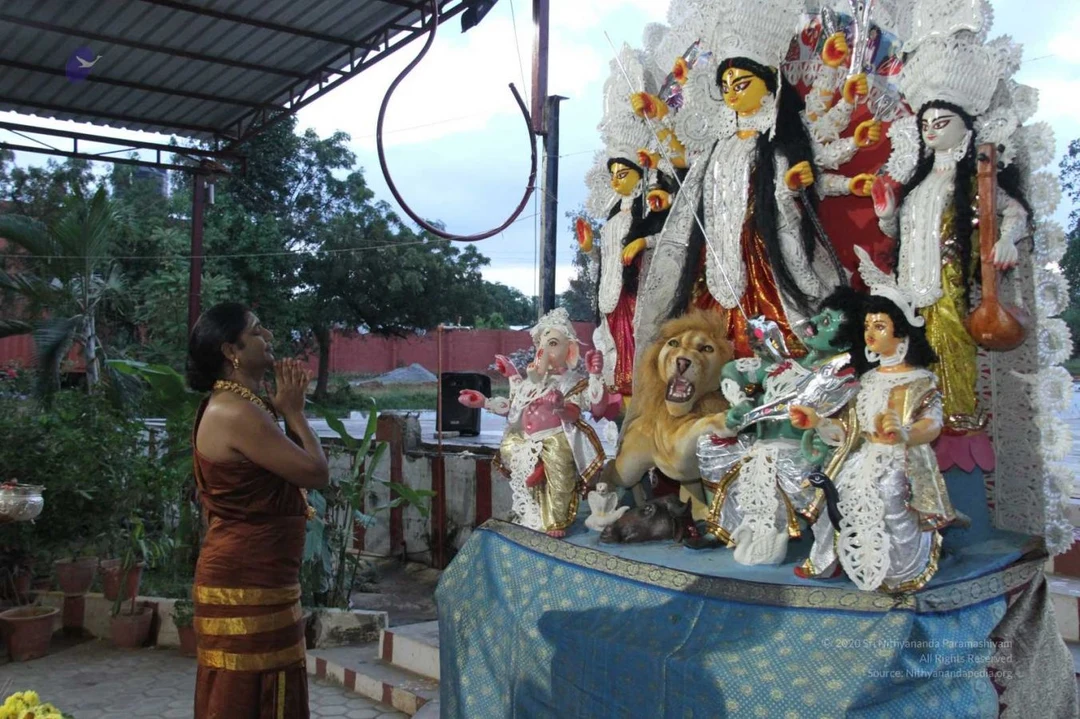
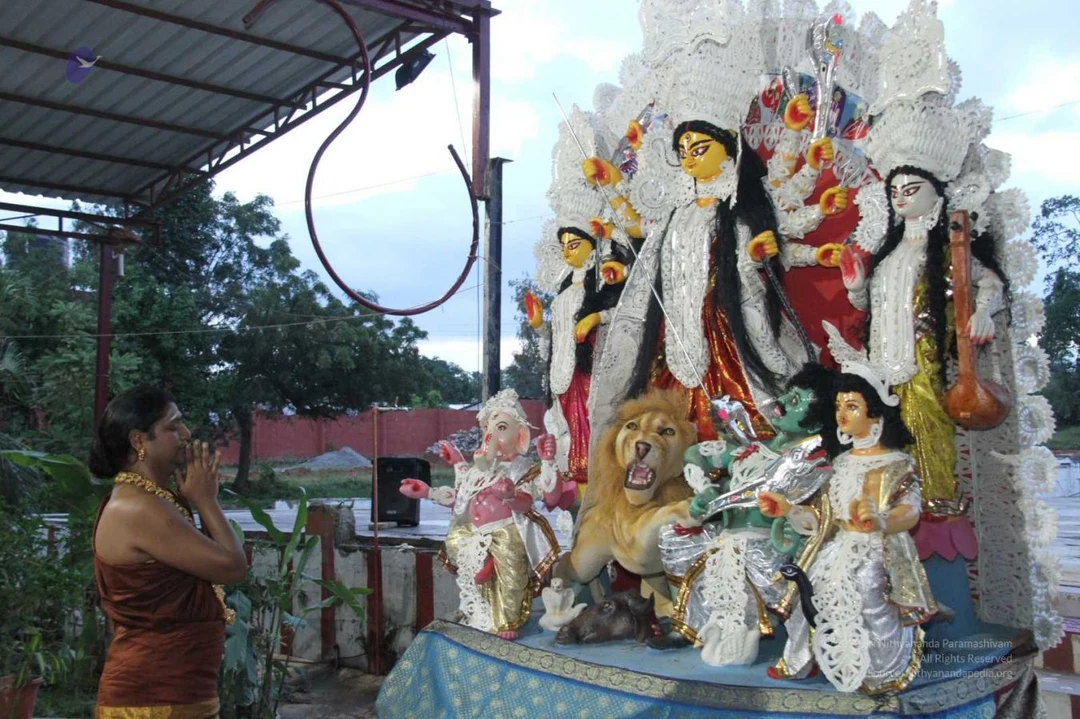
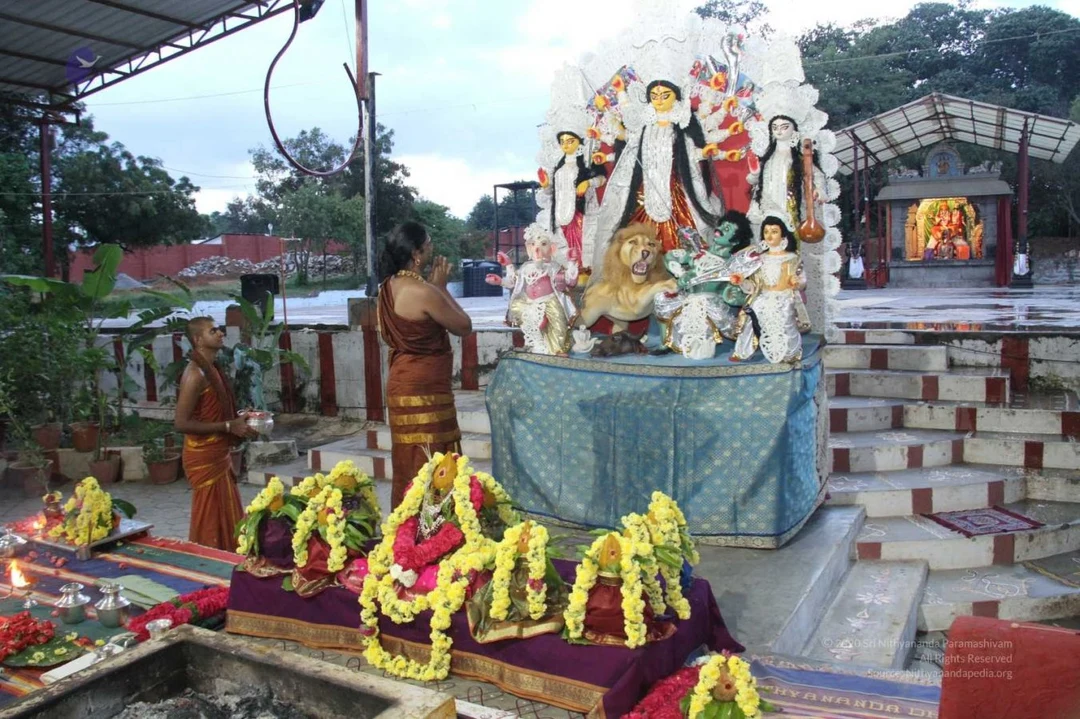
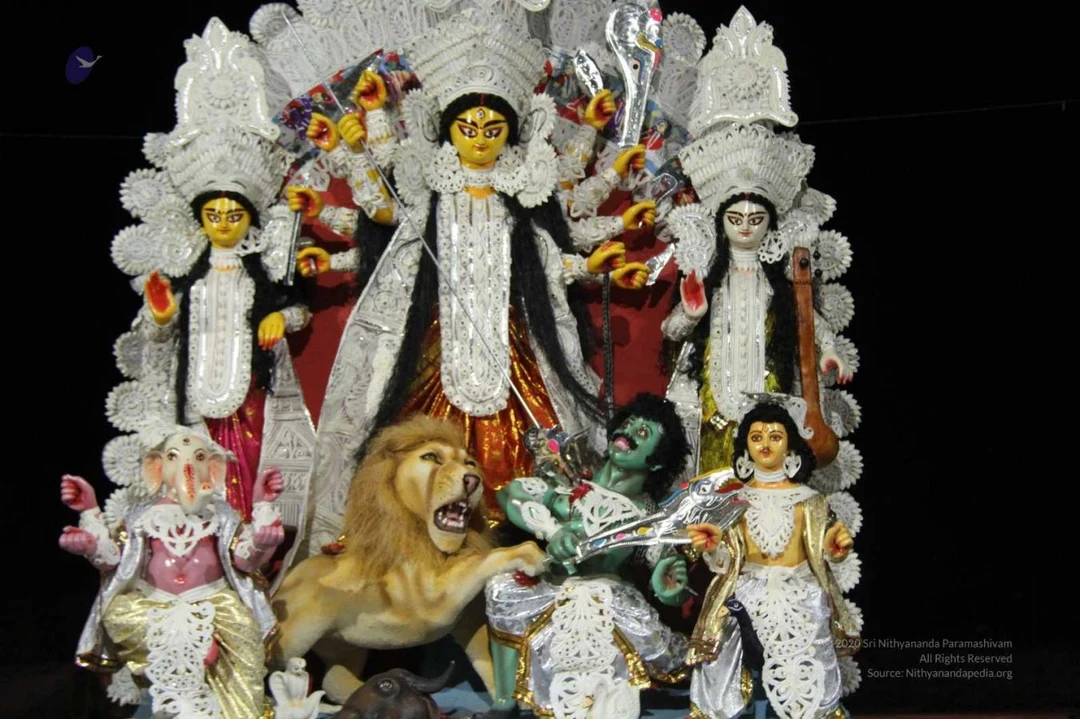
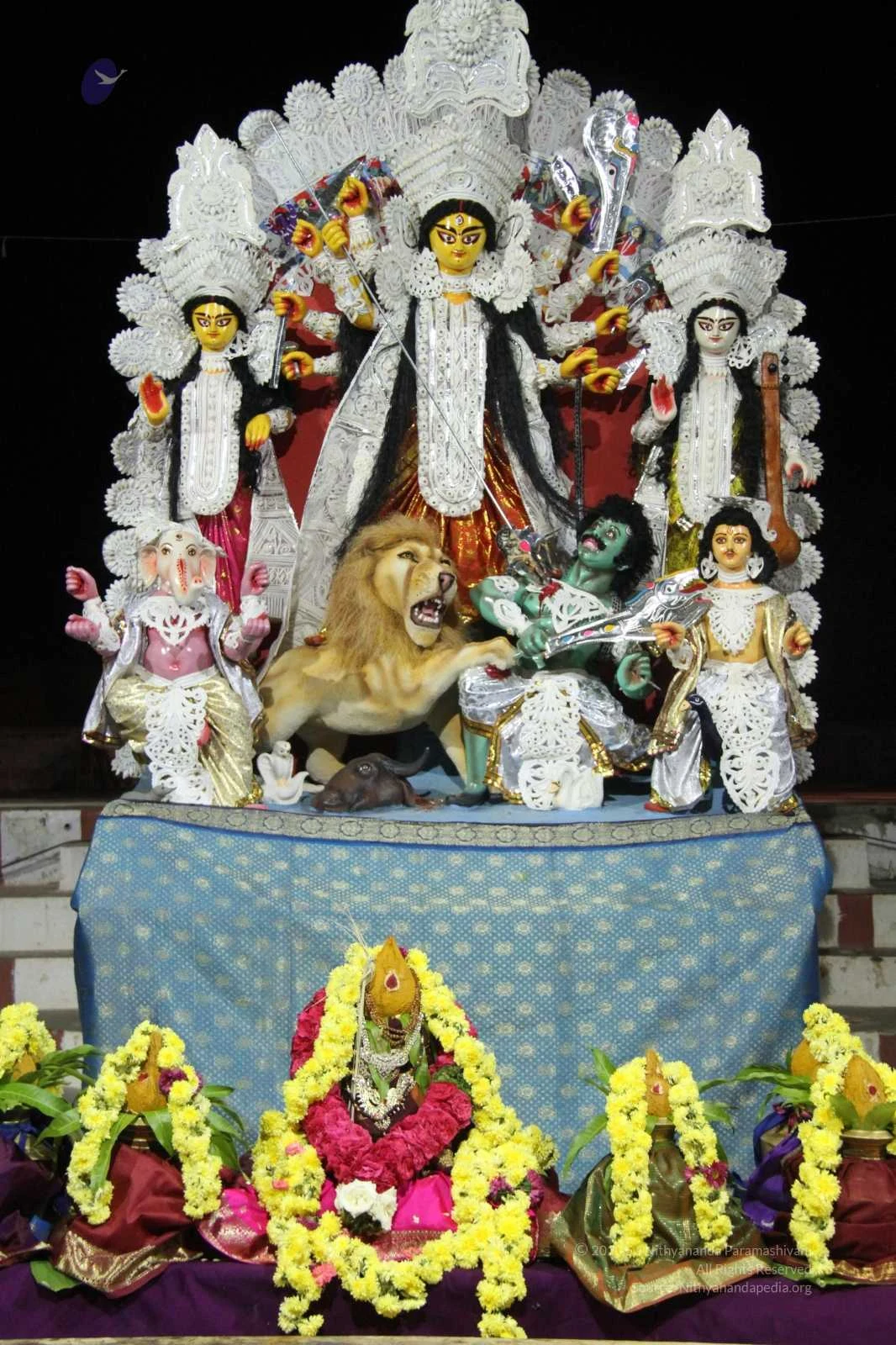
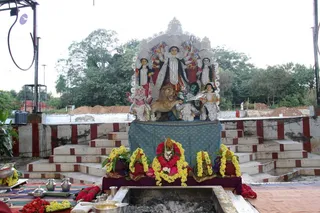
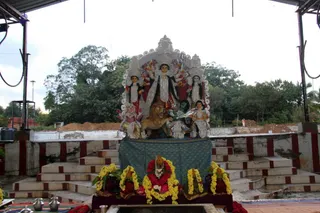
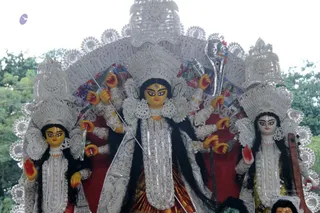
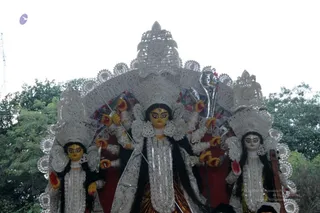
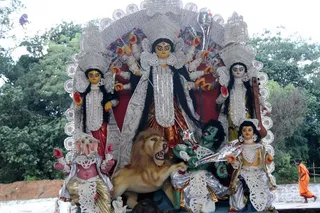
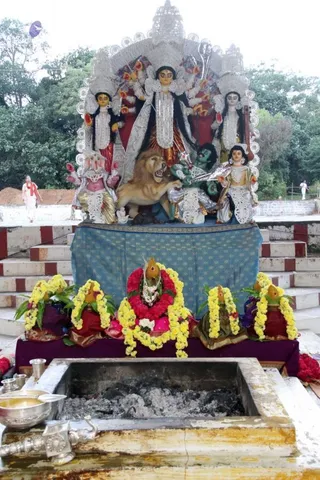
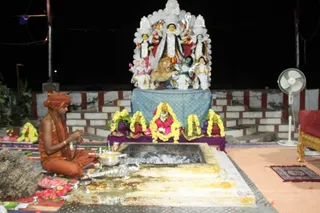
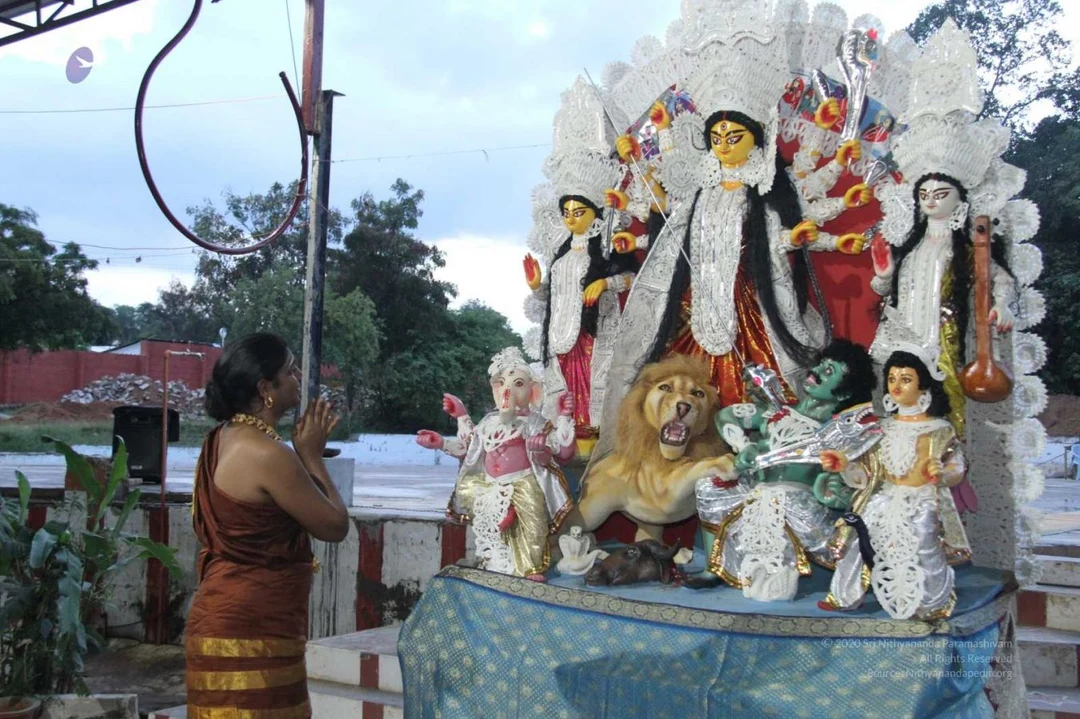
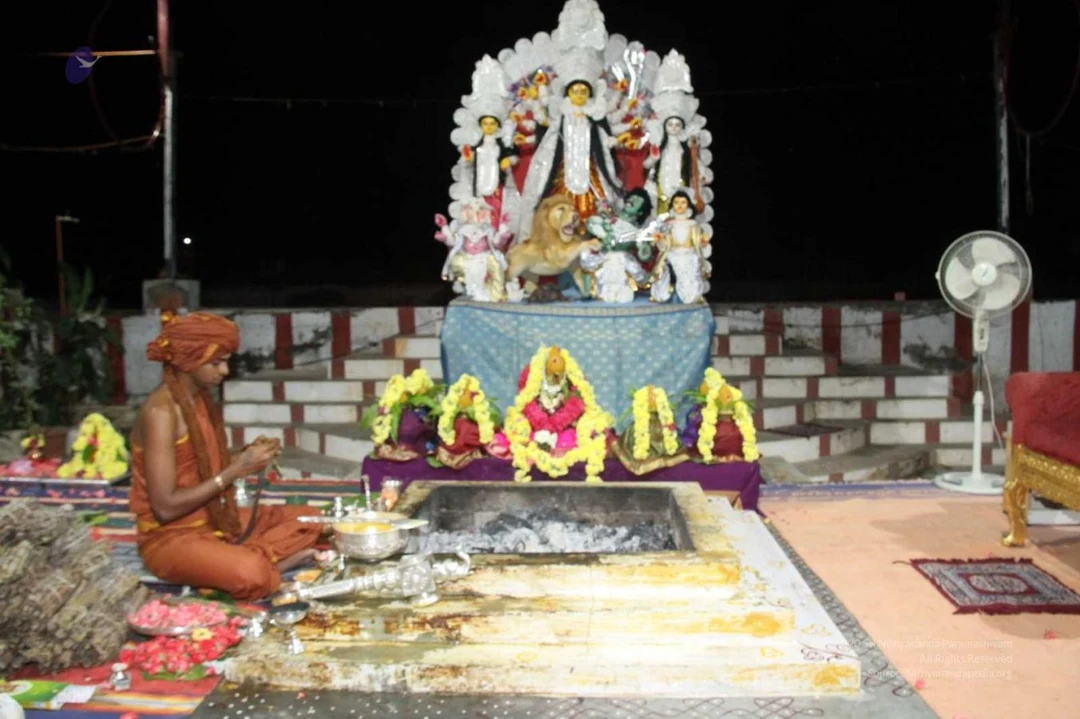
An outdoor photograph of a large deity murti of Durga on a tiered platform with red-and-white striped steps. The goddess has many arms and sits on a lion, with a silver-embellished arch behind her, flanked by two smaller attendant figures in silver ornamental dress. Marigold and red flower garlands drape the base, with brass kalasha pots and small brass vessels placed in front. A fire pit of ash and embers sits at the front edge. Trees and a dirt mound stand behind. No people are visible.Outdoor view of a large decorated Durga murti on a stepped white and red platform beneath a covered open-air shelter. The multi-armed goddess stands atop a golden-maned lion, flanked by two smaller female attendant figures in silver-white embellished garments, with a silver tiered halo arching behind her. Marigold and red flower garlands drape the base, with brass pots and vessels set on the ground in front and a blue draped cloth covering the pedestal. Trees and a brick-coloured earth mound sit in the background, and no people are visible.Close view of a large Durga-style deity murti with multiple arms, dressed in white and silver decorative costume with lacy silver embellishments and a silver crown-like headpiece. Two smaller female figures flank the central deity, also in white and silver with silver crowns and long black hair. Holding weapons and objects in multiple hands, including a spear-like staff and a silver instrument. Red and gold accents appear at the base. Green trees form the background under an overcast sky. No physical people are visible; all figures are murtis.A large clay murti of the goddess Durga, adorned with white and silver filigree crown, halo and jewelled ornaments, stands in an outdoor setting against green trees and an overcast sky. The central goddess has multiple arms holding weapons and a trident-like staff, with a red and gold backdrop. No physical people are shown.A large clay murti of the goddess Durga with multiple arms, standing with a lion at her feet and fighting a demon, surrounded by white silver-filigree decorations and red backdrop. Flanking her are two female figures, and at the bottom left is Ganesha with a trunk and at lower right Saraswati-like figure with a veena, alongside a green-skinned demon figure. Outdoors among green trees, a person in orange robes walks past at the right edge. This is a statue, not a live ceremony.A photograph of a large Durga murti installed on a stepped stone platform outdoors, with trees behind. The goddess has many arms holding weapons and stands with a roaring lion beside her, while she battles a dark green demon figure. Flanking figures include Ganesha in pink and gold on one side and Saraswati with a veena on the other, with more deities in white and silver lace ornamentation above. The base is draped in blue cloth. In front stand several decorated pots (kalasha) wrapped in red, purple and green cloth and garlanded with yellow marigolds and red flowers, with a central pot crowned with a coconut-like top. A square fire pit filled with ash sits in the foreground beside silver vessels and a silver lamp. Two people in white clothing are visible in the background, one at left in white with a red shawl and one at right in white.

Navarathri Gurkulul Show

171 photosSource gallery
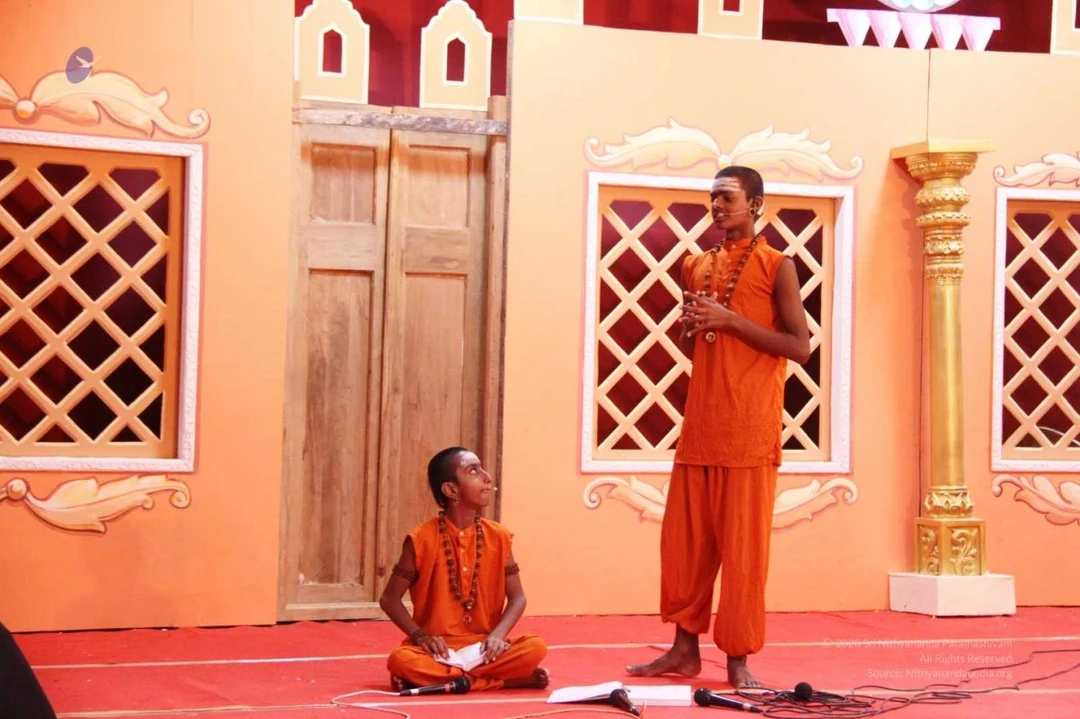
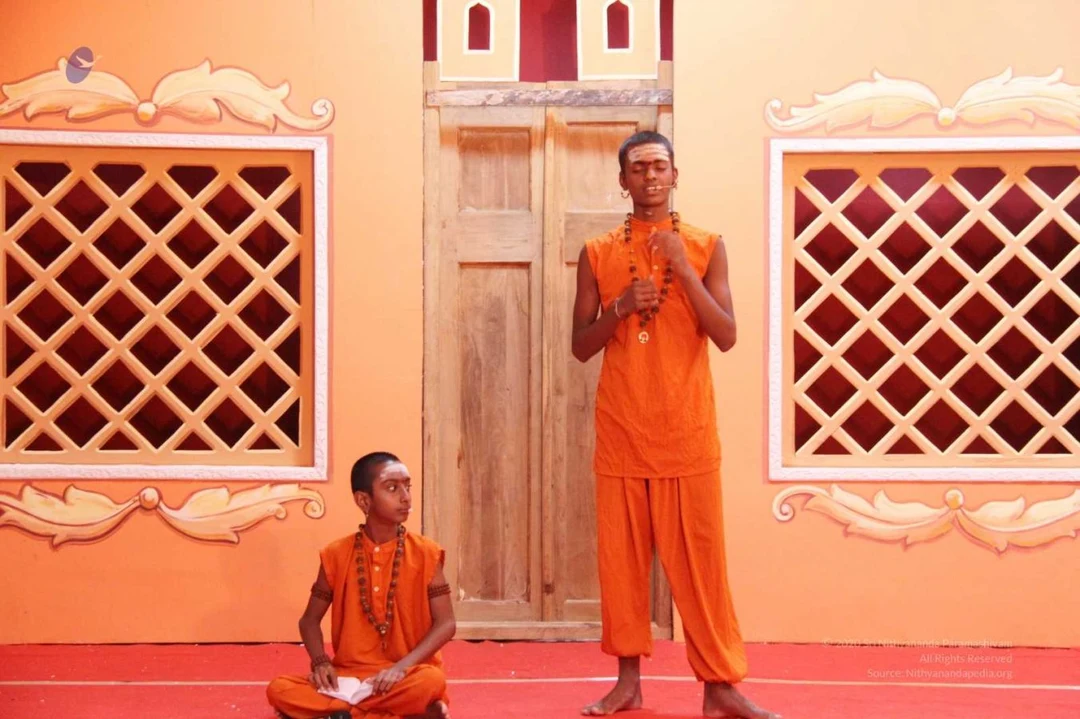
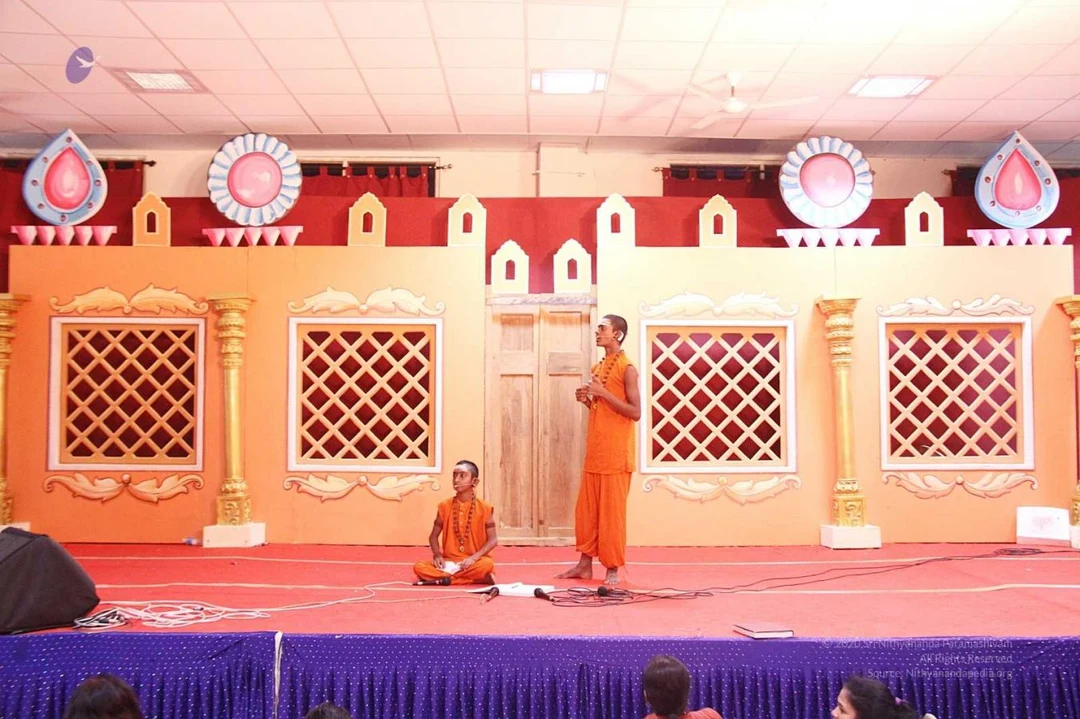
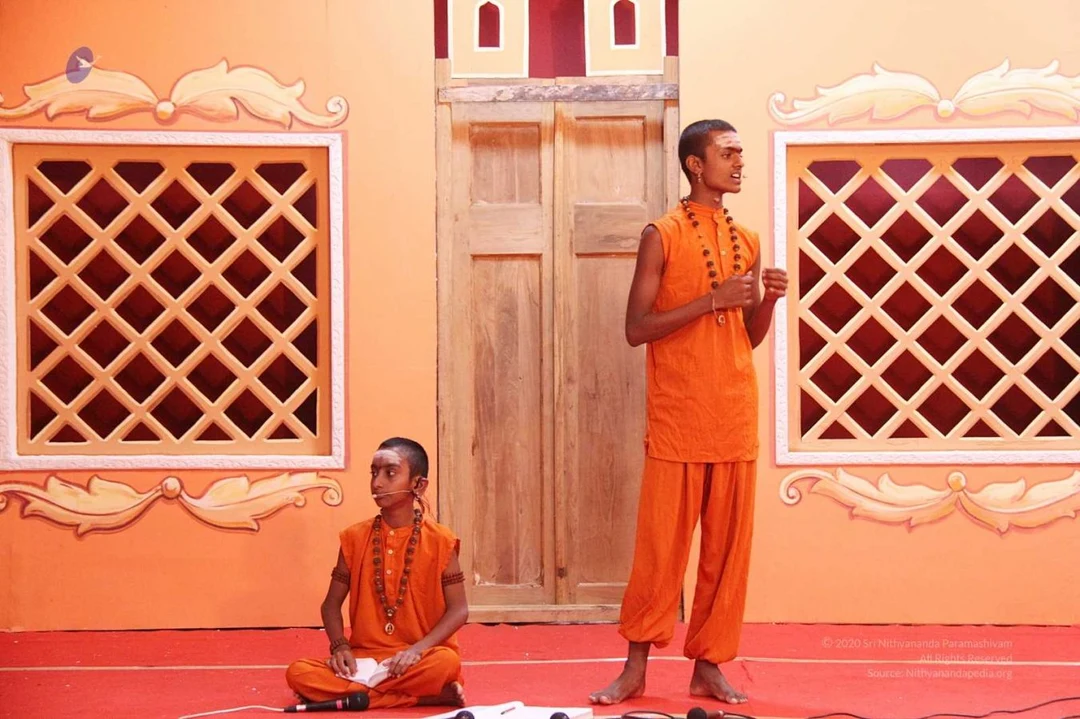
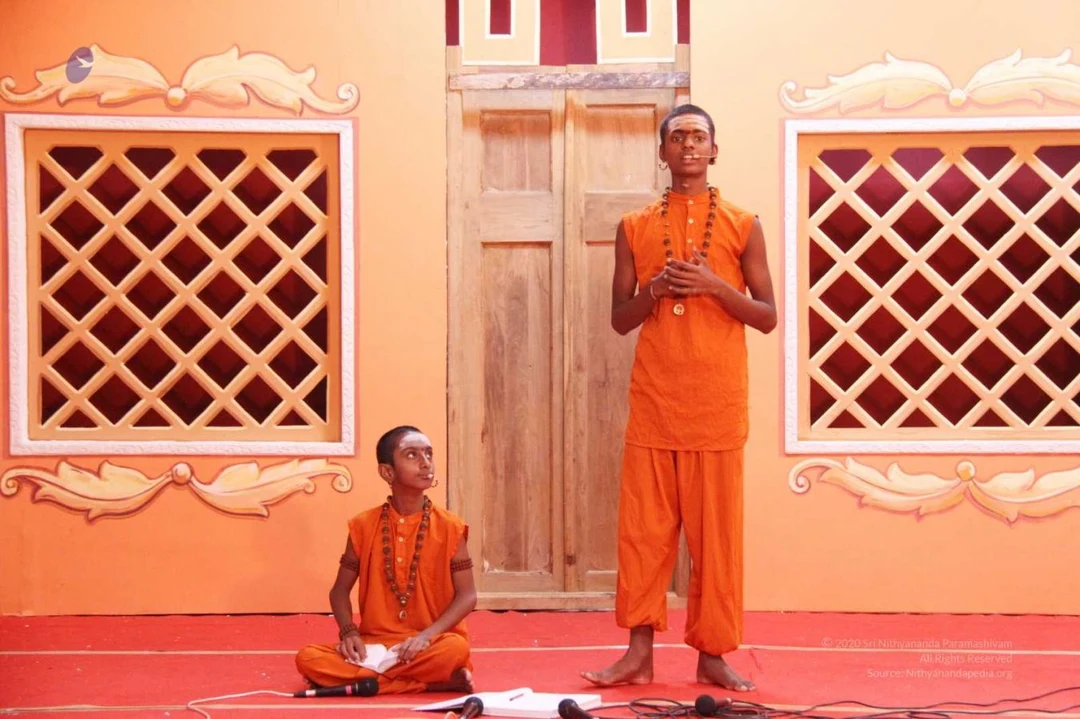
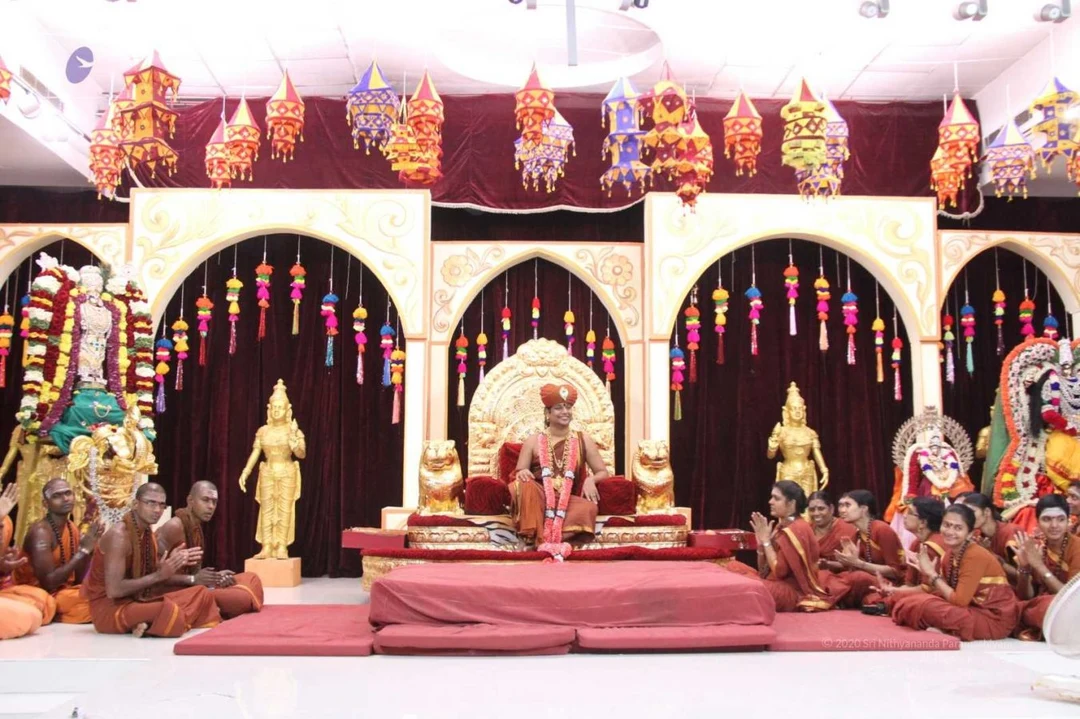
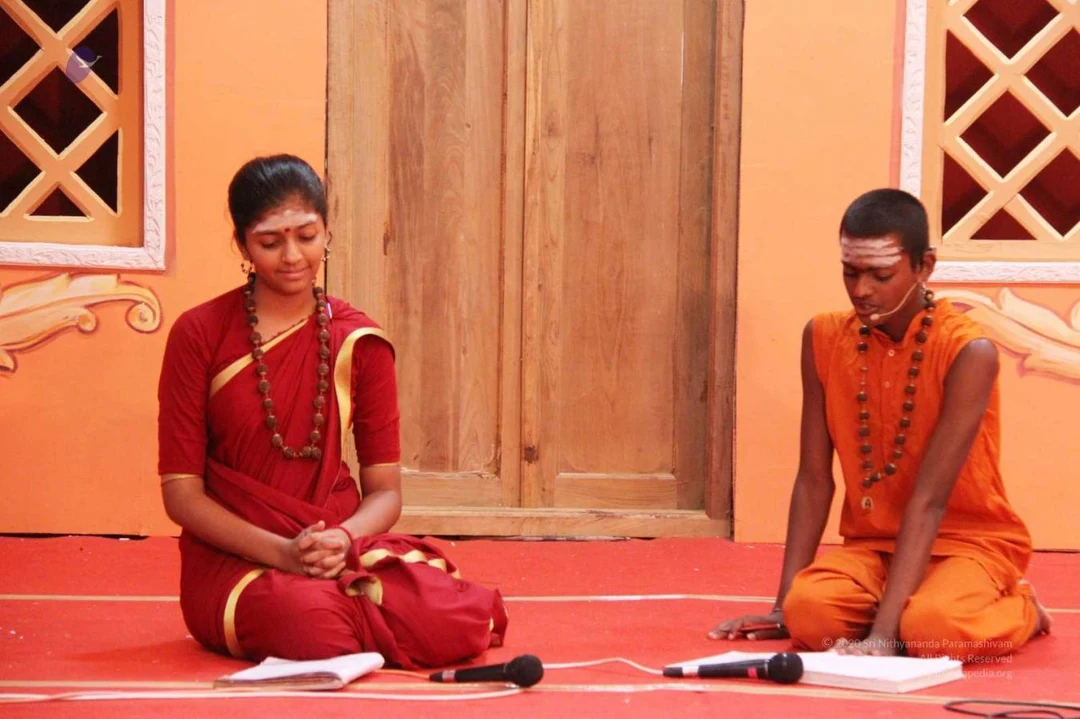
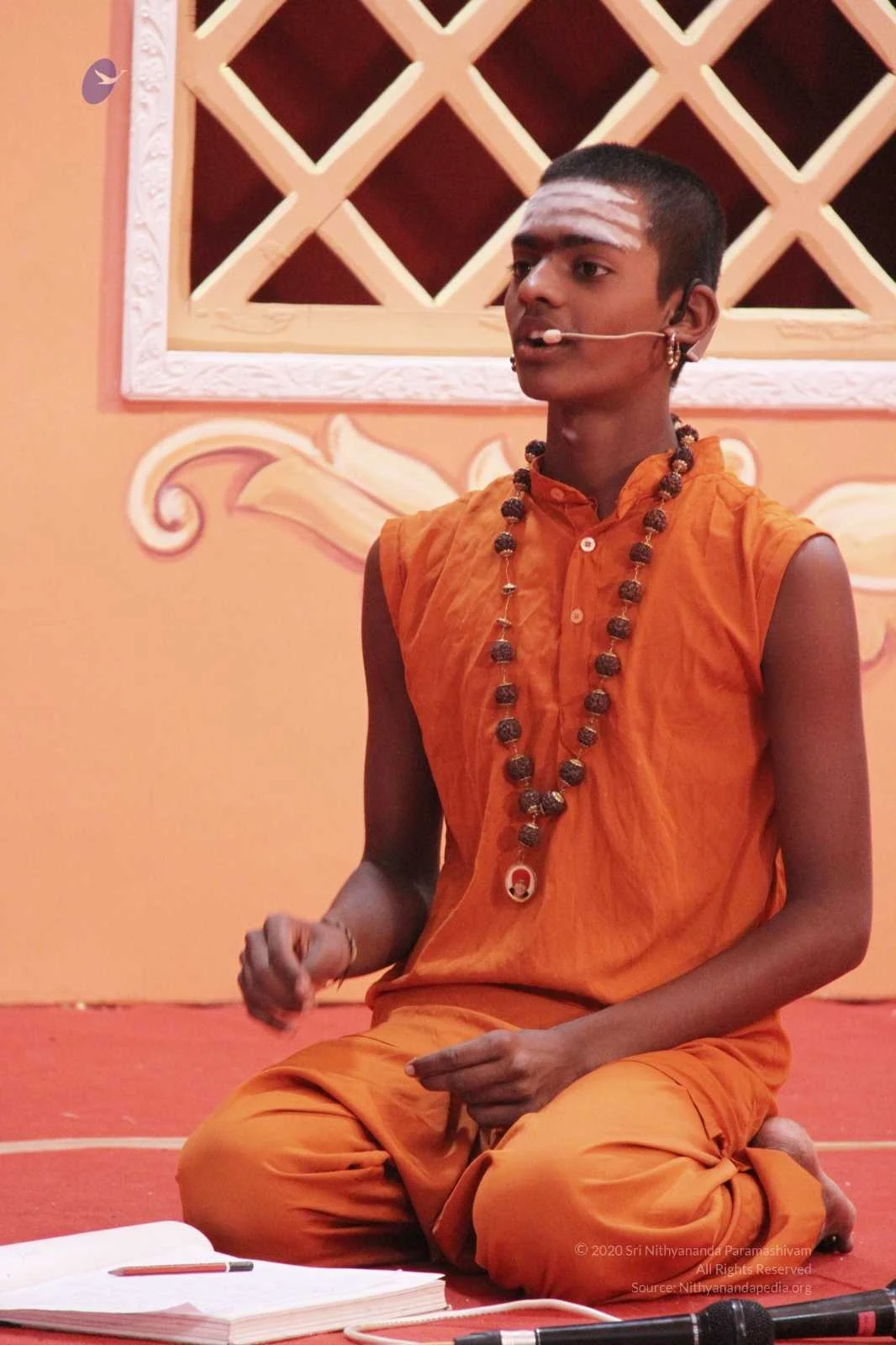
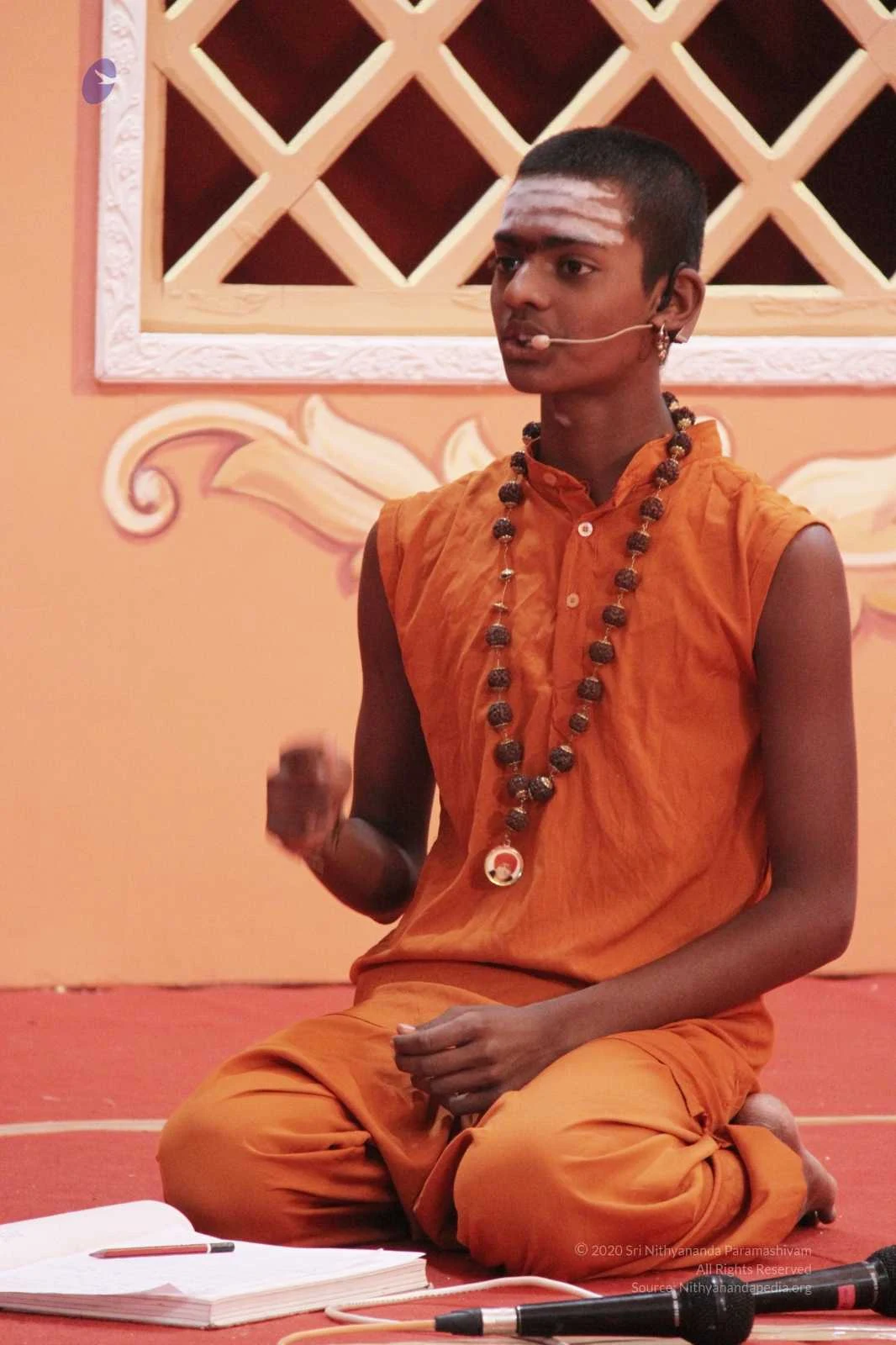
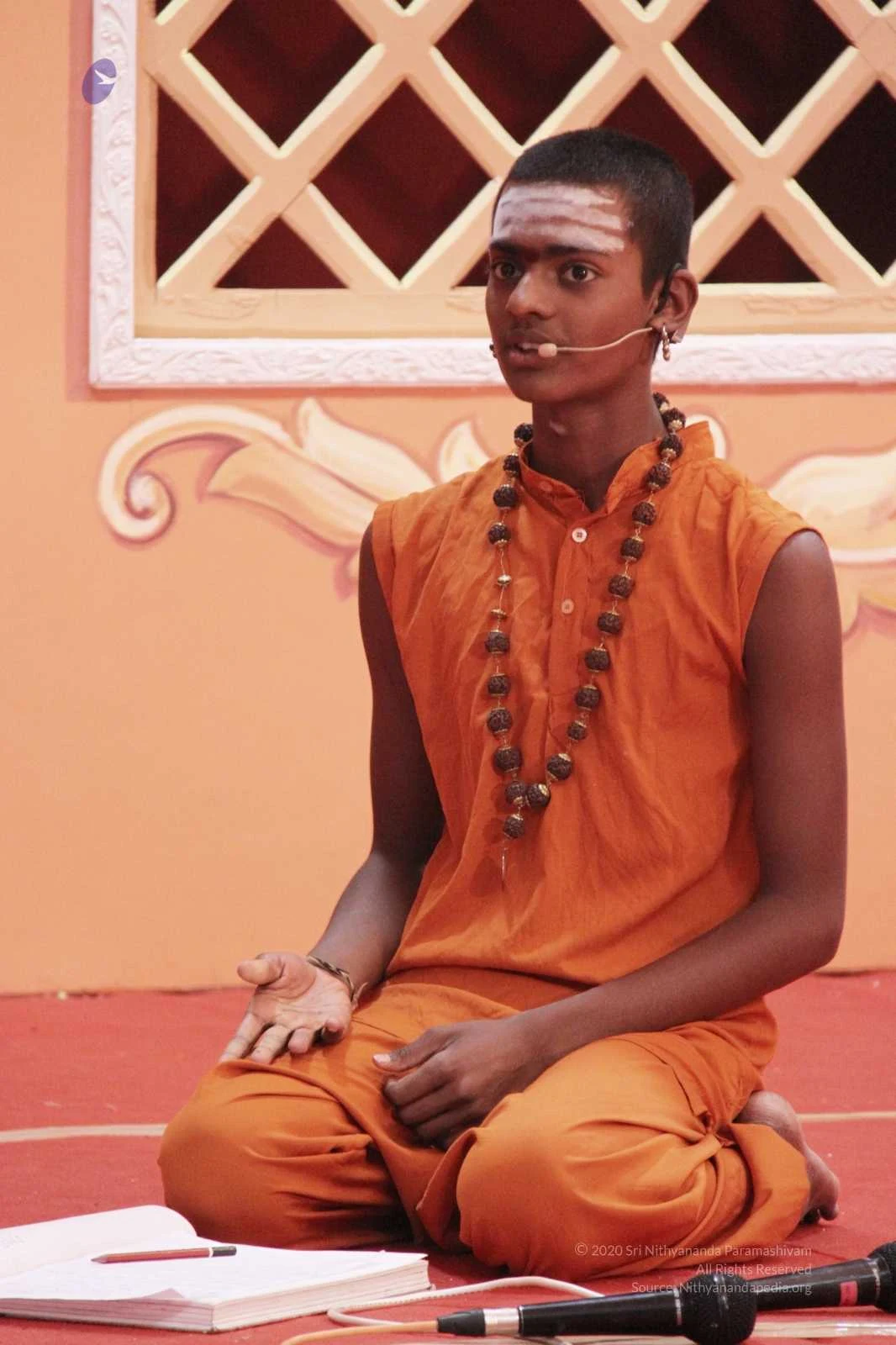
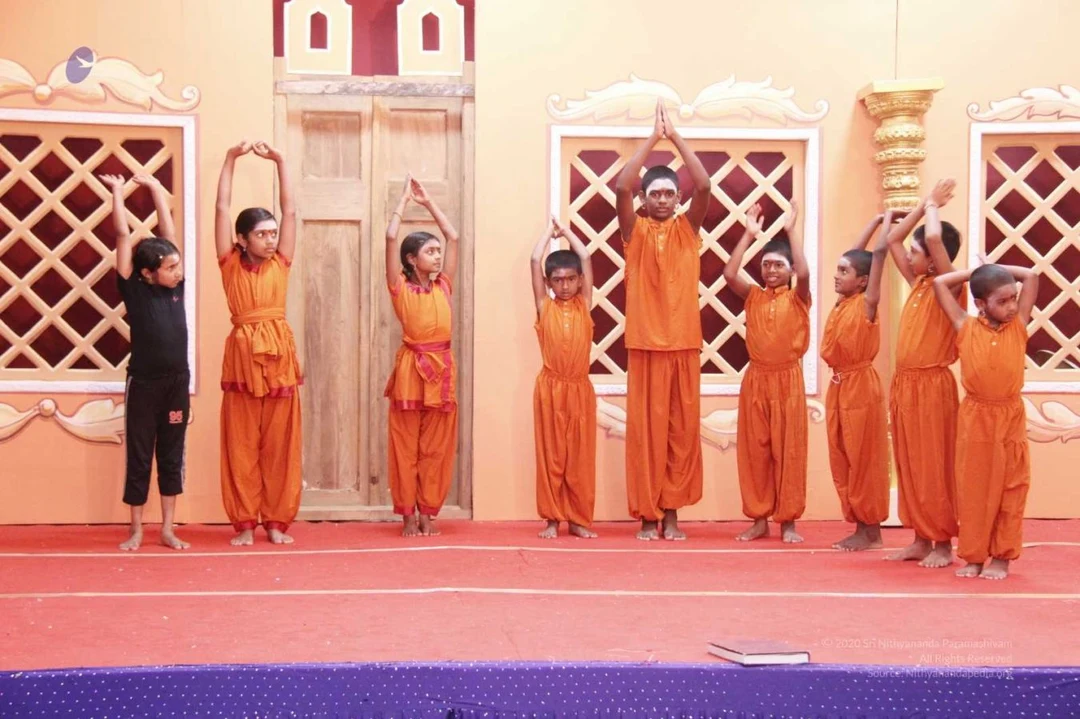
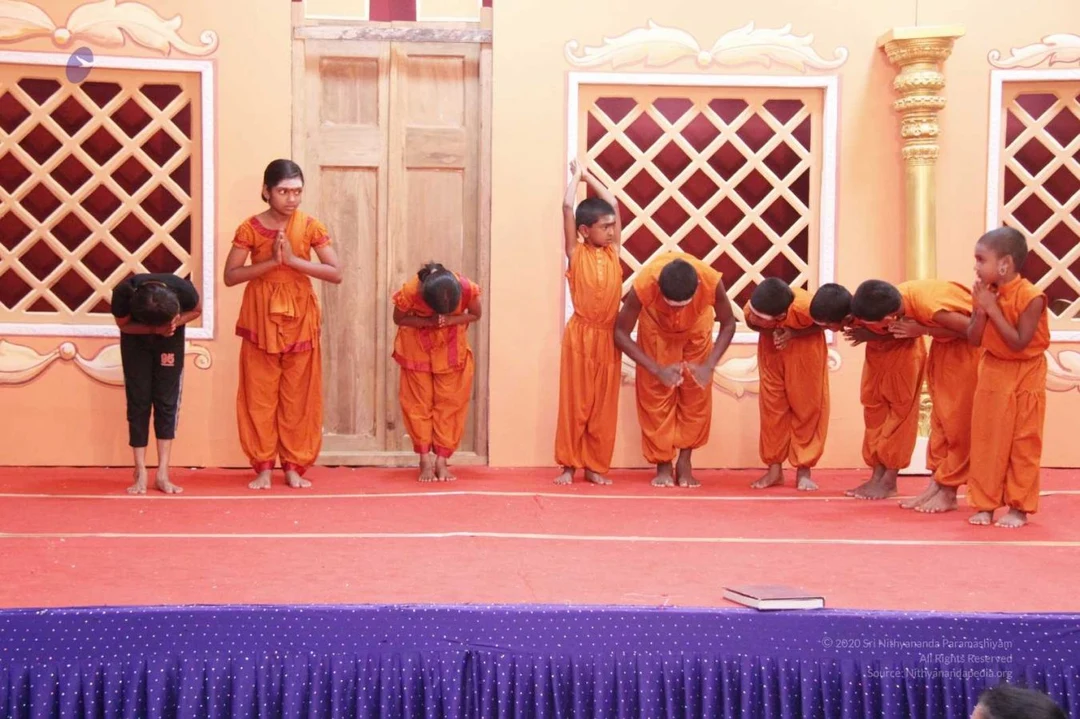
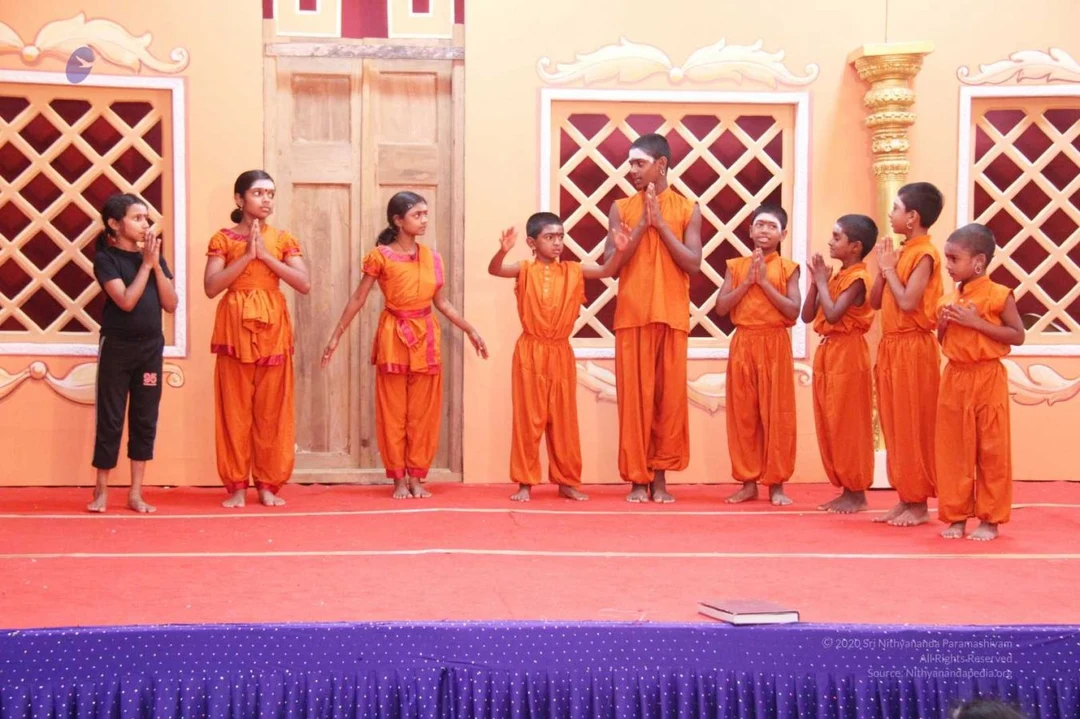
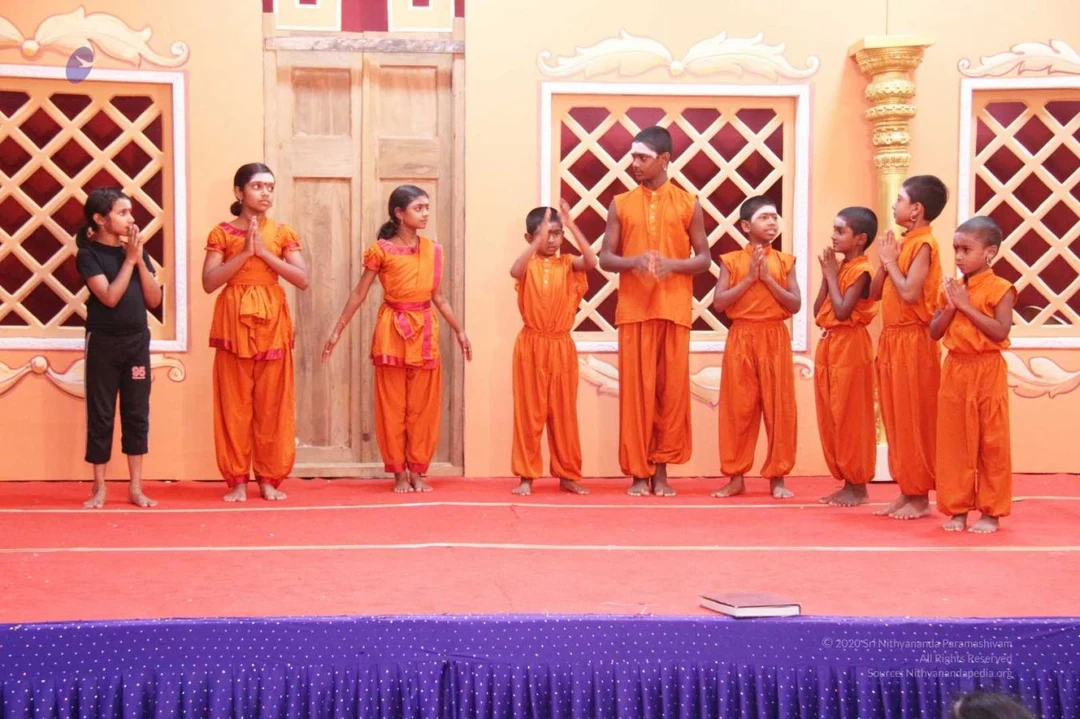
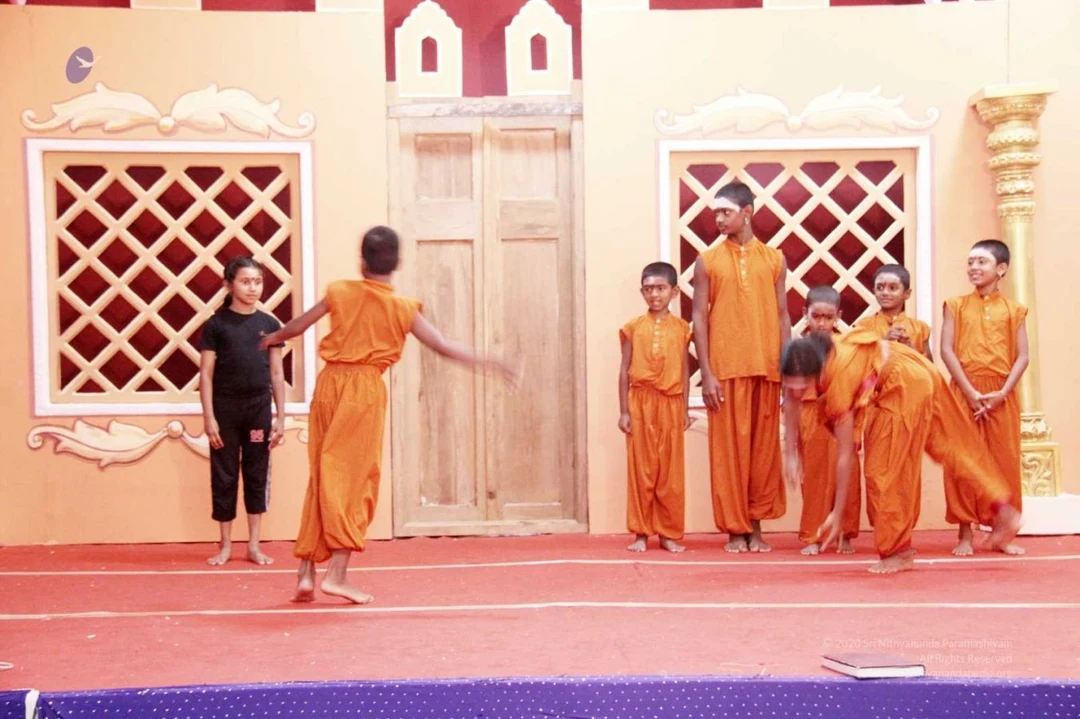
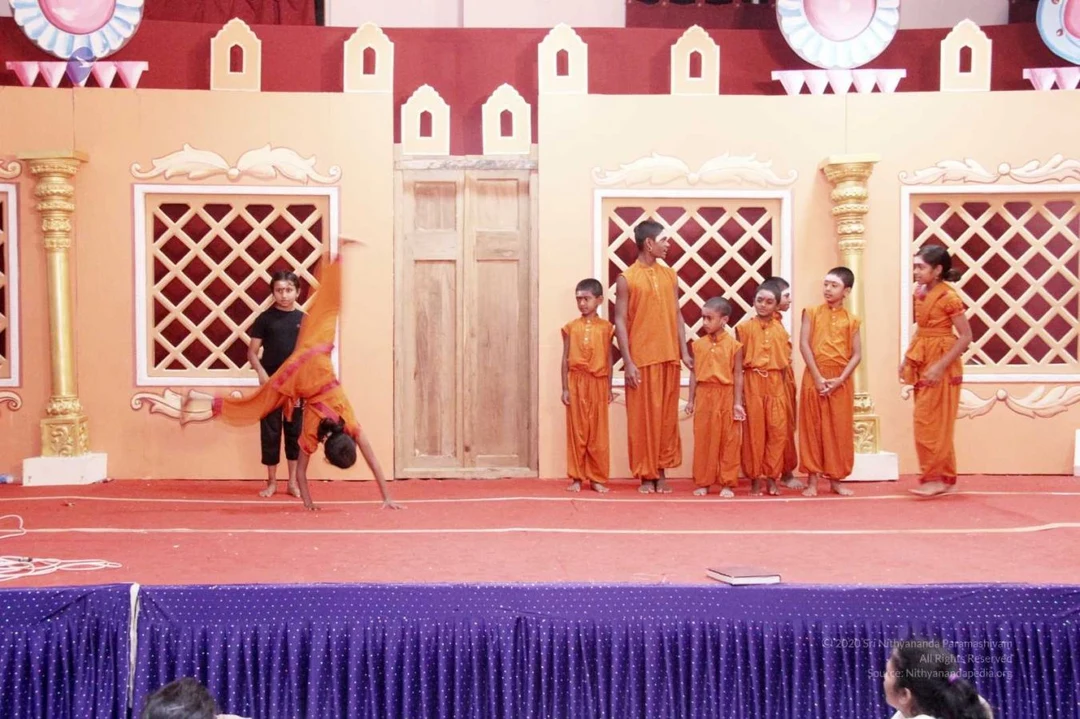
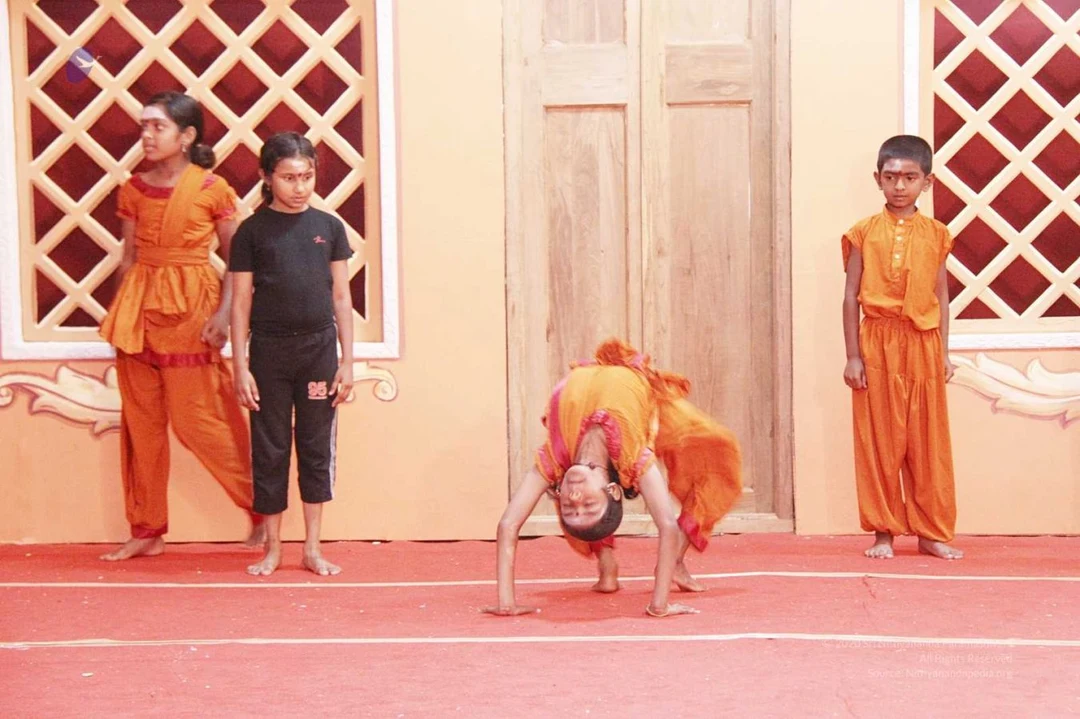
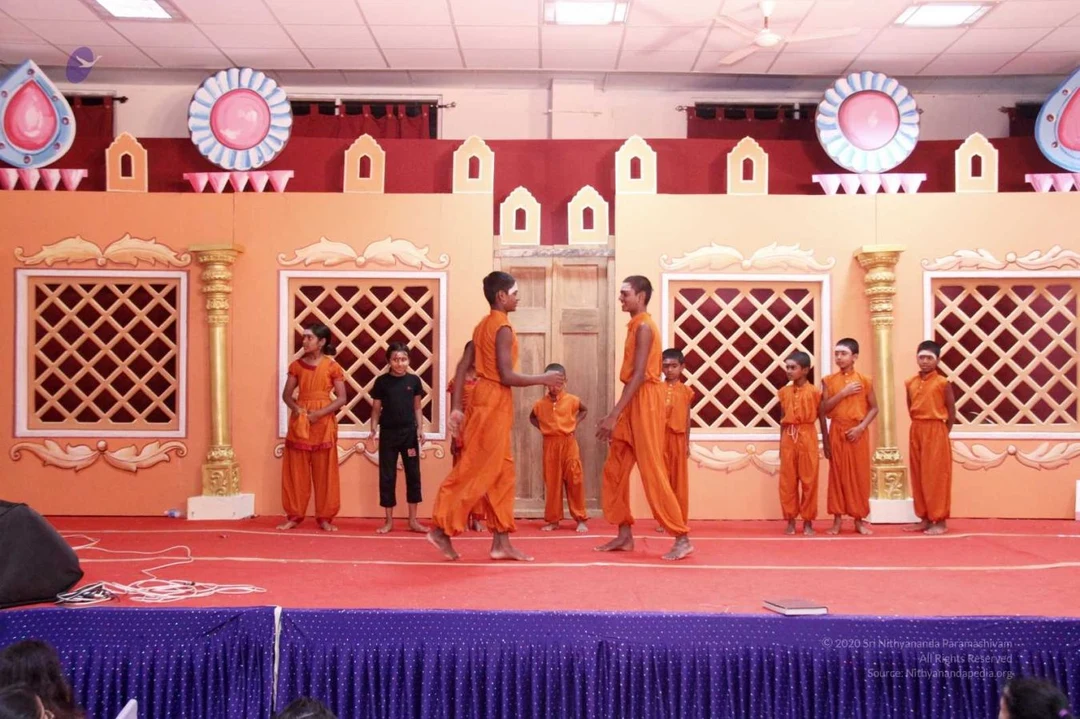
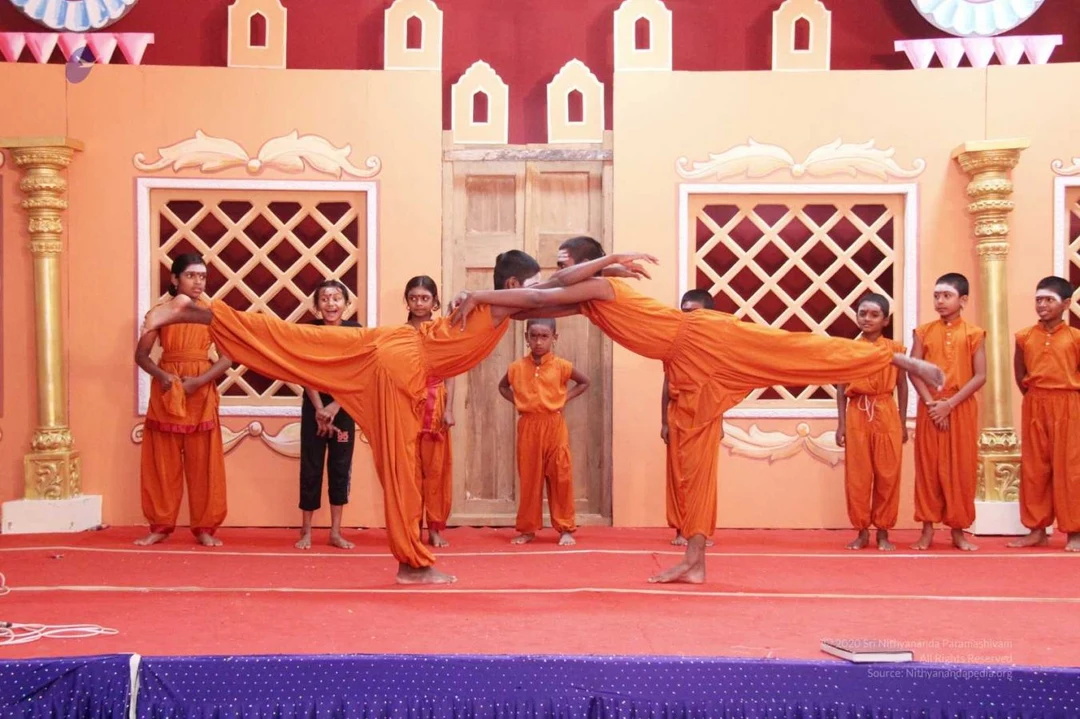
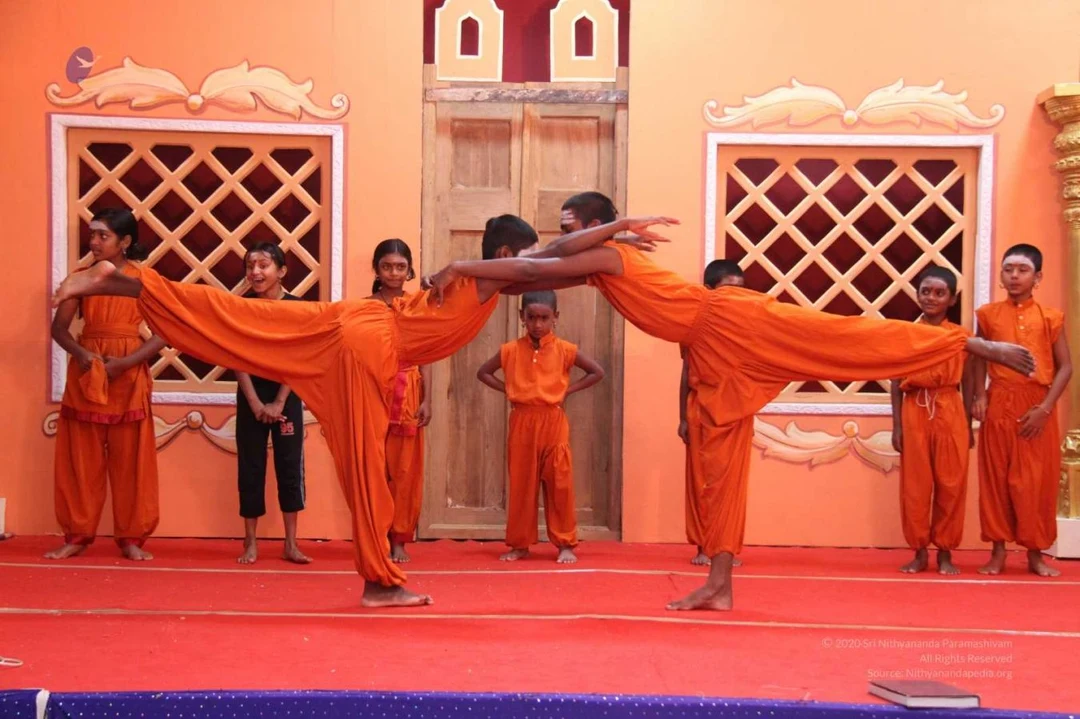
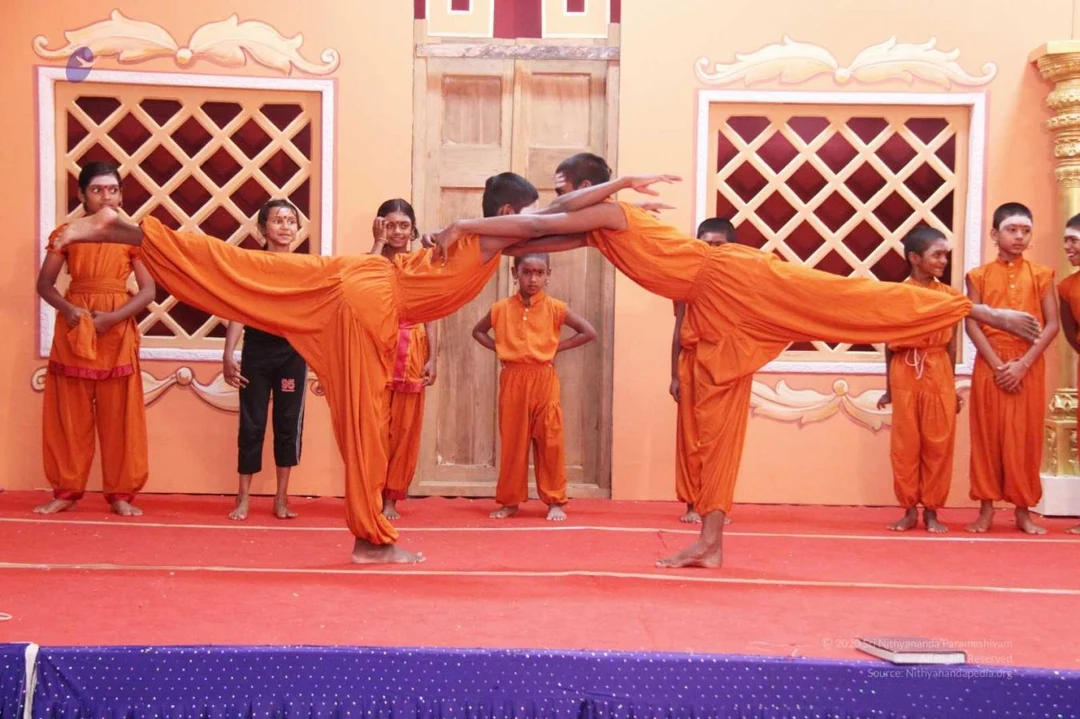
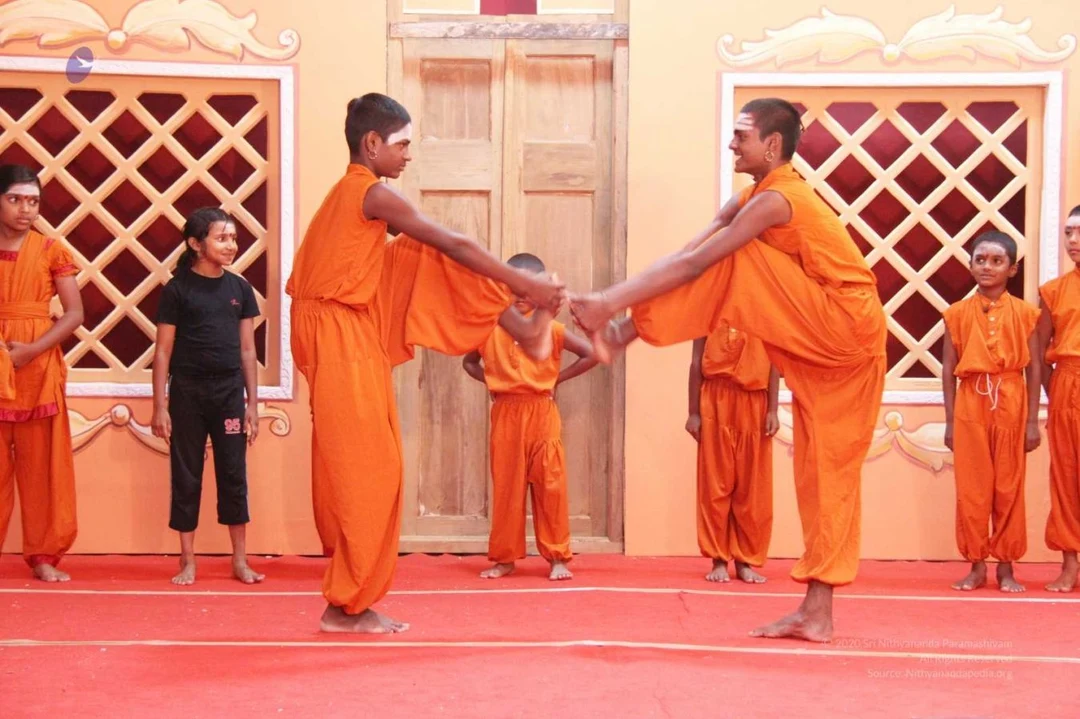
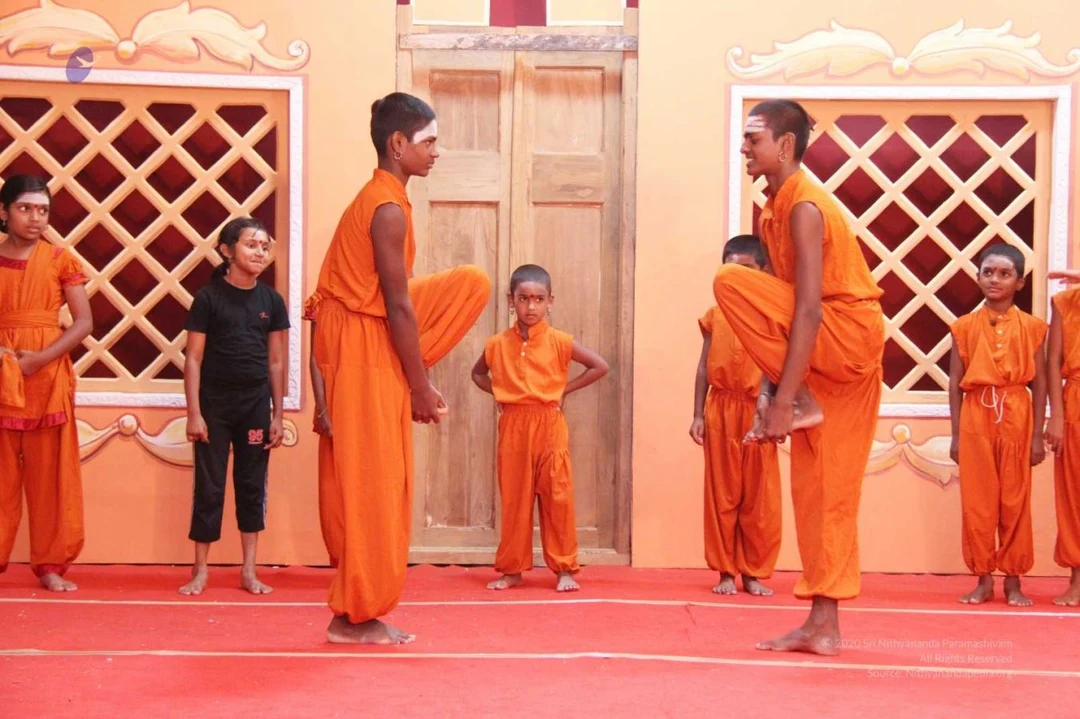
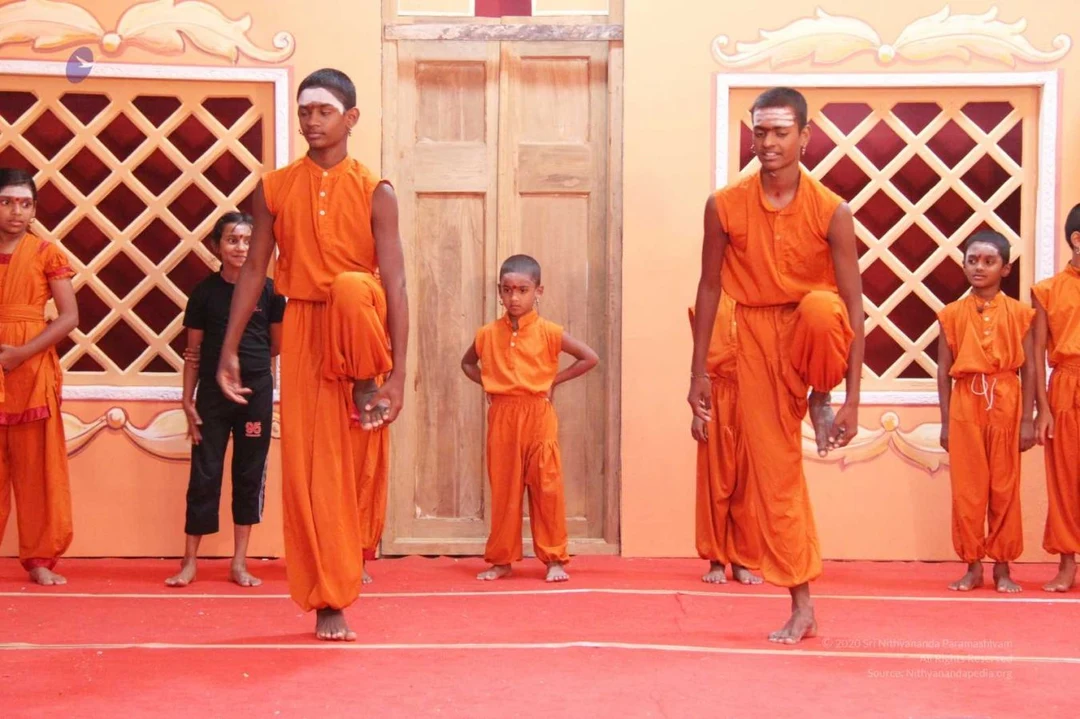
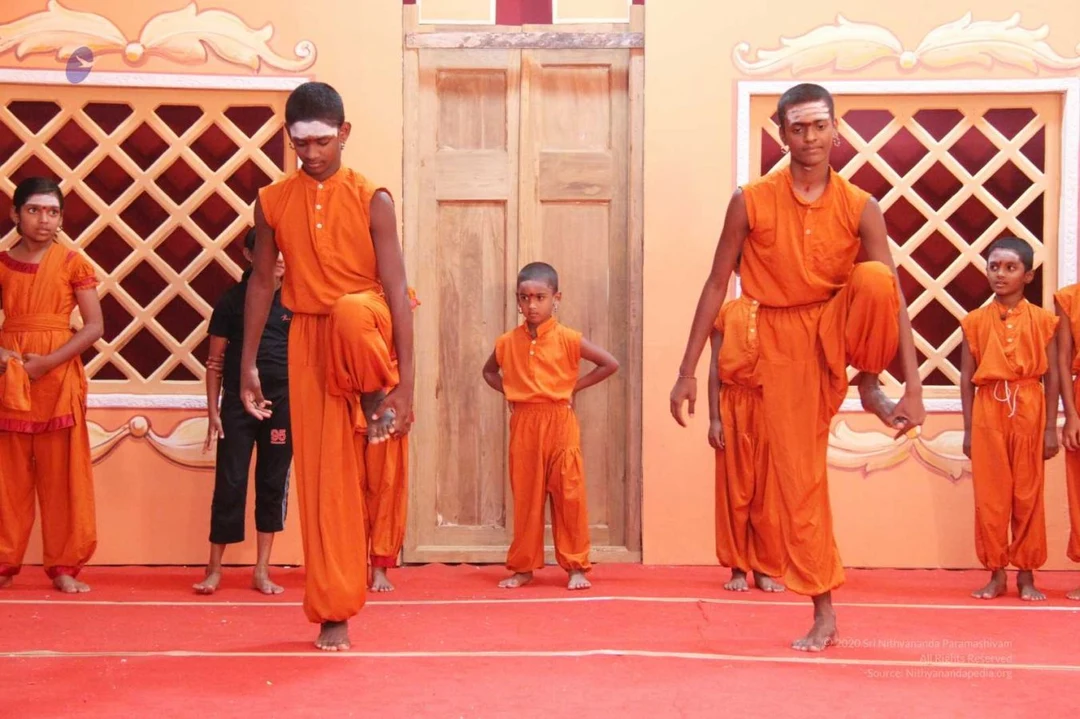
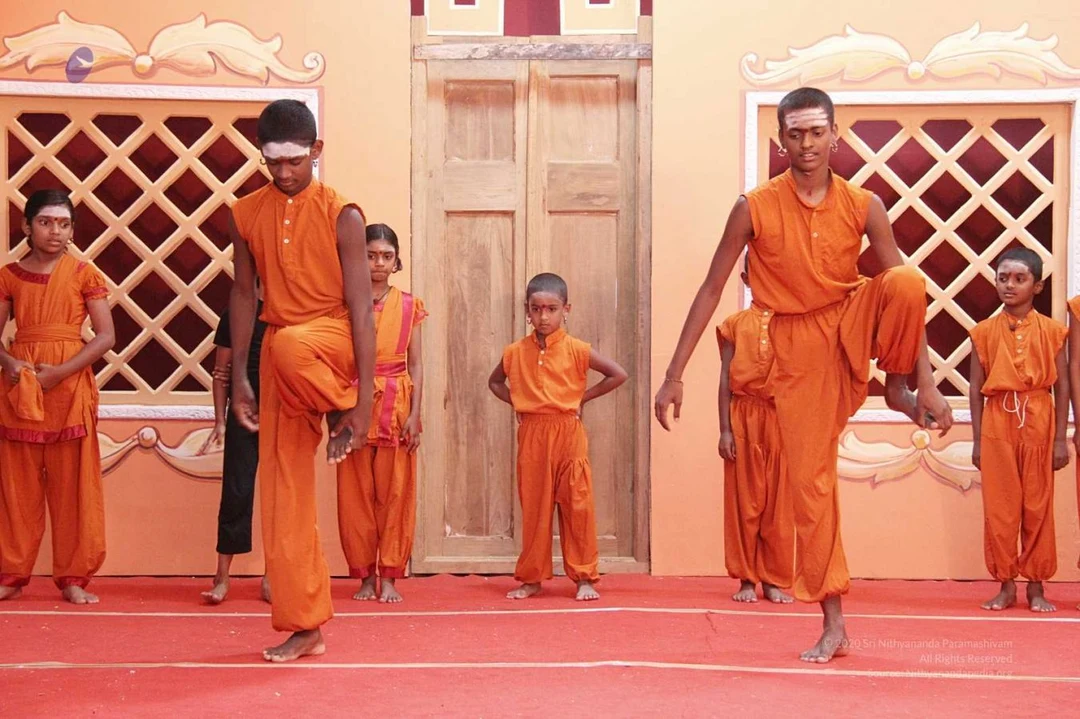
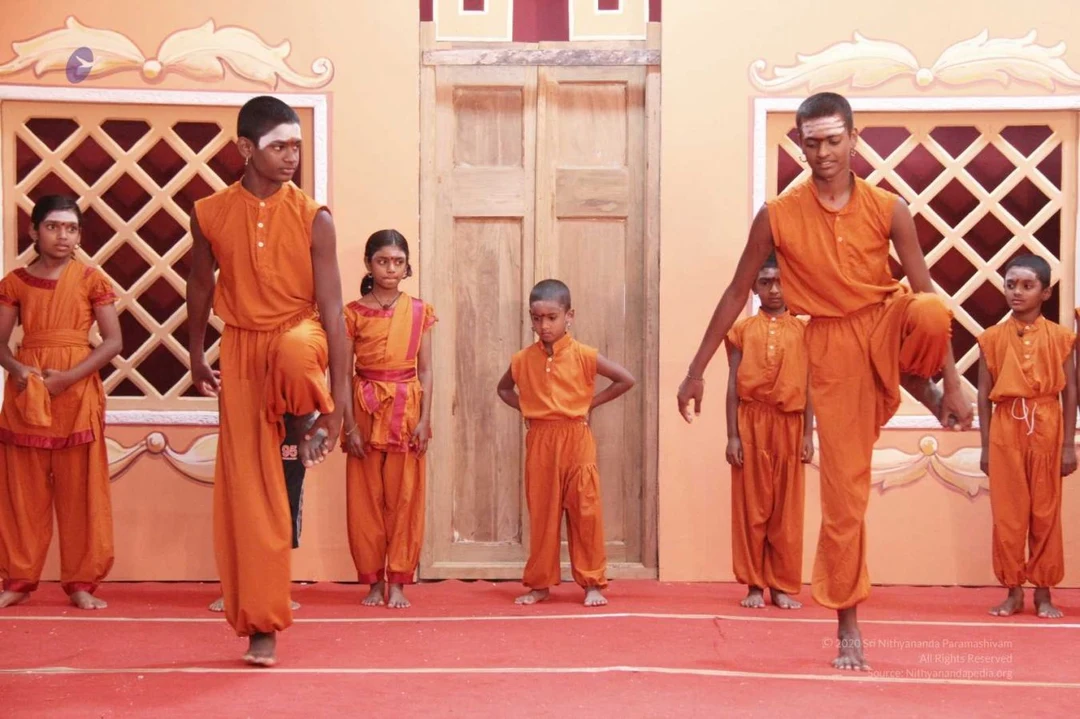
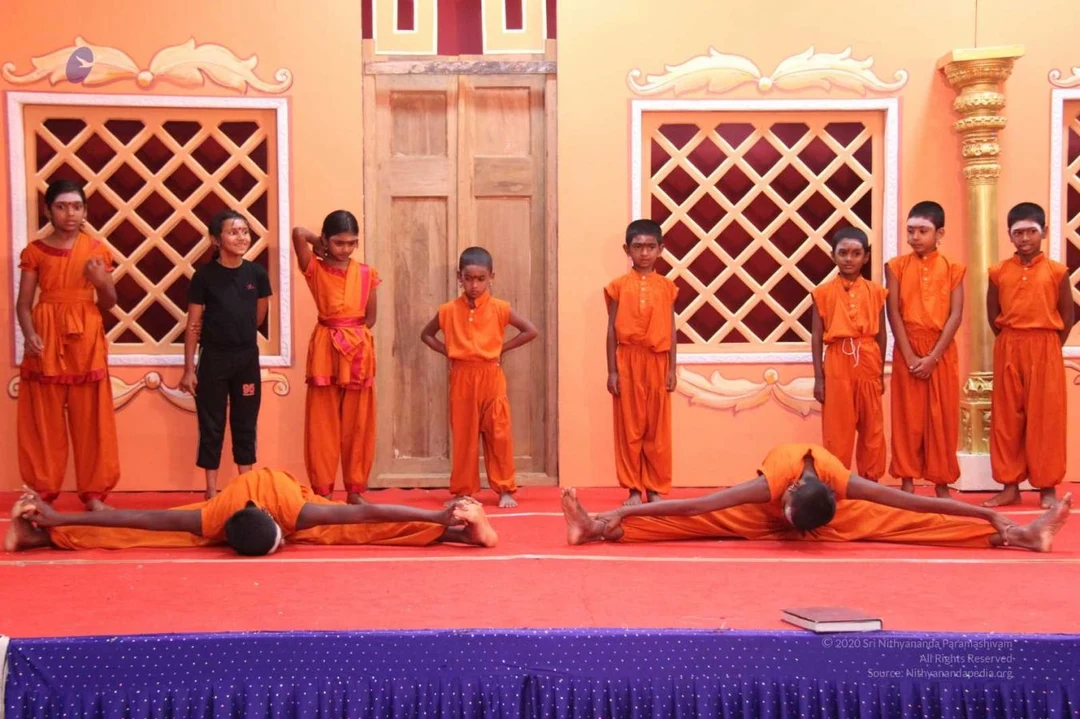
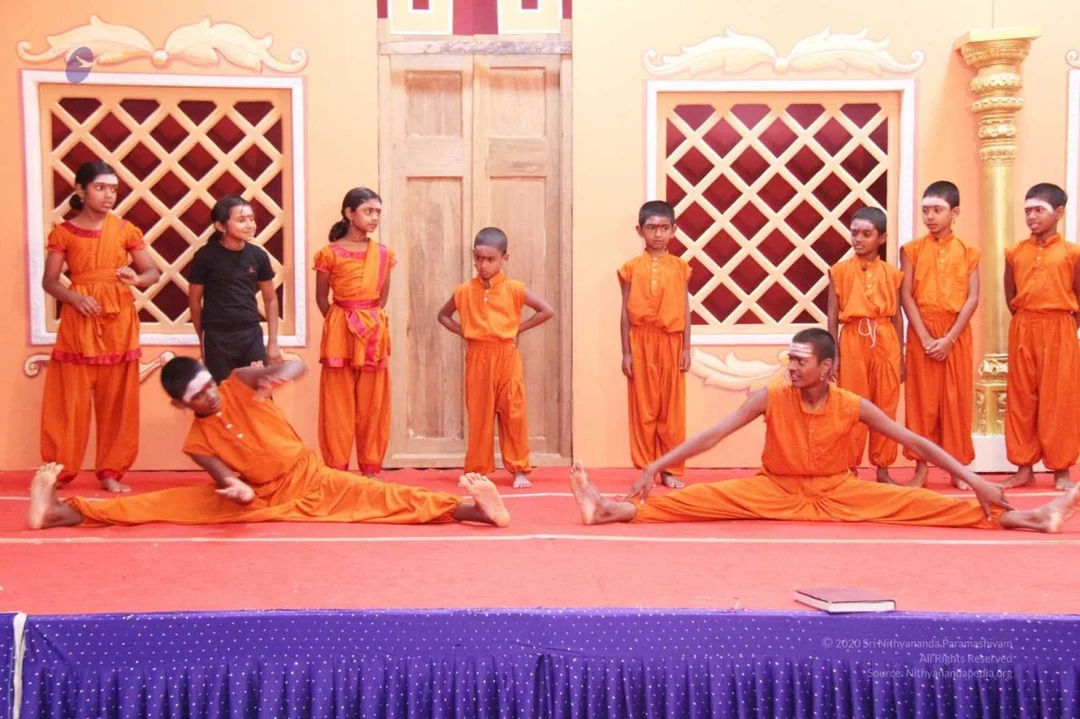
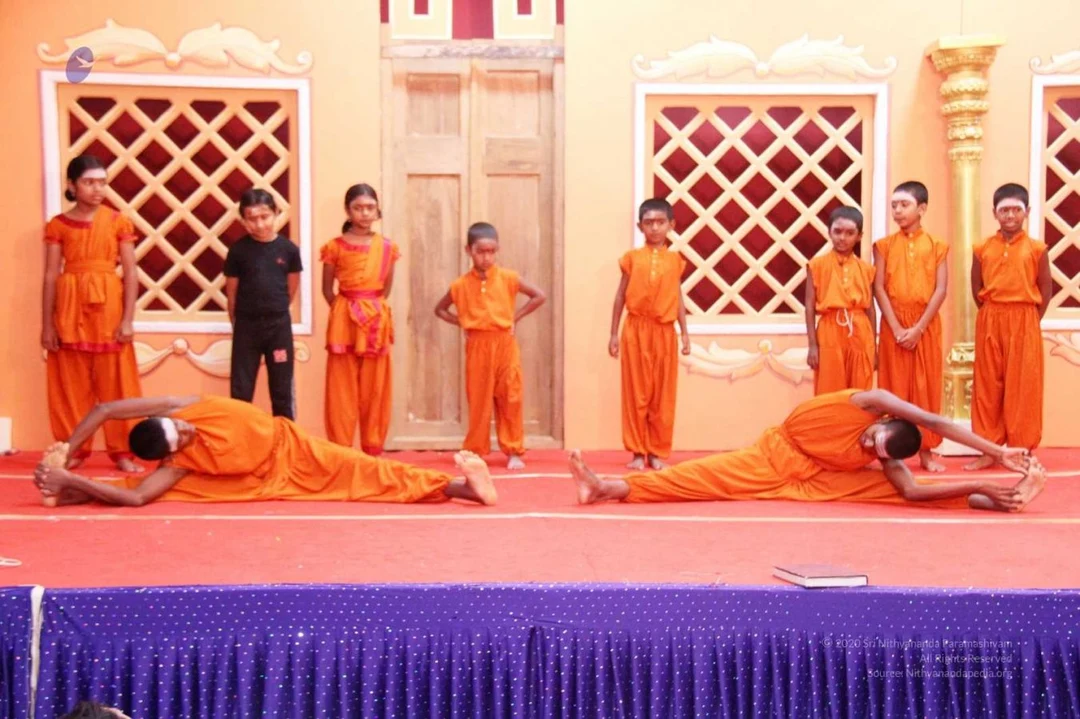
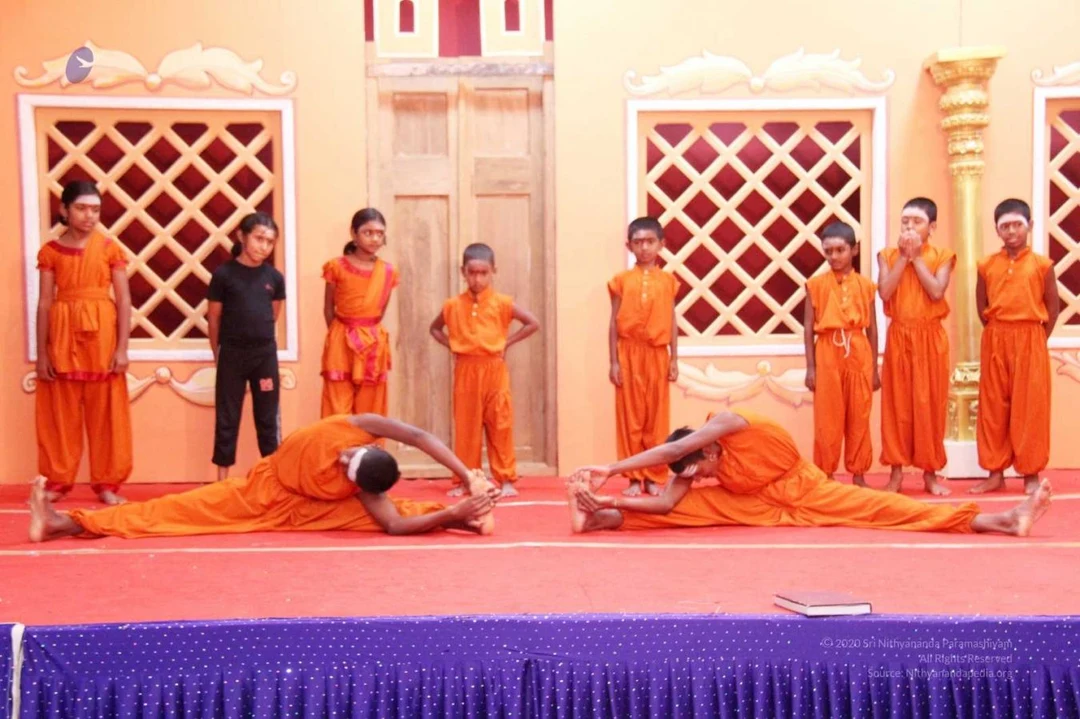
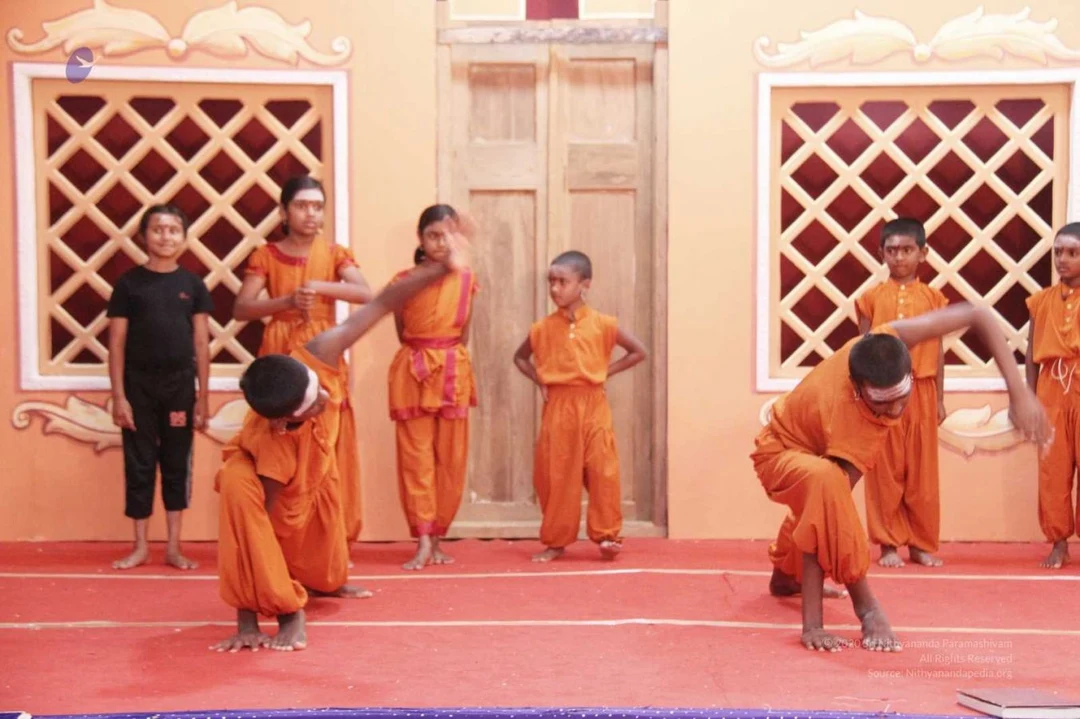
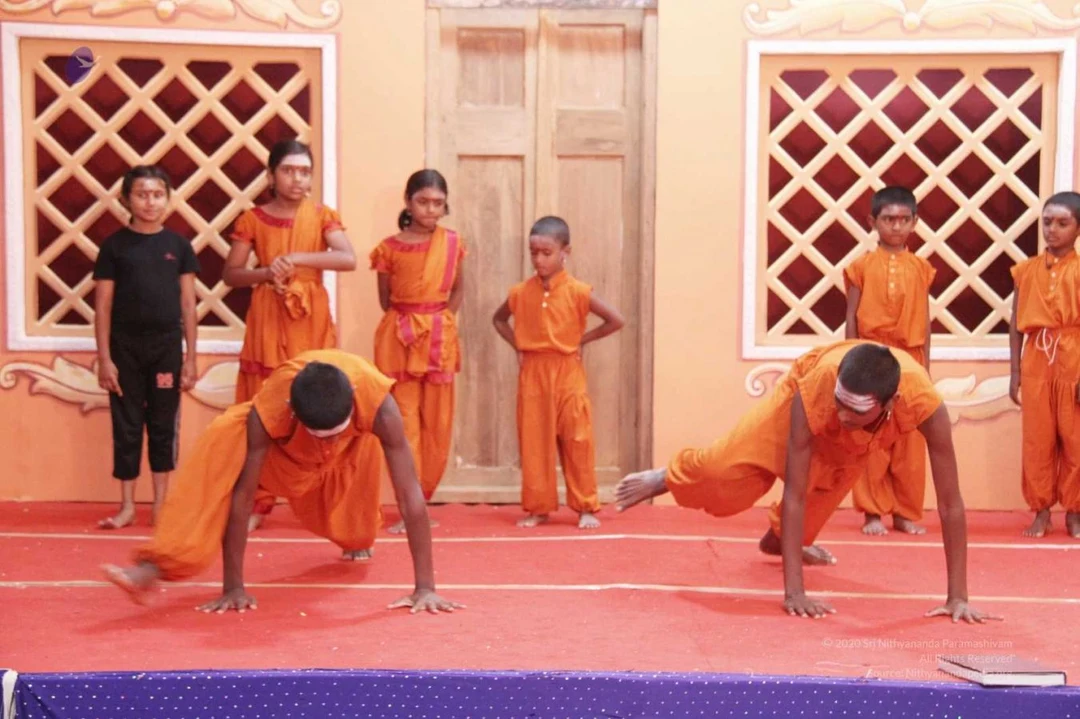
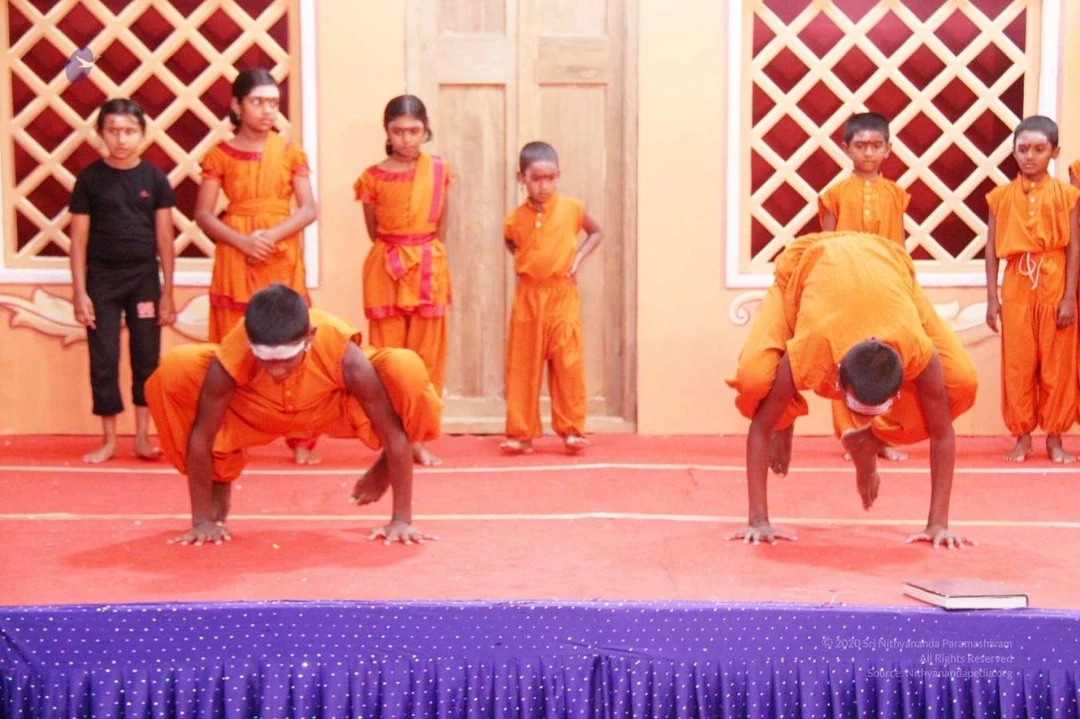
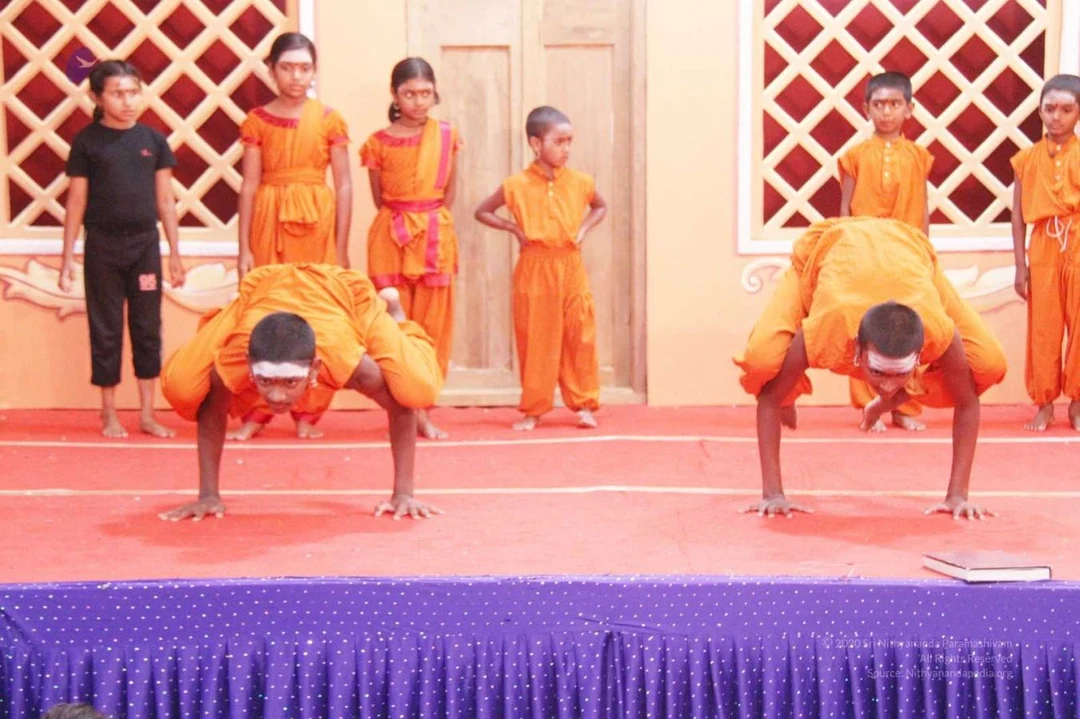
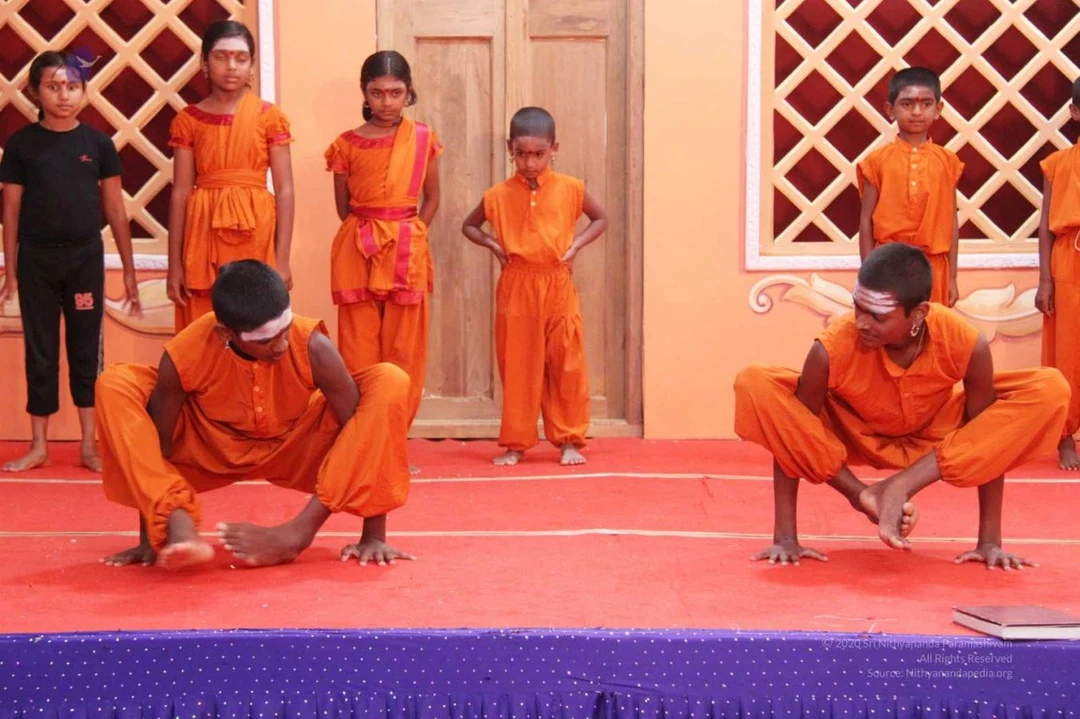
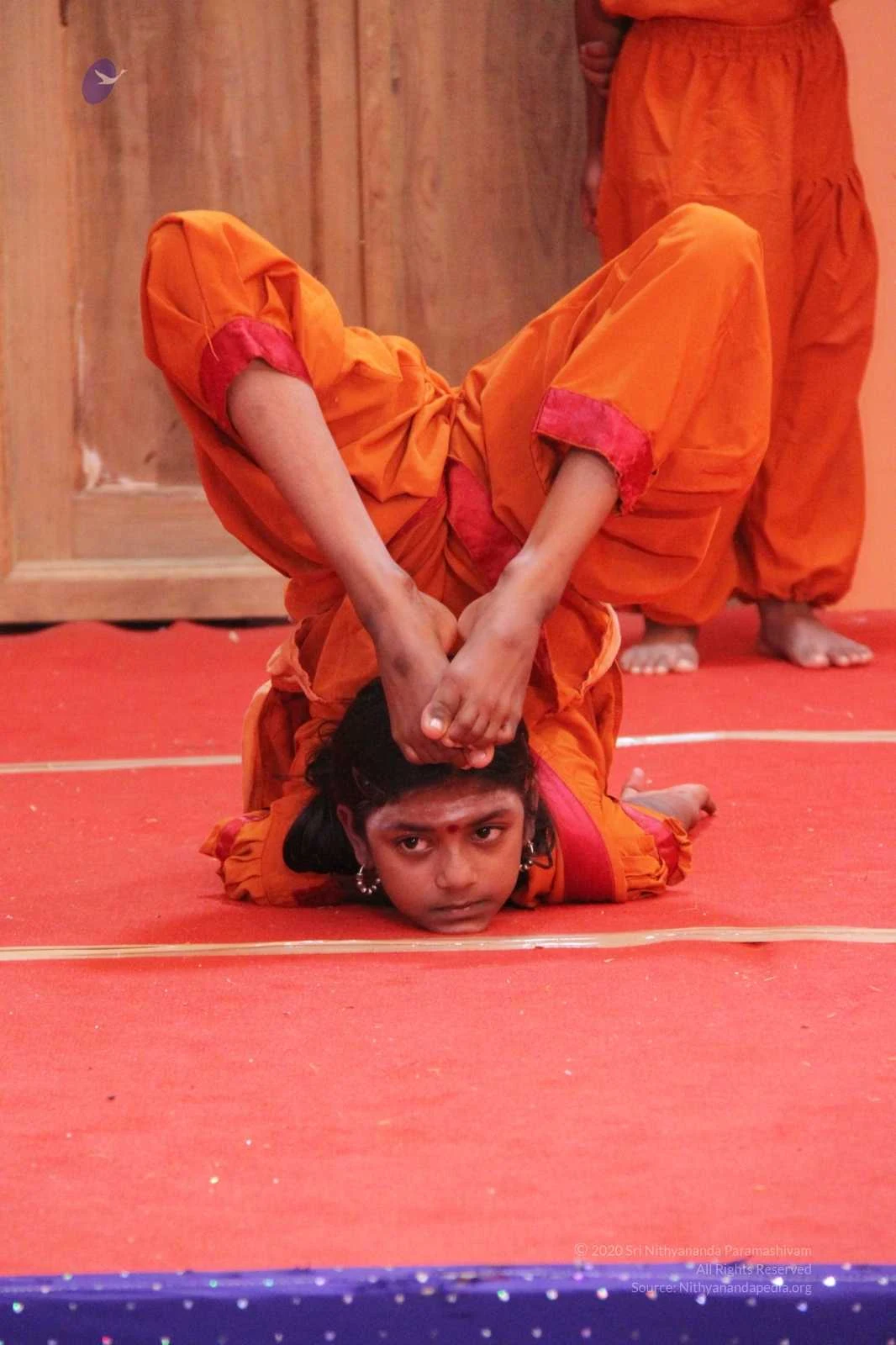
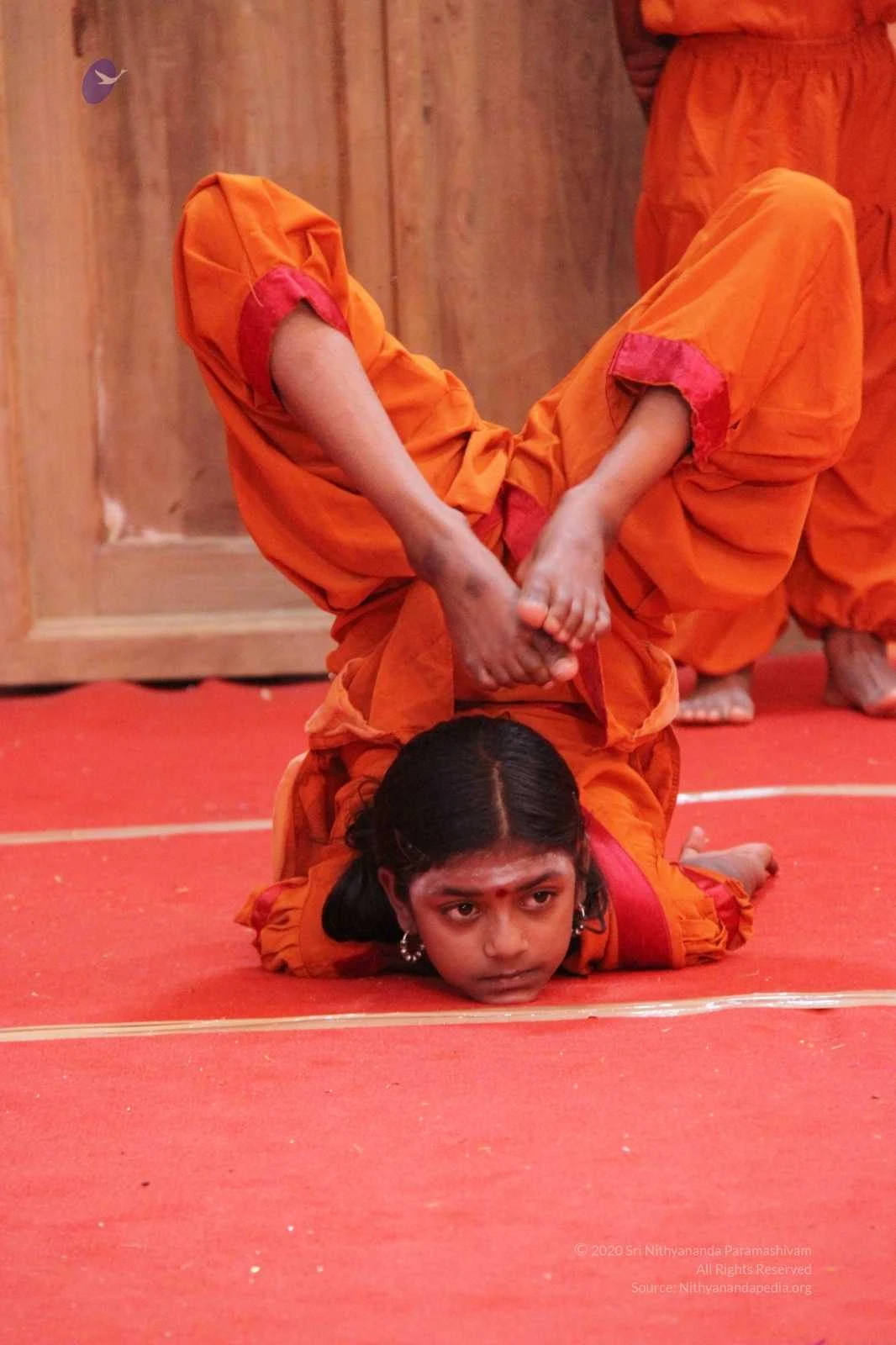
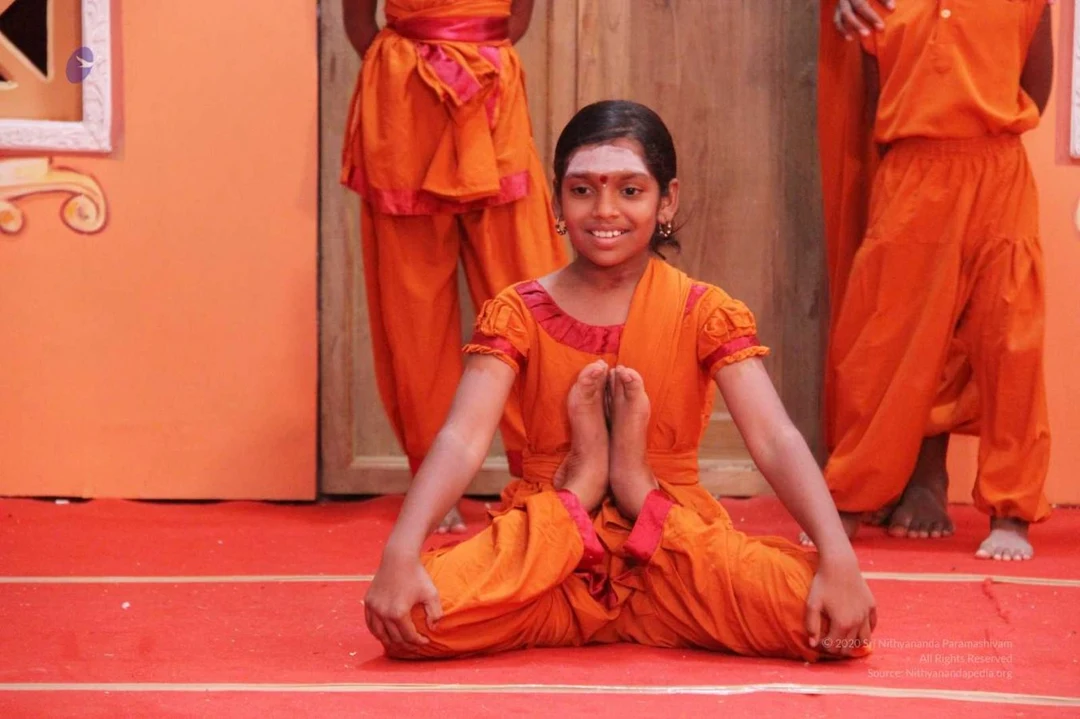
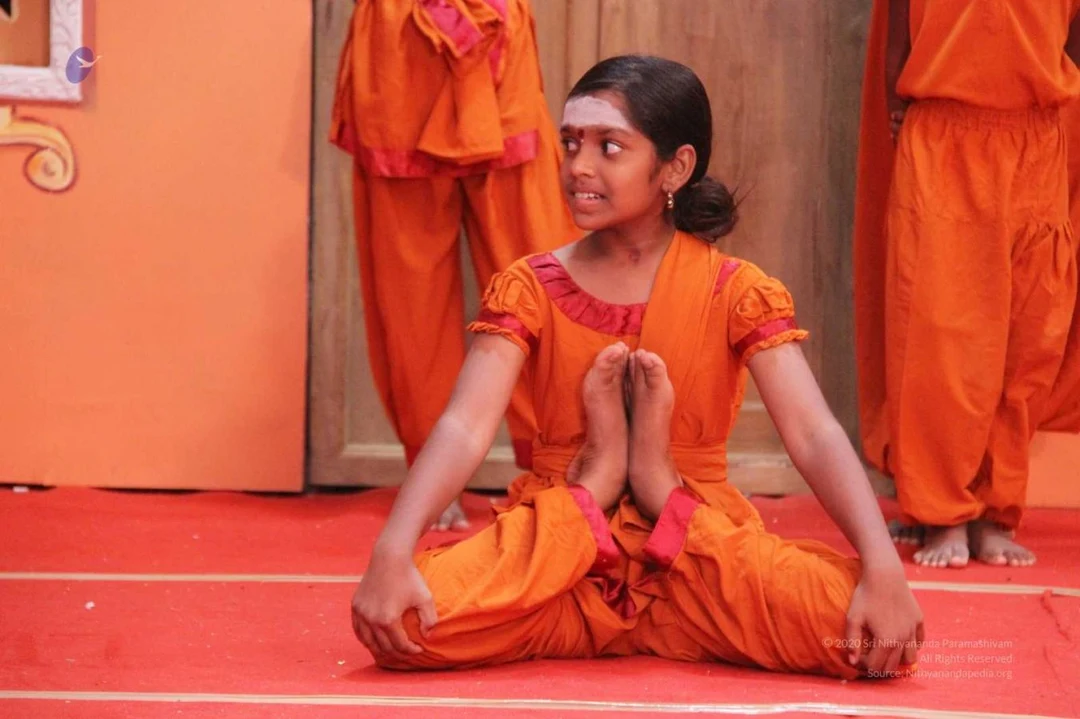
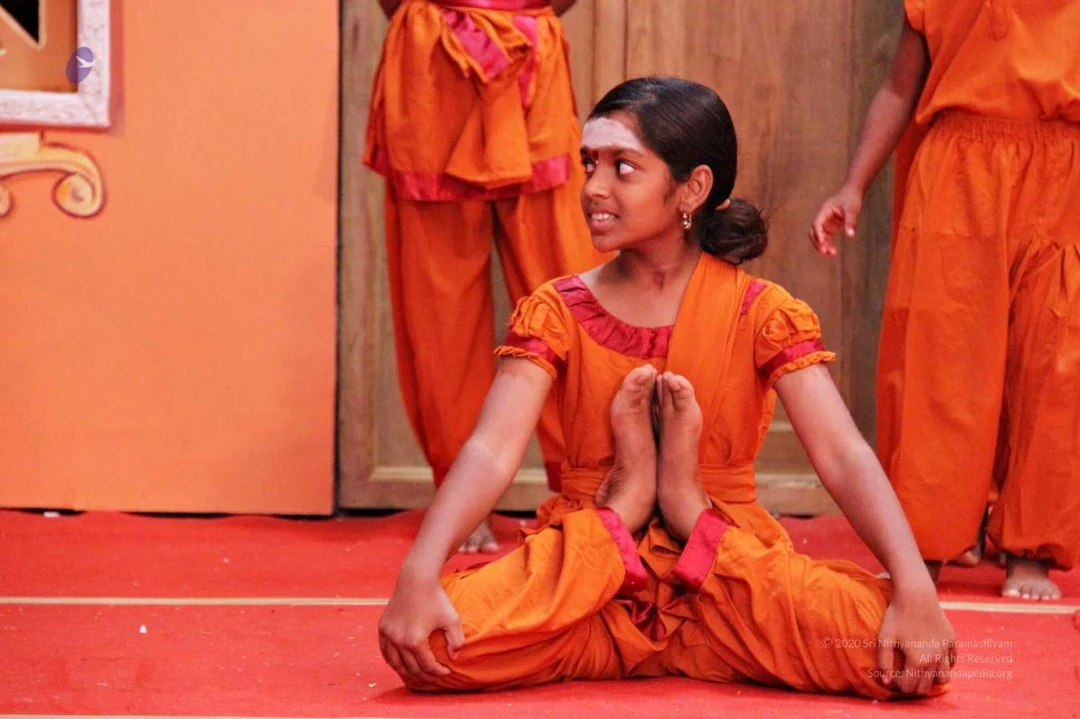
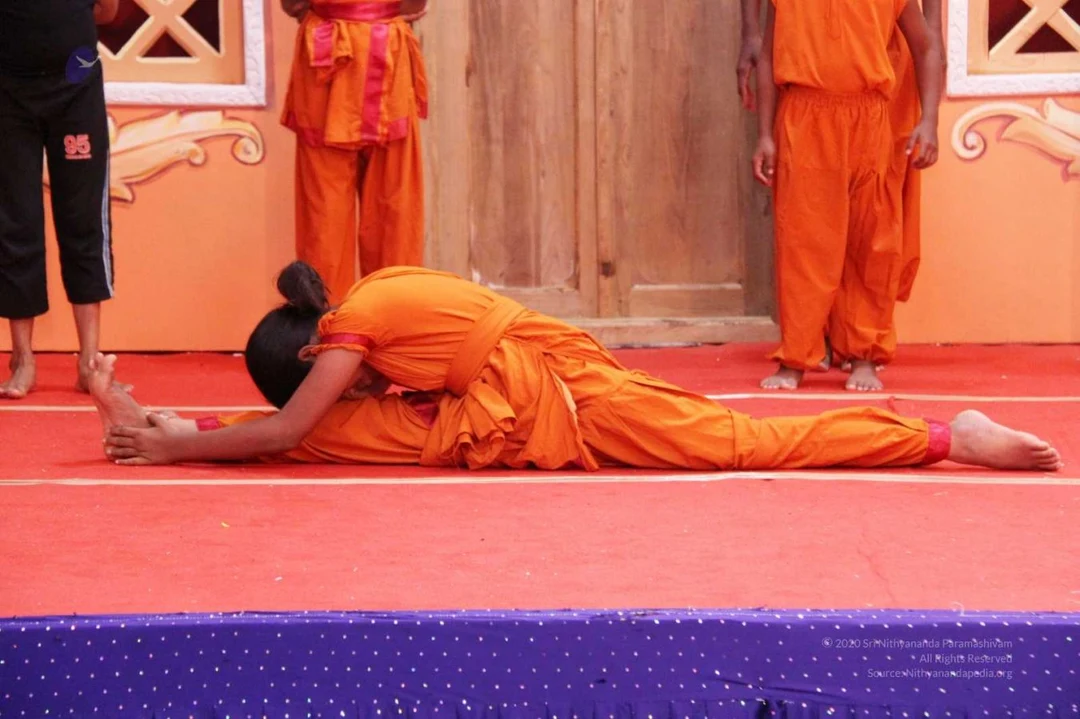
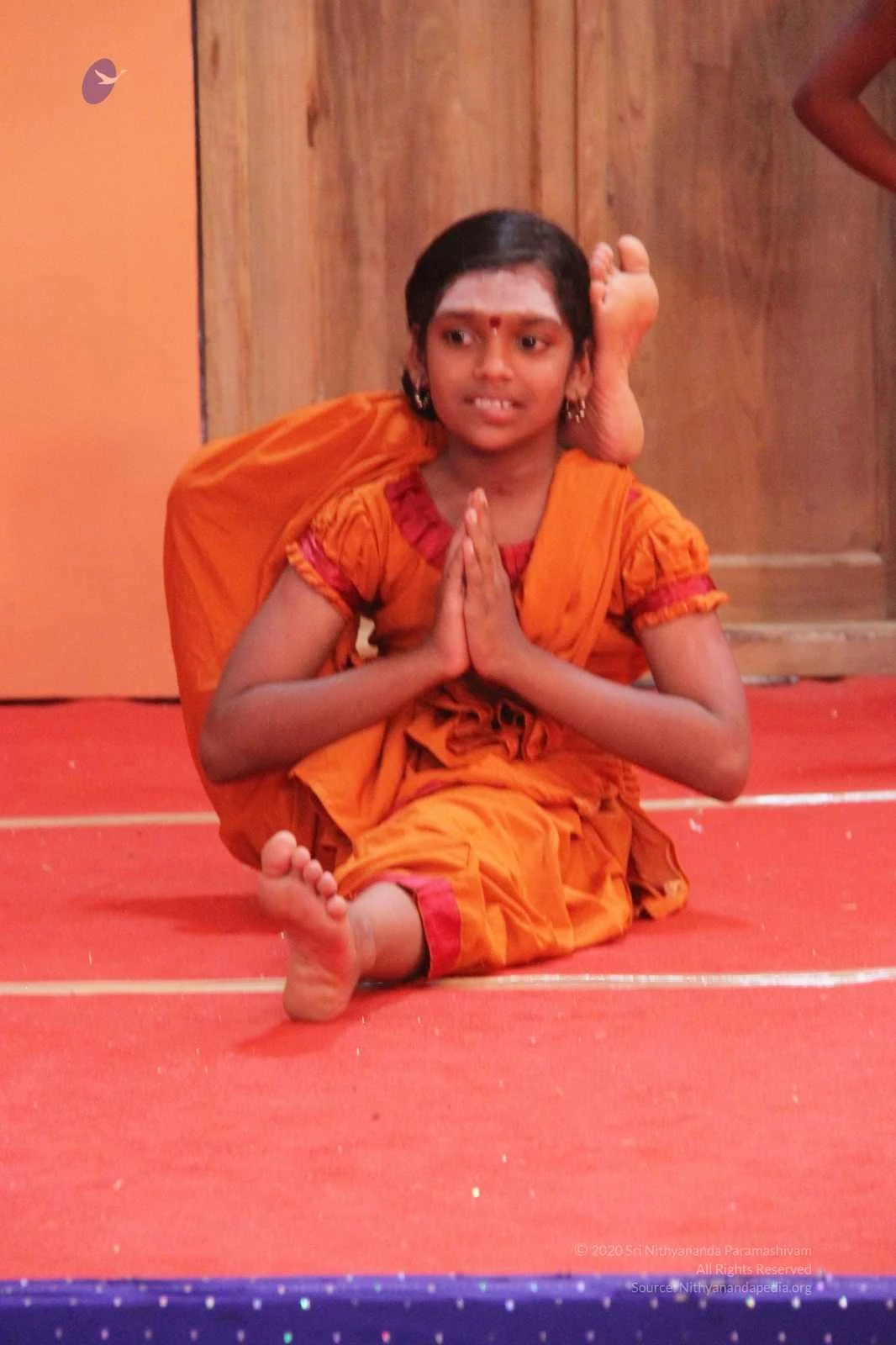
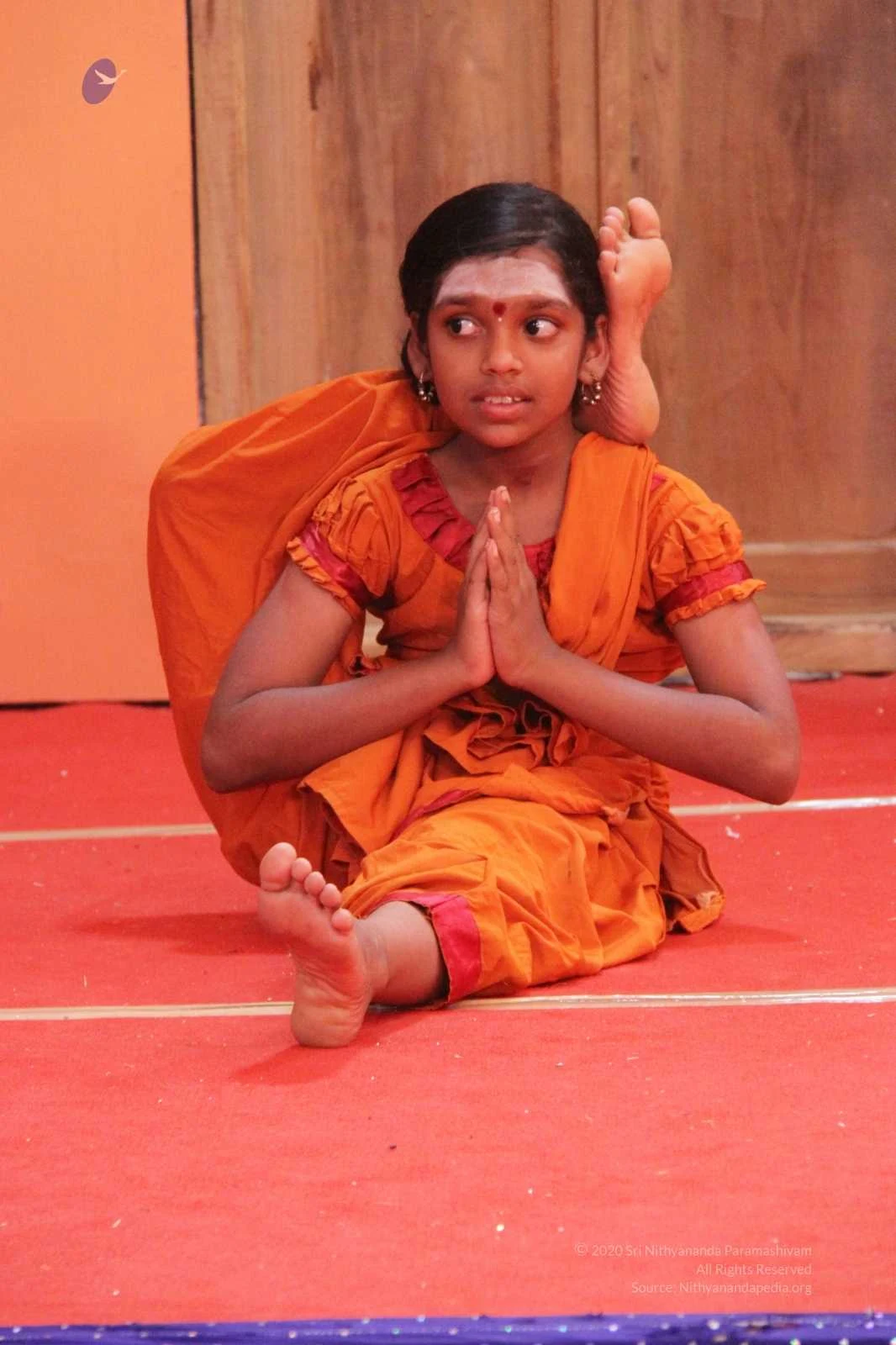
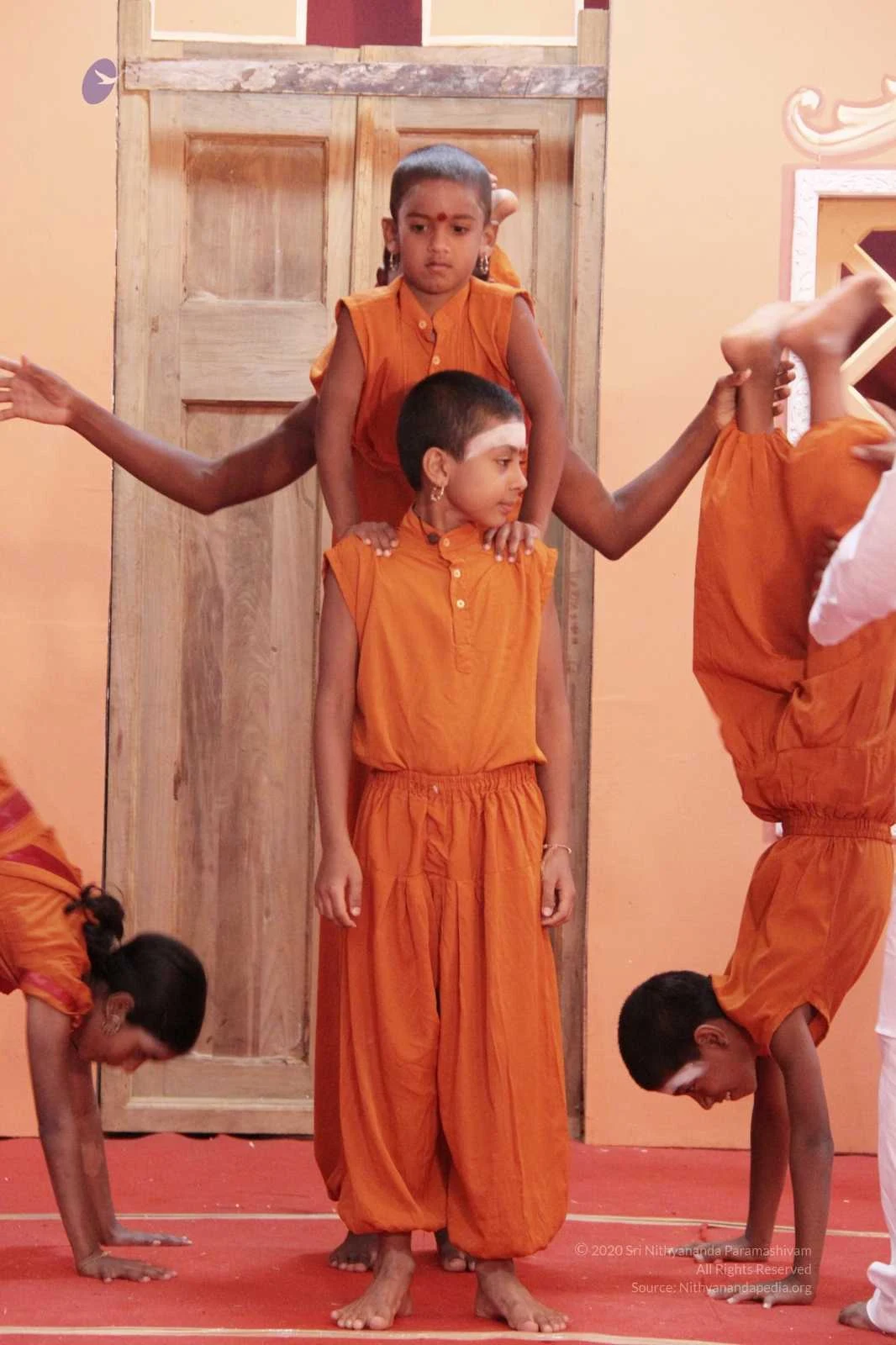
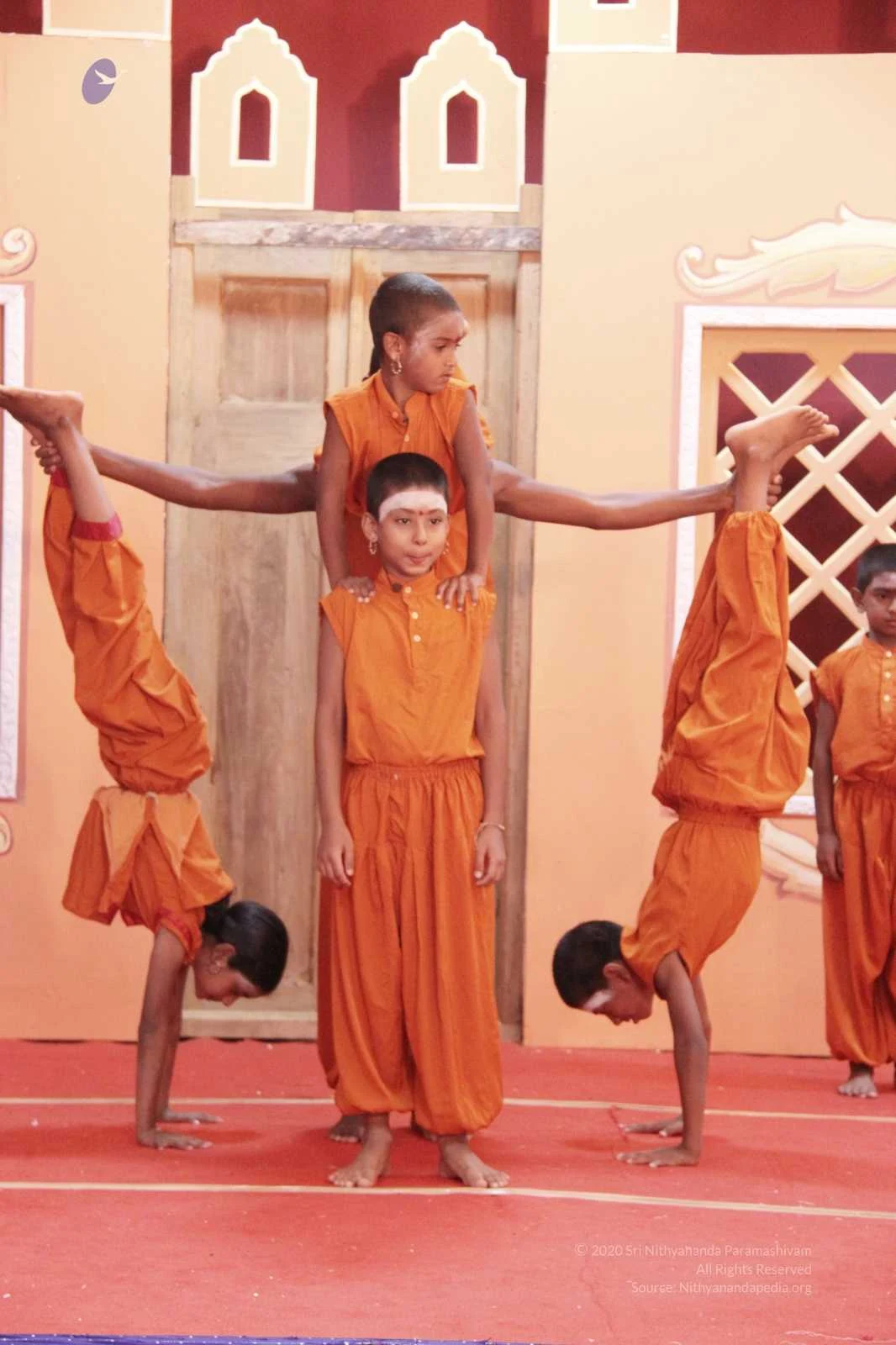
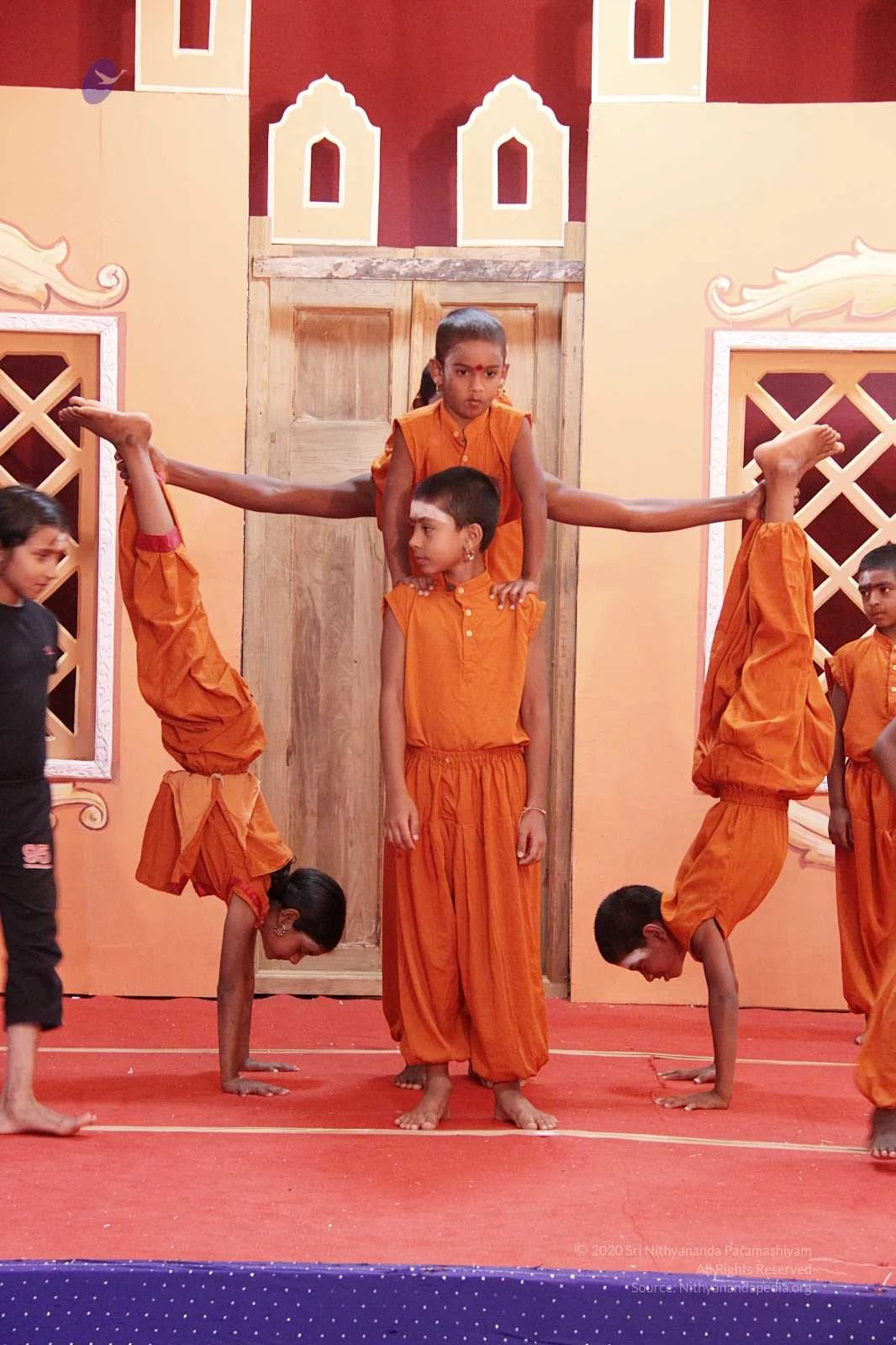
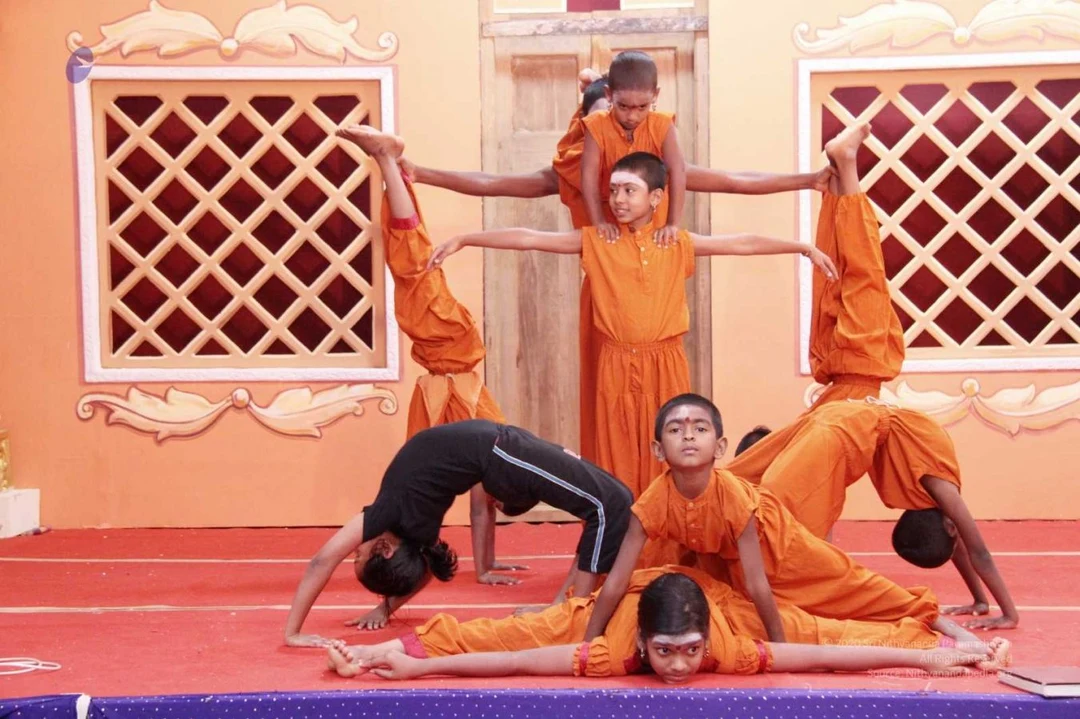
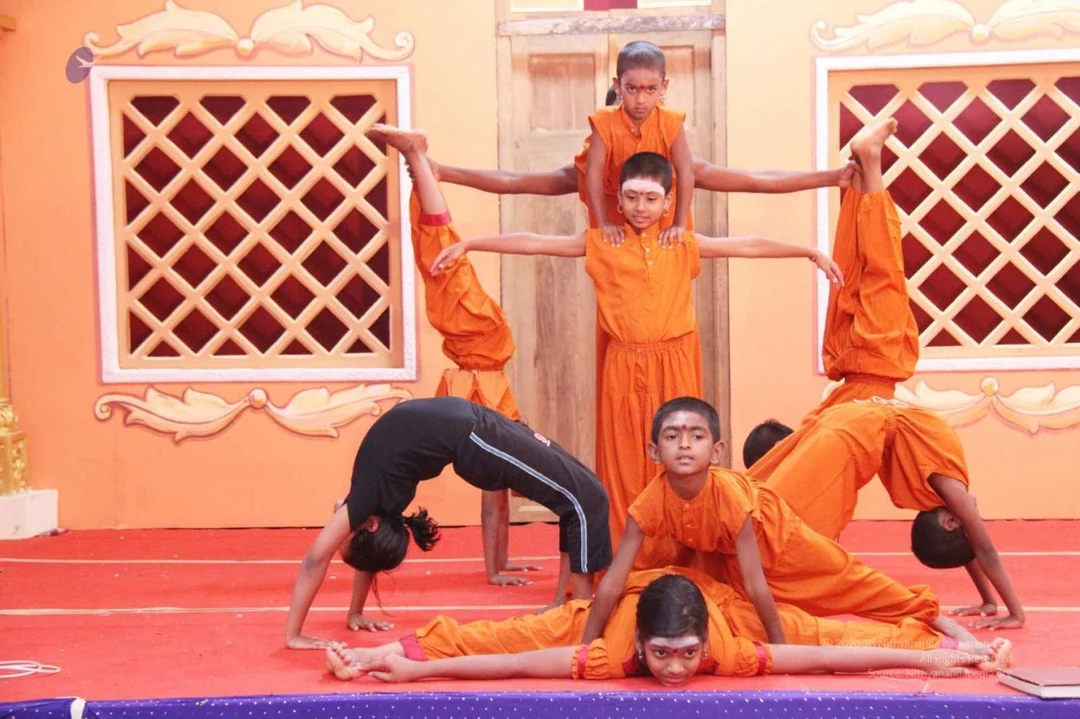
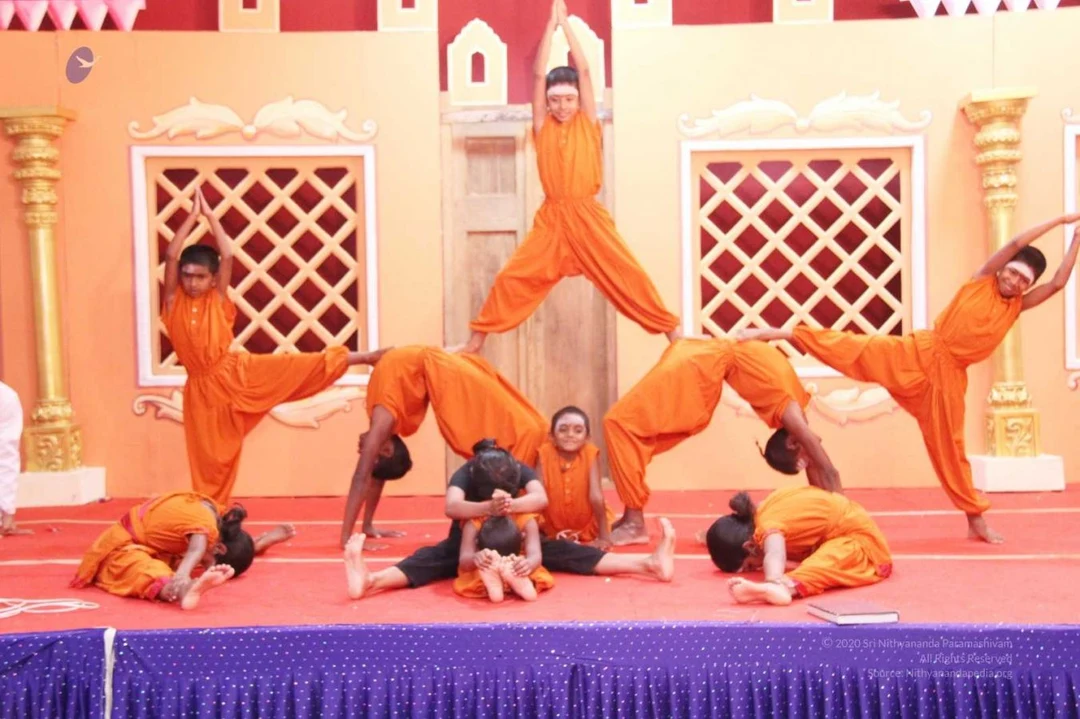
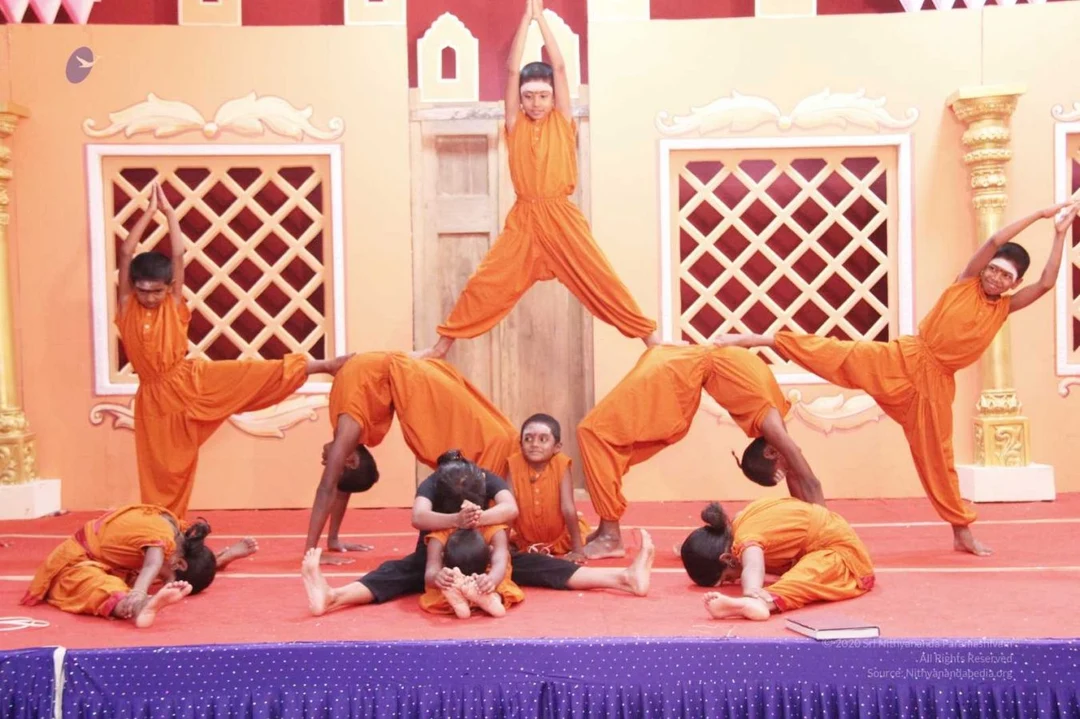
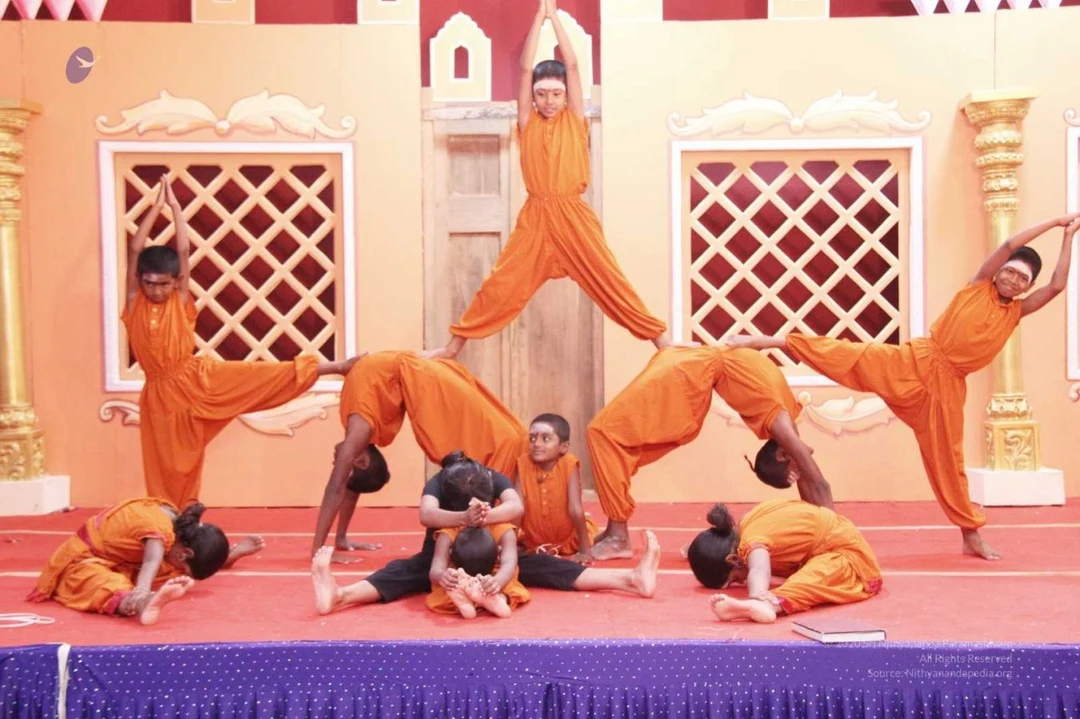
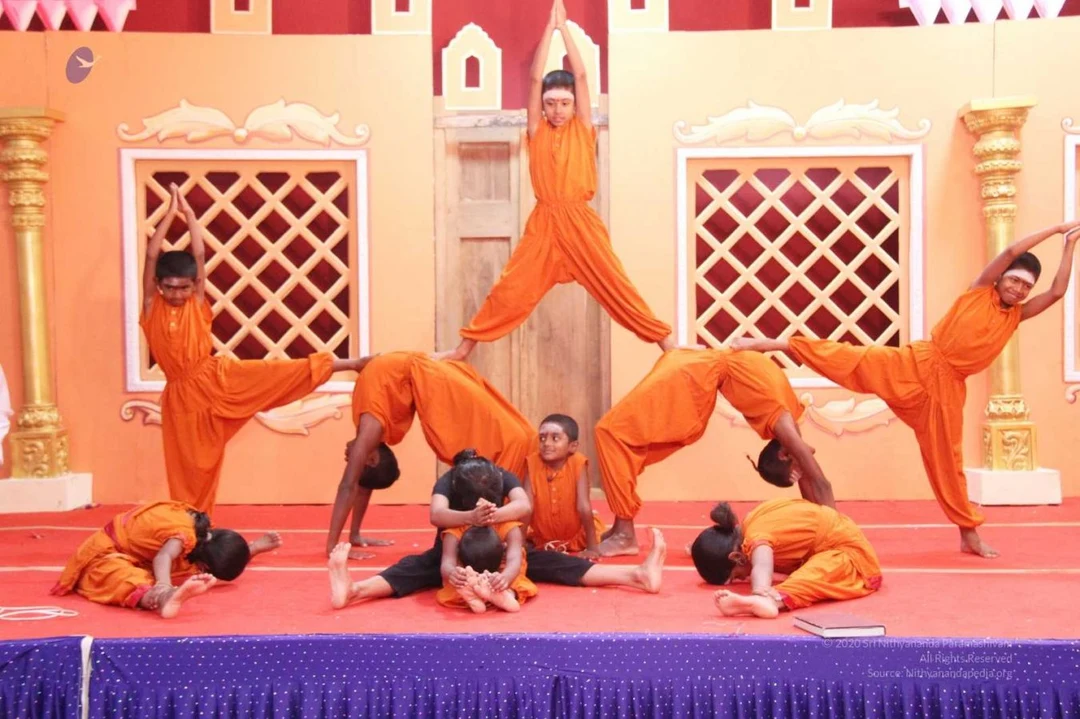
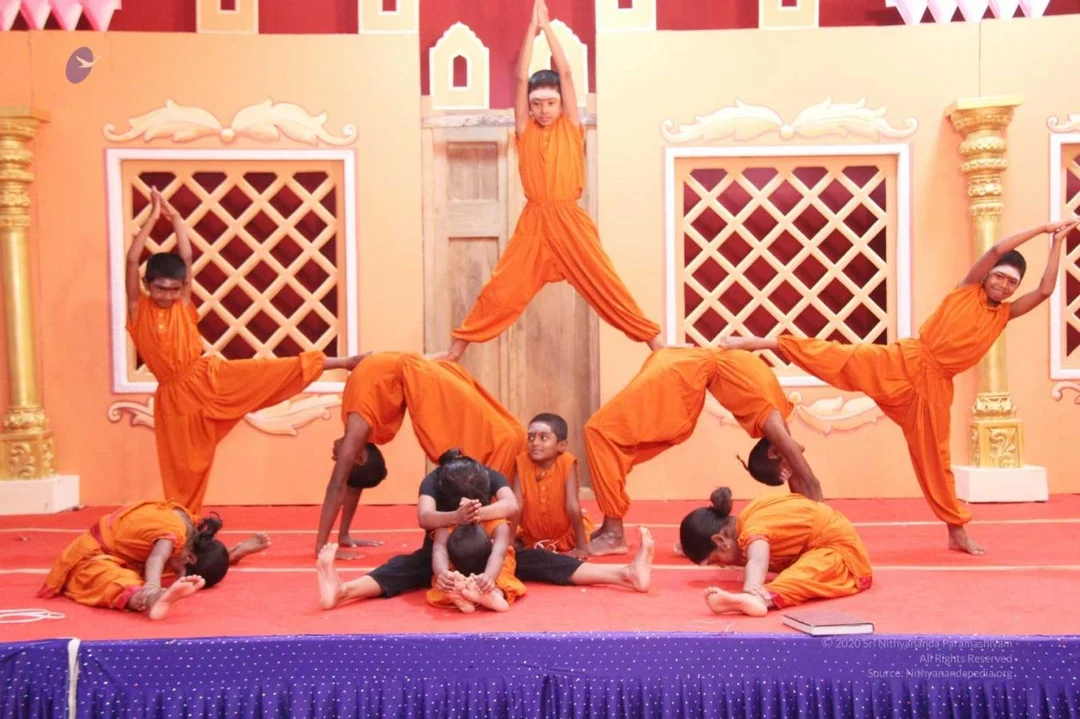
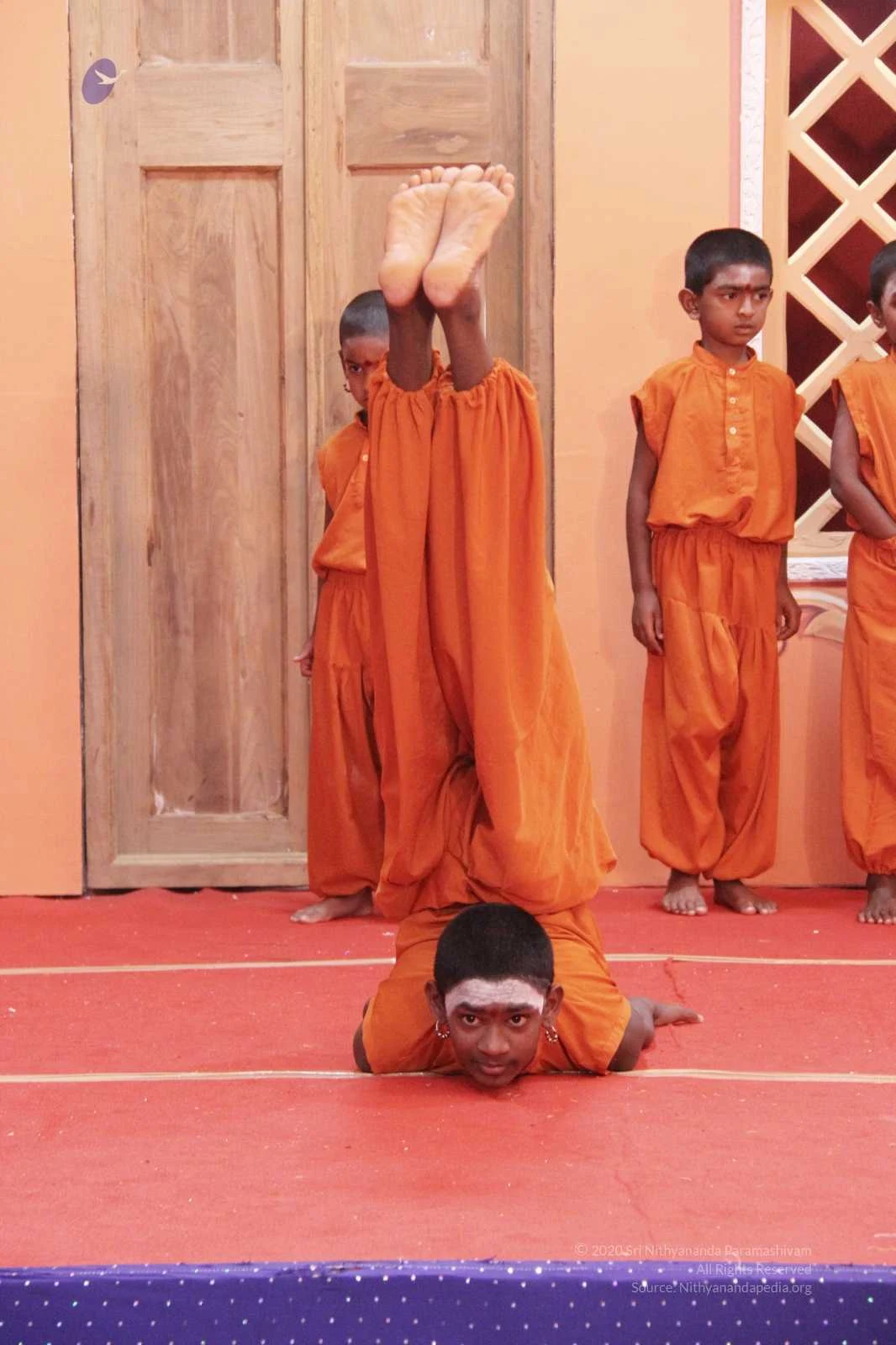
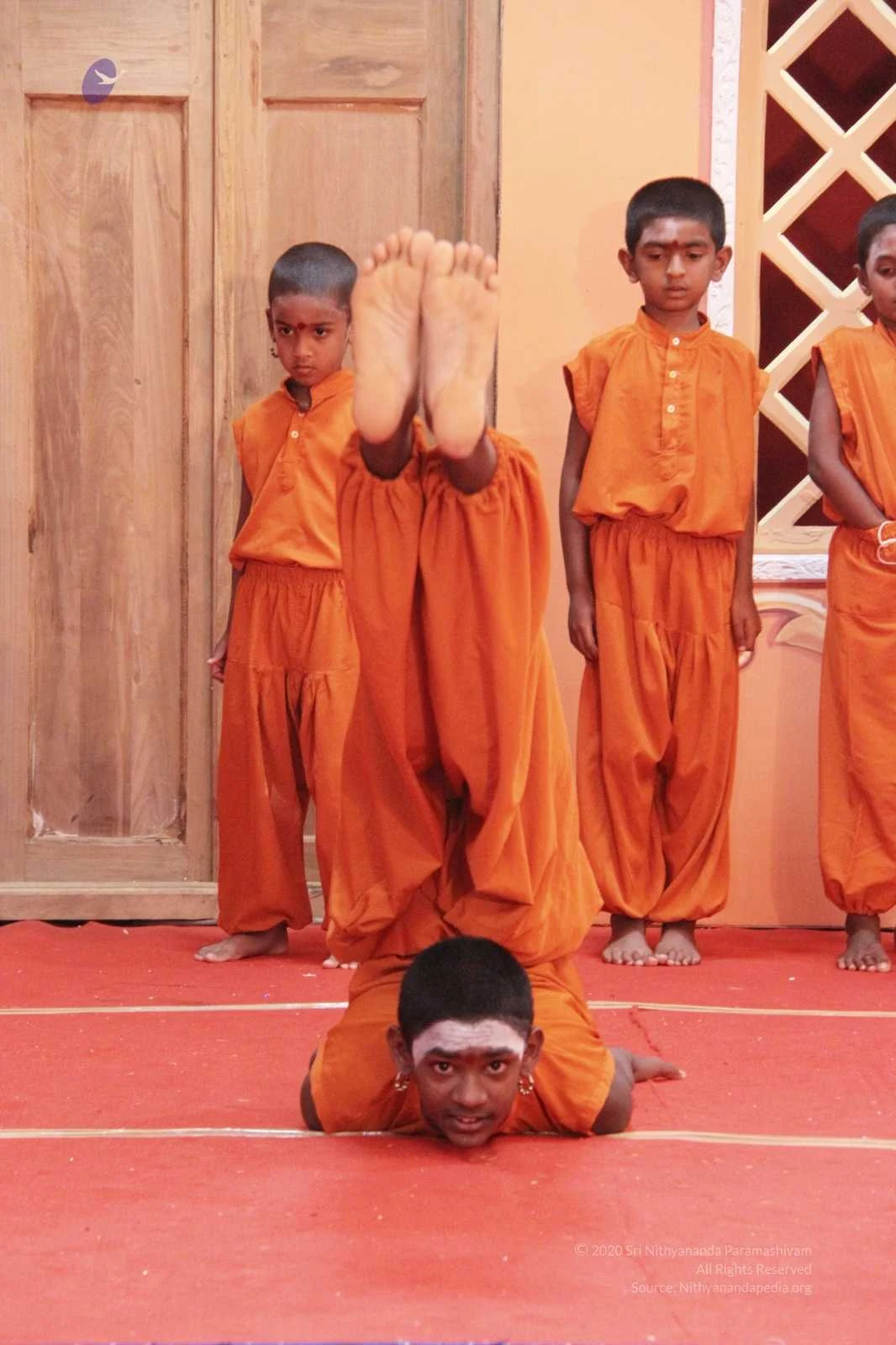
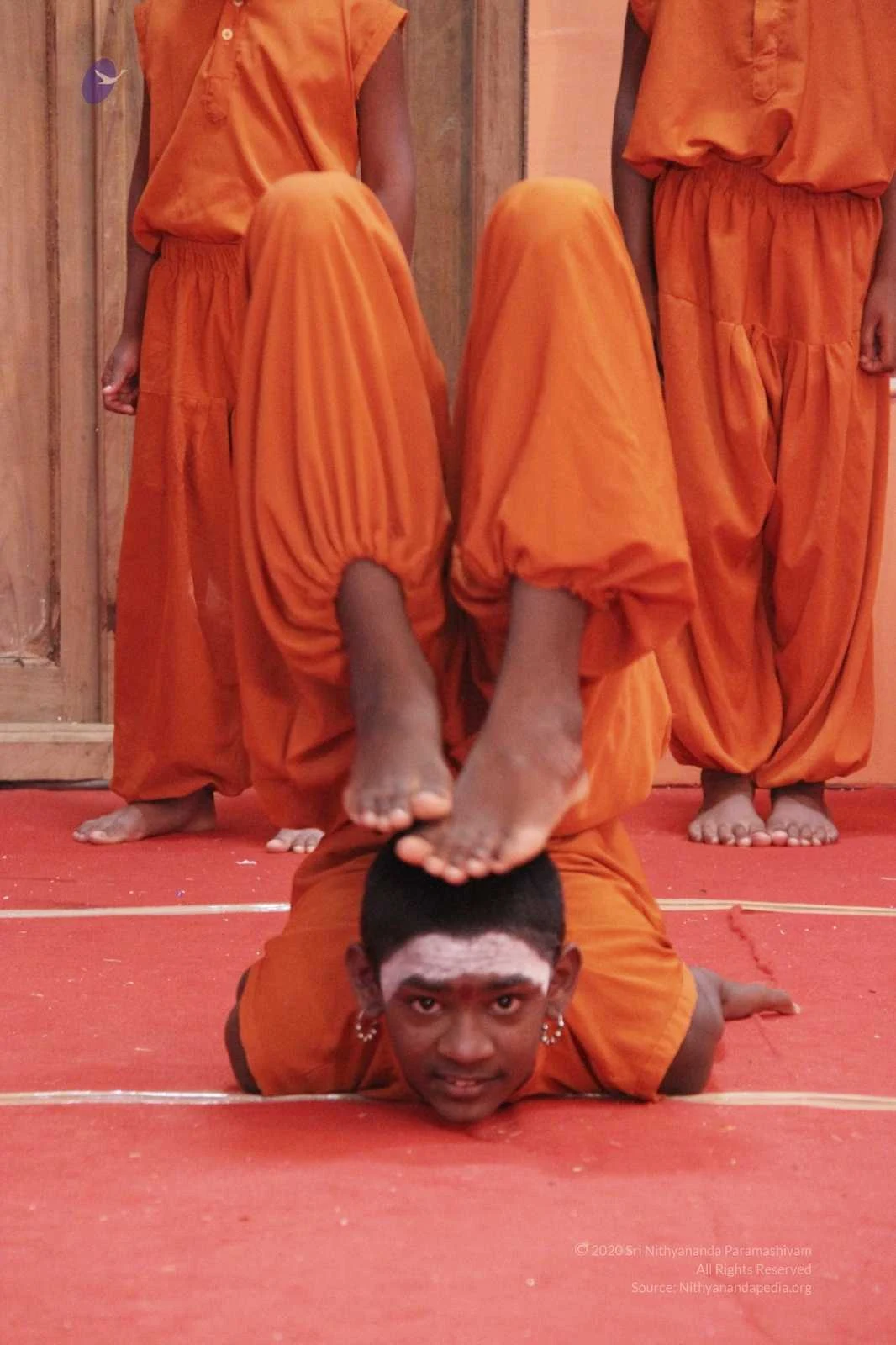
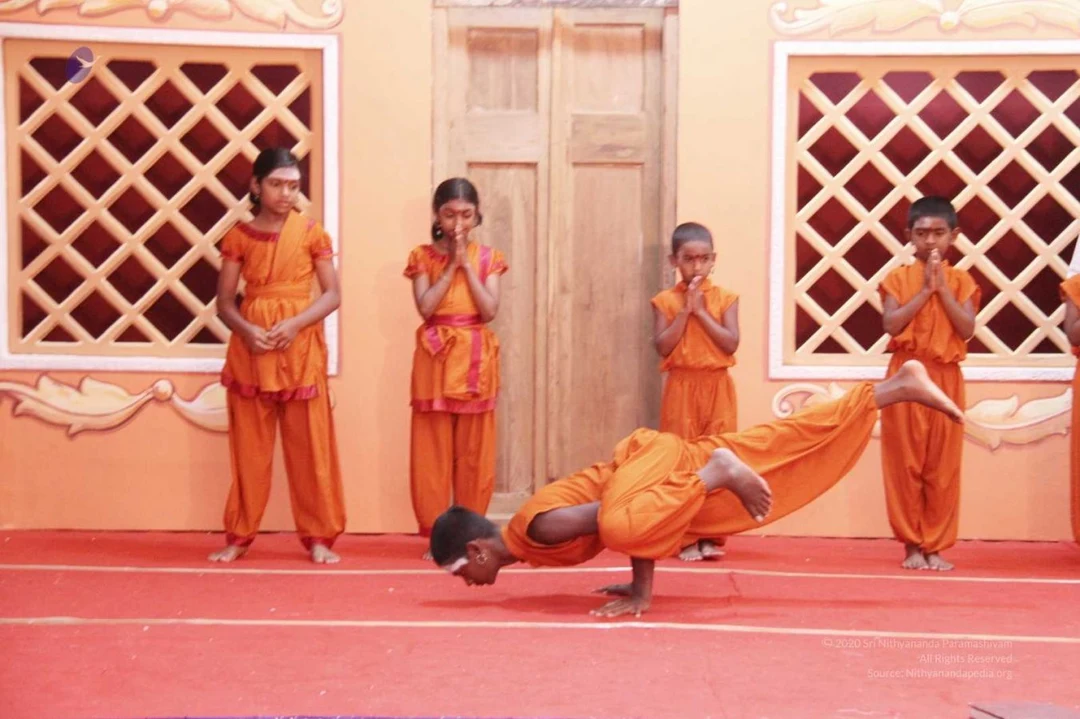
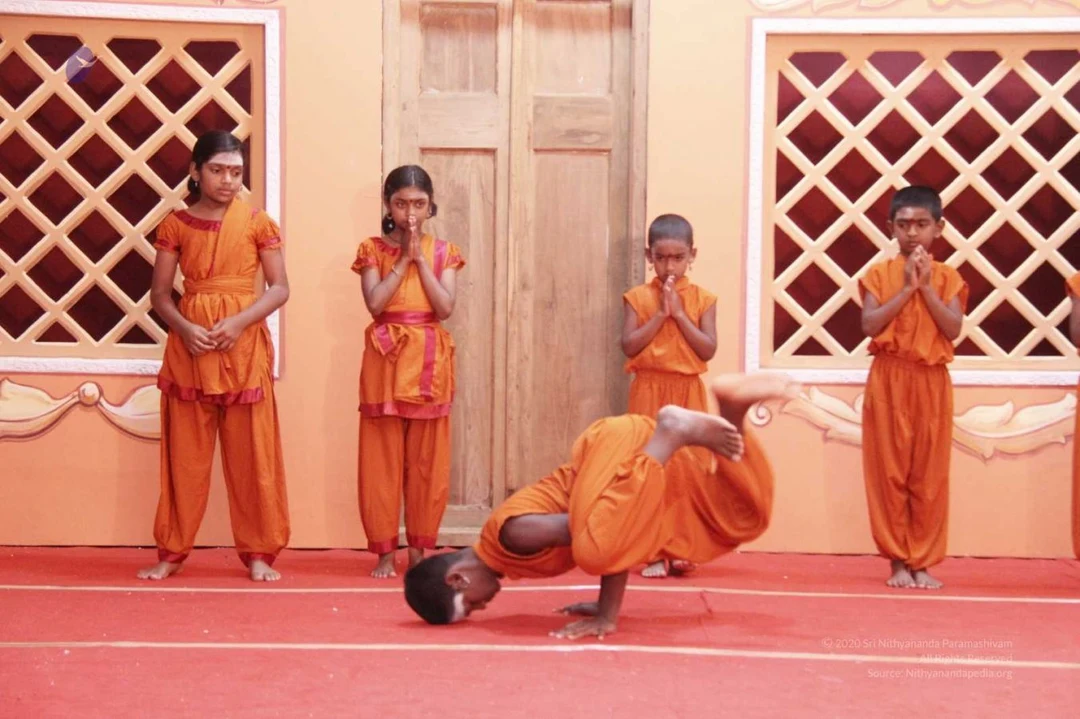
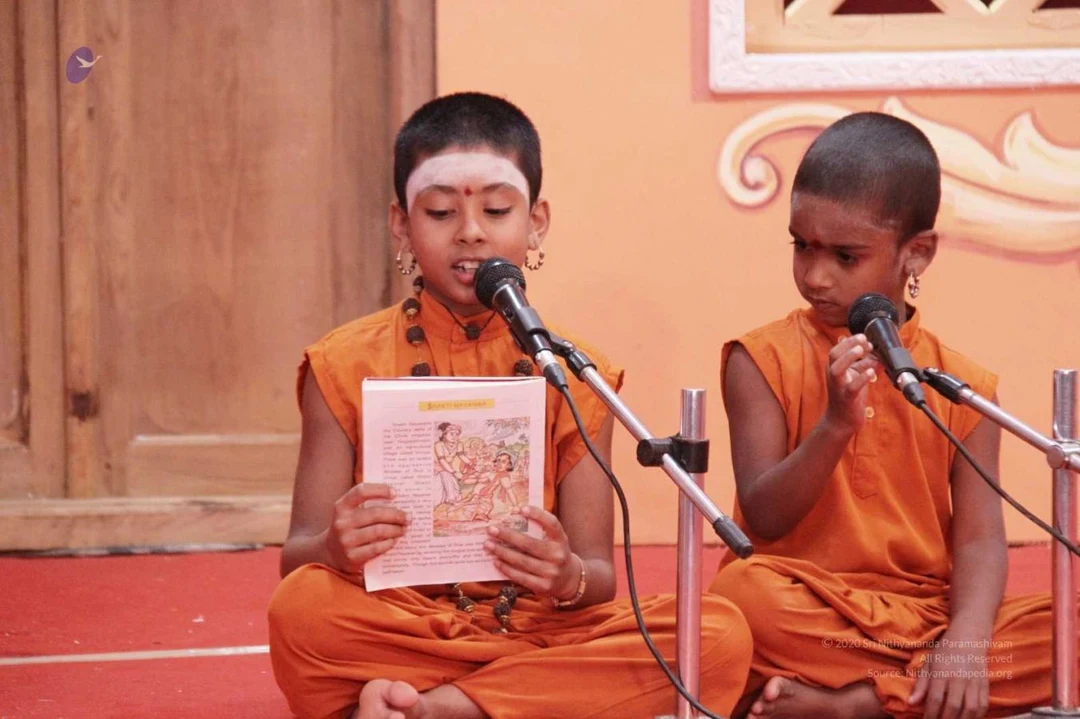
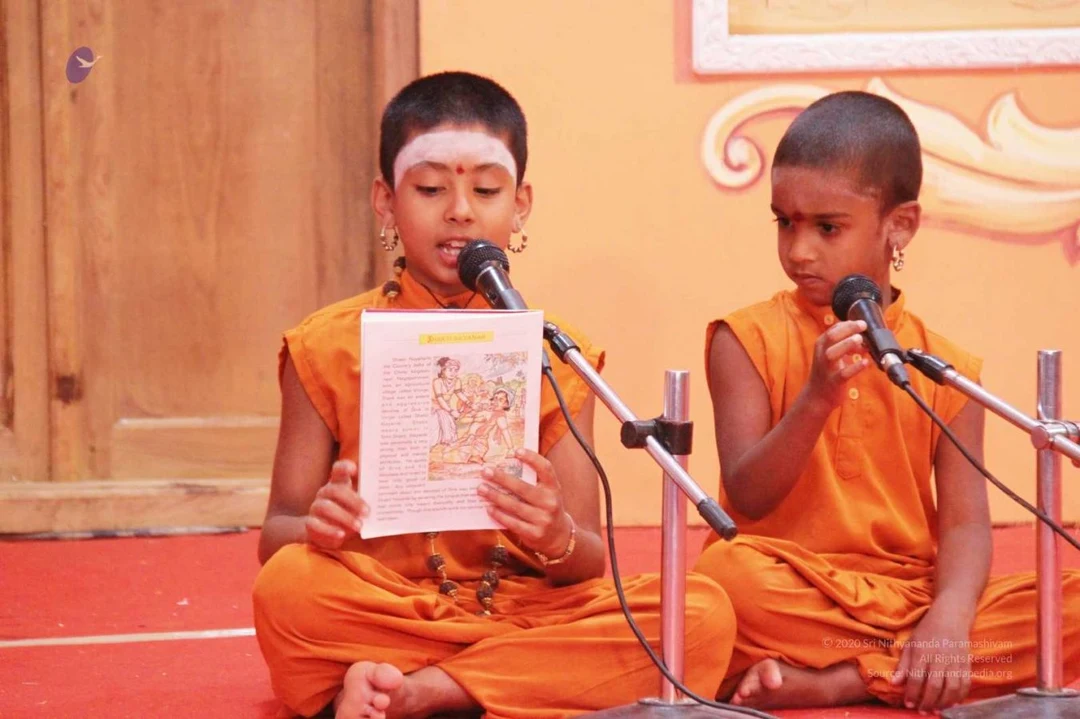
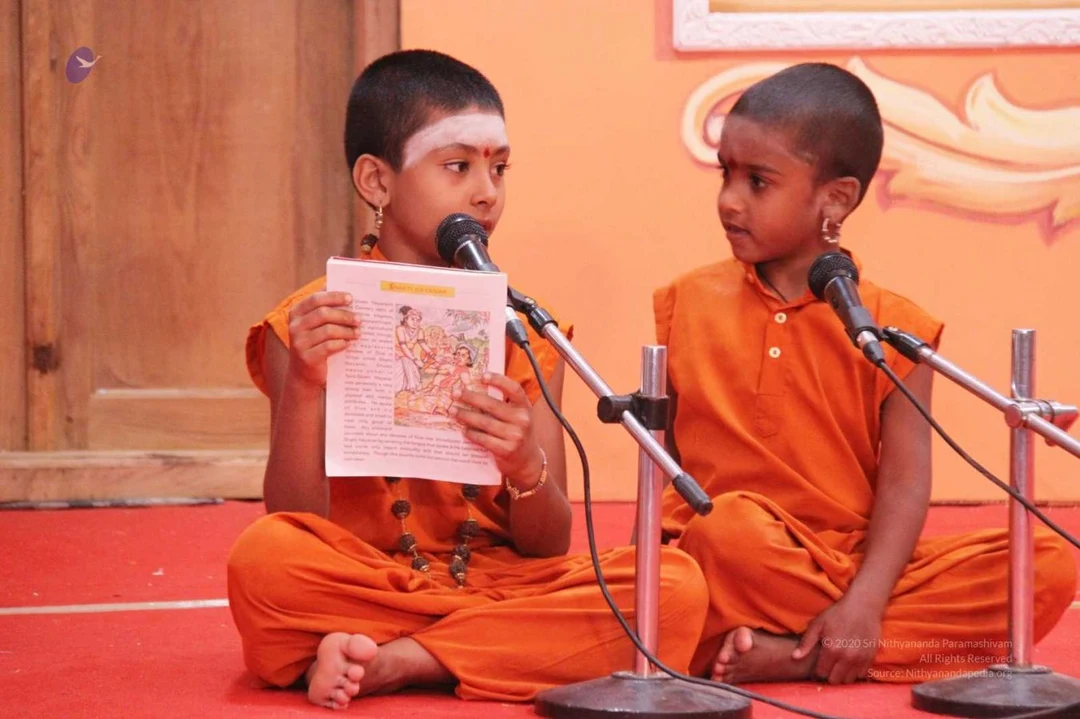
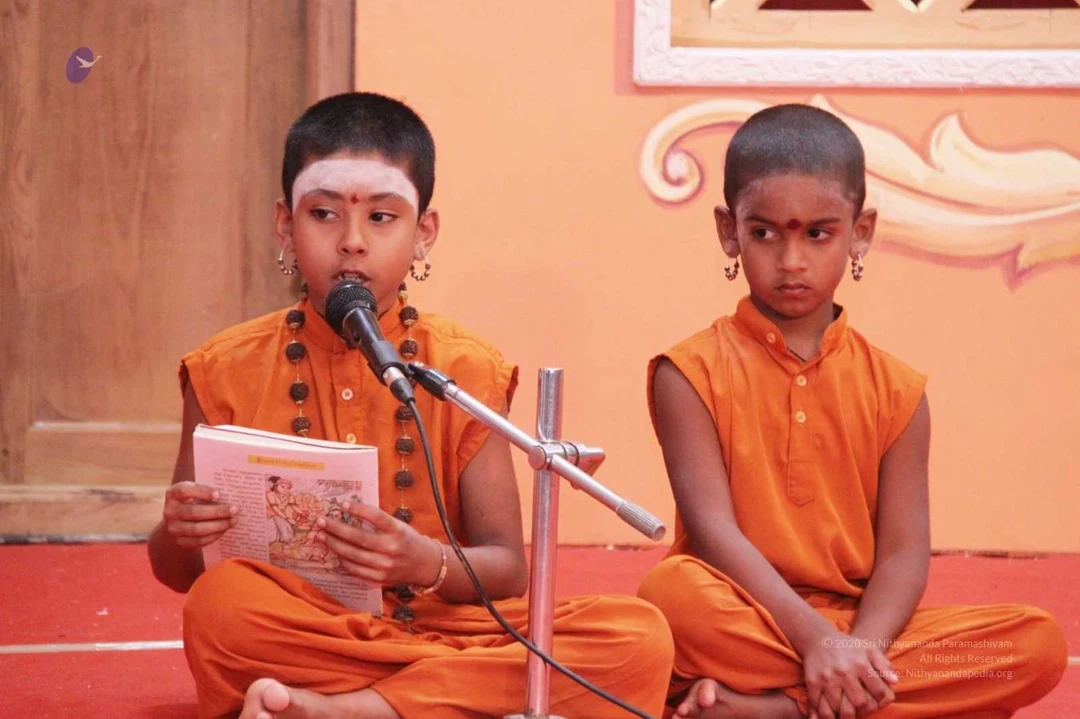
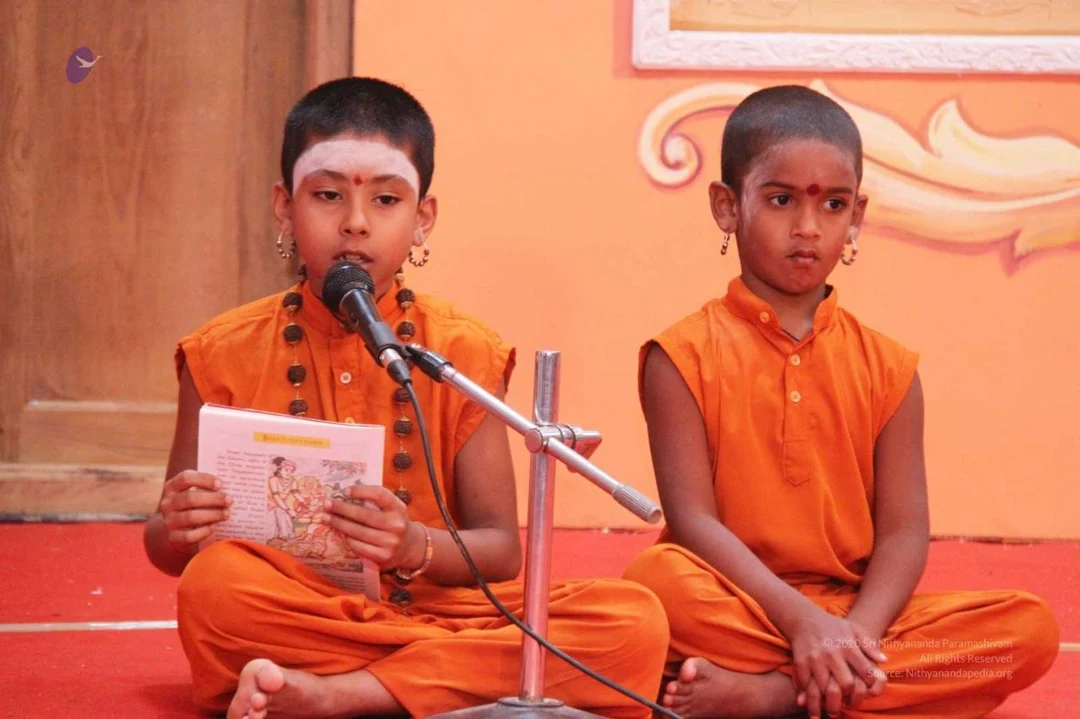
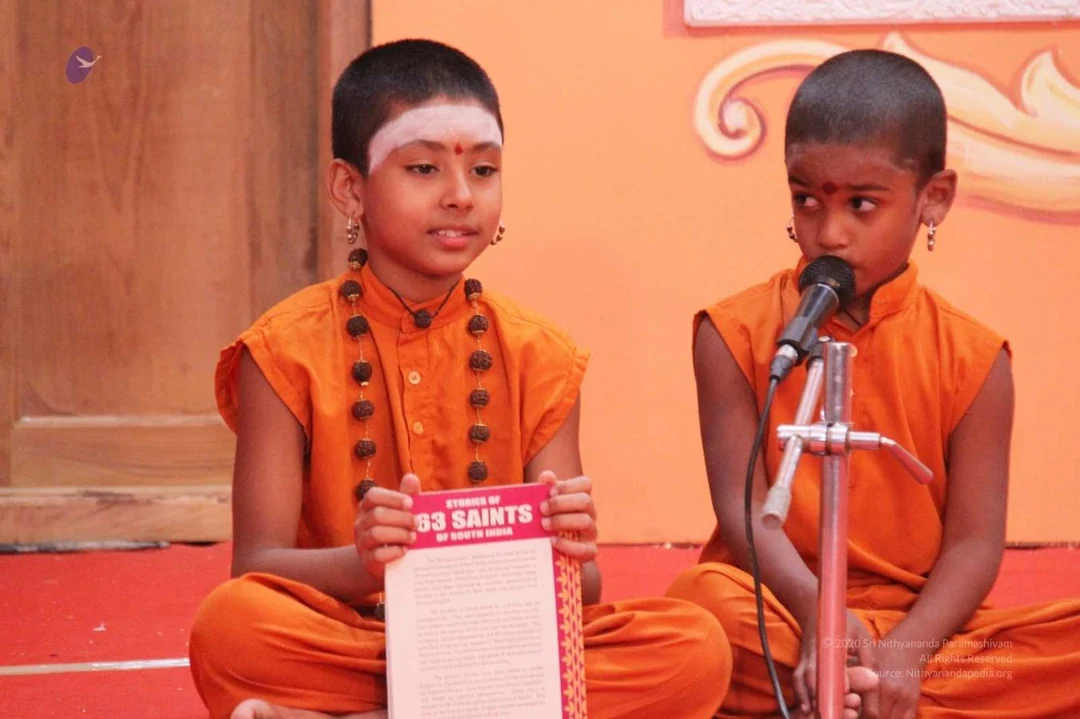
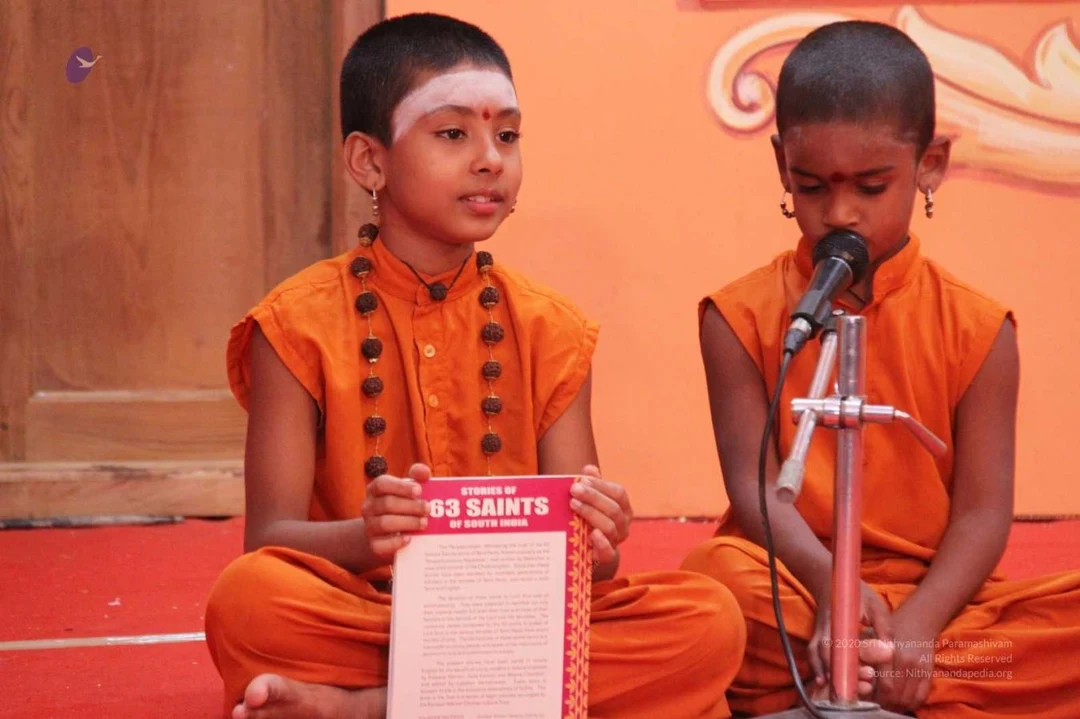
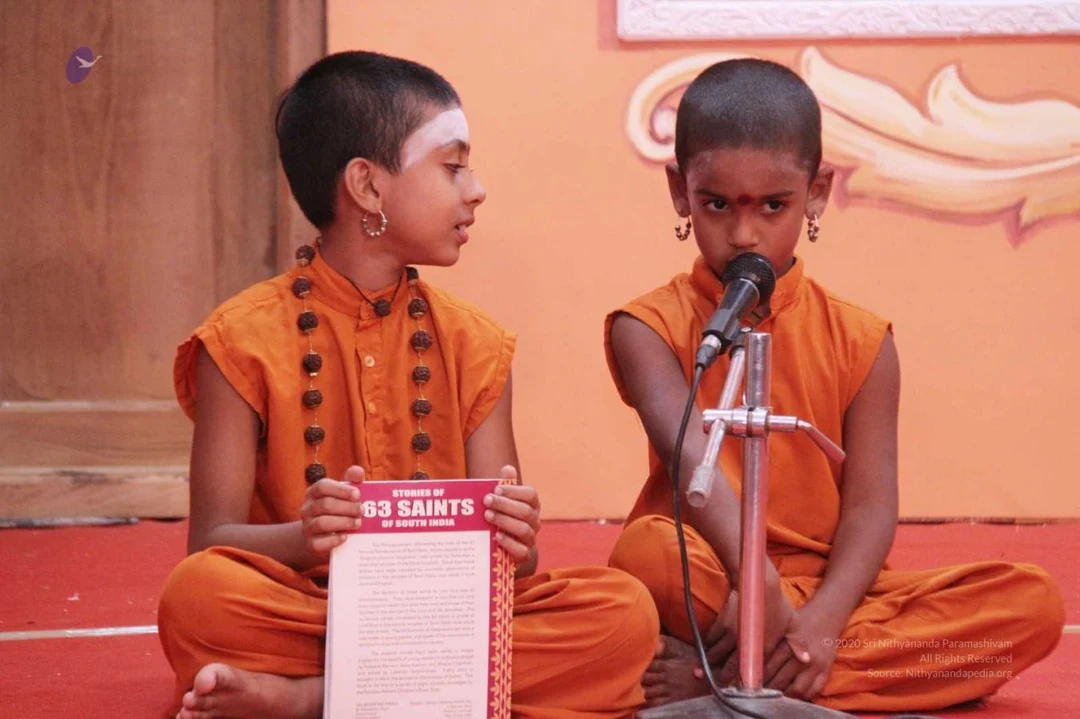
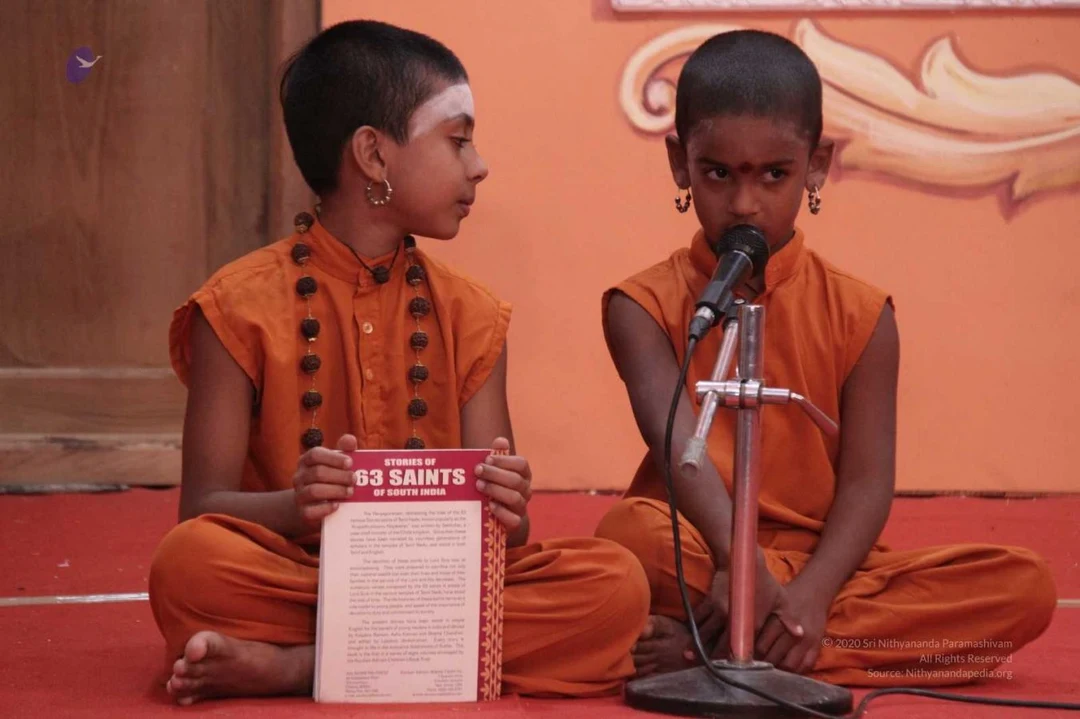
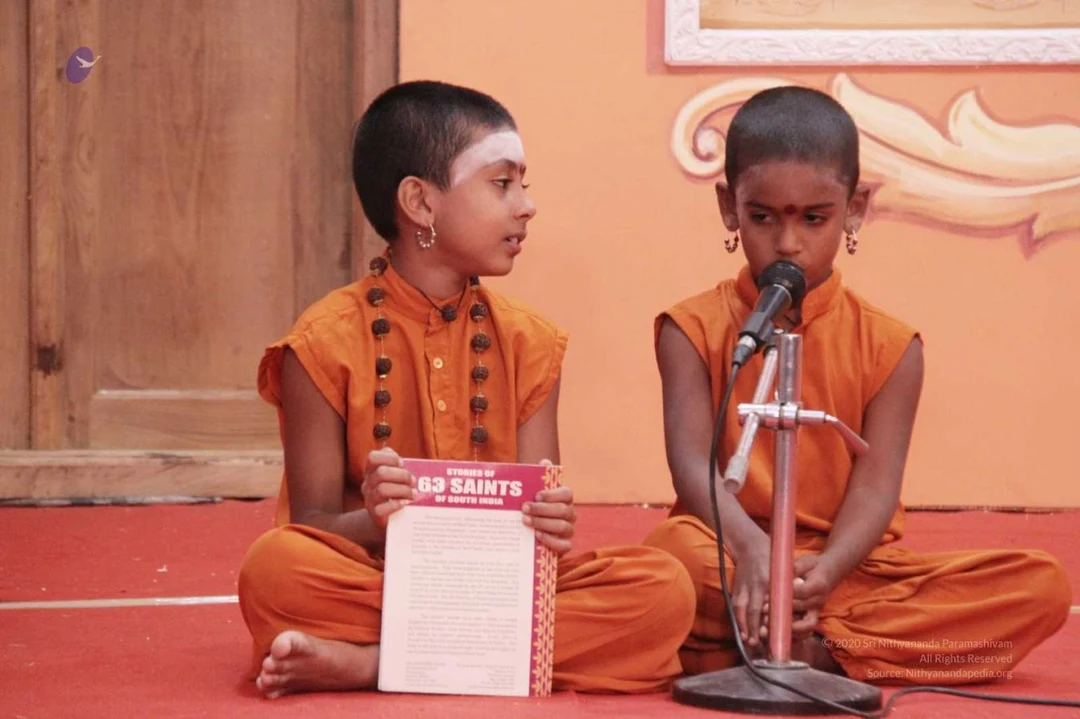
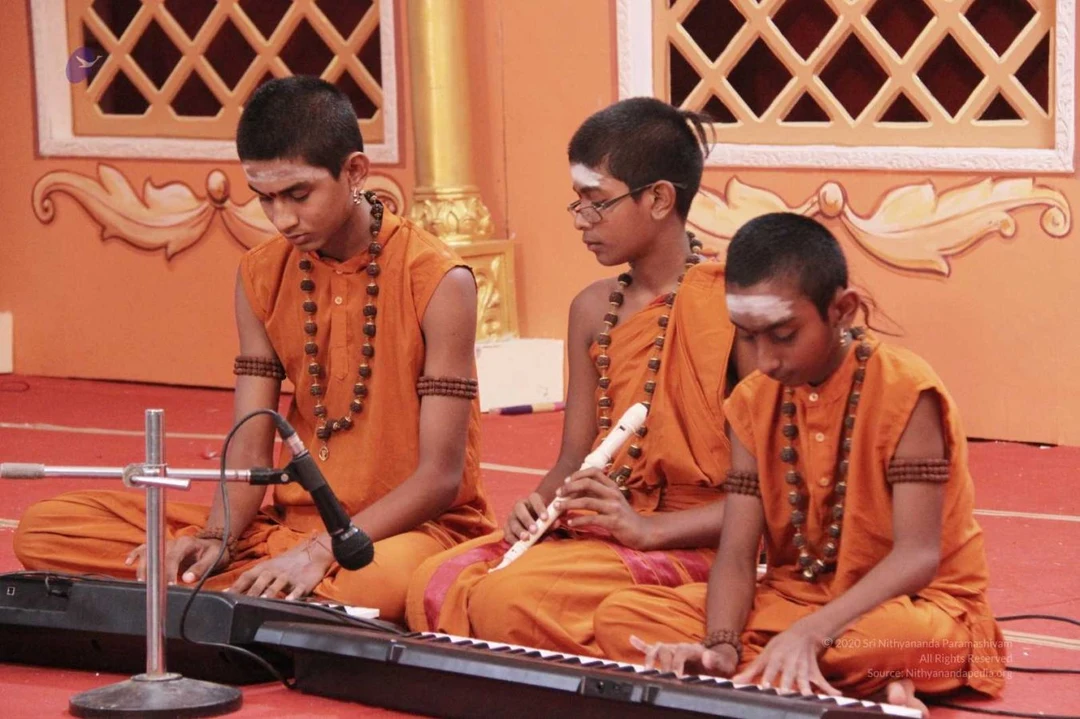
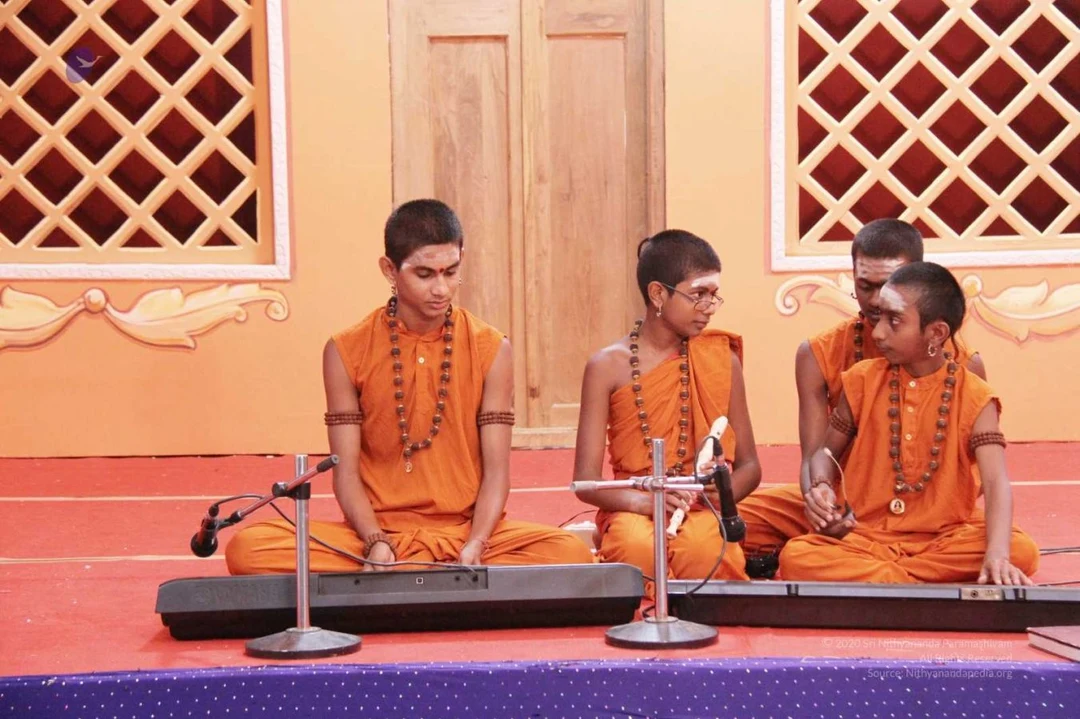
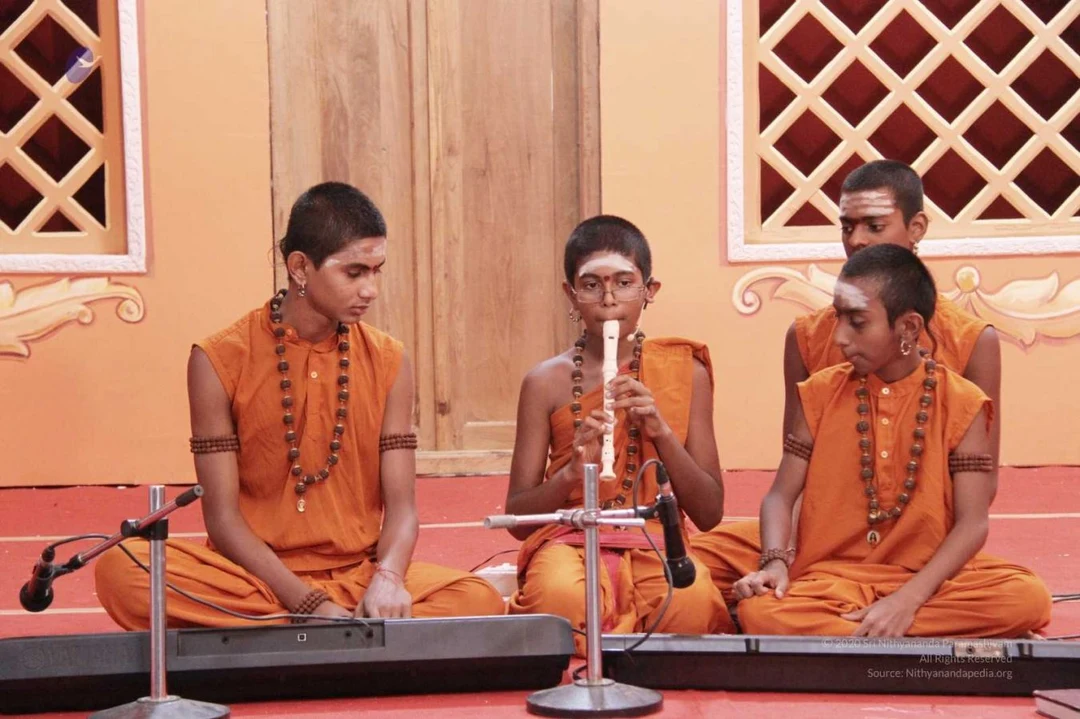
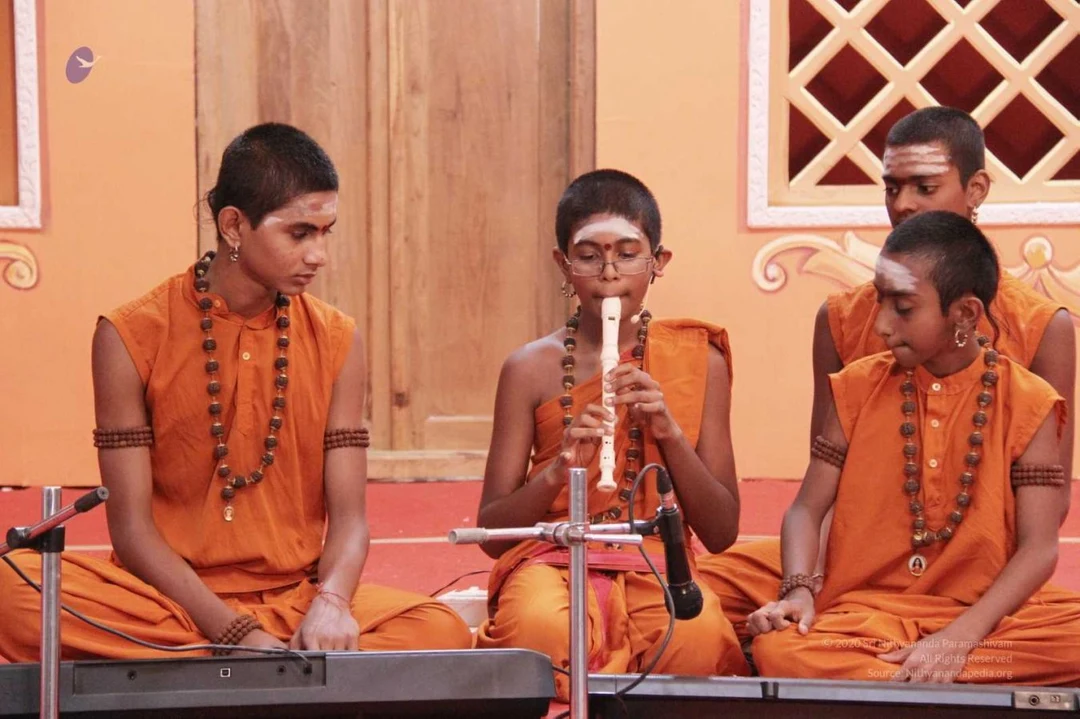
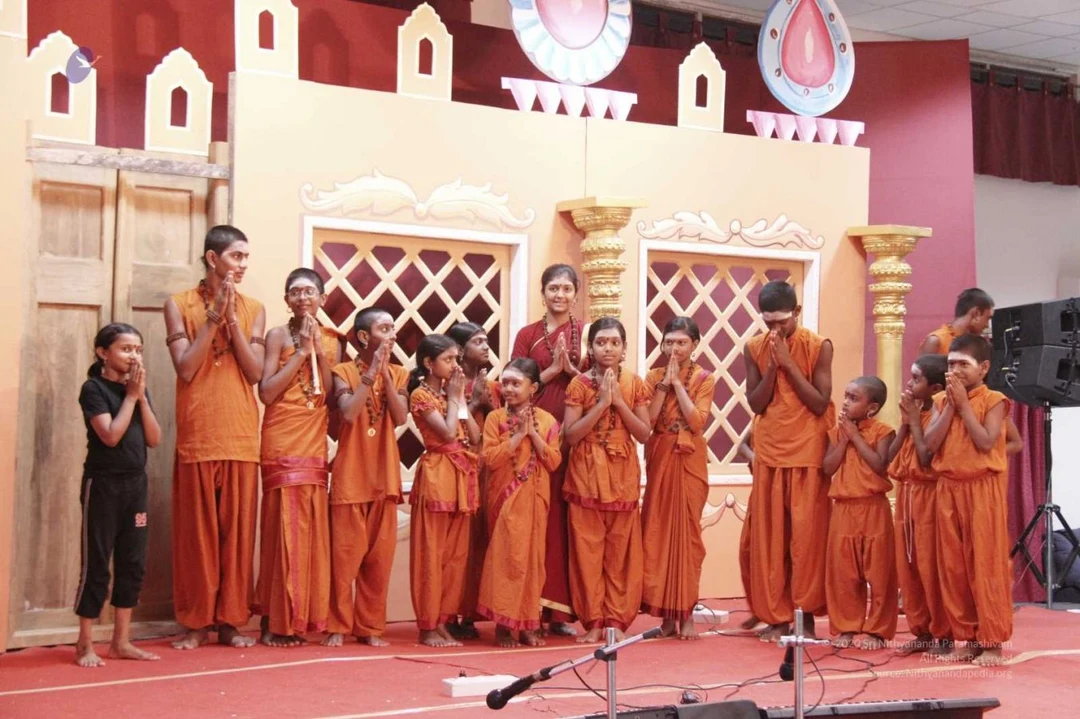
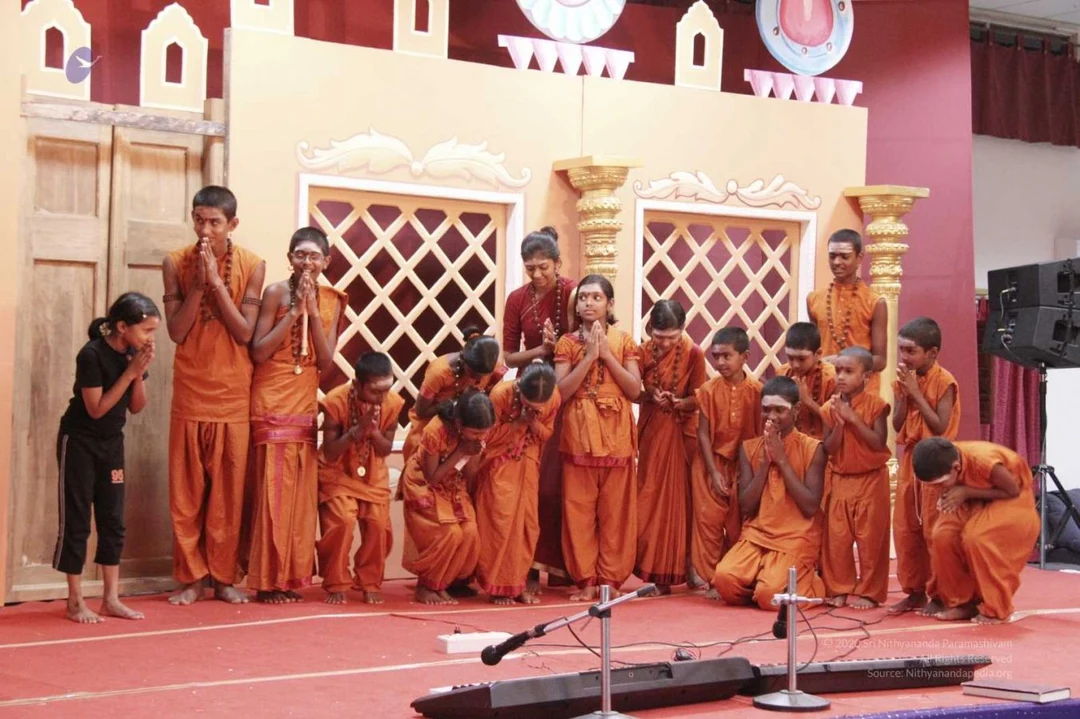
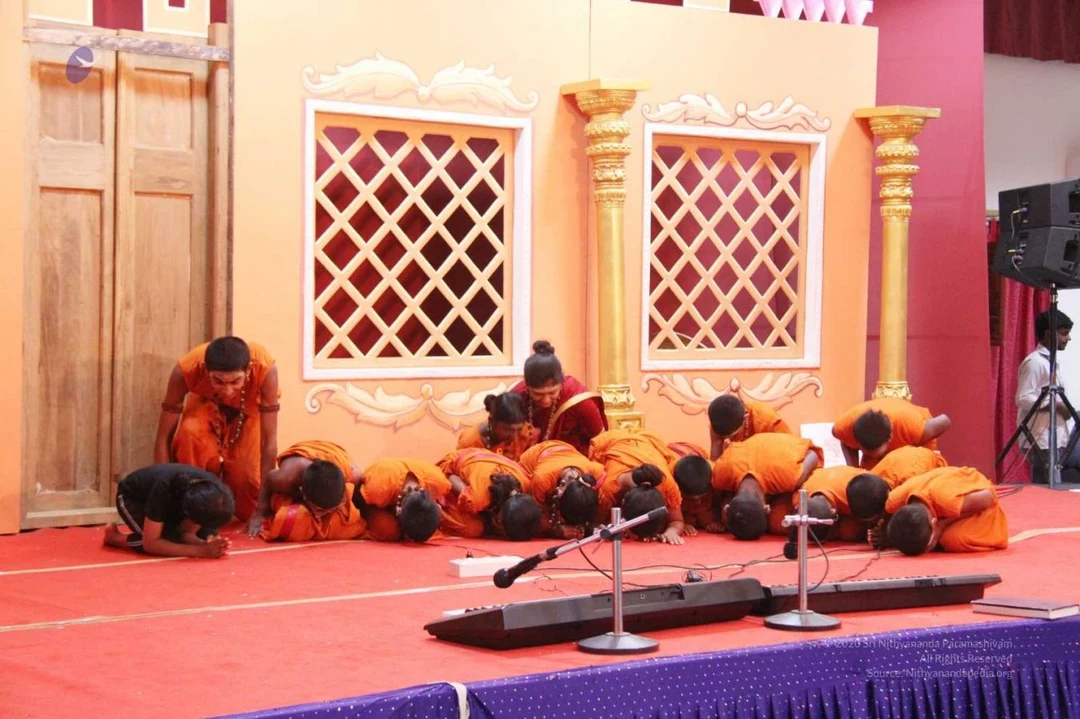
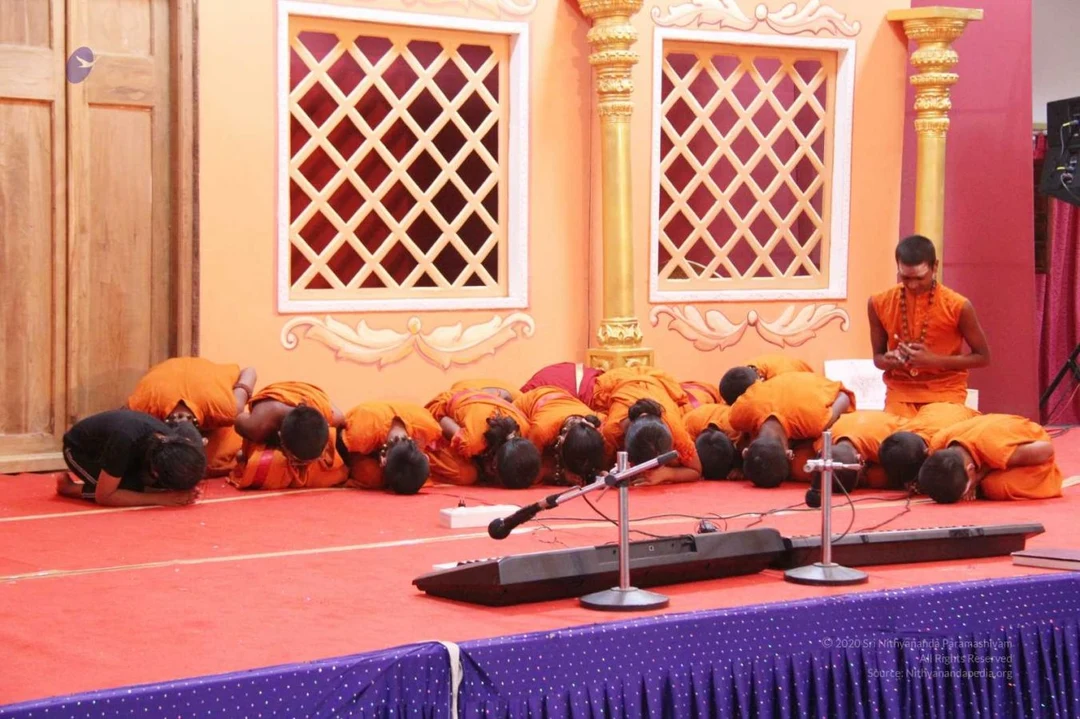
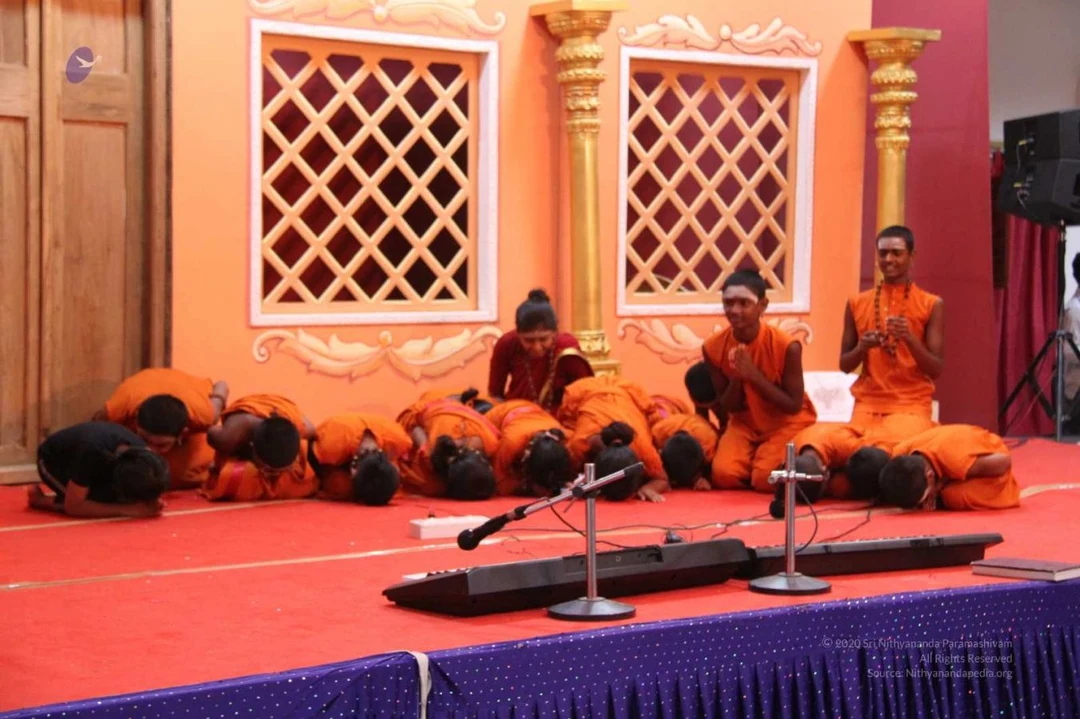
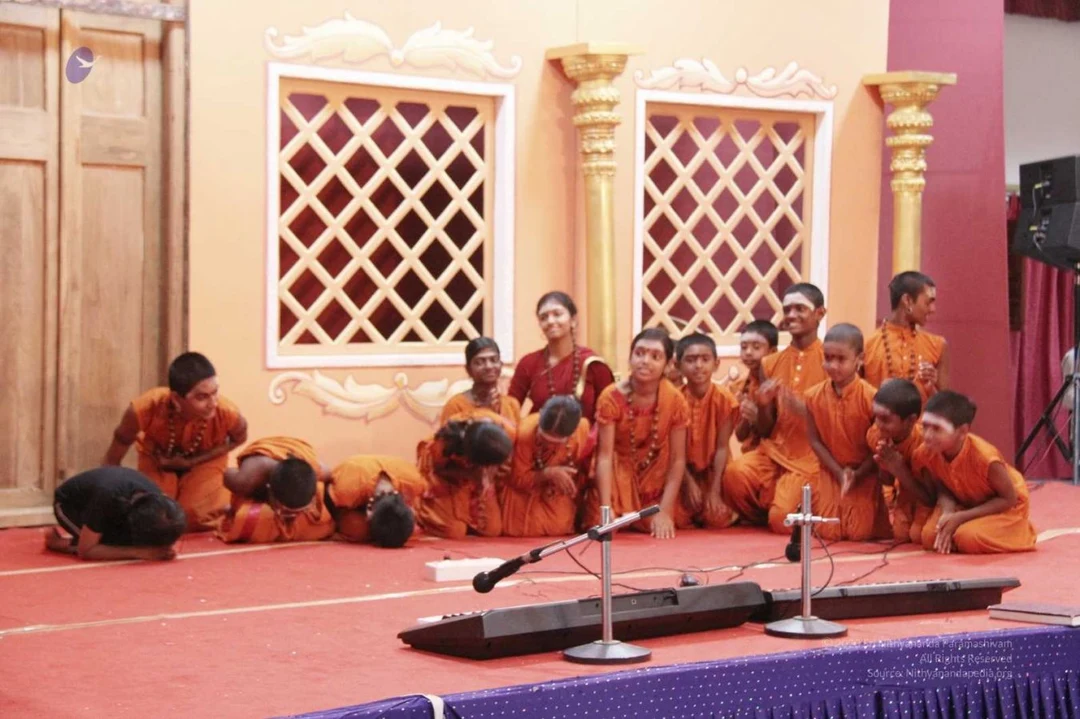
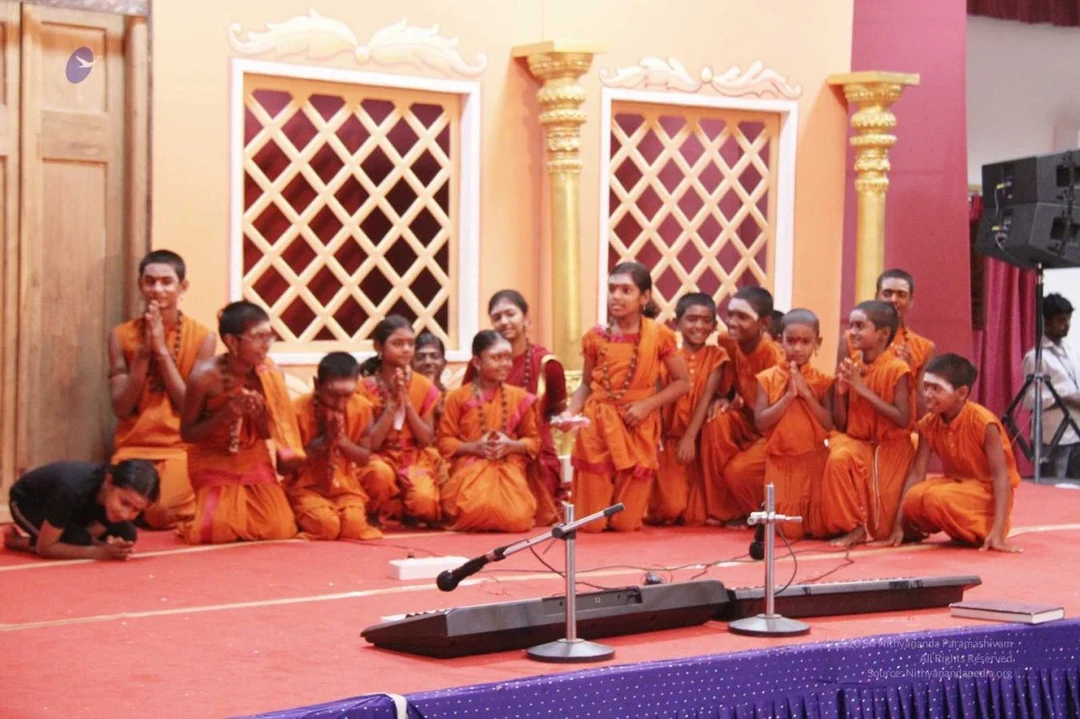
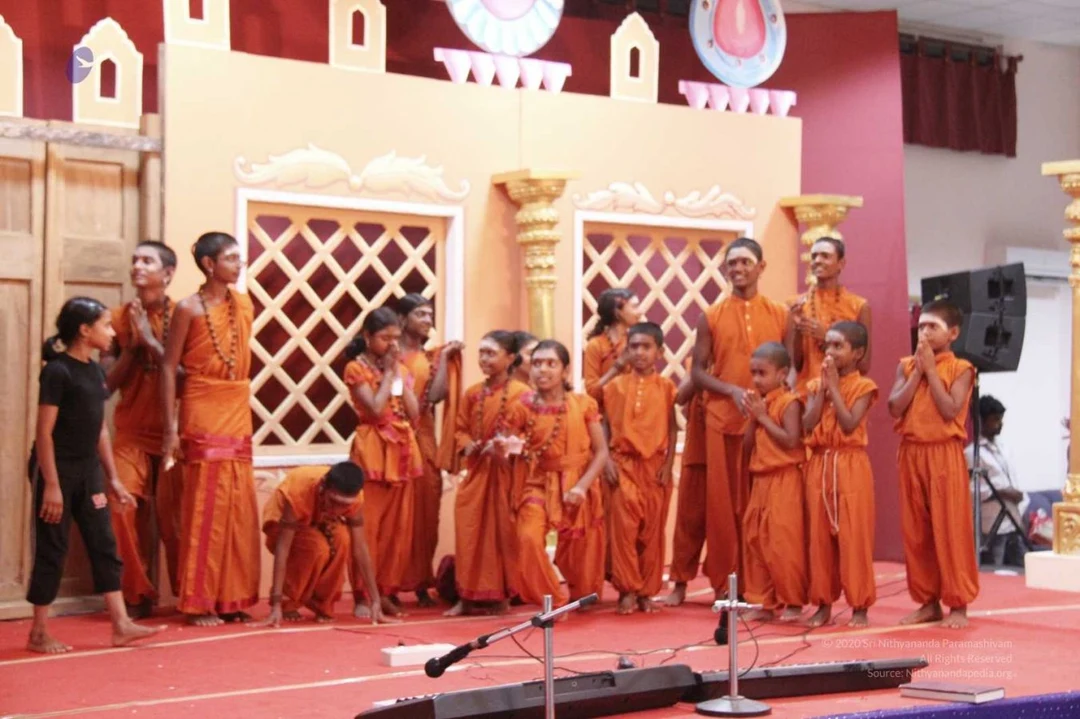
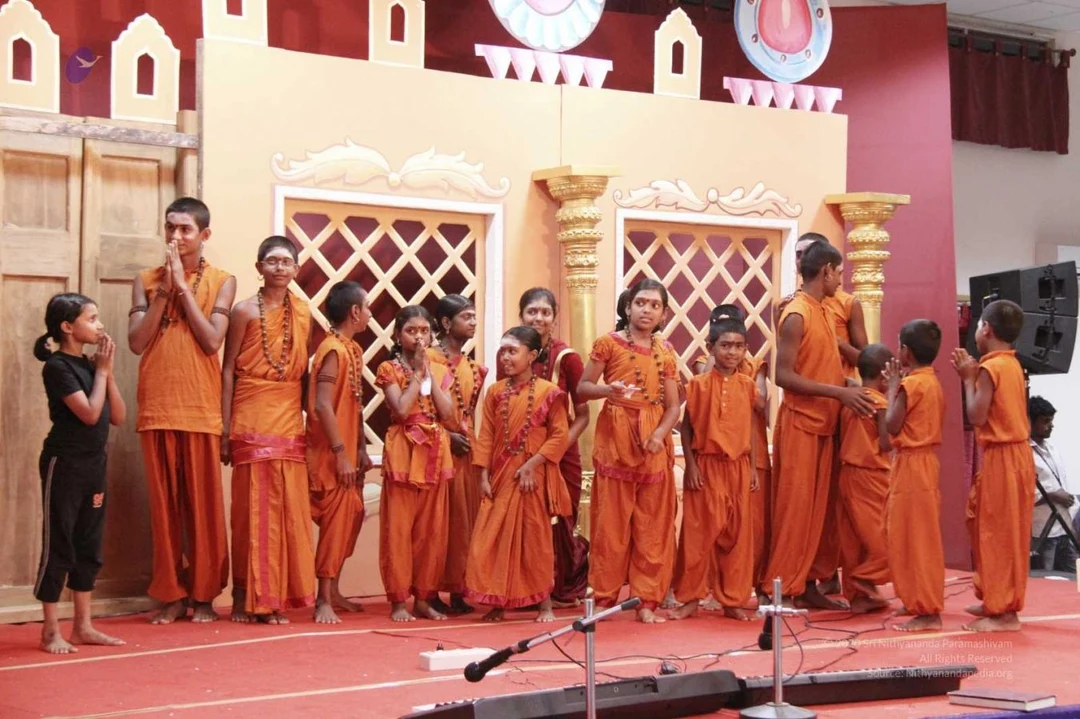
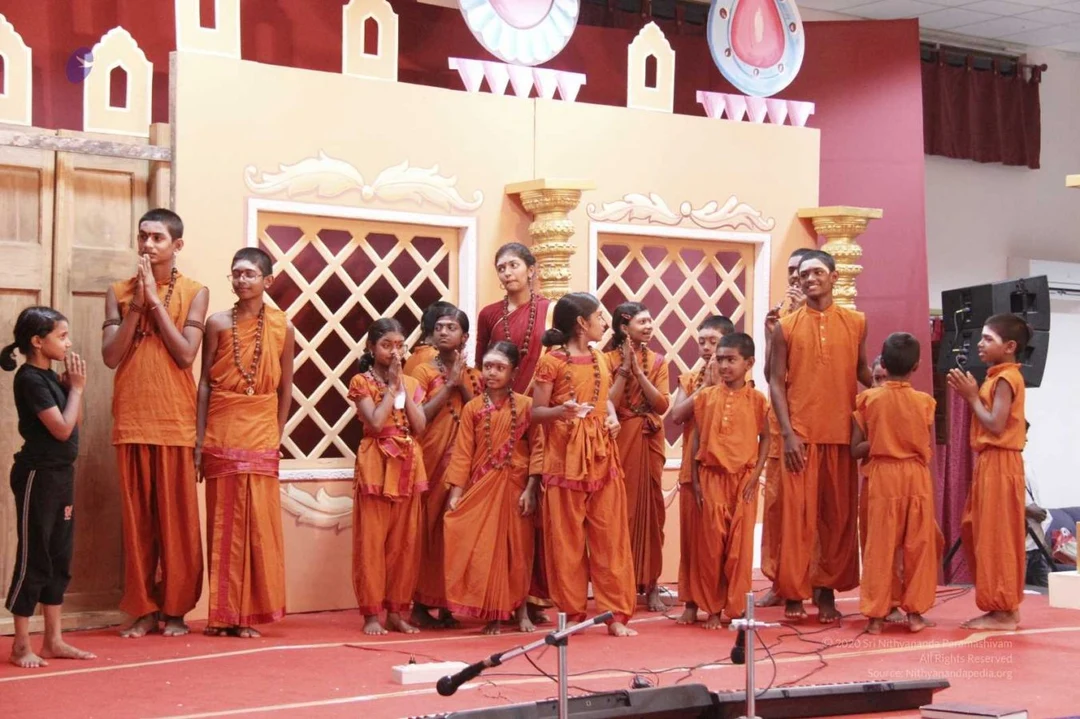
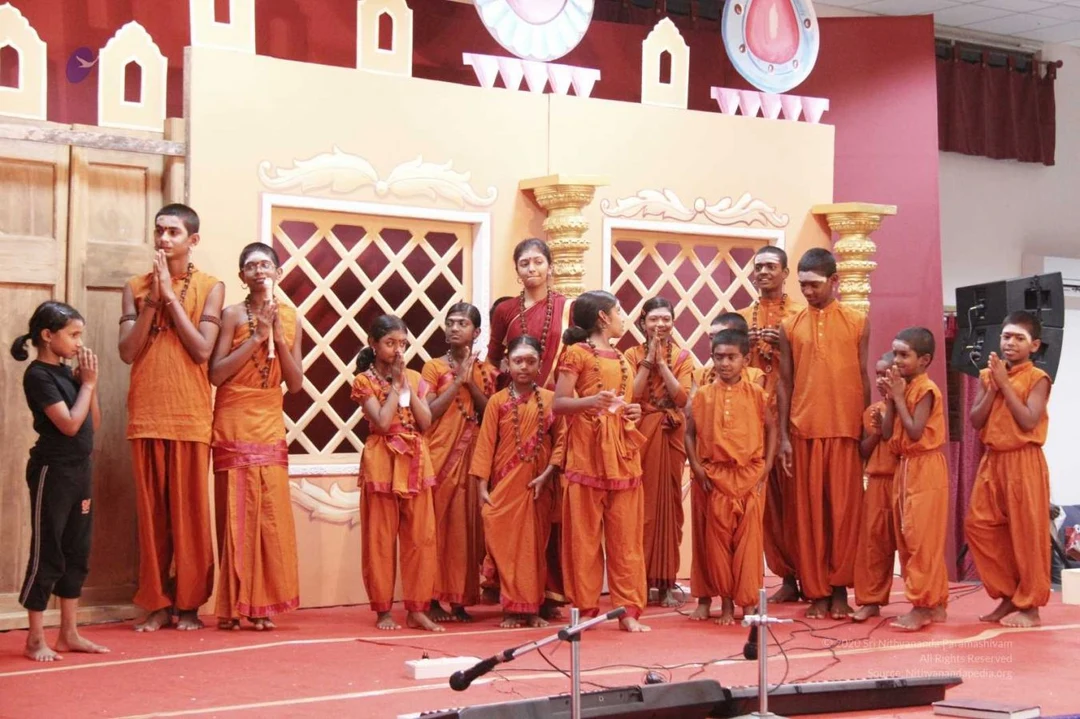
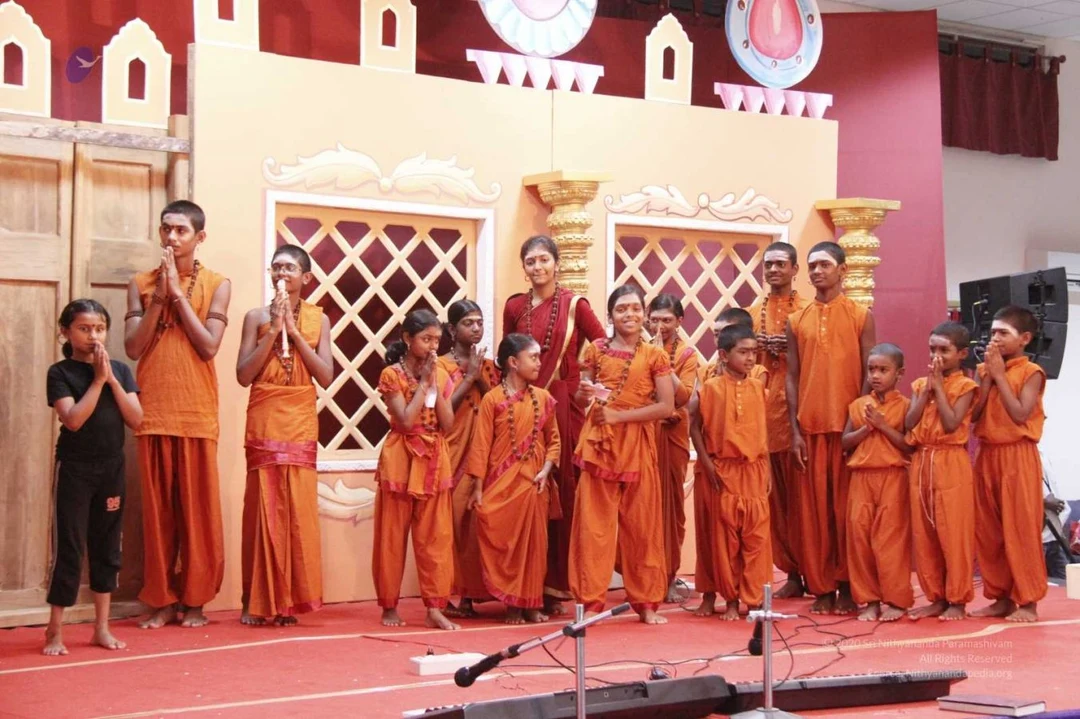
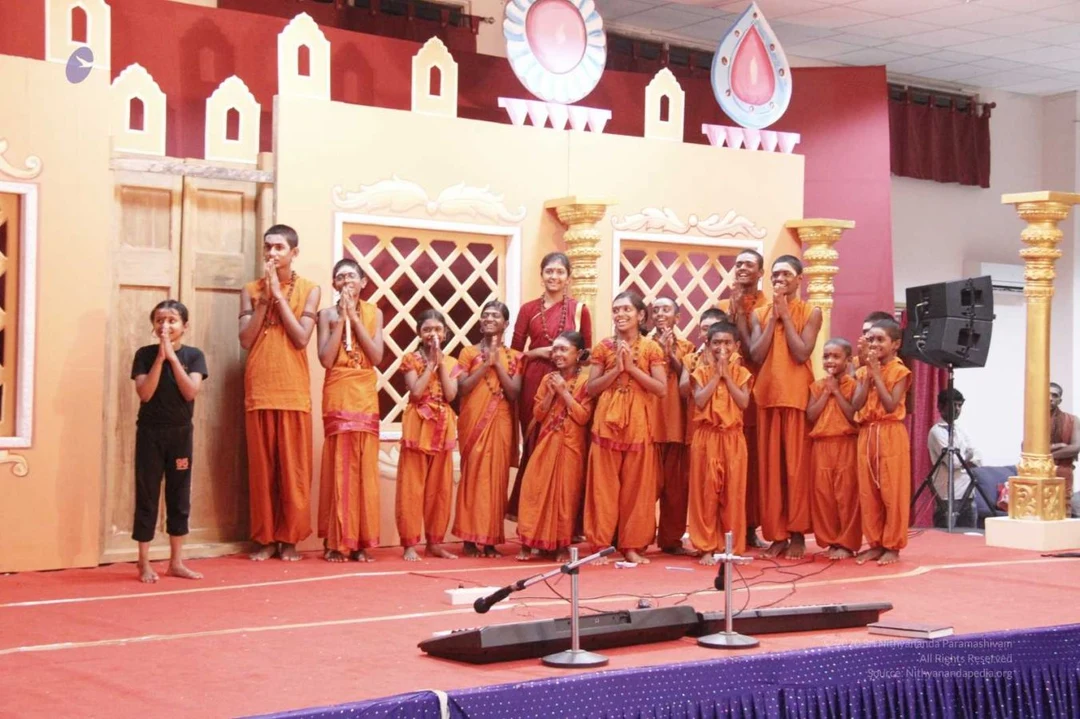
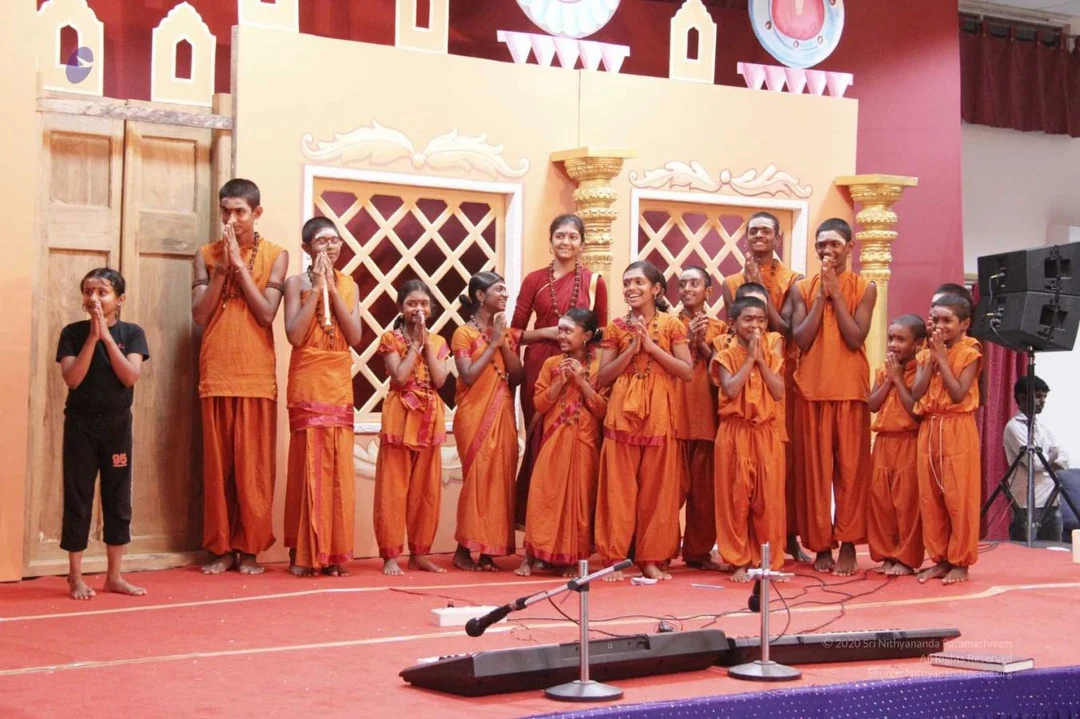
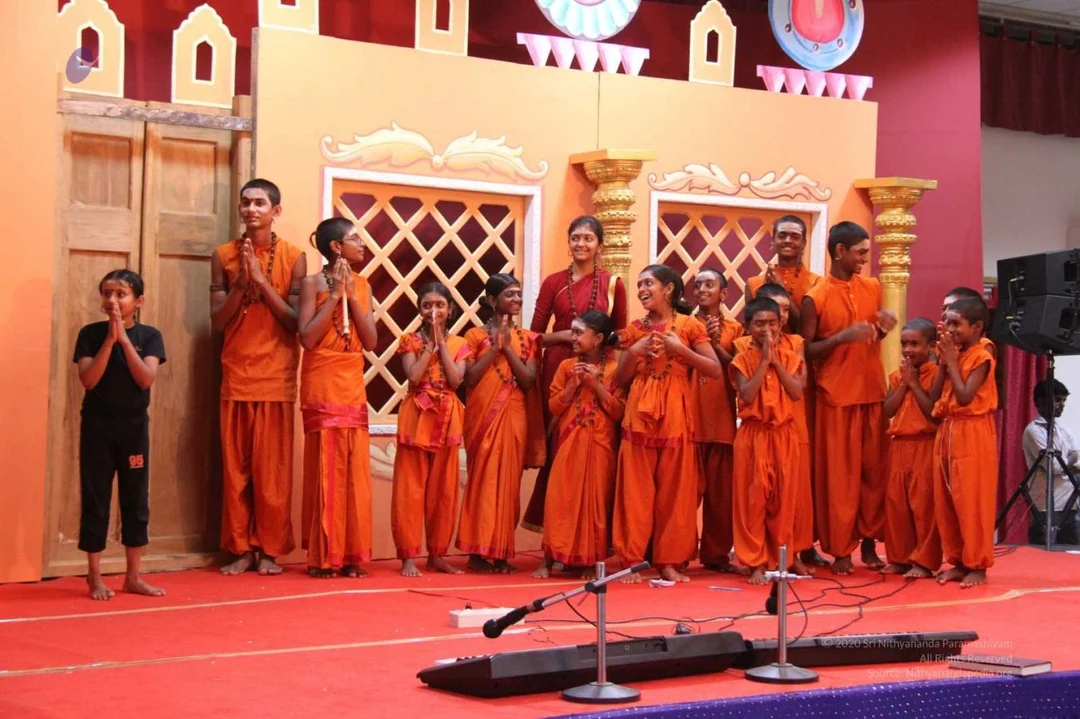
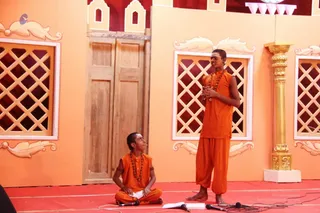
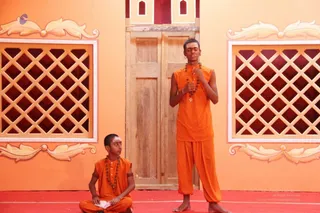
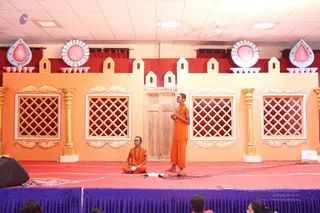
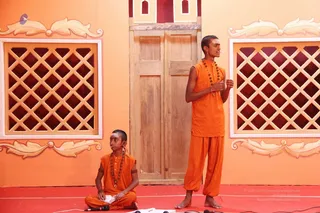
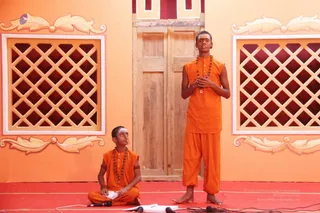
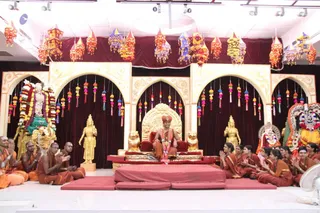
A stage performance in a painted orange set with lattice windows, a wooden door and a gold-capped column. Two young male performers wear saffron-orange sleeveless tunics and loose orange trousers, with rudraksha malas and forehead markings. The standing performer holds his hands together and speaks into a headset microphone, while the seated performer sits cross-legged on the red stage floor holding papers and looking up at him. Microphones stand on the floor in front.Two young men in saffron-orange robes perform on a stage set with orange walls, carved lattice windows and a wooden double door. The standing performer, on the right, wears an orange sleeveless top and loose orange trousers, a rudraksha mala with a pendant, and a tilak on his forehead; his hands are pressed together at chest level. The seated performer, on the left, sits cross-legged on a red floor wearing an orange top, rudraksha beads and white ash markings, holding an open book. The scene resembles a staged dramatic presentation rather than a physical satsang.A stage performance in an ashram hall with an ornamental set of peach and orange walls, red backdrop, lattice windows, a central wooden door and pink lotus-style medallions. Two performers in saffron-orange robes stand on a red-carpeted stage over a blue-skirted platform. A standing figure in orange robes and a shaved head gestures with one hand while speaking. A seated figure in orange with rudraksha beads and a mala sits cross-legged on the floor, holding papers. Audience members are partly visible at the bottom edge of the frame. No a person candidate is clearly identifiable from appearance, so roles are used.A stage performance against an orange painted backdrop with lattice windows and a wooden double door. A standing young man in an orange sleeveless kurta and orange loose pants, with a rudraksha mala around his neck and beaded bracelets, gestures with one hand while speaking. Beside him, a younger boy sits cross-legged on a red stage in matching orange robes and a rudraksha mala, with a white tilak on his forehead, a headset microphone at his face, and a small book open on his lap. Both are barefoot. Microphones stand on the red floor. No a person candidate is clearly identifiable by appearance.Photograph of a stage set with orange-painted walls, two lattice windows and a central wooden door with a red carpeted floor. A standing young male performer in orange sleeveless top and orange loose trousers, wearing a rudraksha mala and a forehead tilak, holds his hands together at his chest while looking upward and speaking into a headset microphone. Seated cross-legged on the floor to the left, a second young performer in matching orange clothes and rudraksha beads holds an open book. Microphones stand on the stage floor in front. No identifiable a person candidate is visible; both are presented as performers in orange robes.A satsang stage decorated with gold-trimmed arches, maroon velvet drapes and hanging paper lanterns in red, yellow and blue. A man in saffron-orange robes with a red turban and a flower garland sits centrally on an ornate golden throne flanked by golden lion figures, with a gold standing figure on each side. Devotees in orange and saffron clothes sit on red mats on both sides, some with hands pressed in anjali, and a large floral-garlanded deity murti stands at the left edge. A fan is visible in the lower right corner. The seated man is described as Swamiji (probable) by his saffron robe, red turban, garlands and throne, though his face is not visible enough for certainty.
Ashramites, Gurukul Kids and Devotees Dhandiya Dance

12 photosSource gallery
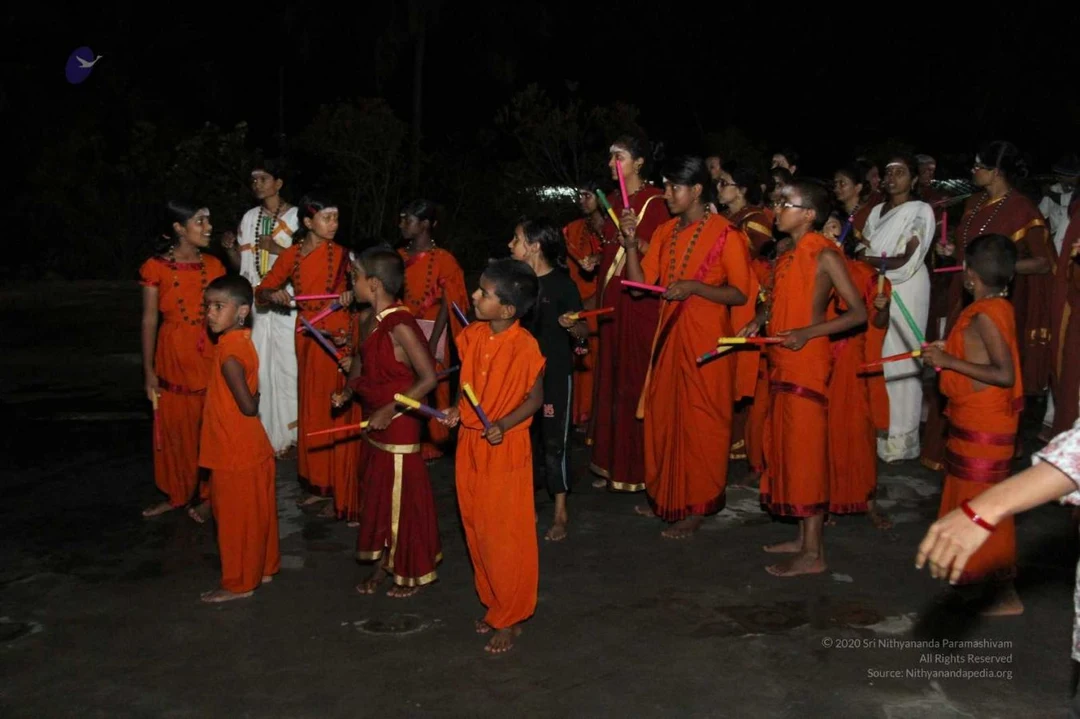
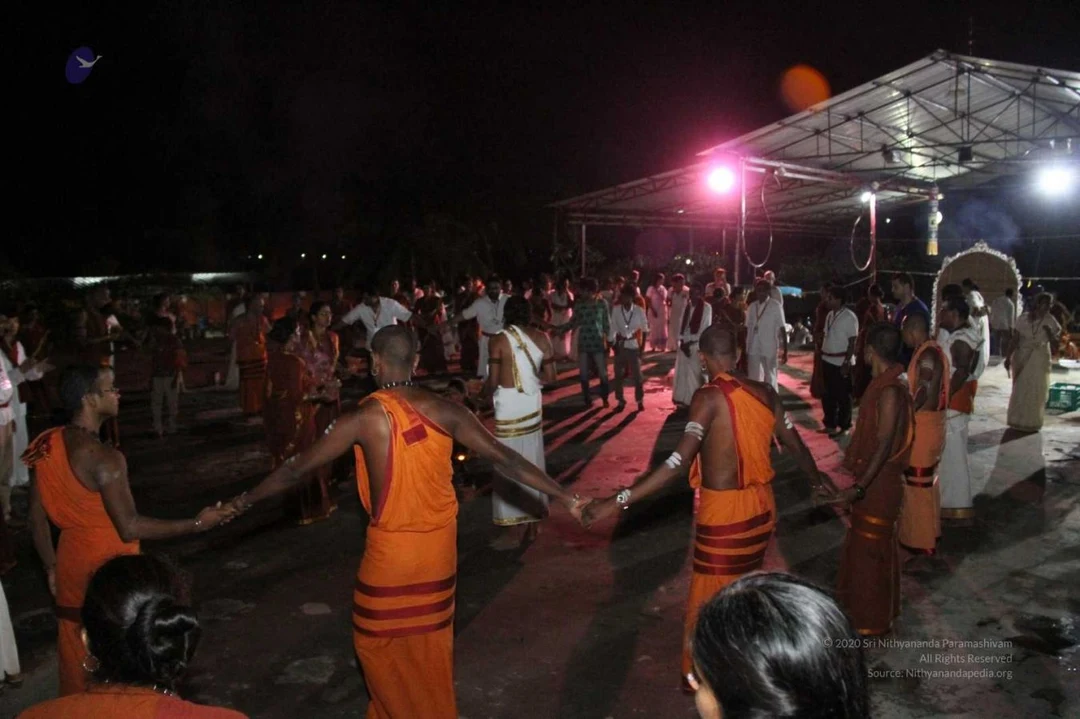
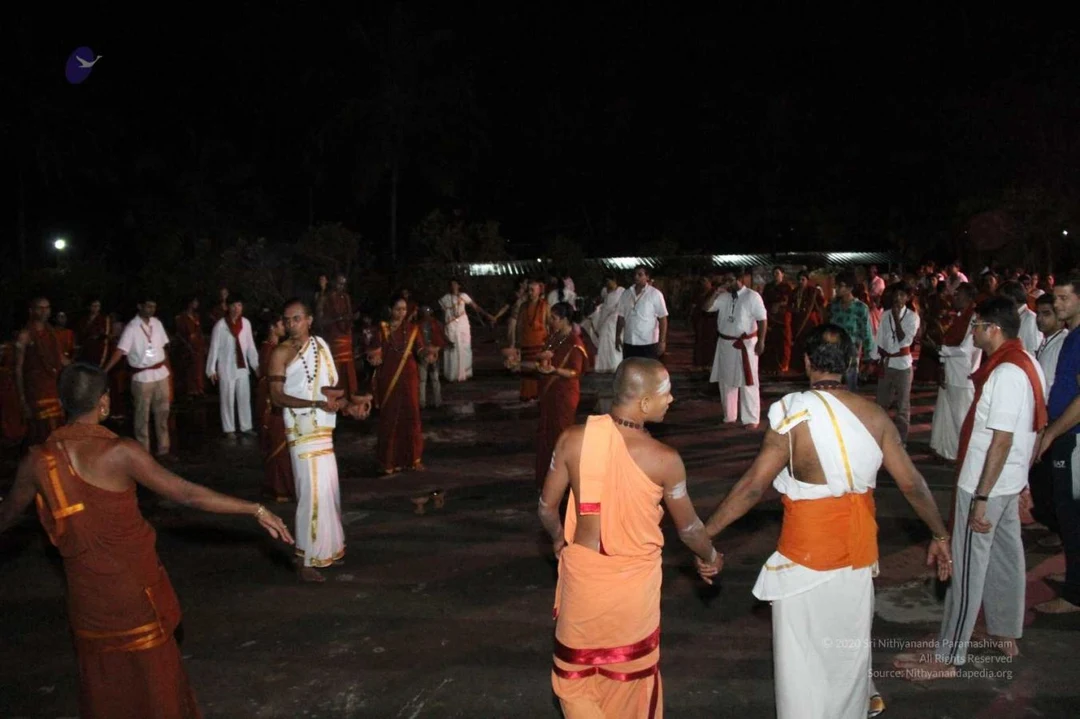
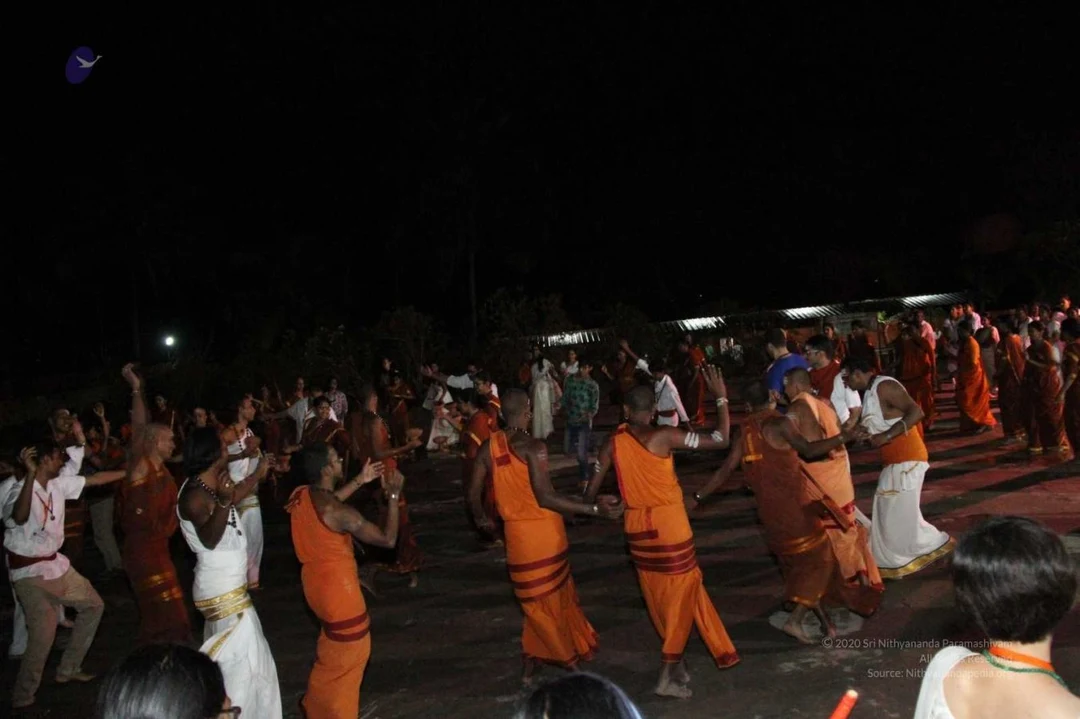
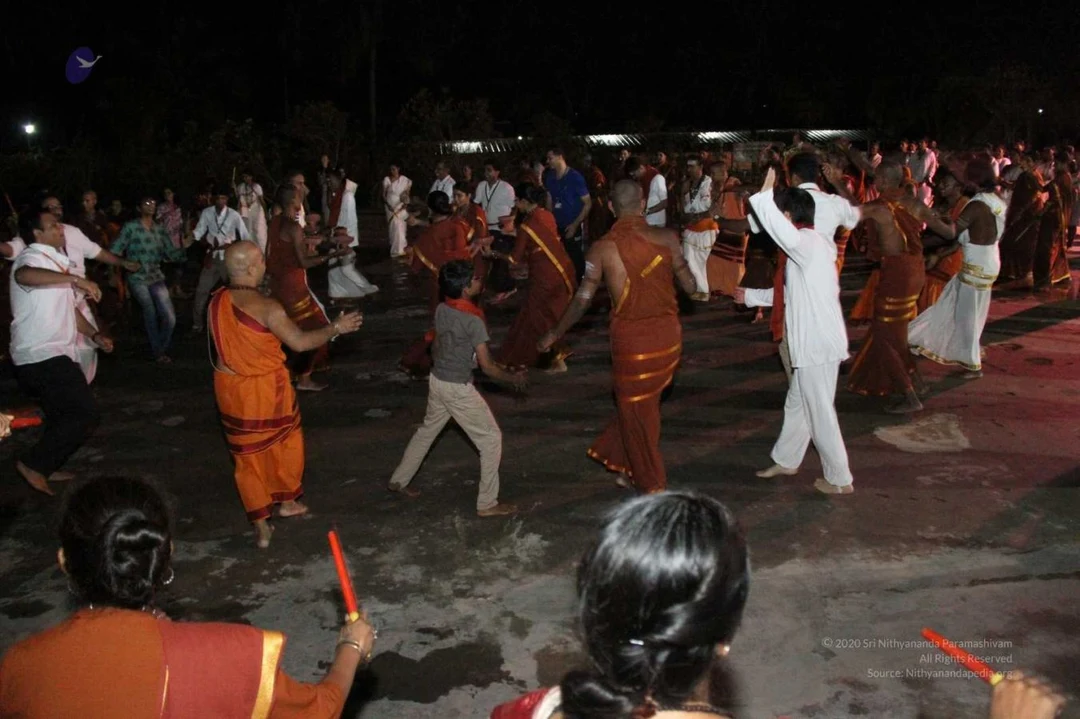
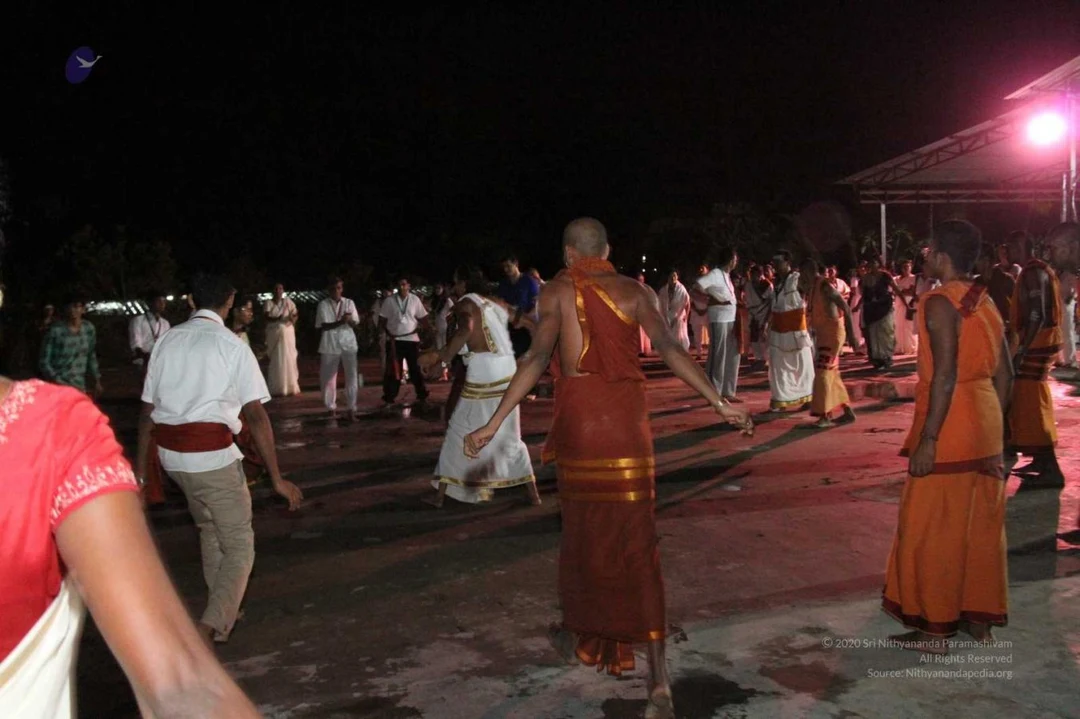
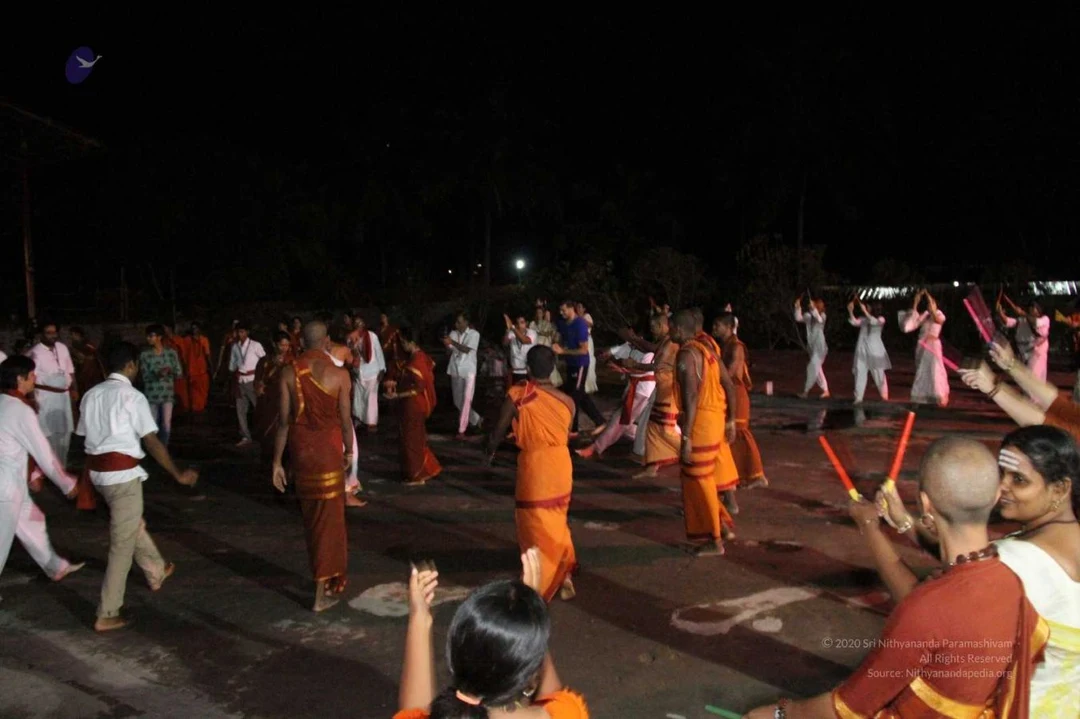
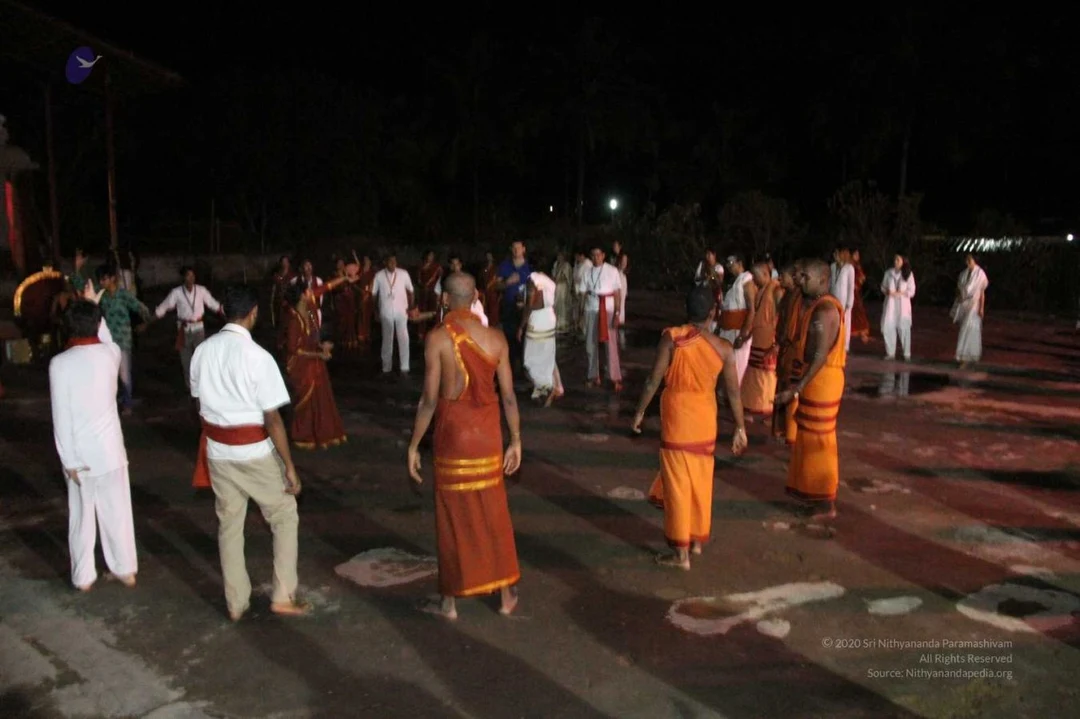
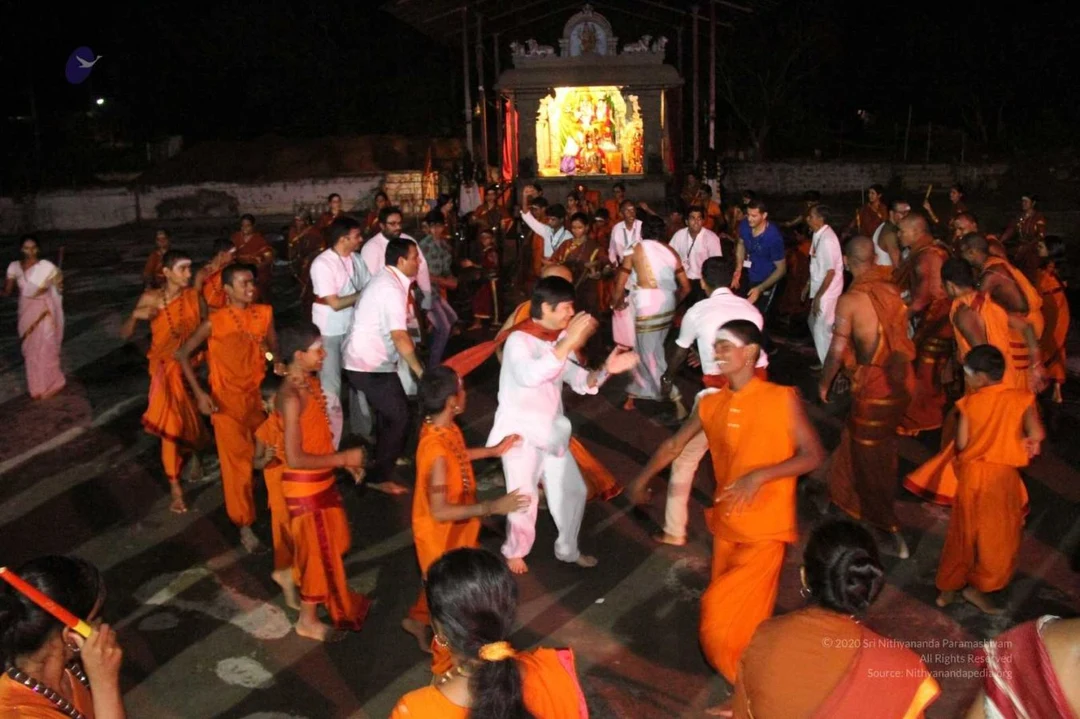
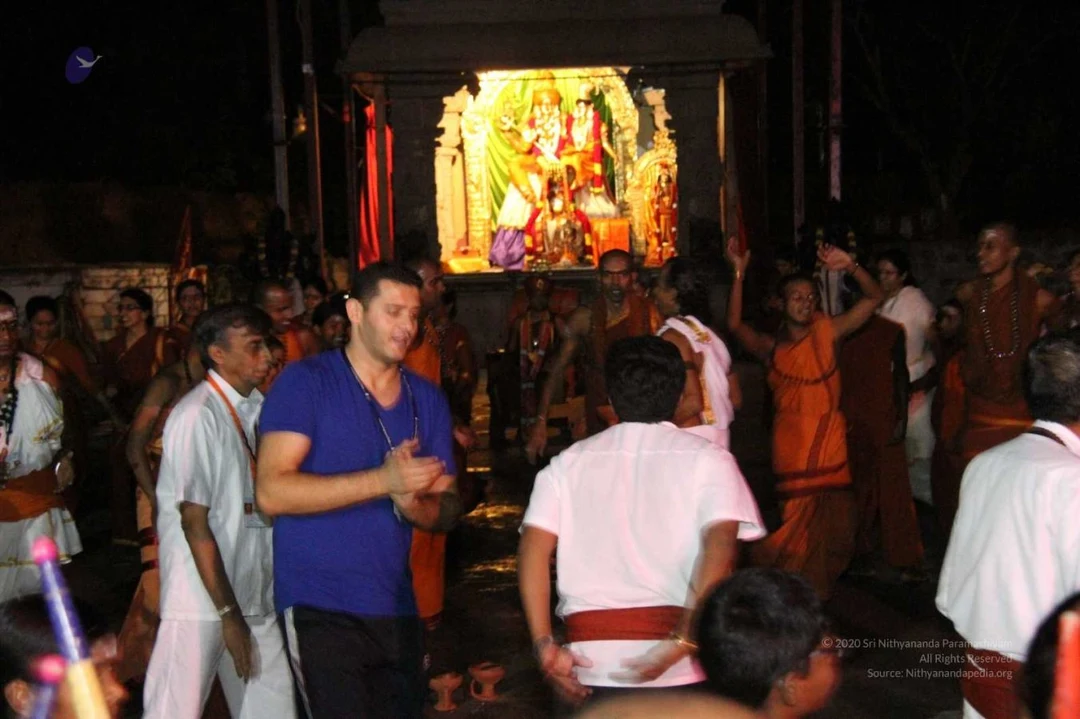
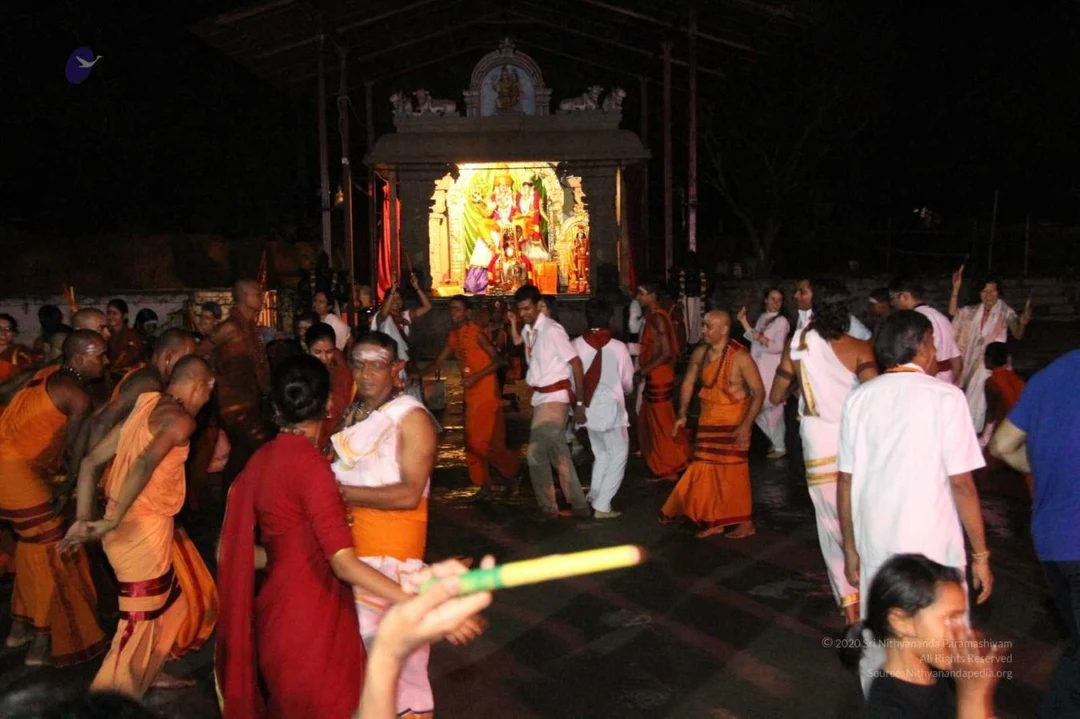
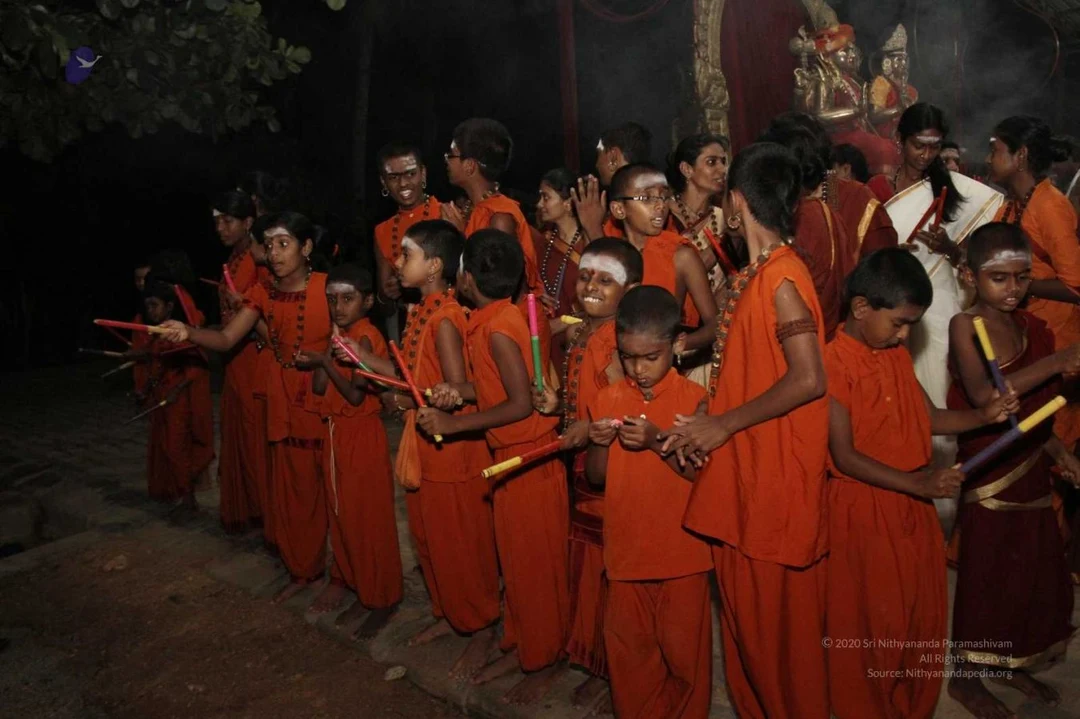
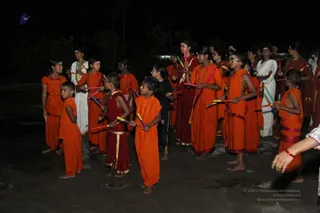
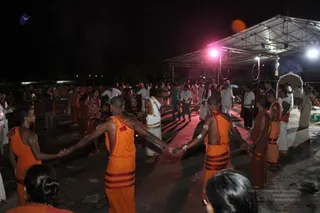
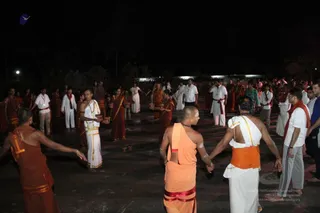
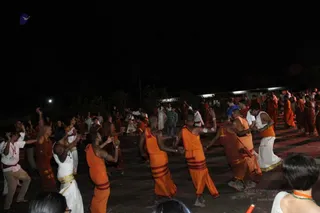
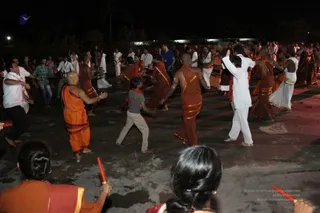
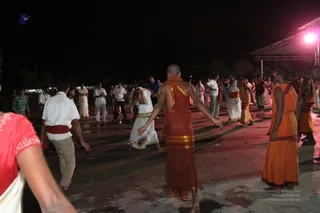
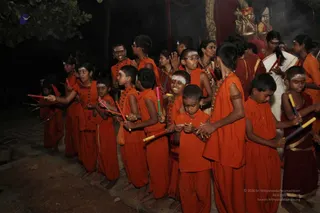
Night-time photo of a large group of young monastic-style devotees in orange and maroon robes standing on a dark paved ground, many holding thin colored sticks or rods in their hands. Several boys in orange are in the foreground, one with a shaved head, and a few older girls wear rudraksha beaded necklaces. Some women in white and red saris stand at the right edge. The group appears to be gathered for a practice or ritual activity, with trees in the dark background.Night outdoor gathering under a covered stage with pink and white stage lights. In the foreground, several men in saffron-orange robes with red-banded waistcloths stand in a circle holding hands, with their backs to the camera. Behind them, a large crowd of people in white clothes, some in white dhotis and kurtas, stands and moves together on a dark paved ground. At the right edge is a decorated white ceremonial palanquin or canopy with a fringed top. Some people wear lanyards. The scene shows a communal dance-like circle at a night event.Night outdoor gathering on a paved open ground with a dark background of trees and a few distant lights. Many people stand in a large loose circle, many holding hands. In the foreground, a bald man in a saffron-orange robe with a rudraksha mala and a white forehead marking stands with his back to the camera, holding hands with a man in a white dhoti and white shirt with an orange waist cloth. To the left, a figure in a deep red-brown robe with yellow borders extends an arm. Others in white dhotis, white shirts and red-brown or orange shawls, many with white forehead marks, surround them. Some participants wear ID lanyards. Many people are visible, forming a ritual circle of devotees.Night outdoor gathering at a dimly lit open ground where many people dance in a circle. Several shaved-headed men in saffron-orange dhotis with maroon-and-gold borders and bare upper bodies raise their arms and clap, while others in white dhotis with gold borders and white shirts move alongside them. A few people in casual clothes watch from the edges, and a small corrugated-roof structure and a single light glow in the distance. Some onlookers in the foreground hold small lights. Scene suggests a devotional dance or celebration after dark.Night-time outdoor photo of a large group dancing on a paved courtyard lit by floodlights. Many saffron and orange robed monks, some bald and bare-shouldered, move in rows alongside people in white kurtas and dhotis and some in plain shirts. A small boy in a grey shirt and khaki trousers dances in the centre. Foreground onlookers include a woman with hair in a bun wearing an orange sari with gold border, holding a red stick. Trees and a low shed roof frame the background.A night-time outdoor gathering on a reddish-lit paved ground, with a covered pavilion and bright pink-white light at the upper right. Many people move across the open space in a loose, dancing or walking formation. In the centre, a shaved-headed man in an orange-red dhoti with a gold-bordered cloth wrap has his arms outstretched, seemingly holding the hands of others. Nearby, a man in white robes with a gold border and a woman in a white sari-style dress share the floor with others in white shirts and orange garments, including a row of people in orange robes at the right. The figure in the centre shows no distinctive a person cues such as long hair, crown, or rudraksha, so identity is uncertain; the person is described by role only.

Dr. Raj Chakravarthy and Swamiji visit the temple
33 photosSource gallery
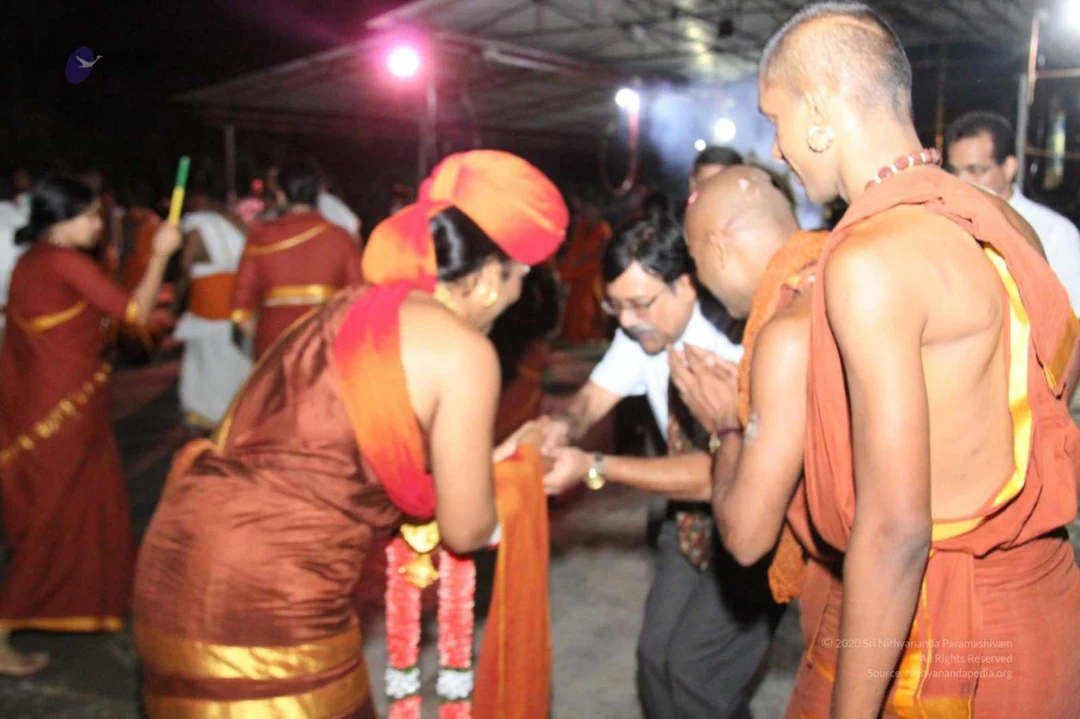
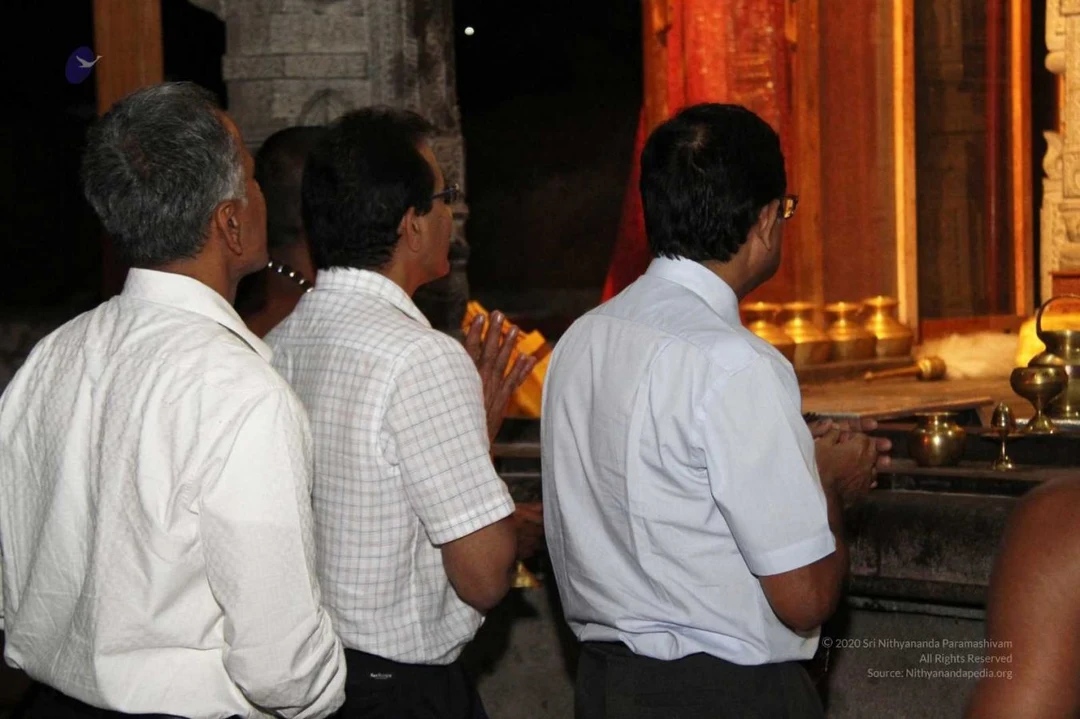
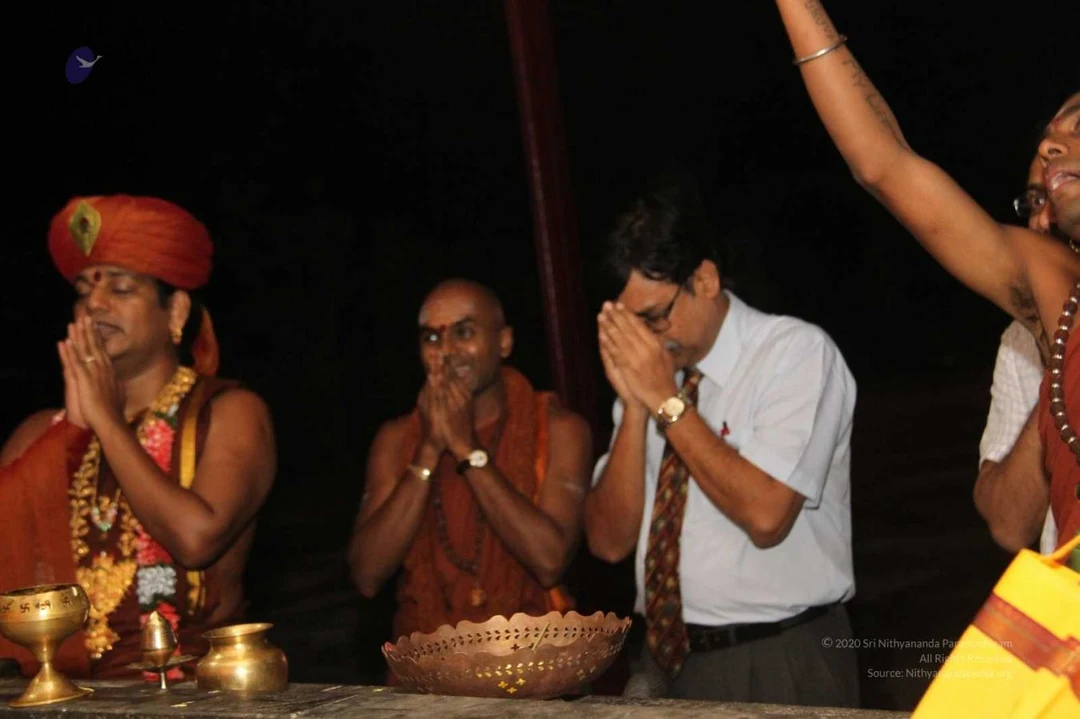
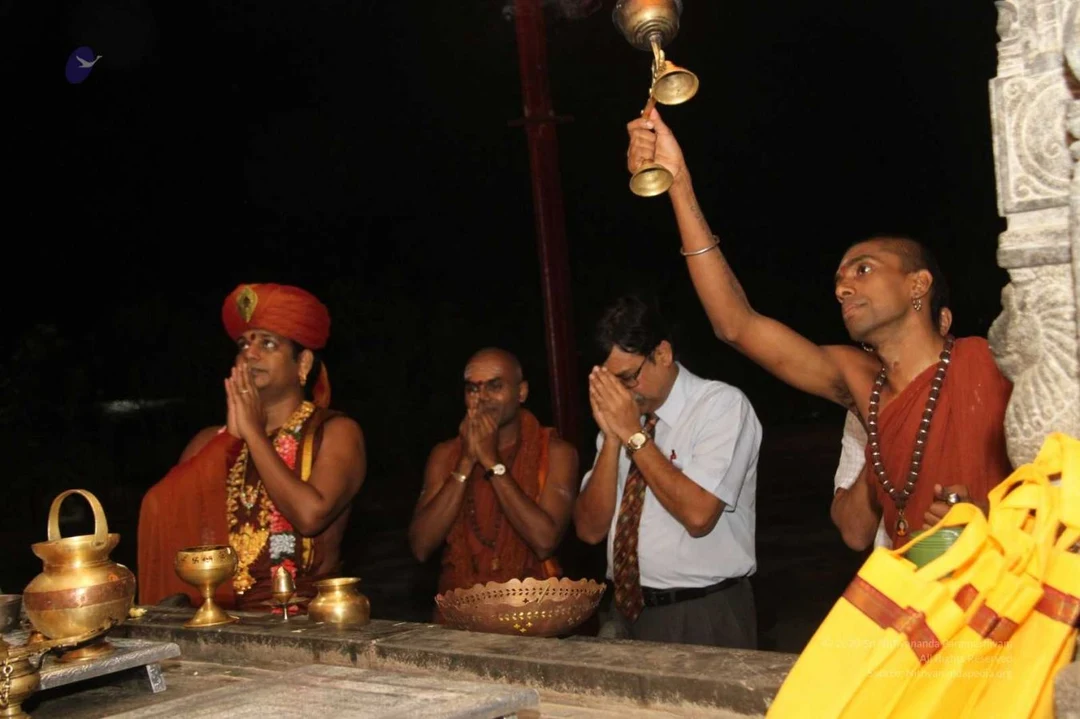
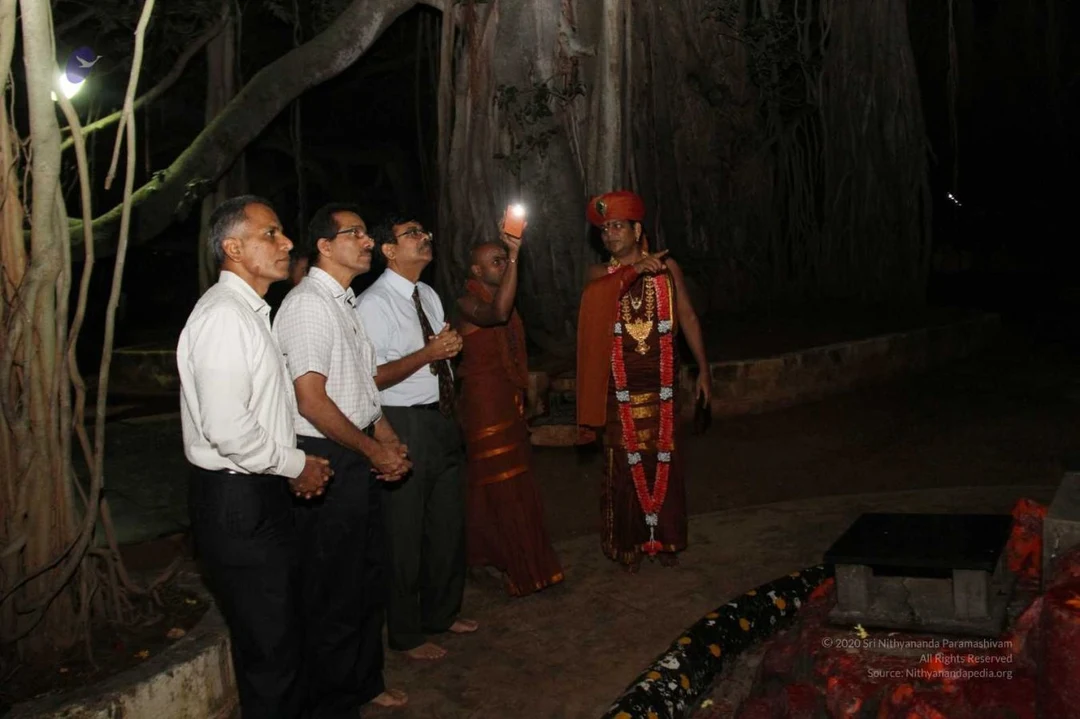
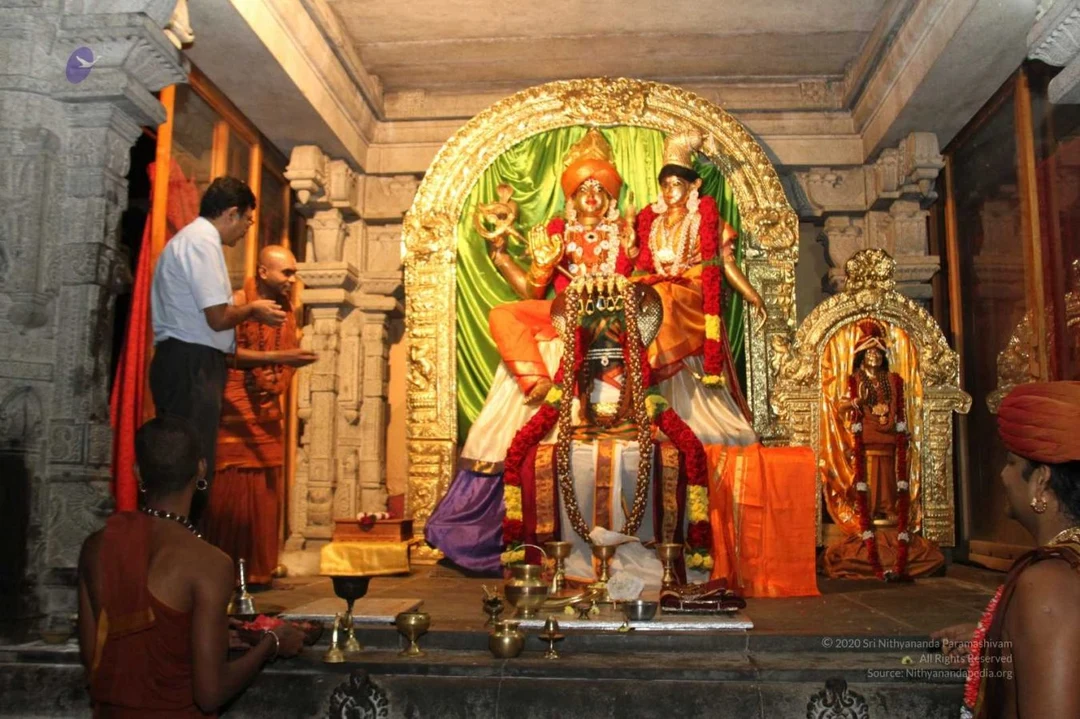
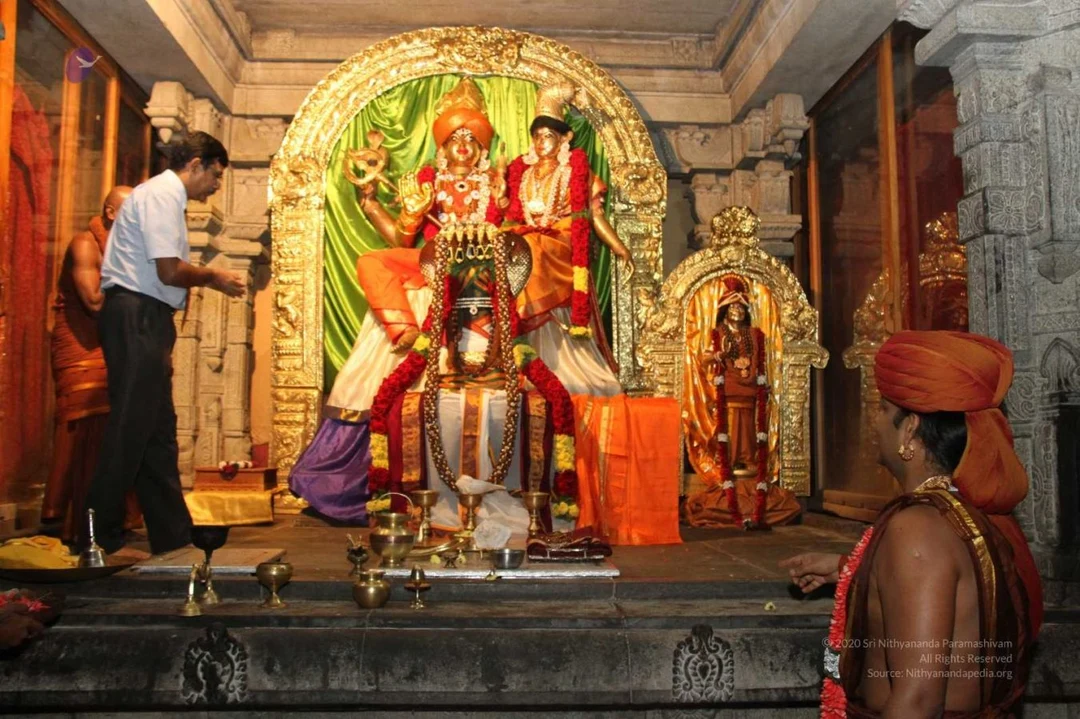
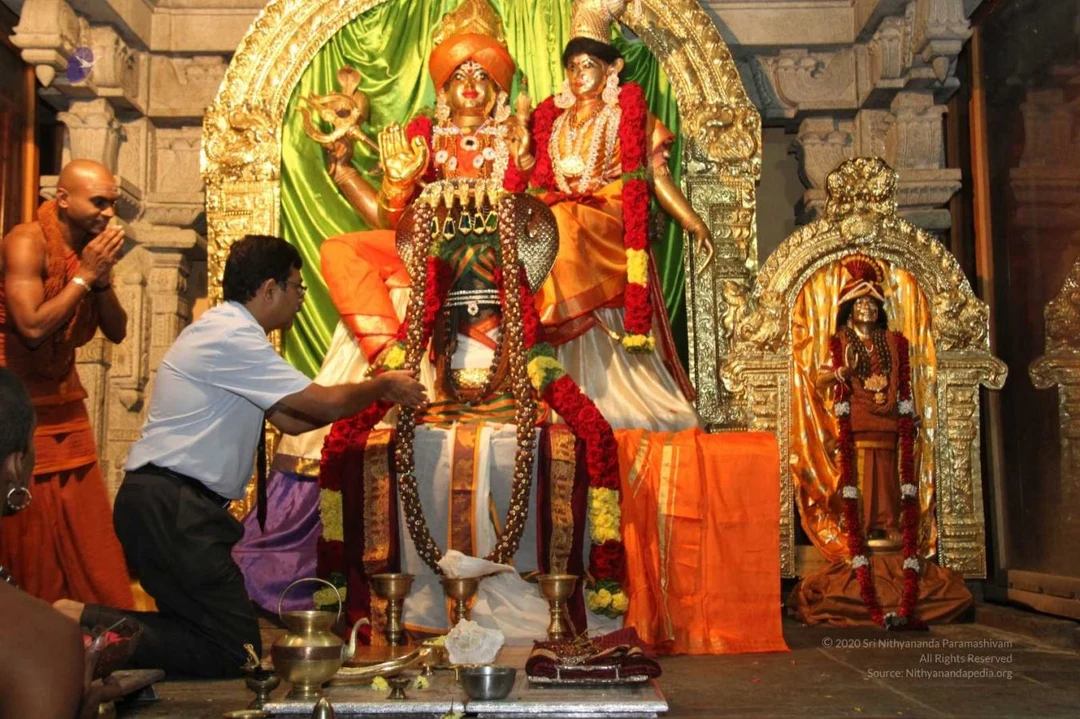
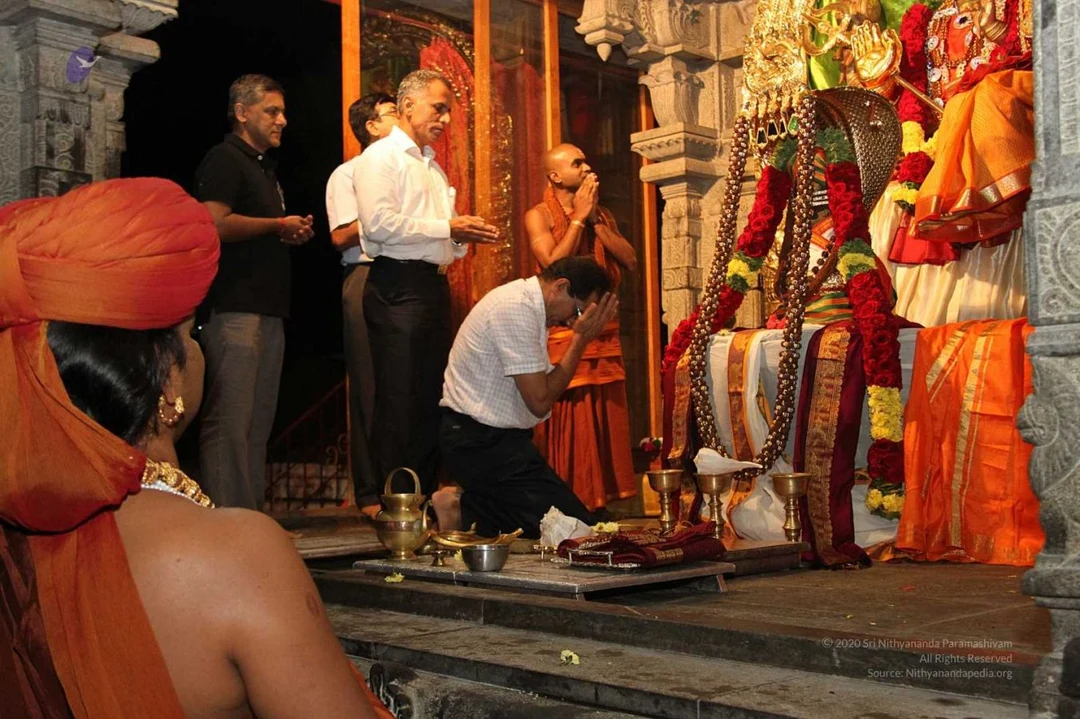
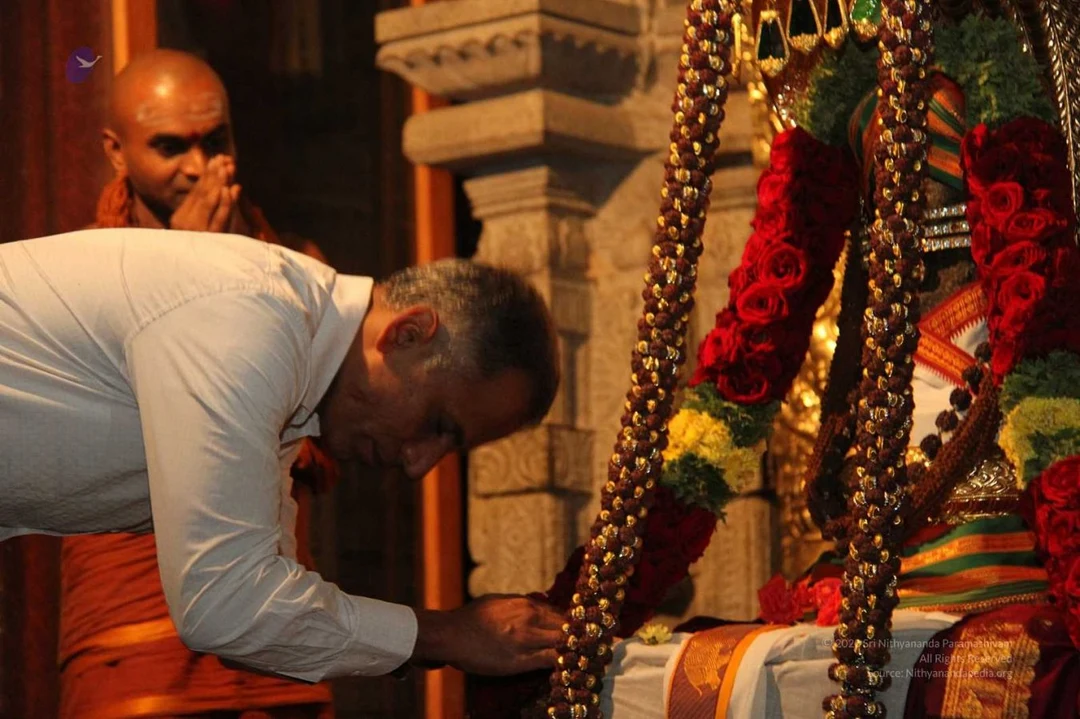
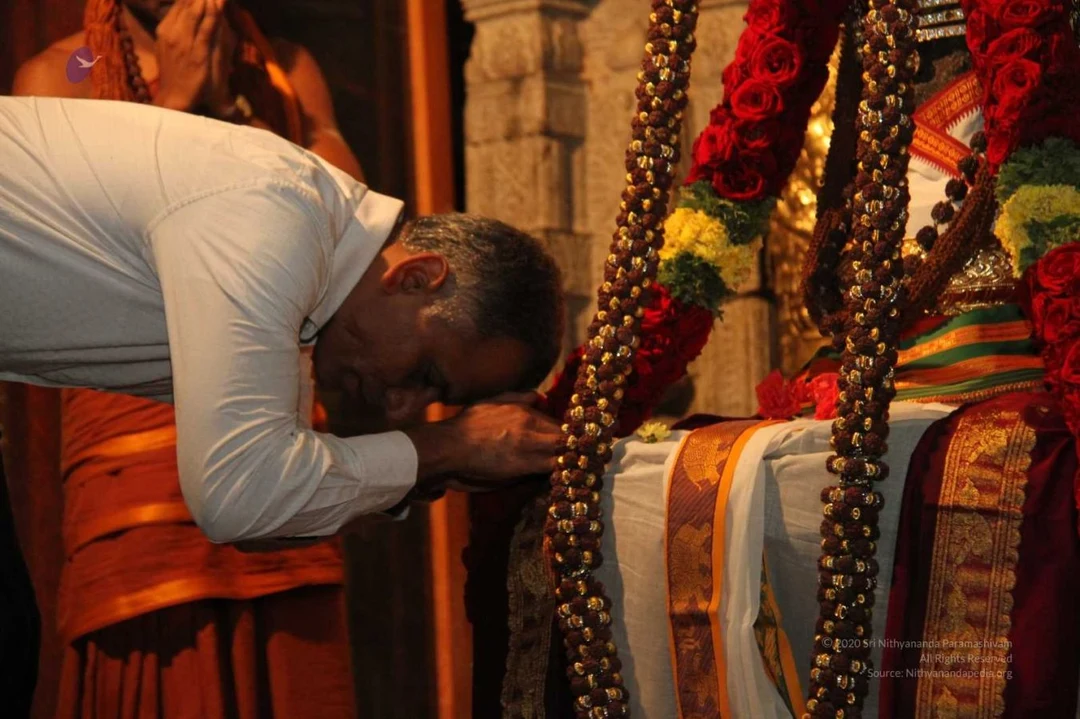
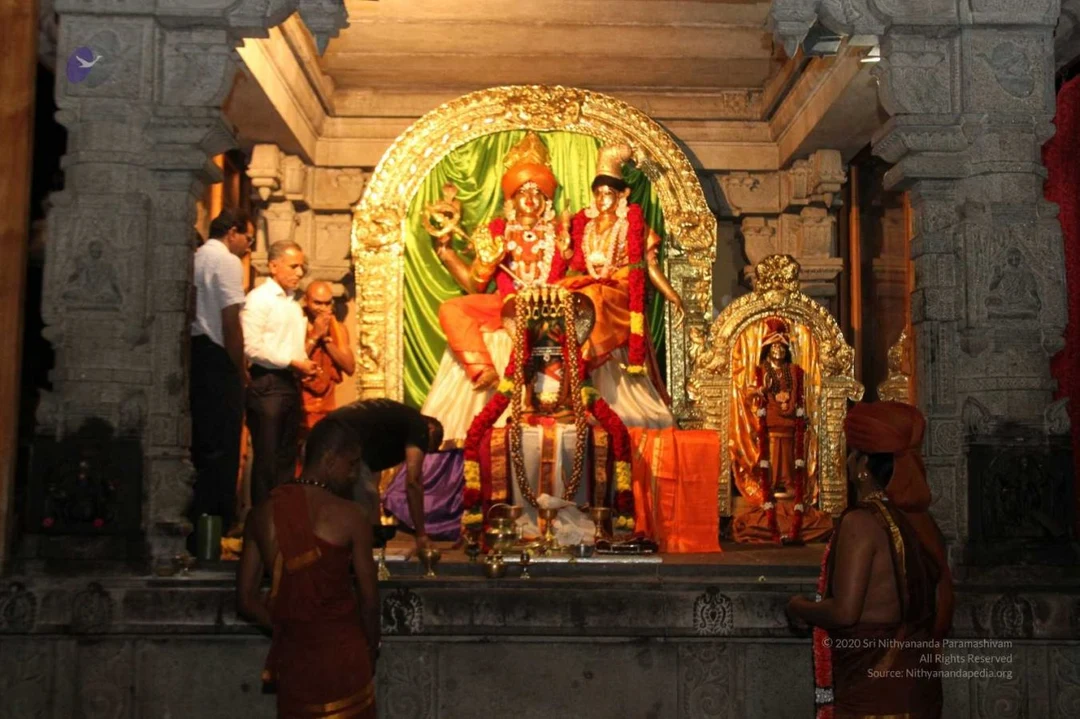
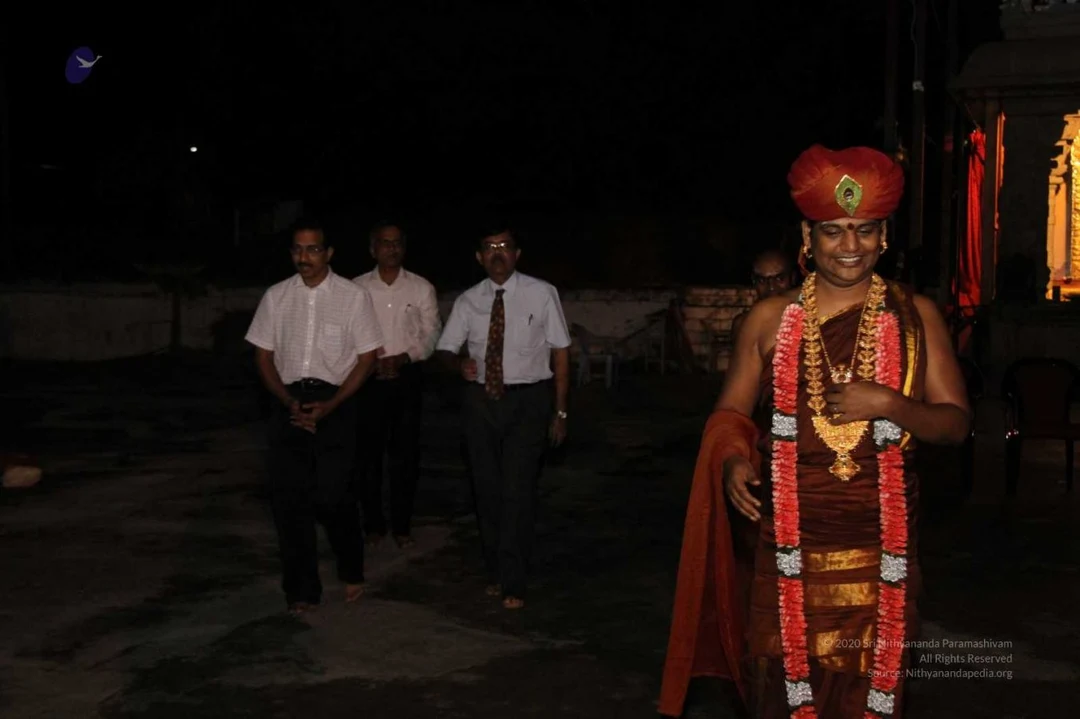
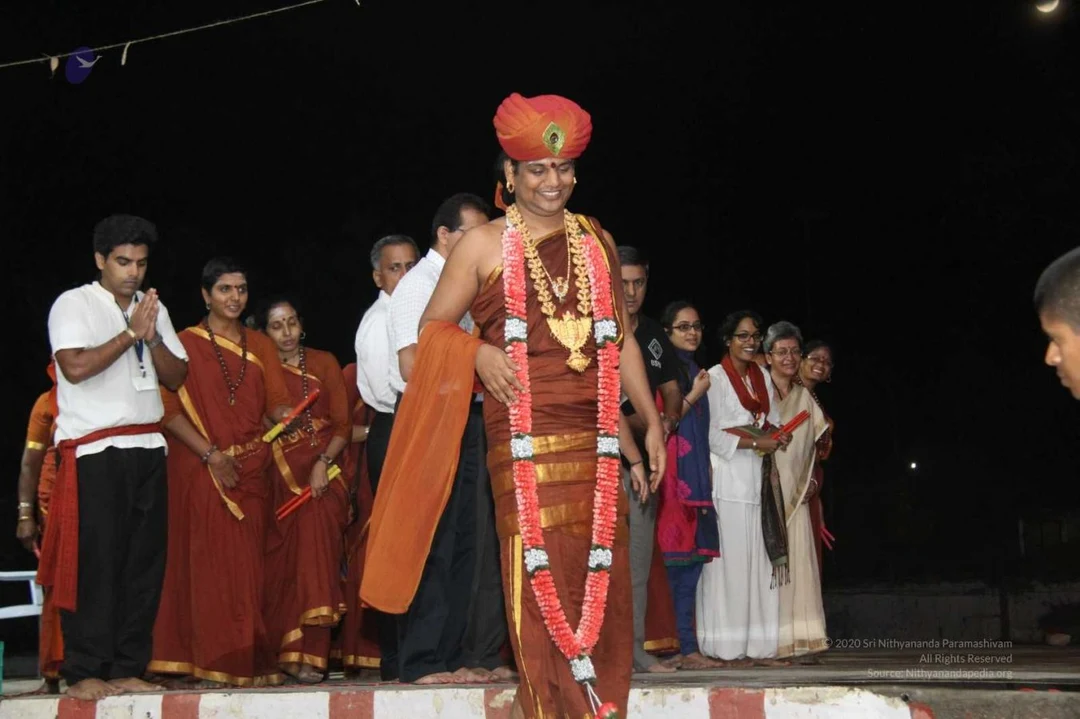
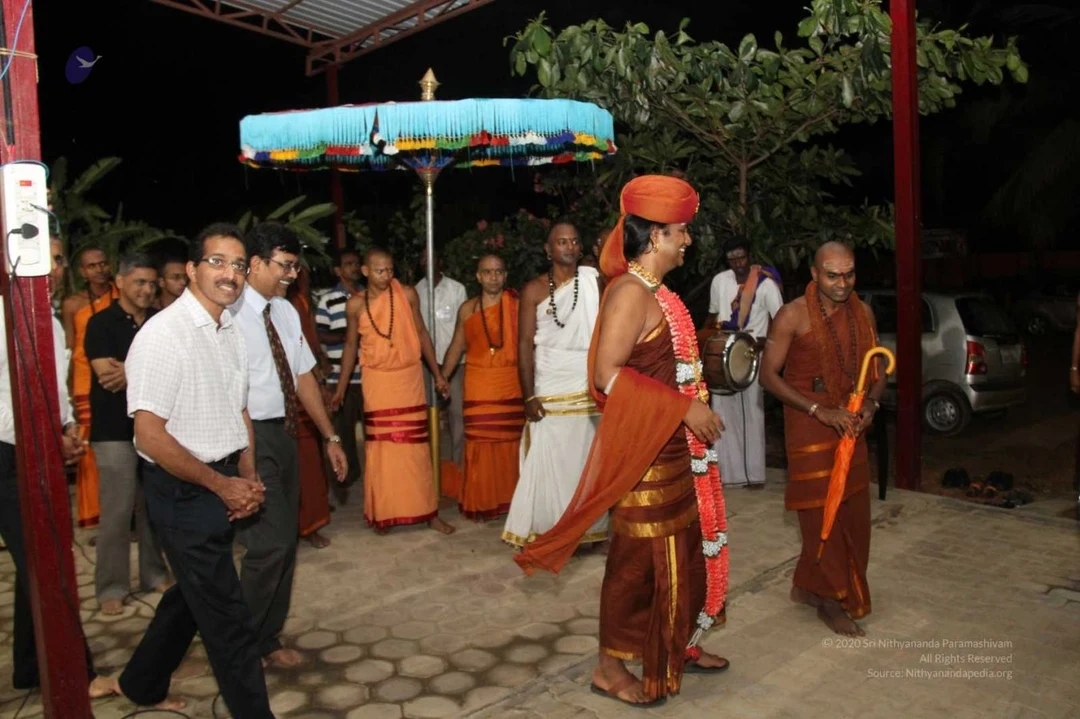
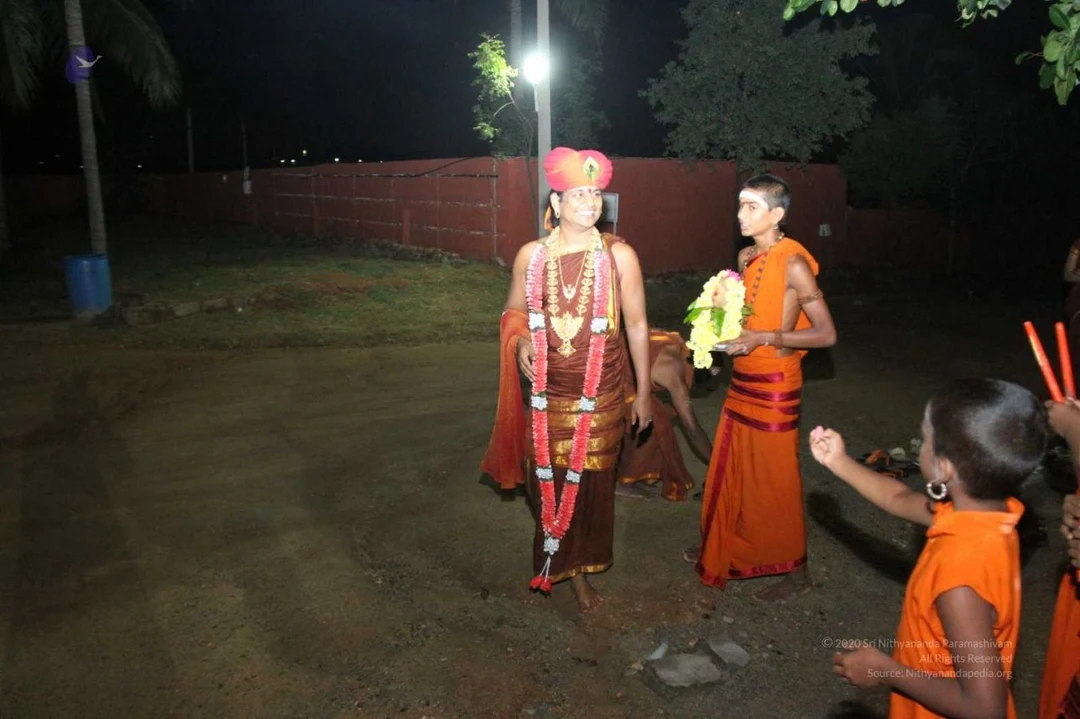
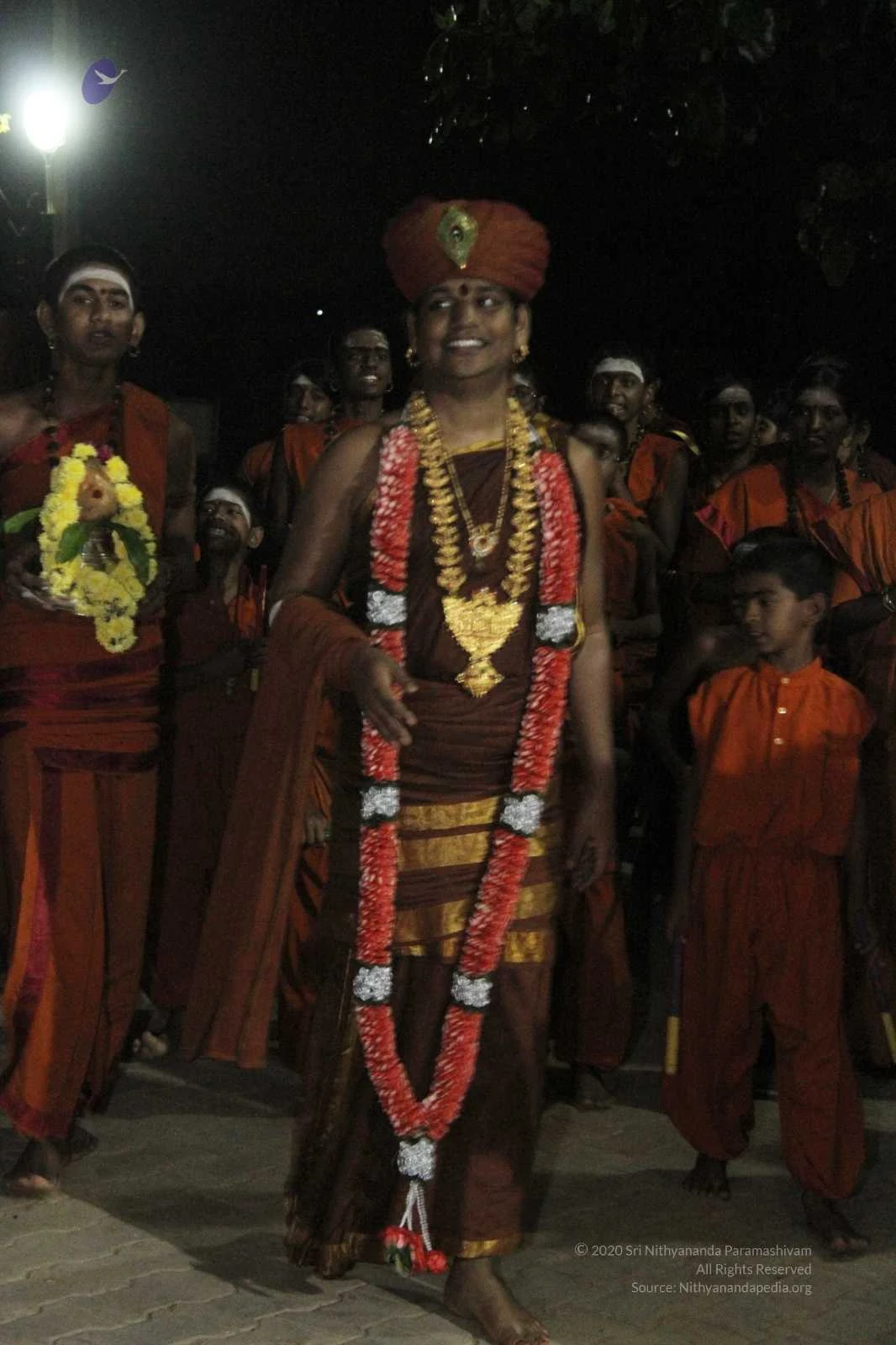
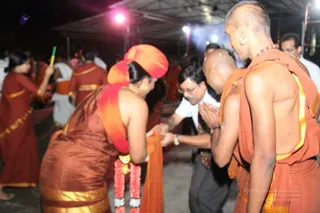
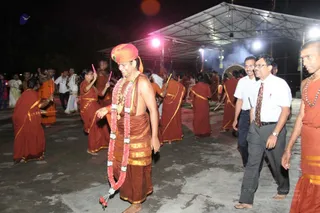
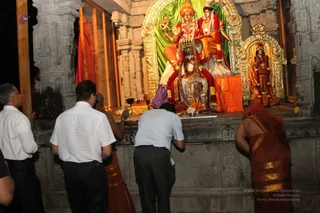
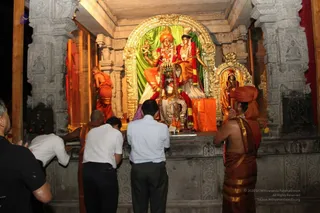
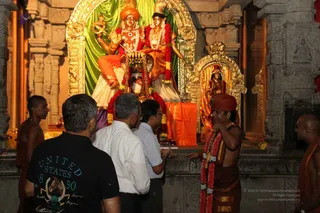
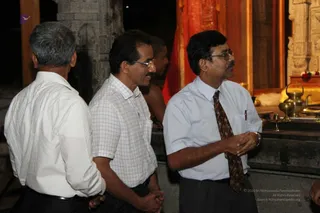
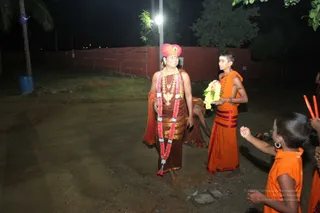
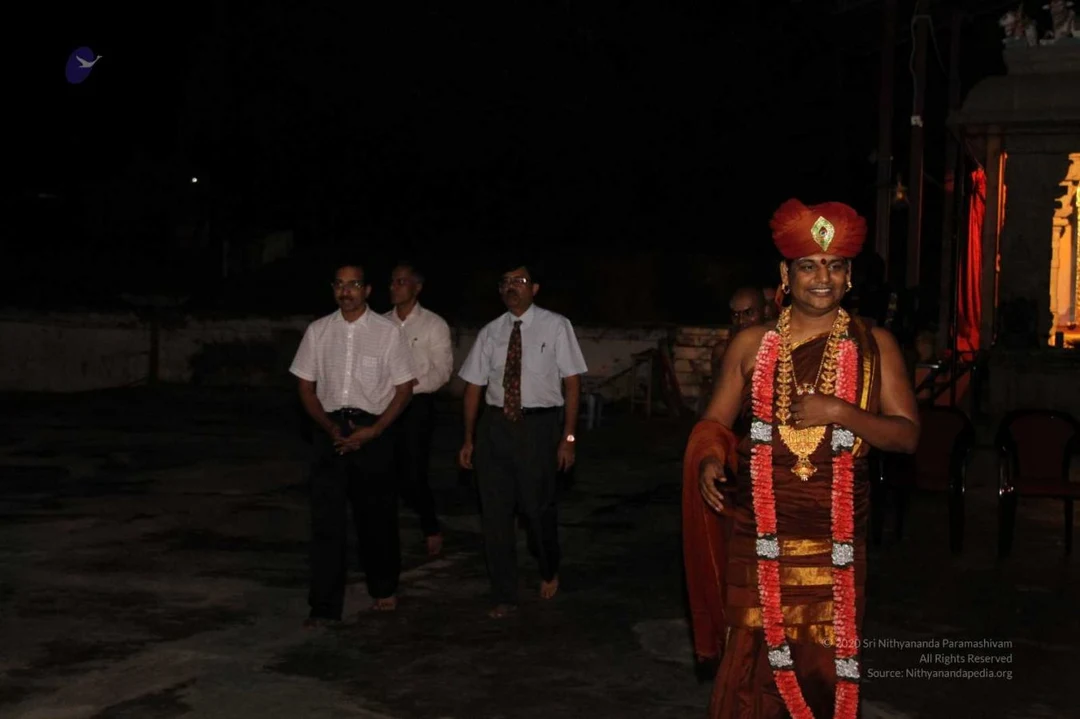
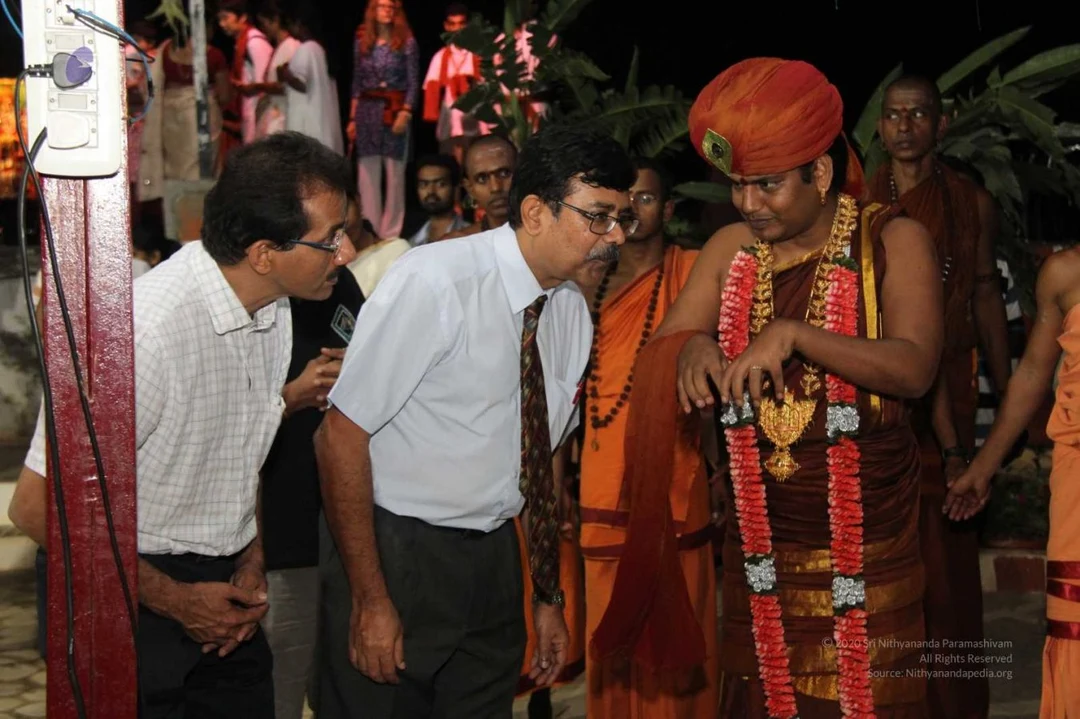
Night-time photograph of a ceremonial welcome at an open-air outdoor venue under a pavilion roof with bright pink and white stage lights. In the foreground, a woman in a rust-brown and gold-bordered sari with a saffron-orange head covering bends forward, wearing a long garland of pink and white flowers, and holds the hands of a bald man in a saffron-orange garment. A man in a white shirt and dark trousers, wearing glasses, bows with palms pressed together in namaste. On the right, a shirtless young man with a shaved head, rudraksha beads and an orange-gold shawl stands with his back to the camera. Behind them, several people in rust and orange robes and white dhotis move through the crowd, and one holds a green-and-yellow item.Night outdoor procession under a corrugated roof lit by pink and white stage lights. A man in an orange-pink turban, bare-chested with a saffron-orange cloth wrapped at the waist, wears a long pink and white flower garland and smiles while walking forward. Behind him, a line of people in rust-red and saffron robes with gold-bordered cloth carry pink and yellow sticks, and a few people in white dhotis stand among them. Two men in white shirts and dark trousers walk alongside on the right, one wearing glasses and a striped tie. A faint smoke haze rises near the back of the shelter. The ground is grey concrete.A photograph inside a temple shrine at night showing a deity murti seated on a raised platform draped in green and orange cloth, with a golden arch behind it. The figures are adorned with red and white garlands and an orange turban-style crown. In the foreground, four people stand or bend at the shrine's stone ledge with hands folded in reverence, including a man in a white shirt and dark trousers and another in a light shirt and dark trousers bowing. A figure in an orange-brown dhoti with gold borders kneels on the right, and a figure in orange robes stands at the left edge. A smaller shrine on the right holds another deity in orange cloth with a garland. The scene appears to be a devotional darshan or puja.Devotees stand and bow before a shrine with a golden arched frame and green backdrop, where two deity murtis in orange and white garments are adorned with red and white garlands. A Shivalinga-like form sits in front with a silver serpent-shaped ornament. A monk in orange robes stands at left beside the shrine, while a shaven-headed priest in orange dhoti and angavastram holds his palms together at right. Four men in shirts and trousers lean in with folded hands, one wearing a white shirt, one in blue shirt, and one in black. Stone pillars with carved figures frame the temple interior.Devotees stand before a gilded shrine with two large painted deity murtis seated on a throne, one holding a staff-like implement, draped in orange and red cloth and decorated with red and white garlands. A green backdrop frames the shrine. In the foreground, a shaved-headed bare-chested priest in an orange-red dhoti with a red turban and rudraksha malas offers worship while three men in shirts, including one in a black UNITED STATES 890 t-shirt, look on. Another shaved-headed priest in orange stands at the right edge, and a small figure in orange and gold sits in a side niche.Photograph of three men standing in a dimly lit temple interior at night, viewed from behind and the side. The man on the left wears a white short-sleeved shirt and has grey hair. The man in the centre wears a white-and-beige checked short-sleeved shirt and glasses. The man on the right wears a white short-sleeved shirt, a brown striped tie, glasses and a wristwatch, with his hands clasped in front of him. Behind them is a red curtain, and to the right a golden-yellow altar holds brass kalasha-style vessels, a brass lamp and a brass pot, with a garland of flowers on a stone ledge. No a person candidate is visible.
Homa
14 photosSource gallery
A night-time homa at an outdoor shrine. A seated priest in orange robes and an orange turban sits cross-legged on a mat before a square fire pit with glowing embers. Behind the pit stands a white-and-gold deity murti, a goddess with a lion mount, flanked by smaller figures and garlanded with yellow flowers. Smaller murtis on a purple cloth are decorated with yellow and red garlands. Offerings of flowers, a brass vessel and a silver pitcher lie nearby, and a red cushioned seat sits at the right. The priest is not clearly identifiable as a person from appearance, so the role is given instead.A heavily motion-blurred night photograph taken during movement, showing streaks of bright white and green light from overhead lamps or vehicle lights against a dark background. The lower half shows a pale, blurred ground surface, possibly a road or paved area. Faint shapes of structures or vehicles appear in the middle distance, but no individual people or distinct figures can be made out.Night photograph of a line of young children in saffron-orange robes with white vibhuti smeared on their foreheads, many wearing rudraksha malas, holding thin coloured sticks or wands, standing in front of a red-draped shrine with a golden deity murti and smoke in the air. An adult woman in white sari and red-clad women stand among them, a dim tree canopy overhead.Night photo on a dirt road beside a red boundary wall, with a streetlight and palm trees behind. A man in a brown dhoti-style garment with a bright pink-red turban, a long multi-strand pink and white flower garland, and gold necklaces walks forward, smiling and looking to the side, his shoulders bare except for a red-orange wrap. Beside him stands a younger boy in orange robes holding a bouquet of yellow and white flowers. Two children in orange clothing stand at the right edge, one reaching toward the group. a person: the central man wears a bright turban, garlands and gold ornaments, consistent with his distinctive presentation, so he is described as a candidate rather than confirmed.Night photograph of a procession at an outdoor site, lit by a street lamp at upper left. A central figure in a red-maroon turban with a green jewel ornament, brown garment with gold-toned borders, a heavy gold necklace and a long red-and-white flower garland stands smiling and gesturing. Behind him, several men in orange-saffron robes with white forehead bands stand close together; one at left holds a brass plate with yellow flowers, and a boy in orange kurta and trousers stands at right. a person cues: distinctive ornate clothing and garland, with the page noting his presence, though appearance is only partly confirmed.Night-time outdoor photo on a paved courtyard. A man in a red-orange turban with a green peacock-style emblem stands centre, wearing a brown-maroon draped robe with gold borders, a red and white flower garland, and gold necklaces; he holds his hands in anjali near his chest and looks upward smiling. Beside him, a woman in white clothes presses her palms together in prayer, and other women in white and red stand behind. On the left, young boys in orange robes with rudraksha malas stand by, and a dark tree and carved golden pillar frame the scene.

Kolkata Durga Deity

5 photosSource gallery
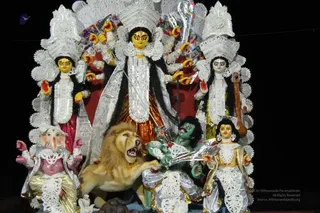
A photograph of a large Durga pandal idol illuminated at night against a black background. The central multi-armed goddess, with yellow face and white ornate costume, holds weapons aloft and stands on a red backdrop. A roaring lion sits at her lower left, and a green-skinned demon is being struck by her weapon. Flanking figures include Ganesha with an elephant head and pink body at left, a standing female deity with a veena at upper right, and a gold-clad figure at lower right. The white lacework decorations and deity murti are the main features; no person is visible.A large Durga murti dominates the frame against a dark background, a multi-armed goddess in white lacework with a red backdrop, holding weapons in her raised hands. A roaring golden lion sits at her lower left, and a green demon figure is being pinned beneath the lion's paw in the centre. Flanking the goddess are two white-clad female deities, one holding a veena, and at the lower left a pink-faced Ganesha murti in gold and white dress. A buffalo head appears at the bottom edge. No people are visible; the scene is a Durga puja image with festival-style decorations.A photograph of a large Durga pandal-style idol at night, set on a blue brocade-draped platform. The central goddess Durga has many arms holding weapons, a white ornate crown, and rides a fierce lion that bites at a demon figure. Flanking figures include Ganesha with an elephant head and a female deity playing a veena, plus a green-skinned demon. Yellow and orange marigold garlands decorate several smaller kalasha-style pots placed in front, and a red-and-pink floral garland adorns a central yantra or sacred stone.A large festive tableau of the goddess Durga slaying the buffalo demon, set against a black night background. The central multi-armed Durga in white ornate headdress and white lace-patterned sari stands above a roaring golden lion and a dark buffalo at her feet, grasping weapons in her many hands. Flanking figures include Ganesha with a pink body and an elephant head on the left and a figure with a veena-like instrument on the right, plus two additional goddesses in white headdresses. Below, a blue patterned cloth covers the platform, and several decorated kalasha pots are wrapped in yellow marigold garlands with red and pink flower offerings. No people are visible; the figures are deity murtis.A large clay idol of the goddess Durga with ten arms, yellow face and a white ornate crown and white lace-decorated sari with silver trim. She holds weapons including a trident, swords and a spear. Below her a golden lion roars and grips a green-skinned demon who clutches a sword, with red blood marks on his white ornamented garment. The scene is set against a red backdrop. No physical people are visible; the figures are statues and idols.