Skip to content
Tuesday

10 September 2013

Dated photos
111
Source pages
1
Media
2
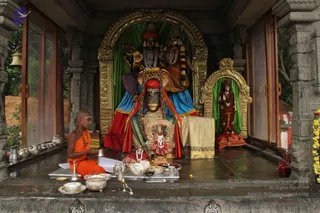
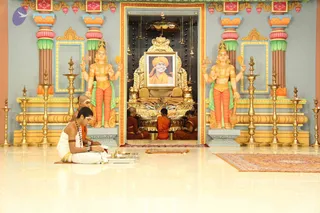
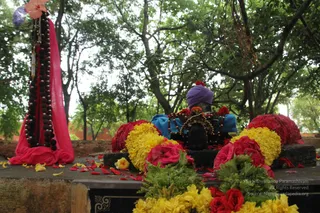
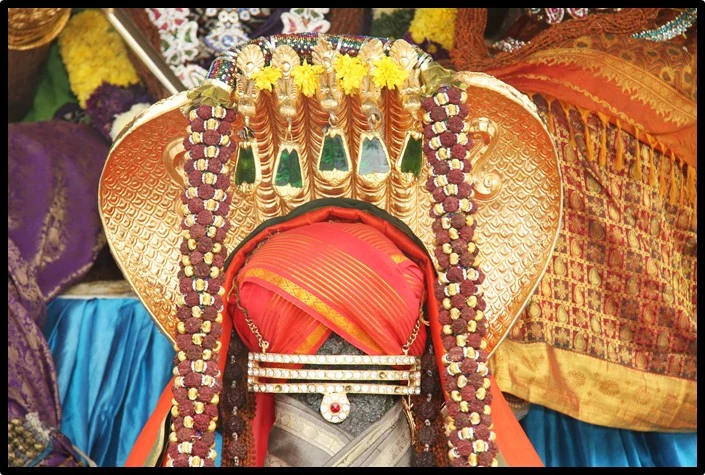
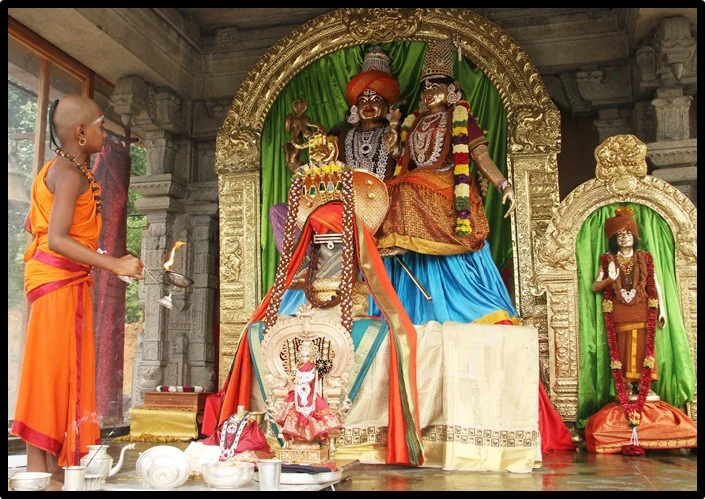
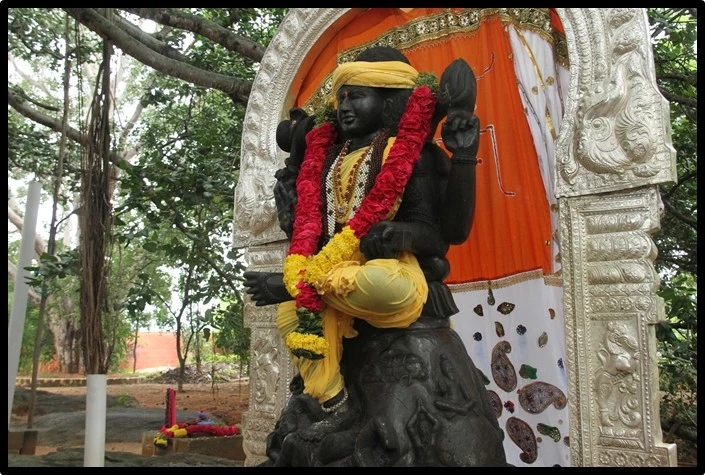
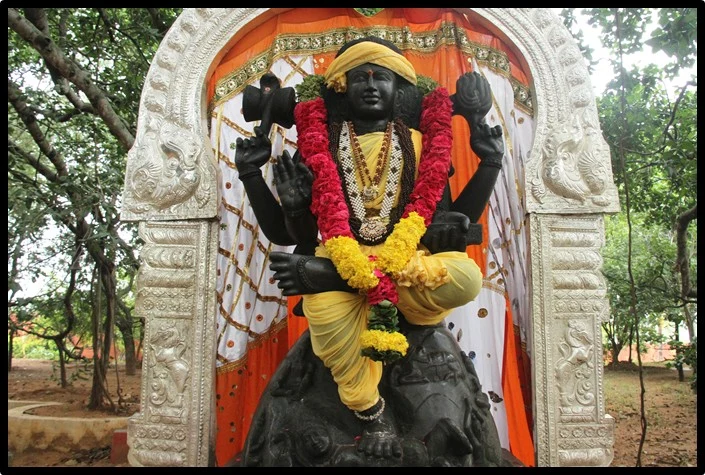
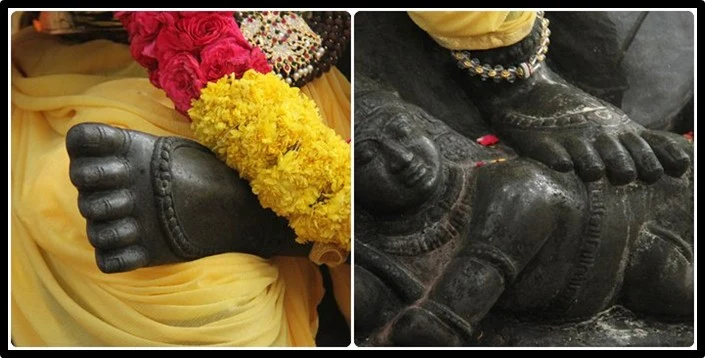
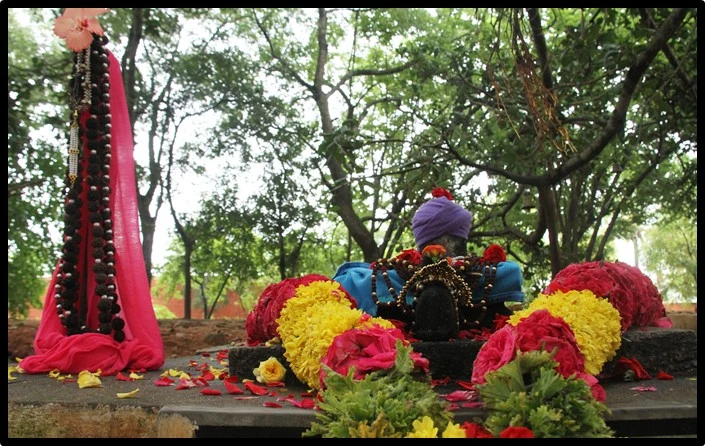
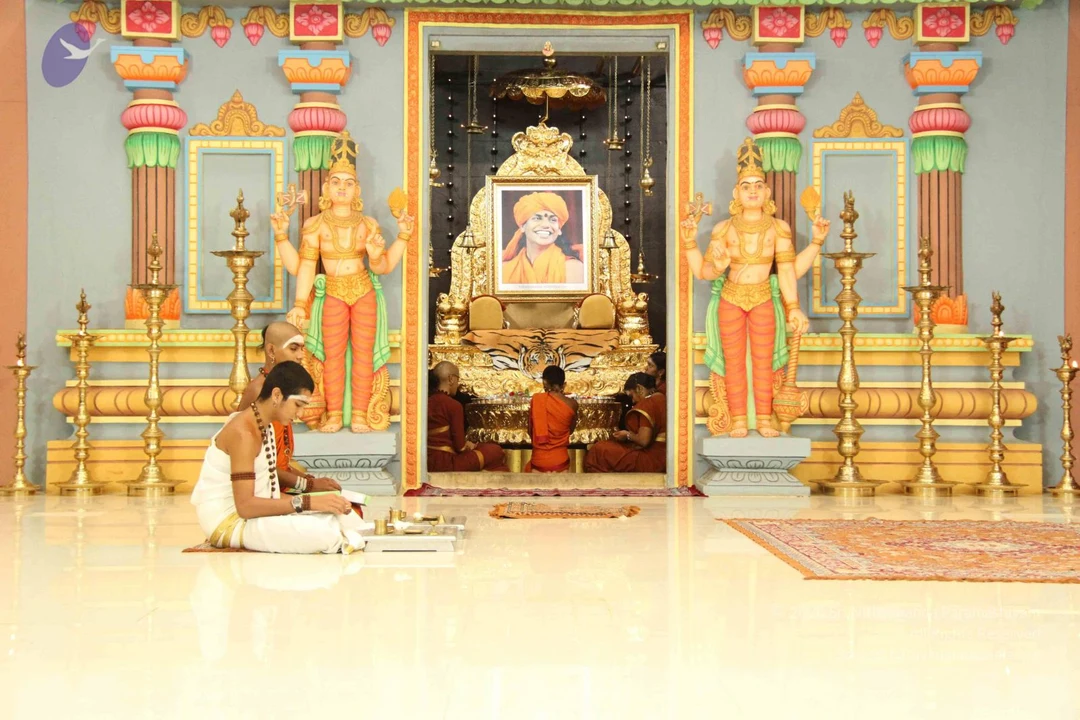
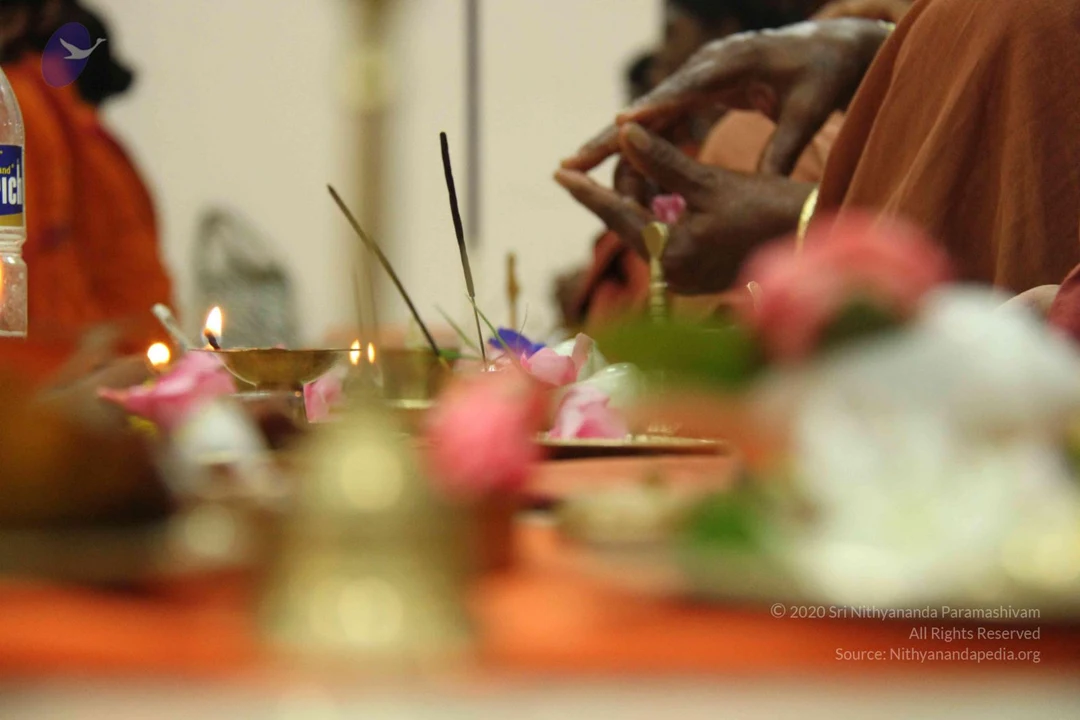
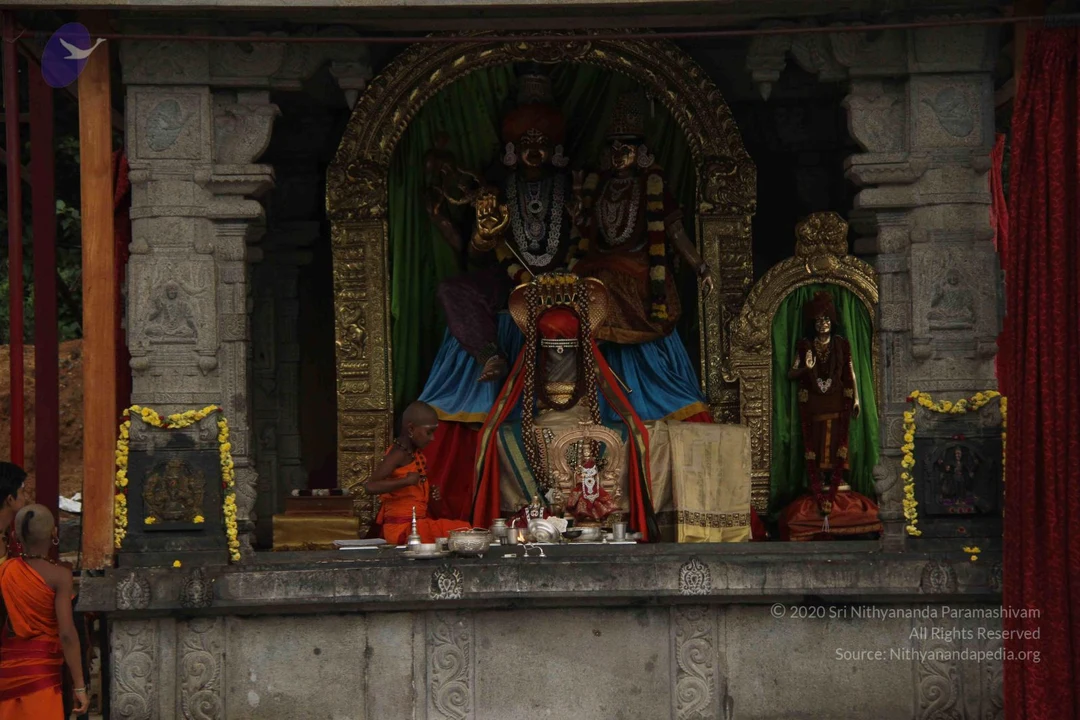
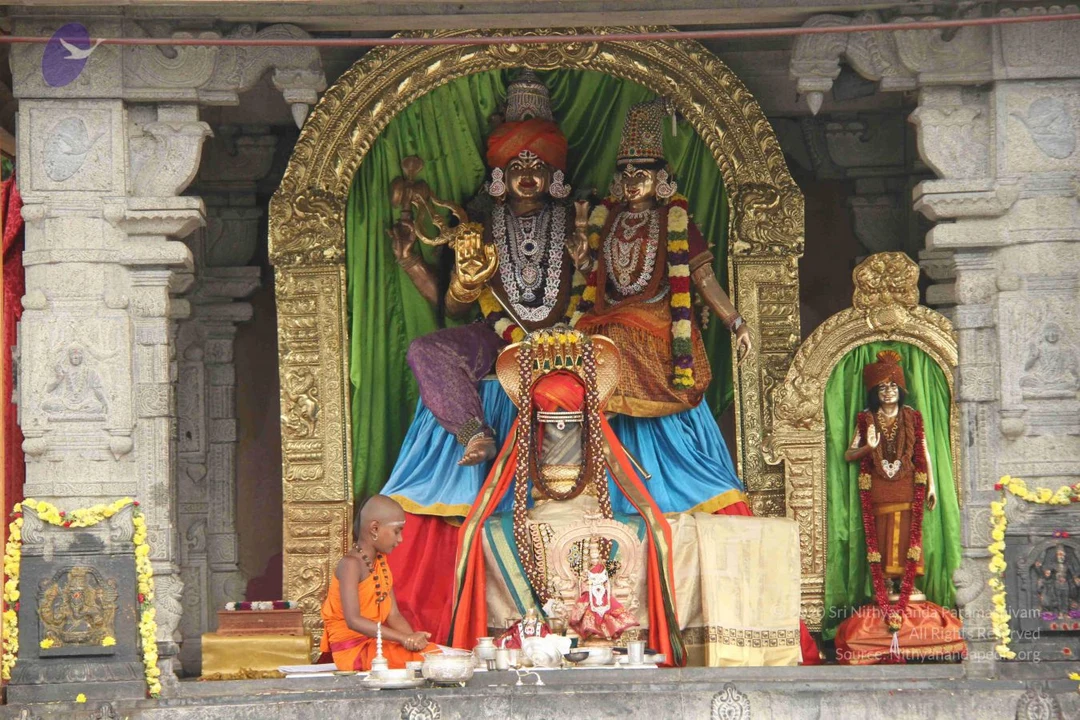
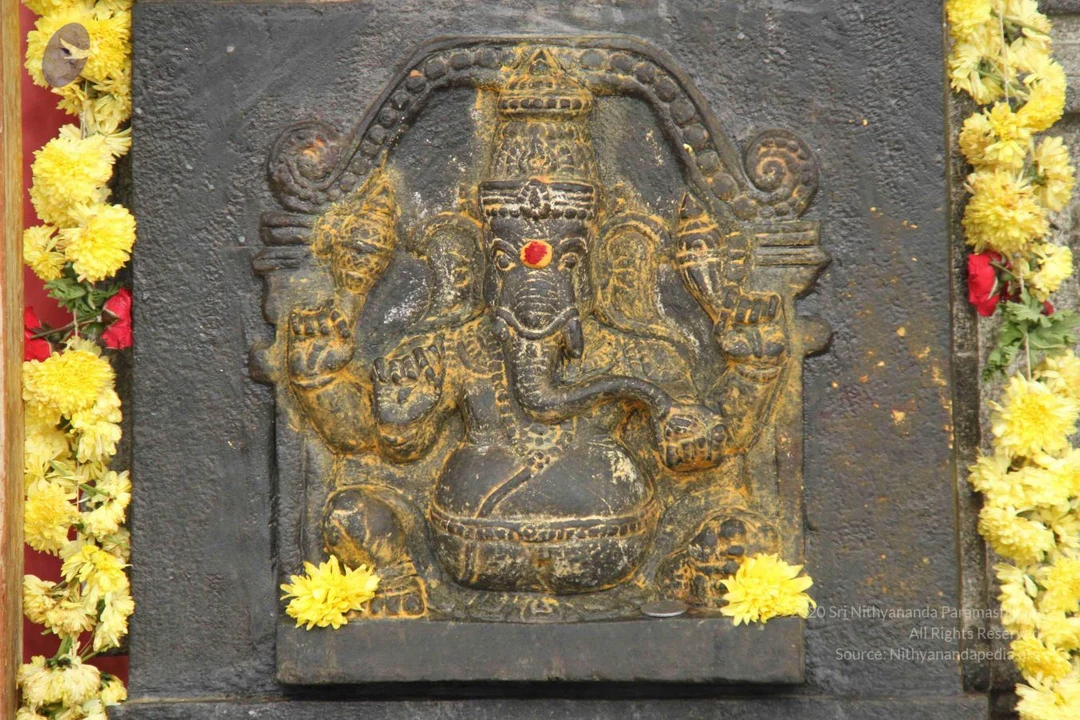
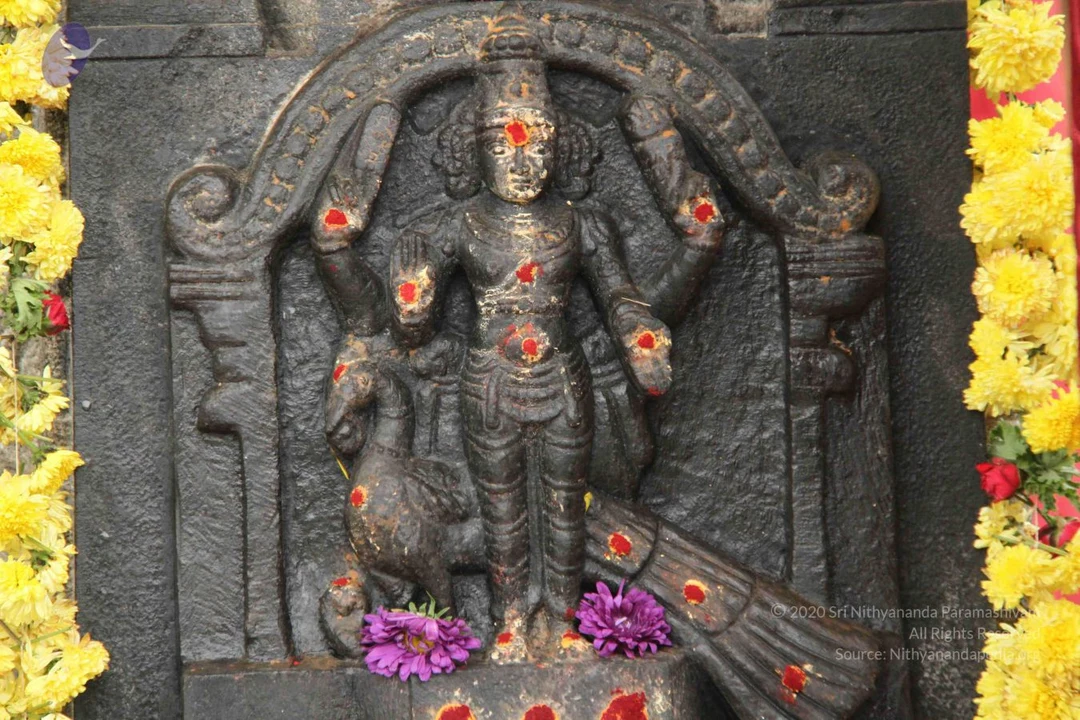
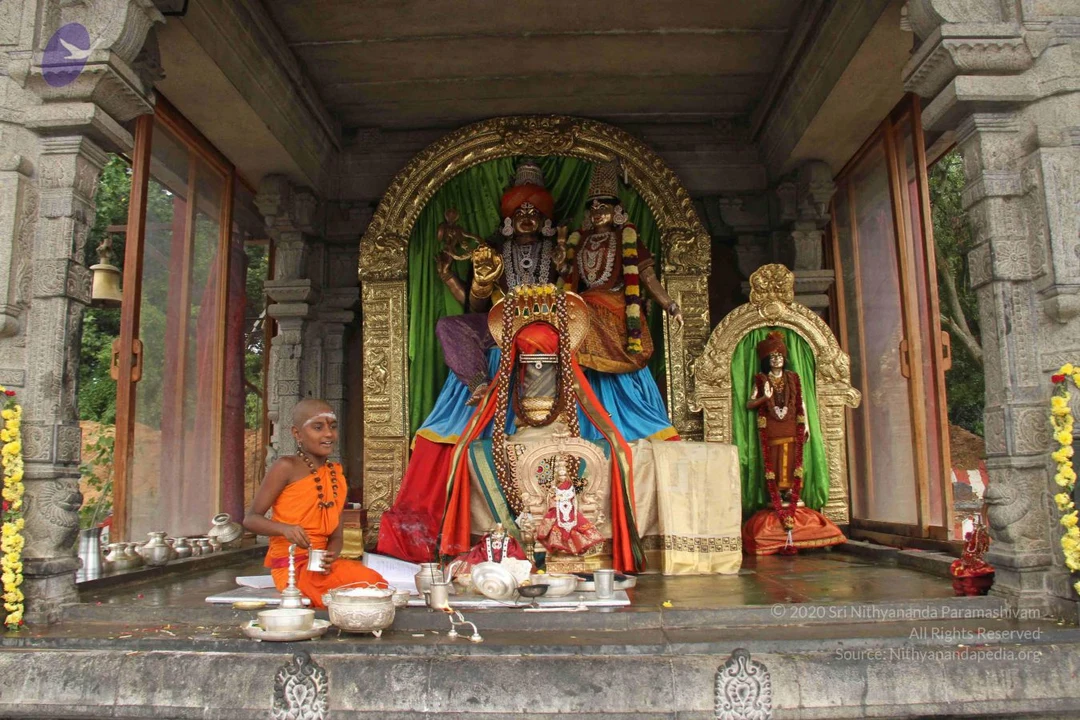
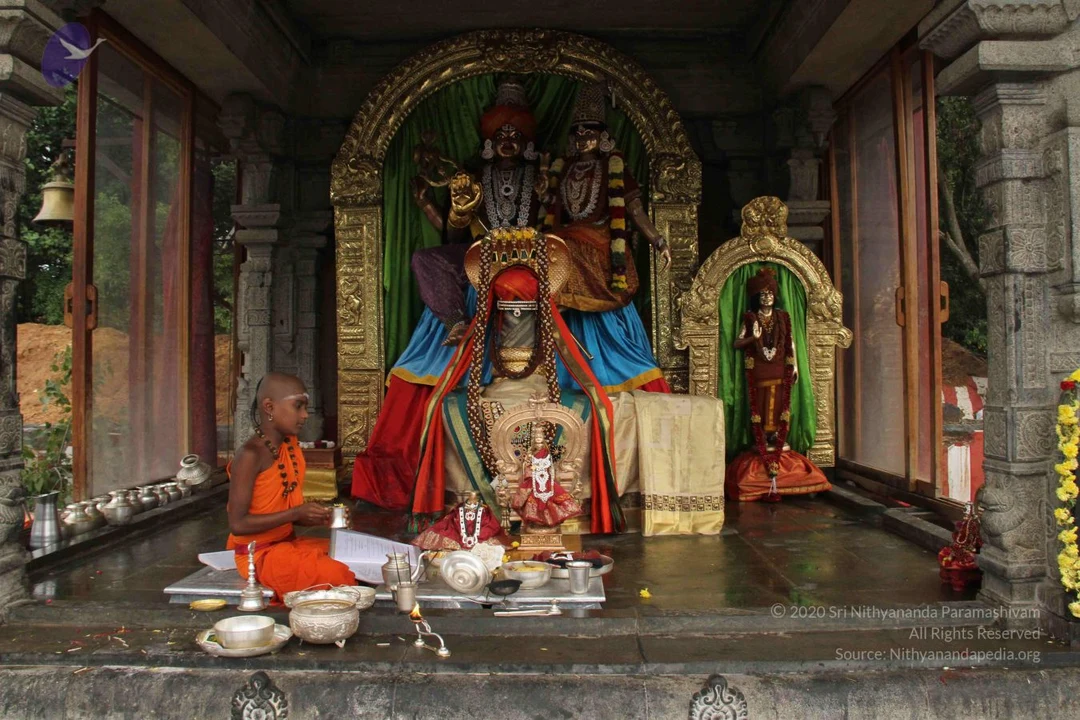
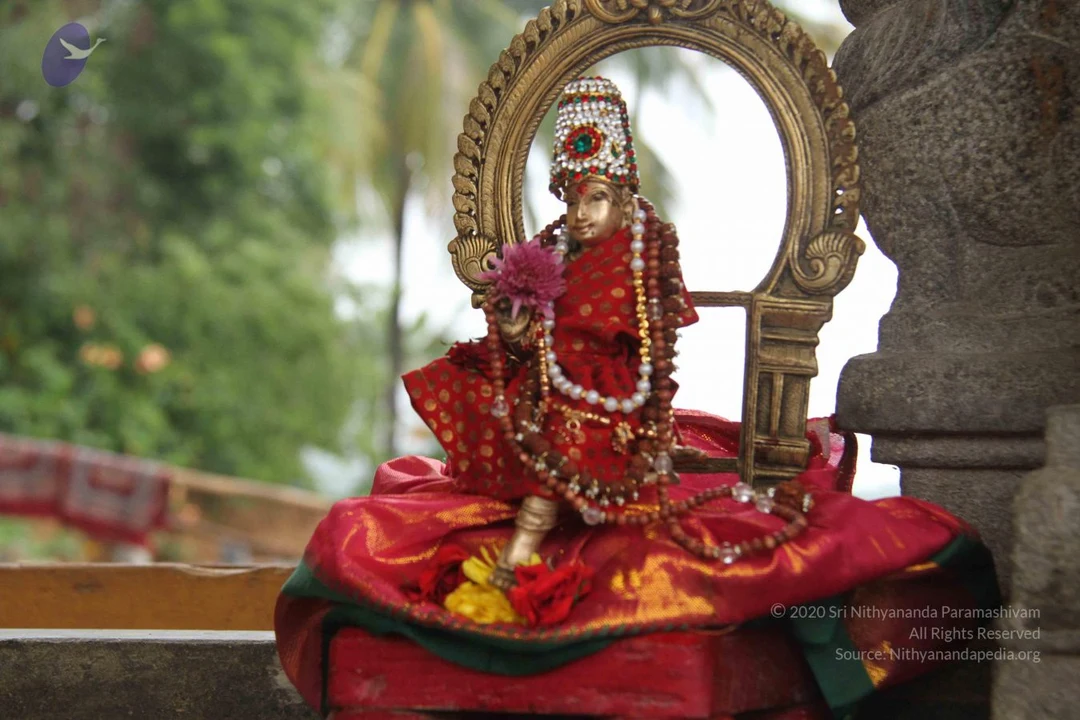
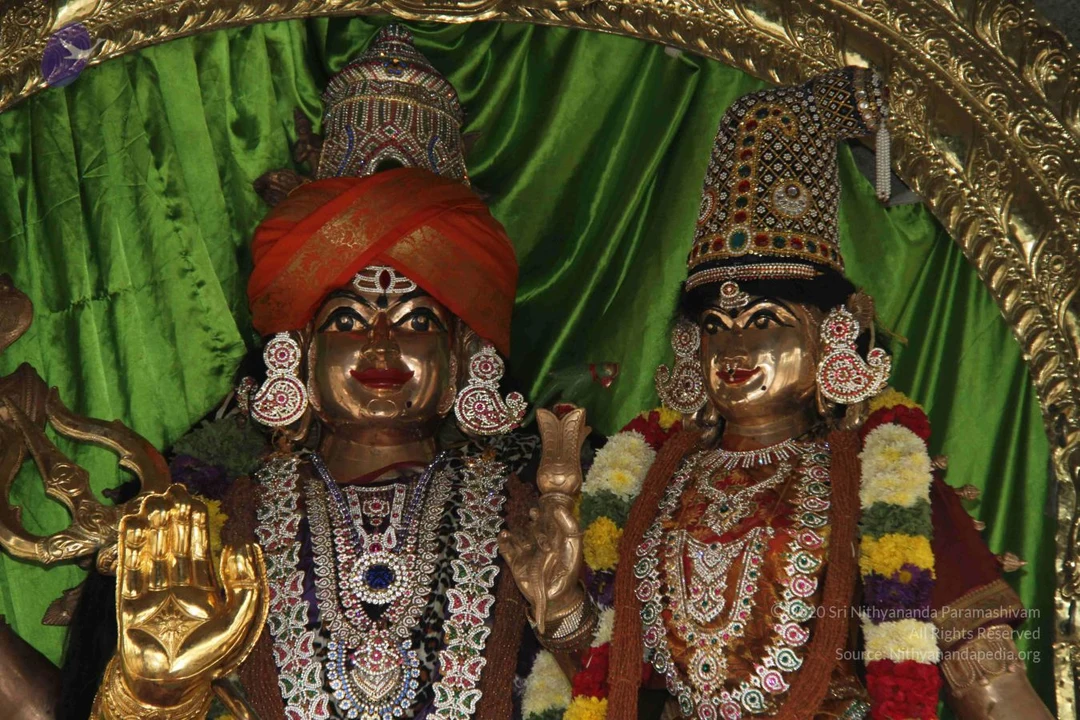
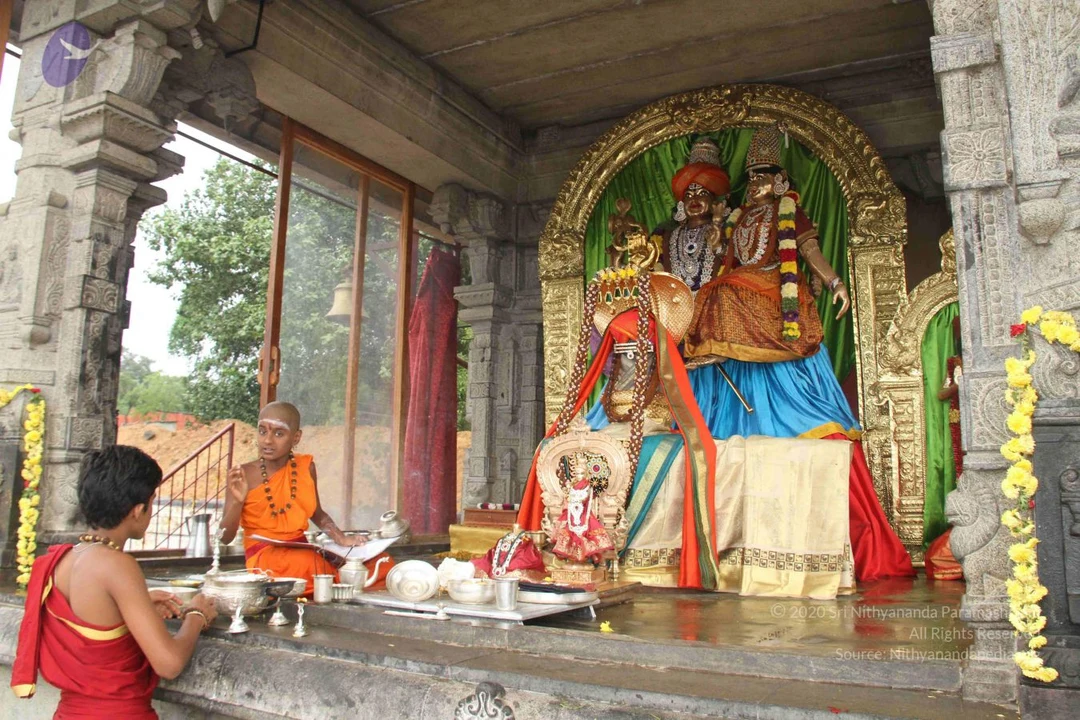
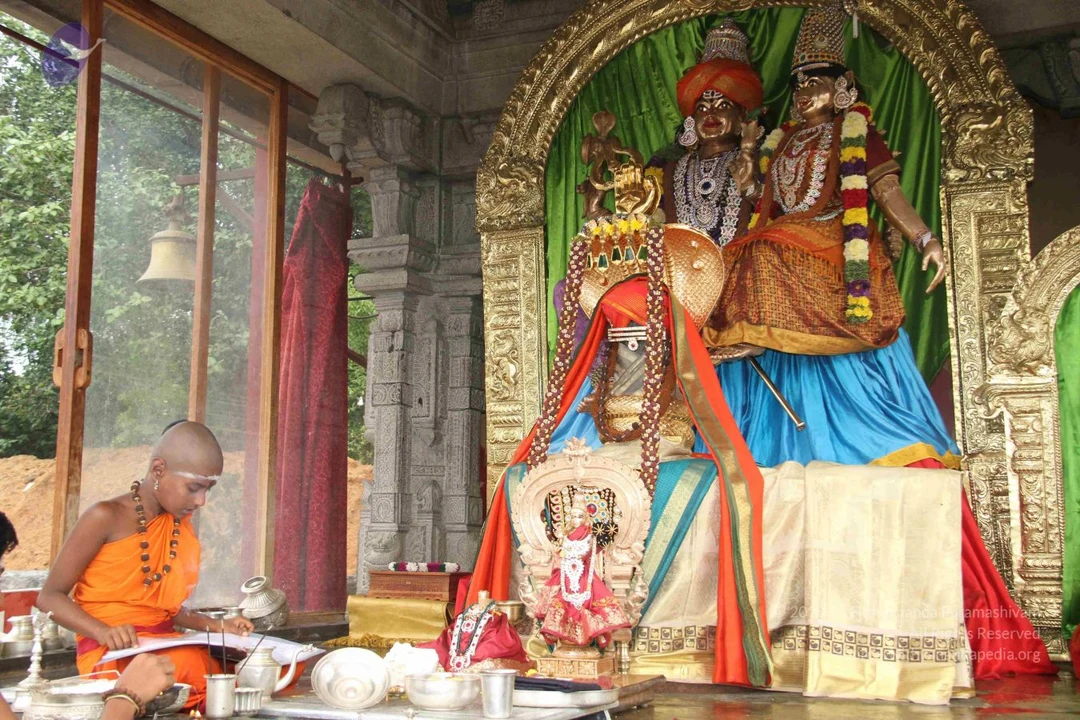
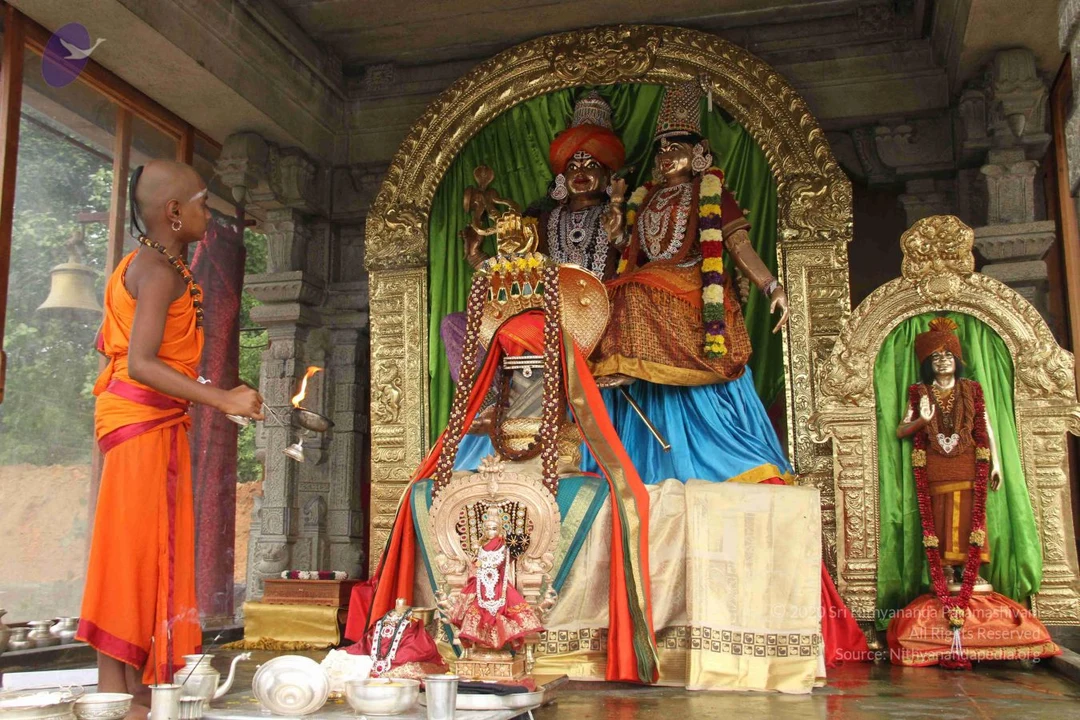
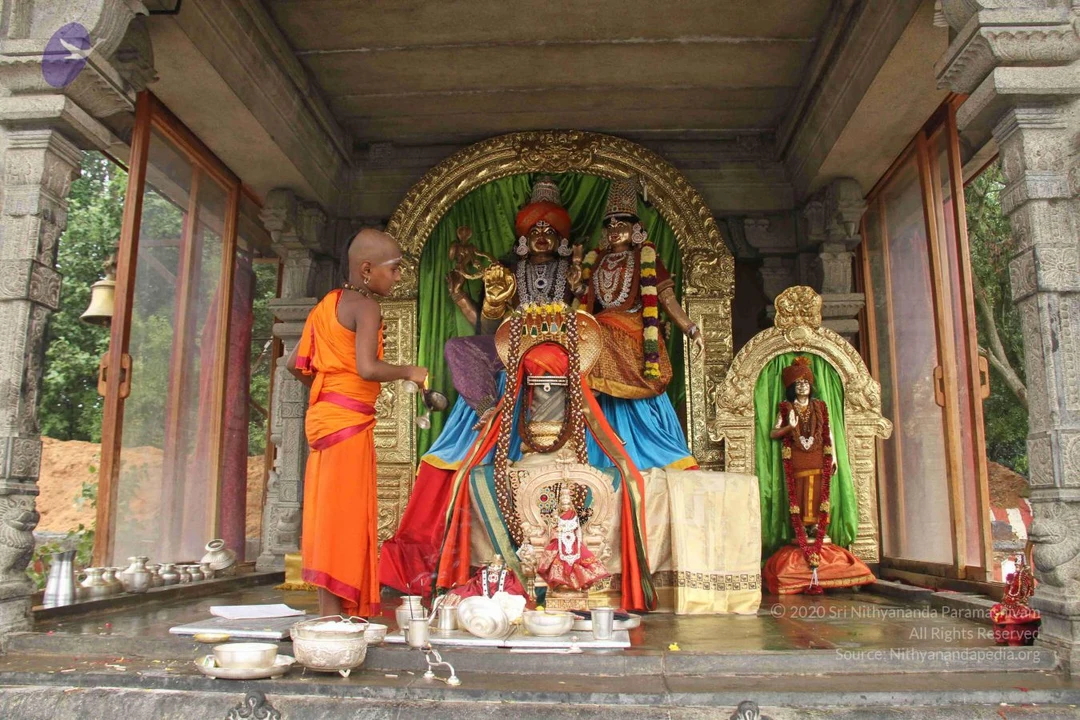
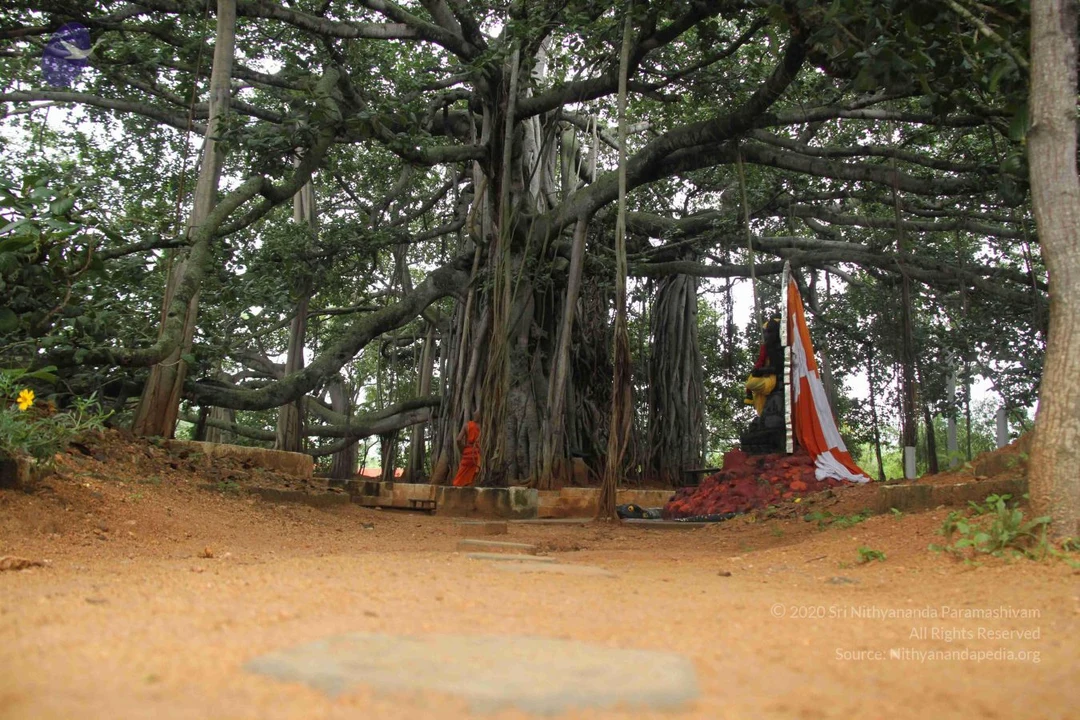
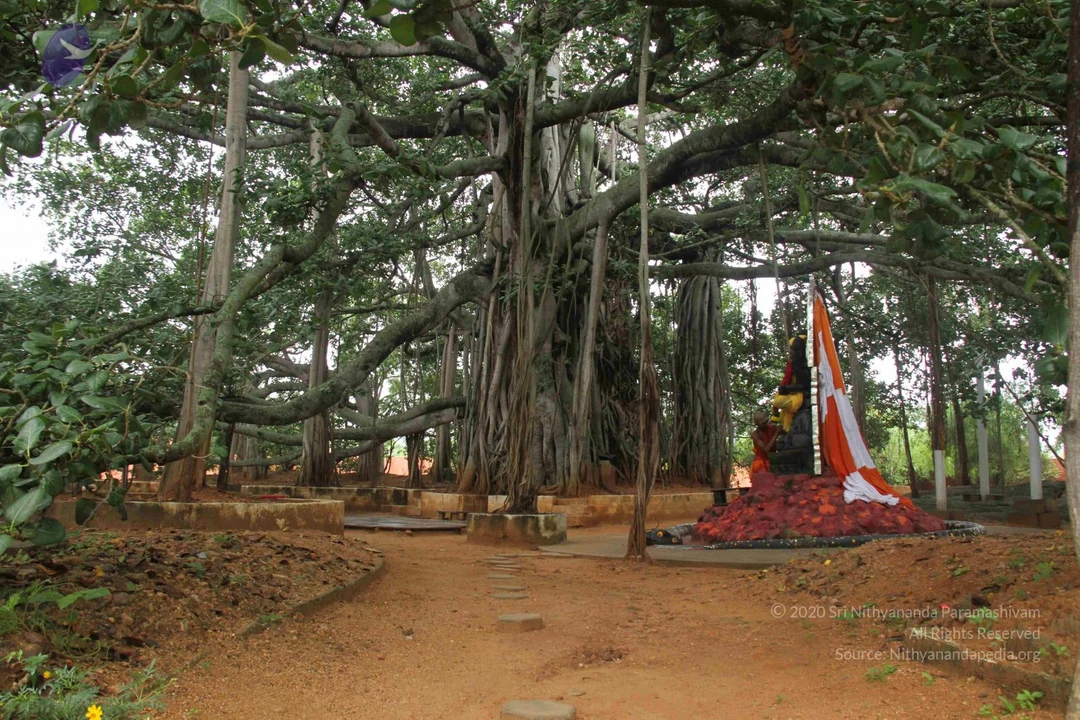
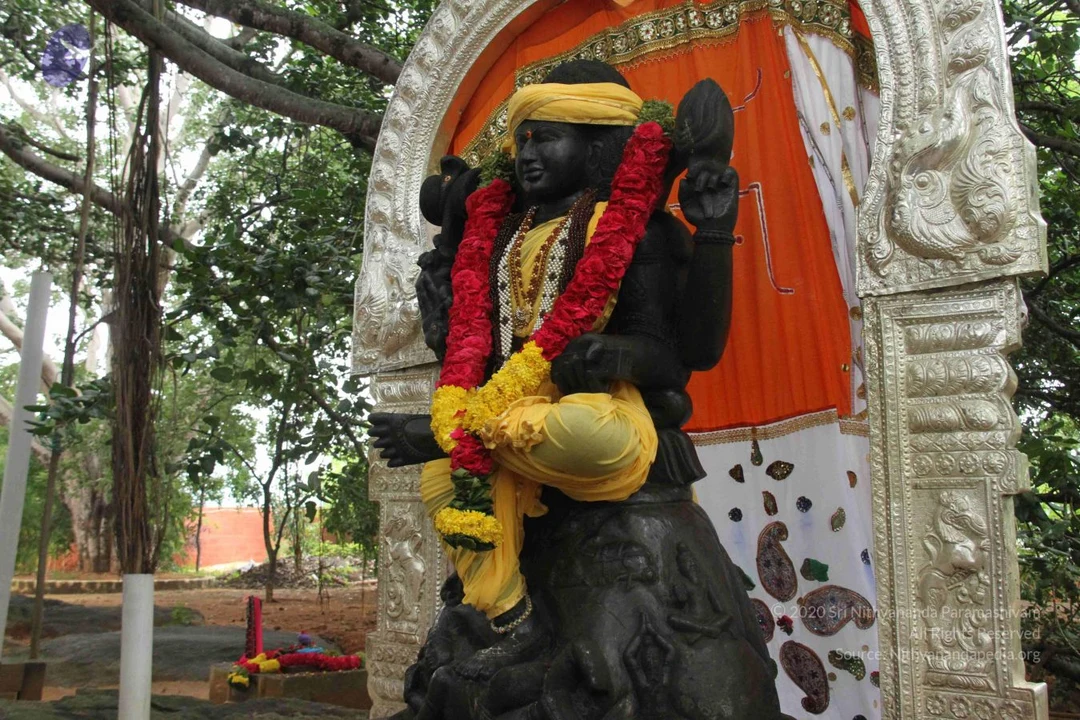
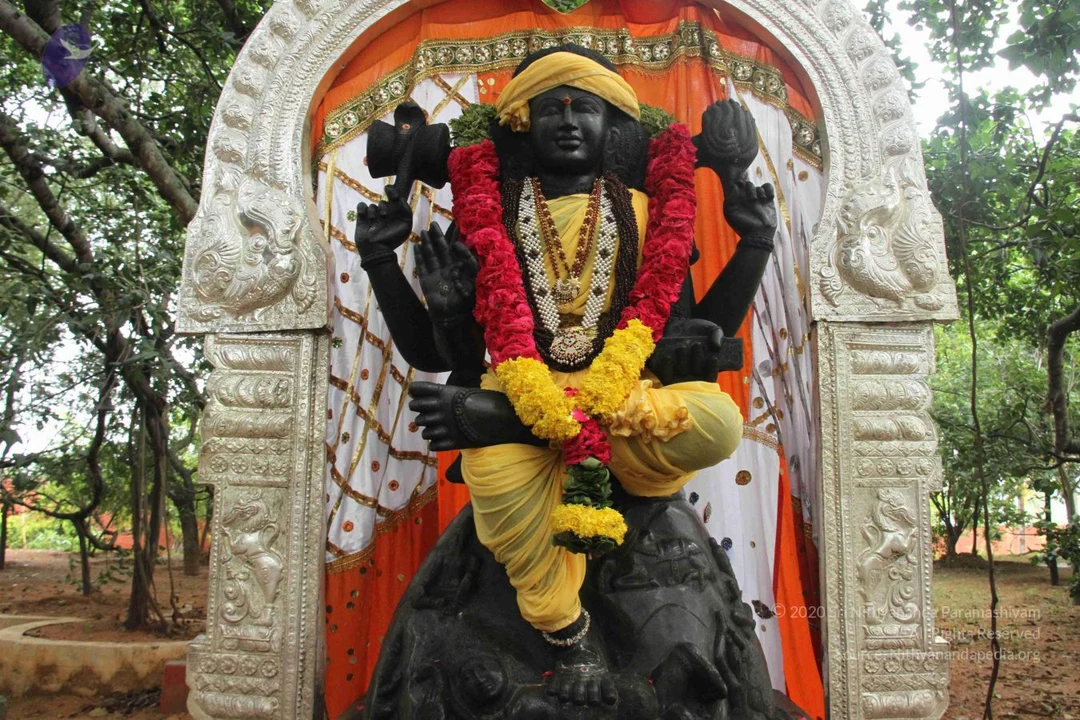
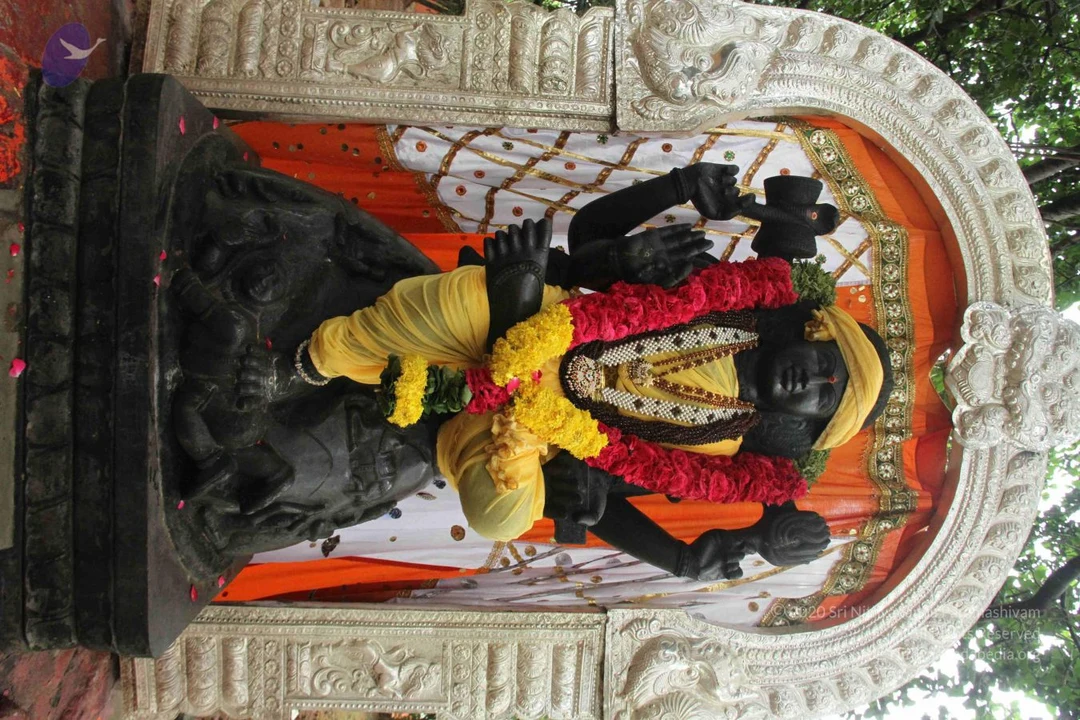
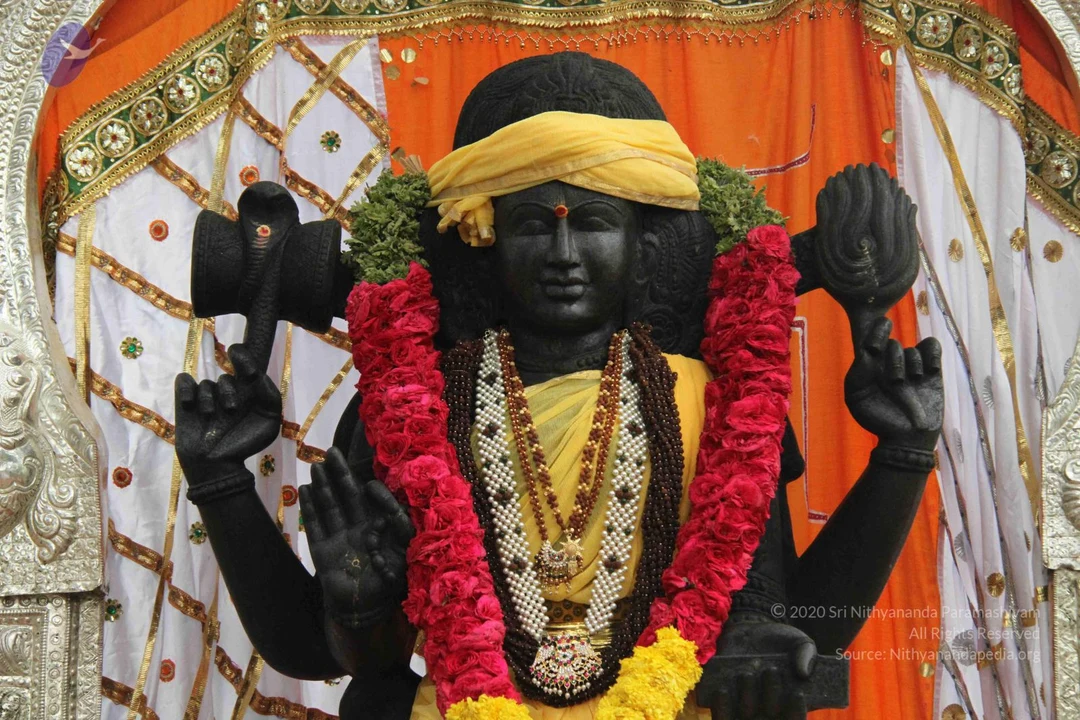
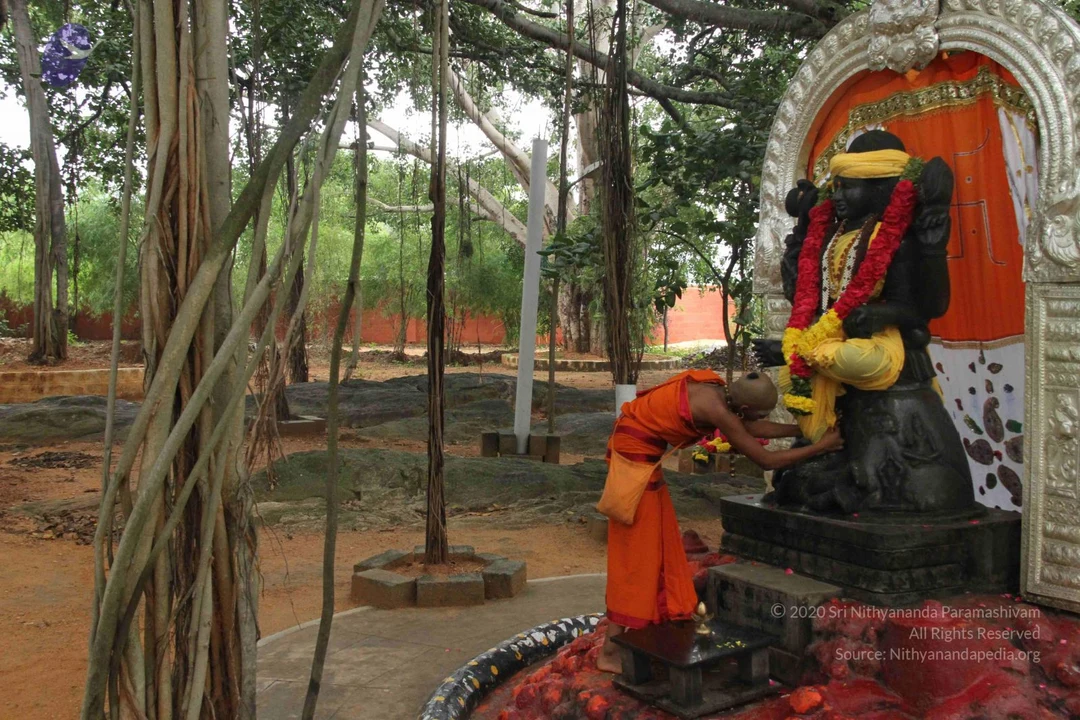
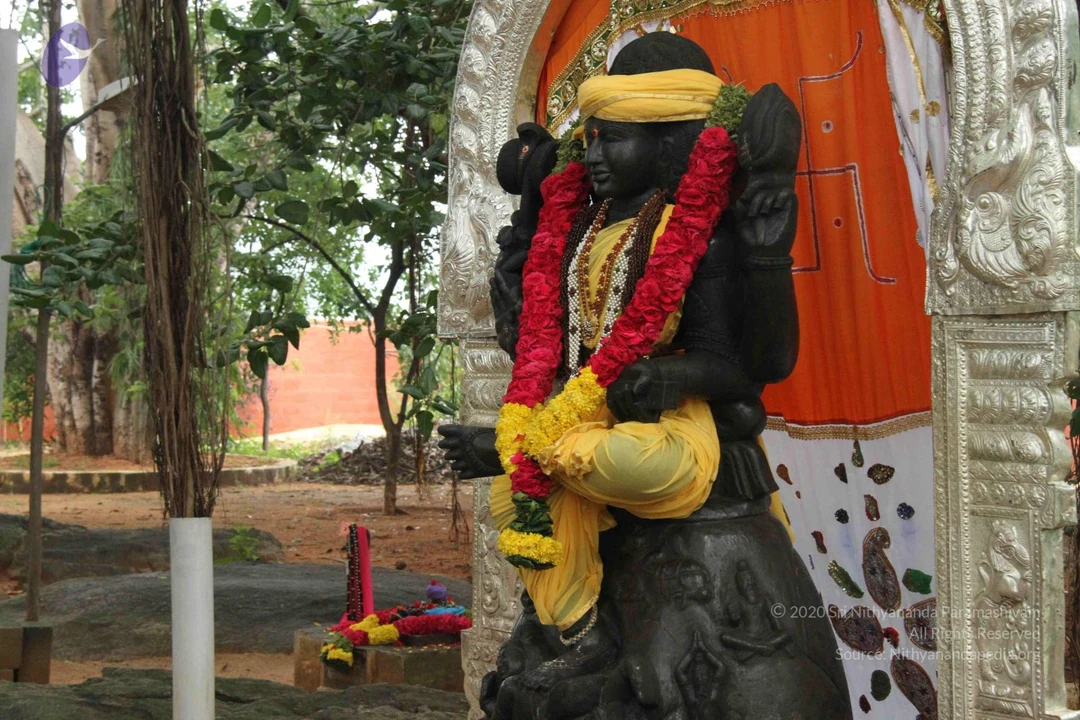
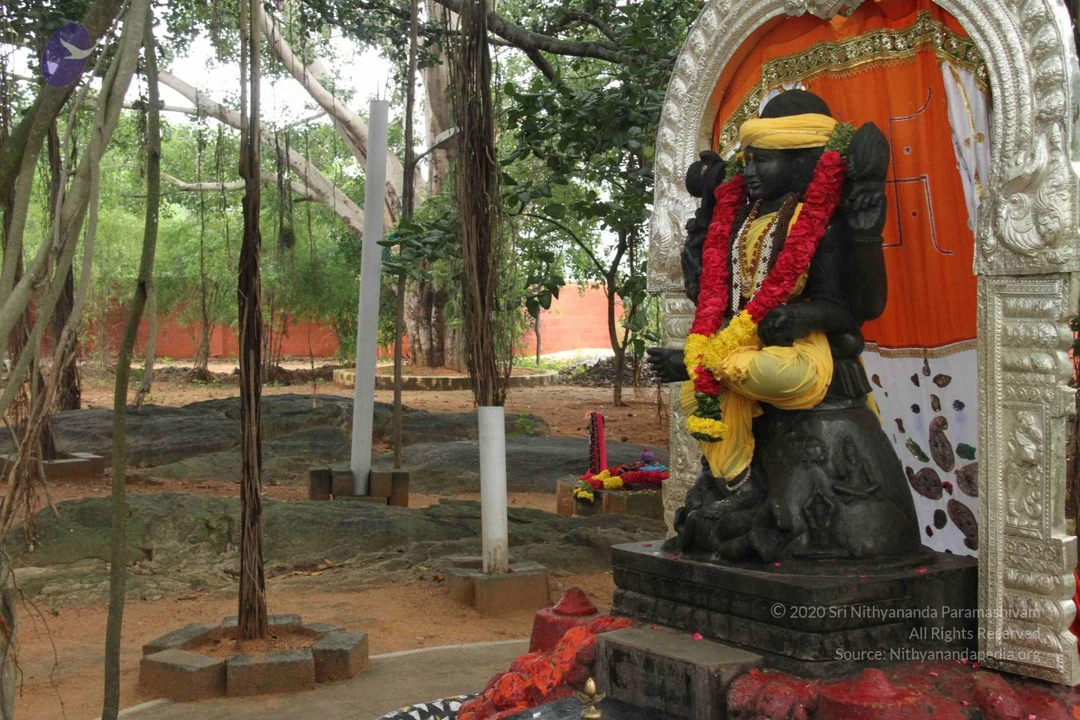
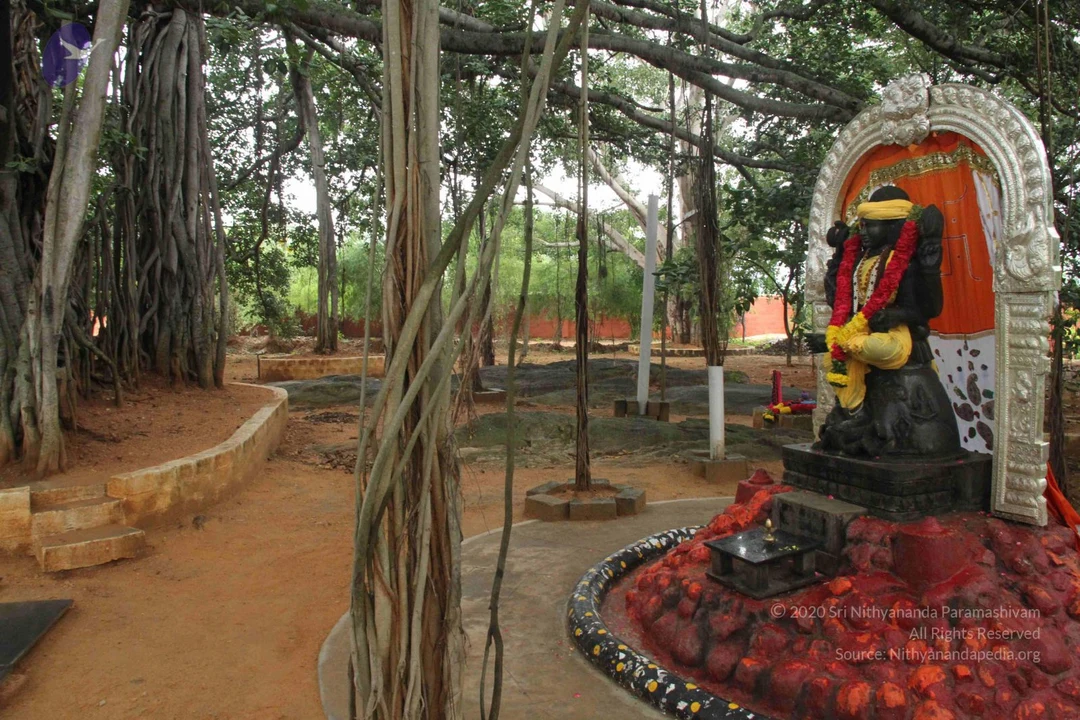
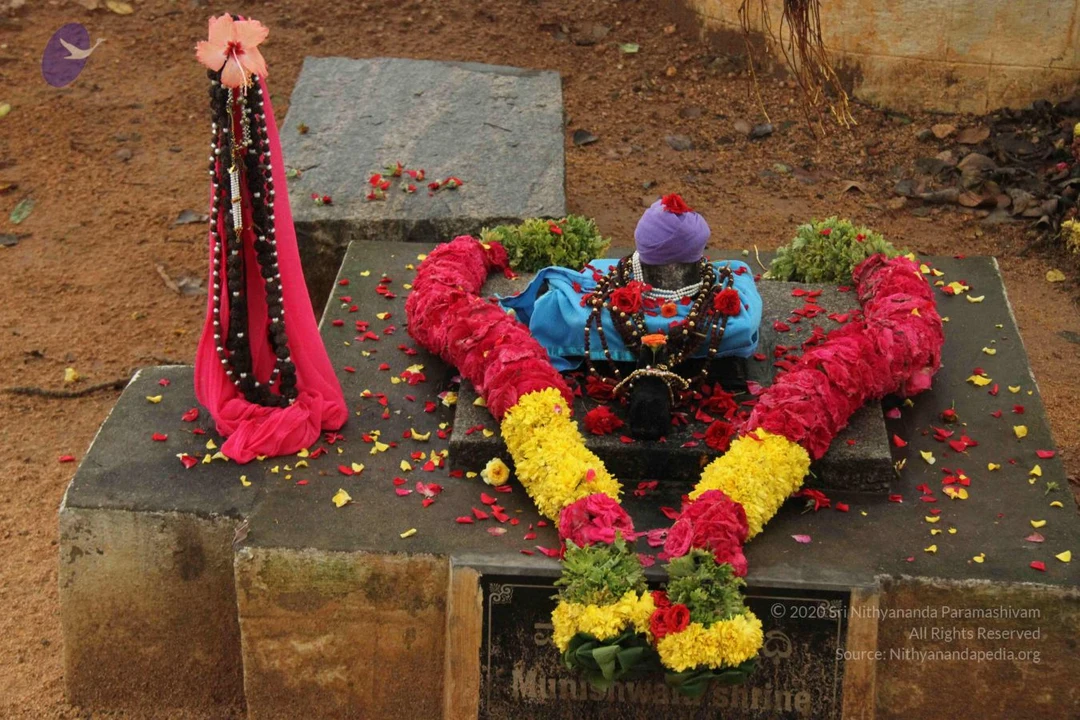
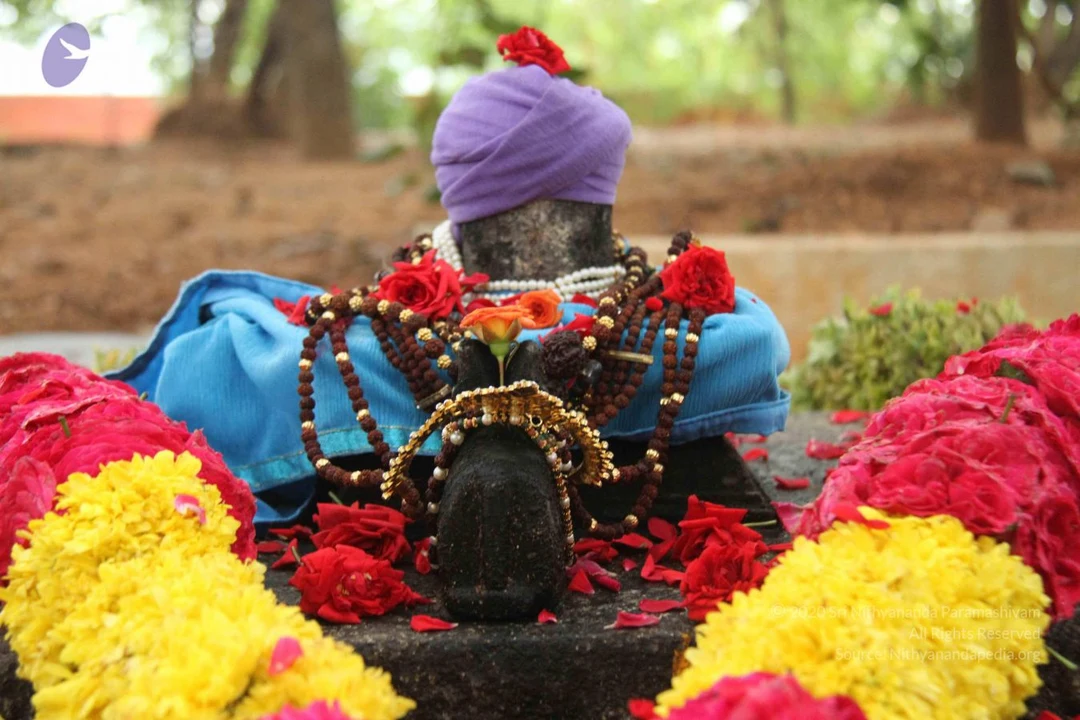
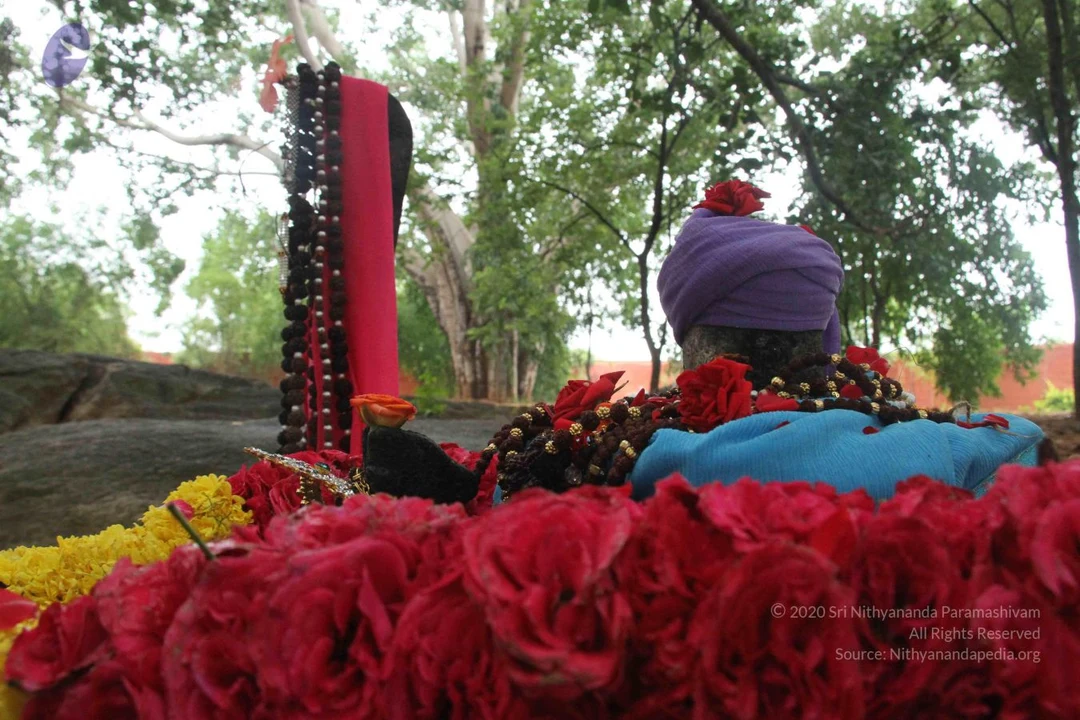
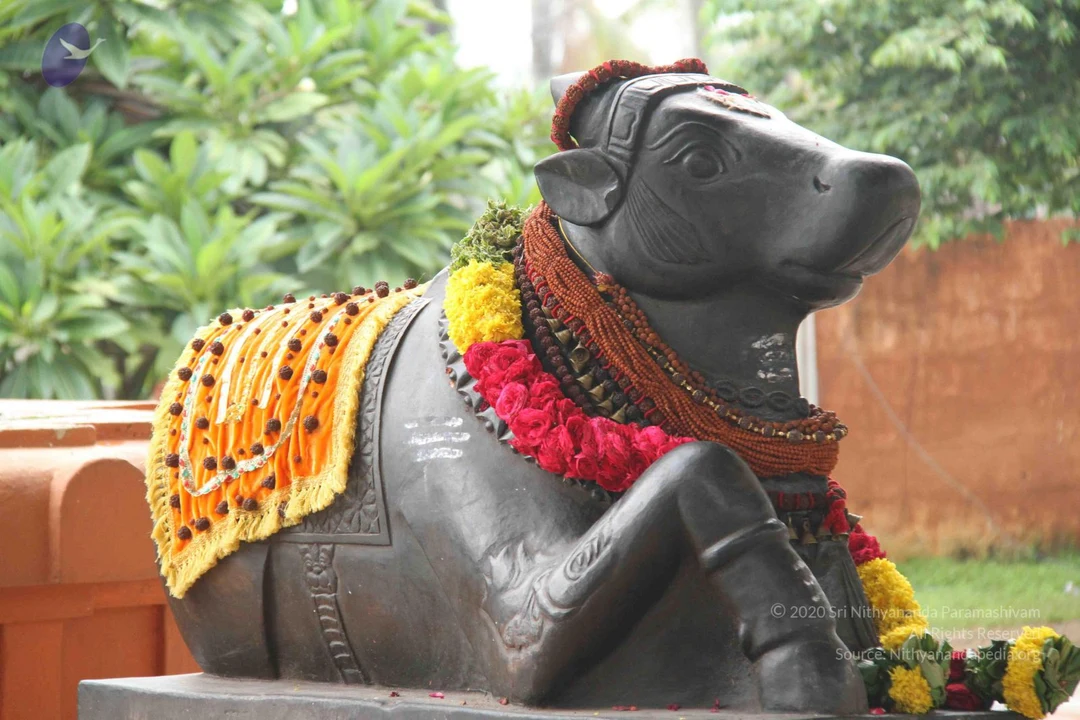
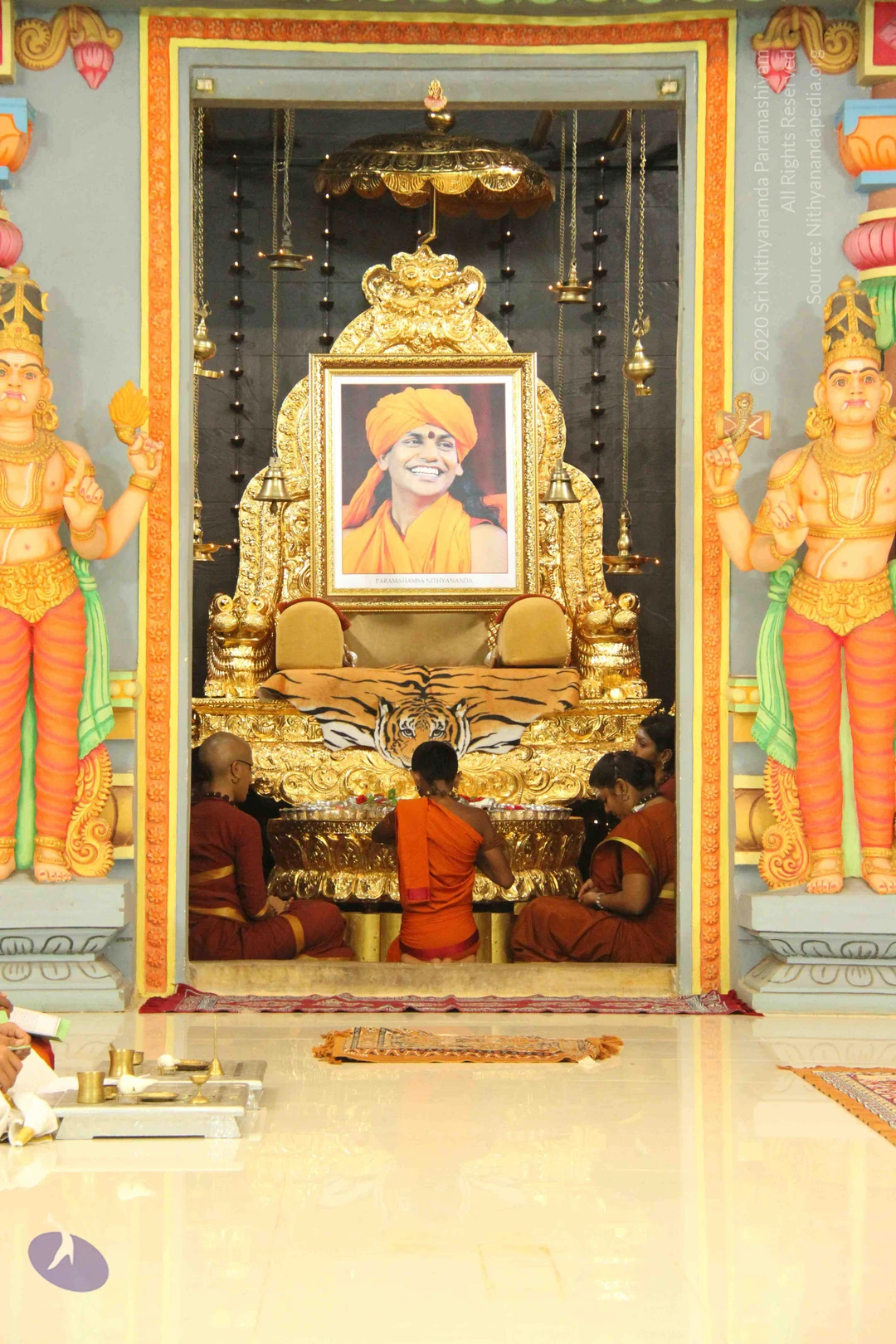
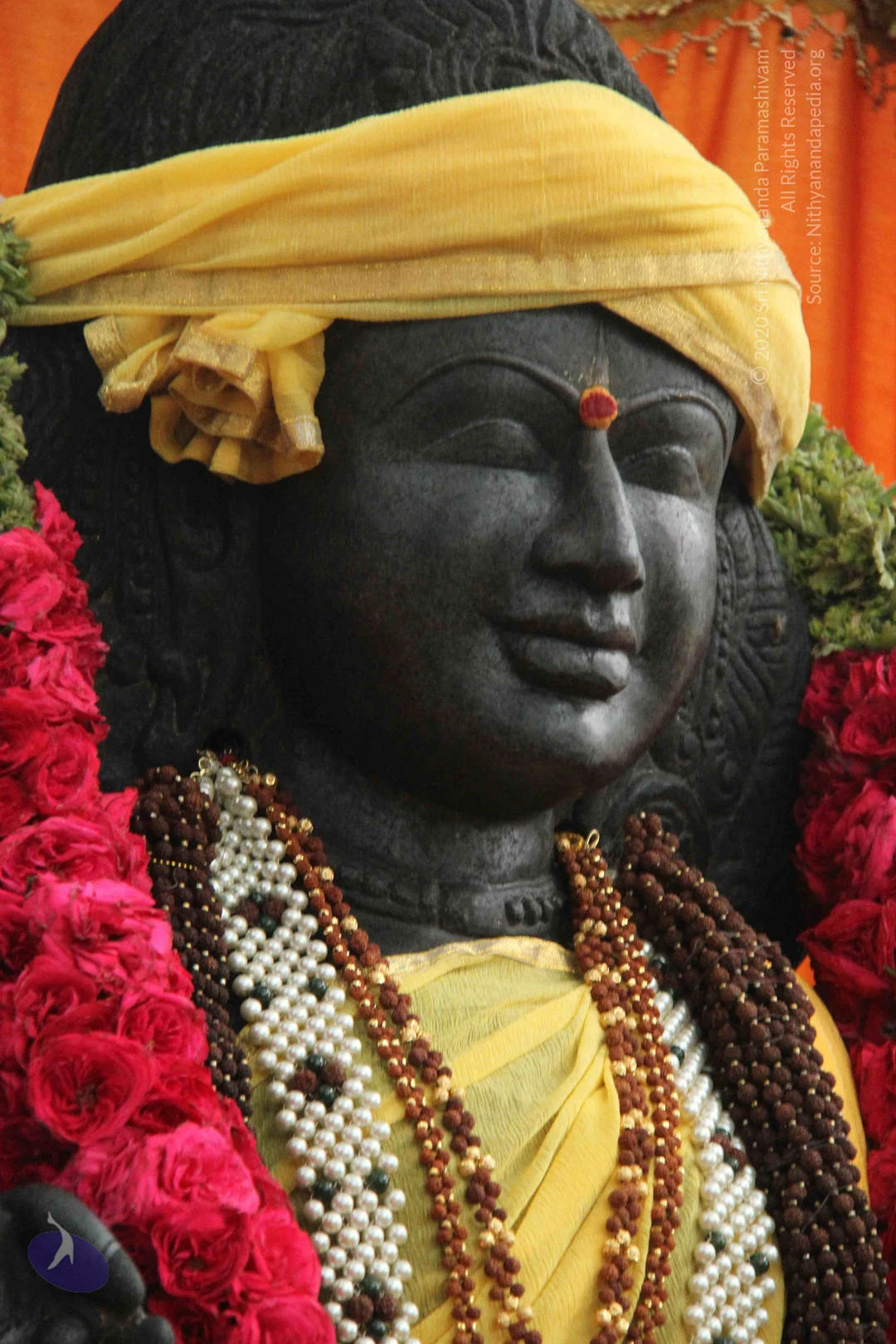
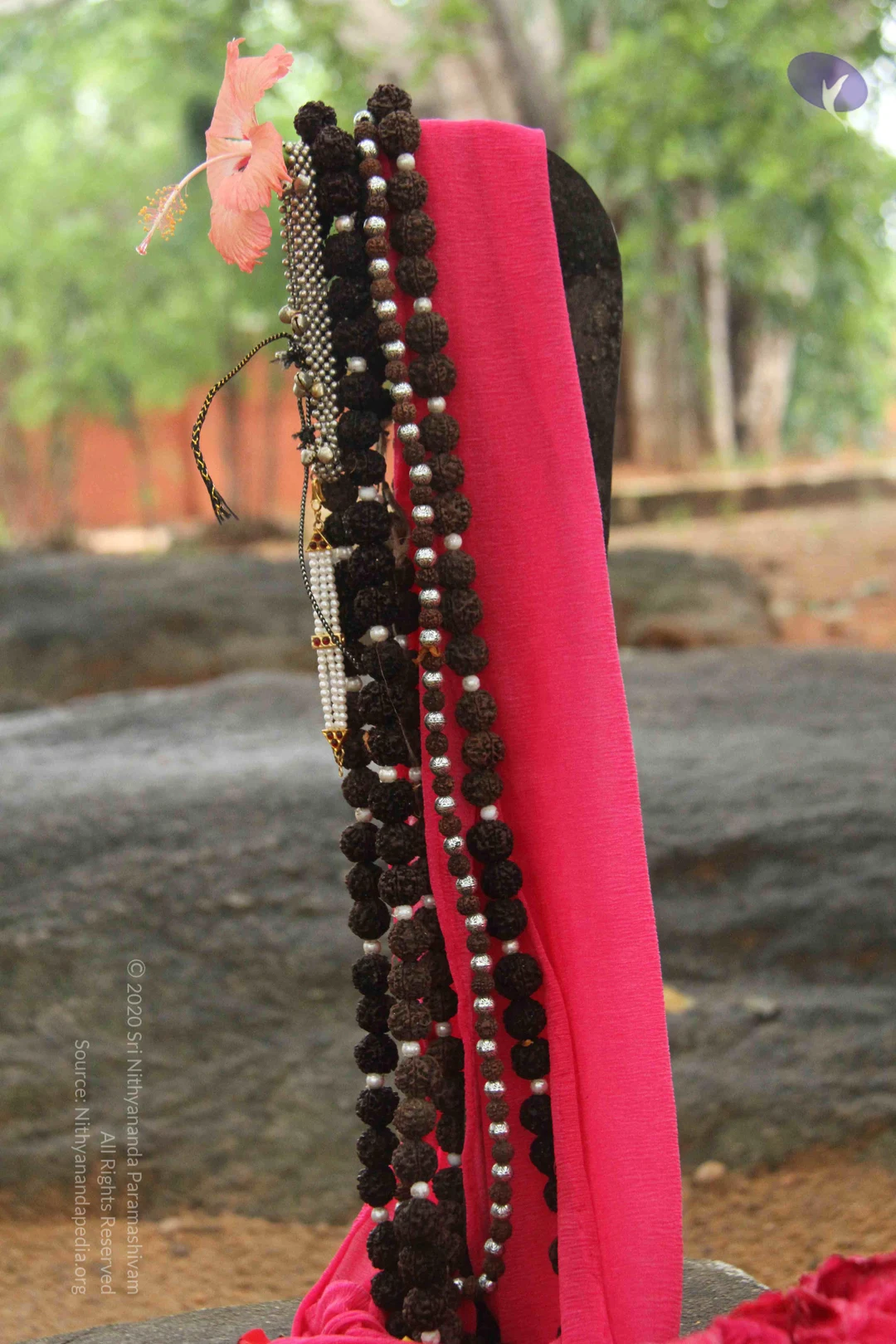
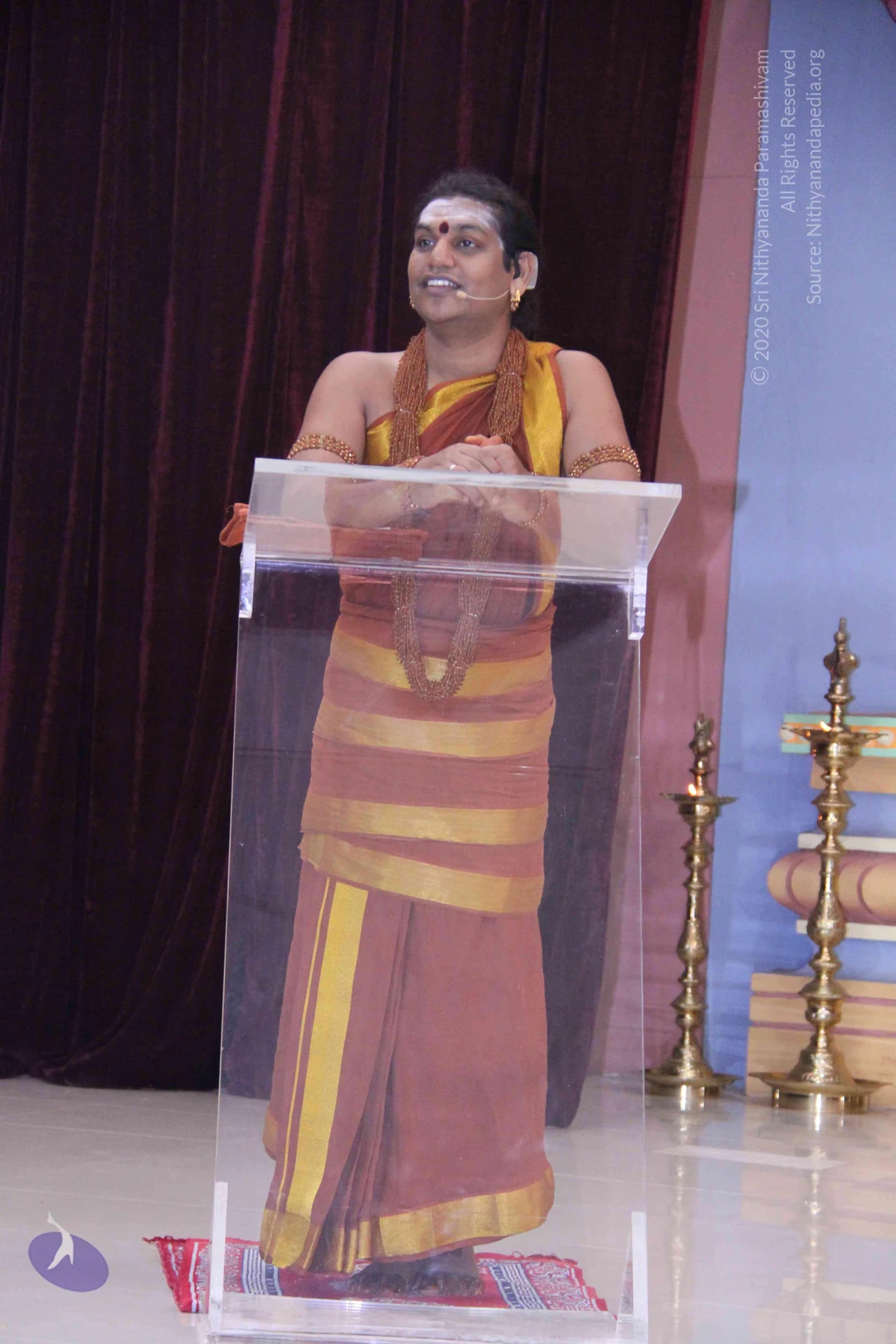
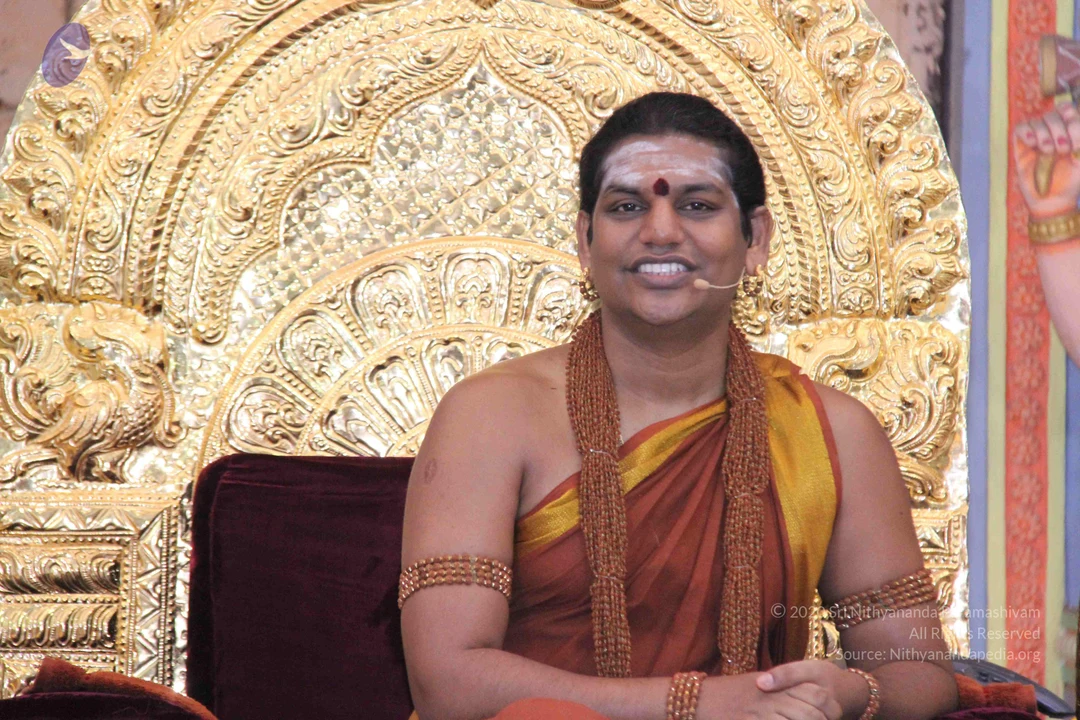
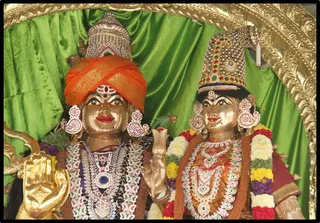
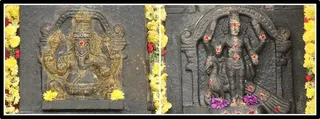
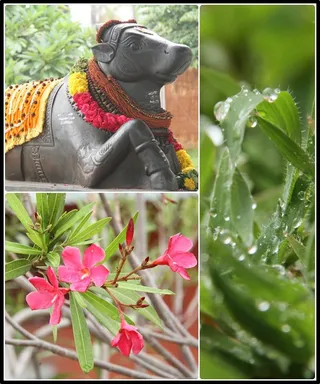
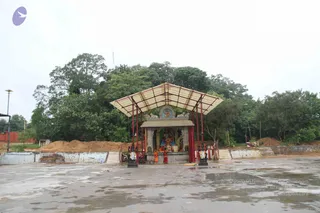
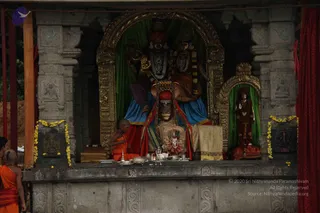
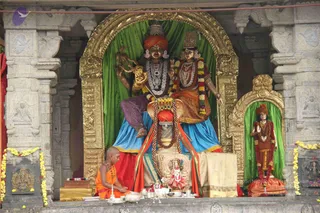
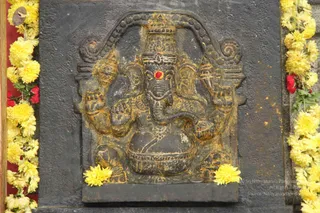
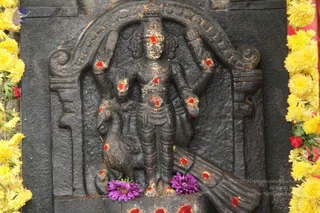
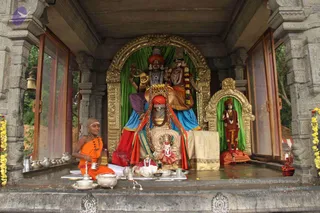
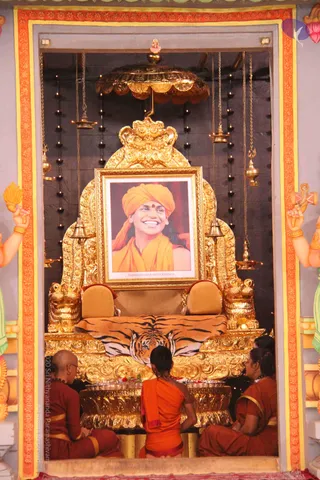
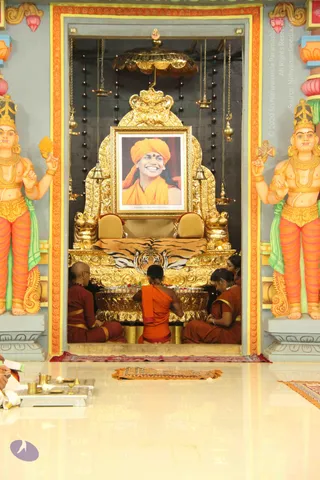
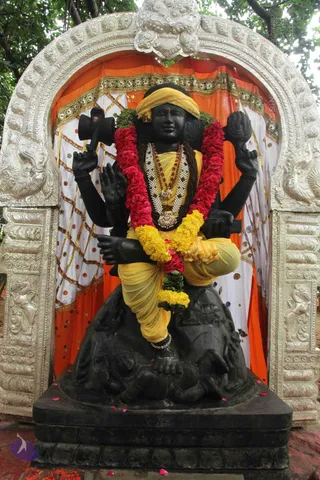
A photograph inside a stone shrine of a temple, showing a seated priest in orange robes with a shaved head performing puja at a low silver-and-brass offering table holding bowls, a small oil lamp and a bell nearby. Behind him stands a large deity murti in a golden arched niche, with a red-turbaned figure wearing garlands and a blue-and-red draped lower garment, flanked by green curtains. A smaller figure in orange and red with garlands stands to the right, and yellow marigold garlands hang at the edge. The priest appears to be a devotee or attendant rather than a recognizable candidate, so no a person candidate is established.A temple hall with polished cream floor and a painted shrine wall in pink, green and gold. Two tall painted dvarapala-style guardian figures in orange dhotis with green sashes and crowns flank a central golden throne draped with a tiger-skin cloth. Above the throne a framed portrait shows a smiling man in an orange turban and orange robes, and in front of the throne several saffron-robed monks sit in a row, one younger figure in orange at the centre. In the foreground a priest in a white dhoti and bare upper body with sacred thread and vibhuti marks sits cross-legged before brass puja vessels and a small tray. Brass oil lamps line both sides of the hall. The portrait is a printed image of the throne, not a physical person, and the seated monks in the shrine are the only other physical figures.Outdoor shrine under dense green trees with a black stone murti wearing a purple turban and blue cloth draped over its shoulders, adorned with a red-and-gold necklace of beads and rudraksha-style malas. Garlands of yellow marigolds and red roses surround the figure on a stone platform, with scattered red and yellow petals on the ground. Beside it stands a tall pillar wrapped in a pink cloth and hung with a dark rudraksha mala and a flower decoration.

September 10 2013

Original wiki page
Contents

Description:

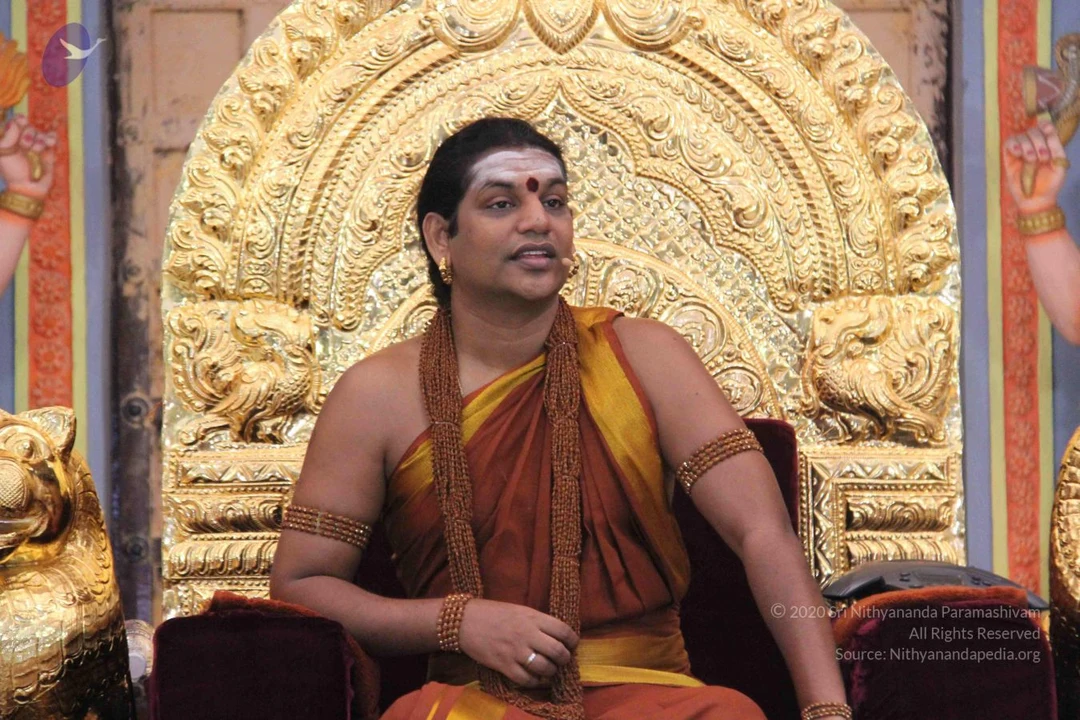
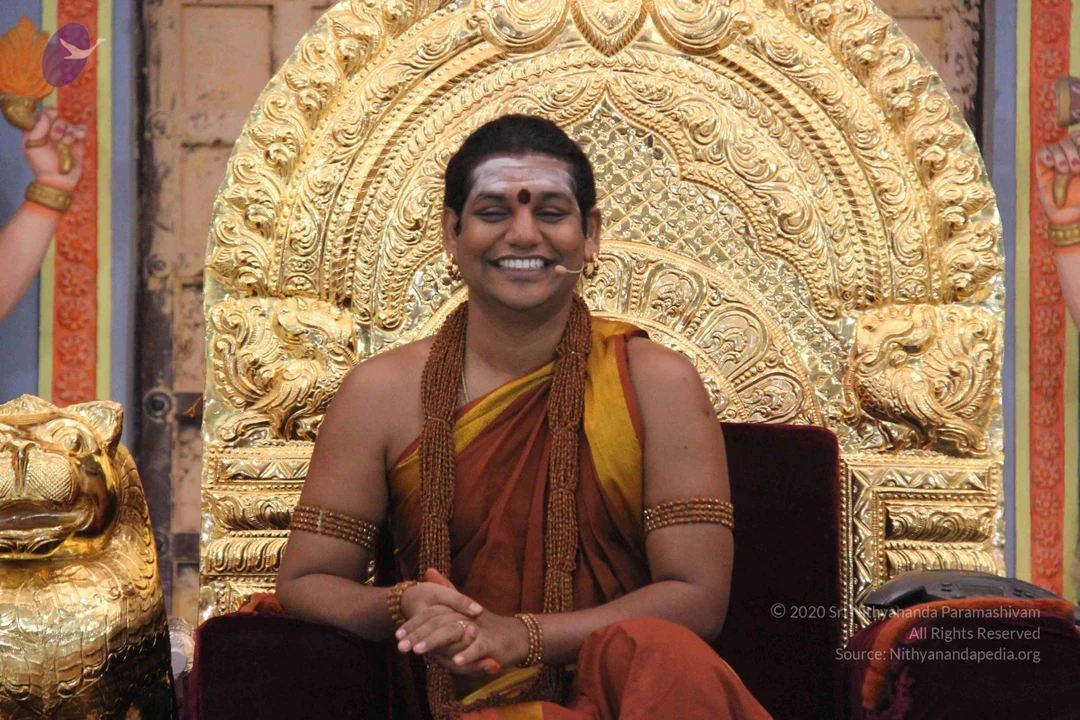
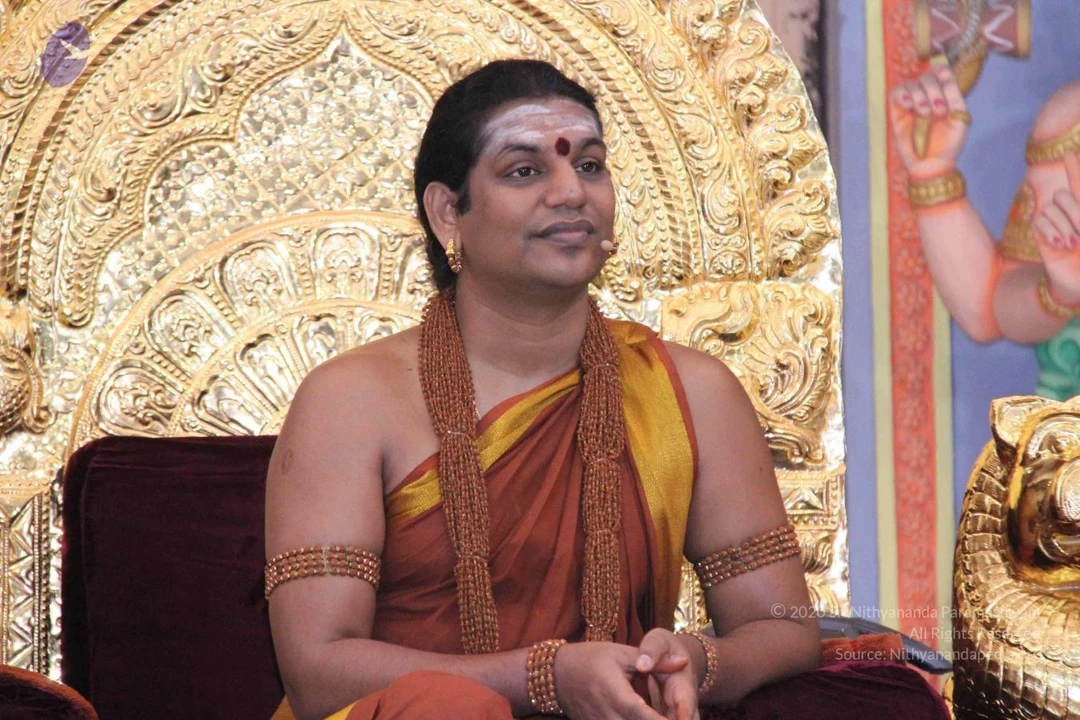
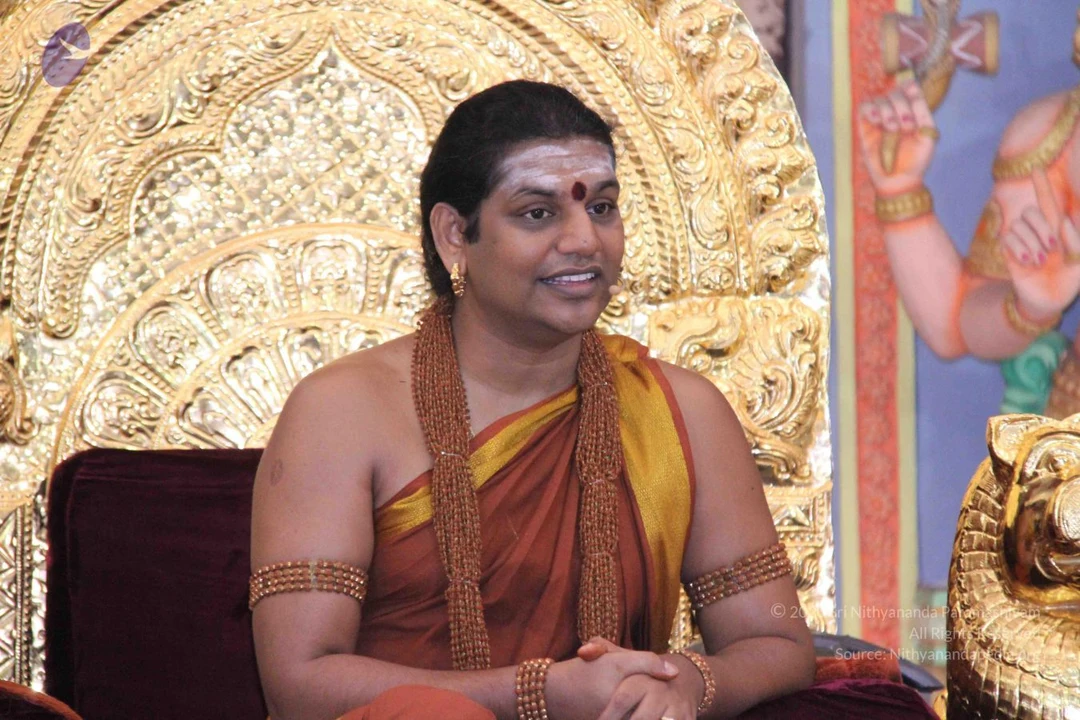
Today Swamiji spoke about Love. he told us that radiating love is a mystical power and to have this power we need to be established in completion. One thing that keeps us away from love and love away from us is the belief that the outer world is responsible for our incompletions. He talked about the layers of incompletion that we carry and our belief that we are too big and our incompletions are too big to be forgiven.The cosmic truth is that only when you forgive yourself love starts happening in you. a terrorist will show love your incompletions. The wrong patterns are showered with pseudo love and you are lost.This leads only to more terrorism death and imprisonment. Real love that makes you realize your possibility is true love. That is the love of the lion for the cub. that is the love that demands you to get out bed, throw the sickness out of your body and get to work. To be established in completion is to be established in the power of true love.

Link to Video

VideoAudio

Transcript:

00:00

Nithyanandeshwara Samaarambhaam Nithyanandeshwari Madhyamaam | Asmath Aachaarya Paryanthaam Vandhey Guru Paramparaam ||

01:48 Hindi - 01:58

I welcome all the devotees, disciples, samajis, satsanghis sitting with us around the world at this moment through Nithyananda TV, Sadhna TV, Lotus News Channel, two-way video-conferencing in twenty eight places having Nayana Deeksha. Cities sitting with us in two-way video-conferencing: Singapore, Ohio-Sivananda, Devon, East London UK, Indrani New Jersey, Hyderabad Gupta Kashi, Bangalore North, Hong Kong-Seerkazhi, Dubai-Vaidyanatham, Los Angeles-Downtown, San Diego, Calgary, Kathmandu, Oman-Sivagangai, Varanasi, Guadeloupe, Oklahoma, Hyderabad, Charlotte, Seattle, Houston, Los Angeles, Kastav Croatia, Kuala Lumpur, San Jose, Surrey British Columbia, Ohio Prayag. I welcome all of you with my love and blessings.

Today for a change I’ll speak on love. How love is not just an ordinary emotion it’s a mystical power, it’s a mystical capability. Please understand, if you are able to live without food one day, it is the power of, power to control, controlling power. If you are able to live without food forever it is not ability to control it’s a mystical power. Same way if you are able to show love a little bit once in a while it is a social emotion but ever loving, radiating love, is mystical power. Understand, love, ability to love is a mystical power, ability to love will happen in you only when you are able to be in the space of Completion. Ability to be in the space of Completion only if you can complete, complete, complete, complete, complete, and establish yourself in the space of Completion, the ability to love becomes reality in you.

Please listen, most of the time you think the external world is responsible for your incompletion. Yesterday one of my Ashramites was asking me, ‘When everyone is doing so many mistakes, never become responsible, how can I be complete?’ Such a foolish question. Others, the external world is not responsible for our incompletion. First thing you need to know. Second, not even partly responsible. See many of us agree that “the external world is not completely responsible for my incompletion but that is also partly co-operating for my incompletion”. No, which is not true. External world, fully or partly, or even a little bit, not responsible for your incompletions. Understand I am making a Cosmic Penal Code statement, CPC. The external world is neither fully nor partially or even little bit responsible for any of our incompletions.

Please understand, incompletion by its very nature starts sprouting, growing, establishing itself only in your inner space its roots never come to the external world. Please understand, sometime we think, ‘No, no, the incompletion has grown in the inner world only, but its roots are now established in the outer world.’ No. All the layers and layers and layers of incompletions you carry, you see when I say layers and layers and layers of incompletions let me define and explain; First you will feel, ‘I have so many incompletions I am completing with it.’ .Then, ‘ no, no, no, how many times you complete you are not going to complete. This incompletions are going to come back to you.’ That’s a one more incompletion. ‘No, no, no, no, no, no, no how much ever I try I may complete even with this but tomorrow again I’ll forget I completed and I’ll remember only my incompletions. What will happen to that?’ That next layer. Like this layers and layers and layers of incompletions you carry. Listen, all layers are rooted only in your inner space. Even the branch or the hanging root of your incompletions don’t come to the external world. First thing you need to know, your incompletions are always established in your inner space. This means, many times others forgive you and forget you, because you are not that big a guy, but you cannot forgive you, because for you, you are a big guy.

Understand, for others you are not a big guy, because you are not a big guy they don’t care about you. Many times they just forget the incompletions related to you. Many times they don’t care but you don’t forgive you, you don’t forgive you because you are too big for you. You are too big for you. All the time you are thinking only about you. All the time you are centered only about you. When you wake up, you only remember you. Till you go to bed you only remember you because of the constant remembrance of you, you remember even small incompletions deeply, very deeply. Understand even the smallest incompletions you carry in you, you remember it very deeply. The ability, ability to forgive yourself is the first quality to start loving. Please understand only if you can forgive yourself, if you can complete with yourself, love starts. Only then love starts expressing itself, love starts happening in you. Love can happen only when you are in the space of completion. Listen, the ability, ability to forgive yourself, ability to love yourself, ability to live with yourself, ability to be with yourself, it’s actually a power.

Whatever I am describing, please understand, it is not a quality, it is a power. Once in a while being blissful is a quality. Being blissful forever is a power. Once in a while showing love or having love is a quality but being in love forever is a power. Understand, only when you are established in the space of completion you will understand this statement – “Love is a power” It’s a power. I tell you, once you develop that power, you can complete anybody. You can play with that power. That is the greatest protection you can have in your life because even lion will lose its vengeance in front of you; snake will lose its venom in front of you; any enemy will lose his enmity which is a weapon with which he is trying to attack you, he will lose it. See enmity is the first weapon anybody need to have to kill you, to attack you. All other weapons are secondary weapons.

15:00

The primary weapon is enmity, the vengeance. When you are established in the power of love, even enemy thinks he is attacking you, but he goes on praising you and goes back. He just sings your glory and goes back, because even in his inner space your glory is occupying more space than his enmity. Please understand, being established in the power of love, being established in the power of Completion!

Yesterday I was describing two types of Love:

· The love of a bird to the baby bird; and

· The love of a lion to the cub.

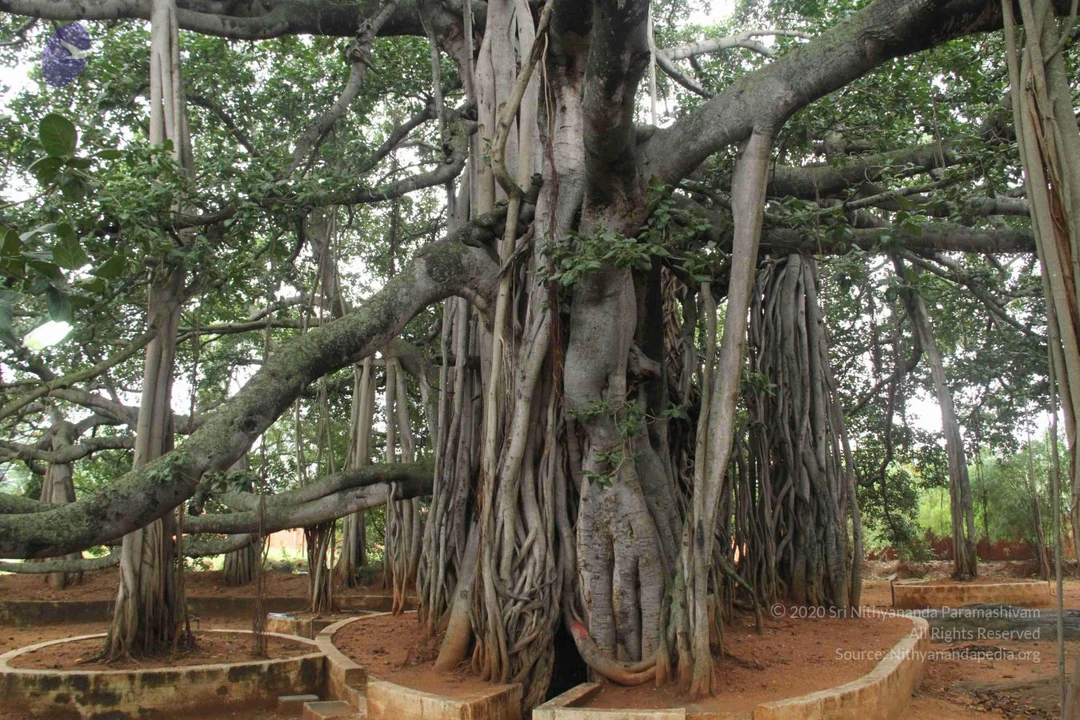
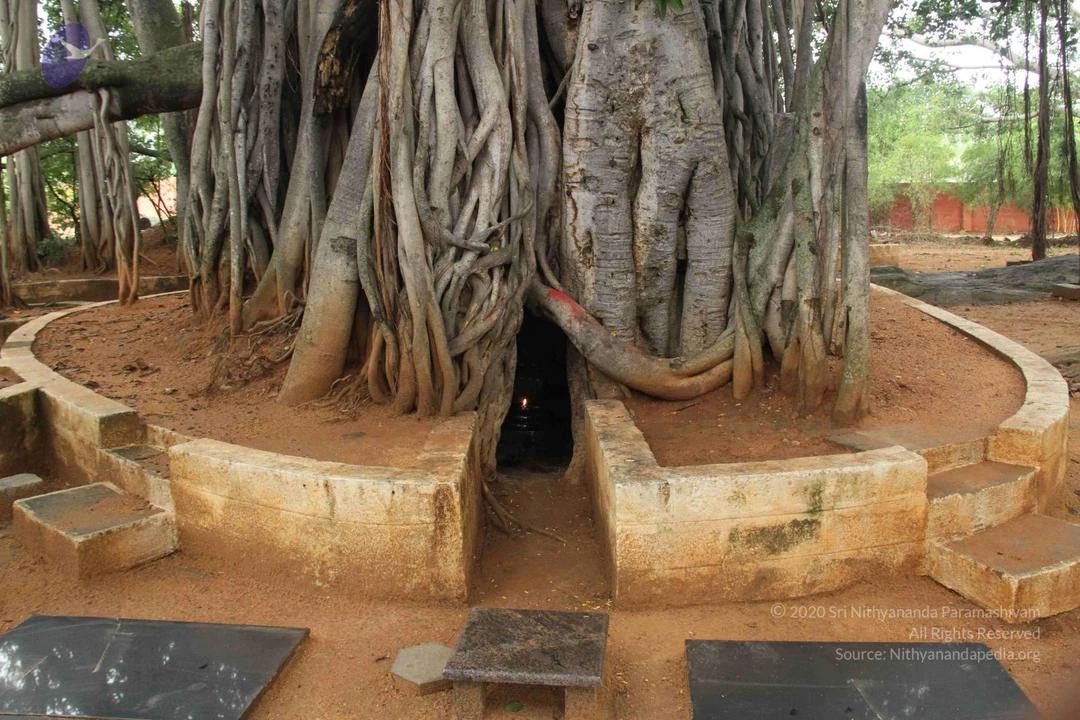
You always show the soft things as the symbol of Love, because you know only pseudo love. Understand, we always show only the bird feeding the baby bird as the symbol of Love, action of Love. A rose flower we show as a symbol of Love; but we never show a banyan tree root, the hanging root as a symbol of Love, or a lion with a lion cub as a symbol of Love, because we know only superficial, pseudo love.

I have a story:

A guy walks into a Post Office one day to see a middle-aged, bald man, standing at the counter, methodically placing “Love” stamps on bright pink envelopes with hearts all over them. Then he takes out a perfume bottle and starts spraying scent all over them.

This man was really curious. What is this? During Valentine’s Day, you will send a card for one person usually; some people, may be two; rarely three, four. But this guy, with thousand Valentine Cards, he is doing the whole work! His curiosity was really high.

He went near and saw the thousand cards are having thousand different addresses.

The guy asked the bald man, ‘What are you doing?’

The man said, ‘I am sending thousand Valentine Cards signed “Guess who?” to thousand different people.’

The man asked, ‘But why?’

This man says, ‘I am a divorce lawyer!’

HAHAHAHAHAHAHAHAHAHAHAHAHAHAHA…!

If you don’t understand, you don’t understand!

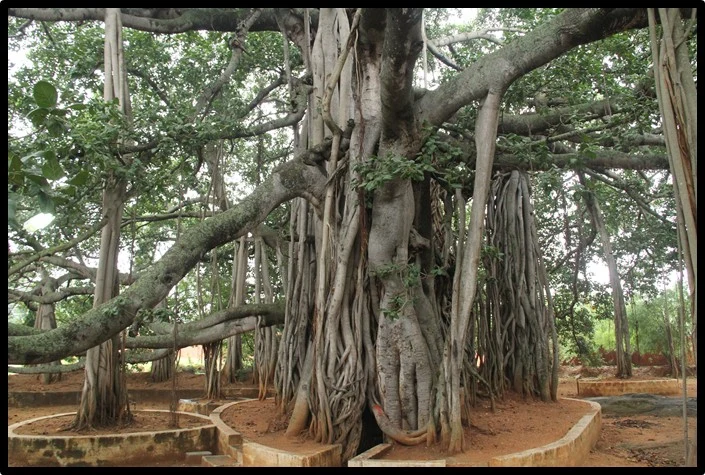
Understand, No! we know only this much love! We do not know the love behind the hanging root of the banyan tree: how the tree loves the root first; and once the root gets rooted, how it supports the tree next. We do not know stable love.

I tell you, the Roman Civilization do not understand the word “Godman”. The Indian media, living with a Roman Civilization, trying to make India as a Roman Civilization, uses the “God” word in an abusive way. In your civilization, in your religion, there is no interaction between God and Man. But, in our civilization there is lot of interaction between God and Man. We overlap each other. We have lot of transactions. You should know, we marry with each other. We give a girl and take a girl.

I tell you guys, the whole Indian Civilization is different, and the Indian media lives in a different space, different place. They don’t know the ground reality. It is so unfortunate the Indian media does not understand “Godman” is possible in a best space, not as a negative connotation. Of course, they are not even interested in knowing. They are completely living in a different plane and they think they are democratic. Indian media thinks itself democratic and they allow various view-points to be presented to the public. No! No! It’s a lie! In India, media is completely autocratic. There is no democracy in media. It is completely autocratic. Otherwise, why do you need each political party to have their own channel? If media is democratic, why each political party needs their own media house? Each political party needs their own channel shows, in India, the media is not democratic, is not neutral, is not unbiased. They will never understand, Indian media will never understand the idea of “Godman”. Come on! Are you trying to make the whole India into Roman Civilization using the word “Godman” as an abusive word?

We always see only the superficial love, superficial love of rose and the bird feeding the baby bird. But, I tell you, bird feeding the baby bird can be like showing the love once in a while. But a lion training the cub to hunt, lion making the cub to realize its potential, its possibility, that is the real love, making every individual realize. Please understand, showing love to your weaker side is what society, made you understand as Love. When you are sick, somebody coming and giving you food, you call that as Love, because you know only that as Love. When you are sick, staring at you and saying, ‘Get up! Throw this sickness out of your body! Walk out of this disease!’ that is Love, real Love! But you neither co-operate nor enjoy that kind of love, because you were never given the idea, impression, that is Love. Whenever you are asked to wake up and drop the disease you think you are only being demanded. You don’t understand Love should be given to the right side of you, not to the wrong side of you. Love should be given to the right side of you, not to the wrong side of you. But you always associate yourself with the wrong side of you, and always associate yourself and the love showered to the wrong side of you.

First of all, understand the wrong patterns and right patterns, wrong side of you and the right side of you, the conscious side of you and unconscious side of you, the completion side of you and incompletion side of you. Love should be given to strengthen your completion side. Love should be given to strengthen your right side. Love should be given to strengthen your right space. But, unfortunately, you always enjoy, entertain, expect, attract, reciprocate, only to the love given to your wrong side. I have always seen, all these criminals and anti-social elements, terrorists, how they attract scores and scores of youngsters! You see, sometimes I used to wonder, how these terrorist organizations, suicide bombing for killing themselves, they get people? How the terrorist organizations? See, people who join the terrorist organizations, either they die by becoming suicide bombers, or they live in jail forever. Even when they live outside, they will be running, running, running, running, hiding! Why will somebody get into this kind of lifestyle? How these terrorist organizations get so many youngsters? I was contemplating, I was trying to study the modern-day youngsters’ psychology, why they take up terrorist activities instead of volunteering activities, social service activities. I found, in the terrorist organization always that loving the wrong side will be there. A terrorist will always show love to your incompletion side which you will immediately experience as love.

30- 40 min

A Saint, an Enlightened Being, an incarnation will show the love only to your completion side; means, he will evolve you, evolve you, evolve you, to your incompletion side he is not going to show love. If you want to drink alcohol, he is not going to support you. If you want to womanize, he is not going to support you. Even if you want to sleep in the early morning, he is not going to support you. But in a terrorist organization, you will have all these, love will be shown to all the incompletion side of you. You can drink, womanize, do whatever you want, eat whatever you want. All your negative side, the incompletion side, wrong patterns will be showered with love. Because that is showered with love, you strongly experience love. You think this is the best life…..this is the best life! O, Youth of India! It is time you wake up and realize the right love and wrong love. Love showered on you to make you realize your possibility is the real love, not the love which destroys you.

Understand, I will give you the essence in Hindi.

Hindi (31:45-37:30)

Understand, the understanding about love, the experience of love continues to impact the way you behave, the way you think forever. Please understand, once you start enjoying the love given to your wrong side, you are ready to be exploited by terrorist organizations. Now you are gullible. Only if you are ready to receive the love from the right side, the love given to your completion space, only when you are ready to receive the love to your Completion, you are ready to recognize an enlightened being or an incarnation, live in the Sangha!

40-50 min

O, Indian Youth, again I give you a clarion call! Wake up! Every part of the country, every village, we should create the Sangha. All youngsters gather and decide to educate yourself and others, enrich yourself and others with Integrity, Authenticity, Responsibility, responsibility for our poverty, responsibility for our ignorance, responsibility for our, all the cultural destruction. Understand, responsibility, become responsible for your village, for the area you are living, the space you are breathing, become responsible to it. Enrich people with Integrity, Authenticity, Responsibility. Create the Sangha, teach the next generation with this science of Completion. I am already working on it. Last few days, I am very sincerely contemplating making this whole dhamma as syllabus-based, book-based, just a few volumes; for 0-7, set of volumes; 7-14, set of volumes; 14-21, set of volumes; and everywhere creating a group of youngsters who will study their syllabus for themselves and teach the kids syllabus, so that the Sangha starts happening, supplying these books free of cost and creating the Sangha everywhere. Only the science of Completion and living in four tattwas and creating the space for success, just these simple principles, powerful principles should be taught in a very simple way everywhere, all over the world, in their local languages. I will call this book as “Applied Science of Living Enlightenment”, “Applied Science of Living Enlightenment”. Village to village, this science should be taught, they should be awakened, all the kids, every evening, we should have at least one hour tuition of this life education, life bliss education, and giving them a nutritious meal and this one hour class. And these lessons should be taught, they should be taught these lessons, and they should start doing the homework, they should be given free food and basic needs like clothes, medical care. Everywhere, this kind of educating the kids and youngsters, the organization should evolve. This is what I call as “Sangha”, where we conduct kirtans, satsangs, bhajans, and educating kids and the next generation with the principles of blissful living, with the principles of right living. This should be the work of Sangha all over the world. We should call this as “Bala Vidyalayas”. Bala Vidyalayas should be established everywhere. It should evolve even as a school. It should evolve as educating organizations. It should be called as “Nithyananda Bala Vidyalayas”.

Take up enriching life with the four tattwas and teaching them about Completion. This weekend, we are having Global Tattva Classes. In 108 places, classes are happening, enriching over 1008 lives. Continue, Continue, Continue! Show love to the right side of human-beings.

With this, I will move to the next segment of the morning satsangh – Nirahara Samyama – without a break.

Please sit straight.

“Hindi Translation”

Sit straight. Close your eyes. Visualize you have become Bidadi Kalpavriksha. Cognize you have become Bidadi Kalpavriksha. Inhale through both nostrils. Hold as long as you can. Inhale through both nostrils and mouth. Hold as long as you can. Exhale through both the nostrils. Do this for the next twenty-one minutes.

I bless you all with Integrity, Authenticity, Responsibility and Enriching! Let you all experience Kundalini awakening and live health, bliss and enlightenment! Namah Shivaya!

NIRAHARA SAMYAMA IN PROGRESS………………..

I wanted the whole Sangha to start working very sincerely in this line of creating Bala Vidyalayas all over the villages of the country, even in other countries, with all the legal procedures, doing in your own house basements or in the temples, our centers. This will be the greatest service we do for the Hindu tradition.

With this, I bless you all! Let you all radiate with Integrity, Authenticity, Responsibility and Enriching, with eternal bliss, Nithyananda! Thank you!

Photos From The Day:
Photos Of The Day:

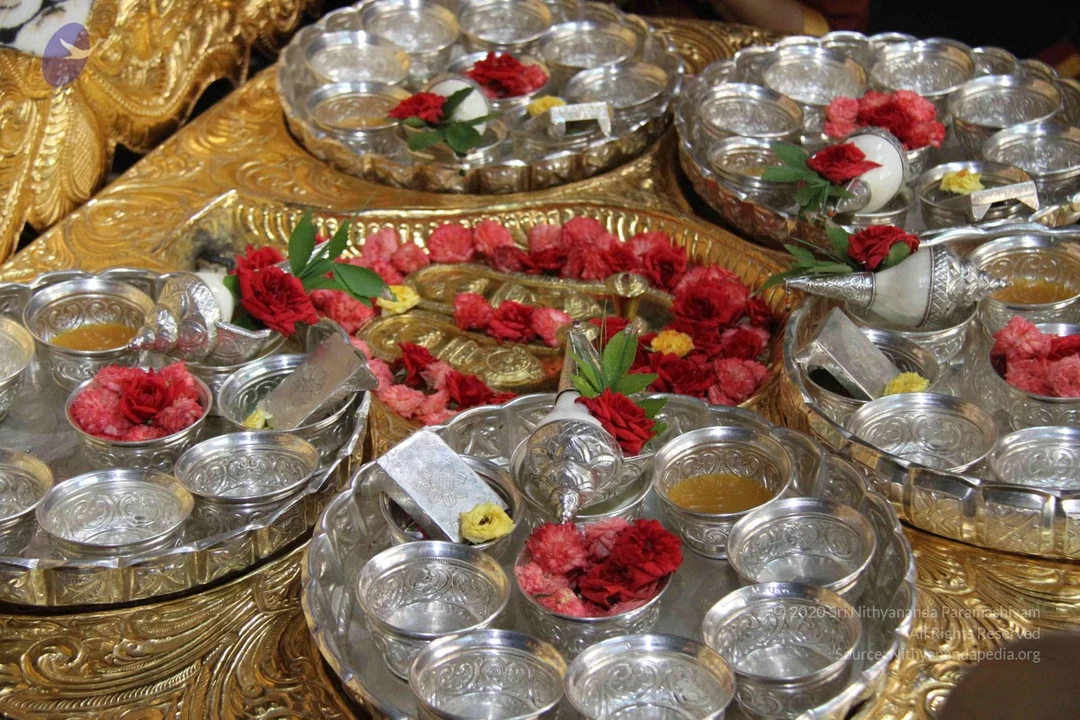
PADUKA PUJA
TEMPLE
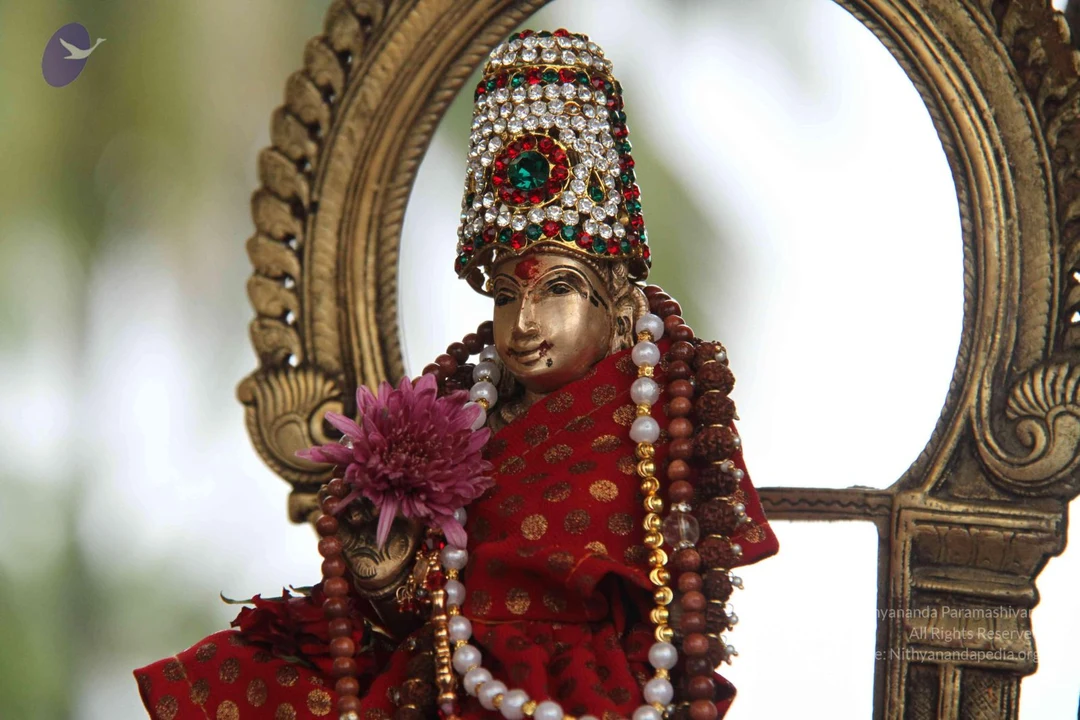
Nithya Satsang

SARVADHARSHAN

Tags:

Paramahamsa Nithyananda, love, incompletion, power, completion, forgive, possibility

01-PADUKA-PUJA

02-ADIKAILASA-TEMPLE

03-SATSANG

04-BLESSINGS

05-ADIKAILASA

Photos from this day

View all 111 photos

Photos From The Day:

15 photosSource gallery
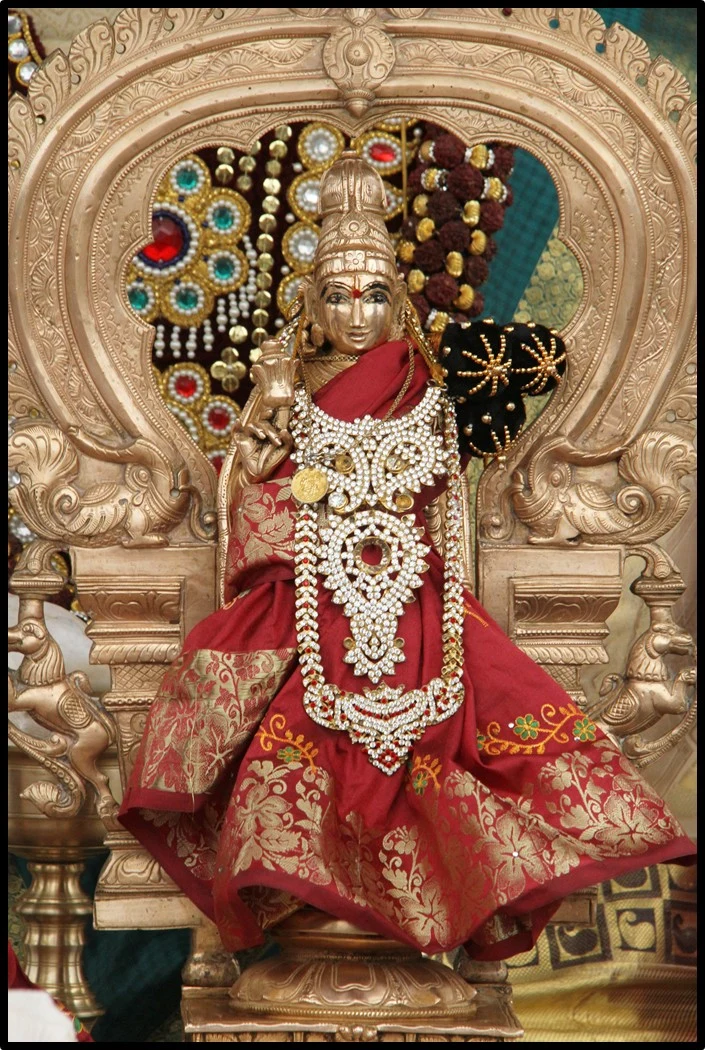
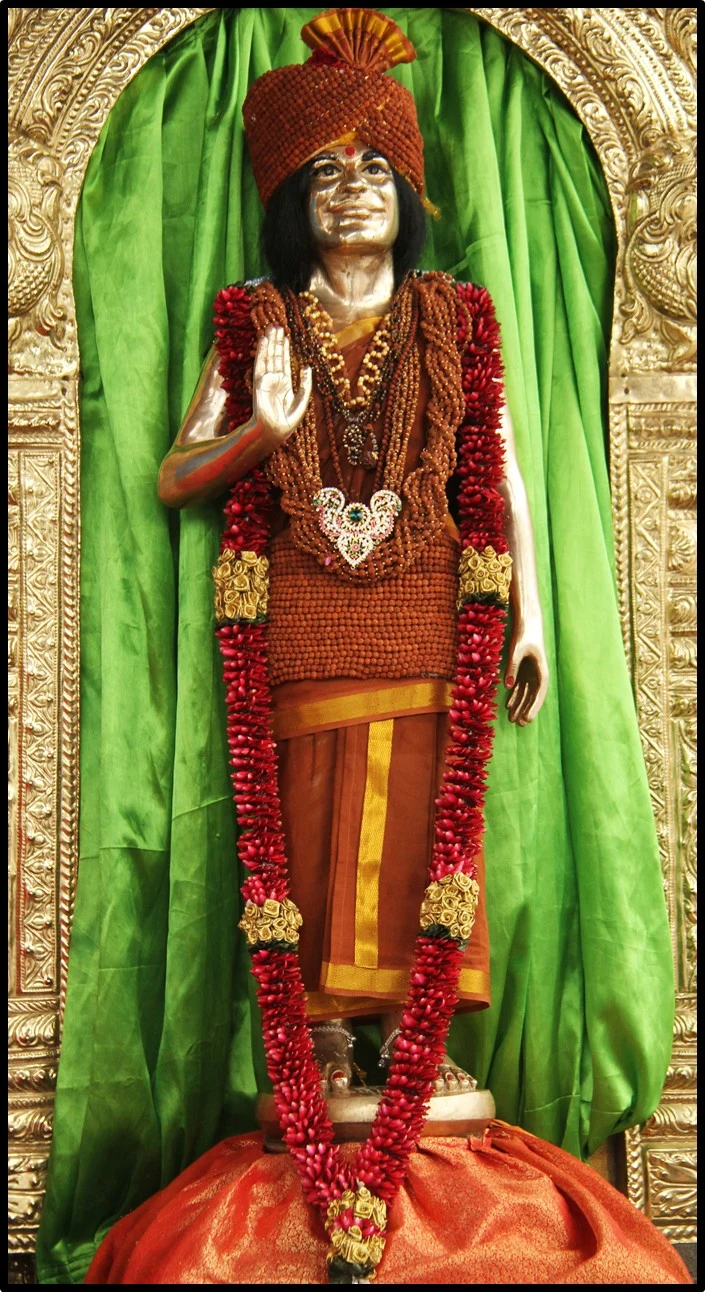
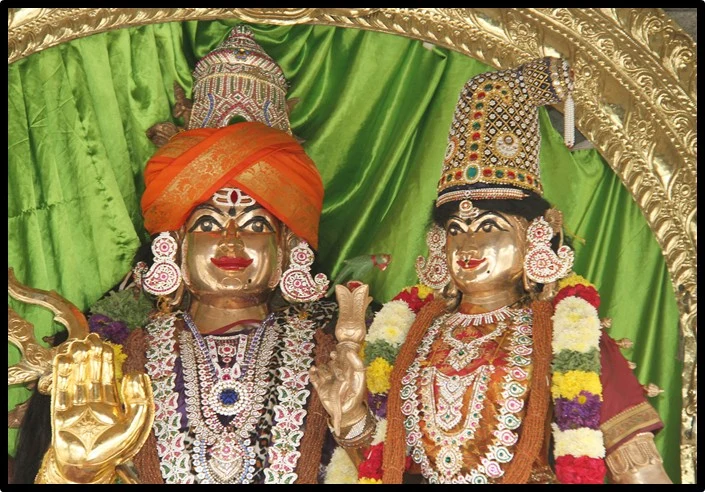
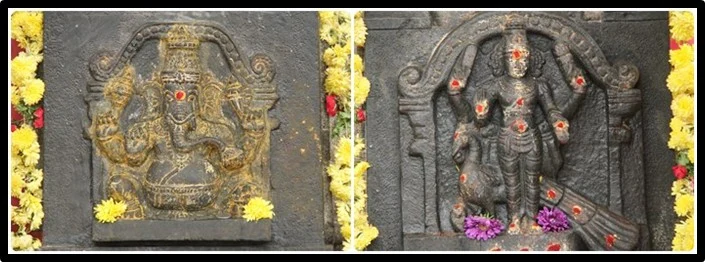
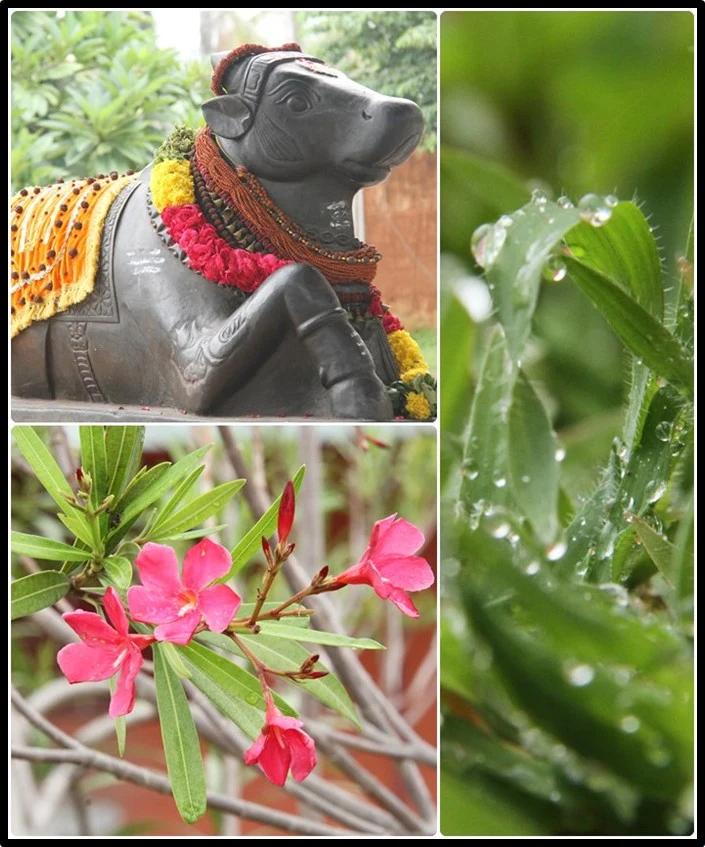
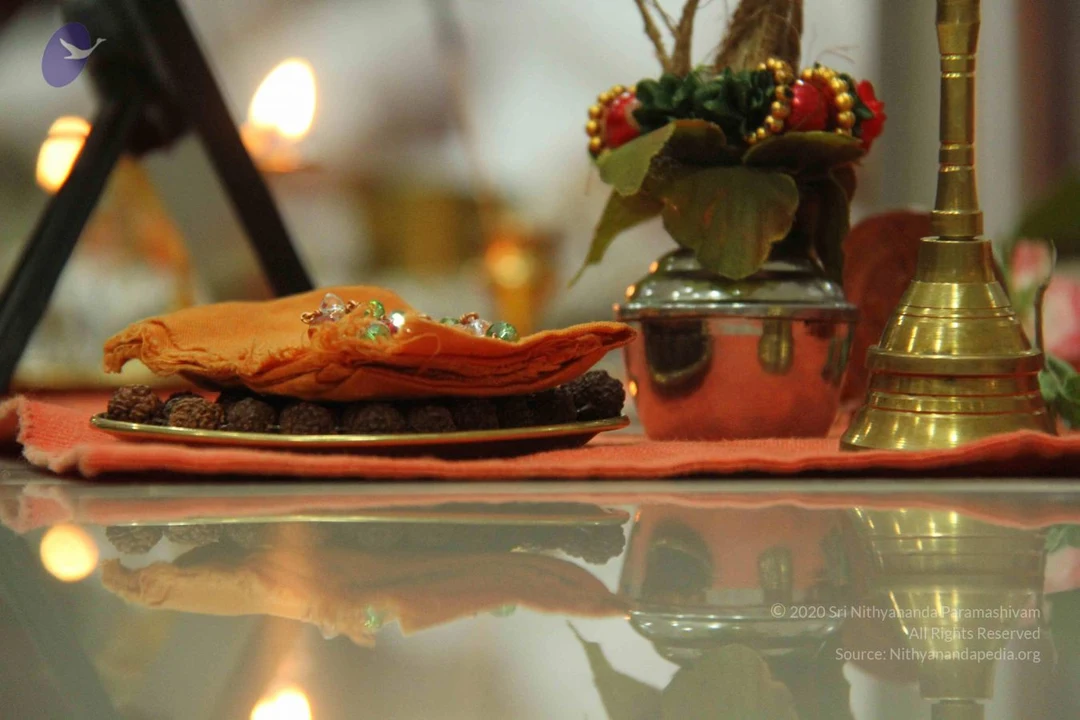
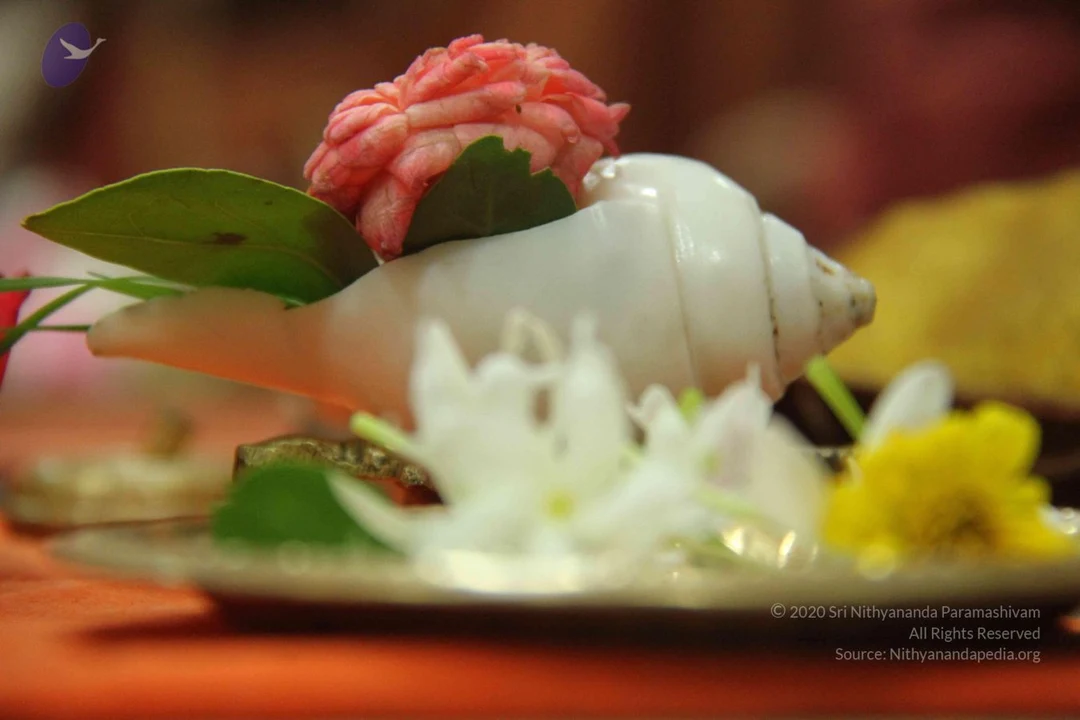
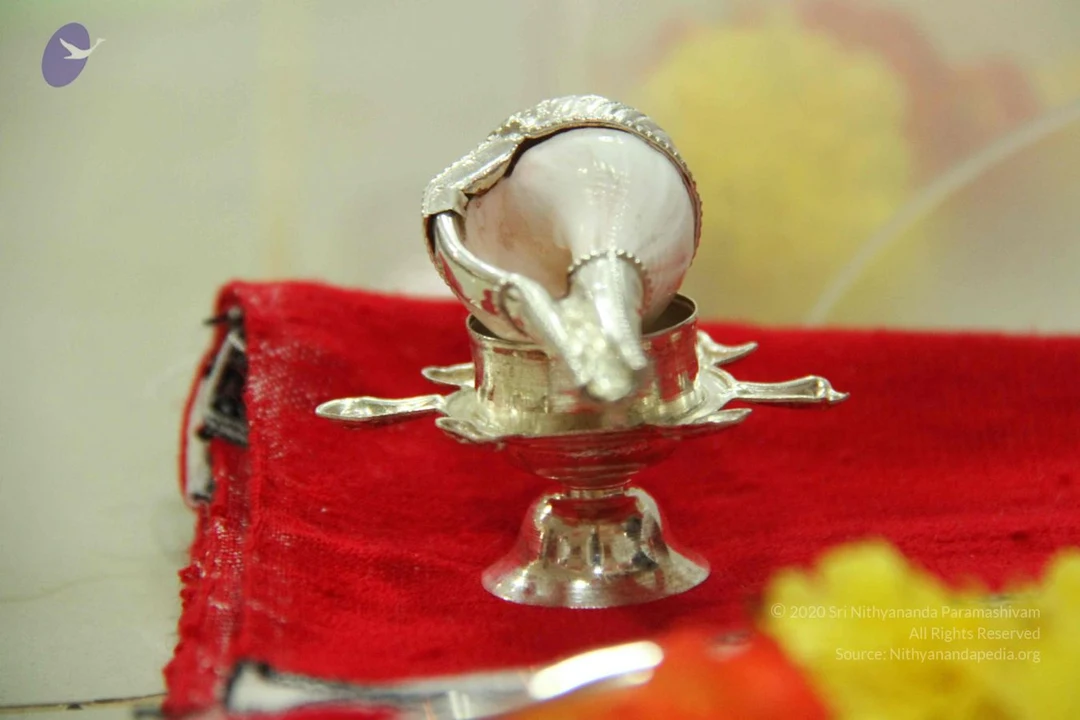
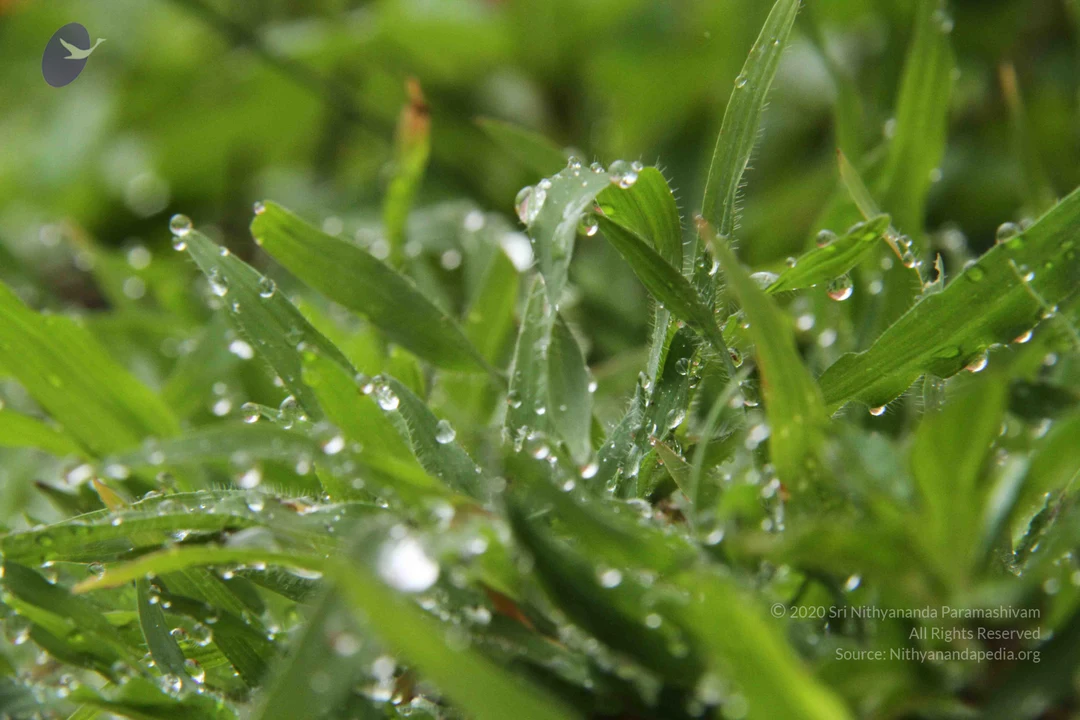
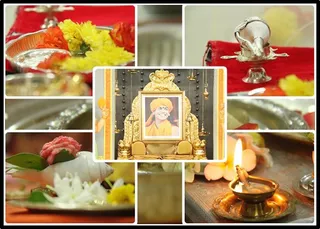
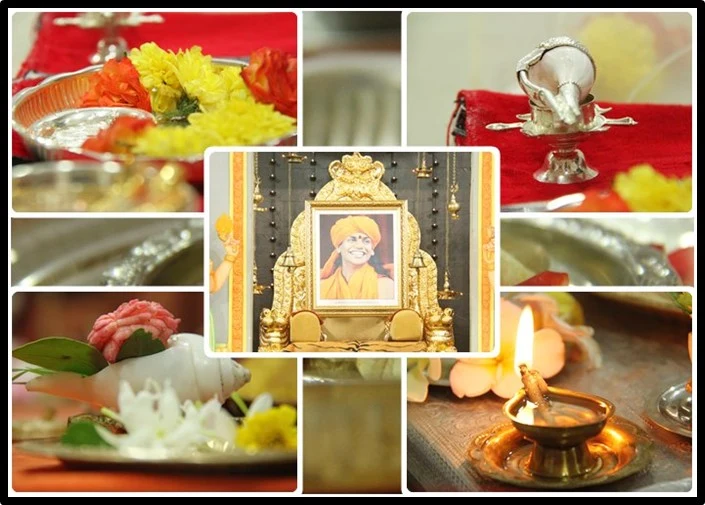
A multi-panel collage of ritual objects and a shrine. The central panel shows a framed portrait of a smiling man in an orange-saffron head wrap and orange clothing, set in an ornate gold shrine with gold pillars and a gold canopy, with a string of beads hanging from it. The surrounding panels show silver puja vessels with yellow and orange marigold flowers, a small silver kalasha-style vessel on a red cloth, a white conch shell decorated with pink and white flowers and leaves, a silver plate, and a brass oil lamp with a lit flame on a gold tray. No physical people are visible. The portrait is a printed image on the shrine, not a physical person.A golden metal deity murti seated on an ornate golden throne (peetha) with a tall gilded back decorated with red and green gem-like studs, pearls and rudraksha beads. The figure wears a deep red silk sari with gold brocade floral borders, a heavy white stone-studded necklace and a long jewelled garland, and holds a lotus-like object in one raised hand. A red tilak marks the forehead and the hair is set in a tall crown. Gold lamps and a bright cloth backdrop surround the throne, indicating a temple or ashram worship setting.A standing statue of a sannyasi in an ornate golden arch, set against a green silk backdrop. The figure wears a rust-brown turban with a gold-trimmed top, a brown rudraksha mala layered over a rust-brown bodice, a gold-bordered rust-brown dhoti and a red-and-white heart-shaped pendant. A thick red flower garland hangs from the shoulders to the feet, with gold rose-like accents. The right hand is raised in abhaya mudra, and the figure stands on a red and gold brocade base. This is a statue depiction, not a living person, and the identity of the figure cannot be confirmed from appearance.Two gilded deity murti stand side by side before a green satin drape framed by an ornate gold border. The figure on the left wears an orange turban, a jewelled tilak, long beaded necklaces, and a raised gold hand; the figure on the right wears an ornate jewelled crown, large floral earrings, layered gold necklaces, and a garland of yellow, white and purple flowers. Both are richly adorned for worship. No living people are visible.A two-panel graphic of carved black stone relief panels framed by yellow and red flowers. The left panel shows a multi-armed seated deity with a crown and red bindi, carved in a recessed arch, with a yellow flower at its base. The right panel shows a standing multi-armed deity with a crown and red marks on the body, accompanied by a small animal at the side, with purple and violet flowers placed below. Both carvings are dotted with red kumkum and set against a dark stone background. No physical people are visible.A three-panel collage of nature and temple imagery. The large left panel shows a dark stone Nandi bull statue, seated with its head raised, draped with an orange and gold-fringed cloth and garlanded with yellow and red flower strings and a rudraksha-style bead necklace. The upper right panel shows close-up green leaves beaded with water droplets. The lower left panel shows pink oleander blossoms on a branch with green narrow leaves. No physical people are visible.

PADUKA PUJA

24 photosSource gallery
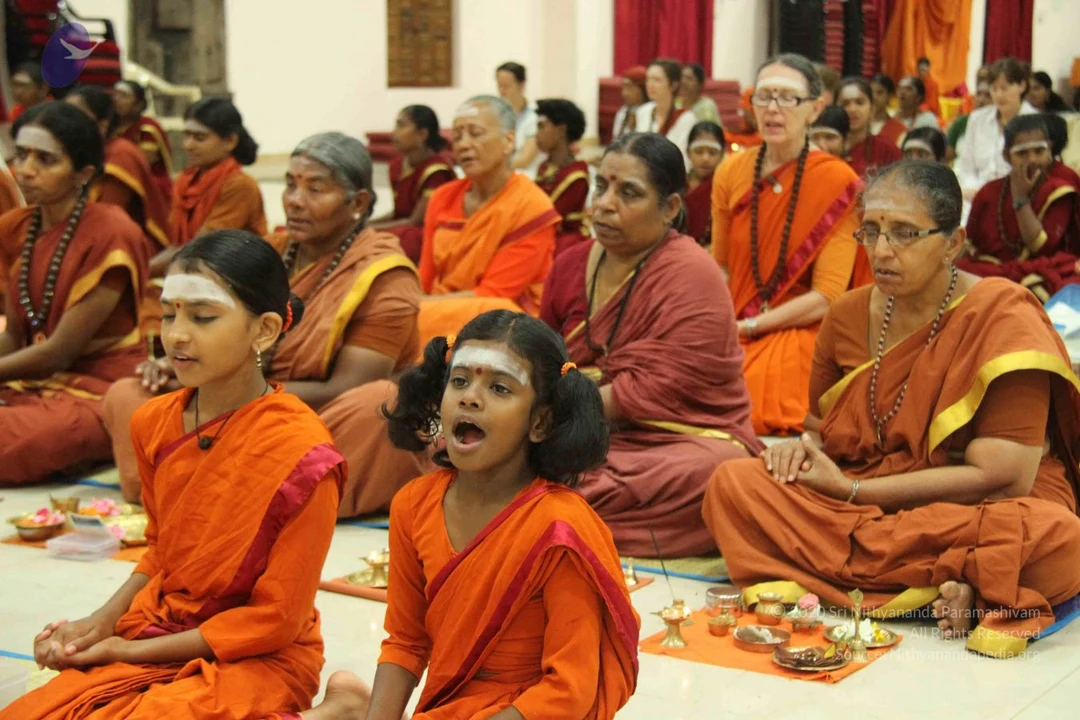
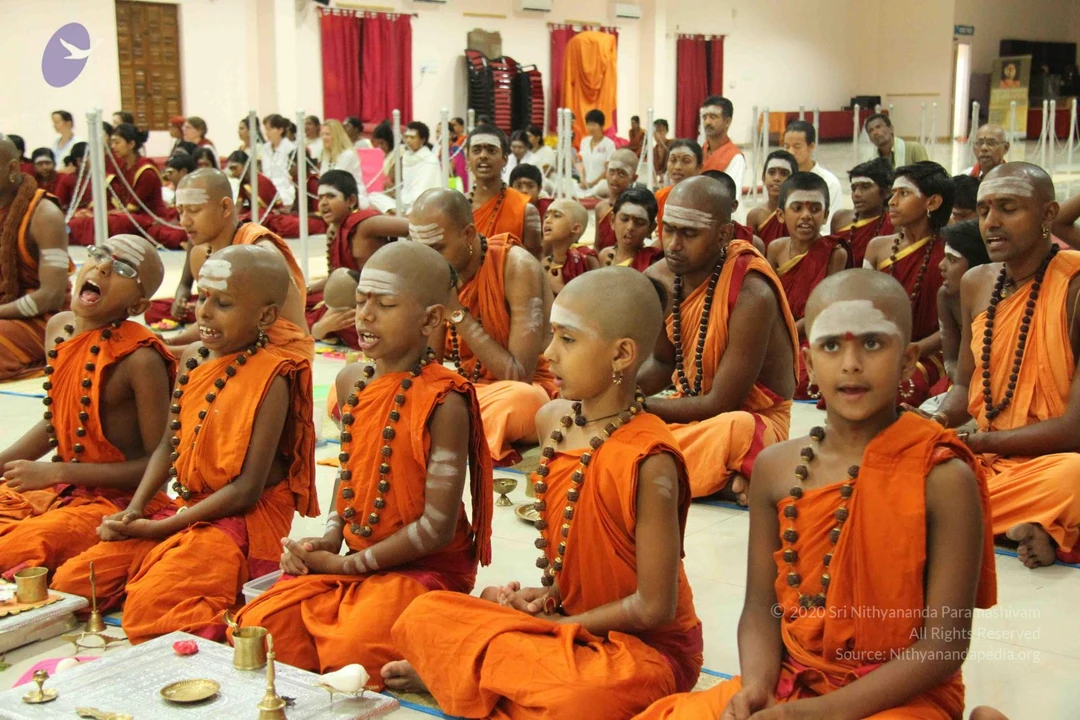
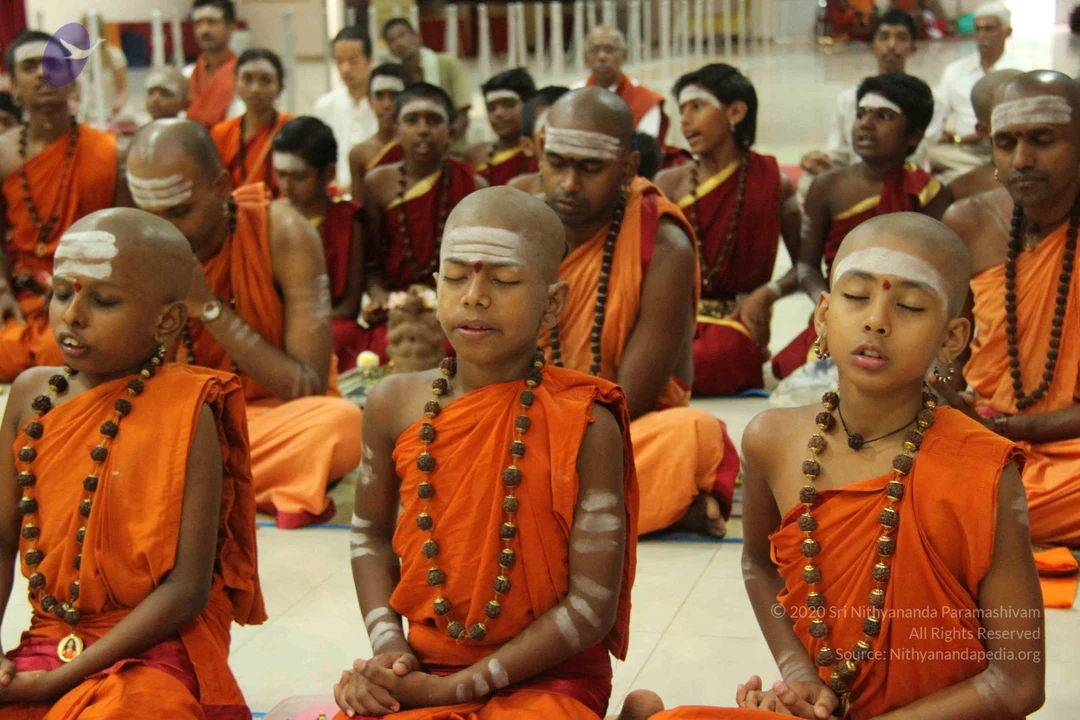
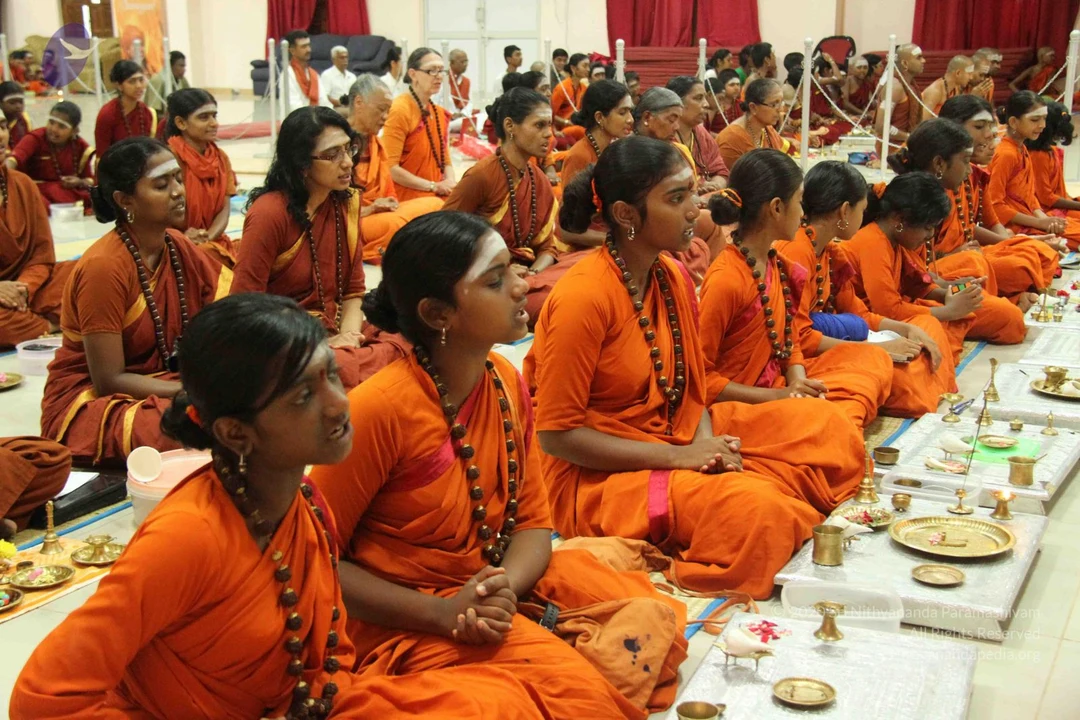
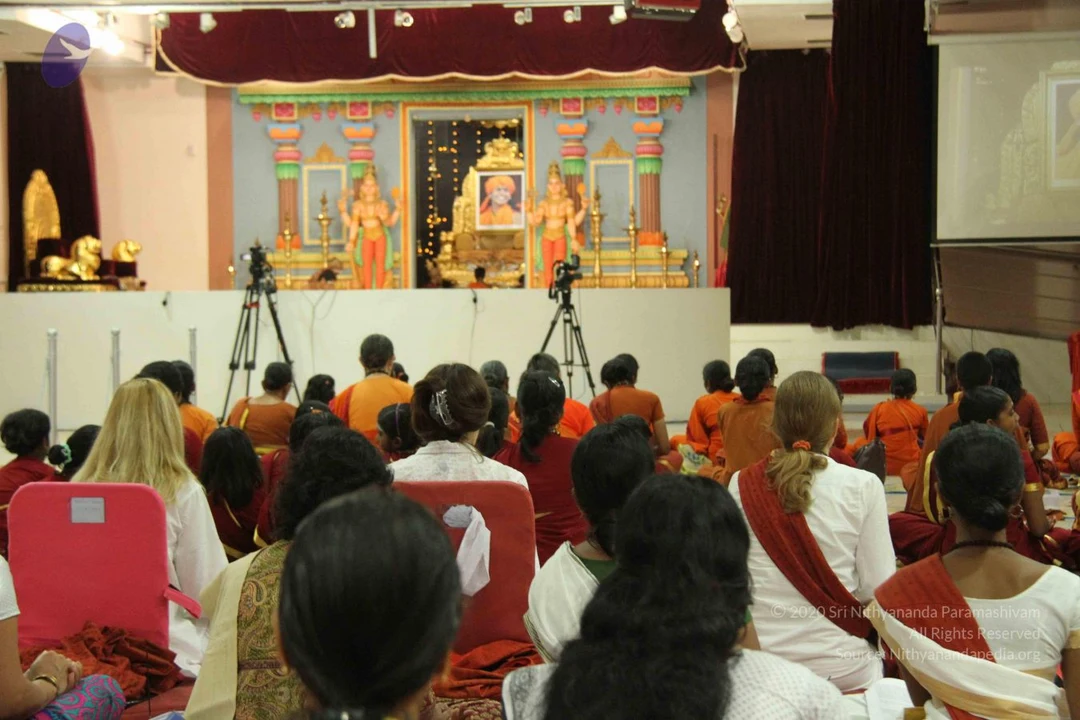
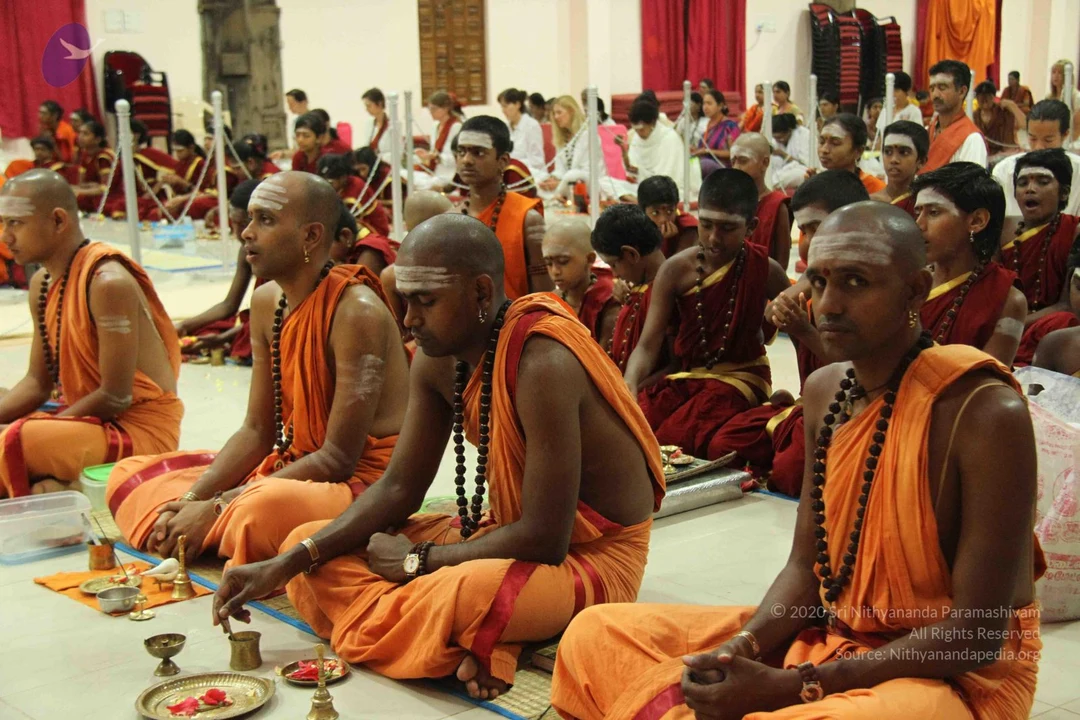
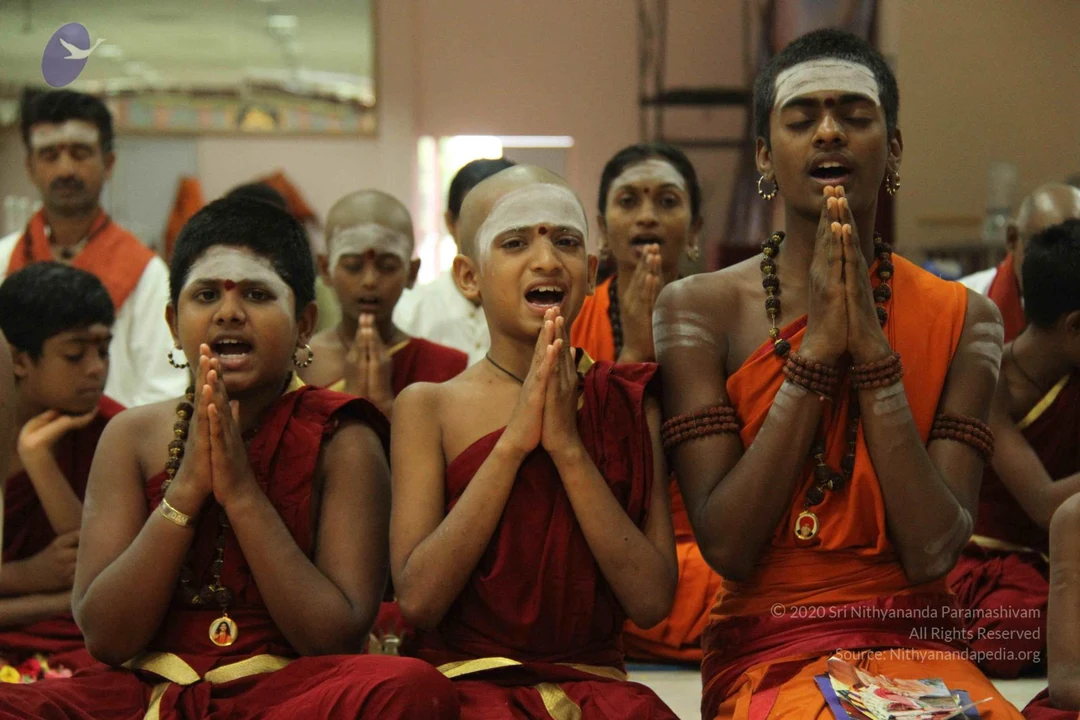
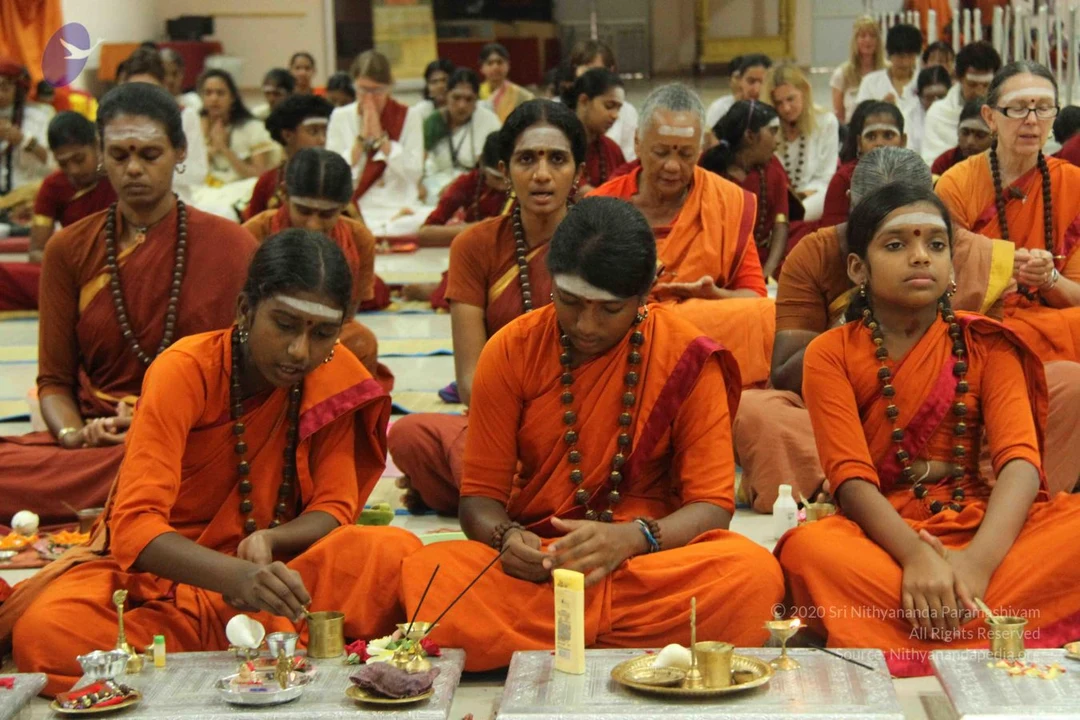
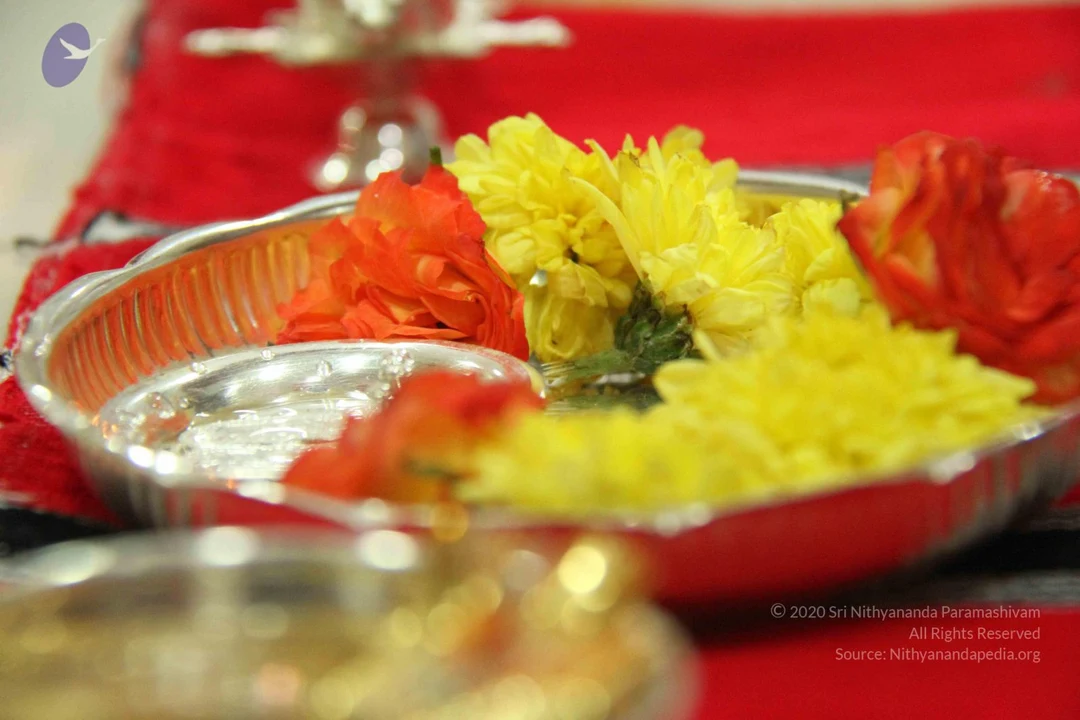
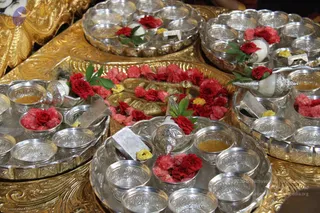
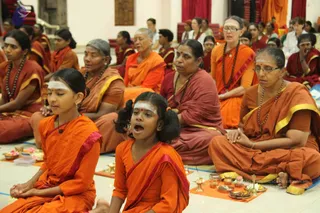
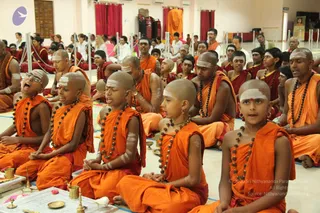
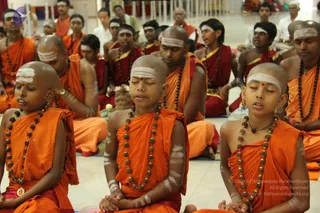
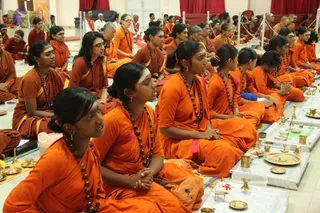
A photograph of a ceremonial worship setup on an ornate gold-embossed tray. Multiple silver bowls with embossed rims hold red and pink roses, yellow flower petals and amber liquid. Silver vessels with pointed spouts and green leaves sit among the bowls, along with a small silver sprinkler and a rectangular silver plate. No people are visible, and the arrangement looks like a puja or abhishekam offering setup.A temple hall with polished cream floor and a painted shrine wall in pink, green and gold. Two tall painted dvarapala-style guardian figures in orange dhotis with green sashes and crowns flank a central golden throne draped with a tiger-skin cloth. Above the throne a framed portrait shows a smiling man in an orange turban and orange robes, and in front of the throne several saffron-robed monks sit in a row, one younger figure in orange at the centre. In the foreground a priest in a white dhoti and bare upper body with sacred thread and vibhuti marks sits cross-legged before brass puja vessels and a small tray. Brass oil lamps line both sides of the hall. The portrait is a printed image of the throne, not a physical person, and the seated monks in the shrine are the only other physical figures.A photograph of a group of women and girls seated cross-legged on a white tiled floor, chanting in a temple hall. Most wear orange and saffron saris with yellow or red borders and rudraksha malas, and several have white sacred marks on their foreheads. Two young girls in the foreground, one in an orange sari with a red border and one with pigtails in an orange dress, have their mouths open as they chant. Brass plates, small oil lamps, flower offerings and a small bowl of kumkum sit on an orange cloth in front. Red drapes and orange cloth hang on the back wall behind the group.A photograph of a large hall with many seated young boys in saffron-orange robes and rudraksha malas, their heads shaved and foreheads marked with white sacred ash, chanting with eyes closed or mouths open. Brass oil lamps, small brass bowls and a silver tray with flowers sit in front of them on a white floor. Behind them, adult devotees in white and red clothing sit in rows, and a saffron cloth hangs on a rack at the back wall. The scene suggests a group chanting or puja. A small framed portrait stands at the right edge. a person's presence is not clearly identifiable from appearance.A seated group of young boys and adult men in saffron-orange robes and rudraksha malas sit with eyes closed in meditation, many with white vibhuti horizontal lines and white marks on their shaved heads and arms. A boy in the foreground has a red bindi and holds his hands together. Behind them, seated devotees in red and maroon clothes and white garments fill the hall, with a small brass object visible near the center. The setting is a bright, tiled prayer hall with white railings.A group of women and girls in saffron-orange robes sit cross-legged on a hall floor, many wearing rudraksha malas around their necks and white tilak marks on their foreheads. In the foreground a young woman with her hair tied back chants with eyes half-closed, while others sit with hands folded or holding small items. Before them on white marble-top platforms are brass plates, bowls, small brass lamps and a conch-shaped vessel with flower offerings. Behind them, older men and women in orange and white sit in rows, and a few seated figures wear dark maroon. A white curtain and red drapery frame the stage at the back.

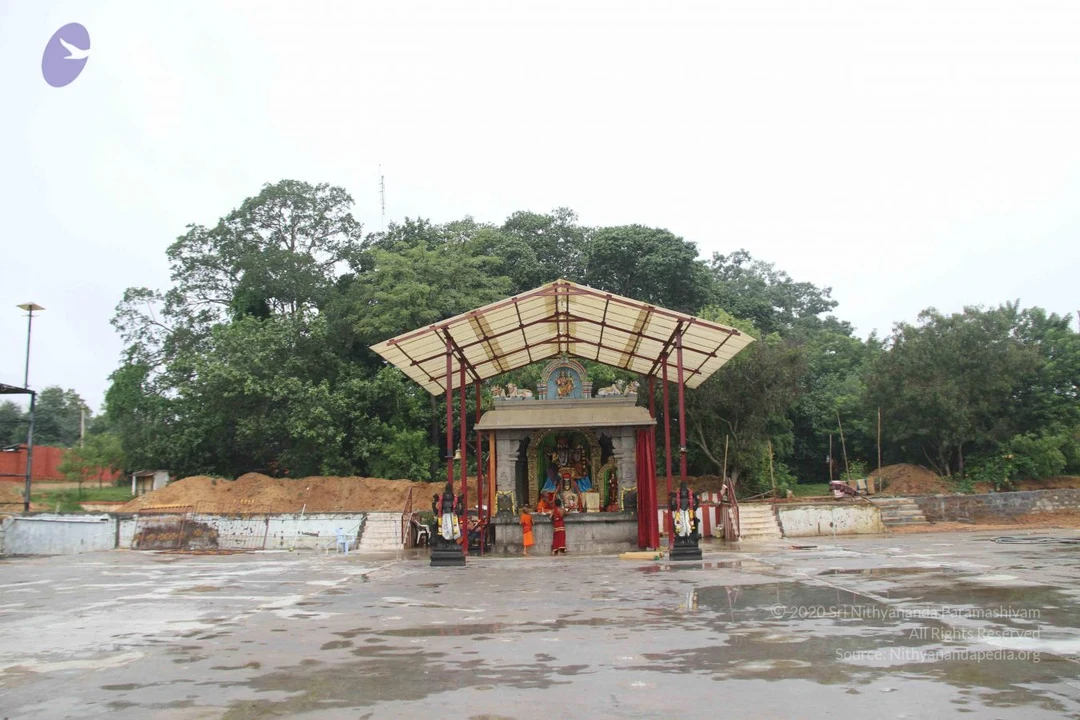
TEMPLE
39 photosSource gallery
A wide outdoor photograph of a small open-sided shrine under a tan canopy supported by red-and-white painted poles on a wet concrete courtyard. Inside the shrine, a deity murti with garlands stands on a raised platform flanked by a few figures in orange and red clothing. Red curtains hang at the side, a large tree canopy and piles of dirt sit behind, and a streetlamp stands at the left edge.A temple shrine photographed from the front, with a stone niche framed by carved pillars and a gilded arch. Central deity murti with a tall red headdress, multiple arms, garlands of white beads and marigolds, seated on a blue and red draped pedestal. Flanking figures include a standing murti in green-curtained niche to the right. In front, a seated priest in saffron-orange robes with shaved head performs puja, with brass vessels, lamps and offerings on the stone ledge. Marigold garlands hang on the pillars. A monk in orange stands at the left edge. Red curtains frame the right side.A shrine with large painted murti figures of Shiva and Parvati seated on a bull-shaped throne under a gilded arch with a green cloth backdrop. The seated deity holds a trident and a hand gesture, wearing white and silver jewelry, rudraksha-style beads and garlands. A shaved-headed young priest in orange robes kneels at the lower left beside a brass lamp, plate and offering vessels, appearing to perform puja. Smaller standing figure to the right in red and orange garland.A carved dark stone relief of the deity Ganesha, shown seated with a large elephant head, a red tilak or dot on the forehead and a tall crown, holding objects in several hands. The relief is smeared with yellow turmeric or kumkum powder and framed by bright yellow chrysanthemum garlands with red flowers along the left and right edges. A small coin rests at the base near a yellow flower. No people are visible; this is a photograph of a deity murti in a temple setting.A photograph of a dark carved stone relief of a multi-armed deity standing in an arched niche, with a bull-like animal at its side and a curled tail-like element below. Red kumkum marks dot the figure's arms, chest and the animal, and purple and yellow flowers lie at its base, with yellow marigold garlands framing the edges. This is a deity murti carving, not a person, so no physical people are shown.A young shaved-headed priest in saffron-orange robes and rudraksha beads sits cross-legged at the lower left of a shrine platform, holding a small cup or vessel while a ceremony is performed. Behind him stands a golden-arched shrine housing deity murti: a large seated figure with a red crown and blue-and-red garments, and a second figure with a tall crown and gold necklaces, both draped in garlands. A smaller standing figure in red and orange robes stands in a side niche on the right. Silver vessels, kalasha pots, bowls, a conch and a bell are arranged on the platform, with yellow flower garlands framing the stone pillars. The priest appears to be performing puja or abhishekam.

Nithya Satsang

11 photosSource gallery
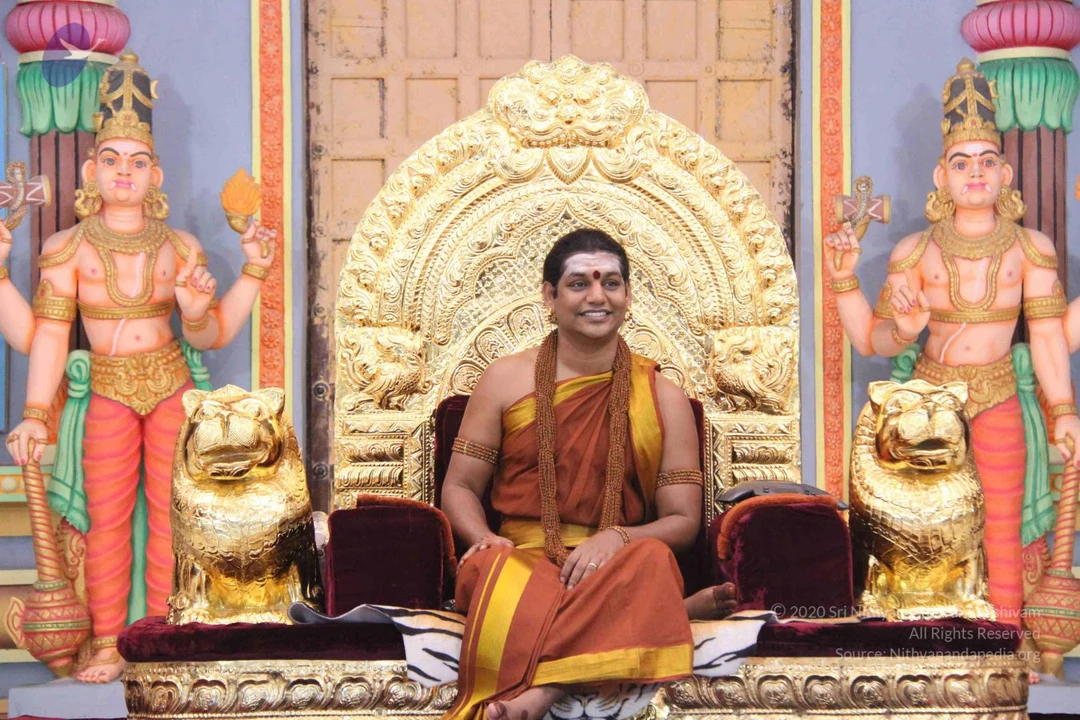
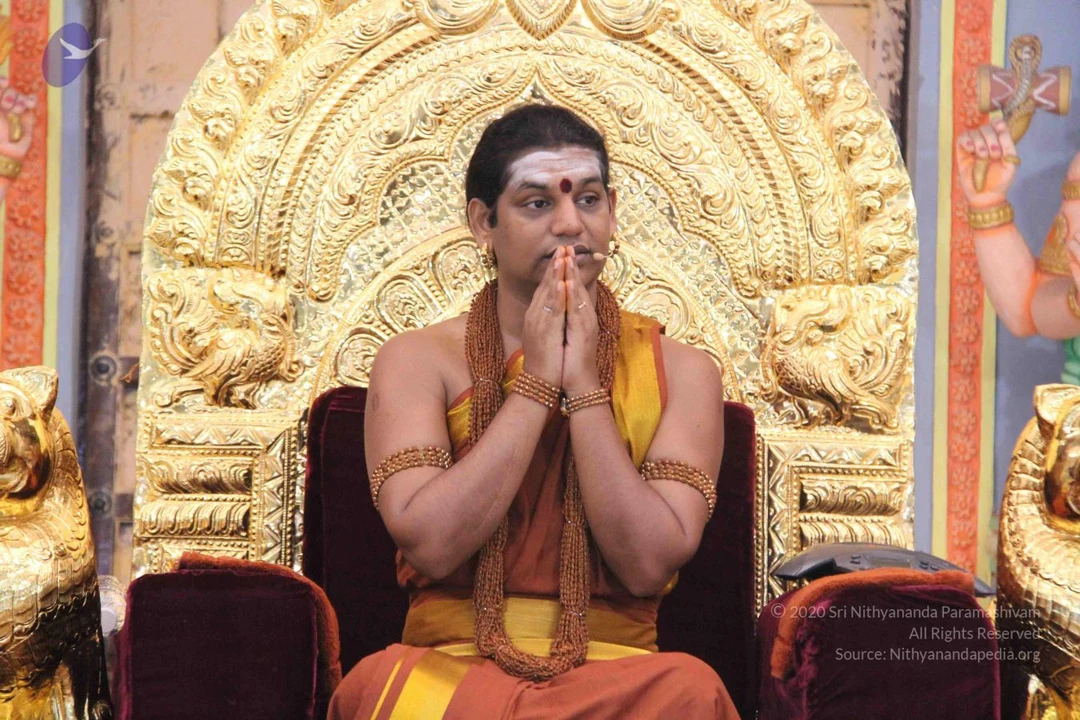
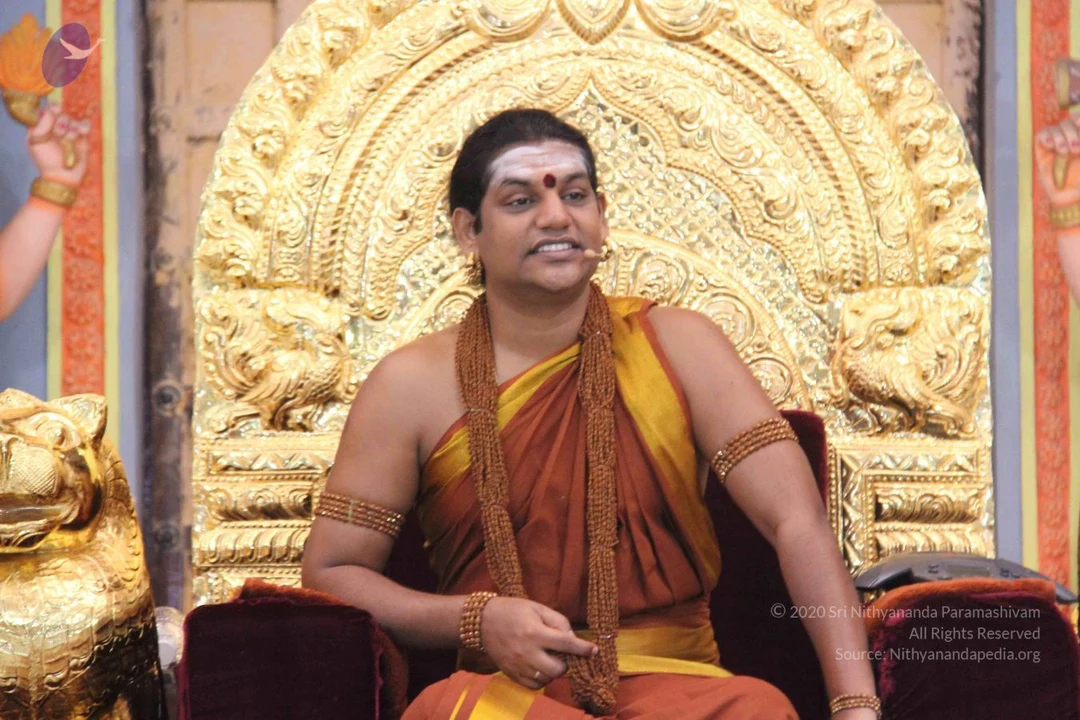
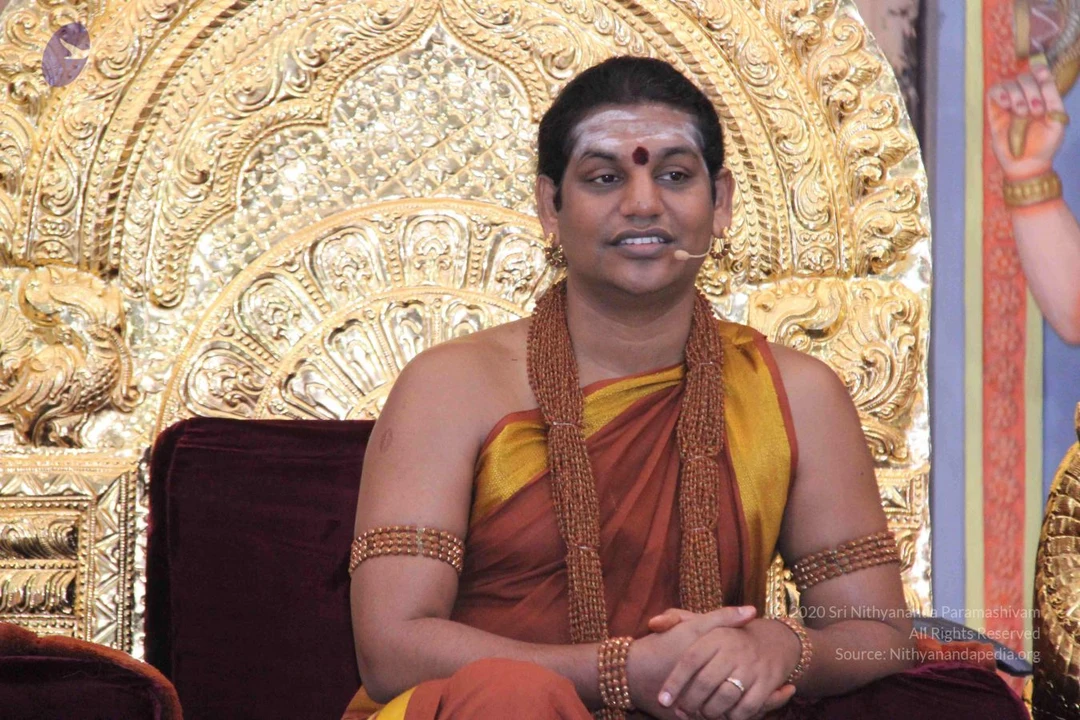
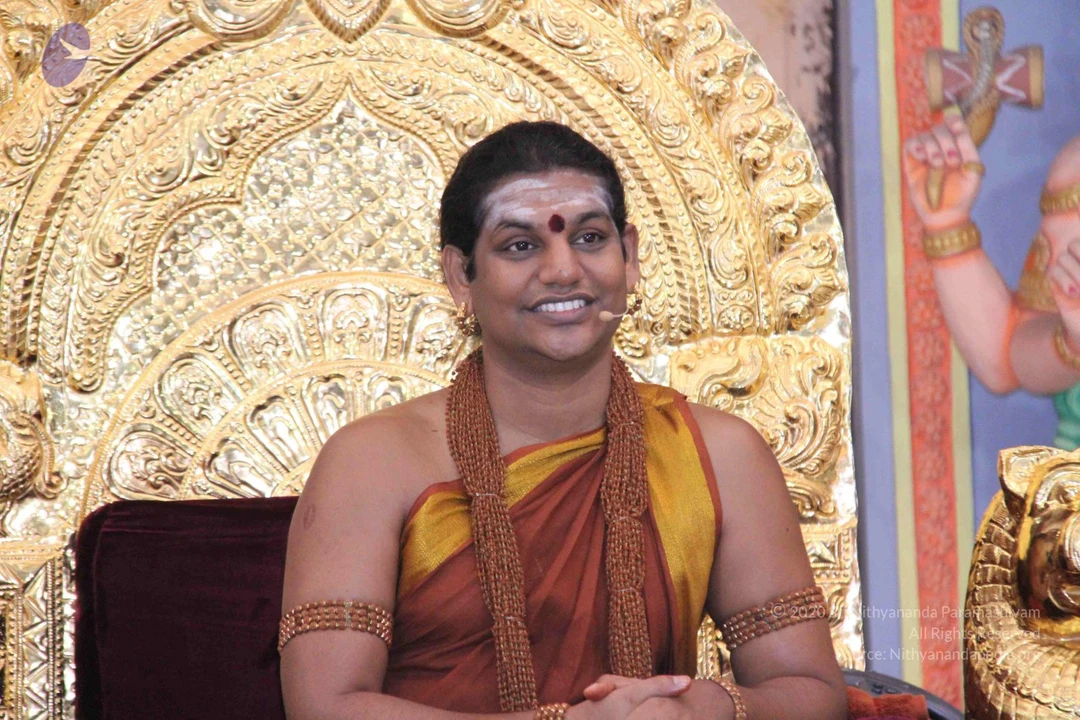
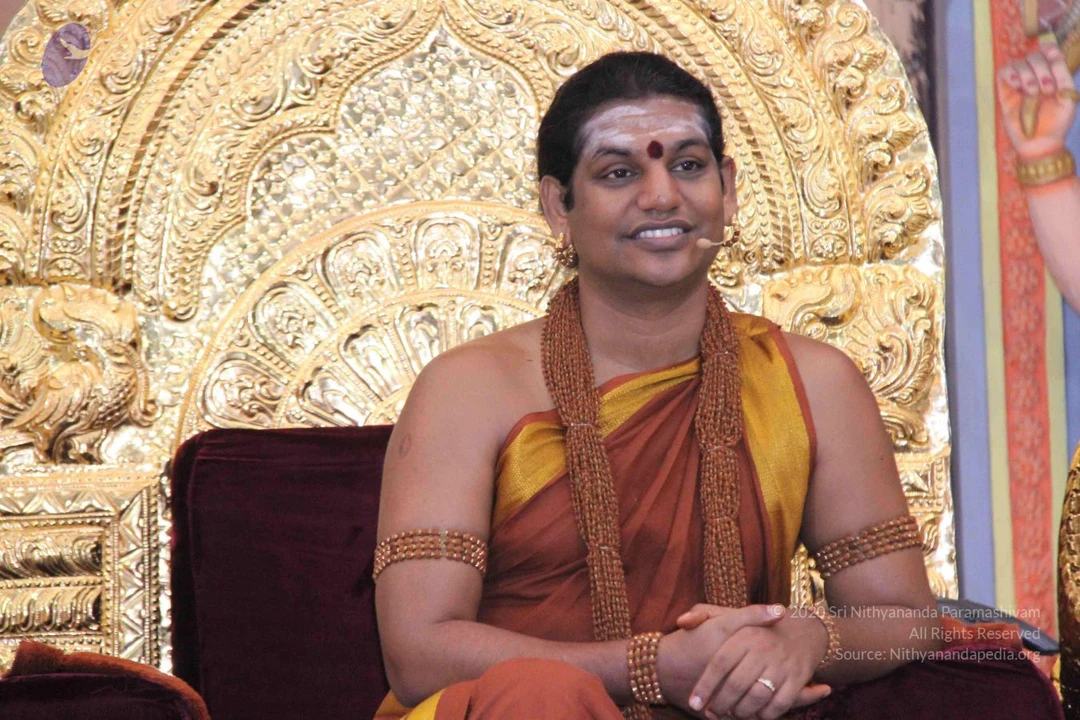
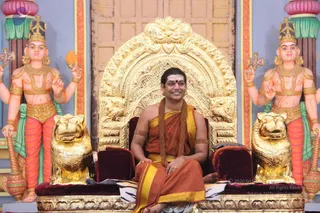
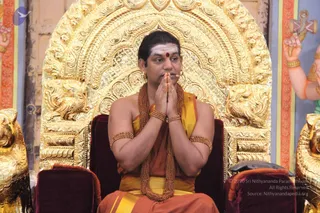
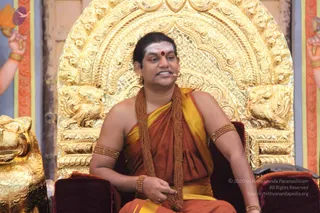
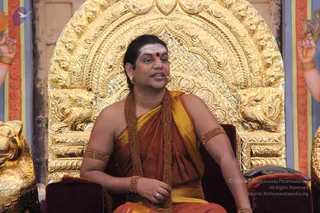
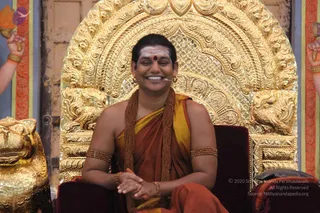
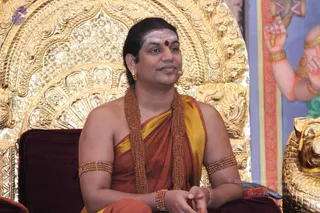
A man with short dark hair sits cross-legged on an ornate golden throne with a large arched backrest carved with floral and foliate patterns. He wears an orange-saffron upper cloth draped over his bare shoulders, a yellow-and-orange border on the dhoti, a long beaded rudraksha-style mala around his neck, and gold armlets. Two gilded lion figures flank the throne seat, and two painted standing deity murti statues with four arms, gold crowns and gold ornaments stand on either side against a pale blue wall, one holding a flaming lamp. A wooden door panel is behind the throne, and the scene shows a seated ritual or satsang setting with a tiger-skin-like cloth draped over the seat.A man seated on an ornate gold throne with a carved arched backrest and lion-form armrests, hands pressed together in namaskar at chest height. He wears a rust-orange upper cloth over a bare chest, a yellow-and-orange lower cloth, a long rudraksha mala with a gold necklace, gold armbands and bangles, and gold earrings. A white vibhuti line and a red kumkum dot mark his forehead. A small microphone is clipped near his face. Behind him stand painted and gilded deity figures with a trident and a hand-held implement. a person candidate is shown in this setting with these cues: long swept-back hair is not visible, but the saffron-orange draping, rudraksha mala and ceremonial gold ornaments are distinctive. He is seated in front of a discourse dais, so this is a satsang-type gathering with a seated teacher.A man seated on an ornate gold throne with carved lion-head armrests, speaking into a headset microphone during a discourse. He wears a saffron-orange robe with a yellow border draped over one shoulder, bare arms with gold armbands, and a long rudraksha mala with gold necklaces. He has a red bindi on his forehead and white vibhuti marks. A gilded lion sculpture sits at the left edge and a red velvet cushion is on the armrest. a person is the seated speaker, shown on the throne in a discourse setting.A photograph of a seated man on an ornate golden throne with carved lion-like armrests and a gilded arched backrest, speaking during a discourse. He wears a bare-chested orange-red and yellow saffron-toned cloth wrap, long multi-strand rudraksha-style mala beads, gold armbands and bracelets, and a small gold earring. He has a white vertical tilak on his forehead with a red dot. His right hand rests on his knee and his left arm is on the armrest. A small microphone is visible near his face. Behind him stand painted deity figures with raised hands holding ritual objects, and a gold cushioned seat is in the foreground.A photograph of a smiling man seated on an ornate gold throne with a large gold arched backrest carved with floral scrollwork and lion-like motifs. He has a white vertical tilak and red bindi on his forehead, a short hairstyle, and wears an orange-red robe over a yellow shawl, with a long rudraksha mala and gold armlets. His hands are clasped in his lap, and a small microphone is clipped near his face. A gold lion figure is partly visible on the left, and a hand holding a golden object appears at the upper left edge. a person is seated in person, matching the appearance of the page's subject through his saffron-orange clothing, rudraksha malas and ceremonial gold ornaments.A man seated on an ornate gold throne with a carved gilded backrest, wearing a rust-orange and gold-bordered upper cloth draped over bare shoulders, multiple rudraksha mala necklaces, gold armlets and bangles, and a small gold earring. He has white vertical tilak marks and a red bindi on his forehead and wears a small lapel microphone. His hands rest together in his lap. Behind him to the right is a painted panel showing a multi-armed deity with a jewelled armband, and a golden lion-head armrest is visible at the lower right. The scene appears to be a discourse setting. a person is seated in the centre, identified by his orange-and-gold robe, layered rudraksha malas and throne-seat, speaking to an audience.

SARVADHARSHAN

4 photosSource gallery
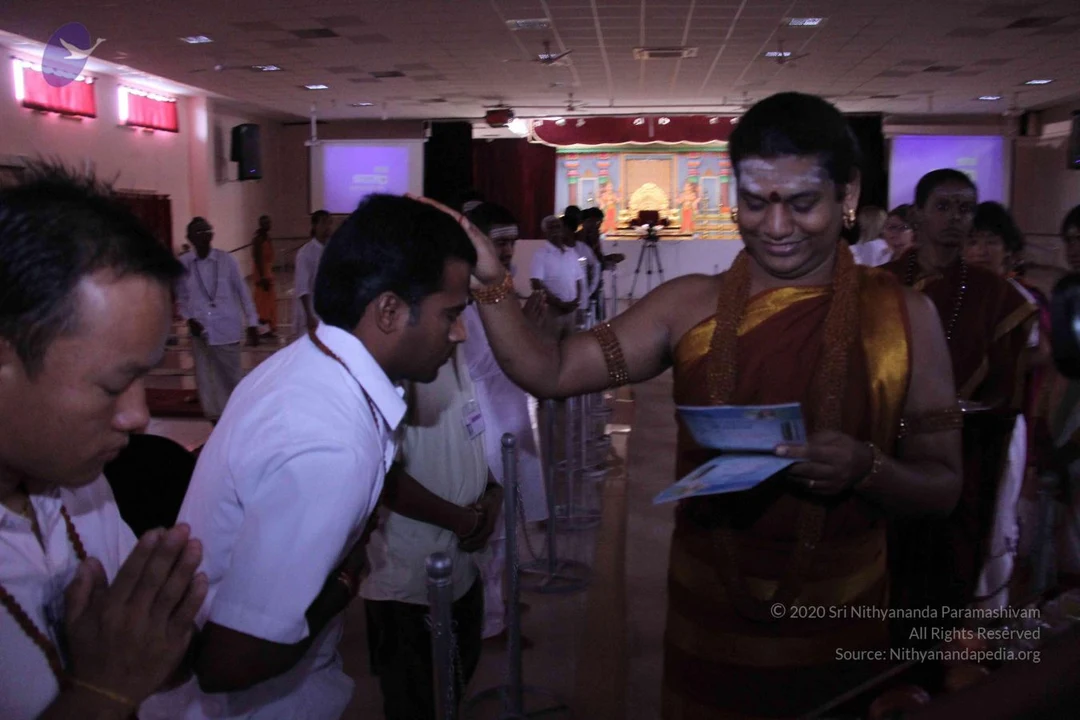
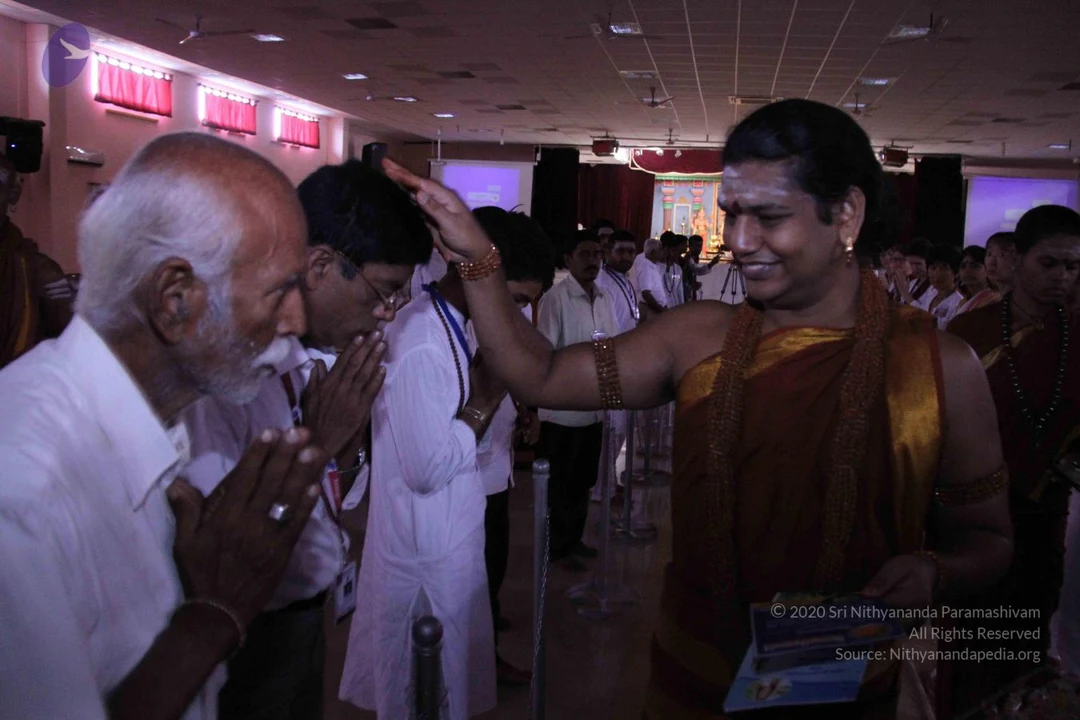
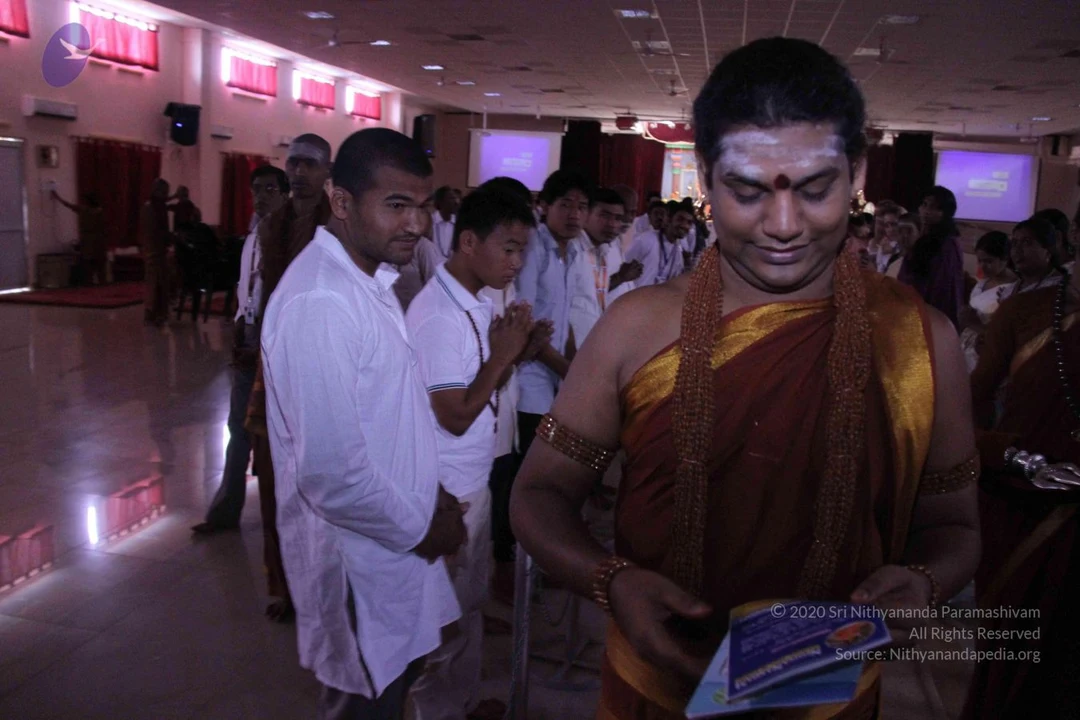
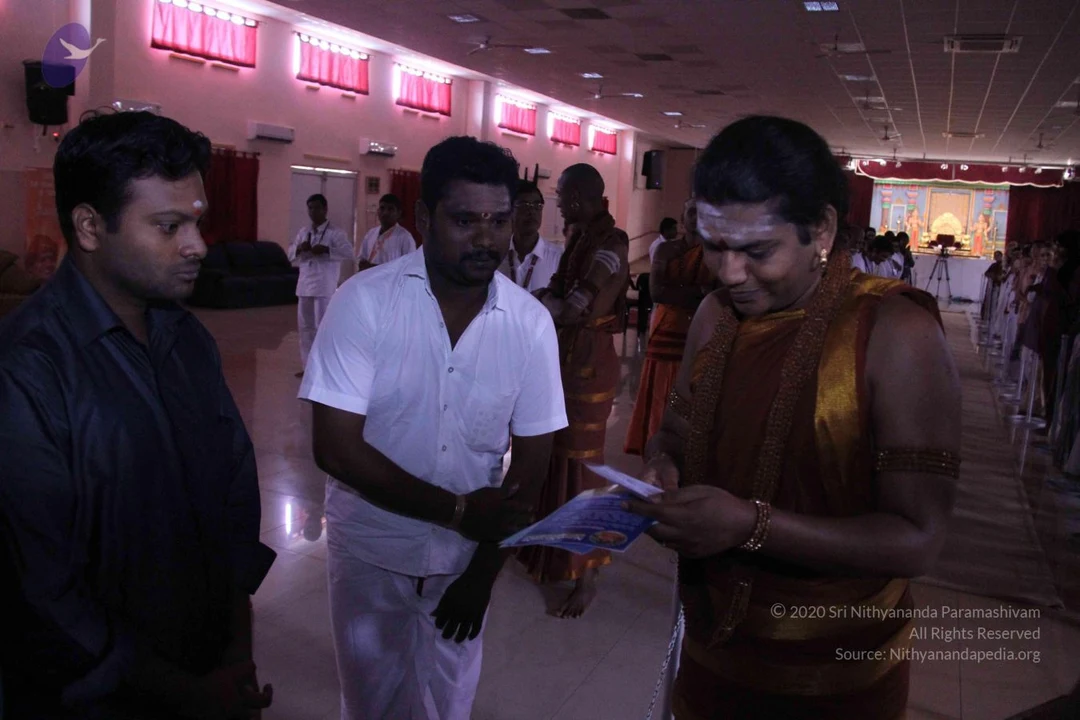
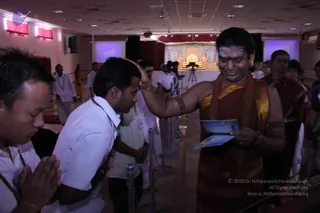
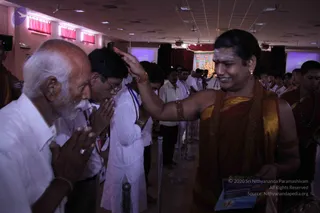
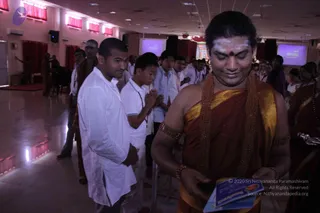
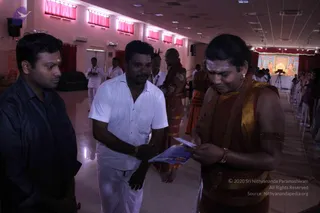
Inside a hall with pink-lit side panels and a projection screen, a man in a dark red and gold shawl with a rudraksha mala and ceremonial gold necklace stands at right, holding two small blue pamphlets and touching the forehead of a man in a white shirt who bows with palms pressed together. Two devotees in white stand at left with folded hands. Behind them, a decorated golden shrine with painted deity figures, a red curtain and a camera tripod are visible. Several other people in white and maroon clothing stand in the background. A probable Swamiji appearance is present: long swept-back hair, rudraksha and gold necklace, and a gold-trimmed shawl, in the role of giver of blessing.A photograph of an indoor hall with pink-lit wall panels and a shrine with a deity murti at the back. In the foreground, a man in a saffron-orange shawl with gold necklaces and a sandalwood tilak on his forehead raises his right hand toward the head of an elderly white-bearded man in a white shirt, who stands with palms pressed together in namaste. Behind them, devotees in white dhotis and shirts, one with folded hands, stand in a line. a person: the man in the saffron shawl with ornate gold ornaments and a rudraksha mala appears to be giving blessings to the elderly devotee. Many attendees stand in the background.Indoor hall photo of a devotee in a saffron-brown robe with a golden border and a thick beaded necklace, holding a blue-and-orange booklet, with white tilak markings on the forehead and a red bindi. Beside him, men in white kurtas and shirts stand in a line with palms pressed together in anjali, while other attendees in white and orange stand behind. White screens showing purple slides hang on the walls, and red curtains line the room.A photograph inside a hall with pink-lit walls and red drapes. On the right, a man in a saffron-orange and gold robe, with long swept-back hair, a white forehead mark, a gold necklace and a gold armlet, holds a small blue printed card and looks down at it. a person candidate by these cues, though his face is not visible for identification, so the appearance is uncertain. Beside him, a man in a white shirt and white dhoti stands looking at the card, and a man in a dark shirt stands at left. Behind them, figures in saffron robes and white clothes stand near a stage with a decorated backdrop and a camera on a tripod, and a row of seated attendees fills the right side.

01-PADUKA-PUJA

2 photosSource gallery
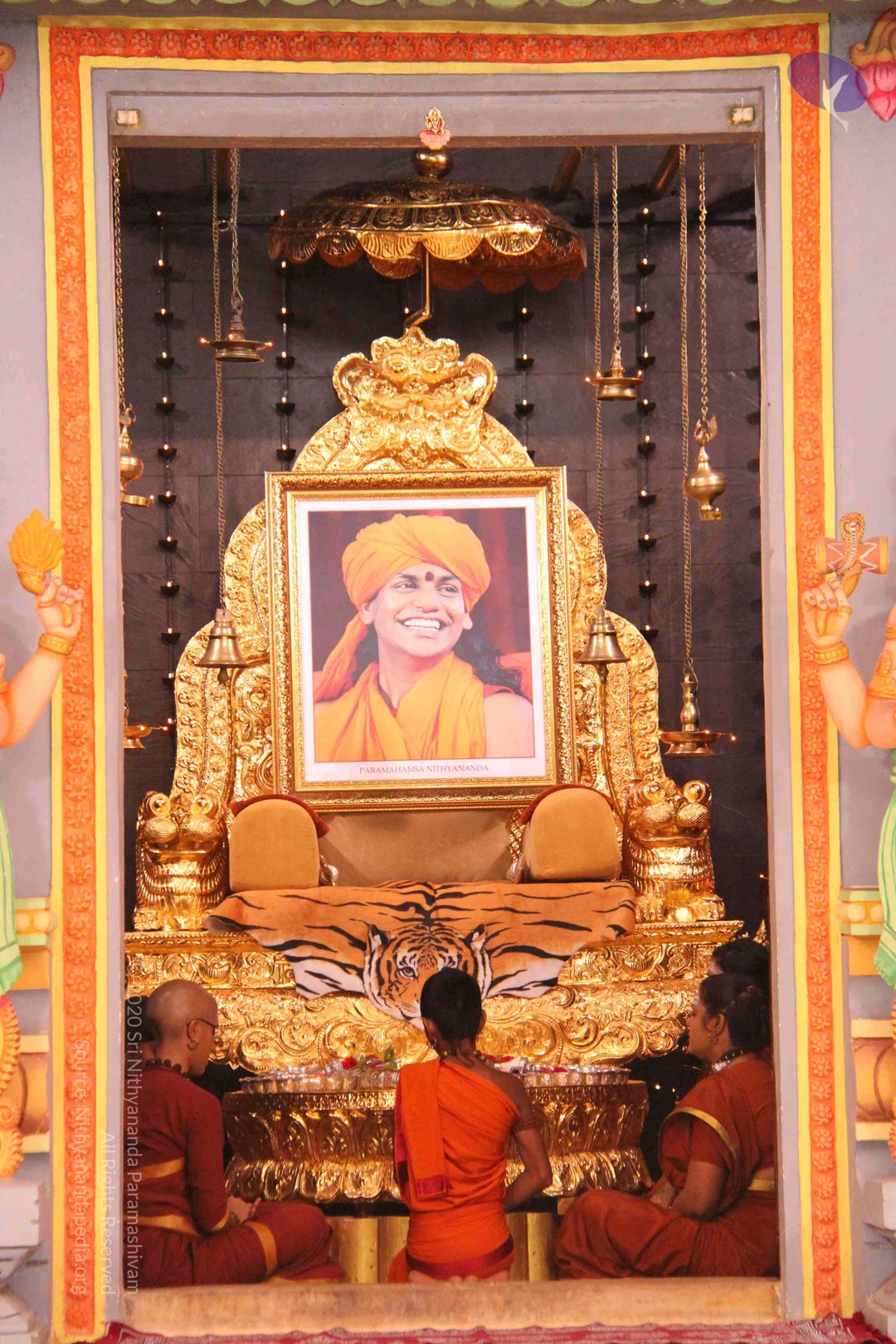
A golden ornate throne in a temple shrine is centered on a framed photograph of a smiling man in an orange turban and orange shawl with a red bindi, labelled PARAMAHAMSA NITHYANANDA on the frame. The throne is draped with a tiger-skin cloth and flanked by carved golden lions, with a golden umbrella above and brass lamps and bells hanging on chains. Three devotees sit in red and orange robes before the throne: one with a shaved head on the left, one seen from behind in orange in the centre, and one on the right with a necklace. Painted deity figures with raised hands frame the doorway. Bowls of offerings sit on the golden pedestal in front of the throne.A photograph inside a temple shrine of a golden throne draped with a tiger-skin cloth, with a framed portrait labelled "PARAMAHAMSA NITHYANANDA" showing a smiling man in an orange turban and orange robe, with a red bindi. Below the throne, a woman in an orange sari kneels at the golden pedestal facing the portrait, while three people in maroon and red-brown robes sit beside her. Two large painted guardian figures with gold ornaments and multiple arms flank the doorway, and brass oil lamps, bells and a golden canopy hang above the shrine.

02-ADIKAILASA-TEMPLE
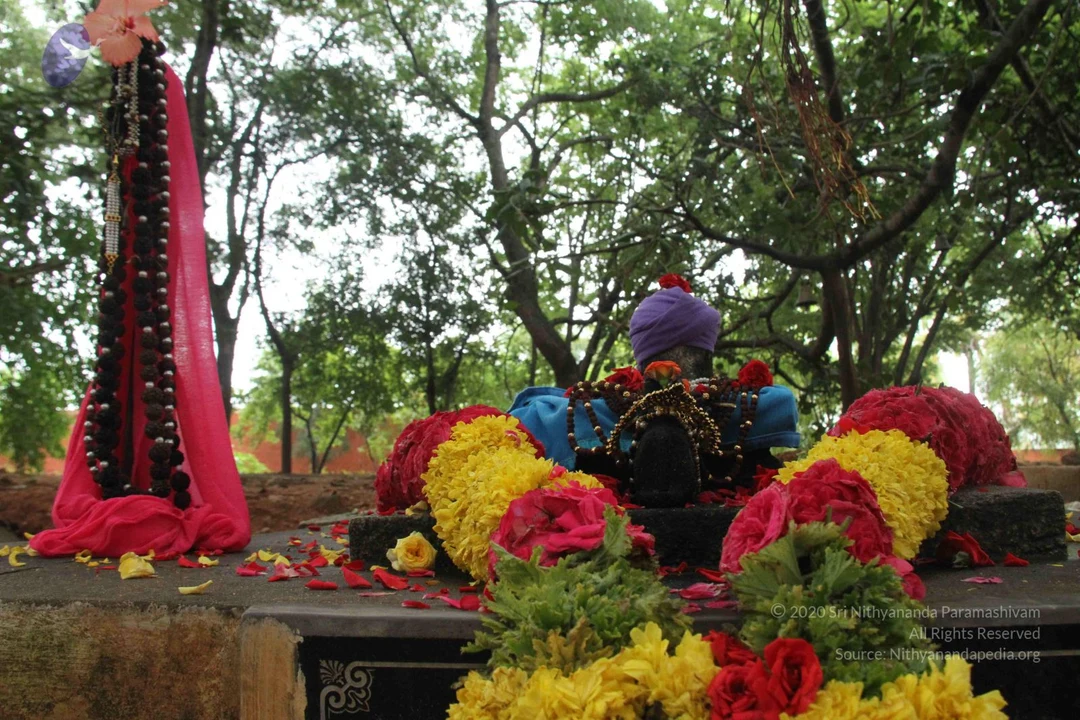
5 photosSource gallery
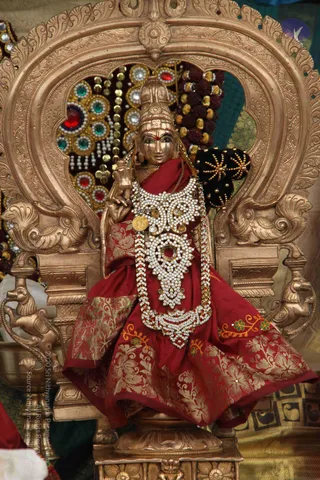
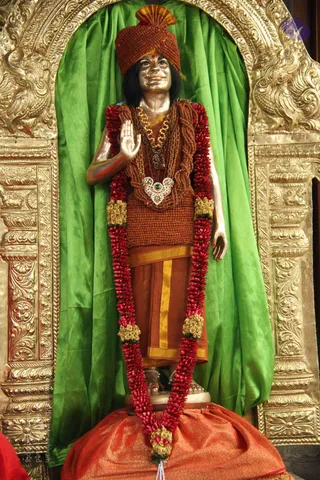
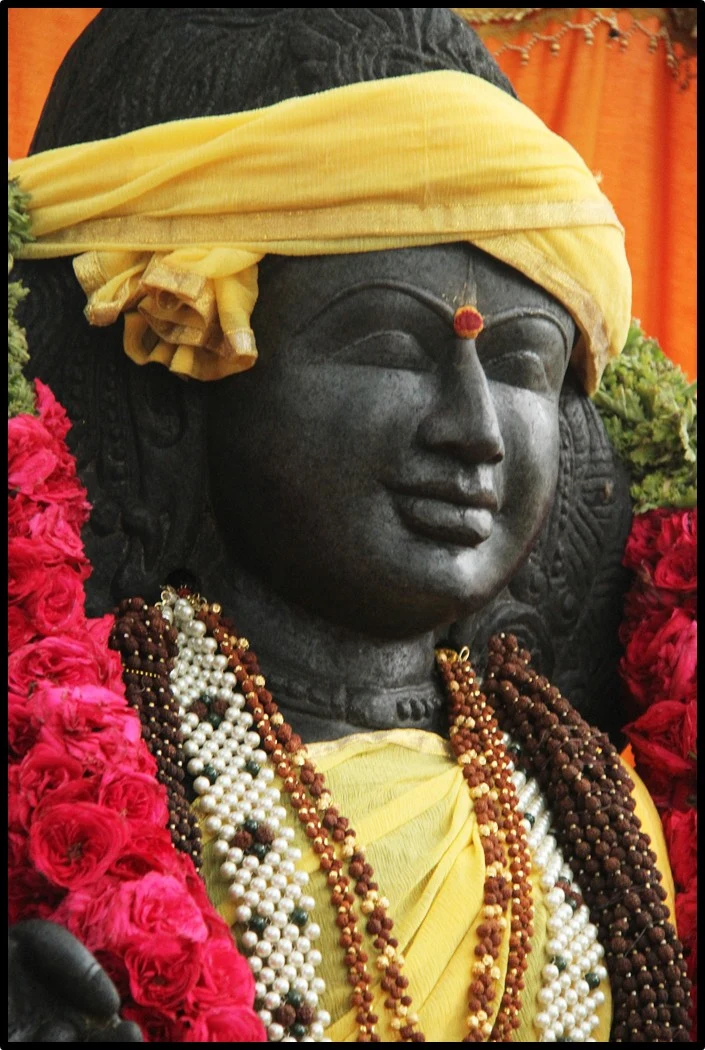
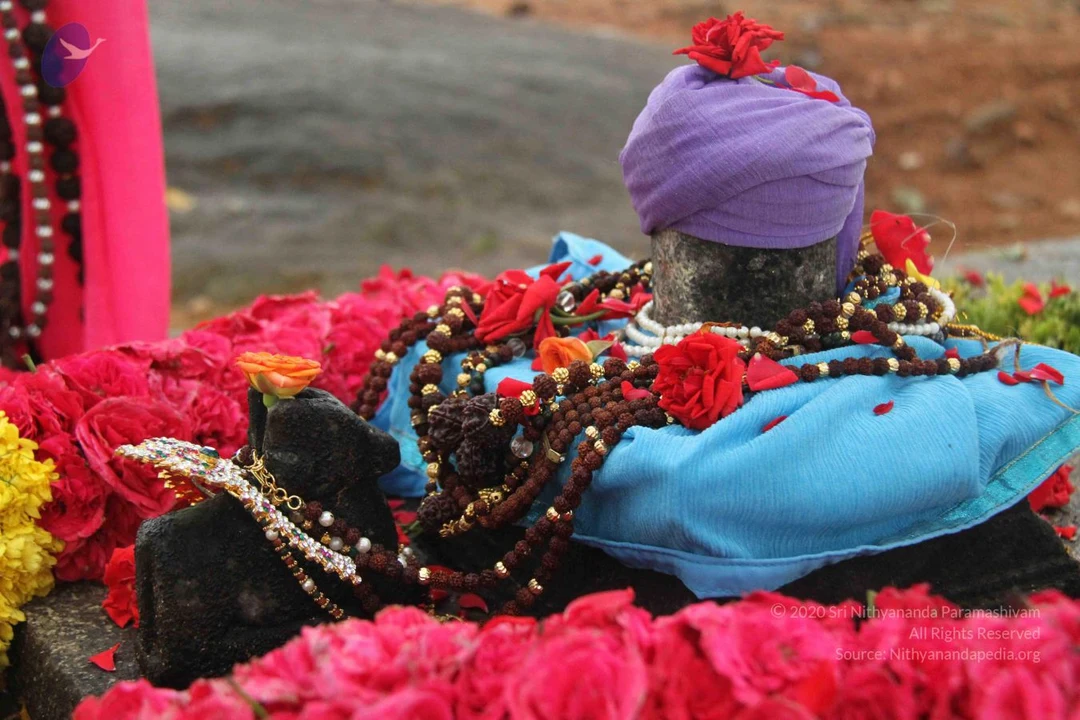
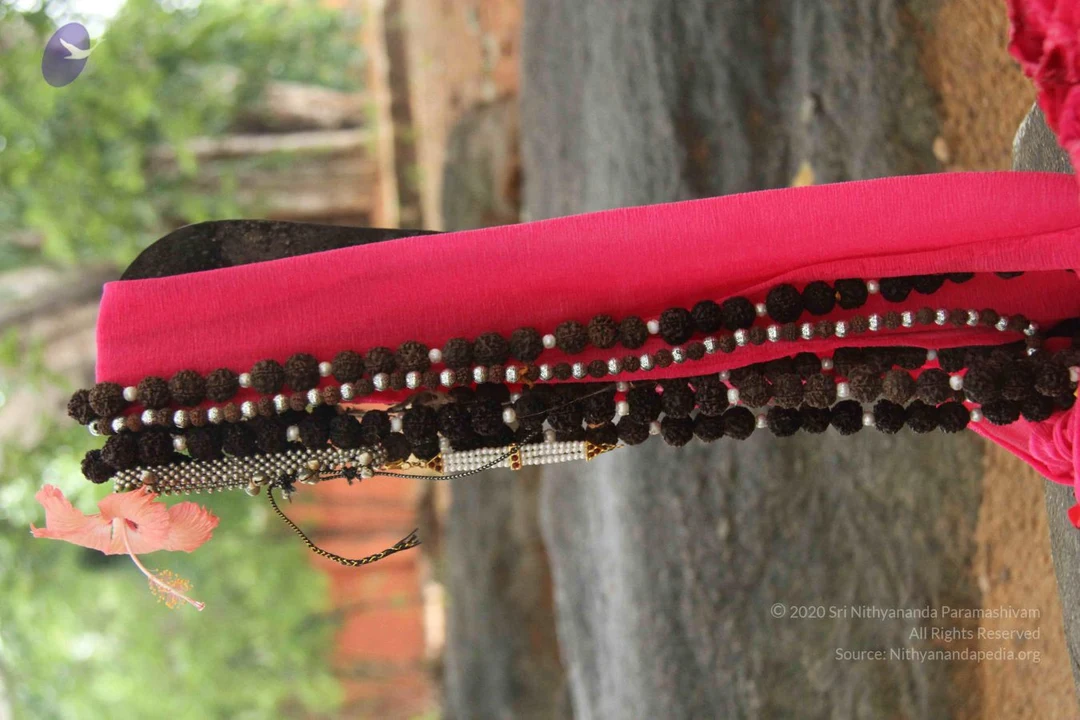
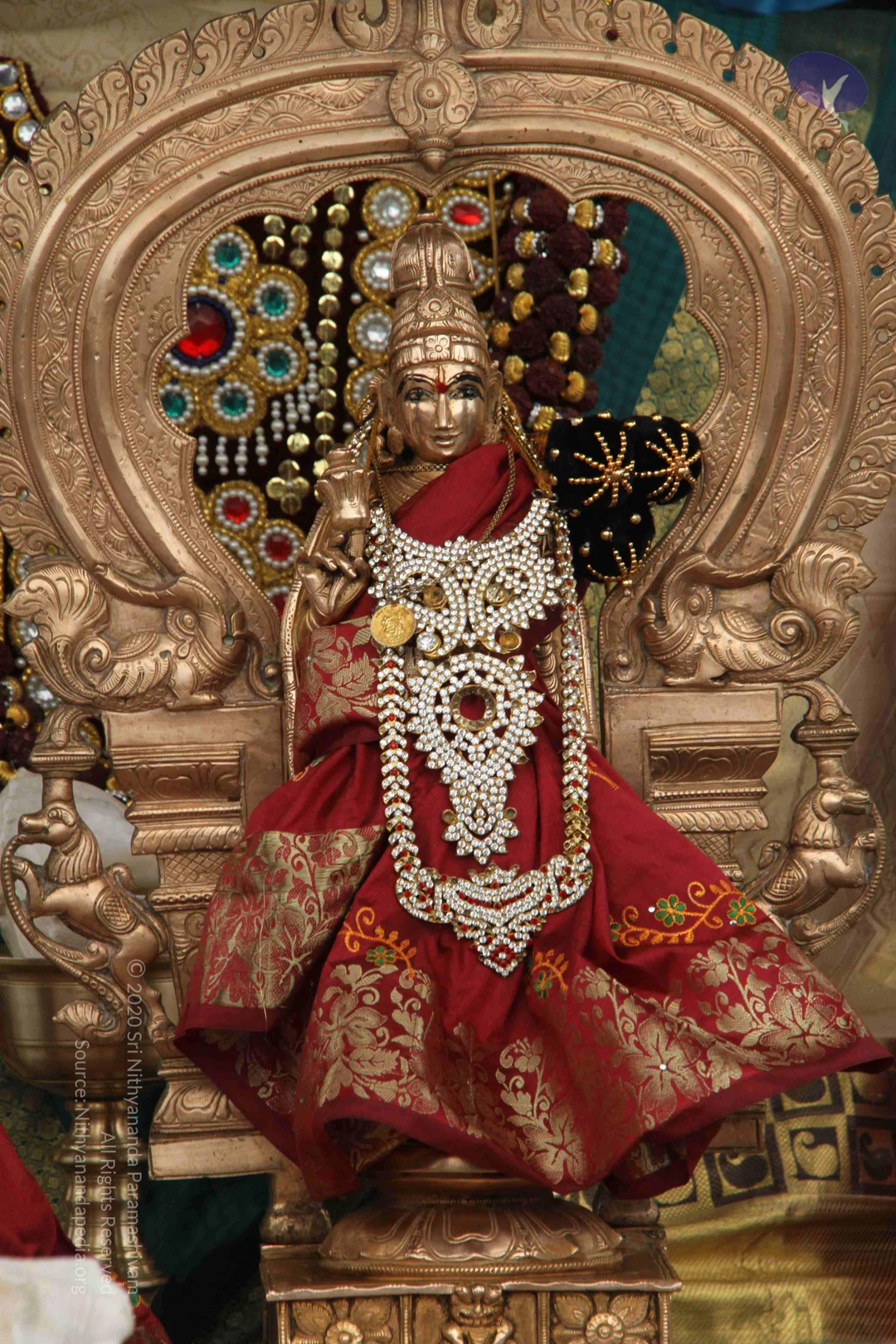
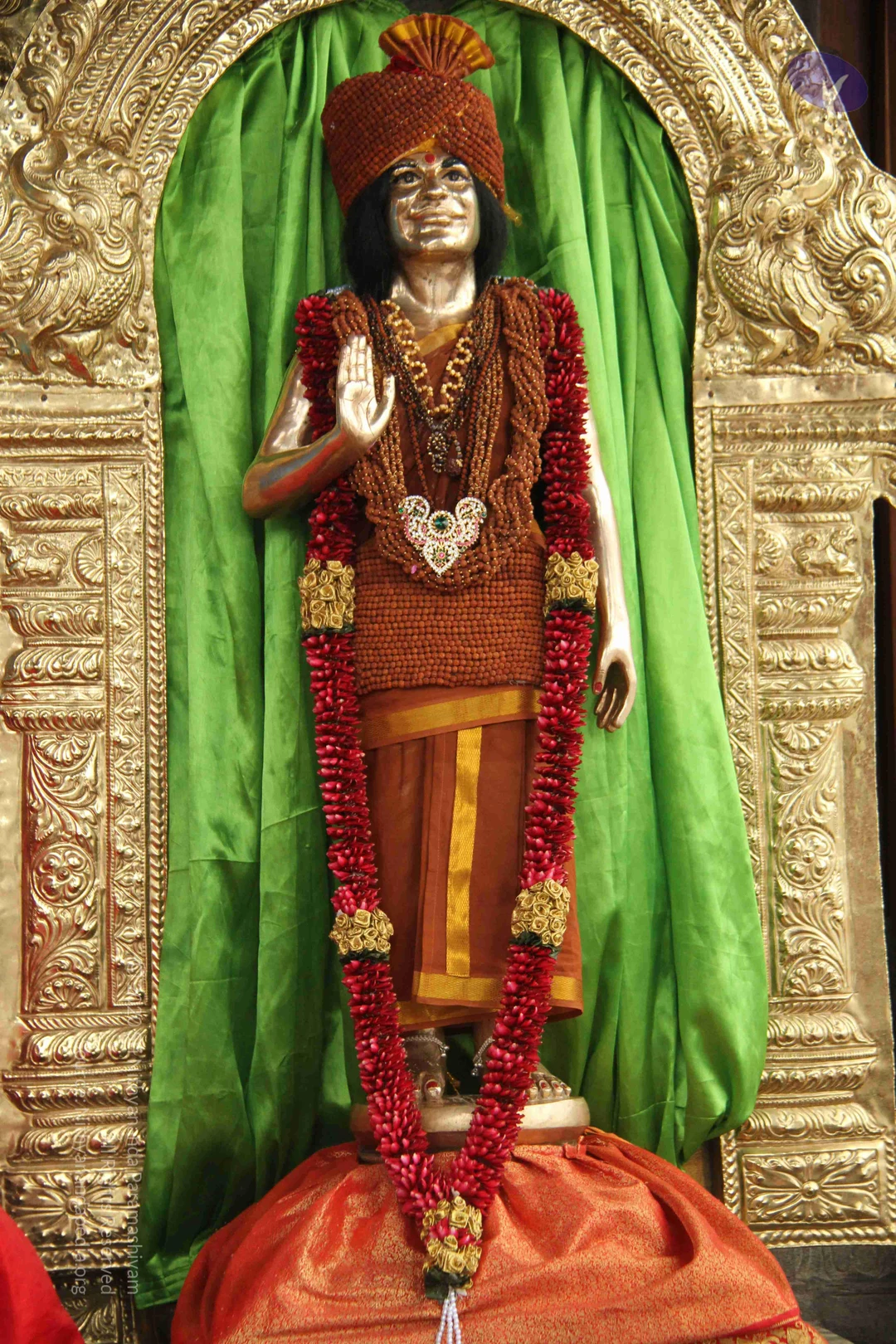
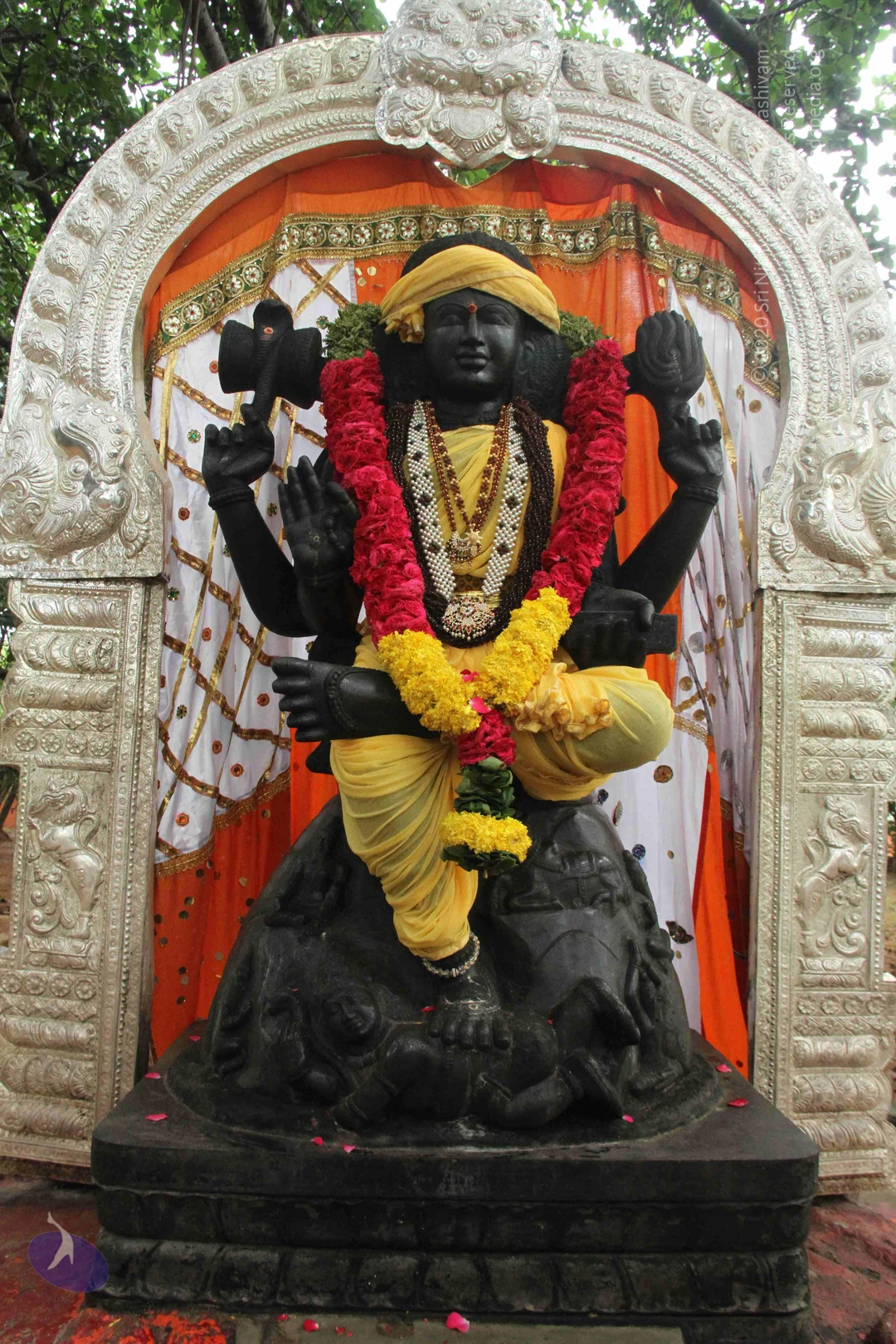
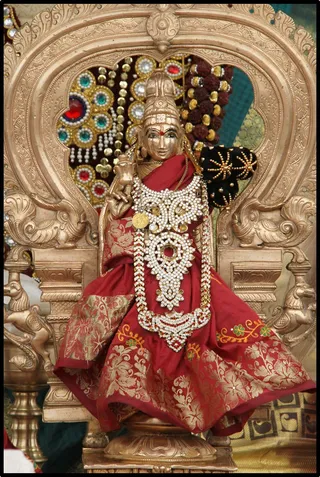
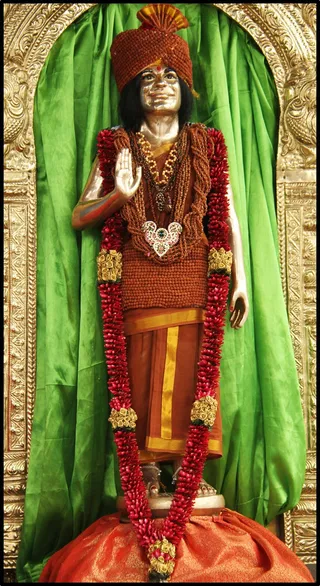
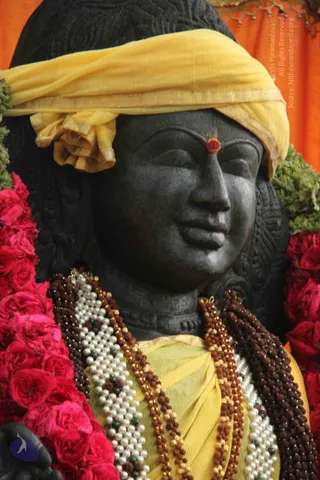
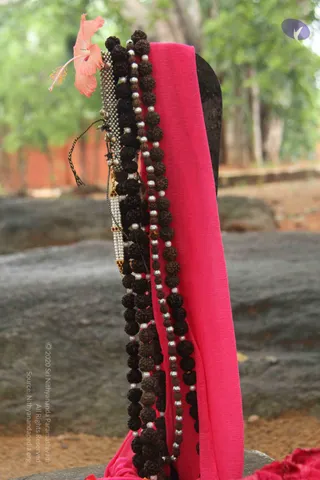
A bronze-coloured metal deity murti seated on an ornate golden throne with a foliate arch and lion-shaped armrests. The figure wears a tall crown, a red sari with gold brocade borders, and a heavy white stone necklace with a pendant. One hand is raised in a gesture. Behind it hang rudraksha beads and jewel-studded decorations in red, green and white. No physical people are visible; the deity is a statue.A golden-skinned statue of a standing male sage in a brown rudraksha-bead turban and matching bead vest stands in front of a green silk backdrop set within an ornate gold-toned arched frame. The statue raises its right hand in blessing and wears layered rudraksha and gold necklaces, a jewelled pendant, a brown dhoti with gold border, and a long red-and-white jasmine-style garland with gold floral accents. A red brocade cloth drapes the base. The figure is a statue, not a living person, and the frame and fabrics suggest a temple shrine setting.A black stone statue of a four-armed deity murti seated on a dark rock pedestal inside a silver-framed arch. The figure wears a yellow turban, a yellow dhoti-like lower garment, and a red-and-yellow flower garland with pearl and bead necklaces. Its raised hands hold a trident-like staff and a drum-shaped object. Behind it hang orange and white draped cloths with gold trim, and rose petals lie scattered on the base. Trees frame the top of the shrine.Close-up photograph of a dark stone statue of a male figure with a serene, smiling expression, wearing a yellow turban tied with a gathered knot and a red tilak mark on the forehead. The statue wears layered necklaces of brown rudraksha beads, white pearls and gold-toned beads over a yellow garment with gold border. Red and pink rose garlands and green foliage frame the statue against an orange cloth backdrop. No physical people are visible; the figure is a statue, so this is a depiction and not a person in the scene.Outdoor photograph of a dark stone linga draped with a bright pink cloth and several strands of rudraksha malas with silver-toned beads and pearl-string garlands, topped with a peach hibiscus flower. Blurred green trees and a rocky ground fill the background. No people are visible; the page refers to a person talk on love and forgiveness but nothing in the image shows him.

03-SATSANG

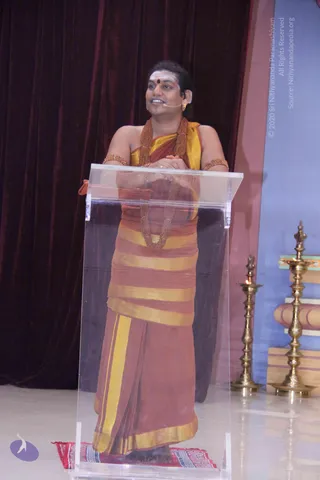
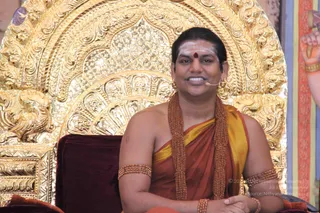
2 photosSource gallery
A man stands behind a clear acrylic lectern on a stage, speaking to an unseen audience. He wears a rust-red and gold-bordered dhoti and matching upper cloth draped over one shoulder, with multiple strands of rudraksha-style beaded necklaces, beaded armlets, and a gold earring. He has white vibhuti lines and a red kumkum dot on his forehead, and a small headset microphone. Behind him are a dark maroon velvet curtain and tall brass oil lamps on the right. A red-and-white patterned mat lies at his feet. A candidate matching a person's presentation is present, based on appearance cues including beaded rudraksha malas, ornate gold-trimmed saffron-toned clothing and gold earrings, though identity is uncertain. The stage lectern and brass oil lamps suggest a satsang discourse setting.A smiling man seated on an ornate gilded throne with heavily embossed gold filigree and a fan-shaped backrest. He wears a rust-orange and gold-bordered shawl over bare shoulders, multiple rudraksha mala strands crossing his chest, and matching rudraksha bracelets on his upper arms and wrists. He has white vibhuti marks on his forehead with a red kumkum dot, and a small headset microphone near his face. His hands rest in his lap on a deep maroon velvet cushion. Behind him is a partly visible colourful striped backdrop.

04-BLESSINGS

3 photosSource gallery
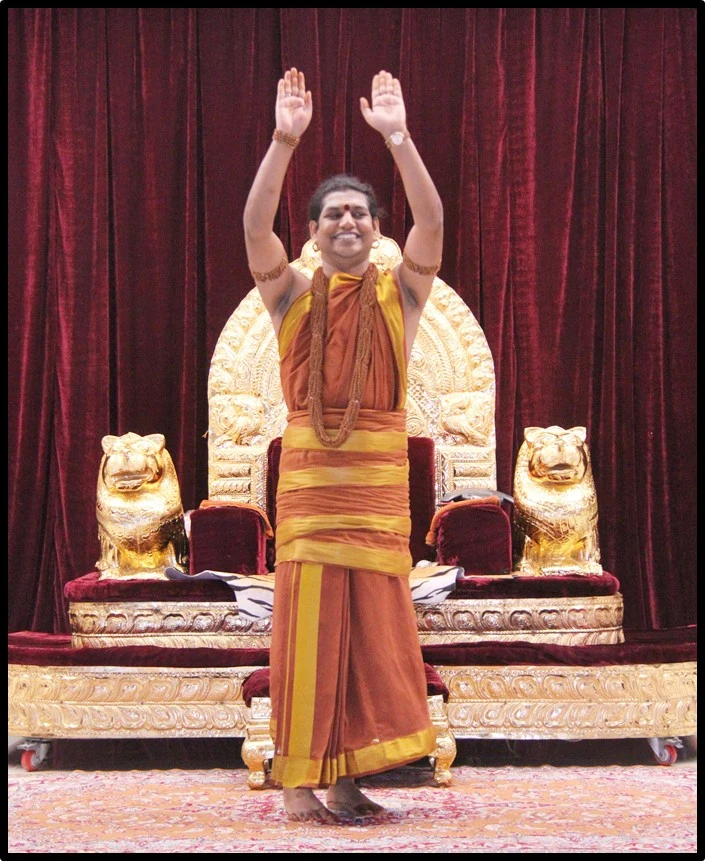
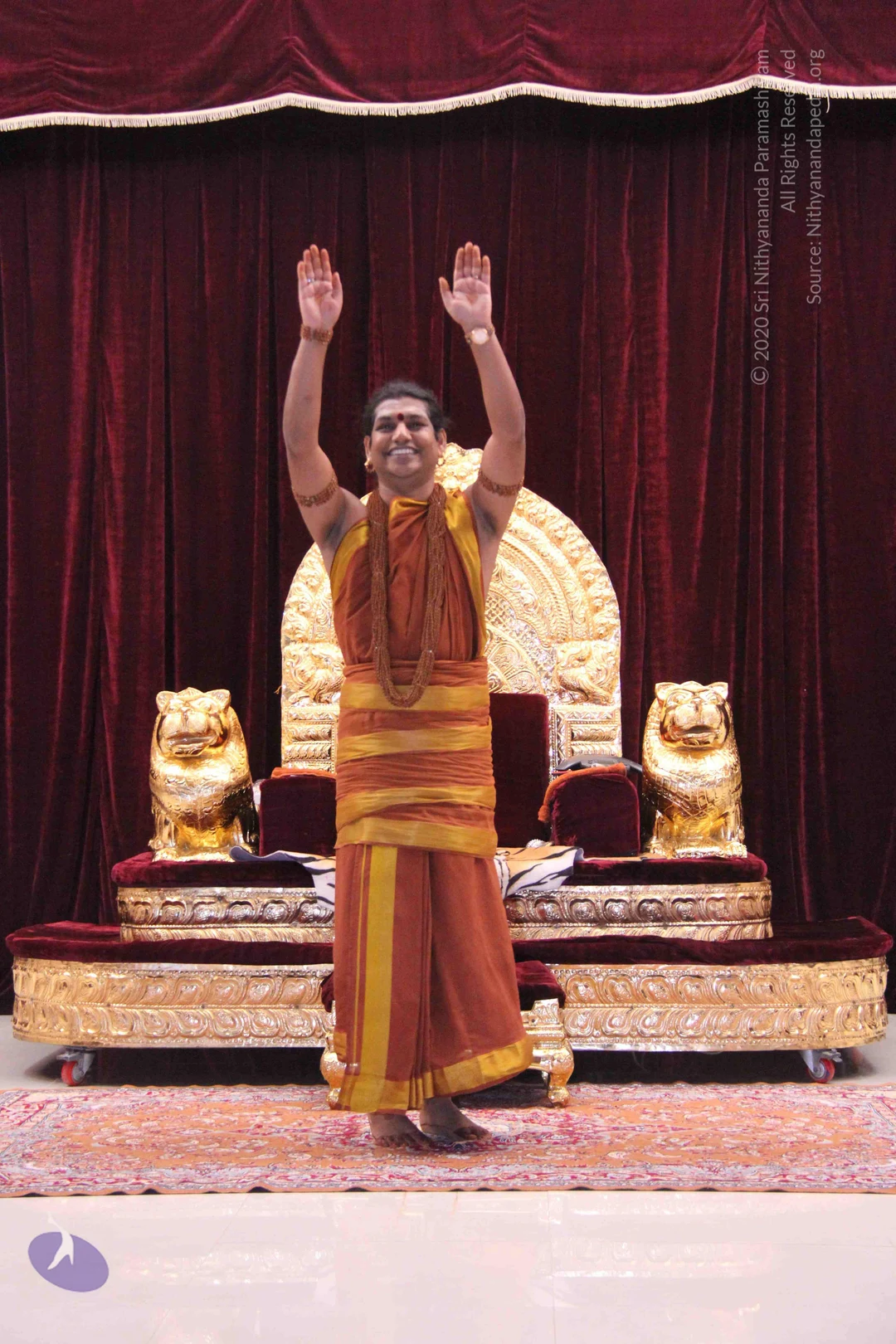
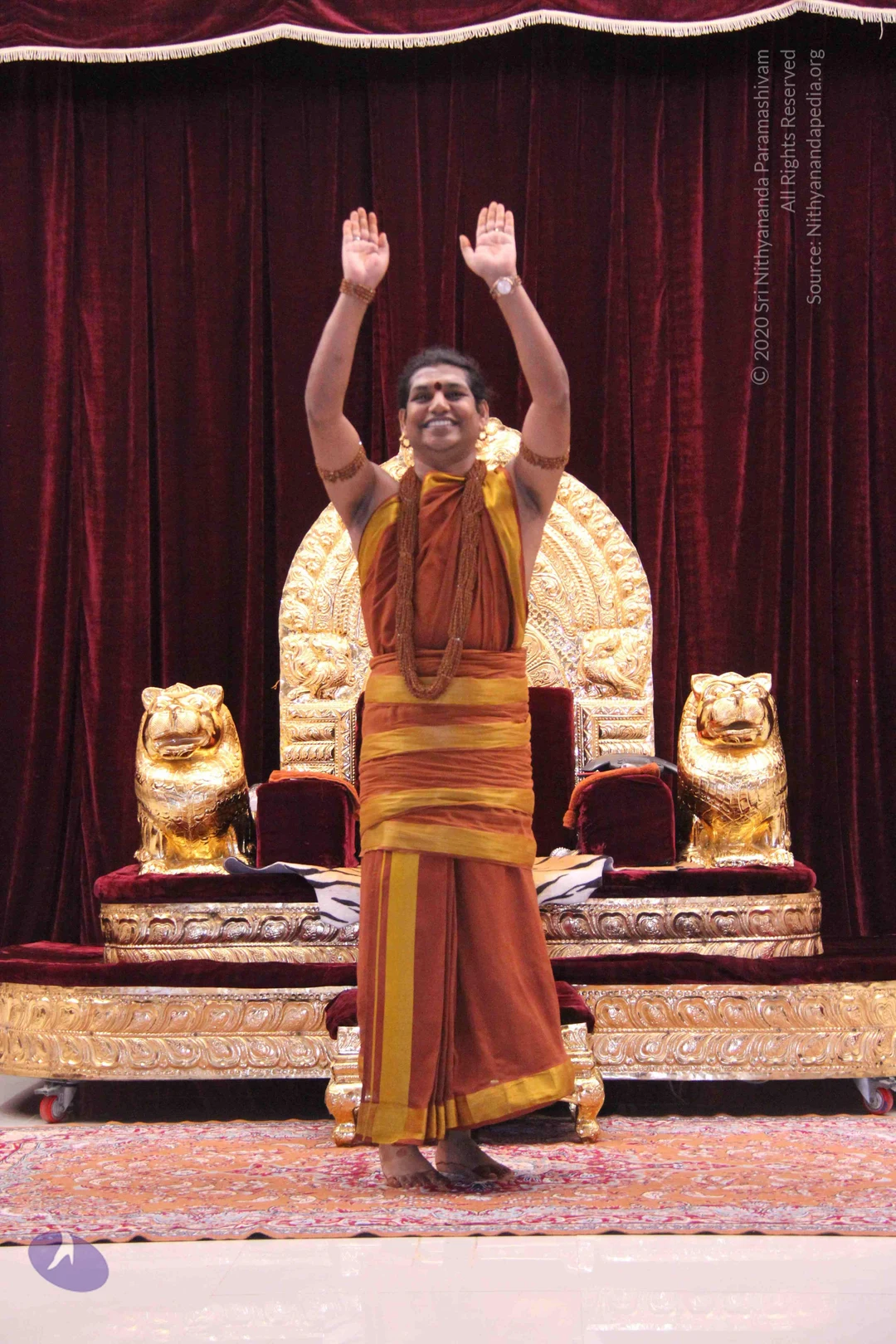
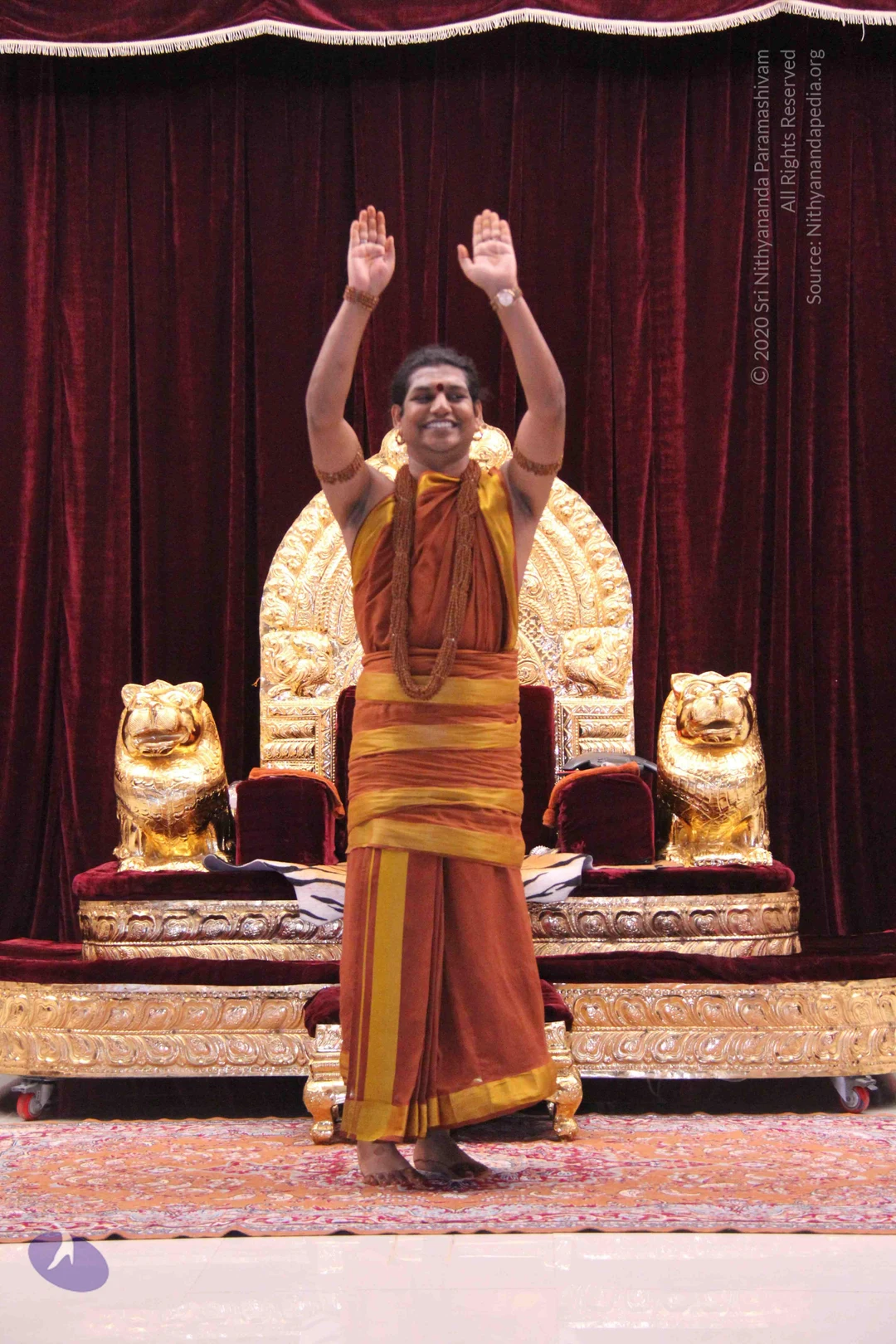
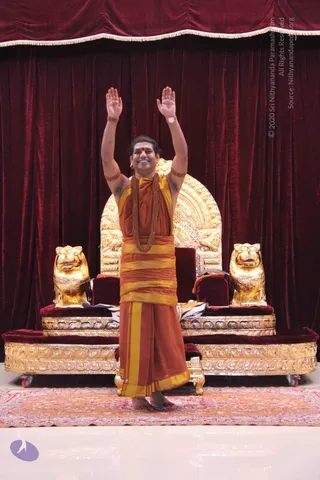
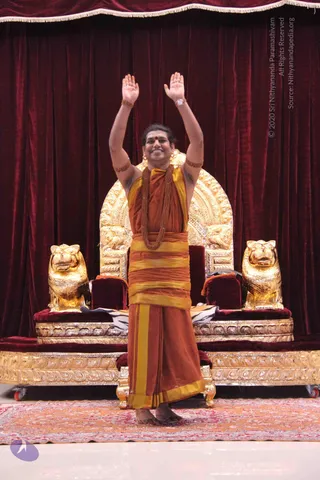
A man stands barefoot on a patterned rug before a golden throne flanked by two gilded lion sculptures, with dark red velvet drapes behind. He raises both palms upward in a welcoming gesture, smiling broadly. He wears a saffron-orange wrap over the shoulder, a yellow-gold bordered dhoti, a long rudraksha mala around his neck and beaded bracelets on his upper arms, with a red bindi on his forehead. The ornate golden throne with lion figures suggests a ceremonial stage setting. a person appearance cues: saffron clothing, rudraksha mala and ceremonial adornments, standing in front of the throne.A man stands barefoot on a patterned red carpet before an ornate gold throne with carved arch and two golden lion figures, against deep red velvet drapes. He raises both arms overhead with palms open, smiling. He wears an orange-saffron cloth wrapped across the body with gold-bordered edges, a long rudraksha mala around the neck, beaded bangles on the upper arms and wrists, a red dot on the forehead and gold earrings.A photograph of a man standing barefoot on a patterned red-and-cream rug before a gold throne with lion-head armrests and a deep red velvet curtain backdrop. He raises both palms upward in a welcoming gesture while smiling. He wears a rust-orange dhoti and shawl with gold-yellow borders, a long multi-strand rudraksha mala around his neck, beaded bangles on his upper arms and wrists, and a small red bindi. a person appears to be this person, based on his saffron-orange ochre clothing, rudraksha mala and ceremonial adornments; the throne is behind him and unoccupied.

05-ADIKAILASA

6 photosSource gallery
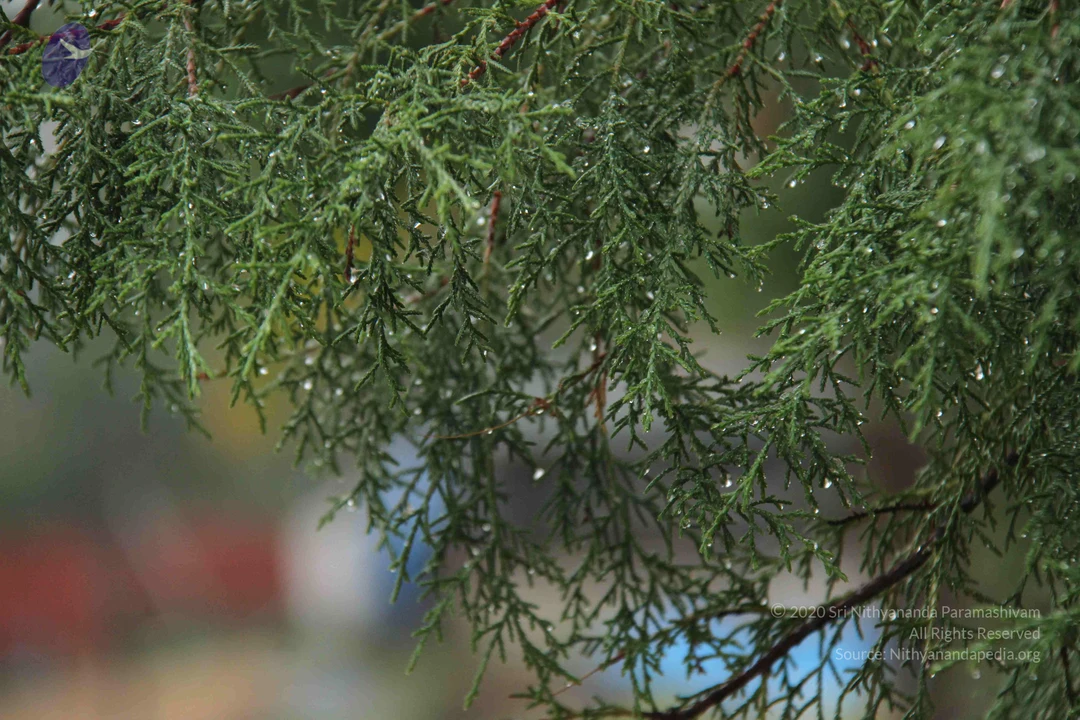
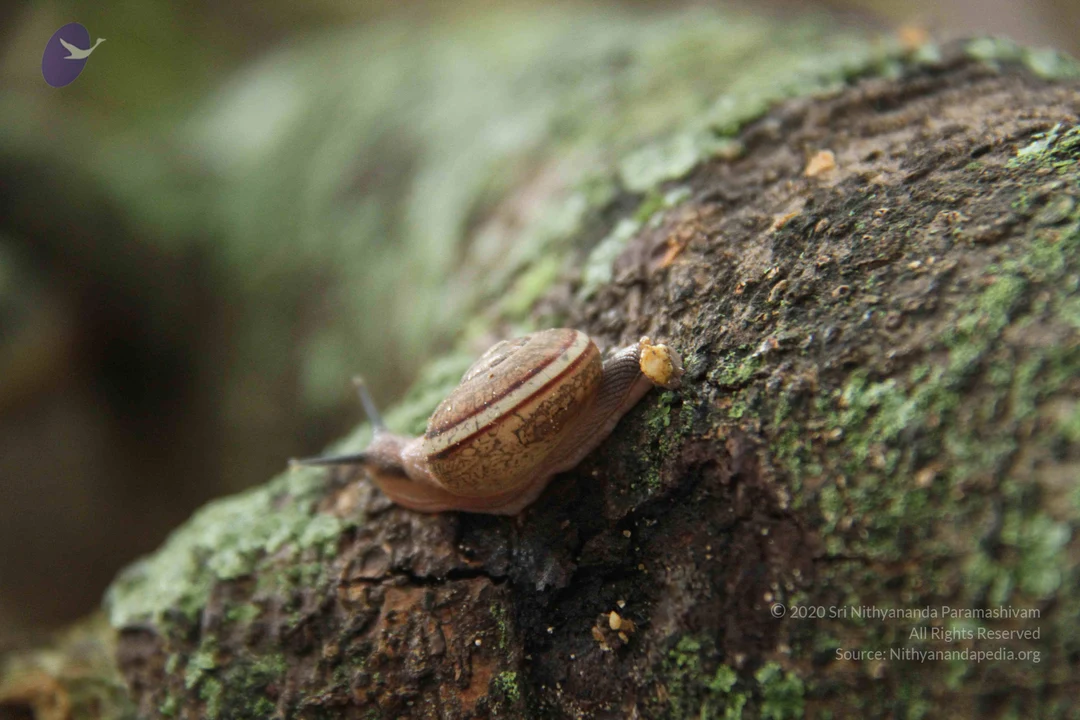
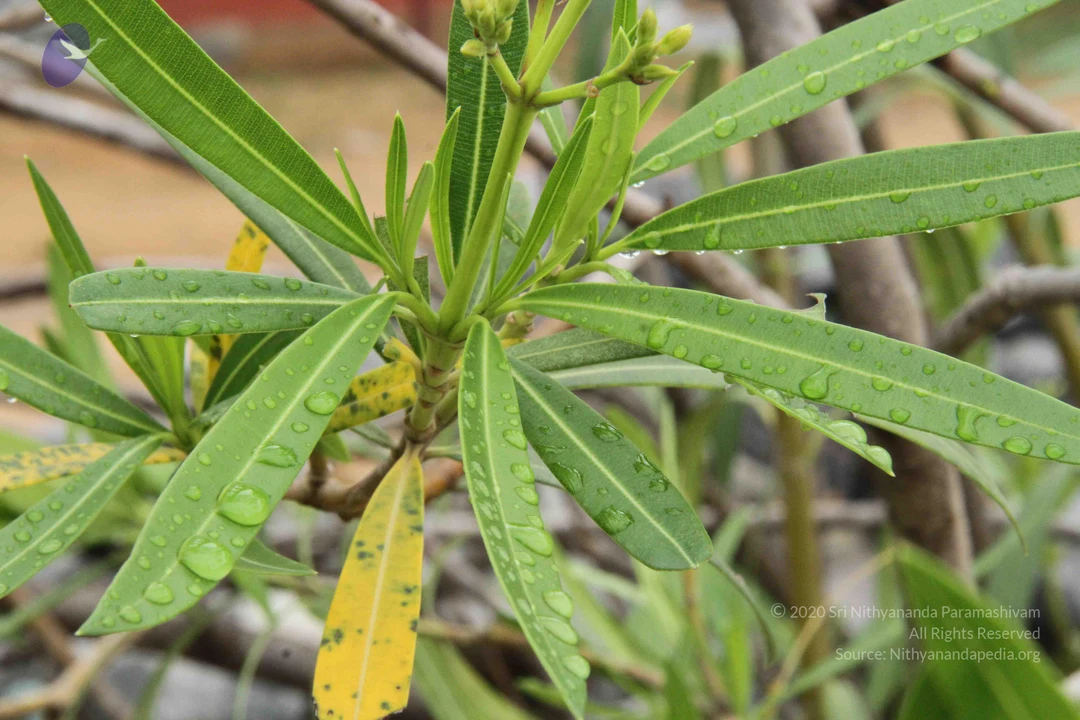
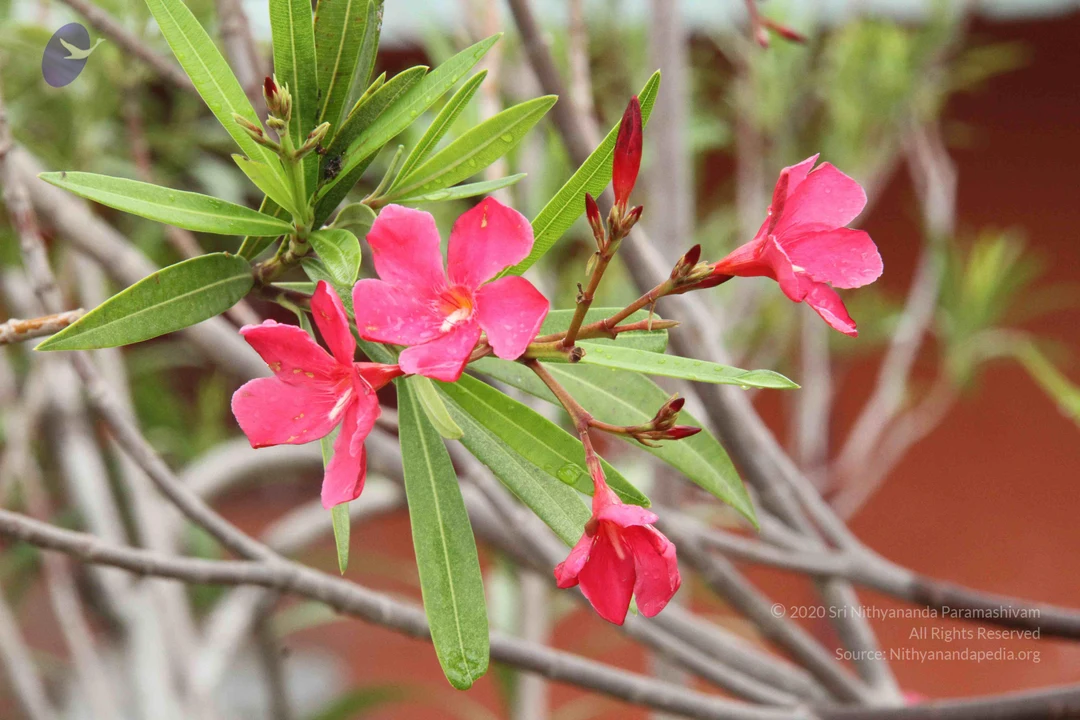
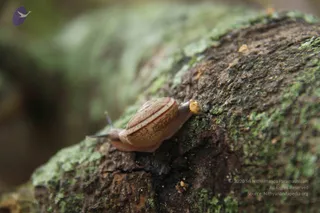
A rain-wet garden corner photographed close to the ground. Green grass and weeds fill the foreground, with a bright yellow-green leafed shrub on the right and a few small pink flowers among the greenery. A dark wire fence runs across the background, and a grey stone sits at the lower edge. No people are visible. The scene is a quiet outdoor patch of greenery with scattered water droplets on the leaves.Close-up photograph of feathery green conifer or cypress-like foliage hanging in the foreground, with fine needle-like sprigs covered in beads of water droplets after rain. Reddish-brown woody stems cross the frame diagonally. Behind the branches, the background is softly blurred into patches of red, white, blue and yellow-green. A small purple flower bud appears at the upper left. No people or ritual activity are visible.A small brown land snail with a striped, amber-banded shell crawls across a moss-covered, weathered tree trunk. Its two thin tentacles are extended forward, and a small pale food scrap sits near its head. Green moss and lichen cover the bark, with a soft blurred green background and dark brown wood in the foreground.Close-up photograph of a plant stem bearing long narrow green leaves with pale midribs, beaded with water droplets after rain. Some leaves are yellowing with dark speckles, and small unopened buds sit at the top of the stem. Behind the foliage are blurred bare twigs and a reddish-brown background. No people, deities or ritual objects are visible.Close photo of pink oleander flowers in bloom on a branch with long narrow green leaves. Several pink five-petaled blossoms with yellow-orange centres cluster along slender grey-brown stems, with a few unopened buds. Blurred branches and a reddish-brown wall form the background. No people are visible.Close-up photograph of green grass blades covered with water droplets after rain. Glistening drops cling to the tips and edges of the narrow leaves, with a soft blurred green background. No people, deities, or ritual objects are visible.