Monday
15 July 2013
COMPLETION - SMARTEST WAY TO RAPID ENLIGHTENMENT
- Dated photos
- 536
- Source pages
- 1
- Media
- 2
July 15 2013
Original wiki pageTitle:
COMPLETION - SMARTEST WAY TO RAPID ENLIGHTENMENT
Description:
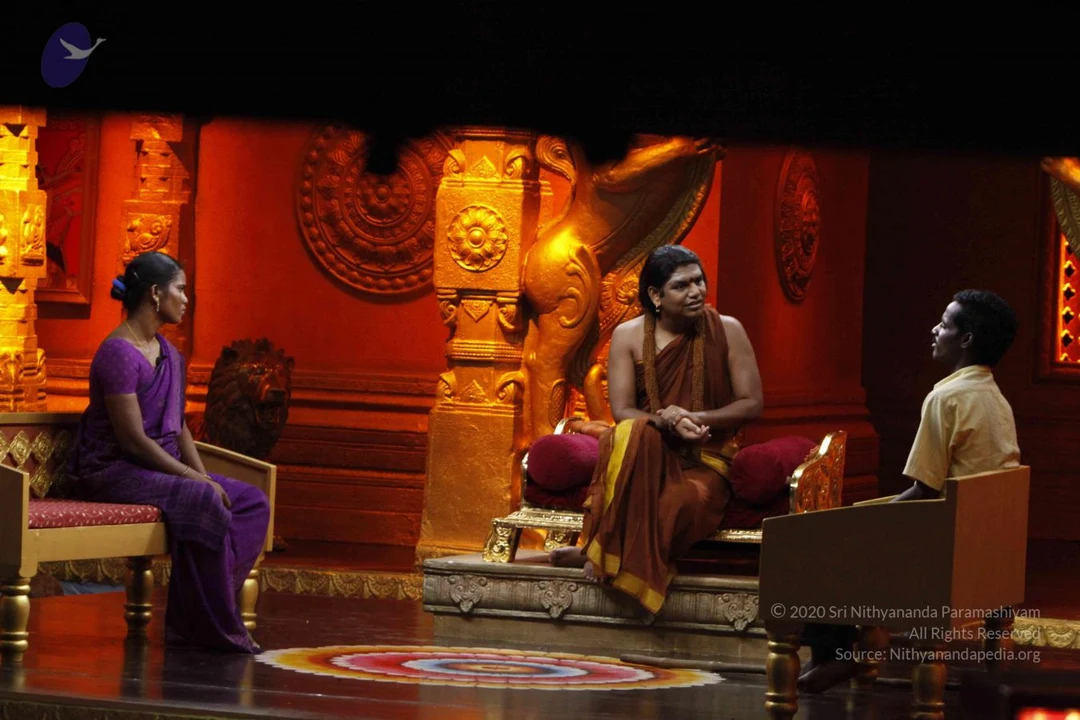
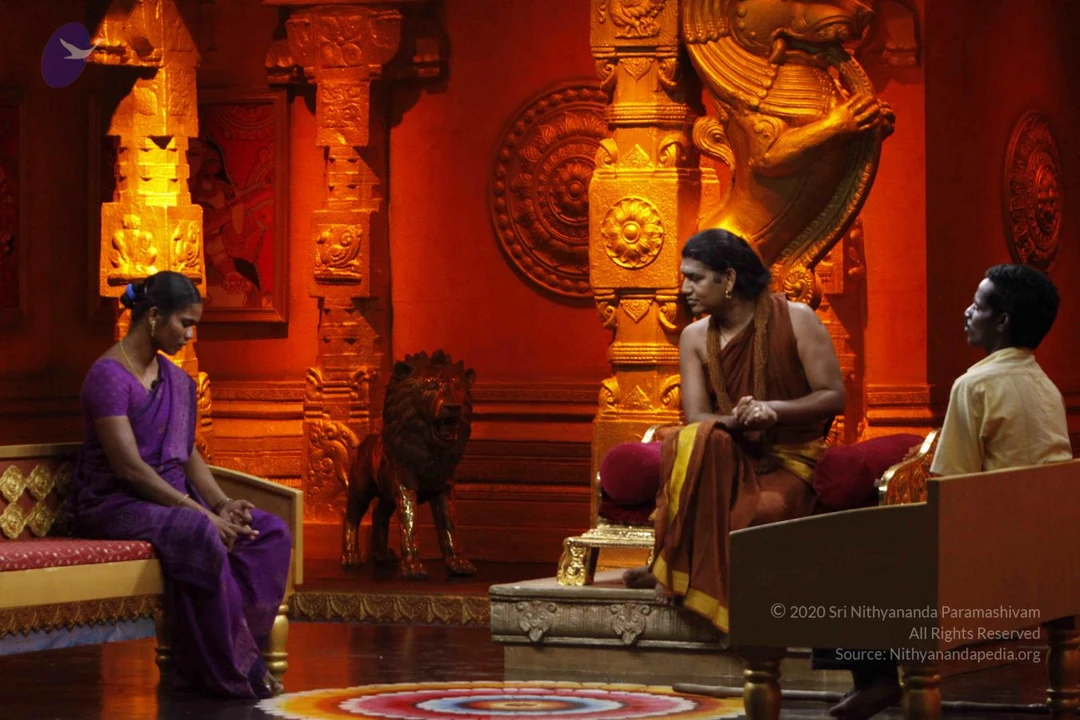
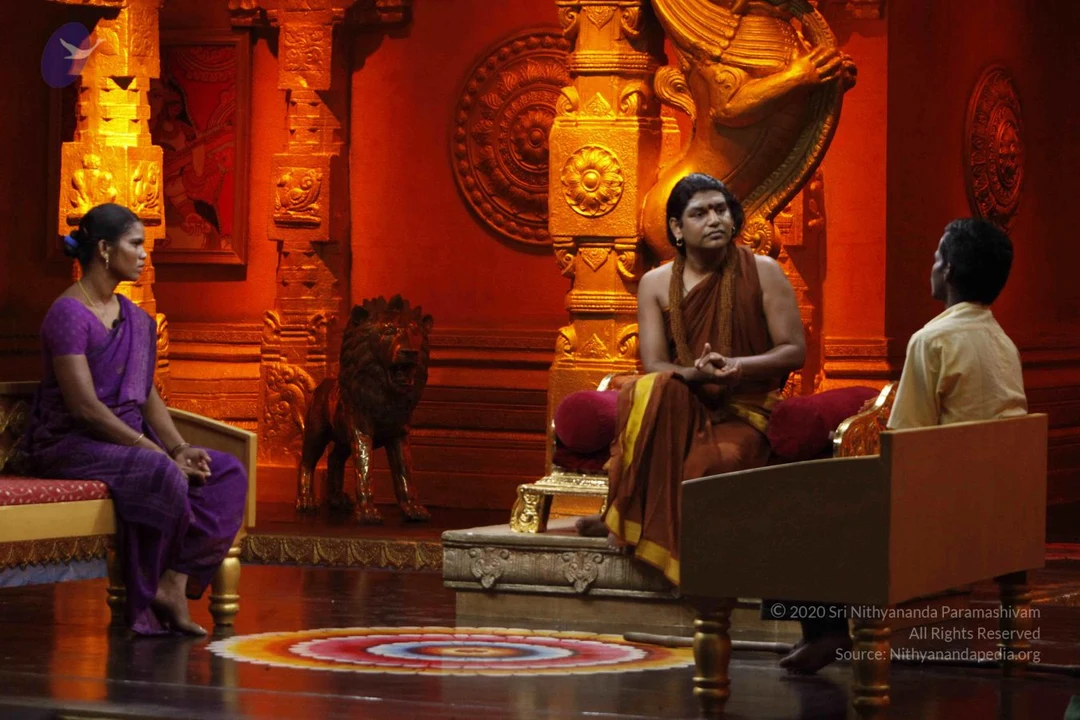
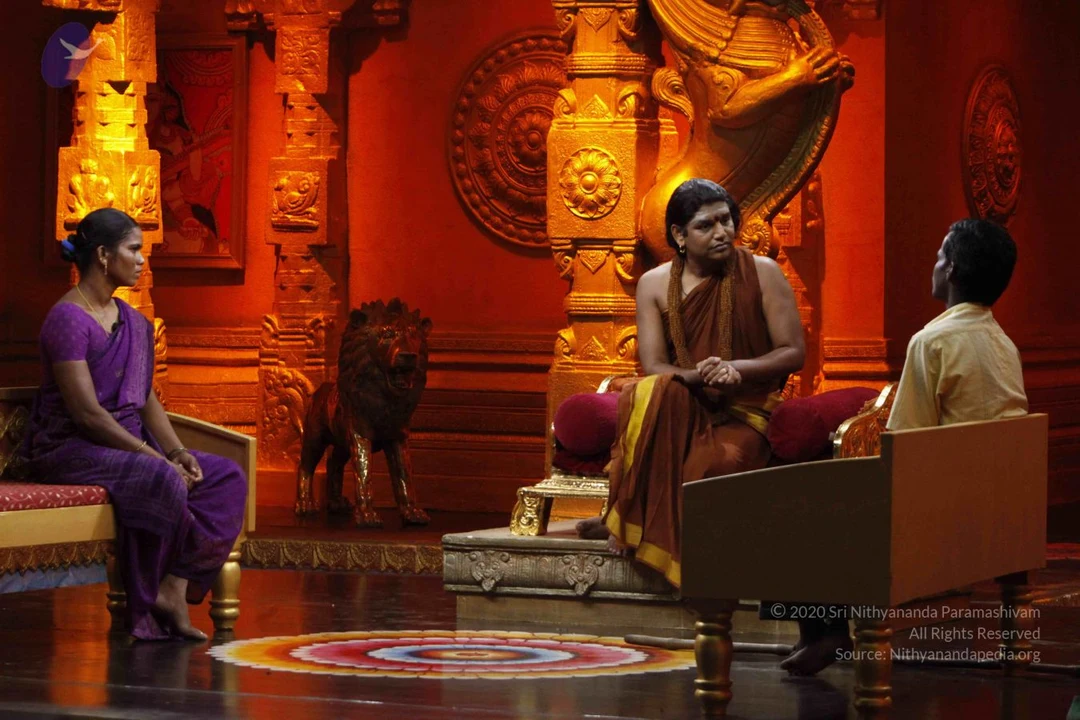
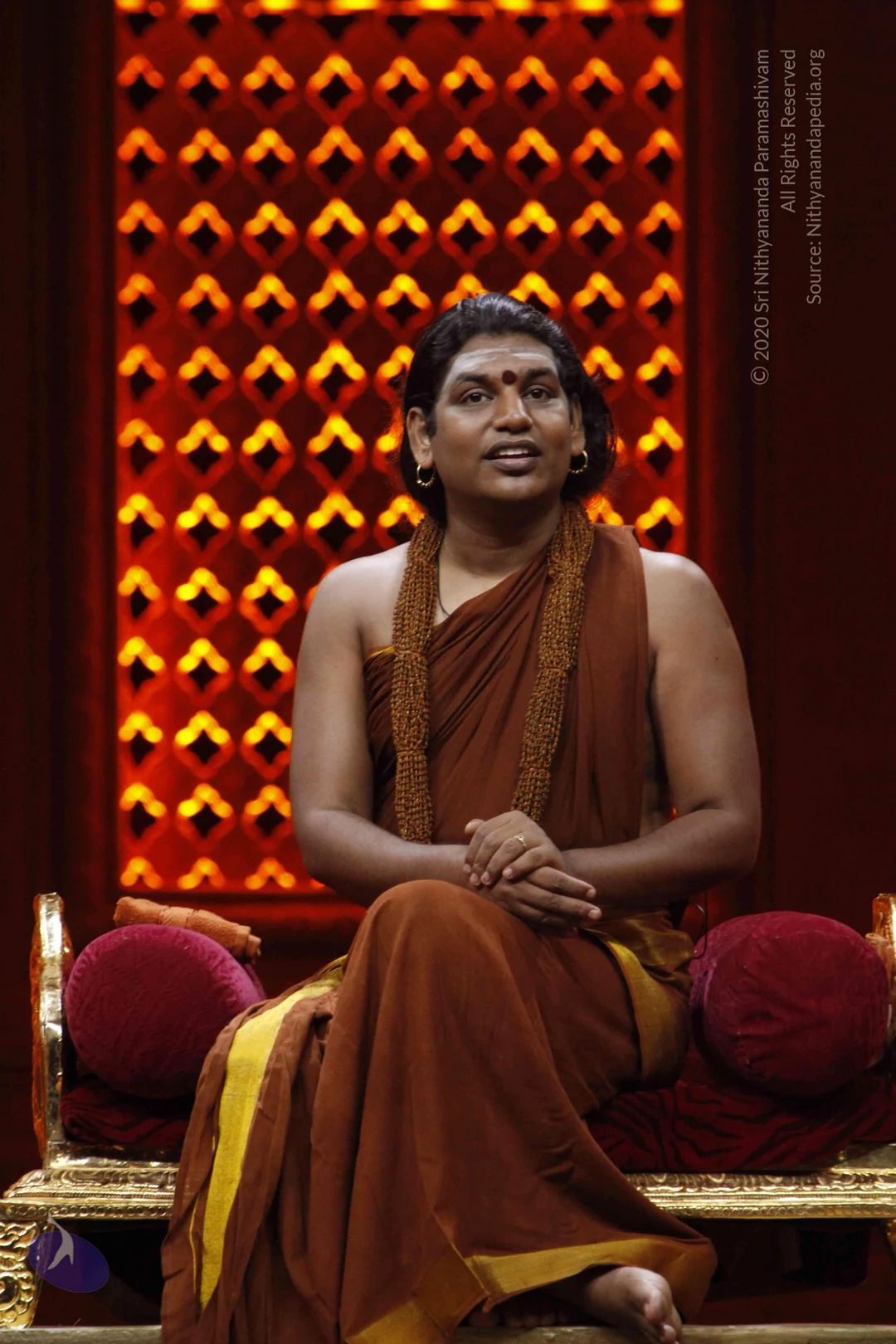
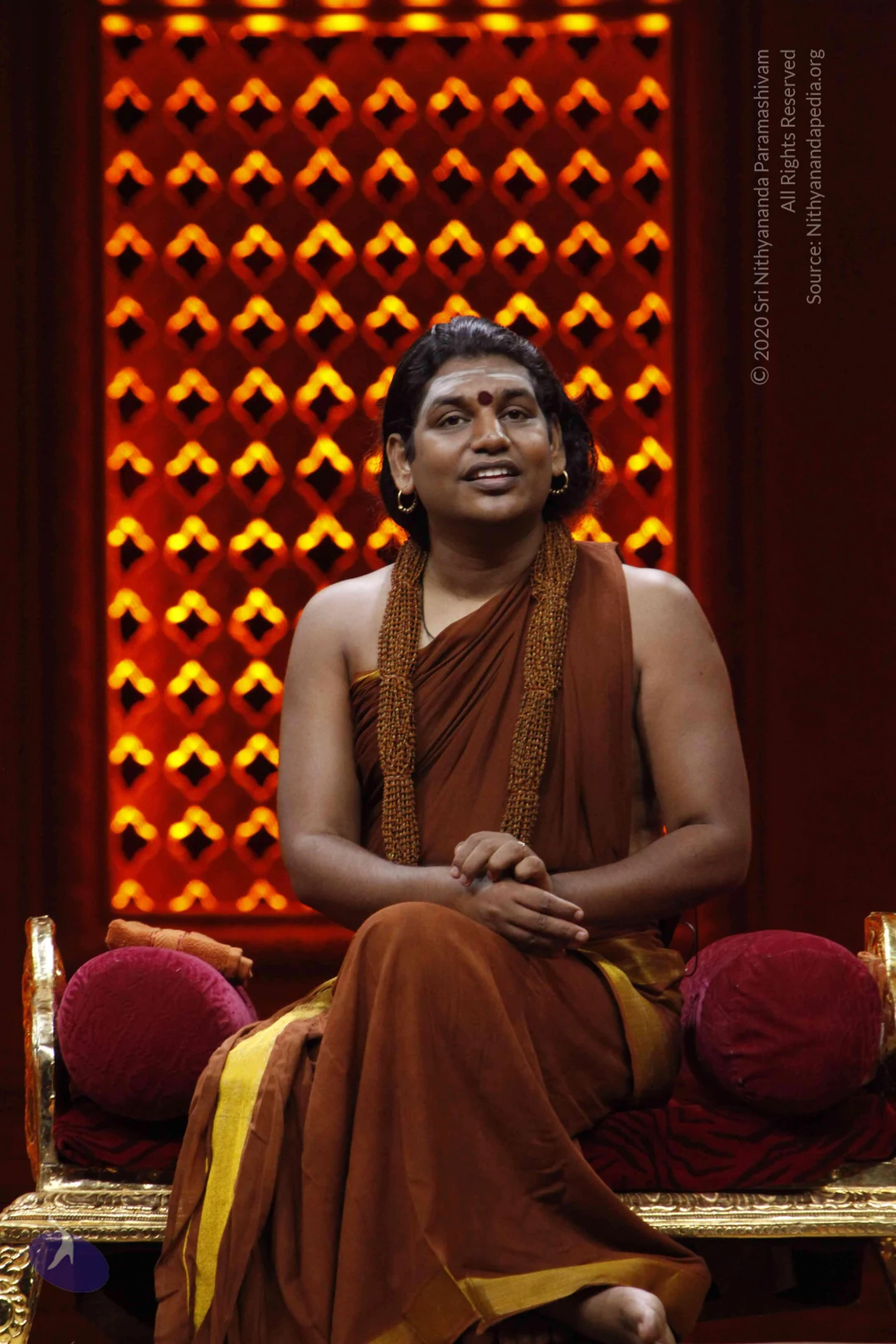
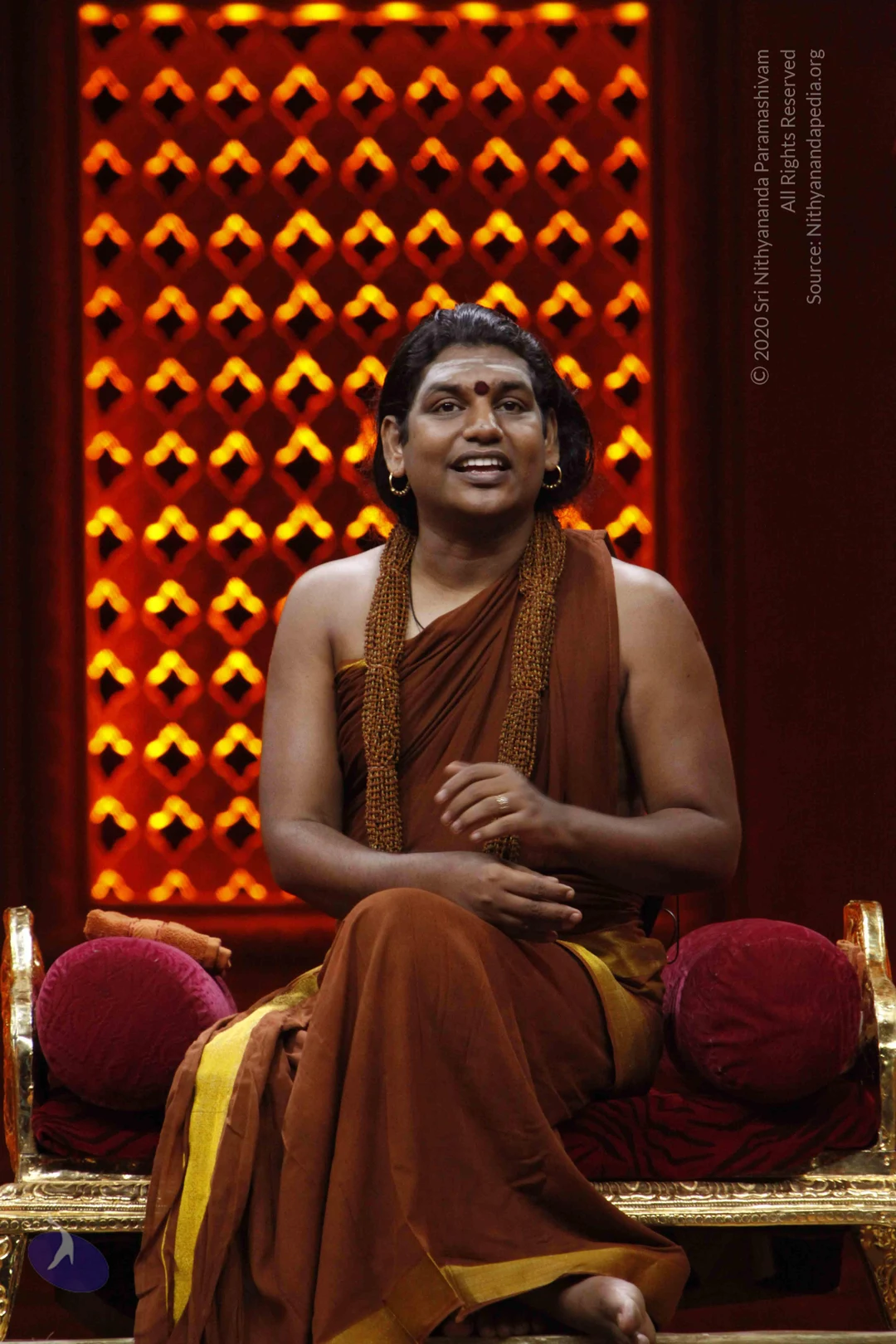
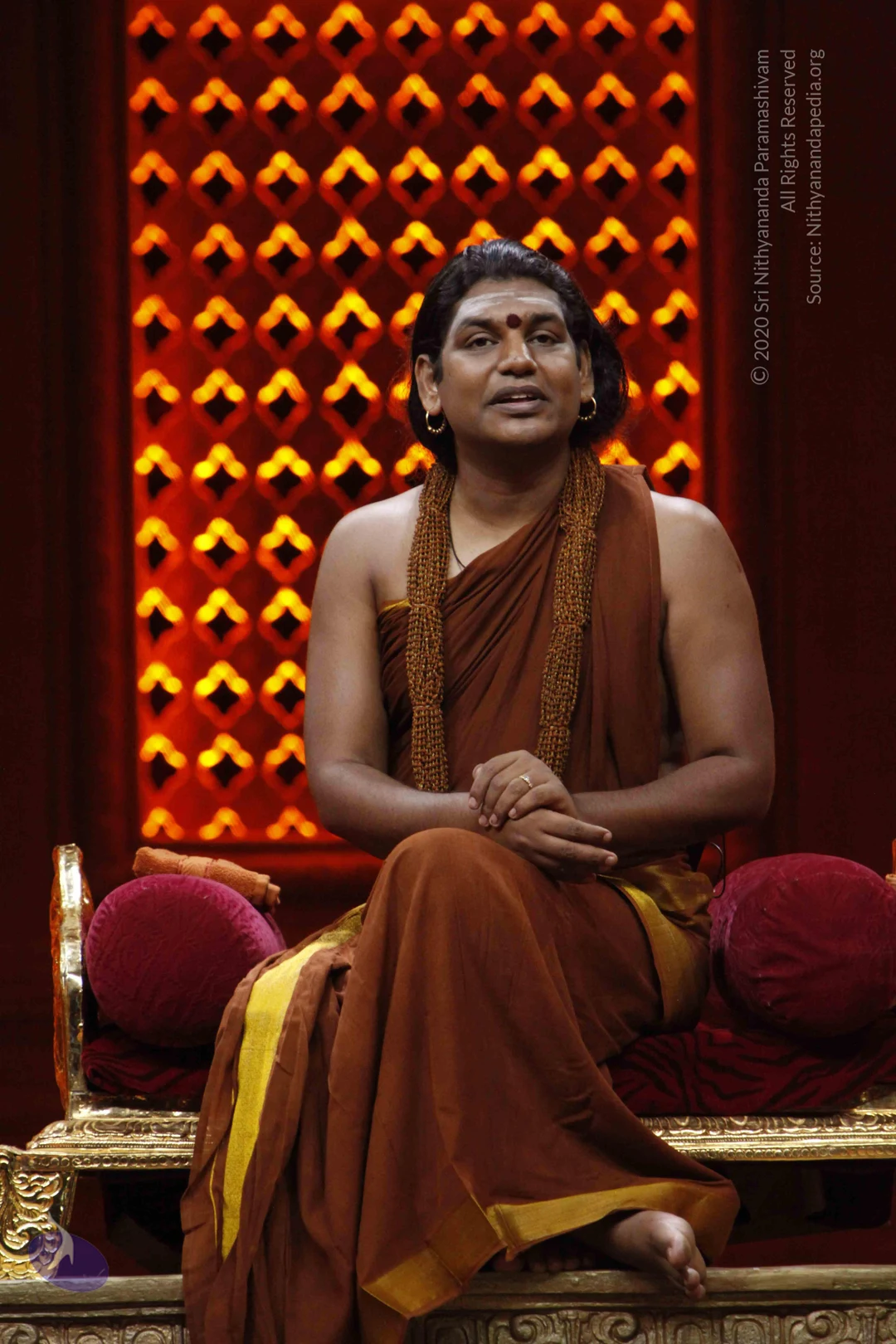
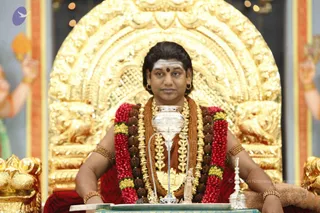
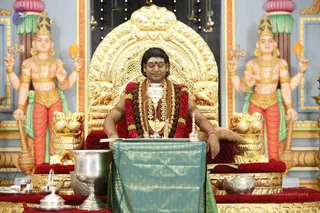
In today’s morning Satsang, Paramahamsa Nithyananda gives us new processes to help us to get out of incompletions. He explains that our logic gets stuck in inadequate cognitions every time we are performing with incompletions. If we look our lives at the times in which we feel tired, bored, and exhausted, then we can see how we are just waiting for death! We sit and hope to feel better without taking action and responsibility for ourselves. This will not solve any problems for us. We have the power to solve our own problems by looking in, finding the source there, and completing with it. Continuously we must work on completions!
Link to Video:
| Video | Audio |
Transcript:
Nithyanandeshwara Samaarambhaam Nithyanandeshwari Madhyamaam |
Asmadaachaarya Paryanthaam Vande Guru Paramparaam ||
I welcome all of you with my love and blessings.
All the cities sitting in two-way video-conferencing, don’t be surprised that I am not reading the spiritual name I have given you, because the Sadhana TV and lotus TV viewers may not understand what it is, and every day I‘ll not be able to explain that each city has been given a spiritual name! So, I am reading out just your location names.
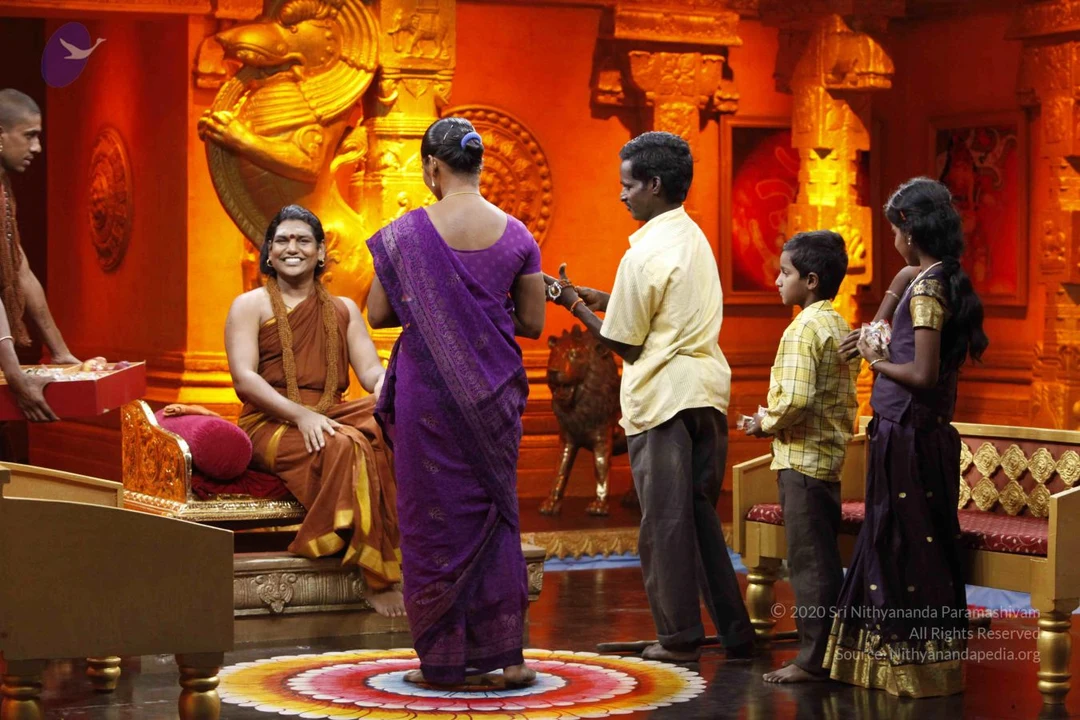
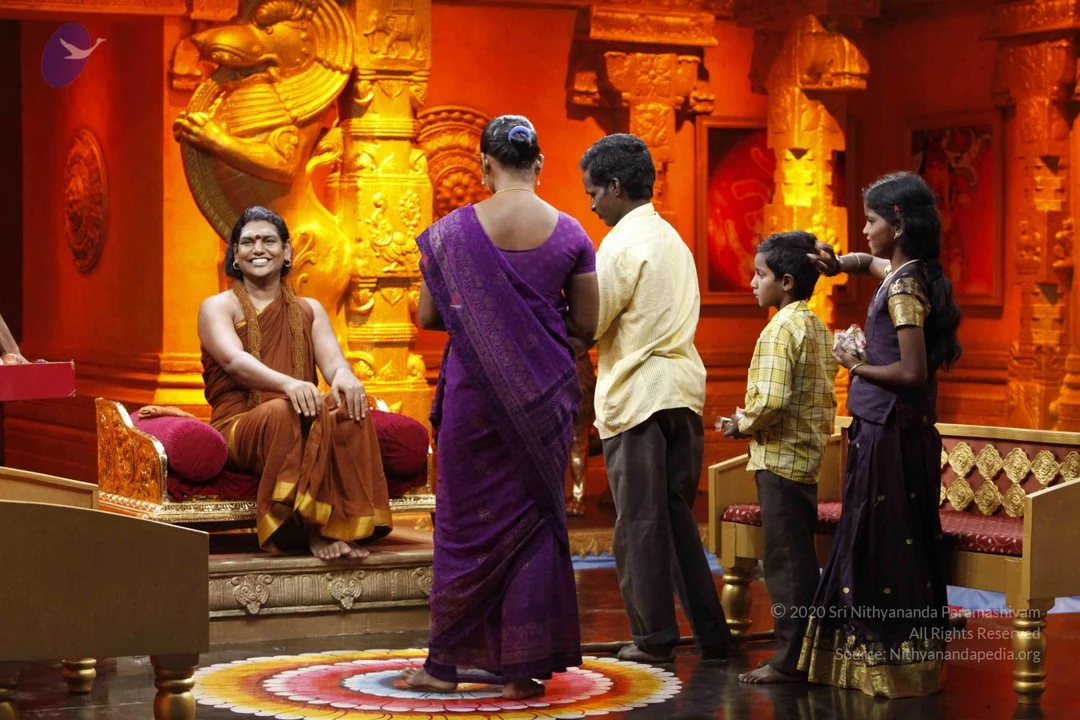
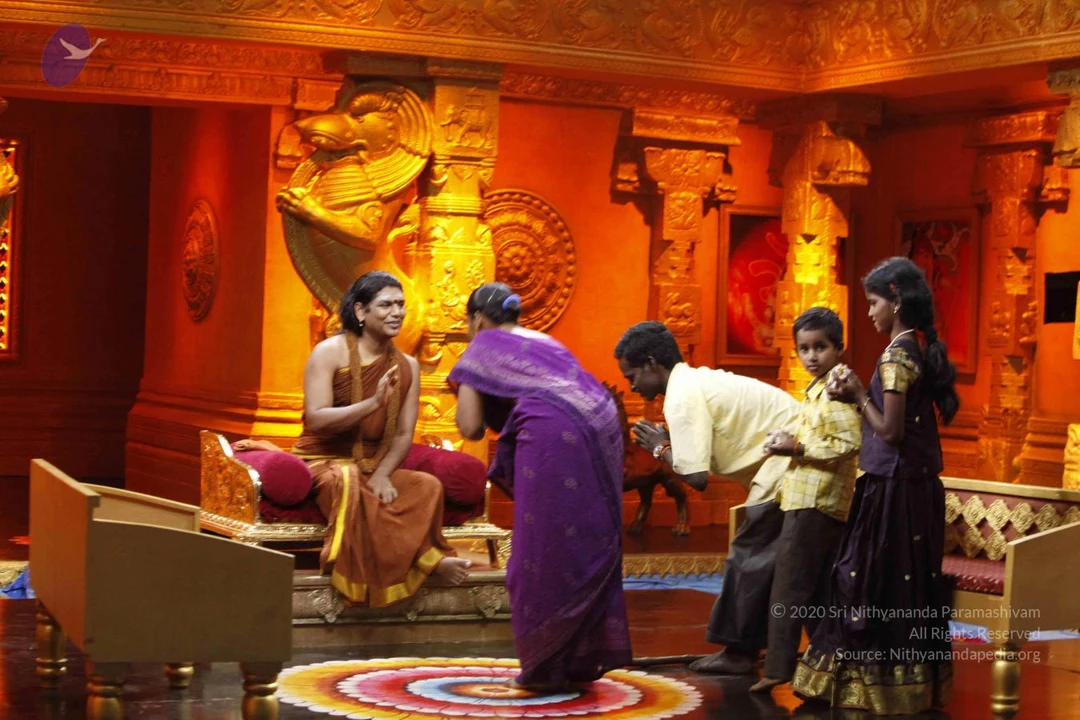
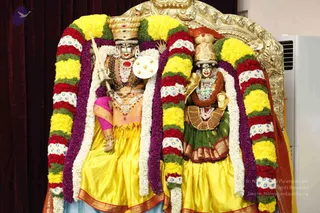
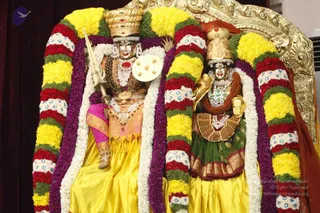
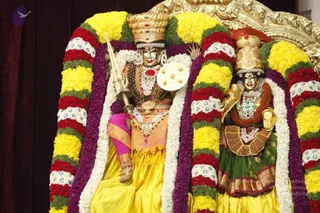
Today, Mahadeva is gracing us in the leela of “Baananukku Angam Vettiya Leelai”. Means, “For the sake of Baanan, coming down and cutting the hands and head of an enemy”. See, Baanan was an old man living in the Pandiya Kingdom, and he was teaching martial arts to whoever comes to him. Once, one of his students got jealous of his own teacher, Baanan, because he was teaching whoever comes. That is the problem! When you teach whoever comes without screening, people will put you in problem! So, that student got jealous of his own teacher, Baanan.
Once, when Baanan went out of station for teertha yatra (pilgrimage), this student, who is jealous comes to his house and tries to rape the teacher’s wife, Baanan’s wife. Of course, she also knows a little bit of martial arts, so she somehow manages and escape from him and locks herself in a room inside the house, and prays to Sundareshwara. Sundareshwara, the great 911 of Pandiya Kingdom, immediately comes down in the form of Baanan and cuts the head and hand of the enemy, that student who tries to rape the teacher’s wife.
And in Vedic tradition, it is considered as one of the Panchamaha Baadhakaas, the five worst crimes – killing a Brahmana, stealing gold, trying to have relationship with Guru’s daughter or Guru’s wife. Sometimes, if the Guru is a sannyasi, his disciples are considered as daughters. So, these are all the Panchamaha Baadhakaas, worst five crimes, and the fifth crime is having acquaintance with anybody who does all these four. Understand, murdering a Brahmin, stealing gold, consuming liquor, and misbehaving with Guru’s wife or daughter, and the fifth is friendship with the person who commits any one of the above. These are the Panchamaha Baadhakaas as per the Vedic tradition. And, when the time comes, I will try to expand on all these five, why these five are considered the worst crimes, because these five can happen only with the deep incompletions, not otherwise. Not otherwise!
So, Mahadeva comes and kills this student.
Anyhow, after a few days, Baannan, original Baannan who went for pilgrimage, comes back. When he listens to the whole story, he was shocked! ‘What do you mean? I was in pilgrimage! I never came!’ After analyzing, enquiring, investigating, they all realized Mahadeva Himself came down as Baanan and protected this old lady. Of course, when Baannan is an old man, she must have been an old lady. Protecting the old lady and killing this student. Panchamaha Baadhakaa!
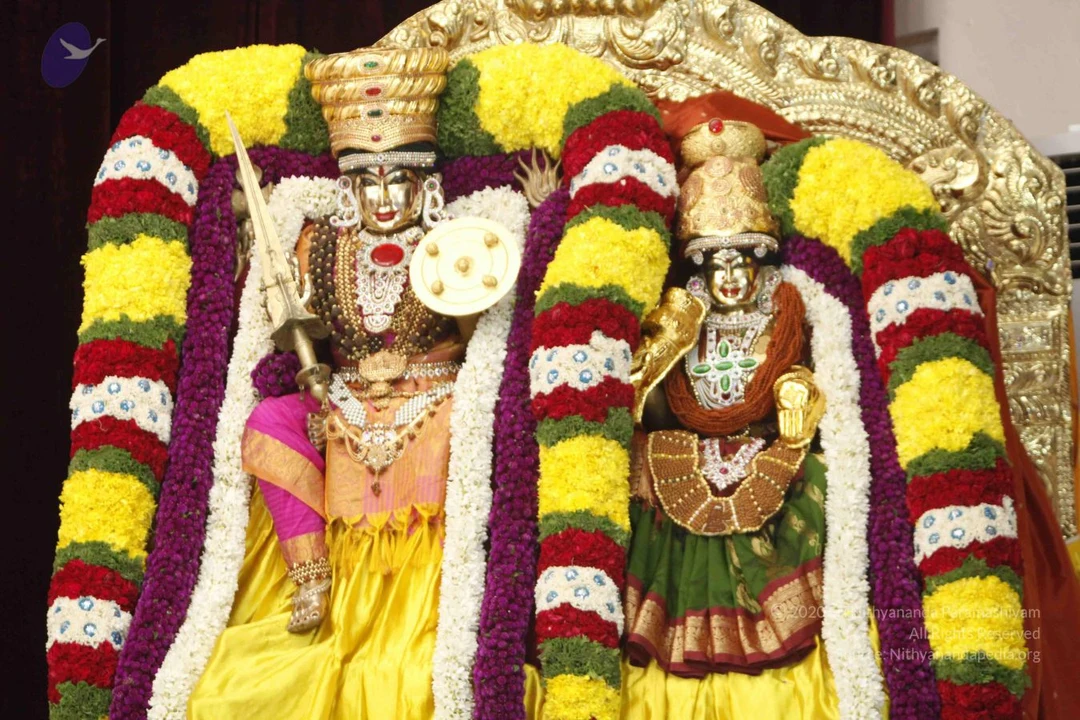
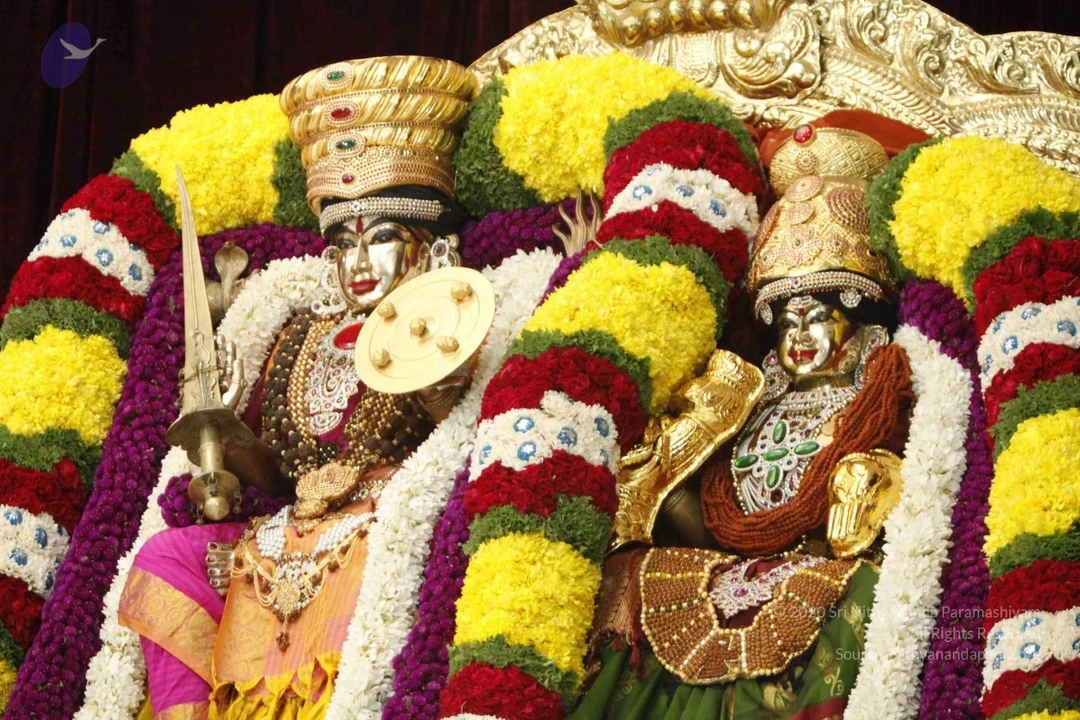
So, today, Mahadeva is gracing us, all of us, in the leela in the form of “Baananukku Angam Vettiya Leelai”. Means, “cutting the hands and head for the sake of Baanan”.
Mahadeva never left Madurai. It looks like he never left Madurai! He continuously keeps on doing one leela or the other!
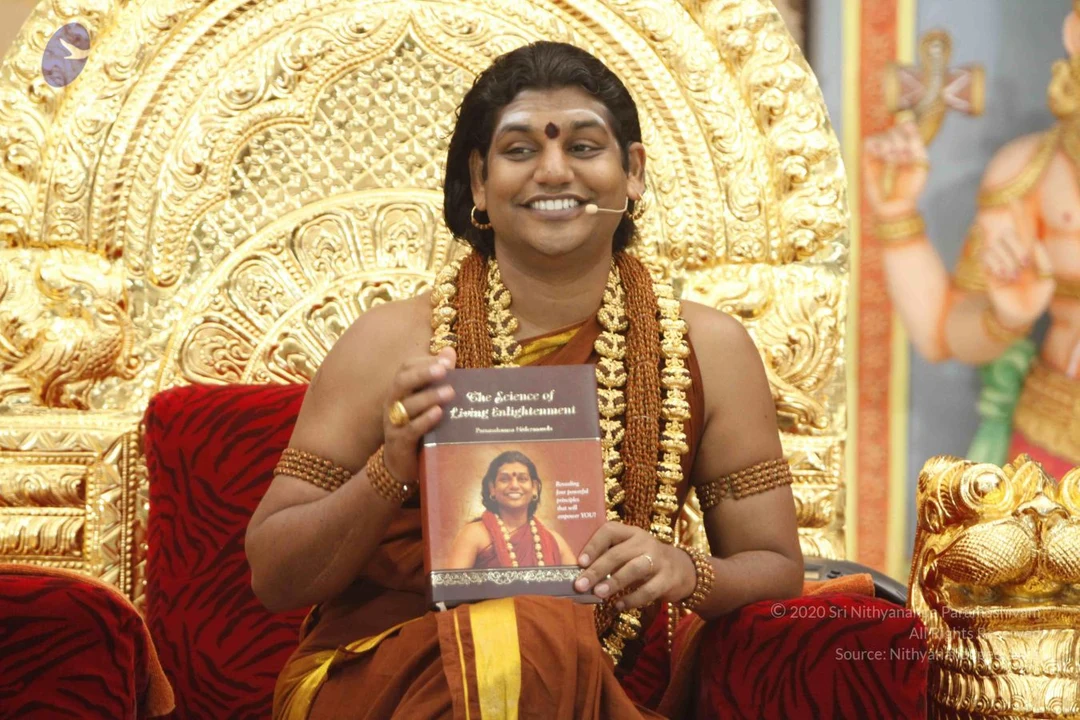
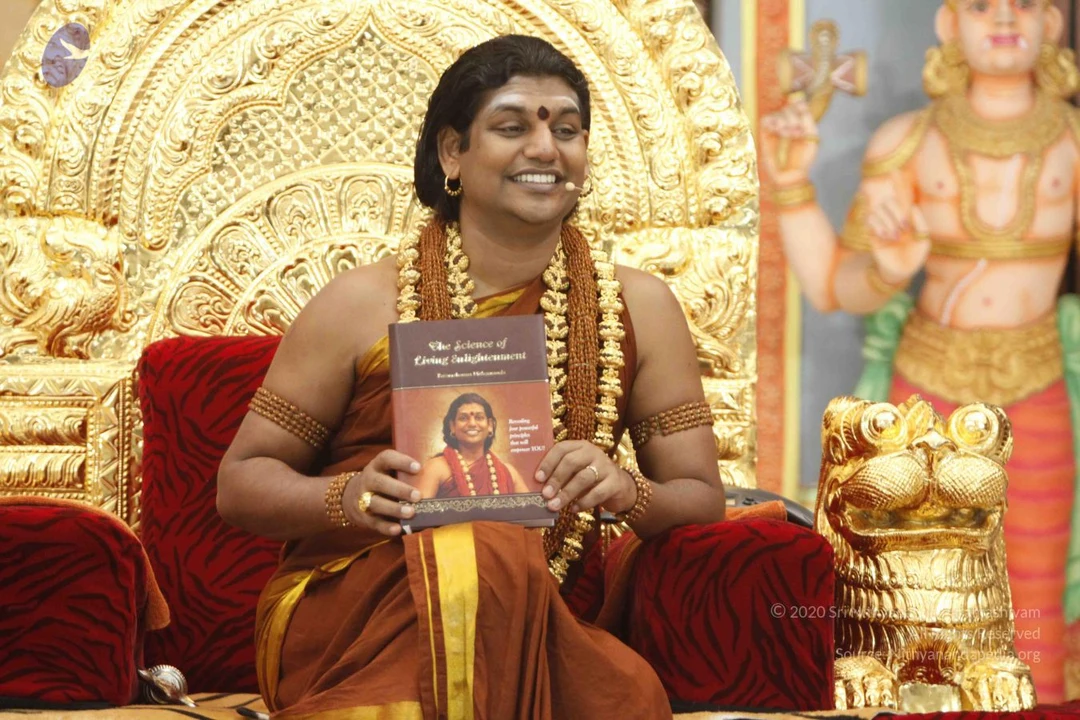
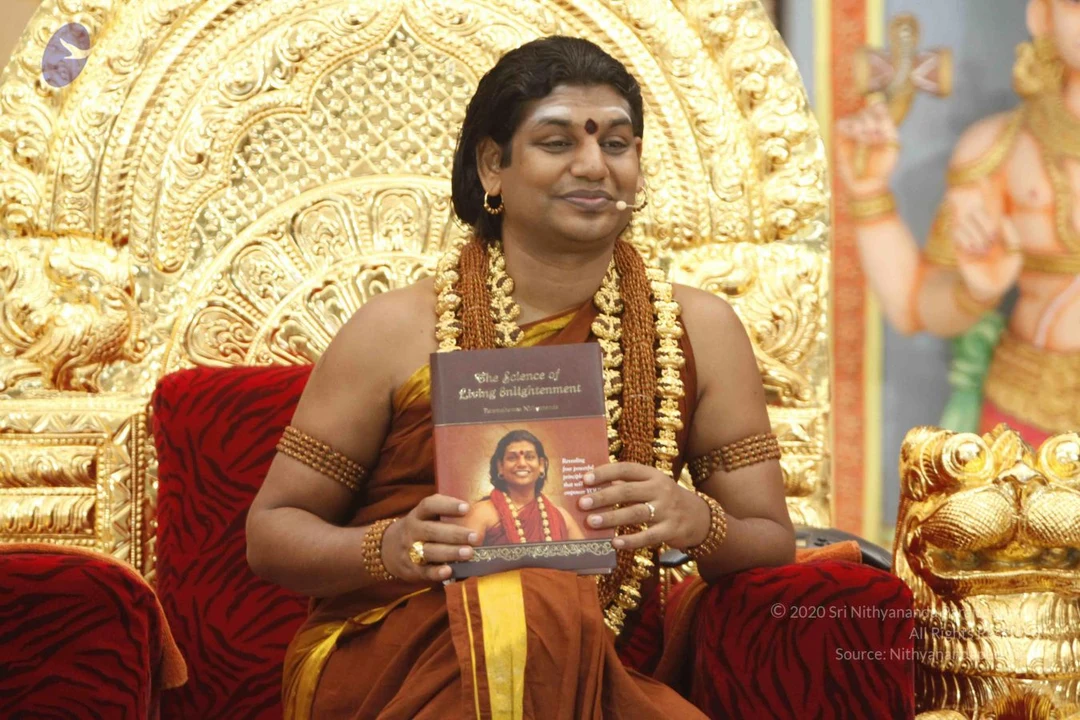
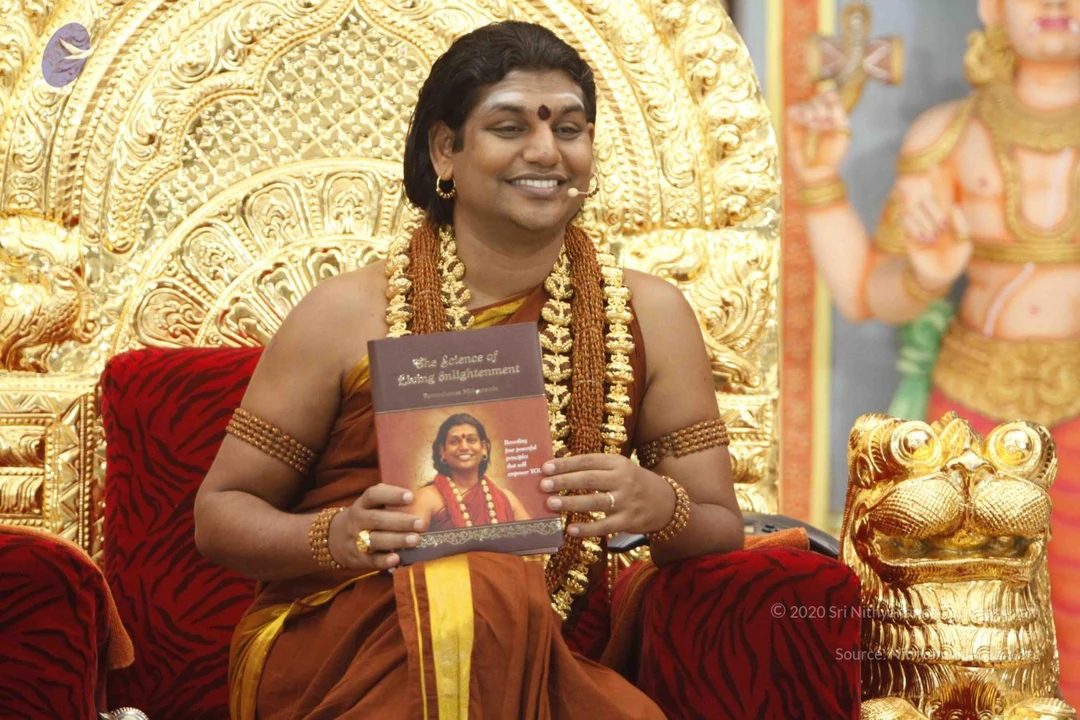
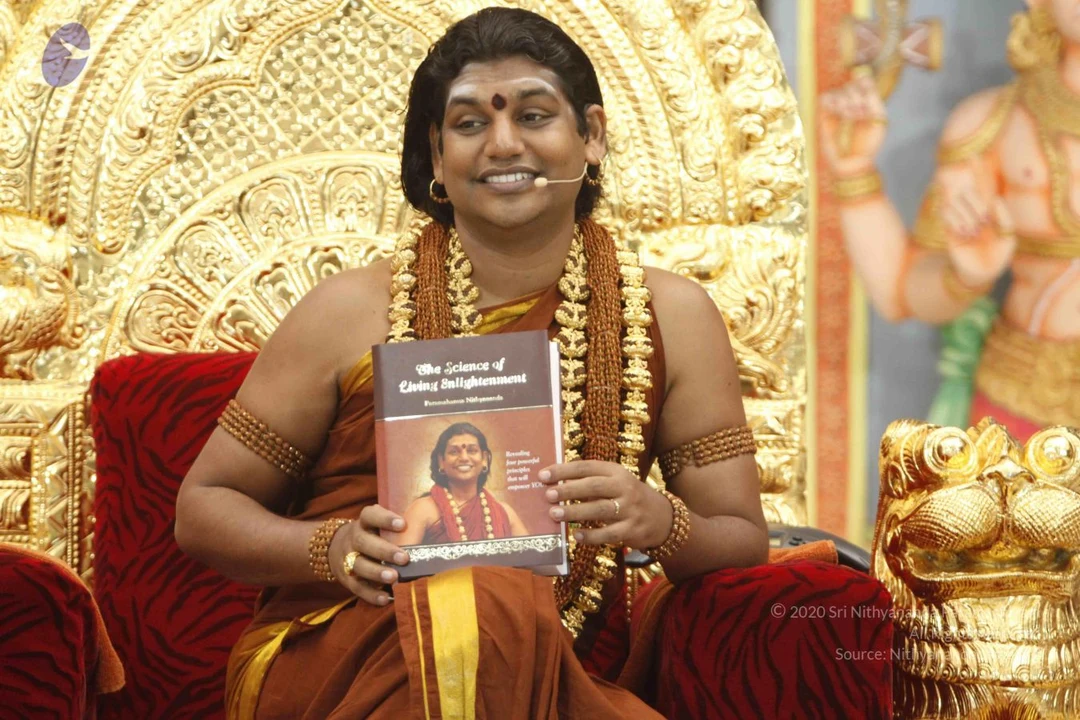
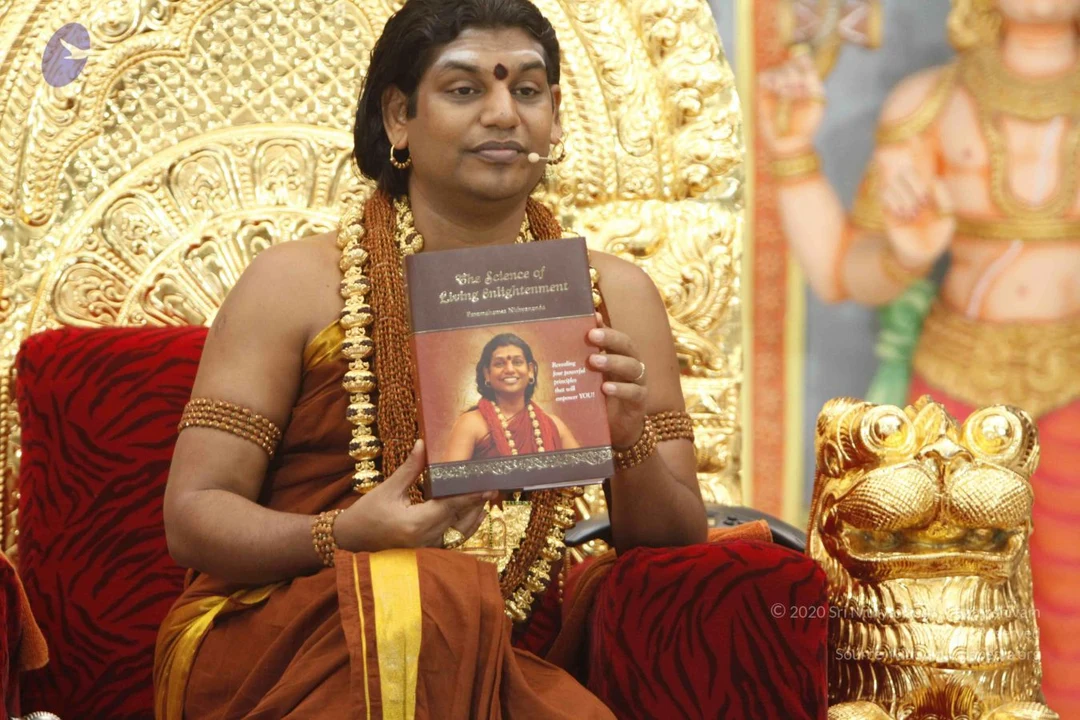
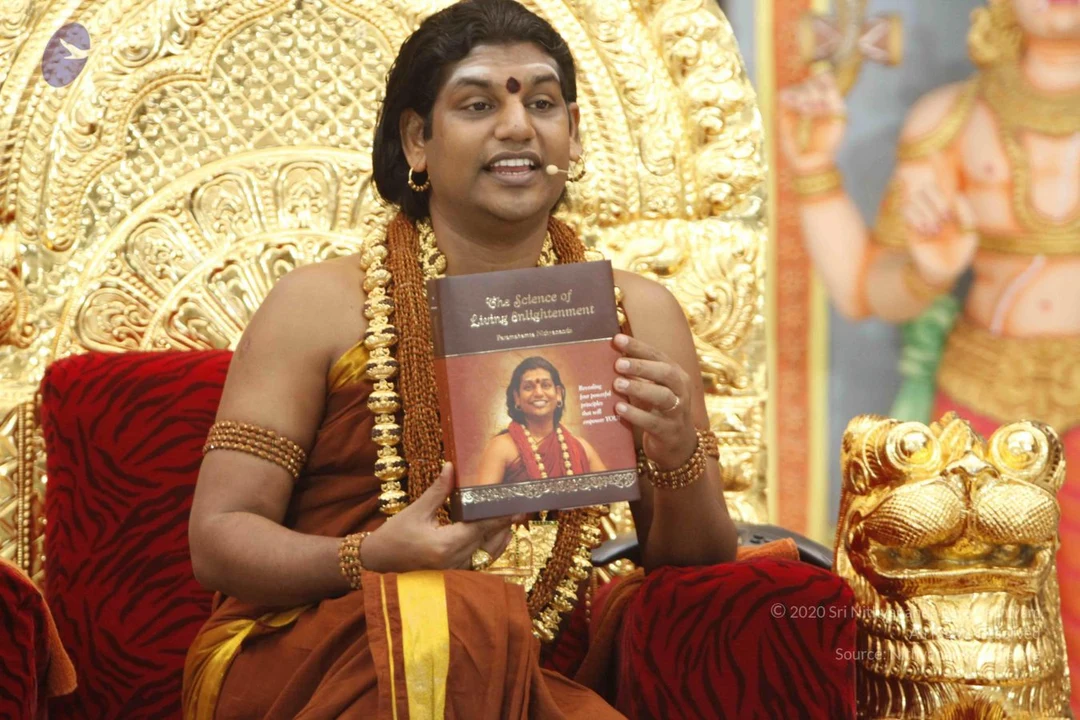
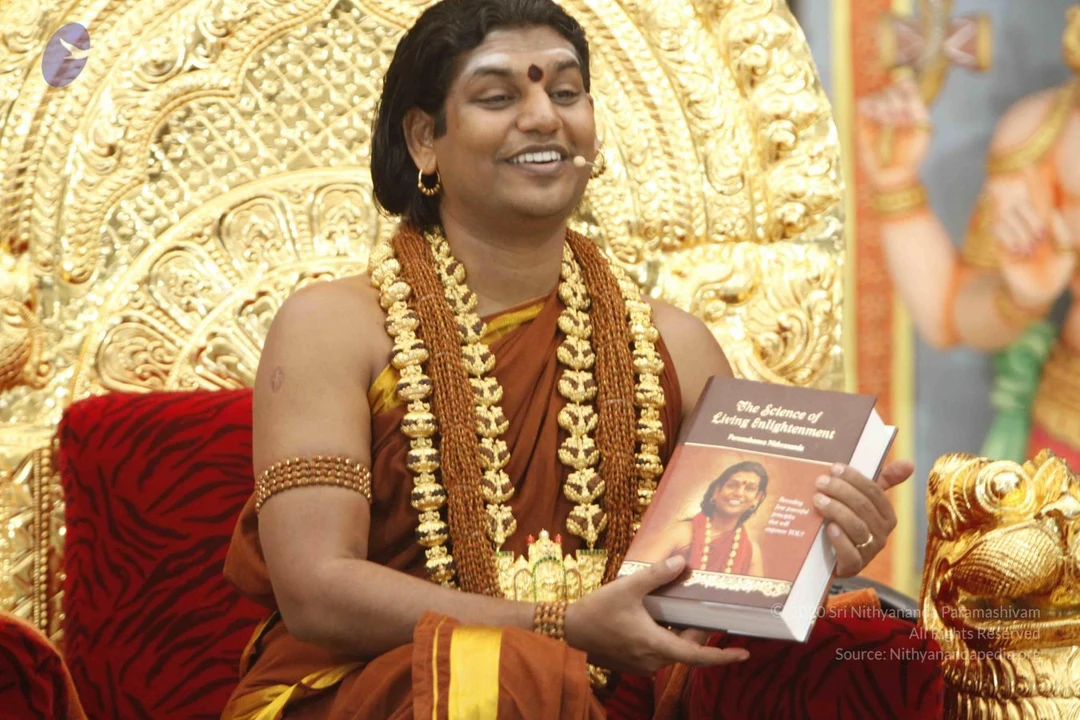
And, today I have one more beautiful thing to introduce to all of you. “The Science of Living Enlightenment” book is now available for sale. So, the book is ready. It is now printed and available in this form for sale in our Galleria. All the television viewers, if you want your copy, please call this number (+91 80 2727 9999) and book it as early as possible. Book your copies now by calling the number on the screen.
And blessings to the Toronto-Kailasam Temple! Today is their second anniversary! Successfully, the temple is running for two years now! Blessings to the whole Toronto-Kailasam Temple! And Toronto Kailasam, I accept all the fifty-four naivedhyam you are offering. Blessings to Toronto! I accepted all the 54 naivedhyams, blessings! Blessings to all the devotees, disciples, samajis, satsanghis of Toronto! Blessings to every one of you for keeping the temple alive between so many hardships. Each one of you were like pillars standing up and keeping the temple alive! Thank you!
I will start the Nithya Satsang. Today’s subject: “COMPLETION AND CREATION”.
Please understand, there are only two kinds of human-beings in the Planet Earth: One who is used by the incompletions; another one who is used by the space of Completion. If you are used by the space of completion, please listen, if you are used by the space of completion, you will go on be creating, inventing, you will be going on creating and alive. If the incompletions are using you, if your decisions are made out of incompletions, please listen, if your decisions are made out of incompletions, it will tire you, continuously exhaust you. You will be waiting for death! You won’t be living the life. You will just be waiting for death! If the incompletions are driving you, everything in the life, even the so-called pleasures will be boring. If the completions are moving you, everything in the life, even waging a war, or anything which is so-called “hard” in the society, will be inspiring you.
So, understand, if the completion is driving you, you will find solutions for our problems very easily, simply!
I have a story for you guys.
NASA scientists, after going to the moon, after the Moon mission, they realized the ballpoint pen does not work in zero gravity. So, to combat the problem, the NASA scientists spent a decade and US $12 billion to develop a pen that writes in zero gravity, upside down, under water, and almost on any surface, including glass, and in temperatures ranging from below freezing to 300 degrees Celsius.
The Russians used Pencil…..!!!
I know why NASA is filled with Indians. You should know, the majority in NASA are Indians, not Americans! Because, each ethnic community, from each country there’s a bit, but Indians are more than 37%. Means, more percentage than Americans! But, of course, Americans there’s a different definition, they’re called Indian Americans, who went and settled from India and became Americans. Why the Indians are filled, because, Indians, once you wound their ego, they will go crazy. No, really! I tell you why the Indians are the most richest ethnic community in the U.S., because they are beaten by the poverty here. See, the people who went from here and settled there, they all went a generation before. They are all beaten by the poverty here and ran away there. So, that incompletion of poverty drove them. Drove them! They became so rich! And death rate also! 600% more heart-attacks than normal Americans! Please understand, the Indian Americans suffer 600%! People who went from India and settled in America suffer 600% more heart-attacks, heart-related problems than normal Americans! 36% of NASA scientists are Indians. 38% of doctors in the U.S. are Indians. 34% of employees of Microsoft are Indians. 28% at IBM are Indians. 17% at Intel are Indians. 13% at Xerox are Indians. And not a single Indian beggar I found in whole US. That is the most surprising thing! It (begging) is such a loving business and flourishing business in India! Not a single one! I know the reason for their success. And I know the reason for their deaths. I know the reason or their economic success and I know the reason for their heart-failure, because they are driving out of incompletion.
Please understand, when you are driving out of incompletion, you may have one dimension success in the life. But you will fail in the life itself! One dimension success in the life is not success! Listen! One dimension success in the life is not success! Your logic becomes, your logic gets sealed in inadequate cognition when incompletions drive you.
Listen! Your logic gets stuck in the inadequate cognition when you run with incompletion.
I will give you one example:
When you do completion with your past, if you remember the incident happened at the age of three, and you feel there is no incompletion about it, it happened, but you feel you are beyond it, then your cognition has grown after three. If you remember the incident at the age of seven, and again you feel there is no load, weight about it, then your cognition has grown beyond seven. If you remember the incident at the age of ten, and you feel heavy, and you feel the logic with which you suffered still matters for you, please listen, at the age of ten, the logic of name and fame, the others’ opinion about you, the cognition of others’ opinion about you was responsible for your incompletion and still if you feel that others’ opinion, cognition, matters for you, you have not grown after ten!
Please listen! At the age of ten, the inadequate cognition which created incompletions in you, and even now if that same point, others’ opinion creates incompletion in you, and you are not able to get out of that logic, you have not grown after the age of ten!
How many of you are able to cognize what I am saying? Now you know what is your conscious age, the age of your cognition!
I have a story:
A mother is pregnant and her child comes and sees the mother’s tummy and asks, ‘mom, why is your stomach so big?’ She replied, “I am having a baby!’ With big eyes, he asked, ‘Is the baby in your stomach?’ She said, ‘yes, surely he is! Then, the little boy, with a puzzled look, shocked, ‘Is it a good baby?’ She said, ‘Yes, it is a very good baby.’ With an even more surprised and shocked look, the child asked, ‘then why did you eat him away?’
Please understand, when we listen to this joke, we laugh; but, we forget to notice in our lives also, many times, we are stuck with these inadequate cognitions! The incompletions we carry makes us stuck with inadequate cognition. It does not let us look, let us see the reality! With inadequate cognition, please understand, you hope for the freedom, peace, without working for it. Just hoping, without working, is not going to solve the problem. Just hoping, without taking responsibility, is not going to solve the problem.
One more story:
A husband was reading a marriage certificate for a long time. Wife asked, ‘Why are you looking at that certificate for the last three hours?’ The guy said, ‘I am looking for an expiration date!’ No, looking for expiration date is not going to help you, and you are not going to find it. Let incompletion not be the driving force of your life. Let incompletion not be the decision-maker in your life.
I tell you, at least one night, sit and go on completing, completing, completing with yourself. I will give you clear step-by-step procedure:
· Sit alone. Let nobody be there around you. Sit with mirror or just with yourself. Decide with Integrity, Authenticity, Responsibility and Enriching, that you declare completion. And after you declare completion, re-live, re-live, re-live every incident which makes you feel powerless the moment you remember it.
And, I tell you, if you do completion like this, after three or four days, you will be continuously doing completion whole night, even in the dream, even in the deep sleep state. How many of you experience this practice? Raise your hand! (People raise their hand). So, all you guys have reached a very deep level of completion. Actually, after this only, your real completion starts. So, even in the dream state and deep sleep state, you should be completing.
Understand, with incompletions in you, nothing in life will work. Your career won’t work; job won’t work; meditation won’t work; yoga will not work; your workout will not work. Nothing will work! When you bring completion in your life, everything will work! If you complete with completion, one full year, even the idea of sleep will disappear from your life! You will just know the science of falling into Samadhi and coming back! You will fall into Samadhi and come back!
Life is not “average”. Life is “specific”. See, it is like reading the statistics in the road accidents: “92% of the people are saved! Only 8% of the people died!” For you it is 8%, but for the fellow who is dead, it’s 100%! He cannot be happy about the statistics, “8% of the people only are dead; 92% are alive”! Can he be happy? The guy who is dead and the 8% they are dead!
Most of the time, we go on creating “average” as a reality of life. I tell you, “average” idea itself, averaging itself is from incompletion. No! The idea of averaging is from inadequate cognition.
Understand, generalizing and averaging is not life. Generalizing and averaging is from inadequate cognition. I tell you, let any number of unconscious human-beings be on the Planet Earth. Just with a handful of my gurukul kids and sannyasis, I will transform their consciousness! Because, life does not work in averaging! If hundred unconscious people are there, hundred conscious sannyasis are not required. Let there be billions of unconscious minds. One awakened being is enough to change the way they think! Averaging, averaging is not life.
I have one more story:
The Canada Healthcare Professionals believed presence of female hormones in beer. So they decided to test on hundred men. Fed six pints of beer every day to all the hundred men. After the research, the results of the recent analysis that revealed the theory that drinking beer makes men turn into women, the results are like, 100% of the men:
• Gained weight
• Talked excessively without making sense
• Became overly emotional
• Could not drive
• Failed to think rationally
• Argued over nothing; and
• Refused to apologize when wrong.
No further testing is planned! Averaging out is not life!
And, I have to add one more thing: When the jokes are said about women, no woman will clap or laugh! When you make fun of men, men have no problem. When the jokes are made about women, at that time only they will act as if they have not understood, they have not got the punch line!
Understand the essence:
Averaging is not adequate cognition! Averaging is inadequate cognition! Either you allow incompletion to drive you or you allow completion to create the space of creation in you.
I tell you, completion is the most easiest process for the ultimate advaithic experience, non-dualistic experience. Understand, as the Mahamandaleshwar of Mahanirvani Peetha, having the parampara of the advaithic sampradaya, and having established in the experience of Advaitha, I tell you, from my experience, Completion is the best process than Unclutching! Completion is the ultimate process to experience the advaithic state in day-to-day life.
Just spend a few nights in completion, sitting all alone with yourself, re-living, re-living, re-living. When you fall asleep; usually, when you complete and fall asleep, in-between night you will wake up at least four-five times. How many of you have experienced this? Again sit and complete when you wake up. And when you fall asleep, ok, again when you wake up, sit and complete. Let the whole night be the completion process. I tell you, in six months you will conquer sleep and you will conquer tiredness! I am not talking anything superstitious. I am not talking something difficult to prove. I am straight away talking our traditional knowledge, the knowledge of Yoga-Vedanta Science.
This is the best thing! Completion is the quickest, shortest, smartest process towards Enlightenment!
I have a story for you guys:
Three boys were bragging about their fathers:
• First one says, ‘My father is so fast, he can shoot an arrow and run so fast he will get there before the arrow reaches!’
• The second one said, ‘That is nothing! My father can shoot a gun, start running, and get there before the bullet!’
• The third boy smiled and said, ‘Hey, that is nothing! My father is a Government servant. He gets off work at 5, but he is home before 4!’
I tell you, completion, completion is the fastest, smartest, fastest and smartest process towards enlightenment.
There is a beautiful story in Ramanuja’s life. He goes to his Guru and asks him to give one method to achieve the Ultimate. In Vaishnavism, Ultimate is the space in Vaikunta. Means, the space of Vishnu. Ramanuja was in such a high level of completion, the Guru gave him the initiation into the great mantra, “Om Namo Narayanaya!”, and immediately Ramanuja gets the glimpse of that space. Because he was in the right context when the initiation was given, immediately he gets that space.
But the Guru says, ‘Don’t go out and give this mantra to anyone and everyone. Otherwise you will go to hell, they will go to Vaikunta!’
But, I tell you, whenever you experience, you will be possessed by the spirit of enriching! Whenever you experience, you will be possessed by the spirit of enriching!
Here, Ramanuja was possessed by the spirit of enriching! He runs to the temple tower, stands on the roof, and calls everyone and says, ‘Come on! Come on! Come on! I have a secret technique to achieve Vaikunta! If I teach you all this, I may go to hell, but you will all go to Vaikunta! Please learn!’ Immediately he initiates everyone, everyone into that great principle and the Mahamantra, ashtakshara, ‘Om Namo Narayanaya’!
And, please understand, you cannot even stop yourself from creating when completion happens in you! Completion is so powerful, that uses you and simply creates naturally through you! When you complete, Creation becomes your natural self-expression and you cannot stop even yourself from radiating Creation!
And I tell you, if I am asked to stand on the roof-top and shout, I will shout only this one word: “Completion! Completion! Completion! Completion!” Like Ramanuja, how Ramanuja shouted, “Om Namo Narayanaya”, the Mantra, for the ultimate Vaikunta, if I am asked from my experience, I will shout only this one word: “Completion! Completion! Completion! Learn the science of Completion! Live the Science of Completion! Live Completion!”
I know, Ramanuja was heard by a few thousand. Now I am heard surely by a few millions, because I am shouting in the media! But, I tell you, Completion; Completion; Completion, learn the science of Completion and complete with everything!
With this, I’ll move to the next segment of the morning satsang – Nirahara Samyama.
I request all the devotees, disciples, Nirahara Samyama participants to sit straight and close your eyes, cognize you have become Bidadi Kalpavruksha and inhale through both nostrils and the mouth, hold as long as you can, slowly comfortably hold as long as you can, exhale through both the nostrils as slowly as you can. Do this process for the next twenty-one minutes.
With Integrity, Authenticity, Responsibility and Enriching, I bless you all! Let you all experience the highest Kundalini Awakening and create energy directly from the Space and live health, bliss and enlightenment! Namah Shivaya!
I bless you all, let you all radiate with Integrity, Authenticity, Responsibility and Enriching with eternal bliss, Nithyananda! Thank you!
Transcript in Tamil
வாழ்க்கை வாழ்வதற்கே. ஆழ்ந்து சில சத்தியங்களை உள் வாங்குவோம். உண்மையில் நாம் வாழ்ந்து கொண்டு இருக்கின்றோமா? உண்மையில் வாழ்க்கை நமக்கு நிகழ்ந்து கொண்டு இருக்கிறதா? வாழ்க்கை நமக்கு மலர்ந்து கொண்டு இருக்கின்றதா? உண்மையிலேயே நம்முடைய வாழ்க்கையை நாம் வாழ்ந்து கொண்டு இருக்கின்றோமா? என்று ஆழ்ந்து சற்று சிந்திப்போம்.
சில நாட்களுக்கு முன்பாக என்னுடைய தியான வகுப்பு ஒன்றில் கலந்து கொண்டிருந்த அன்பர் ஒருவர் தொடர்ந்த அலர்ஜி, தும்மல். இது மூலமா தொடர்ந்து கஷ்டபட்டுட்டு இருந்தார். எவ்வளவு நாளா கஷ்டபடறீங்கனு கேட்டா அவர் சொல்றார். 40 ஆண்டுகளாக இந்த அலர்ஜி பிரச்சனை இருக்குனு சொல்றார். எத்தனையோ டாக்டர்கள், எத்தனையோ வைத்தியம் அவர் பண வசதி படைத்தவர். அதனால அலோபதி ஹோமியோபதி, ஆயுர்வேதா, சித்தா இருக்கிற எல்லாவிதமான பதியையும் பார்த்து முடிச்சிட்டார். துரதிருஷ்டவசமா இன்னும் அந்த அலர்ஜி போகல. நான் எங்கிருந்து அவருக்கு அந்த அலர்ஜி துவங்கியது என்கின்ற ஆணிவேரை ஆராய துவங்கும் பொழுது, சின்ன வயசுல அவருடைய தாயார் மழையில போனா சளி பிடிச்சிடும். போகாத அப்படினு அவரை தடுத்து இருக்கிறார். எல்லா குழந்தைகளுமே பார்த்தீங்கனா மழை பெய்யறதை பார்த்த உடனே குதிச்சி போய் மழையில நனையும். நனையனும், விளையாடனும் அப்படினு நினைக்கிறது சகஜம். இவரும் அதேபோல சிறு பிள்ளையாக இருக்கும் பொழுது விளையாட போகும் பொழுது அவருடைய தாயார் தடுத்து நிறுத்தி இருக்கின்றார். நிறுத்தியது மட்டும் அல்லாது ரொம்ப ஆழமா, மழையில போனா சளி பிடிச்சிடும். தும்மல் வரும், அலர்ஜி ஆகும் அப்படிங்கிற அந்த கருத்தை ரொம்ப ஆழமா மனசுக்குள்ள பதிய வெச்சிட்டாரு. மீண்டும், மீண்டும் மீண்டும் சொல்லி மனசுல பதிய வெச்சிட்டாங்க. அதனால அவரு குழந்தையாய் இருக்கும் பொழுது அந்த நோய் எதிர்ப்பு சக்தி குறைவாக இருக்கும். ஒருவேளை அவர் மழையில போய் இருந்தா தும்மல் வந்து இருக்க வாய்ப்பு இருக்கு. ஆனா பல ஆண்டுகளுக்கு பிறகு இம்யுன் சிஸ்டம் ஸ்டிராங் ஆகி நோய் எதிர்ப்பு சக்தி அதிகமான உடல் வளர்ந்த பிறகுகூட தாய் உள்ளுக்குள்ள பதித்த அந்த மனப்பதிவினாலே ஏற்பட்ட அந்த அலர்ஜி இப்பவும் அவர் மழையில போக வேண்டாம். ஜன்னல் வழியா மழை பெய்யறதா பார்த்தாலே தும்ம ஆரம்பிச்சிடறார். அந்த தும்ம ஆரம்பிச்சார்னா அந்த அலர்ஜி நாள் கணக்காக சரியாவதே இல்லை. அதே மாதிரி இன்னொரு அன்பர் உயரத்தை பார்த்தாலே பயம். உயரமான பில்டிங் மேல ஏற்றதுனா பயம். பிளைட்ல போறதுனா பயம். உயரத்தை பார்த்தாலே பயம். அவர் என்கிட்ட சொன்னார். என்னுடைய வாழ்க்கையில அவருடைய வாழ்க்கையில பொிய பொிய பதவி உயர்வுகளை எல்லாம் அவர் இழந்து இருக்கிறார். ஏன்னா அந்த பதவிகளுக்கு போன பிளைட்ல டிராவல் பண்ணனும். அடிக்கடி பல்வேறு நாடுகளுக்கு போக வேண்டியிருக்கும்றதுனால பிளைட்ல போறதுக்கு பயம்ன்றதால பதவி உயர்வுகளையே வாழ்க்கையிலே துறந்து வாழ்க்கையின் பல்வேறு முன்னேற்றத்தையே இழந்து, வாழ்க்கையை வாழ்ந்து கொண்டு இருக்கின்றார். அந்த உயரத்தை கண்டு இருக்கின்ற பயத்தாலே வாழ்க்கையில் உயர்வே இல்லாமல் போய் இருக்கின்றது. எங்கிருந்து அவருக்கு அந்த பயம் துவங்கியது என்று தேடத் துவங்கும்பொழுது அவருடைய வாழ்க்கையில எங்கிருந்து அந்த பயம் ஆரம்பிச்சதுனு அவர்கிட்ட கேட்டேன். அவருடைய மனதையும், எண்ணப் புதையல், தொடர்ந்து உள்ளுக்குள் இருக்கும் சம்ஸ்காரங்களின் எண்ணப் பதிவுகளின் புதையல் அத திறக்கும் பொழுது, சின்ன வயசுல ஏதோ ஒரு காரணத்துக்காக அவர் ஏதோ அடம் பண்ணதுனாலயும், தப்பு பண்ணதுனாலயும் அவருடைய தயார் அவர் அந்த டைனிங் டேபிள் மேல ஏத்தி உட்கார வெச்சிருக்காங்க. டைனிங் டேபிள் மேல தூக்கி உட்கார வெச்சதுனால, சின்ன குழந்தைய பொறுத்த வரைக்கும் டைனிங் டேபிள்ங்கிறது ரொம்ப உயரமான விஷயம். அந்த டேபிள் மேல இருந்து கீழ பார்த்தால் தரைய பார்த்து, அந்த பயம் துவங்கி இருக்கிறது. உயரத்தை கண்டு பயப்படுதல்னு. அந்த பயம் அப்படியே ஆழமா அதுக்குள்ள பதிஞ்சி இன்றுவரை உயரத்தை கண்டு பயப்படுதல். அவர் சொல்றார் ஒரு படிகட்டுல ஏறி நின்னாகூட பேரபட் வால் இருந்தால் கூட அந்த வால் பக்கமா பார்க்க மாட்டேன். அந்த சுவர் பக்கமாவே தான் போவேன் அப்படிங்கறார். வாழ்க்கையில் அந்த உயரத்தை கண்டு பயப்படுதல்ன்றது சின்ன வயசுல அவருடைய தாய் செய்த ஒரு சிறிய செயலான டைனிங் டேபிள் மேல எடுத்து உட்கார வைச்சிடறது அதல இருந்து ஆரம்பிச்ச அந்த உயரத்தை கண்டு வருகின்ற பயம் இன்று அவருடைய வாழ்க்கையிலேயே பல உயரங்களை அடைய முடியாமல் செய்து இருக்கின்றது. ஆழ்ந்து பார்த்தோமானால் நாம் எல்லோருமே நம்முடைய வாழ்க்கையில் பல்வேறு மனப்பதிவுகளை வாழத்தான் அனுமதிக்கின்றோமே தவிர, நாமே வாழ்வது இல்லை. வாழ்க்கையில் மனப் பதிவுகள் வாழ்ந்து கொண்டு இருக்கின்றன. வாழ்க்கை நடப்பதில்லை. வாழ்க்கை வாழ்வதற்கே. நம் வாழ்க்கையை நாம் வாழ்வதற்கு பதிலாக, தான் வாழ்ந்து கொண்டு நம்மை சீரழிக்கின்ற புல்லுருவிகளான, நம்முடைய மனப்பதிவுகள், புல்லுறுவிகள்னா பேரசைட்ஸ்னு ஆங்கிலத்துல சொல்லுவோம். ஒரு மரத்துல வளர துவங்குற ஒரு செடி தாய் மரத்தையே வாழ விடாமல் அழித்து தான் வாழத்துவங்கும். மொத்த சத்தையும் தான் உறிஞ்சி, உறிஞ்சி உறிஞ்சி தான் வாழும் தாய் மரத்தை வாழ விடாது. அதே போல நமக்குள் இருக்கின்ற எண்ணப் பதிவுகள் புல்லுறுவியை போல வாழ்க்கையின் சக்தியை தான் உறிஞ்சி கொண்டு, மனப்பதிவுகள் வளரும், வாழுமே தவிர நம்மை வாழவிடாது. நம்மை வாழவிடாது நம் சக்தியை உறிஞ்சி அழிக்கும். மனப்பதிவுகள் அழிந்தால் மட்டும்தான் வாழ்க்கையை நாம் வாழமுடியும். ஆரம்பத்துல நீங்க சிகரெட்டை பிடிப்பீங்க அது மனப்பதிவா மாறிடுச்சினா, சிகரெட் உங்களை பிடிக்கும். ஆரம்பத்துல நீங்க ஆல்கஹால் குடிப்பீங்க. கொஞ்ச நாள் கழிச்சி ஆல்கஹால் உங்க வாழ்க்கையை குடிச்சிட்டு இருக்கும்.
இதுபோல பல்வேறு விதமான மனப்பழக்கங்கள். தொடர்ந்த எரிச்சல். அதுவும் ஒரு மனப் பழக்கம்தான். சாதாரண ஒரு சிறு செயலான காலையில சில பேருக்கு செய்தி தாள் படிக்காம பாத்ருமே போக முடியாது. அதுல ஆரம்பிச்சி, சில பேருக்கு கடுக்காய் பொடி சாப்பிடாம வயித்தை கிளின் பண்ண முடியாது. அது ஒரு சின்ன மன பழக்கமா இருக்கலாம். அதுல ஆரம்பிச்சி மது அருந்துதல் வரை, சில நேரத்துல தற்கொலைக்கு முயற்சி செய்தல்கூட மனப்பழக்கமாக மாறி விடும். ஒரு வருஷத்துக்கு ஒரு தரமாவது சூசைடு அட்டம்ட்டு பன்றது. அதுலயும் சக்சஸ் ஆகறது இல்லை. அதுகூட மனப்பழக்கமாக மாறி விடுகின்றது. இது போன்று வாழ்க்கையிலே நீங்கள் எடுக்கின்ற பல்வேறு விதமான மன பழக்கங்கள் புல்லுறுவி சக்தி எல்லாம் உறிஞ்சி கொண்டு மூலச் செடியையே அழித்துவிட்டு தான் வாழ்வதுபோல, உங்கள் மனப் பழக்கங்கள் உங்கள் வாழ்க்கையின் சக்தியை எல்லாம் உறிஞ்சி கொண்டு, அவை வாழுகின்றன. உங்களை அழித்து விடுகின்றன. 70 ஆண்டு வாழ்ந்த பிறகு, உங்கள் வாழ்க்கையை ஆராய்ந்து பார்த்தால், உங்கள் மன பழக்கங்கள் தான் 65 ஆண்டுகள் வாழ்ந்து இருக்கும். உங்கள் வாழ்க்கை வெறும் 5 ஆண்டுகளாக மட்டும்தான் இருந்து இருக்கும். அதுவும் தூக்கத்தில் நீங்கள் கழித்த சில மணி நேரங்களை எல்லாம் கூட்டி பார்த்து 5 ஆண்டுகளை உருவாக்க வேண்டி இருக்கும். ஆழ்ந்து புரிந்து கொள்ளுங்கள். இந்தியாவின் 50 சதவிகித மக்கள் தொகை 30-க்கும் குறைவான வயதுடைய இளைஞர்கள். இந்தியா மிகப் பொிய இளமையான நாடு. உலகிலேயே மிகவும் பொிய இளமையான நாடு. அல்லது இளமையான பொிய நாடு இந்தியா. நம்மைவிட அதிக மக்கள் தொகை கொண்ட சீனாவும் முதியவர்கள் அதிகம் இருக்கும் நாடு. இளைஞர்கள் வாழும் நாடு அல்ல. ஆனால் இந்தியா இளைஞர்கள் அதிகம் வாழும் நாடு. இவ்வளவு பொிய நாடு. ஆனா நாம யுஸ் பண்ணாம இருக்கிற மிக பொிய நேச்சுரல் ரிசோர்ஸ் வாழ்க்கை. நாம யுஸ் பண்ணாம இருக்கிற மிக பொிய நேச்சுரல் இயற்கை வளம்னு சொல்ற நெச்சுரல் ரிசோர்ஸ் நிலக்கரி அல்ல, மீத்தேன் வாயு அல்ல, பெட்ரோல் அல்ல, தங்கம் அல்ல. ஆழ்ந்து புரிந்து கொள்ளுங்கள் இந்தியாவில் நாம் அதிக அளவு உபயோகபடுத்தாமல் வைத்திருக்கின்ற இயற்கை வளம் அன்யுஸ்டு நேச்சுரல் ரிசோர்ஸ் நிலக்கரியும் அல்ல, பெட்ரோலும் அல்ல, மீத்தேன் வாயுவும் அல்ல, மனித வளம். வாழ்க்கை வளம். மனித வளம் வாழ்க்கை வளம் தான், நாம உபயோக படுத்தாம இருக்கிற மிகப் பொிய இயற்கை வளம். ஆழந்து புரிந்து கொள்ளுங்கள். எப்பொழுது நாம் நம் வாழ்க்கையையே விழுங்கி கொண்டிருக்கின்ற இந்த மனபதிவுகள் வலியாலும், சக்தியின்மையினாலும், குற்றஉணர்வினாலும், துக்கத்தினாலும் நம்மை மூழ்கடித்து கொண்டு வாழ்க்கையை சிதைத்து முழுமையாக நம்மை வாழ விடாமல் தடுத்து கொண்டிருக்கின்ற மன அமைப்புகள், எண்ண ஓட்டங்கள், இவைகளை எப்பொழுது நாம் முழுமையாக்கி விட்டு அதிலிருந்து நம்மை விடுபடுத்தி கொண்டு வாழ துவங்குகின்றோமோ, அப்பொழுதுதான் வாழ்க்கையை நாம் வாழ துவங்குகின்றோம். அதுவரை சுவாசிக்கின்றோம். ஆனால் வாழ்க்கையை நாம் வாழ துவங்கவில்லை. வாழ்க்கையை வாழும் முறையை வாசிக்கும் வரை நாம் சுவாசிப்பதால் மட்டும் வாழ்ந்து விடுவதாய் பொருள் இல்லை. வாழ்க்கையை வாழும் முறையை உள்வாங்குவது. எவ்வளவு நாளைக்கு இந்த மனபதிவுகளையே வாழ வெச்சிட்டு இருக்க முடியும்.? நல்லா ஆழ்ந்து பாருங்க. எவ்வளவு நாளைக்கு டிவியில ஒரு நாலு காமெடி ஷோவையும், இல்ல சீரியலையுமே பார்த்து வாழ்ந்திட முடியும். இல்ல எவ்வளவு நாளைக்கு இரண்டு நடிகர்களும், நடிகைகளும் ஆடறதையும், இல்ல ஏதோ ஒரு சினிமாவையும் இல்ல பொழுதுபோக்கு நிகழ்ச்சிகளையுமே பார்த்து வாழ்ந்திட முடியும். இல்ல எவ்வளே நாளைக்கு ஏதோ ஒரு அரசியல் செய்தியையே பார்த்துட்டு வாழ்ந்திட முடியம். ஆழ்ந்து புரிந்து கொள்ளுங்கள். மனப்பதிவுகள், பேட்டர்ன்ஸ் வாழ்க்கையில ஒரு வெறுமையையும், ஒரு உணர்வில்லாத ஆங்கிலத்துல போர்டம்னு சொல்லுவோம். ஒருவிதமான மந்த தன்மையும் தான் மீண்டும் மீண்டும் கொண்டு வந்து கொடுக்கும். எவ்வளவு நாளைக்கு ஏதோவொரு பொழுதுபோக்கு நிகழ்ச்சிகளை வைத்தே, பொழுதை போக்கிவிட முடியும். பொழுதுபோக்கு நிகழ்ச்சிகளாலேயே, பொழுதை போக்கிவிடுவது சாத்தியம் இல்லை. நாம நினைச்சிடரோம். வெறுமனே பொழுதுபோக்கு நிகழ்ச்சிகளாலேயே வாழ்க்கையை நகர்த்திவிட முடியும்னு. சாத்தியமே இல்லை. நம்முடைய உள்ளுக்குள் இருக்கின்ற வாழ்க்கையை தேடுகின்ற உணர்வு நம்ம எல்லாருக்குள்ளயும் அந்த ஆழமான தேடுதல் இருக்கு. அந்த தேடுதல் மேல வரும்போது எல்லாம் அதை எதாவது ஒரு பொழுதுபோக்கு விஷயம் மூலமா டைவர்ட் பண்ண முயற்சி பண்ணறோம். கொஞ்ச நாளைக்கு மேல டைவர்ட் பண்ண முடியாது. டைவர்ட் பண்ண முடியாம தவிக்கும்பொழுது, அதற்கு தீர்வு காண்றதுக்கு பதிலா, அத மறக்கறதுக்கு முயற்சி பண்றோம். அப்ப தீர்வு காணாம, மறக்க முயற்சி பண்ணும் பொழுது நீங்க ஏற்படுத்திற காம்பிளிகேசன் உங்களுக்குள்ளேயே நீங்க ஏற்படுத்திக்கிற இன்கம்ப்ளீசன்ஸ் தான் னுநிசநளளழைெ. உங்களுக்கு நீங்களே ஏற்படுத்திக்கிற இன்கம்ப்ளீசன்ஸ் அதிகமாக, அதிகமாக னுநிசநளளழைெ னாக மாறிடும். உங்களுக்கும், மத்தவங்களுக்கும் இருக்கின்ற இன்கம்ப்ளீசன்ஸ் விரோதமாக, குரோதமாக மாறும். உங்களுக்கும், உங்களுக்குமே இருக்கின்ற இன்கம்ப்ளீசன்ஸ் மன உளைச்சளாக மாறி விடும். தனக்கு தானே இருக்கின்றகுறைவுணர்வுகள் மனஉளைச்சல் மத்தவங்களோ இருக்கின்ற குறைவுணர்வு அலைச்சல். அலைச்சலும், உளைச்சலும் வாழ்க்கையில் வருவதற்கான அடிப்படை காரணம் அலைச்சலும், உளைச்சலும் வாழ்க்கையில் வருவதற்கான அடிப்படை காரணம் நம்முடைய எண்ண ஒட்டங்களின் மூலமாக இருக்கிற வோ் மனப்பதிவு. மூல மனப்பதிவு. எந்த வார்த்தையா வேணும்னாலும் சொல்லலாம். மூல மனப்பதிவுன்னா என்னன்னா உங்கள் வாழ்க்கையில் முதல் முதலாக சக்தியின்மையை உங்களுக்கு உணர வைத்து உண்மை இல்லாத ஒரு கருத்தை உங்களை பற்றி நீங்களே உருவாக்கிக் கொள்ளும் எண்ண ஓட்டம் தான் மூல மனப்பதிவு. நல்லா ஆழமா புரிஞ்சிக்கோங்க.
இது எப்படின்னா நீங்க ஒரு டாக்டர். ஆனா ஏதோ ஒரு சூழல்ல மனம் குழம்பி போய் நீங்க உங்களை இன்ஜினியர்னு சொல்லிக்க ஆரம்பிச்சிட்டீங்க. அத சொல்லிக்க ஆரம்பிச்சீட்டீங்கன்னா உங்க வாழ்க்கையில நீங்க என்ன செய்தாலும் வெற்றி அடைய முடியுமா? முடியாது. ஒரு டாக்டர் தன்னை இன்ஜினியர்னு நம்ம ஆரம்பிச்சார்னா அவருடைய வாழ்க்கையில எத்தனை முயற்சிகள் செய்தாலும், குழப்பத்திலும், தோல்வியிலும், விபரீதங்களிலும், விபத்துக்களிலும் தான் போய் முடியும். அதேபோல ஒரு ஆன்ம உணர்வாக இந்த உலகத்திற்கு வந்து பிறந்த ஒரு முழுமையான ஜீவன்களாகிய நாம் நம்முடைய மூல எண்ணமாக, நம்மளை பத்தி ஏதோ ஒரு தவறான எண்ணத்தை உருவாக்கி விடுகின்றோம். தவறான எண்ணத்தை உருவாக்கிவிட்ட பிறகு, நாம் நம் வாழ்க்கையில் என்ன முயற்சிகள் எடுத்தாலும், அது வெற்றியை நோக்கி அழைத்து செல்வதில்லை. அது வெற்றியை நோக்கி நம்மை வீர நடை போடச் செய்வதில்லை. வெற்றியை நோக்கி நம்முடைய வாழ்க்கை மலர்வதே இல்லை. முதல்ல நாம செய்ய வேண்டியது. ஒரு டாக்டர் தன்னை இன்ஜினியர்னு மனசுல நினைச்சிட்டு இருக்காரு. அவர் வாழ்க்கையில் வெற்றி அடையனும்னா நீங்க செய்ய வேண்டிய ஒரே வேலை என்னன்னா அவருக்கு வீடு கட்டறதுக்கு கான்ட்ராக்ட் கொடுக்கறது இல்லை. அவர் தவறாக தன்னை பற்றி வைத்திருக்கும் கருத்தை அவருக்கு புரிய வைத்து சரியான கருத்தை அவருக்கு அளிப்பது. அதே மாதிரி தான் நம்ம வாழ்க்கையிலும். நாம நம்மளை பத்தி வெச்சிருக்கிற கருத்தே திரிந்து போன தவறான கருத்தா இருக்கு. நம்முடைய வாழக்கையில வெற்றி எந்த செயலாலும் அடையப்படாது. நல்லா ஆழ்ந்து புரிந்து கொள்ளுங்கள். இது ஜே. கிருஷ்ணமூர்த்தி சொன்ன ஒரு அருமையான ஒரு வாசகம். அருமையான ஒரு சத்தியம். உண்மையை சுதந்திரத்தை தேடுகின்ற உங்களுடைய முயற்சியினால் சுதந்திரம் அடையப்படுவது இல்லை. சுதந்திரத்தை பற்றிய உண்மையினால்தான் அது அடையப்படுகிறது. வாழ்க்கையின் வெற்றி உங்களுடைய முயற்சியால் அடையப்படுவது இல்லை. அதை பற்றிய தௌிவான, சரியான ஞானத்தால் அடையப் படுகின்றது. வாழ்க்கையின் வெற்றி, உங்கள் முயற்சியால் அடையப்படுவது இல்லை. வெற்றியை பற்றிய தௌிந்த அறிவினால் அடையப்படுகிறது. வாழ்க்கையில் முழுமை தன்மை உங்களுடைய முயற்சியால் அடையப்படுவது இல்லை. ஆனால் வெற்றியை பற்றிய உங்களுடைய தௌிவினால் அடையப்படுகின்றது. ஆழ்ந்து புரிந்து கொள்ளுங்கள். உங்களுடைய நண்பர் ஒருவர் டாக்டர். ஆனா மனம் குழம்பி போய் தன்னை இன்ஜினியர்னு நினைச்சிட்டு சுத்திகிட்டு இருக்கிறார். அவர் வாழ்க்கையில வெற்றி அடையனும்னா அவருக்கு நீங்க என்ன வீடு கட்டற பிசினஸ் கான்ட்ராக்டா கொடுப்பீங்க. இல்ல இல்ல அவர் ஒரு இன்ஜினியர். சக்கசஸ் ஆகணும். அவர் சக்சஸ் ஆகணும். என் பிரண்டு. நான் ஹெல்ப் பண்ணனும். ஒரு இன்ஜினியர் கான்ட்ராக்ட் பிடிச்சி கொடுத்துடலாம். இல்ல நம்ம வீட்டையே கான்ட்ராக்ட் அவருக்கு குடுத்துடலாம். அவர் சக்சஸ் ஆகட்டும். பொழச்சி போகட்டும் அப்படின்னு நினைப்பீங்கலா? நிச்சயமாக நீங்க அந்த வேலைய செஞ்ச அவரும் வெற்றி அடையப் போவதில்லை, நீங்களும் அவருக்கு எந்த விதமான நல்ல உதவியையும் செய்ய போவதில்லை. உண்மையாக நீங்கள் அவருக்கு செய்யும் உதவி என்னவென்றால் அவருடைய மன குழப்பத்தை நீக்கி, தௌிவான உண்மையை அவருக்கு புரிய வைப்பது. அதே மாதிரி தான், உங்க வாழ்க்கையிலும். உங்கள் செயல்களாலே வெற்றி அடையப்படுவது இல்லை. உங்களை பற்றி நீங்கள் வைத்திருக்கும் கருத்தை ஆழ்ந்து உள் நோக்கி, அந்த மூலத்தை உணர்வதனால்தான் வெற்றி அடையப்படுகின்றது. உங்களுடைய வாழக்கையில், வாழ்க்கையின் உண்மைகளை தேடுவதில் உண்மையின் ஆழத்தை உணர்வதில் அதனால் மட்டும் தான் வெற்றி அடையப்படுகின்றது. அதனால் மட்டும் தான் வெற்றி உணரப்படுகின்றது.
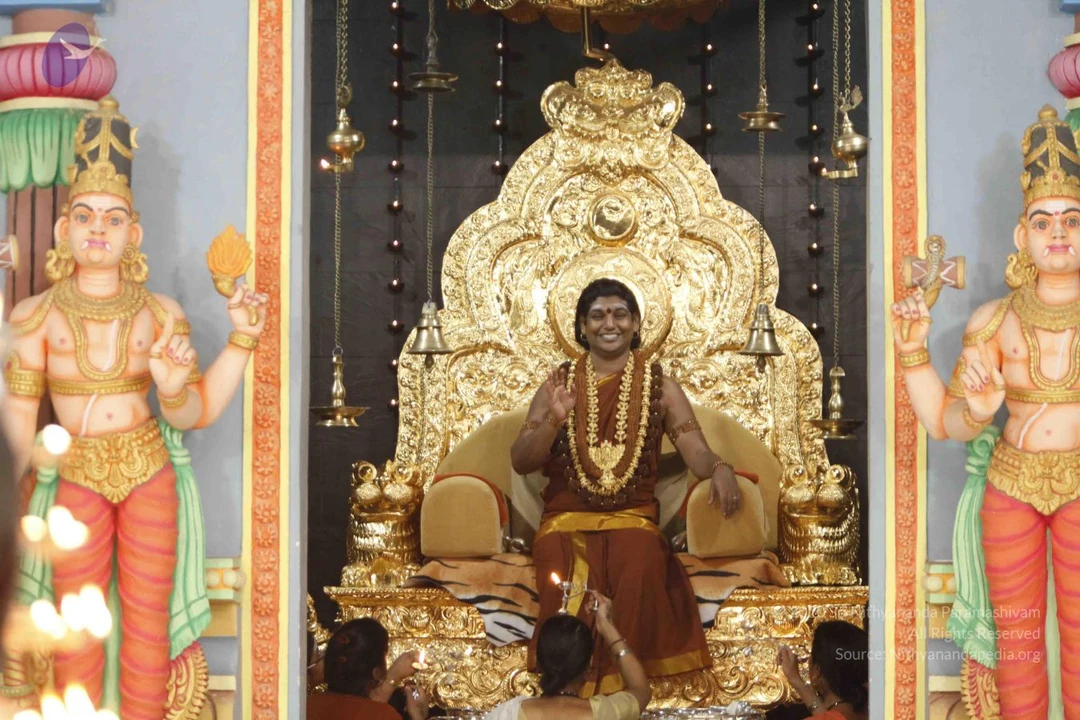
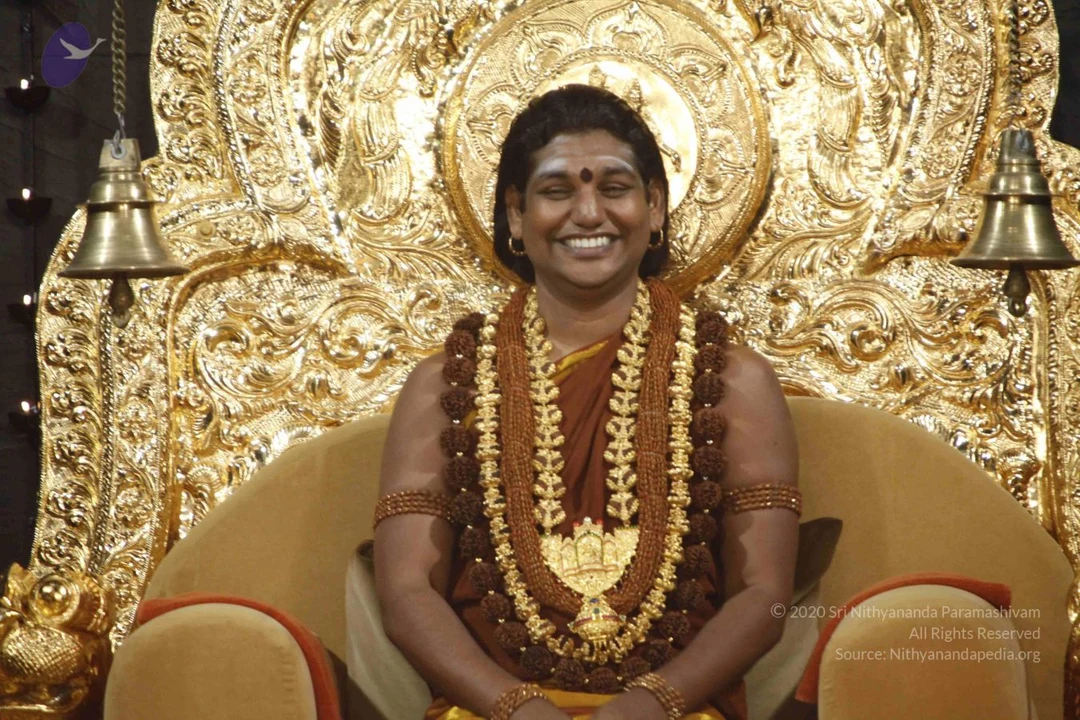
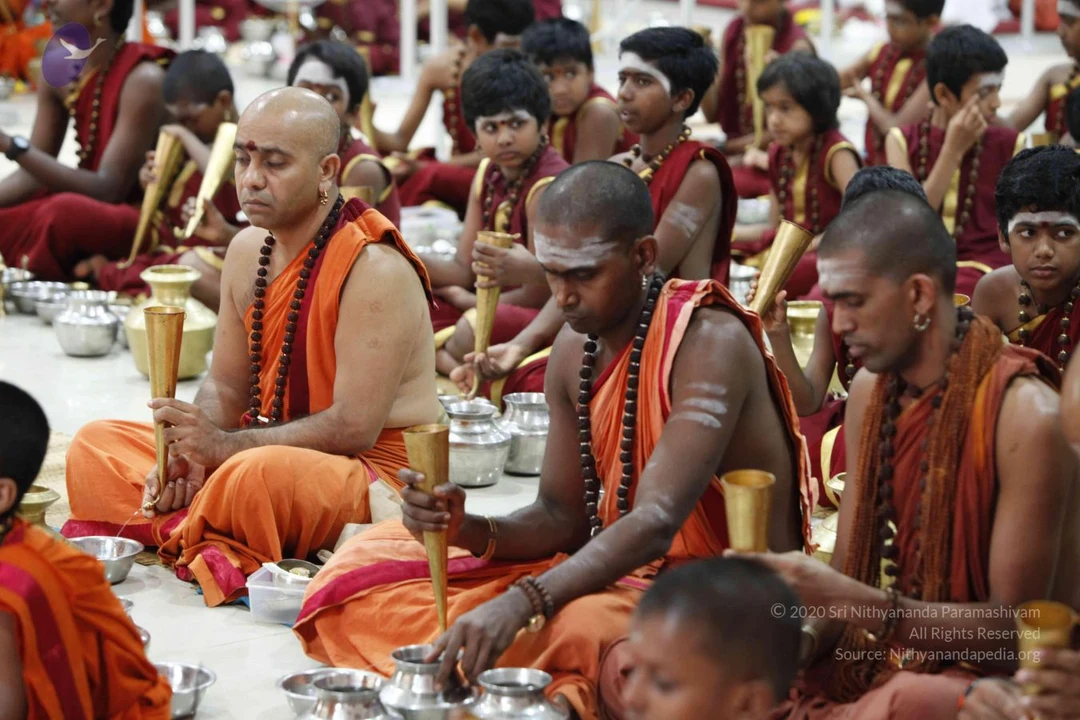
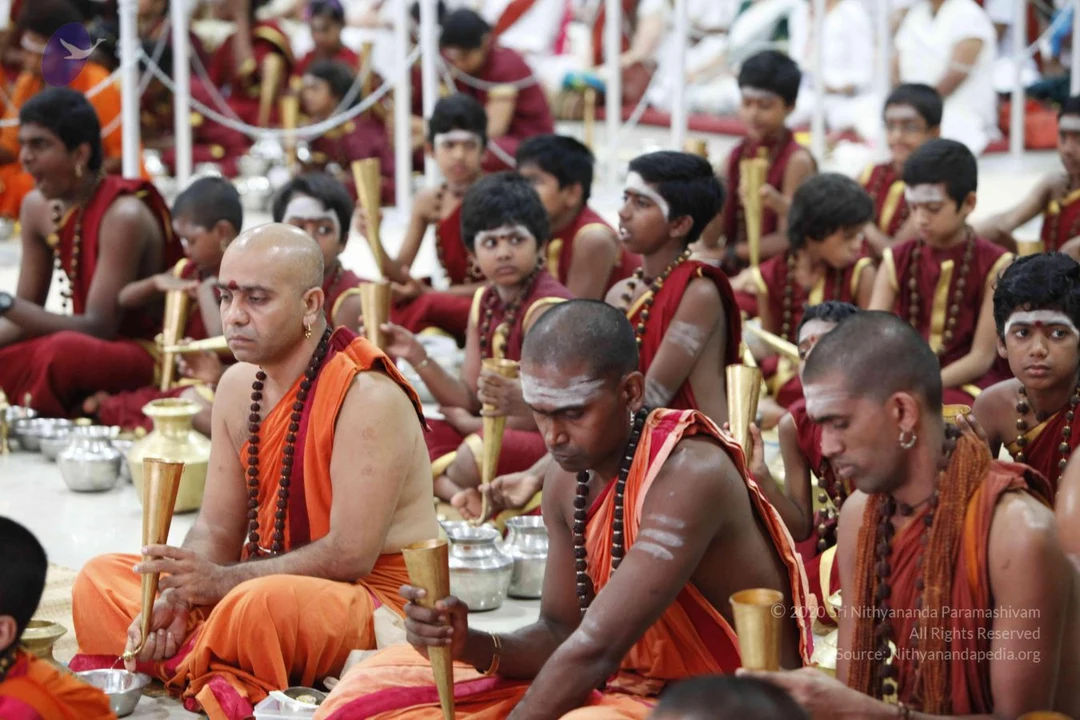
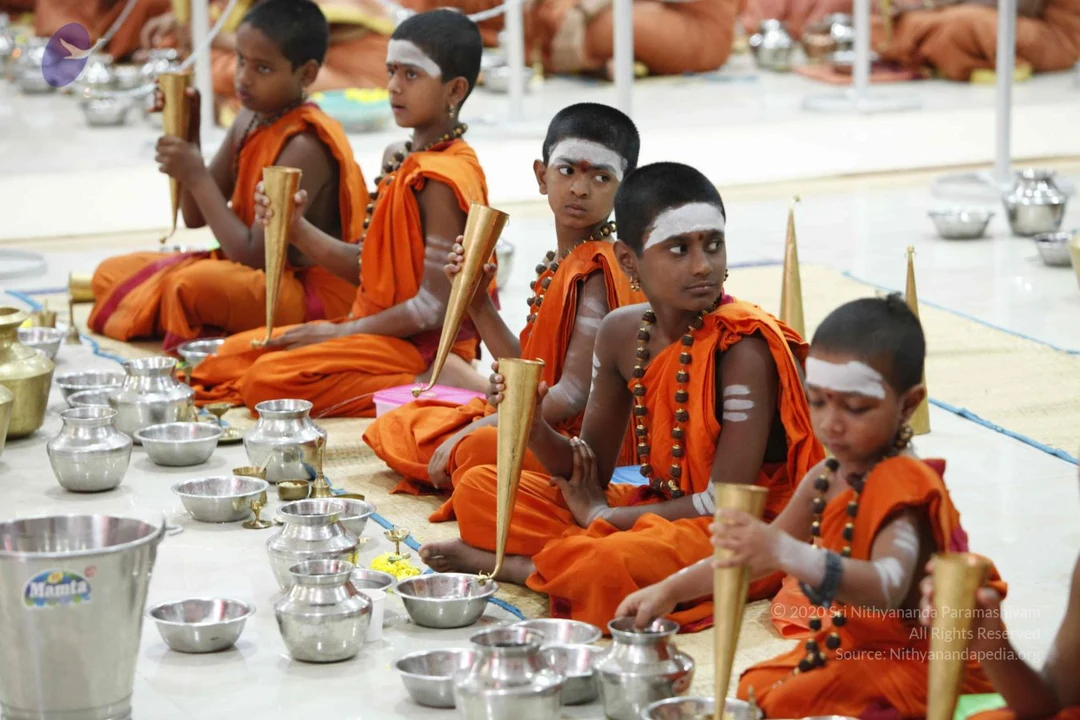
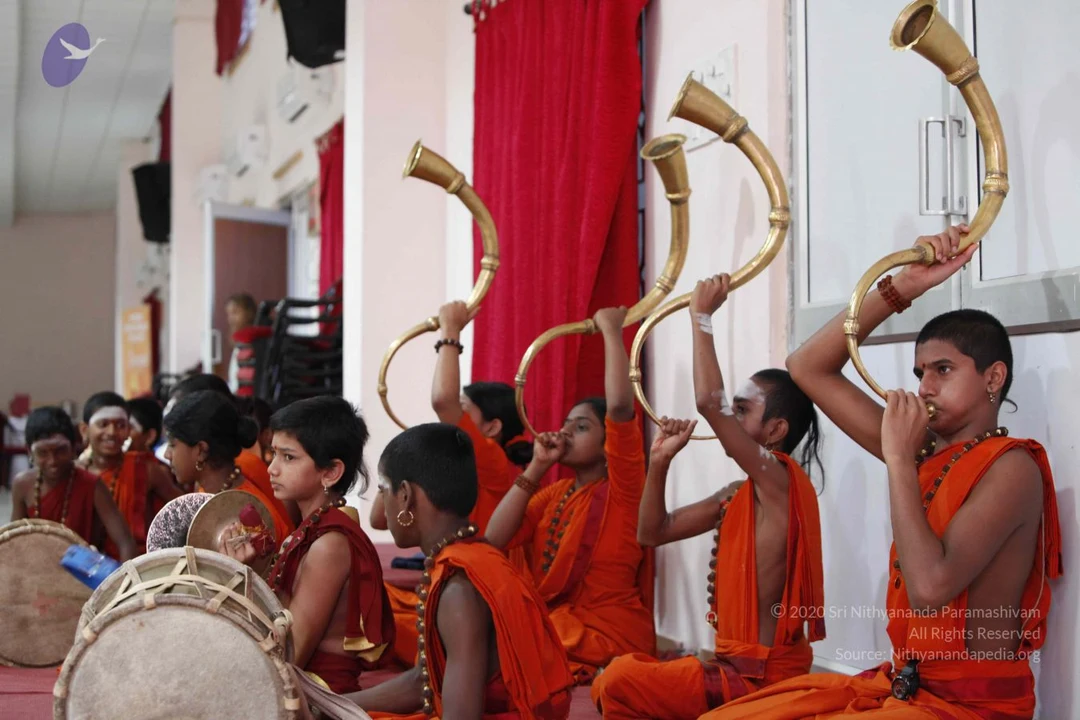
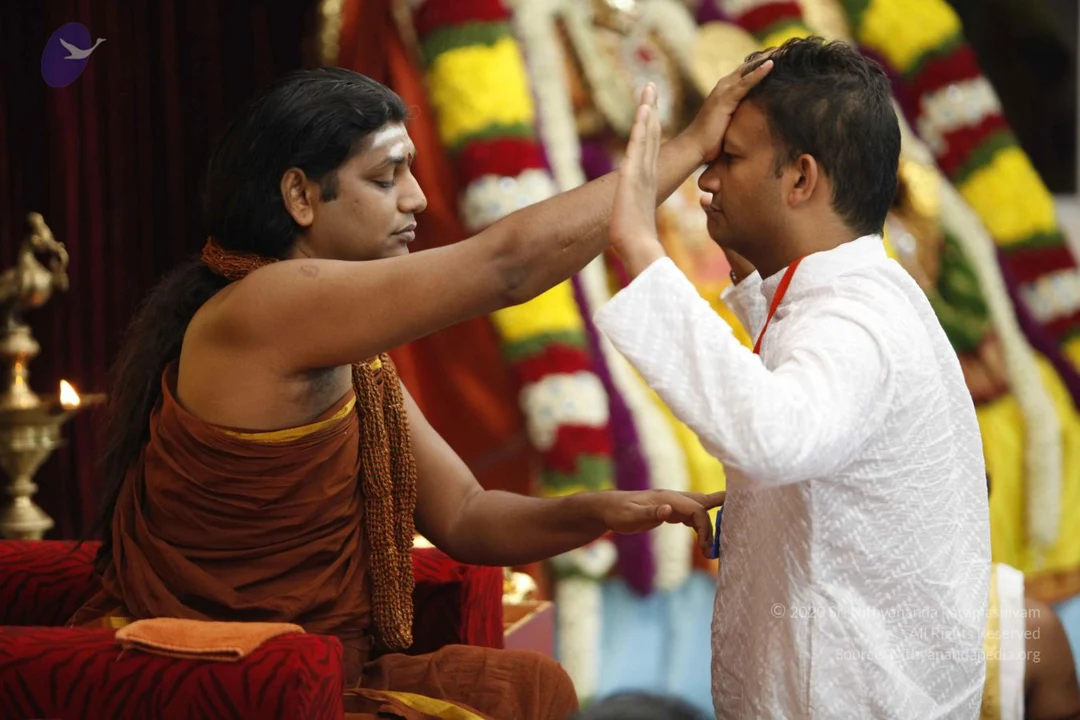
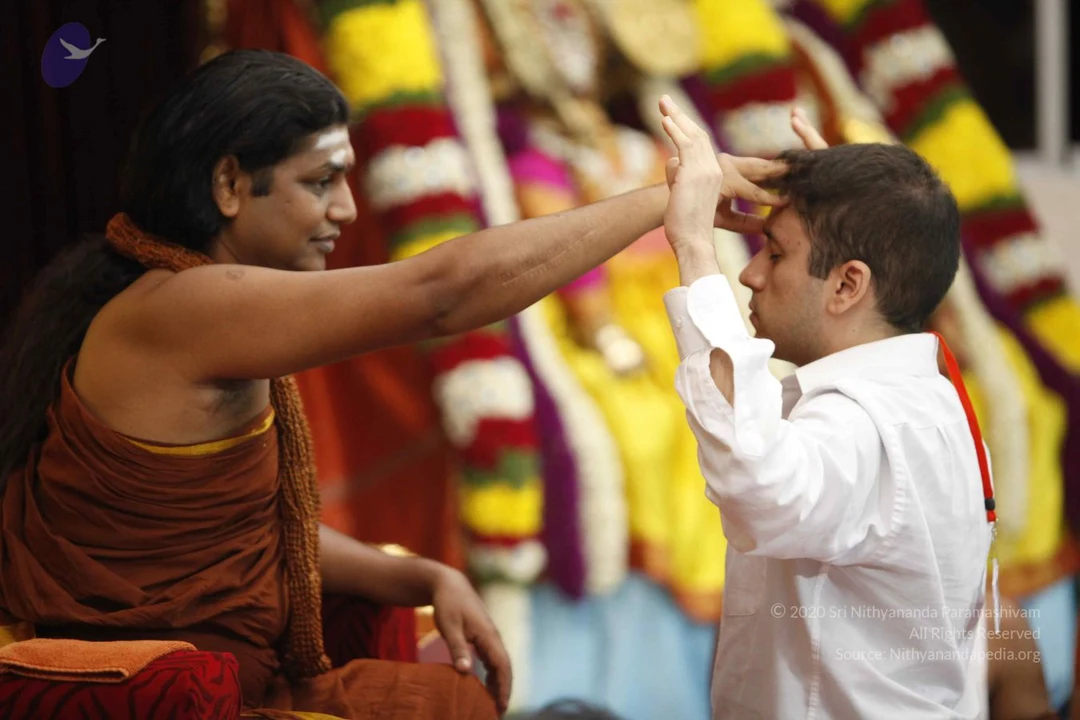
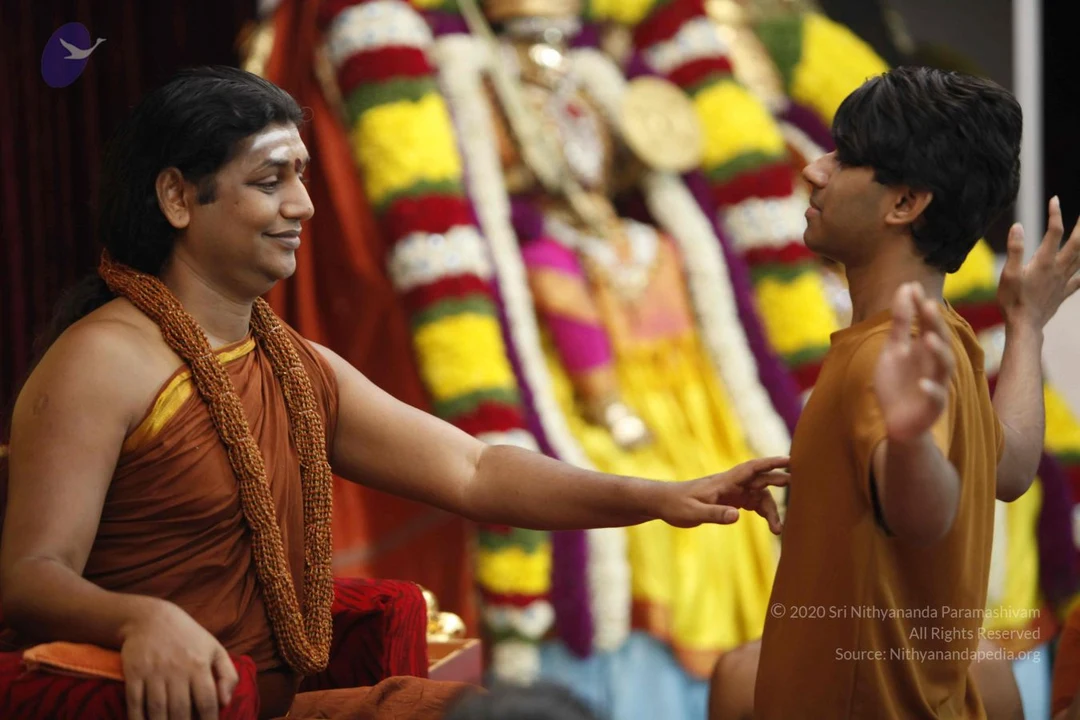
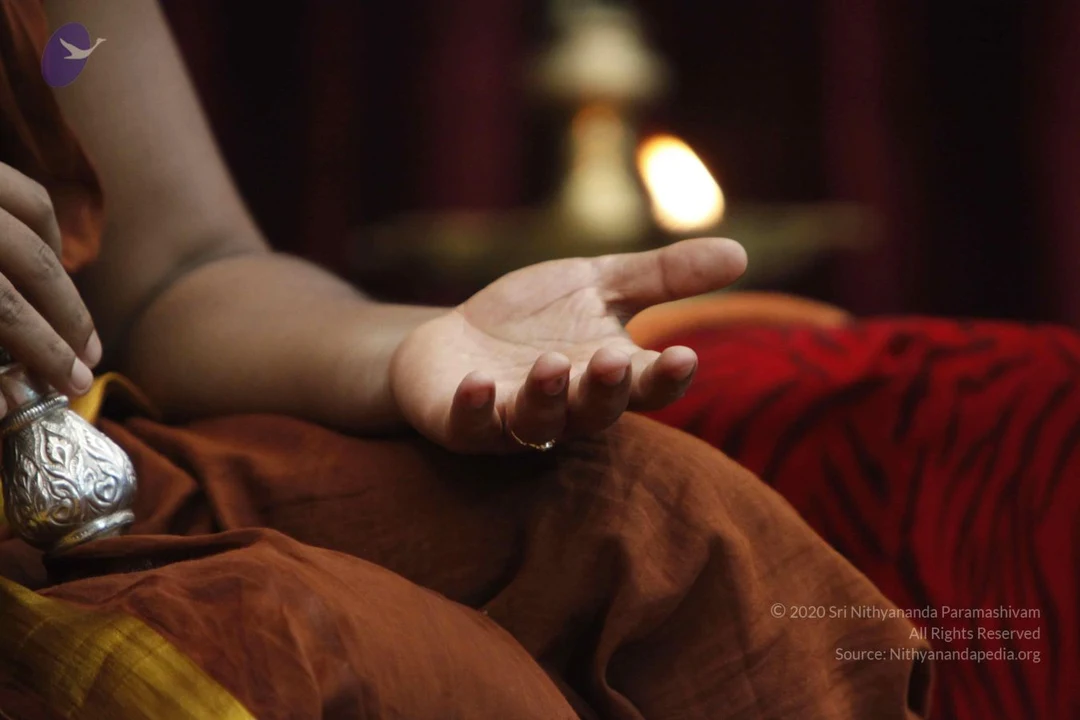
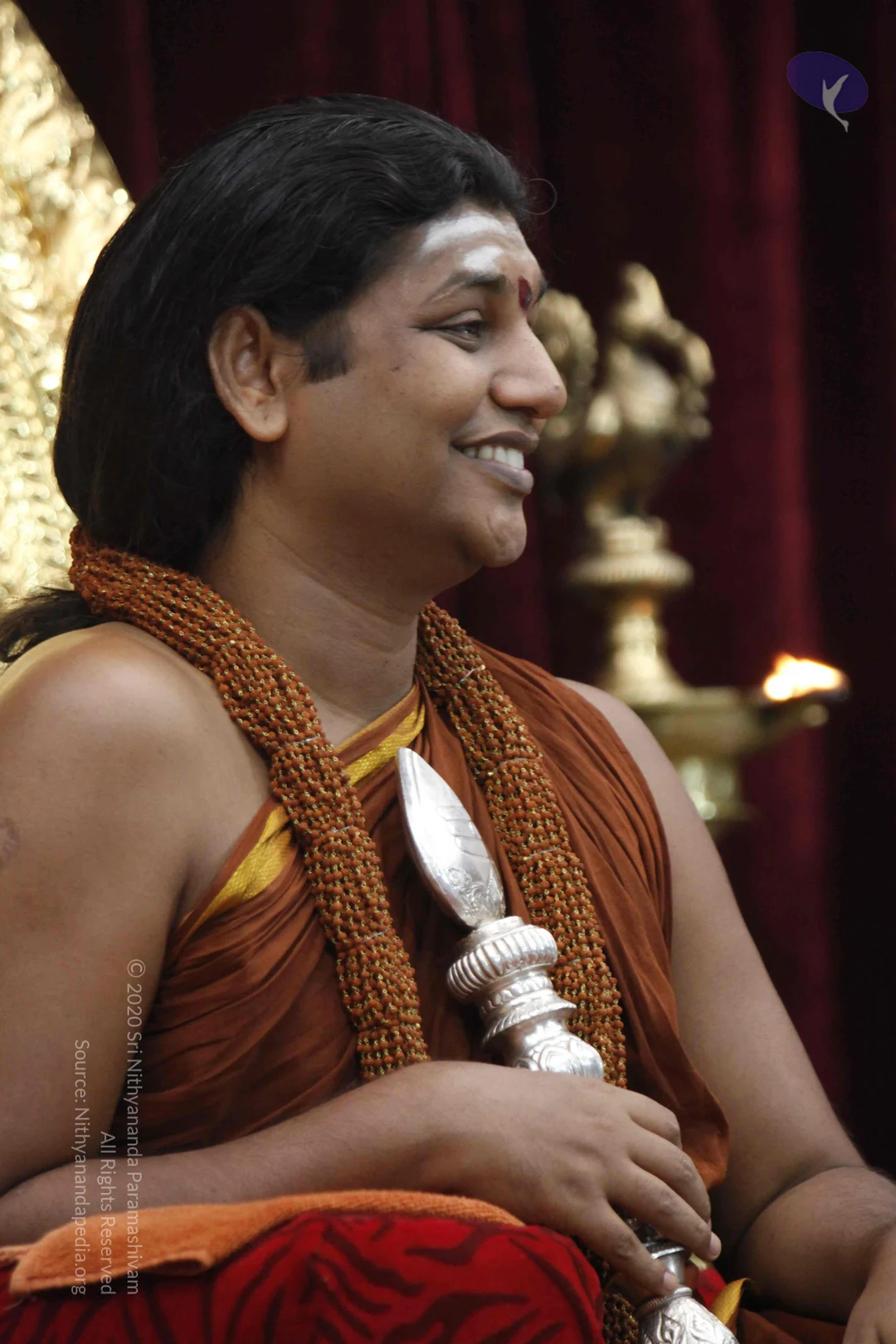
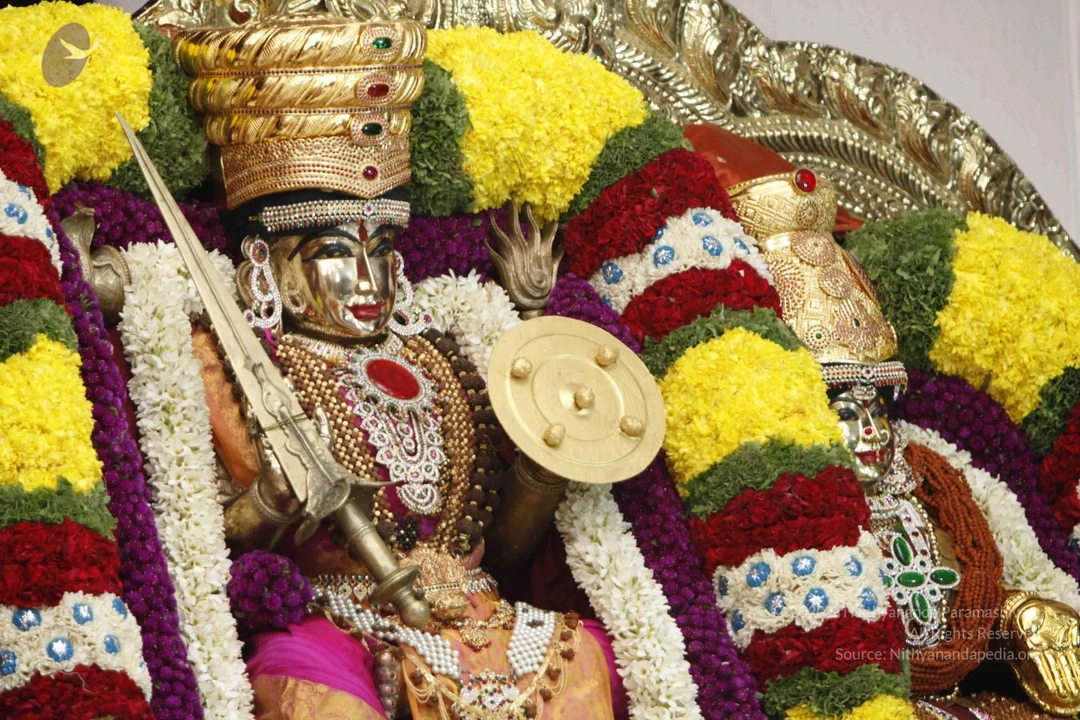
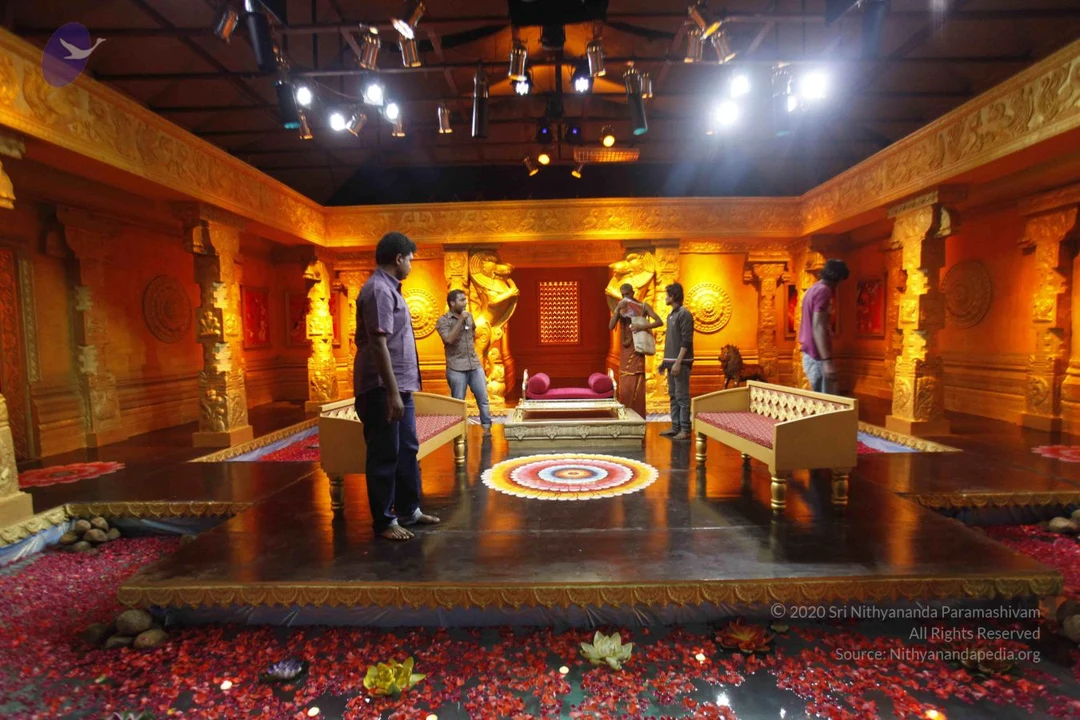
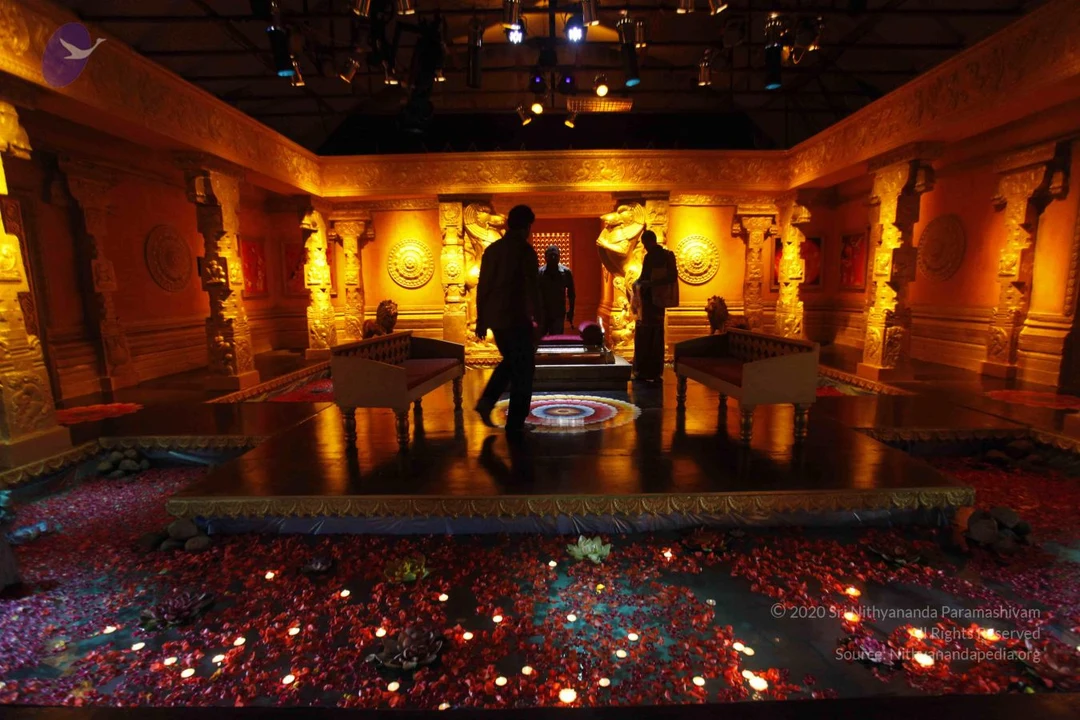
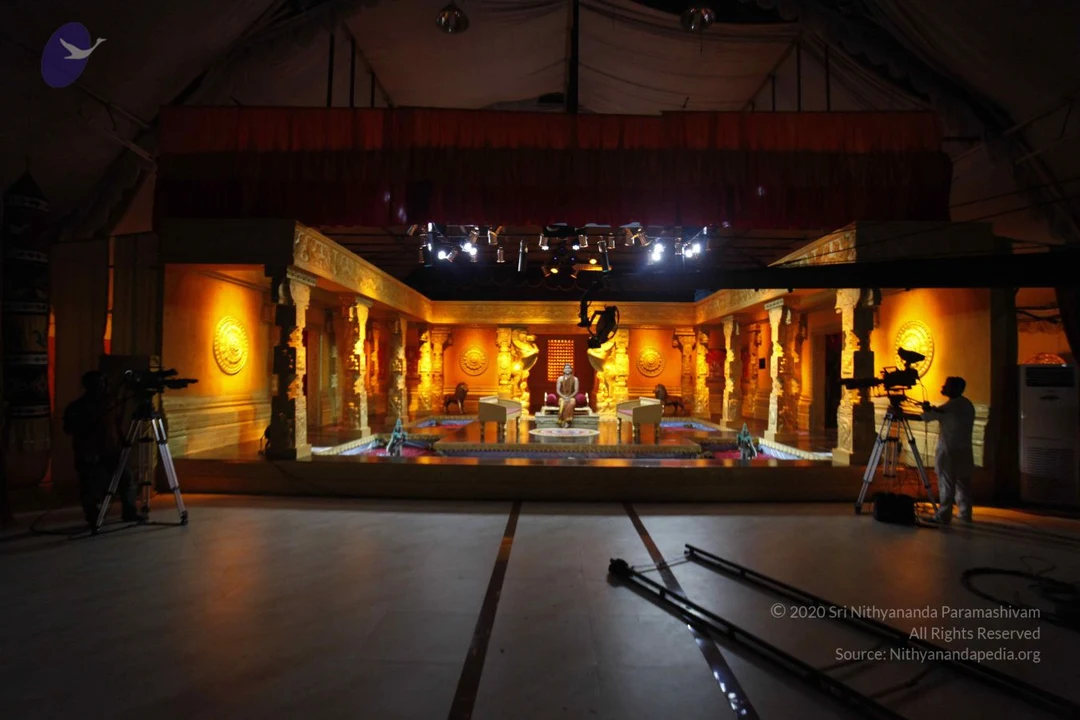
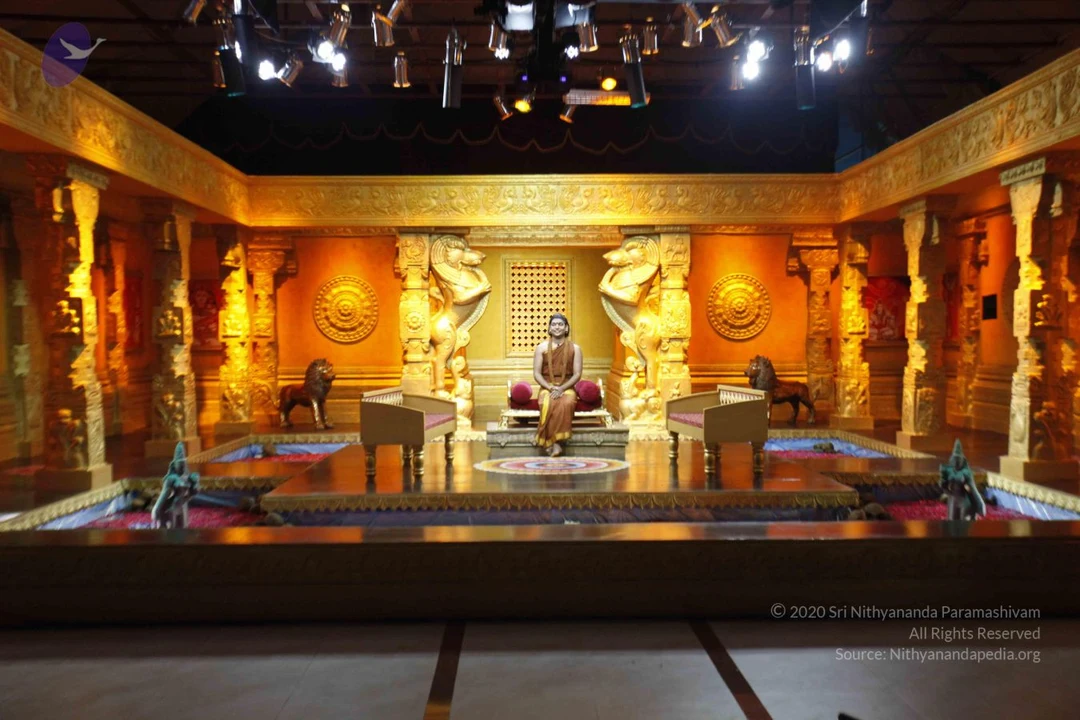
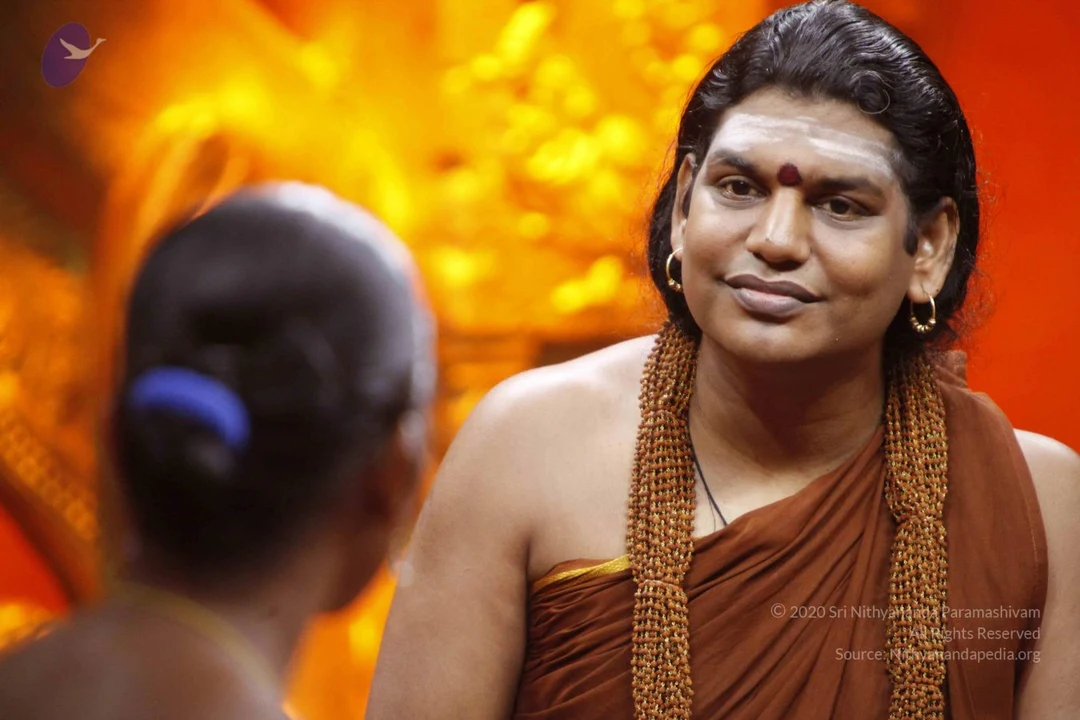
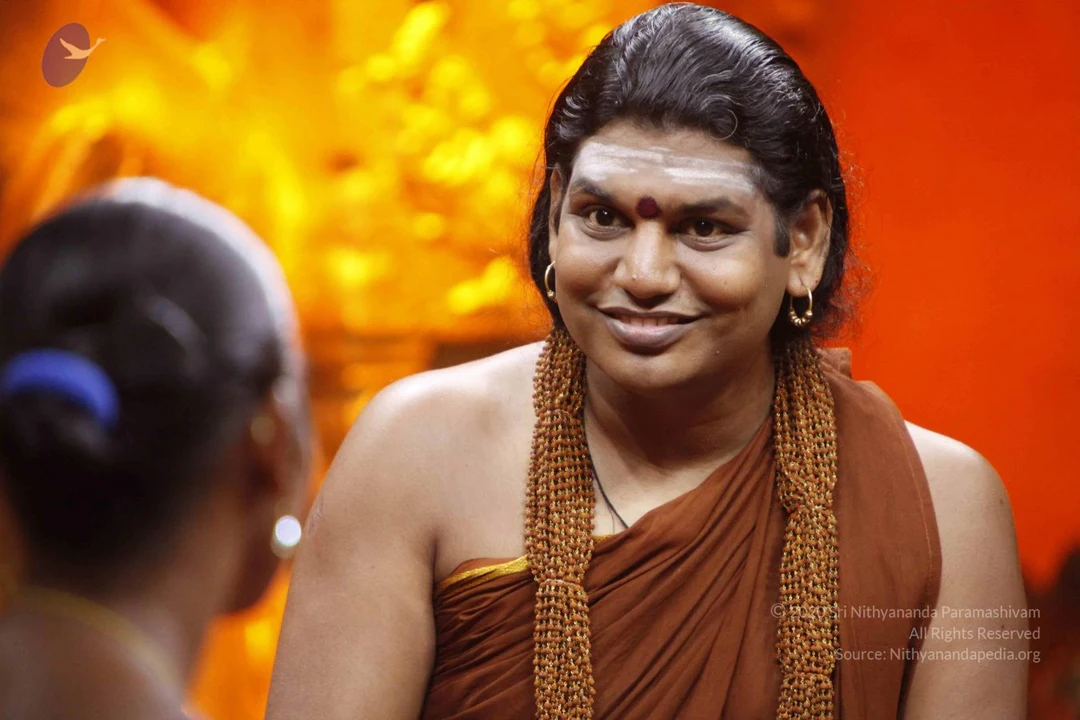
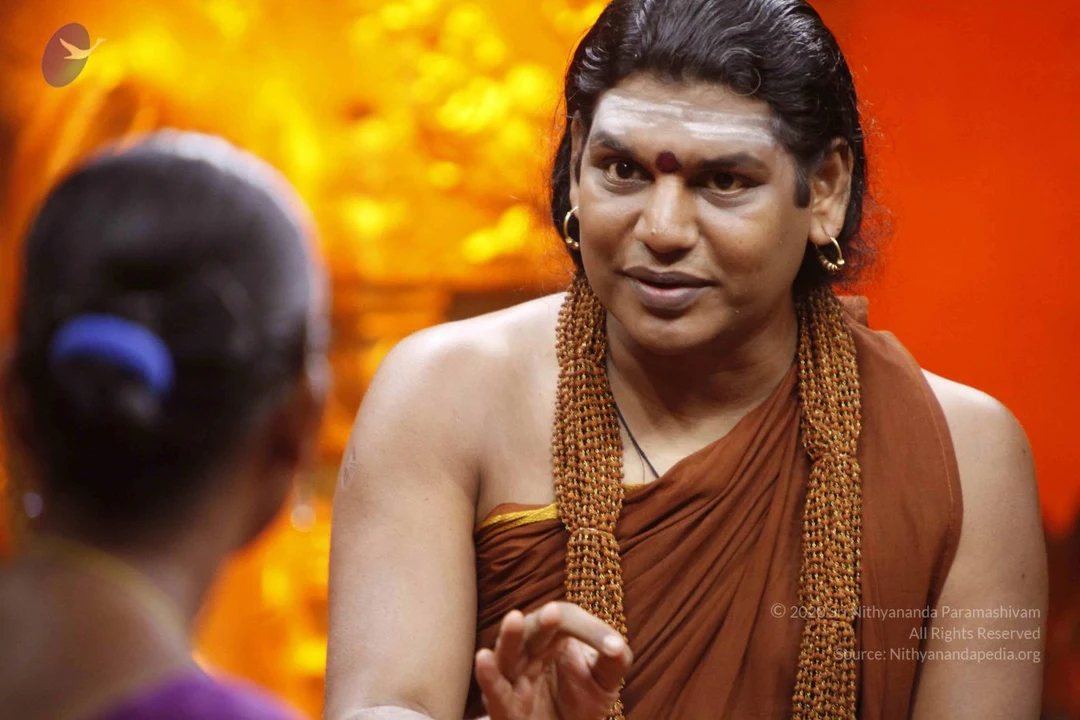
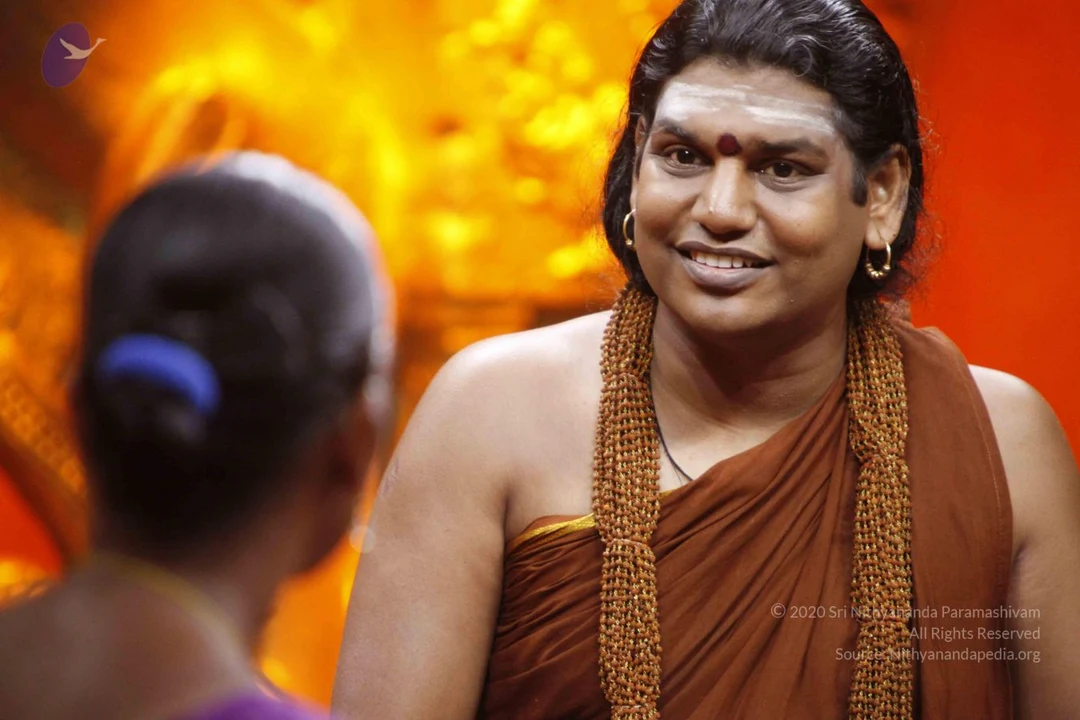
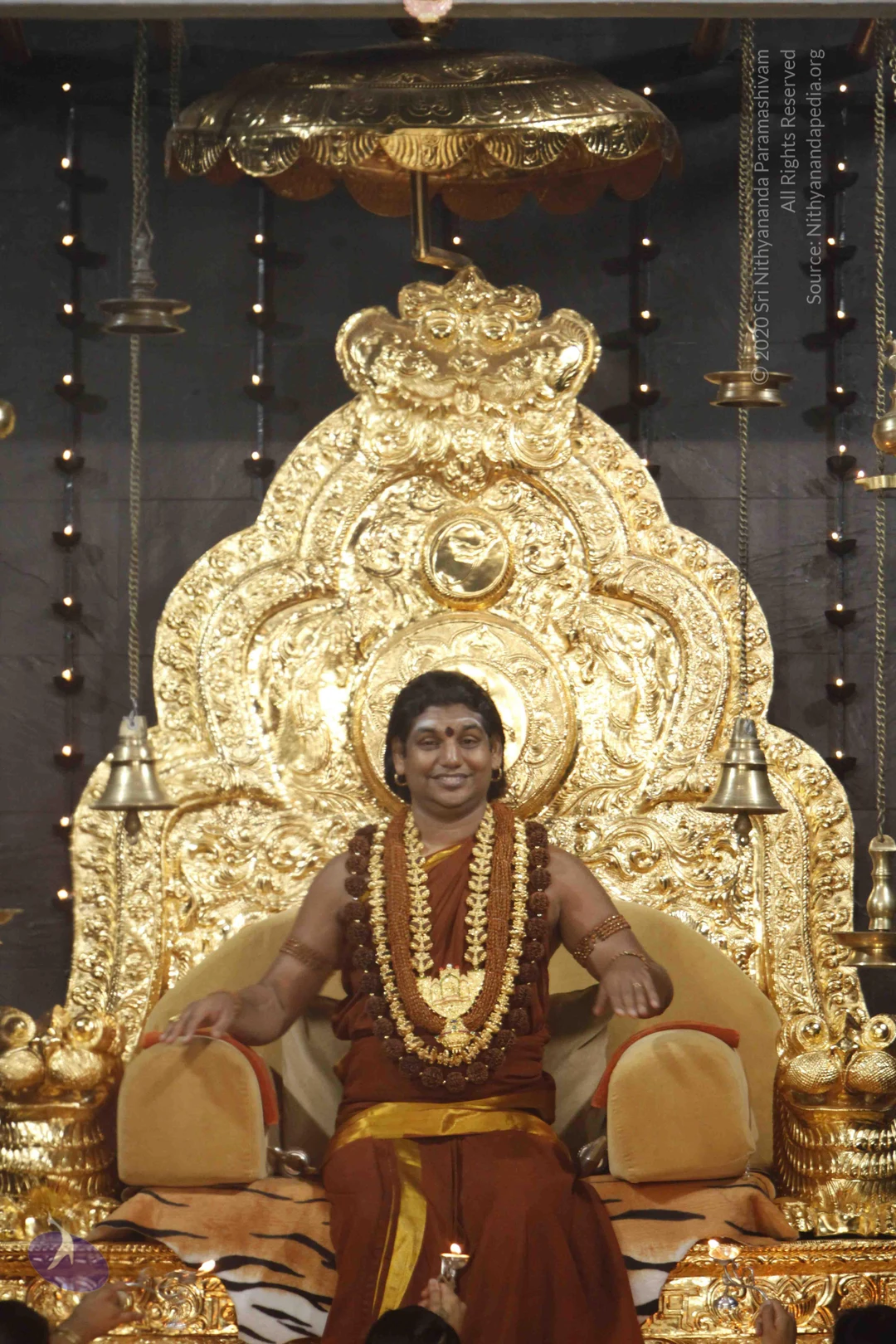
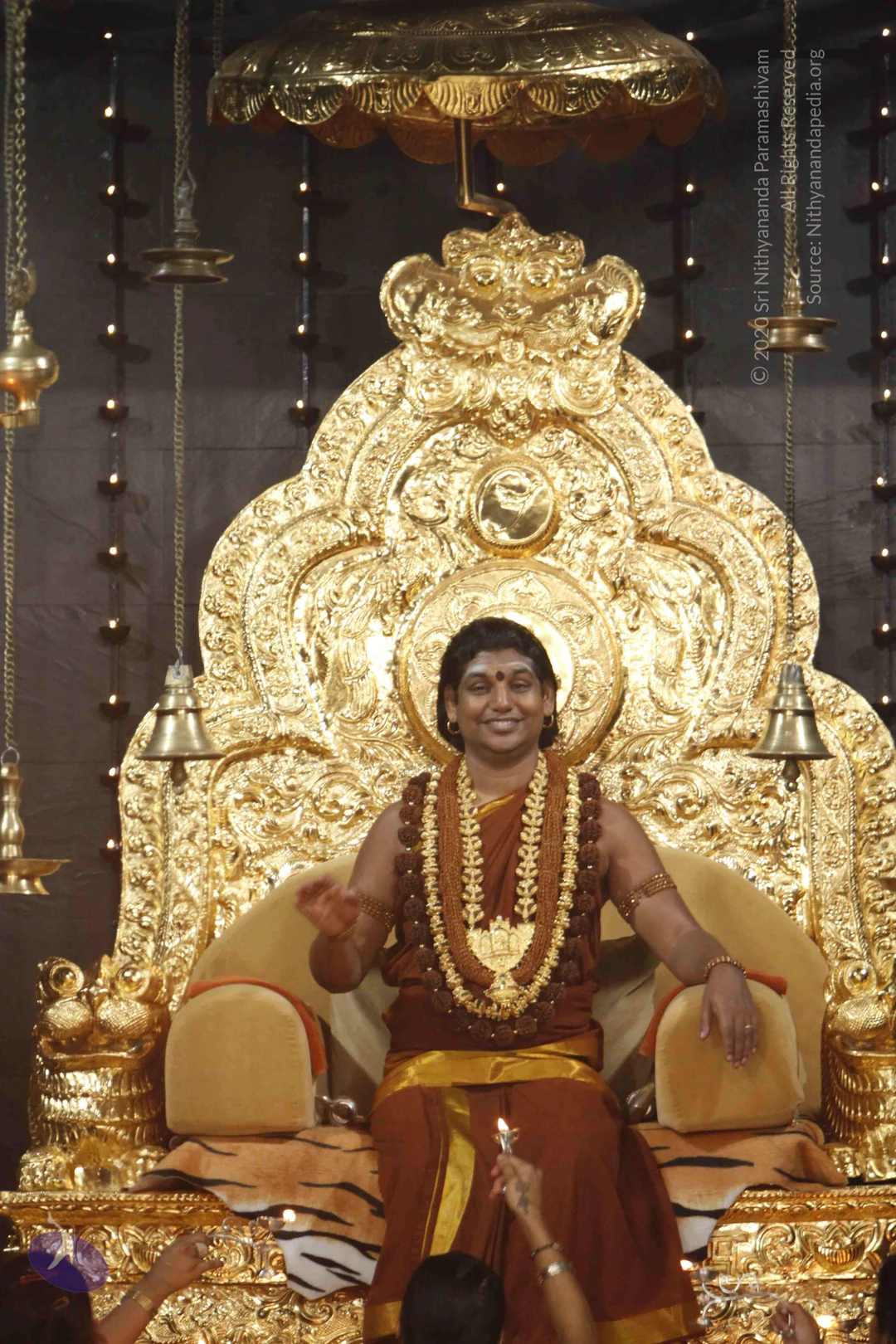
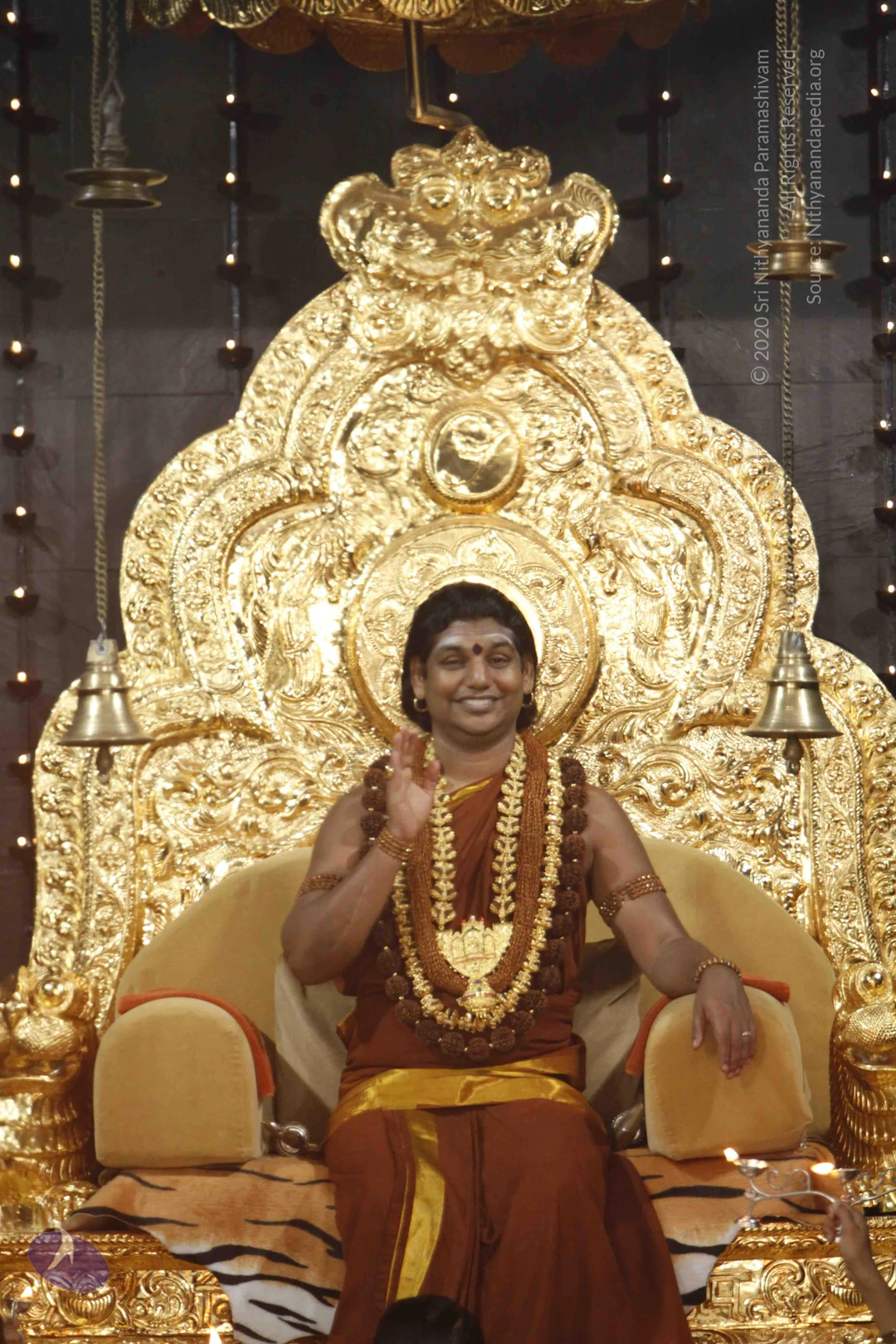
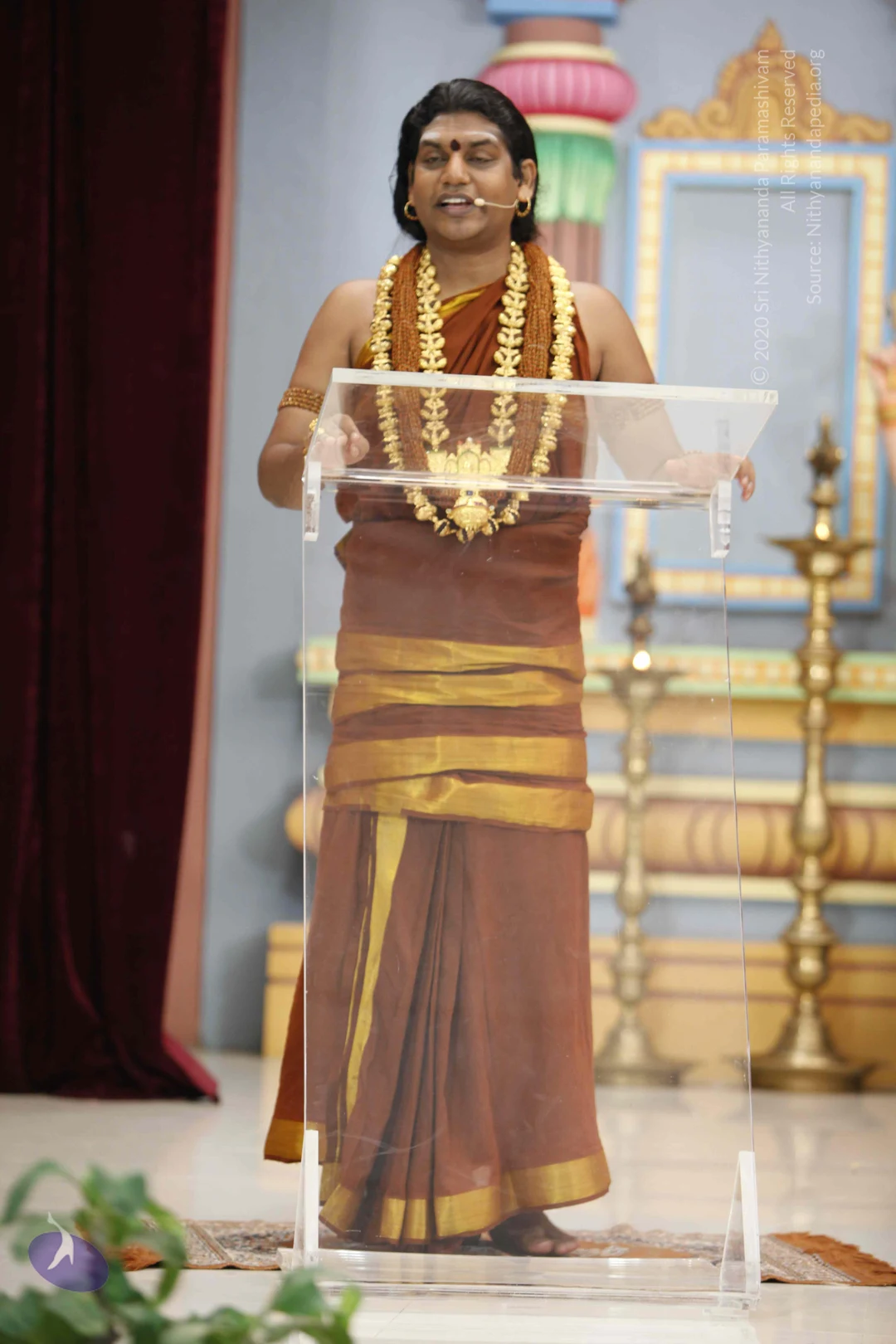
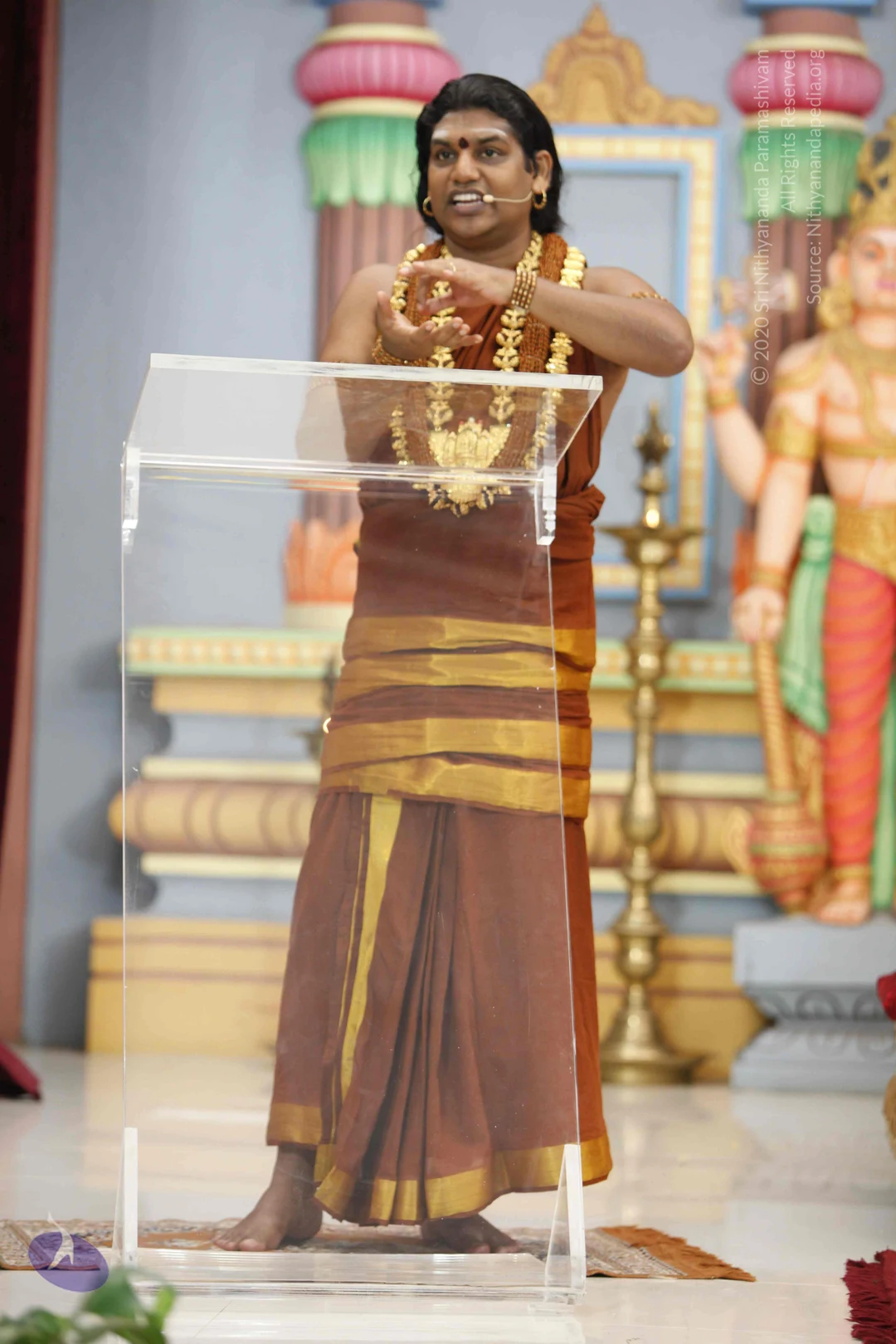
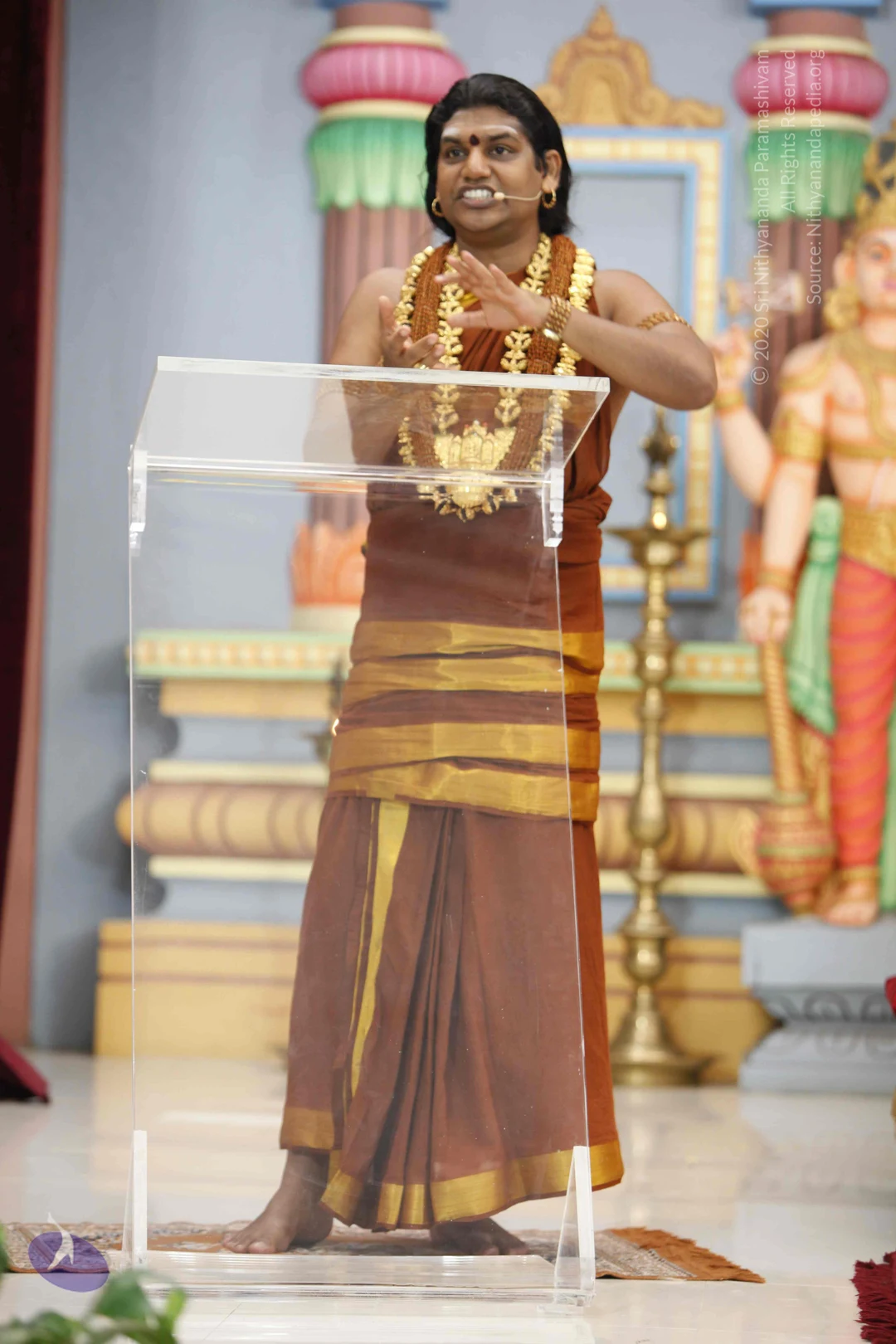
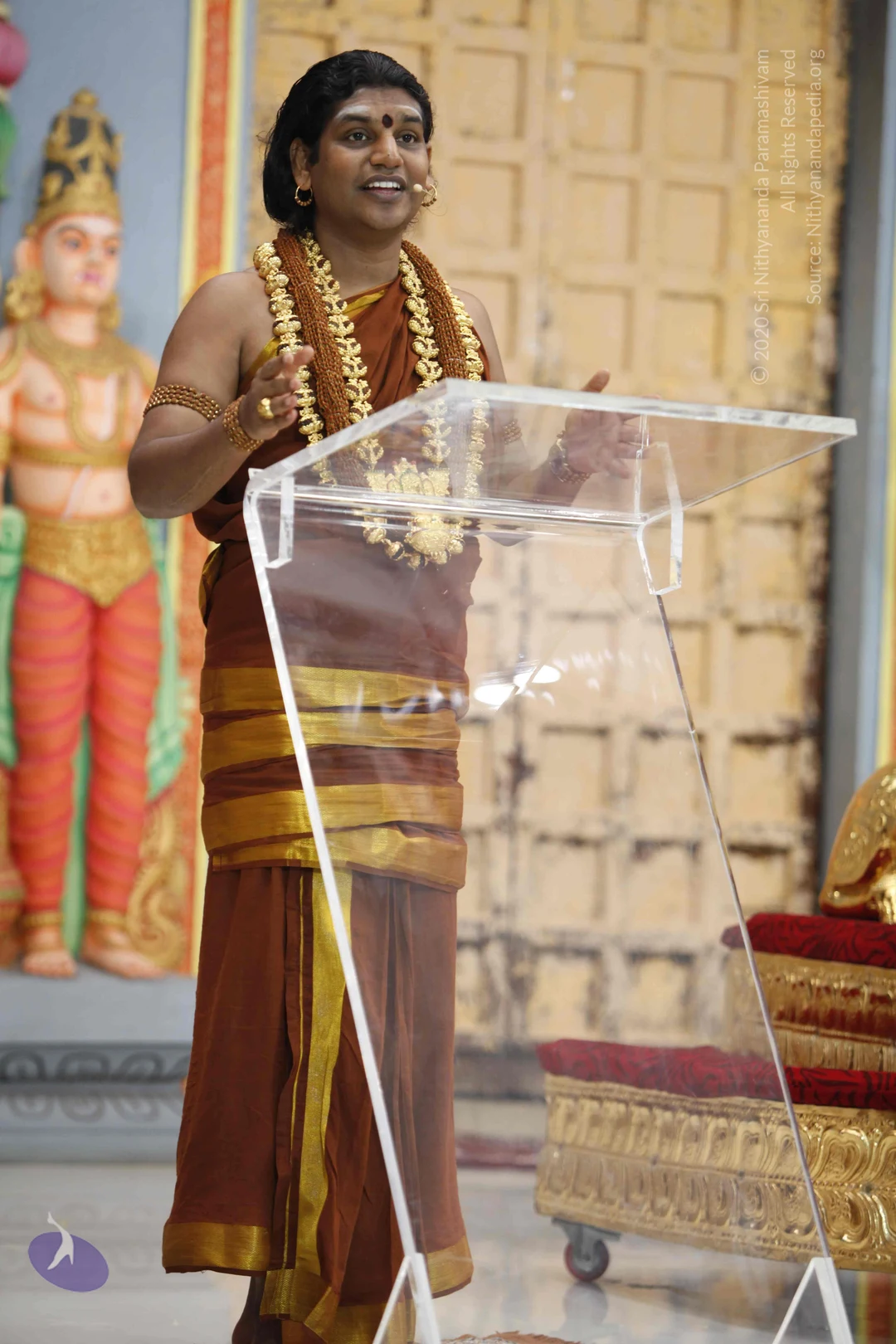
Photos Of The Day:
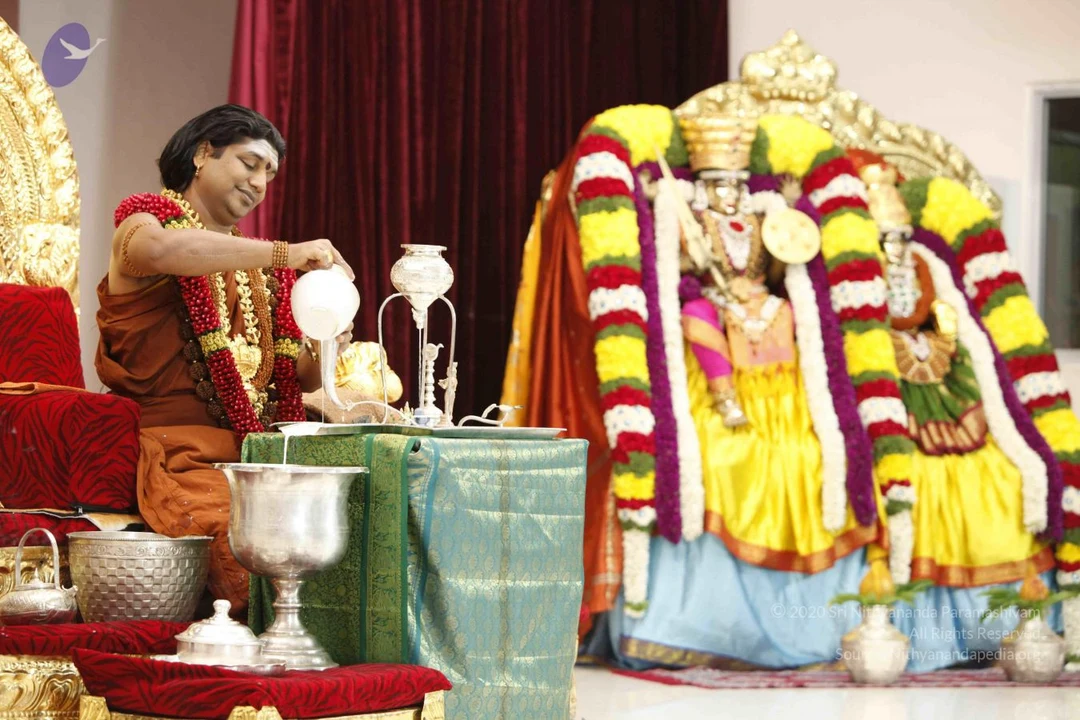
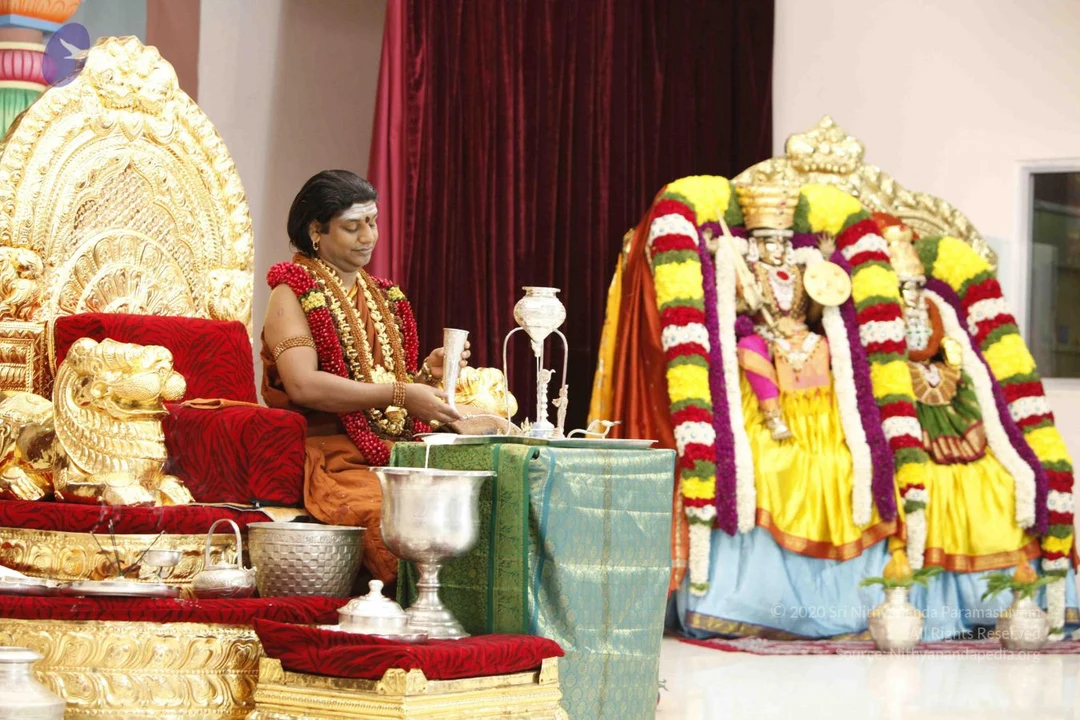
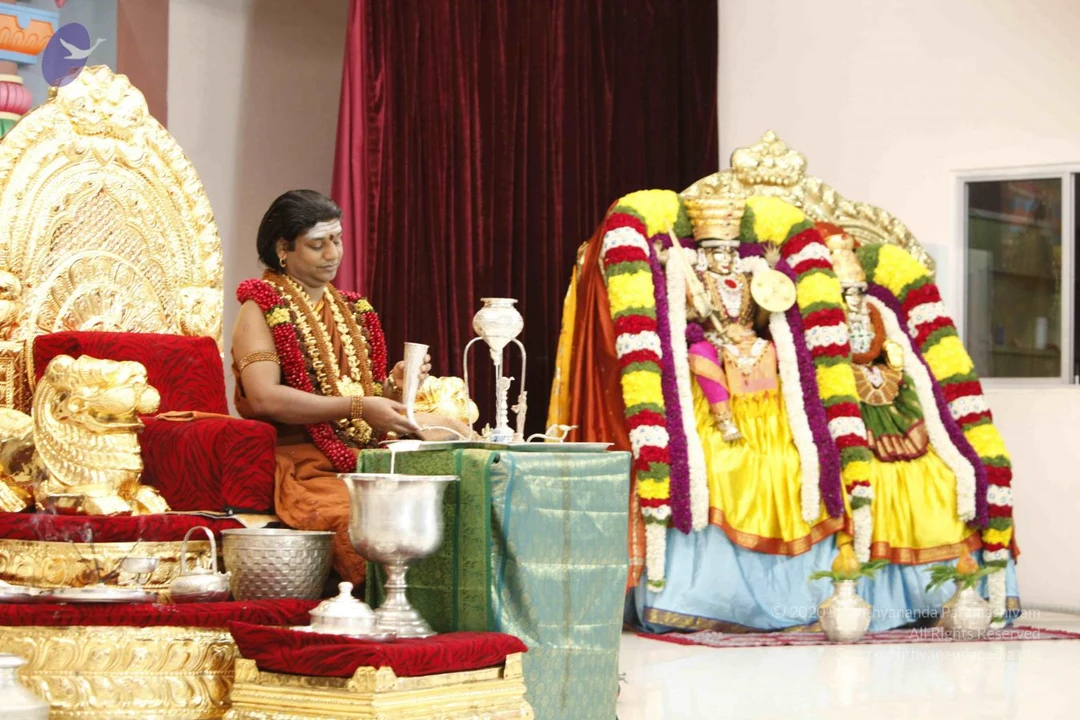
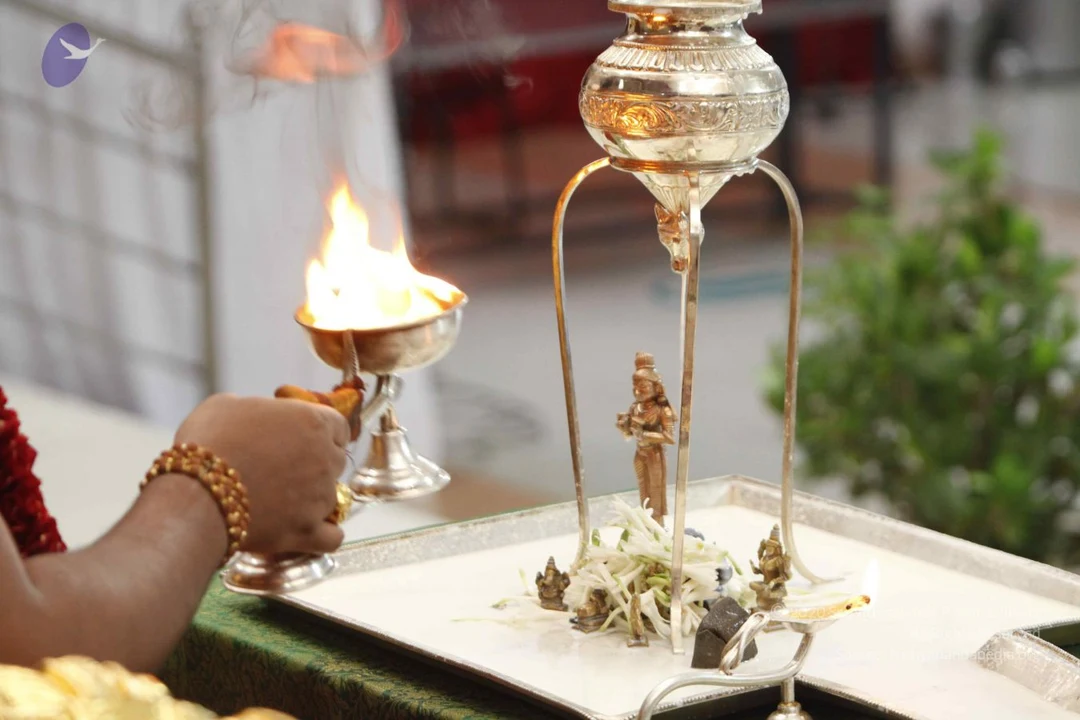
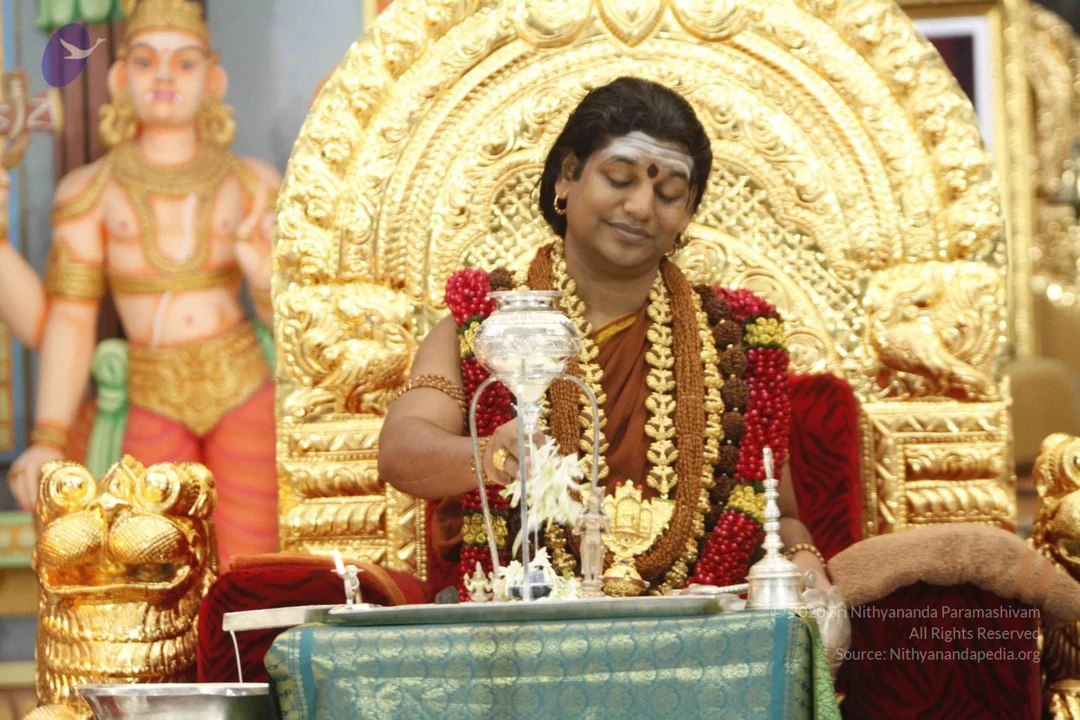
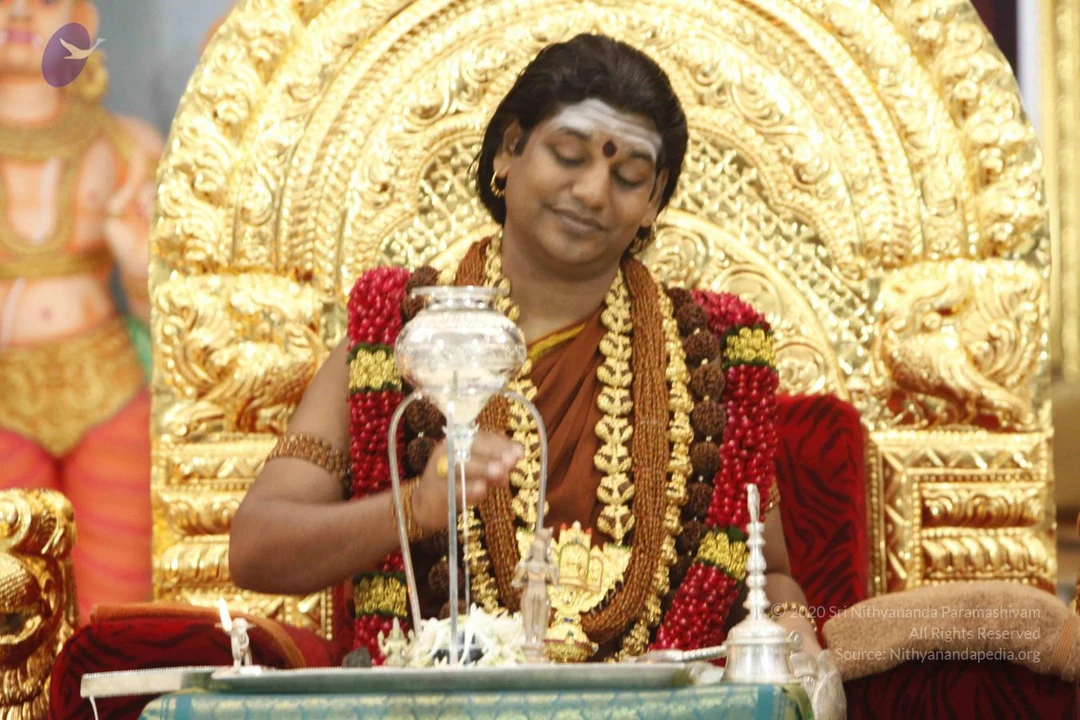
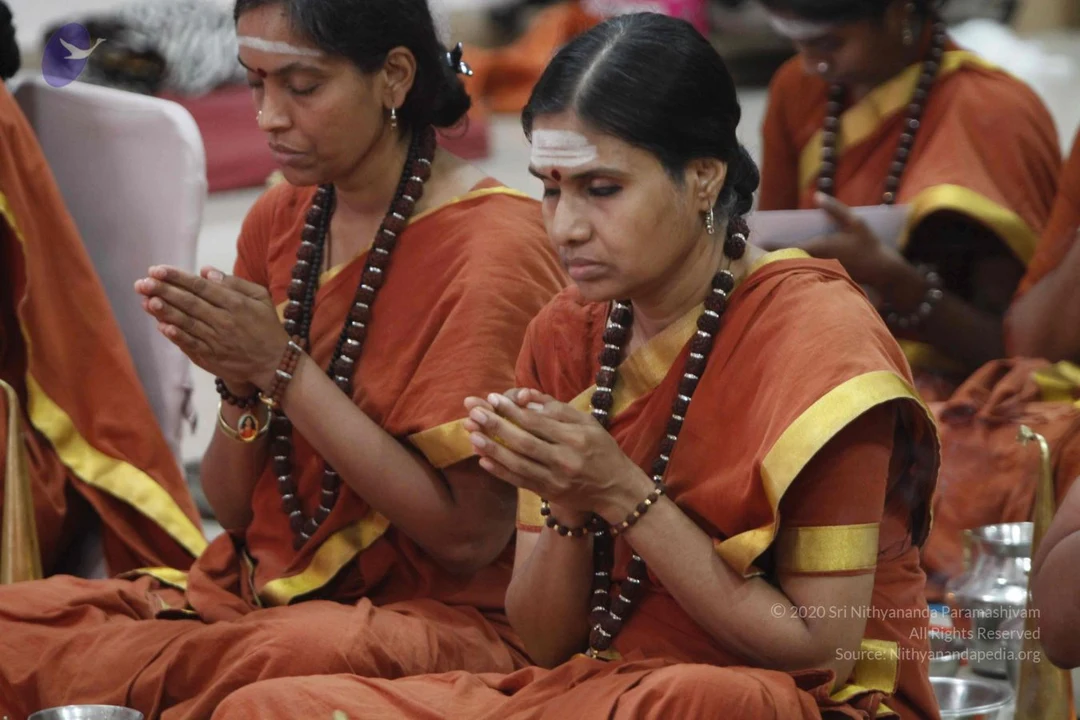
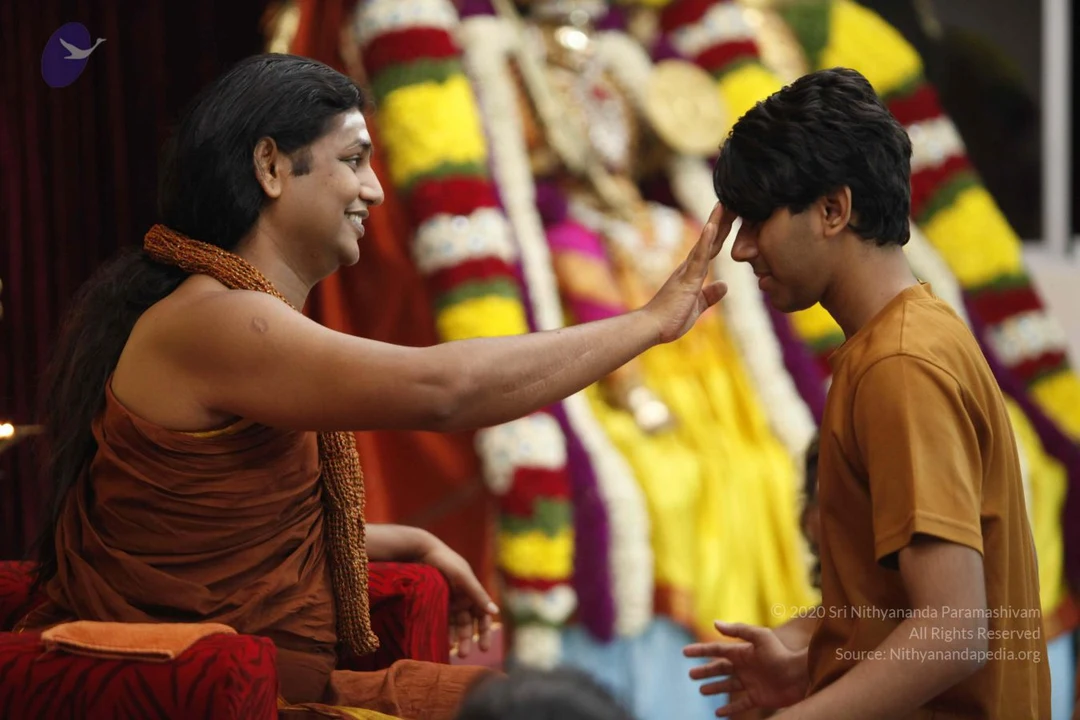
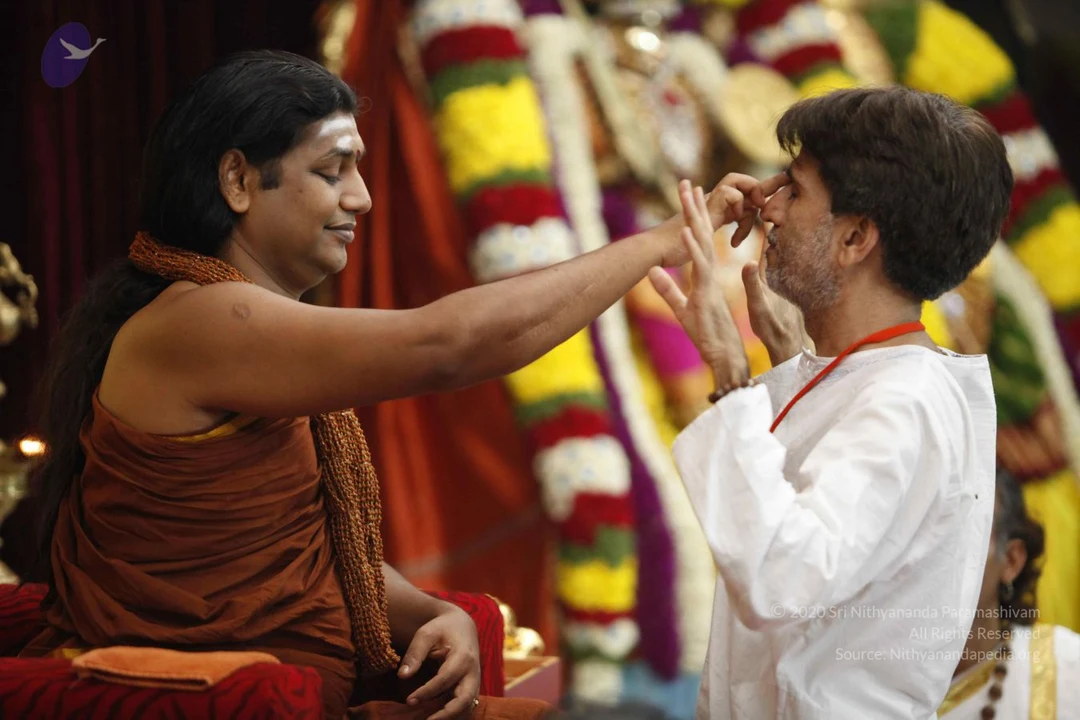
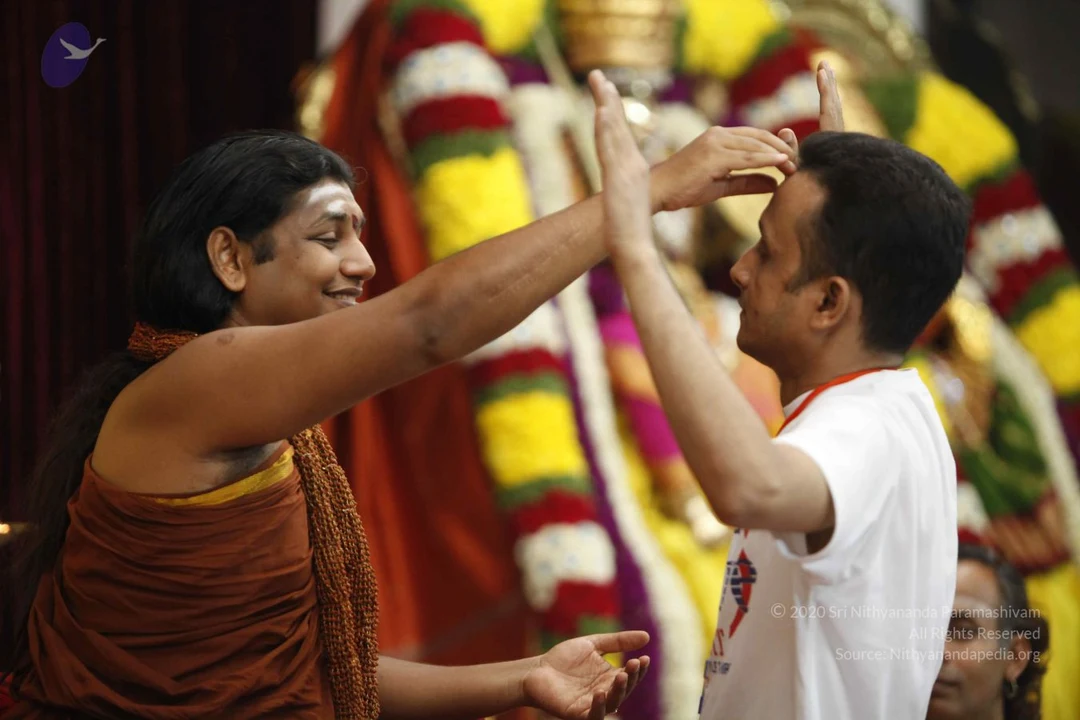
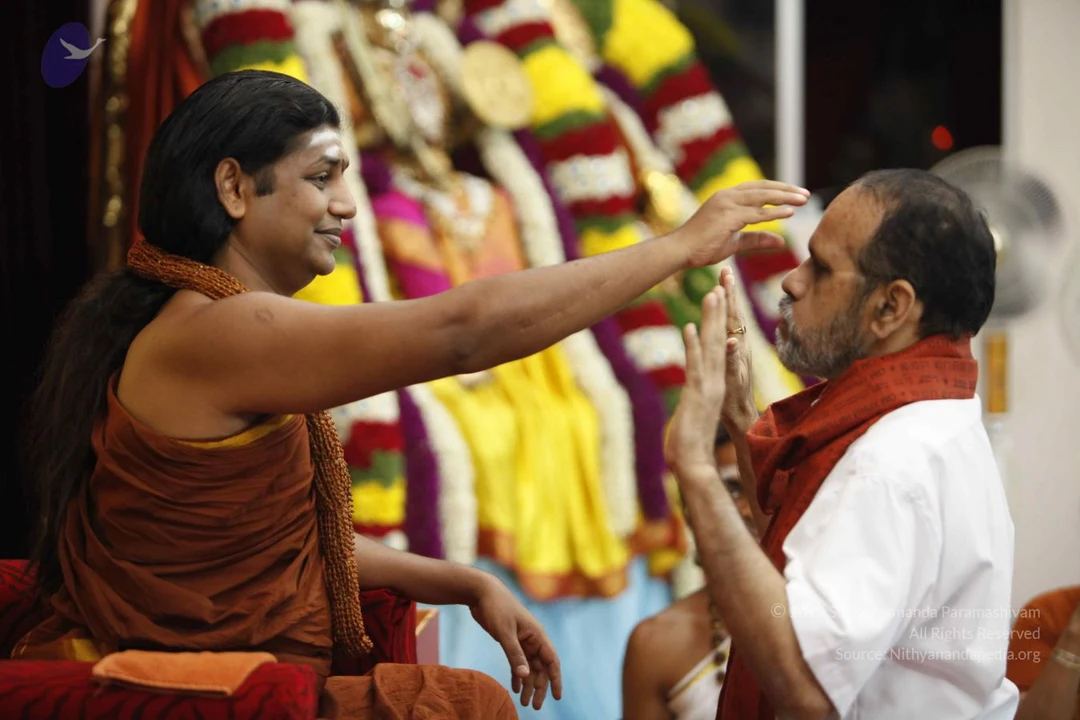
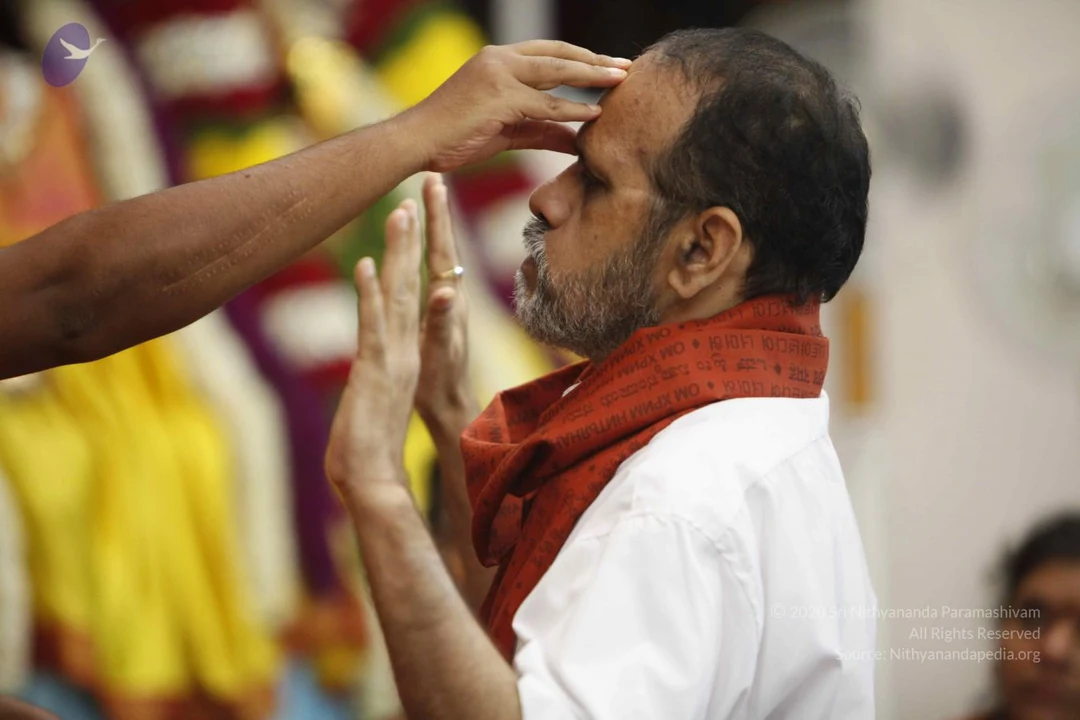
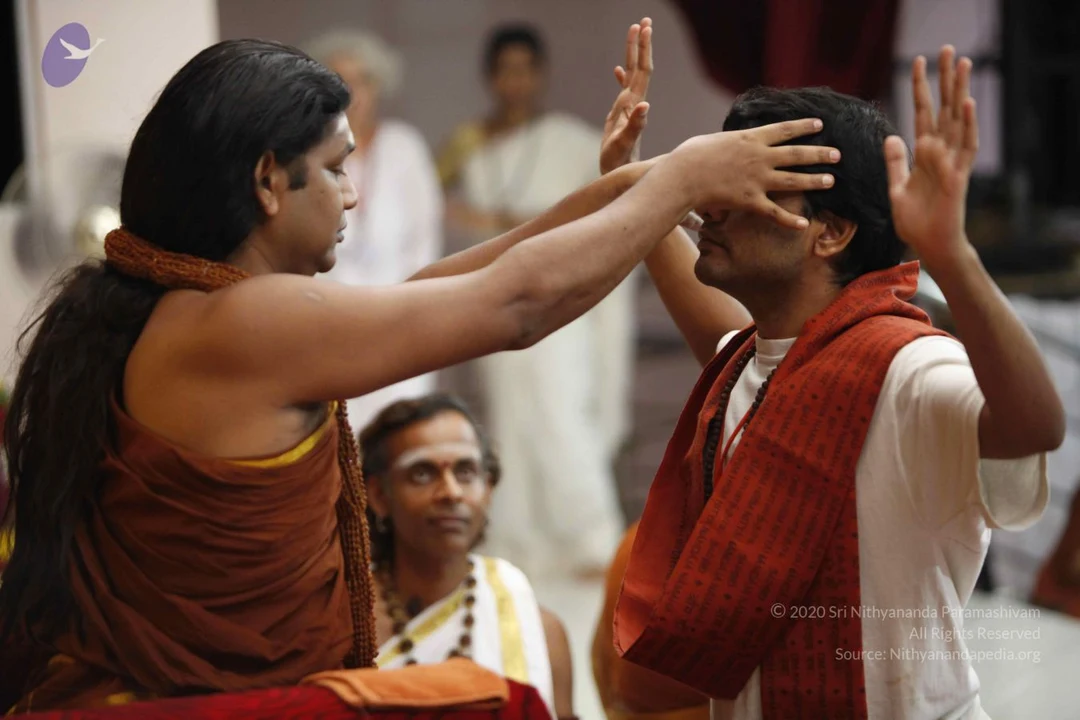
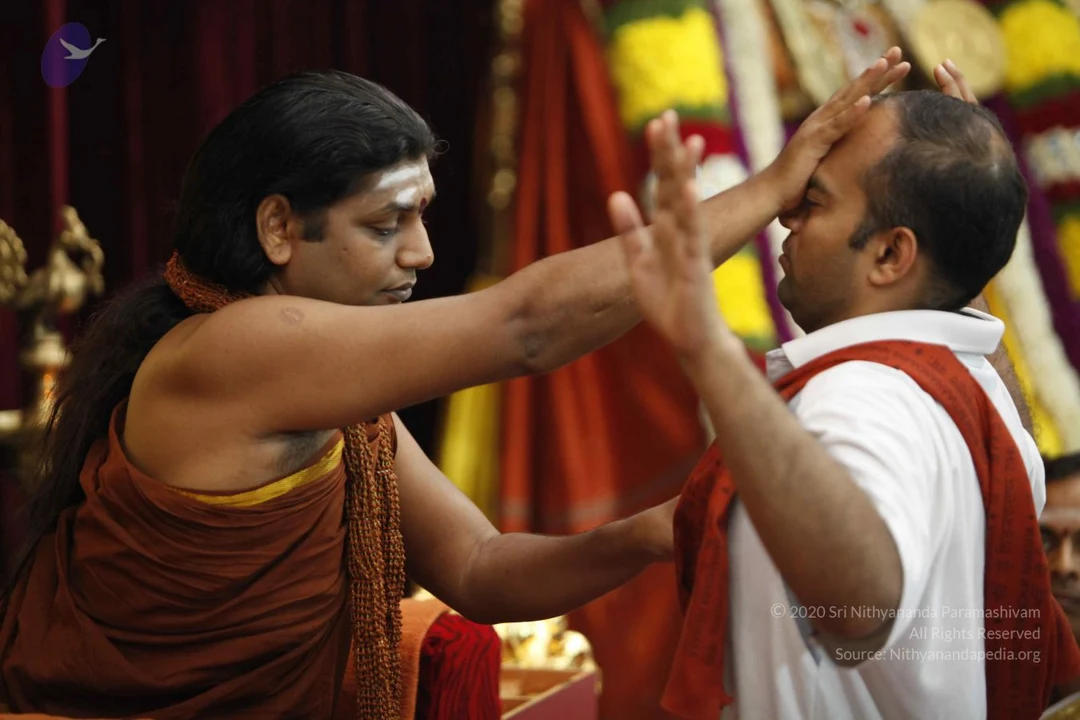
Pratyaksha Pada Pooja
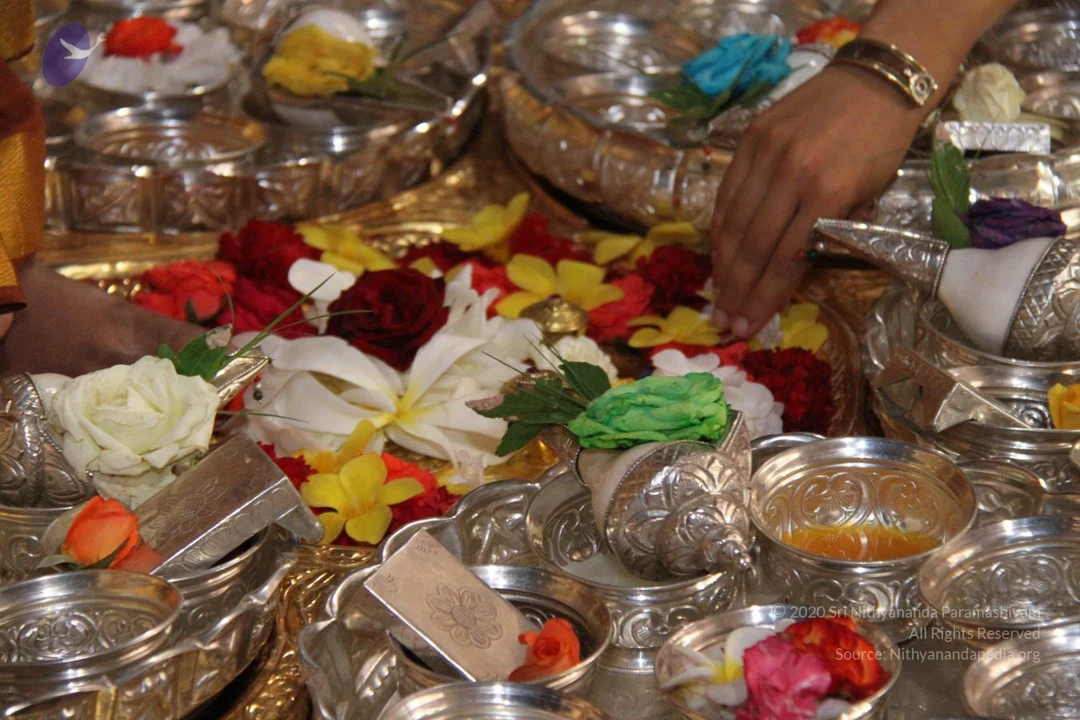
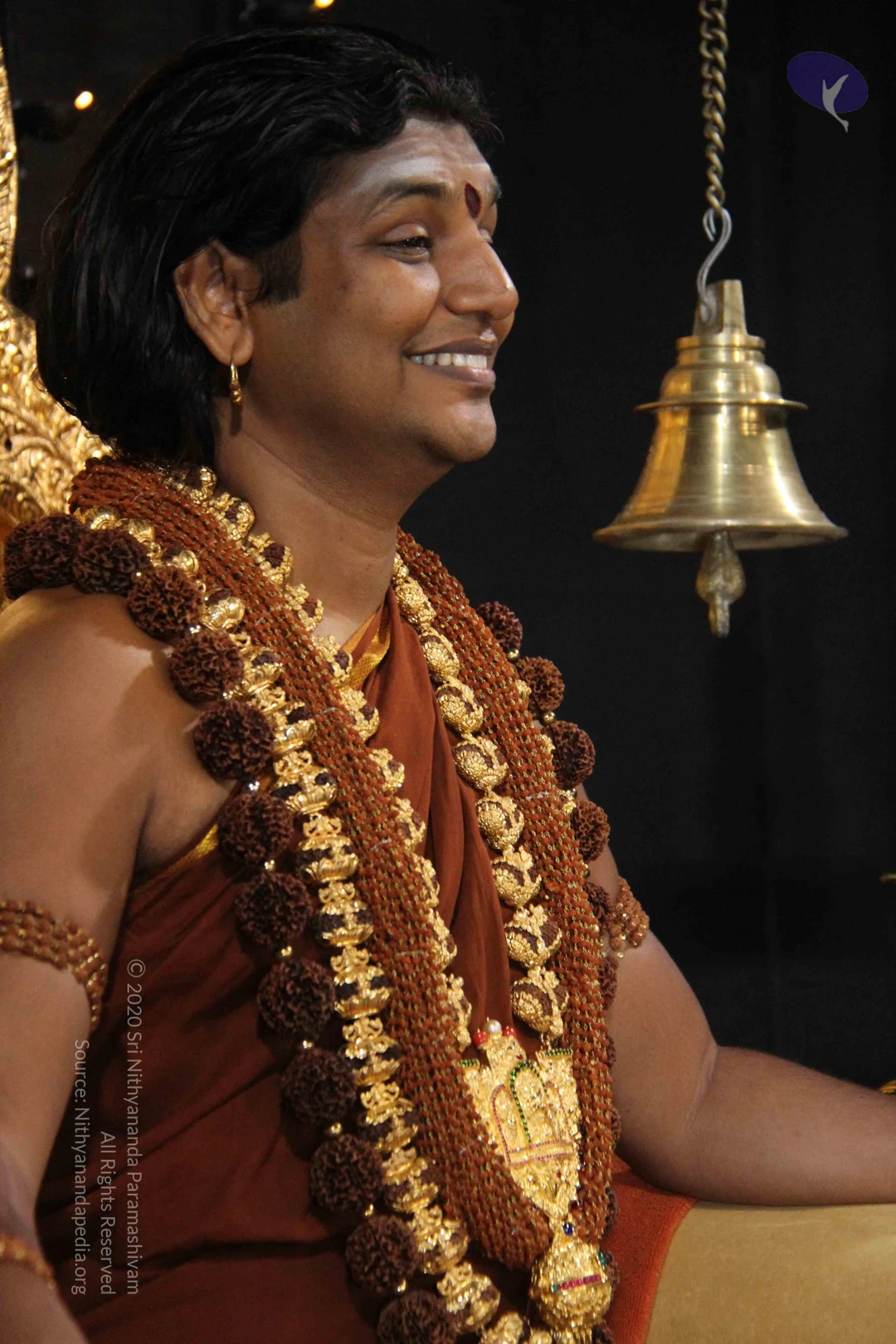
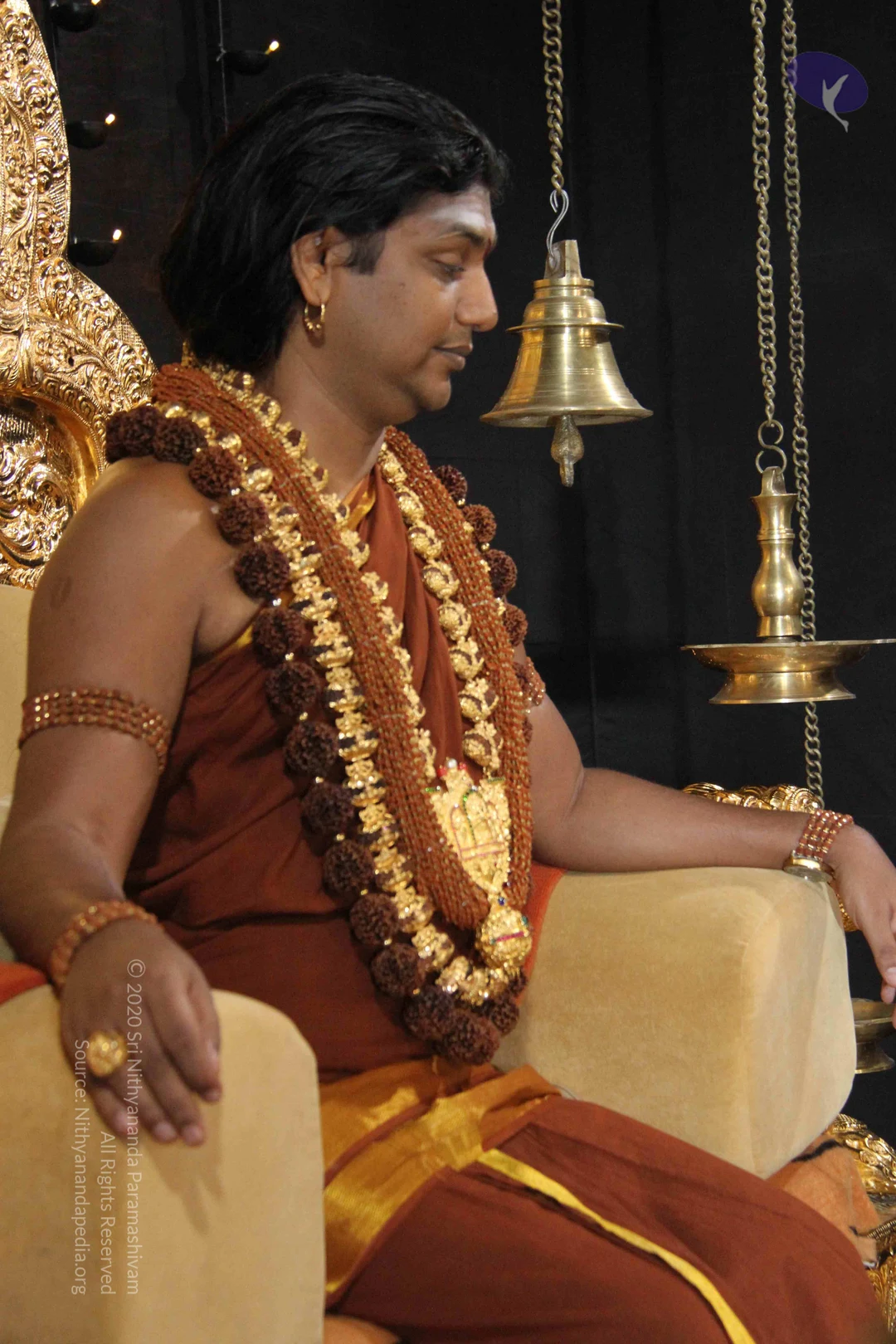
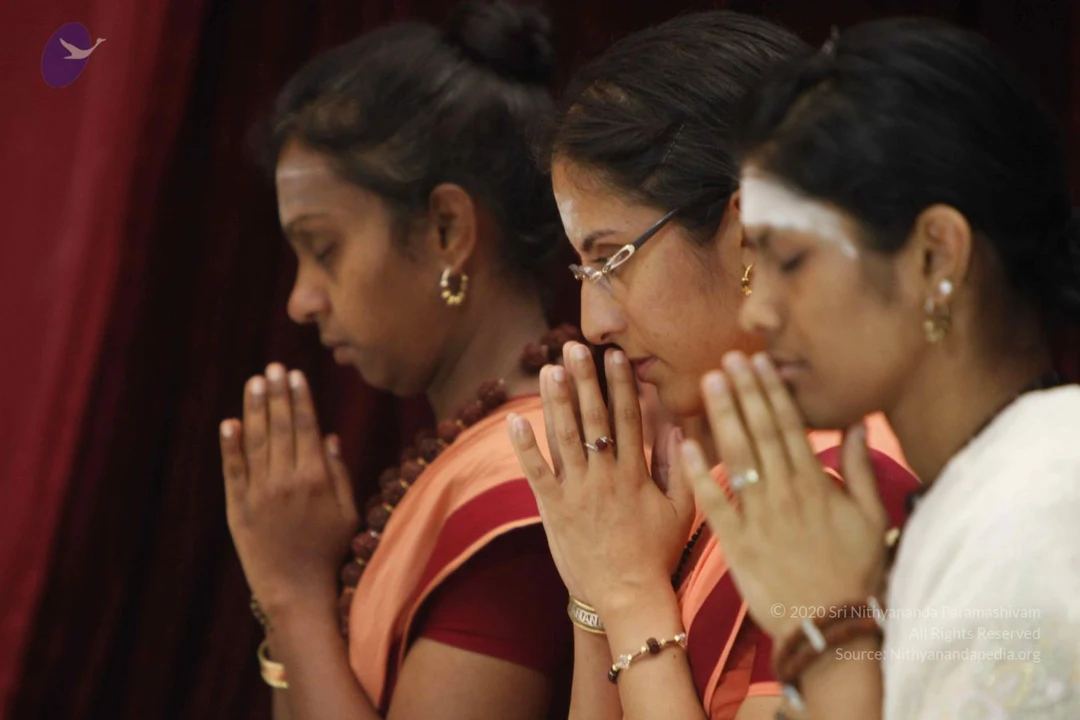
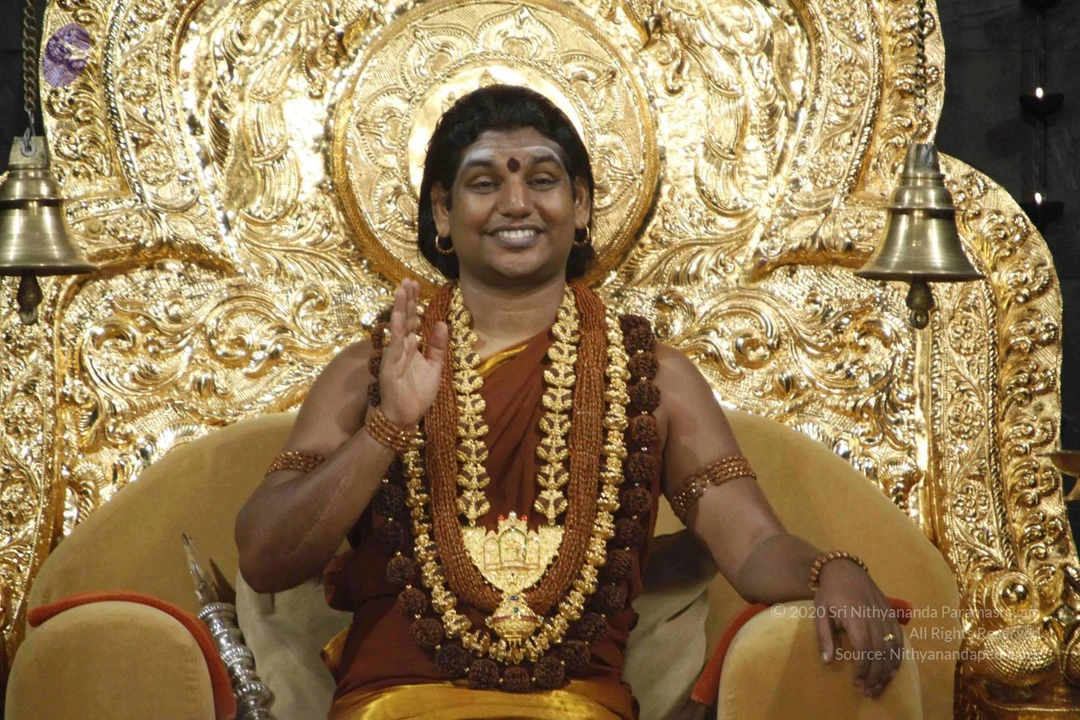
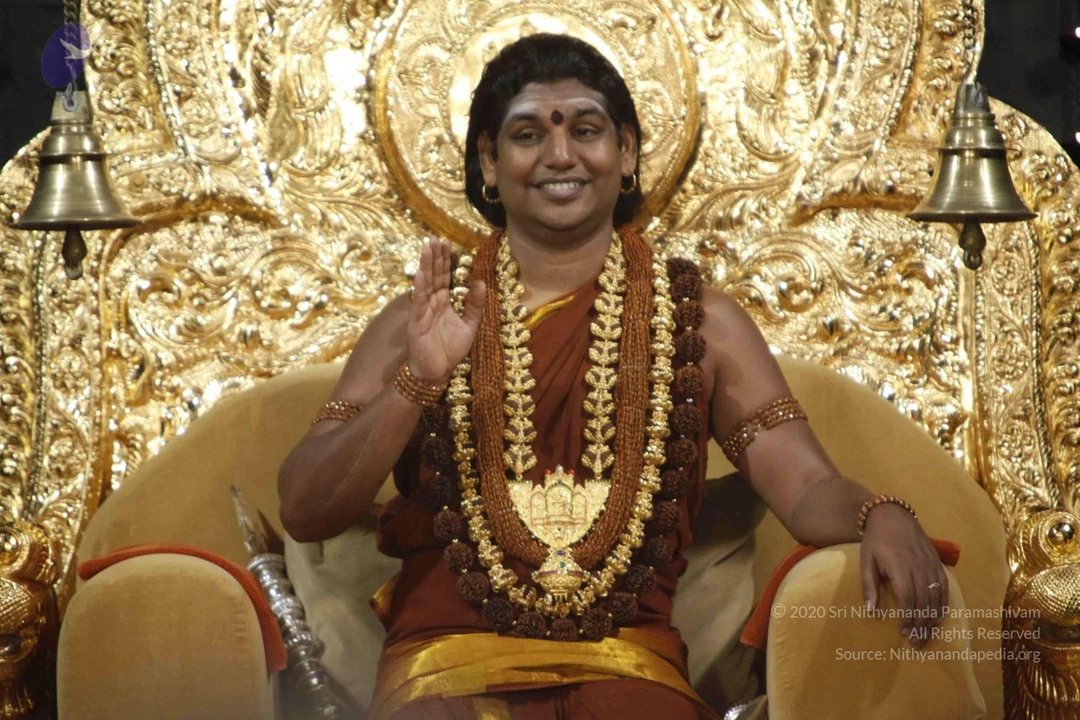
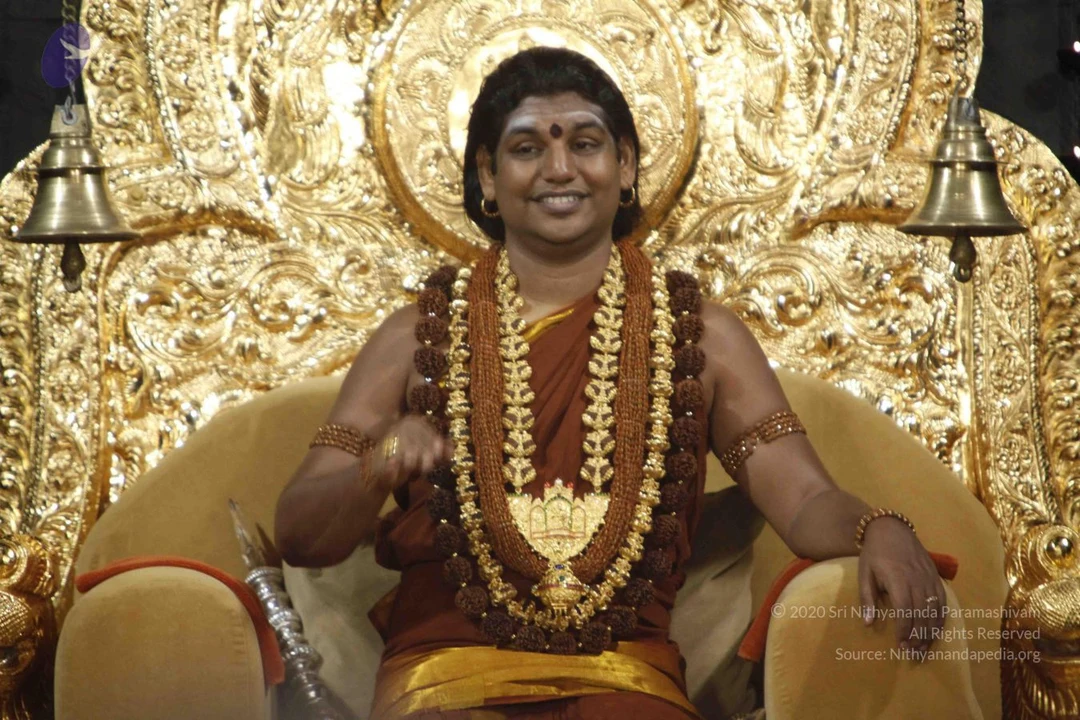
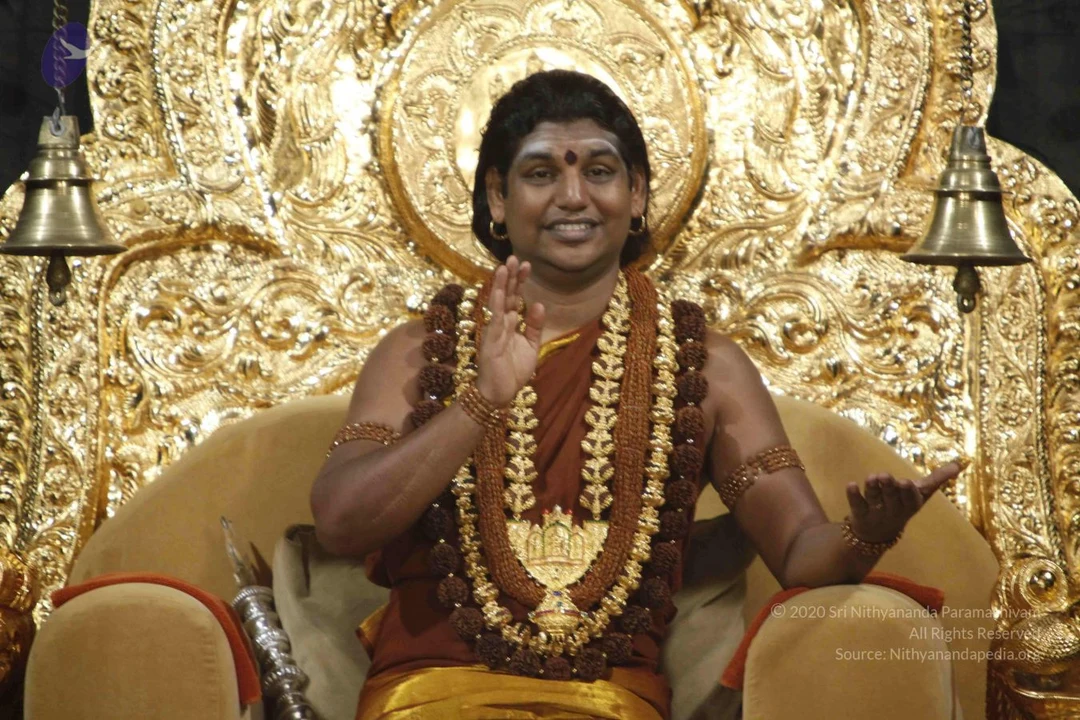

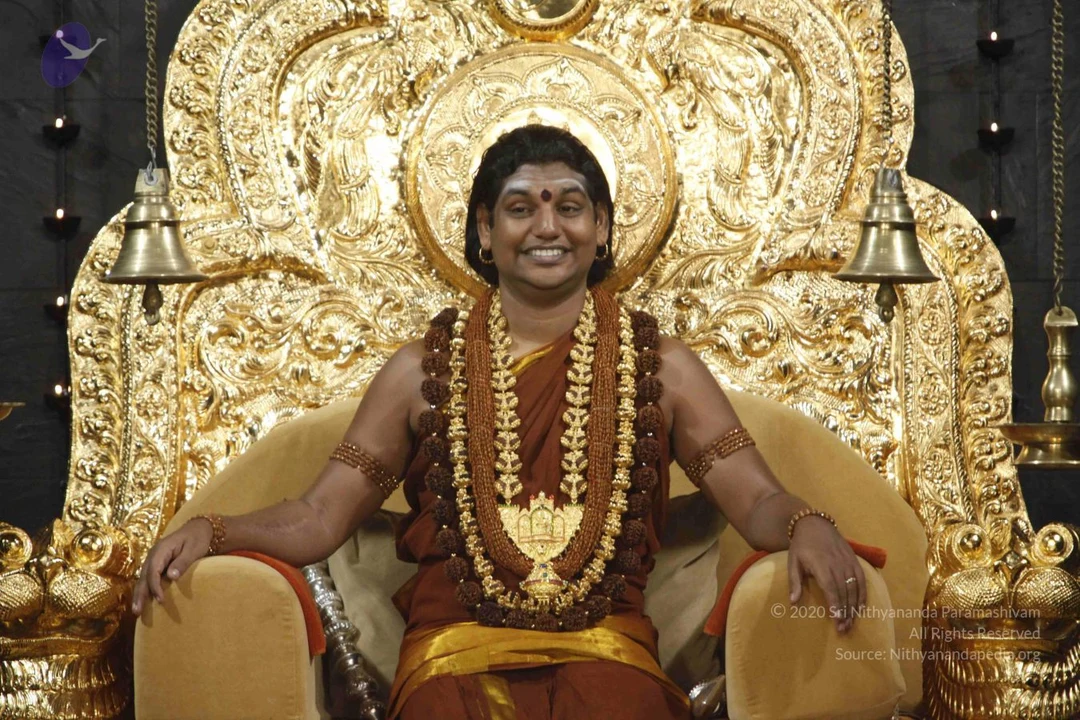
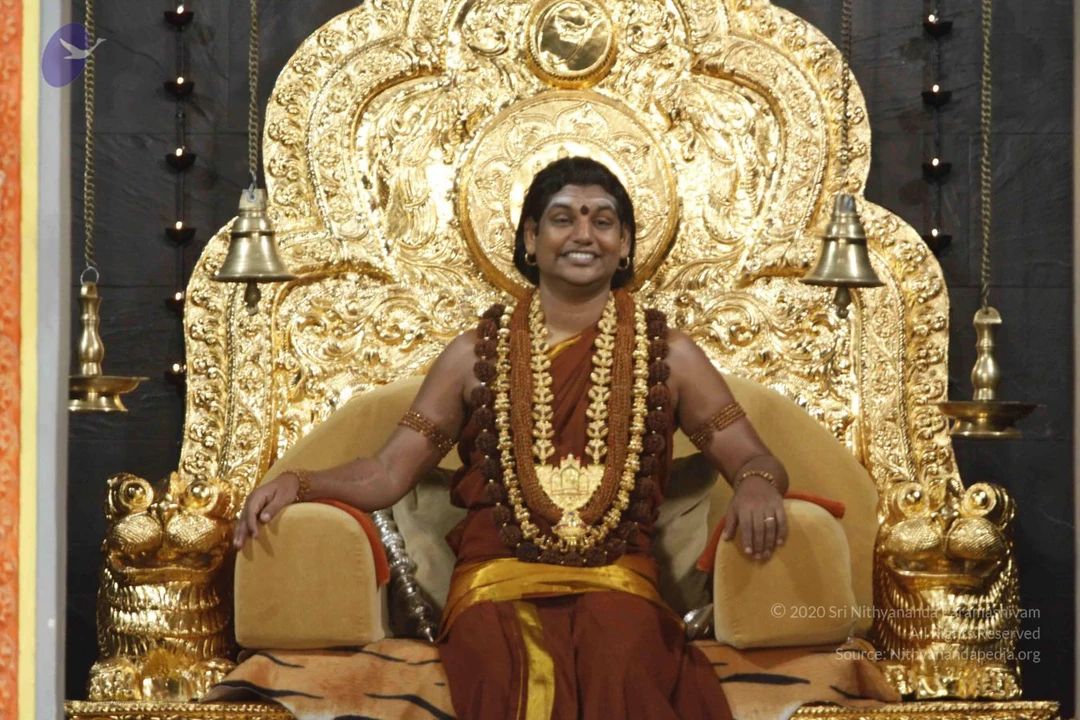
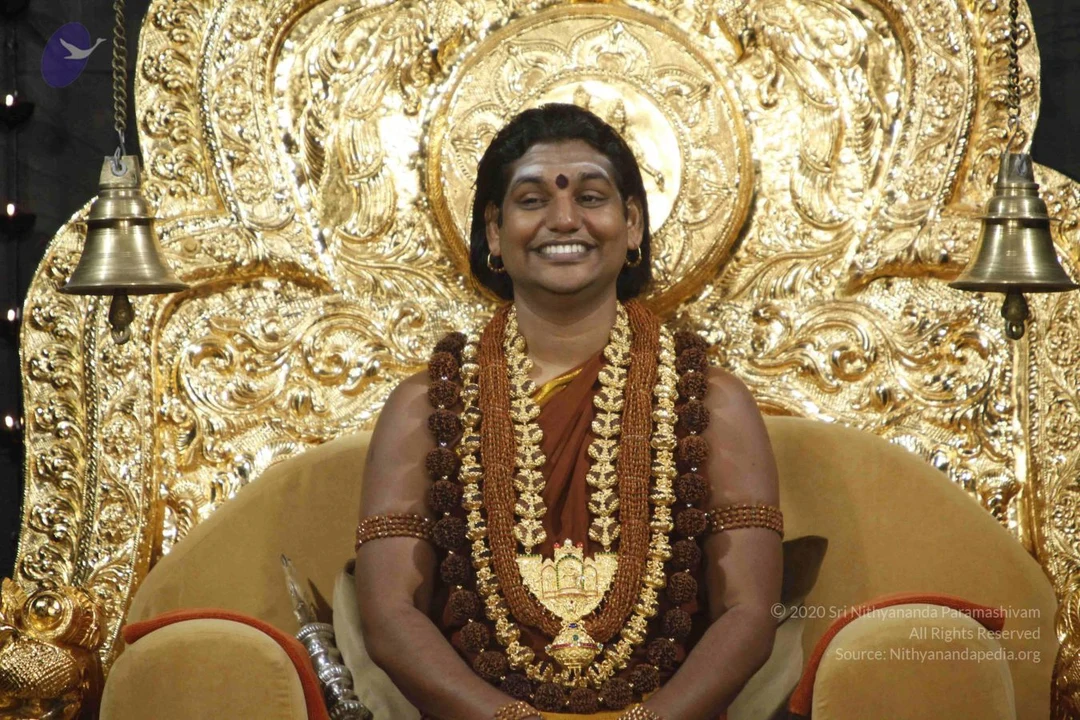
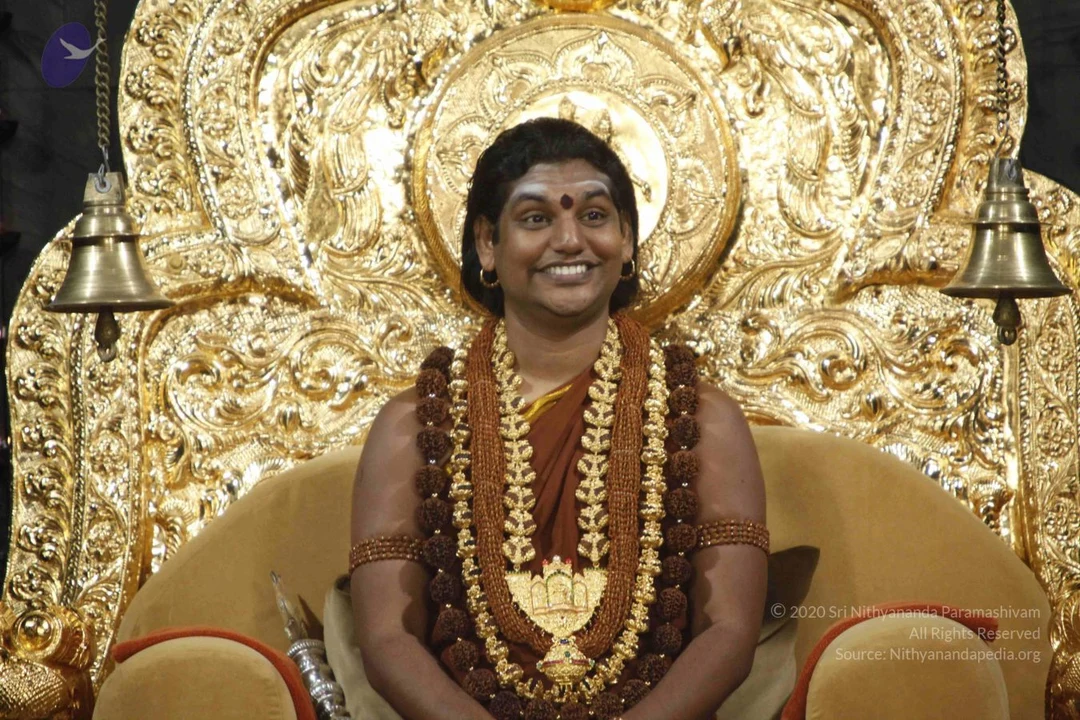
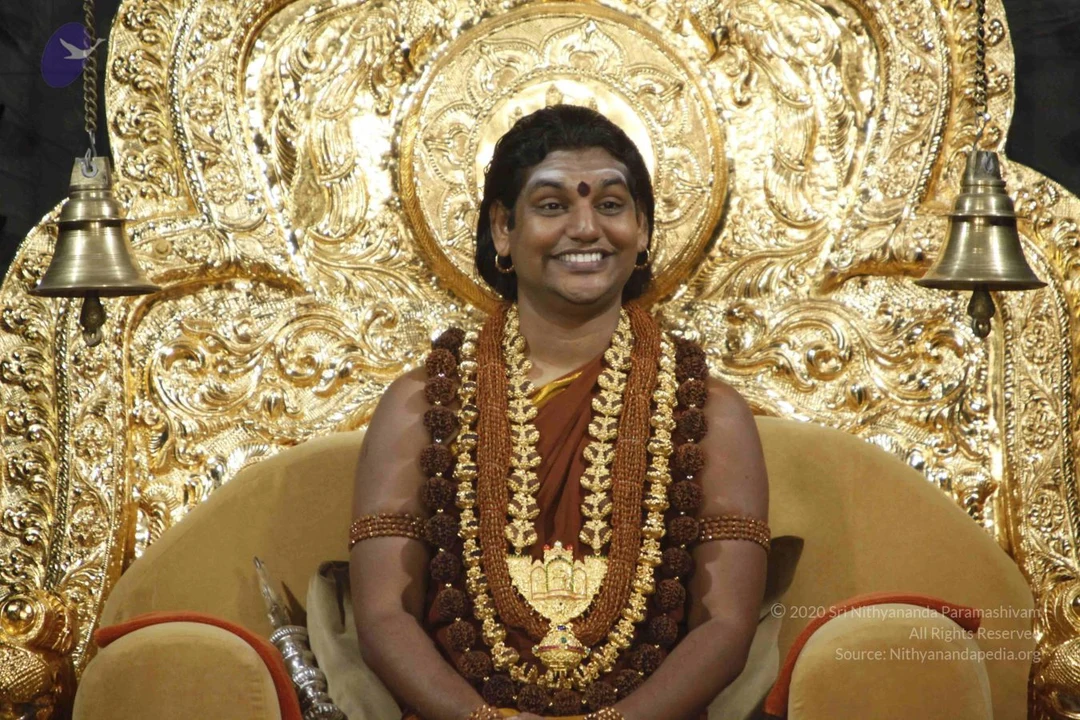
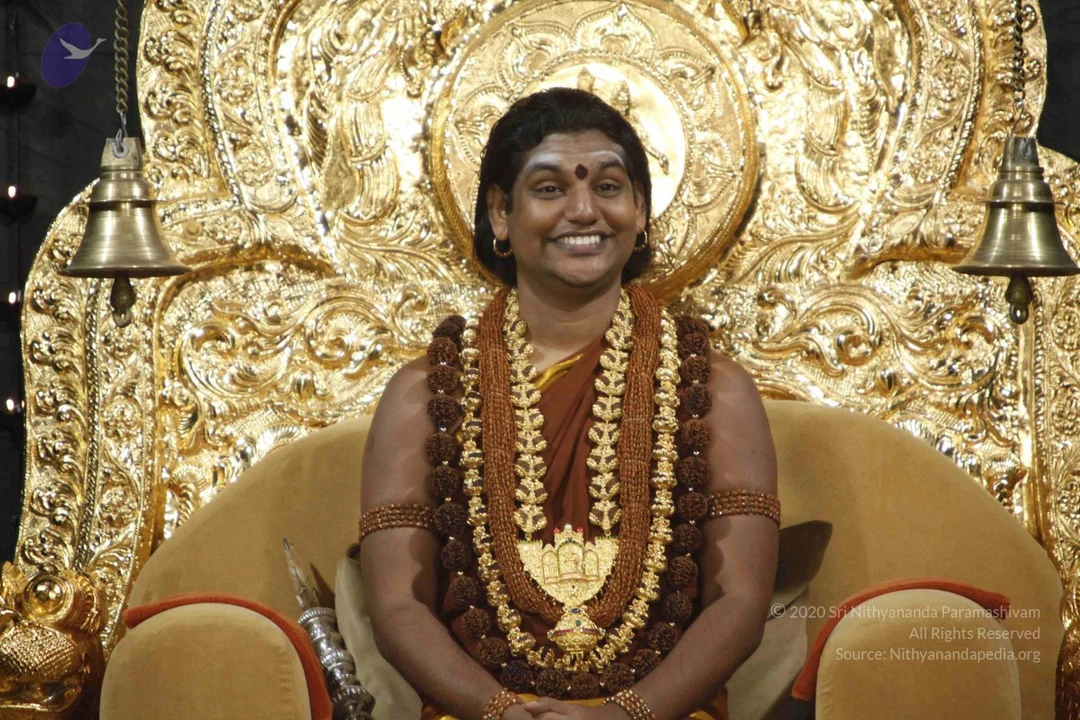
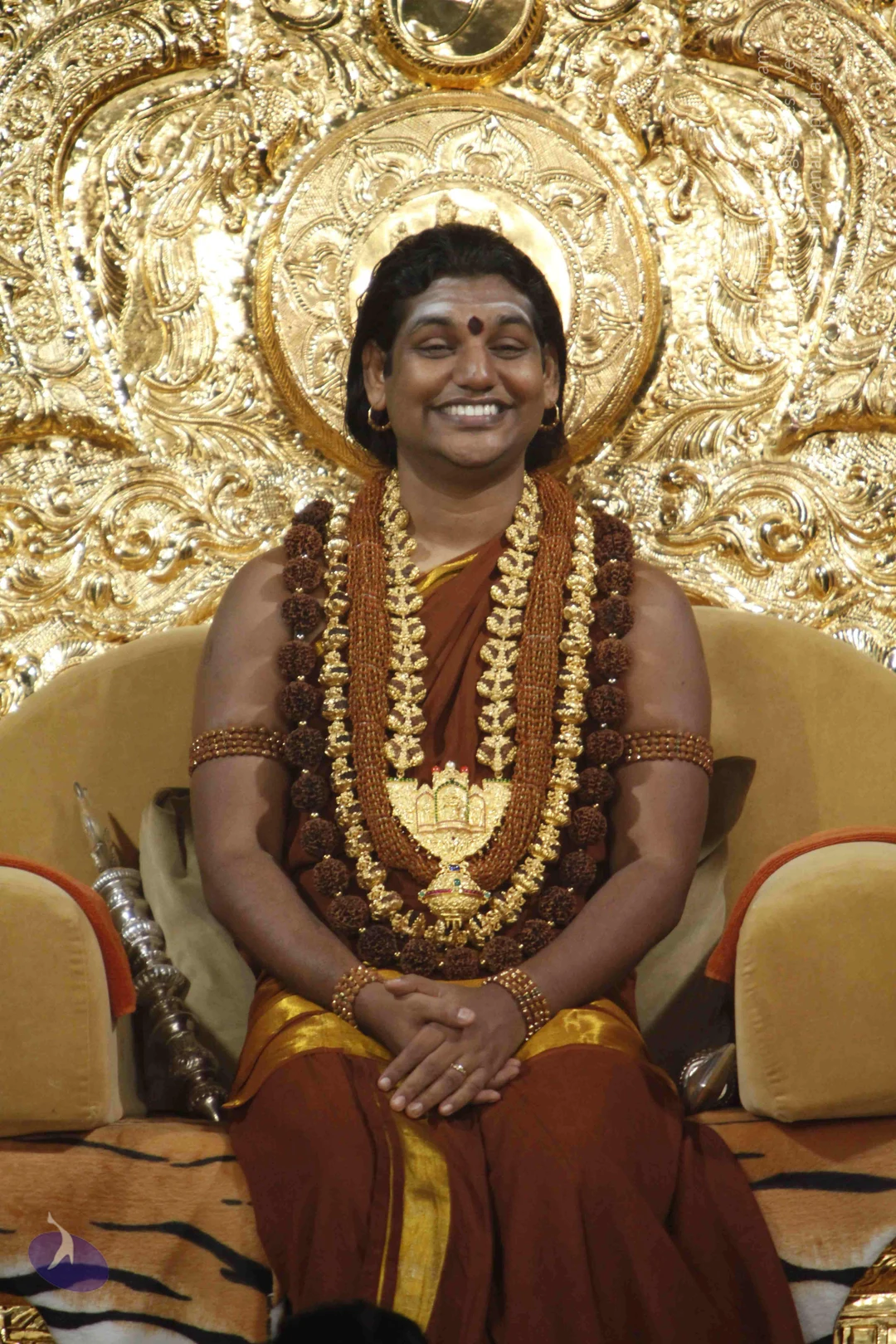
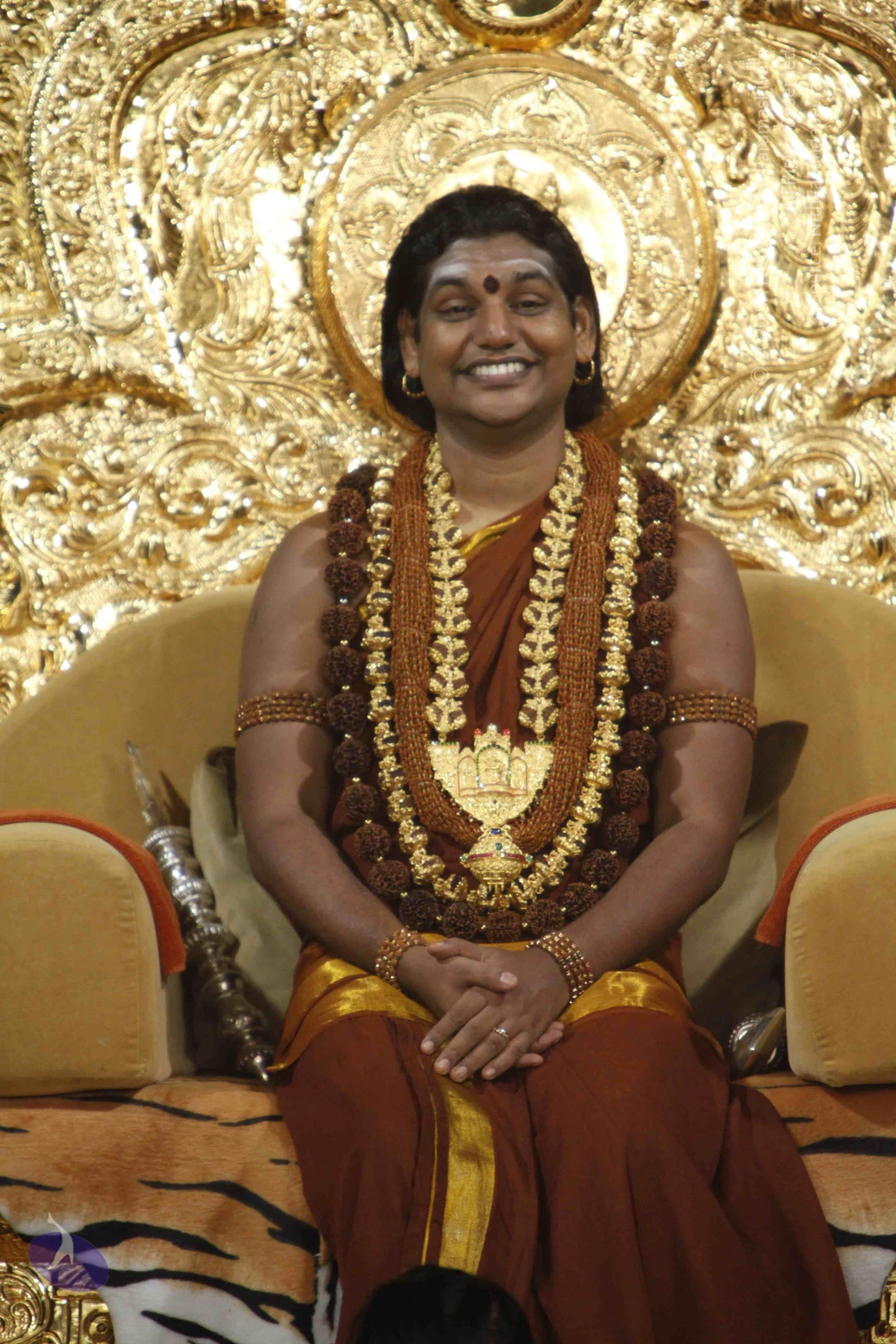
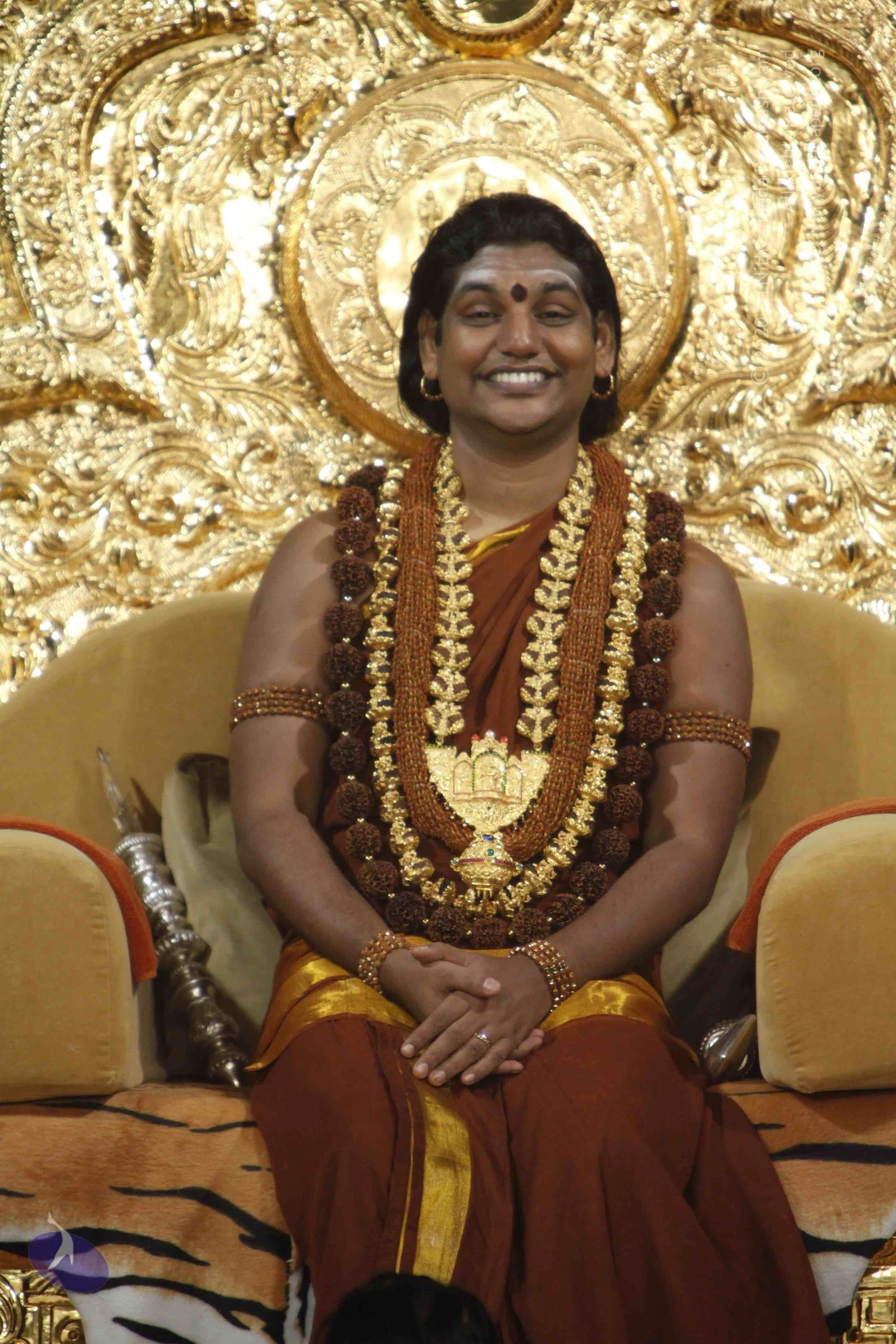
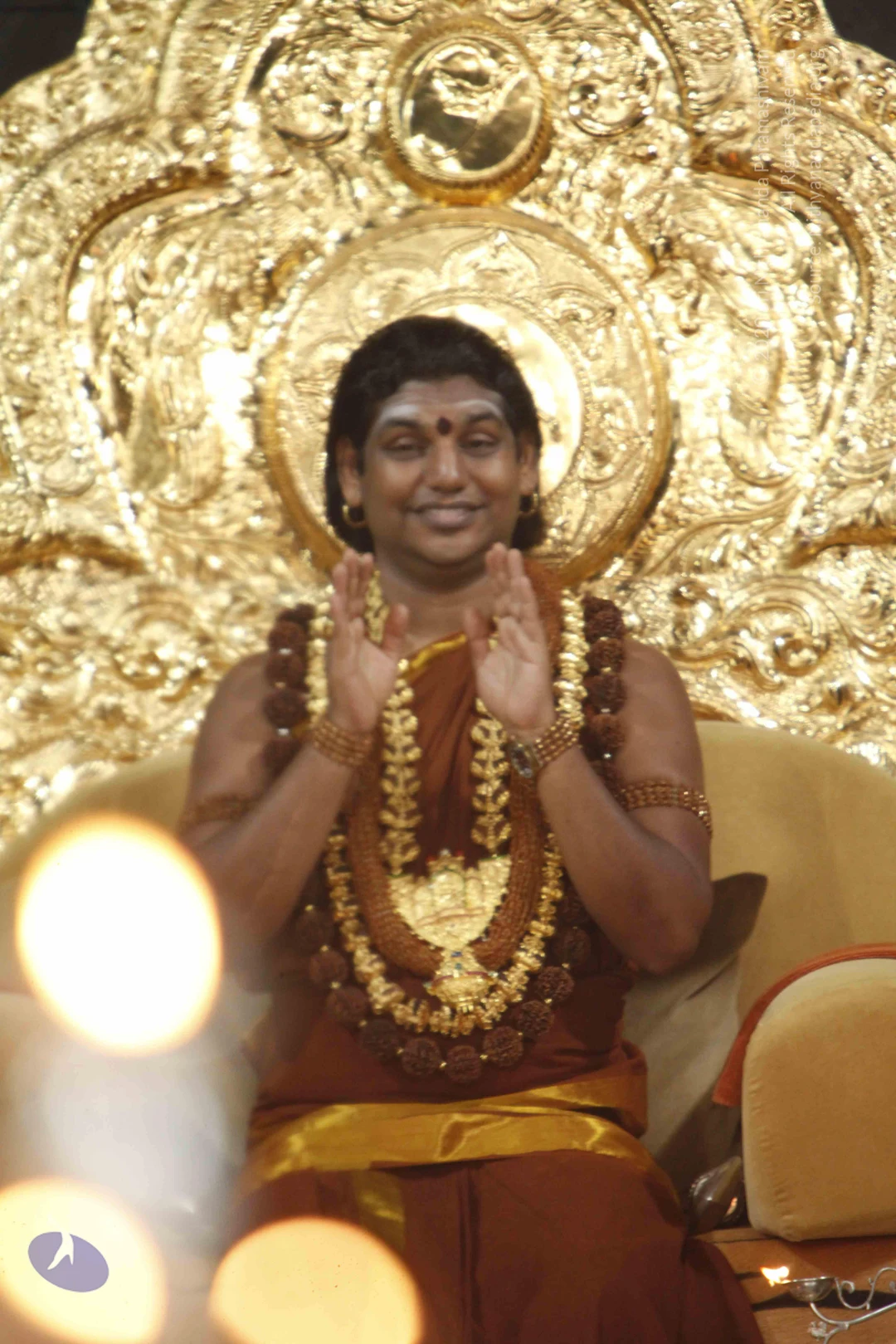
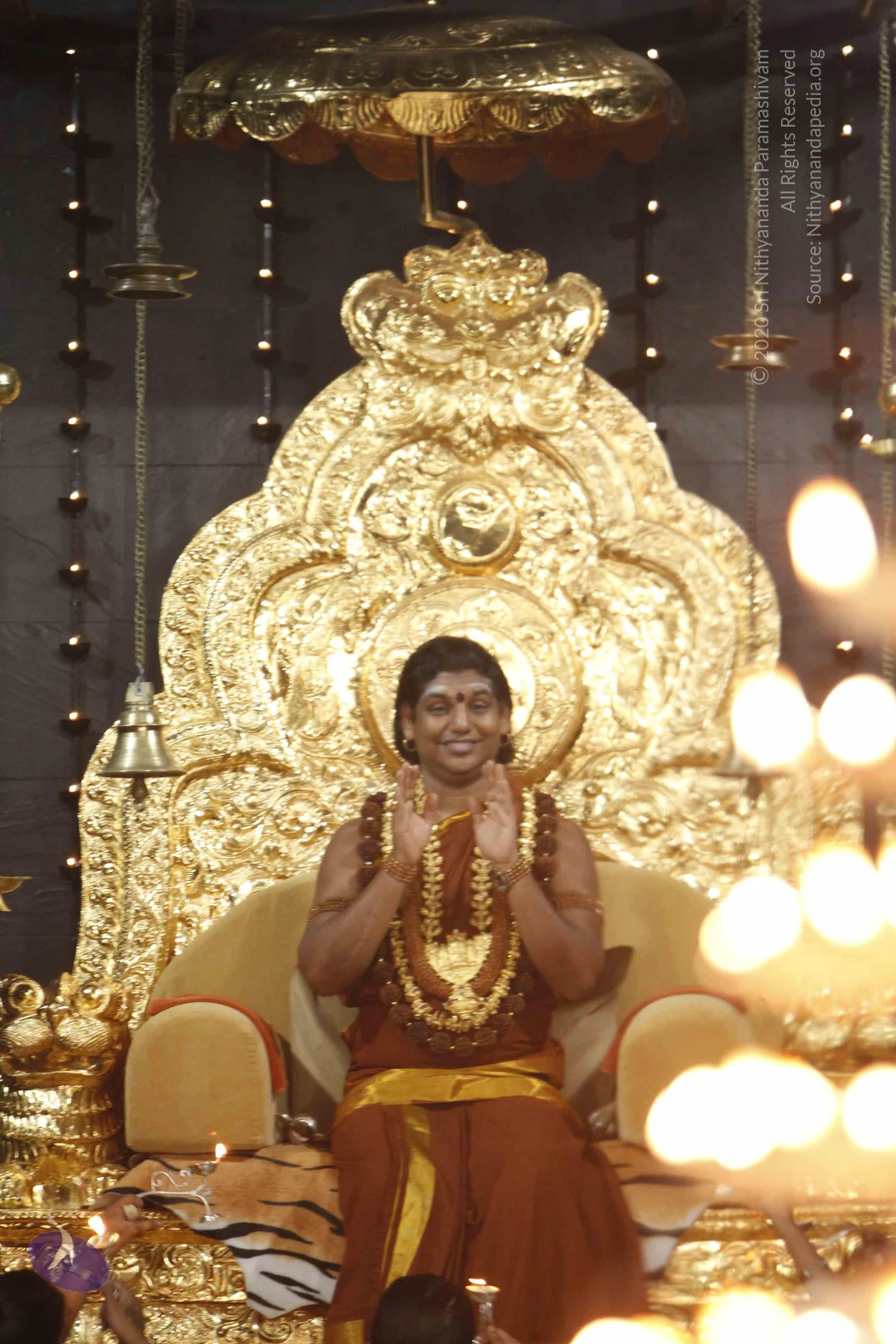
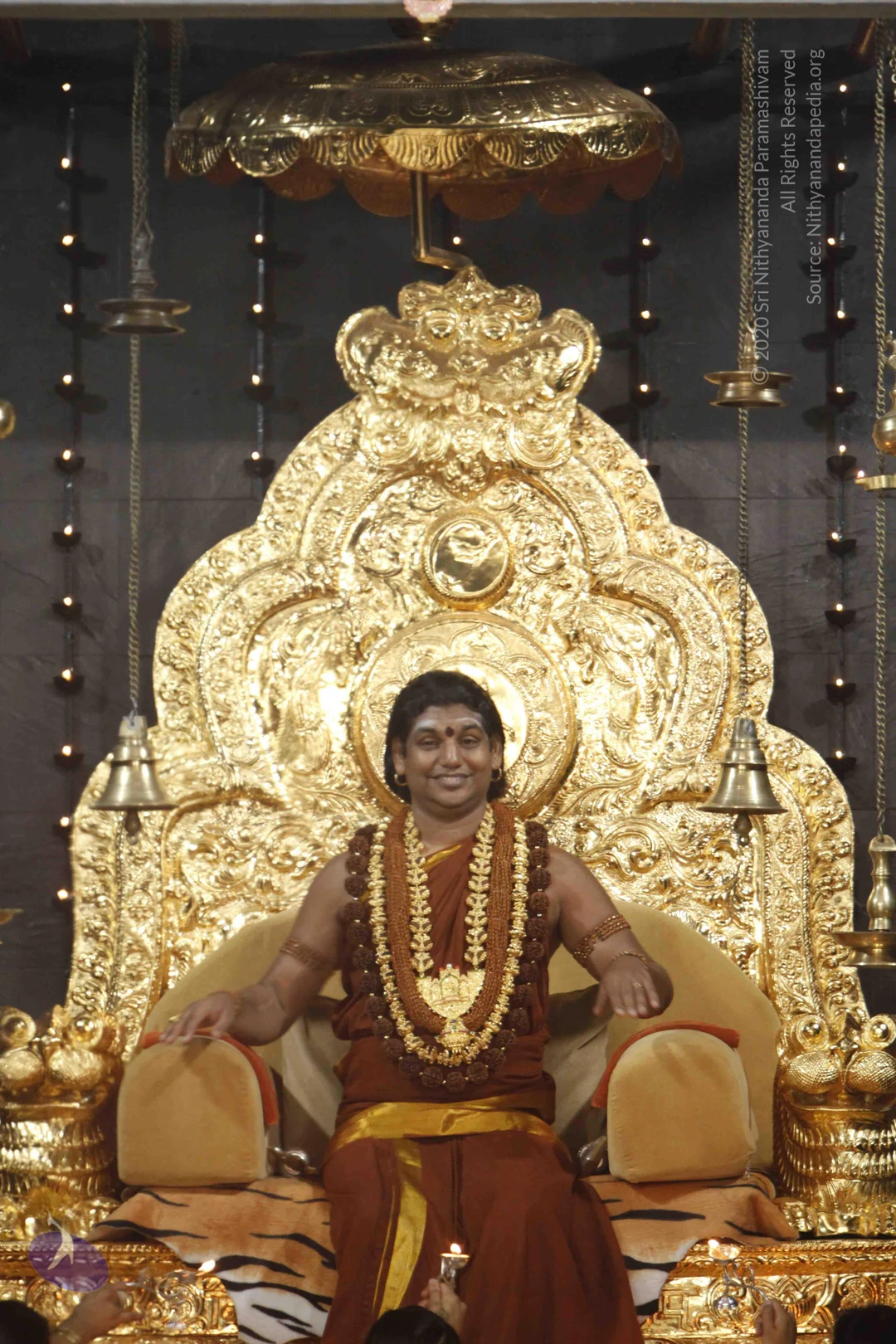
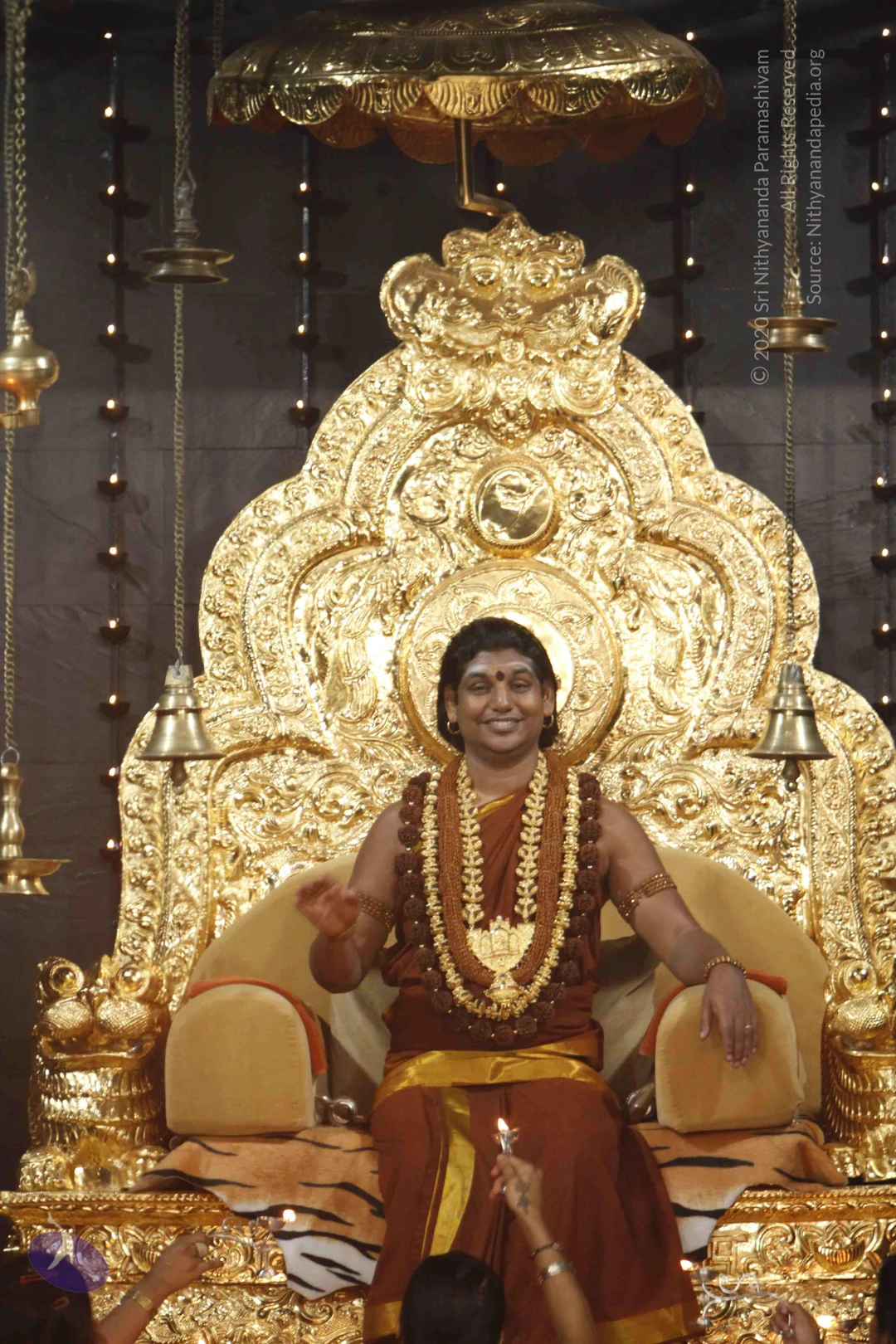
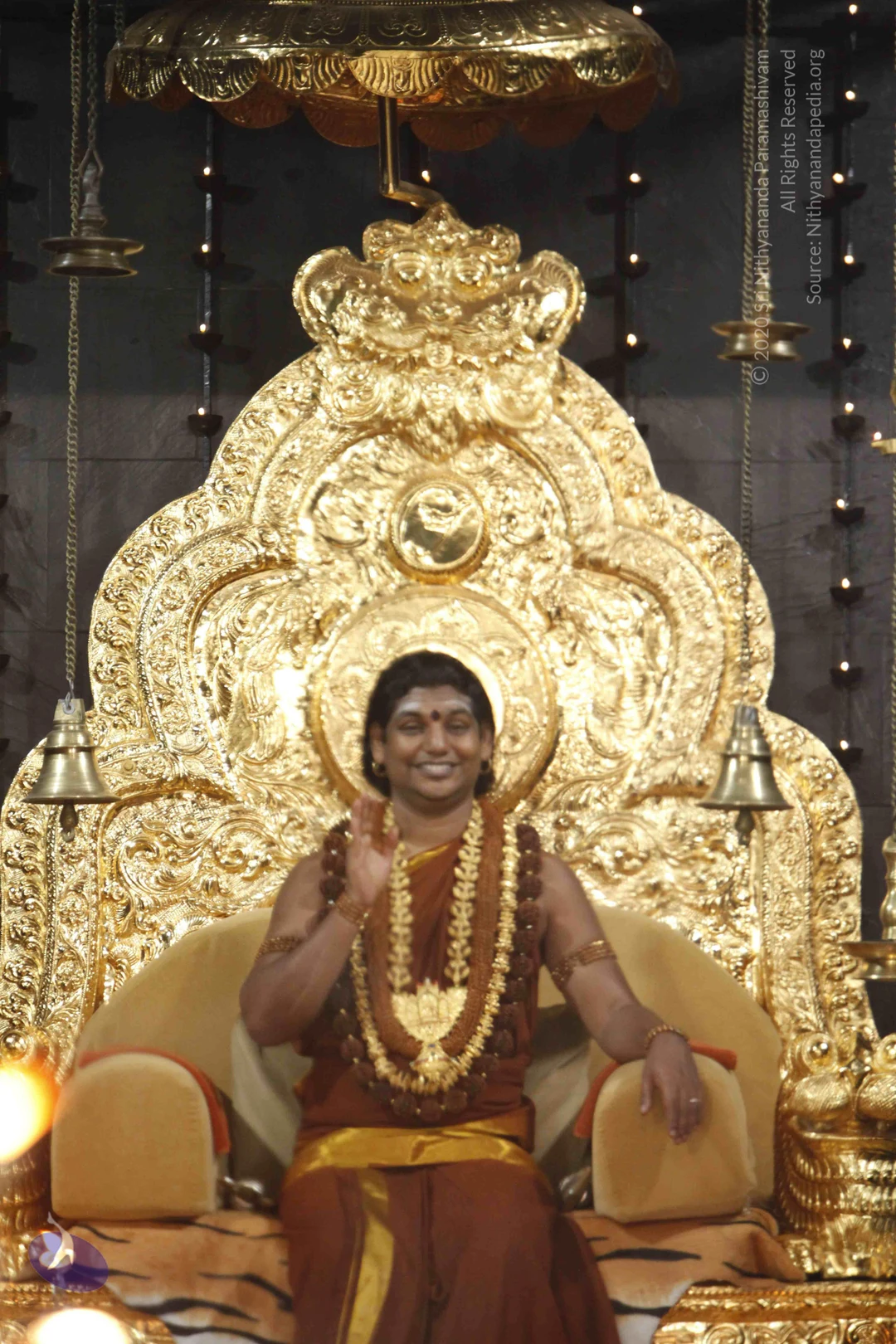
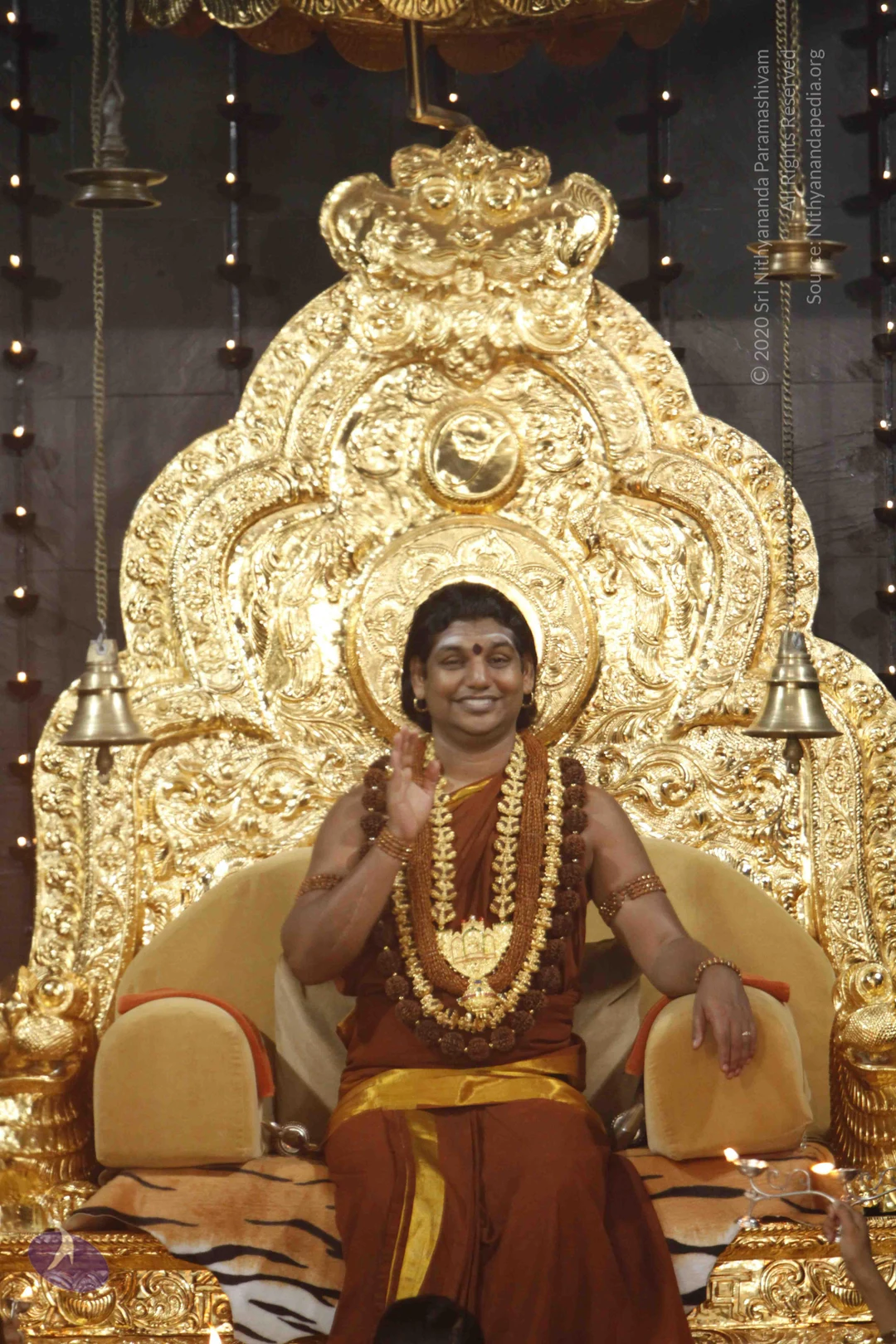
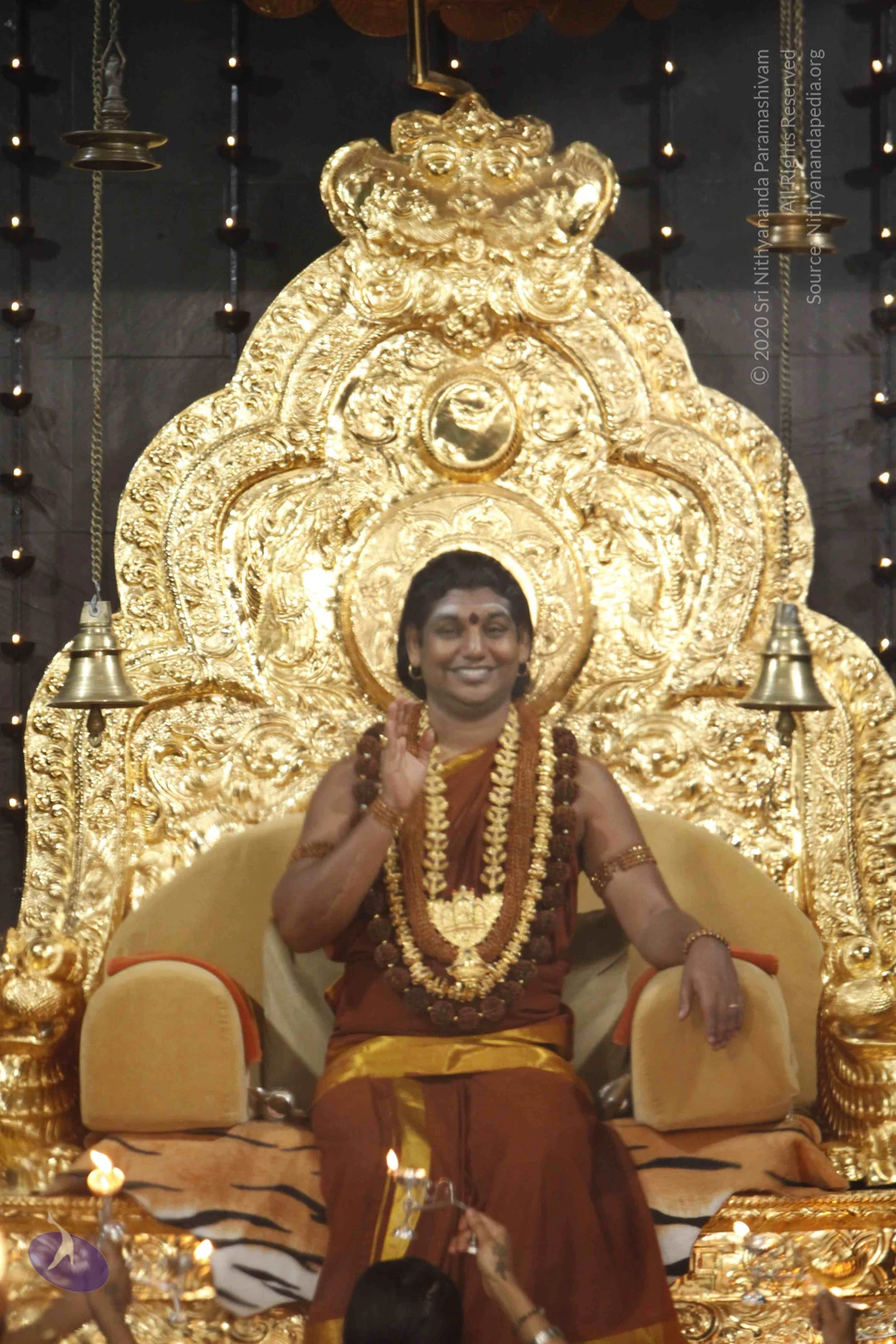
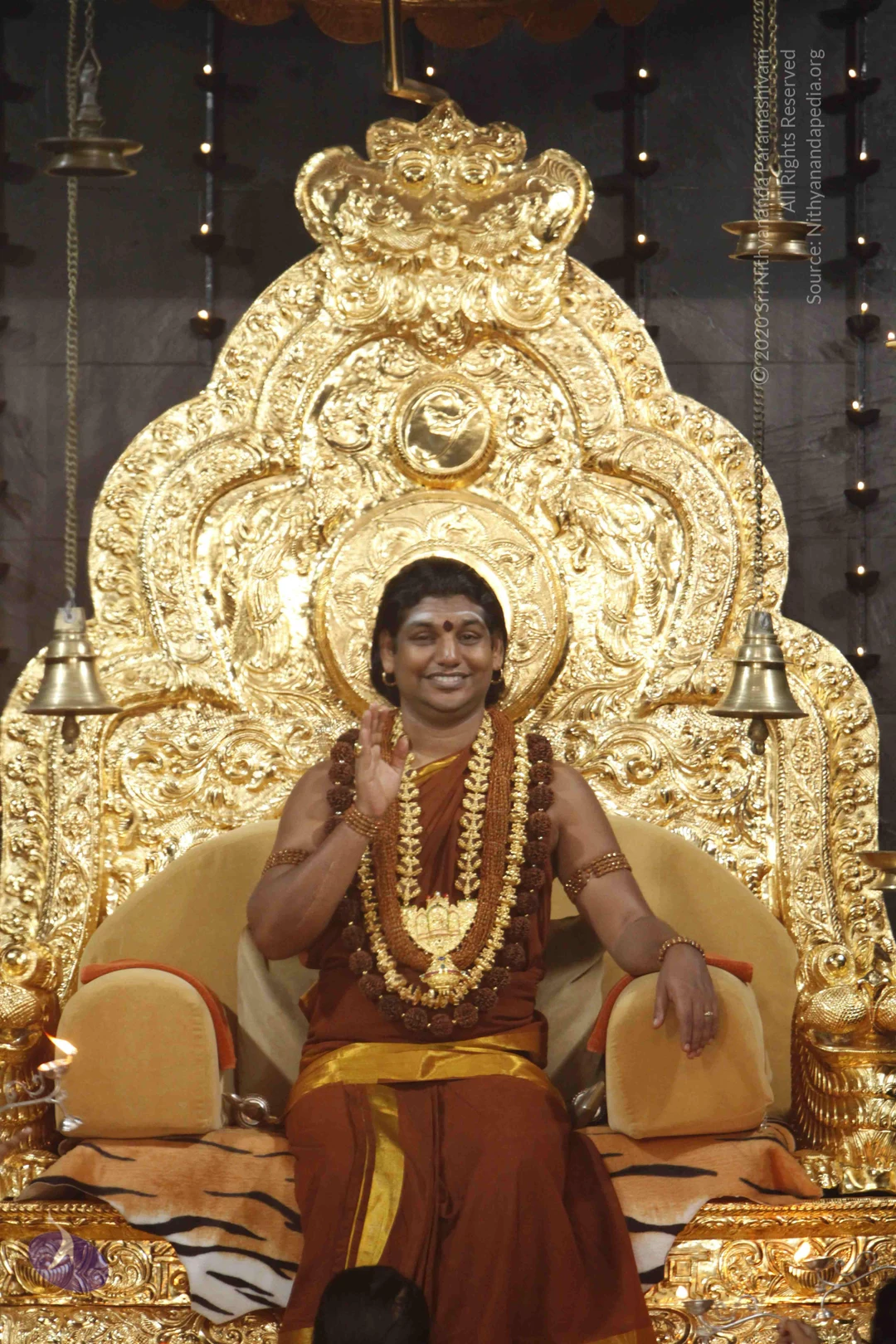
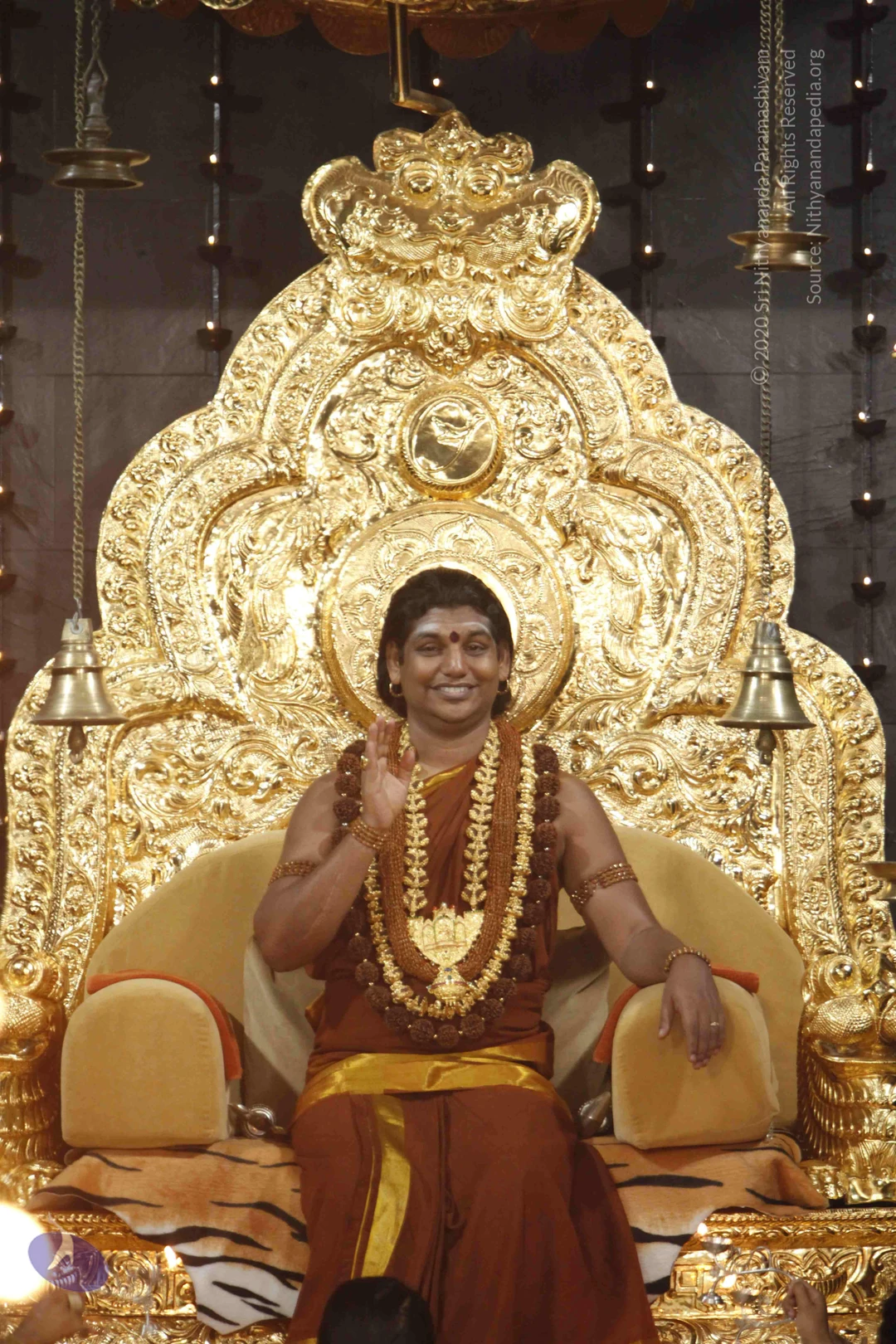
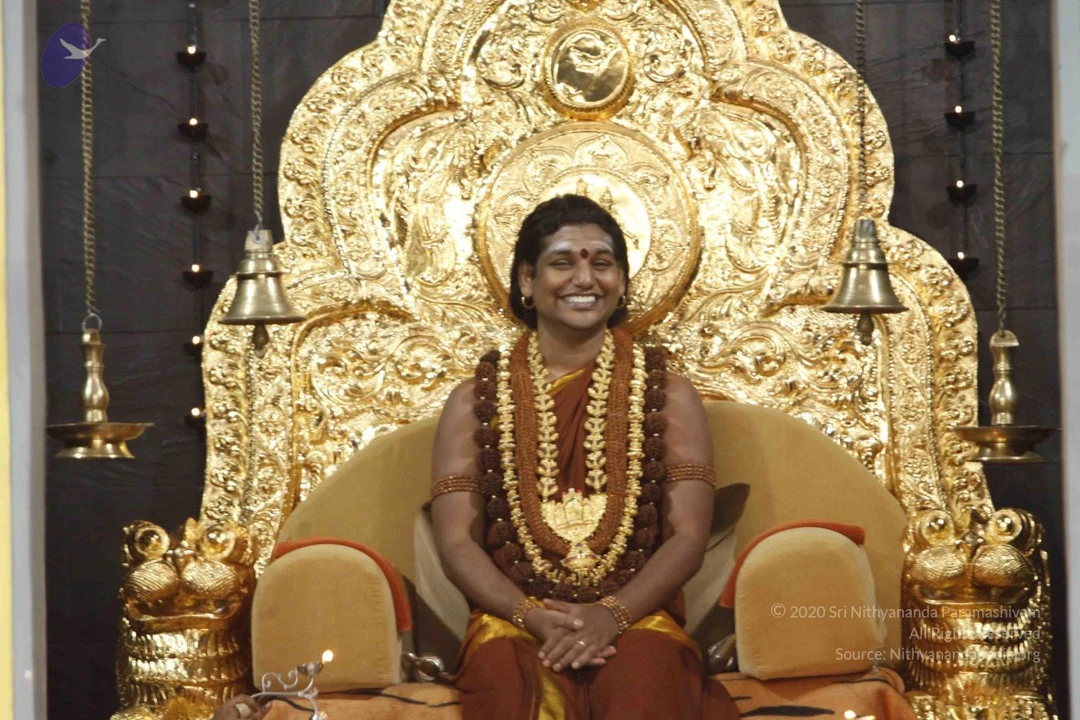
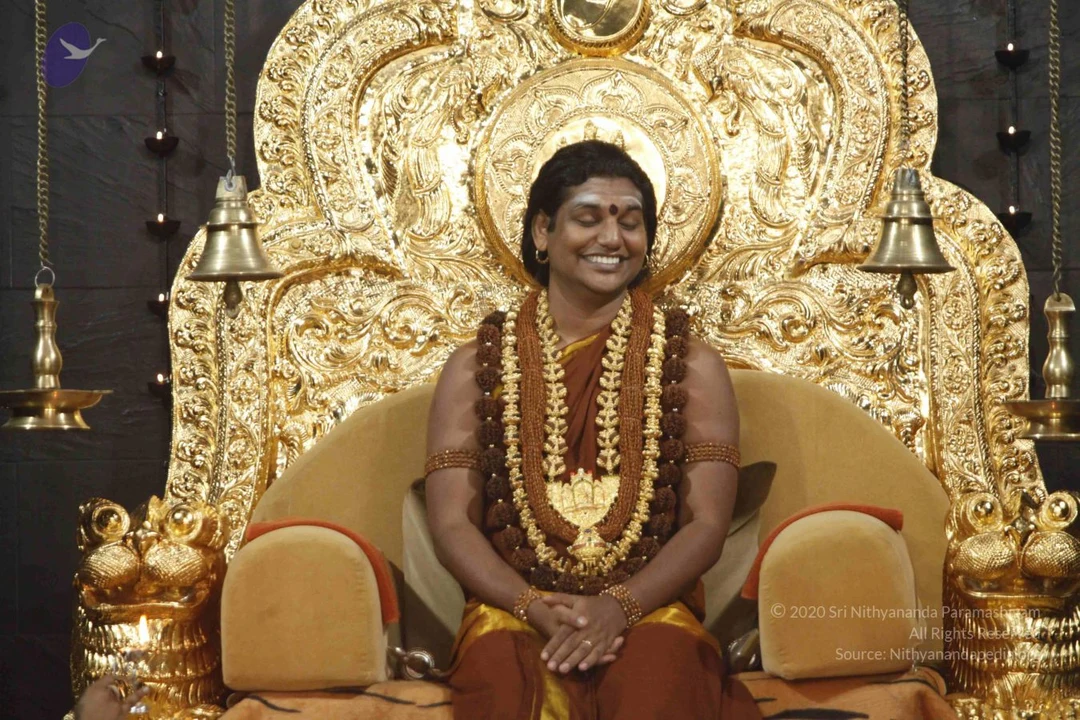
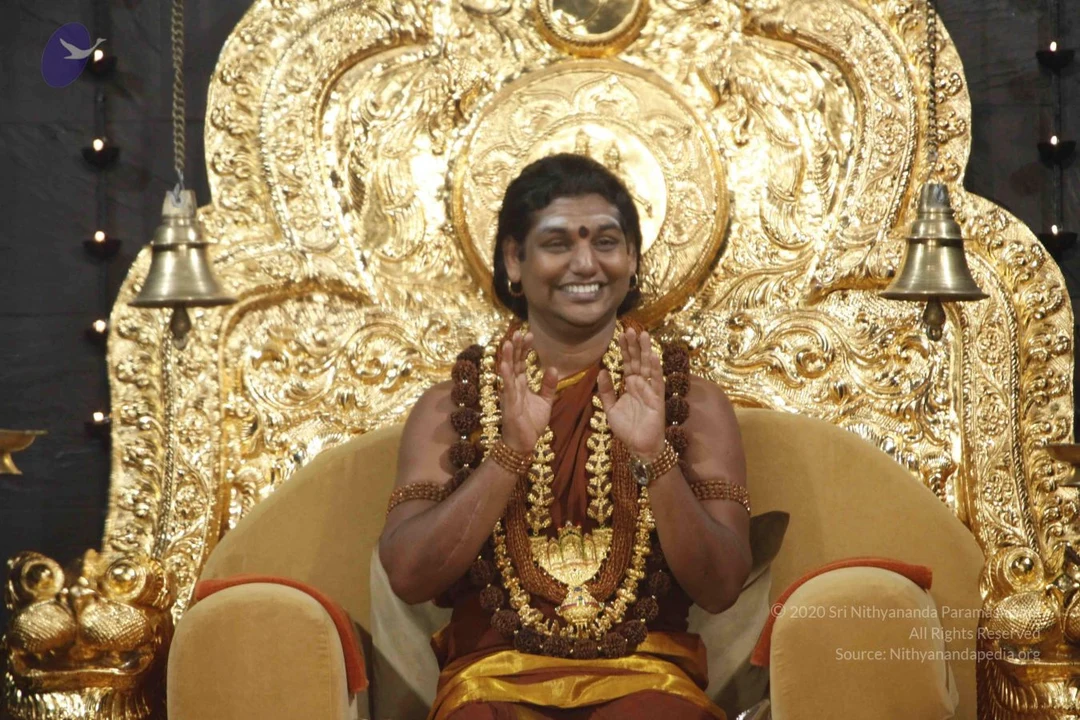
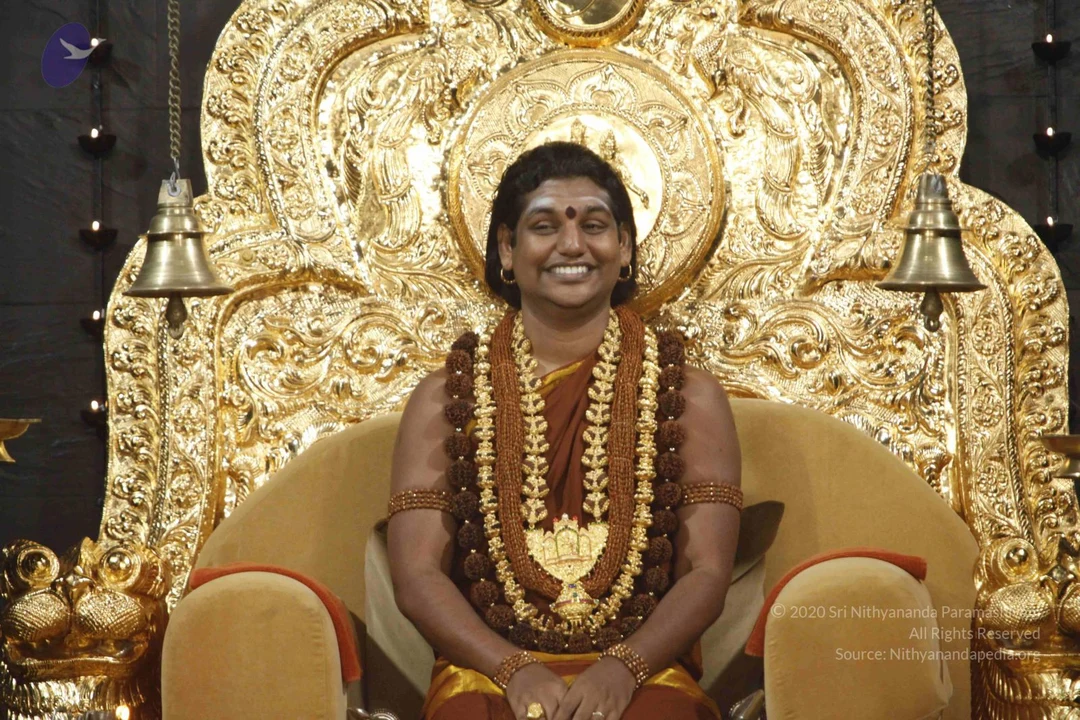
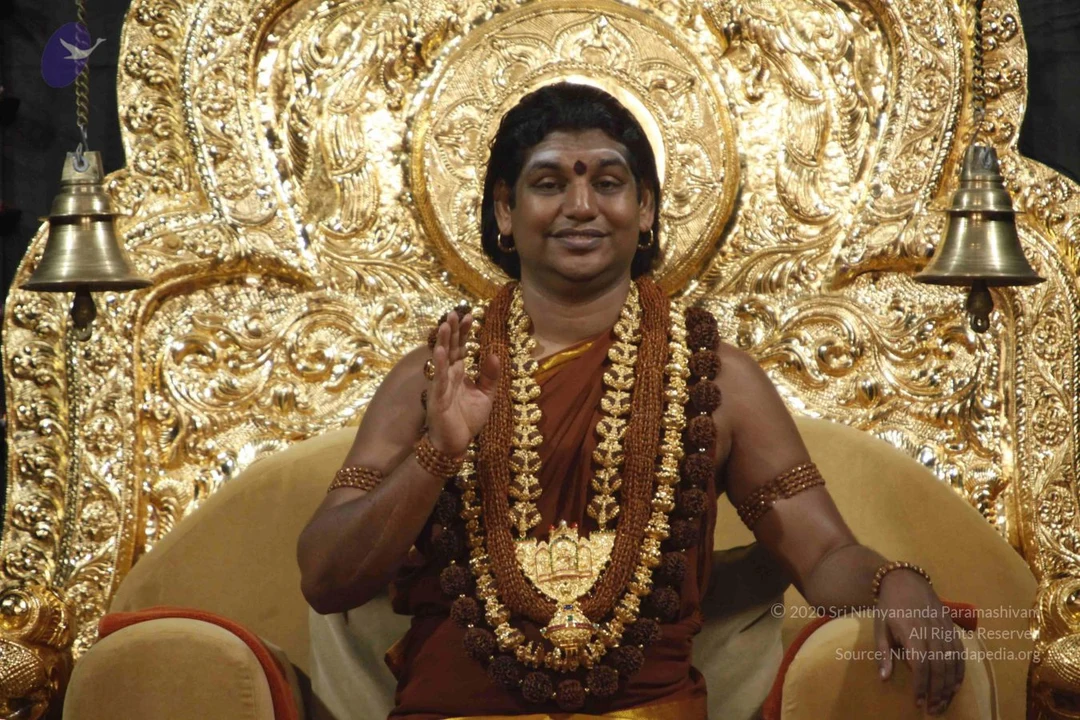
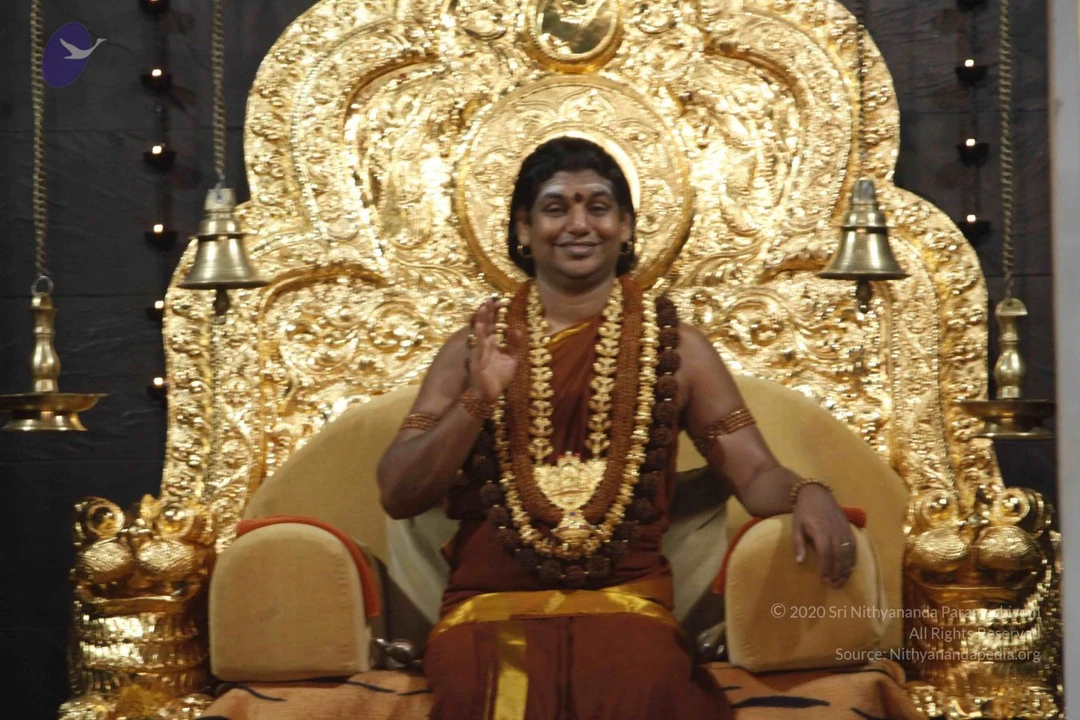

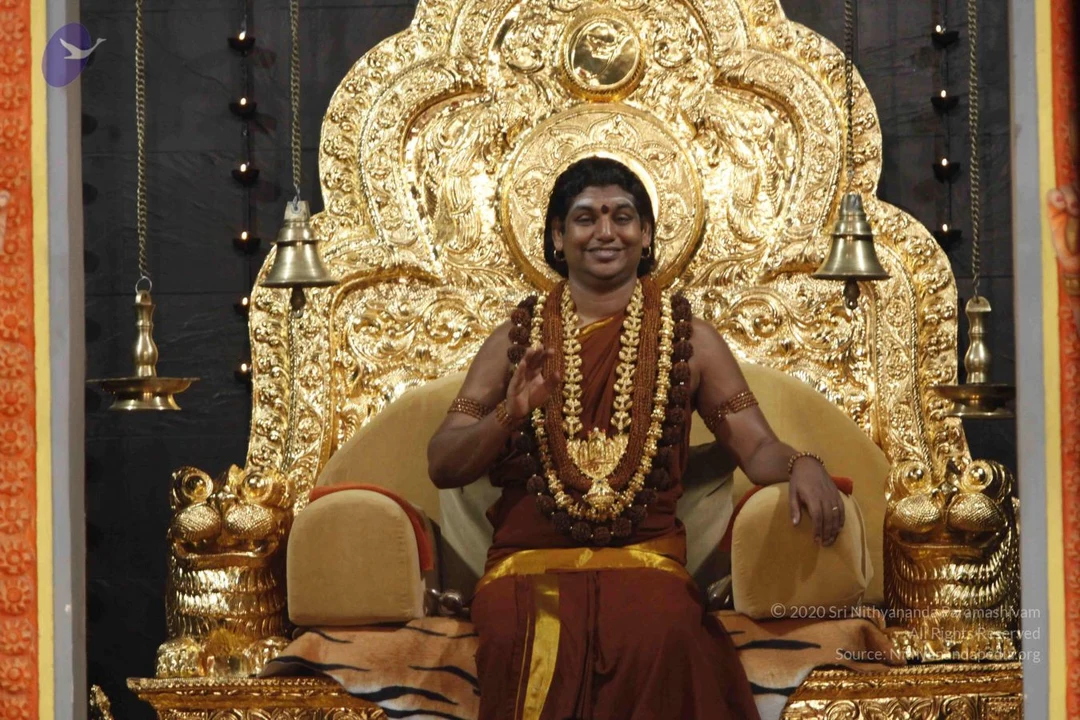
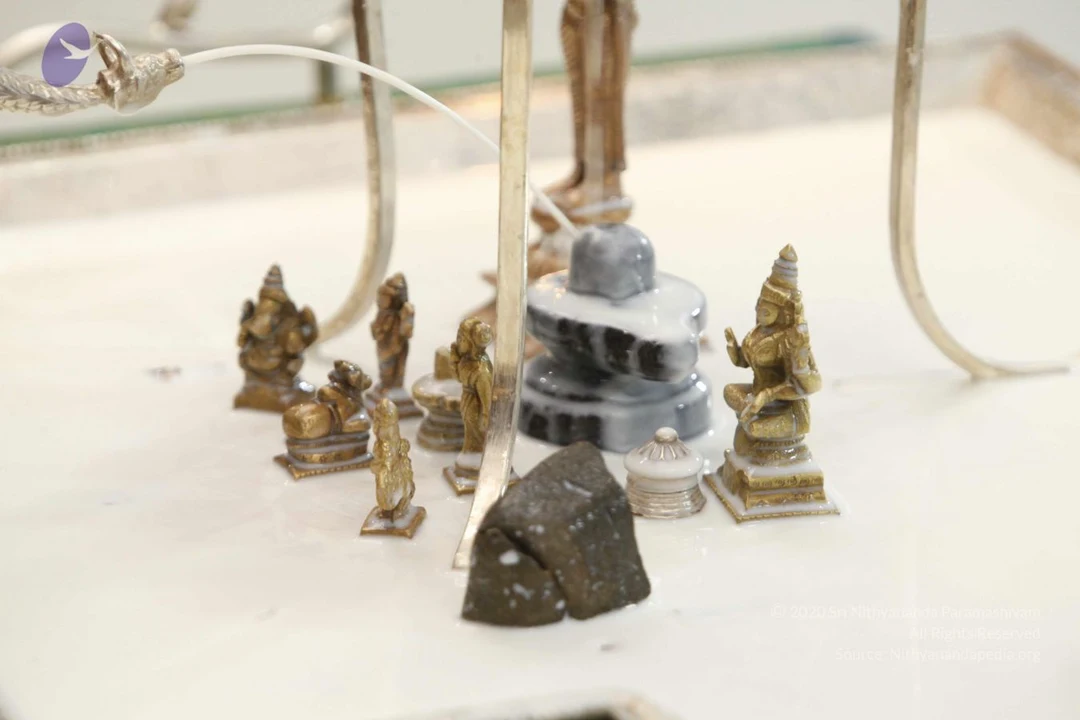
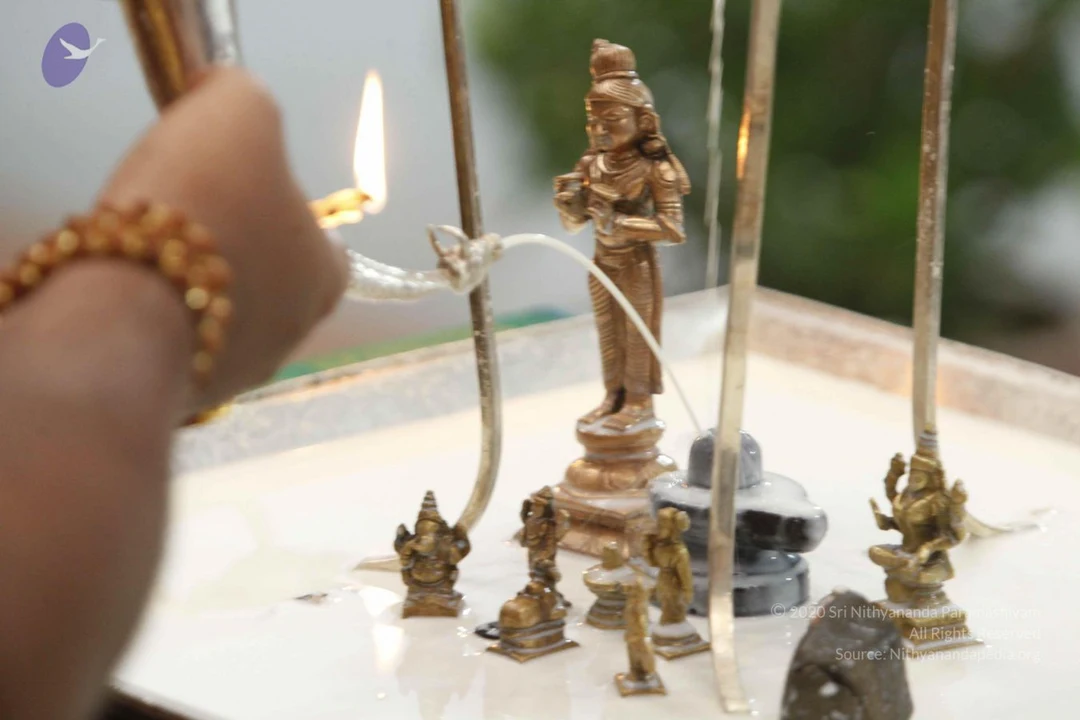
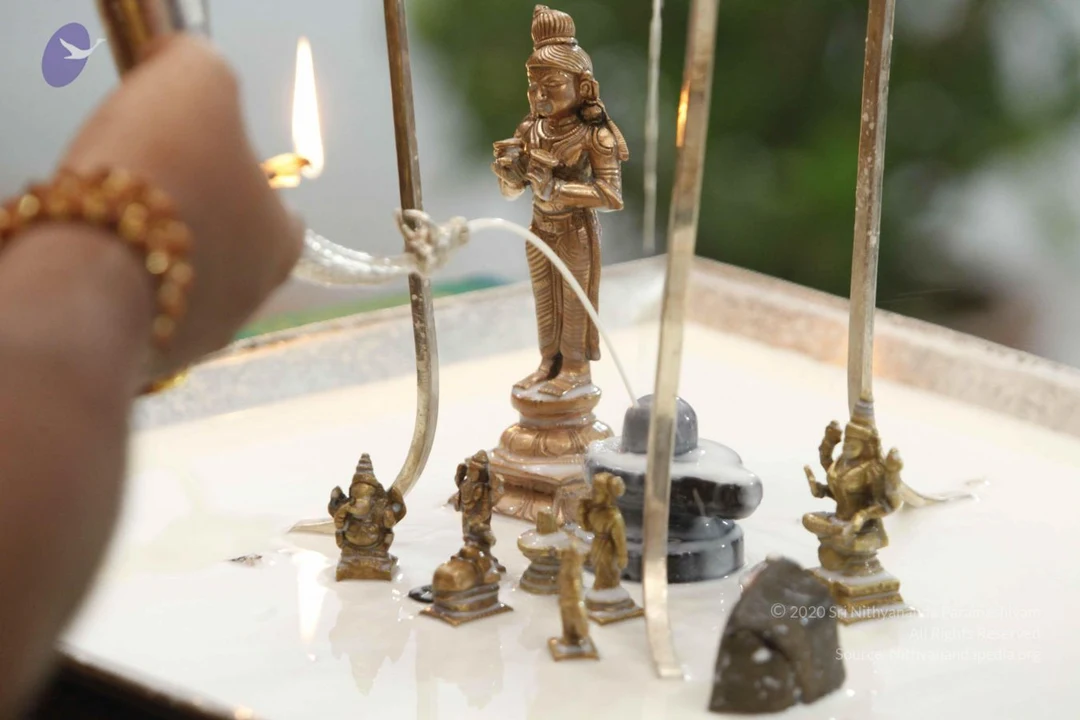
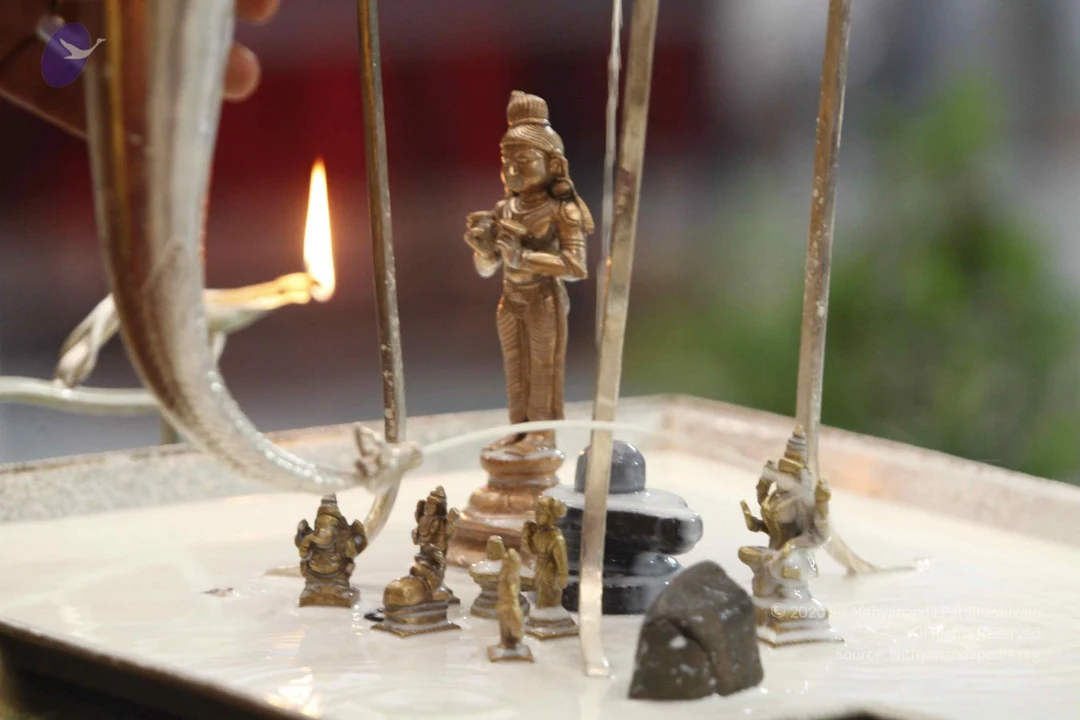
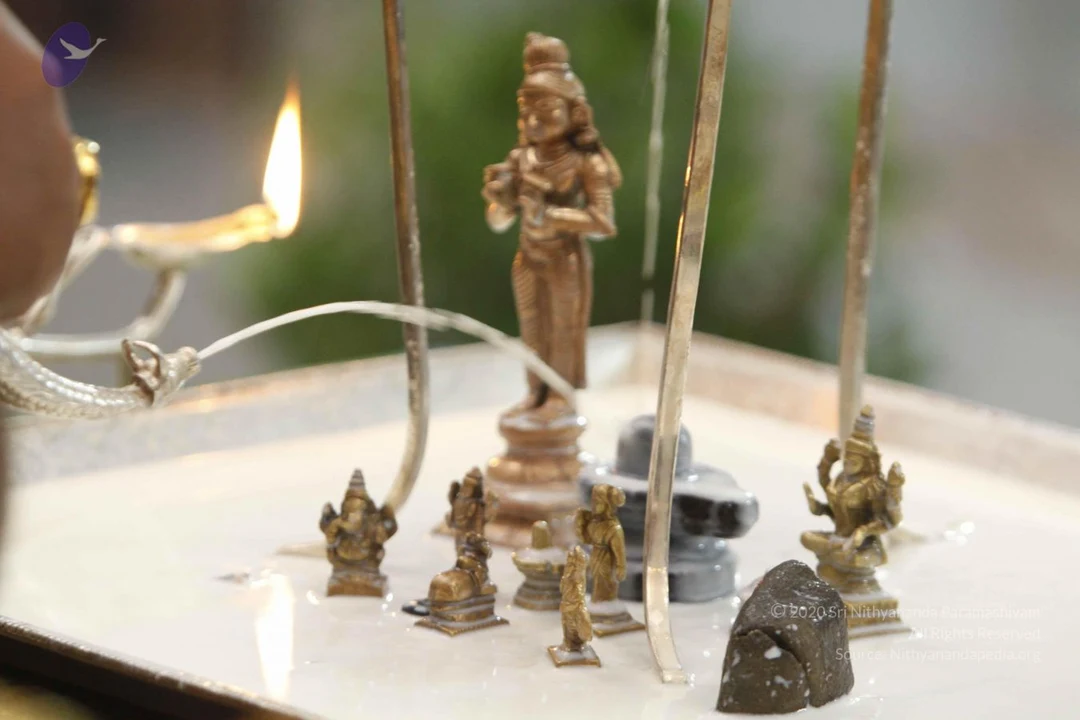
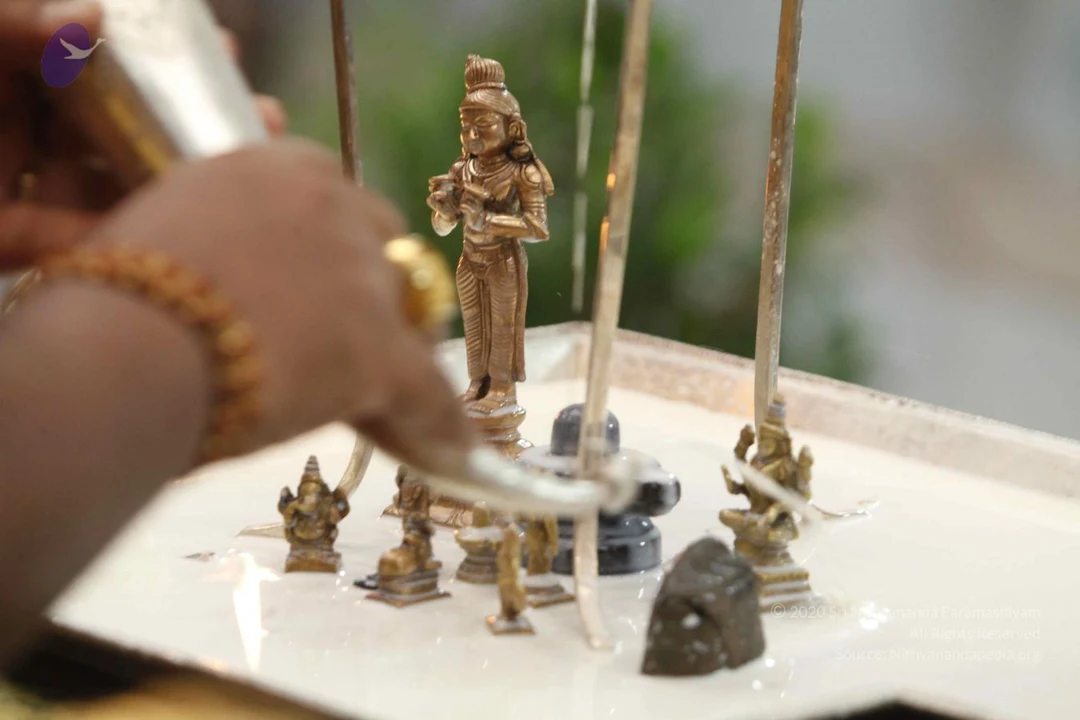
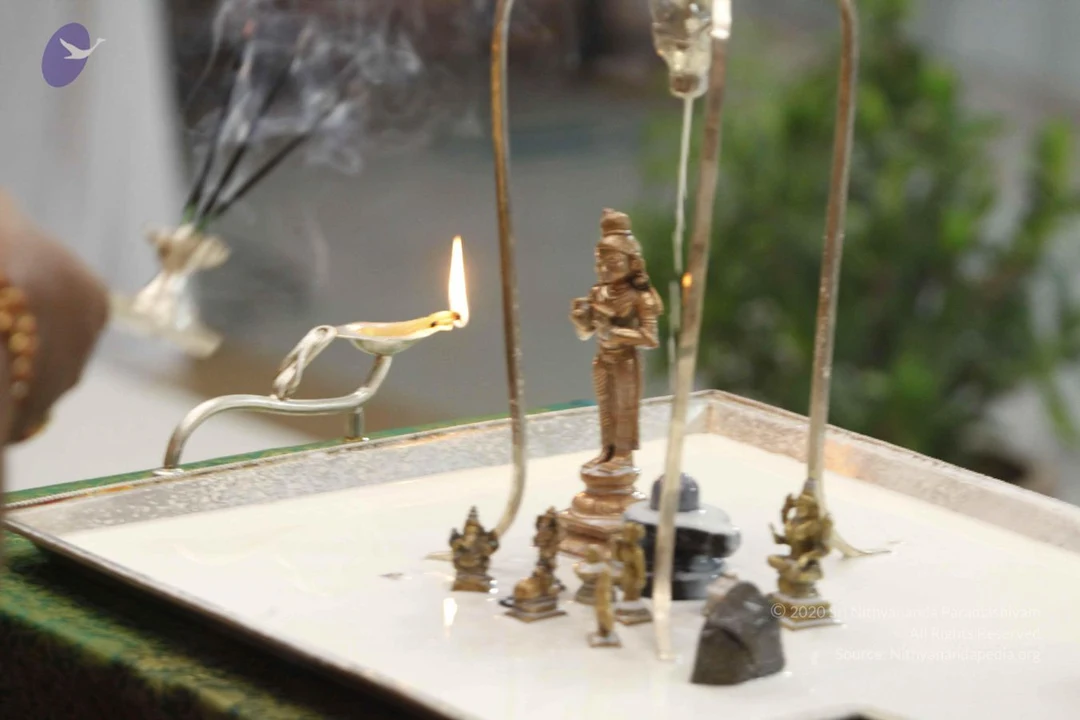
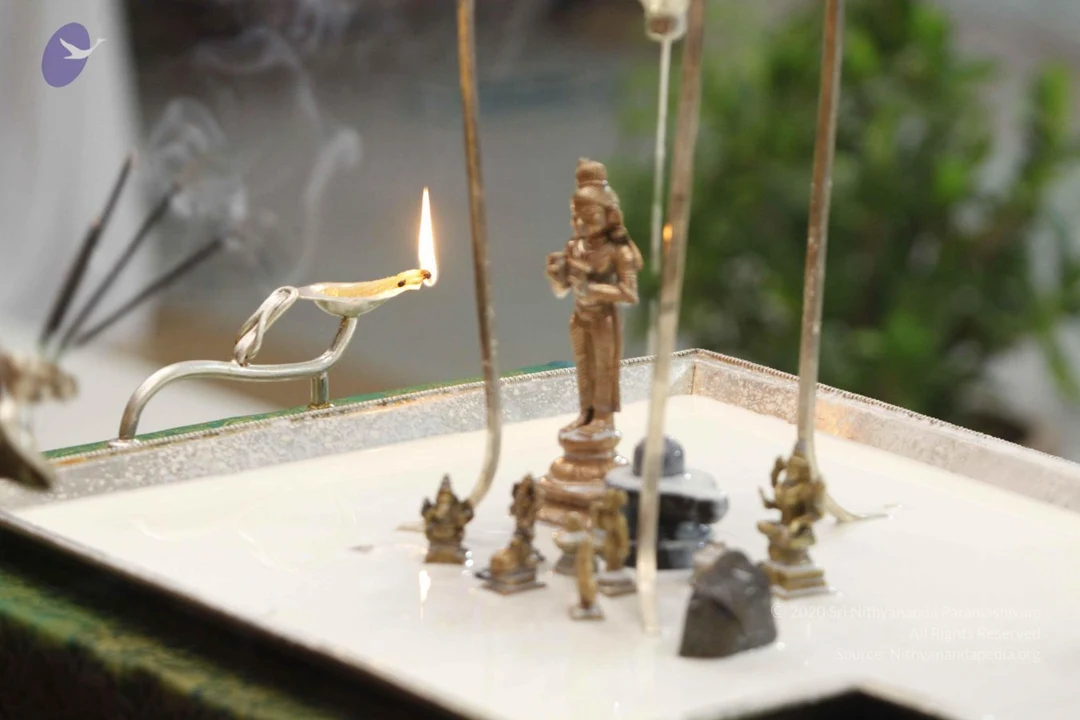
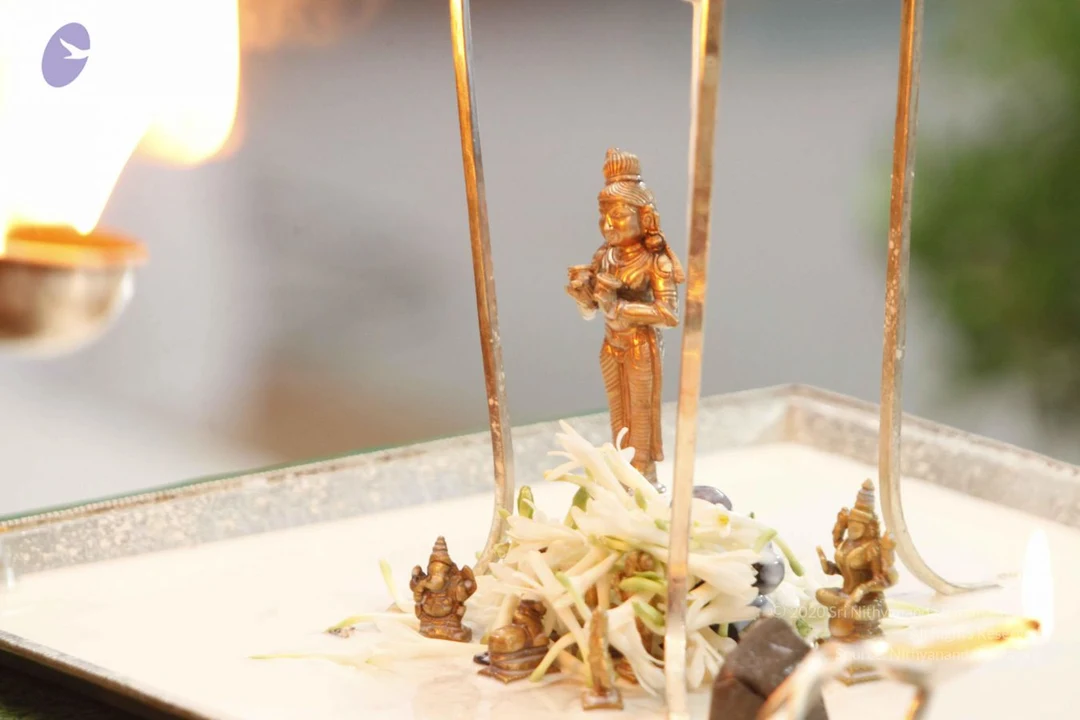
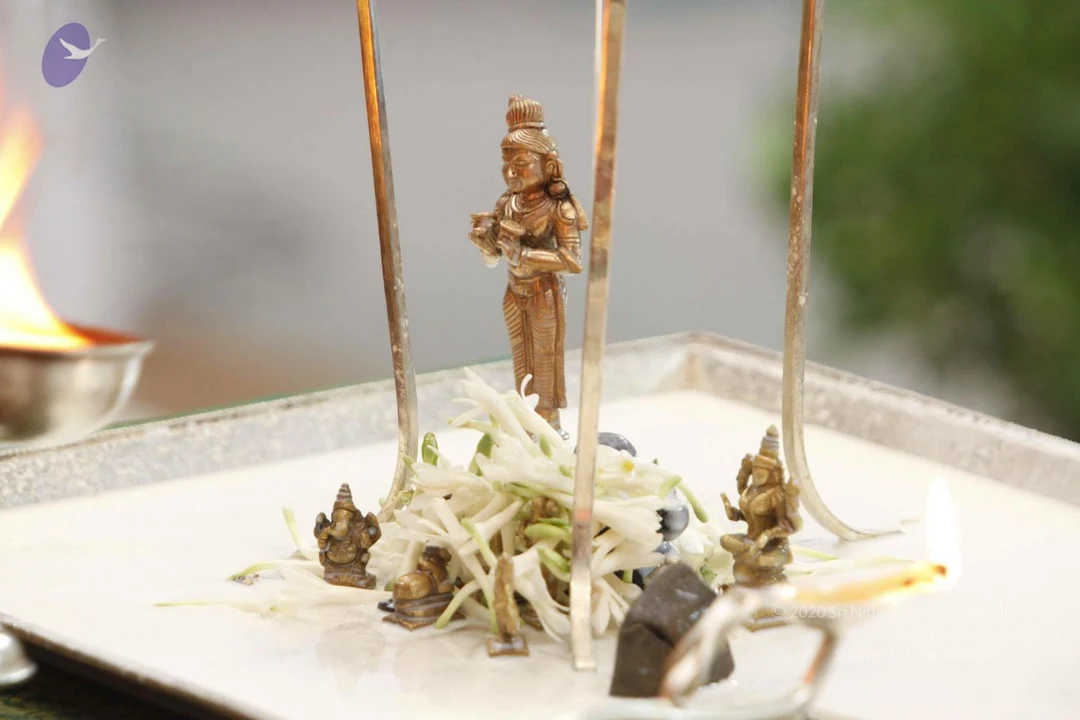
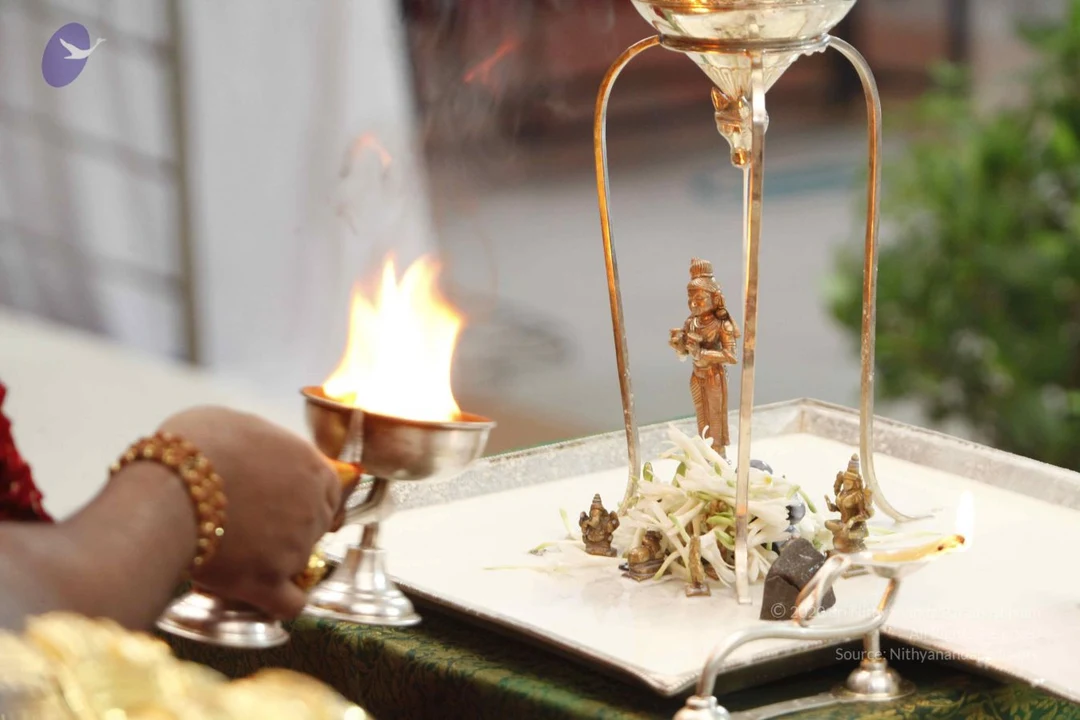
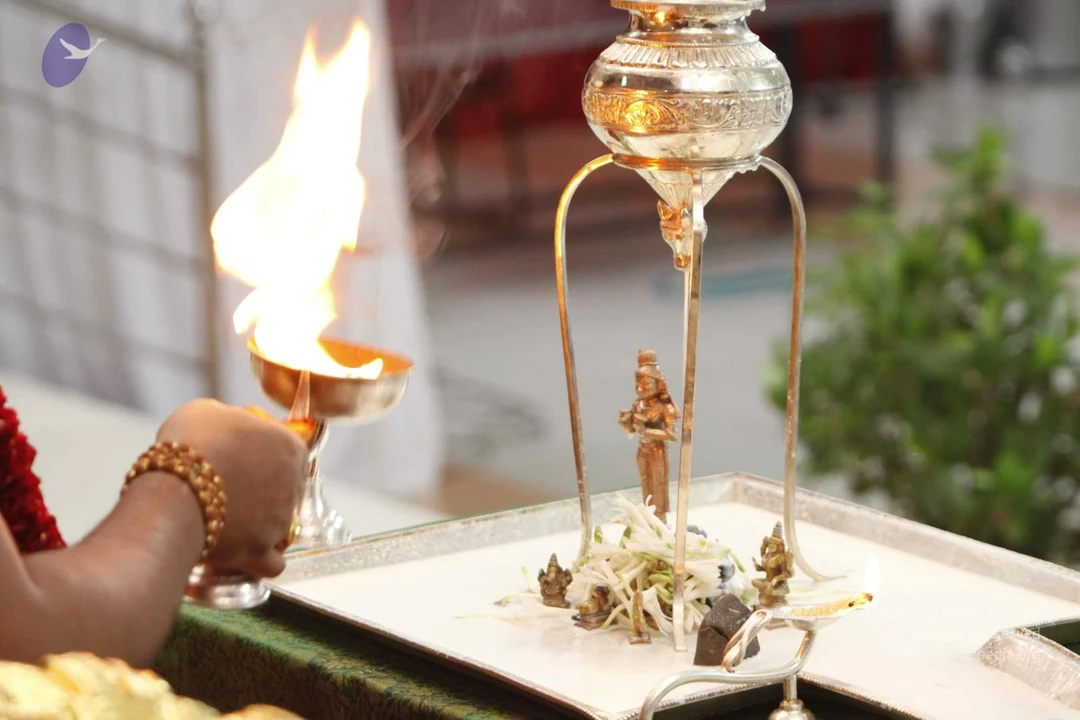
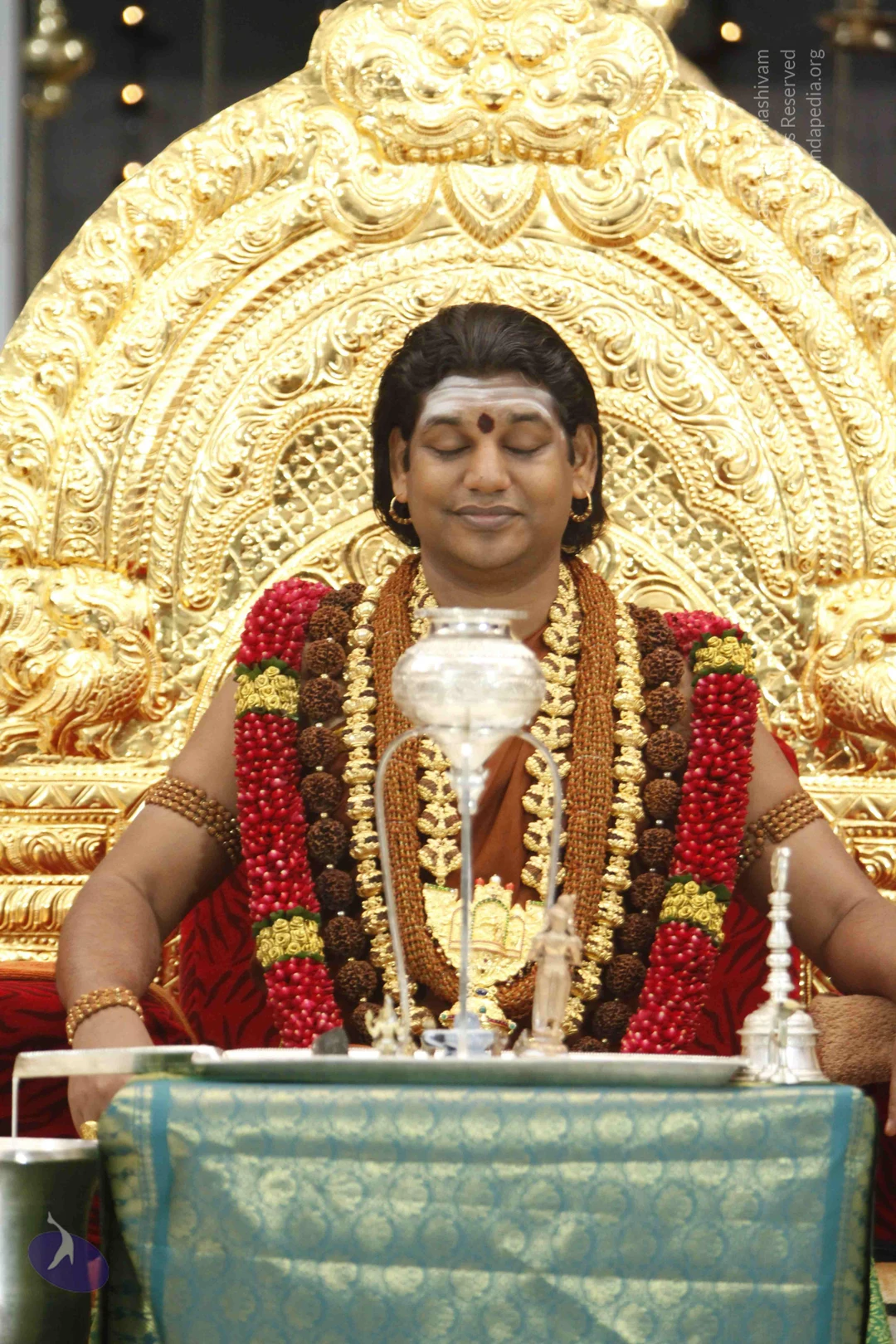
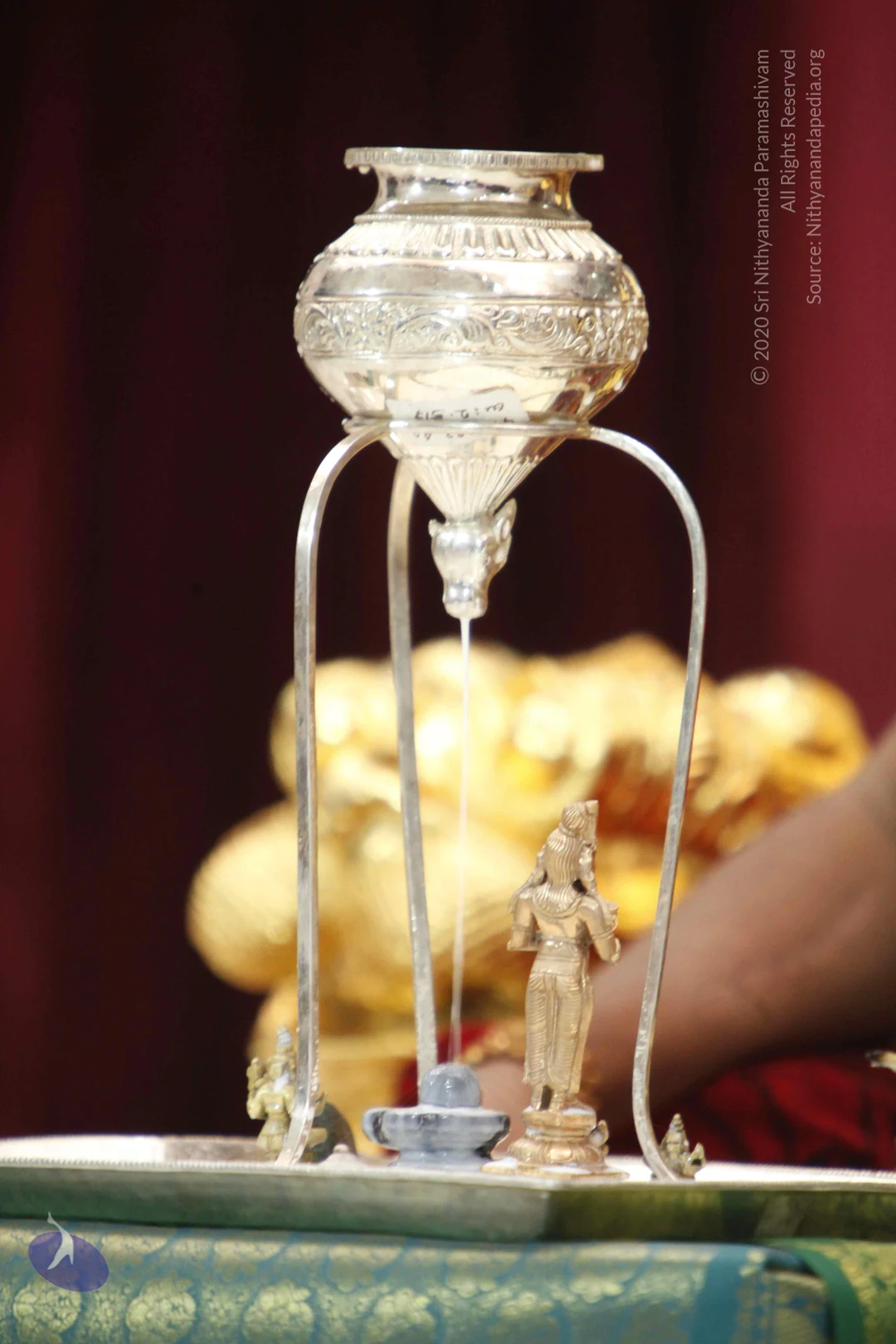
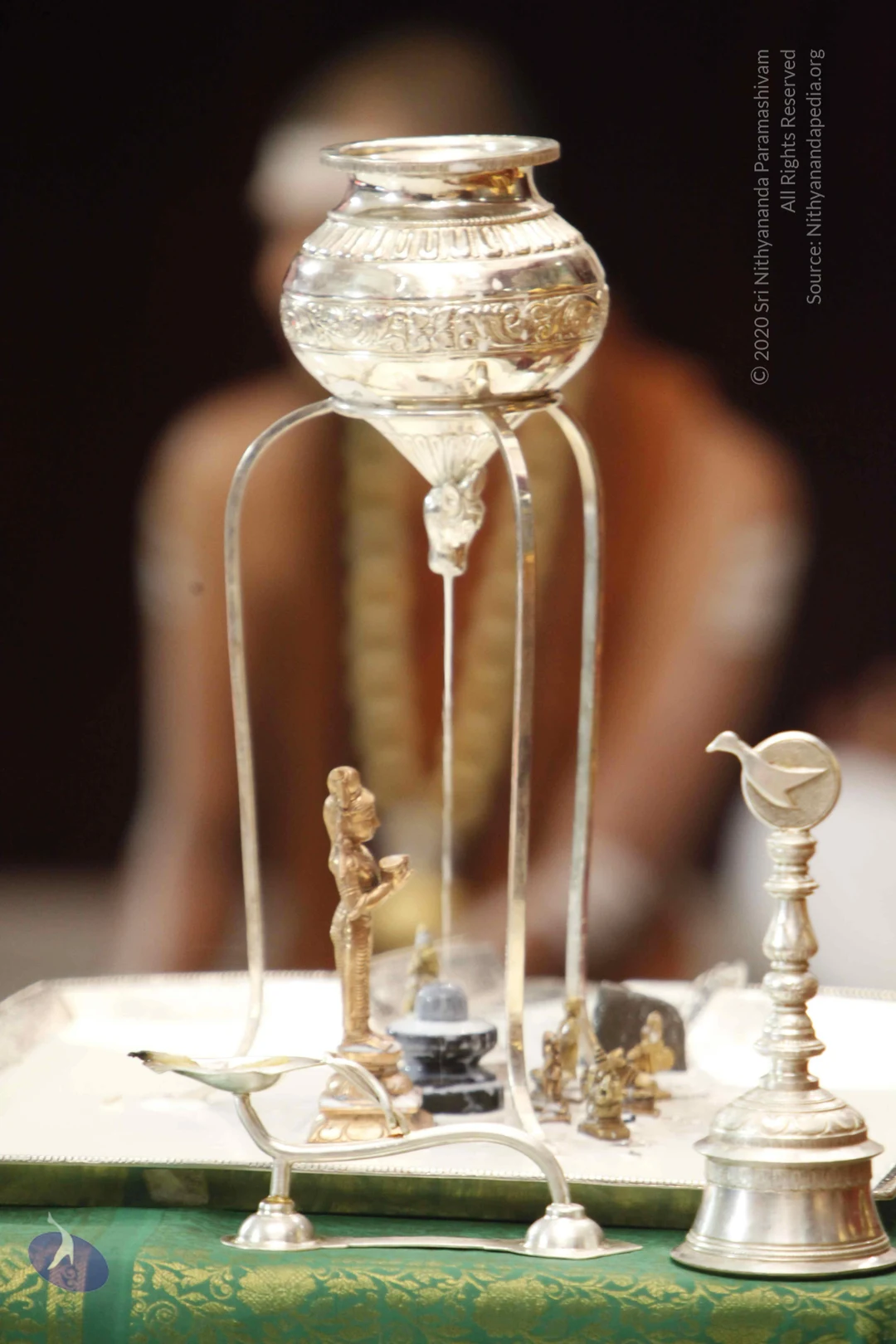
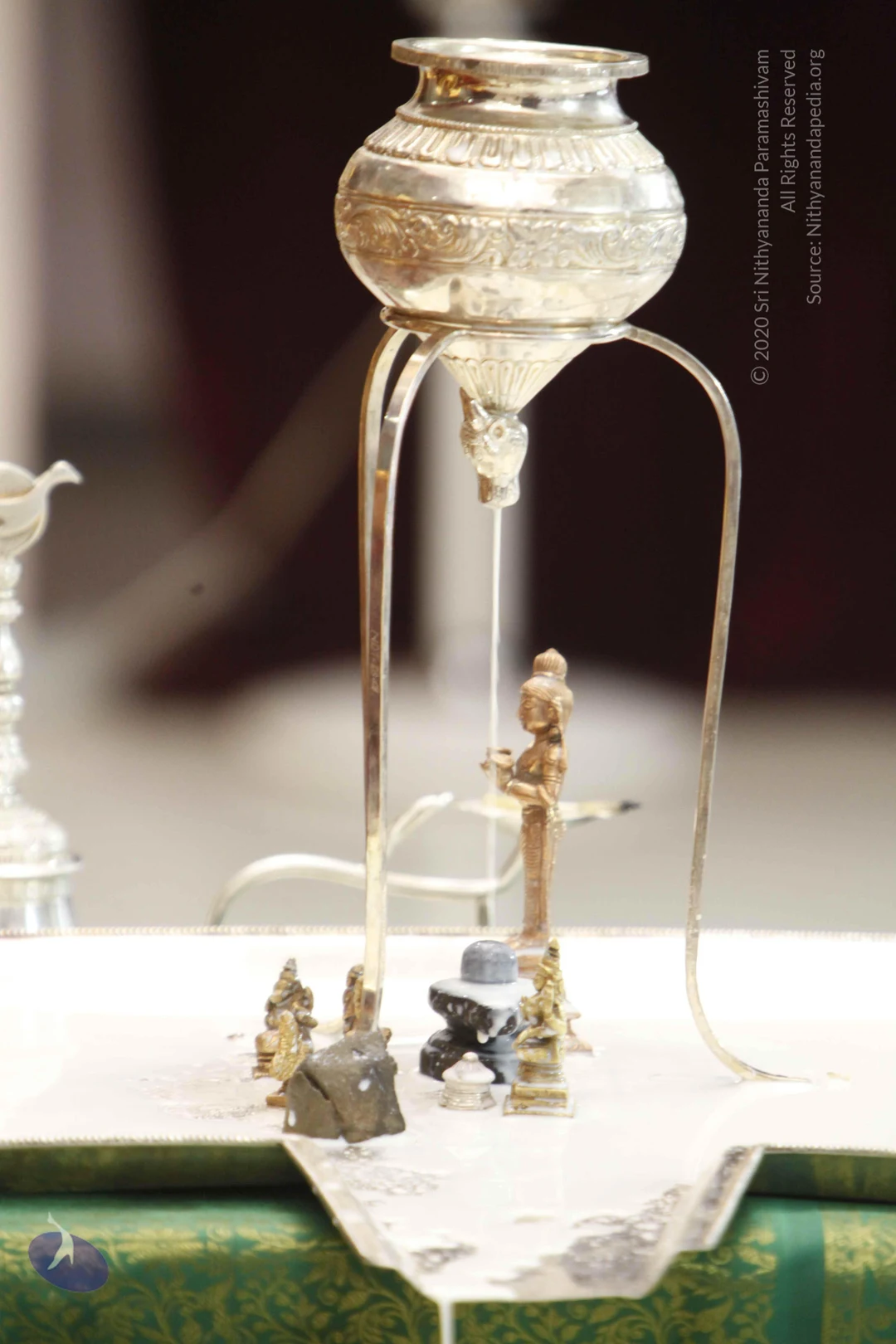
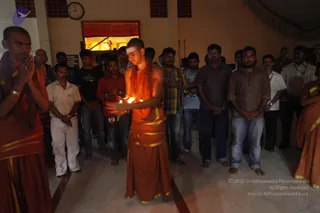
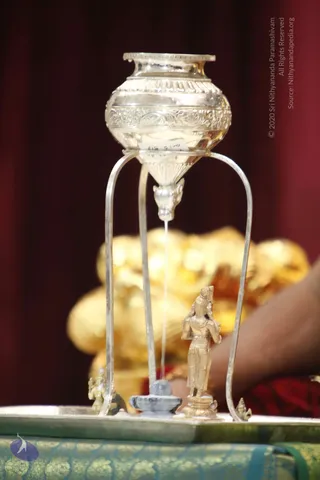
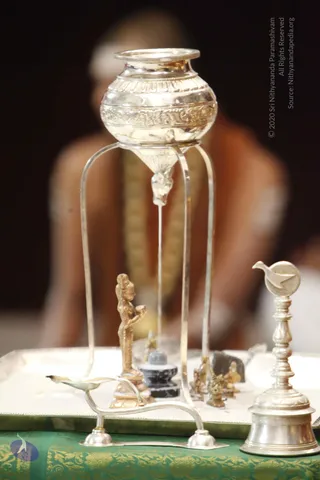
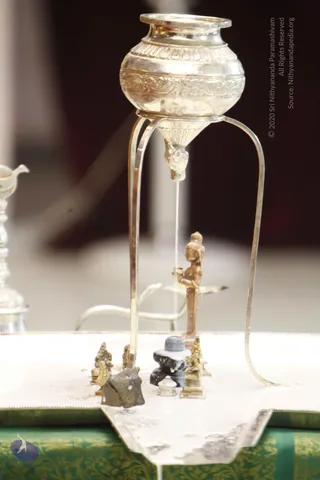
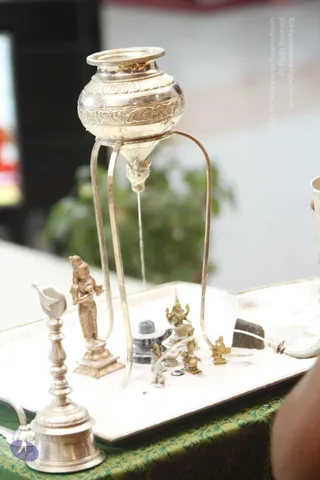
RUDRABHISHEKAM
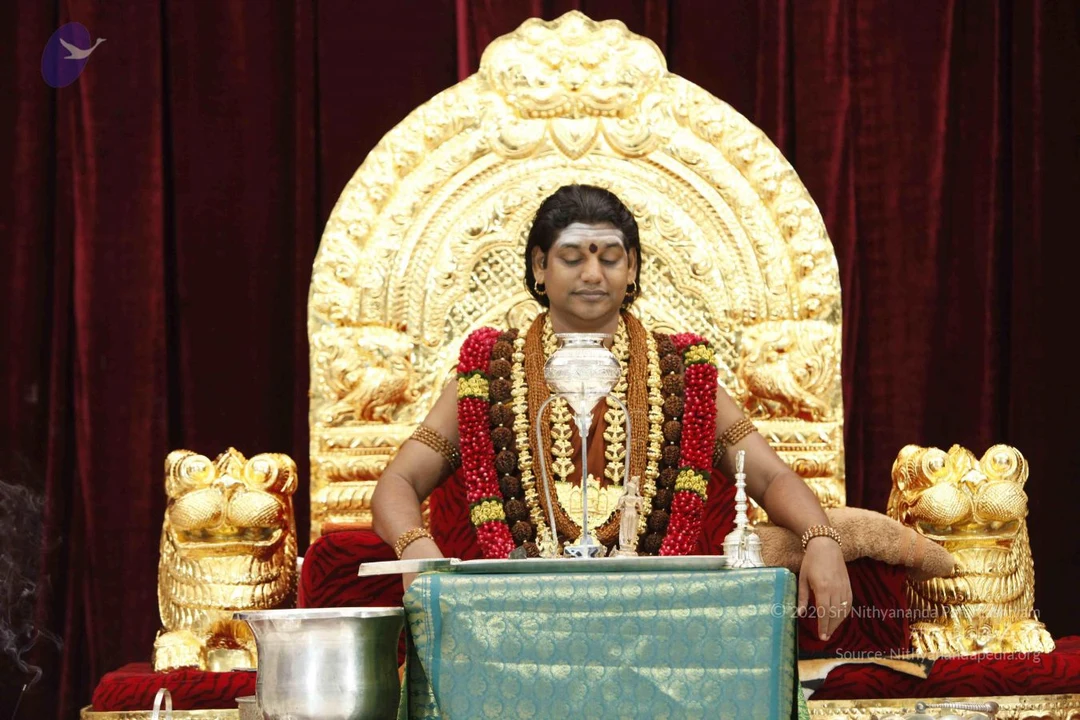
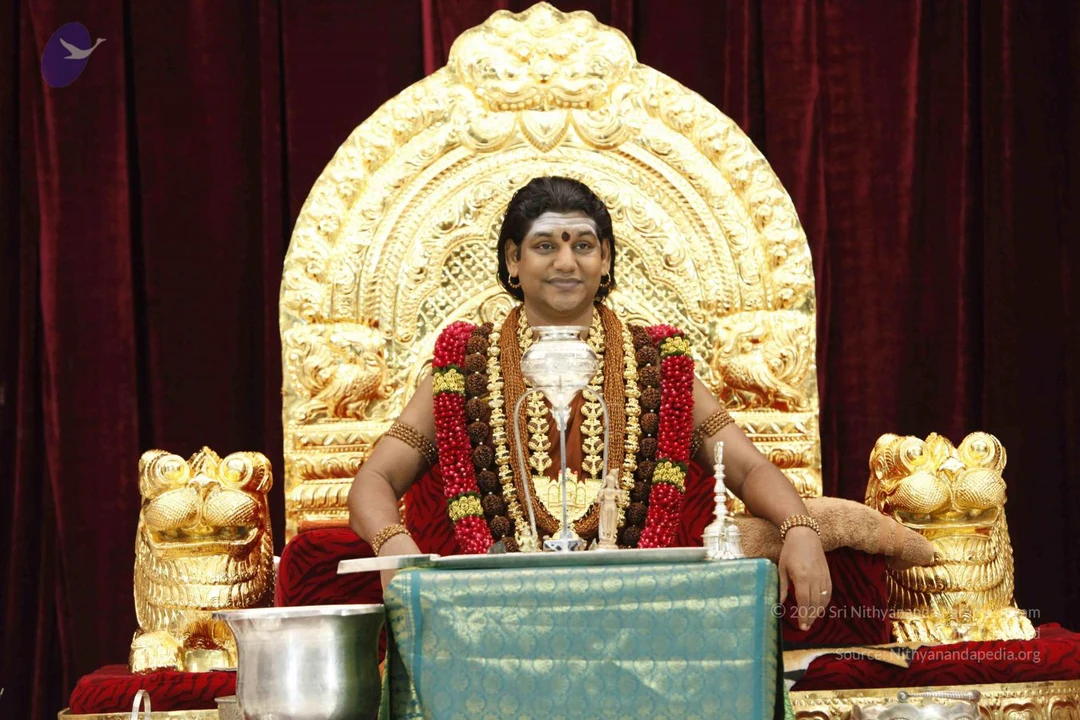
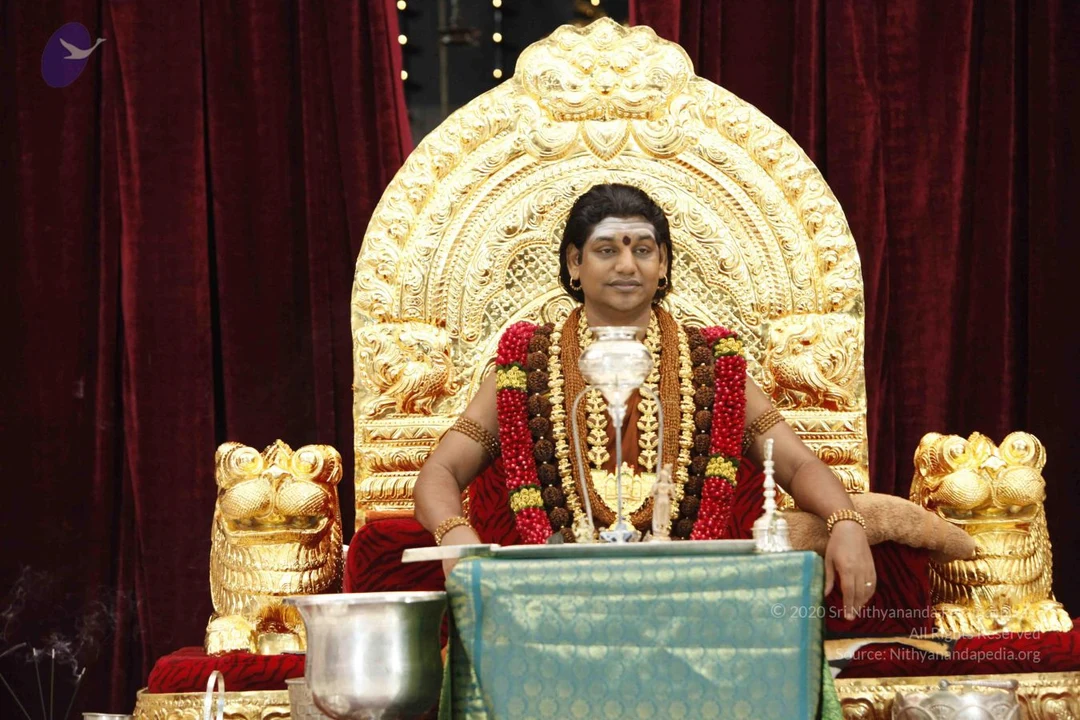
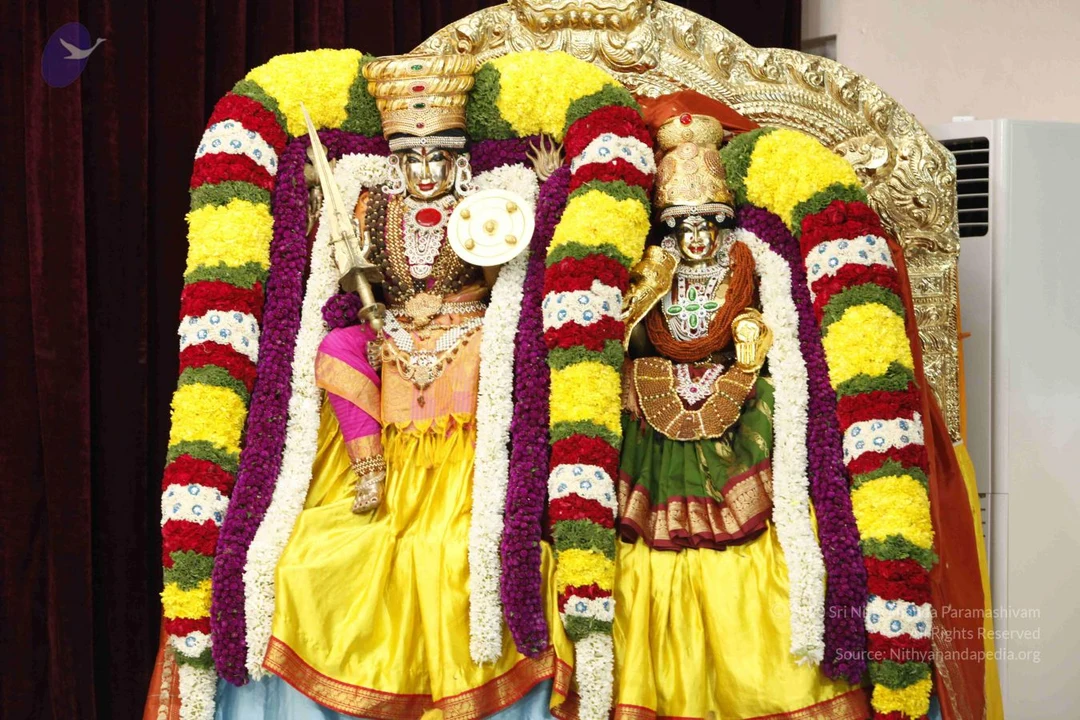
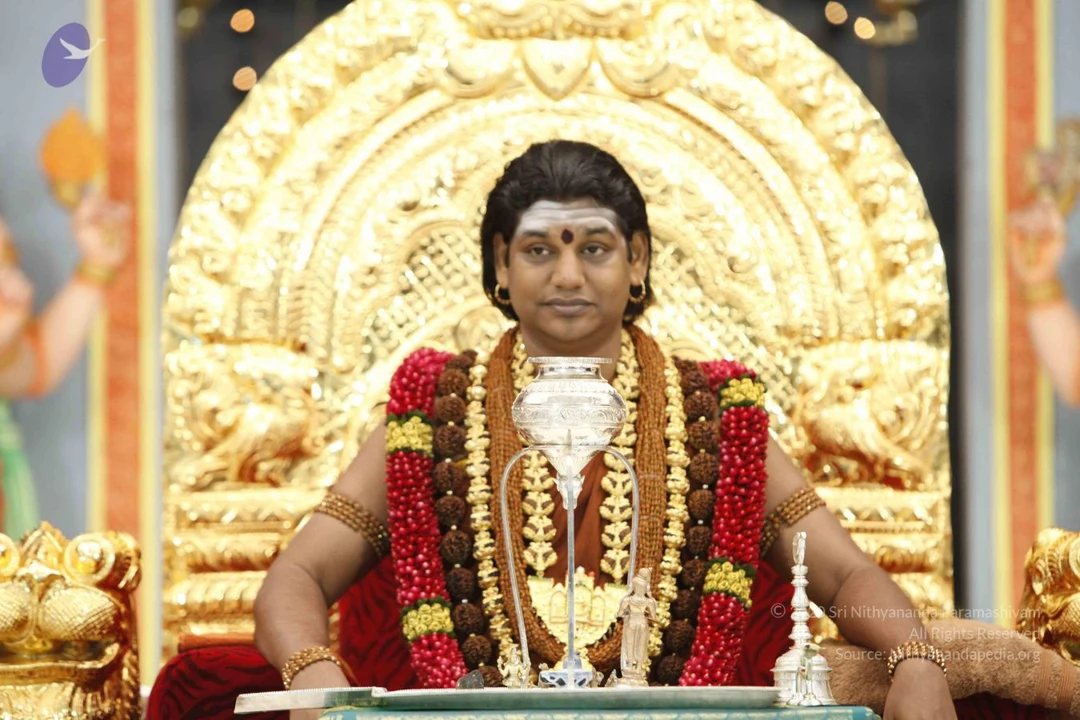
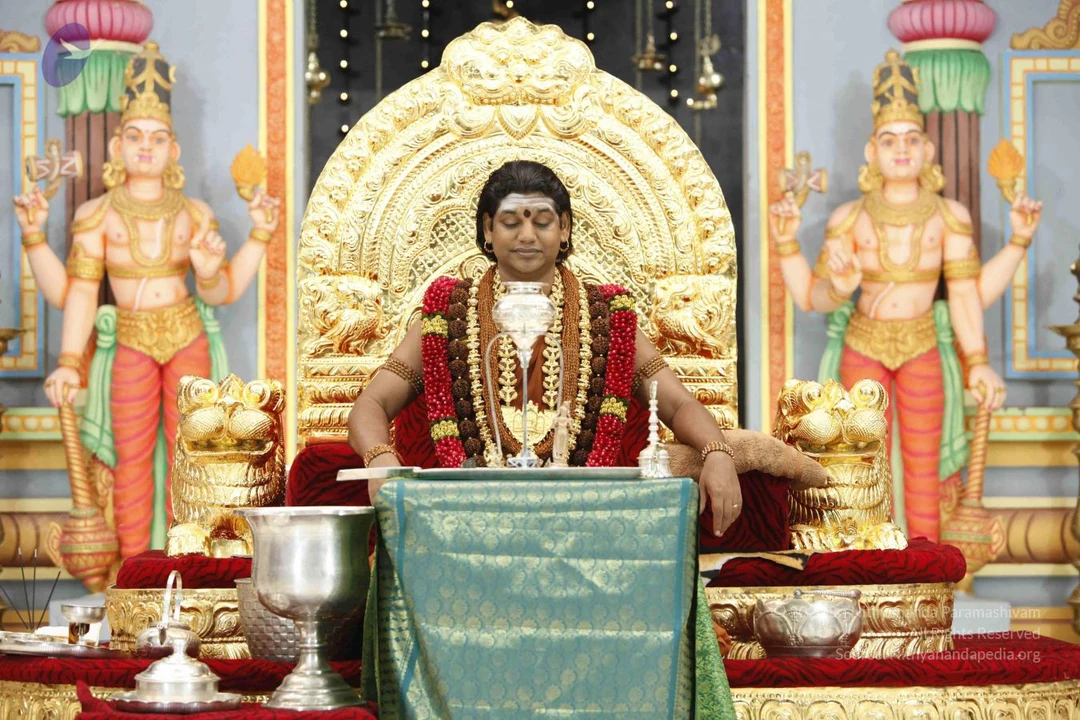
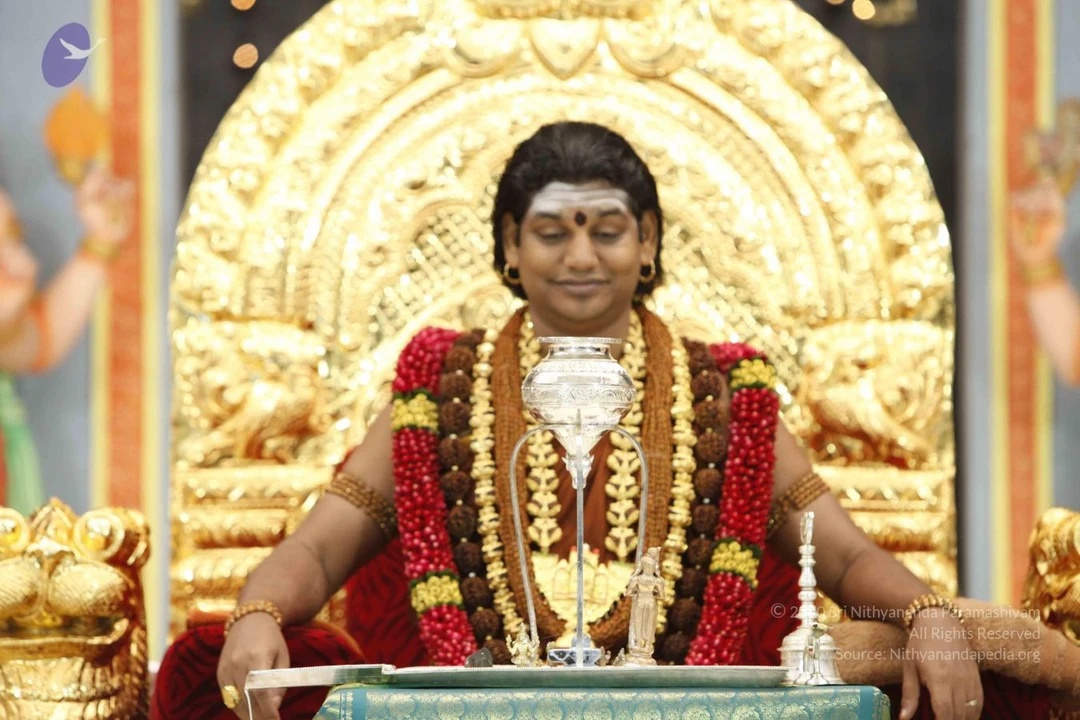
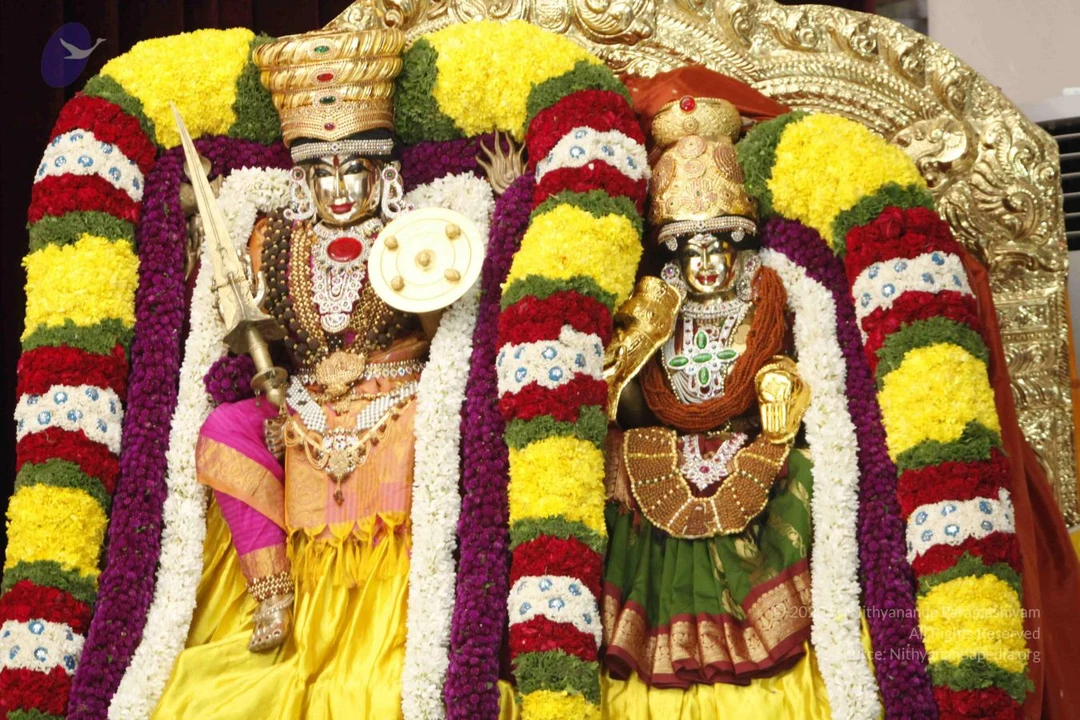
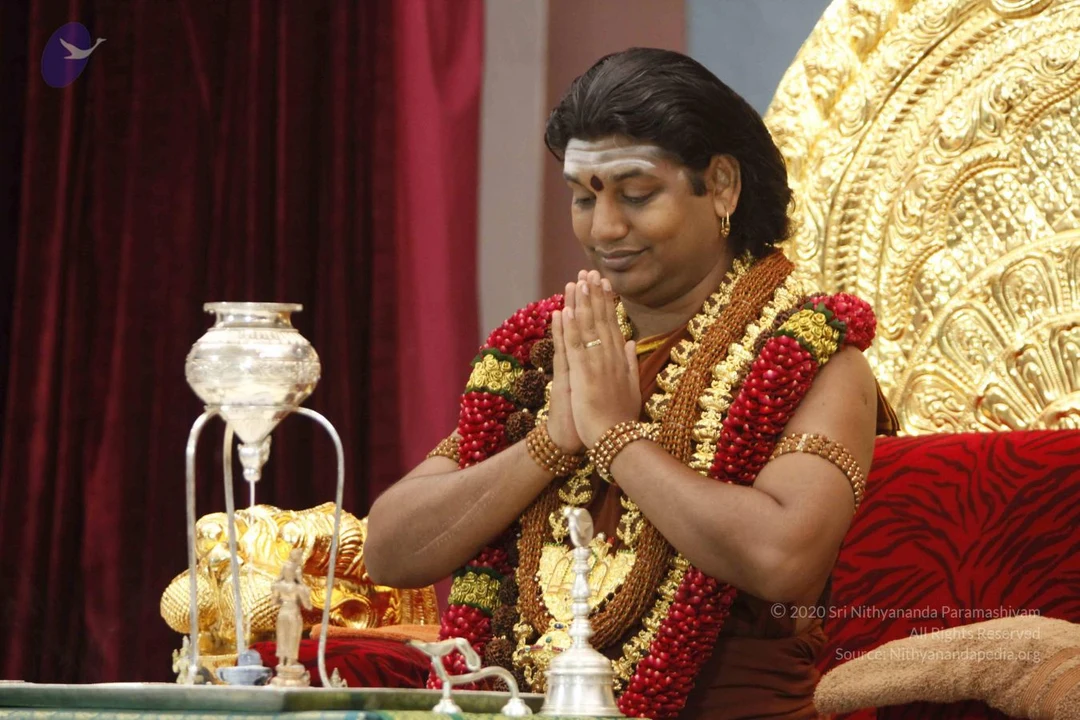
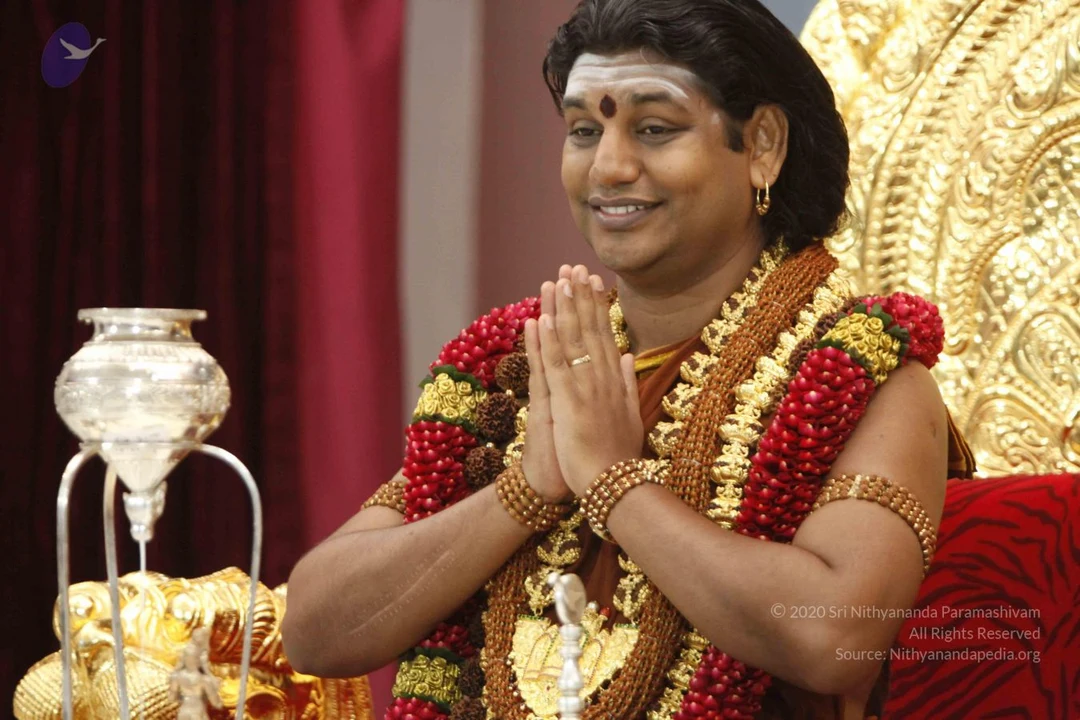
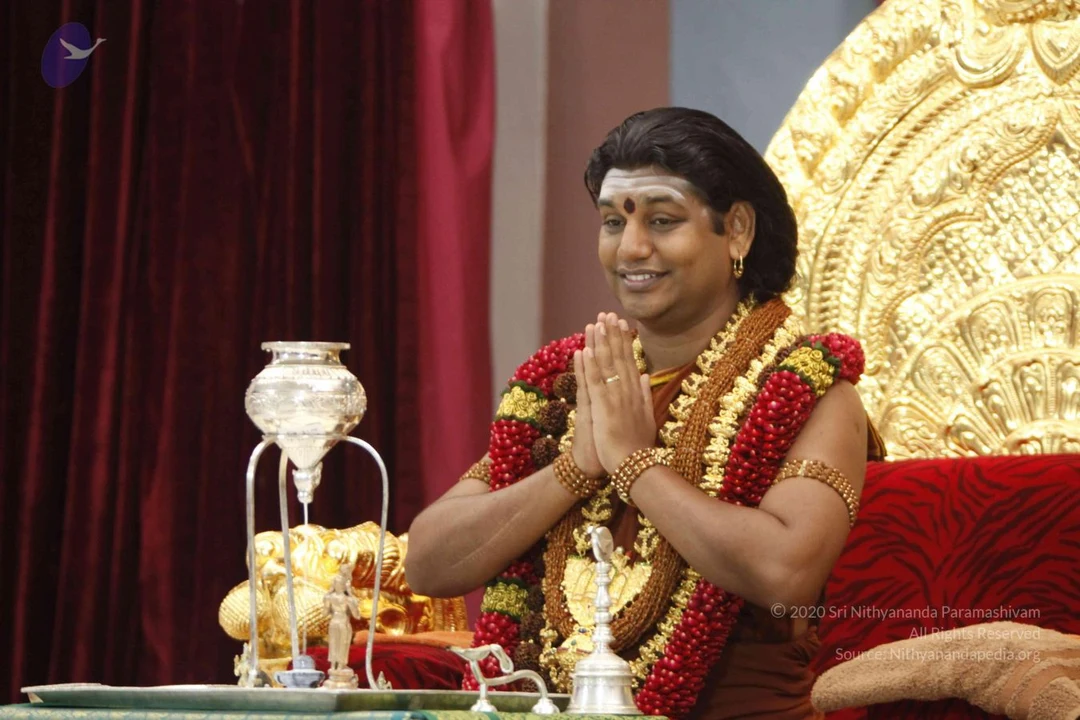
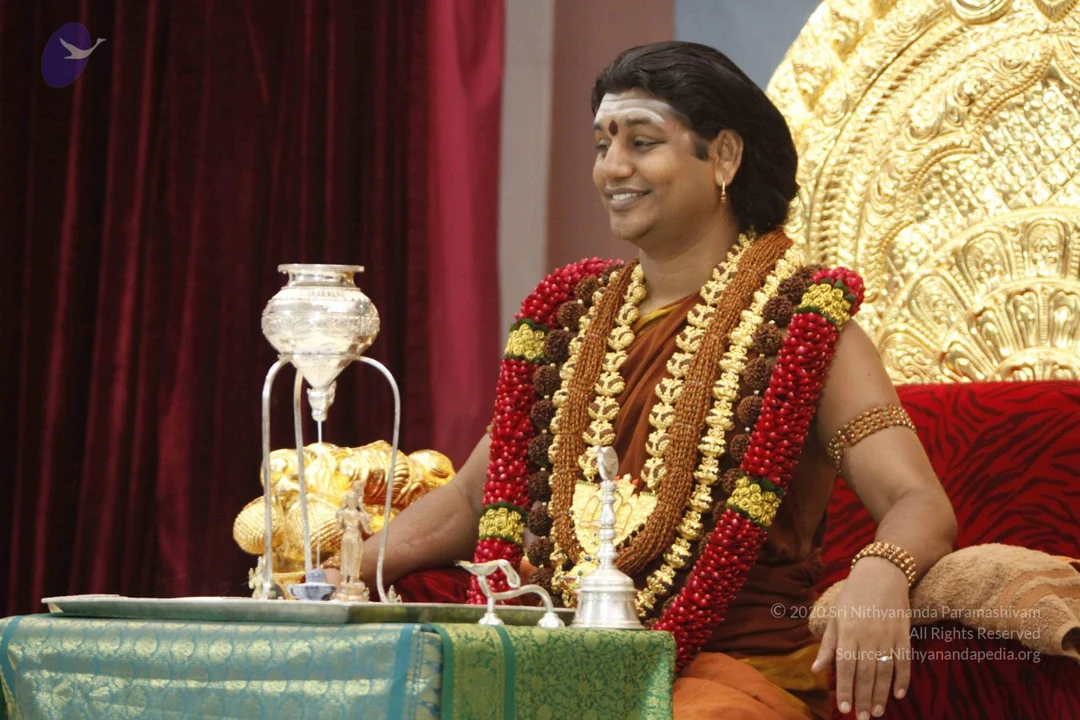
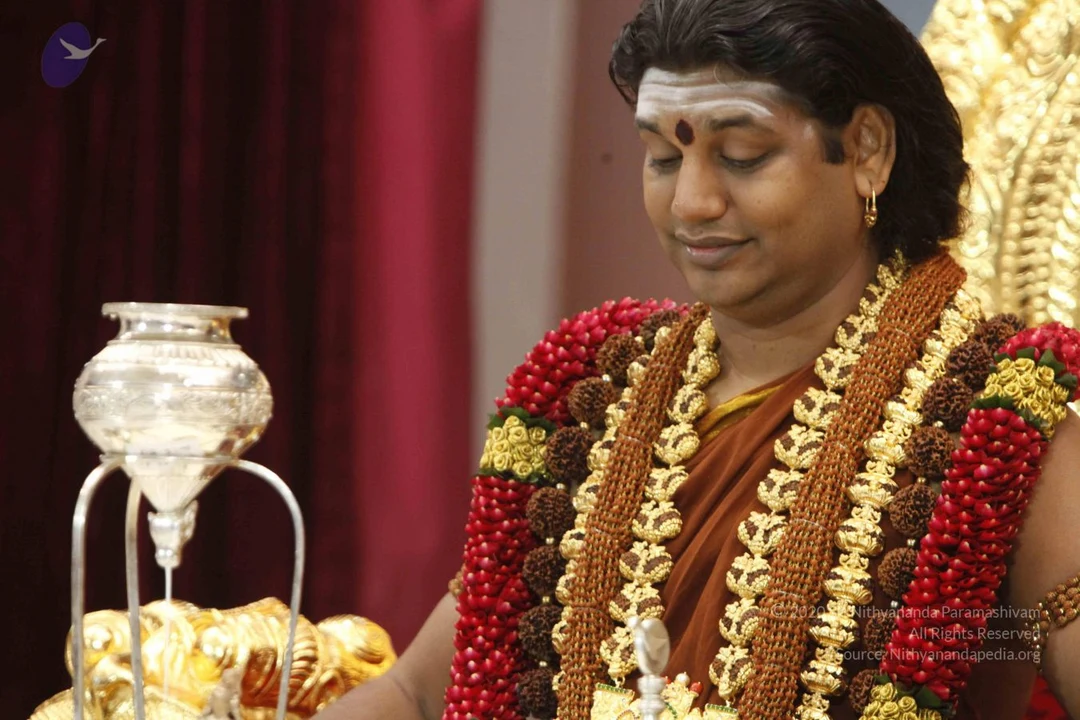
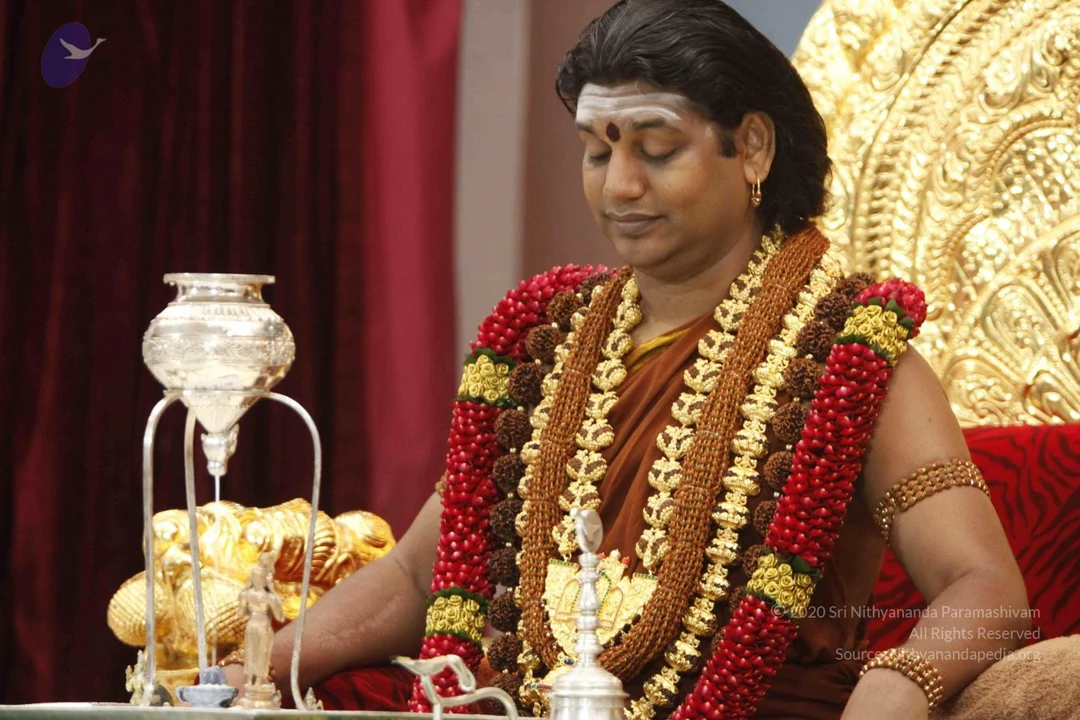
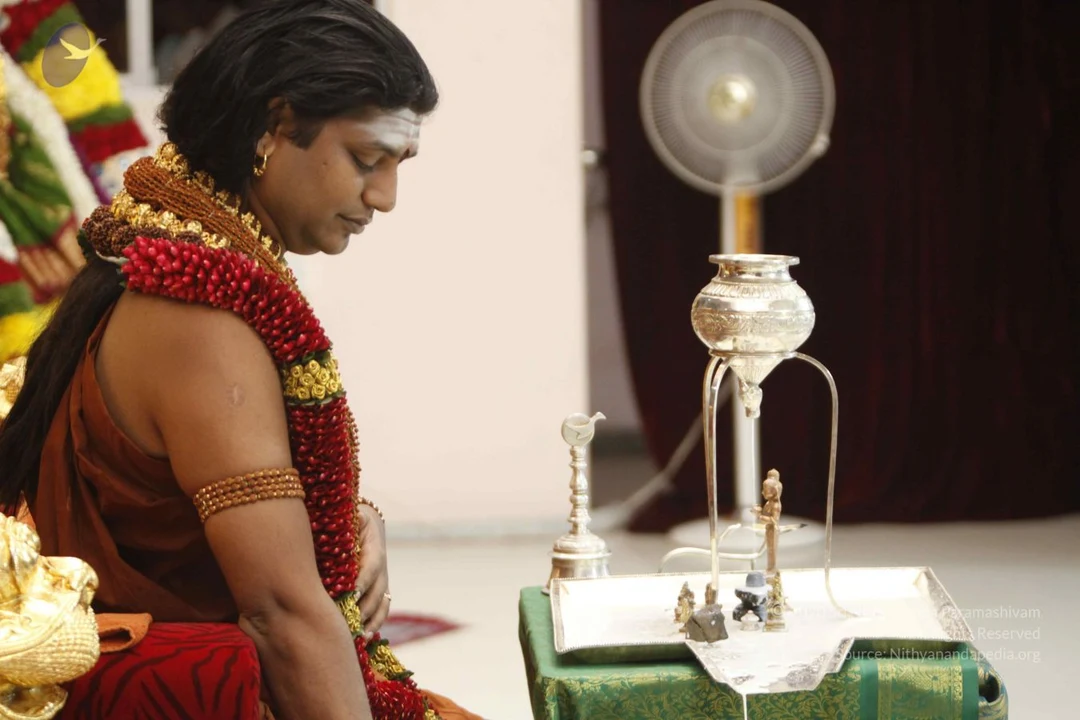
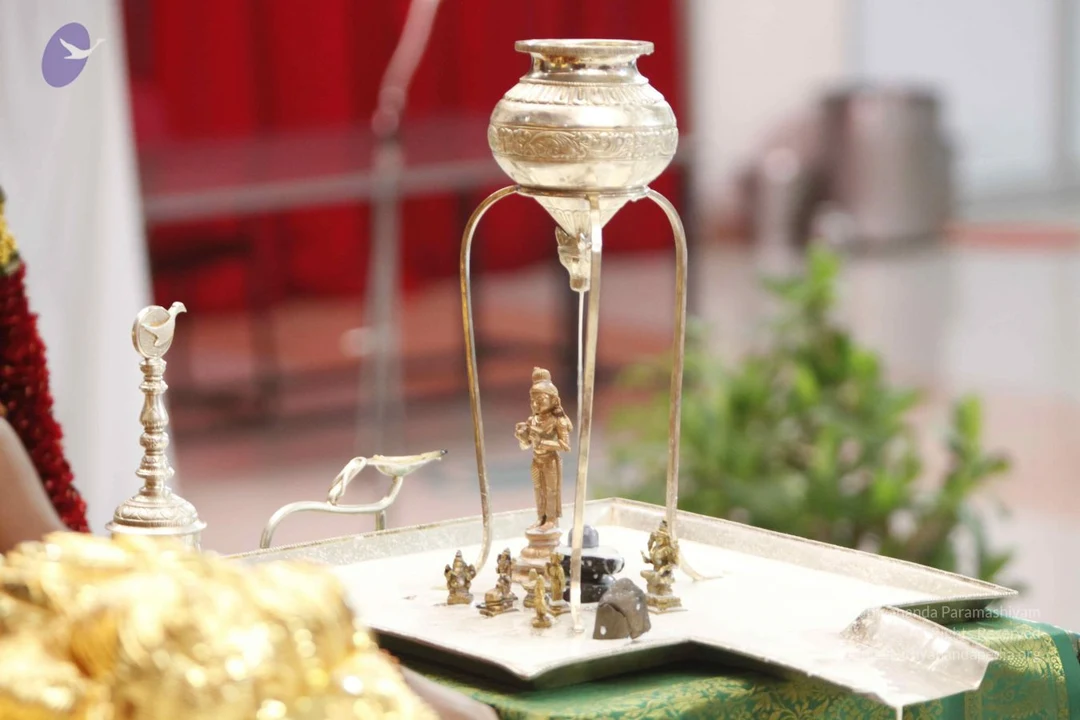
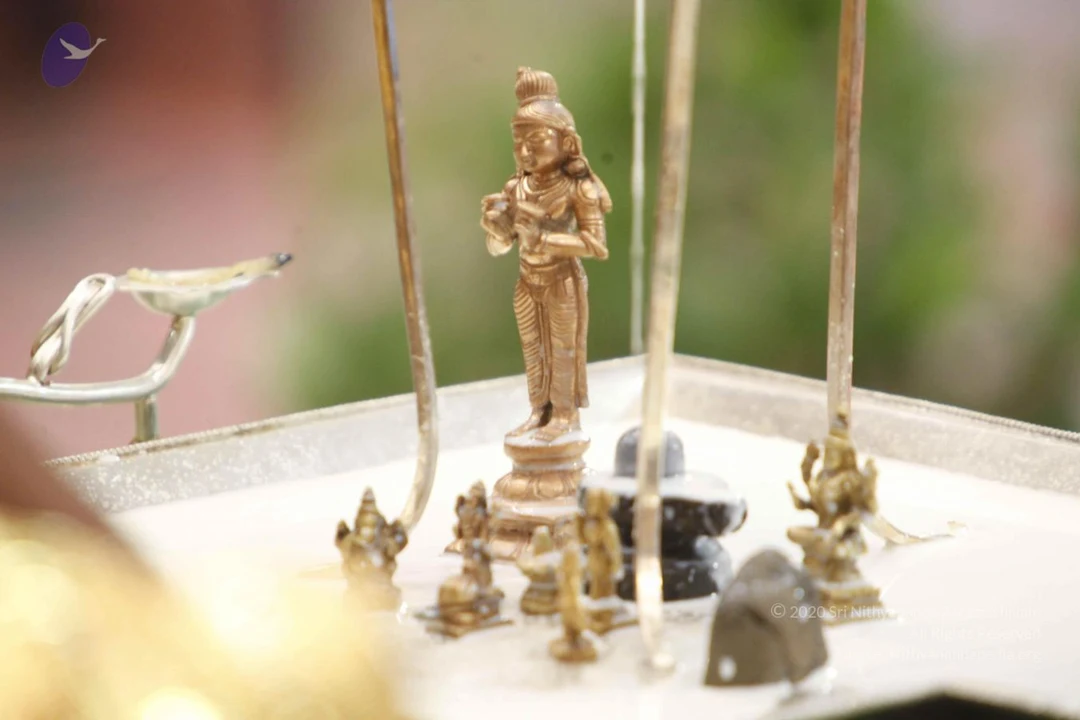
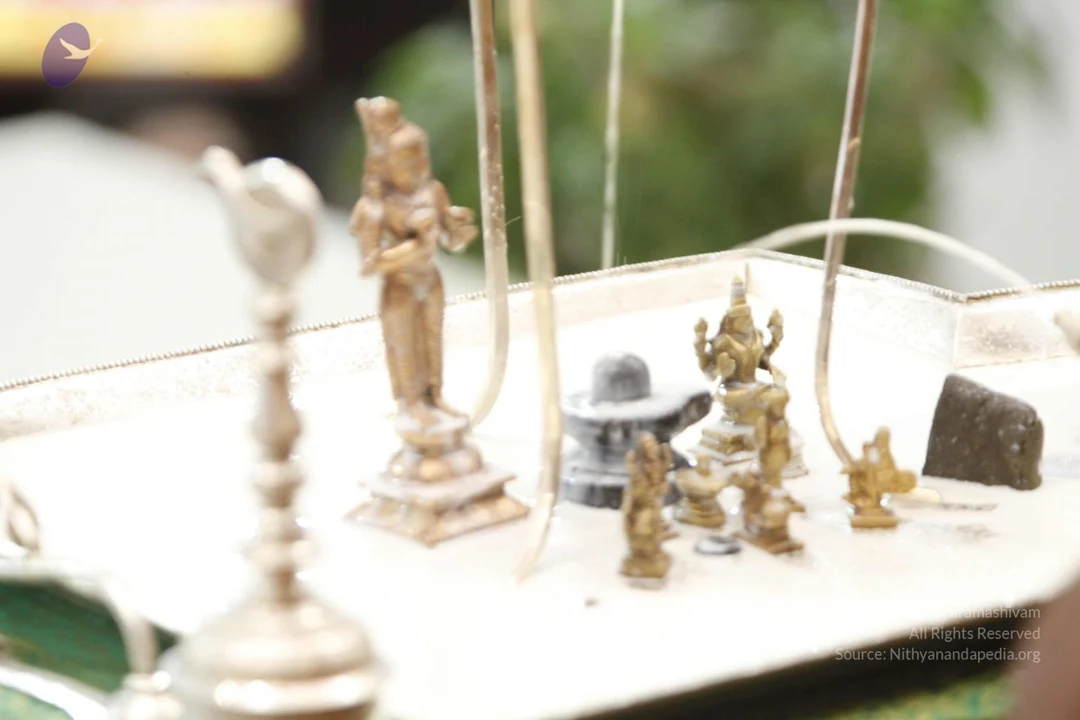
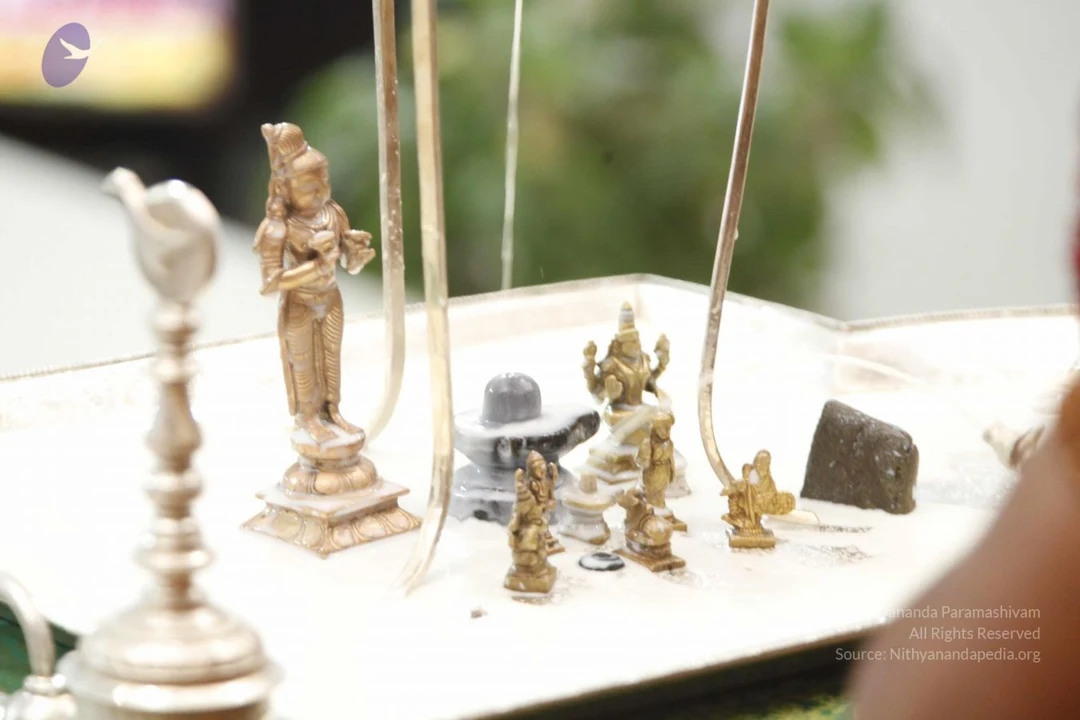
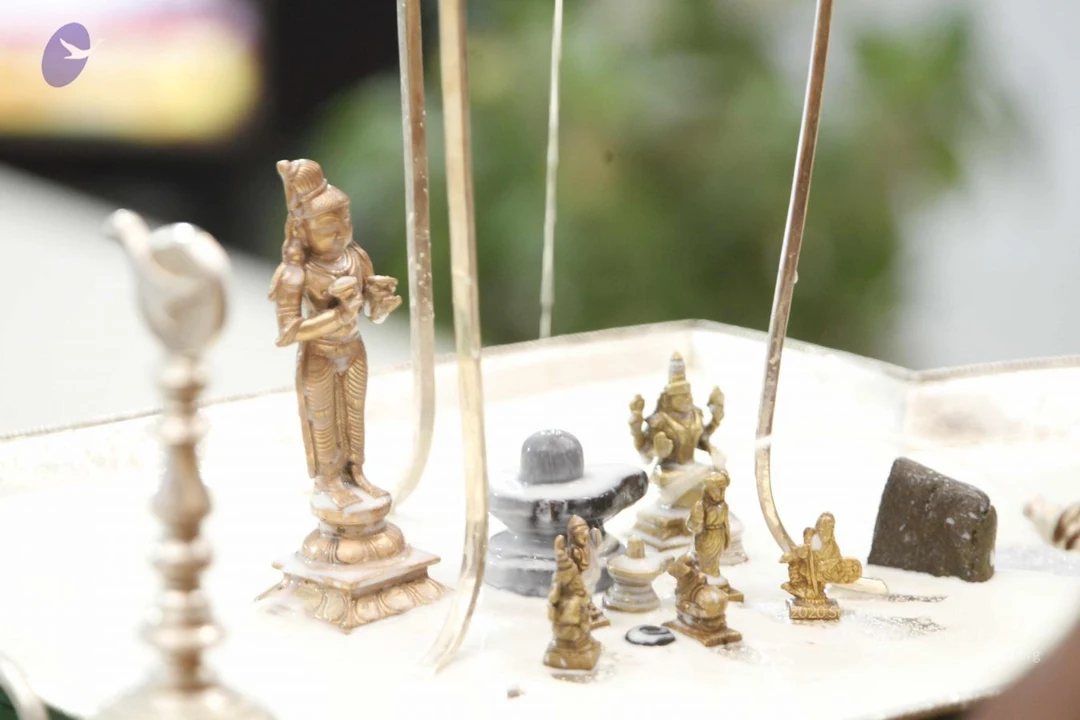
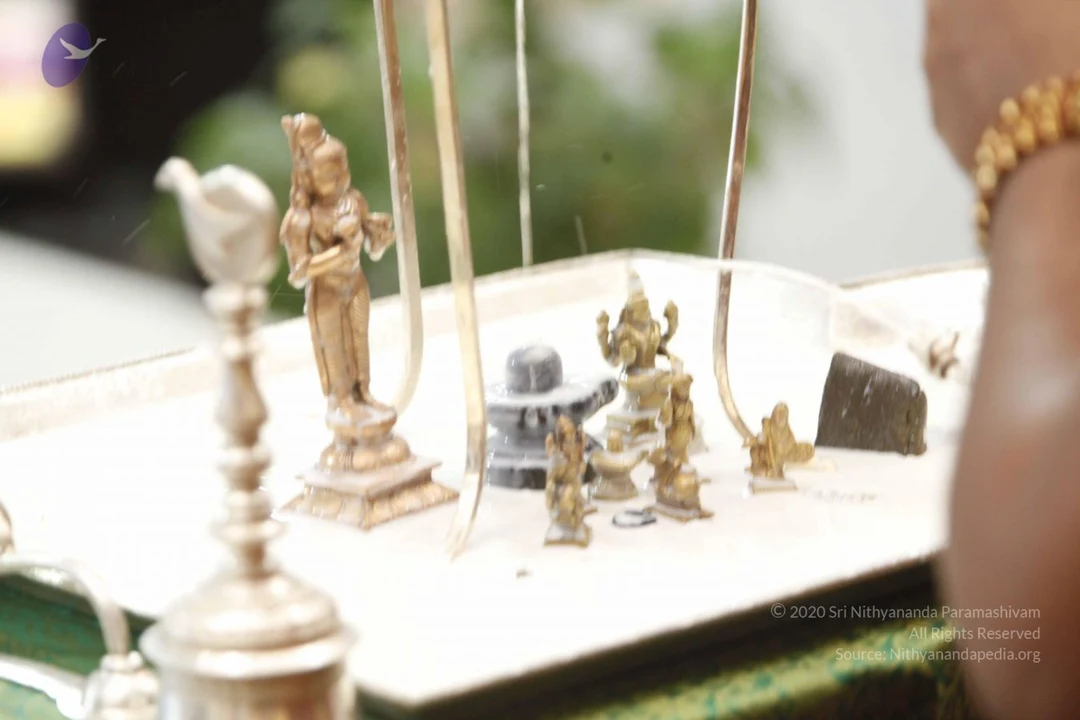
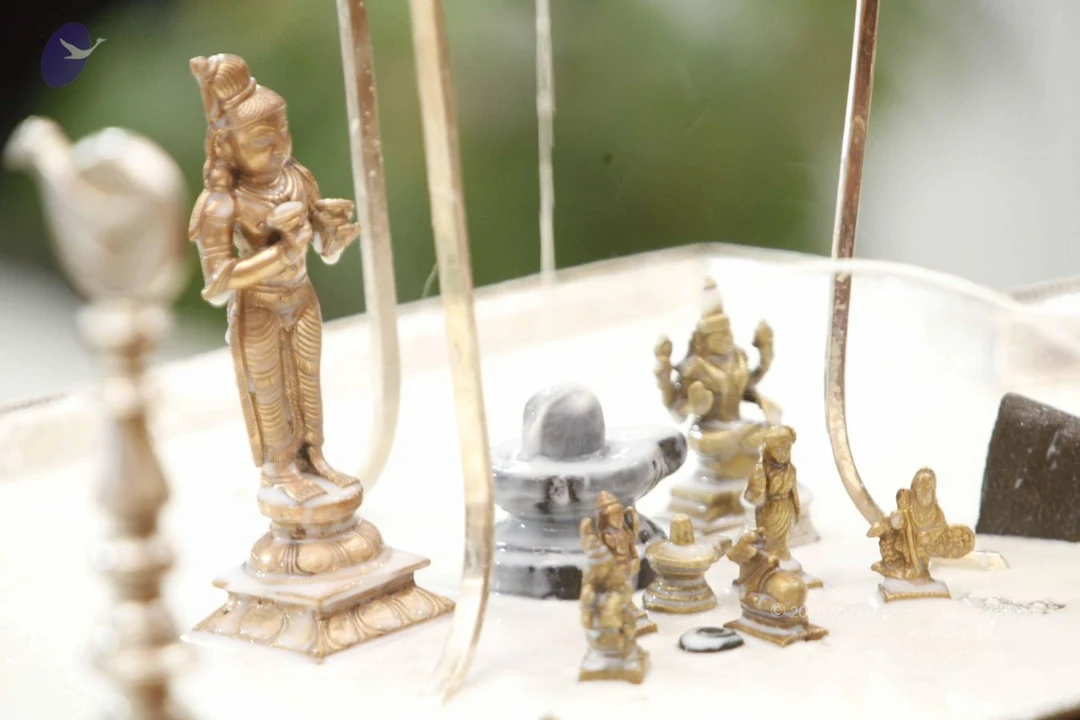
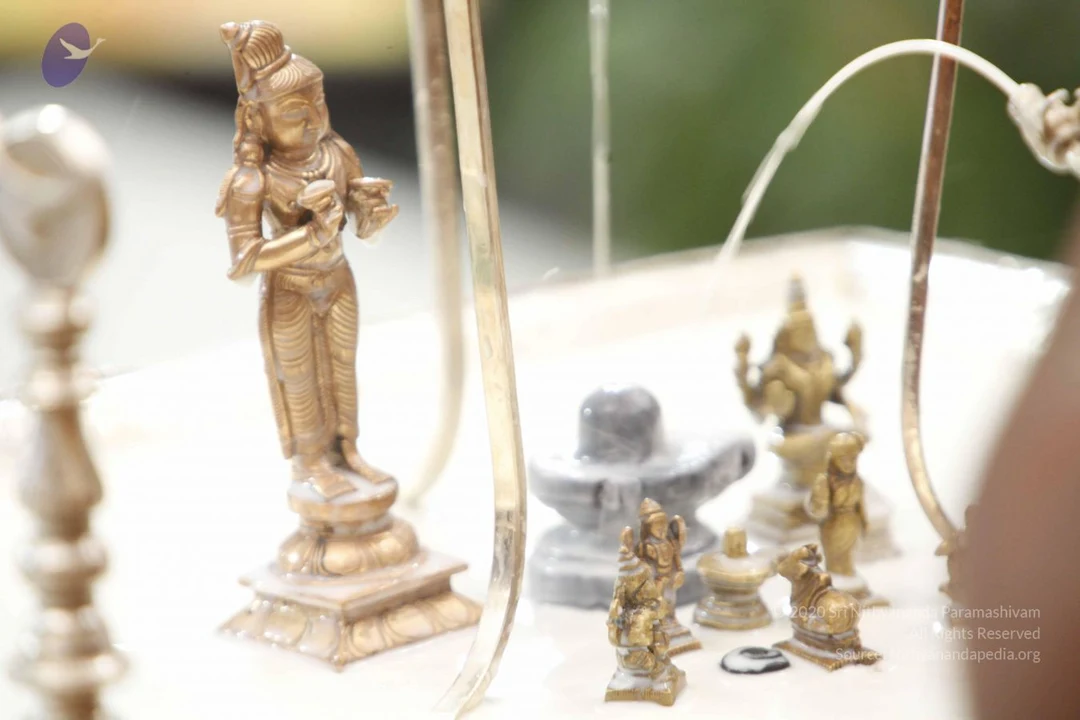
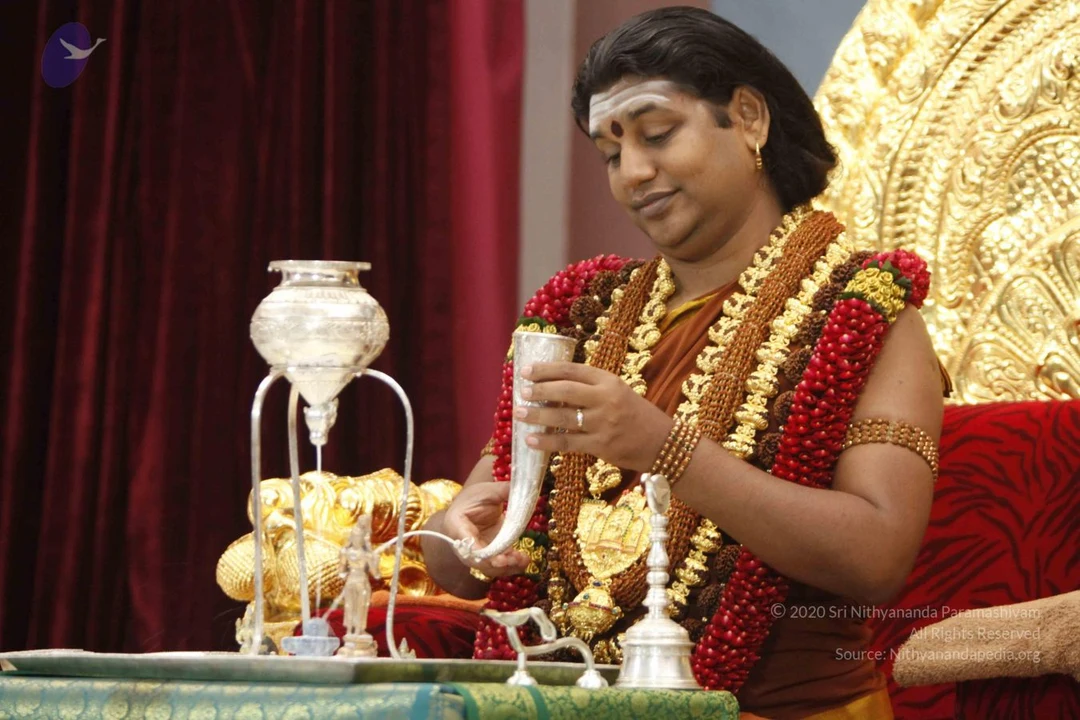
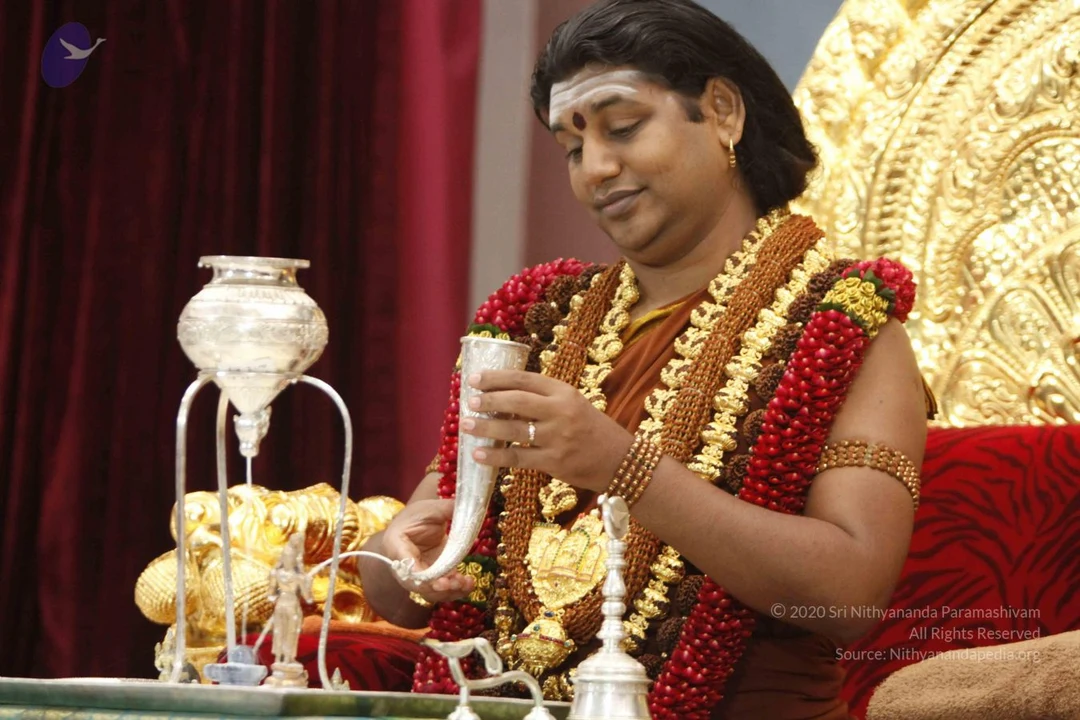
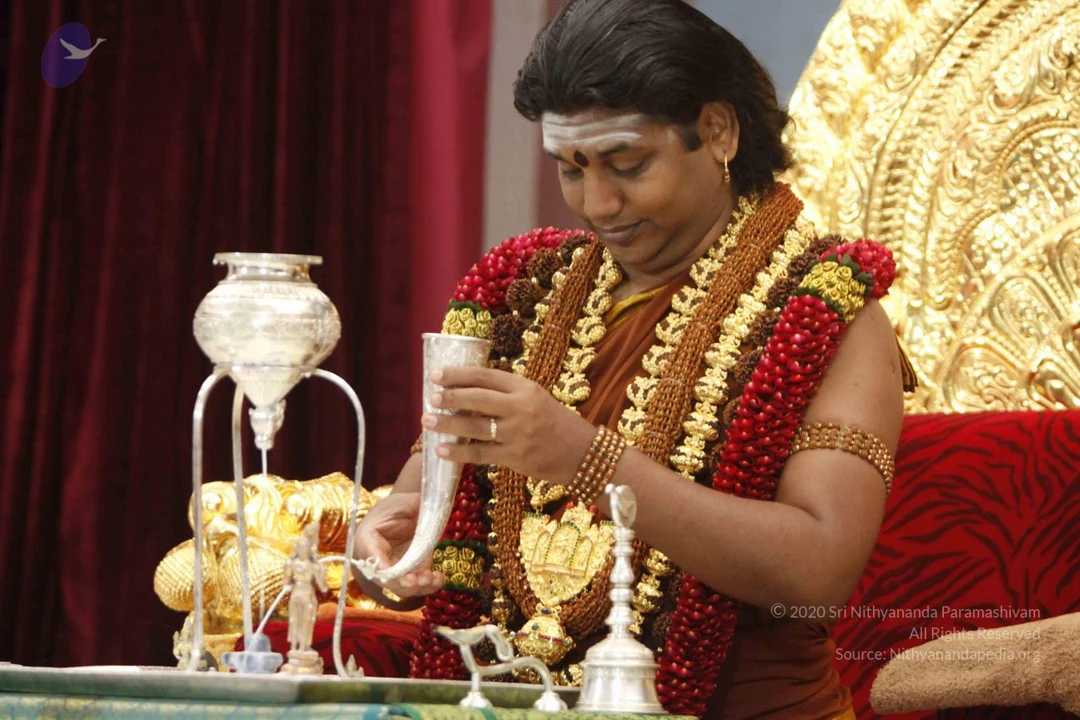
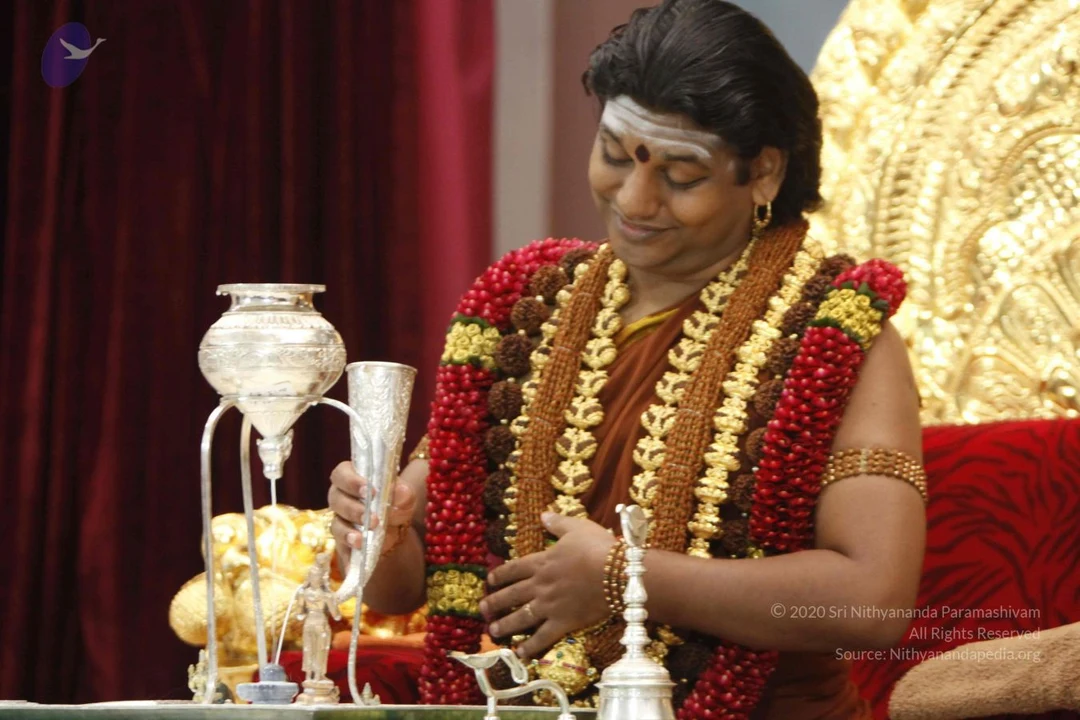
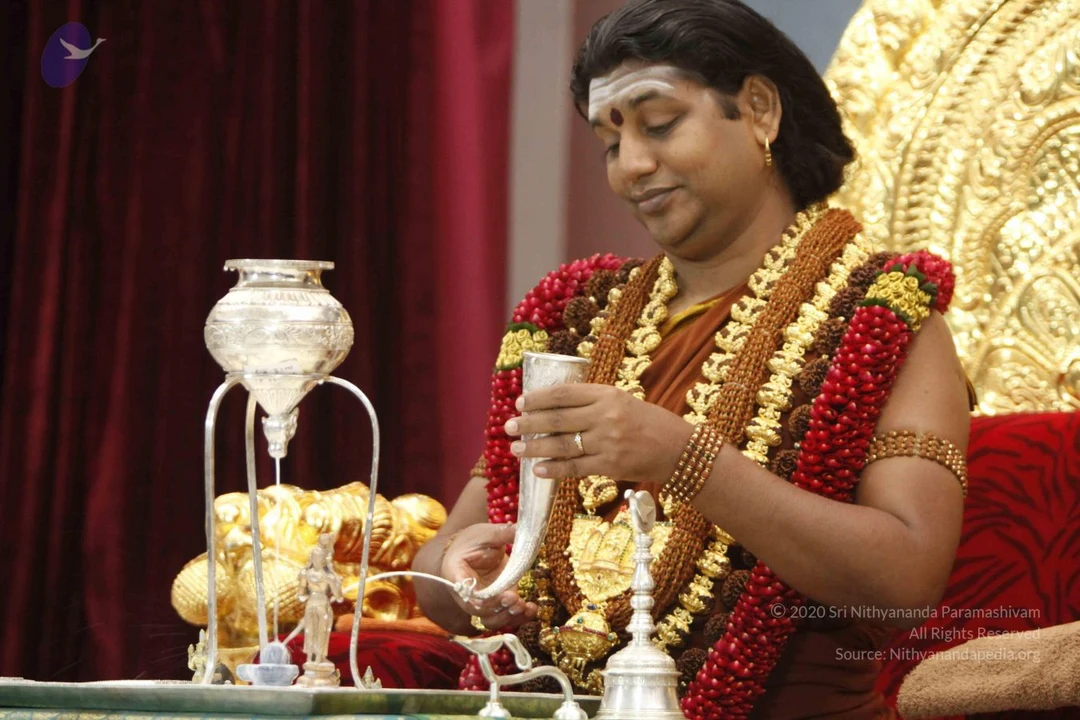
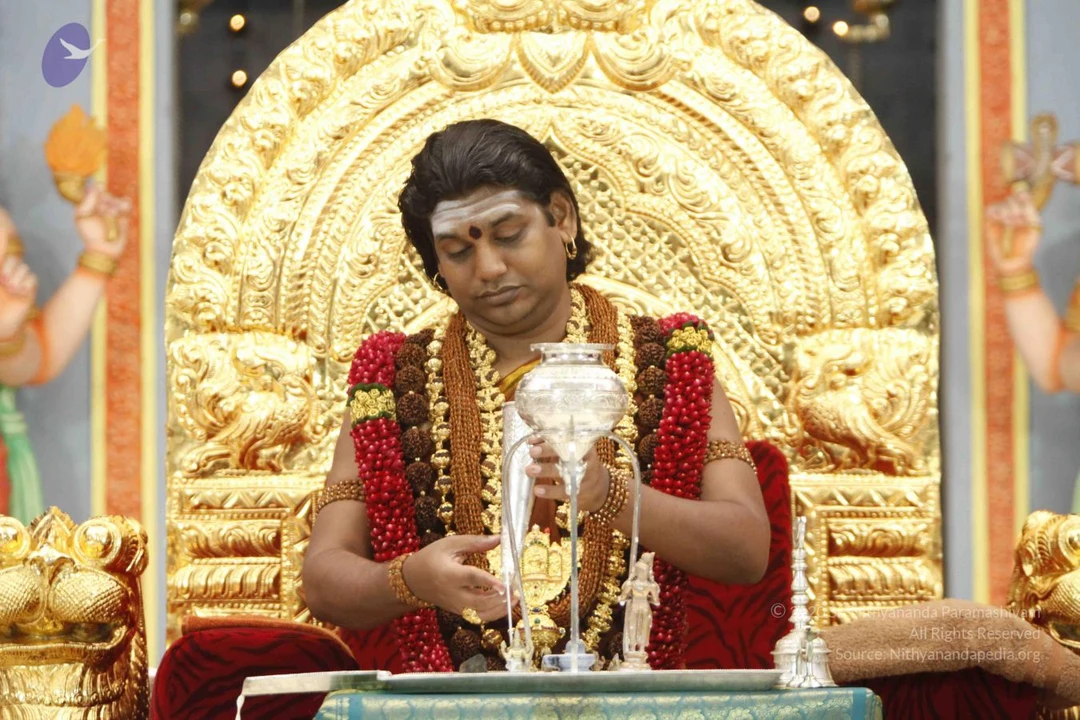
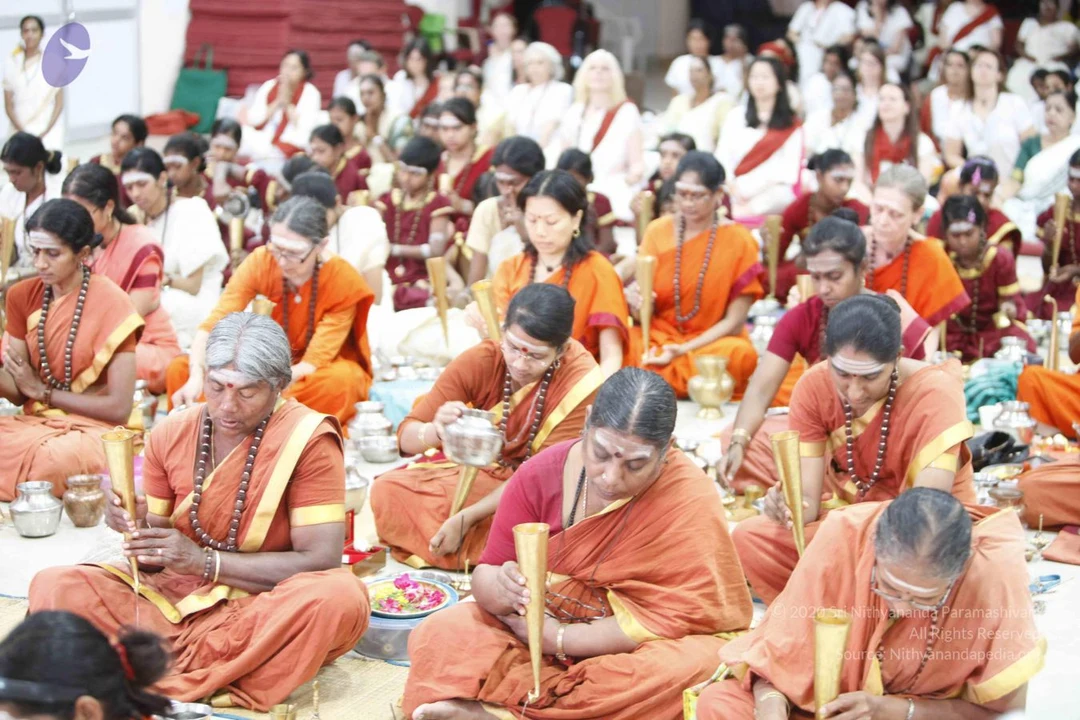
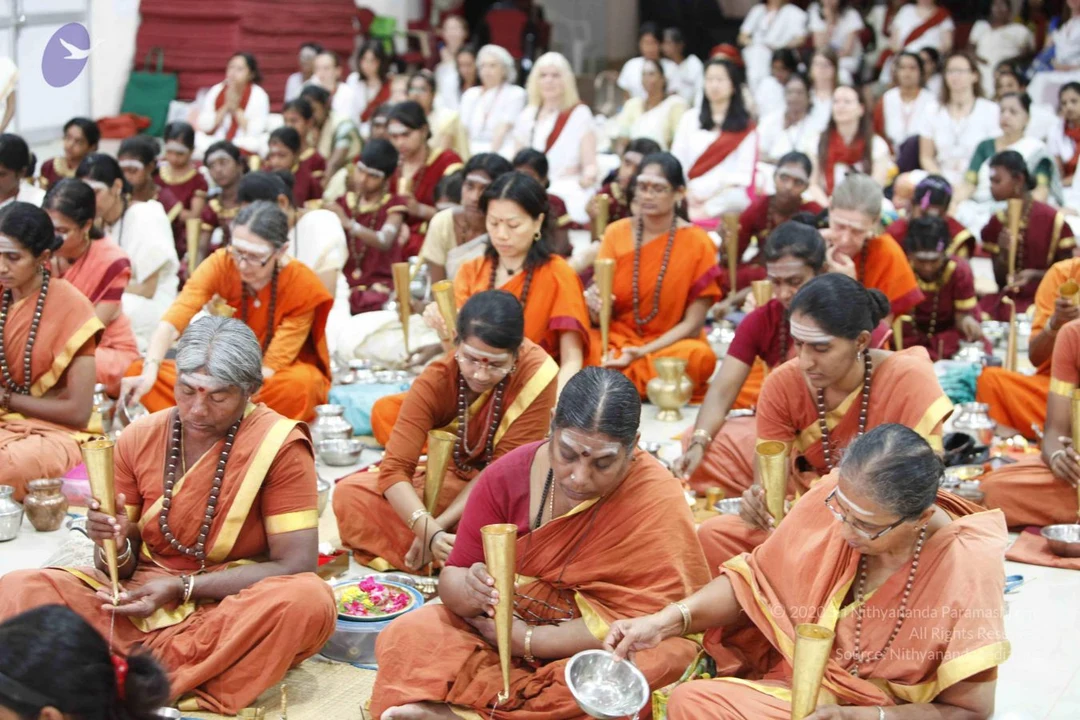

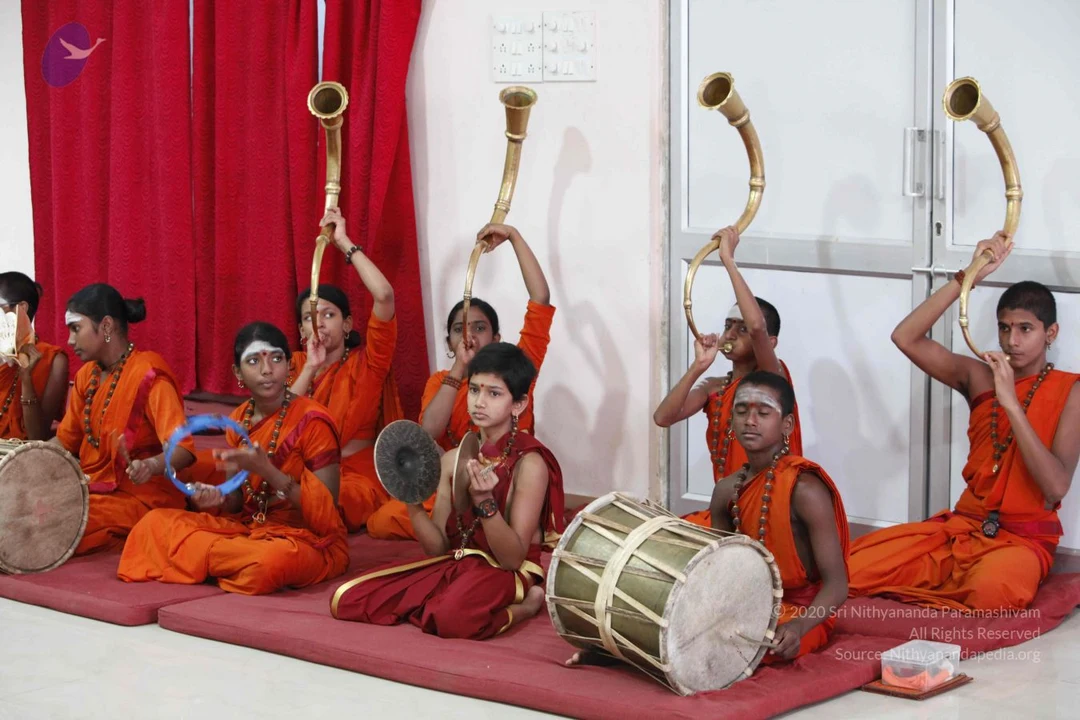
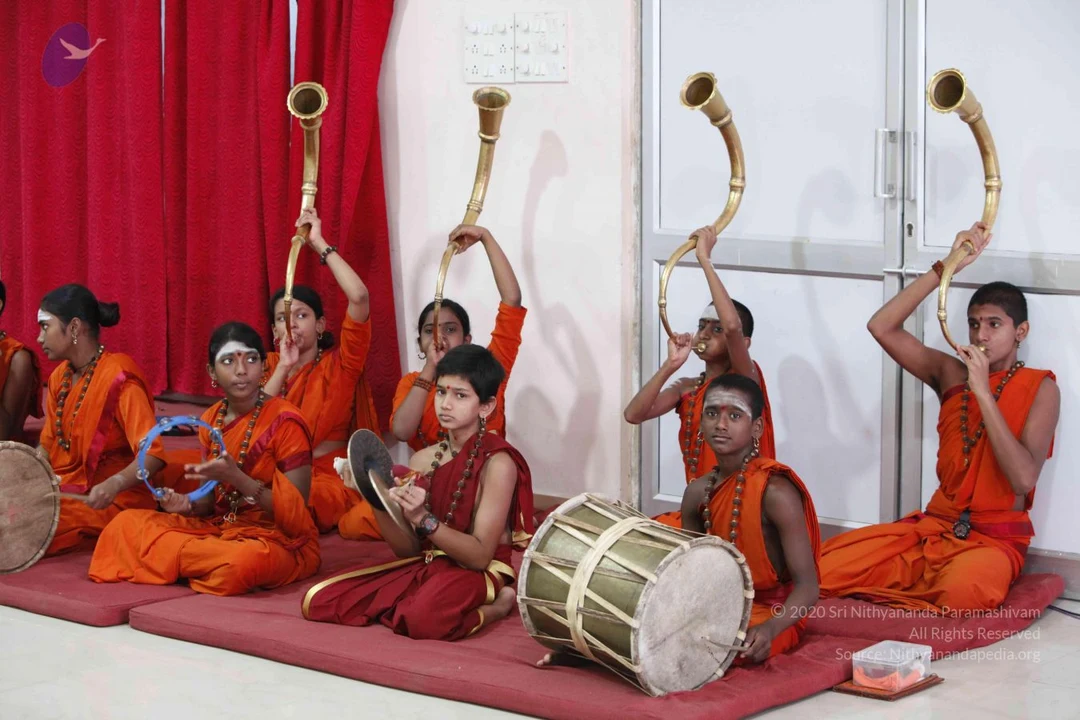
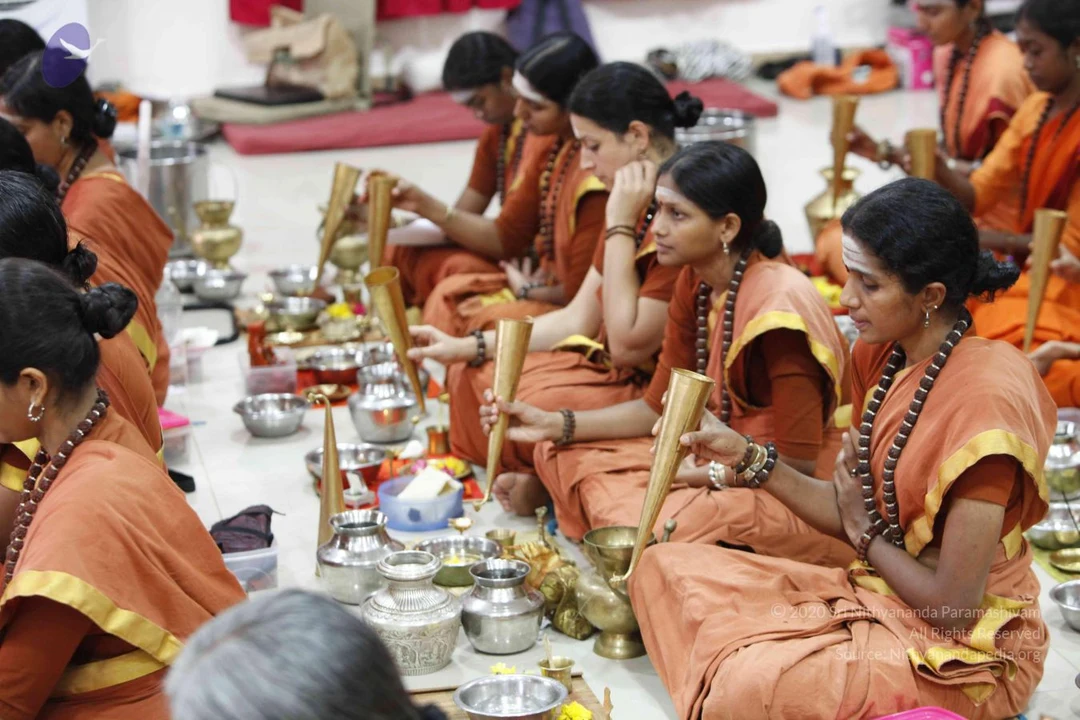
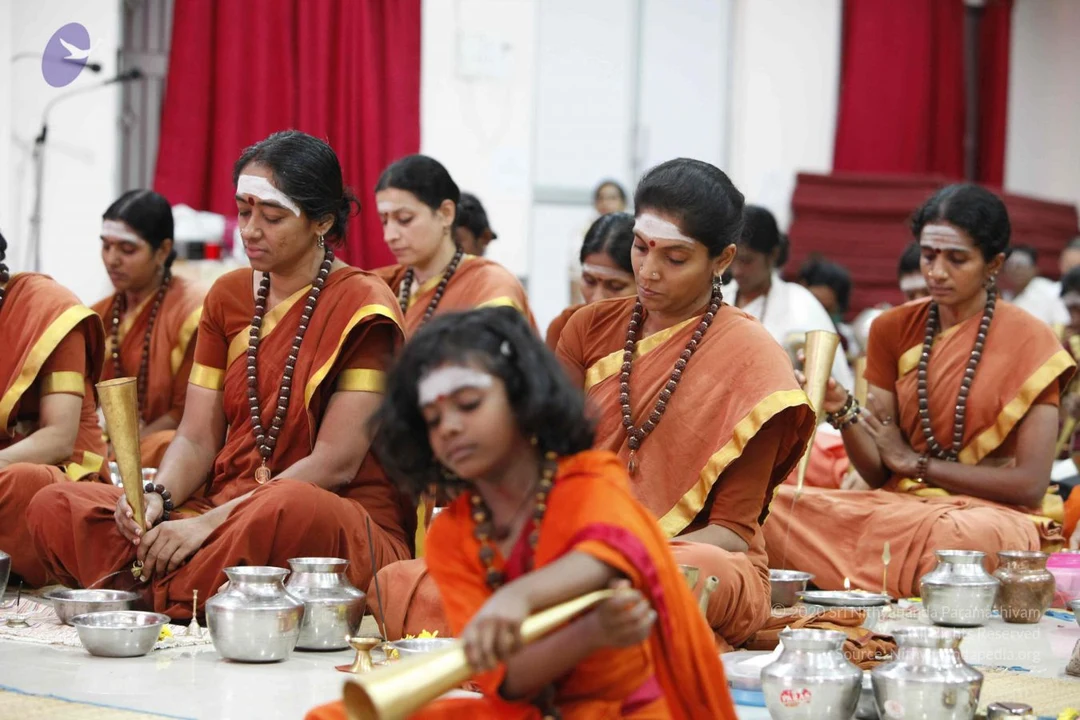
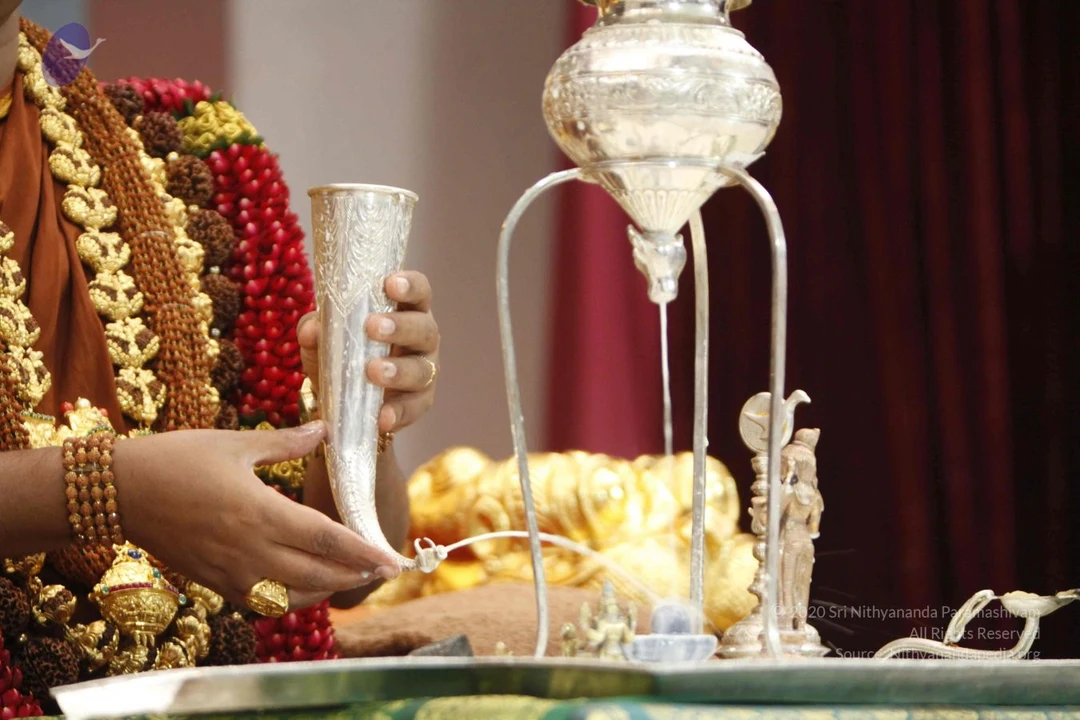

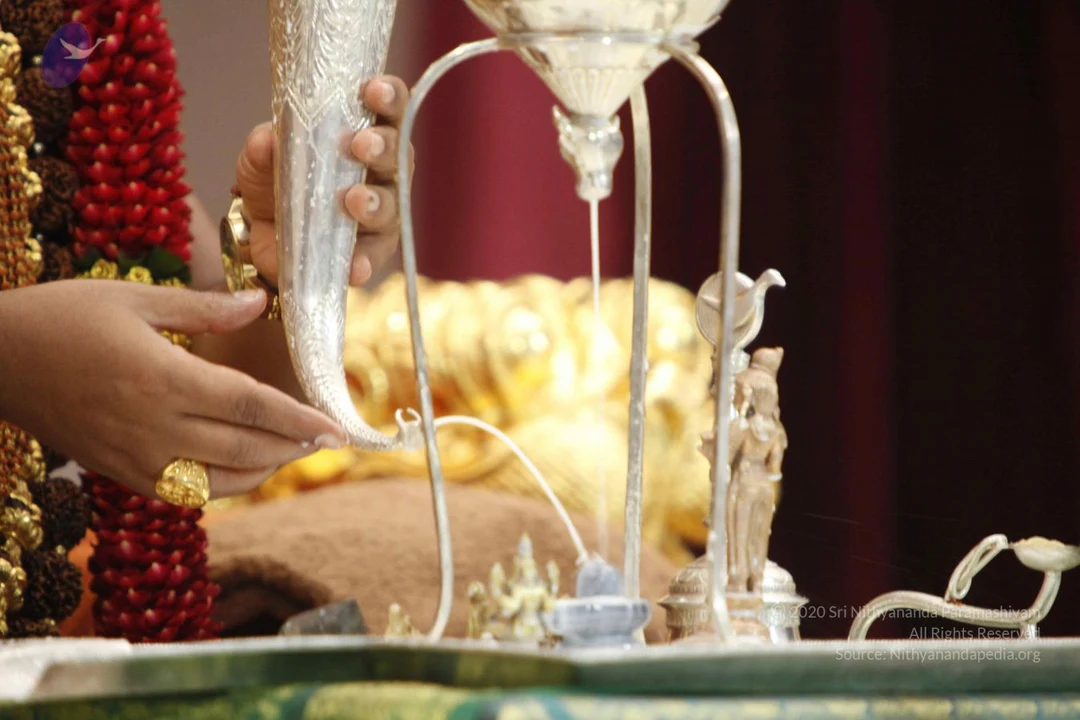
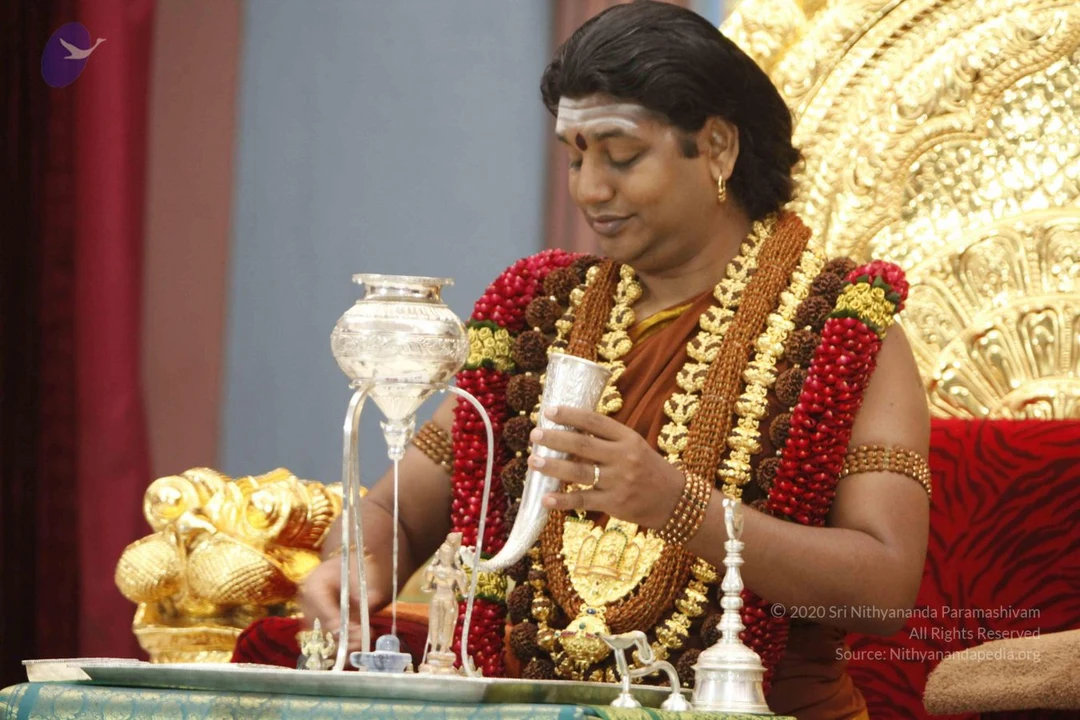
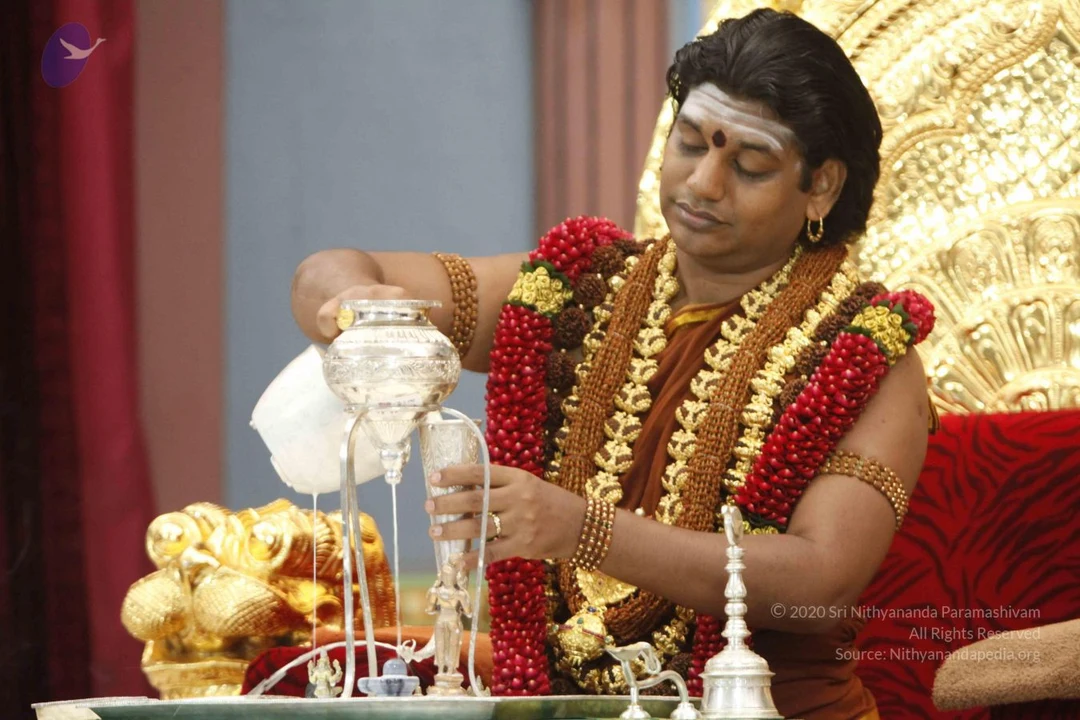
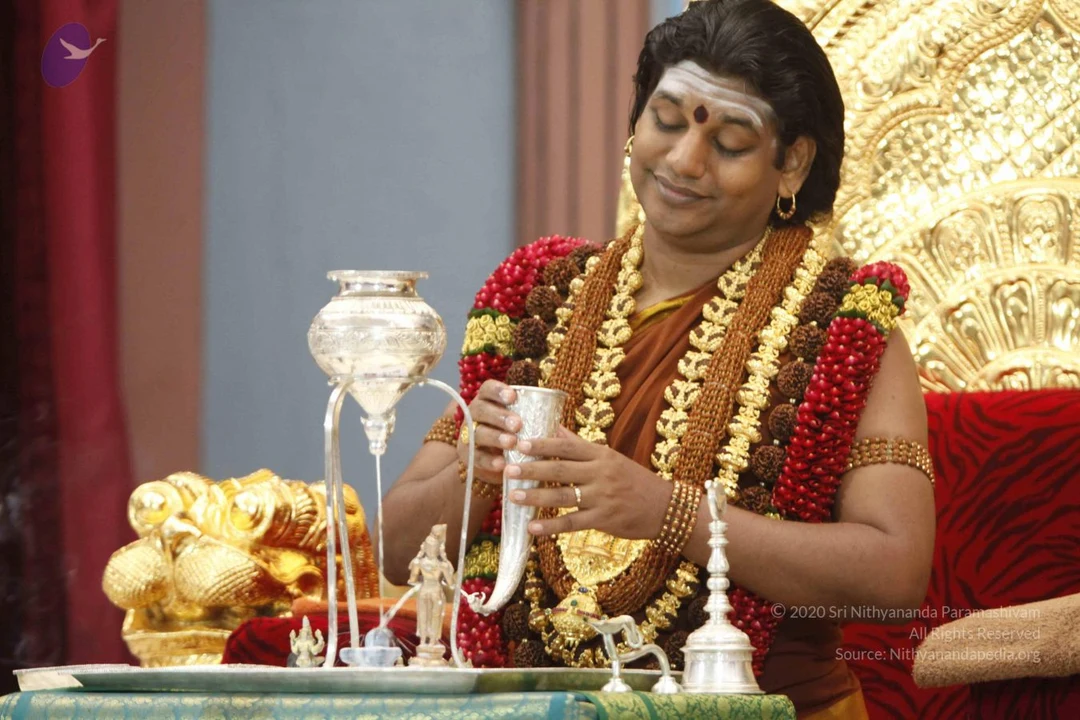
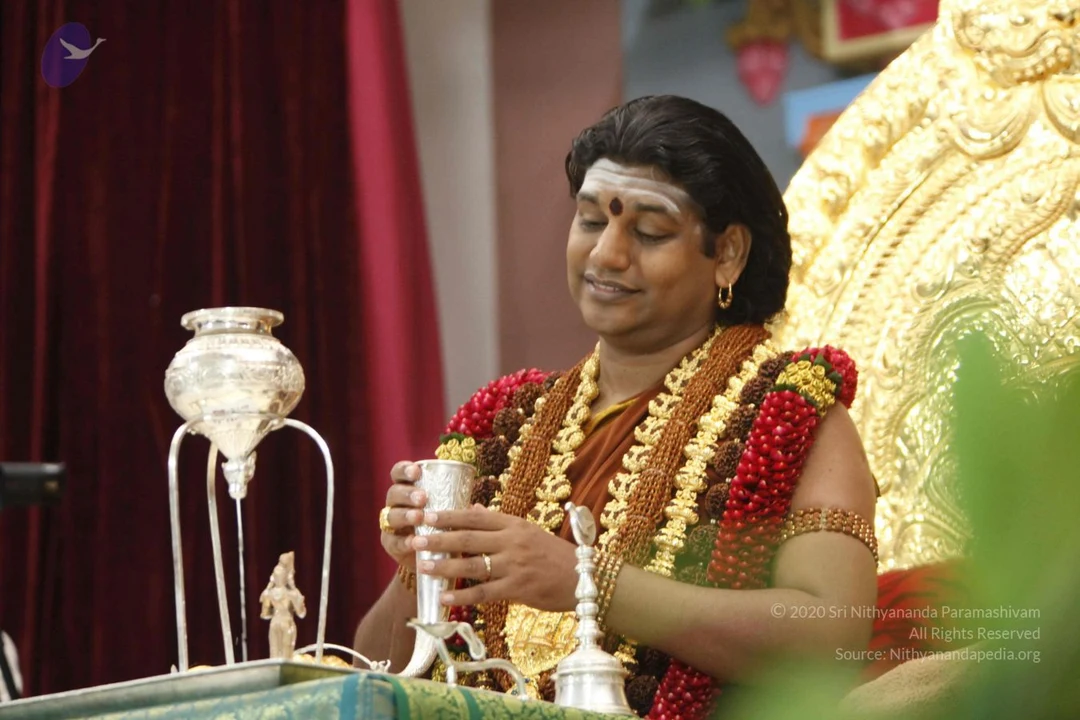
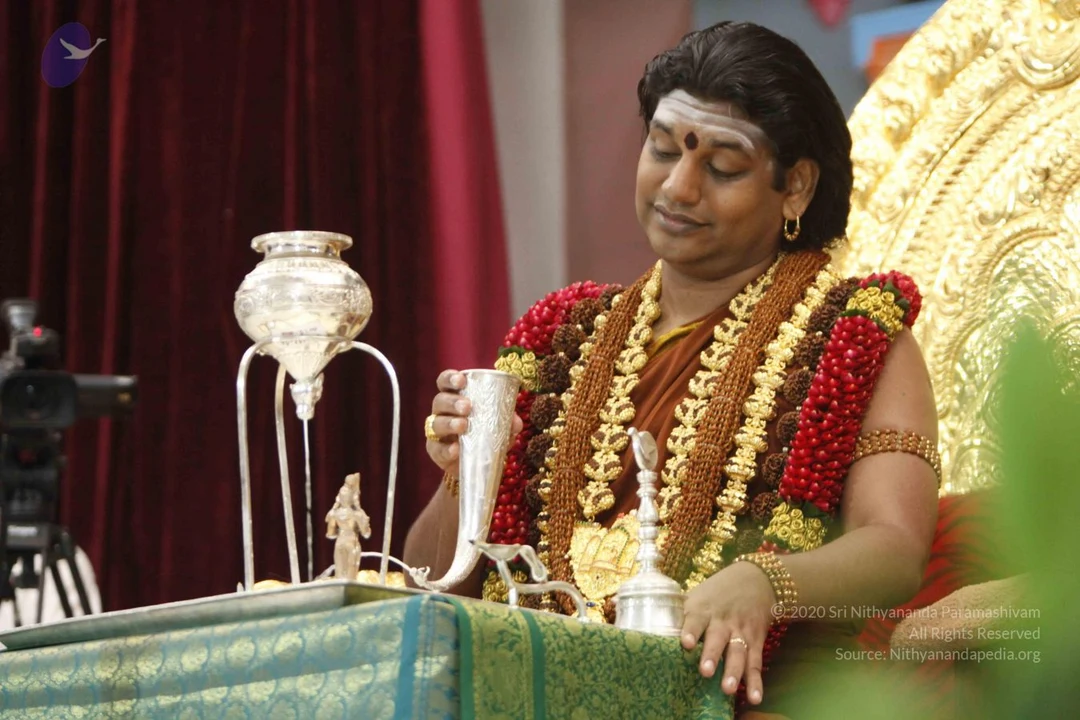
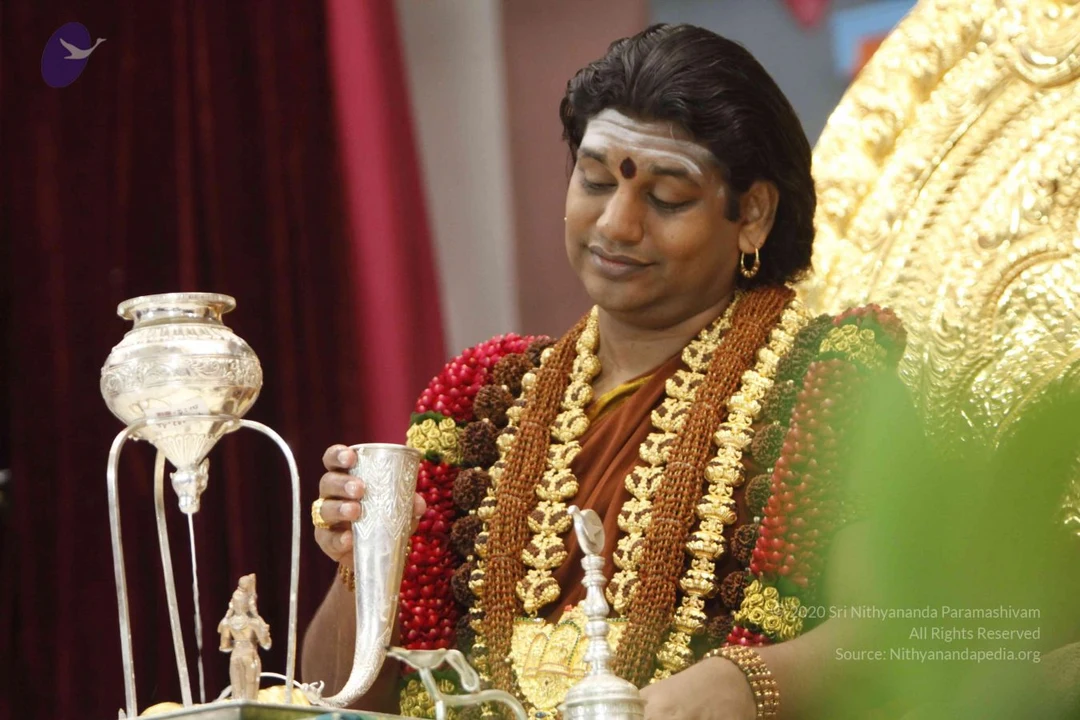

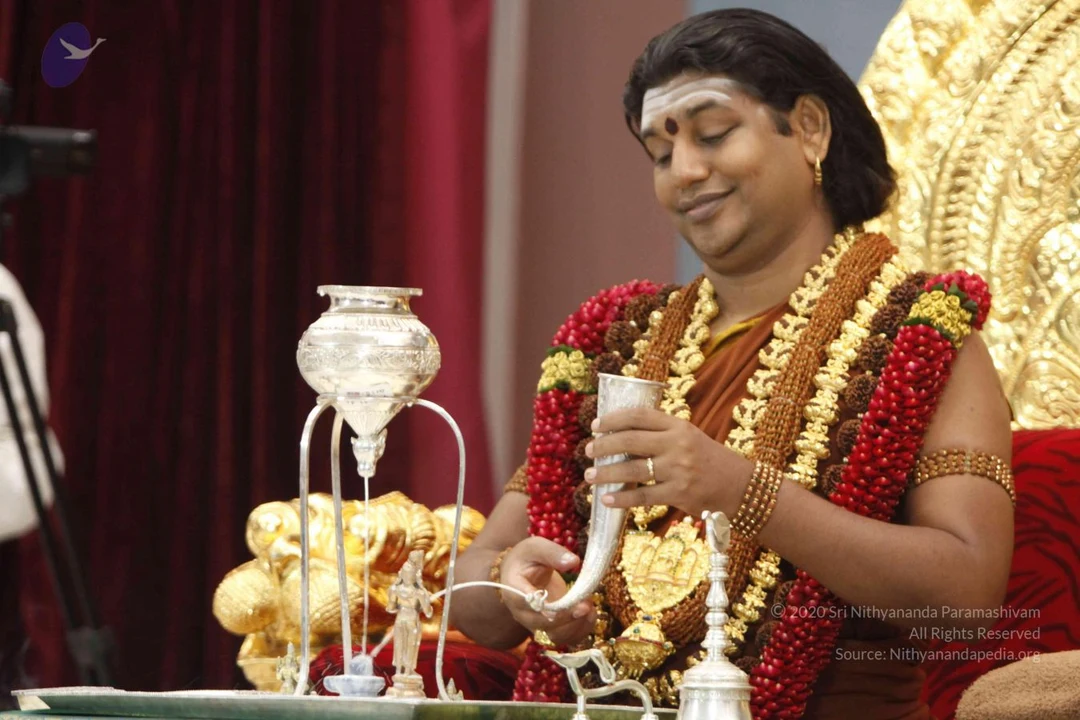
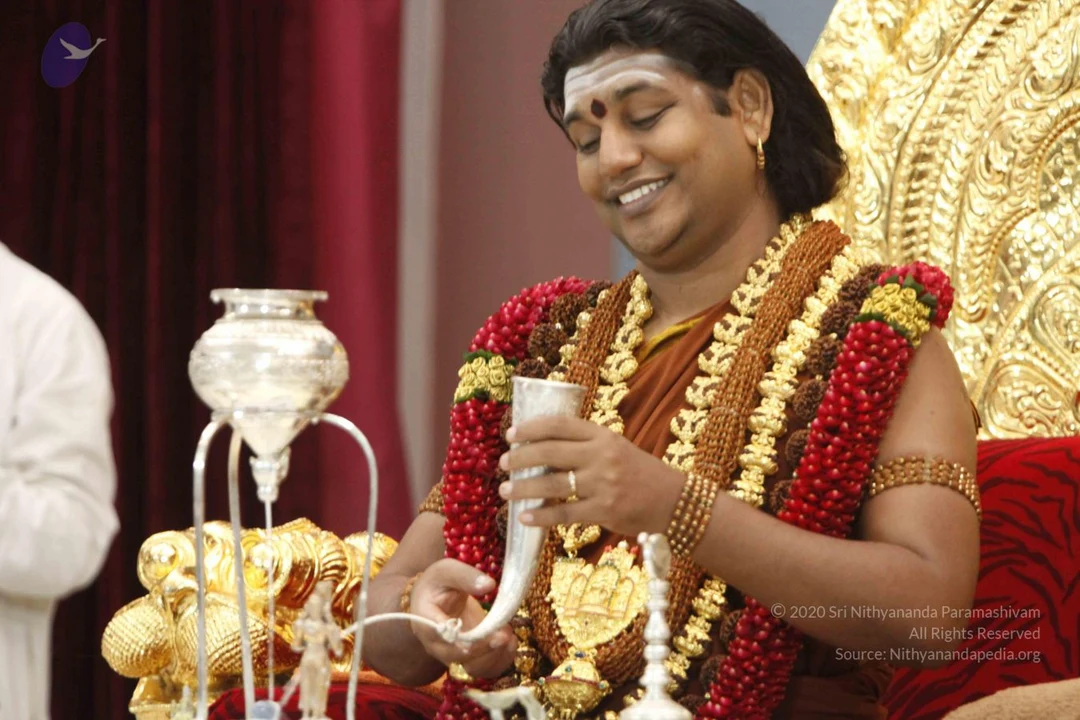
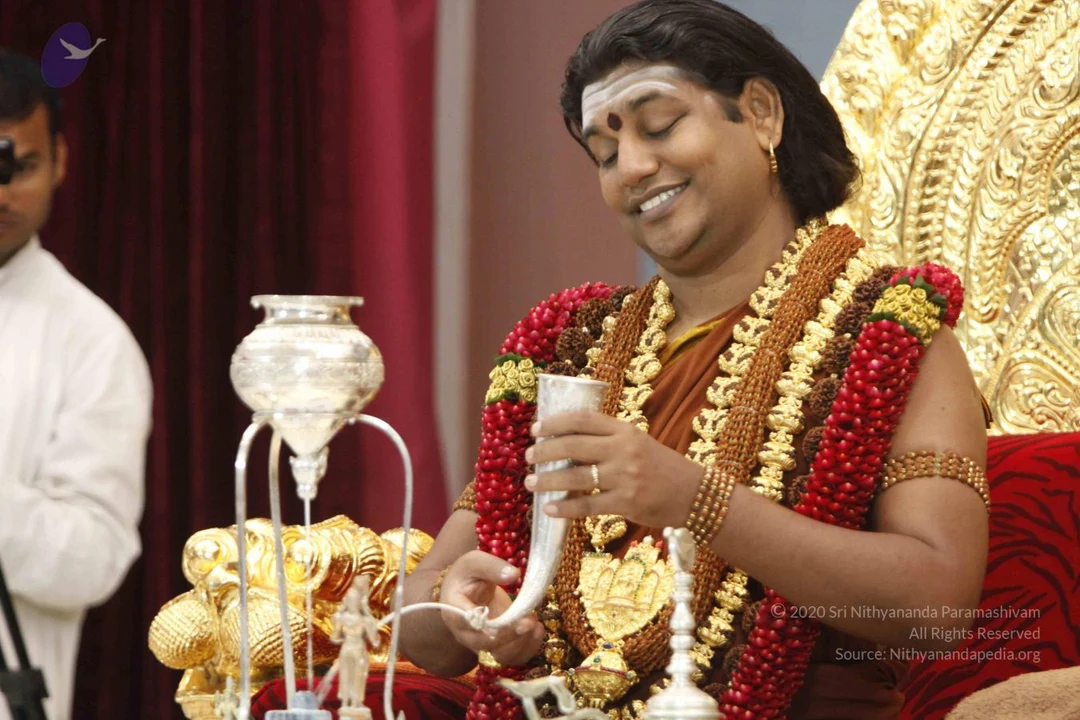
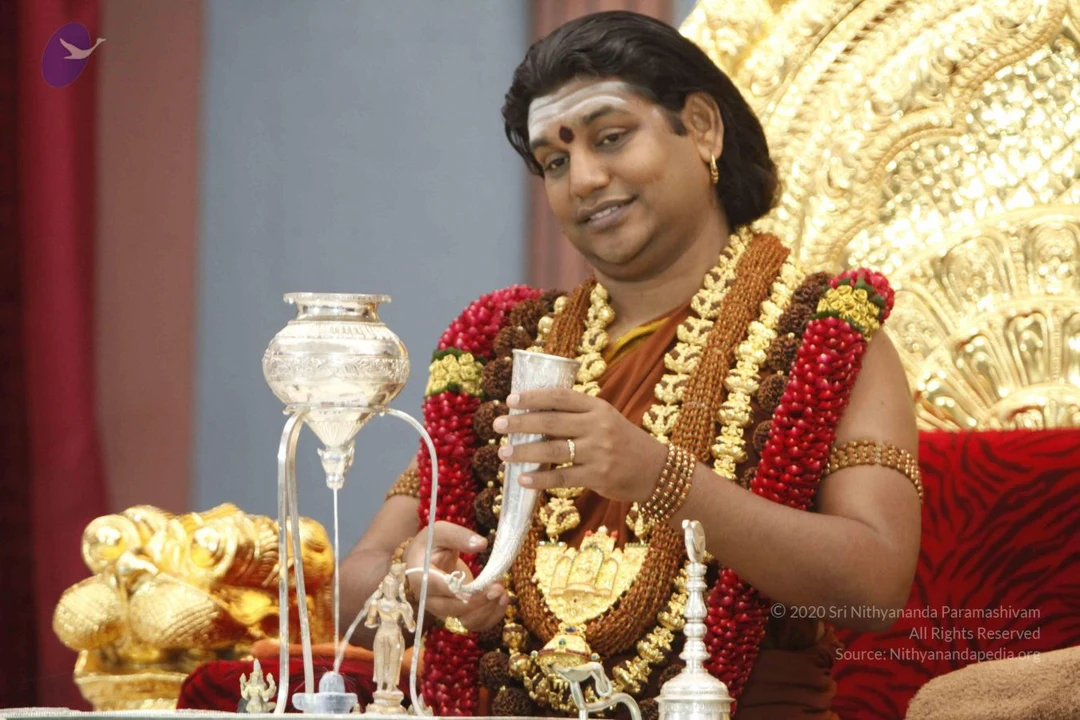
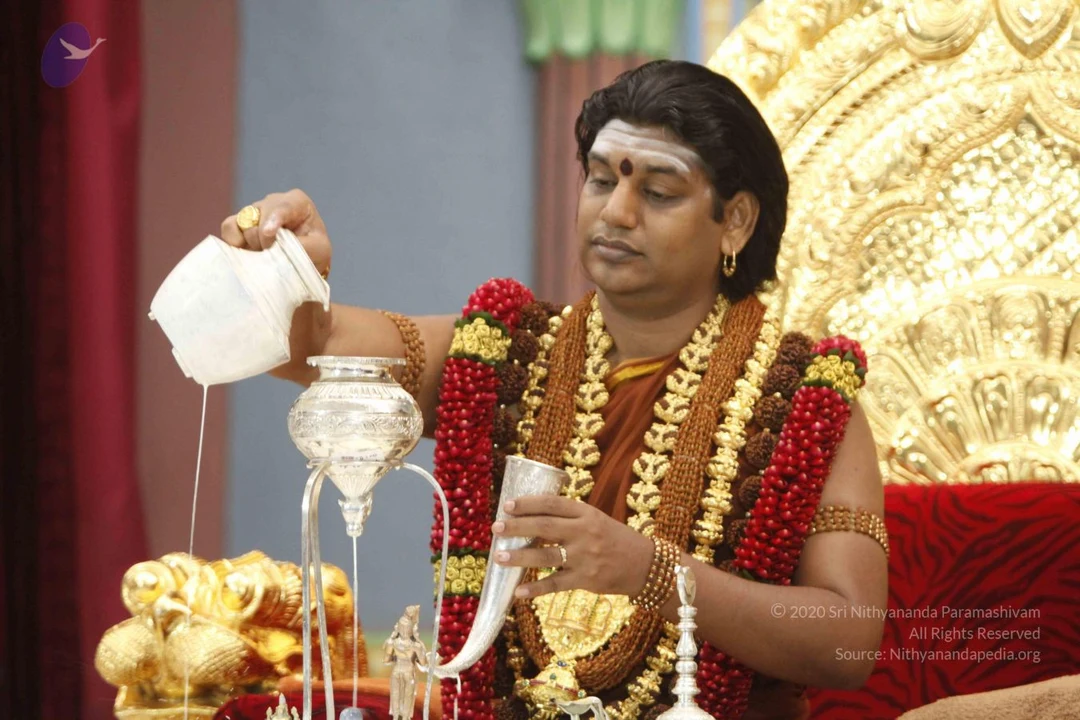
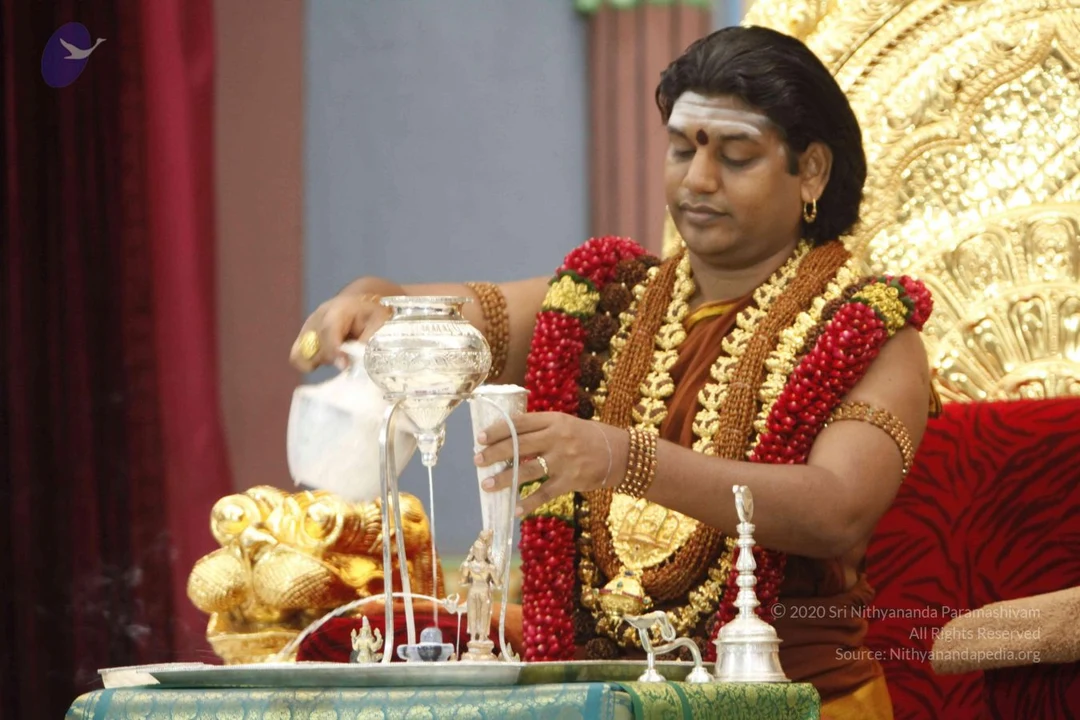
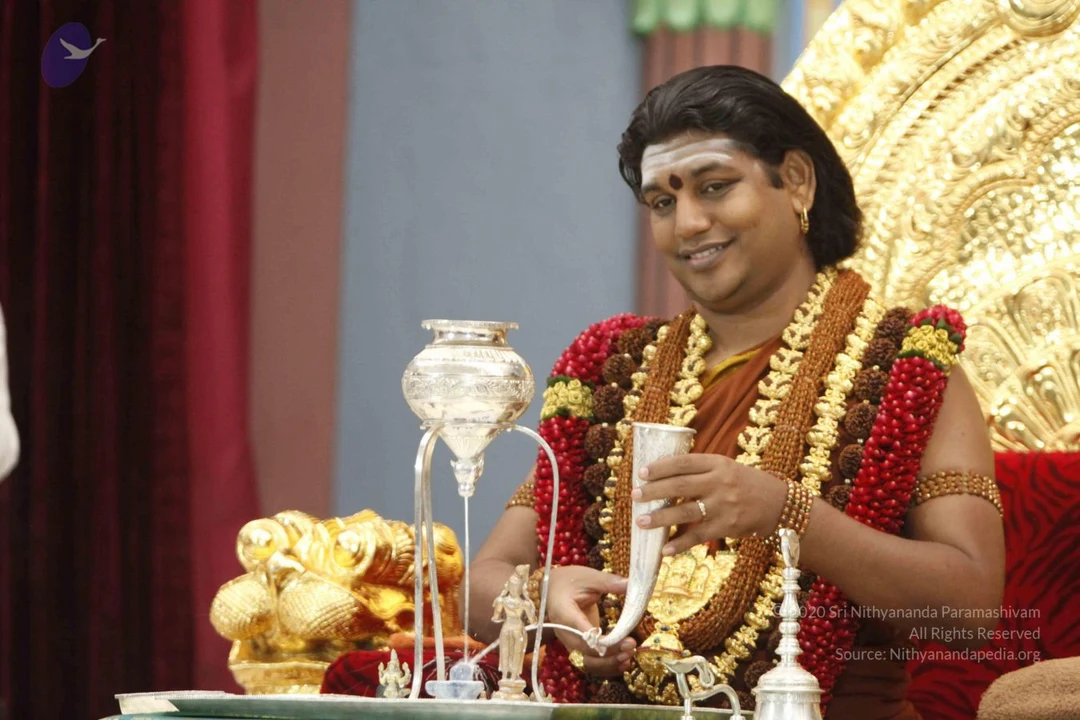
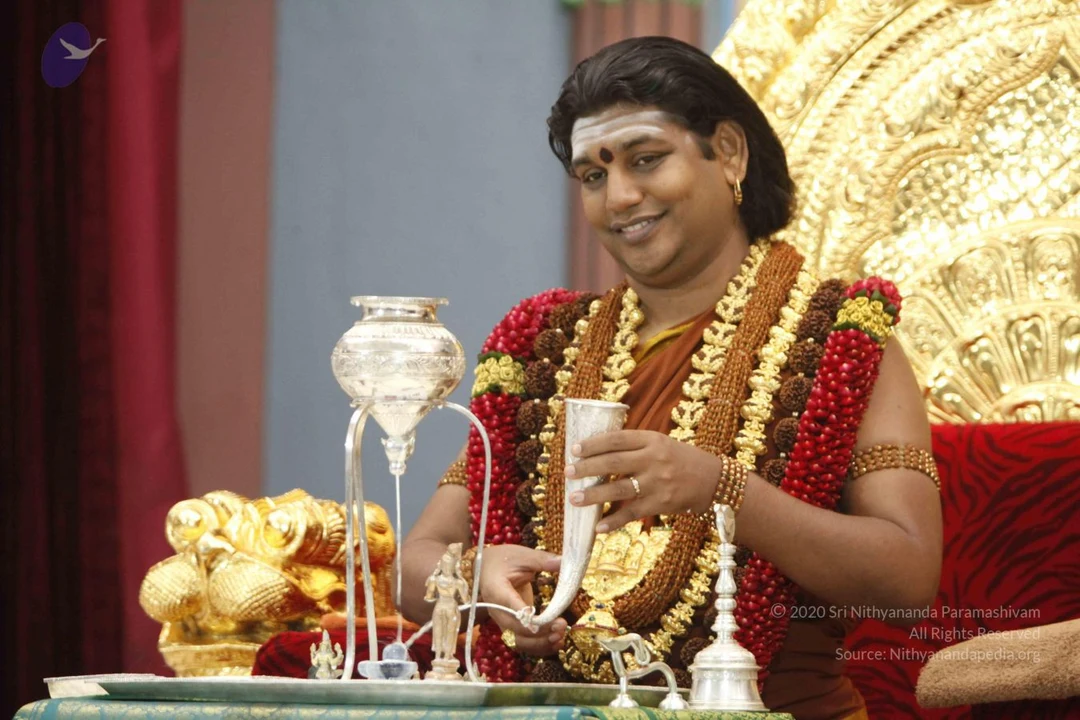
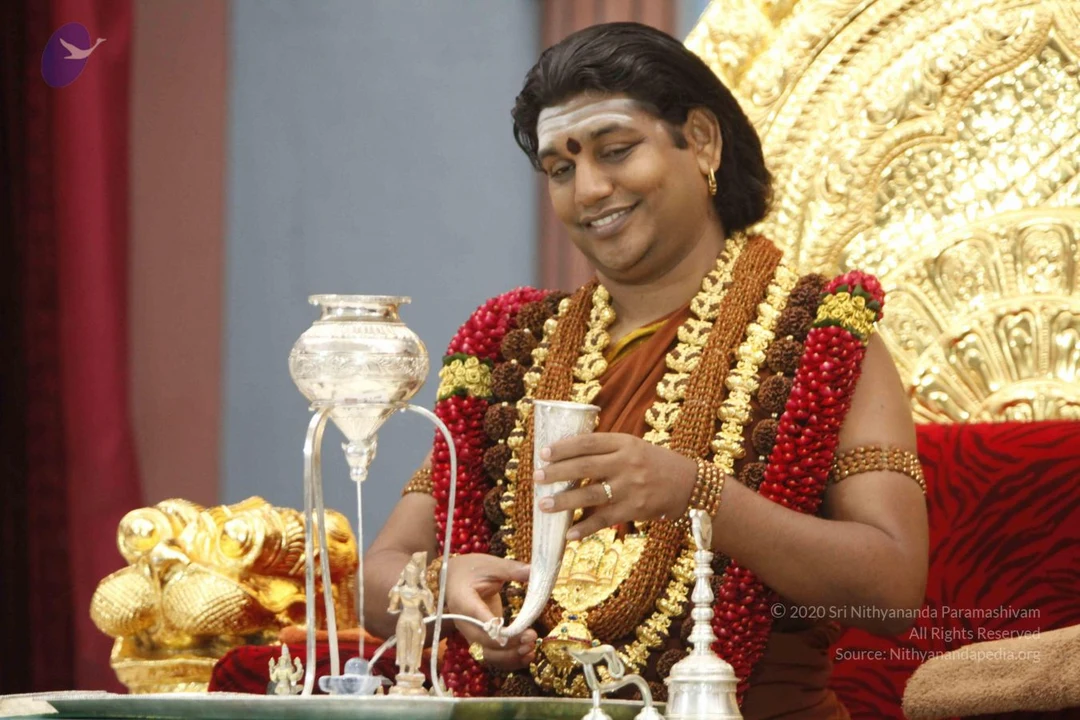
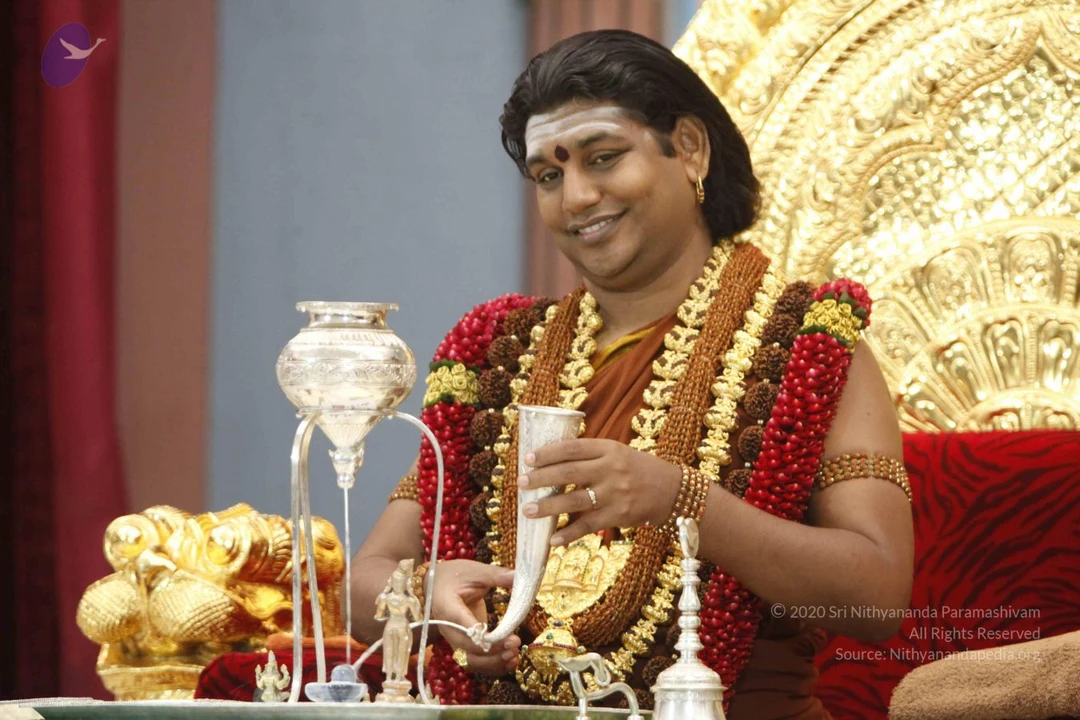
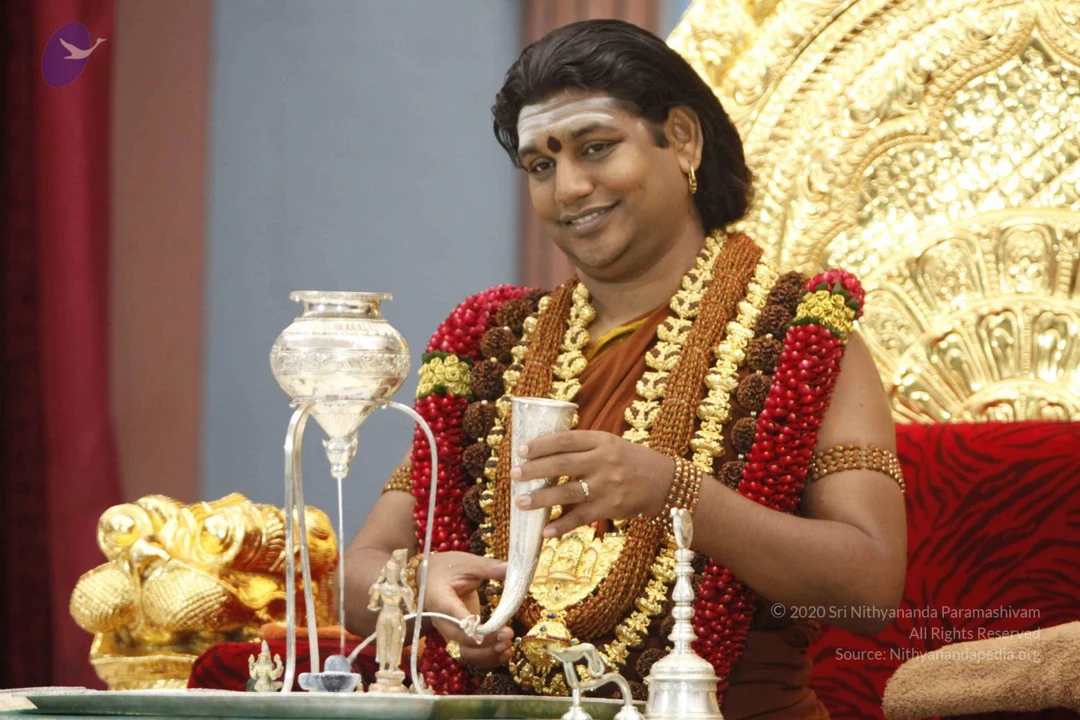
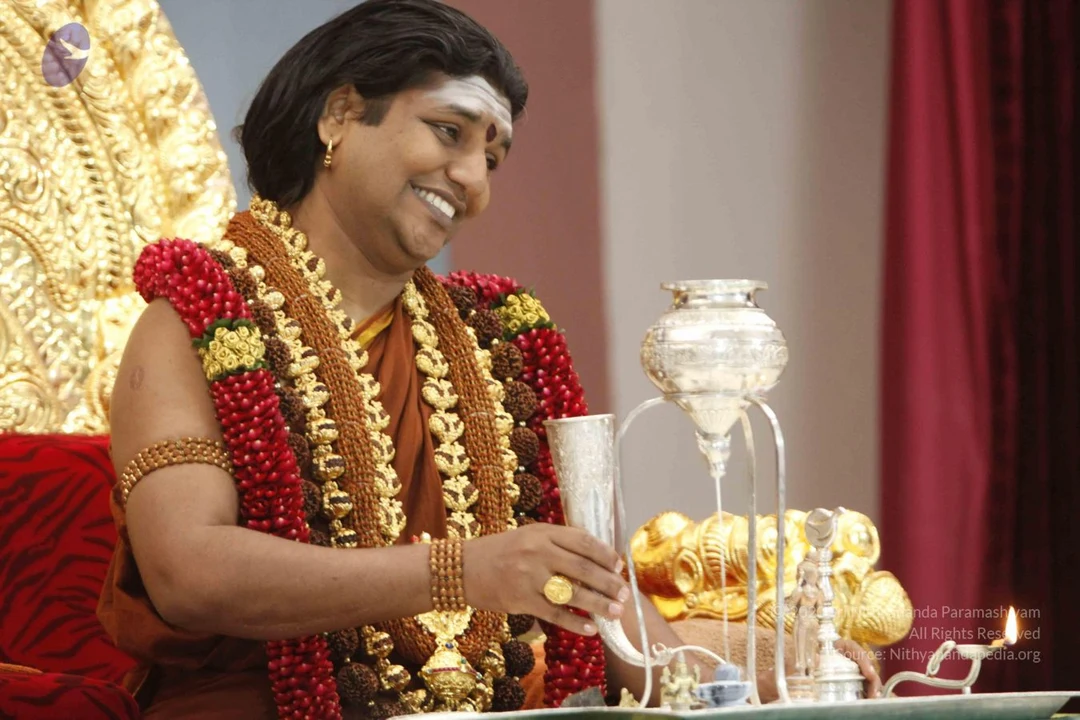
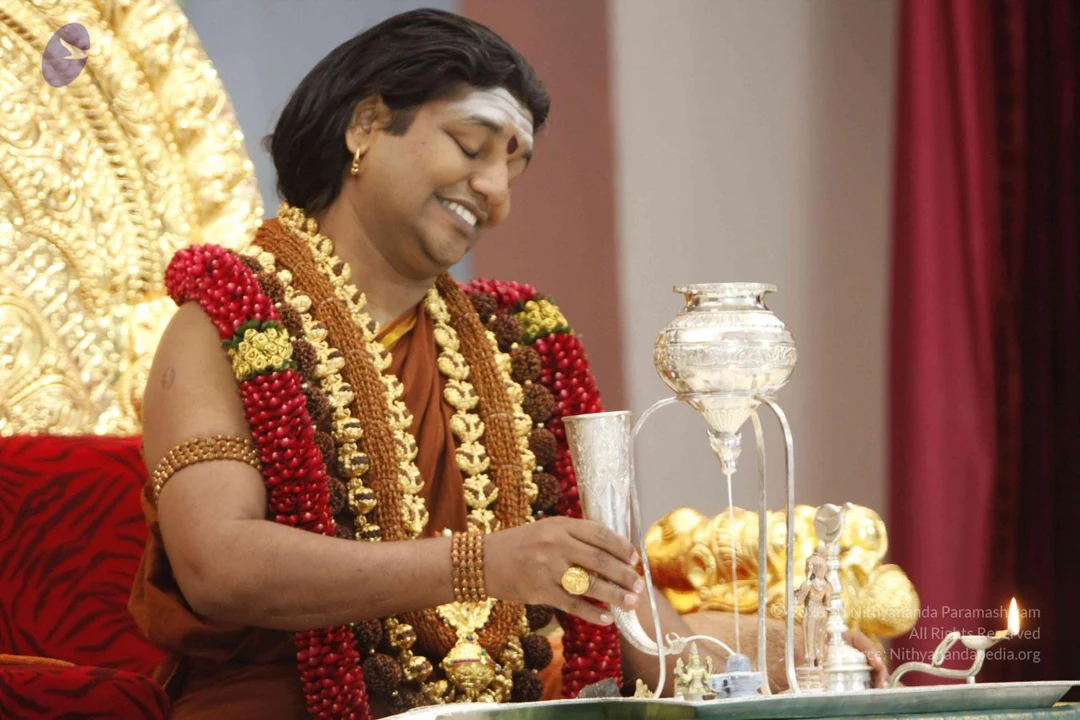
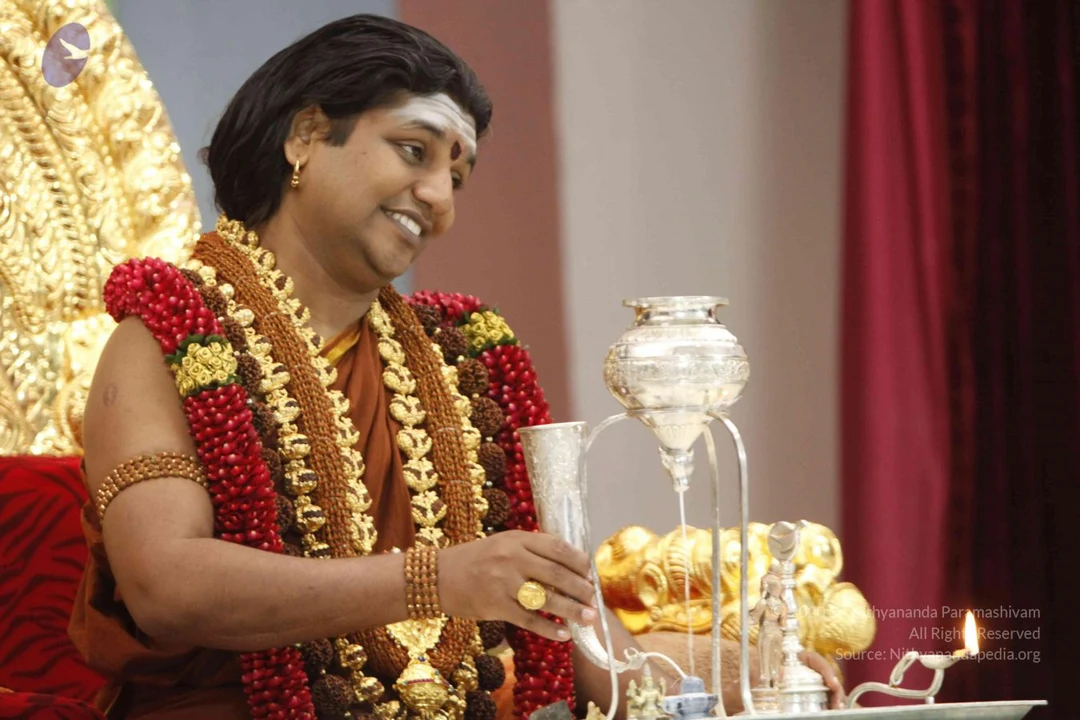
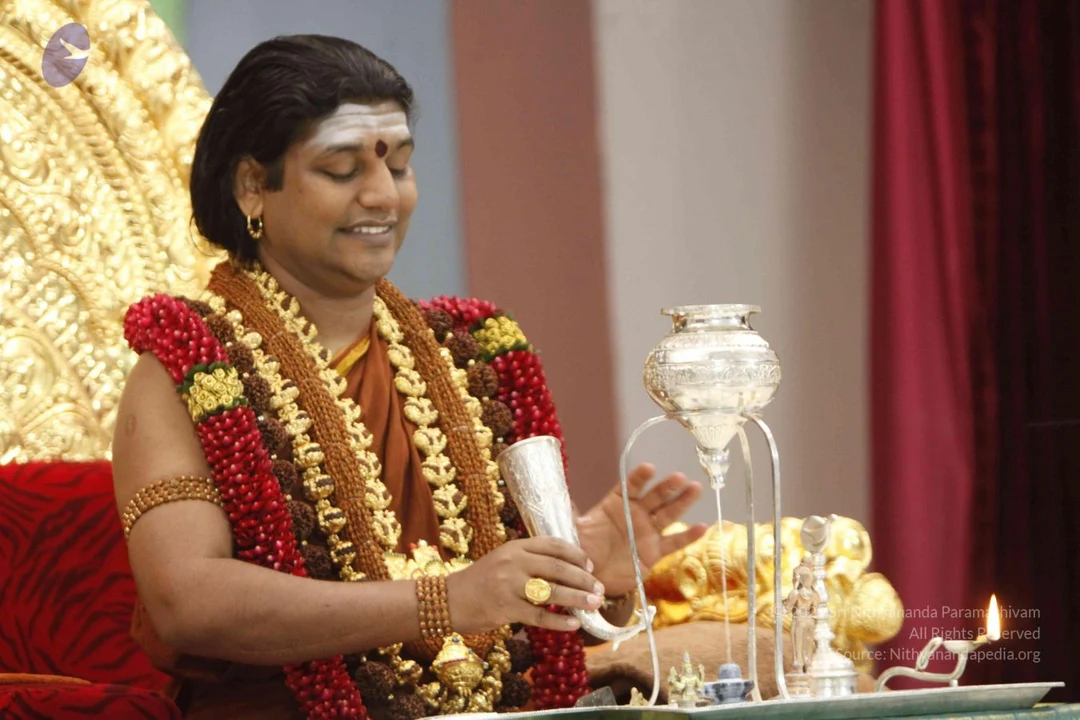
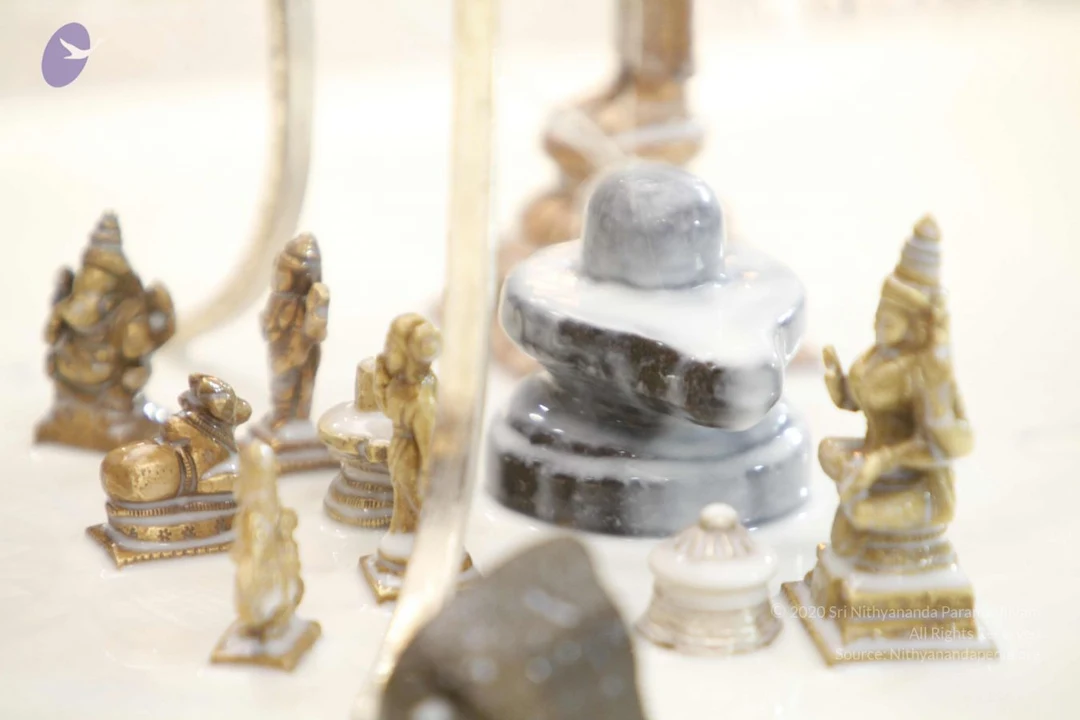
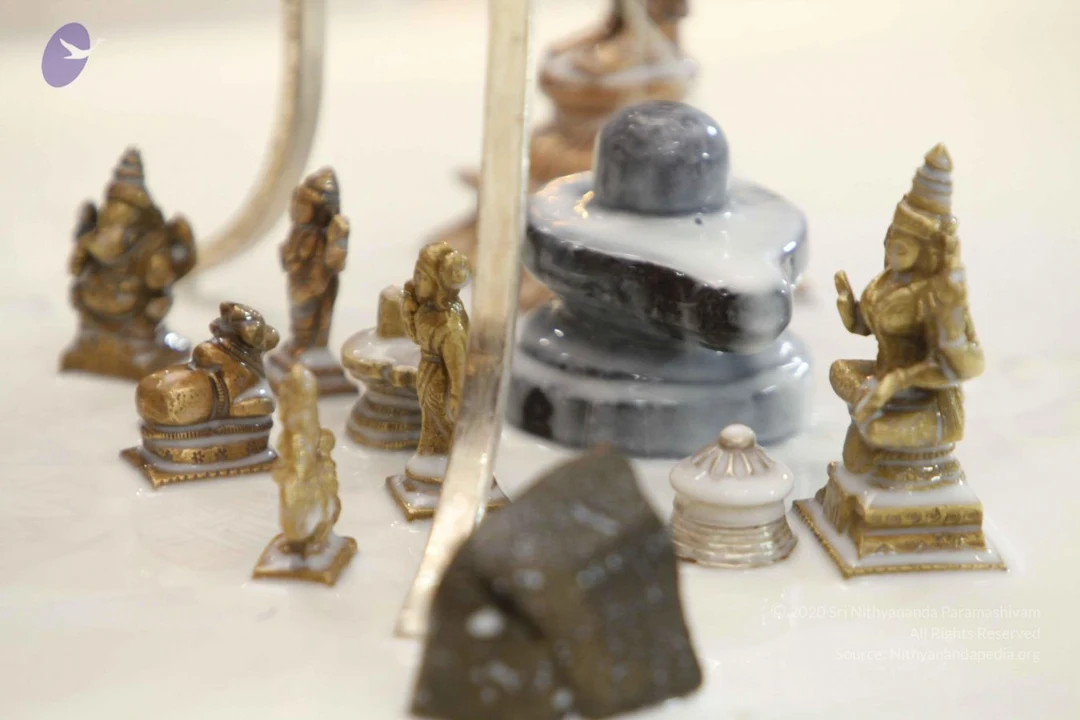
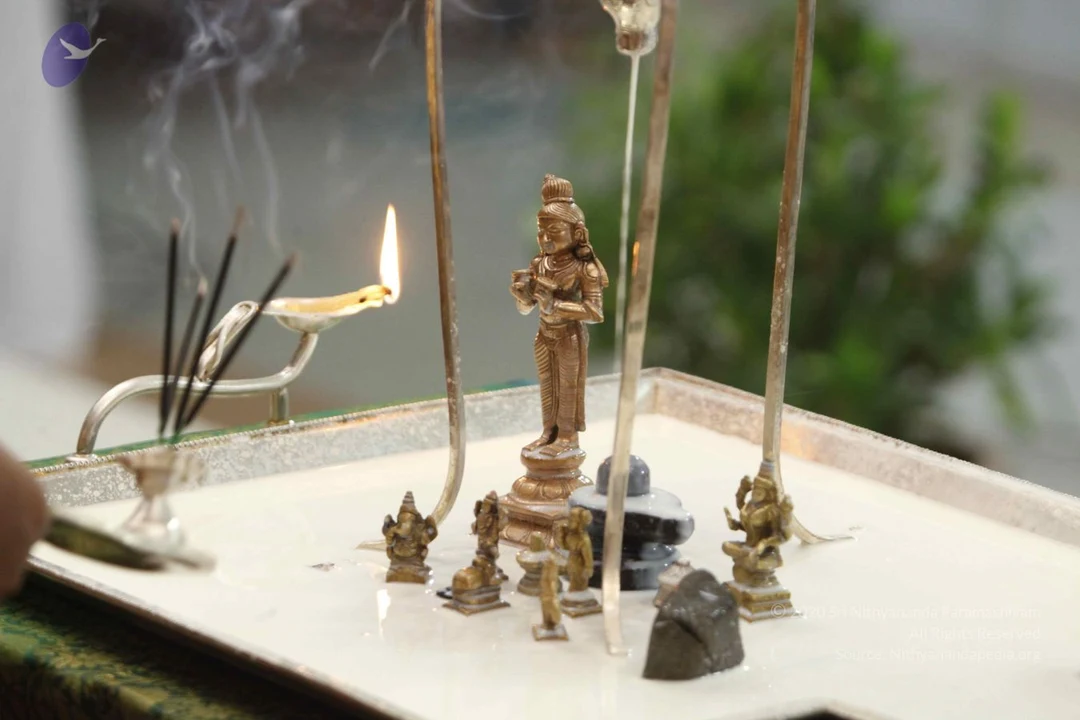
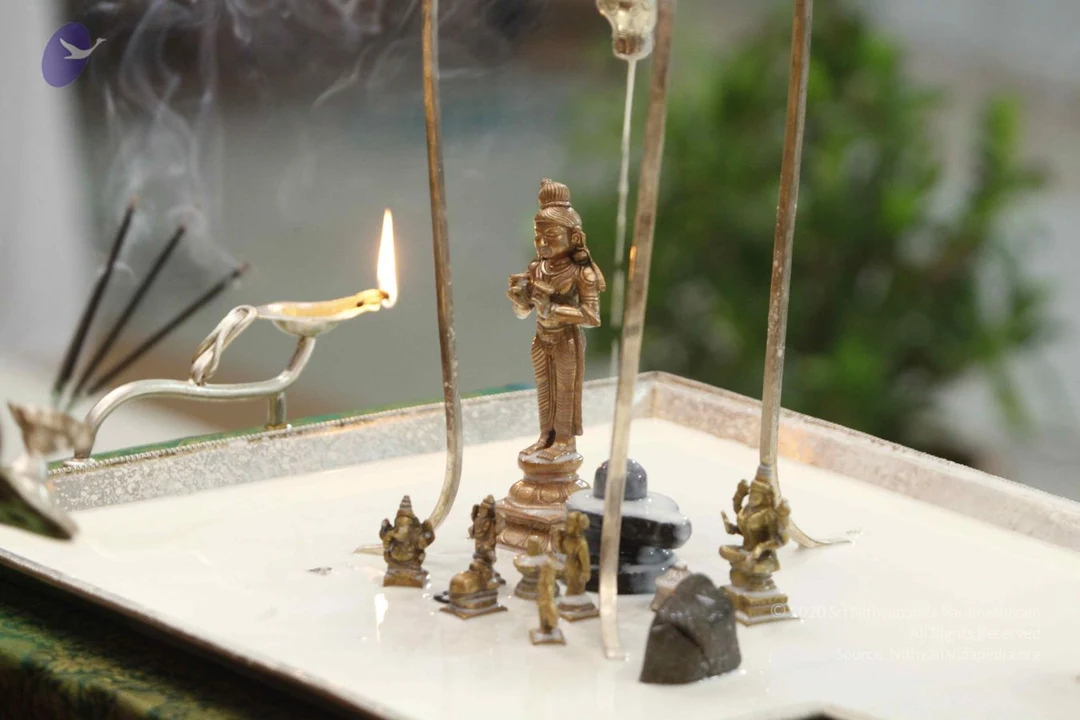
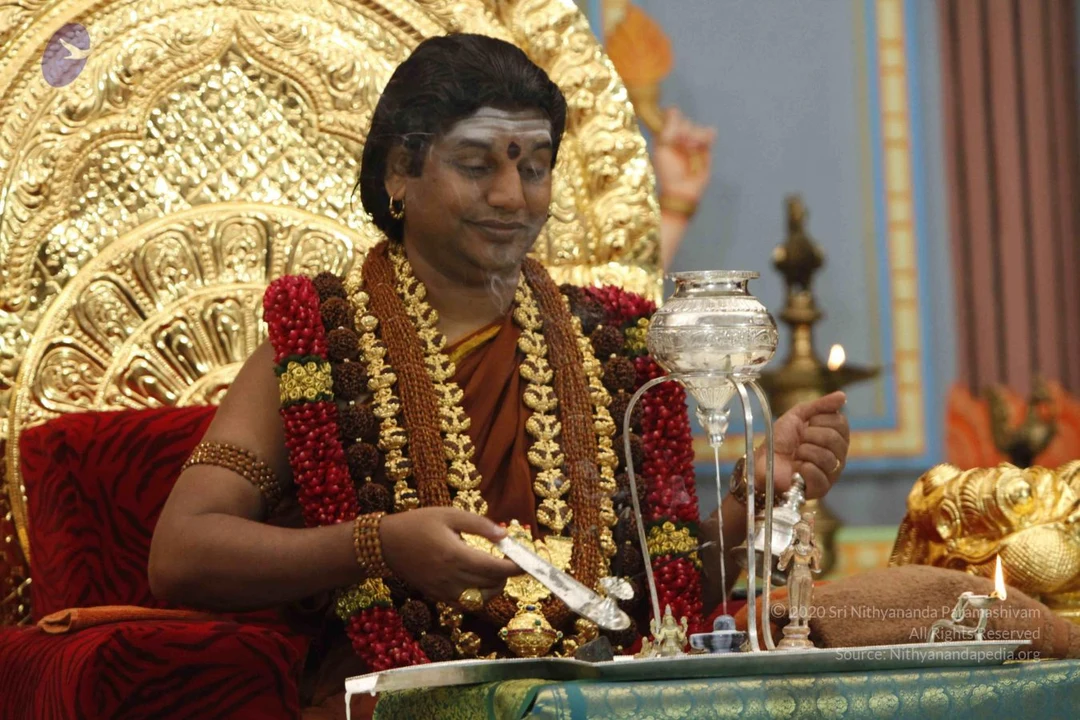

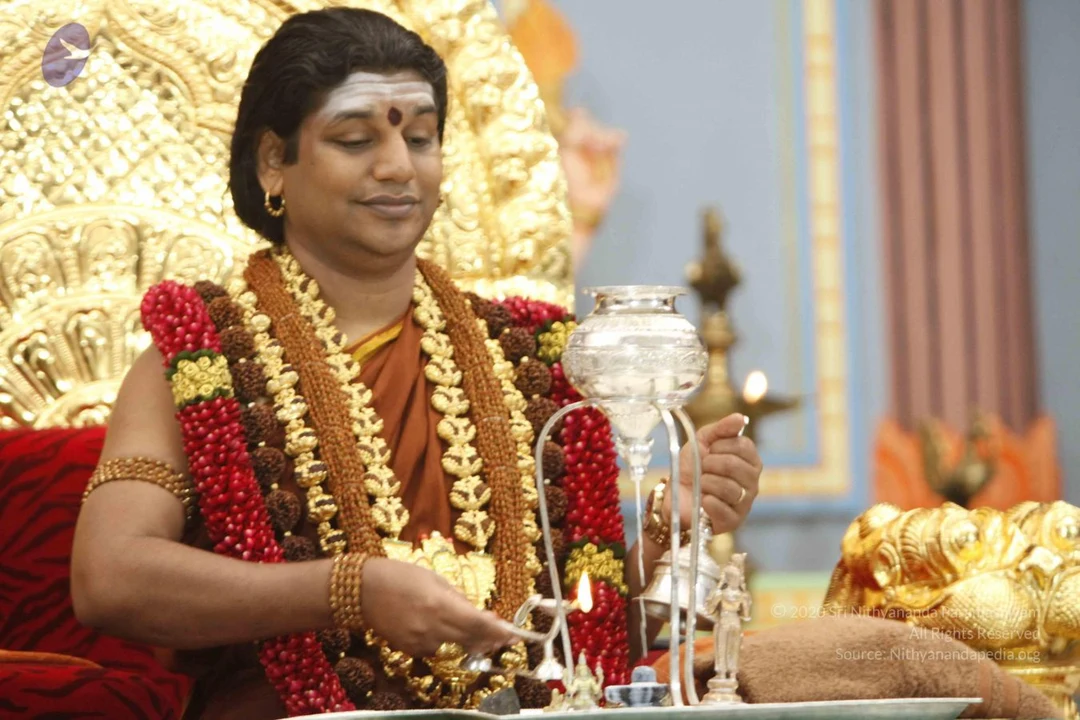
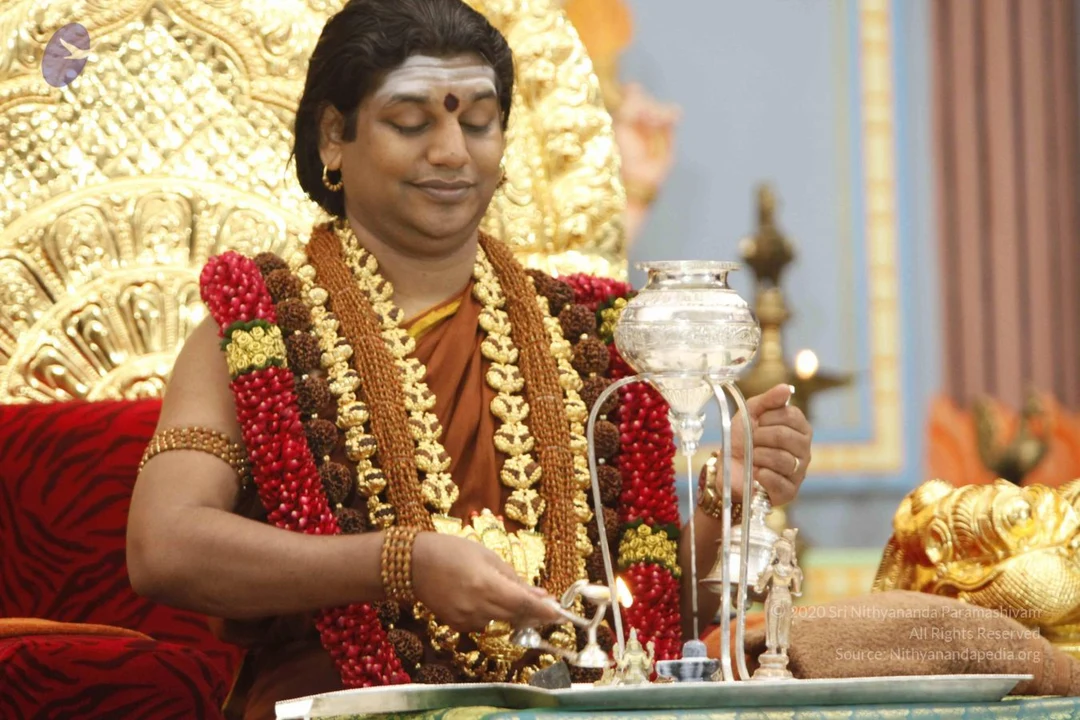
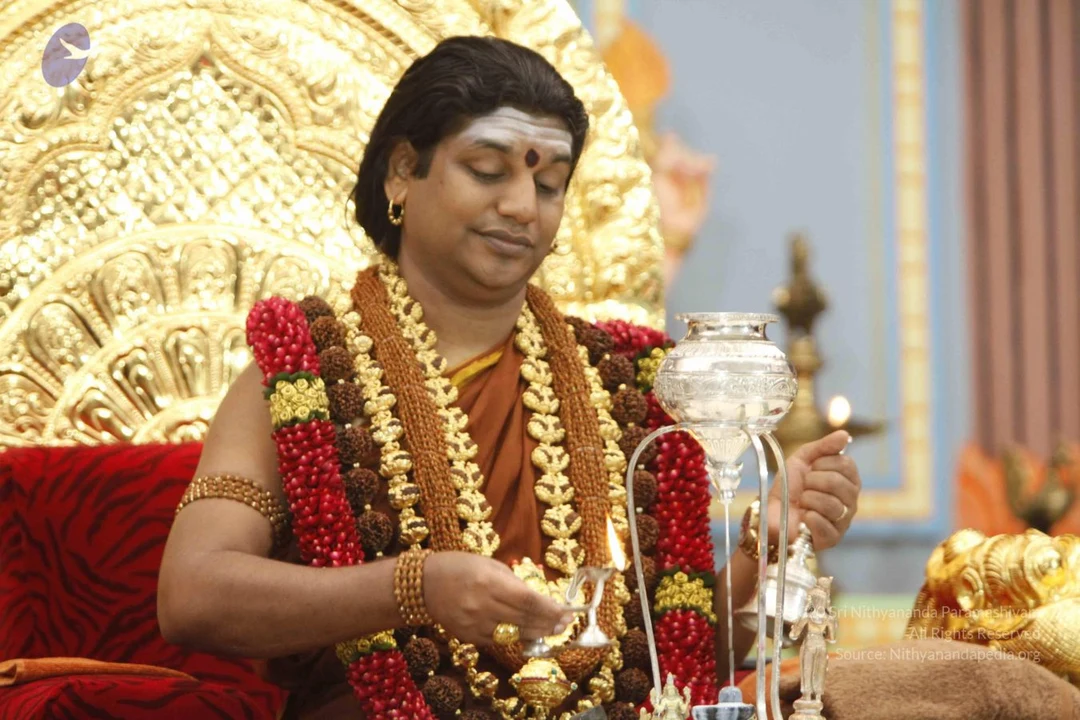
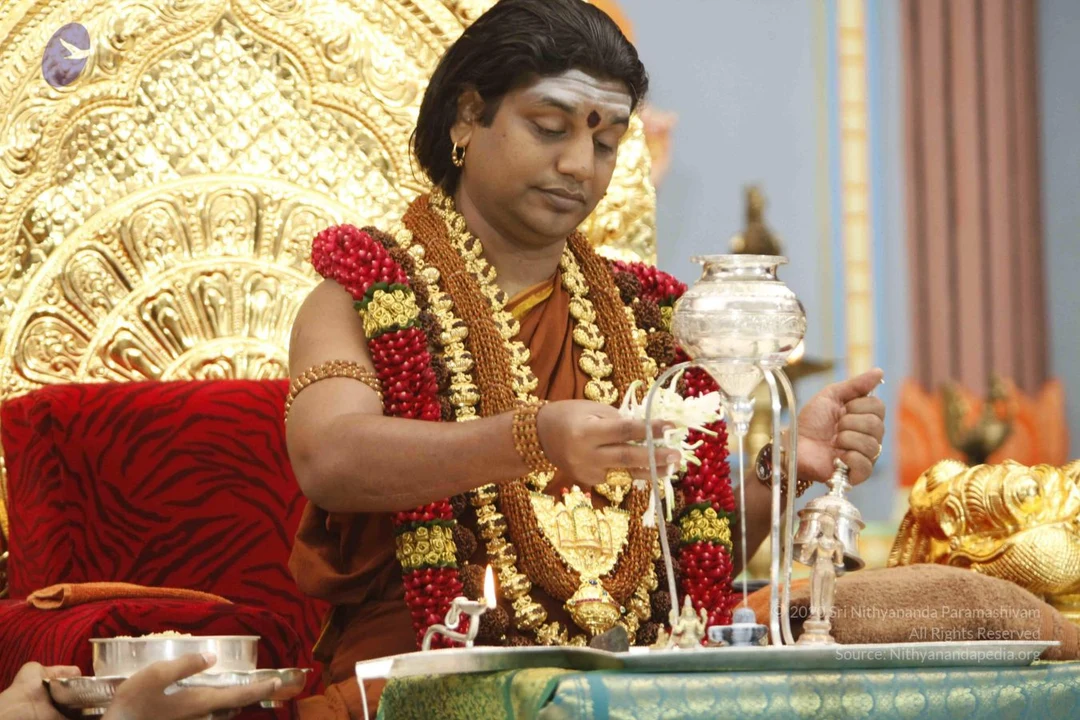
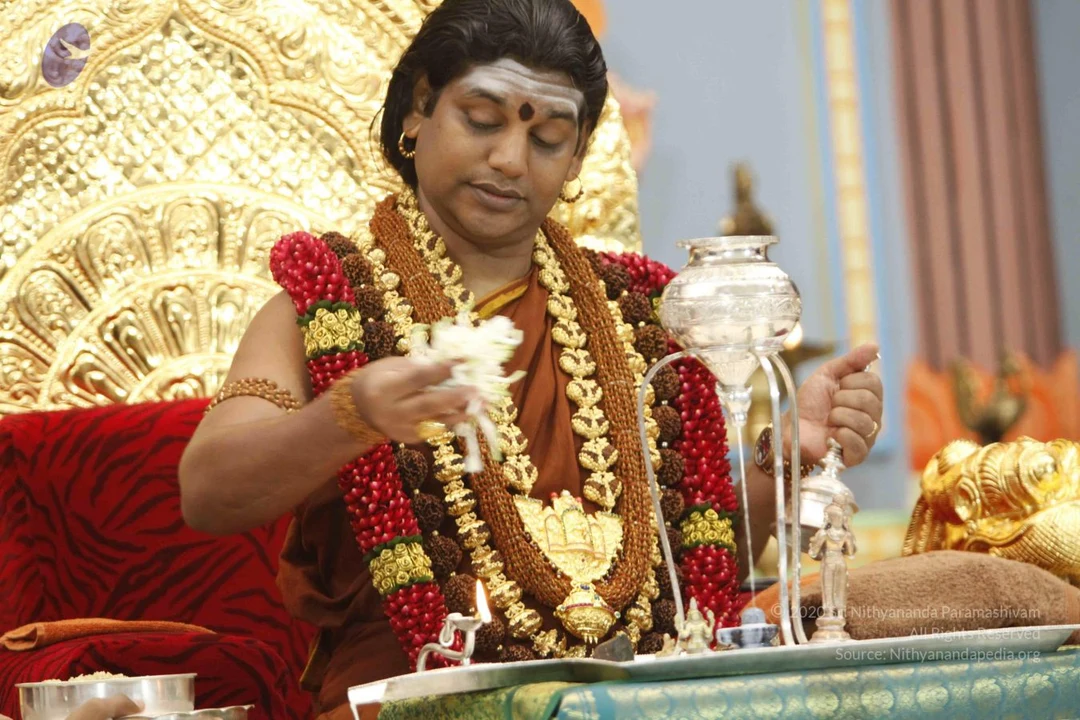
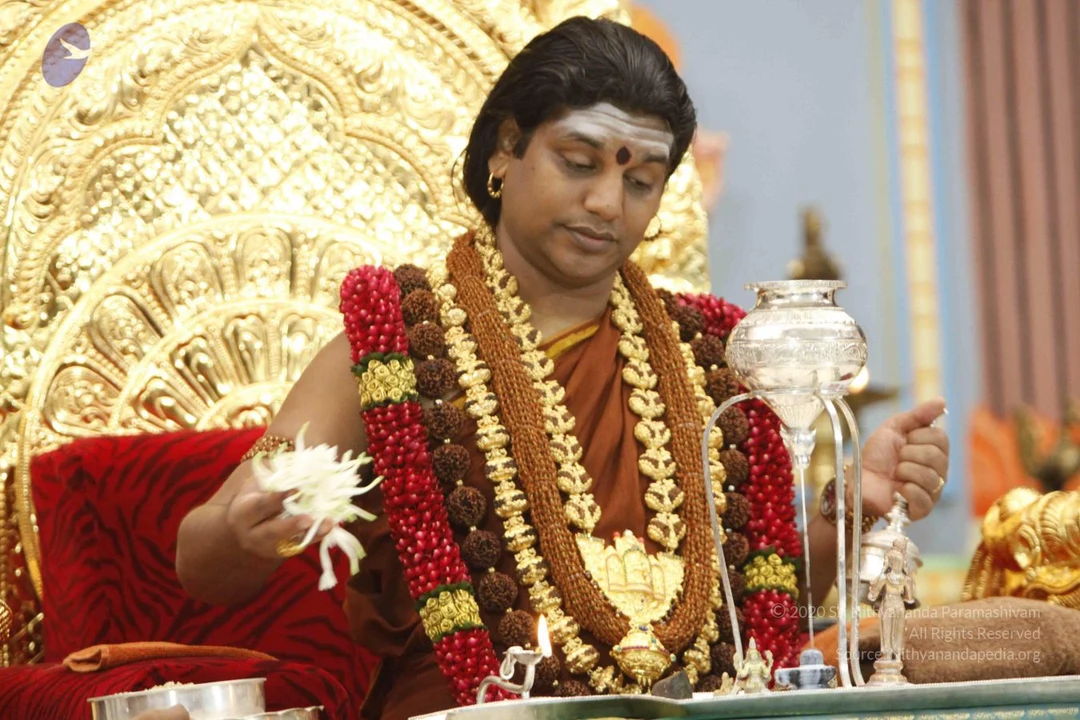
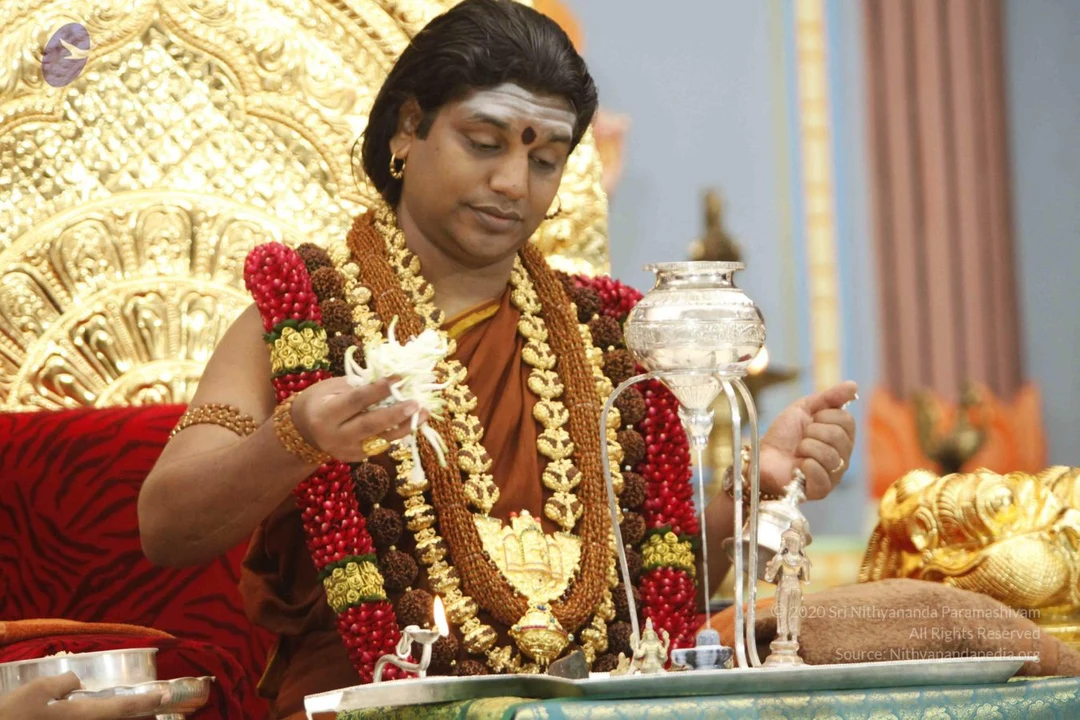
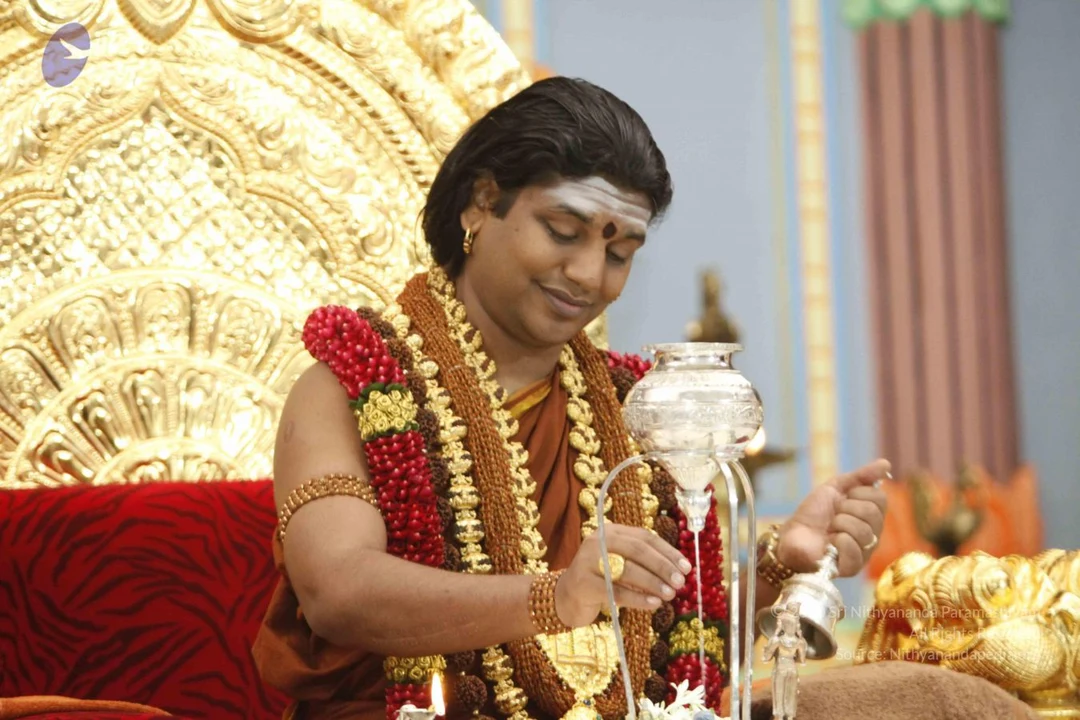
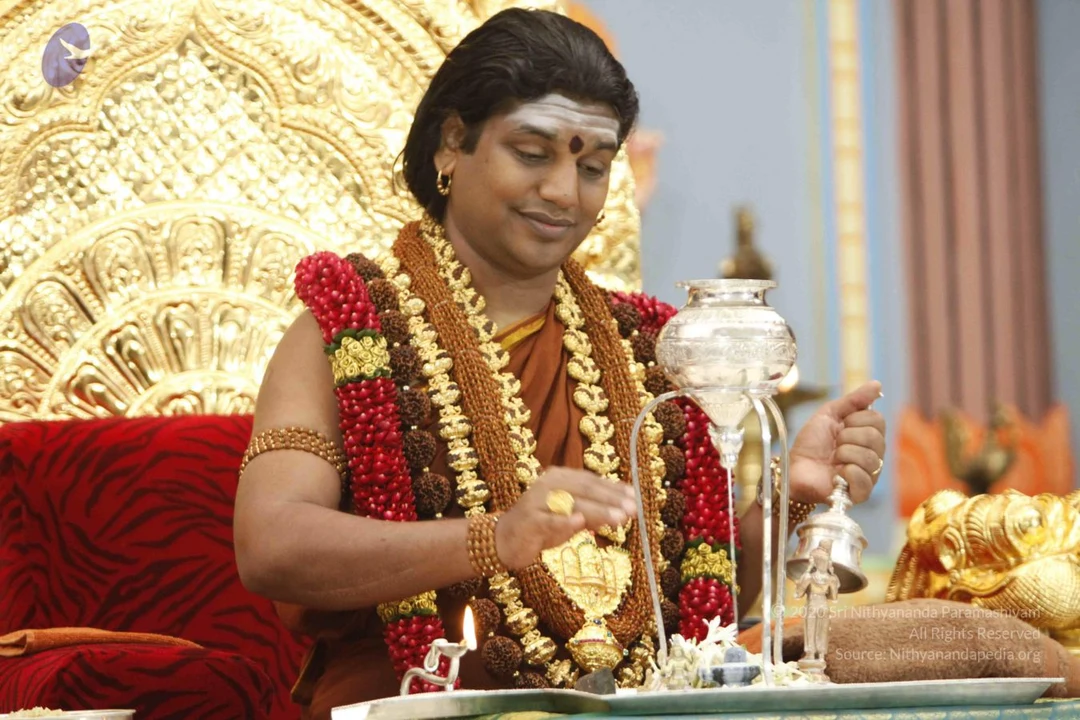
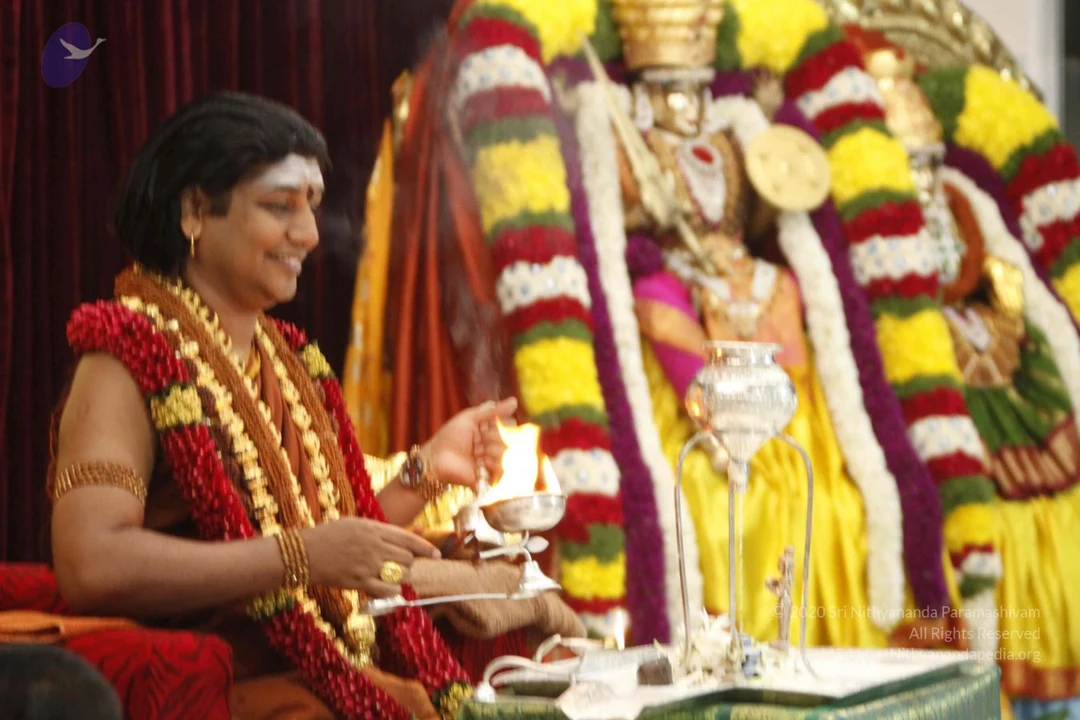
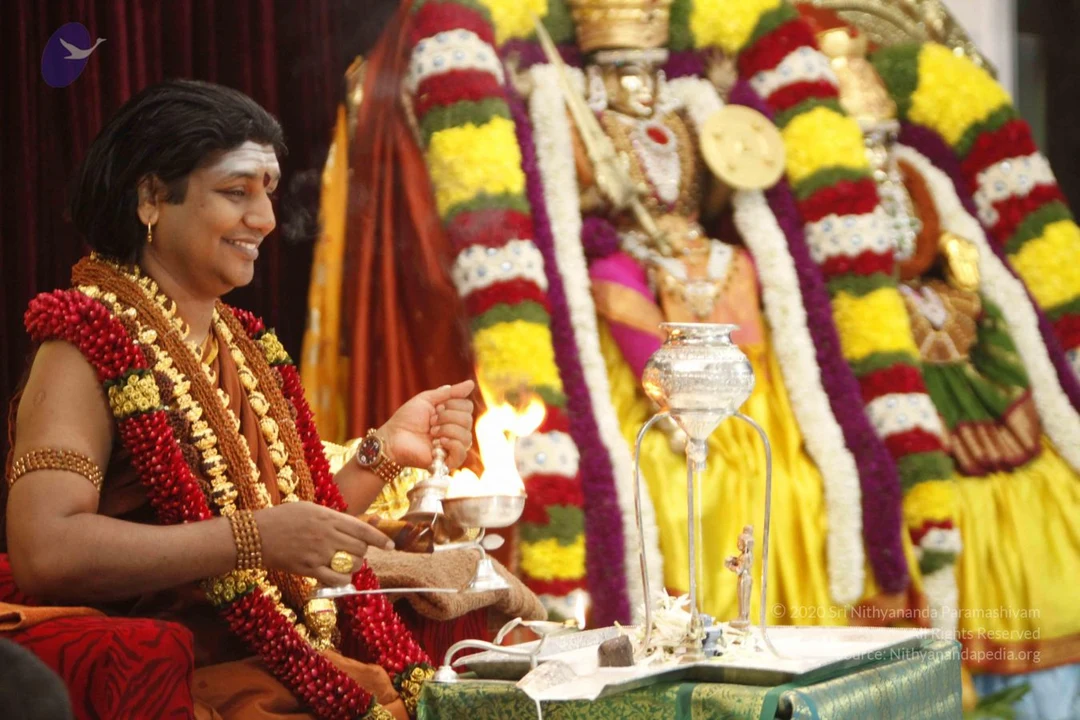

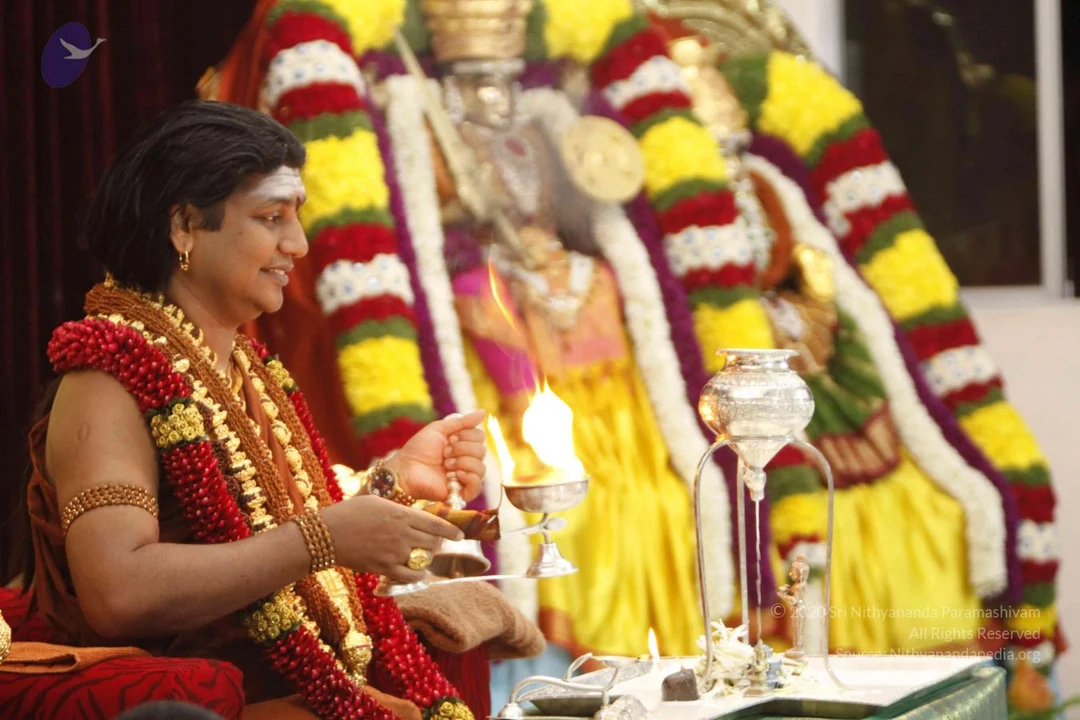
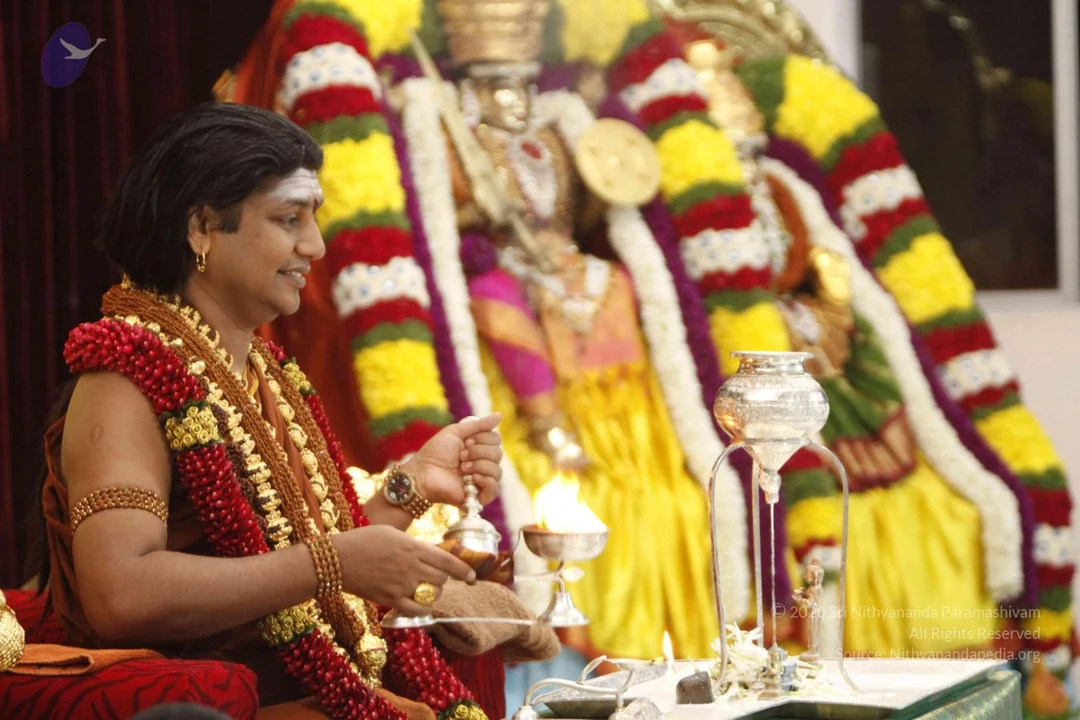
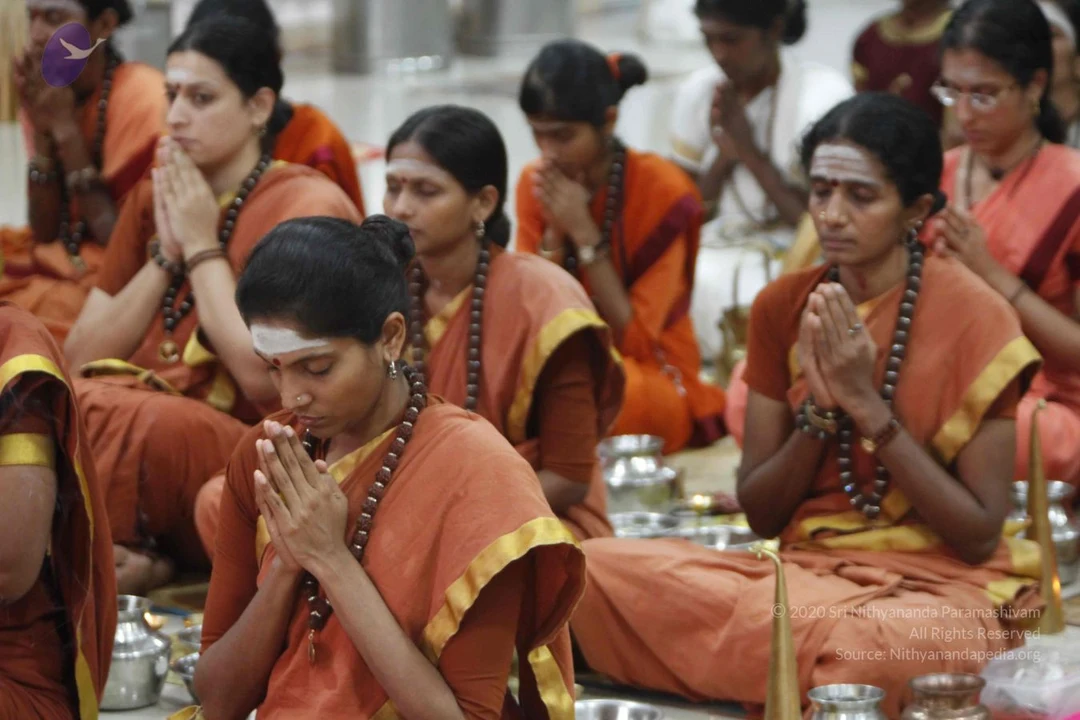
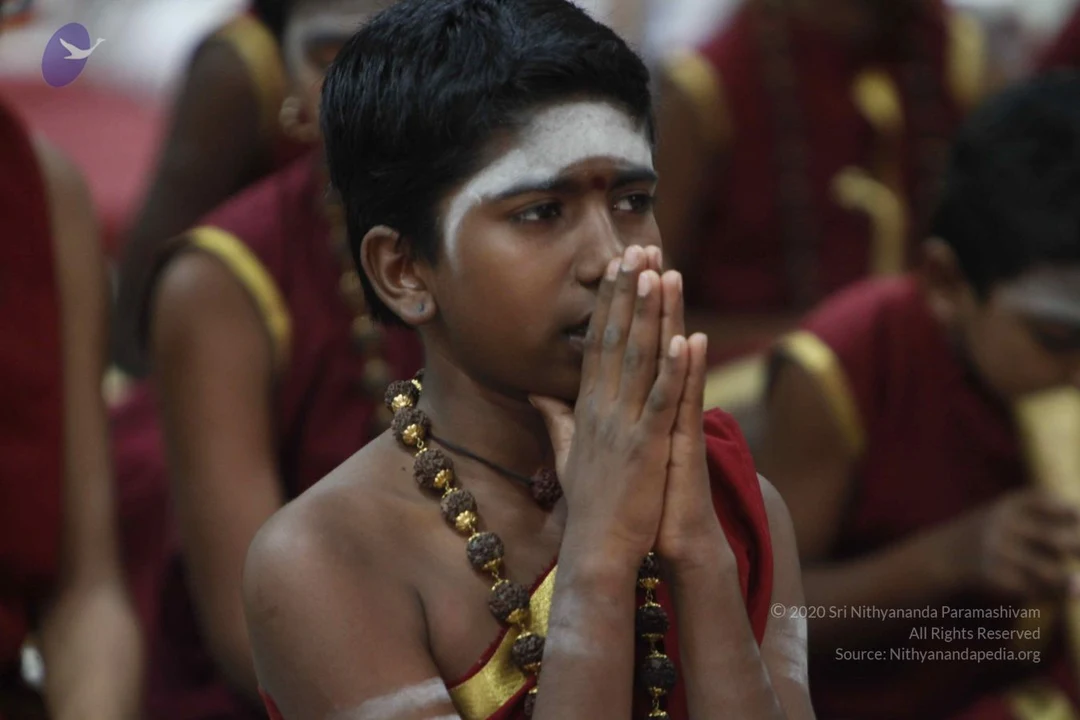
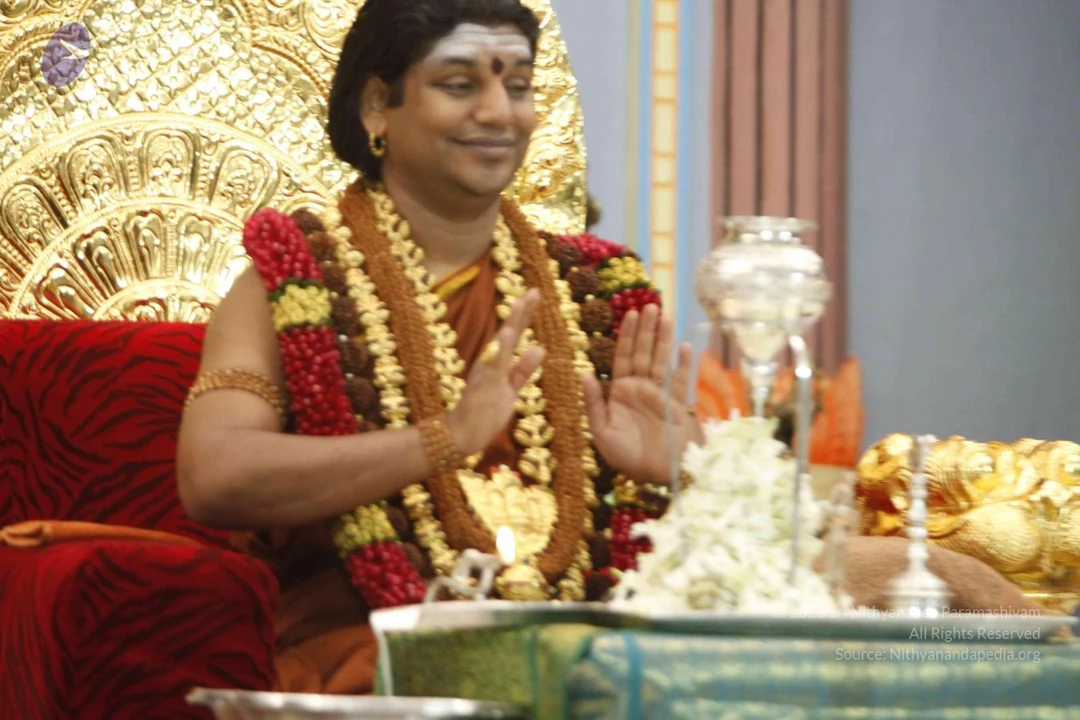
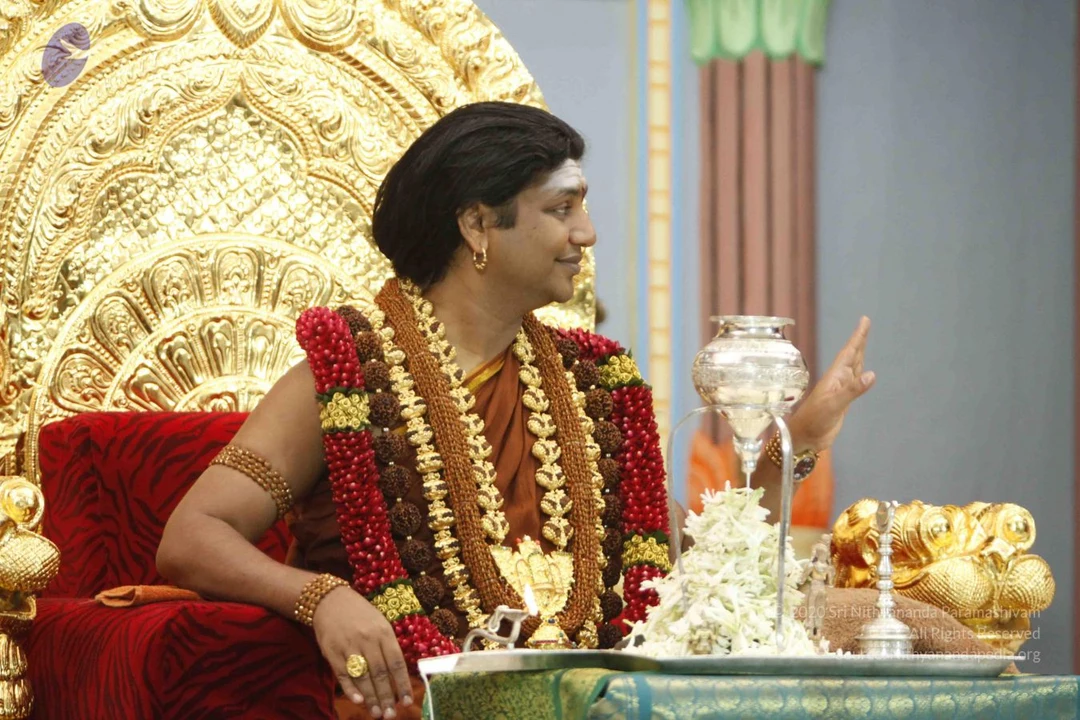
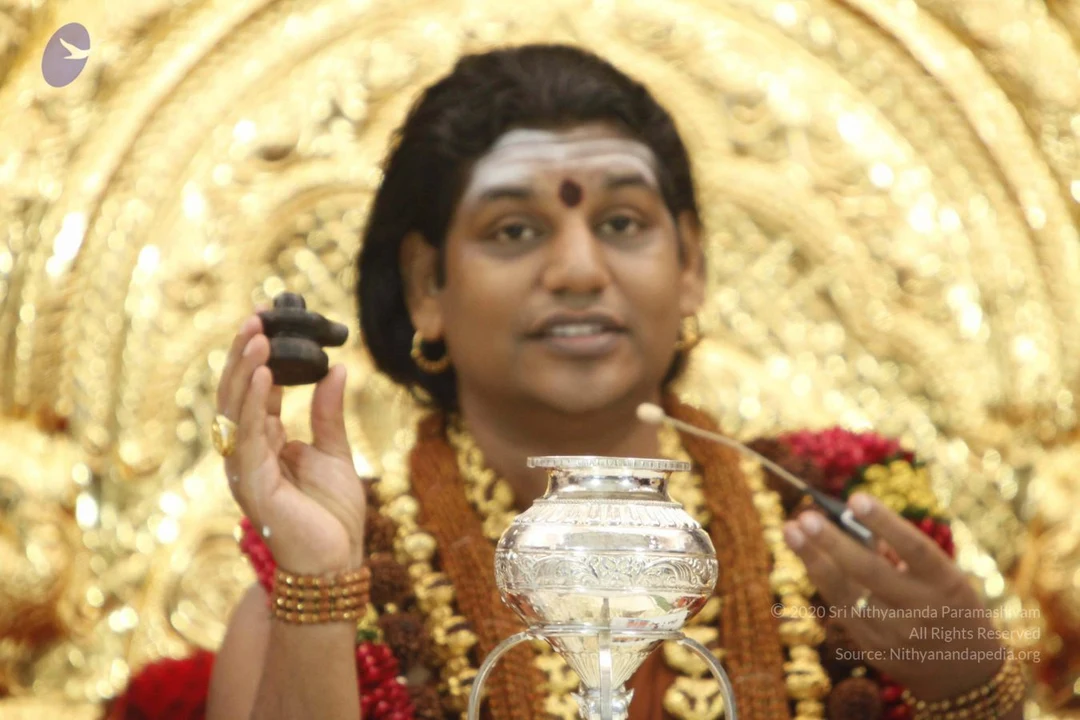
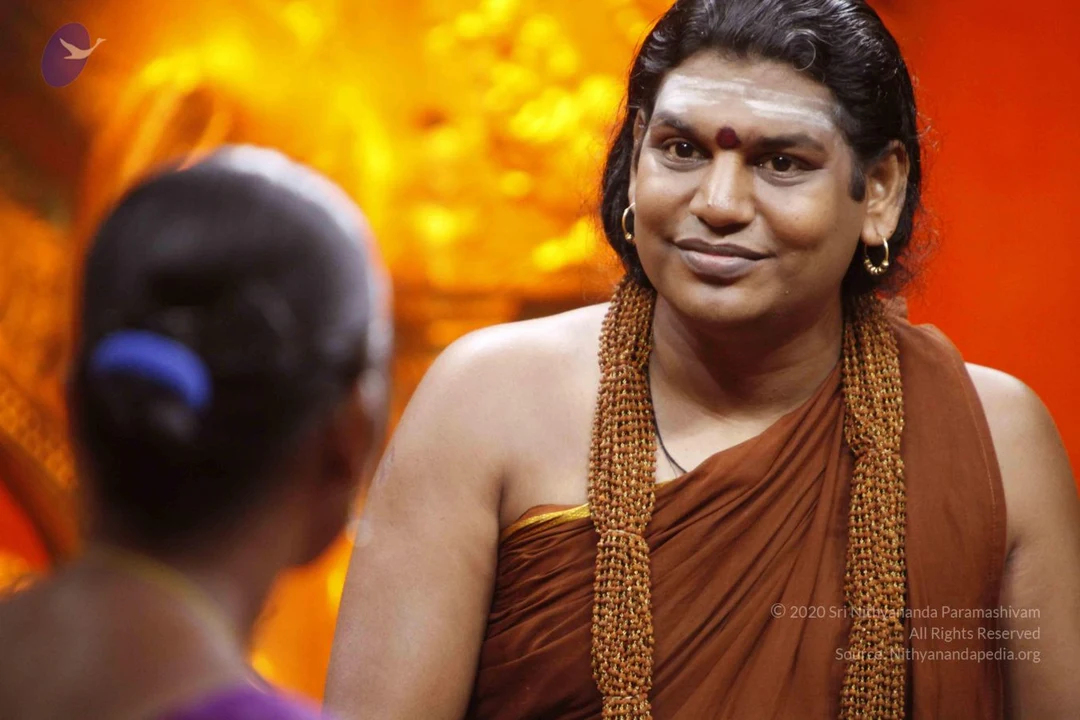
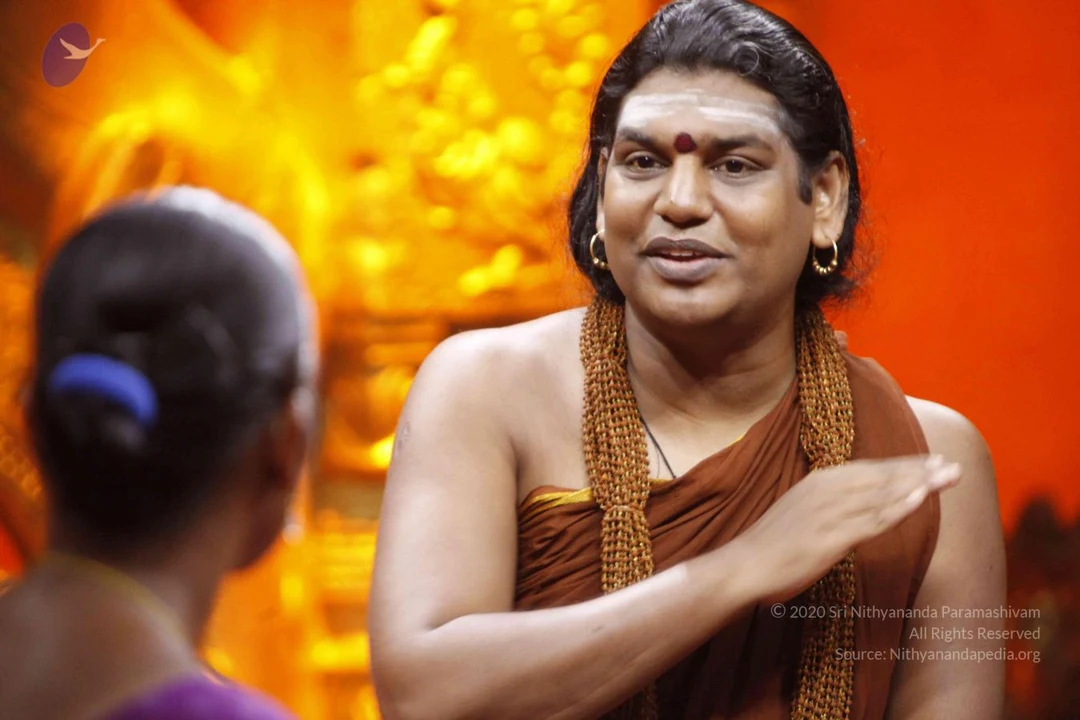
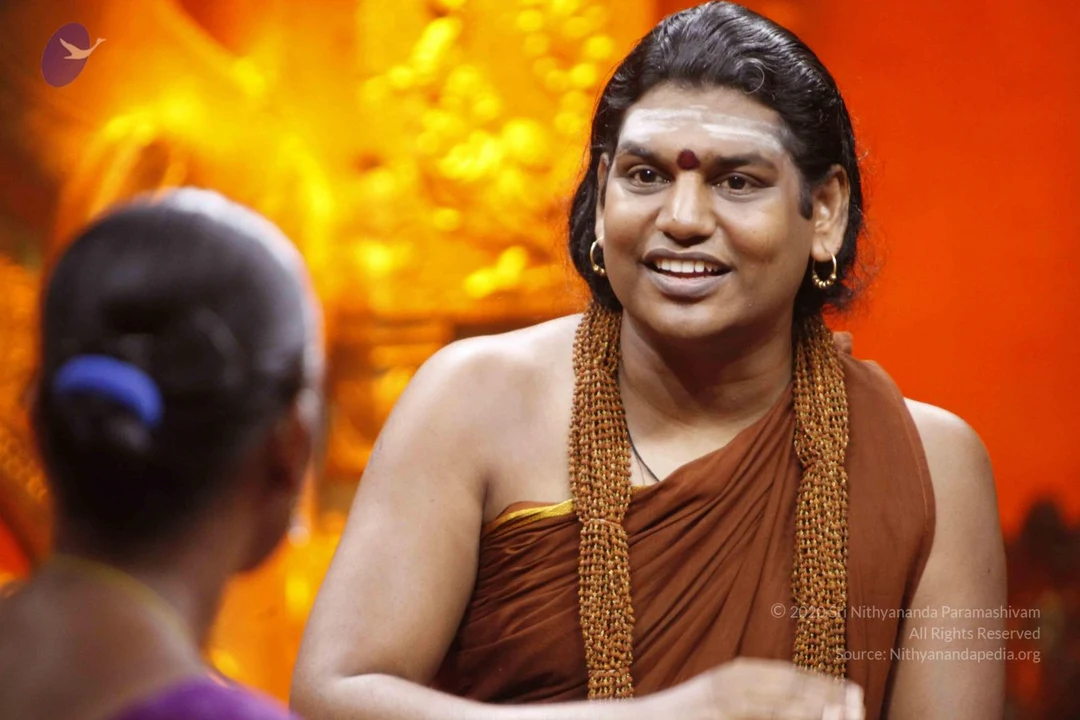
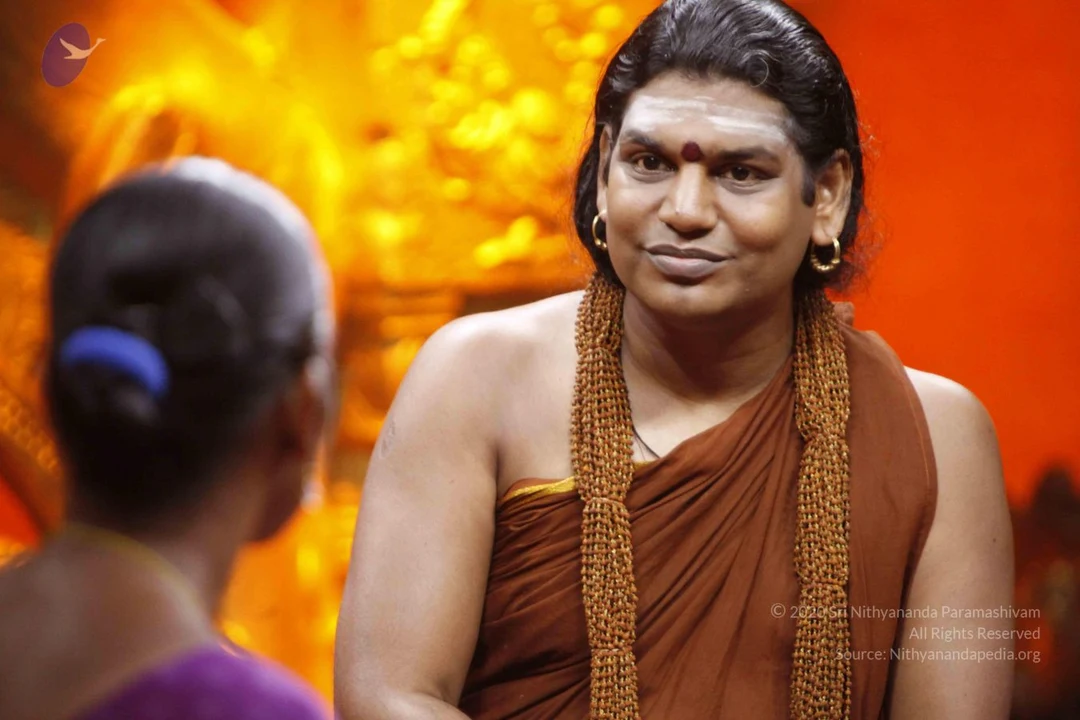
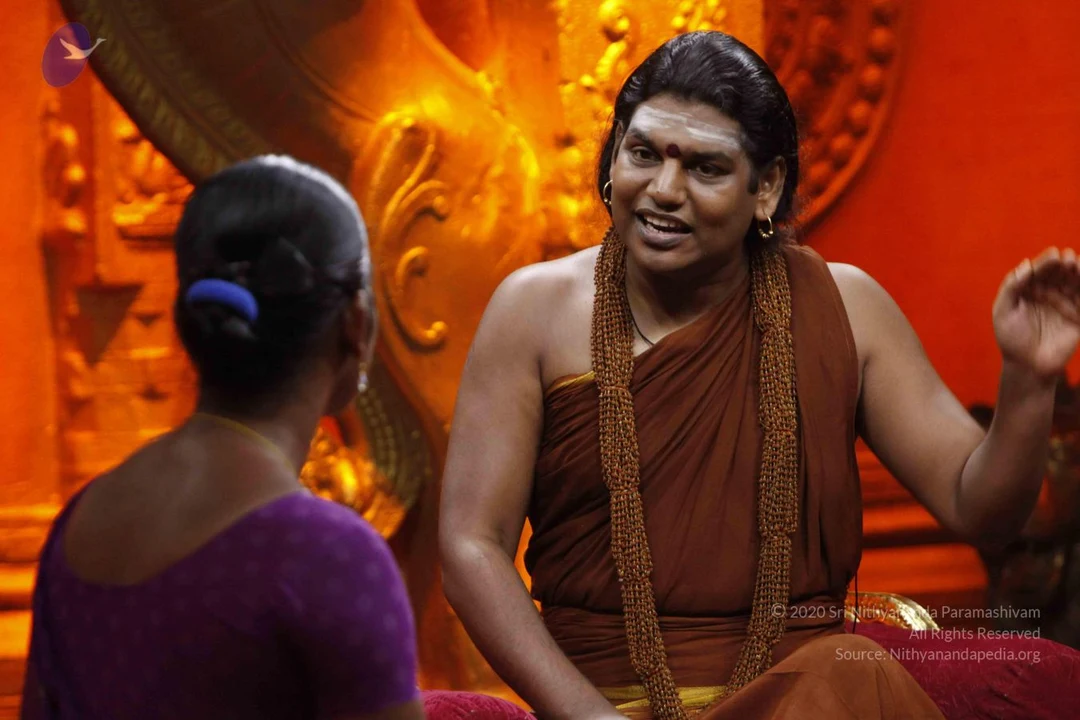
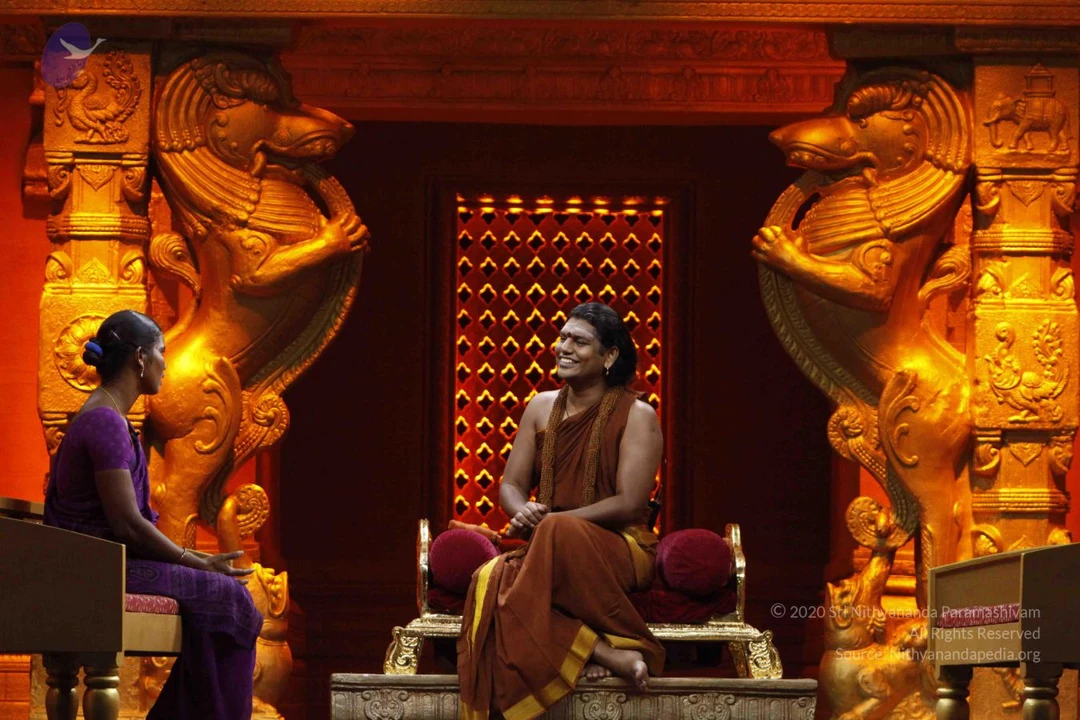
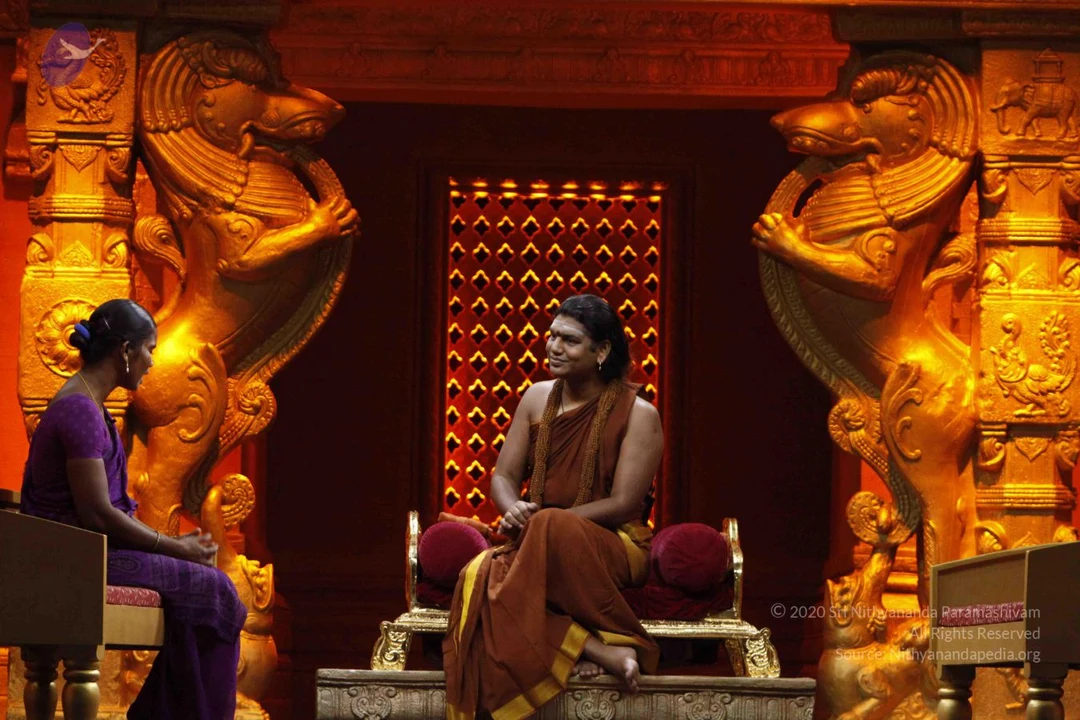
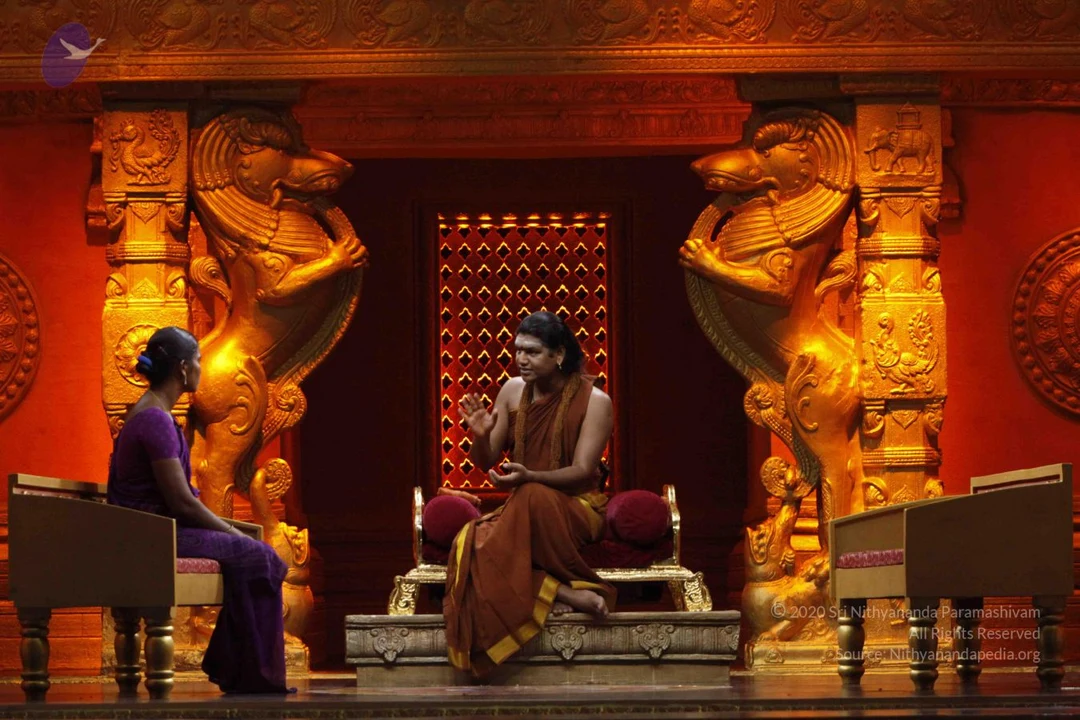
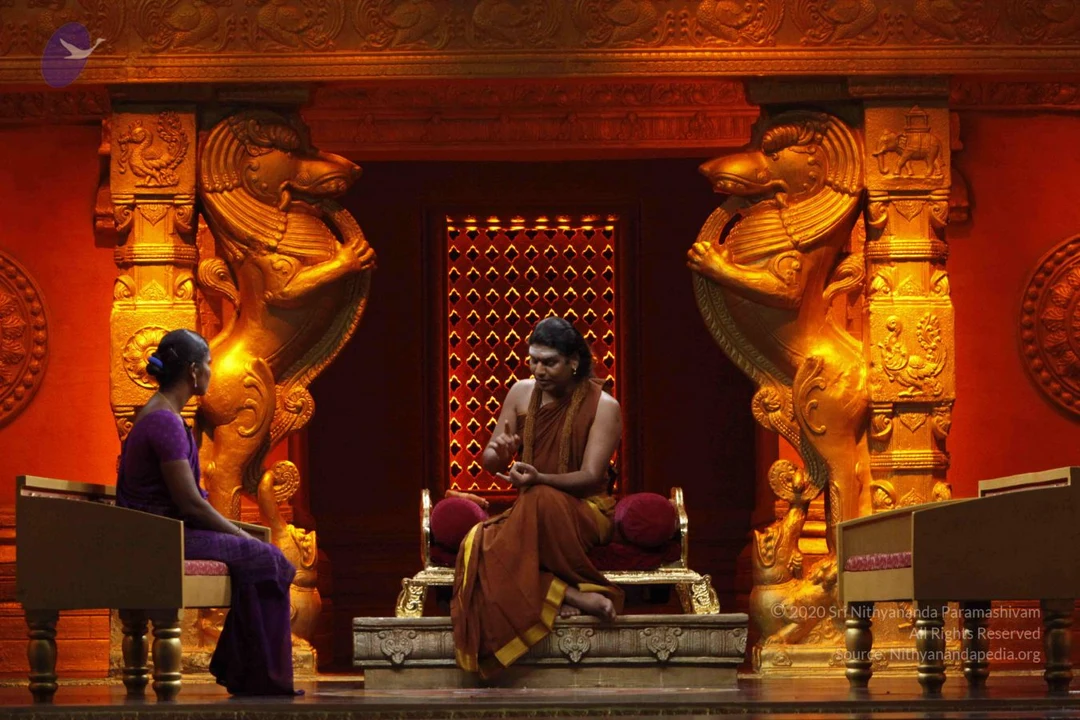
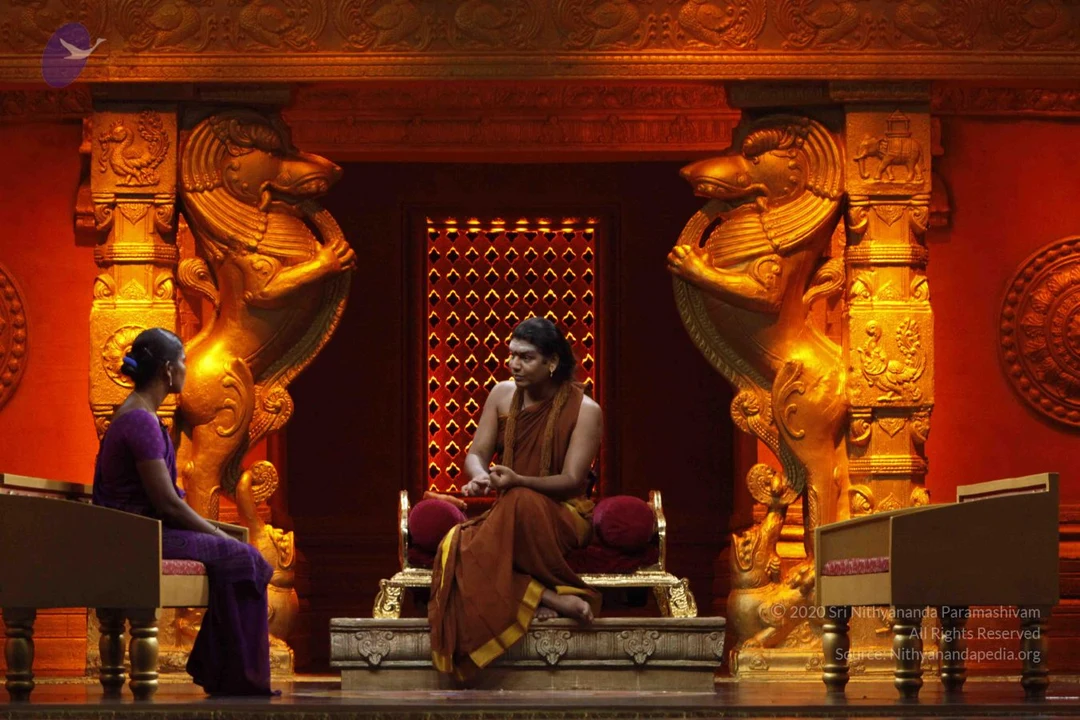
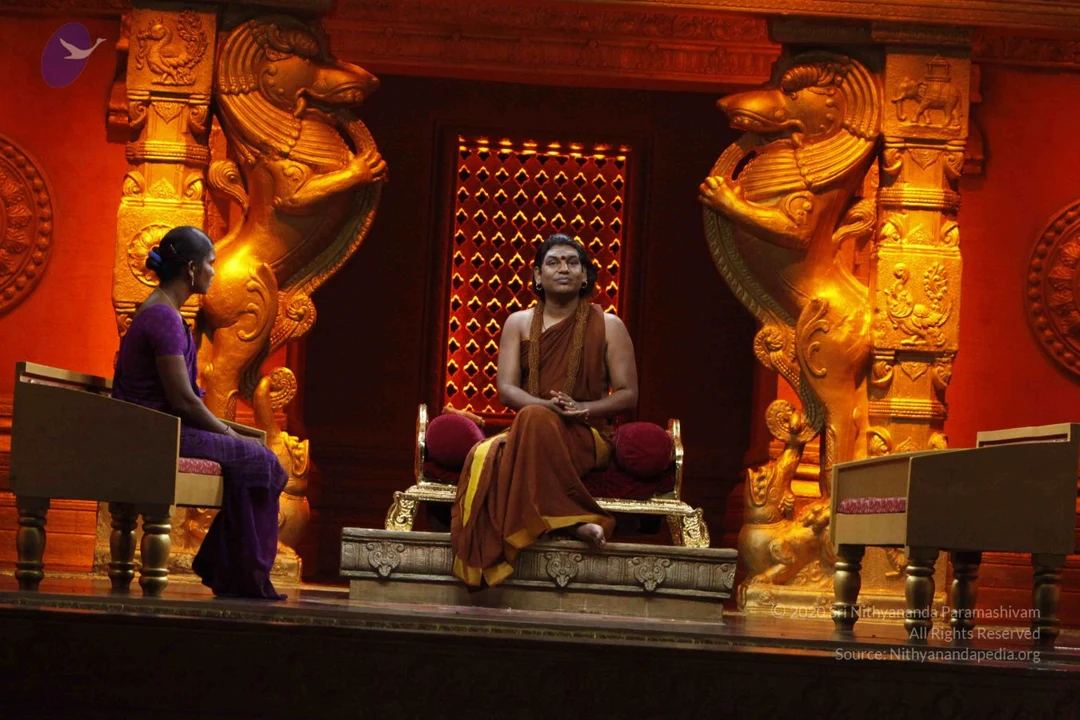
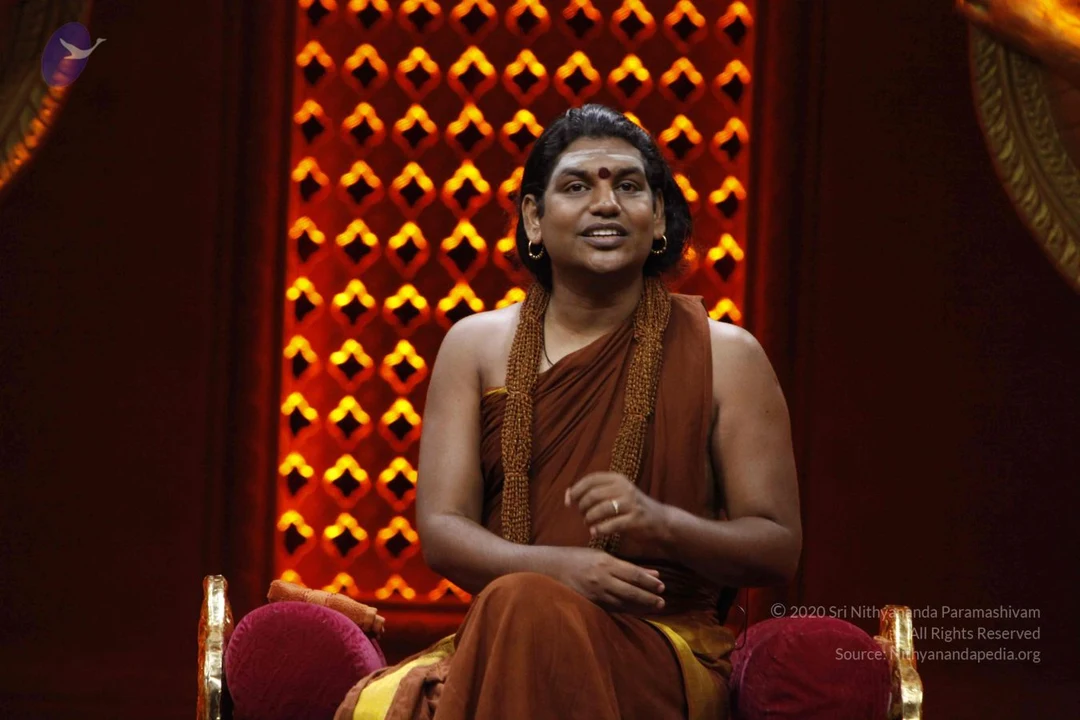
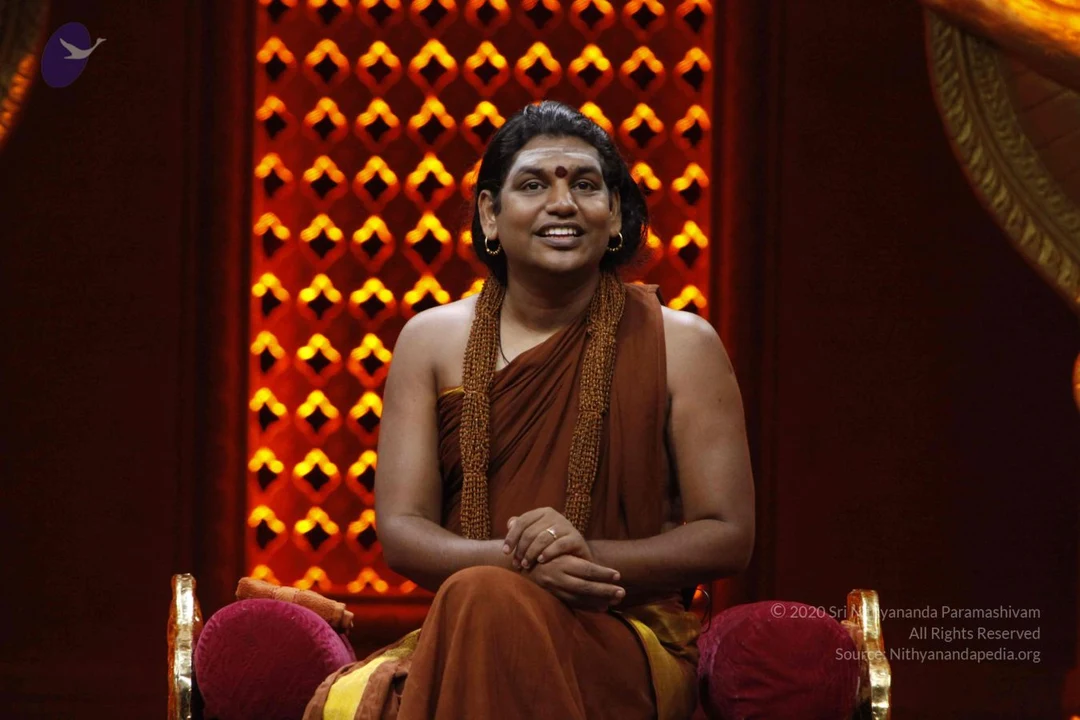
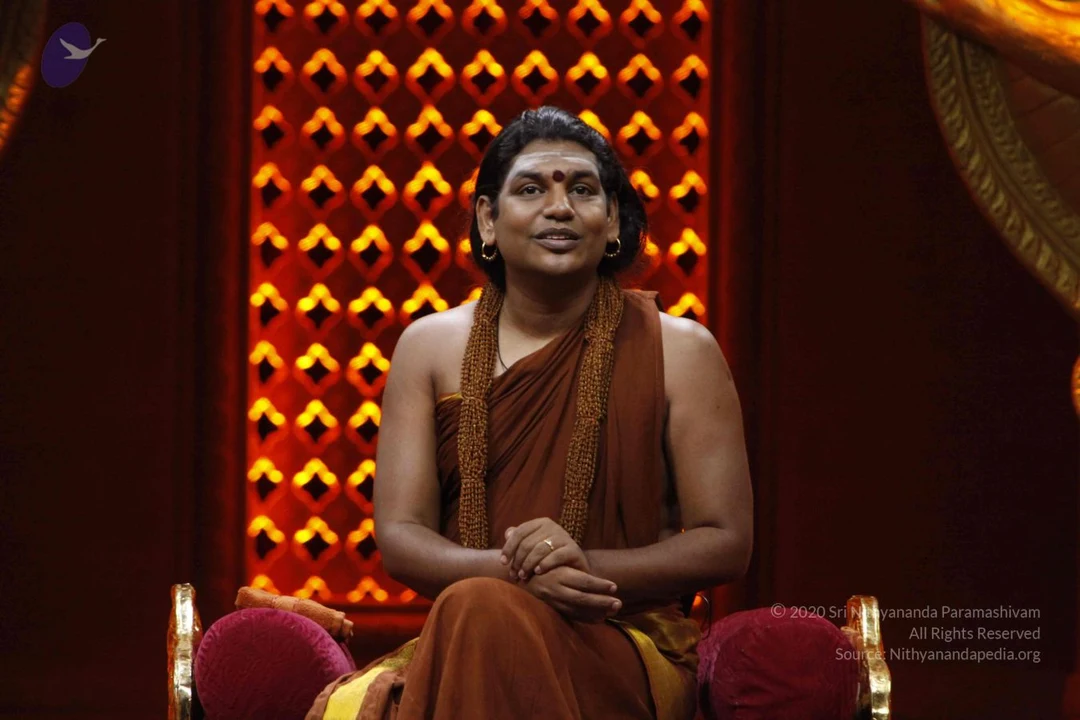
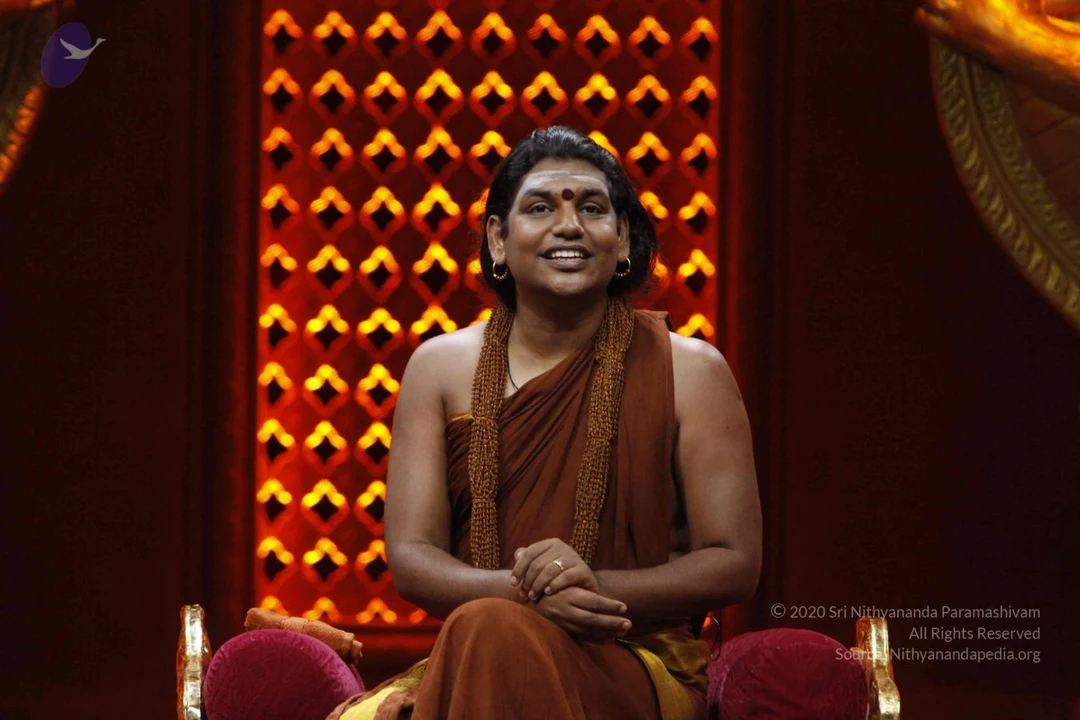
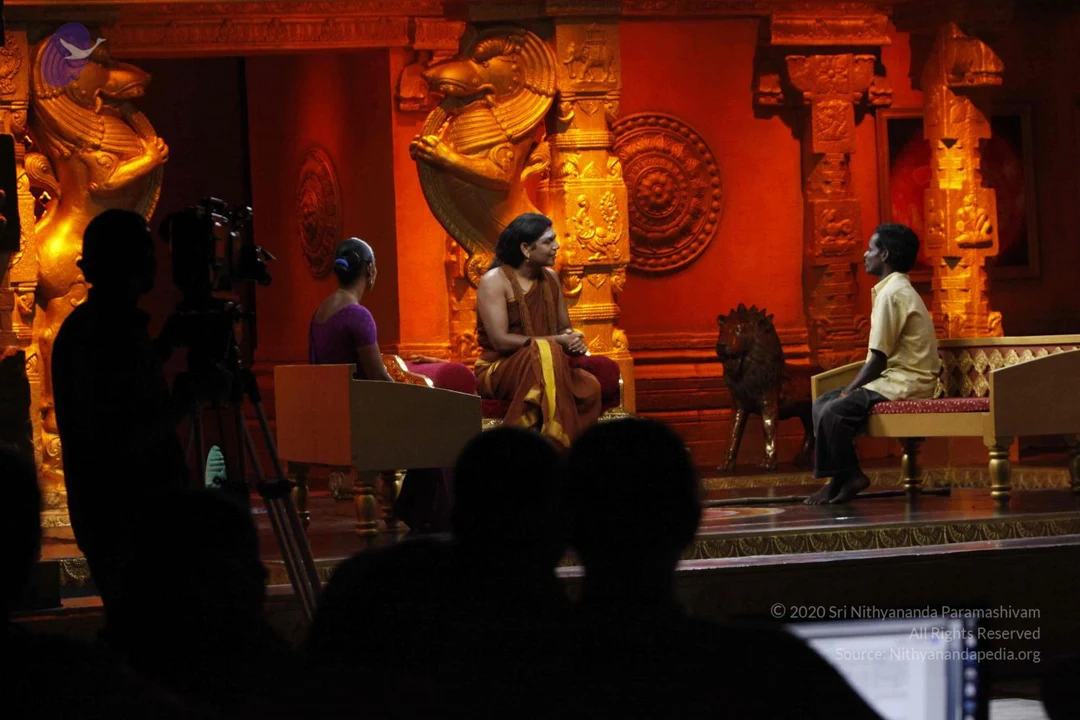
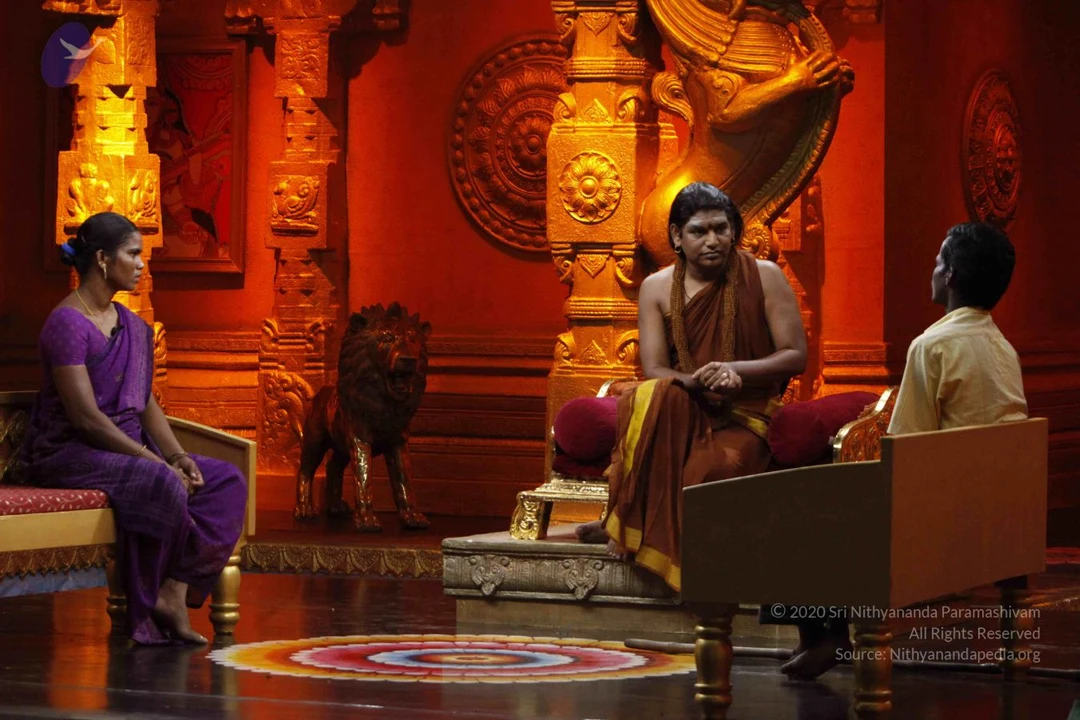
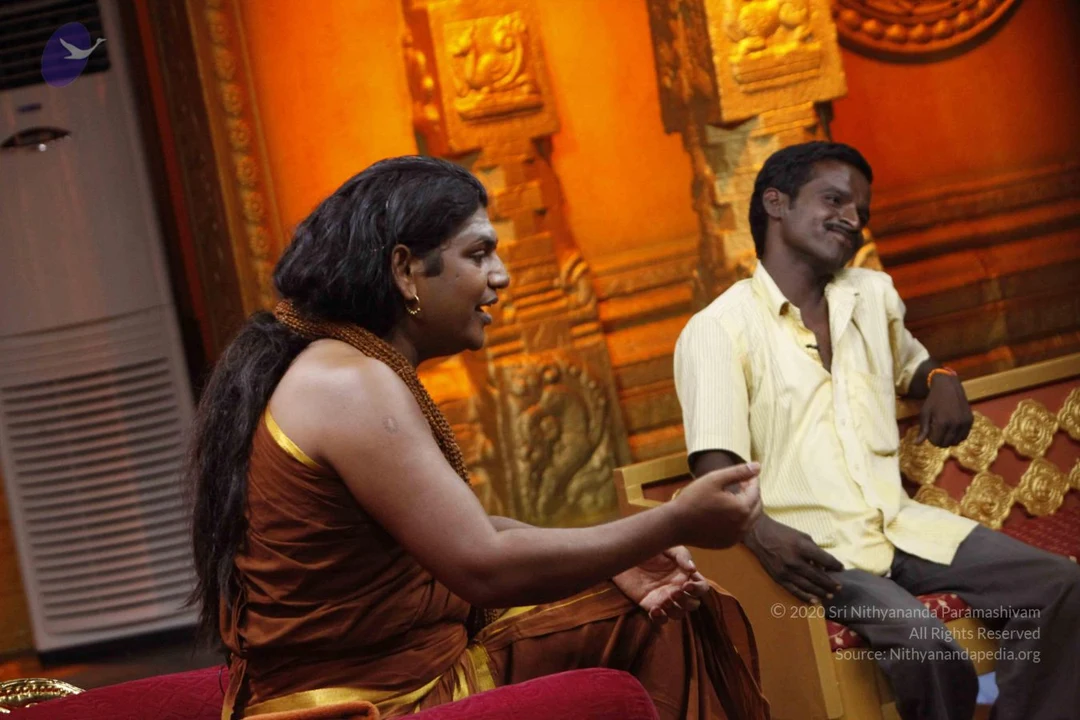
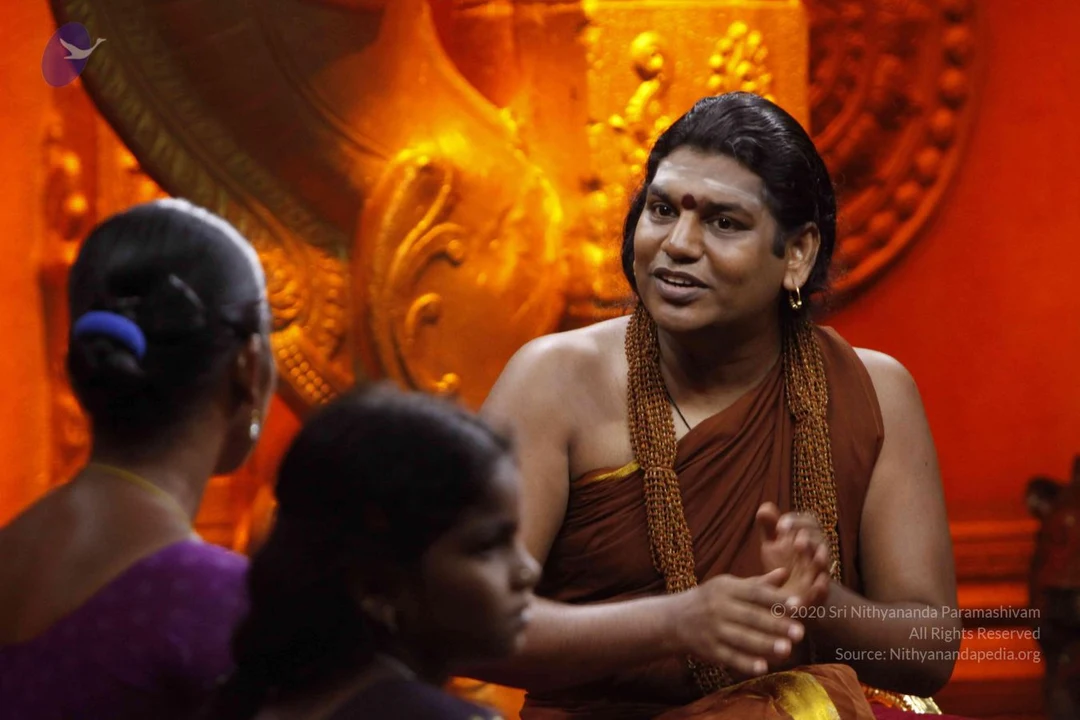
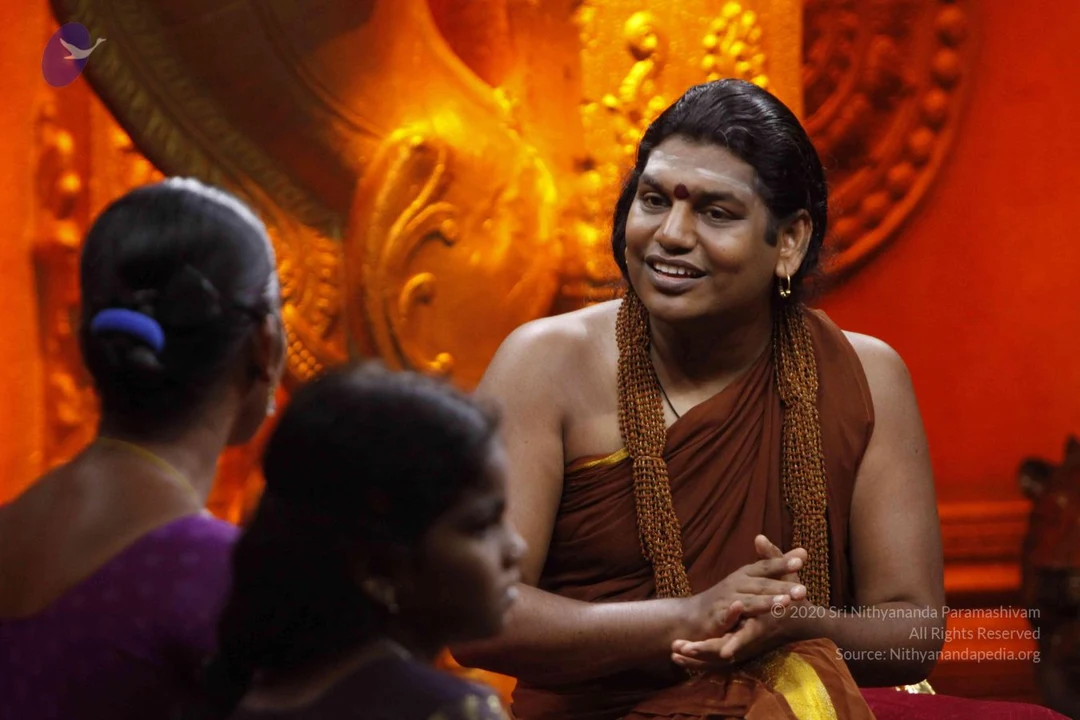
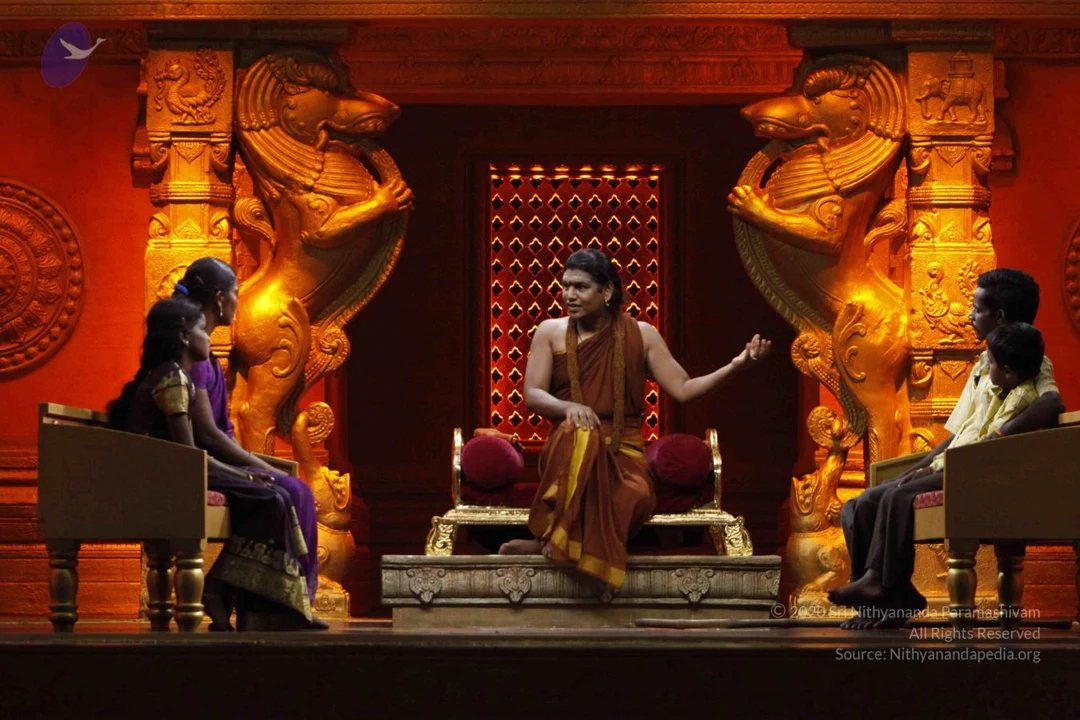
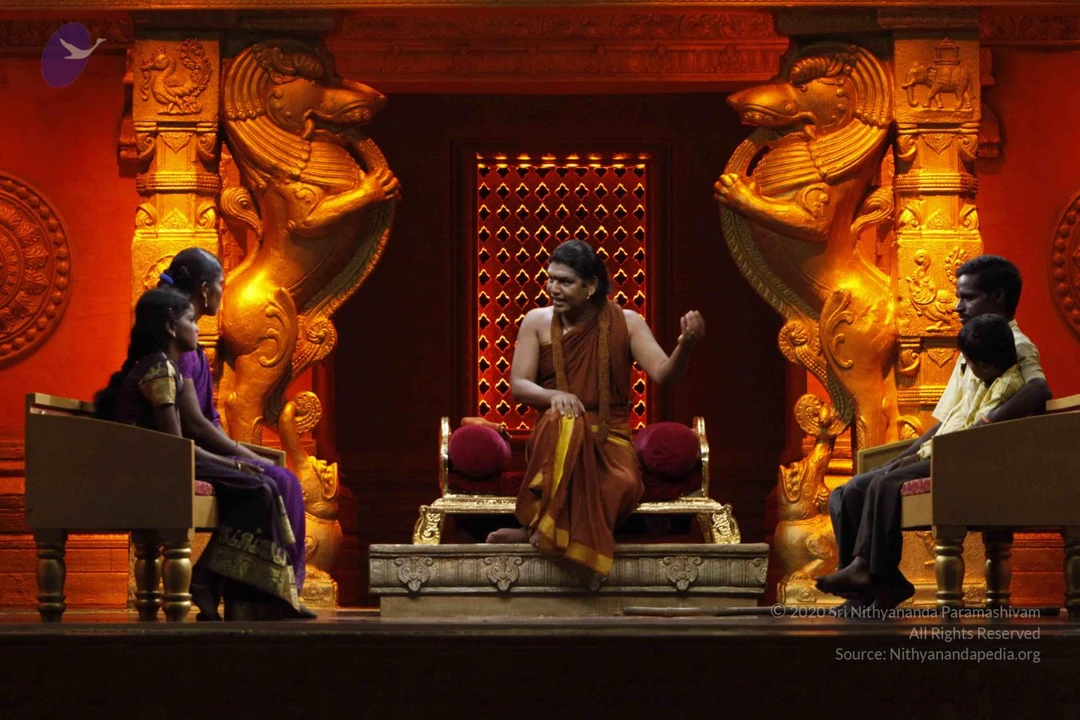
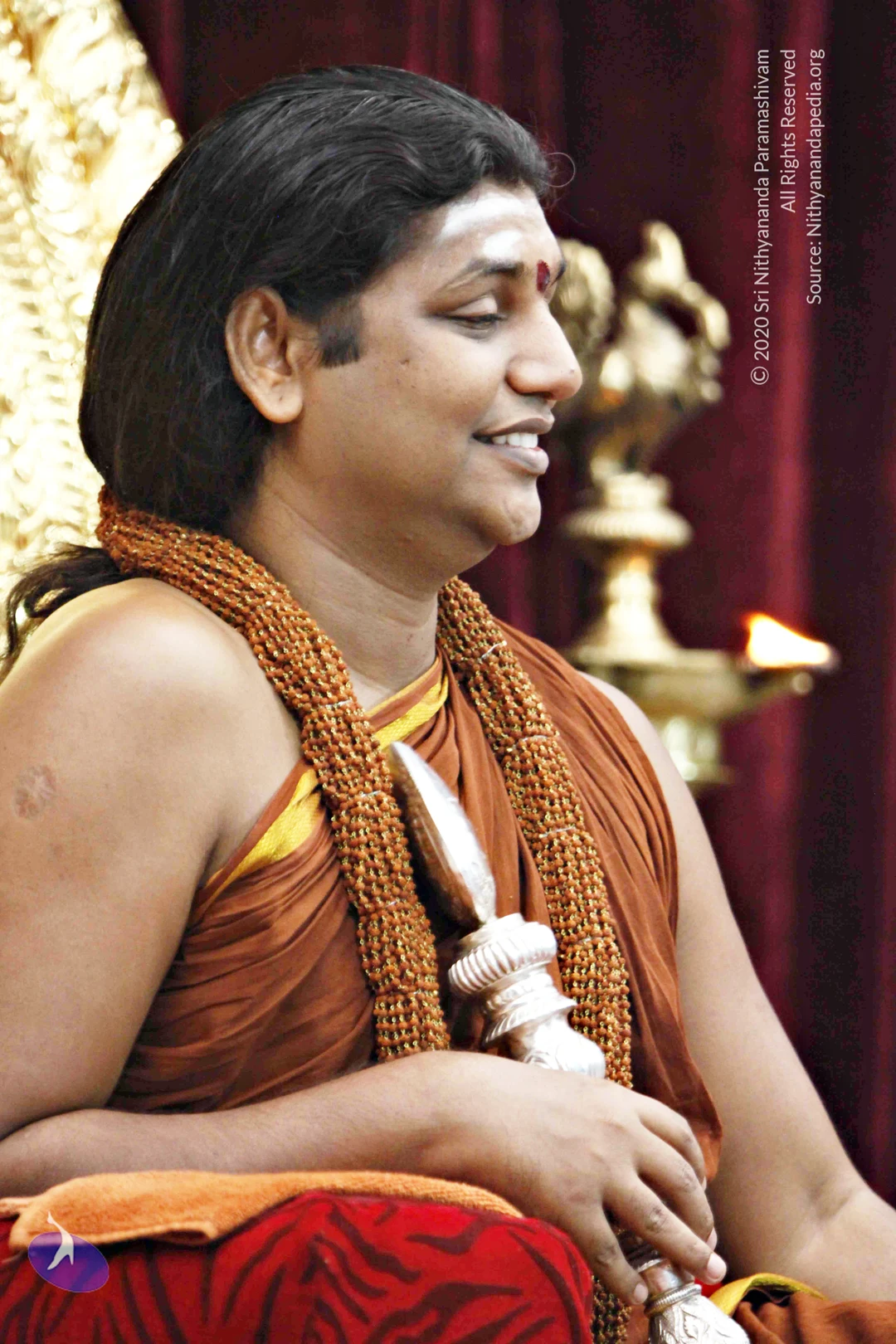
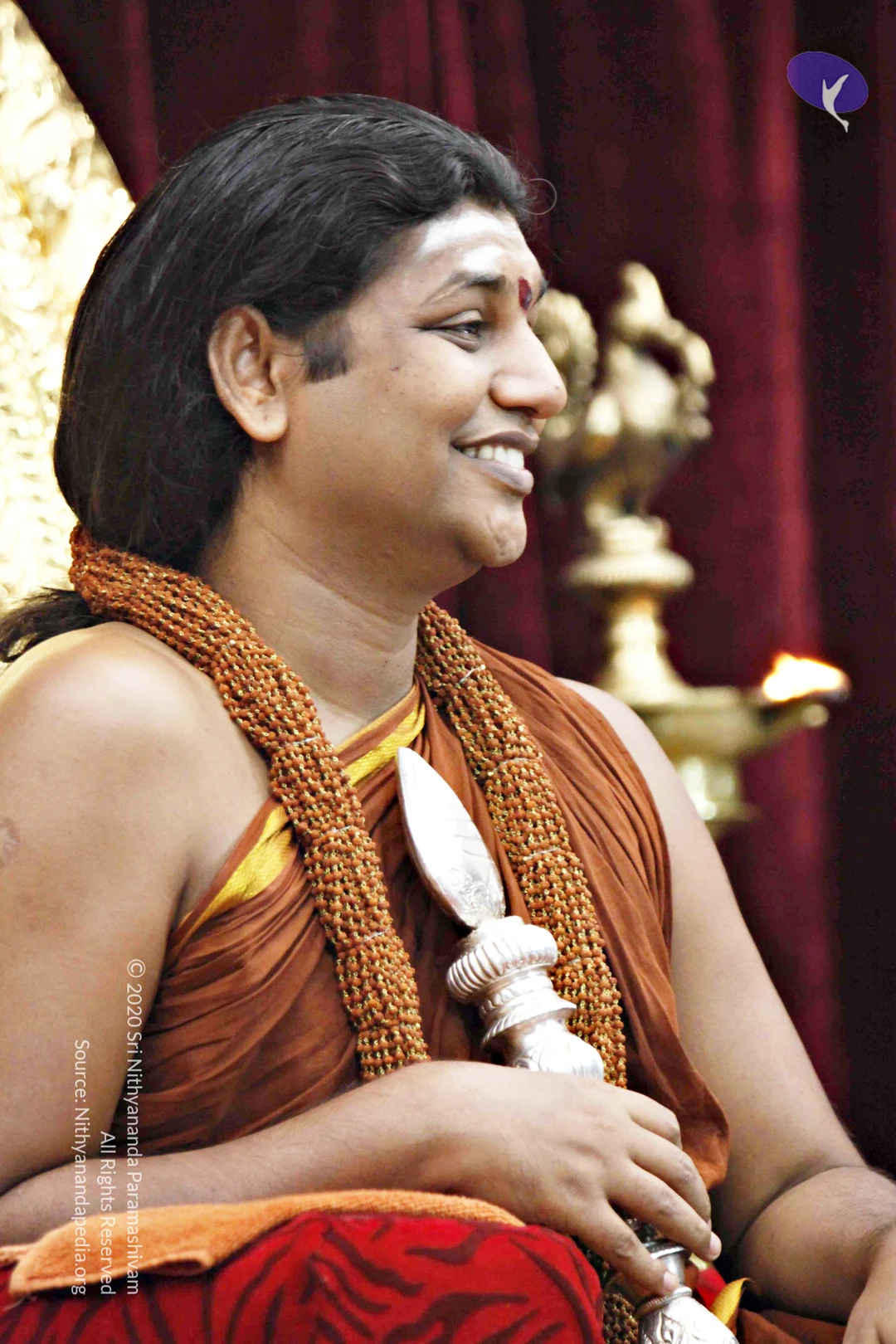
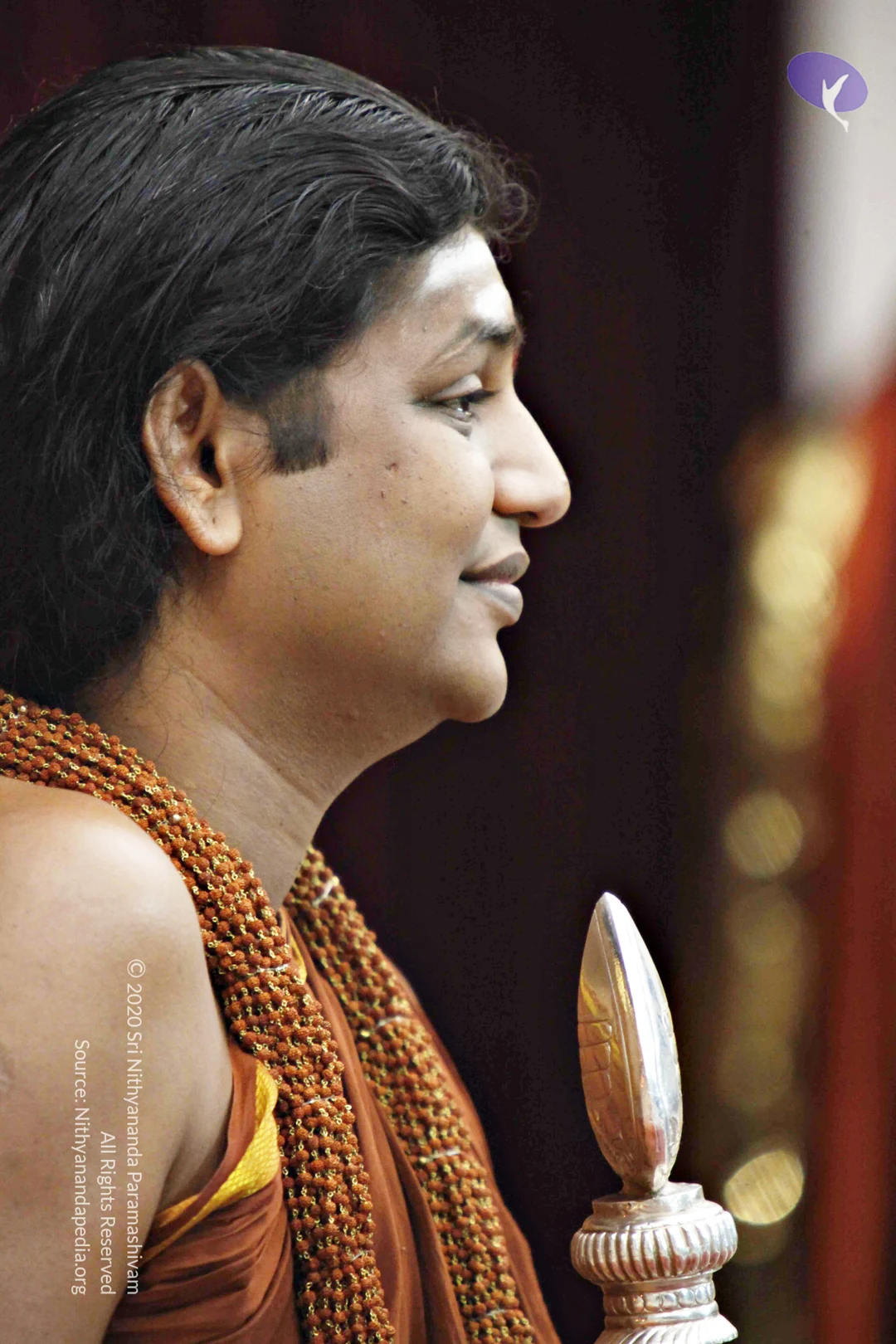
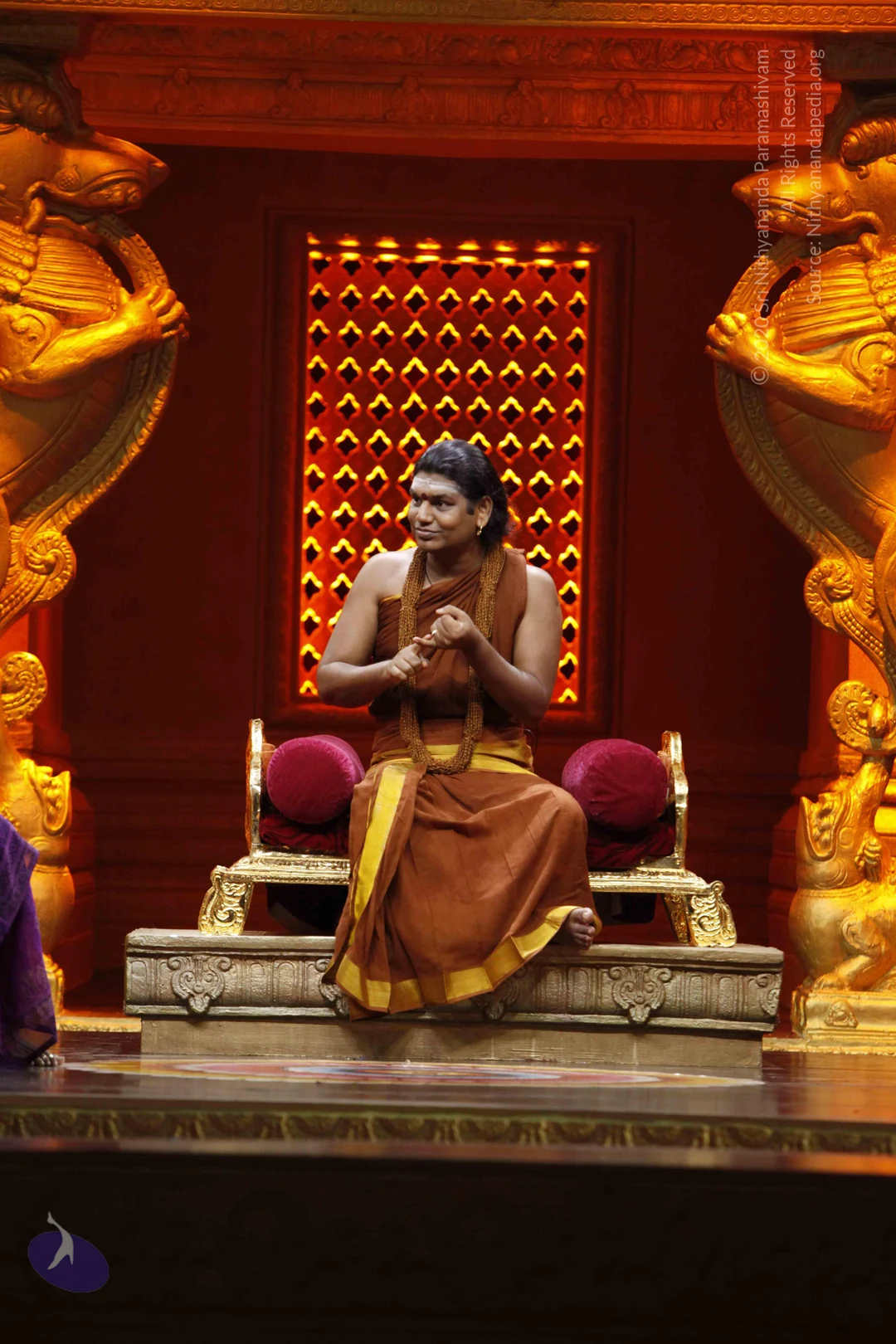
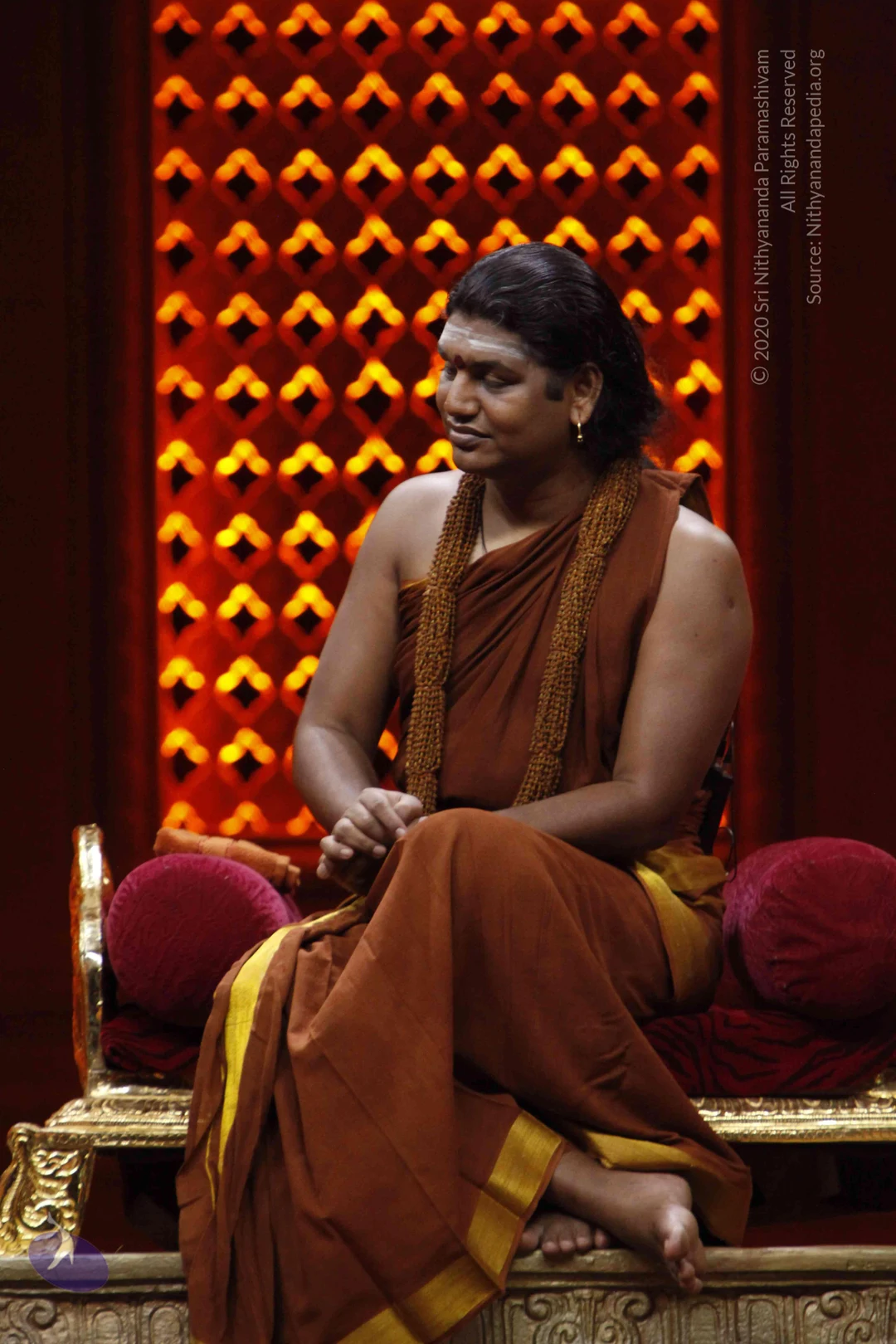
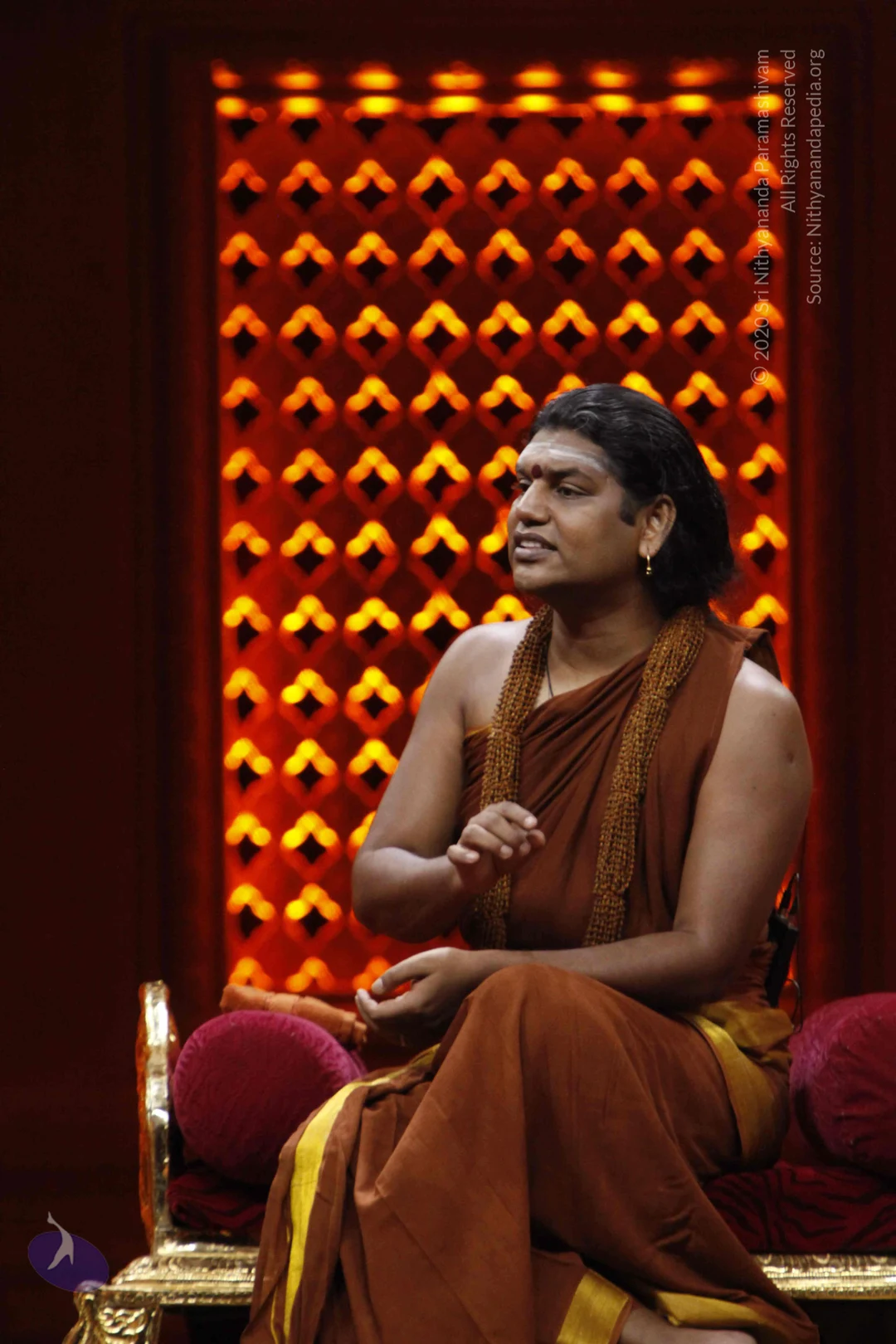
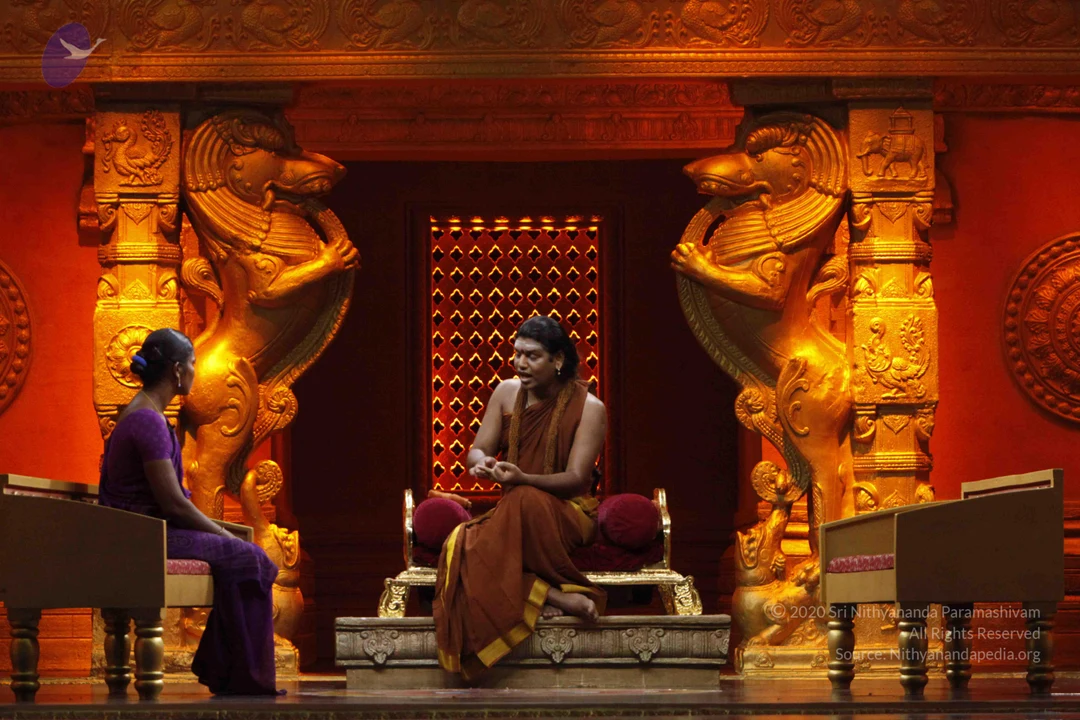
SATSANG
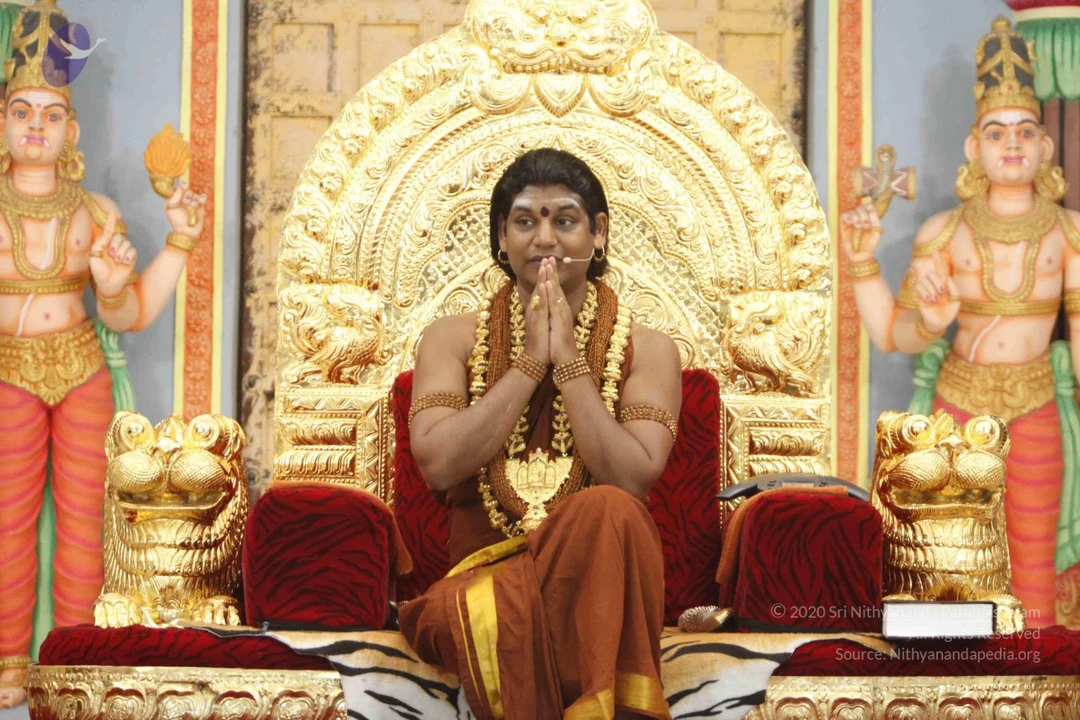
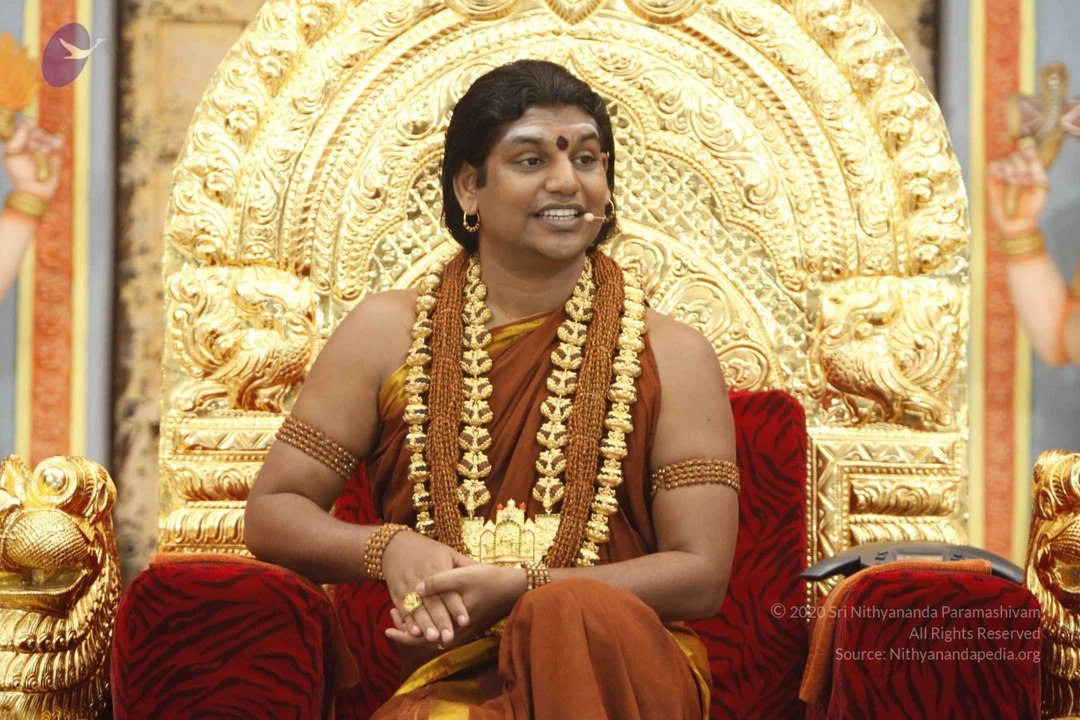
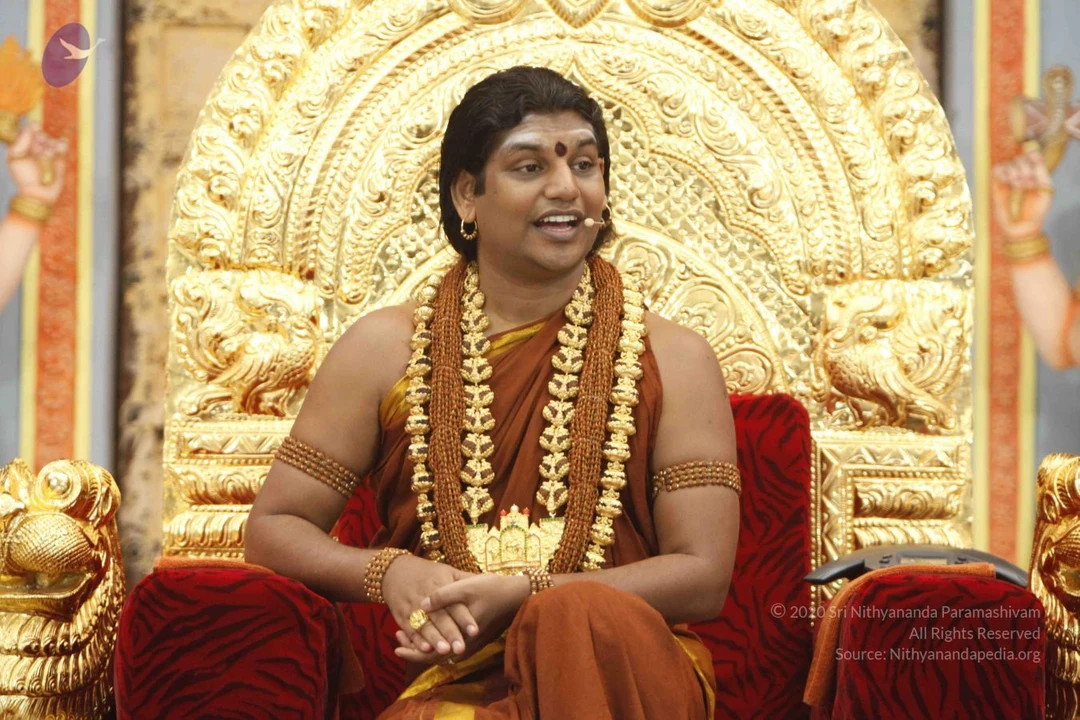
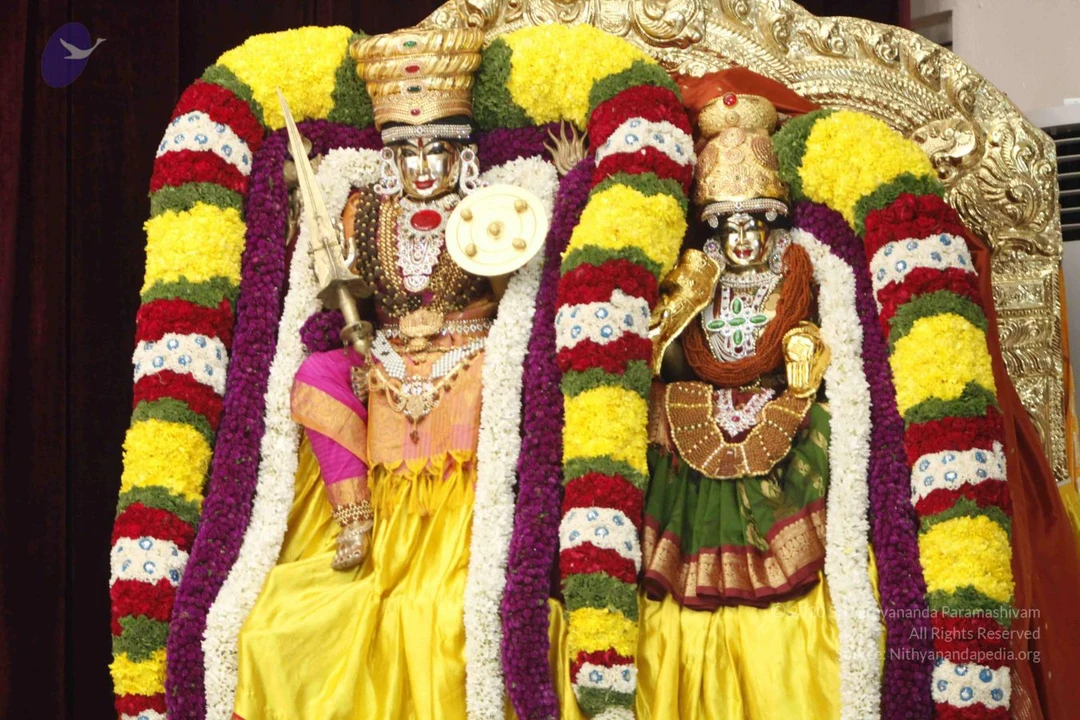
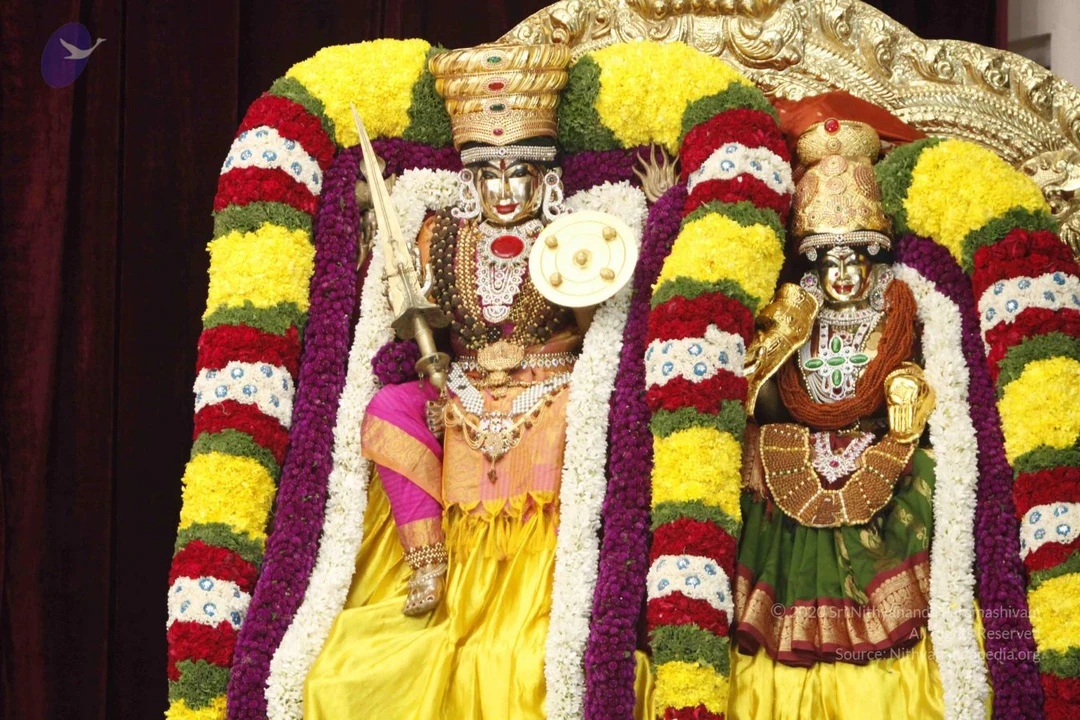
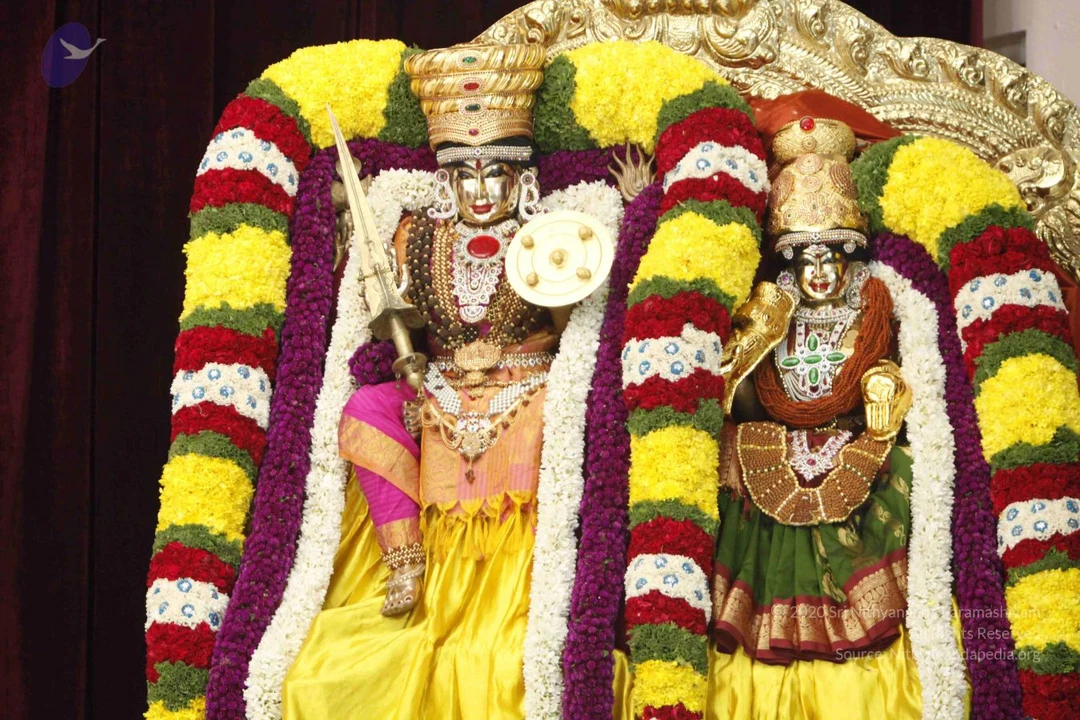

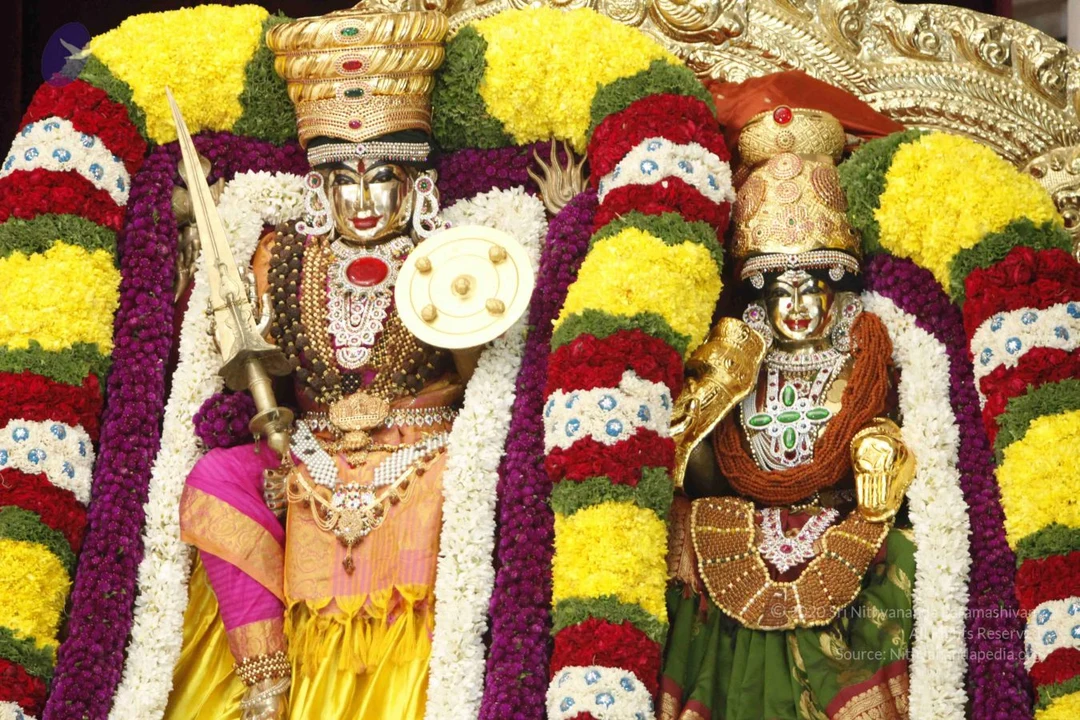
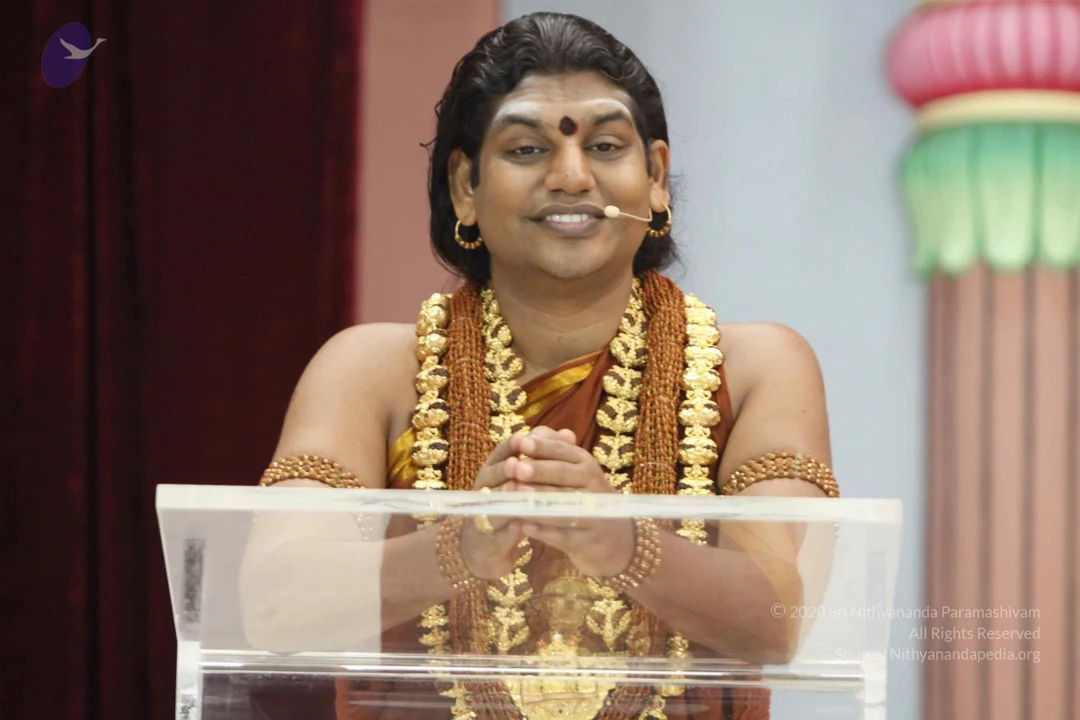
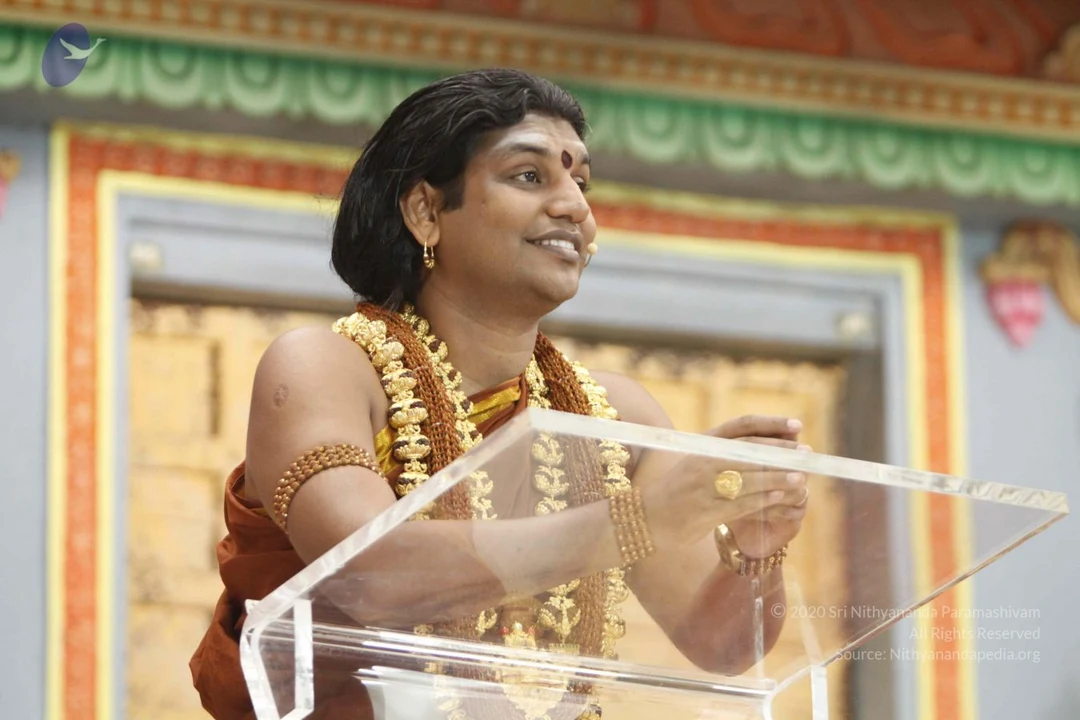
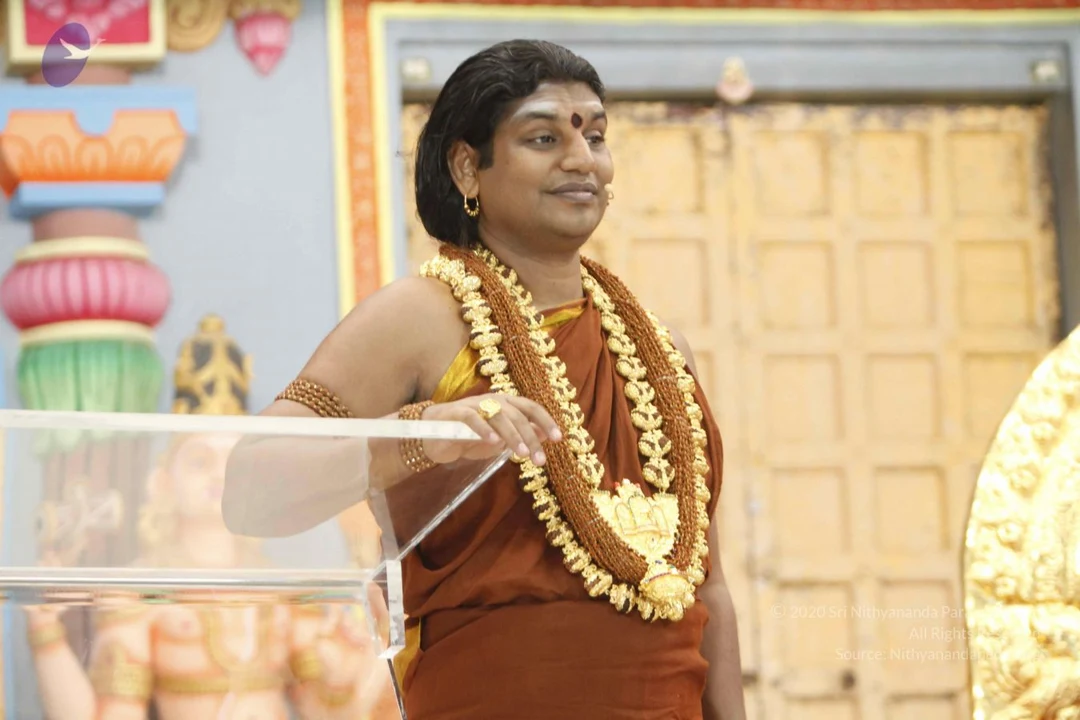
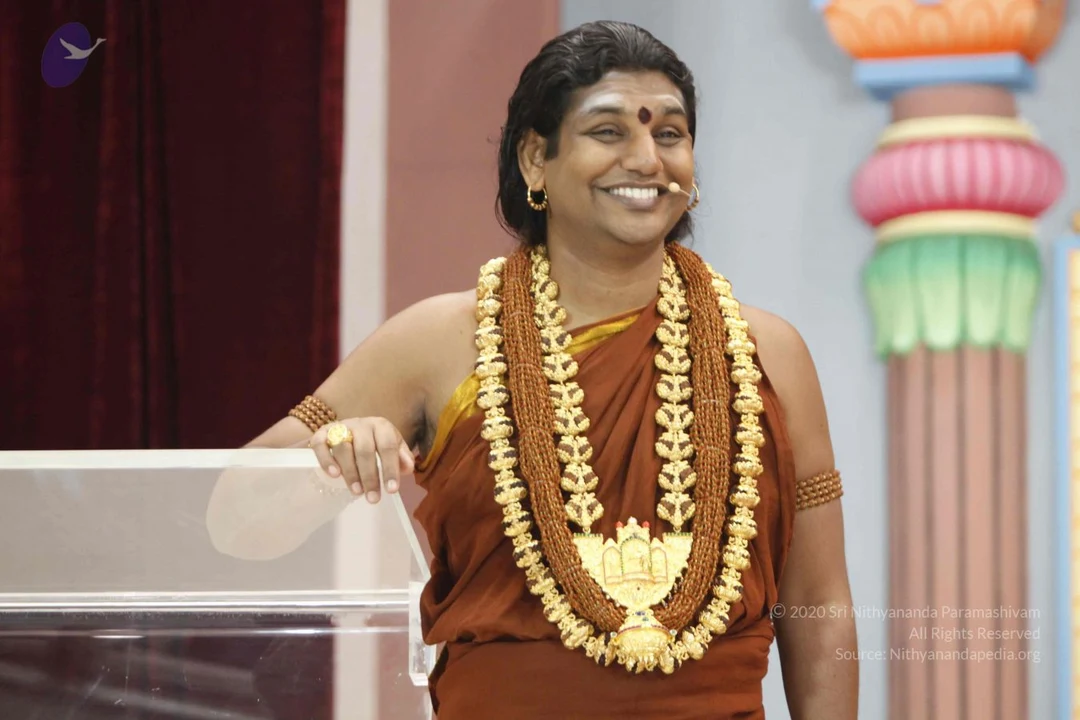
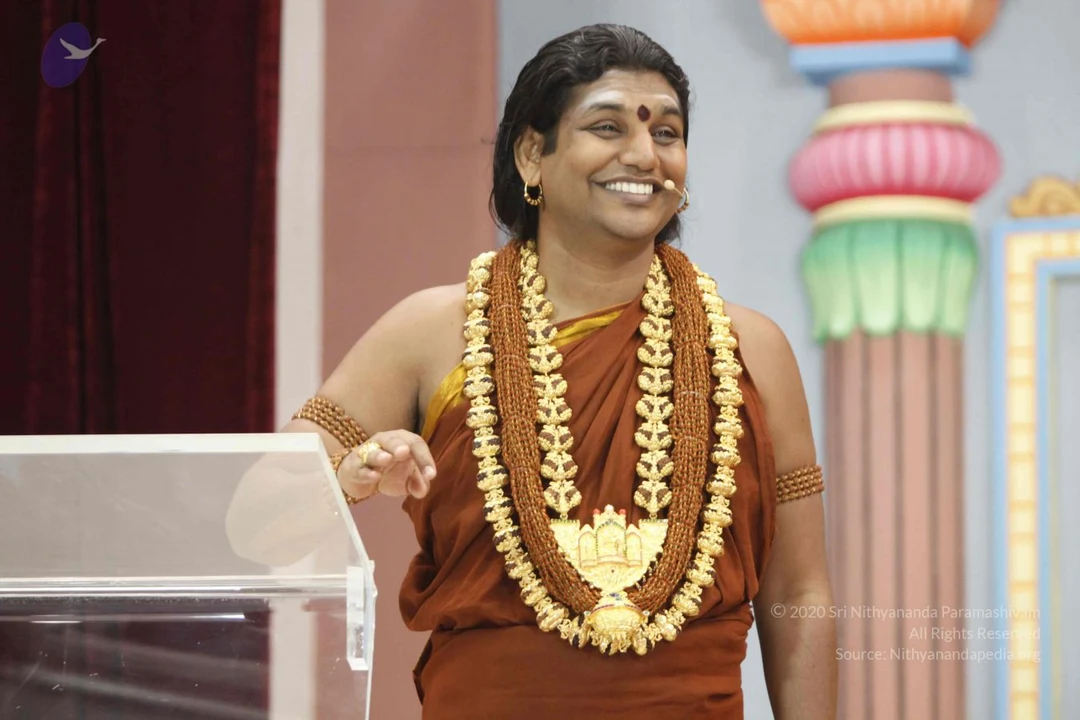
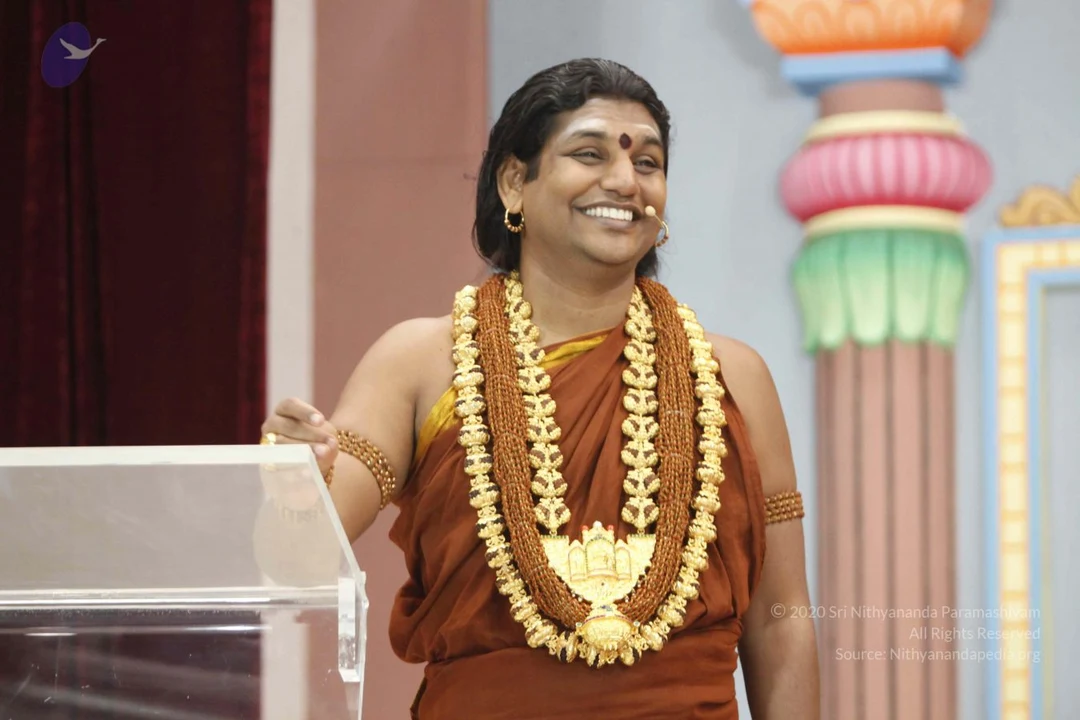
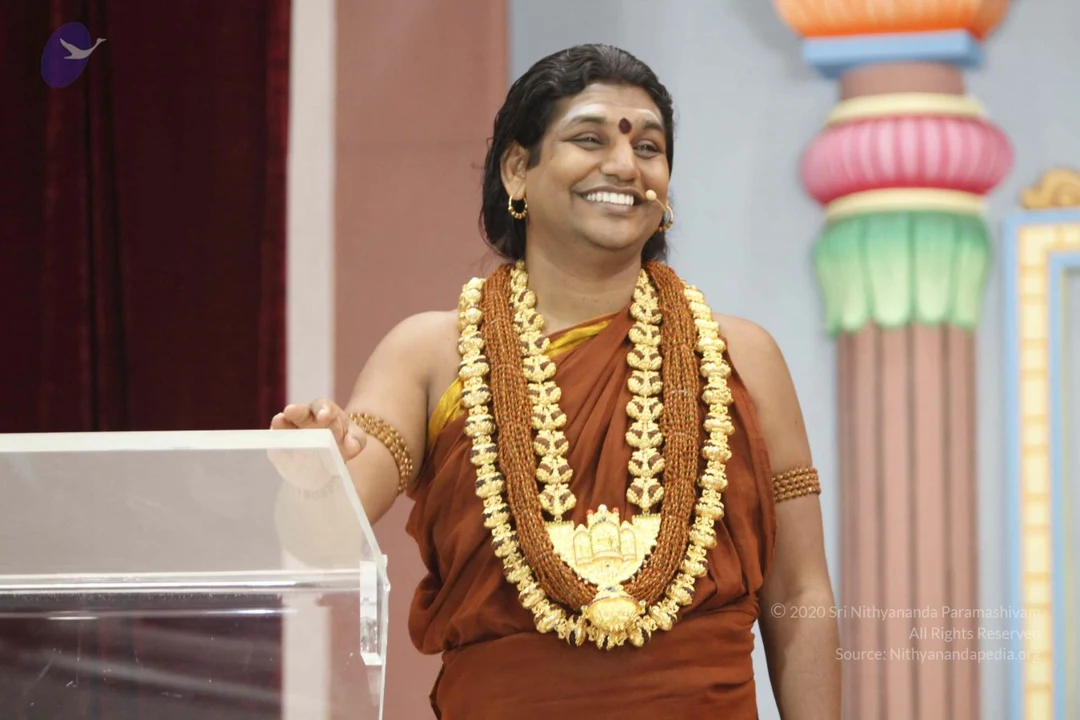
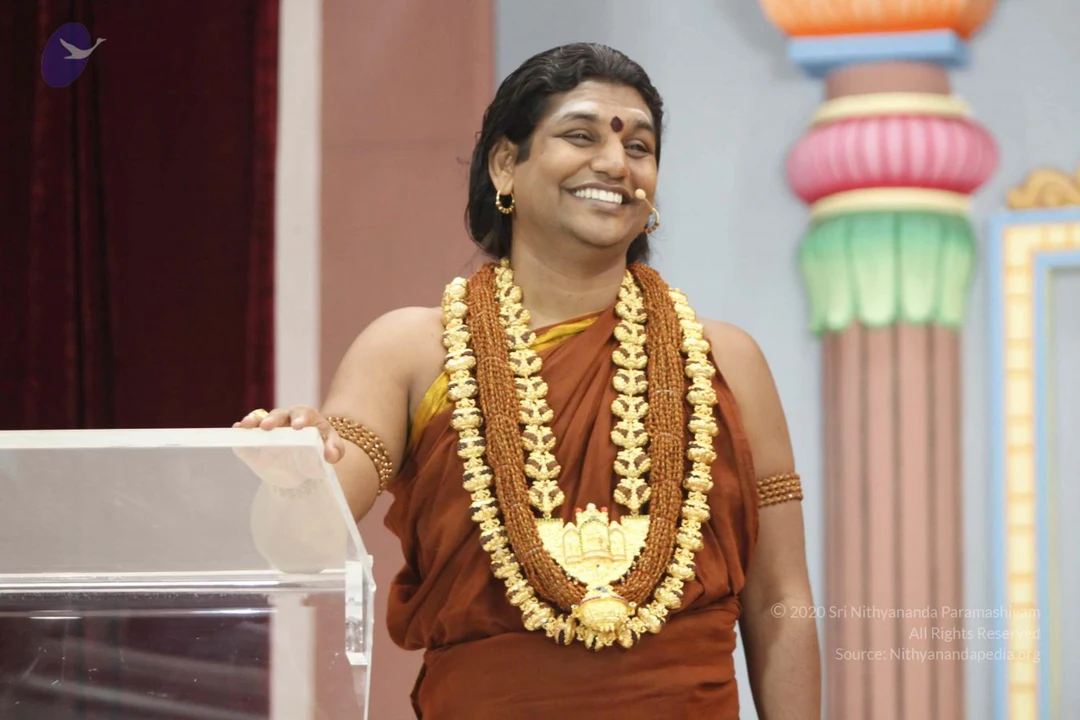
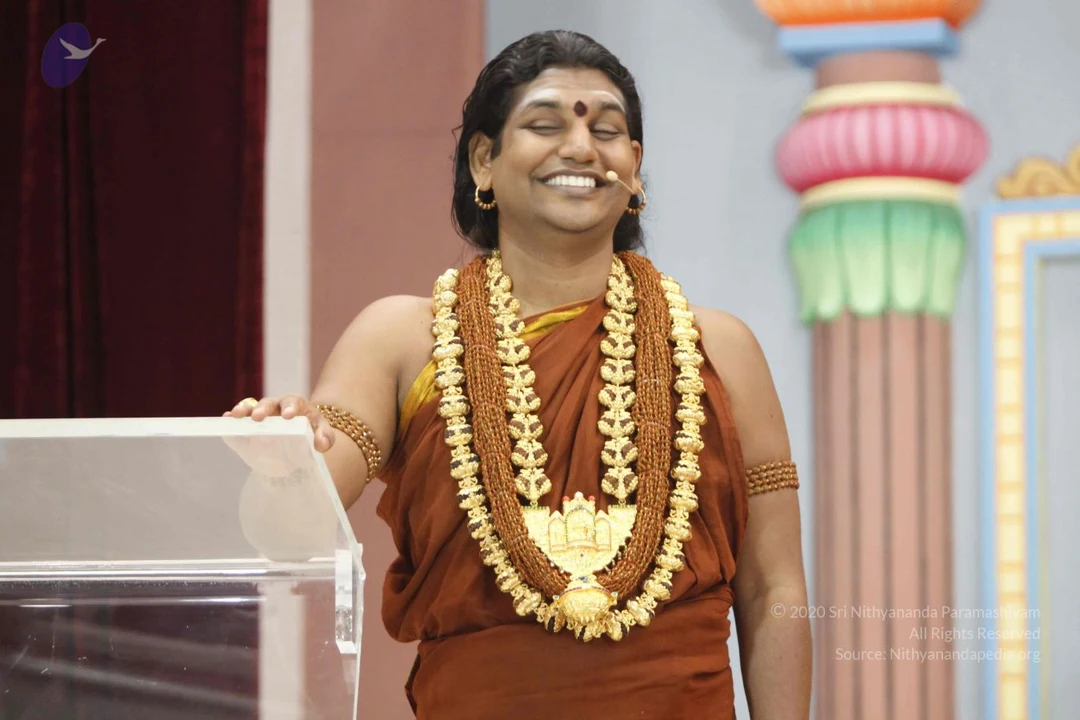
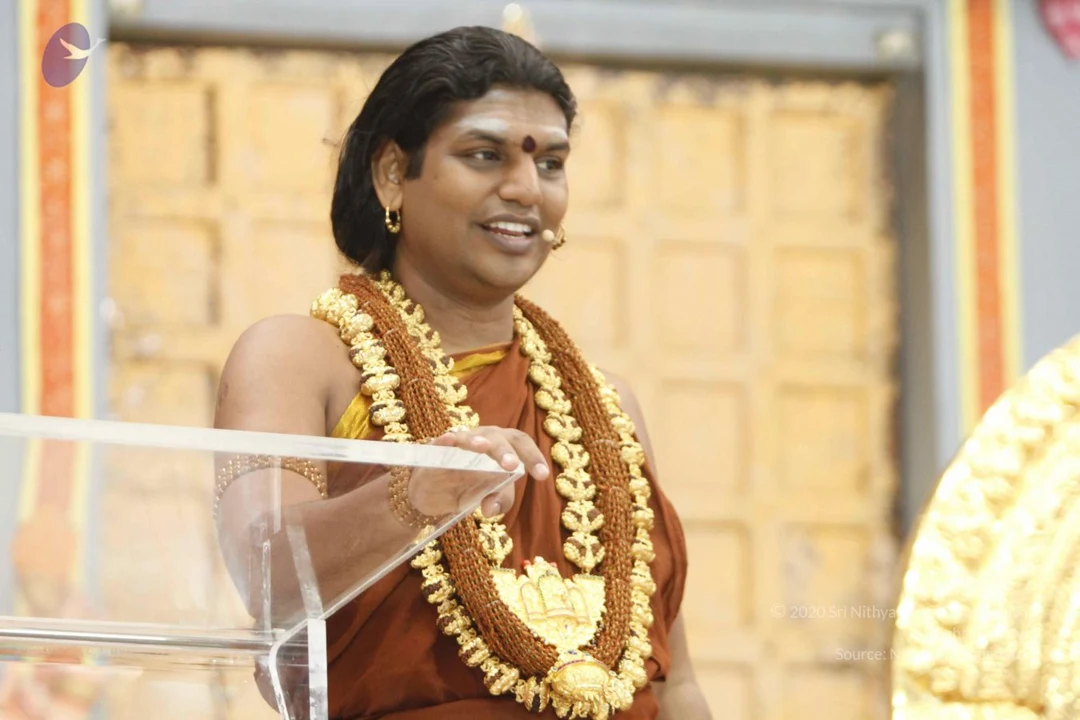
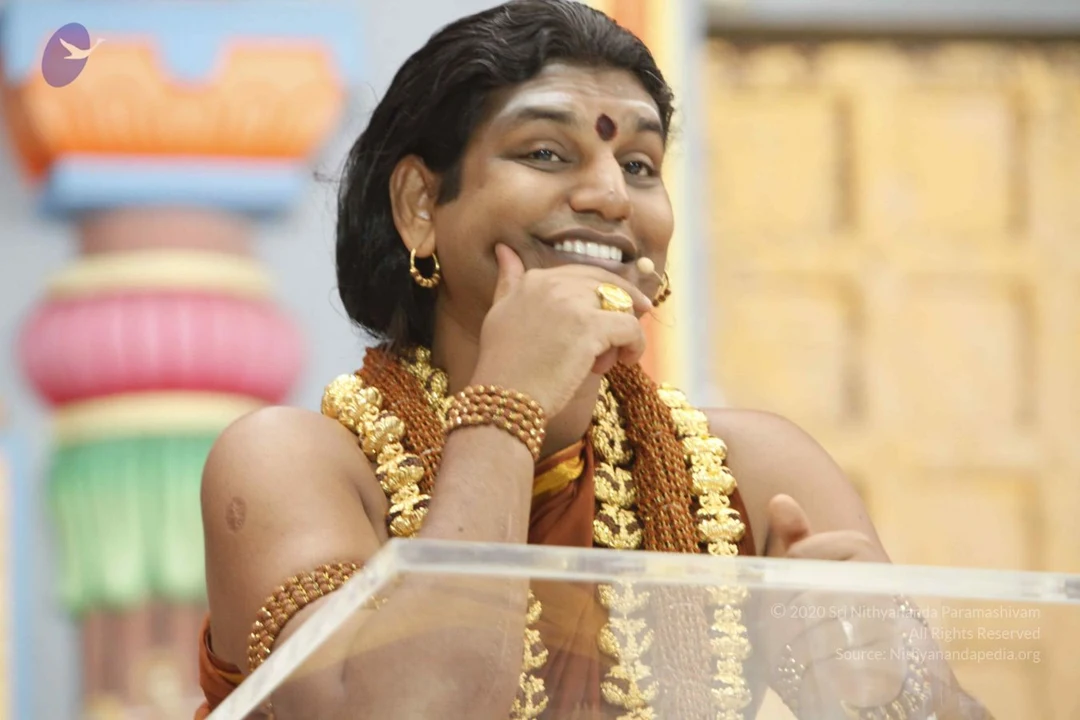

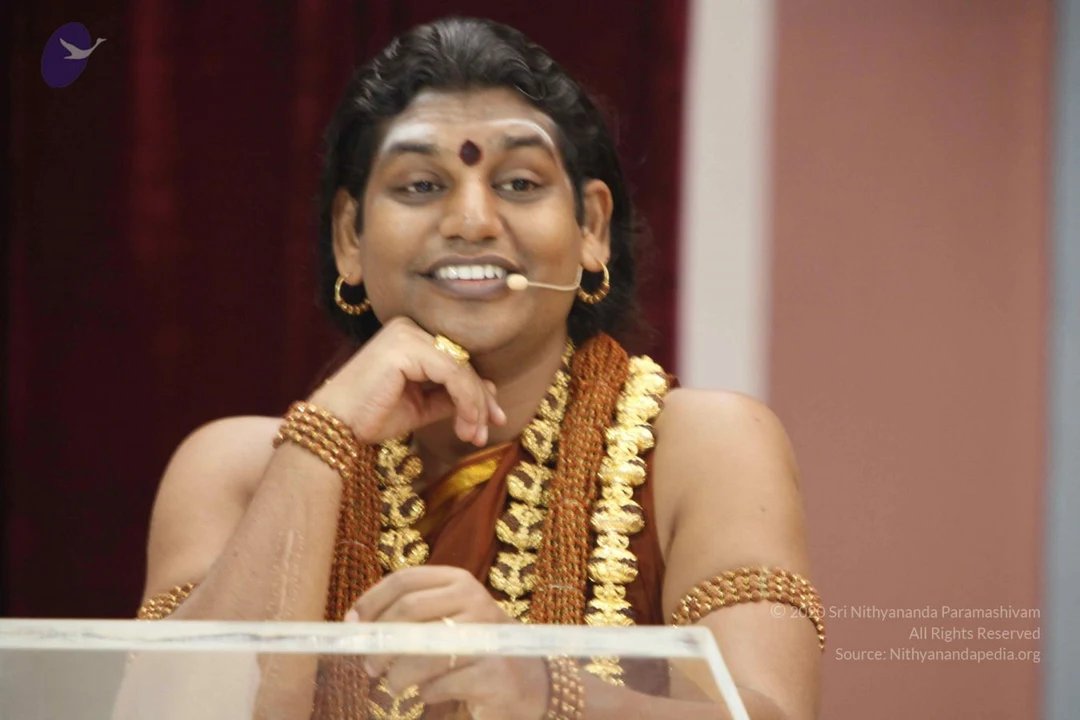
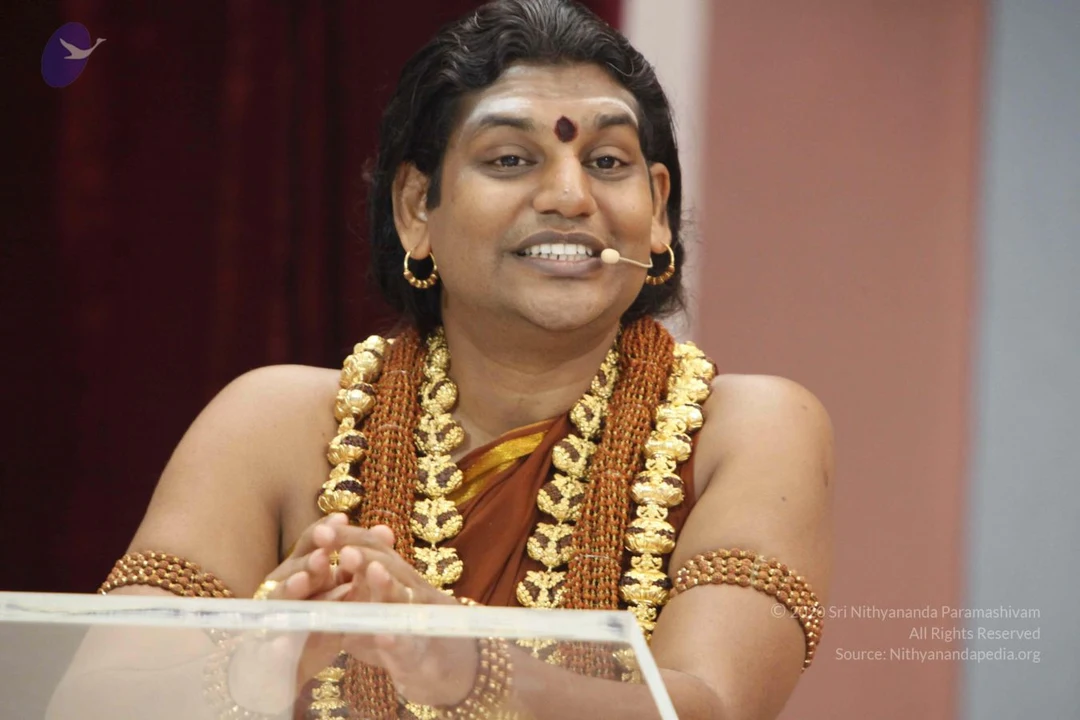
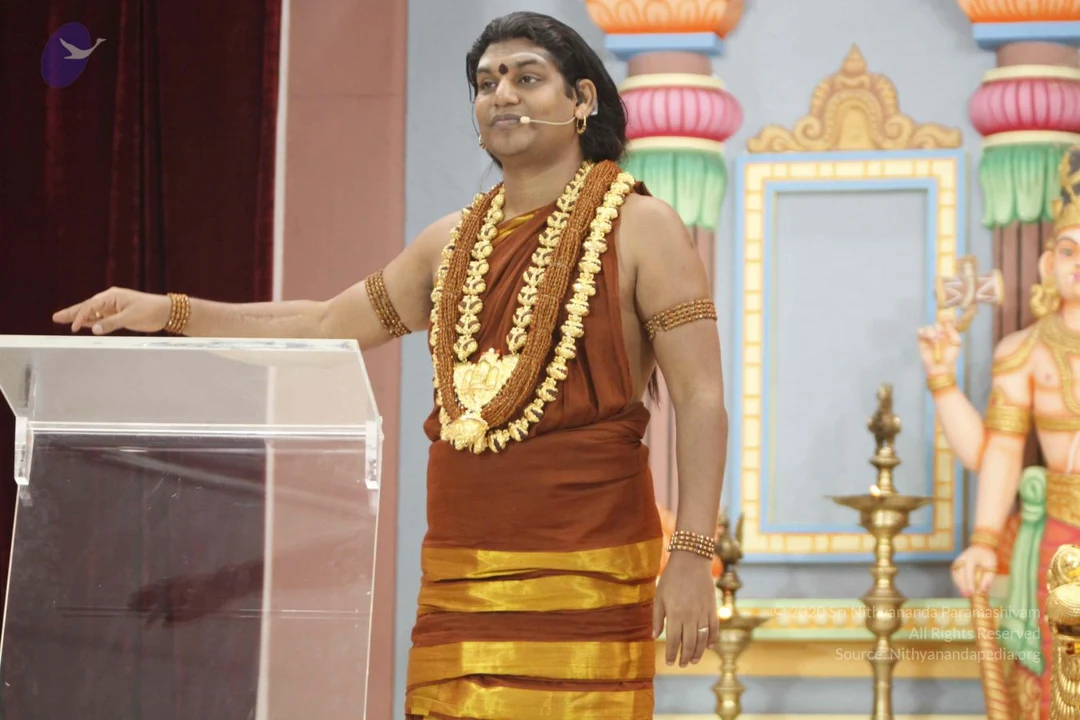
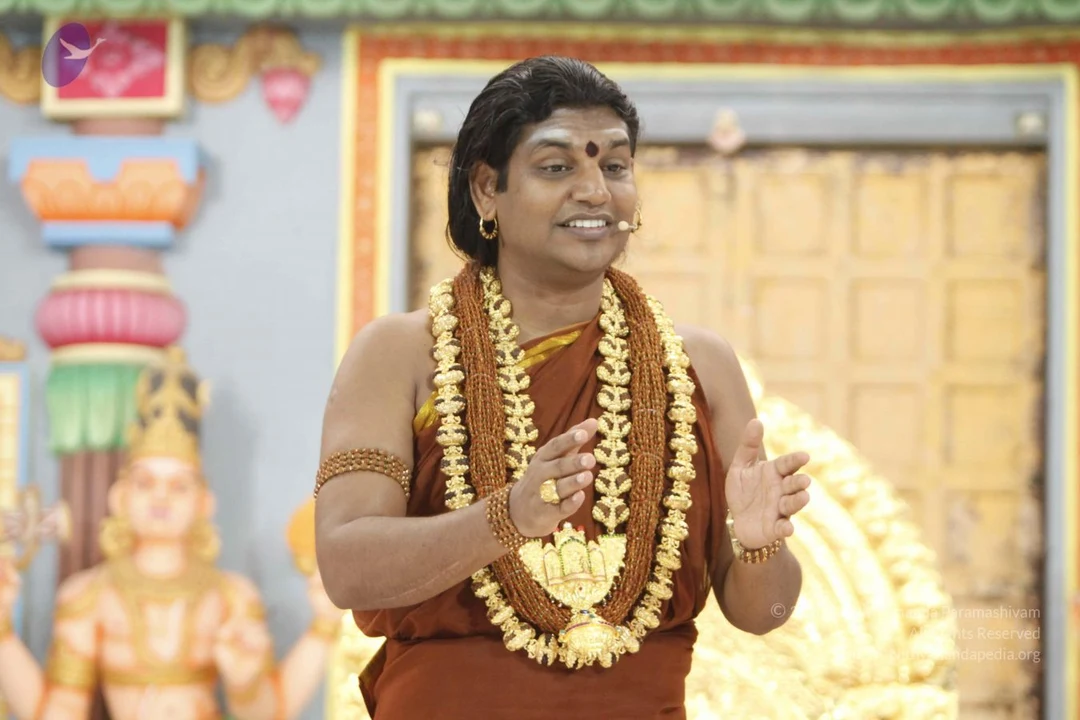
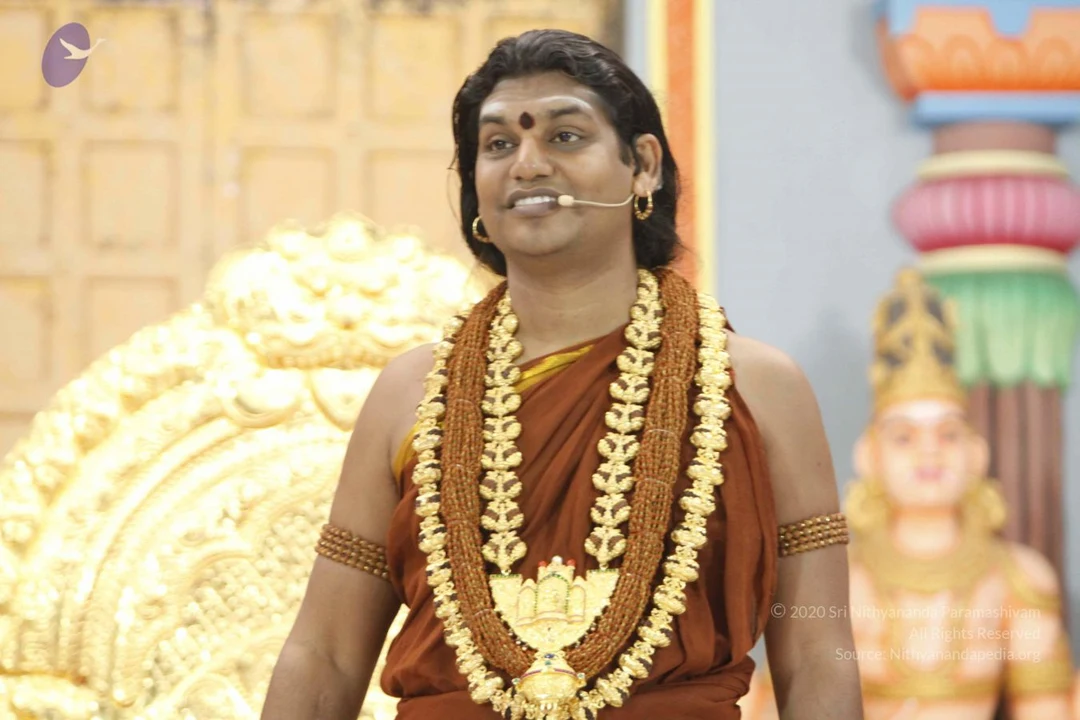
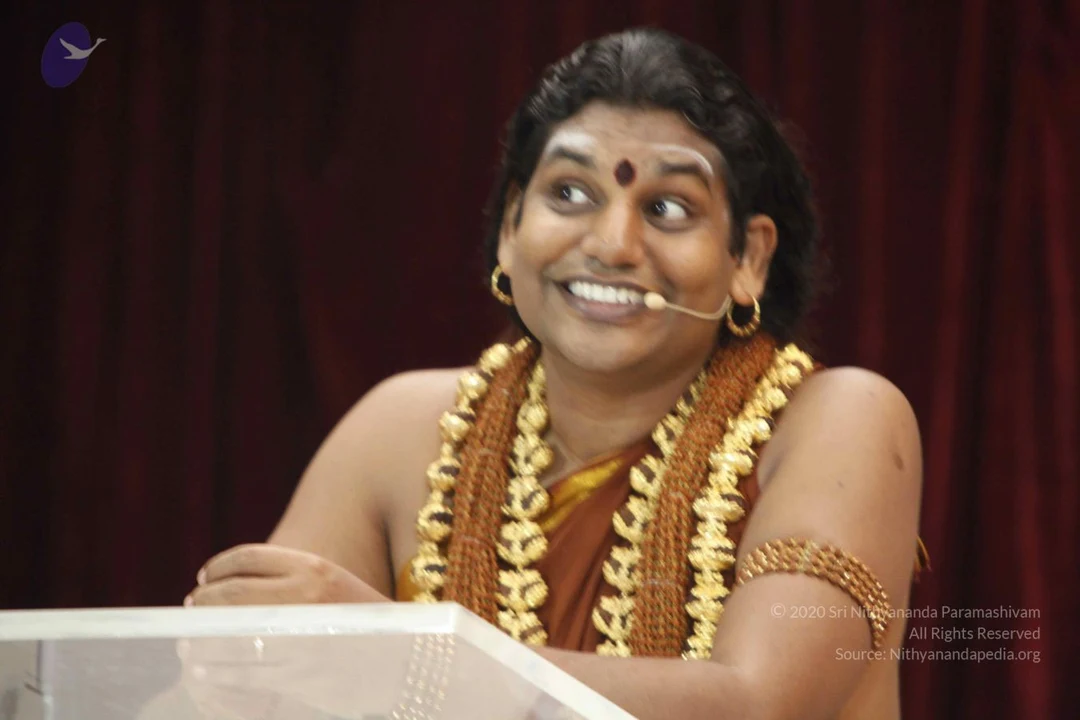
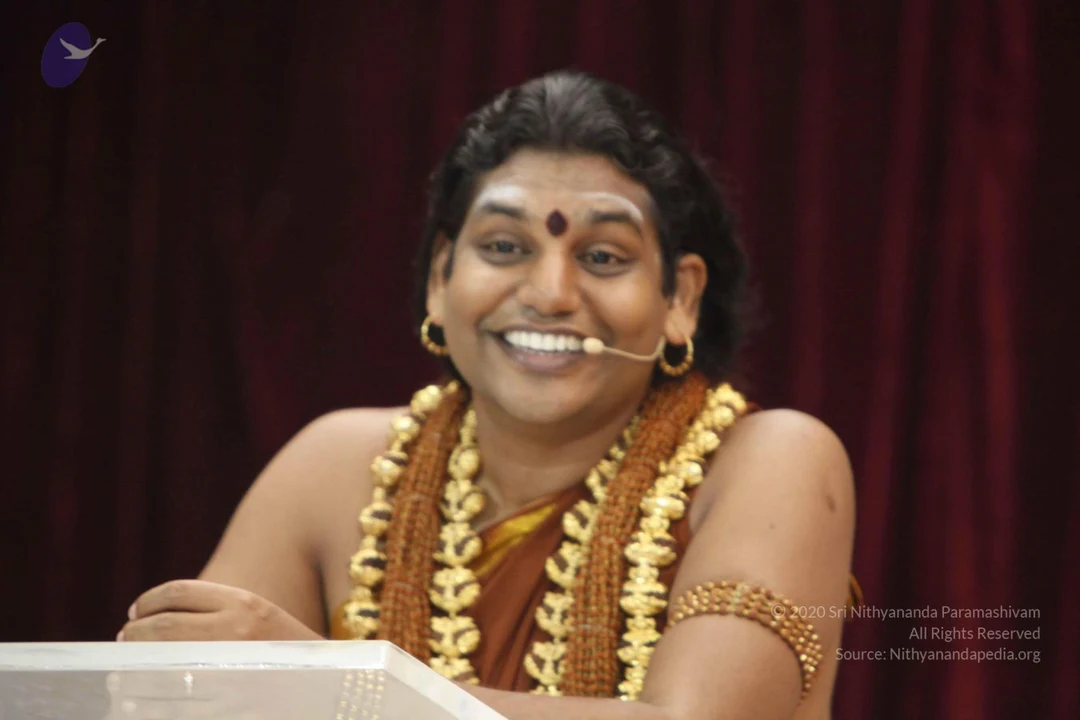
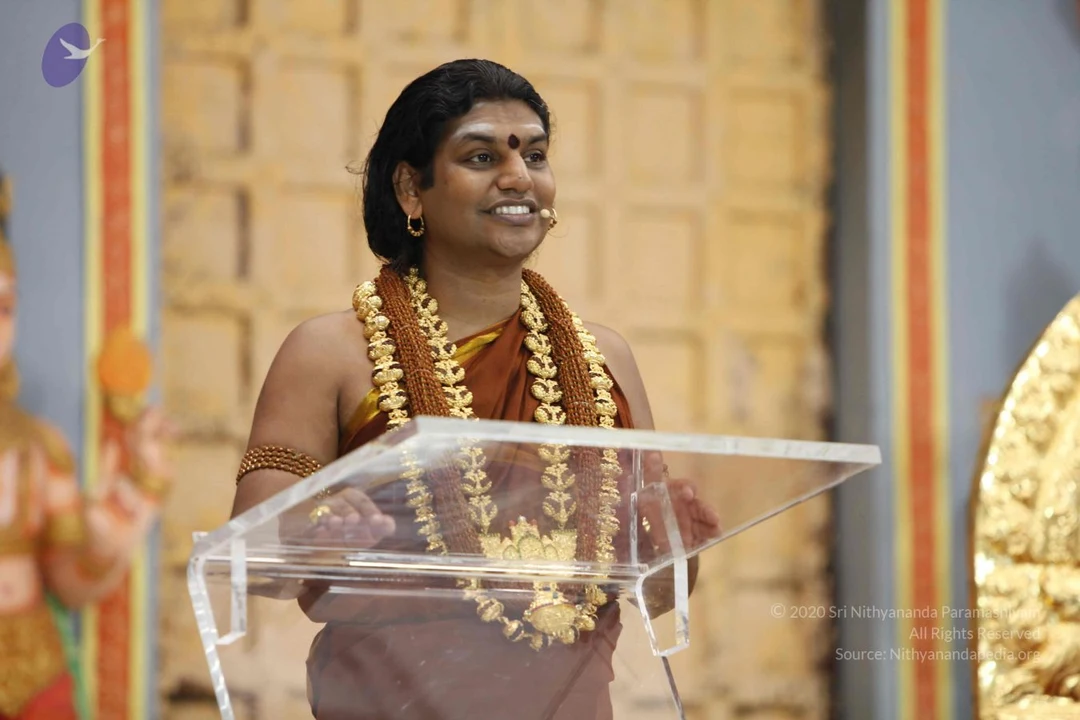
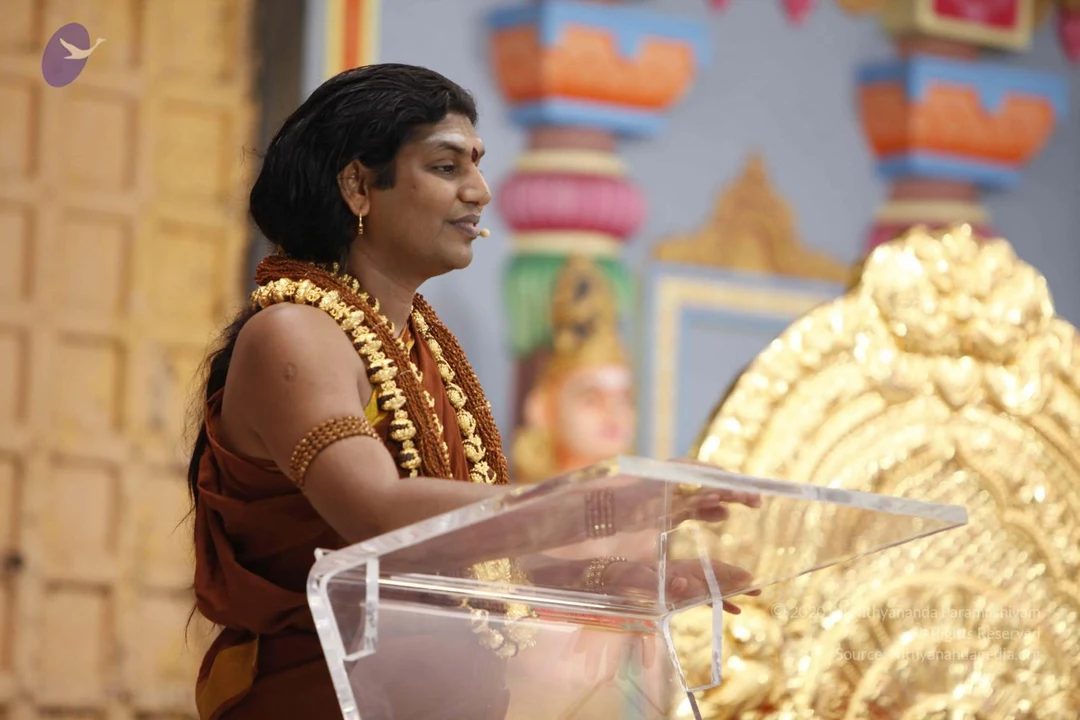
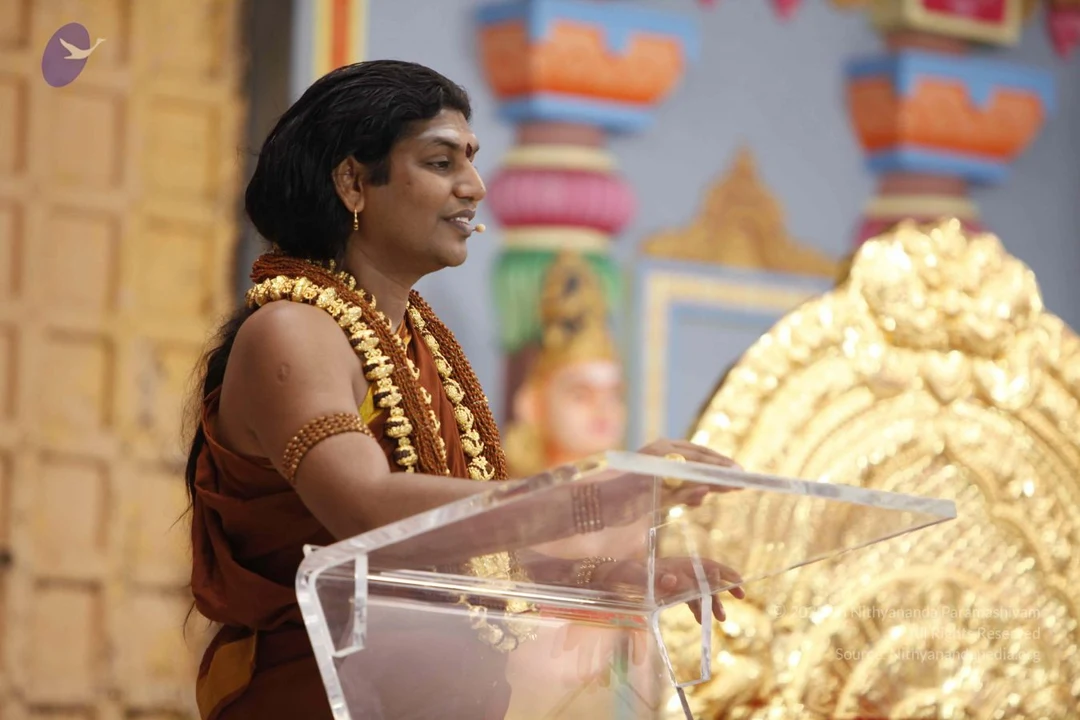
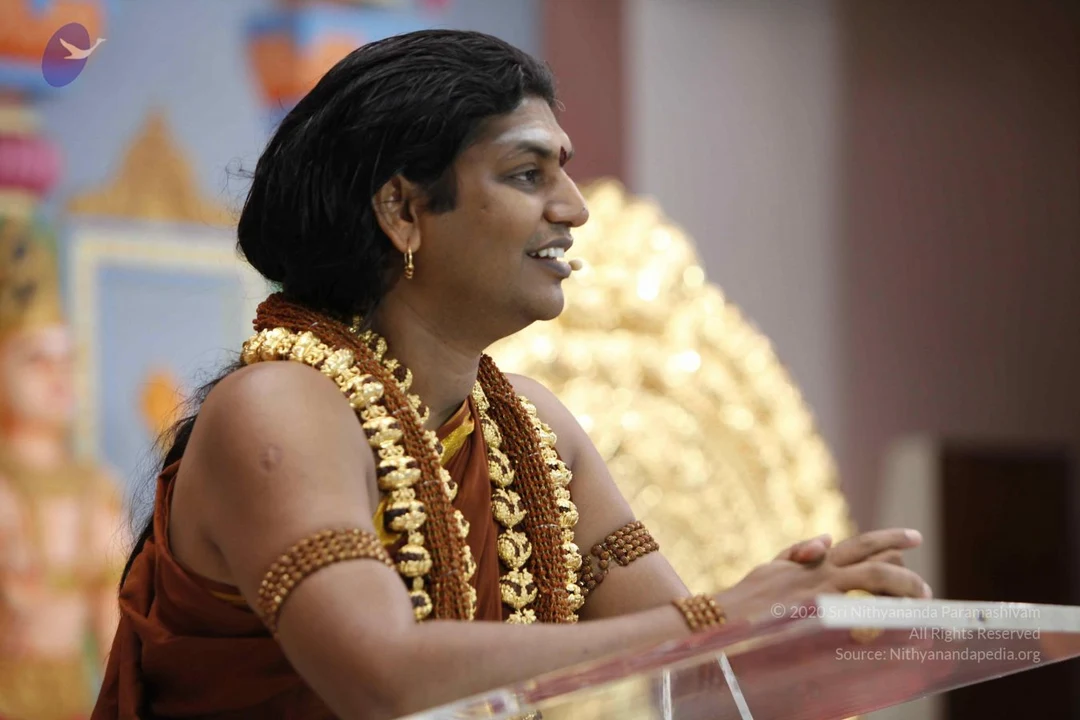
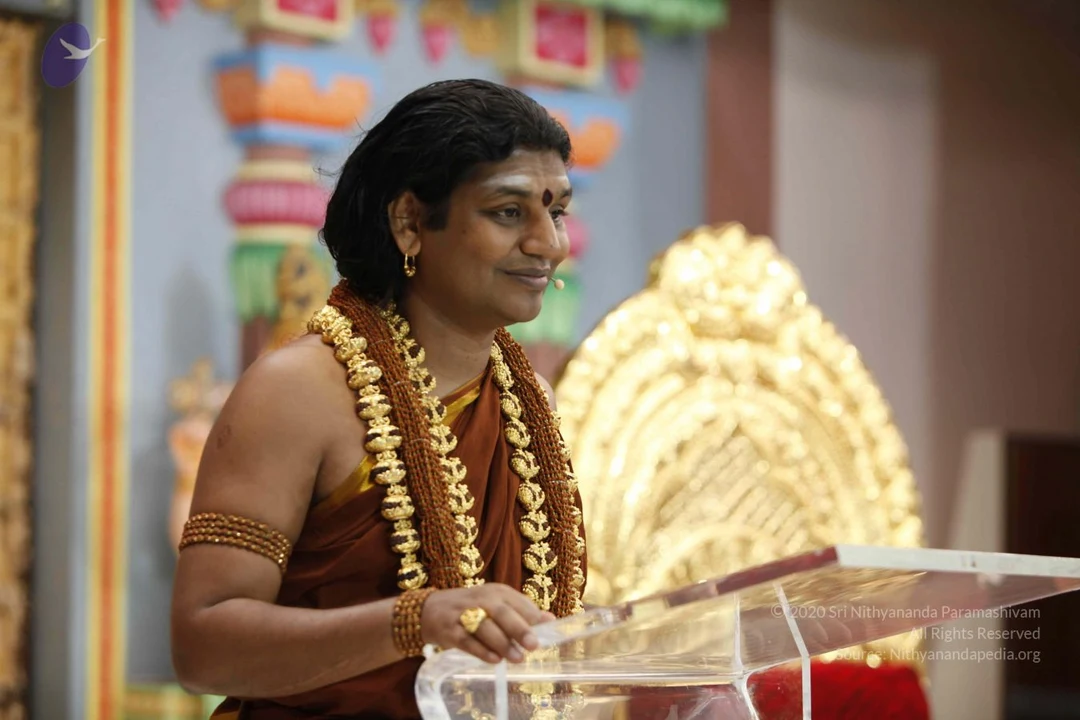
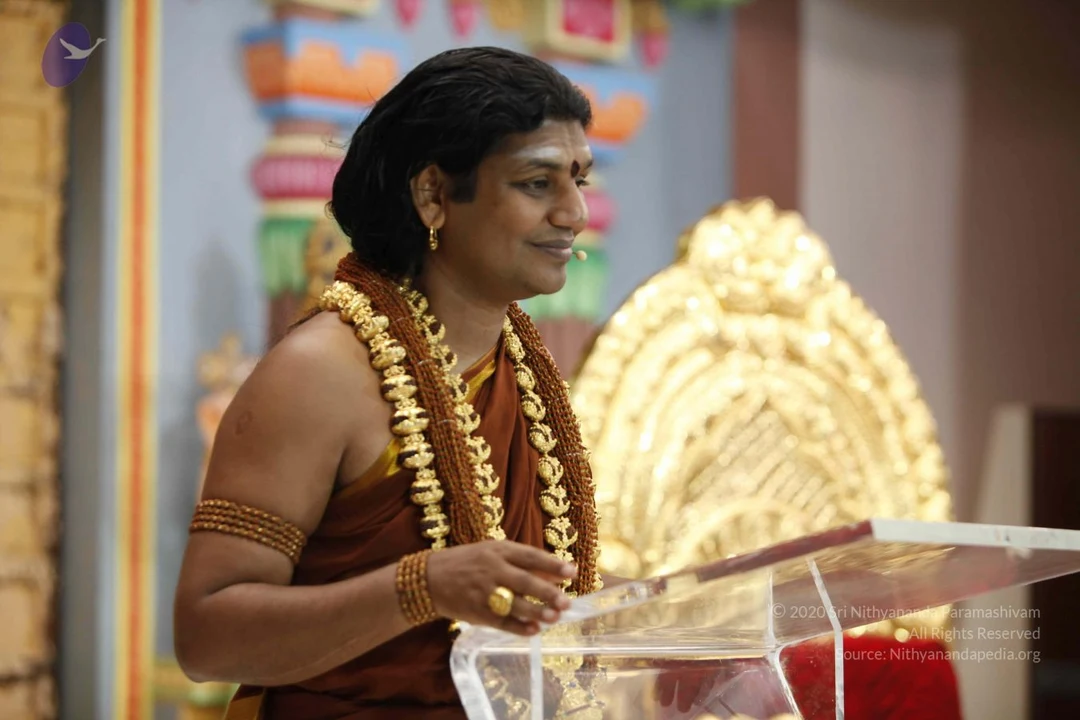
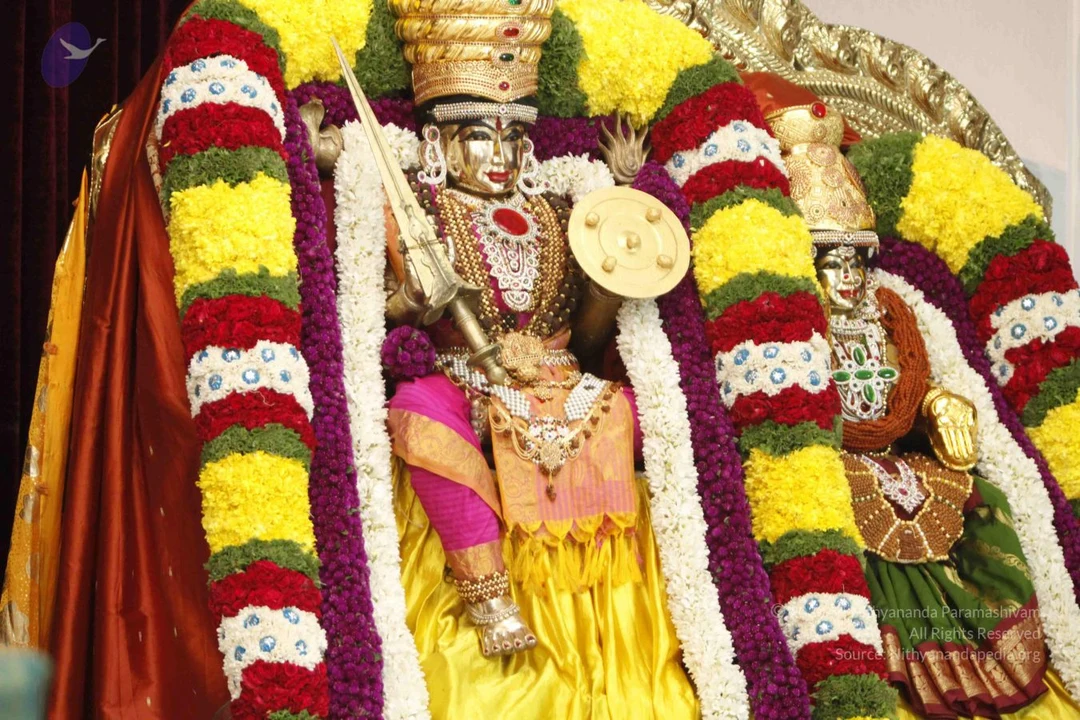
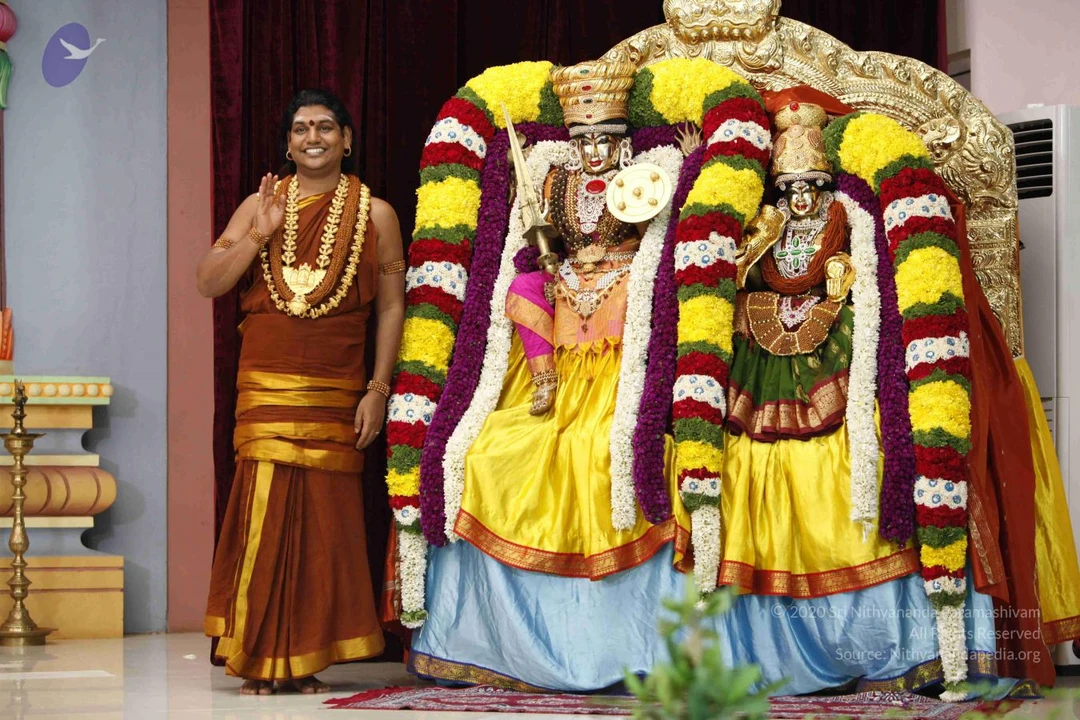
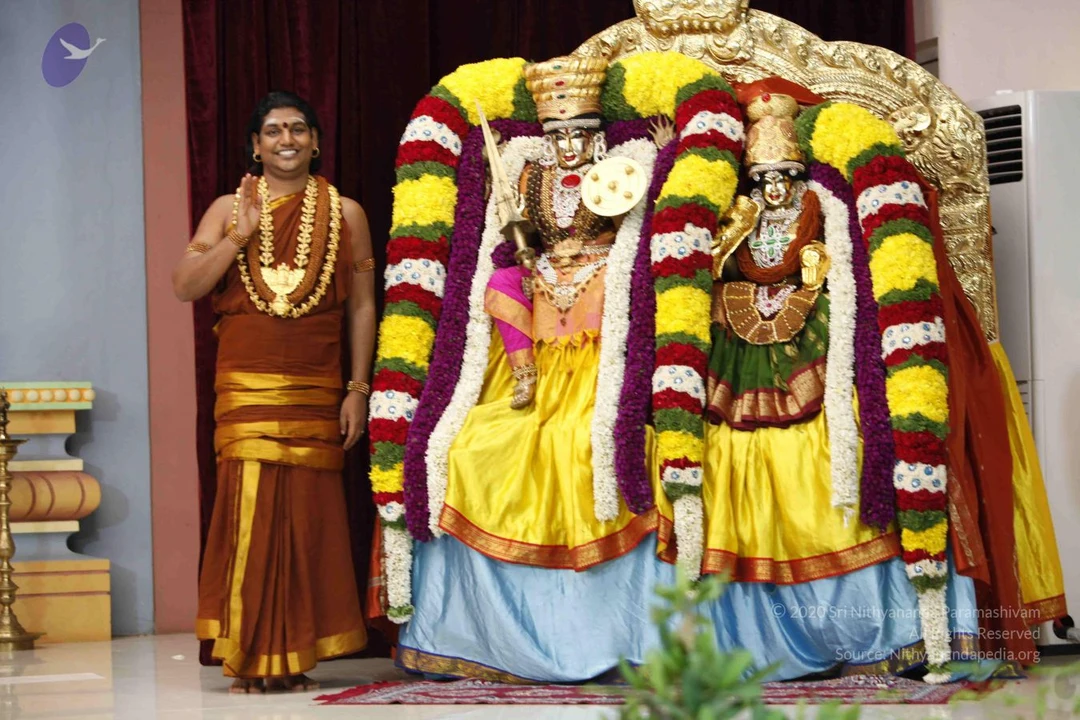
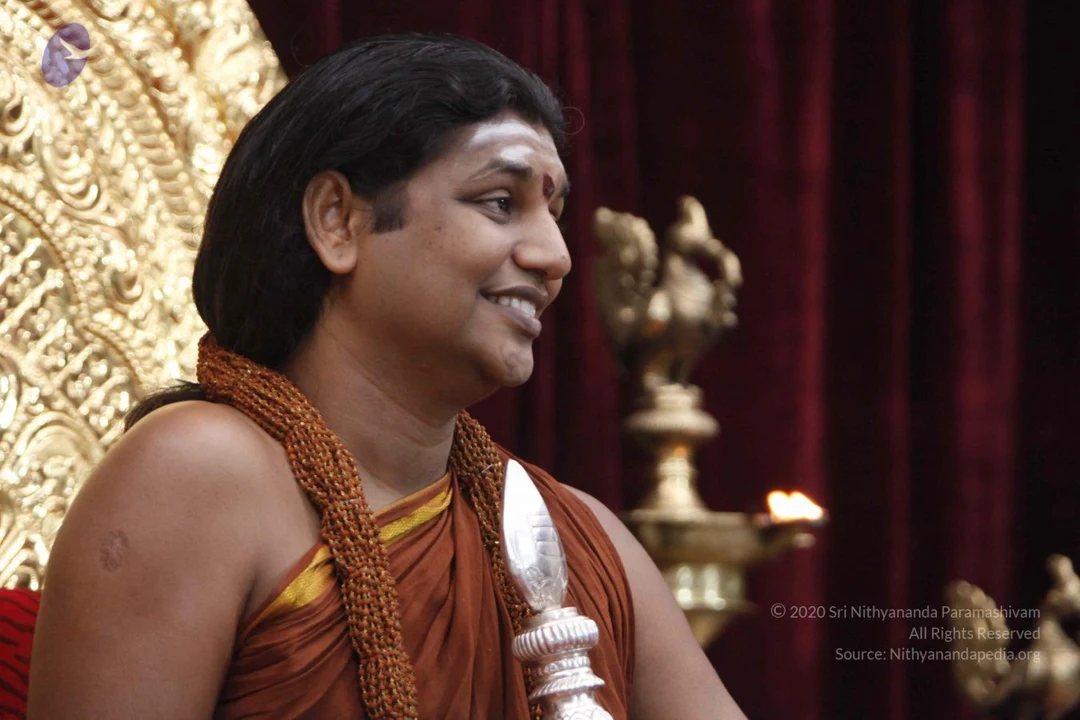
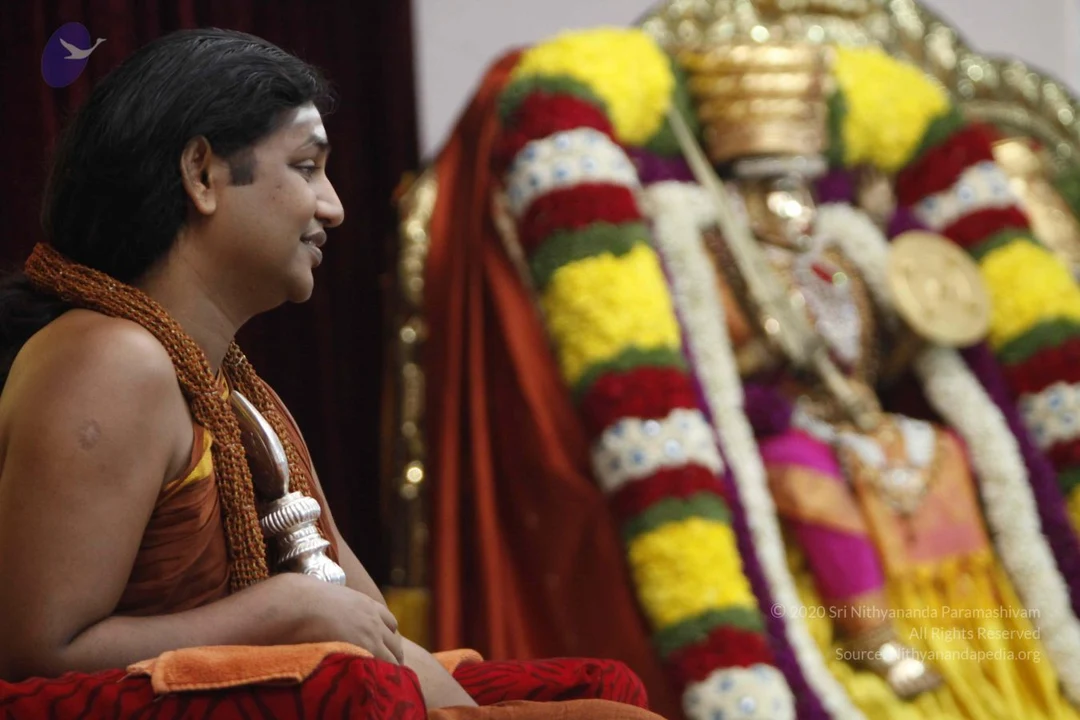
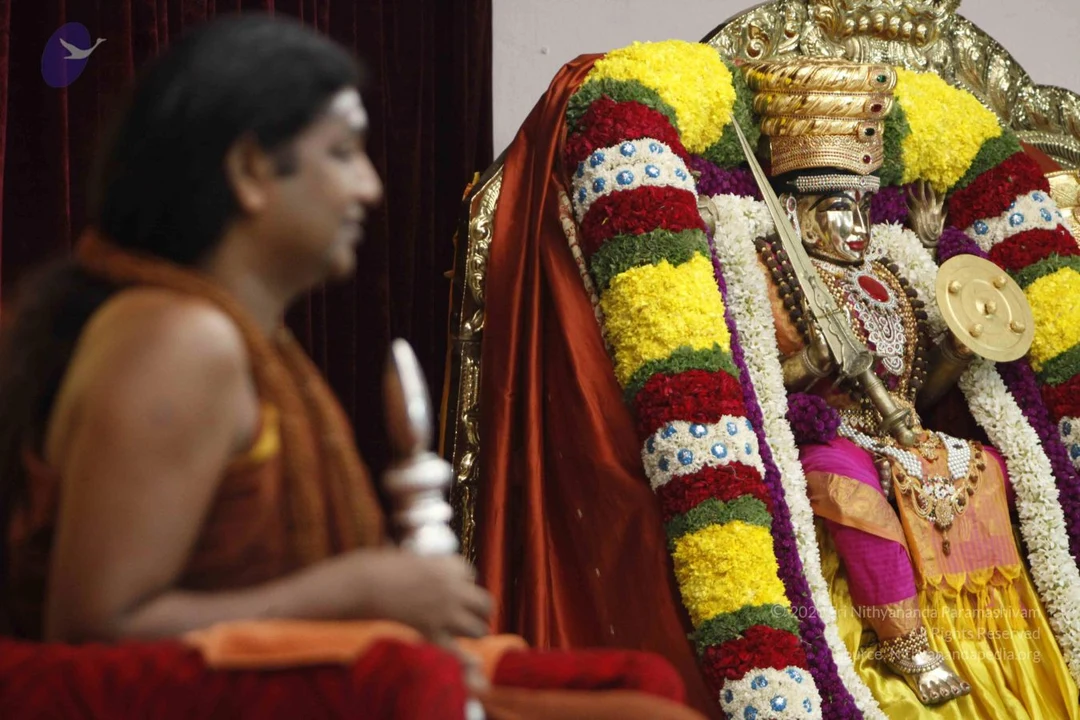
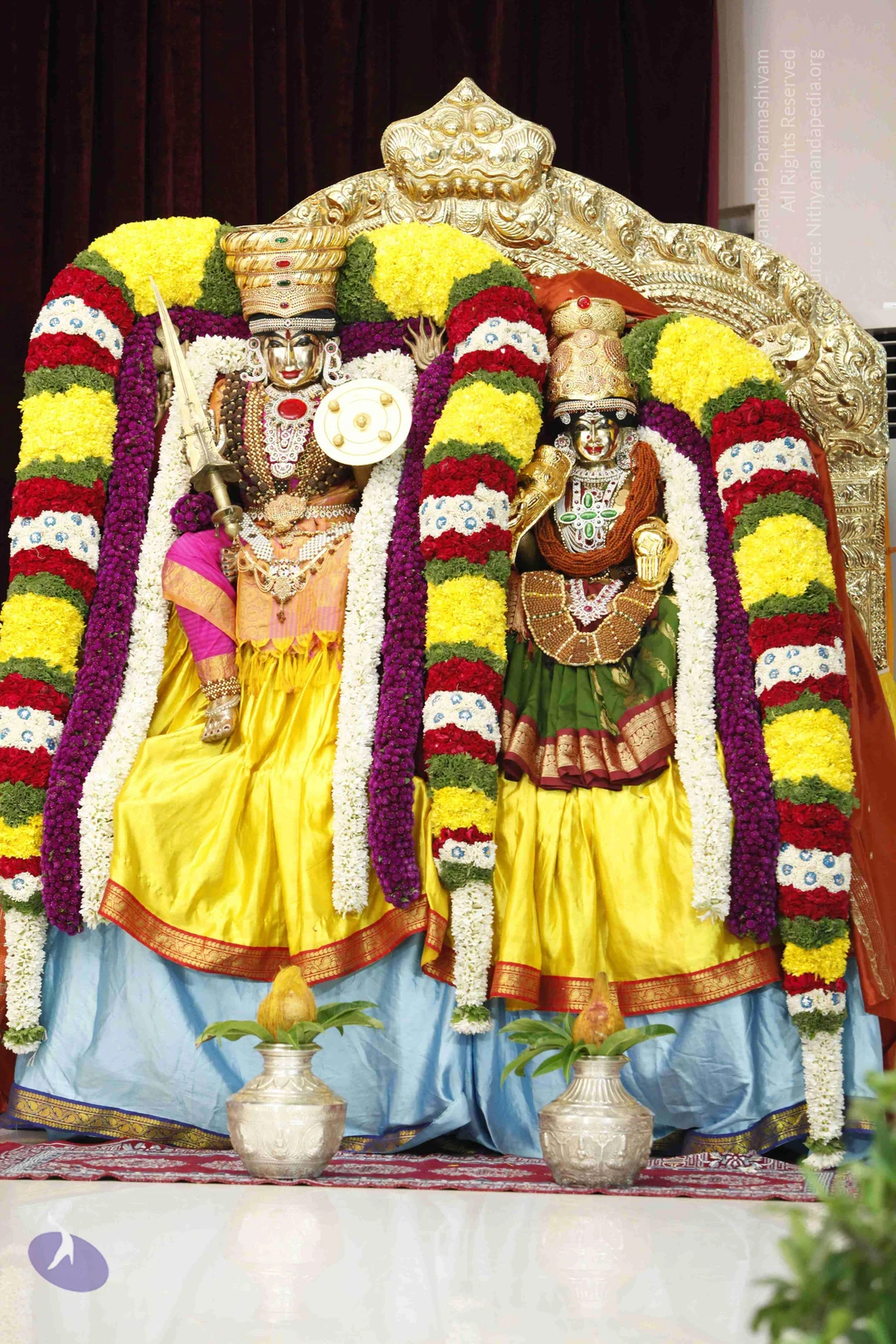
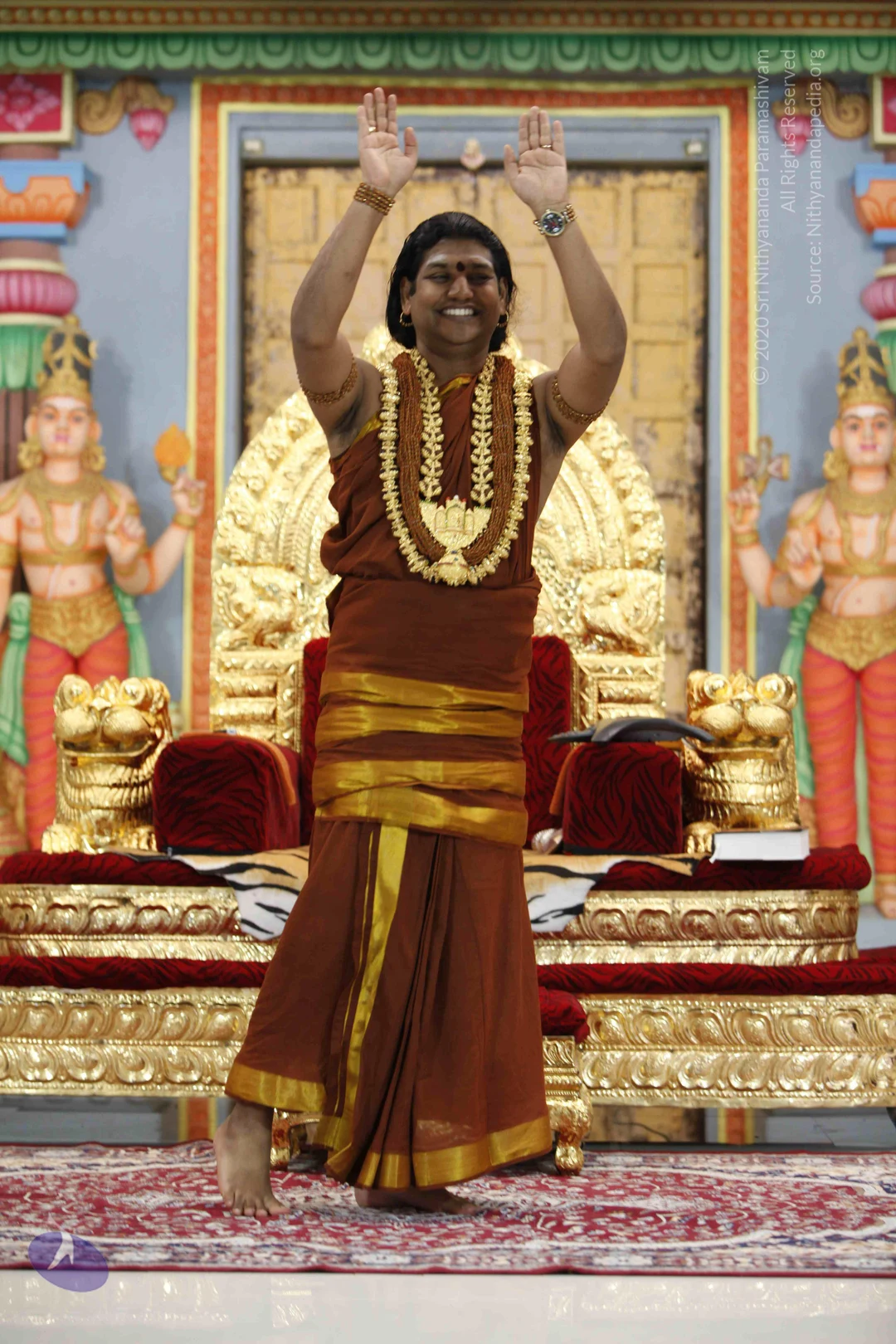
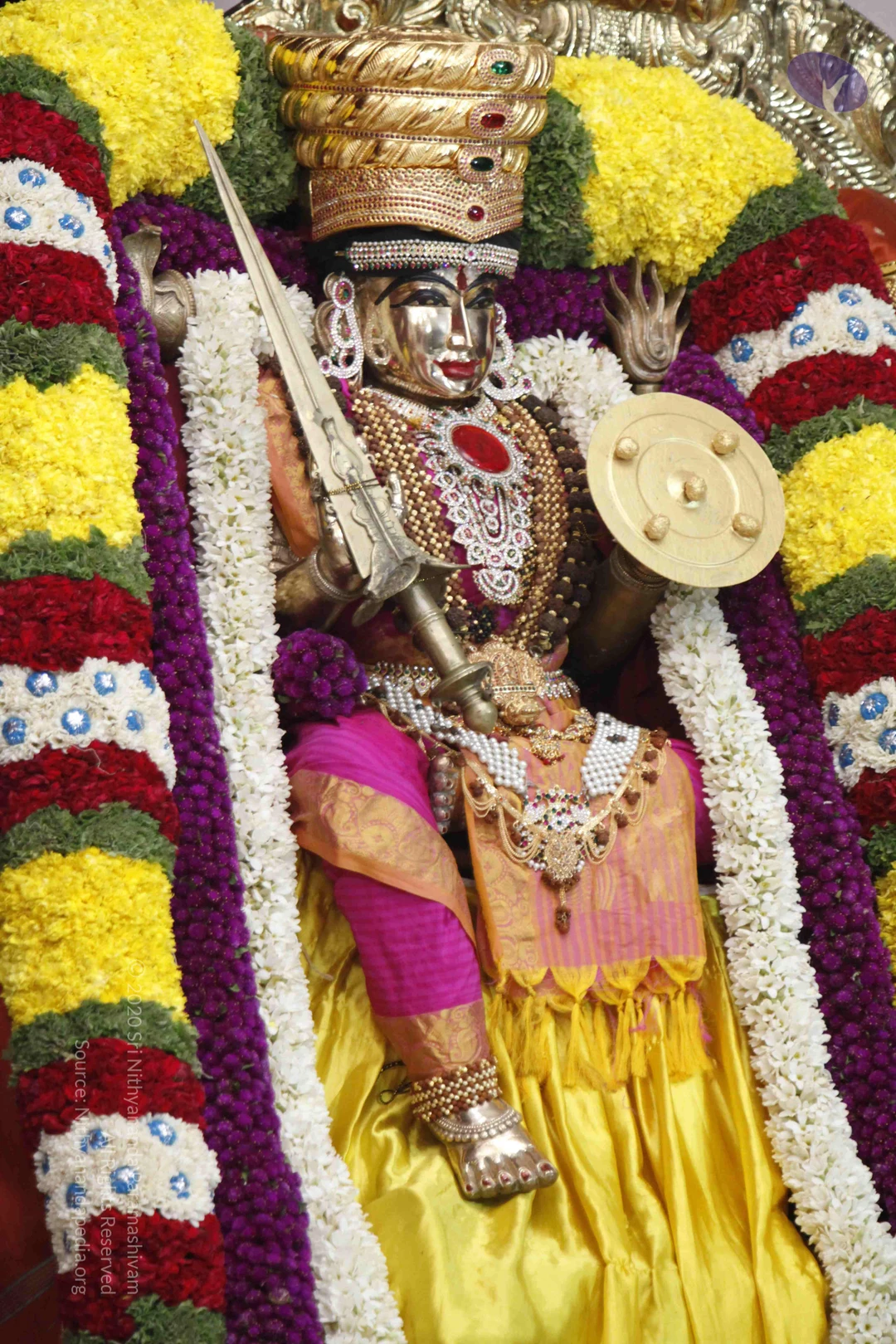
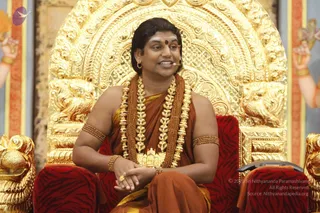
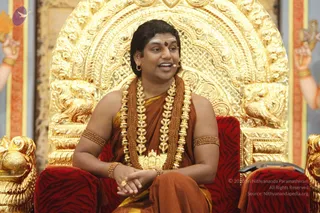
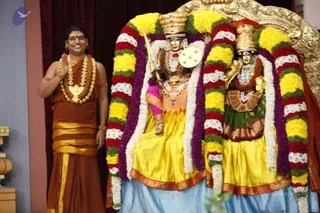
SWAMIJI WITH DEITIES
SARVA DARSHAN
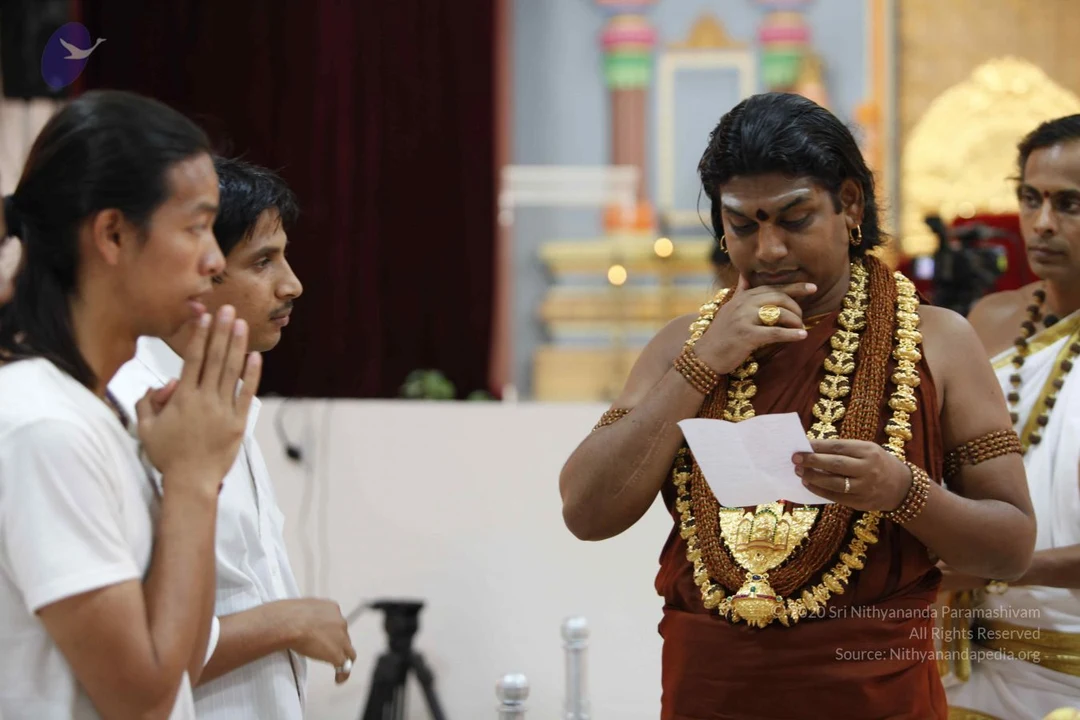
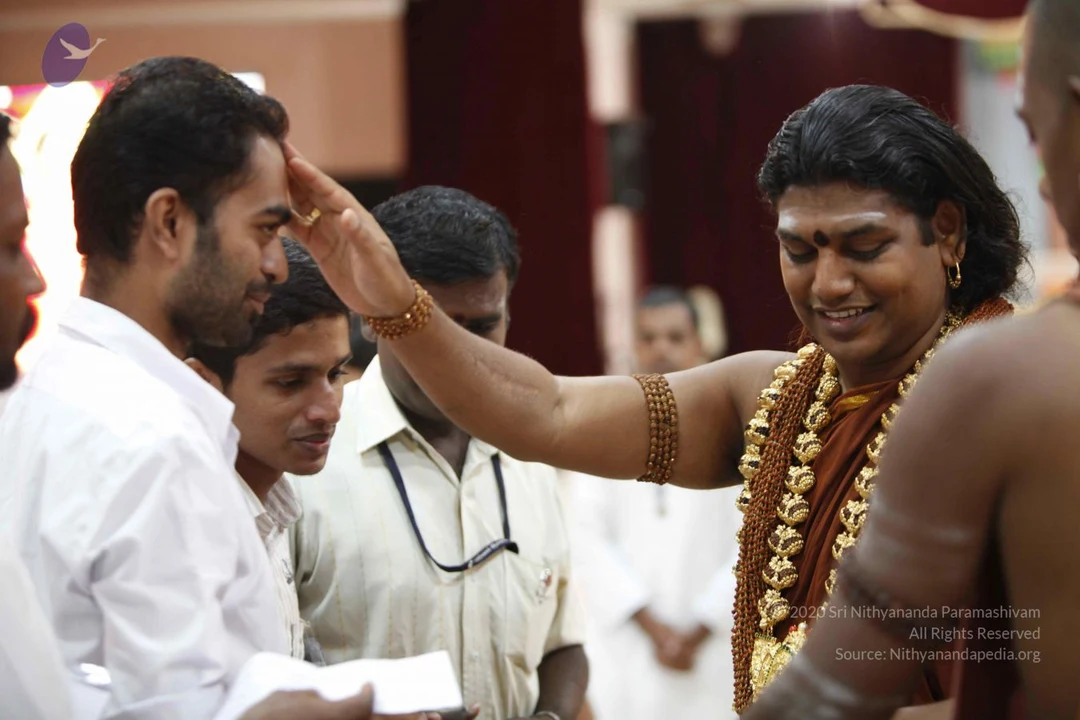
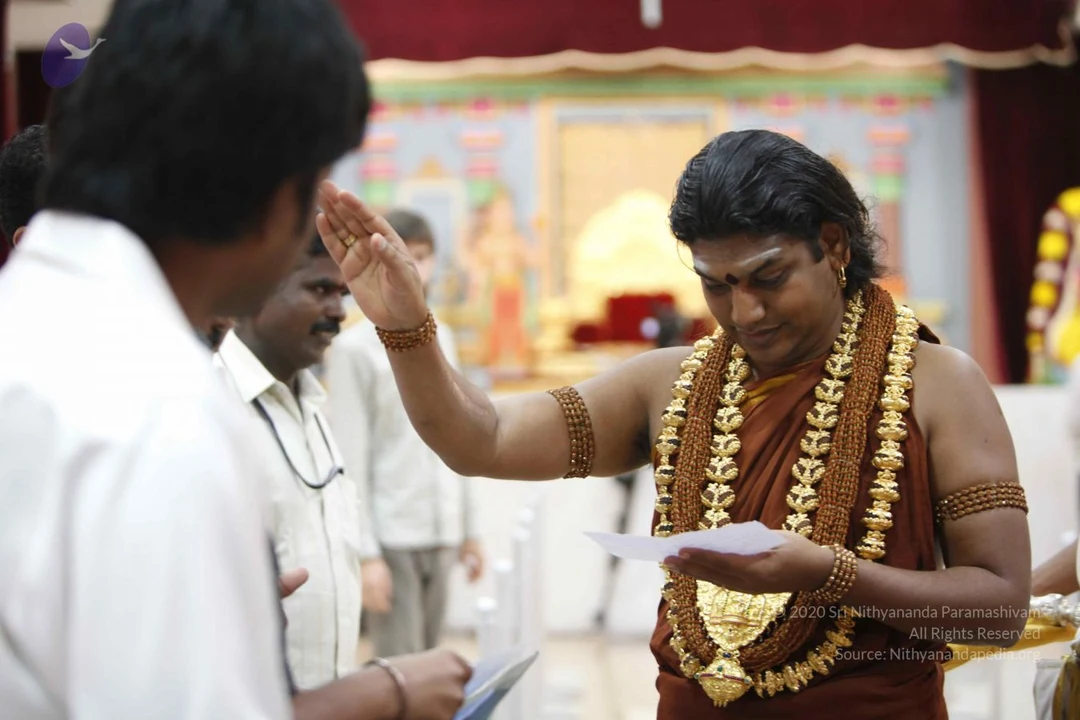
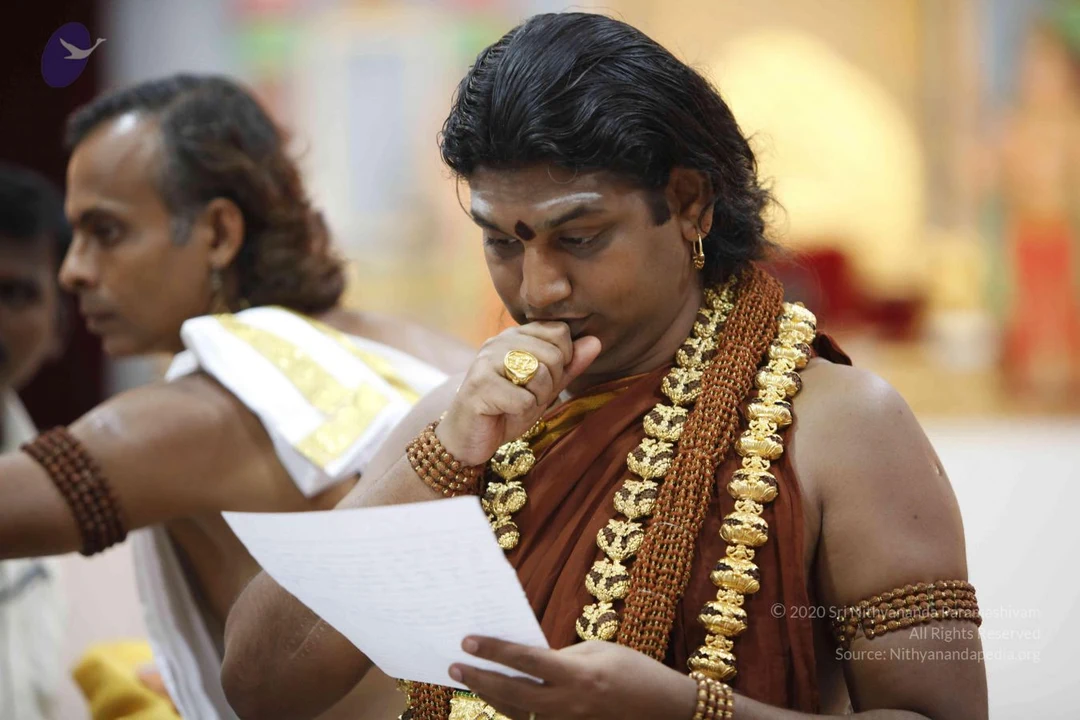

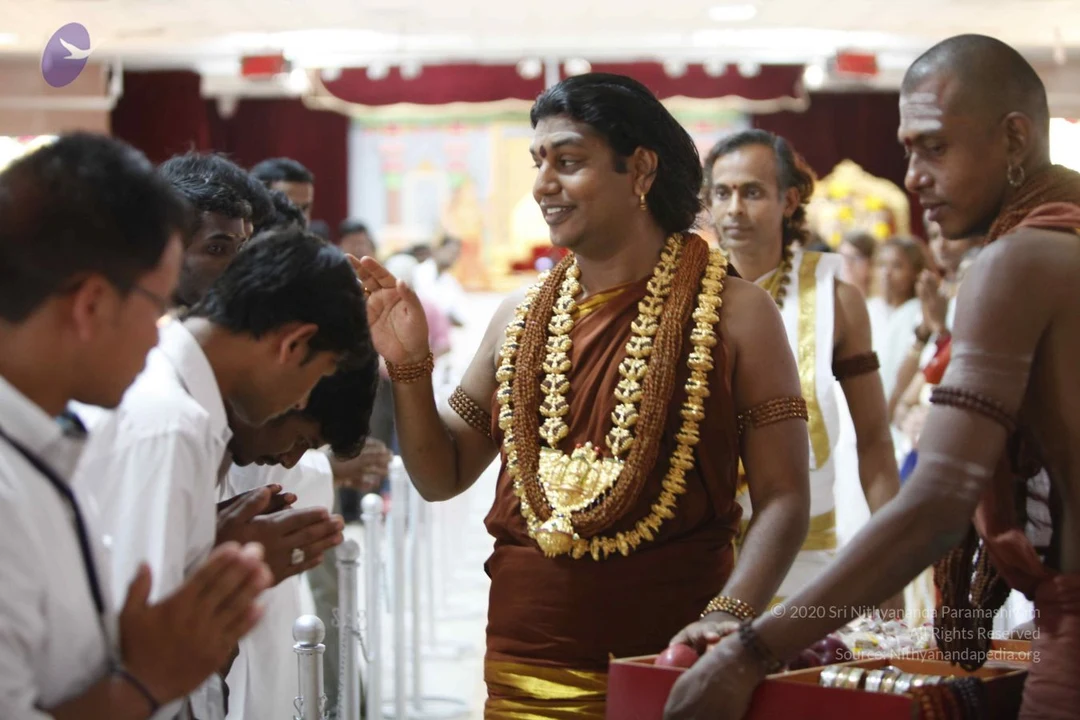
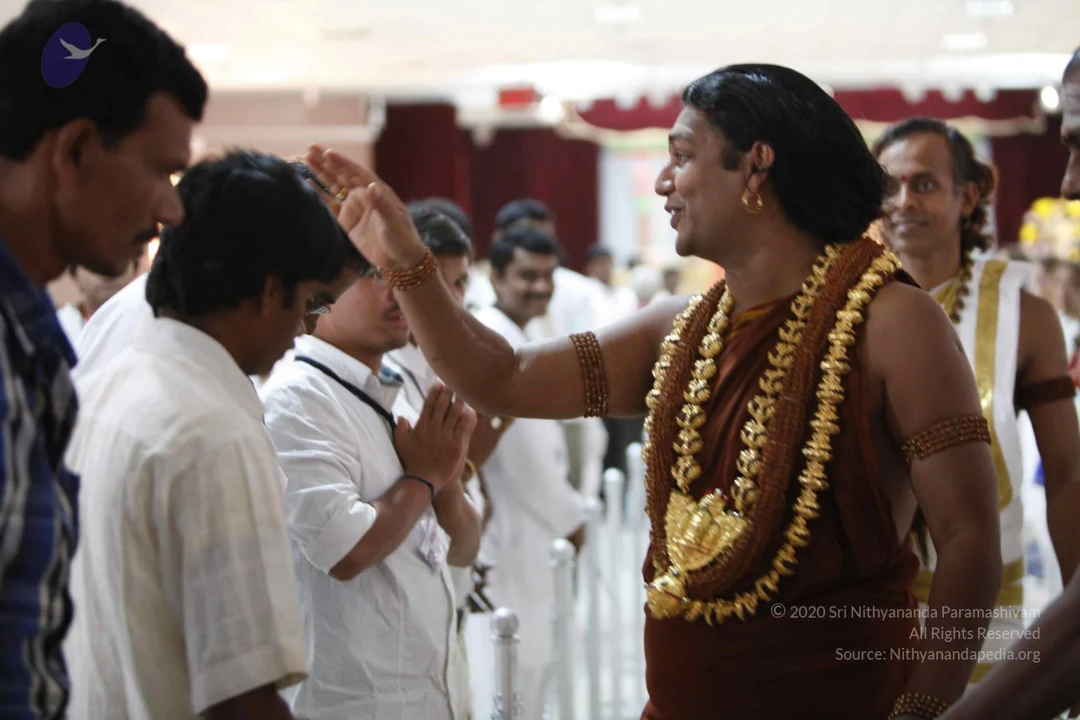
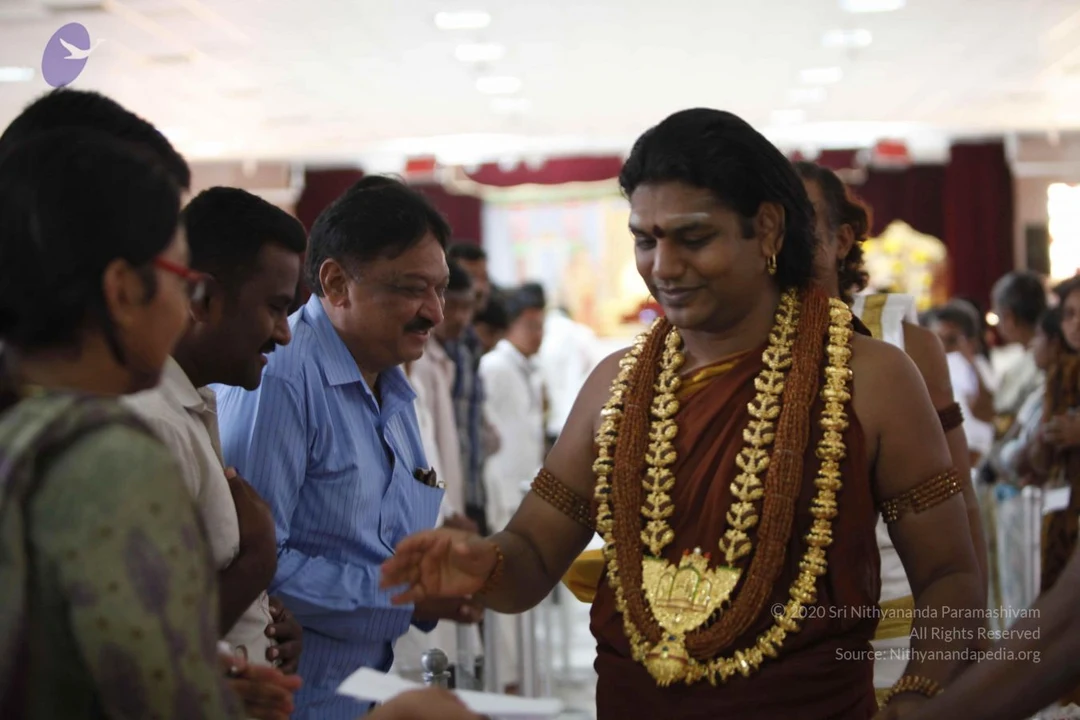
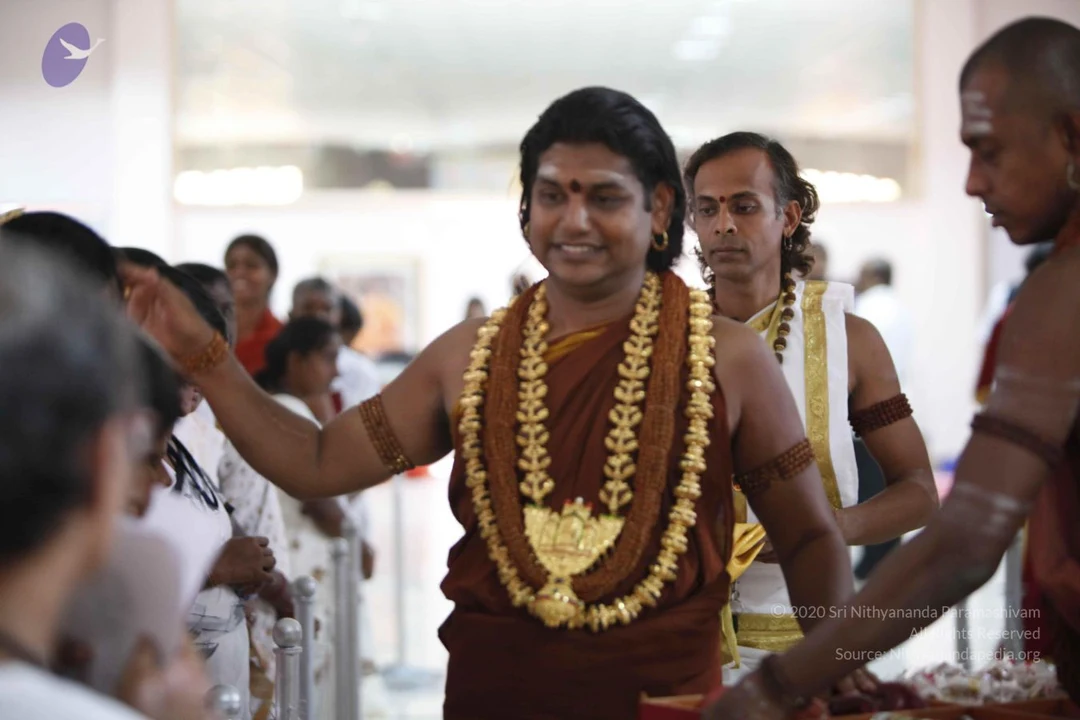
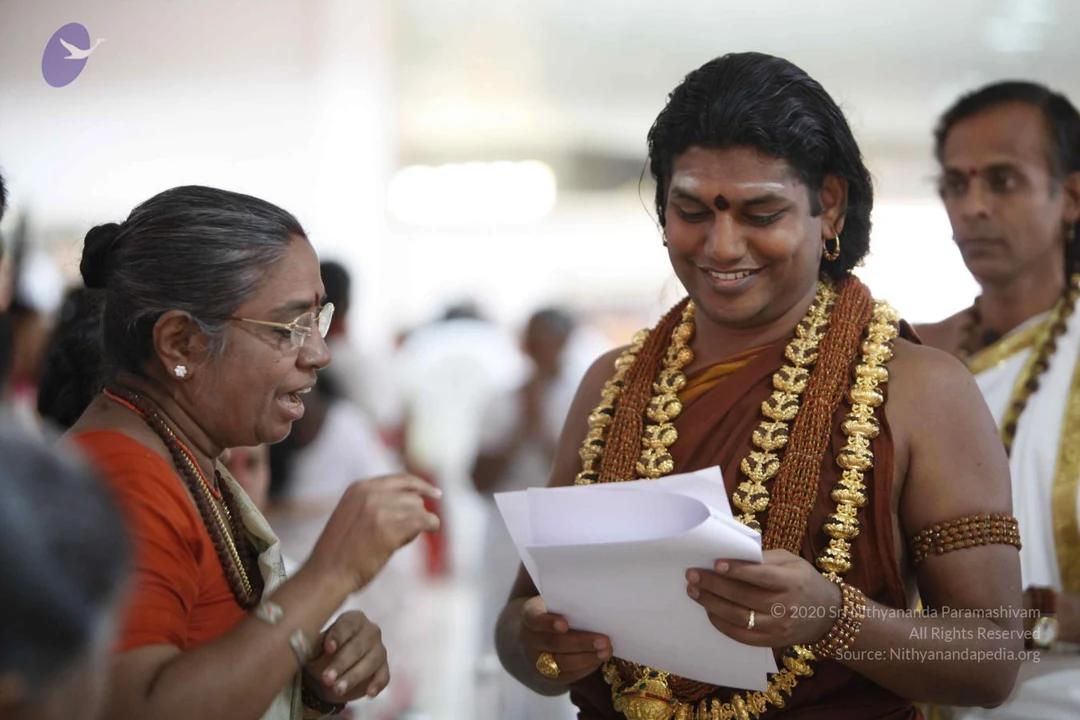
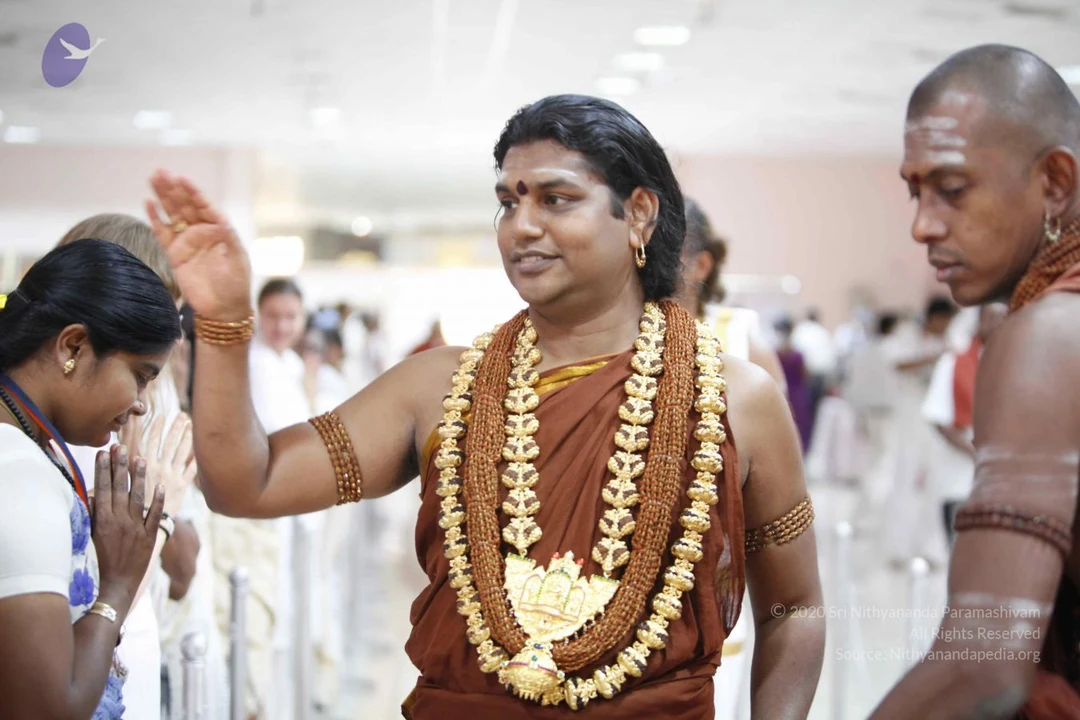
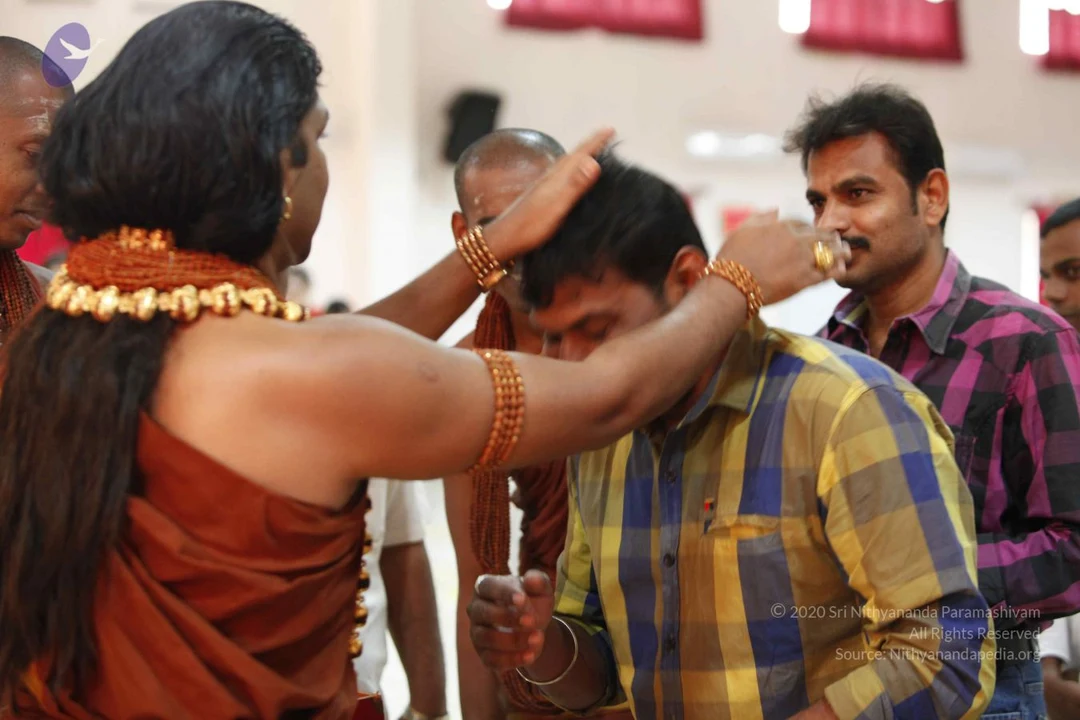
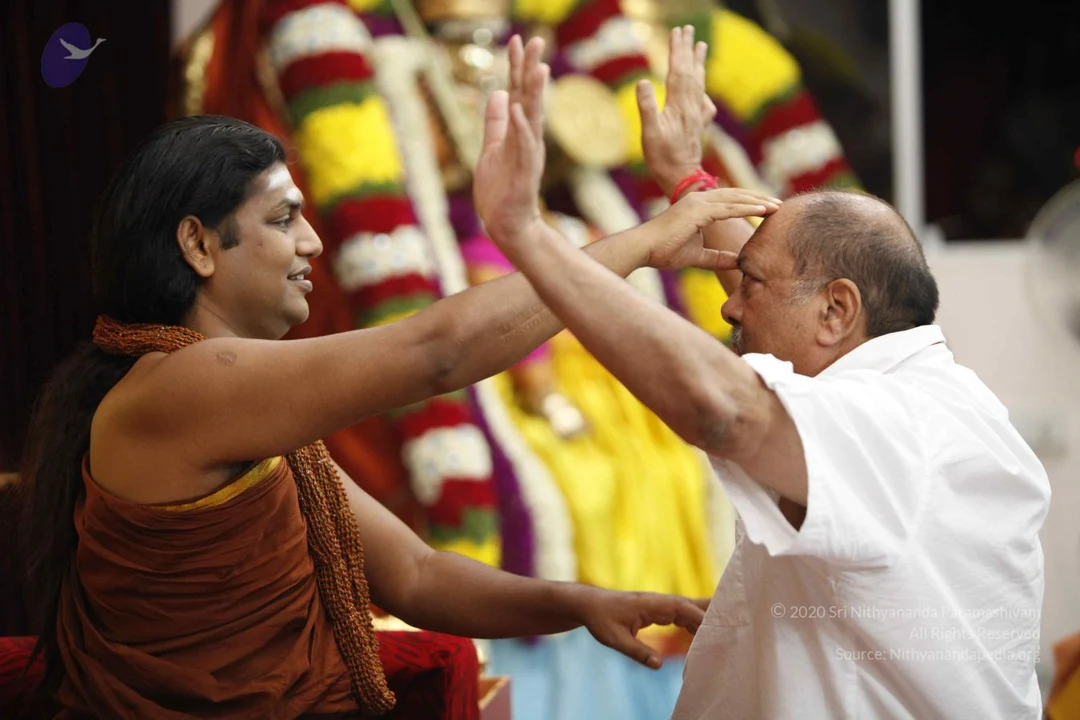
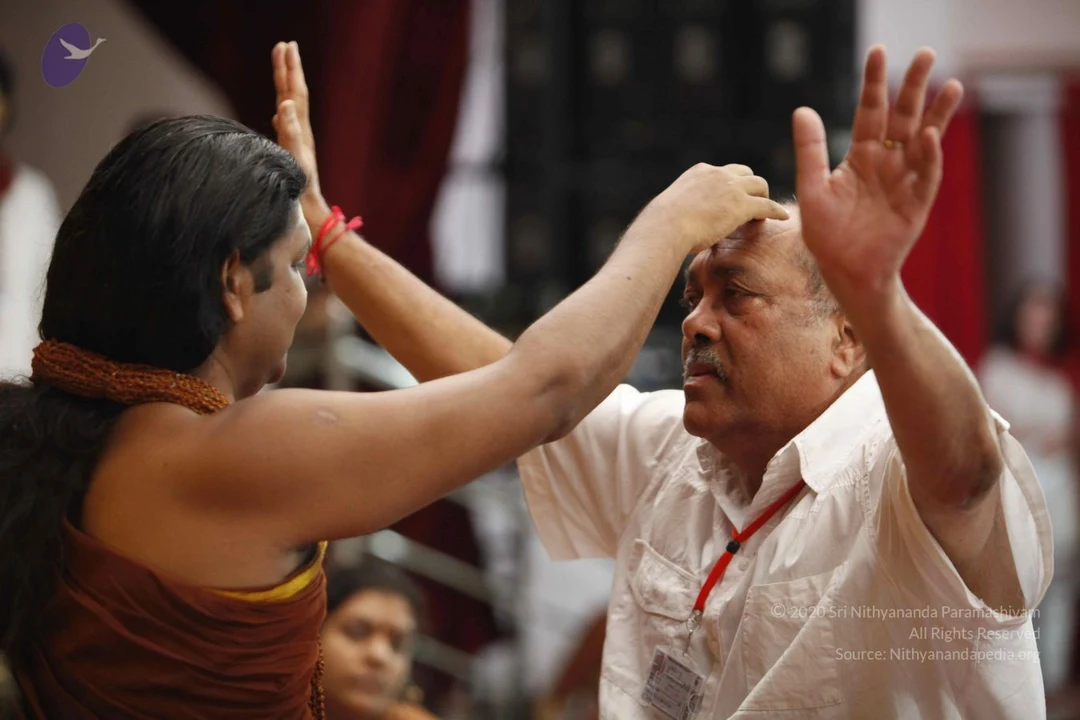
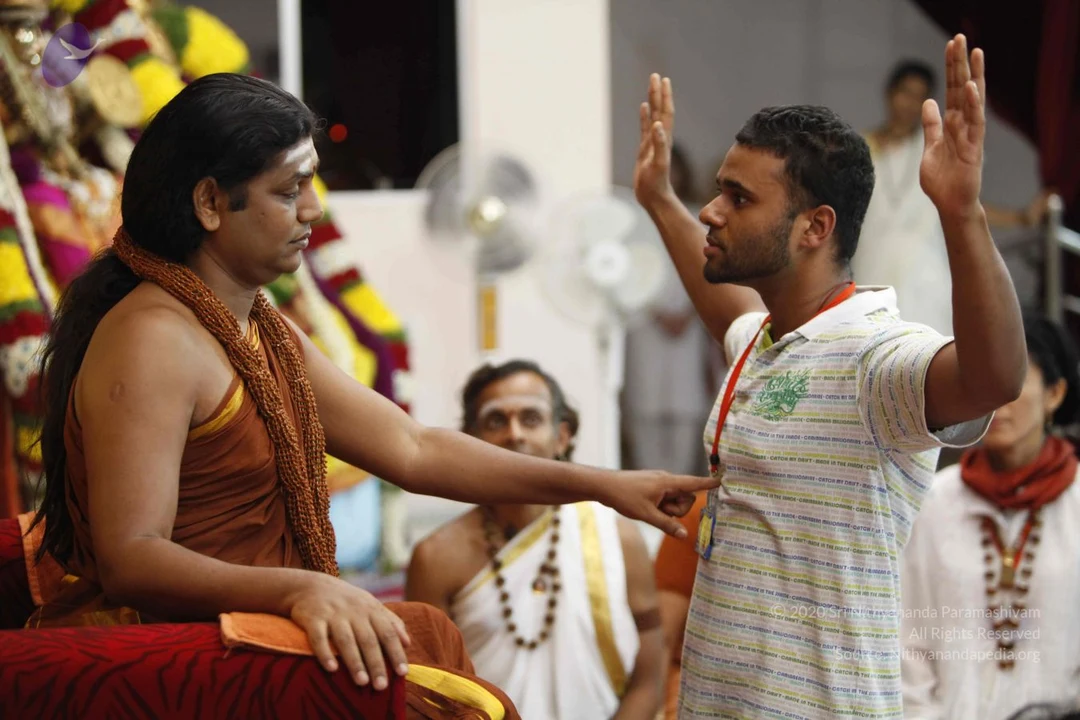
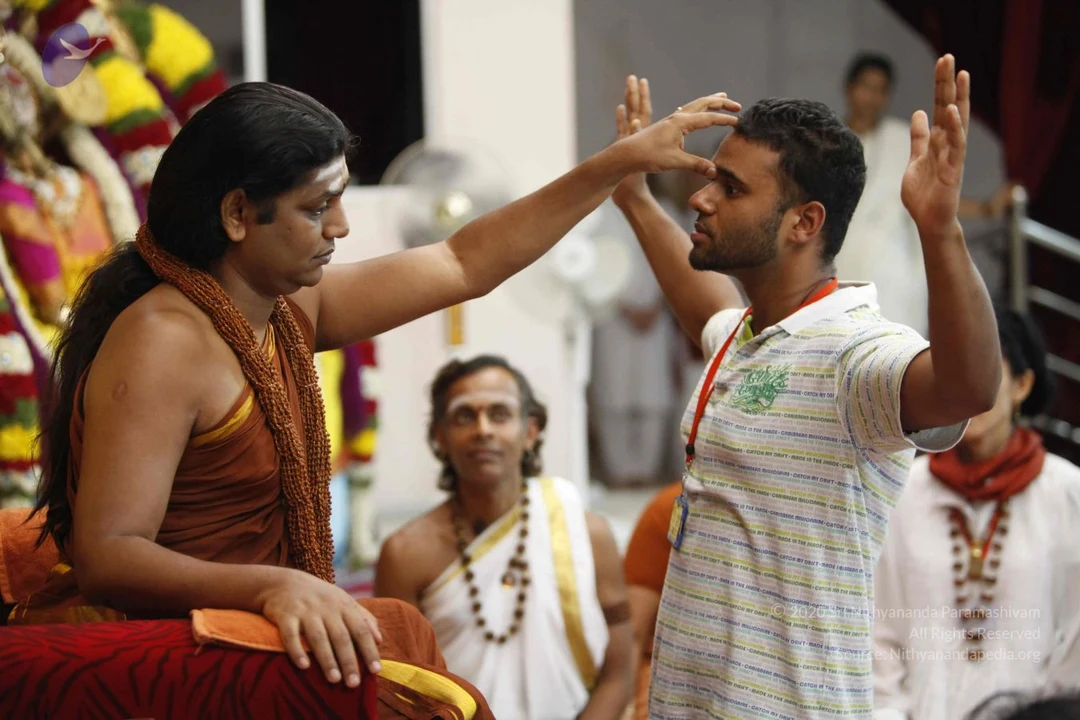
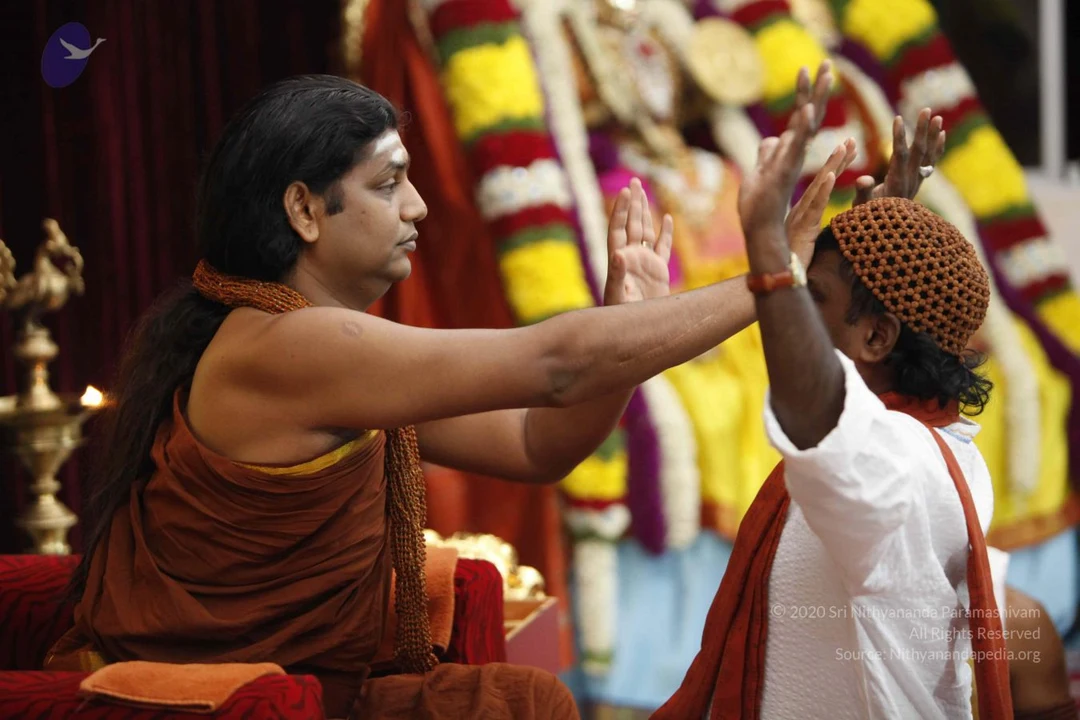
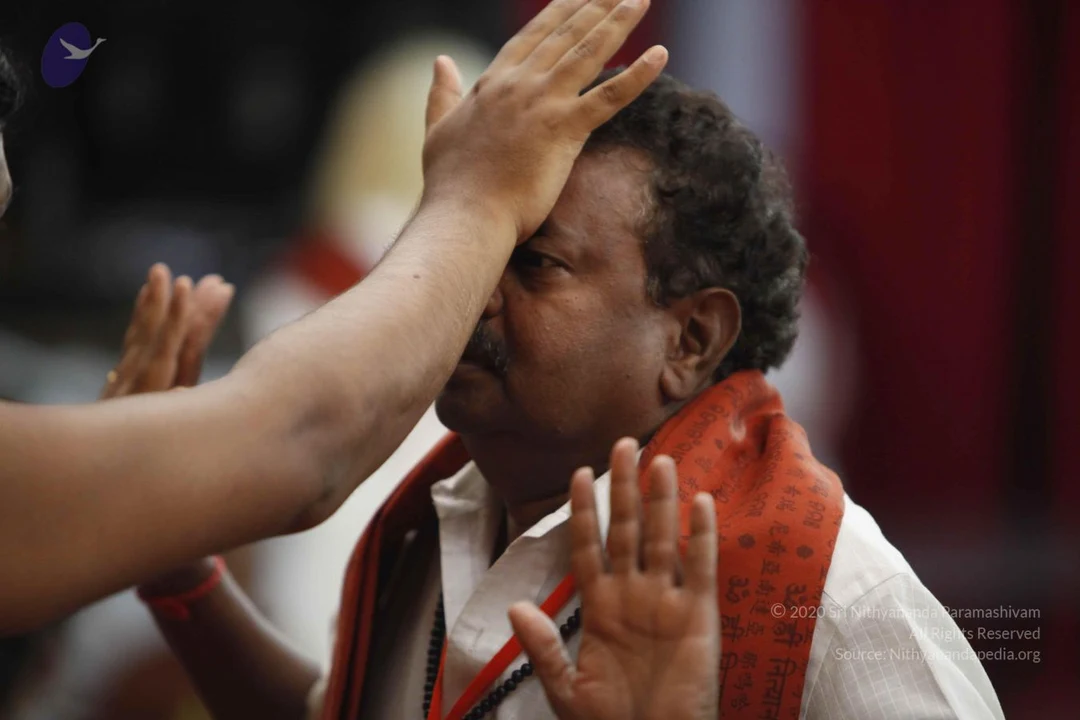
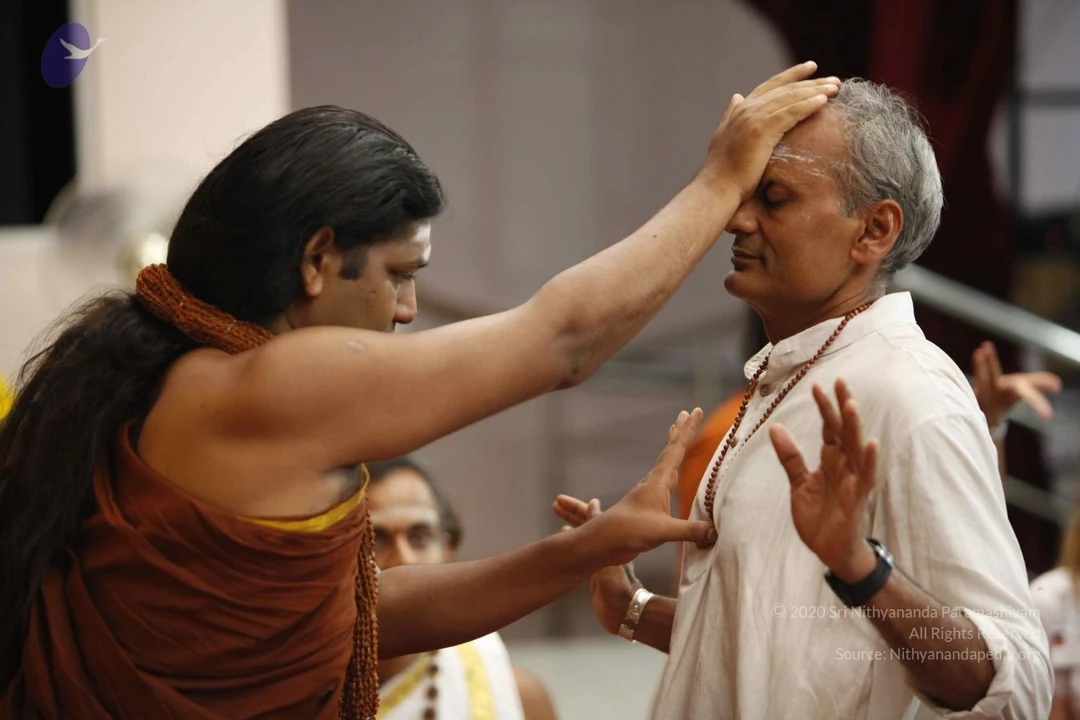
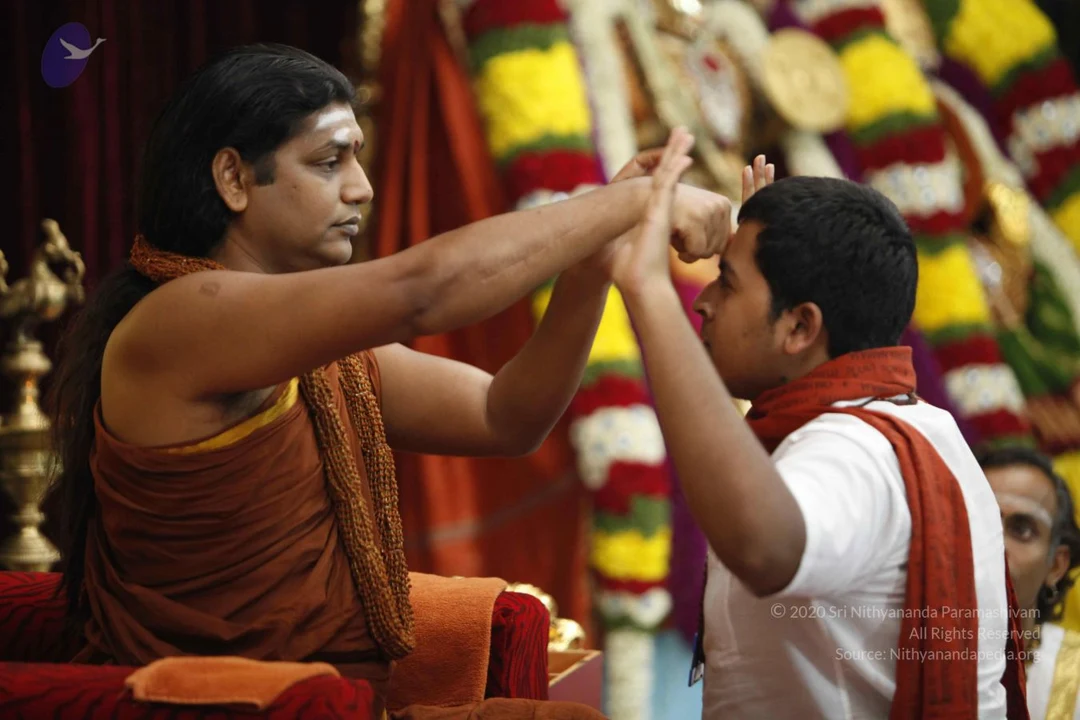
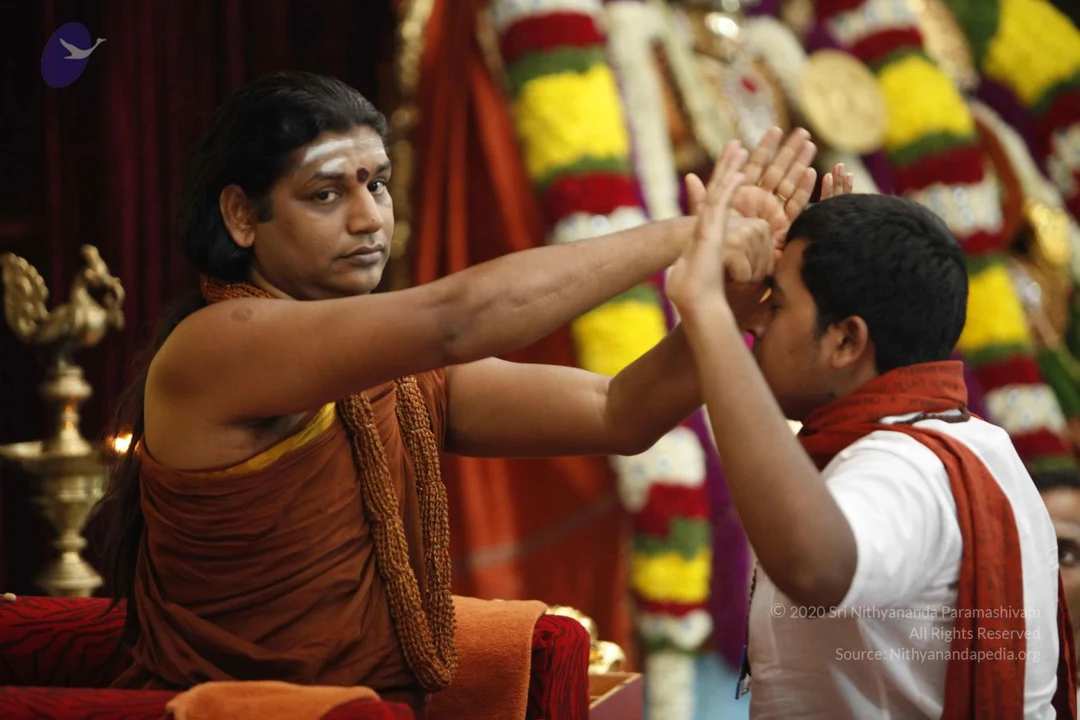
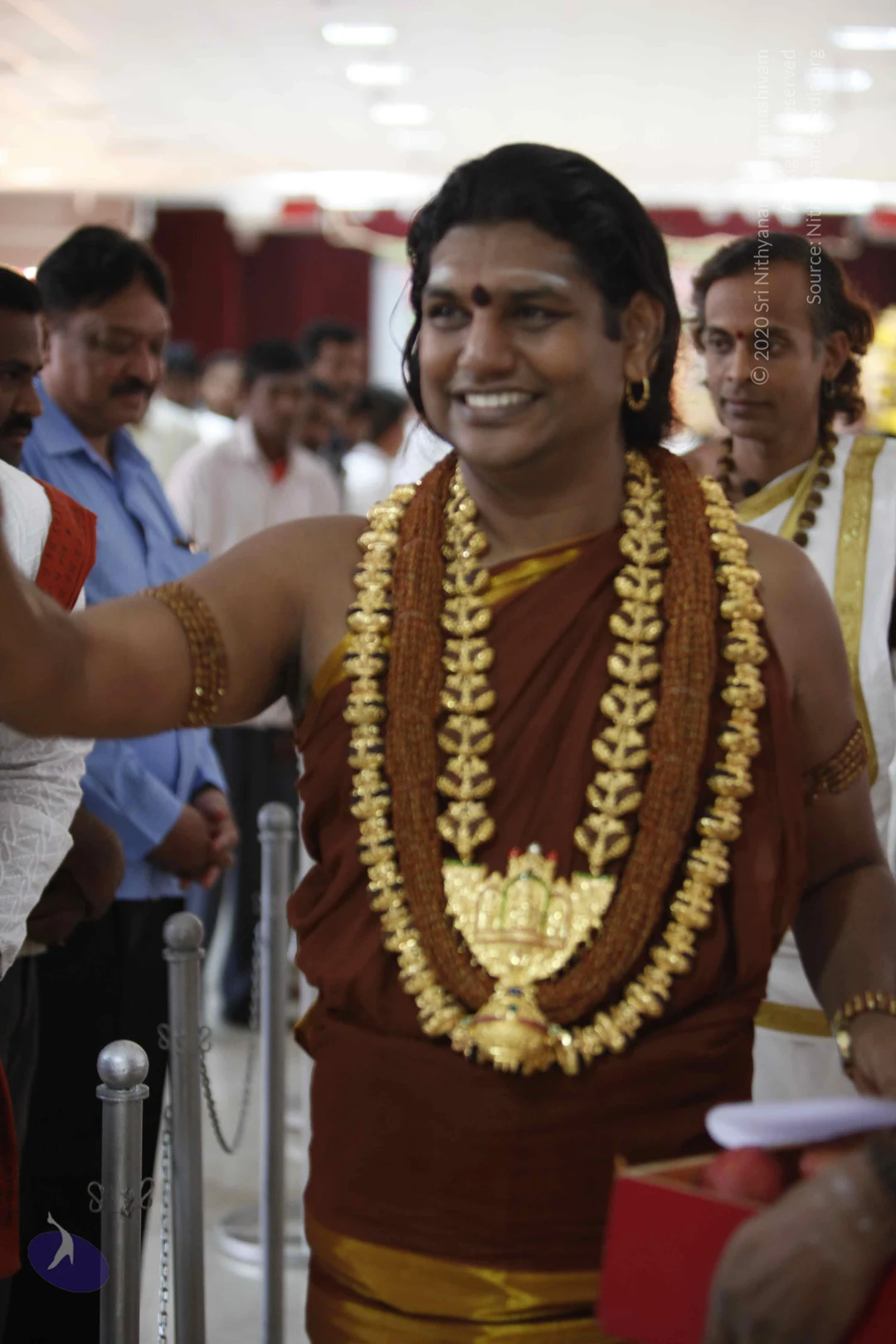
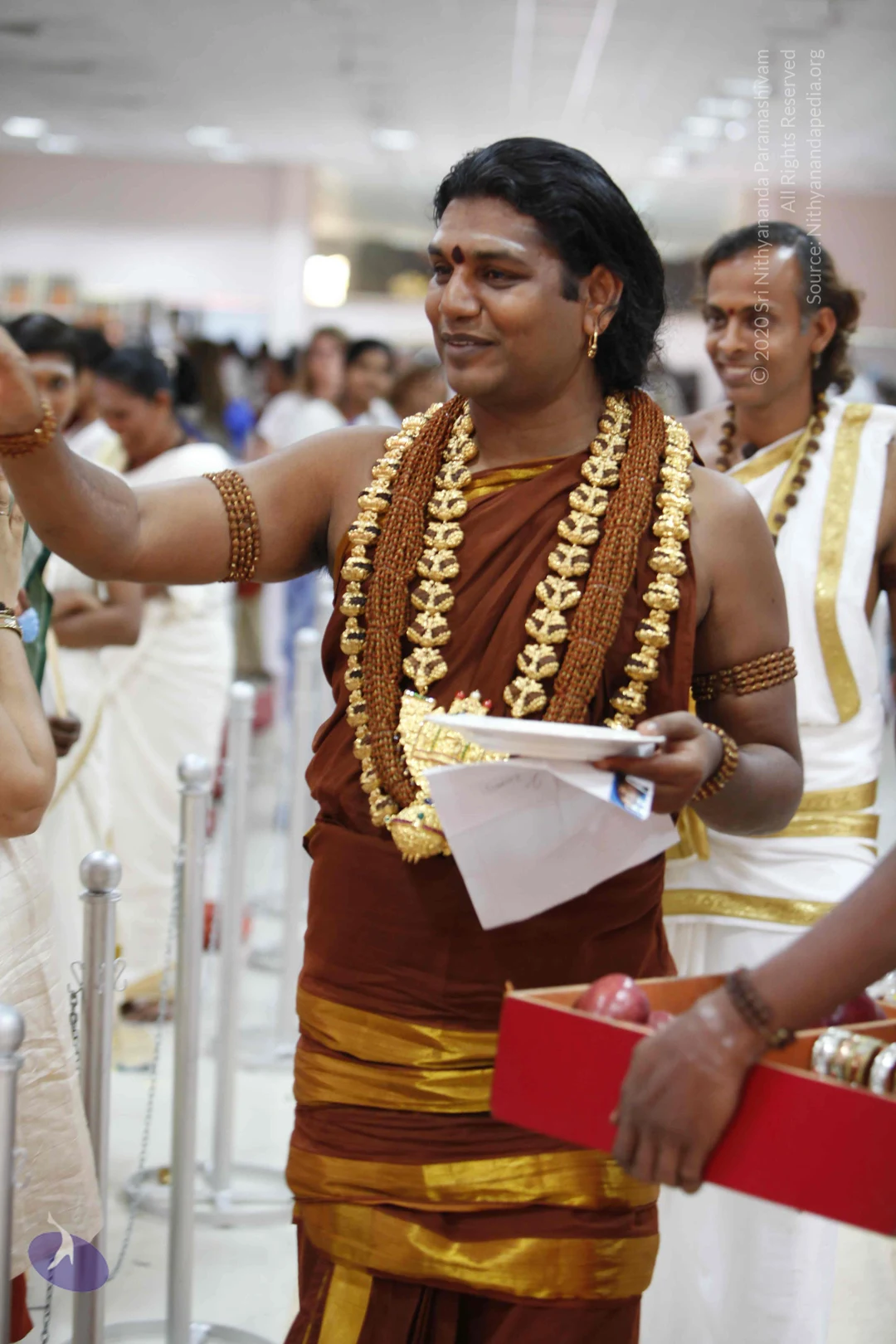
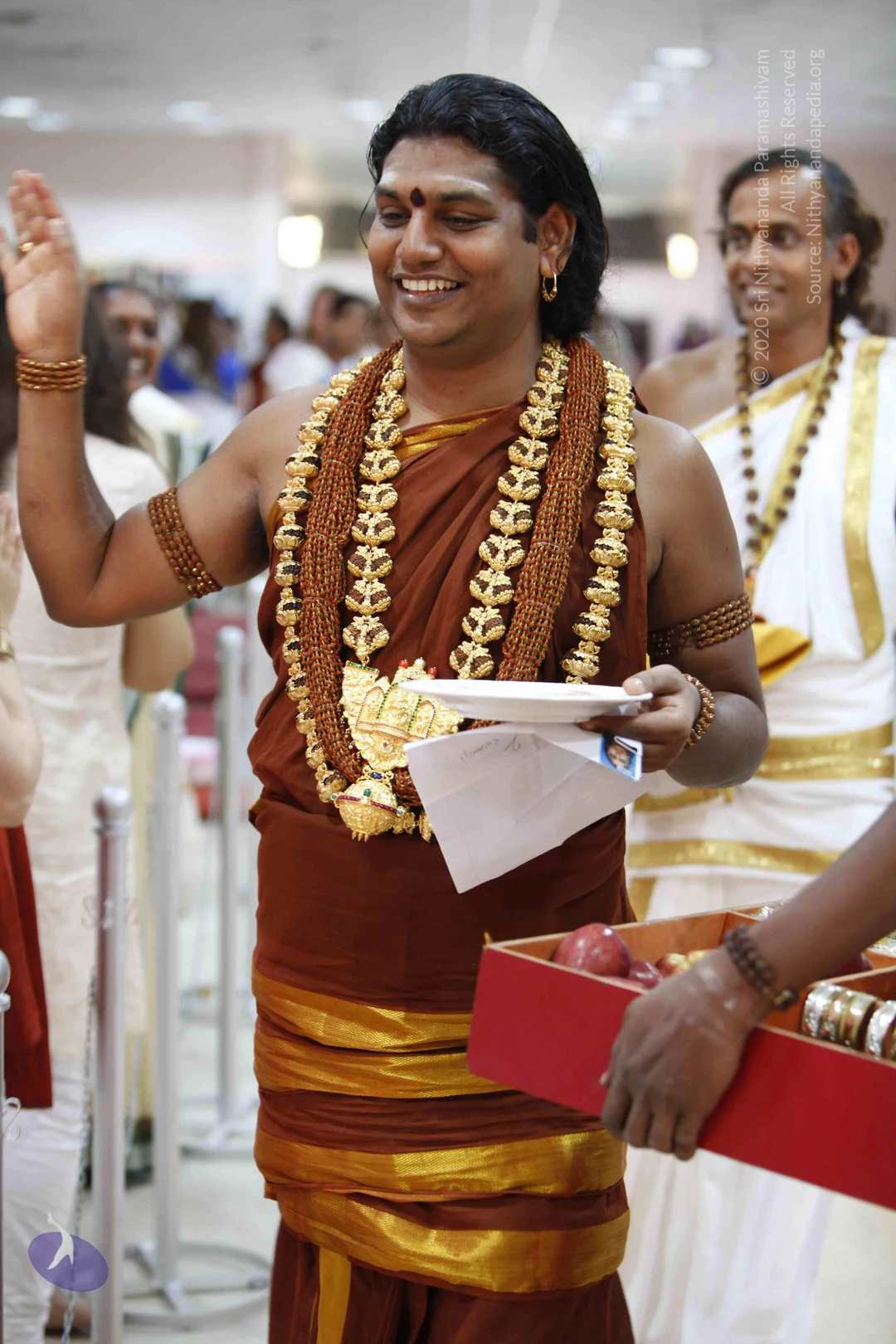
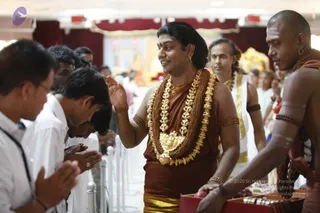
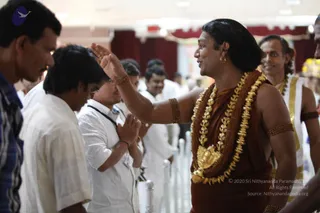
Inner Awakening DARSHAN
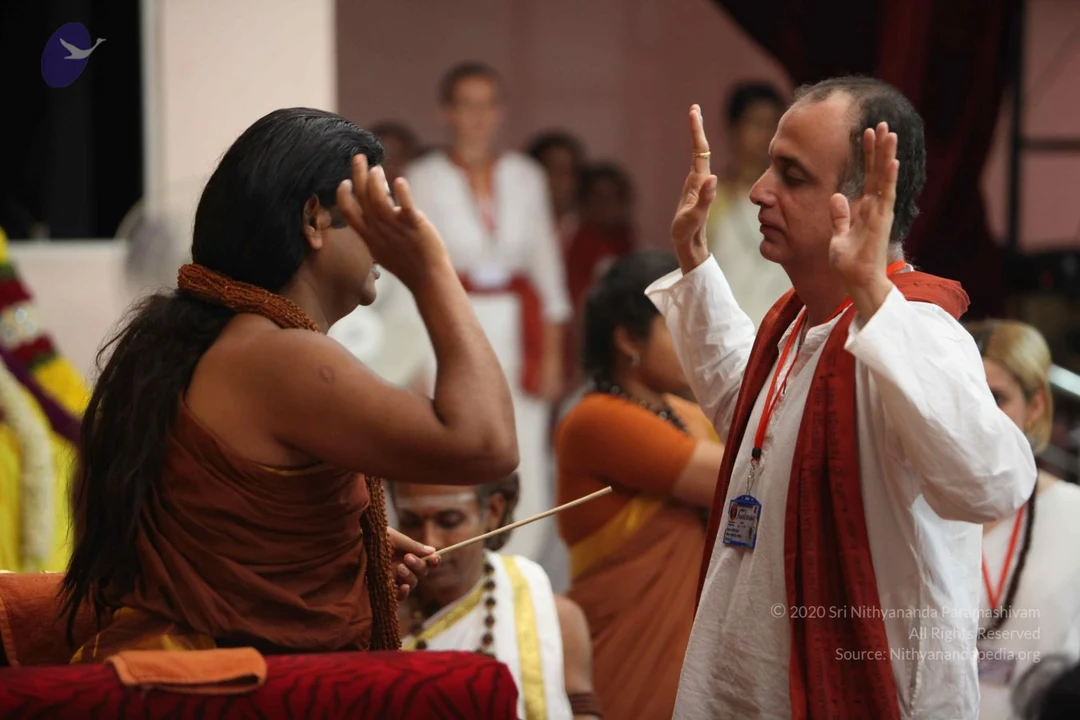
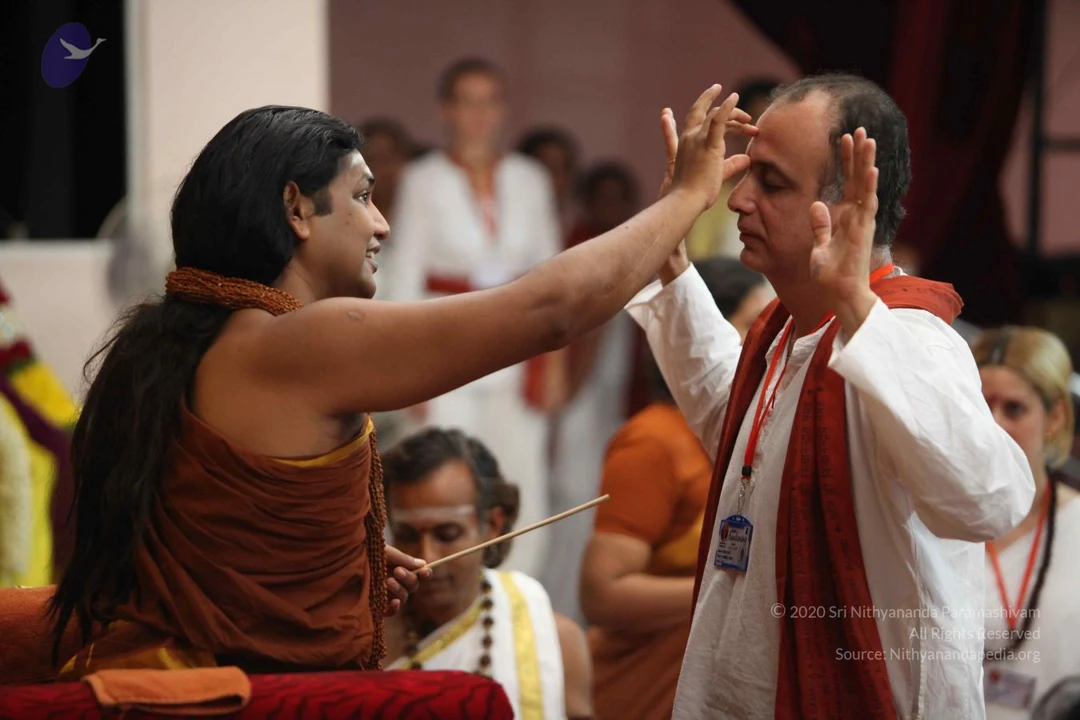
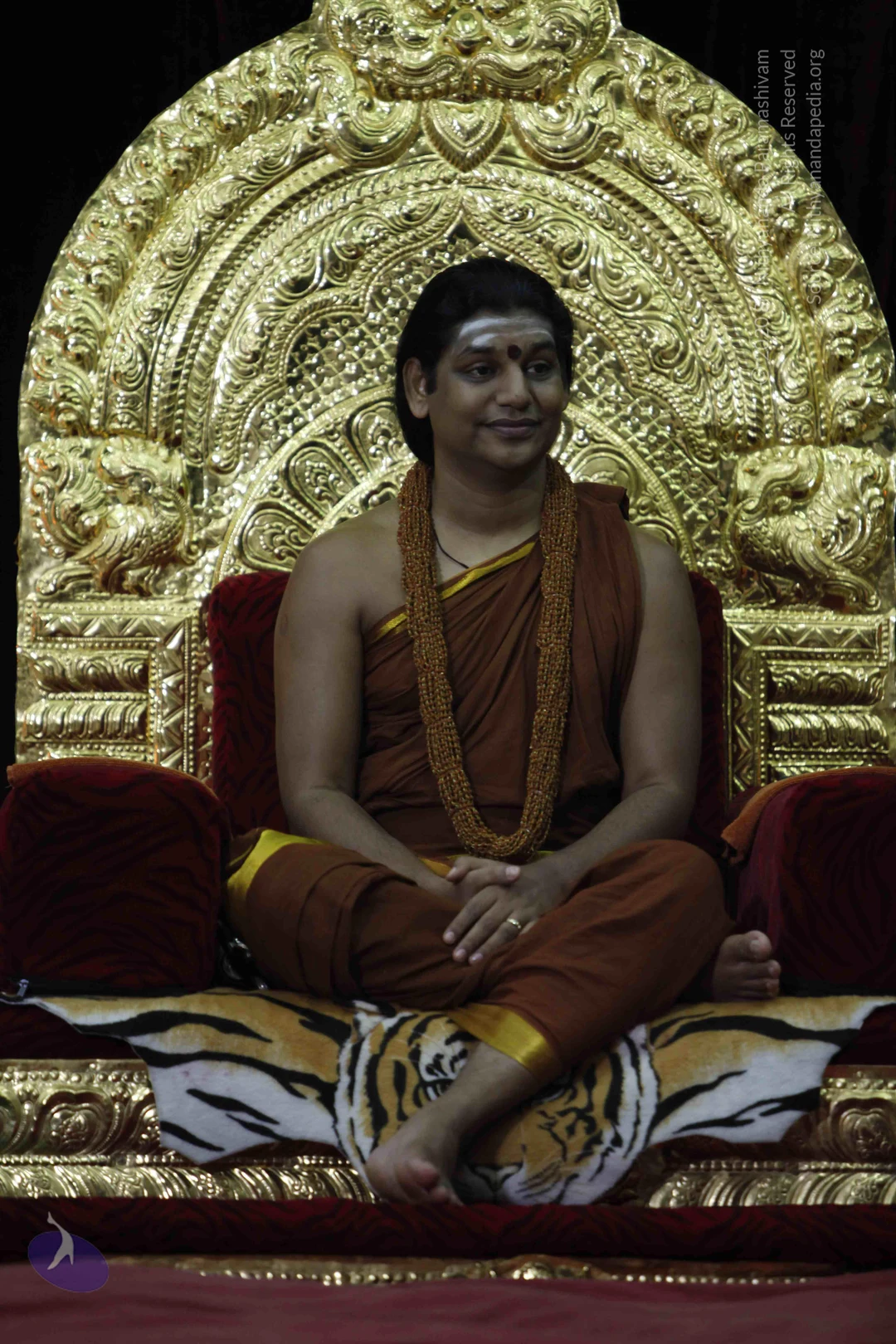
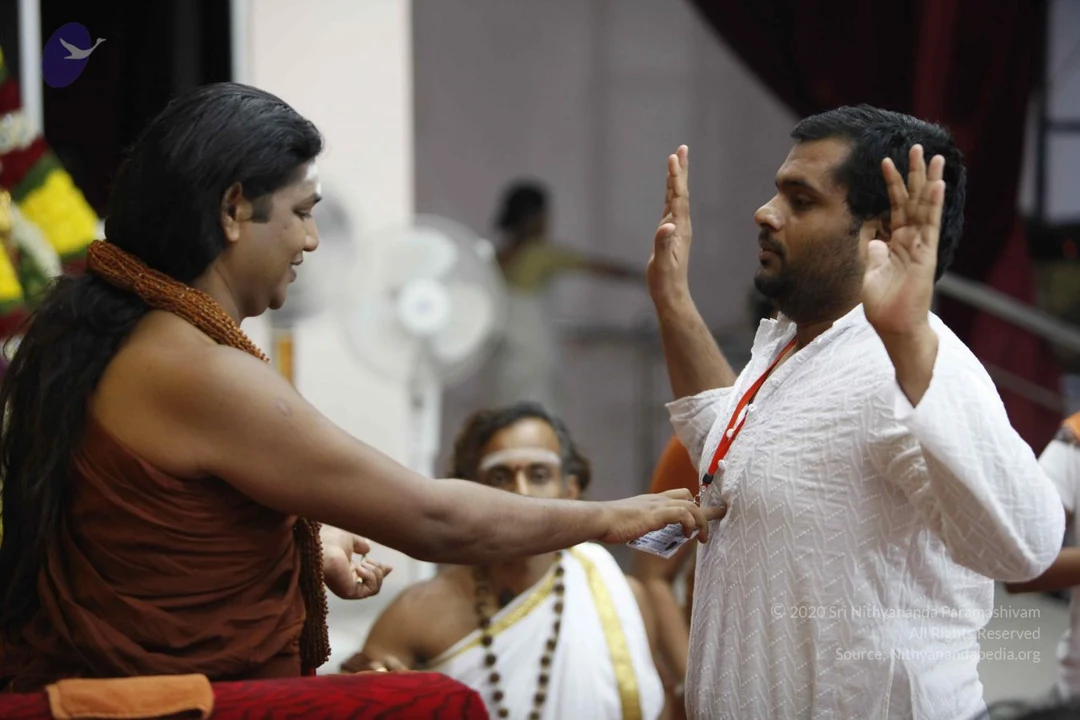
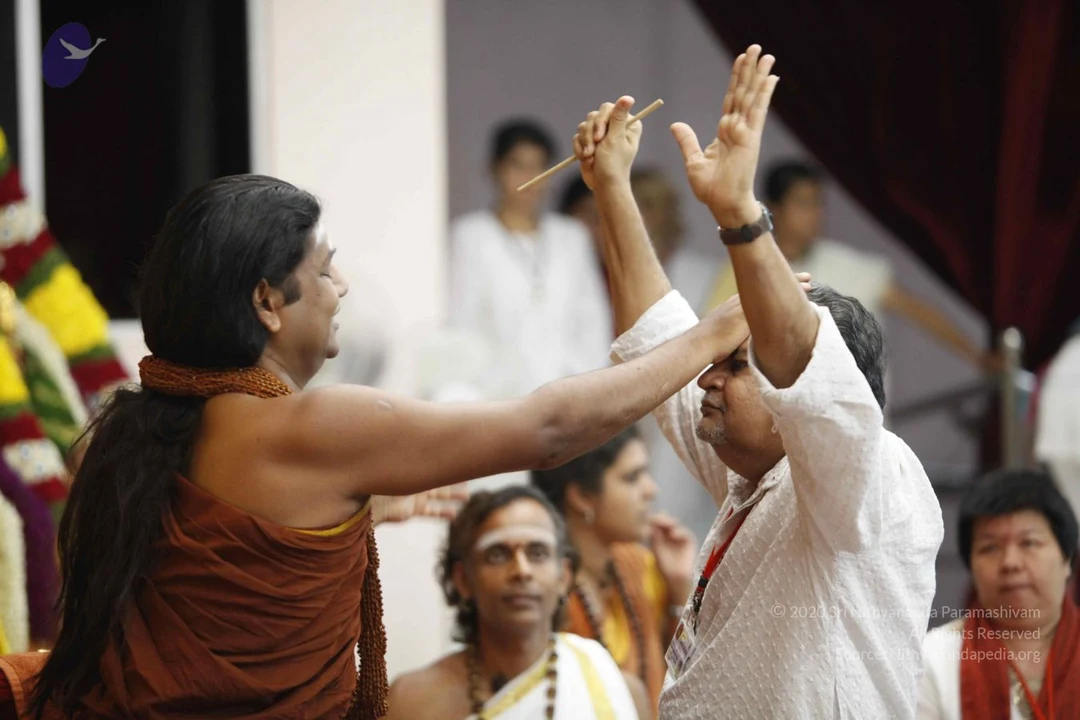

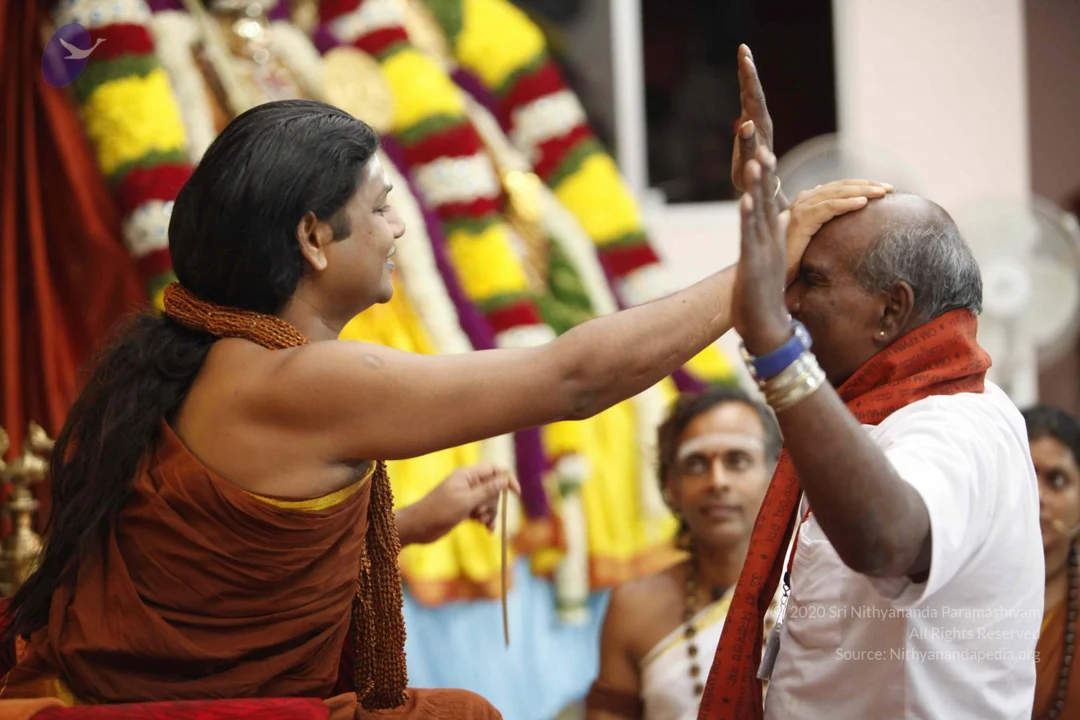
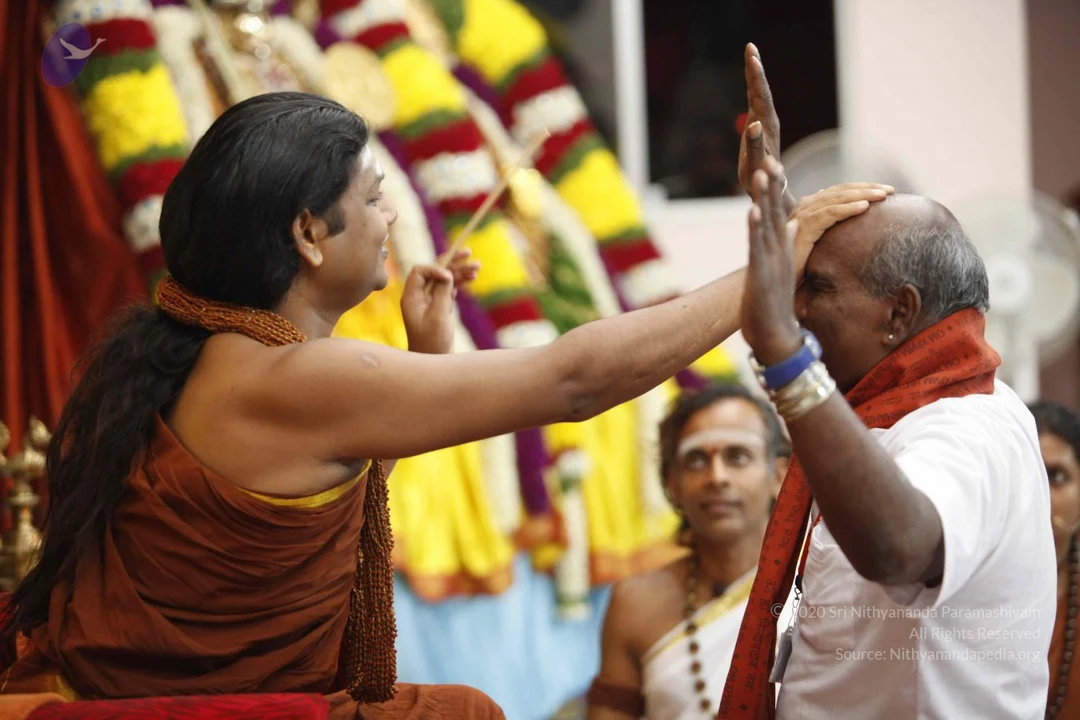
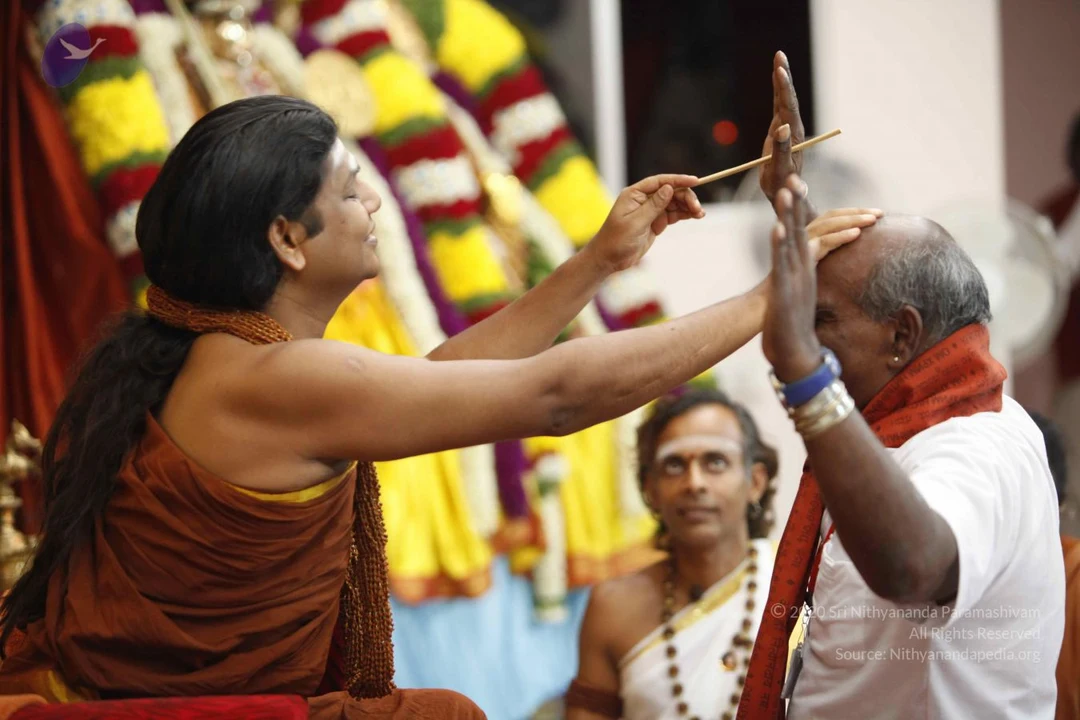
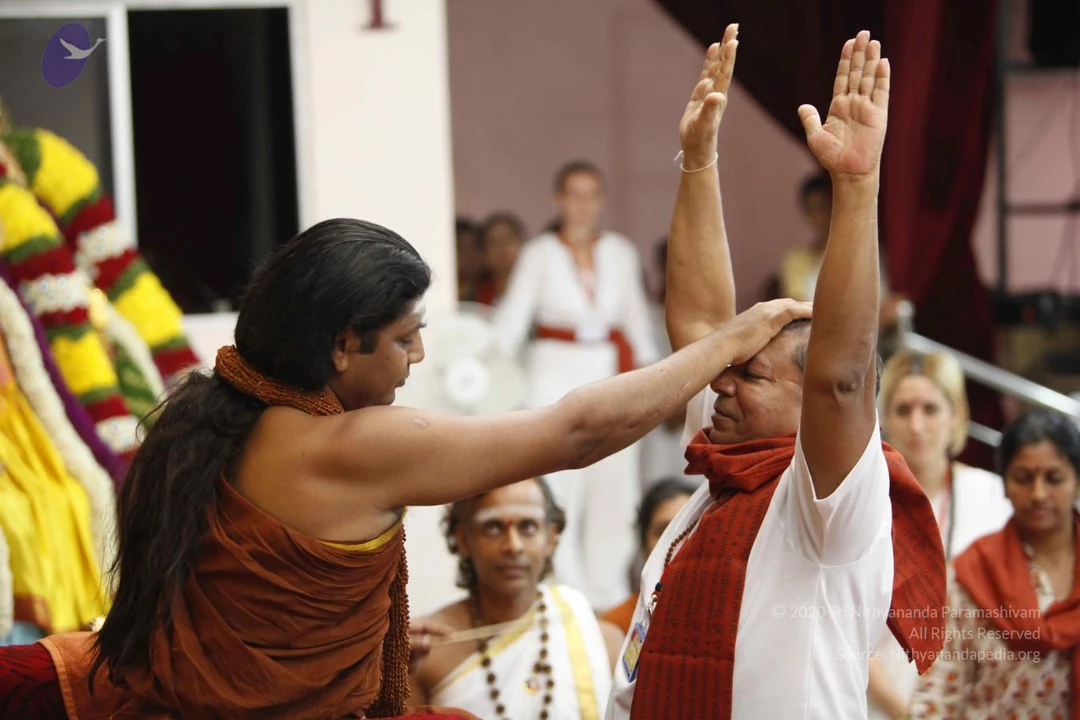




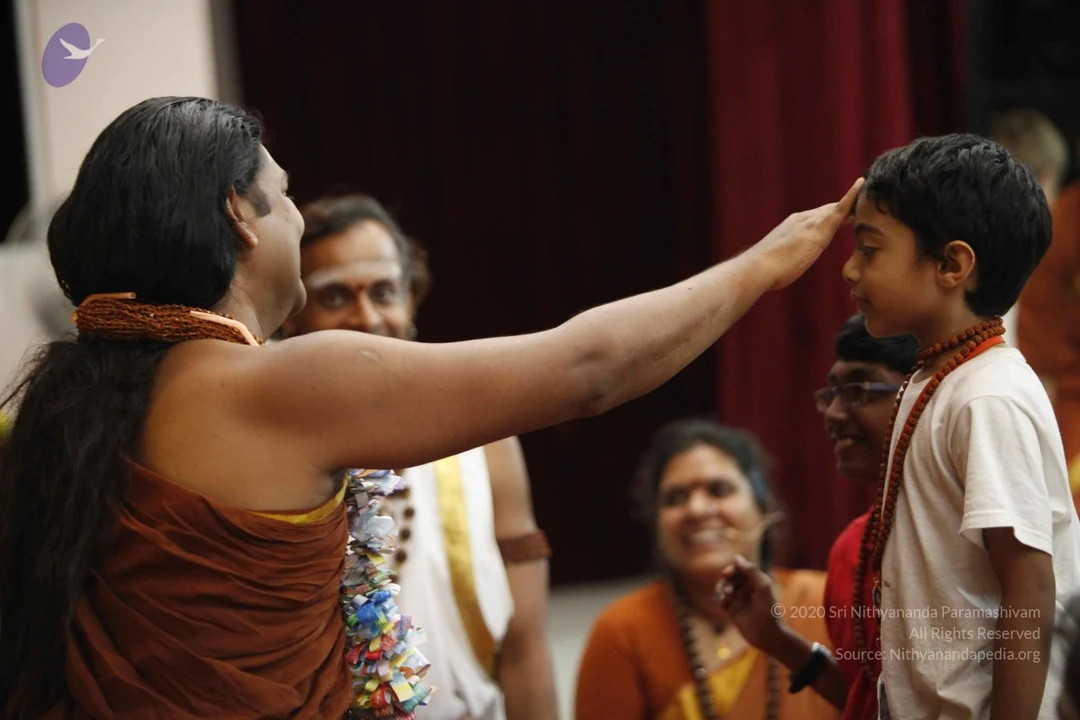
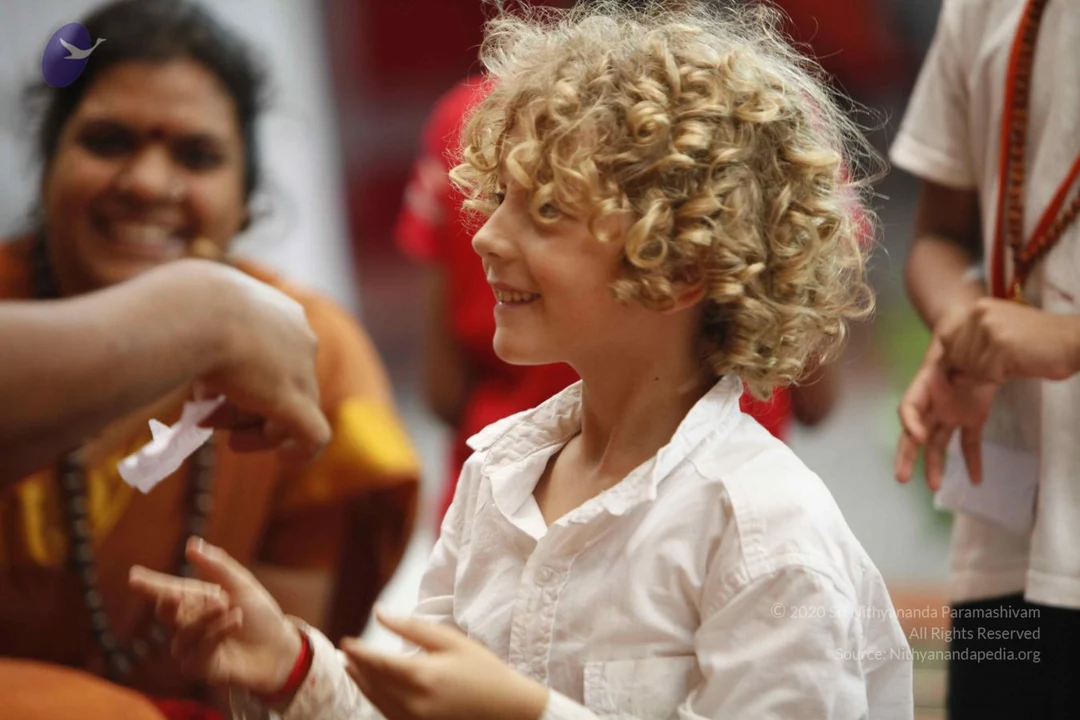
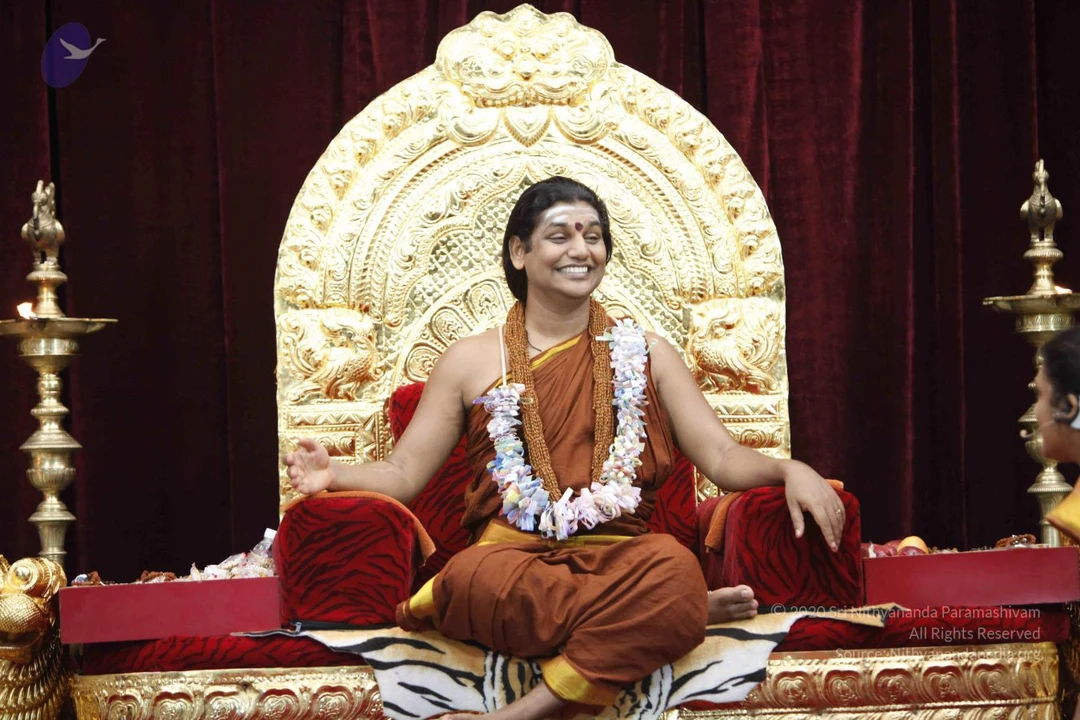
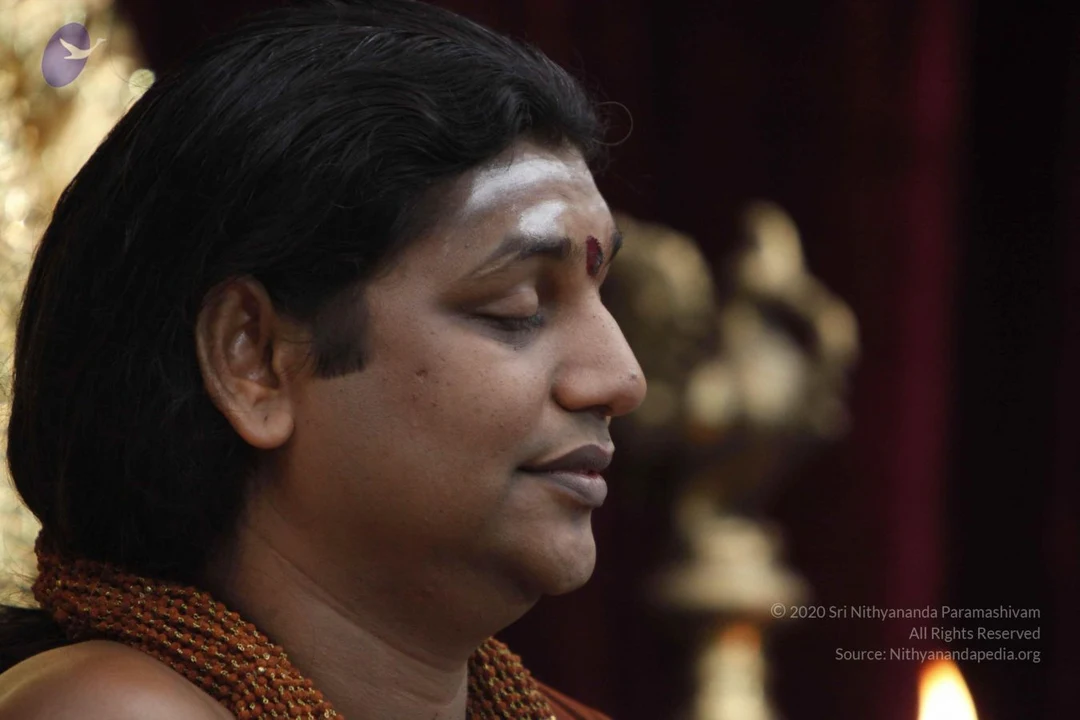
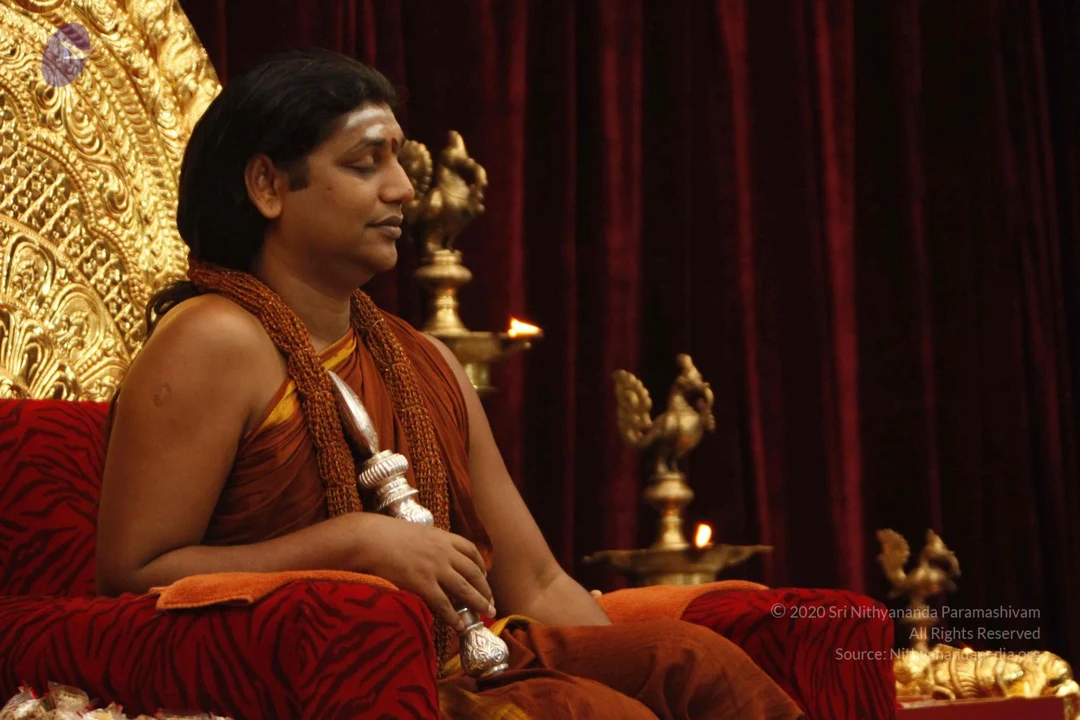
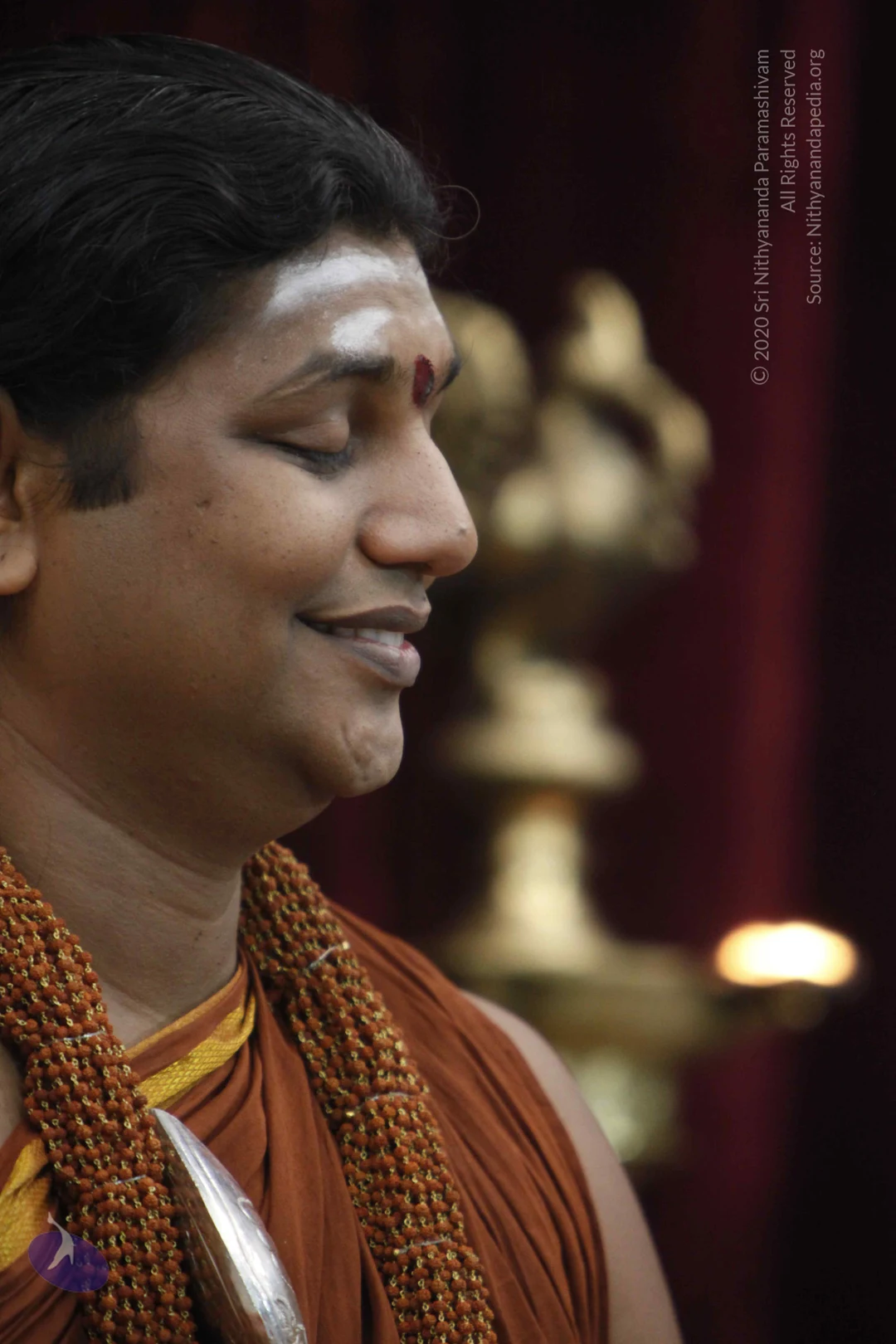

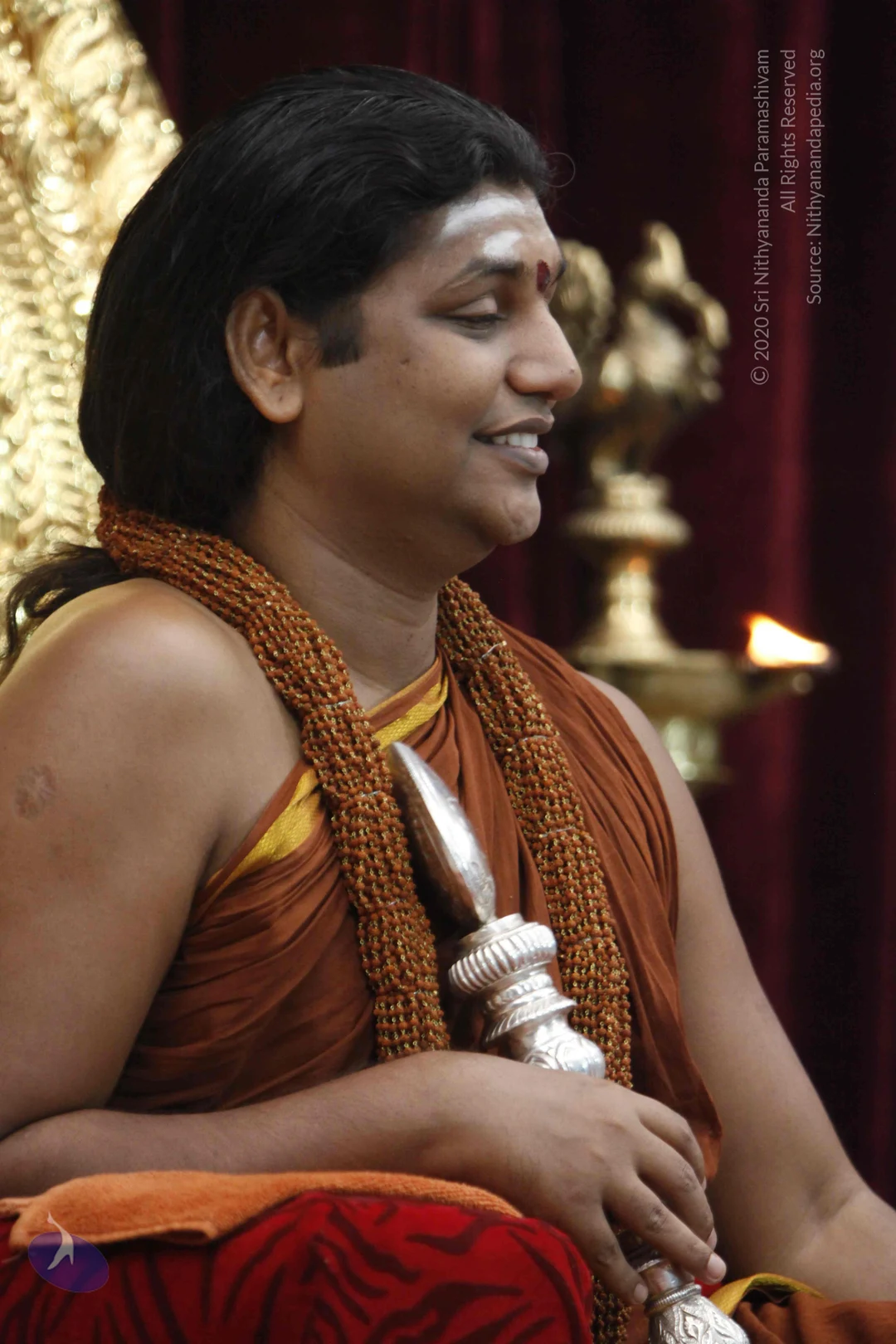
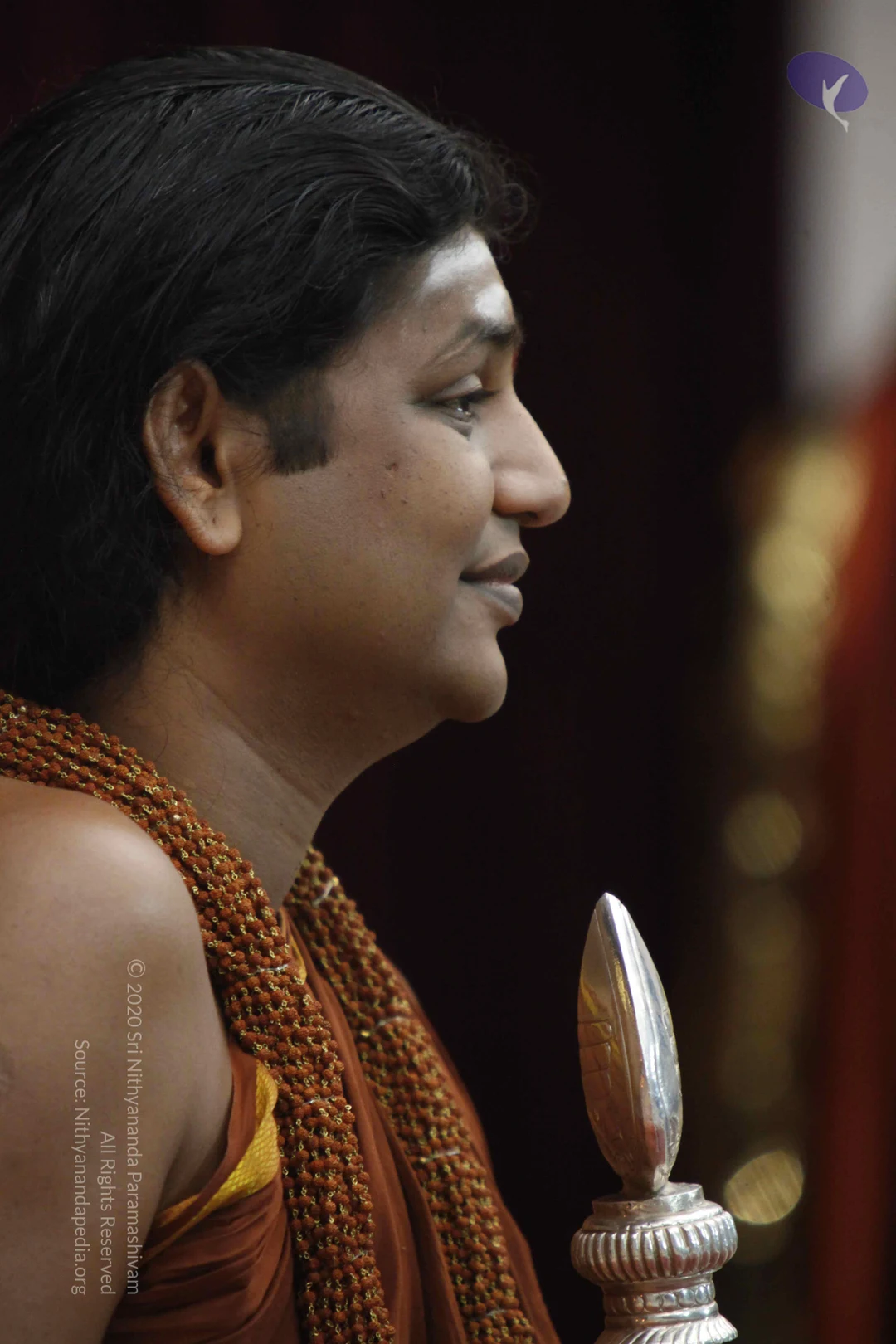
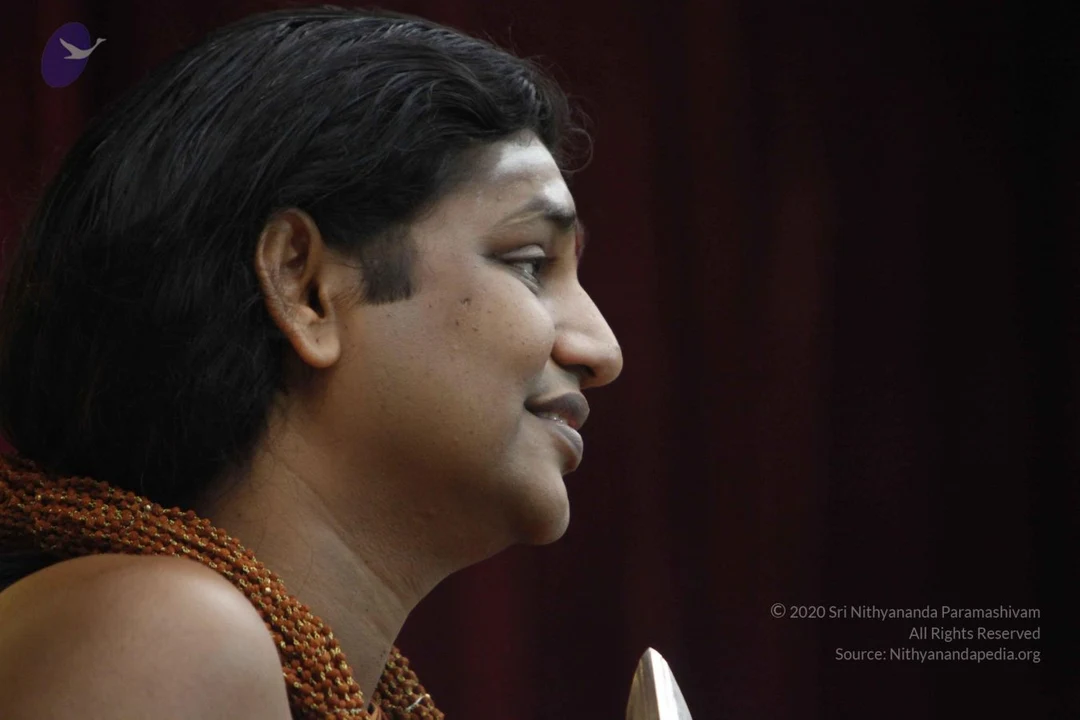
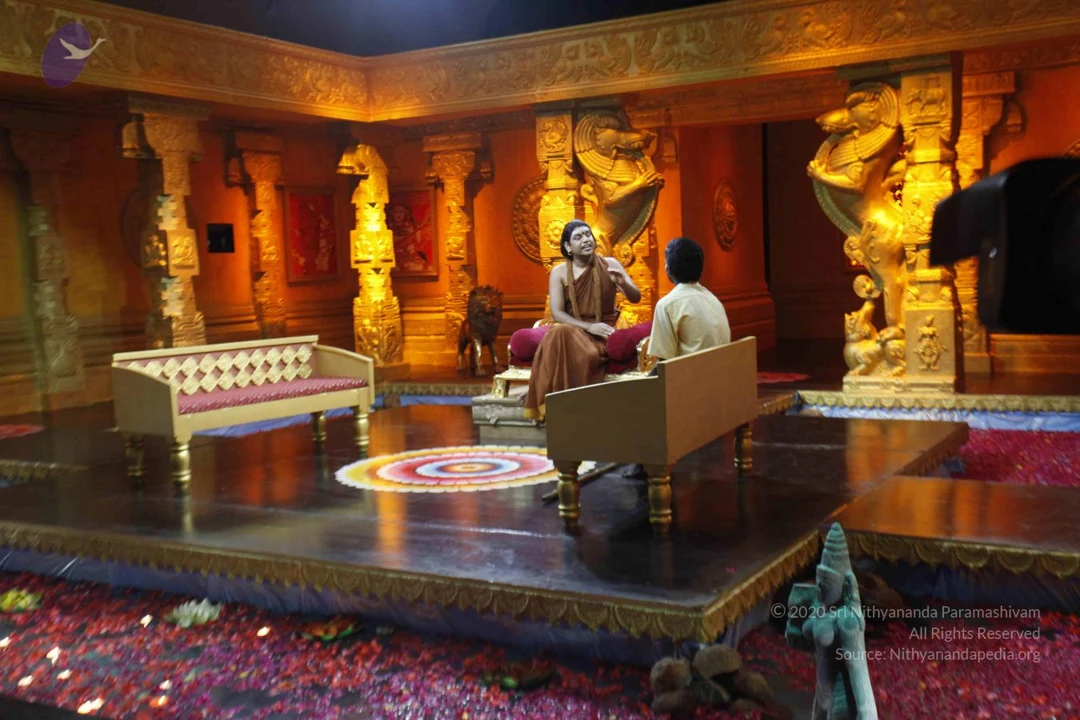
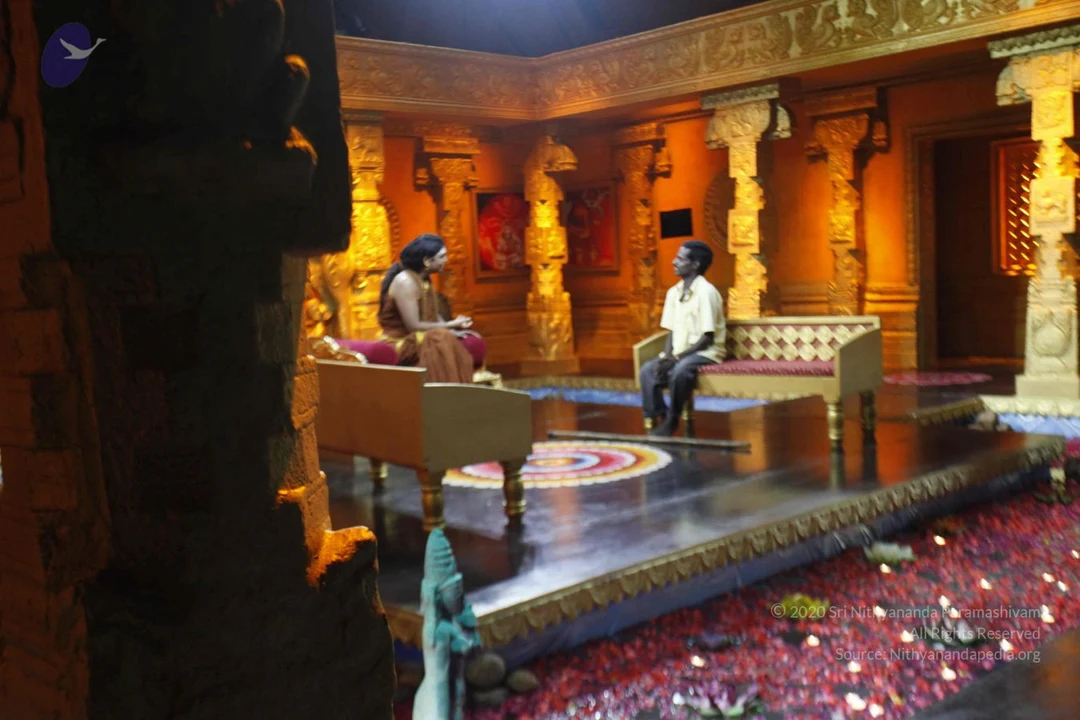
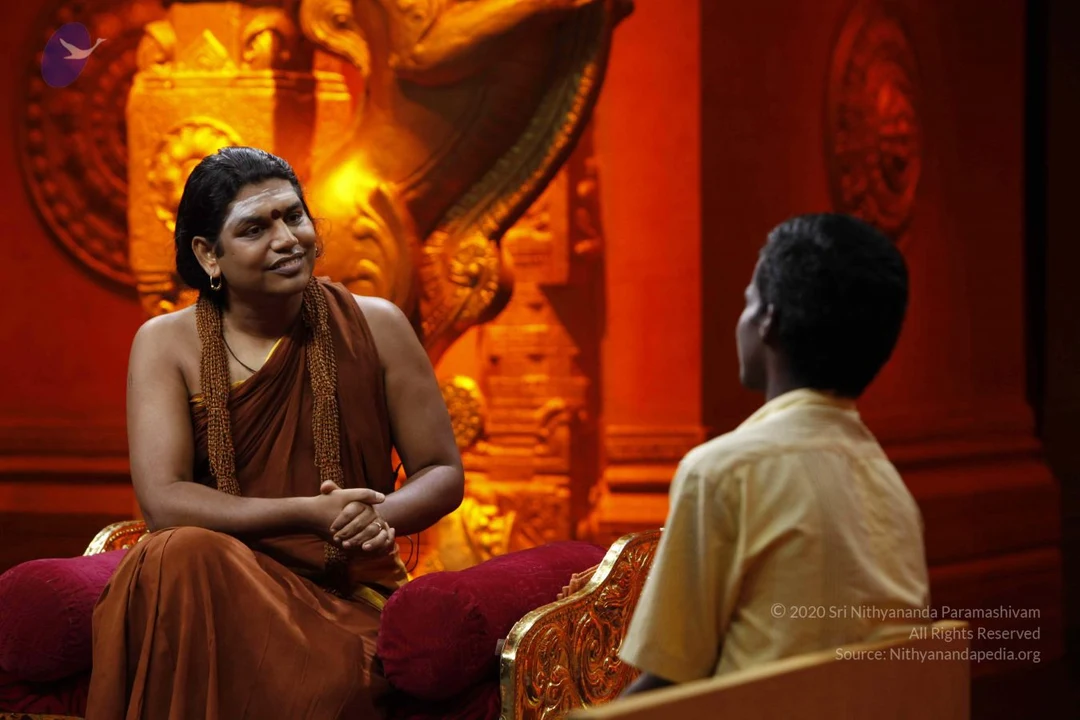
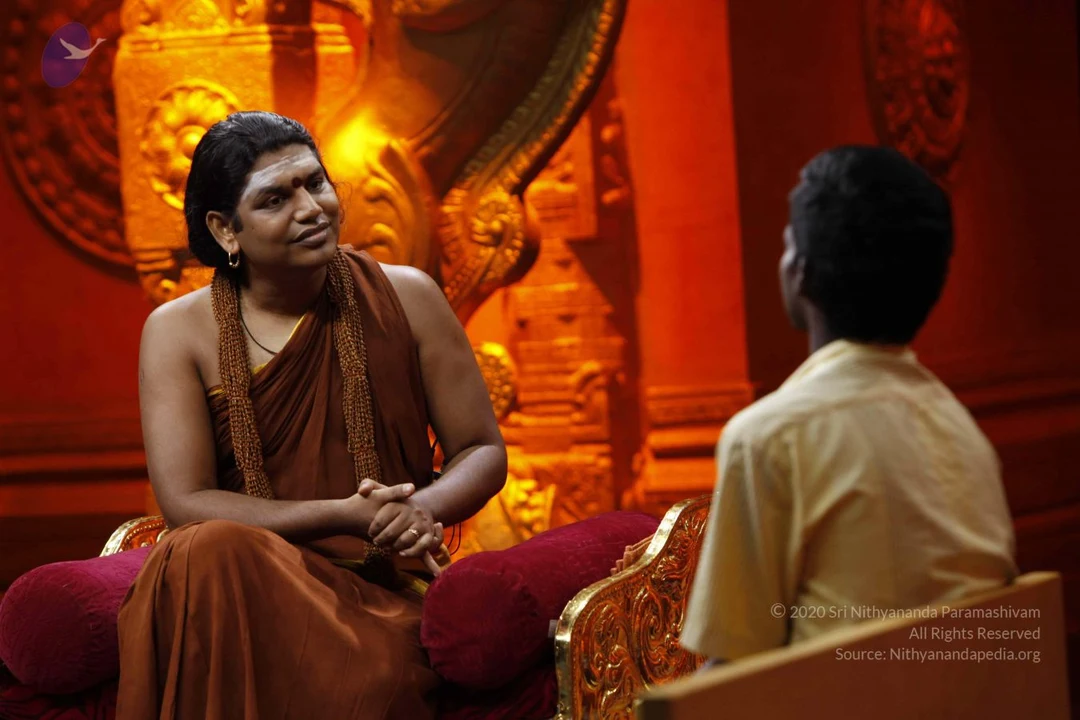
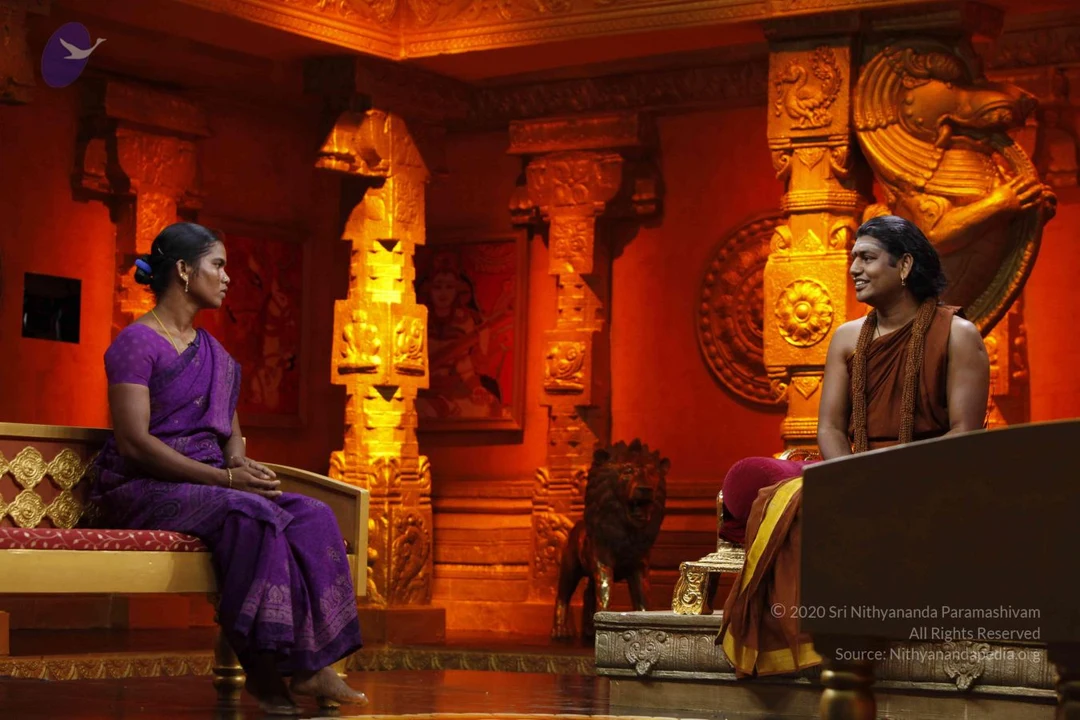
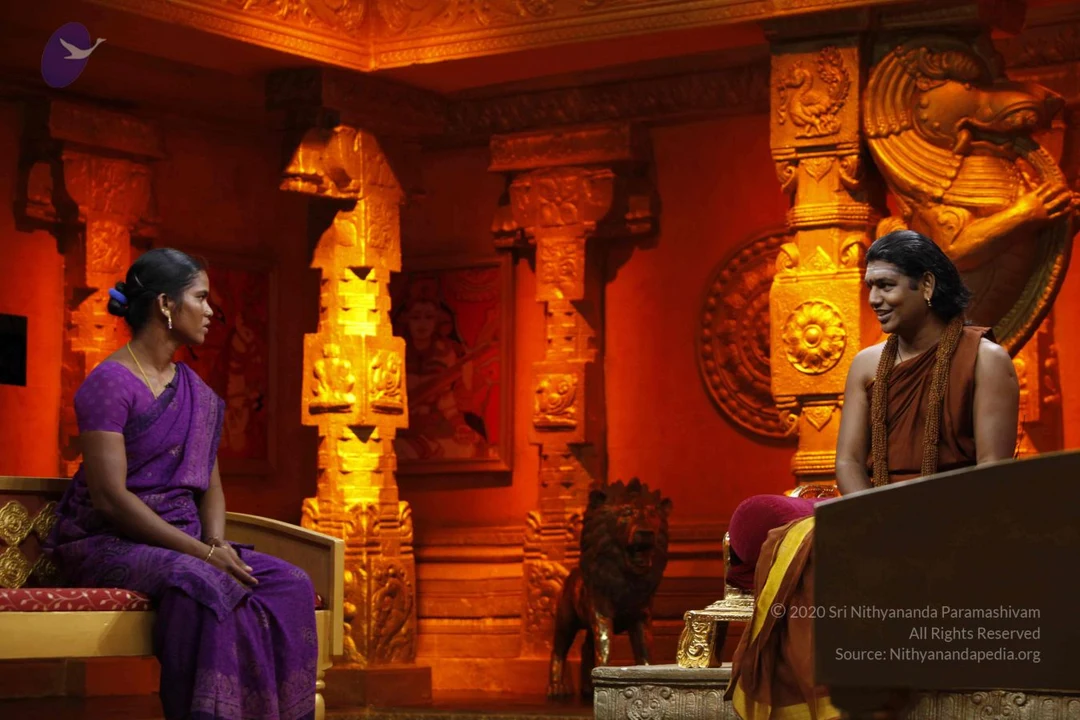
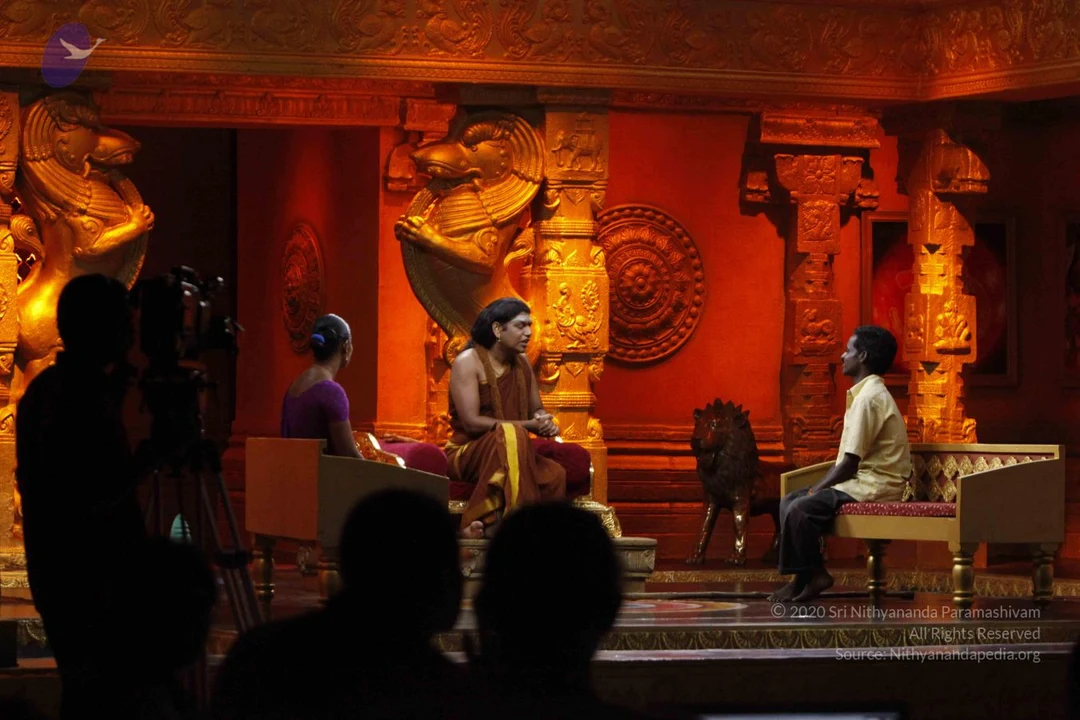
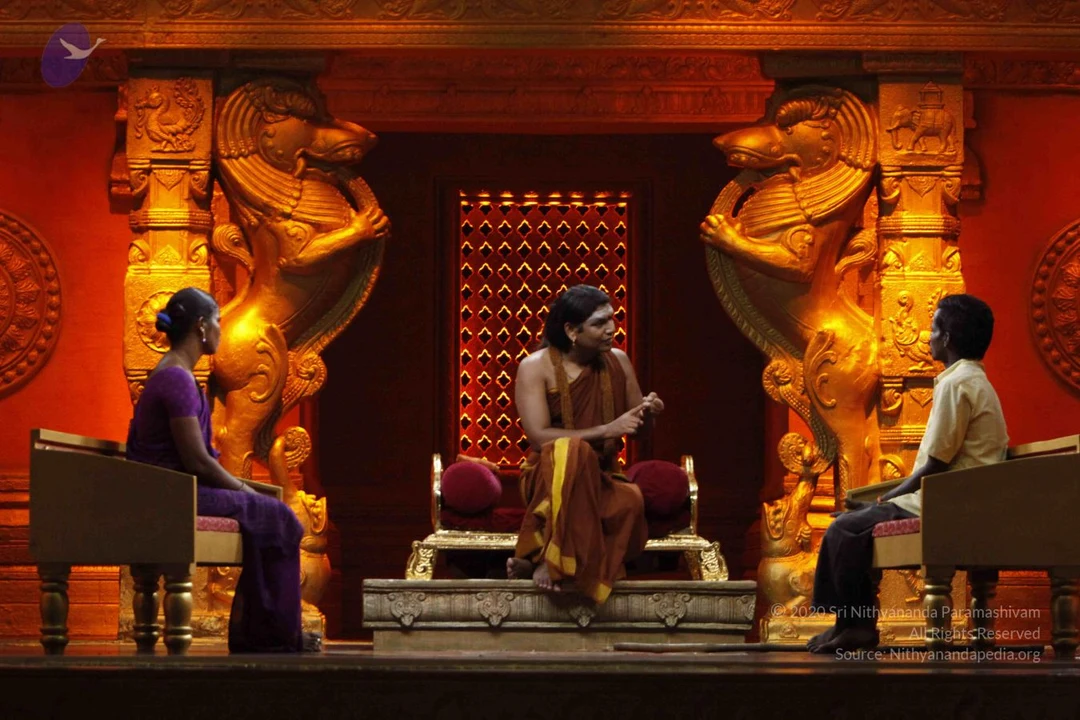
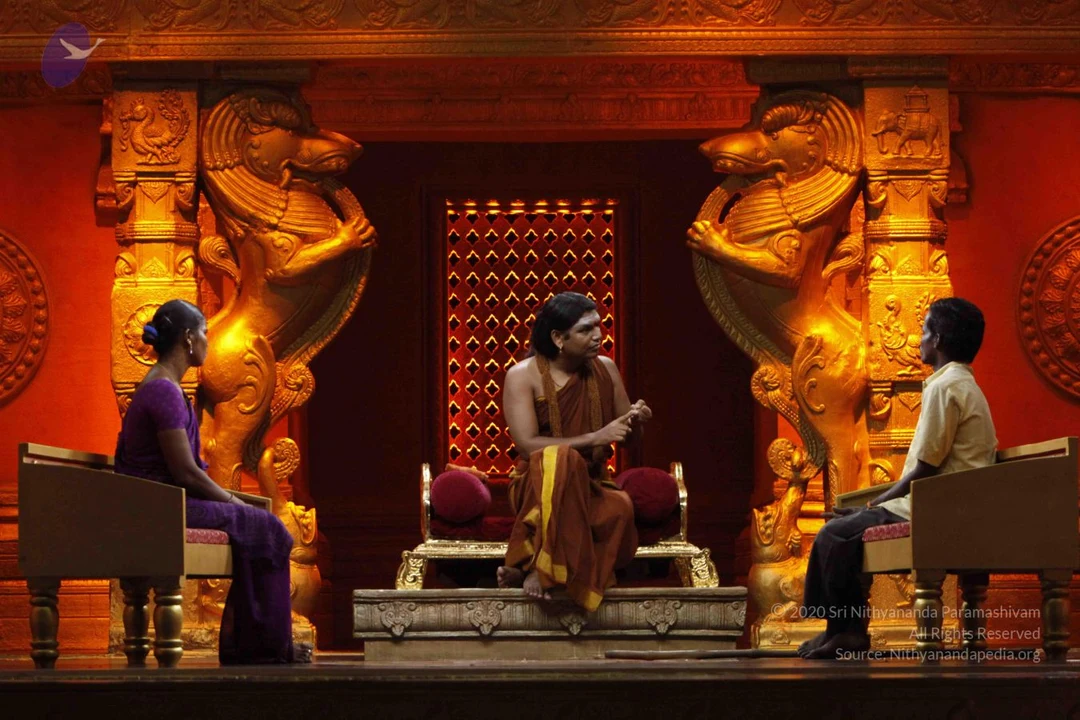
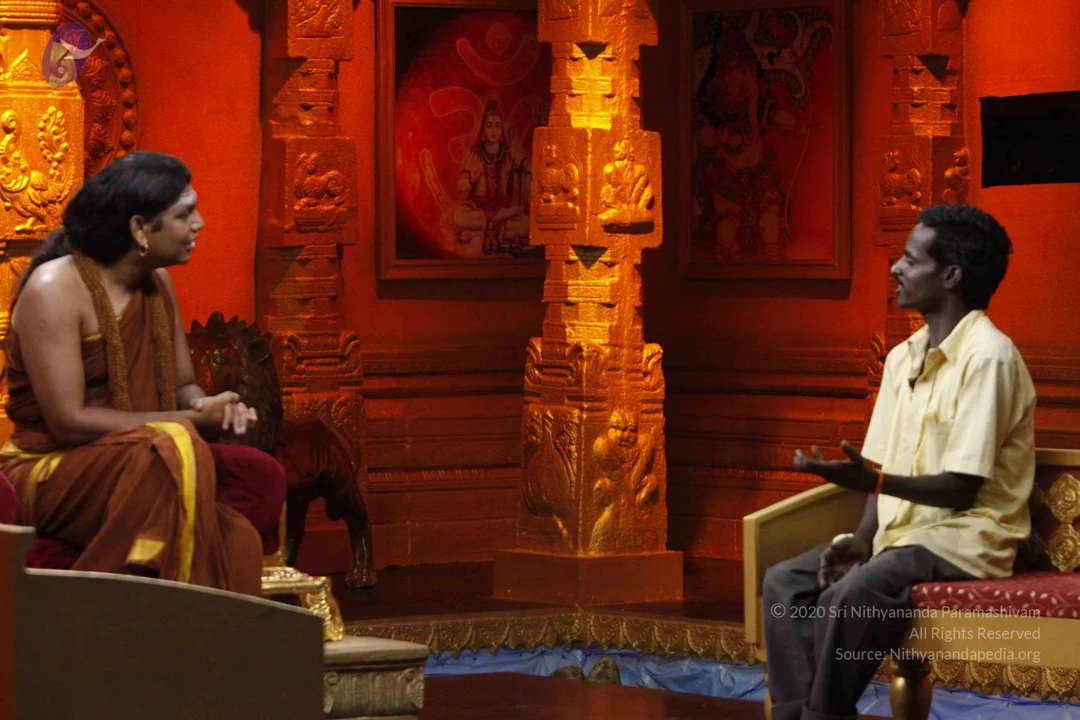
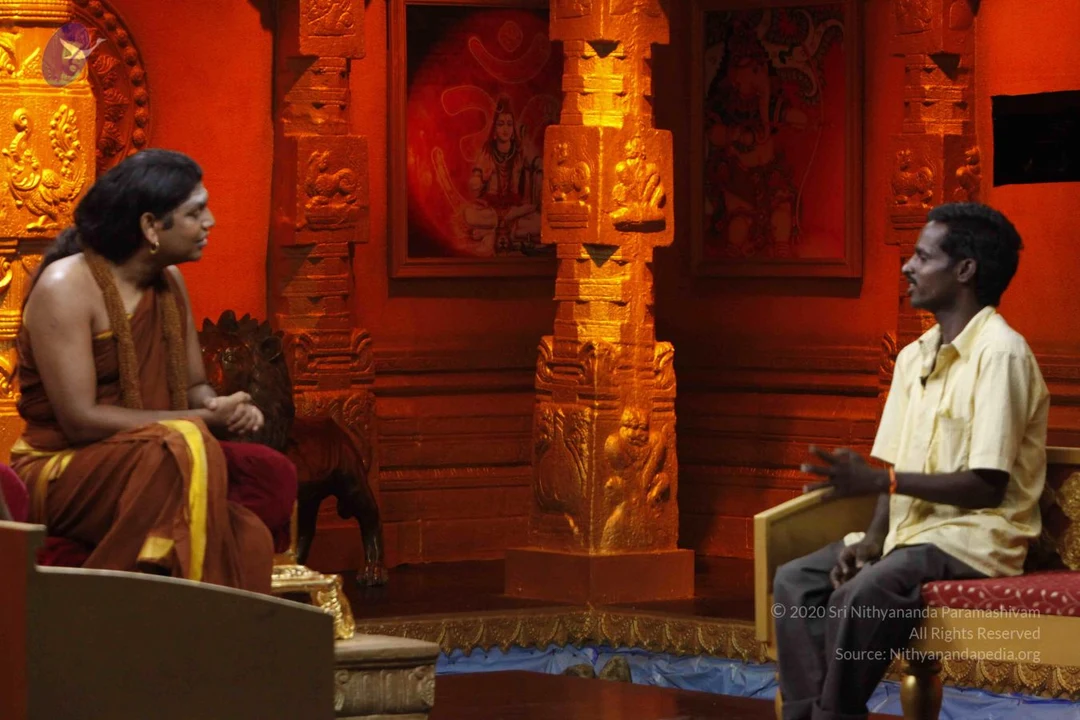
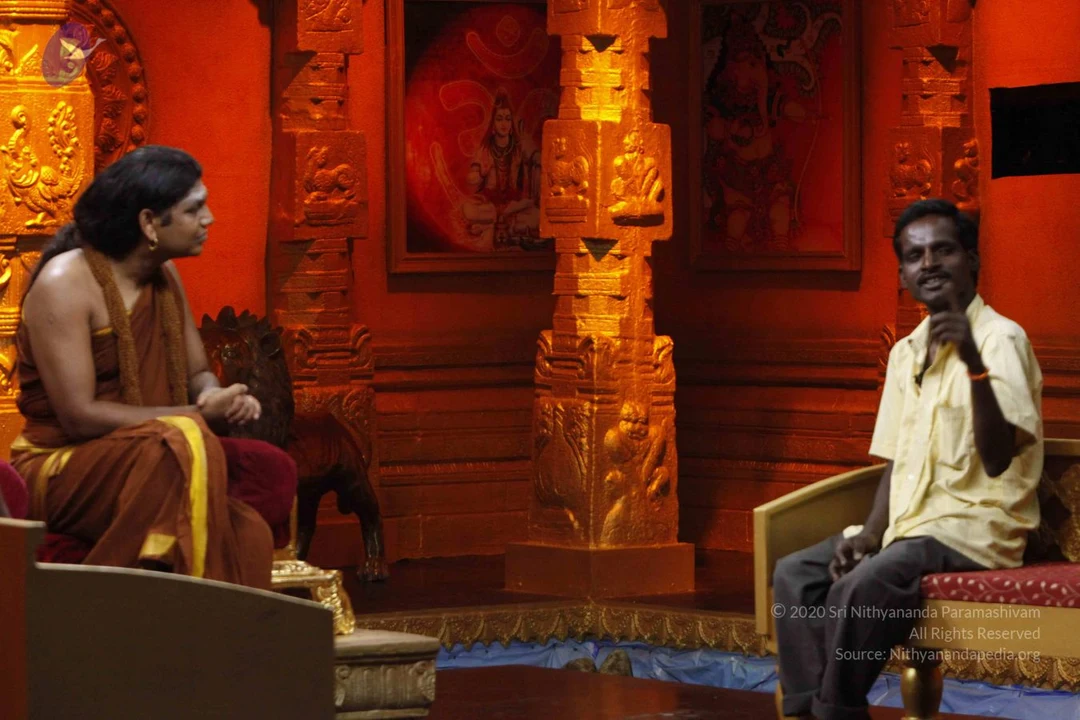
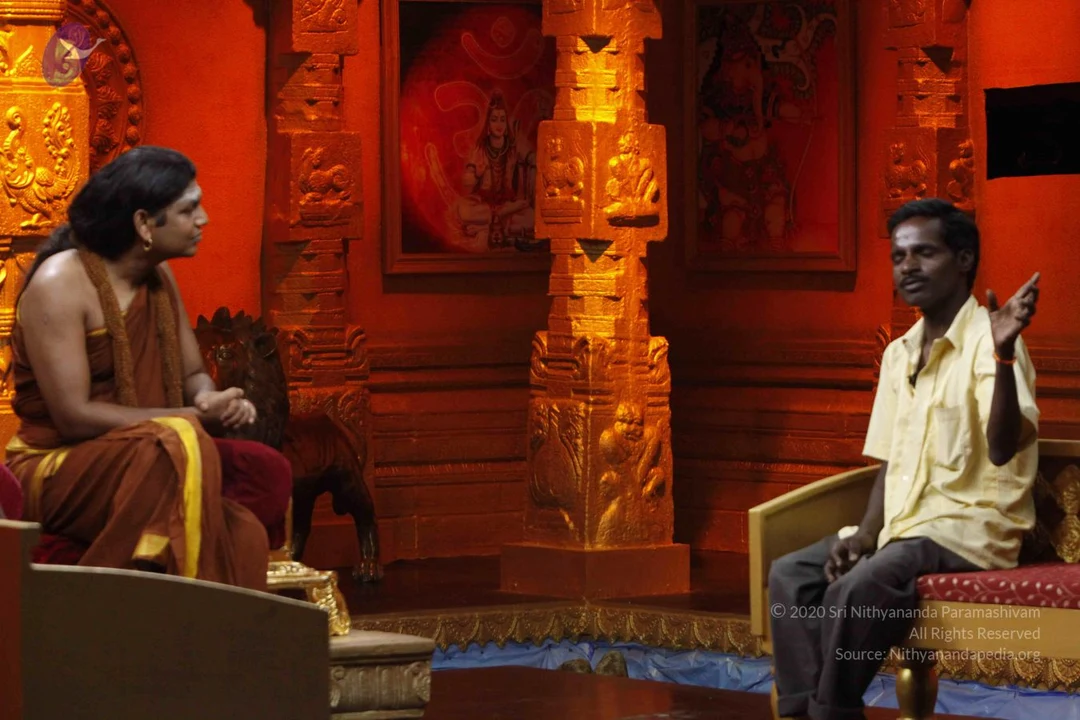
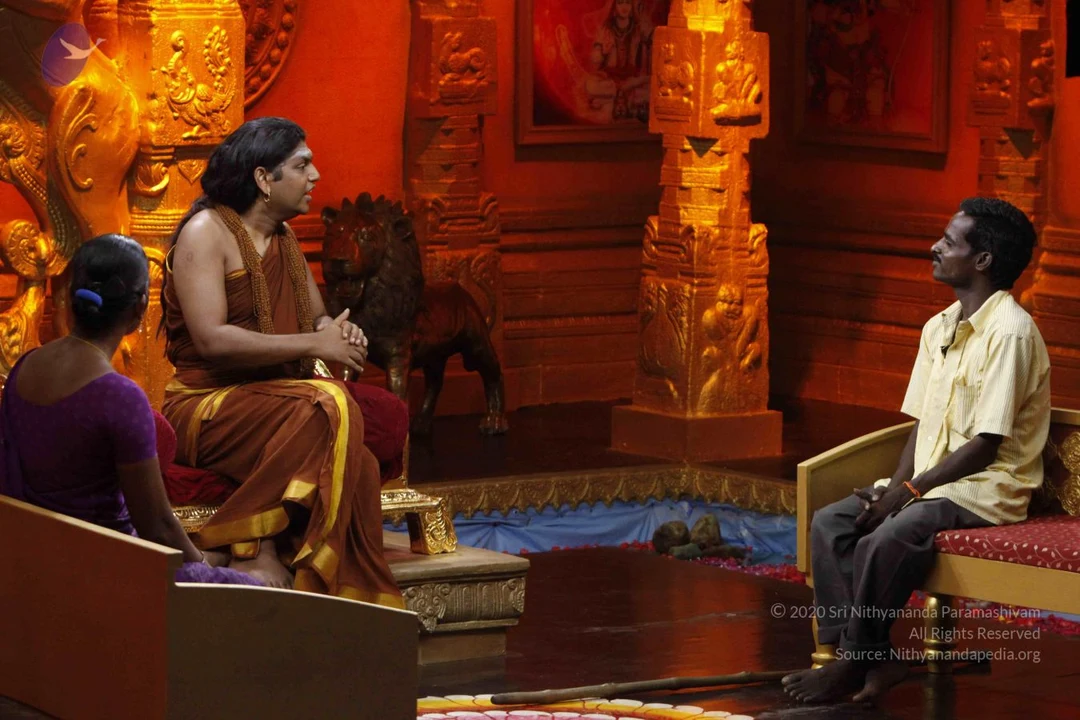
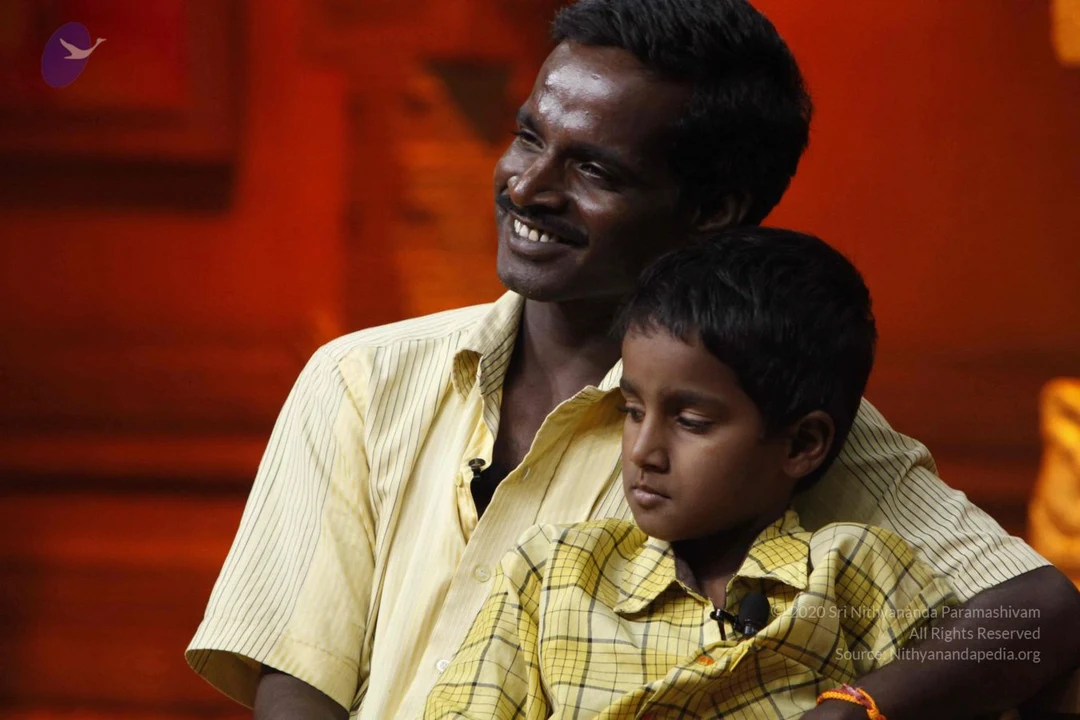
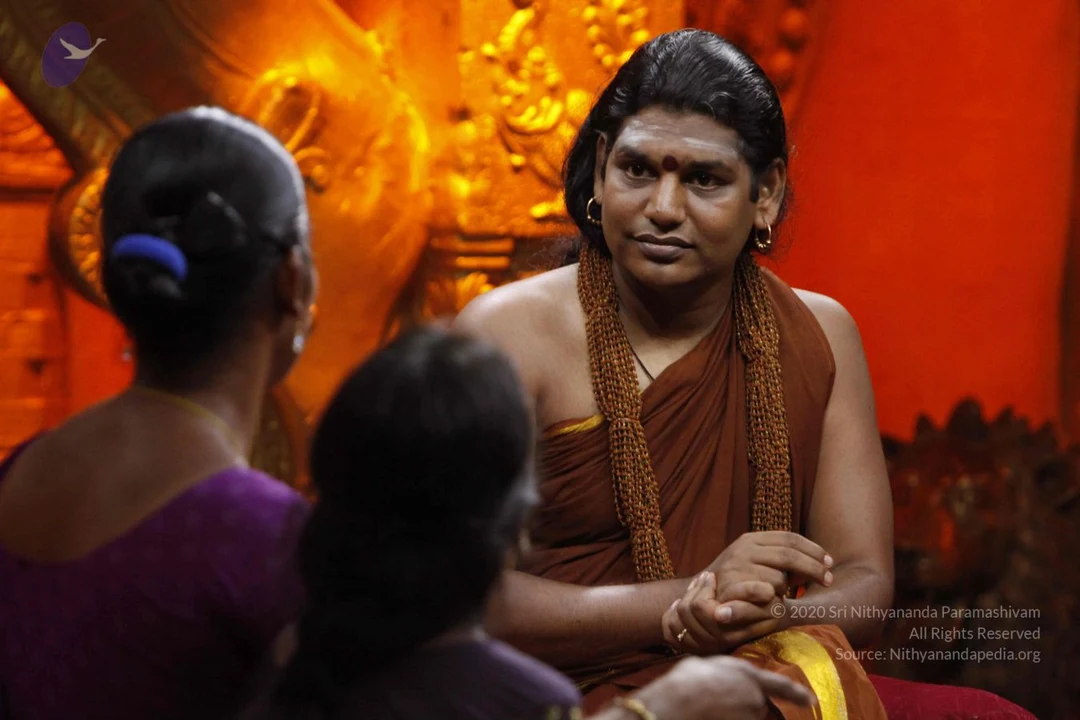
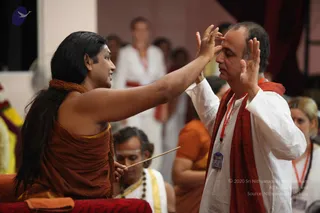
THANTI TV DAY 1 SHOW
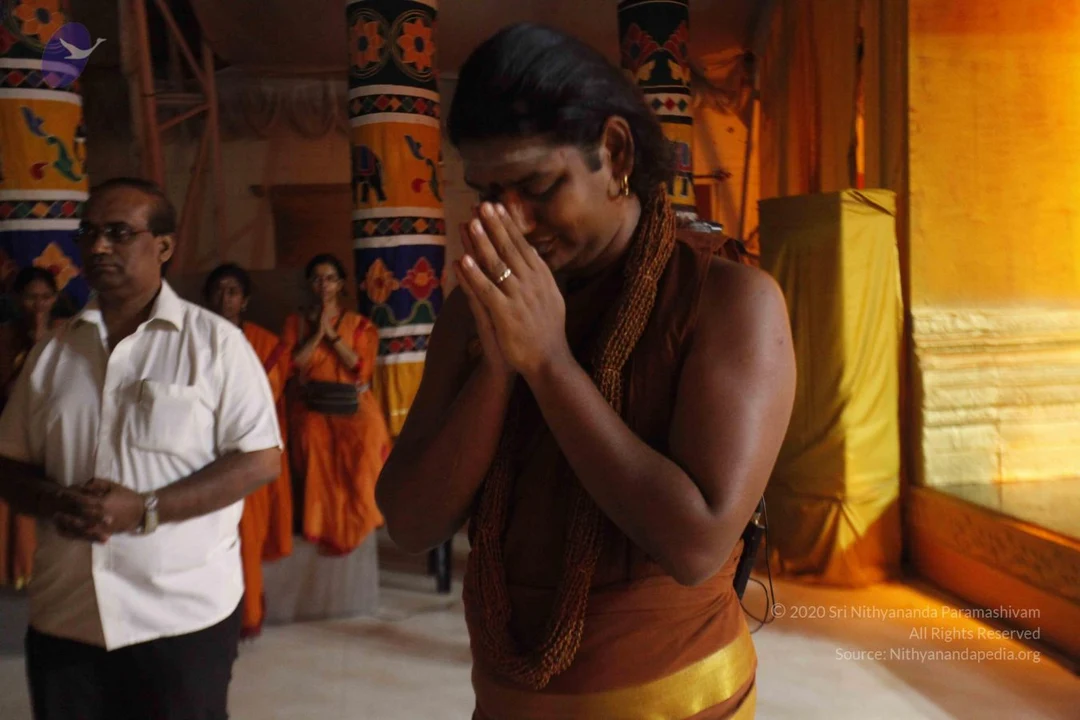
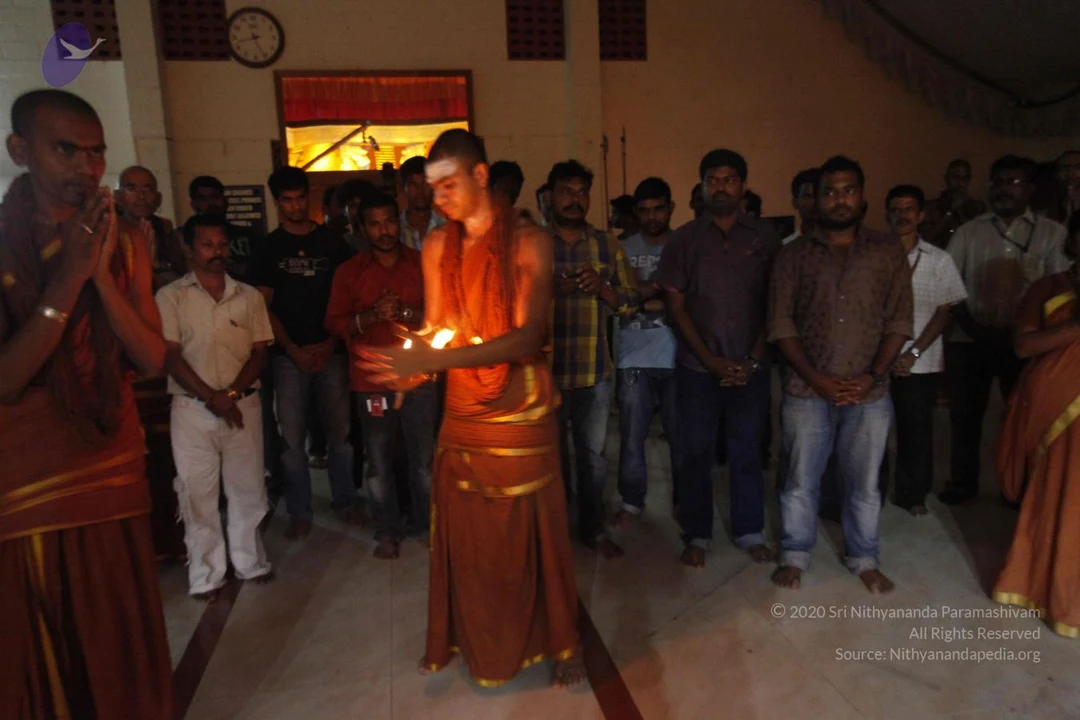
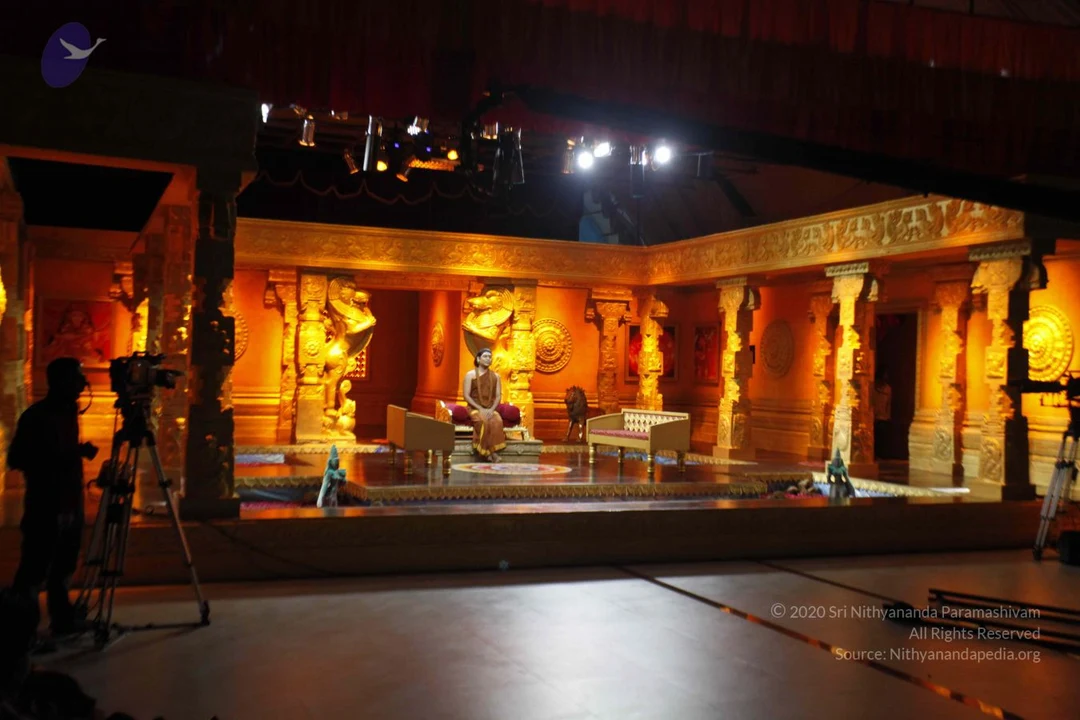
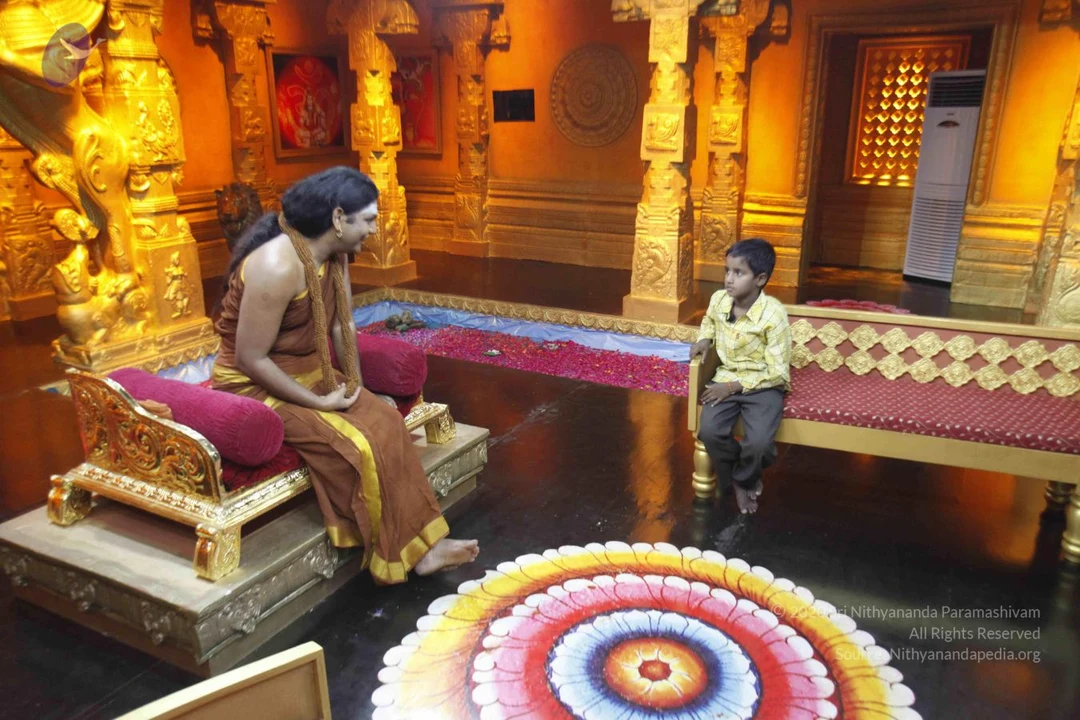
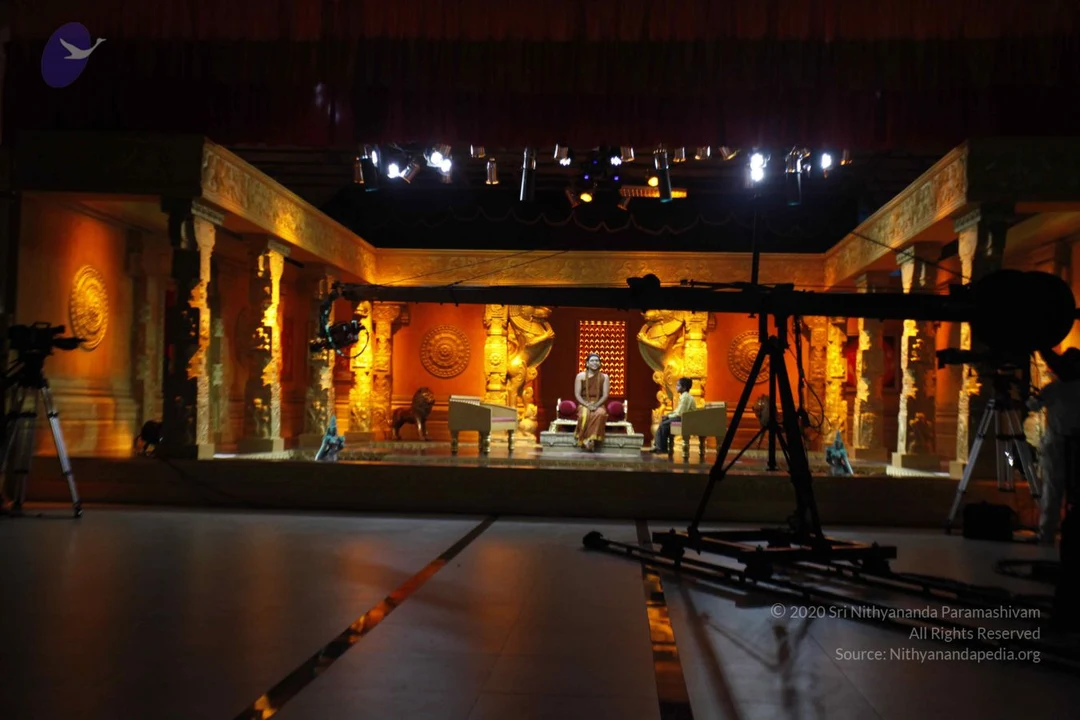
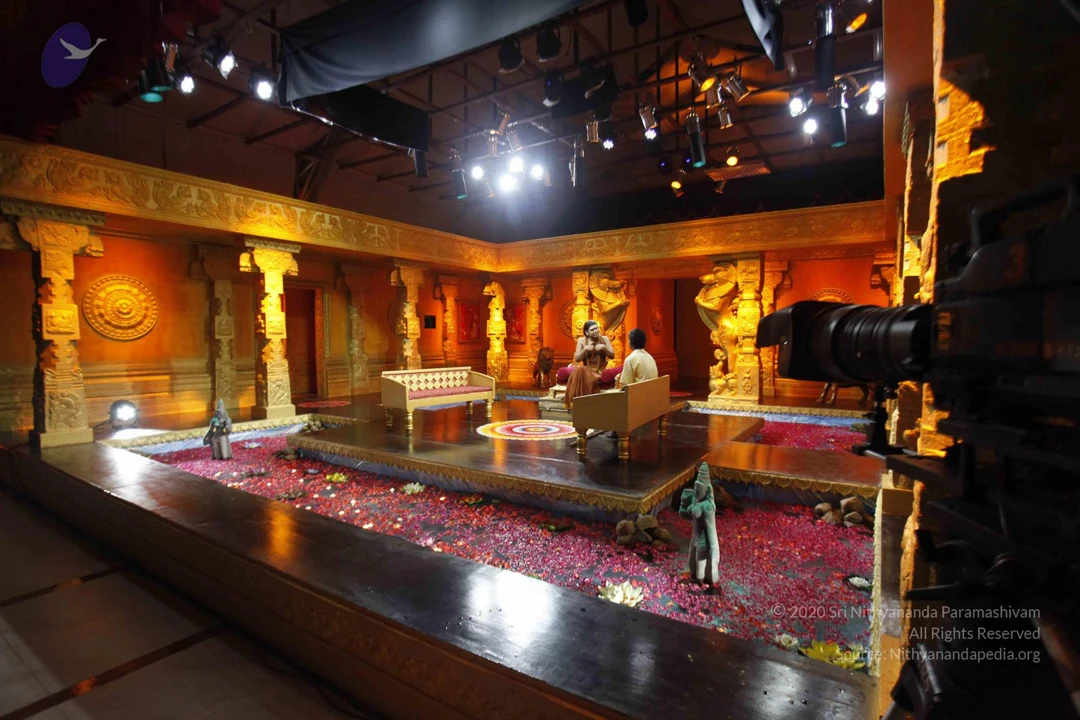
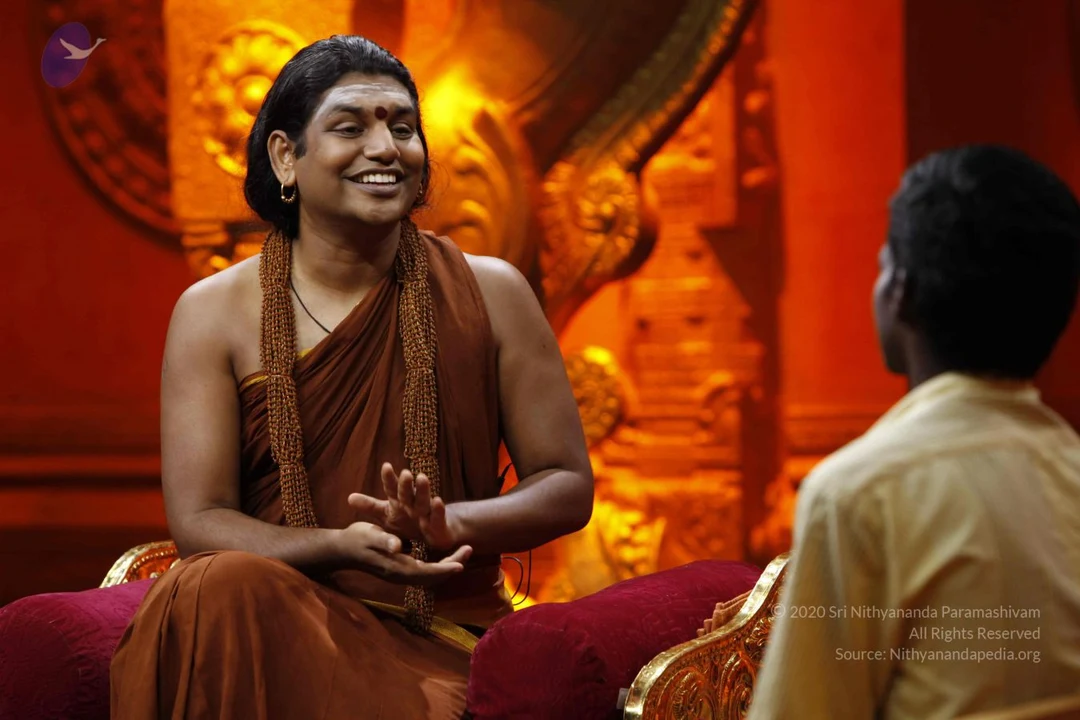
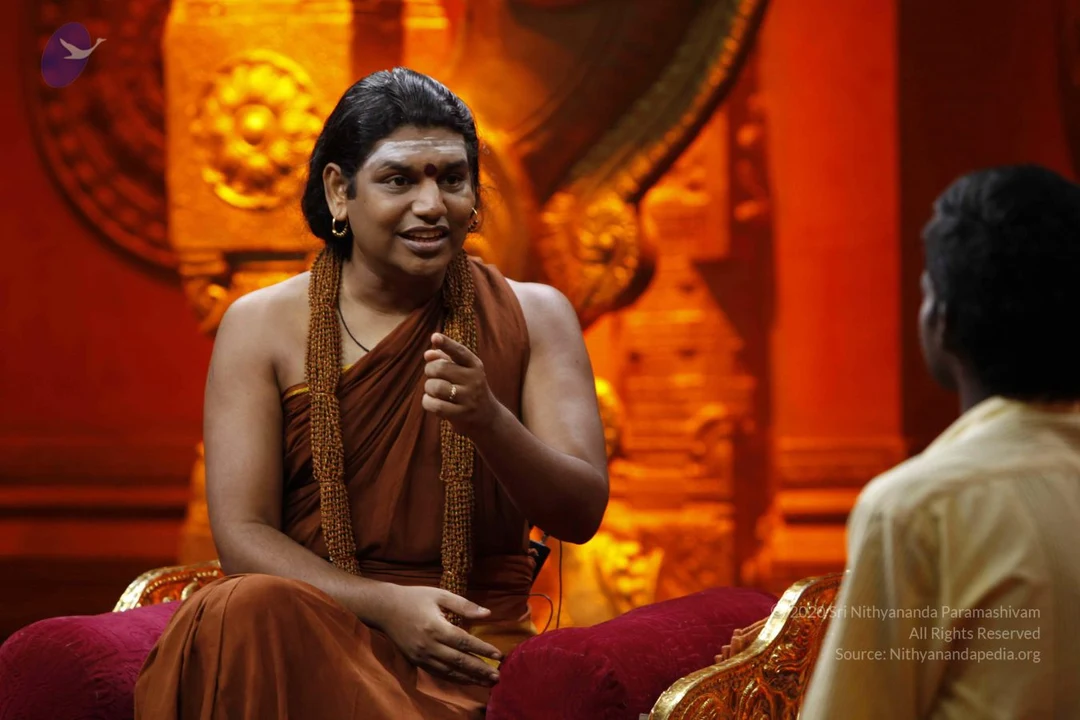
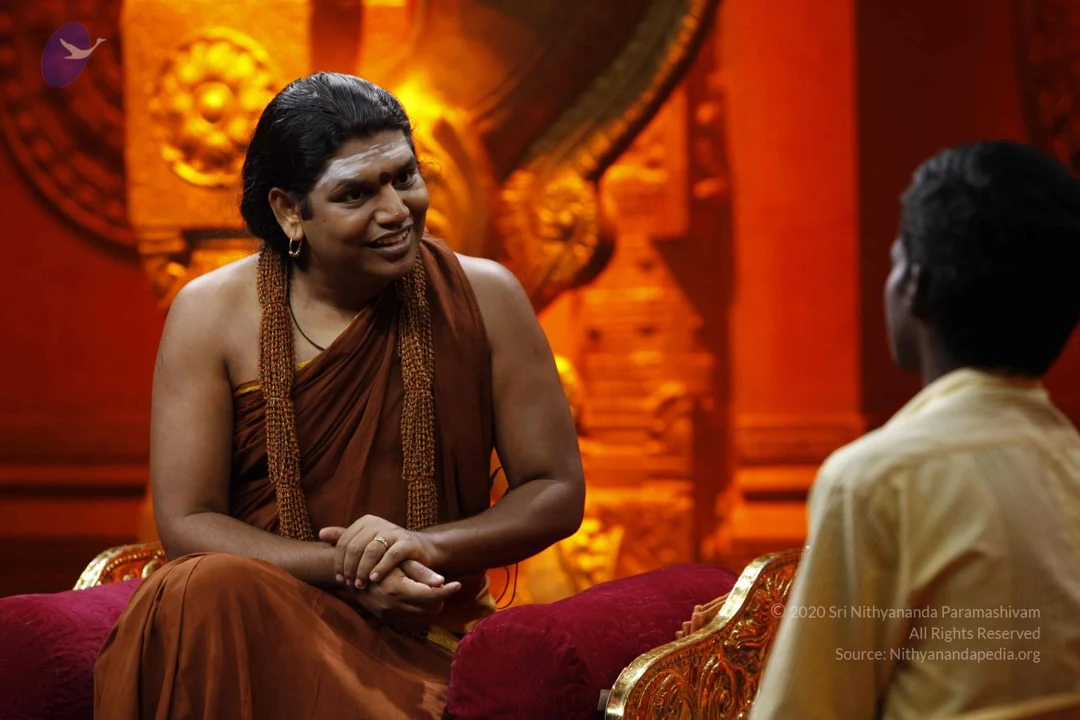
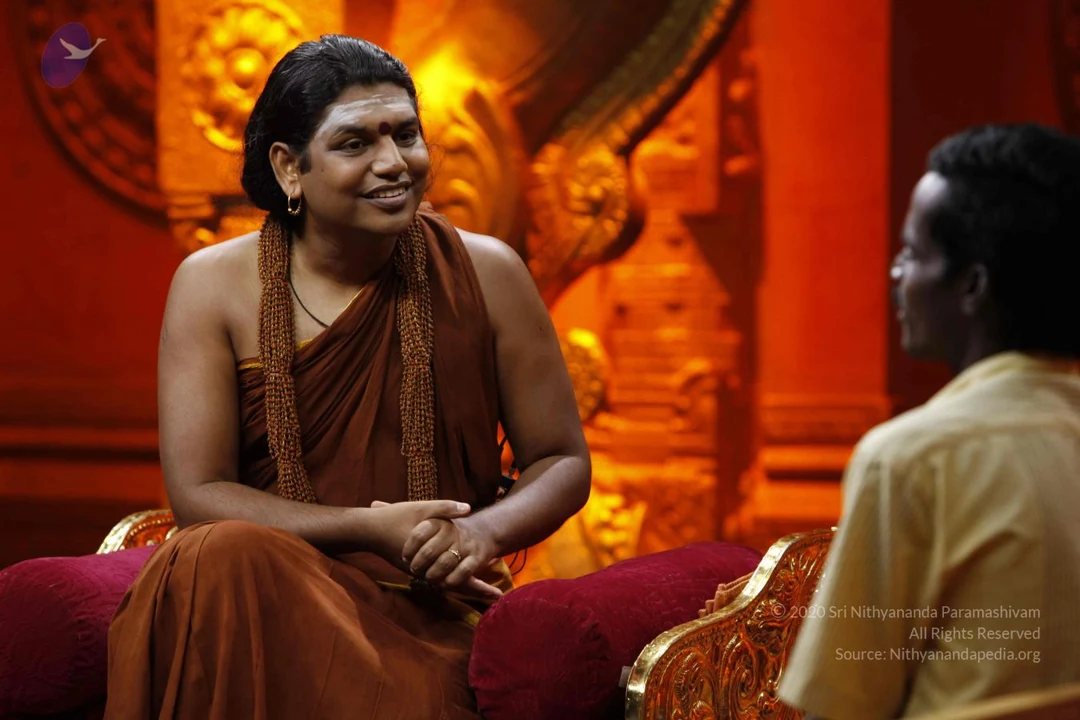
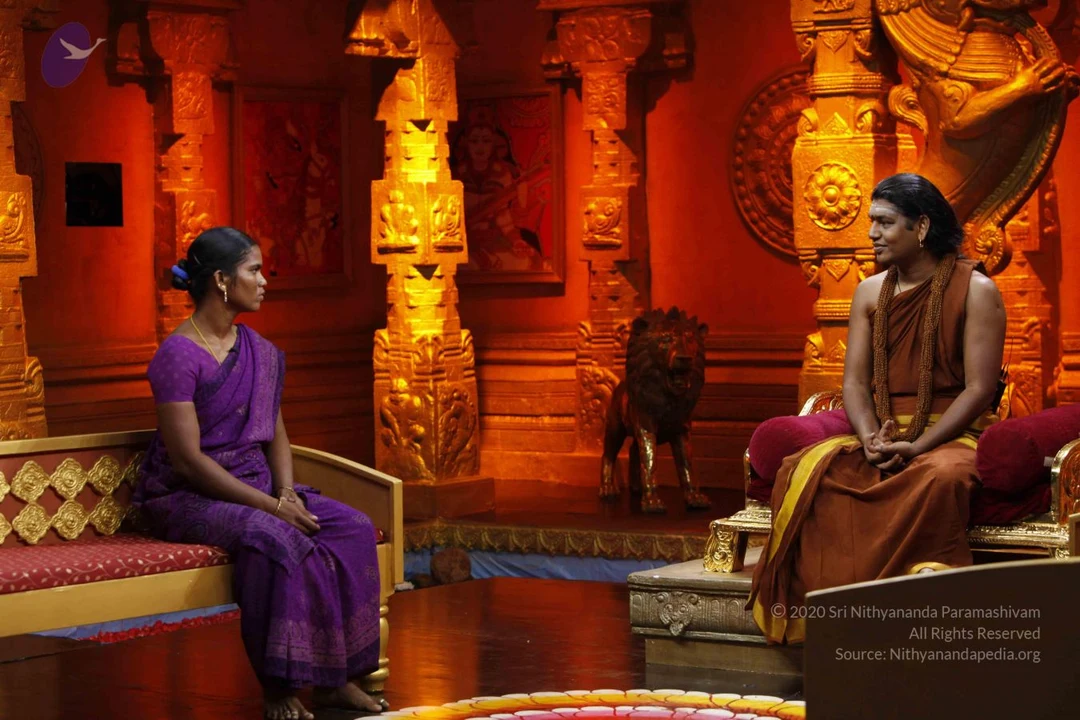
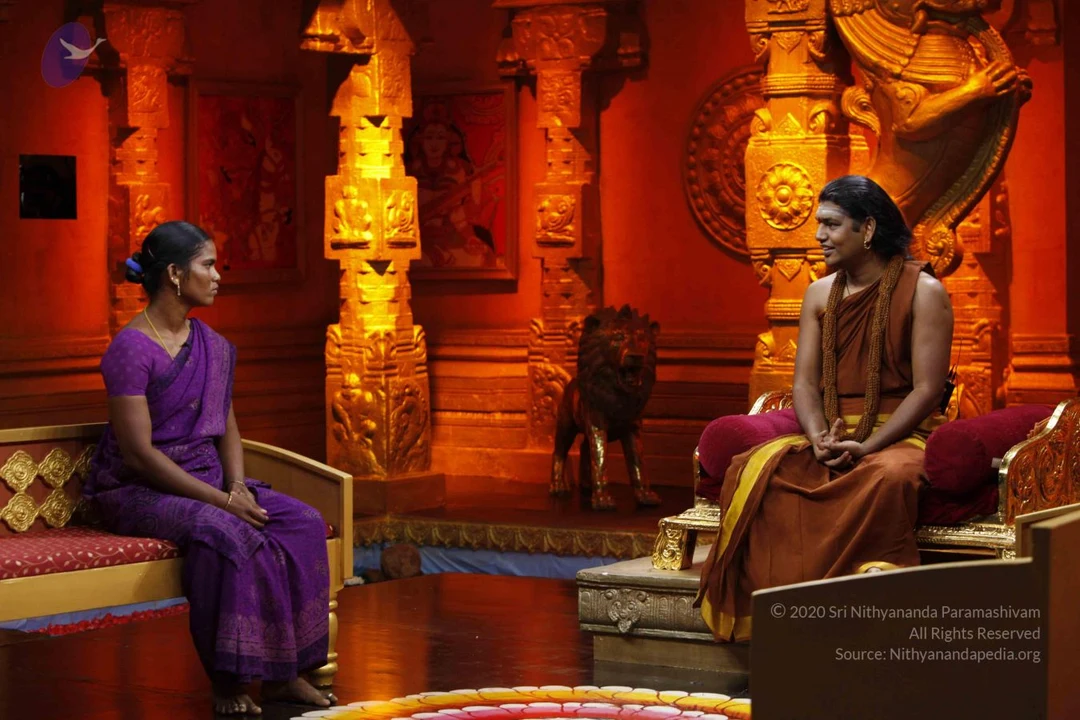
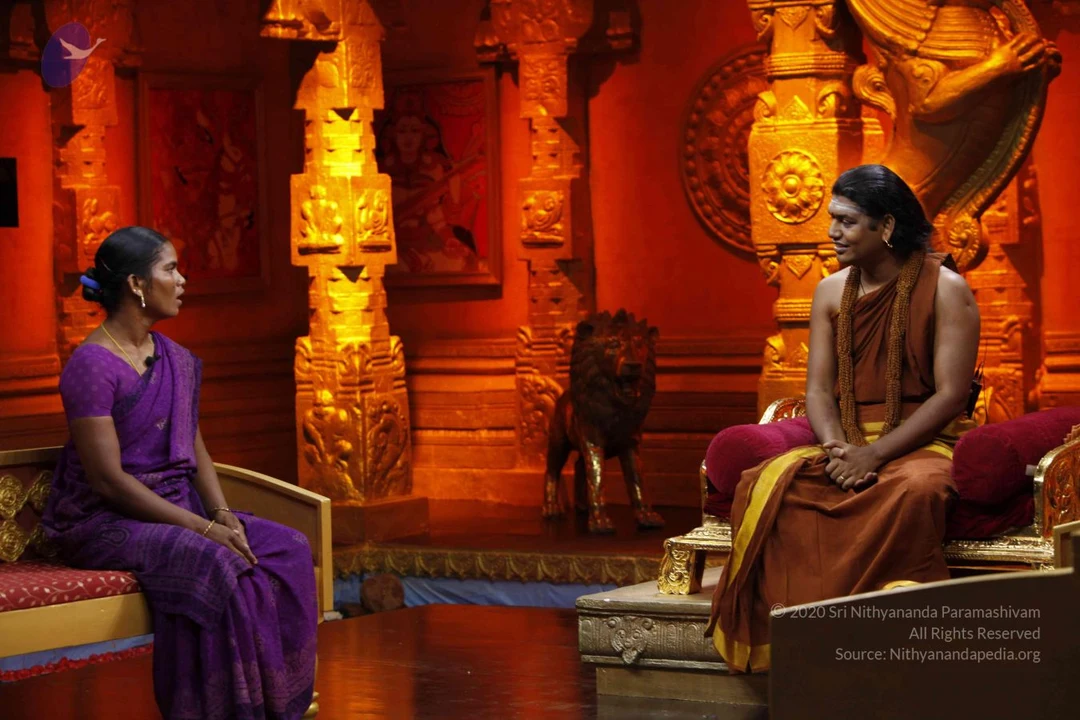
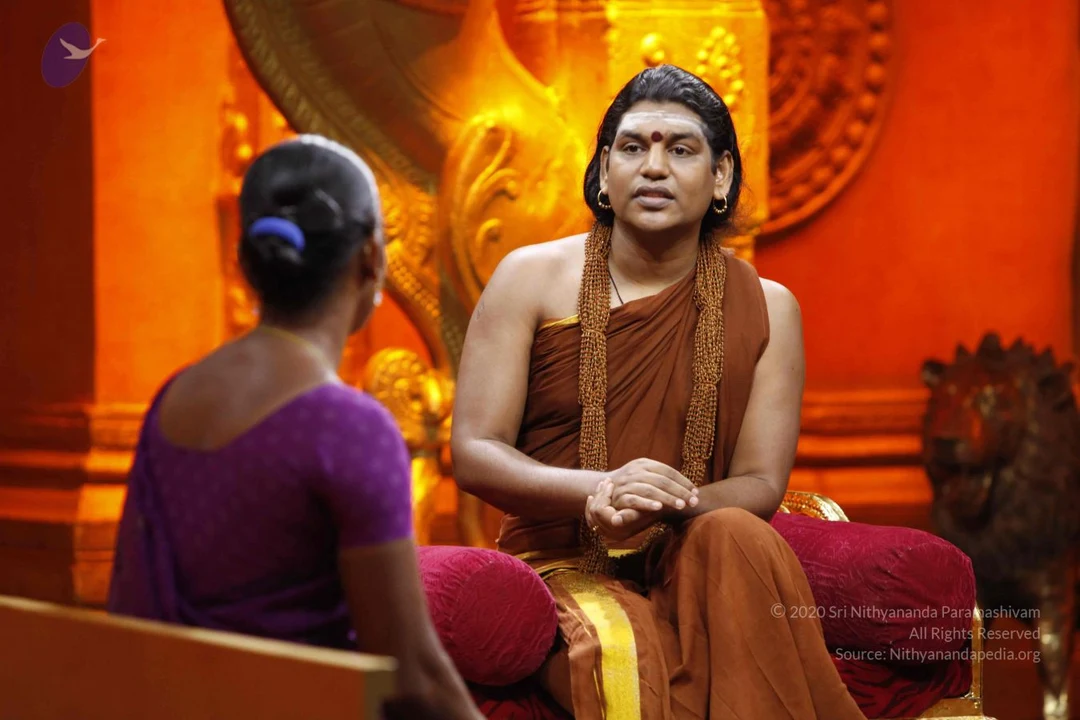
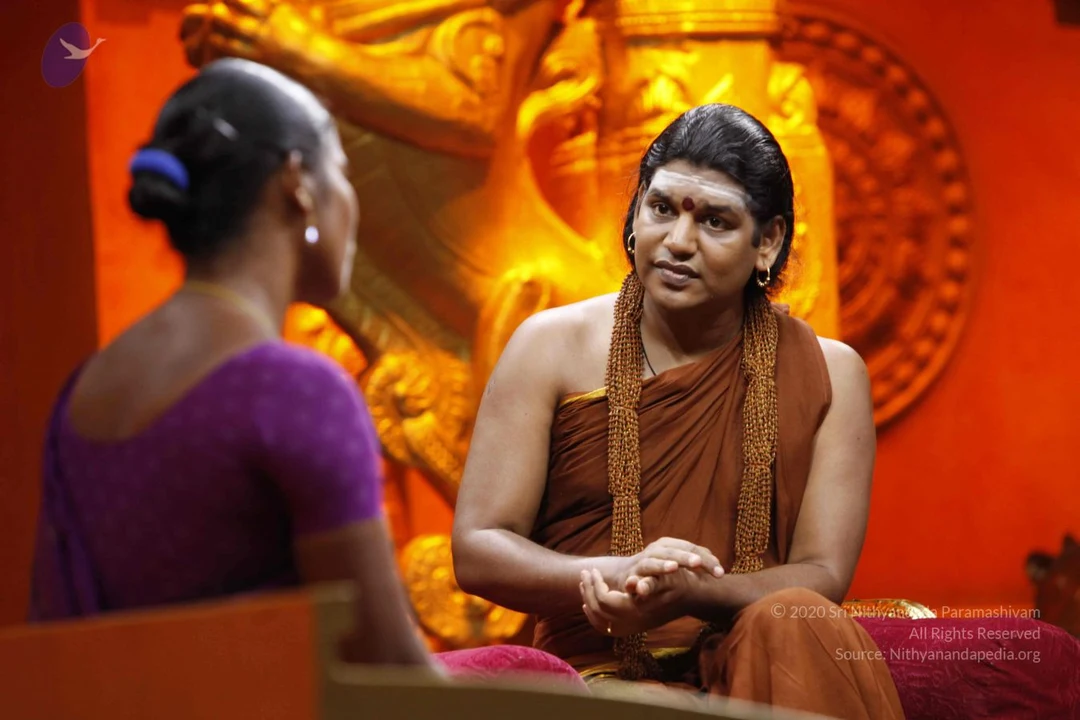
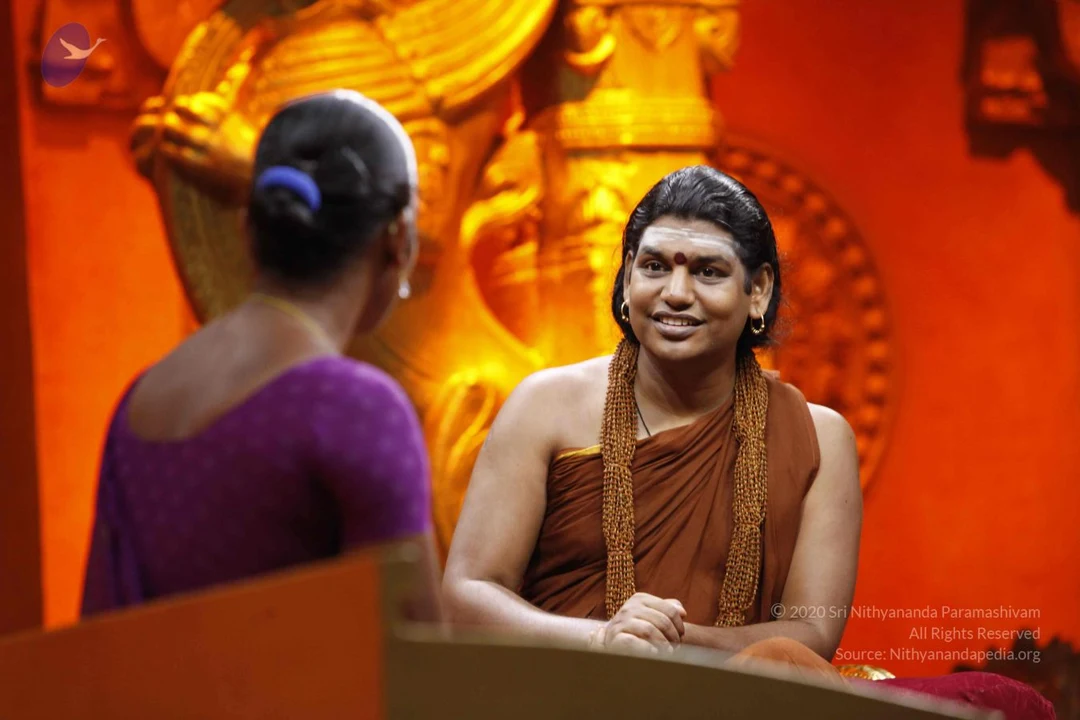
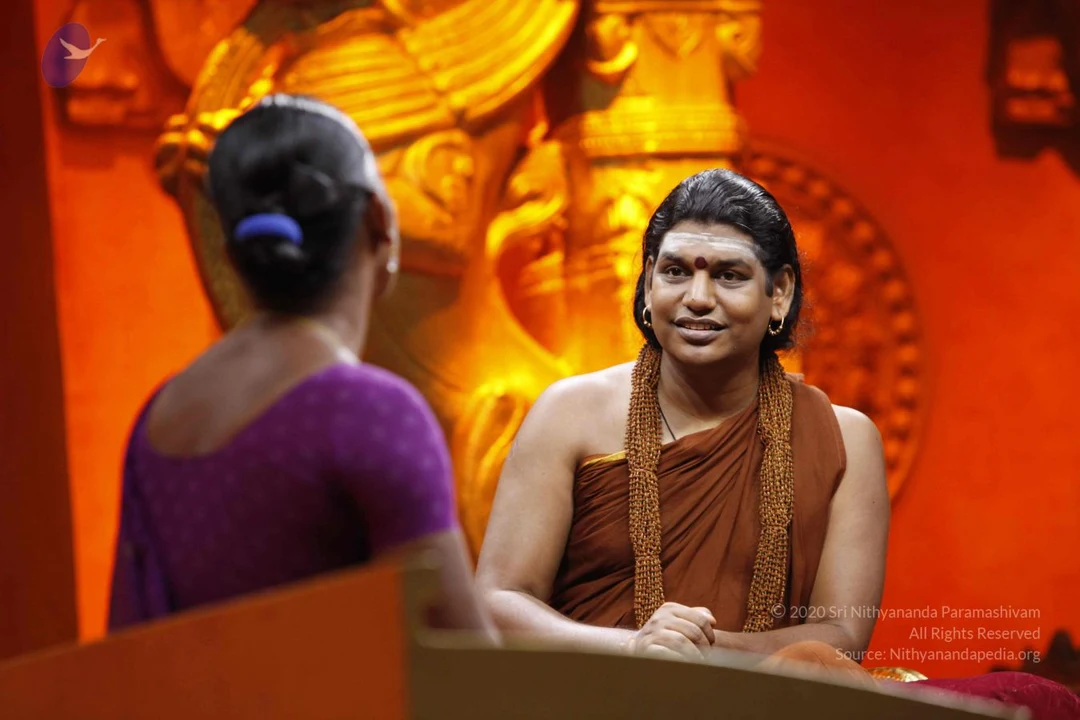
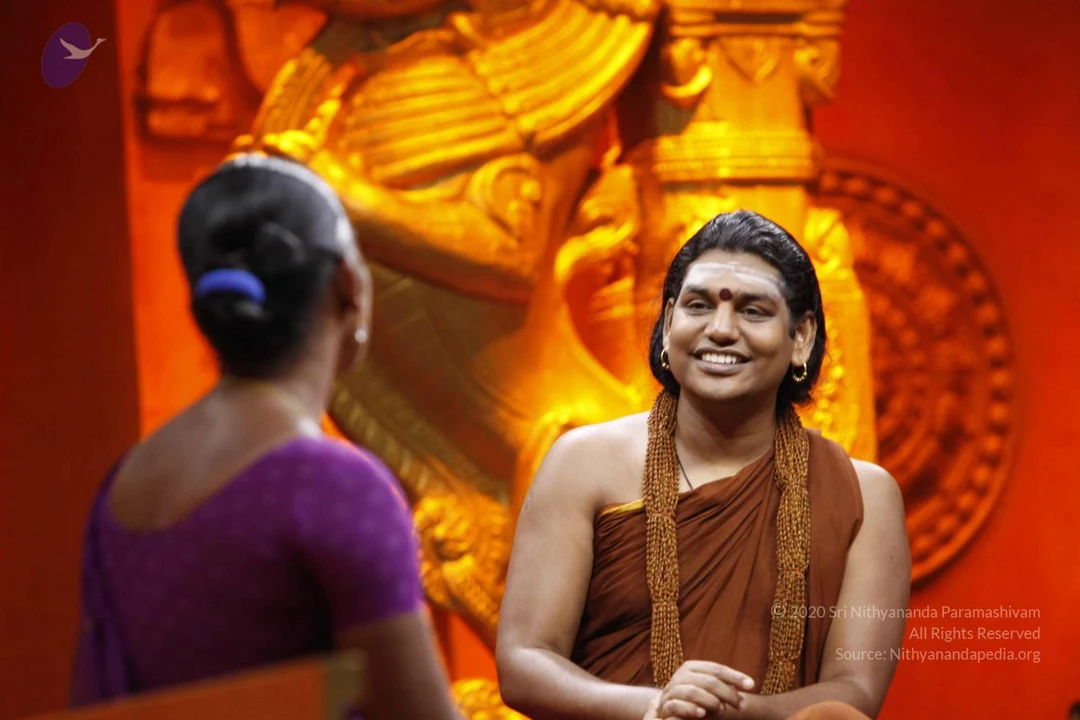
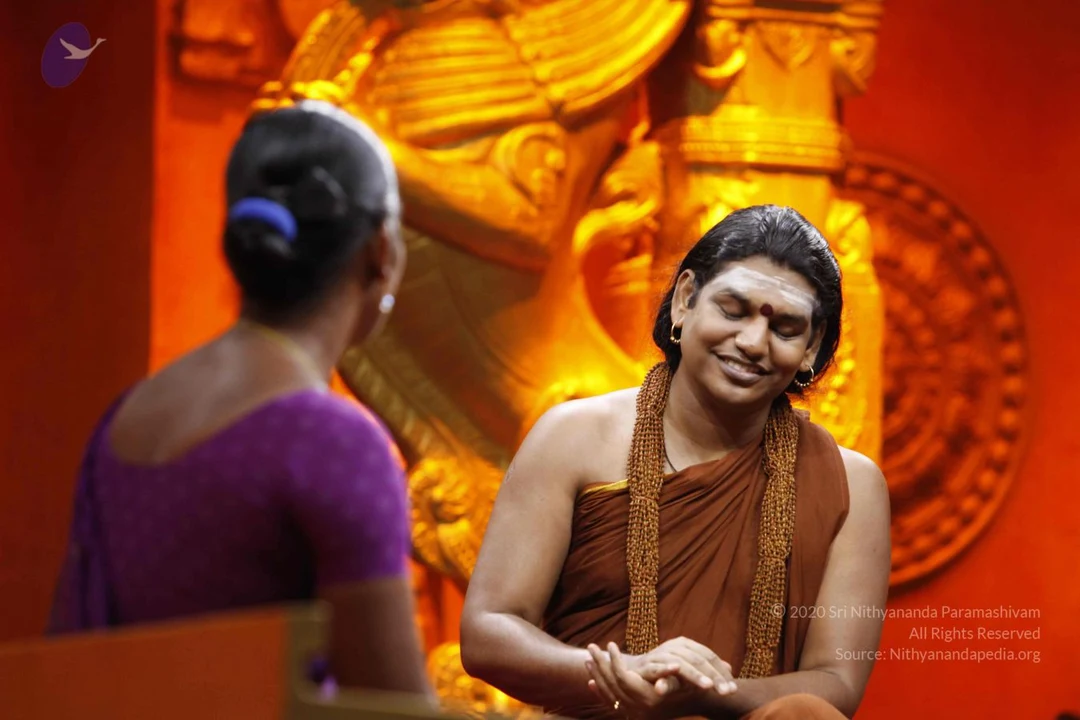
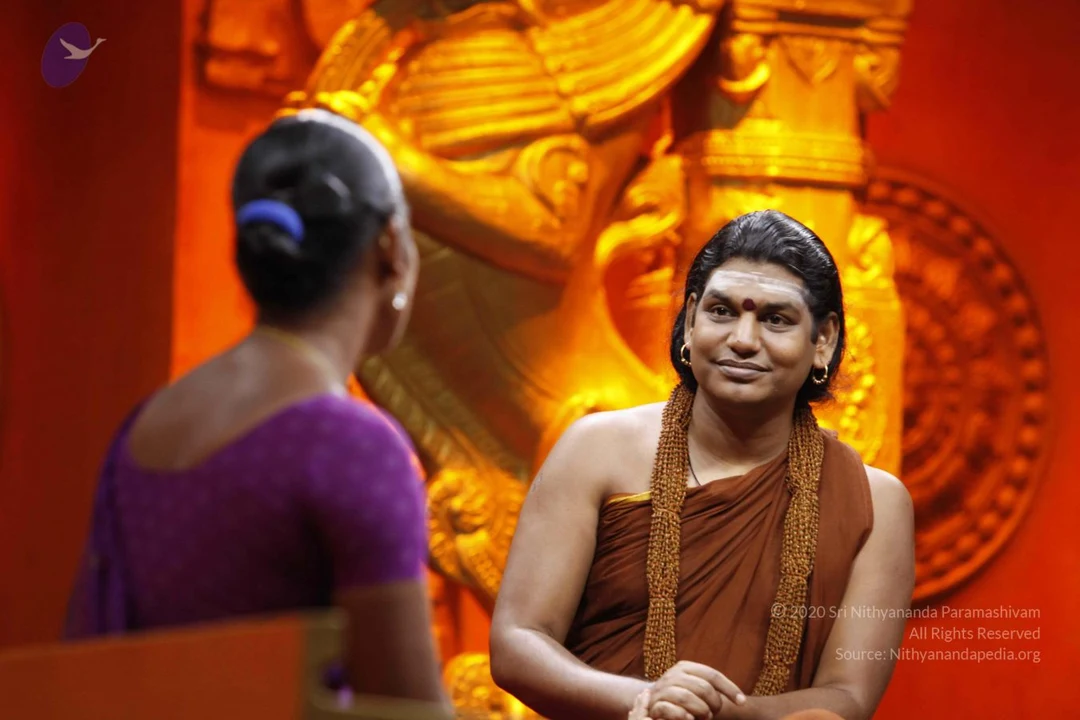
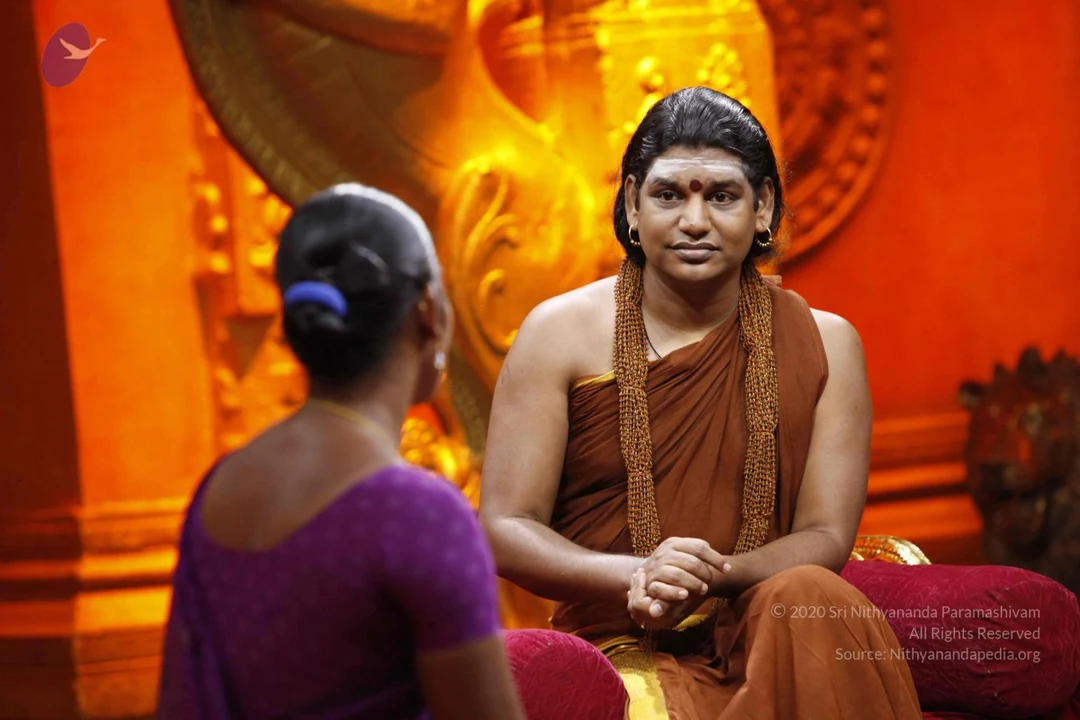
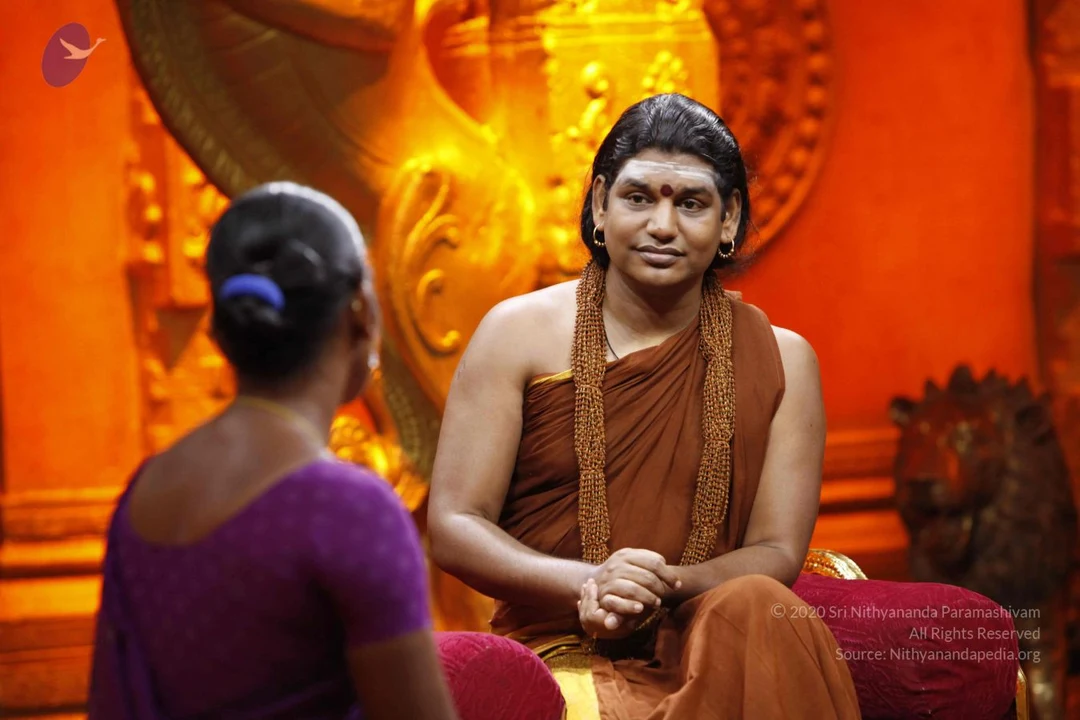
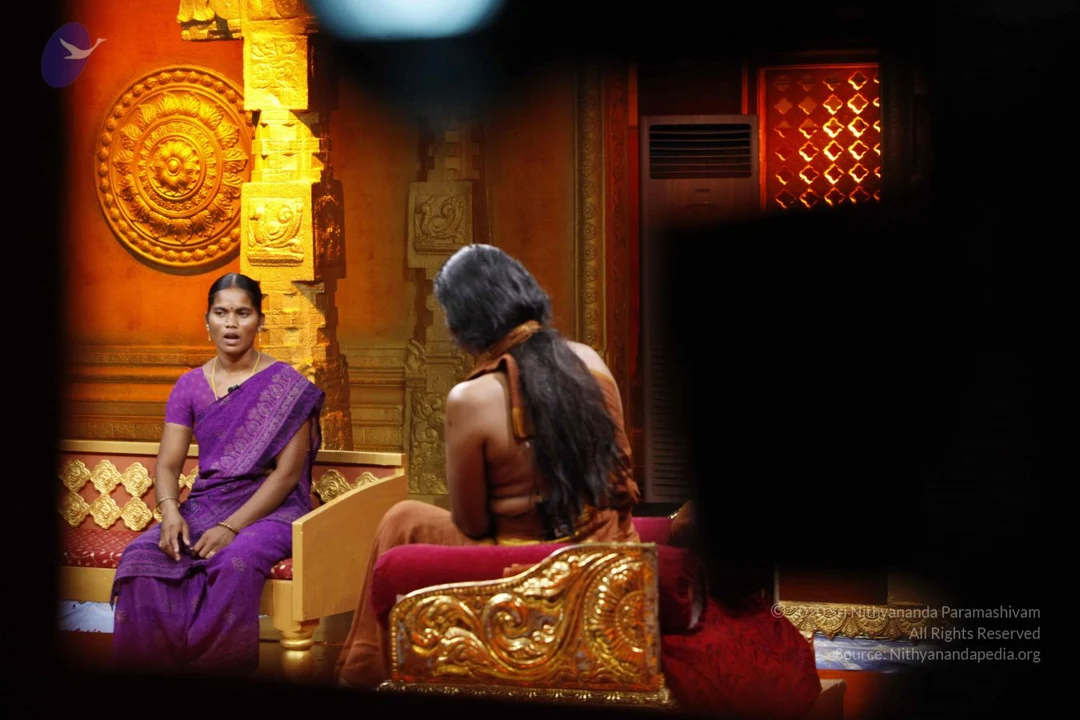
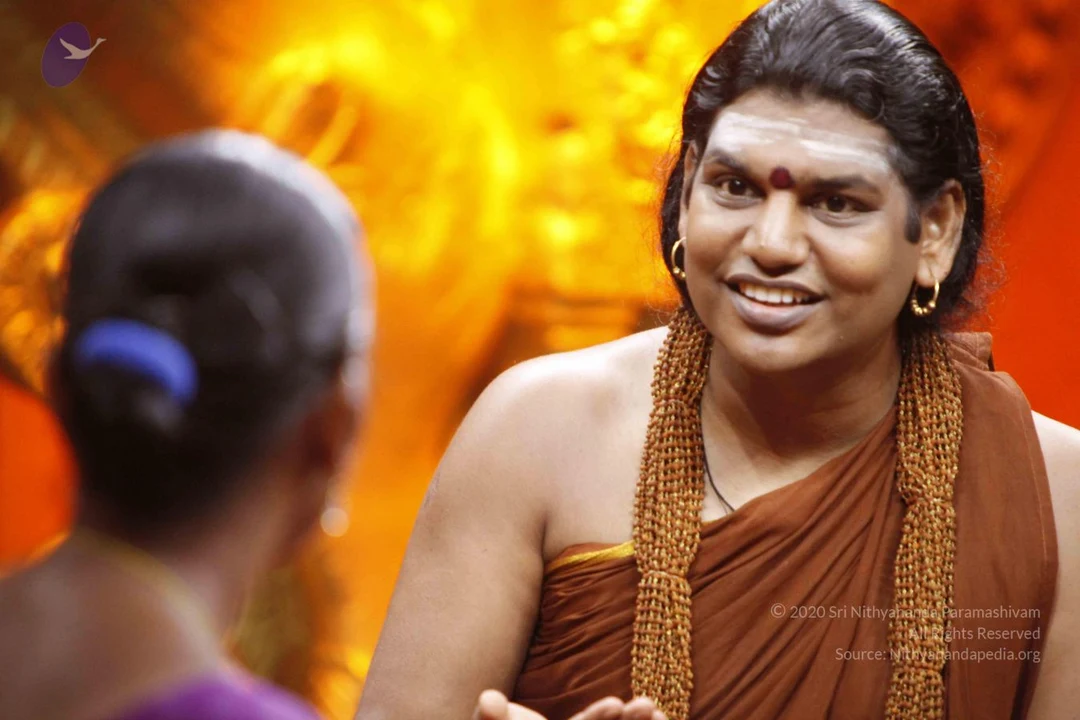

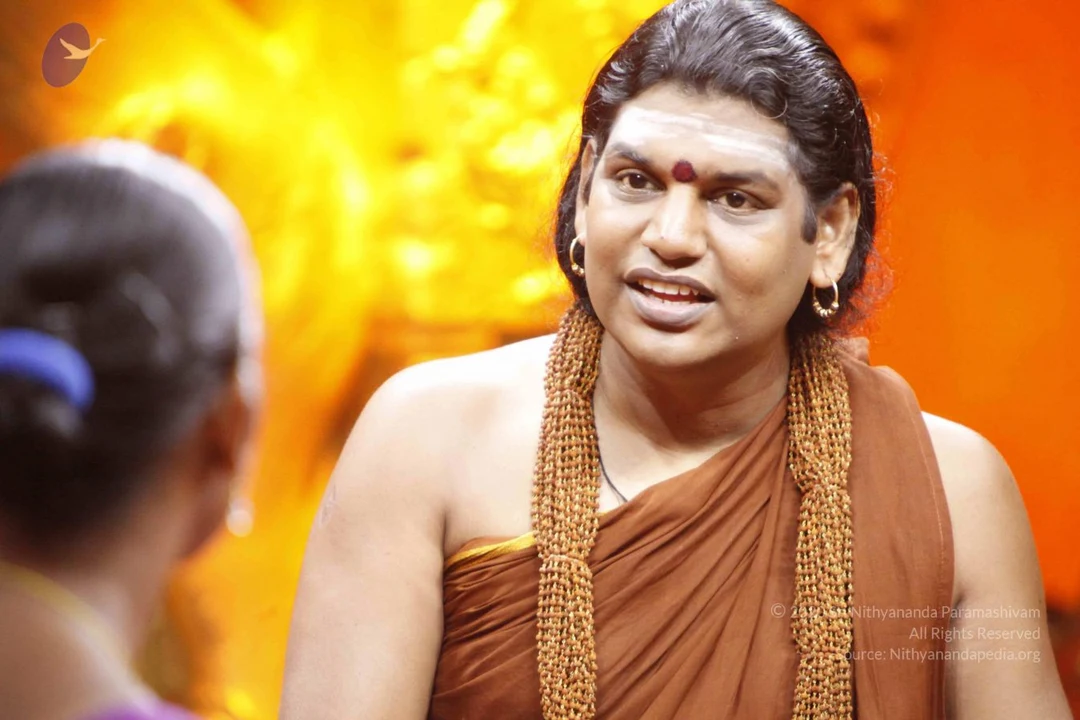
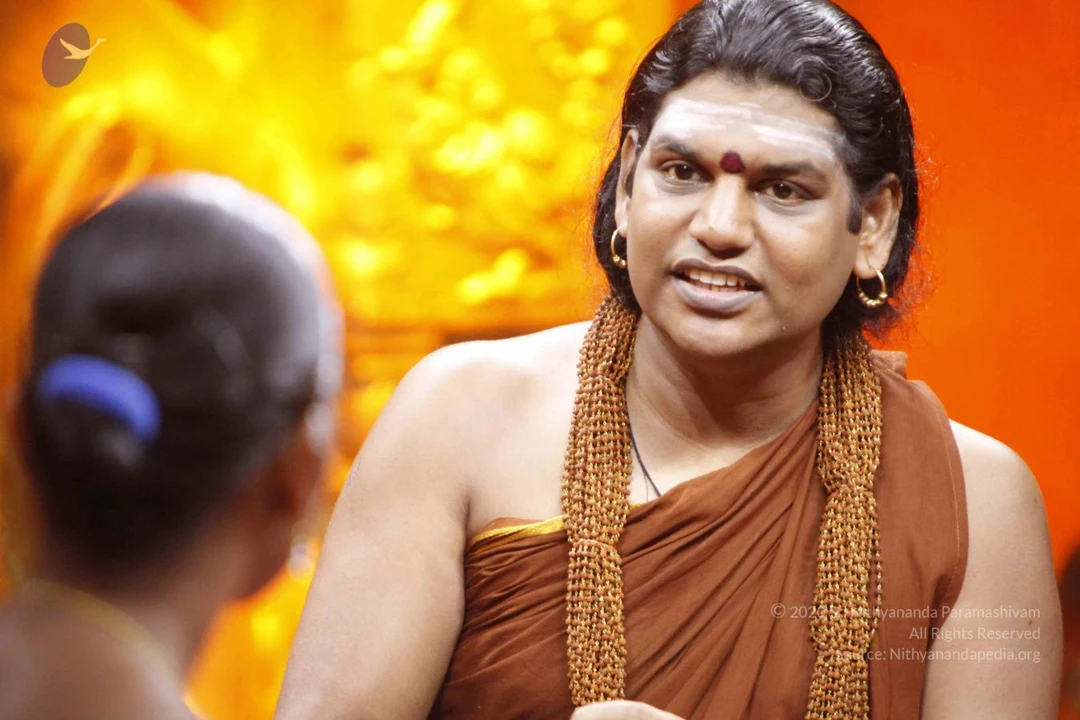
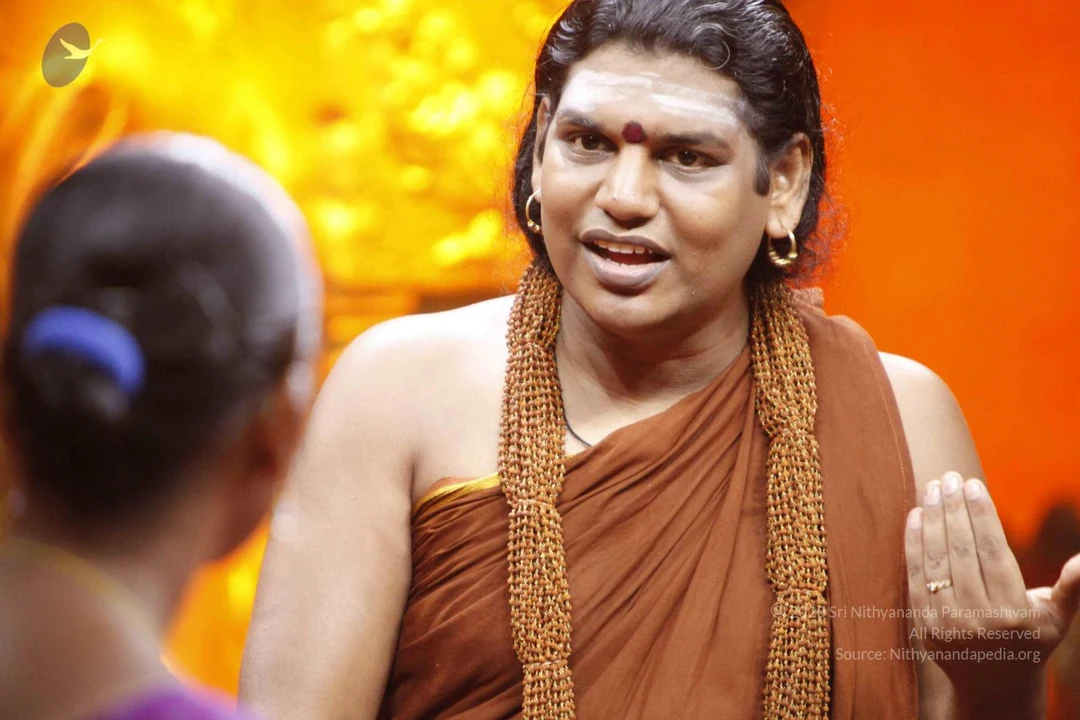
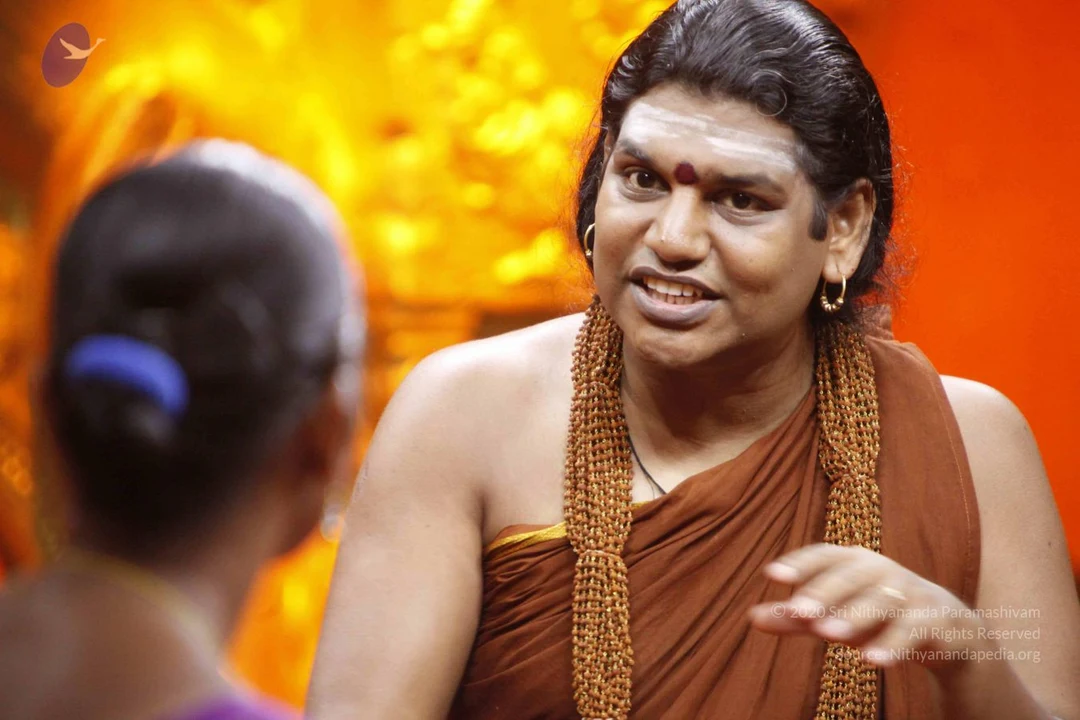

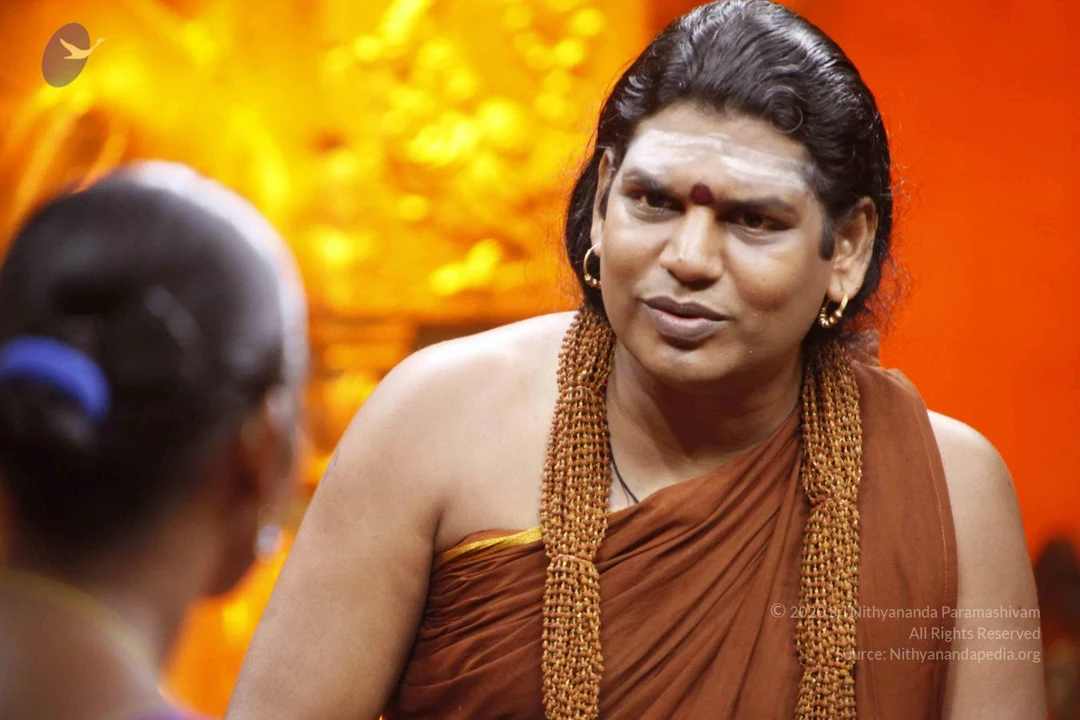


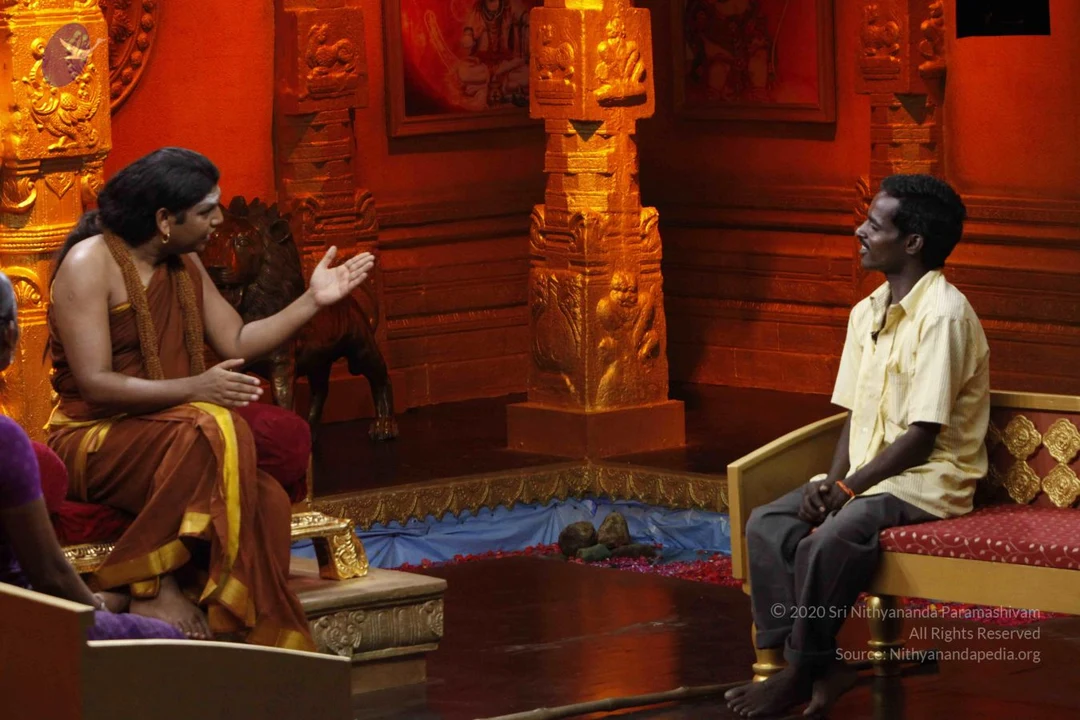
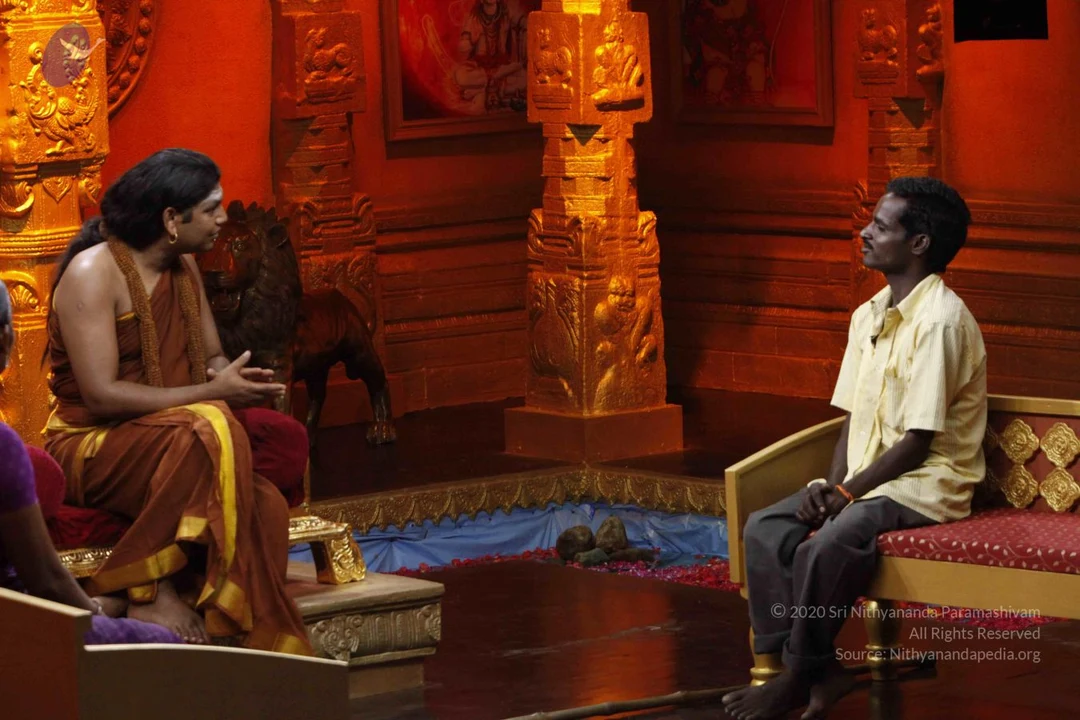
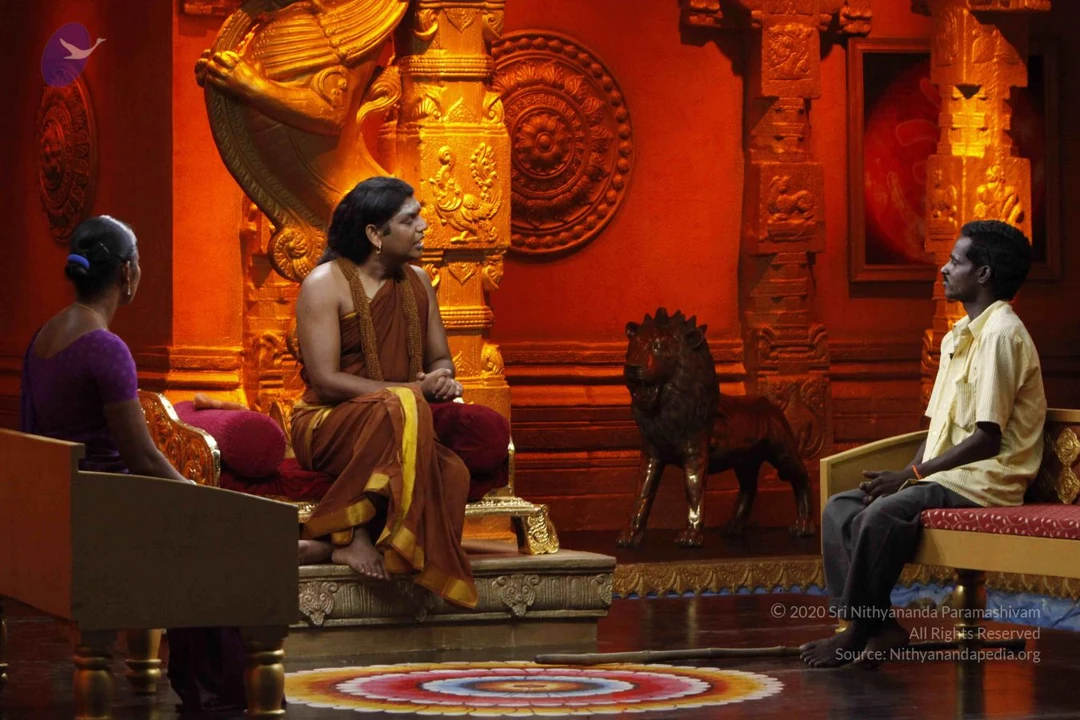
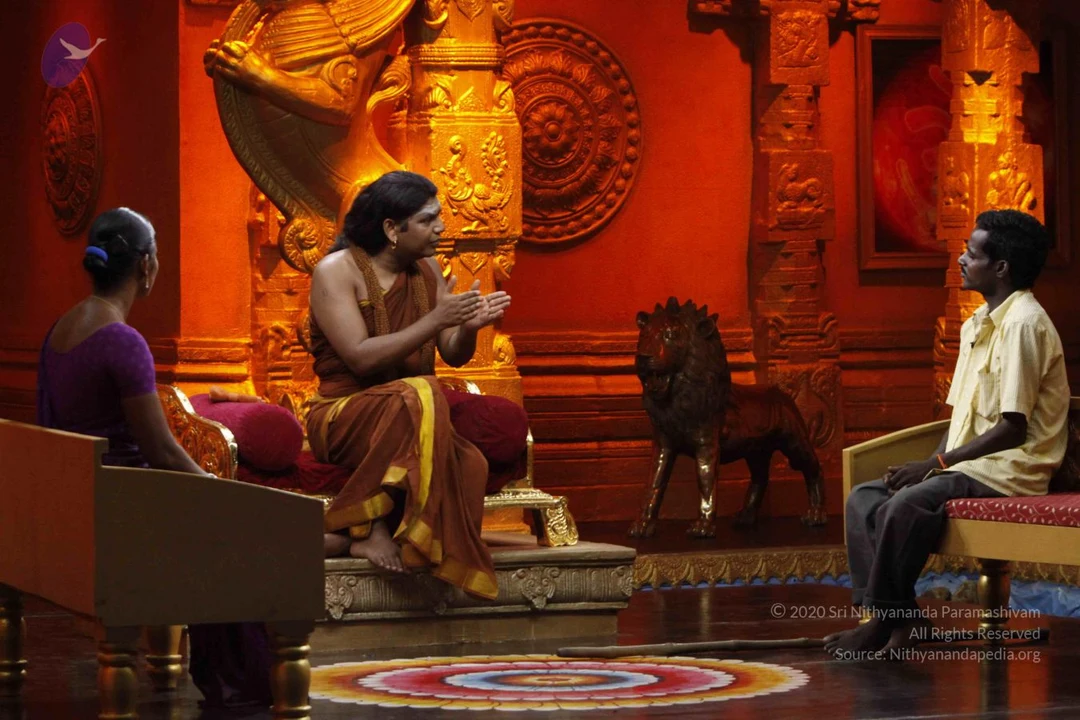
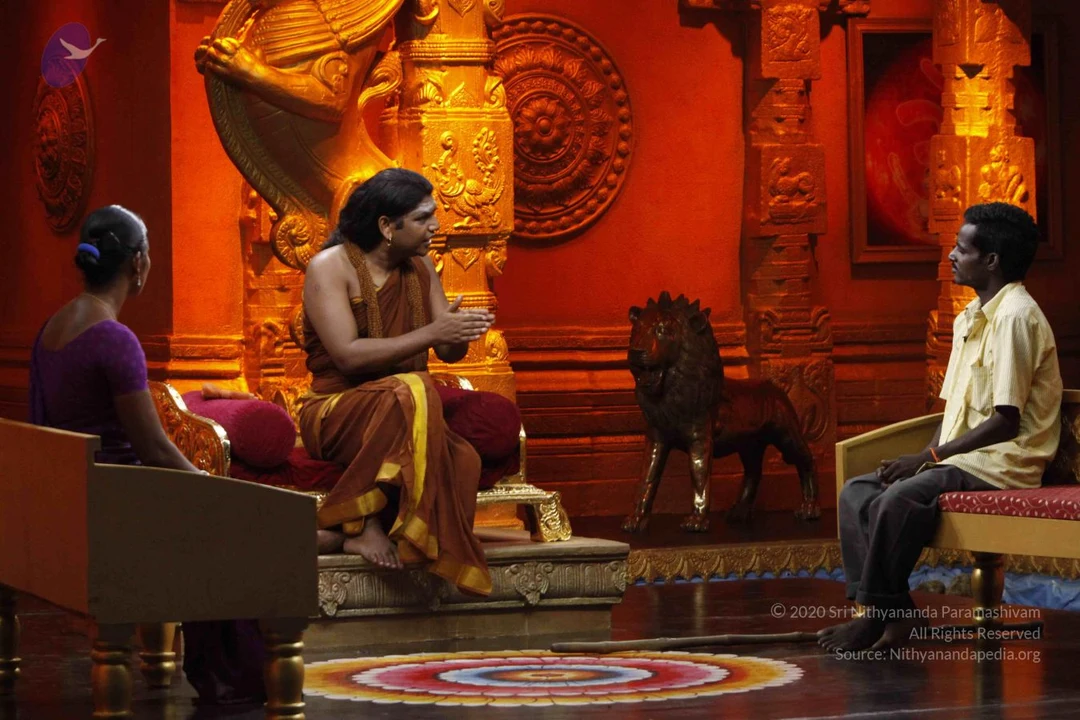
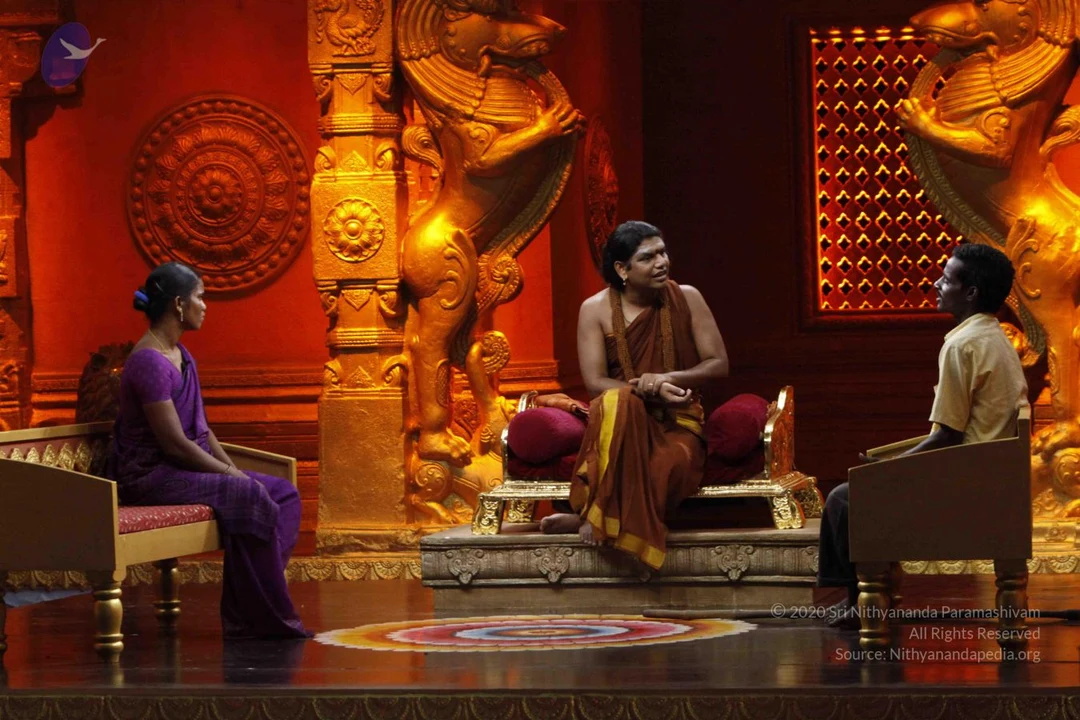
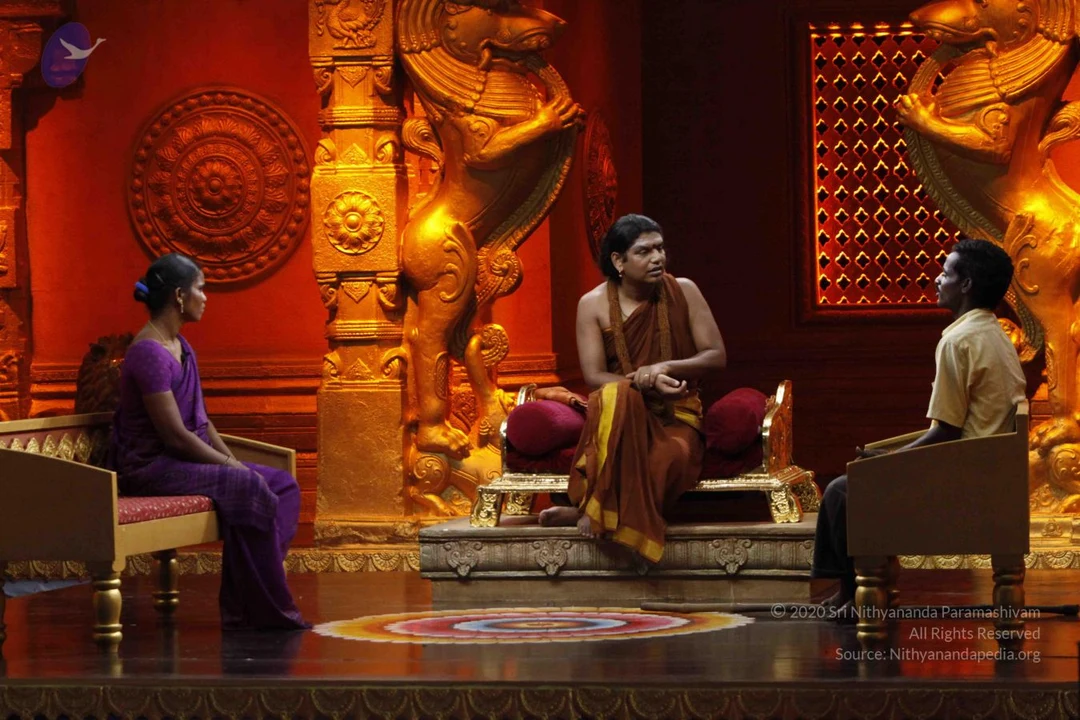
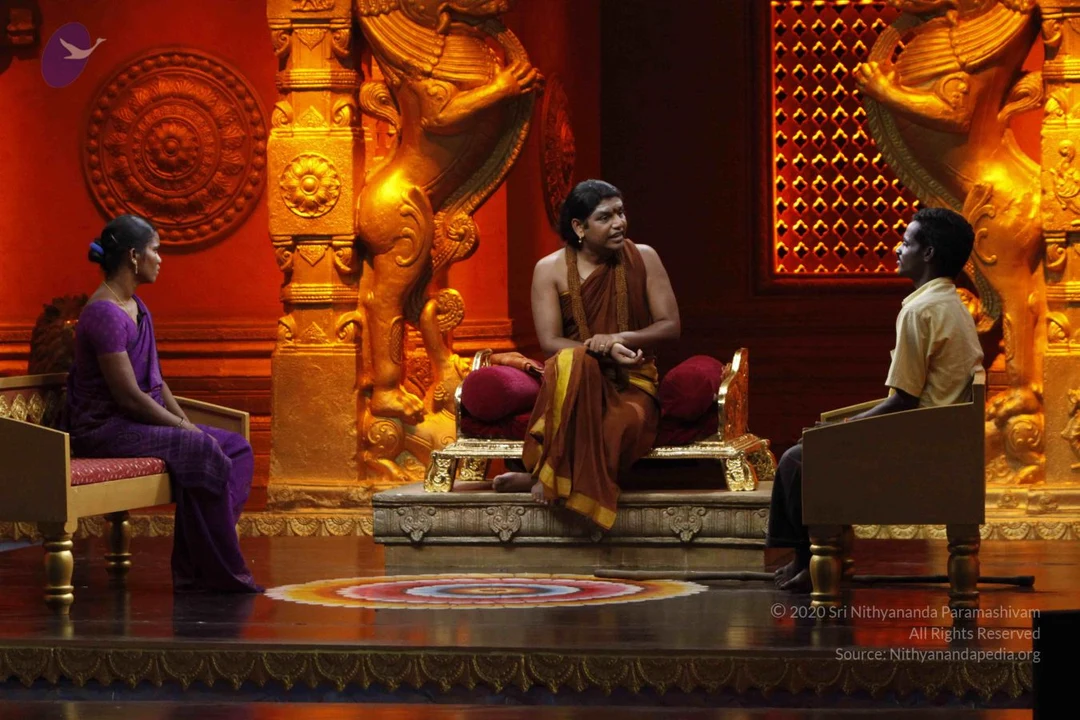
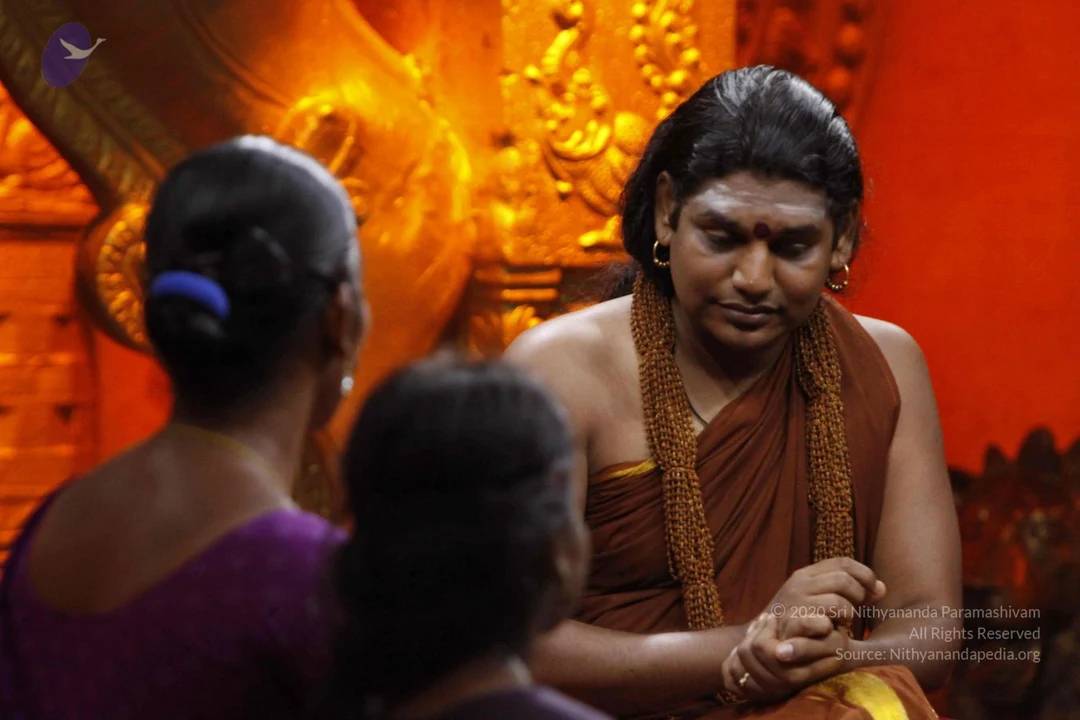
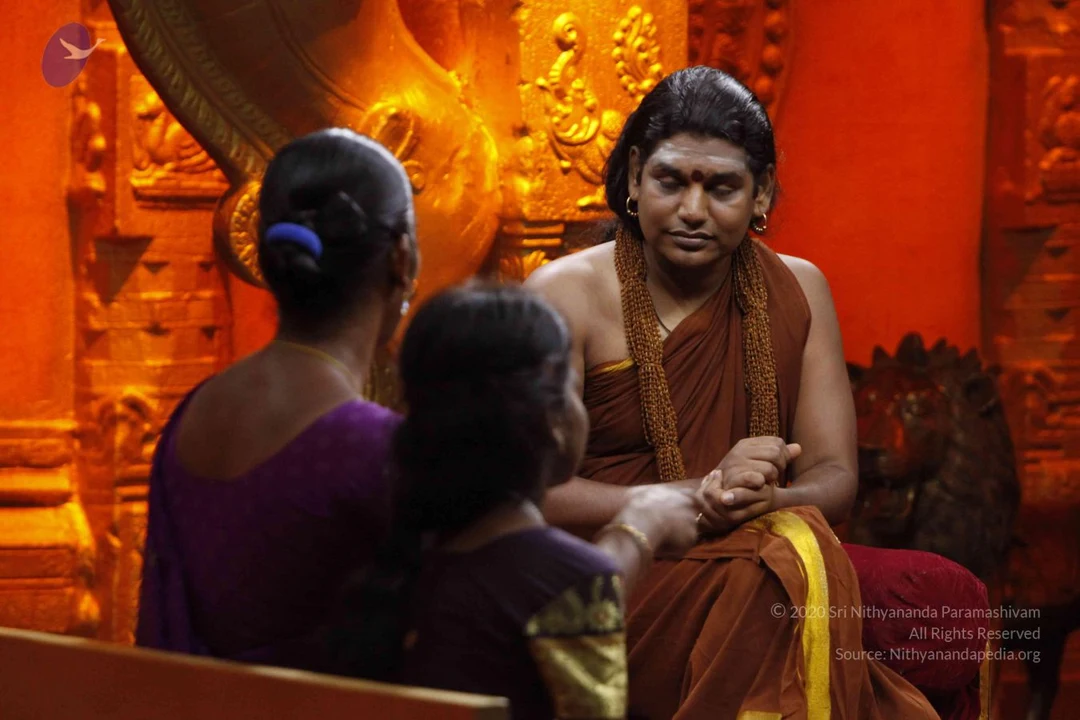
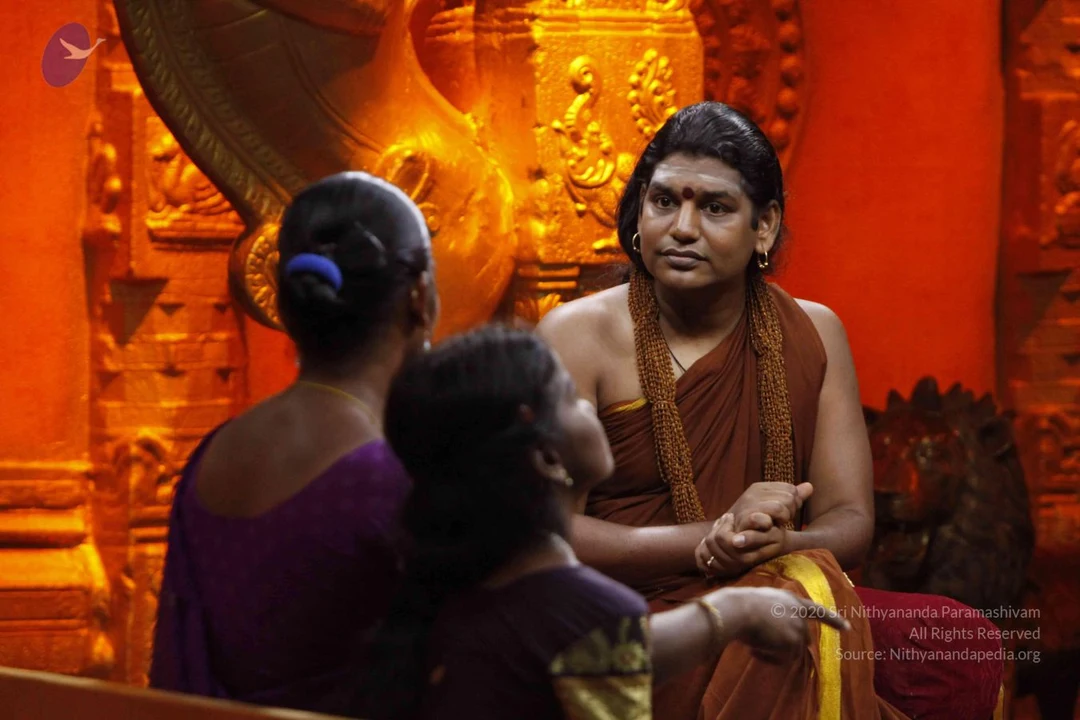
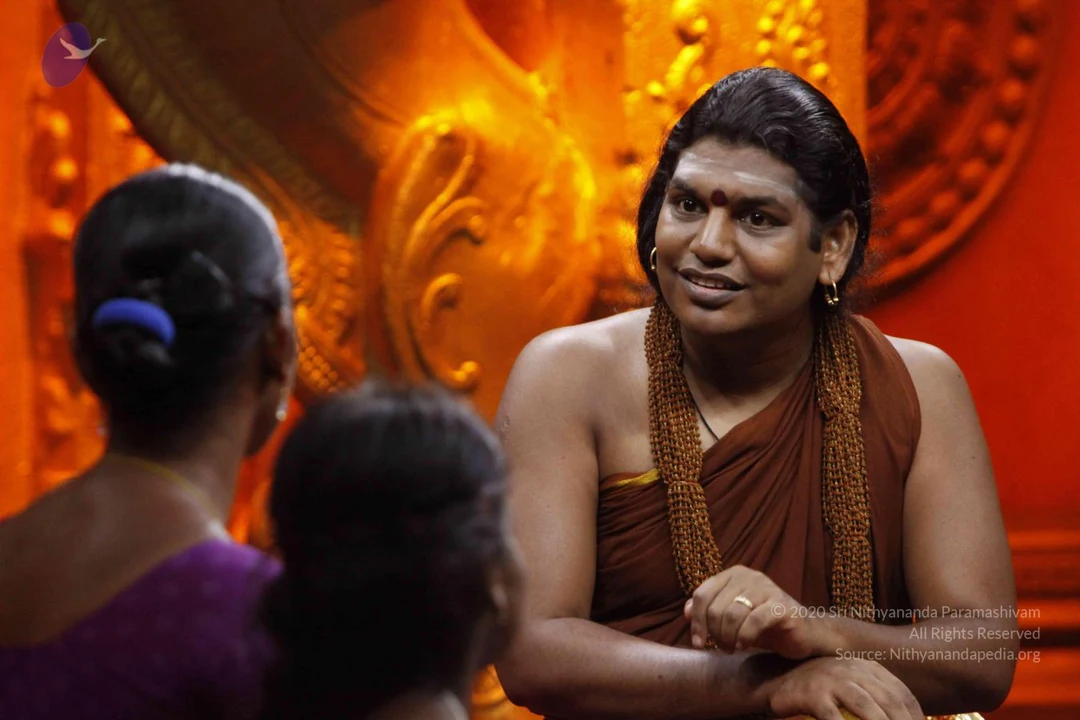
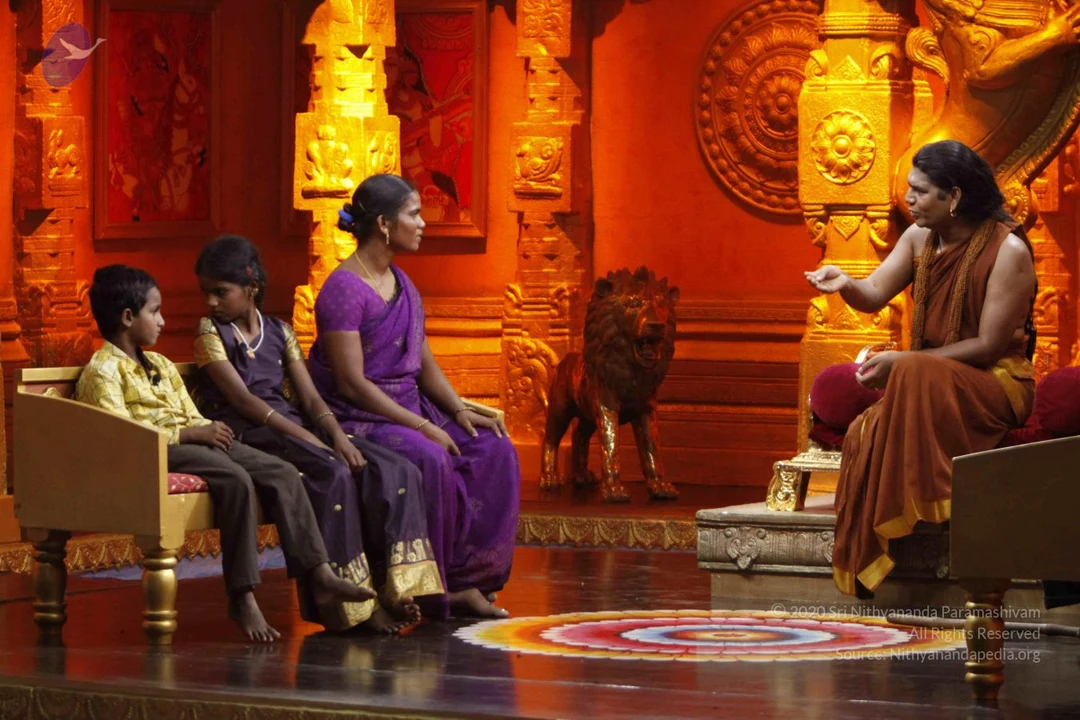
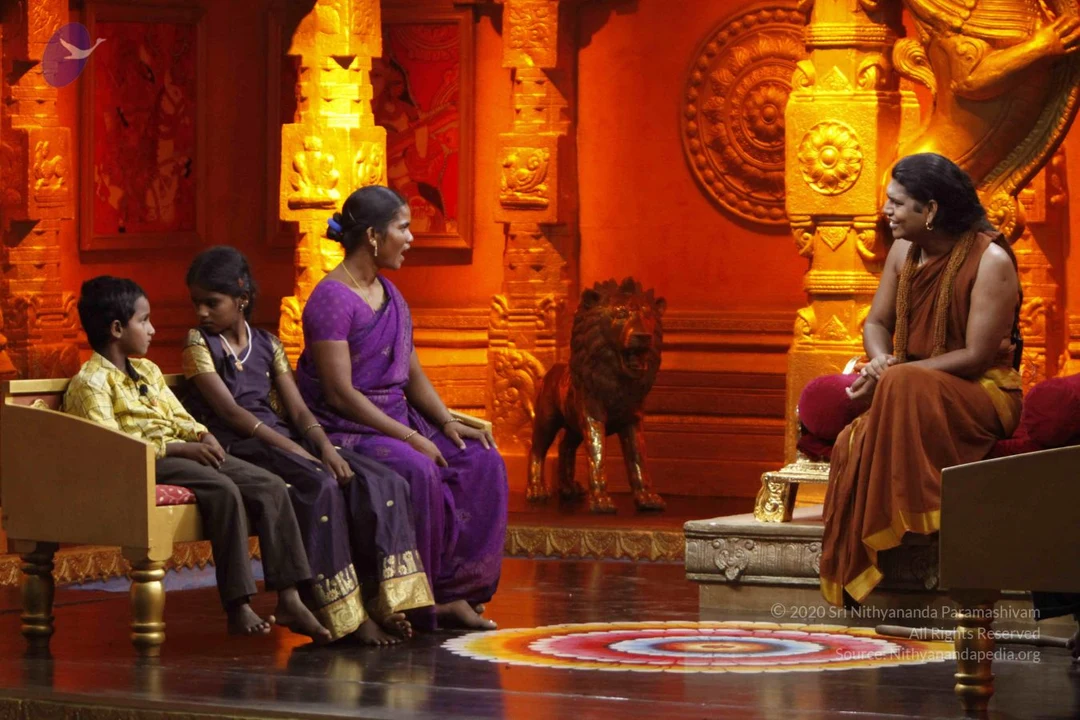
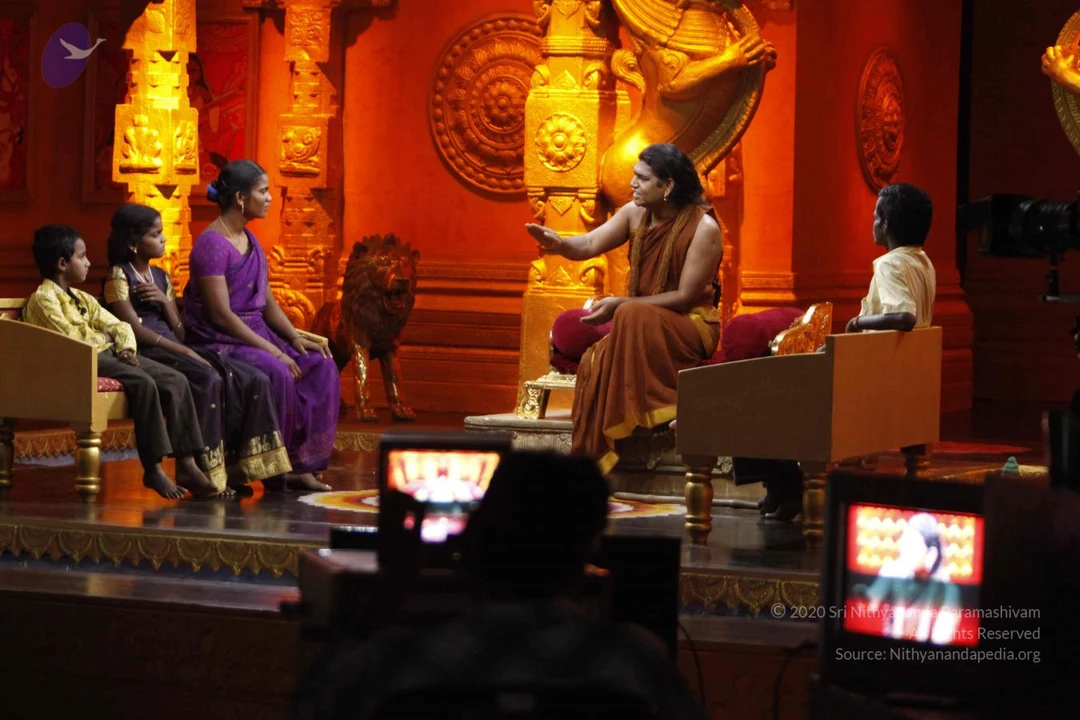
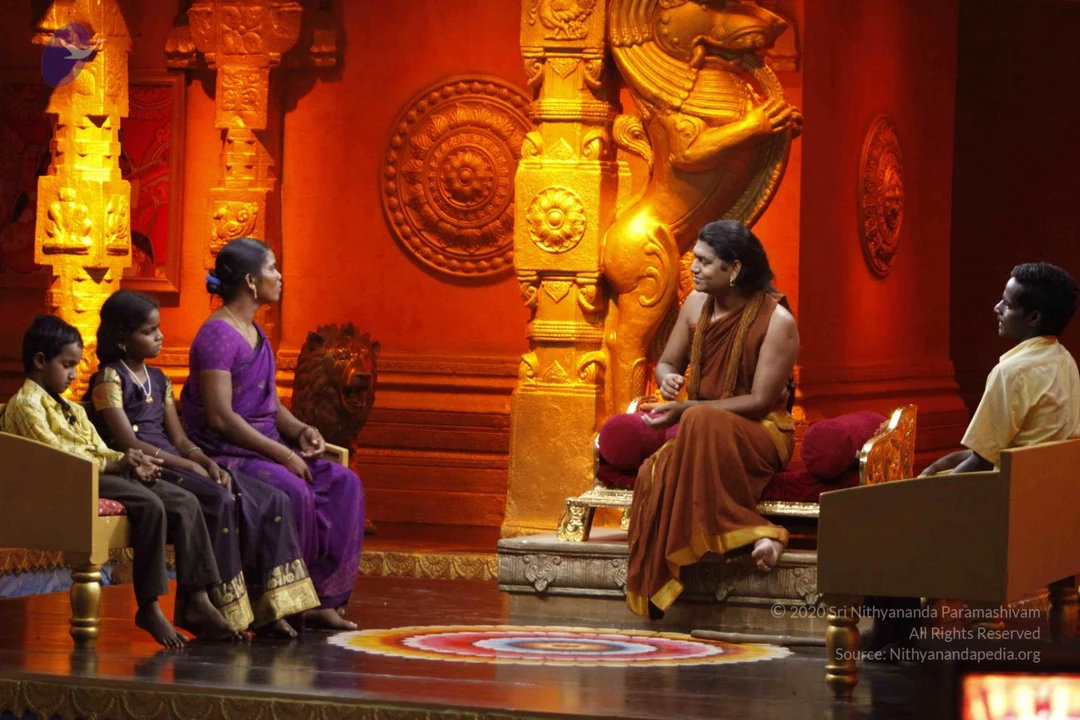
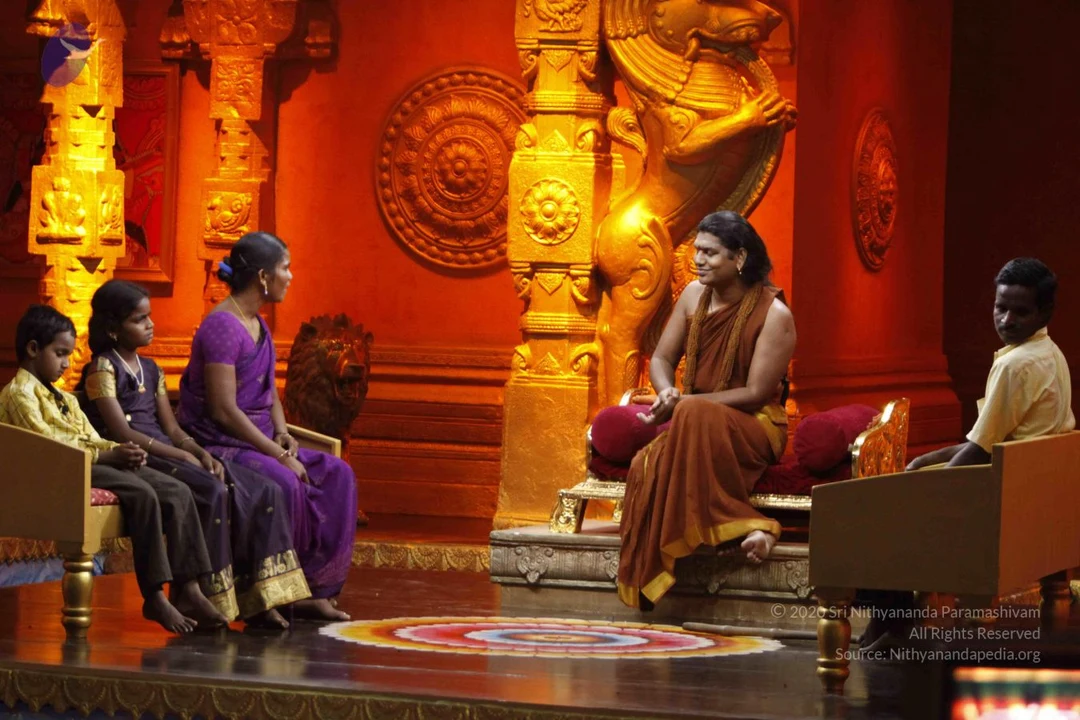
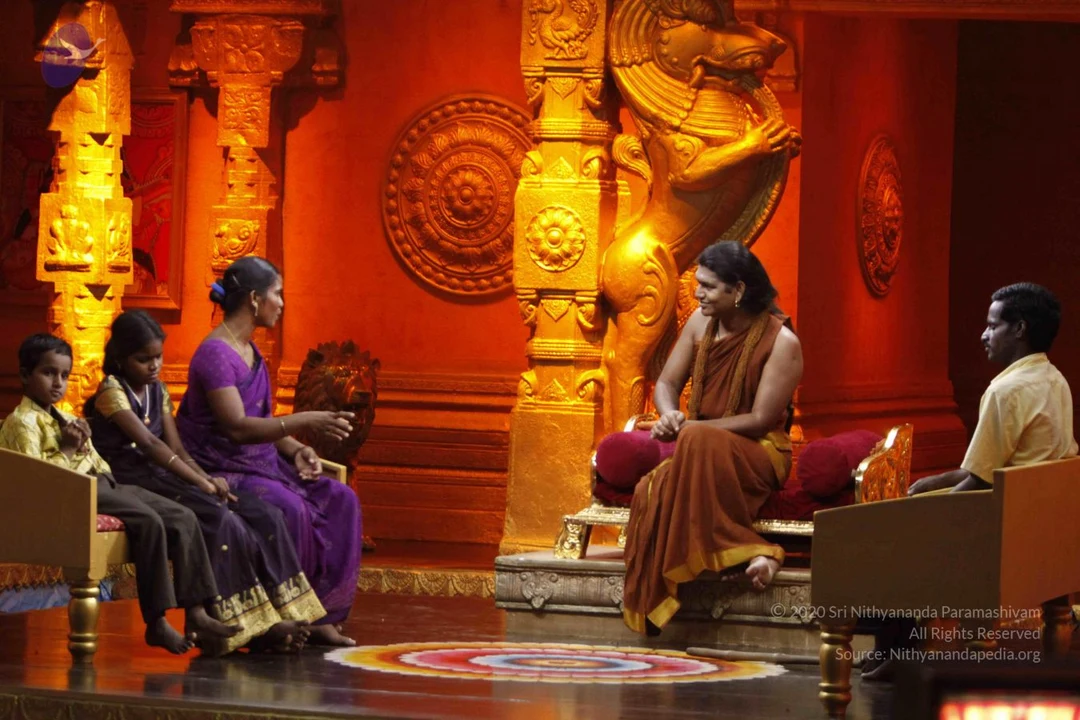
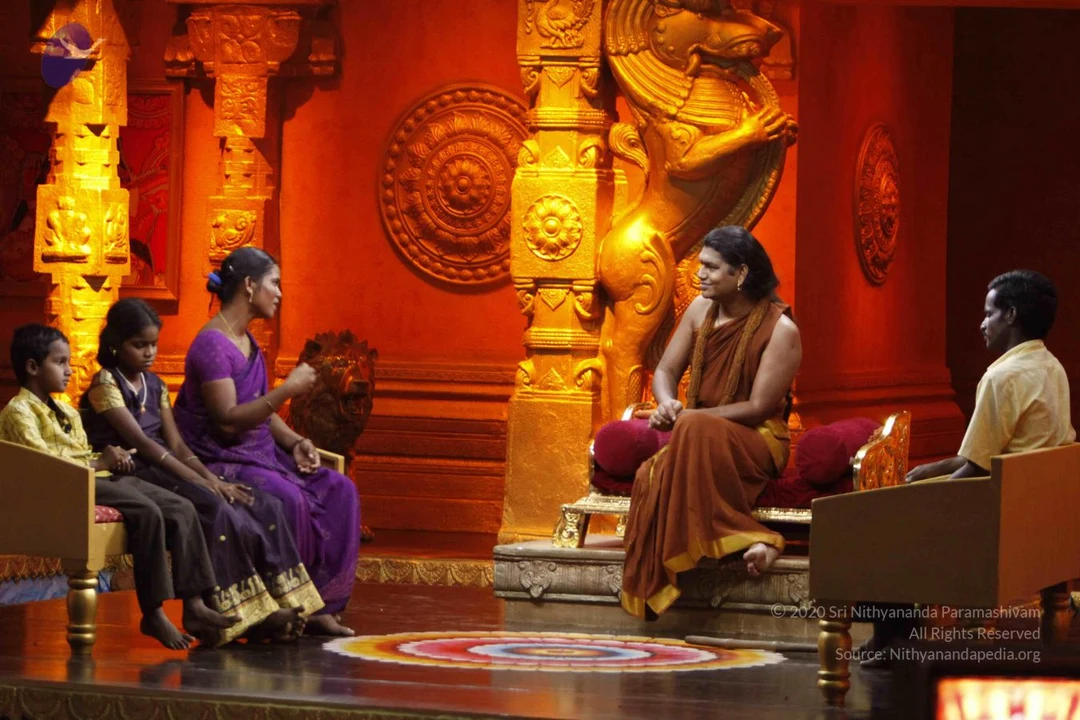
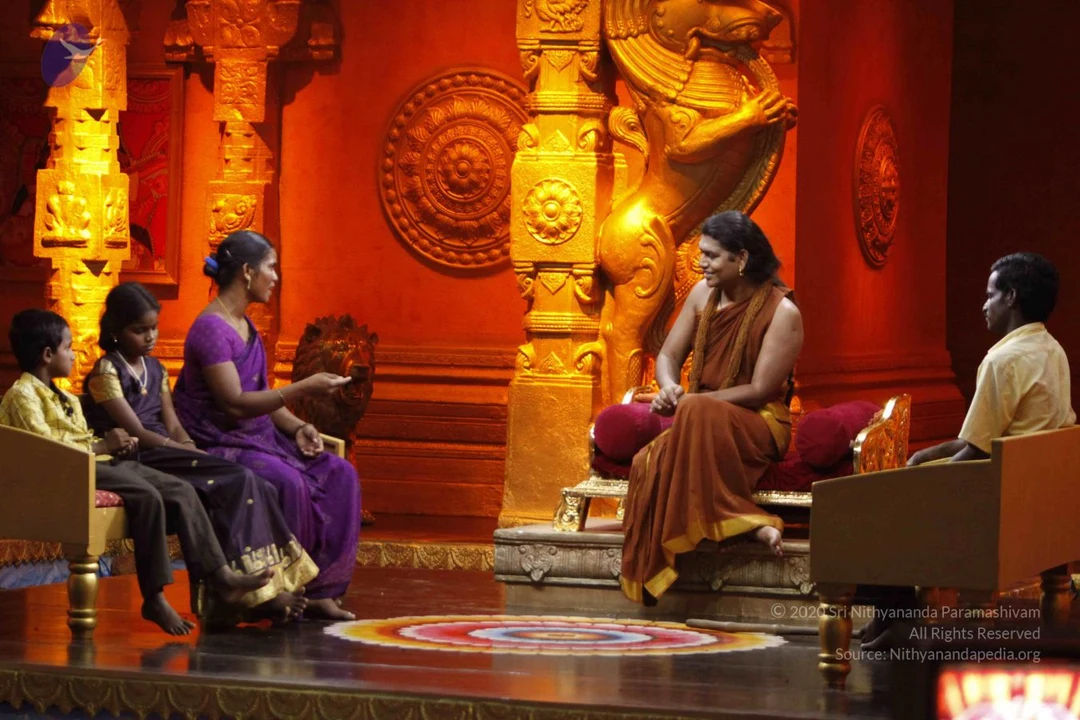

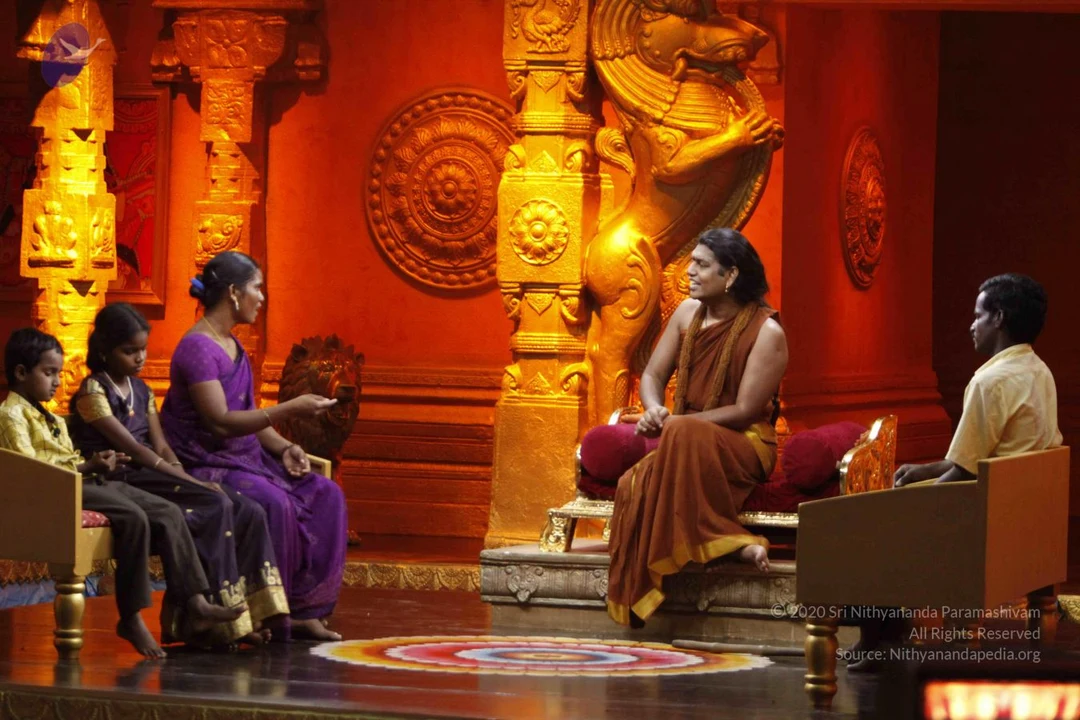
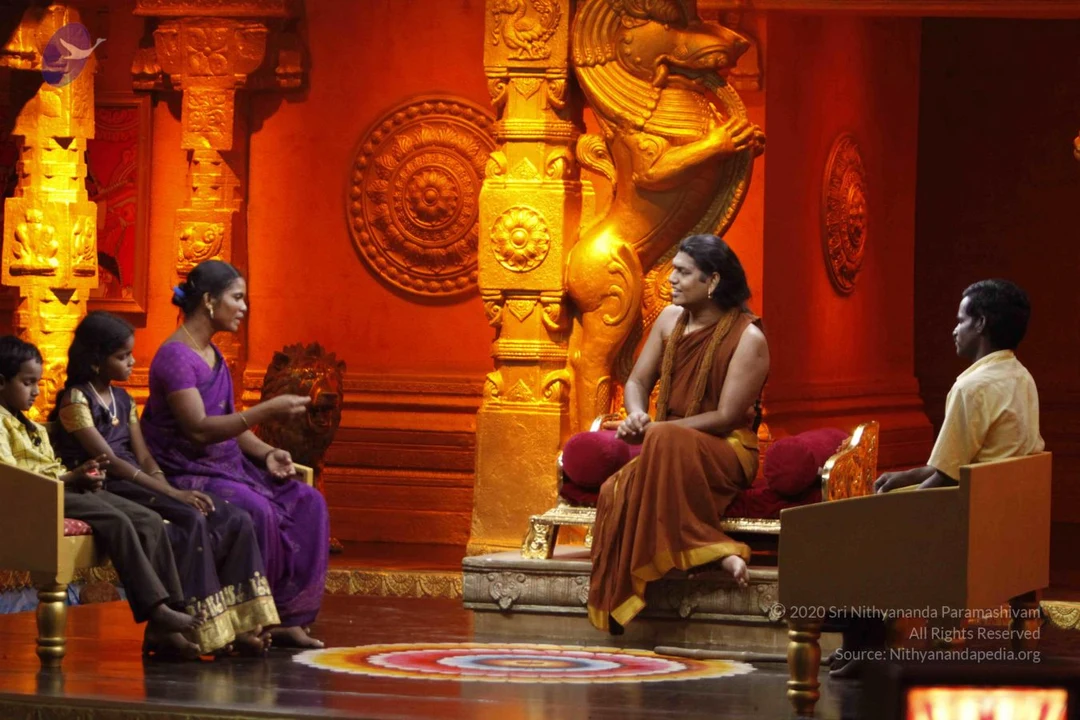
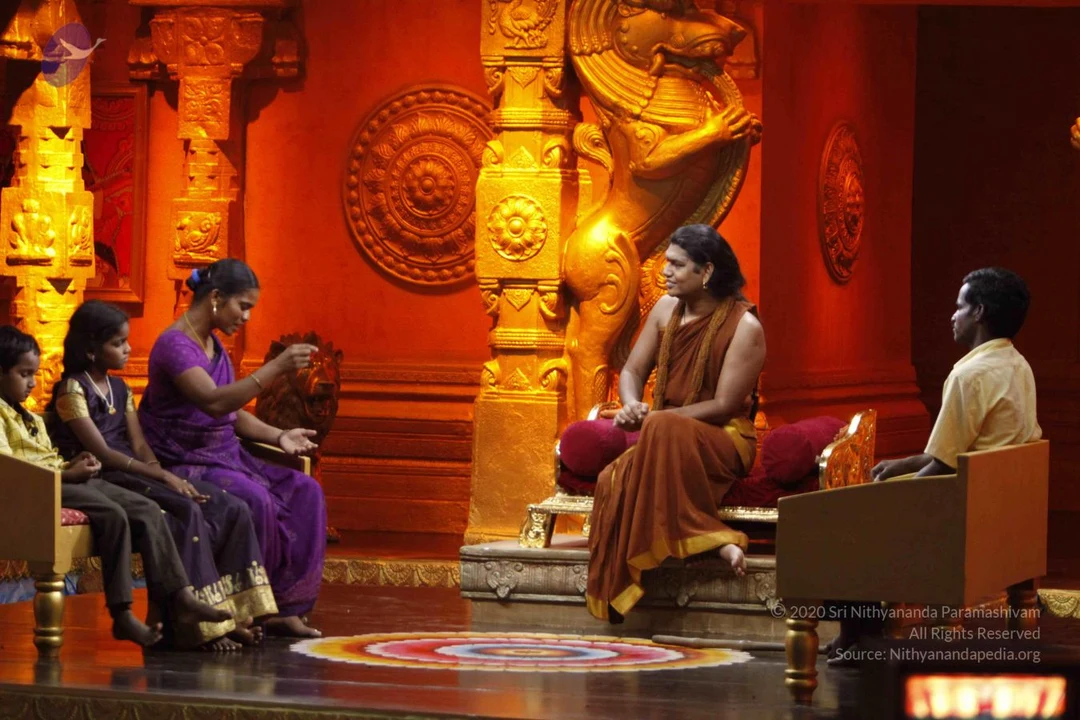
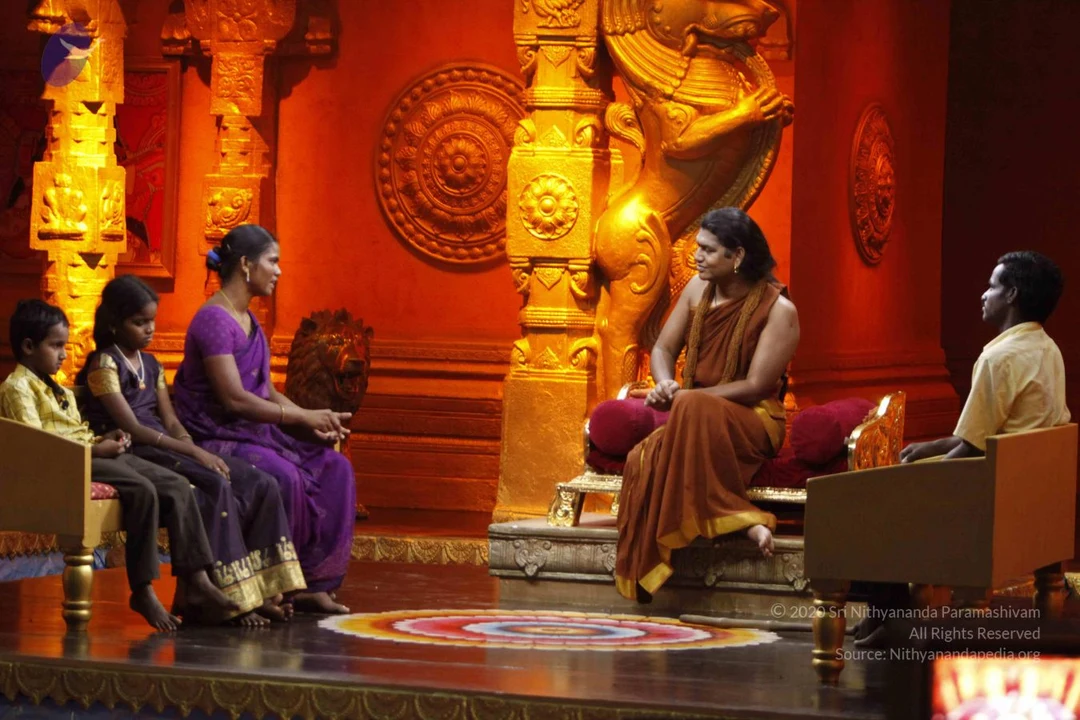
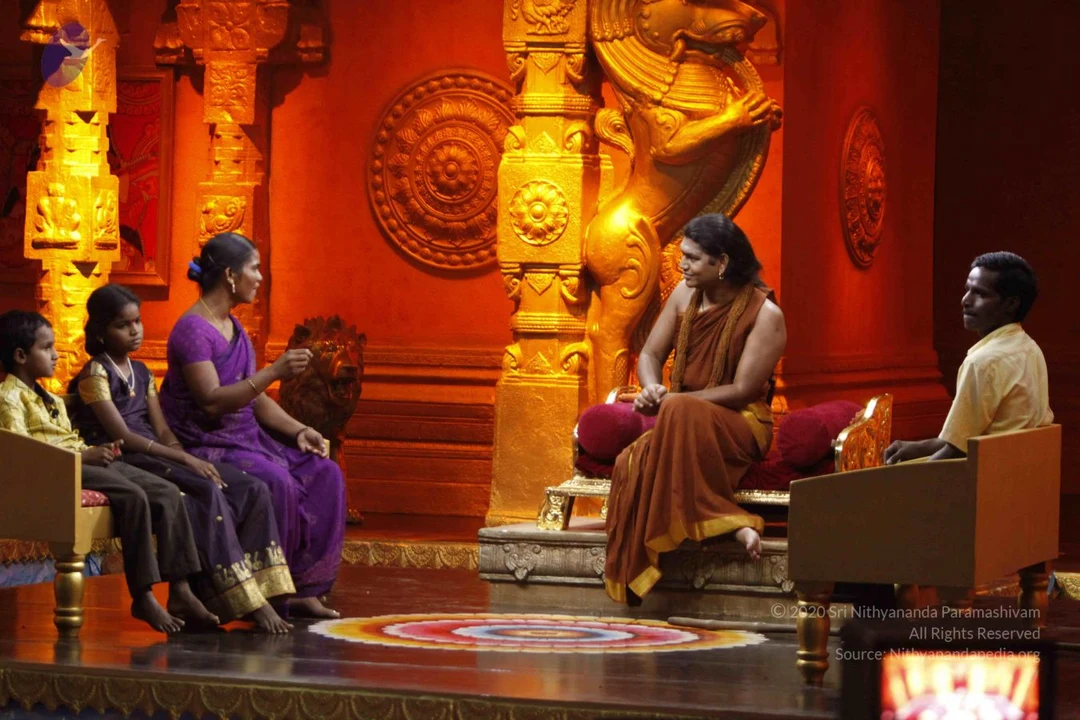
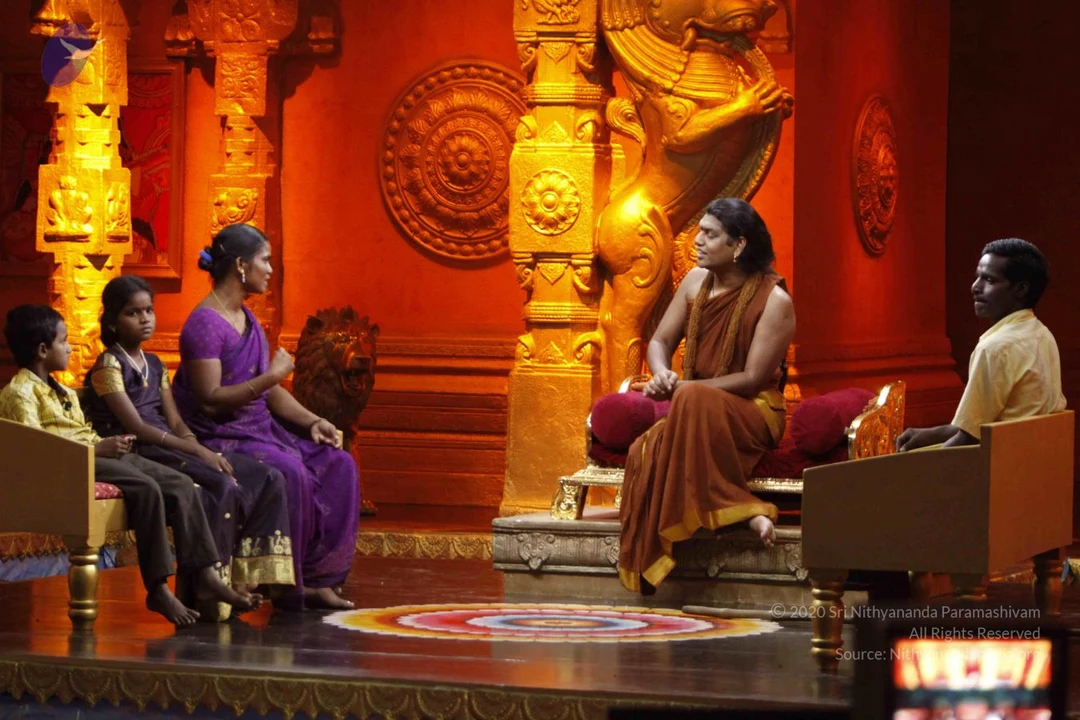
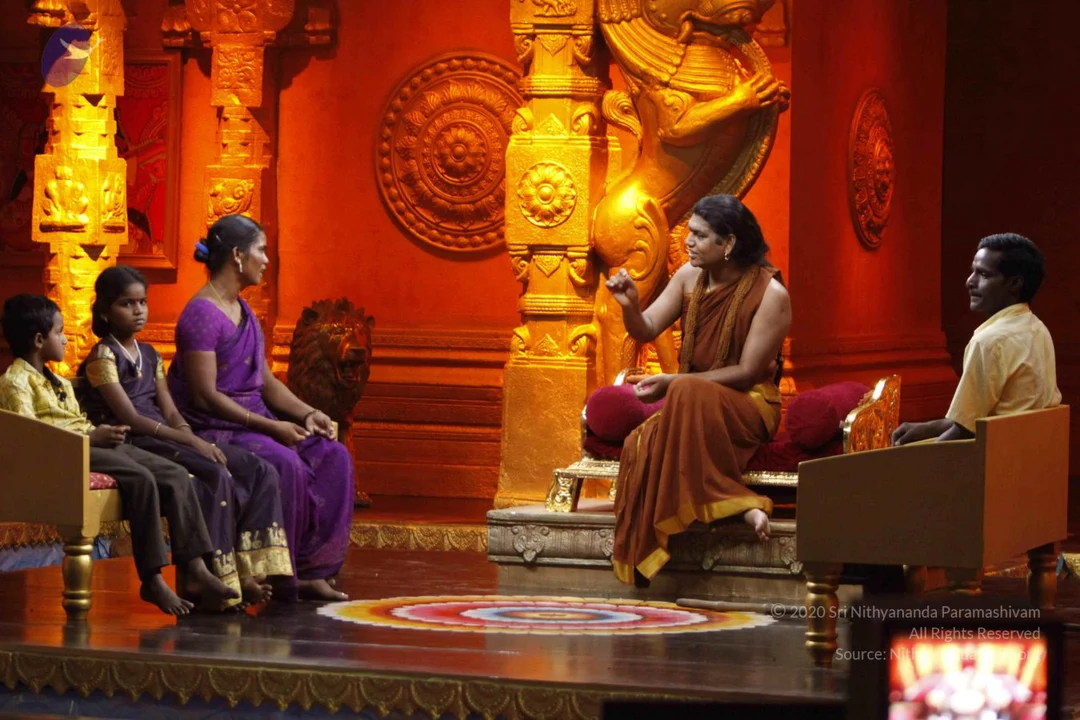
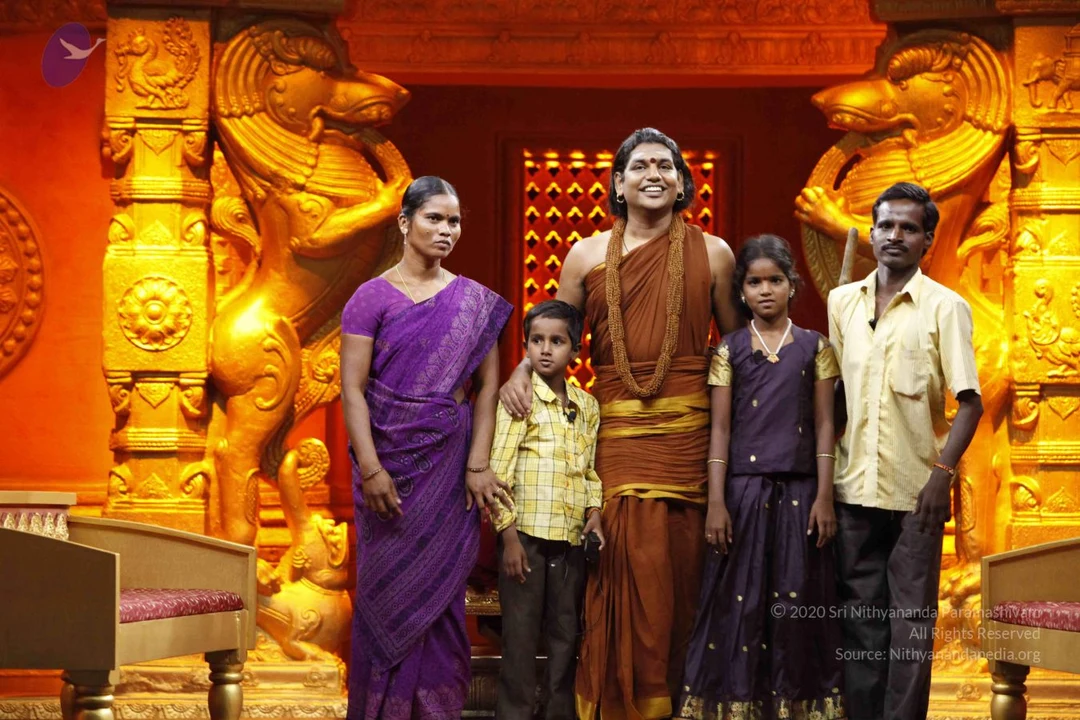
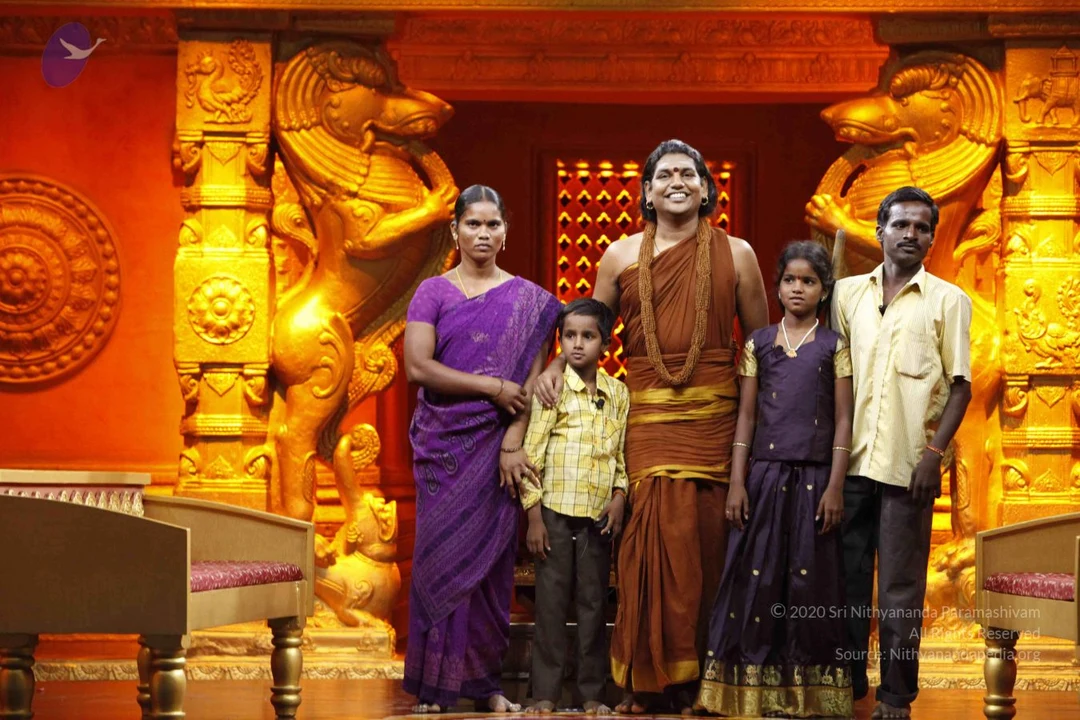
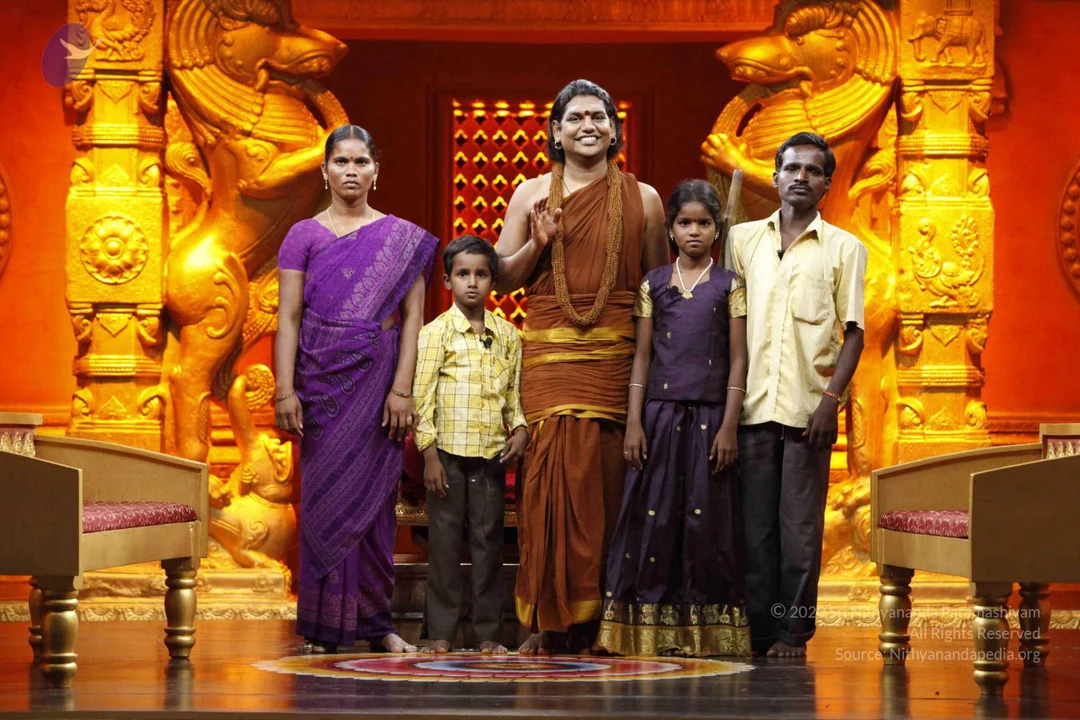
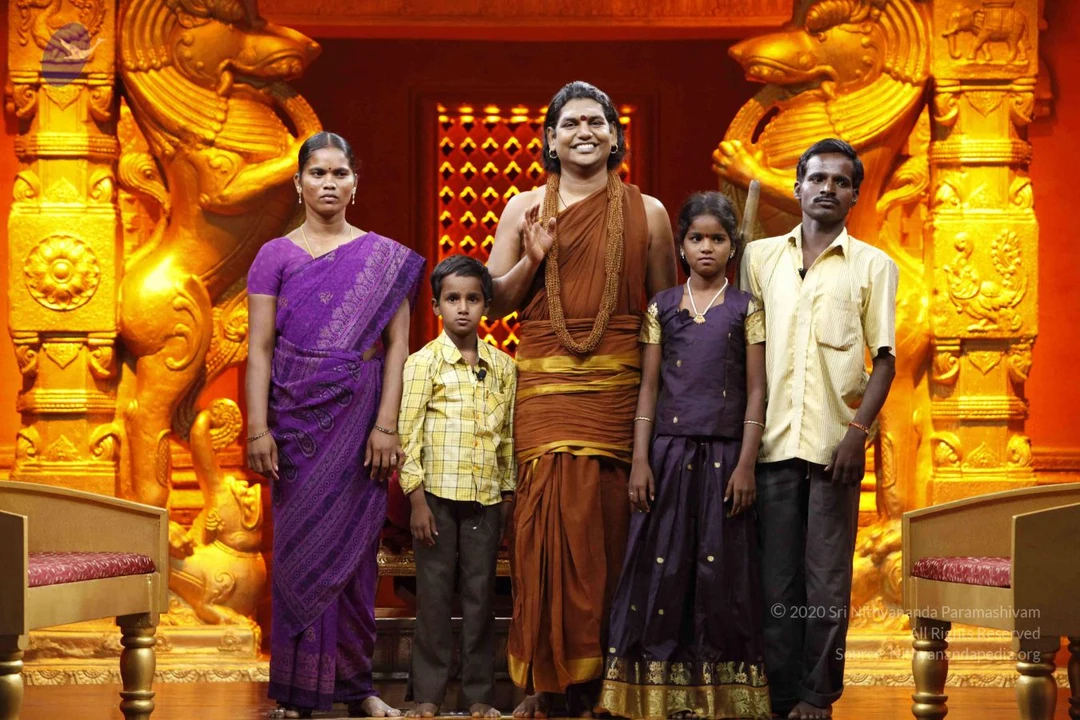
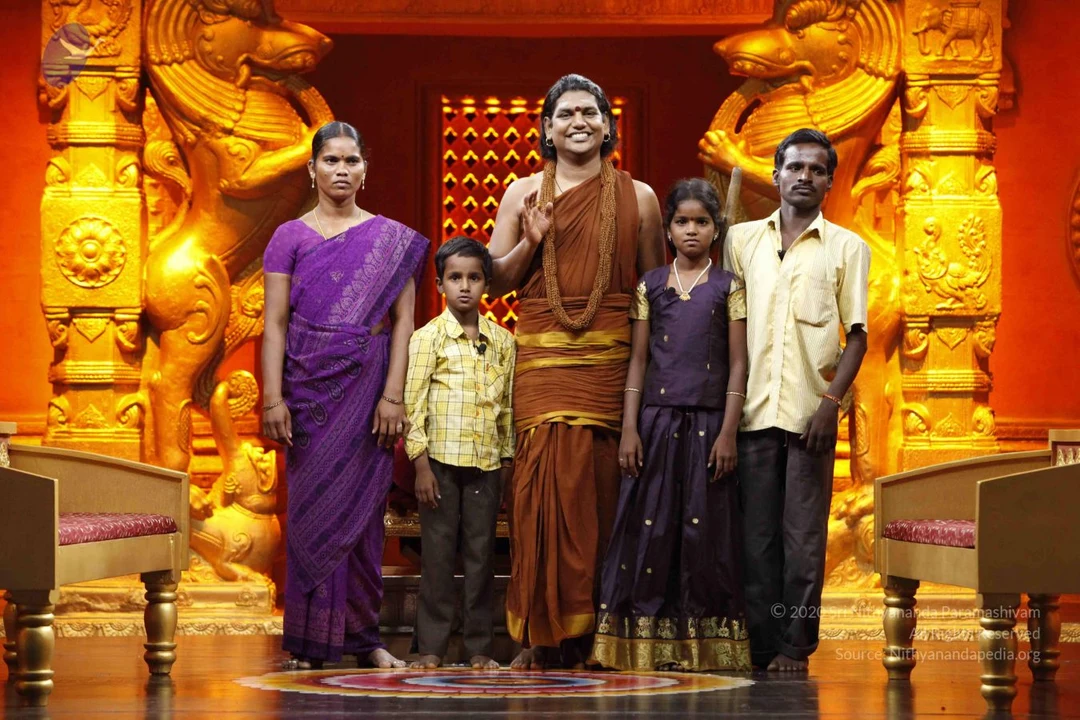
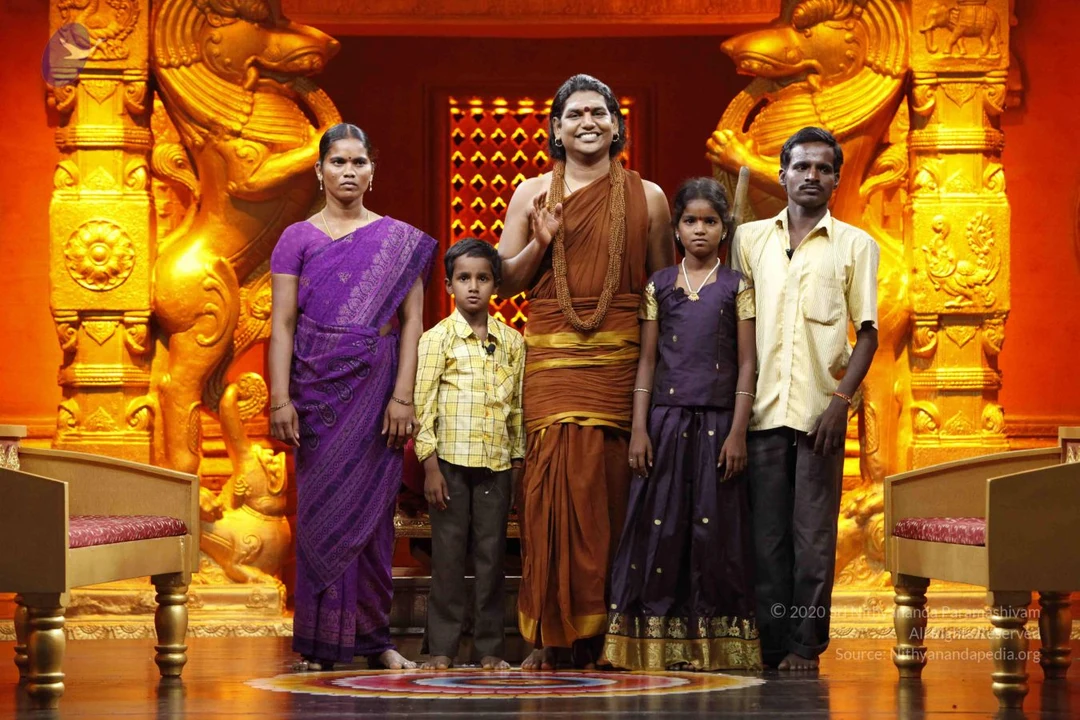
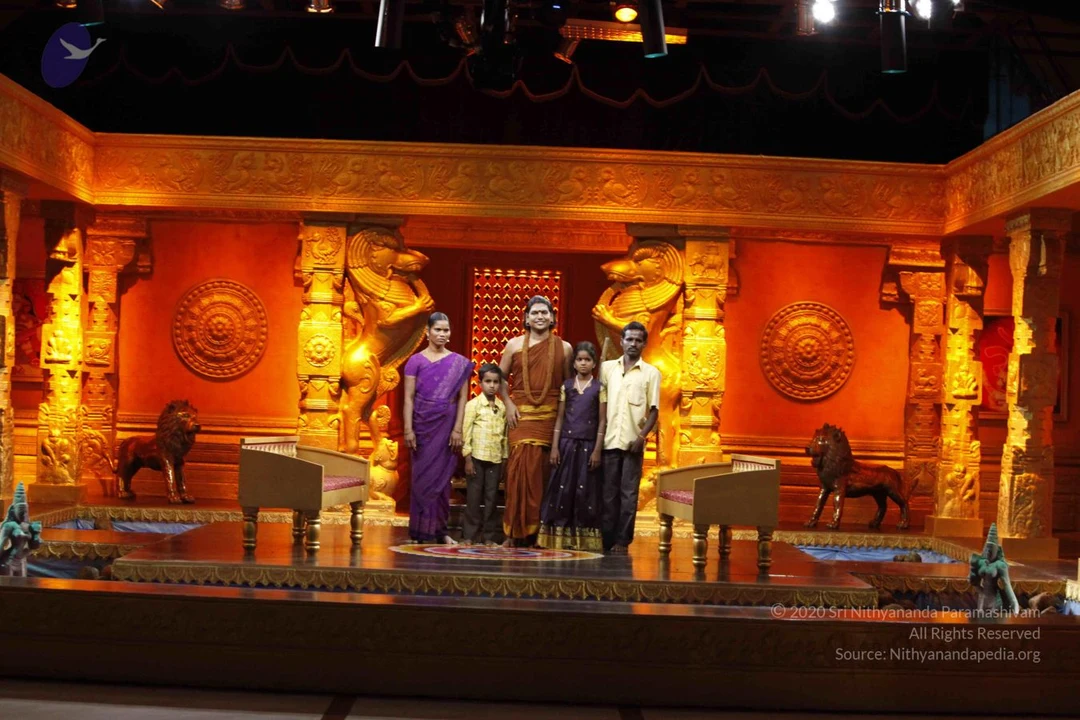
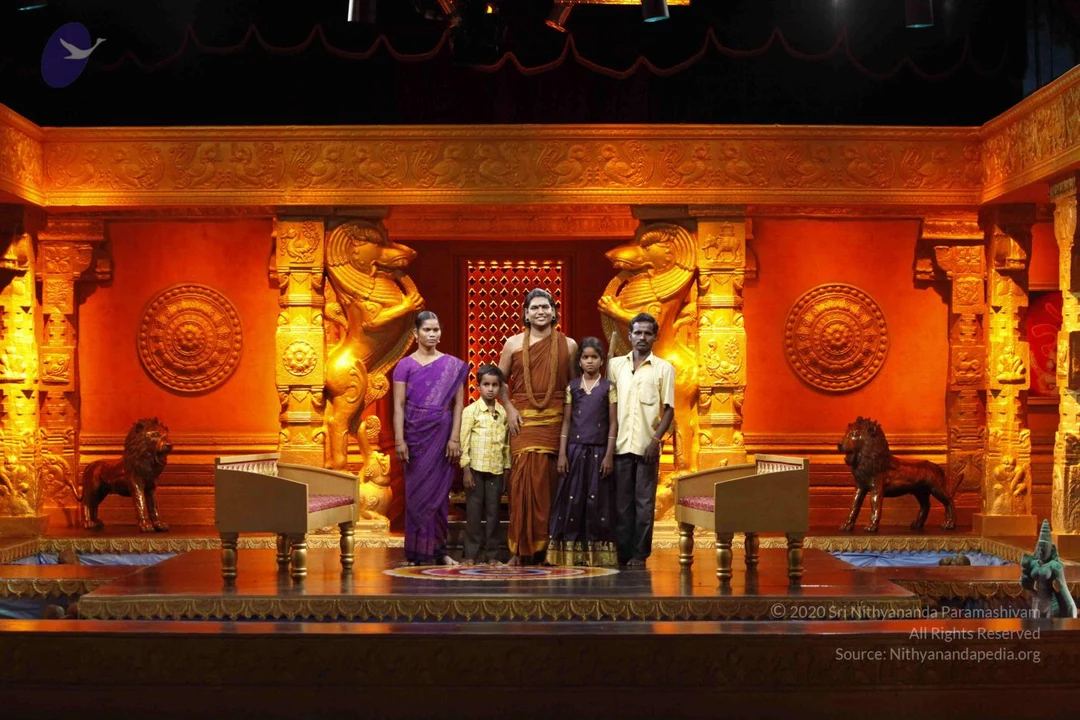

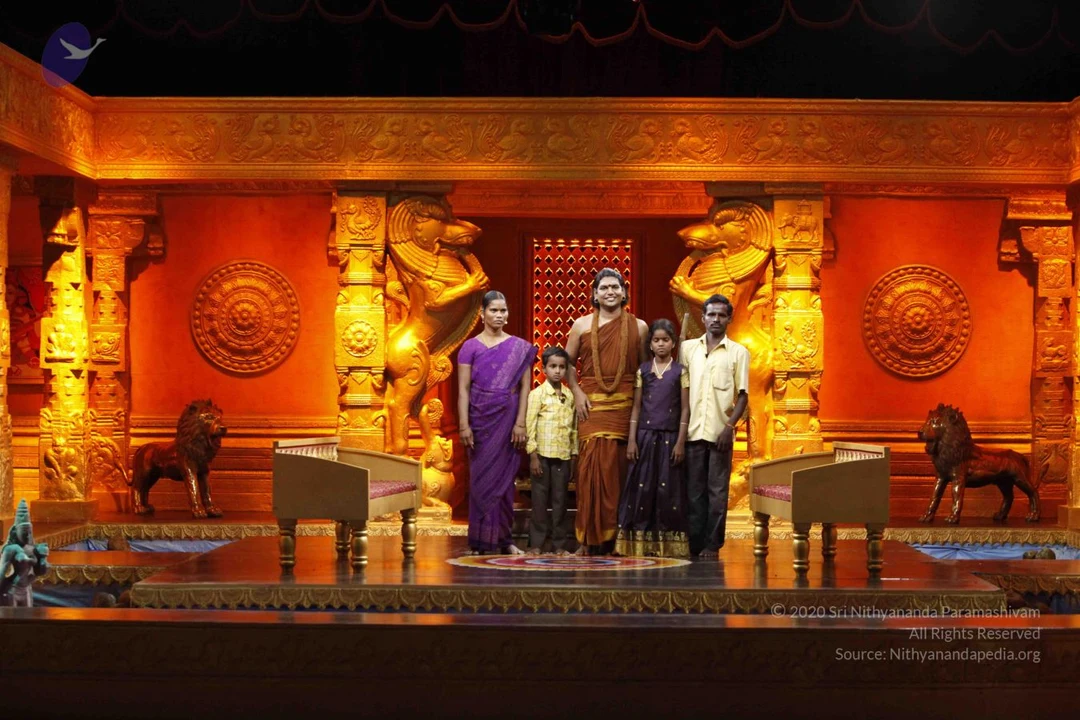
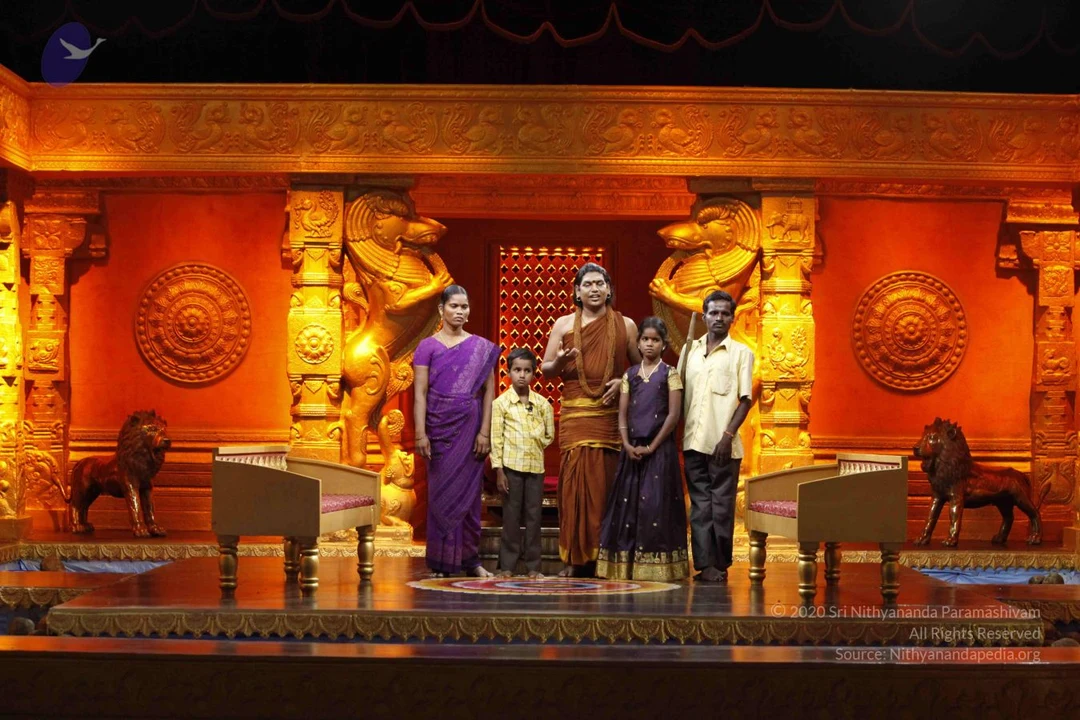
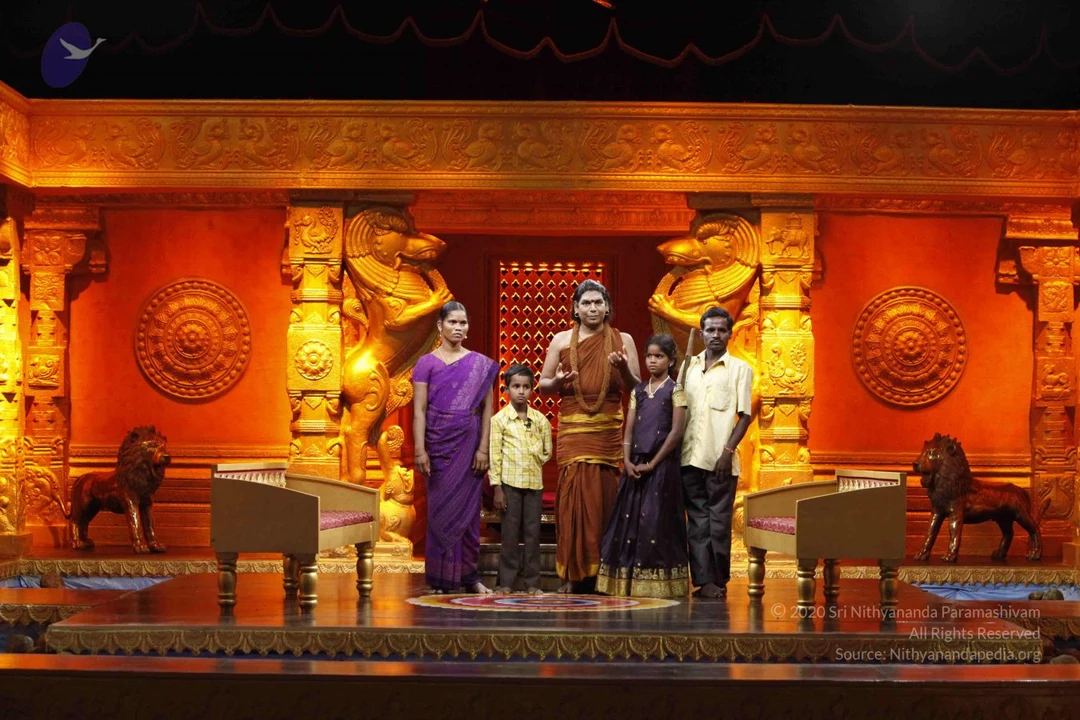

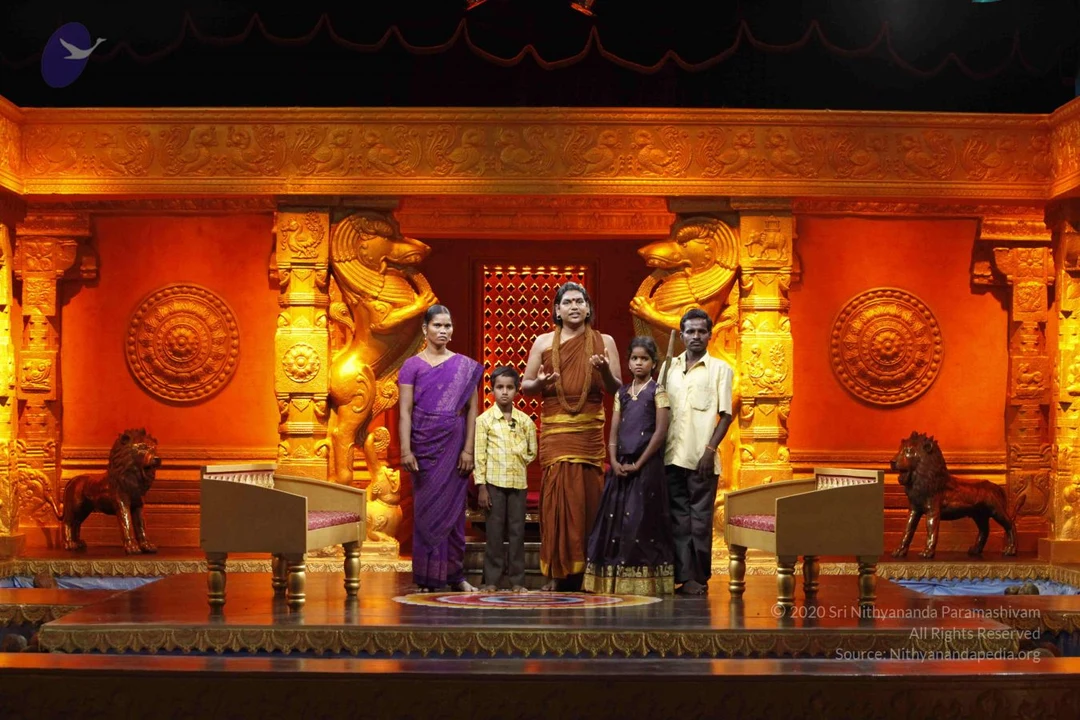
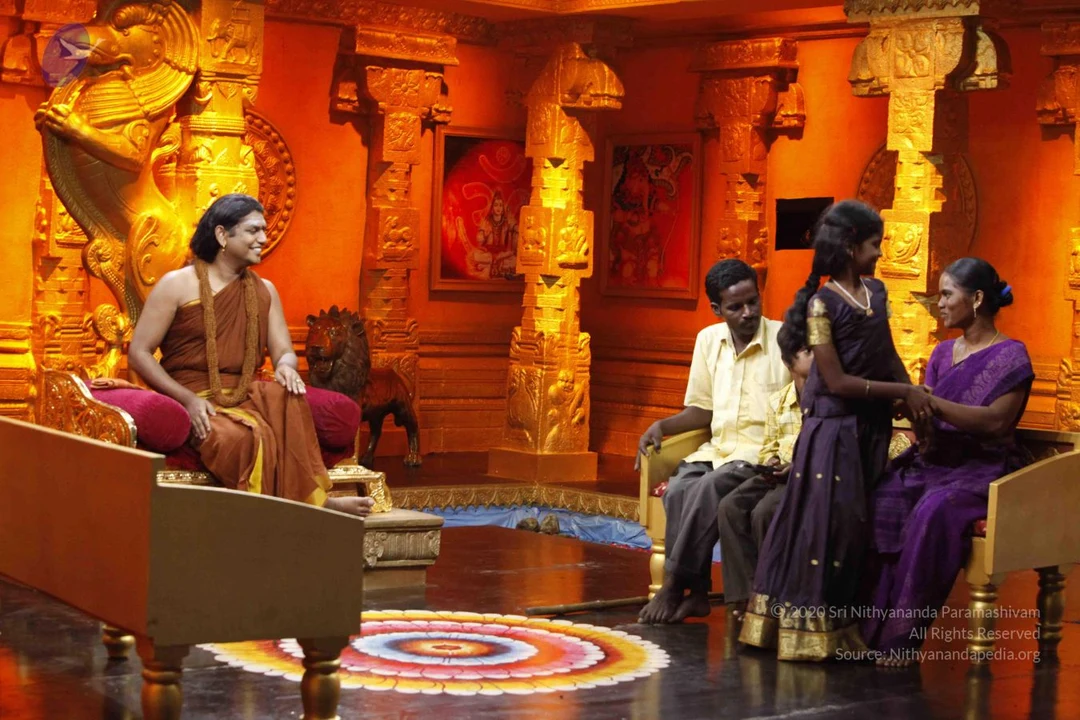
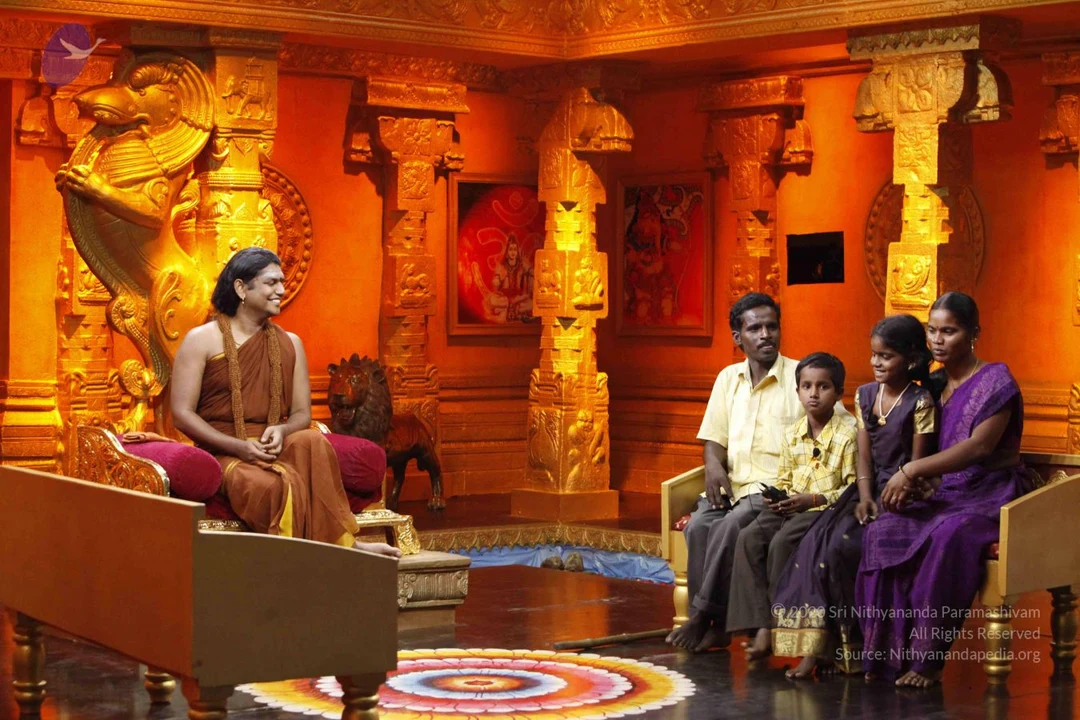
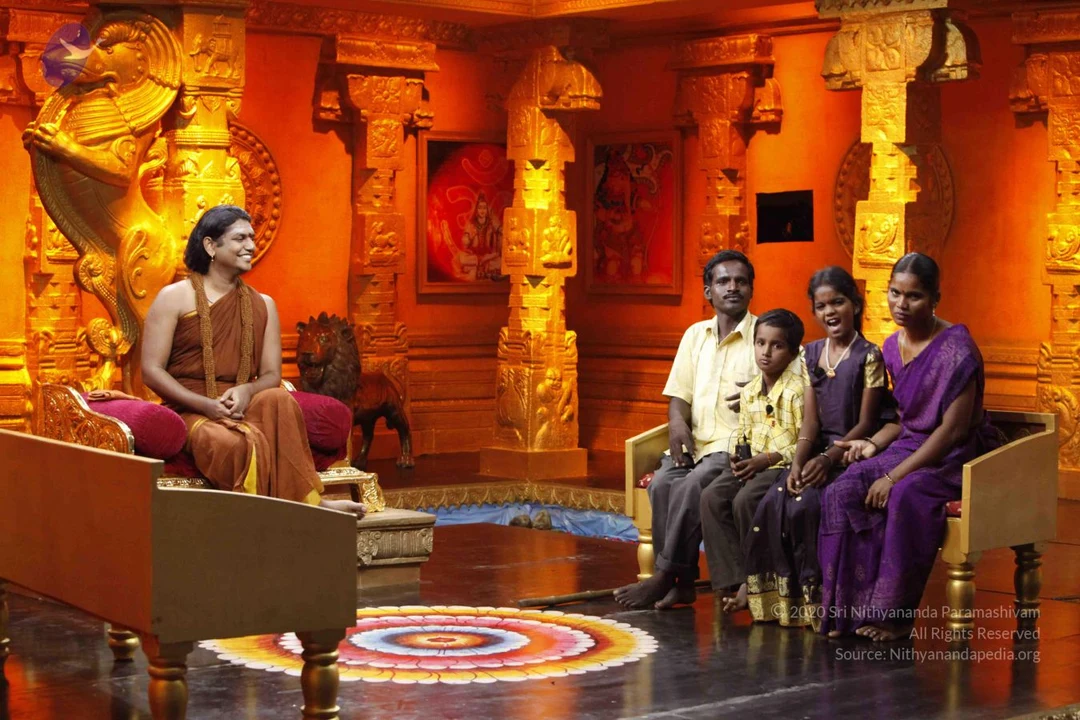
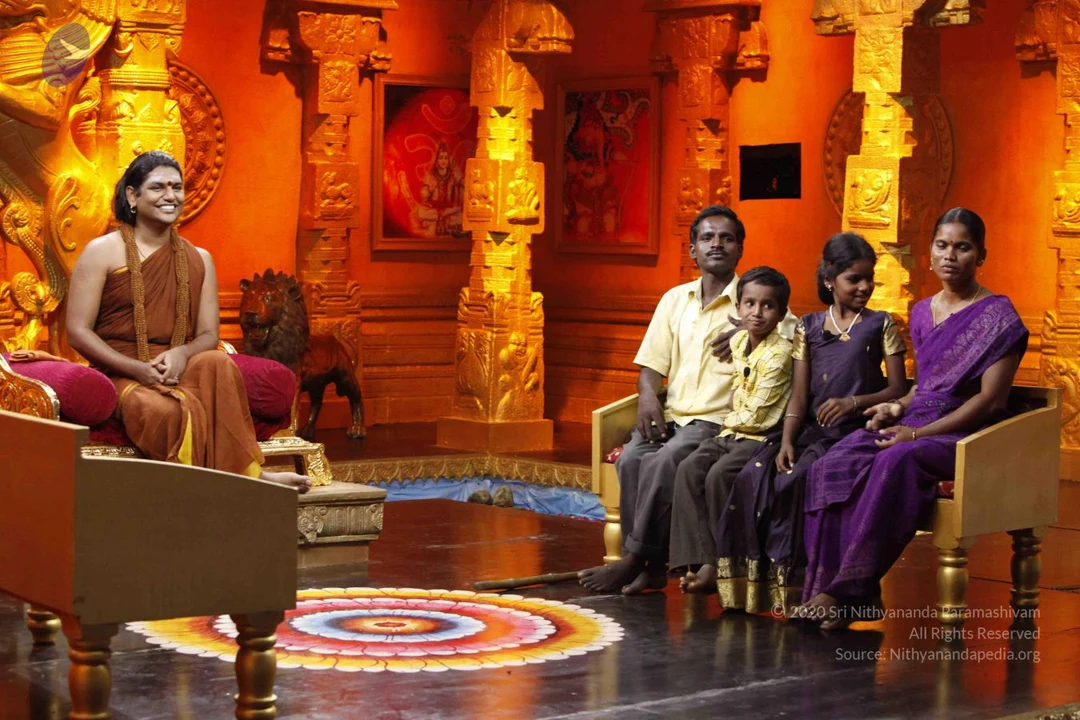
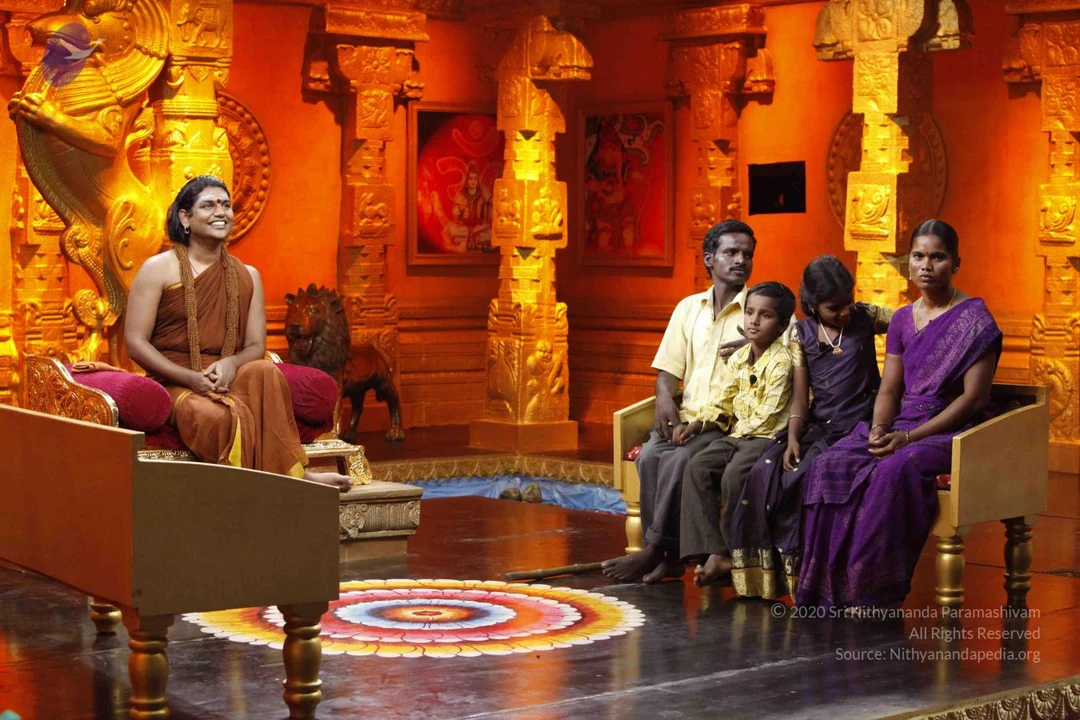

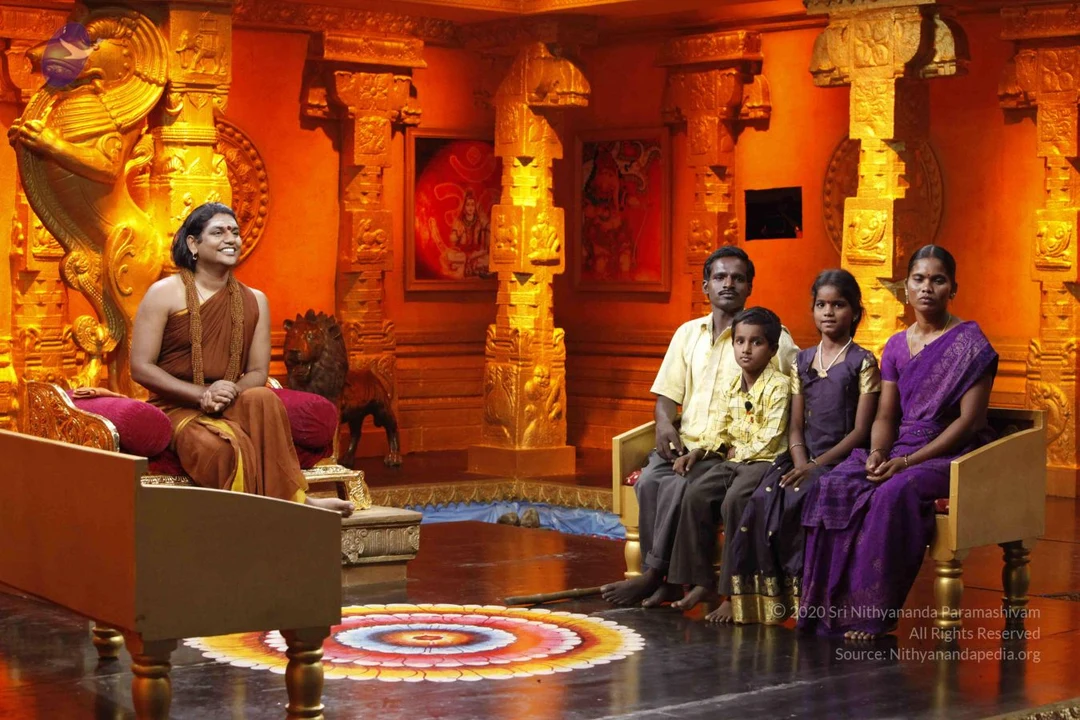
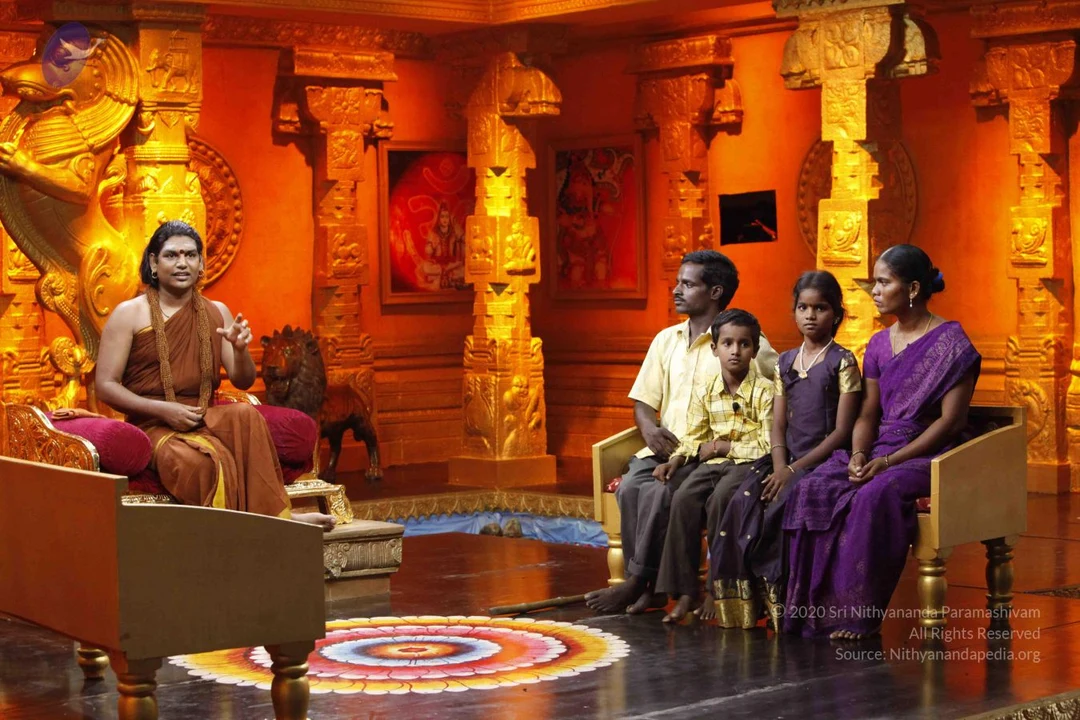
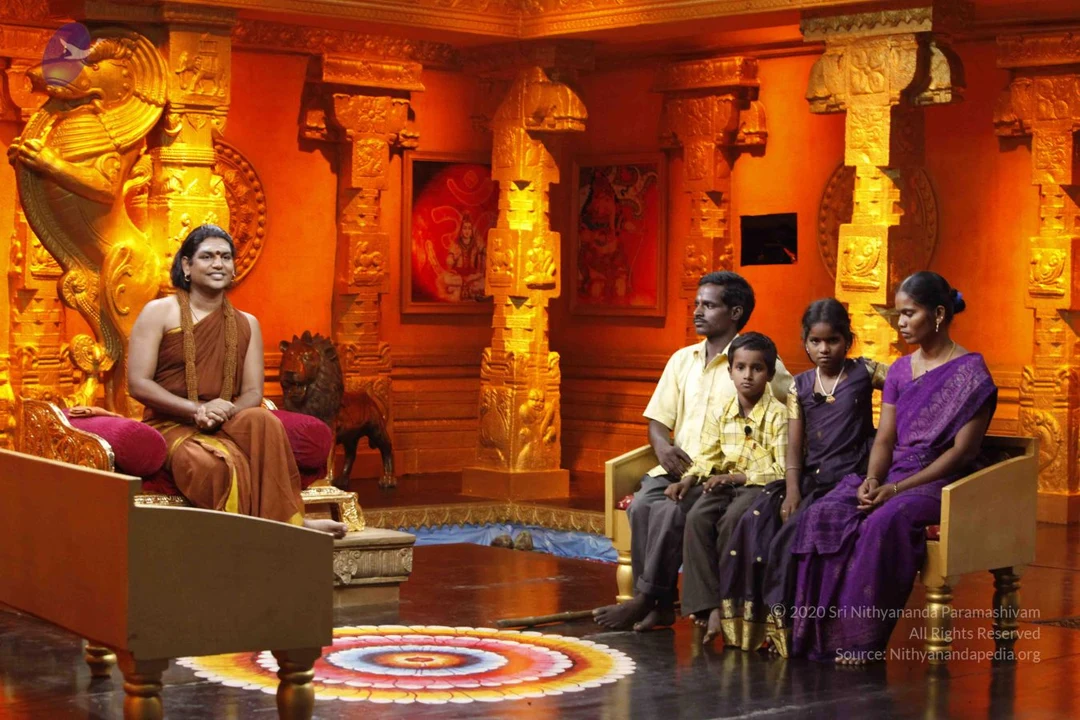
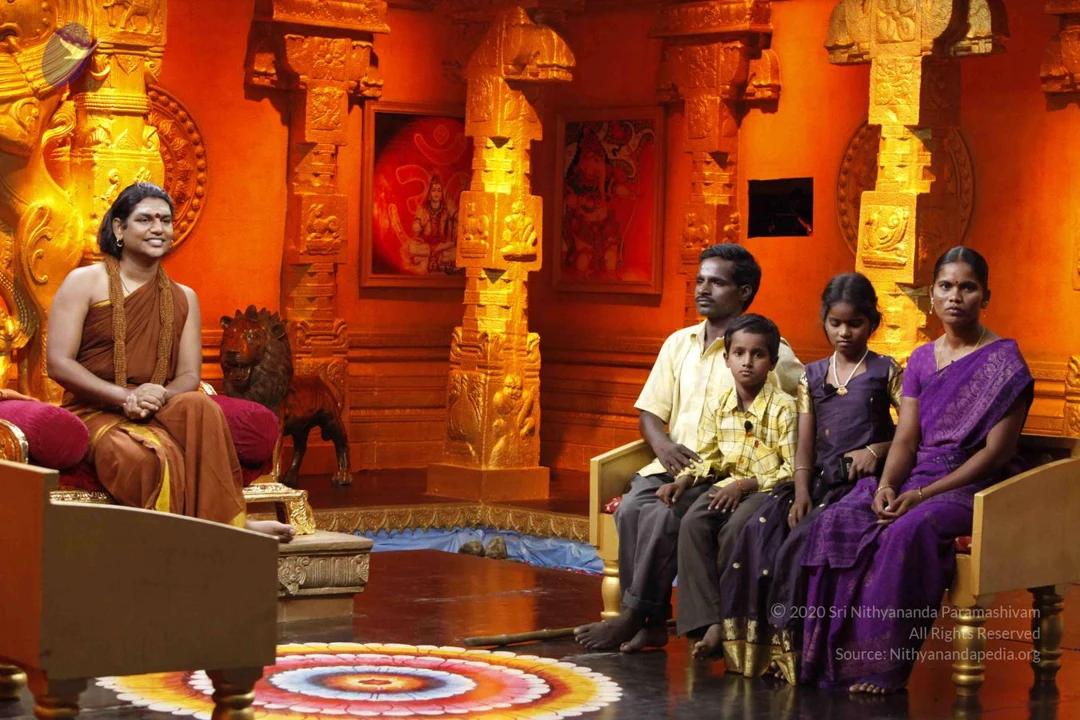
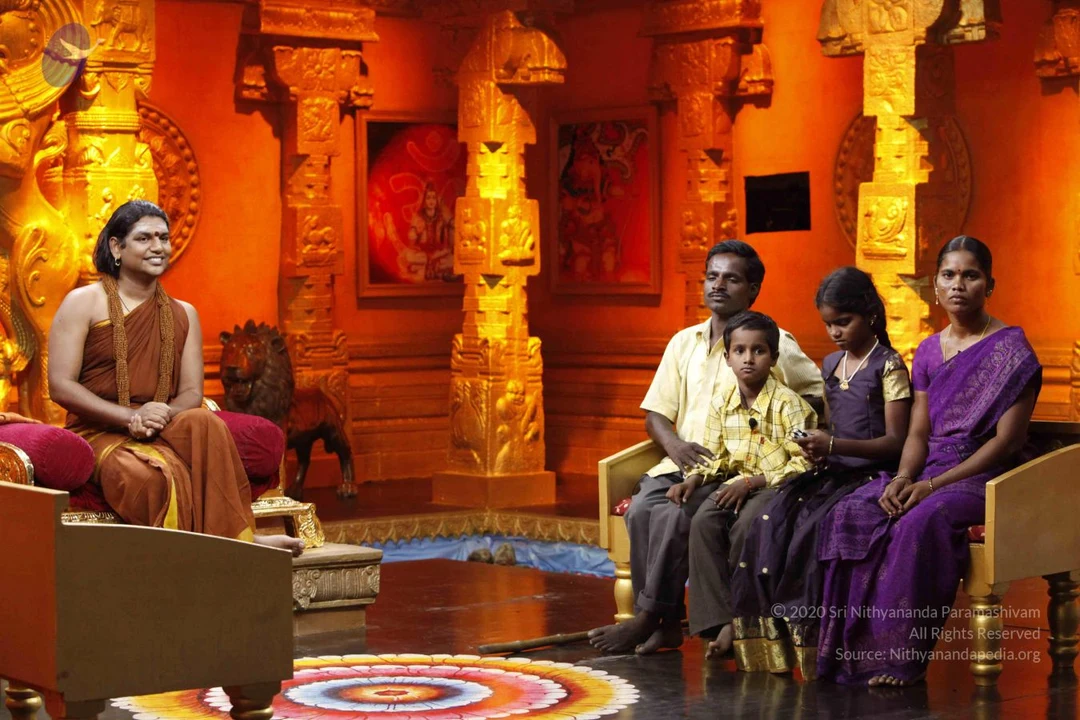
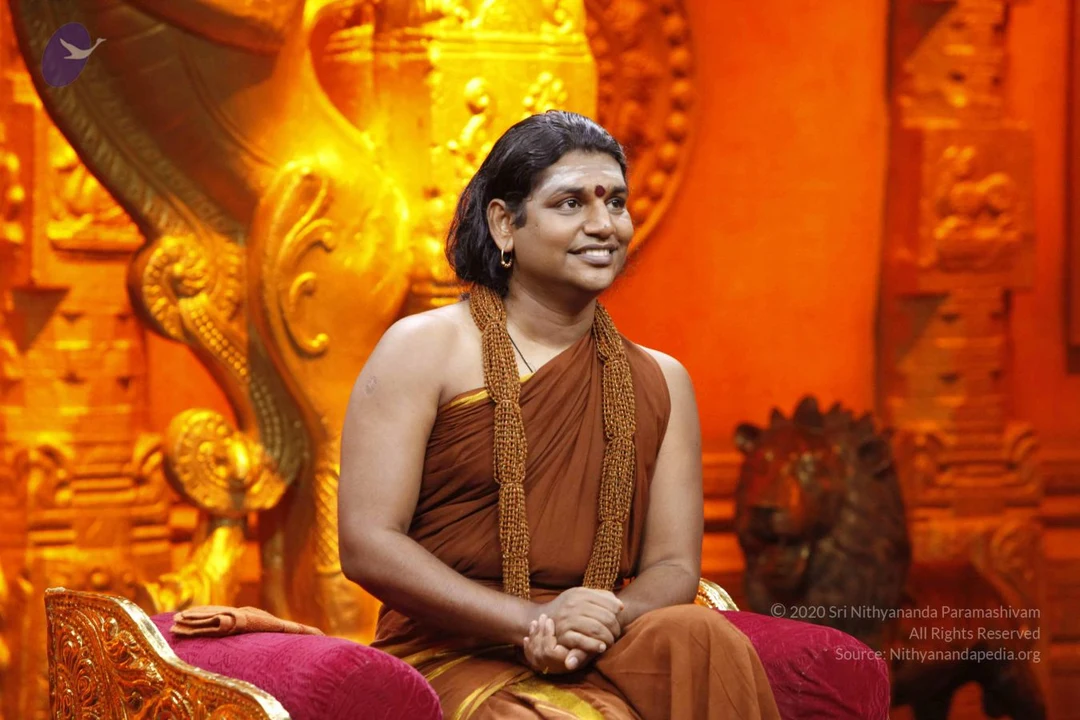
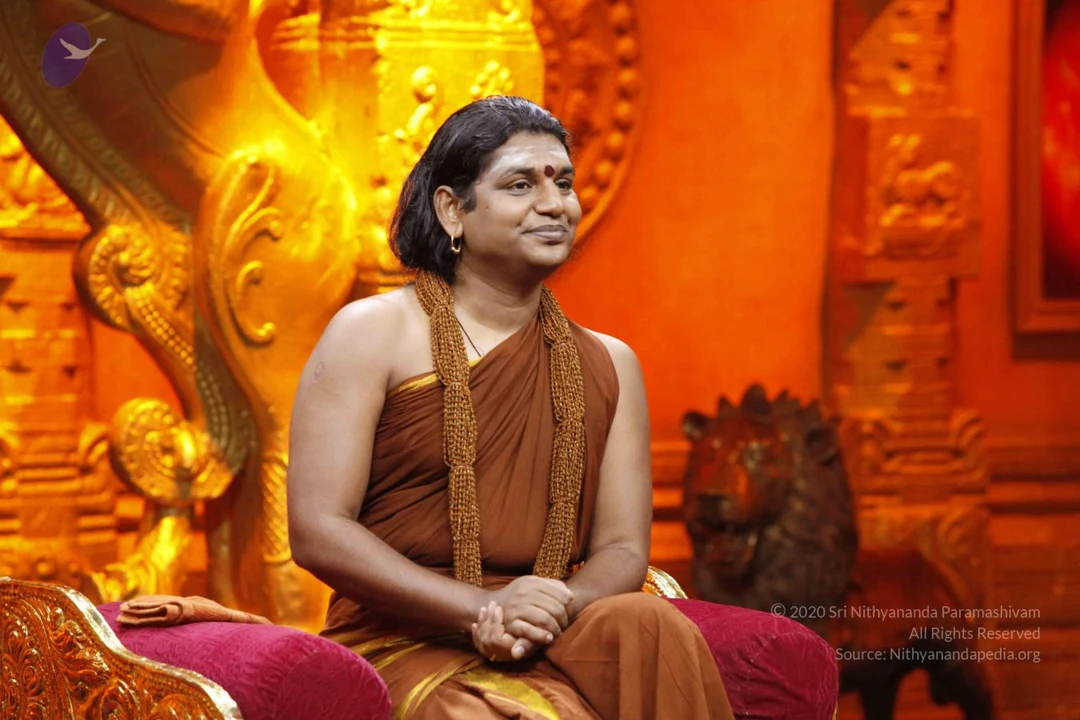
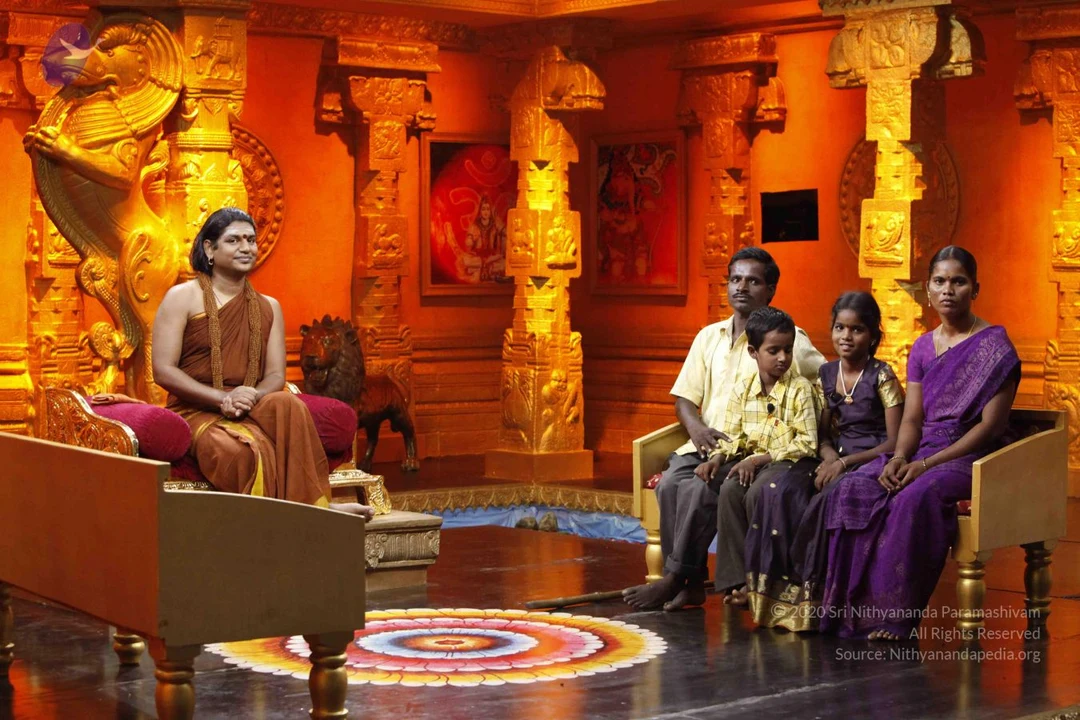
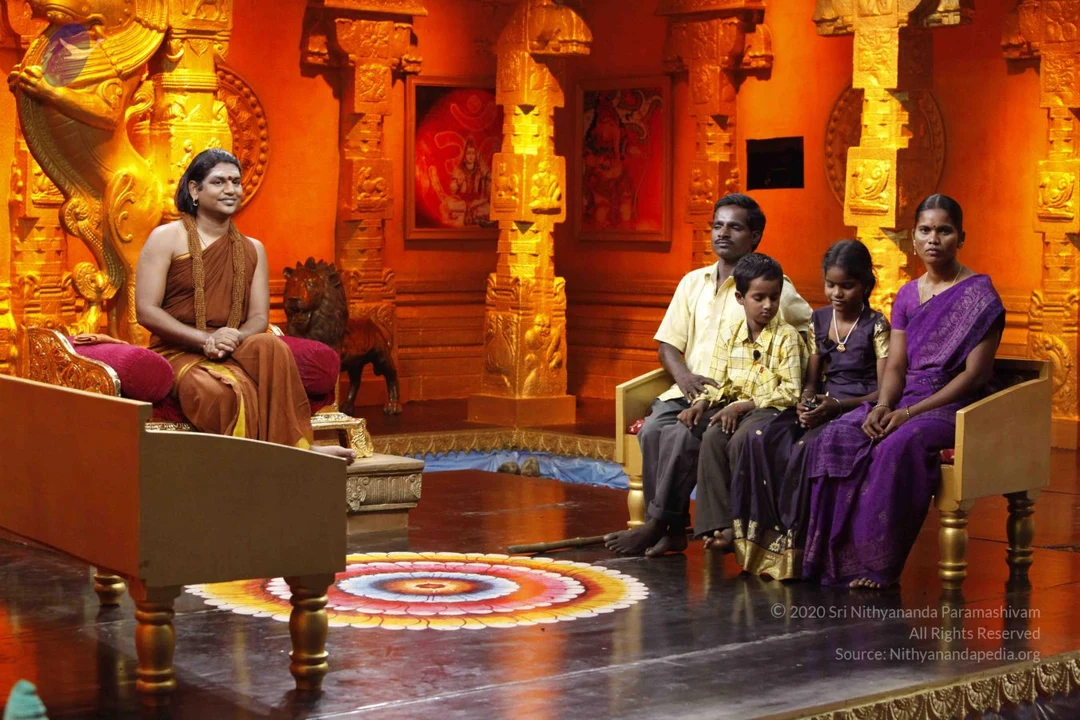
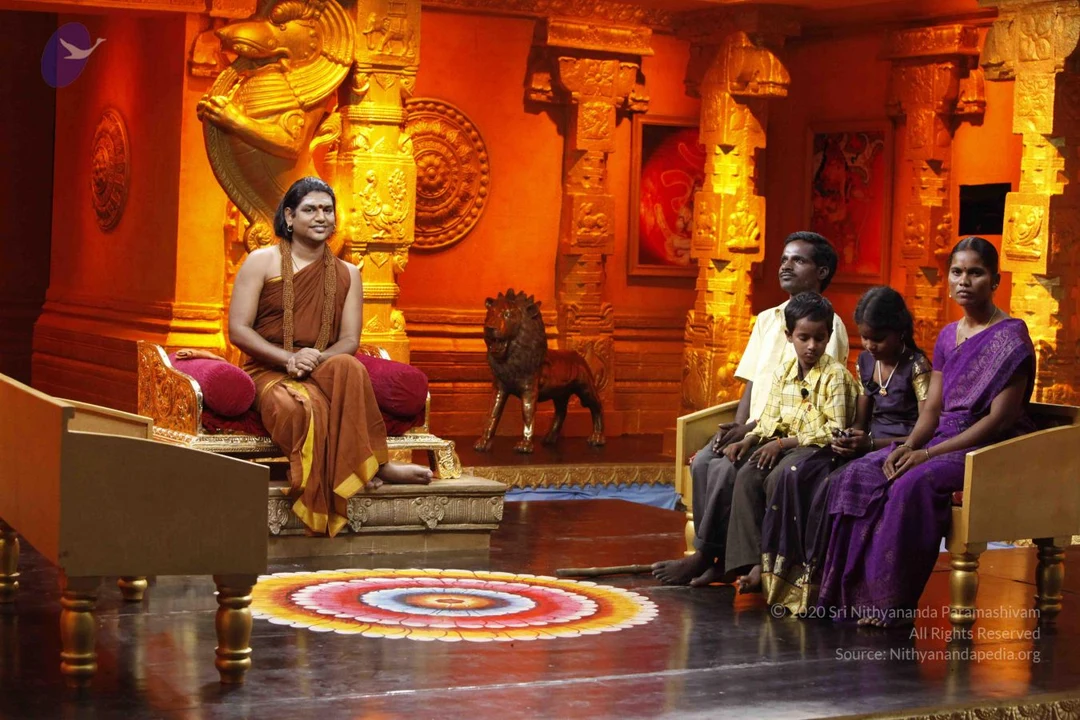
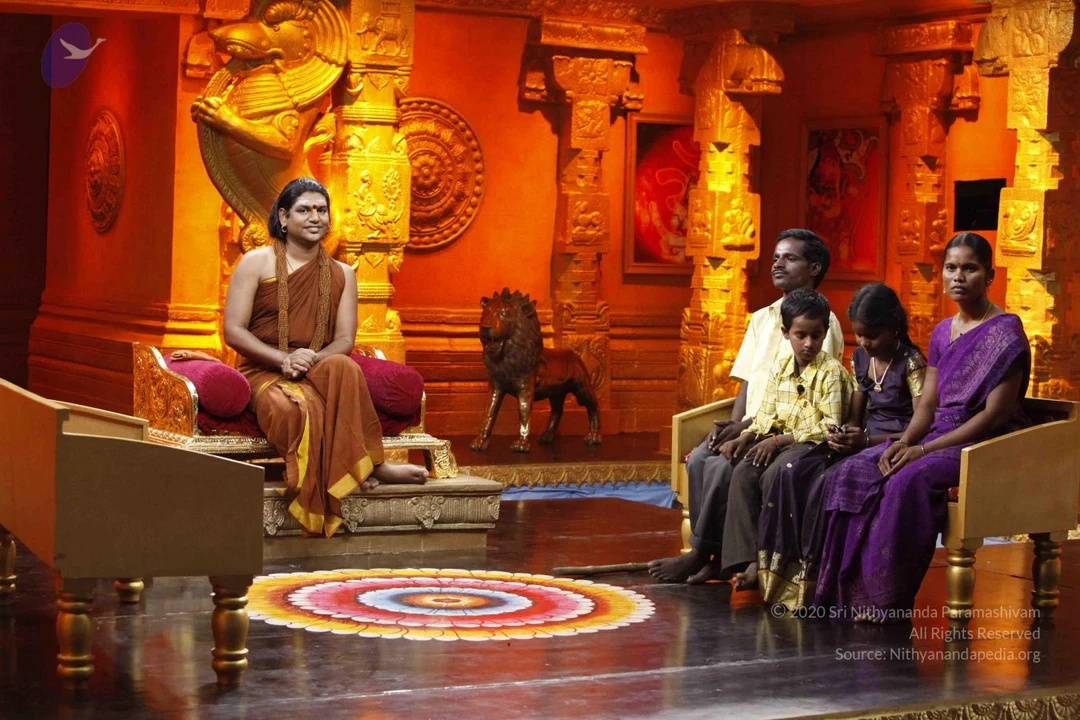
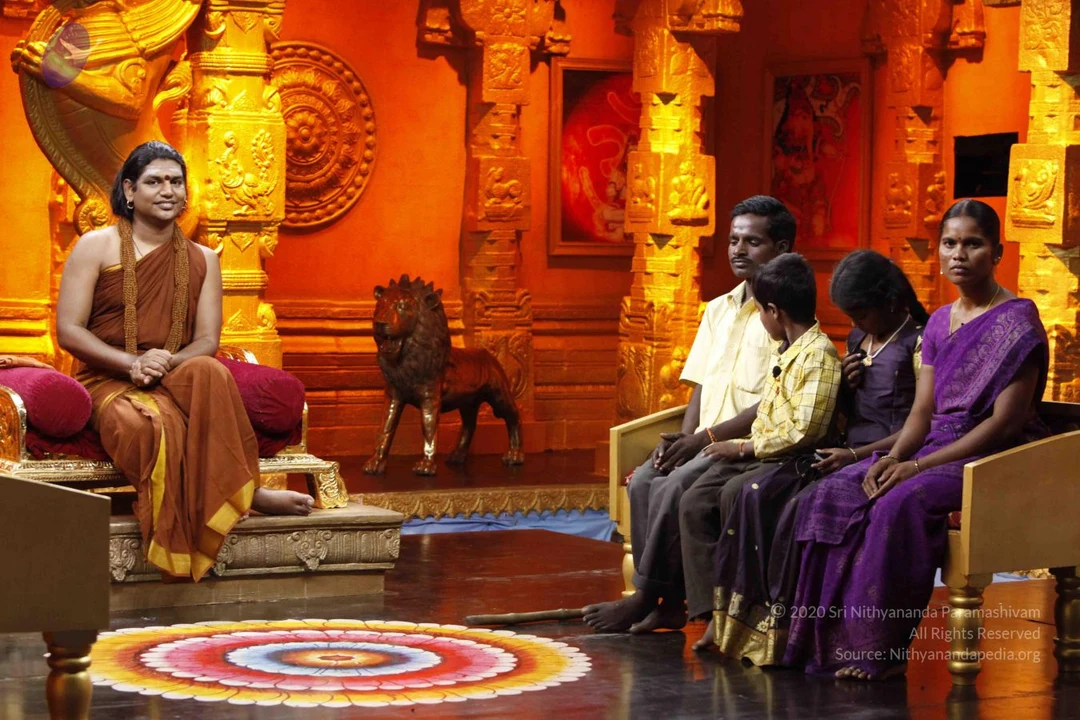
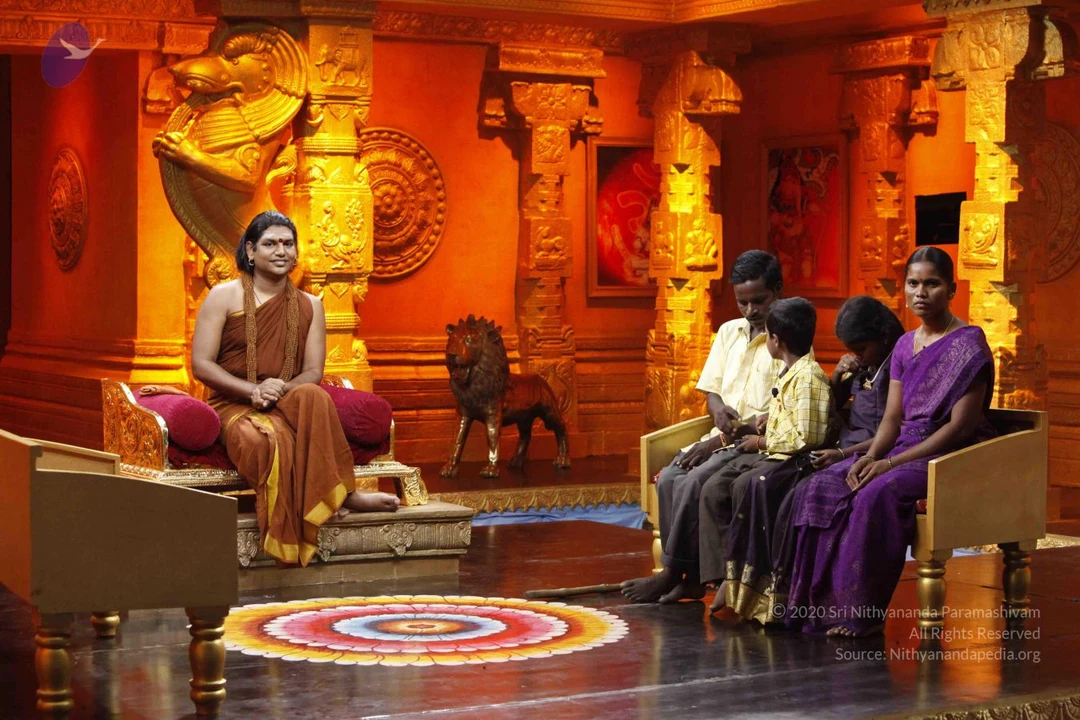

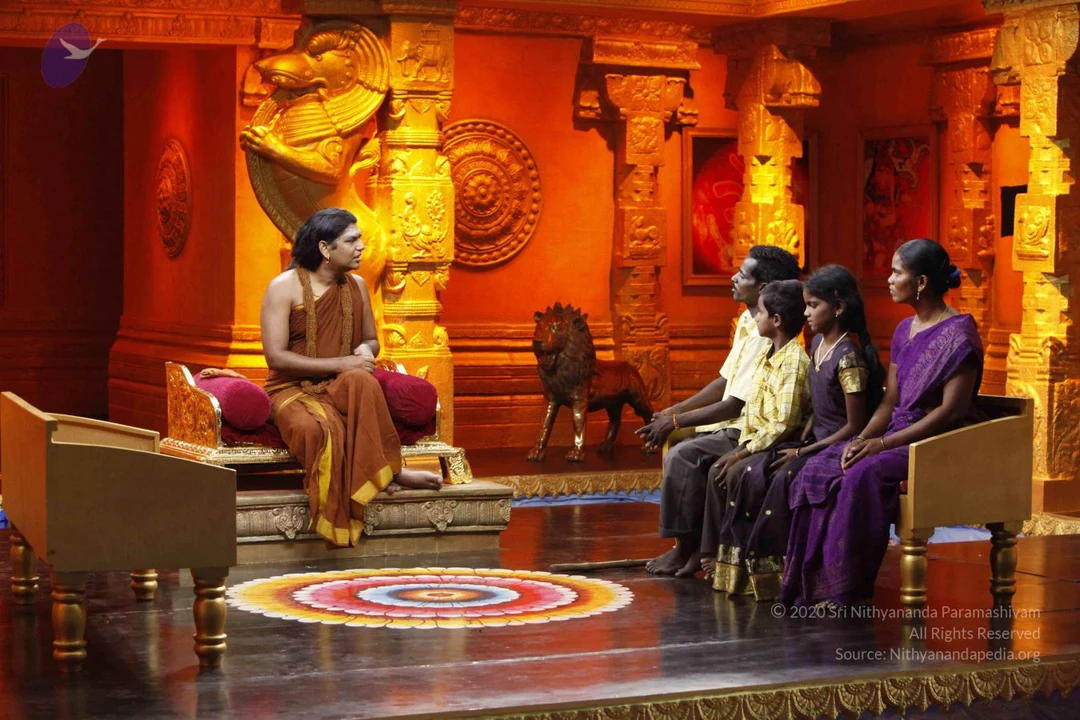
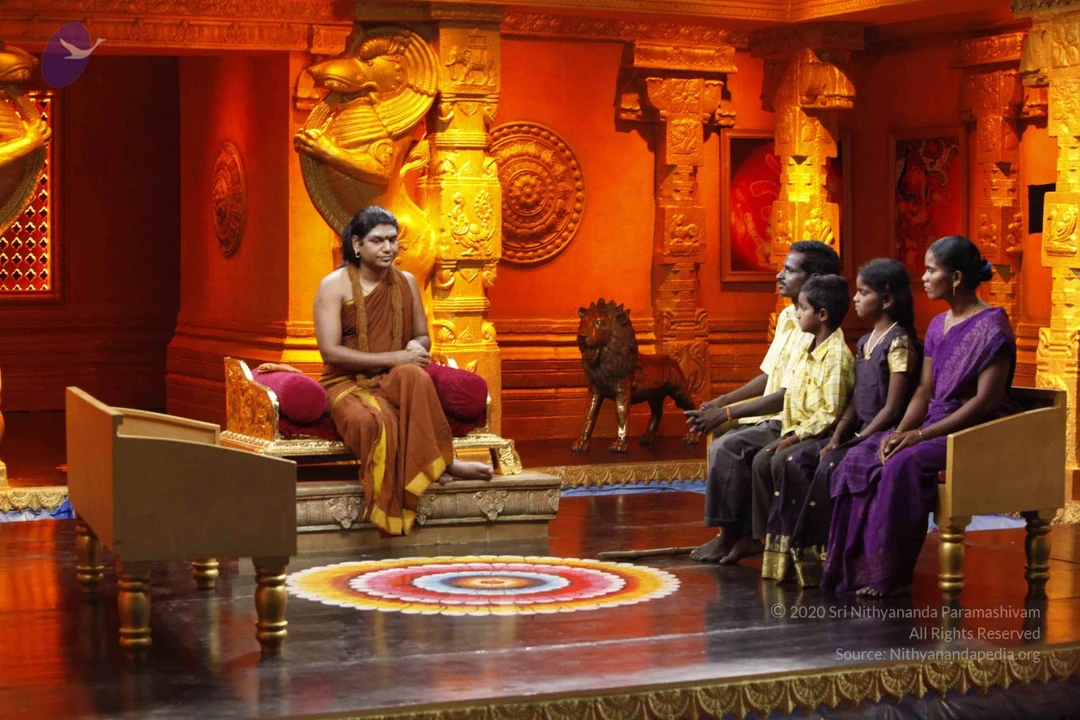
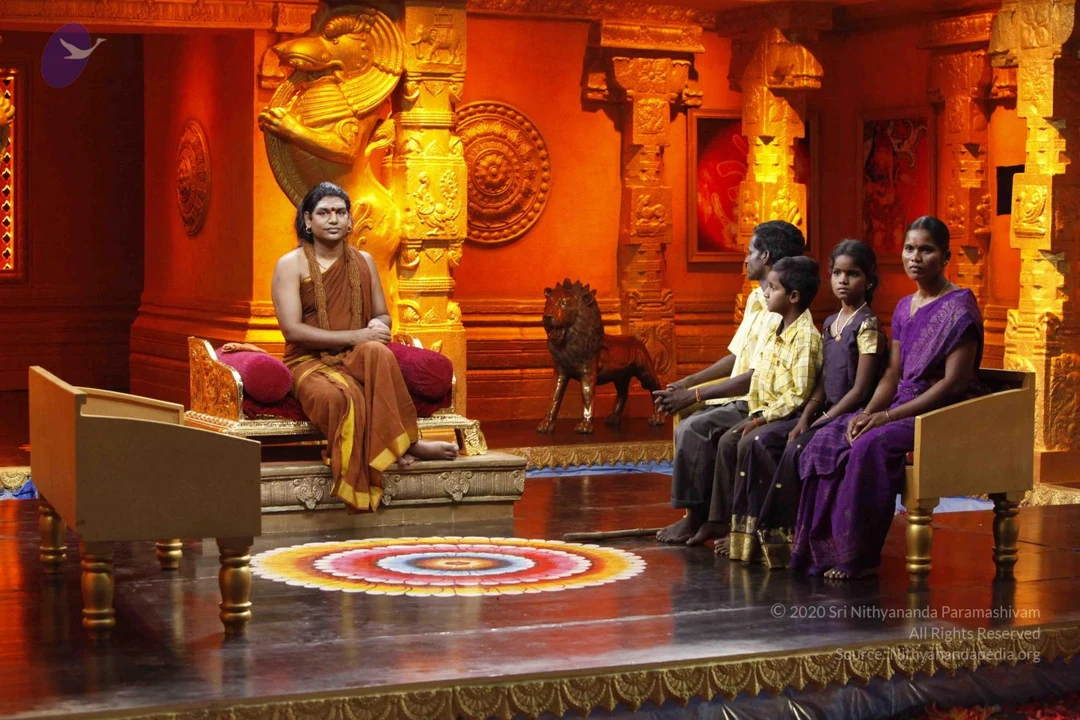


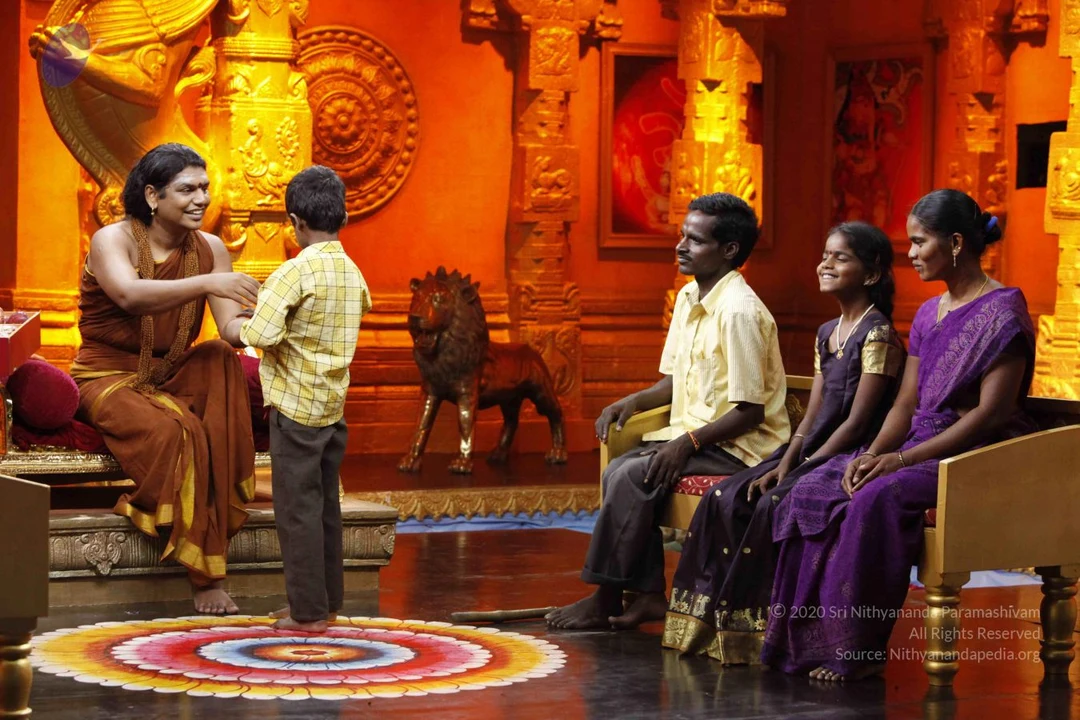
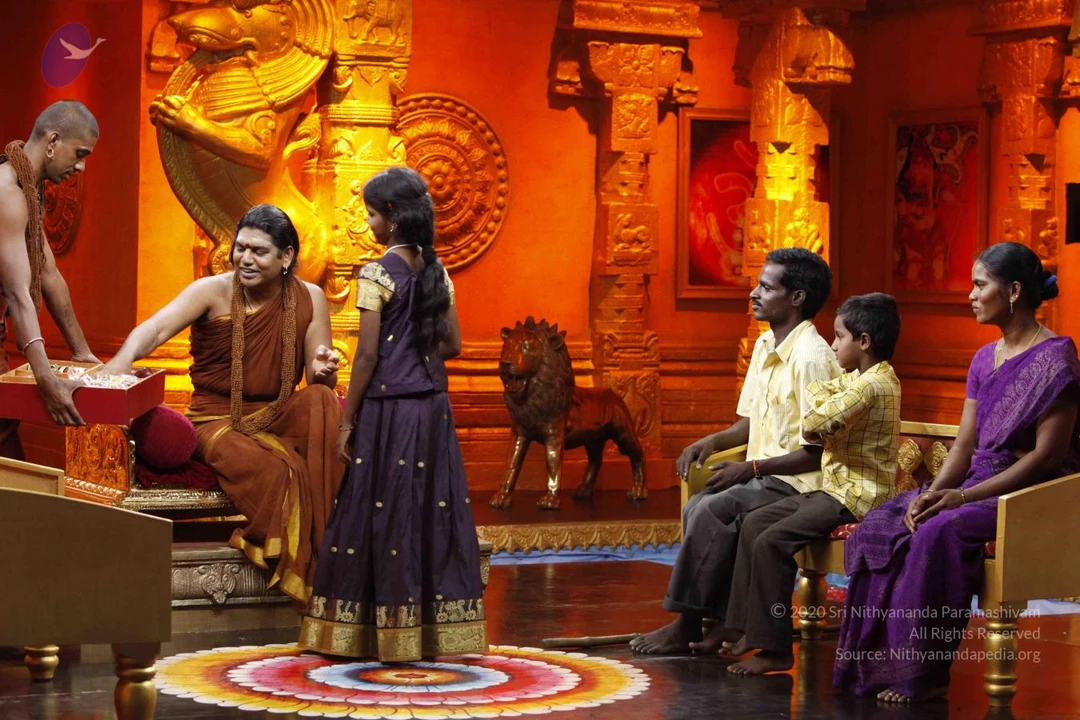
Tags:
Paramahamsa Nithyananda, incompletions, performing, tired, bored, exhausted, death, power, problems, source.
01-RUDRA-ABISHEGAM
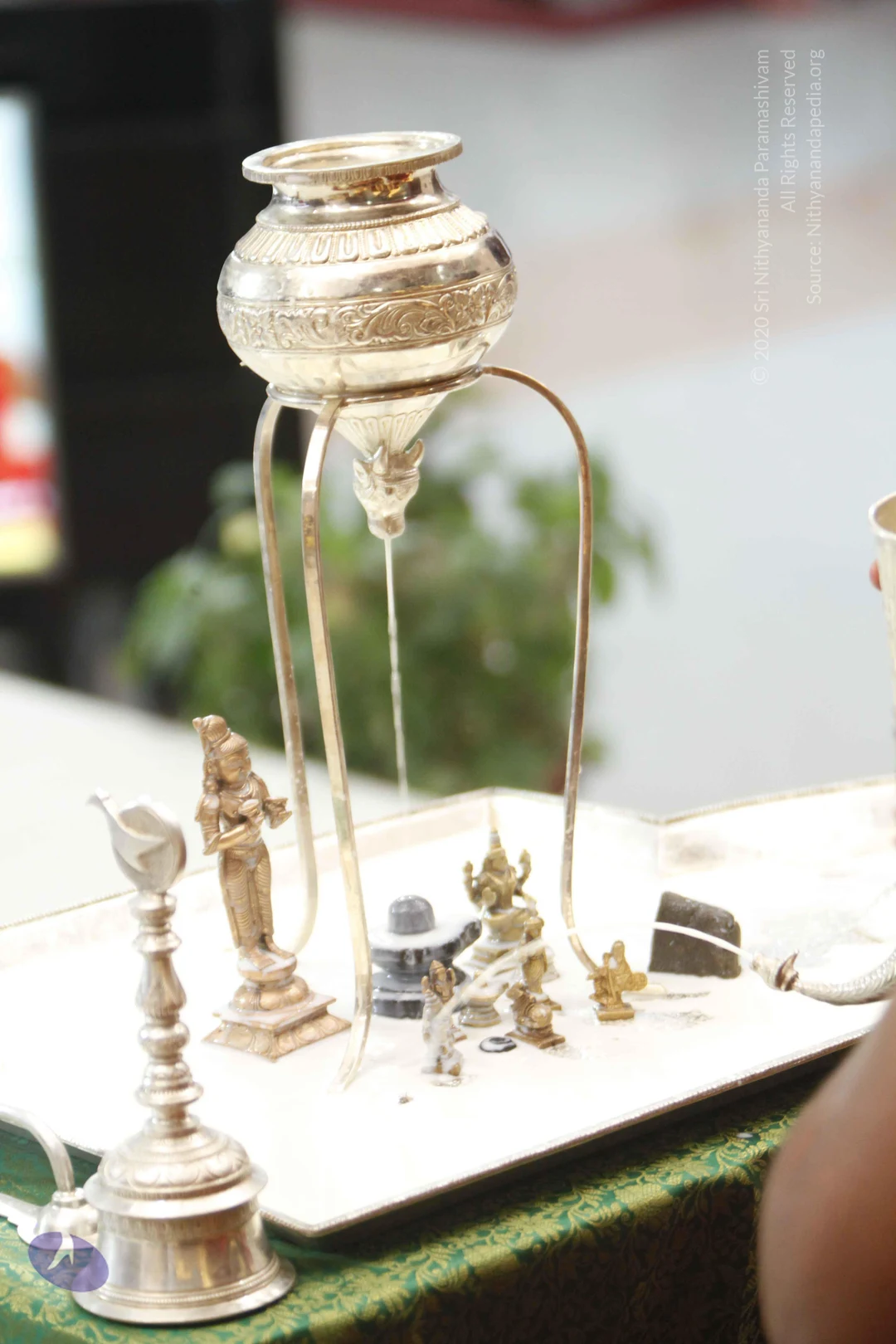
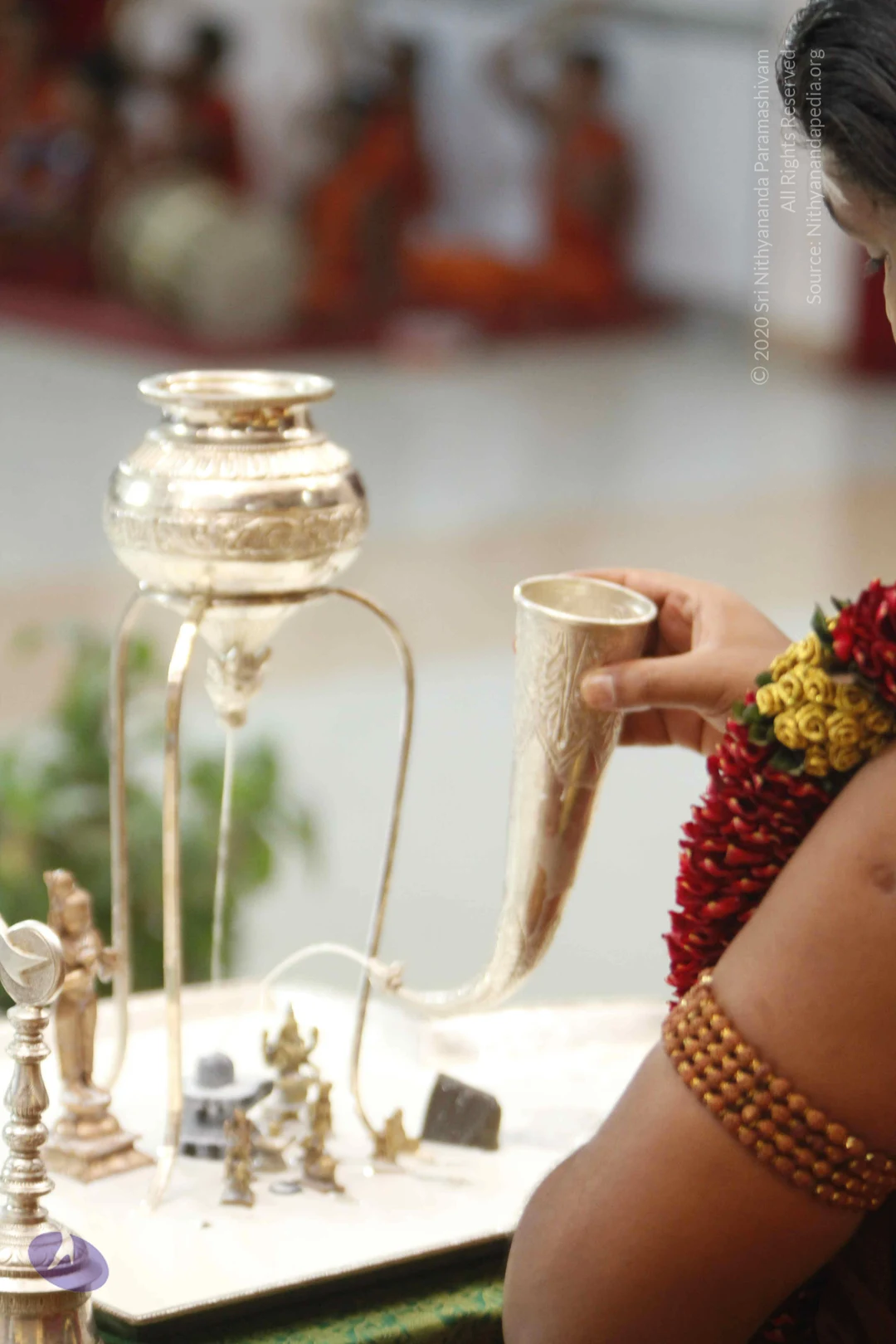
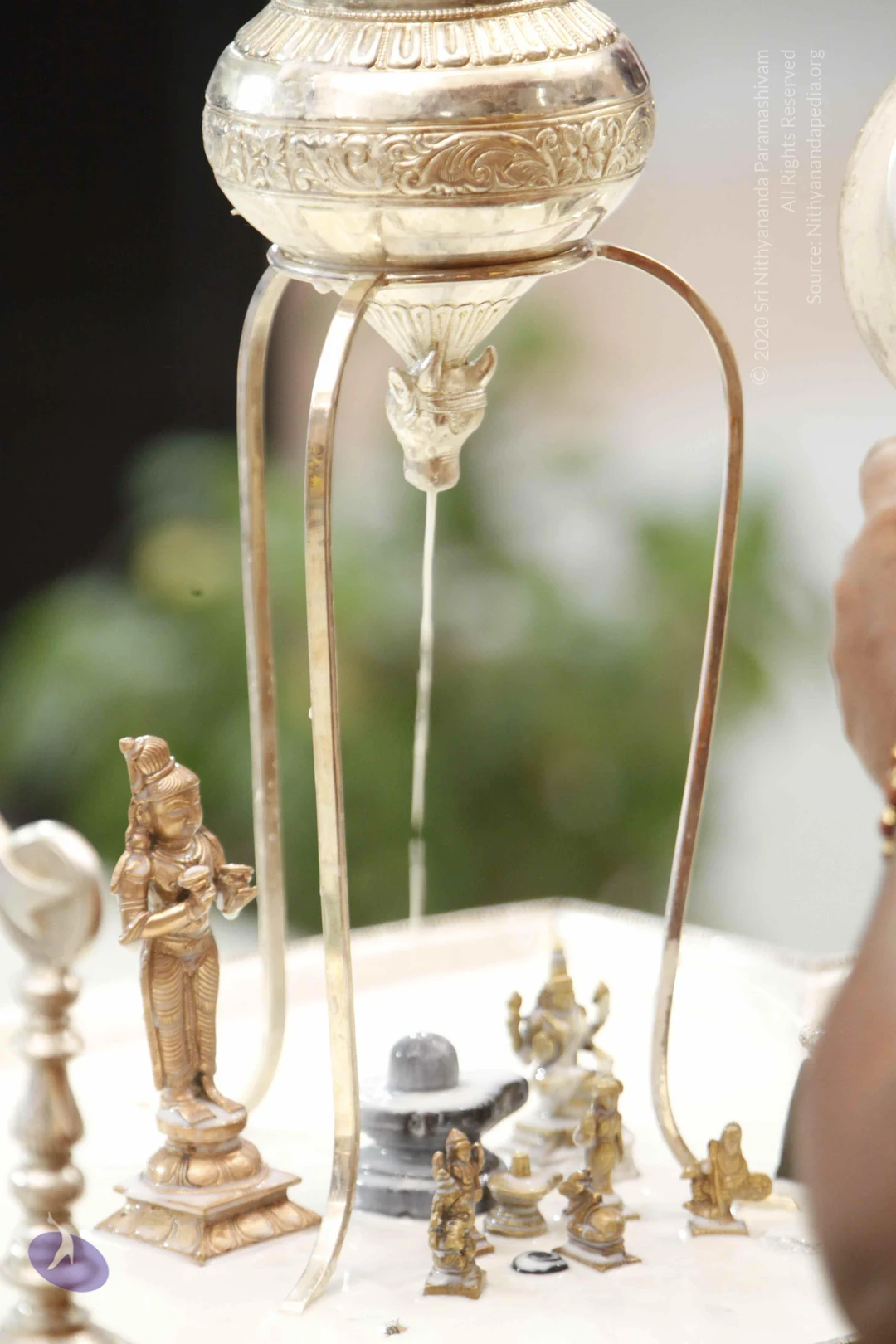
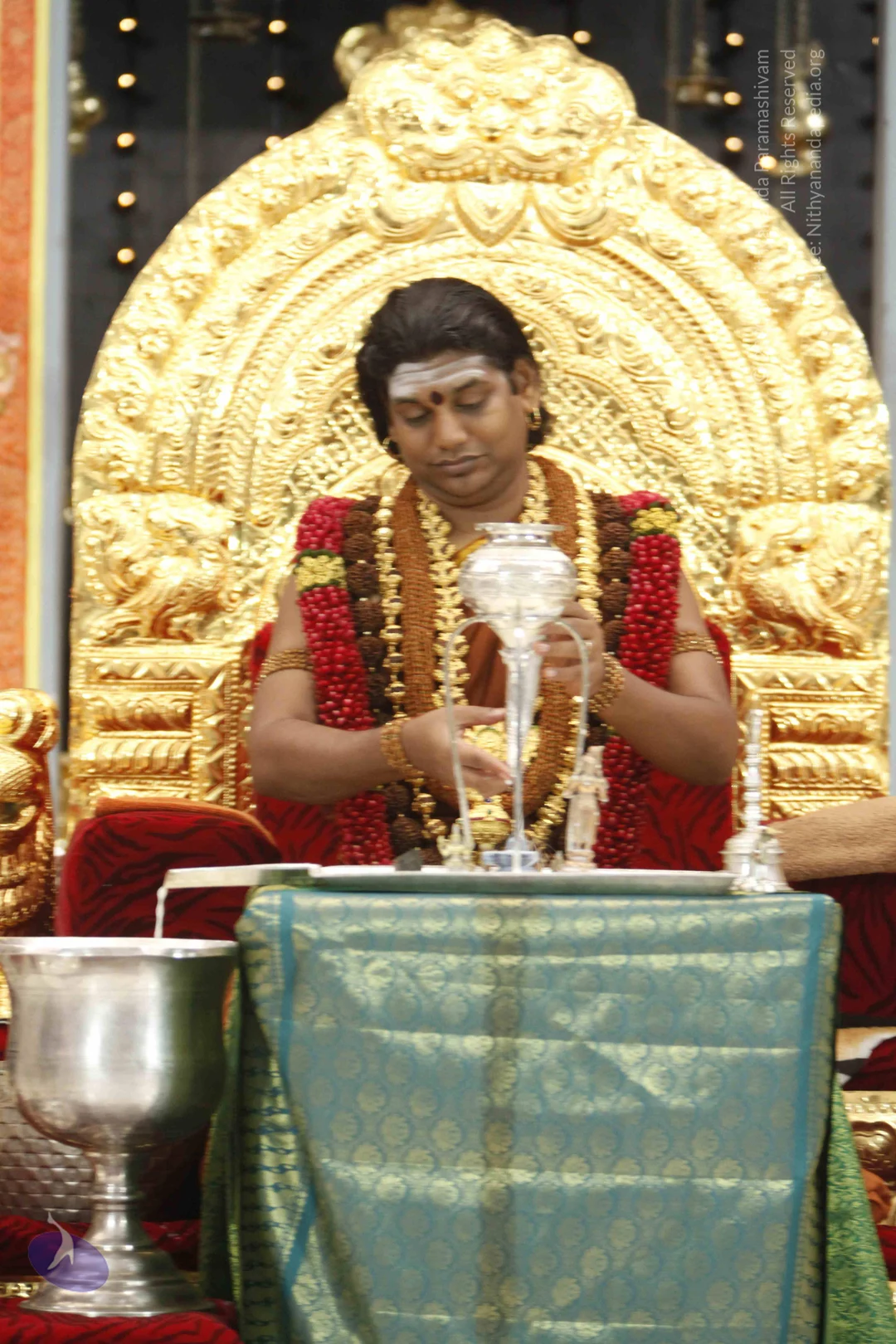
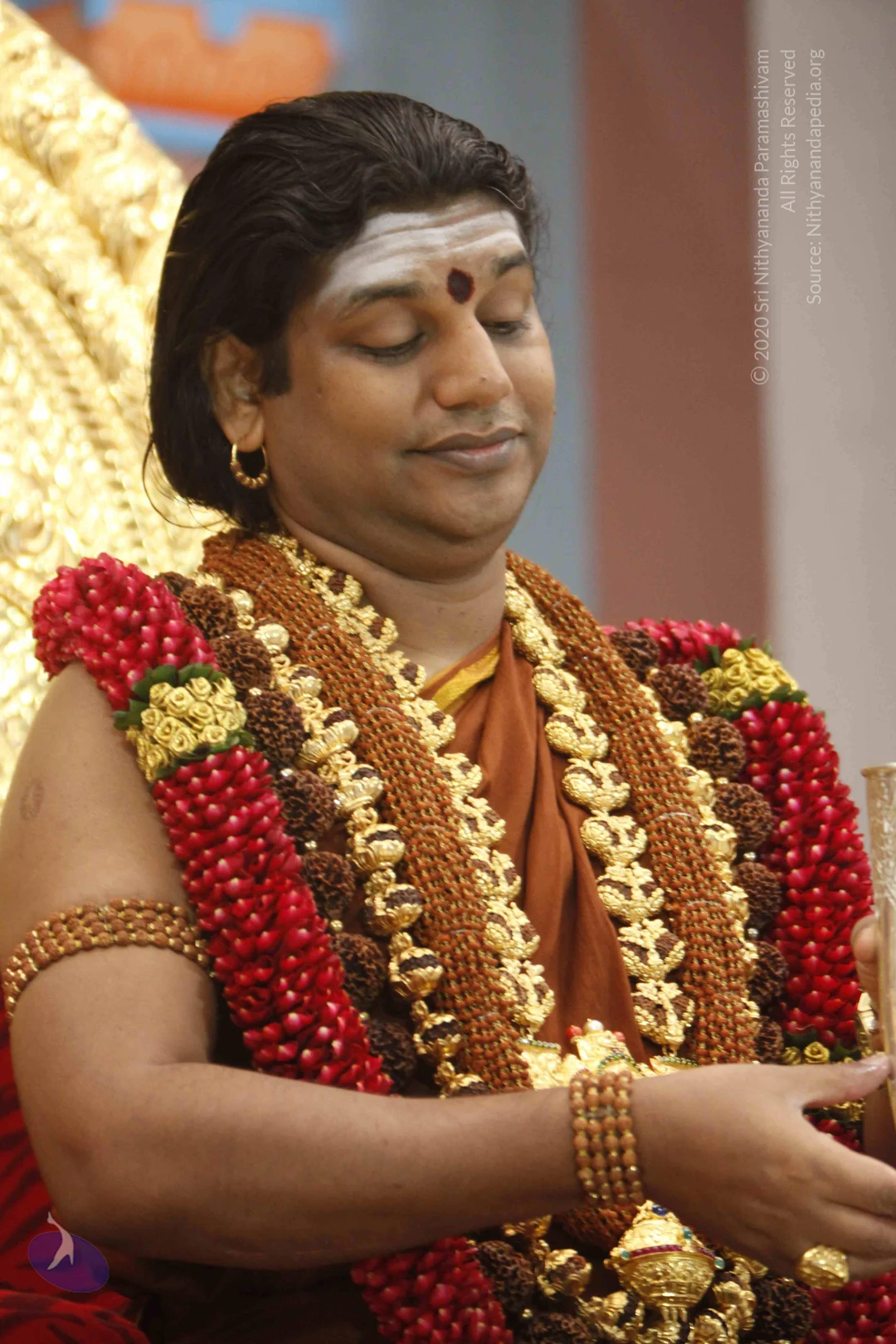
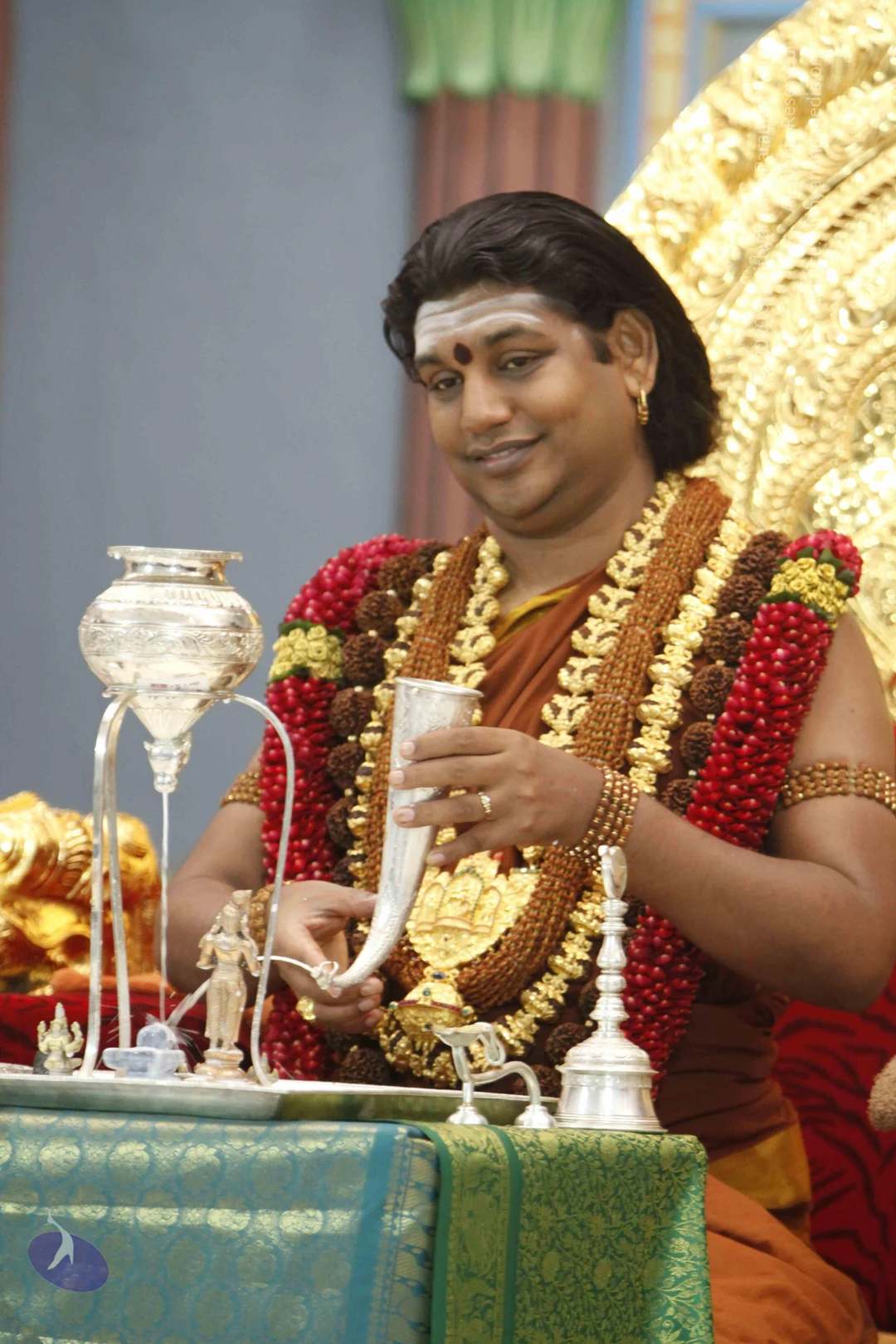
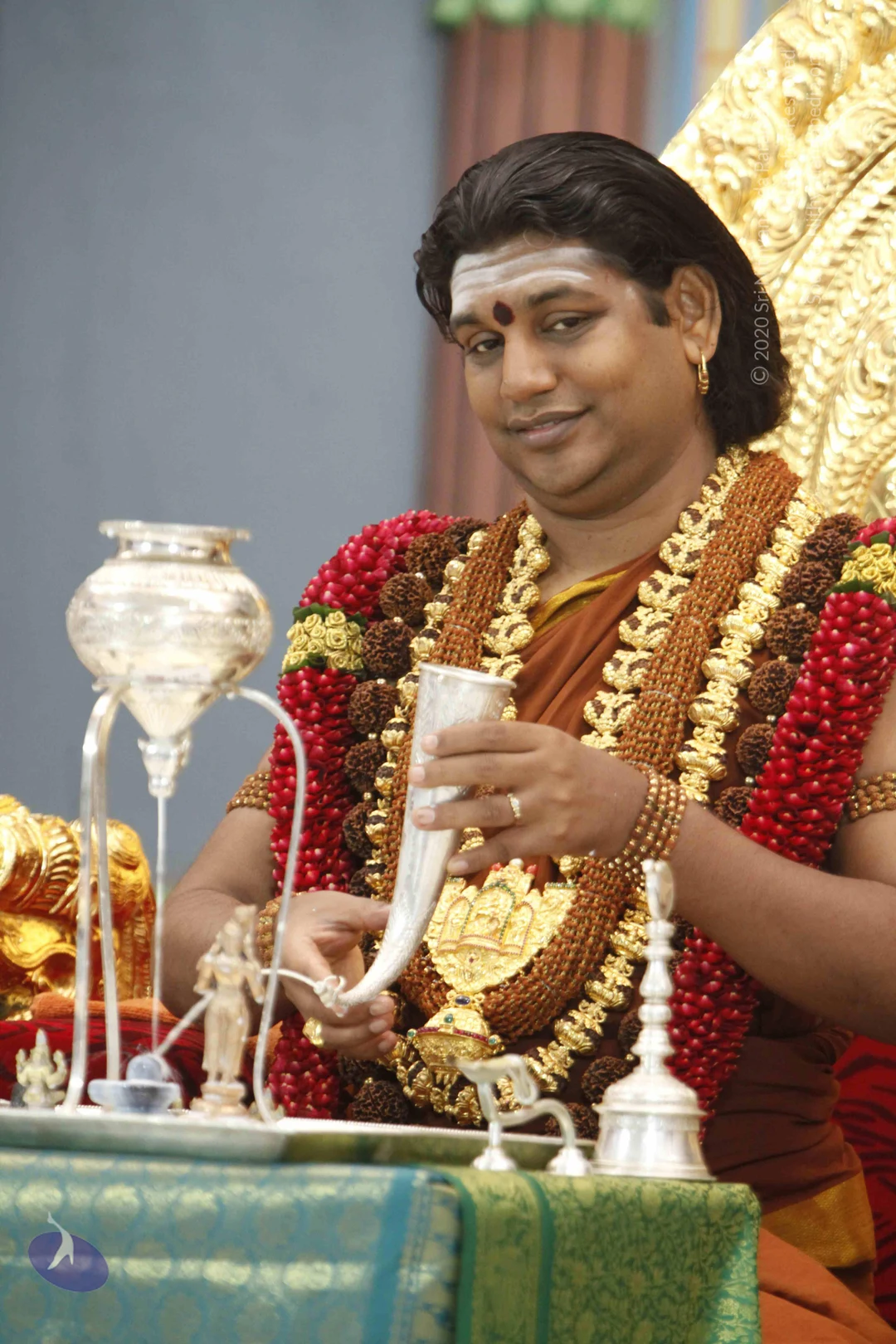
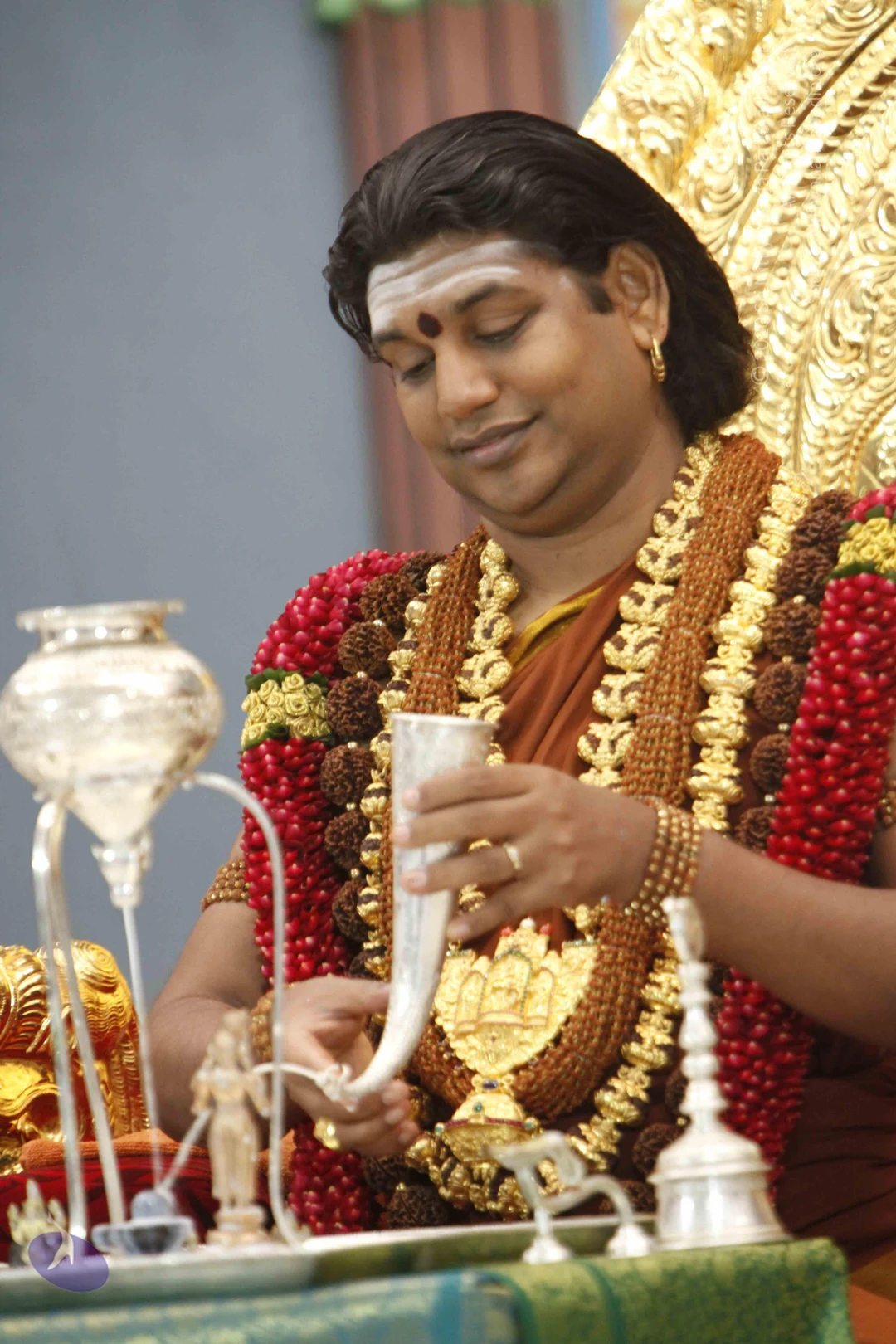
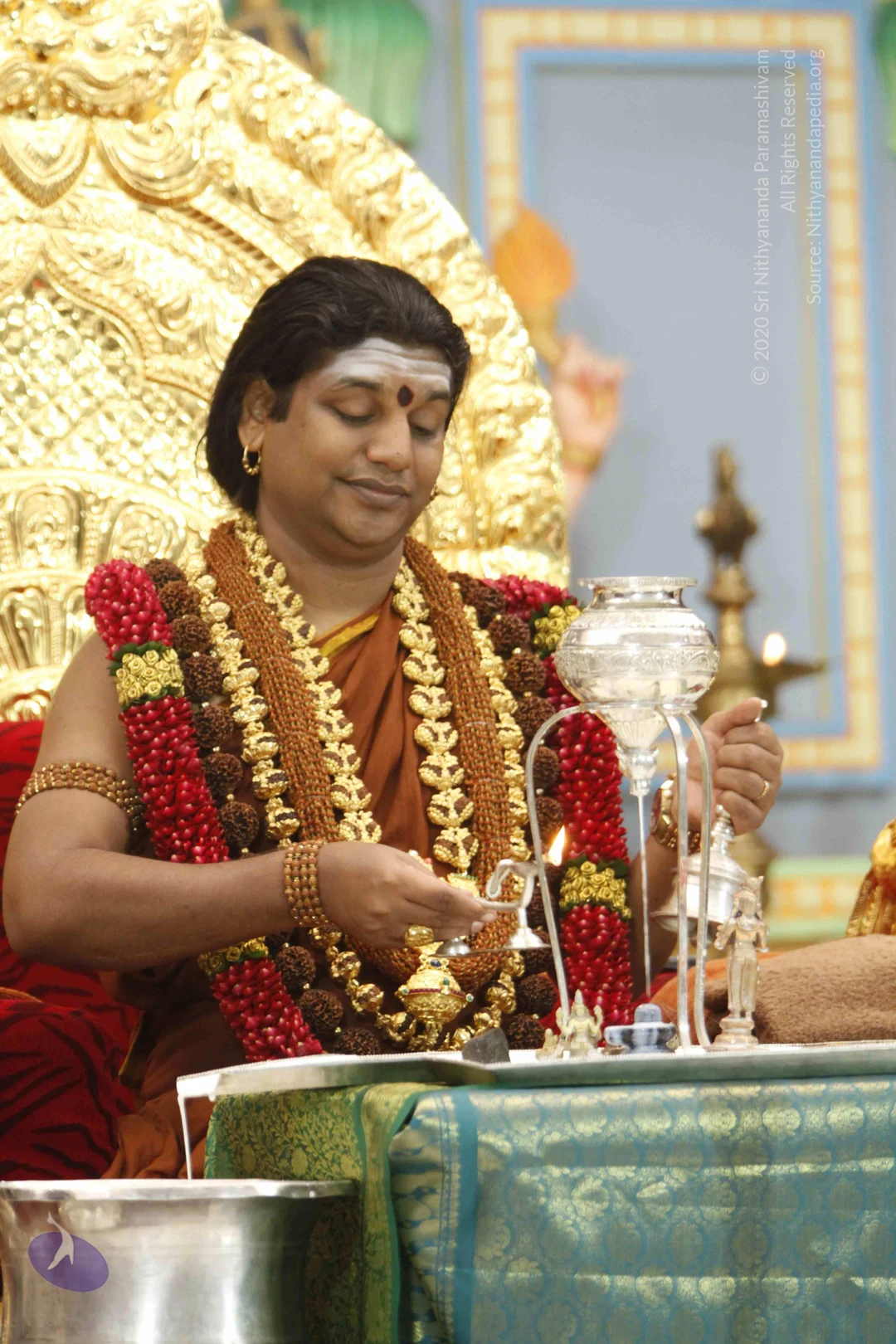
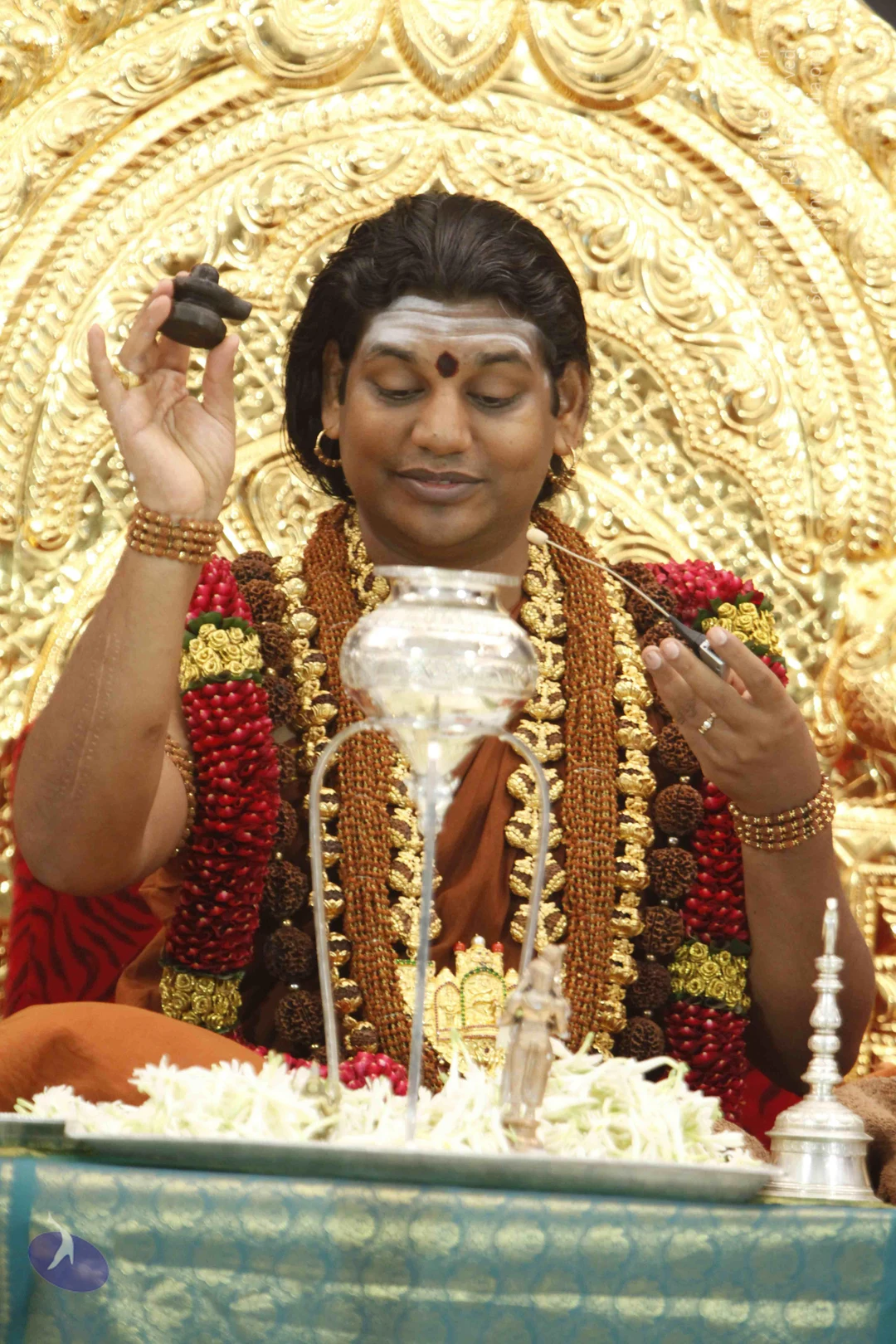
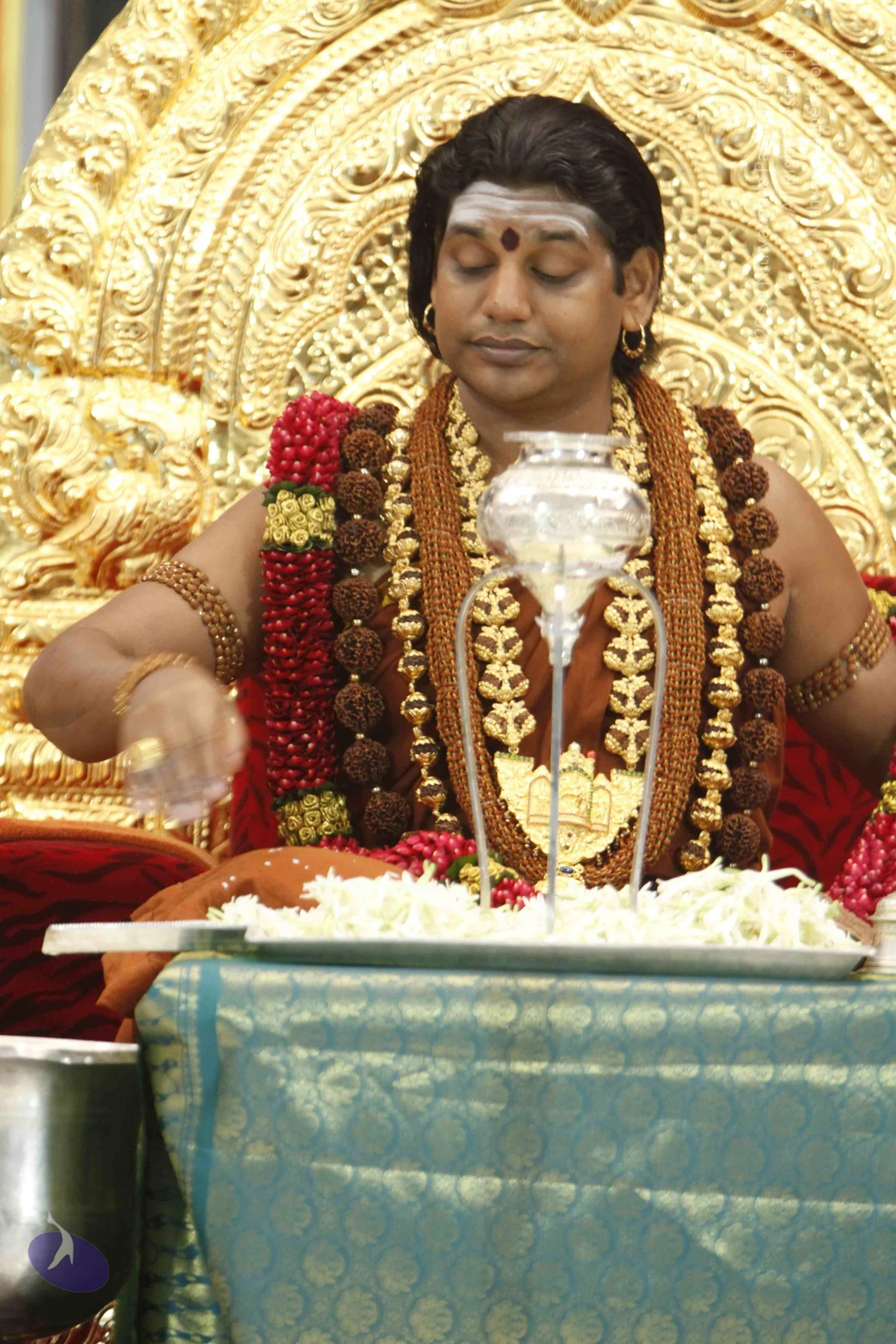
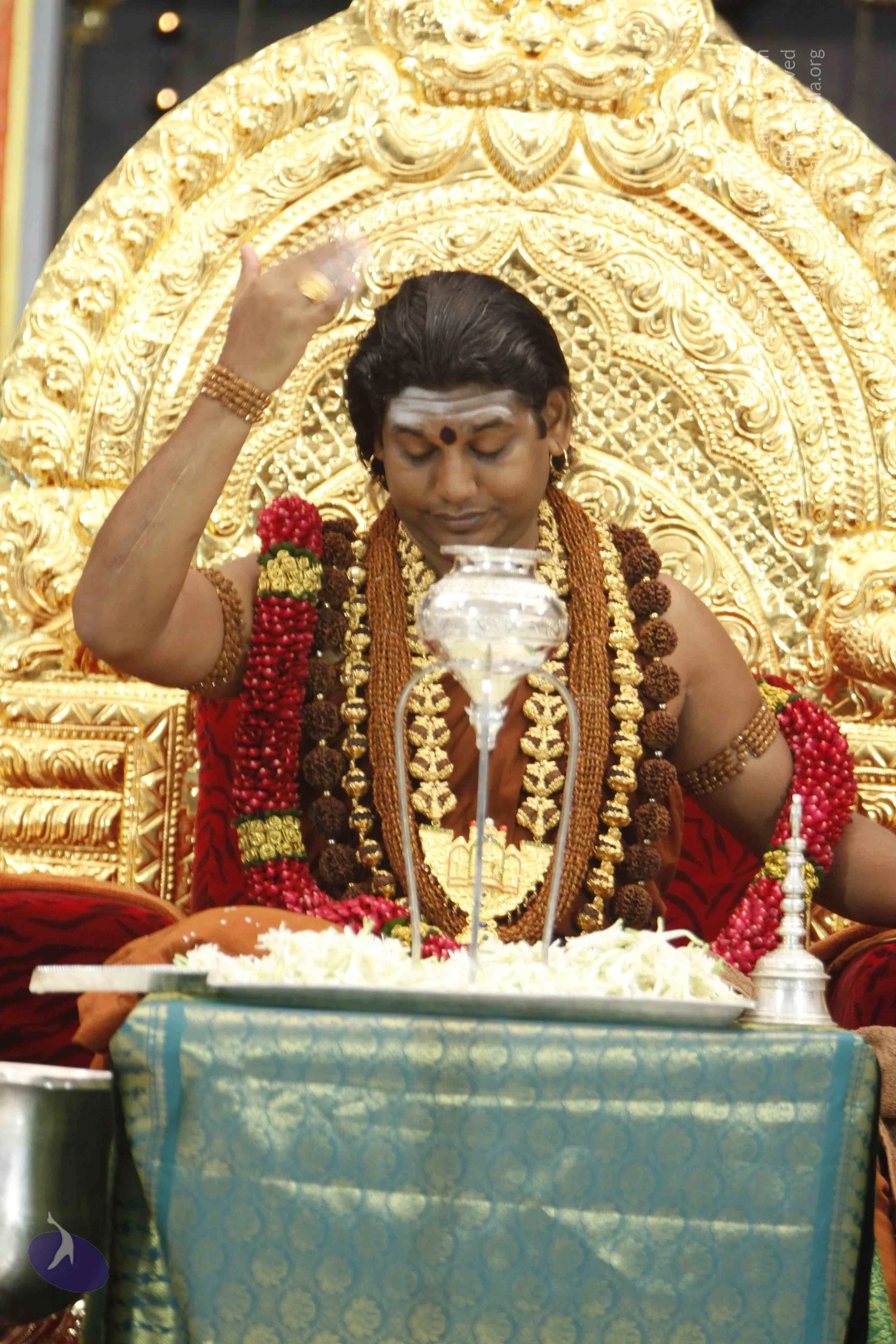
02-PRATYAKSHA-PADA-PUJA
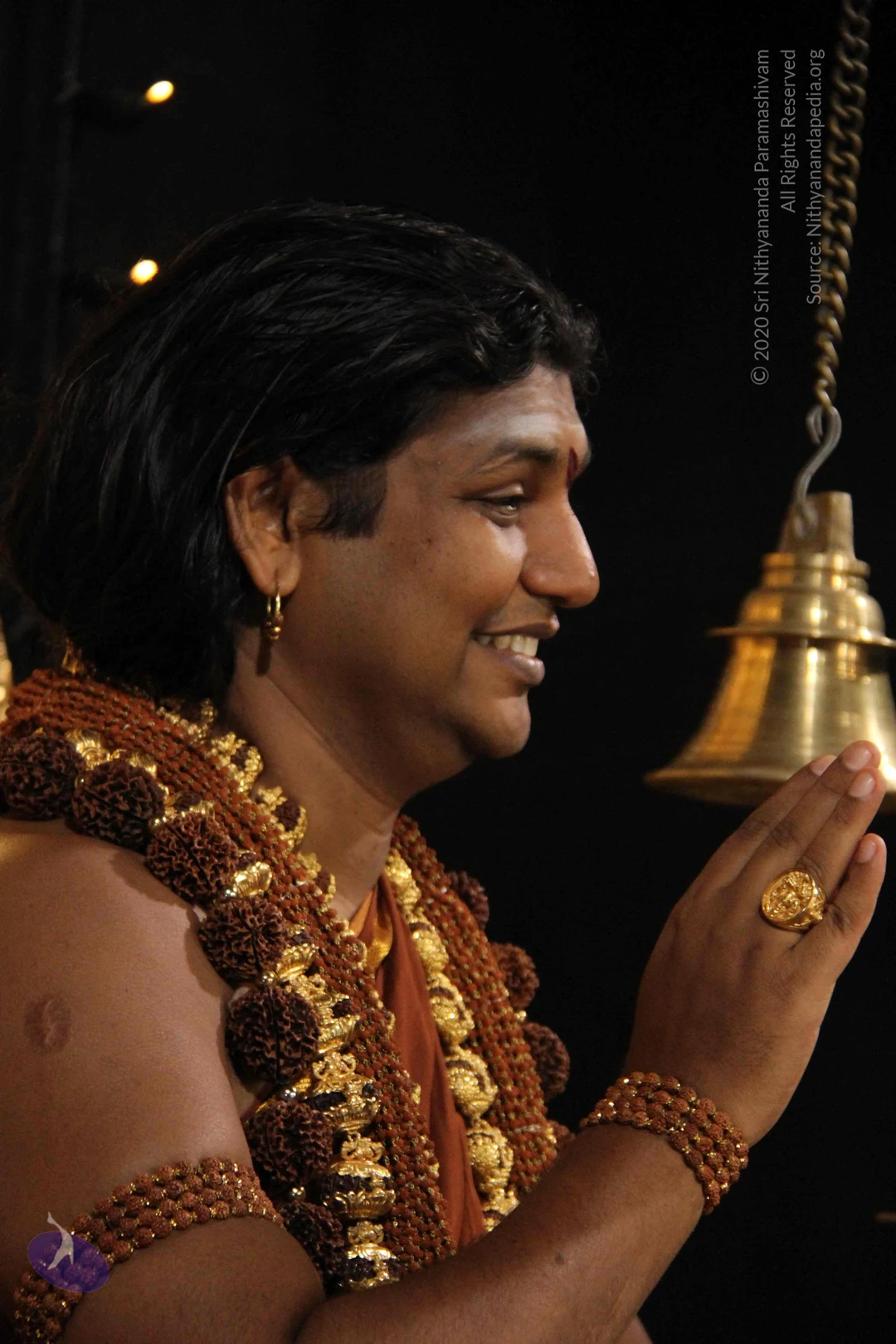
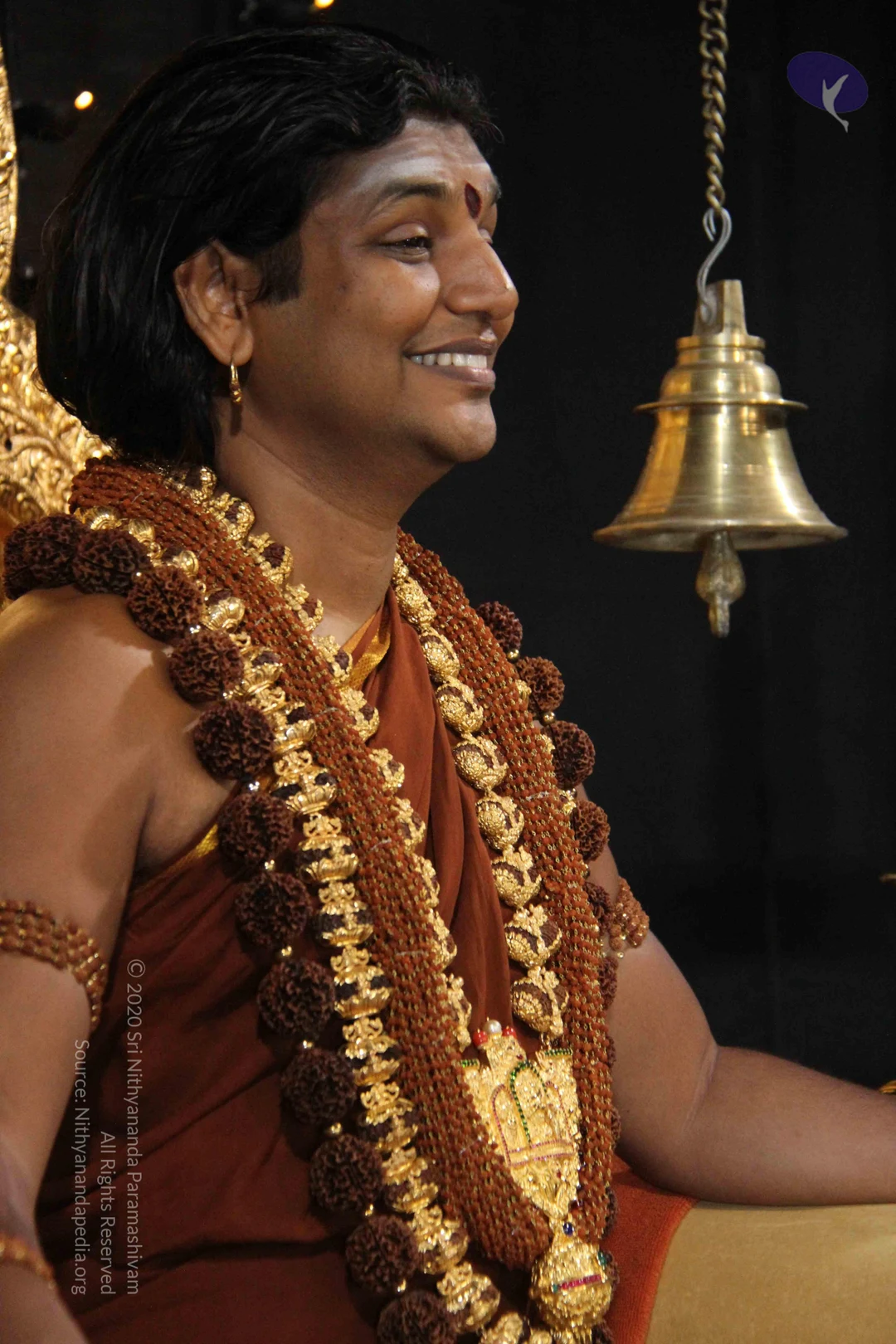
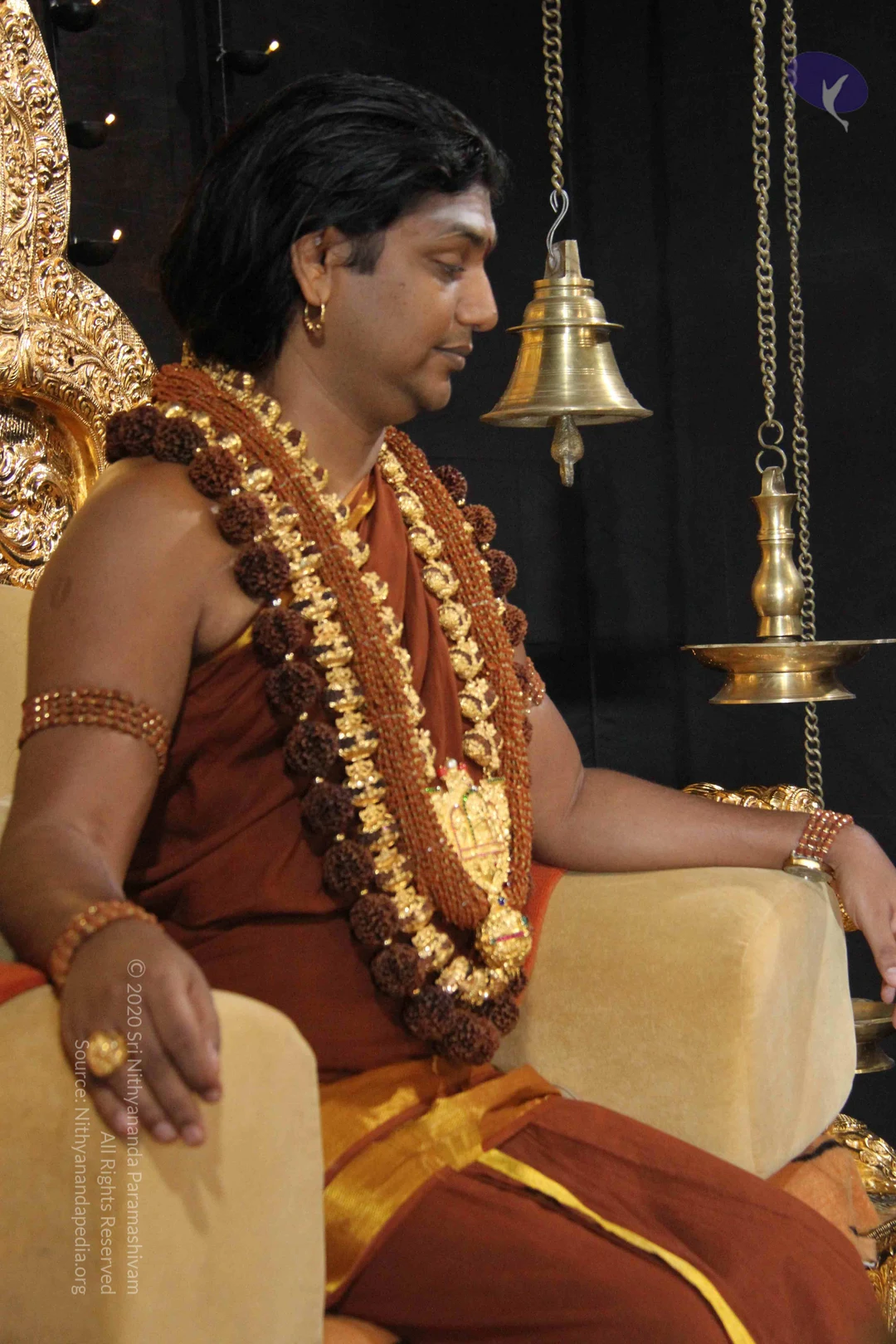
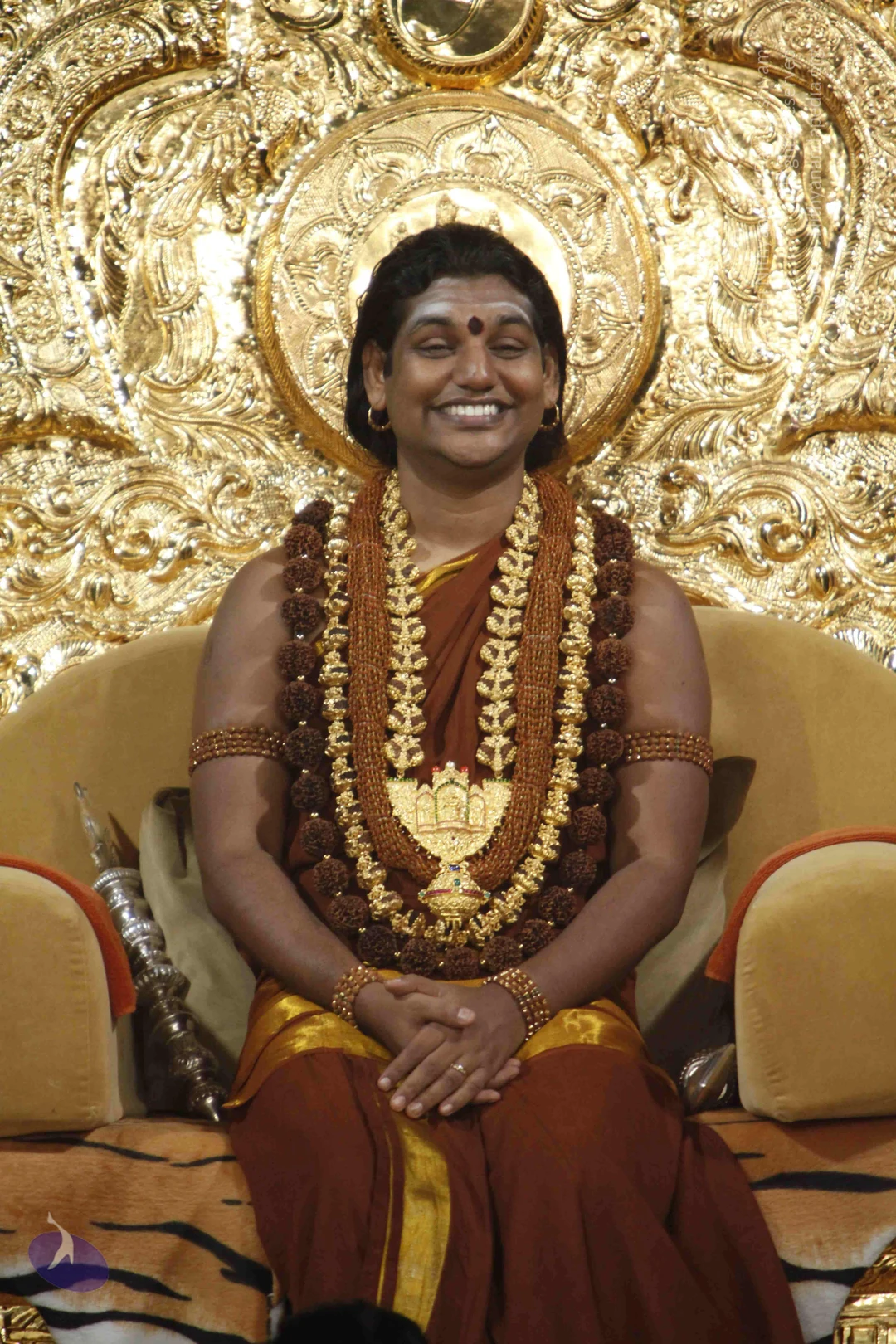
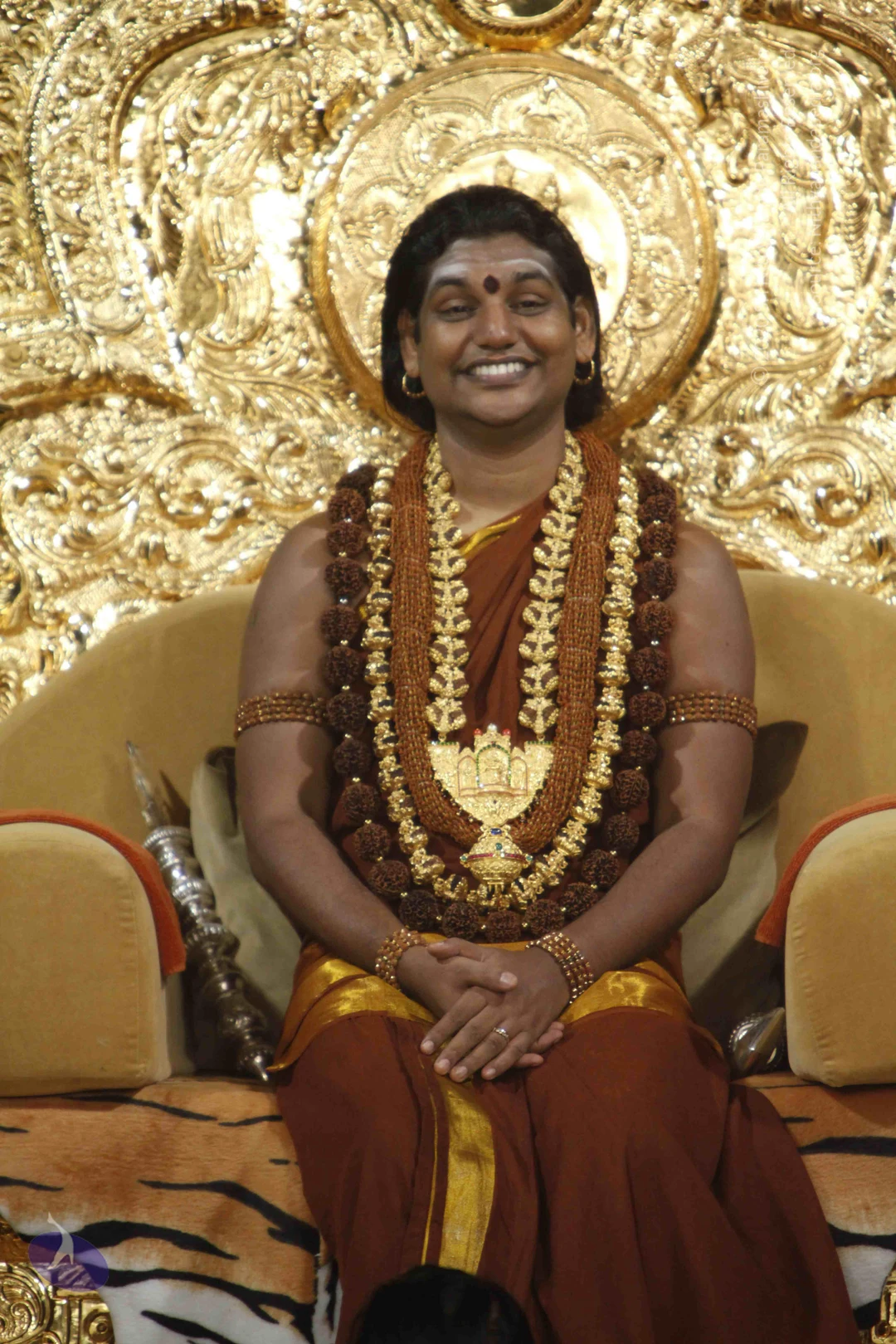
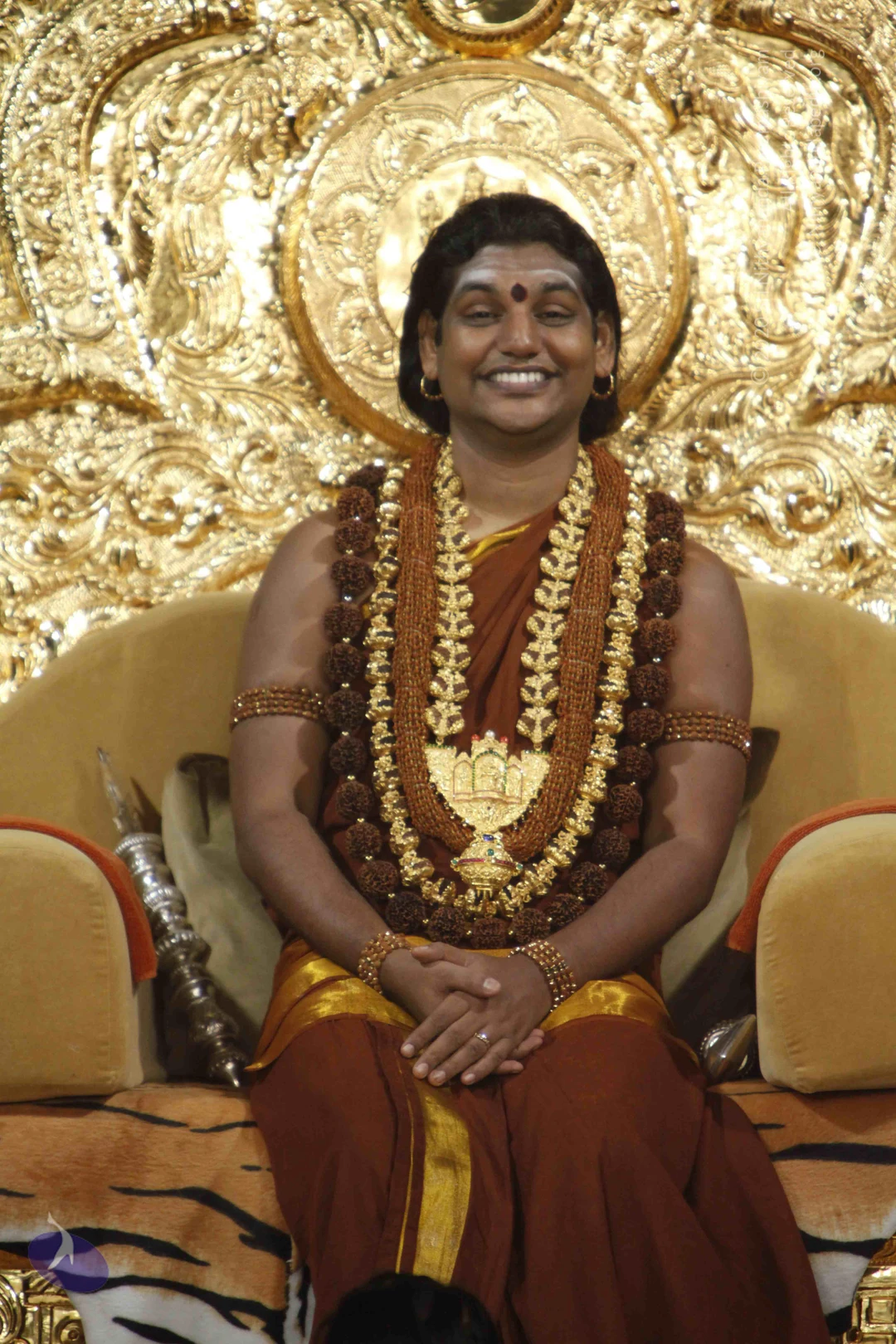
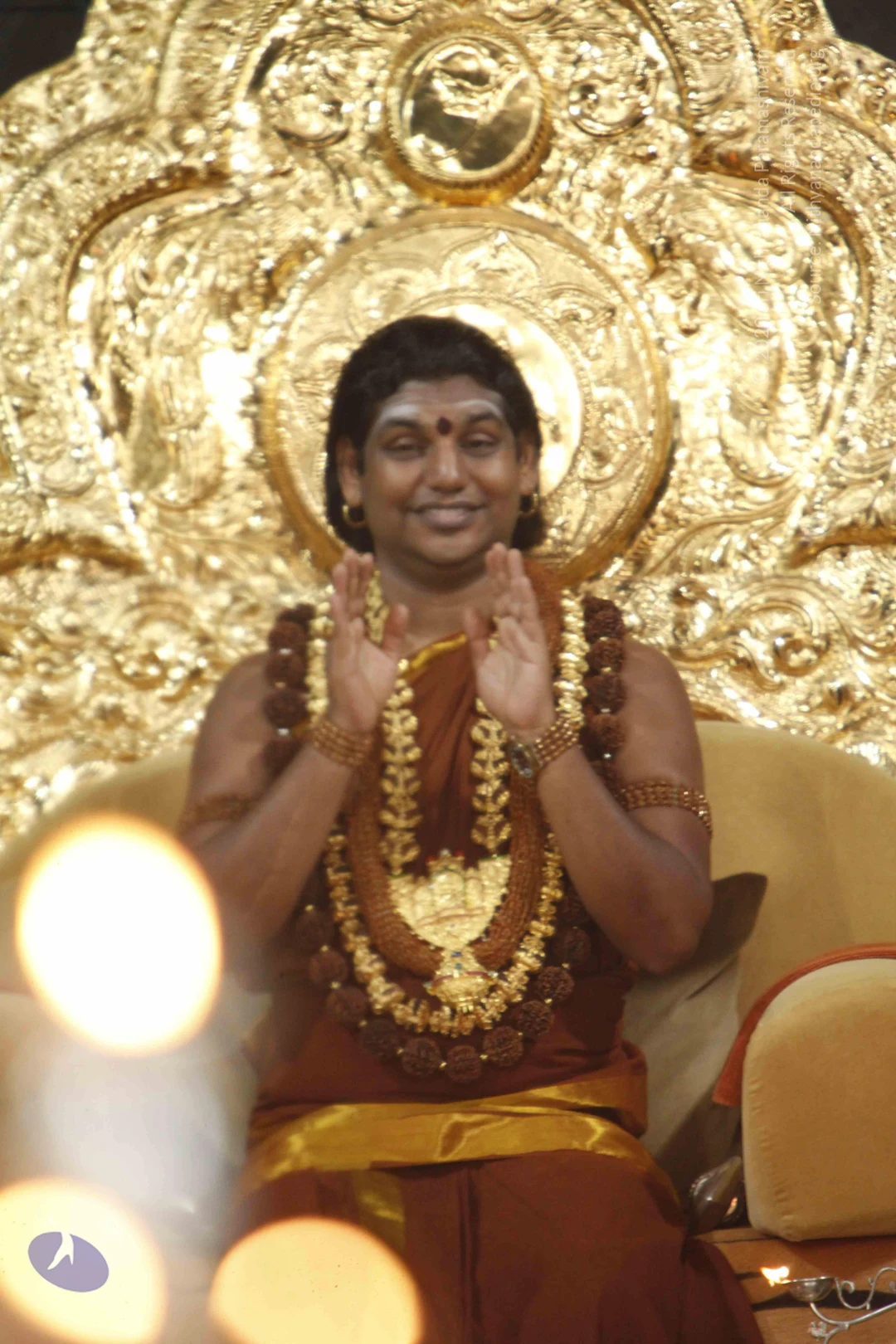
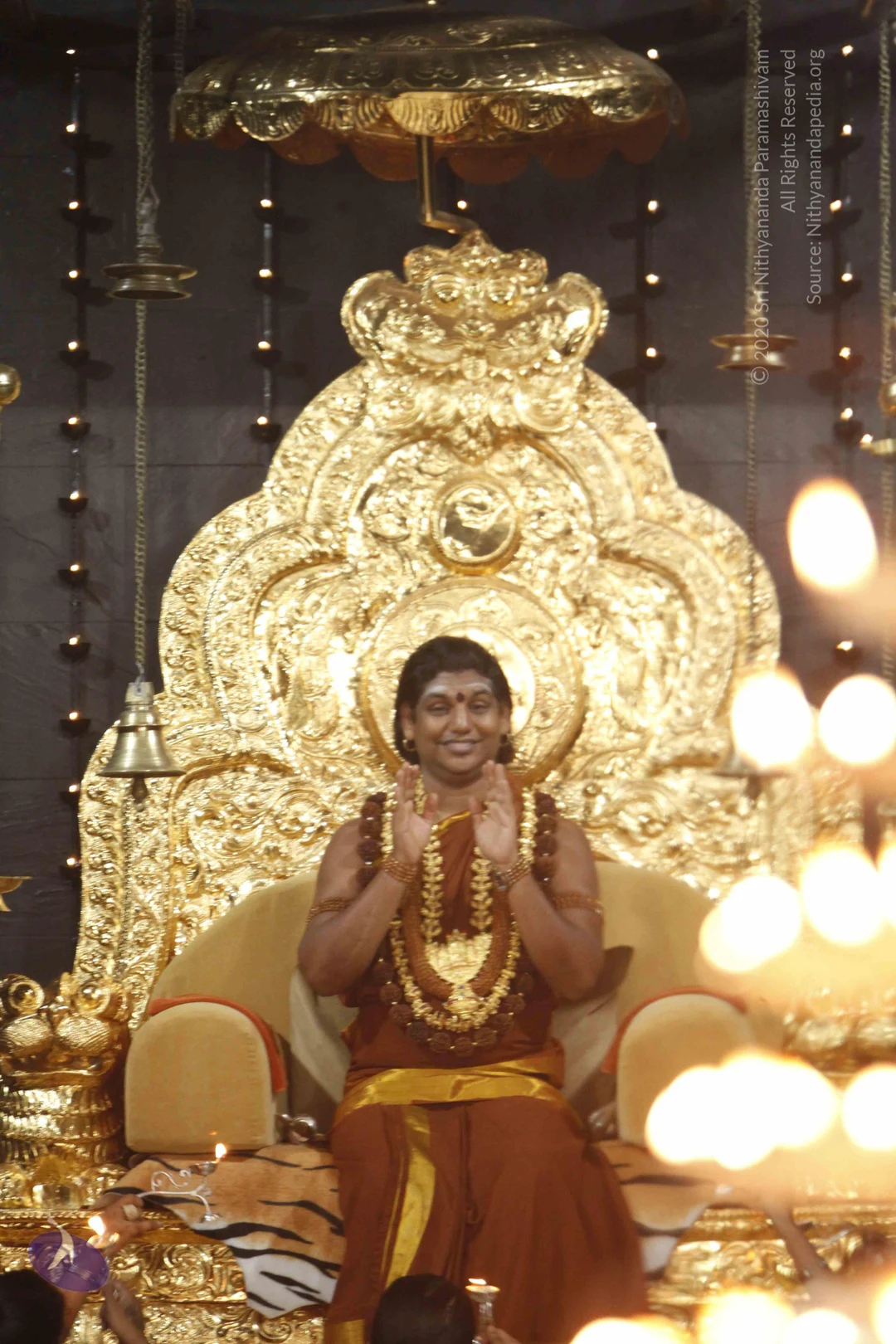
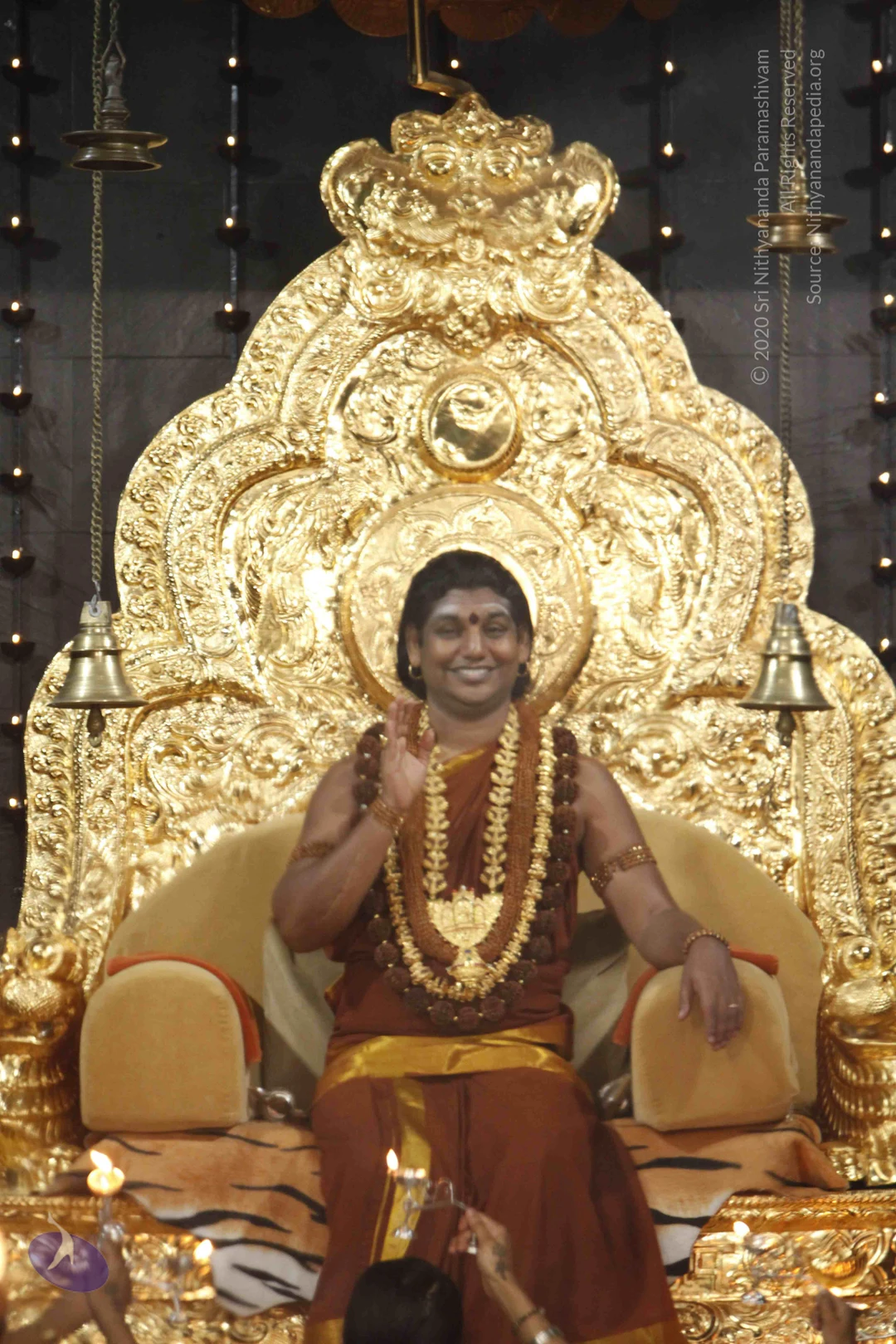
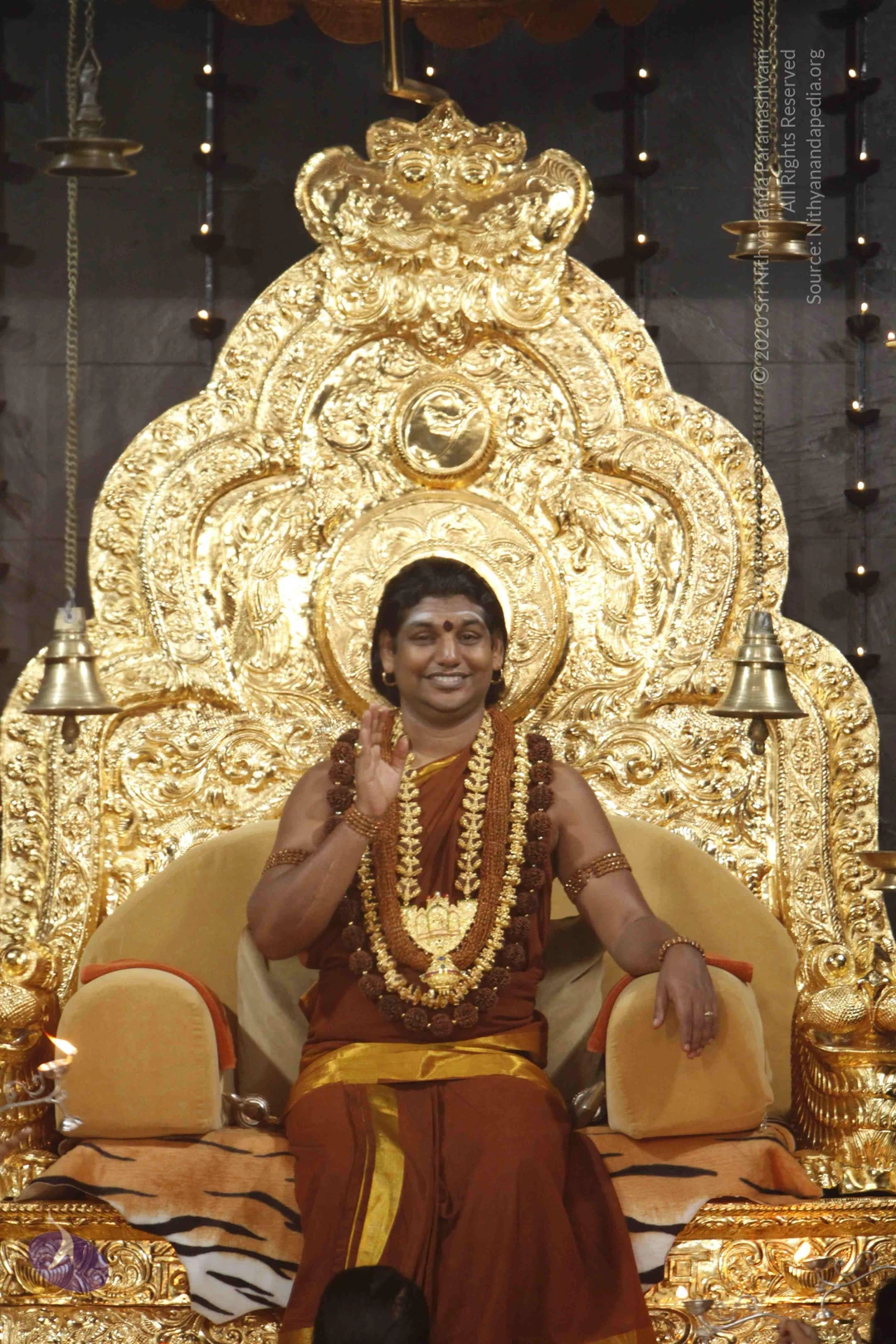
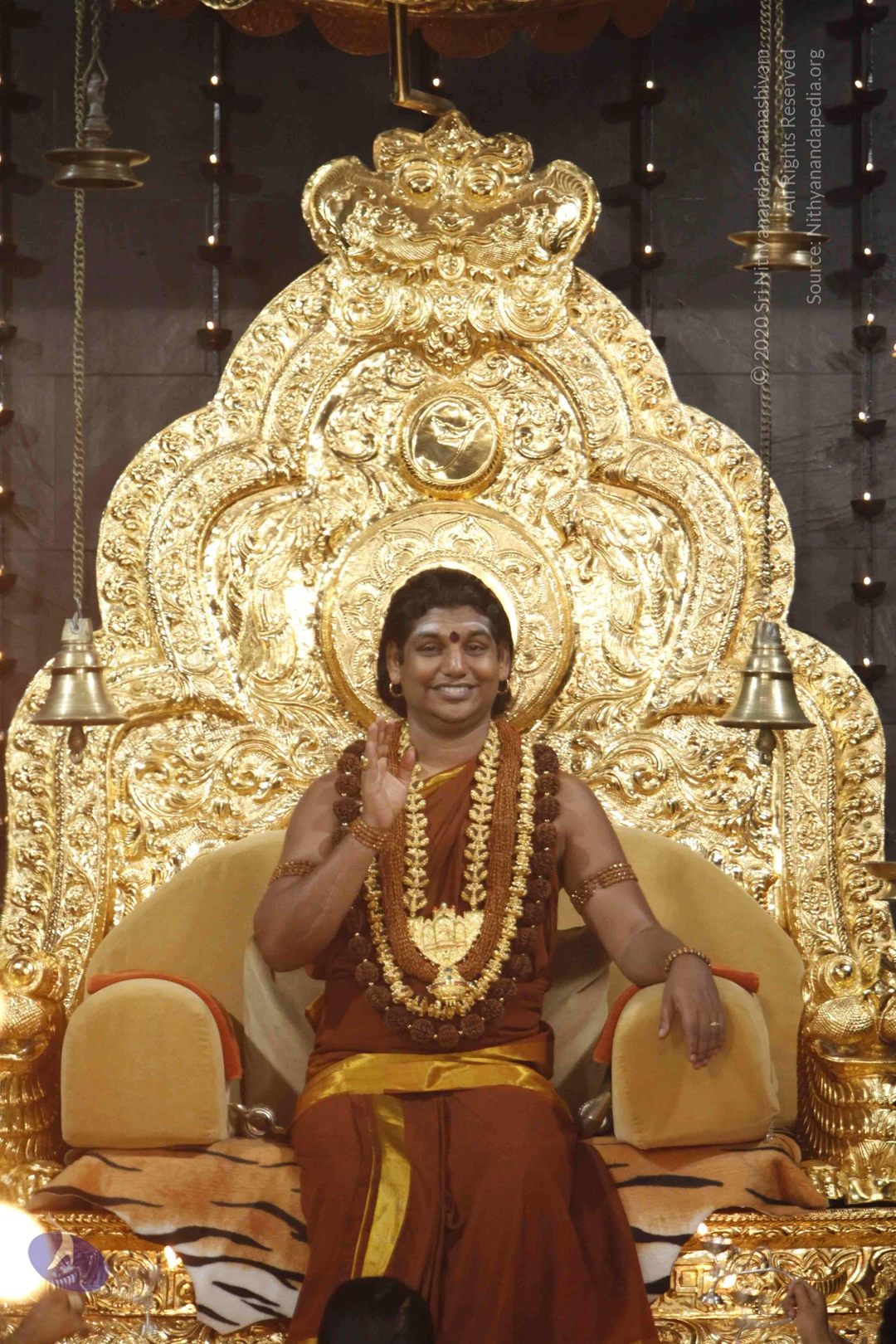
03-NITHYA-SATSANG
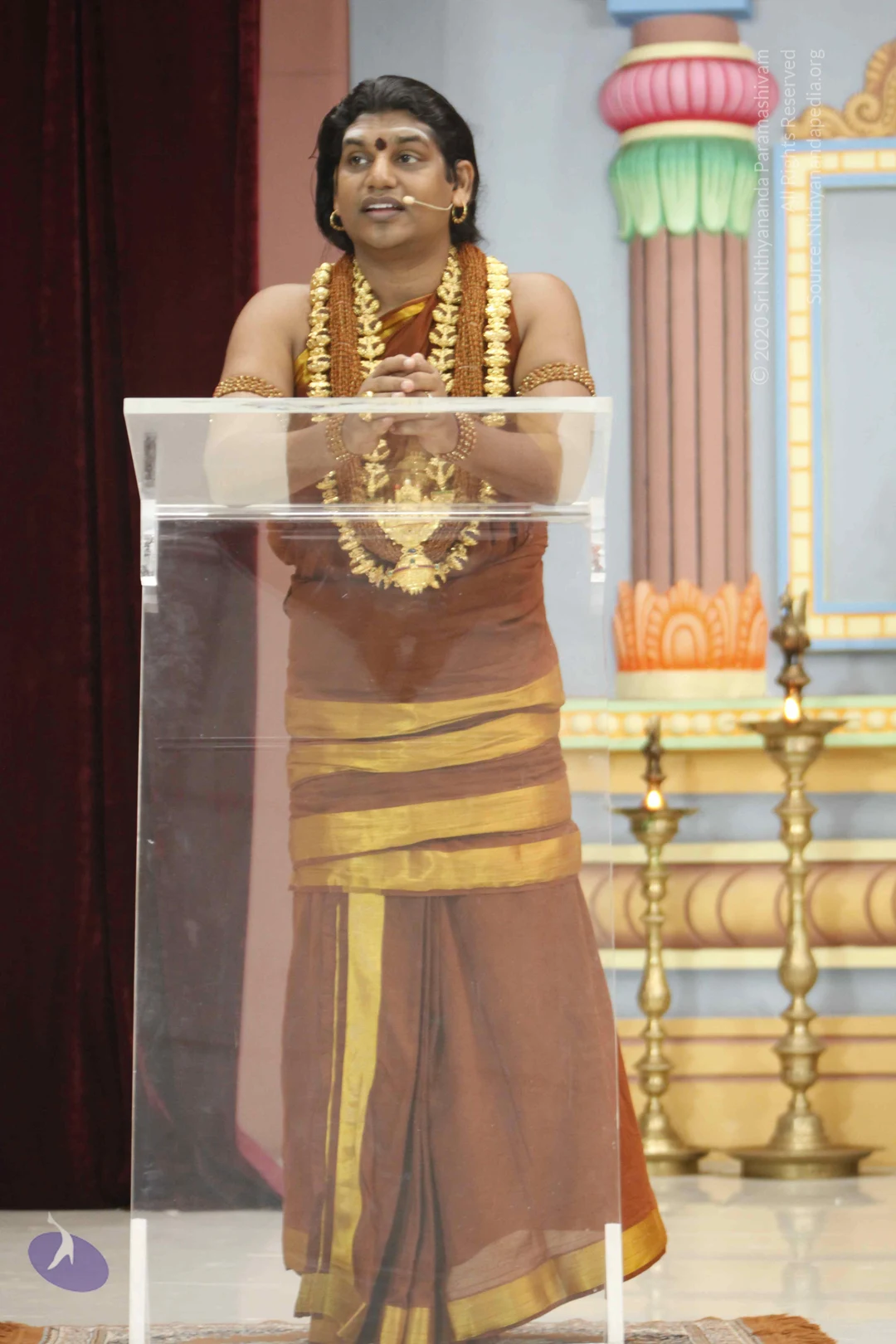
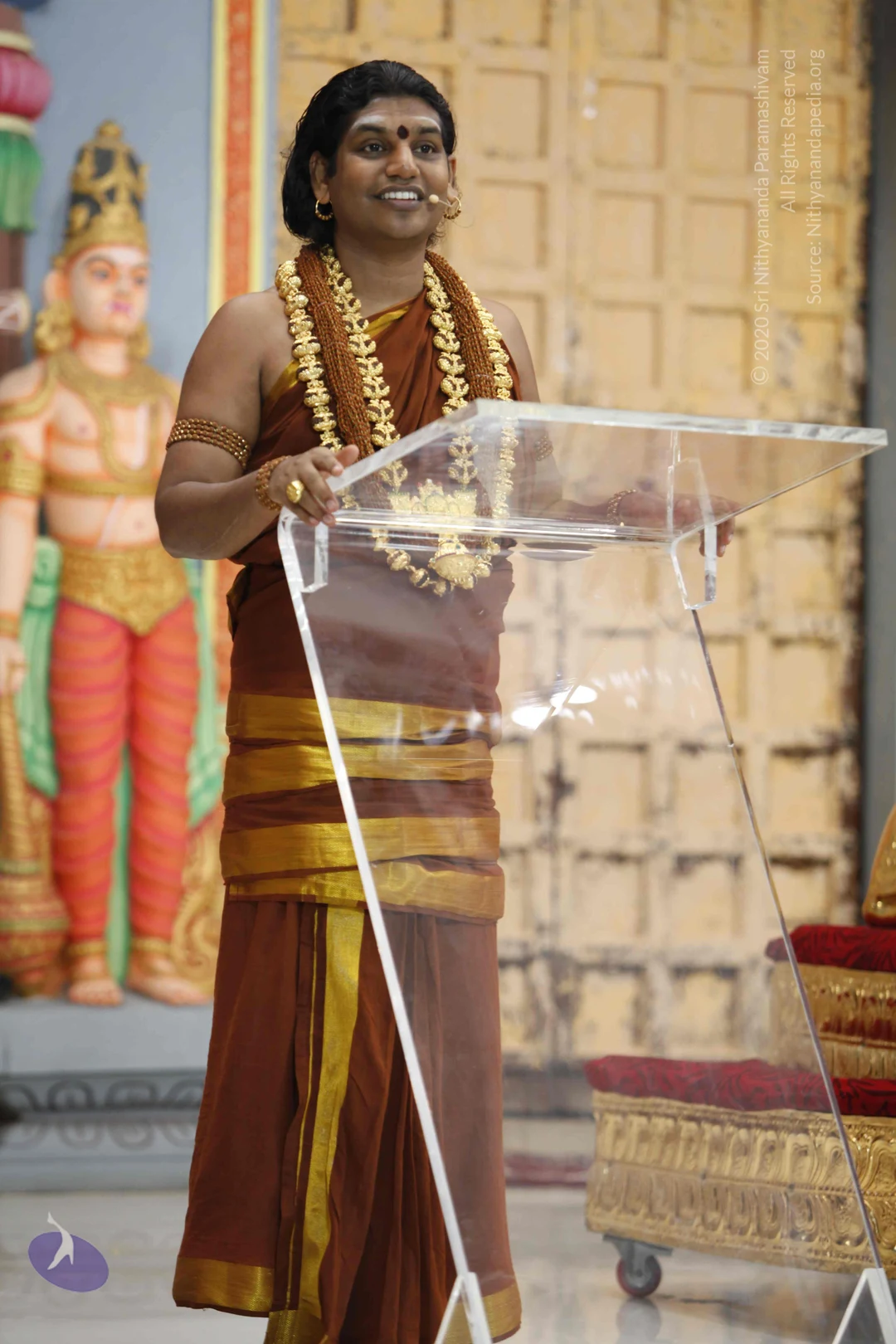
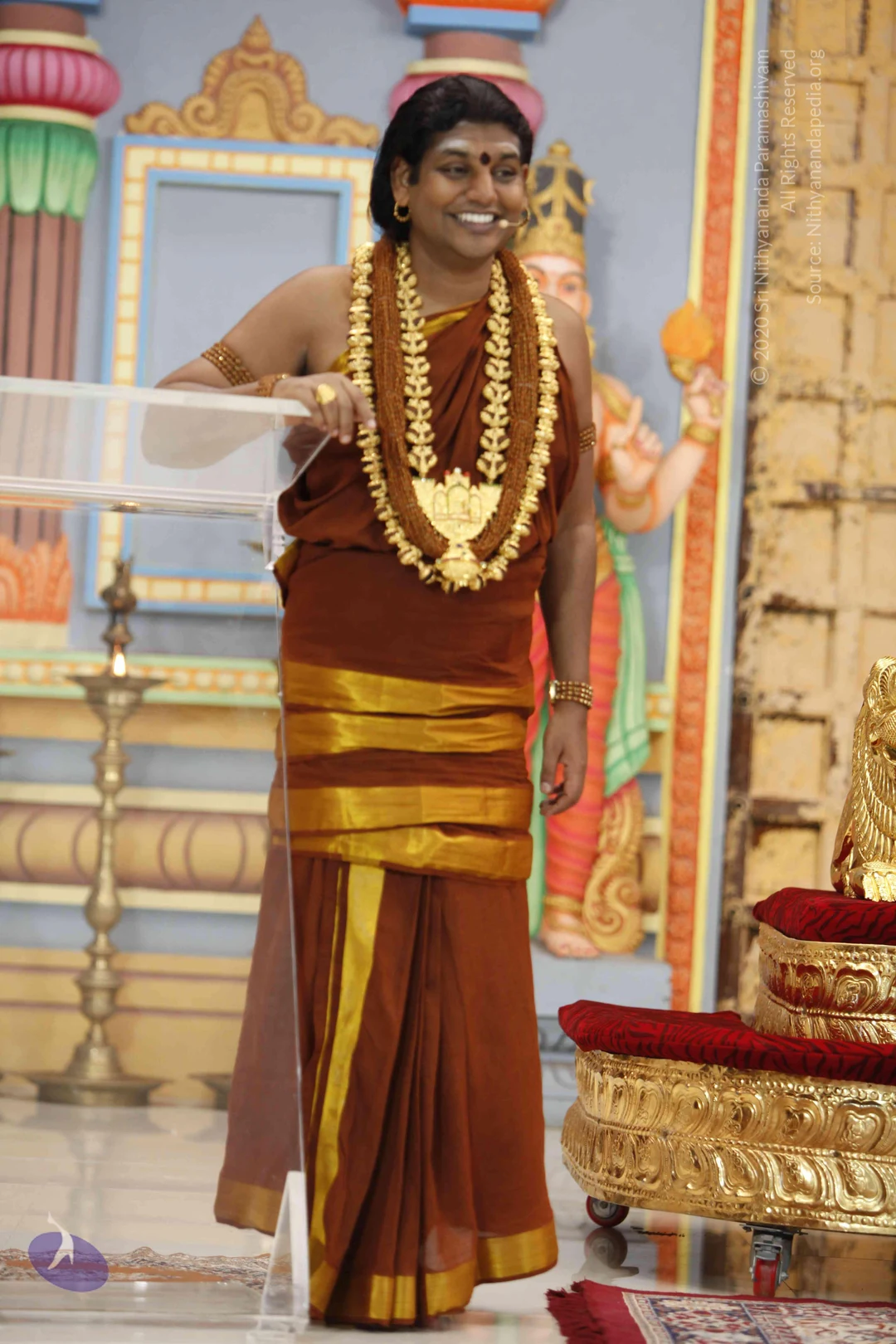
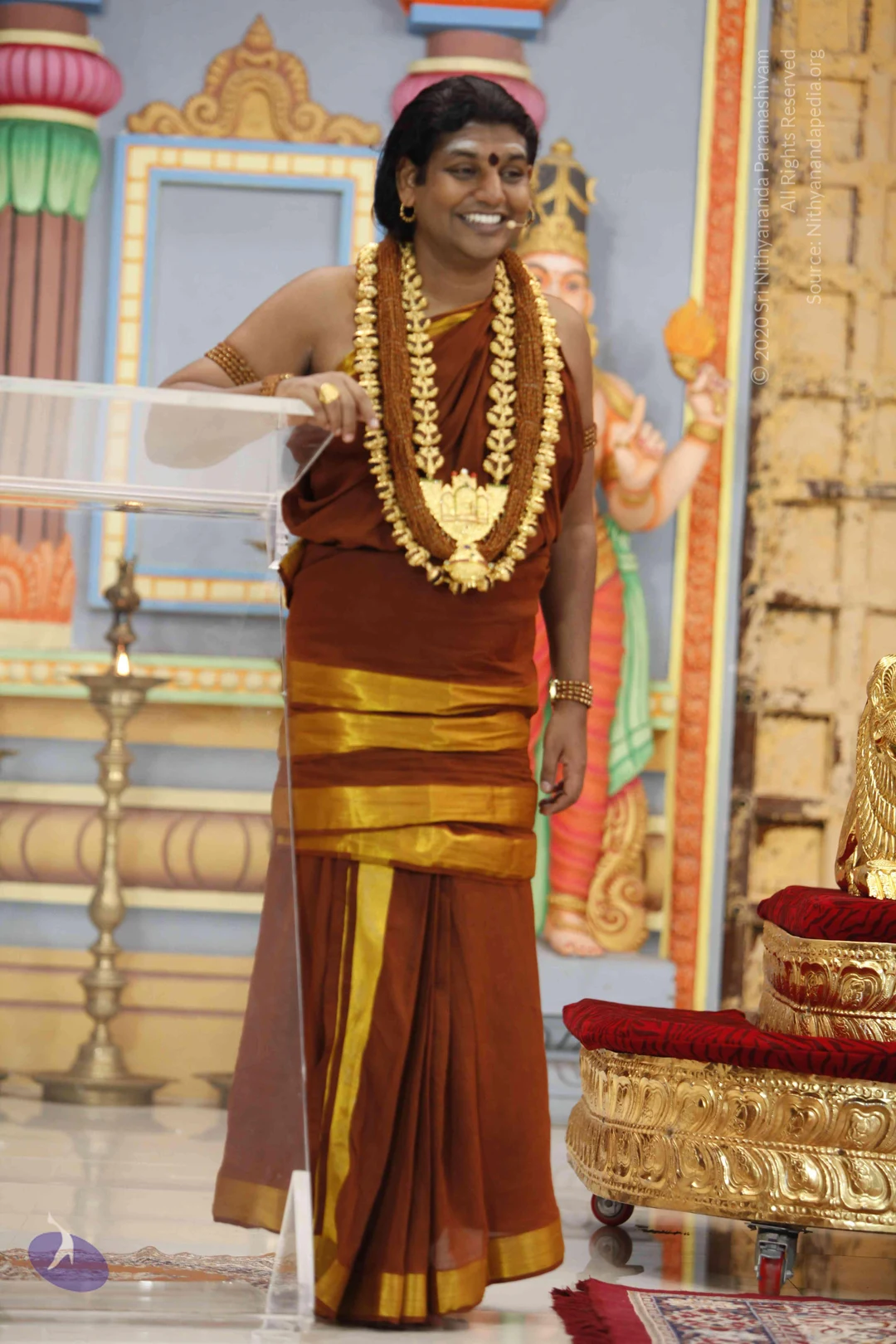
04-SARVA-DARSHAN
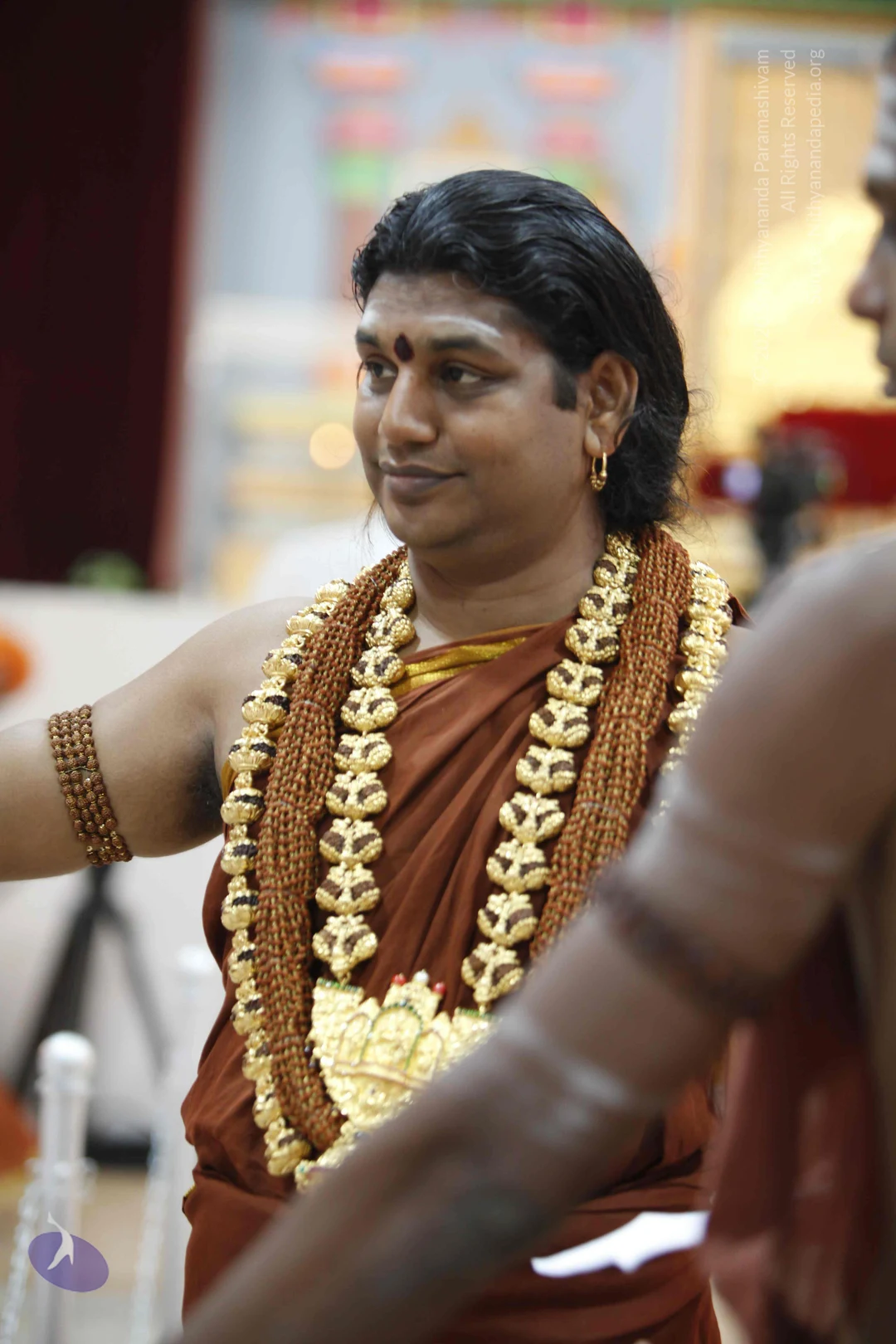
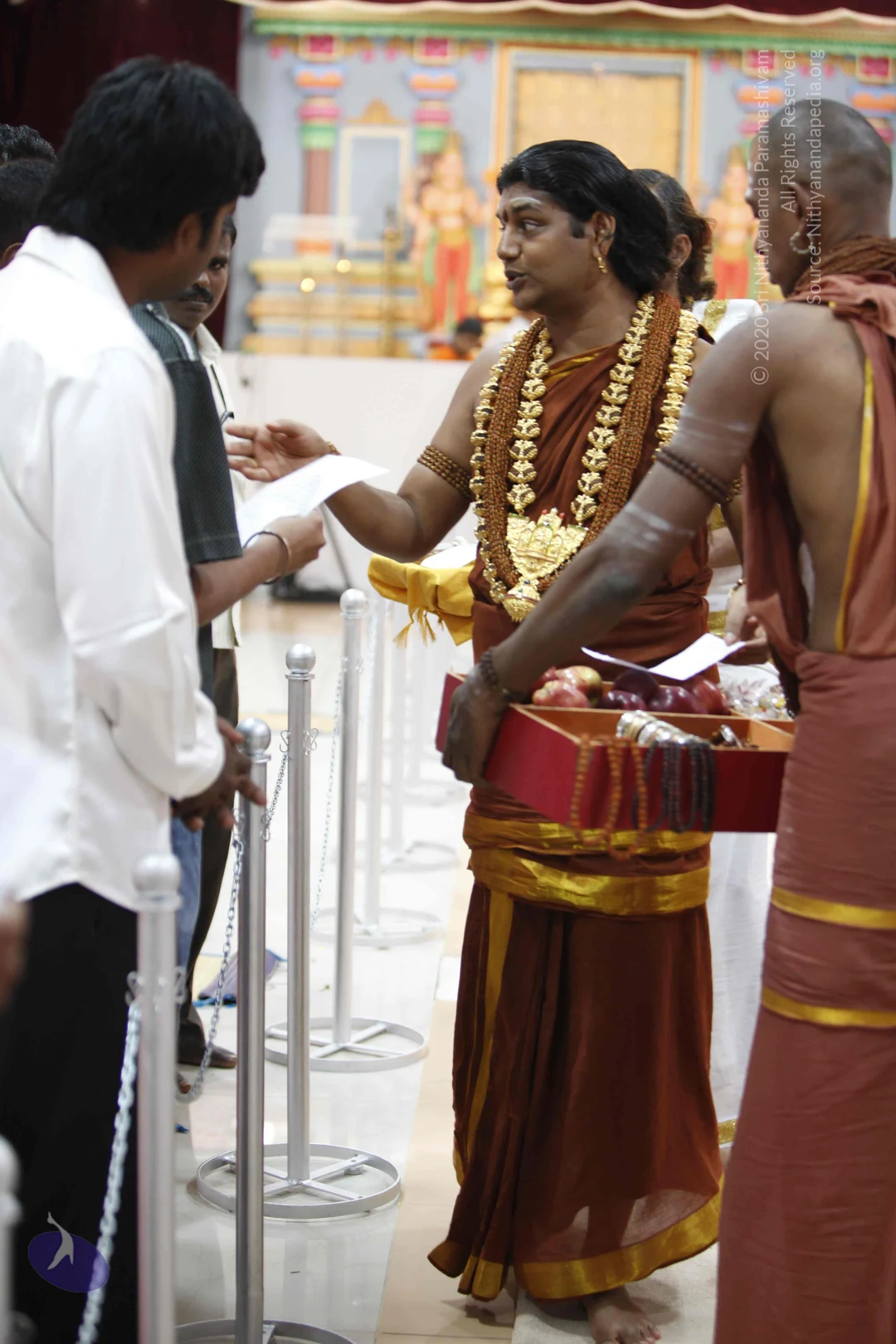
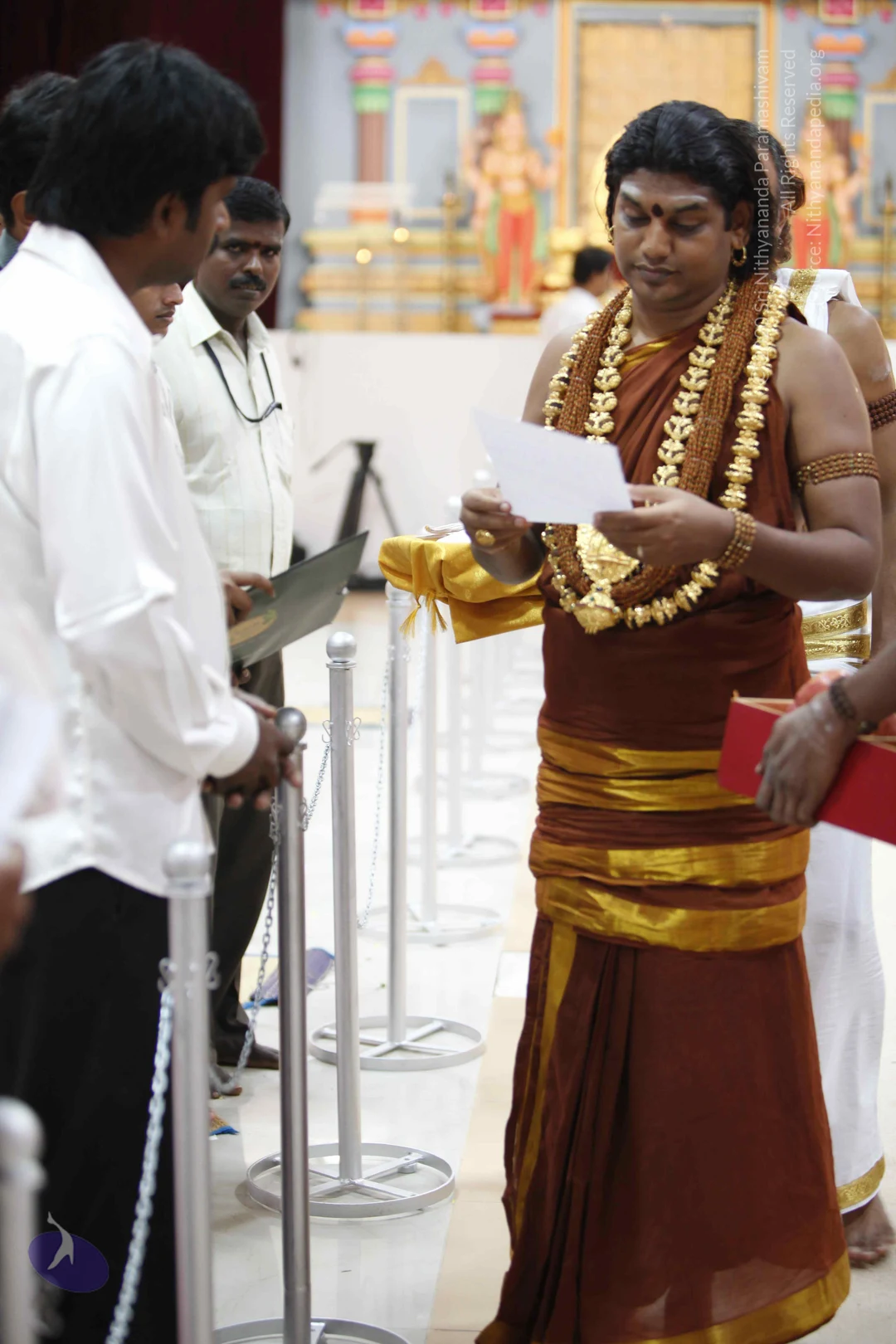
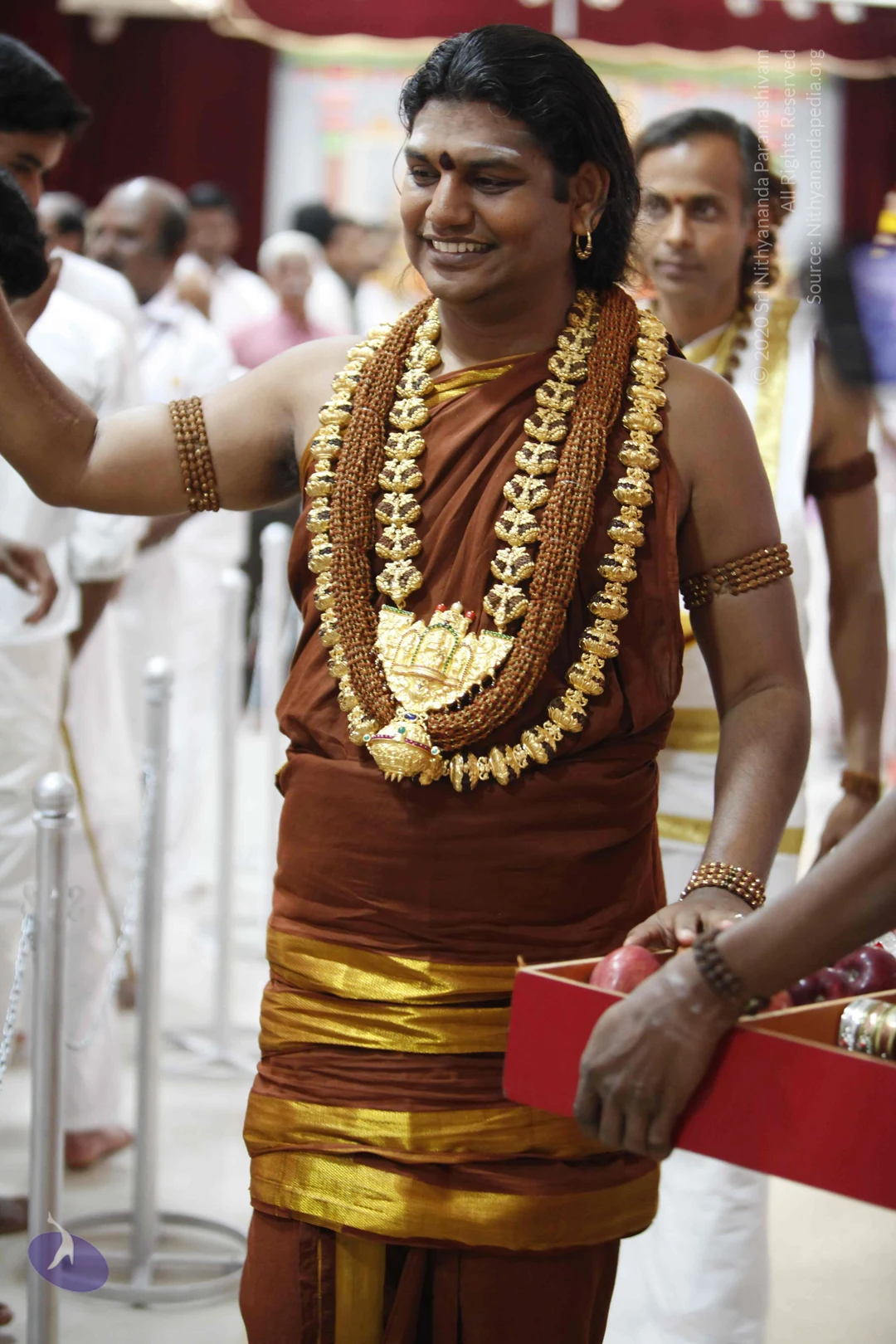
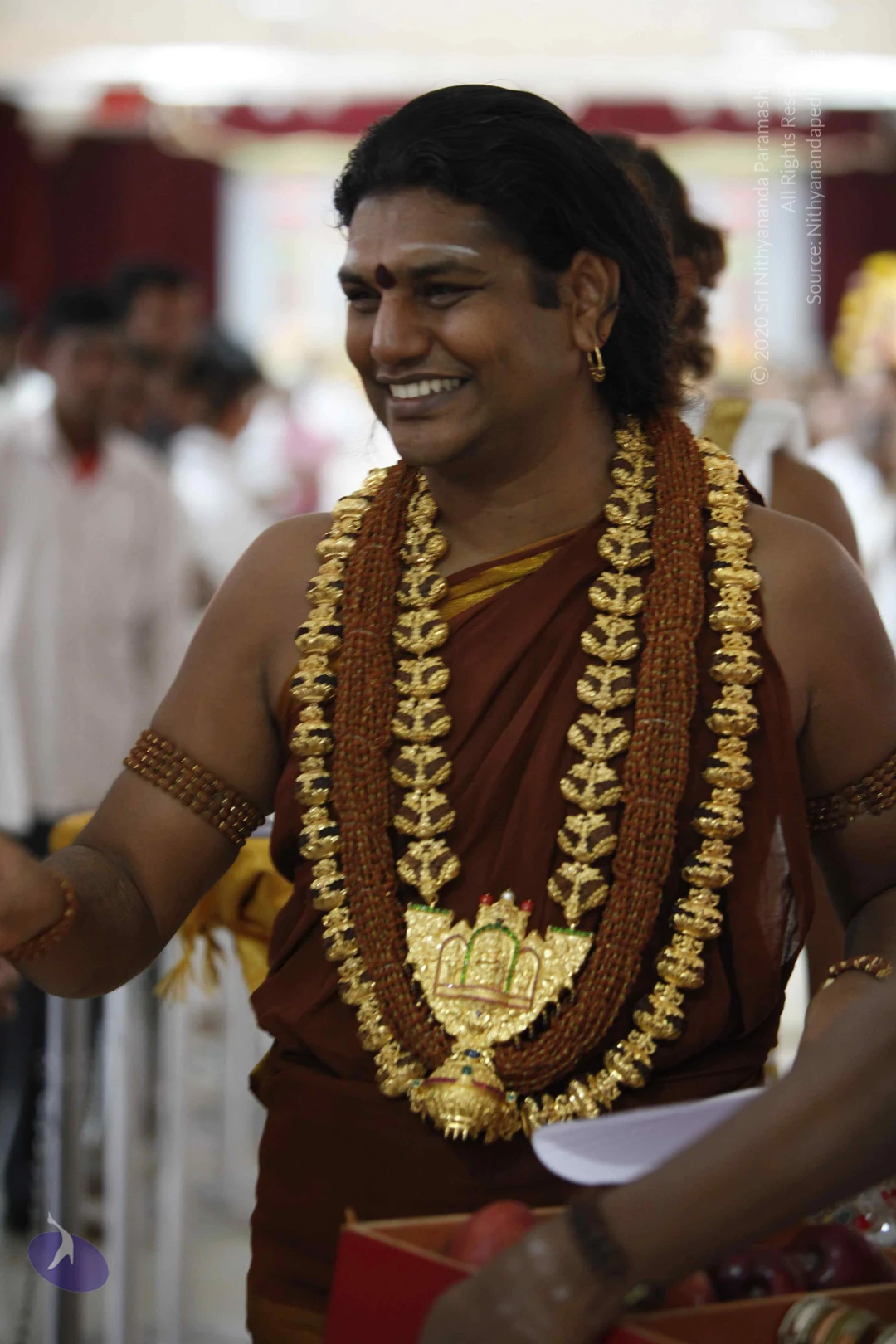
05-IA-DARSHAN
06-THANTHI-TV-DAY-1-SHOW
Photos from this day
View all 536 photosPratyaksha Pada Pooja
41 photosSource gallery
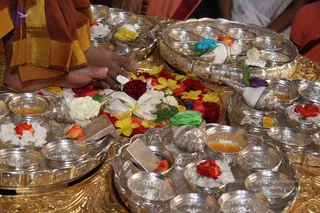
RUDRABHISHEKAM
120 photosSource gallery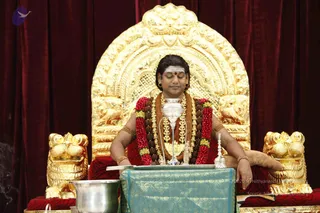
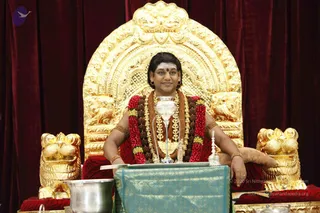
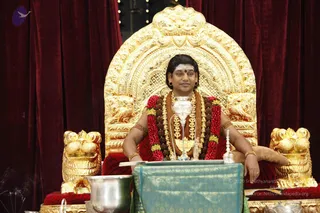
SATSANG
51 photosSource gallery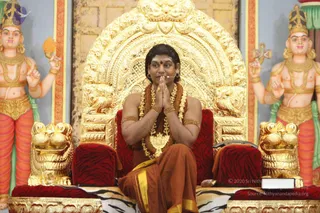
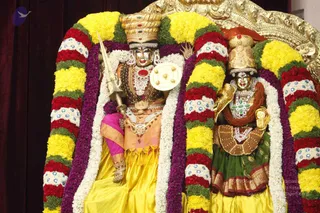
SWAMIJI WITH DEITIES
3 photosSource gallery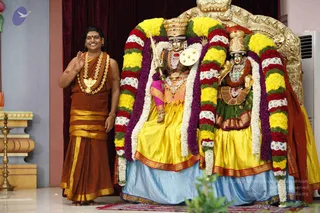
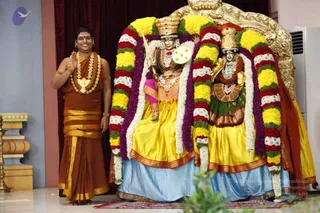
SARVA DARSHAN
11 photosSource gallery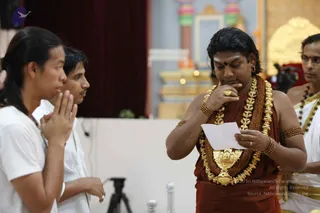
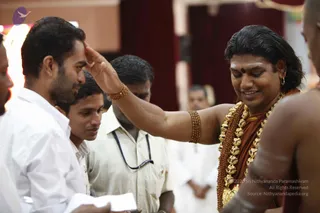
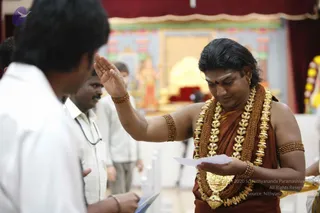
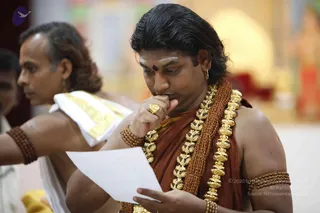
Inner Awakening DARSHAN
64 photosSource gallery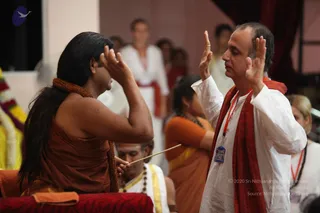
THANTI TV DAY 1 SHOW
168 photosSource gallery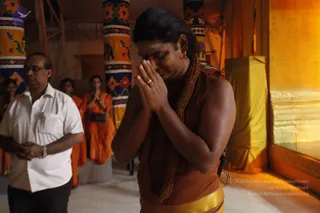
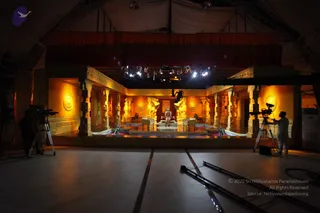
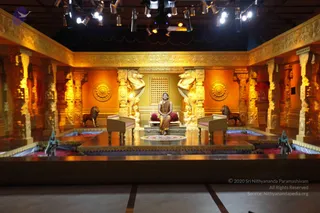
01-RUDRA-ABISHEGAM
16 photosSource gallery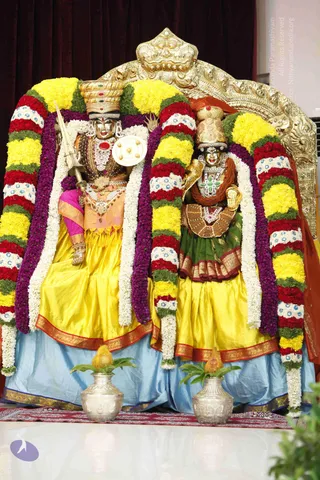
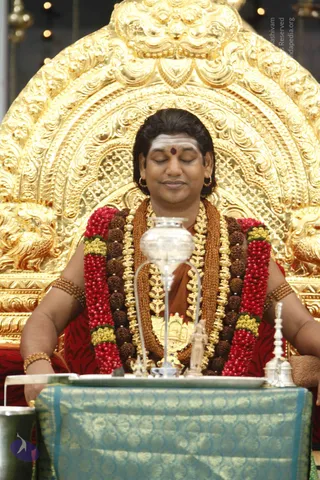
2013-July-15
26 photosView all