Wednesday
23 January 2013
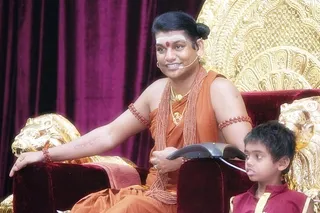
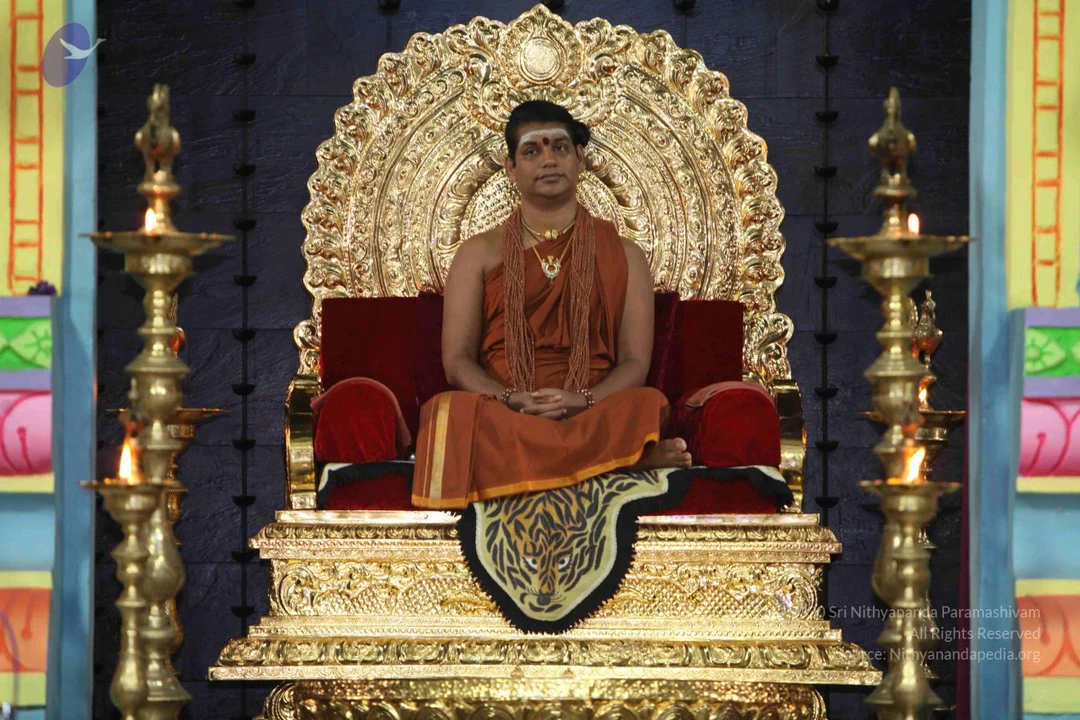
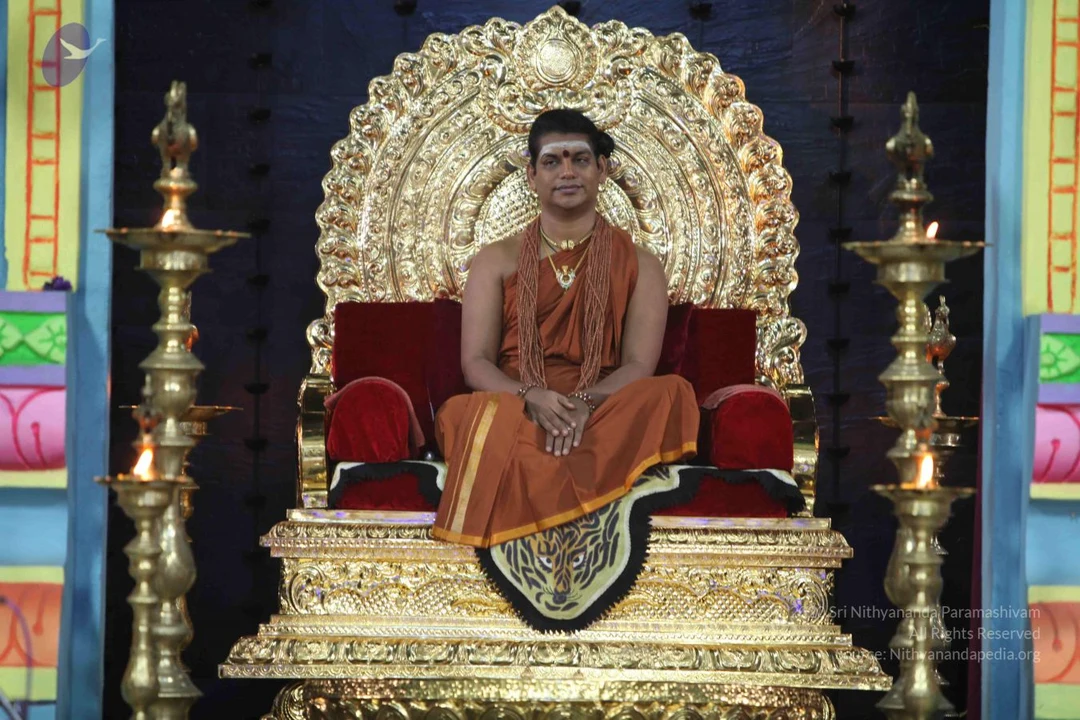
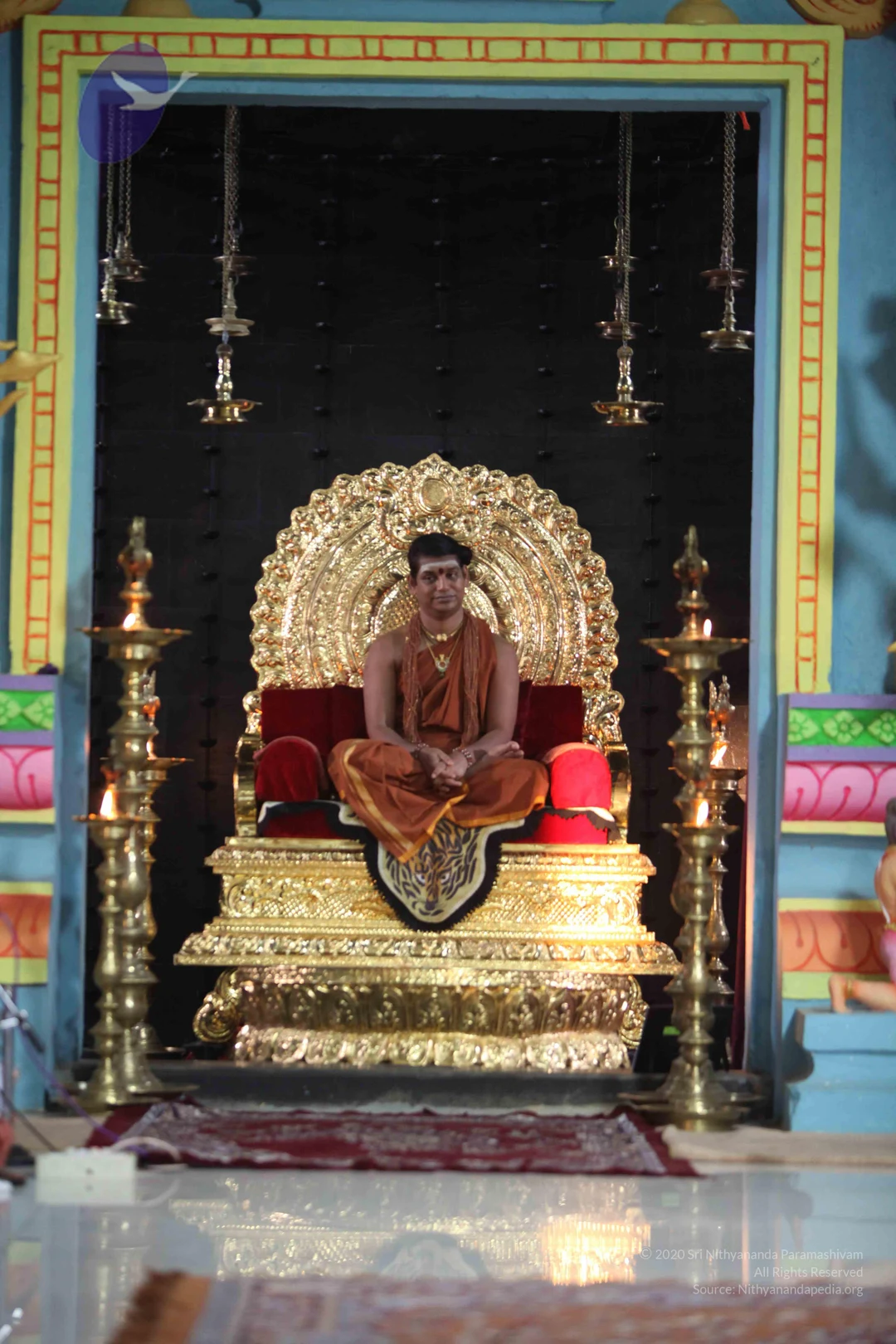
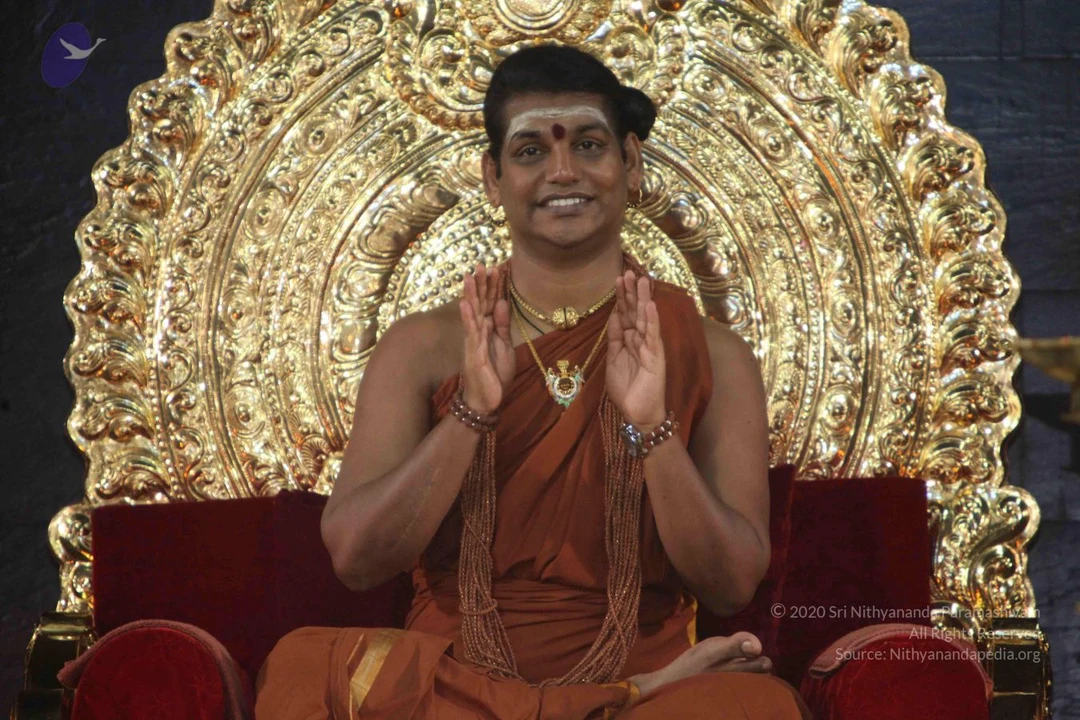
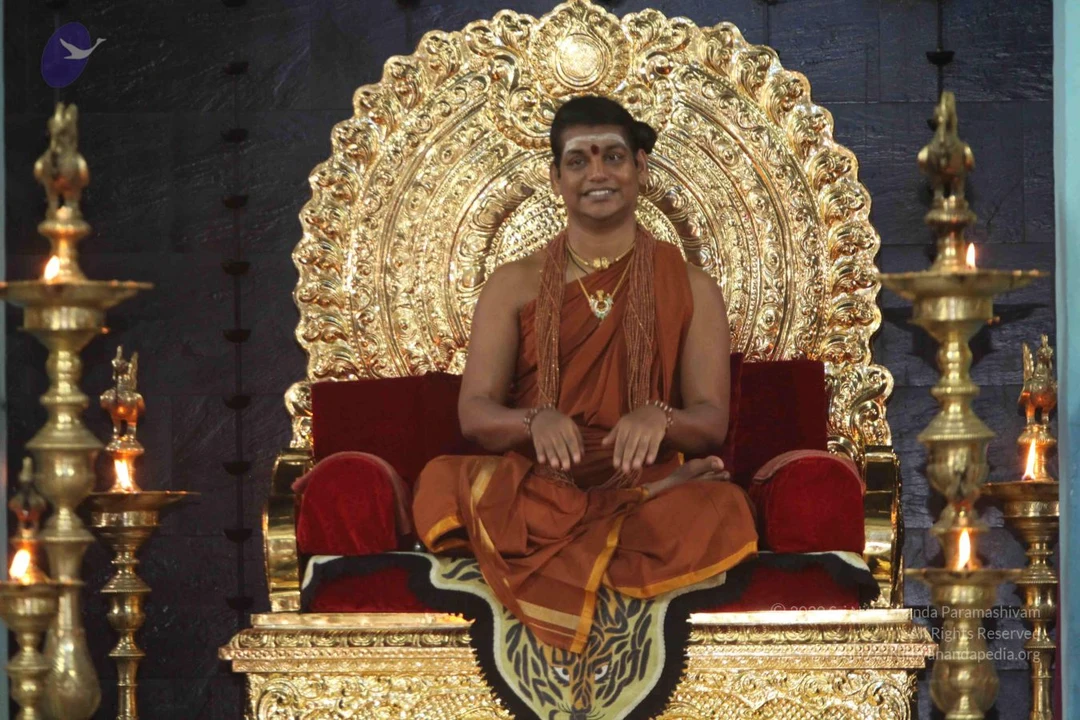
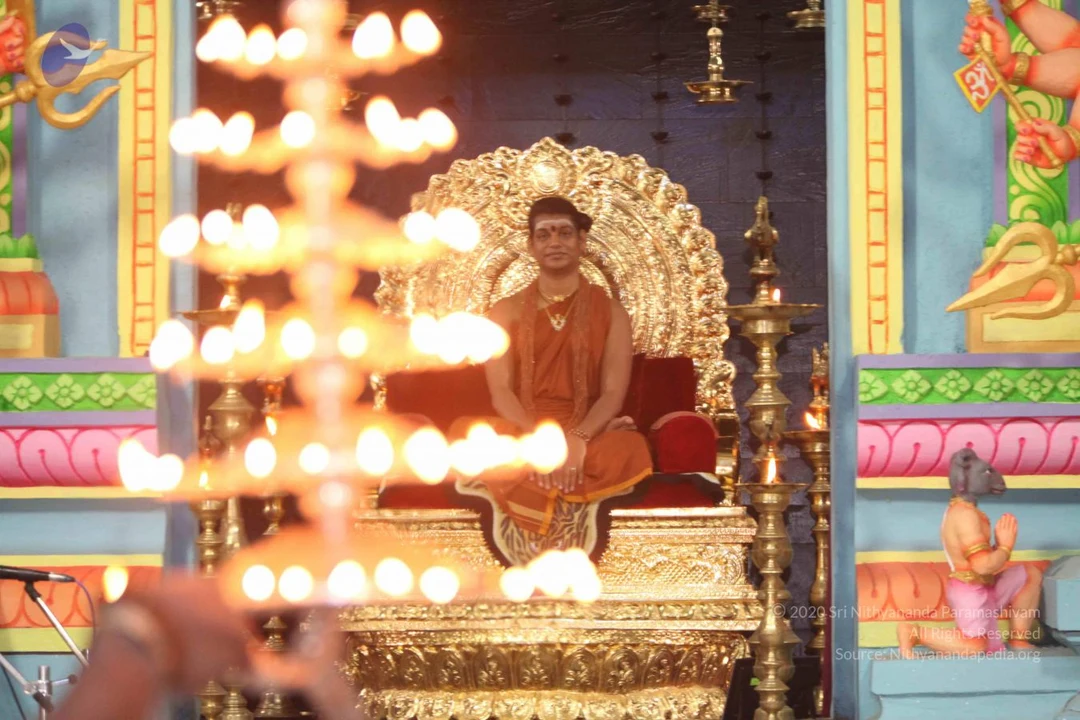
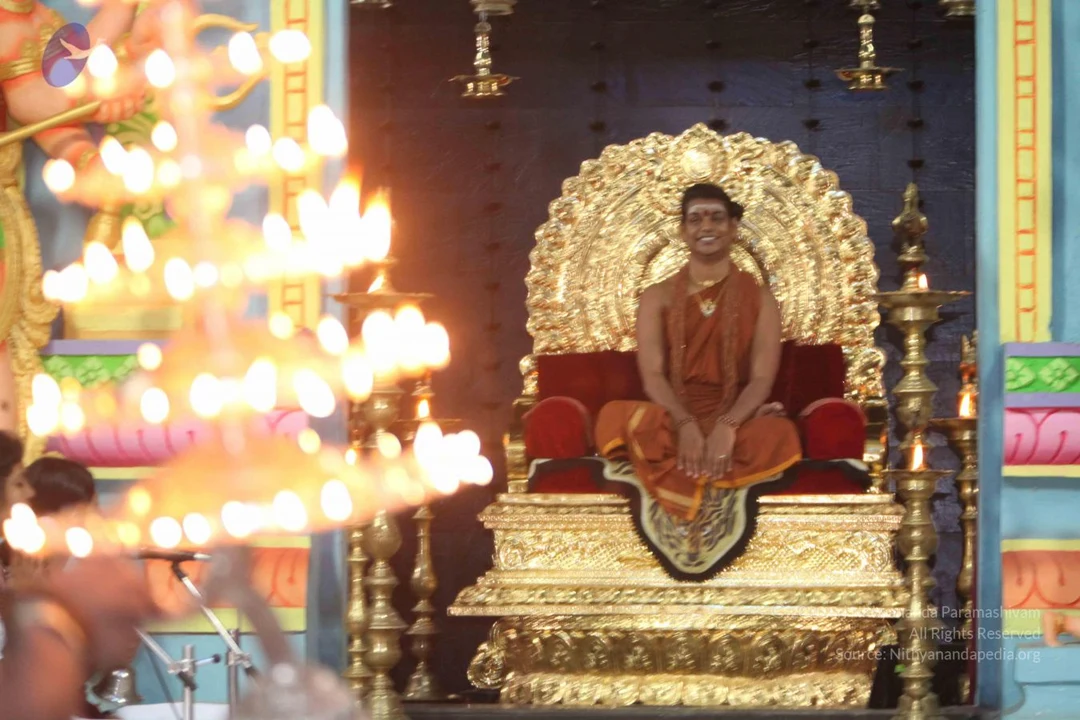
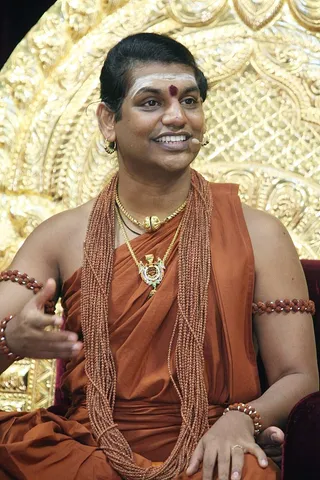
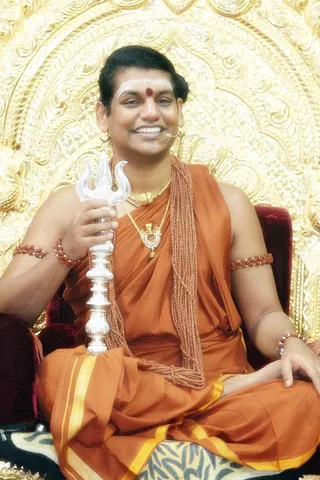
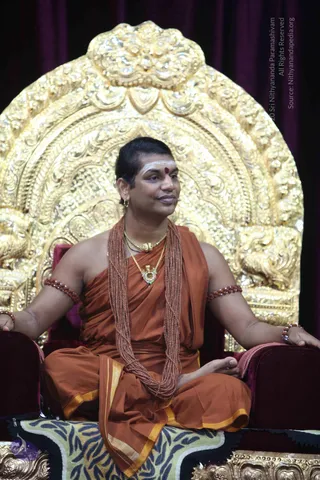
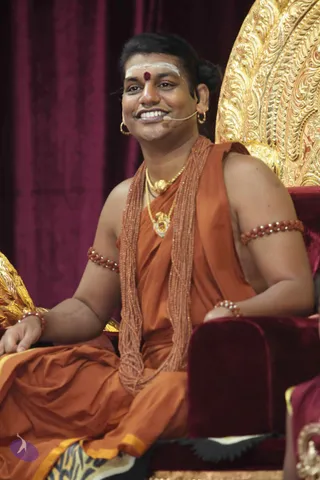
The Supreme Pontiff of Hinduism (SPH), JagatGuru MahaSannidhanam (JGM) Bhagavan Sri Nithyananda Paramashivam
- Dated photos
- 160
- Source pages
- 1
- Media
- 4
January 23 2013
Original wiki pageTitle
The Supreme Pontiff of Hinduism (SPH), JagatGuru MahaSannidhanam (JGM) Bhagavan Sri Nithyananda Paramashivam
Description
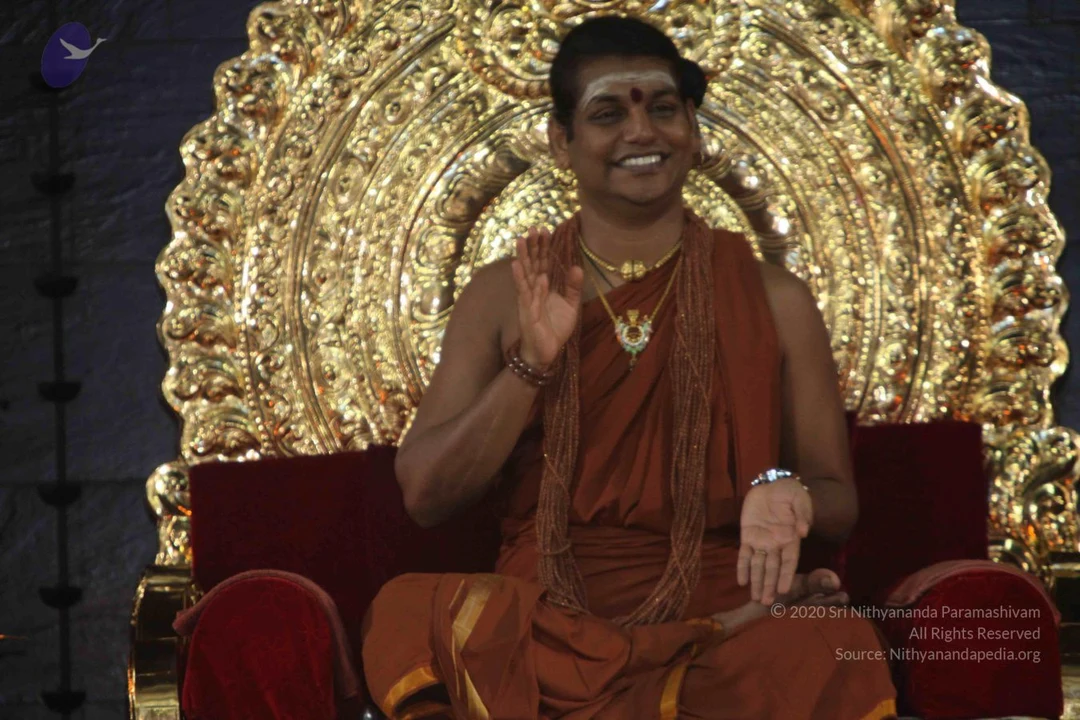
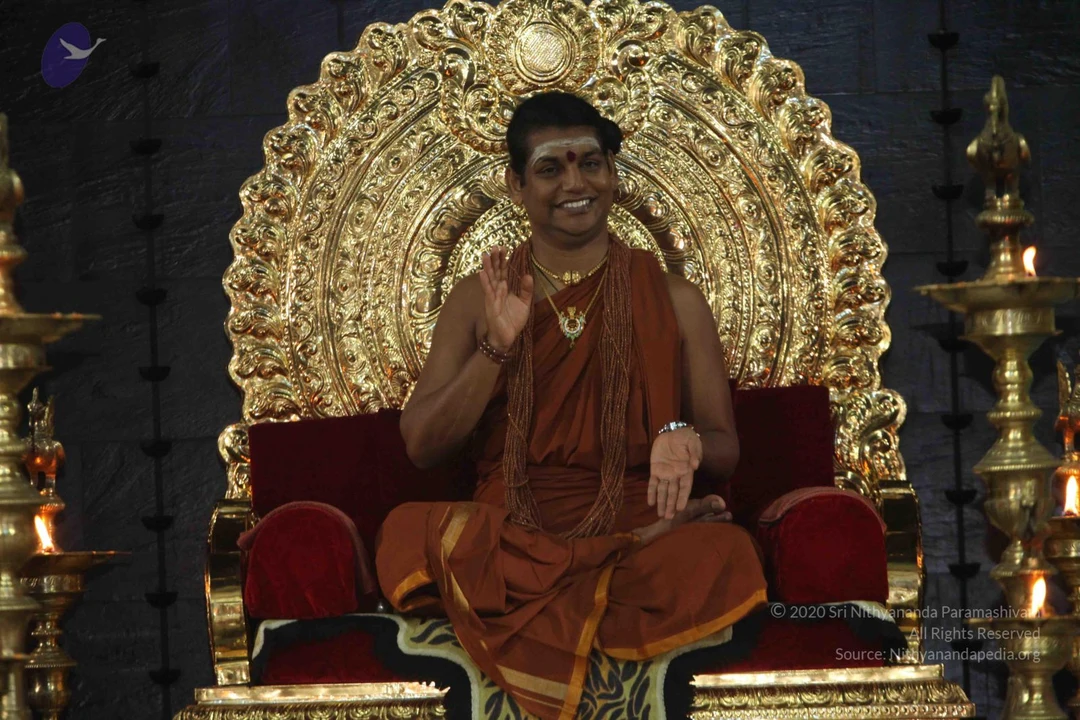
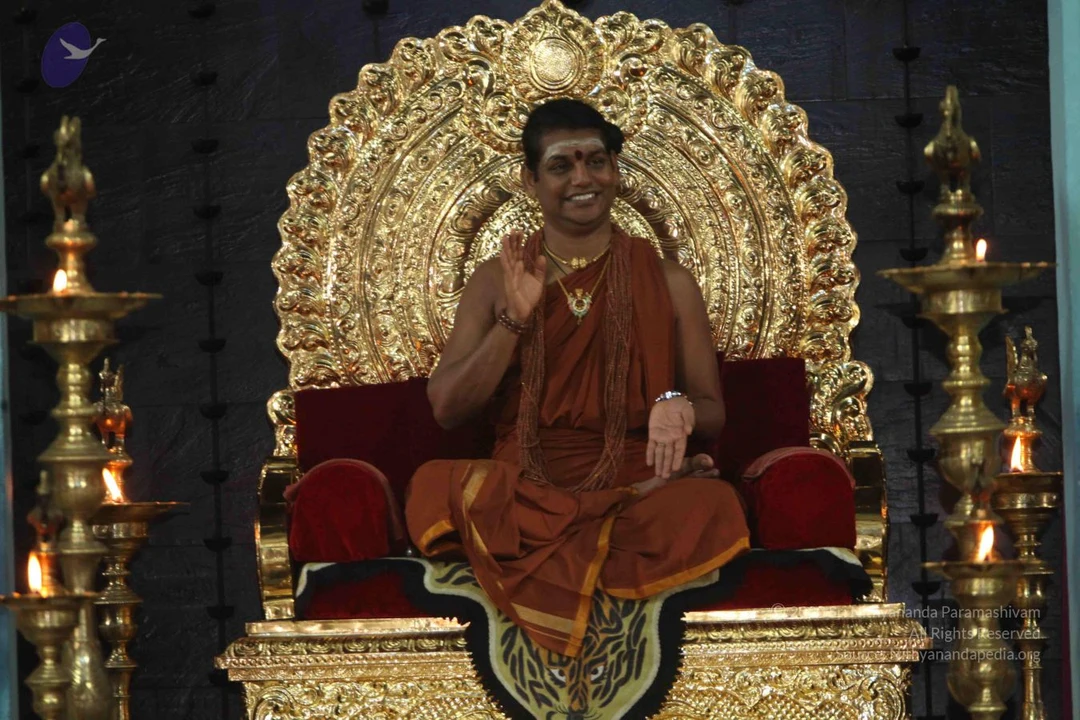
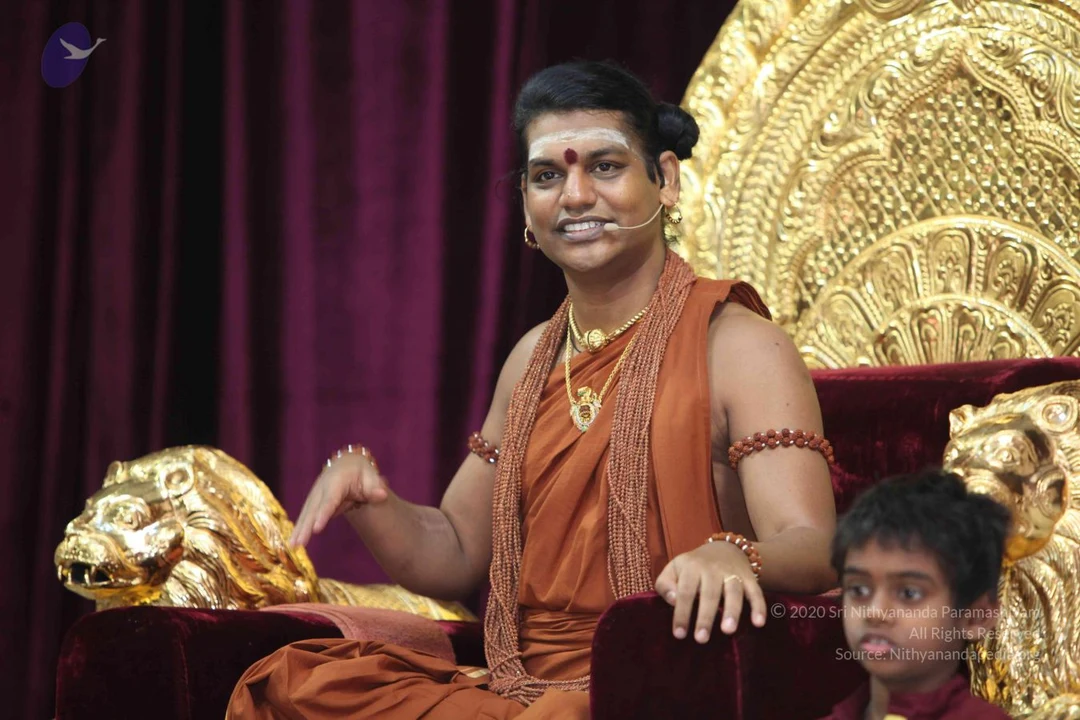
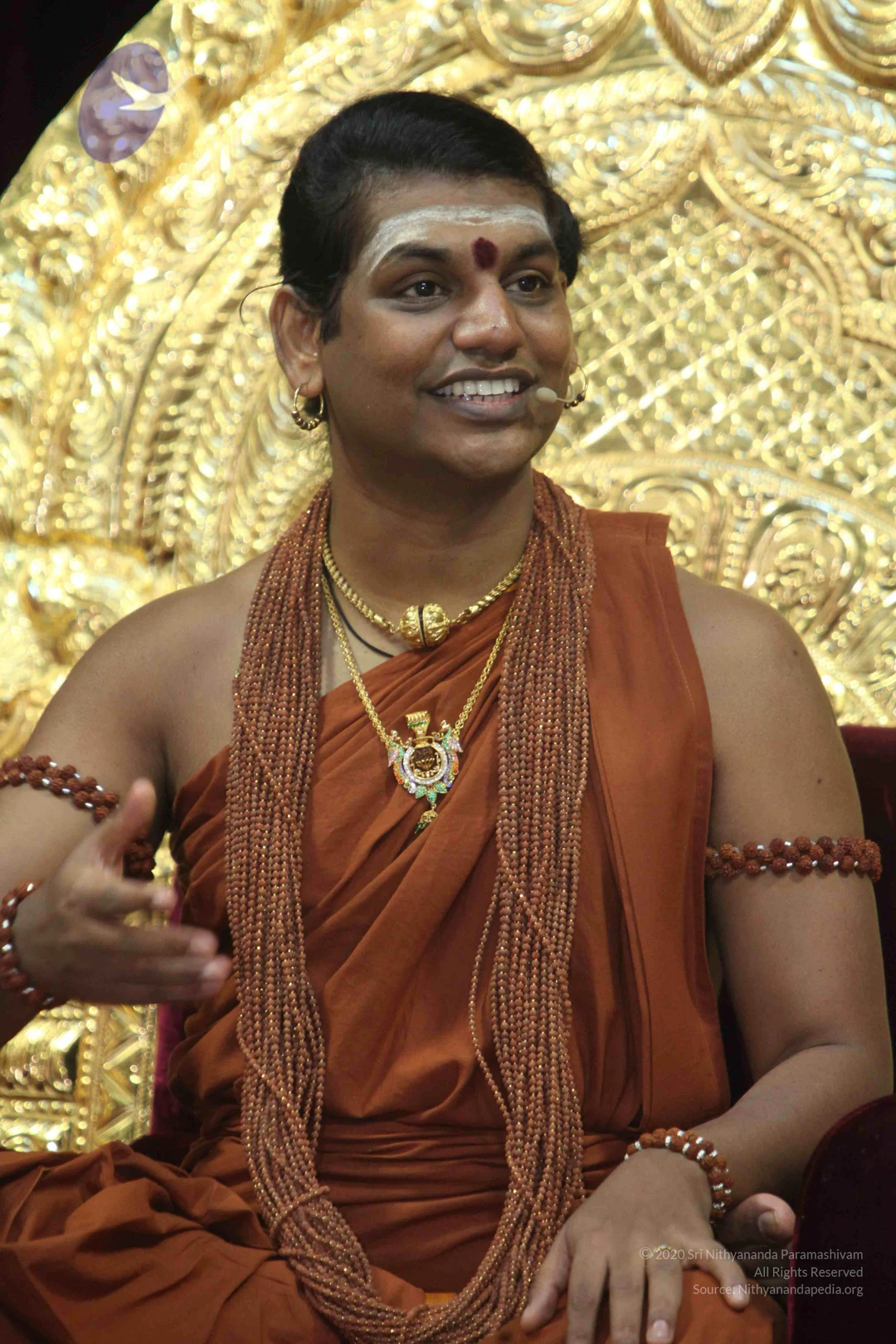
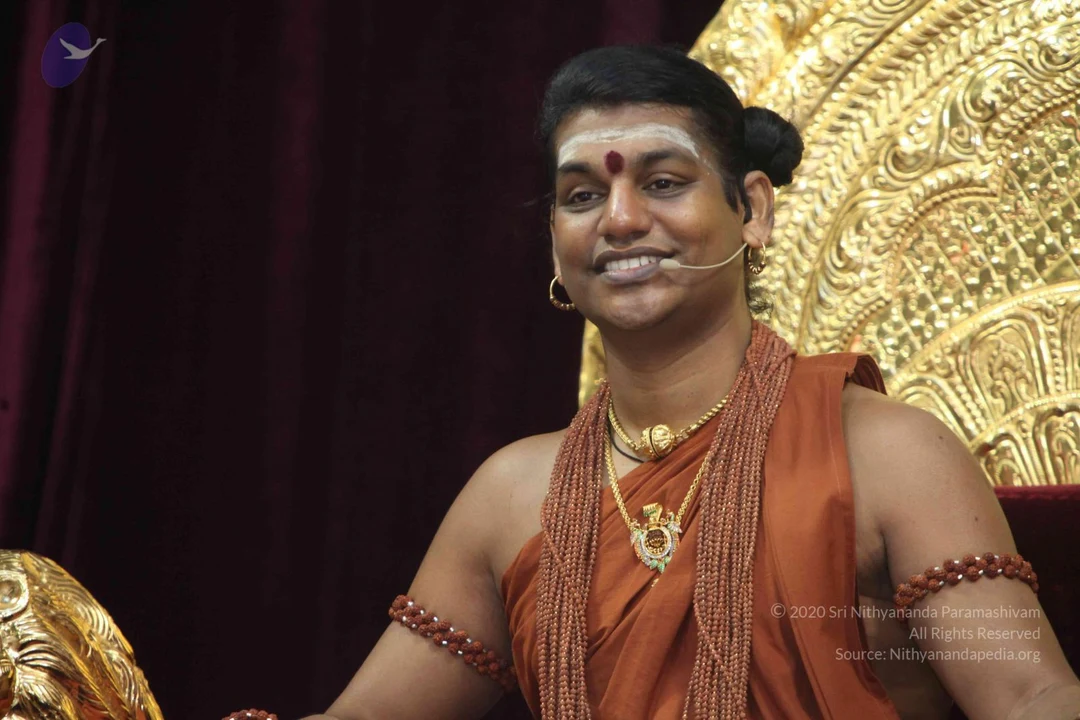
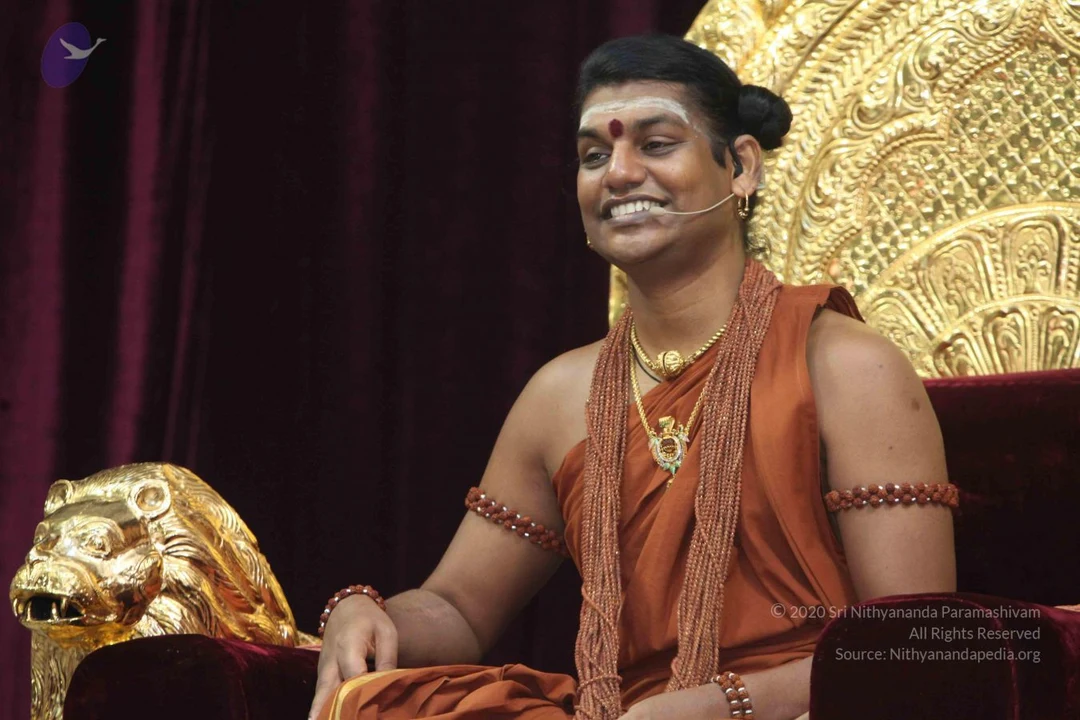
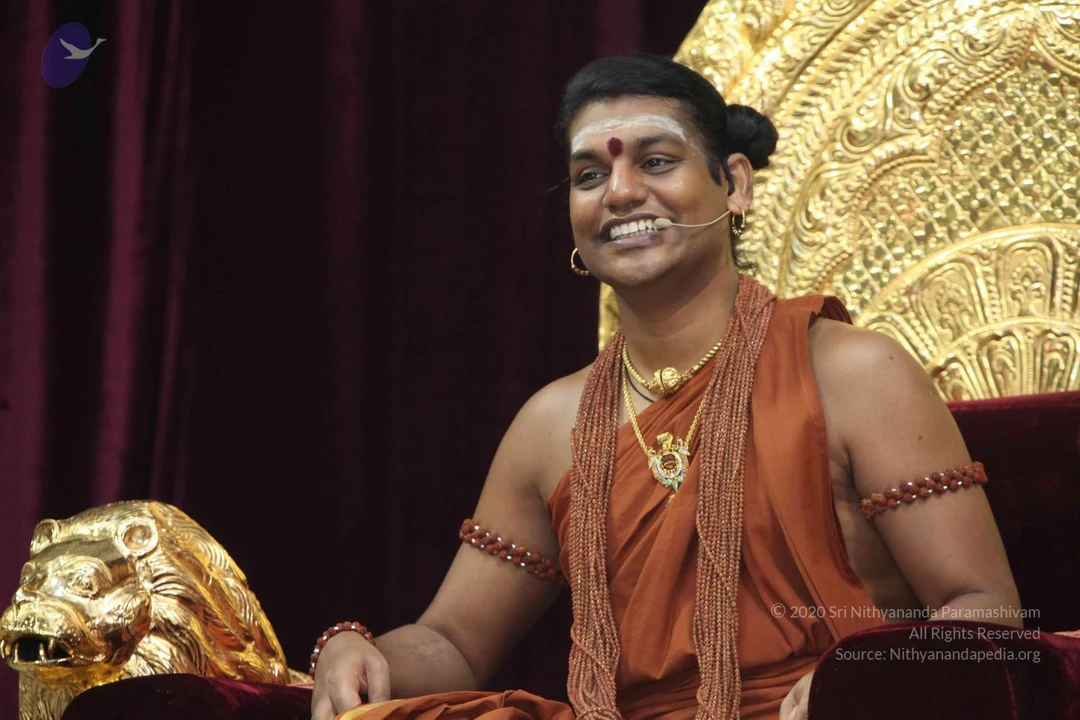
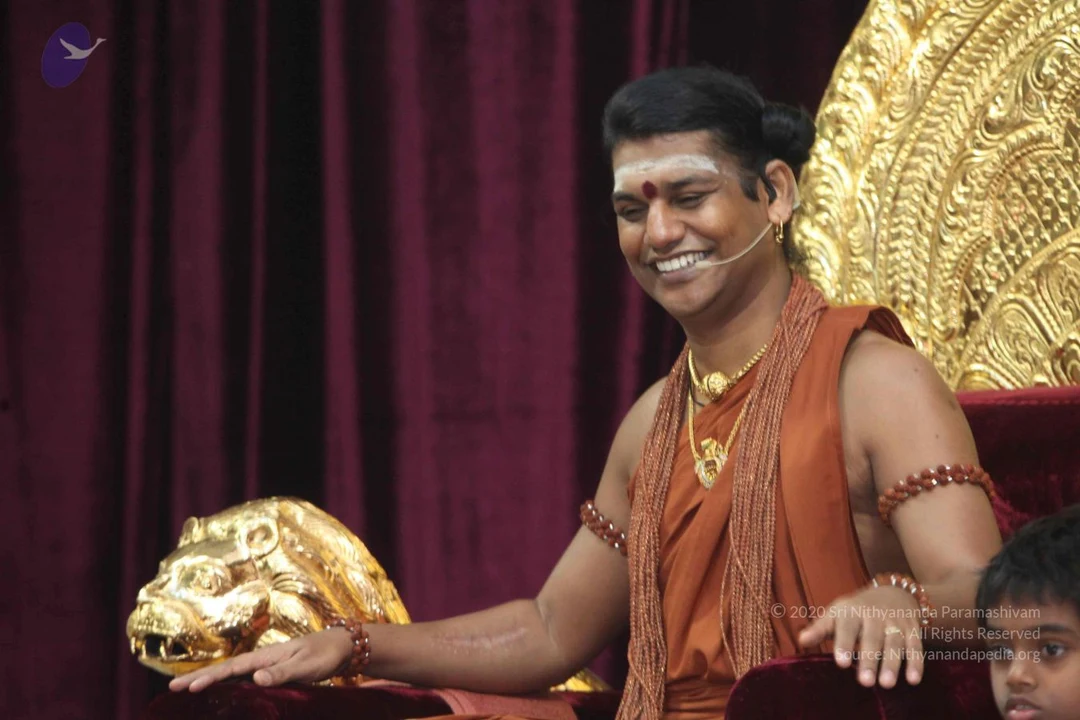
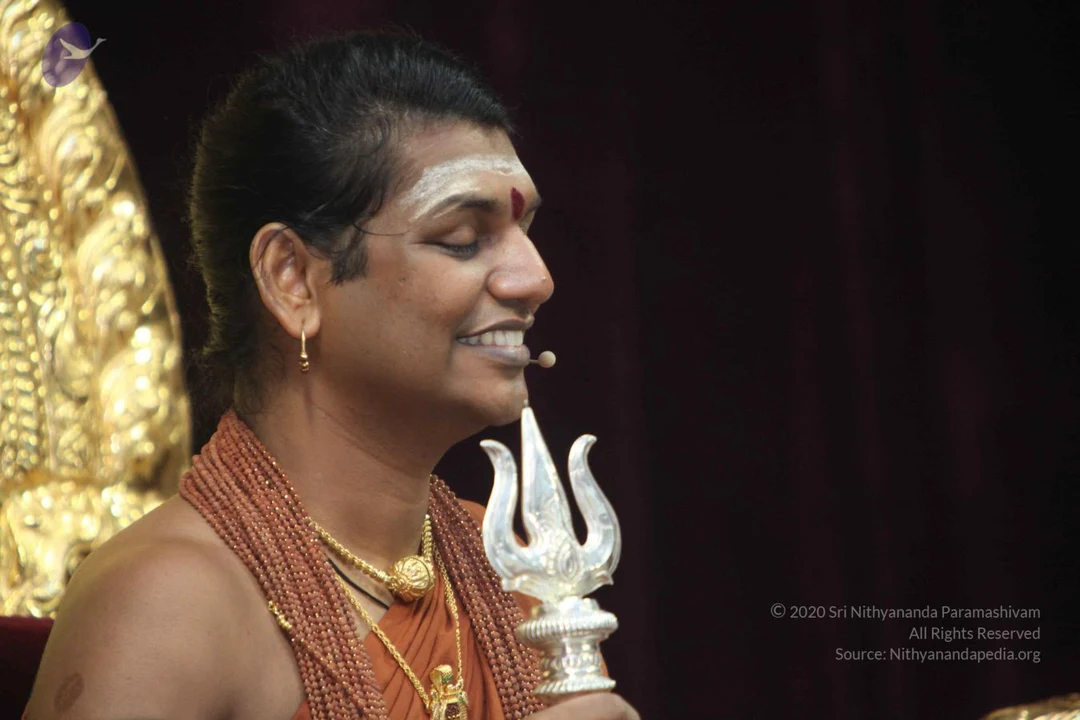
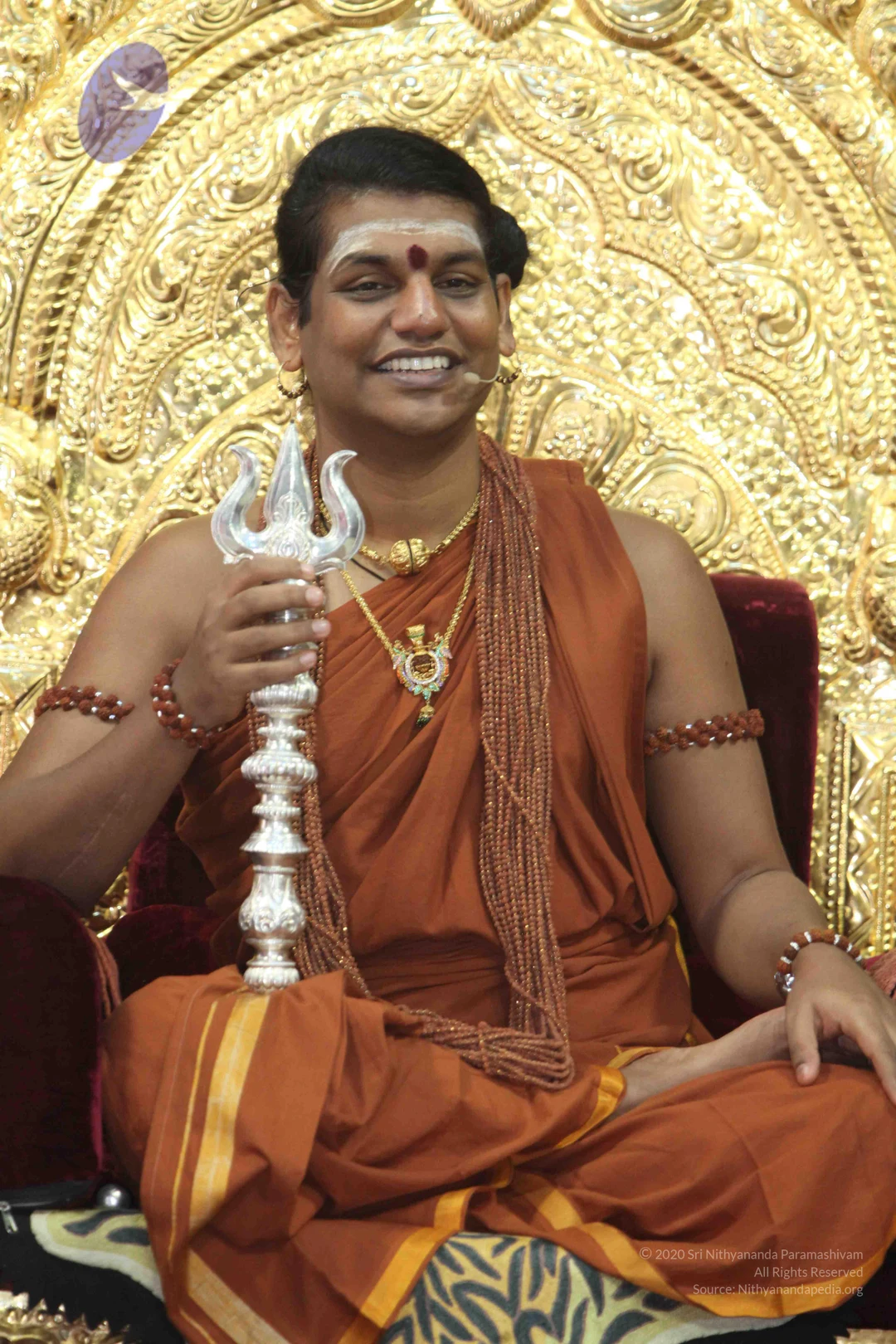
In today's Satsang SPH talked about the importance of identifying our root patterns. When we understand the root patterns of our life we can get out of those patterns. When we help others to get out of their patterns we can enrich them. Swamiji elaborated on 28th and 29th verse of Kathopnishad. When Nachiketa stands by his request, Yama falls in love with Nachiketa's Authenticity and tells him the first secret. He tells Nachiketa the importance of choosing between the "good" and the "pleasant". That which is good may not be always pleasant and that which is pleasant may not be always good for us. SPH inspired everyone to choose authenticity even if it appears unpleasant, because he who chooses the pleasant over the good misses the true end.
Video and Audio - Epi - 140 Janasri 23 Jan 2013 - Morning Satsang
| Video | Audio |
Transcript
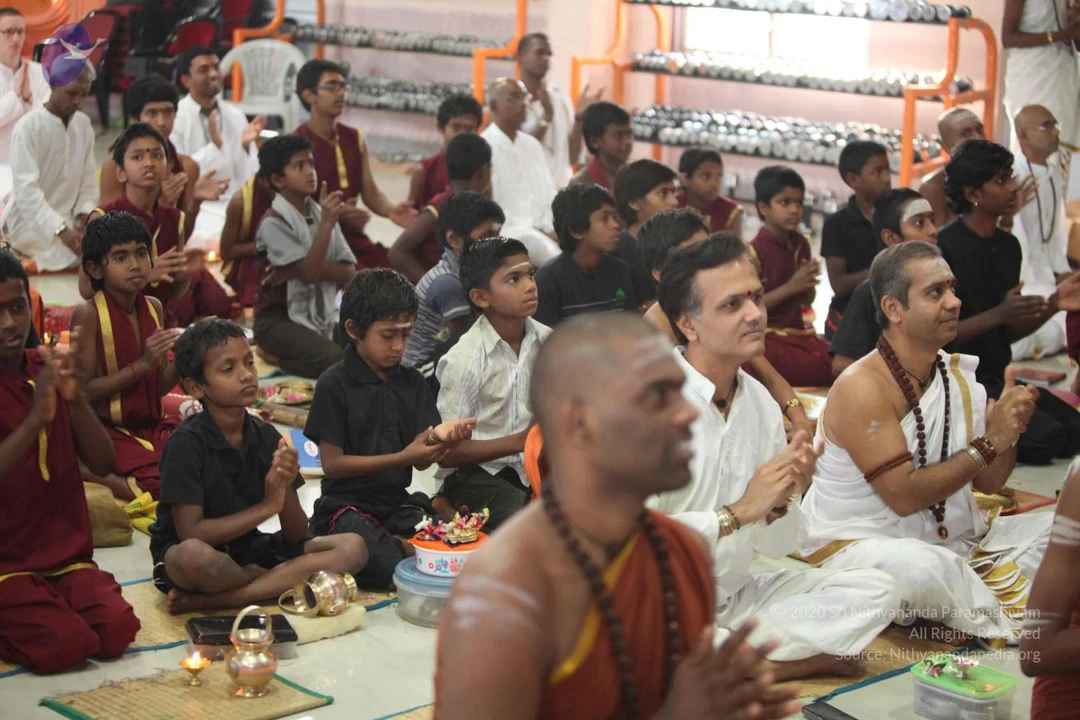
I welcome you all with my love and respects! I welcome all the devotees, disciples, Samajis, Satsangis sitting with us around the world at this moment in 396 places through Nithyananda TV , 38 places in 2 way video conferencing having Nayana Deeksha, in 203 cities, in 30 countries around the world as per the statistics
Cities sitting with us in 2 way video conferencing having Nayana Deeksha – San Jose madurai, vancuover Puri tiruvannamali, los angles arunachalam, ohio prayag, seattle chidambaram, oklohama somanatham, phoenix kanchipuram, toronto kailasam, hyderabad bhagyanagaram, Los Angeles redendo beach, Bangalore marthahalli,sharjah tirukovvilur, Sripuram chennai, chennai alwarpet, priyanka Malaysia, Guadalupe Rameshwaram, louiseville,Kentucky,Atlanta Ujjaiyni ,st.julian france, Dacota dune,s dubai,Singapore Singapuram, edge water New Jersey, charloette Sri Sailam, new york varanasi, monterrey mexico, bangalore malleshwaram, st.louis Tirumala. That’s it? Endha oor la connect ayiriku? Ok. Sharjah you guys have that name Dubai. Let Sridevi centre have the name Sharjah. Let them have Dubai Tirukovvilur. The Sri devi centre you guys have title Sharjah.Does this fellows are going to make the temple? Hyderabad Sri,then anbody else? Sripuram Chennai. I welcome all of you with my love and blessings! There are some more cities coming online . Once Iam able tosee I will announce their names .
Prathap come on! Hey Prathap where is he? Call…came late?
I welcome all of you with my love and blessings
Come come come come
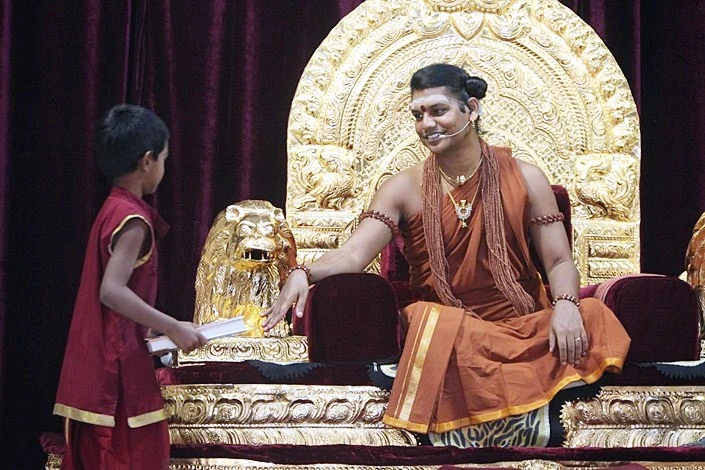
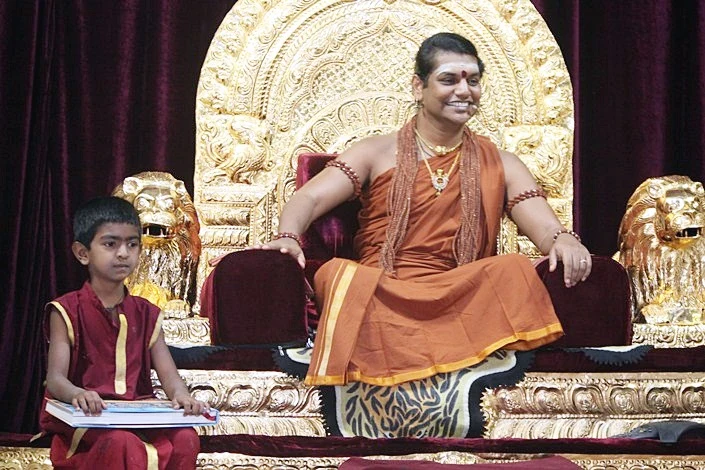
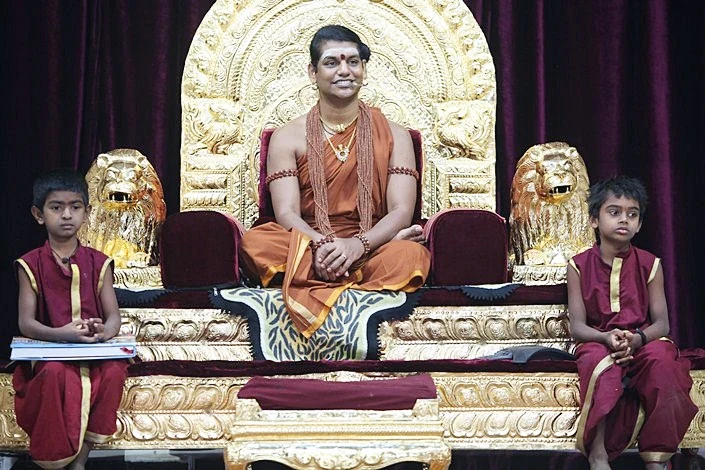
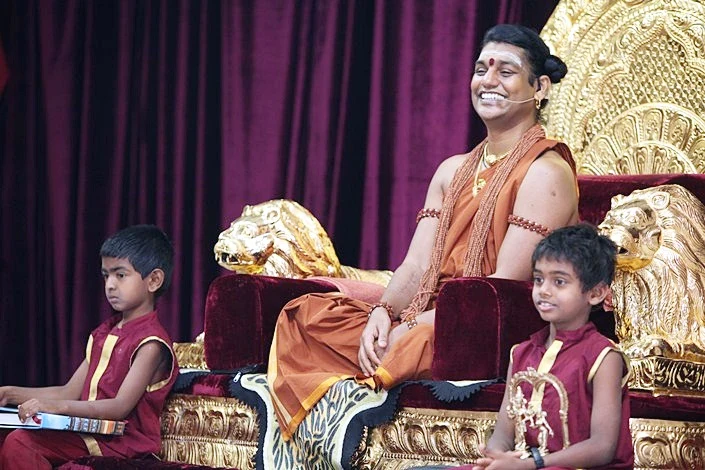
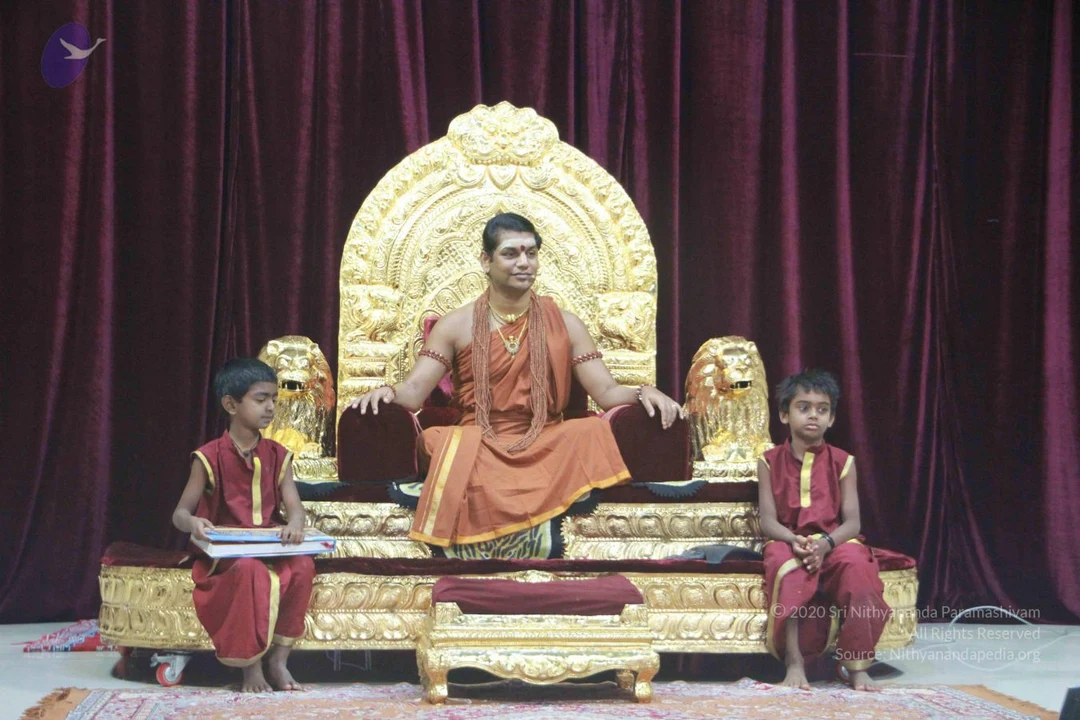
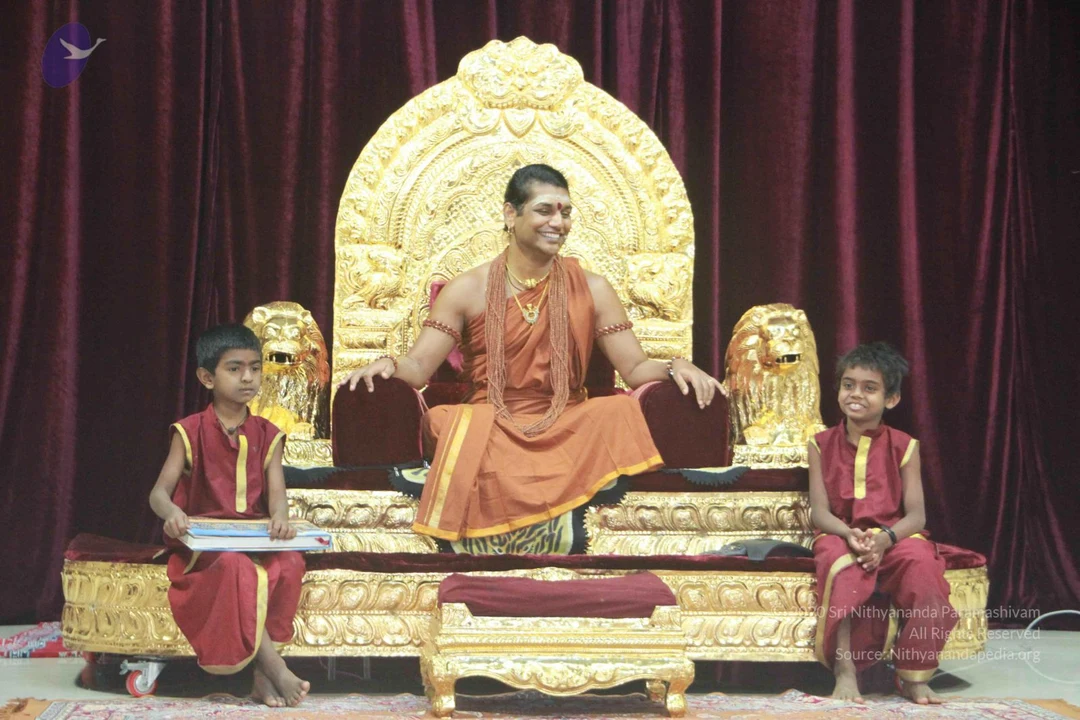
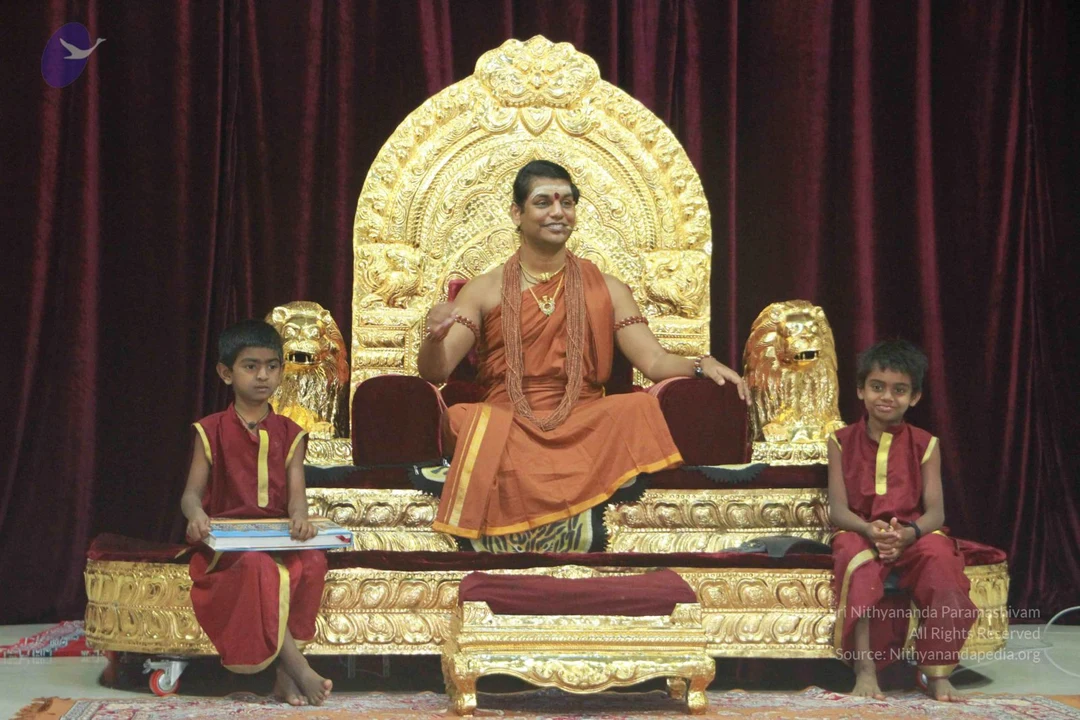
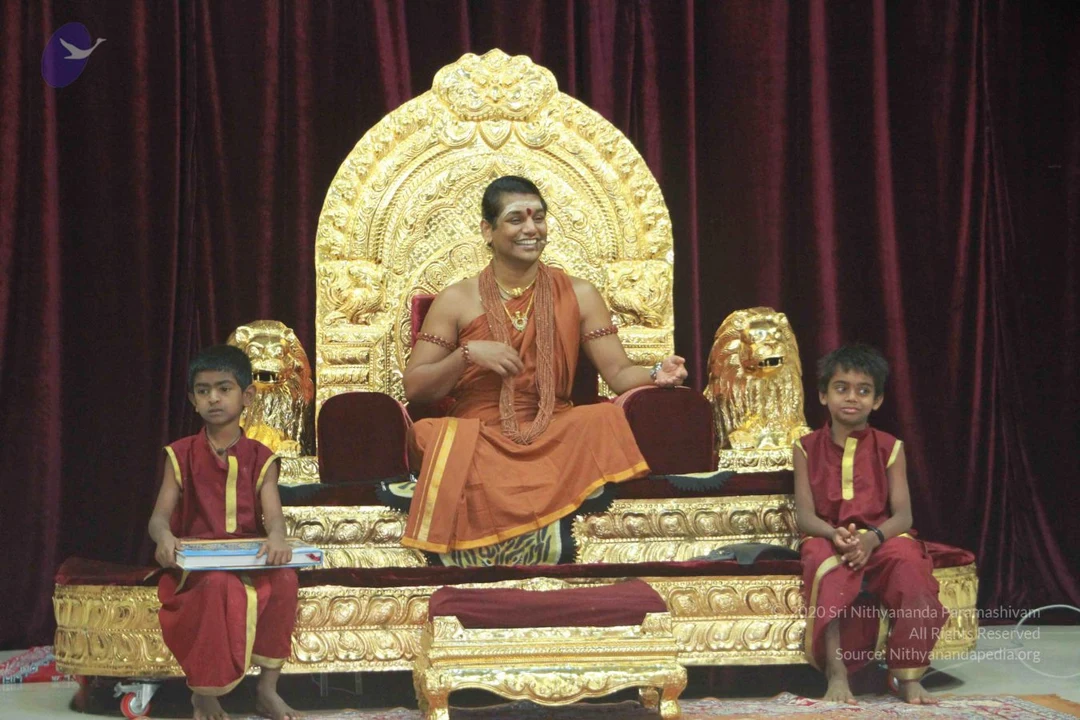
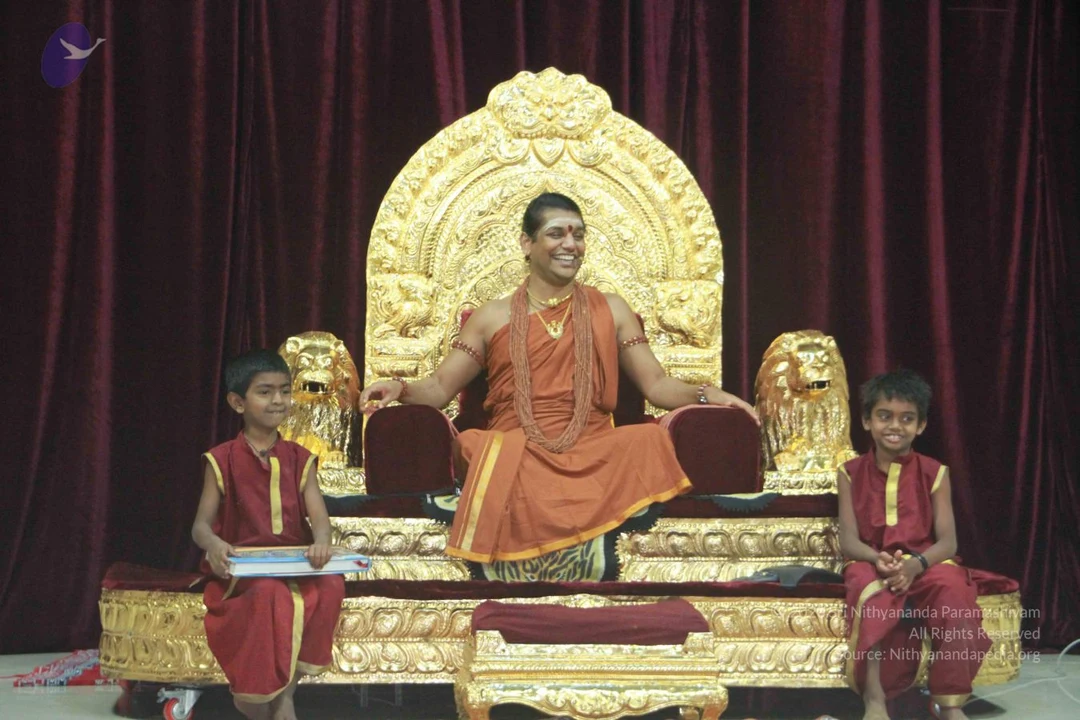
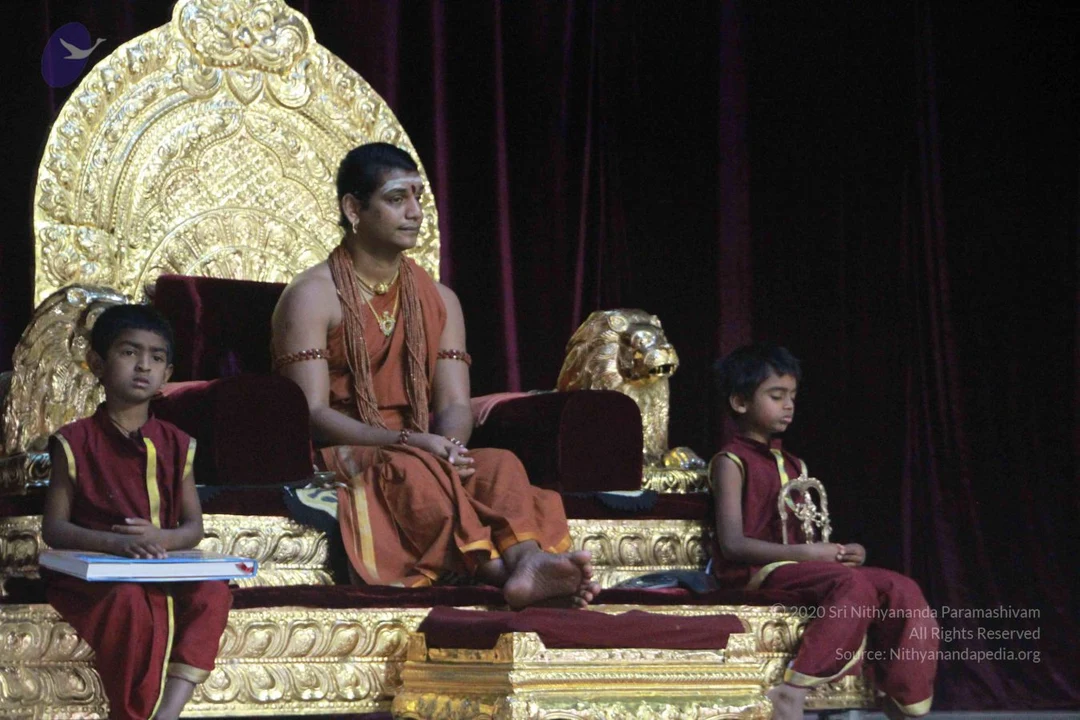
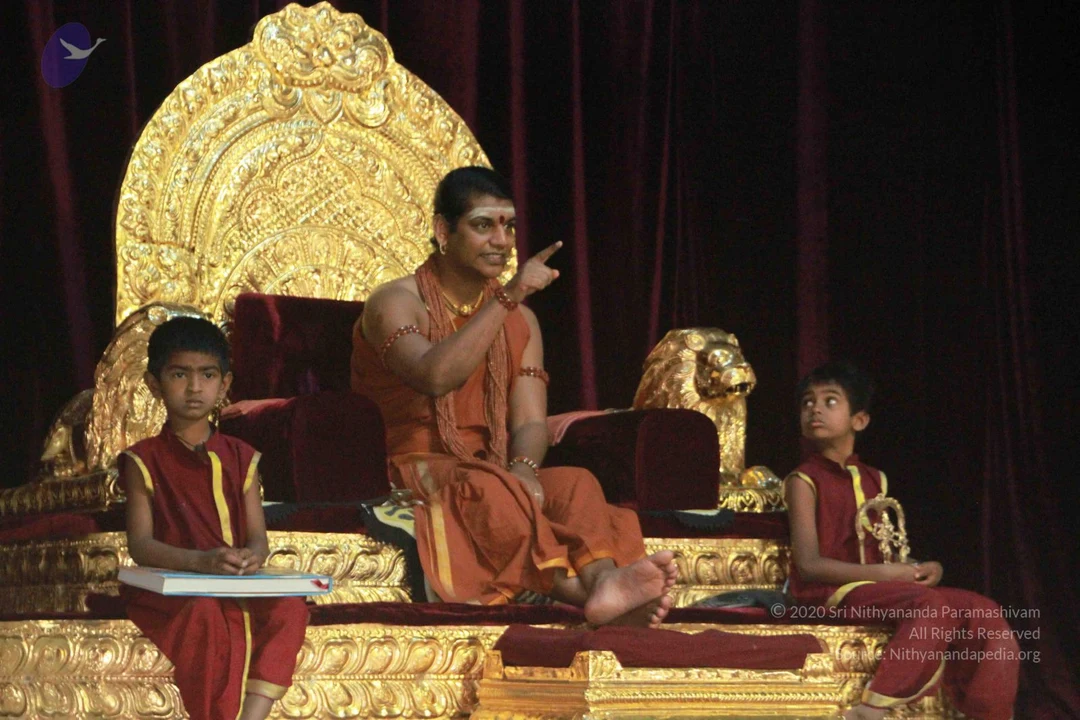
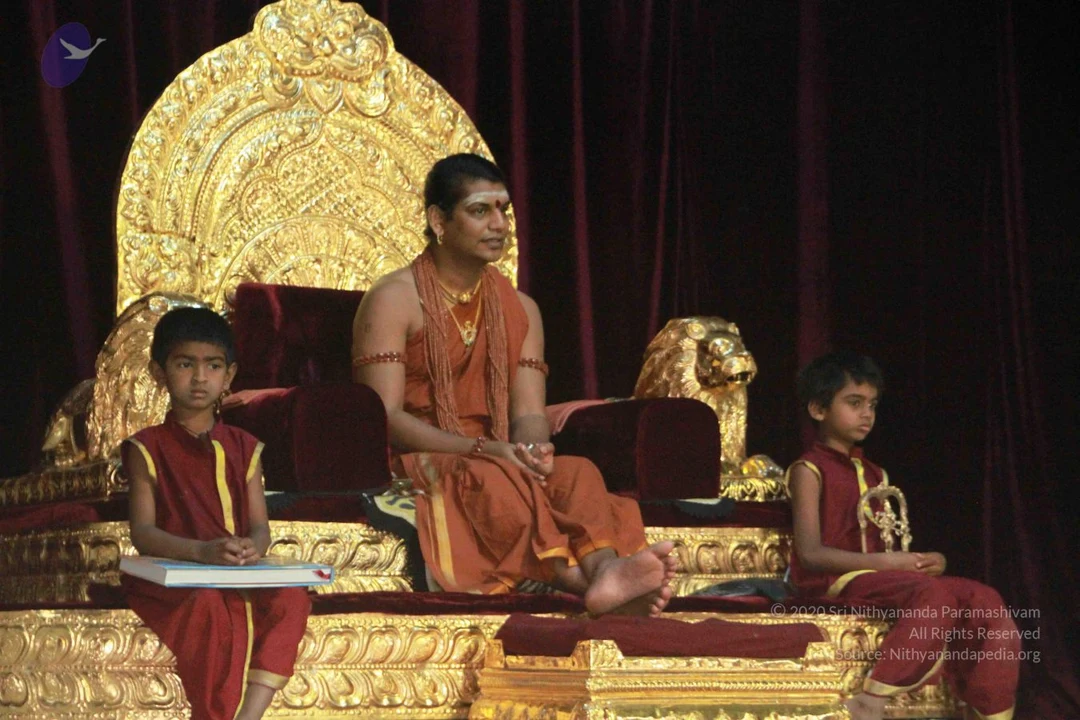
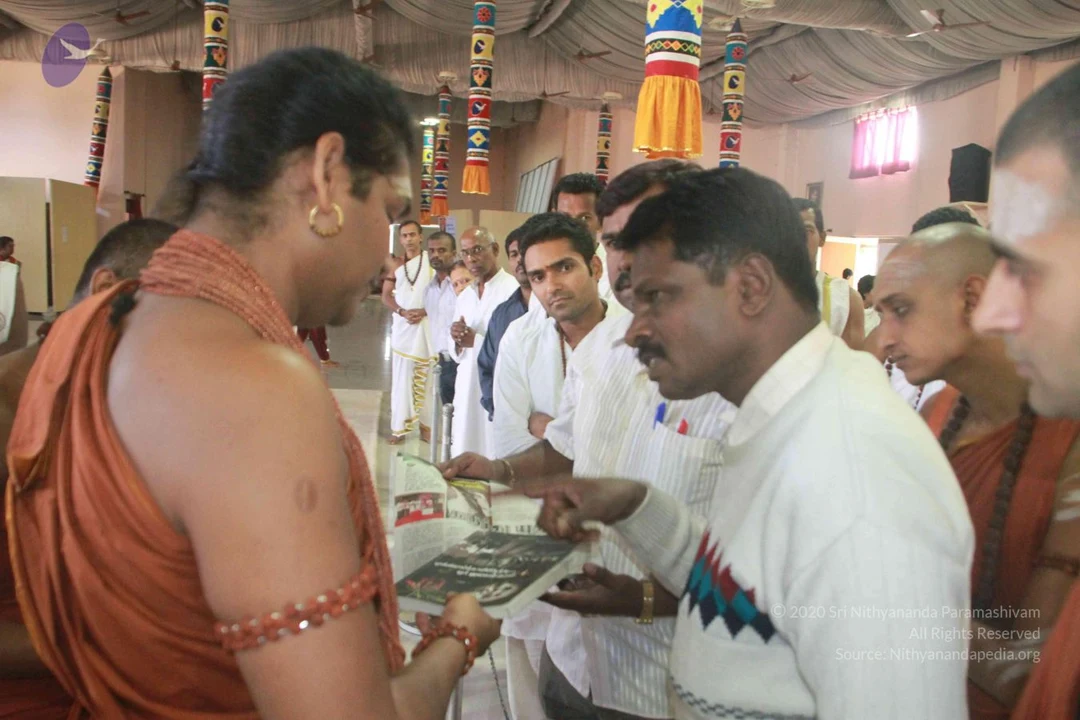
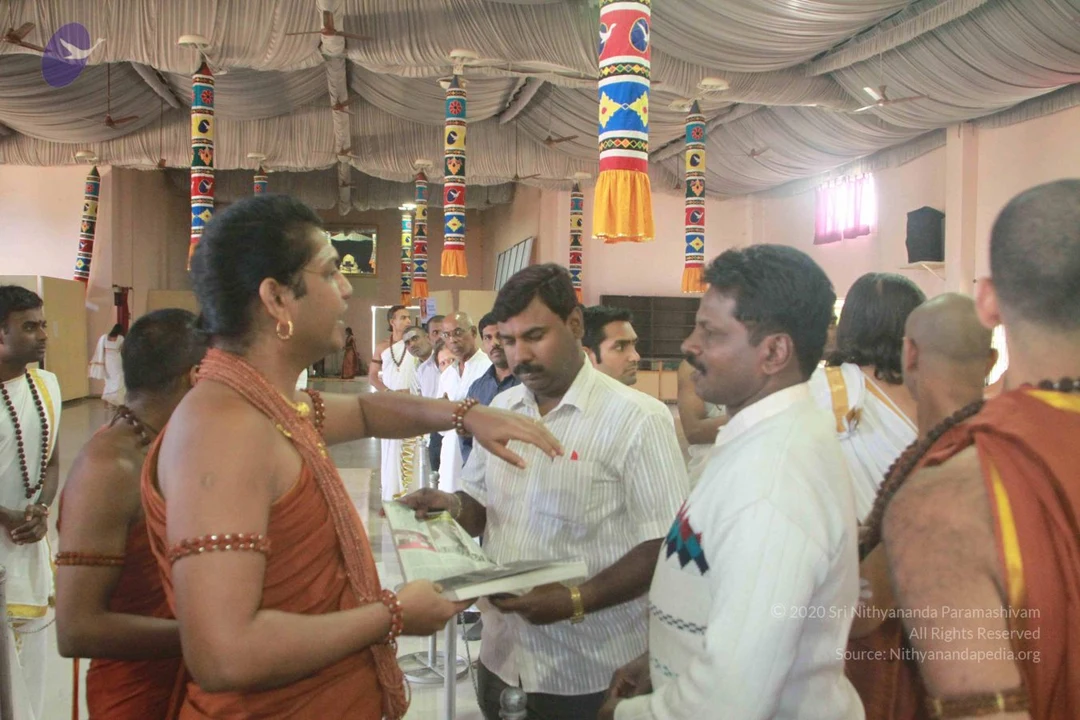
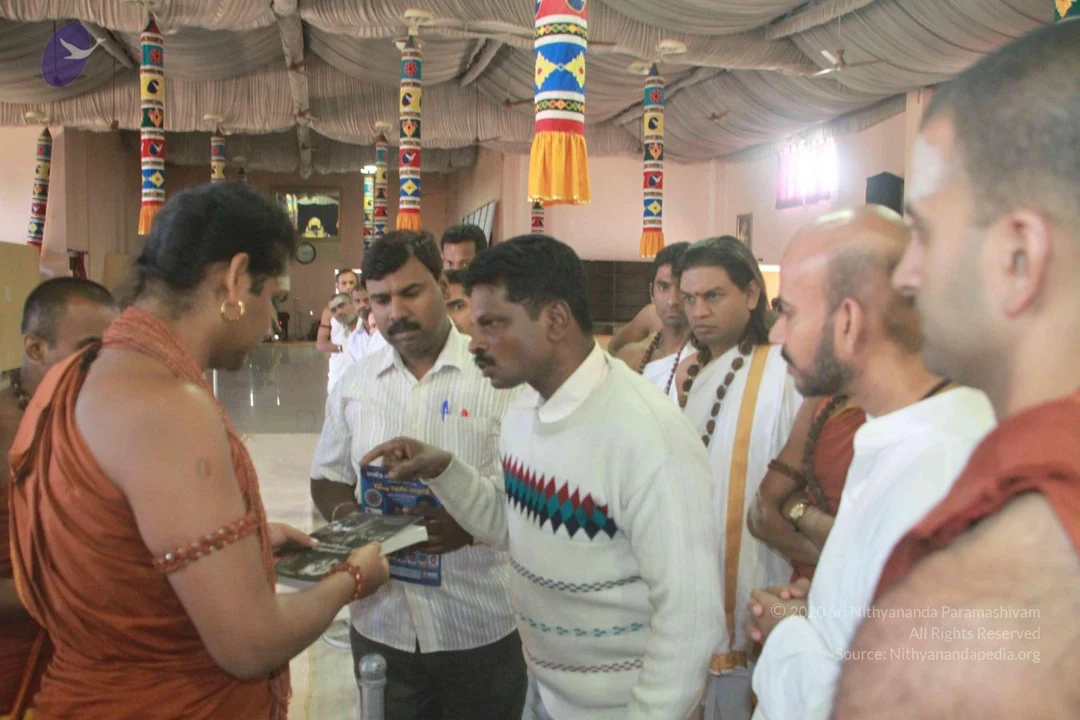
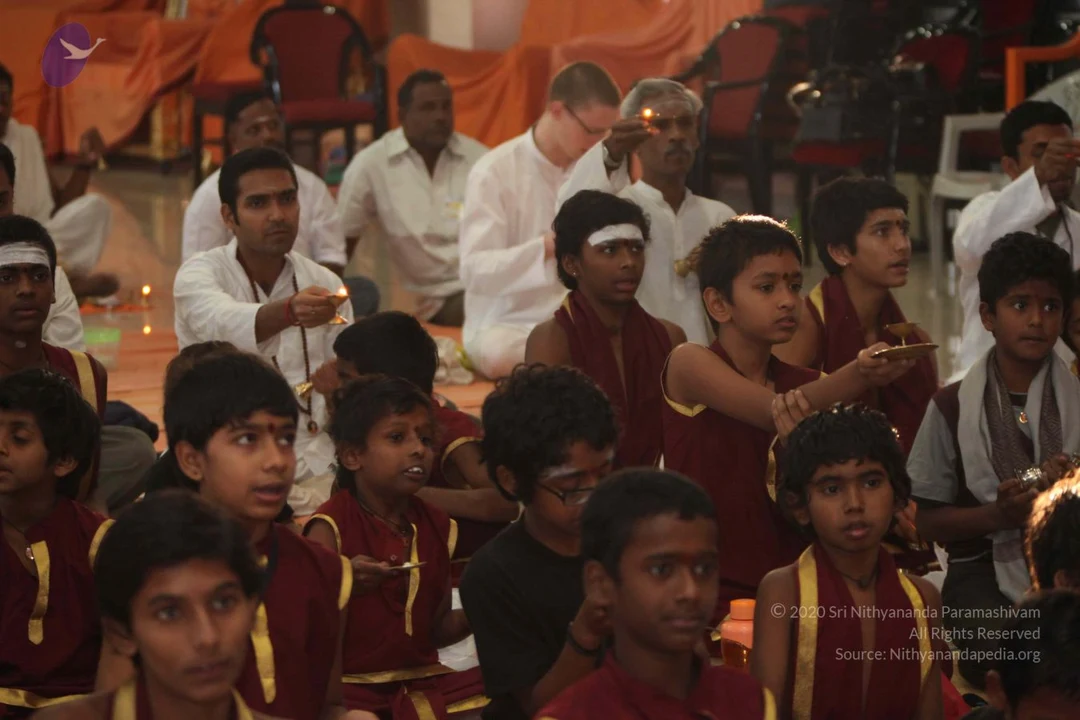
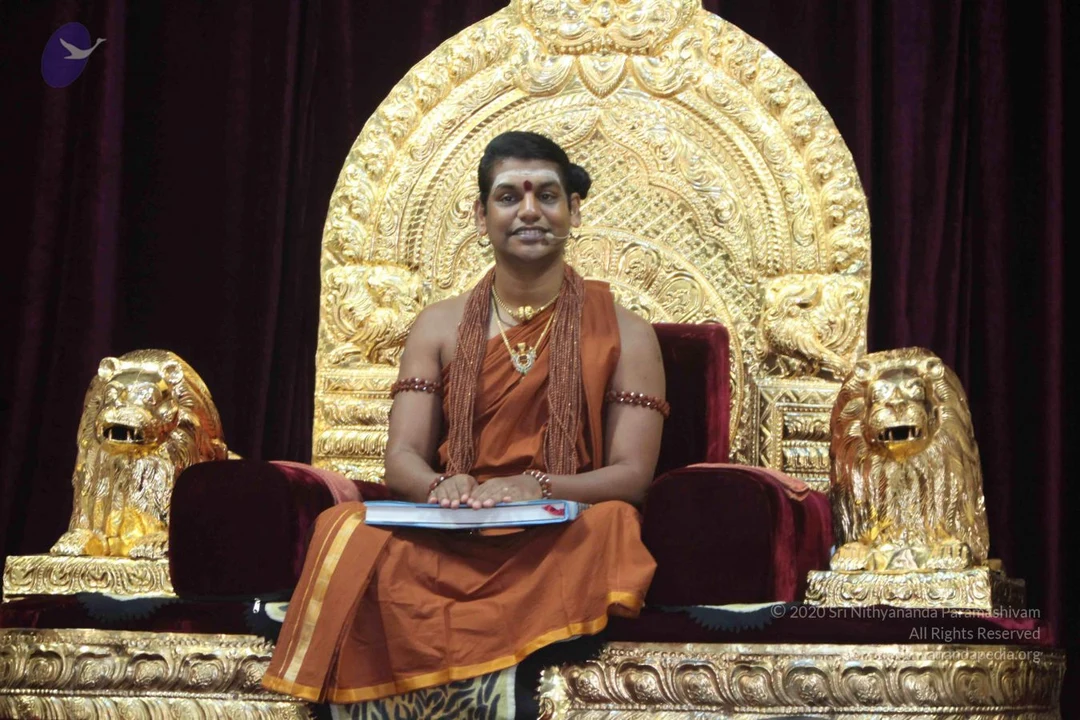
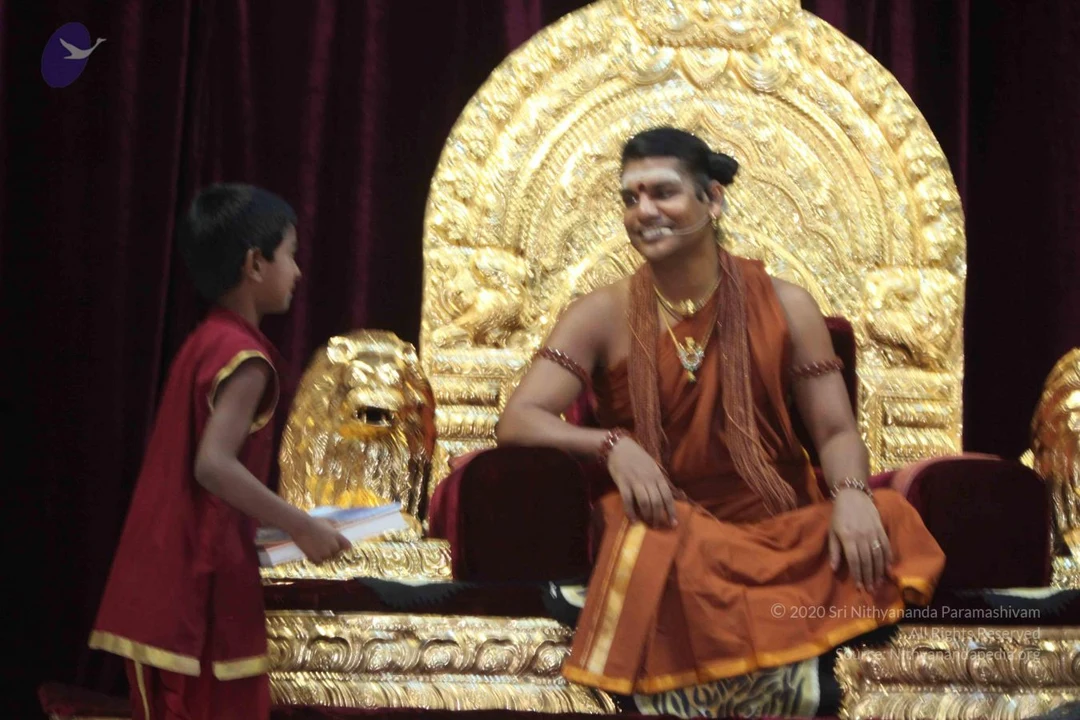
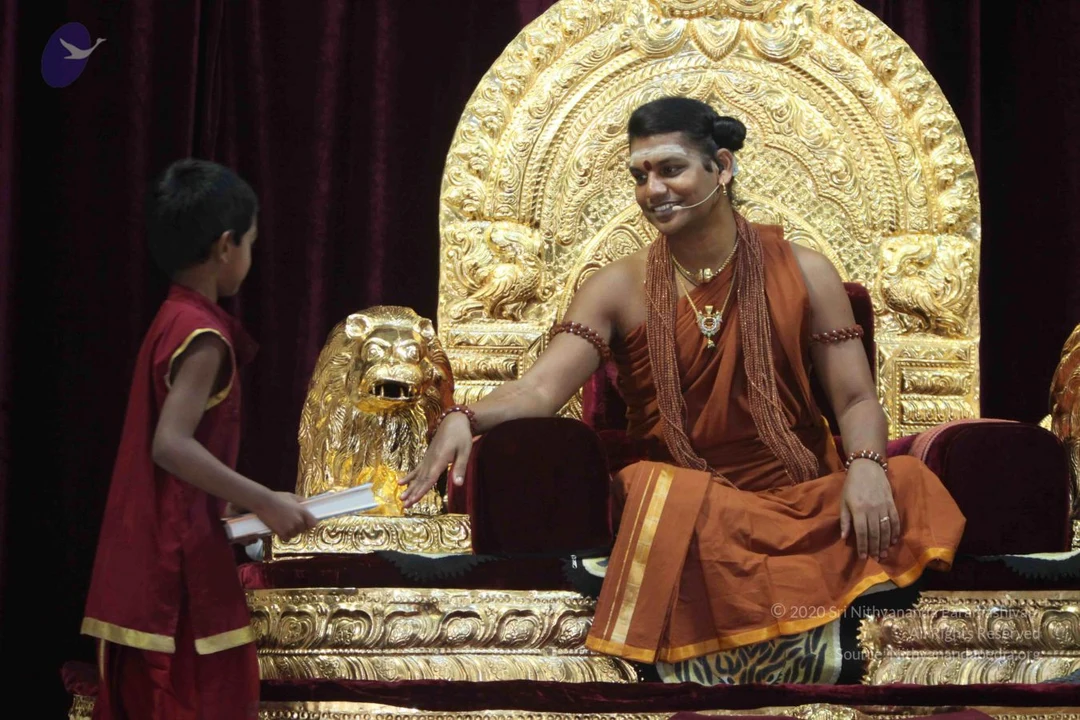
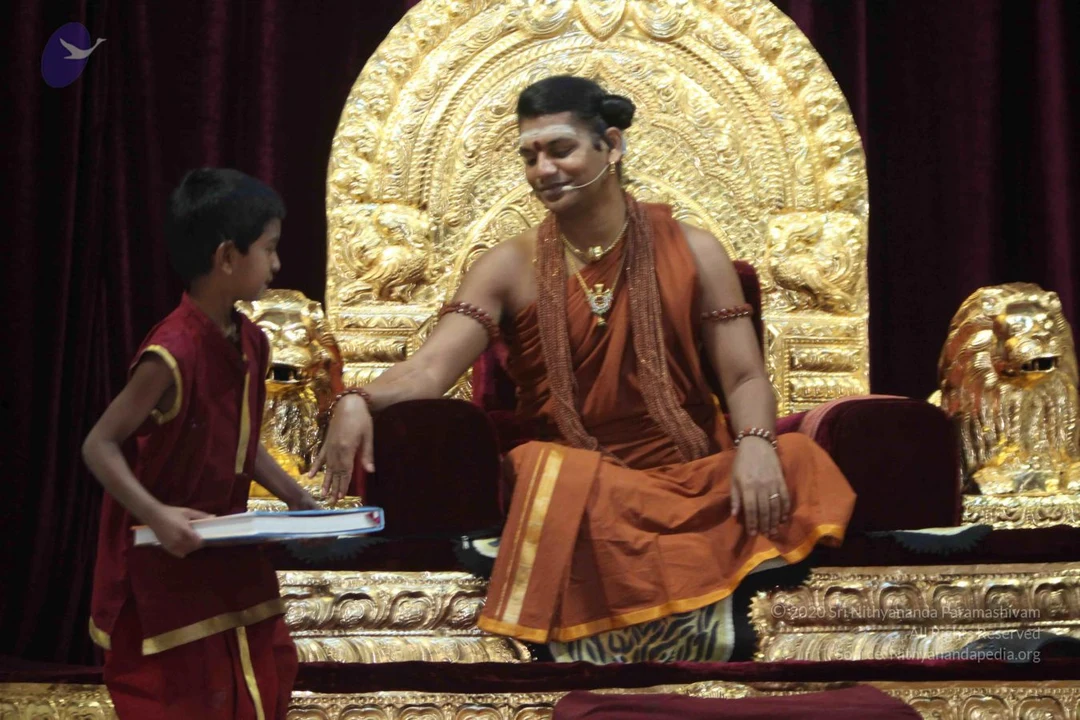
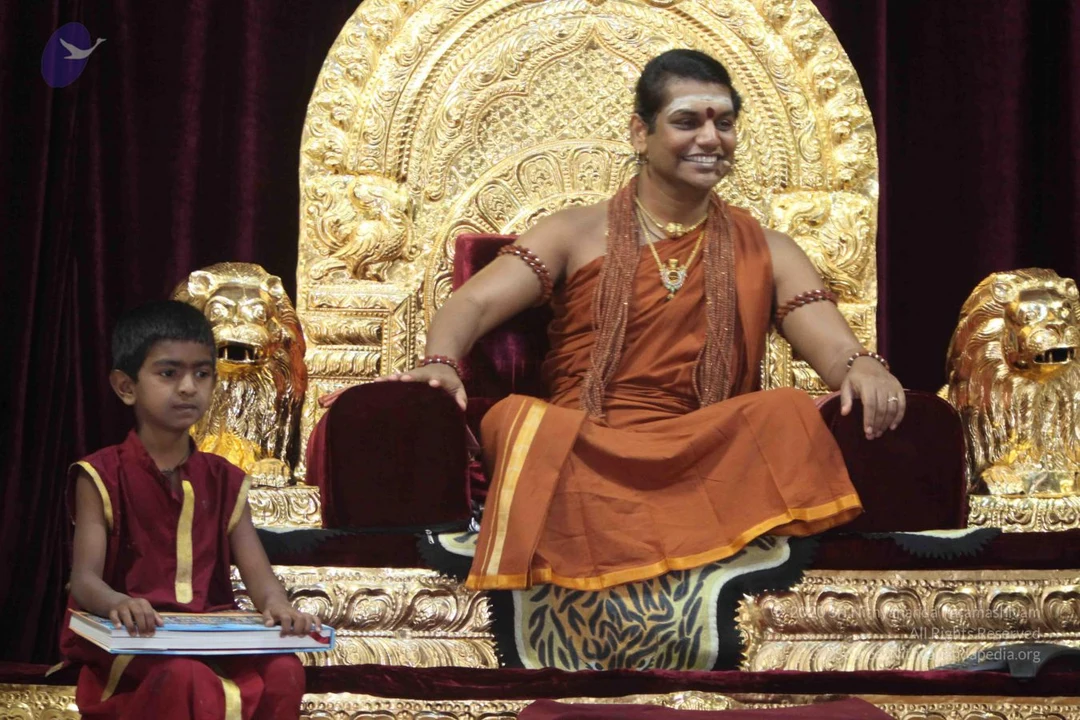
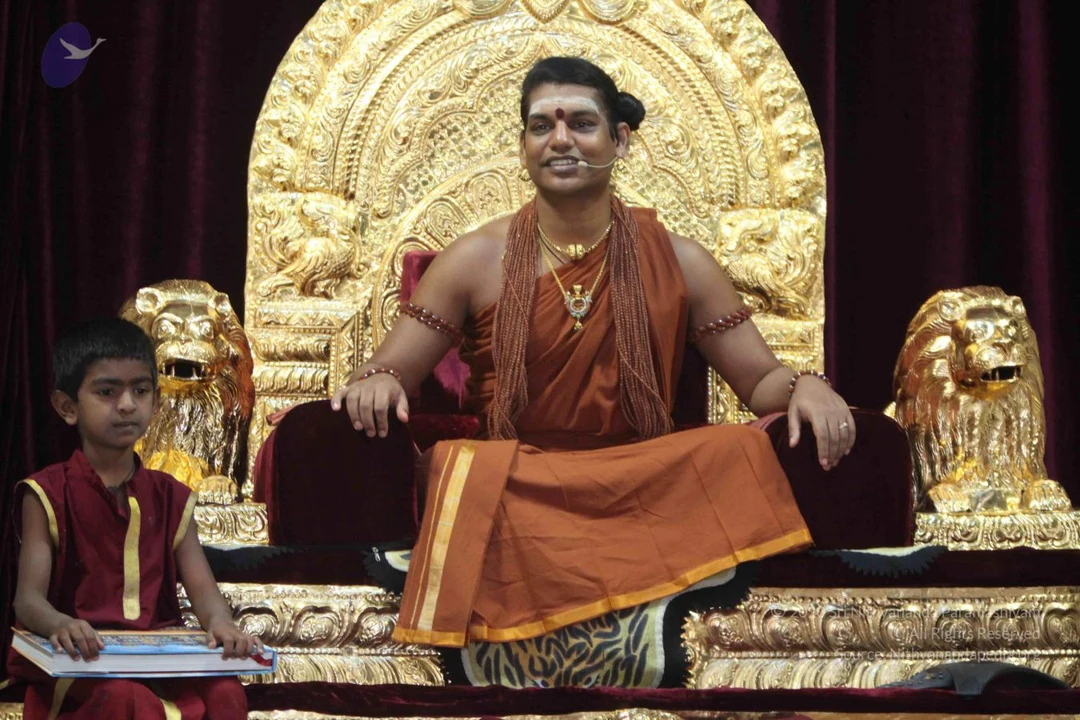
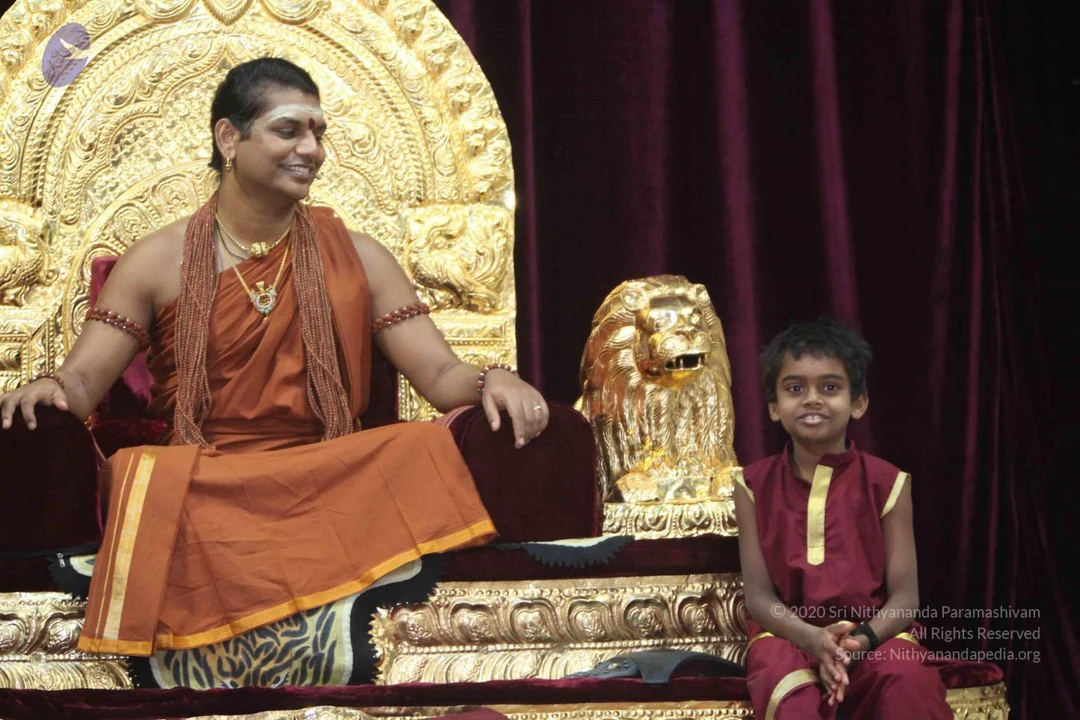
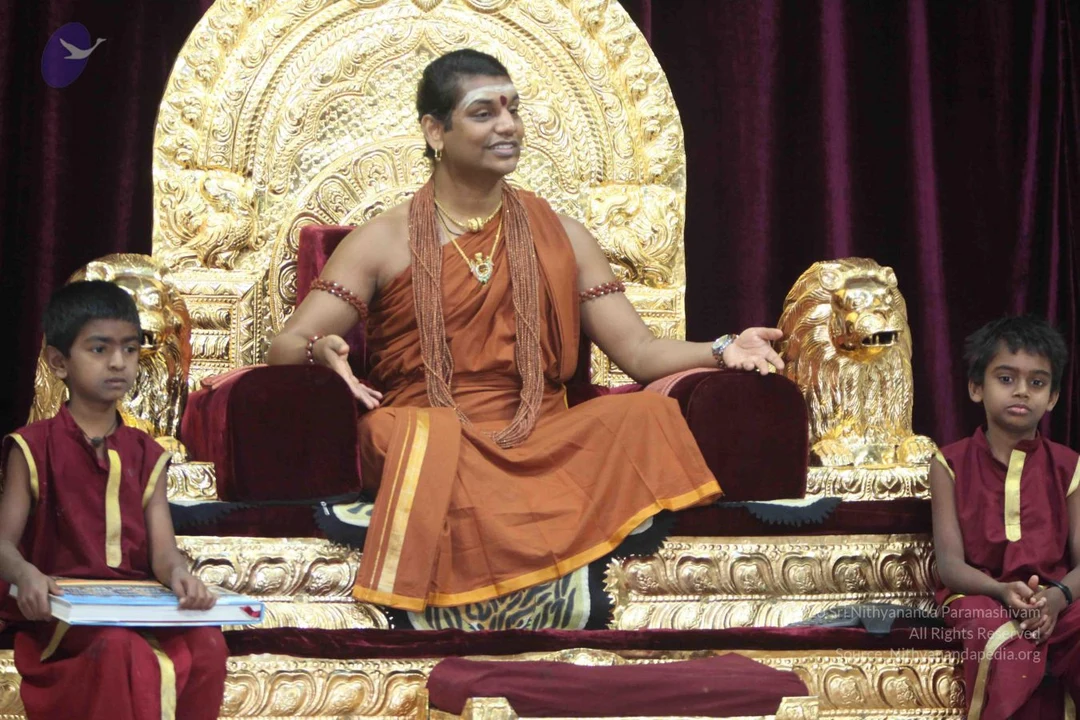
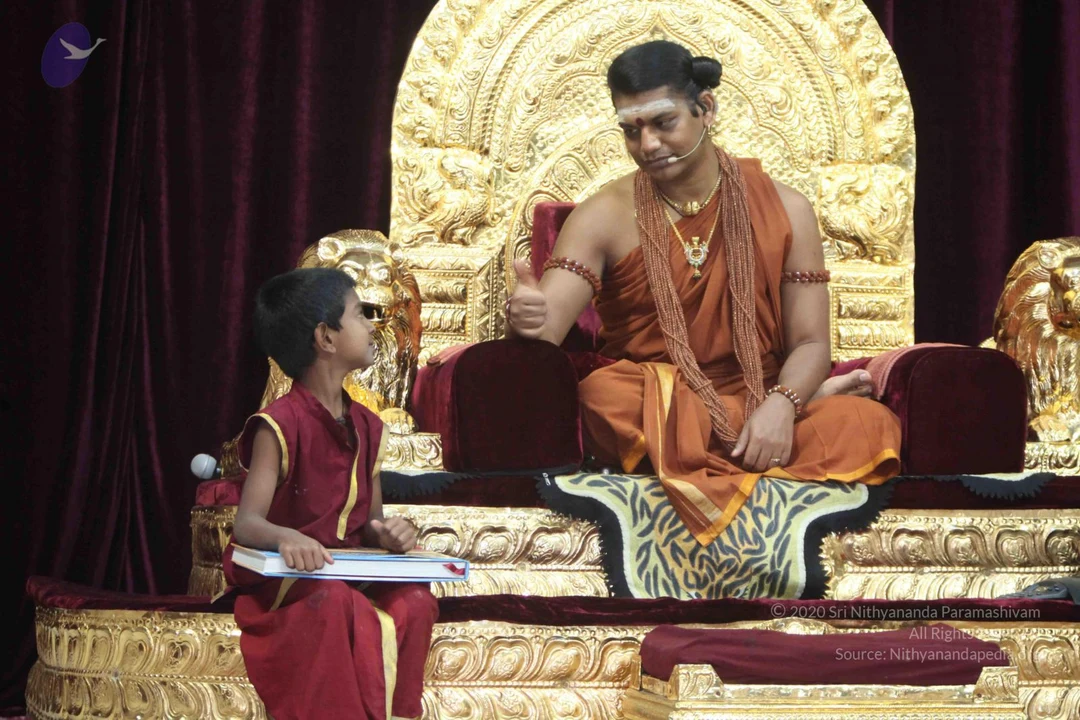
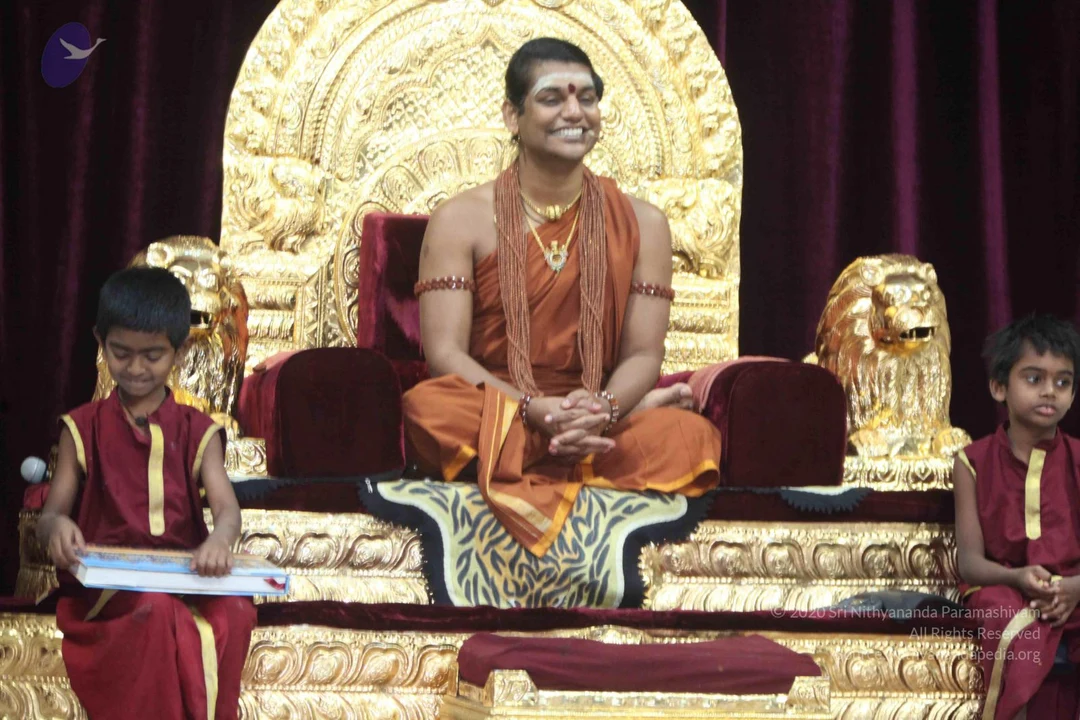
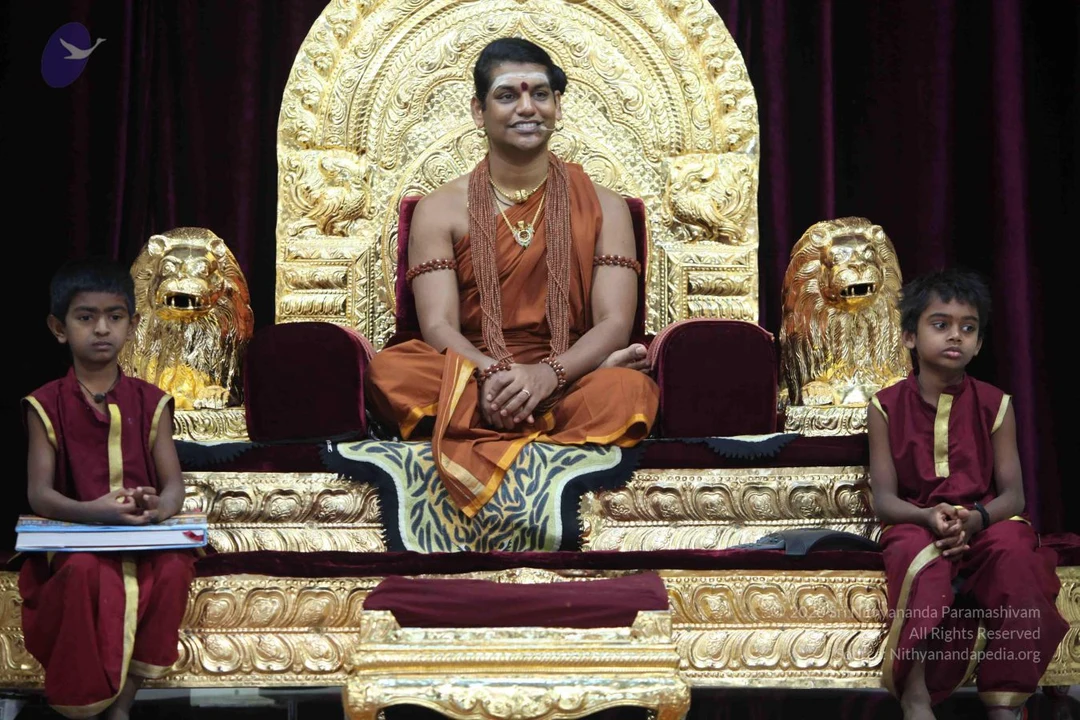
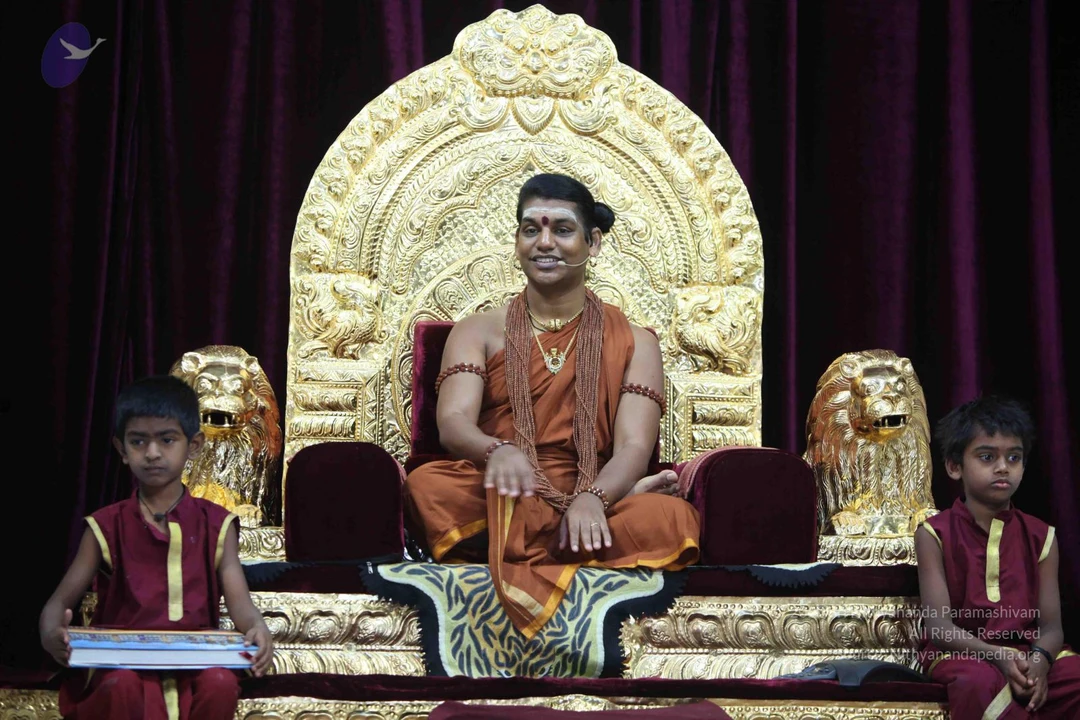
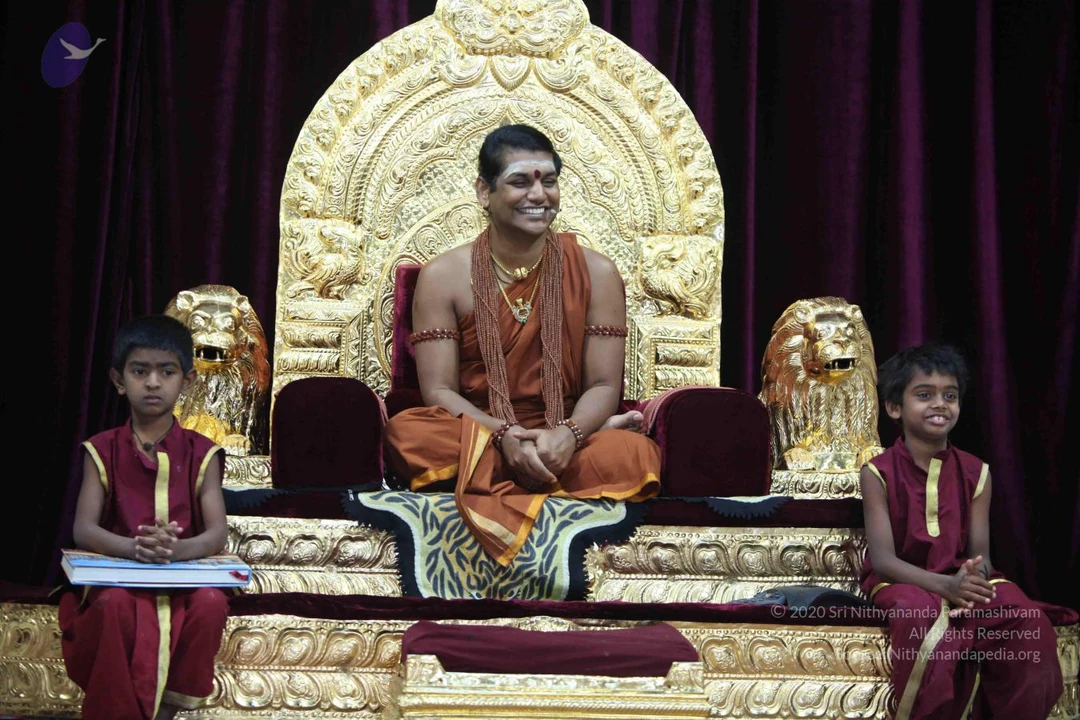
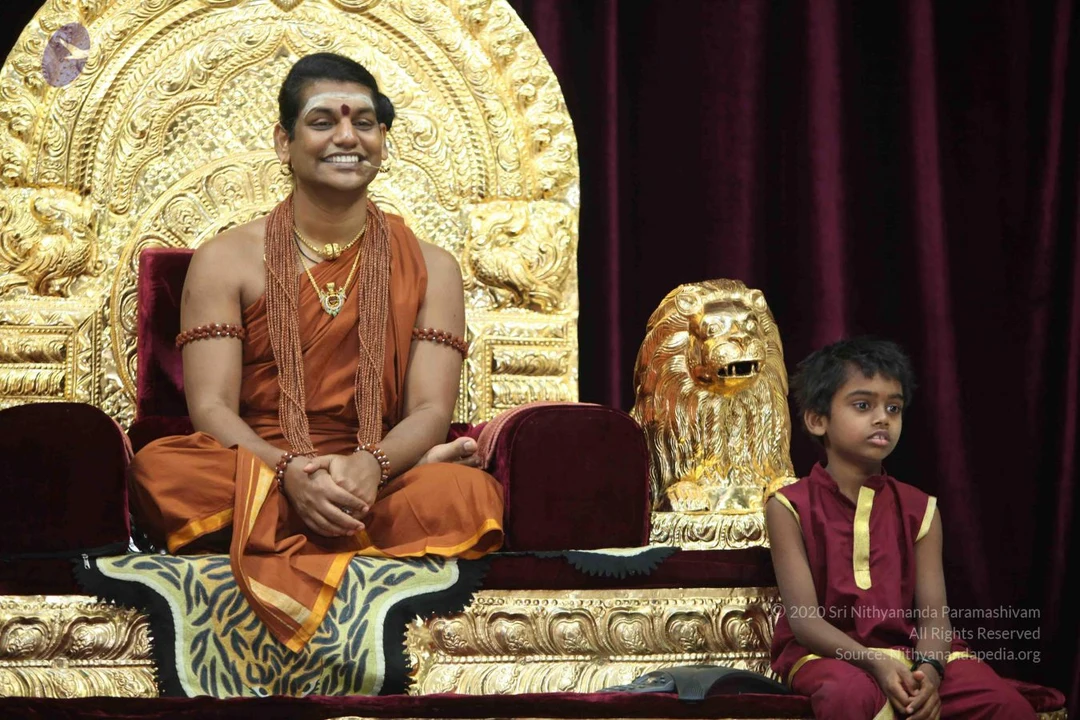
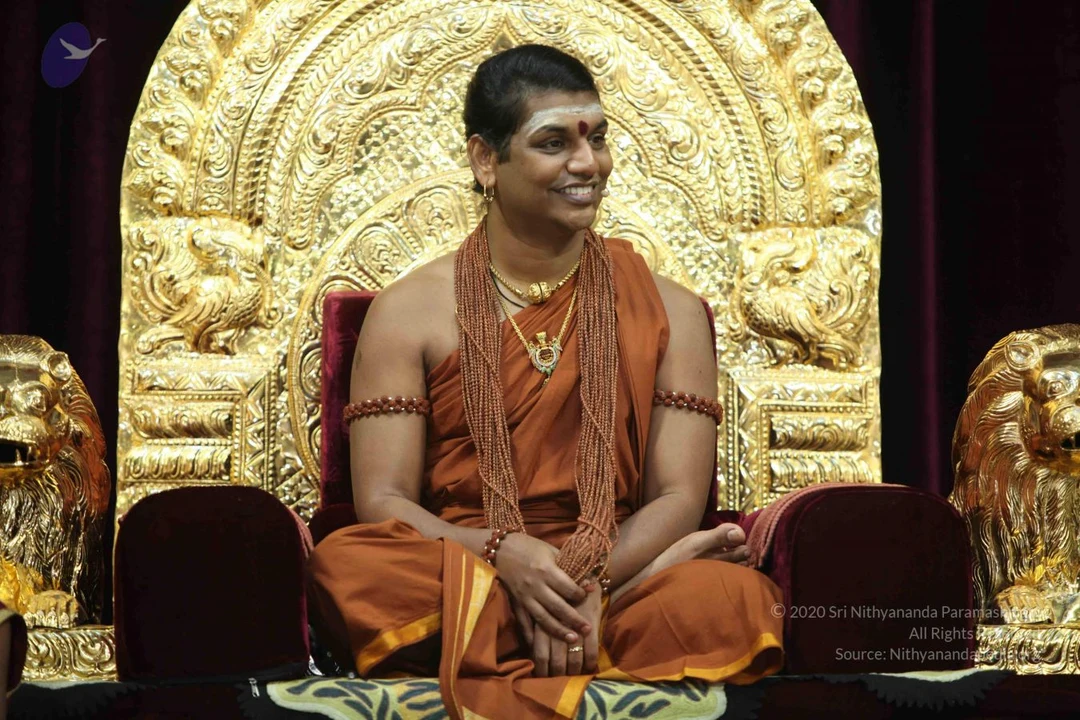
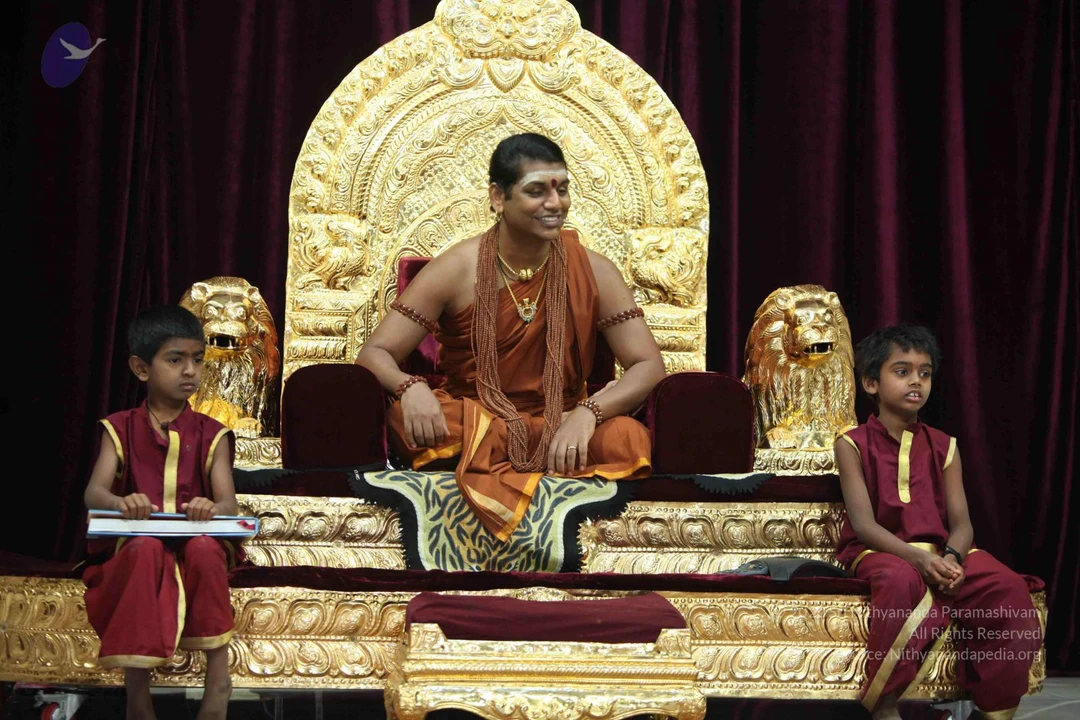
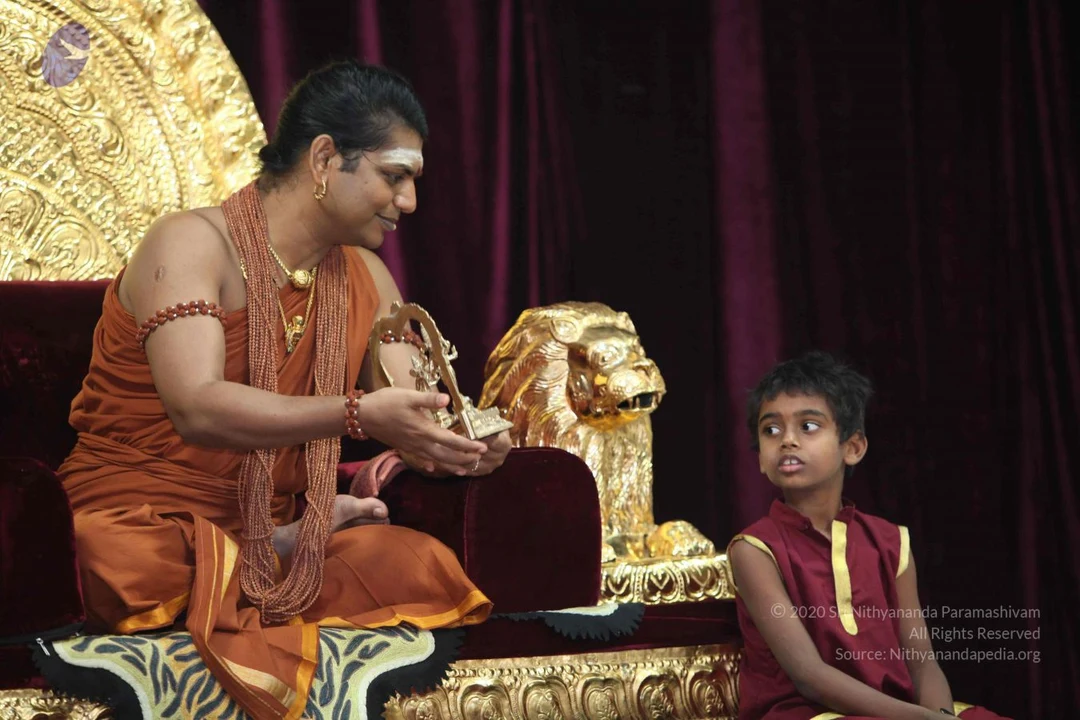
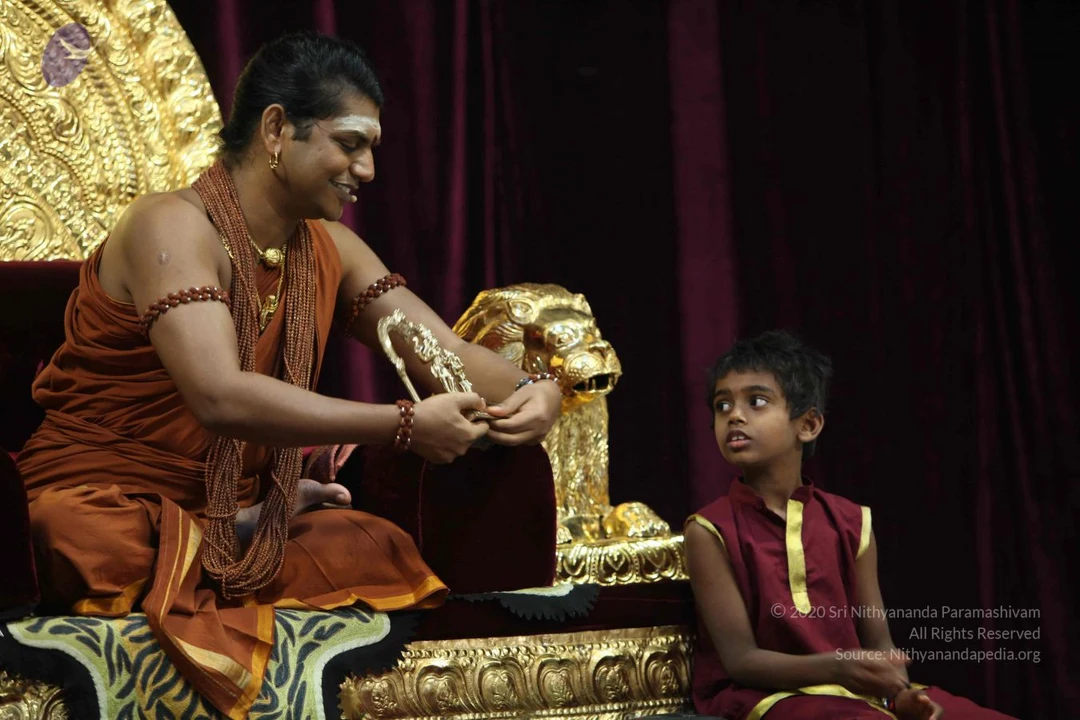
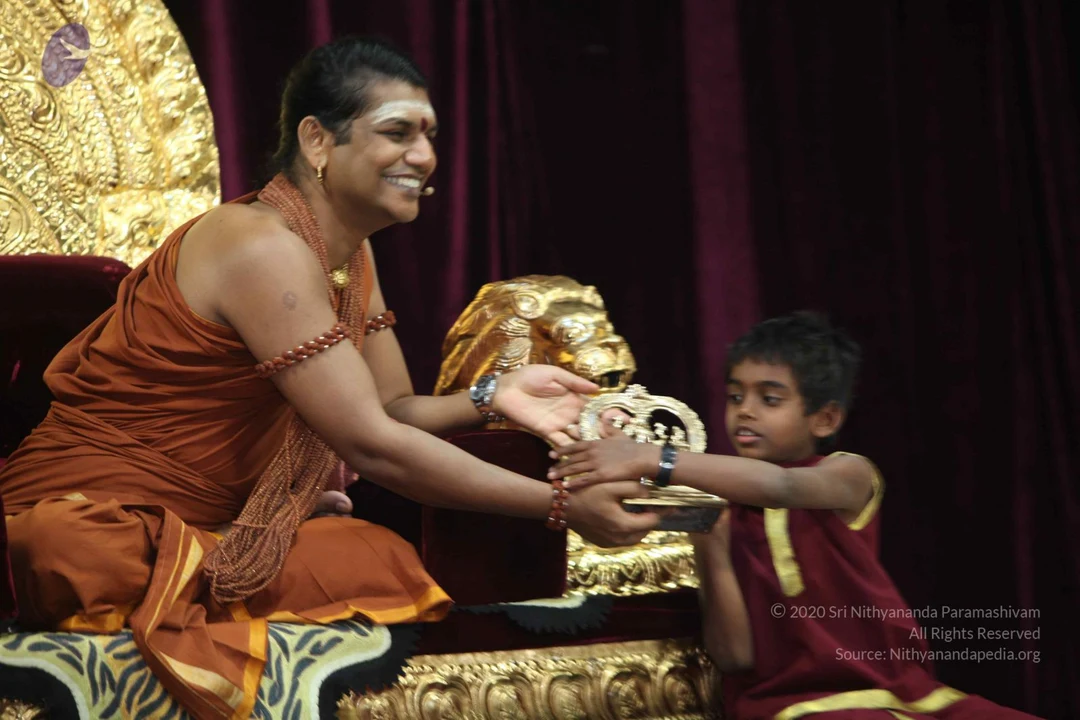
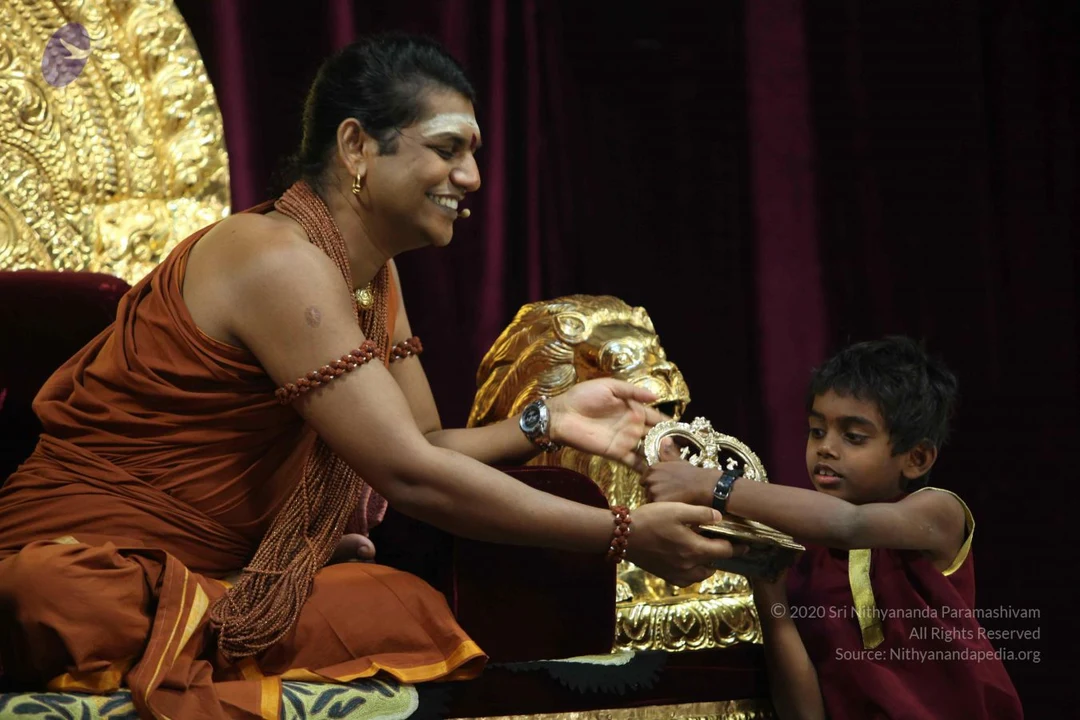
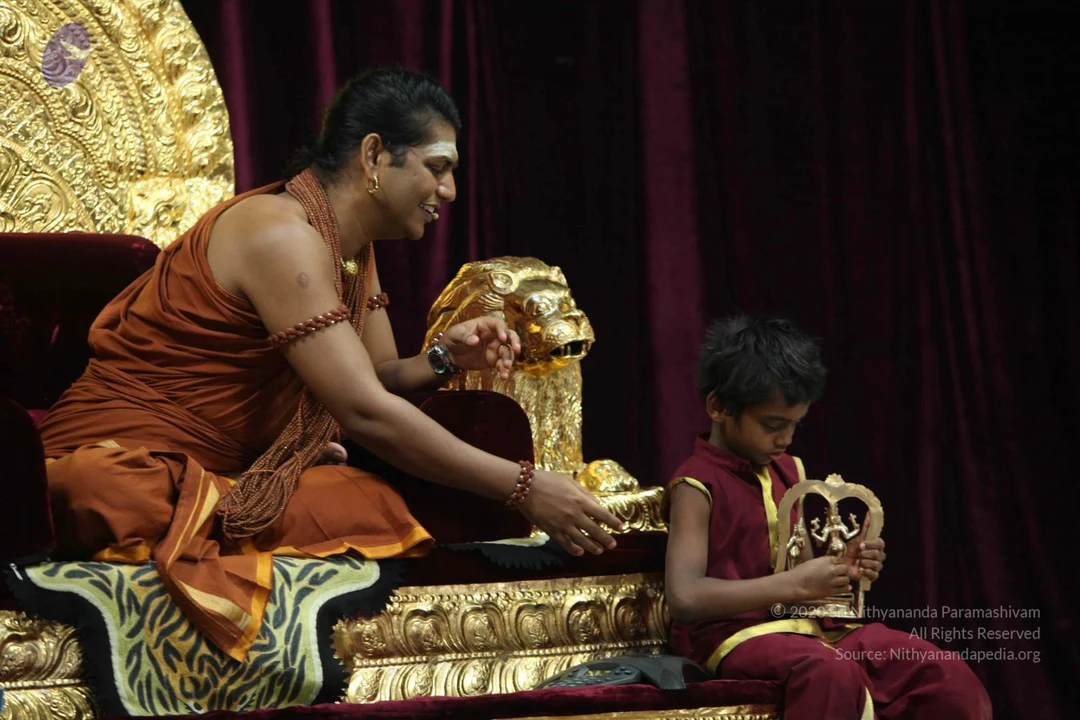
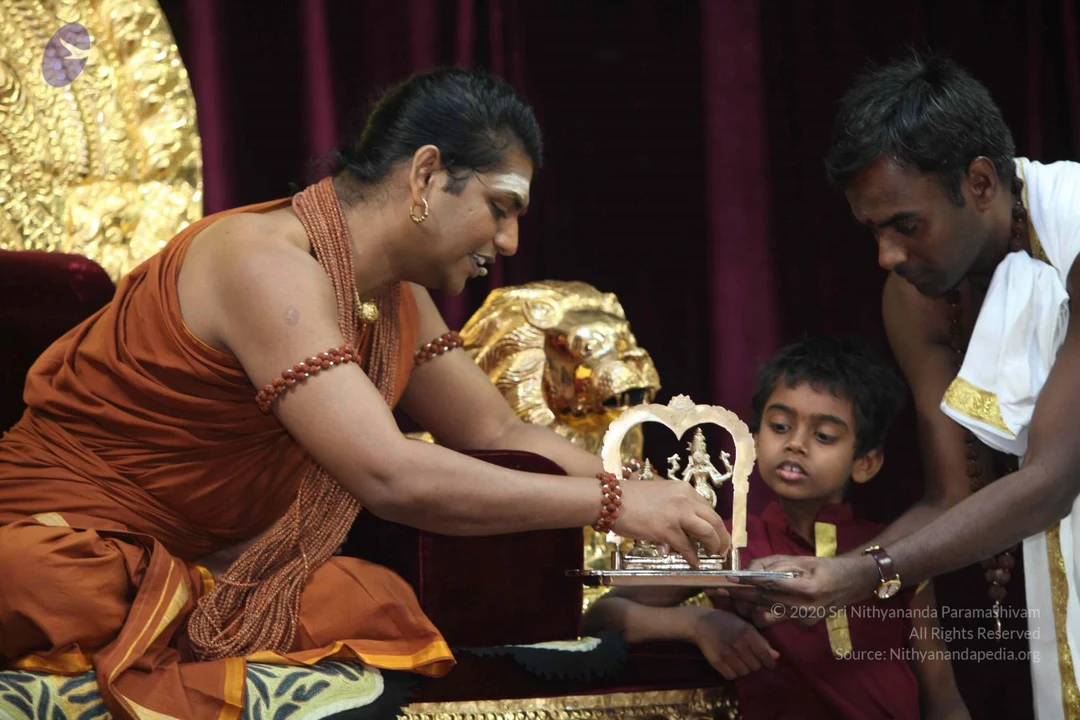
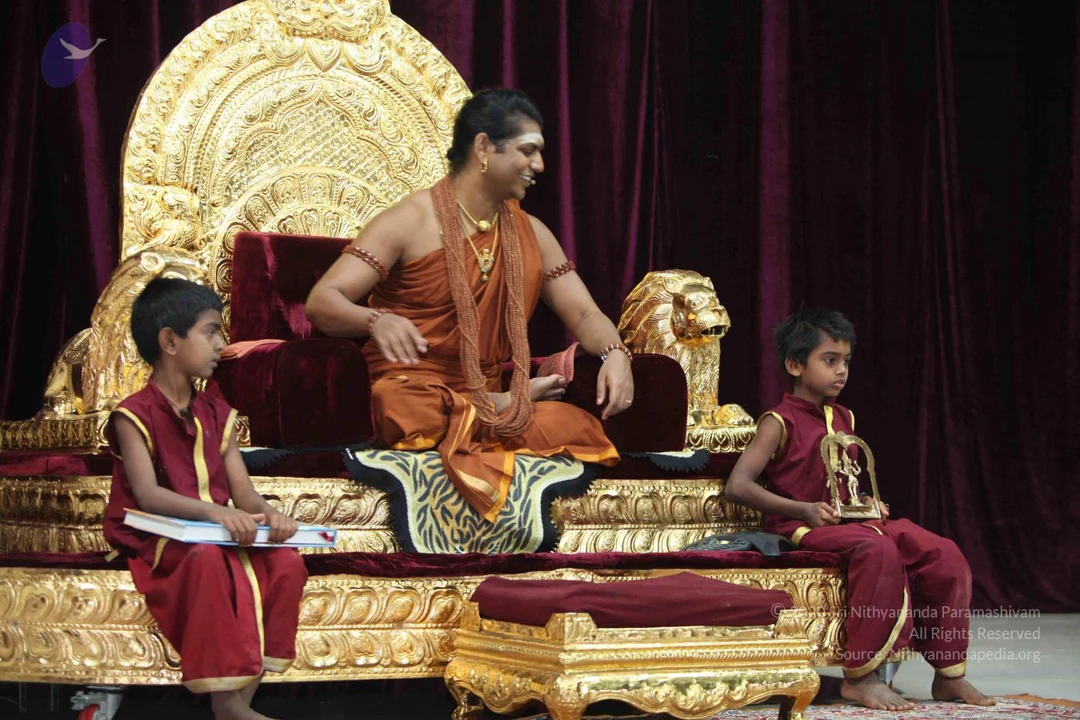
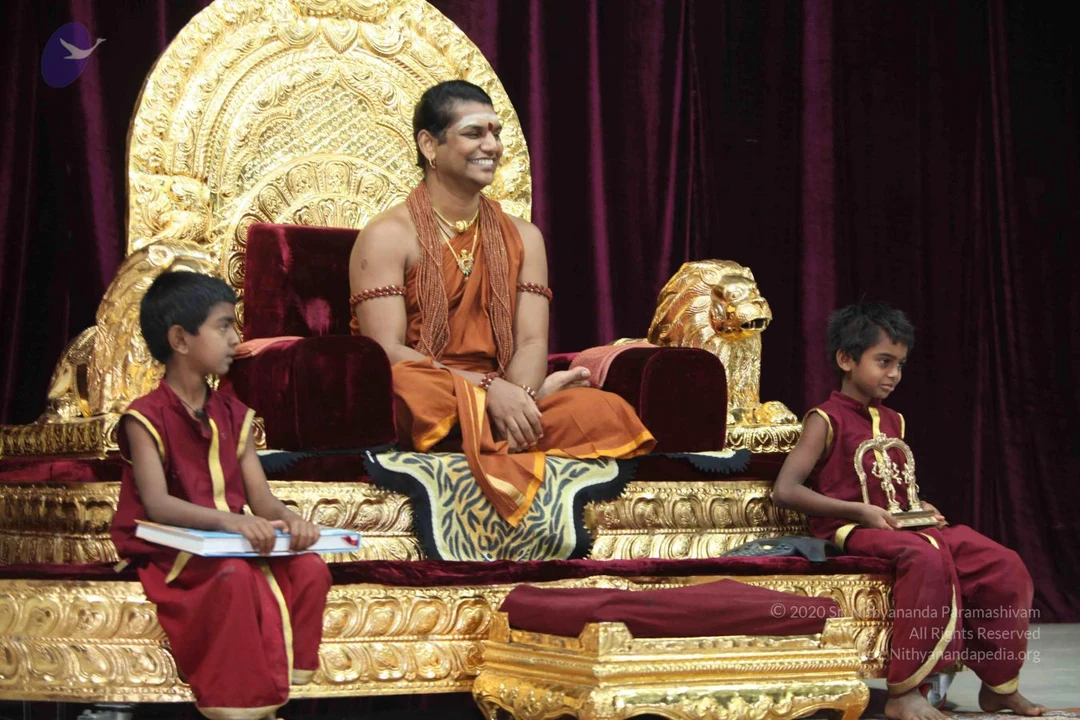
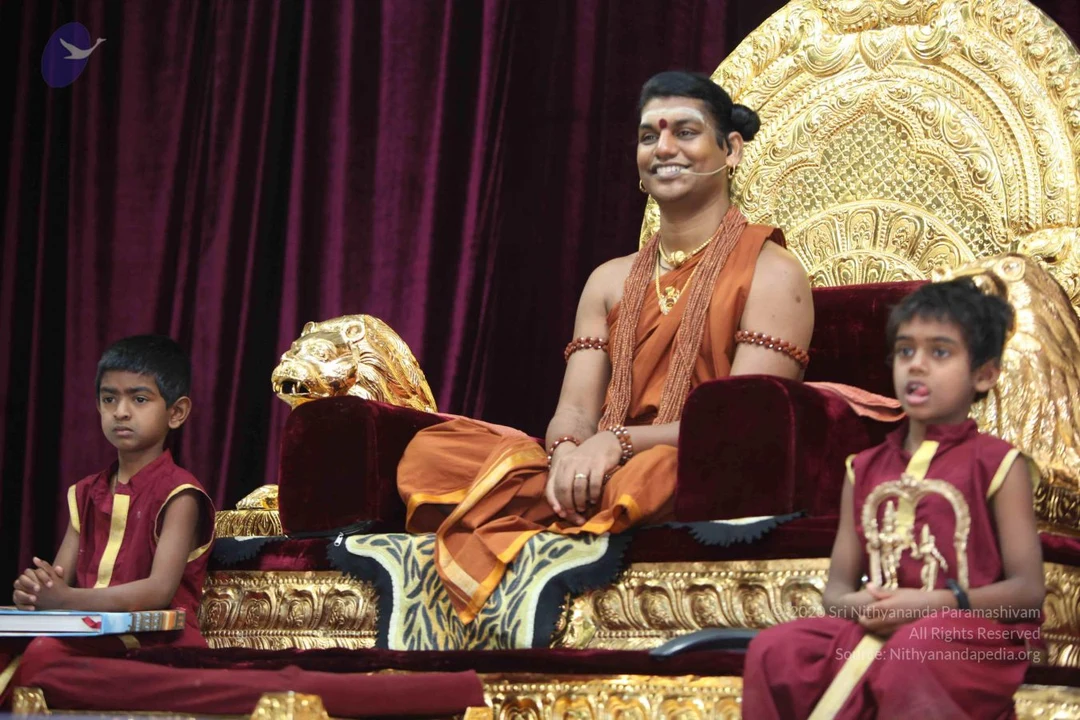
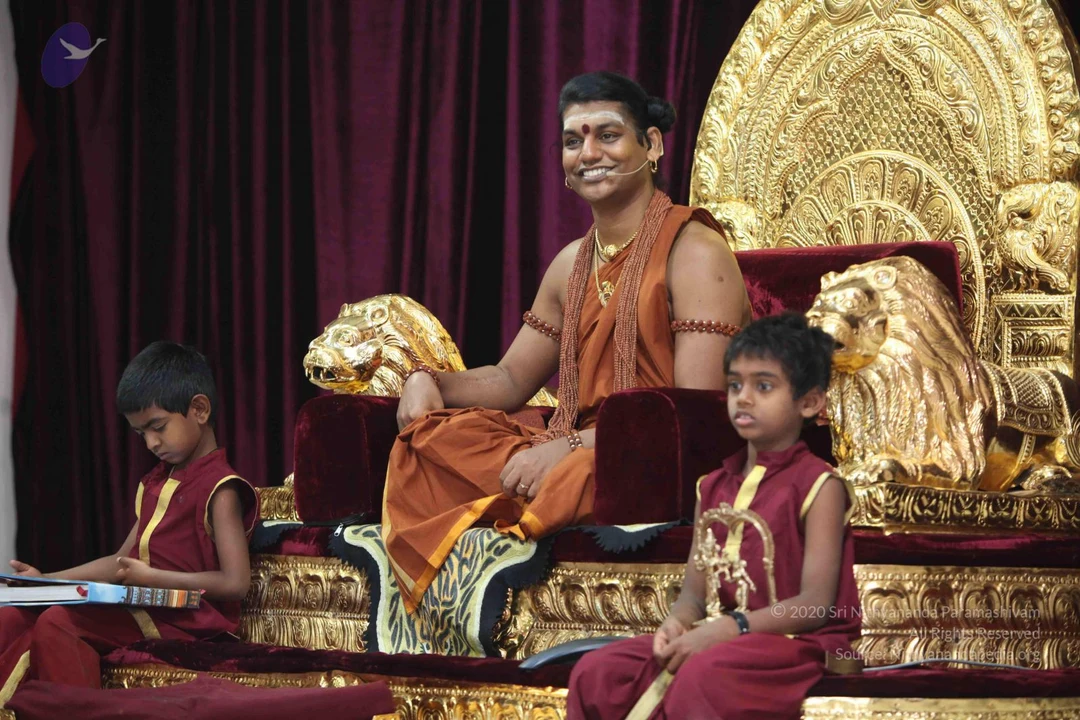
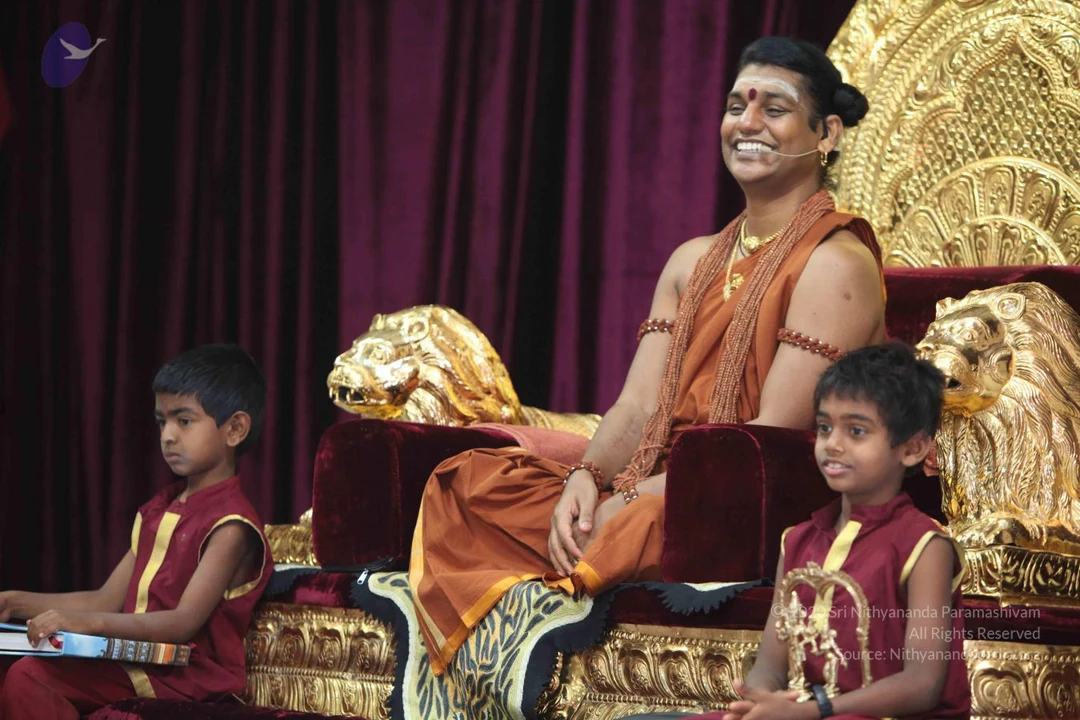
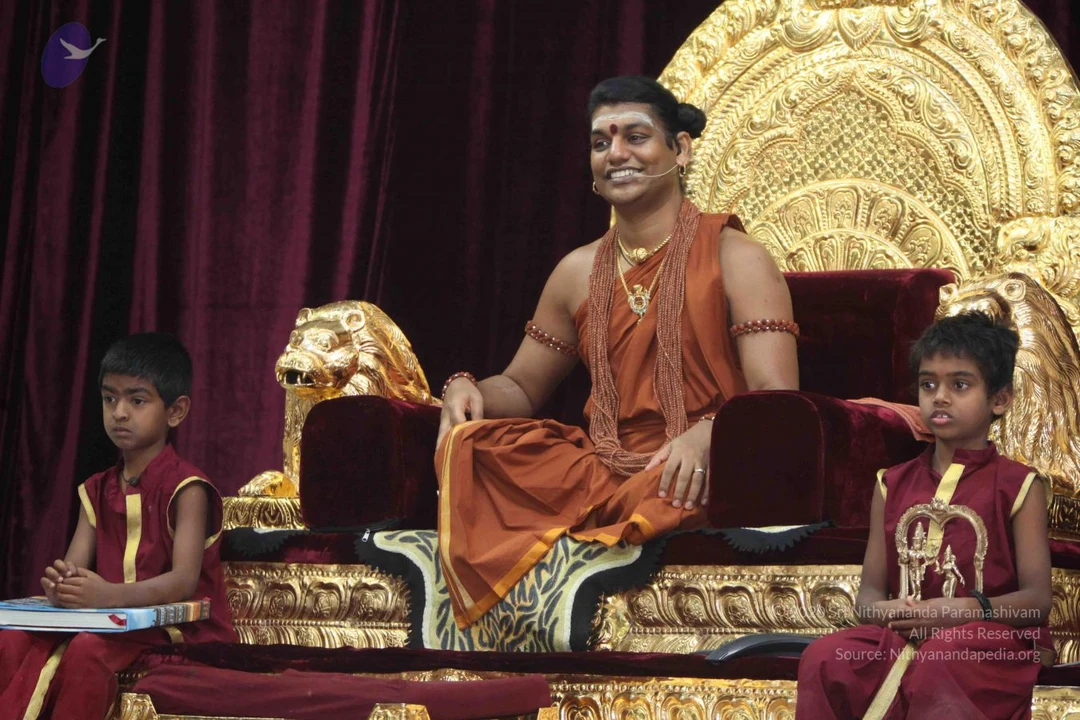
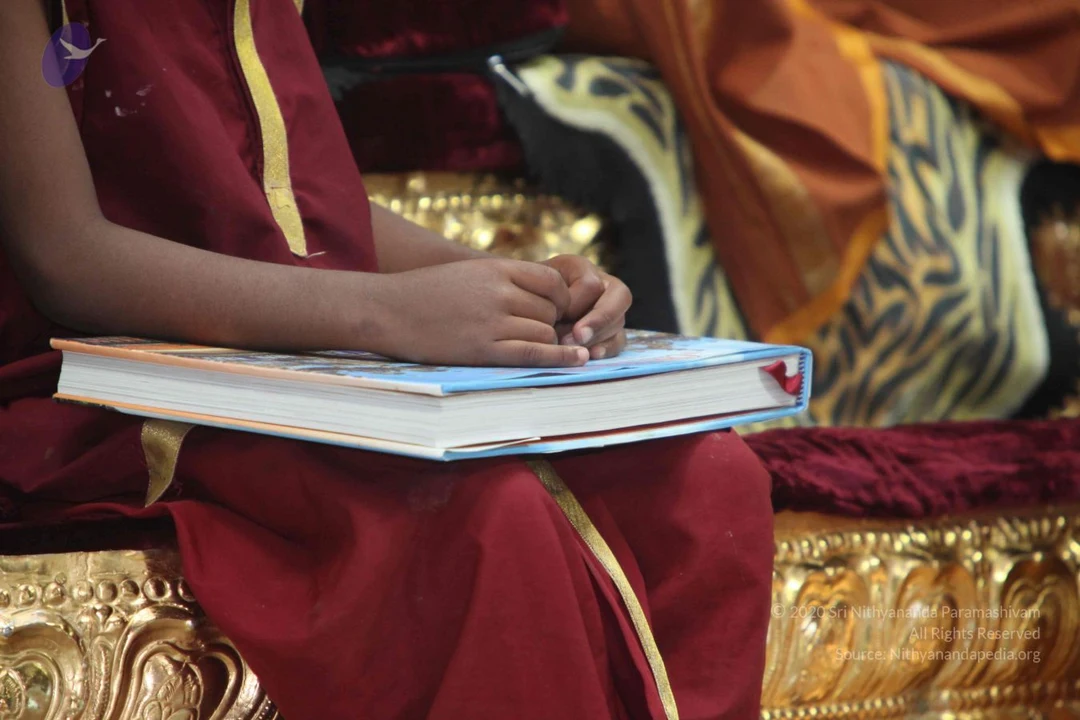
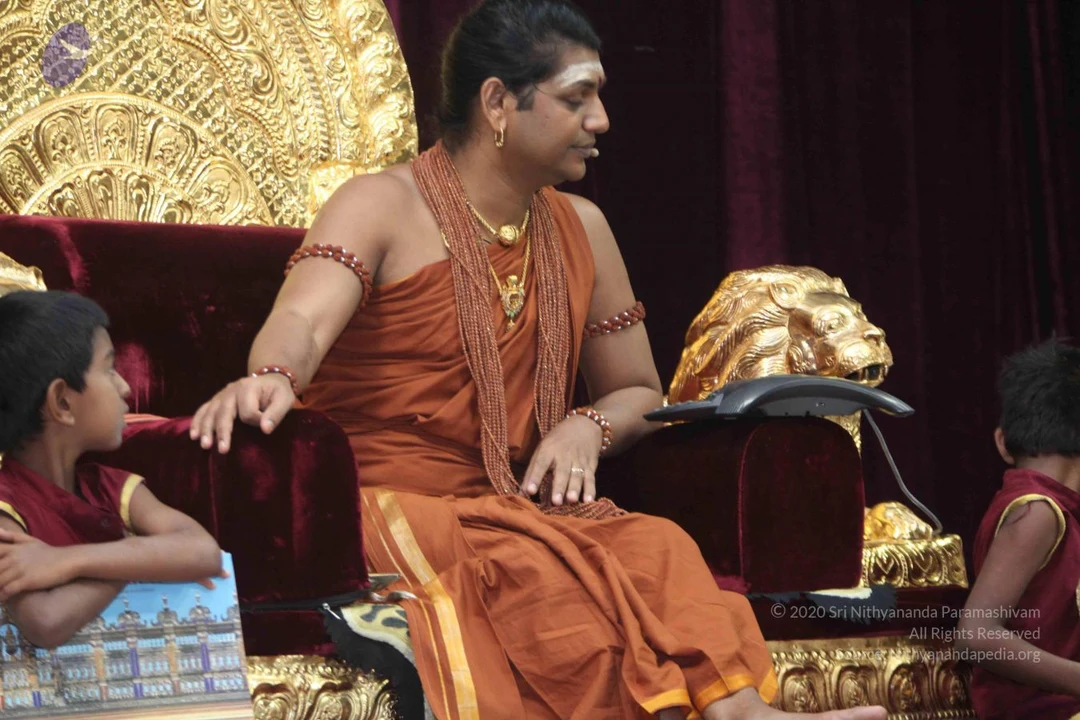
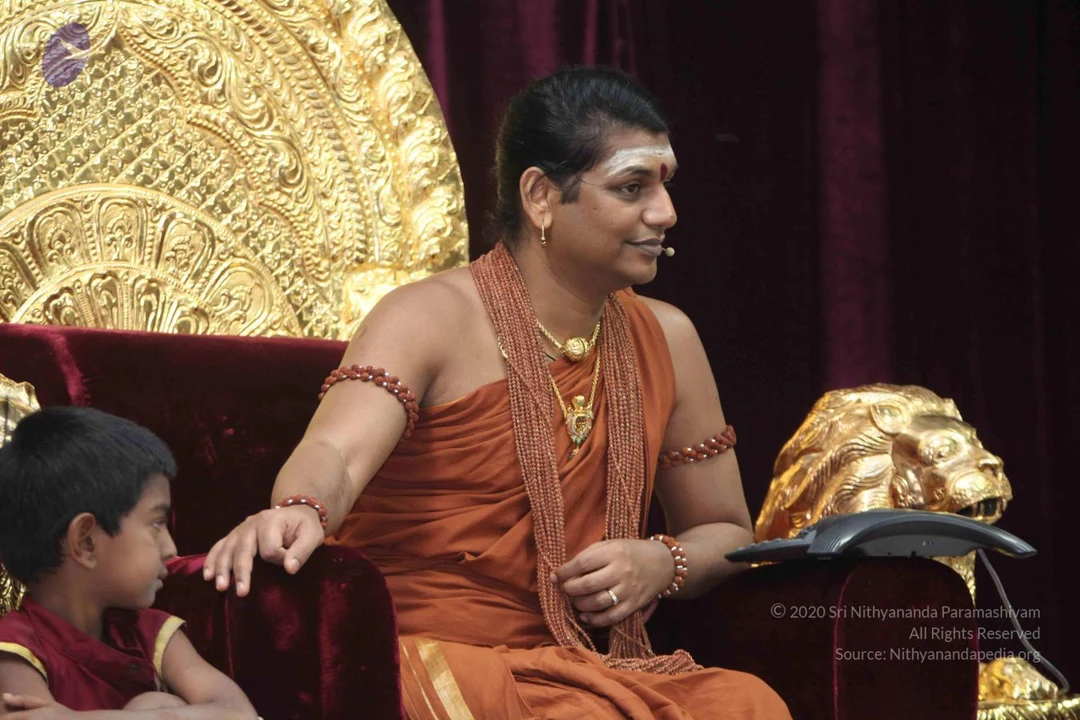
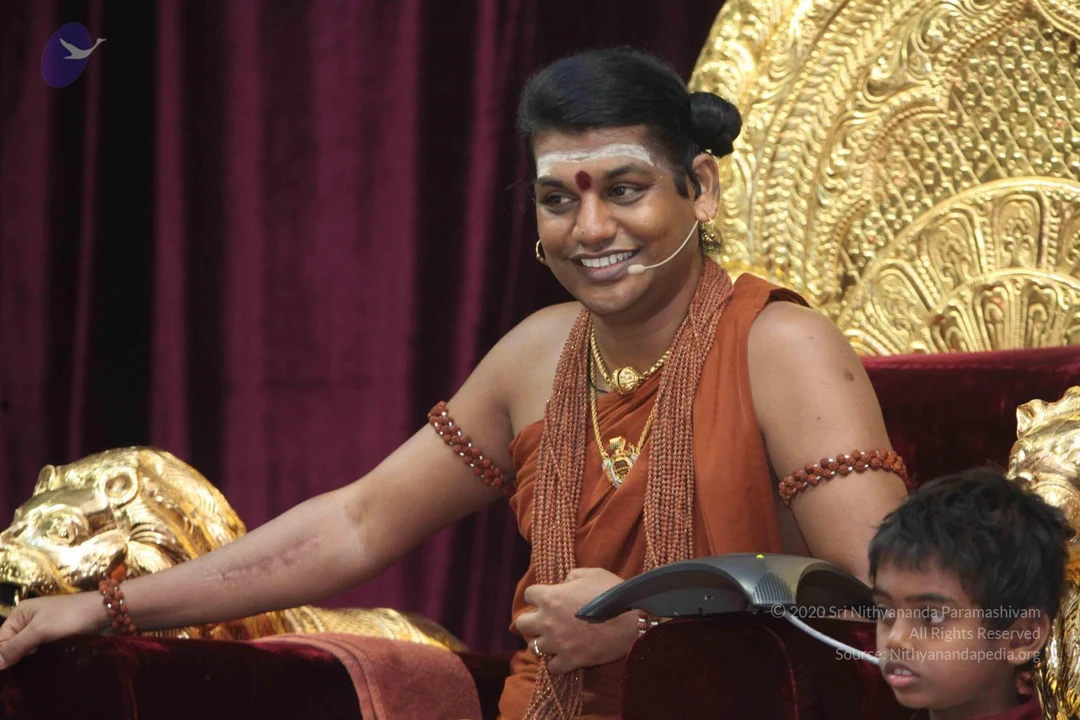
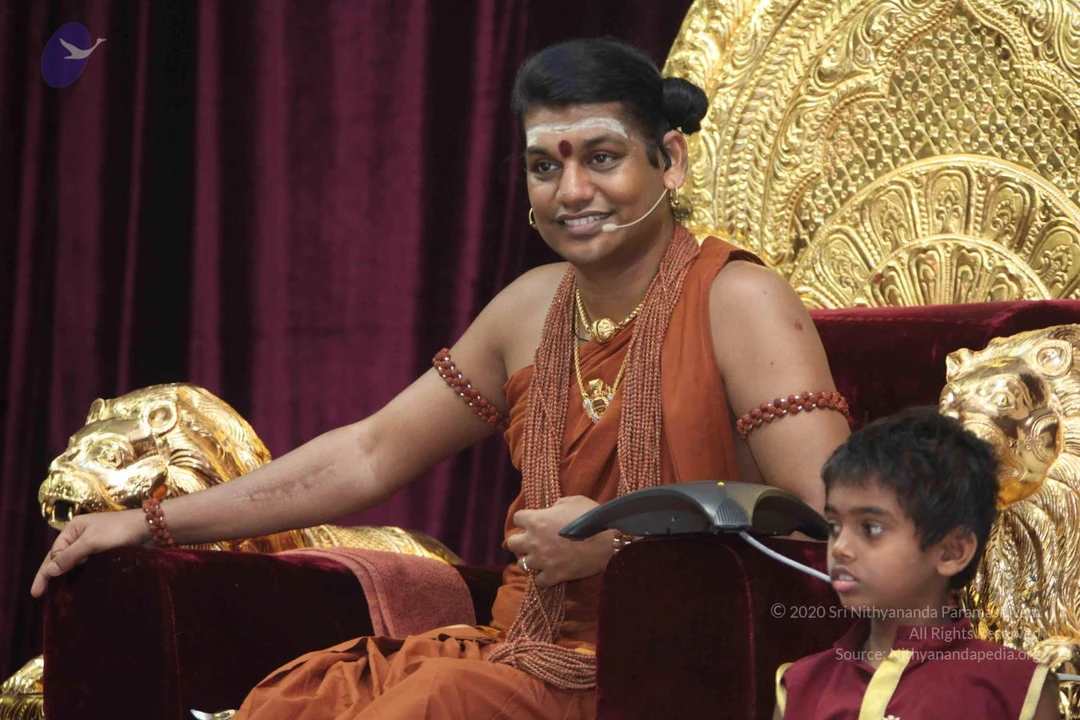
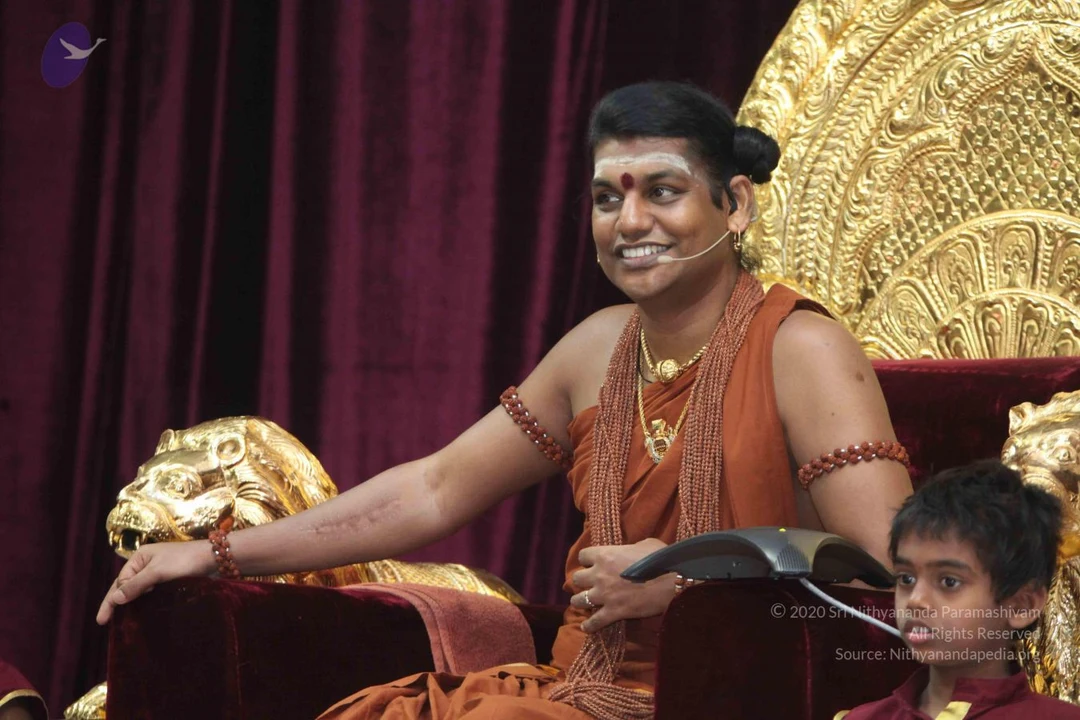
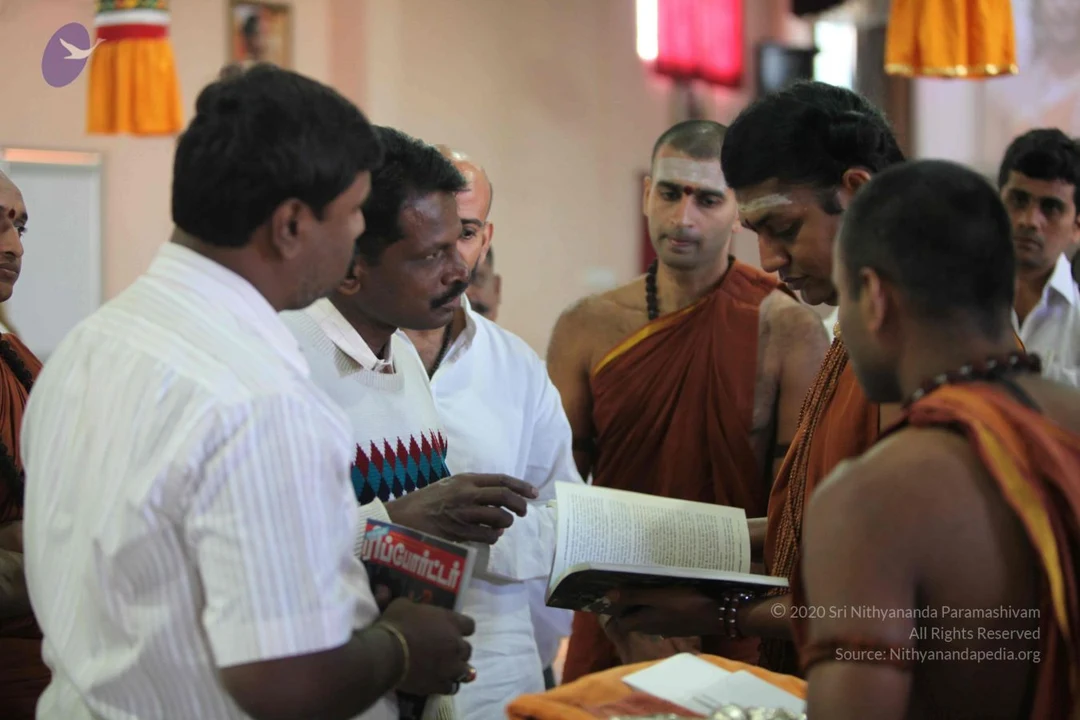
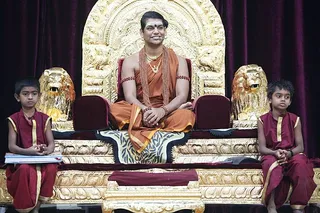
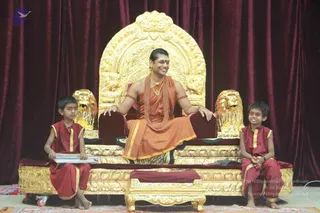
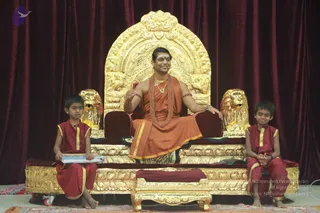
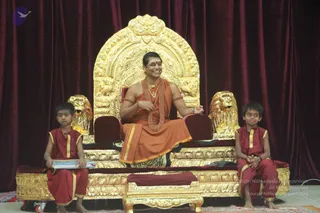
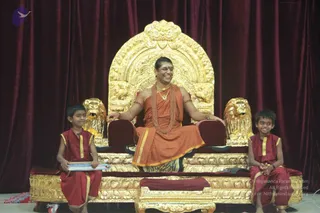
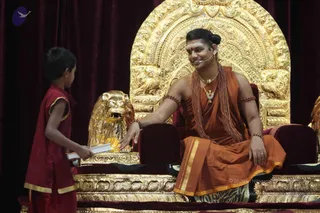
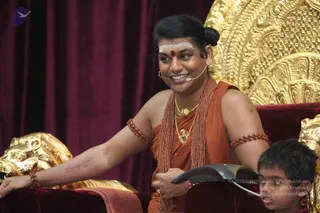
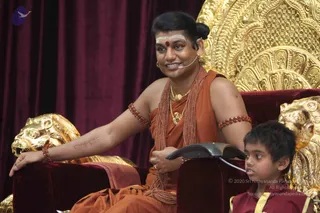
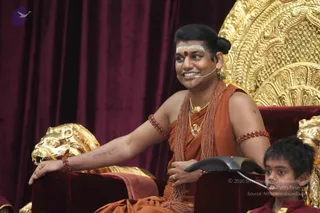
Today this guy our Gurukul kid Pratap he asked me he wants to build a temple.Other Gurukul kid Rupan also asked I told him this Pratapan’s family is from Chettiyar community I told him.Hey this is the book for you…ok?(Swamji handling the book to the Gurukul Kid) ok? Sit You have to read this book this tells your biological family heritage Understand.?Your biological family builds temples. Your ideological family puts Gods!(Audience claps, Swamiji laughs) Hey Rupan come. Where is he? Huh? Why?ohhh….This guy has asked me I asked him what boon he wants? He said I want to build temple.Come sit here But you should sit here quietely ok? I asked this guy Rupan what you want – he said chikkies.I gave him Then I asked him I will give you one more boon. He said he wants to build temple. I said you build any number of temples I will supply any number of materials for you.Hey after reading the book you should know how your biological family build temples(pointing to the Gurukul kid). Then he(other Gurukul kid ) came and asked can I also help Rupan build temple? I said you can help Rupan to build temple and you can build your own also both .Hey Rupan do you know now your mother will be seeing you?(Swamji Laughs)
No this guy built a beautiful temple in his house.In Coimbatore.Coimbatore na? In Coimbatore he has built an very beautiful temple I saw that temple when I went to diwali he was worshipping When I saw that picture I said oh God This is what exactly what I did. And where I landed you see. Iso beautifu So happy. Hey you guys are only one step away..lIterally Rupan you understand. You are only one step down.He is afraid.Your temple only na? Project. Rupan’s personal temple built by Rupan personally! You built with your own hands? Huh?He built and he himself worshipped.. hmmm…so beautiful…I will give you another one book how to build temples. Okay Rupan?And you should take care see I told you I will give any material you want to build temple you should make sure your student helps me to make my temples ok? Your female students should help me to make jewellery for deities male students should help to build the temples. Deal Deal?
So Today Niraahaara samyama 3rd level 7th day. so we have only 4 more days. Am I right? Great. And an important thing. So in a very fulfilling way. I have never never experienced Sangha going through this kind of fulfillment . The Brahmanyam bahuputrataam 9th day. See many time when people get my love they feel joy and all that, that and all I have seen. But never I have seen as a whole group feeling so inspired. All BB participants do you agree with this? Yes(From the BB participants)Any of you feel that really this is the peak of my inspiration after coming to the sangha. Raise your hands the Brahmanyaam Bahuputrataam participants. great!No I’m asking about you guys only so great. And even for me this is the peak of inspiration for me and for you guys also. It is so beautiful. I am the favourite inheritor of the cosmos. Brahmanyam bahuputrataam! So beautifully the class is happening. The real transformation is happening. We can have this also as a ring tone – Brahmanyam bahu putrataam! Brahmanyam bahu putrataam! Brahmanyam bahu putrataam! Record pannitiya paa(Did you record it?)
Now I can see St. Louis Festus, Devonk UK, Adayar Chennai,North Hollywood Los Angeles,Sydney Australia,Next to Sydney? Scottsdale Arizona, Bangalore nithyananda vidyalaya, then? Chicago loop, oman sivaGangai, That’s it? Record pannriya paa(Did you record it?) Ok vaa?(Is it ok?), , – Brahmanyam bahu putrataam! Brahmanyam bahu putrataam! Brahmanyam bahu putrataam! Iam the favourite inheritor of the cosmos Iam the favourite inheritor of the cosmos Iam the favourite inheritor of the cosmos. That will be one more ringtone whoever wants they can have that ringtones
…soon we will have 1008 ringtones from Swamiji’s voice. All the major clicks If you are working with certain truth, certain tatva have that as the ring tone till it become satya . Great. So beautiful. When I could see with my own eyes each of my child, my inheritors blossoming by identifying their root pattern of suffering. The root pattern of their suffering when they identify and get out of it. What a feeling! It is so nice! Adhu oru thani feeling pa(It is an different feeling)So nice,So nice to have people back. Otherwise many people I really lost them. I lost many of them from my life. There was a time I had them and in the gap time I lost many of them. Now having them back feels so nice. Many of them lost me even though they were here. It feels so nice to have you guys back…as part of me. Brahmanyam bahu putrataam! (Tamil) I tell you guys when you understand the root pattern of suffering in your life, just understanding – the moment you understand you will get out. Just understanding The moment you understand you can be sure you are having me back in your life.You are having me back in your life And whenever you help others to understand the root pattern of their suffering you are really really enriching them. I literally request all my disciples please understand the root thought pattern of your suffering that is enriching you andhelp others to find their root thought pattern of suffering that is where enriching starts. And if you go on finding other,other,other thought patterns and don’t give up on you that is not giving up on you and same way helping others to find deeper and deeper different thought patterns root patterns is not giving up on others .So nice.
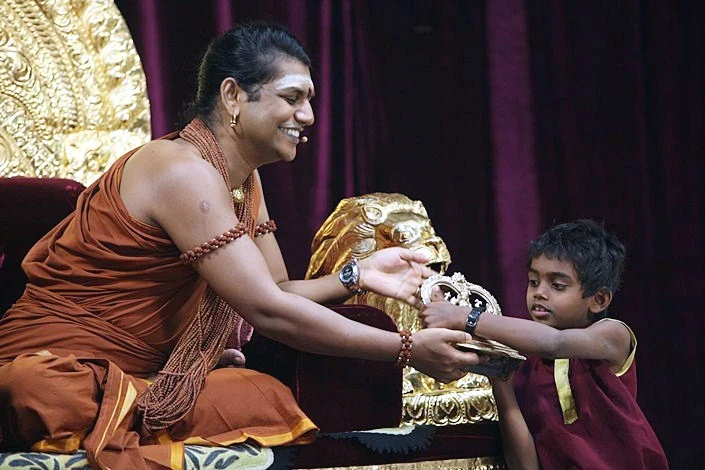
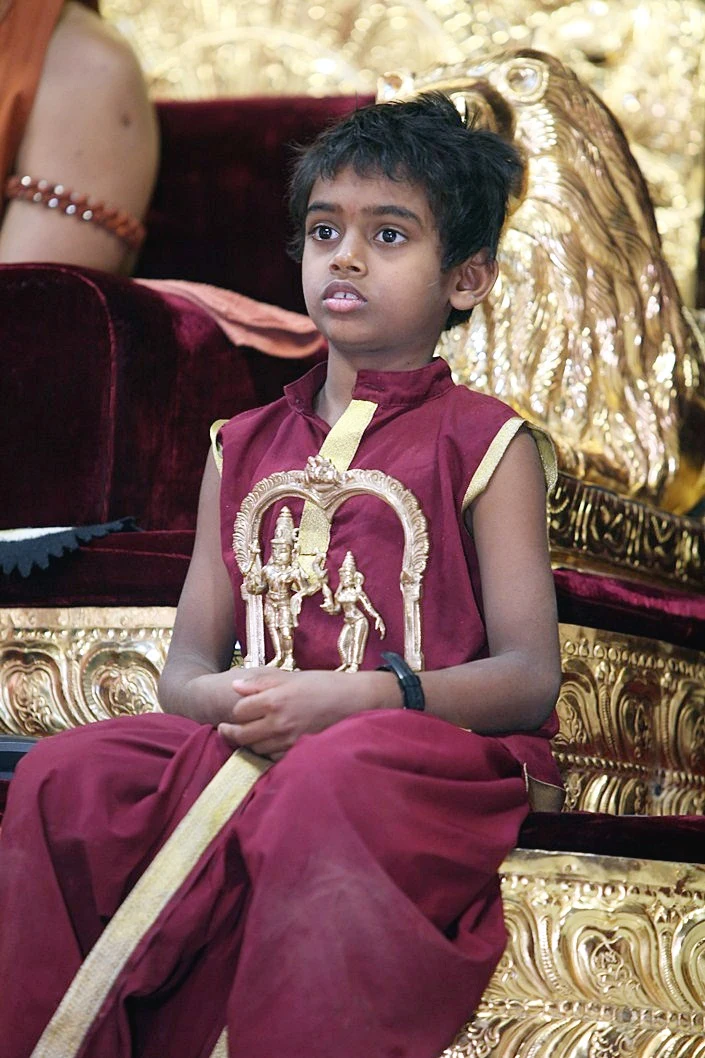
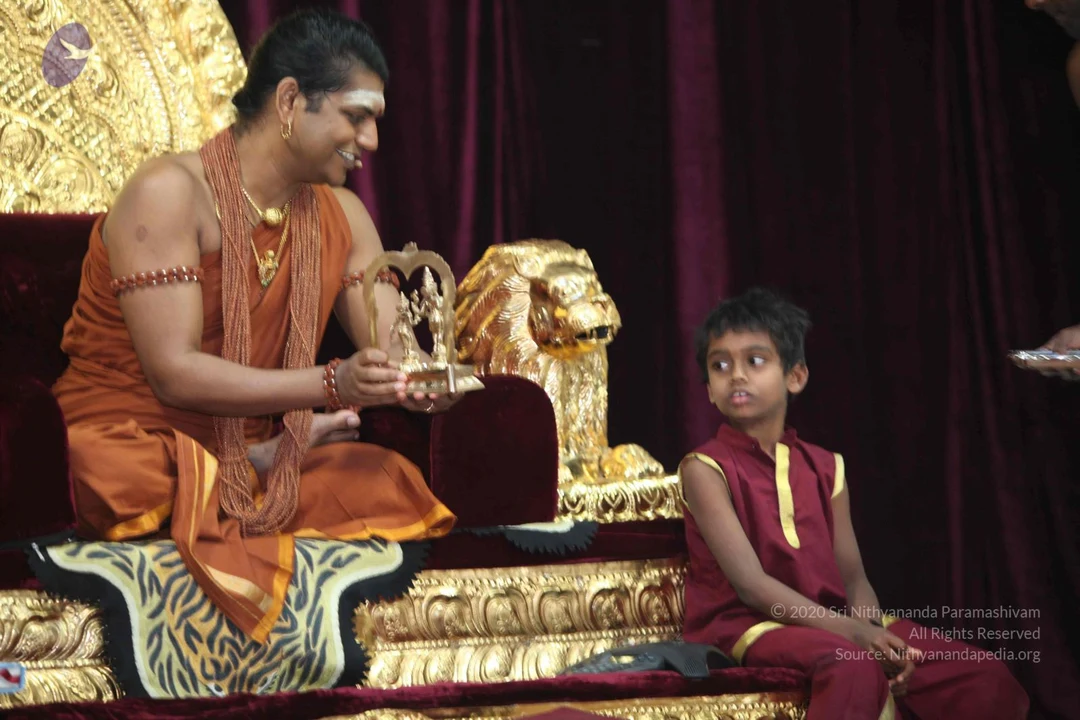
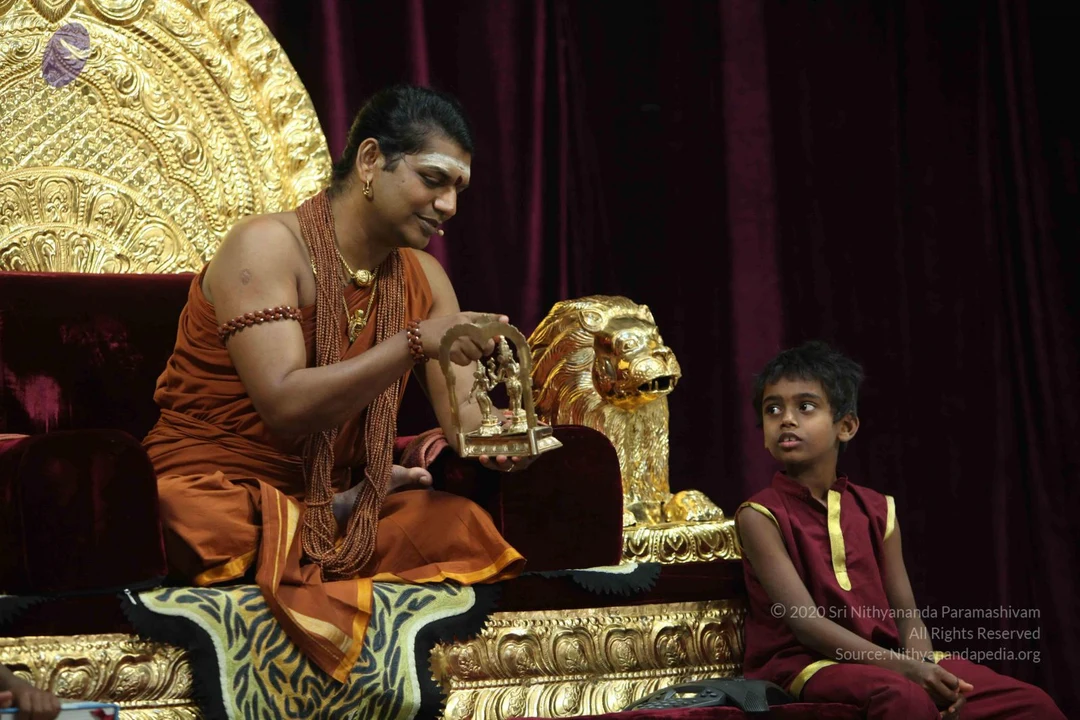
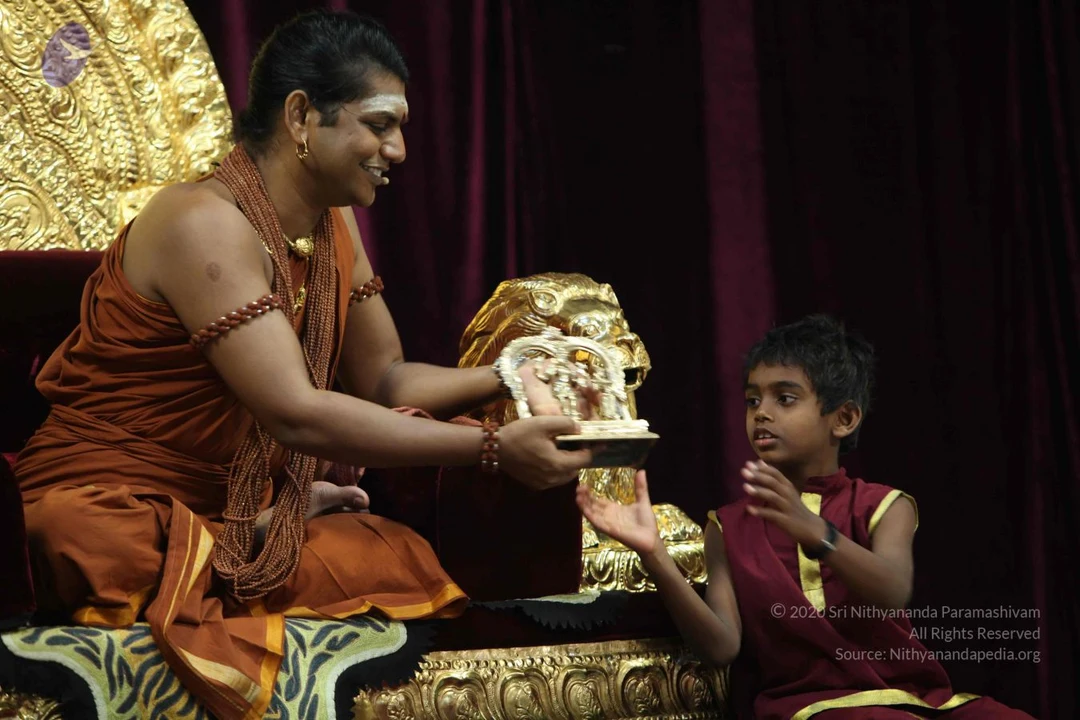
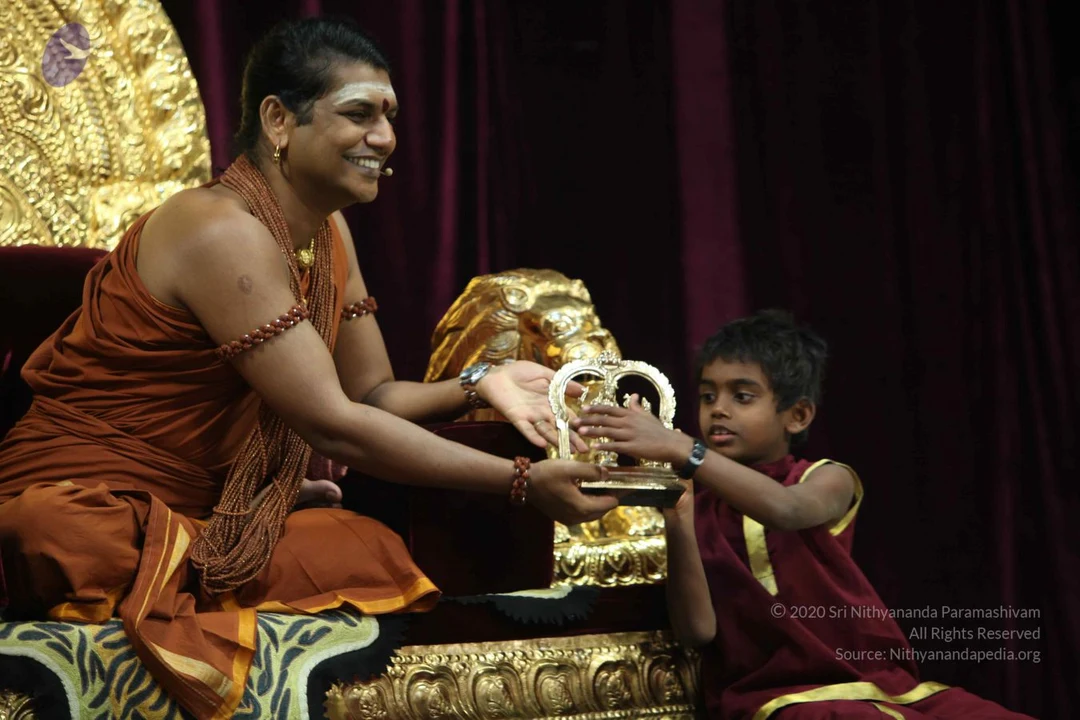
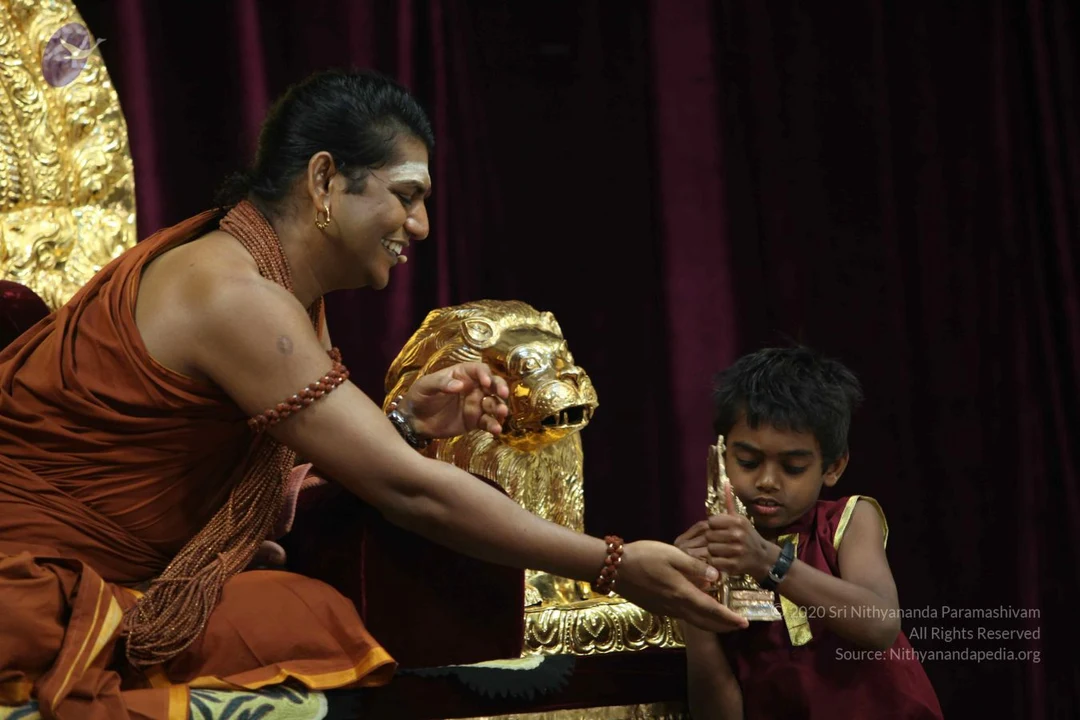
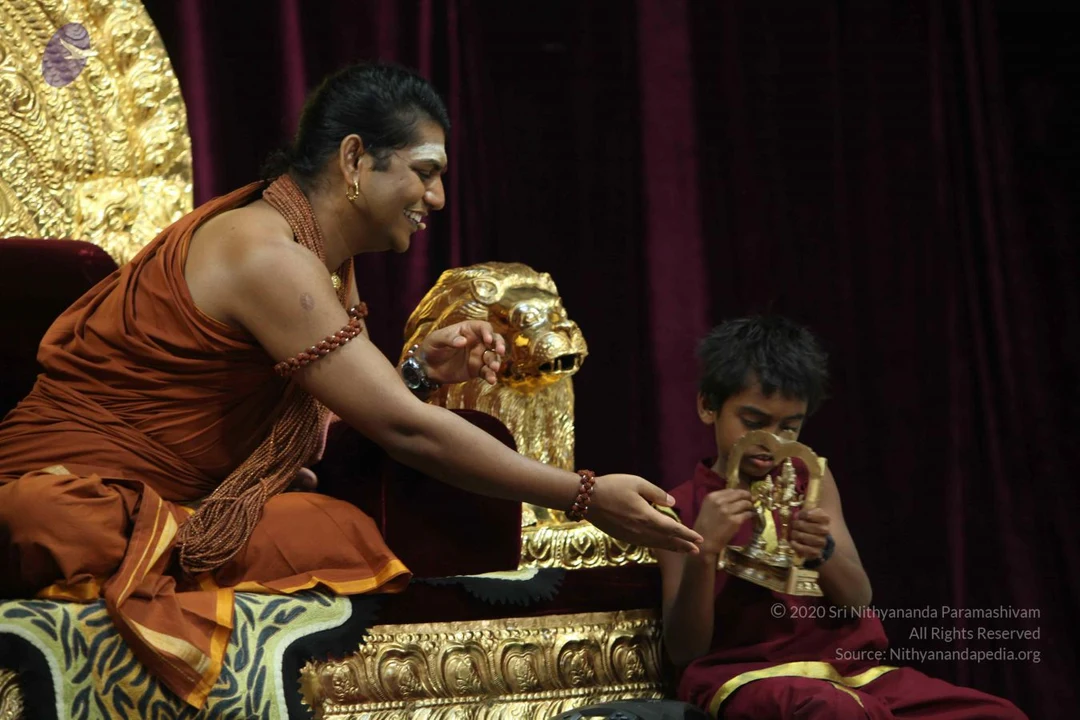
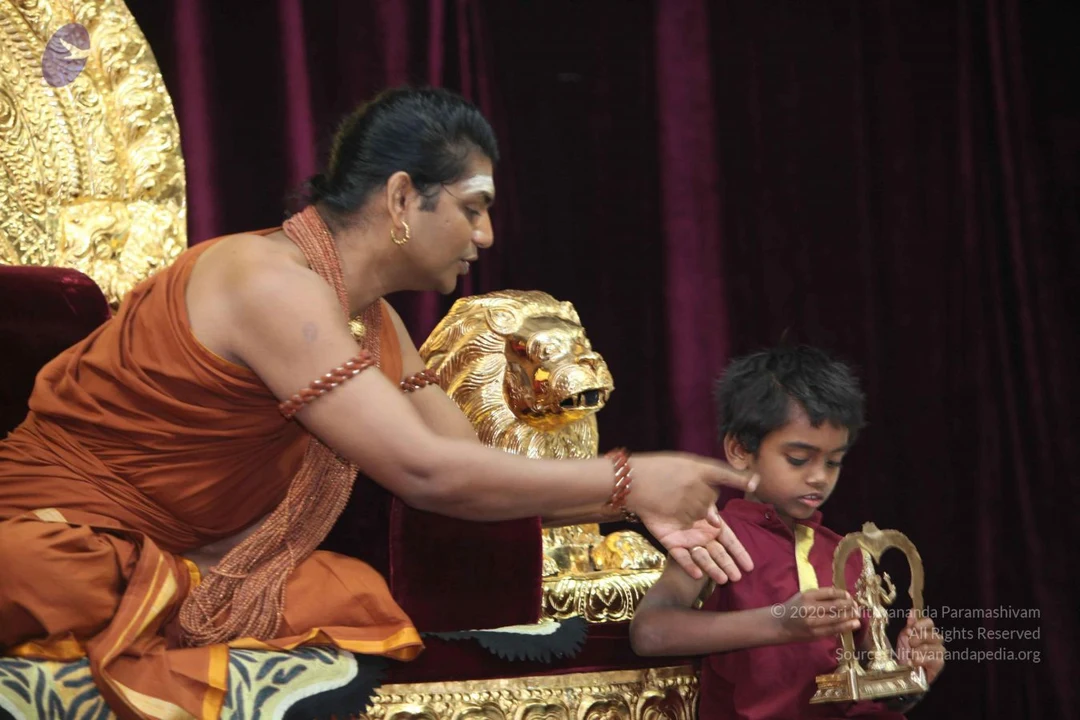
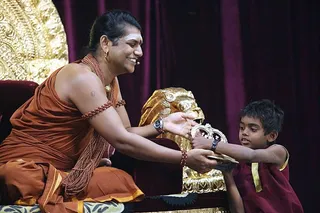
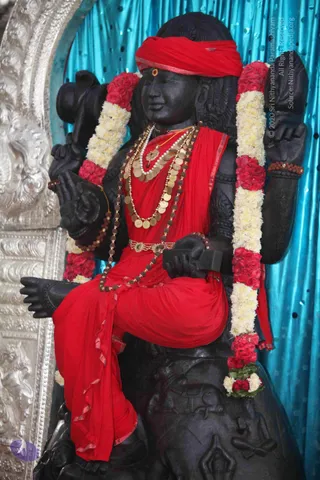
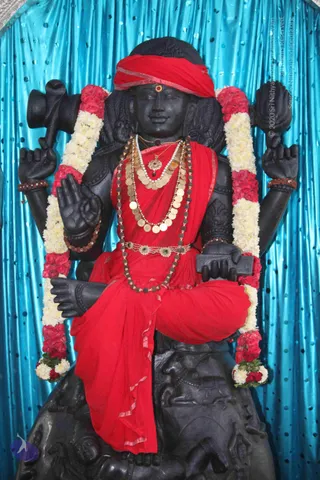
Whenever you help people to find their root pattern of suffering – you relieve them of atma hatya dosha. So now Ma Maneesha has the punya of saving at least 20-30 people… that many people you saved them from the atma hatya dosha. See when you are suffering with the same root pattern of suffering it is atma hatya dosha. It is so beautiful – just so beautiful. When I see in front of my eyes my kids being helped and the help which I cannot do. Understand that is the main thing. The help which I cannot do. It is like somebody had a fracture – I won’t be able to do surgery. I can remove the pain. For surgery I need the doctor’s help because I don’t know that,that exact precise method of course here It is not that I donno that precise method you will not cooperate with me,you will not argue with me you need to argue open your Vijnanamaya kosha bhedhana only then it can be penetrated.With me you don’t argue and you don’t infront of me you say that and in the heart you go back and fight with the same pattern.(Swamiji to Gurukul kid)-You like it? This is Shiva only, Shiva and meenakshi…ok?? Have it(Swamiji giving deity to the Gurukul kid) You show me I will tell you how to …Its too heavy…. Turn this side
Root pattern of suffering. When you help people to get out of their root pattern of suffering I tell you nothing like that. Nothing, nothing like that. That is the greatest enrichment you will do for other person. Hey That deity is really Shiva and Meenakshi. You understand. You should take care of it.That will materialize vibhooti,kumkum and everything .No that is different this is different.This was never in Gurukul no ma? That is different deity….this was in my room…it never came in Gurukul na? there are some deities which I keep in my room which I love them.
Let us enter into today’s satsang. I will continue on authenticity in Katho Upanishad. We saw till now the Nachiketa’s authenticity, the strength of Nachiketa.
अजीर्यतां अमृतानां उपेत्य जीर्यन् मर्त्यः क्वधःस्थः प्रजानन् ।
अभिध्यायन् वर्ण-रति-प्रमोदान् अतिदीर्घे जीविते को रमेत ॥ 28
What man dwelling on the decaying mortal plane, having approached the undecaying immortal one, and having reflected upon the nature of enjoyment through beauty and the sense pleasure, would delight in long life?
How would you delight in long life? He says when I know any one day you are going to come, how would you delight? How can you delight in long life? Because I amso so so sure that nothing can be done to me, I am continuously in completion and enjoyment. My step thinking, feeling, experience and myself is established in such a deep stability because so clear nothing can be done to me. There is nothing which can be done to me. You can’t take away anything from me. When you feel this word as a completion in you, as a tatva living through you as a Satya expressing itself through you dancing in your Ananda Gnadha. When a satya thunderstrucks you it dances in your Ananda Gandha. Understand – when you understand a truth it is tatva. When you wonderstand a truth it is satya. When a satya dances in your heart it is thunderstanding of the truthWhen this tatva thunderstands in your heart Anandhagandha
How can this happen? More and more completions. When you complete with your different different diffrent patterns doing prayaschithha to all the root thought patterns. Prayashchita means restoring completion.When you find a karma , Please understand Karma means incomplete ,incompletion is karma, prayaschita is restoring completion, apoornatva is karma, restoring completion is Poornatva. Prayaschitta for appornatva is Poornatva. When you restore completion again & again this tatvas become satya. Understanding becomes wonderstanding and wonderstanding becomes thunderstanding! When understanding happens you are in the level of acharyas. When wonderstanding happens you are in the level of chaitanya maha prabhu, meera – singing and dancing. When thunderstanding happening your Ananda Gandha becomes velliyembala!Not Madurai Velliyembalam. Vellyembalam - is the sabha in which Shiva danced in Madurai. He danced in Chidambaram also for whose sake? Patanjali sake. But in Madurai he danced after the marriage for the whole universe the whole devatas,rishi,gana everyone was there That was a marriage party dance. Marriage party dance is different. When you dance inside a forest for one devotee meditating meditating meditating and praying that is different But here in Velliyambalam,Madurai, he danced for the whole. All the people who came to his wedding,so he has to entertain them and he has to be at his best and he is also in joy. Just now married. Still honeymoon is not yet over. The marriage dance in velliyambalam. So when you are thunderstanding is like Shiva’s Anandha thandava in velliyambalam!
So when a tatva becomes satya – reality, it feels so so so nice. Means it is directly becoming useful in your life. It is becoming reality in your life. It is becoming satya in your life. I tell you this satya – this 4 – everybody’s life can be enriched by it! Even if you are just an airhostess when you are going to serve others go with the feeling clearance of enriching, taking responsibility for others inauthenticity. If you are a doctor go with the same feeling of enriching, if you are an engineer, go with the same feeling of enriching, Even if you are a selling shirts, go with the feeling of enriching.
He may give you 100rupee for the shirt,but that 100rupee you cannot wear only shirt you can wear>You are doing enrichment of that making 100rs into cotton,cotton into thread, thread to dyeing,dyeing to cloth, cloth to stitching,stitching to the final product.You are enriching Even if you take 100 rupee for shirt, because you cannot wear that 100 rupee .everything you do in life is enriching. Go with the feeling you are enriching. What a life! These 4 are the saarvabhoumya vratas. Nachiketa in Kato Upanishad demonstrates his authenticity, Shraddha.
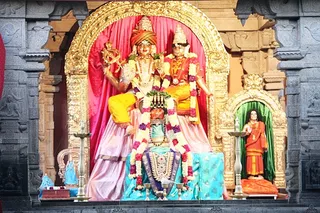
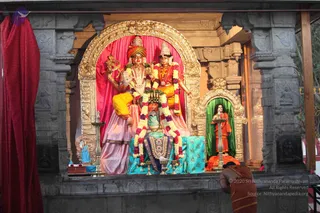
You guys can see the Velliyambalam where Mahadeva did marriage party dance,wedding reception dance<Picture is projected>
Wedding reception dance Patanjali and Vyaghrapada are standing and enjoying. Where Meenakshi is standing with deep shying and enjoying him from the side of her eyes,She must have felt shy atleast in the day of her marriage Even though she is a queen, with a deep shyness she is standing in the corner and enjoying him – the hero dancing. He changed the leg as another one Leela. One of the kin in Paandya Vamsa named Rajashekara paaandyan goes and asks. See he was the master of all 63 arts, but not 64th – the dance. So in the court there was some point where he had to give the judgement on who is the best dancer between 2 dancers. Suddenly the court has objected saying you are not qualified to give judgment on this issue because you yousrself don’t know this art. See how rich was the life of the Paandya kings. They had to know everything experientially to conduct the court. And court was held as the democracy,it was not autocracy it was democracyand anybody can question the authority. People questioned the authority of the king he said alright I will not give judgement I will learn . He gets a teacher and starts learning and in a month he realizes his legs are paining so much because of continous training. So next day he goes to temple and cries oh Mahadeva, one month my legs are paining so much, time immemorial you are standing in this posture I know how much it will be paining please atleast change the posture. His love was so strong, his Ananda Ganda so pure that immediately Maha Deva changed the leg and started dancing….that is the leela…so he danced in the place twice shiva danced here. Once for the wedding party dance and second time for his one of his son Rajashekara Paandyan…I never felt associated with that name..now iam feeling wow!!
Even Ayyappan’s father’s name is Rajashekar Paandya…Paandya not chera…those days the kingdom kerala was under Paandya so even now Ayyapan was given the pravara Paandya so still now all the temples and jewels everything are in the hands of the pandya…..Rajashekhara Paandya descendantsin course of time they adopted the Kerala Malayalam culture but the orginal name is PaandyaRajashekhara paandya…..maybe the great grandson of this Rajashekara paandyan for whom shiva changed the leg and dance. Now I can see my being is overflowing with Jnaana Sambandar, Meenakshi and Sundareshwara. Means auspicious things are going to happen and it is happening!All the auspicious things are happening. We will start building Meenakshi temples everywhere.Everywhere Meenakshi temples.
Let us have one sabha named as Rajatha sabha. ..You have to make Nataraja, Meenakshi, Patanjali, Vyaghrapaada – all four. Rajatha sabha – what a heritage, what a culture! God! One side that knowledge like Katha Upanishad. Other side living it in the life building such huge temples! So rich living with it! Let us go to the Upanishad. Next sutra. Today very important because Maha Kaala today starts teaching atma vidya to Nachiketa. Today the atma vidya starts .After this verse -
यस्मिन् इदं विचिकित्सन्ति मृत्यो यत् साम्पराये महति ब्रूहि नः तत् ।
यः अयं वरो गूढं अनुप्रविष्टो न अन्यं तस्मात् नचिकेतो वृणीते ॥ 29
O Death, that regarding which there is doubt, of the great Hereafter, tell us. Nachiketas asks for no other boon than that which penetrates this hidden secret.
“O Death, that regarding which there is doubt, of the great Hereafter, tell us. Nachiketas asks for no other boon than that which penetrates this hidden secret.”
Nachiketa is saying oh Maha Kaala, that regarding which there is doubt, of the great Hereafter, tell us. Nachiketas asks for no other boon than that which penetrates this hidden secret. Nachiketa is very clear what he wants. He just wants thunderstanding! Nothing else.. Thunderstanding! That regarding which is there is doubt of the great hereafter. It is 1st chapter, 29th verse.
O Death, that regarding which there is doubt, of the great Hereafter, tell us. Nachiketas asks for no other boon than that which penetrates this hidden secret, hidden secret.
यस्मिन् इदं विचिकित्सन्ति मृत्यो यत् साम्पराये महति ब्रूहि नः तत् ।
यः अयं वरो गूढं अनुप्रविष्टो न अन्यं तस्मात् नचिकेतो वृणीते ॥ 29
O Death, that regarding which there is doubt, of the great Hereafter, tell us. Nachiketas asks for no other boon than that which penetrates this hidden secret.
When Nachiketa has made it very clear. Now Yama flowers. Understand, it is your authenticity gets the best out of your Guru! Here the Nachiketa took the responsibility for Yama’s inauthenticity. He put his foot down authentically. He gets the best out of Yama. He gets the best out of Yama. Yama did not trust Nachiketa because Nachiketa was a human being. You know what happens when you trust human beings. But Nachiketa proved his authenticity got the best out of yama. The best of Yama is opening up in the next verse. 30th verse. It is not 30th verse of earlier chapter. It is actually 2nd chapter 1st verse –
II. अन्यत् श्रेयः अन्यत् उत एव प्रेयः ते उभे नानार्थे पुरुषं सिनीतः ।
तयोः श्रेय आददानस्य साधु भवति हीयते अर्थात् य उ प्रेयो वृणीते ॥ 1
“Yama said: The good is one thing and the pleasant another. These two, having different ends, bind a man. It is well with him who chooses the good. He who chooses the pleasant misses the true end.”
Now Yama breaks the first part. Yama said the good is one thing and the pleasant is another. These two, having different ends, bind a man. It is well with him who chooses the good. He who chooses the pleasant misses the true end.”
PEOPLE ask me again and again after all happiness matters na? No. authenticity matters, not happiness. Yama breaks the first part. When you choose authenticity you achieve happens which is totally different.You can call that as oozing of bliss starts happening. Yama says …The good is one thing and the pleasant is another. These two, having different ends, bind a man.
Understand Even goodness binds you to more and more good till you become best – highest. Pleasant binds you leads you to different. Both brings certain bondage. Pleasant is going to make you more and more bound . Good is going to liberate you,it is well with him who chooses the good. If you choose good means authenticity. He who chooses the pleasant misses the true end means the right goal of life is lost. Misses the true end is missing the right goal of life. Choosing pleasant is not wrong, but not right. Not wrong, but left. Not right but left. Neither right, nor wrong, just left. Man who chooses the pleasant is neither right, nor wrong, just left. What a clear, clear, clear cut instruction! Authentic instruction. He says choose authenticity. Choose authenticity, choose authenticity. Choose authenticity.
अन्यत् श्रेयः अन्यत् उत एव प्रेयः ते उभे नानार्थे पुरुषं सिनीतः ।
तयोः श्रेय आददानस्य साधु भवति हीयते अर्थात् य उ प्रेयो वृणीते ॥
“Yama said: The good is one thing and the pleasant another. These two, having different ends, bind a man. It is well with him who chooses the good. He who chooses the pleasant misses the true end.”
The good is one thing and the pleasant is another. What a beautiful word. Remember always choose authenticity even if it does not look pleasant. How many of us go on choosing pleasant leaving that which is authentic? See how many of us choose pleasant instead of authentic? learn from Yama. Go inside.Completion, swapoornatva is not pleasant. You have to see all that and relive but it is authentic.Good for you. Medicine is not pleasant but it is authentic. Sugar, pizza, coco cola – is pleasant but not good for you!
He who chooses the pleasant misses the true end means misses the goal of life. Heeyate arthaath hyu preyo vrunitha – he who chooses the pleasant misses the true end.
हीयते अर्थात् य उ प्रेयो वृणीते What a beautiful verse!
अन्यत् श्रेयः अन्यत् उत एव प्रेयः ते उभे नानार्थे पुरुषं सिनीतः ।
तयोः श्रेय आददानस्य साधु भवति हीयते अर्थात् य उ प्रेयो वृणीते ॥
“Yama said: The good is one thing and the pleasant another. These two, having different ends, bind a man. It is well with him who chooses the good. He who chooses the pleasant misses the true end.”
First teaching, first word Yama utters is choose authenticity not the pleasant. Till now he was tempting Nachiketa with pleasant trying to move him out of authenticity …I don’t want to justify his action saying that he tested he himself also did not want to teach only when he saw the student is too authentic he had a mood swing and fell in love with Nachiketa. I can at the most say it was a mood swing but I cannot give benefit of doubt saying Yama was testing. ..the words Yama uttered does not show he is testing…the testing of the disciples will be totally different. Now suddenly he says the good is one thing and the pleasant another. These two, having different ends, bind a man. It is well with him who chooses the good. He who chooses the pleasant misses the true end.”
अन्यत् श्रेयः अन्यत् उत एव प्रेयः ते उभे नानार्थे पुरुषं सिनीतः ।
तयोः श्रेय आददानस्य साधु भवति हीयते अर्थात् य उ प्रेयो वृणीते ॥
“Yama said: The good is one thing and the pleasant another. These two, having different ends, bind a man. It is well with him who chooses the good. He who chooses the pleasant misses the true end.”
Till this moment what he was trying to do, now he says literally you have done wellby not chossing inauthenticity …see sometimes pleasure and authenticity come together as a by product. That is byproduct of inauthenticity it is okay. But you always choose authenticity and nothing else, nothing else. I will continue to speak on atma vidya what Yama teaches Nachiketa in the next verses satsangs. Now will move to the next section of the morning satsang.
Let you all achieve, experience, live, express, radiate, share and explode and enrich with eternal bliss, Nithyananda. Thank you!
Video and Audio - Is Happiness always best for You - Talks from Kathopanishad by Nithyananda
| Video | Audio |
Transcript
(00:00:26)
I welcome you all with My love and respects. I welcome all the devotees, disciples, samajis, satsangis sitting with us around the world at this moment in three hundred and ninety places through Nithyananda TV, thirty eight places two-way video conferencing having Nayana Deeksha, in two hundred and three cities, in thirty countries around the world as per the statistics.
Cities sitting with us in two-way video conferencing having Nayana Deeksha: San Jose - Madurai, Vancouver - Puri, Tiruvannamalai, Los Angeles - Arunachalam, Ohio - Prayag, Seattle - Chidambaram, Oklahoma - Somanatham, Phoenix - Kanchipuram, Toronto - Kailasam, Hyderabad - Bhagyanagaram, Los Angeles - Redondo Beach, Sharjah Thirukovilur, Sripuram - Chennai, Chennai - Alwarpet, Priyanka - Malaysia, Guadeloupe - Rameshwaram, Louisville - Kentucky, Atlanta - Ujjaini, St. Julian San France, St. Julian - France, Dakota Dunes, Dubai, Bengaluru - Marathahalli, Singapore - Singapuram, Edgewater - New Jersey, Charlotte - Srisailam, New York - Varanasi, Monterrey - Mexico, Bengaluru - Malleswaram, St. Louis - Tirumala. That’s it? Hmm. எந்த ஊருலாம்? >>>inaudible<<<? Okay. Okay, Sharjah why don’t you guys have that name Dubai. Let Sridevi Centre have the name Sharjah. Let them have Dubai Thirukovilur. The Sridevis Centre, you guys have title Sharjah, hmm. Because these fellows are going to make the temple. Hyderabad Sree. then anybody else? Sripuram Chennai. I welcome all of you with My love and blessings. There are some more cities coming online. Once I am able to see I’ll announce their names.
(00:03:52)
Prathap, come on. Hey Prathap, where is he? Call. Came late? I welcome all of you with My love and blessings. Come, come, come, come. Today this guy our gurukul kid Prathap, he asked Me, “I want to build a temple.” Other err gurukul kid Rupan also asked. I told him, this Prathapan’s family is from Chettiyar community. I told him. Hey, this is the book for you. Okay? (Swamji handing the book to Prathap) Okay? Sit.😃 Hmm. You have to read this book. This tells your biological family heritage, understand. Your biological family builds temples. Your ideological family puts Gods. 😃 Hey, Rupan come. Where is he? Huh? Why? 😃 Oohh This guy has asked Me, I asked him, what boon he wants? He said he wants to build temple. Come, sit here. But you would sit here quietly okay? 😃 I asked this guy Rupan, what he wants morning? He said, “Chikkis.” I gave him. Then I asked him, “Ask one more boon, I will give you.” He said, “I want to build temple.” I said, “You build any number of temple, I’ll supply material for you.” 😃 Aye, after reading the book, you should know how your biological family built temples. Hmm. Then he came and asked, “Can I also help Rupan to build temple?” I said, “You can help Rupan to build temple and you can build your own also, both.”
(00:06:34)
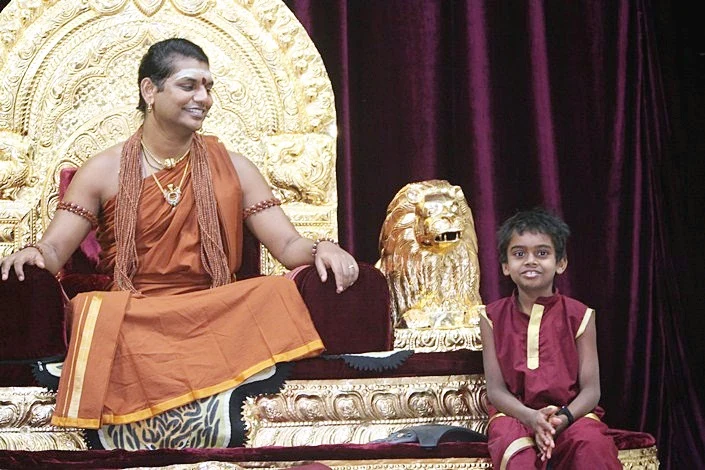
Hey Rupan, do you know now your mother will be seeing you? 😃 No, this guy built a beautiful temple in his house in Coimbatore. Coimbatore na? In Coimbatore, he has built a very beautiful temple. No, I saw that temple. When he went to Diwali, he was worshipping. When I saw that picture I said, “Oh God! This is what exactly I did.” And where I landed you see. 😃 So beautiful. So happy. Hey you guys are only one step away, understand. Literally! Rupan you understand? You are only one step down. He is afraid. Aah, Your temple only na? Aah. Project. Rupan’s personal temple built by Rupan personally! Tsk! You built with your own hands? Umm. Tsk! Ah? He built and he himself was worshipped. Tsk! Hmm, so beautiful. I will give you another one book how to build temples, okay? Rupan. 😃 And you should take care. You see, I told you, I’ll give any material you want to build temple. So you should make sure your student helps Me to build My temples, okay? Your female student should help Me to make jewellery for deities. Male students should help to build the temples. Deal. Deal? Deal, 😃 hmm.
(00:08:58)
So today Nirahara Samyama 3rd level, 7th day. So we have only four more days. Am I right? Great. Hmm. And, an important thing. So in a very fulfilling way, I have never, never experienced sangha going through this kind of a fulfillment. The Brahmanyam Bahuputratam 9th day. See many time when people get My love, they feel joy and all that. That and all I have seen. But never I have seen as a whole group feeling so inspired. All BB participants, do you guys agree with it? Any of you feel that ‘really this is the peak of my inspiration after coming to the sangha?’ Raise your hand, the BB participants. Great! Hmm. That's why... no I am asking about you guys only. So great, and even for Me, this is the peak of inspiration for Me and for you guys also. It is so beautiful. Hmm. And, I am the favourite inheritor of the Cosmos. Brahmanyam Bahuputratam! Jnanatma, “m” not “n,” Brahmanyam. Brahmanyam Bahuputratam
(00:11:00)
So beautifully the class is happening. The real transformation is happening. We can have this also as a ringtone - Brahmanyam Bahuputratam, Brahmanyam Bahuputratam, Brahmanyam Bahuputratam (Swamiji singing out loud) ரெகார்ட் பண்ணிட்டியாப்பா ? Now I can see St. Louis - Festus, Devon - UK, Adayar - Chennai, North Hollywood - Los Angeles, Sydney - Australia. Next to Sydney? Scottsdale - Arizona, Bangalore Nithyananda Vidyalaya. Then? Chicago Loop, Oman - Sivagangai. That’s it? Record பண்றியாப்பா, ஓகேவா? Brahmanyam Bahuputratam, Brahmanyam Bahuputratam, Brahmanyam Bahuputratam (Swamiji singing out loud). I am the favourite inheritor of the Cosmos. I am the favourite inheritor of the Cosmos. I am the favourite inheritor of the Cosmos. Let this also be one more ringtone. Tsk! Whoever wants whatever, they can have that ringtones. Soon we will have thousand and eight ringtones from Swamiji’s voice. 😃
(00:13:20)
All the major clicks: if you are working with certain truth, certain tattva, have that as a ringtone, till it becomes satya. Great. Its so beautiful. When I could see with My own eyes each of My child, My inheritors, blossoming by identifying their root pattern of suffering. The root pattern of suffering, when they identify and get out of it, what a what a feeling. அது ஒரு தனி feeling பா, It’s so nice. So nice to have people back. Otherwise many people I really lost them. I lost many of them from My life. There was a time I had them, and the gap time I lost many of them. Now having them back feels so nice. Many of them lost Me even though they were here. It feels so nice to have you guys back as part of Me. Brahmanyam Bahuputratam. Eh, Yogatma. Yogatma, ரூம்ல ஒரு சந்திரசேகரும் மீனாக்ஷியும் இருக்கும் பிரபாவளியோட, சின்ன diety , தெரியுமா? சிவனும் பார்வதியும், சந்திரசேகரும் மீனாக்ஷியும் பிரபாவளியோட எடுத்துட்டு வா. For Rupan. I didn’t give him anything na. For this guy I gave book, at least for him I have to... see the, ehh the temple building books I don’t think you will be able to understand now, hmm. I’ll give you, but it will not be directly useful for you. So I will give you this deity. Hmm.
(00:16:45)
I tell you guys, when you understand the root pattern of suffering in your life, just understanding, the moment you understand you will get out! Just understanding. The moment you understand, you can be sure, you are having Me back in your life. You are having Me back in your life. And whenever you help others to understand their root pattern of suffering - you are really really enriching them! I literally request all My disciples,
Please understand the root thought pattern of your suffering - that is enriching you. And help others to find their root thought pattern of suffering. That is where the enriching starts. And if you go on finding other, other, other thought patterns and don’t give up on you - that is not giving up on you. And same way helping others to find the deeper and deeper different thought patterns, root pattern - is not giving up on others.
It is so nice. Whenever you help people, to find their root pattern of suffering, you relieve them from the atma hatya dosha.
(00:18:34)
So now Ma Maneesha has a punya of saving at least I think twenty five people she helped? Eh, you helped twenty five people? No, in this Brahmanyam Bahuputratham Program I am saying. Ah, fifty people? Thirty people? Okay. So that many people being saved from the atma hatya dosha. See when you are suffering with the same thought pattern, root pattern of suffering - it is atma hatya. So you are relieved now from the atma hatya dosha. Eh, which is your favourite deity, Ishta Devata? (Swamiji asking Rupan) Shiva. Oh, that’s what I said, okay you will get now Shiva and Meenakshi only. Its so beautiful, just so beautiful. When I see in front of My eyes, my kids being helped, and the help which I cannot do, understand that. That is a main thing. The help which I cannot do. It’s like somebody had a fracture, I can, I won’t be able to do surgery; I can remove the pain. But I won’t be able to do the surgery. For that I need doctor’s help because I don’t know that, that exact precise method.
(00:20:27)
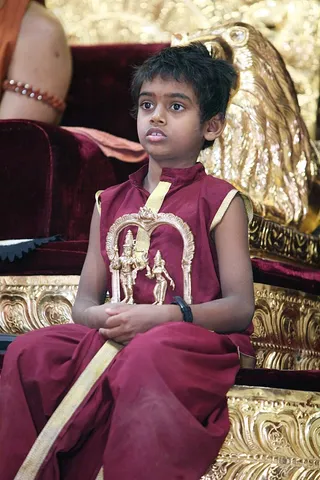
Of course, here it is not that I don’t know that precise method, you will not cooperate with Me! You will not argue with Me. You need to argue, open your vijnanamaya kosha bhedana, vijnanamaya kosha, only then it can be penetrated. With Me you don’t argue and you don’t, in front of Me you say you believe. In the heart you go back and fight with the same pattern. Hmm, yes exactly right. Yes, you like it? This is Meenakshi and Shiva only. Shiva and Meenakshi, okay? Have it. Hmm. (Swamiji gave the deities to Rupan) No show Me, I, I’ll, I’ll, I’ll tell you how to, how to fix that. Show Me. Okay, you understand? Like this. Hmm. Hmm. It’s too heavy for you? No problem? Have it. Hmm. You should not hold there [Prabhavali] because that will come up, separate piece, hmm. Hmm, alright. Turn this side and hold, hmm. Yes. Hmm, tsk!
(00:22:01)
Root pattern of suffering. When you help people to get out of their root pattern of suffering, I tell you, nothing like that. Nothing, nothing like that. That is the greatest enrichment you will do for other person. Hmm. Hey, that deity, Rupan that deity will be, is really Shiva and Meenakshi, understand. You should take care of them. They’ll materialize vibhuti, kumkum and everything. No, that is different. This is different. Oh, okay. What you have in gurukul is different deity. This is from My room. Somebody gifted to Me and I was having it, so I am giving it to you now. It’s highly energized. It stayed with Me in My room for quite a long time. Okay? It’ll materialize vibhuti, kumkum and all that. This was never in gurukul na ma? That is different deity. That is different deity because this is in My room. This was in My room. I thought whether these guys were no, no. It never came to gurukul na? Okay. Because there are some deities which I keep in My room, because I love them. I love it very 😃. People give lot of deities na, so I keep it.
(00:24:17)
Let’s enter into today’s satsang. I’ll continue on authenticity, and, in Kathopanishad we saw till now, the Nachiketa’s authenticity, the strength of Nachiketa.
अजीर्यतां अमृतानां उपेत्य जीर्यन् मर्त्यः क्वधःस्थः प्रजानन् । अभिध्यायन् वर्ण-रति-प्रमोदान् अतिदीर्घे जीविते को रमेत ॥२८॥
ajīryatāṃ amṛtānāṃ upetya jīryan martyaḥ kvadhaḥsthaḥ prajānan । abhidhyāyan varṇa-rati-pramodān atidīrghe jīvite ko rameta ॥28॥
What man dwelling on the decaying mortal plane having approached the undecaying immortal one, and having reflected upon the nature of enjoyment through beauty and the sense pleasure, would delight in long life?
(00:25:37)
Tsk! How do you delight in long life? He says when I know any one day you are going to come, how do you delight? How can I delight in long life? Because I am so, so, so, so sure nothing can be done to Me, I am continuously in completion and enjoyment. My step…. thinking, feeling, experience, and My Self is established in such a deep stability, because, so clear nothing can be done to Me. There is nothing which can be done to Me. You can’t take away anything from Me. When you feel this word as a completion in you, as a tattva living through you, as a satya expressing itself through you, dancing in your Ananda Gandha. When a satya thunderstrucks you, it dances in your Ananda Gandha. Understand when it, when you understand a truth, it is tattva. When you wonderstand a truth, it is satya. When a satya dances in your heart, it is thunderstanding of the truth. When this tattva thunderstands in your heart, Ananda Gandha...
(00:27:50)
How can this happen? More and more completion; when you complete with your different different, different, different patterns... doing prayaschitta to all the root thought patterns. Prayaschitta means restoring the completion. When you find a karma please understand, karma means incomplete. Incompletion is karma. Prayaschitta is restoring completion. Apurnatva is karma. Restoring completion is purnatva. Prayaschitta for apurnatva is purnatva. When you restore completion again and again and again, these tattvas become satya. Understanding become wonderstanding and wonderstanding becomes thunderstanding.
When understanding happens, you are in the level of acharya. When wonderstanding happens, you are in the level of Chaitanya Mahaprabhu, Meera, singing and dancing. When thunderstanding happens, your Ananda Gandha becomes Velliyambala! Not Ponnambala; Madurai, Velliyambala.😃 Velliyambalam. Velliyambalam is the sabha in which Shiva danced in Madurai. He danced in Chidambaram also, for whose sake? Patanjali’s sake. But in Madurai he danced after the marriage for the whole Universe - the whole Devatas, Rishi, Gana, everyone was there! That was a marriage party dance. Whatever is said and done, the marriage party dance is different. Tsk! When you dance inside a forest just for one devotee because he was meditating, meditating, meditating and praying, that is different. But here in Velliyambalam - in Madurai, he danced for the whole, all the people who came to his wedding. So he has to entertain them. And he has to be at his best. And he is also in joy, just now married. Still honeymoon is not yet over. The marriage dance is Velliyambalam. So when you are thunderstanding, it is like Shiva’s Ananda Tandava in Velliyambalam.
(00:31:36)
(ஆடுகின்றானடி தில்லையிலே song playing …) ஏய்... மதுரையிலே.. (swamiji correcting the song). சோழ நாடு பிறந்த ஊர் ஞானசம்பந்தருக்கு, பாண்டிய நாடு தான், இருந்த ஊர். அது வெள்ளிஅம்பலம் இல்லப்பா, பாண்டி நாடு, மதுரை தான் வெள்ளி அம்பலம். So when a tattva becomes satya - reality, it feels so, so, so nice. Means it is directly becoming useful in your life. It is becoming reality in your life. It is becoming tat, satya in your life. I tell you this satya, these four - everybody’s life can be enriched by it! Even if you are just a air hostess, when you go to serve a person, go with the feeling - clearance of enriching. Taking responsibility for others inauthenticity. If you are a doctor, go with the same feeling of enriching. If you are an engineer, go with the same feeling of enriching, Even if you are selling shirts, go with the feeling... he may give you hundred rupee for the shirt, but that hundred rupees he cannot wear. Only shirt he can wear. You are doing enrichment of that, making that hundred rupee into cotton, cotton to nool, cotton to thread, thread to dyeing, dyeing to cloth, cloth to stitching, stitching to the final product. So you are enriching even if you take hundred rupee for a shirt, because he cannot wear that 100 rupee!
(00:33:51)
So everything you do in life is enriching. Go with the feeling you are enriching. Tsk! What a life. These four are the sarvabhaumya vrataḥ. Nachiketa in Kathopanishad demonstrates his authenticity, shraddha.
Yes, this is the Velliyambalam Ma. Yes. You guys can see Velliyambalam, where Mahadeva did marriage party dance, wedding reception dance (picture of Velliyambalam being projected). Tsk! Wedding reception dance where Patanjali and Vyaghrapada are standing in the side and enjoying. Where Meenakshi is standing with the deep shyness and enjoying him through the side eyes. She must have felt shy at least on the day of marriage. Even though she is a queen, so with the deep shyness she is standing in one corner and enjoying him, the hero dancing. Tsk!
(00:35:41)
He, he changed the leg as another one leela, Ma. One of the king in Pandya vamsa named Rajashekara Pandyan 😃 goes and asks... see the, he was the master of all sixty three arts, but not sixty fourth - the dance. So in the court there was some err point, at one point he has to give a judgement on who is the best dancer between two dancers. Suddenly the court has objected king, saying that, “You are not qualified to give a judgment on this issue, because you yourself don’t know.” See the Pandya kings, how rich they were. So they have to know everything experientially to conduct the court! And the court was held as a democracy. It was not autocracy... democracy. And, anybody can question the authority of the king. People questioned the authority of the king, he said, “Alright, I’ll not give judgement. I’ll go and learn.” He gets a teacher and starts learning. In a month he realizes his legs are paining so much because of continuous training.
(00:37:19)
Next day when he goes to temple, he cries to Mahadeva. “One month I tried it, legs are paining so much. Time immemorial you are standing on this same posture. I know how much it will be paining, please at least change the posture, relax.” His love was so strong, his Ananda Gandha was so pure, immediately Mahadeva started dancing, changing the leg. That is the leela. So he did, he danced in this place twice. Once as the wedding party dance. Second time, for his, one of his son Rajashekara Pandyan. 😃 I never felt associated with that name. Only now I am feeling wow! Tsk! Nice name, hmm. And even the Ayyappan’s dad’s name is Rajashekara Pandyan. Pandya not Chera. Those days the kingdom, Kerala was under the Pandya empire. So his name is Rajashekara Pandyan. So even now Ayyappan was given the pravara of Pandya. And, all the jewels or the temple, everything is still now in the hands of Pandyas, the Rajashekara Pandyan’s descendants.
(00:38:59)
In course of time they adopted the Kerala-Malayalam culture, that’s different. But original name is Pandya, Rajashekara Pandyan. Maybe the great grandson of this Rajashekara Pandyan for whom Shiva changed the leg and danced. Now I can see My being is flowing with the Jnanasambandar and Meenakshi and Sundareshwara. Tsk! It means auspicious things are going to happen and it’s already happening. Tsk! All the auspicious things are happening. We’ll start building, we’ll start building Meenakshi temples everywhere. Everywhere Meenakshi temples. Ehh Sahaja, ahh Dayananda, just that Velliyambala Natarajar நல்ல எட்டு அடி உயரத்துல, உடனே ஒன்னு பண்ண சொல்லுங்க. ம்ம்ம்... பஞ்சலோகத்துல, கருங்கல்ல அப்படியே, மதுரைல இருக்கிற அதே சைஸ்ல, கருங்கல்ல ஒரு திருமேனி.
(00:40:46)
Let’s have it in one sabha. Hmm, in one sabha we will have. And we will have one sabha as Velliyambalam. Rajatha Sabha it will be, eeh am I right Ma? Velliyambalam means Rajatha Sabha, hmm. Rajatha Sabha, let’s have one sabha. This Rajatha Sabha. You have to make Nataraja, Meenakshi, err Patanjali, Vyaghrapada all four. Rajatha Sabha. What a heritage, what a culture. God! Tsk! One side that knowledge like Kathopanishad. Other side, living it in the life, building such huge temples. So rich living with it!!!
(00:43:07)
Let’s go to Upanishad. Next sutra. Today very important because Mahākāla today starts teaching Atmavidya to Nachiketa. Today the Atmavidya starts. After this verse, the first, let Me see this verse.
यस्मिन् इदं विचिकित्सन्ति मृत्यो यत् साम्पराये महति ब्रूहि नः तत् । यः अयं वरो गूढं अनुप्रविष्टो न अन्यं तस्मात् नचिकेतो वृणीते ॥२९॥
yasmin idaṃ vicikitsanti mṛtyo yat sāmparāye mahati brūhi naḥ tat । yaḥ ayaṃ varo gūḍhaṃ anupraviṣṭo na anyaṃ tasmāt naciketo vṛṇīte ॥29॥
O Death, that regarding which there is doubt, of the great hereafter, tell us. Nachiketas asks for no other boon that, than that which penetrates the hidden, this hidden secret.
O Death, that regarding which there is doubt, of the great hereafter, tell us. Nachiketas asks for no other boon than that which penetrates this hidden secret.
Nachiketa is saying, “Oh Death, Oh Mahakala, that regarding which there is doubt, of great, of the great hereafter tell us. Nachiketas asks for no other boon than that which penetrates this hidden secret.” He is very clear what he wants. He just wants thunderstanding. Nothing else. Thunderstanding. Tsk! Tsk! That regarding which there is doubt, of the great hereafter. It’s 1st chapter, 29th verse.
(00:45:14) O Death, that regarding which there is doubt, of the great Hereafter, tell us. Nachiketas asks for no other boon than that which penetrates this hidden secret. This hidden secret.
यस्मिन् इदं विचिकित्सन्ति मृत्यो यत् साम्पराये महति ब्रूहि नः तत् । यः अयं वरो गूढं अनुप्रविष्टो न अन्यं तस्मात् नचिकेतो वृणीते ॥२९॥
yasmin idaṃ vicikitsanti mṛtyo yat sāmparāye mahati brūhi naḥ tat । yaḥ ayaṃ varo gūḍhaṃ anupraviṣṭo na anyaṃ tasmāt naciketo vṛṇīte ॥29॥
O Death, that regarding which there is doubt, of the great Hereafter, tell us. Nachiketas asks for no other boon than that which penetrates this hidden secret.
When Nachiketa has made it very clear, now Yama flowers. Understand, it is your authenticity gets the best out of your Guru. Here Nachiketa took the responsibility for Yama’s inauthenticity. He put his foot down authentically. He gets the best out of Yama. He gets the best out of Yama. Yama did not trust Nachiketa because Nachiketa was a human being. You know what happens when you trust human beings. But, Nachiketa proved his authenticity, got the best out of Yama.
(00:47:36)
The best of Yama is opening up in the next verse, 30th verse. It is actually 2nd section, chapter 2, 1st verse. Not 30th verse of earlier chapter, 2nd chapter, 1st verse.
अन्यत् श्रेयः अन्यत् उत एव प्रेयः ते उभे नानार्थे पुरुषं सिनीतः । तयोः श्रेय आददानस्य साधु भवति हीयते हीयते अर्थात् य उ प्रेयो वृणीते ॥१॥
anyat śreyaḥ anyat uta eva preyaḥ te ubhe nānārthe puruṣaṃ sinītaḥ । tayoḥ śreya ādadānasya sādhu bhavati hīyate hīyate arthāt ya u preyo vṛṇīte ॥1॥
Yama said, “The good is one thing and the pleasant another. These two having different ends, bind a man. It is well with him who chooses the good. He who chooses the pleasant misses the true end.”
(00:49:17)
Now Yama breaks the first part. Yama said, “The good is one thing and the pleasant is another. These two having different ends, bind a man. It is well with him who chooses the good. He who chooses the pleasant misses the true end.”
People ask Me again and again, “After all happiness matters na?” No!! Authenticity matters! Not happiness! Yama breaks the first part. When you choose authenticity you achieve happiness which is totally different. You can call that as that oozing of bliss starts happening. Yama says, “The good is one thing and the pleasant is another! These two having different ends, bind a man.” Understand. Even goodness binds you to more and more good till you become best, highest. Pleasant binds you, leads you to different. Both brings certain bondage. Pleasant is going to make you more and more bound. Good is going to liberate you more and more.
(00:51:12)
“It is well with him who chooses the good” - if you choose the good, means authenticity. “He who chooses the pleasant misses the true end” means the right goal is lost. He misses the true end. He misses the right goal of life. Choosing pleasant is not wrong, but not right. Not wrong, but left. Not right, but left. Neither right nor wrong, just left. Man who chooses the pleasant is neither wrong nor right, just left. What a clear, clear, clear cut instruction. Authentic instruction. He says choose authenticity. Choose authenticity. Choose authenticity. Choose authenticity.
(00:53:29)
अन्यत् श्रेयः अन्यत् उत एव प्रेयः ते उभे नानार्थे पुरुषं सिनीतः । तयोः श्रेय आददानस्य साधु भवति हीयते अर्थात् य उ प्रेयो वृणीते ॥१॥
anyat śreyaḥ anyat uta eva preyaḥ te ubhe nānārthe puruṣaṃ sinītaḥ । tayoḥ śreya ādadānasya sādhu bhavati hīyate arthāt ya u preyo vṛṇīte ॥1॥
The good is one thing and the pleasant another. These two having different ends, bind a man. It’s well with him who chooses the good. He who chooses the pleasant misses the true end.
(00:55:31)
“The good is one thing and the pleasant is another,” what a beautiful word. Remember always choose authenticity even if it does not look pleasant. How many of us go on choosing pleasant leaving which is authentic? See how many of you choose pleasant instead of authentic? Learn the lesson from Yama, only then you can go inside. Completion, Svapurnatva is not pleasant. You have to see all that - relive. But authentic. But good for you. Medicine is not pleasant but good for you. Sugar is pleasant, but not good for you. Coca cola is pleasant, but not good for you. Pizza is pleasant, but not good for you. He who chooses the pleasant misses the true end, means, misses the goal of life.
(00:57:01)
हीयते अर्थात् य उ प्रेयो वृणीते hīyate arthāt ya u preyo vṛṇīte
उ प्रेयो वृणीते u preyo vṛṇīte
He who chooses the pleasant misses the true end. Misses the true end.
श्रेयः अन्यत् उत एव प्रेयः ते उभे नानार्थे पुरुषं सिनीतः । तयोः श्रेय आददानस्य साधु भवति हीयते अर्थात् य उ प्रेयो वृणीते ॥१॥
śreyaḥ anyat uta eva preyaḥ te ubhe nānārthe puruṣaṃ sinītaḥ । tayoḥ śreya ādadānasya sādhu bhavati hīyate arthāt ya u preyo vṛṇīte ॥1॥
What a beautiful verse.
(00:58:50)
अन्यत् श्रेयः अन्यत् उत एव प्रेयः ते उभे नानार्थे पुरुषं सिनीतः । anyat śreyaḥ anyat uta eva preyaḥ te ubhe nānārthe puruṣaṃ sinītaḥ ।
So beautiful the verse. “The good is one thing and the pleasant is another. These two having different ends, bind a man. It is well with him who chooses the good. He who chooses the pleasant misses the true end.”
(00:59:15)
First teaching, first word, Nachike the Yama utters, Mahakala utters - choose authenticity, not the pleasant. Till now he was tempting Nachiketa with pleasant. Trying to move him out of authenticity. I don’t want to justify his action saying that he tested. He himself also, did not want to teach. Only when he saw the student is too authentic, he had a mood swing and fell in love with Nachiketa. I can at the most say, it was a mood swing. But I can’t give the benefit of doubt that he was testing. No! The words Yama uttered does not show he is testing. The testing of the disciples will be totally different. Now suddenly he says, “Good is one and pleasant is another. These two having different ends, bind a man. It is well with him who chooses the good. He who chooses the pleasant misses the true end.”
(01:00:57)
अन्यत् श्रेयः अन्यत् उत एव प्रेयः ते उभे नानार्थे पुरुषं सिनीतः । तयोः श्रेय श्रेय आददानस्य साधु भवति हीयते अर्थात् य उ प्रेयो वृणीते ॥१॥
anyat śreyaḥ anyat uta eva preyaḥ te ubhe nānārthe puruṣaṃ sinītaḥ । tayoḥ śreya śreya ādadānasya sādhu bhavati hīyate arthāt ya u preyo vṛṇīte ॥1॥
Till this moment what he was trying to do, now he himself says, literally you have done well by not choosing inauthentic, pleasants. See sometime pleasure and authenticity will come together. That is by product of authenticity. That’s okay. But you always choose authenticity; nothing else, nothing else, nothing else. I’ll continue on the Atmavidya, what Yama really is going to teach, in the next verses, next satsangs. Now, we’ll move to the next segment of the morning satsang - Dial The Avatar.
Let you all achieve, experience, live, express, radiate, share, explode and enrich with eternal bliss, Nithyananda. Thank you.
(01:03:12)
Photos
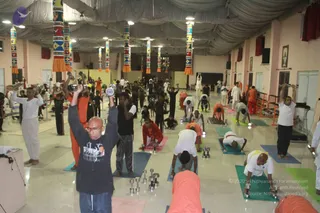
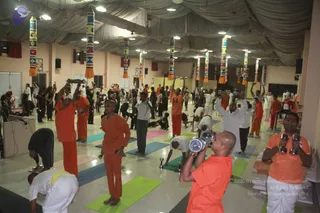
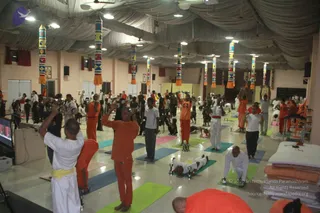
Morning Yoga
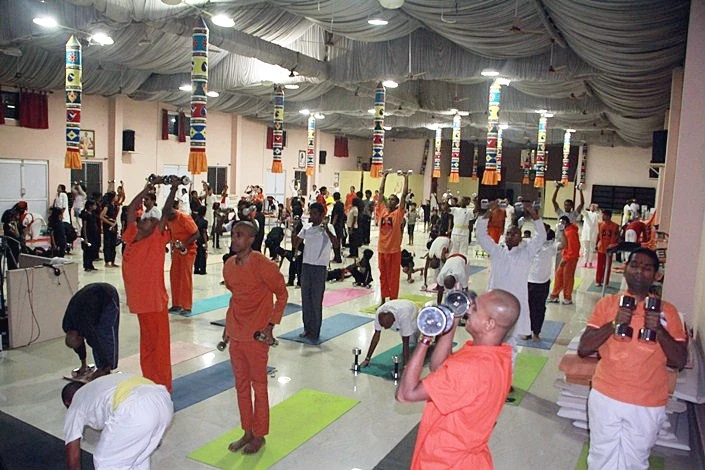
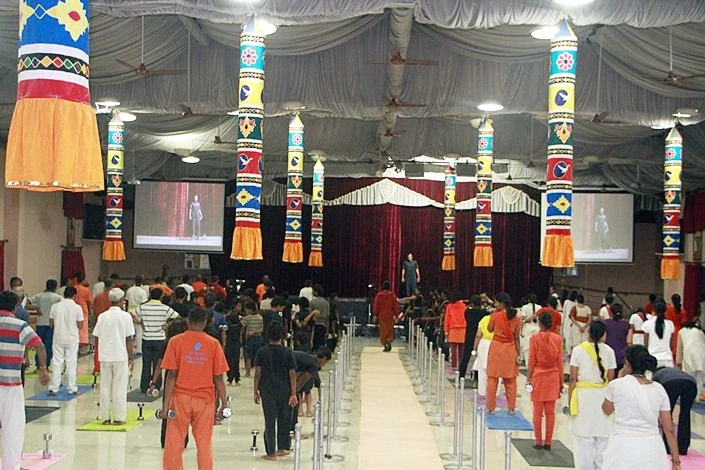
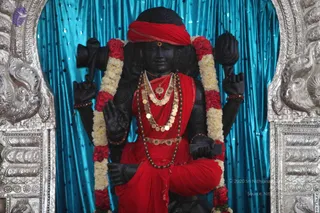
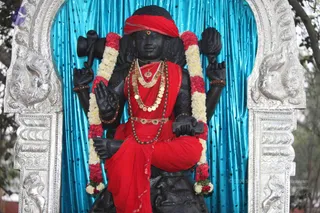
Temple Glimpses
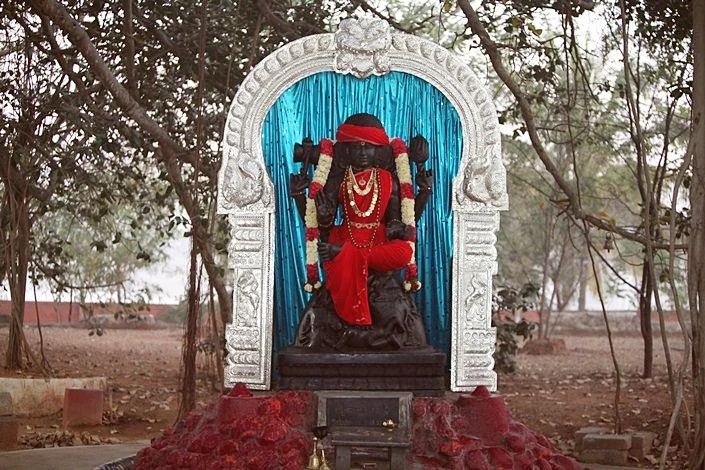
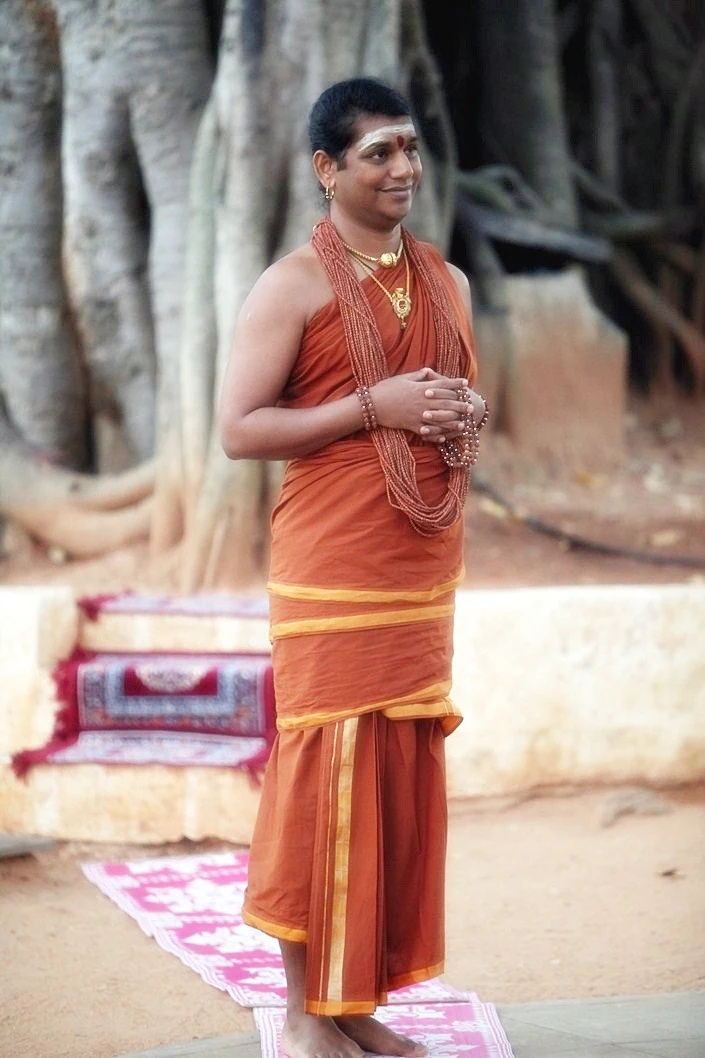
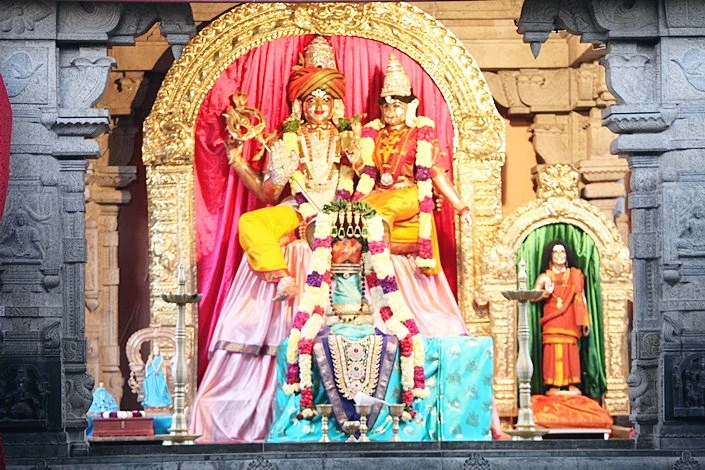
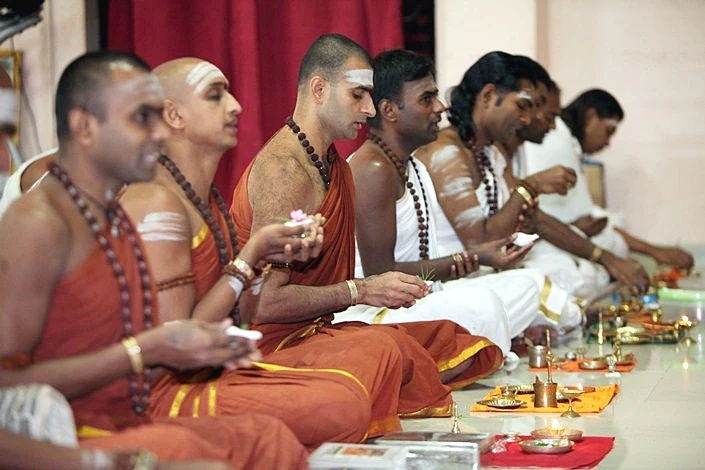
Pada Puja
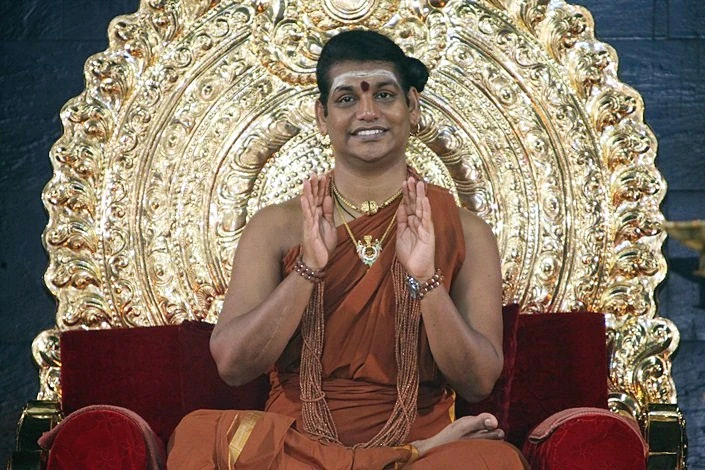
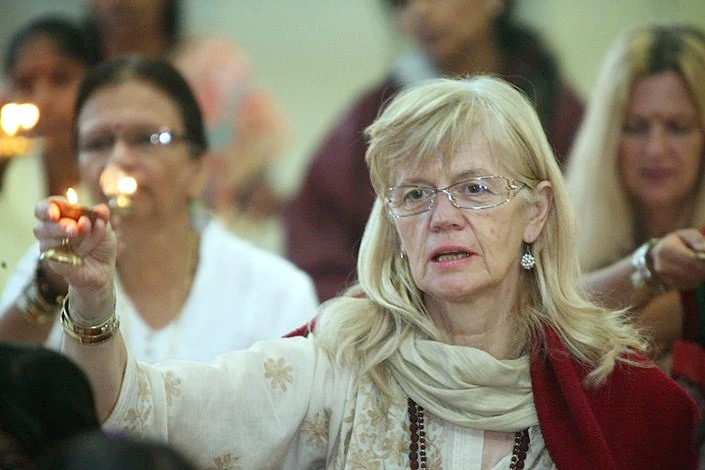
Nithya Satsang
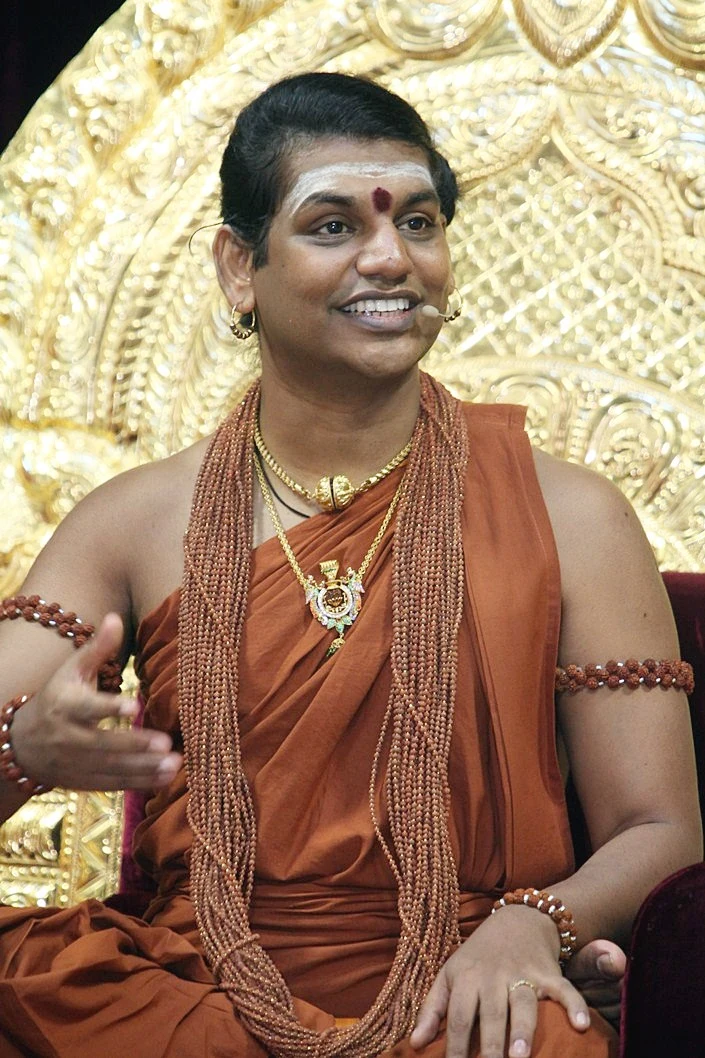
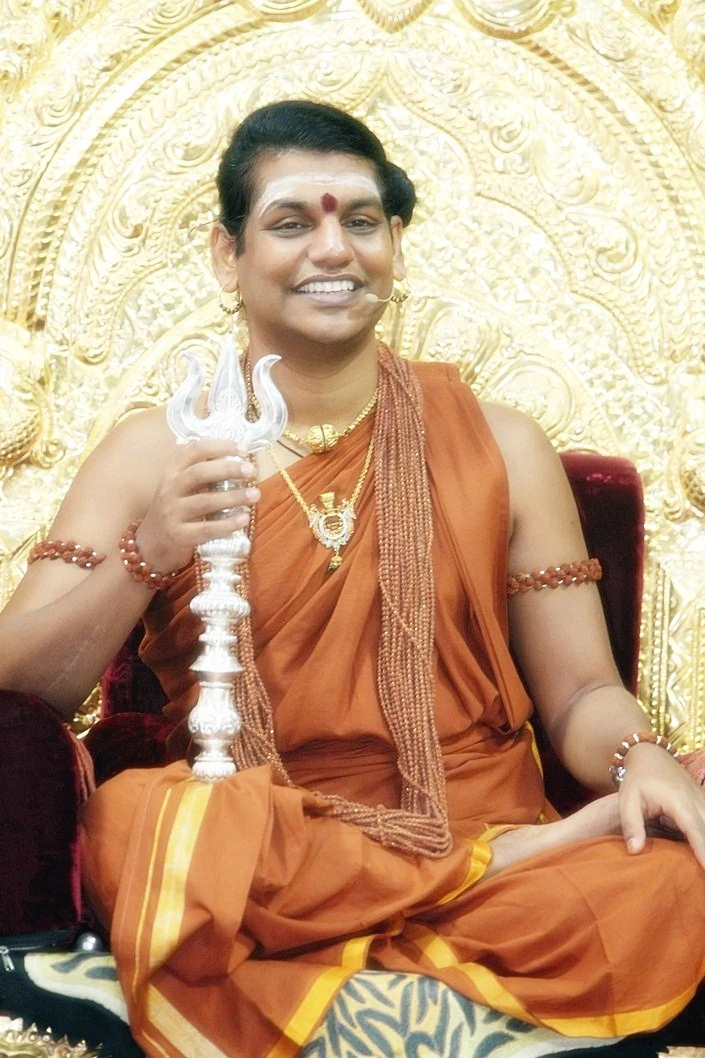
Dial the Avatar
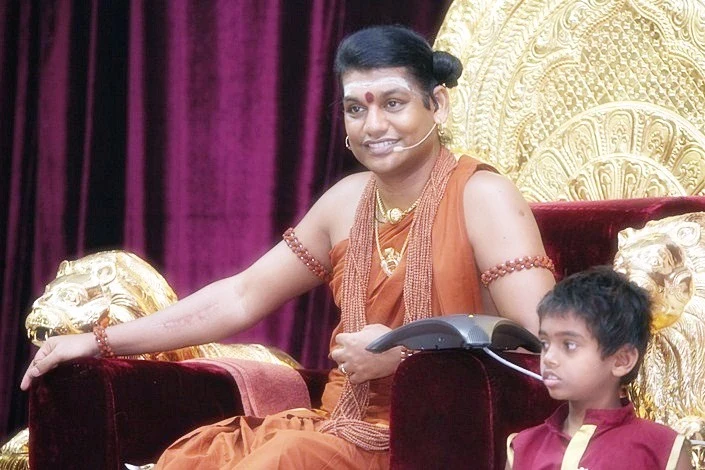
Sarva Darshan
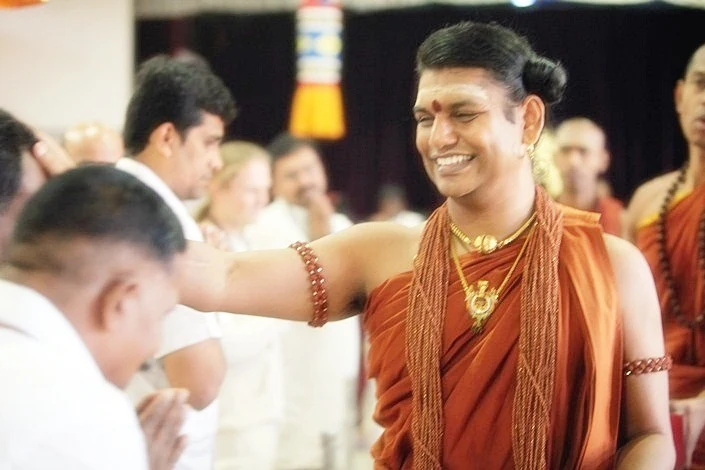
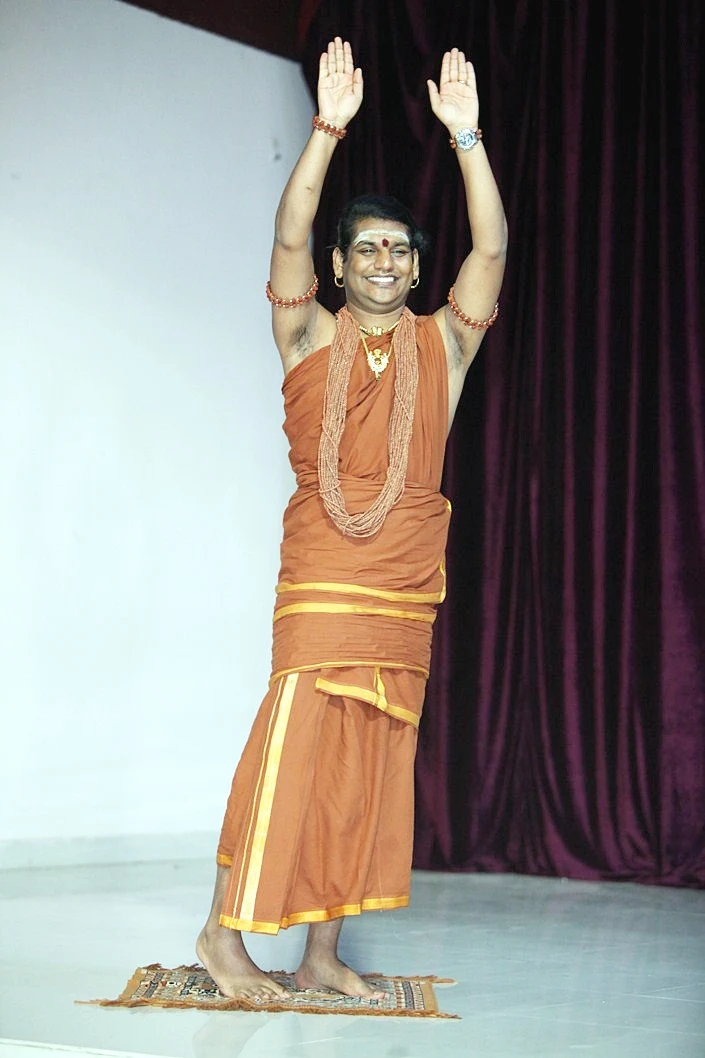
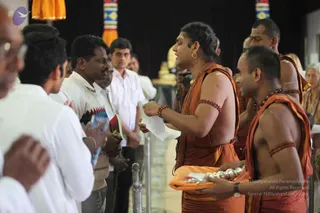
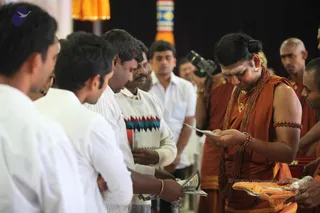
Photos Of The Day:
Yoga
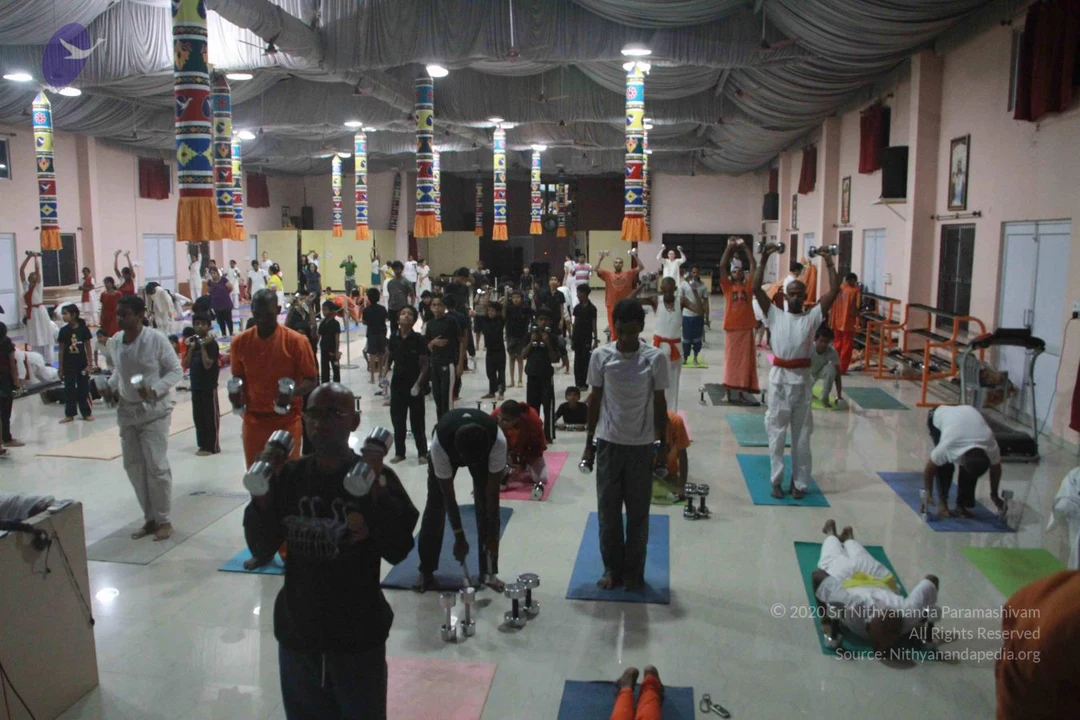
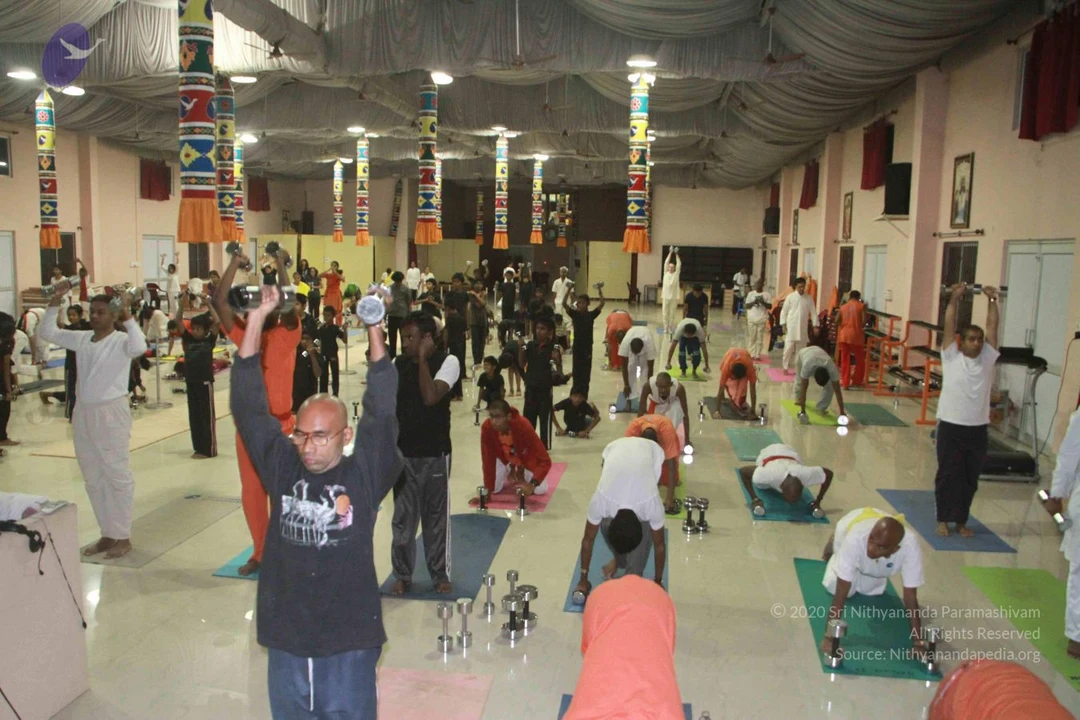
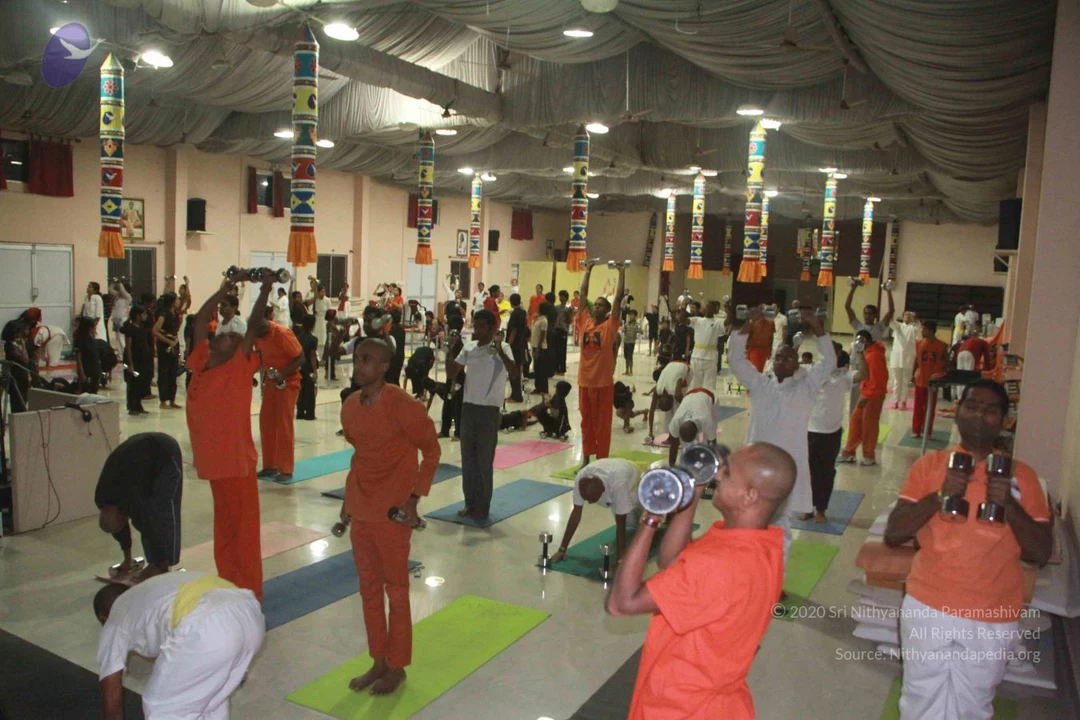
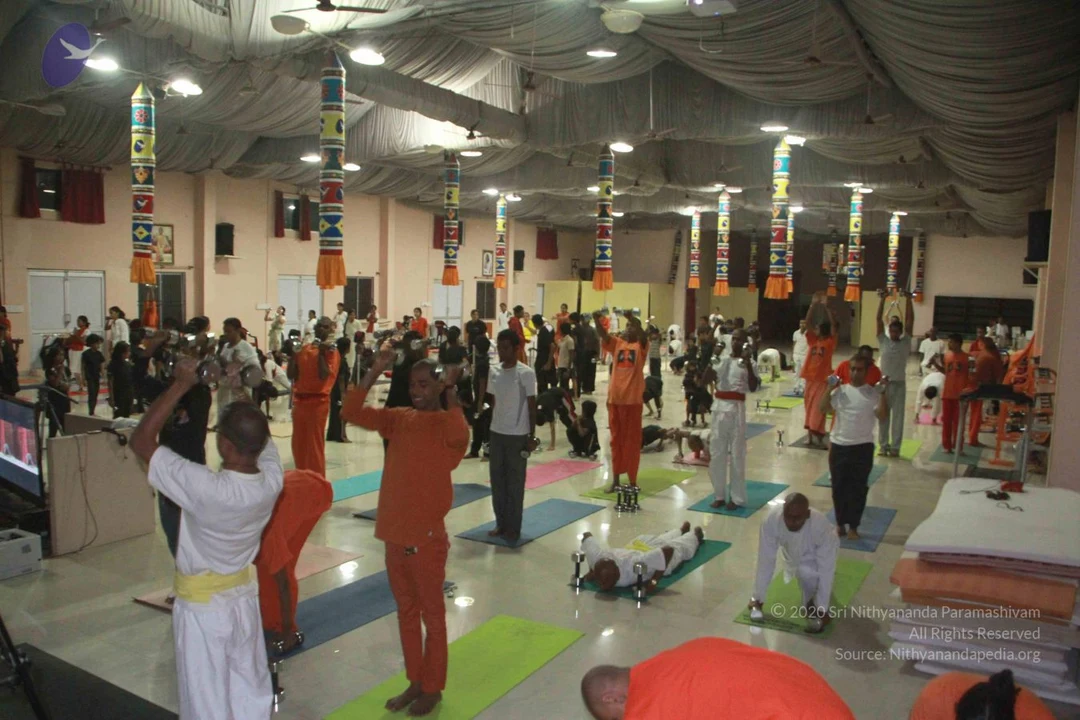
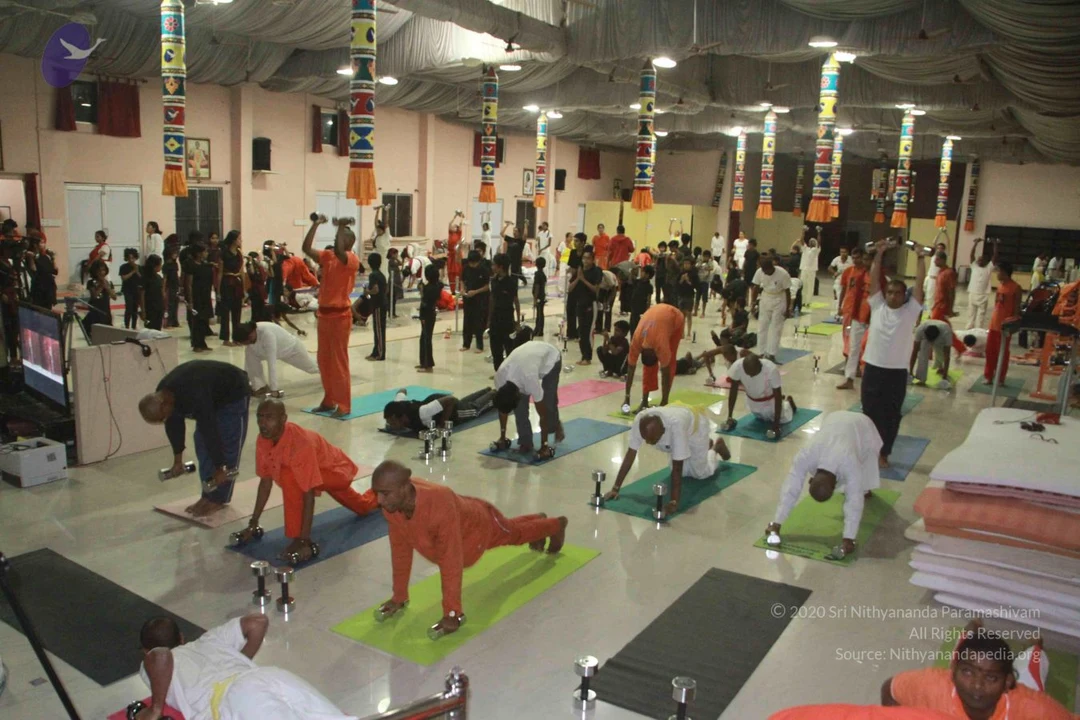
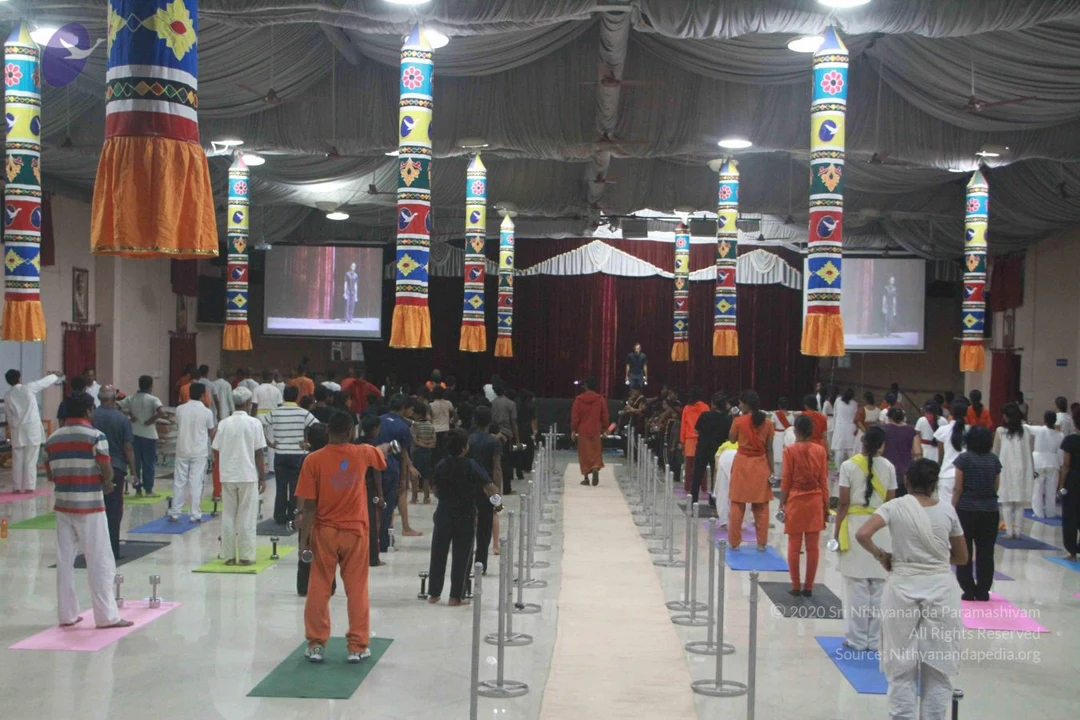
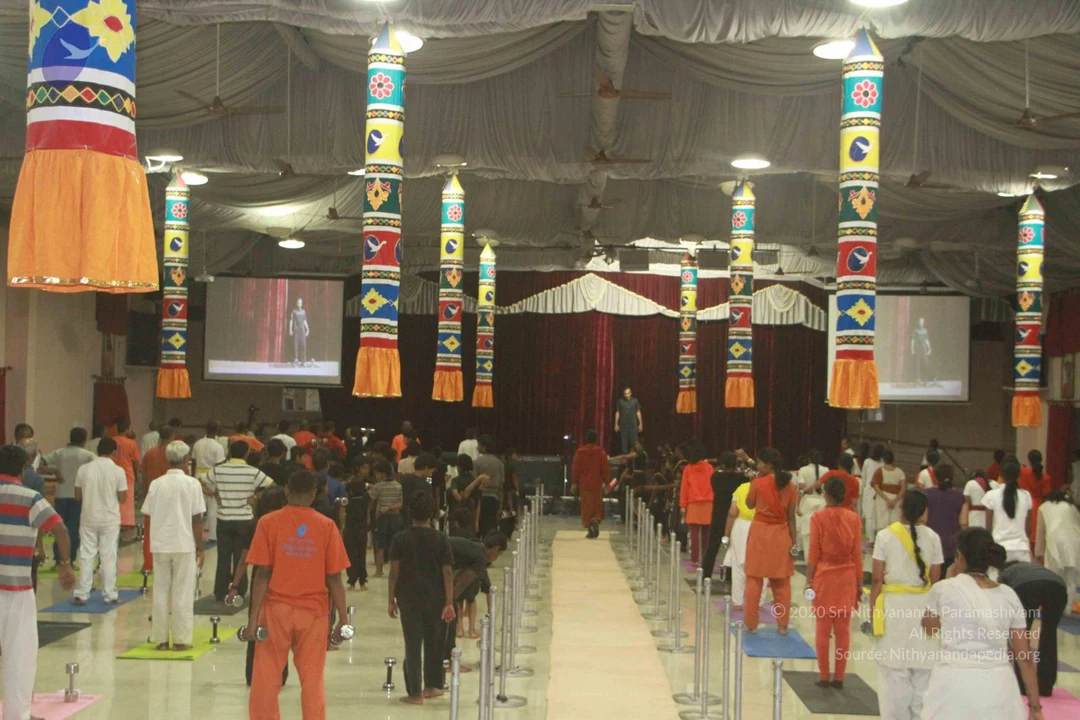
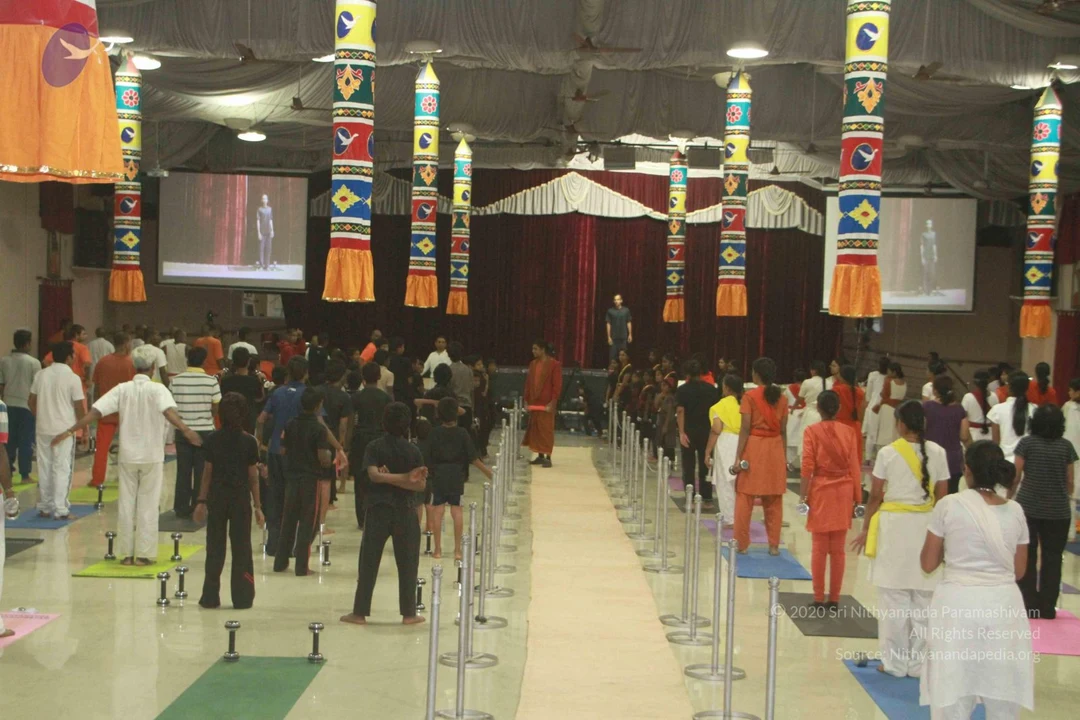
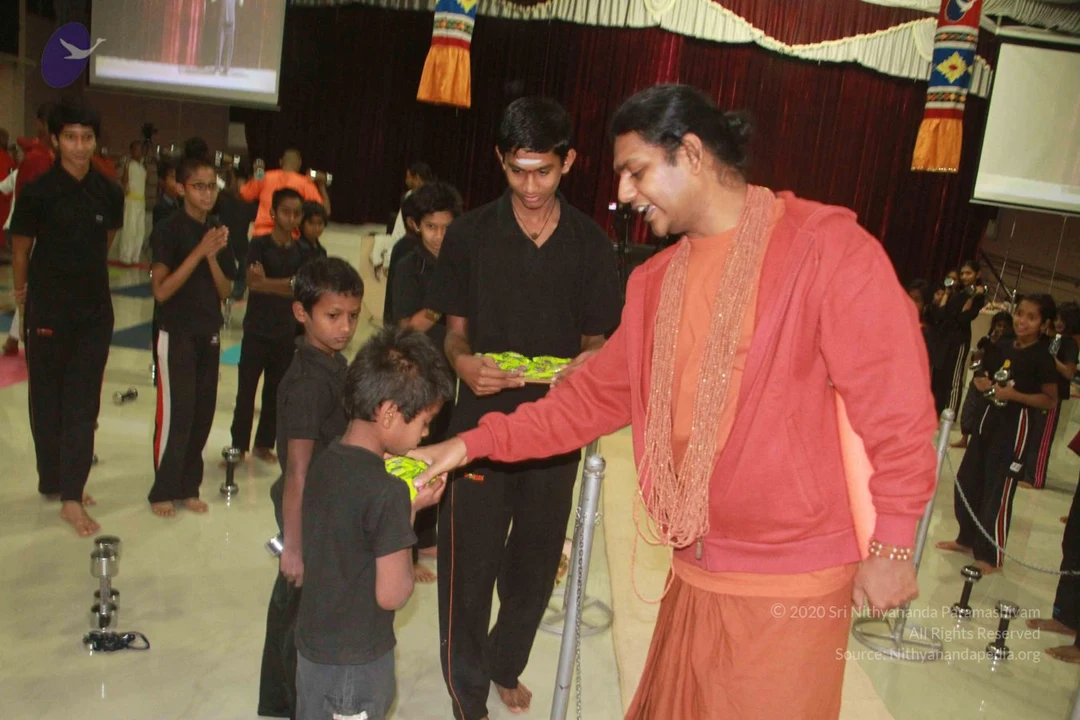
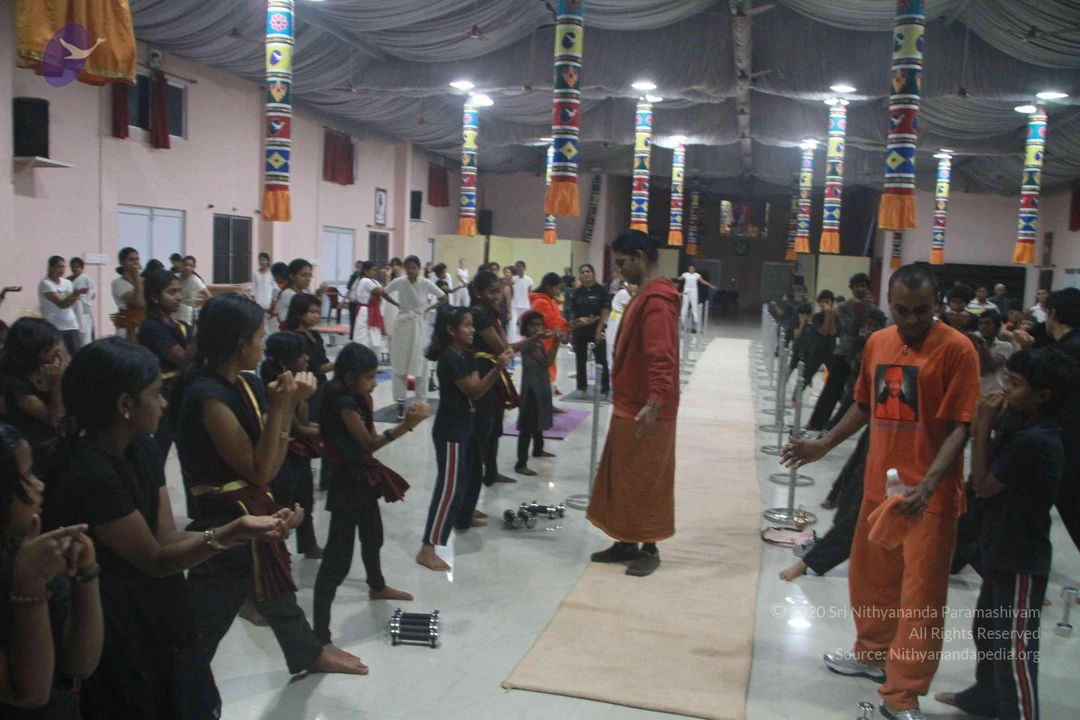
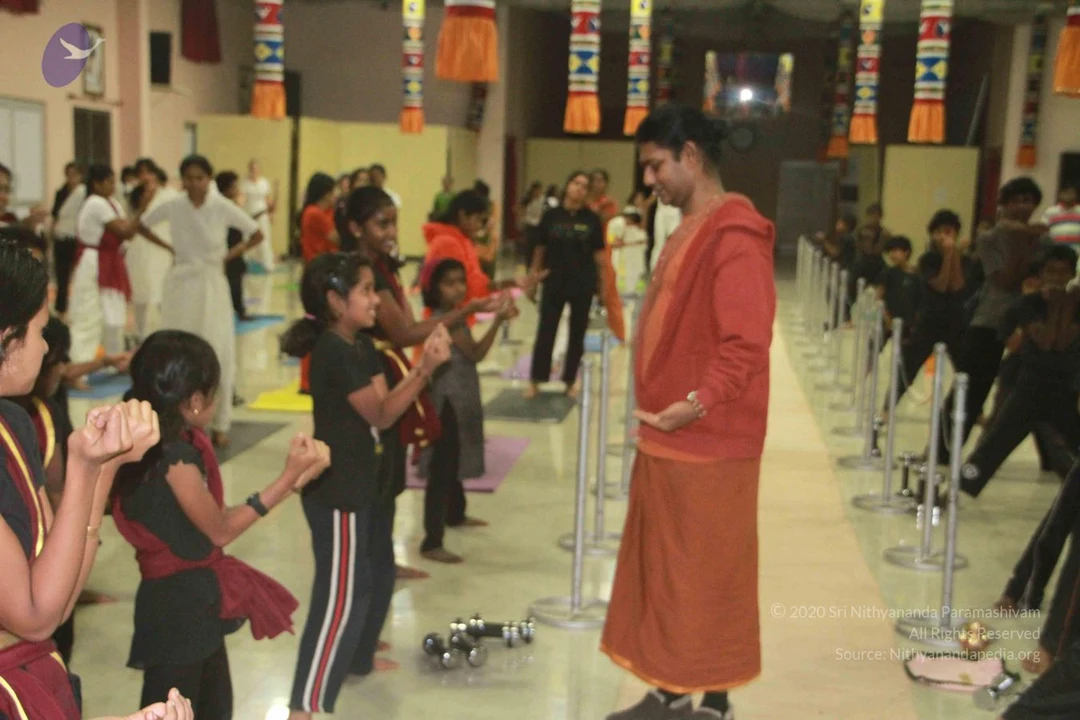
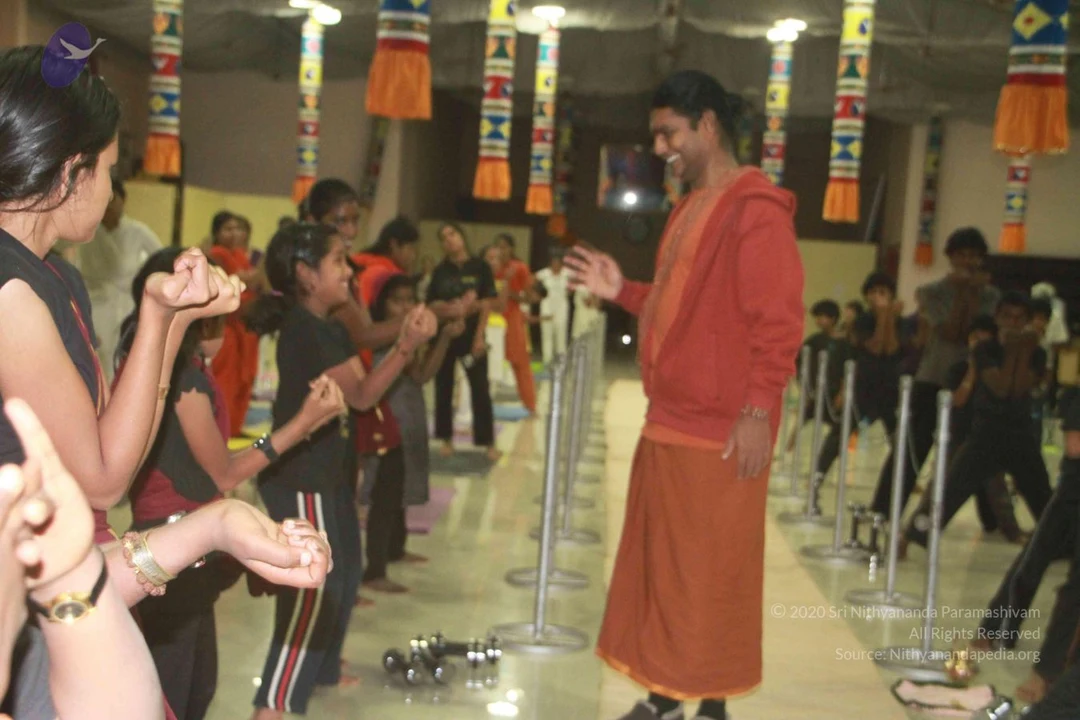
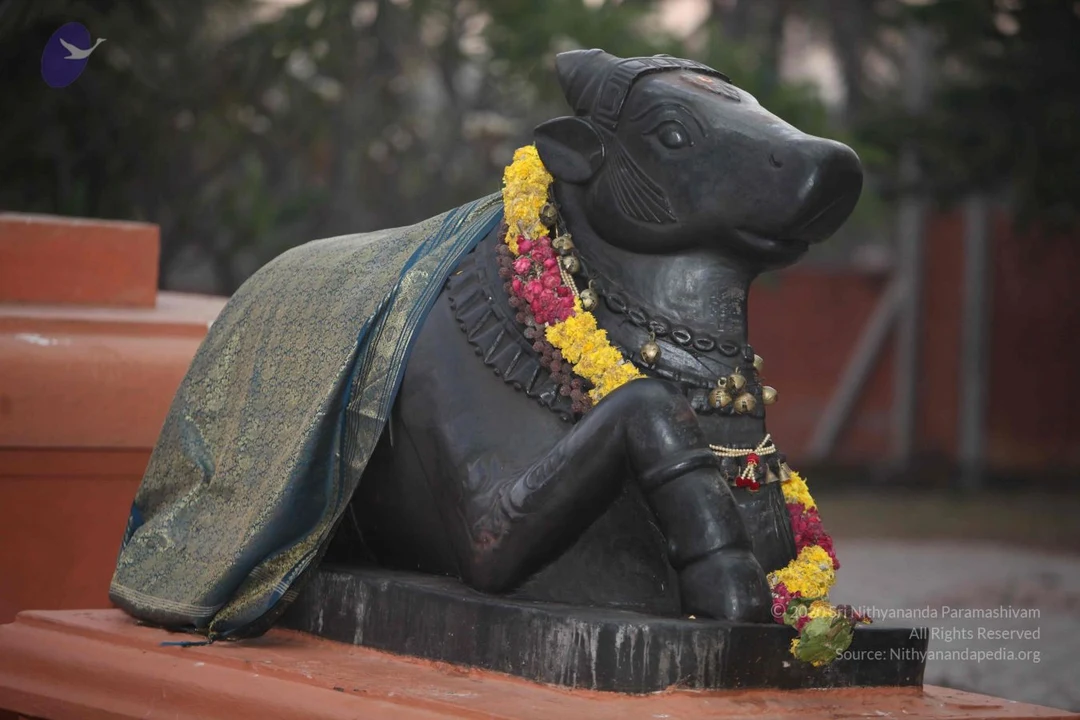
Temple
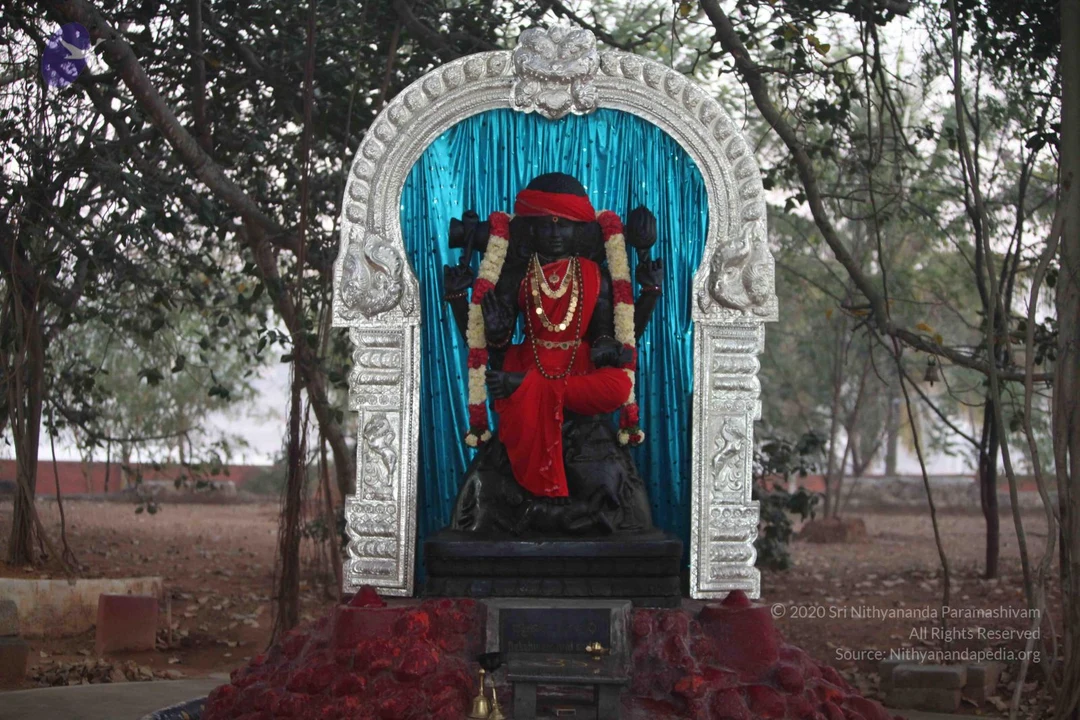
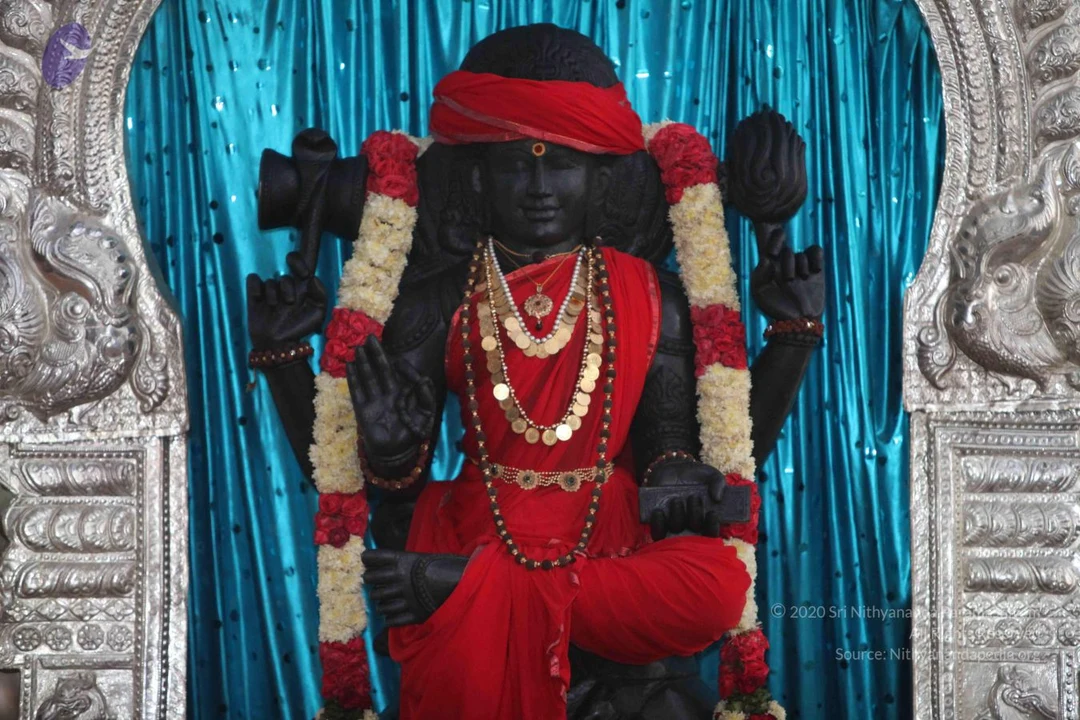
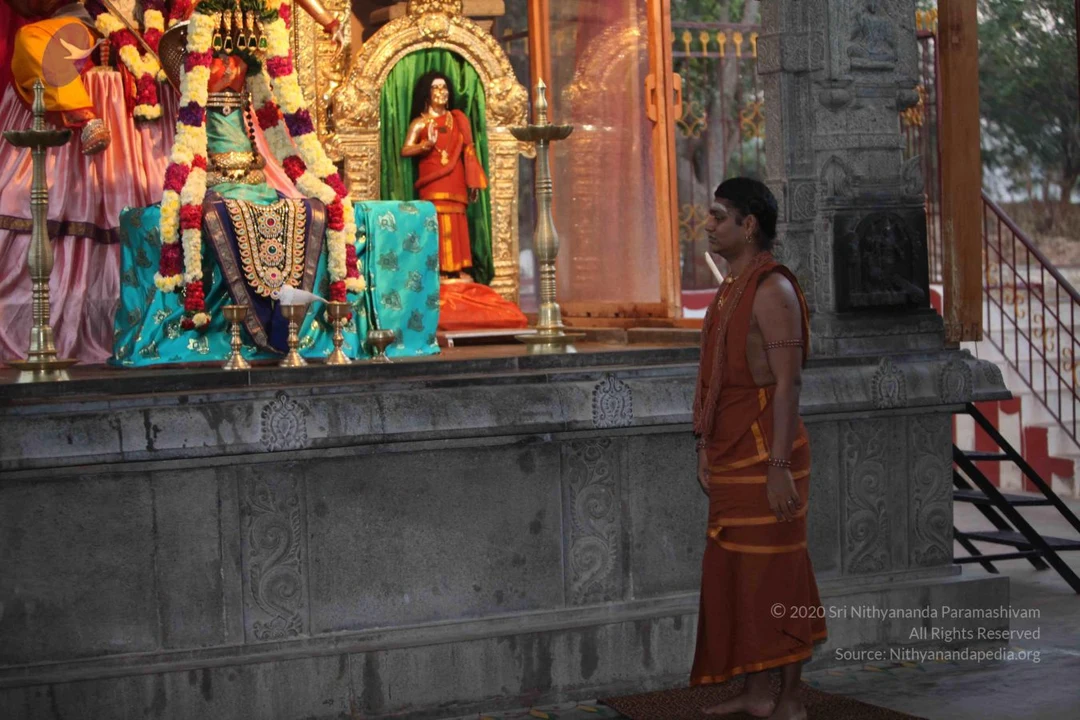
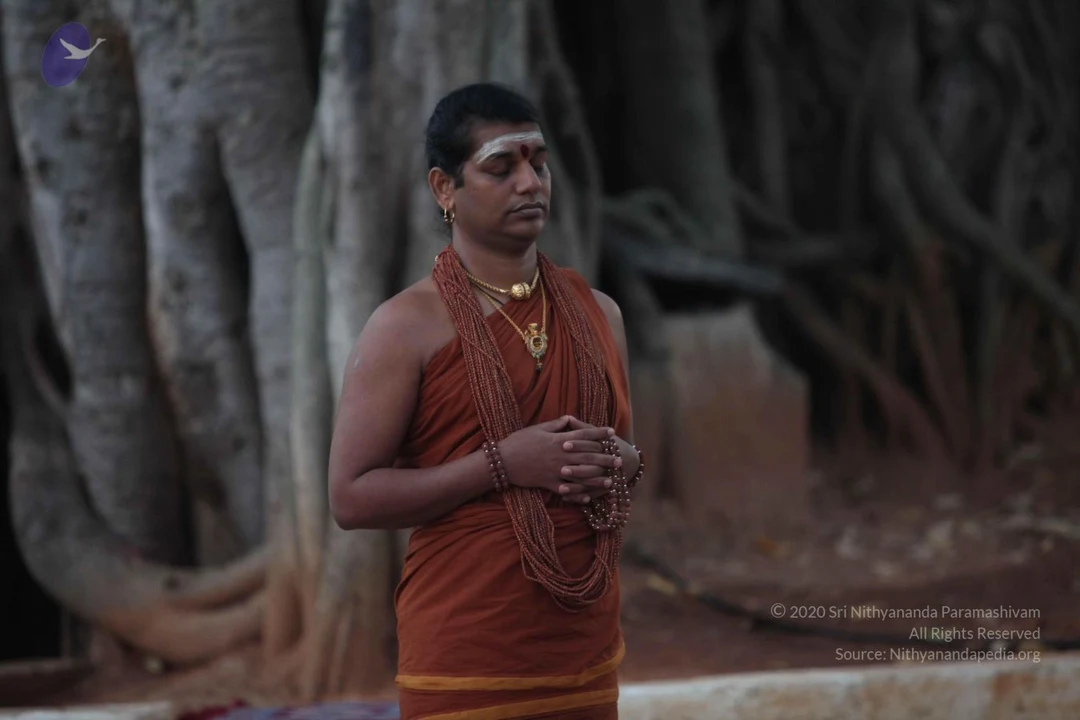
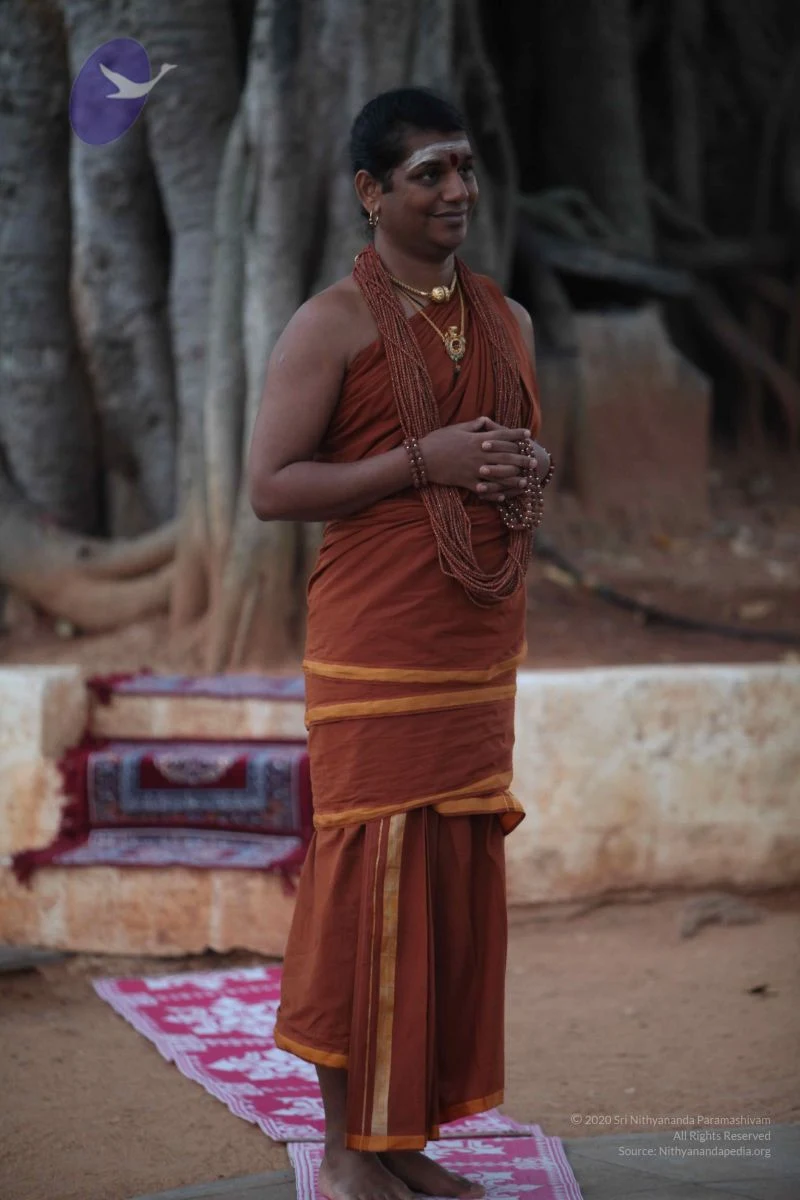
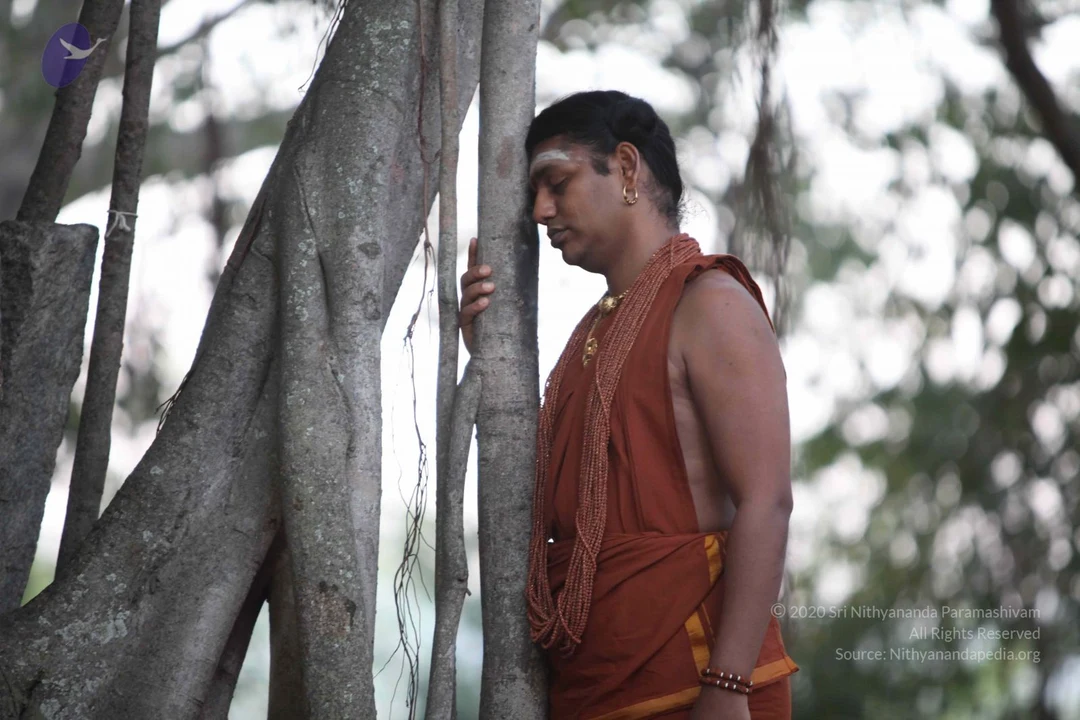
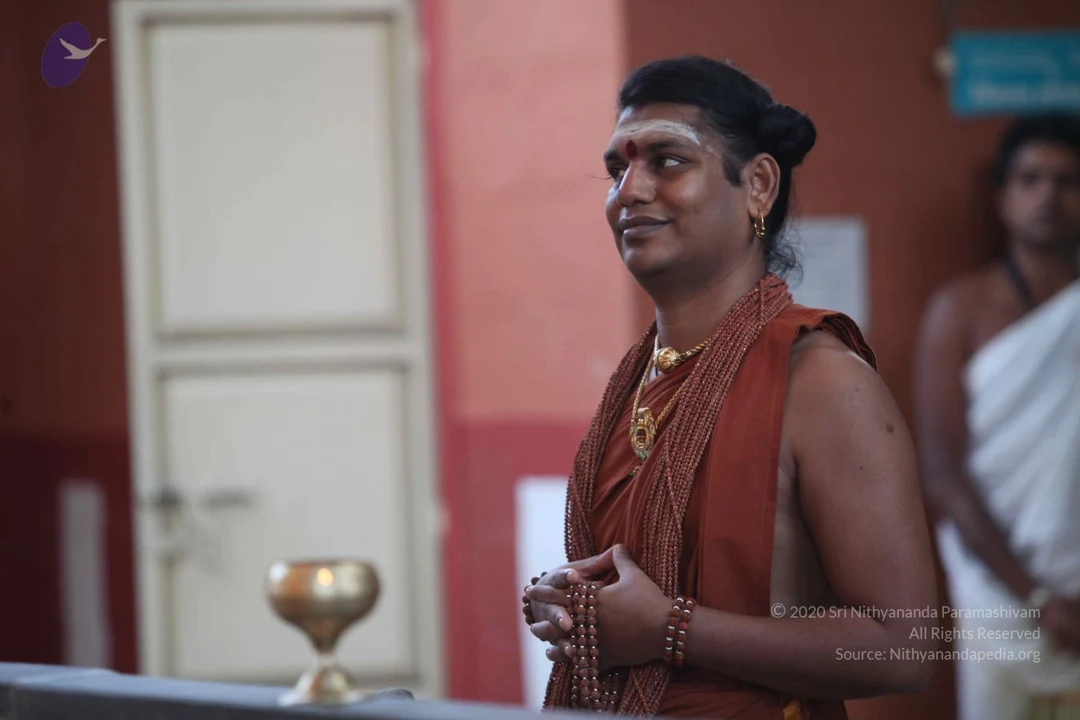
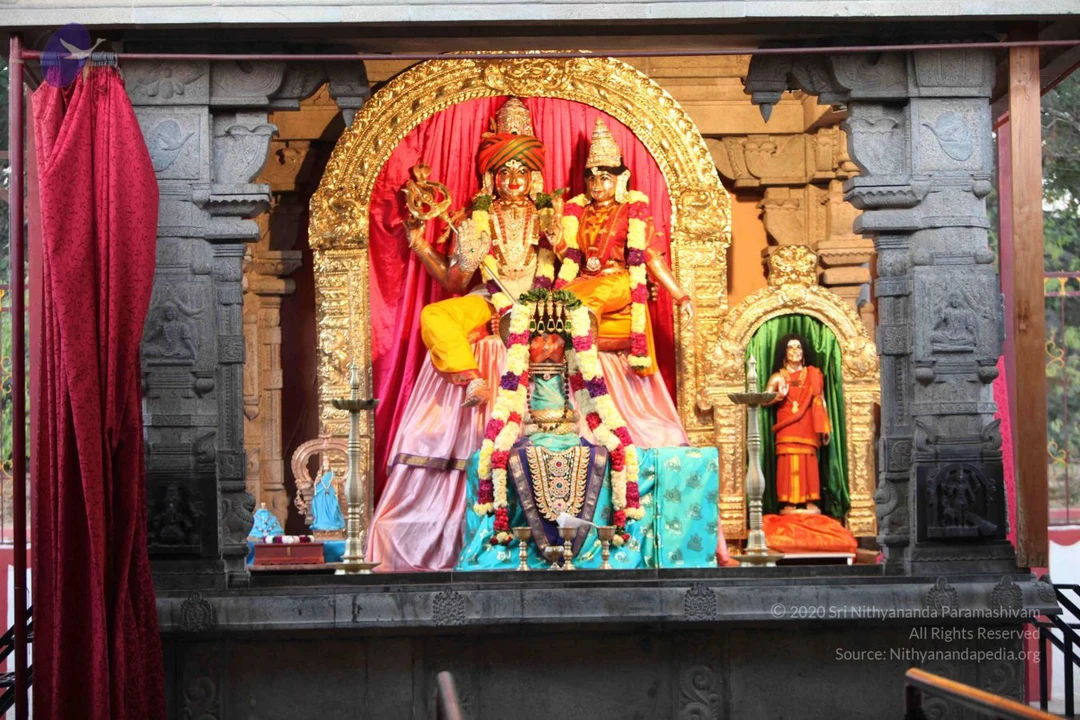
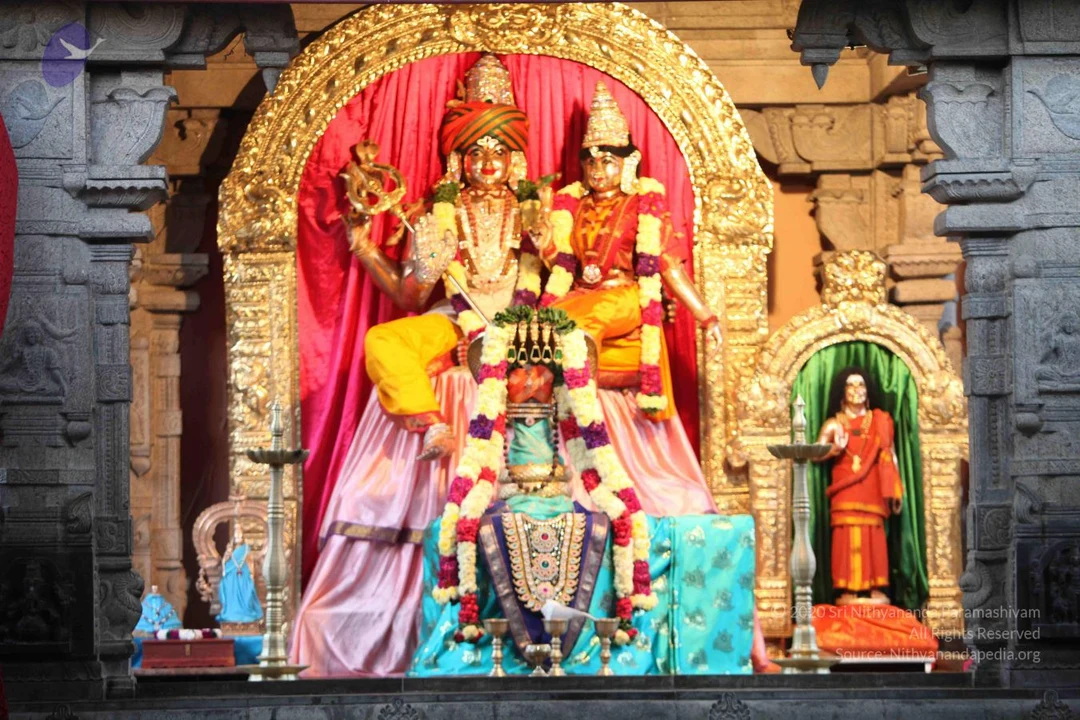
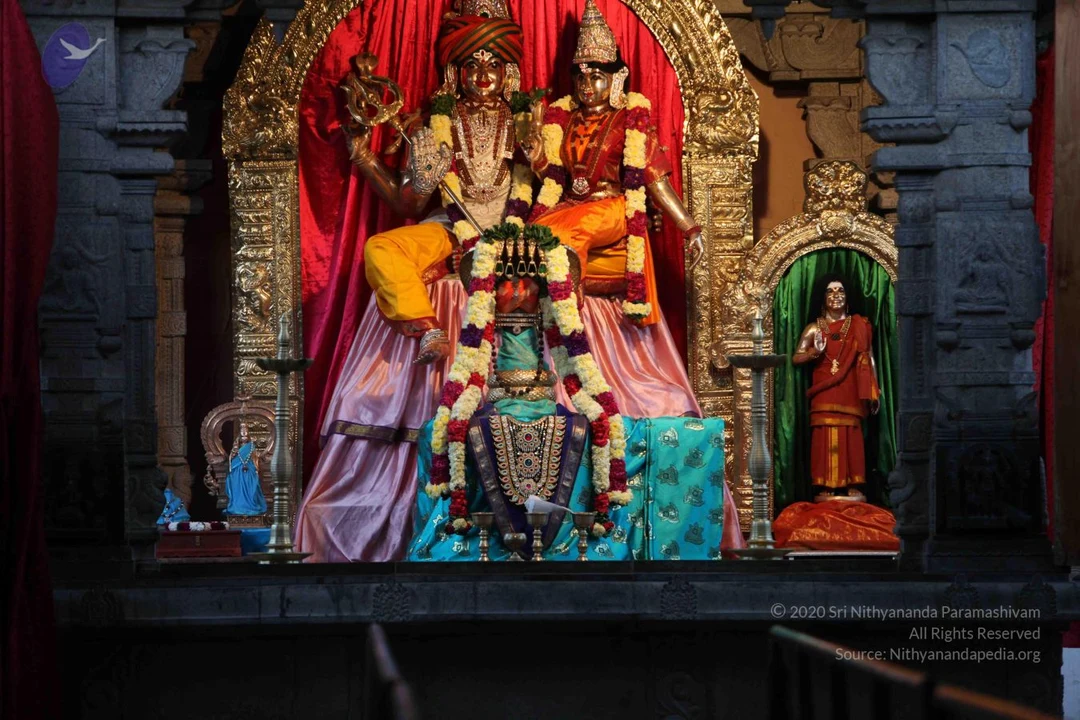

Nithya-Satsang
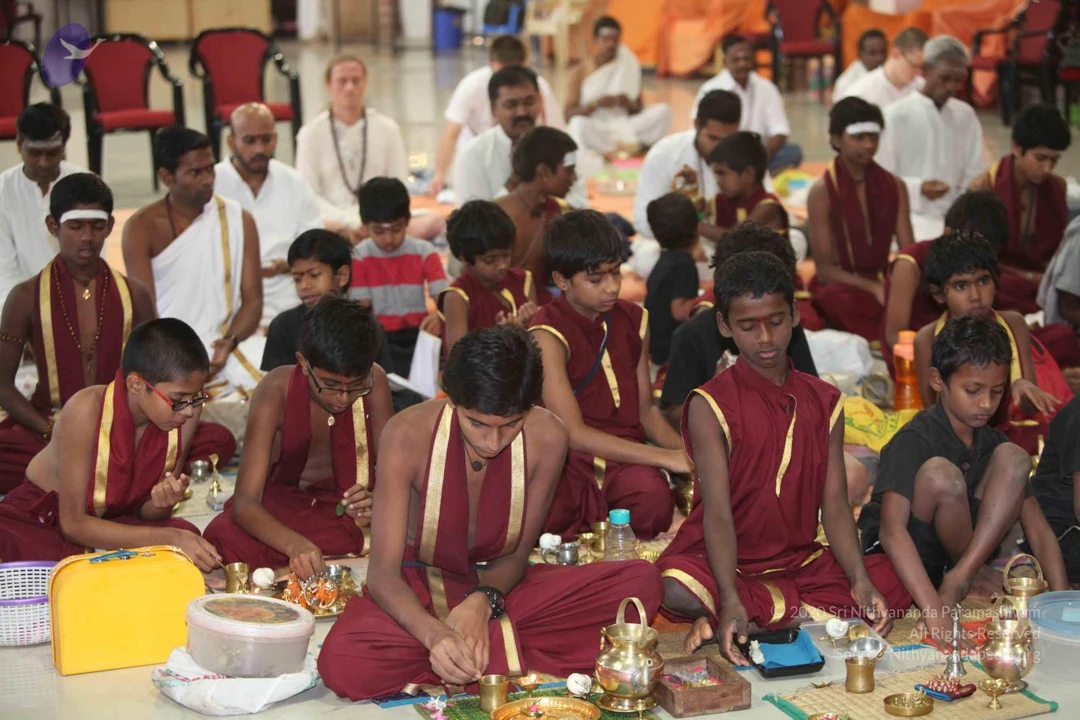
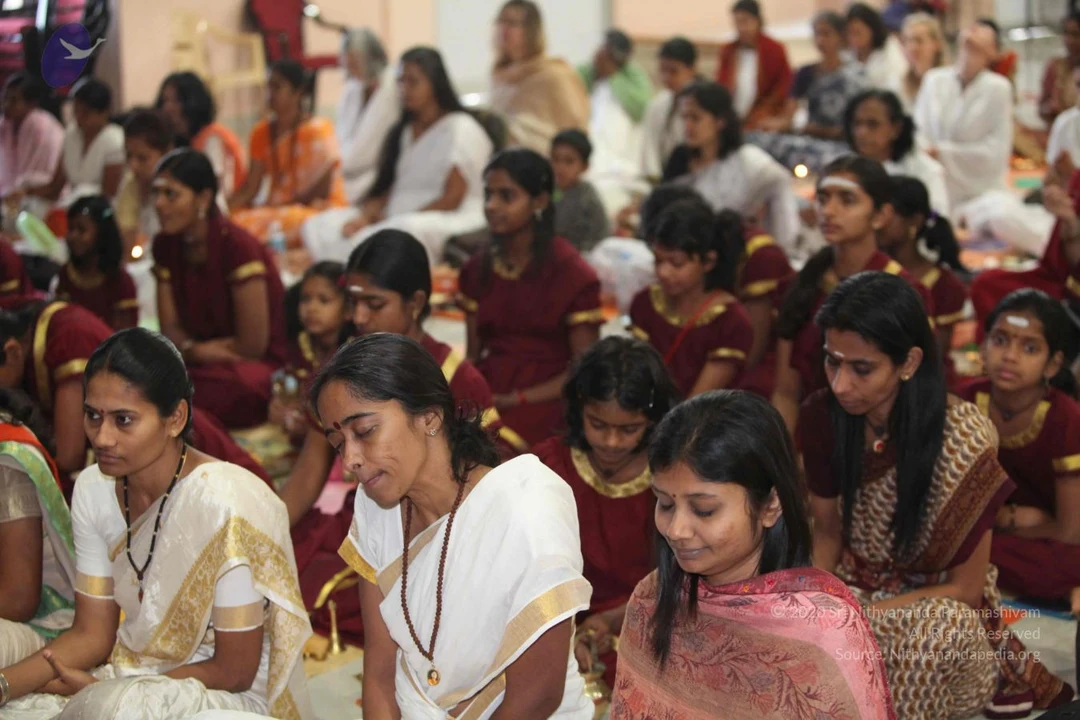

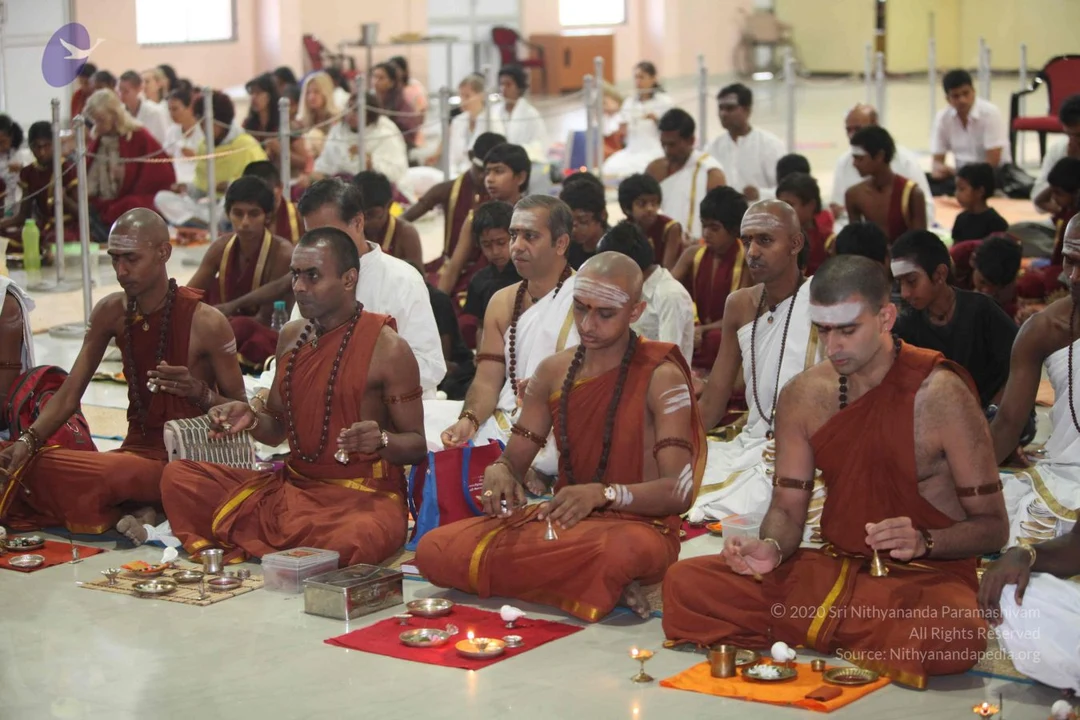
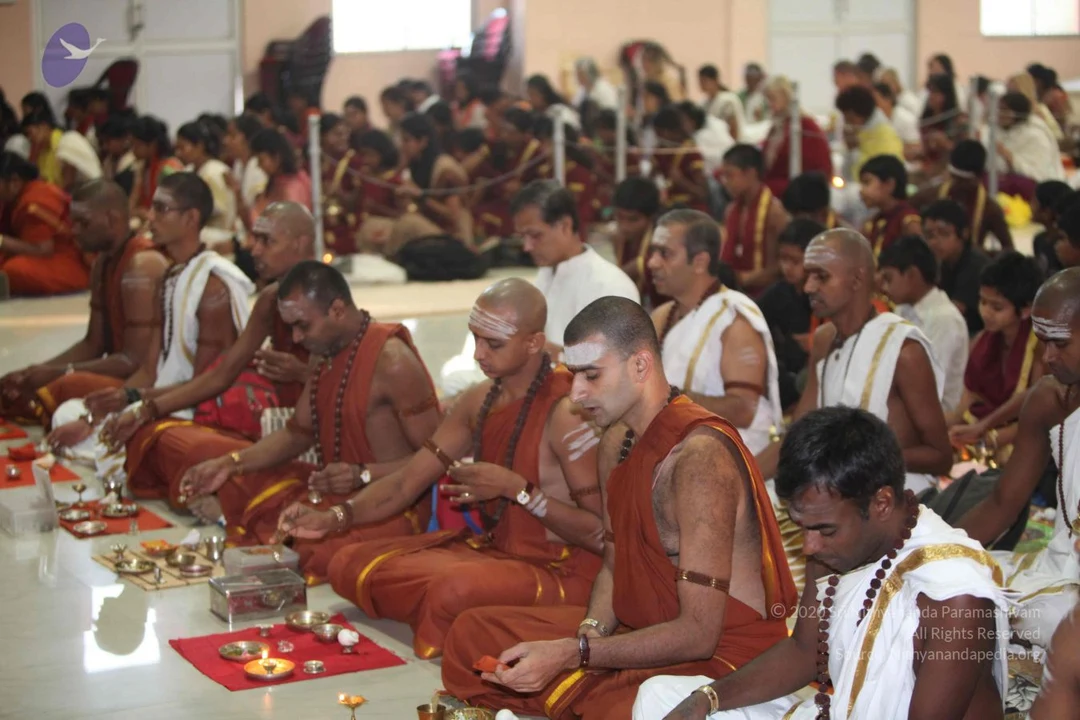




Photos Of The Day:
Morning-Yoga
Temple-Glimpses
Pada-Puja
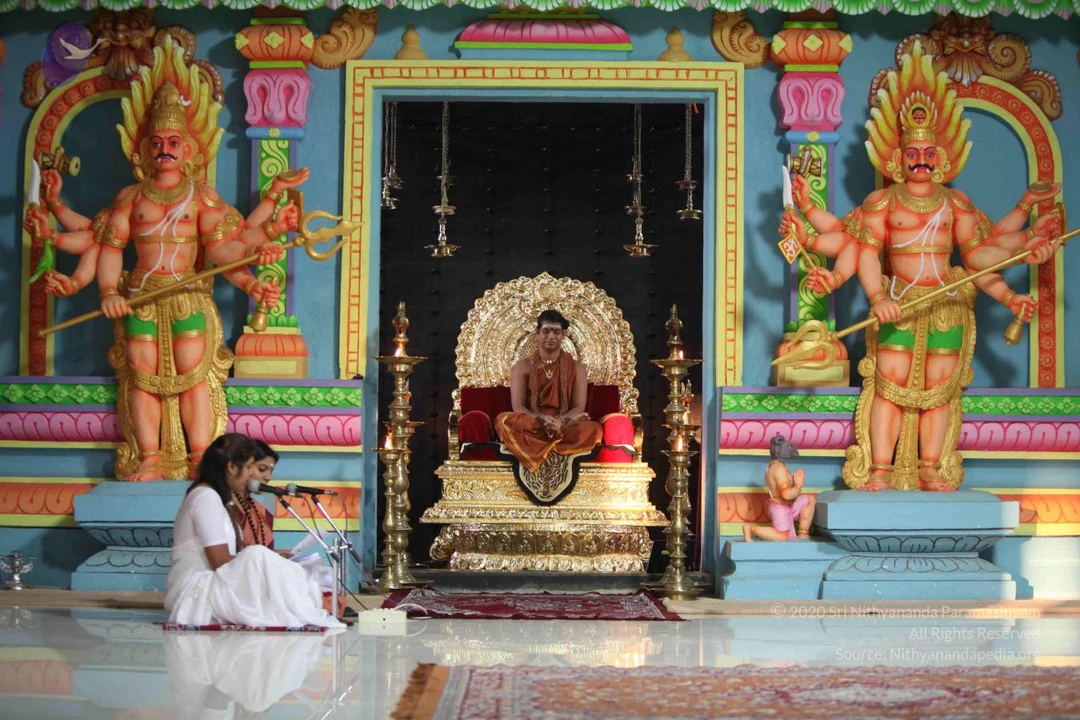
Nithya-Satsang
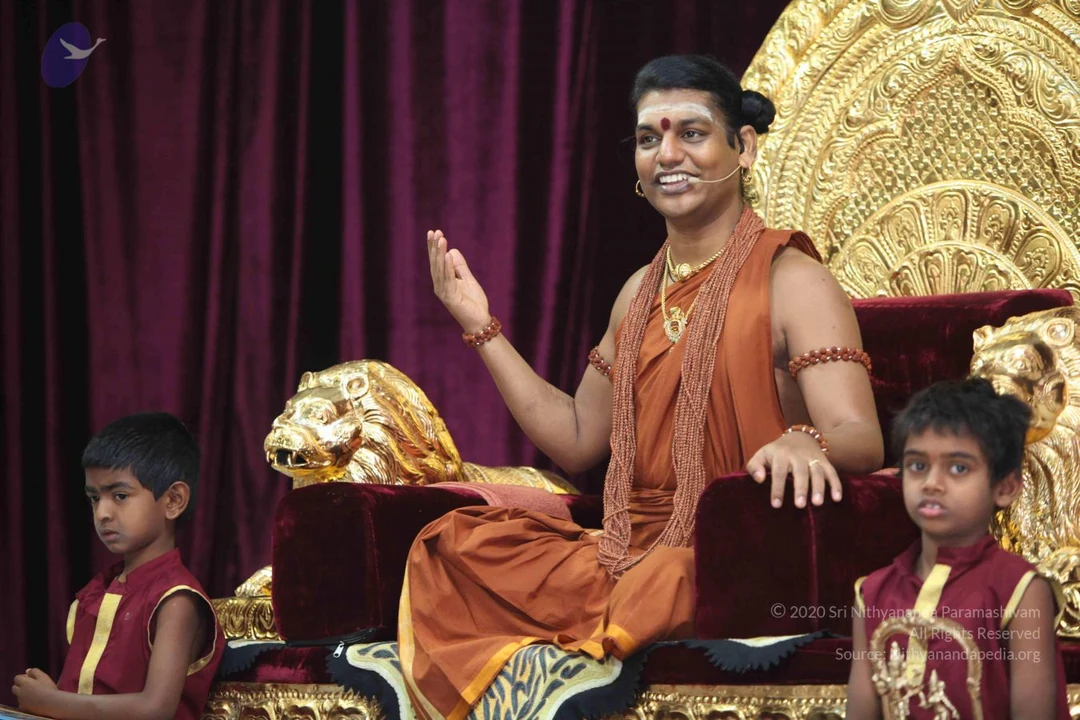
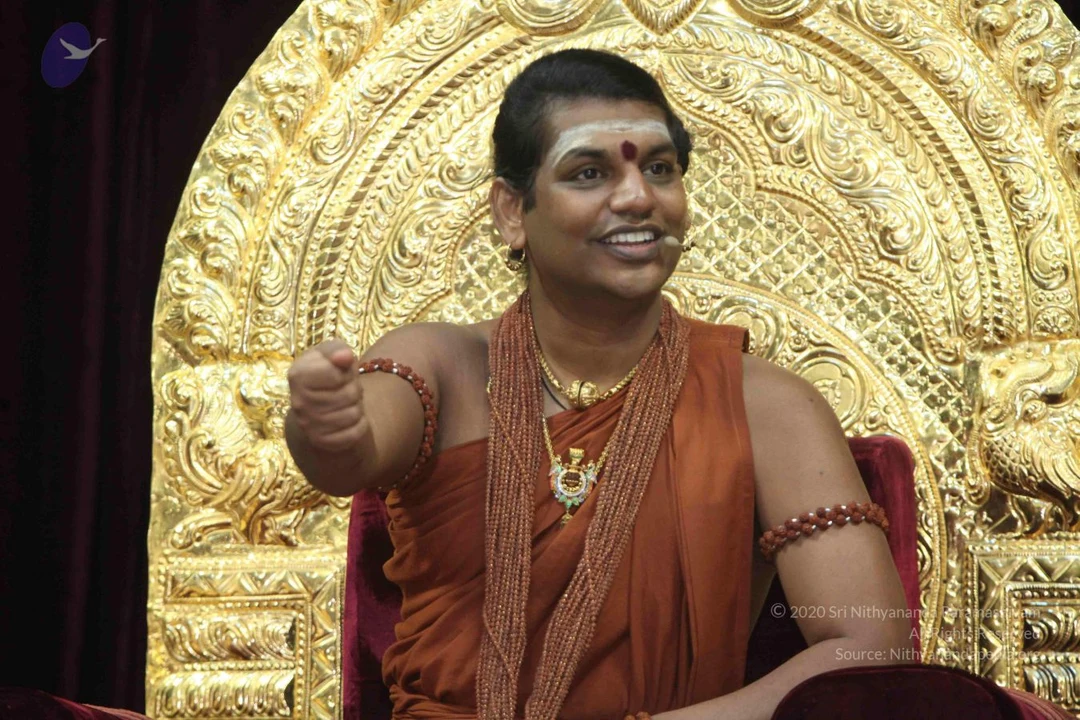
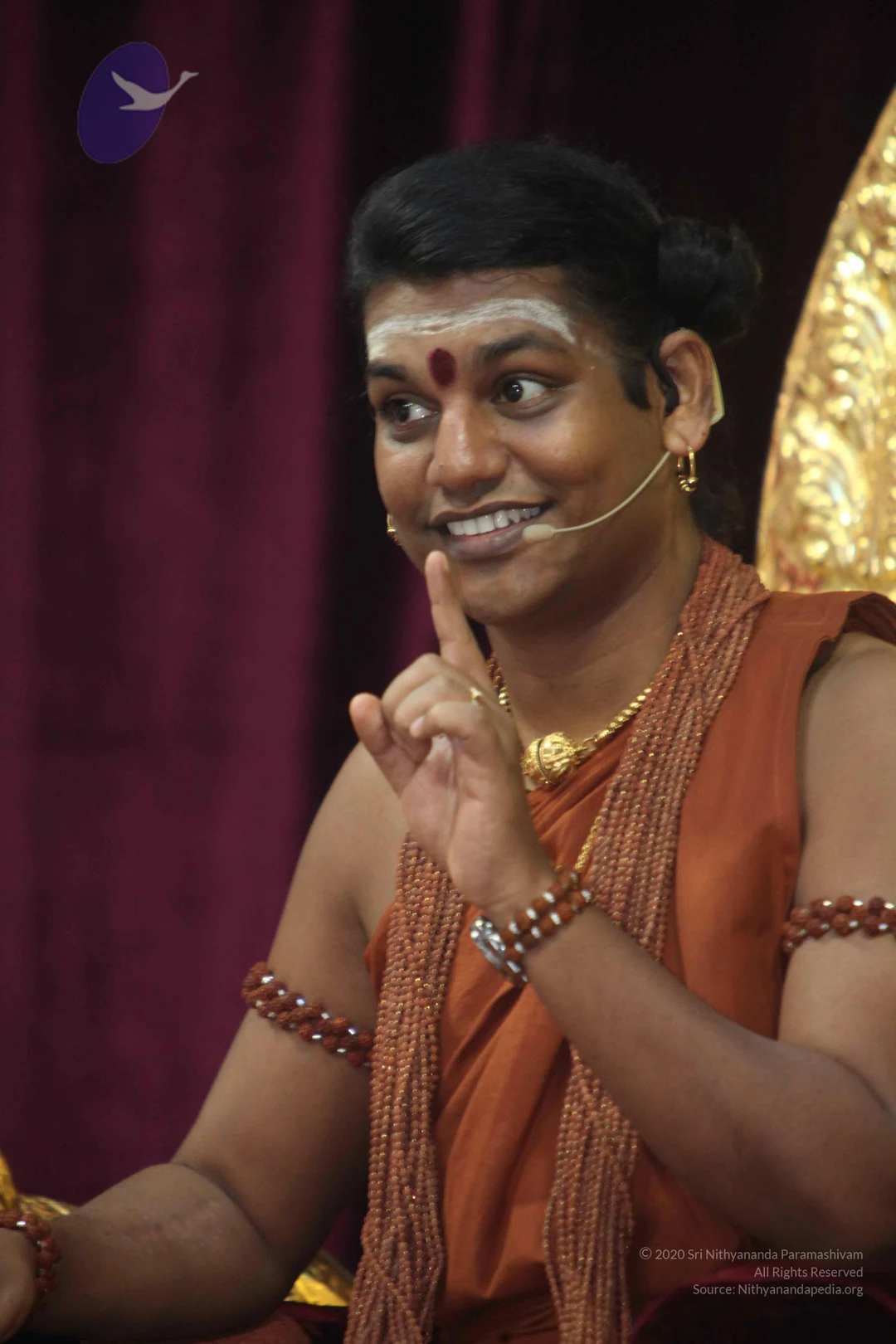
Dial-The-Avatar
Sarva-Darshan

1-Yoga
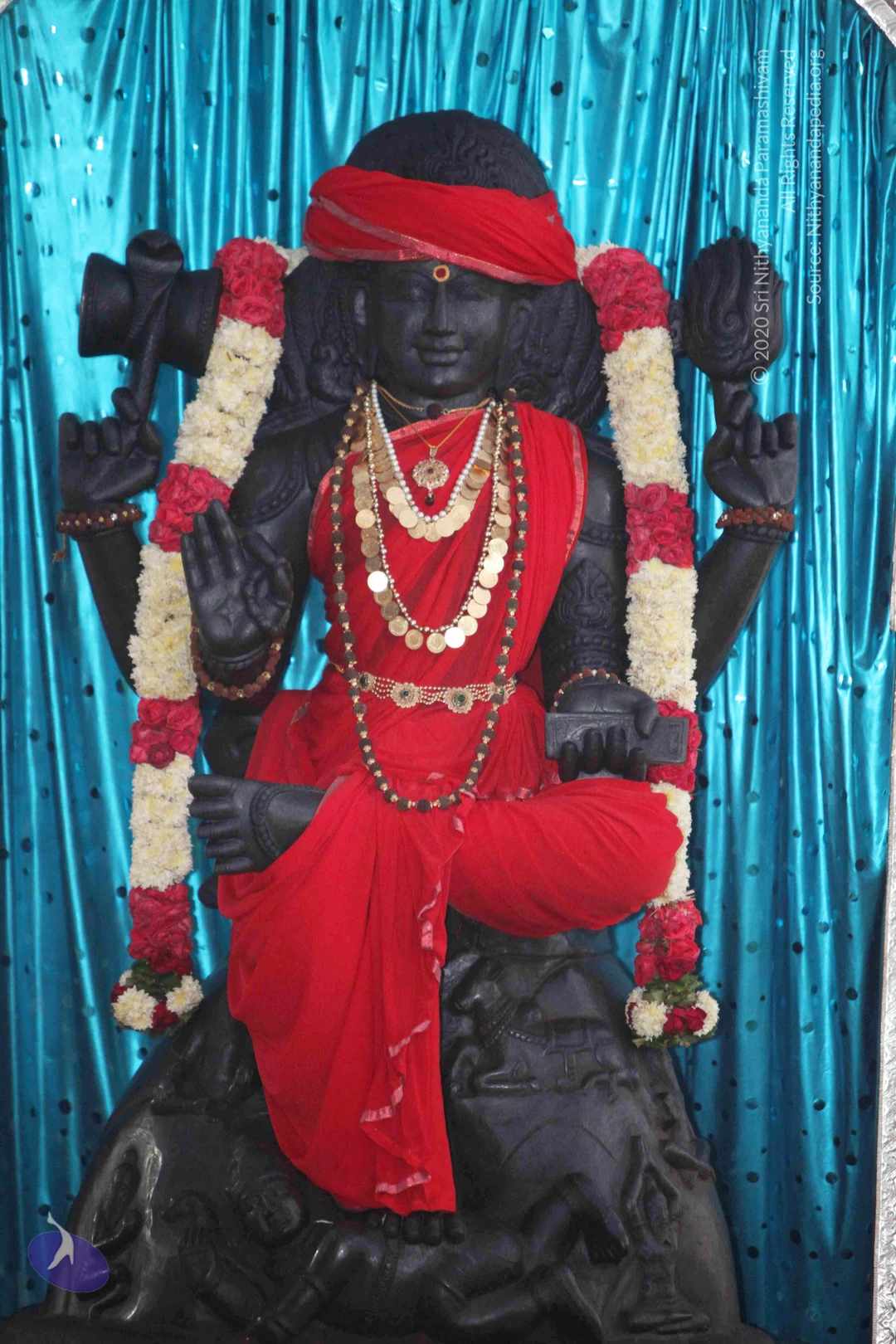
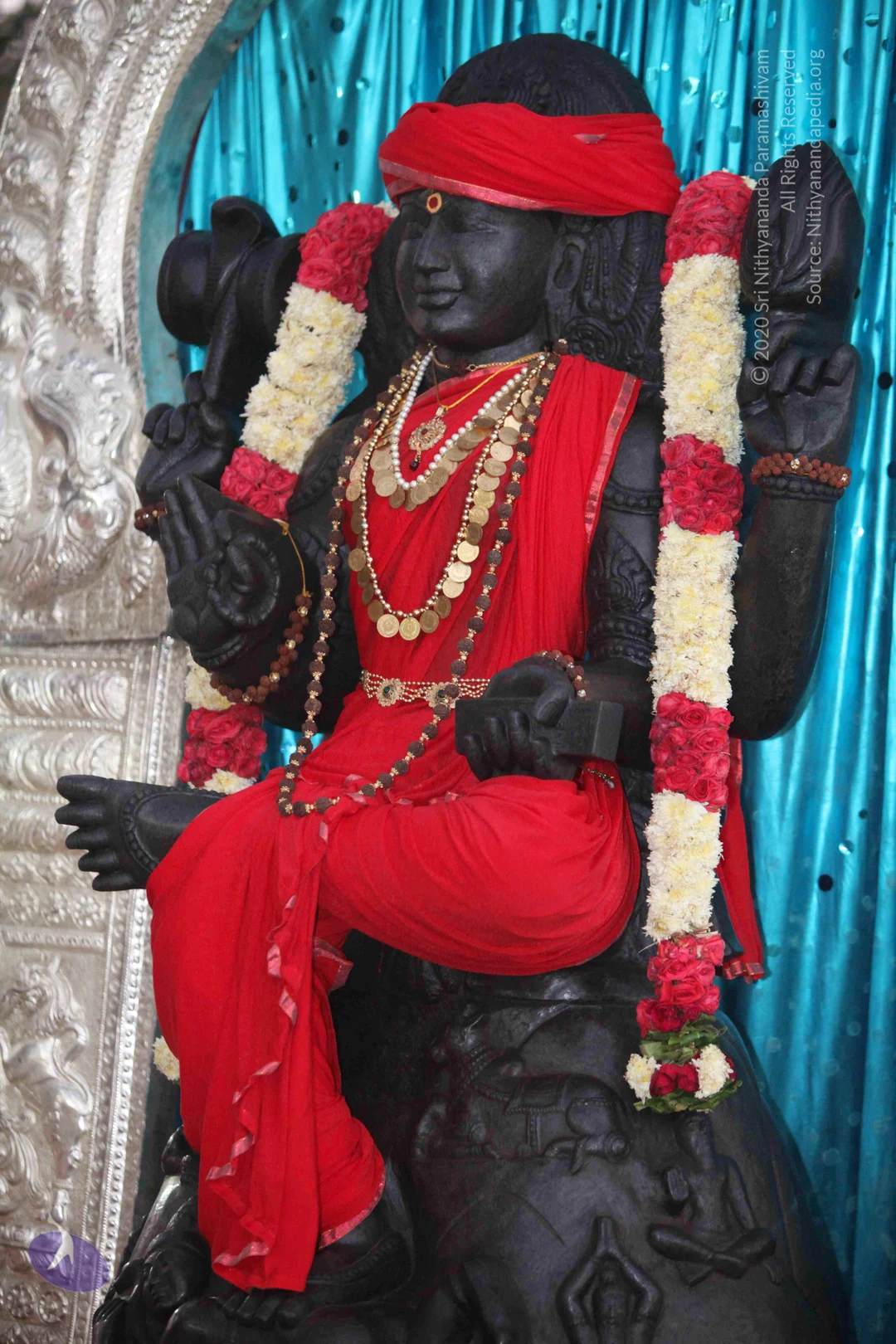
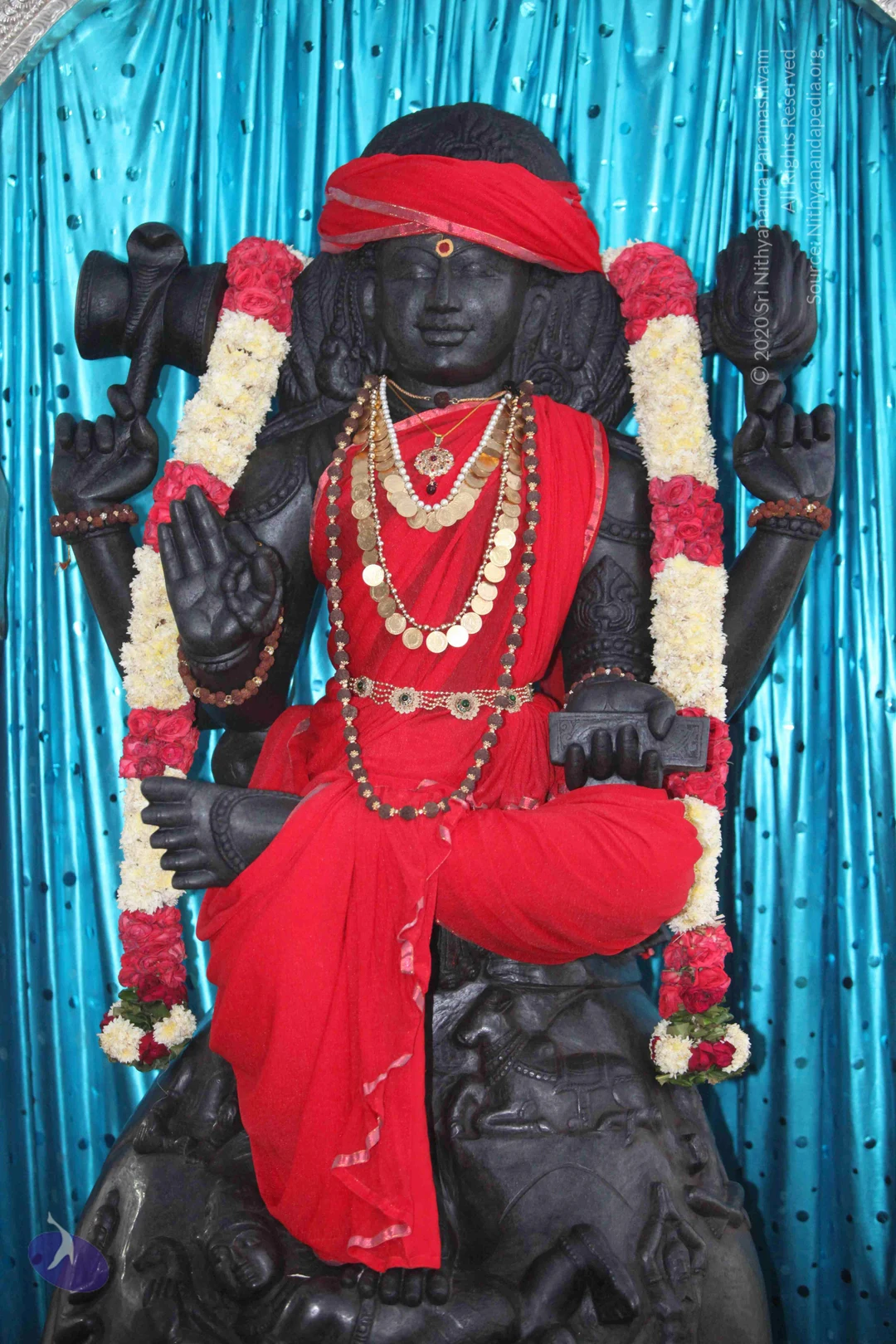
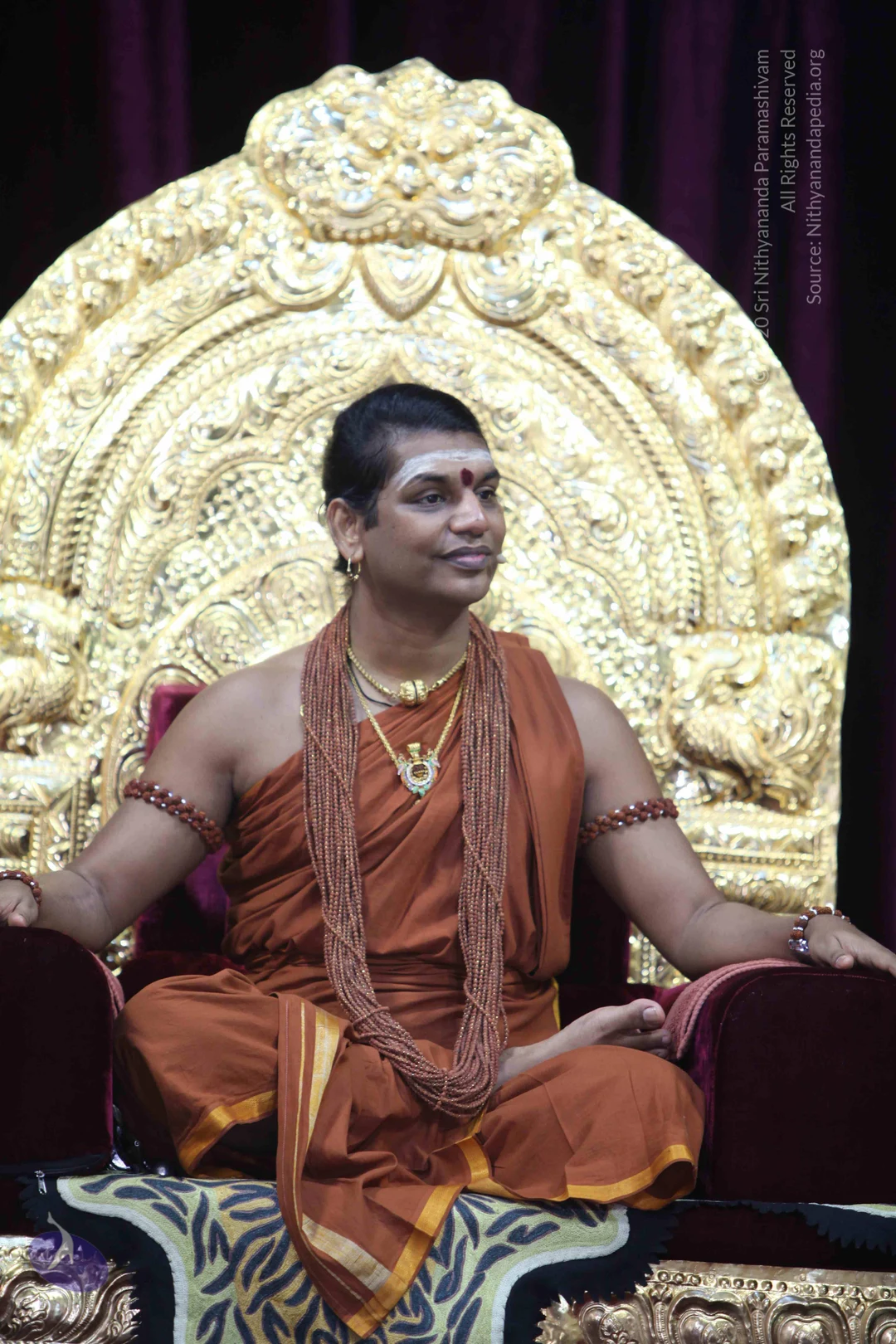
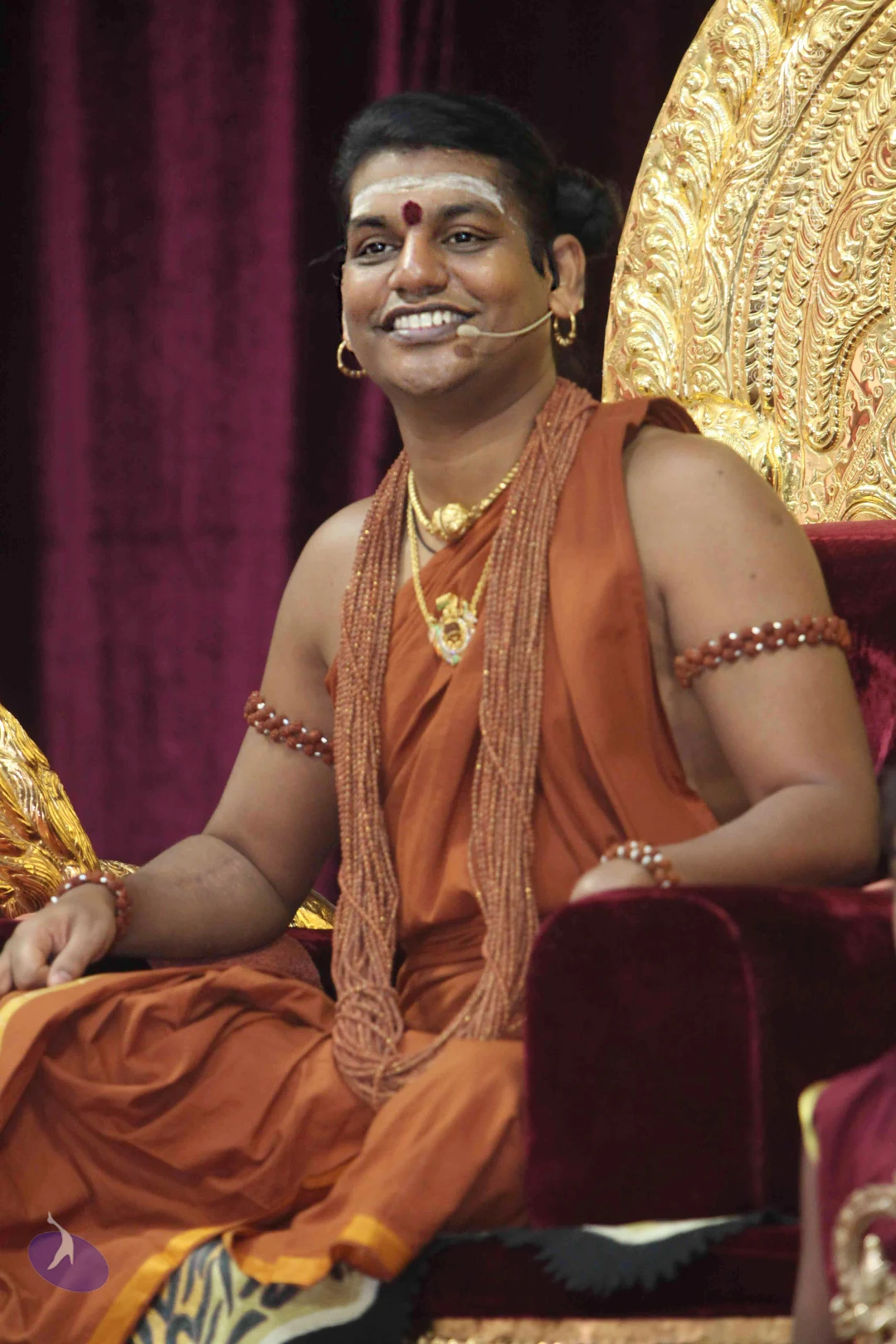
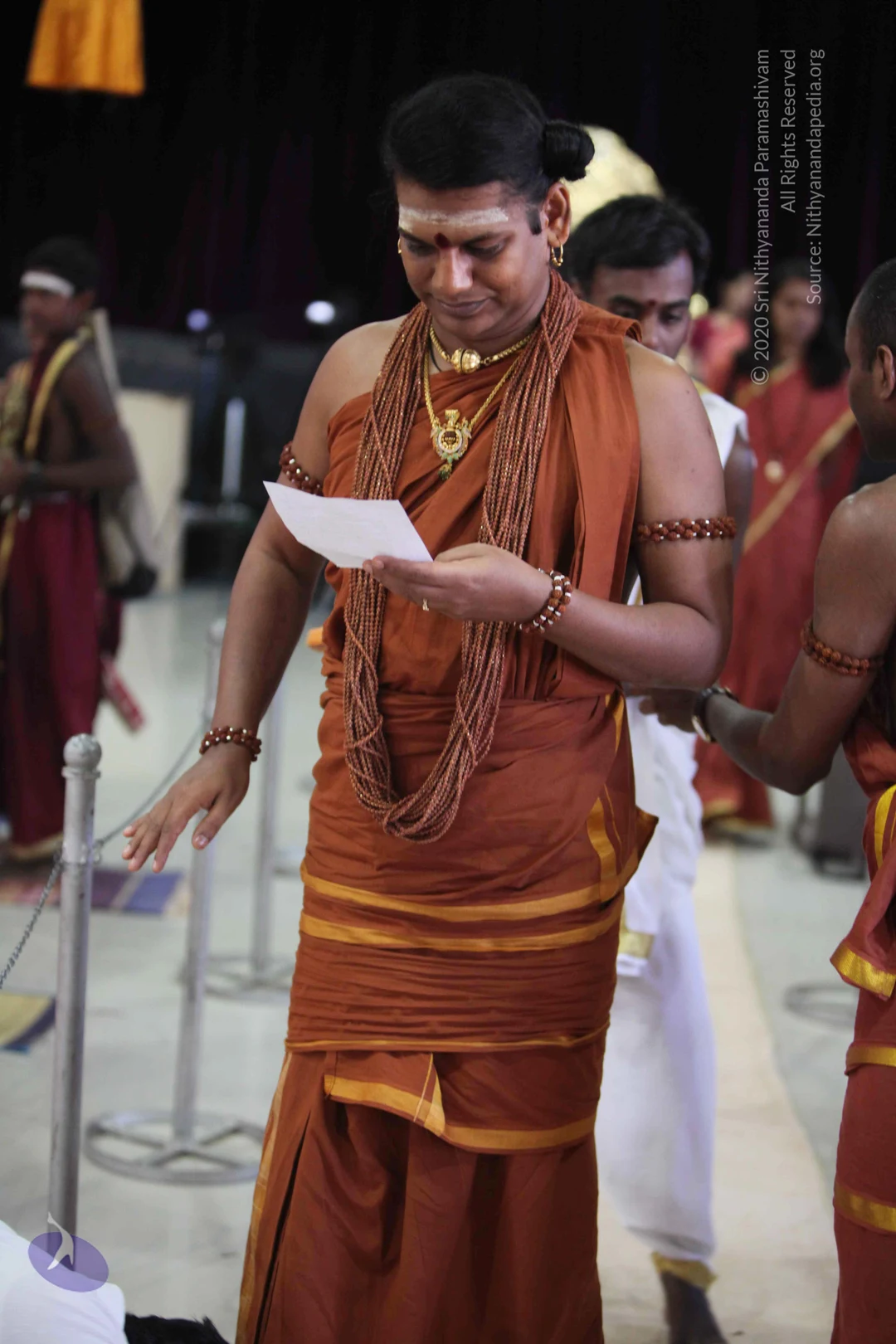
02-Temple-Glimpses
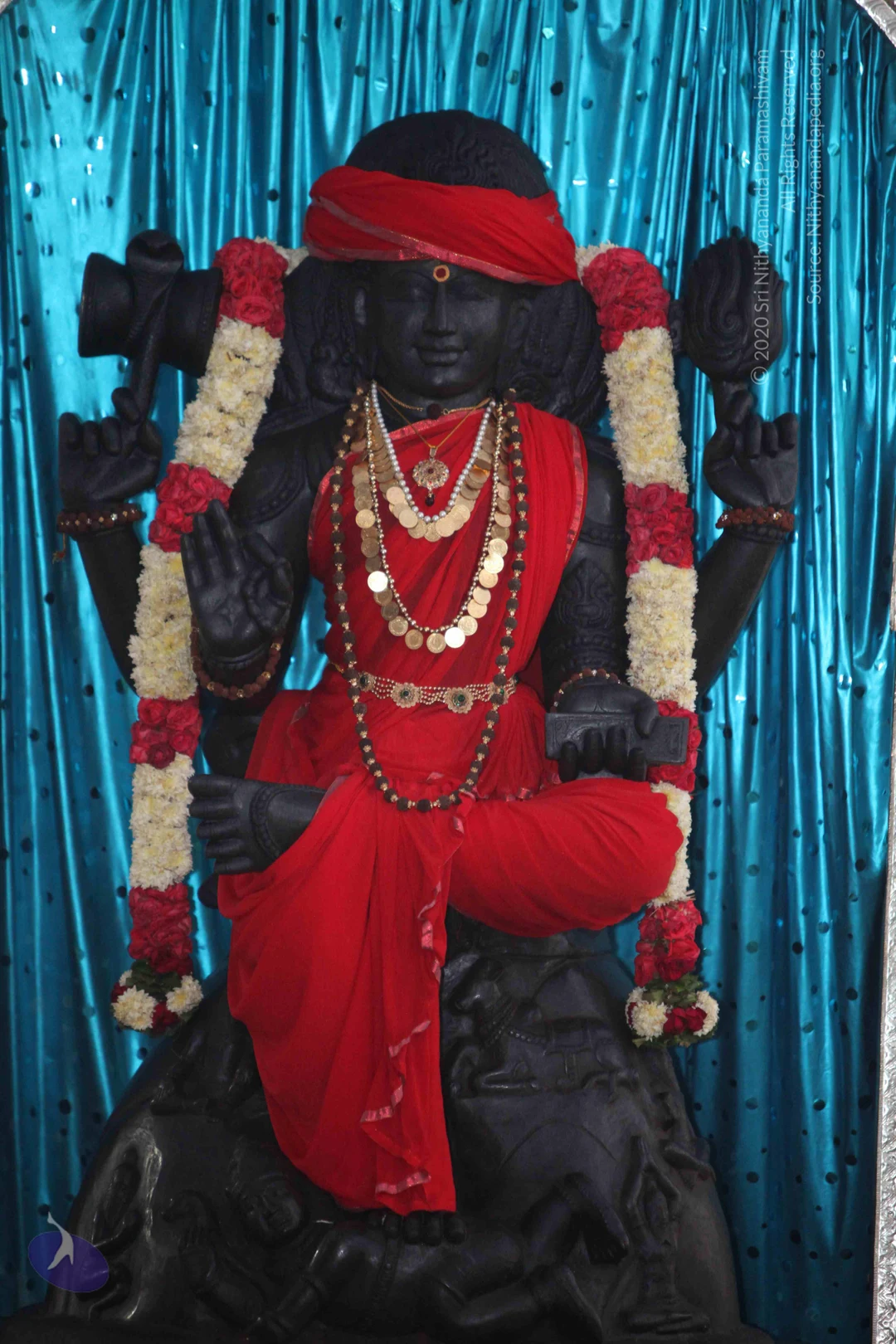
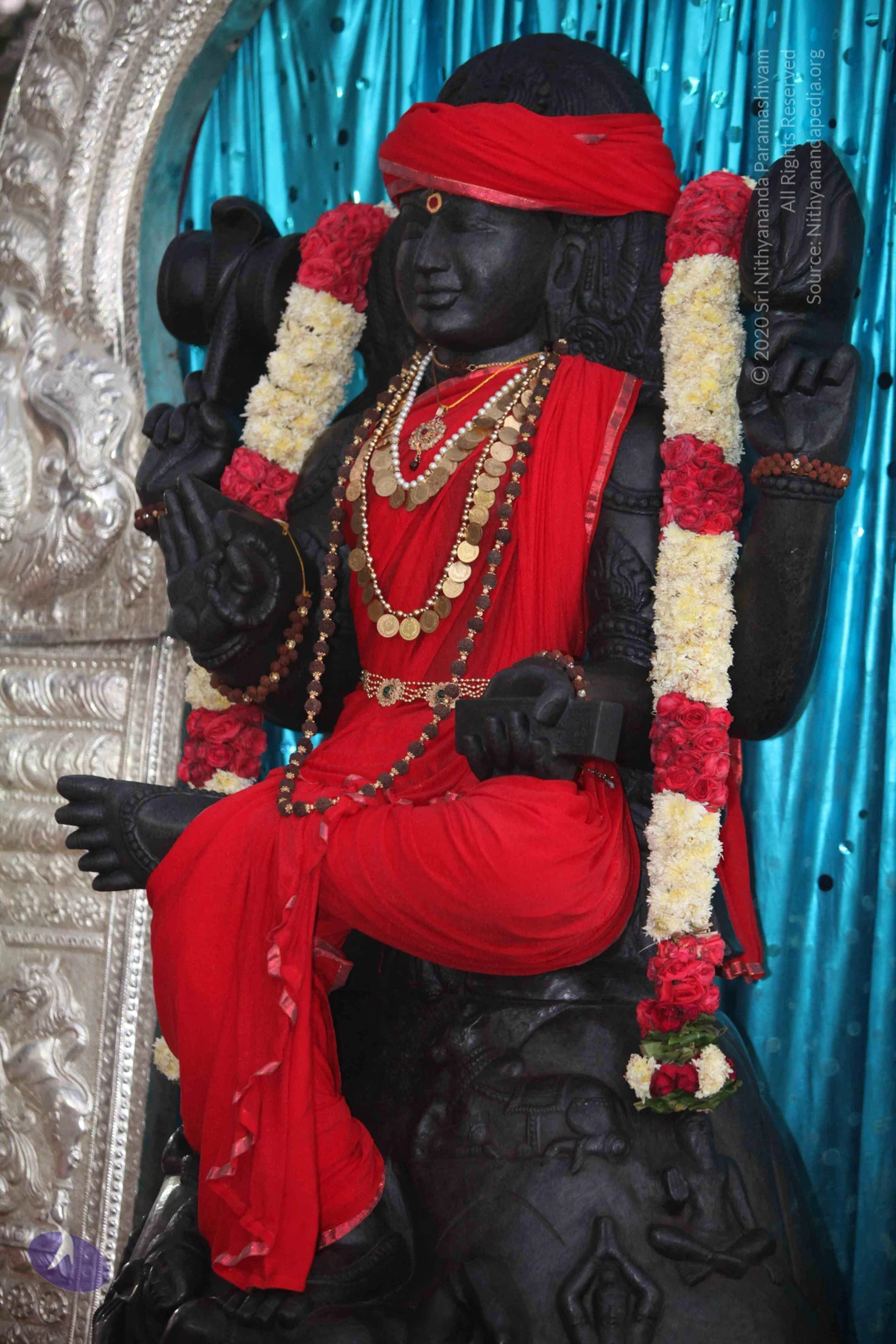
04-Nithya-Satsang
06-Sarva-Darshan
Tags
patterns, Nachiketa, Yama, Kathopanishad, pleasant, good, authenticity, enrich
Photos from this day
View all 160 photosMorning Yoga
2 photosSource gallery
Temple Glimpses
3 photosSource gallery
Pada Puja
2 photosSource gallery
Nithya Satsang
6 photosSource gallery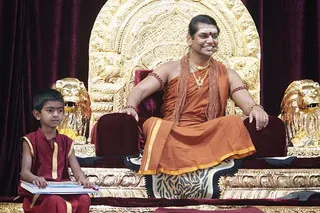
Sarva Darshan
2 photosSource gallery
Yoga
12 photosSource gallery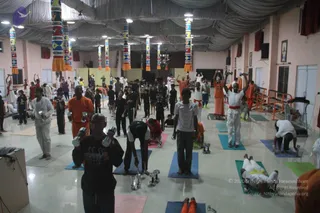
Temple
19 photosSource gallery
Nithya-Satsang
99 photosSource gallery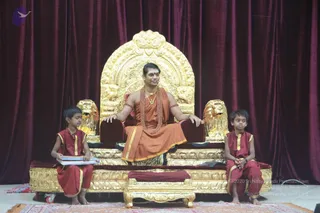
Morning-Yoga
7 photosSource galleryTemple-Glimpses
16 photosSource gallery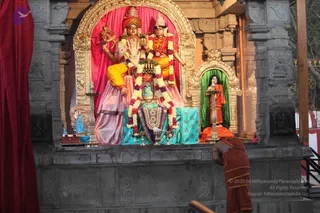
Pada-Puja
17 photosSource gallery
Nithya-Satsang
33 photosSource gallery
Dial-The-Avatar
4 photosSource gallery
Sarva-Darshan
4 photosSource gallery
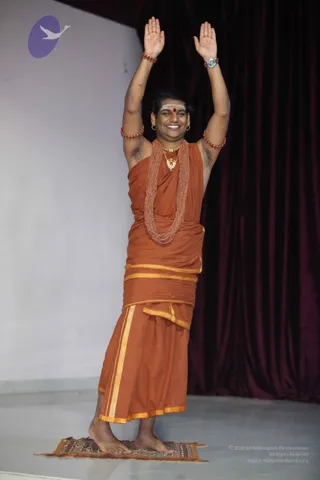
1-Yoga
6 photosSource gallery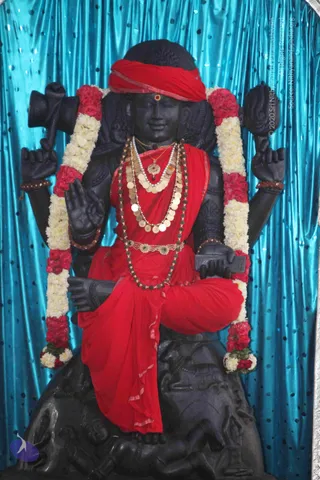
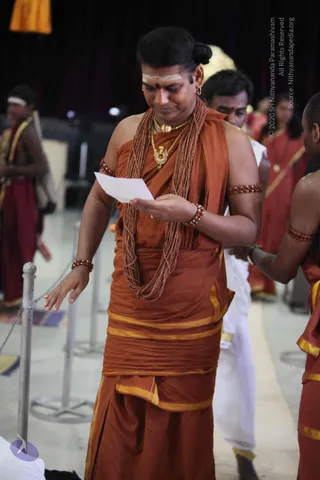
04-Nithya-Satsang
1 photoSource gallery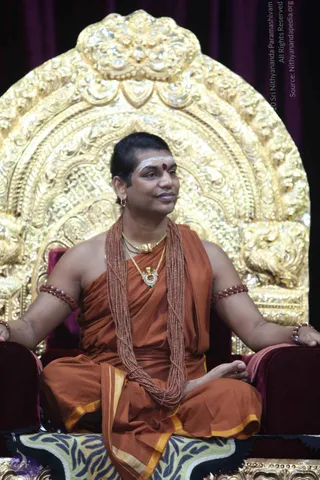
06-Sarva-Darshan
1 photoSource gallery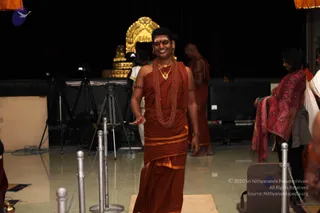
January 23 2013
1 photoView all