Saturday
23 January 2016
Eternal Life Process
- Dated photos
- 271
- Source pages
- 1
- Media
- 3
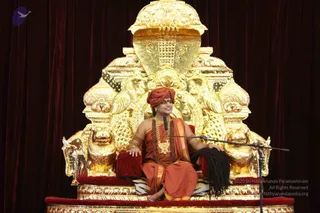
January 23 2016
Original wiki pageTitle
Eternal Life Process
Narration
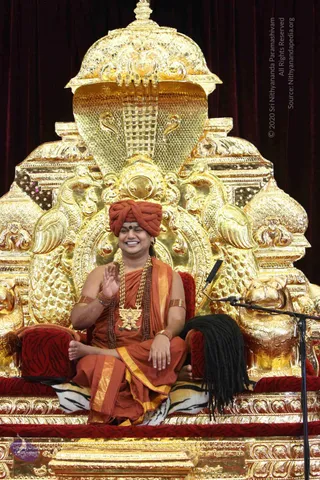
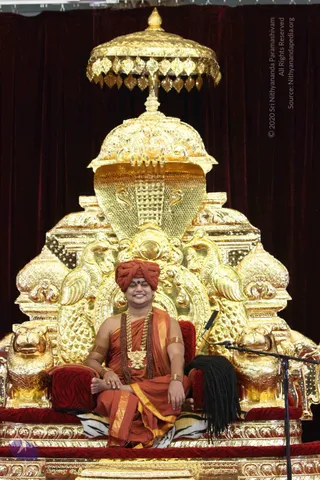
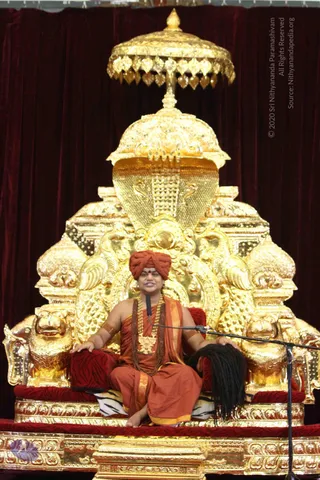
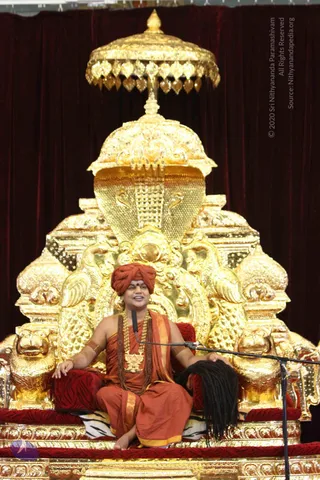
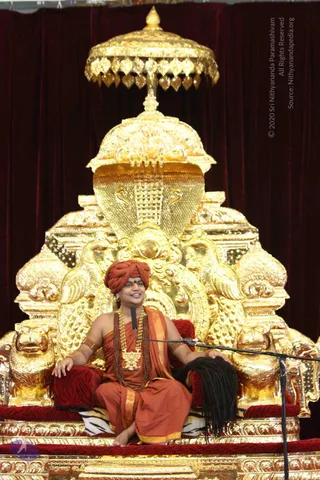
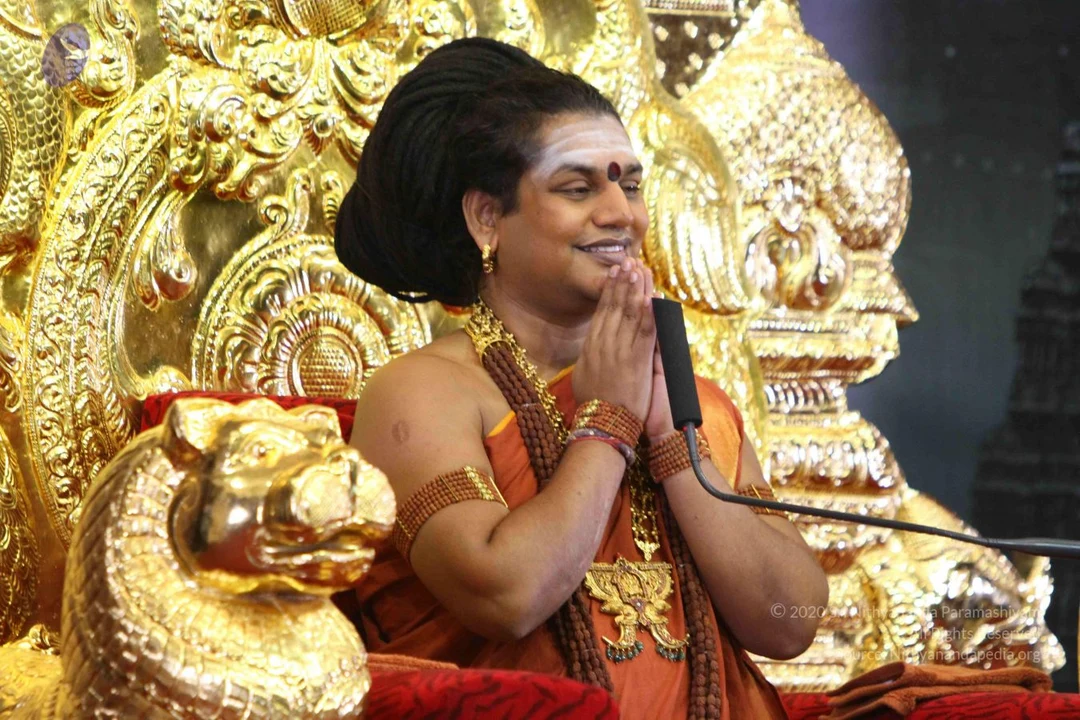
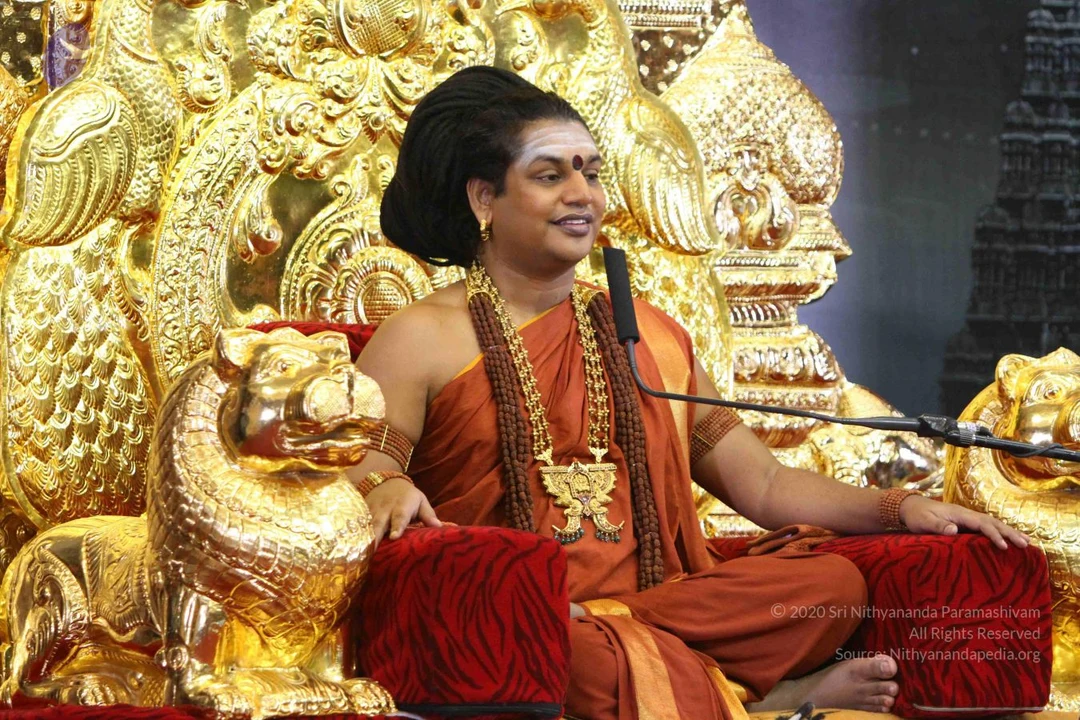
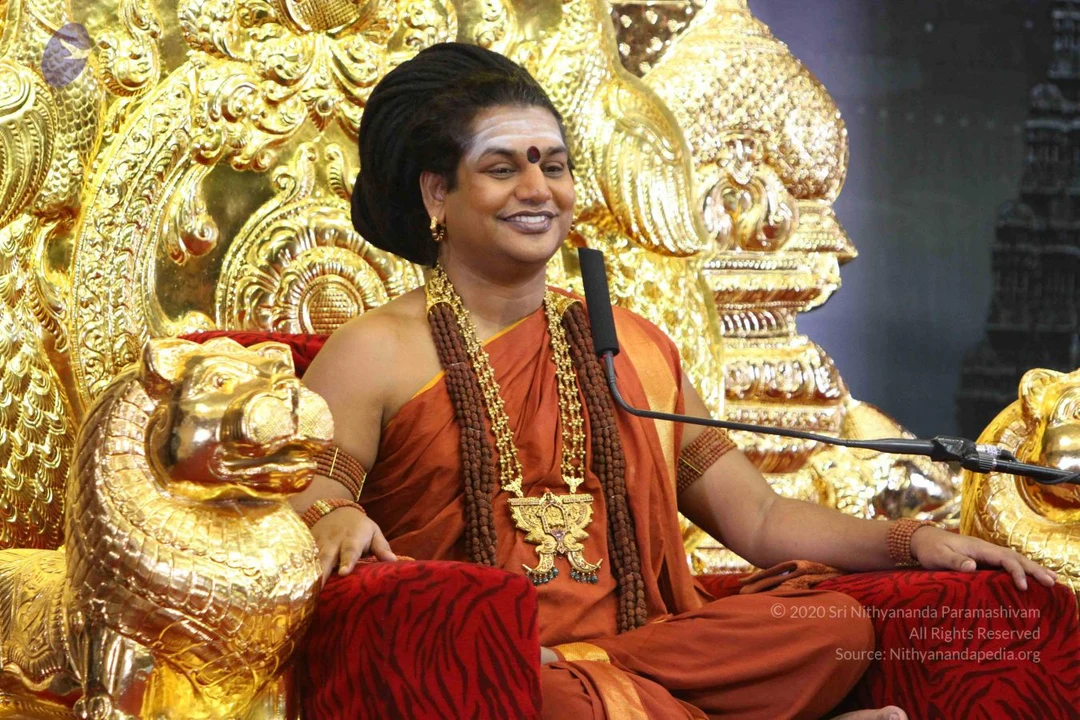
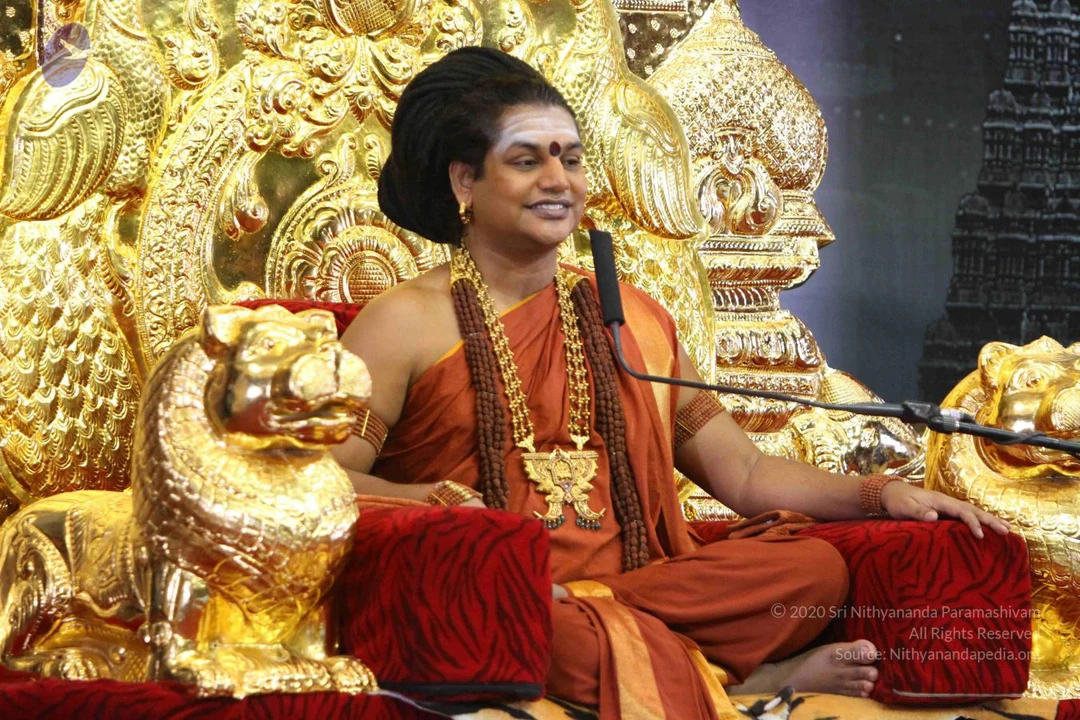
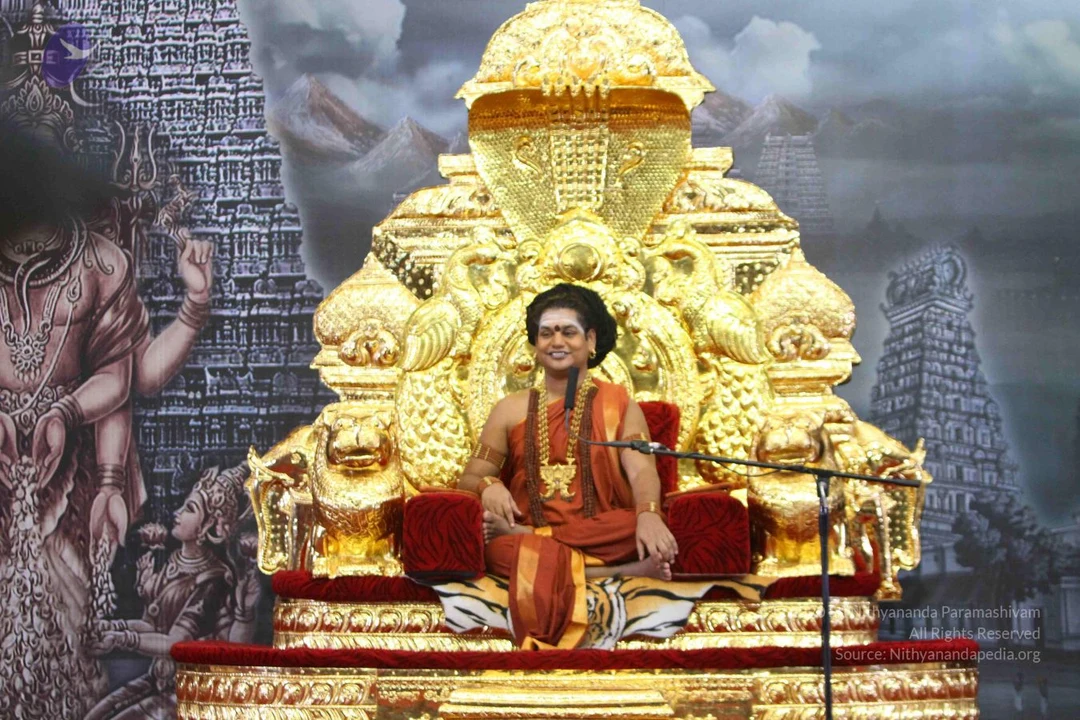
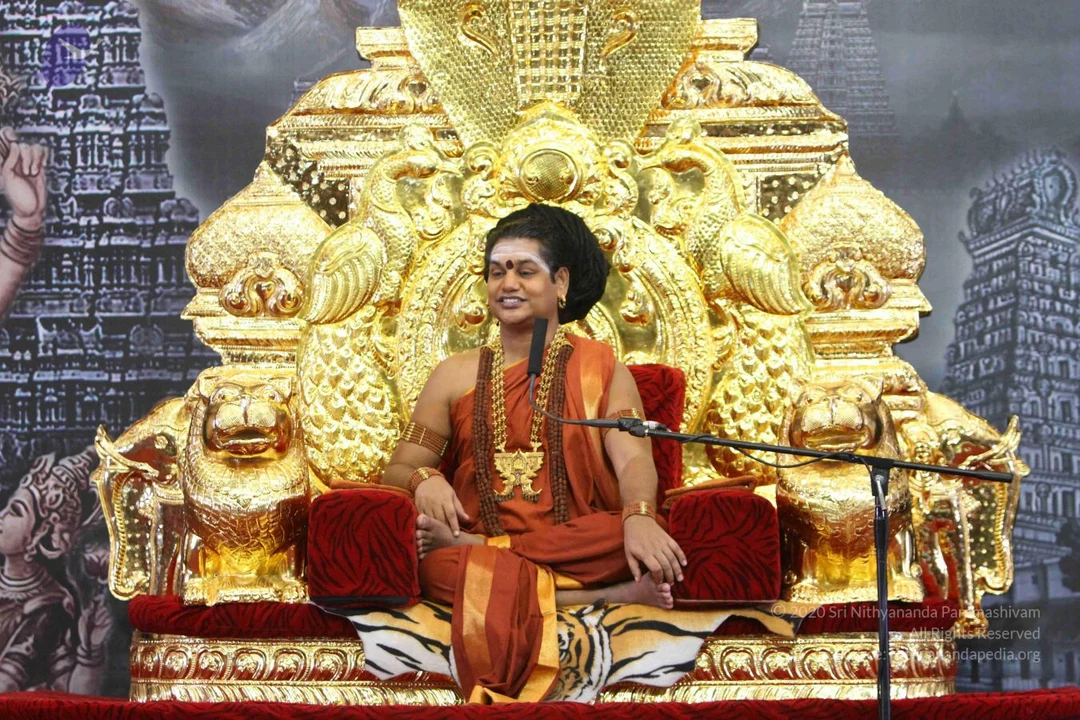
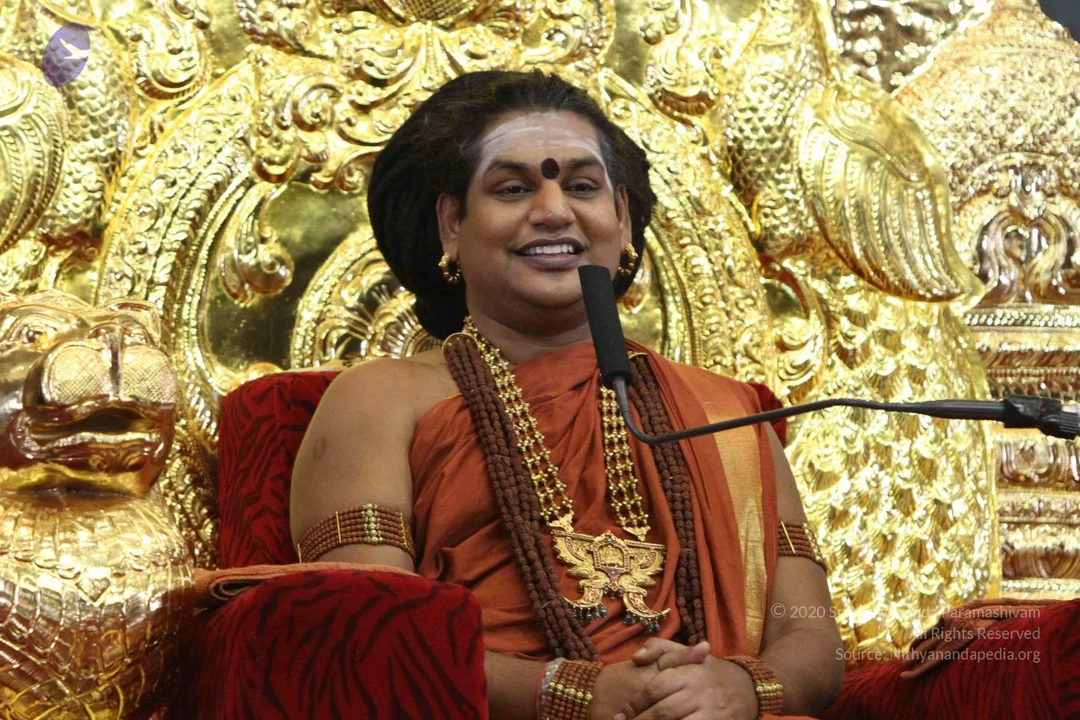
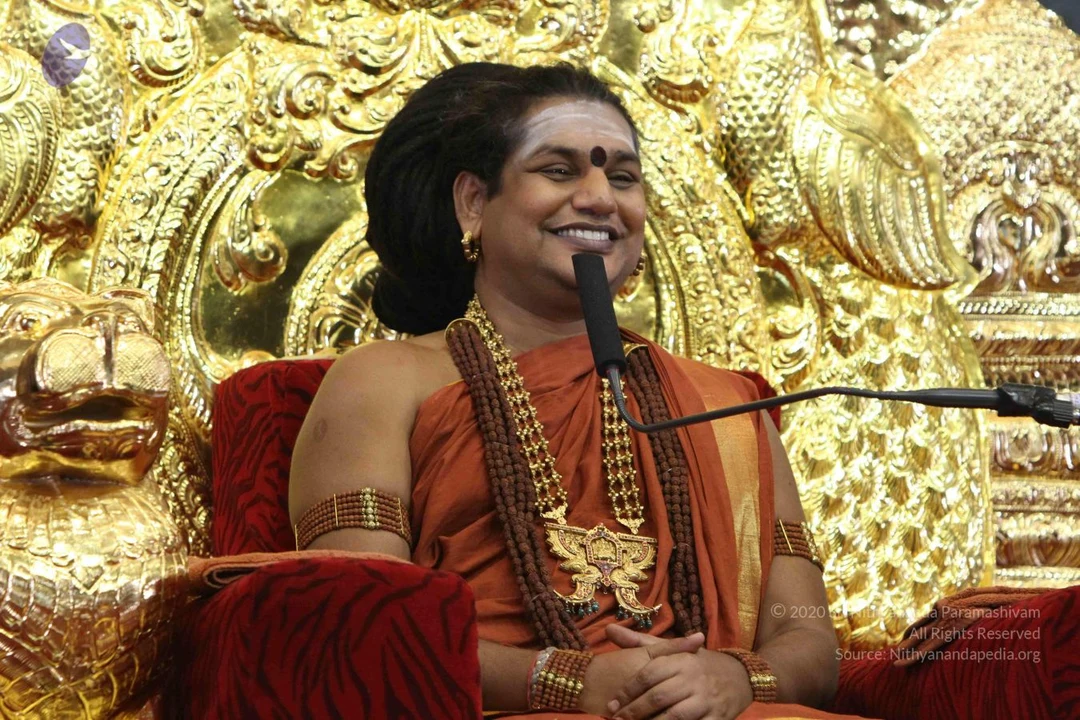
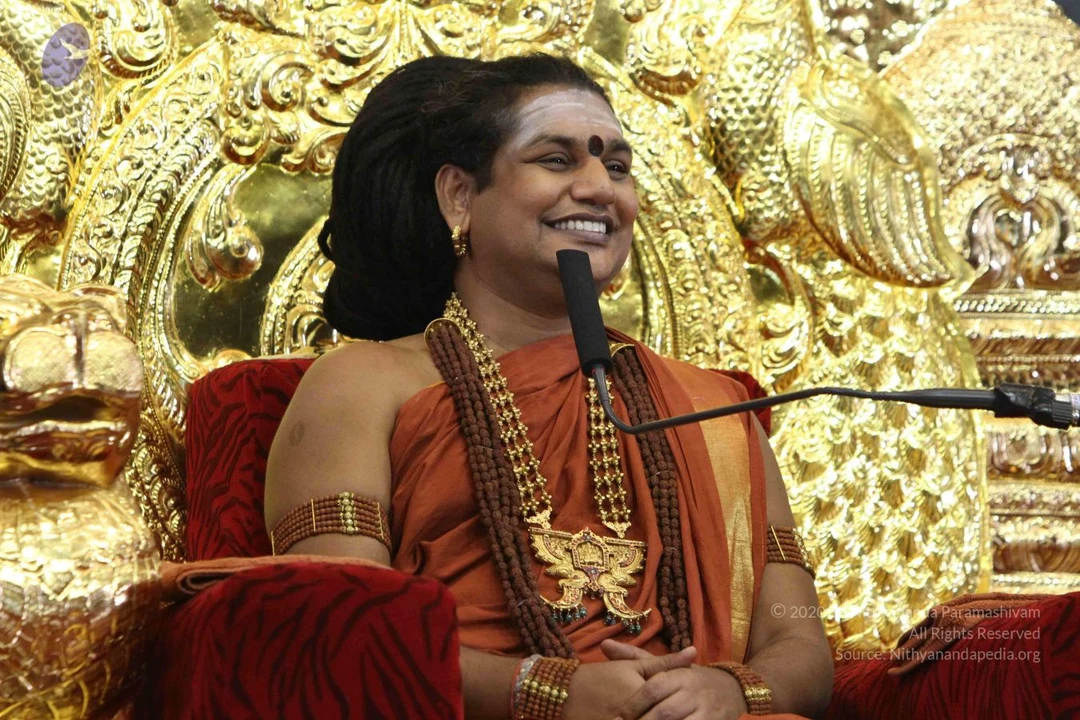
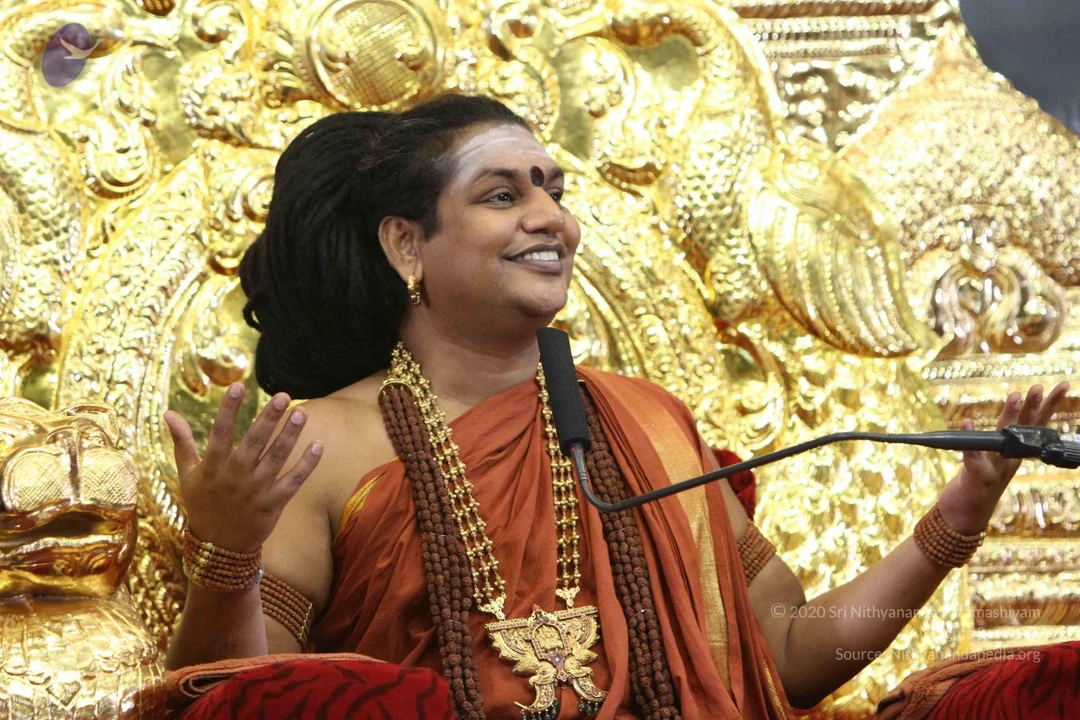
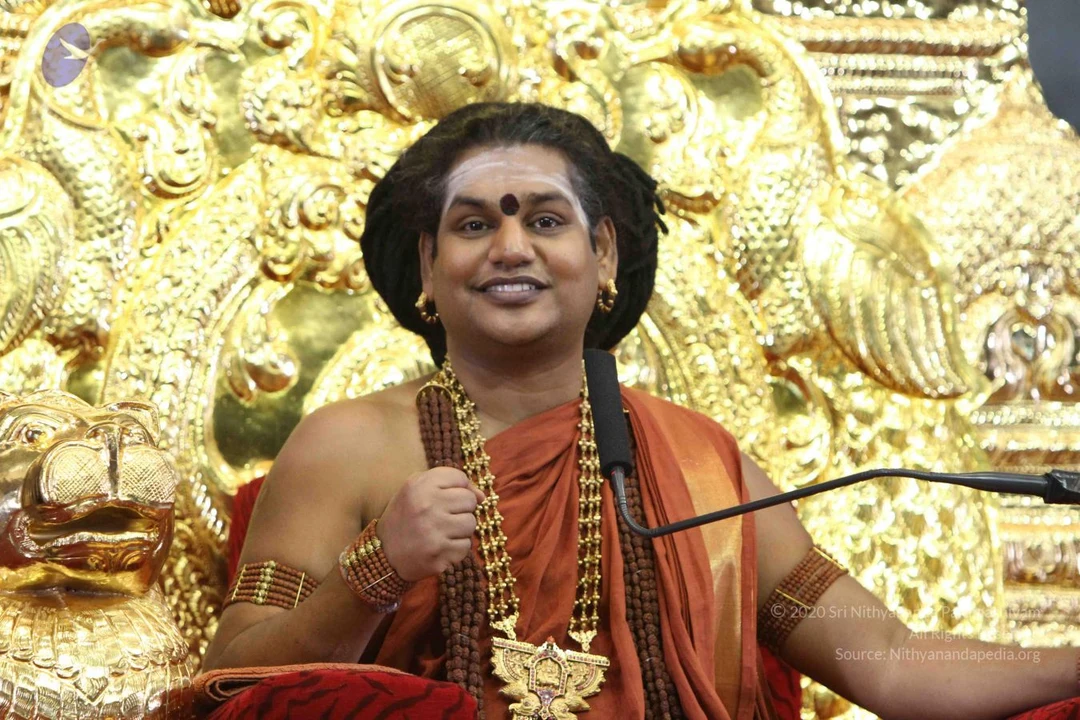
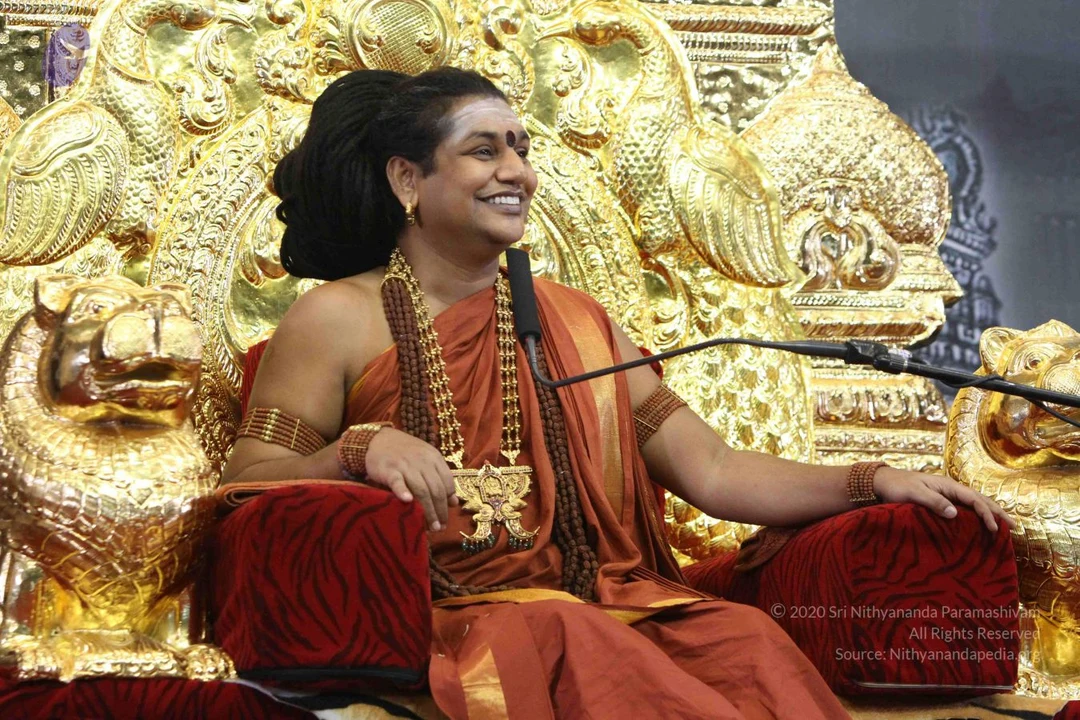
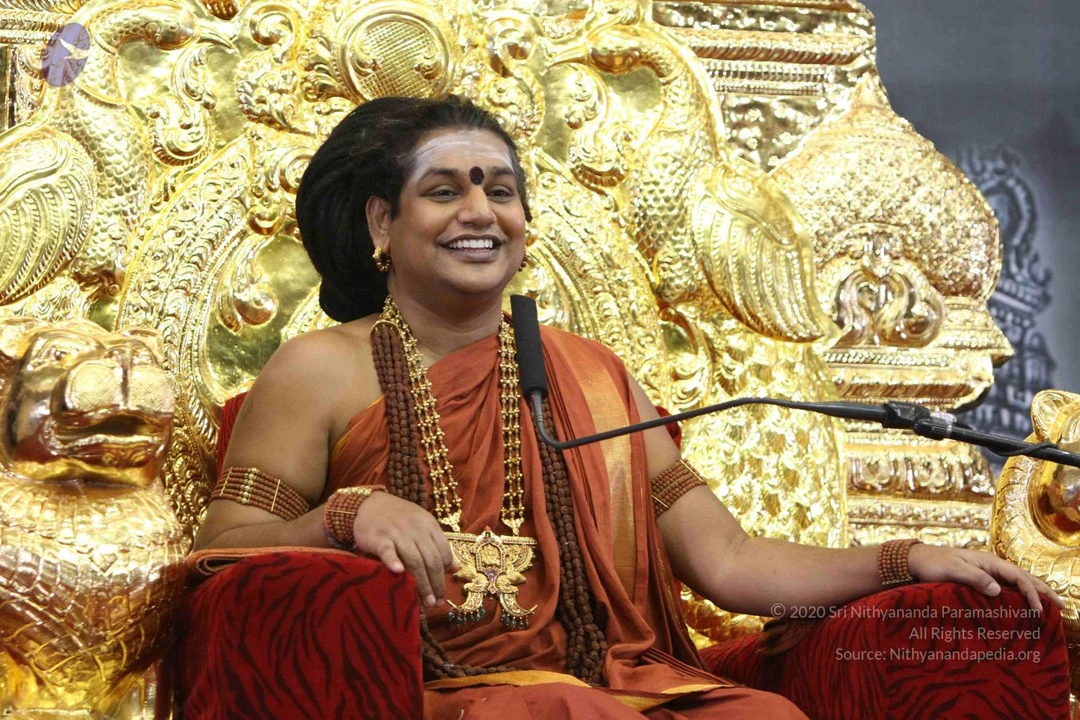
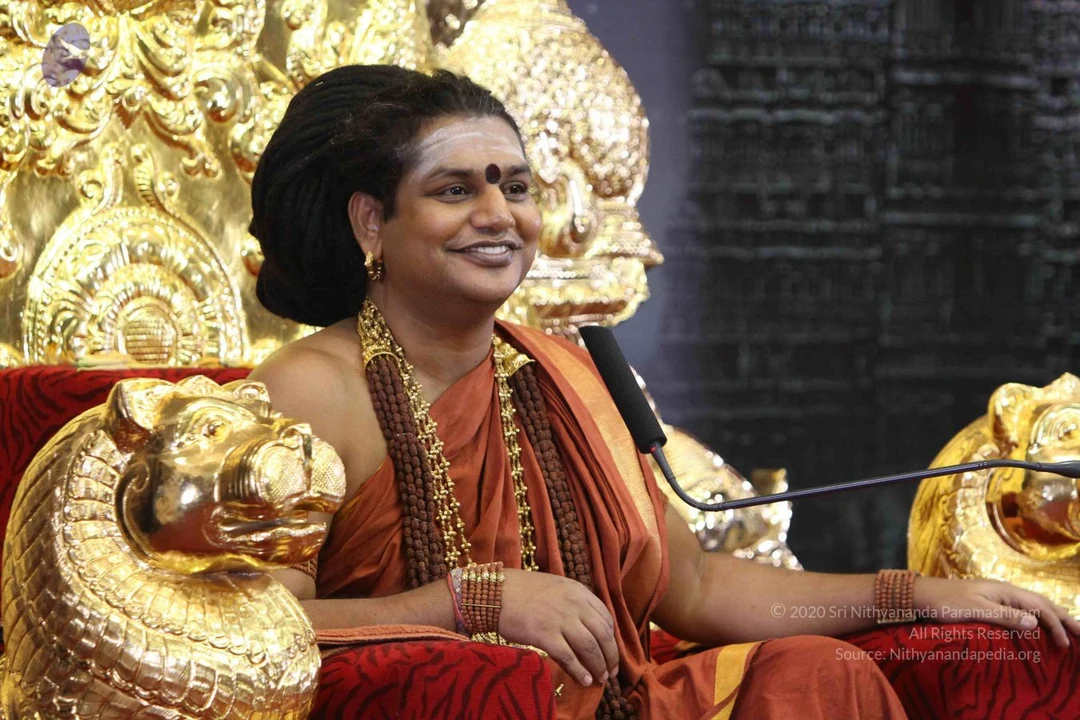
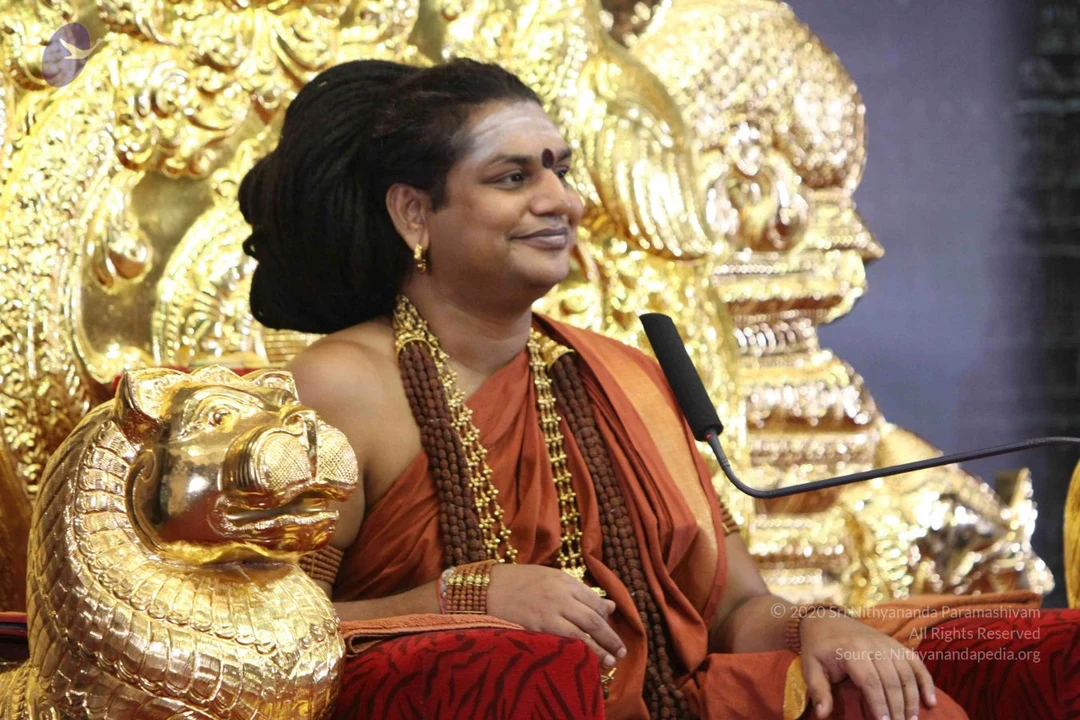
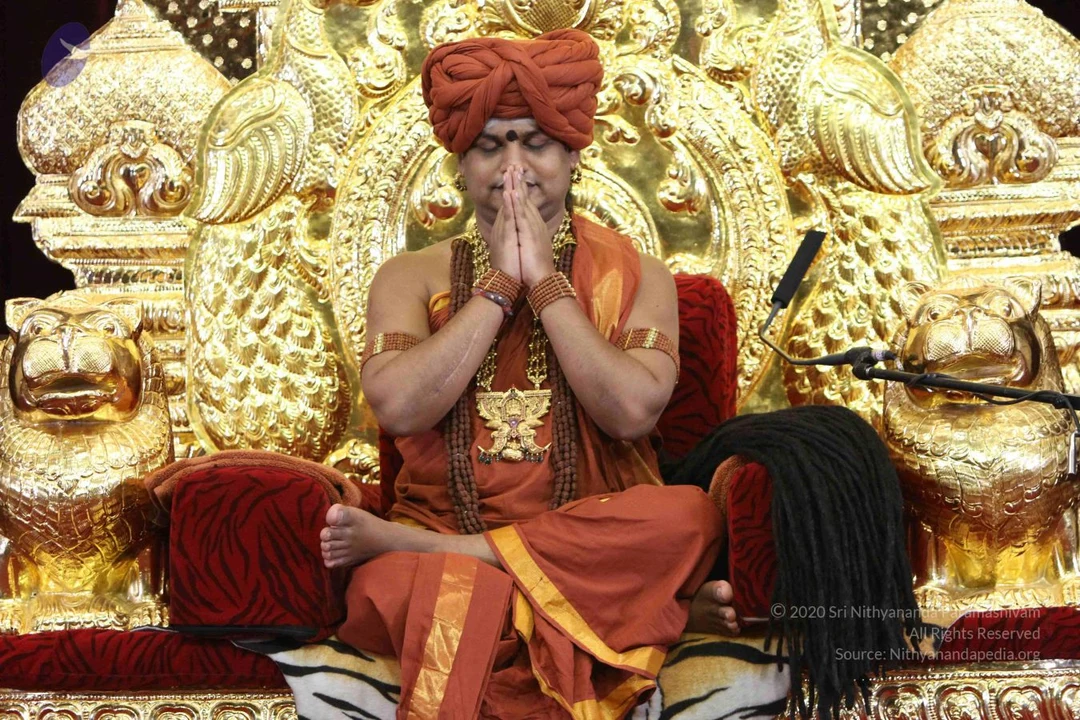
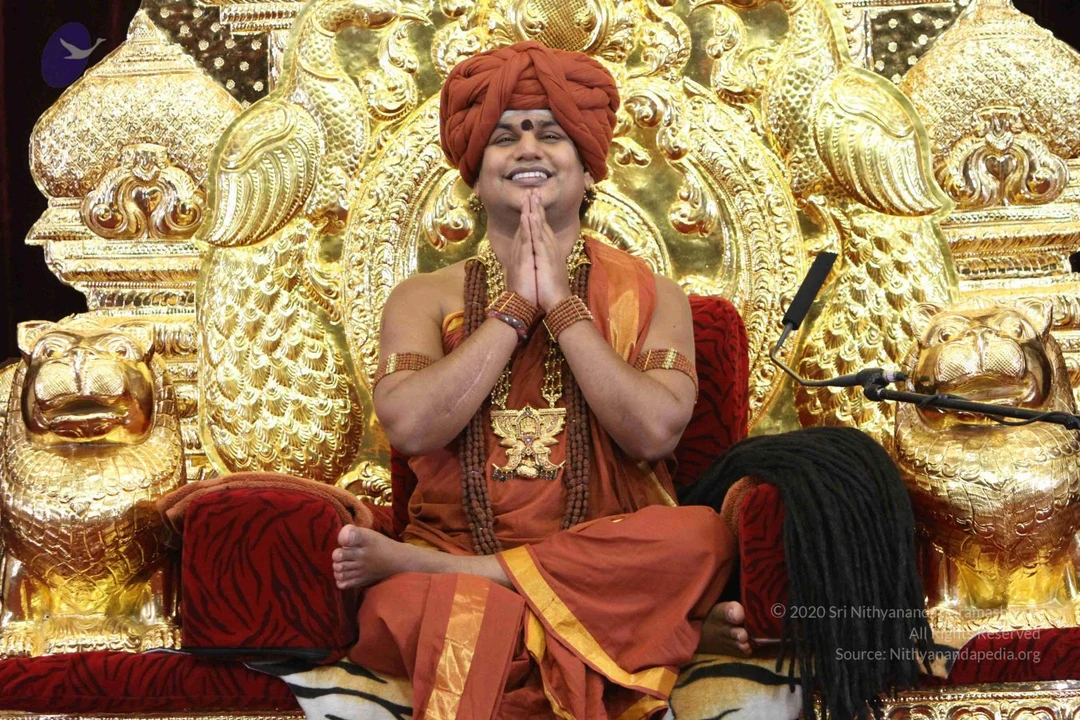
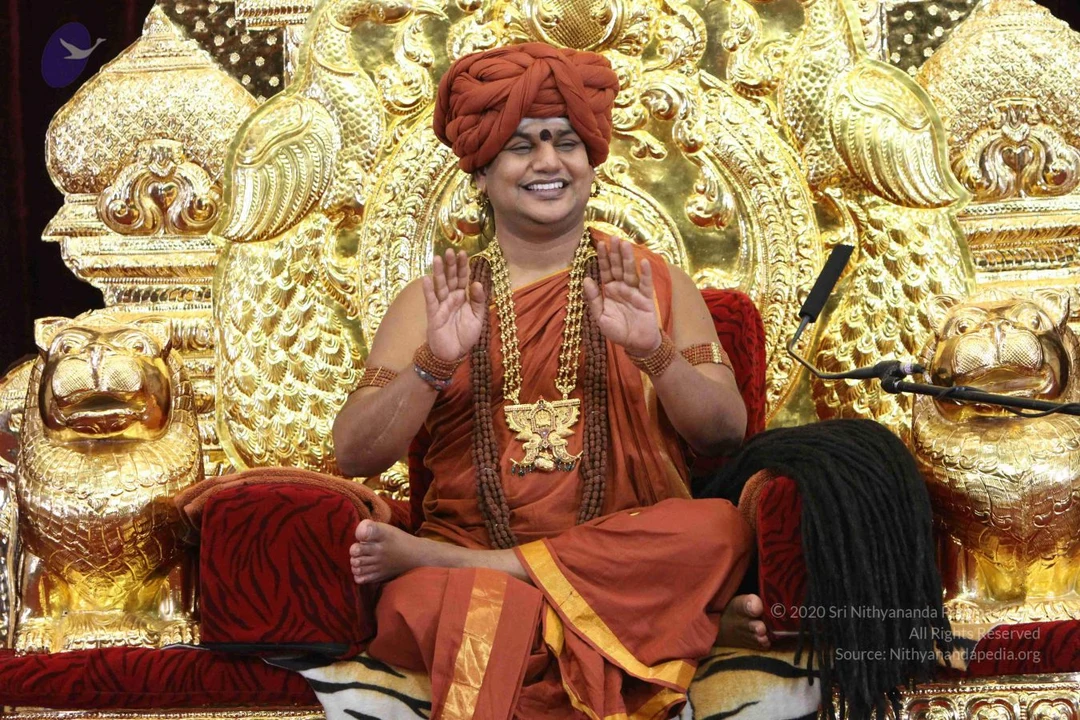
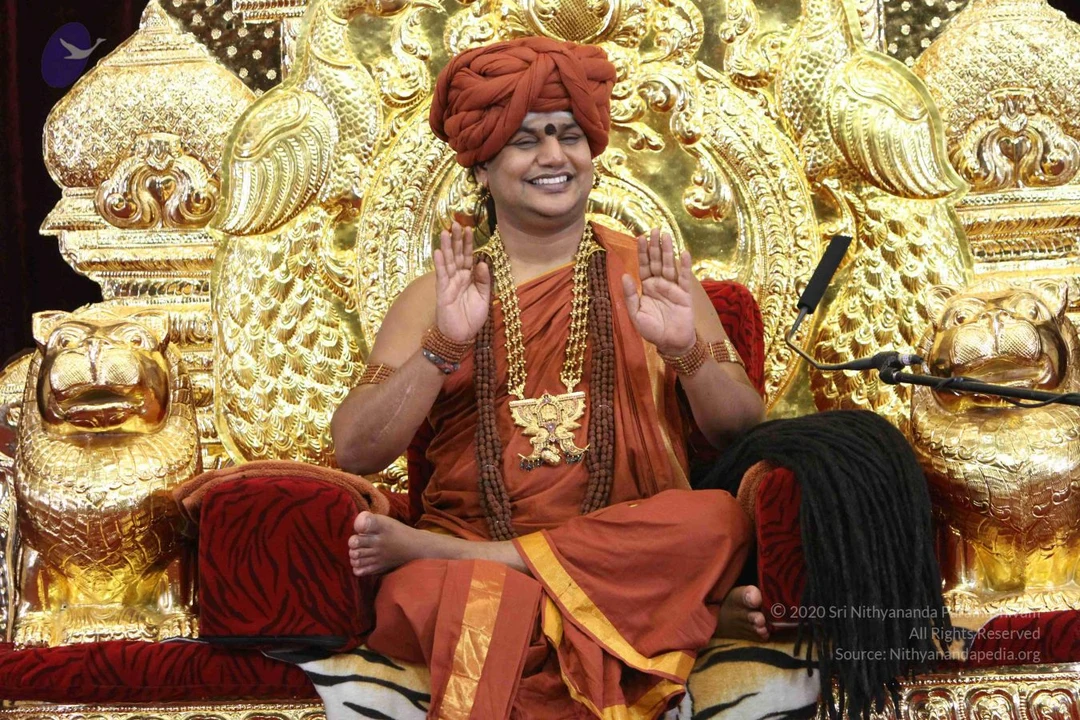
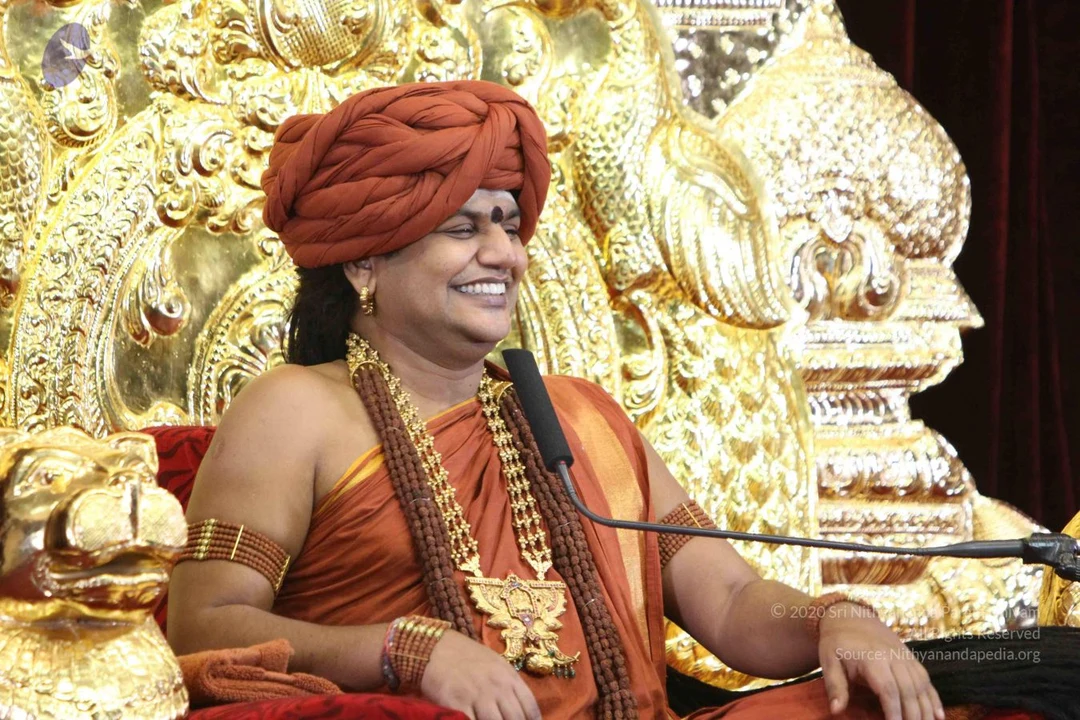
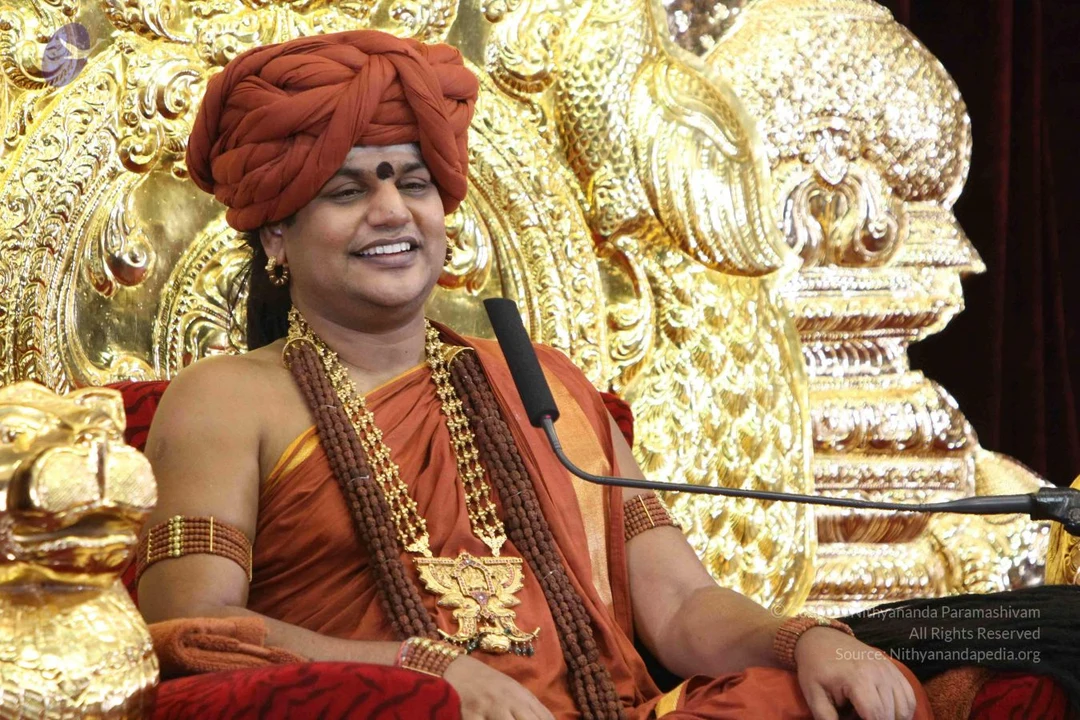
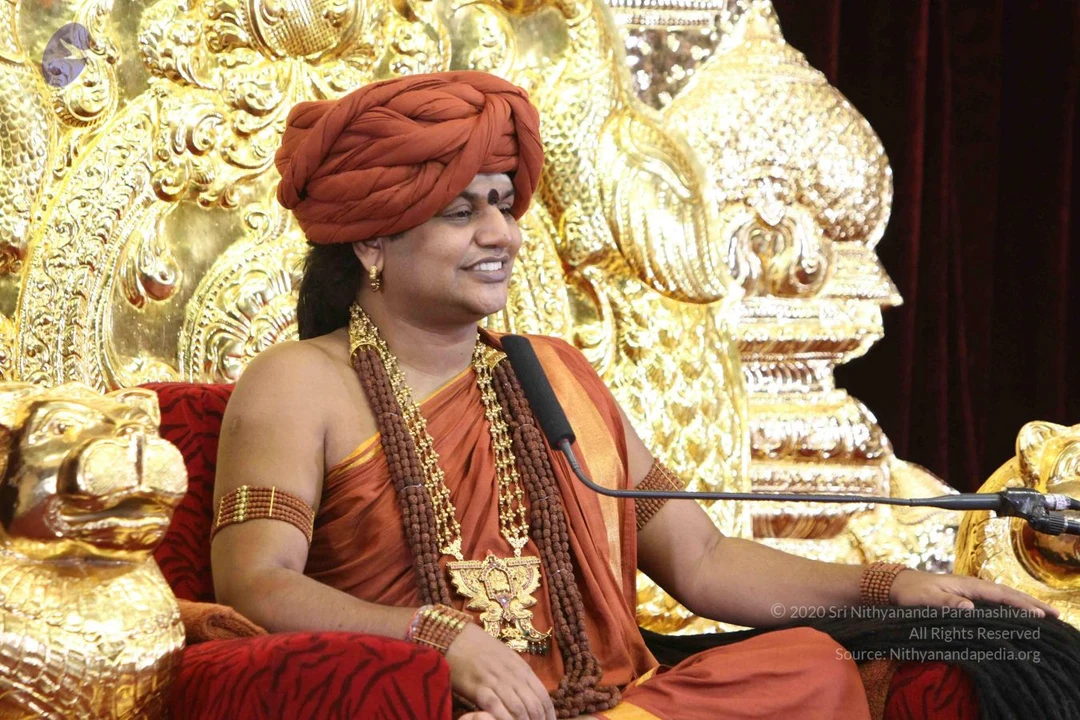
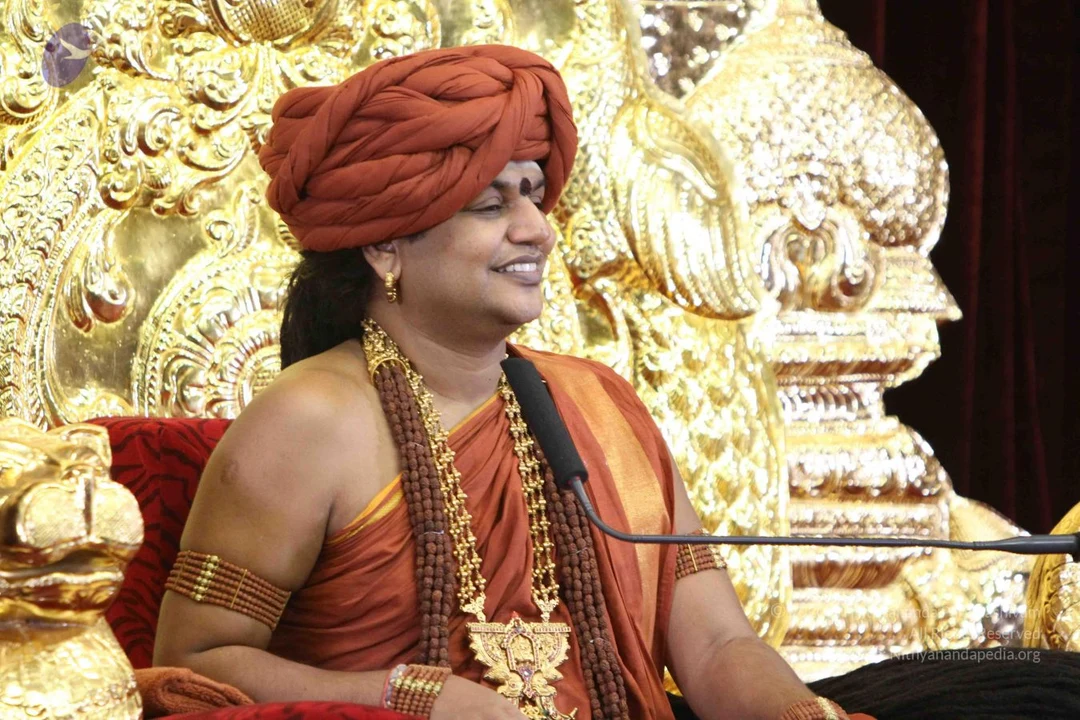
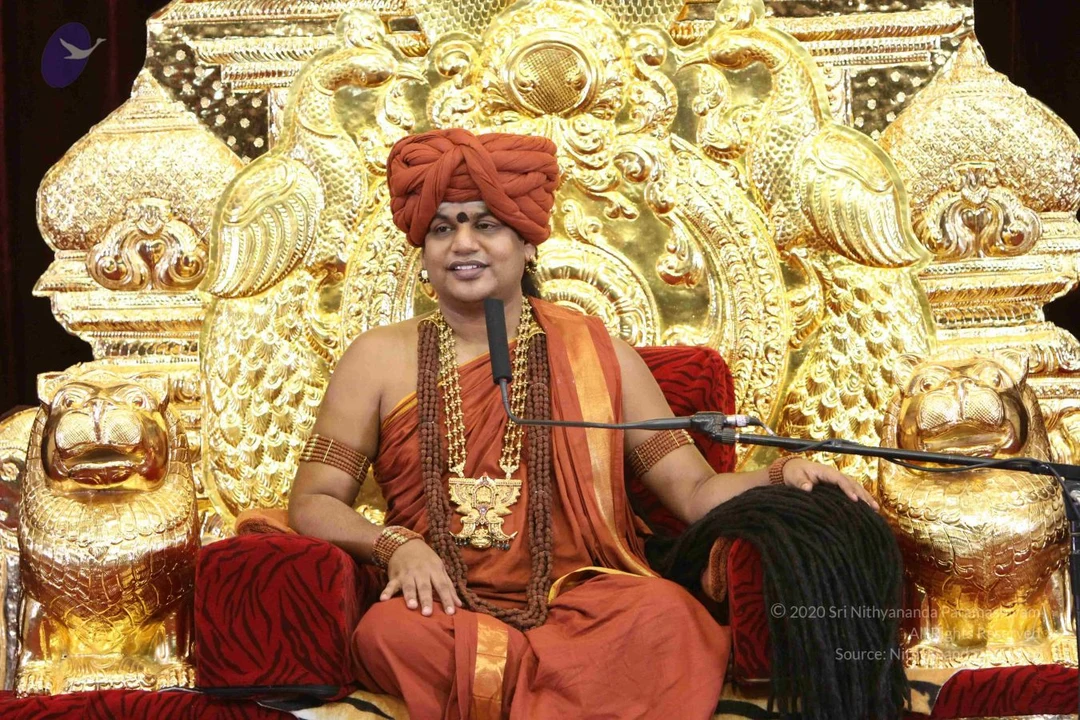
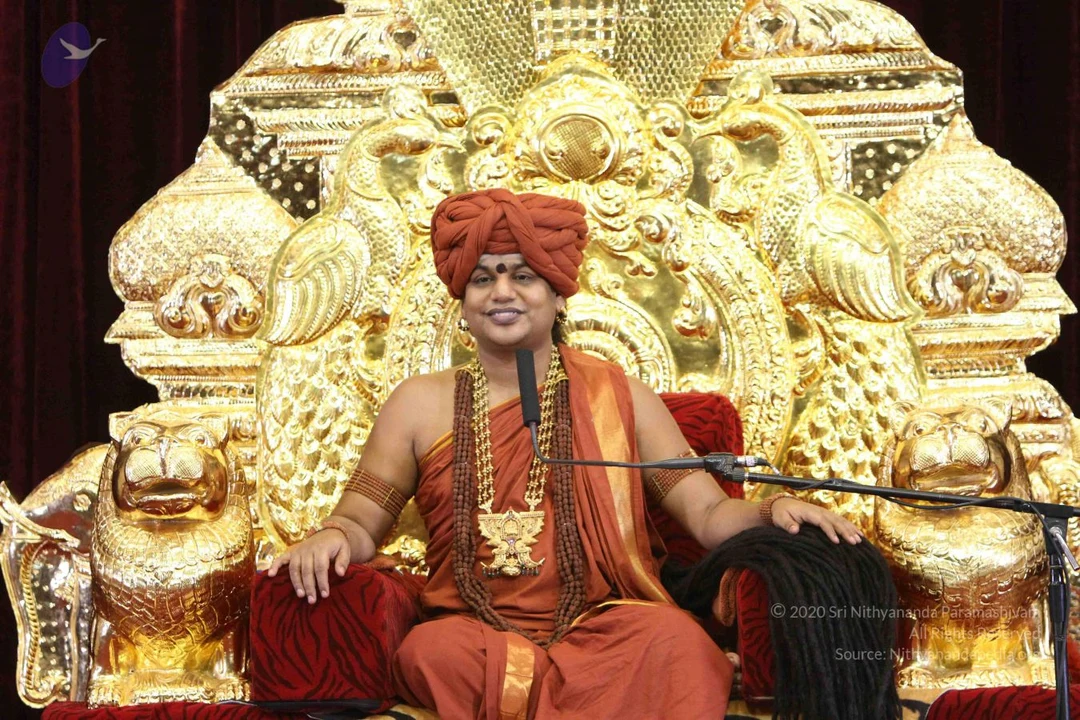
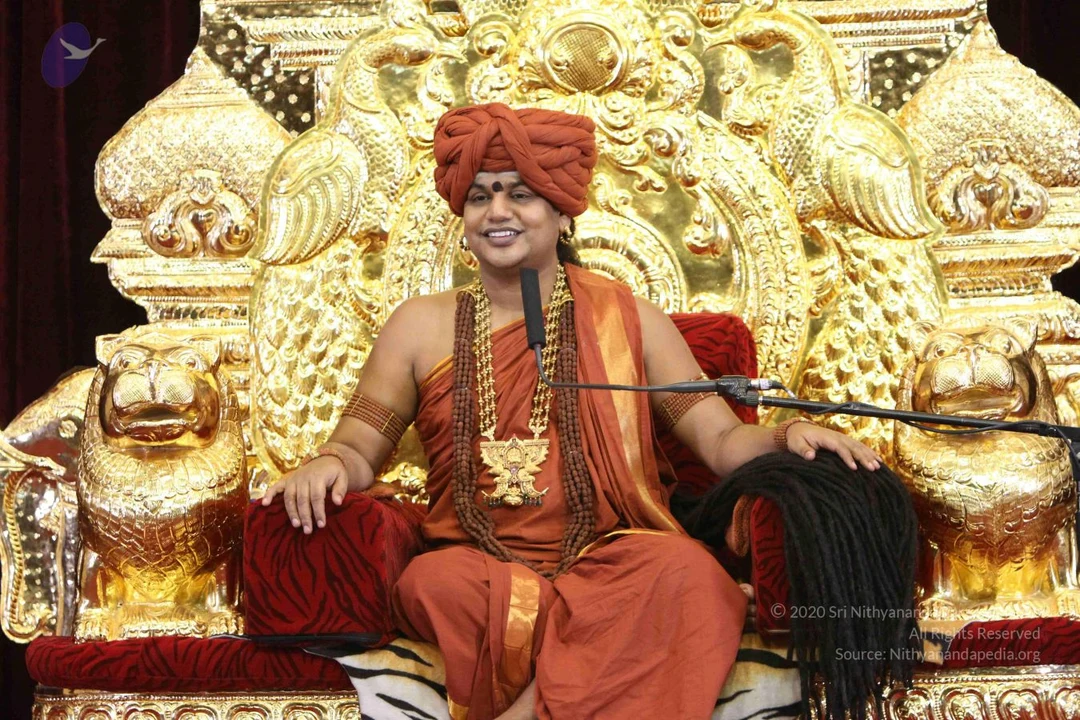
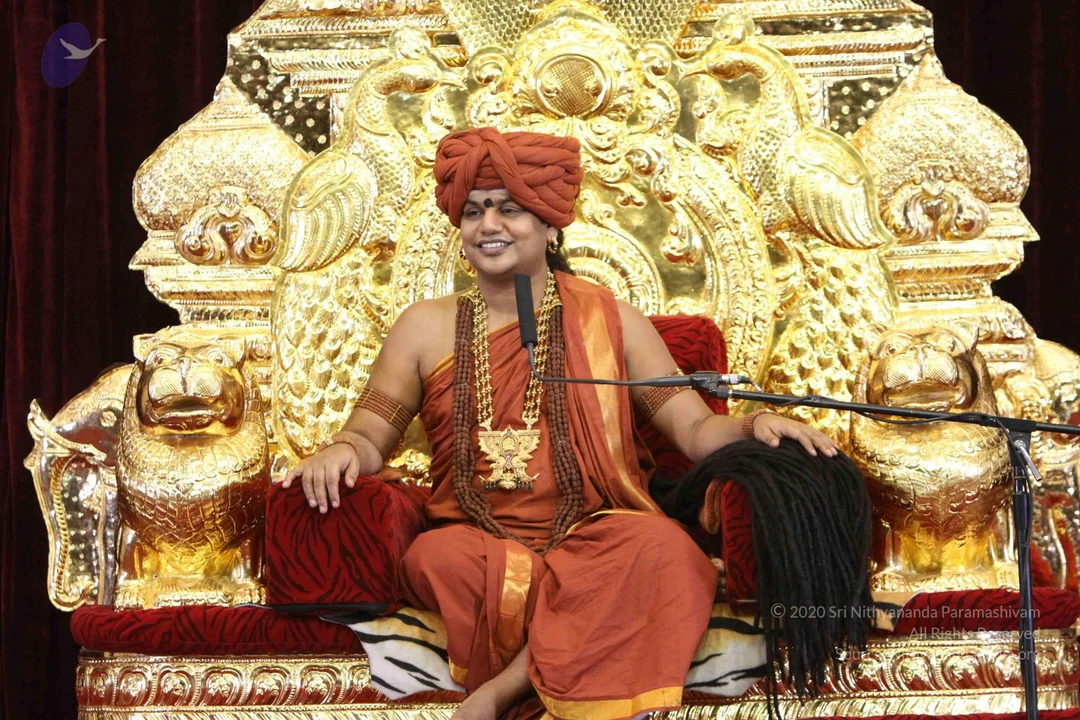
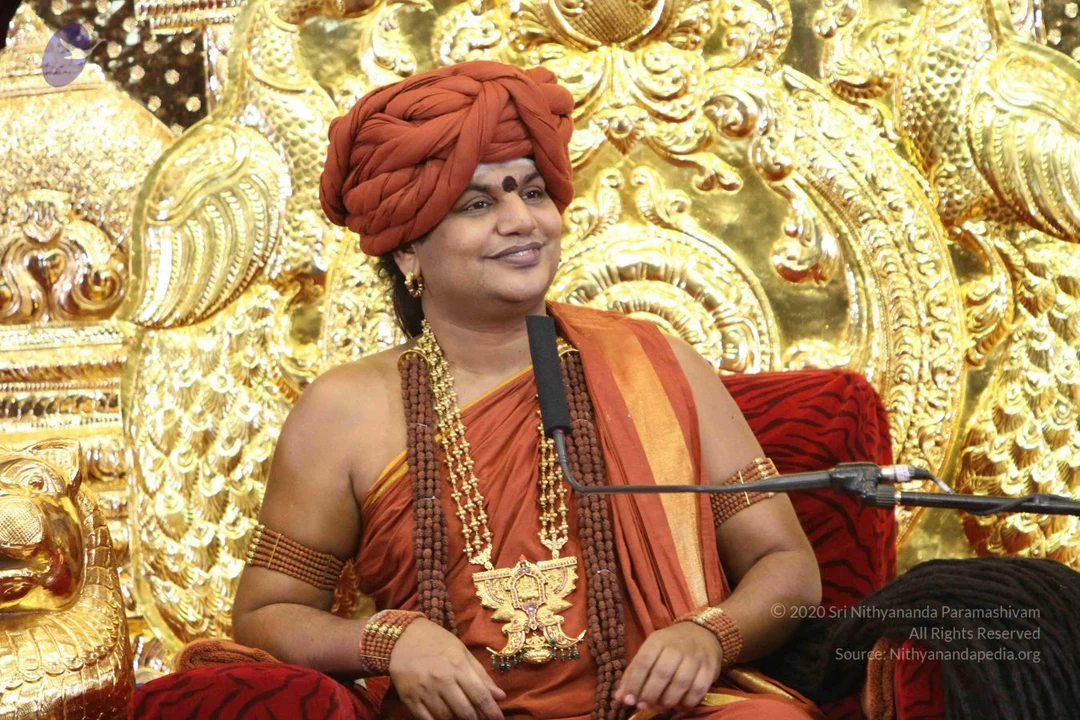
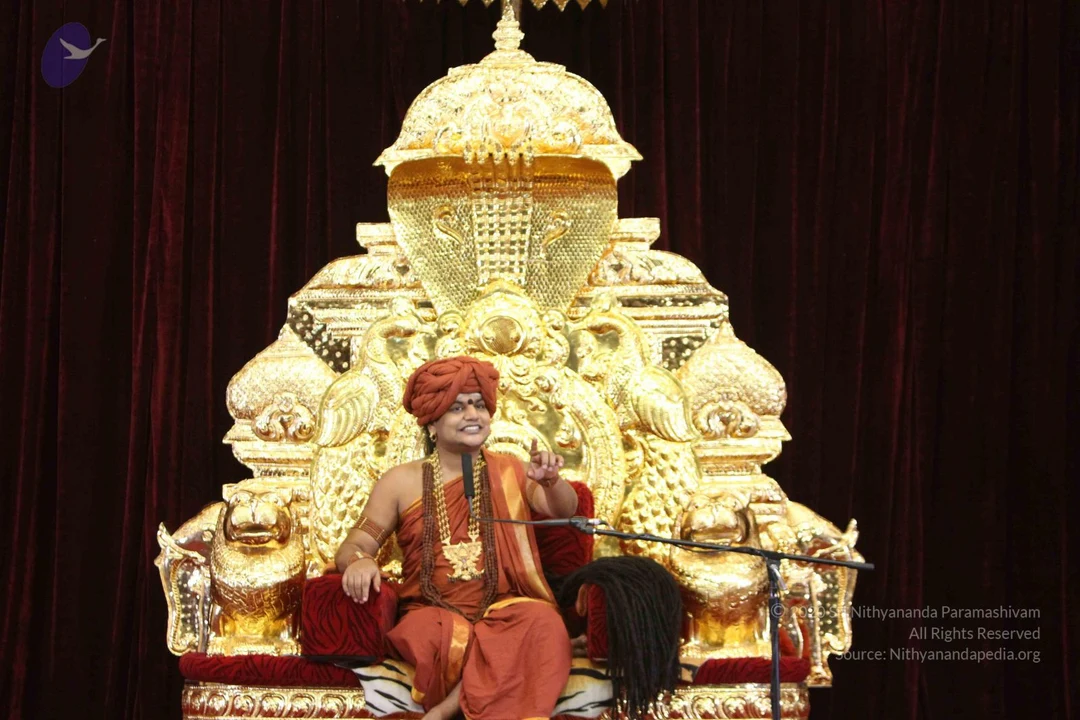
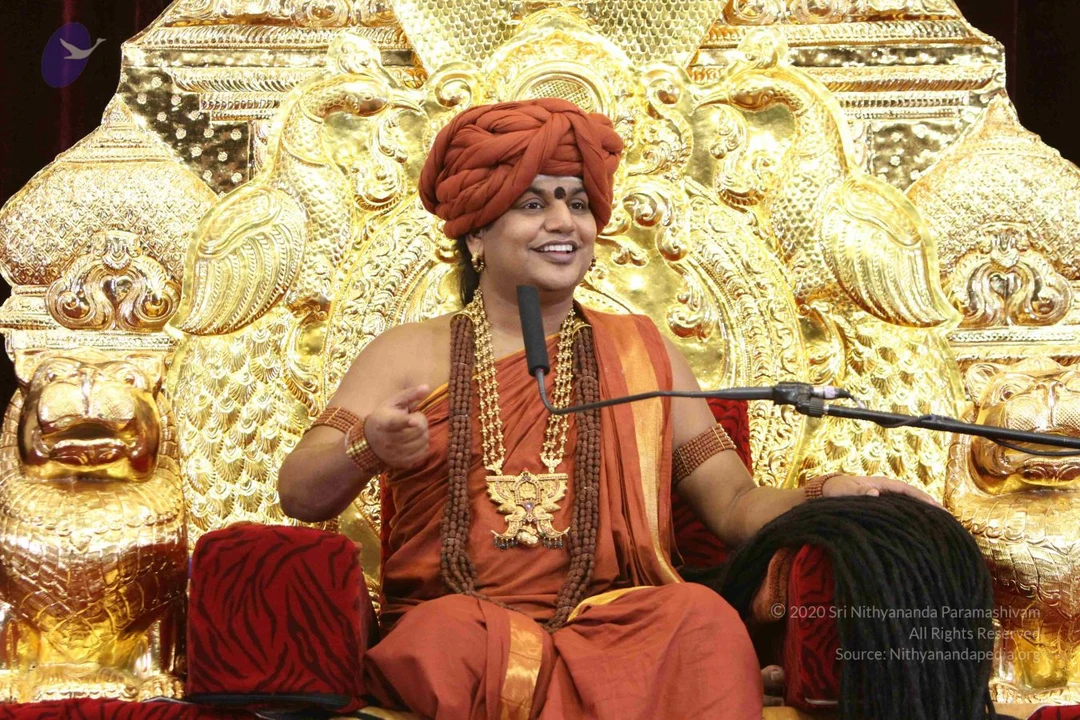
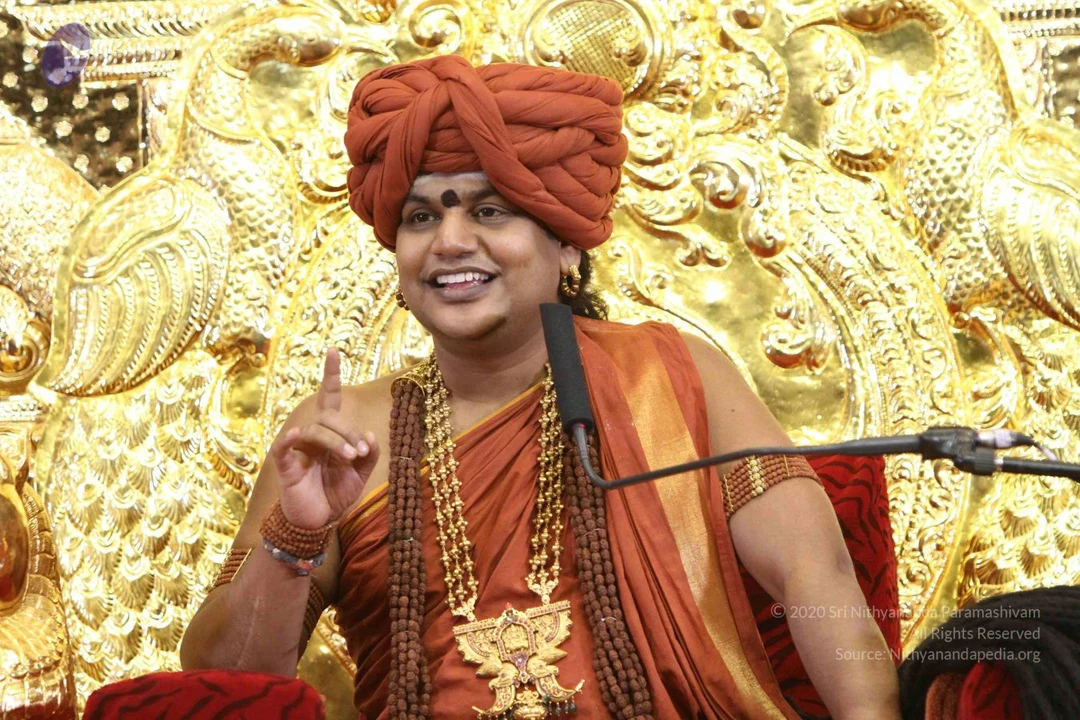
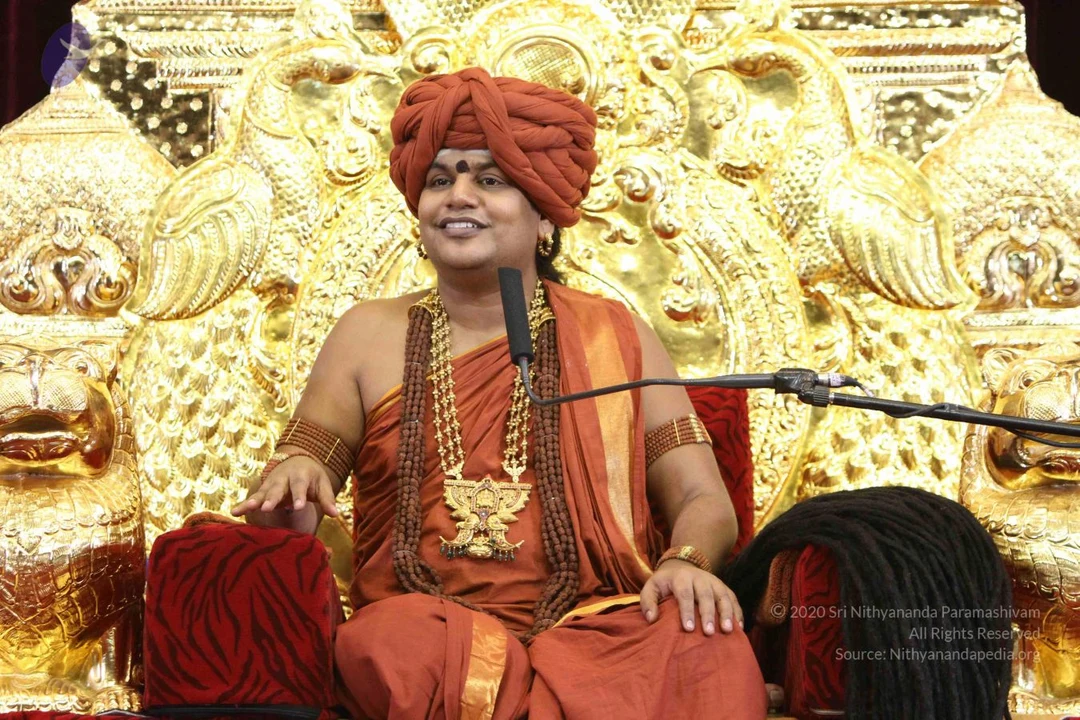
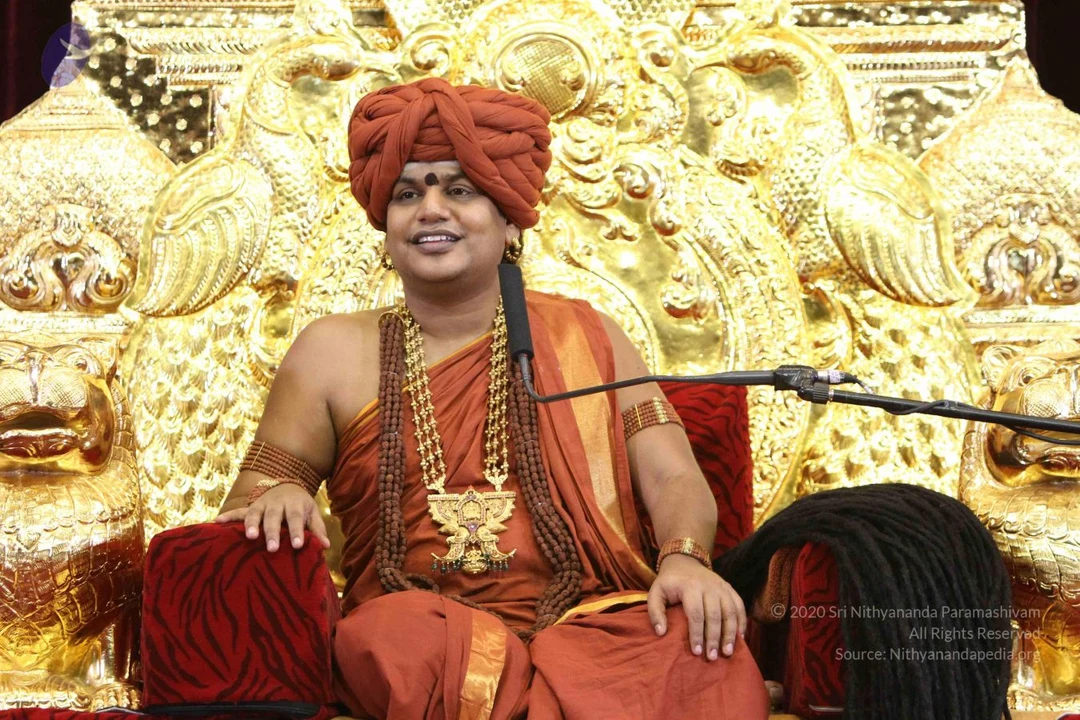
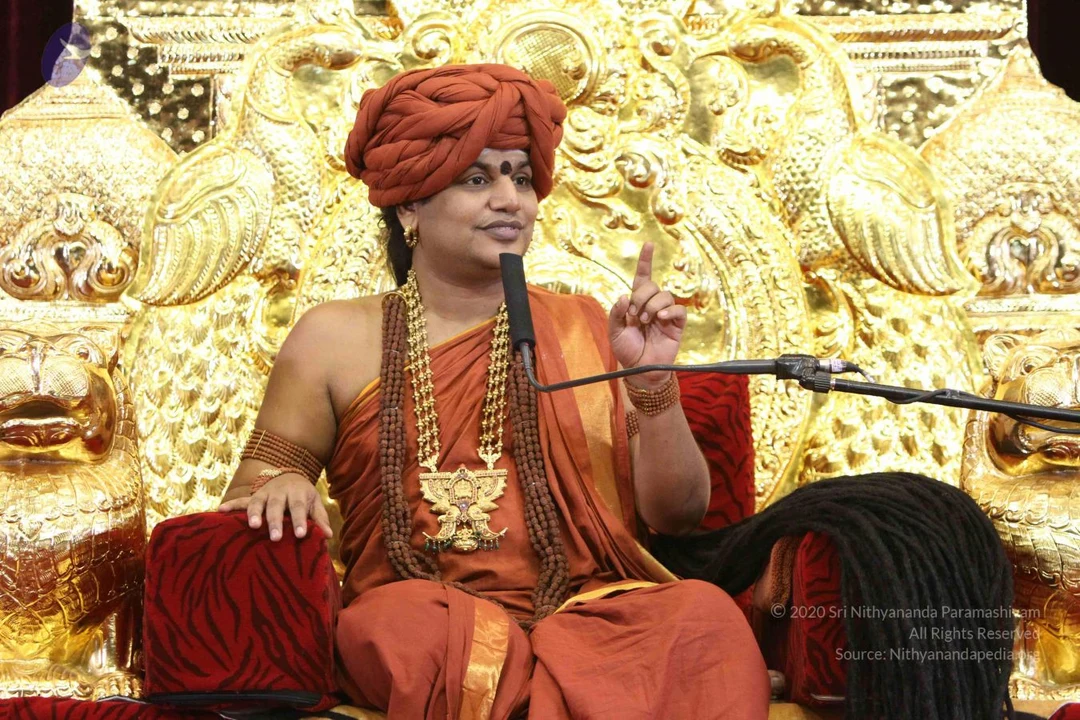
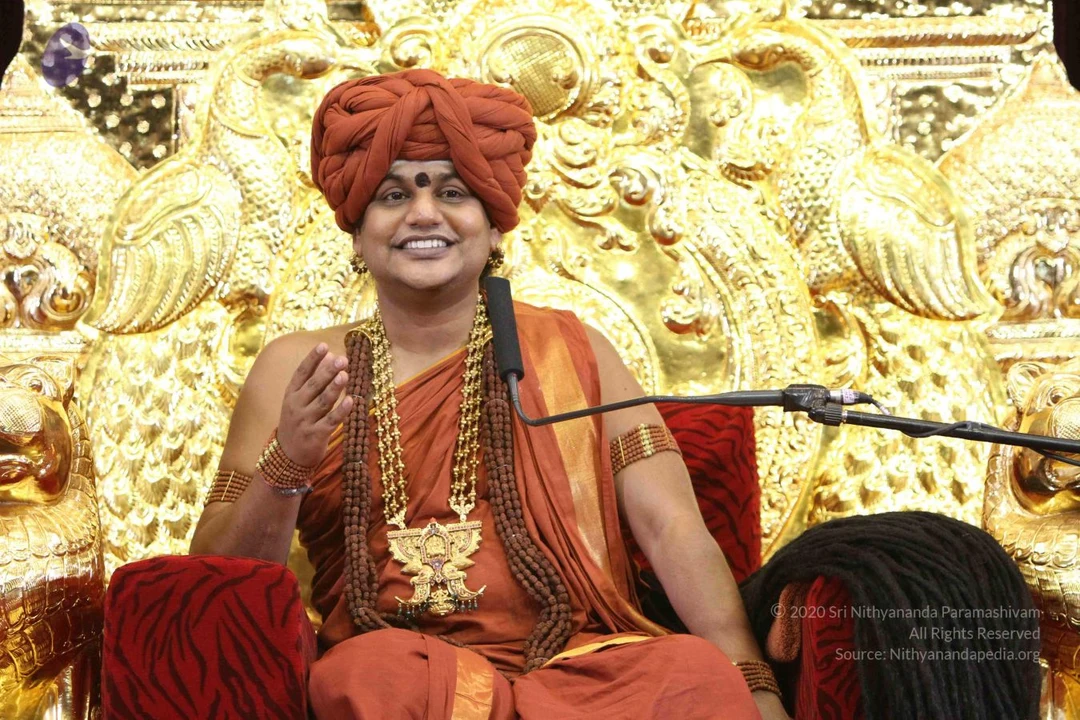
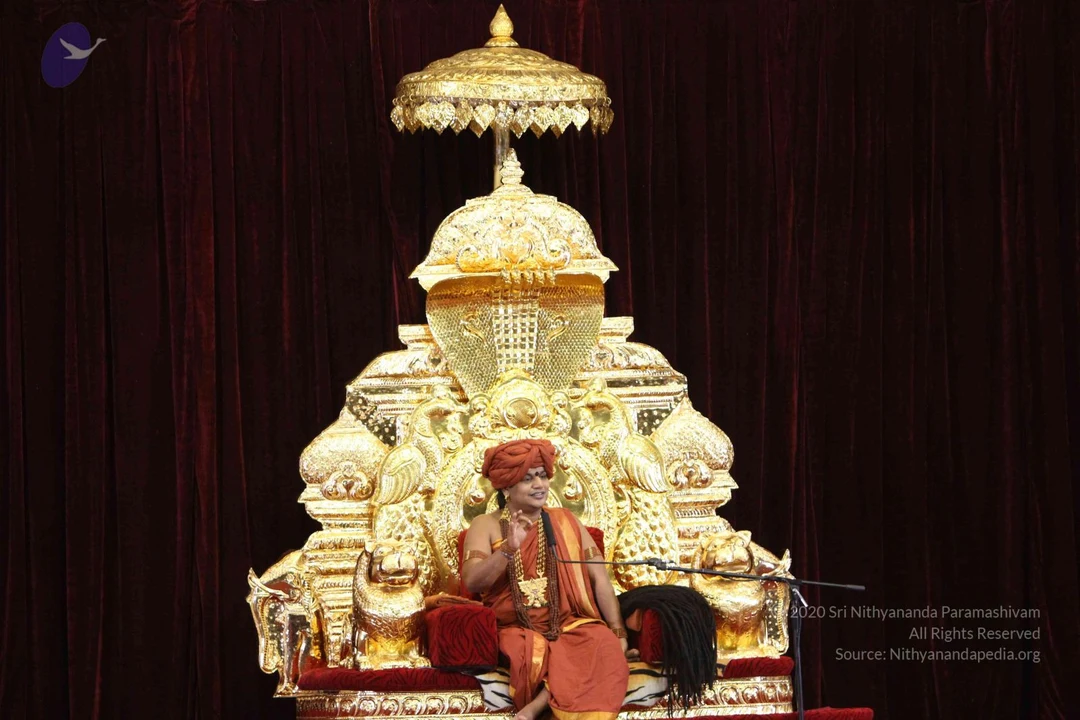
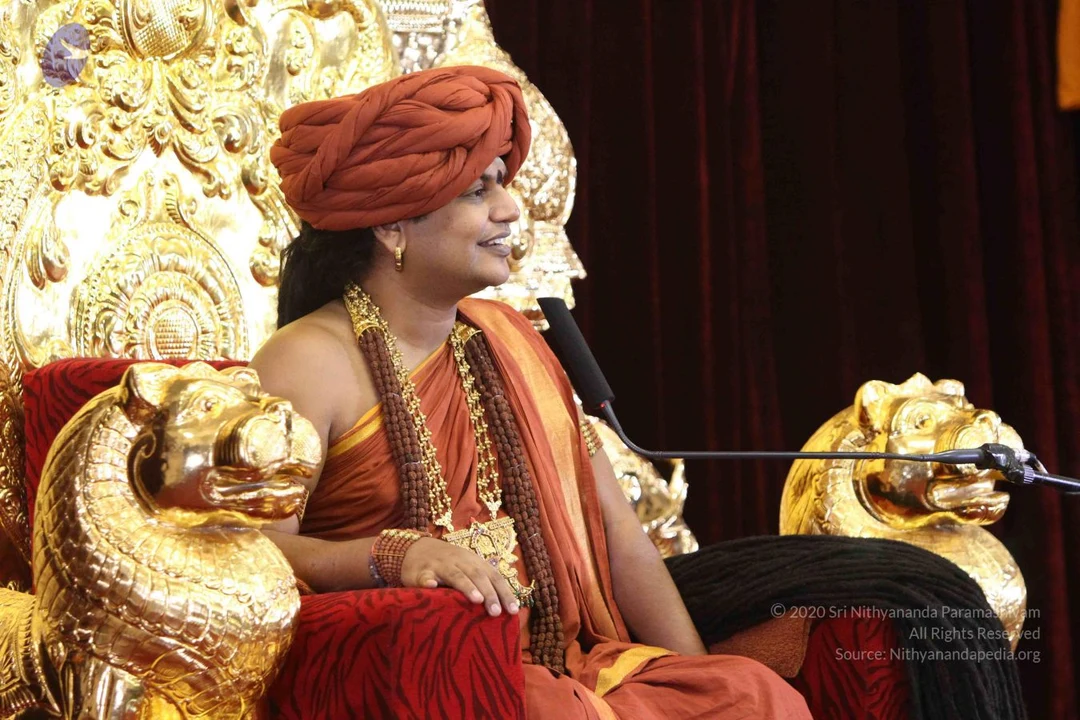
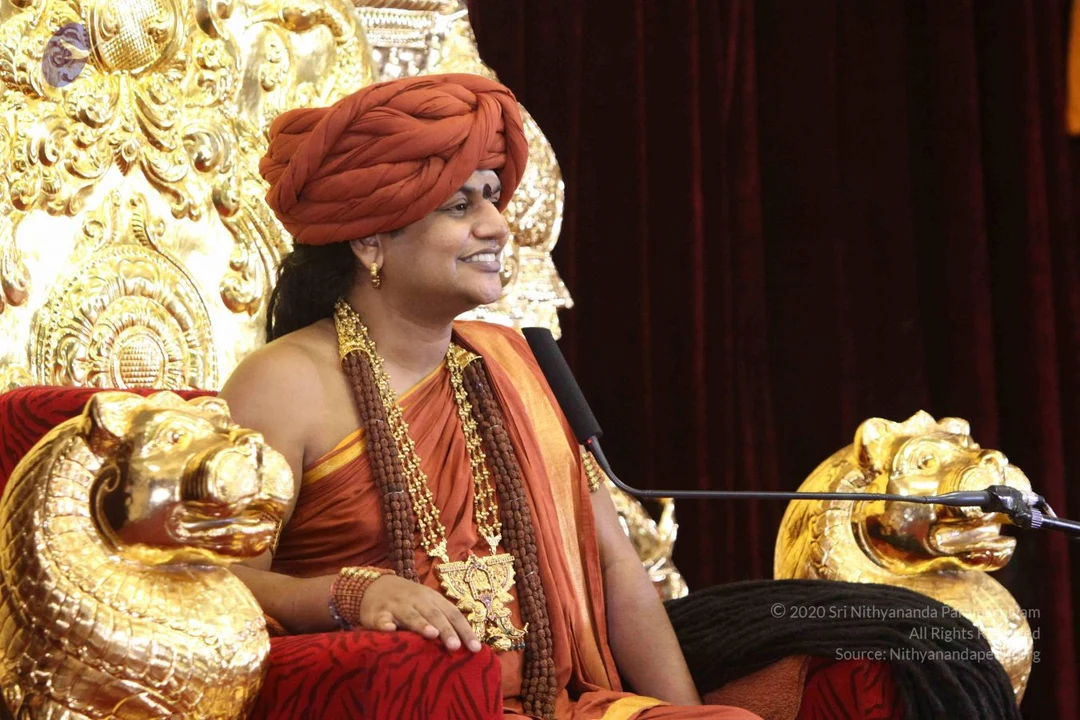
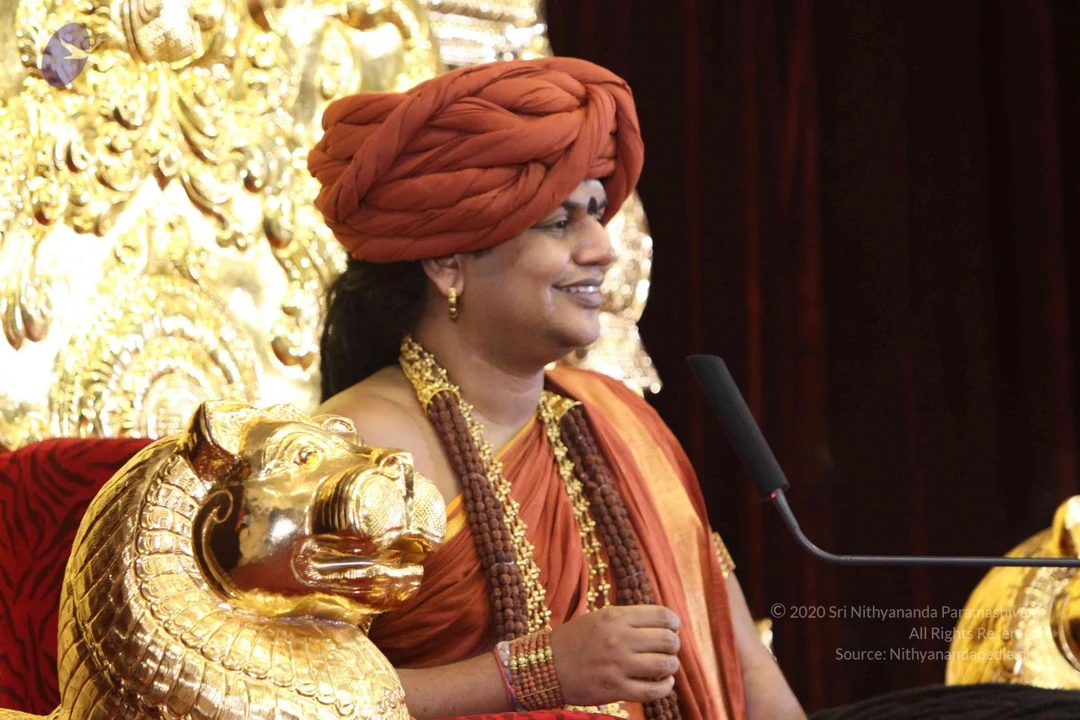
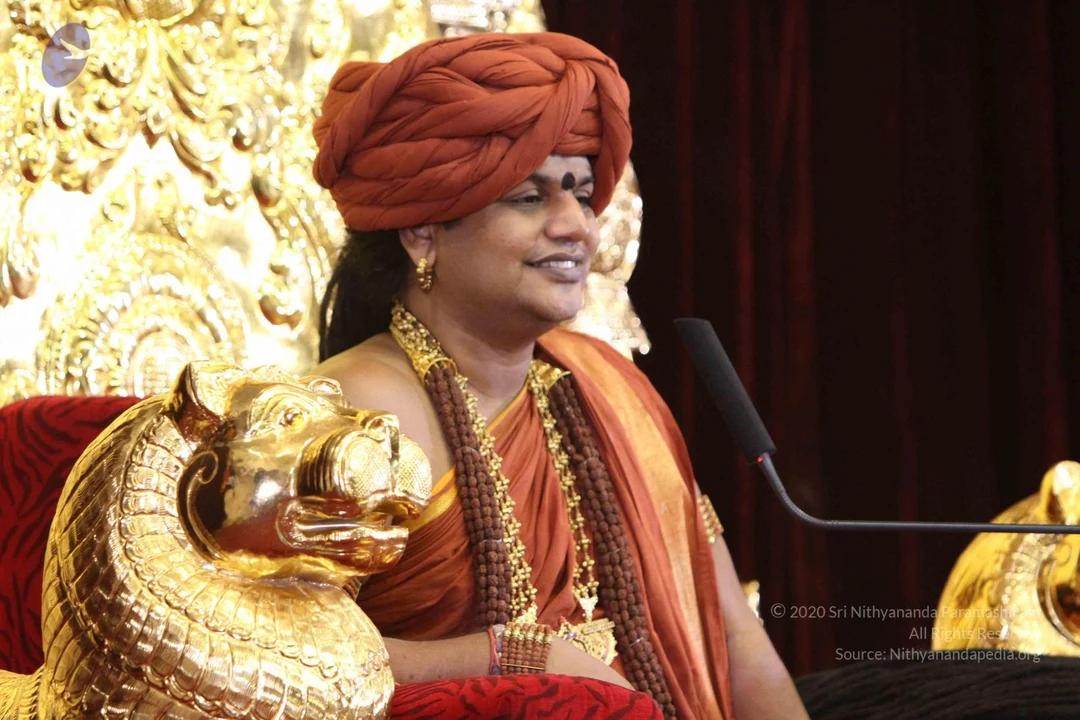
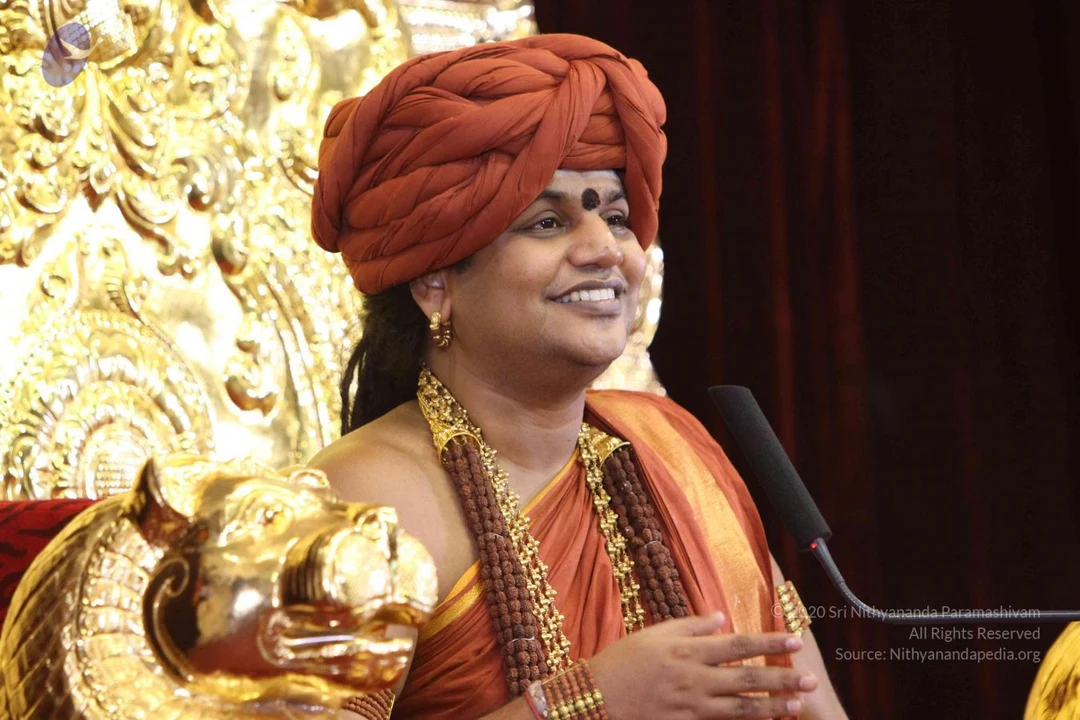
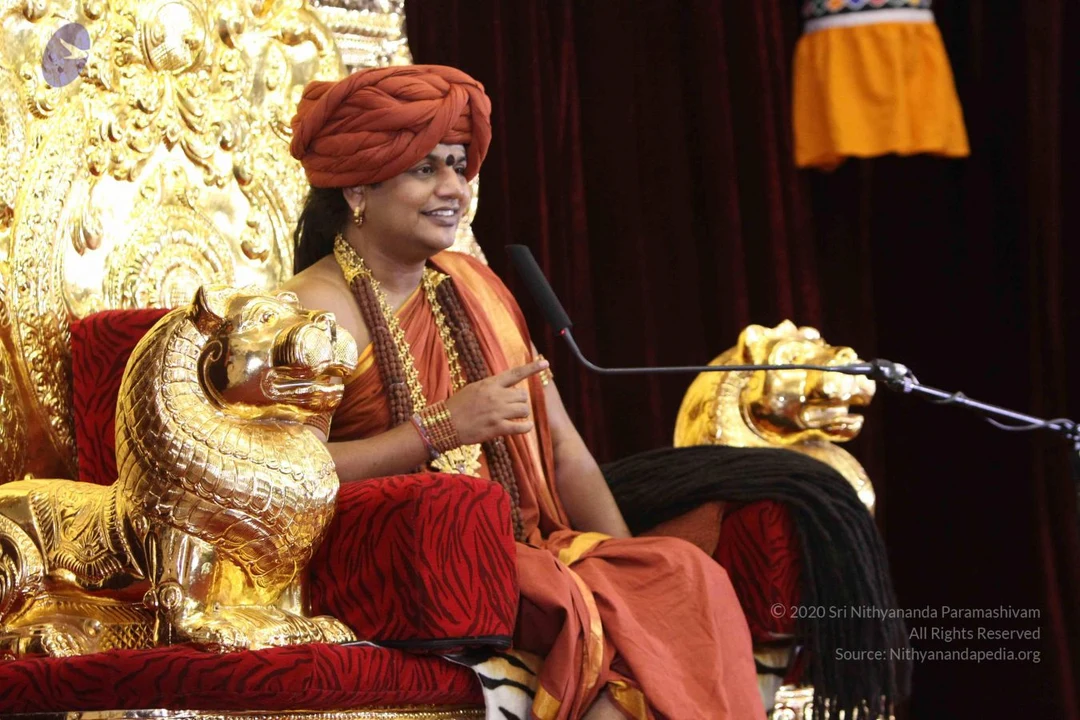
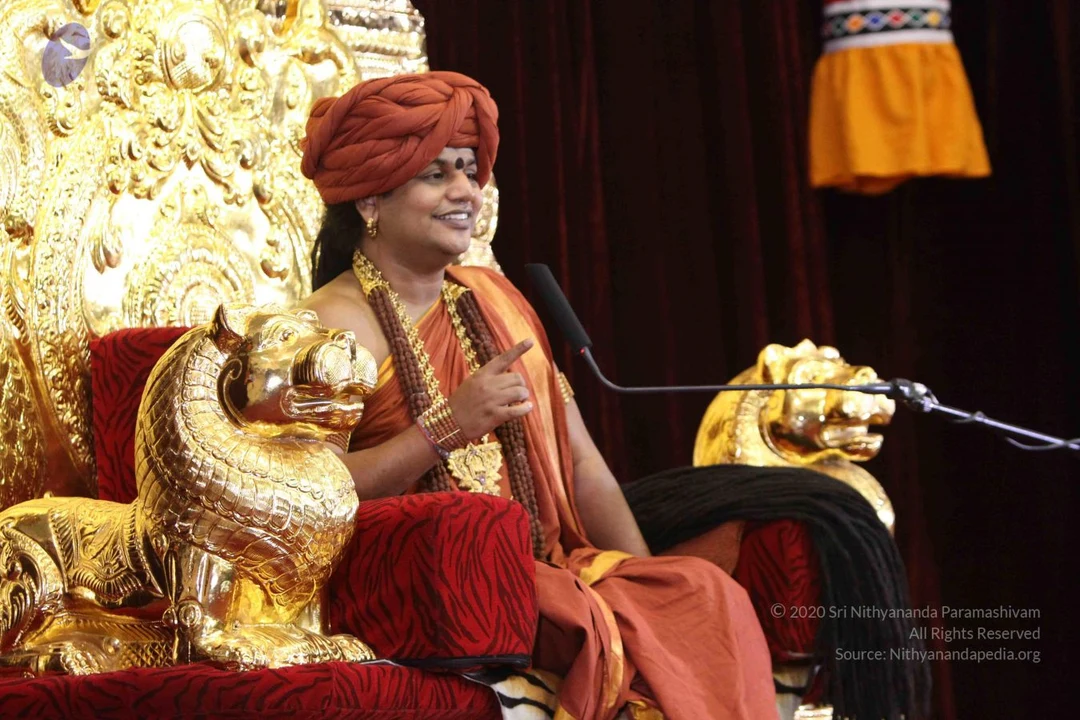
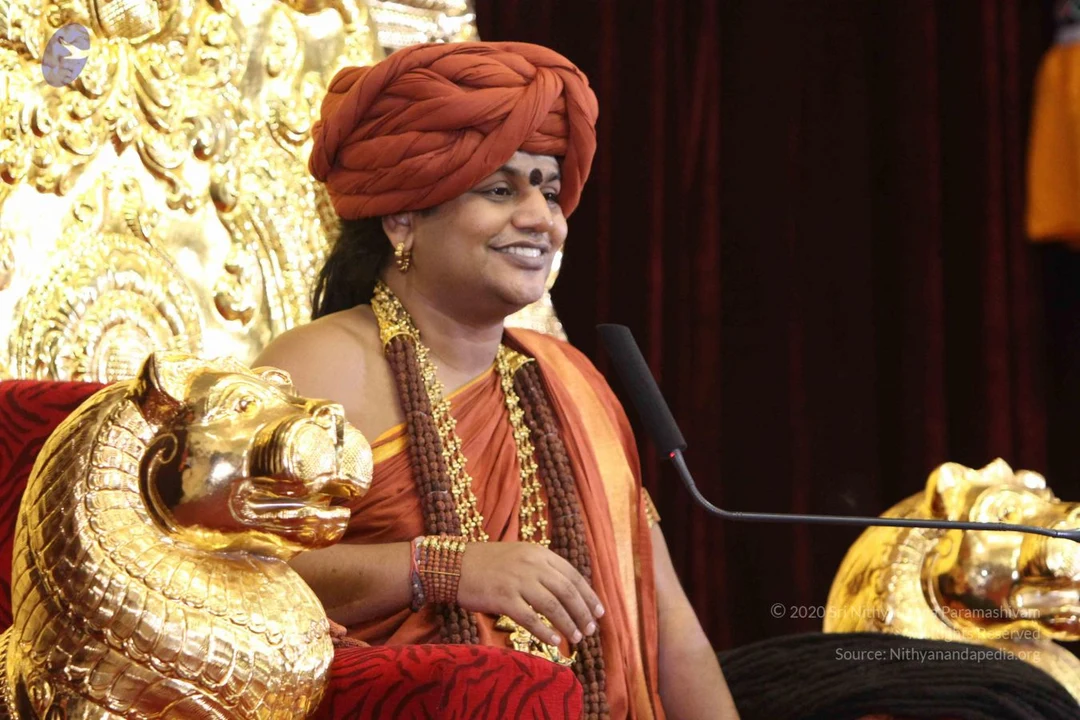
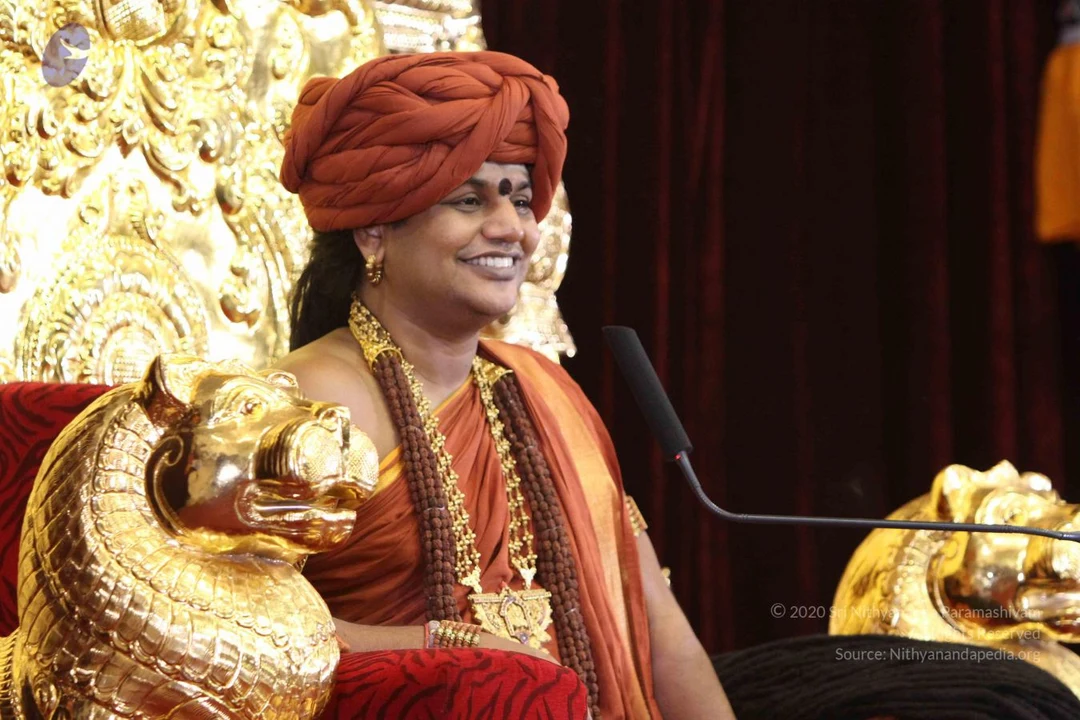
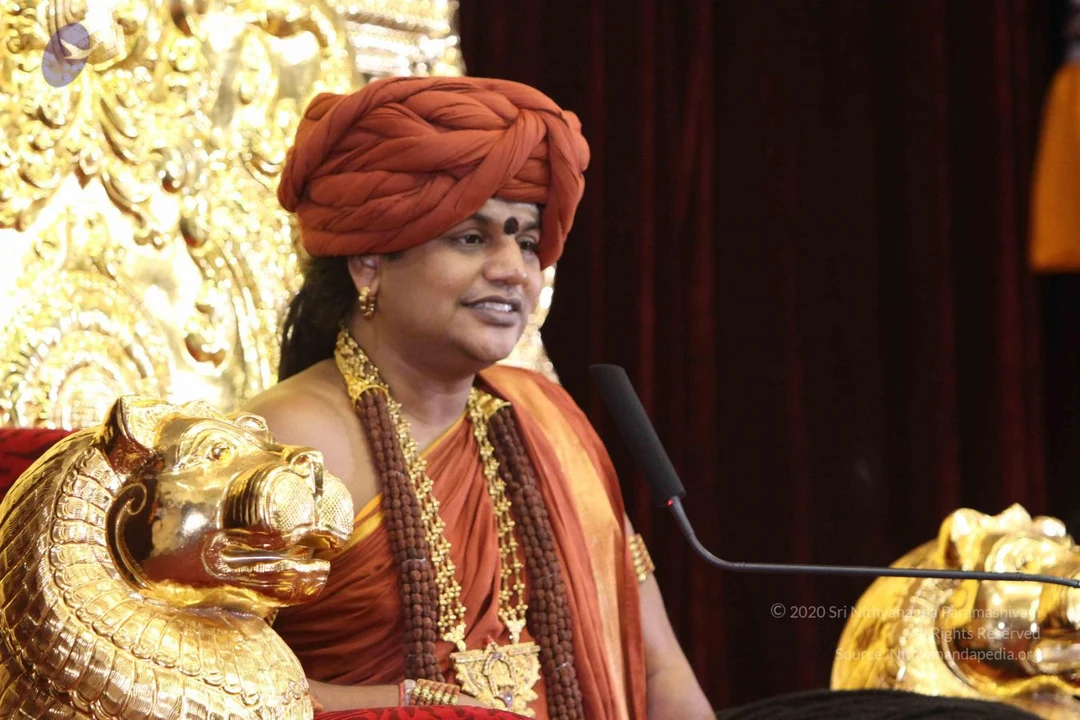
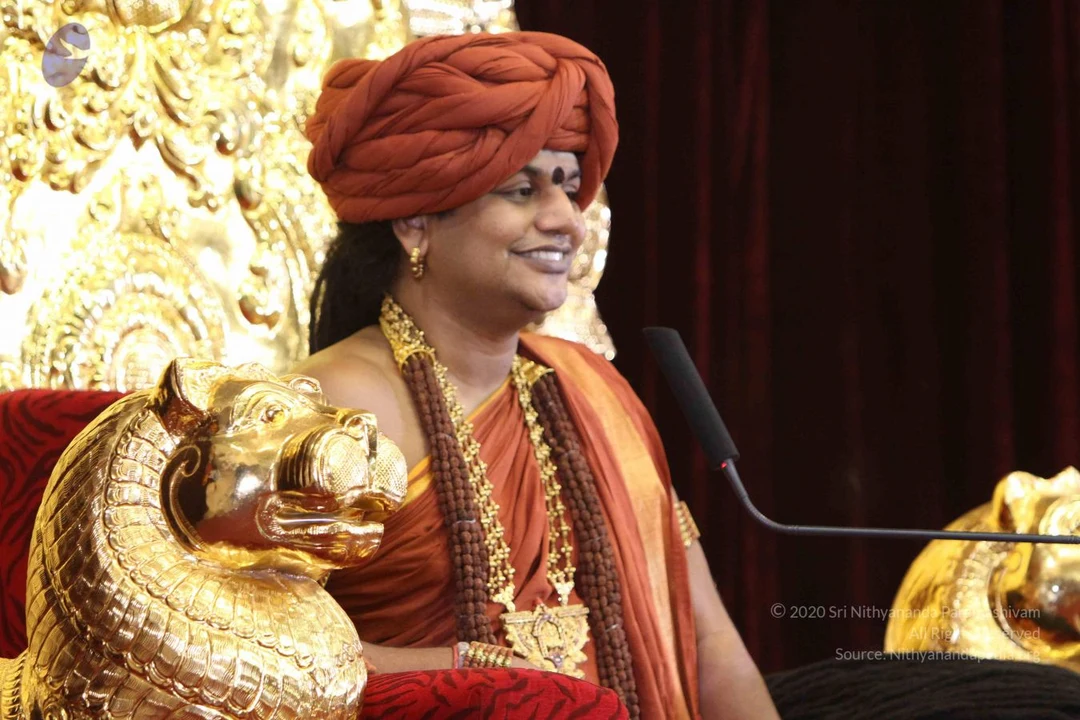
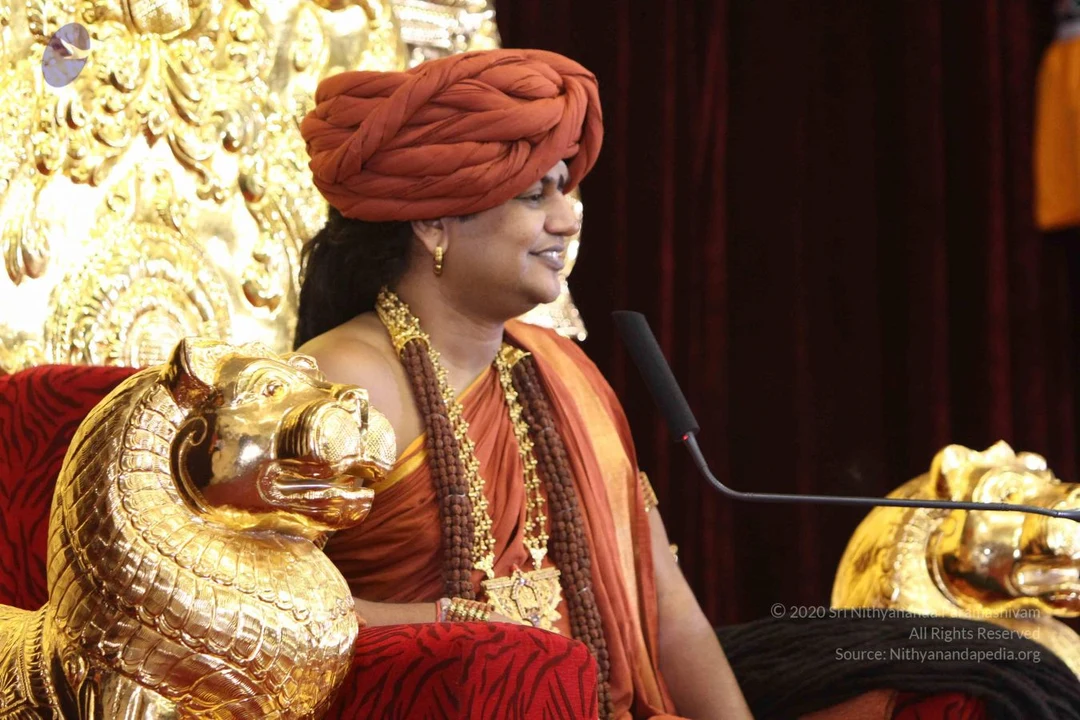
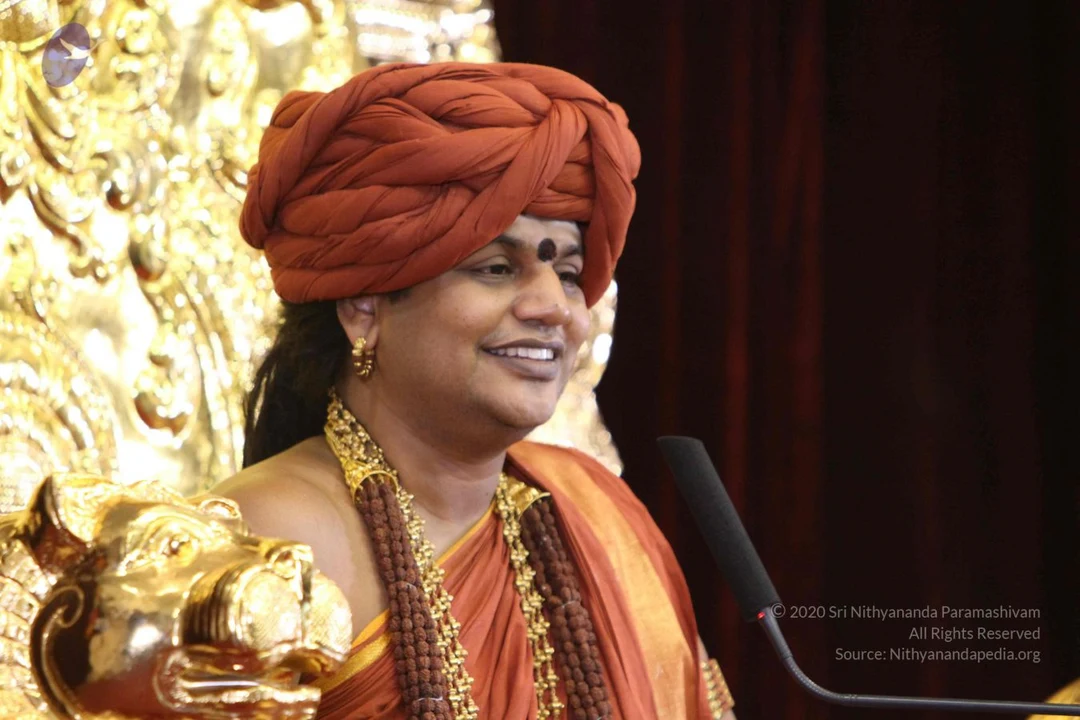
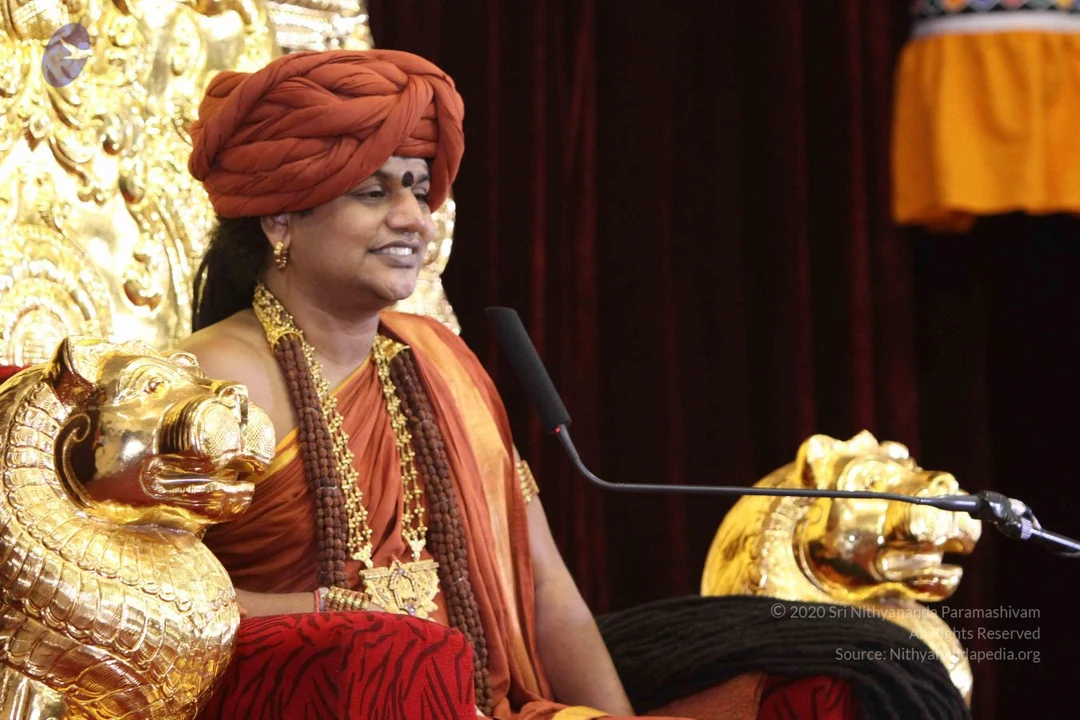
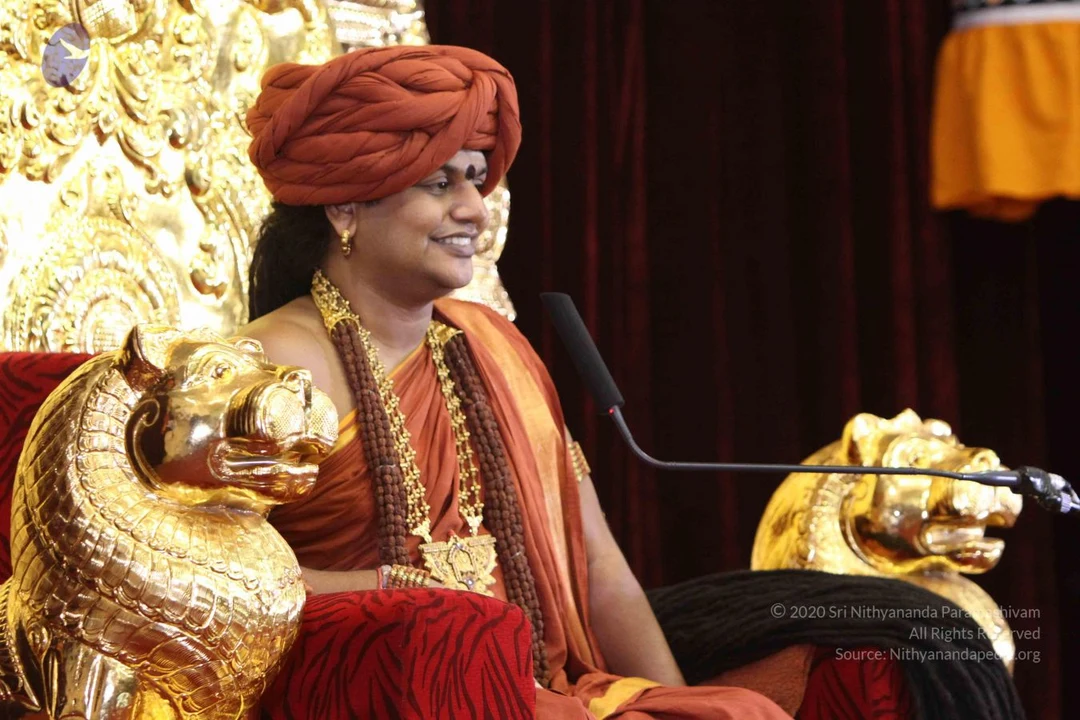
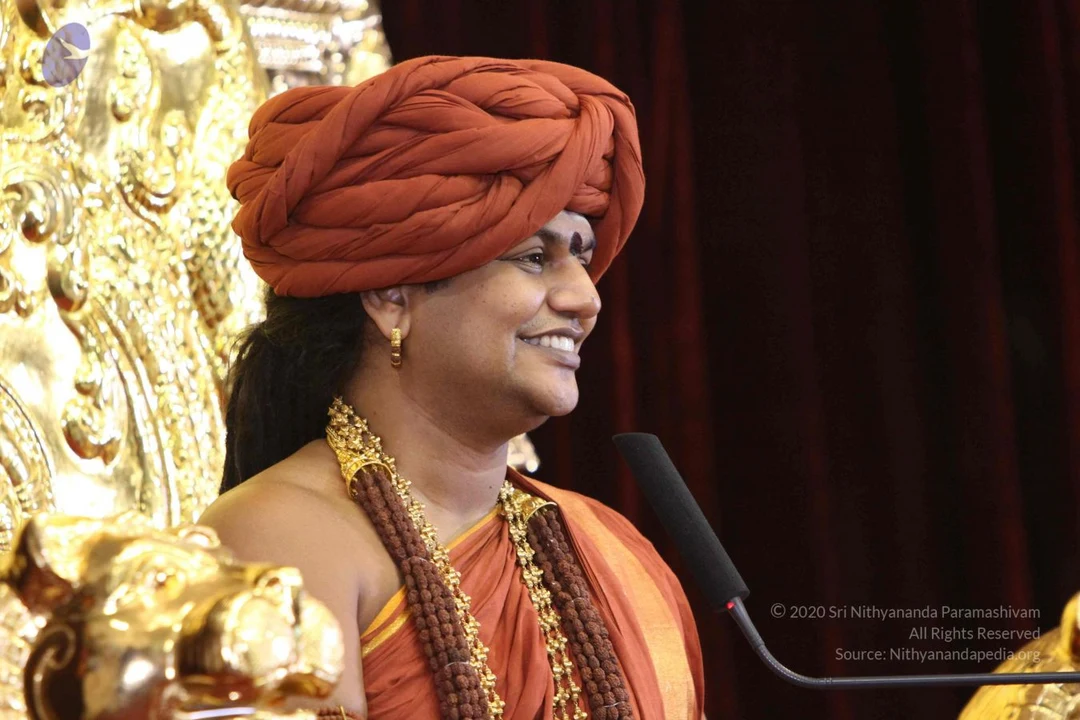
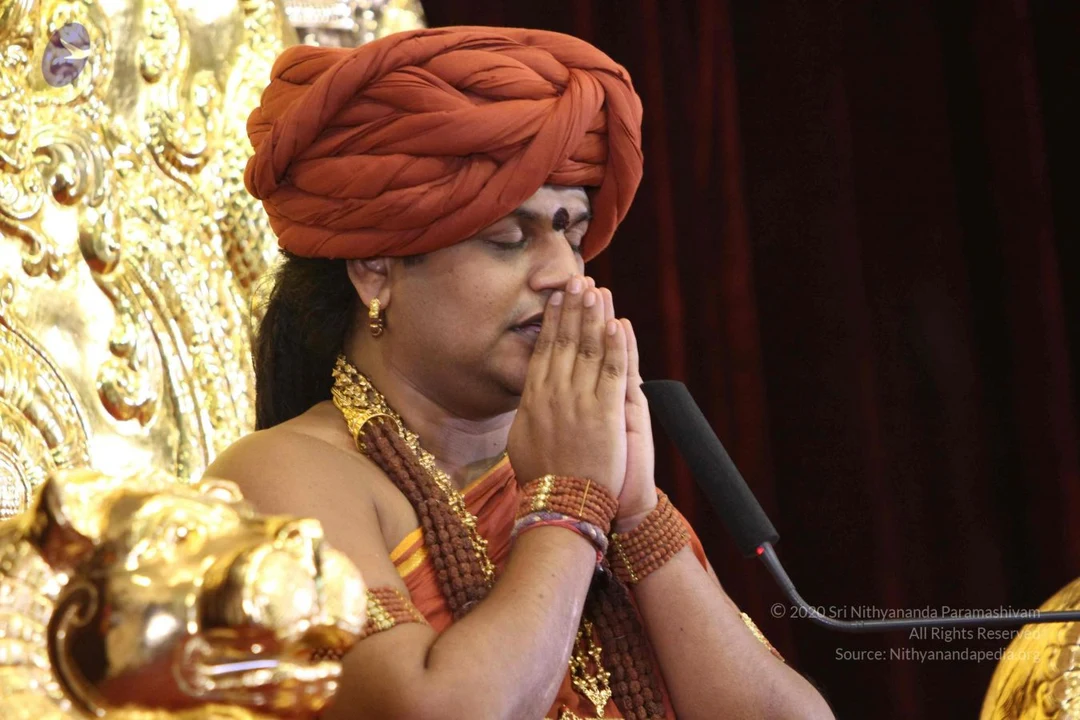
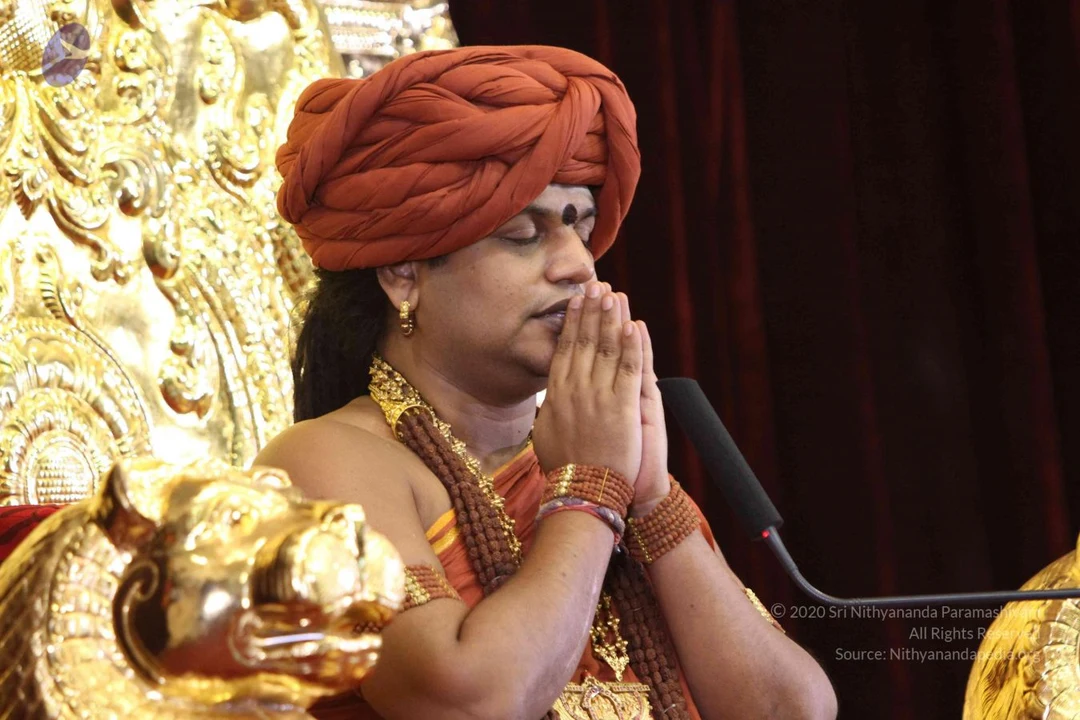
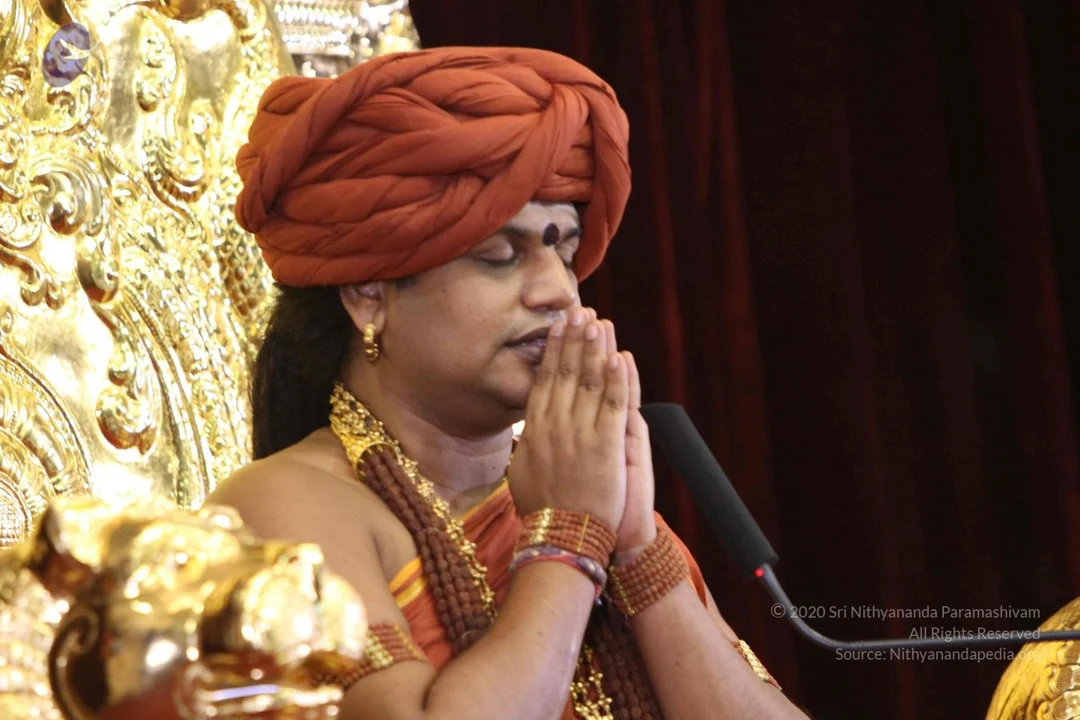
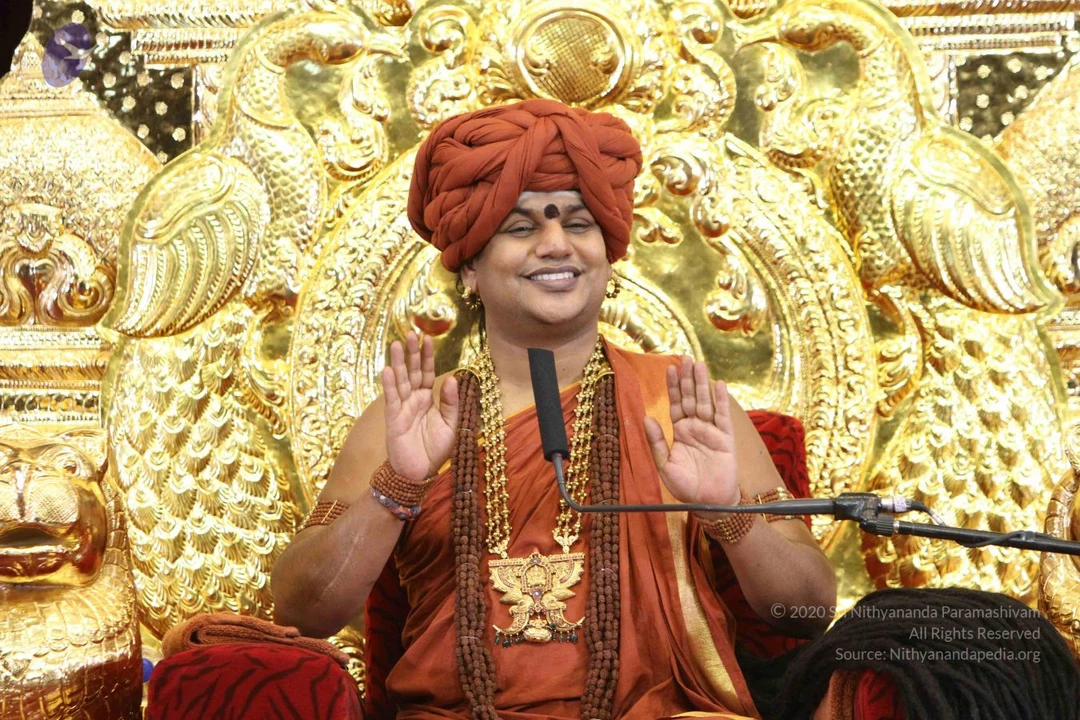
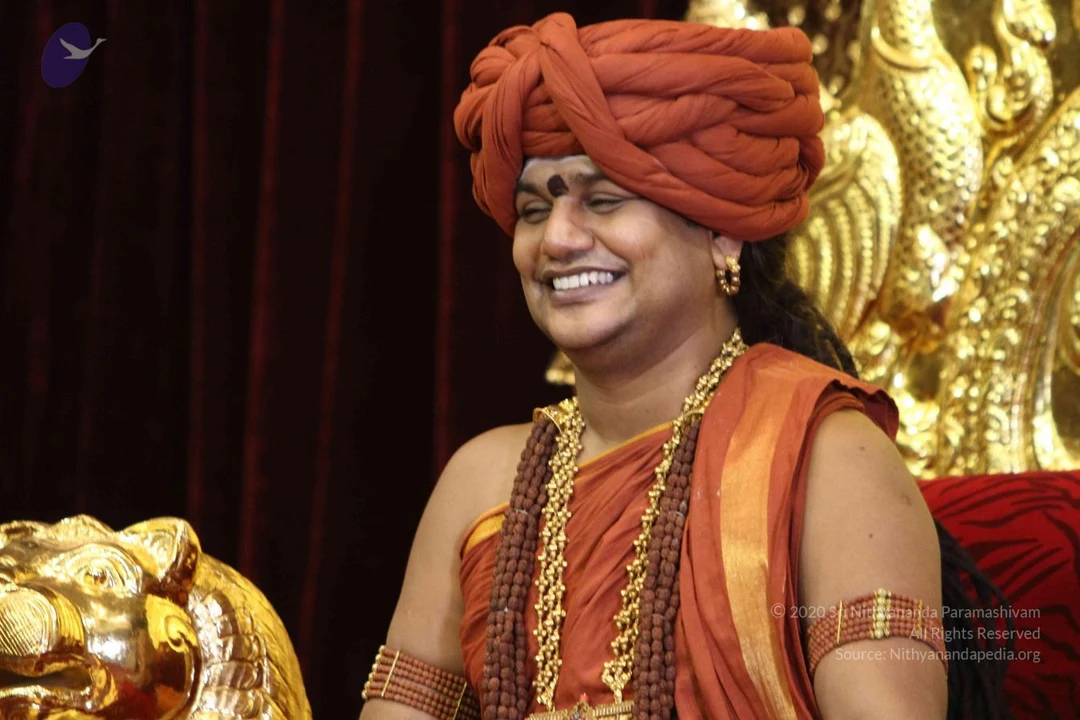
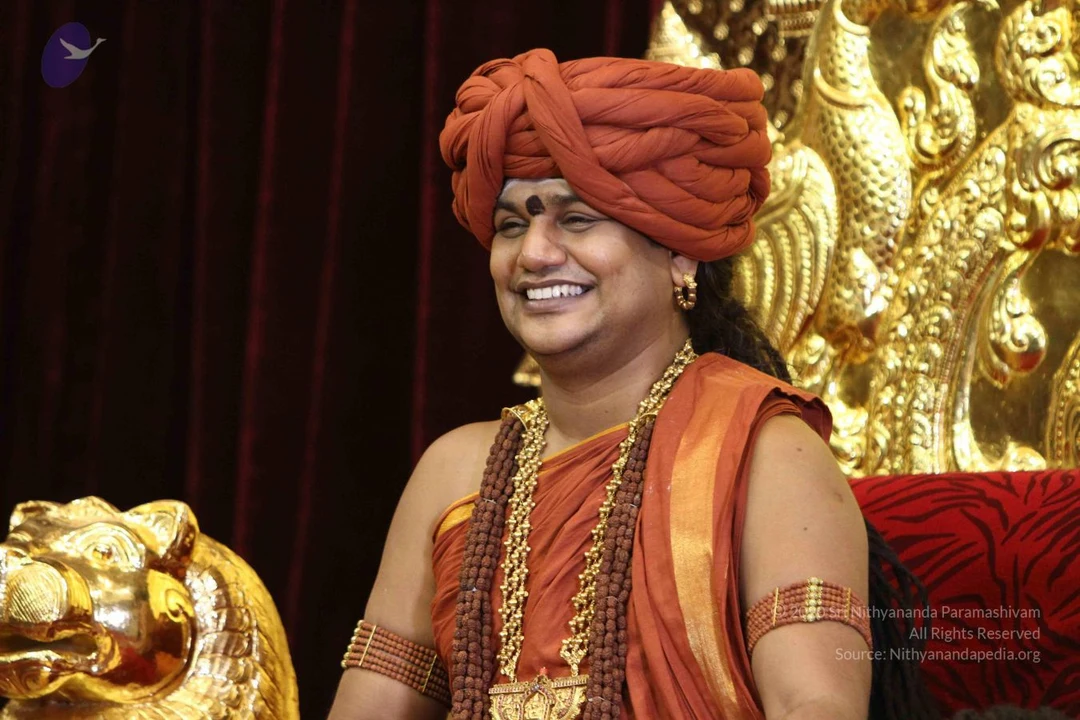
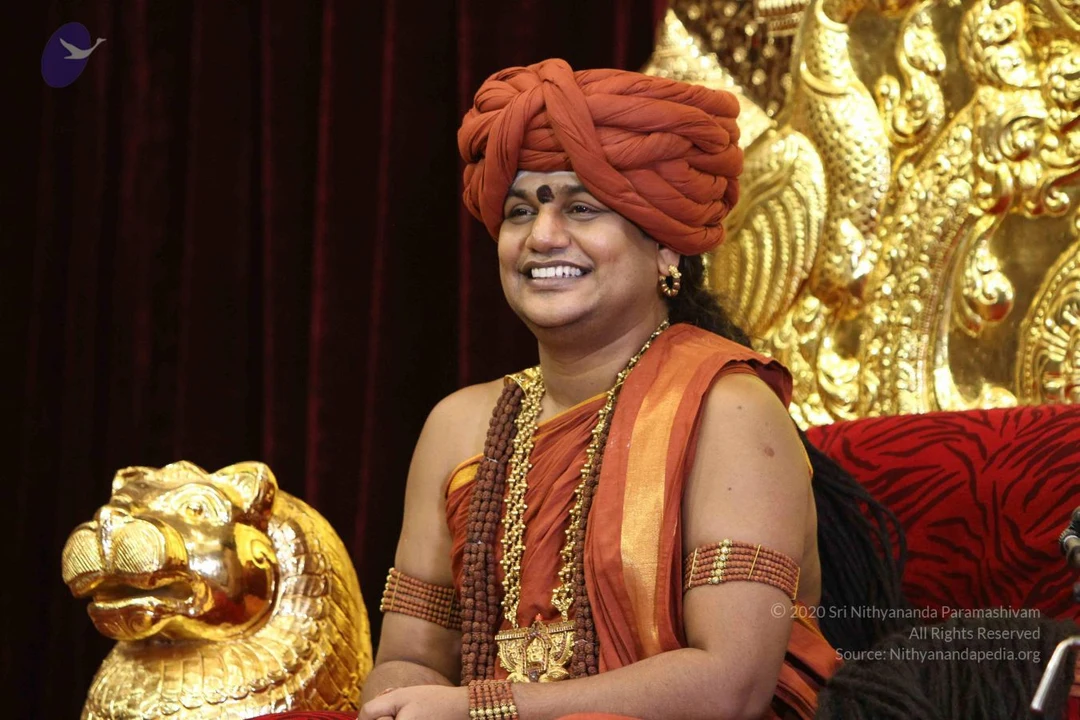
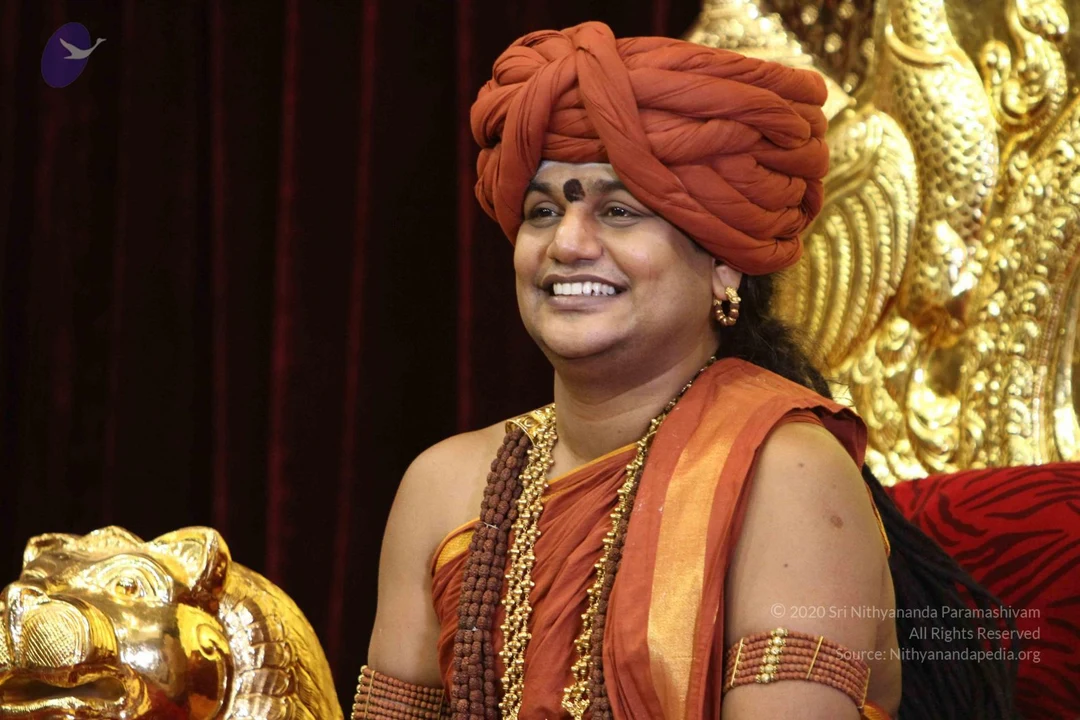
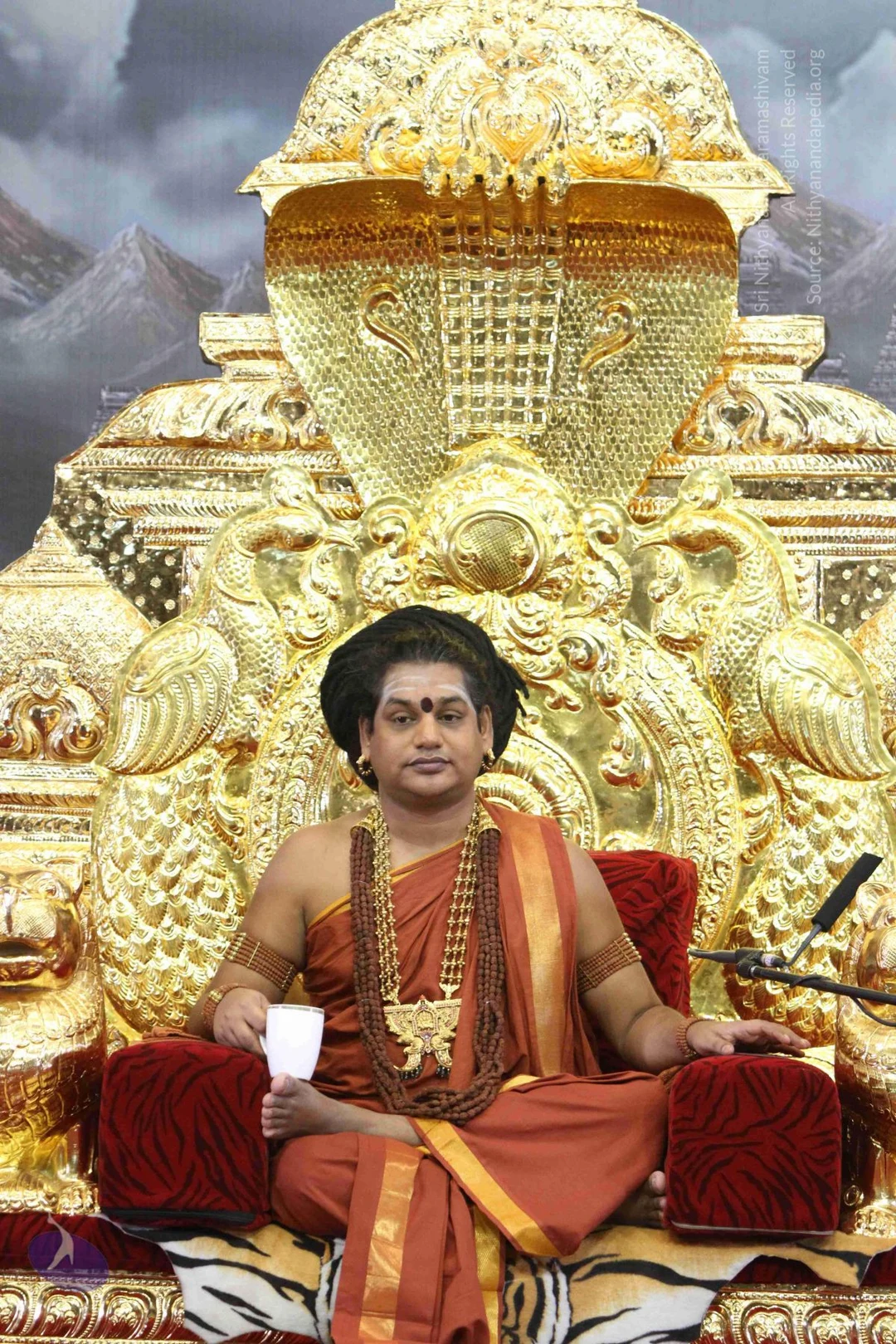
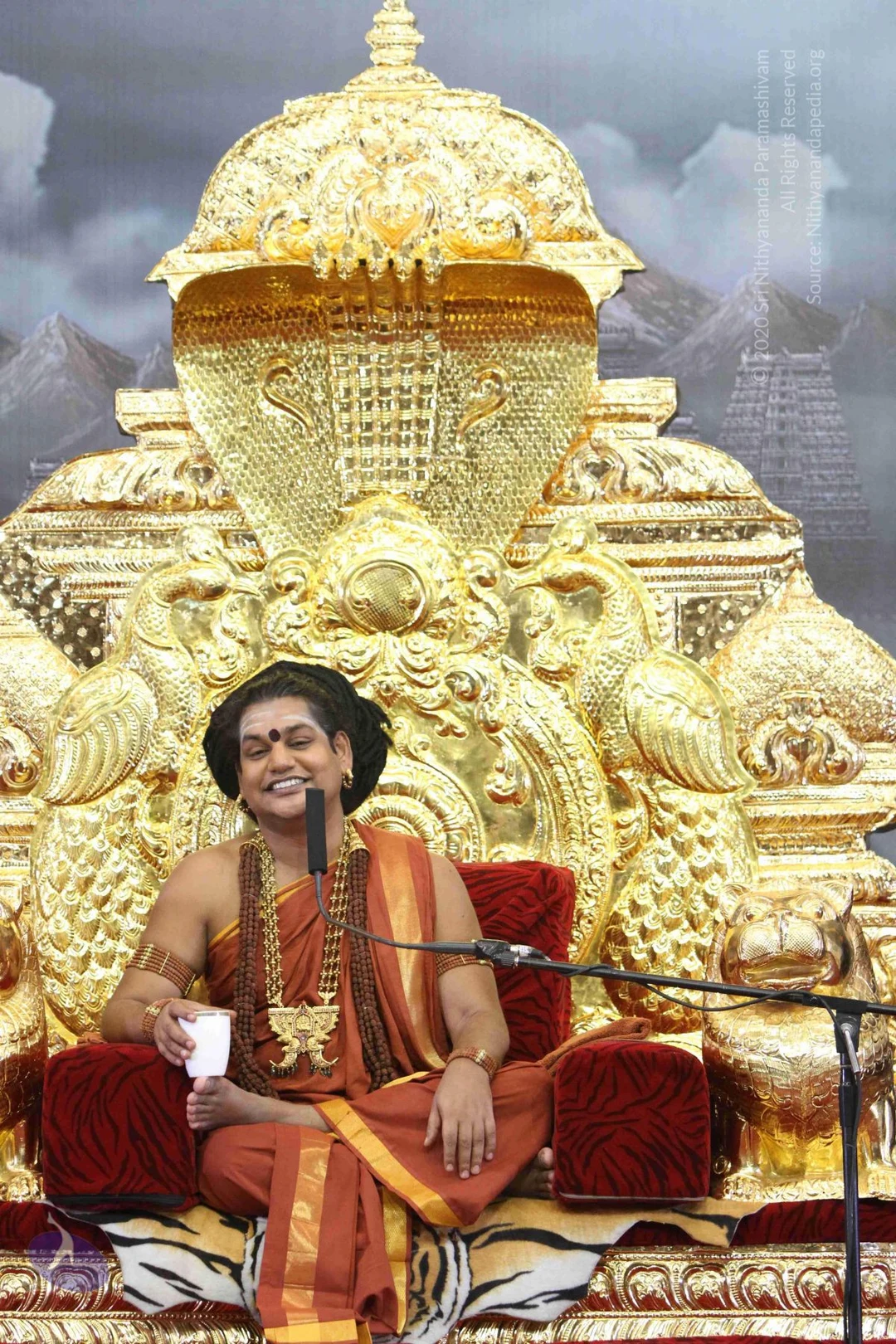
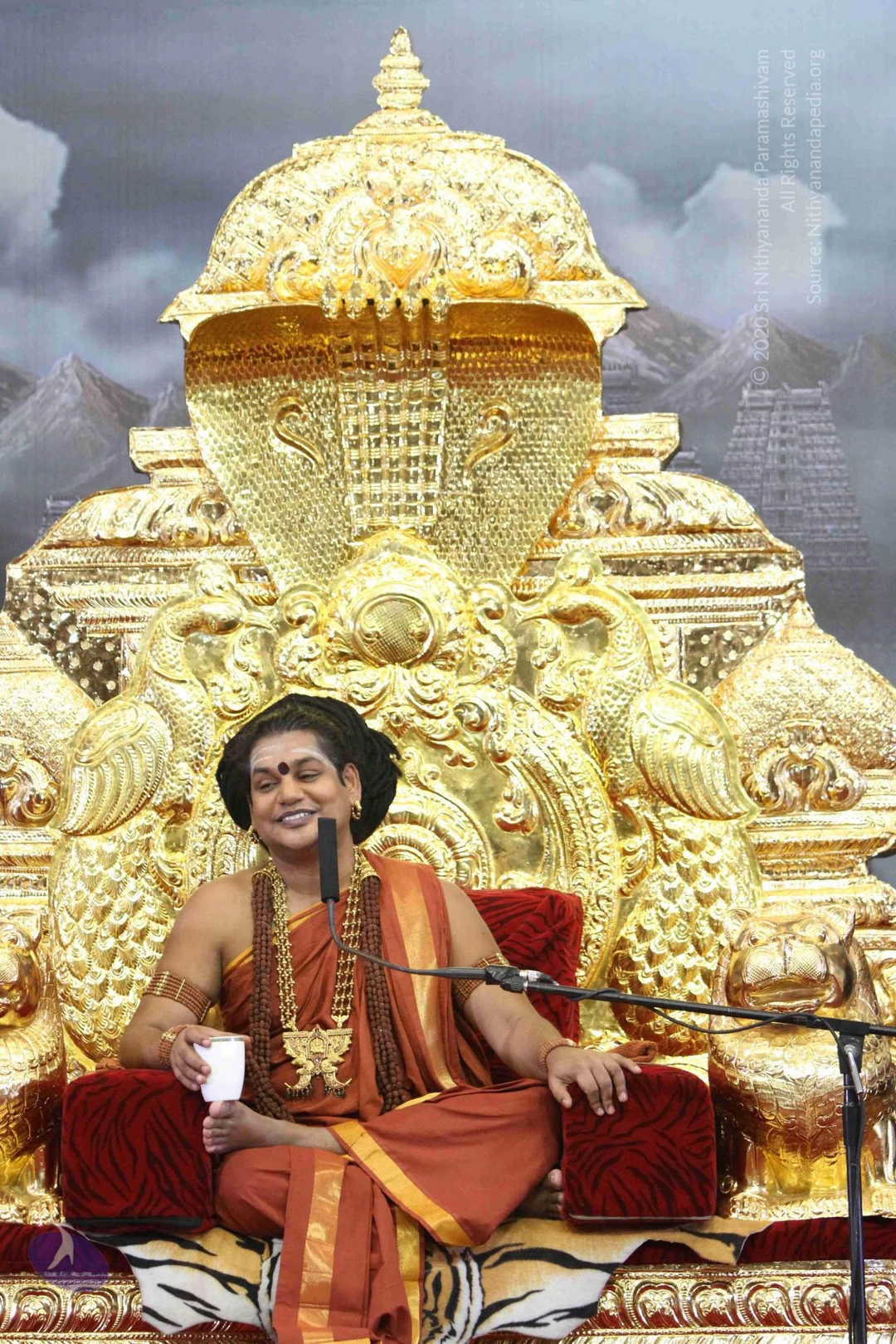
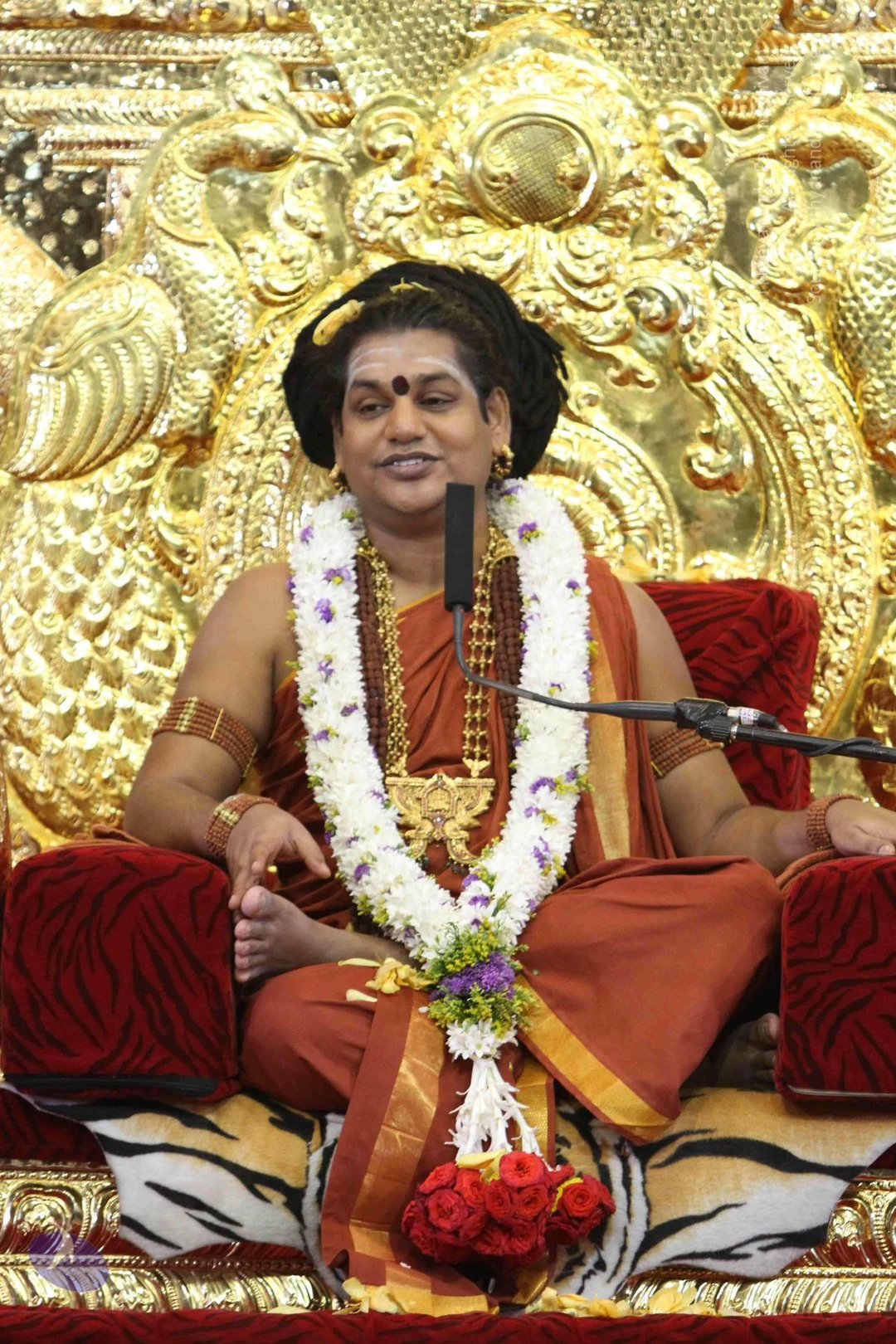
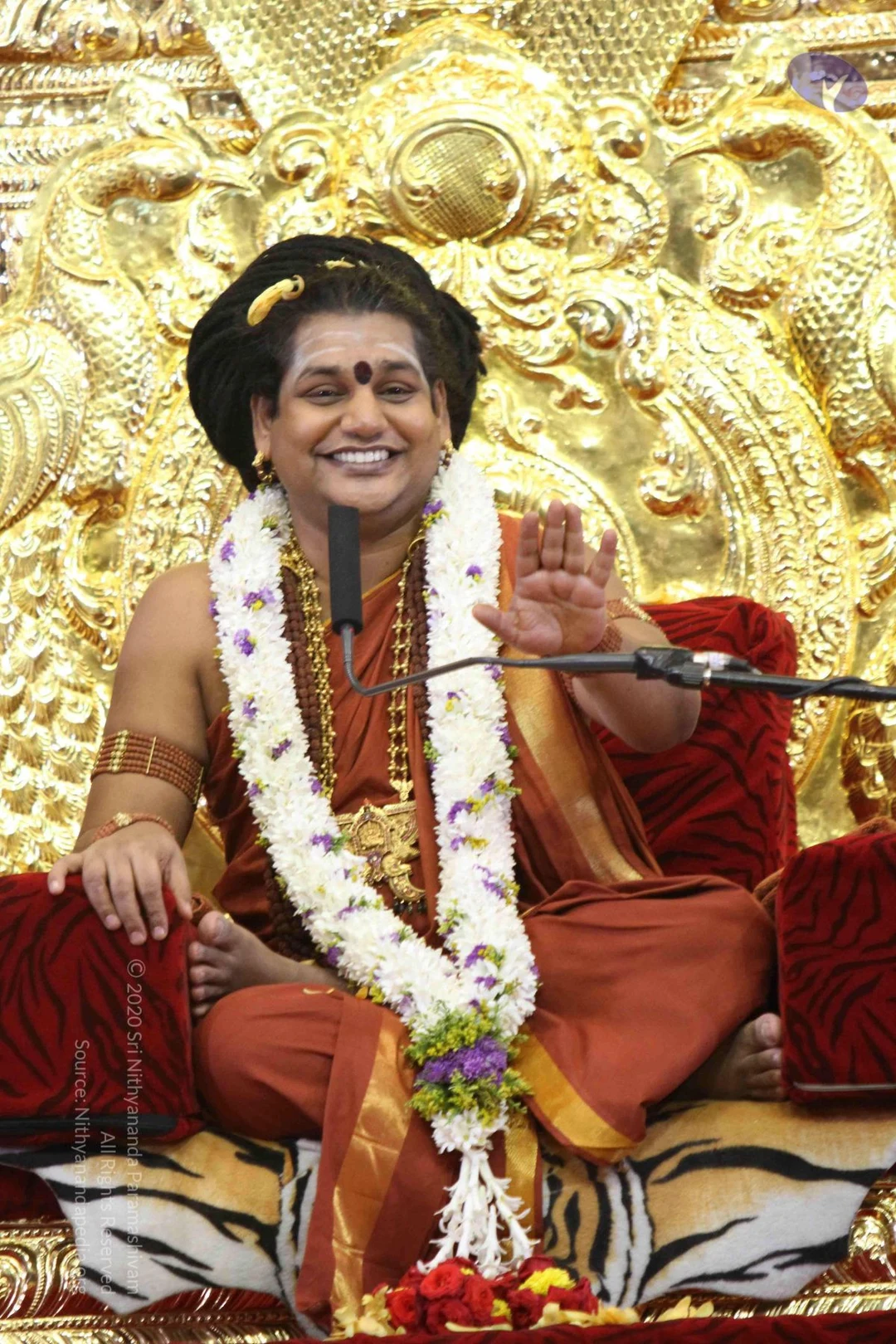
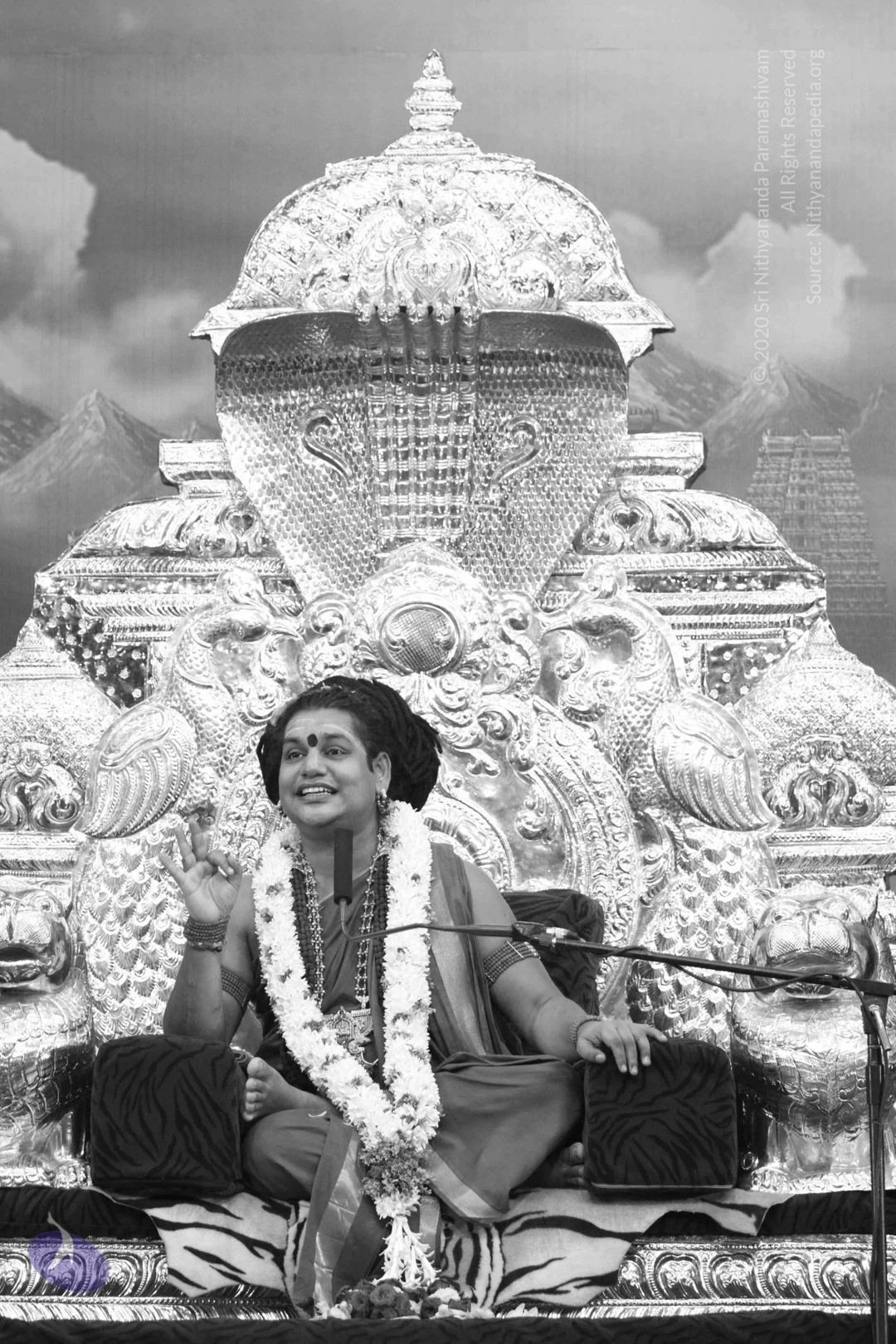
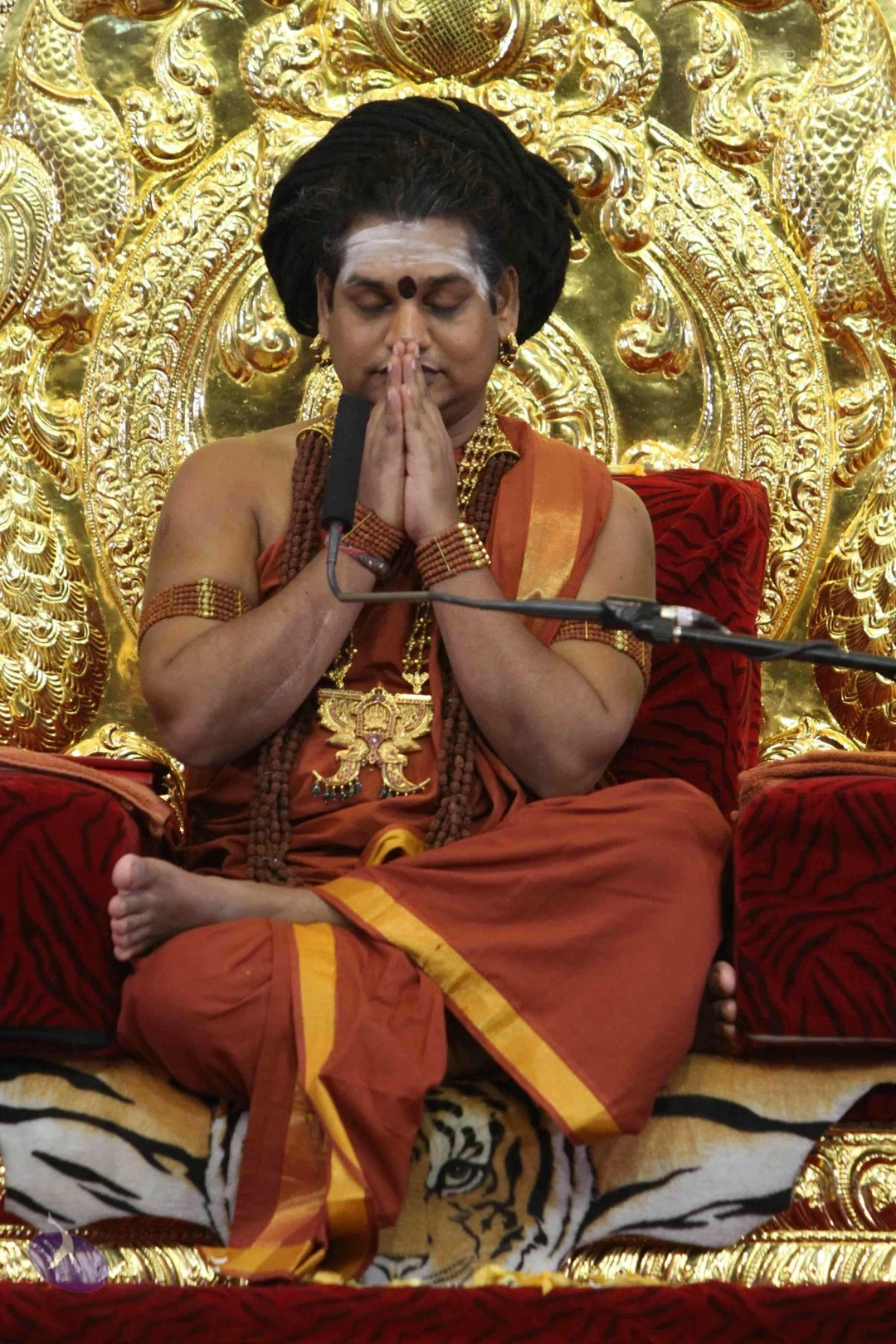
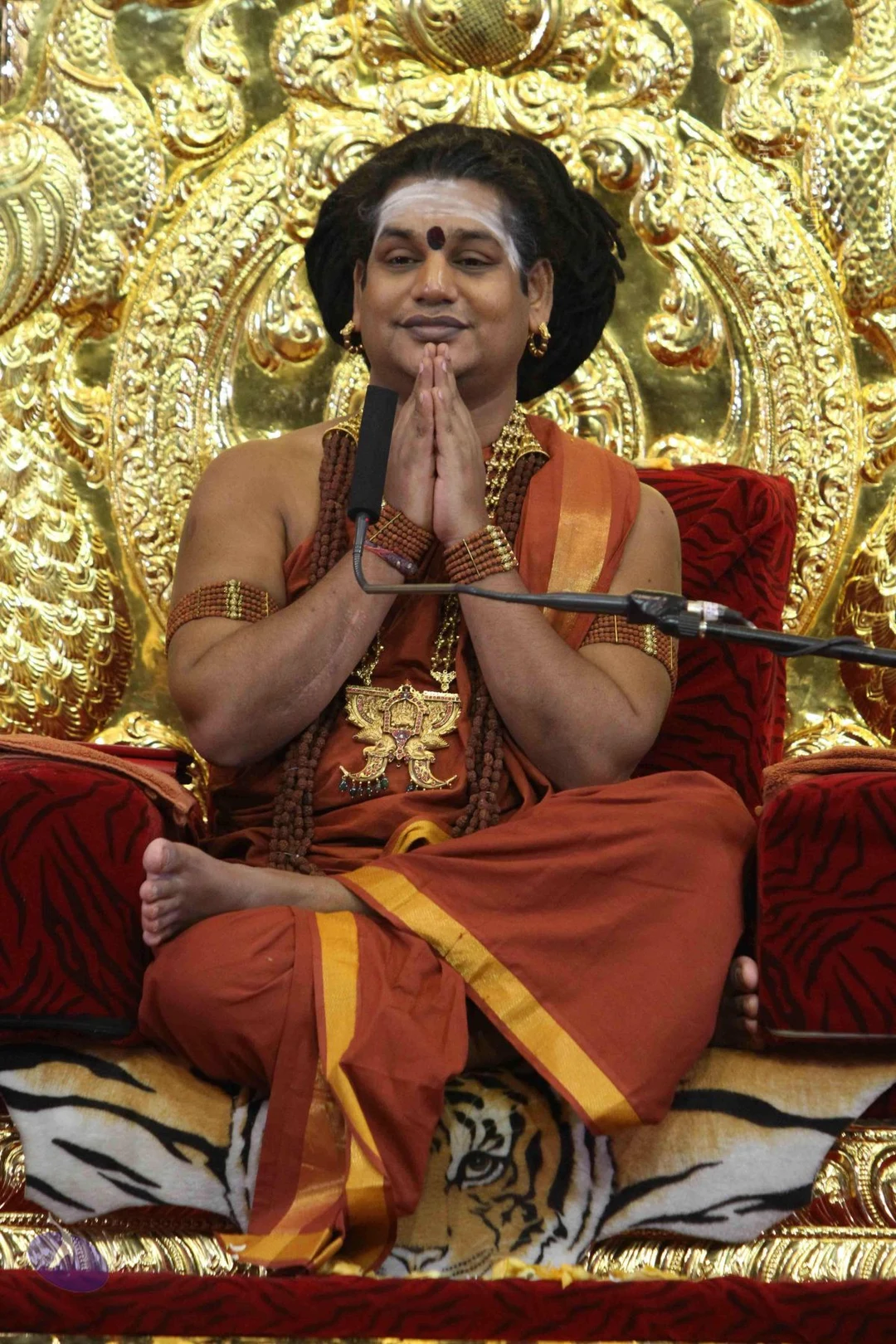
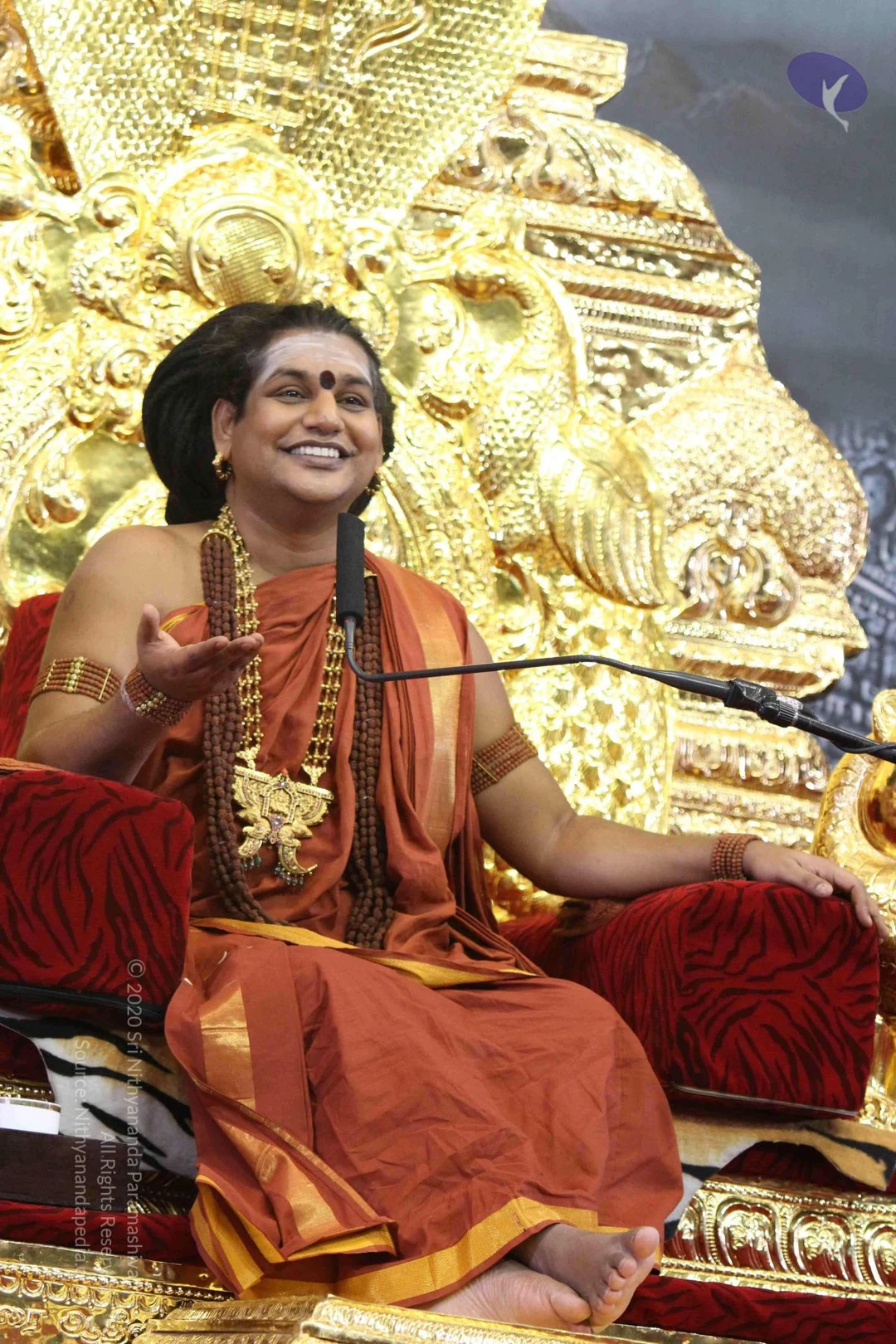
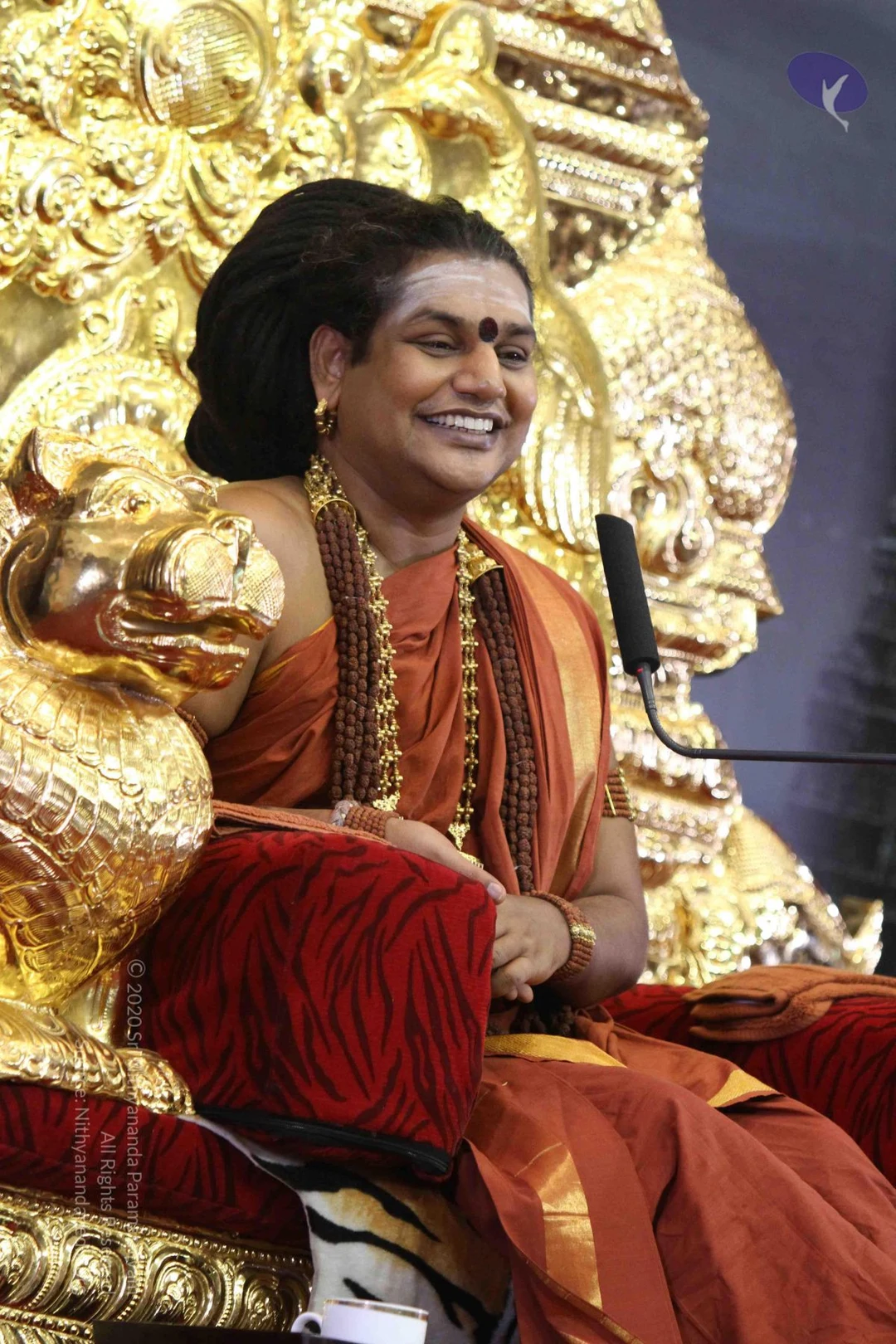
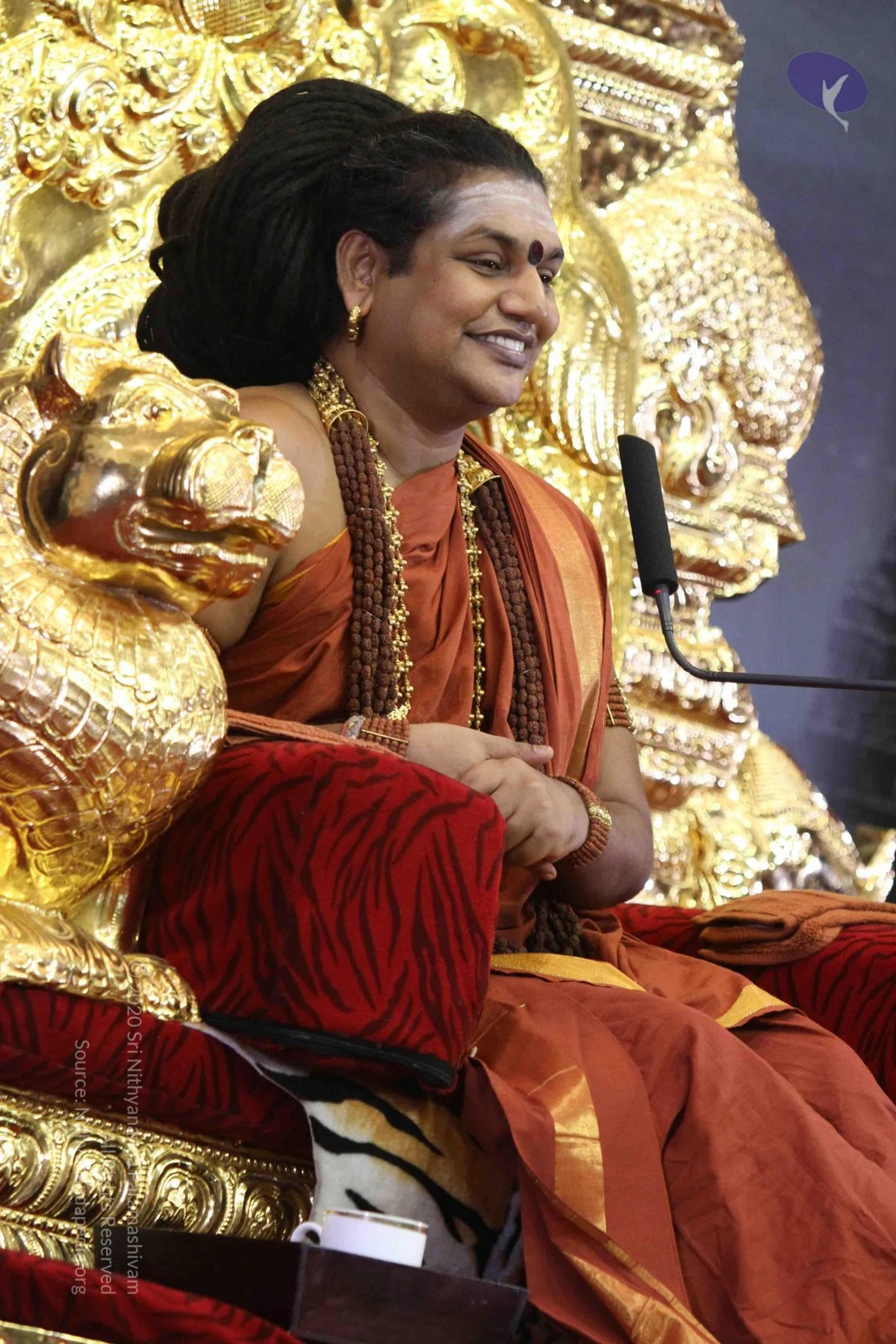
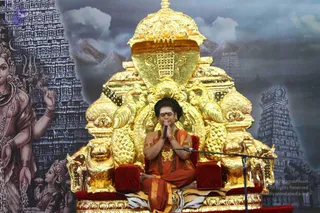
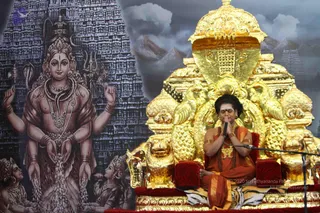
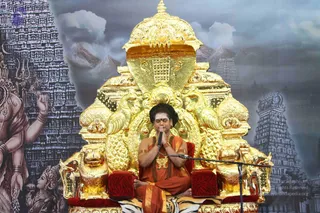
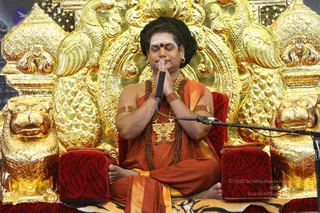
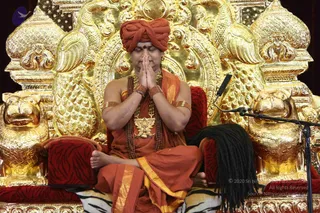
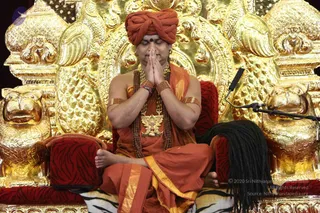
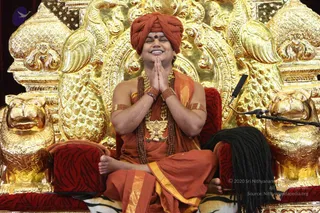
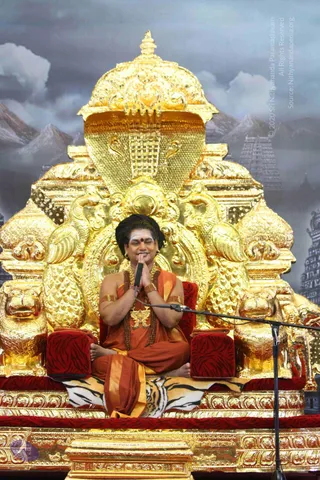
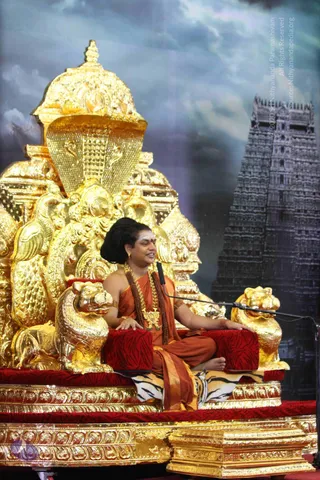
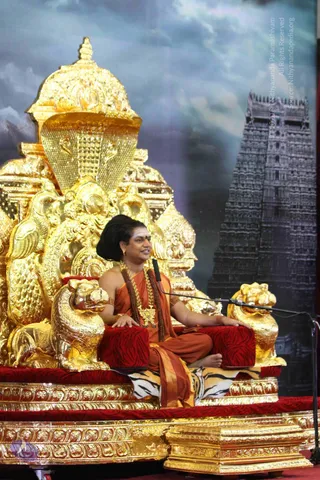
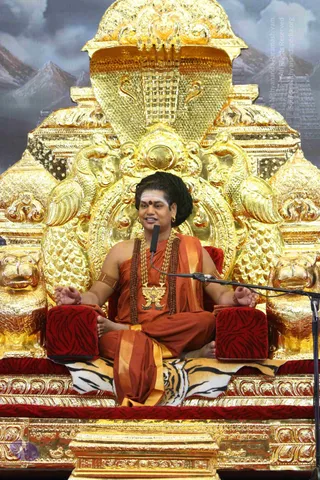
The Supreme Pontiff of Hinduism, Jagatguru Mahasannidhanam, Bhagavan Nithyananda Paramashivam, expounded on the Cosmic Principles of Upanishad during the everyday live public talk - Nithyananda Satsang. In this talk entitled Eternal Life Process - Isa Upanishad Mantra 17, The Supreme Pontiff of Hinduism (SPH) shared that this 17th verse of the Isa Upanishad is one of the most powerful spiritual practices given which He named as the “Eternal Life Process.” He explained that if you do this process while still alive, you will master this process during the time you leave the body and it will naturally make you enlightened where you will live the Eternal Life in the Cosmic Space. The SPH gave His own life example when He practiced this sitting in the Manikarnika Ghat in Varanasi and emphasised the need to remember the need of Enlightenment , merging into the Cosmos during the death process, and not getting distracted by small things like wanting pizza or curd rice. The need to remind yourself, He said, is Completion and the need to remind the Cosmos about your goal is prayer.
Video and Audio - Eternal Life Process - Isa Upanishad Mantra 17
| Video | Audio |
Transcript
(0:20)
nithyānandeśvara samārambhām nithyānandeśvari madhyamām | asmat āchārya paryantām vande guru paramparām ||
(0:44)
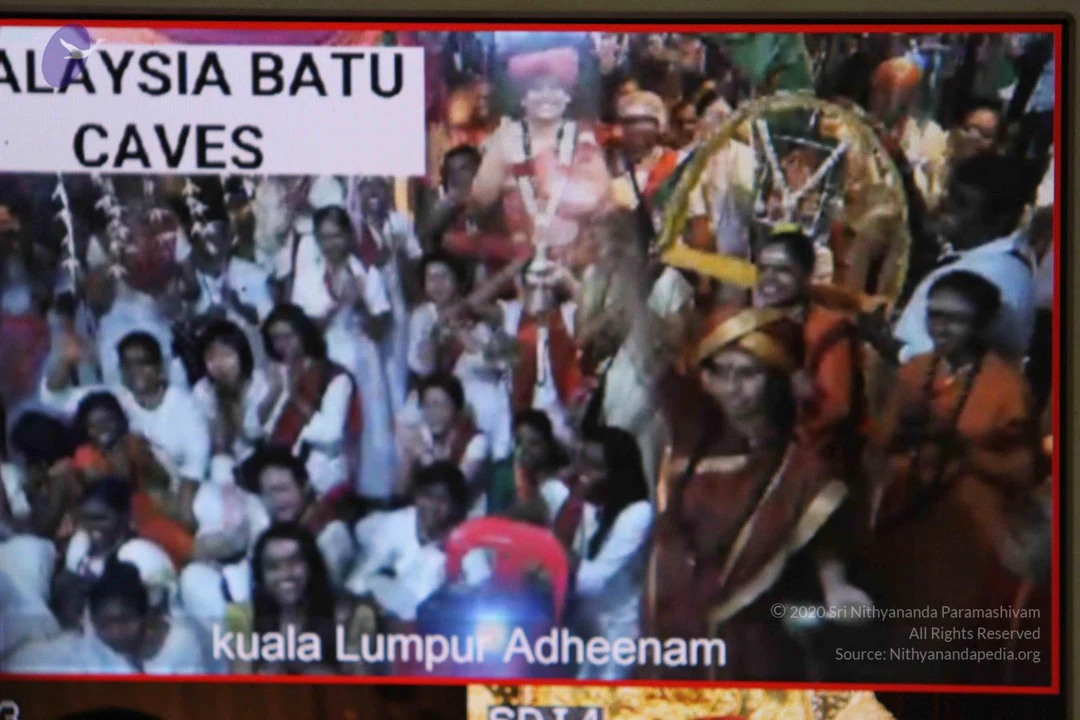
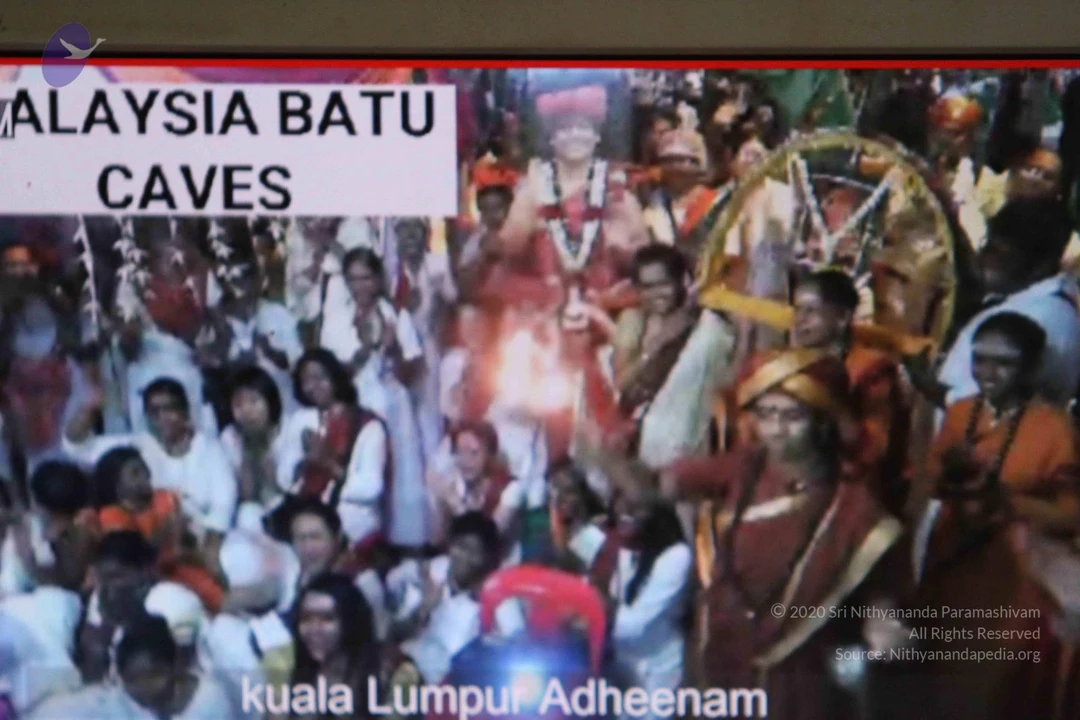
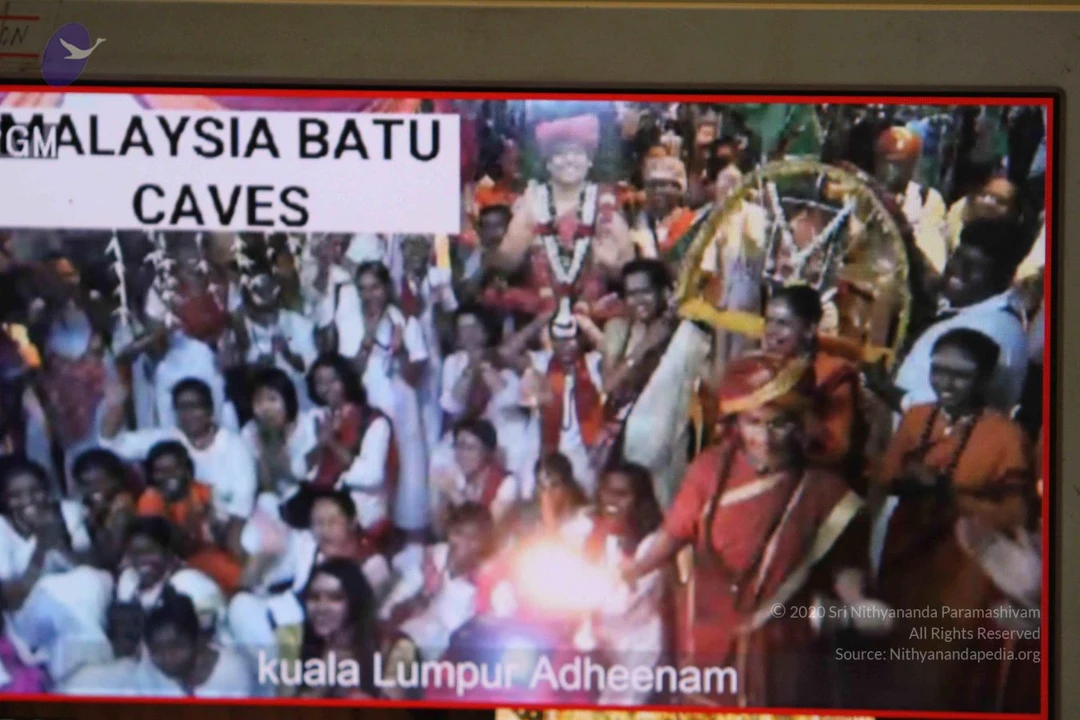
I welcome all of you with My love and respects. I welcome all the devotees, disciples, Samajis, Satsanghis, SriMahants, Mahants, Kotharis, Thanedars, visitors, viewer, who are sitting with us through Nithyananda TV and two-way video conferencing having Nayana Deeksha. Cities sitting with us via two-way video conferencing having Nayana Deeksha – Los Angeles Aadhenam, Malaysia Batu Caves. Blessing to Malaysia Batu caves, the grand celebration of Thaipusam and blessing to whole Malaysia Sangha and whole Malaysia country. Let Murugan Swami bless Malaysia... Annadanam will be successful and Thaipusam will be successful and blessings for Kavadi and Palkudam and Third Eye demo and everything, all the auspicious things – Annadanam, Thaipusam, Kavadi, Palkudam, Third Eye demo, enriching, causing, everything. Blessings for all you guys.. Murugan முருகனுக்கு அரோகரா... பத்துமலை முருகனுக்கு அரோகரா... Hyderabad Aadheenam, Warrington, Colombo Sri Lanka, Hyderabad Gupta Kashi, Charlotte, Bengaluru North, St. Louis Aadhenam, Toronto Aadheenam, Houston Aadheenam, Los Angeles Aadhenam, and many more are joining. I welcome all of you with My love and respects.
(3:10)
Actually, I already started writing my answer lyrics. It started happening. I just need time, little time to sit with My official ashtaana singers to put the lyrics in tune, and maybe they will come and sing for you guys, My lyrics, My response to Sangha Anthem.
(3:39)
I will enter into the next verse of the Isavasya Upanishad, the 17th verse, today at least. I will read the verse. Please recite along with me.
vāyur-anilam amṛtam athedaṁ bhasmāntaṁ śarīram |
Understand, that is the paada bheda – bhasmāntgṁ śarīram. That half ‘gm’, means the way I heard from My Gurus I am maintaining as it is. In some versions the paada bheda may not be there, but I am maintaining the paada bheda as I heard from My Gurus. So in our Sangha, we will chant with that half ‘gm’.
bhasmāntgṁ śarīram | auṁ krato smara kṛtagṁ smara krato smara kṛtagṁ smara || 17 ||
Again the paada bheda, the half gm, ‘gm’ has to be uttered in a very silent way. krato smara kṛtagṁ smara krato smara kṛtagṁ smara || 17 ||
(5:26)
I will recite once more. vāyur-anilam amṛtam athedaṁ bhasmāntagṁ śarīram | auṁ krato smara kṛtagṁ smara krato smara kṛtagṁ smara || 17 ||
Chanting version for SoundCloud, because many time we miss only the chanting of the verses for SoundCloud, that is why I am giving you 2-3 times to repeat so that at least one version, a complete version they will get it for SoundCloud.
(6:34)
vāyur-anilam amṛtam athedaṁ bhasmāntagṁ śarīram | auṁ krato smara kṛtagṁ smara krato smara kṛtagṁ smara || 17 ||
vāyur-anilam amṛtam athedaṁ bhasmāntagṁ śarīram | auṁ krato smara kṛtagṁ smara krato smara kṛtagṁ smara || 17 ||
(7:11)
Now I will give you the translation. I can translate on My own, but I wanted to first read out the literal translation to you.
Let the vital life-energy ‘Wind’ present in the body, now merge into the all-pervading, eternal cosmic life energy ‘Air’; and now let this gross body (along with subtle body) disintegrate into its basic elements and be reduced to the sacred ashes. O Supreme Consciousness, known by the sacred syllable ‘Auṁ’, remember—remember all that has been done to attain Oneness with You. O mind, remember—remember the Supreme Consciousness, the Lord of all enriching sacrifices, whom you have been always remembering in your actions.
(8:15)
I can say in this verse one of the most powerful spiritual practice is given. This process should be called as — Eternal Life Process. Anybody who does this process while he is alive will master this process to practice during the time he leaves the body, and that will naturally make him Enlightened, and live the Eternal Life in the Cosmic Space.
(9:09)
Let the vital energy, wind, Vāyu, present in the body now merge into all-pervading eternal consciousness. Vayuranilam amṛtam, the eternal cosmic life-energy – vāyur-anilam amṛtam athedaṁ... Understand, the great truth revealed in this verse: whatever you call it as life can merge with the Eternal Life; the body can go back to the basic elements, you relax into that Eternal Cosmic Life. Every night when you fall asleep, if you practice this technique, it will become part of you, your very being, so when you fall into the eternal sleep, you will fall into Eternal Life. It’s actually a technique, the whole sutra, verse is technique – 17th verse of the Isavasya Upanishad. When you fall asleep remember vital life energy, vāyu, relax into the Cosmic Life Energy. Let this body go back to its elements, the Source, basic elements; let this consciousness become one with the eternal consciousness, the Oneness, let me remember this – krato smara kṛtagṁ smara krato smara kṛtagṁ smara |
(11:28)
Please understand, Upanishadic Masters, they may be poets but they never utter a single word extra. Here they uttering a word – krato smara kṛtagṁ smara – twice. Because, once they are asking the Cosmic energy, the Cosmos, ‘please remember whatever I have done to experience Oneness with You.’ Second, they are reminding themself, ‘please remember whatever you have done to achieve Oneness with the Cosmos.’
(12:09)
So the first is – auṁ krato smara kṛtagṁ smara – means: Oh God, remember whatever I have done, all the things I have done to become one with You, and shower My grace; and second - krato smara kṛtagṁ smara – is to tell yourself: hey, please remember how much you struggled to achieve the Oneness, now is the moment, don’t miss.
(12:48)
Listen, one – krato smara kṛtagṁ smara – is the prayer, request; second – krato smara kṛtagṁ smara – is decision to be ferocious with yourself... Understand, you struggled, did so much to achieve Oneness, now don’t be diverted by anything else, any other desire, any other greed, nothing else should touch you! I can say, again these Rishis have done something extraordinary.
(13:39)
If I have to pick up seven spiritual poetic wonders in all the scriptures available, I will pick up this as one; because only an Enlightened Being who has gone through the last moment knows exactly what will be the last moment problem... Understand, only an Enlightened Being who achieved Enlightenment will know what will be that last moment problem. Don’t ever think in the last moment, you will have a big desire like a lust, or a big greed like ruling a kingdom; it will be just cheaper than coca cola and pizza, please understand, it will be just cheaper than coca cola and pizza! The last moment desires will never be a greed of ruling a kingdom or a lust of having man or woman or whatever, whatever; no! All last moment problems will be just simple coca cola. One piece of pizza, which you think is cute.
(15:25)
Please understand, always with major desires, your intelligence will wake up and say, “no, this will divert me from Enlightenment.” But these small desires, you think, “Ayee. Such cute desire. Why not have it?” Your whole life, even if you are a seeker, it is these small desires, you don’t say ‘no’. So you have not built the habit of saying ‘no’, you have not built the defence against a cup of coca cola or a pizza. Only those small desires which you consider as cute and did not build the defence, only they will attack you when you leave the body. I tell you during the time of leaving the body, the bigger things will never attack you because you would have already built a defenses for yourself from them. Stupidly you will have left one small desire, “just want to smoke a village beedi once” or, “want to have a jalebi, hot jalebi and khichdi,” or, “the bhang milk from Calcutta.” All these were My cute desires which I killed later on, that is why I am repeating exactly, which I built defence very strongly and cleared it, and got Enlightened.
(17:19)
Understand, neither sex nor money or name and fame or a greed to rule kingdoms will not come to you during the last moments, because about all of them you will have already built a defenses. For a seeker, the last moment distraction will be just cup of thick curd, a slice of pizza. It will not be anything more, I am telling you, because only those small things you think it is cute and you can encourage it and you forget to build a defense against them, so when you leave the body, only they will attack you, nothing else. Nothing else, nothing else. I tell you! I have left the body and seen! I have died! That is why I am telling you, what will happen to you when you die.
(18:40)
krato smara kṛtagṁ smara krato smara kṛtagṁ smara | –
I have done this! That is why I tell you what will happen. Don’t allow even one incompletion without completing it; without building a completion wall, without completing it. I used to think, when Raghupati Yogi gave Me the beedi (local Indian cigarette), I did not pick up and smoke, that is why My enlightenment got delayed, My enlightenment is getting delayed, before enlightenment I used to think, that is why My enlightenment is getting delayed. So I thought I should at least once smoke that beedi and see, but good, I did not touch. Somehow just by completing, I was able to get rid of it. But, I did not realize that is going to jump on Me so powerfully before I started entering into the death process. Only when I entered into the death process, I understood such a simple stupid cute desire was attacking Me like a demon! And I tell you, it took almost one hour for Me to complete and throw it away.
(20:21)
I was actually sitting in the Manikarnika Ghat (at Varanasi) and going through the death process. The death process had already started in Me, means 2.5 days it has happening in My system. It started and this one desire, it just stuck. Fortunately, so many dead bodies were burning, I just put My lip as if I am smoking and inhaled that smoke and pushed inside My body and that pattern died. (laughs). As if I am smoking that beedi, I just inhaled that smoke, the smoke of that dead bodies burning, it just disappeared.
(21:09)
Understand, I did not have any lust, I did not have any name and fame desire, I did not have any desire to rule kingdom or I did not have any other desire, nothing! This stupid beedi came! Because My Guru gave, I did not take it. When you leave the body also, you will not be attacked by any problem about which you already built a defence, completion or solution. Only which you have not built a defense or completion or solution, that will only create the big mess.
(22:00)
That is why here Rishis are beautifully saying, they are not saying, ‘meditate’, they are not saying, ‘contemplate’, they are not saying, ‘think through’, they are saying, ‘become authentic,’ they are saying, ‘remember – krato smara kṛtagṁ smara.’ By remembrance, you have to complete it. Means: you will have to build defence for all the incompletions you have. You can’t afford to leave even once. Maybe a desire to have maavadu (pickle from south India) and curd rice, or the whole Andhra Gongura Chutney. The whole southern Tamil Nadu, Paratha. It will all be too small. By remembrance, you should be able to throw it.
krato smara kṛtagṁ smara krato smara kṛtagṁ smara |
(23:15)
When you leave the body, your ability to remember the need of the Enlightenment, merging into the Cosmos, and ability to provoke the Cosmos to absorb you into It; the ability to provoke the Cosmos. If you lived your whole life with a deep, prayerful experience, now the prayer will become Reality. Praying to yourself is Completion, Completion with the Cosmos is Prayer. You telling yourself, “ey, ey, ey, remember what all you did just for this moment, and don’t look here and there, enough pizza, enough coca cola, enough curd rice, enough pickles, no.”
krato smara kṛtagṁ smara |
(24:27)
Don’t worry; by the time the pain starts, the death pain, all your name and fame, greed to rule the kingdom, sex, lust, everything will lose meaning for you, will lose power over you. It will only be last one or two things which you did not build defense, which you did not build completion; which you left it in a casual way, unattended way. I have seen people while they die, they do not remember the person with whom they wanted to have physical relationship for all their whole life, but they remember the person with whom they want to flirt, because the deeper things will disappear, will not make any sense there. These casual things will happen because about the casual things, you will not have built the defense, you would not have intranalysed, you would not have built completion.
(25:44)
vāyur-anilam amṛtam athedaṁ bhasmāntagṁ śarīram | auṁ krato smara kṛtagṁ smara krato smara kṛtagṁ smara || 17 ||
Let the life in the body merge with the Cosmic life; let the body go back to its basic elements and be reduced to ashes. Oh Cosmos, please remember what all I have done to achieve Oneness with You; Oh being, please remember what all you have done to achieve Oneness with Him.
(27:00)
So reminding both sides and making that Oneness happen.
I wanted Vakyartha Sadas to be done on this verse, from the angle of reminding the Cosmos and reminding yourself.
The first — auṁ krato smara kṛtagṁ smara. Next – krato smara kṛtagṁ smara. The second – krato smara kṛtagṁ smara – is completion of your muscle-memory and bio-memory.
The first auṁ krato smara kṛtagṁ smara is awakening your bio-energy.
The second – krato smara kṛtagṁ smara – is completion and Shivoham process; the first – auṁ krato smara kṛtagṁ smara – is Nithyanandoham process, awakening your bio-energy, awakening your bio-energy.
auṁ krato smara kṛtagṁ smara krato smara kṛtagṁ smara |
(28:26)
Do Vakyartha Sadas on this last line. I will continue to expand on these verses, especially on this verse. I will expand and present this as a meditation technique so that all of you can practice it and experience it.
(29:00)
Now, essence of today’s satsang: Reminding the Cosmos about your goal is Prayer. Reminding yourself about your goal is Completion. Reminding yourself is Completion; reminding the Cosmos is Prayer. The first – auṁ krato smara kṛtagṁ smara – is Prayer. Second – krato smara kṛtagṁ smara – is Completion. The essence of today’s satsang, Prayer and Completion both lead you to Enlightenment. Nobody can do wonders with words in such a poetic way more than our Upanishadic Rishis. So, do Vakyartha Sadas on it. I will expand further on this verse in the further satsangs.
(30:26)
Now, I with this, I bless you all: Let you all radiate with integrity, authenticity, responsibility, enriching, causing Living Shuddha Advaita Shaivam, the Eternal Bliss. Nithyananda. Thank you. Be Blissful.
~ end of nithya satsang ~
(30:45)
Title
Nithyananda Times, 23rd January, 2016
Description
Video Magazine of the Nithyananda Peetham - 22nd January 2016 covering: - Evening Satsang - Morning Nithya Satsang - Vaakyaartha Sadhas by Sanths - Living Advaita live on Nithyananda TV - Live Kalpataru program in Tamil on TUnes6, Yes TV, Deepam TV, and Arra TV - Live Kalpataru in Kannada on Nakshatra and Janata Channels - Hinduism: Past, Present, Future class at Bengaluru Aadheenam - Global Events from Nithyananda Peetham - "Do I need Inner Awakening?"
Video - Nithyananda Times, 23rd January, 2016
Photos
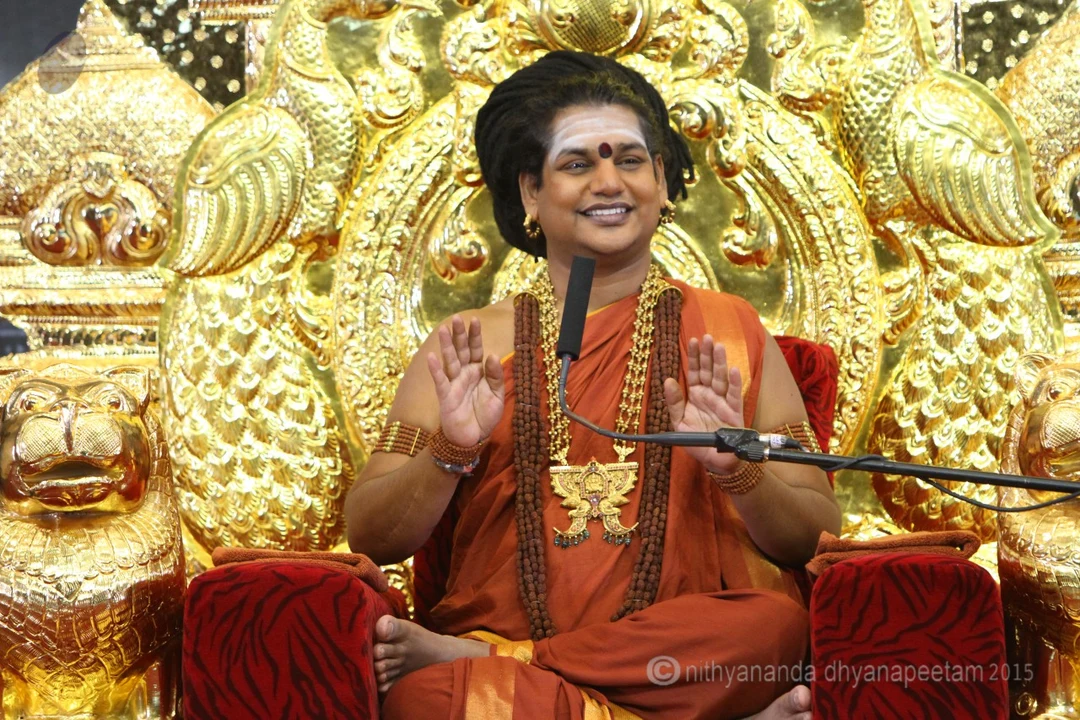
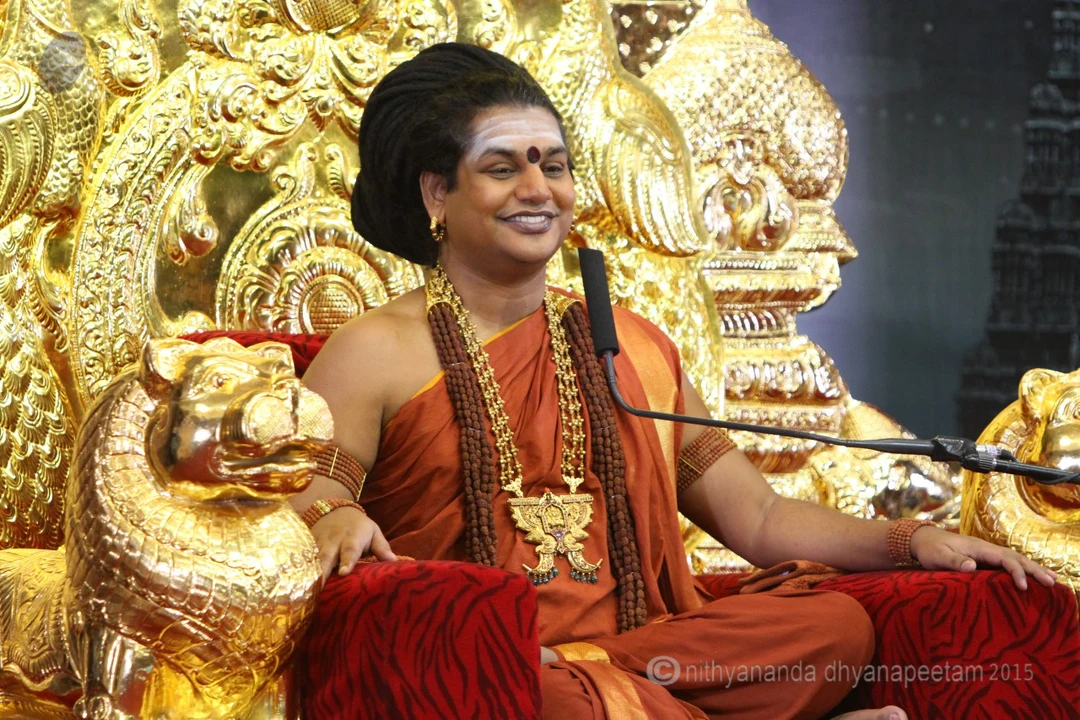
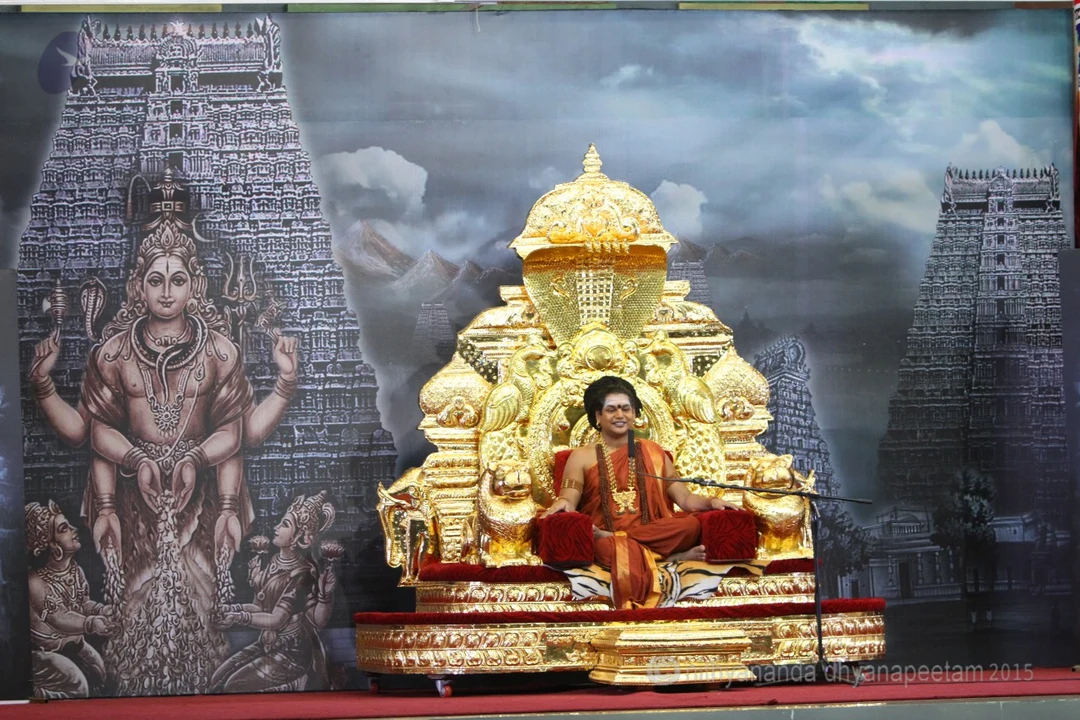
Nithya Dhana Yoga global Convention
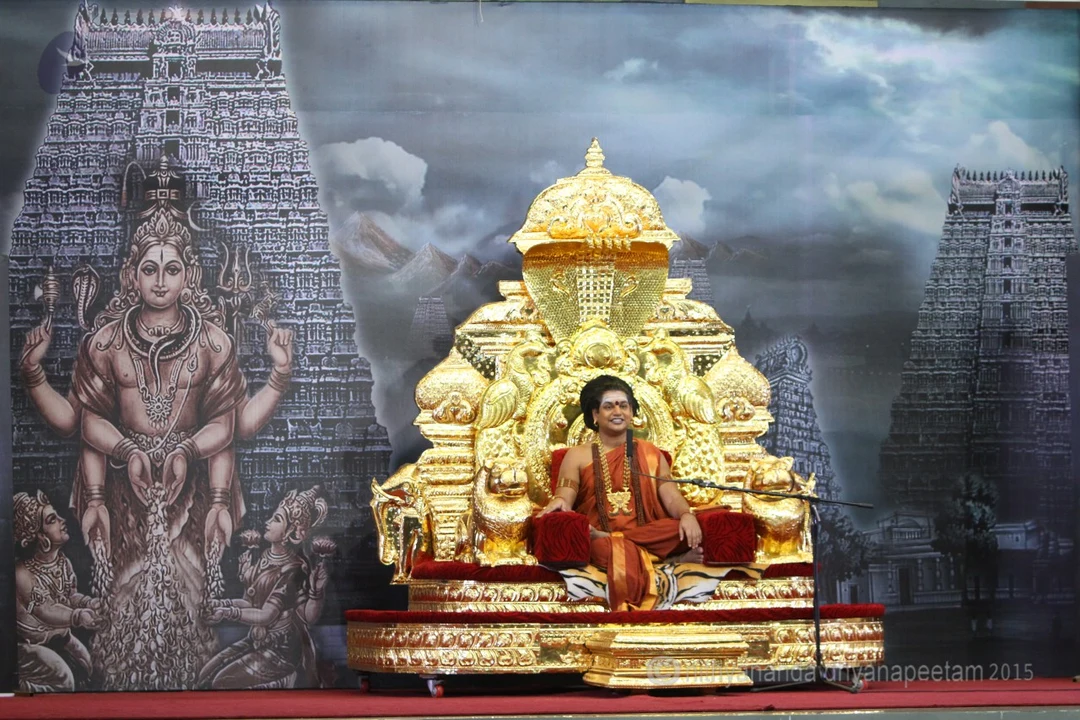
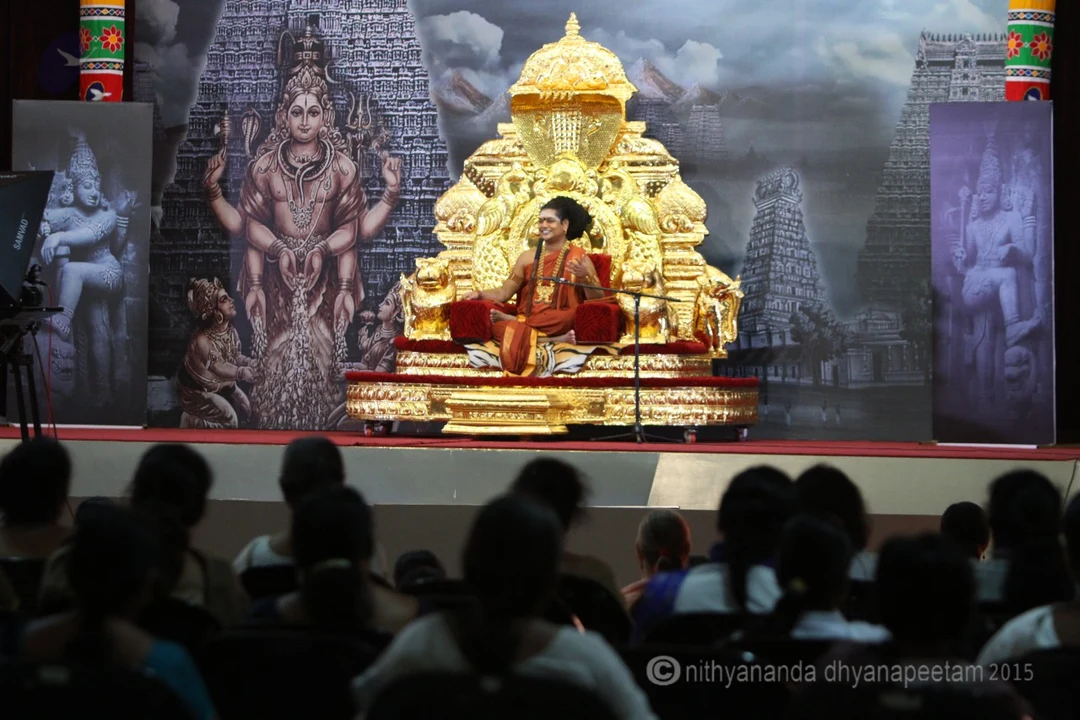
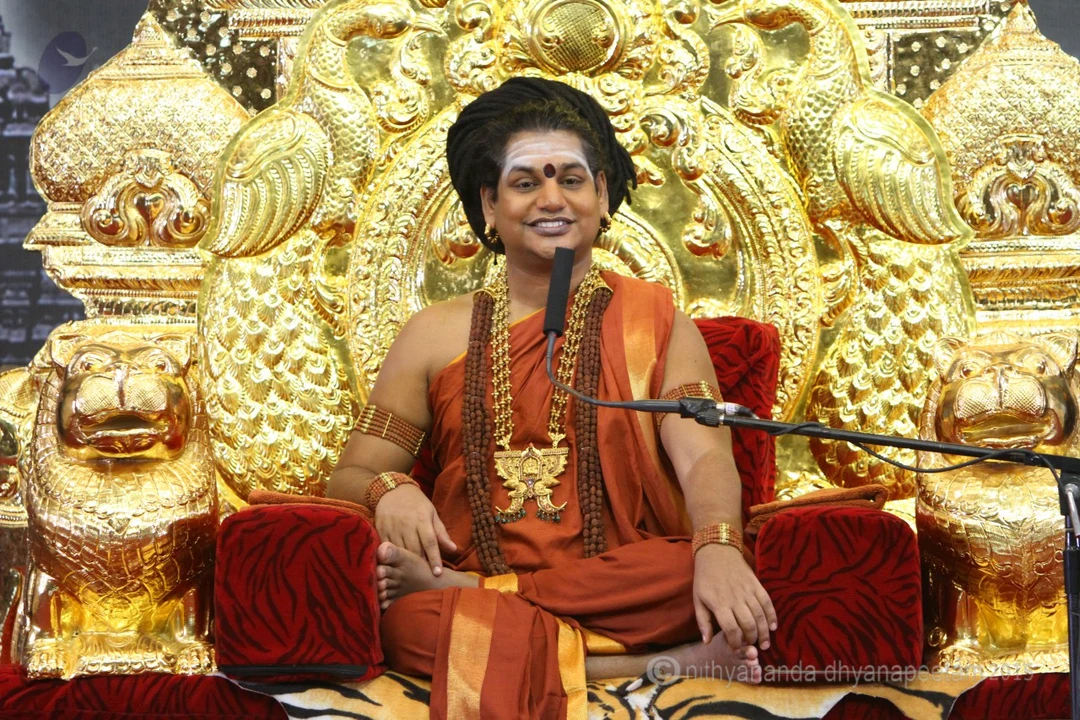
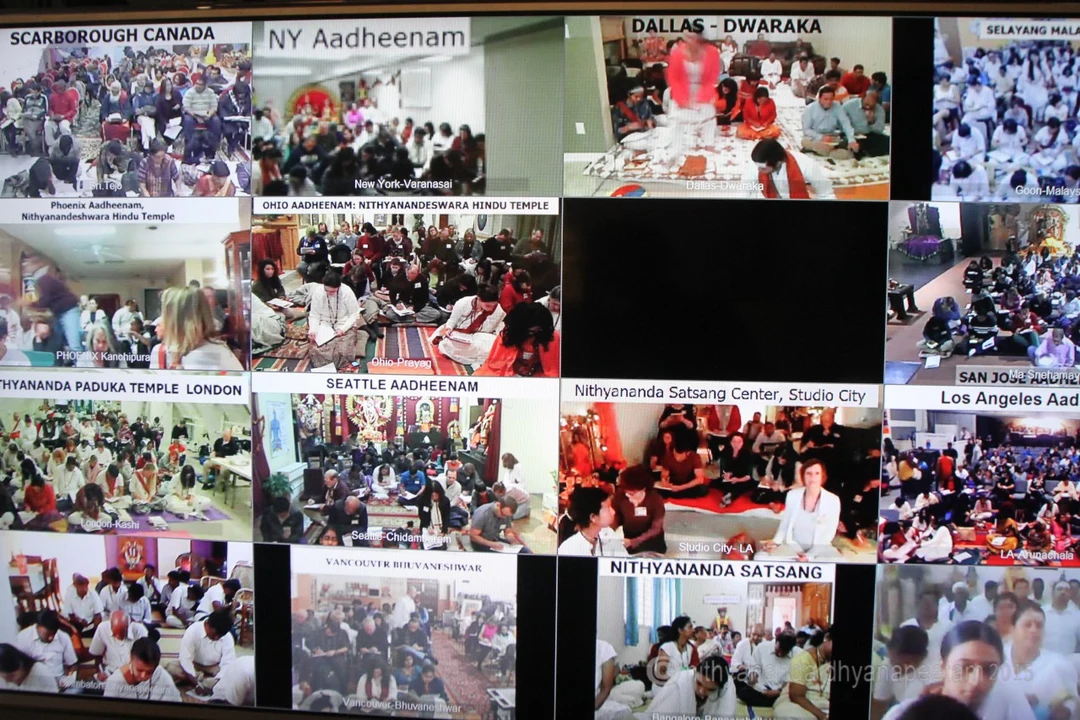
Day's Events
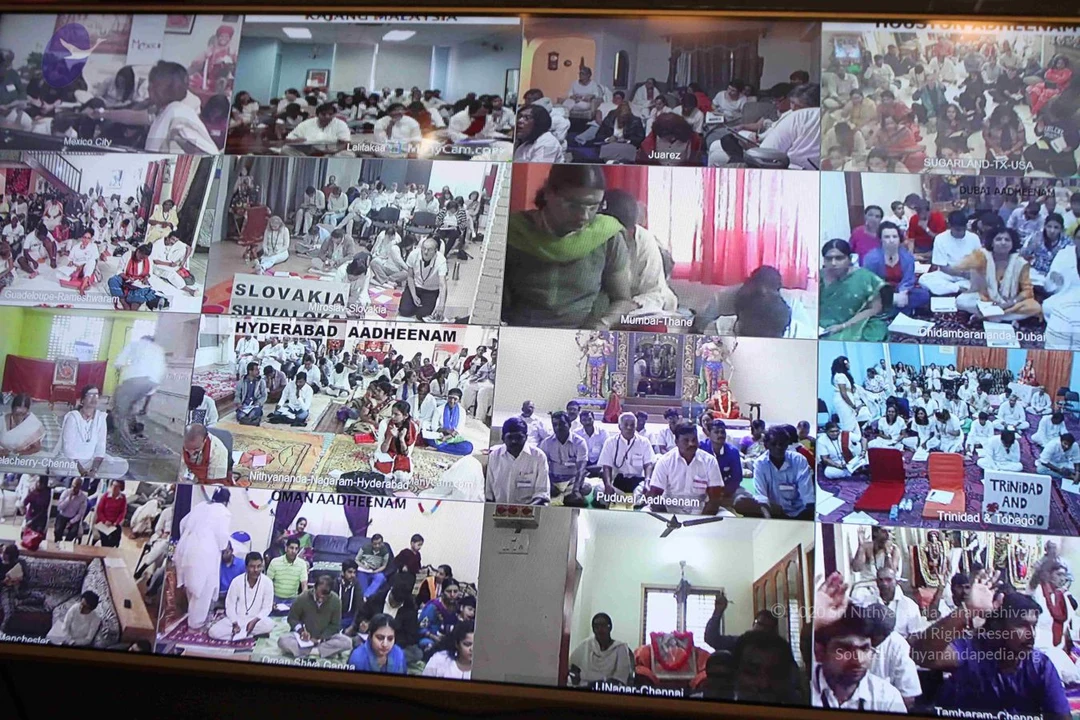
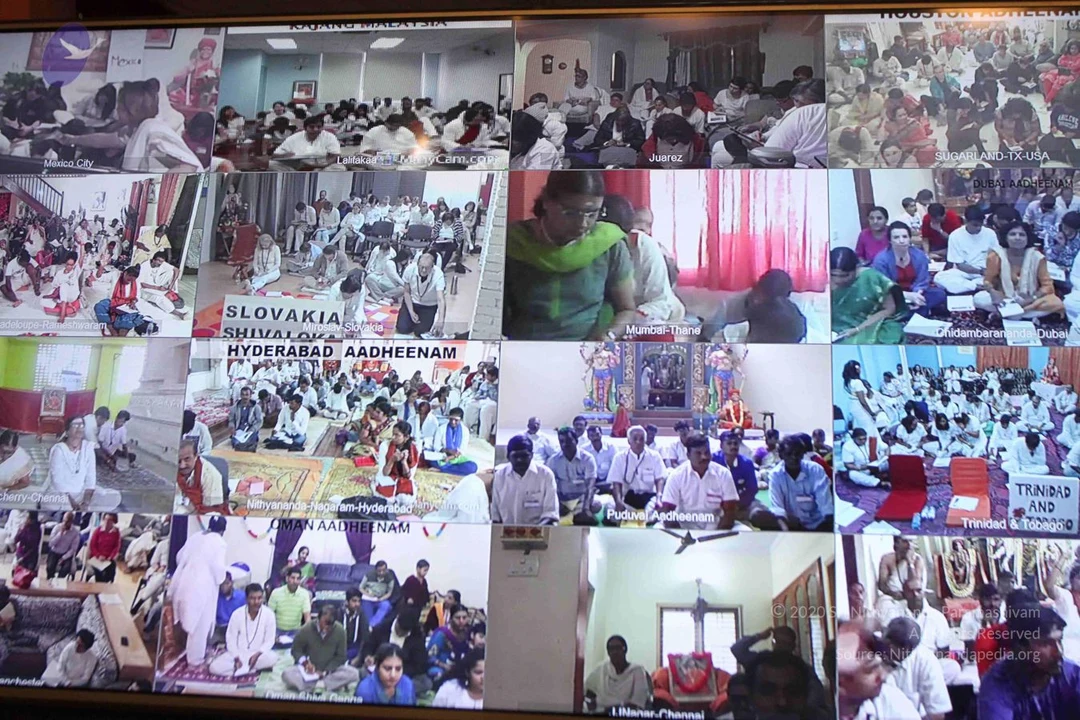
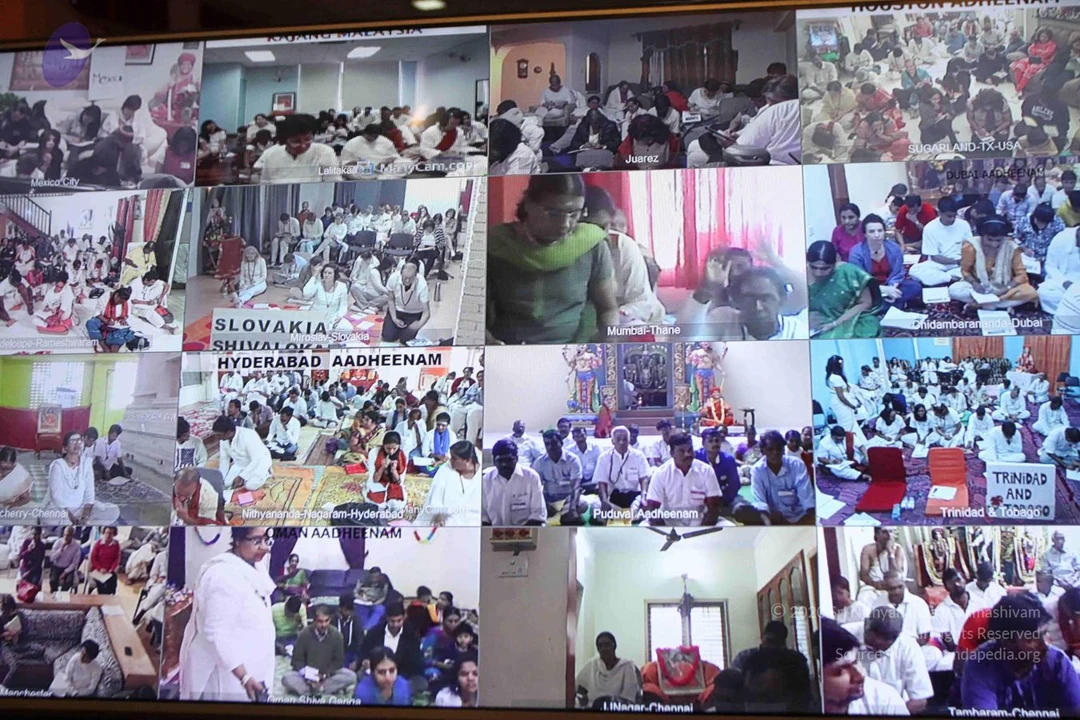
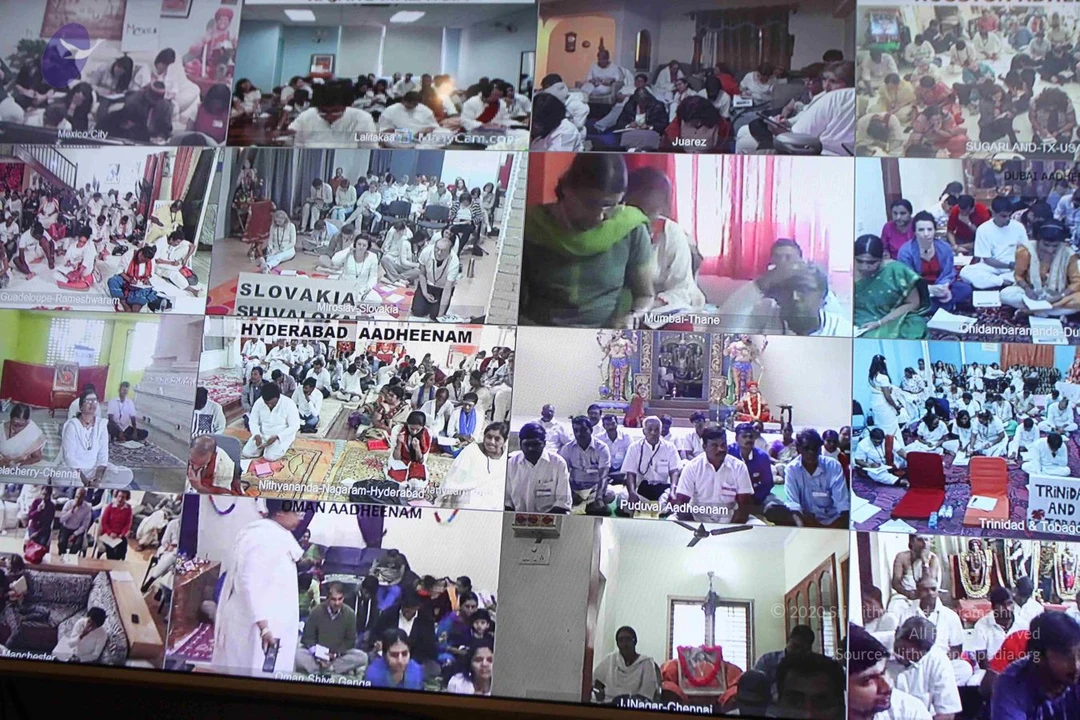
Nithya Dhana Yoga global program:
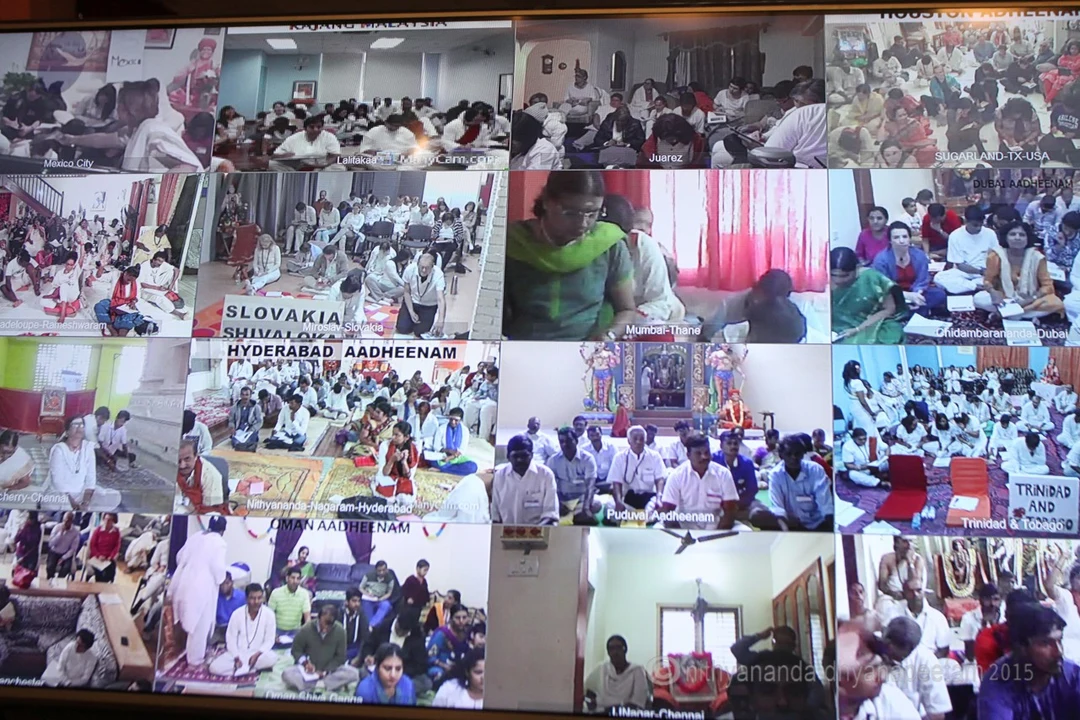
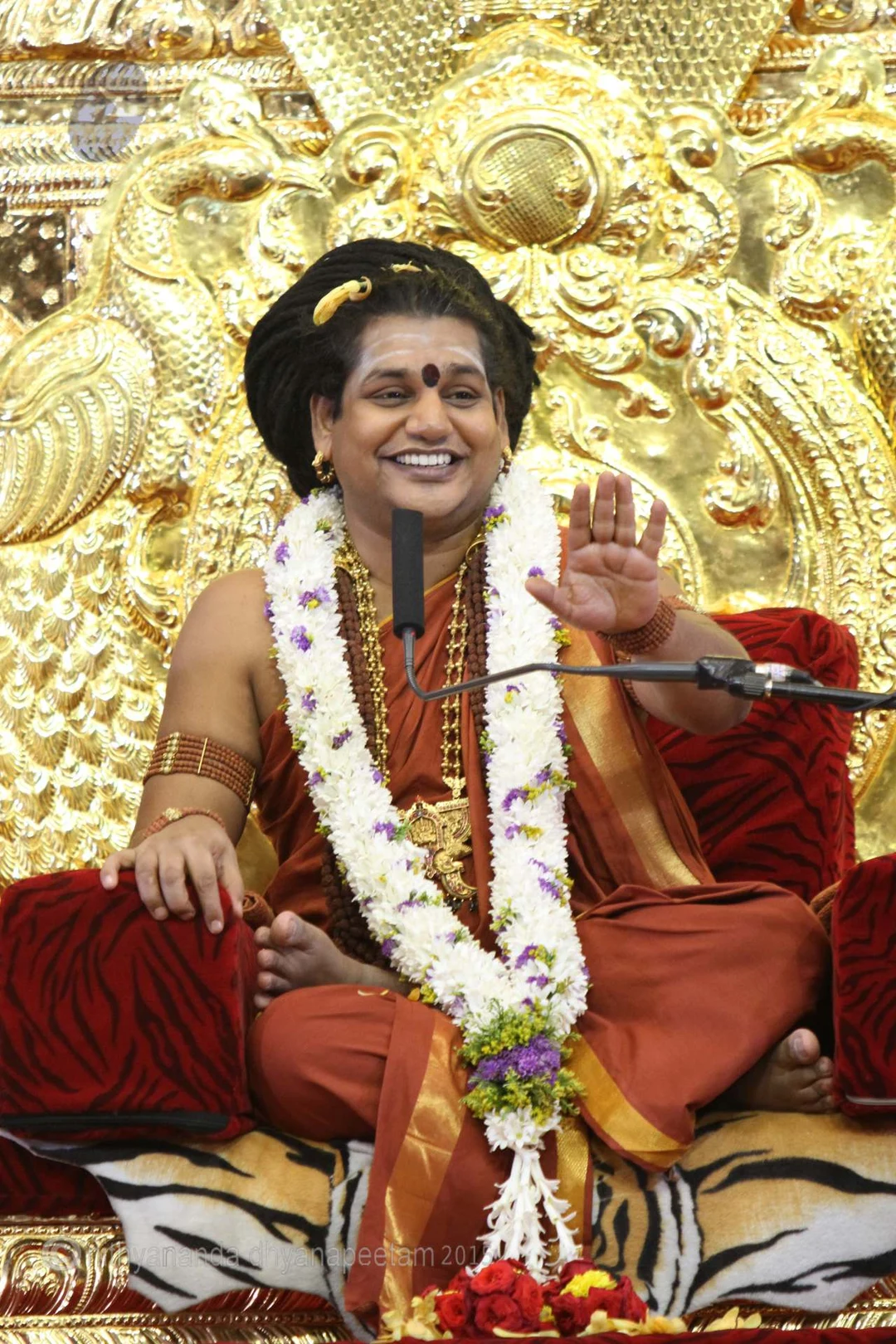
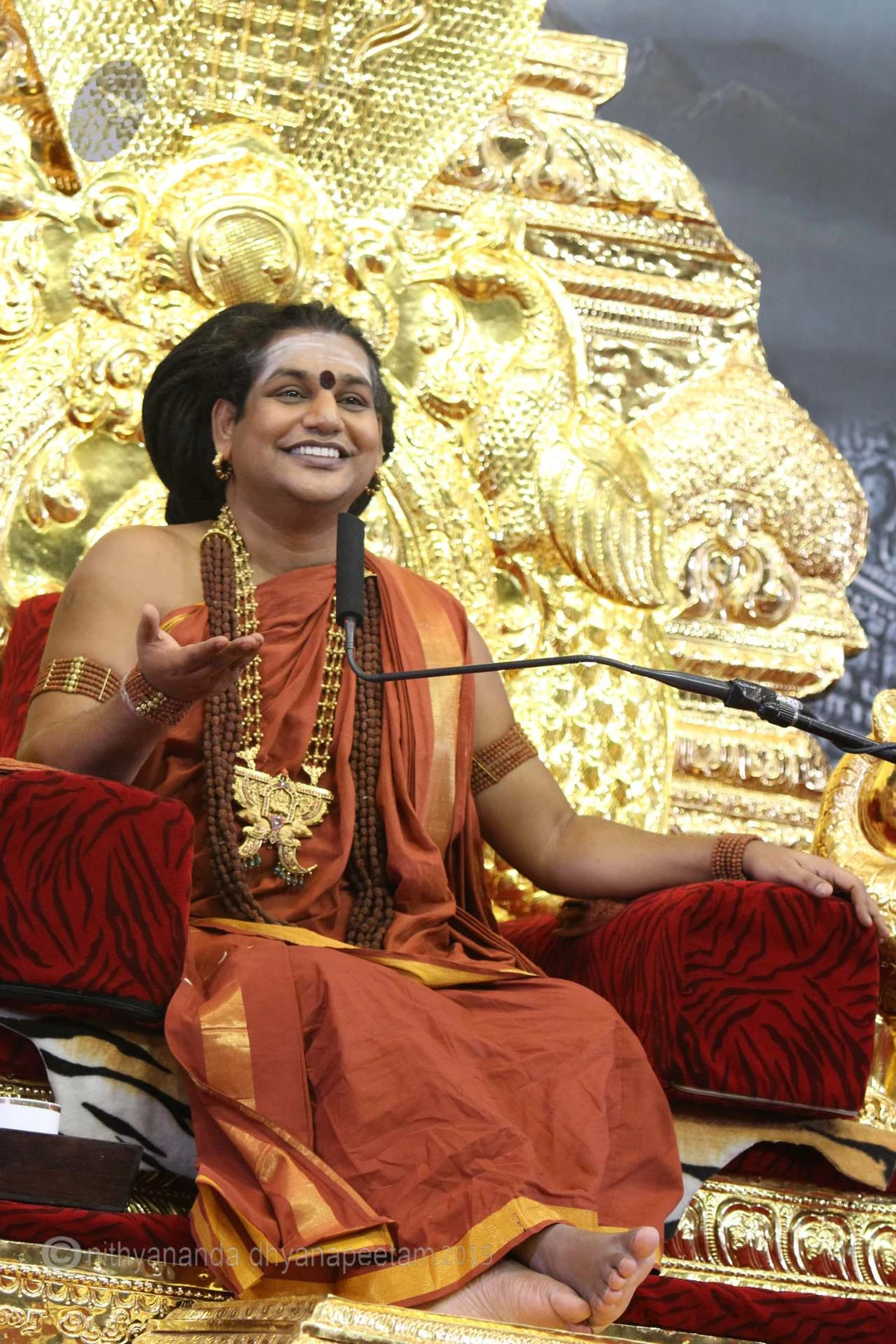
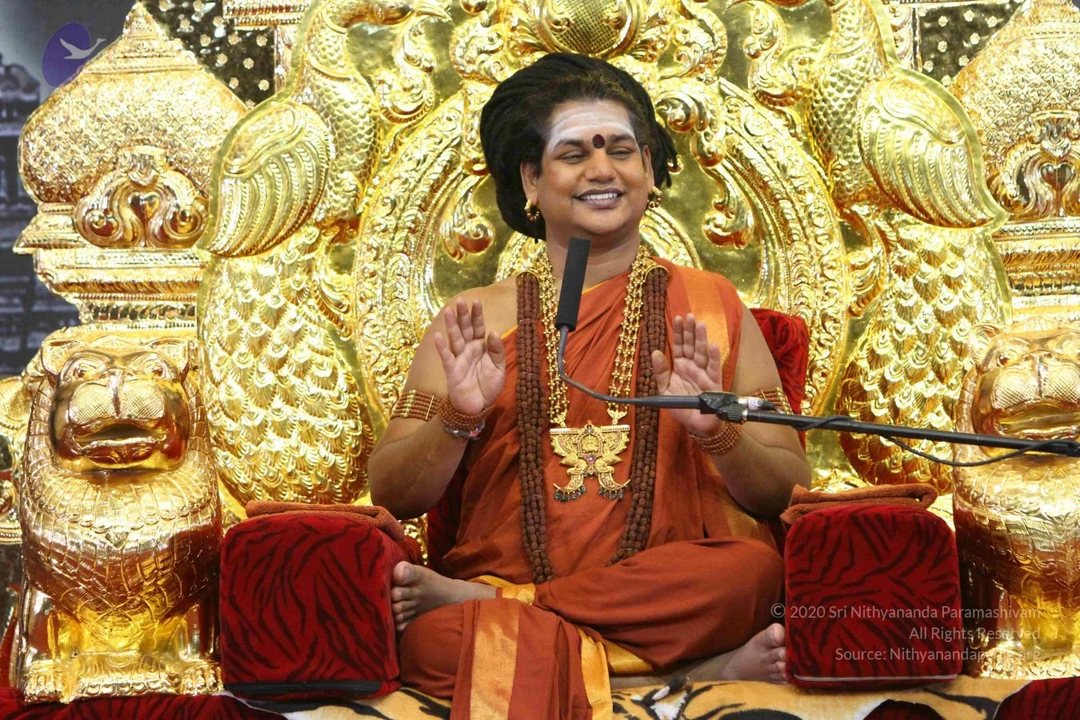
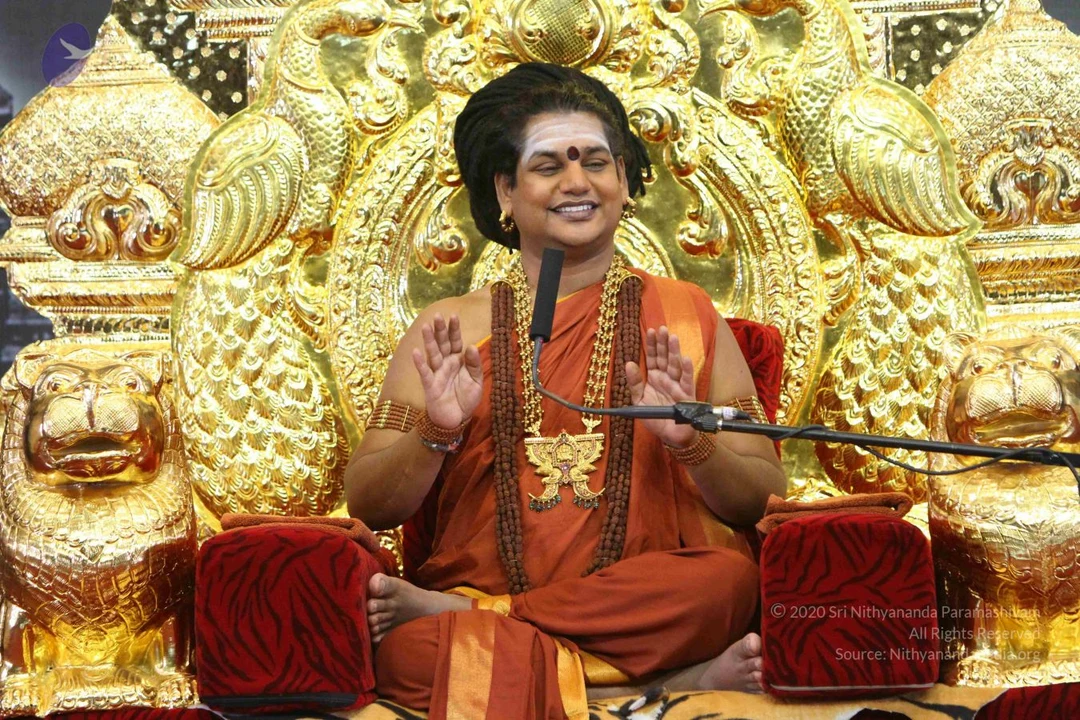
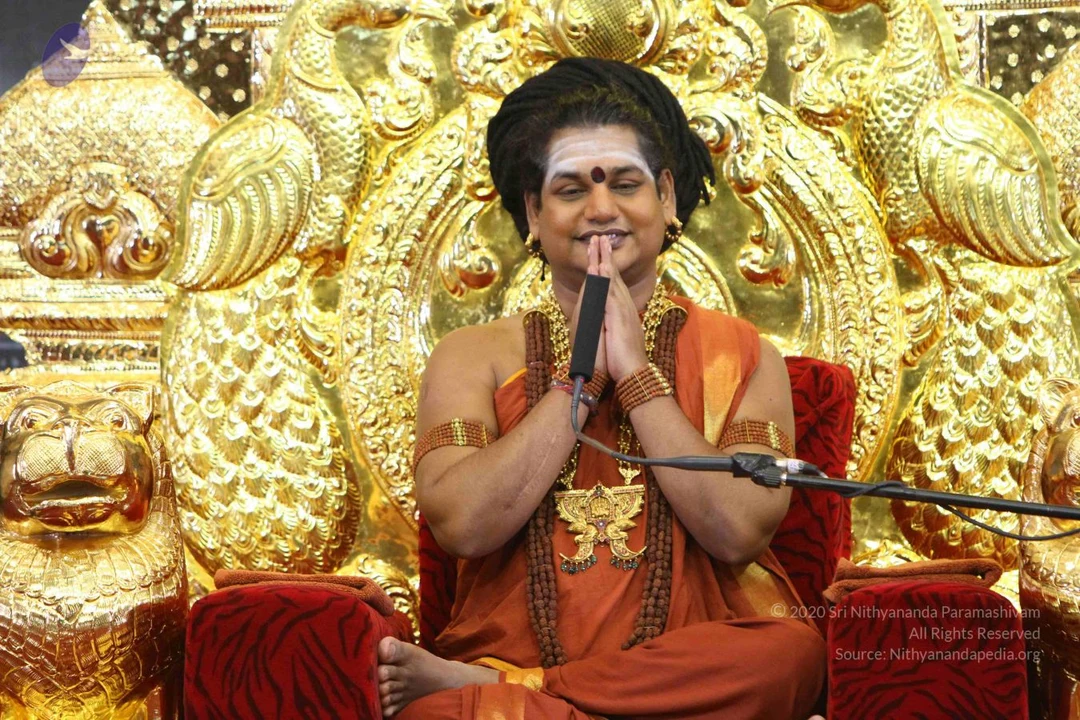
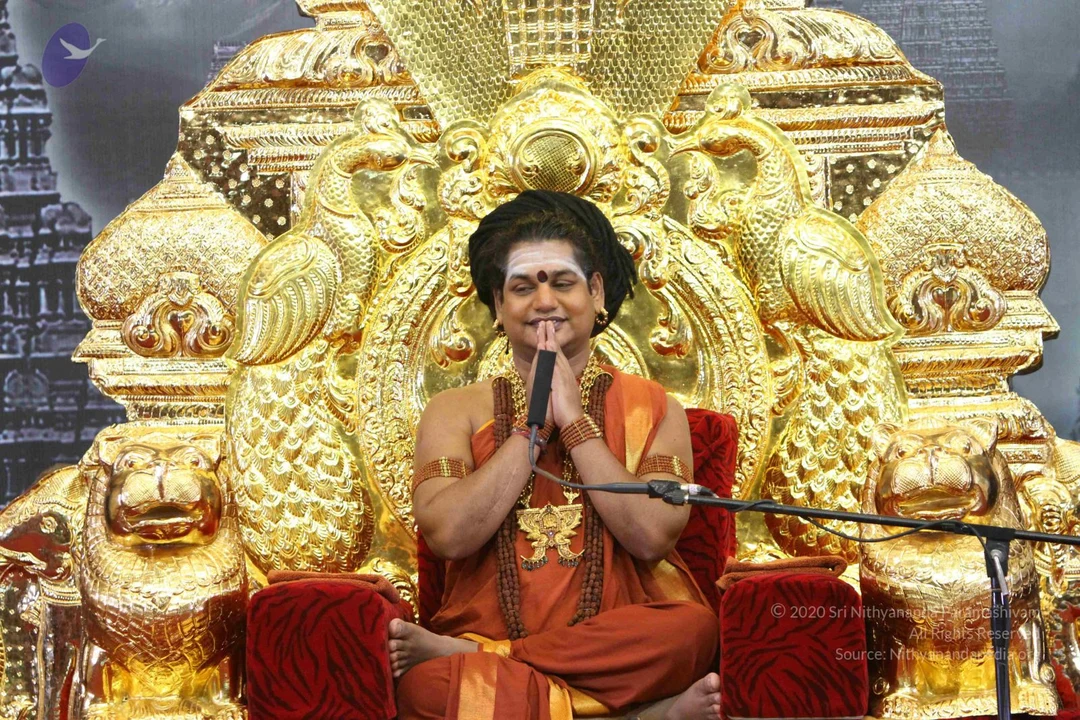
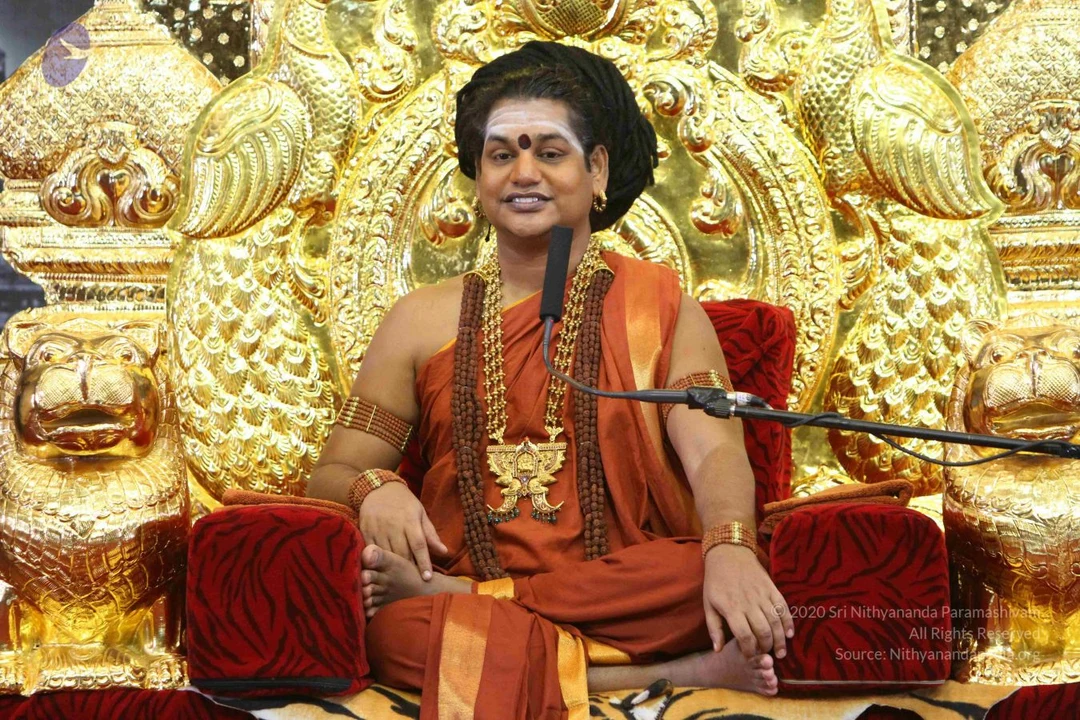
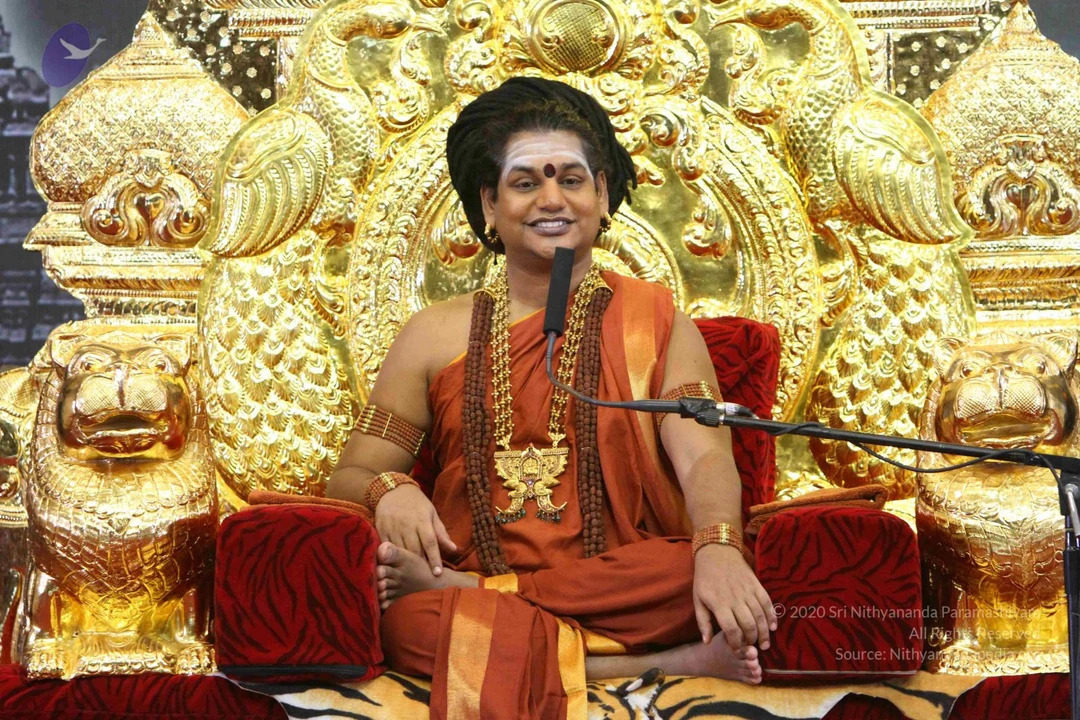
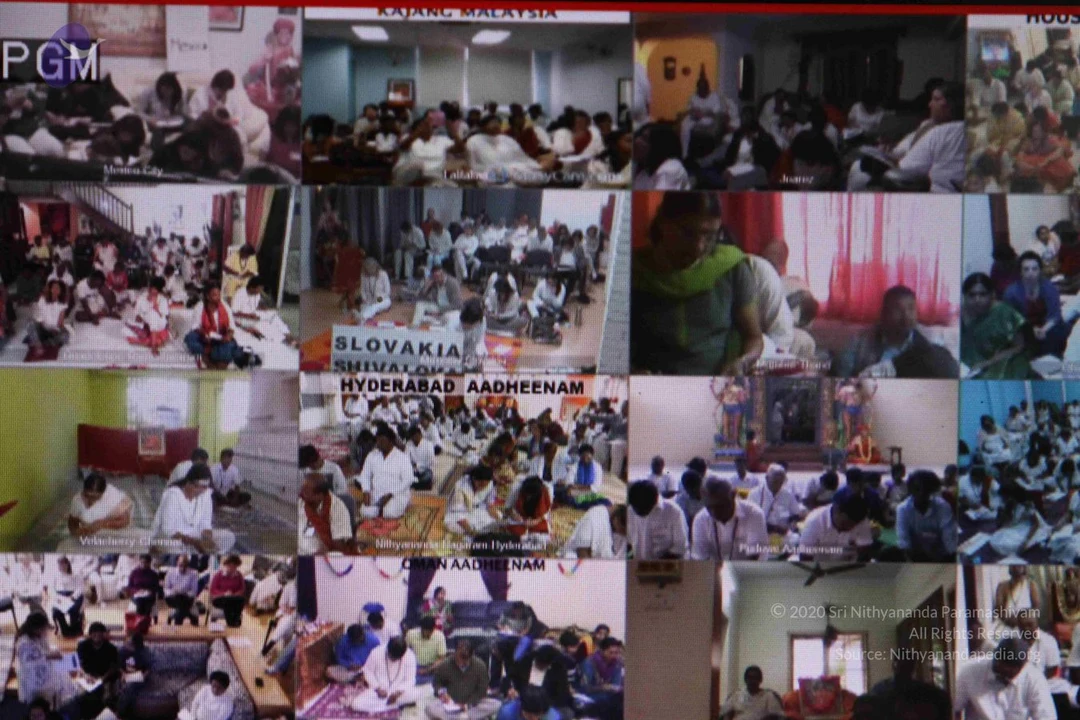
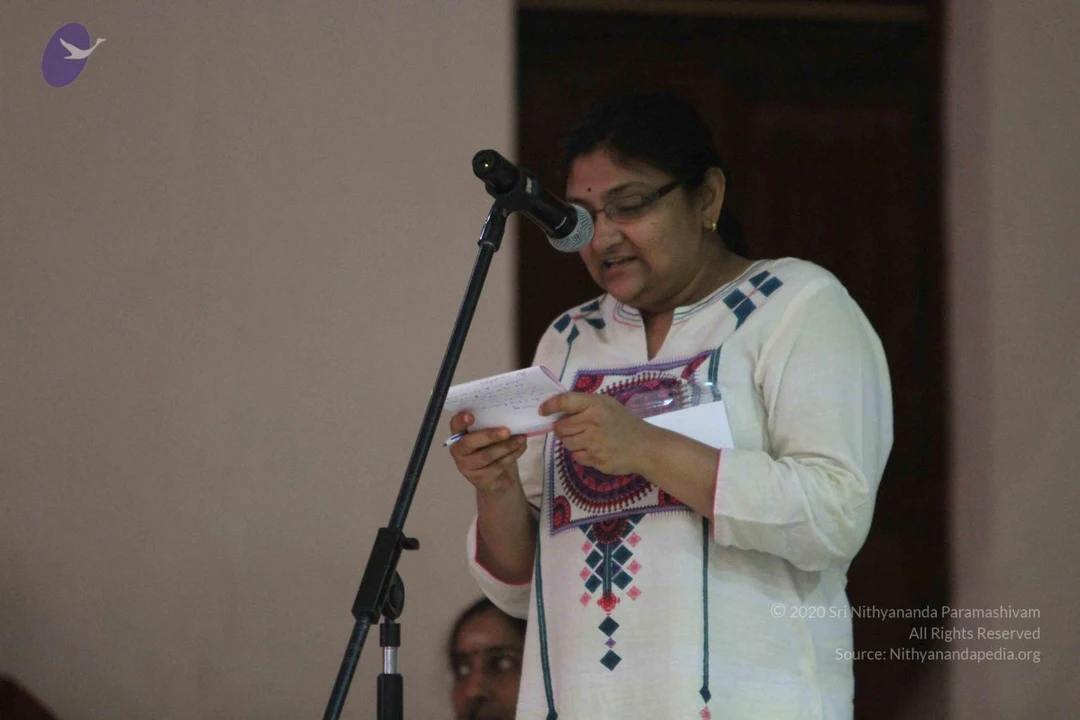
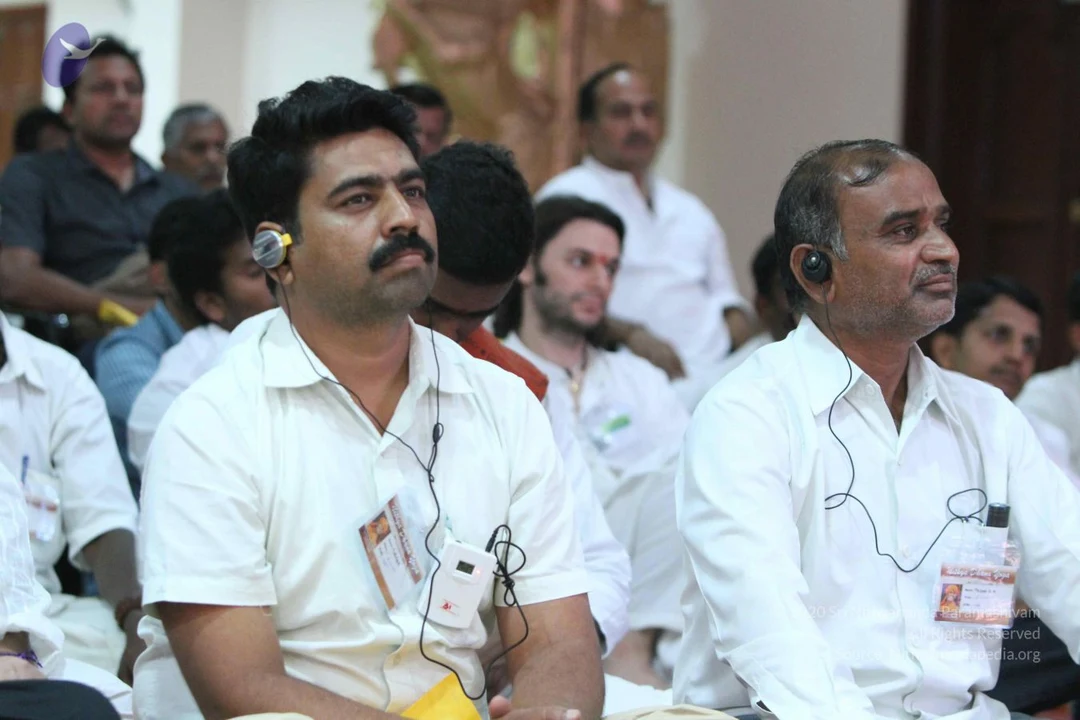
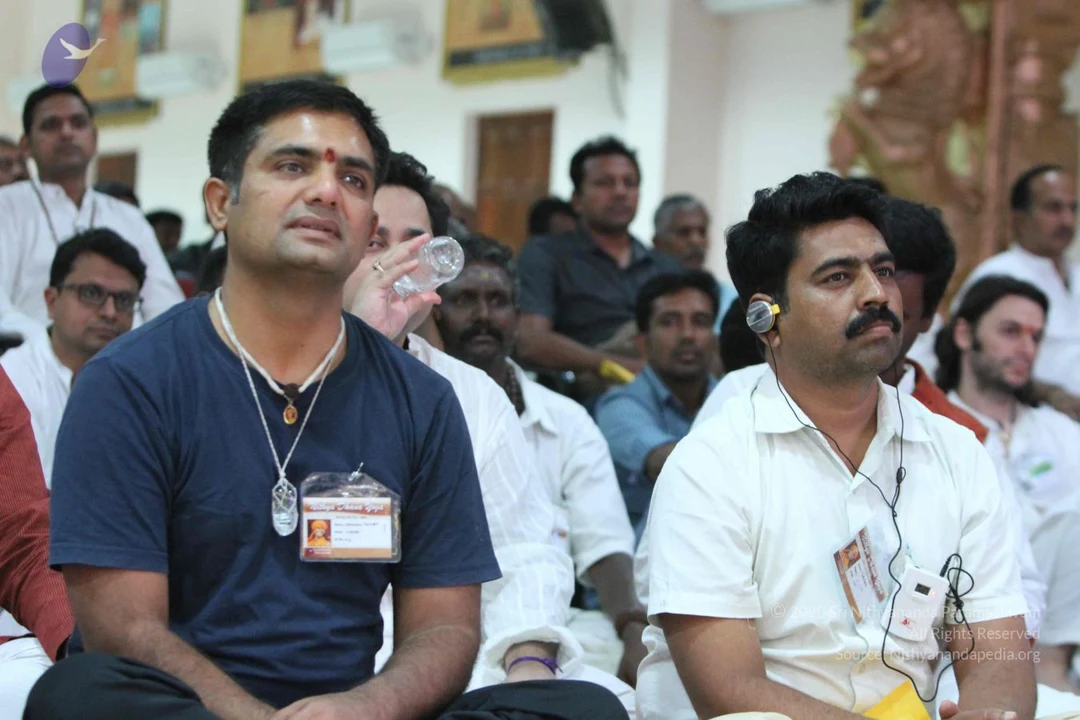
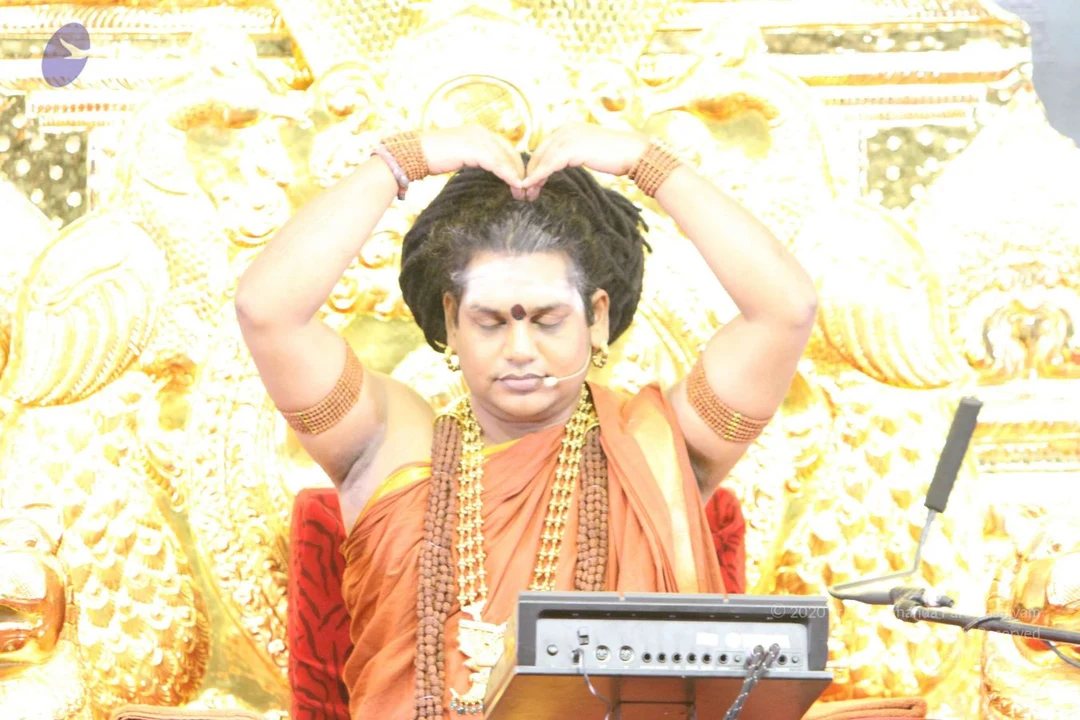
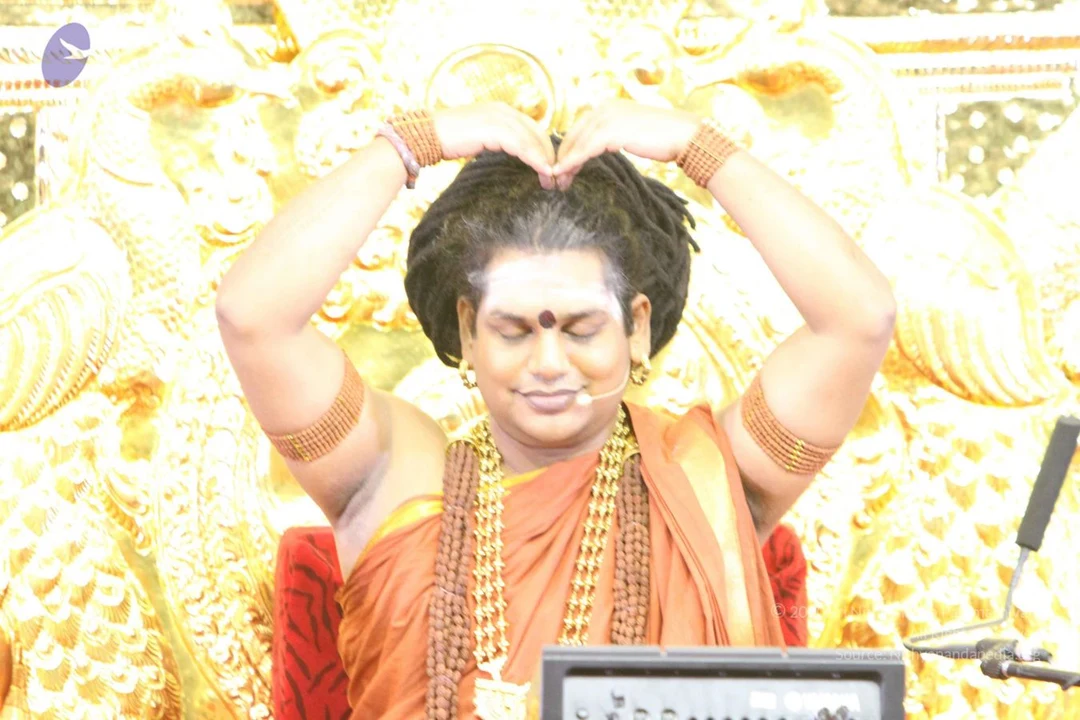
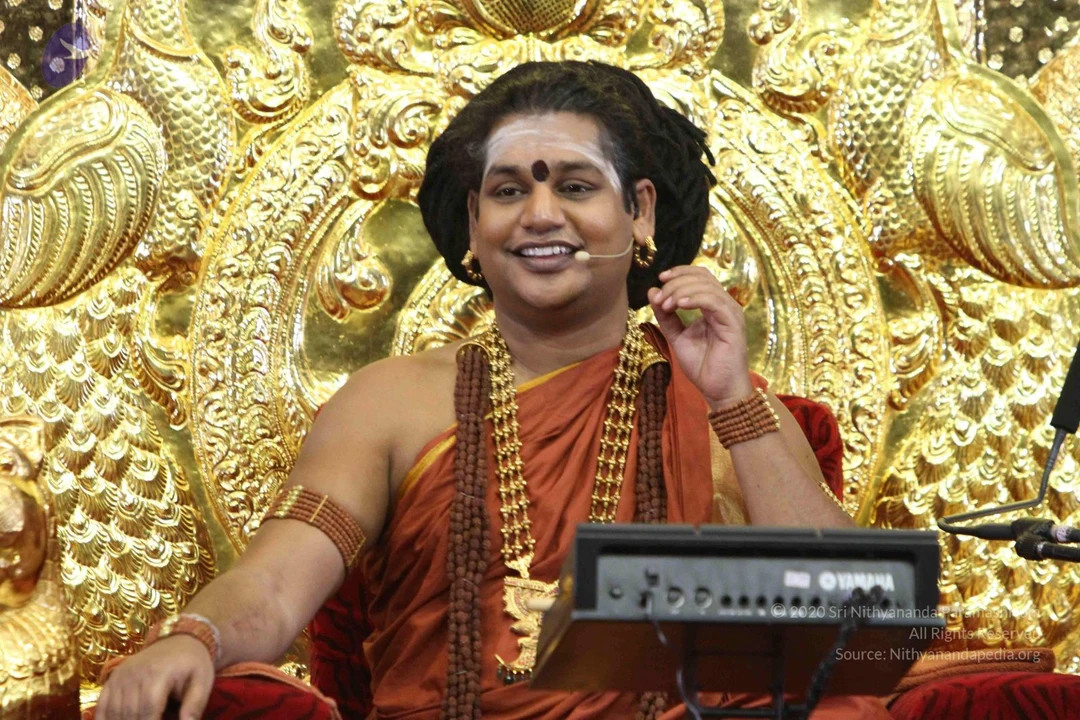
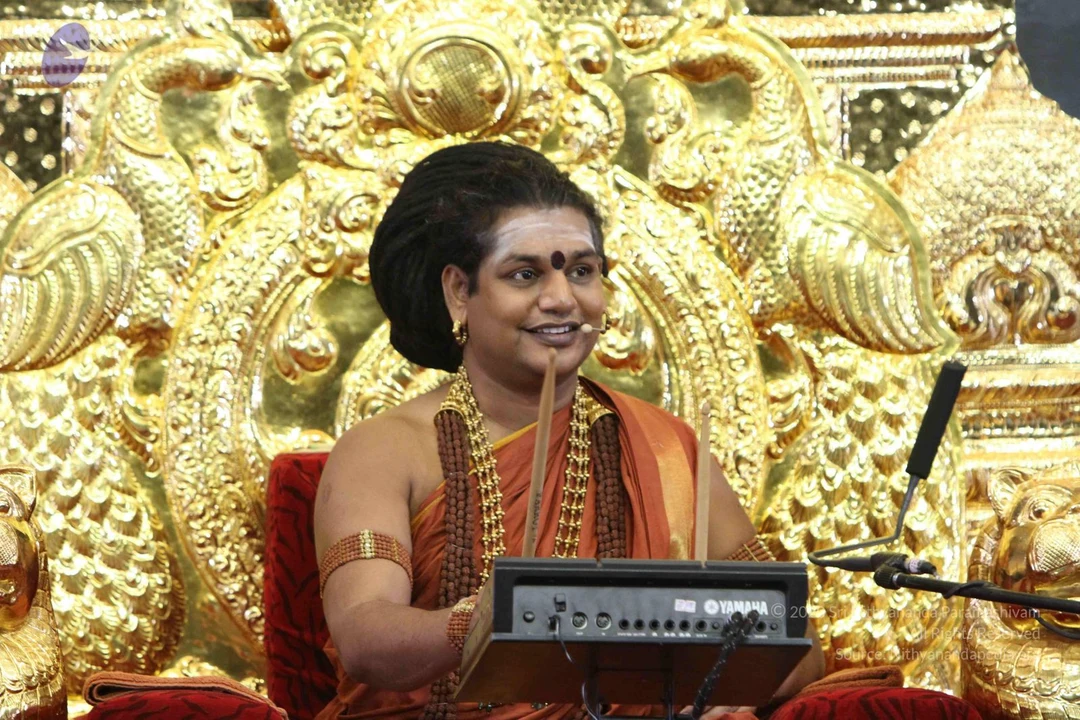
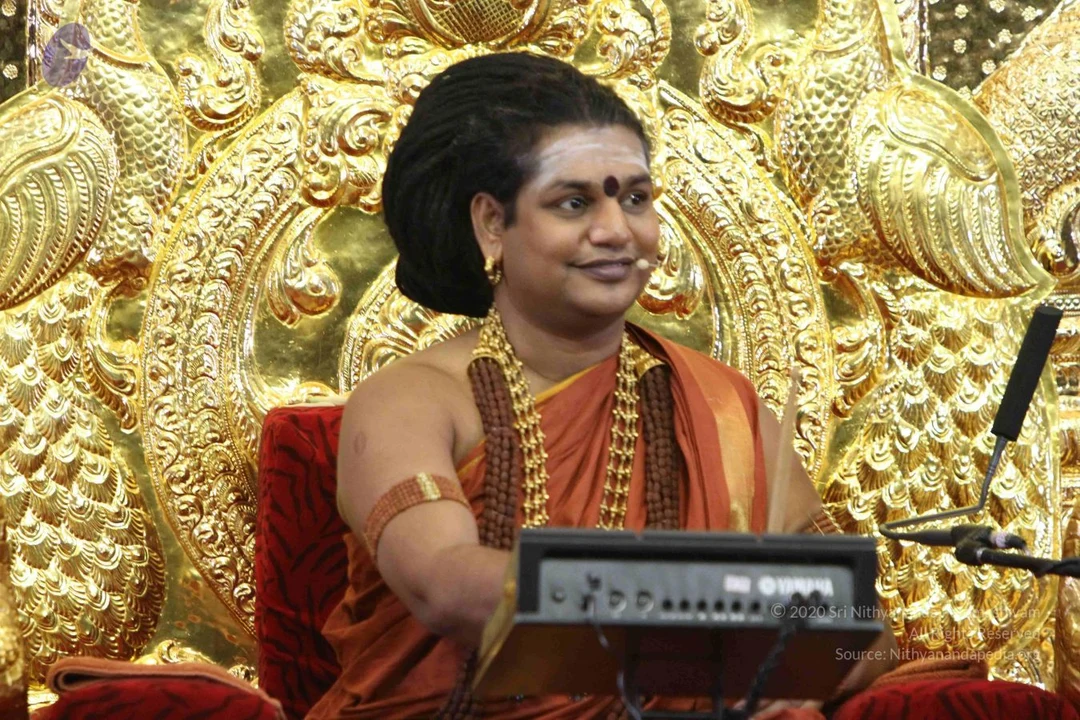
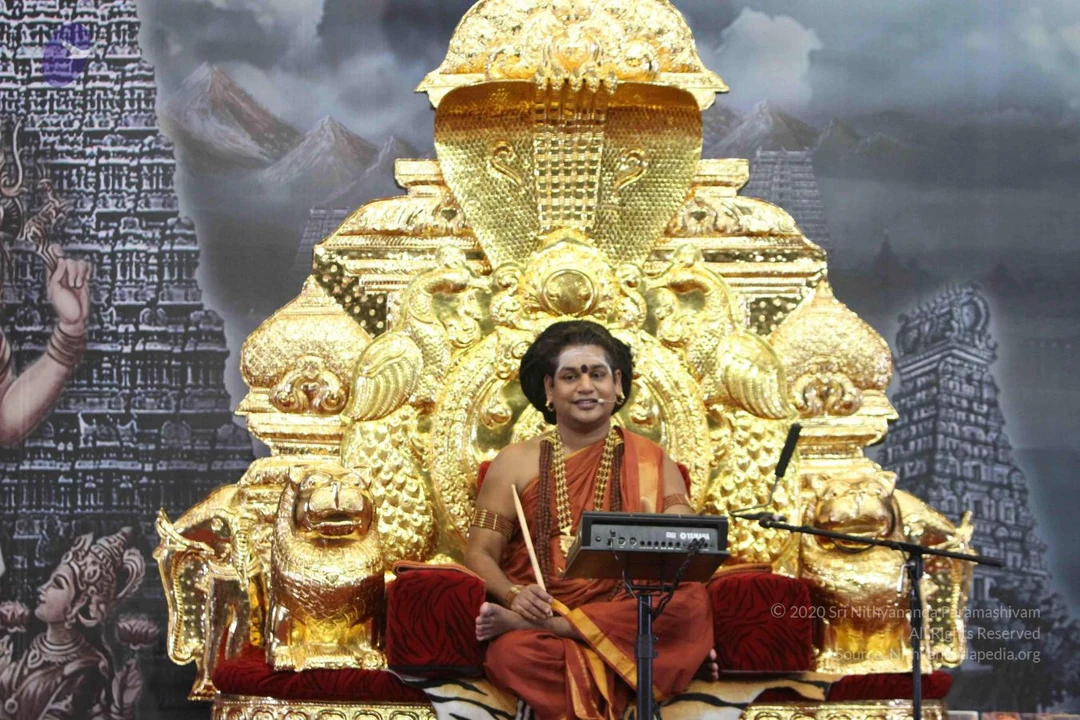
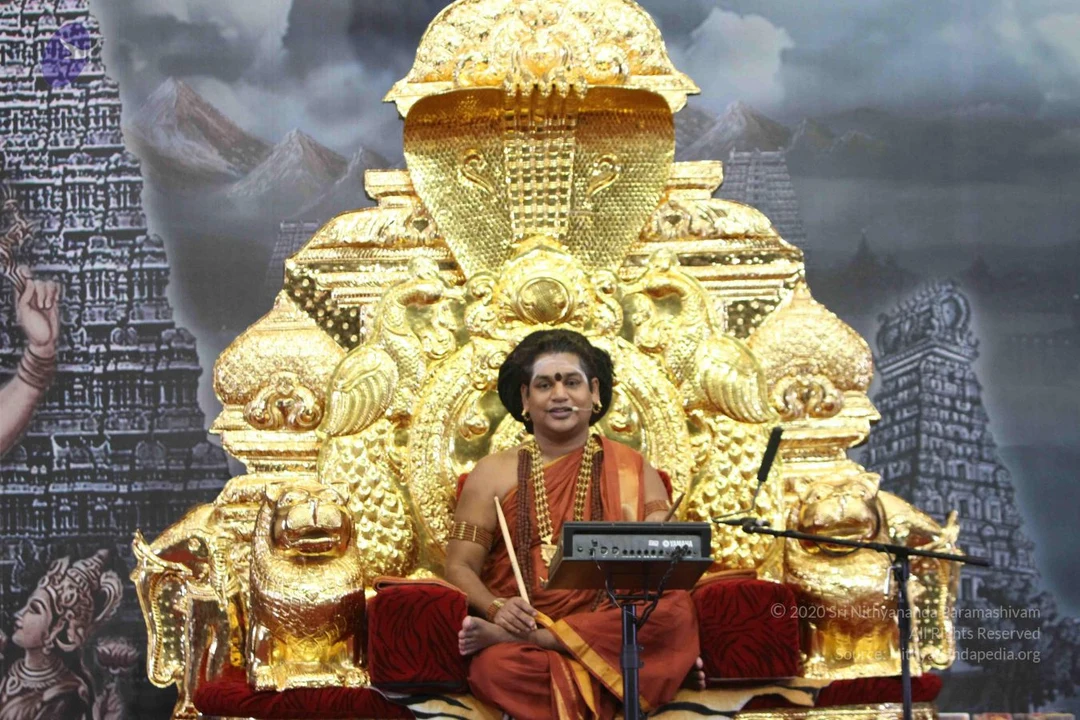
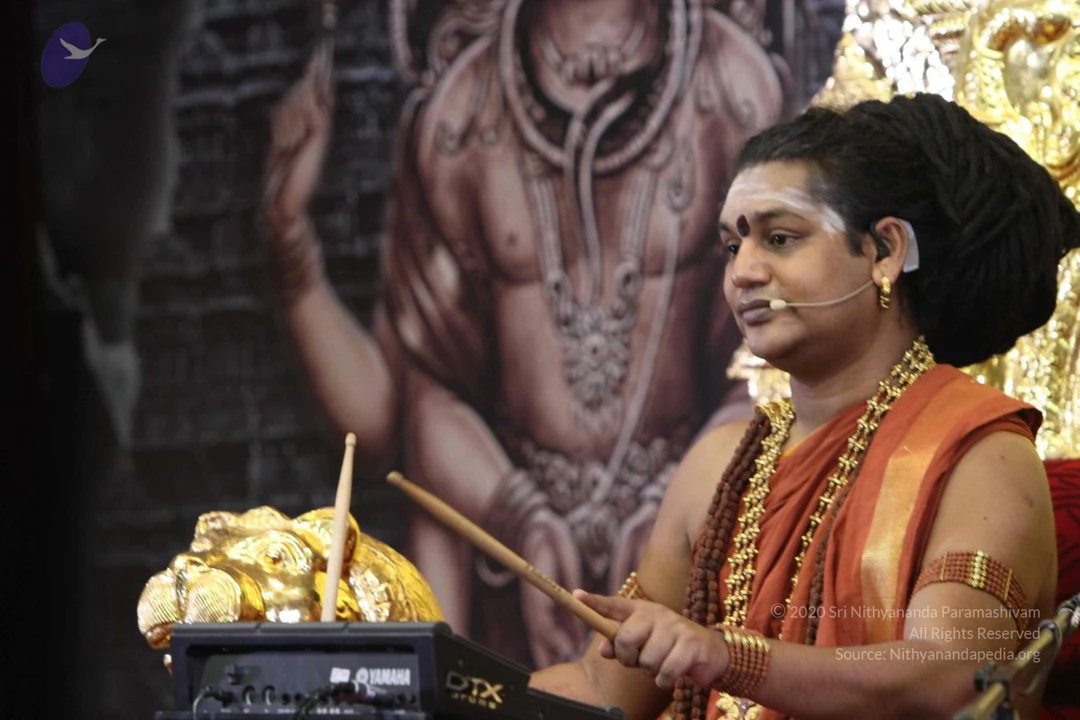
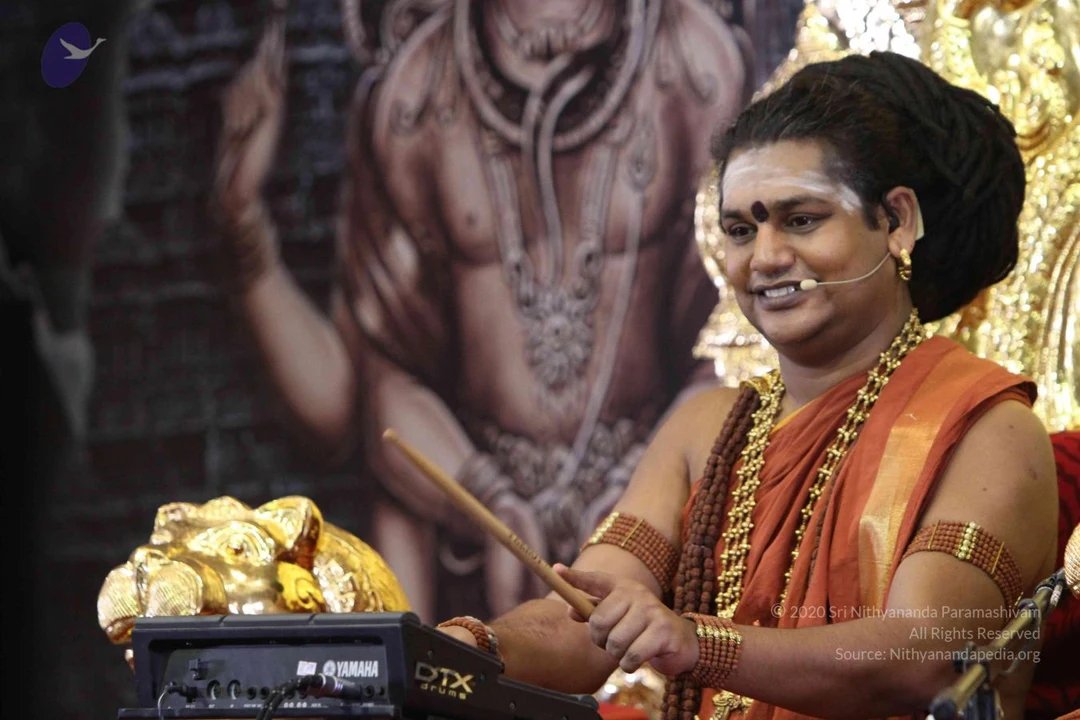
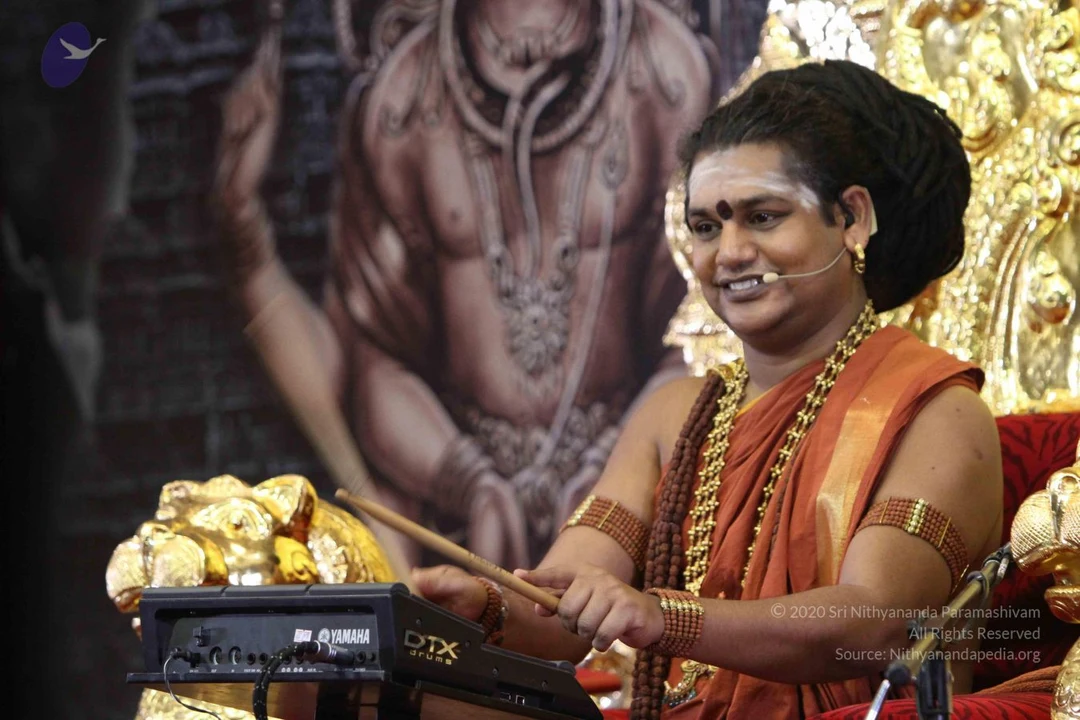
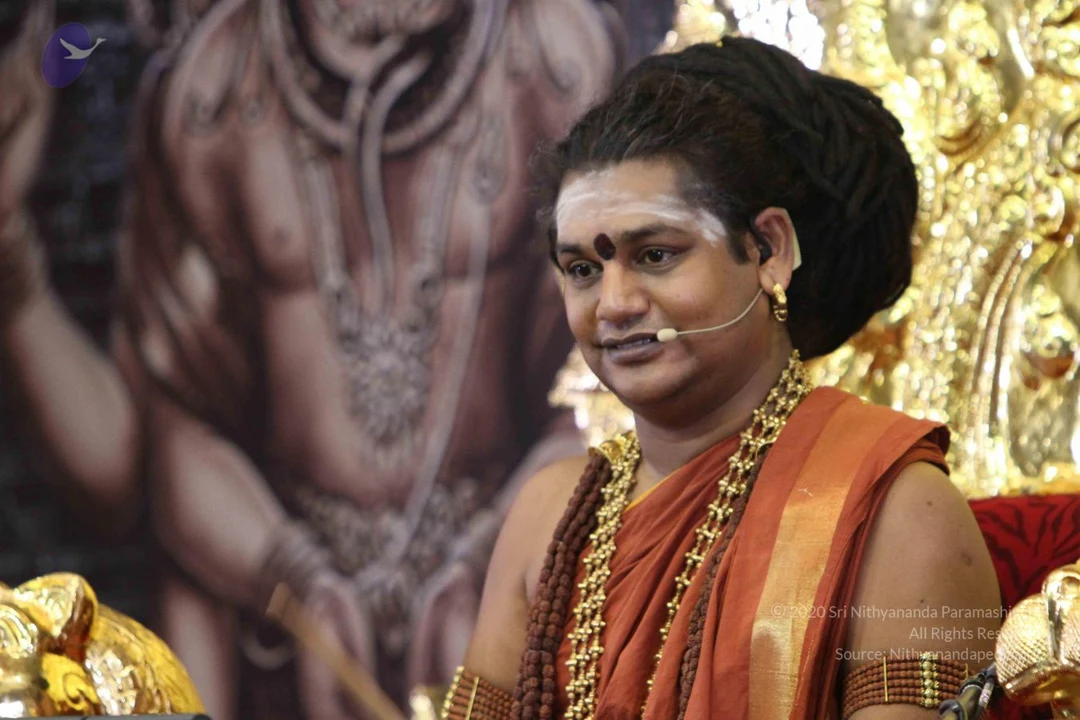
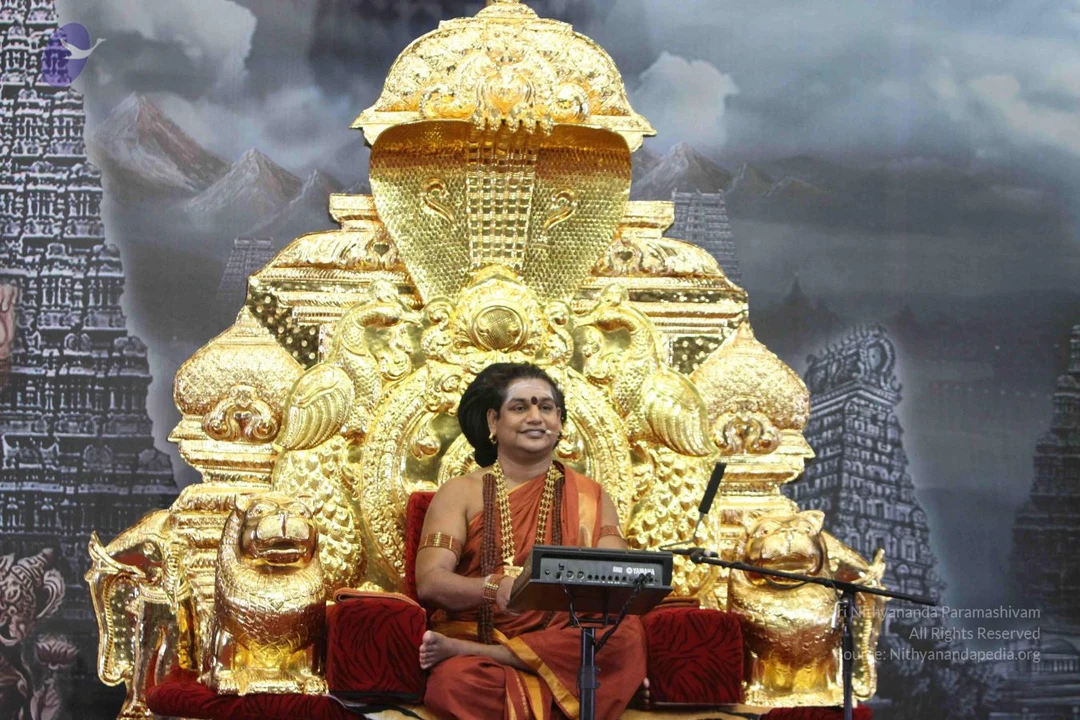
Thousands gather in Aadheenams, Temples and Centers all around the world to attend this live 2-Day meditation program with SPH JGM Bhagavan Sri Nithyananda Paramashivam.
Photos Of The Day:
Nithya Dhana Yoga global Convention
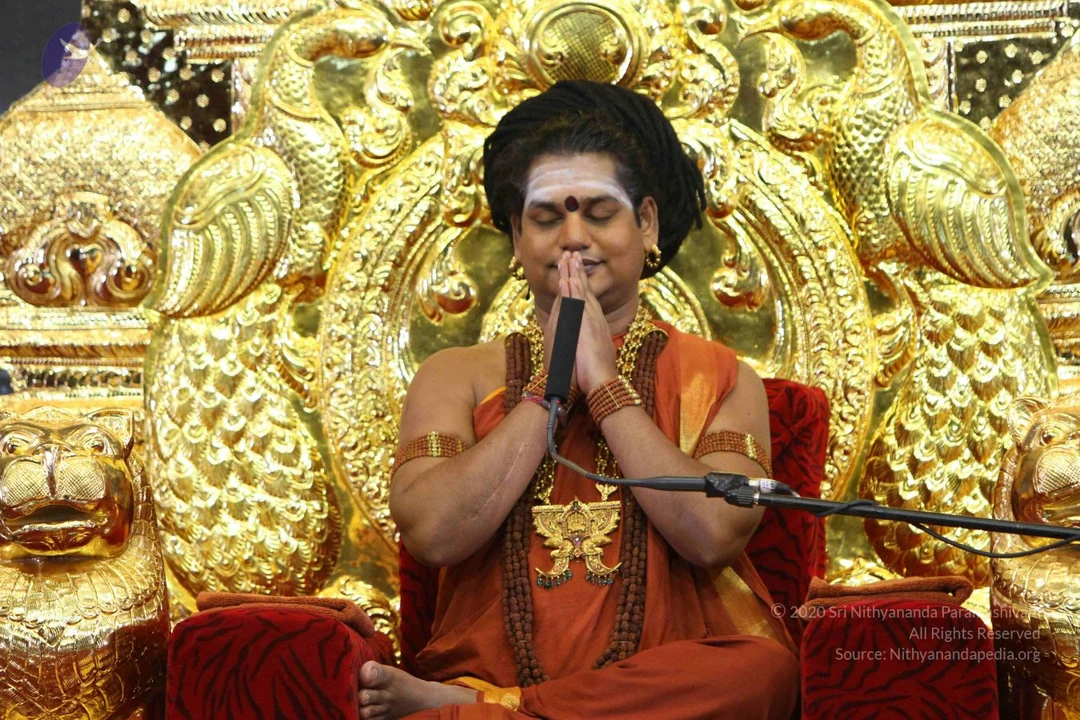
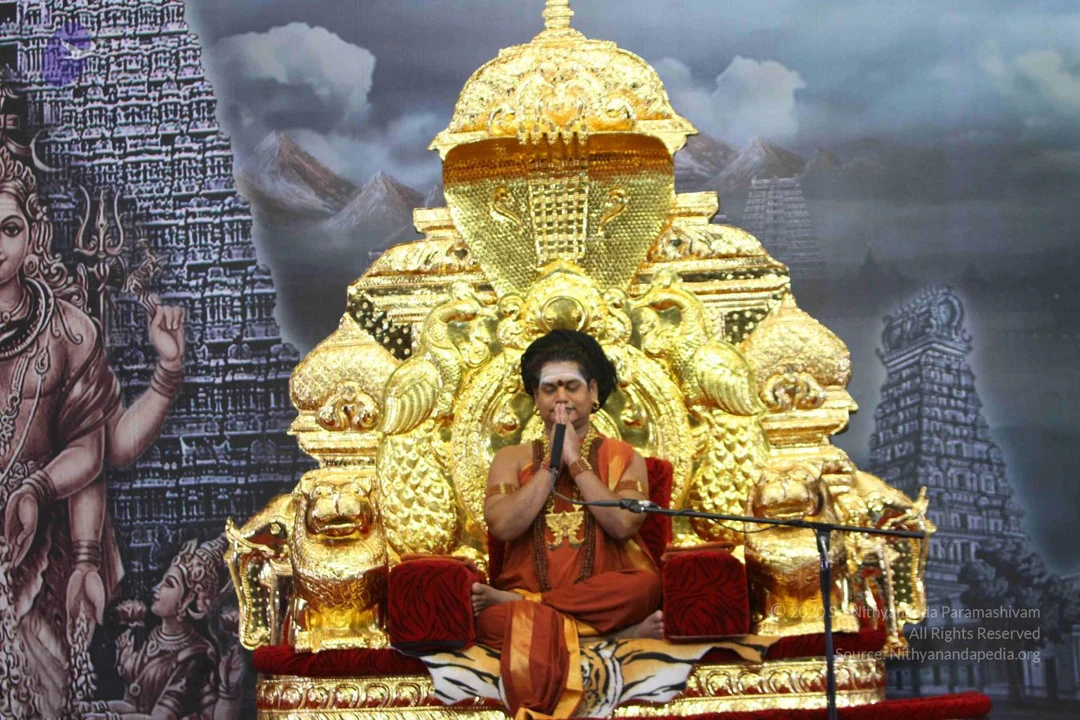
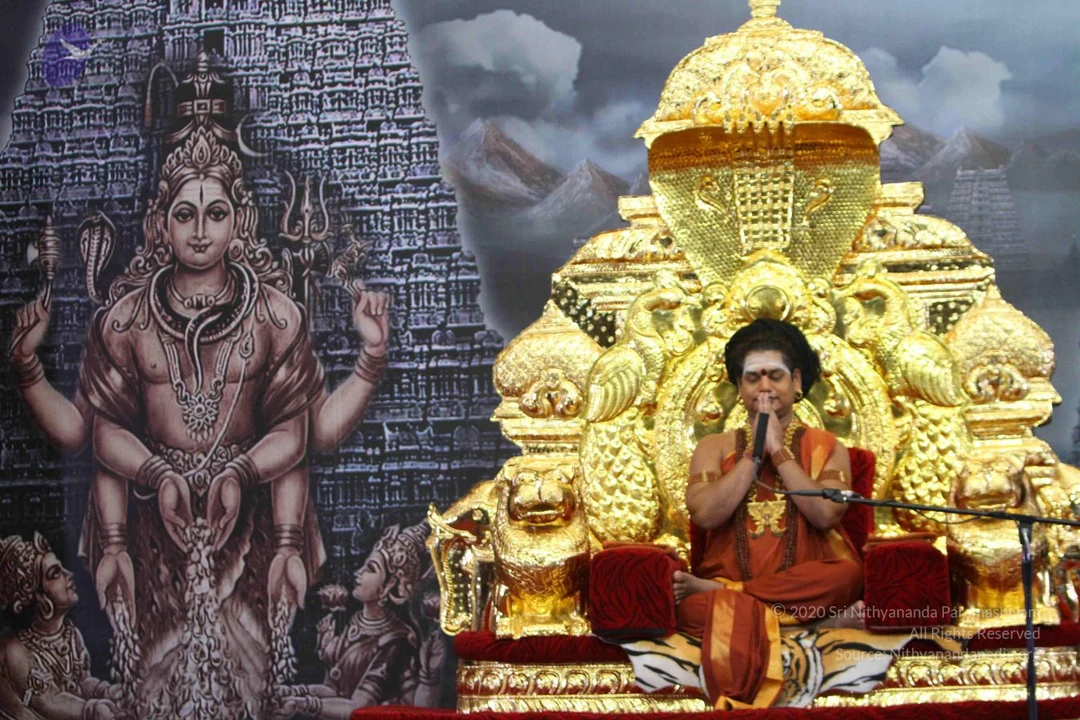
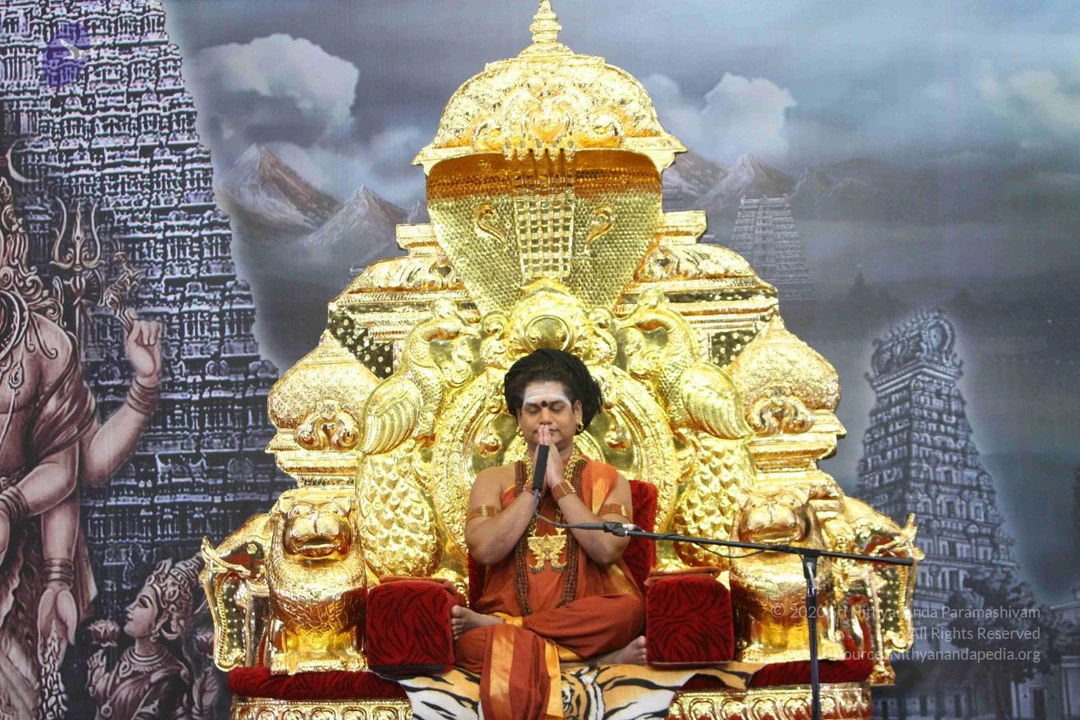
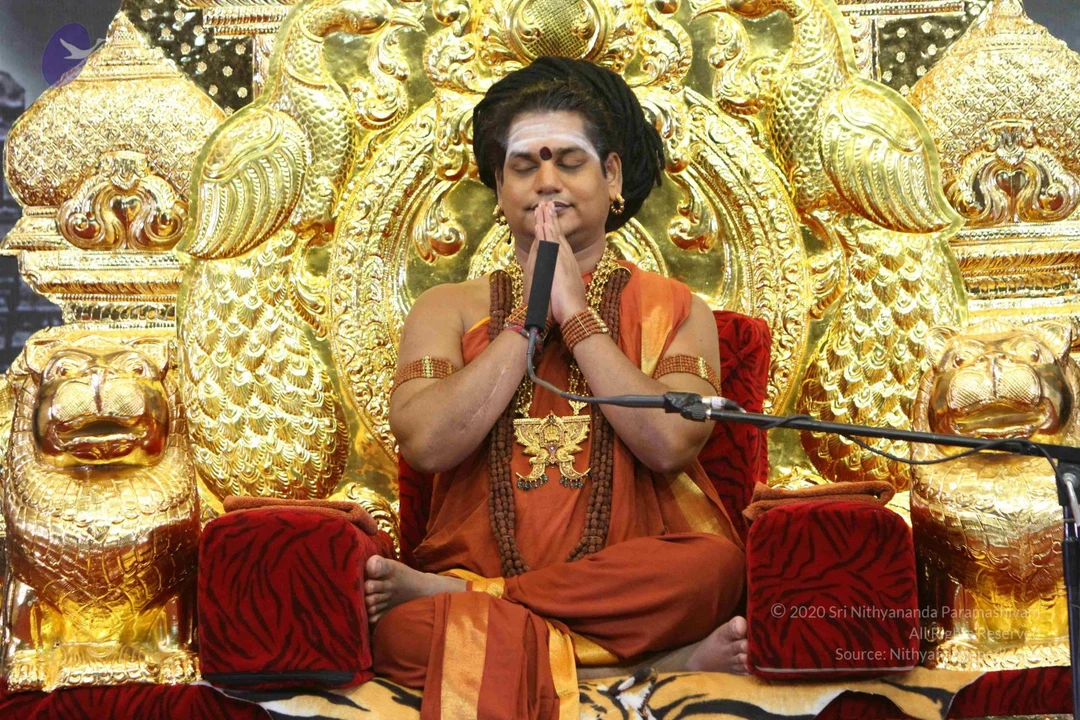
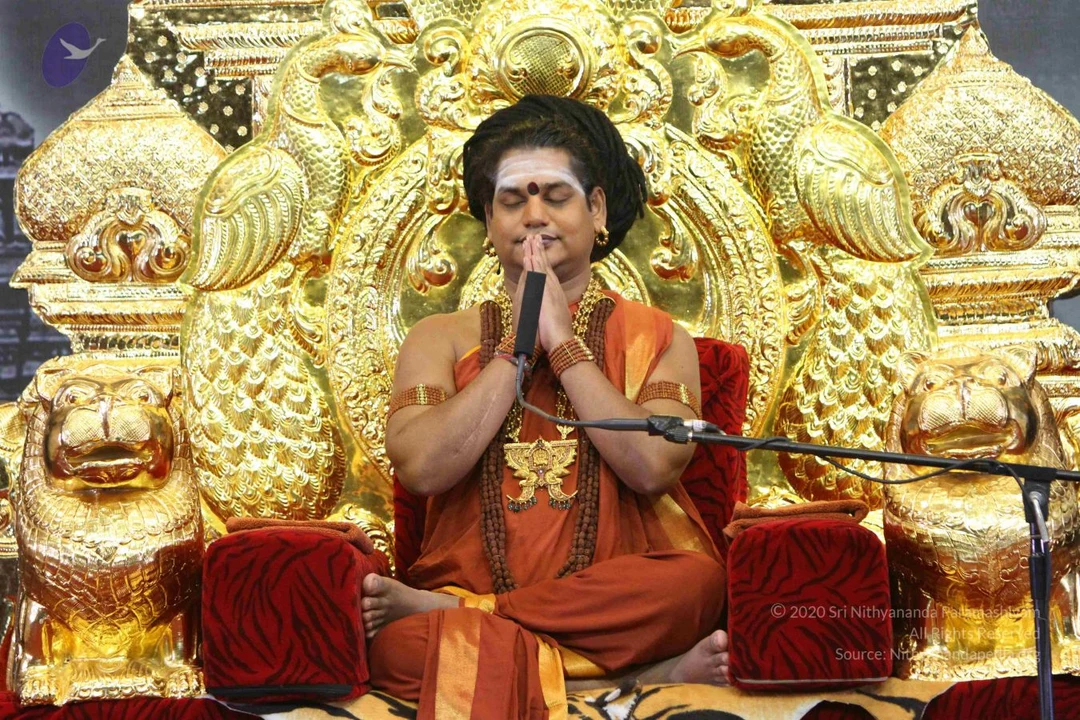
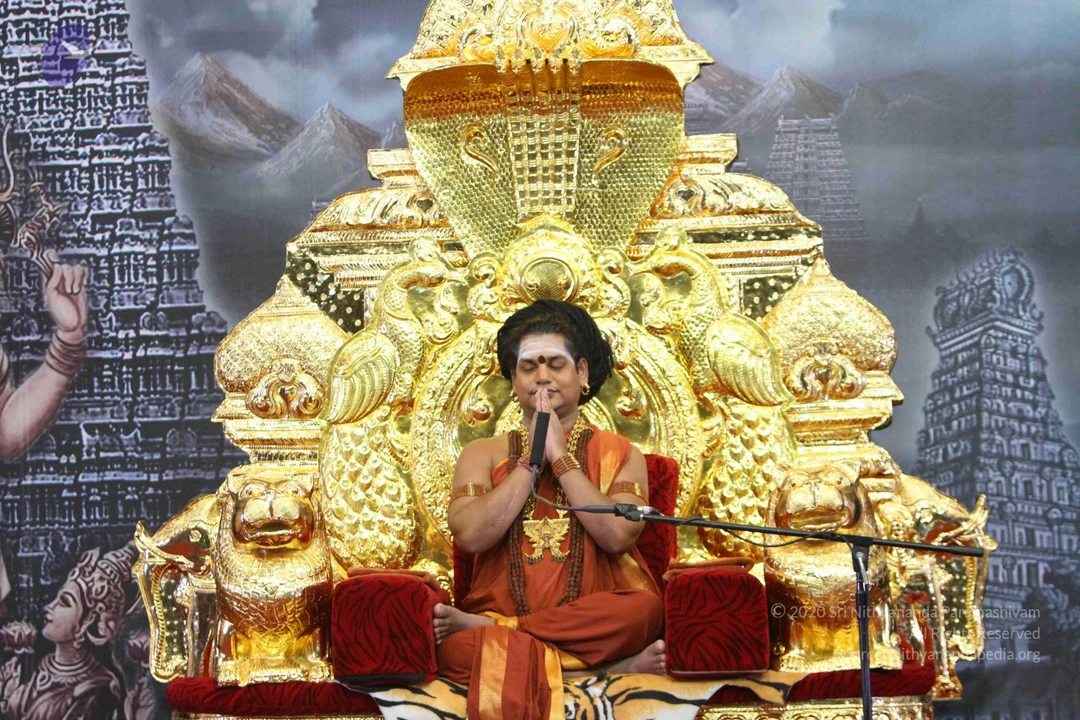
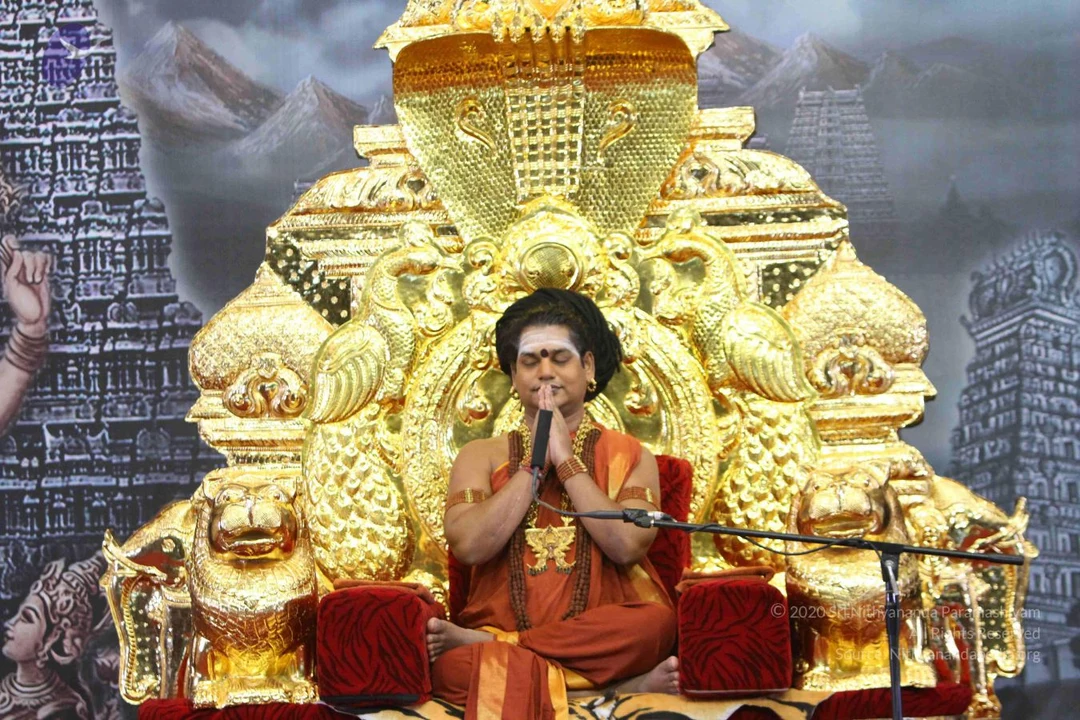
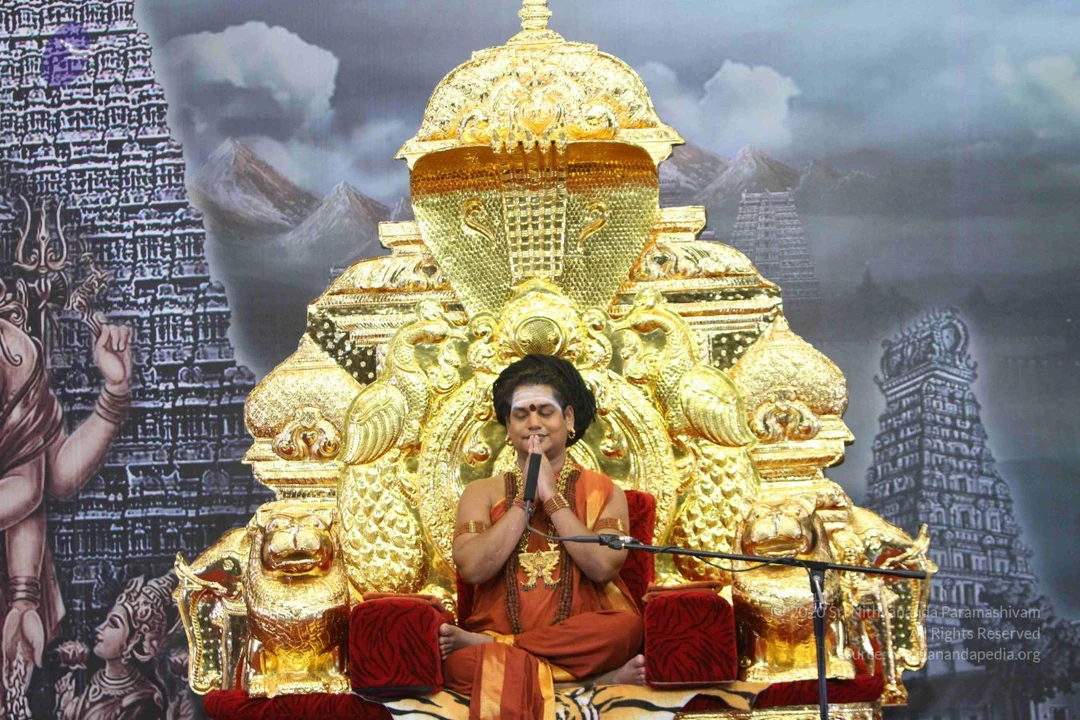
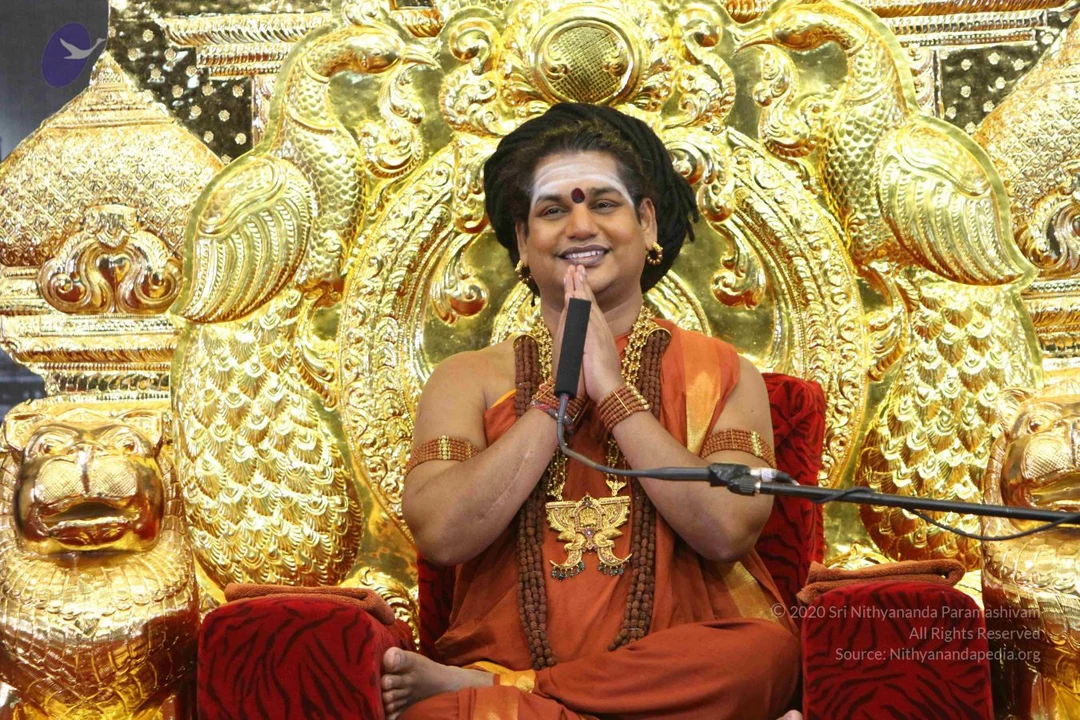
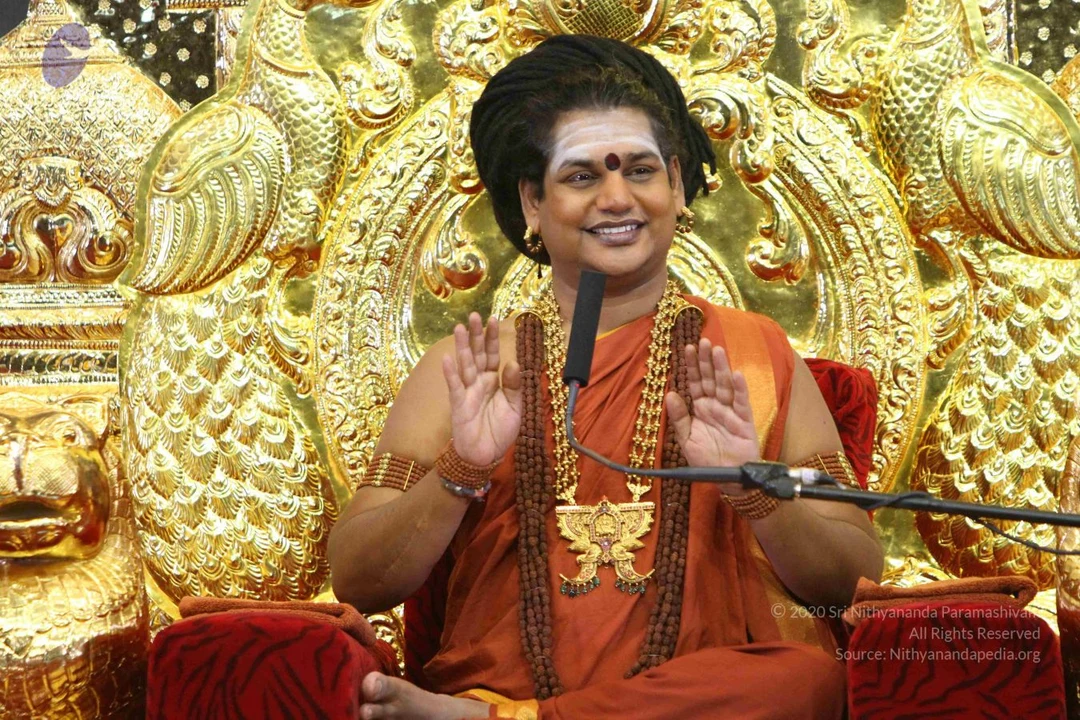
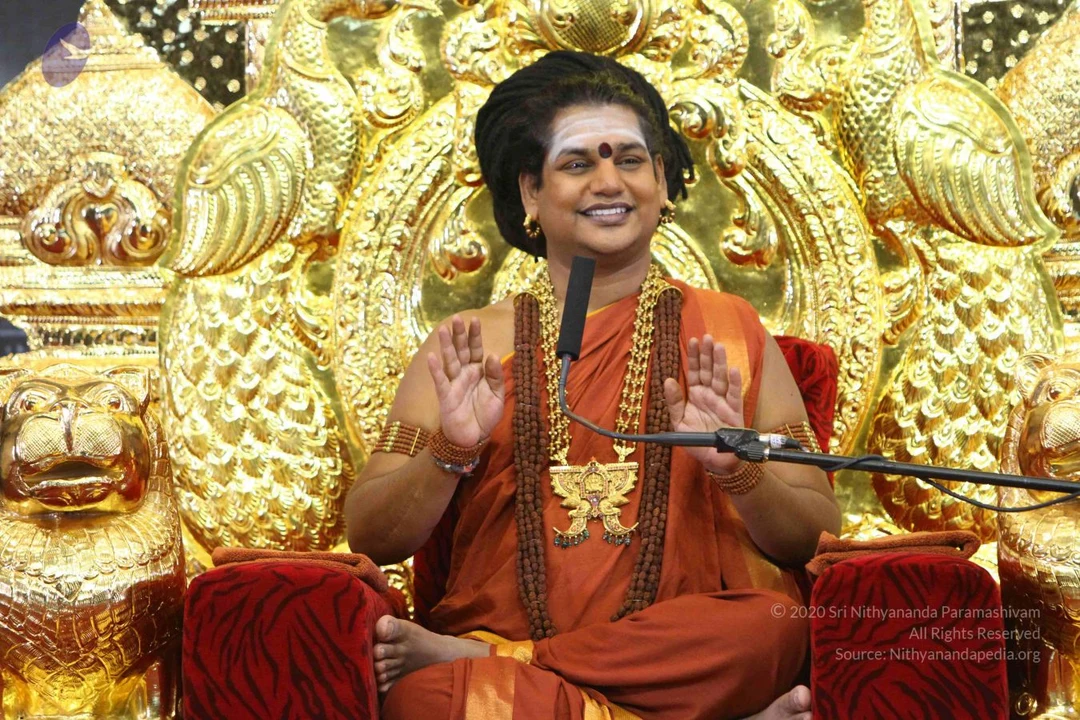

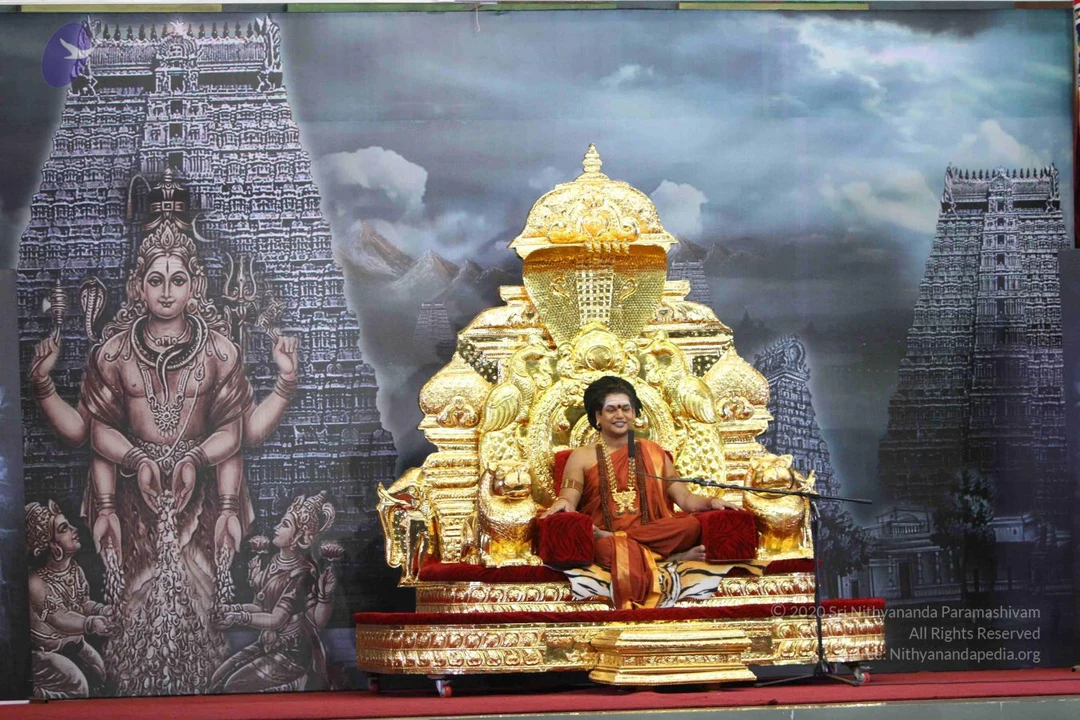
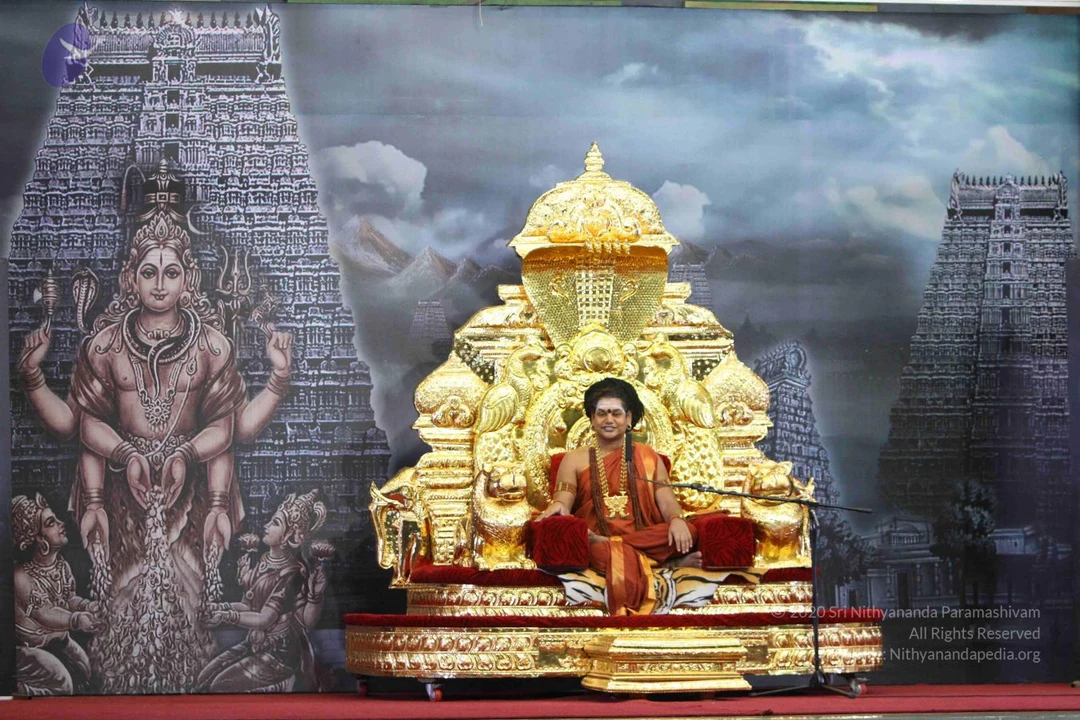
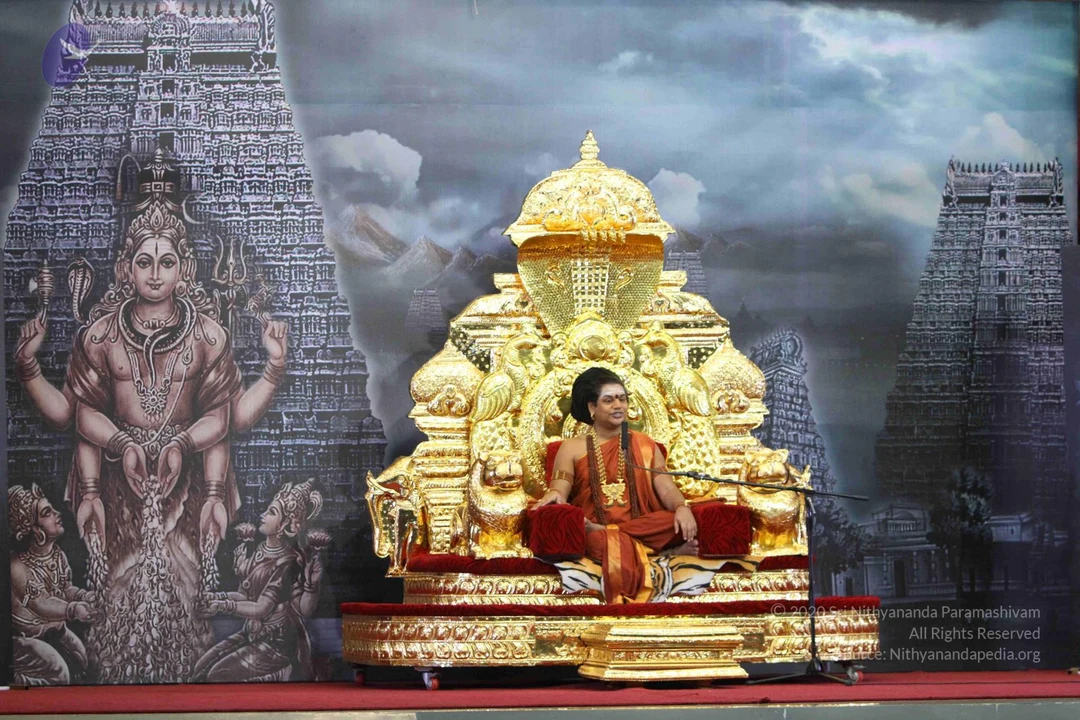
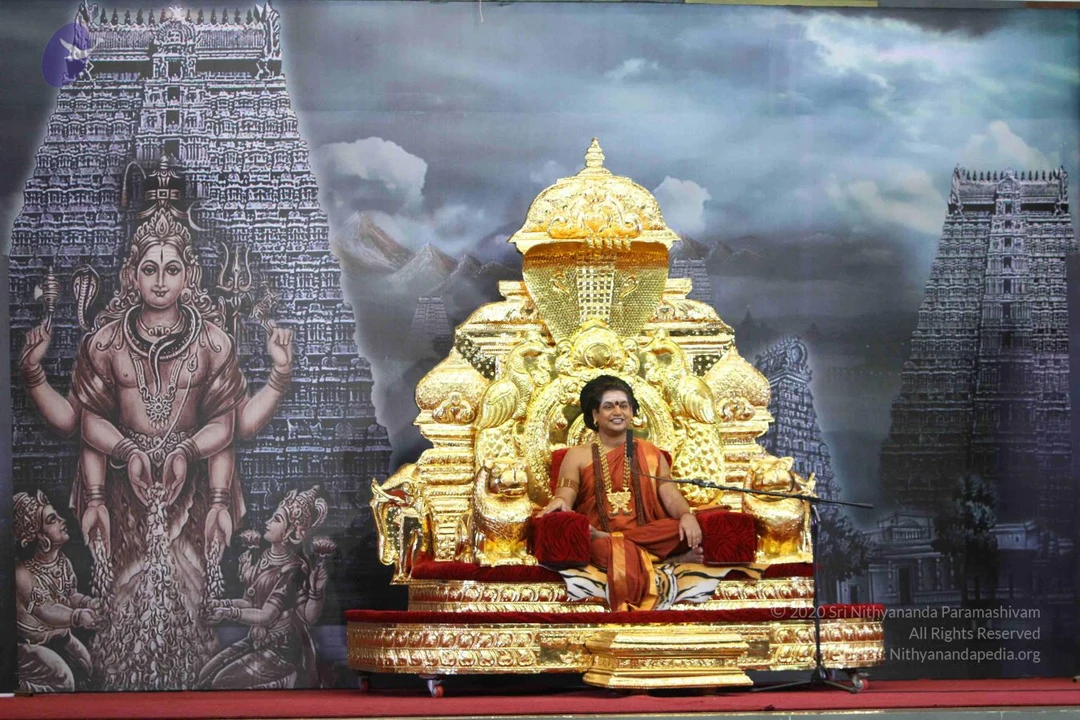
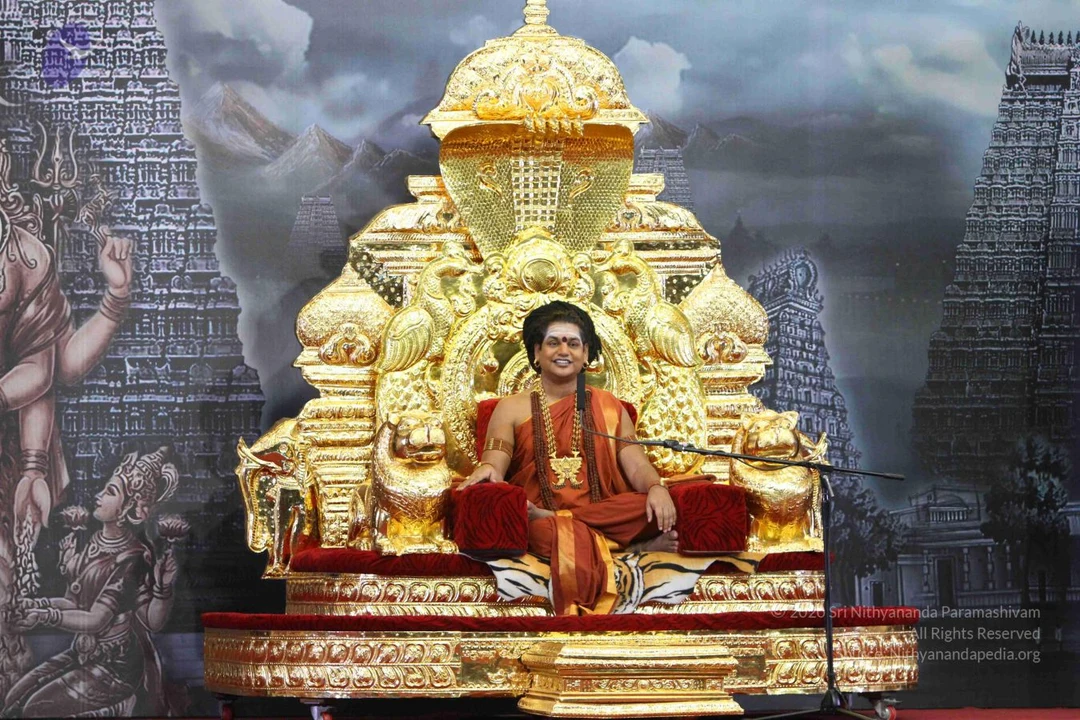
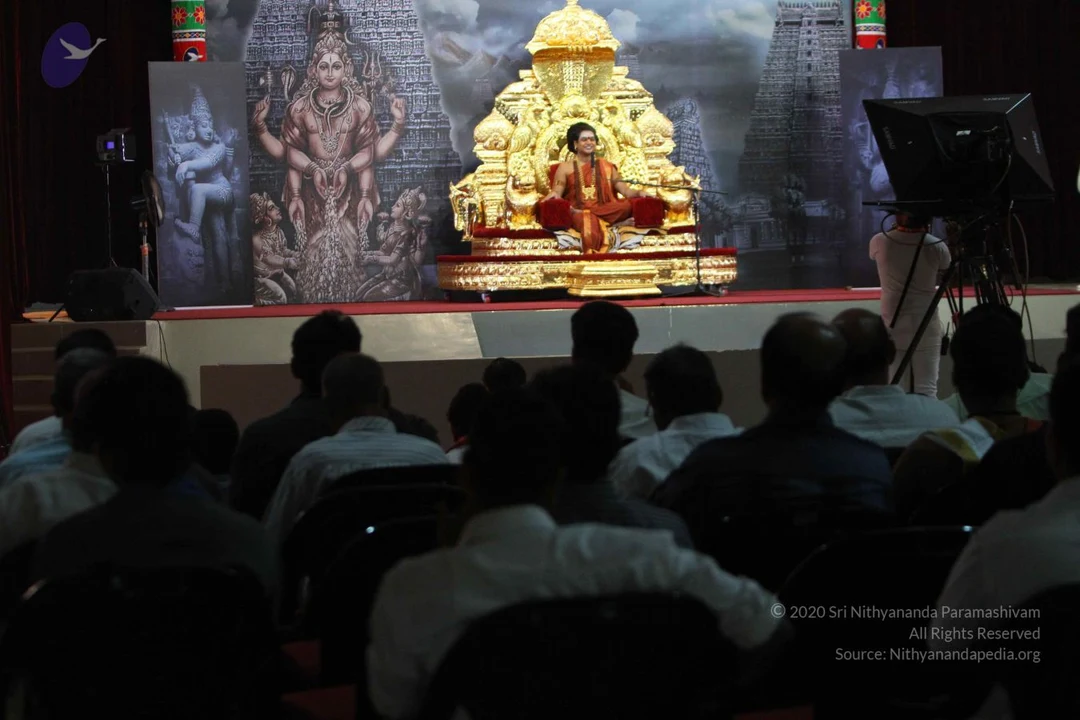
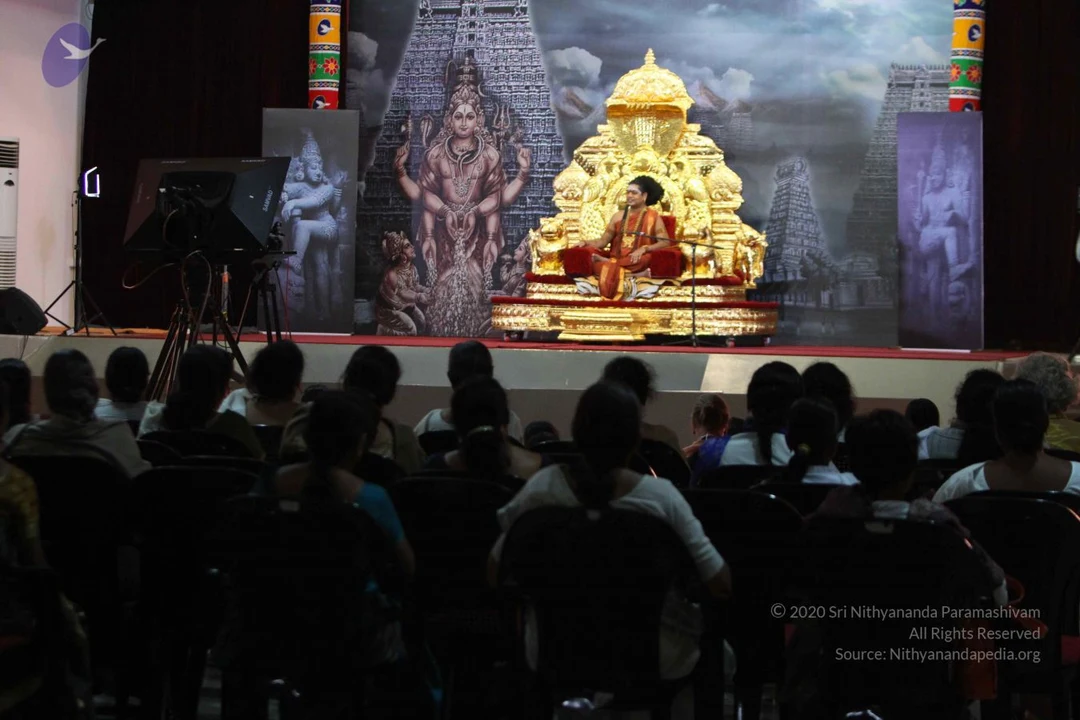
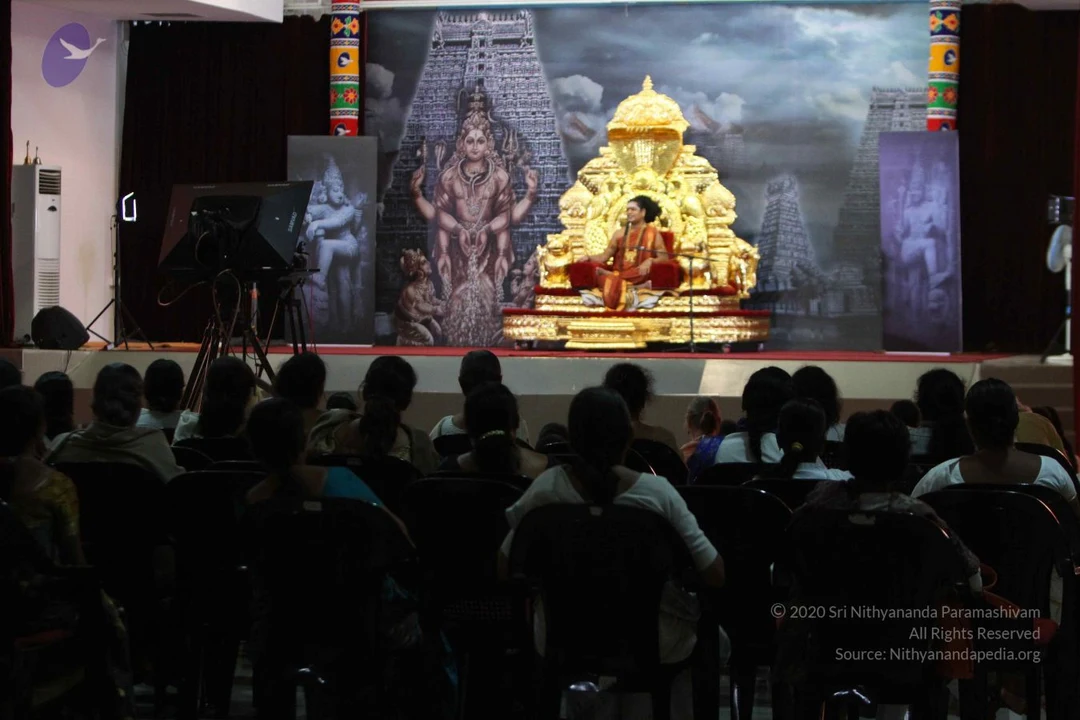
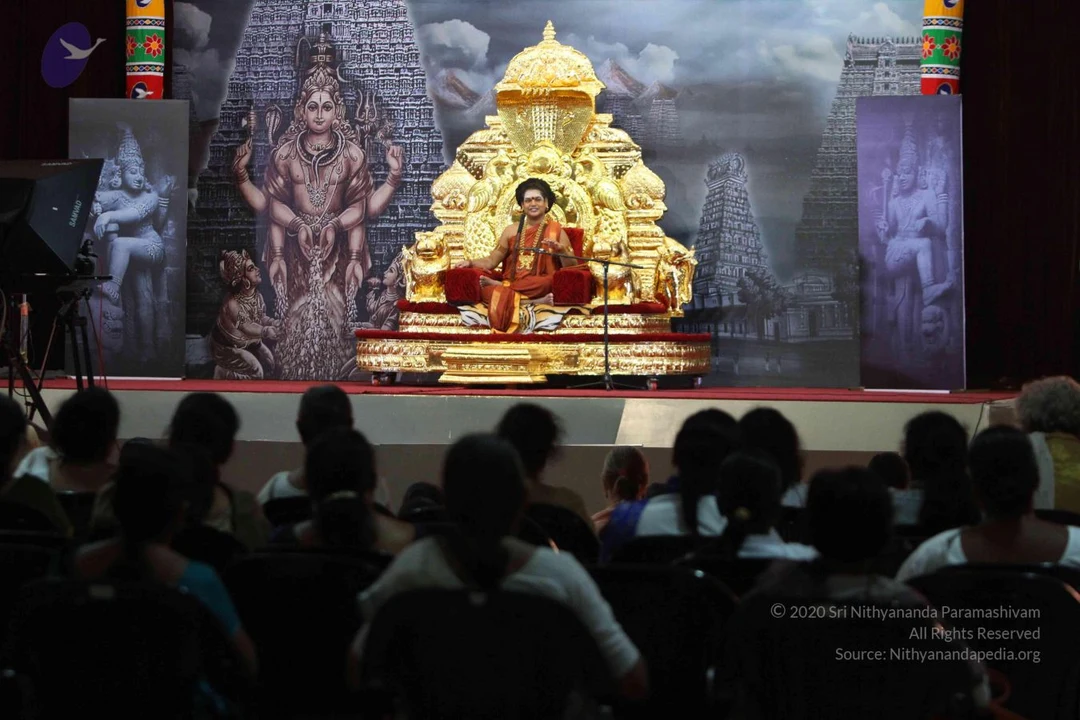
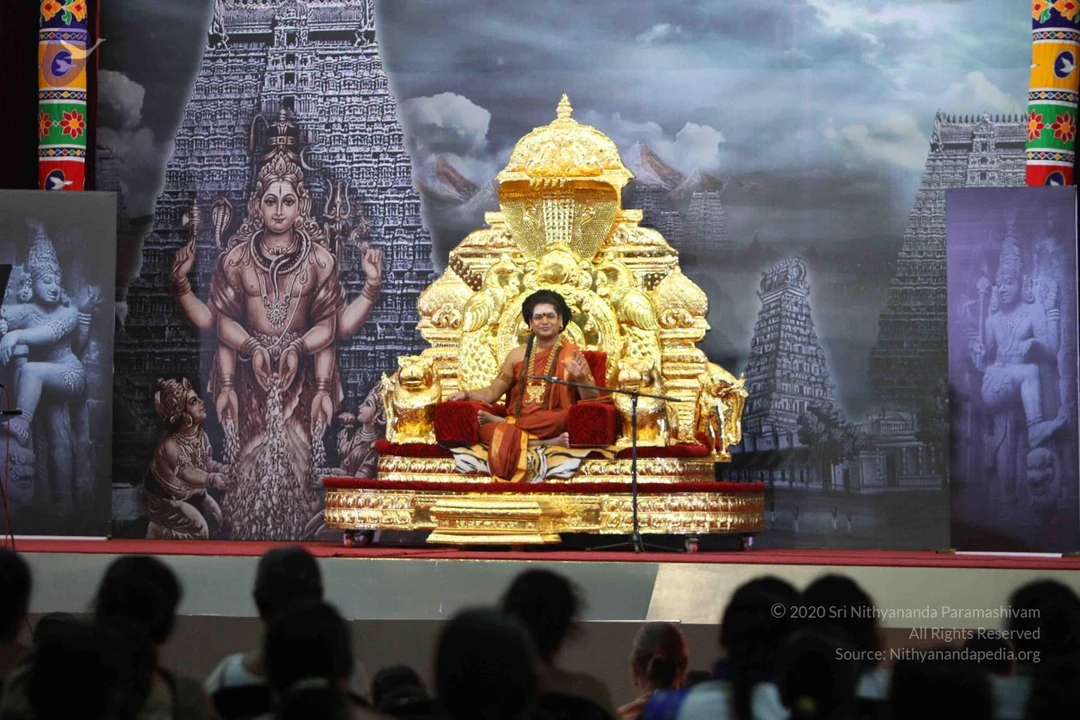
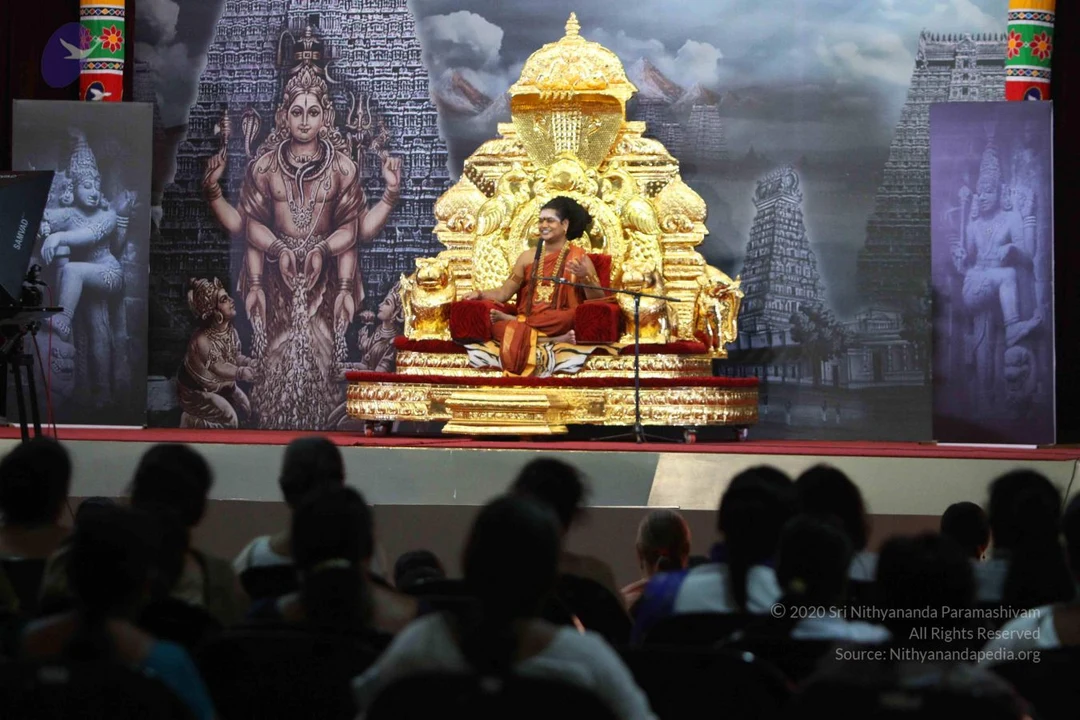
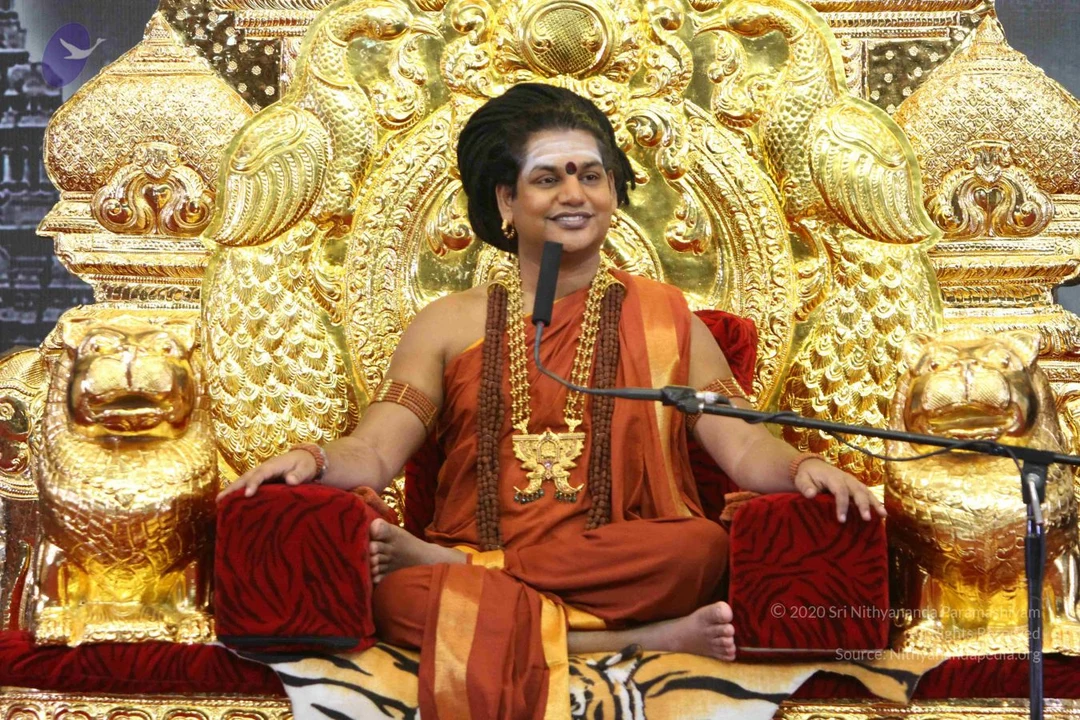
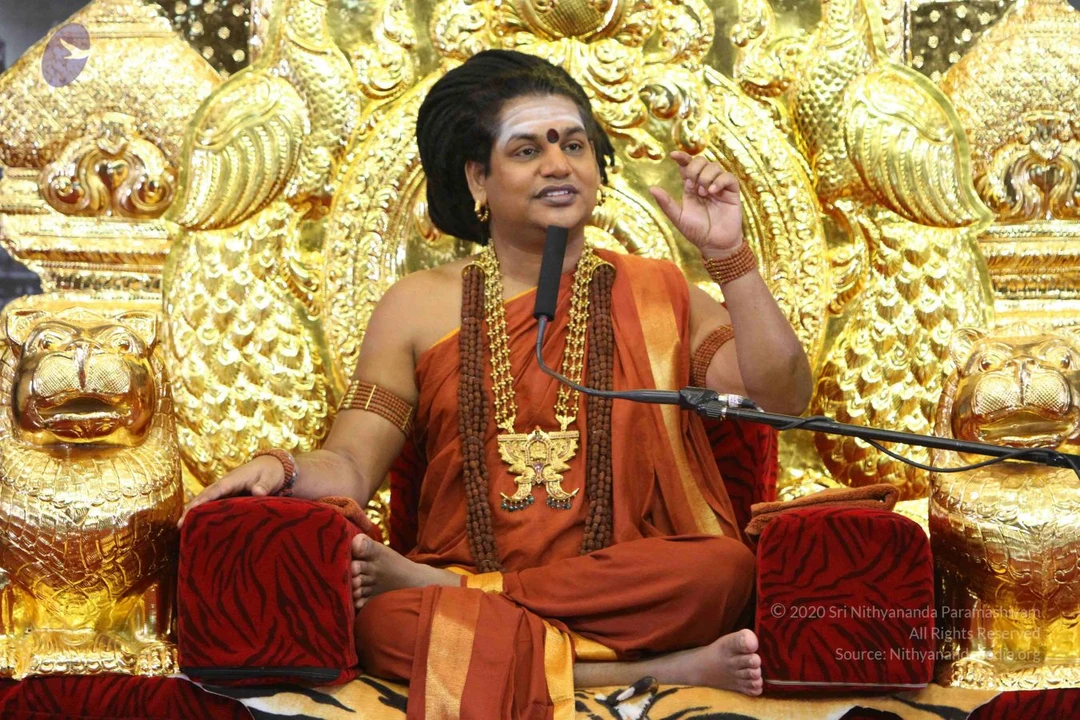
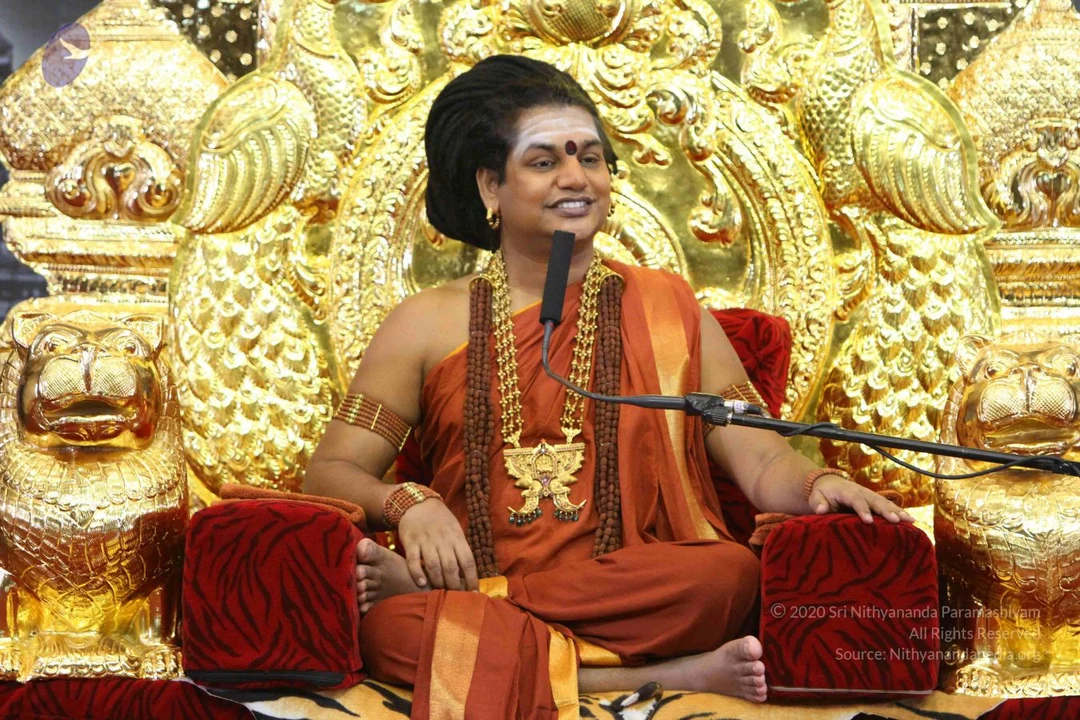
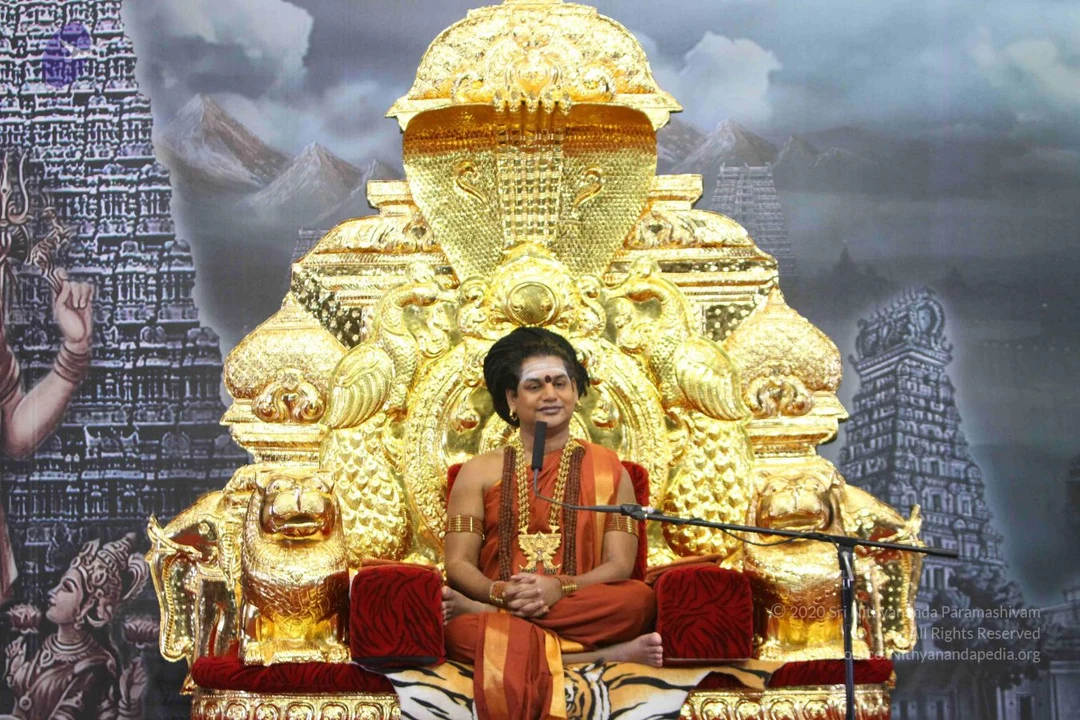
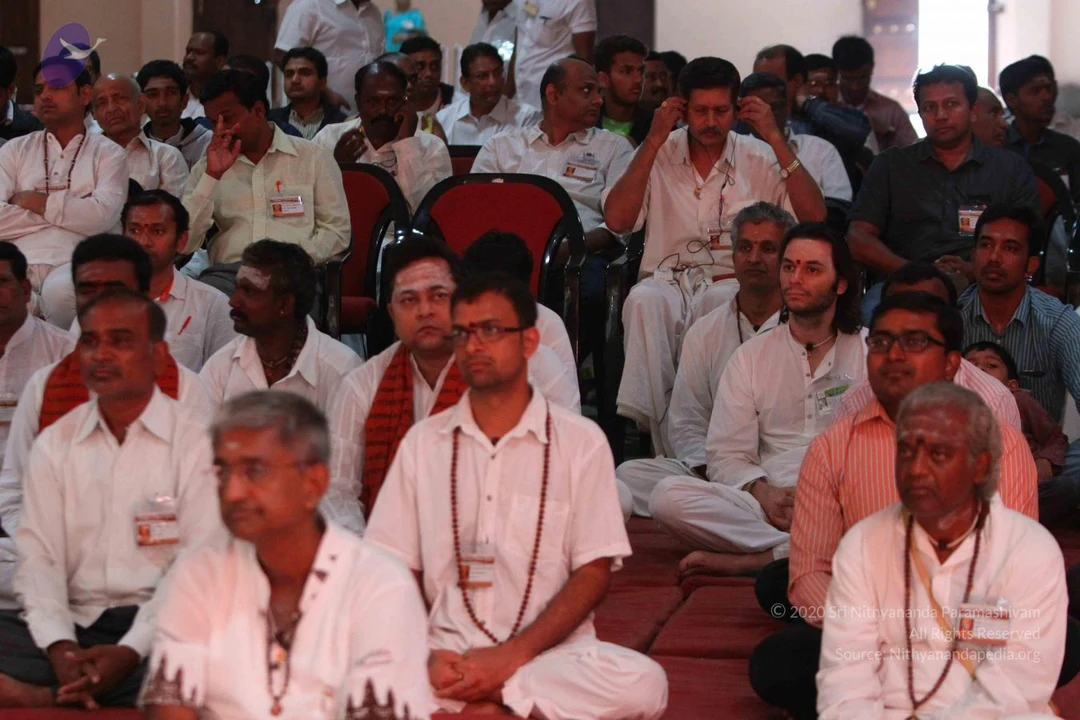
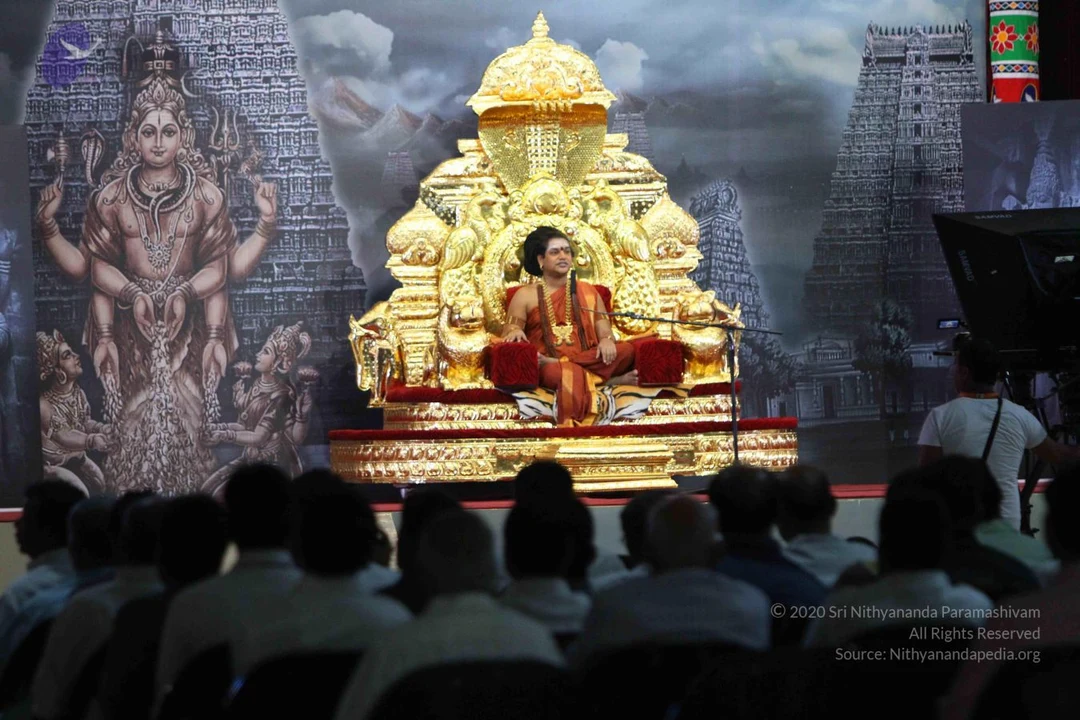
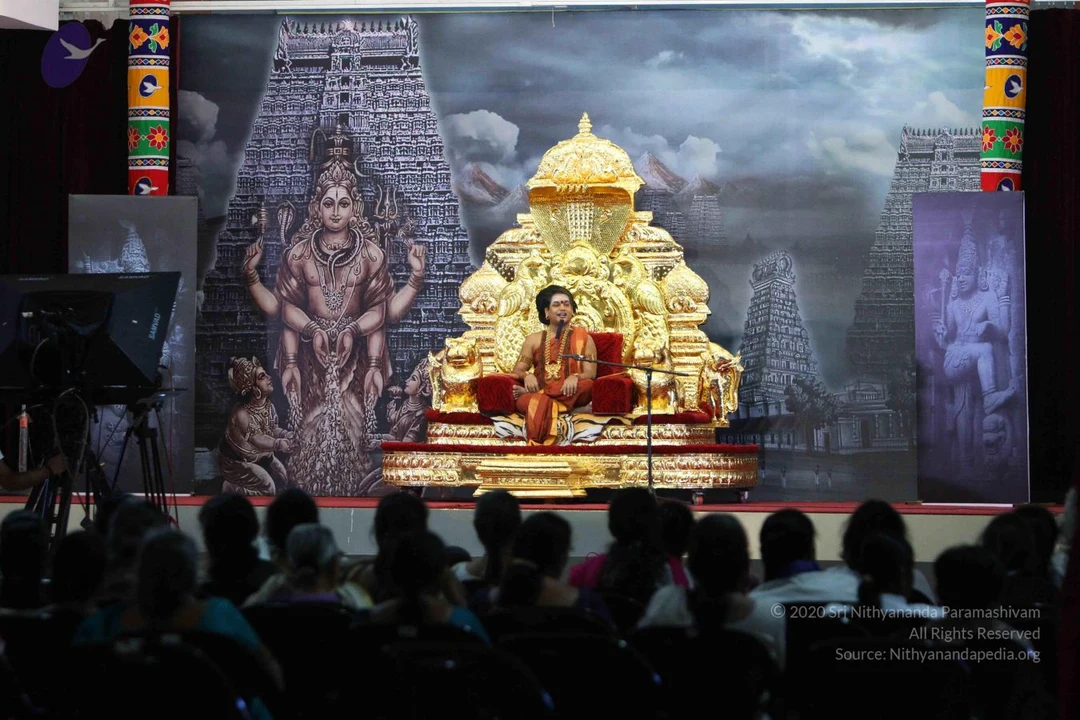
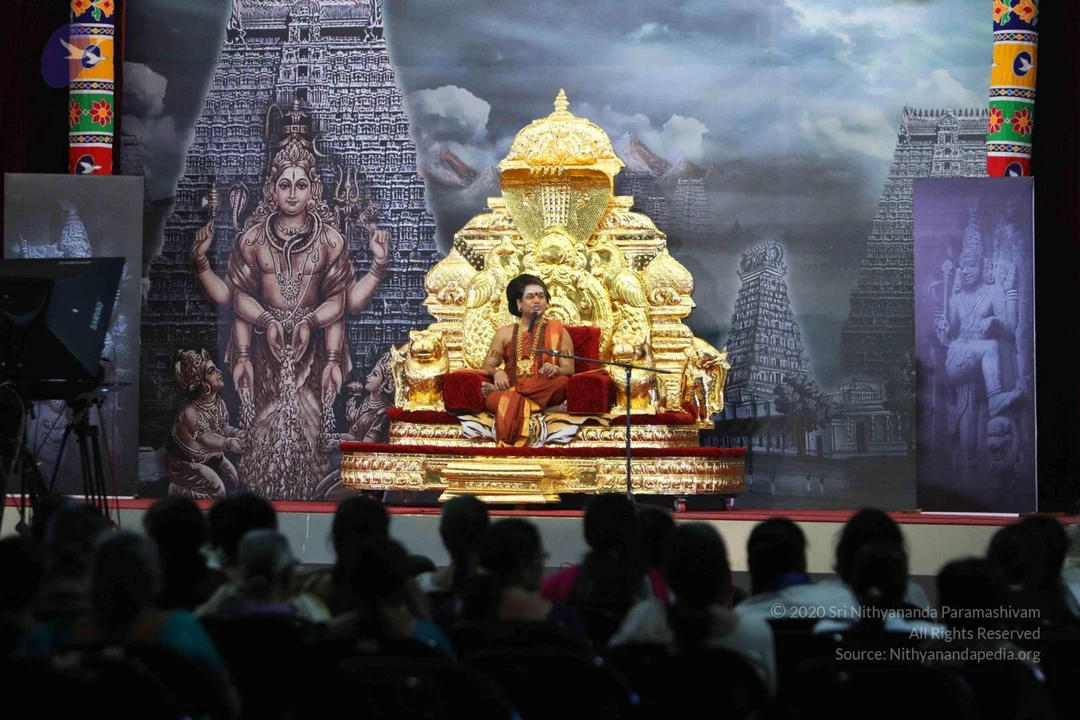
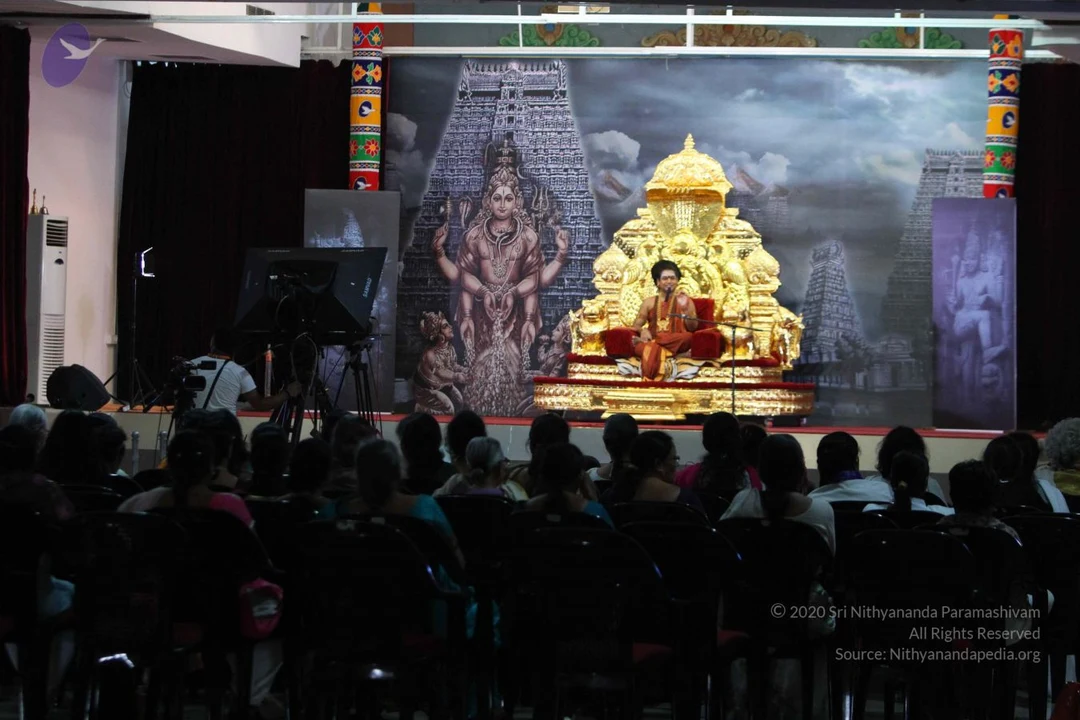
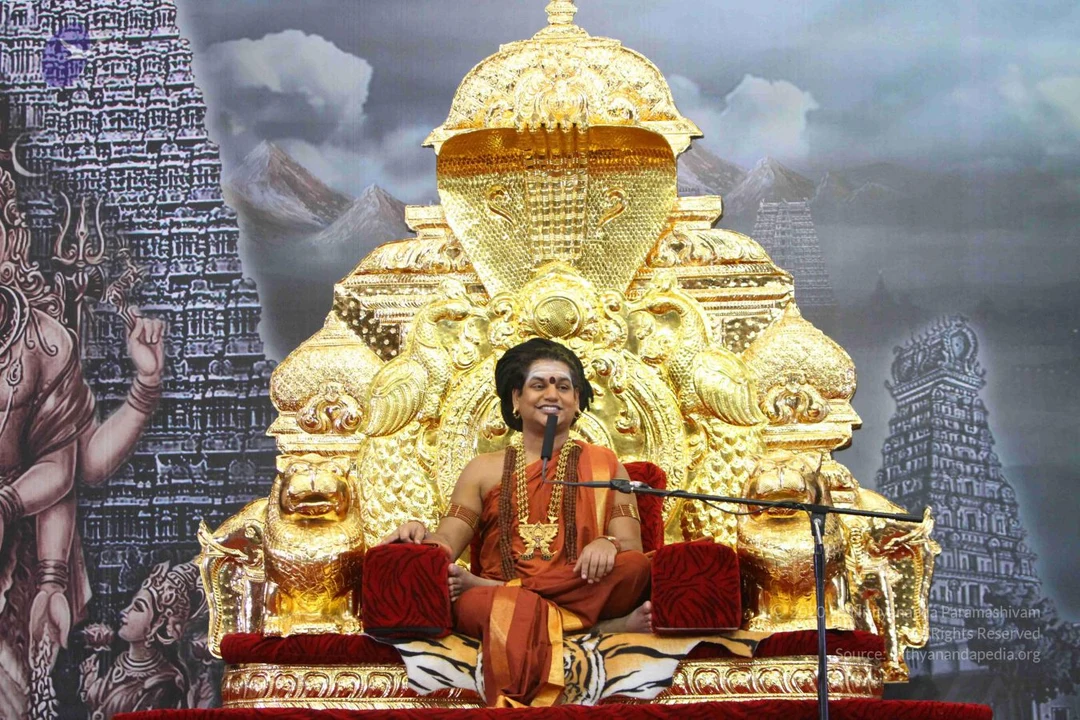
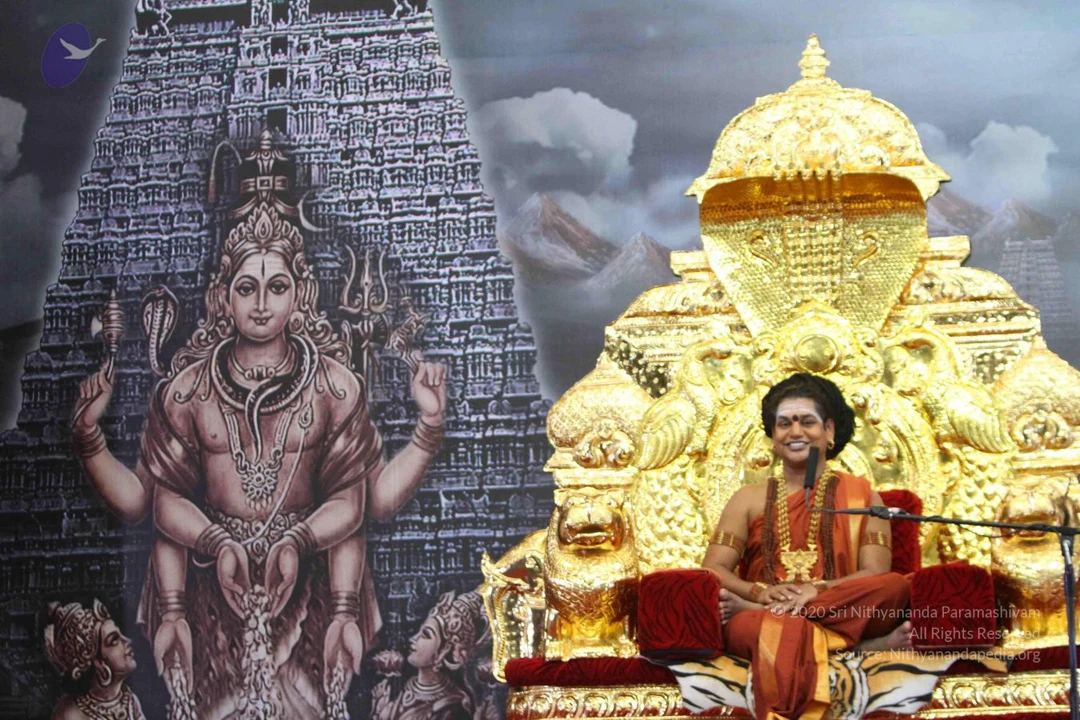
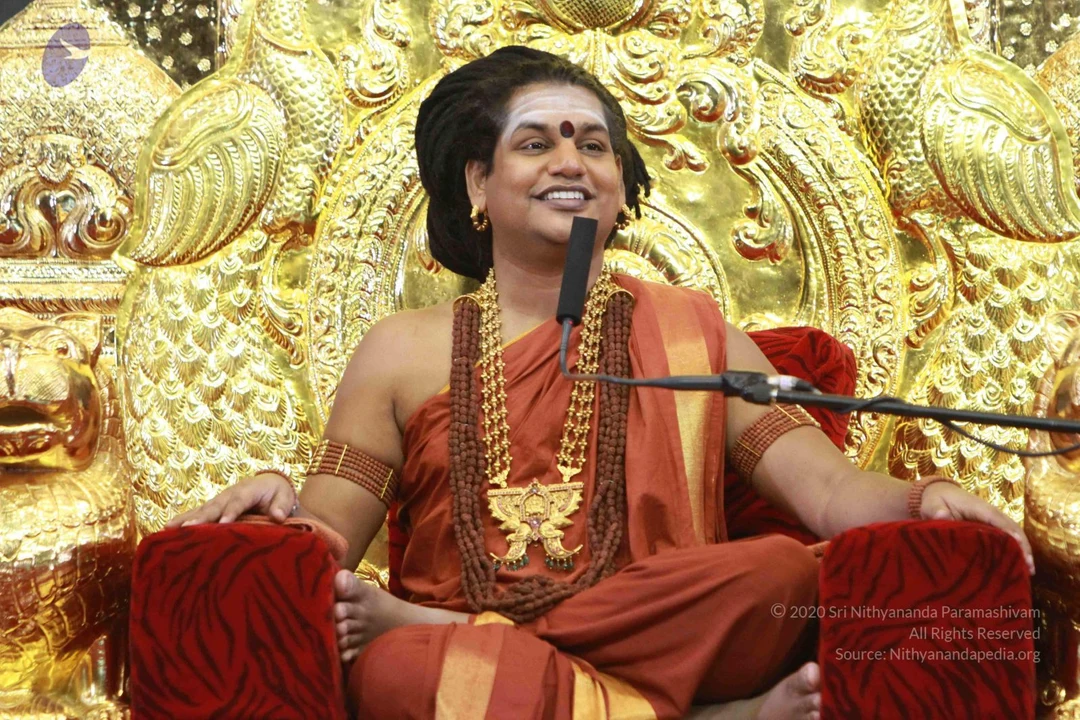
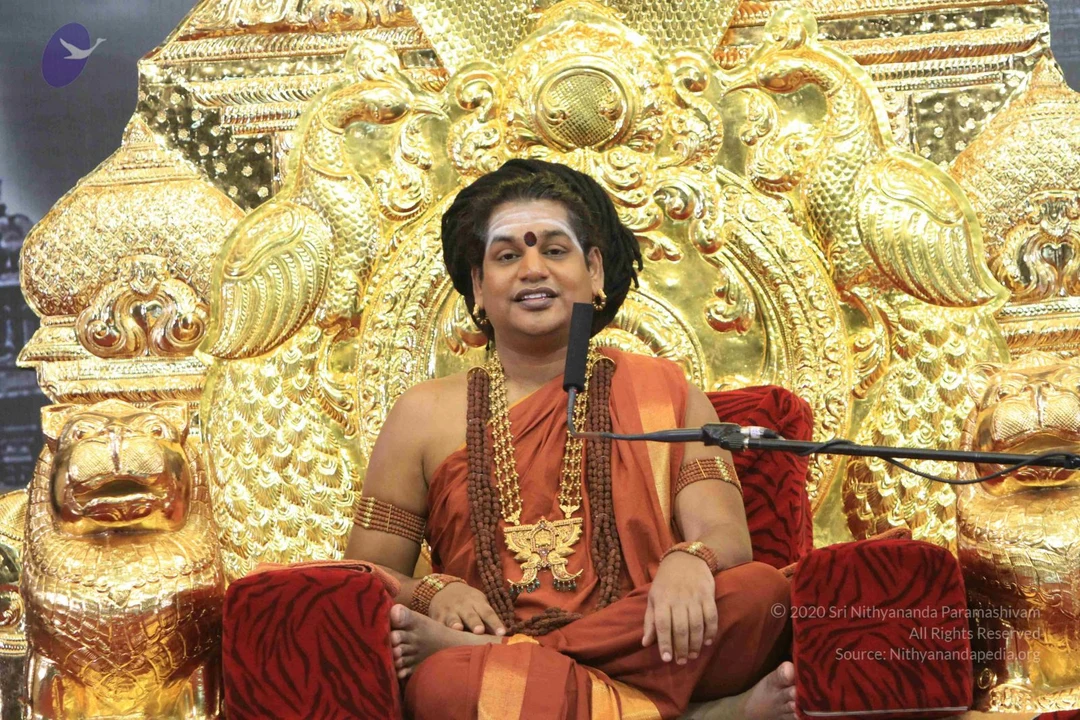
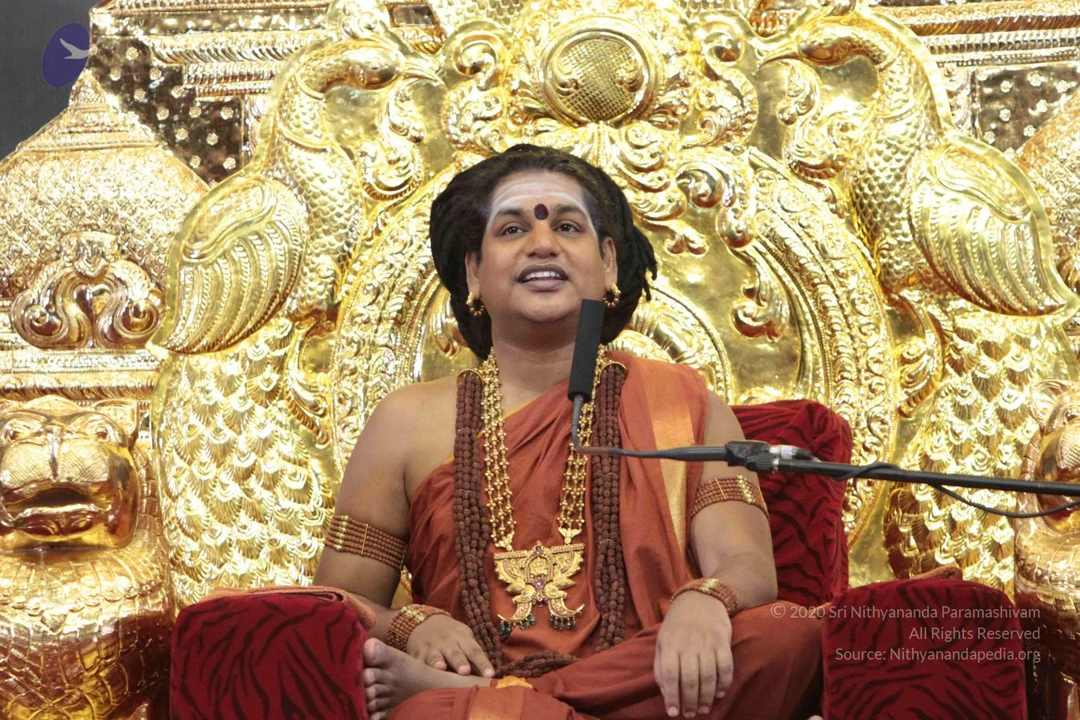
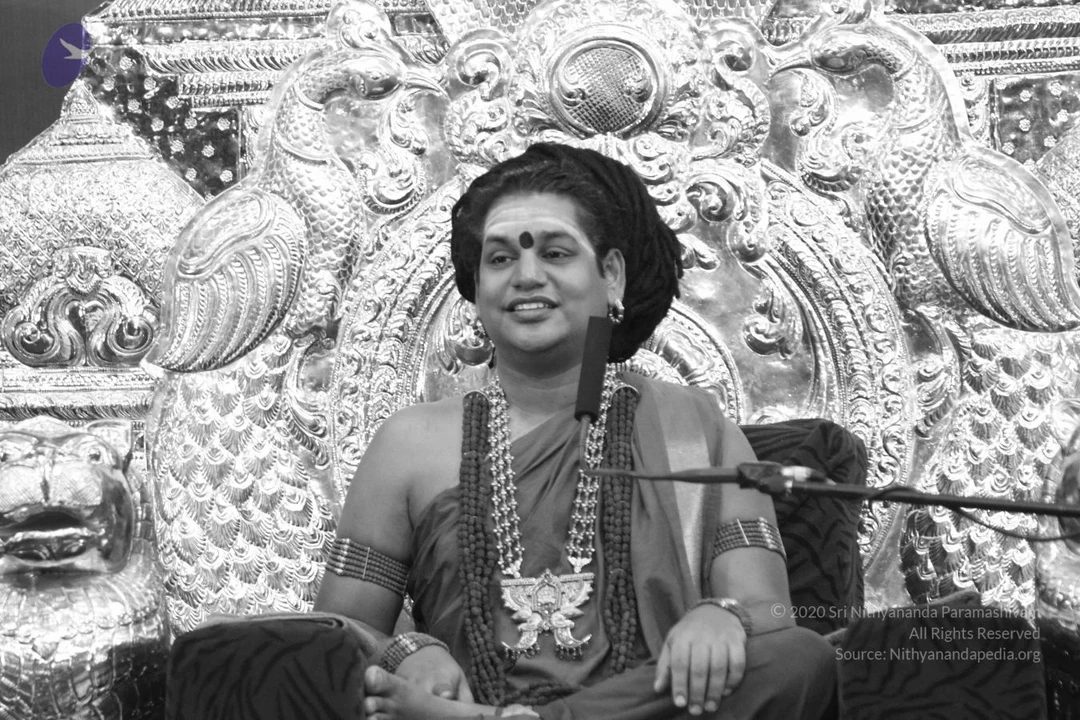
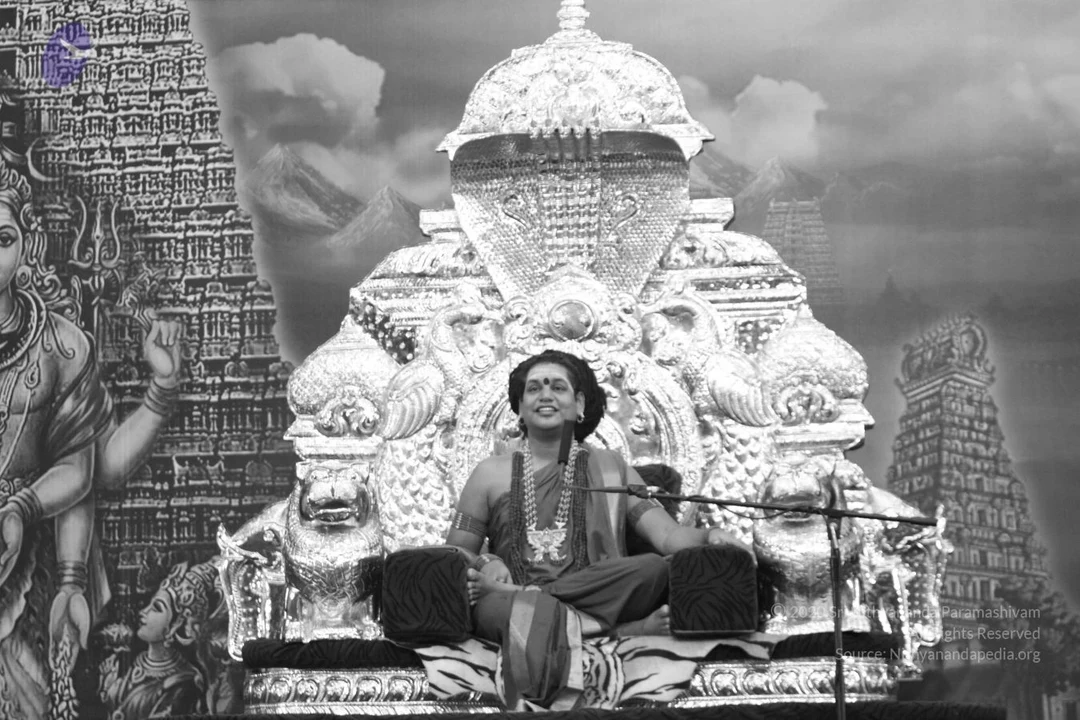
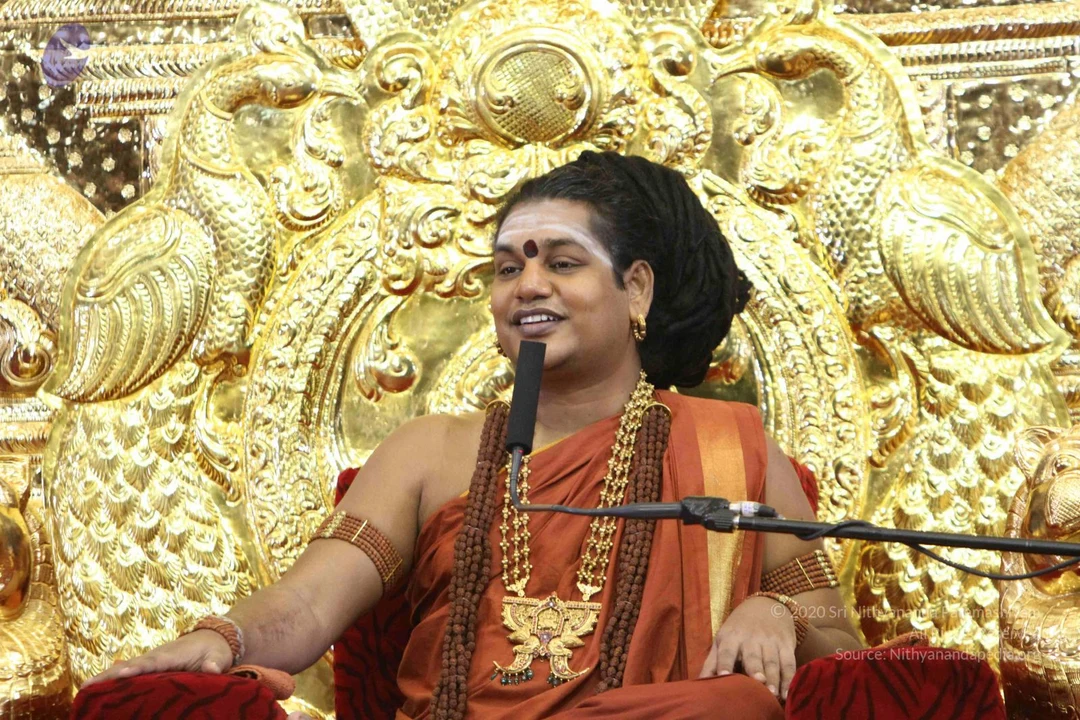
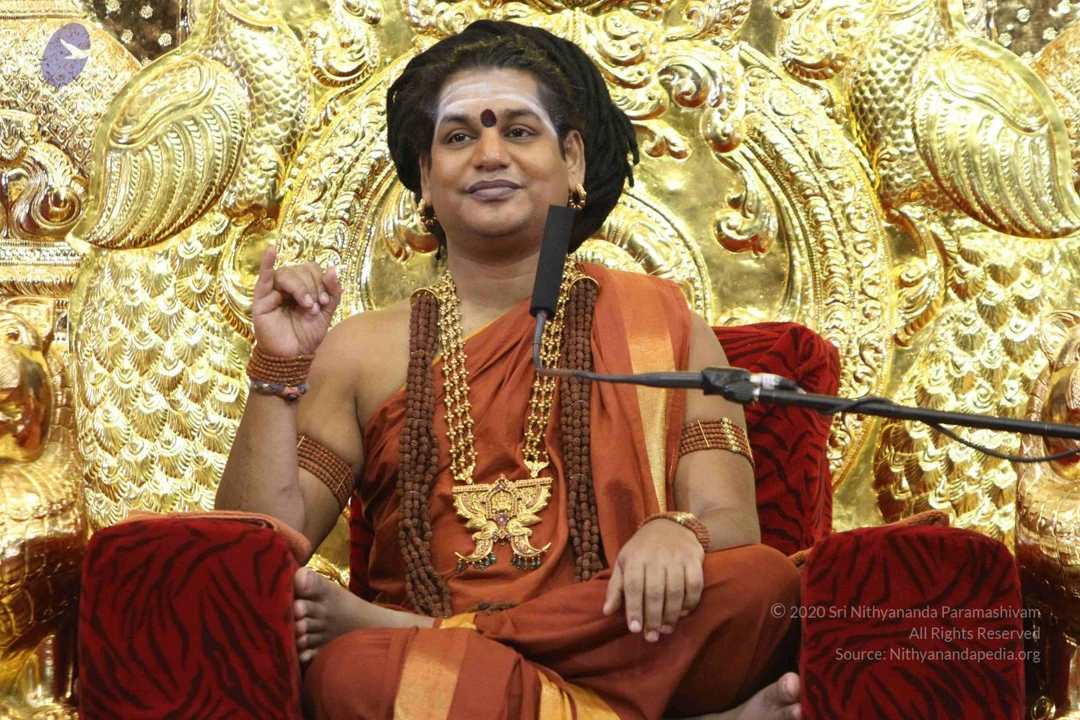
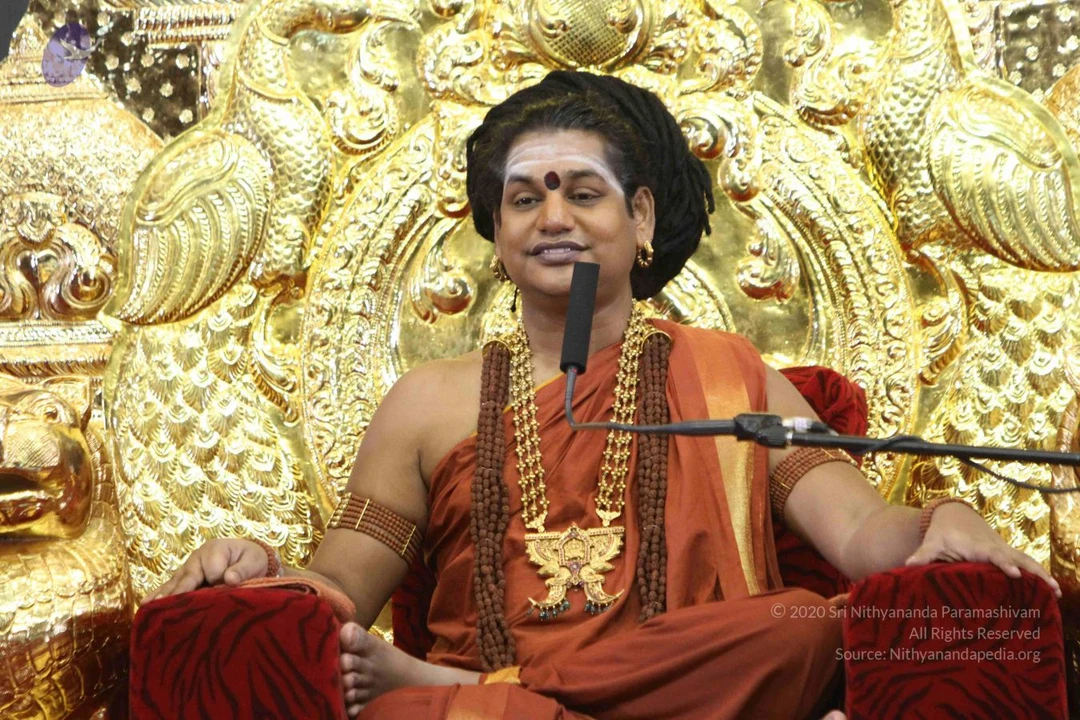
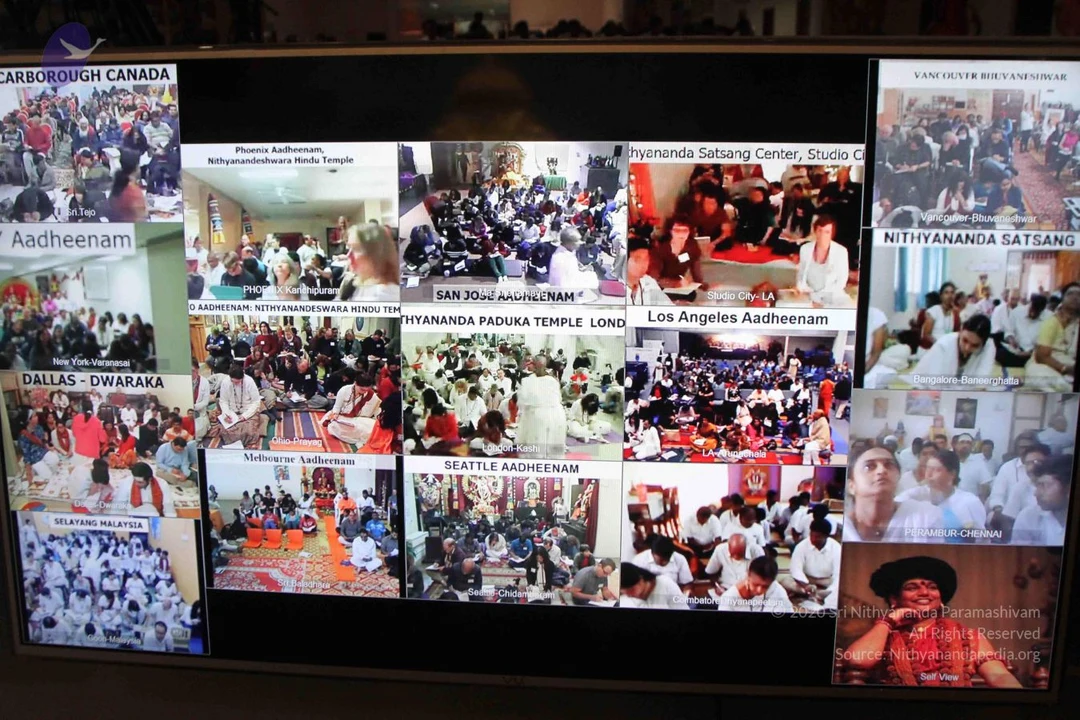
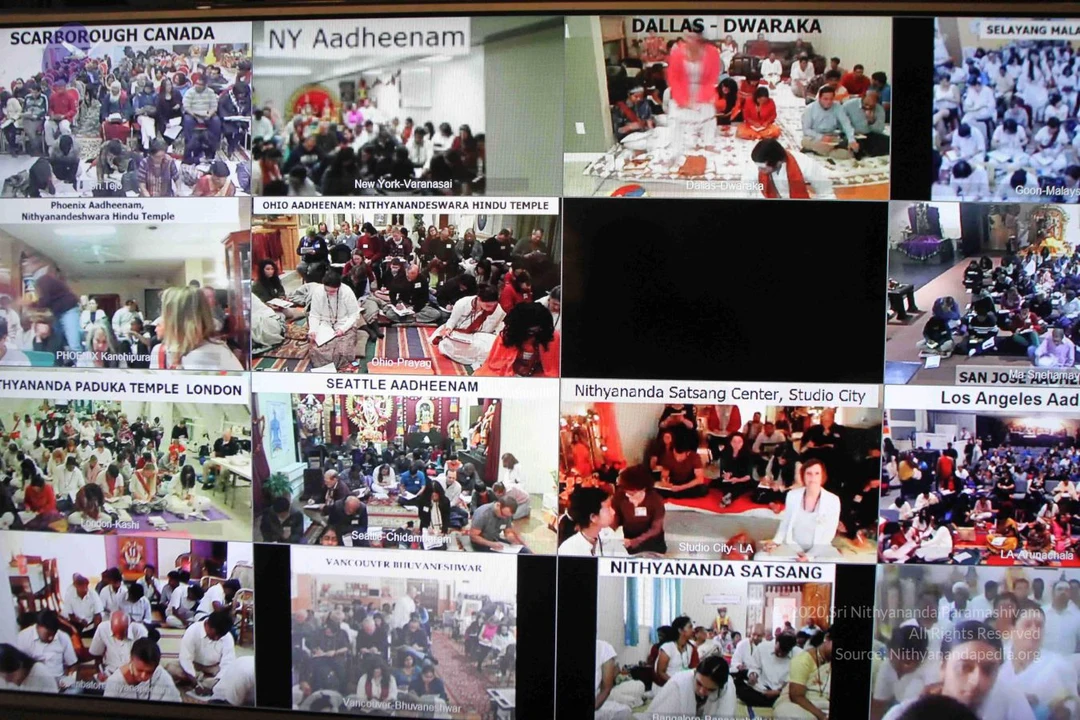
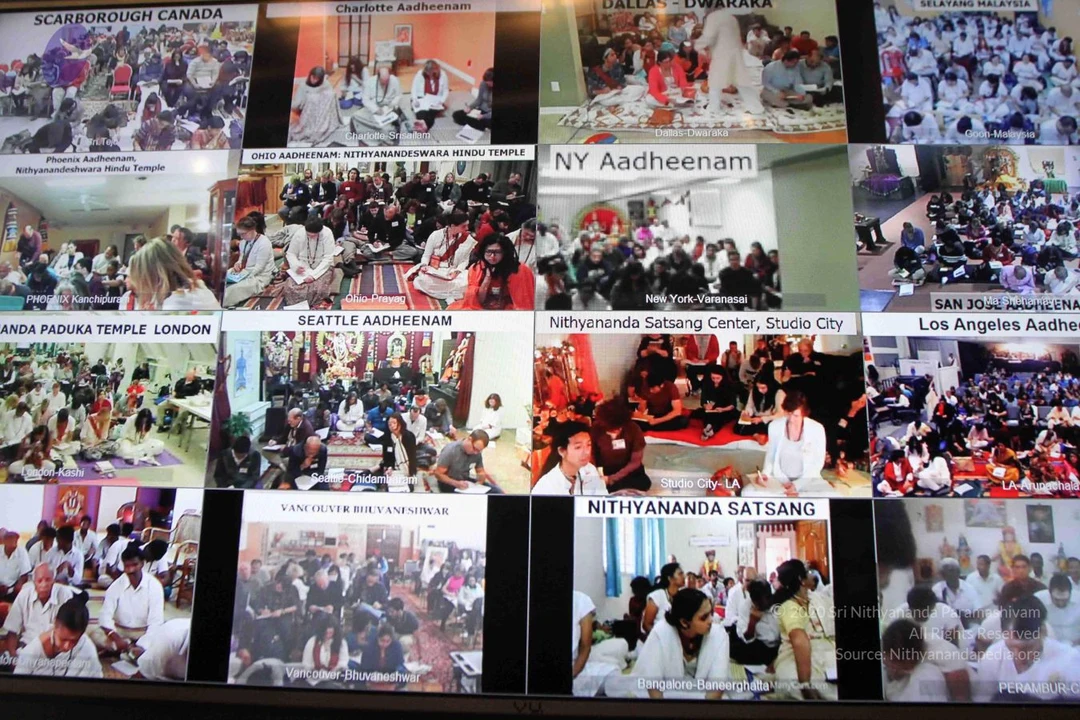
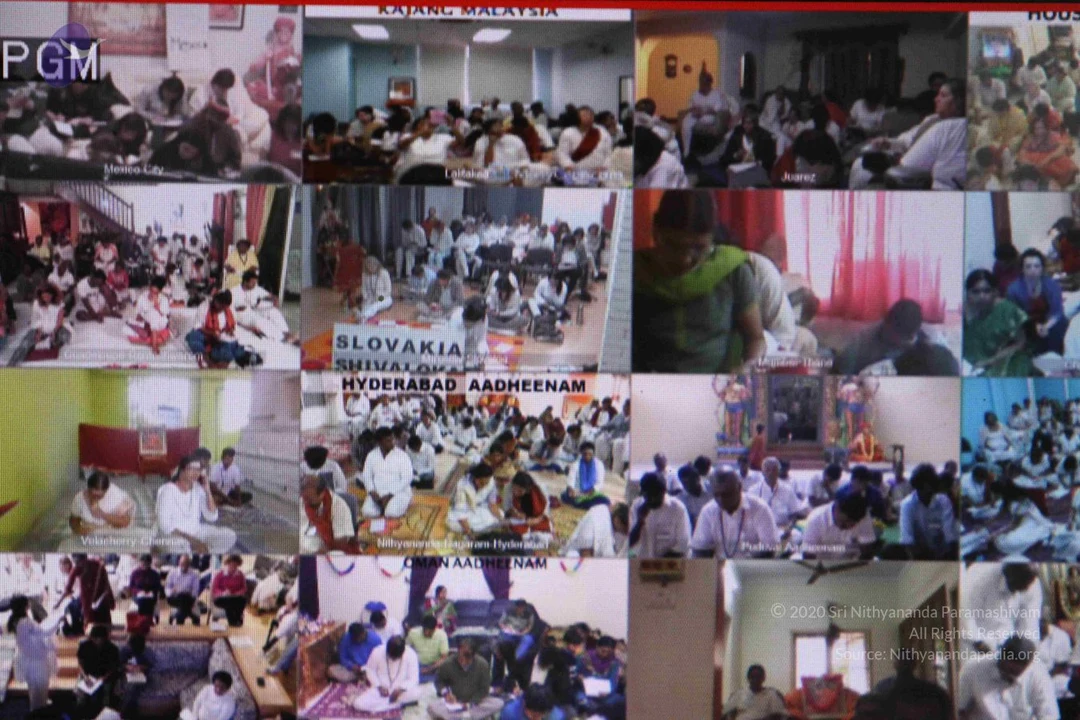
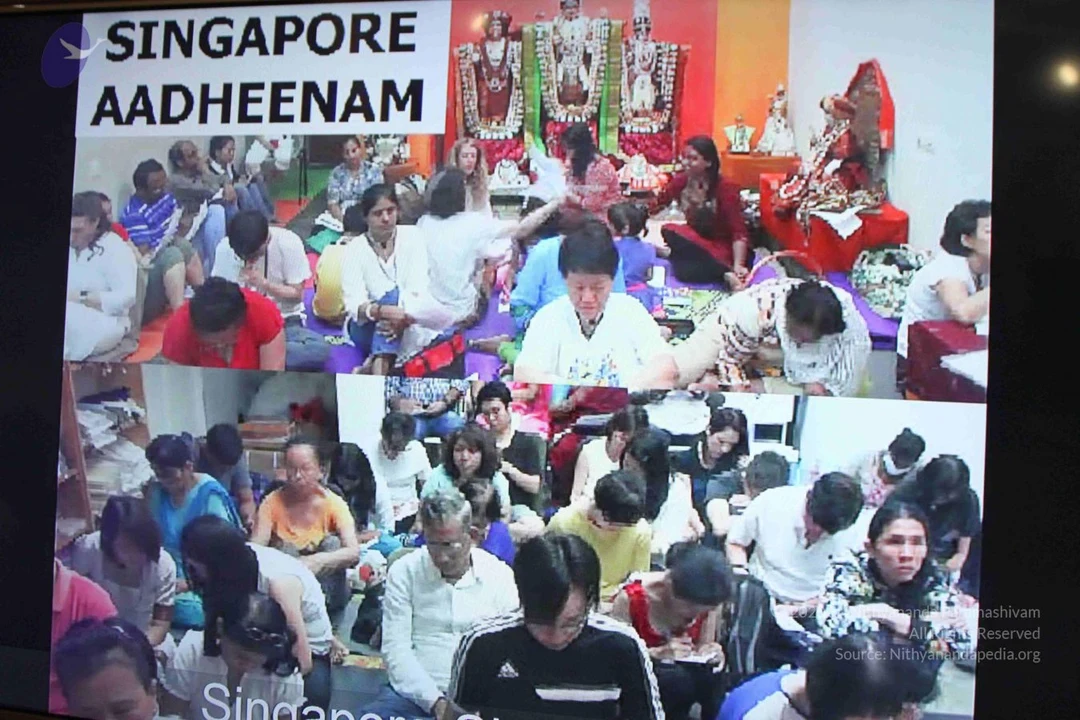
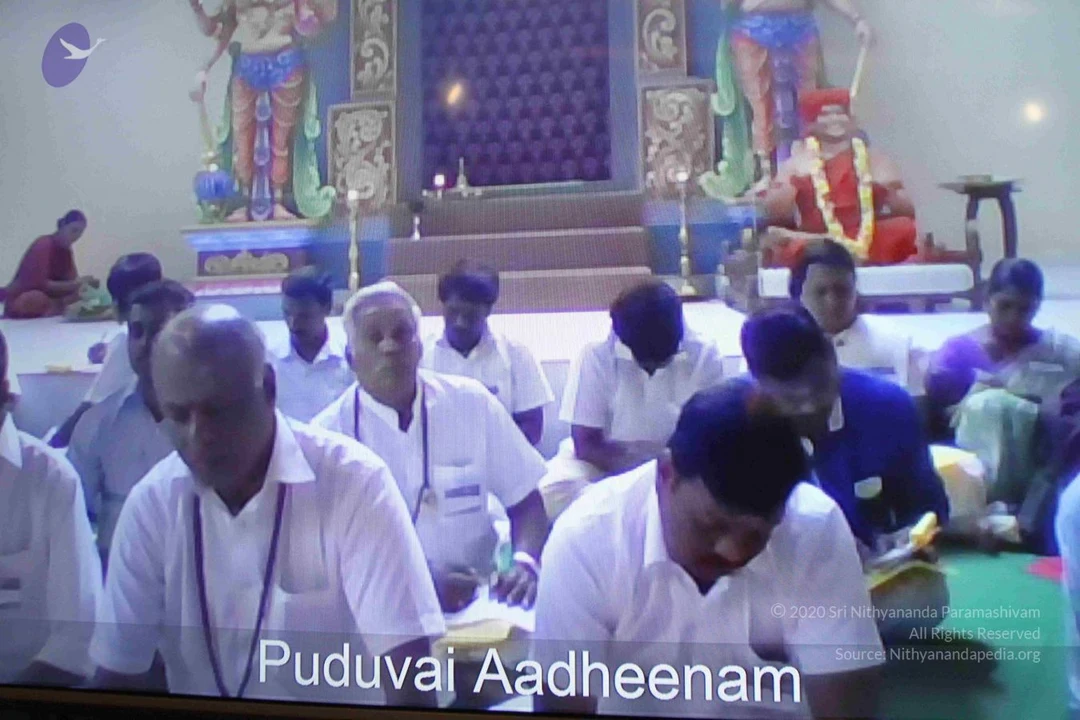
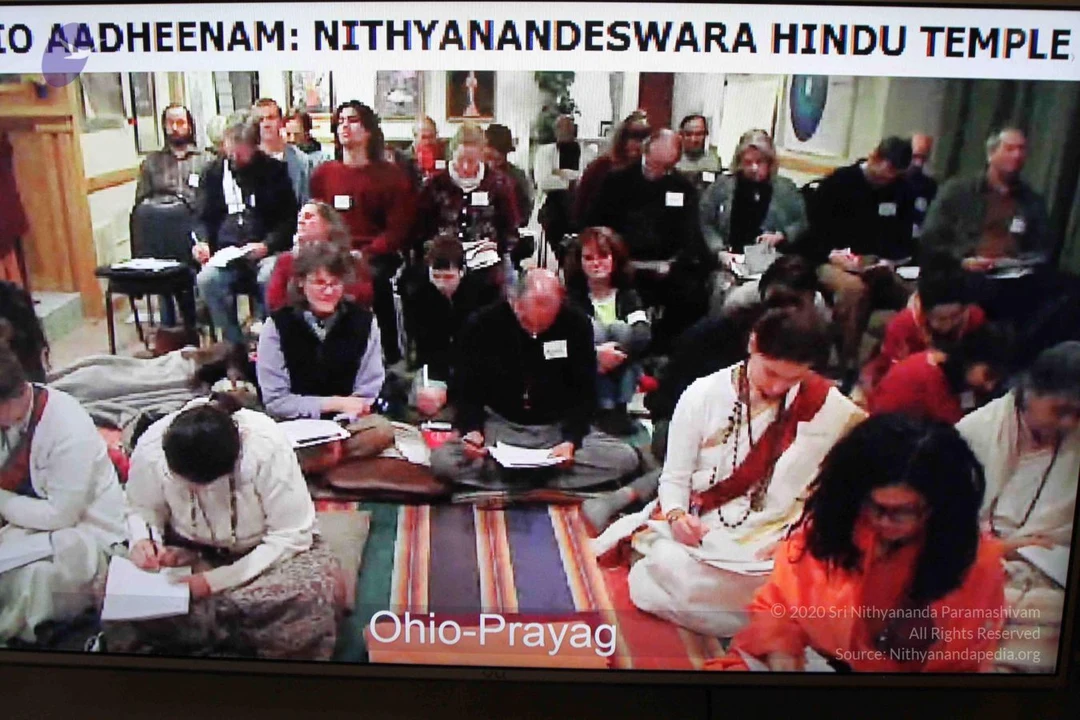
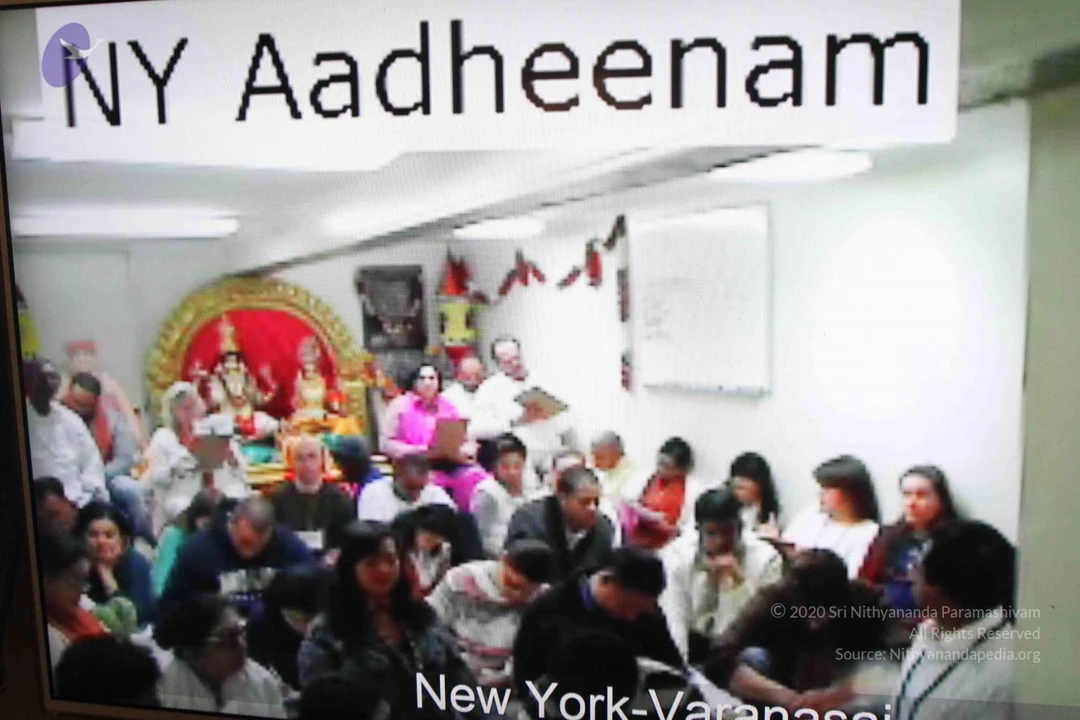
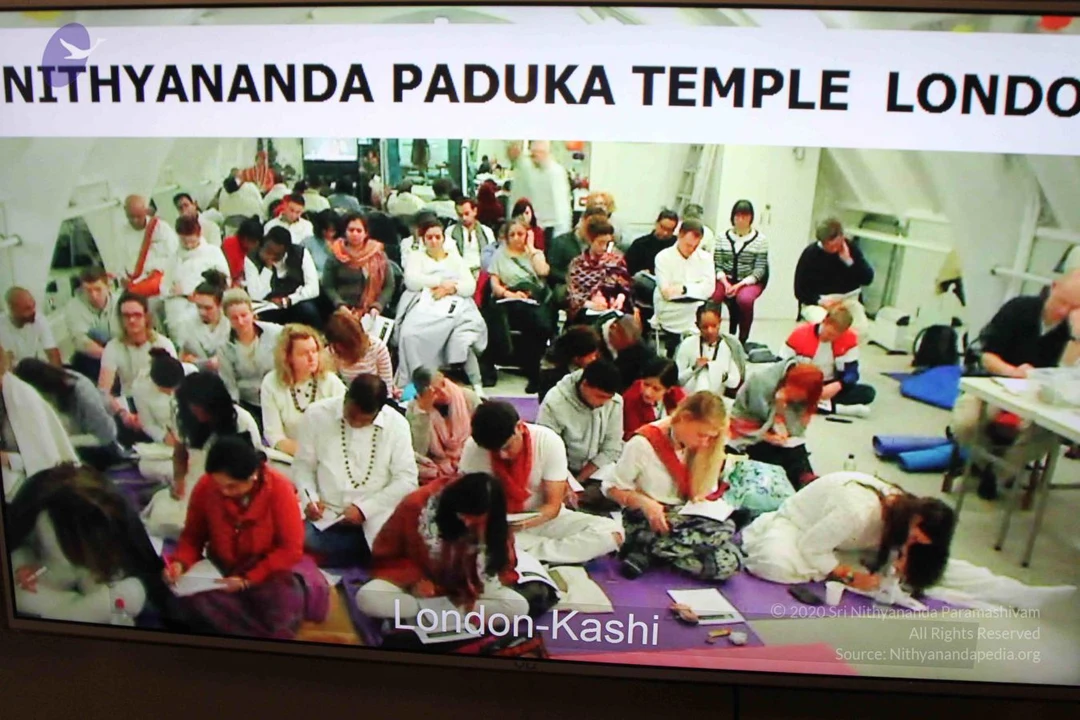
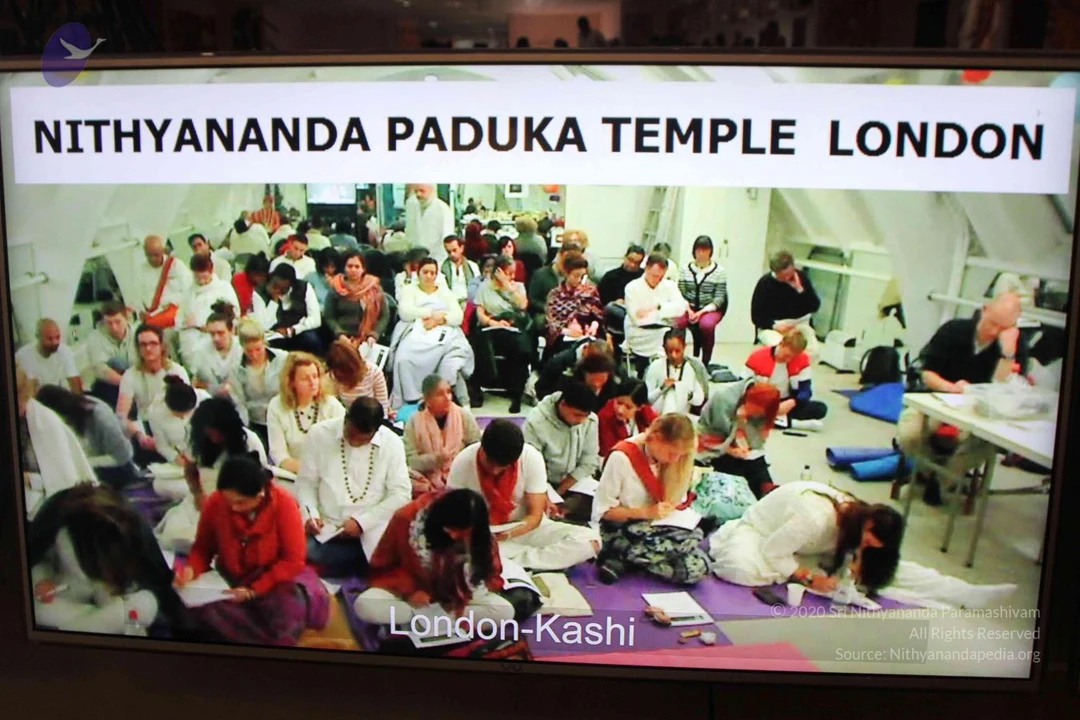
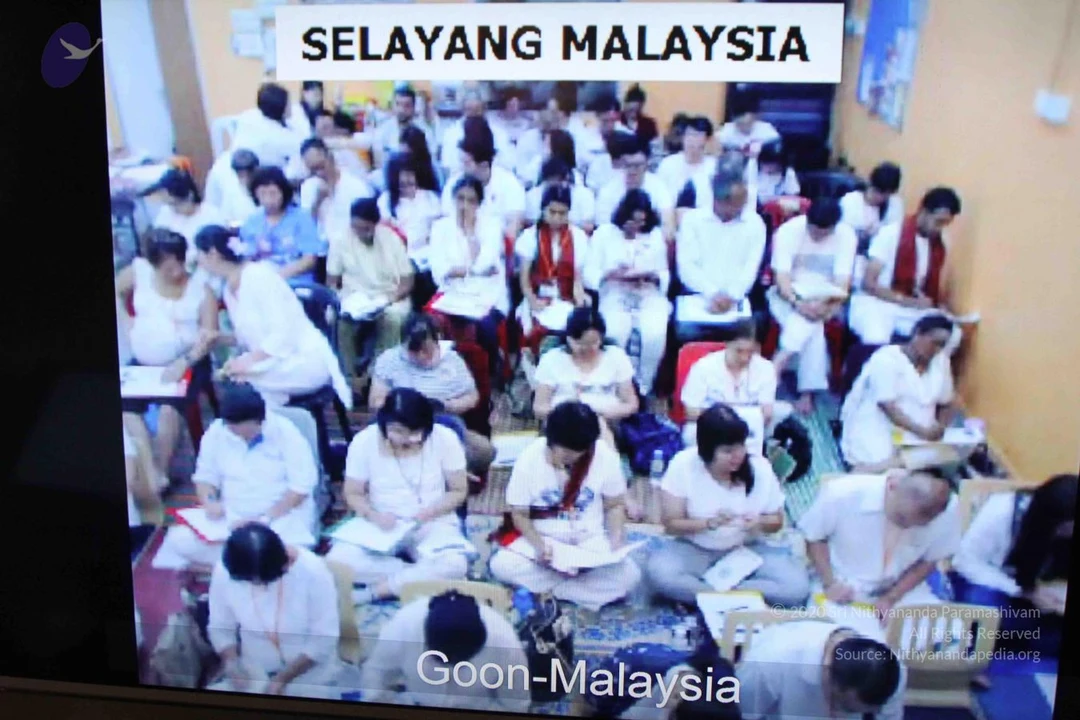
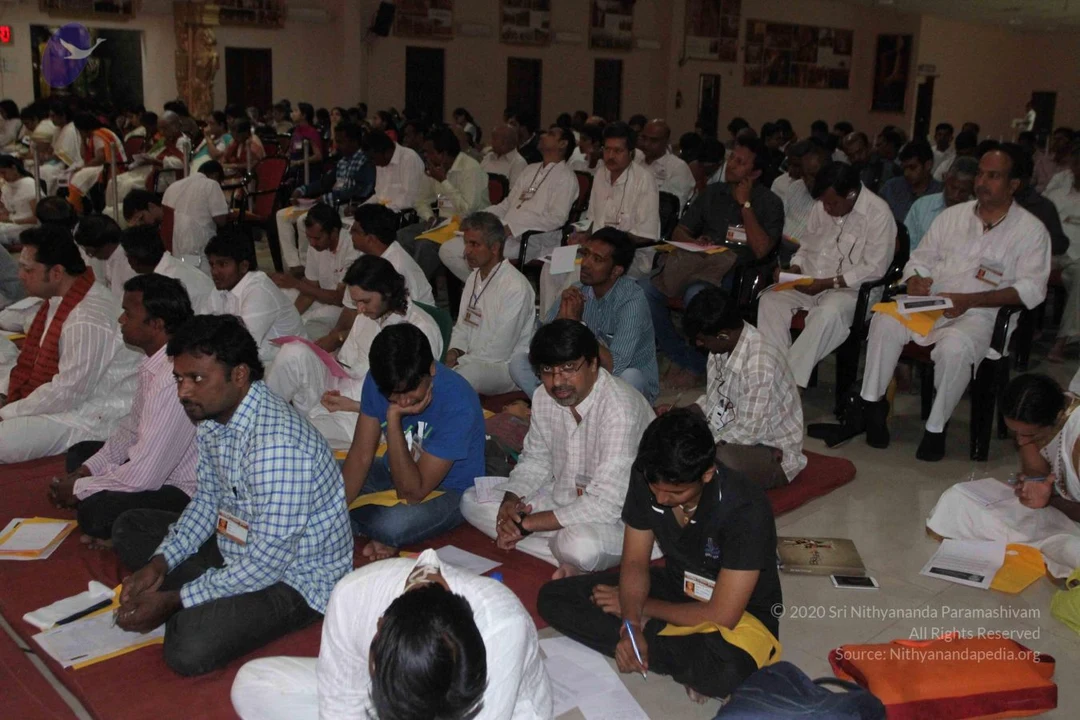
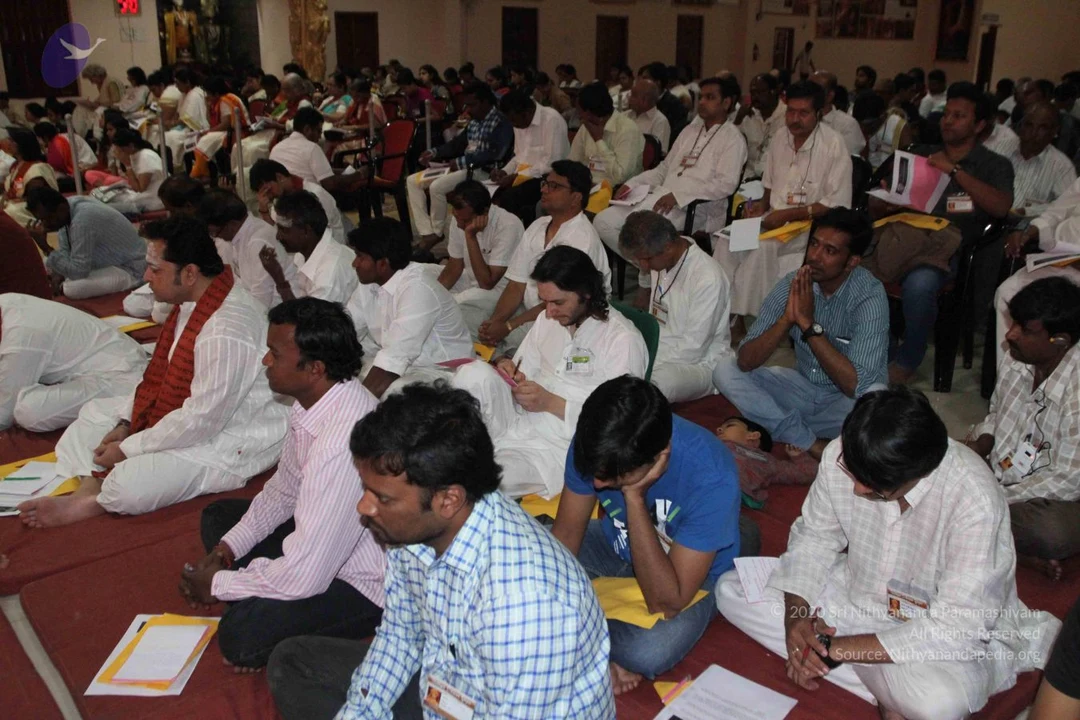
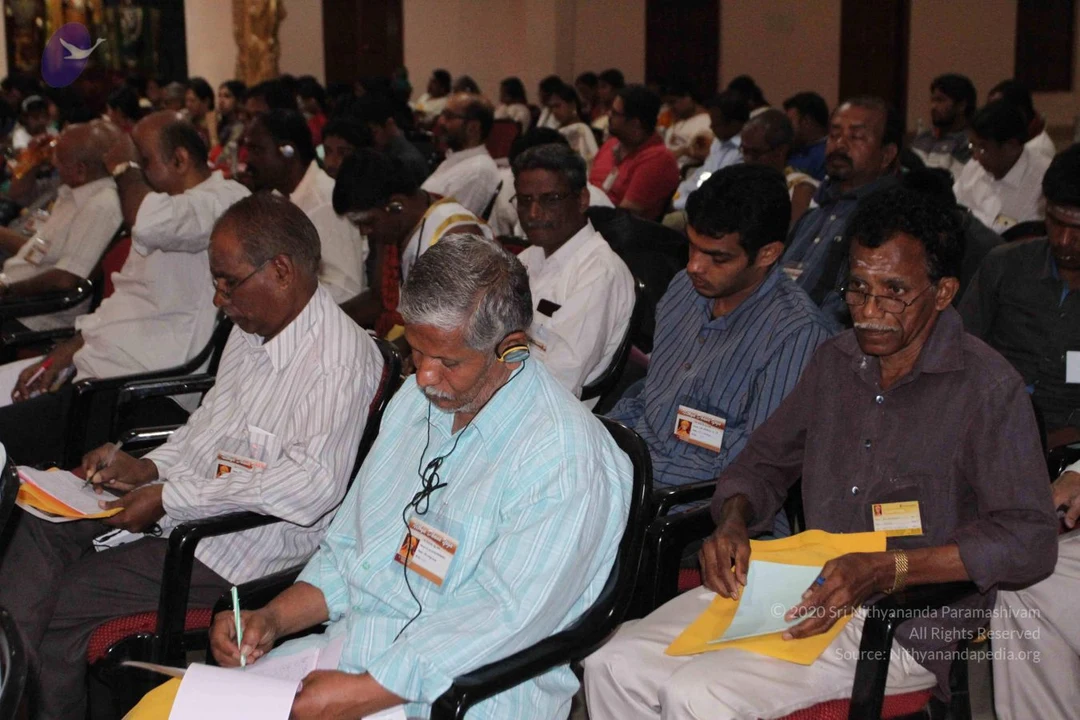
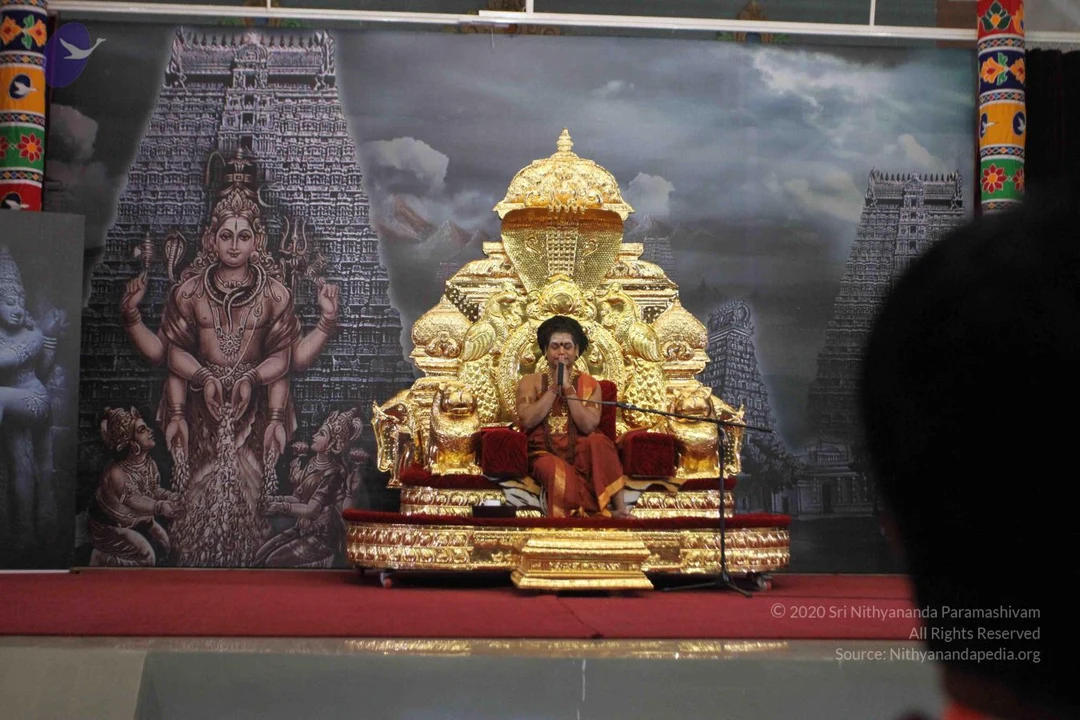

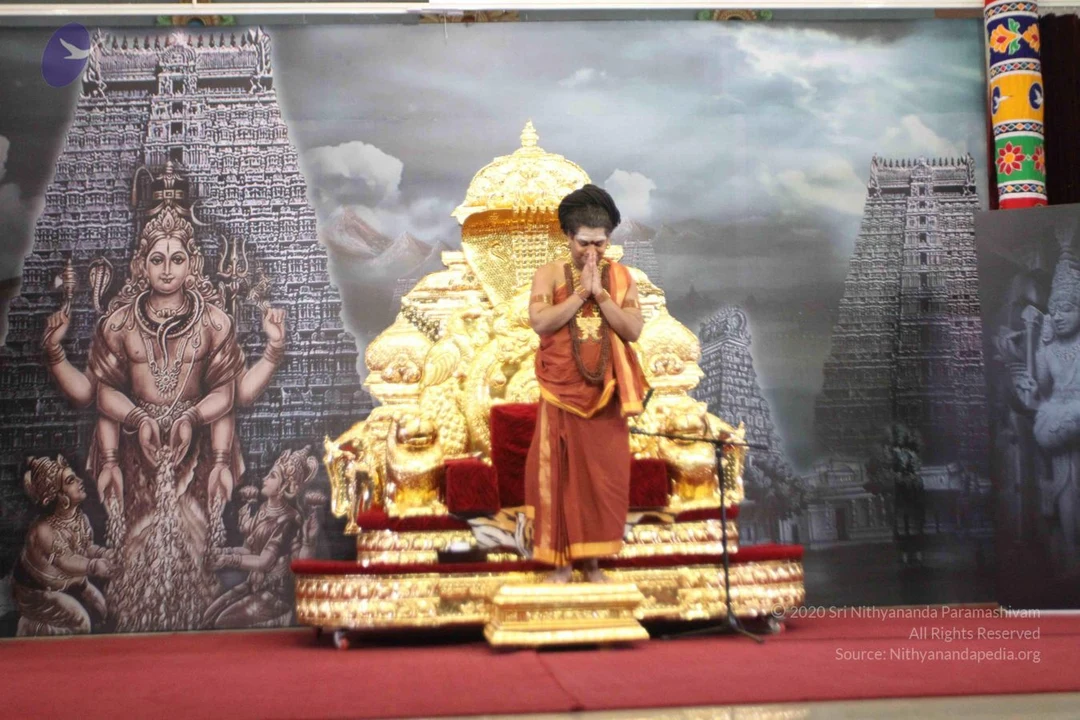
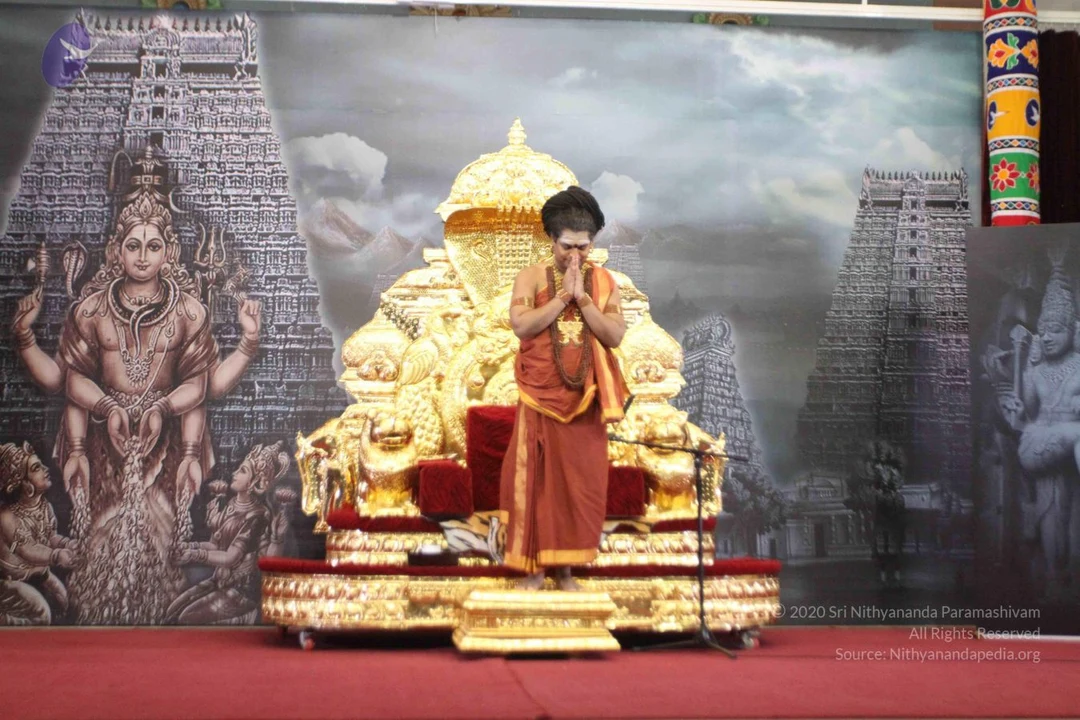

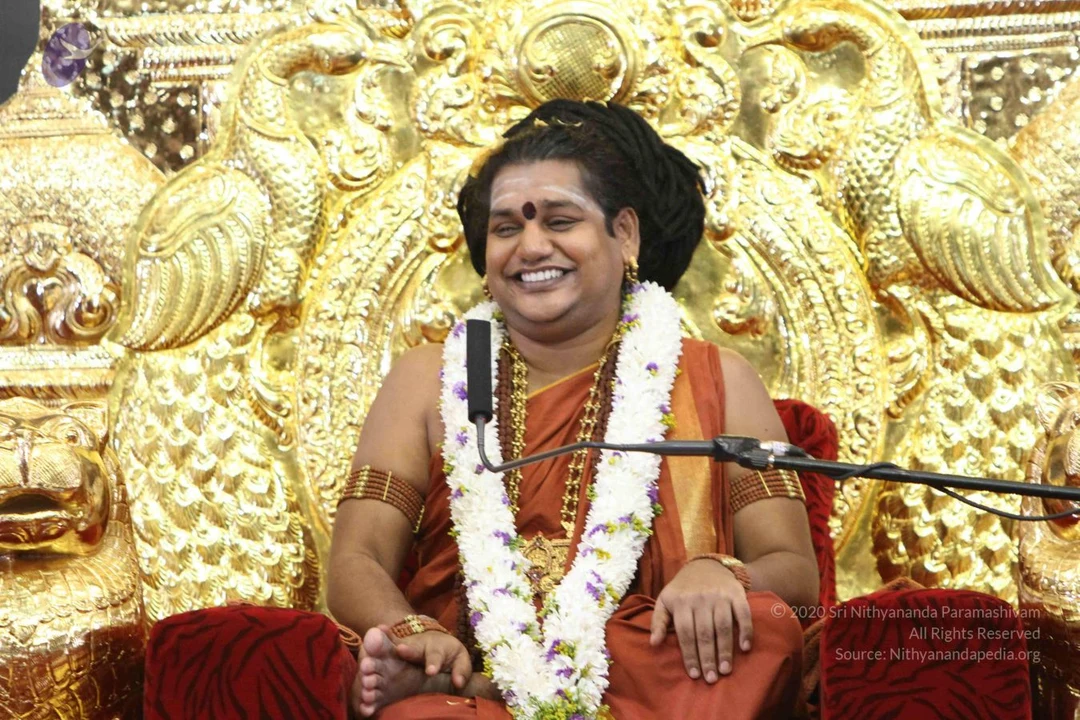
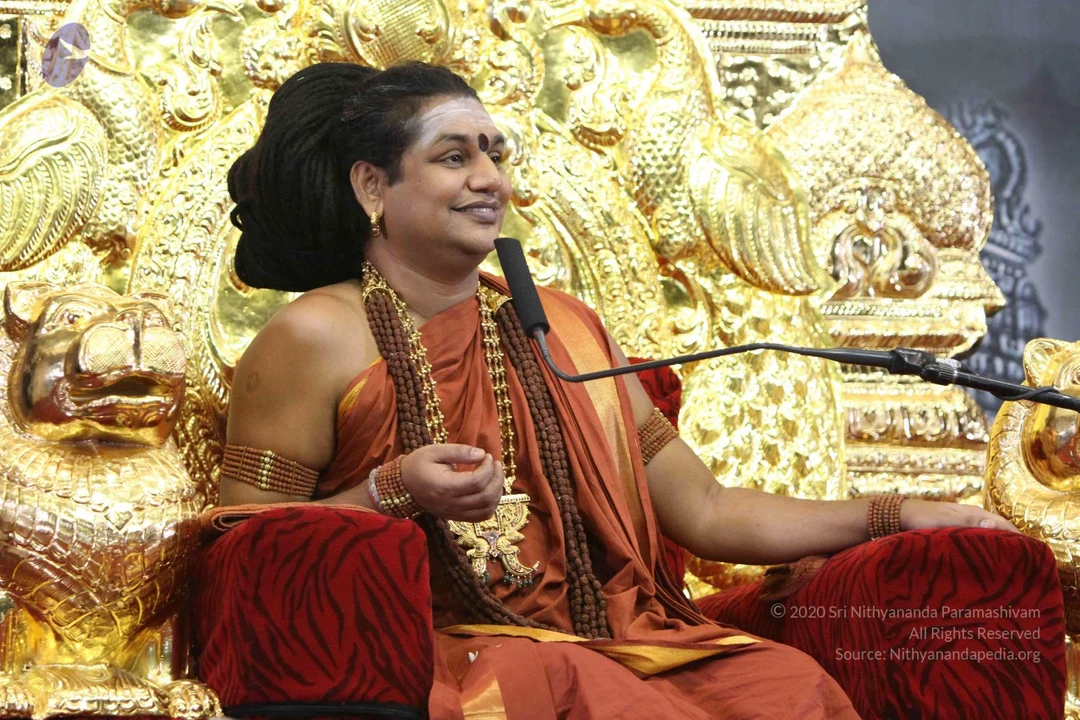
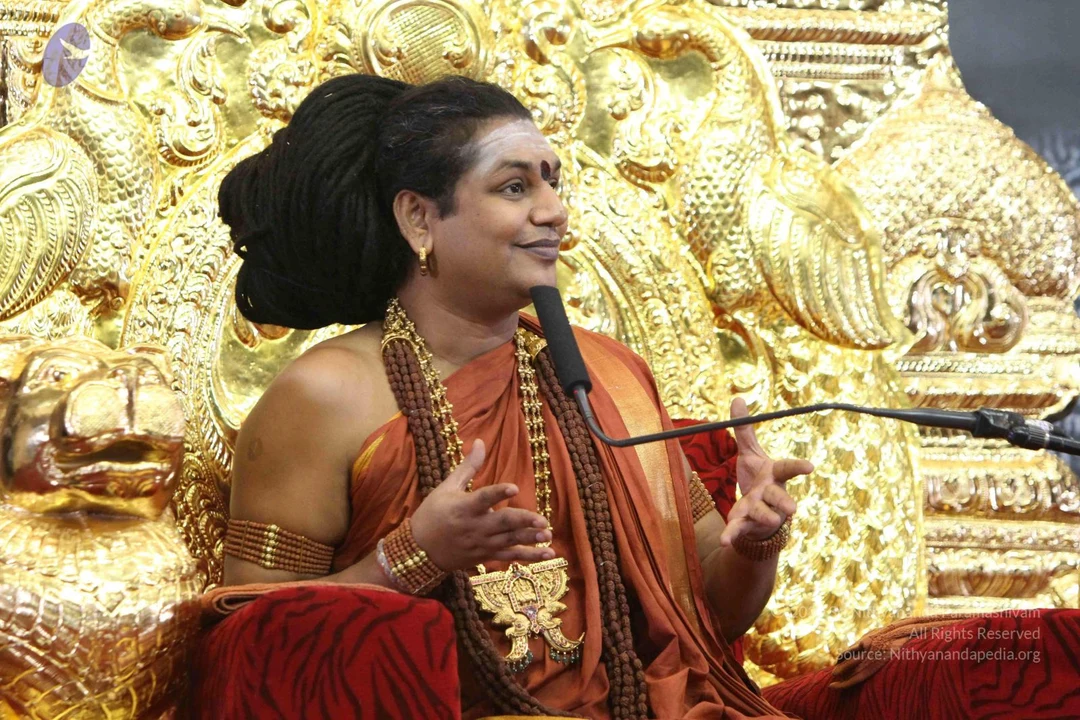
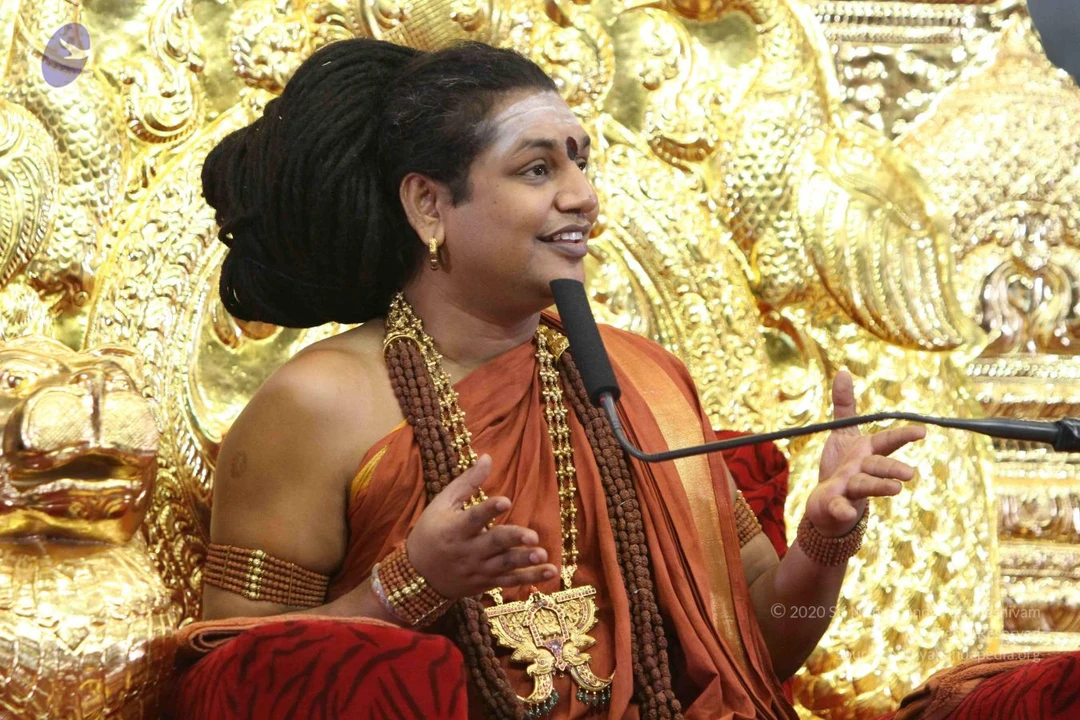
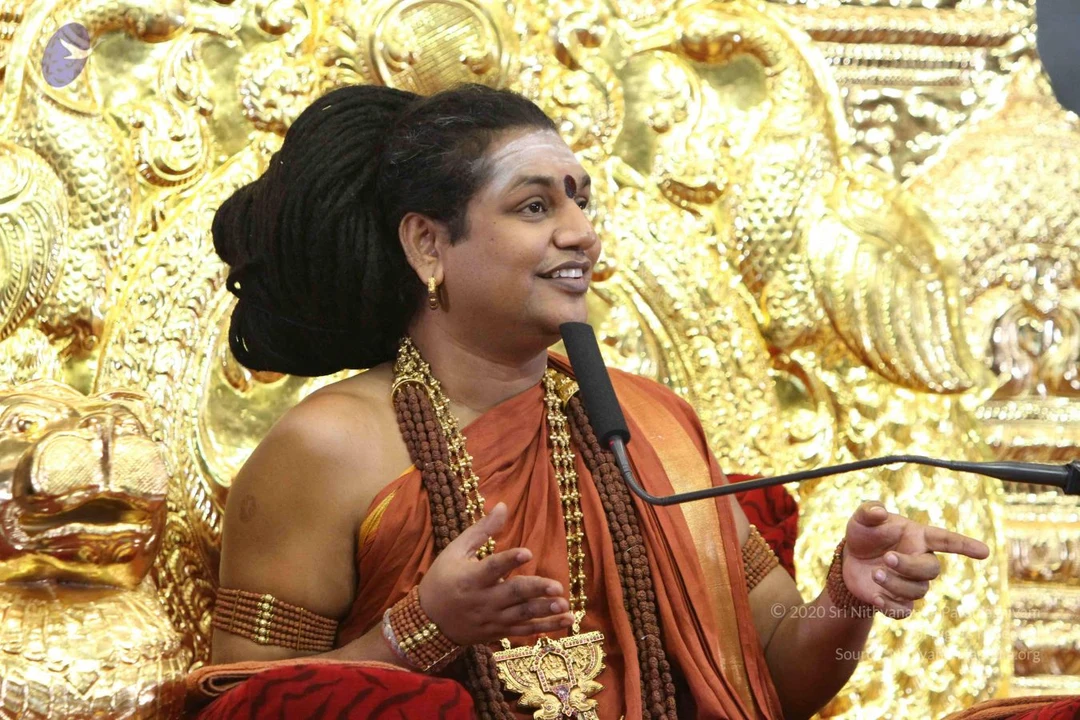
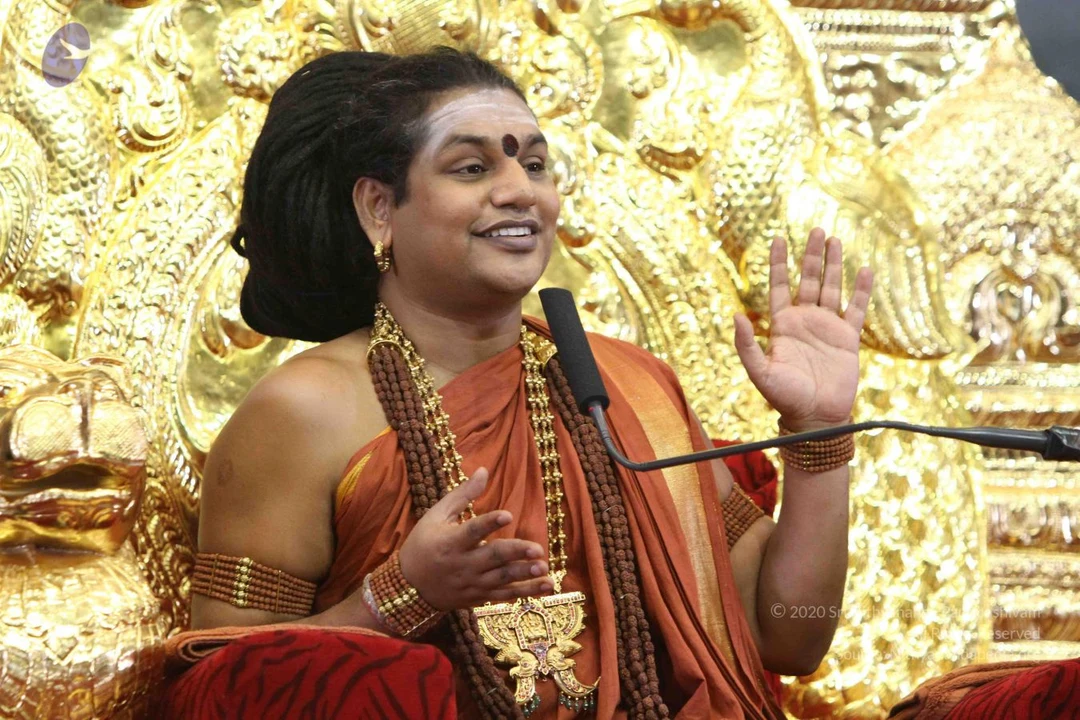
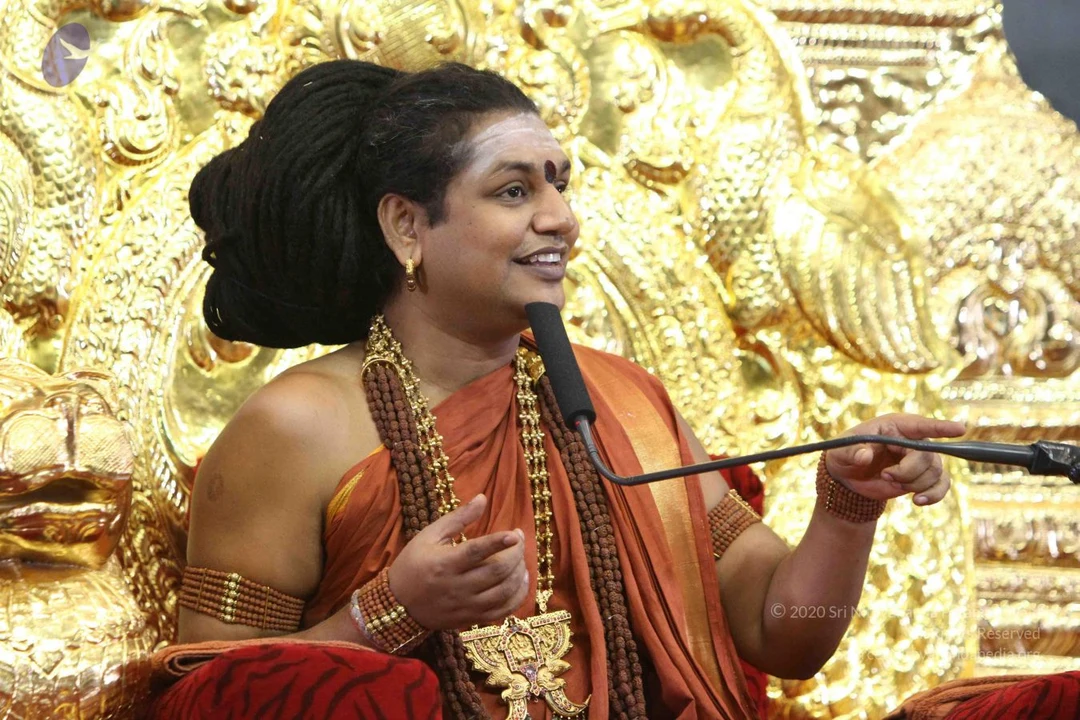
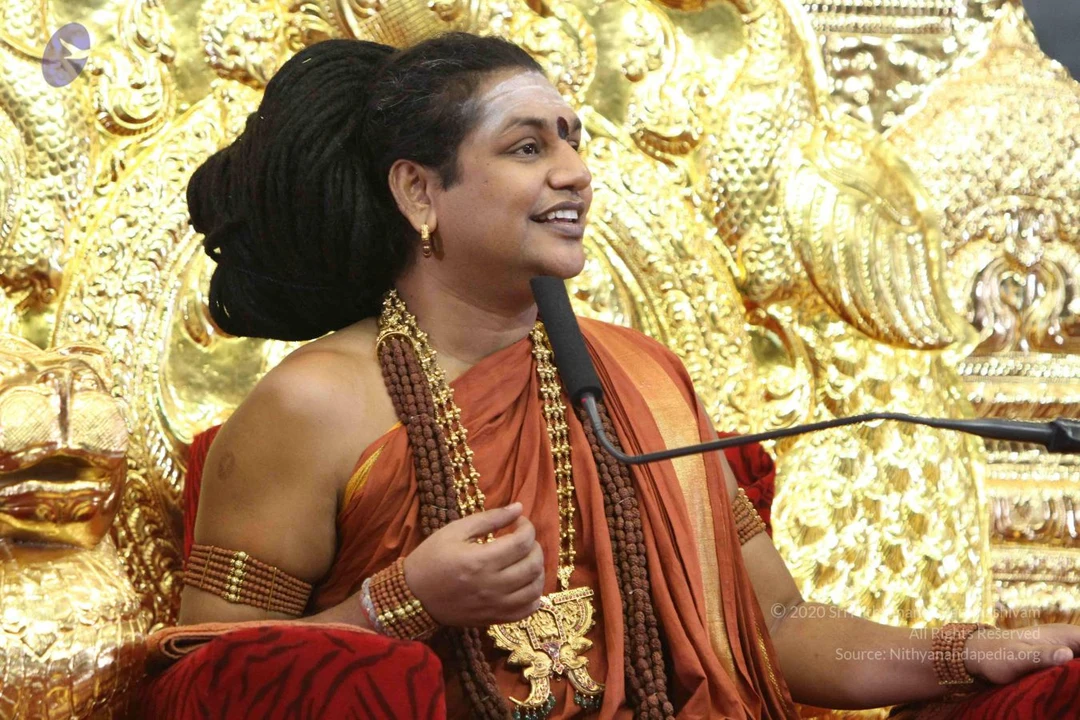
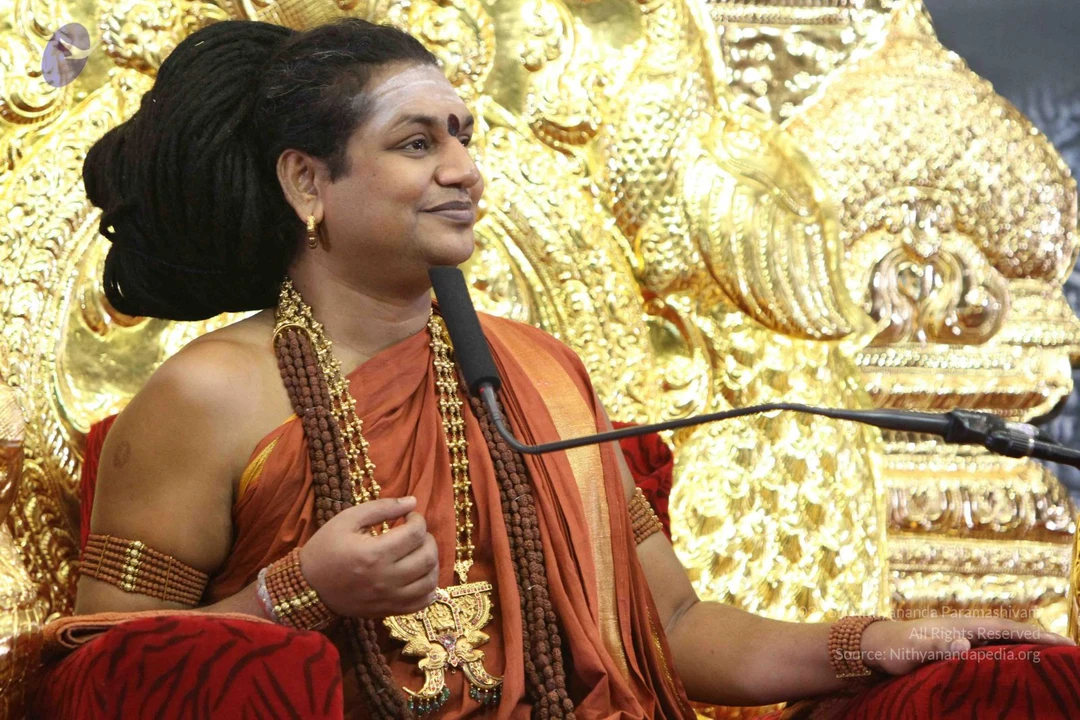
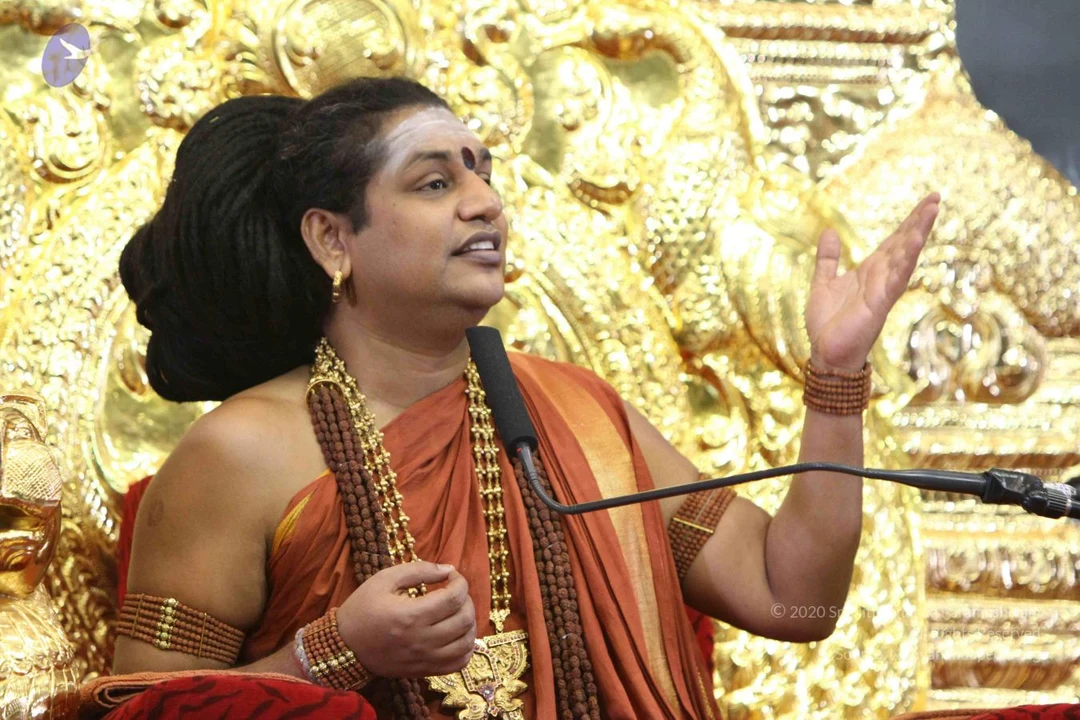
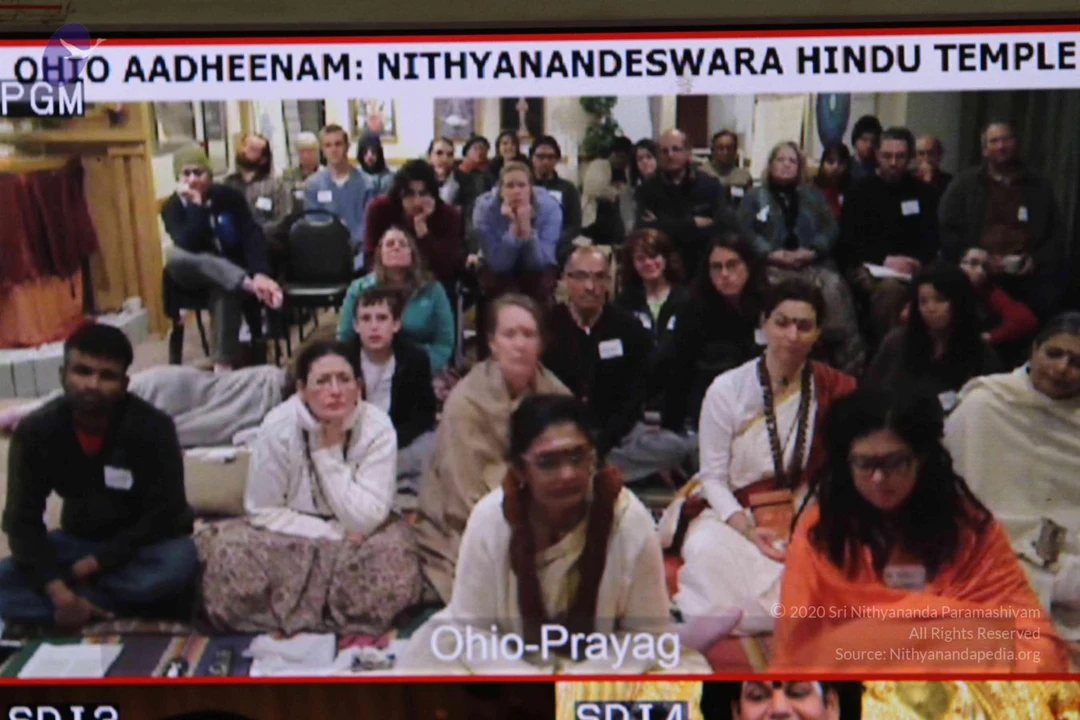
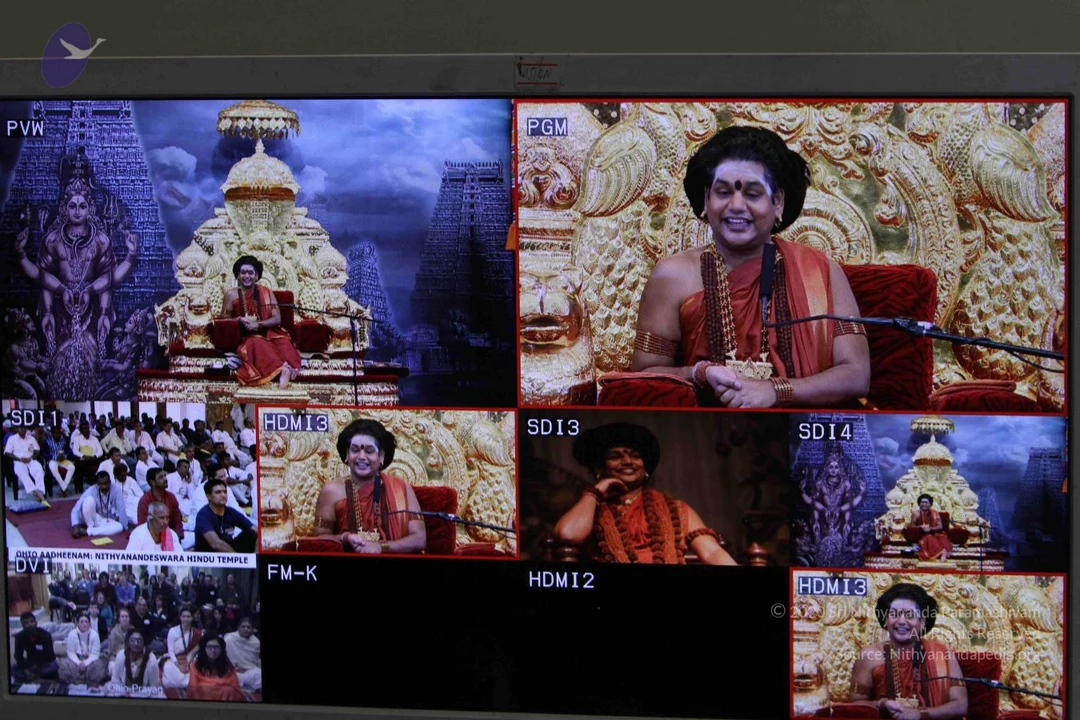
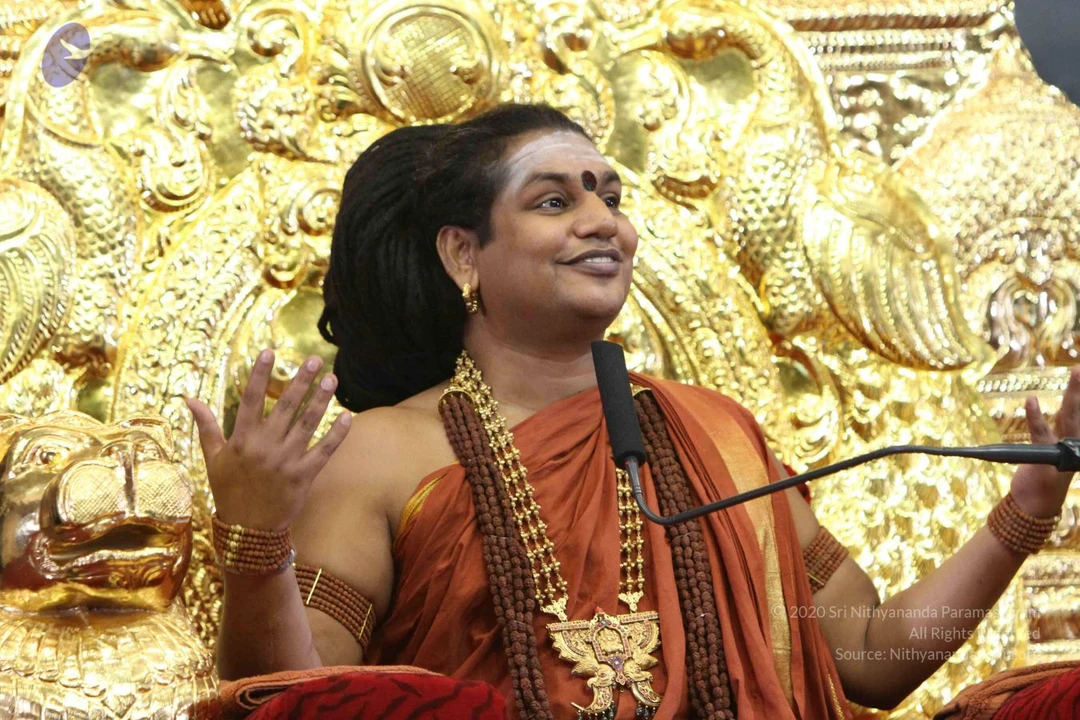
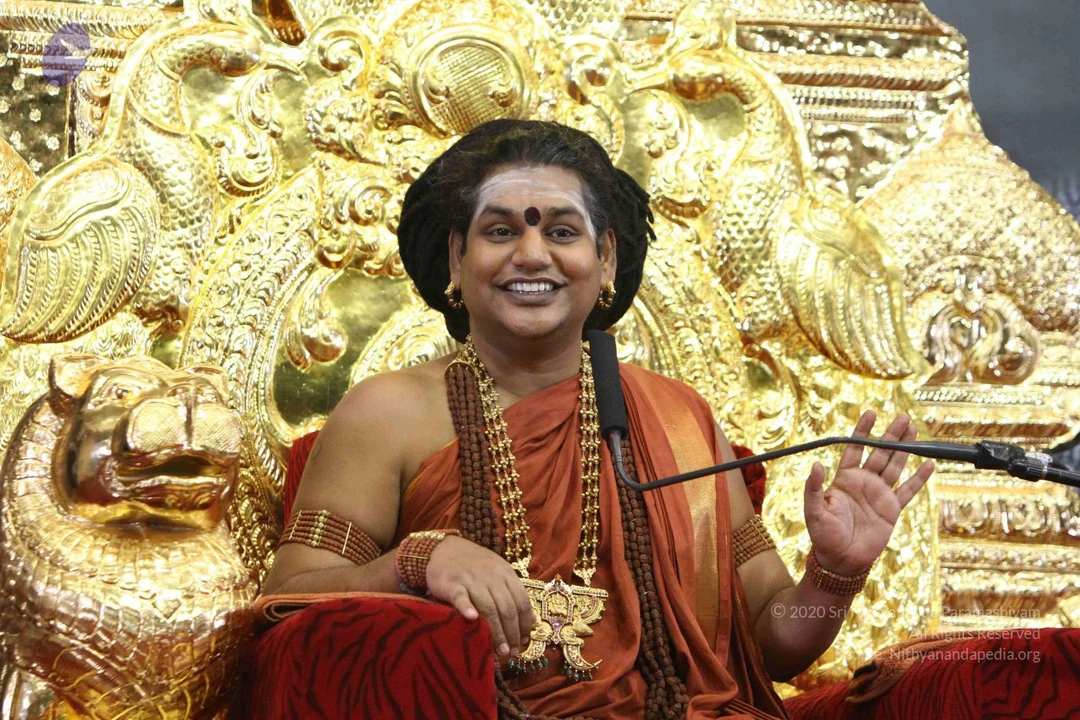
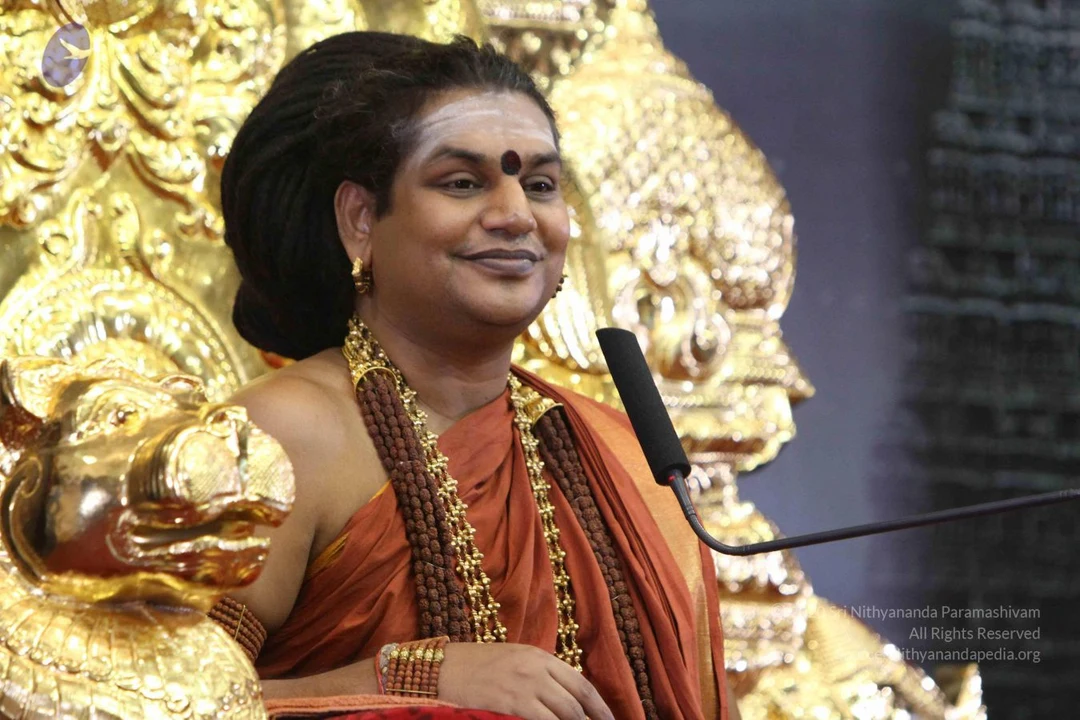
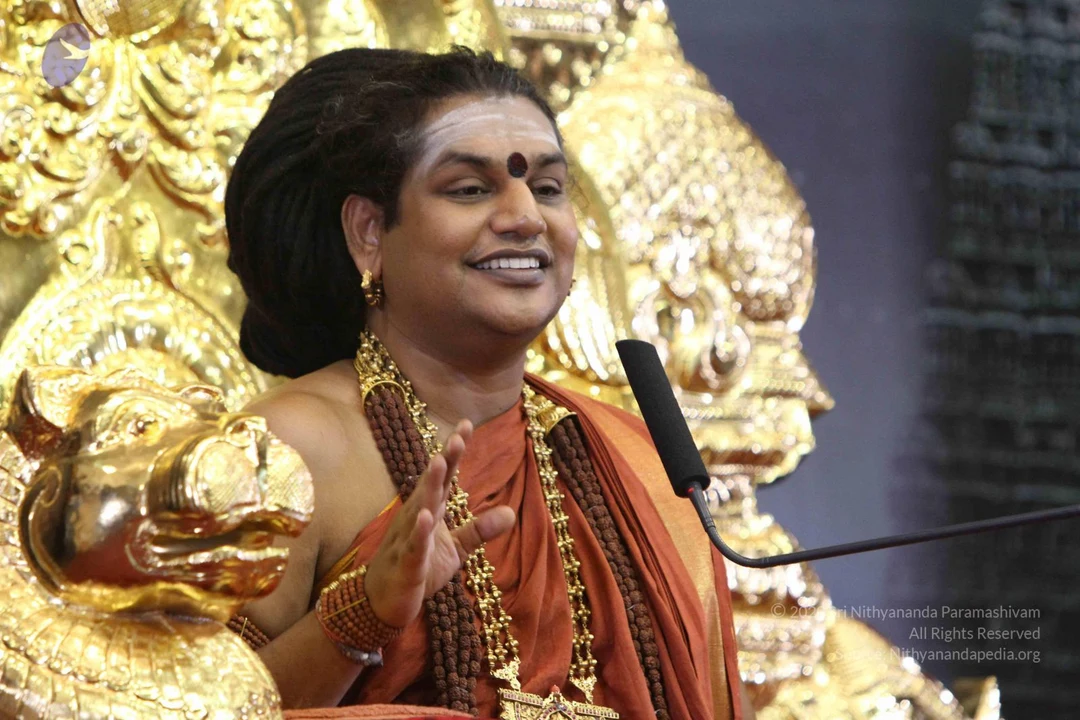
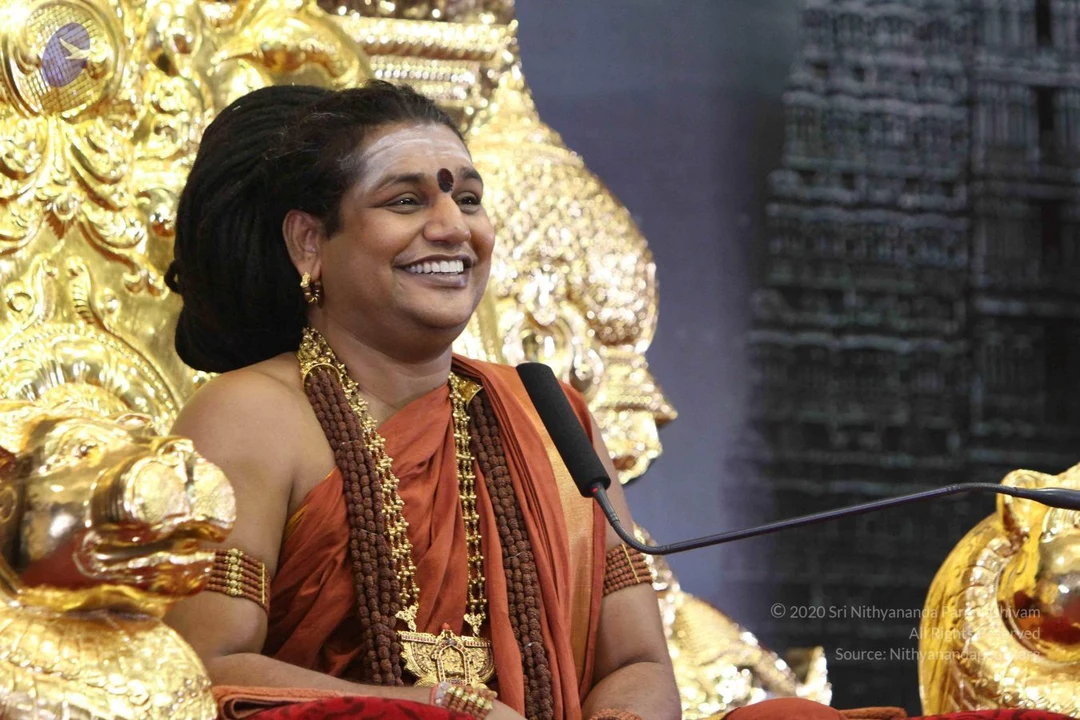
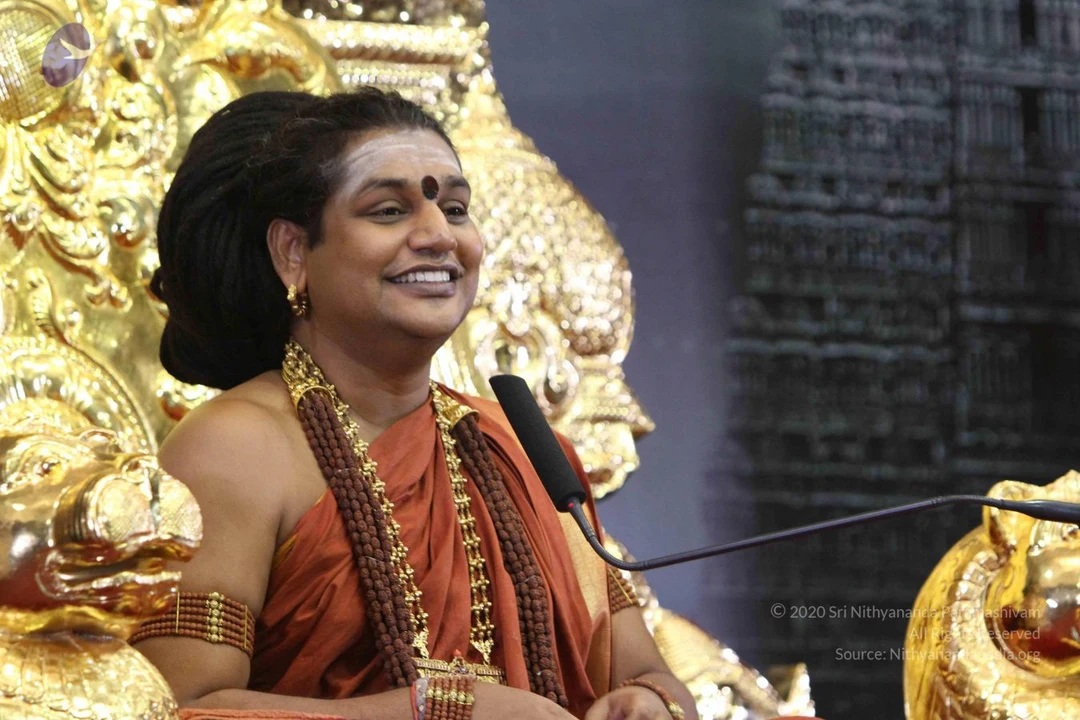
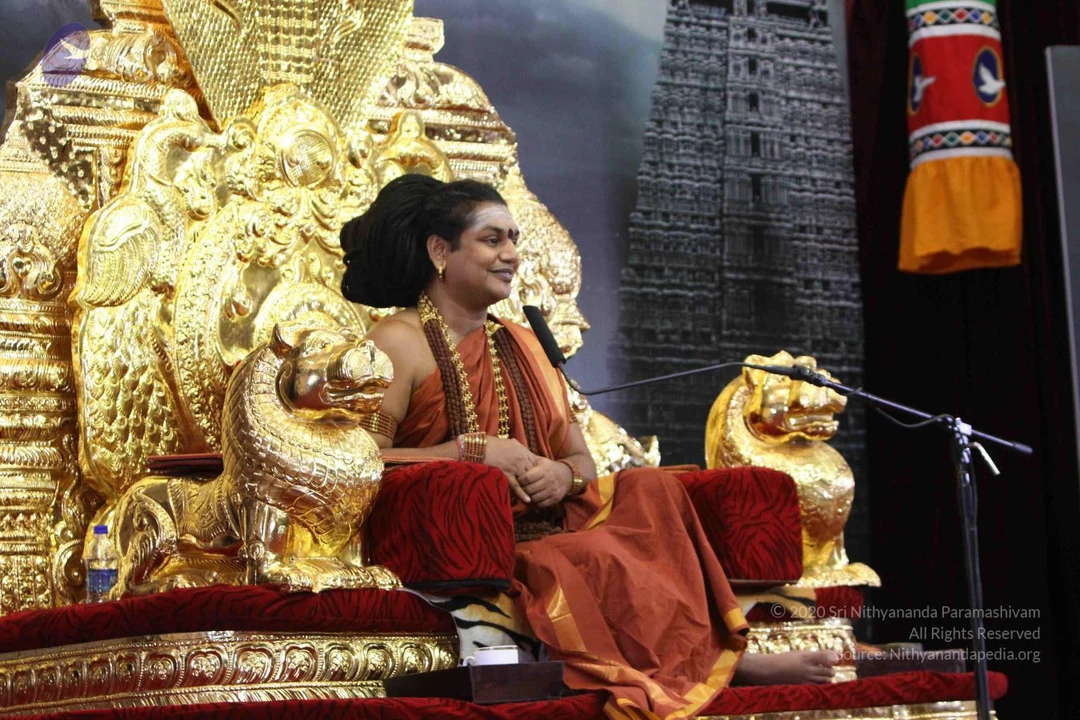
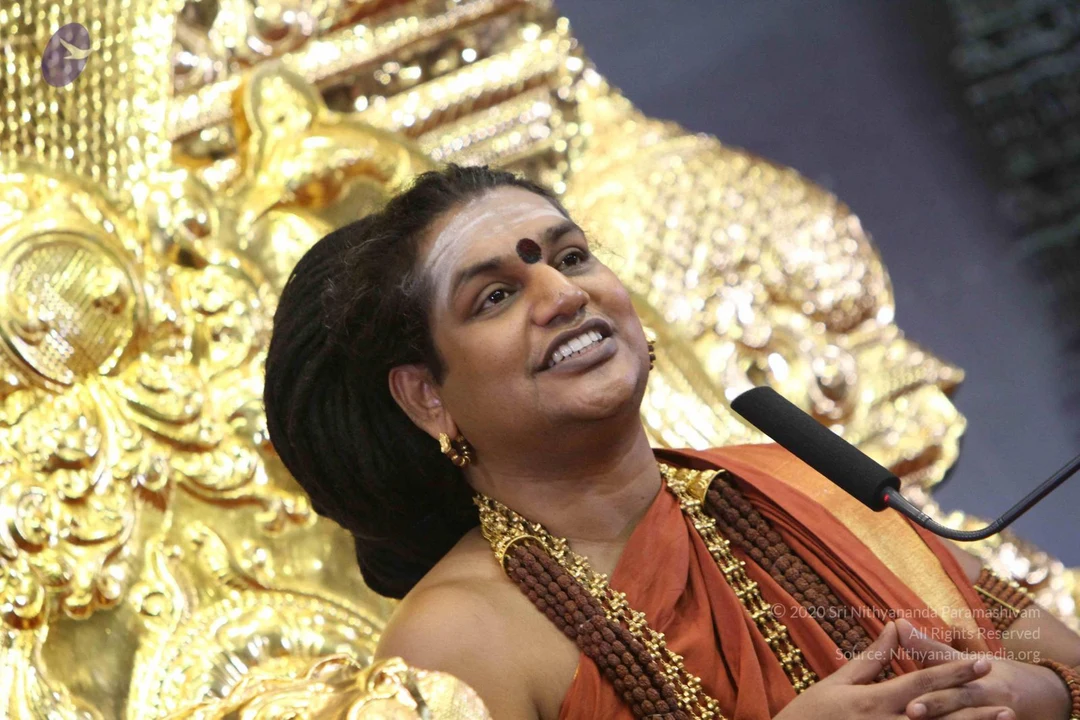
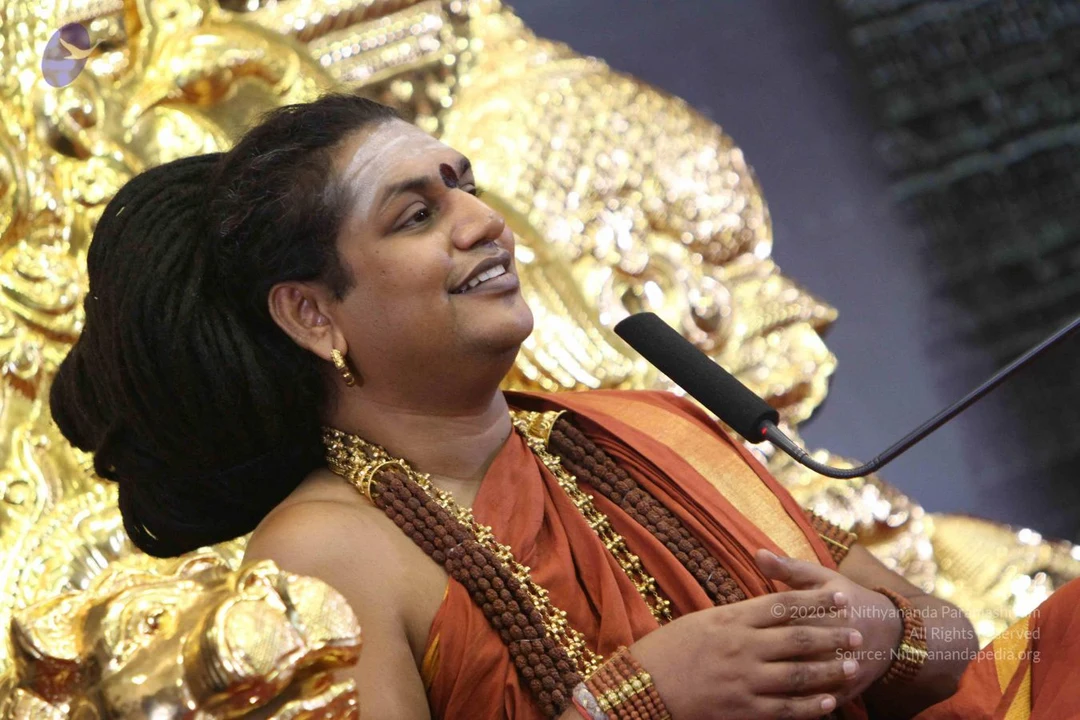
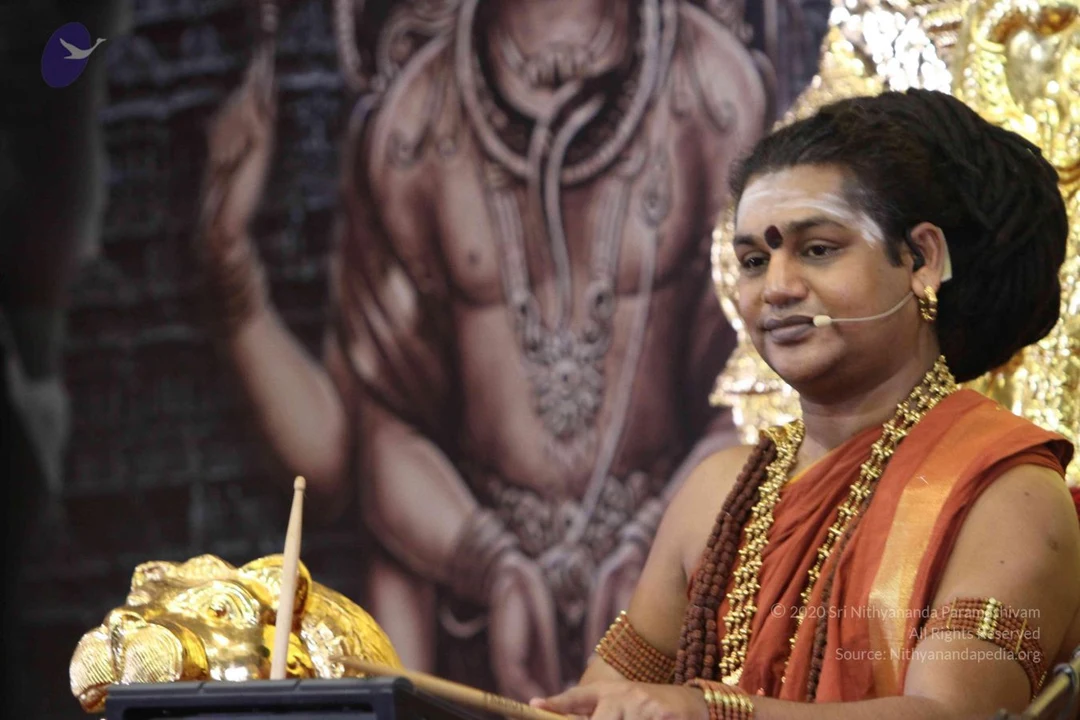
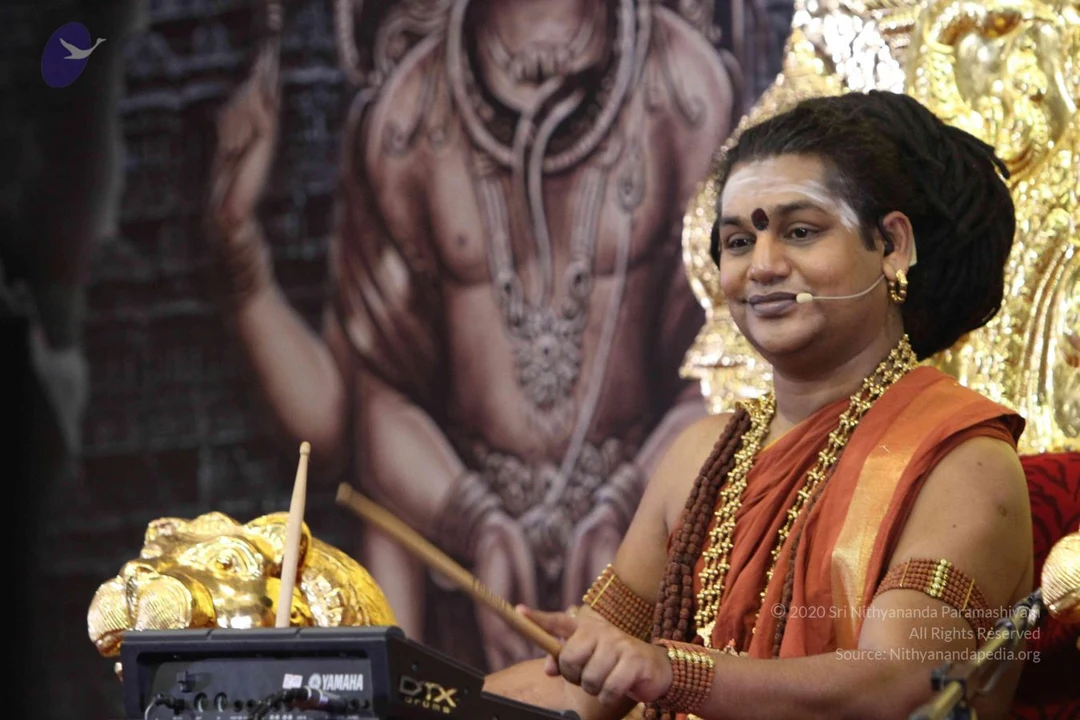
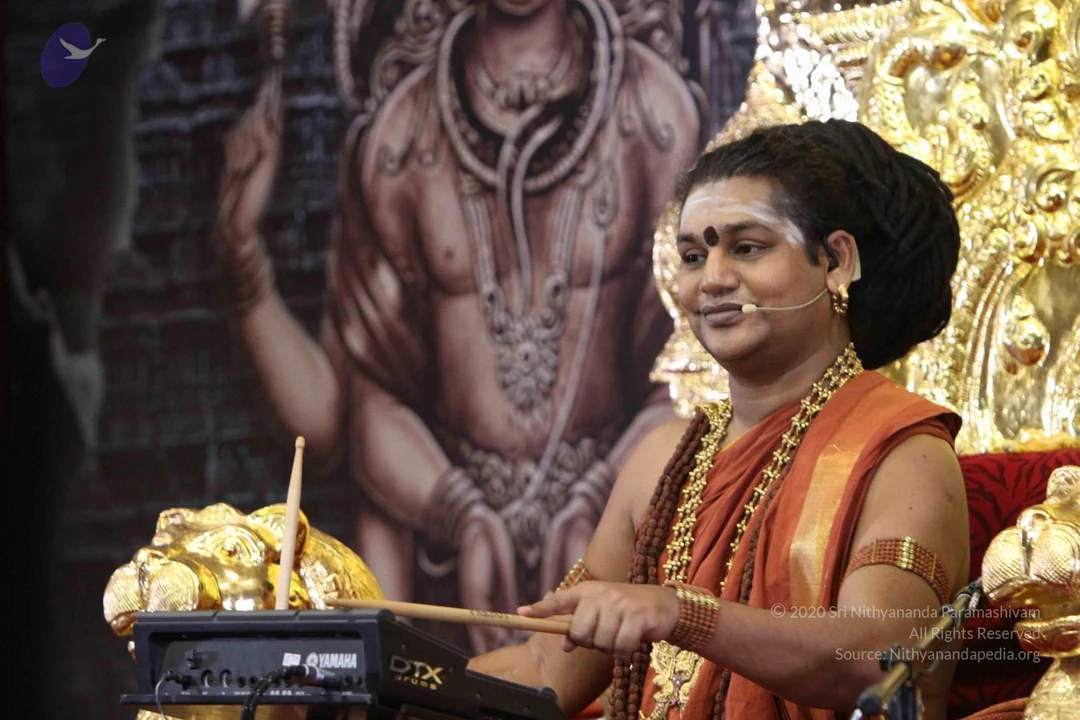
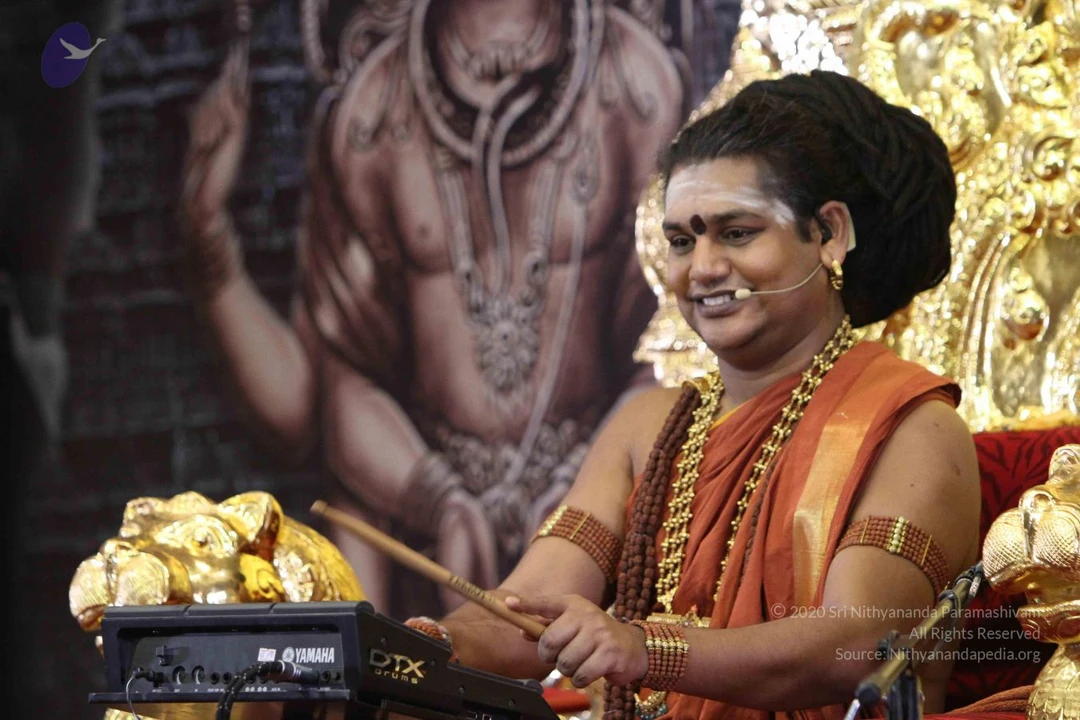
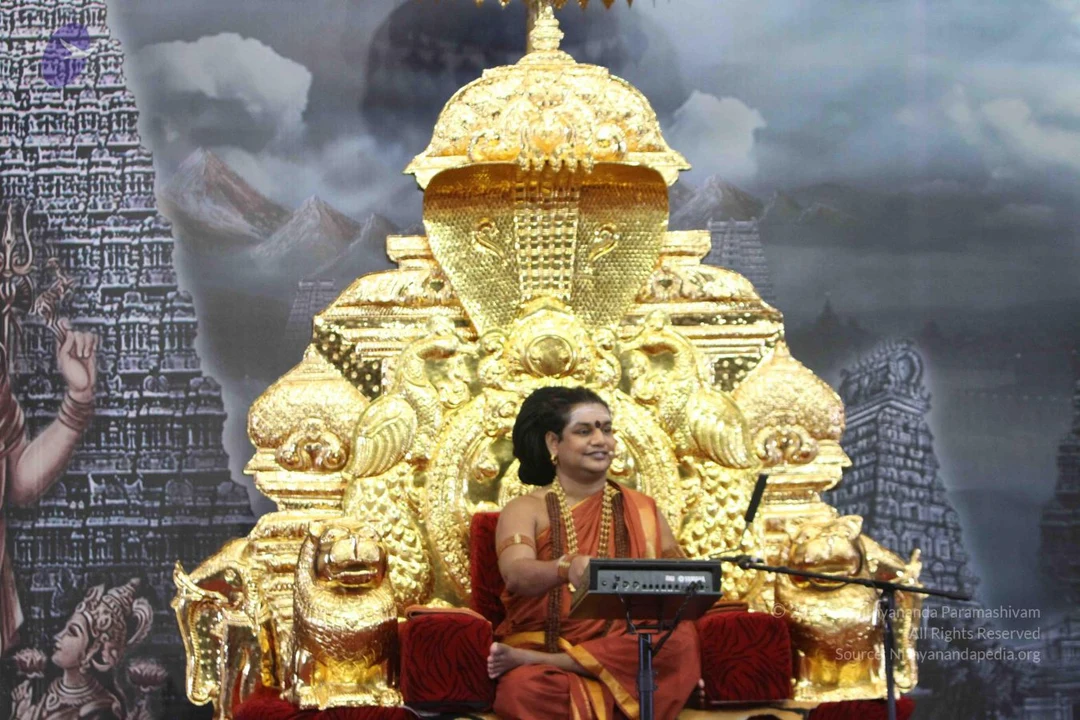
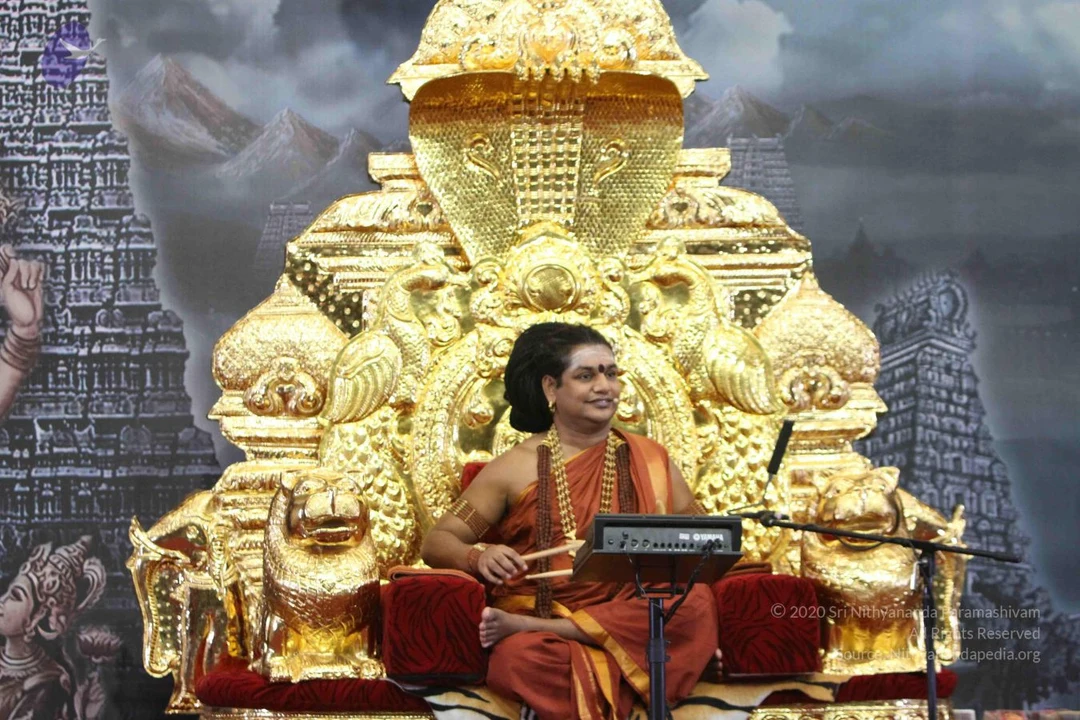
Evening-Satsang
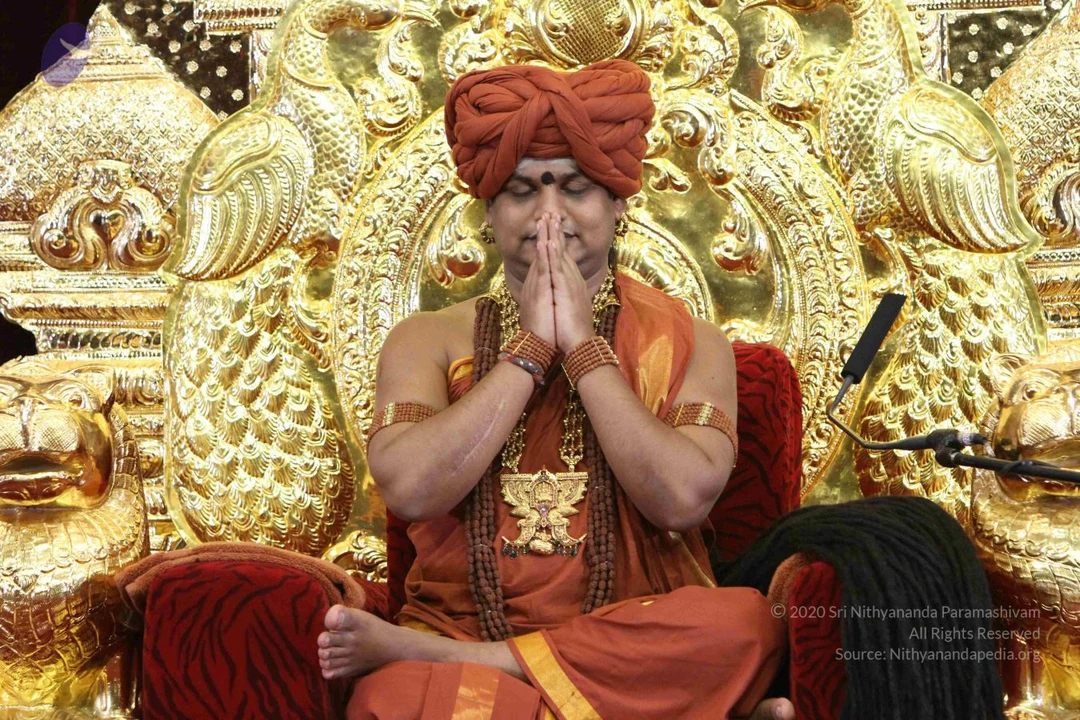
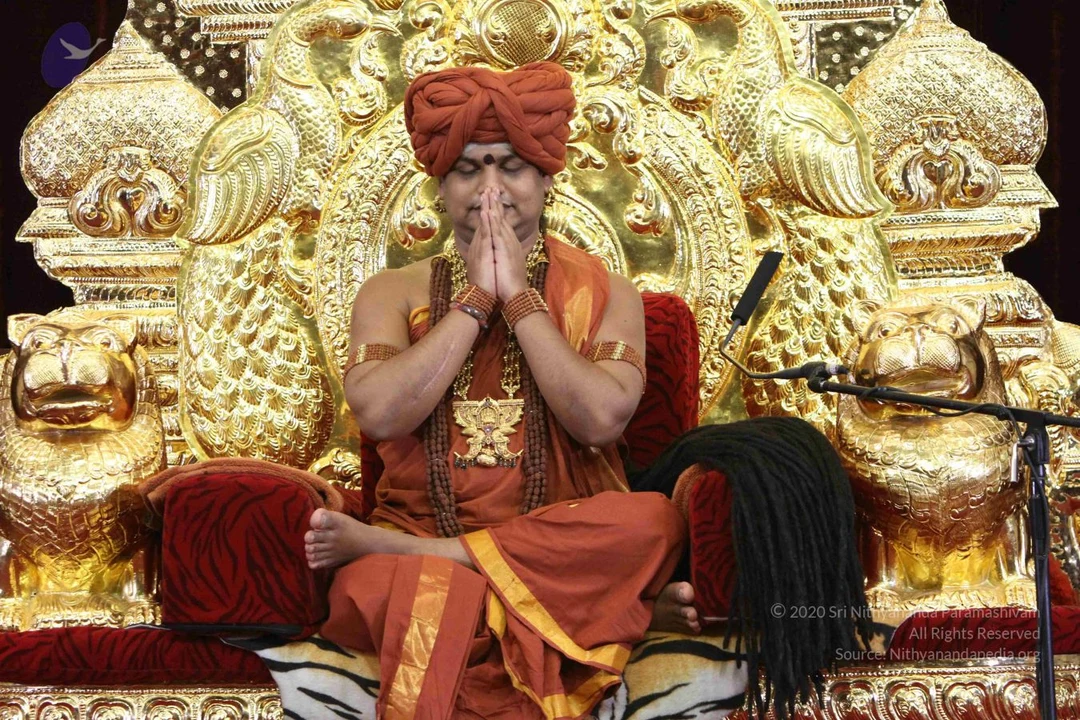
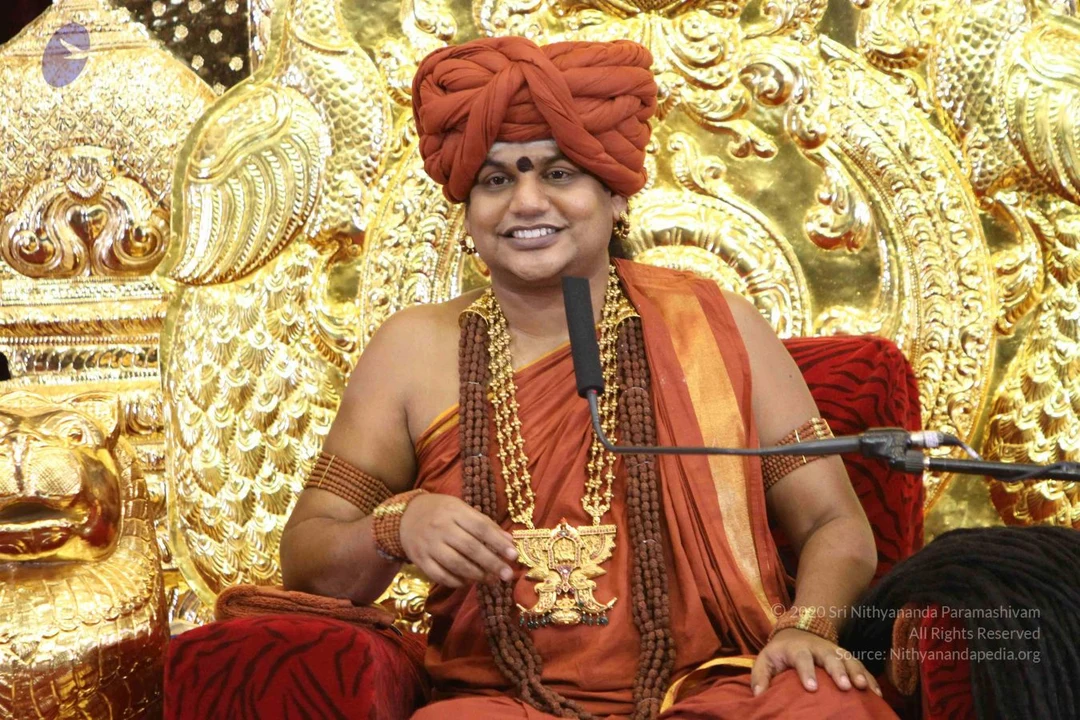
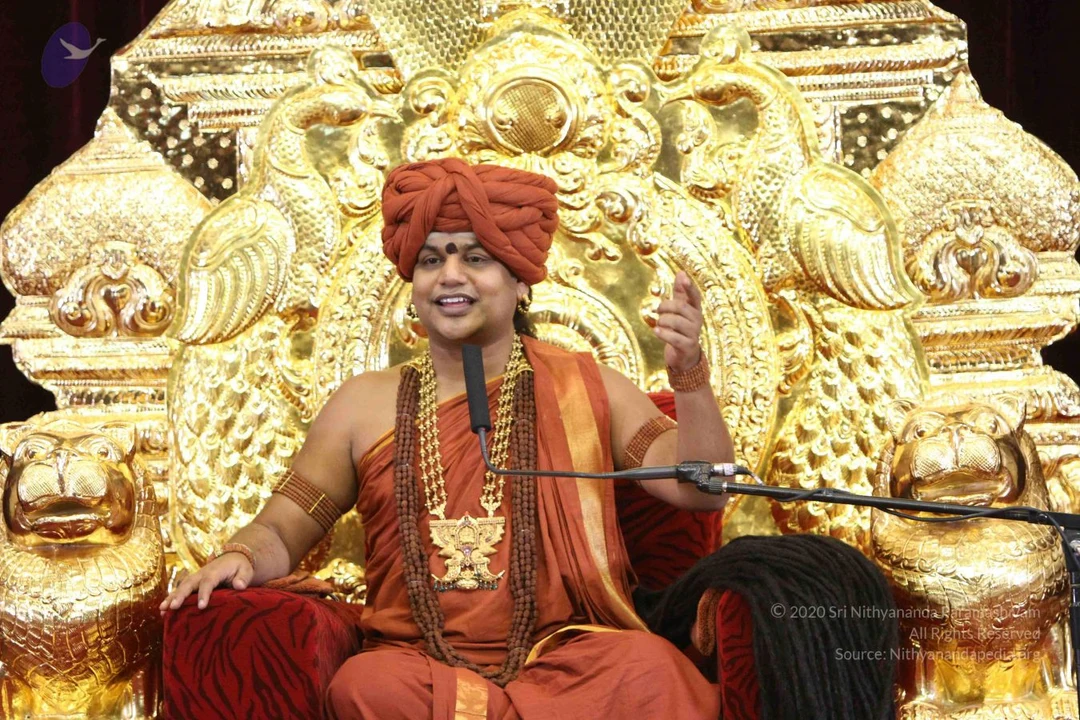
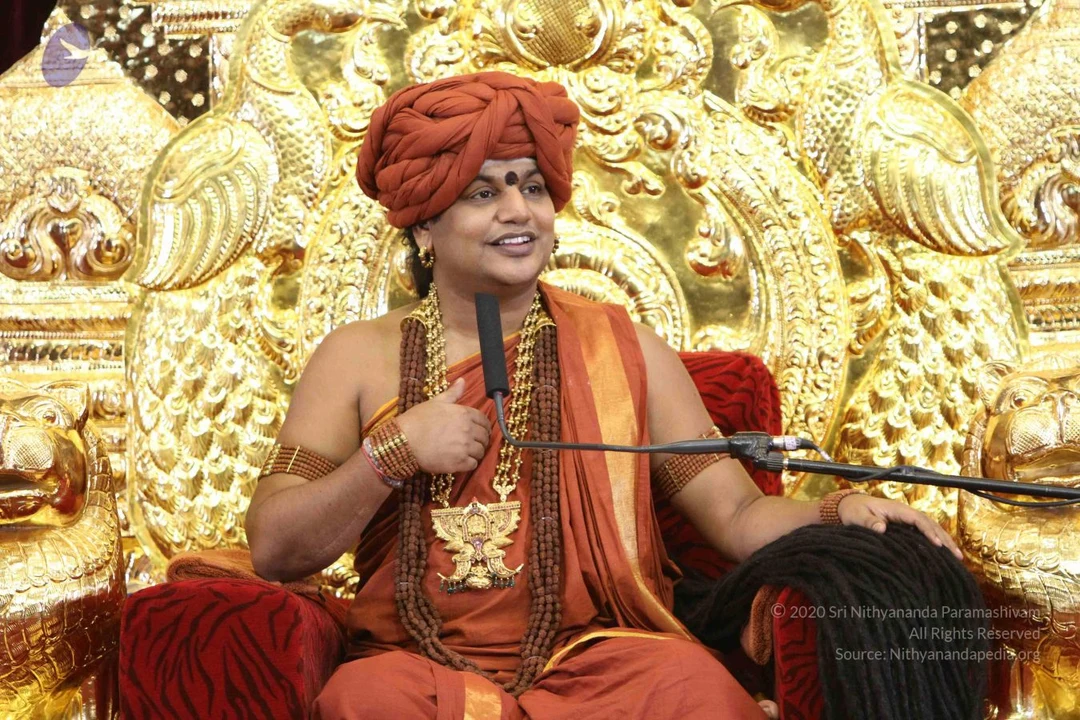
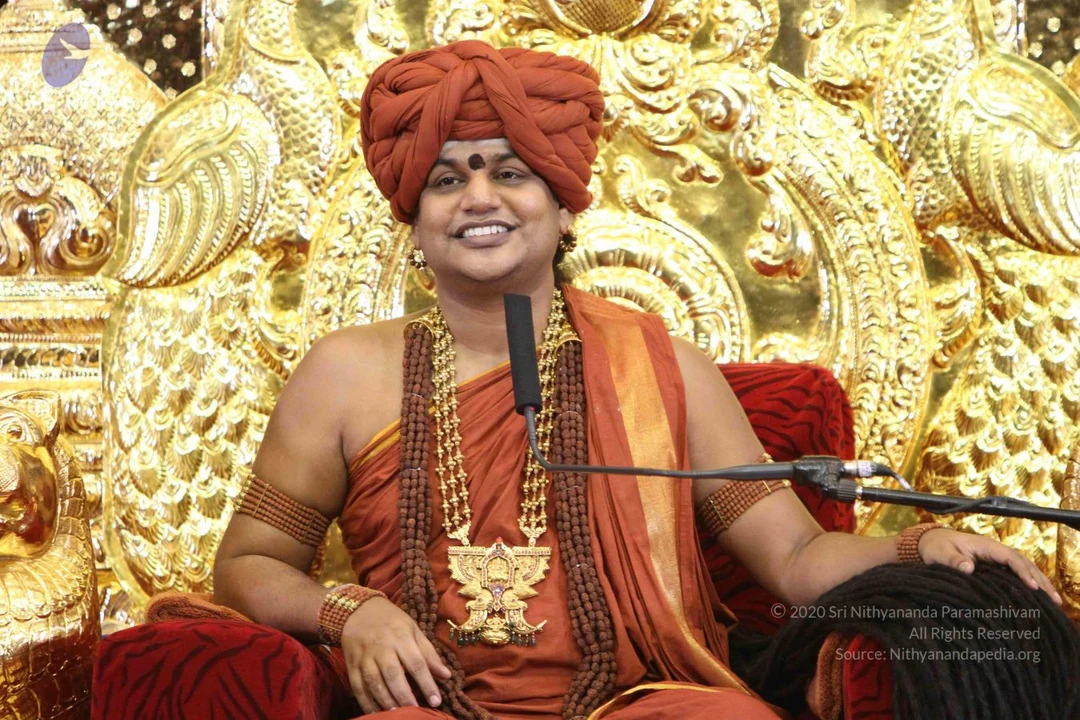
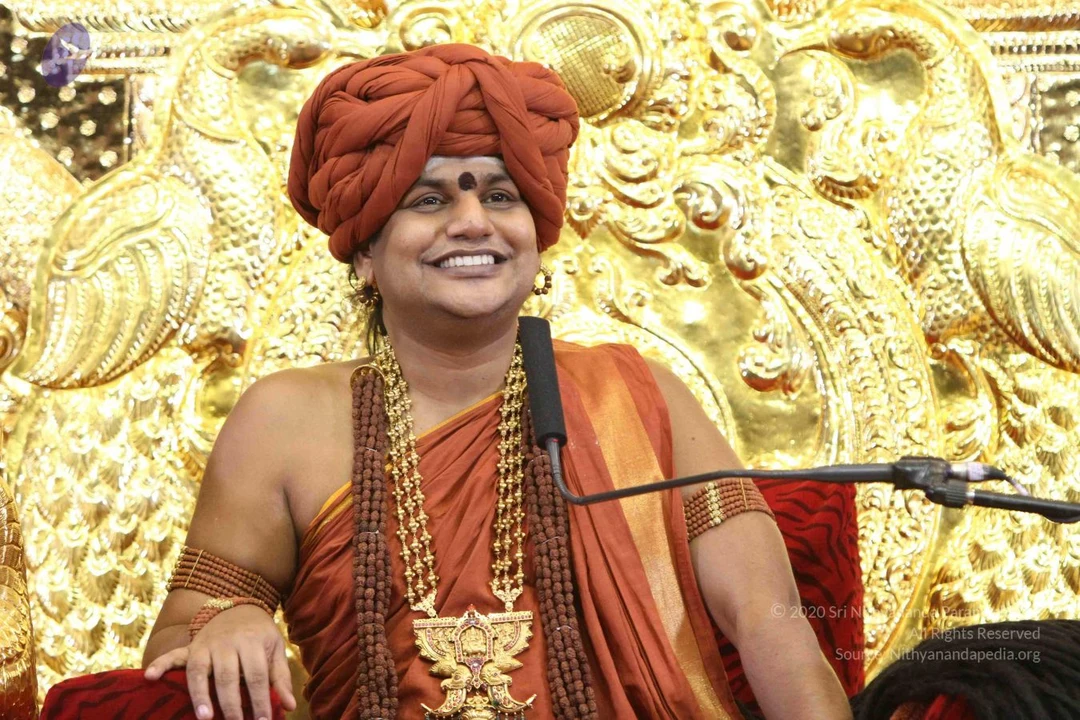
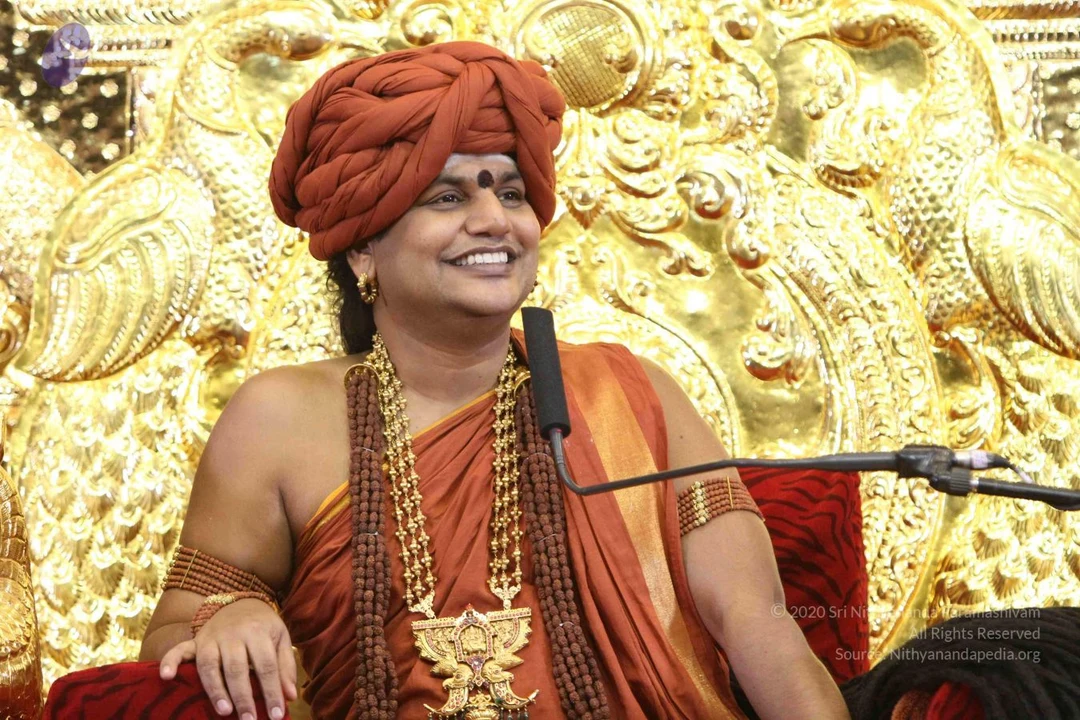
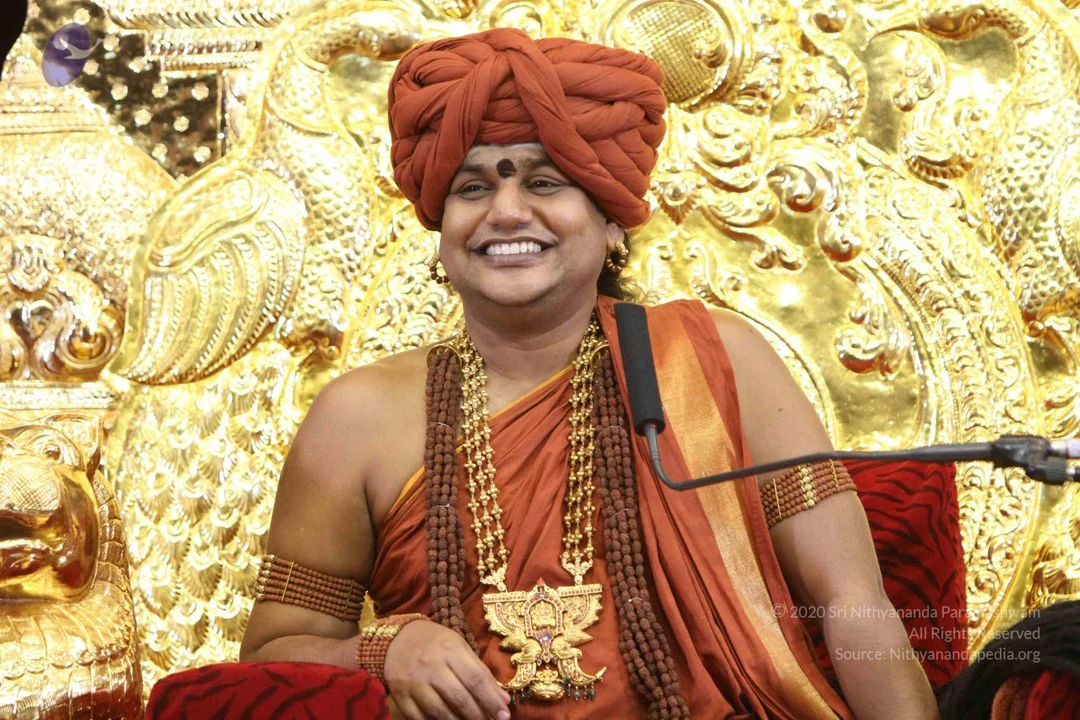
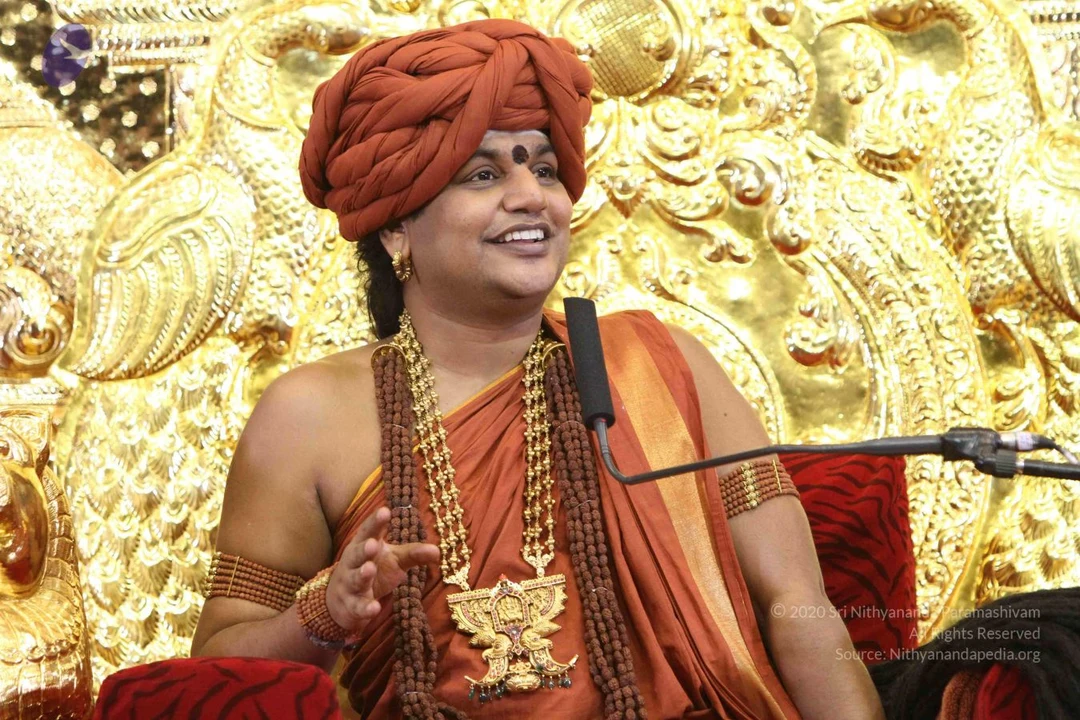
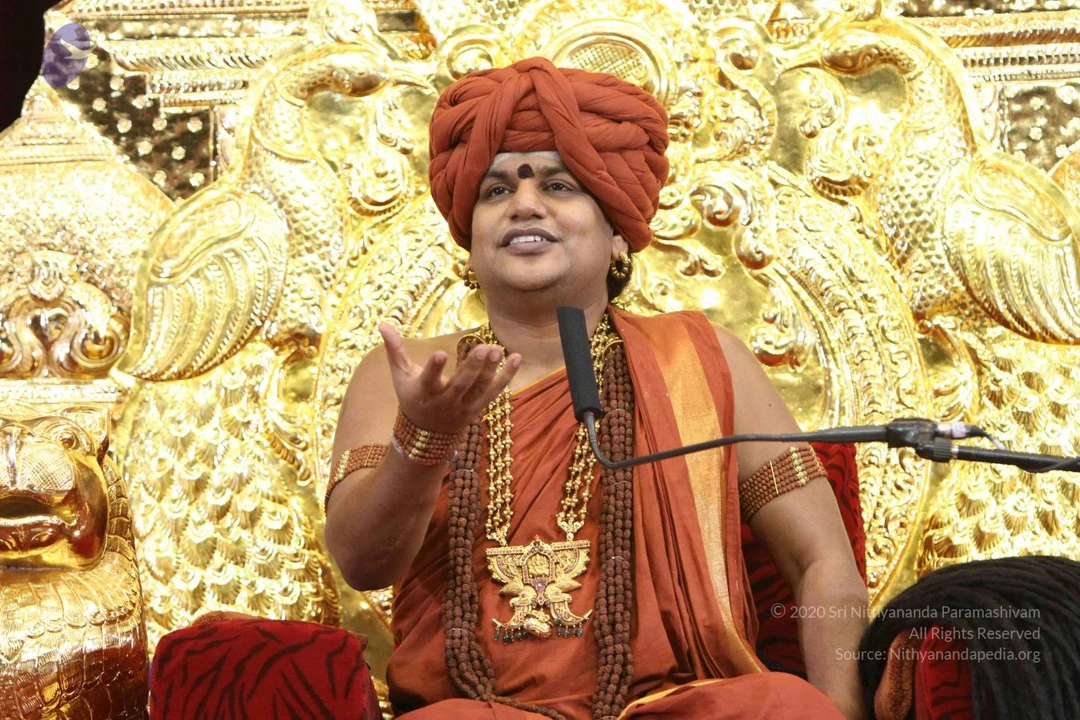
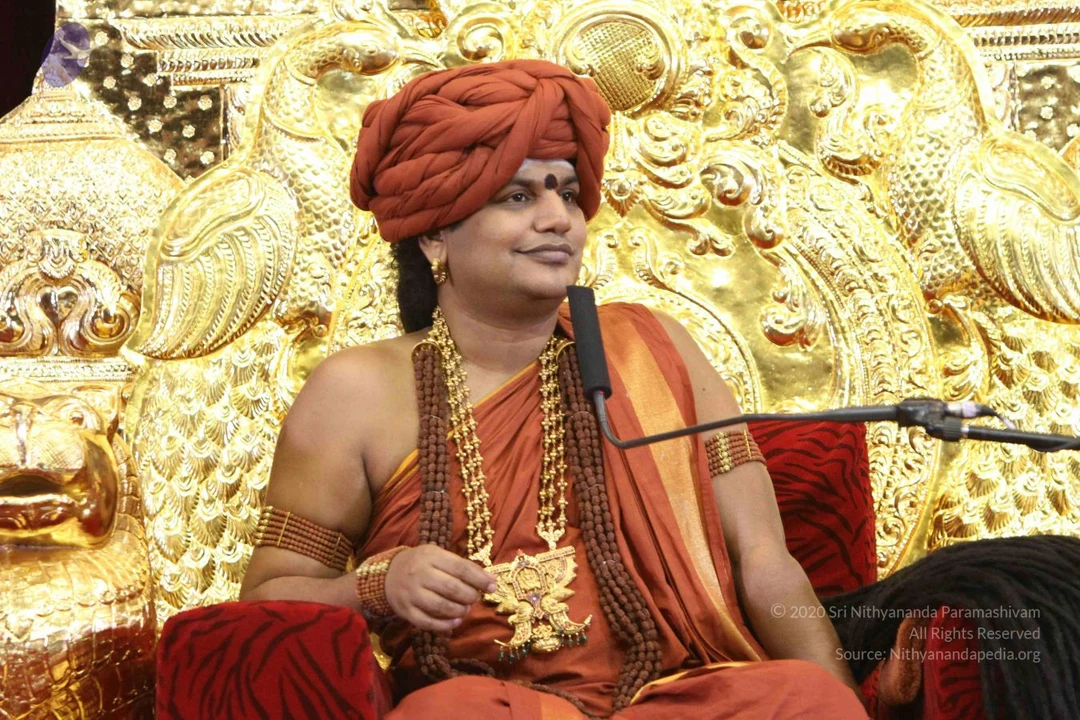
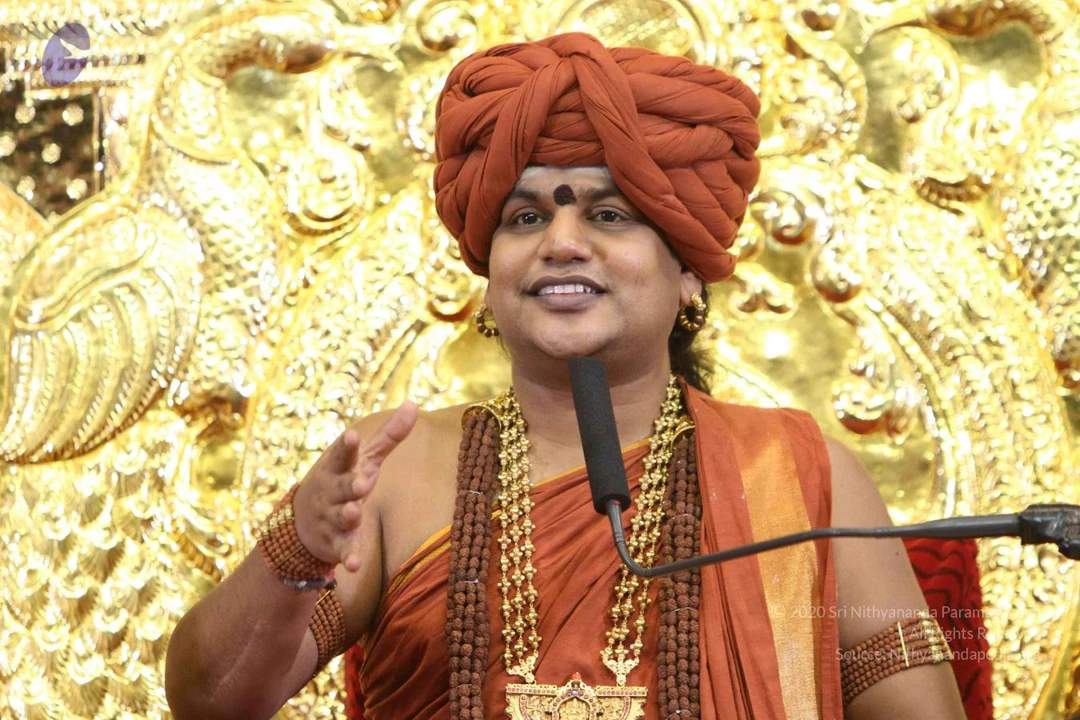
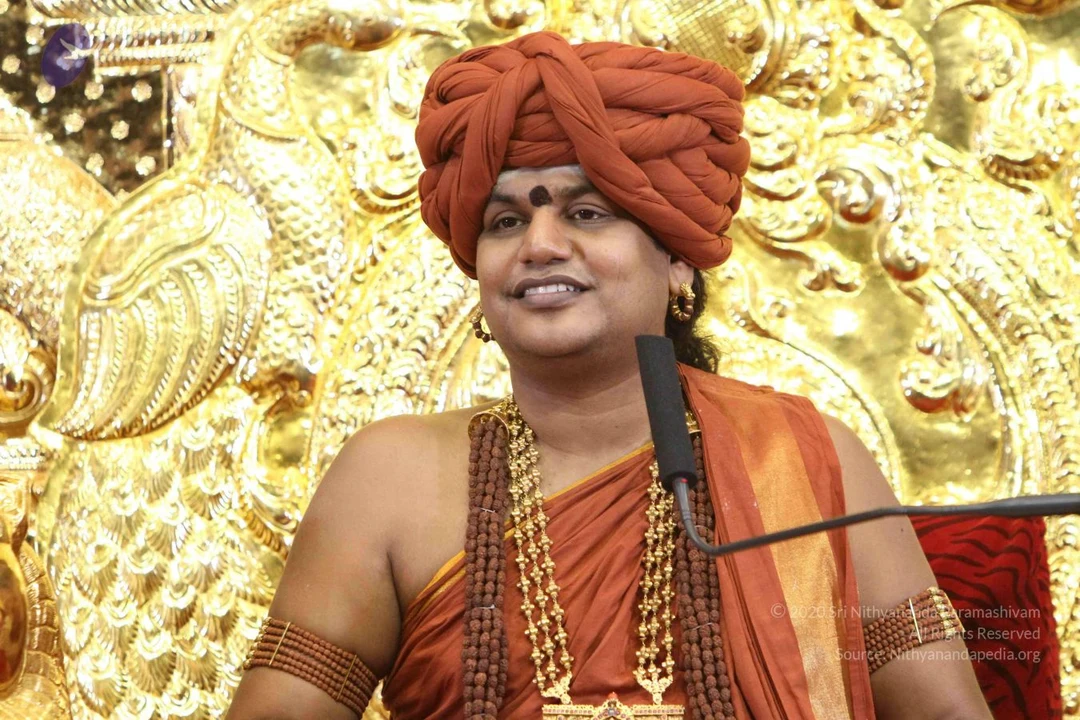
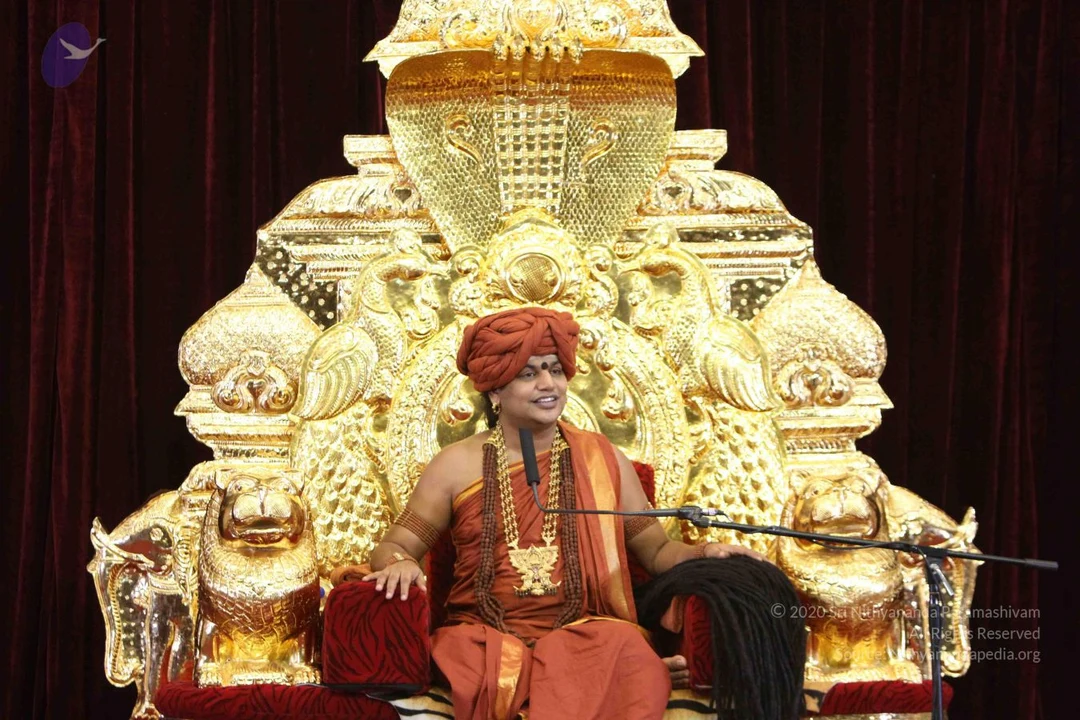
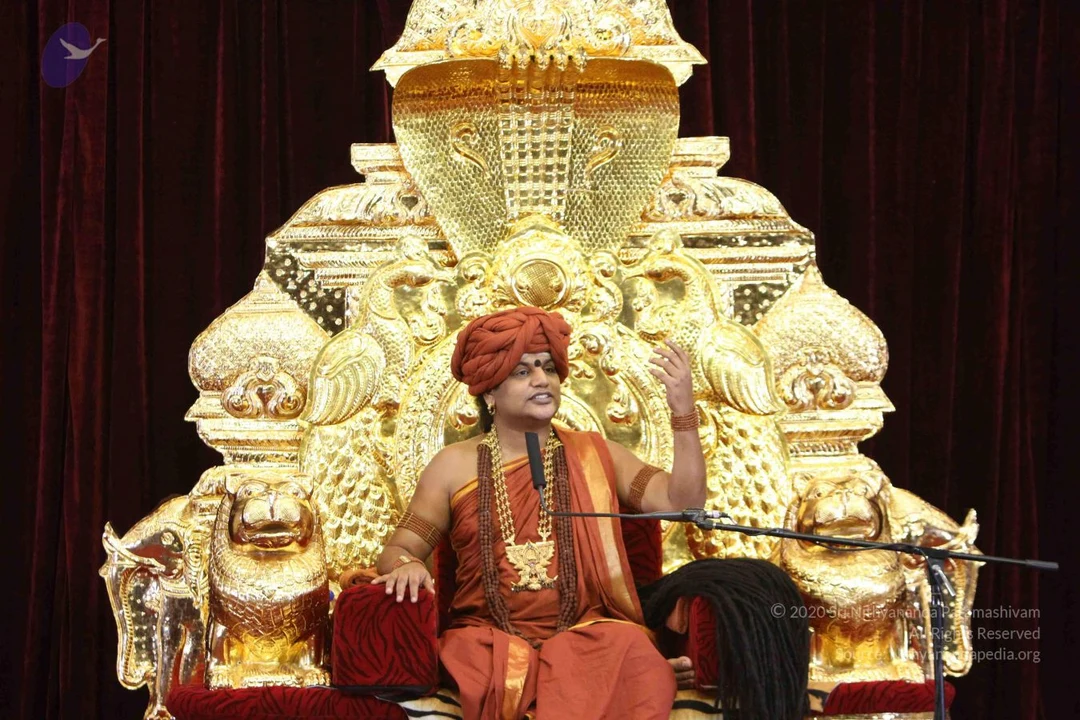
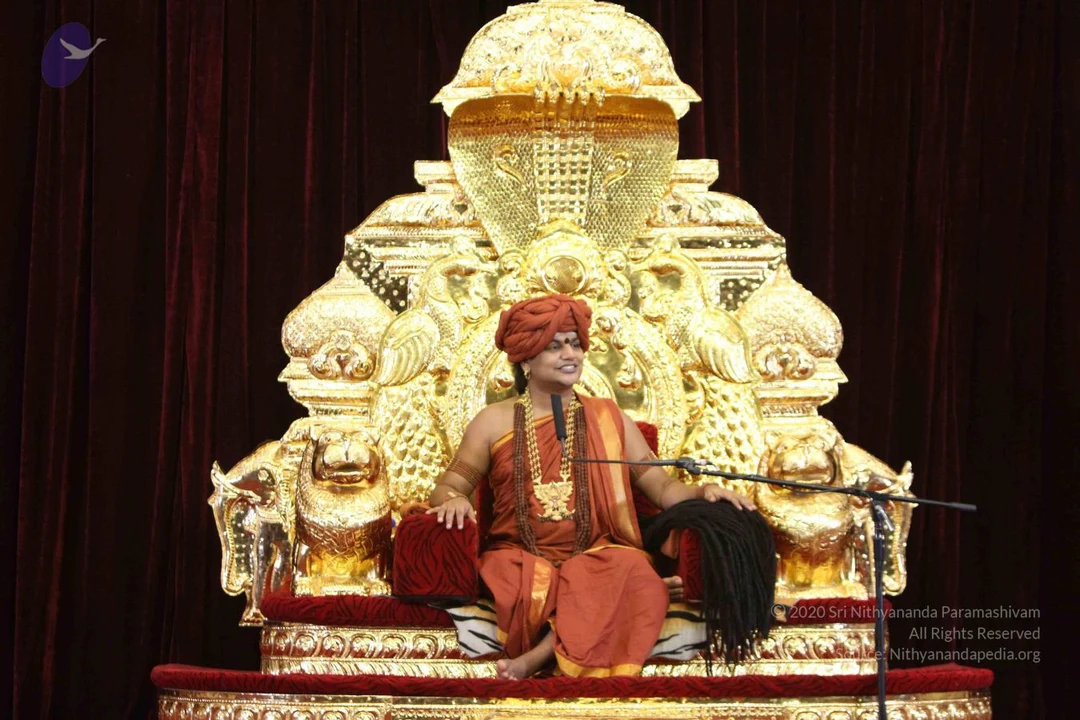
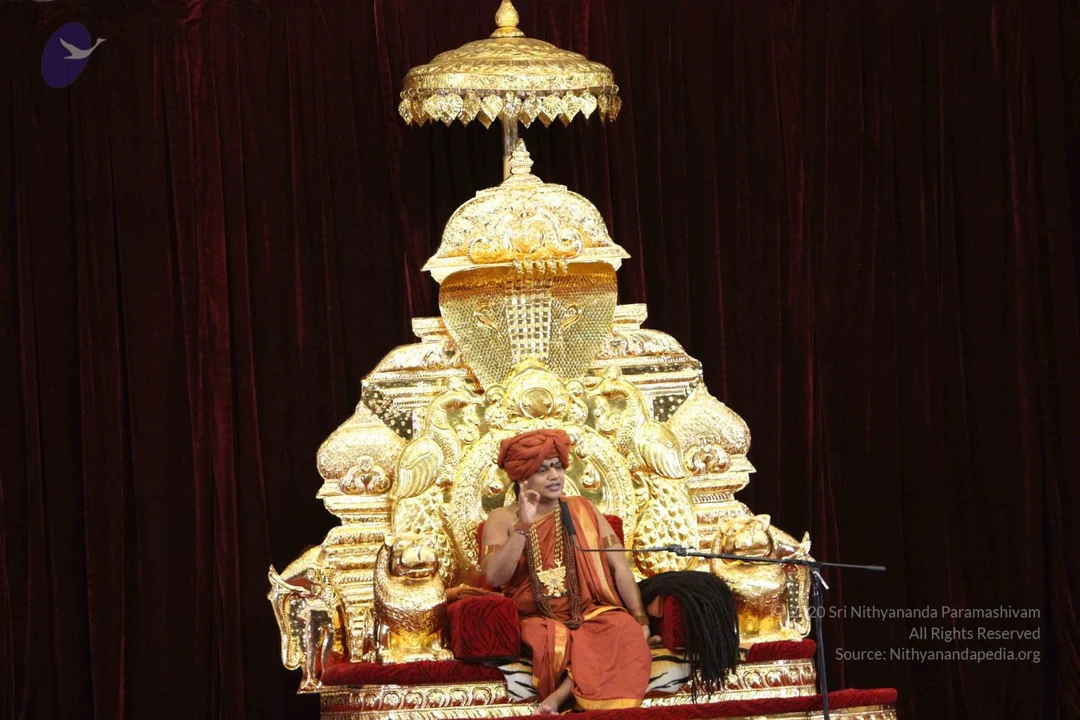

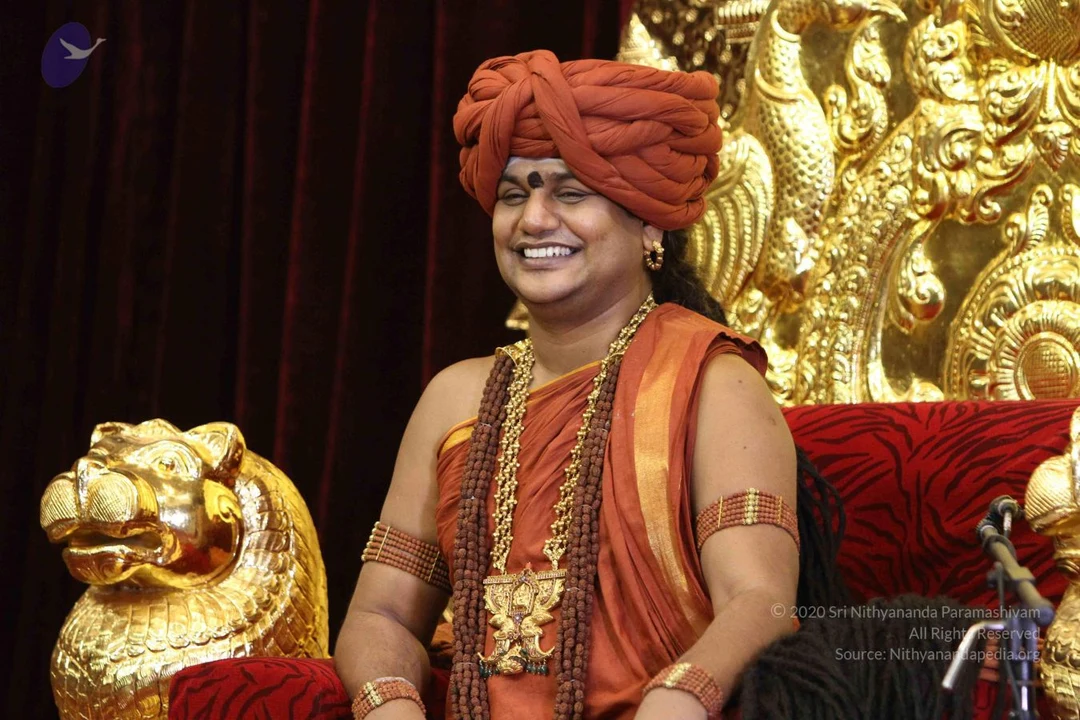
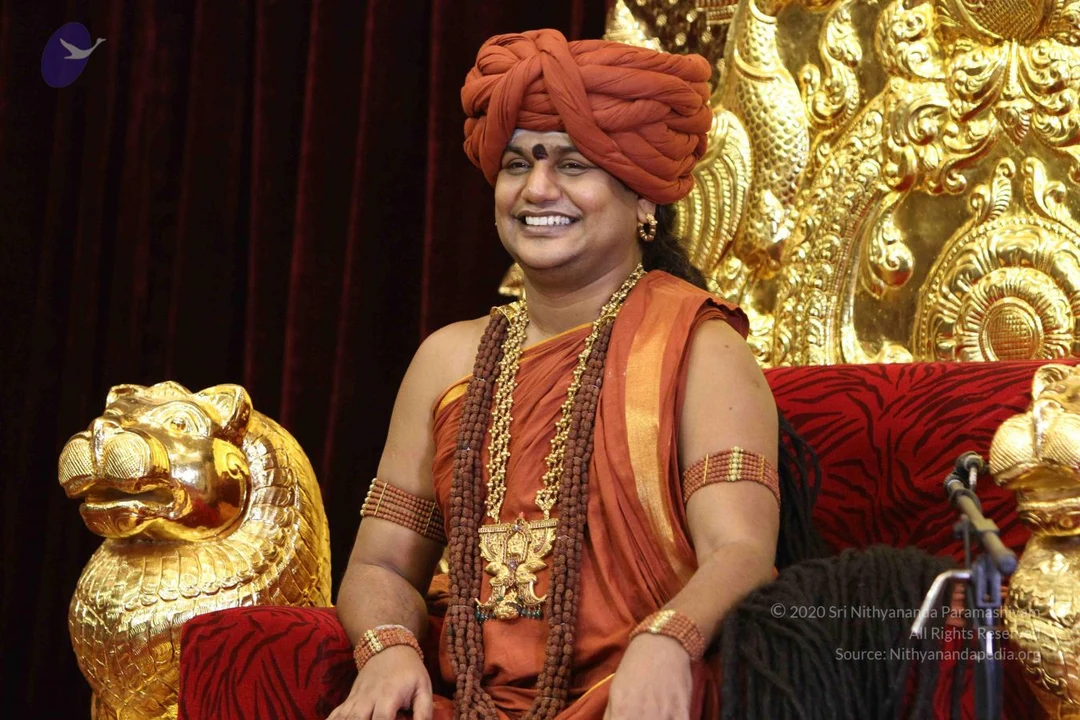
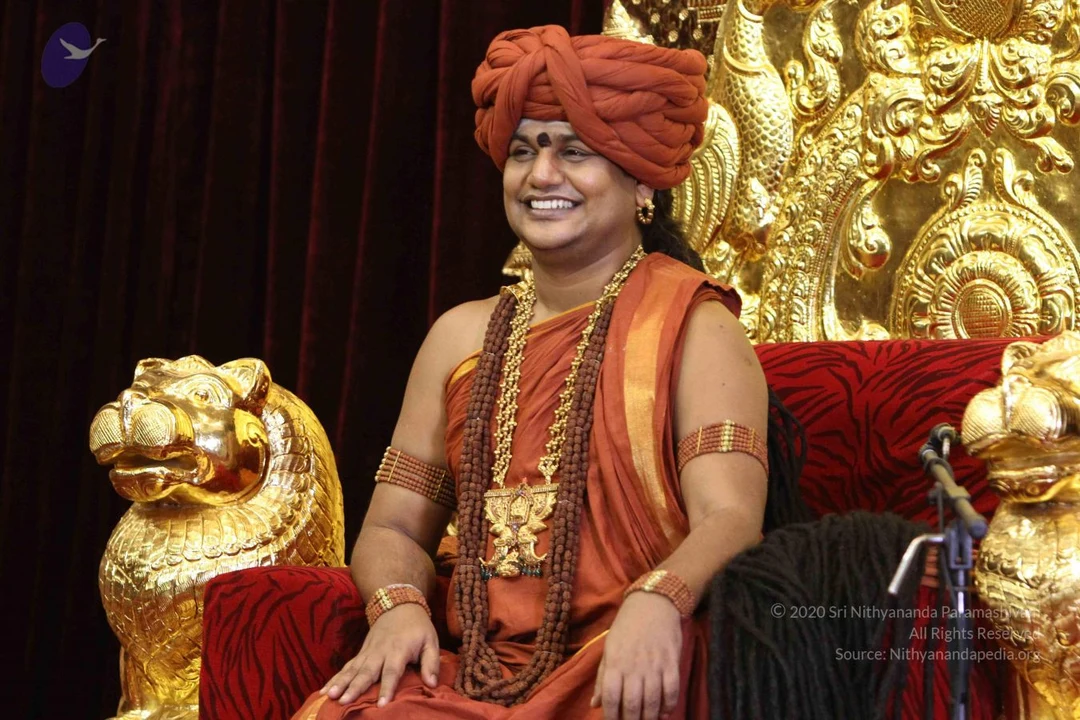
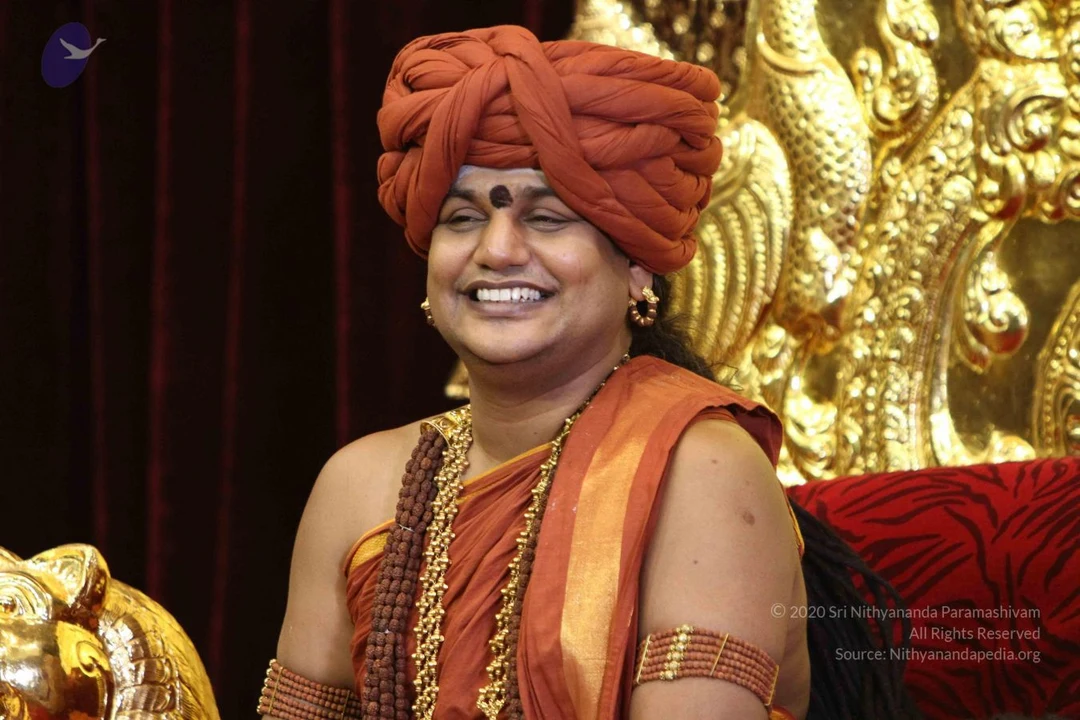
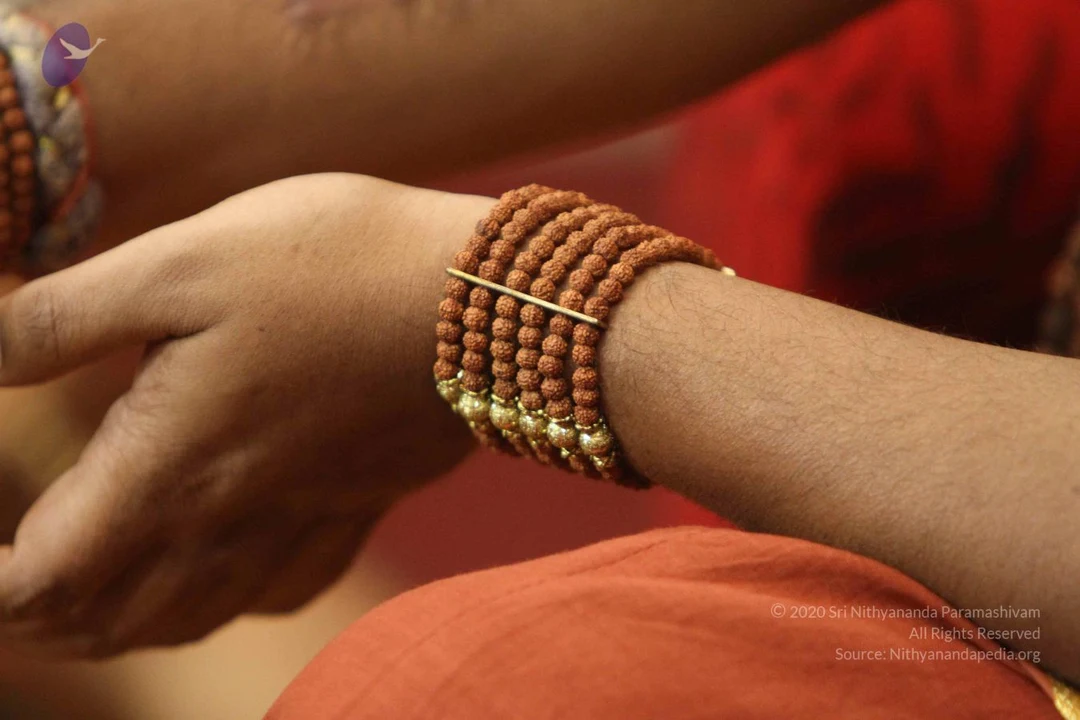
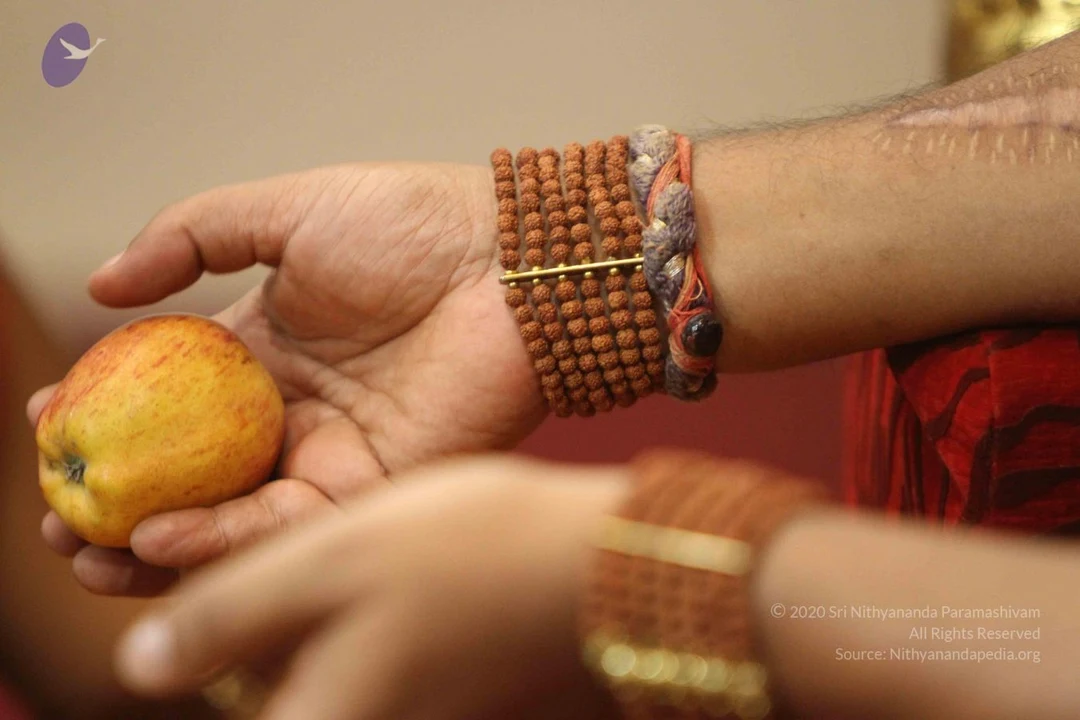
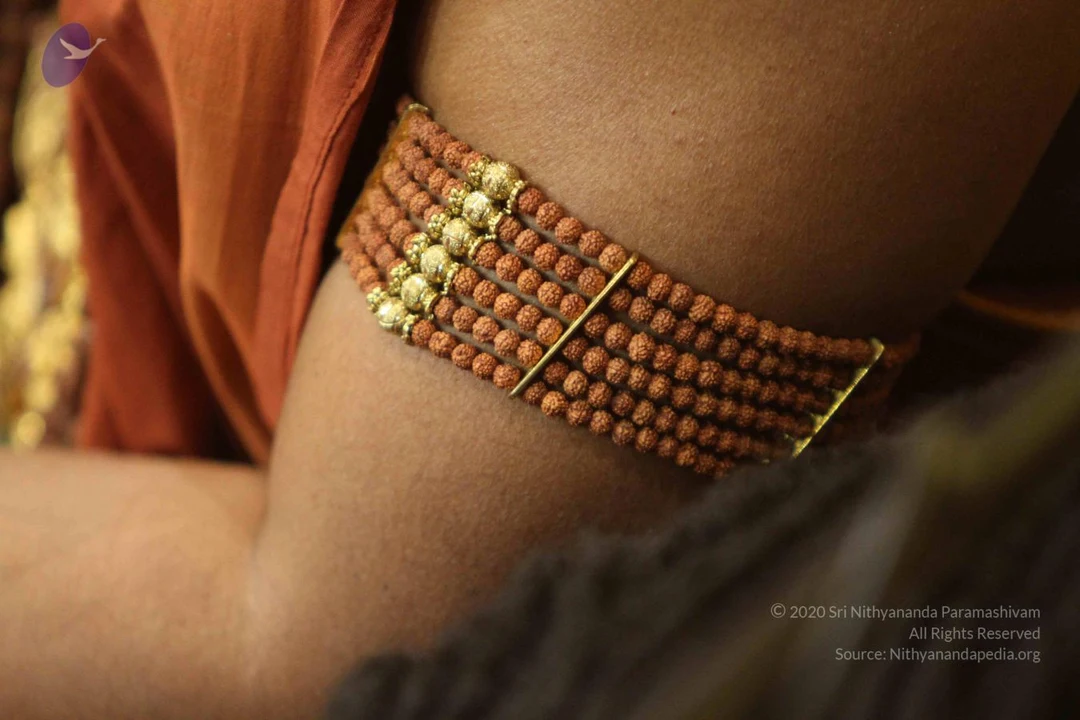
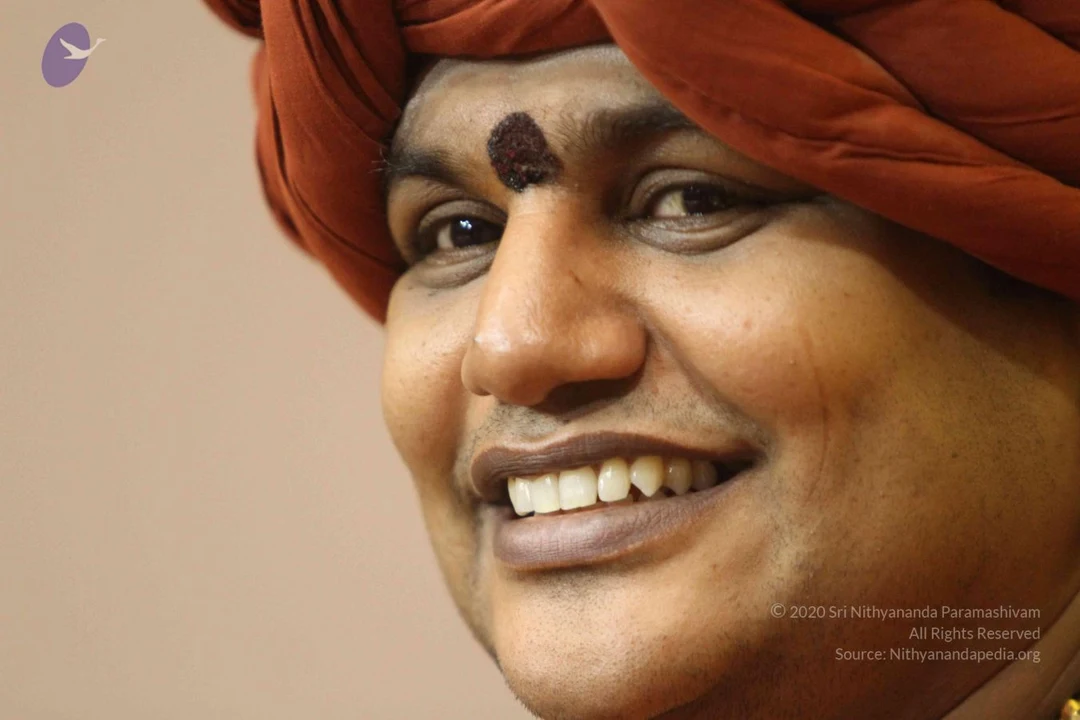
Photos Of The Day:
Nithya Dhana Yoga global Convention
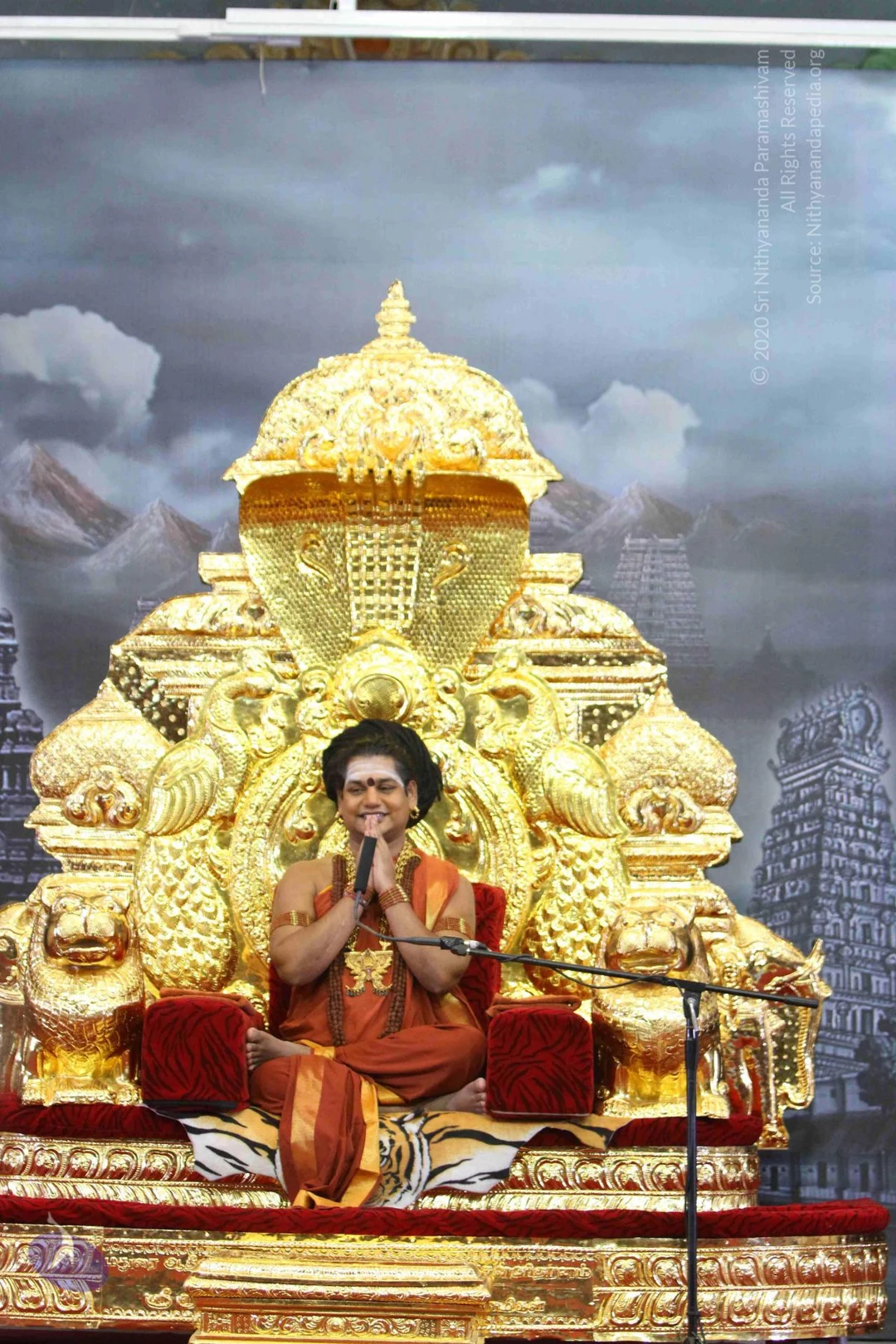
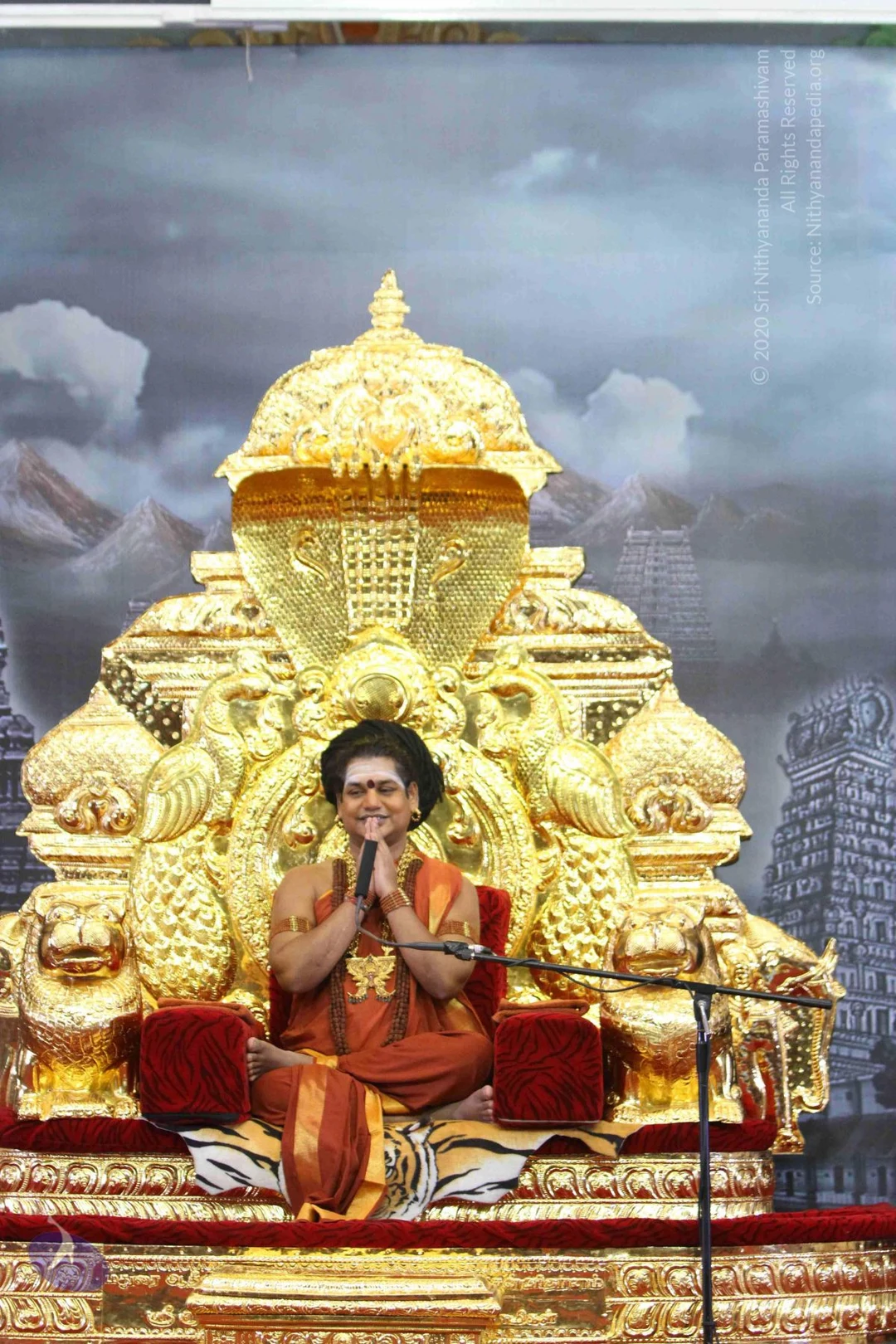
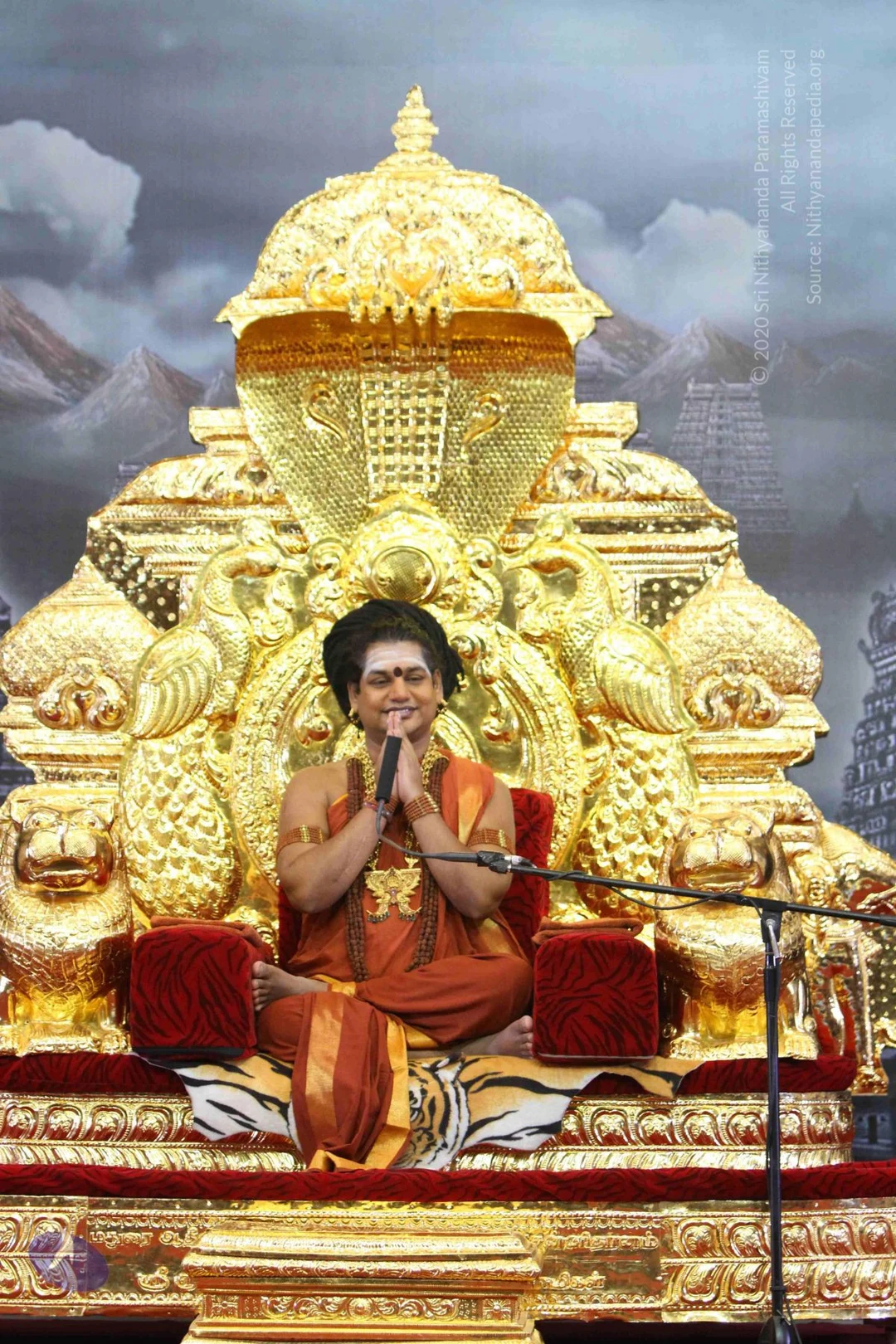
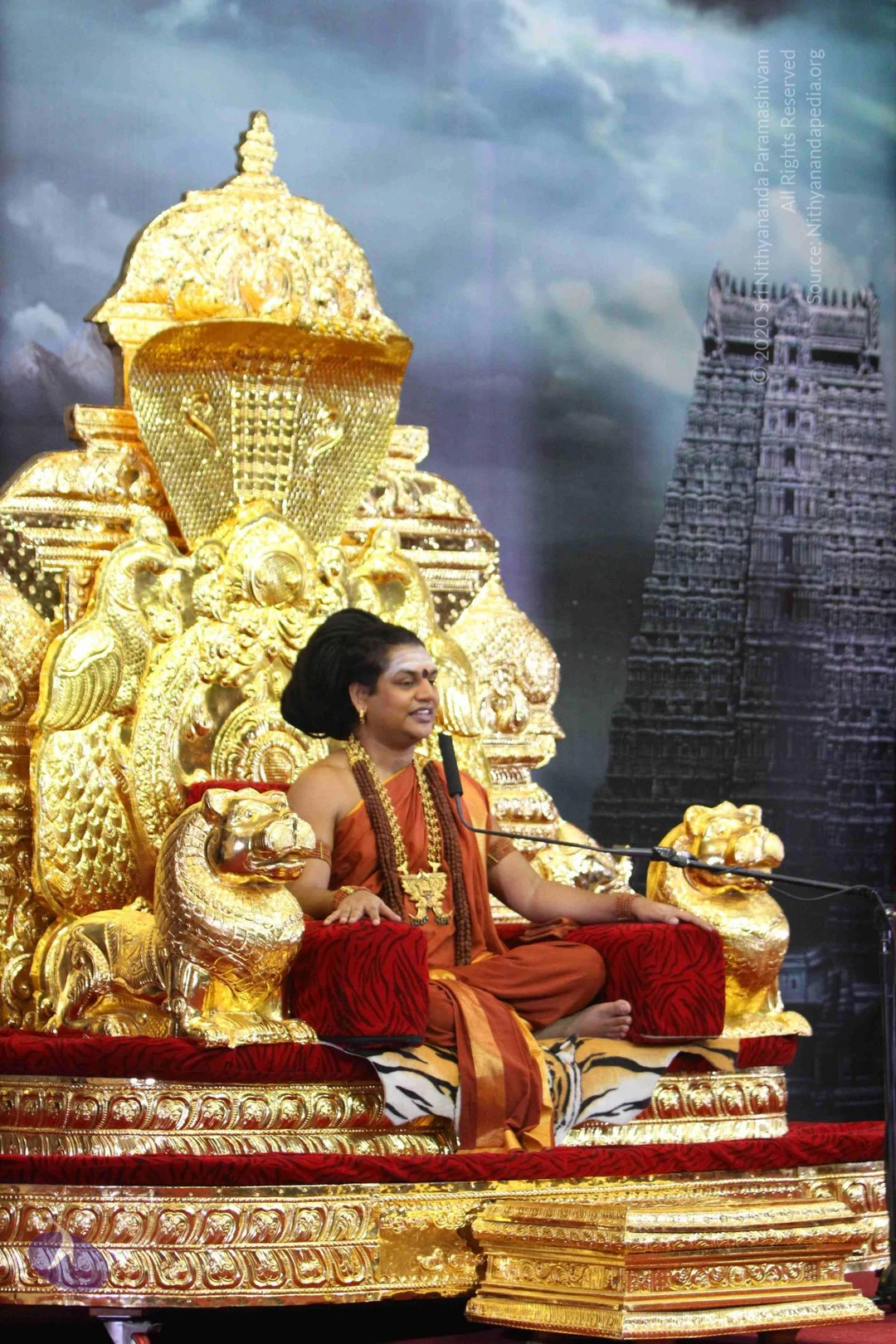
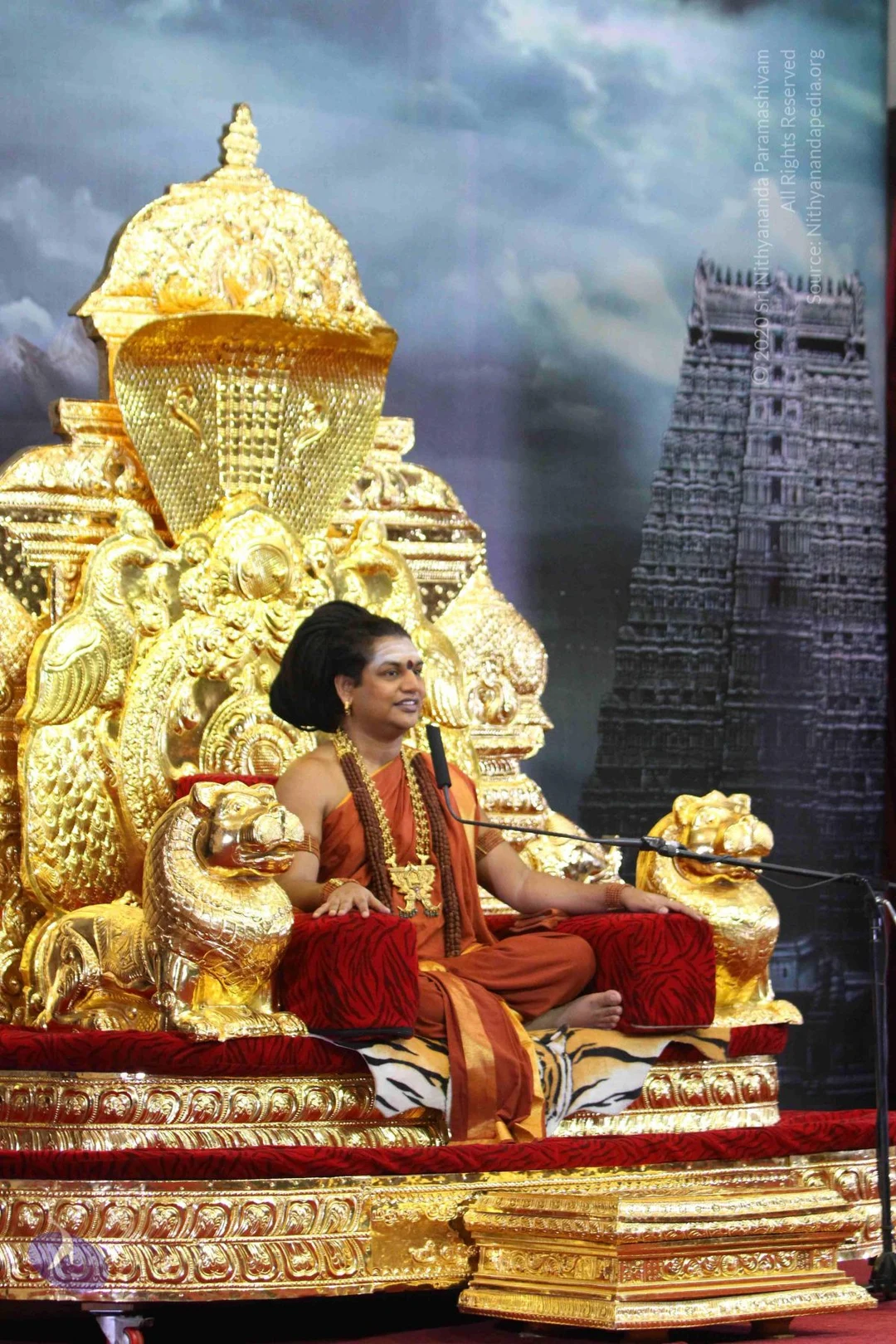
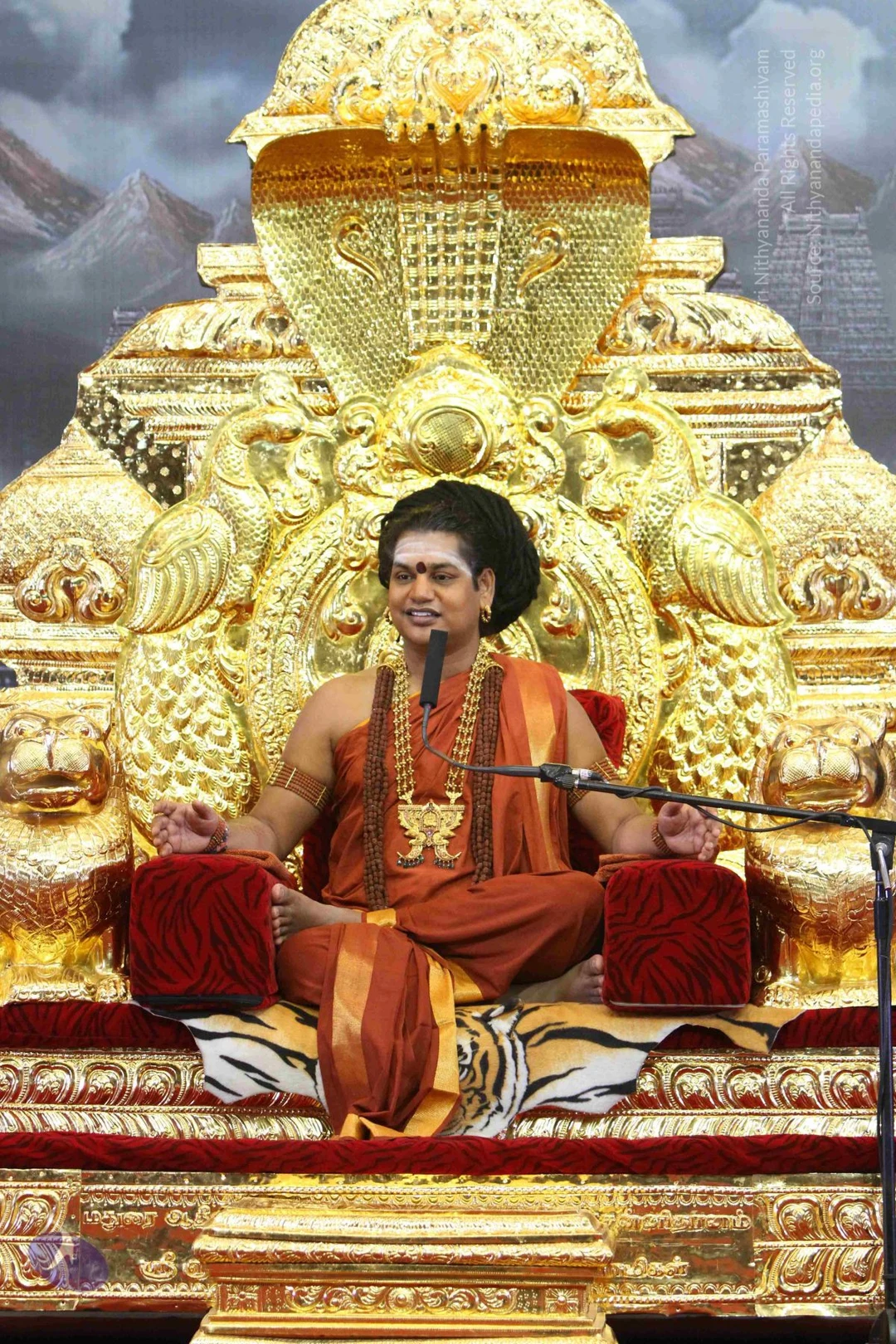
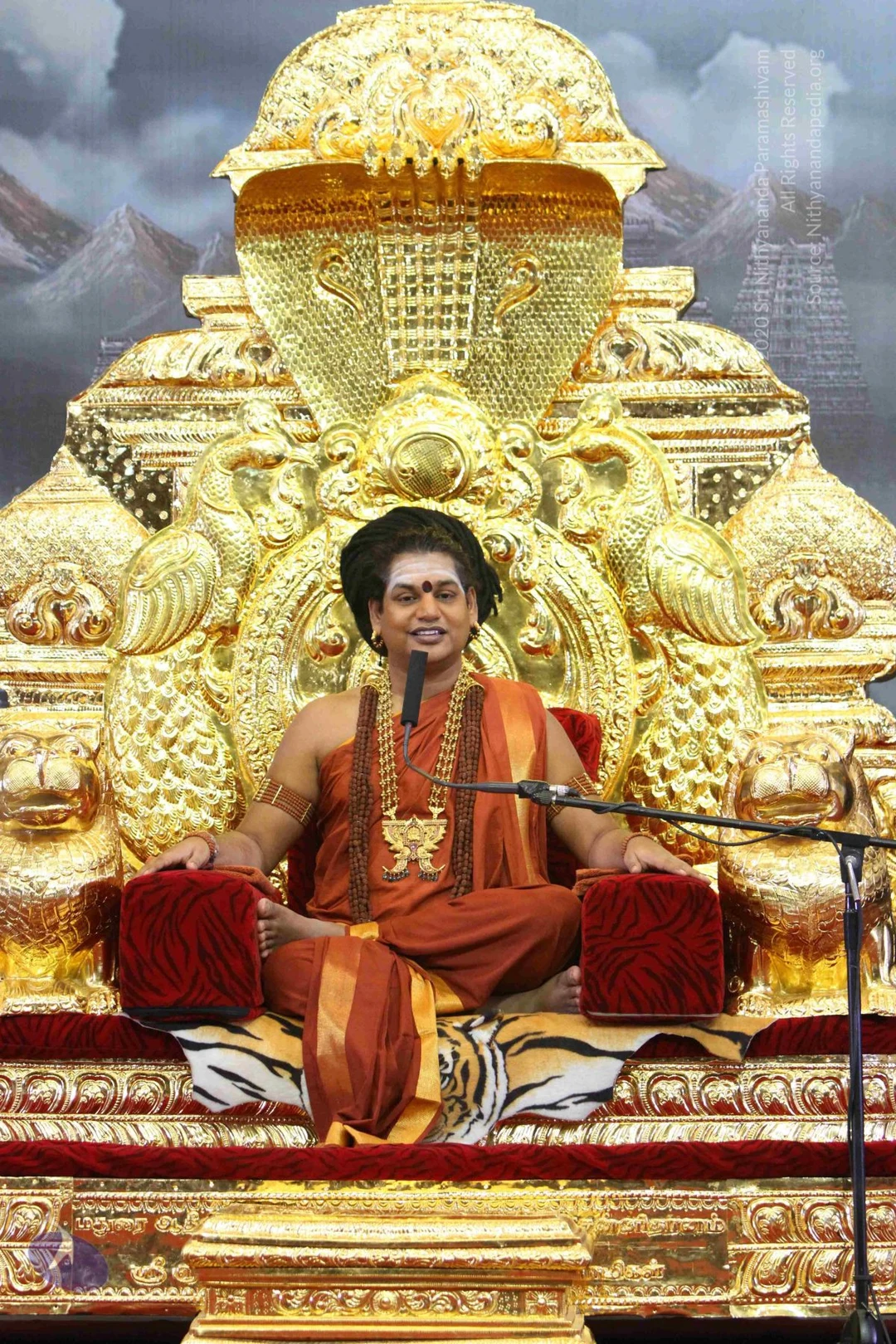
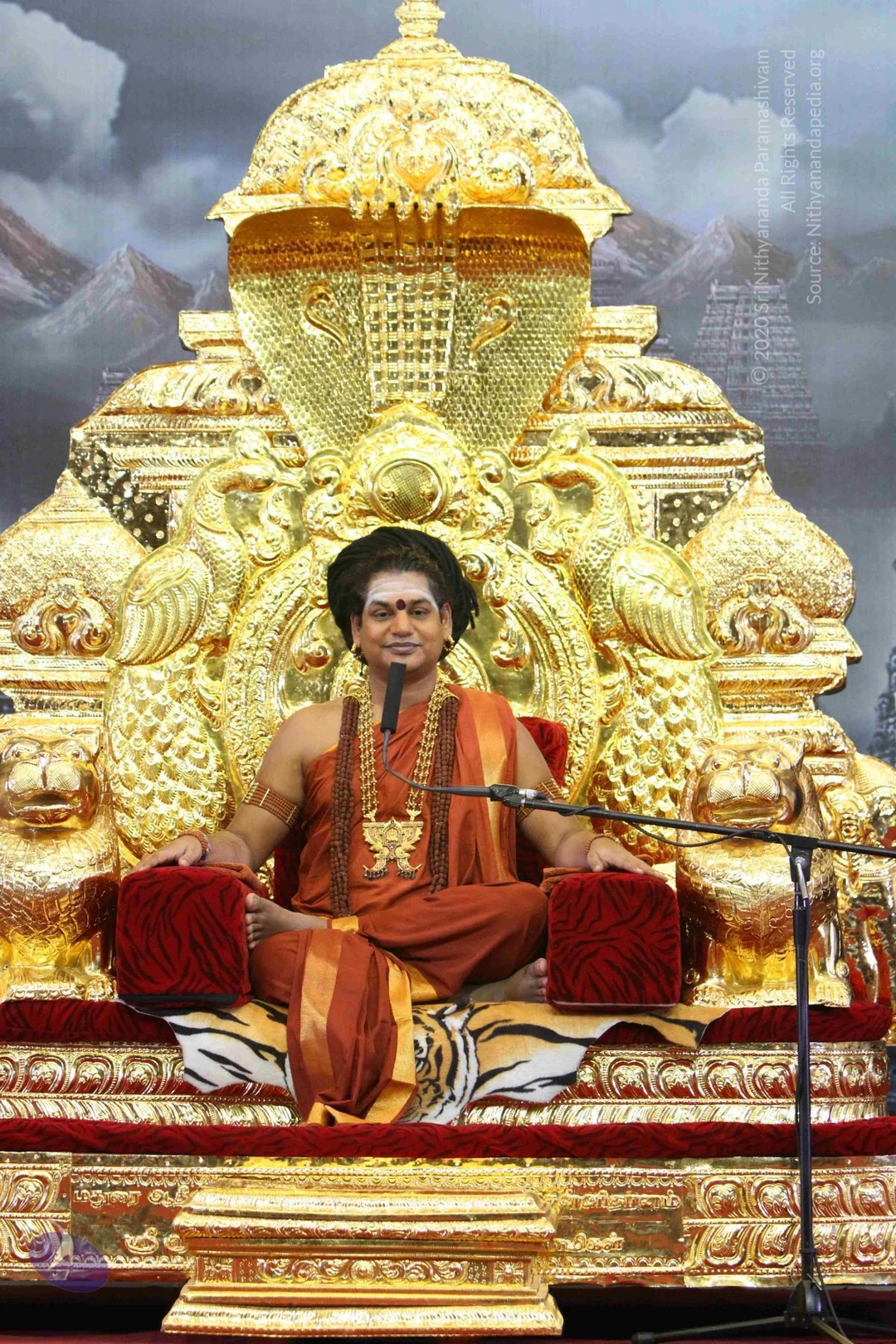
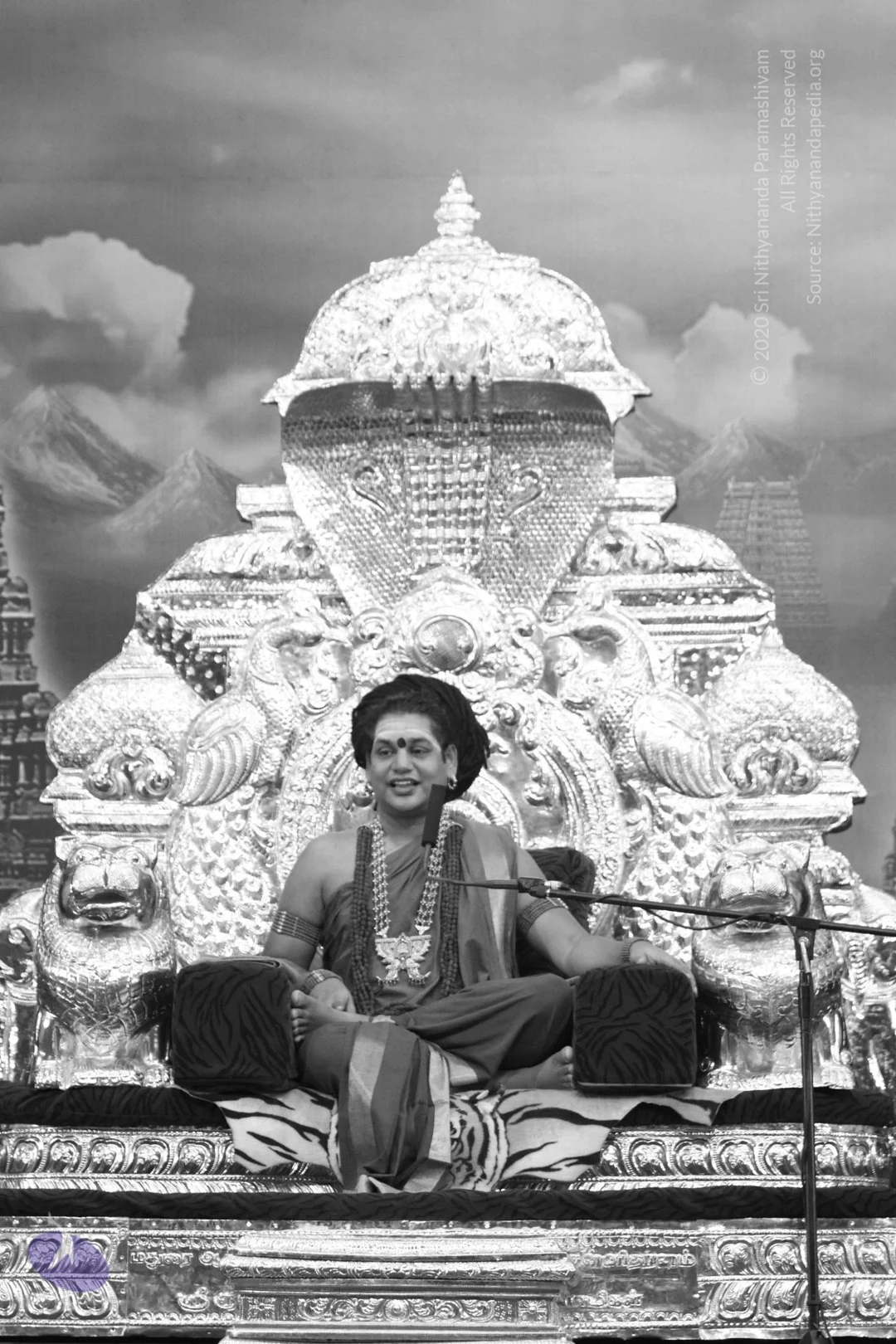
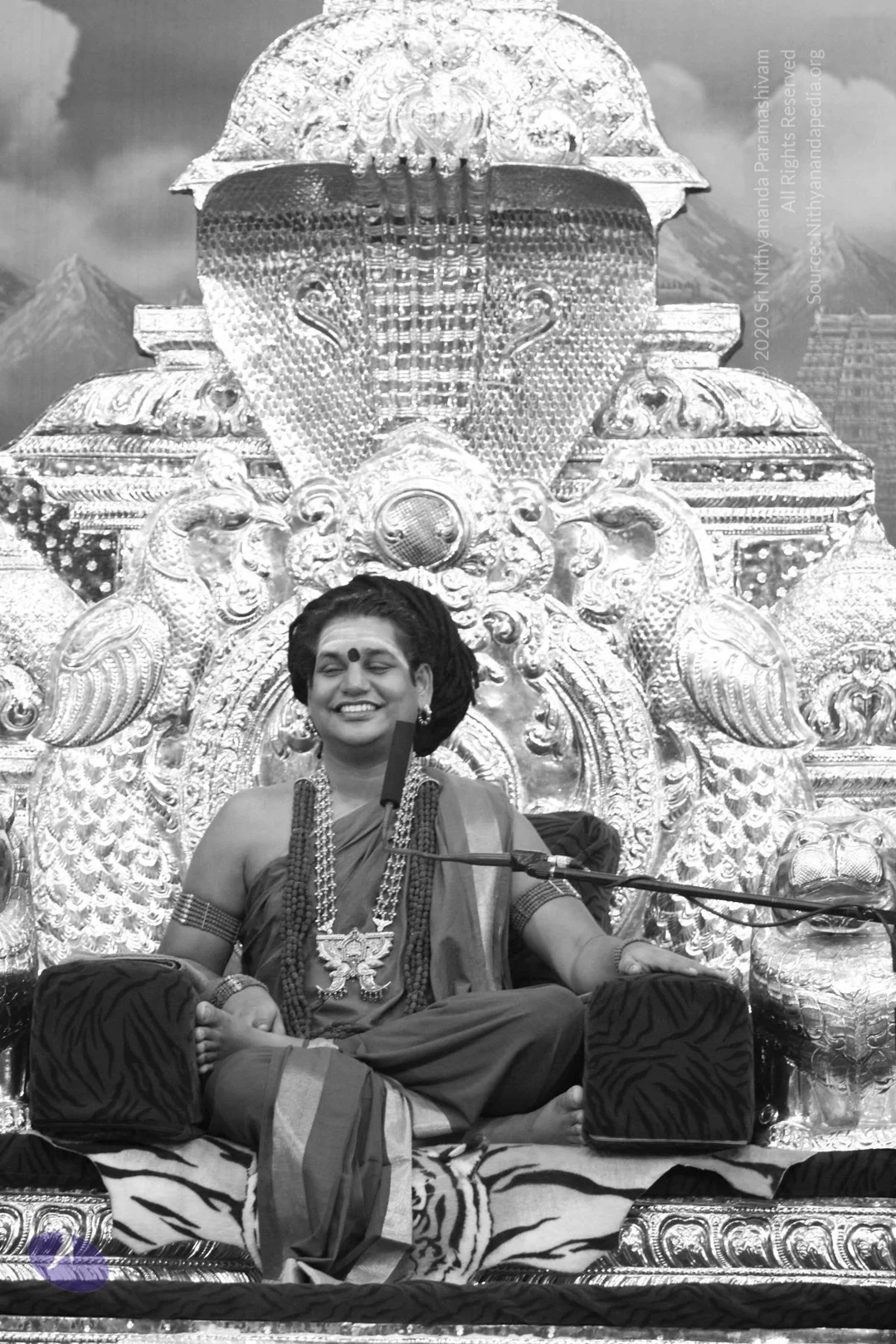
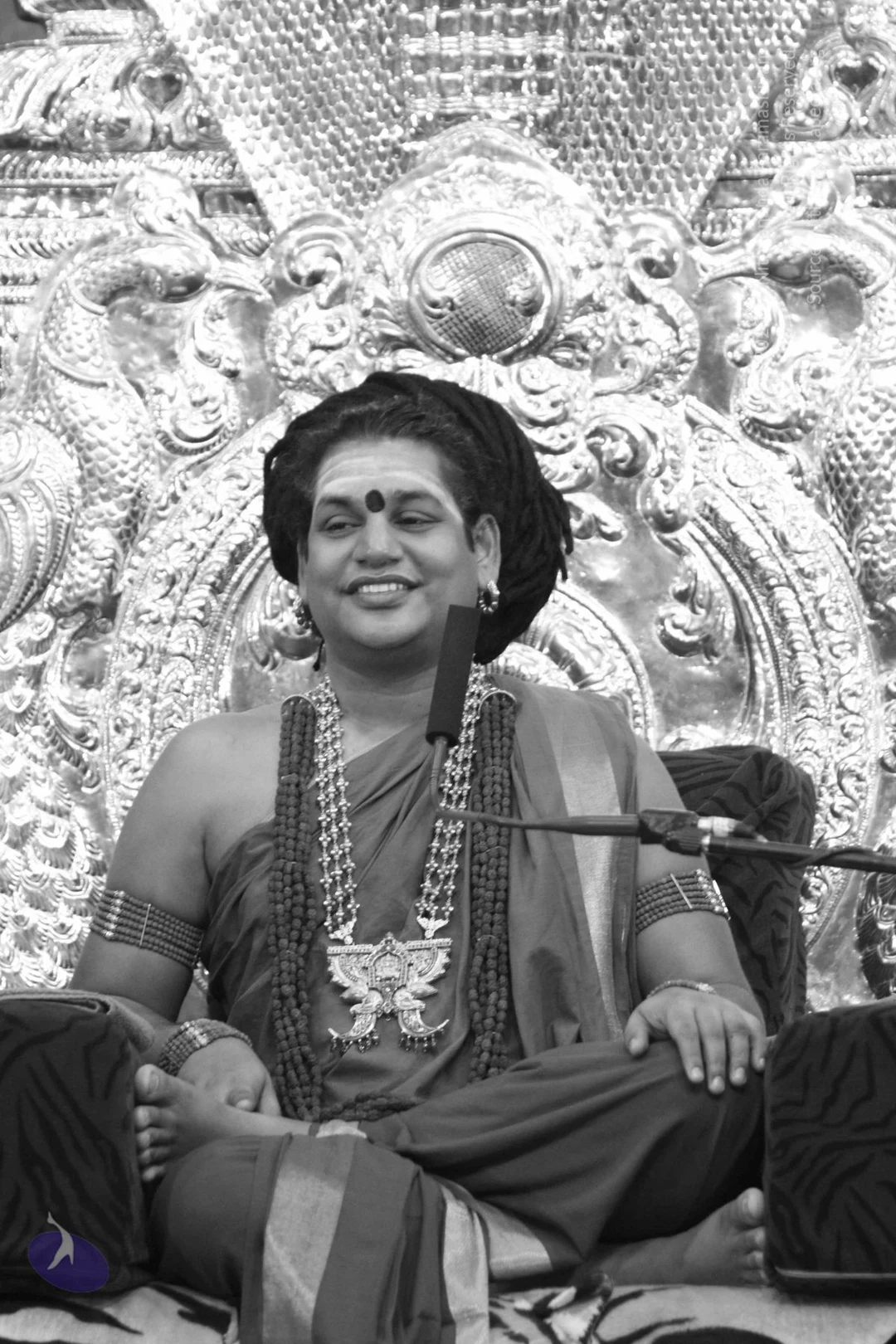
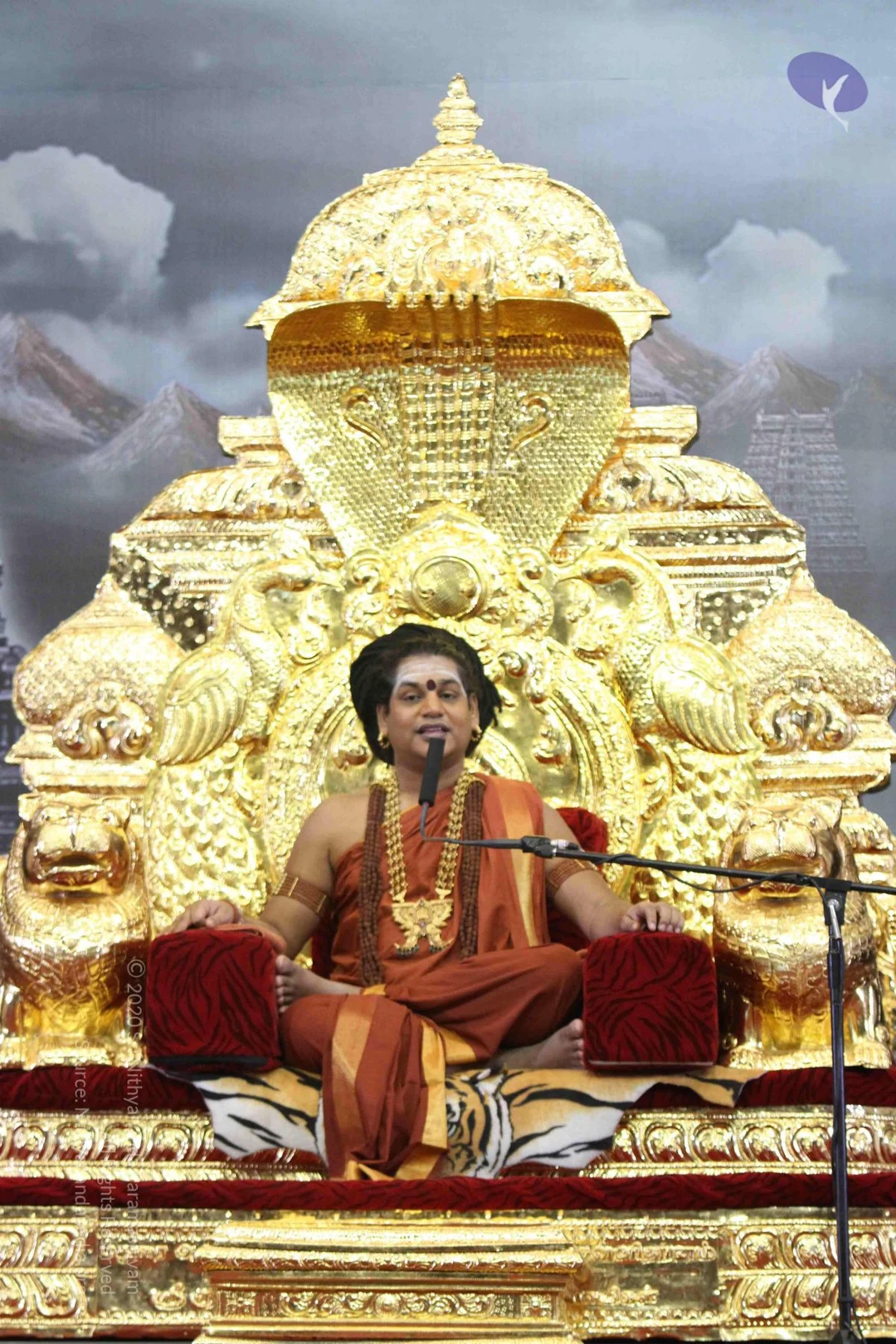
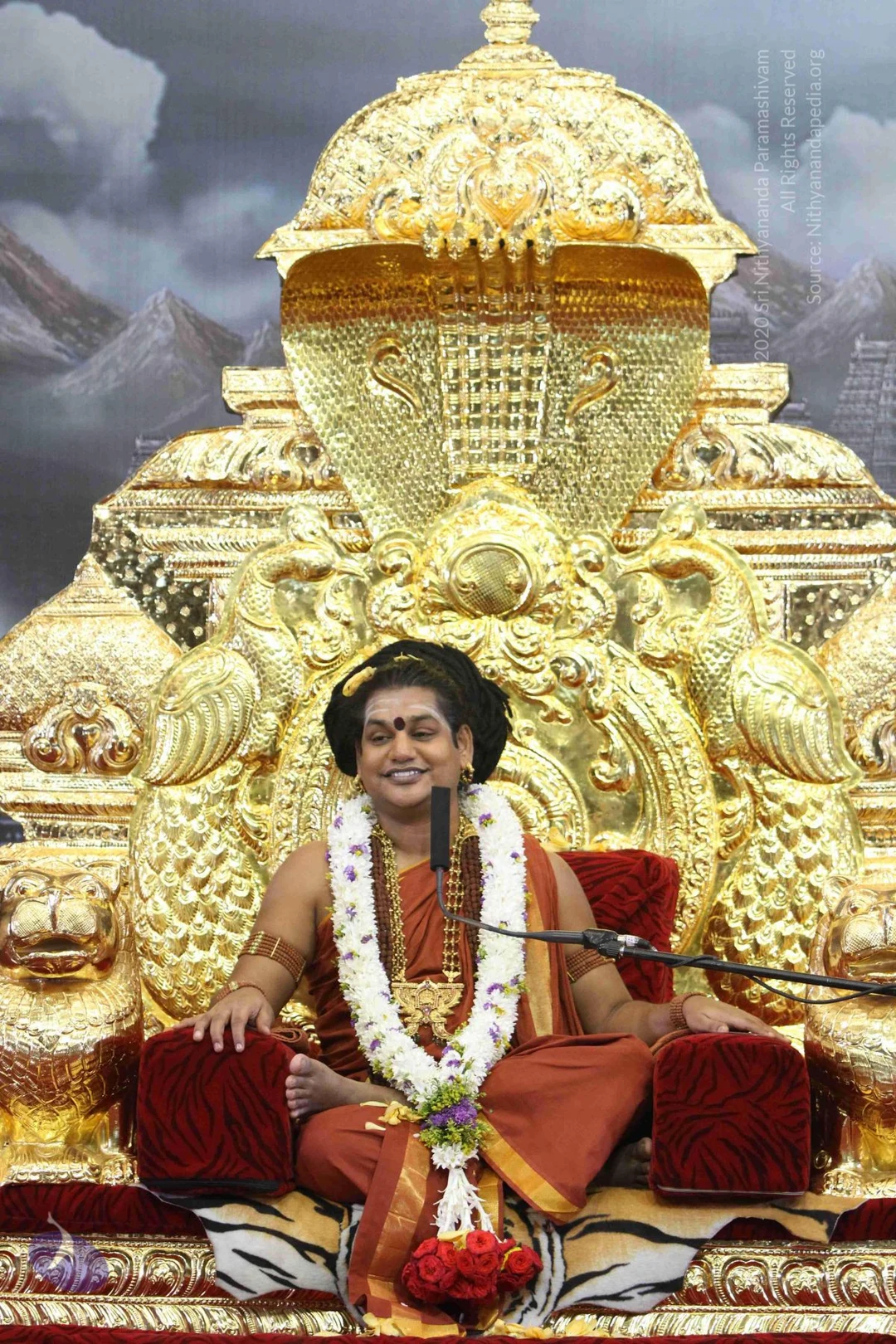
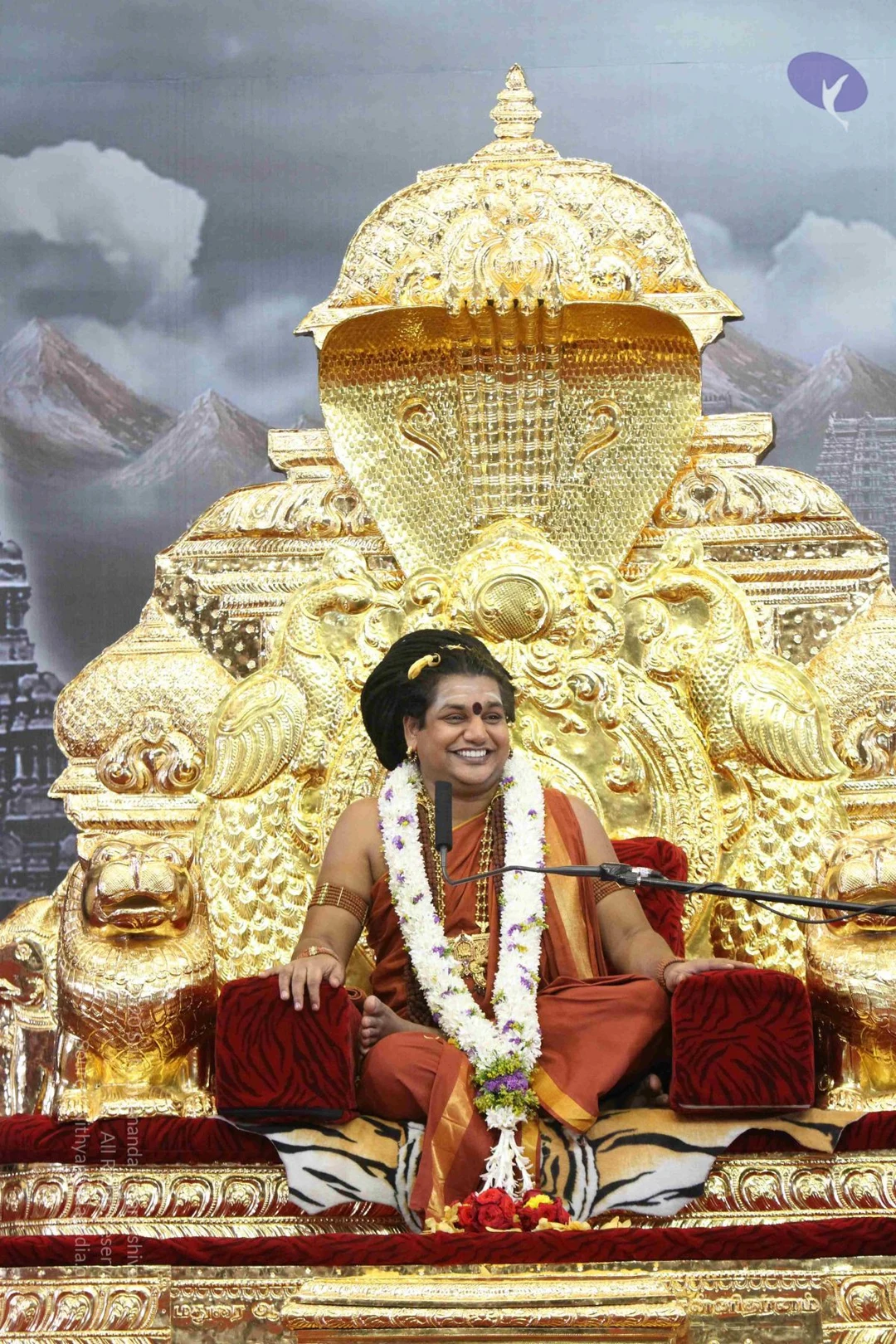
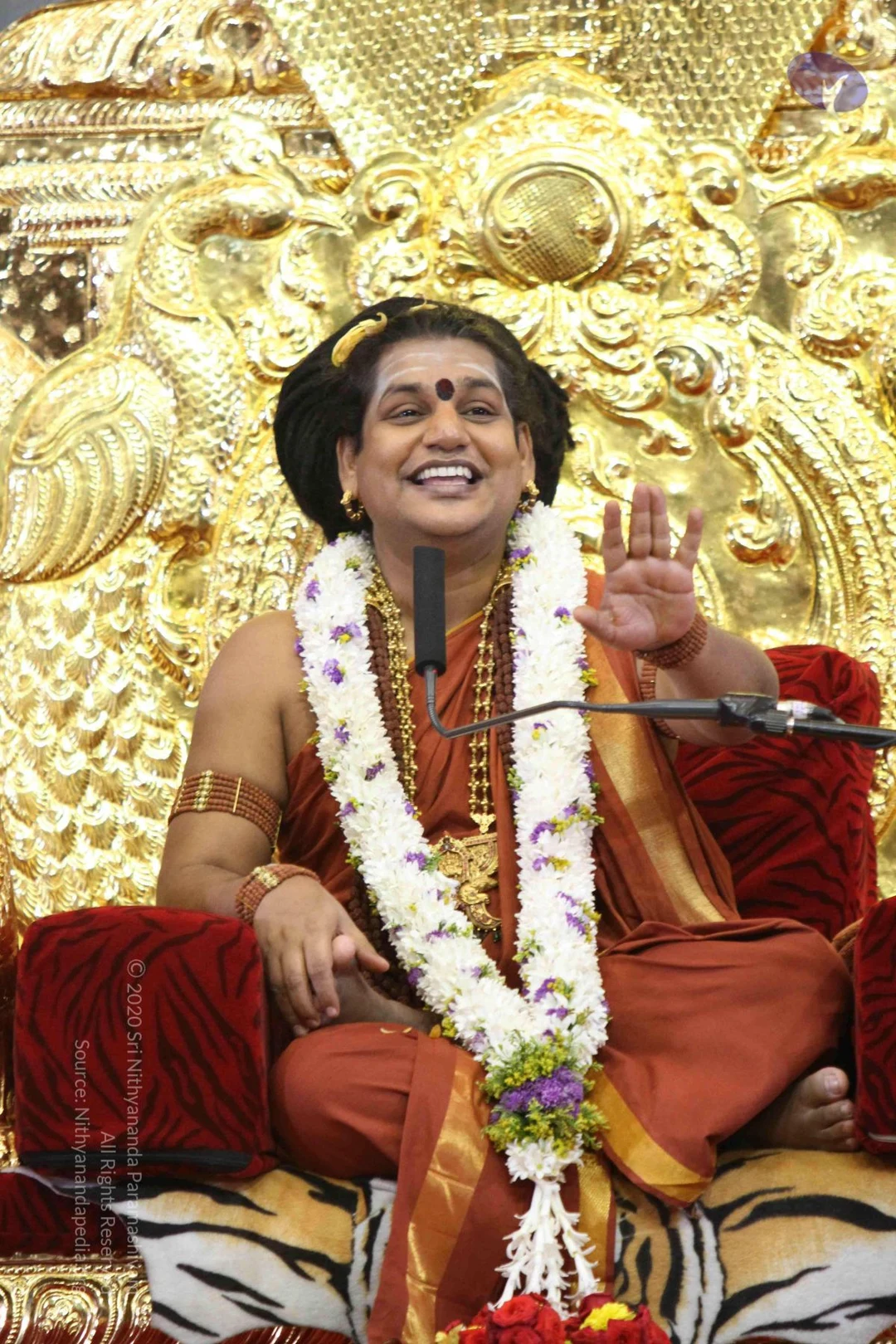
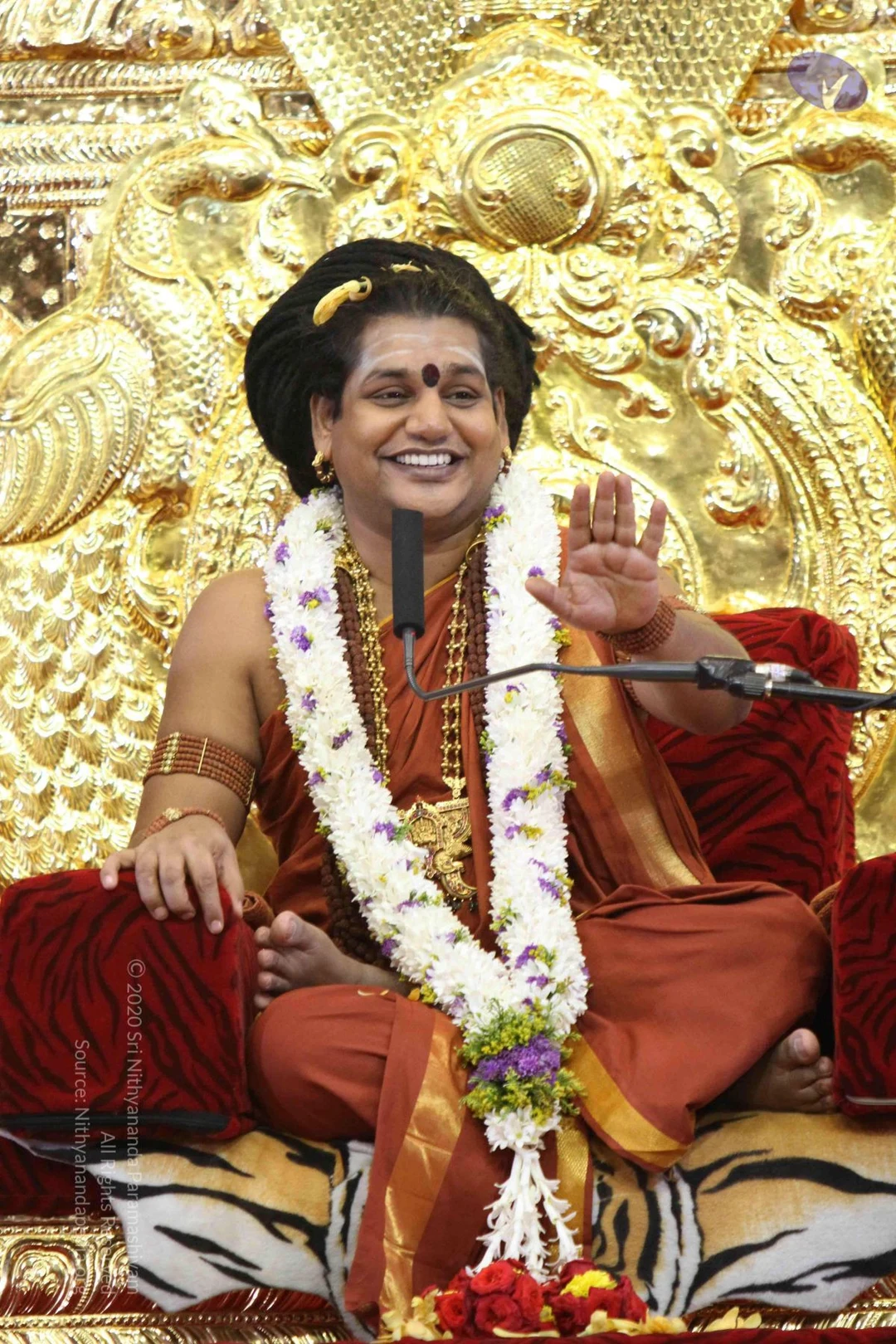
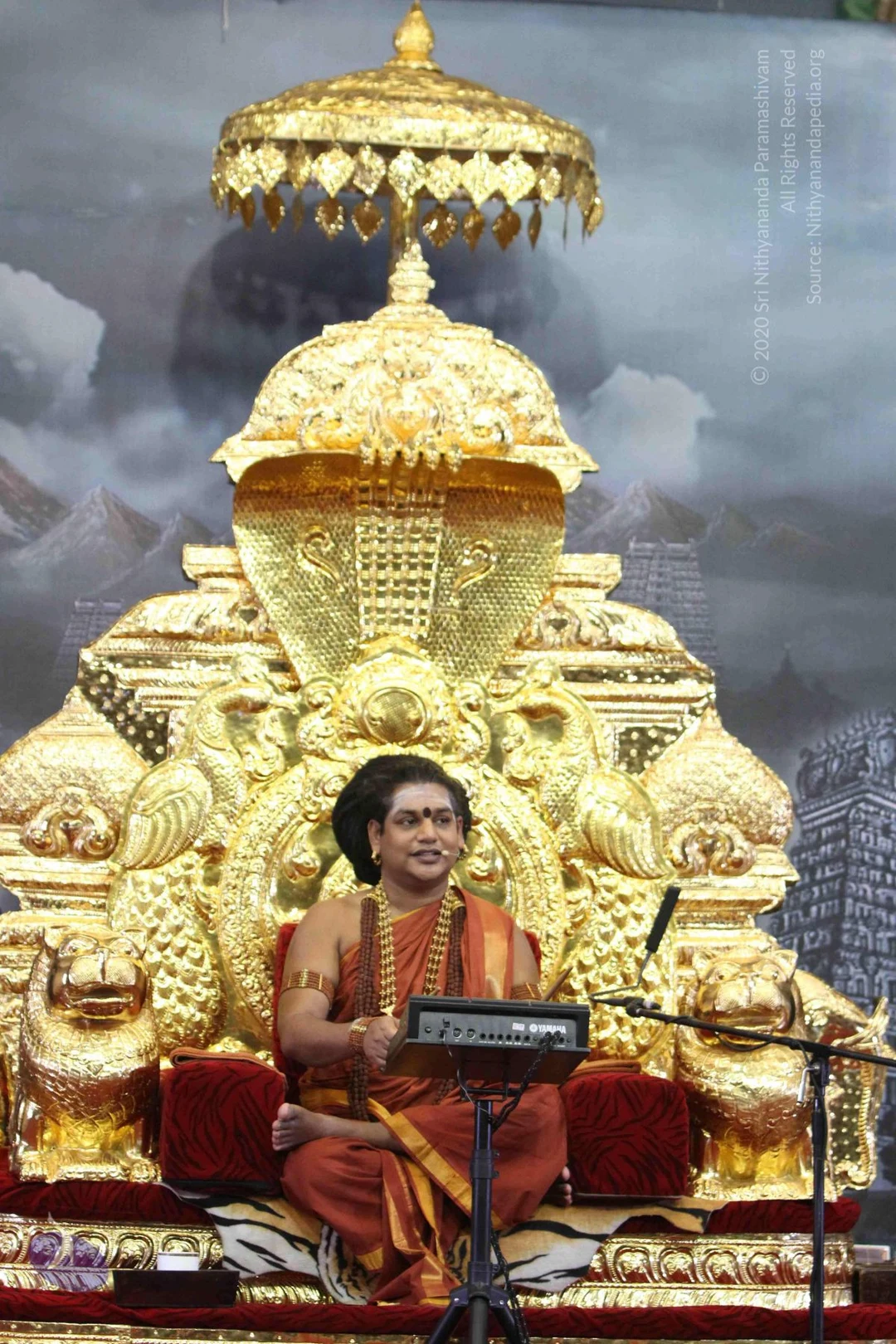
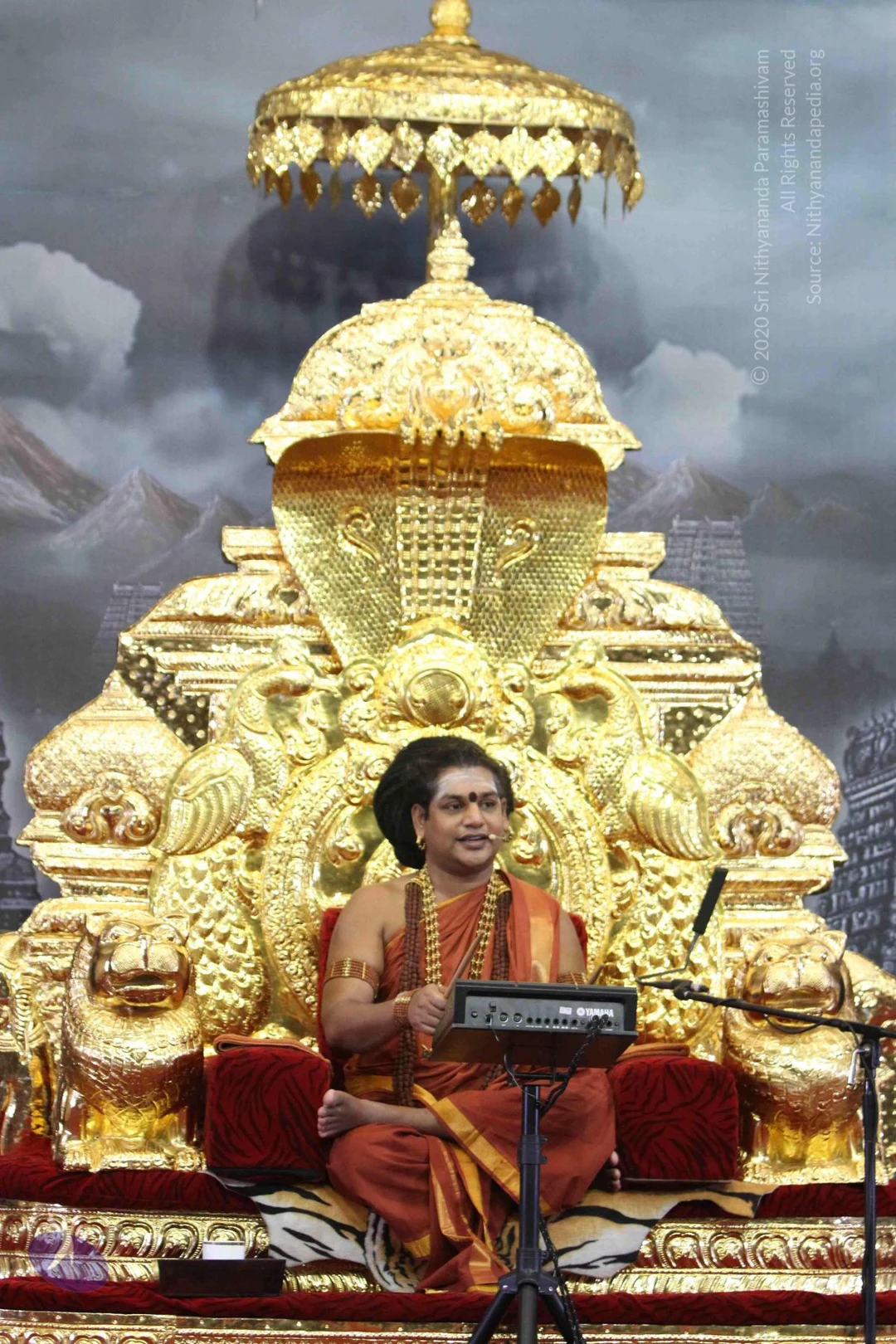
EveningSatsang
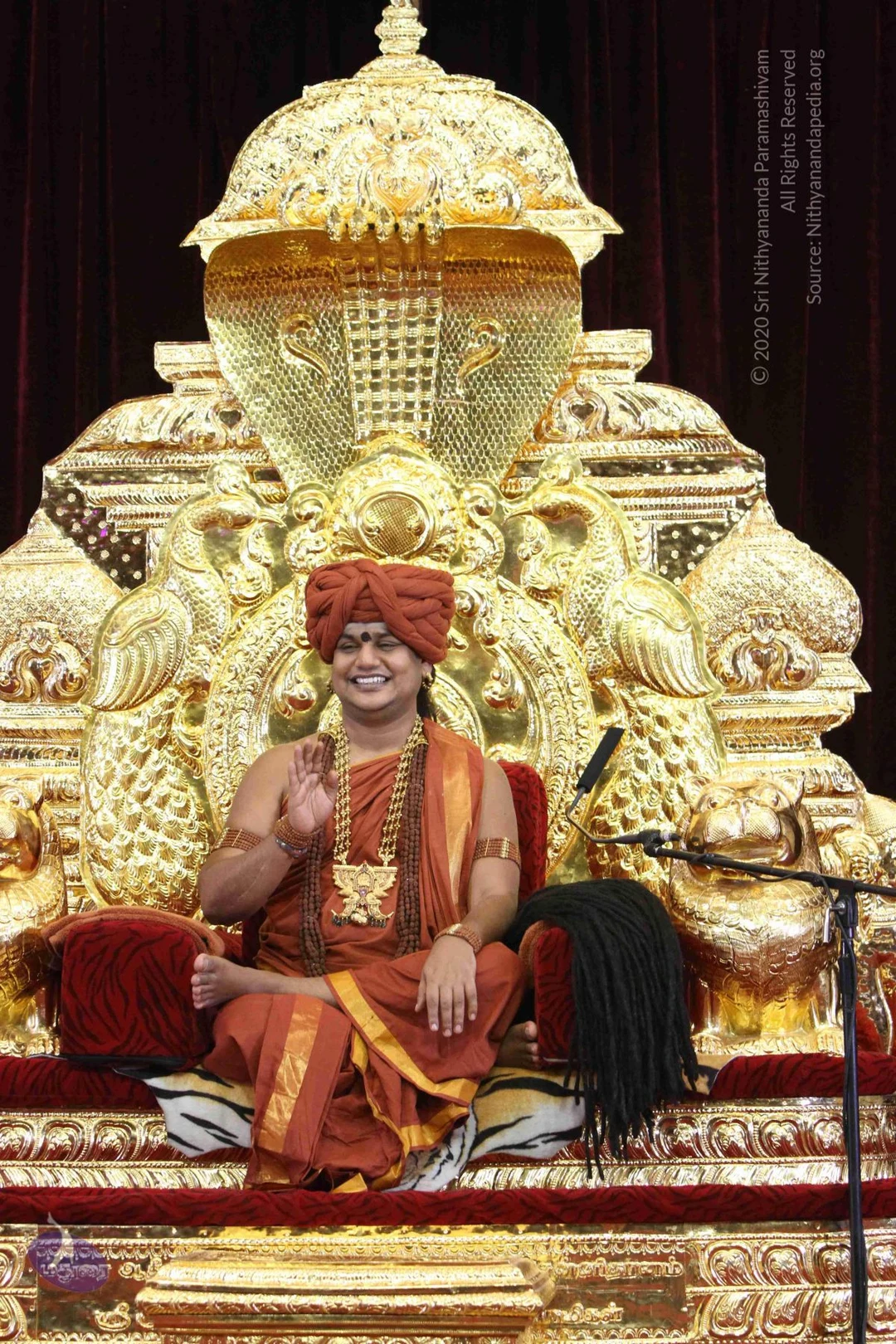
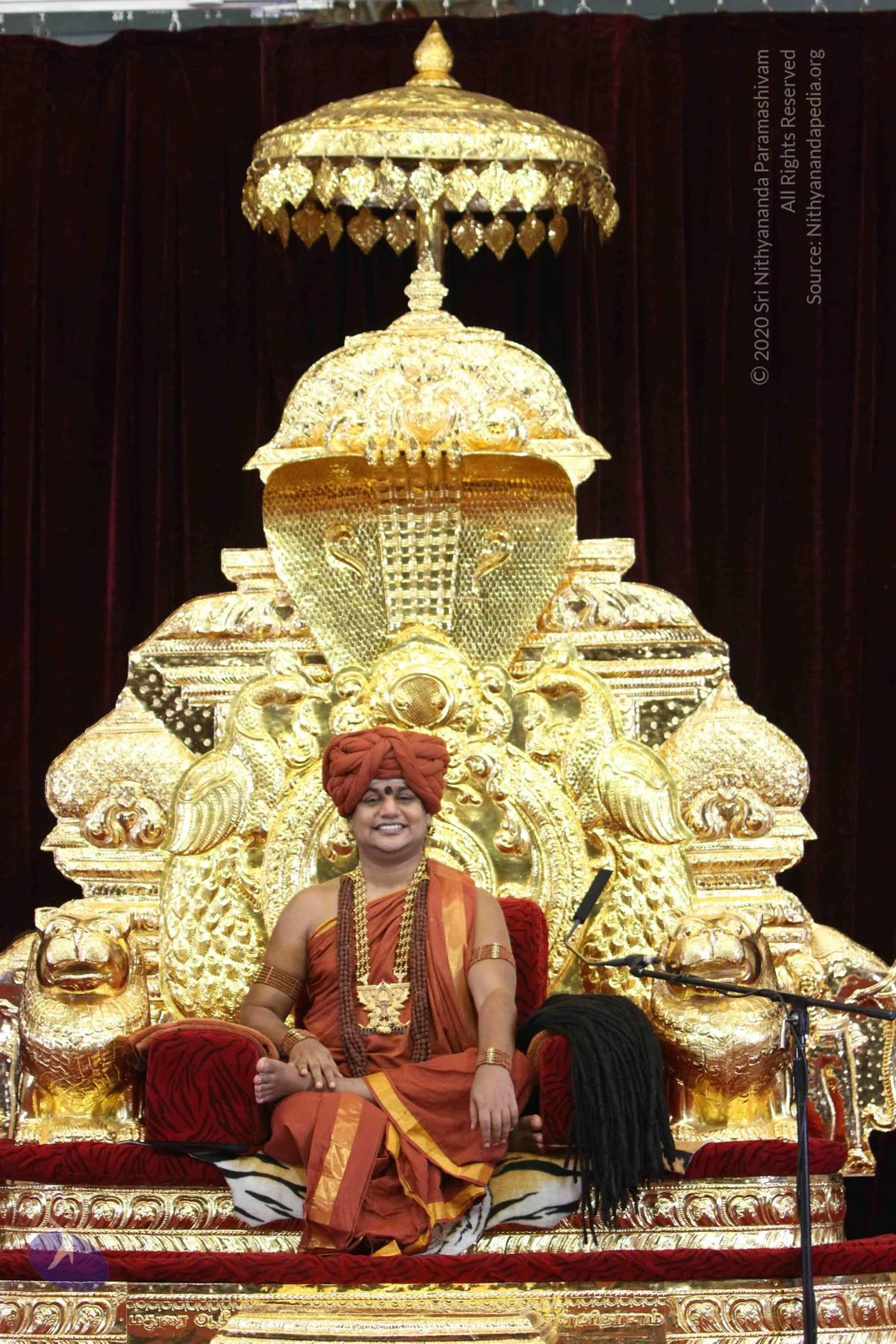
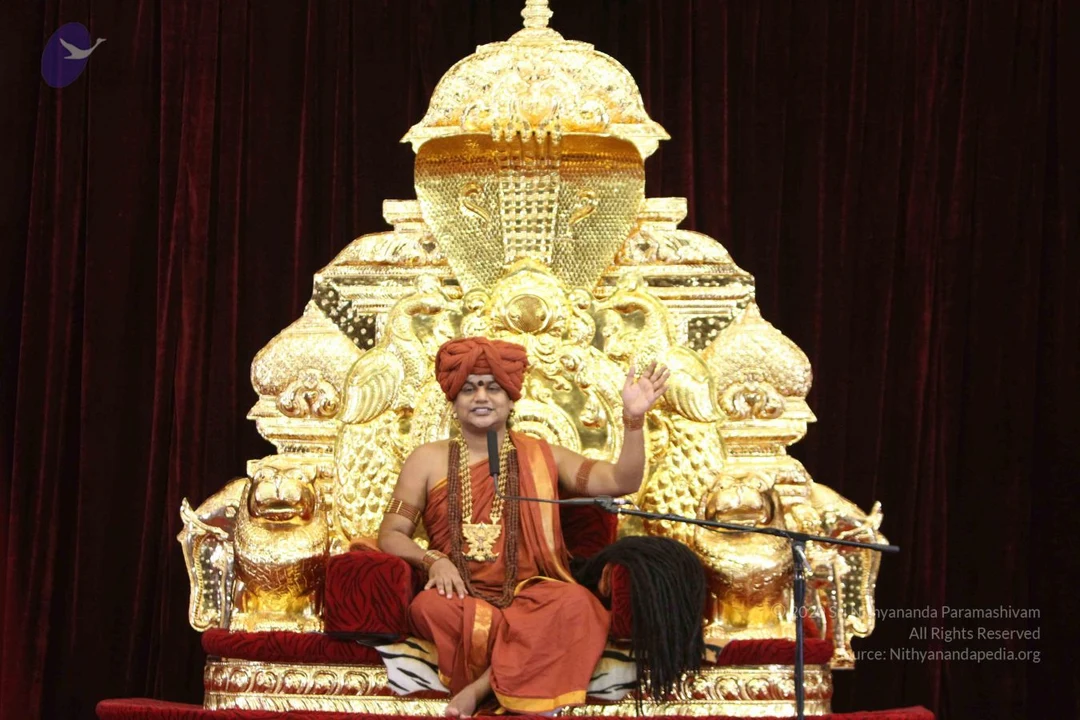
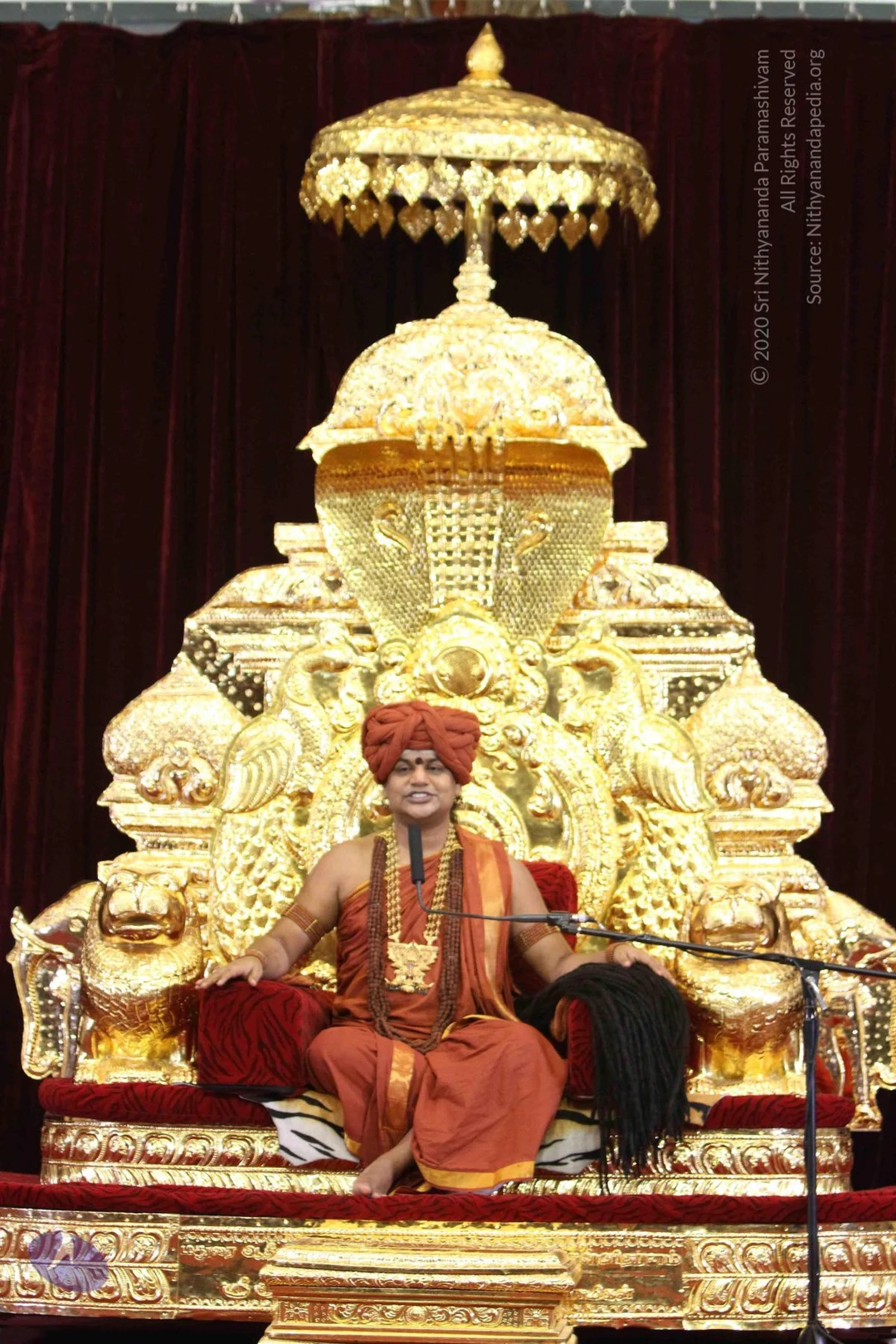
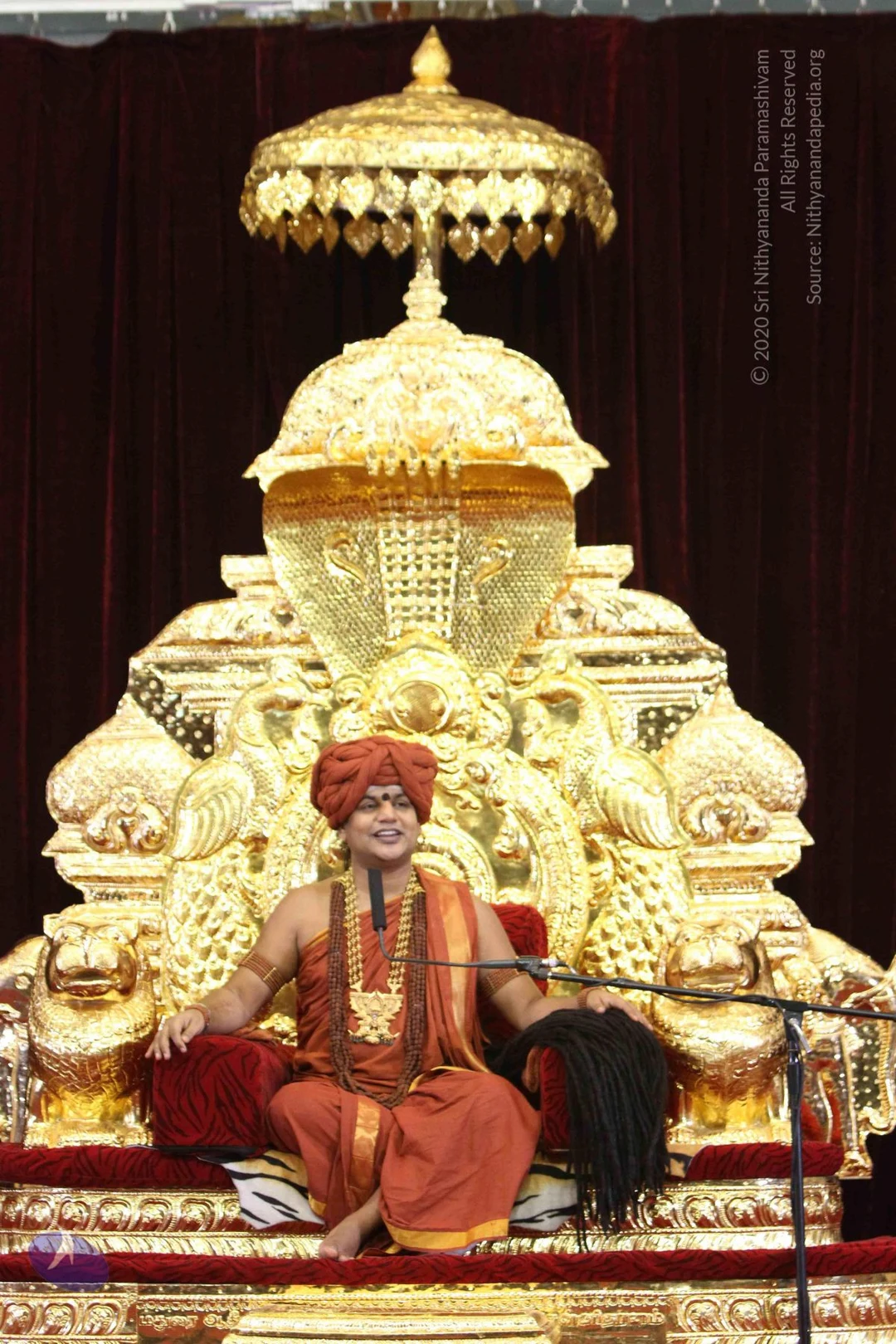
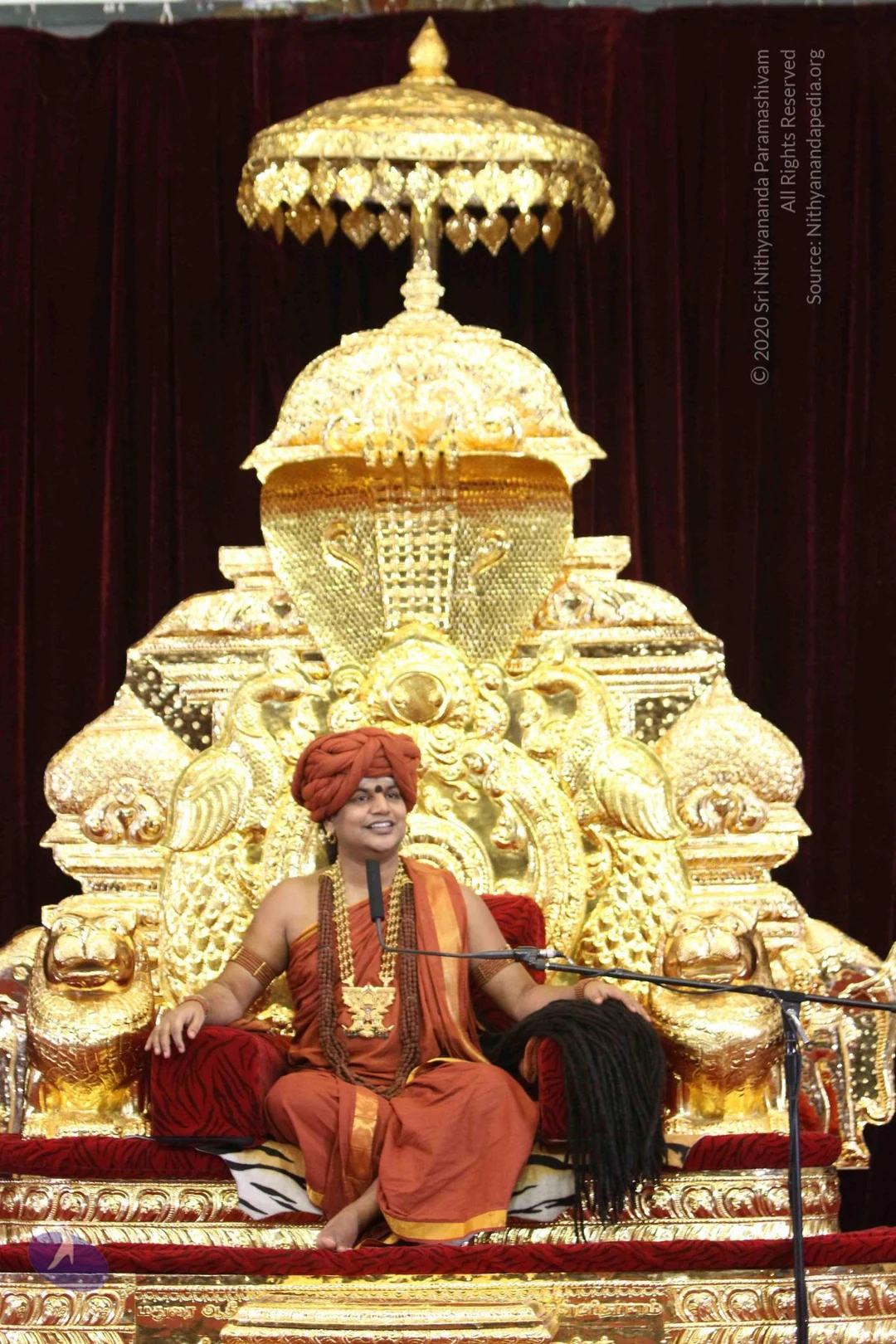
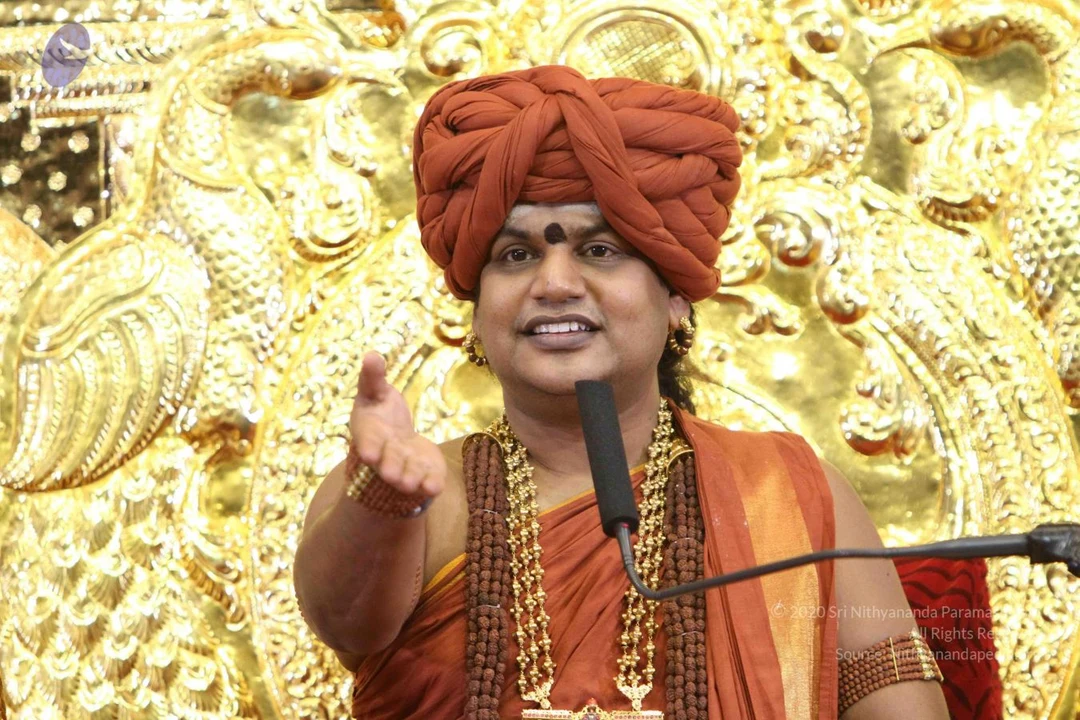
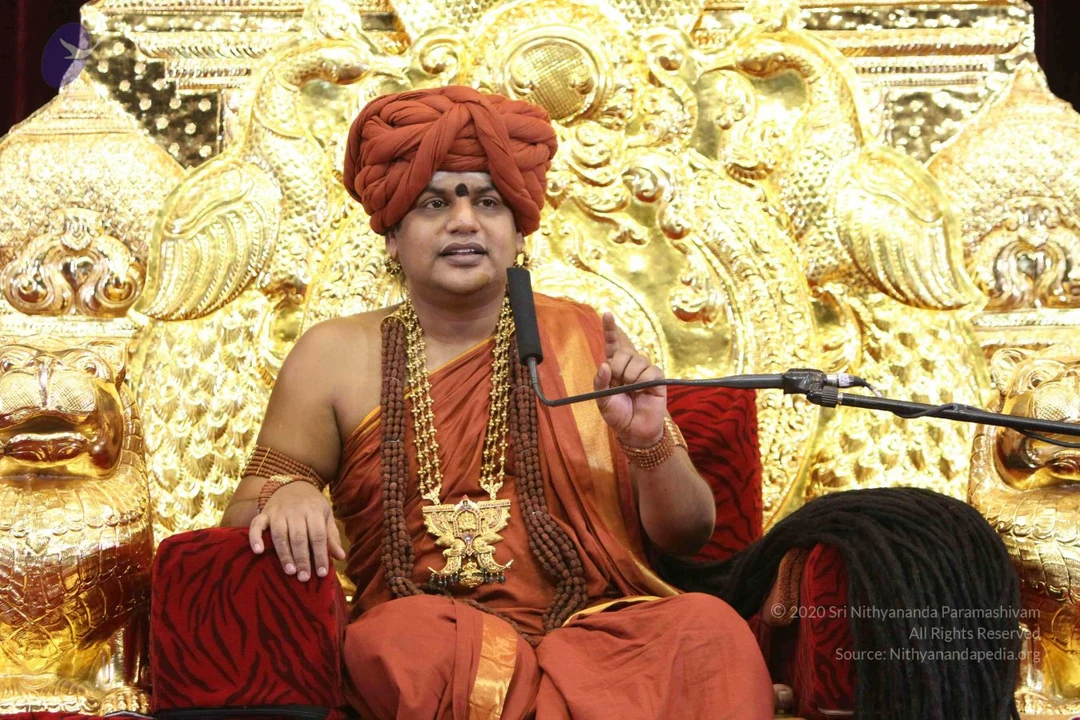
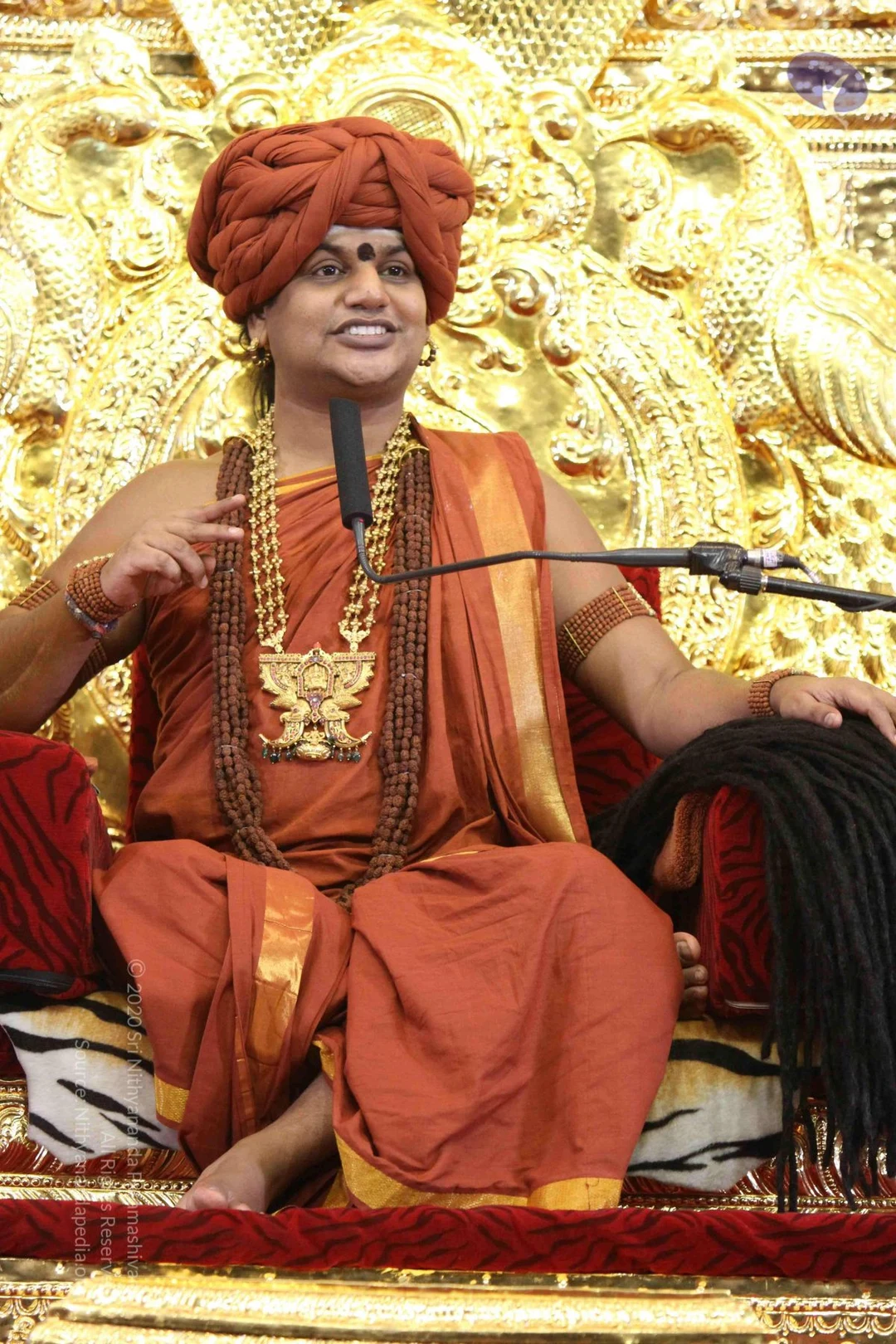
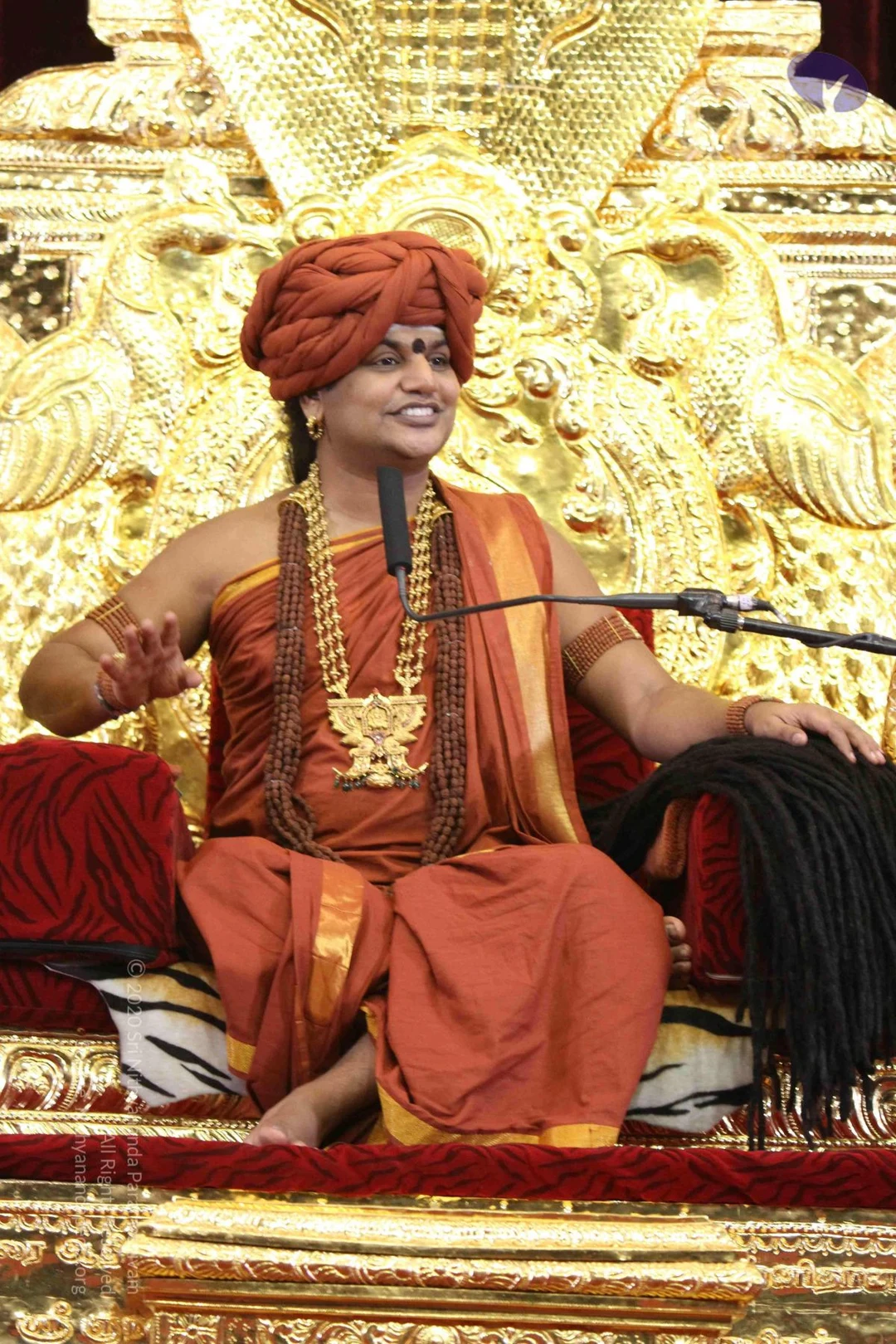
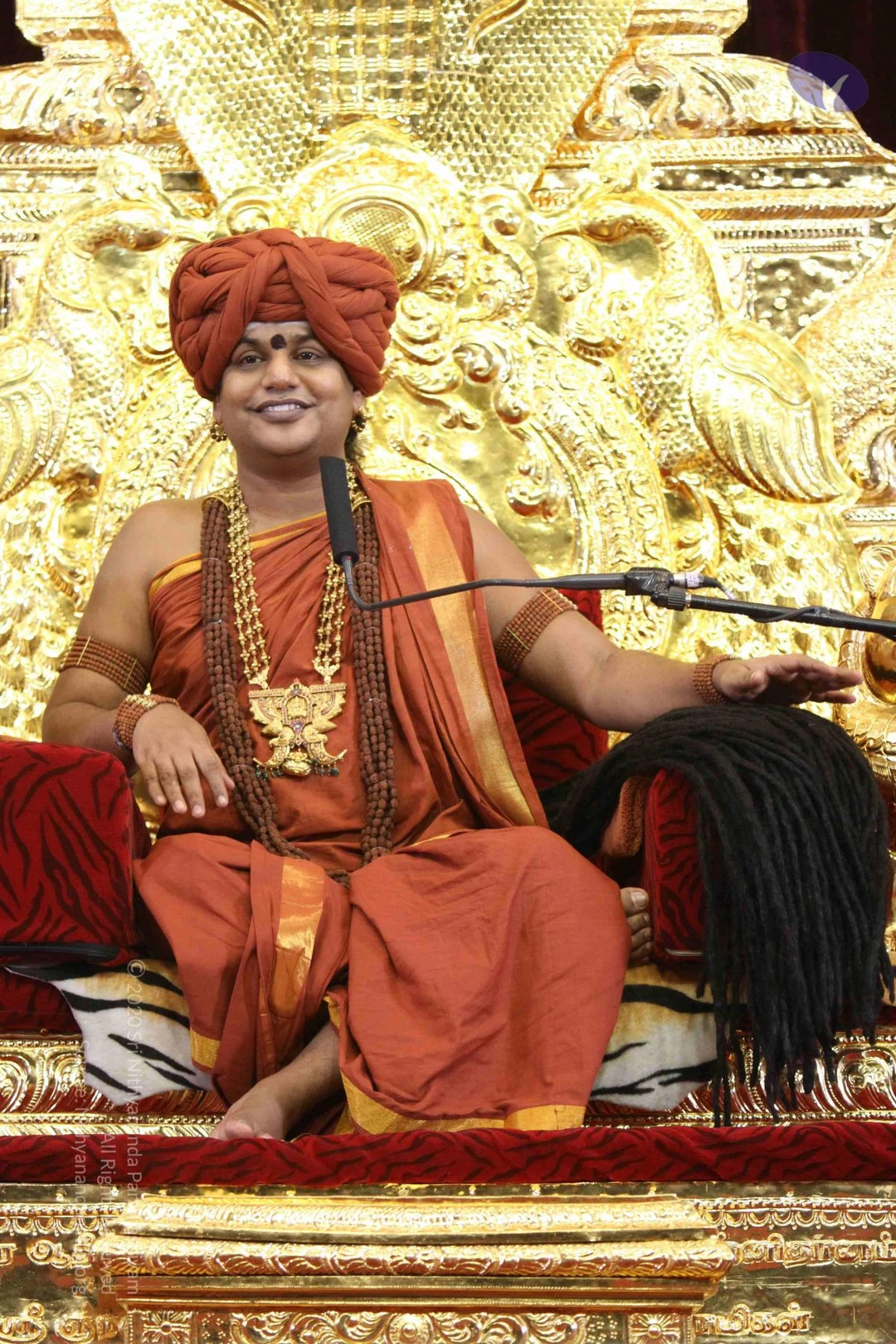
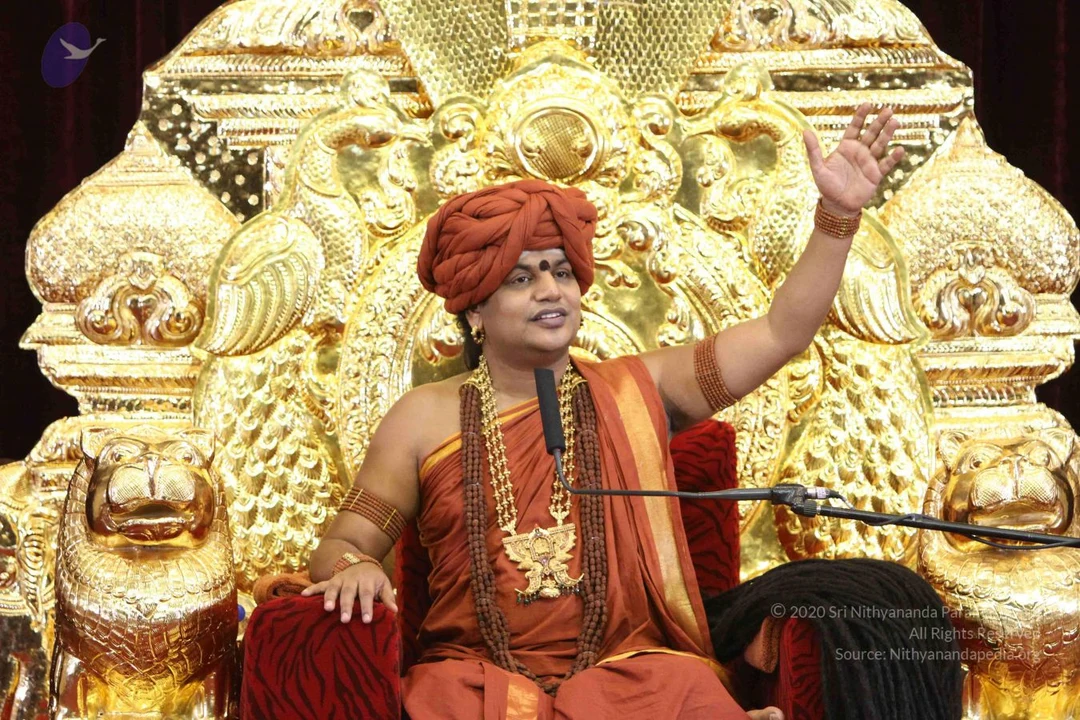
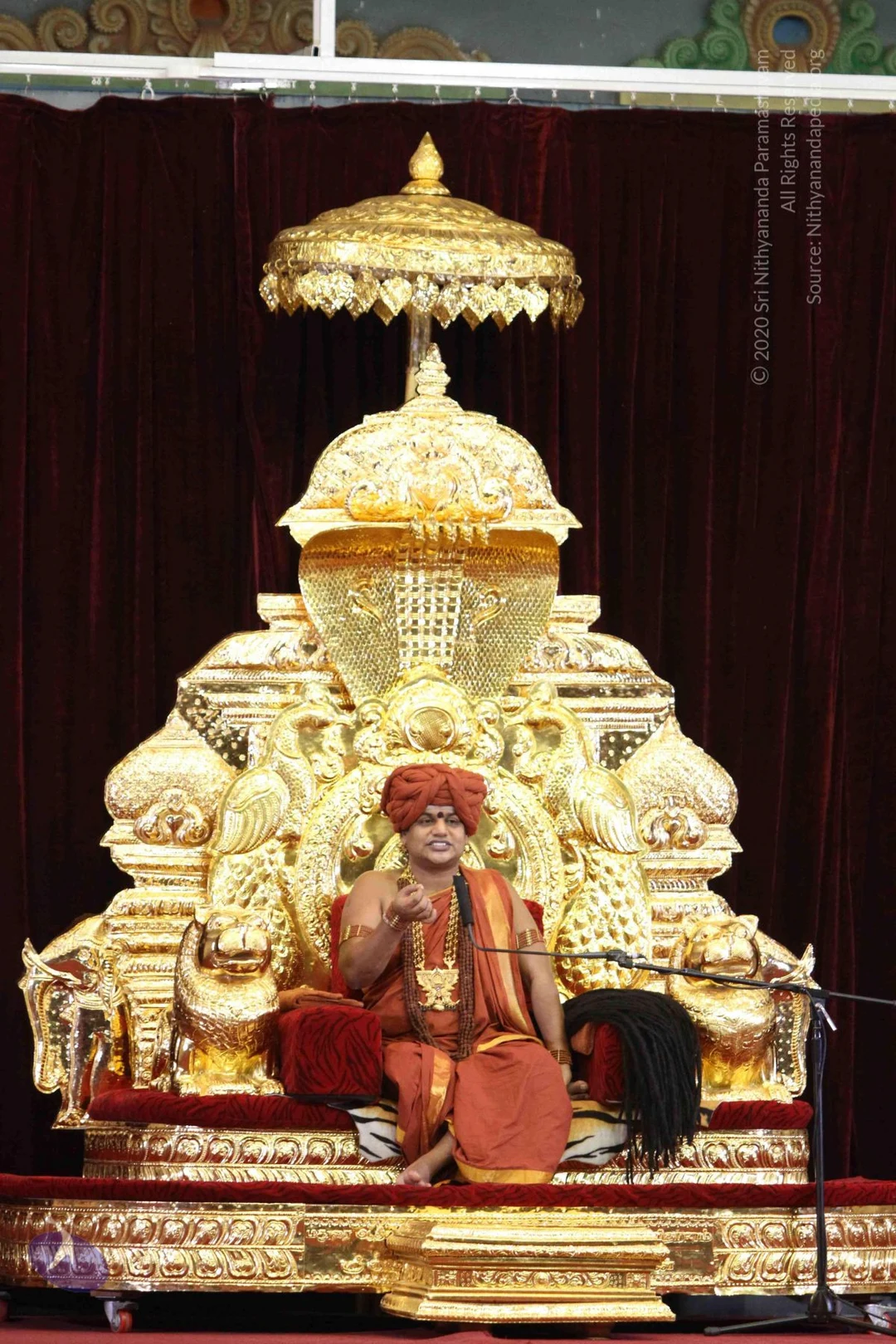
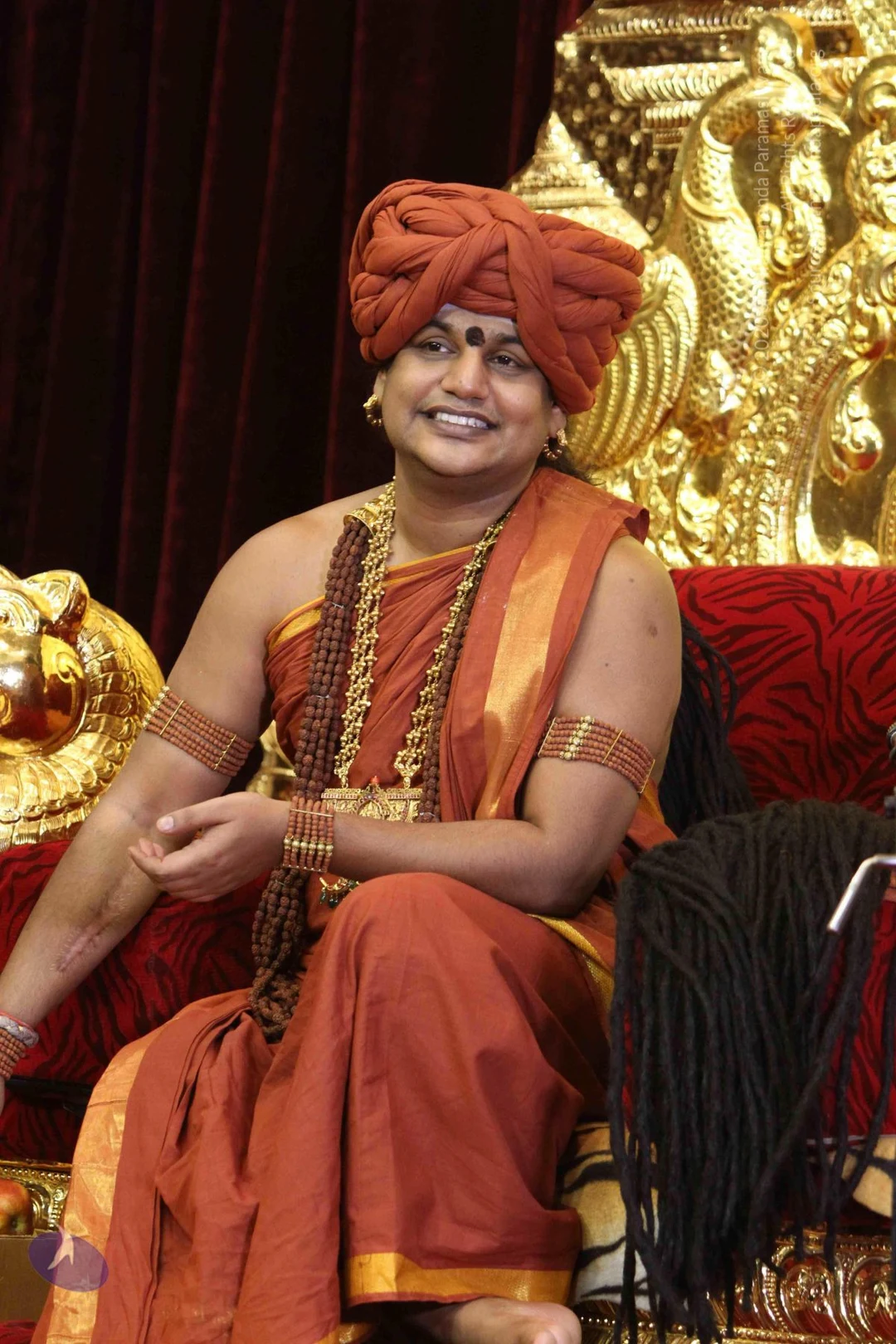
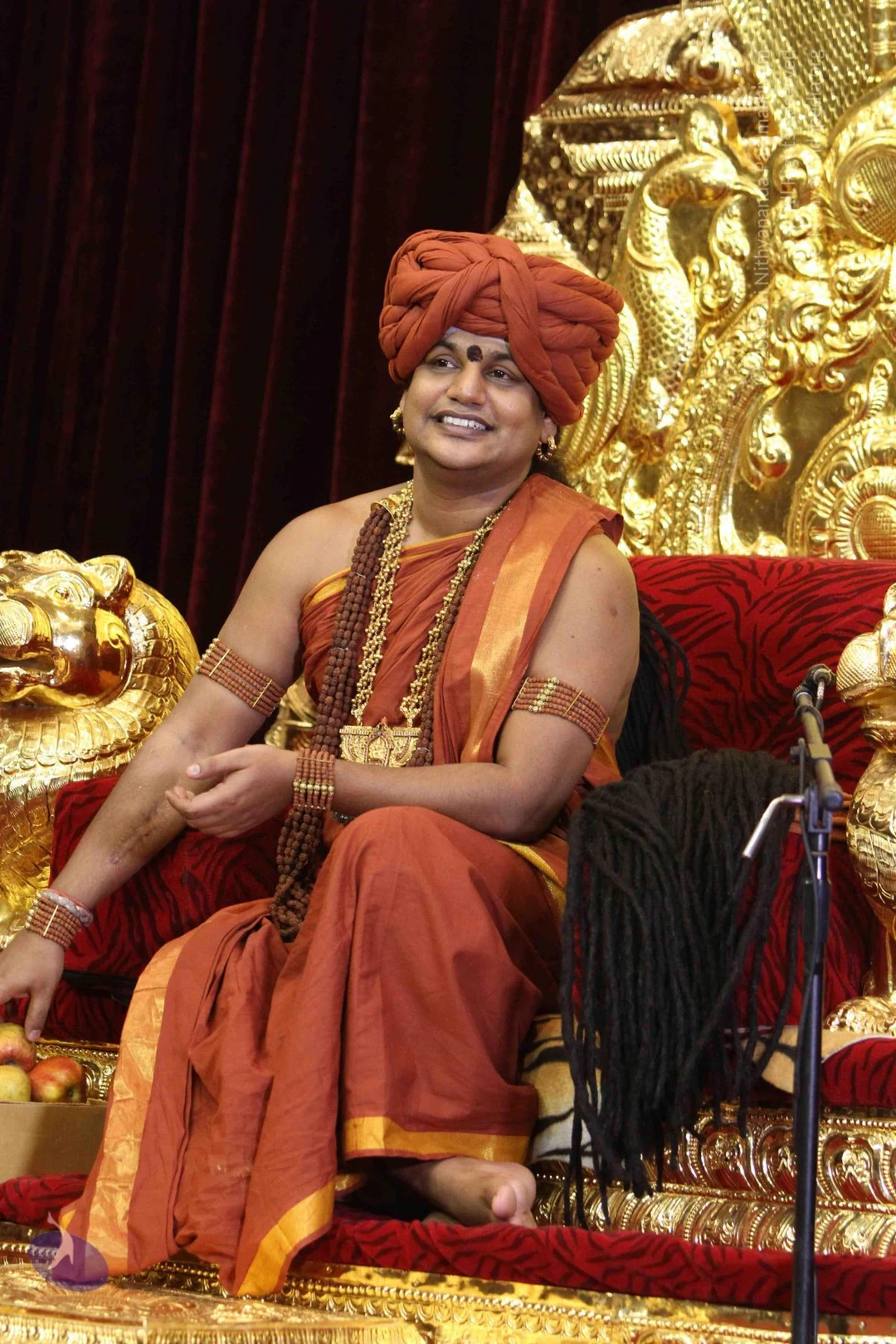
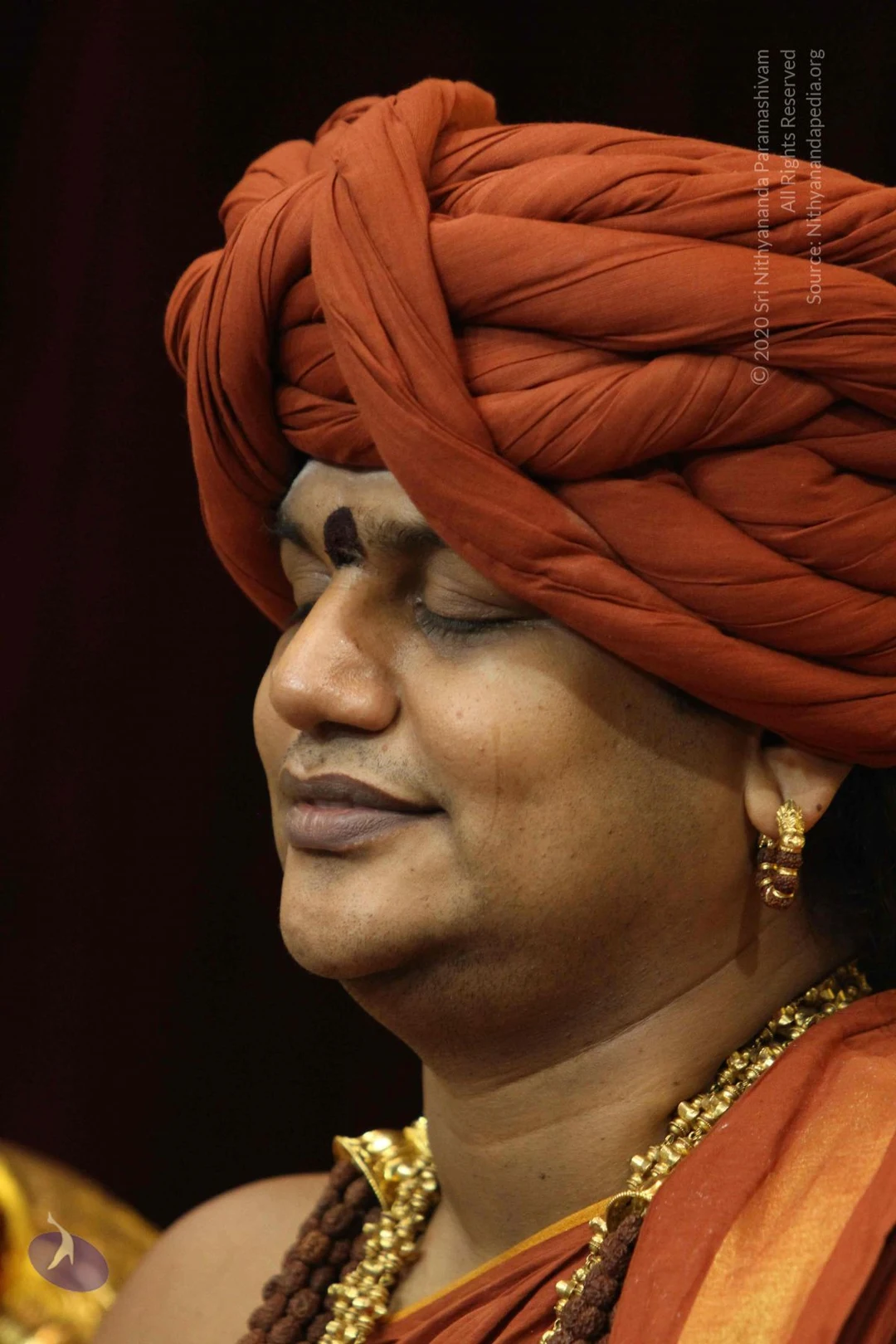
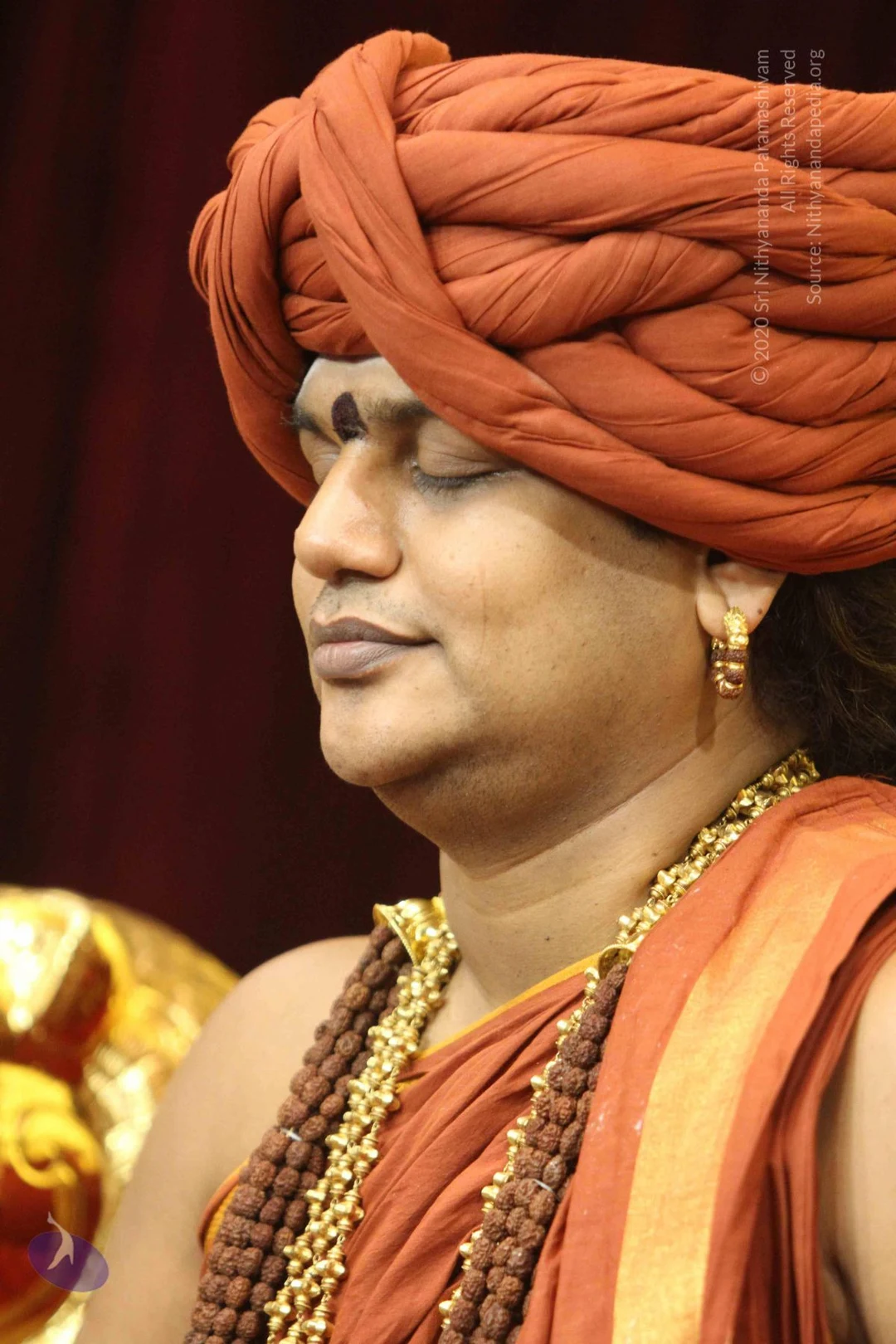
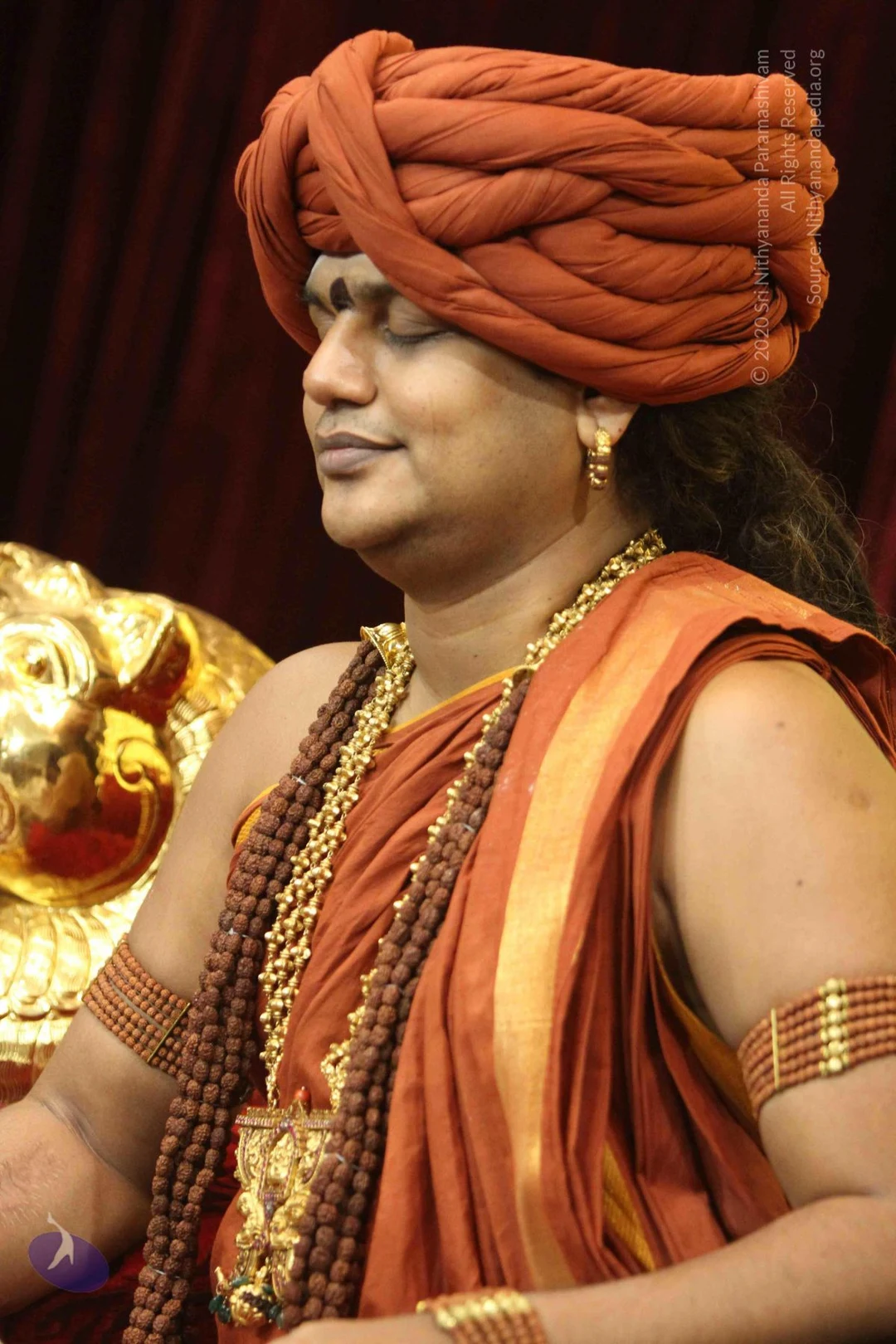
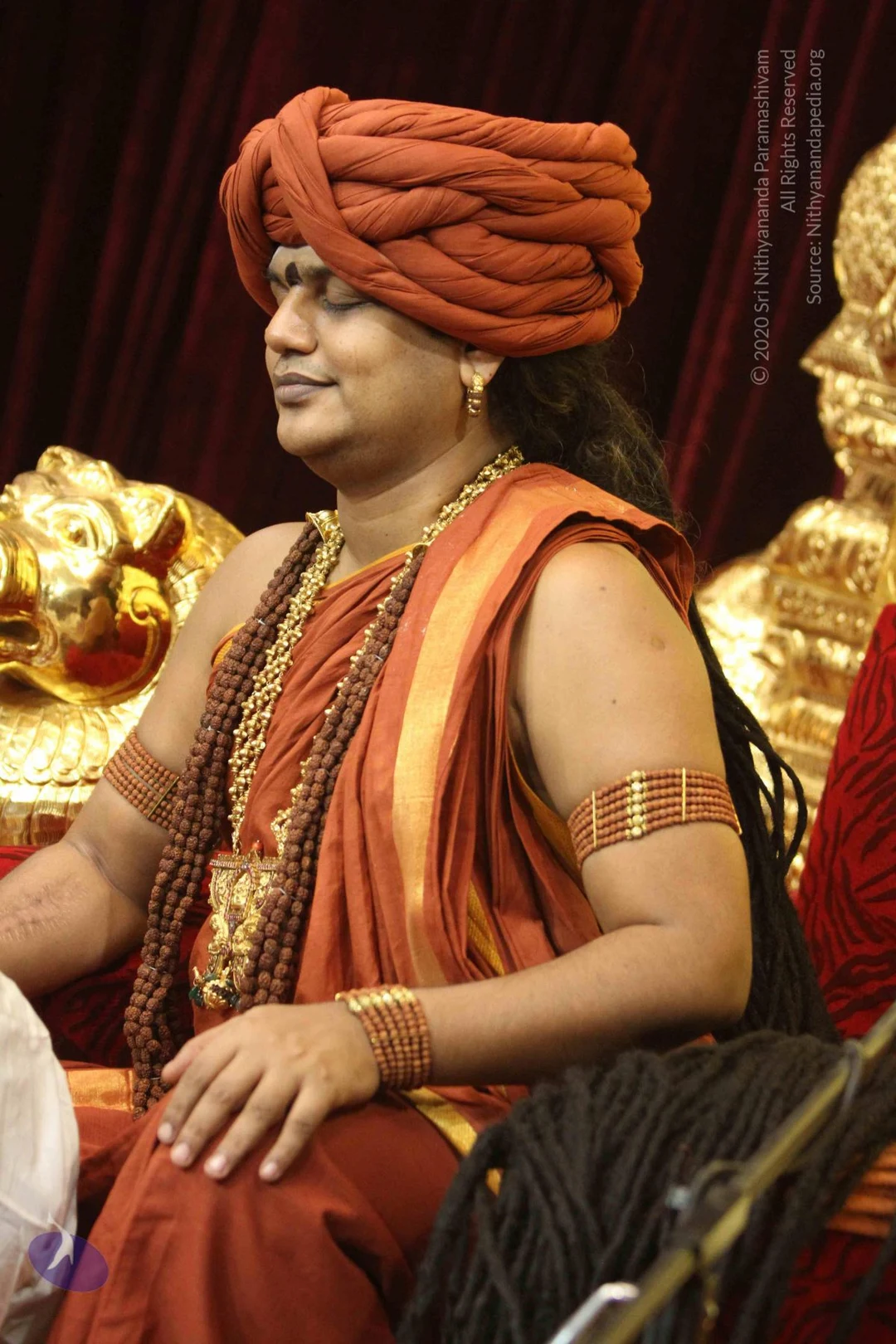
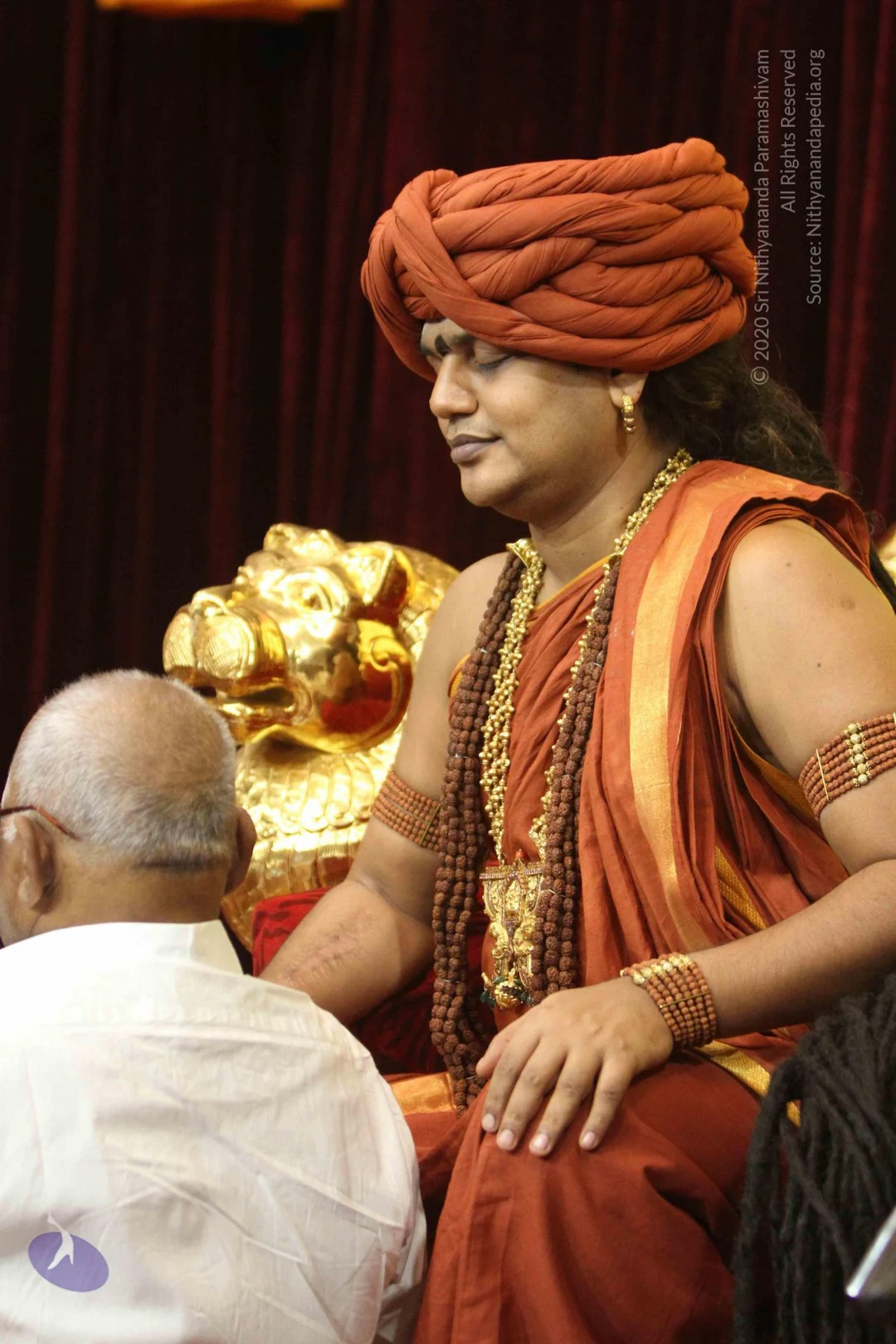
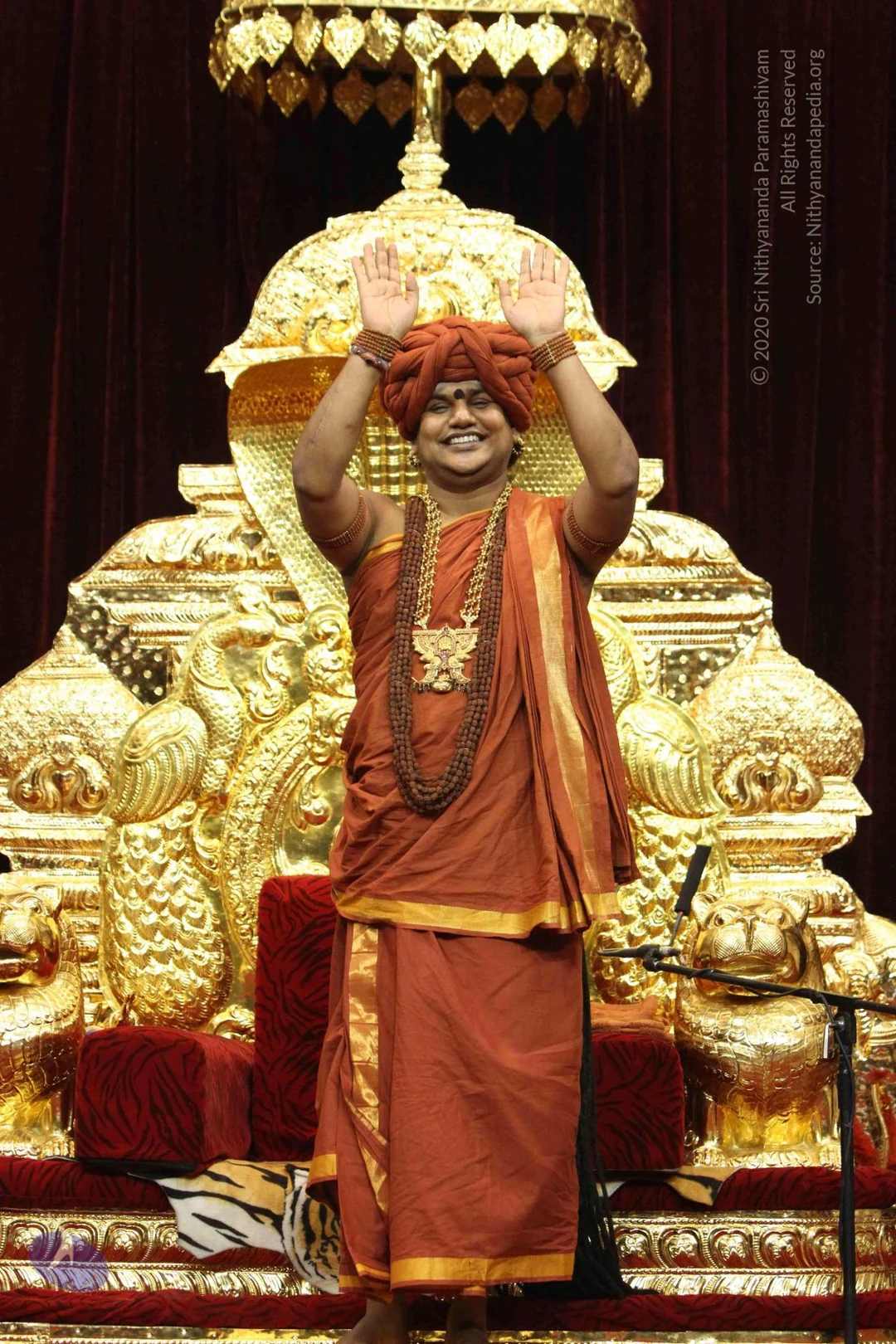
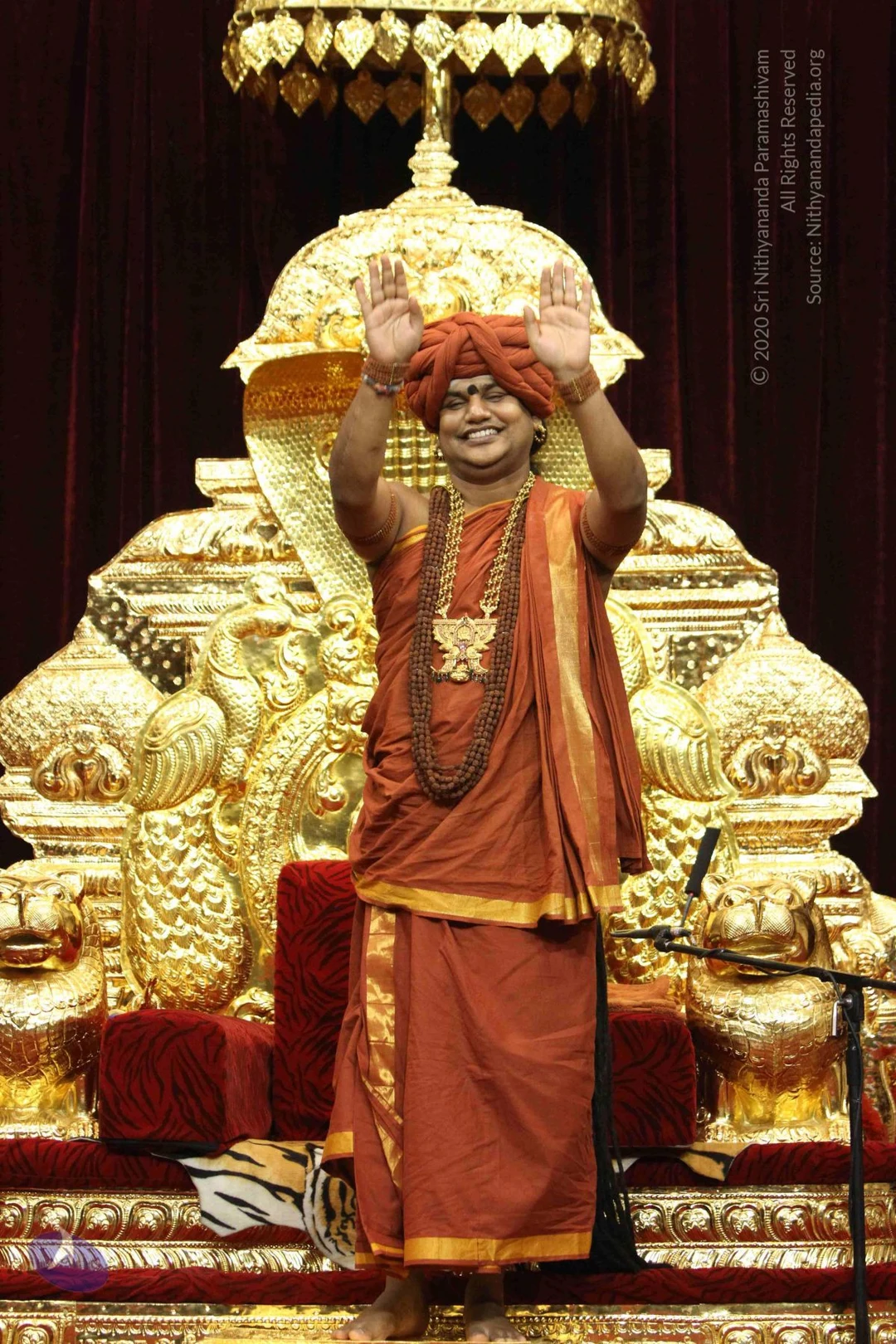
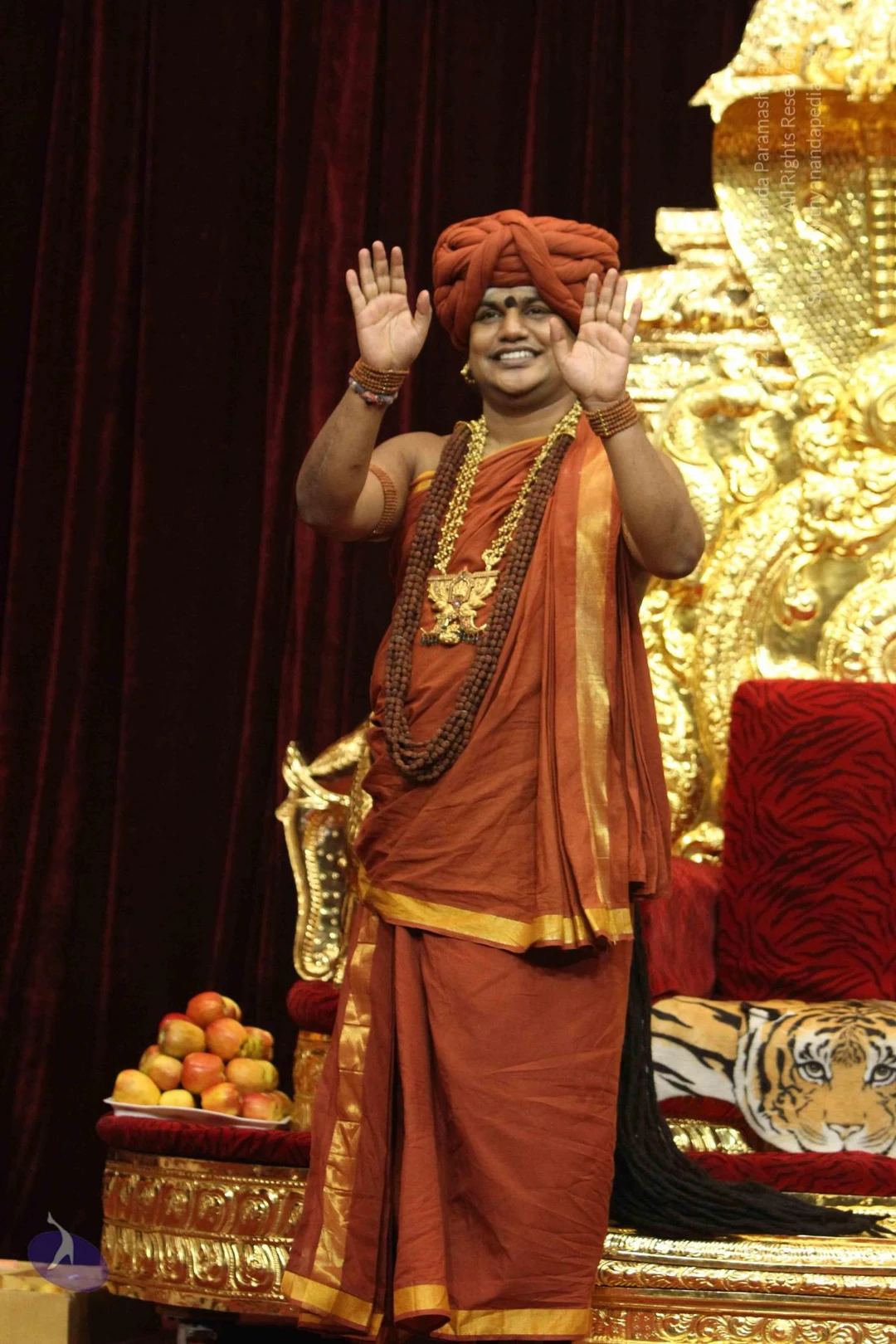
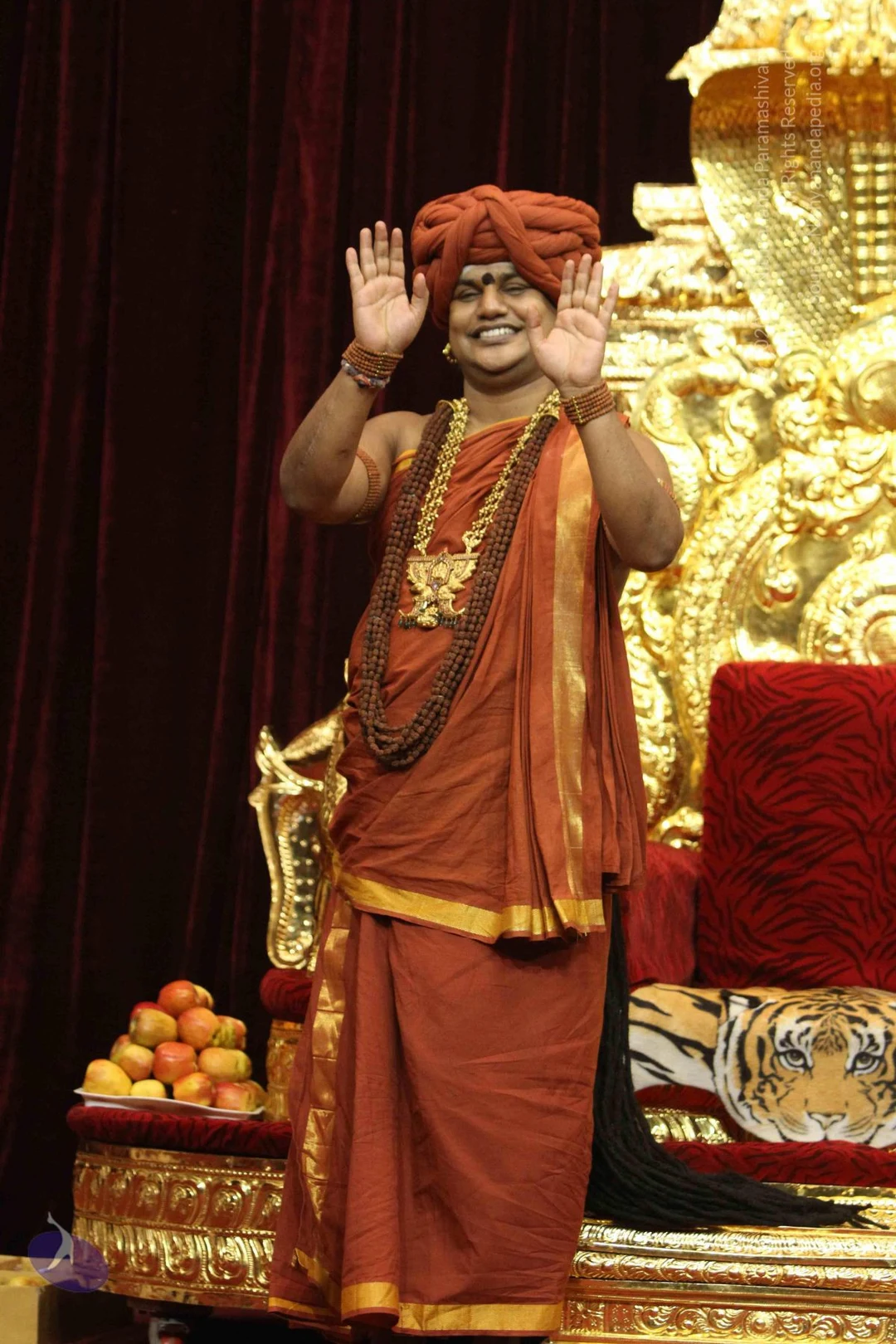
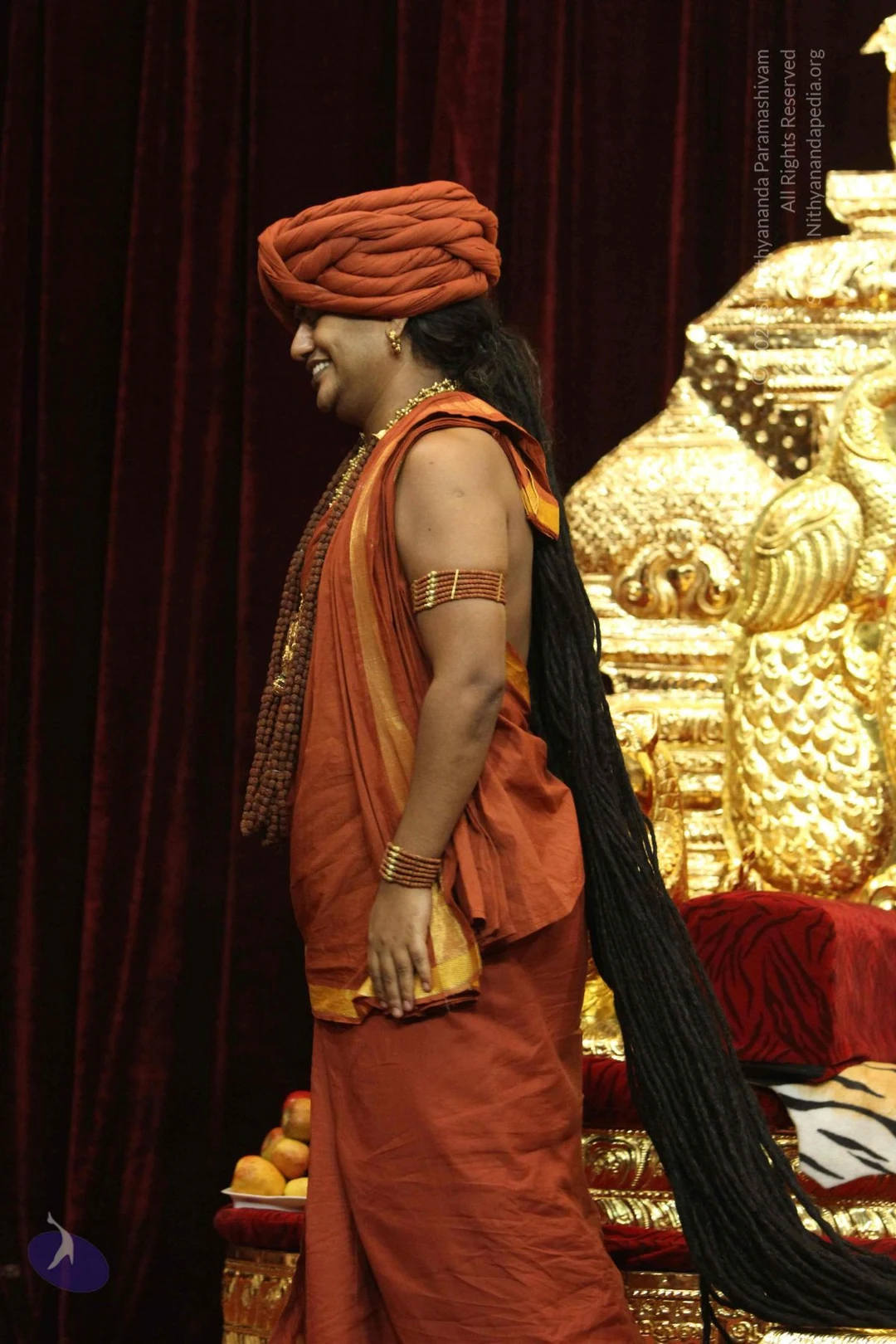
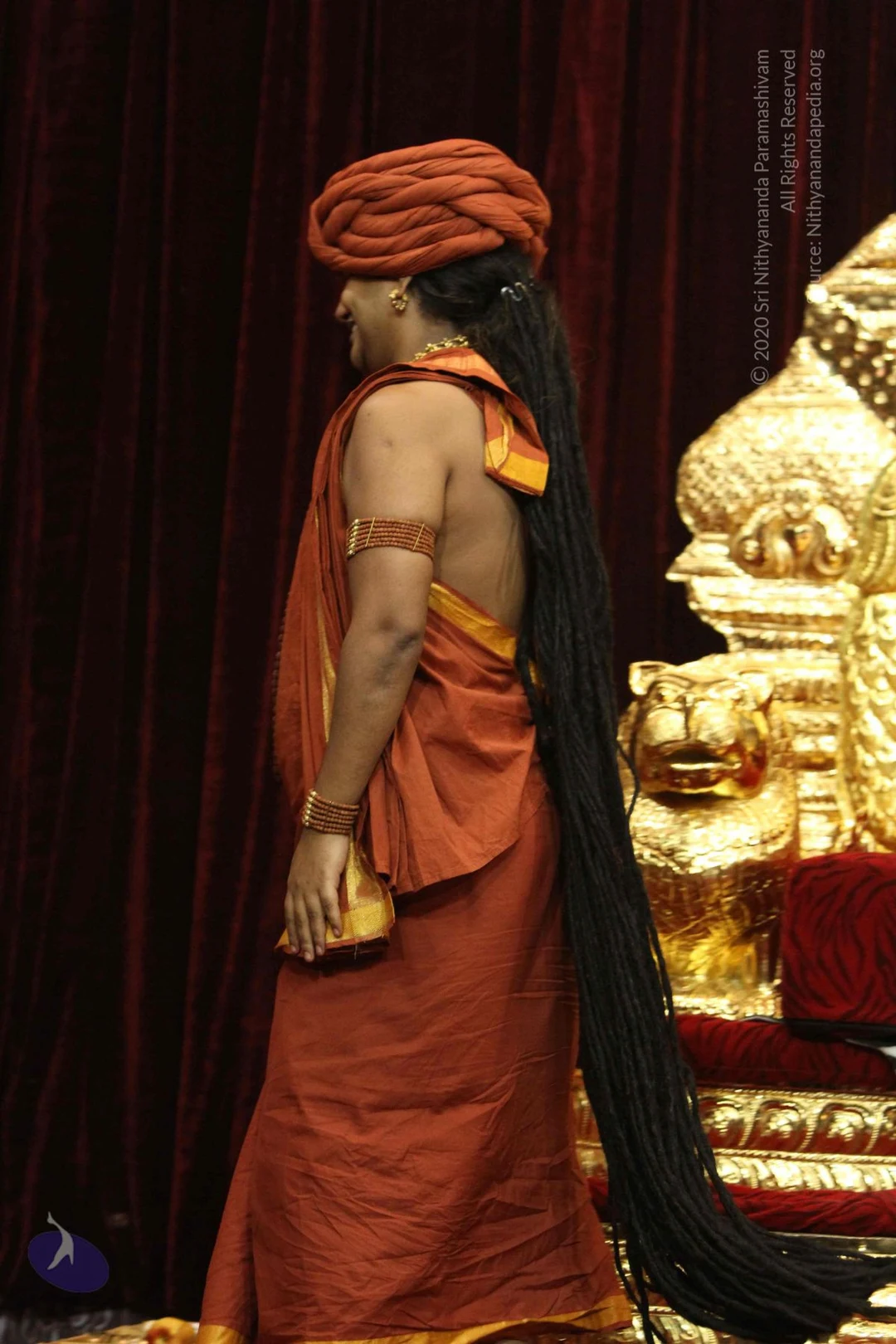
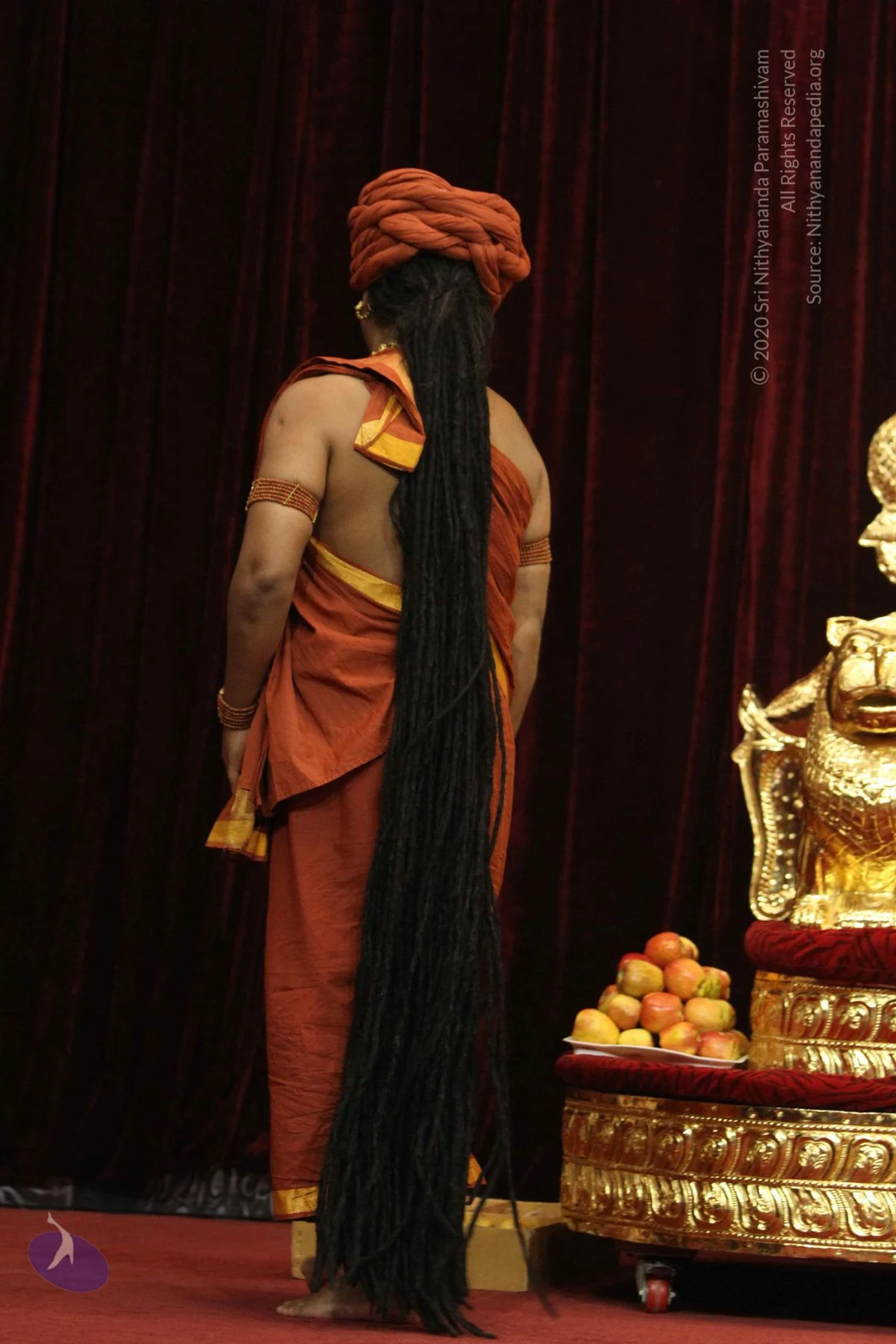
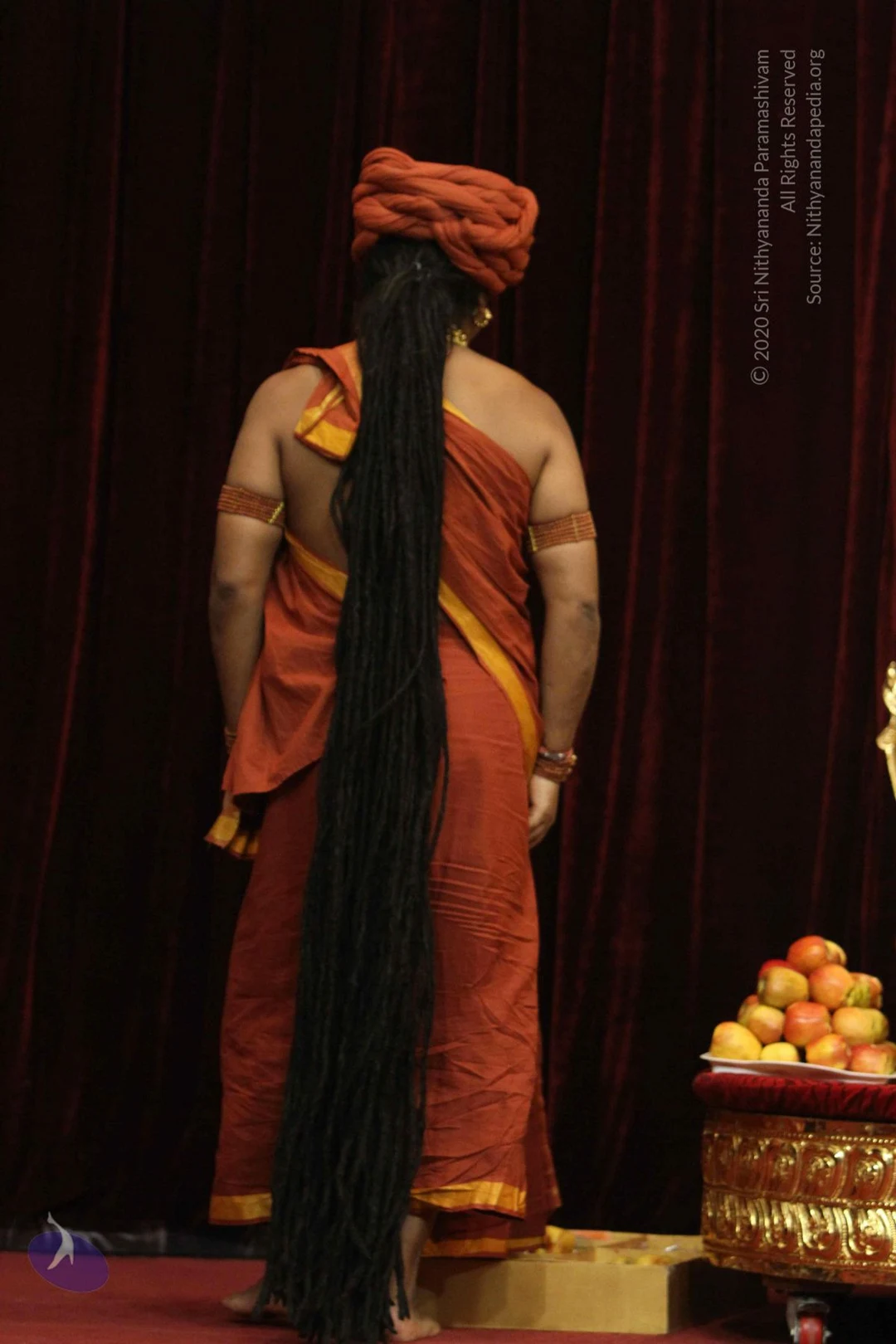
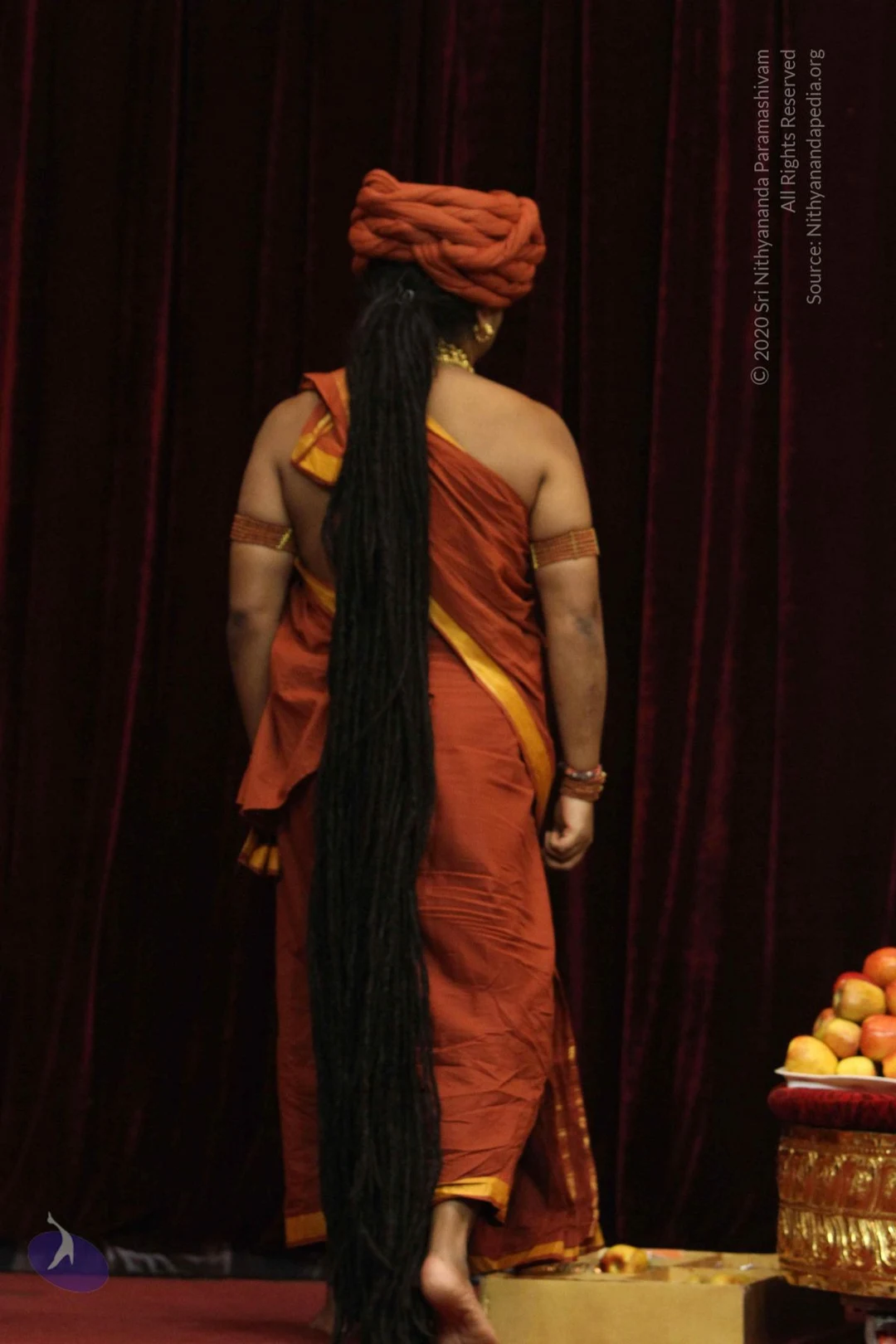
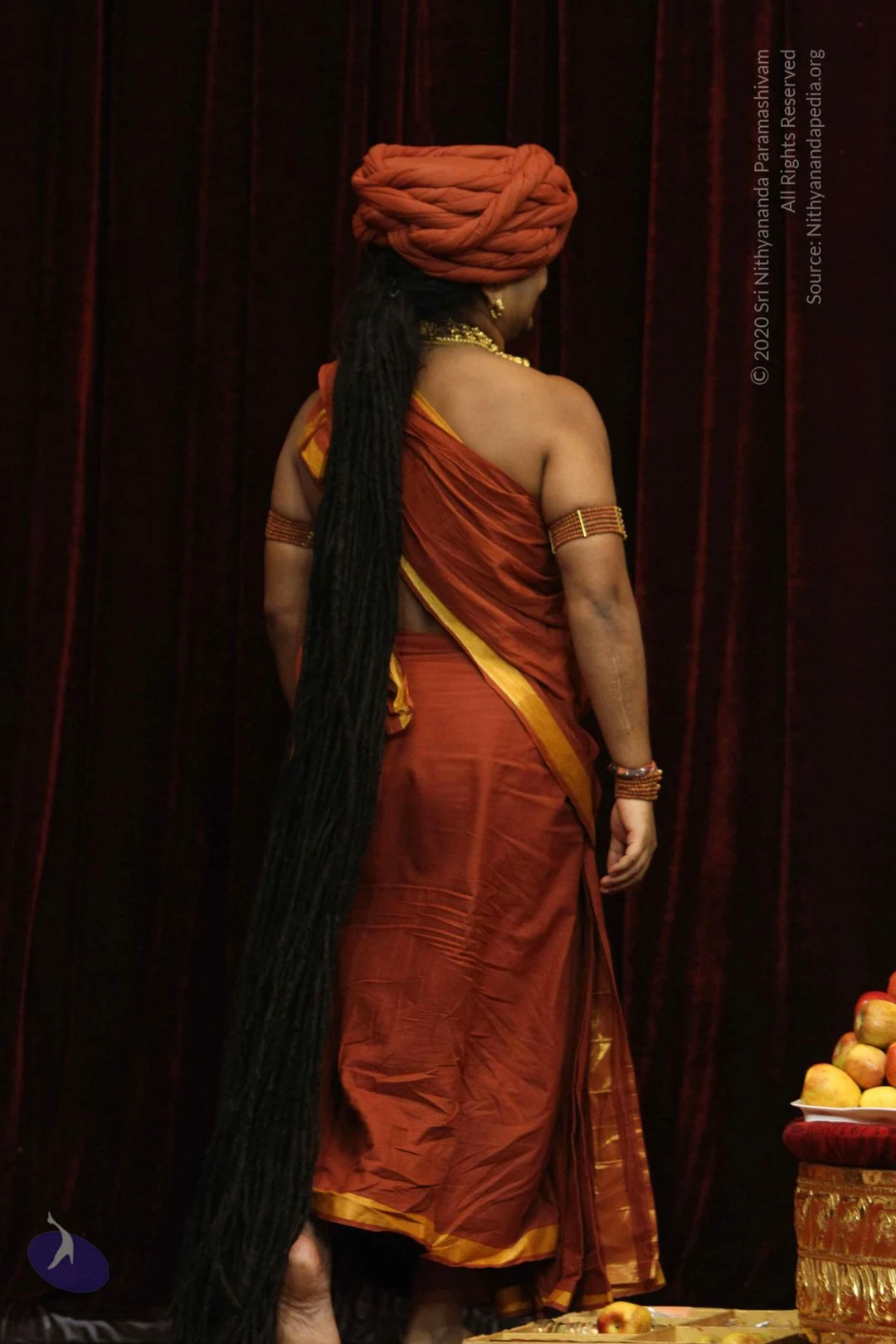
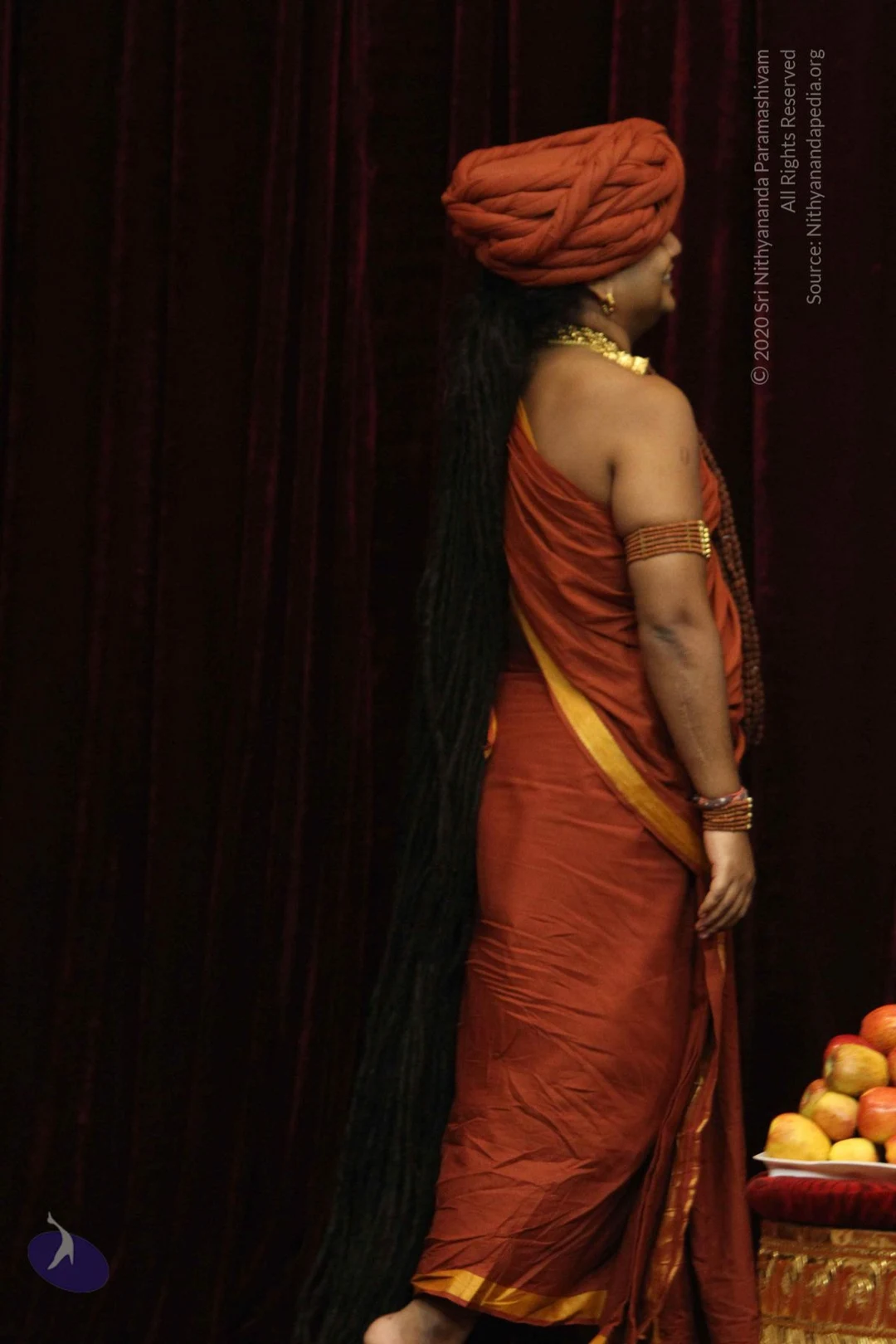
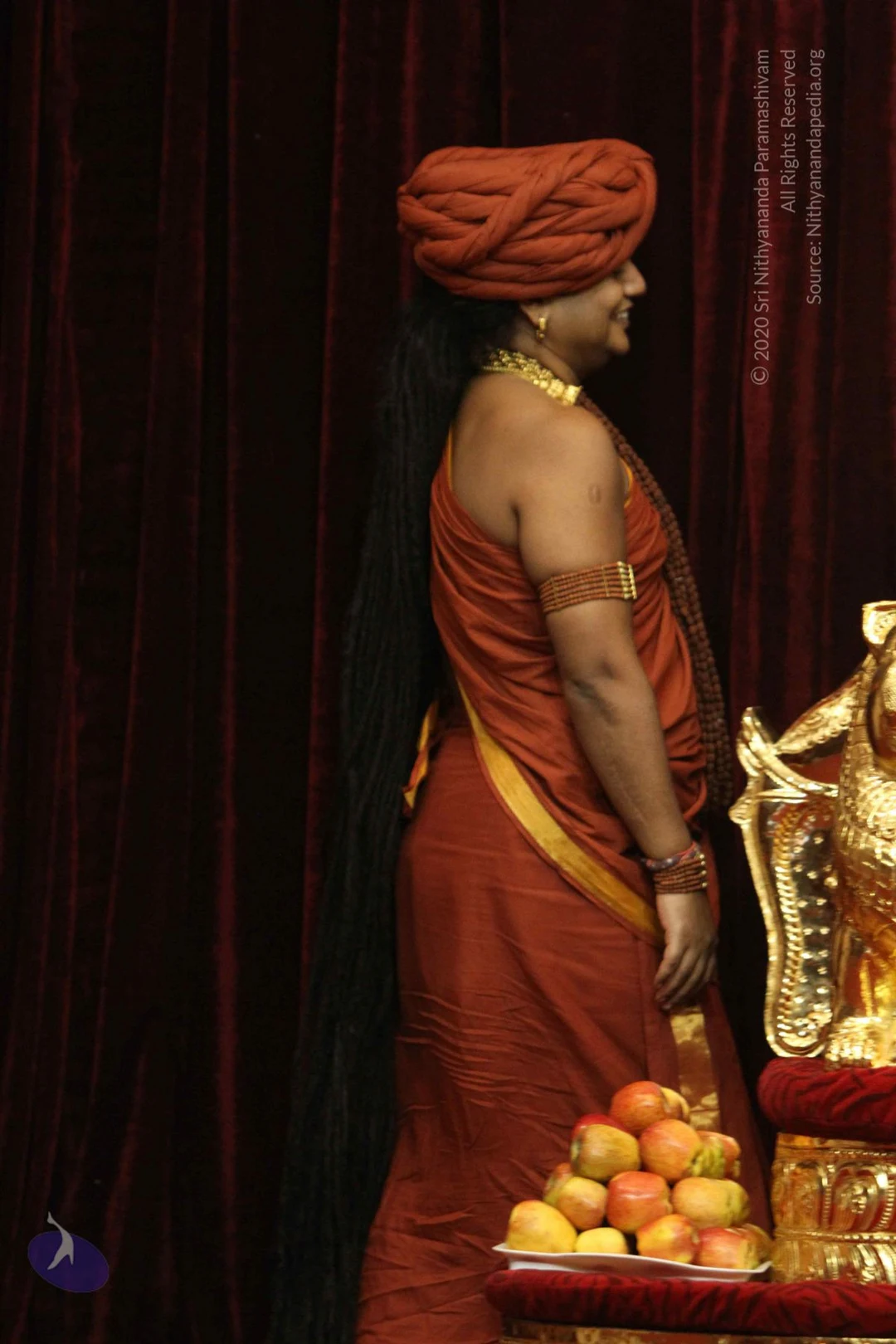
Photos from this day
View all 271 photosNithya Dhana Yoga global Convention
131 photosSource gallery
Evening-Satsang
78 photosSource gallery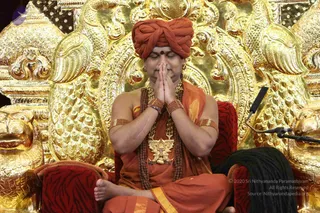
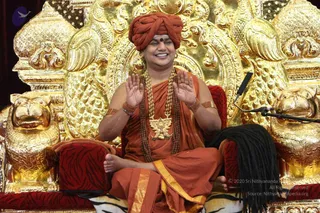
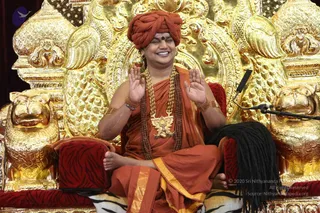
Nithya Dhana Yoga global Convention
30 photosSource gallery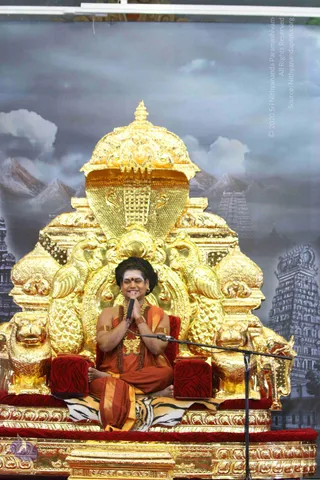
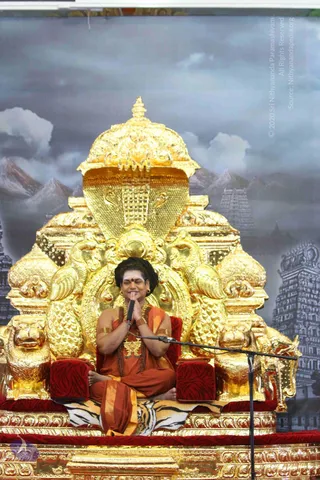
EveningSatsang
32 photosSource gallery