Thursday
23 January 2014
Choose Completion, Not Competition
- Dated photos
- 267
- Source pages
- 1
- Media
- 2


January 23 2014
Original wiki pageTitle
Choose Completion, Not Competition
Description
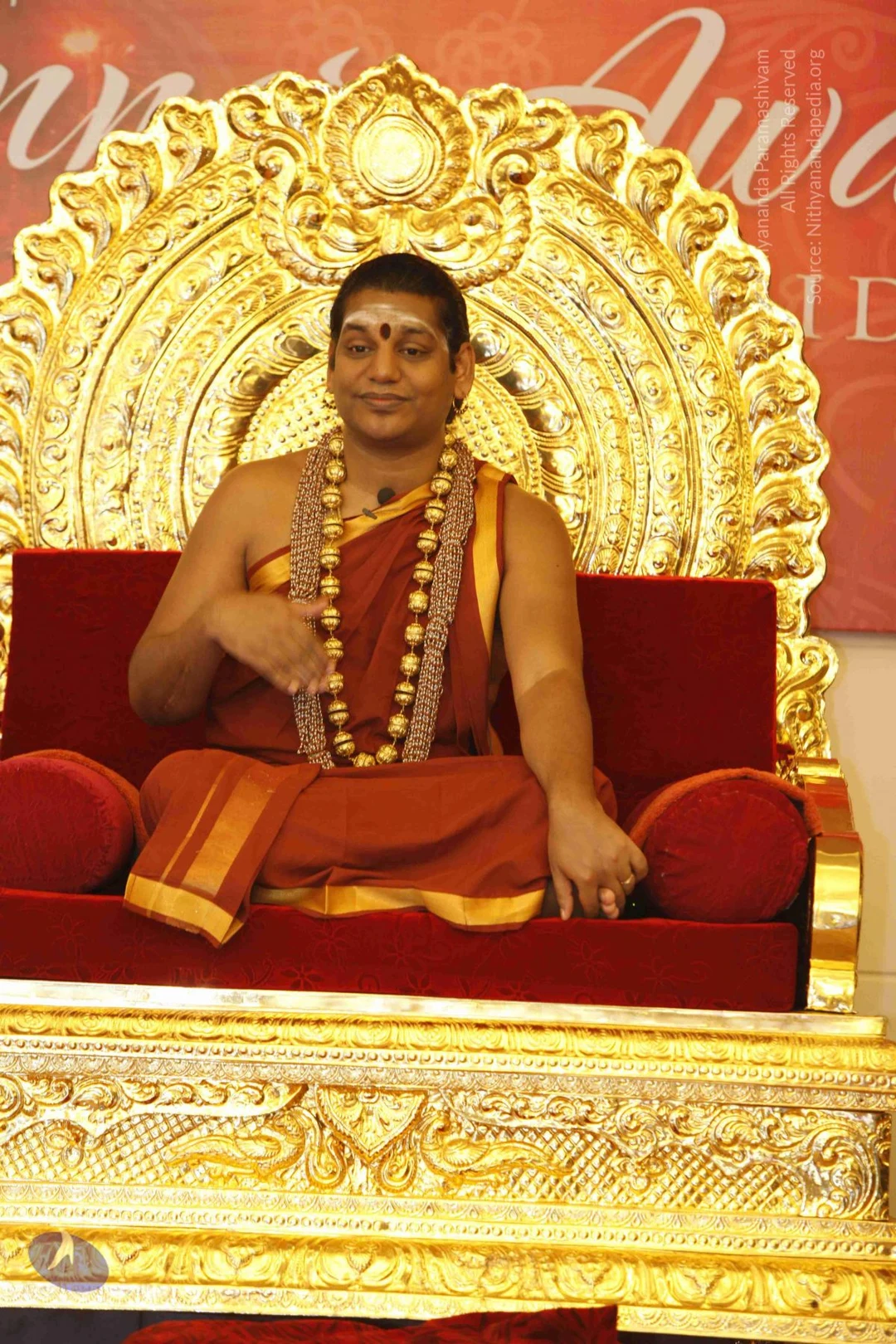
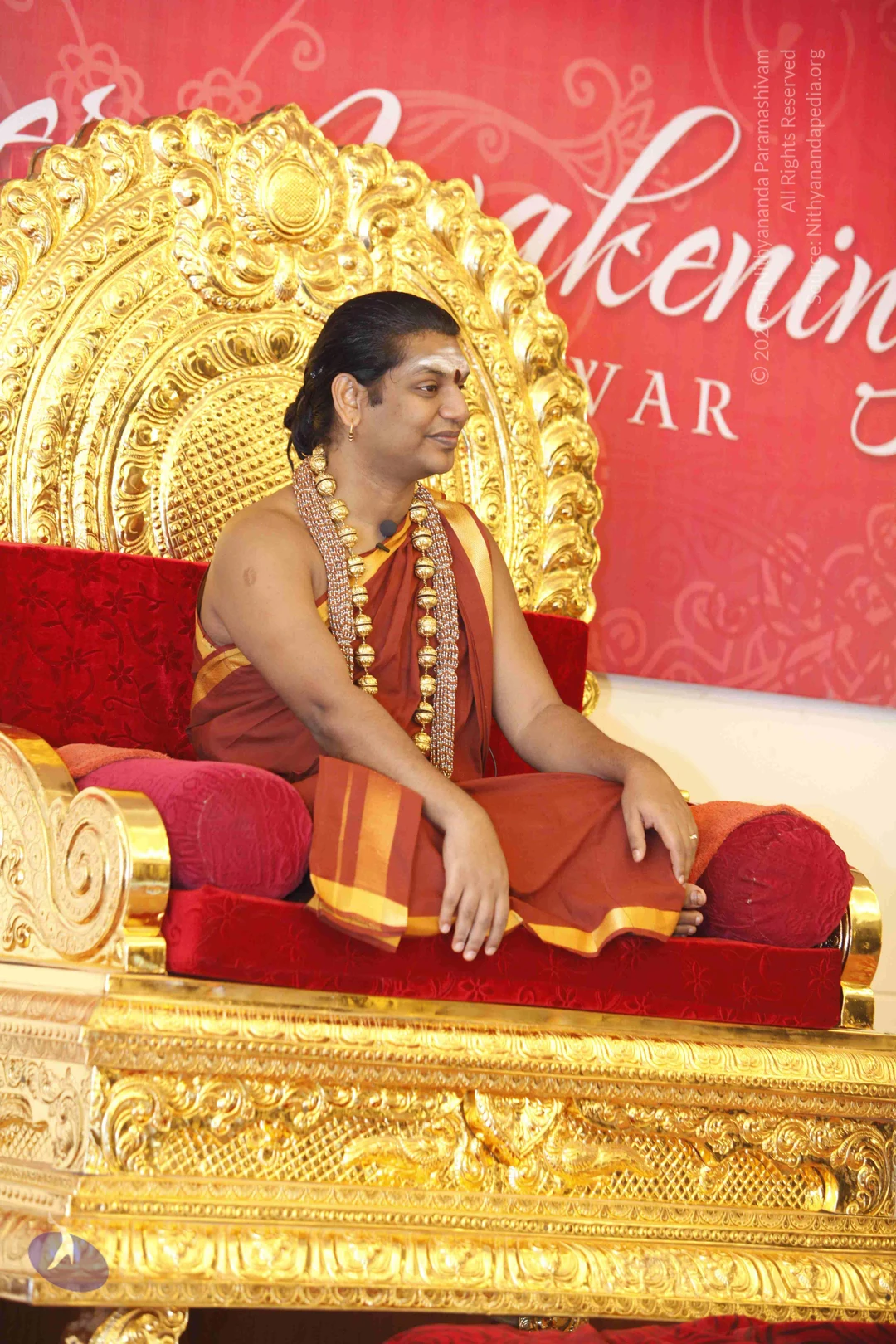
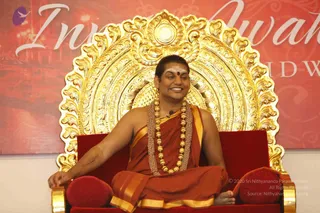
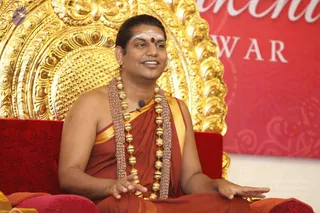
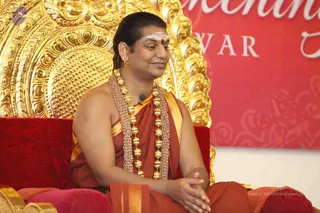
In today’s morning Satsang, Paramahamsa Nithyananda declares that we must look in and complete with the competing and conquering patterns we carry. Neither of these patterns can help us become leaders in our life nor can they make us successful. They only make us weak, sad, sick and depressed because anything achieved by the competing, conquering pattern, only feeds our ego. Let us be in completion the whole day. You will see how quickly you will become a leader, creating and contributing to the world!
Video and Audio - Choose Completion, Not Competition
| Video | Audio |
Transcript
nithyānandeśvara samārambhām nithyānandeśvari madhyamām | asmat āchārya paryantām vande guru paramparām ||
(00:39)
aaj ke satsang mein aap sabhi ka prem aur ashirvad ke saath swagath kartha hun. sabhi bhakton shishyon sannyasiyon samajiyon ka swagath hai.
I welcome all the devotees, disciples, samajis, satsangis sitting with us through Nithyananda TV, Sadhna TV, Eshwar TV, Janashree TV, and through two-way video-conferencing having Nayana Deeksha in many cities in many countries all over the world. Cities sitting with us through two-way video-conferencing having Nayana Deeksha: Vancouver-Bhubaneshwar, New York-Varanasi, Nithyananda Nagara-Bangalore, Hyderabad-Gupta Kashi, Houston-Kalahasti, Austin, Los Angeles-Arunachalam, Seattle-Chidambaram, Charlotte-Srisailam, Santa Fe-New Mexico, Toronto-Kailasam, Ohio-Prayag, Bangalore City Centre, Singapore-Singapuram, Hollywood-California, Adi Nithyananda Dhyanapeetam-Avathipalayam, Tiruvanmiyur-Chennai, Phoenix-Kanchipuram, San Jose-Madurai, Oklahoma-Somanatham, Indrani-New Jersey, Hyderabad-Gupta Kashi, Pokhara-Nepal, Oman-Sivagangai, Enriching Temple-Bidadi, Nithyananda Dhyanapeetam-Hosur, London-Kashi. I welcome all of you with My love and blessings.
(02:53)
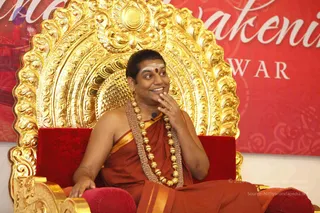
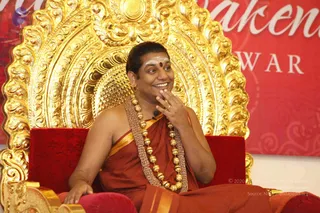
Yesterday, successfully we completed twenty-third Inner Awakening. I feel like, as if I took the first Inner Awakening; because the whole sessions, the whole twenty-one days I took personally. It was such wonderful feeling to spend so much time with people after a long time.
(03:38)
Today I will continue to expand on what I was expanding yesterday, the subject. Please listen. The competing-conquering pattern constantly pushes you from powerlessness. Unfortunately, the materialistic lifestyle, materialistic lifestyle, the consumeristic lifestyle believes you should be pushed constantly, you should be made to move constantly only by competing-conquering pattern, which is not true. Listen, the competing-conquering pattern is not necessarily a base pattern which need to push you. If you are being pushed by the competing-conquering pattern every day, you are pushed, you are driven from powerlessness, incompletion. It is like you try to push the whole bullock-cart with your finger which is broken. Whether the bullock-cart moves or not, what will happen? You will have tremendous pain and you will think that moving the bullock-cart is very difficult. Instead, pull by the strong bone; instead of pushing by the broken fingers pull by the strong bone. Means, let the Completion be the driving force in your life.
(06:08)
To be a leader, there is no such thing as you have to compete and conquer. The Competing-conquering pattern is no way required to be a leader. Only in some foolish fields - politics and the illusory money; please understand, in the world, the ‘illusory wealth’ and ‘real wealth’, there are two things. Hinduism describes as ‘Shankha Nidhi’ ‘Padma Nidhi’. Padma Nidhi means the ‘Lotus Wealth’; it is illusory, Shankha - ‘Conch’ - real wealth’. There are some things - ‘real wealth’ – your house, your clothes, your jewellery. This is real wealth. There is a illusory wealth, created for the sake of exchange purpose – currency, the value of currency.
Same way, there are some real powers and illusory powers. The ‘real power’ is your ability to live your life, your ability to do what you want, your ability to understand, your ability to react, your ability to respond. These are all real powers. This ‘Illusory Powers’ – power of a king who thinks he can do anything; he can’t make a small child stop crying. The illusory powers and the illusory wealth, listen, both this, only in these two fields you need to compete and conquer.
(08:38)
There are tons of fields where a leader does not need to be a winner. Leader does not need to be a winner, he does not need to compete and conquer. But, unfortunately, some fools are thinking even in the spiritual field you have to compete and conquer. I tell you, biggest curse you get in your life is this competing- conquering pattern. Even if you are successful, even if you win, you will not be a leader. Even if you win, it will be with so much of pain and suffering. Anything done with so much of pain and suffering will build ego in you. ‘See, with so much of suffering I did it.’ And you expect everybody to dance for your tune. You suffered; why should they bother about that? You are a fool you suffered. I tell you, only fools and stupid people suffer in the world. Only fools and stupids suffer in the world.
(10:17)
To be a leader, you need not have, you don’t need to have this competing-conquering pattern. See, this competing-conquering pattern creates tons of side-effects and foolishness, stupidity. The biggest blessing you will have is somebody making you understand competing-conquering pattern is not required for you to be a leader, for you to be successful. This is the best ever blessing in your life. Please understand, the day I heard this great truth into My ears was the birthday for Me. That was the birthday for Me. The day that truth clicked into Me is the best day in My life; because one of the biggest demon has left Me.
Biggest black-magic done to you is you believing competing and conquering is required to be a leader or successful. Only in the pseudo-wealth and pseudo-power – Politics and Wall Street; ‘Pseudo-wealth’ means Share Trading, Currency Trading, currency-related businesses, keeping the value of the currency high or low, all the businesses related to that. Only in that business you need this pattern of competing and conquering to be a successful person.
(12:19)
Same way, ‘pseudo-power’ – Councillor, then Mayor, then MLA, then Chief Minister, MP – then some minister - political pseudo-power. Only in the field of pseudo-power and pseudo-wealth you need the pattern of competing and conquering. But unfortunately, these two fellows are such bullies they make the whole world believe that you need competing-conquering pattern for your life. These bloody fellows, just because they need few successors, they destroy the whole humanity and they go on complaining that we brainwash the kids in the young age. If I try to make them sannyasis or yogis, these fellows who brainwash and destroy the whole humanity; see, only in these two field you need this competing-conquering pattern. Only the fools, idiots who develop the competing-conquering pattern will get into these two fields, because they need people for their field; it is like bull is reduced to bullock; no that is the exact word I am telling.
(14:02)
The moment you pick up the competing-conquering pattern, you lost, you become seedless grape; you lost your life. Because, now how much ever you do, whatever you do, finally you land up in... being a fool, stupid. Because they want successor... see, they need only fools, only fools can be enrolled . Otherwise, which fool will be sitting in front of zeroes appearing in computer and his heart beat will go up and down based on that computer zeroes going up and down. ‘Oh, my share went up! Oh God! My share has gone.’ It is much more stupid than video game. It is more stupid than video game. At least in video game kids know it is a game. Here they know it is a game, but they get into it; they forget it is a game.
(15:30)
So, understand, the majority of the fields in Planet Earth does not require this competing-conquering pattern. So the whole humanity, my request for the humanity: Please boycott this competing-conquering pattern in your life. That is not required to be a leader. Be a leader from the day you start your life. From the day I started My life I am a leader.
Somebody asked, “Which guru has done coronation to You? Who has done pattabhisheka to You, to which Peetha?”
I said, “Nobody need to do any coronation, pattabhisheka to Me. I am doing pattabhisheka to Me that I am blessing the all three worlds by these great spiritual teachings; that’s all. Whatever teachings I have experienced, I am blessing all the three worlds with these teachings. So, with this declaration I am coronating Myself.”
(17:07)
Understand, only in this competing-conquering pattern.. see, this competing-conquering pattern, when you start, you start with sickness. When you live, you live with so much of pain and suffering and powerlessness. Whole day what will be driving you? ‘See, see, the other fellow, he became a billionaire. I have only 900 million, 100 million less! When will I become part of that billionaire list?’ Some fool will be there publishing in magazine - billionaire list. That bloody who want to become a billionaire but did not become billionaire - failure. And he will be go on be publishing a list. Then seeing that list, you start crying ‘Ohhhh, I have only 900 million. When will I become part of this billionaire list?’This competing-conquering pattern, while you are living also is sadness. Even if you achieve that you are now part of the billionaire list, you think you will be enjoying? No. You will be carrying such deep sickness, pain, pain-related to that money and the sufferings you have to go through; because you pushed the whole bullock-cart with a broken finger. You will feel now, ‘See, with so much suffering I have achieved this. Everyone should respect me.’ Pseudo-ego starts. Now you have multiple disorders.
I tell you, from the day one, that clarity - competing-conquering is not required to be a leader - first thing it does to you is, it makes you complete, and all your contribution is through creation out of space of Completion; from the space of Completion, creation. AHAMBRAHASMI. SHIVOHAM. NITHYANANDOHAM.
From the space of Completion you go on creating, creating, creating, contributing, contributing, contributing. From the day one, you will be a leader. You will start out of completion, and every day your whole life will be just completion and creation, completion and creation. You whole life will be a honeymoon. I can say, ‘Honey sun’. Moon will go away, Sun will never go. And at any given day you are in the space of completion, What drives you? What is the driving force? Completion, Creation! ‘Come on, I am overflowing. I am complete. Let me do something to cause others life. Let me do something to enrich others’ life.’ See, even if you started believing in the young age the competing-conquering pattern, now you can complete with it. Tell all the pseudo-power dogs, pseudo-wealth donkeys got into your system, beat them all and drive them out so that they never come into your inner-space. Tell them, ‘It is my boundary. Don’t bring all these dirty ideas.’
(21:54)
Why it is called ‘Wall Street’ you know? You will be up against the wall! That is why it is called ‘Wall Street’. Every day you will feel you are up against the wall. The economy should be thought, planned based on ‘Shankha Nidhi’, means a real wealth. If we work on the real wealth, the whole world will have everything we need. After all, we have only seven billion people. Easily we can feed them, clothe them, house them, give them medical care. It is nothing. We can put more energy and resources into doing research about the extending the lifespan. We don’t need to be wasting so much of energy and resources in Army. This concept of pseudo-power, the concept of pseudo-money in multiple level, makes you believe the competing and conquering pattern is required to be a leader, to be successful. No. Competing and conquering pattern may make you a winner, but not successful or leader.
(24:16)
I tell you, person who says ‘No’ to competing-conquering pattern is a ‘Sannyasi’. Whoever you may be, wherever you may be, the moment you say ‘No’ to competing-conquering pattern, you are a ‘Sadhu’.
I sincerely request all My disciples, devotees - Pick up a field where the competing-conquering pattern does not need to be a driving force for you. Your whole life will be joyful. Your whole life will be ecstatic. You will live in leadership. You will continue to create and contribute in leadership. You will be a leader from the Day One. See, when you start from the Completion, first thing you will not be pulling...pushing the bullock-cart by the broken fingers; you will be pulling it nicely with a strong energy and strength. So, pulling itself will be easy. Next, it will be a beautiful journey. Even once you reach, you will only feel more and more energetic. Because you have not suffered, you are not going to be demanding everyone to respect you. And the ego will not be there. When you don’t have ego, you will not torture others. The daughter-in-law, who has been abused by mother-in-law, takes revenge on her daughter-in-law. If you have been abused daughter-in-law, you will naturally be a worst mother-in-law, because you will replicate the same; you will take revenge.
(26:55)
First of all, you need to take up people who have not suffered in their life as your leader. Understand in My life I went through so much ‘tapas’, but never suffered. Tapas is not suffering. You should pick up people who live out of Completion as your ideals; they should be your examples.
Our whole Sangha, please understand, Sanatana Hindu Dharma can be revived only when you make people understand the competing and conquering pattern is not required. This competing and conquering pattern is a western, materialistic, consumeristic lifestyle pattern.
(28:03)
Just yesterday, I was reading an article in Facebook. US has vacant houses, the number of vacant houses, something like eighteen million. Each homeless person in US can be given six homes. One side so much of vacant homes, other side so much of homeless people. Why this problem? Because of the concept of the pseudo-wealth introduction! The real-wealth based economies will never collapse. It is the pseudo-wealth based economies collapse.
In India, we don’t believe currency; we believe more gold, house; the solid. We are more built on the ‘ShankhaNidhi’, the ‘real wealth’, not pseudo-wealth. That is why, any economic recession, only few people in India even know economic recession is going on. If you ask Indians, what is, do you understand about economic recession? ‘Recess? Just now I went and came back.’!! 😃 They don’t know anything about it; doesn’t affect us because our...
But, unfortunately, that is why west cannot tolerate us. They go on trying to make us also believe this concept of pseudo-wealth, so that we are made to feel we are poor. Any of the western countries has this number of people, either they would have been dead by now without food and in poverty, or there would have been ten wars and they would have been broken to pieces into hundred countries. The amount of diversity we have, it is the Hindu economy policies, Hindu economy ideas - that is keeping us together, successful, alive.
(31:05)
We need to reform everything. The revival of Sanatana Hindu Dharma will happen only when you understand to function out of Completion, not out of competing-conquering pattern. I pray to Mahadeva, let him himself come down as Raja Guru and guide this Bharata Varsha, reviving the Sanatana Hindu Dharma by bringing this right knowledge, by making this right knowledge into reality.
Competing and conquering pattern makes you and others more and more weak. Don’t become more and more weak in your life. Get into the thought trend which makes you more and more powerful. Please understand, either your thinking can make you more and more suffocating, bound, or your thinking can make you more and more free and liberated. If you start adopting the right thinking, in one year you will see, by natural flow of your life you will be liberated. You will feel powerful, no suffocation, no complication, feeling free all the time. It is your thinking style. Understand, either you are going to become more and more free and liberated, or more and more bound; you can’t be anchoring, you can’t be anchoring your ship. You can’t stop; there is no break, because thinking is going on whole day. So, either you start developing the thinking which liberates you or binds you. By thinking, either you become ‘bandha’ or ‘muktha’. ‘Baddha Jeeva’ or ‘Muktha Jeeva. I tell you, it is such a simple way. Anyhow you are going to be thinking; you can’t stop it. Then why not start thinking in the direction which will liberate you? You don’t need to blow your nose. You don’t need to wake up early morning 4 o’clock. You don’t need to do Nirahara, this, that, nothing! Simply adopt a cognitive shift: ‘From now I’ll think based on Completion.’ That’s all. Just learn the Science of Completion. Complete with you. Continuously be in the space of Completion. That’s all.
(35:20)
I tell you, one year is too much time for you to be liberated. Just thinking based on Completion is enough, you will be liberated. Don’t be stuck in any incompletion pattern. That will be like a bone stuck in your throat. Hmmm. In that one thing be fanatic: ‘I will think only out of Completion. I will not sleep before completing all the incompletions.’ If you have incompletions, lock yourself in the room, sit and decide, ‘I will only complete and then come out.’ Completion-based cognition. One year thinking in the right direction is enough; you will be liberated.
Sometimes I wonder why these human-beings suffering without getting liberated when such a simple direction is available. Then I think, ‘I myself did this same. So, that is why these people are also doing. 😃 I was also going this side, that side, here, there. Only then, finally, I, ‘Yes, yes, yes, it is such a simple thing’ I realised. Maybe that is exactly these people are also doing. But I tell you, but one good thing, from this ‘janma’, the day I took this body, from the birth, in this birth, in this ‘janma’, I was very clear - that Completion-based life. This ‘janma’ I did not waste any time this side, that side looking. This ‘janma’, it was completely beautiful and useful. I really tell you all, you don’t need to waste your energy, time, by go on thinking into the style of binding yourself, binding yourself. Hmmm [Swamiji shakes head gesturing a No]. Not required. Not required at all. Think into the liberating yourself. Think into the pattern of liberating you.
(38:44)
Please understand, your mind is such powerful tool you have. Awaken it. Use it. It is a Kalpataru. It can give you whatever you want. It can lead you beyond it. That is the beauty of the mind. Guru can make you a bigger guru. My gurus have done it. My gurus made Me bigger than them. I will be a real guru only if I make you guys bigger than Me, and I am always waiting for that to happen. Understand. Your mind can lead you beyond mind if you awaken it. Just only one thing - Decide, ‘I will always live in the space of Completion.’ From the space of Completion continue. Complete from the space of Completion.
Today, I wanted all of you to do this thinking. Look inside you. Wherever you have this competing-conquering pattern, catch all that and start completing with them. In My Sangha also I have seen, in our Sangha also, whoever behaves abusively, arrogantly, all of them suffer with that competing-conquering pattern. They don’t understand the ‘possibility’ is infinite. If you believe infinite possibility, only then you are a Advaiti. If you believe limited possibility, you are Dvaithi. Understanding infinite possibility; only then you become My disciple. Understanding the infinite possibility makes you as My disciple.
(41:44)
Photos
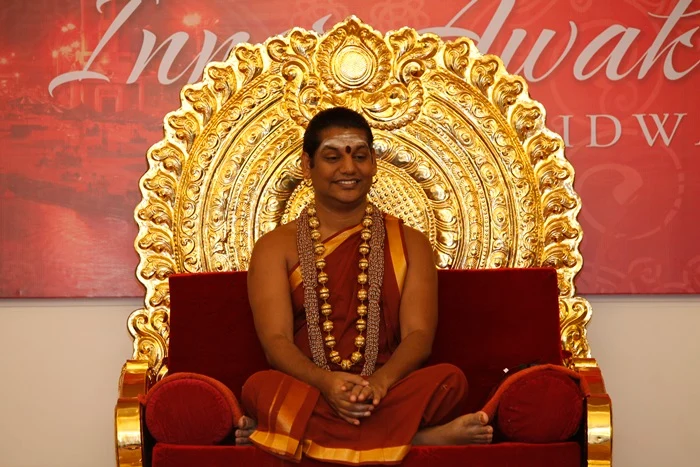
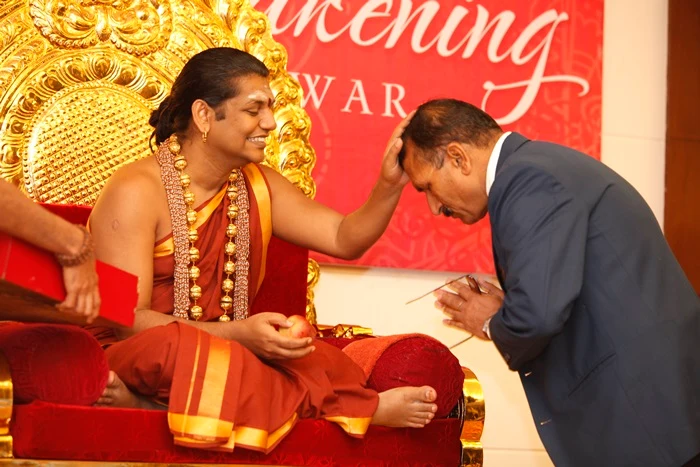
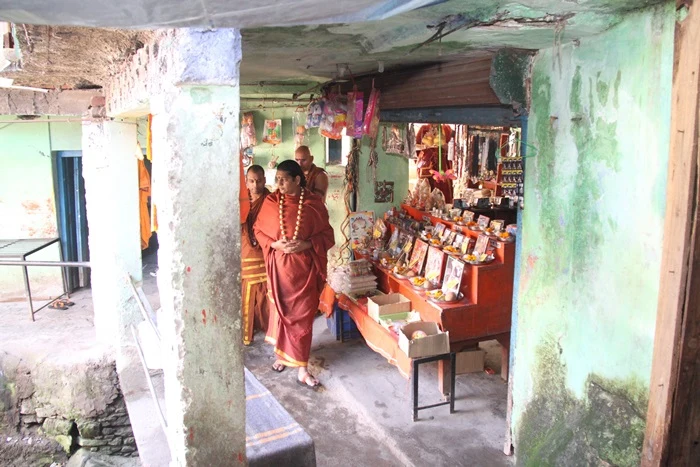
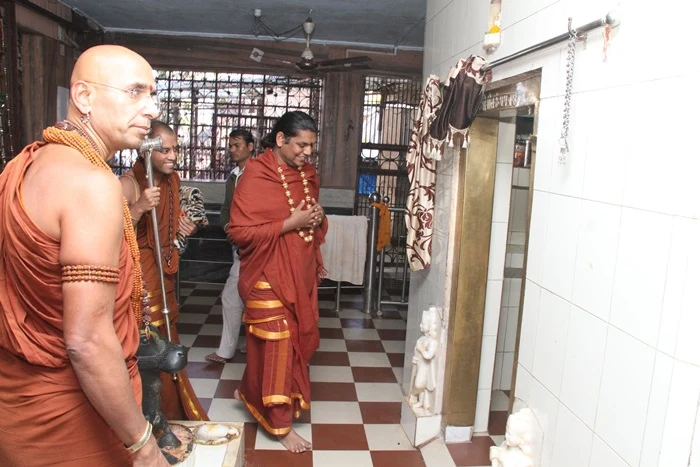

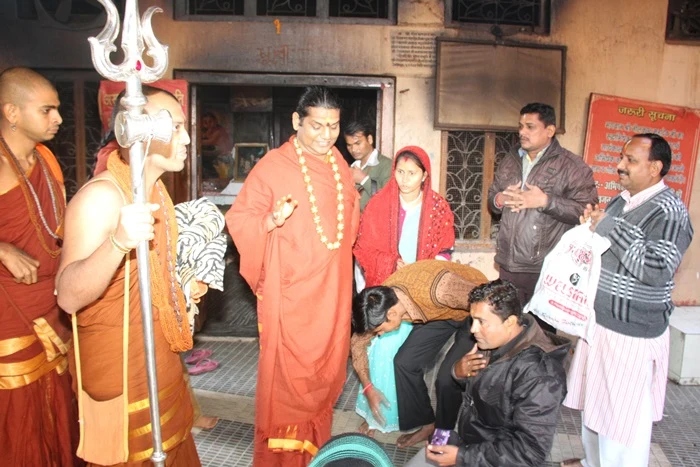
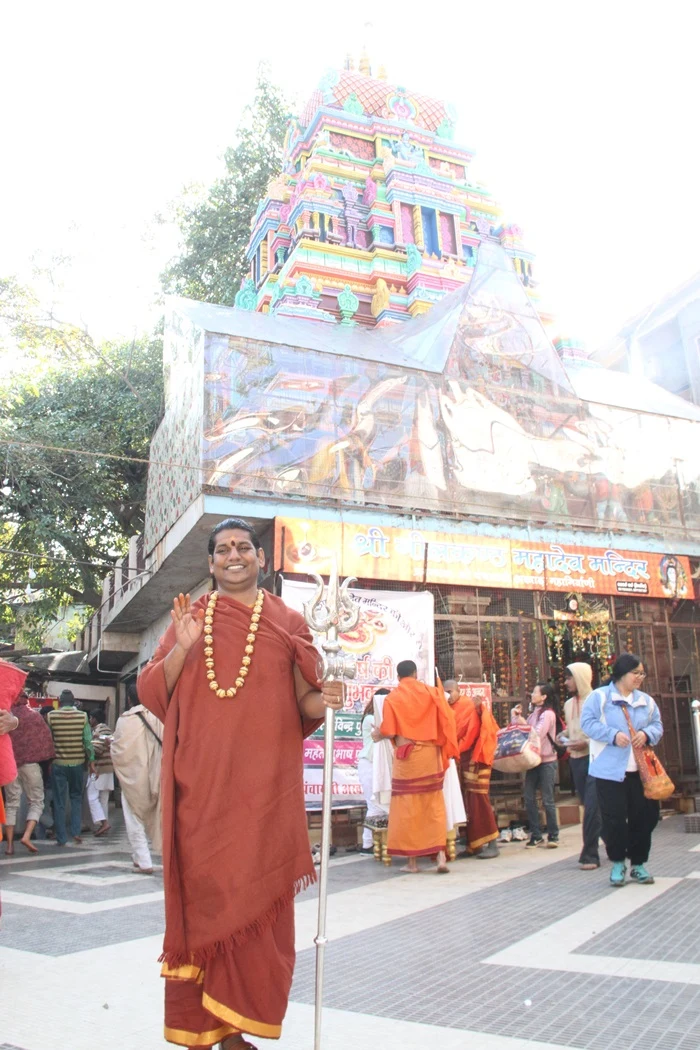
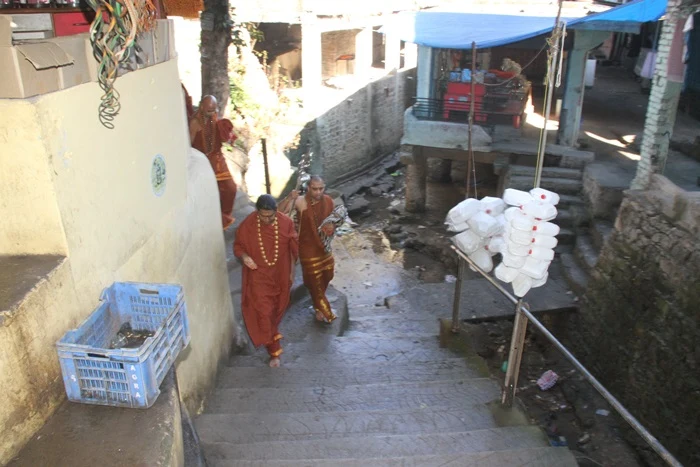





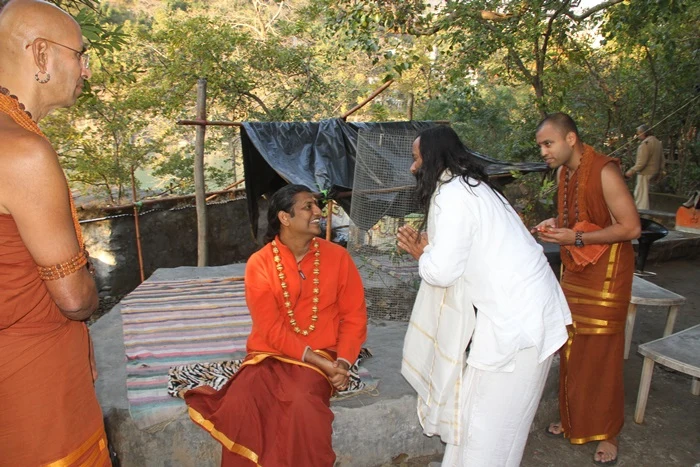



Tags
Paramahamsa Nithyananda, Mahabharata, patterns, life, successful, depressed, ego, leader, world.
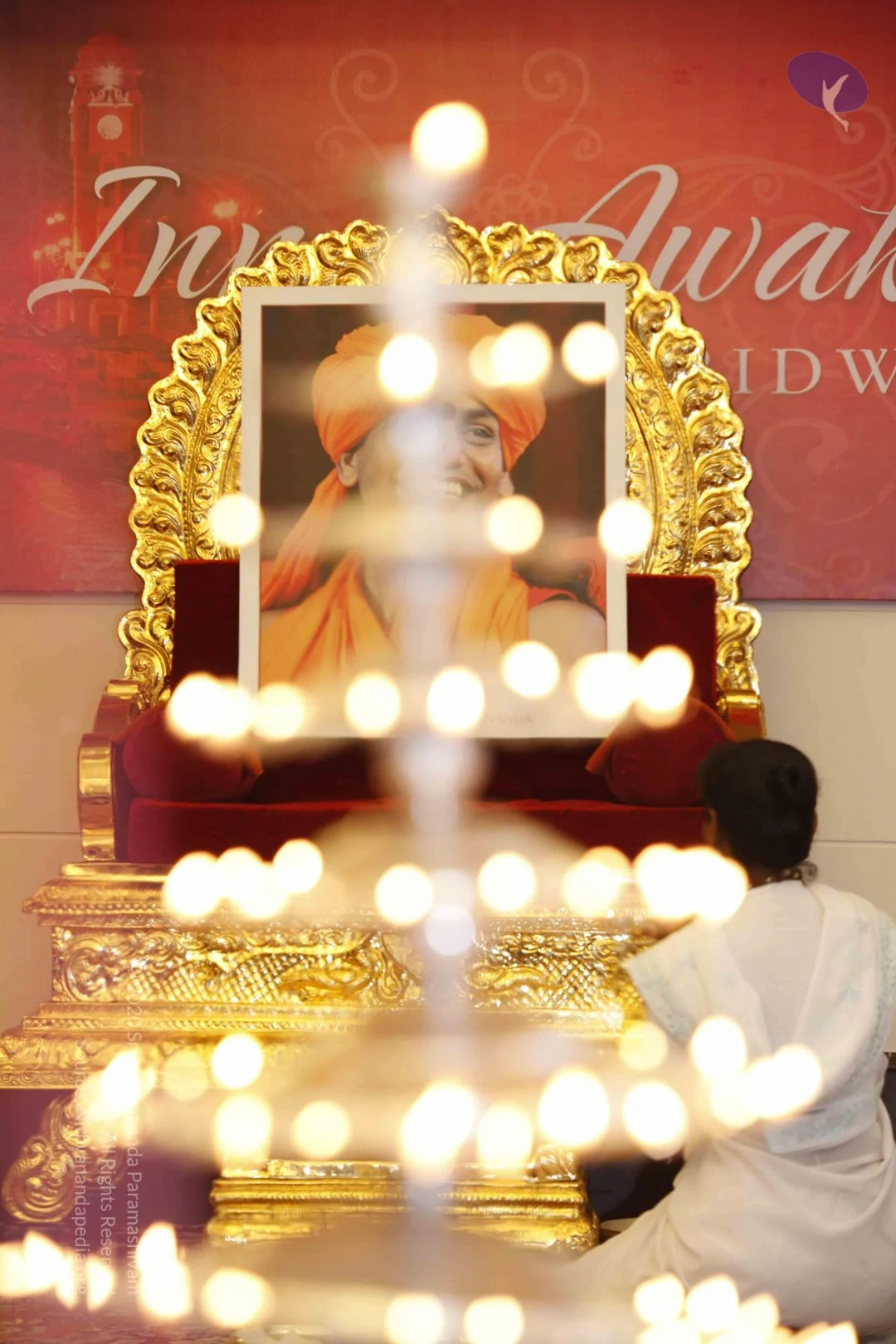
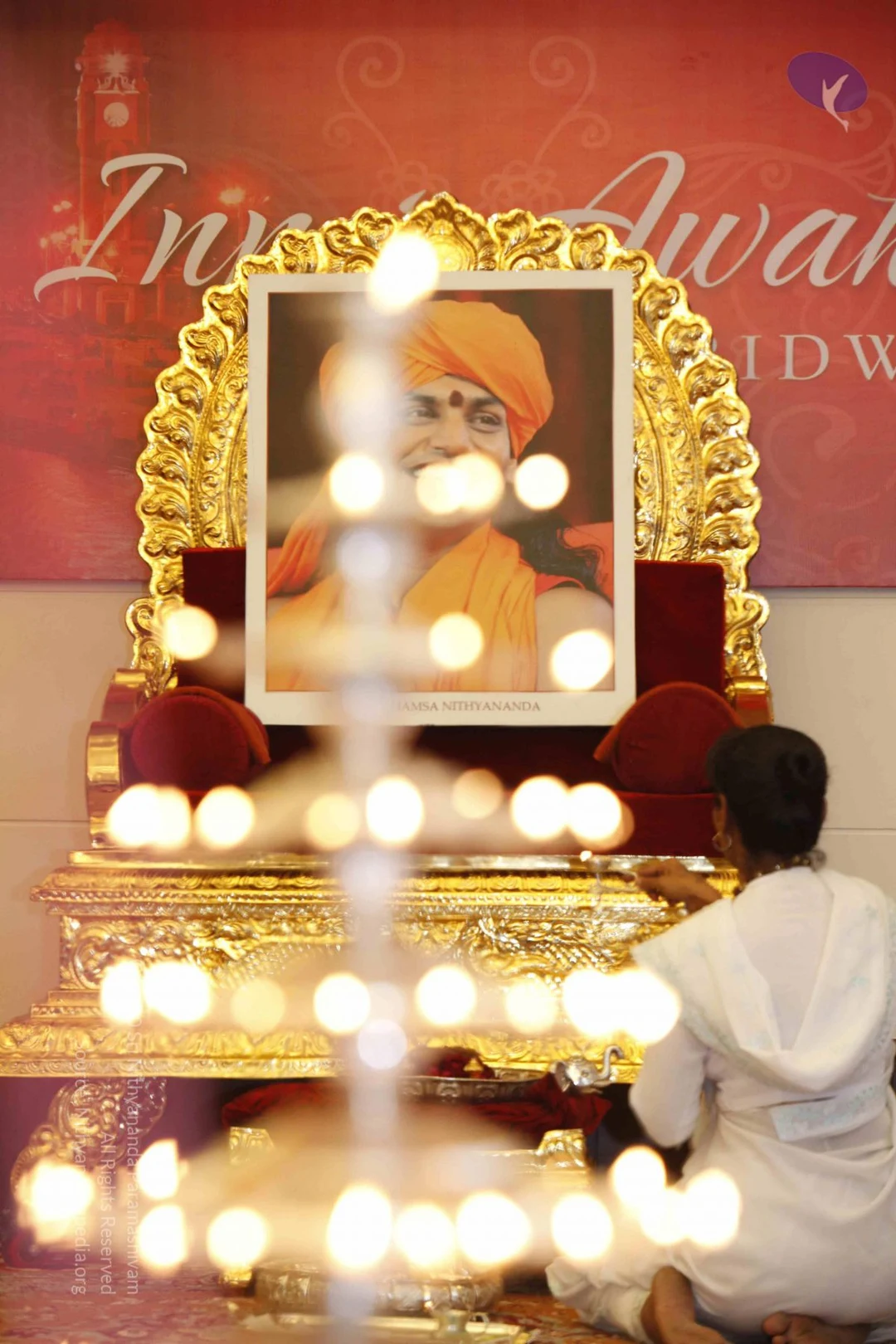
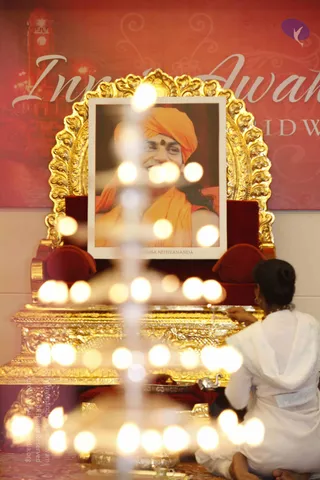
Photos Of The Day:
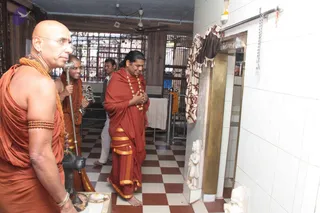
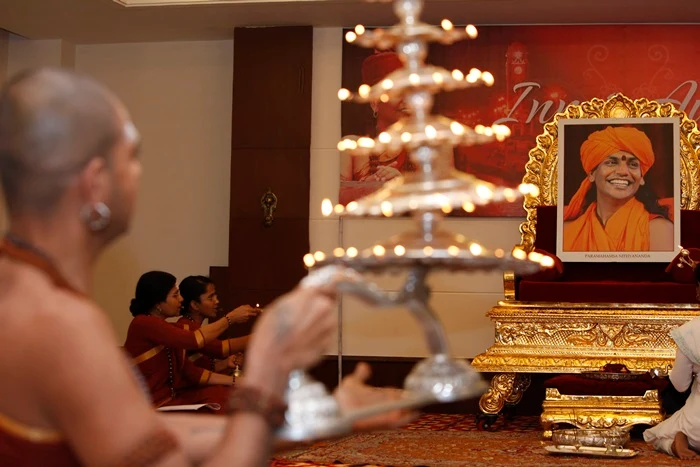
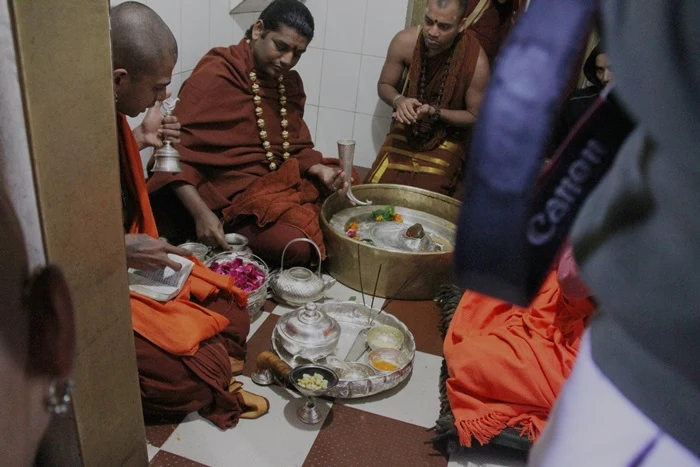
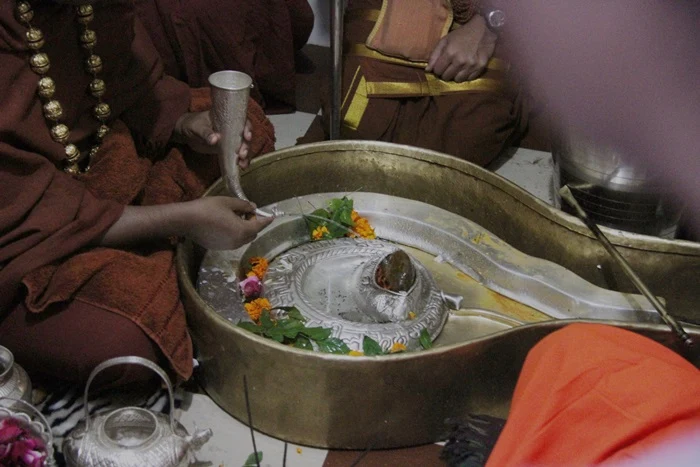
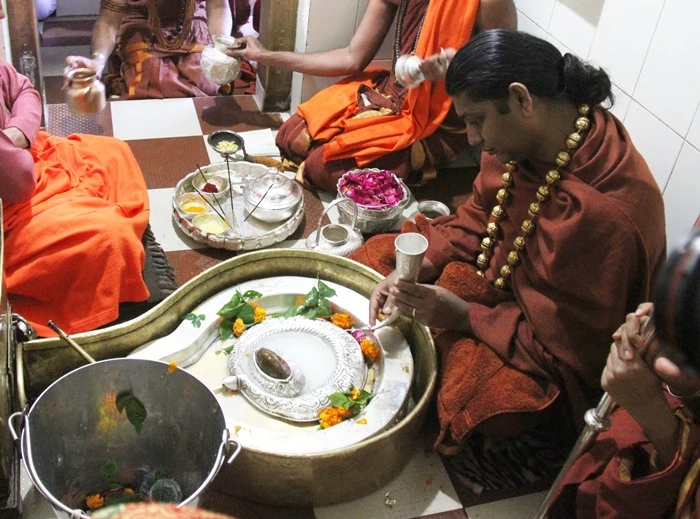
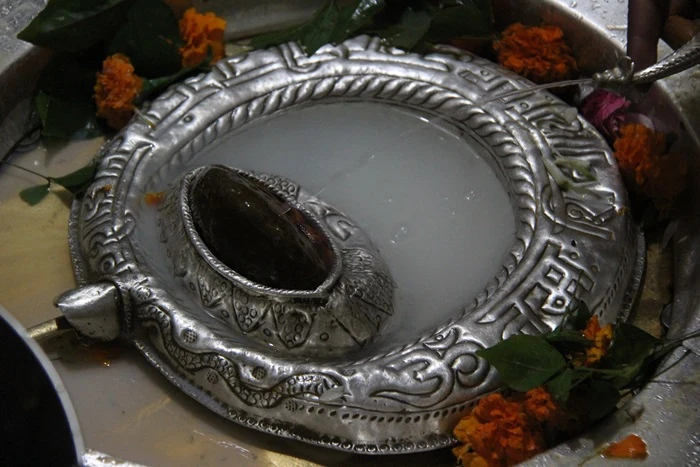
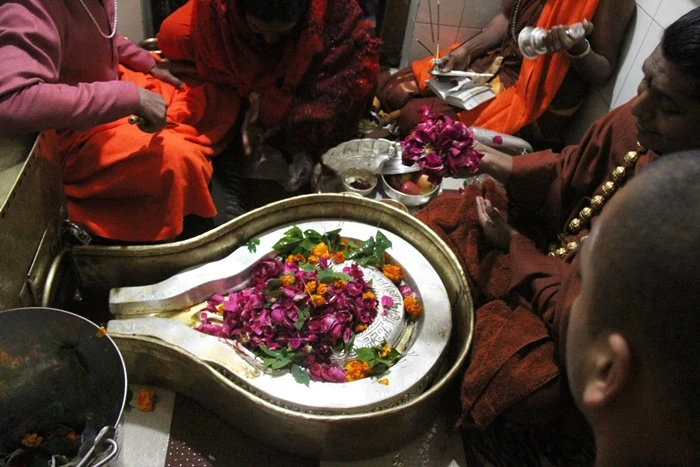
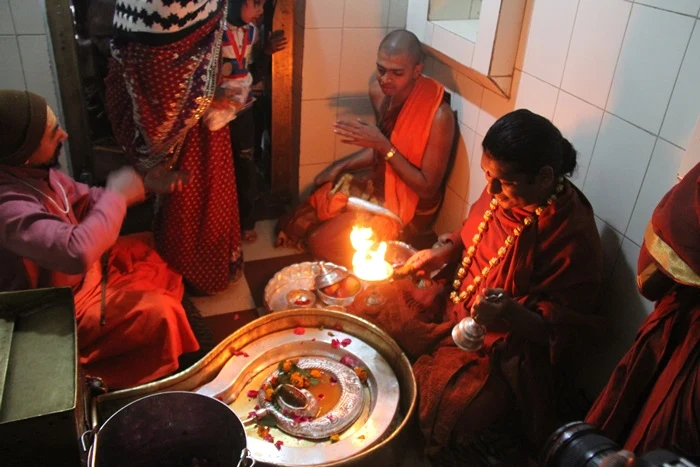
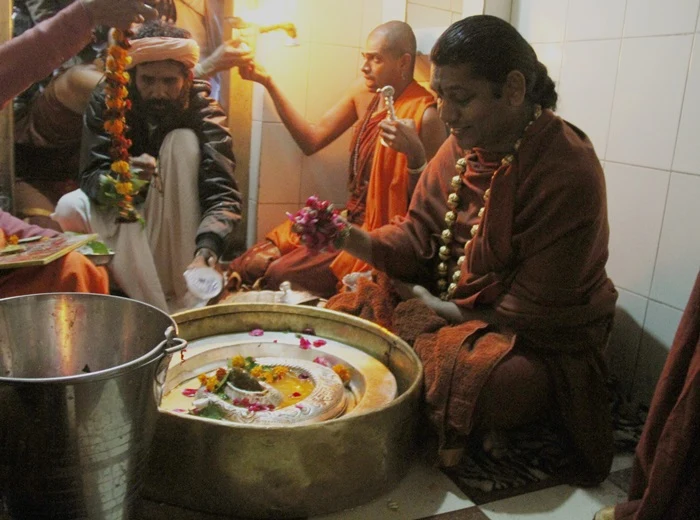
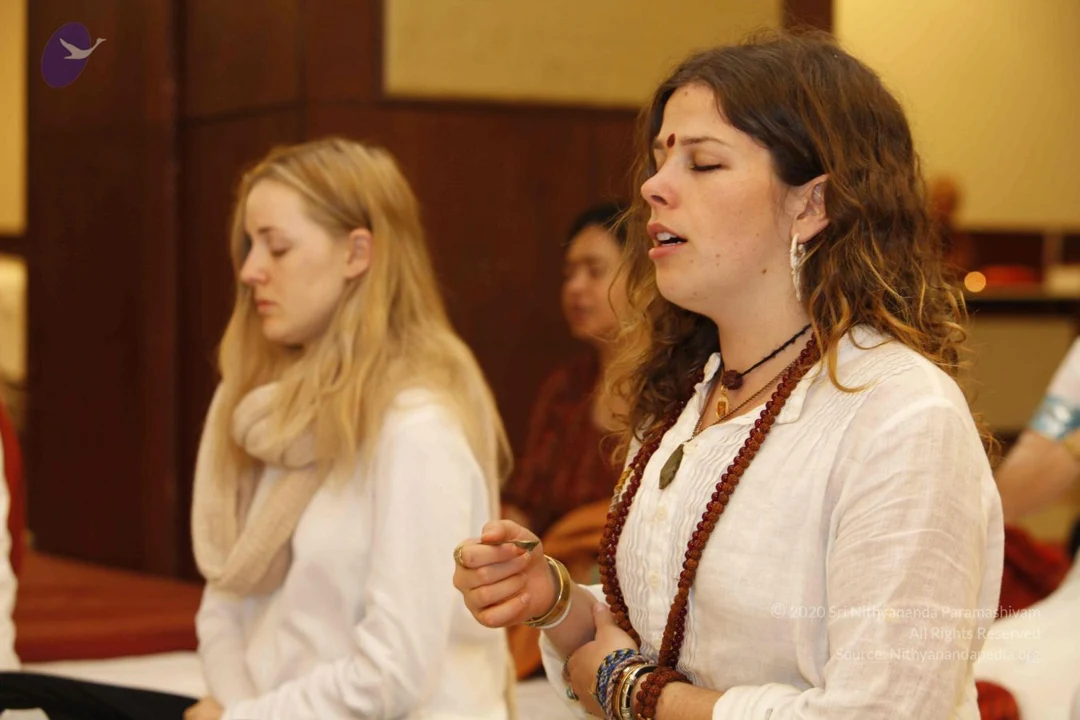
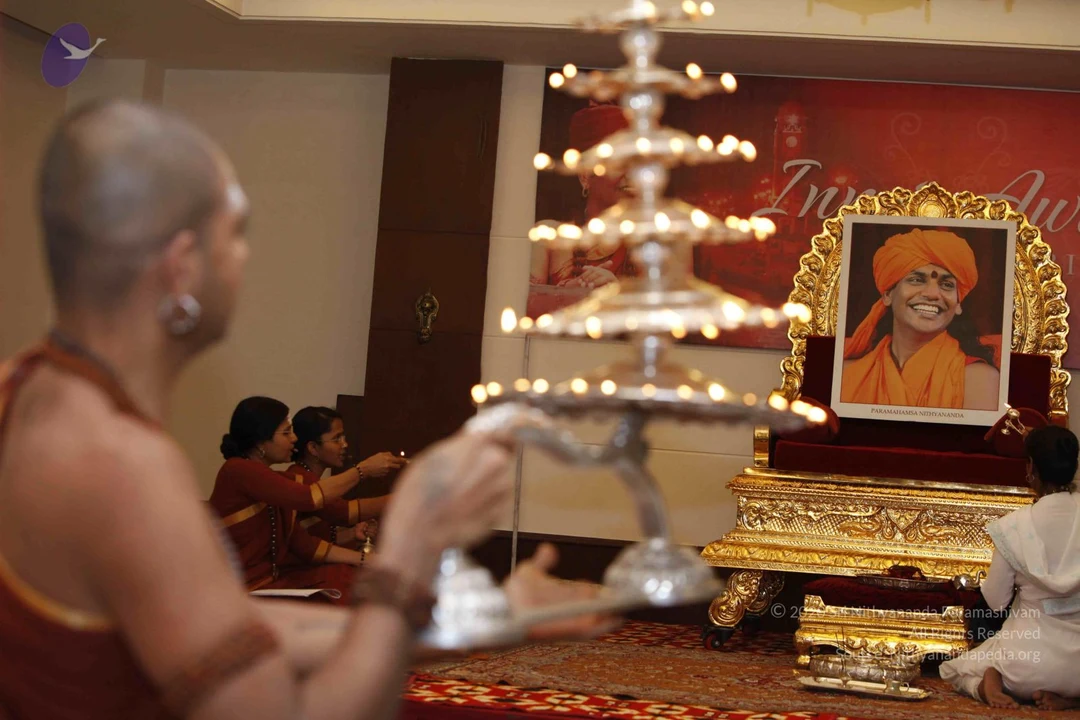
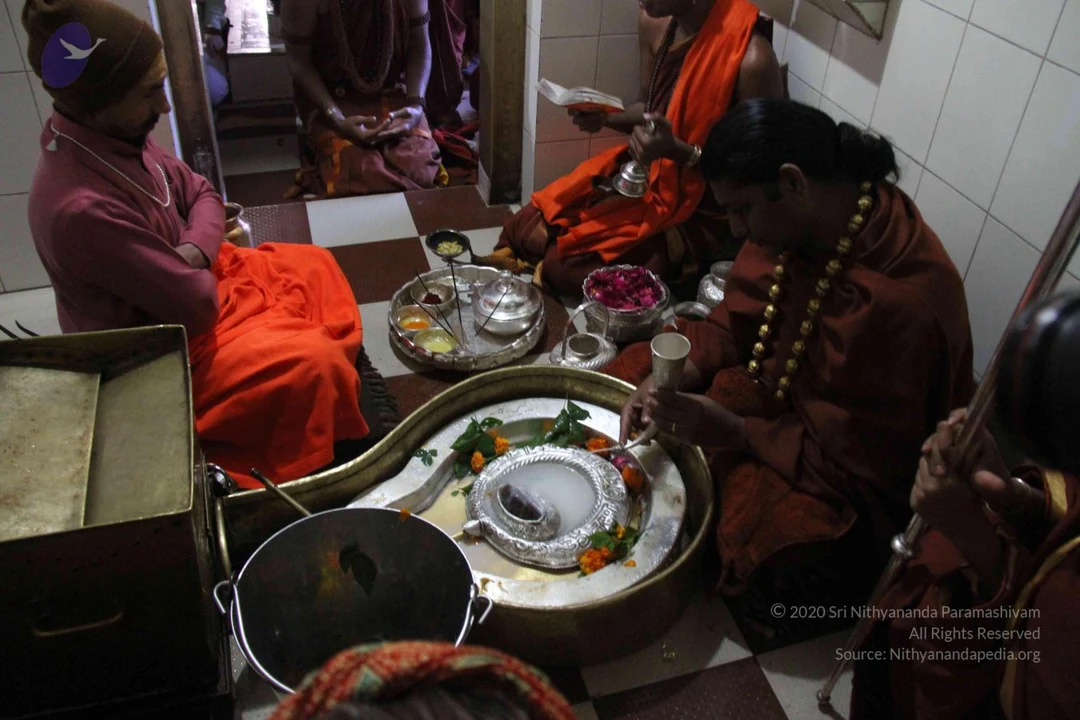
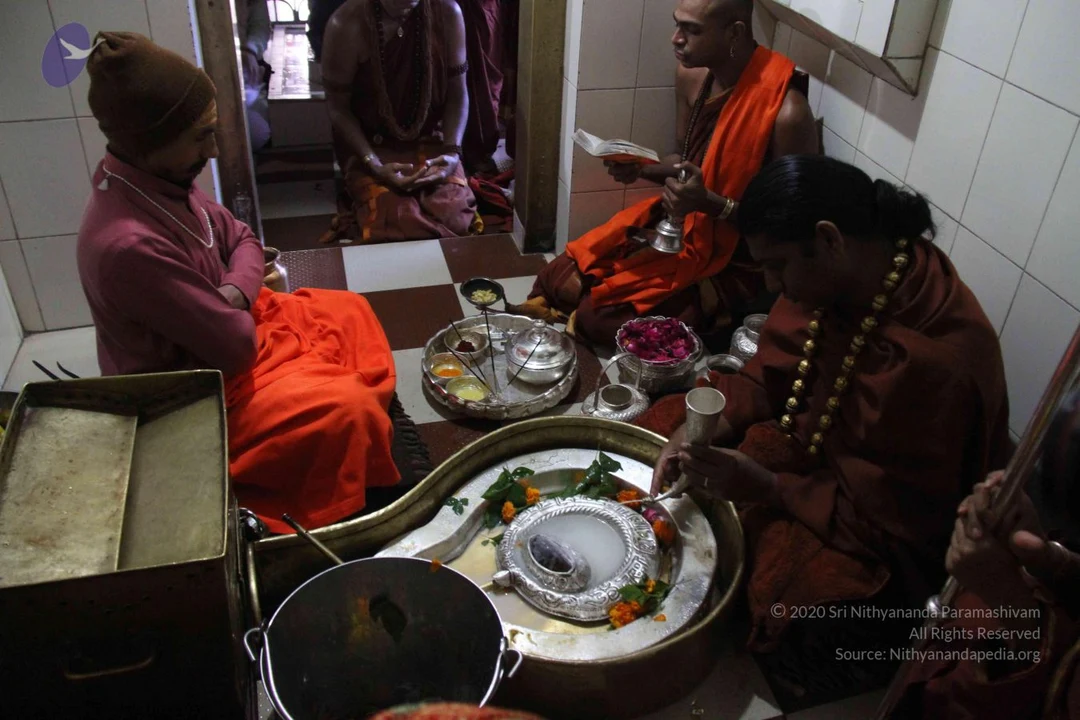
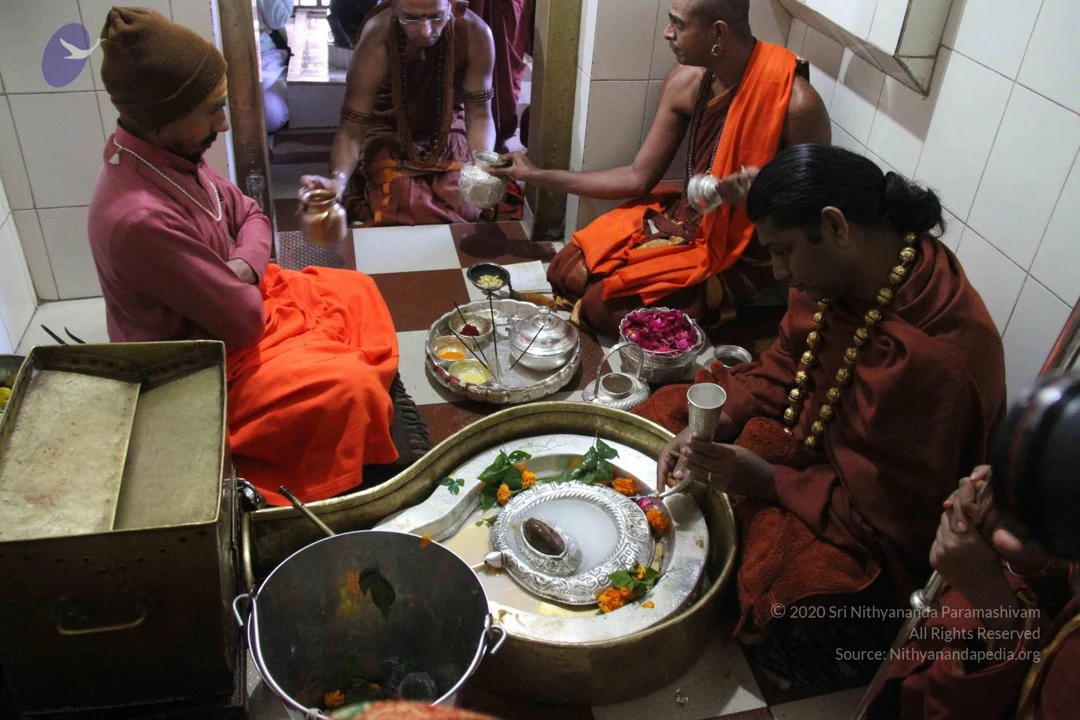
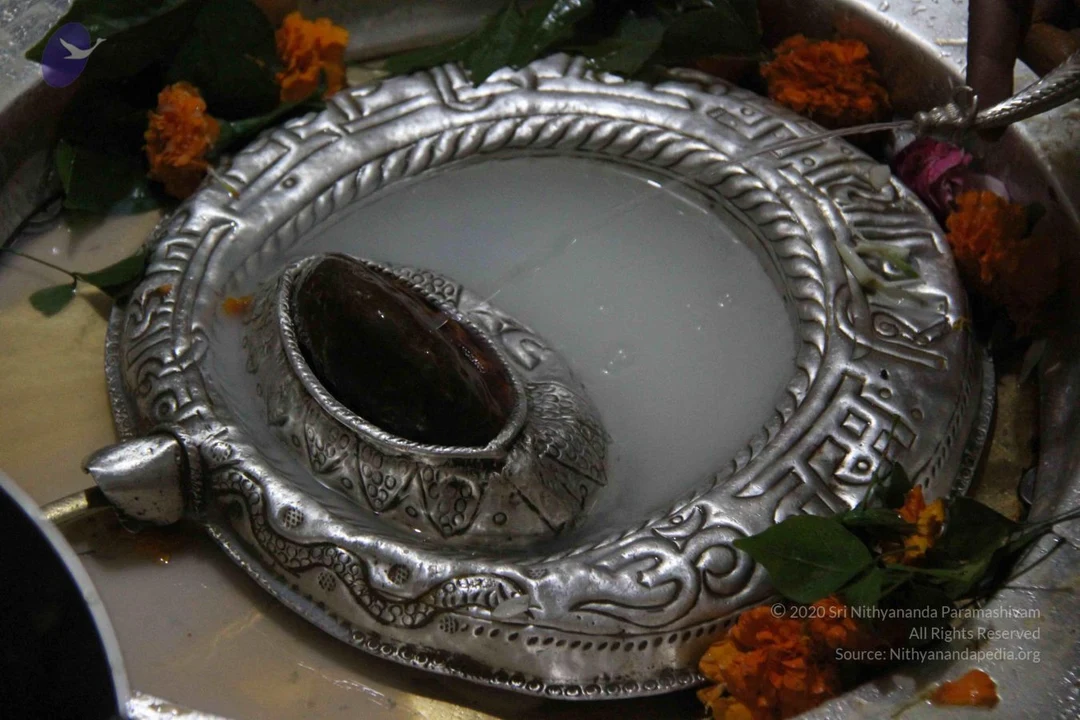
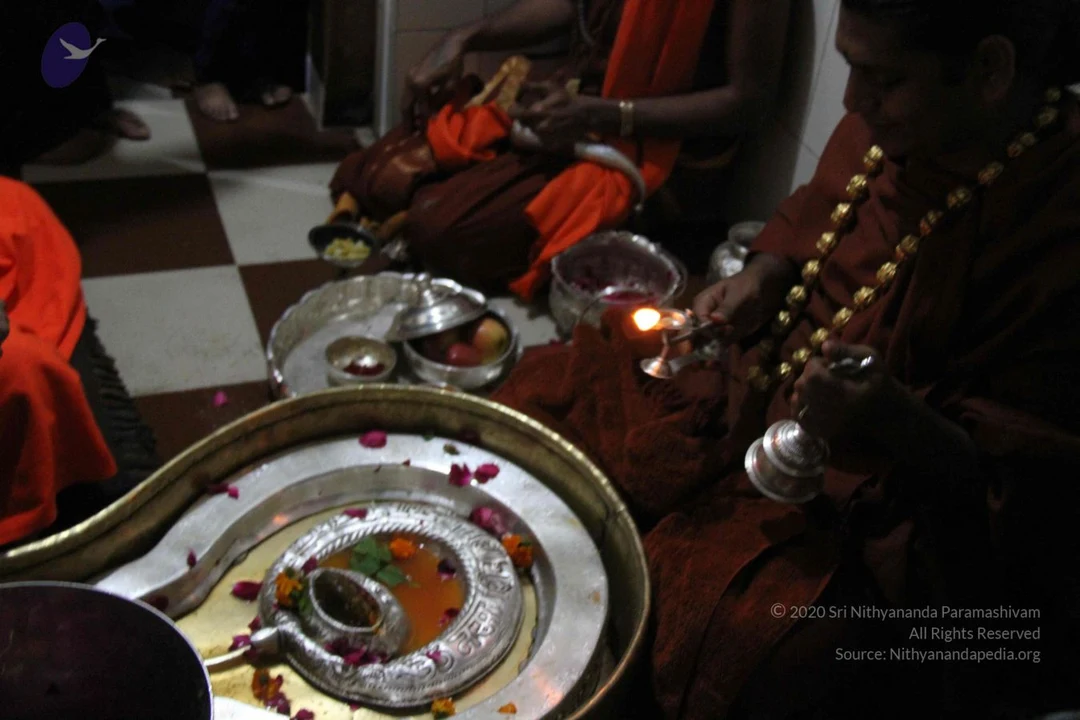
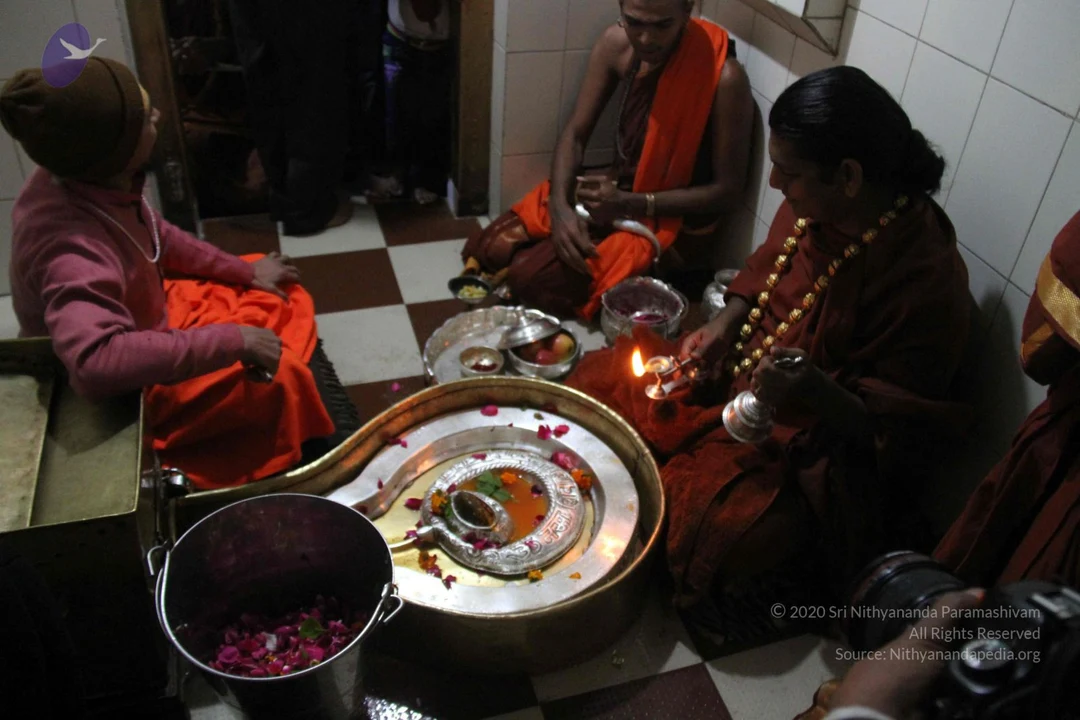
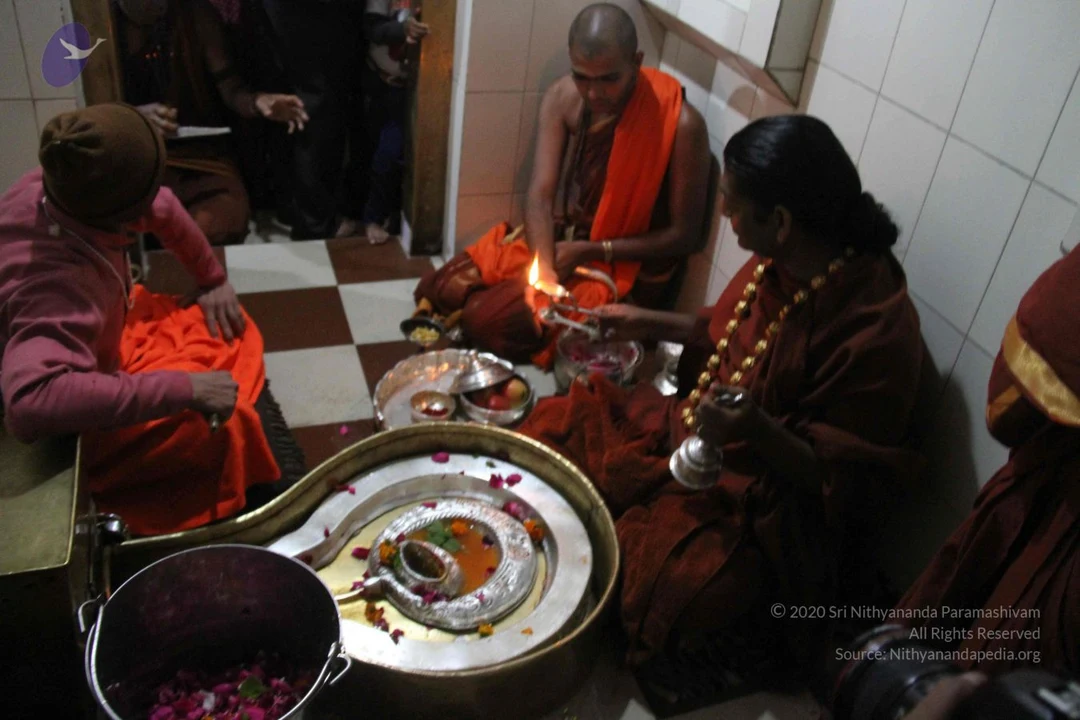
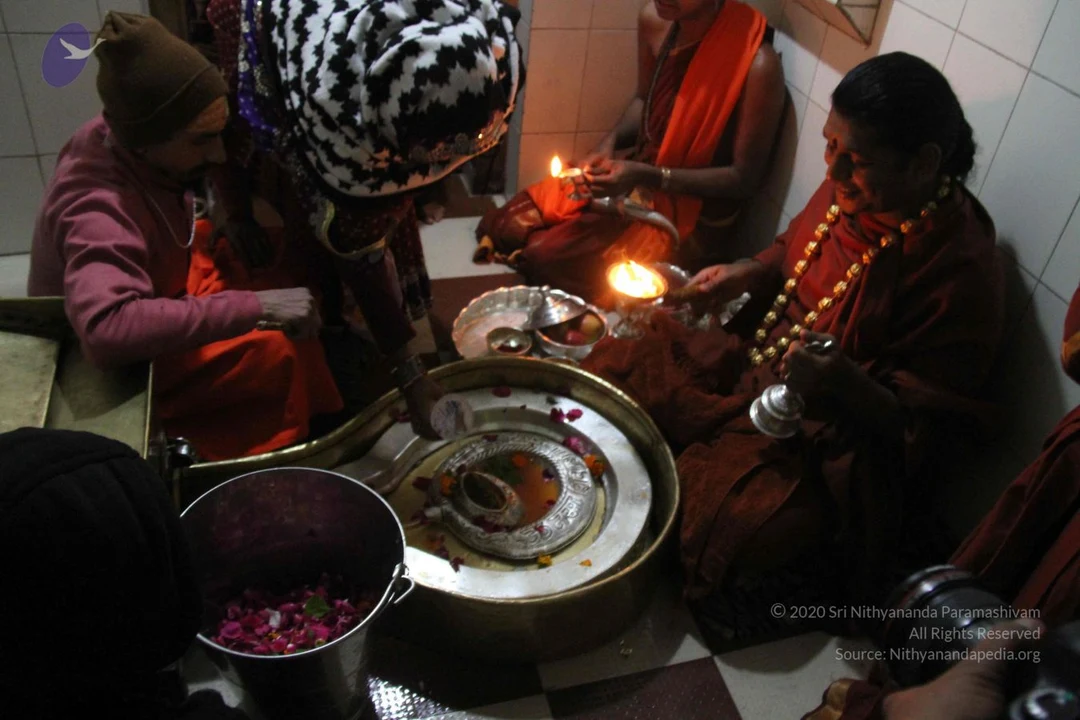
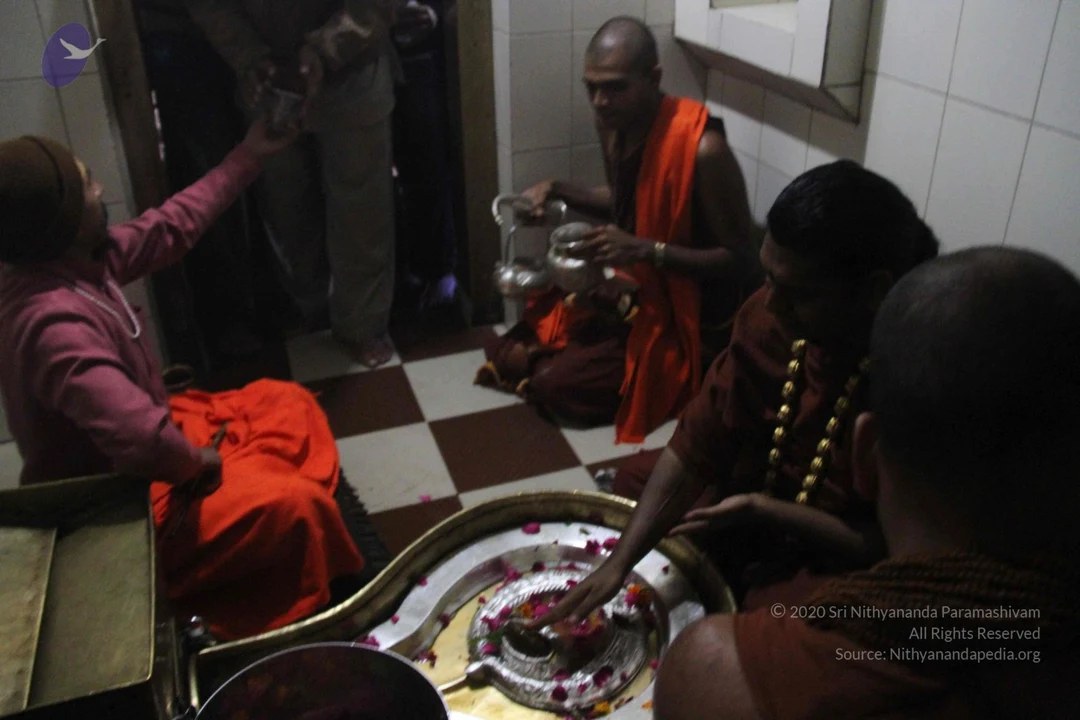
Puja
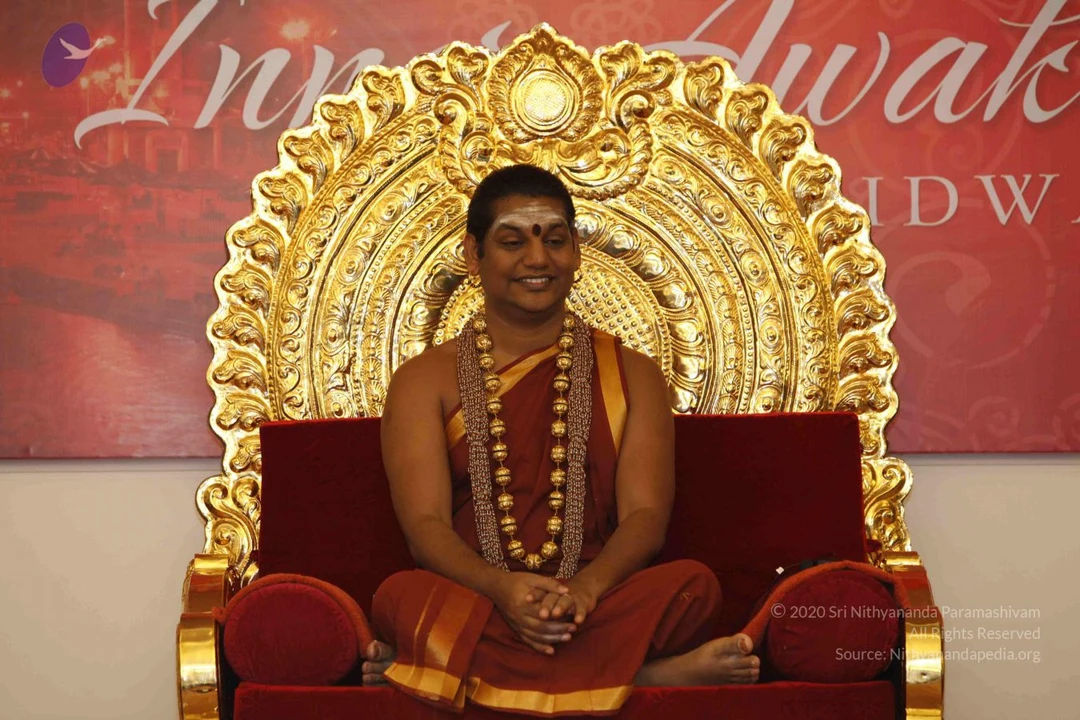
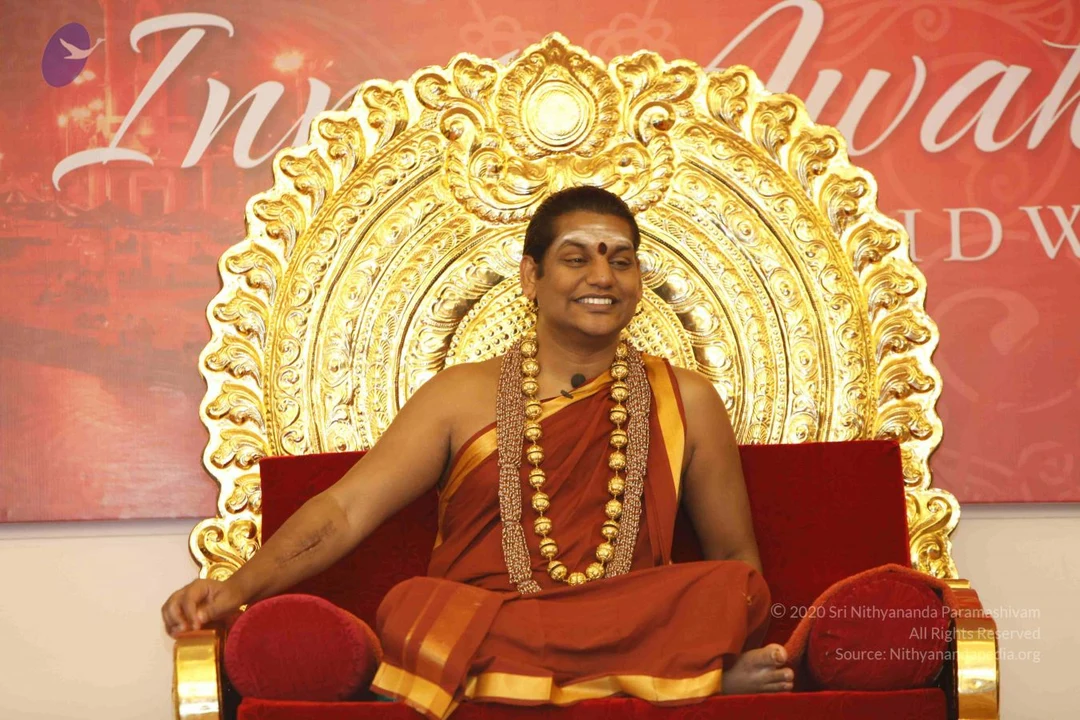
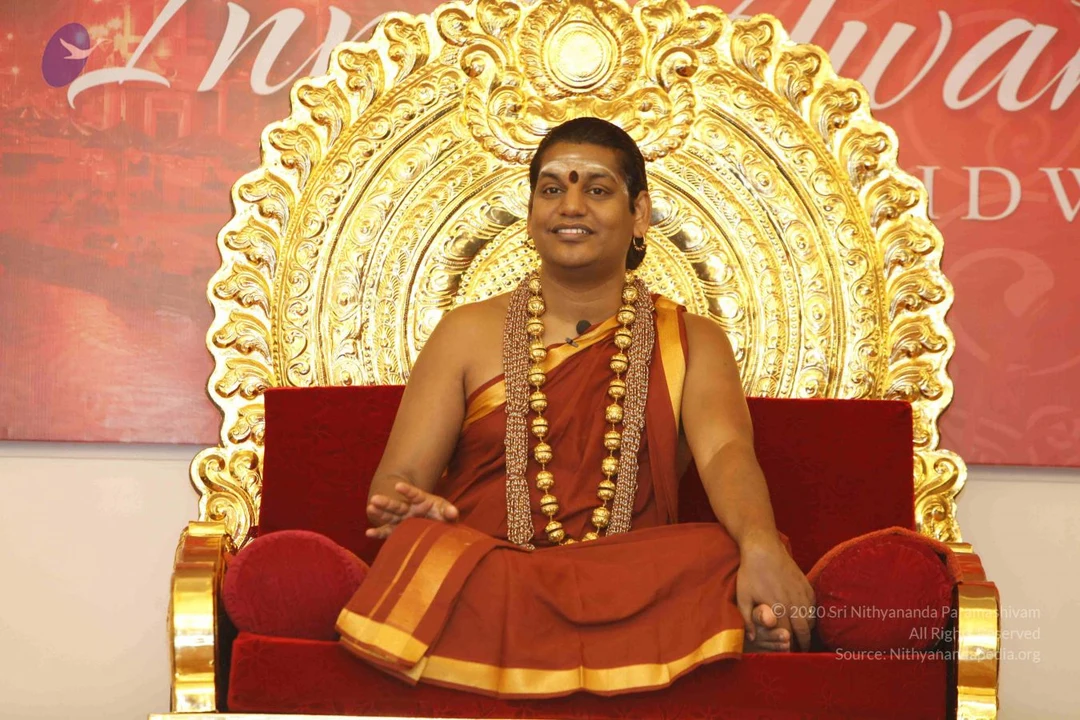
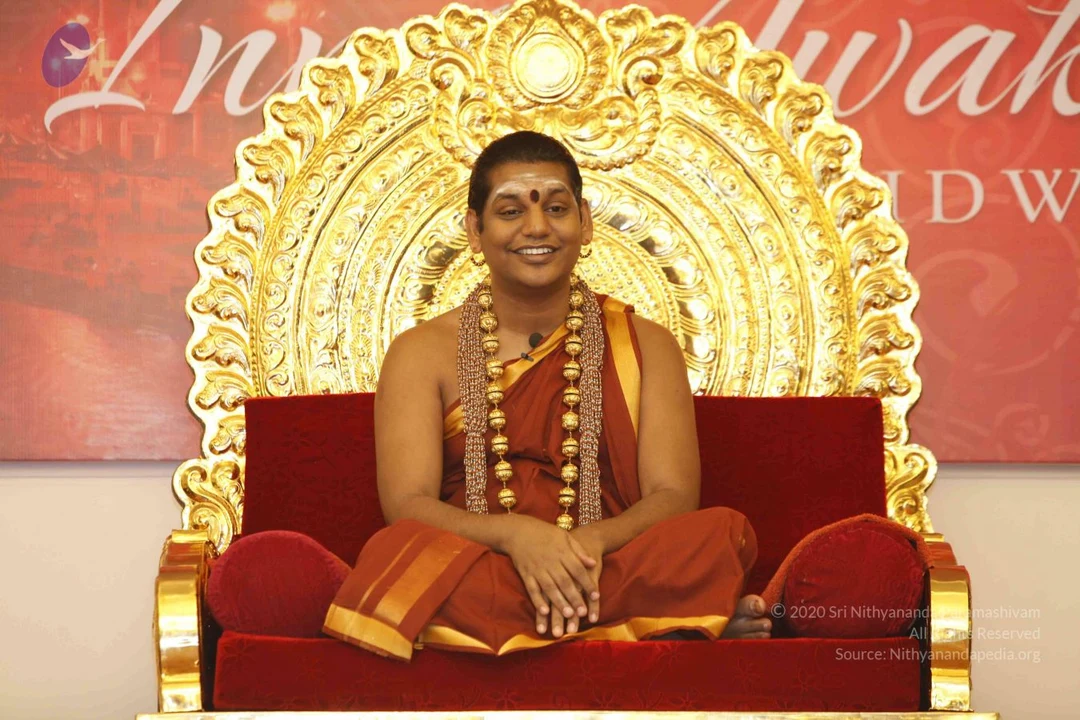
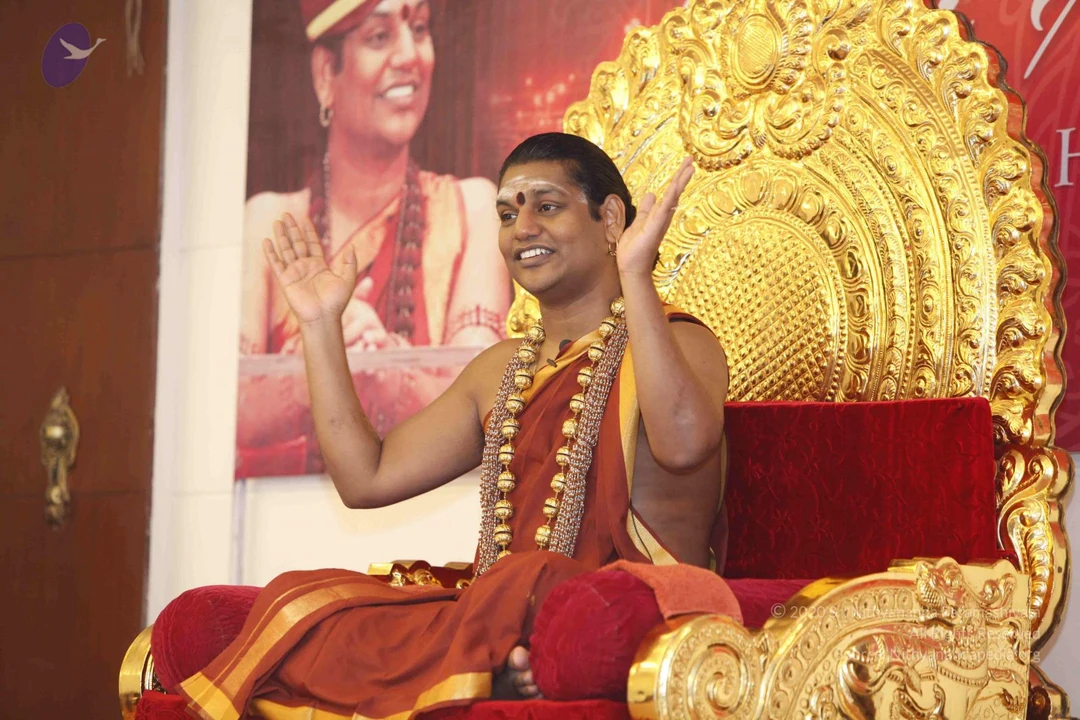
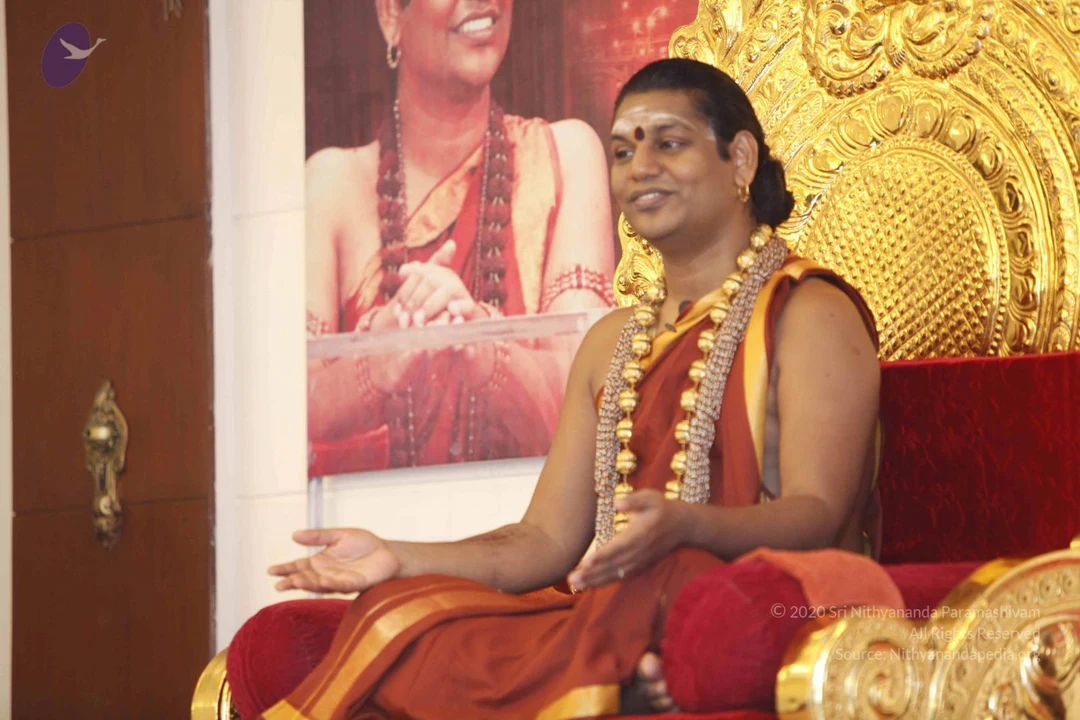
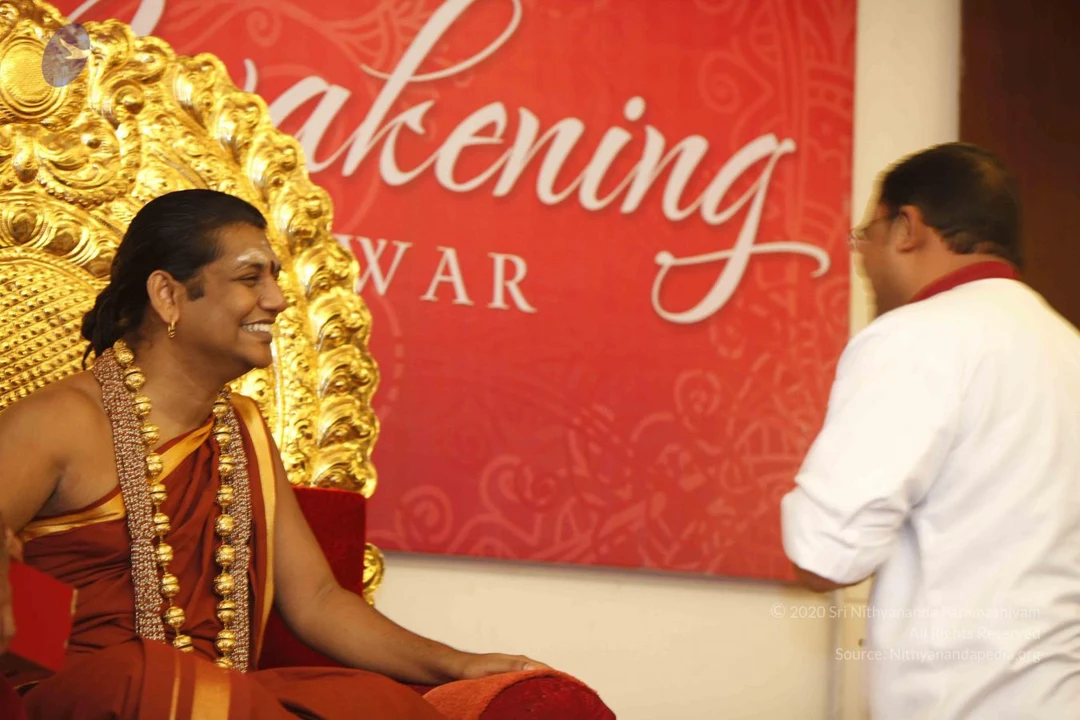
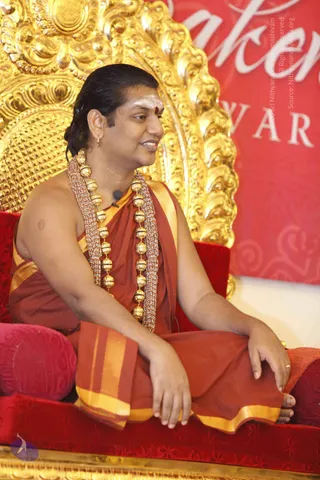
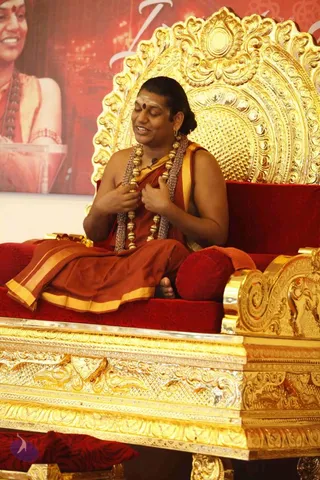
Satsang
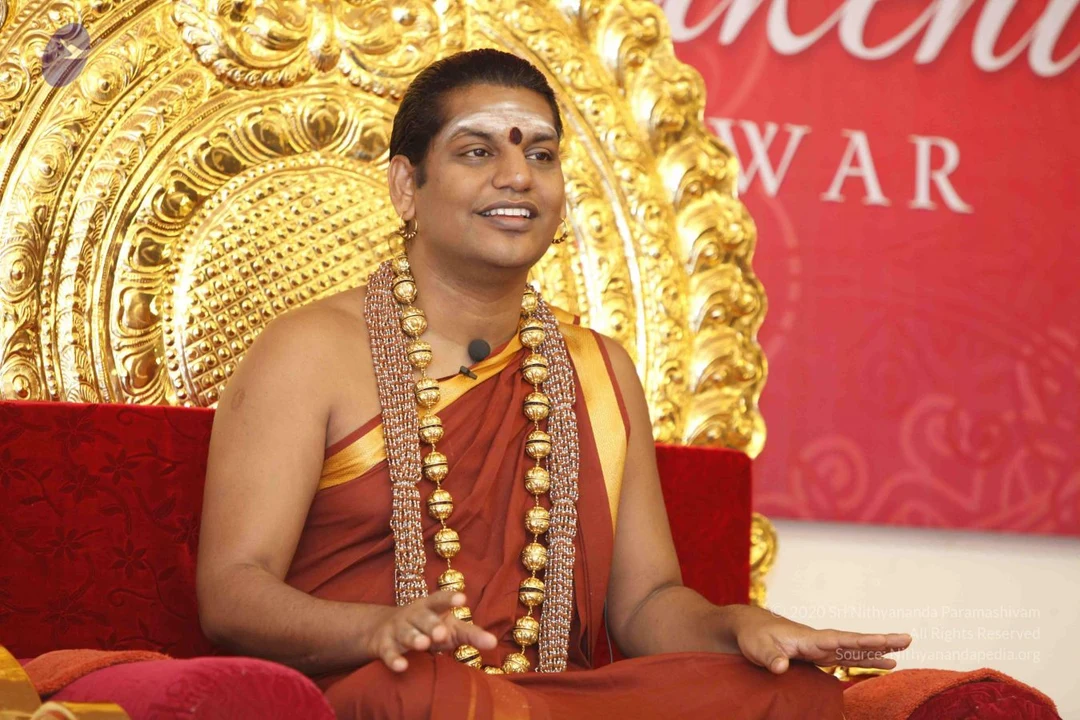
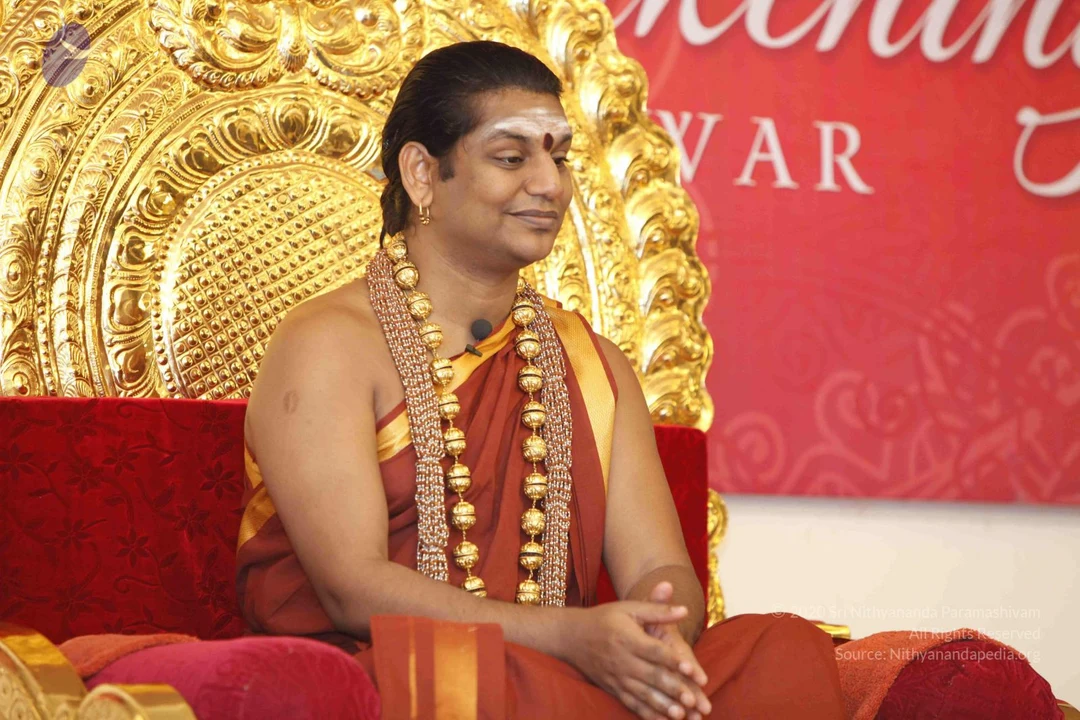
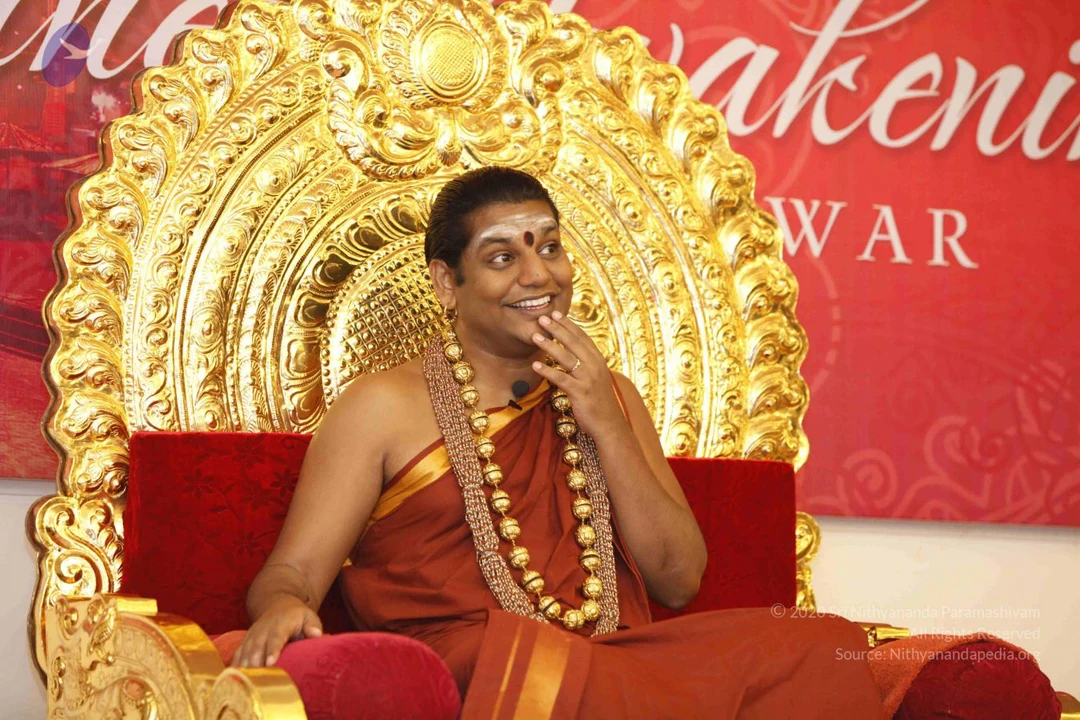
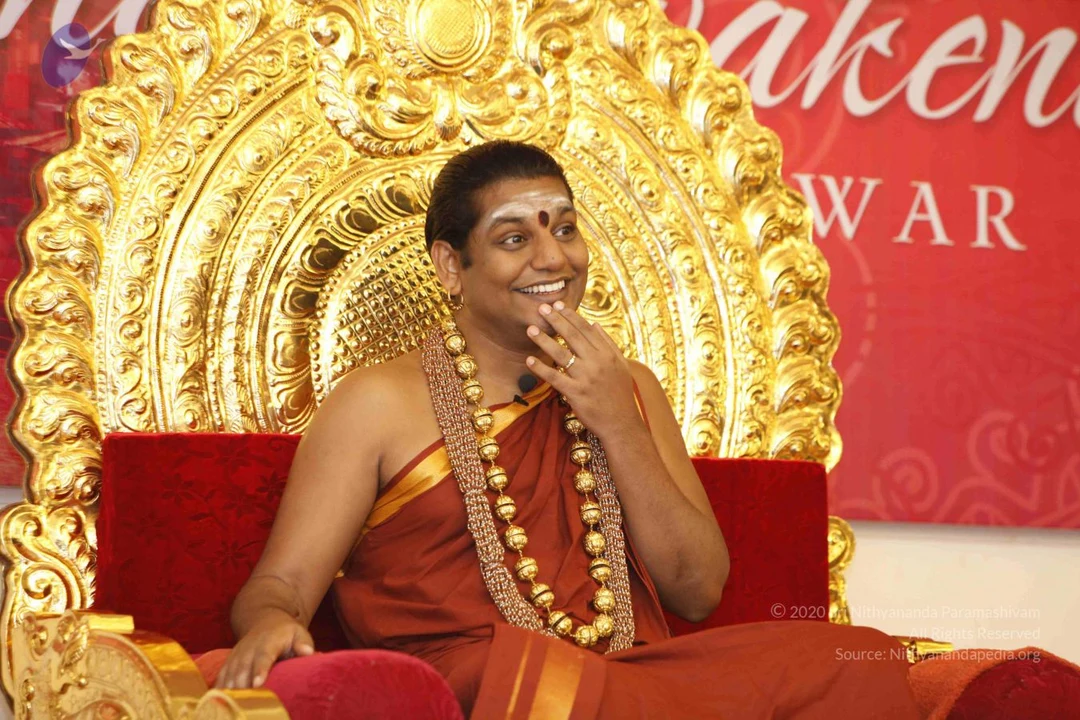
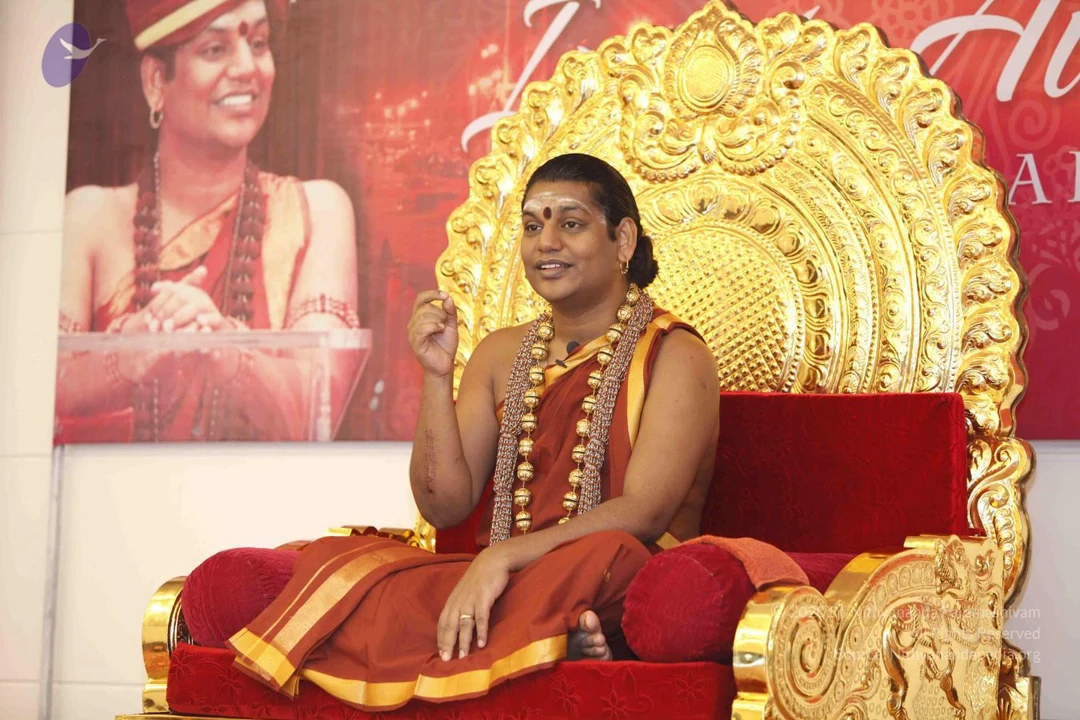
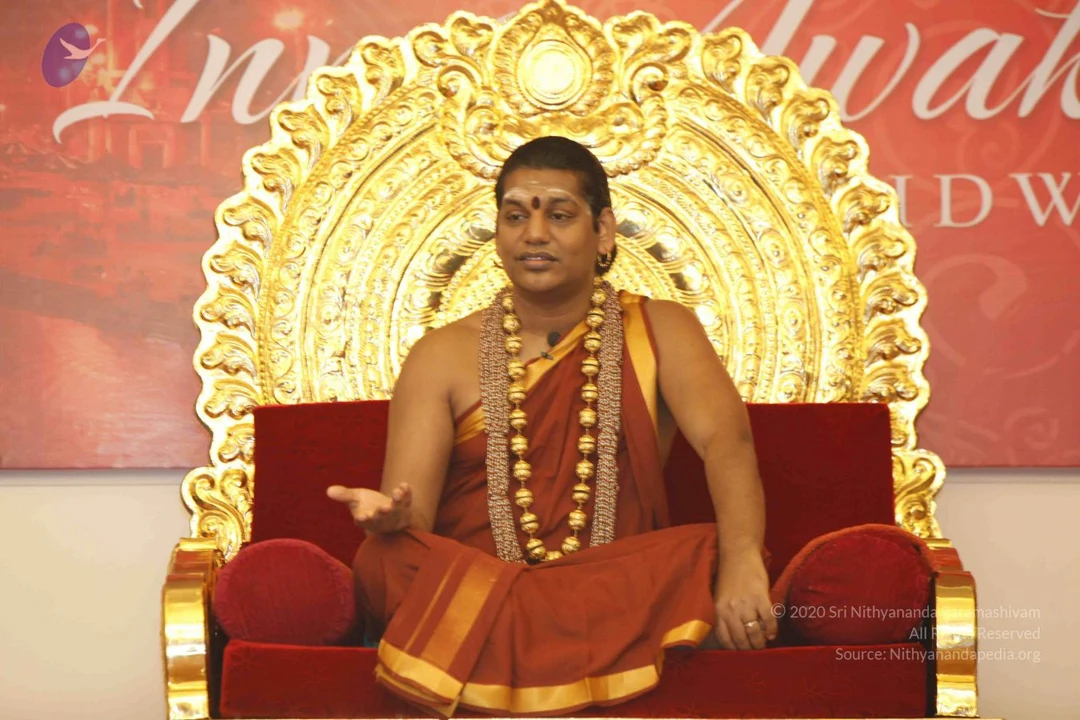
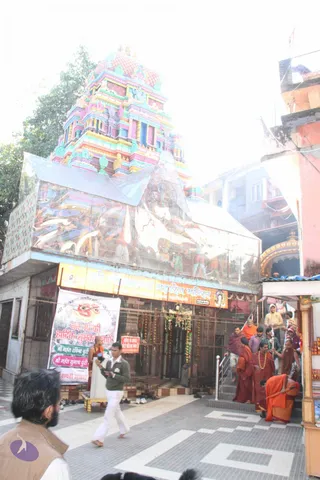
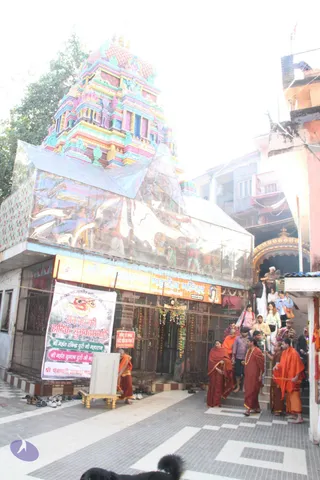
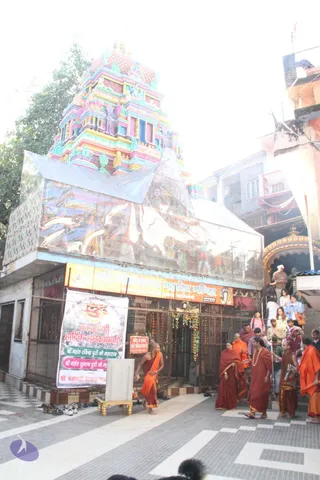
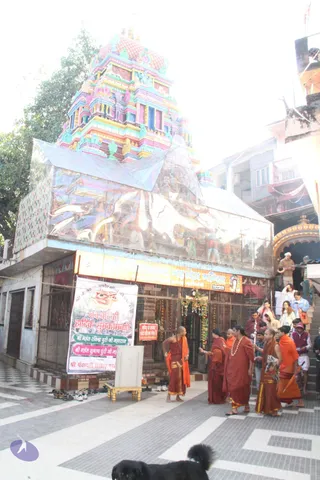
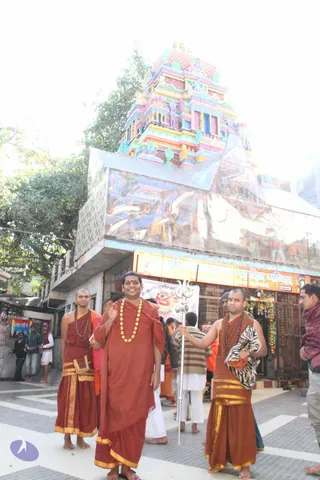
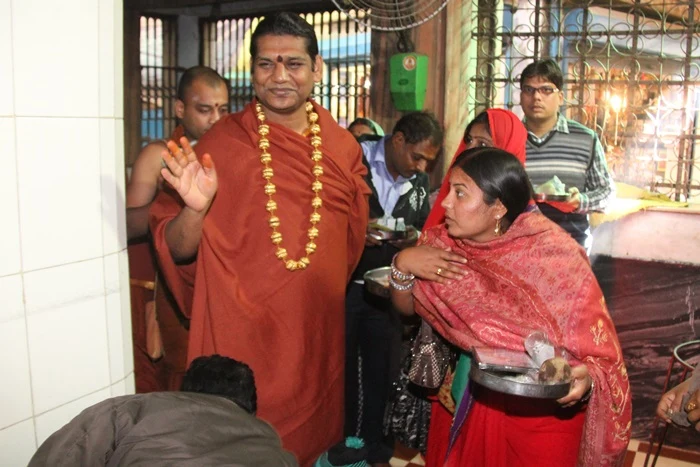
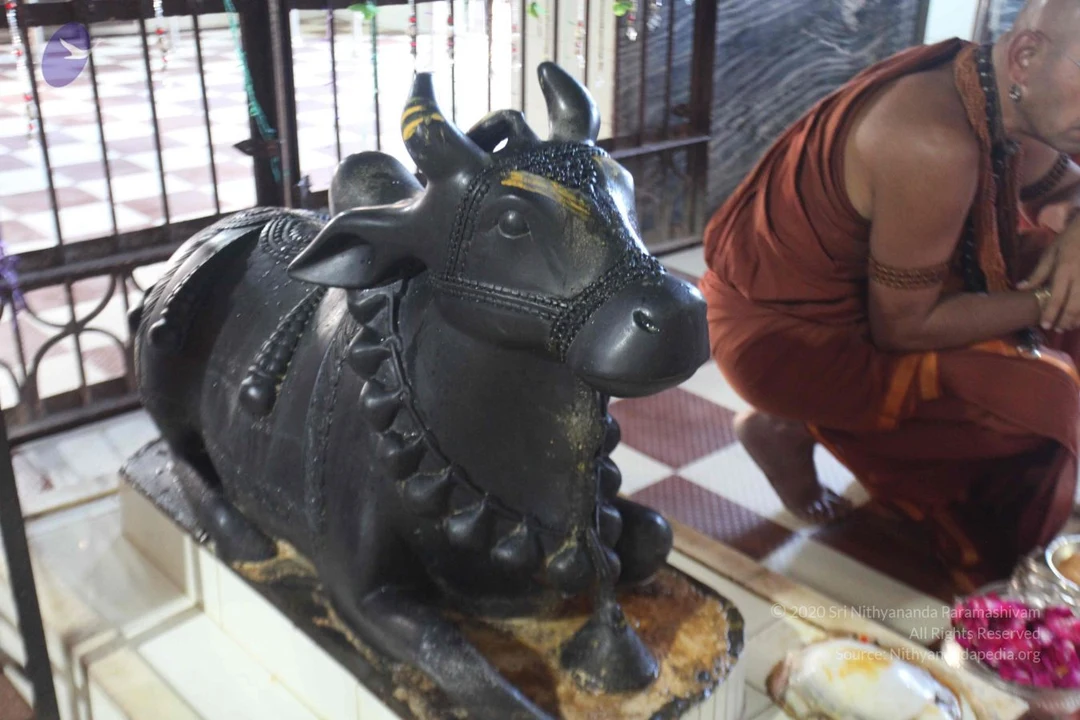
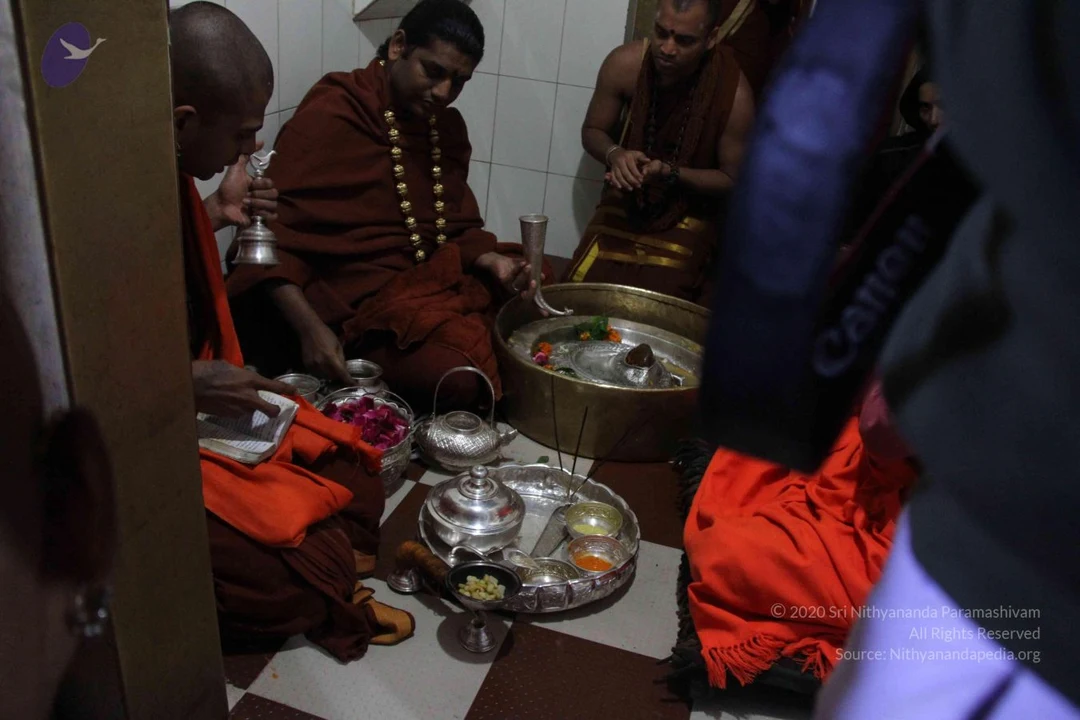
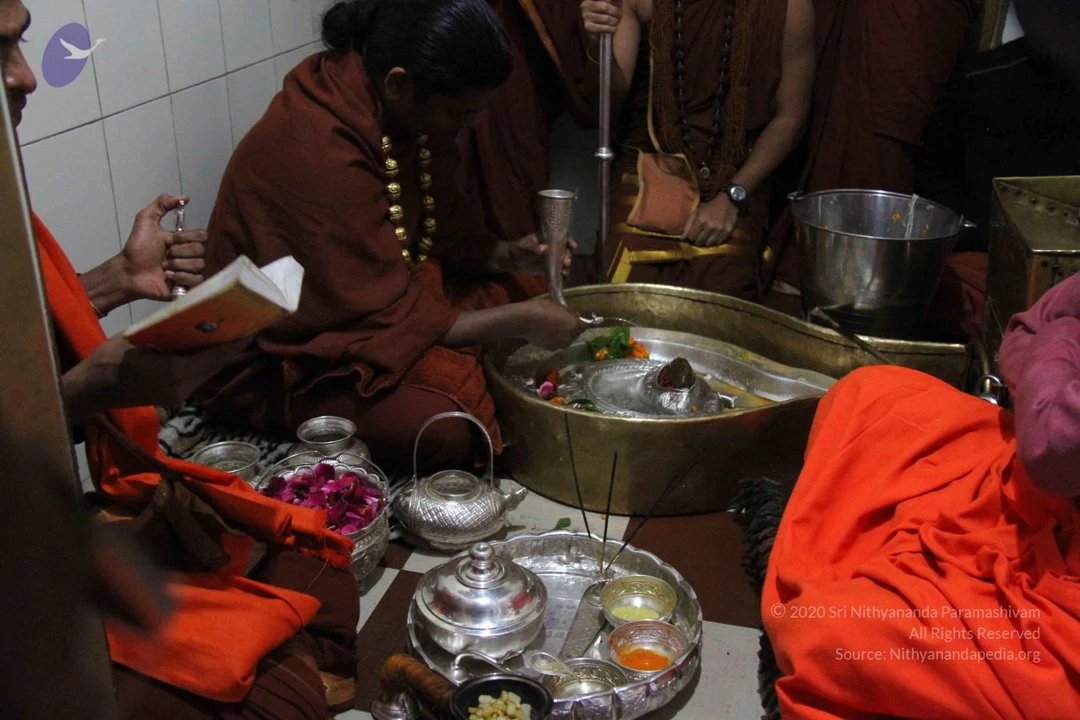
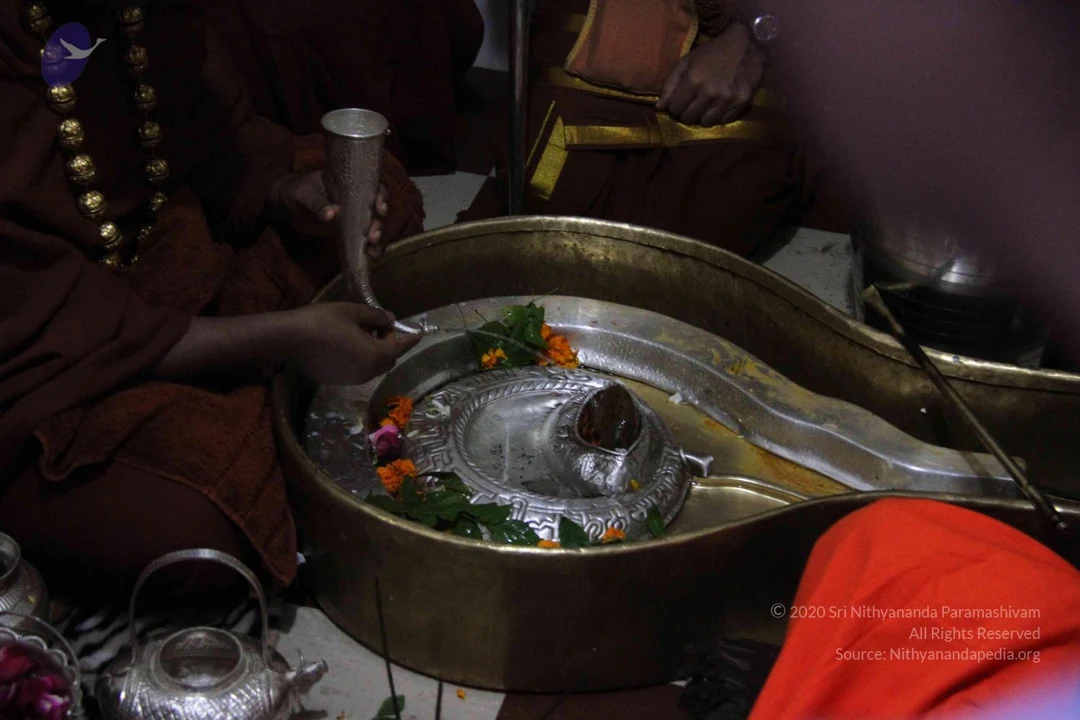
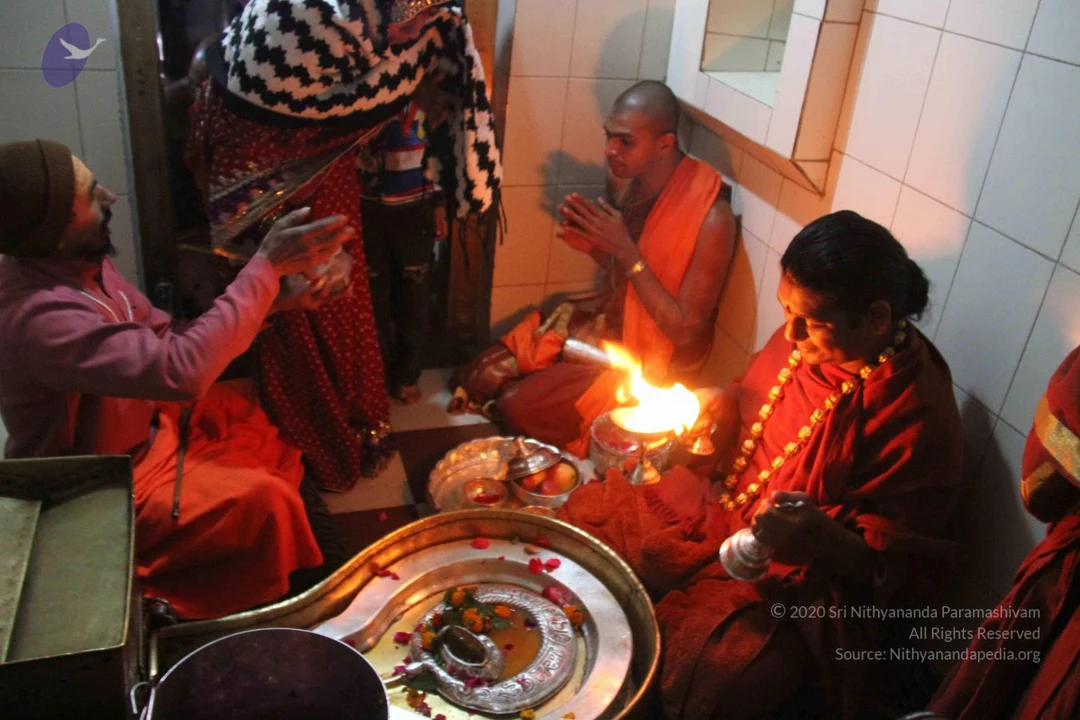
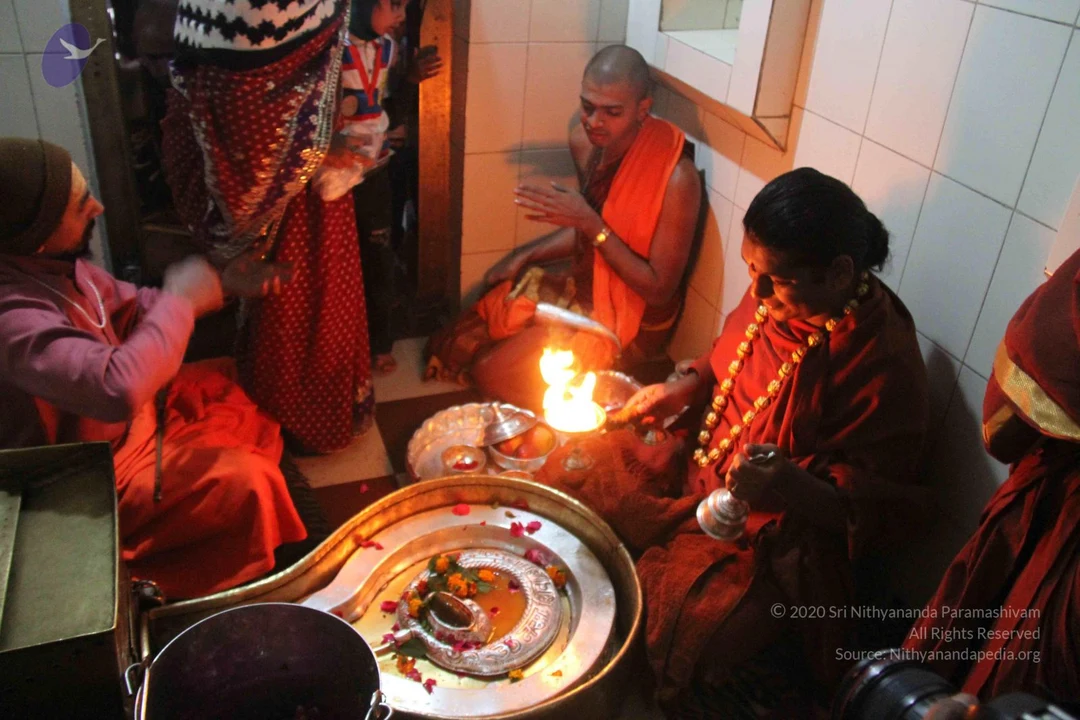
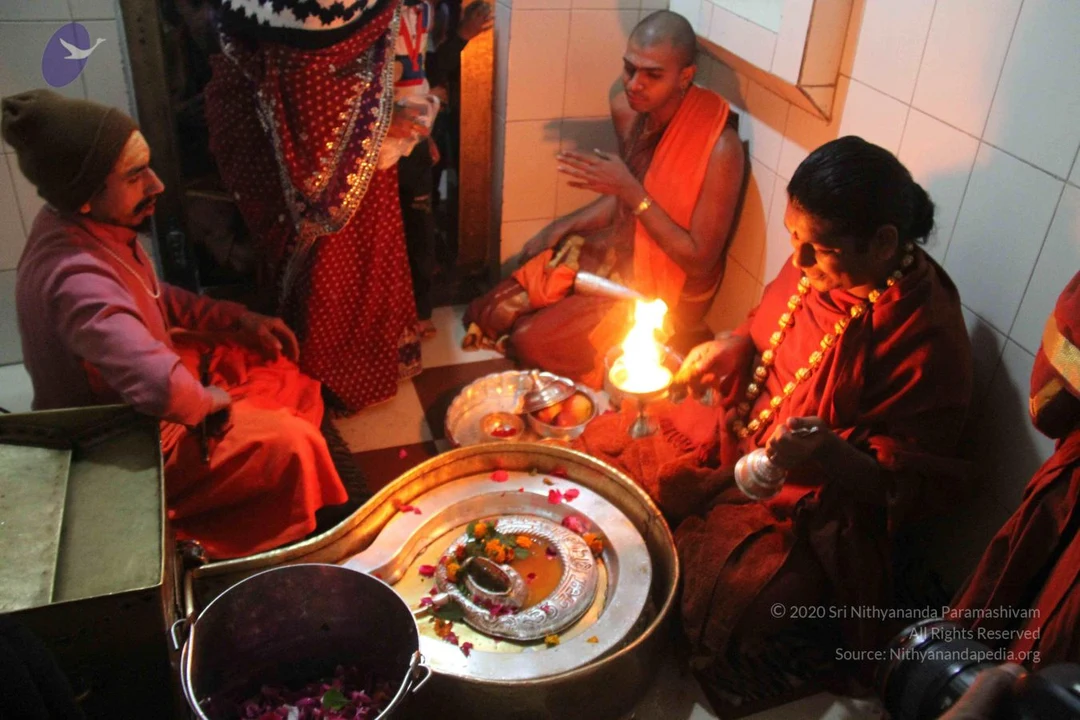
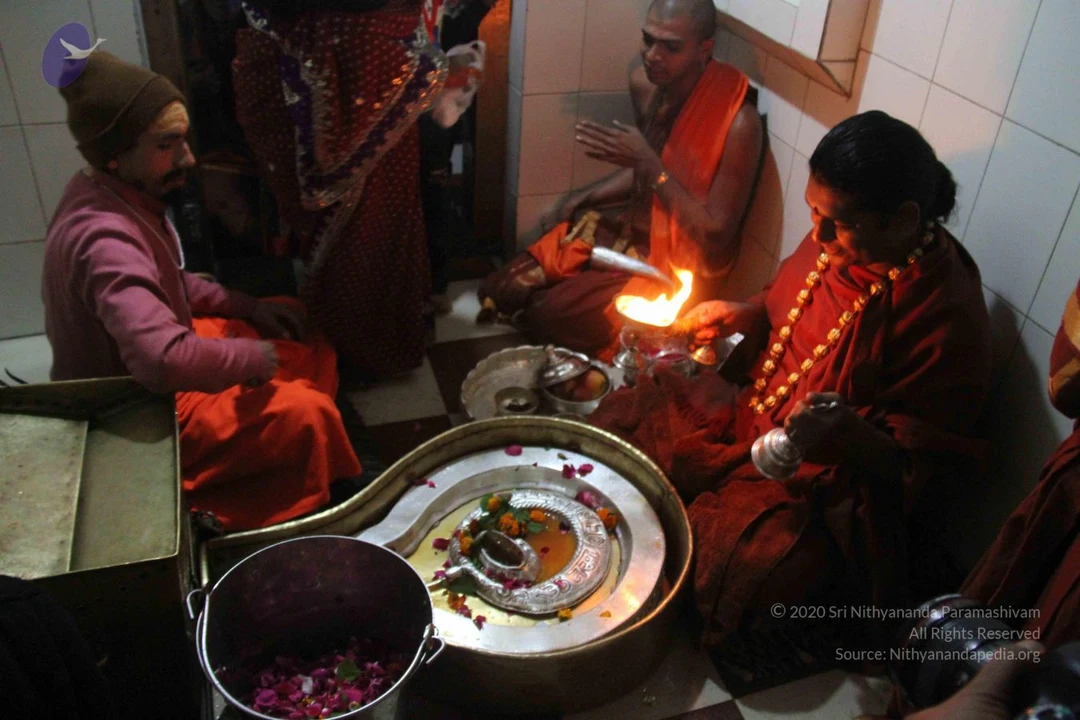
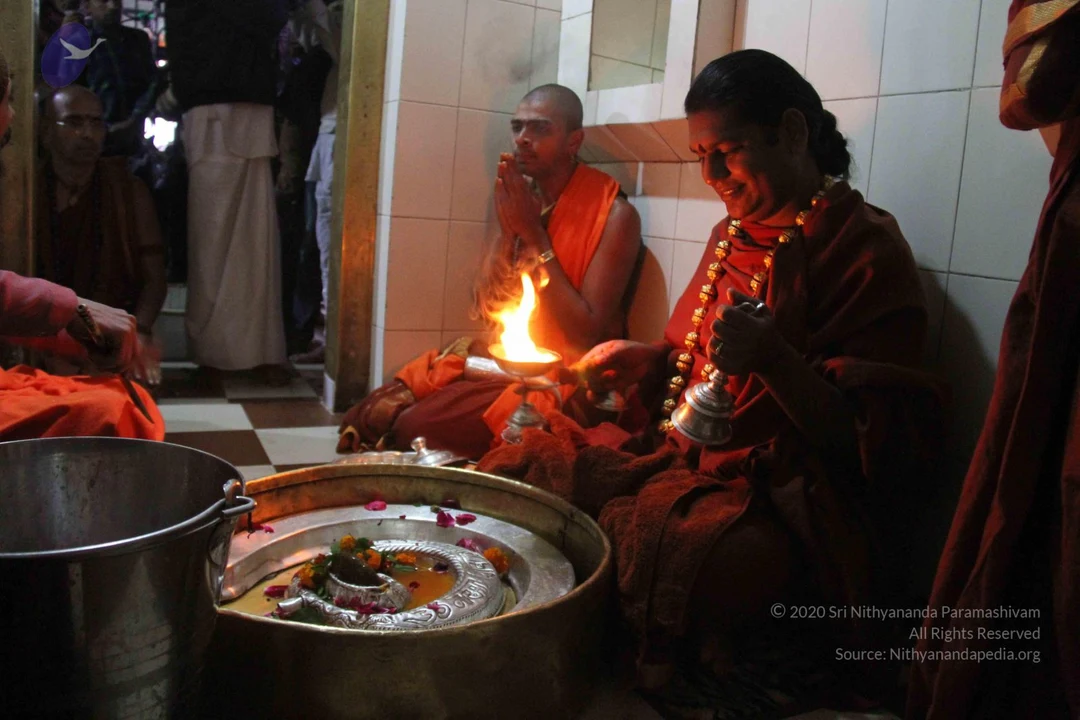
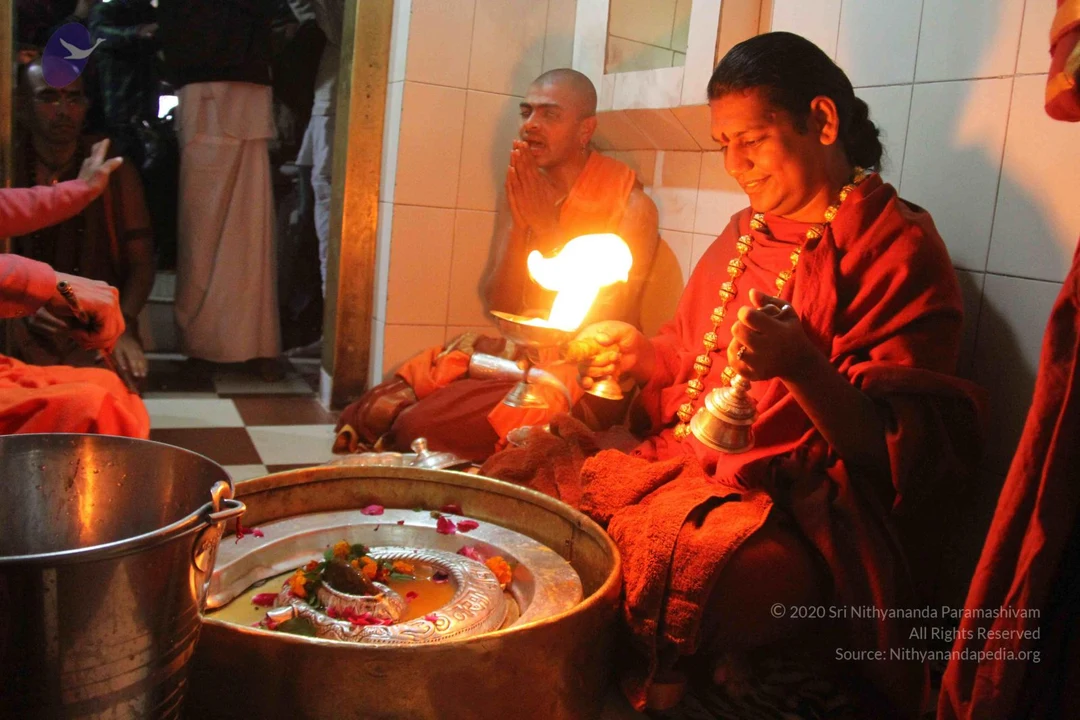
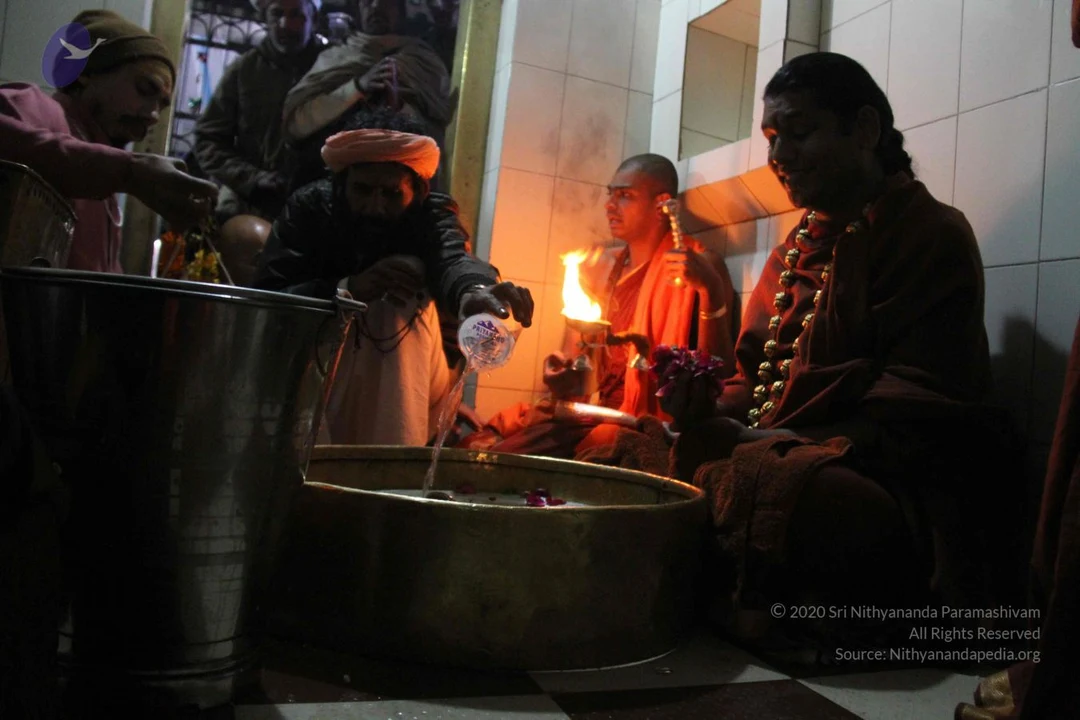
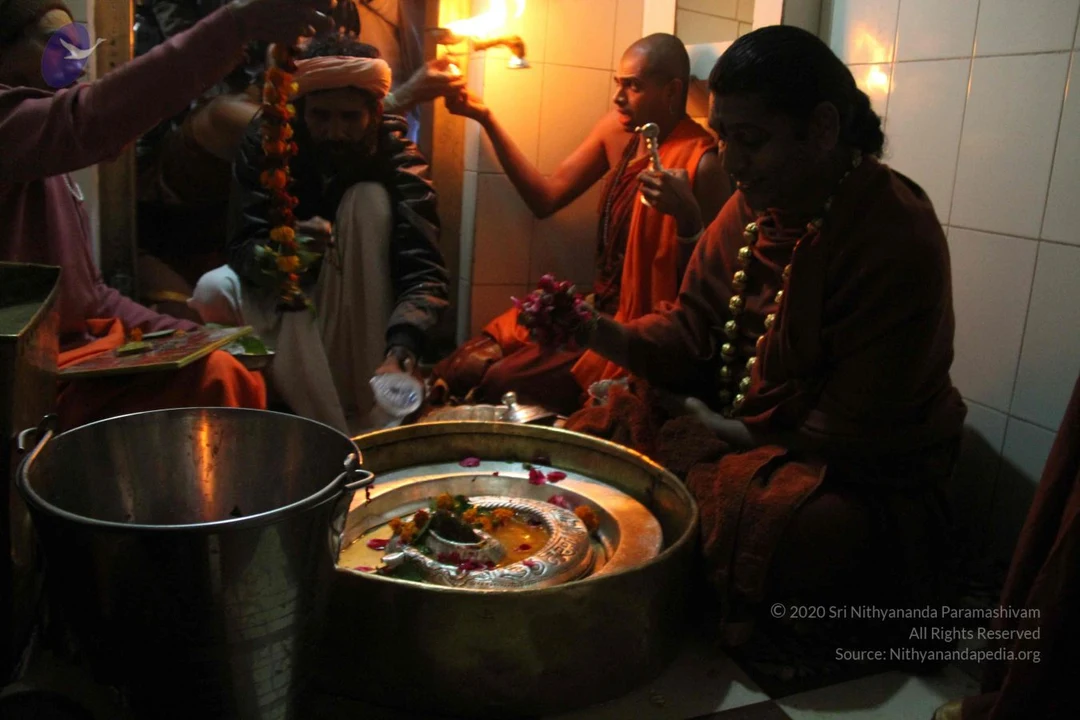
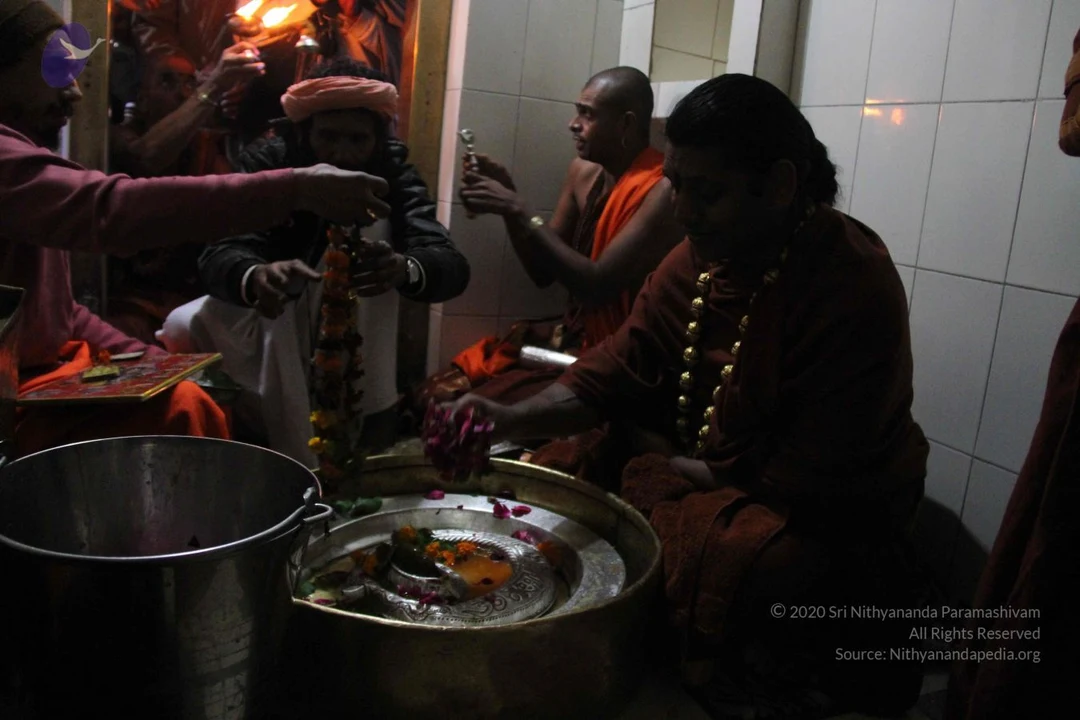
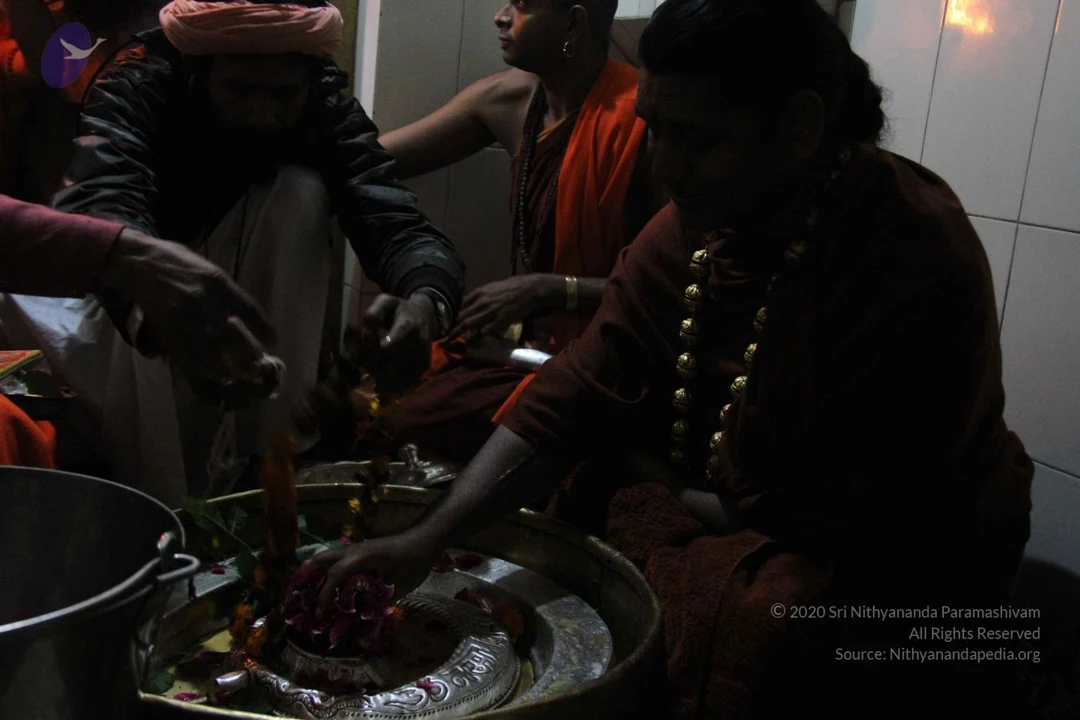
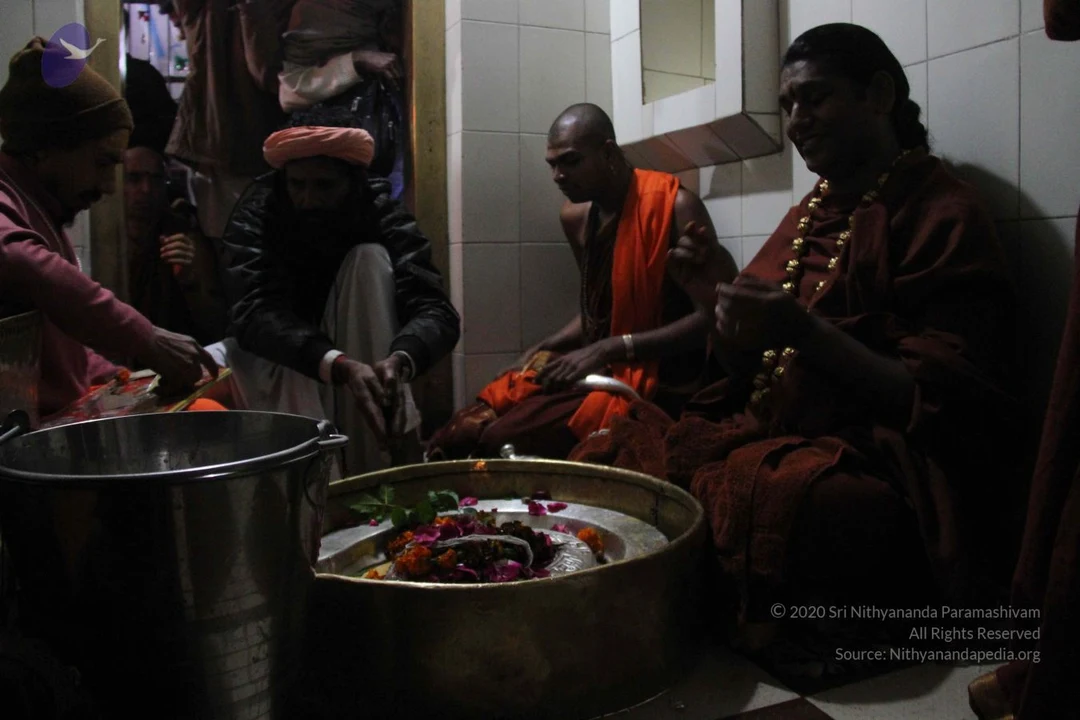
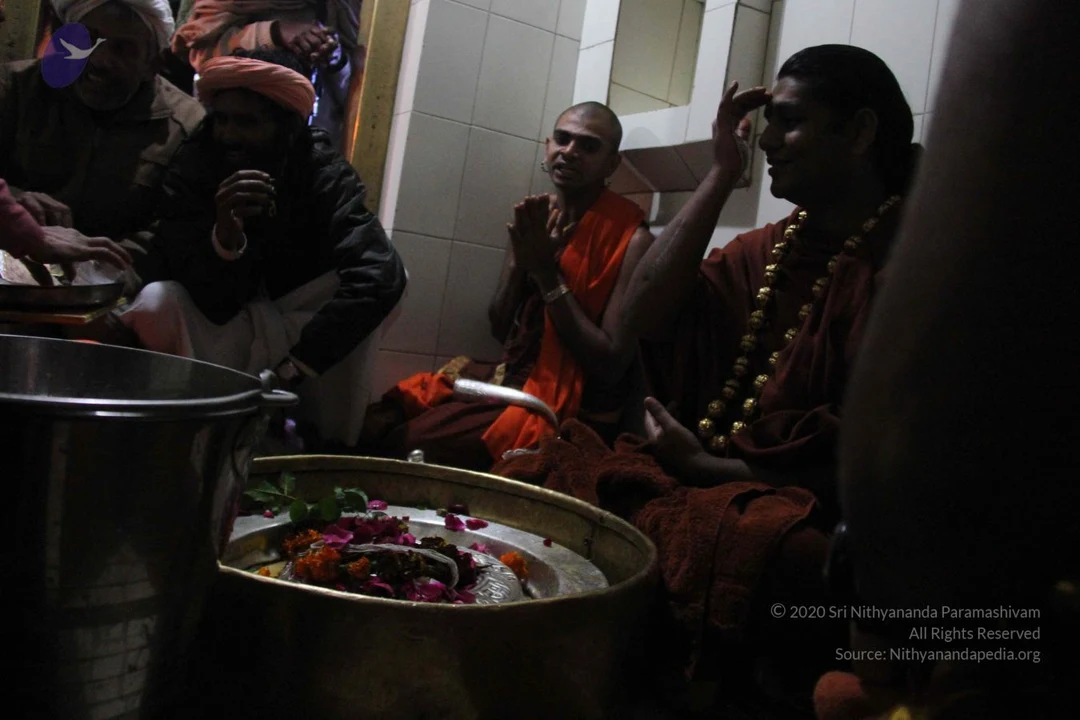
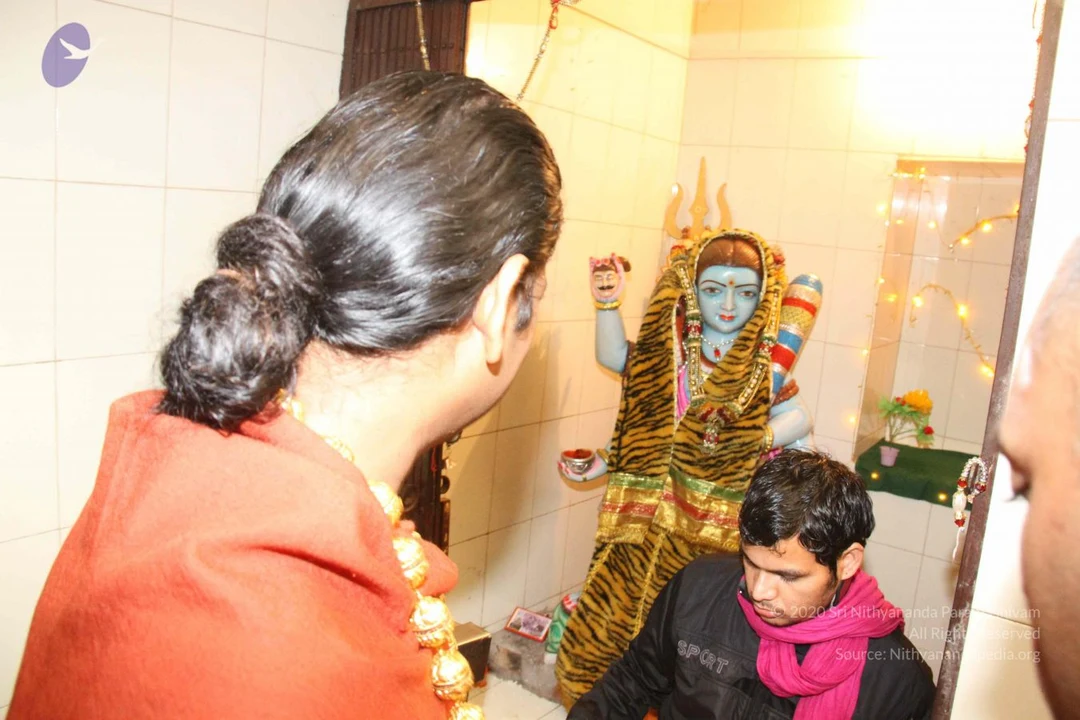
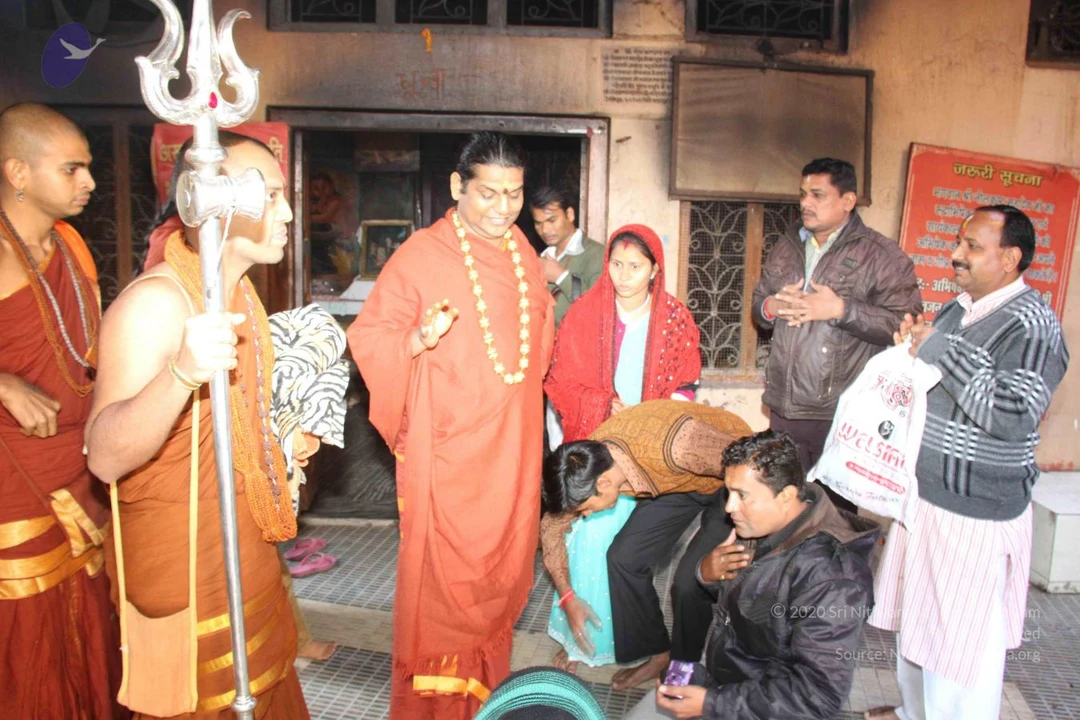
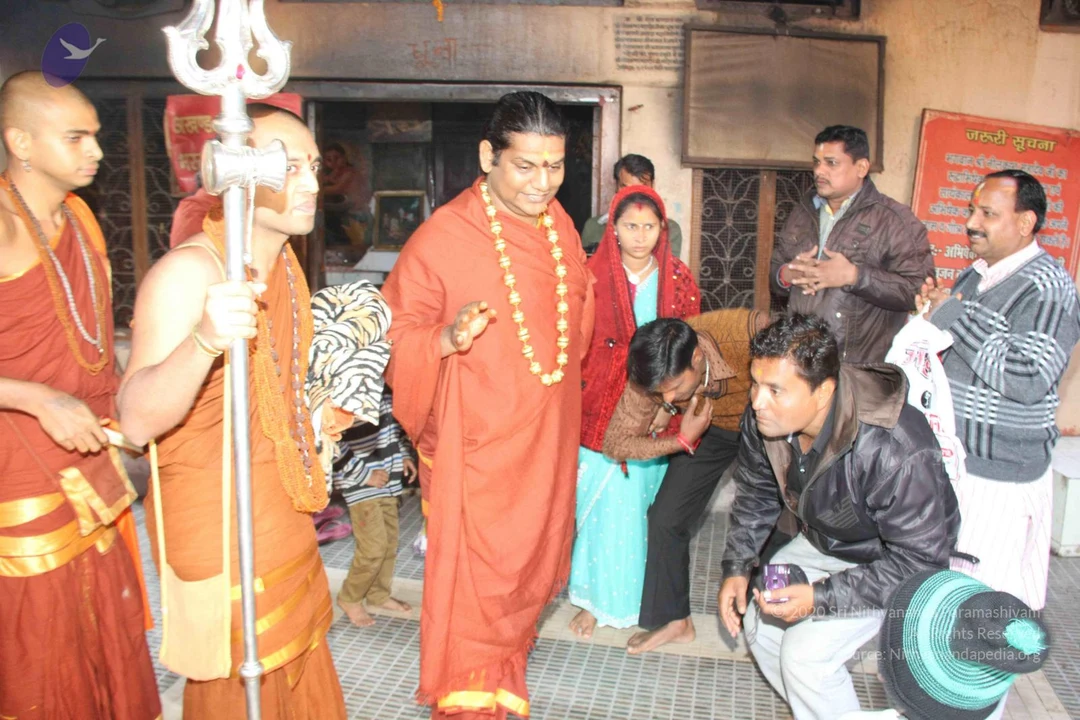
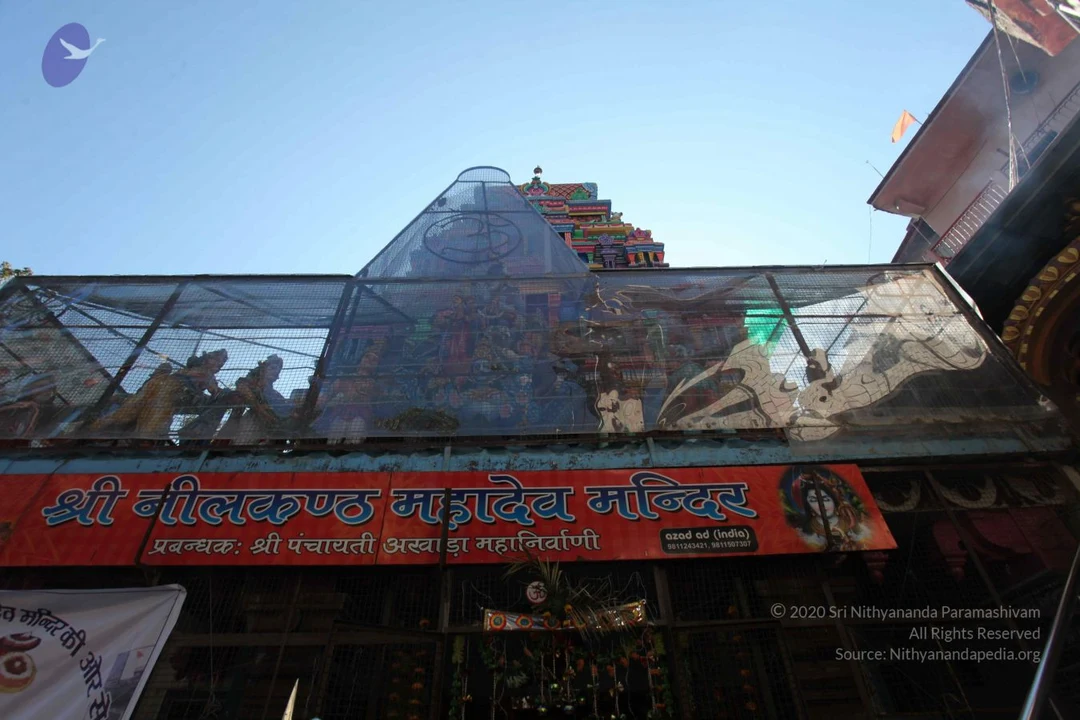
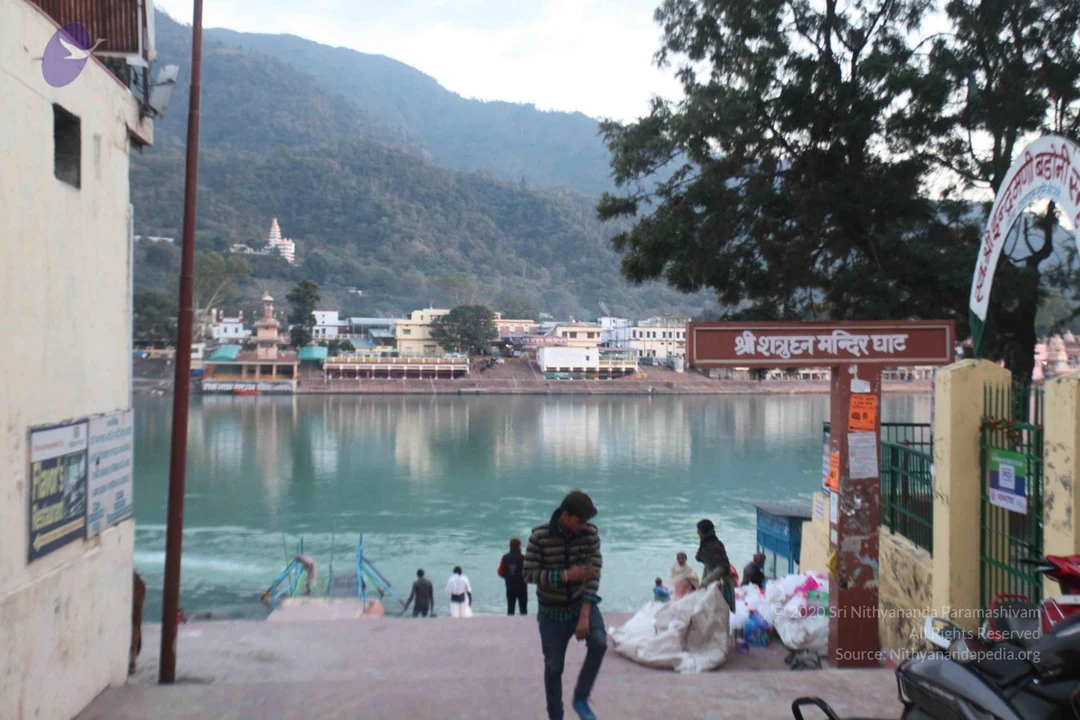
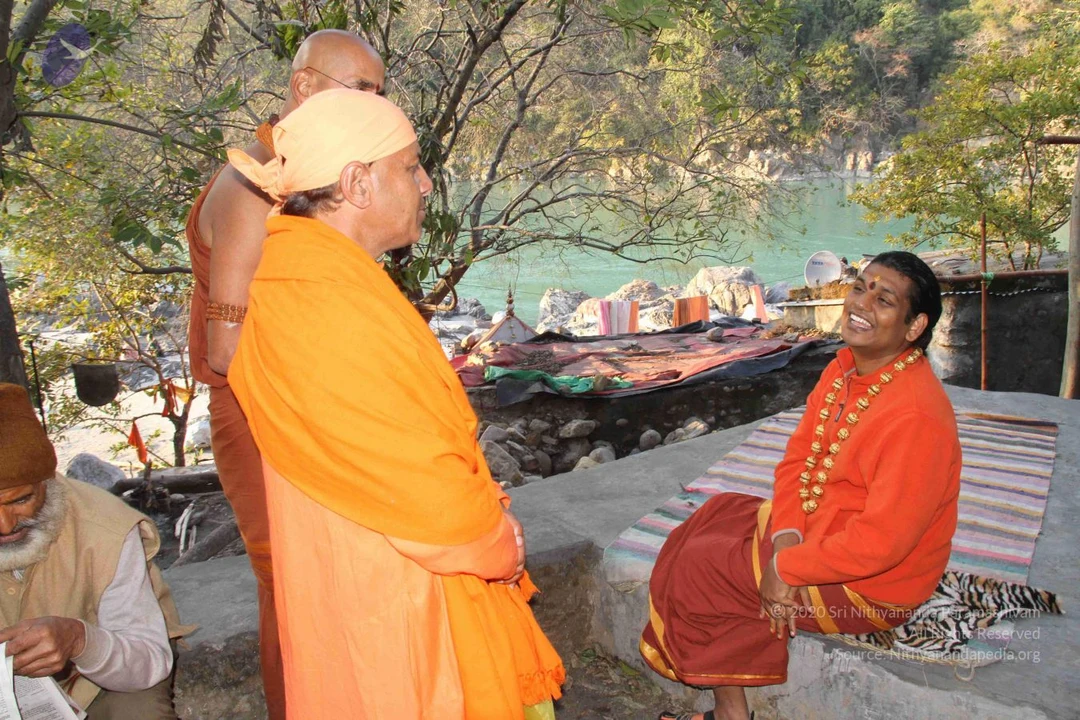
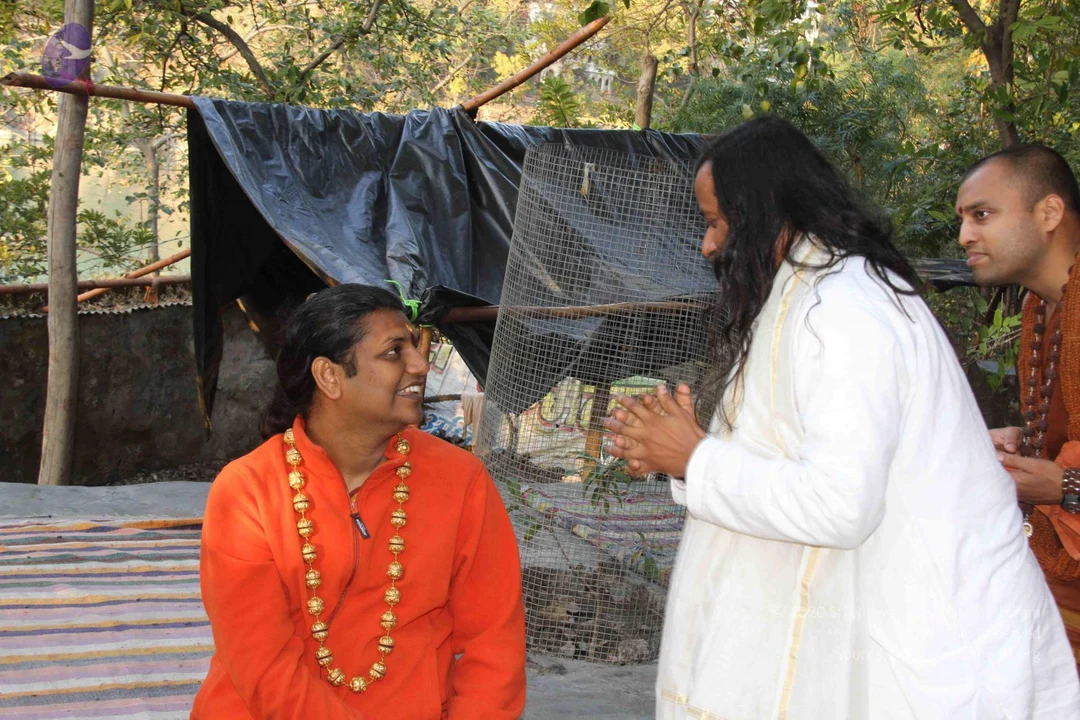
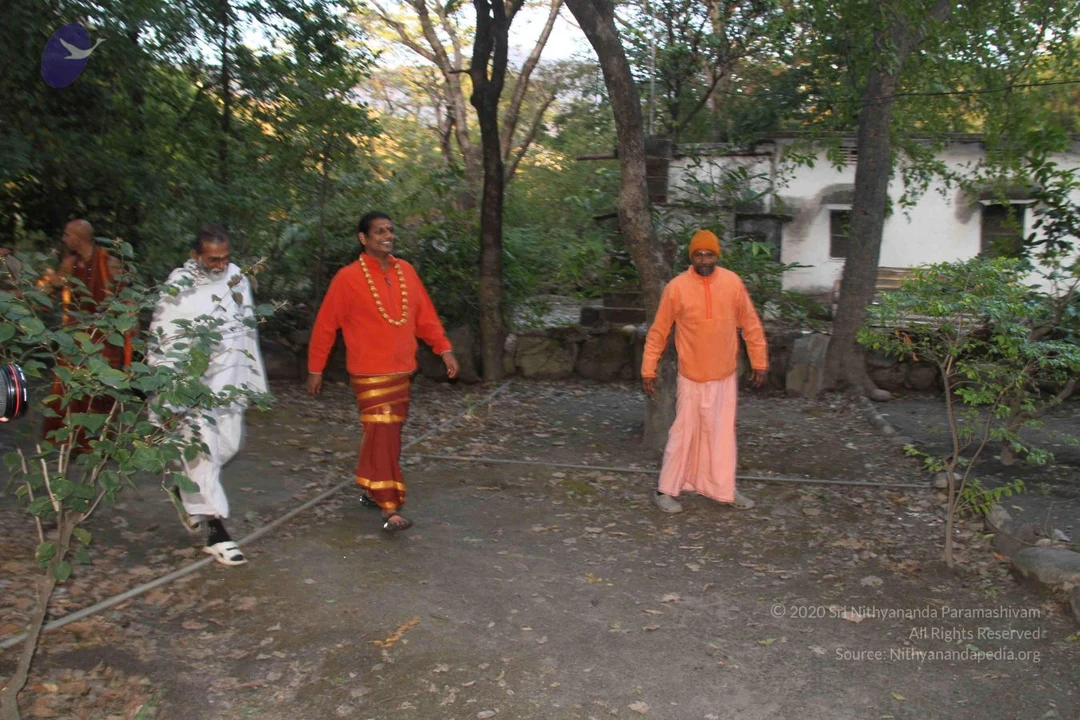
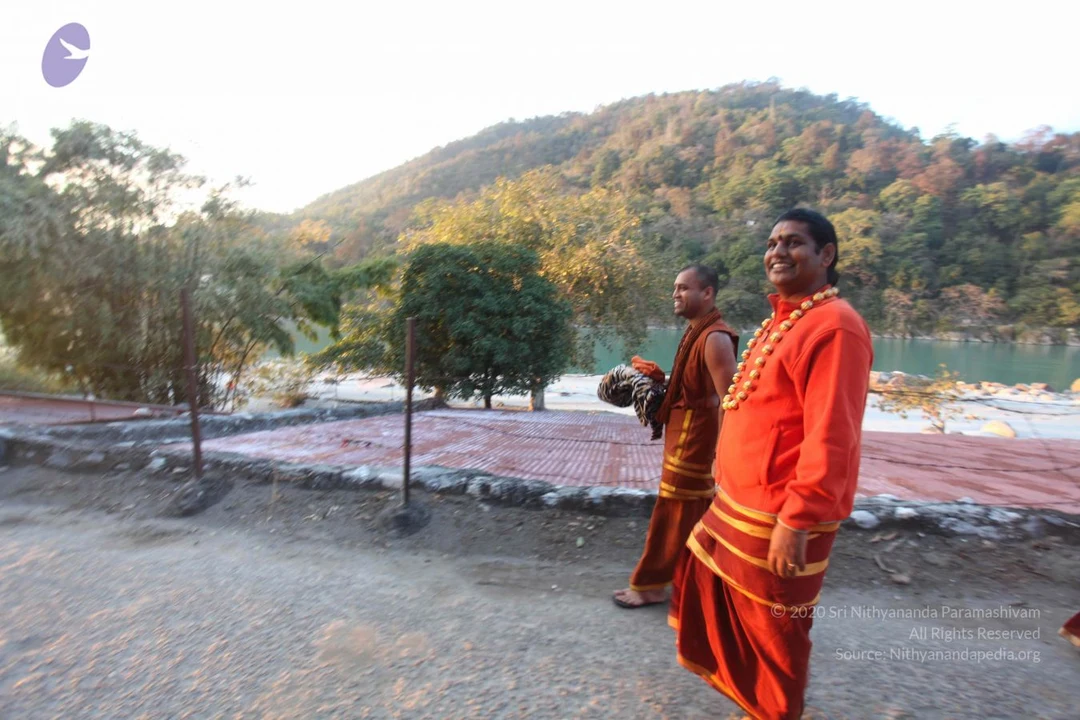
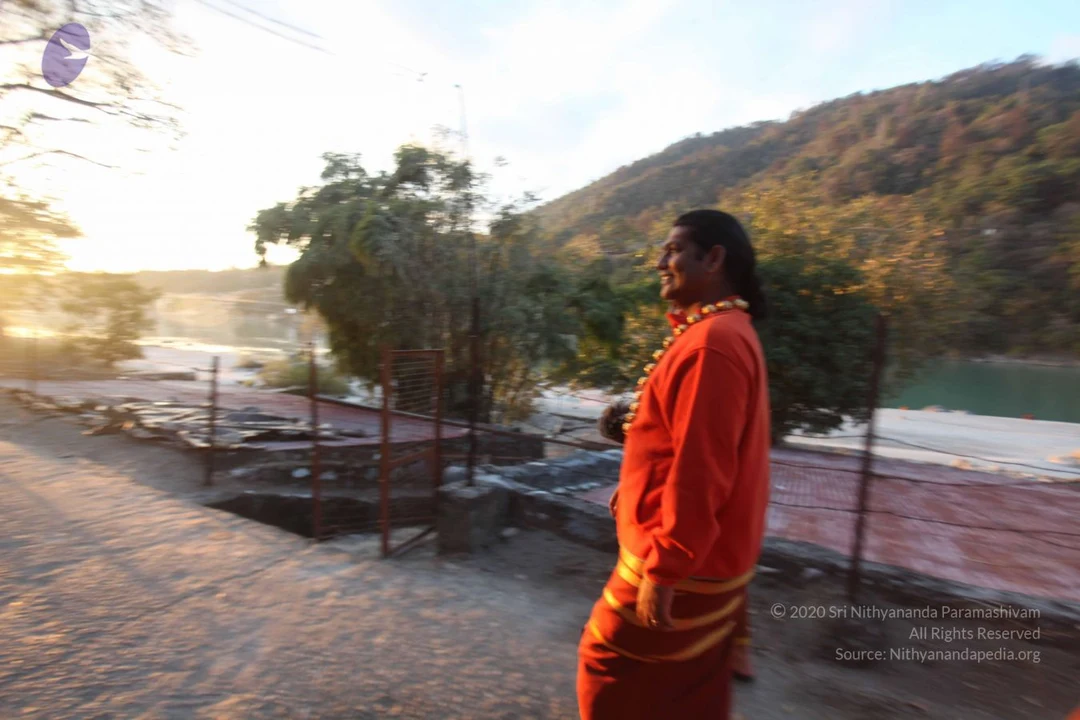
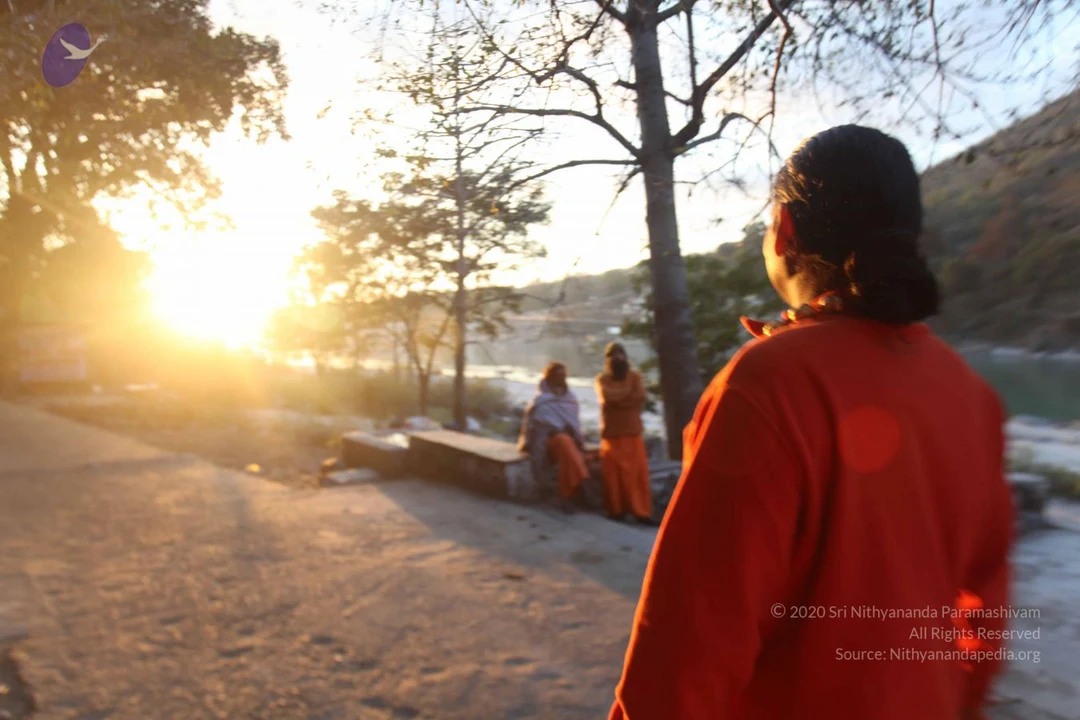
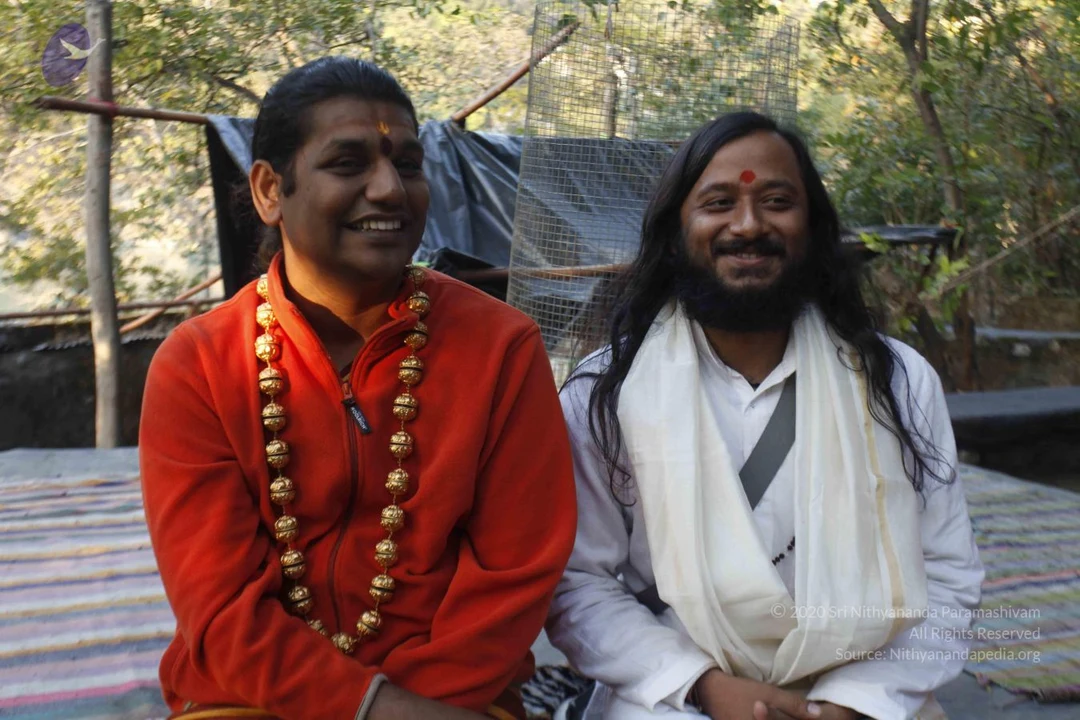
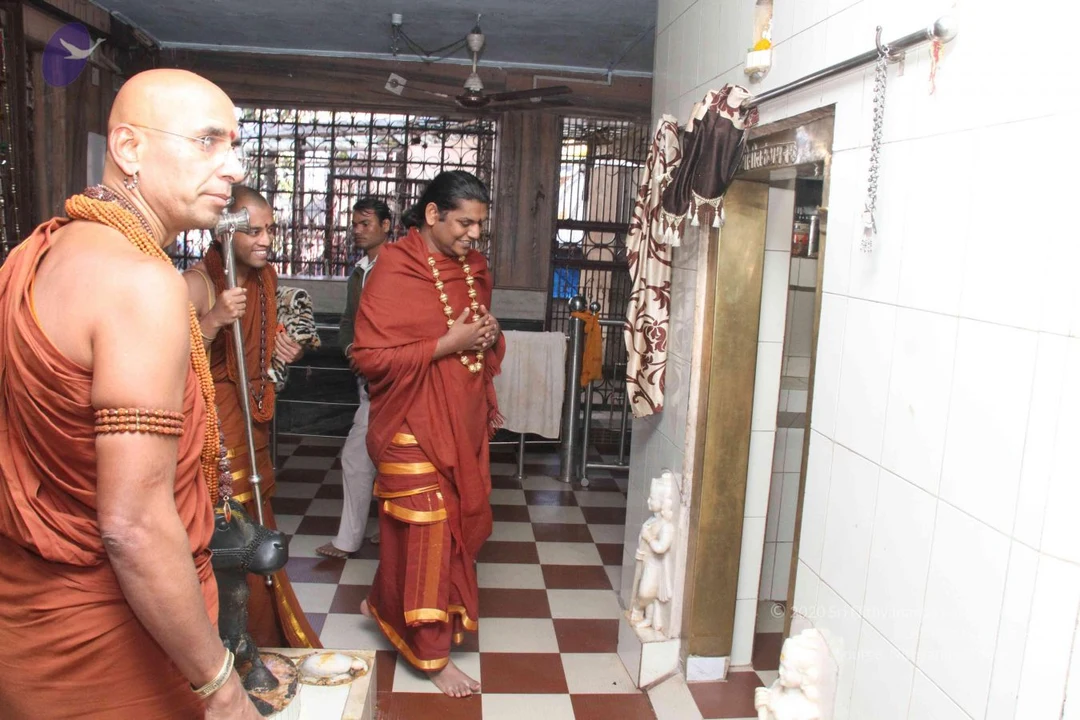
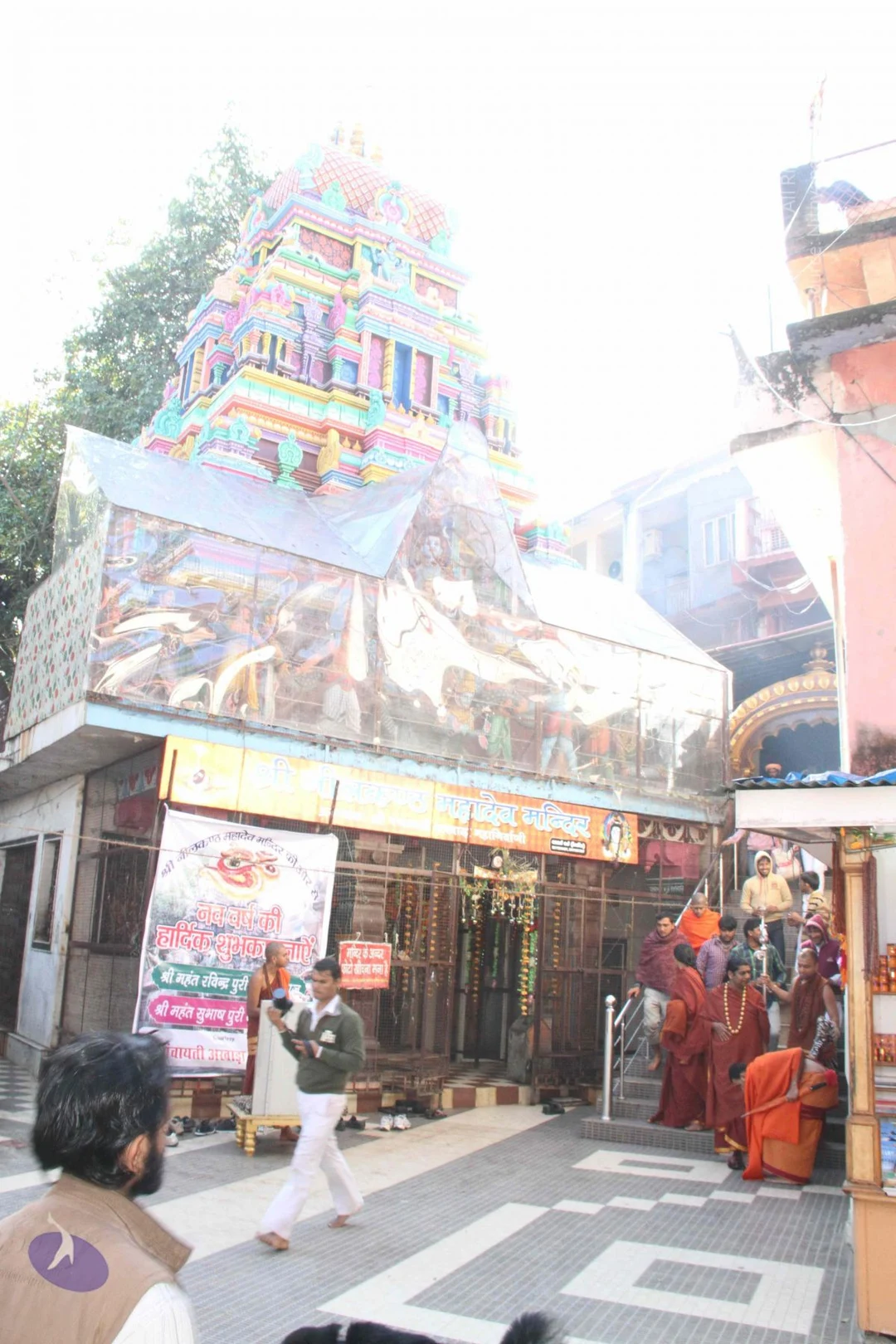
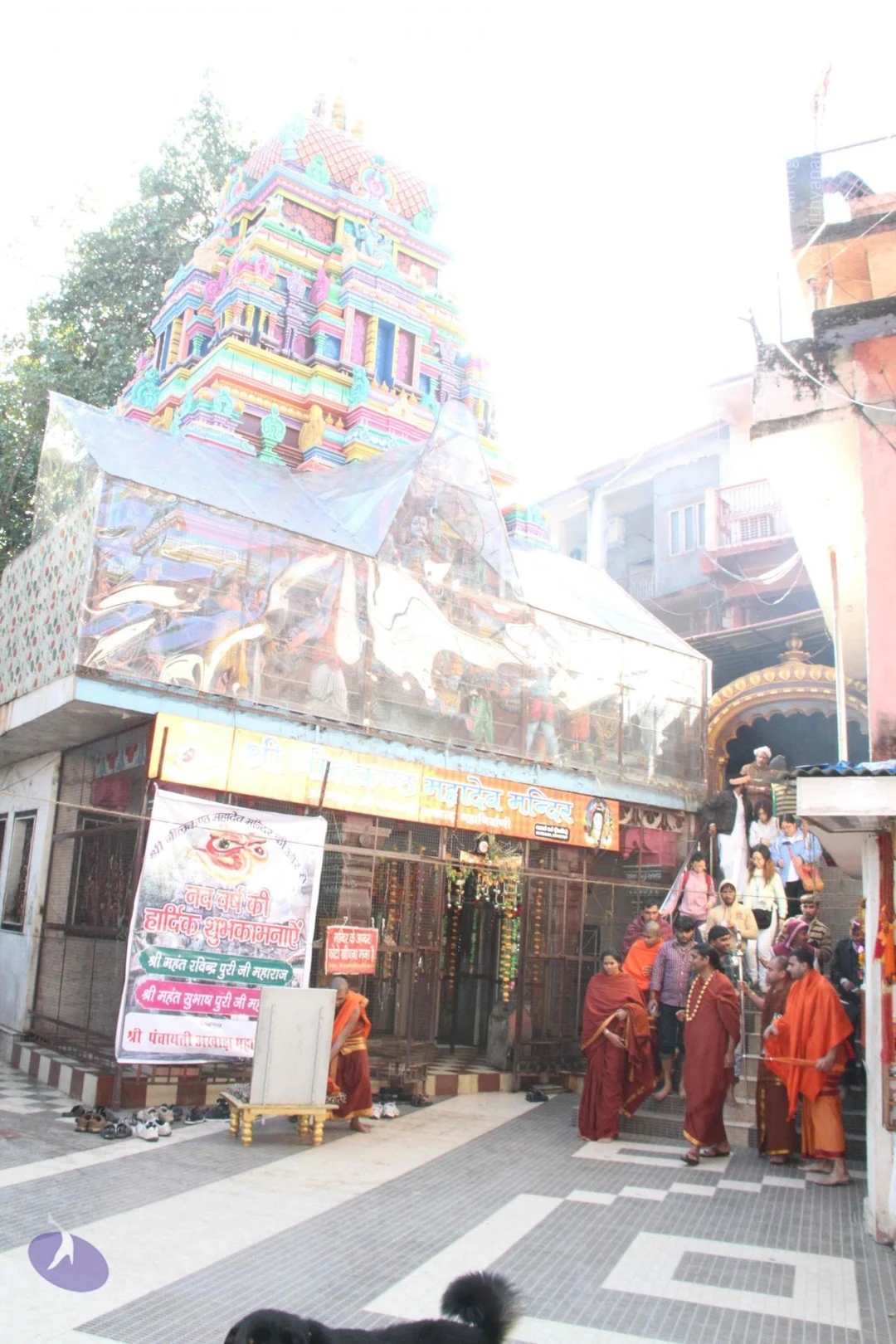
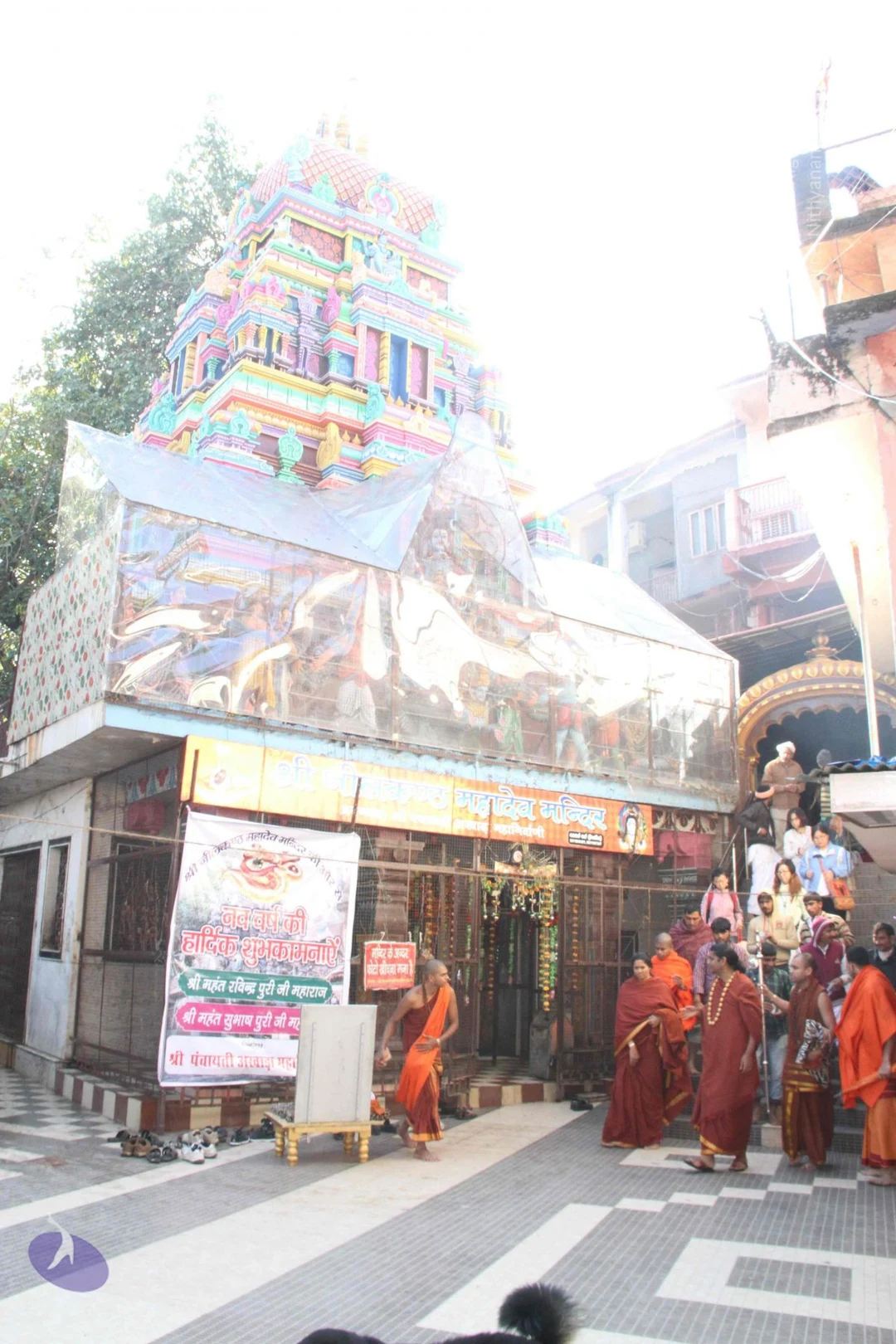
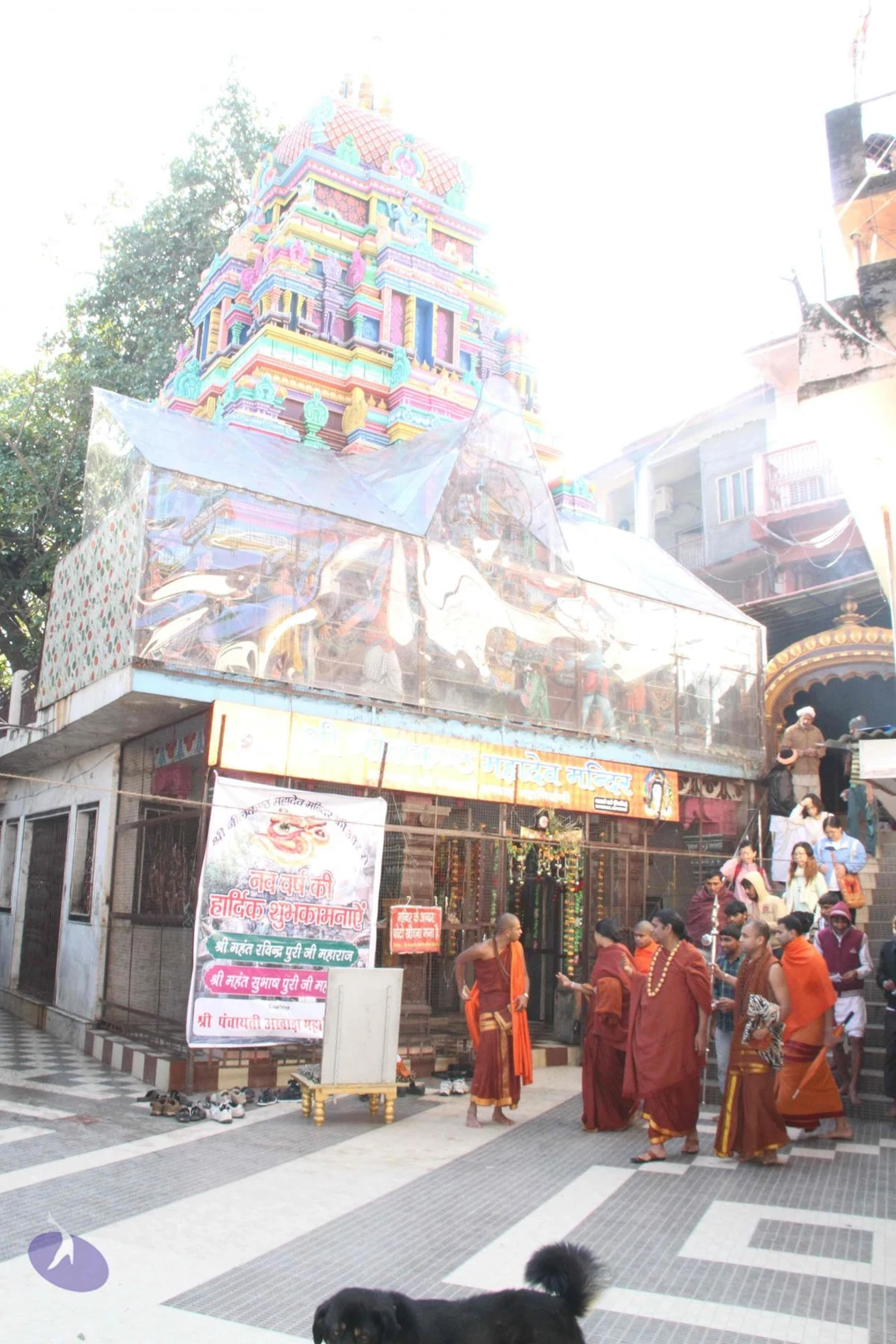
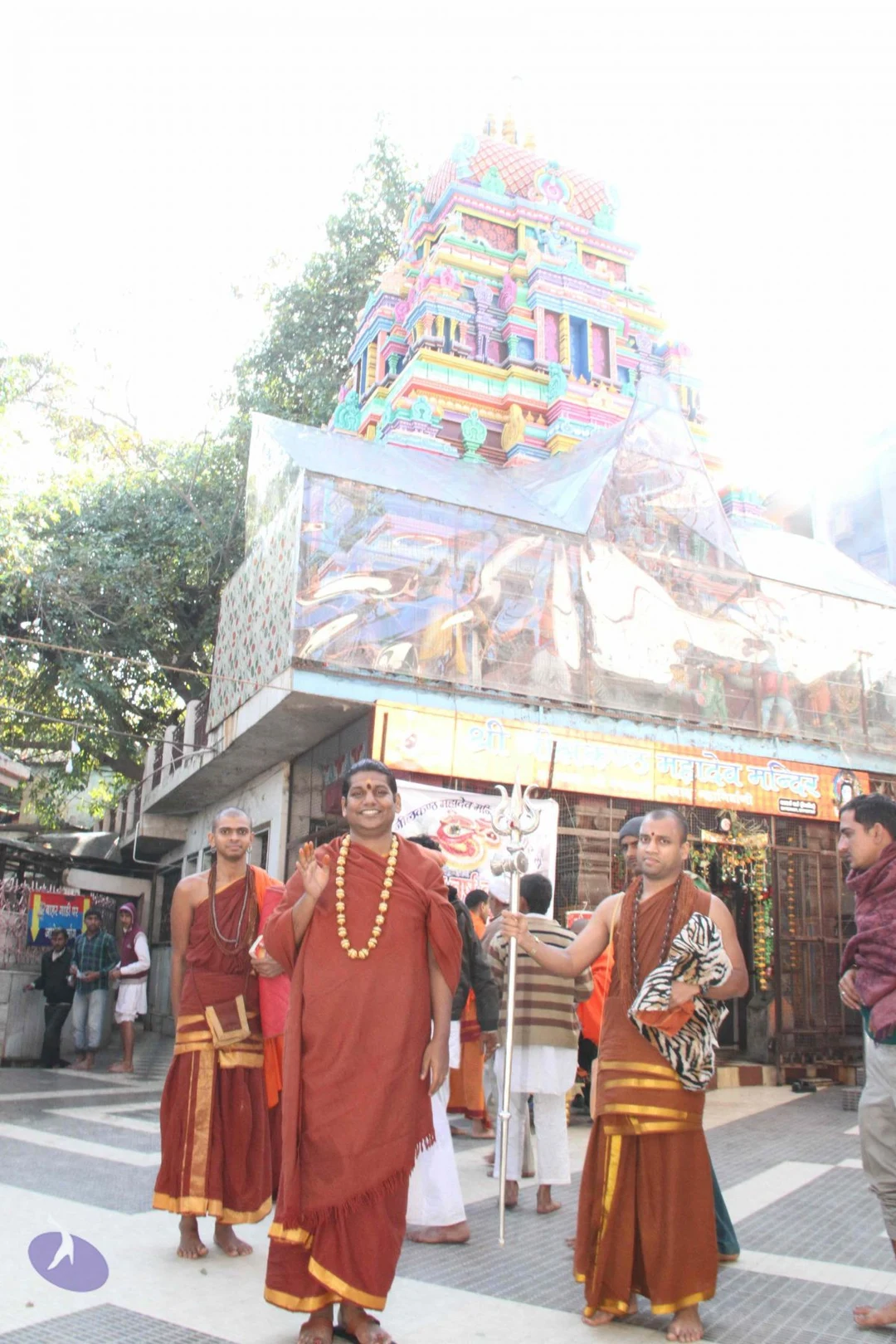
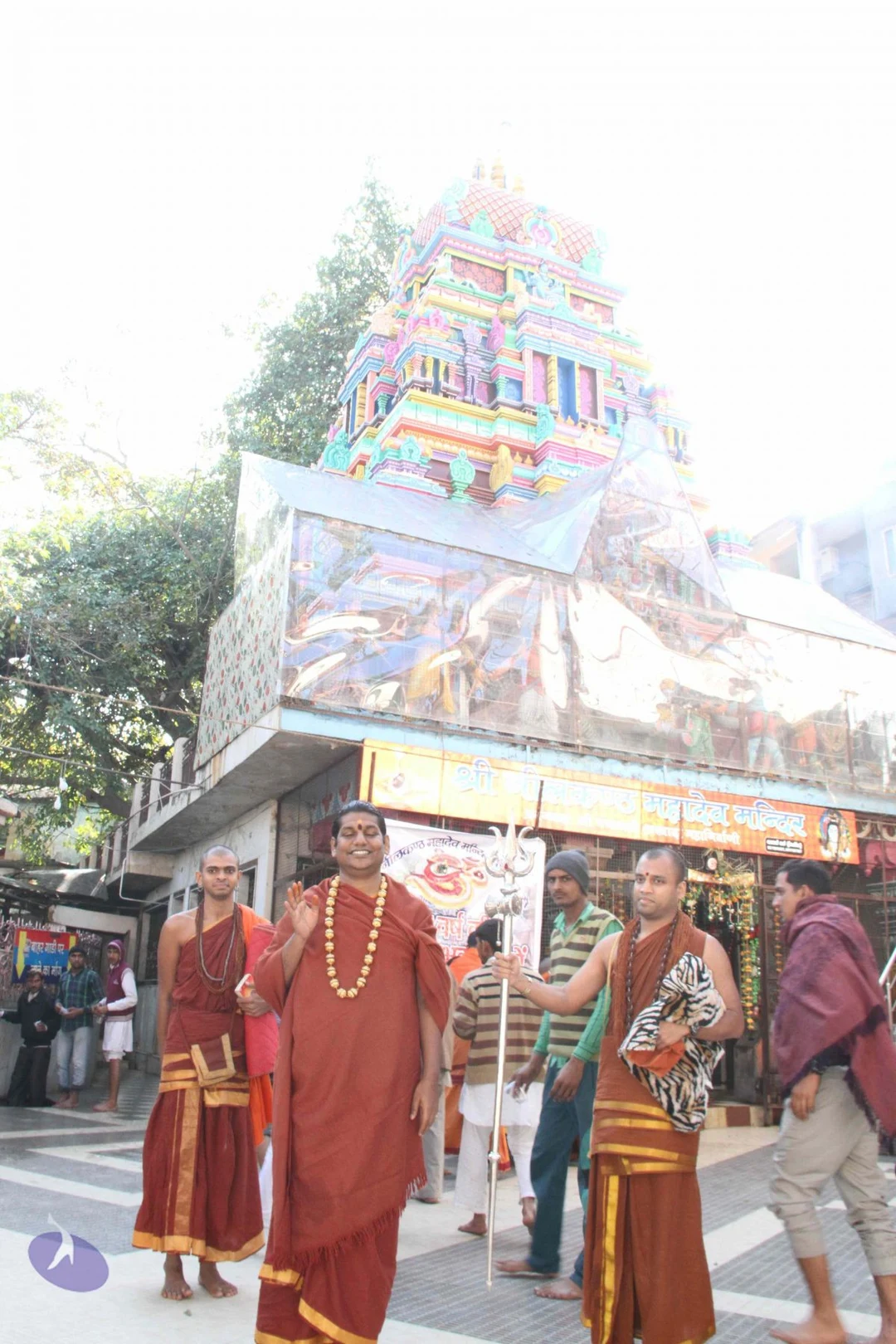
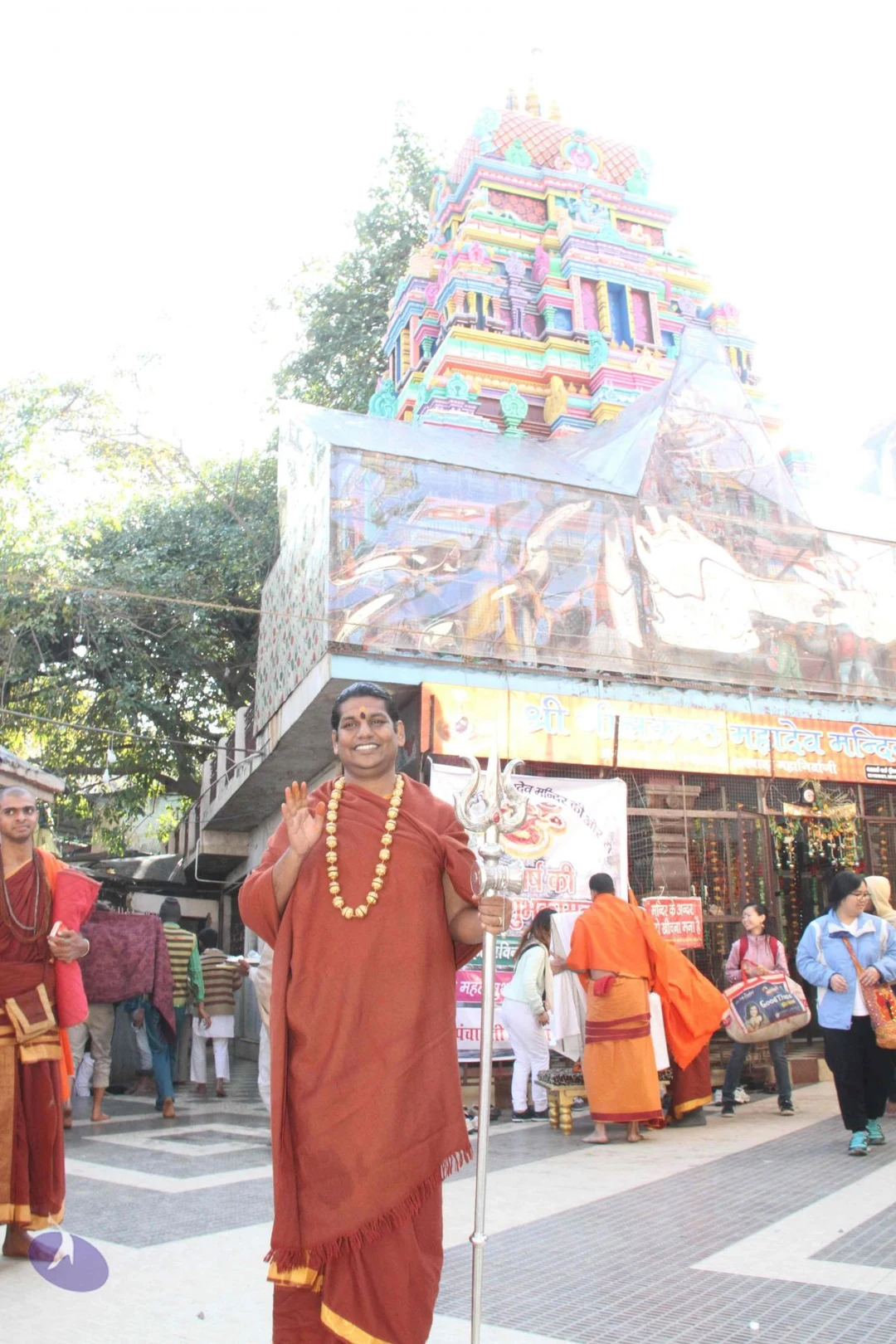
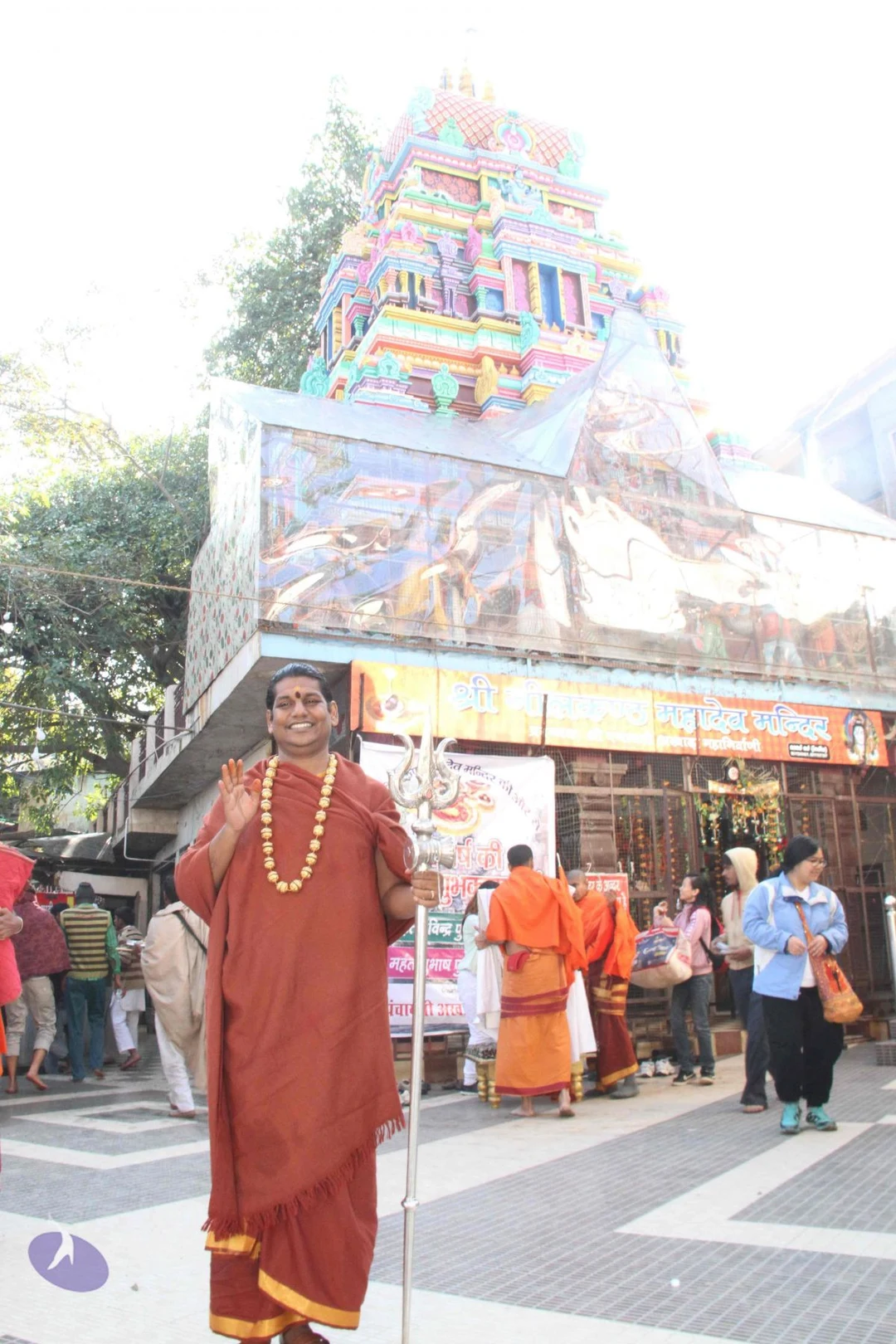
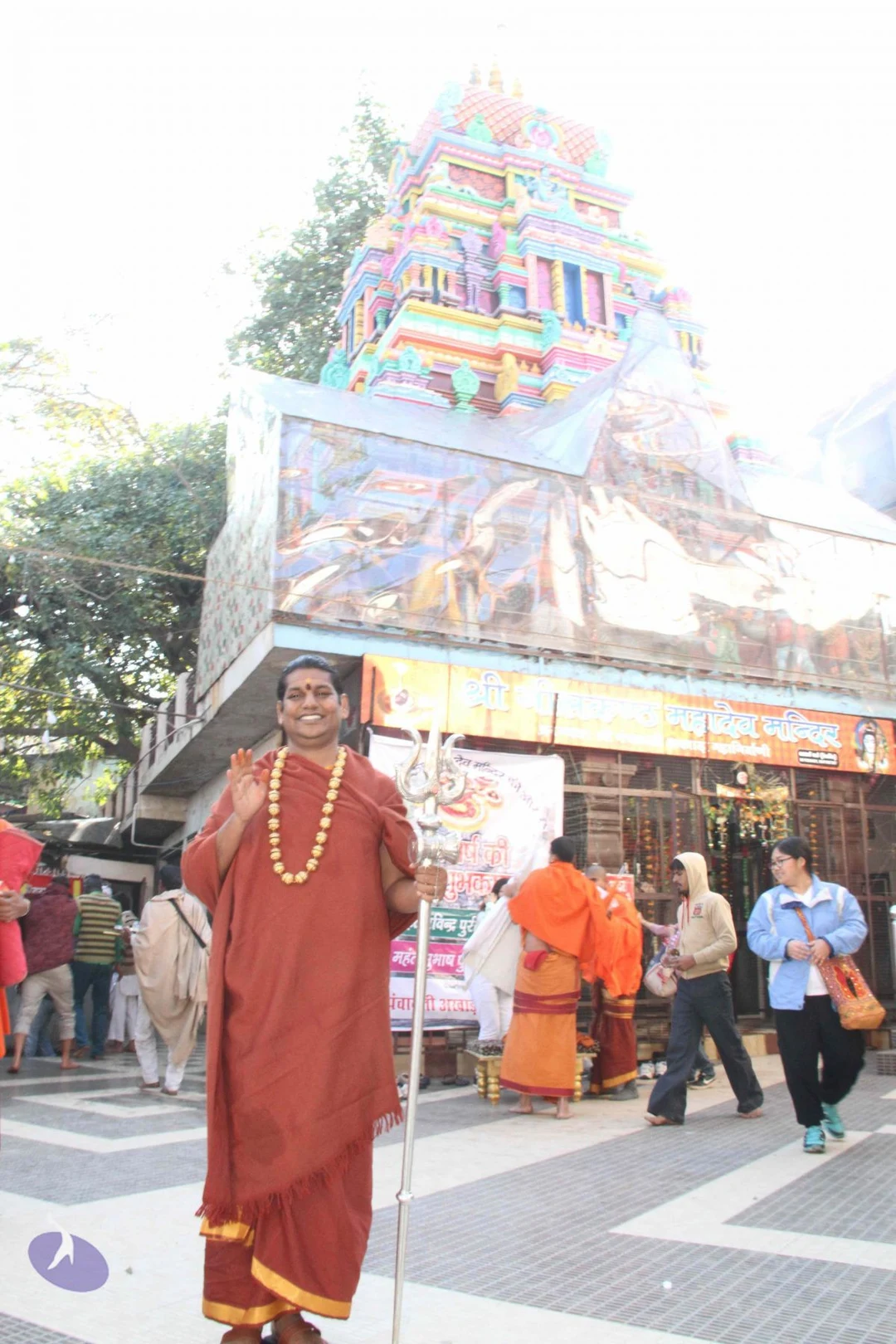
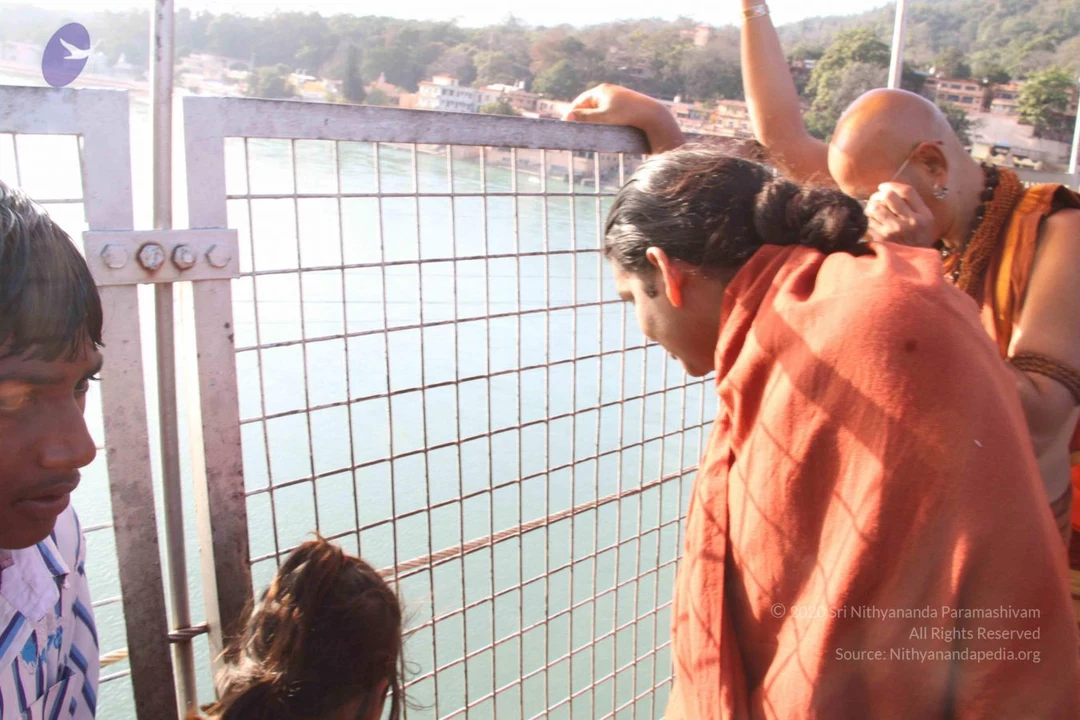
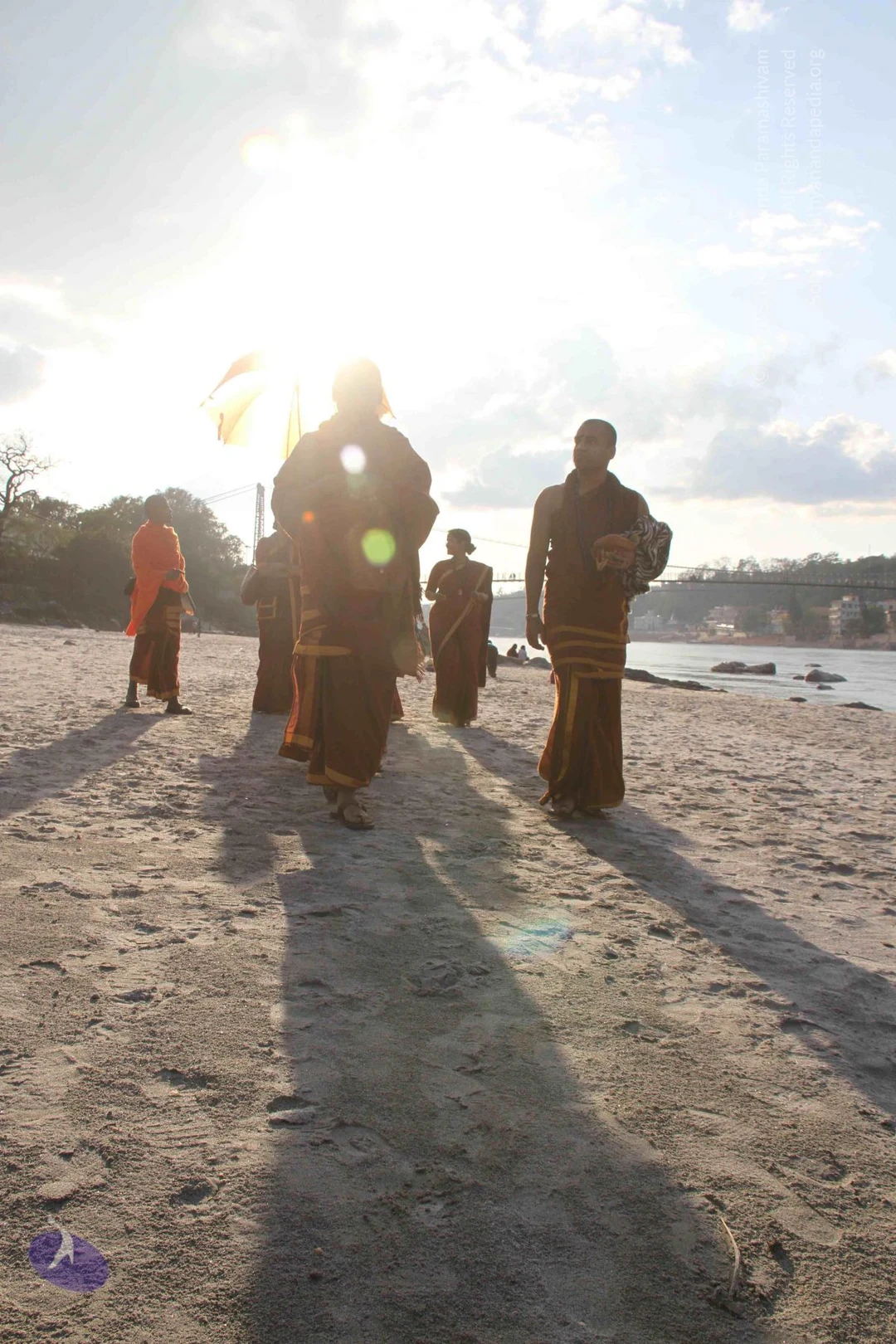
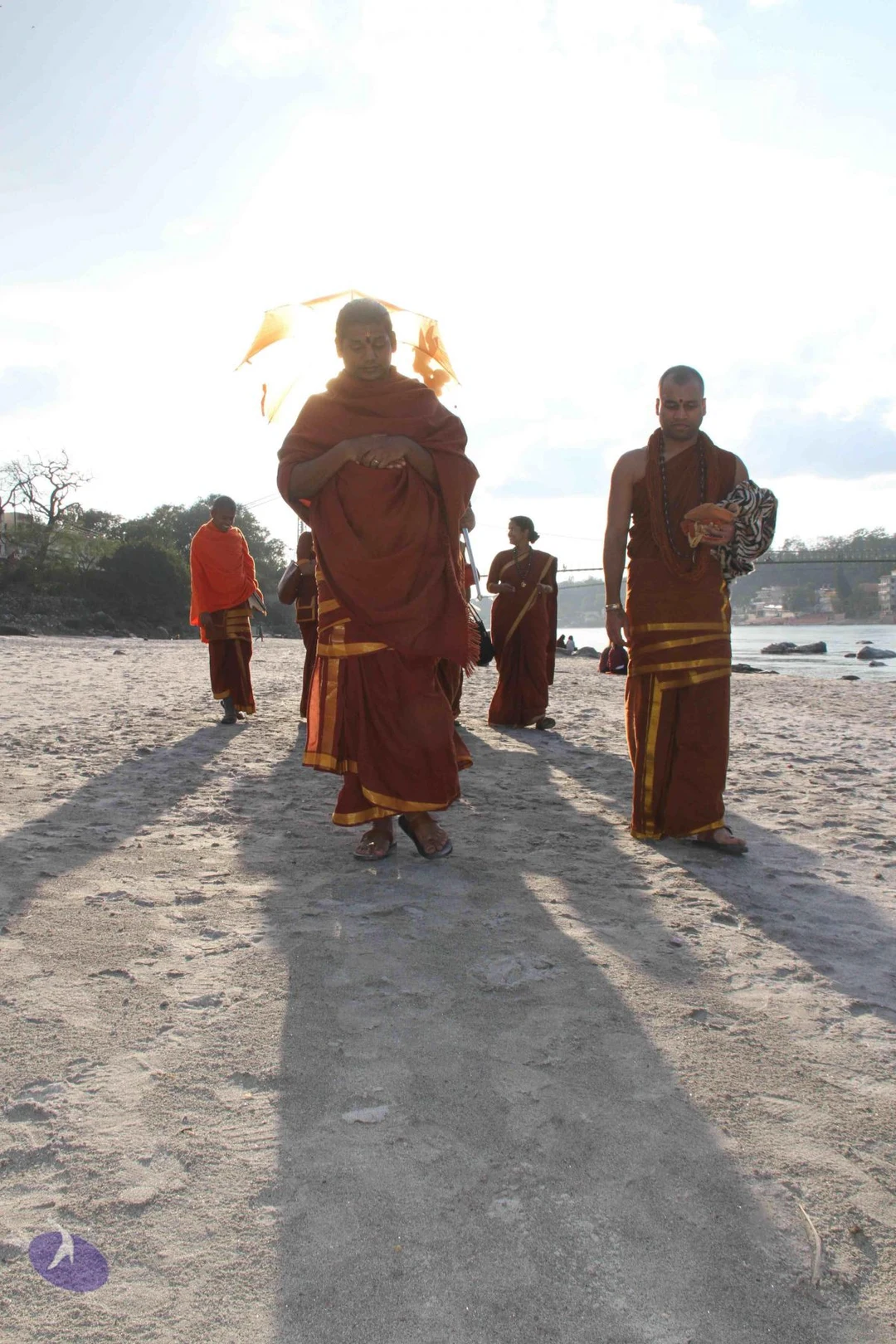
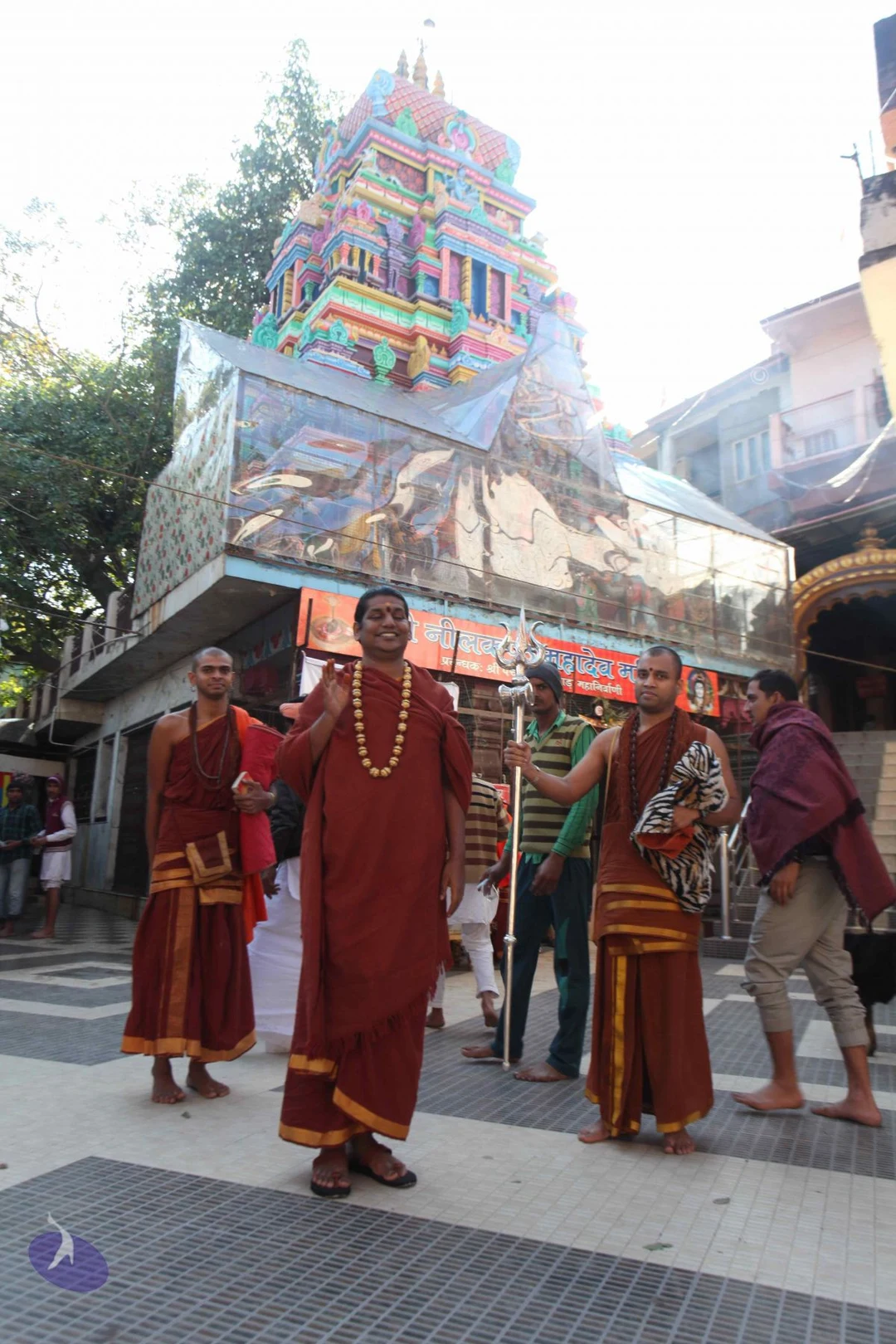
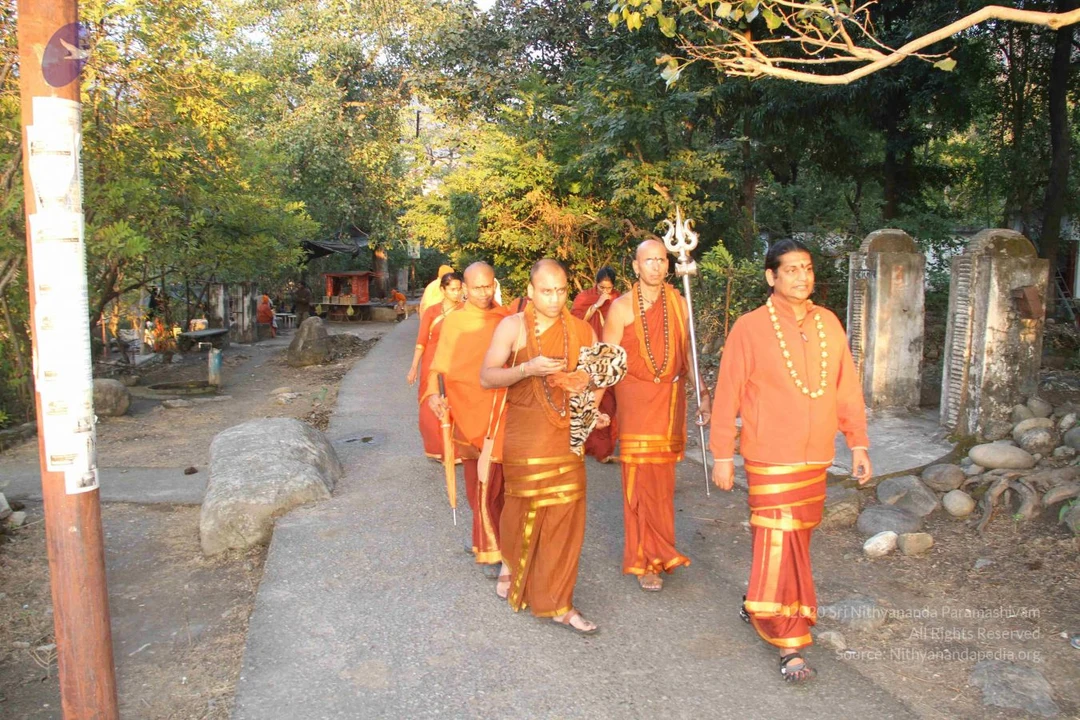
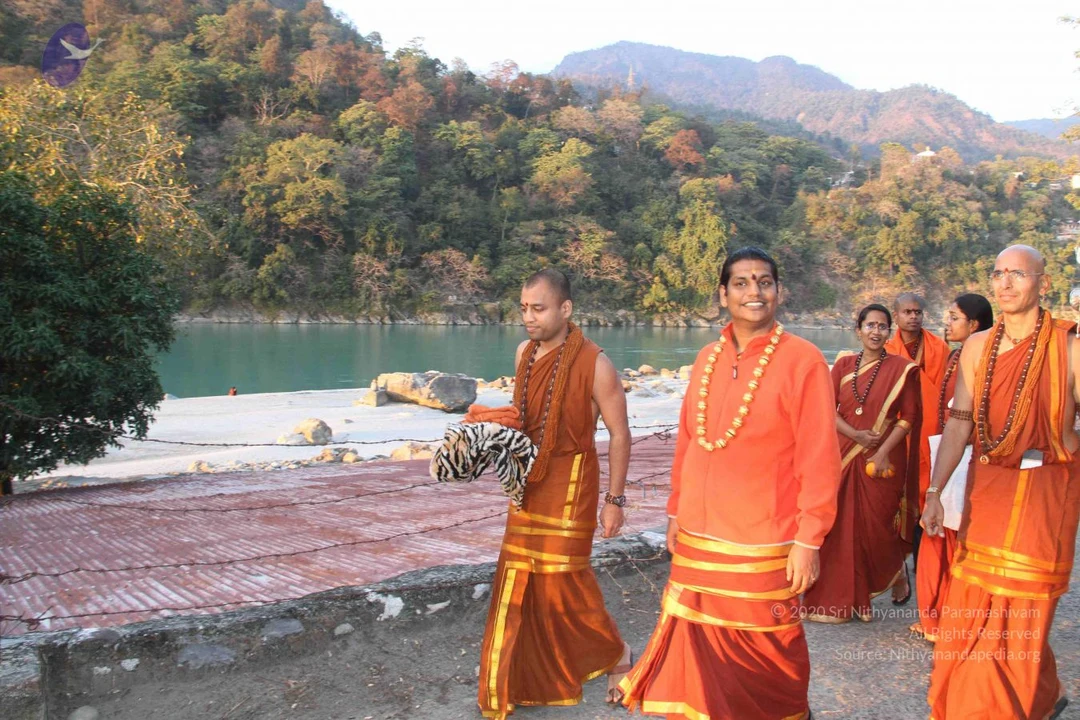
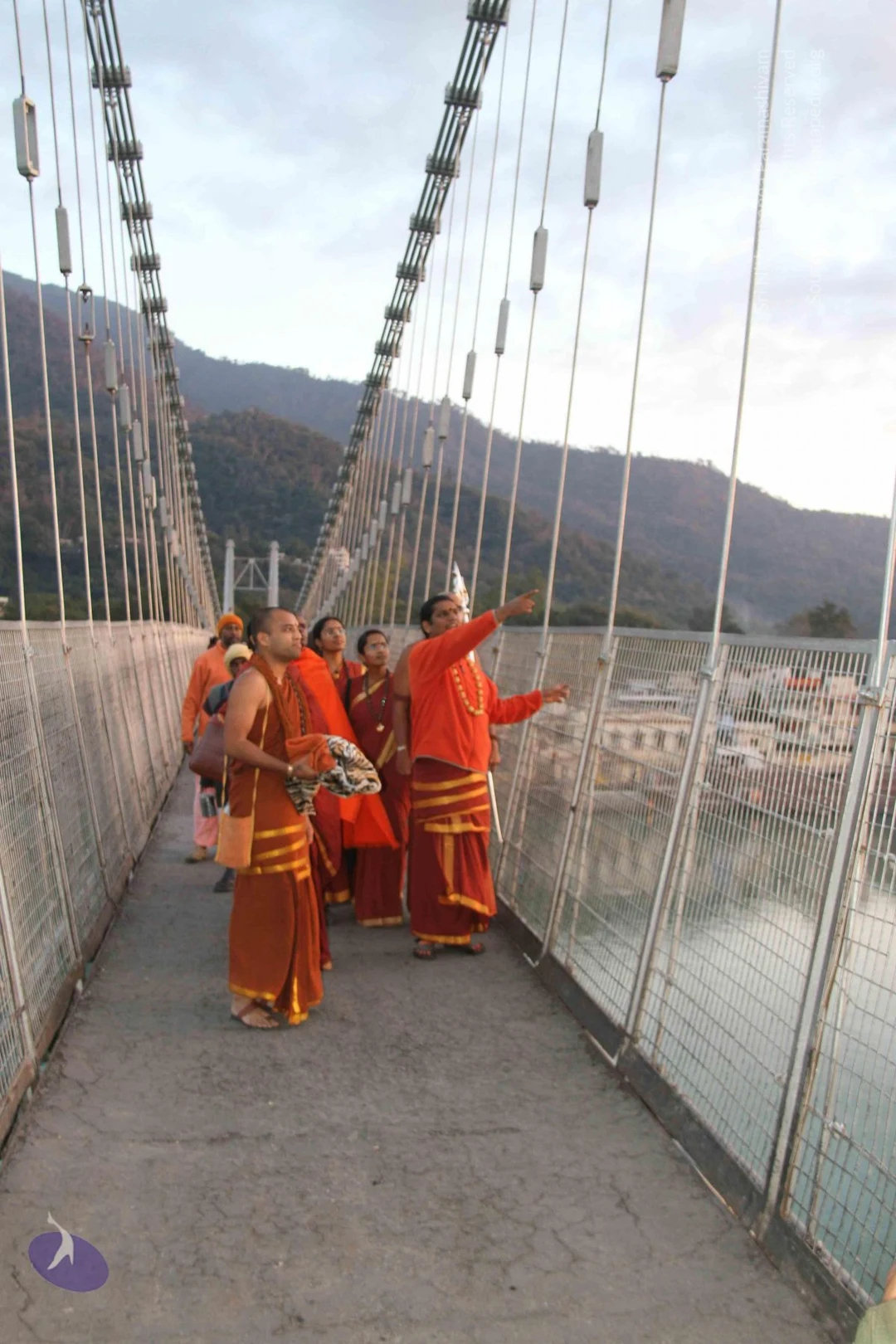
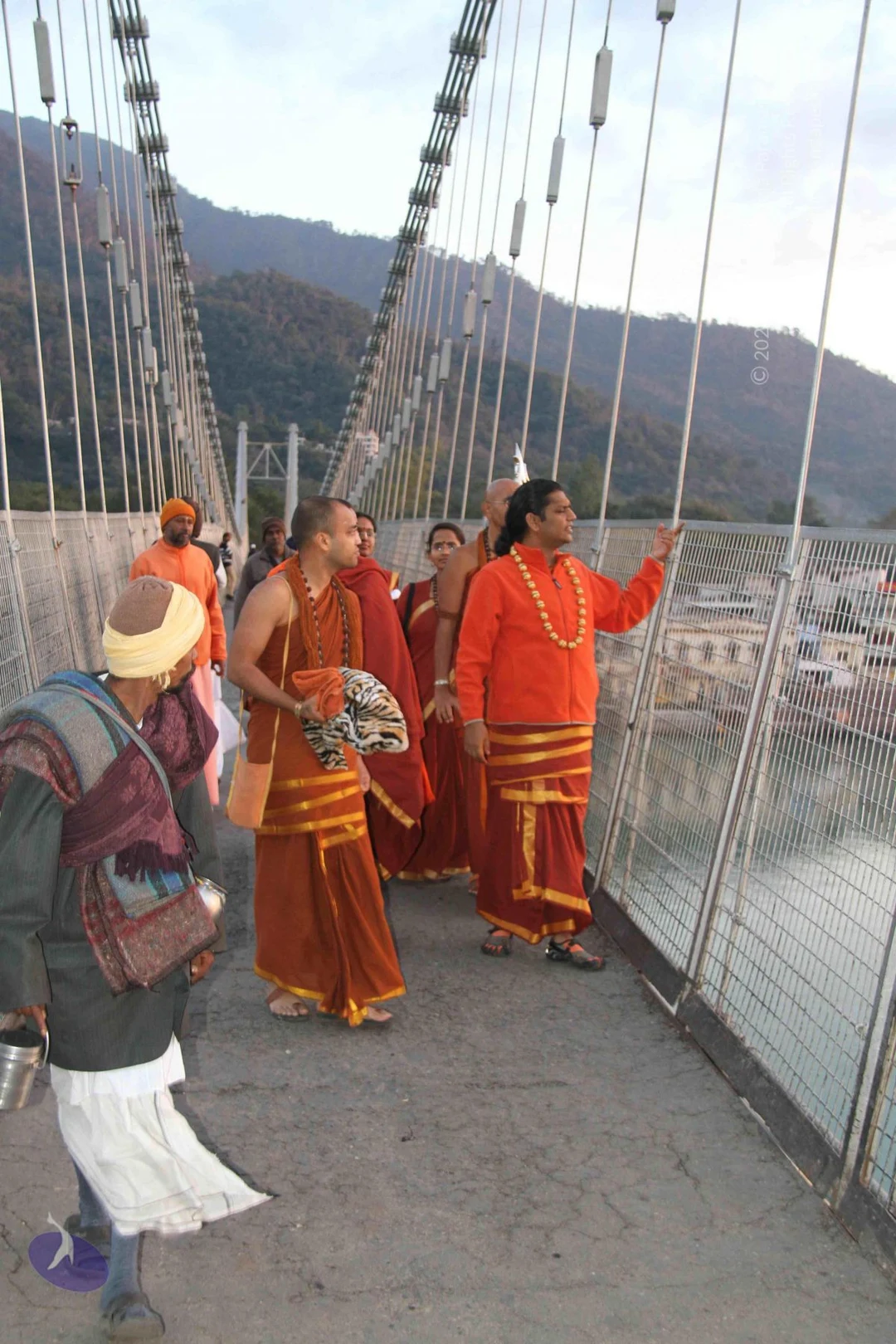
Neelkant-Temple-Visit
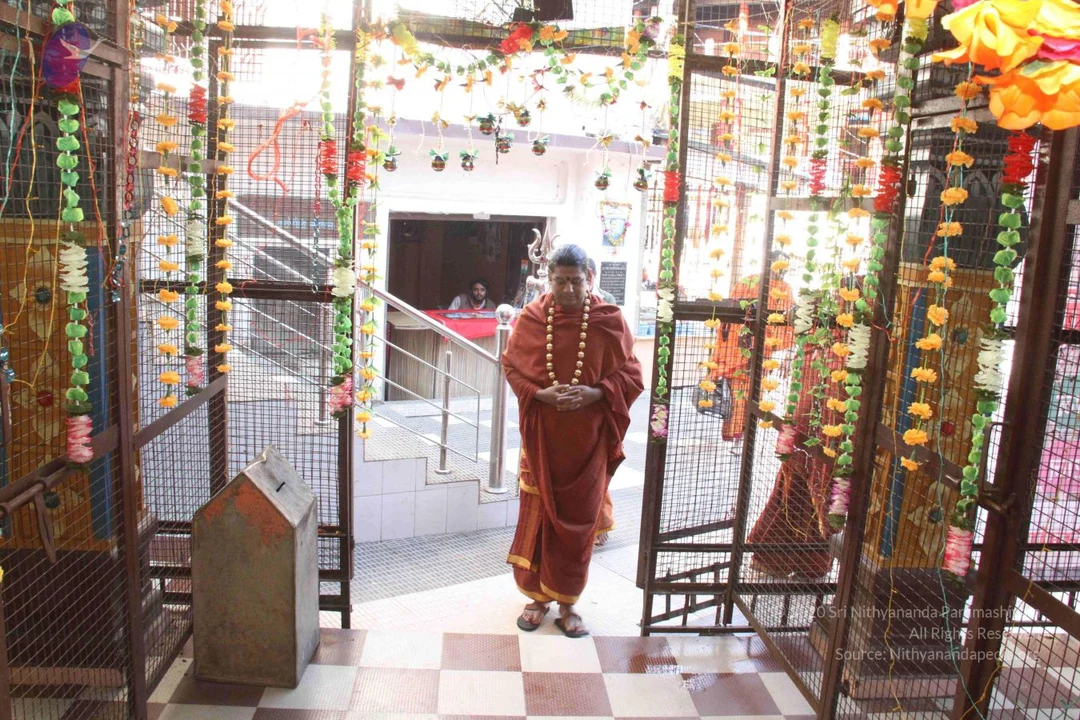
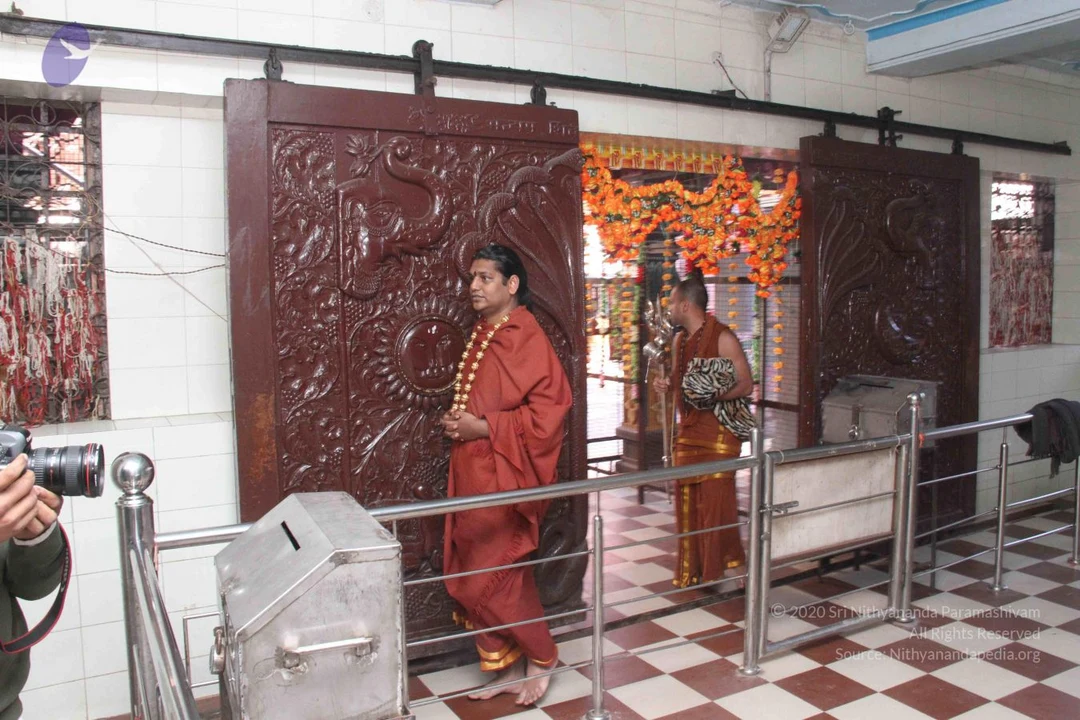
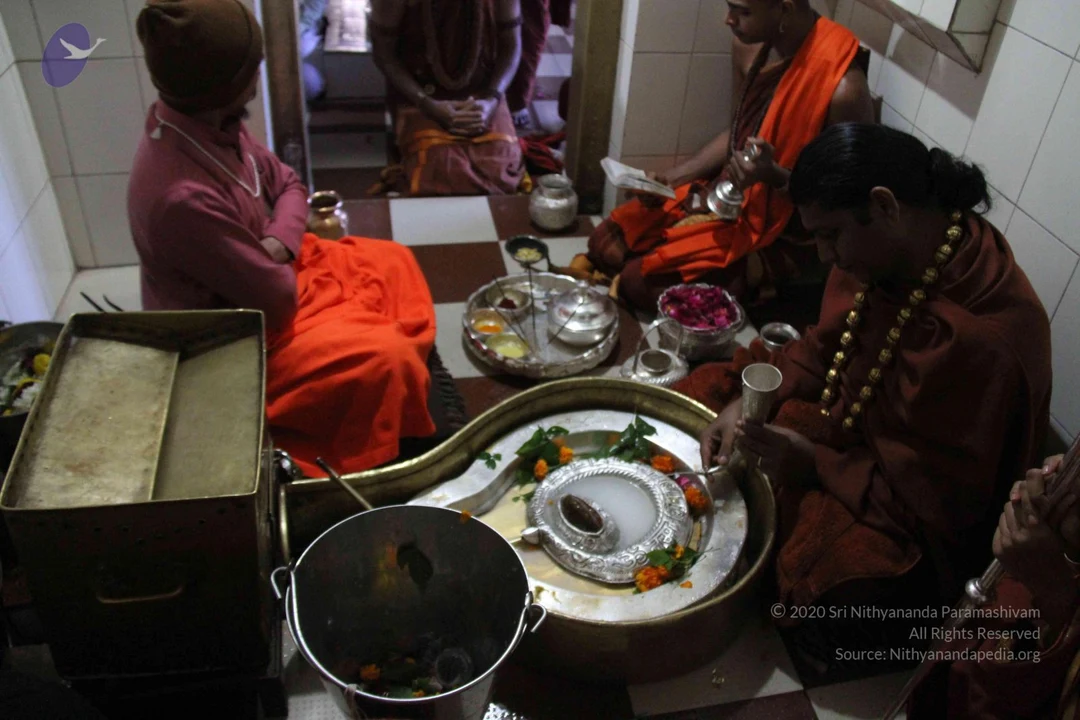
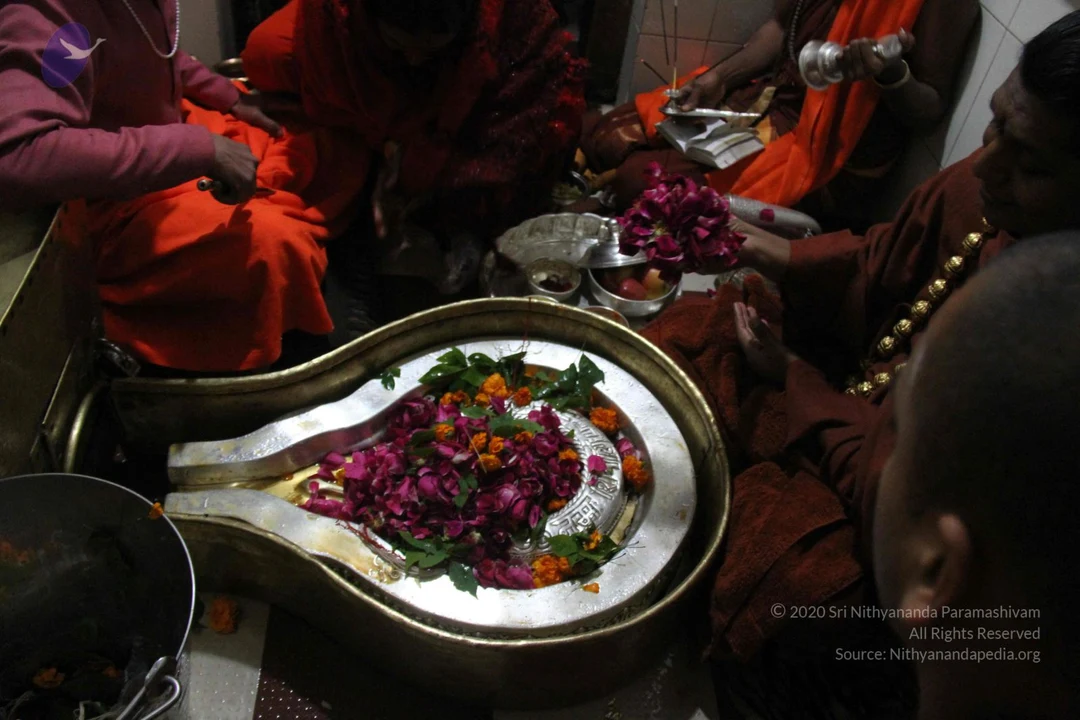
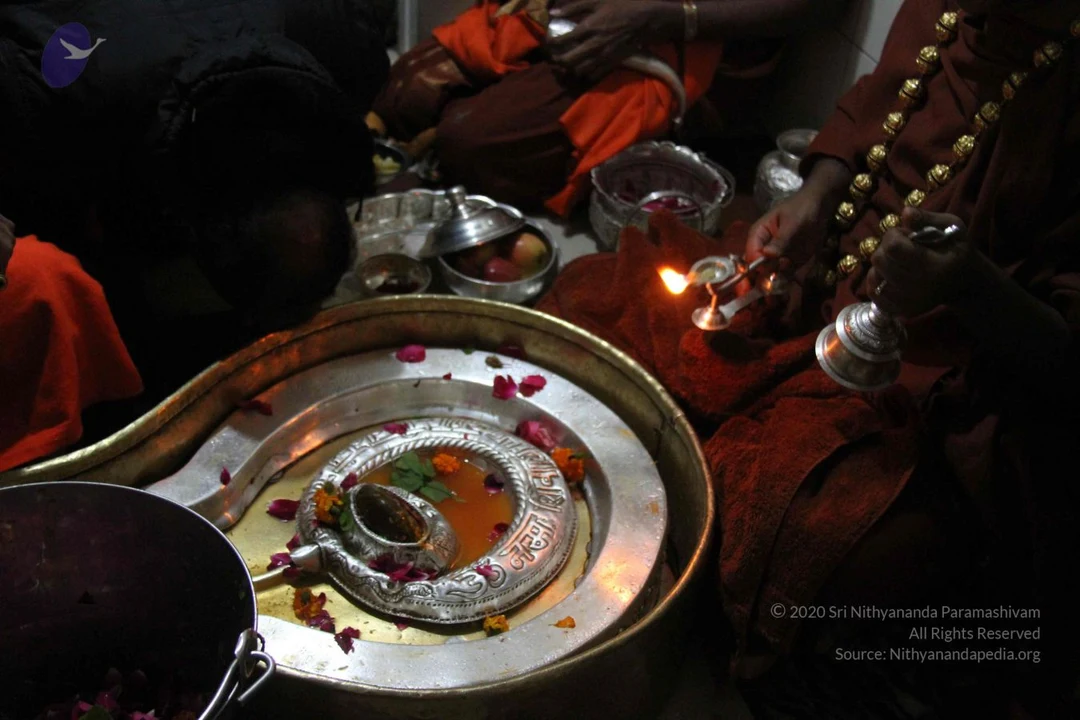
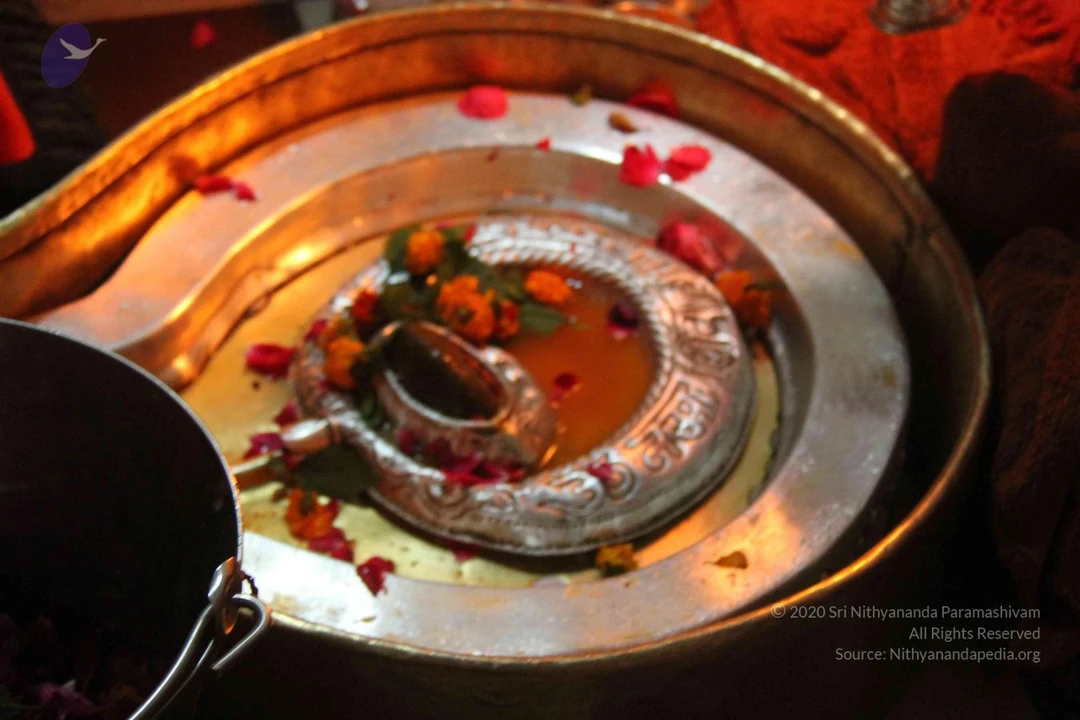
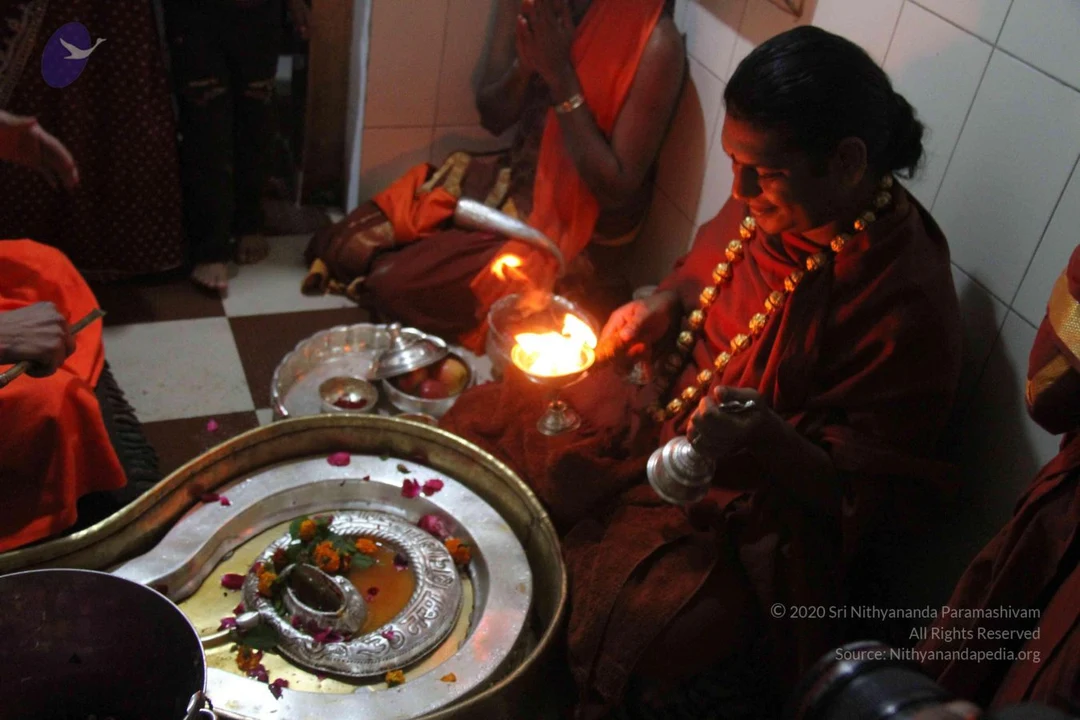
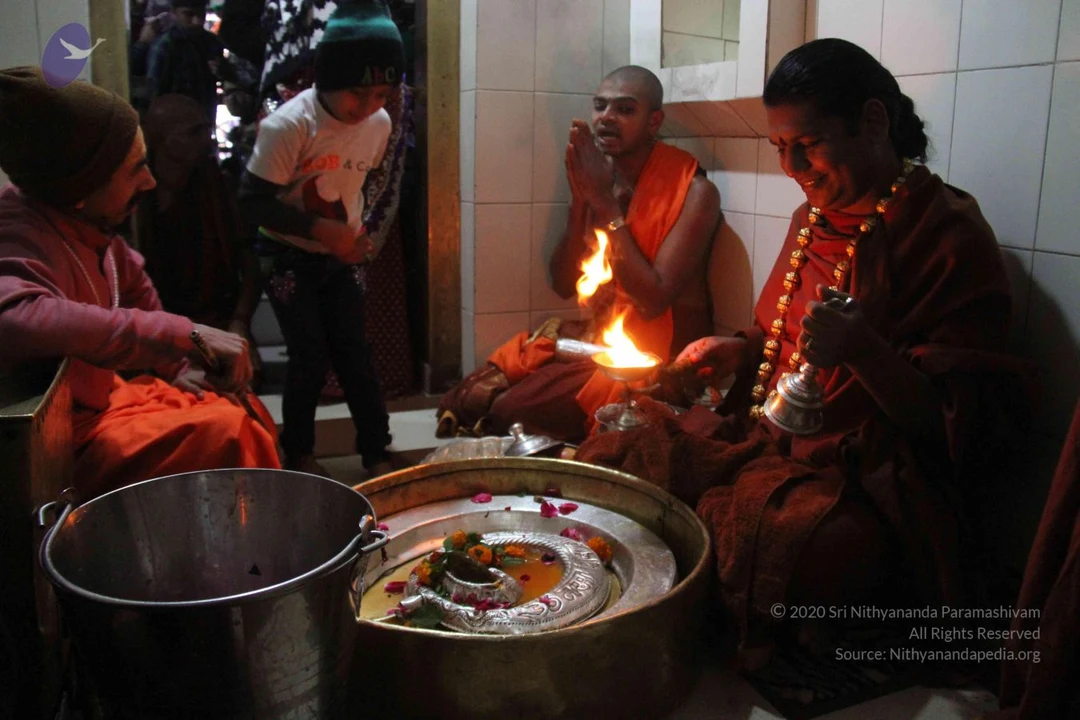
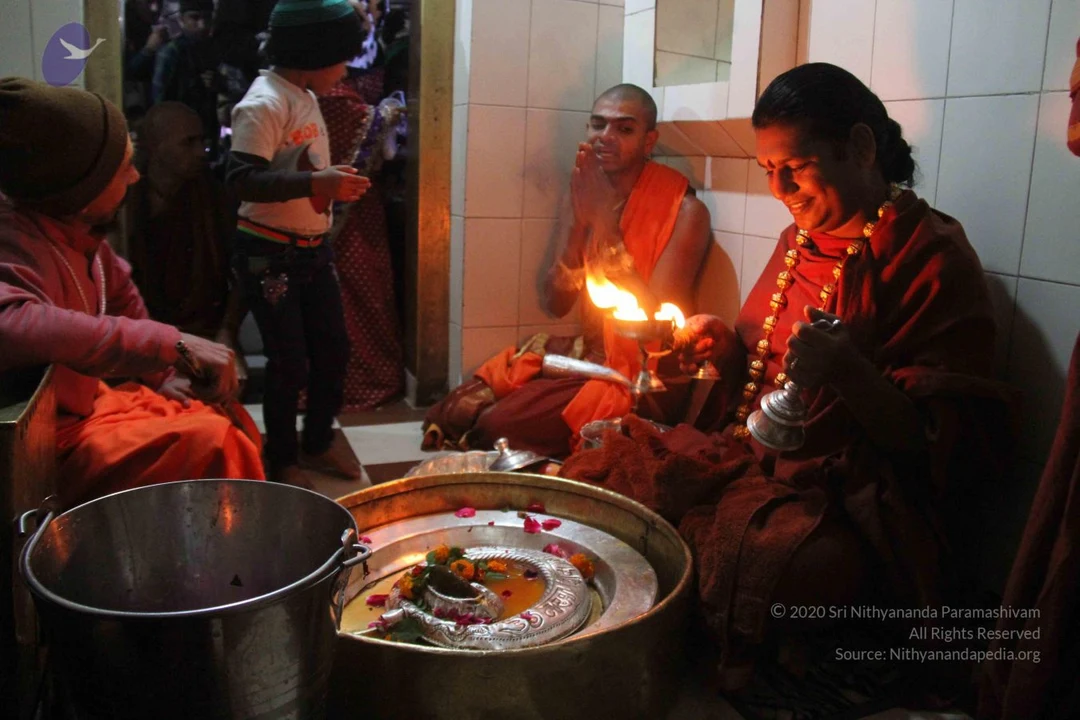













































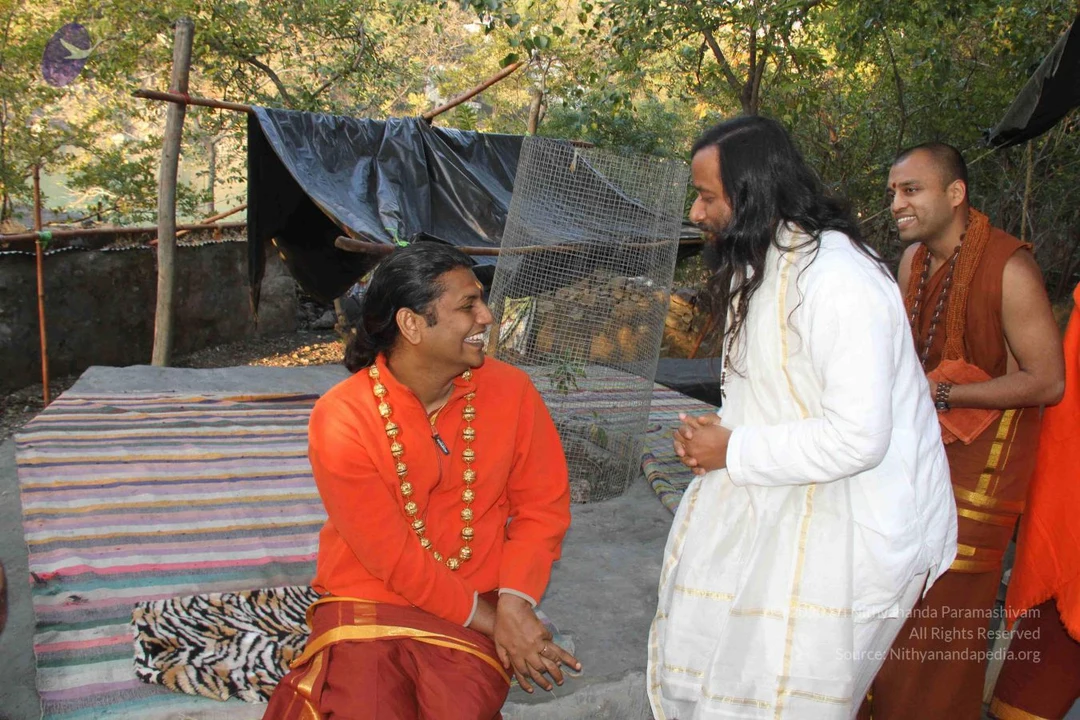
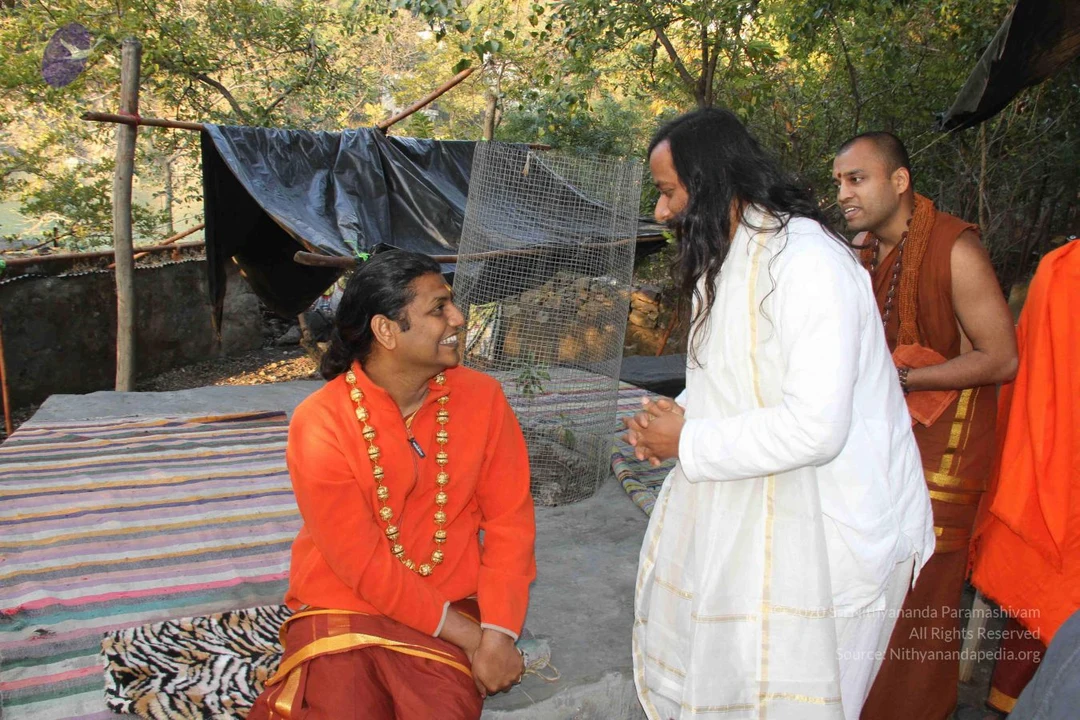
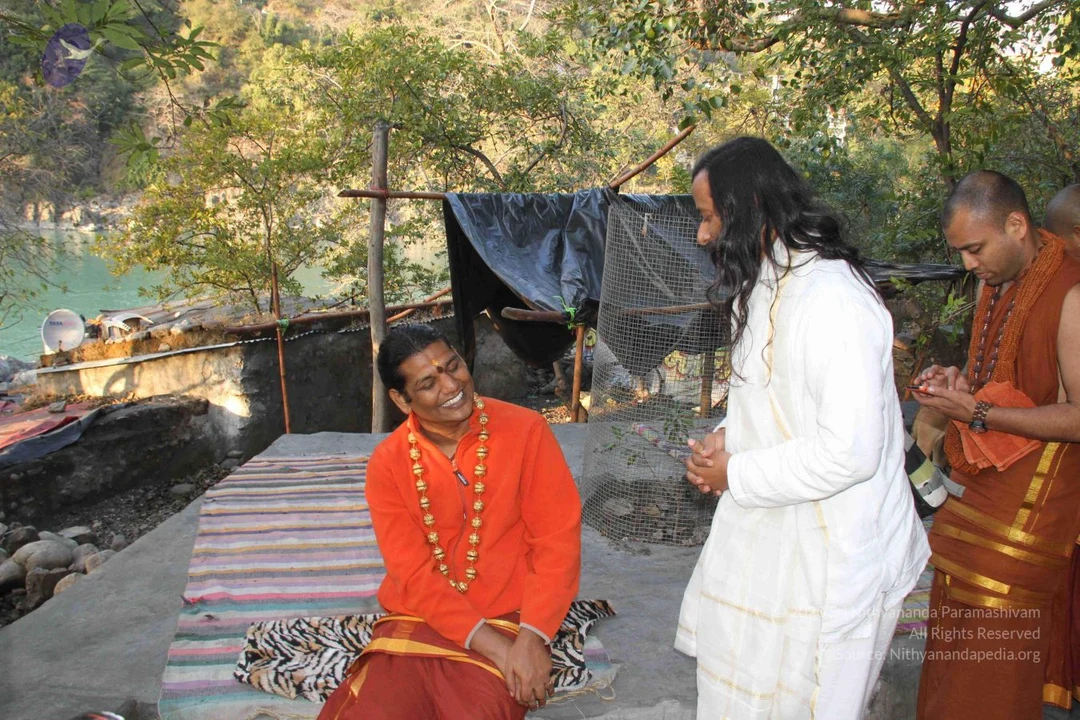
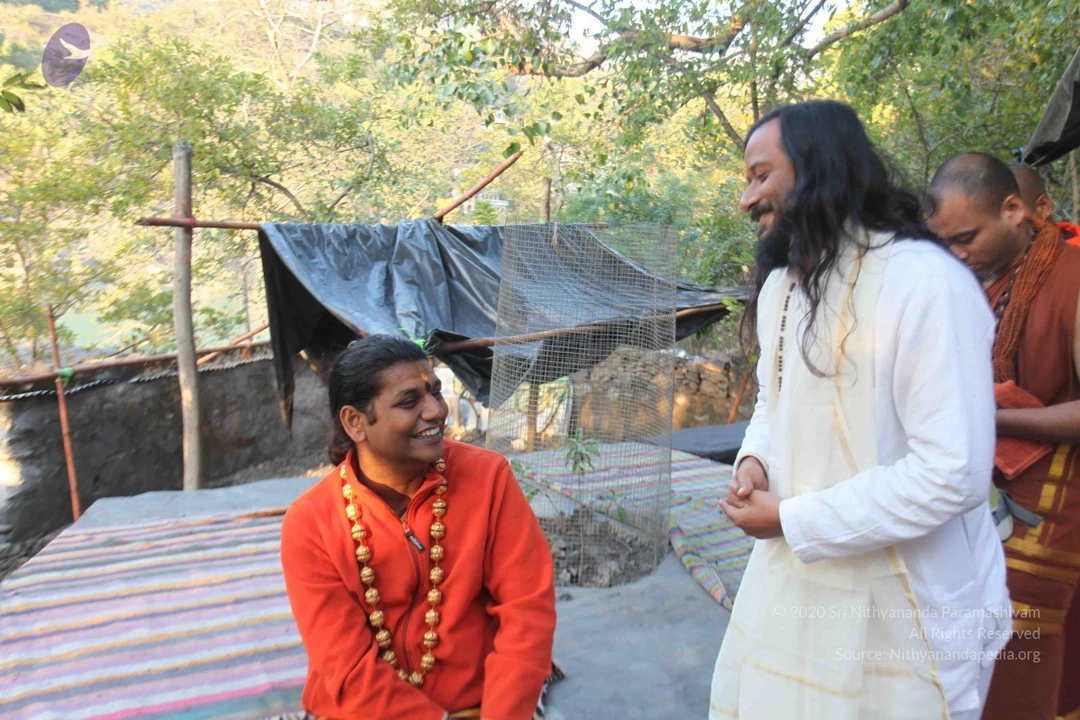
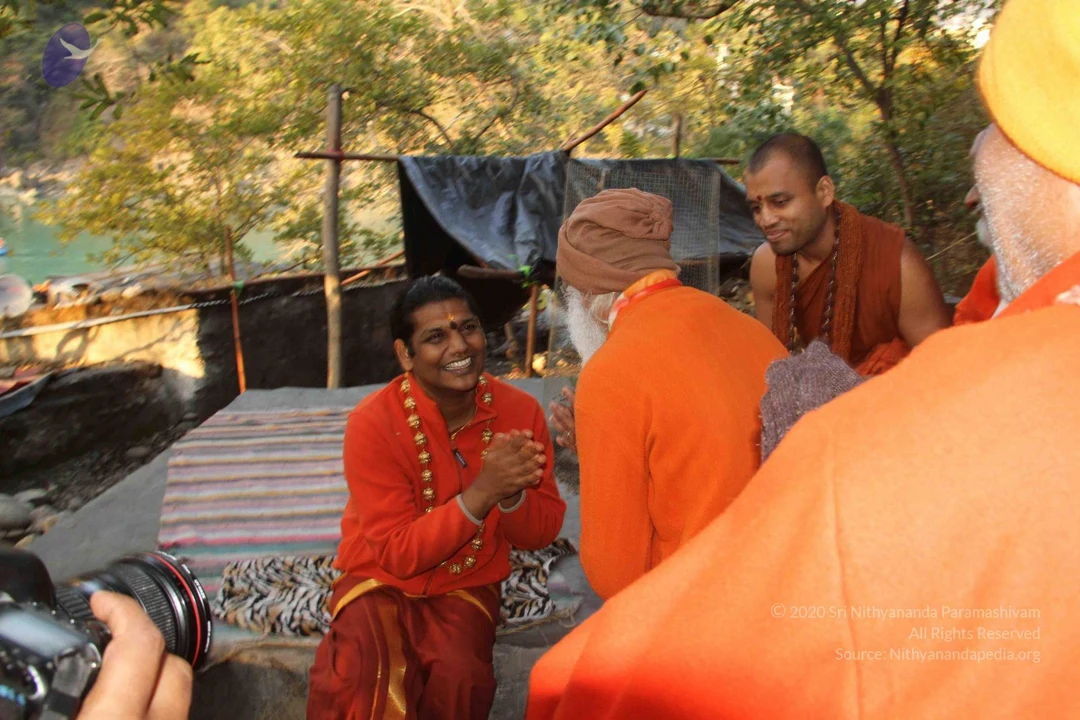
















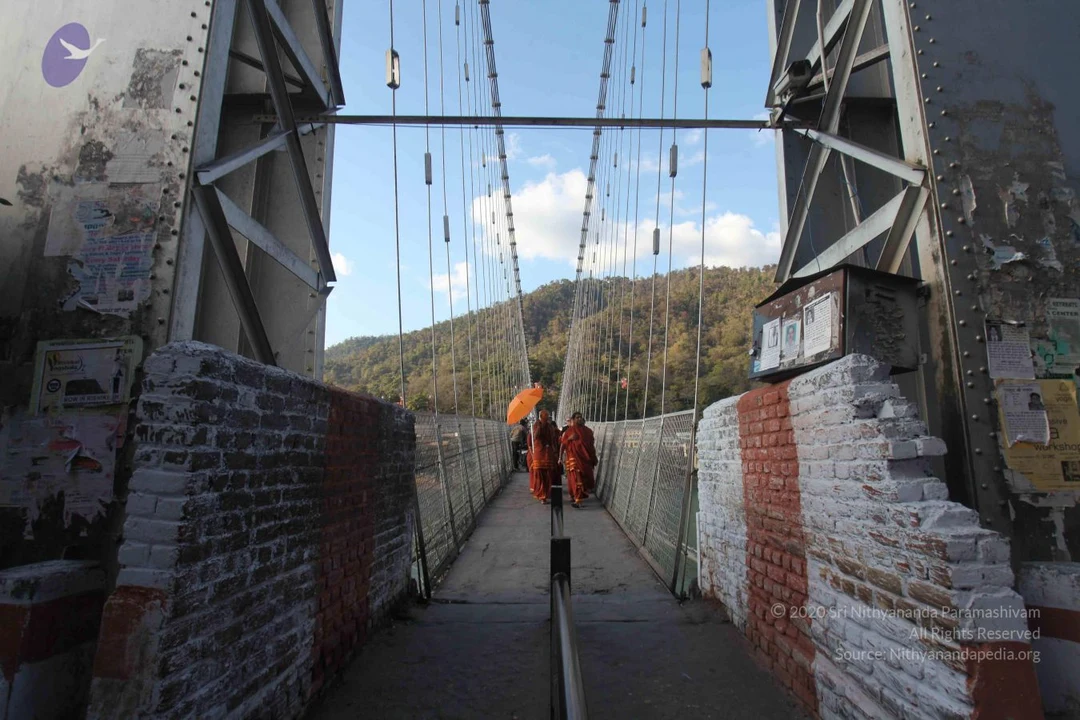
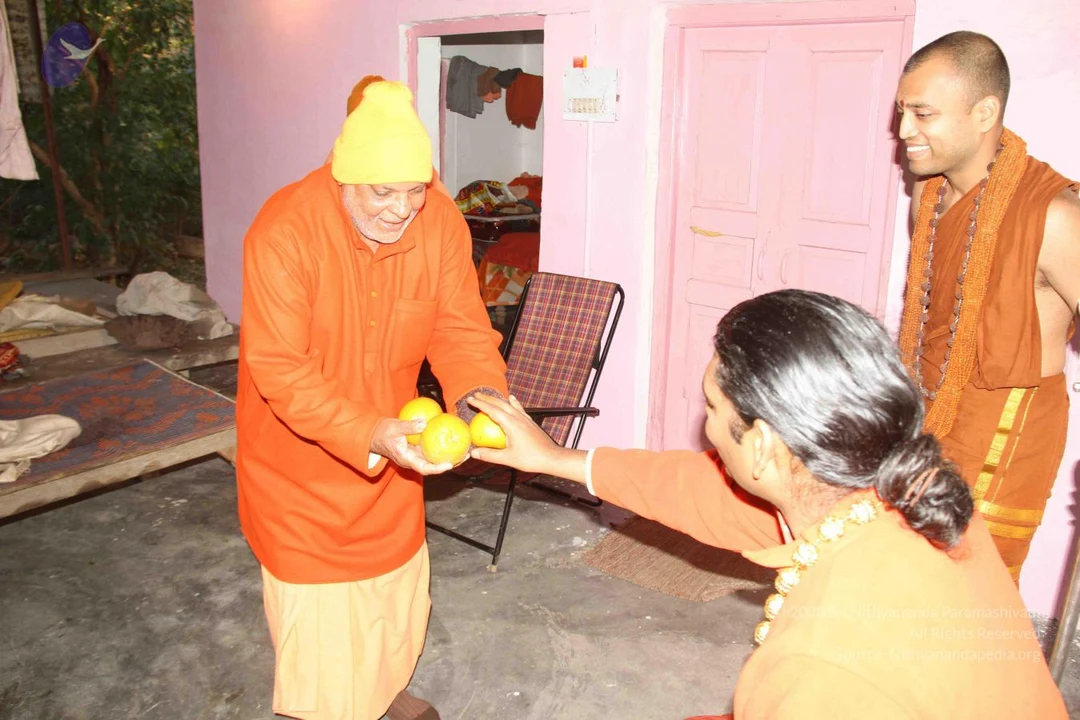
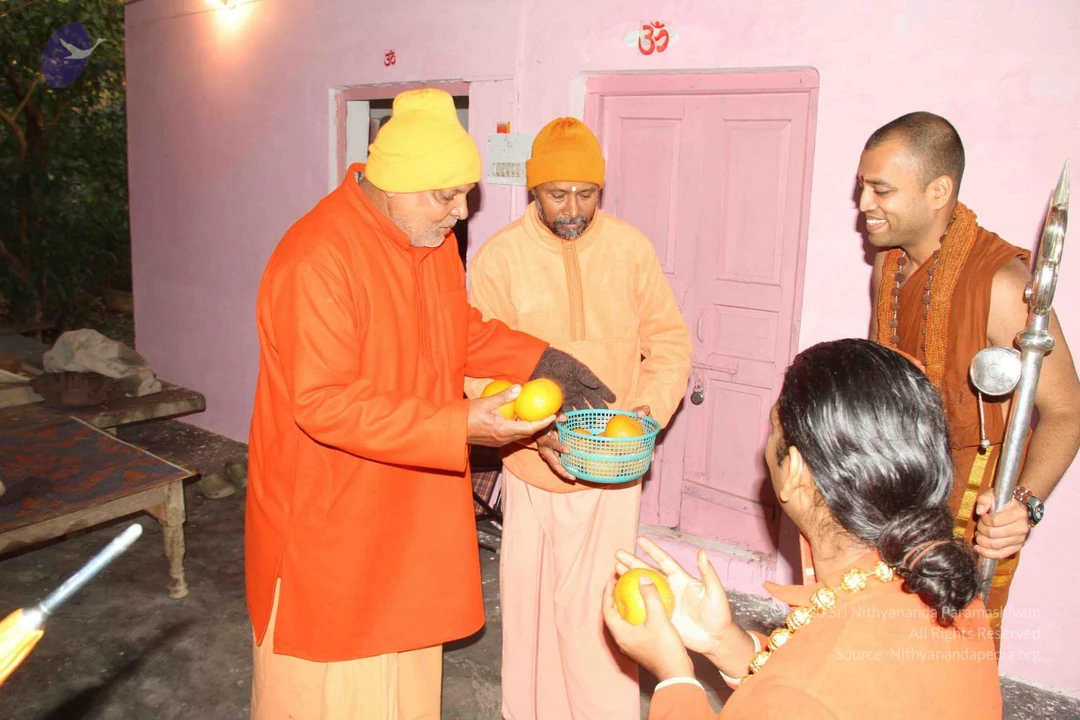
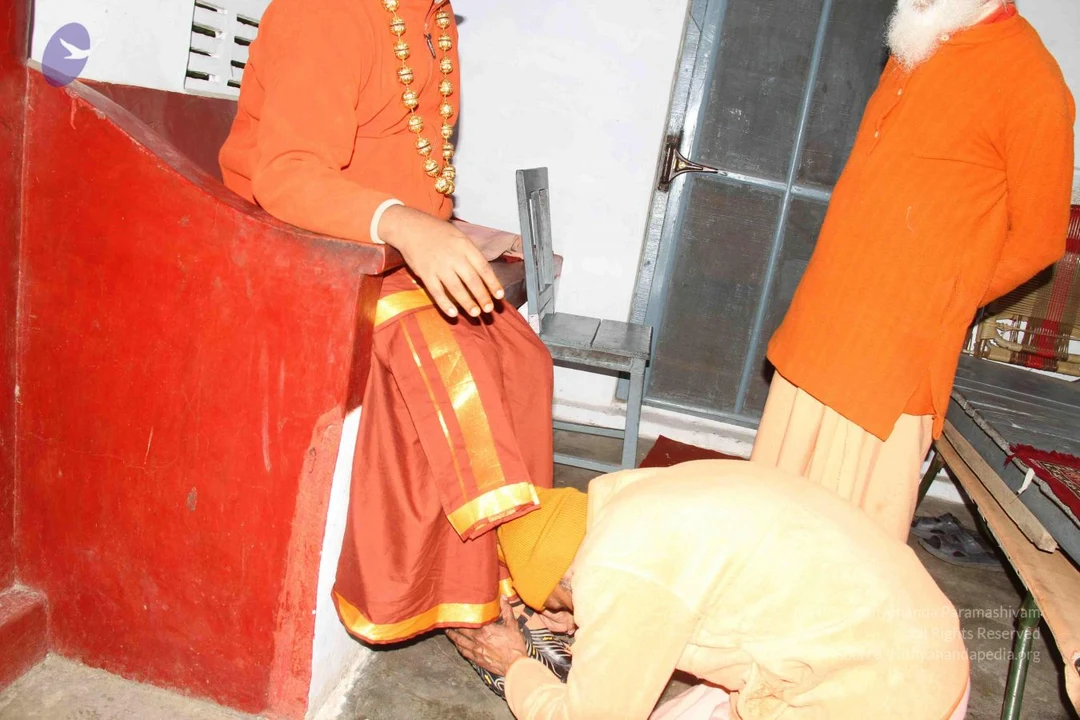
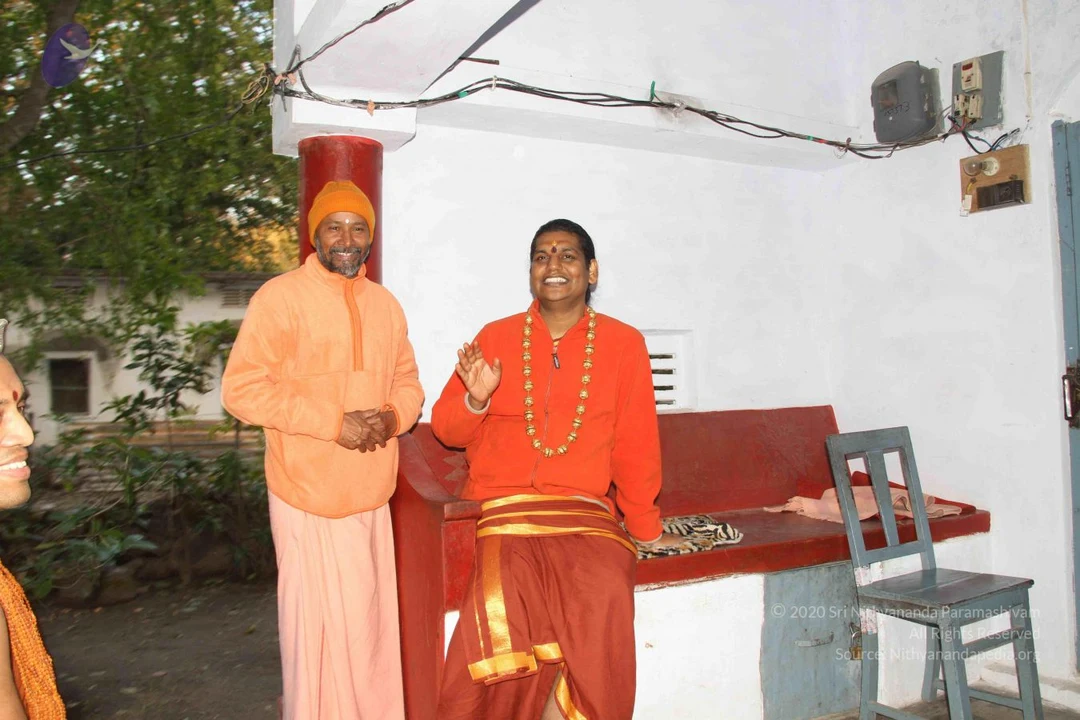
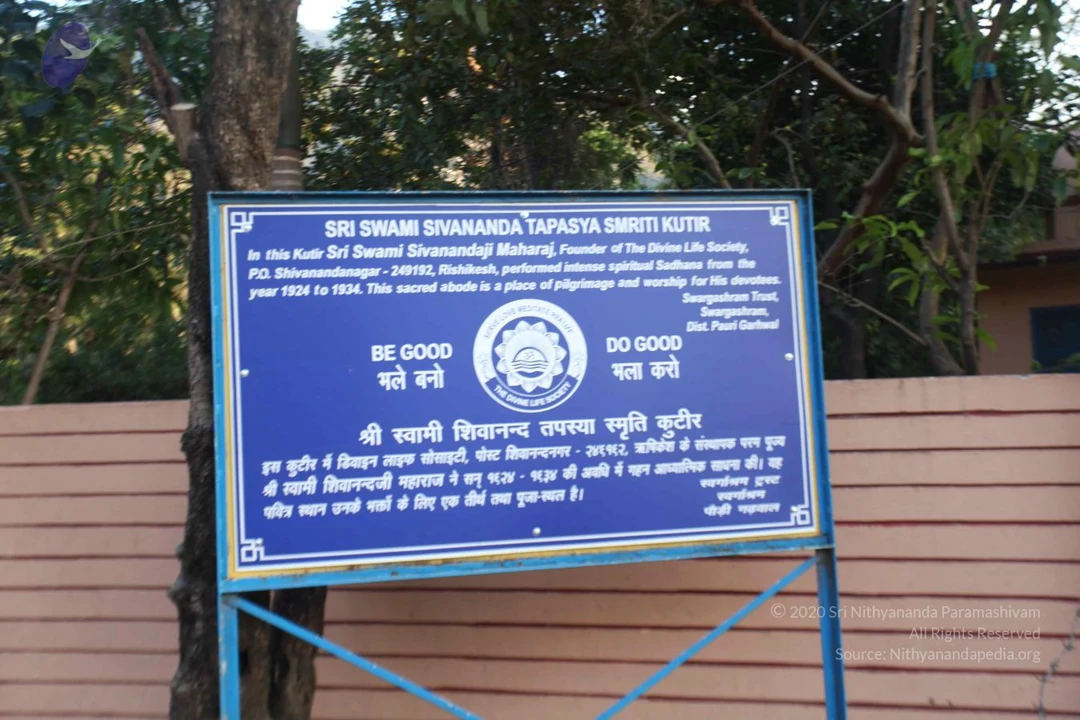
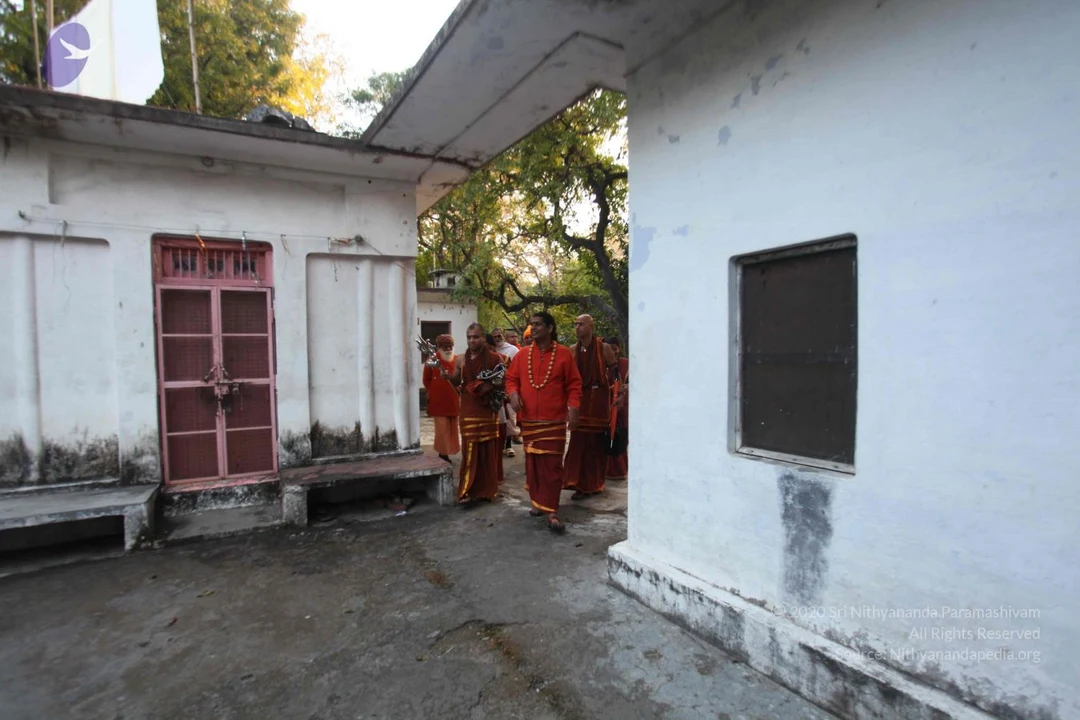









































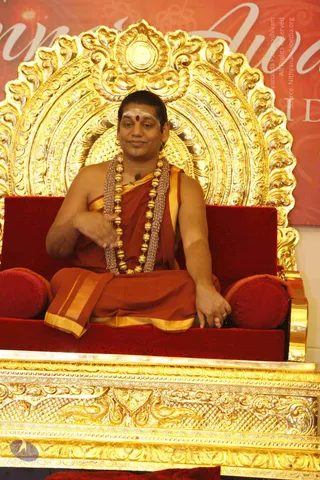
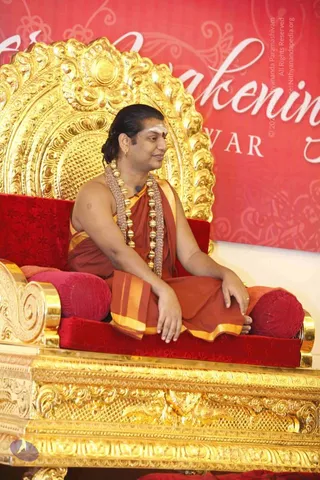
Photos Of The Day:
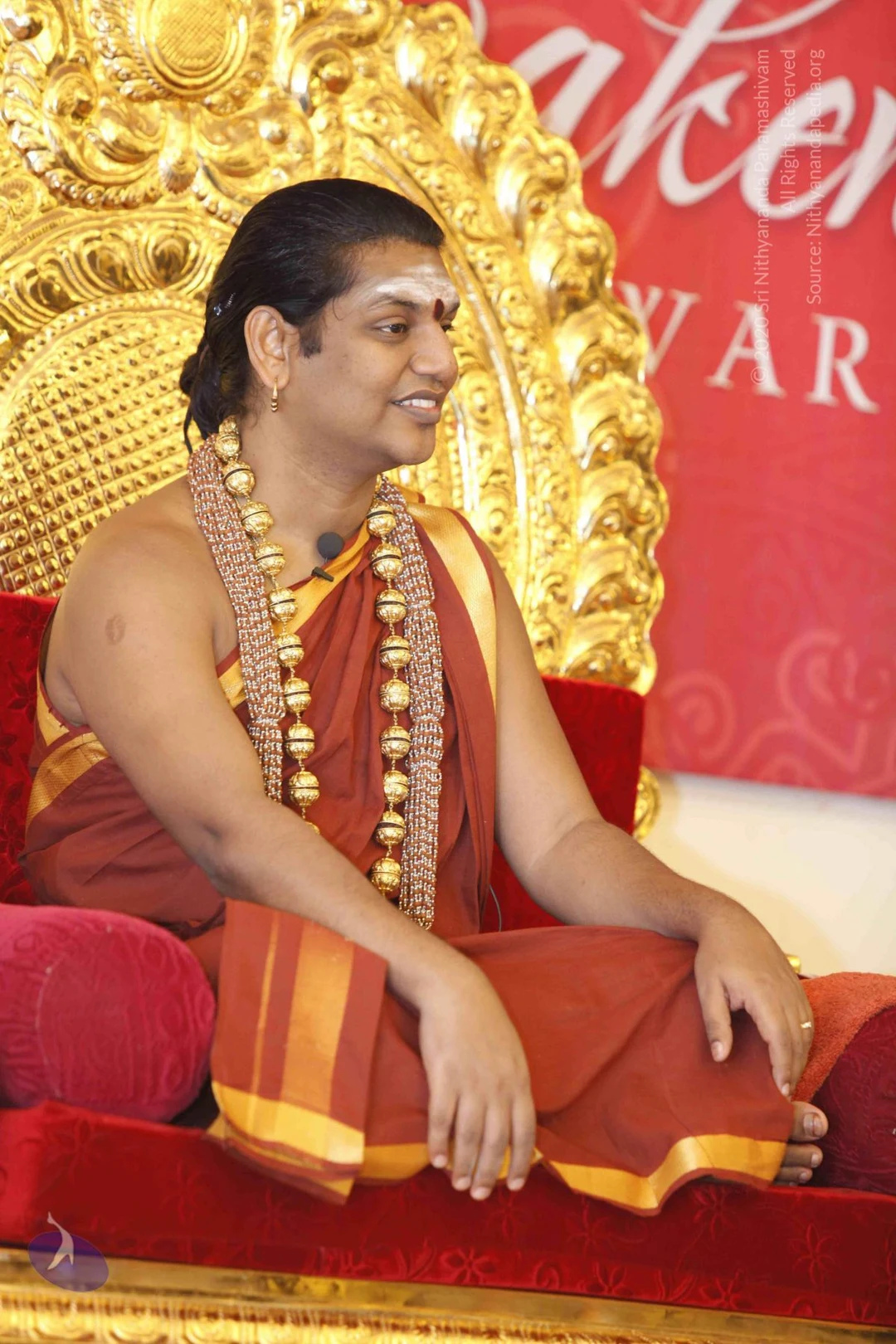
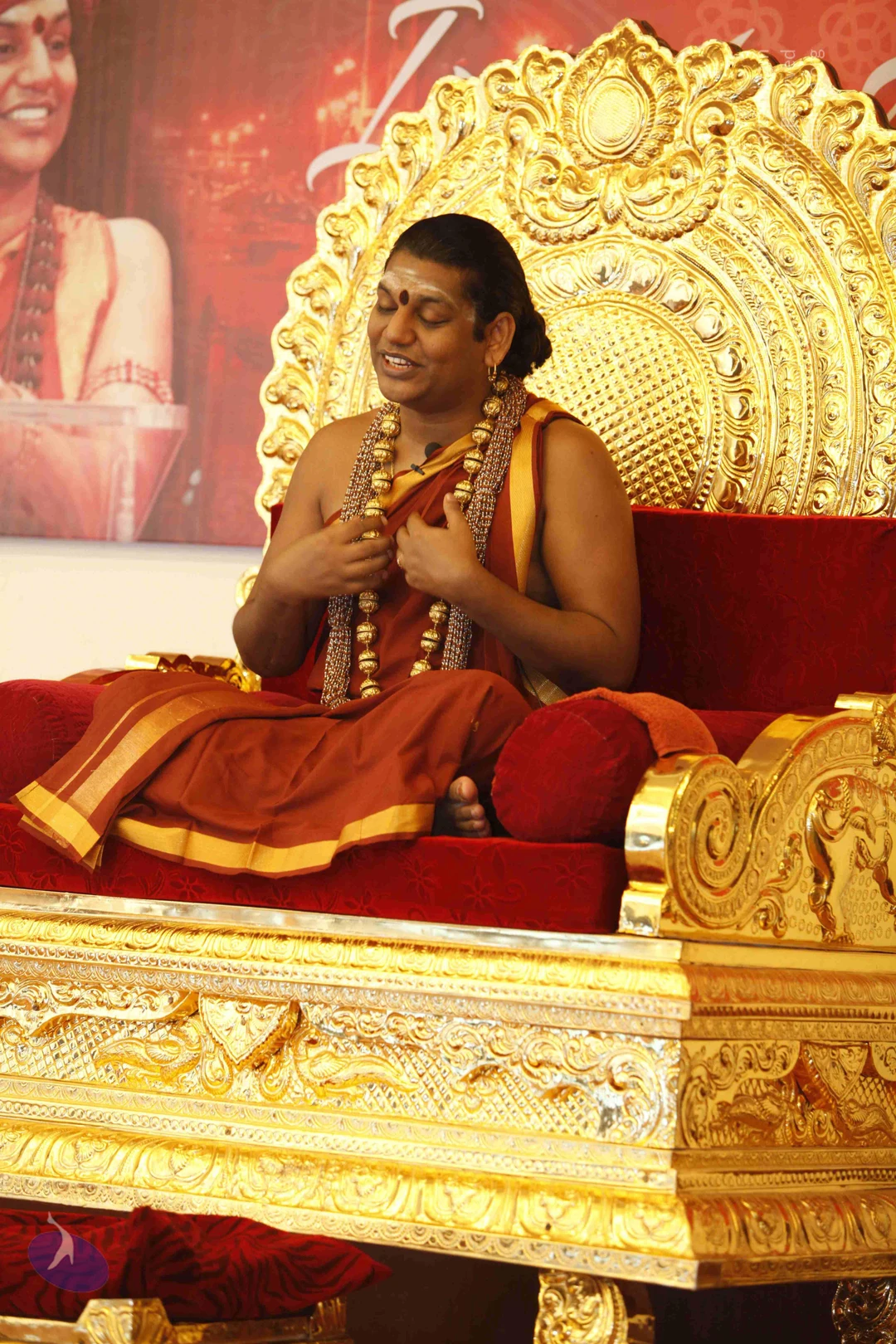
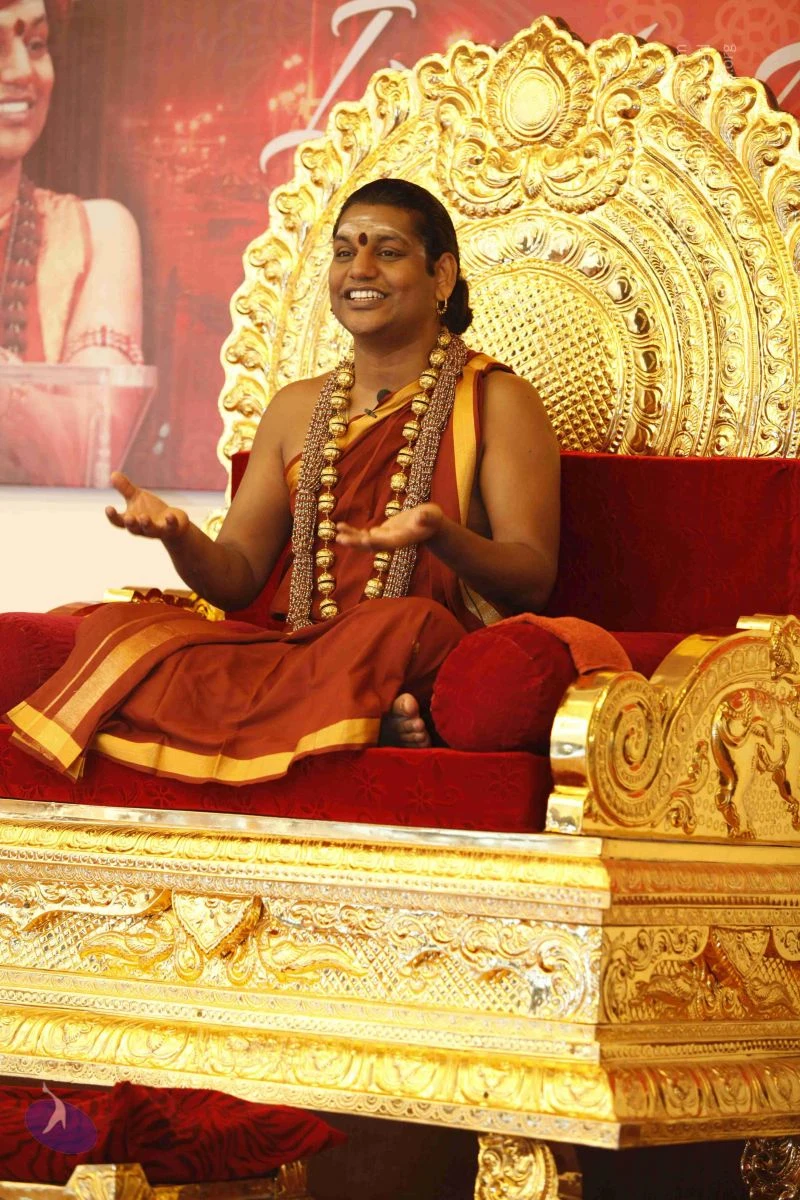
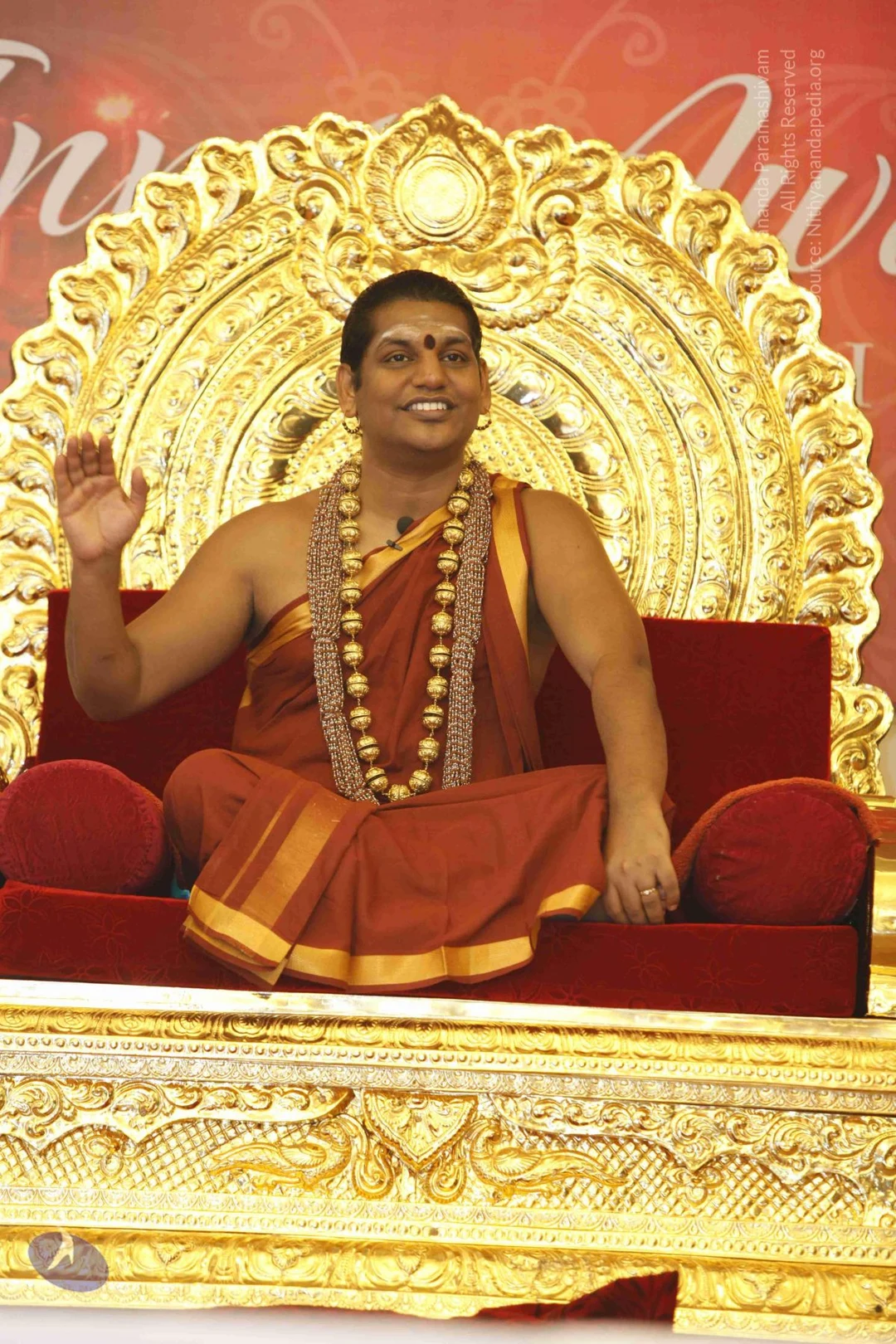
Satsang
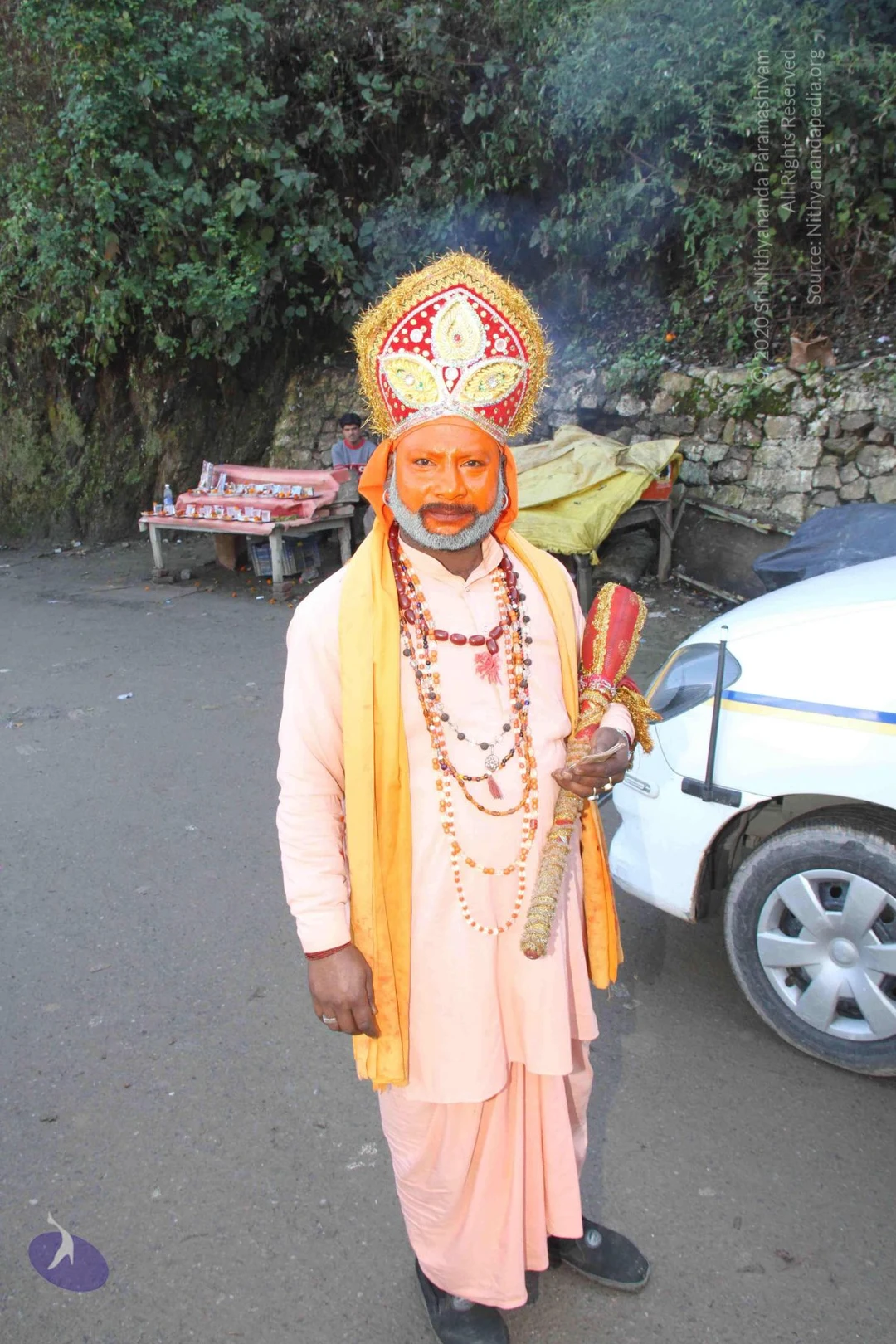
Neelkant








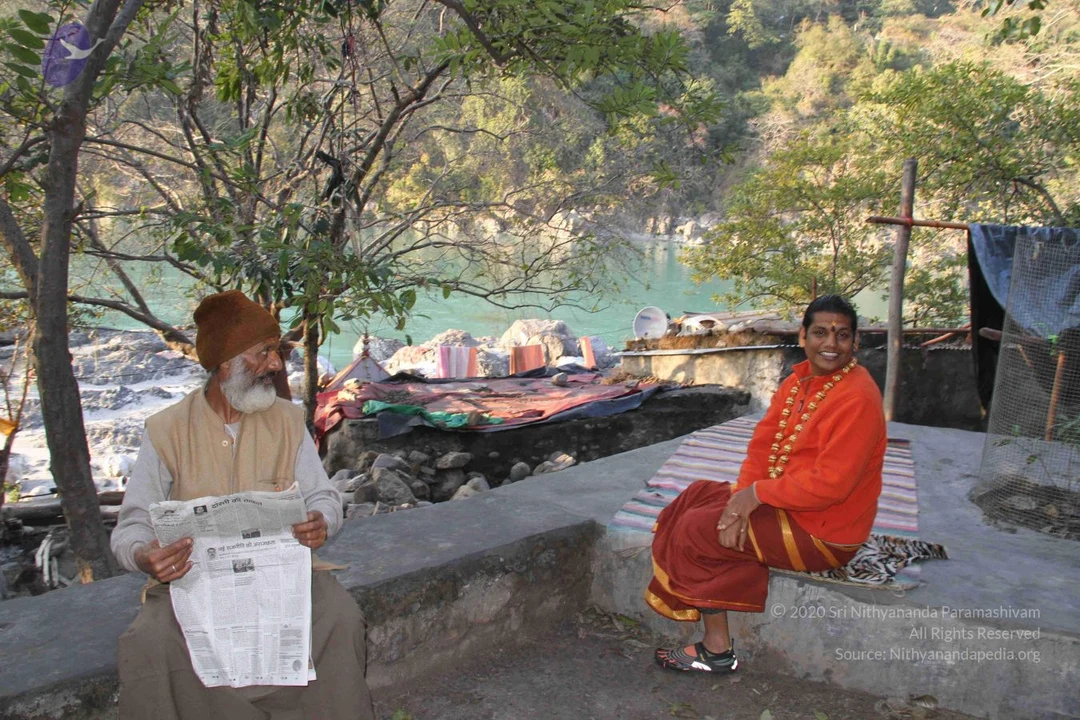
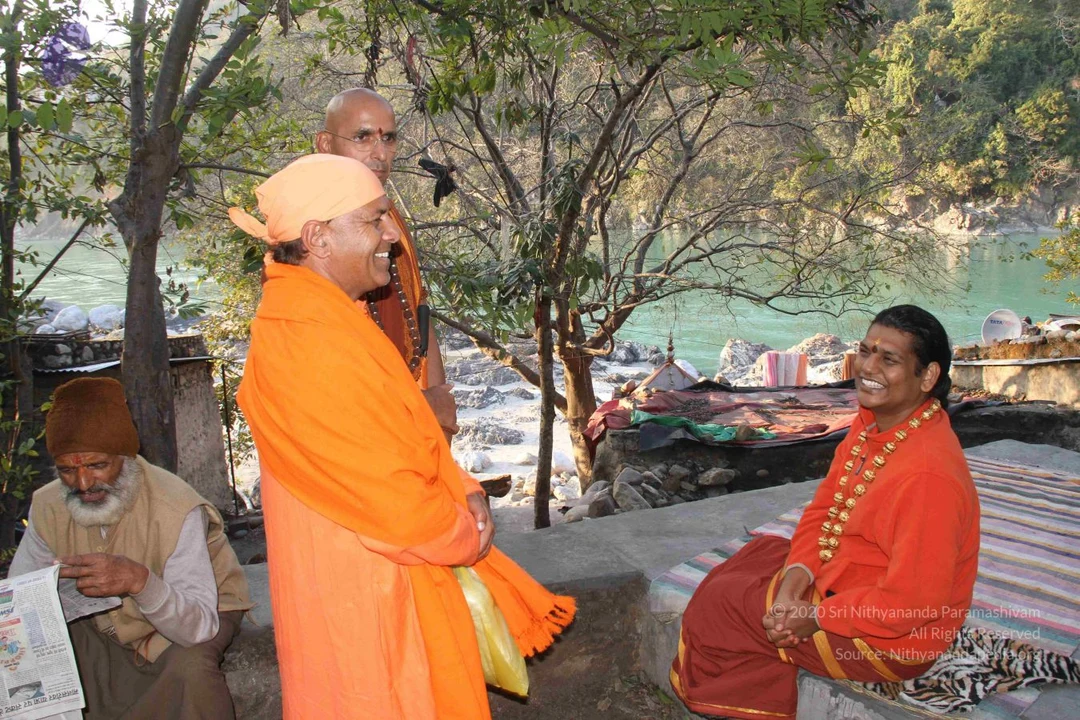
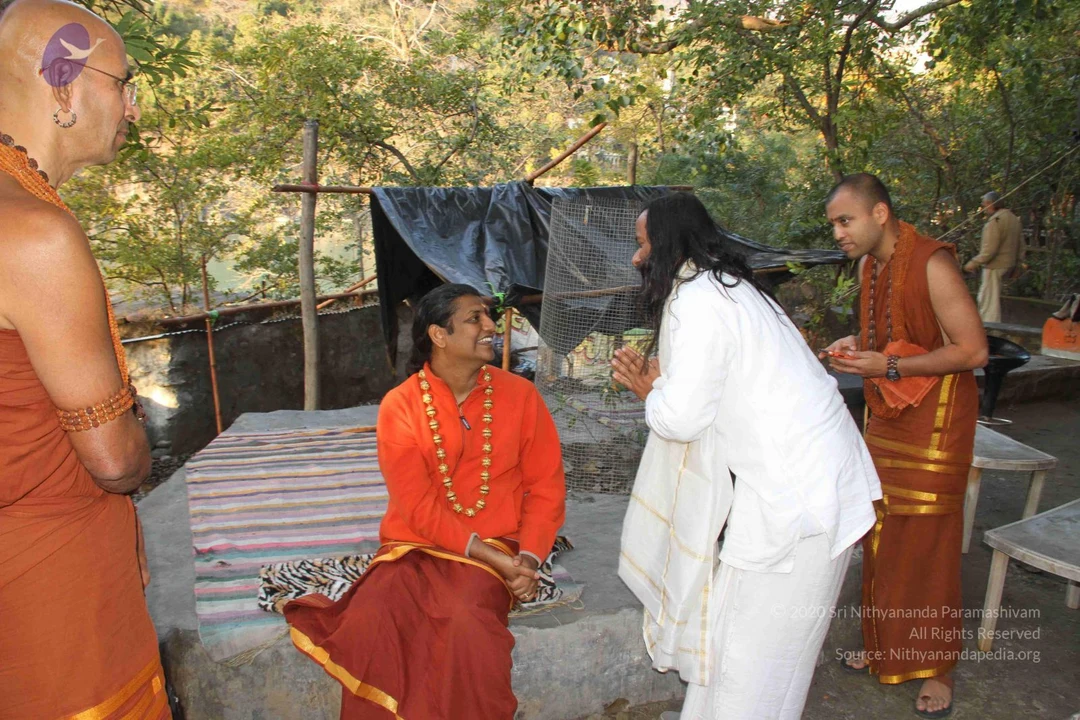
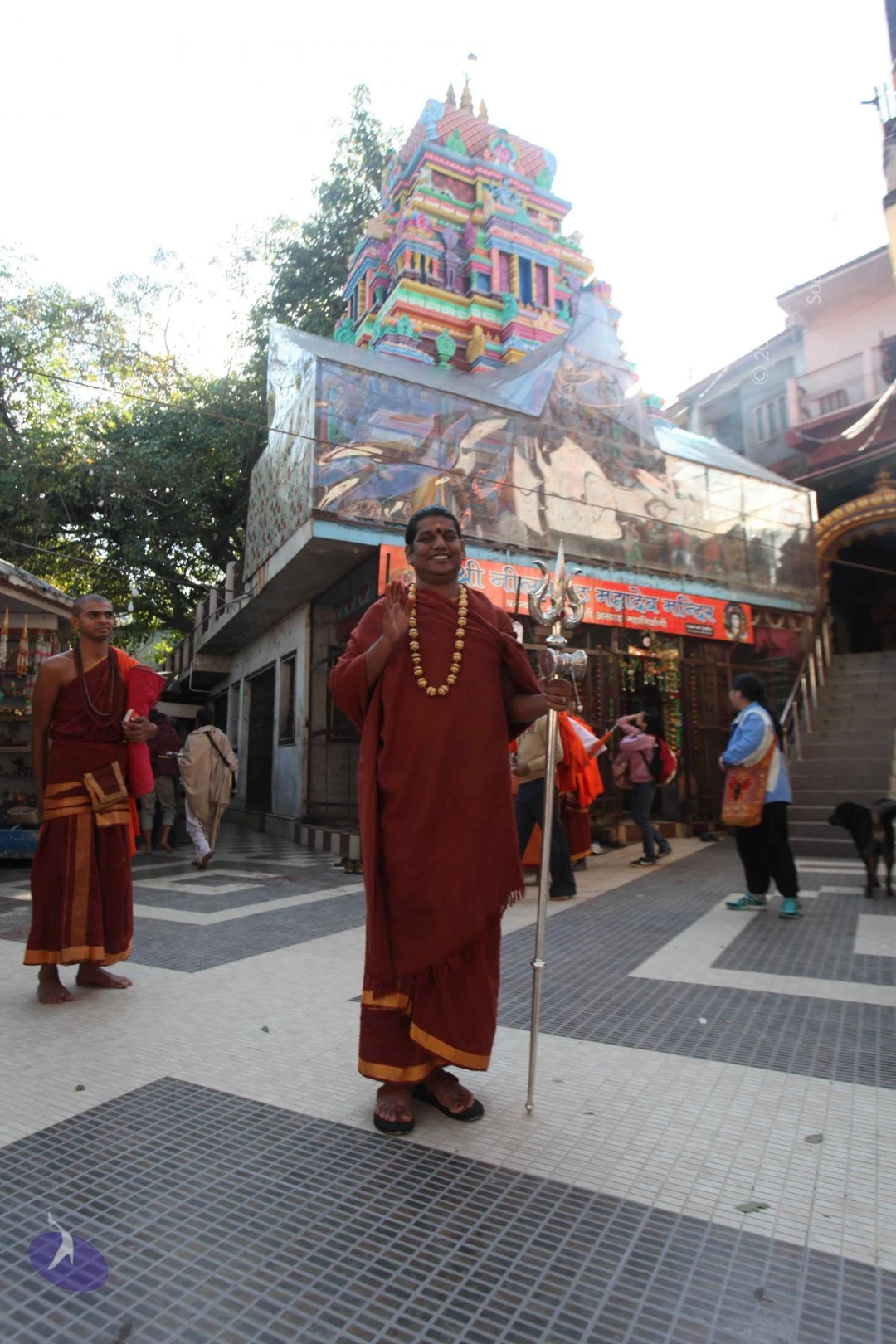
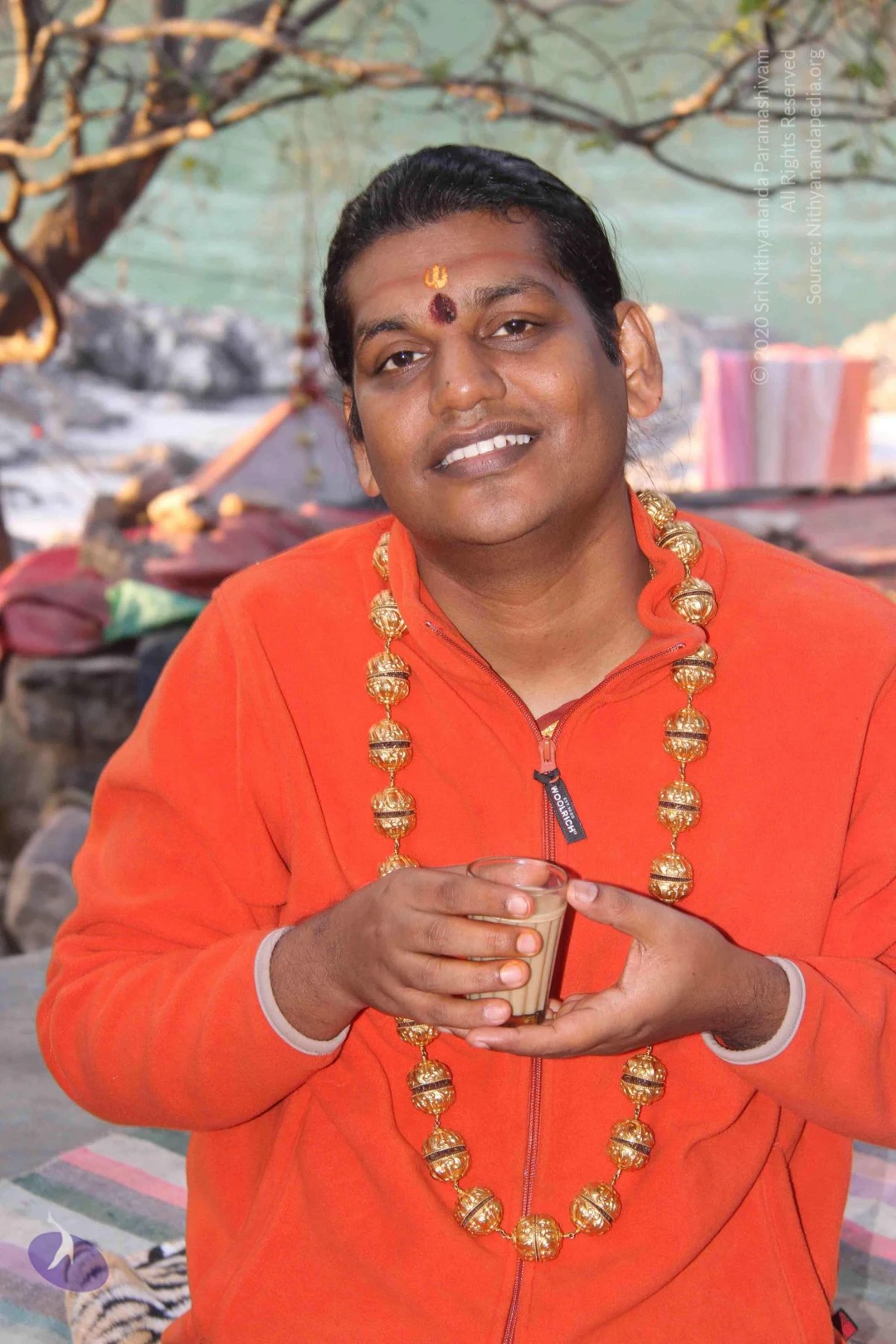
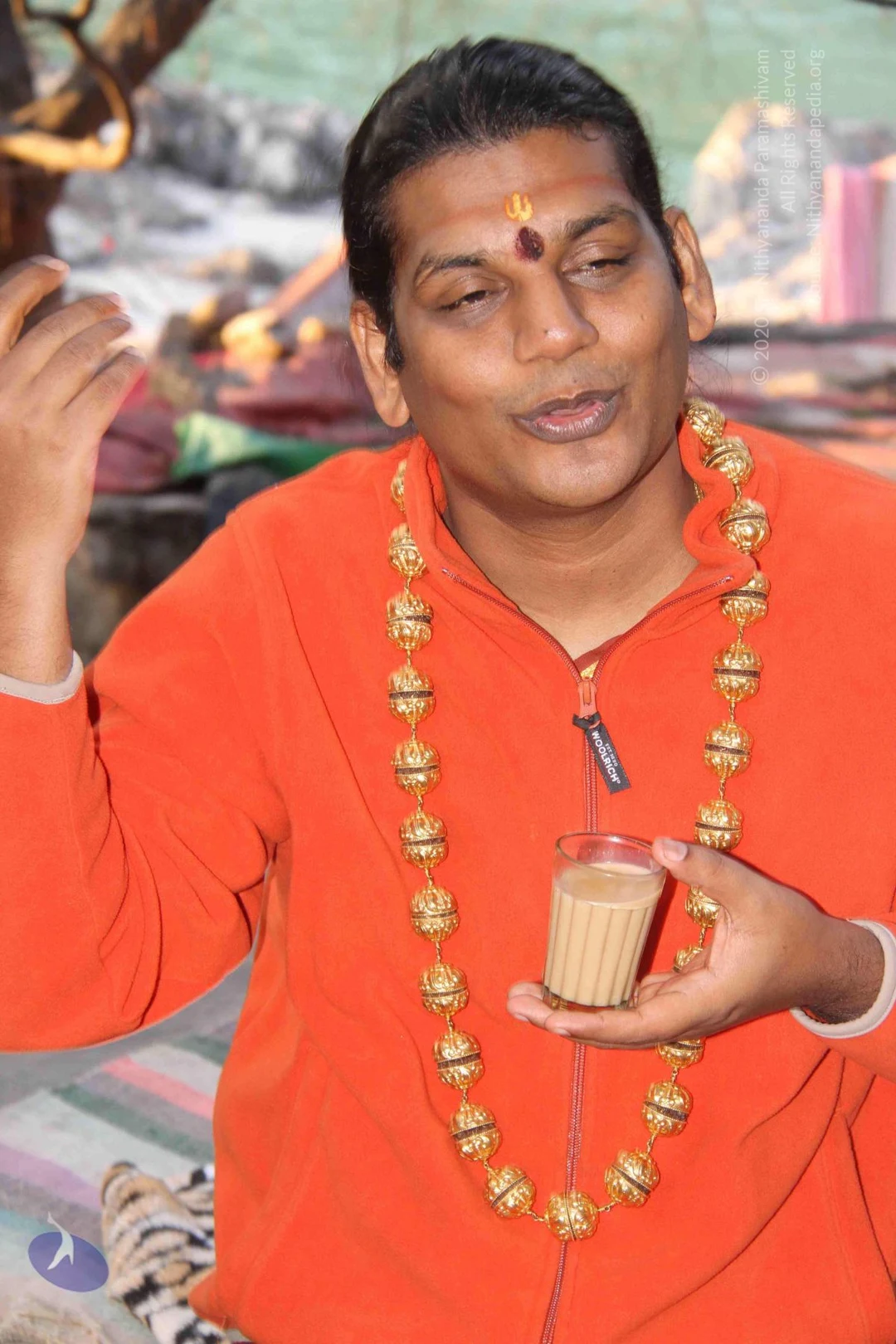
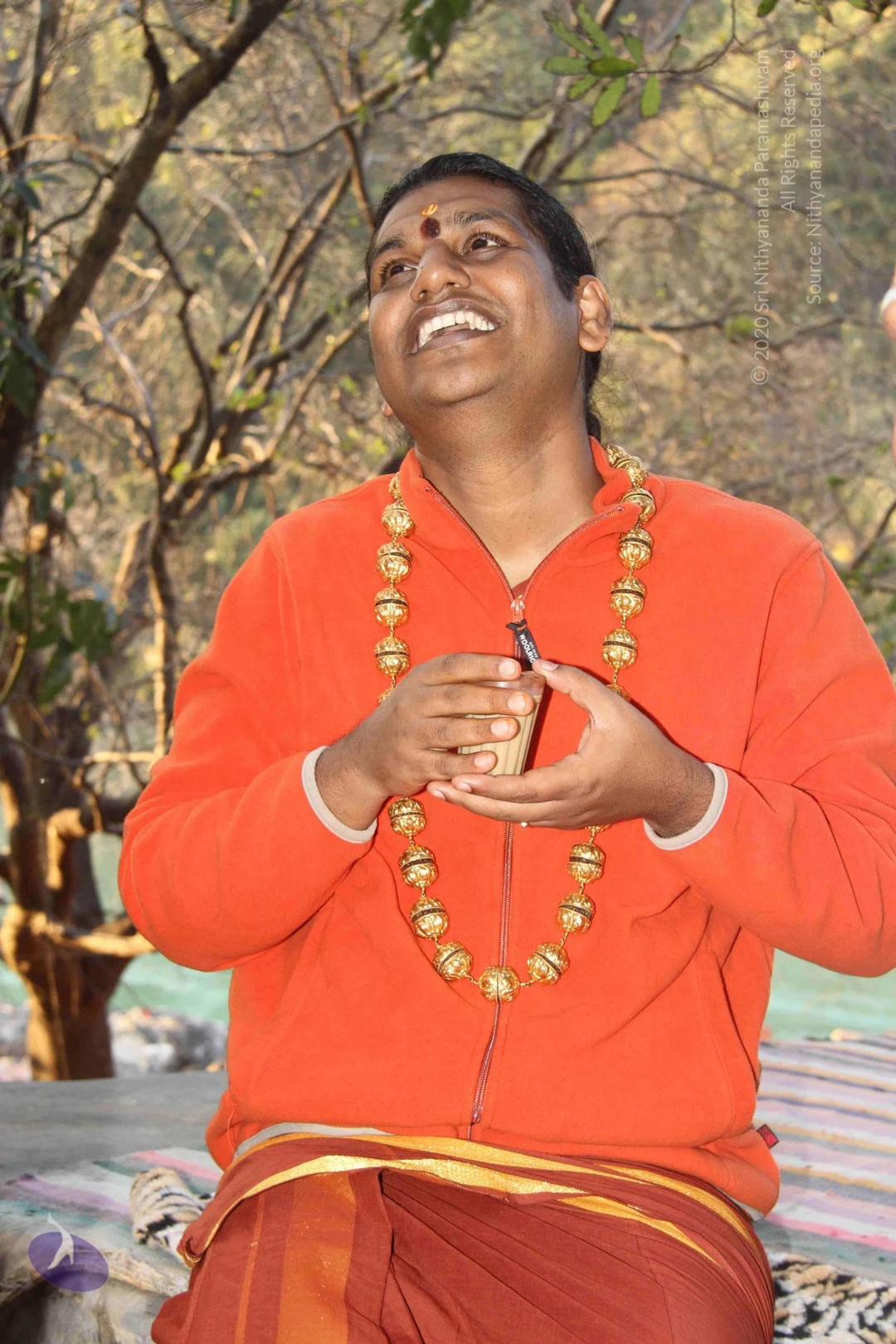
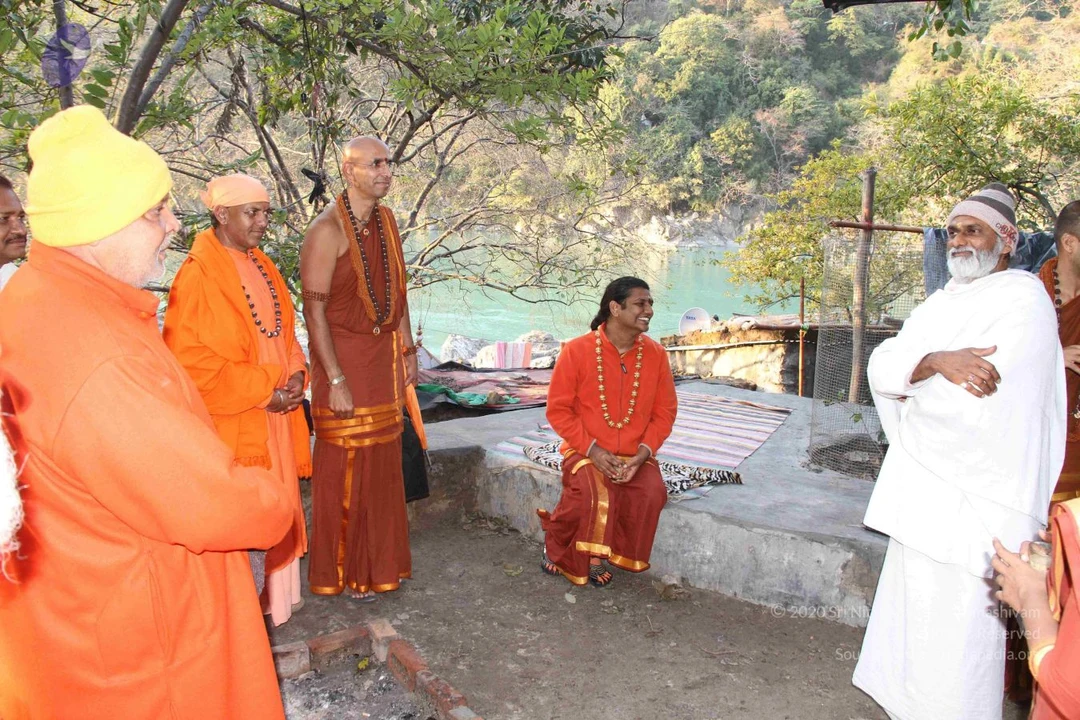
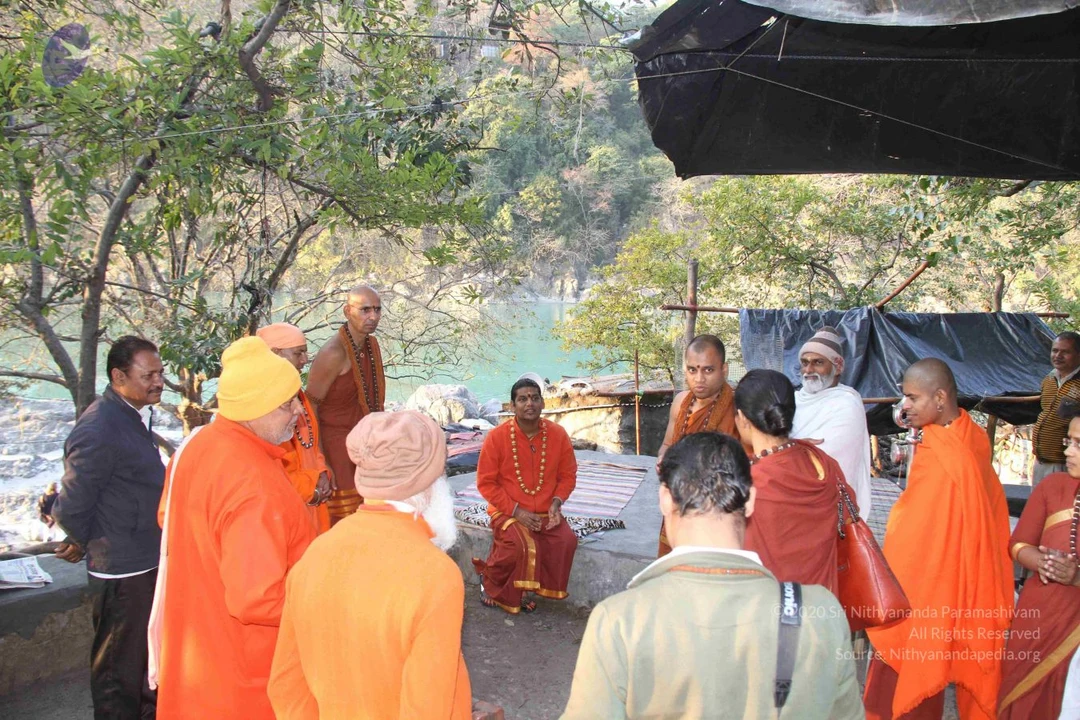
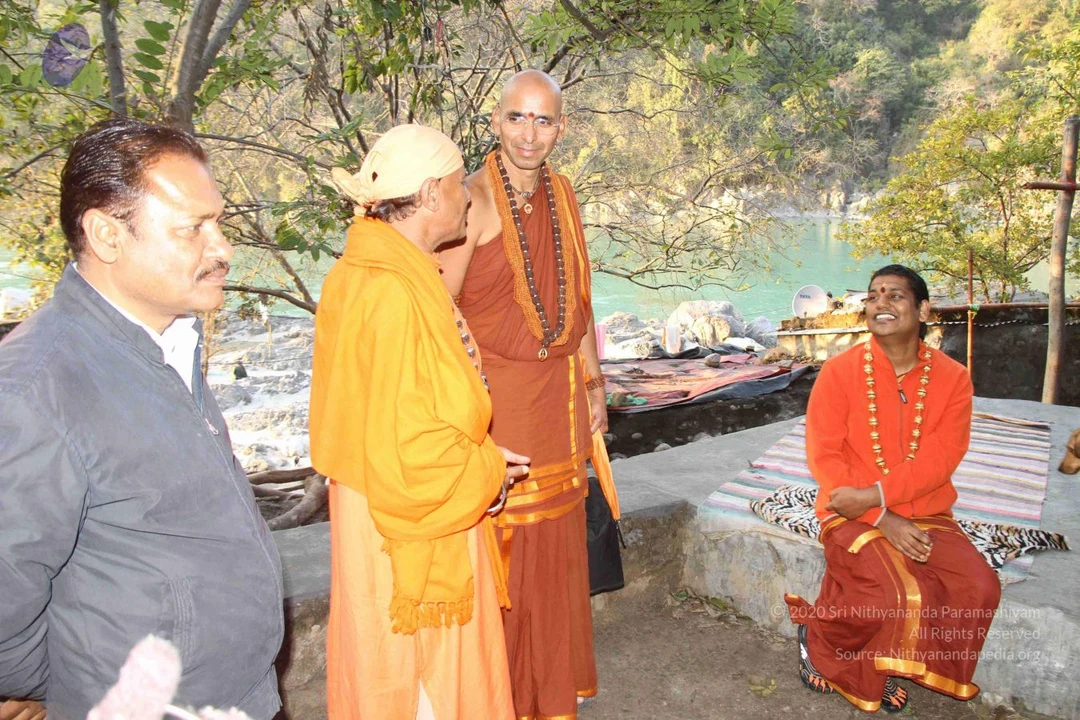
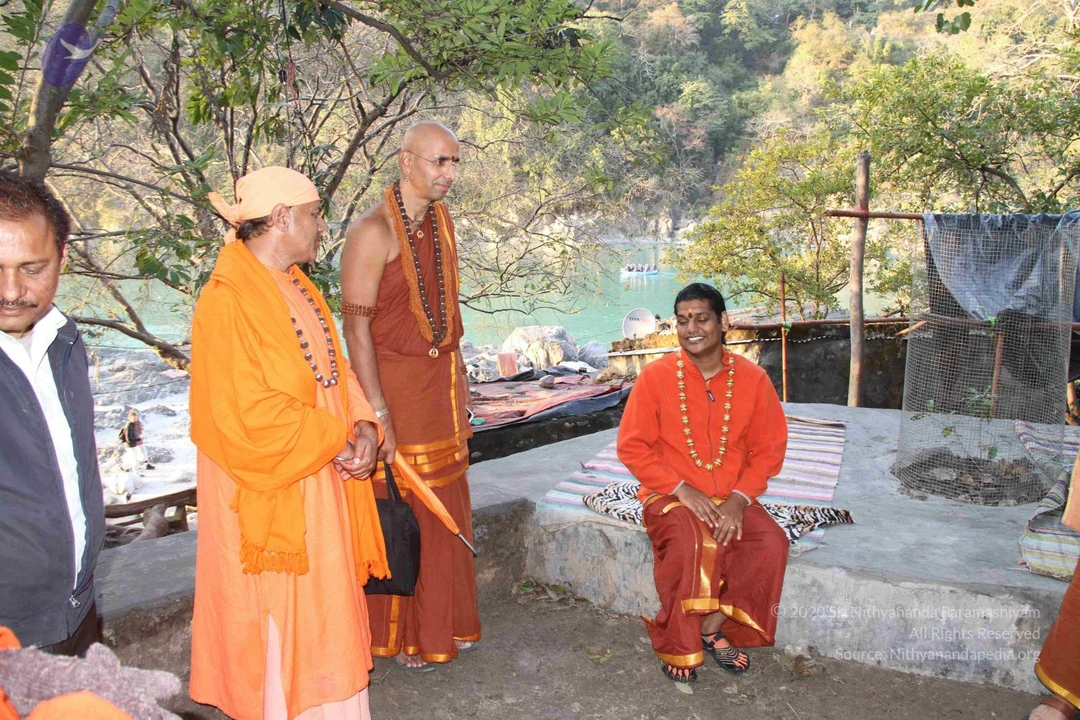
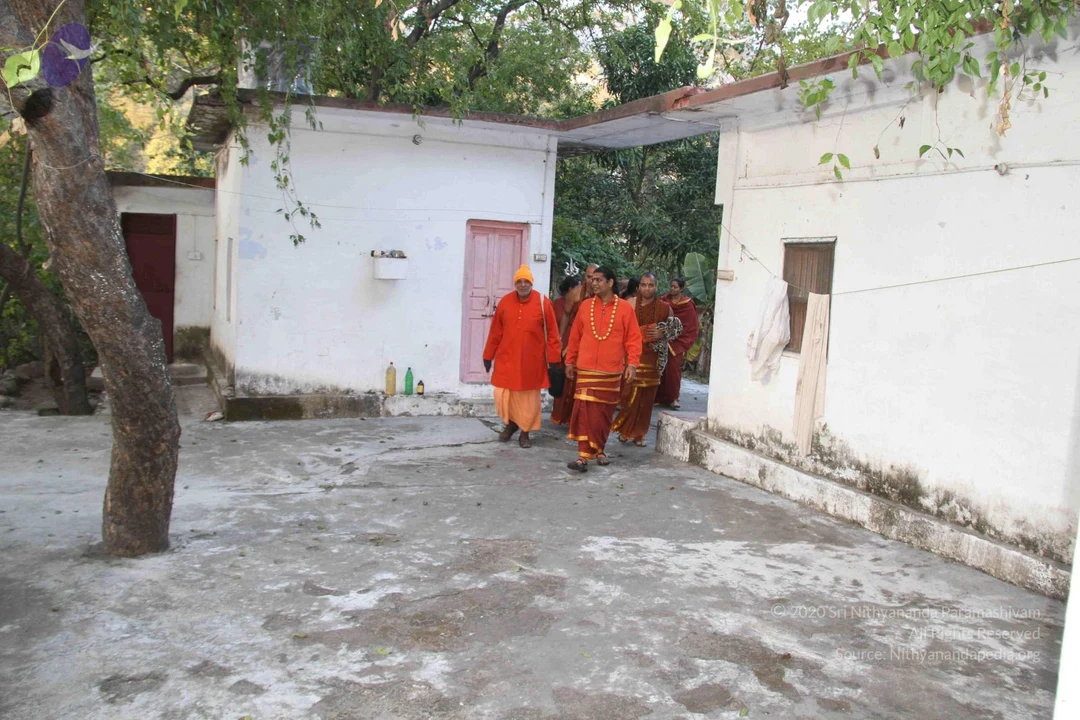
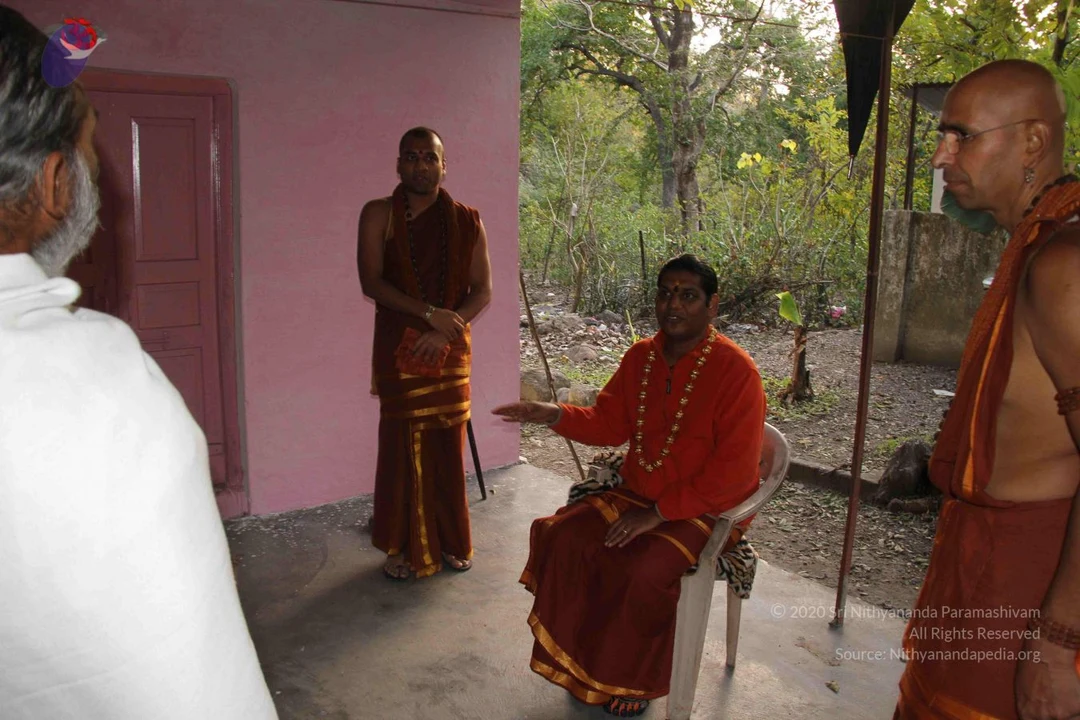
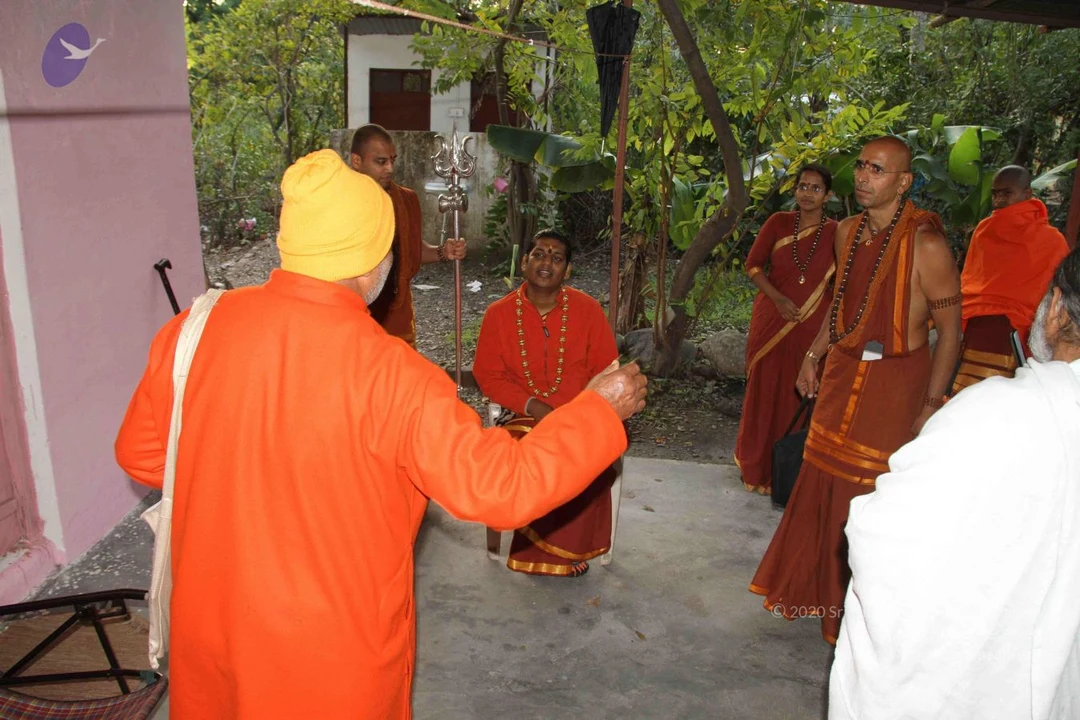
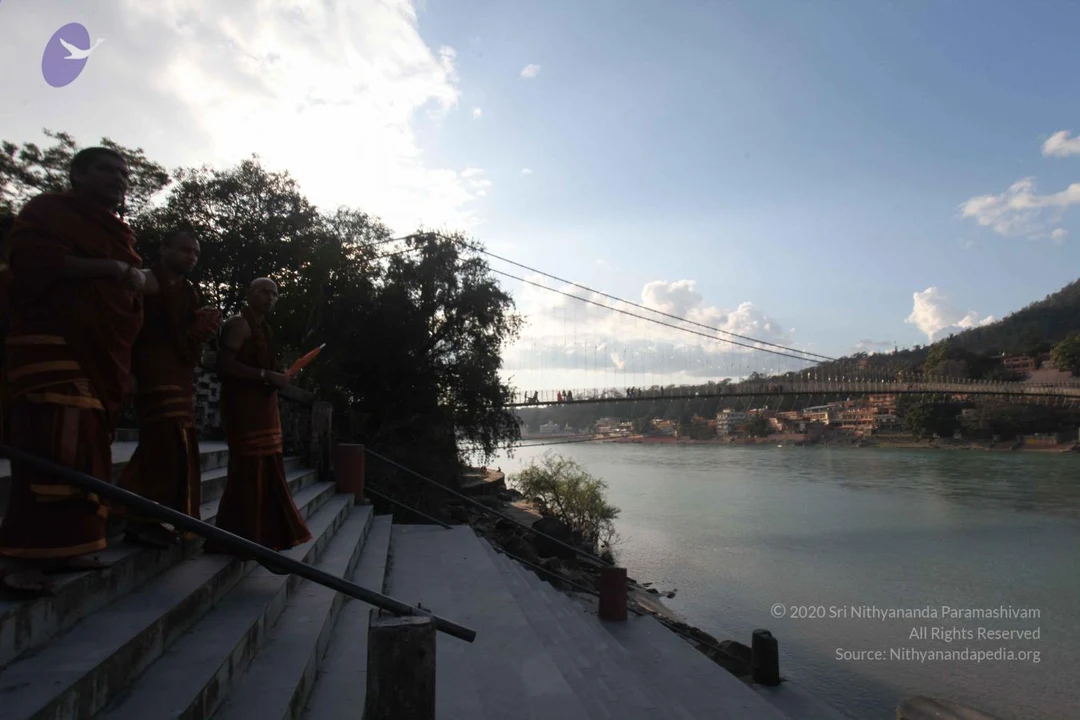
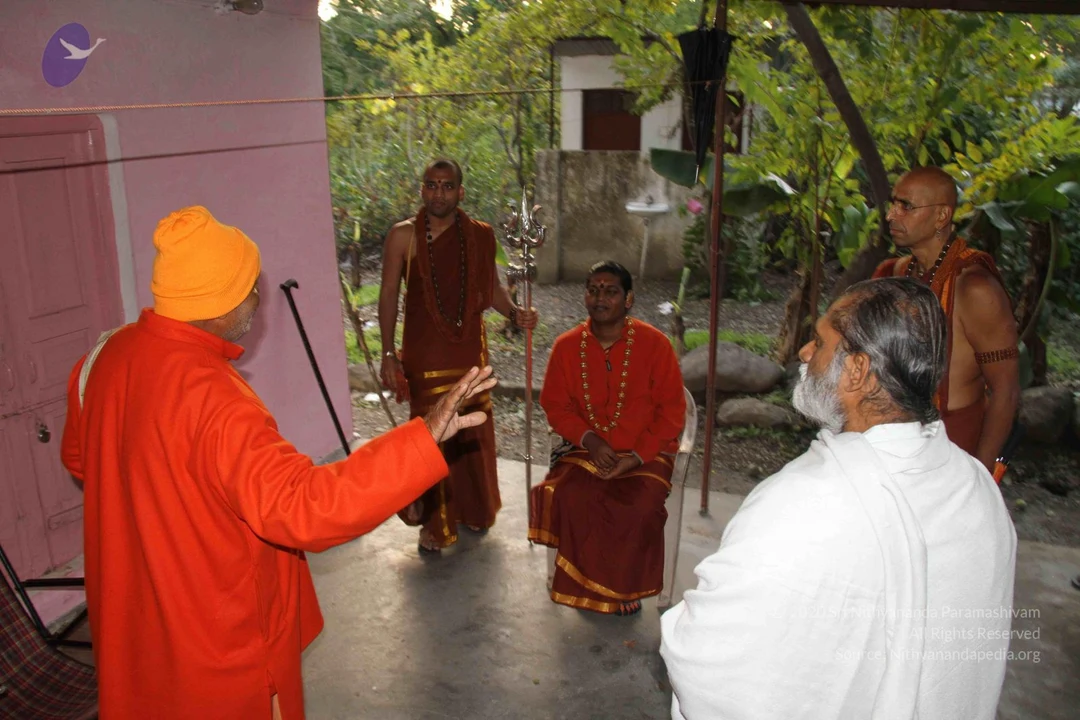




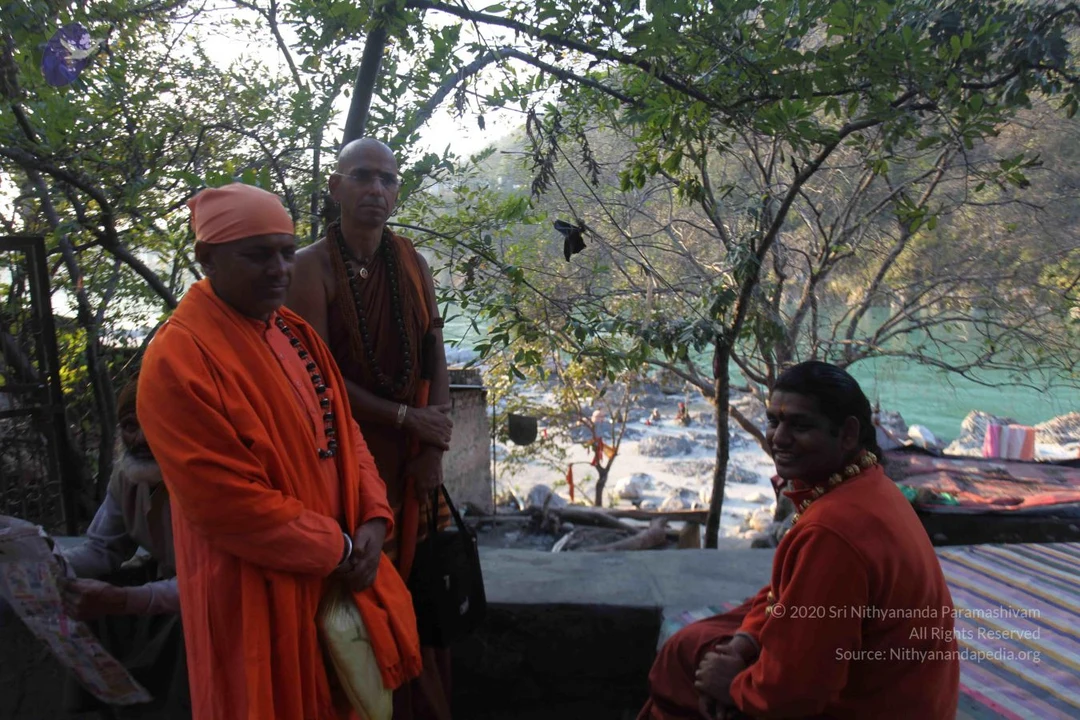
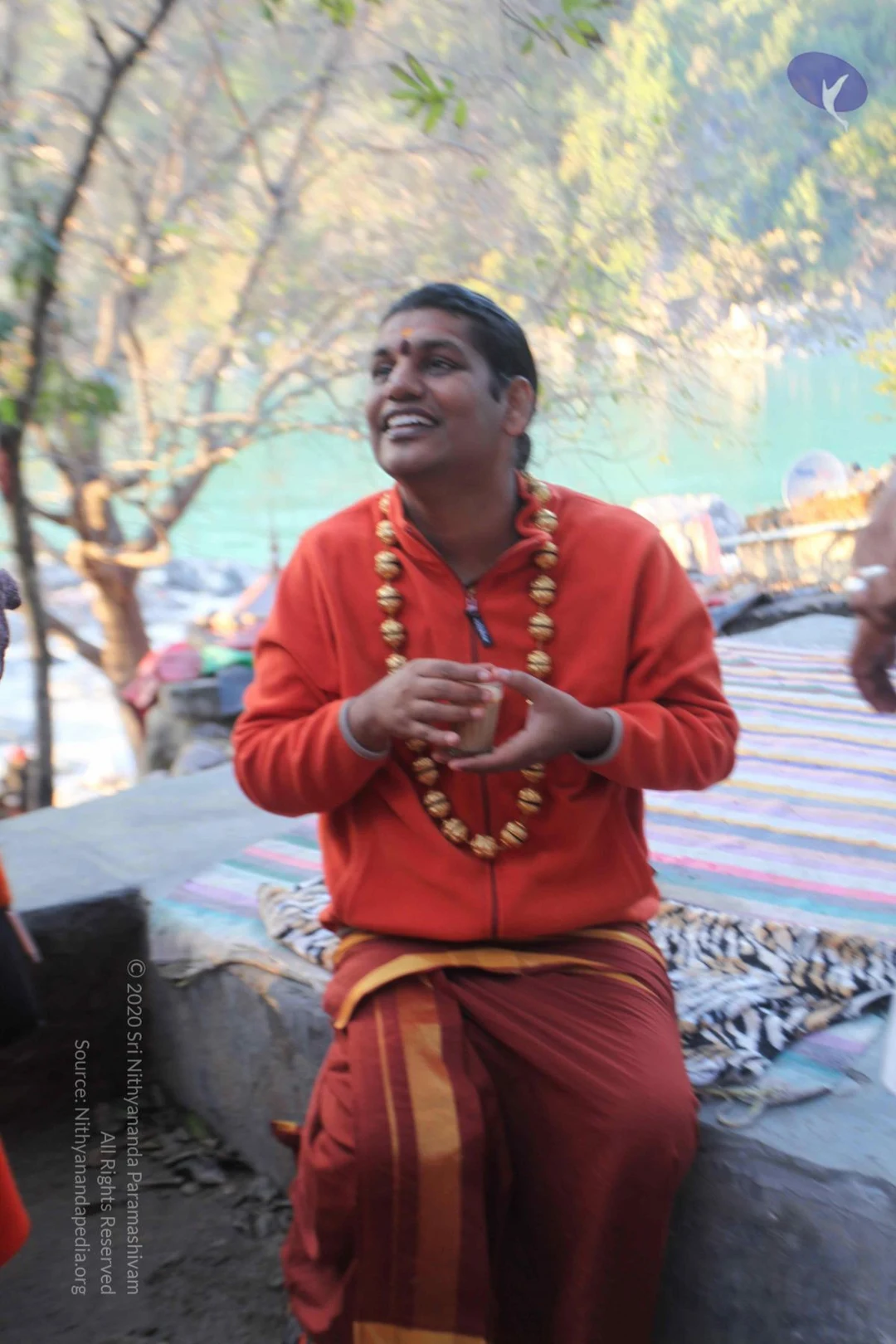
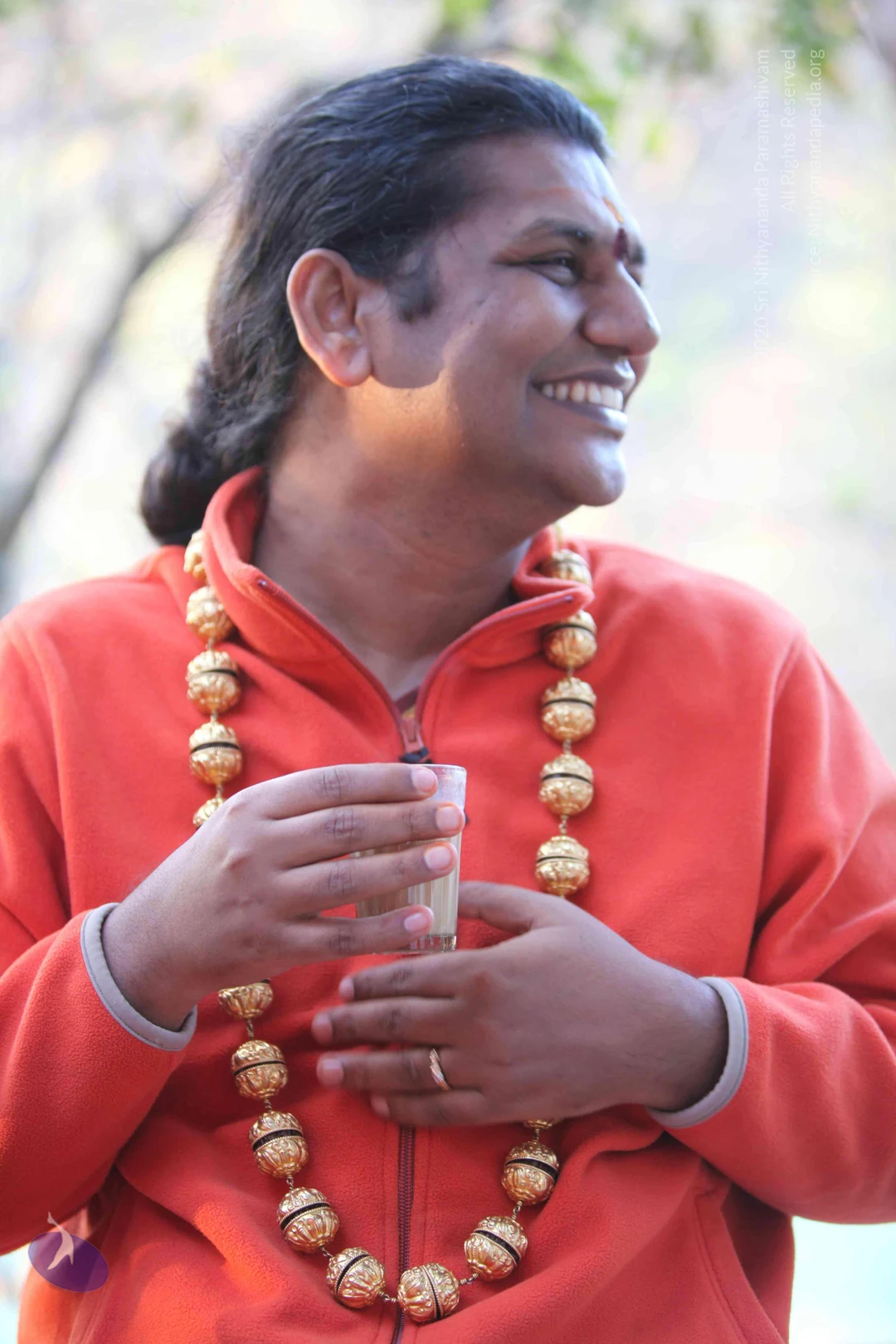




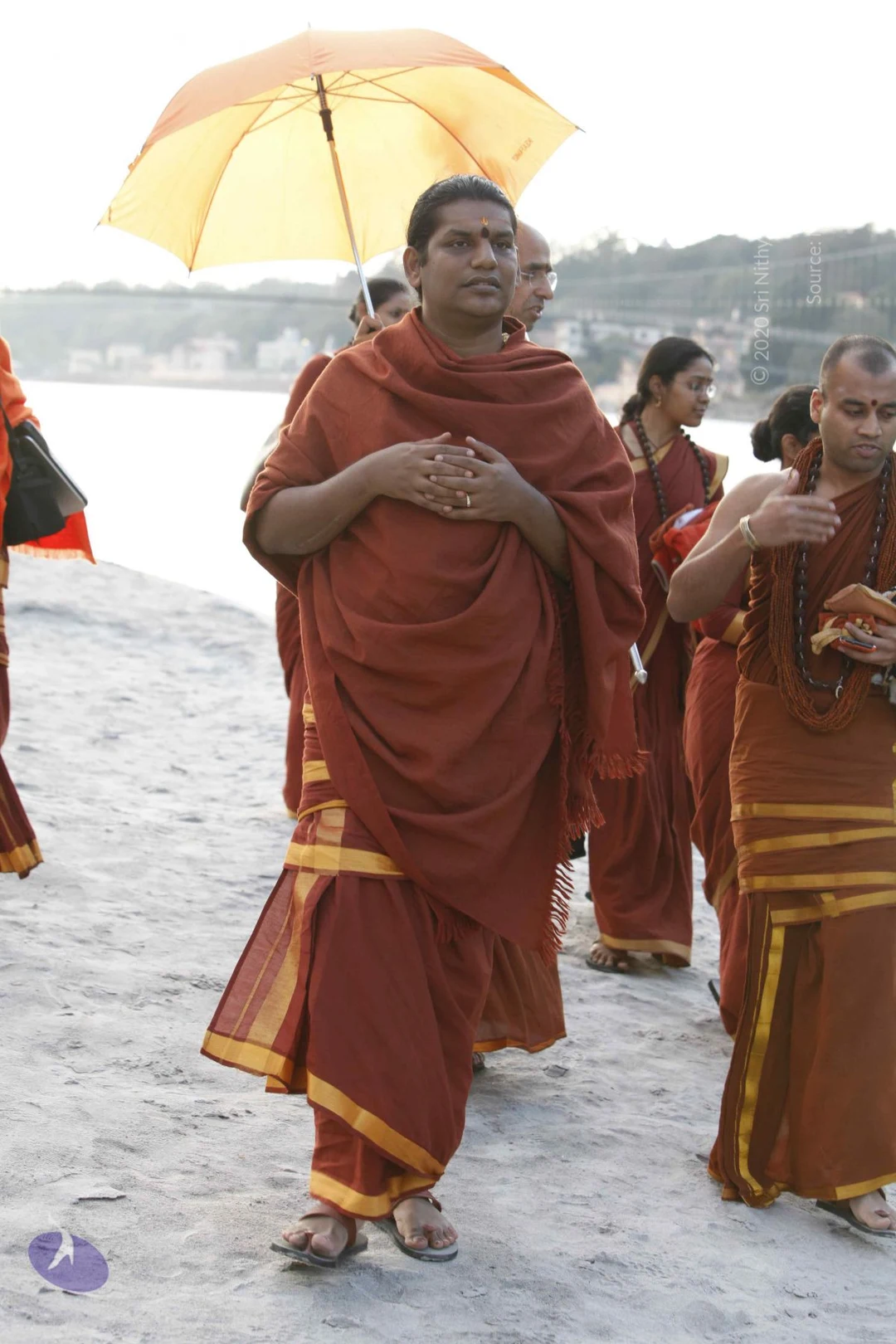
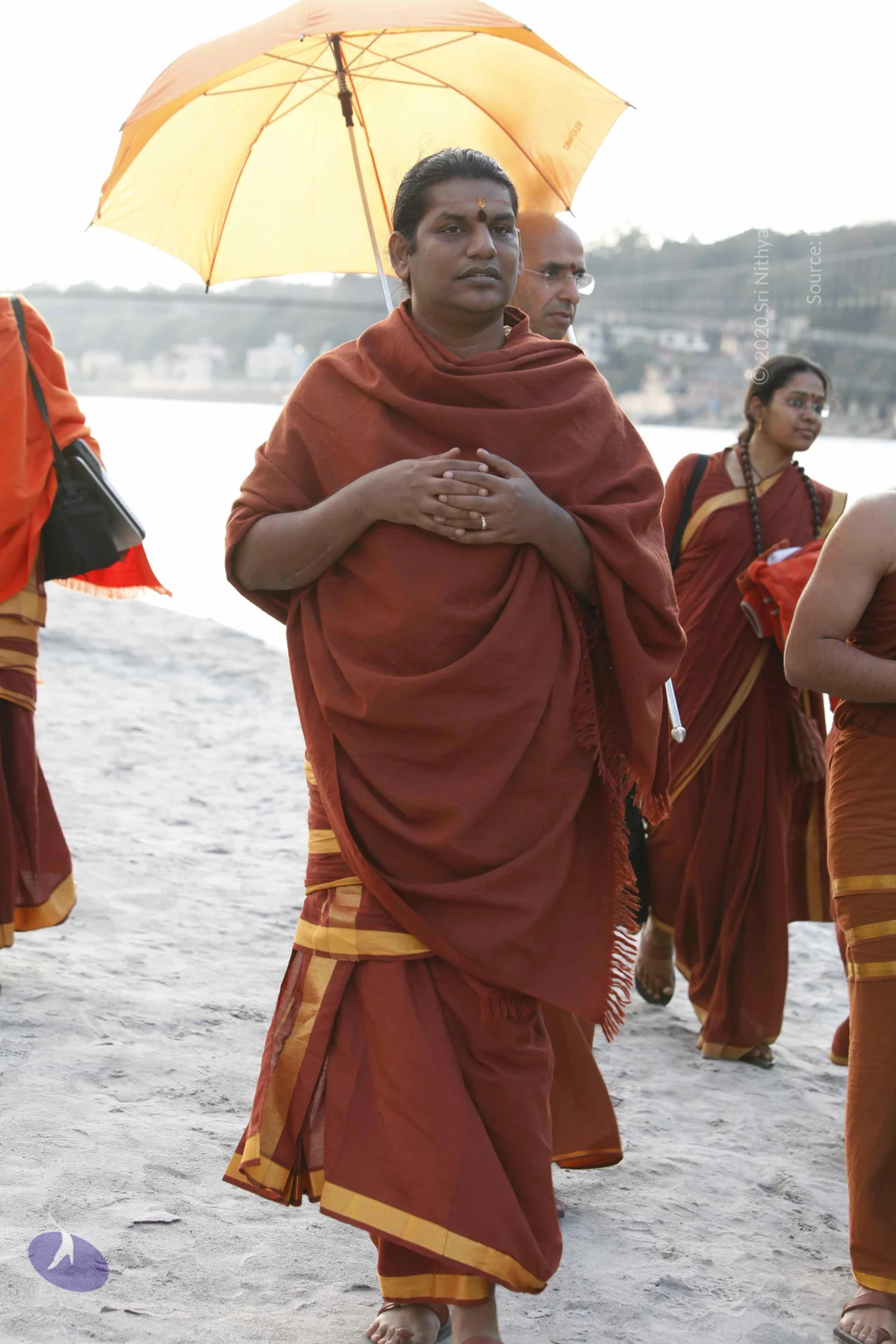

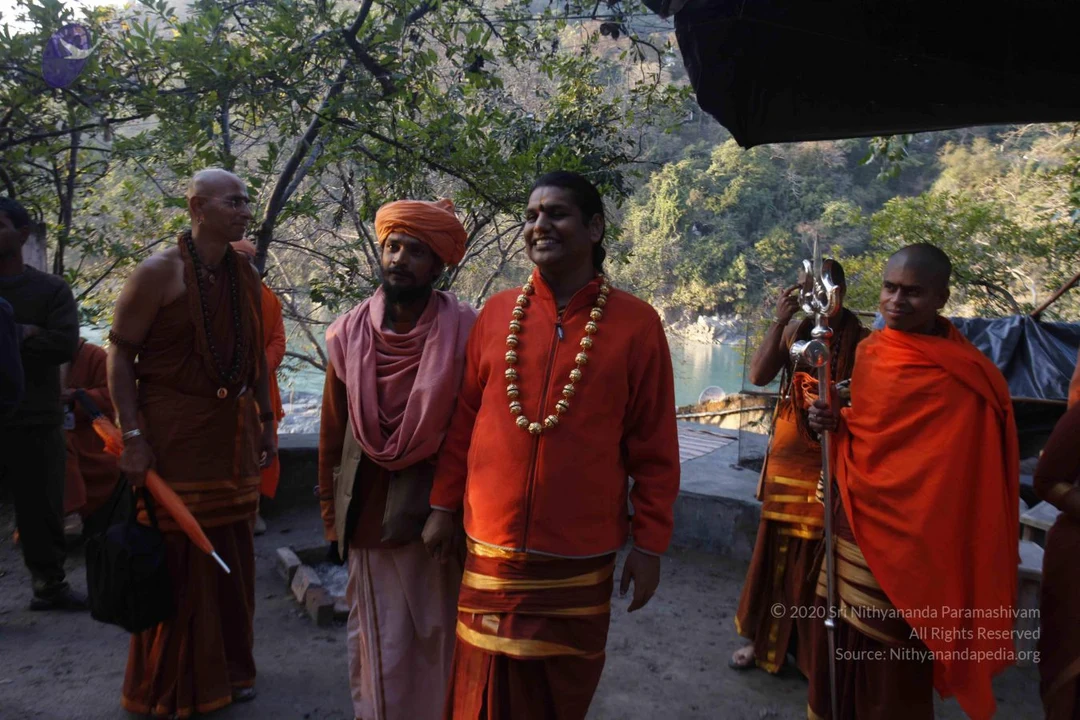
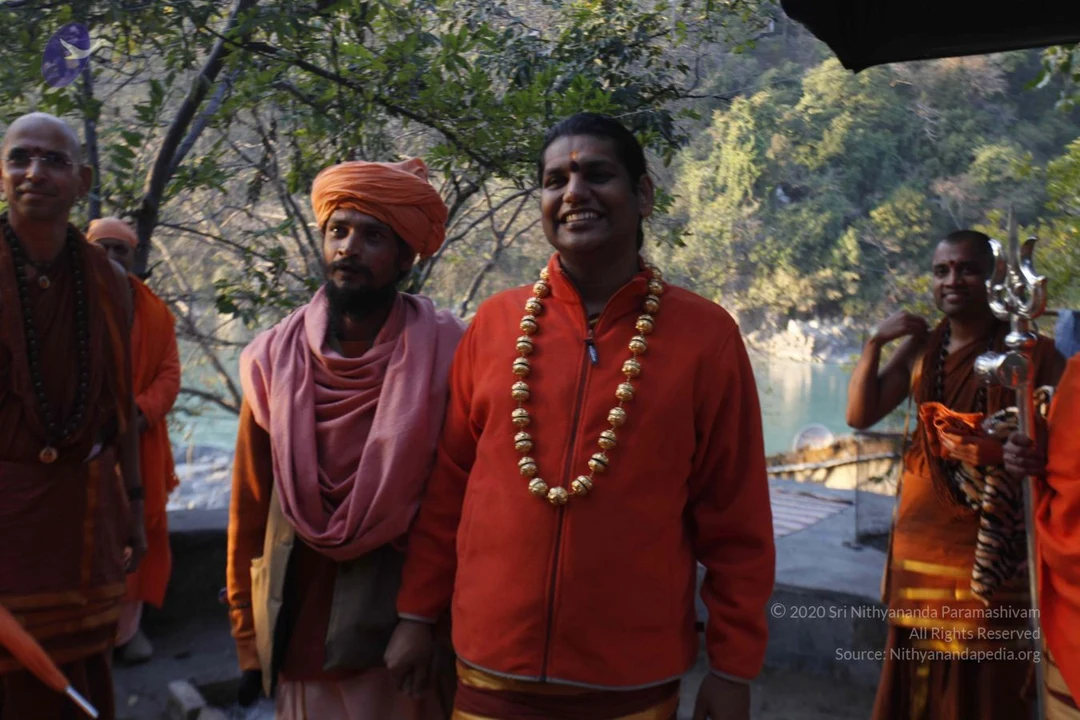

Photos from this day
View all 267 photosPhotos
16 photosSource gallery
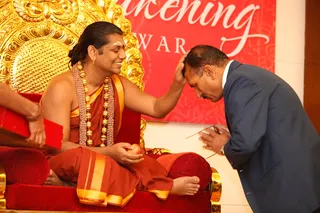

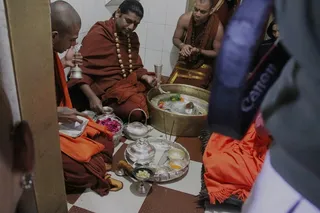
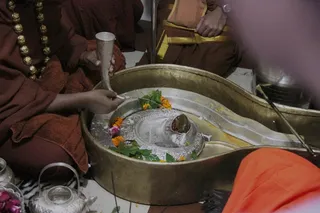
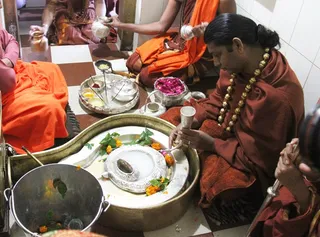
Puja
6 photosSource gallery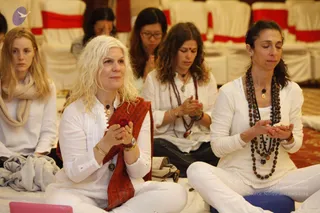

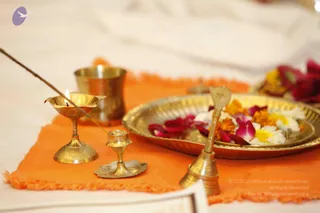
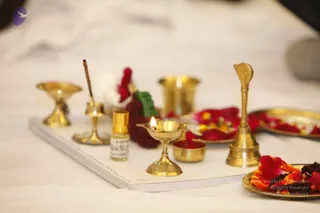
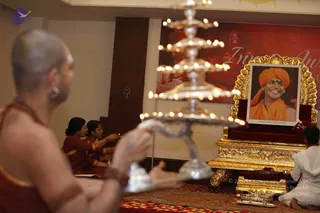
Satsang
12 photosSource gallery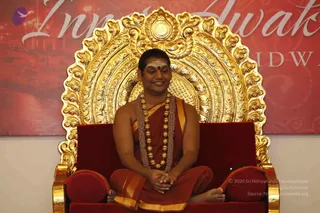
Neelkant-Temple-Visit
164 photosSource gallery
Satsang
9 photosSource gallery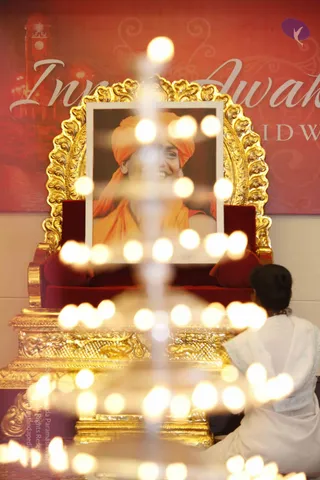
Neelkant
60 photosSource gallery