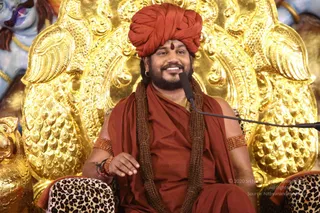
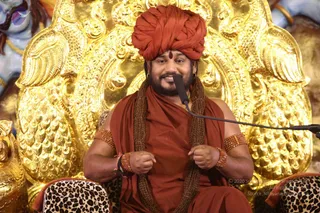
Friday
12 August 2016
Let your Workship and Worship be Infinite Brahman
- Dated photos
- 699
- Source pages
- 1
- Media
- 3
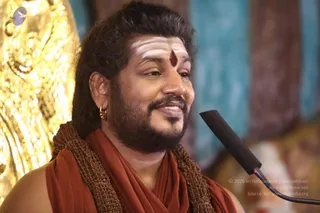

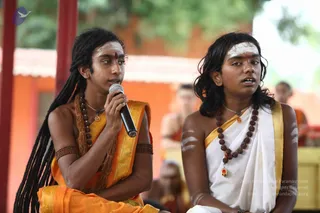
August 12 2016
Original wiki pageTitle
Let your Workship and Worship be Infinite Brahman
Description:
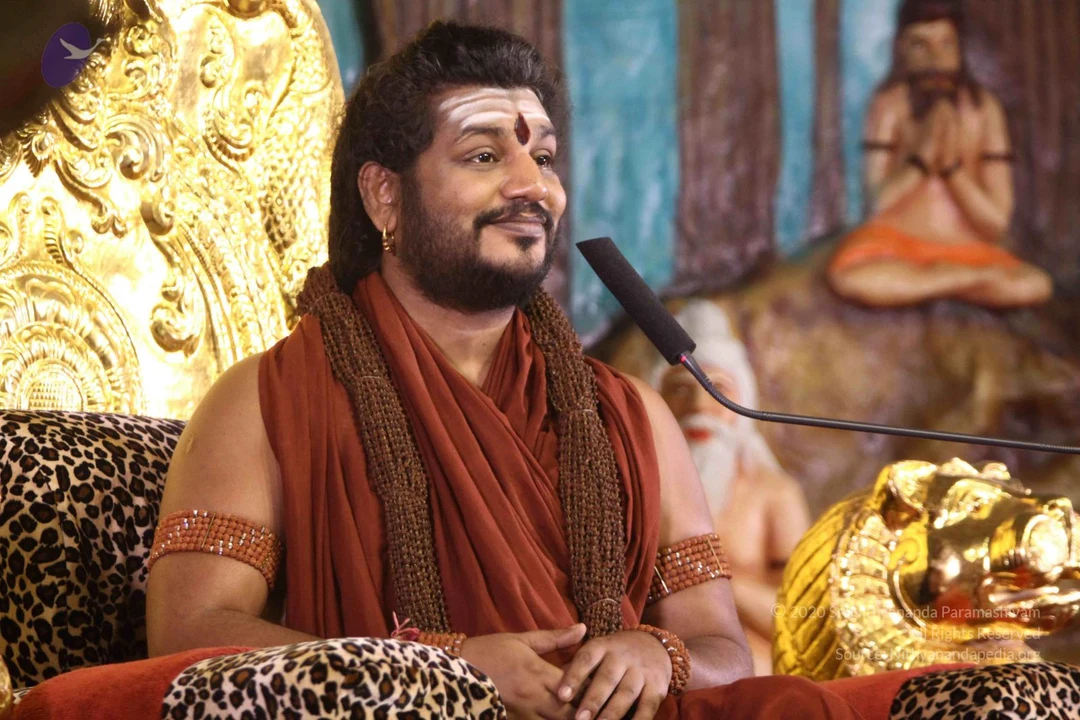
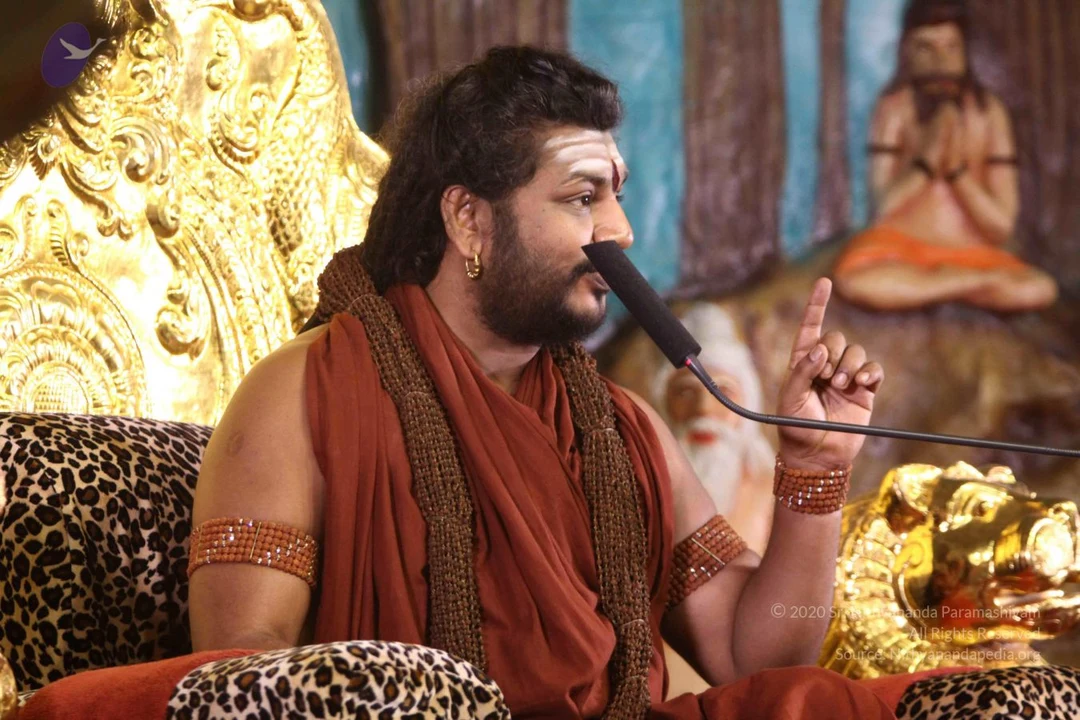
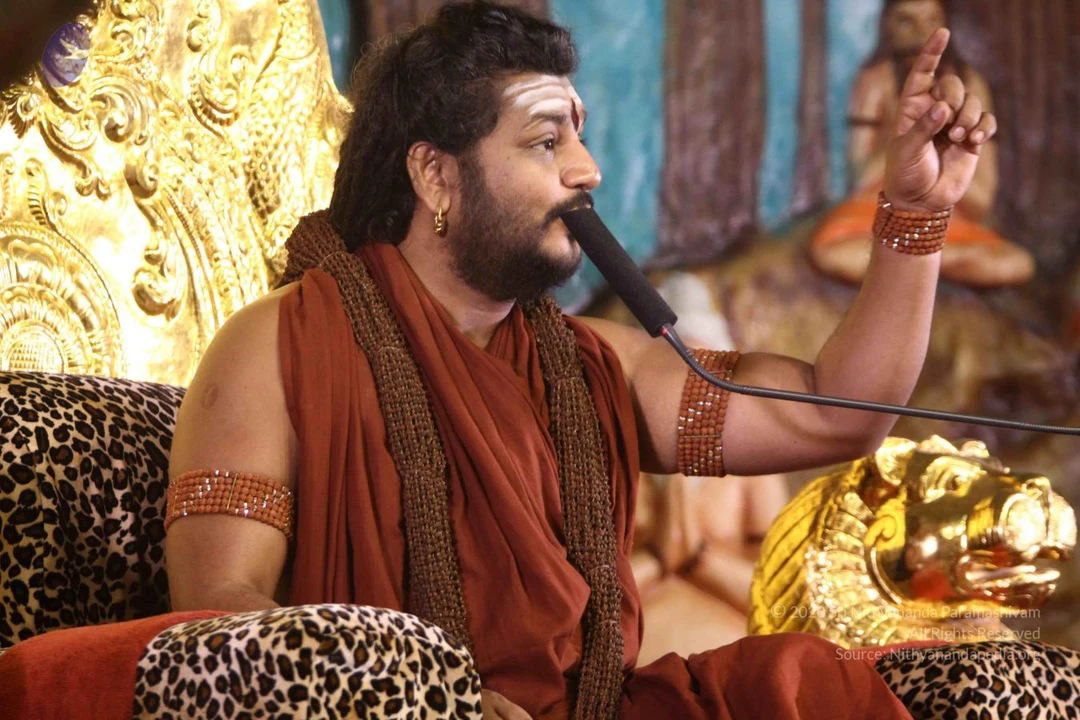
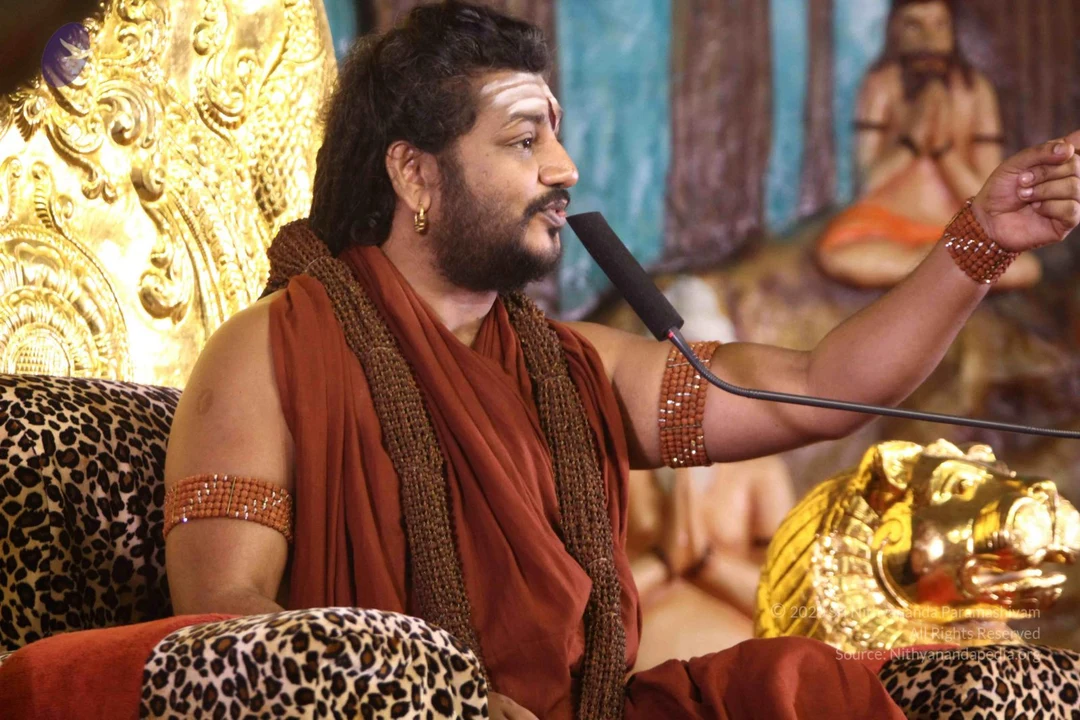
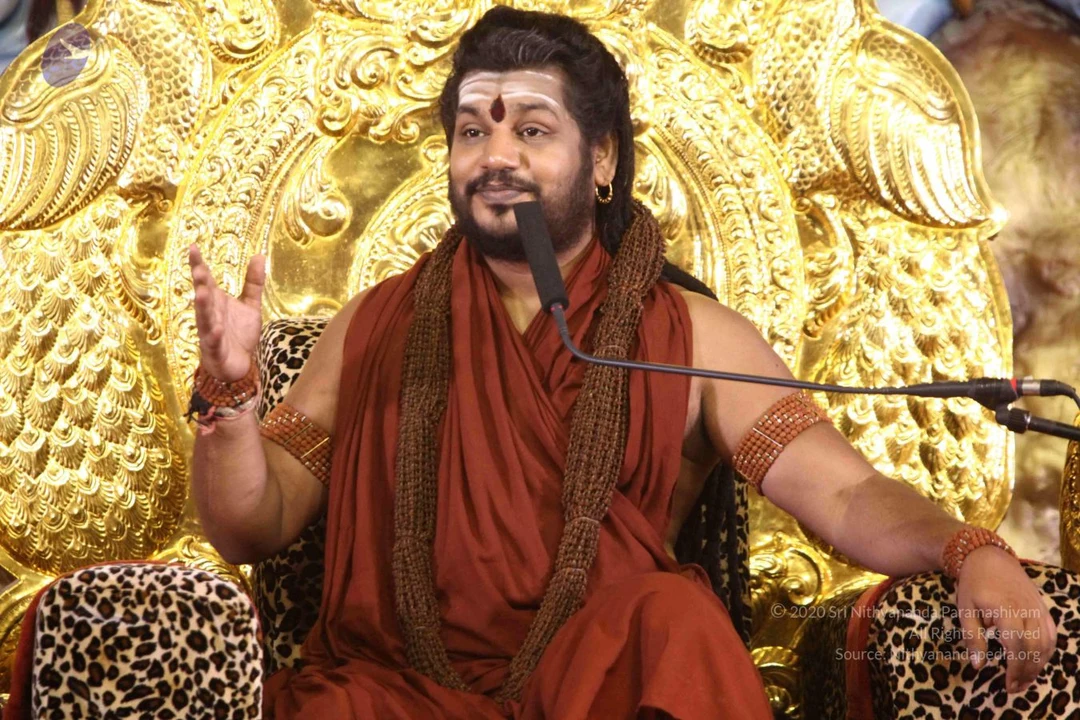
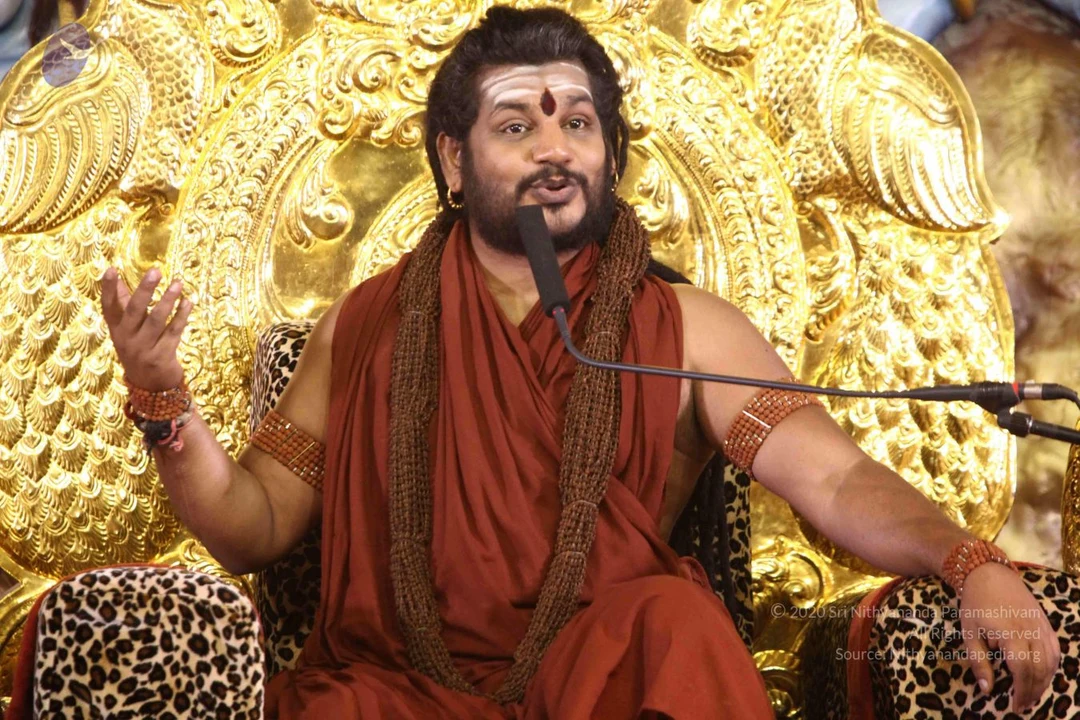
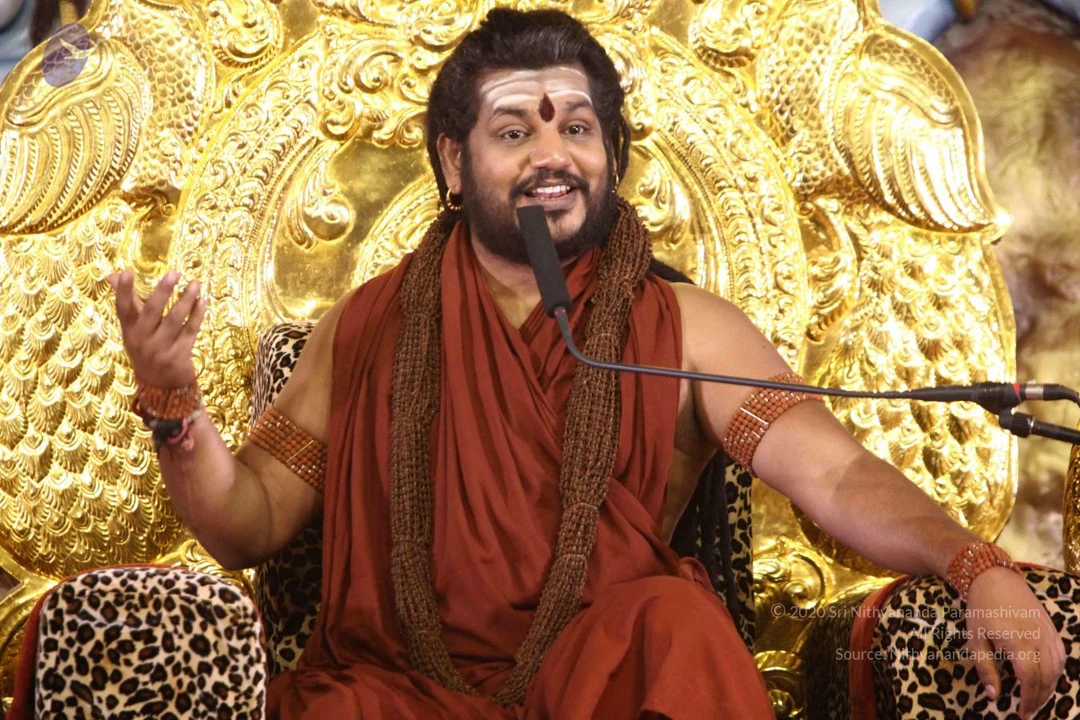
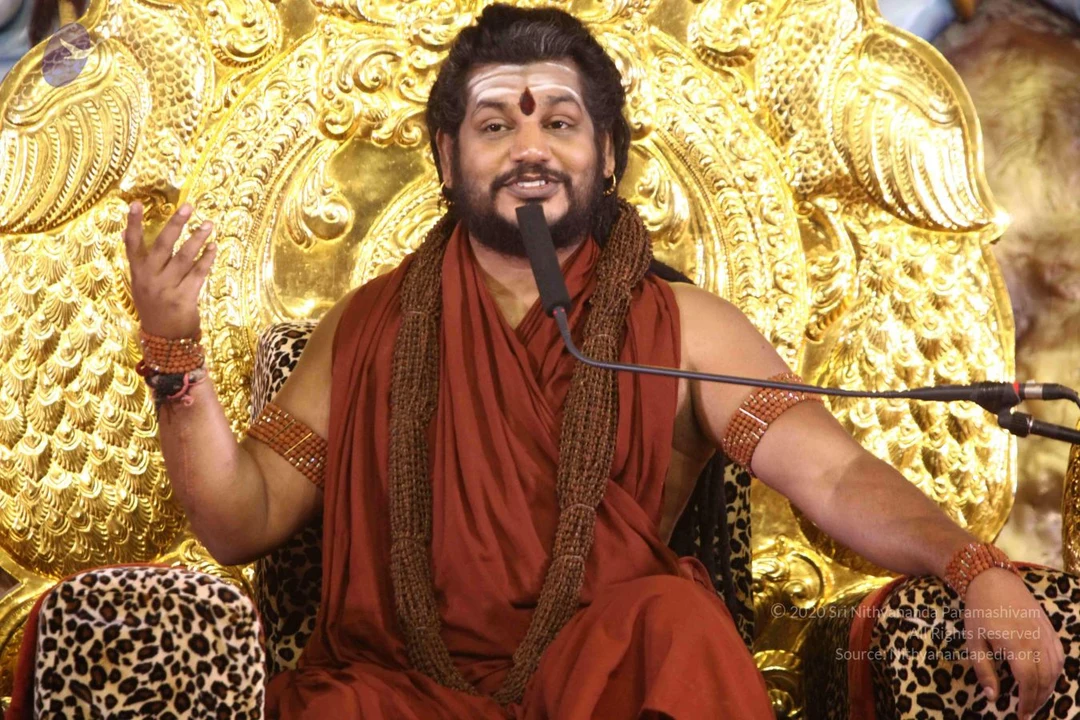
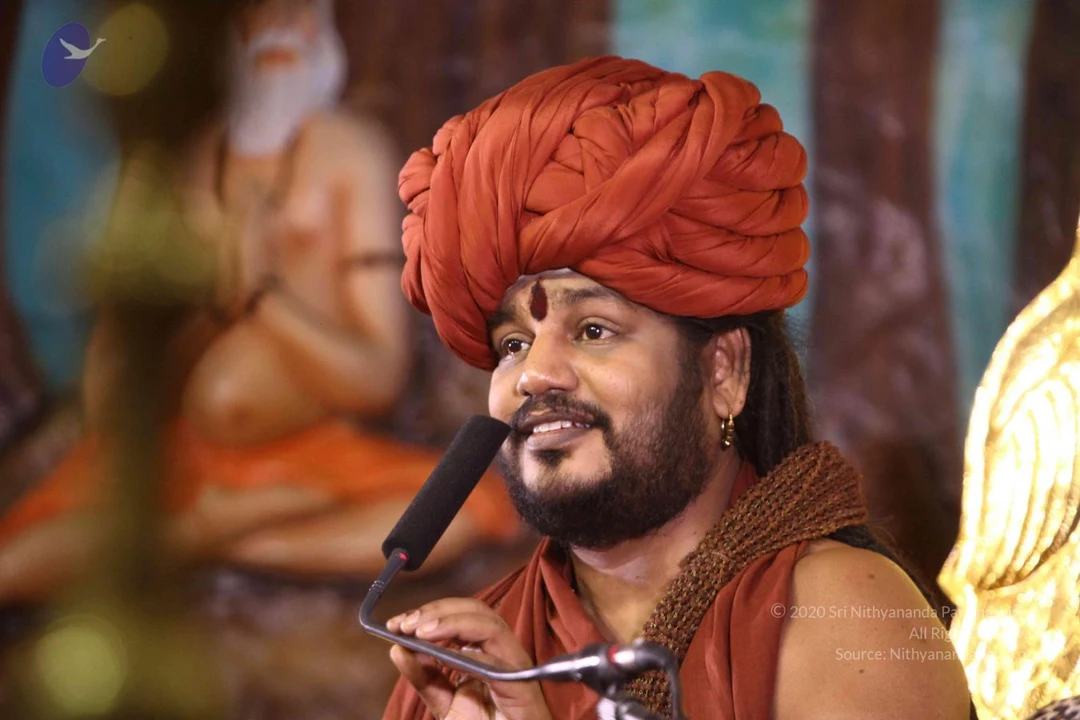
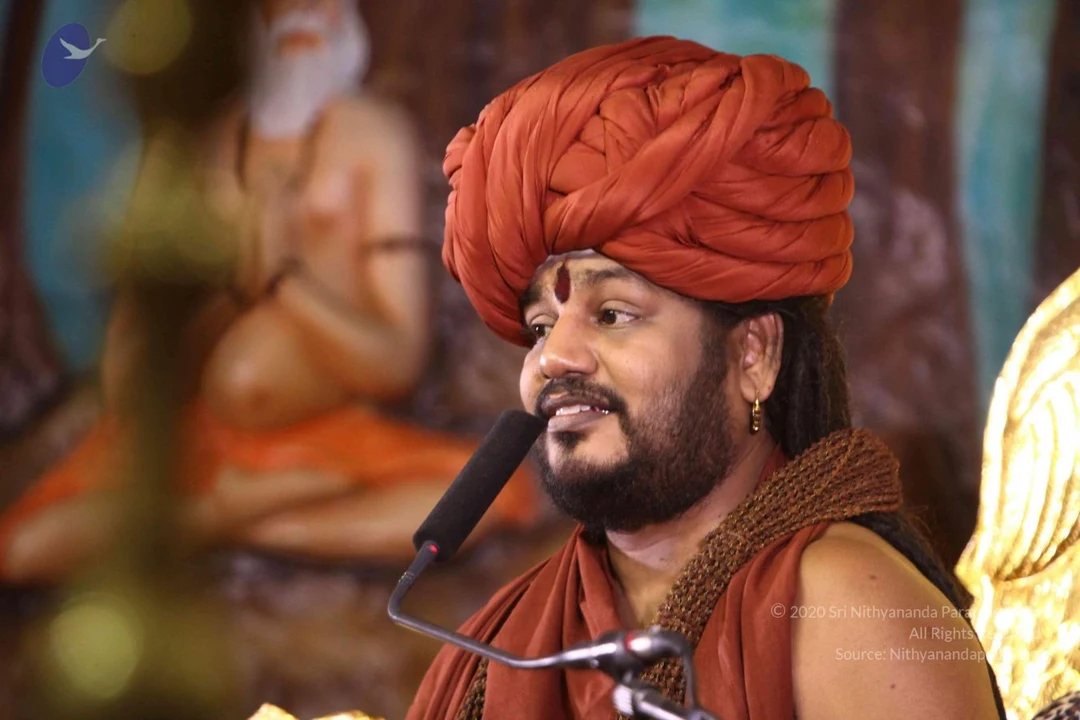
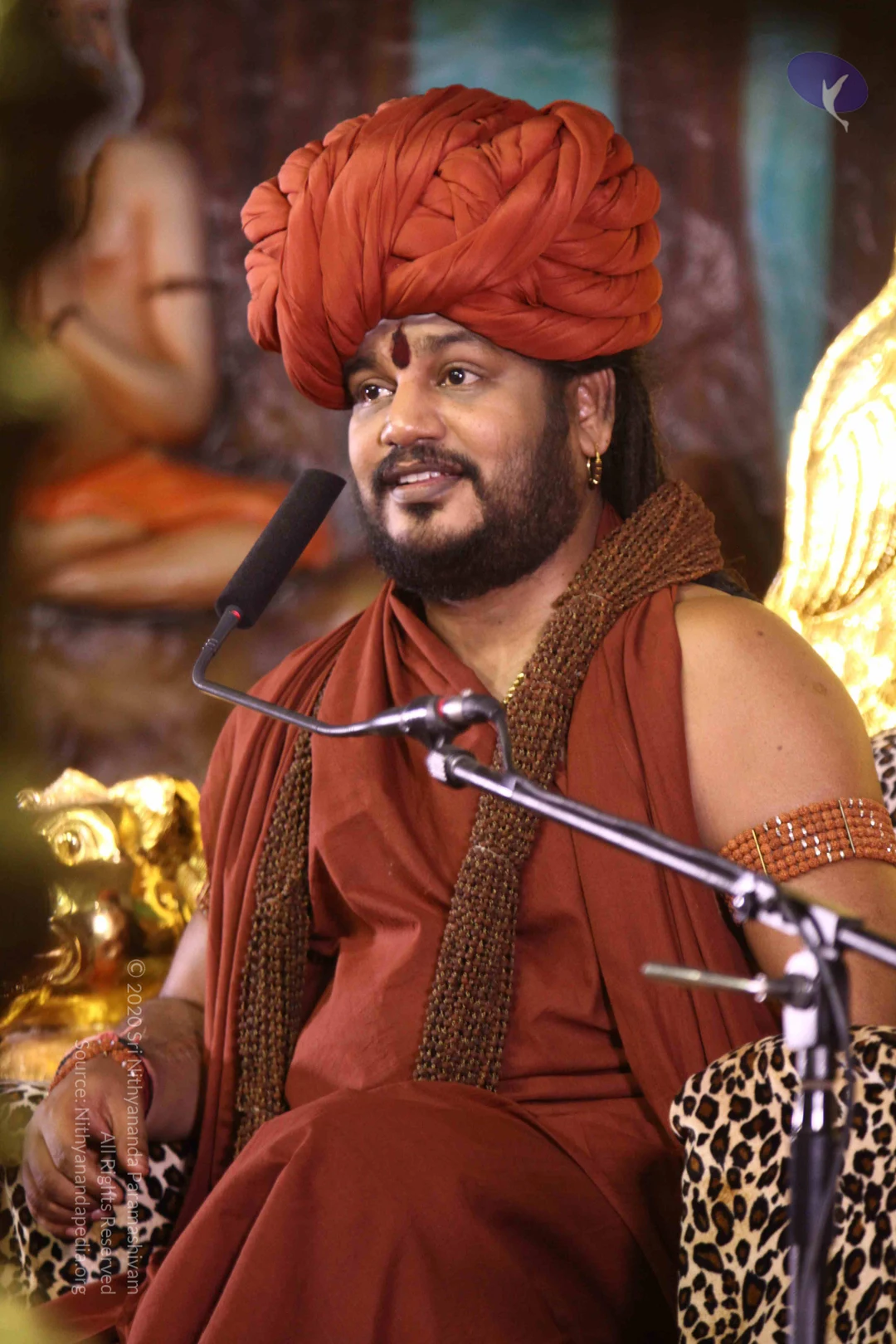
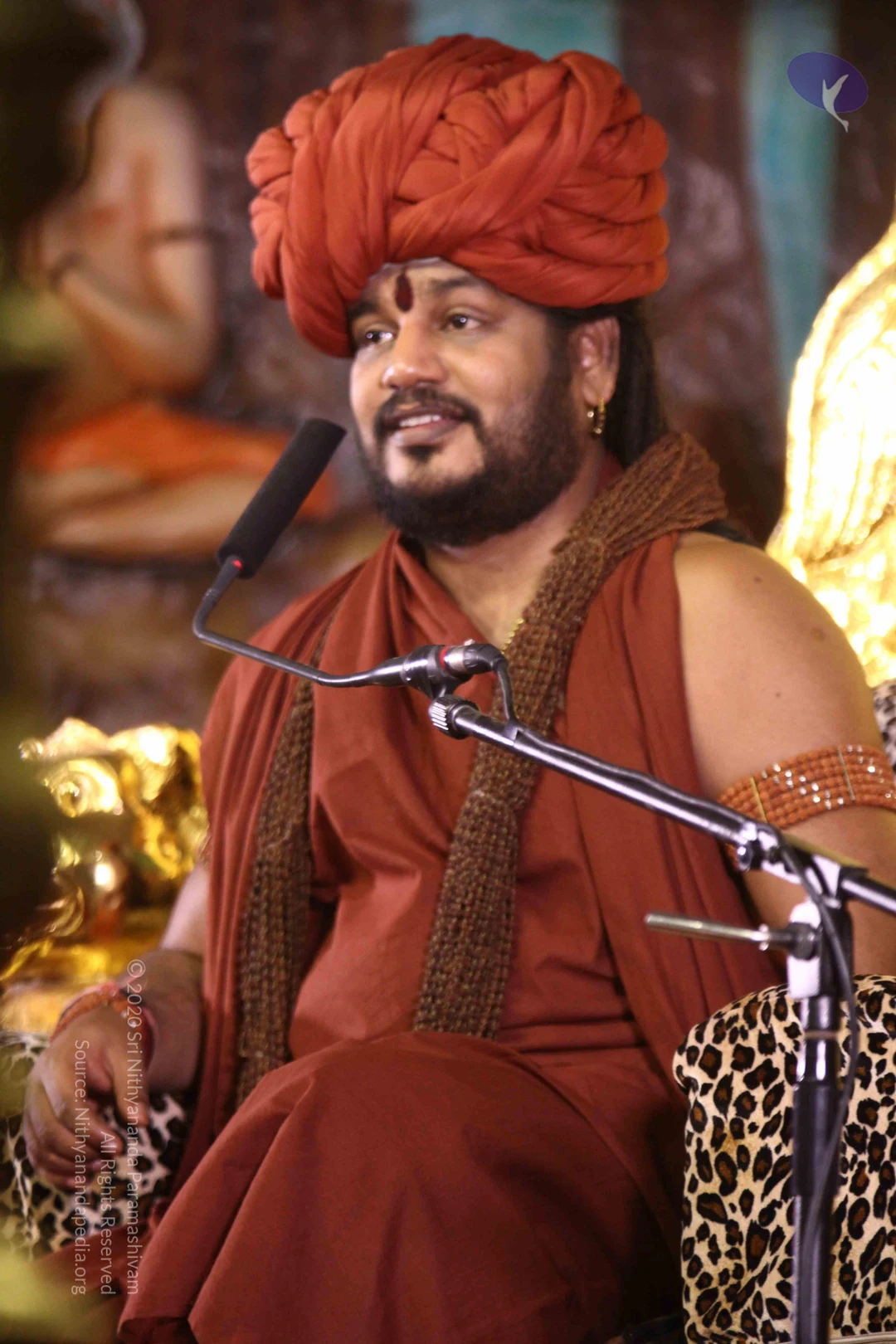
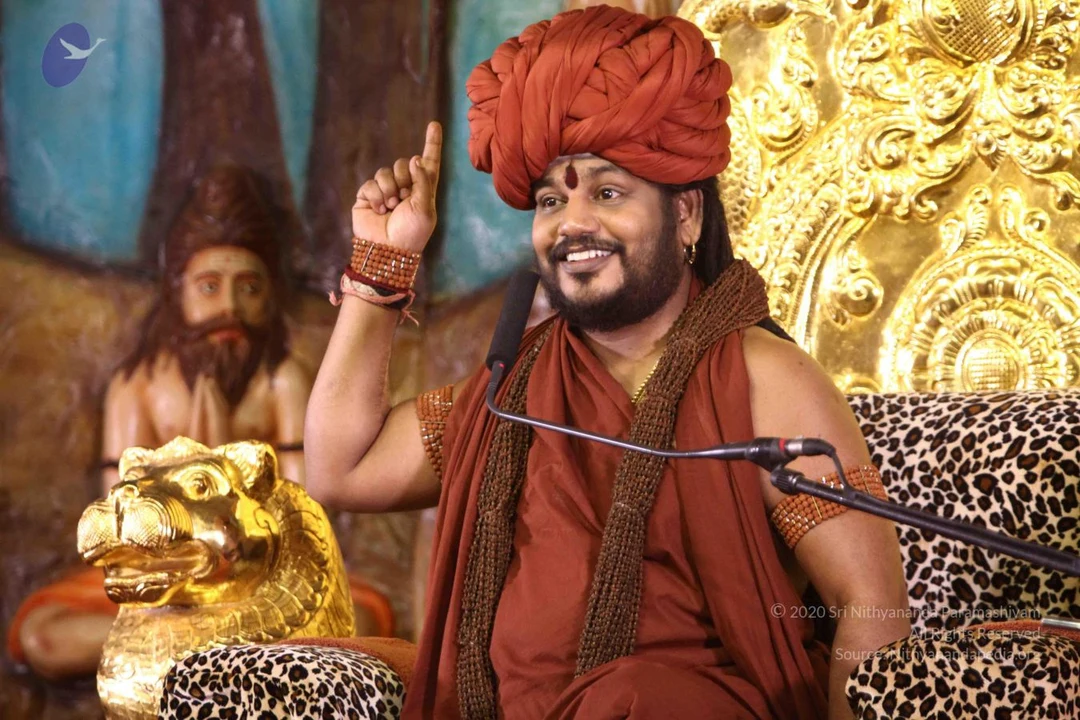
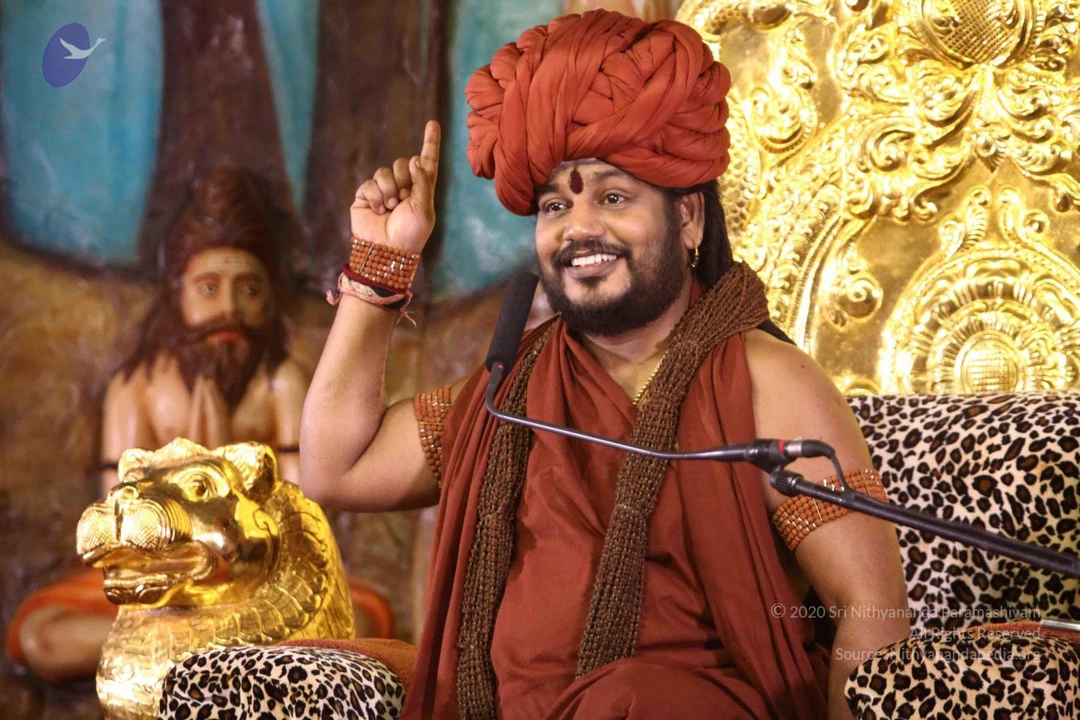
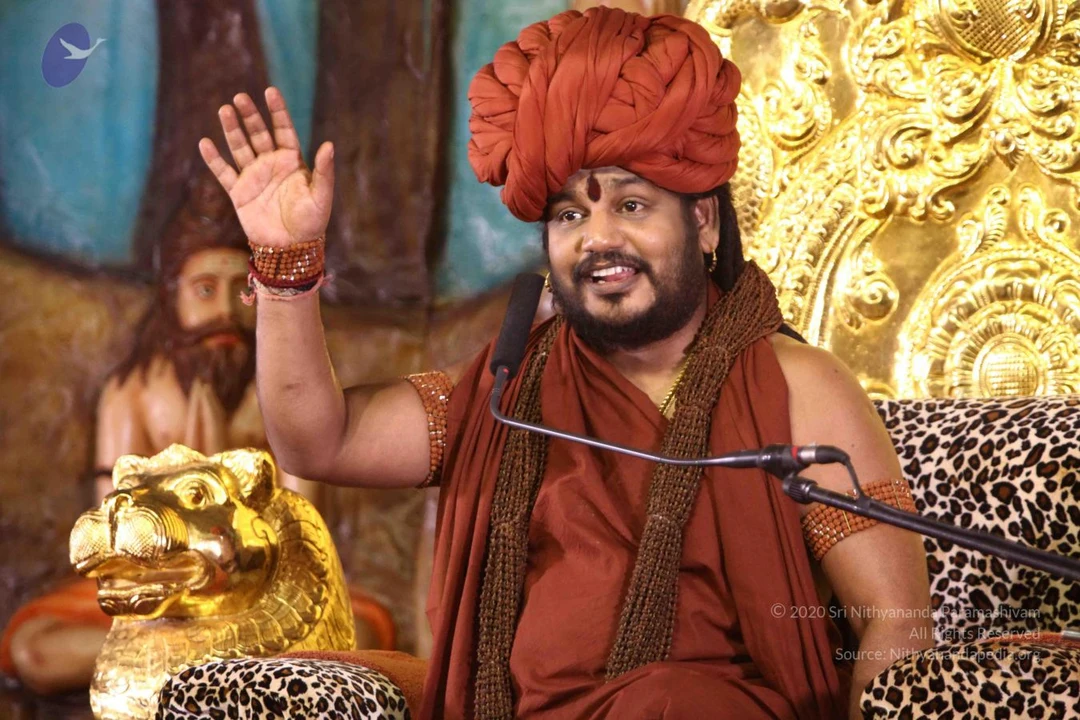
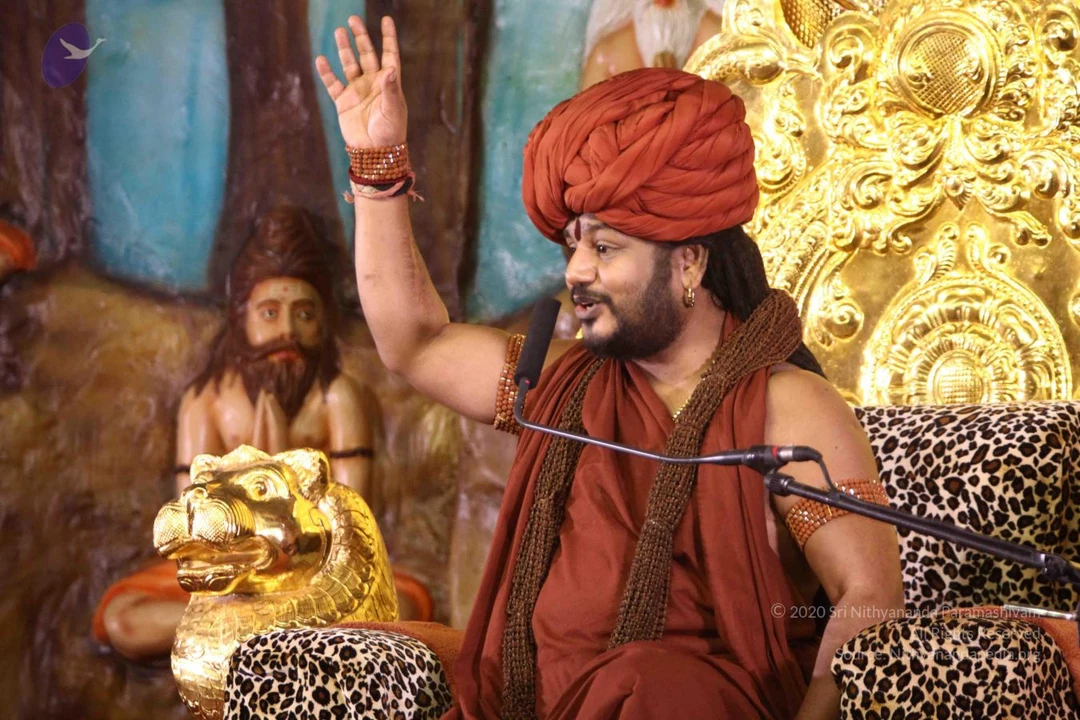
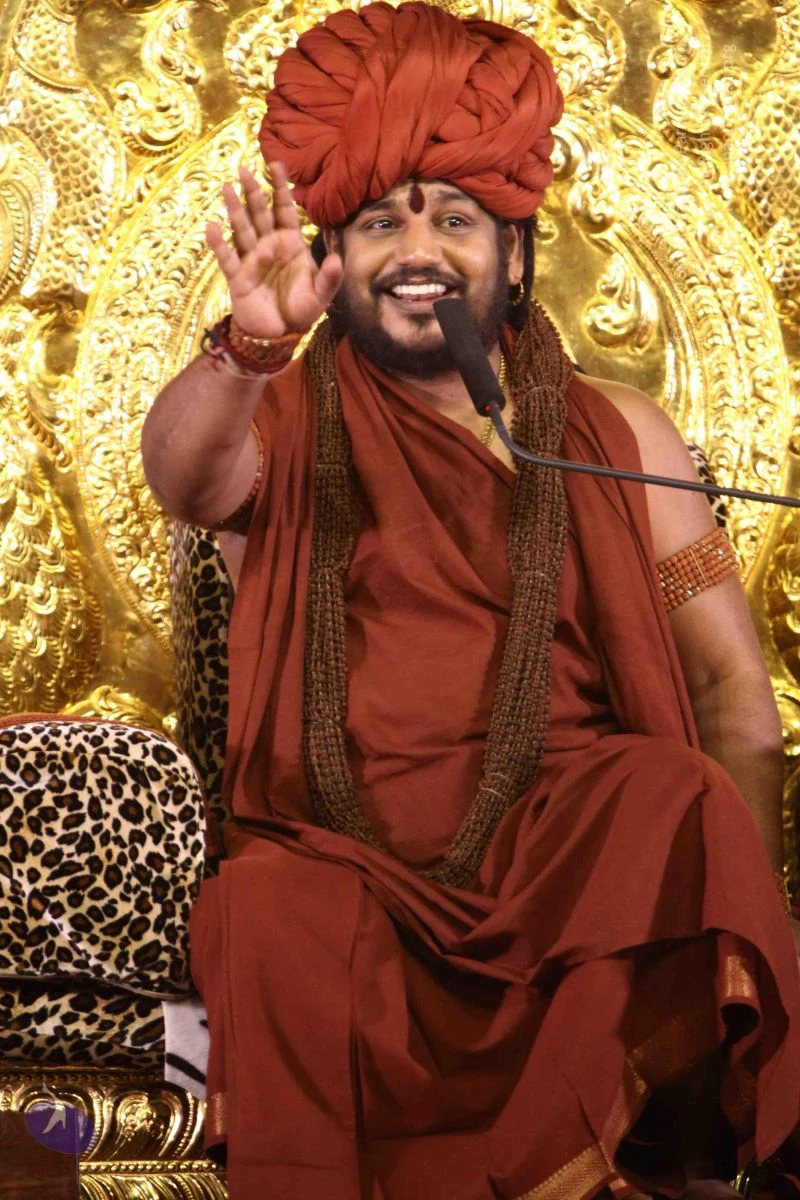
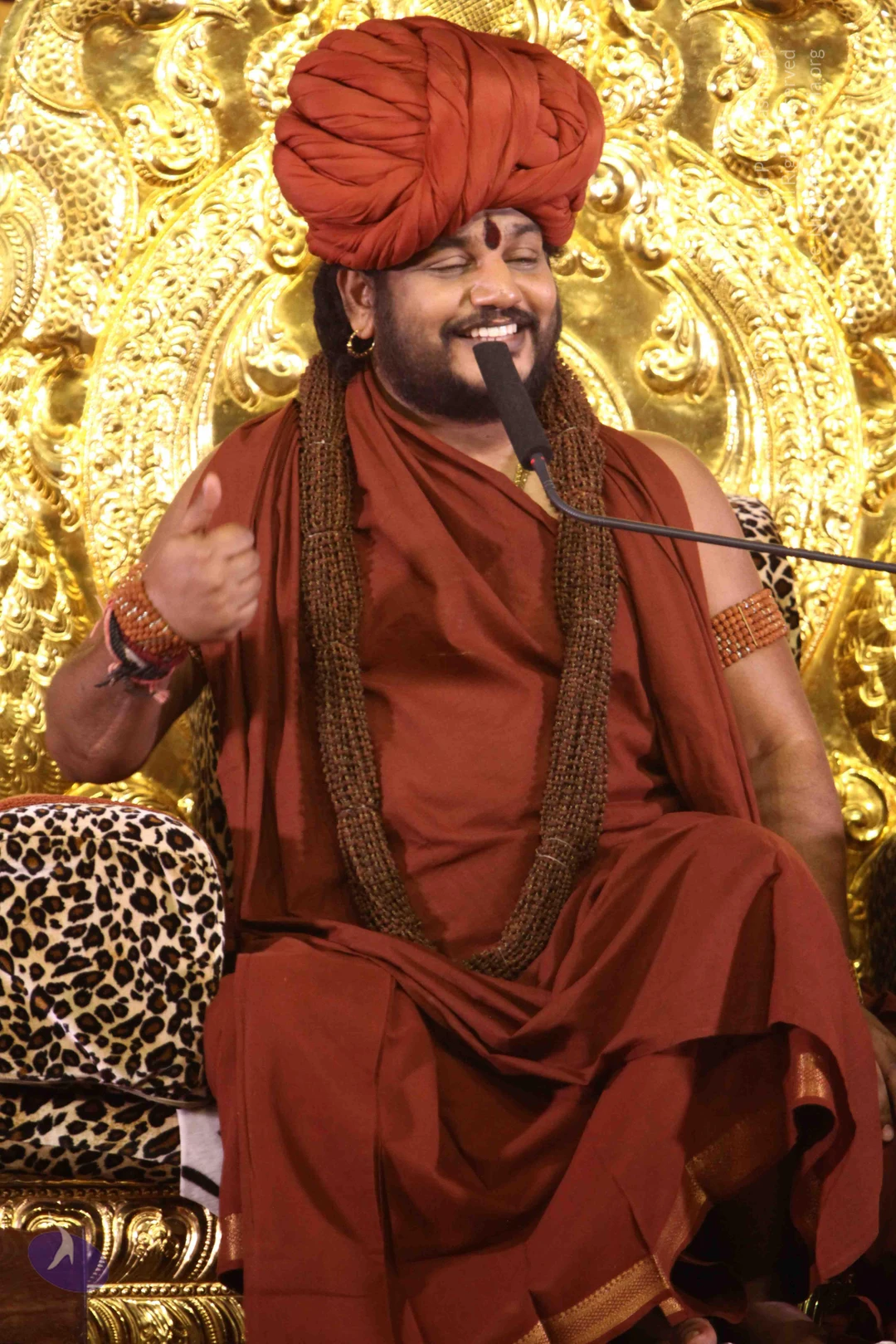
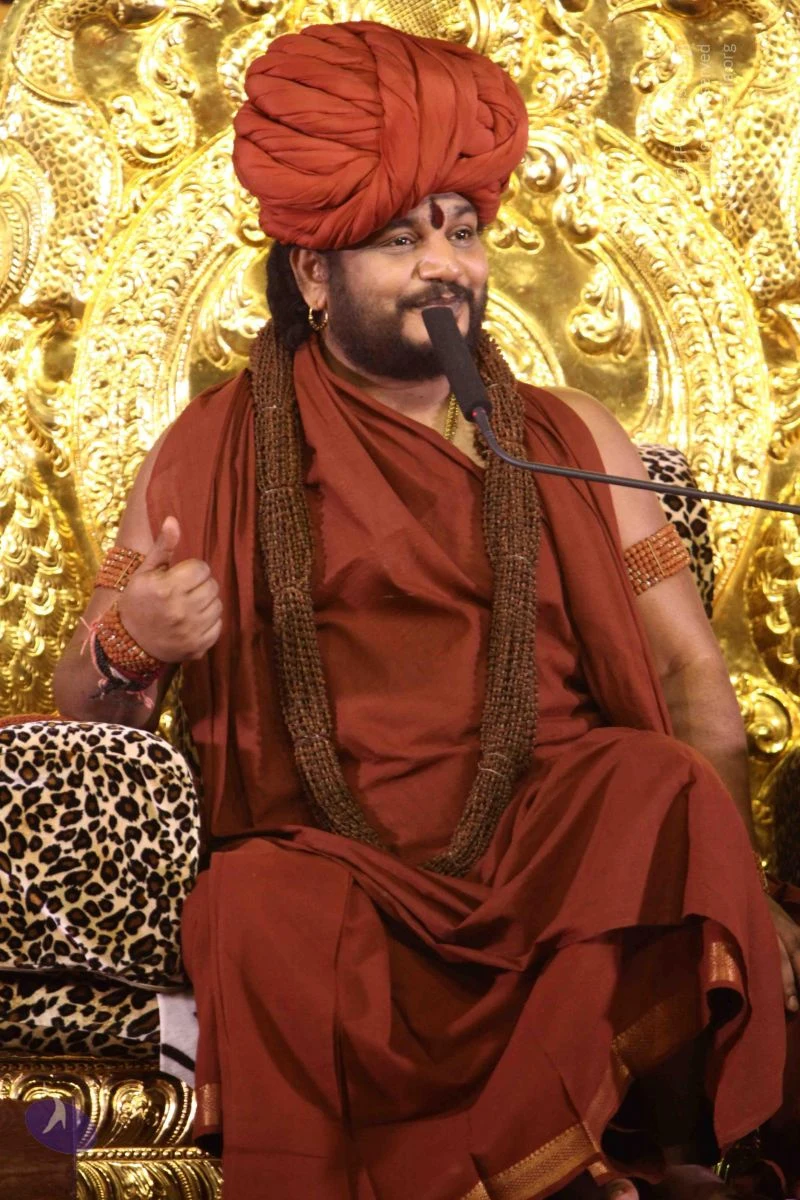
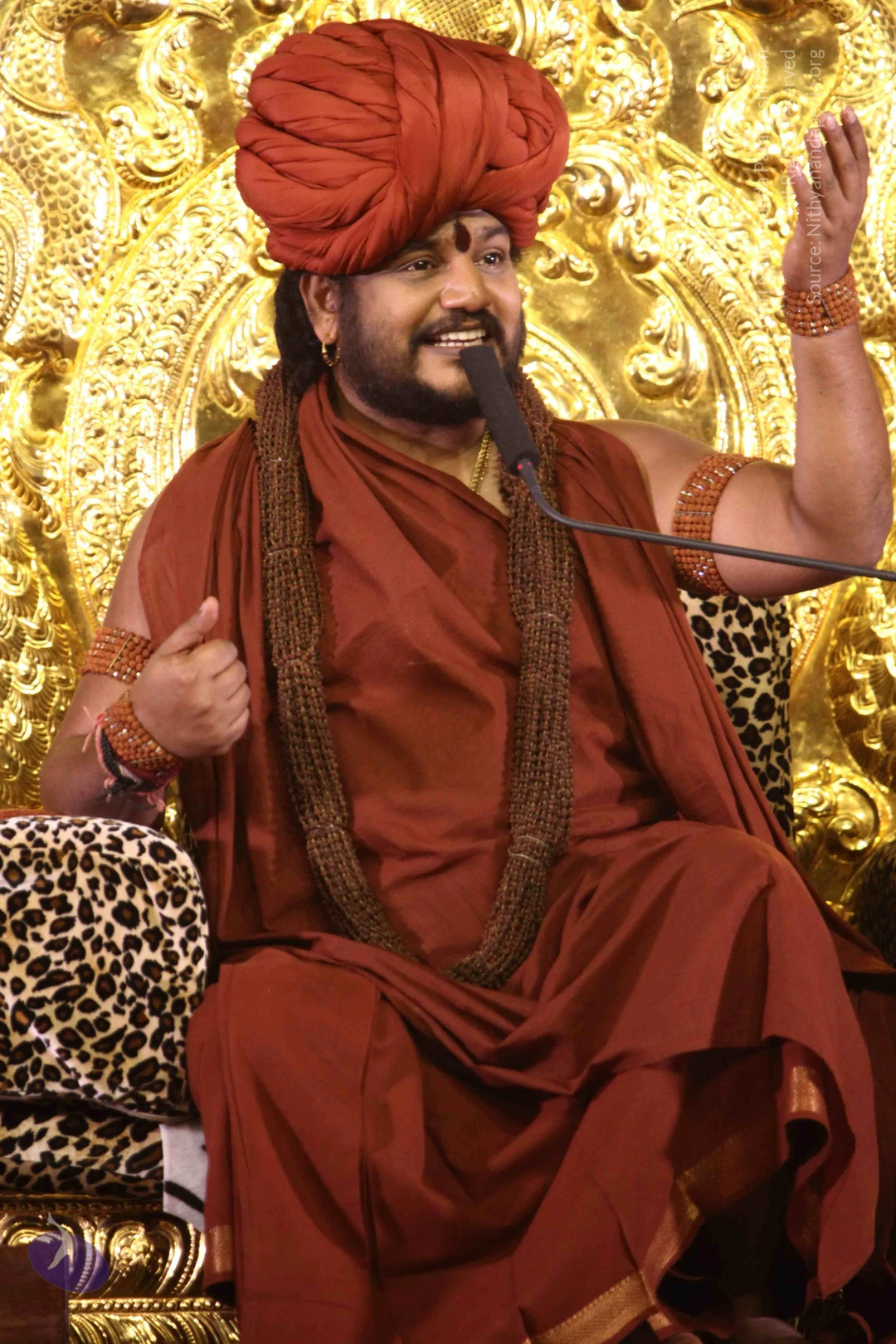
Listen, Listen. When Upanishads says : viddhi nedaṁ yadidamupāsate It means: don’t keep finite, limited objects, as goal of your life, don’t be in love with them. Many time, you may be worshipping Deities, but you will be in love with wealth, name and fame, Nobel Prize. Many fellows lose their peace, thinking as Nobel Peace Prize. The poor Nobel Peace Prize, has taken away many people’s peace and made them into piece, piece. You may be bowing down in front of Ganesha, you may bowing down in front of any God, any Deity, but if you are in love with Nobel Peace Prize, if you are in love with millions and billions, if you are in love with name and fame and you are worshipping only those things, the Upanishads means – do not make finite limited objects as your goal. HDH BHAGVANSRI NITHYANANDA PARAMASHIVAM BEAUTIFULLY SHARES.......
| Video | Audio |
Transcript:
nithyānandeśvara samārambhām nithyānandeśvari madhyamām | asmat āchārya paryantām vande Guru paramparām ||
I welcome all of you with my love and respects.
I welcome all the Devotees, Disciples, Samajis, Satsanghis, SriMahants, Mahants, Thanedar, Kothari, Visitors, Viewers, Subscribers, YouTube Subscribers, sitting with us through Nithyananda TV, Facebook live, YouTube live, and two way Video Conferencing having Nayana Deeksha, all over the world.
I welcome all of you with my love and respects.
Fifth verse of the Kenopanishad:
yad-vācānabhyuditaṁ yena vāgabhyudyate tadeva brahma tvaṁ viddhi nedaṁ yadidamupāsate || 5 ||
Recite this verse along with me:
yad-vācānabhyuditaṁ yena vāgabhyudyate tadeva brahma tvaṁ viddhi nedaṁ yadidamupāsate || 5 ||
Listen carefully, this...beautiful verse. The translation goes:
“That which speech does not illumine or reveal but which the speech is illumined or revealed and expressed. You must know that alone as Brahman, the Absolute Existence and not what people worship and cherish here as this finite, limited object.”
Please understand, the so called atheist, agonistic, use this later part of this verse, misinterpret, saying, “Upanishad itself says, not what people worship and cherish here as this finite limited object, so don’t worship idols. Don’t worship forms.” Fools! Fools...who try to imagine, unimaginable and fall into depression and tiredness and boredom, become terrorists out of the frustration.
Listen, when the Upanishad says here – viddhi nedaṁ yadidamupāsate |
It does not mean, don’t worship deities, don’t worship forms of the God and Goddesses. No. It means, anything you can perceive, don’t keep those limited objects as a goal of your life. What is the meaning of worship? Behind, which you run behind. About which you are enamored, about which you are attracted, about which your whole Being is in Love.
Listen, Listen. When Upanishads says :
viddhi nedaṁ yadidamupāsate
It means: don’t keep finite, limited objects, as goal of your life, don’t be in love with them. Many time, you may be worshipping Deities, but you will be in love with wealth, name and fame, Nobel Prize. Many fellows lose their peace, thinking as Nobel Peace Prize. The poor Nobel Peace Prize, has taken away many people’s peace and made them into piece, piece. You may be bowing down in front of Ganesha, you may bowing down in front of any God, any Deity, but if you are in love with Nobel Peace Prize, if you are in love with millions and billions, if you are in love with name and fame and you are worshipping only those things, the Upanishads means – do not make finite limited objects as your goal.
I tell you, Pure Questioning and pure ambition is one and the same. For both, the Source is you. If you are sticking with Pure Questioning, you’ll fall into you, the pure ambition will radiate only from you.
The man is driving down a country road, when he spots a farmer, standing in the middle of a huge field of grass. He pulls the car over to the side of the road and notices that the farmer is just standing there, doing nothing, looking at nothing.
The man gets out of the car, walks all the way, out to the farmer and asked,” Excuse me Sir, but what are you doing?”
The farmer replies,” I am trying to win a Nobel Prize.” Man was puzzled and asked,” How?” “ Well, I heard they give the Nobel Prize, to the people who are outstanding in their field.”
Stand, Stand, Stand!
How this one line is misunderstood. People who are outstanding in their field. Same way this line :
viddhi nedaṁ yadidamupāsate – is misunderstood. Understand, this verse is misunderstood:
viddhi nedaṁ yadidamupāsate.
Just like people who are outstanding in their field. Sometimes both verses are misunderstood by the same person. If once you misunderstand, you misunderstand. If it is regular, there is some misunderstanding. No, I am just…..breaking the….there is a misunderstanding.
yad-vācānabhyuditaṁ yena vāgabhyudyate tadeva brahma tvaṁ viddhi nedaṁ yadidamupāsate || 5 ||
Speech cannot illumine Brahman, Sadashiva. Mind cannot illumine Sadashiva. Vaak cannot illumine Sadashiva. Visualizations cannot illumine Sadashiva. Then, you may ask,” Then, why vaak, why visualization, why mind?” Because, if you start seeing the source of vaak, mind, visualization, what illuminates vaak?, what illuminates visualization?, what illuminates mind?, you will find Sadashiva. You will find the Brahman. Don’t see where I am showing, see who am I. vaak, don’t see where vaak is showing, see from where it is coming. Visualization, don’t be diverted by where it is showing, see from where it is coming. All verbalization, all visualization, don’t see what it is telling, where he is showing, just see from what they are trying to distract you, from what they are trying to move you away? That is the Source. That is the Truth. That is why vaak. That is why visualization. That is why verbalization. That is why mana. Mana is created by Sadashiva, vaak is created by Sadashiva, visualization is created by Sadashiva, not because they can show you the Truth, but because through which you can see the truth.
They cannot show but if you look from where they are being shown to you, you’ll catch the truth. Don’t look where your Vaak is showing, look from where they are coming. Don’t look where your visualization is showing, look from where they are coming, you will catch Brahman.
yad-vācānabhyuditaṁ yena vāgabhyudyate tadeva brahma tvaṁ viddhi nedaṁ yadidamupāsate || 5 ||
“That which speech does not illumine or reveal, but by which the speech is illumined or revealed and expressed. You must know that alone as Brahman, the Absolute and not what people worship and cherish here, as this finite, limited object.”
Here the word ‘upāsate’, I’ll translate as what people keep as their goal. Instead of the word, what people worship, I’ll use the word, what people keep their goal and cherish here, as this finite limited object. What people keep as their goal and worship and cherish. Many time, what you worship, may not be your goal. Many time, you may not be worshipping your goal towards which you are working and shipping all your energy.
I can use a new word, ‘WORK-SHIPING’. What you WORK-SHIP, you may not be worship. So, I wanted to use the word, WORK-SHIP. Do not keep the finite limited objects as your WORK-SHIP goal. That’s the right understanding, you need to get from this Upanishad. Whatever you are supposed to do in this Existence, let all that be ultimately leading you to the infinite...Brahman. With that understanding, let you function.
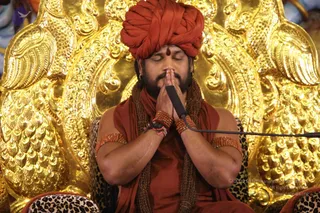
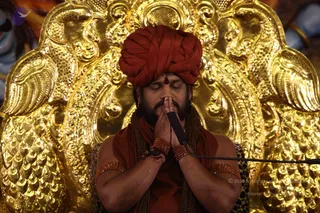
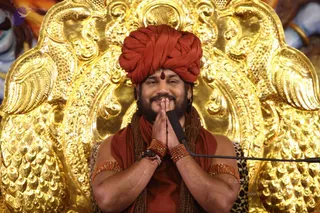
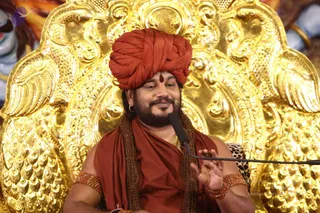
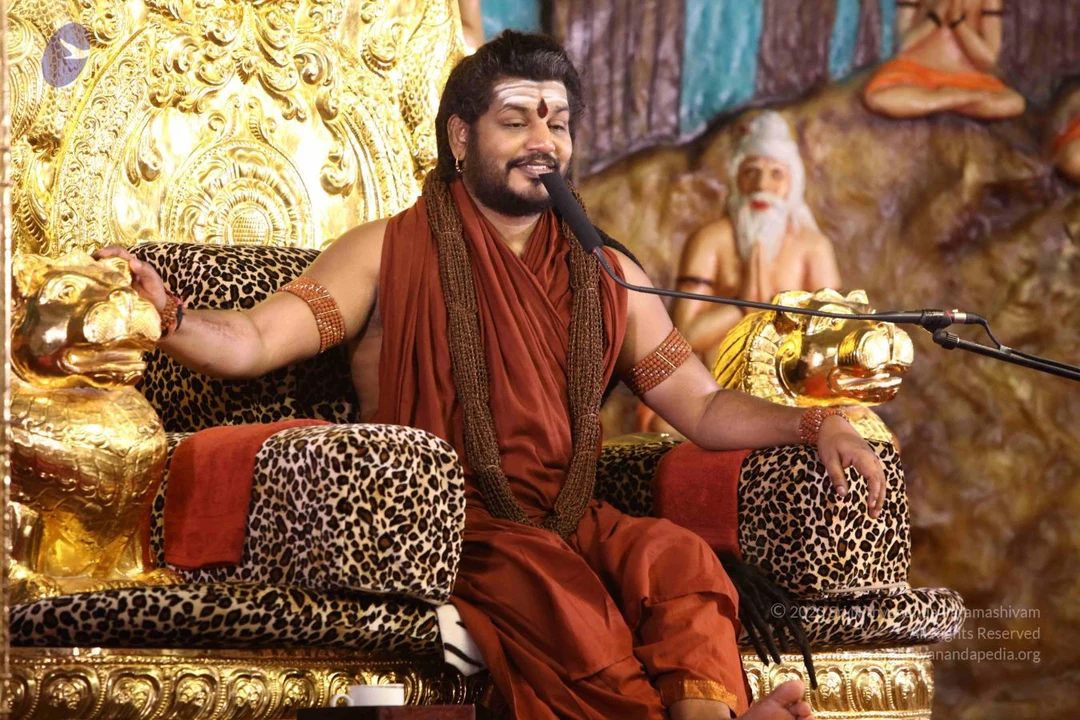
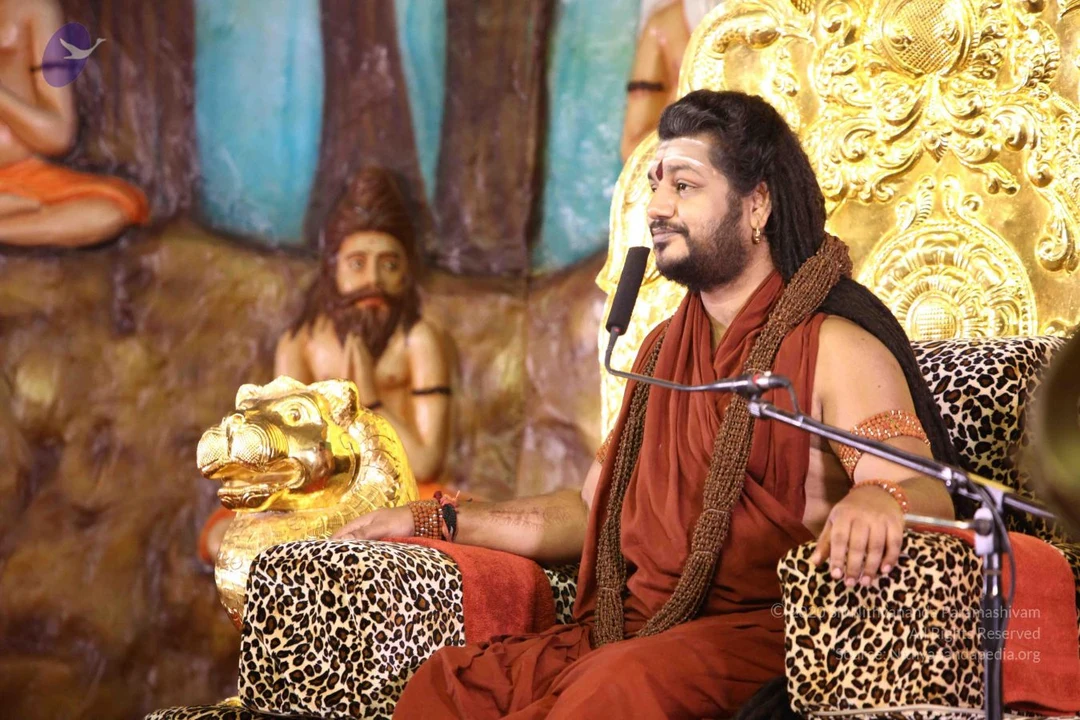
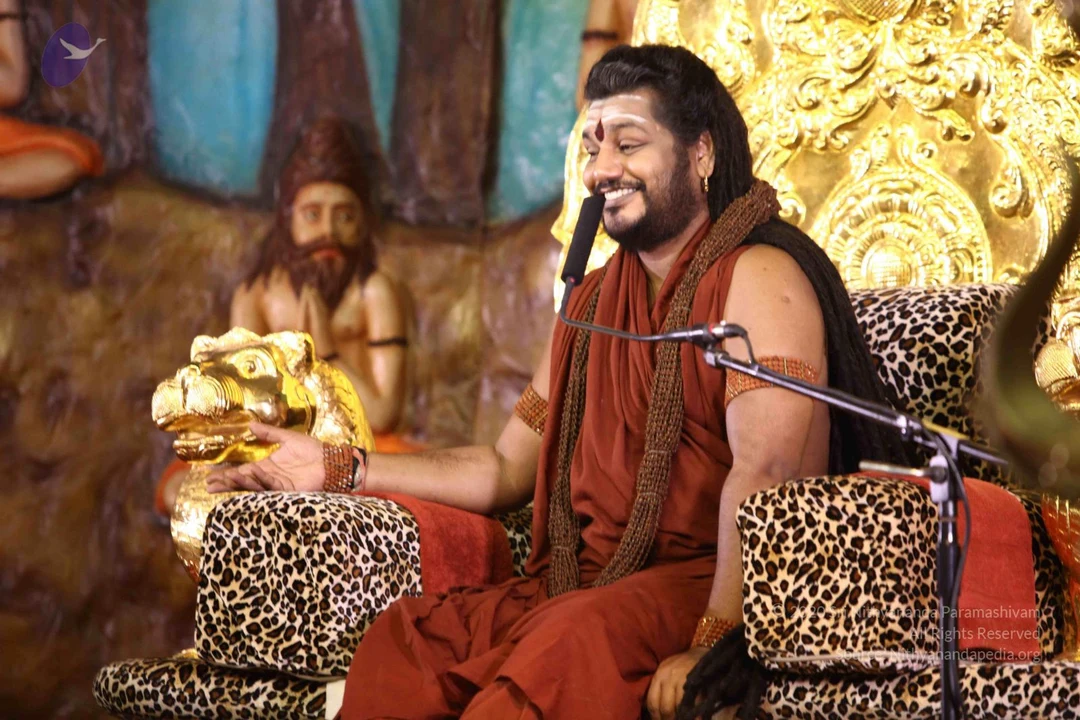
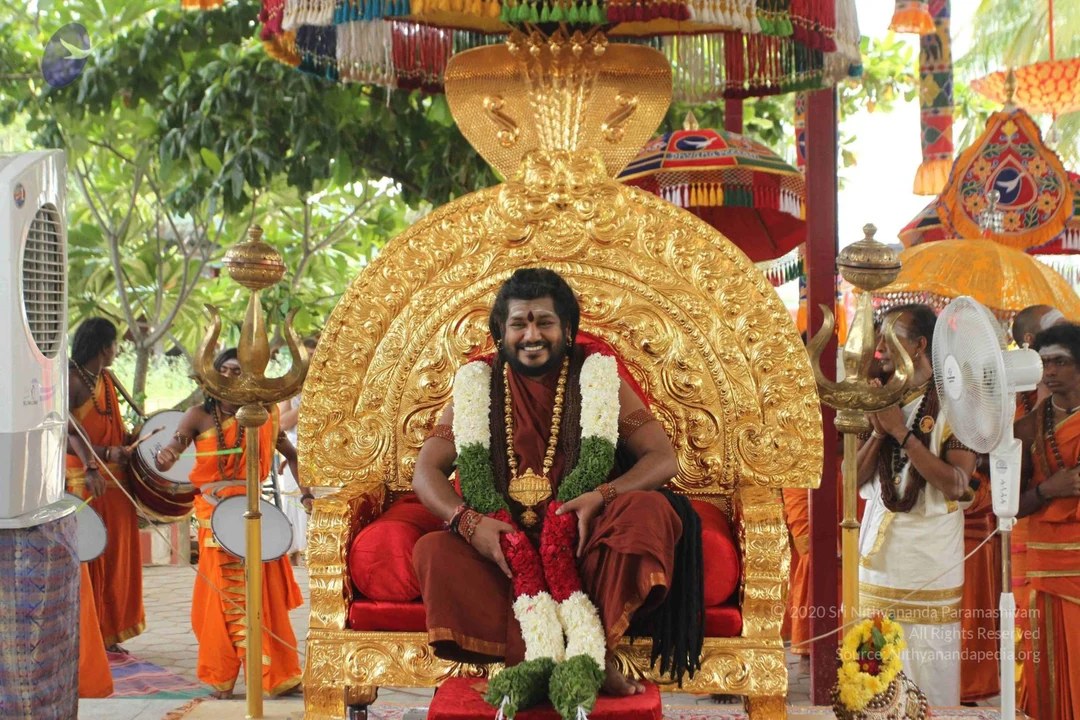
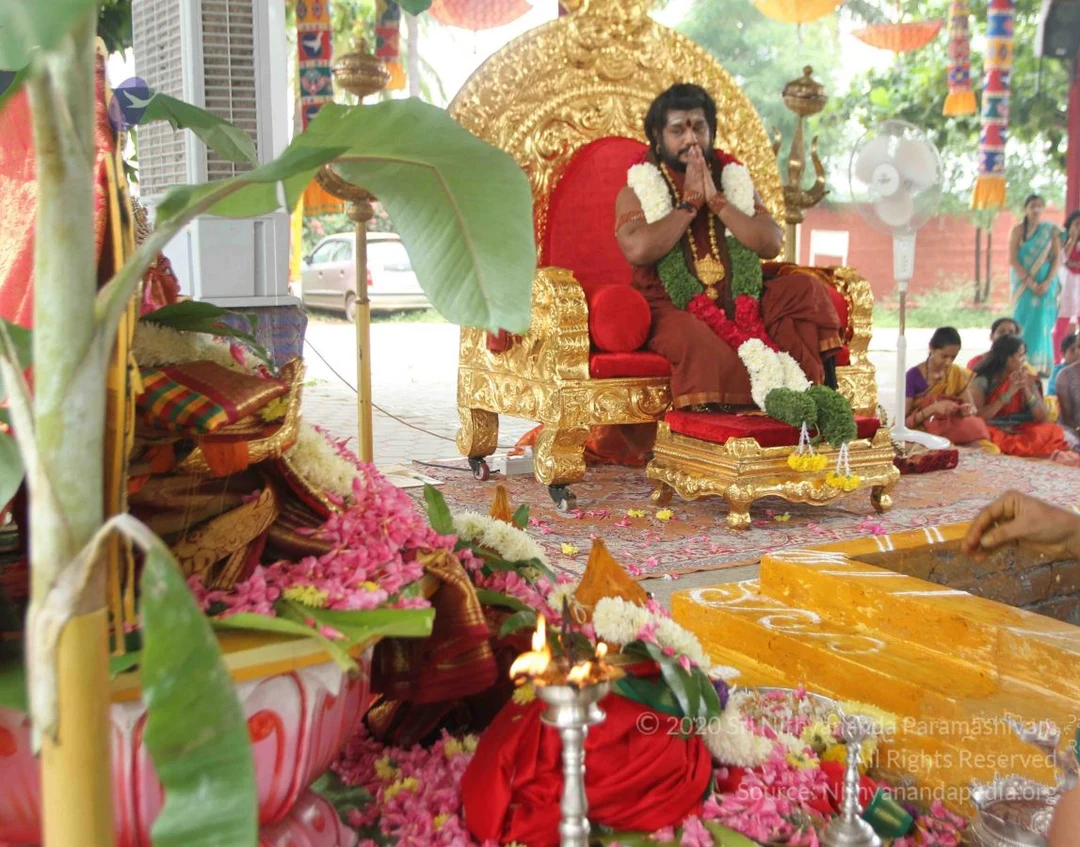
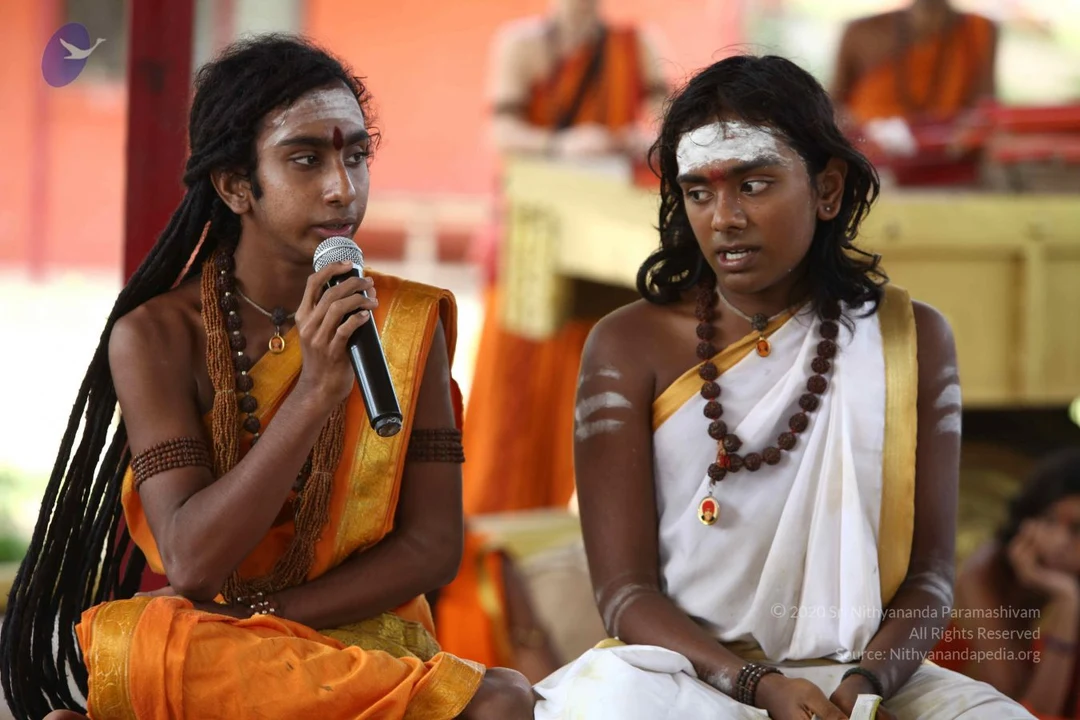
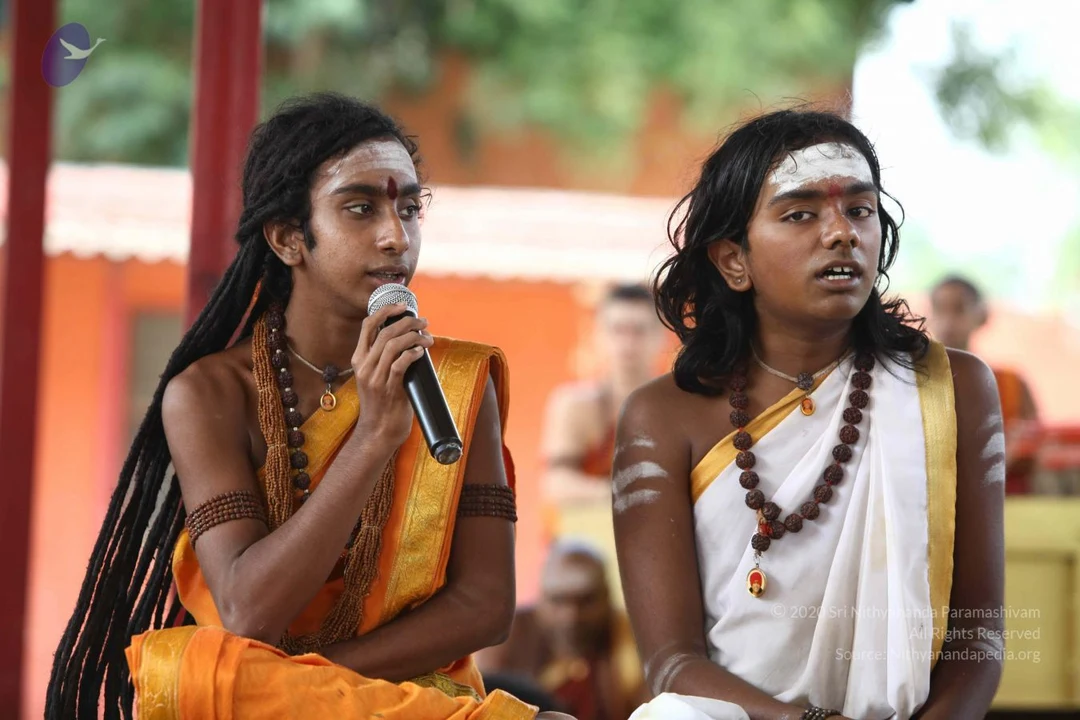
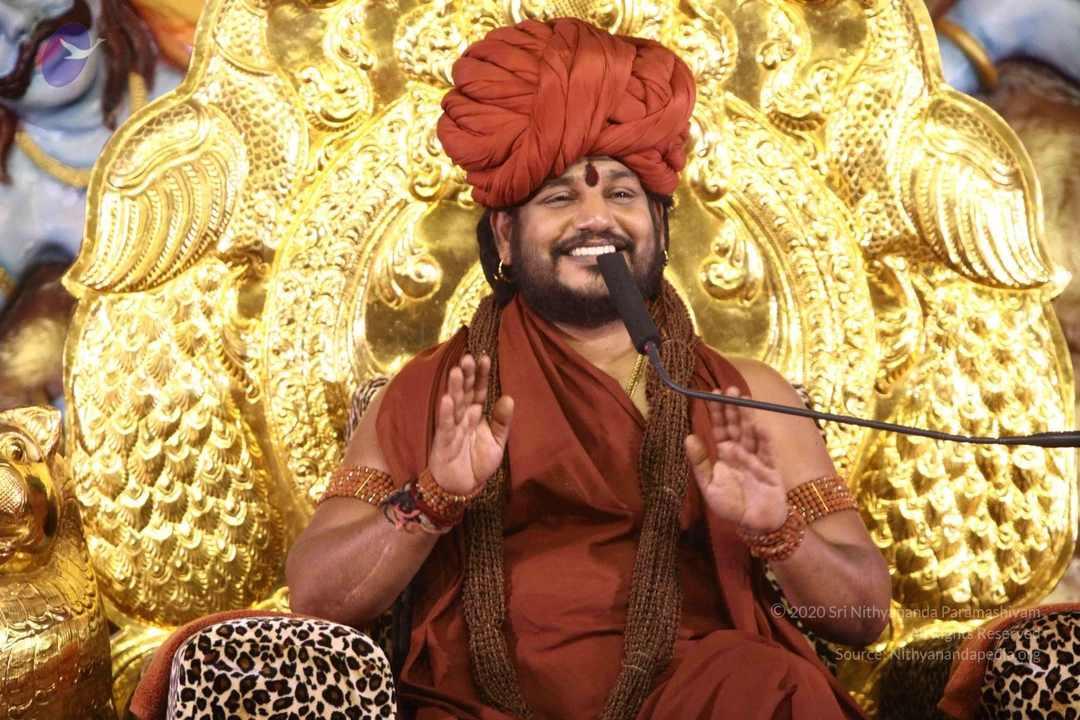
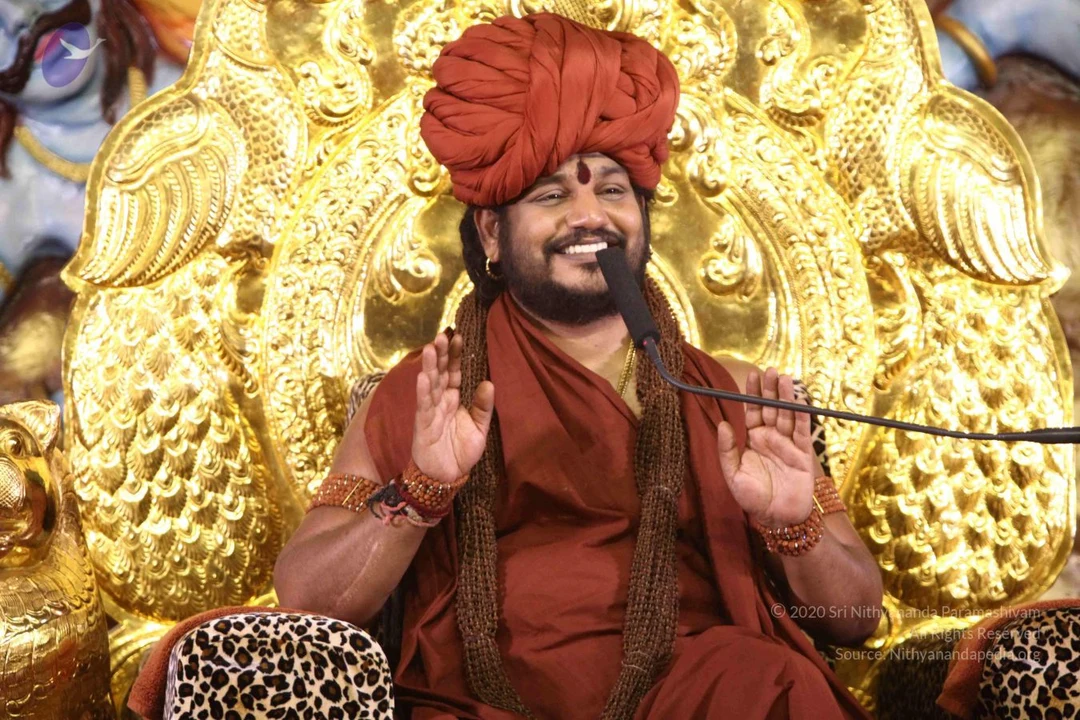
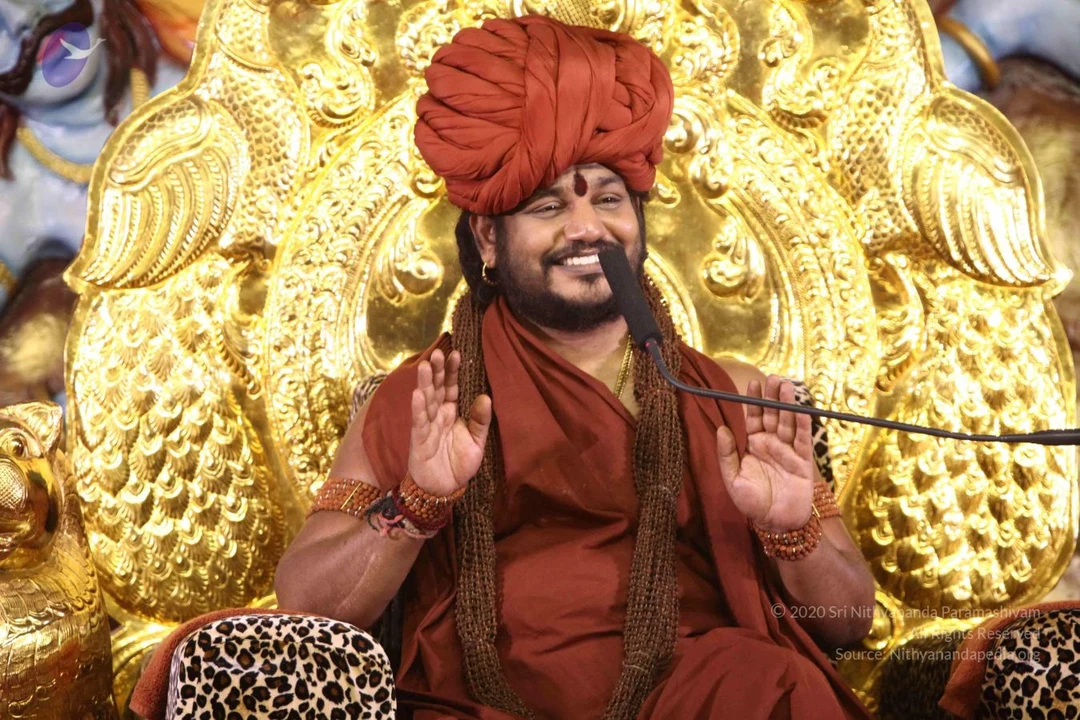
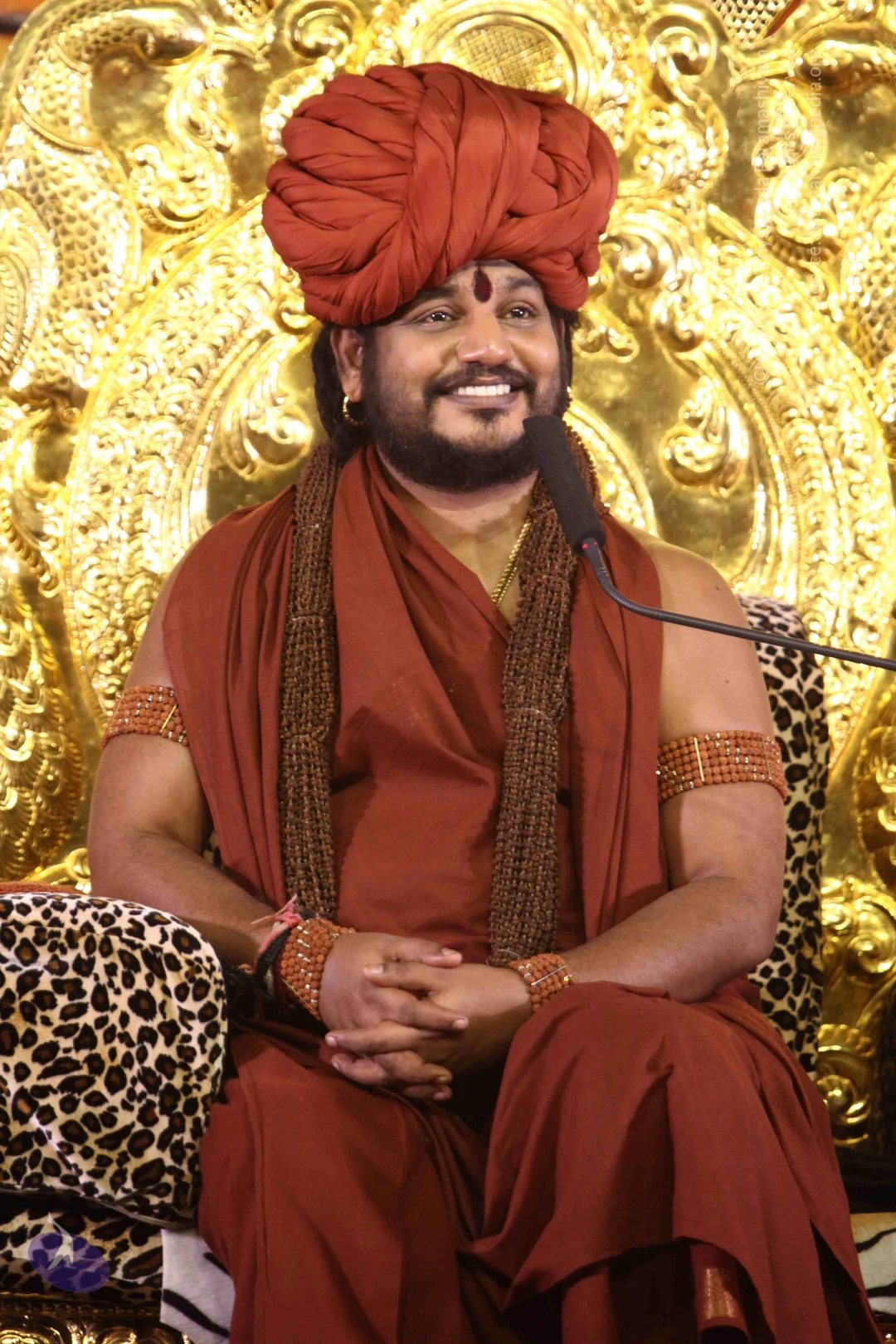
Today’s subject for Vaakyartha Sadas: Workship and Worship. What you WORK-SHIP, what you worship? In these two, is there anything finite or both are infinite? Because that is going to be the decision, important decision. Your WORK-SHIP and worship, both should be Infinite. If both are infinite, you are already the favorite inheritor of the Cosmos. You are Raja, you are Rani of the Cosmos. Already, I put my Balasants on the throne. They are not teaching and preaching, understand. They are sitting on the throne and demonstrating shaktis of Sadashiva. Many of the Hindu Gurus and organizations, don’t even think of creating Yuvarajas, Yuvaranis, successors, even to teach and preach. Making successors, even to teach and preach is not the thought current of many of the Hindu Organizations. Here, I already created successors, not just teaching and preaching, they are gracing the throne, filling the thrones by radiating shaktis and powers.
yad-vācānabhyuditaṁ yena vāgabhyudyate tadeva brahma tvaṁ viddhi nedaṁ yadidamupāsate || 5 ||
Because the WORKSHIP and worship, both are infinite for my Balasants, their cherished goal and their worship object, both are Infinite. When both are infinite, you are a favorite inheritor of the Cosmos - Brahmanyam Bahuputratam. You are the favorite inheritors of the Cosmos.
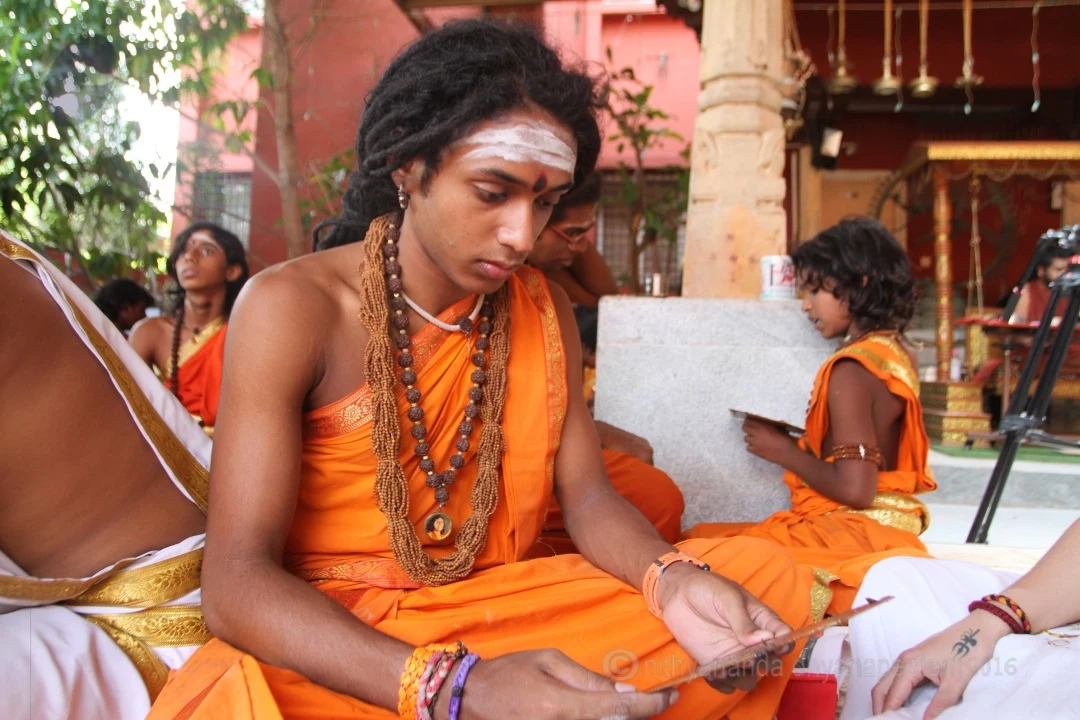
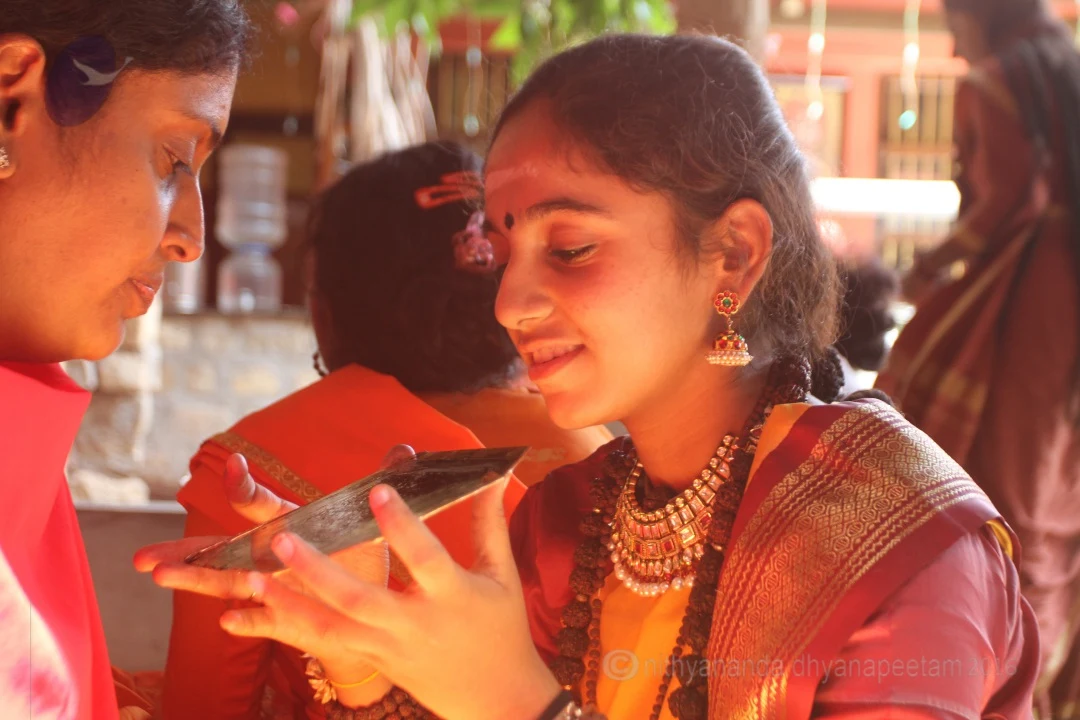
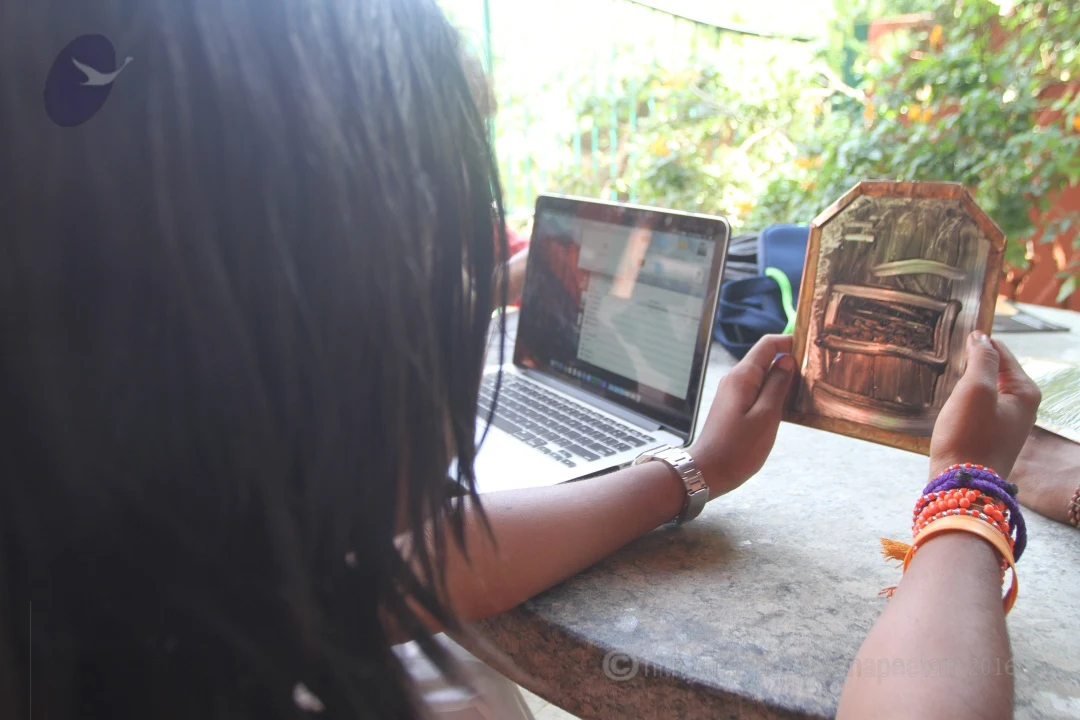
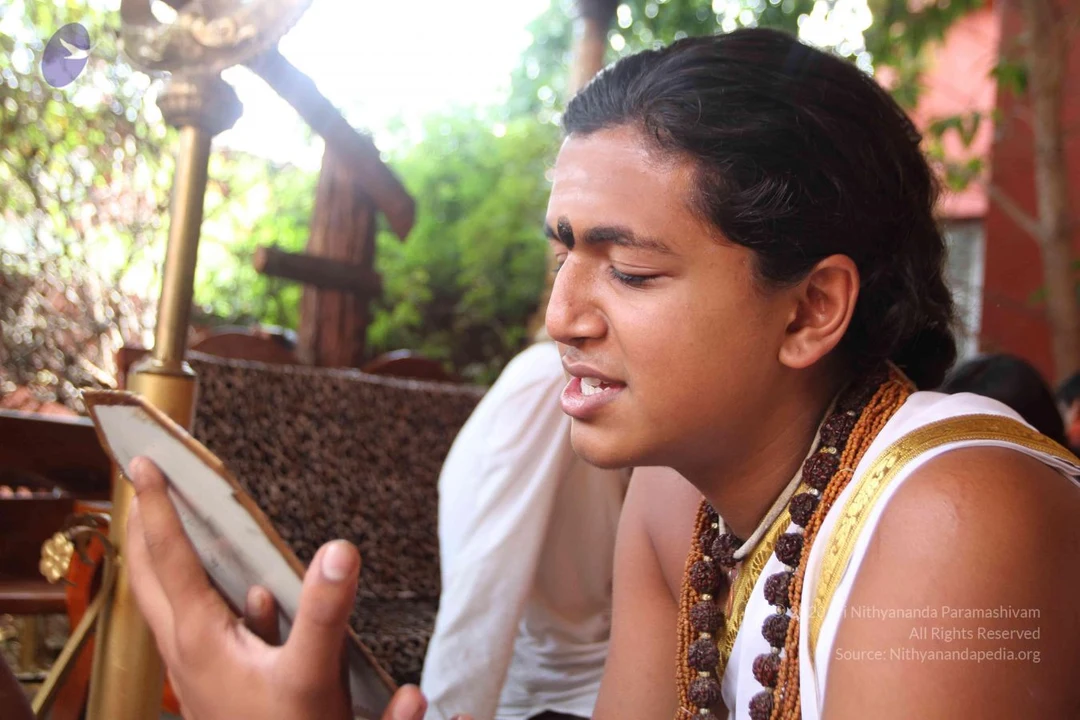
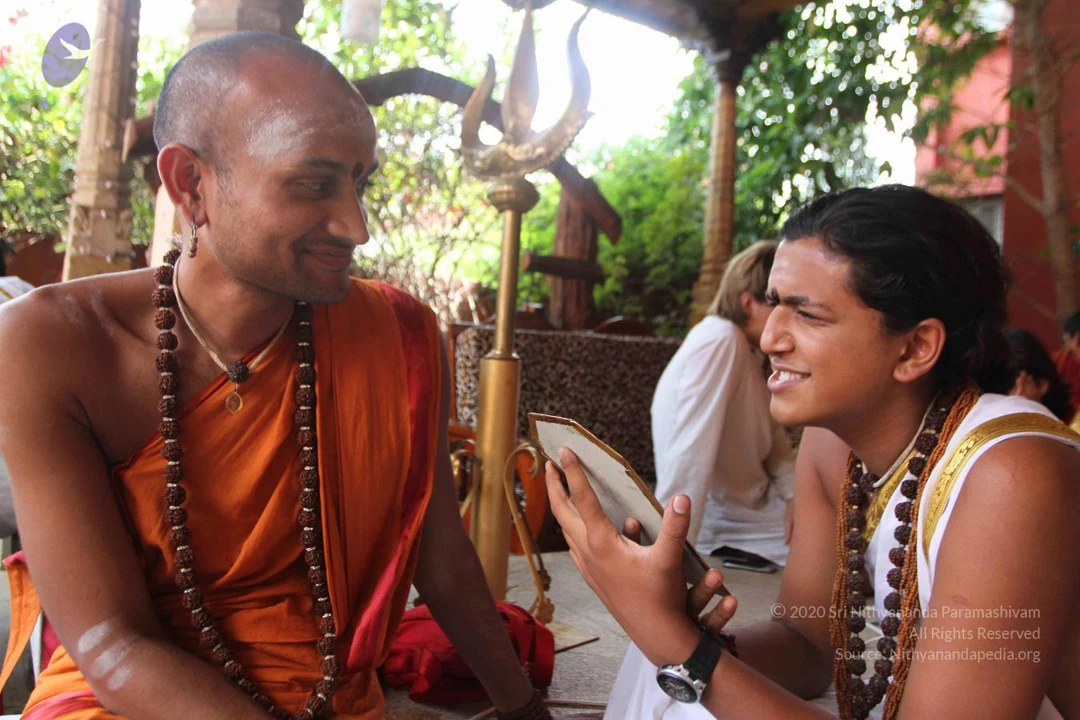
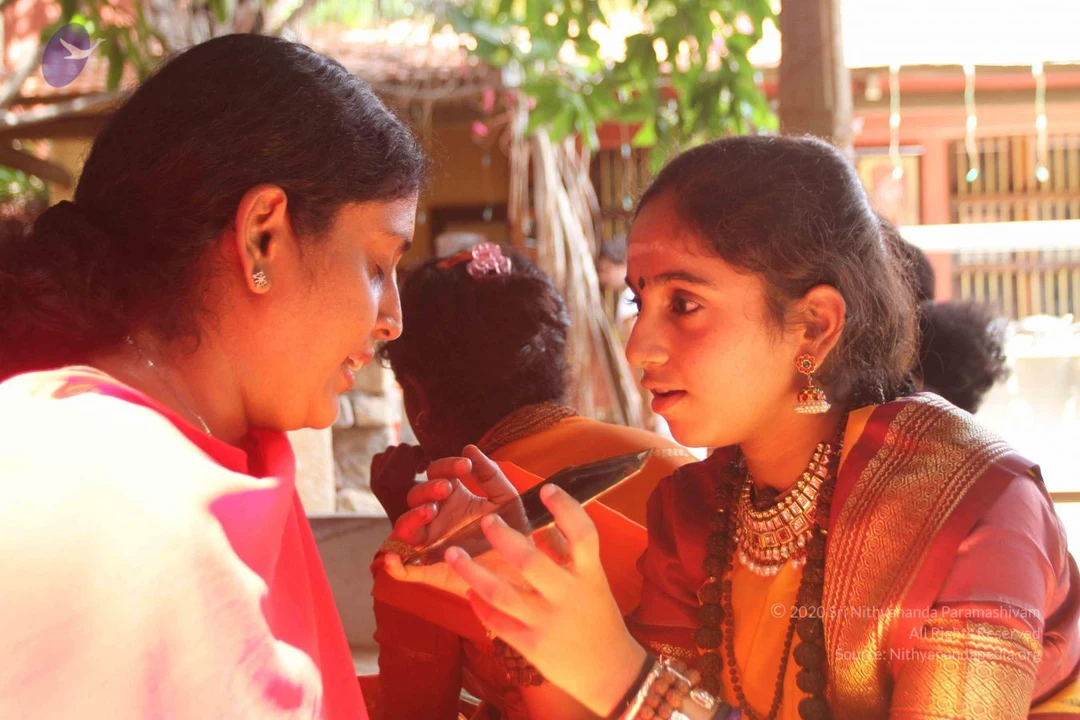
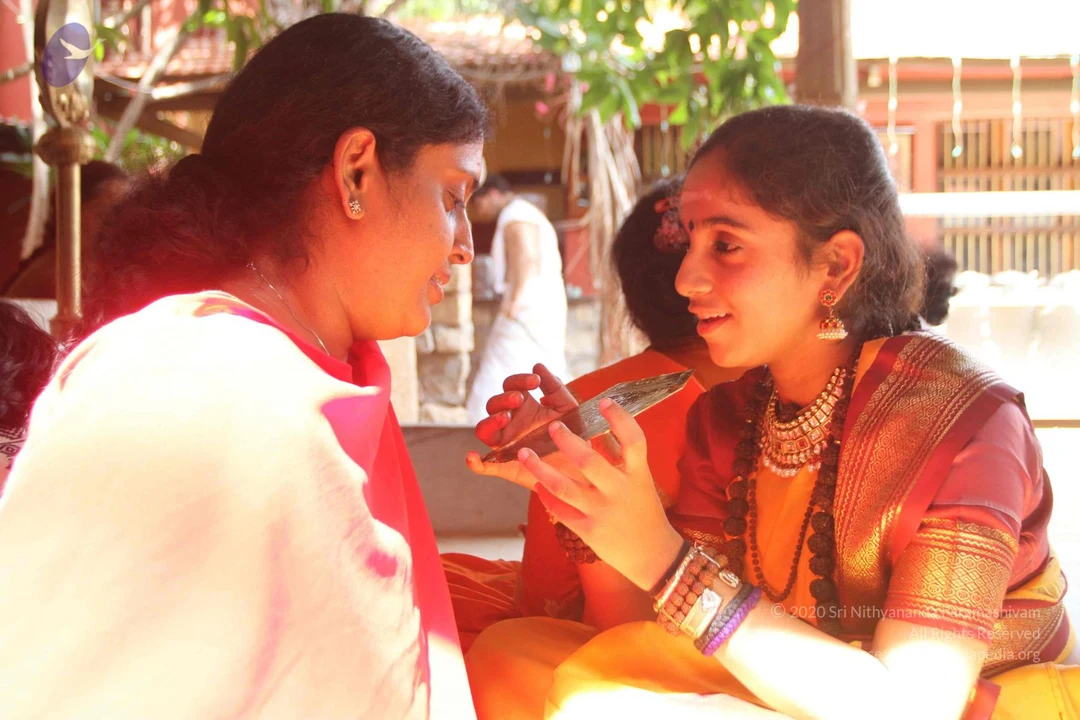
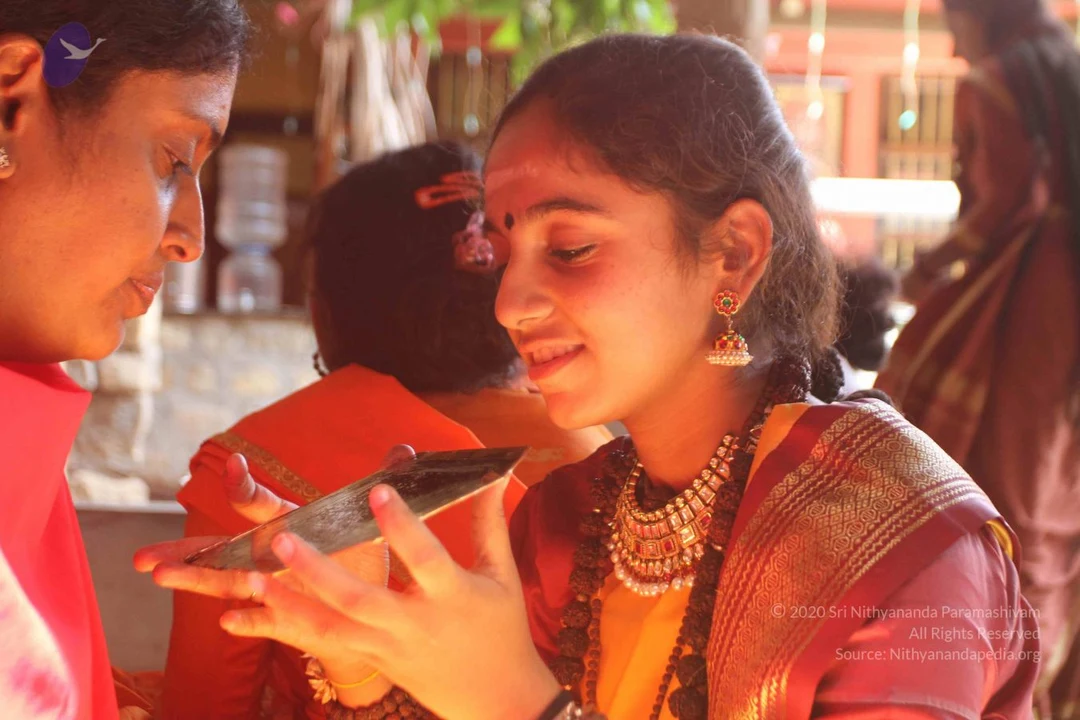
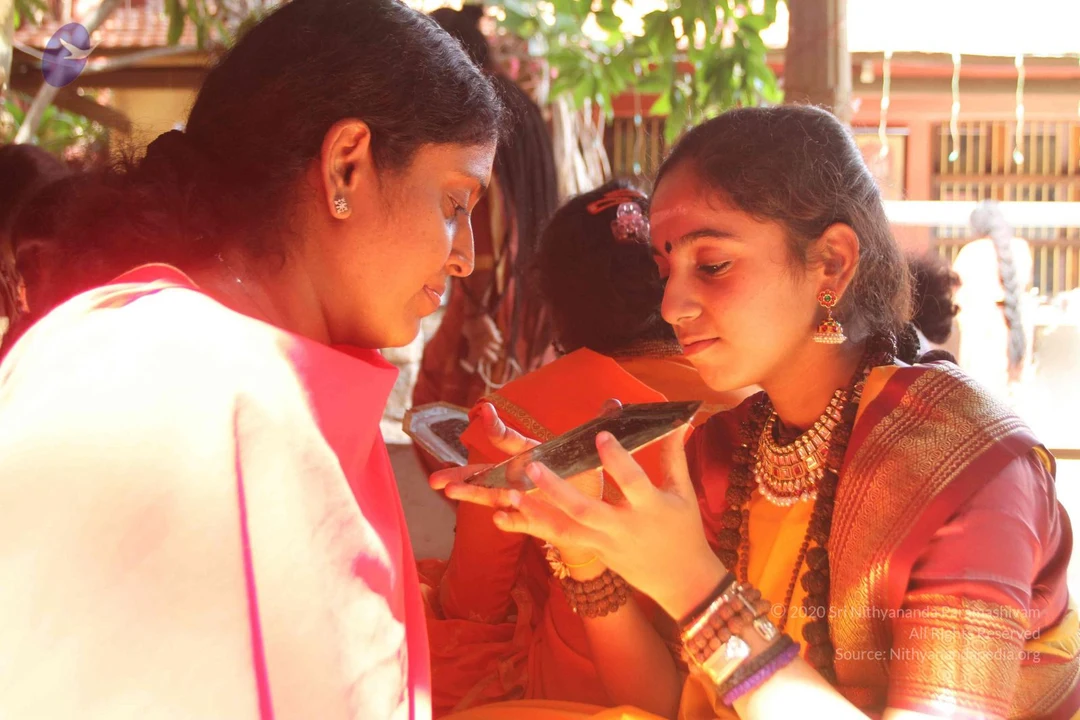
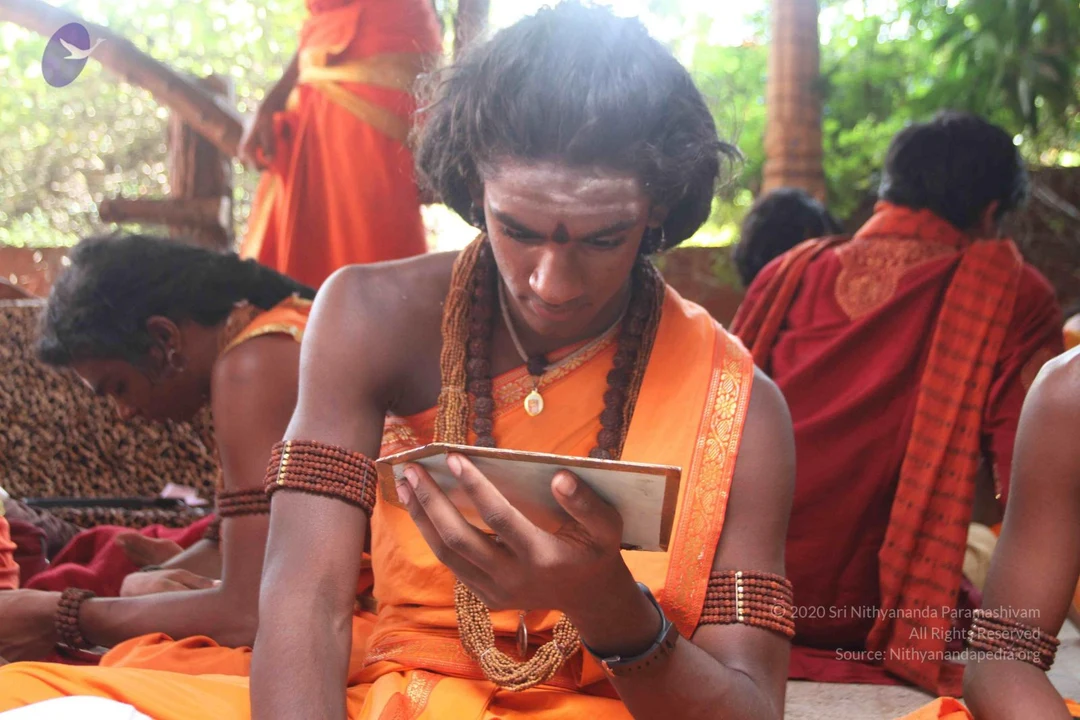
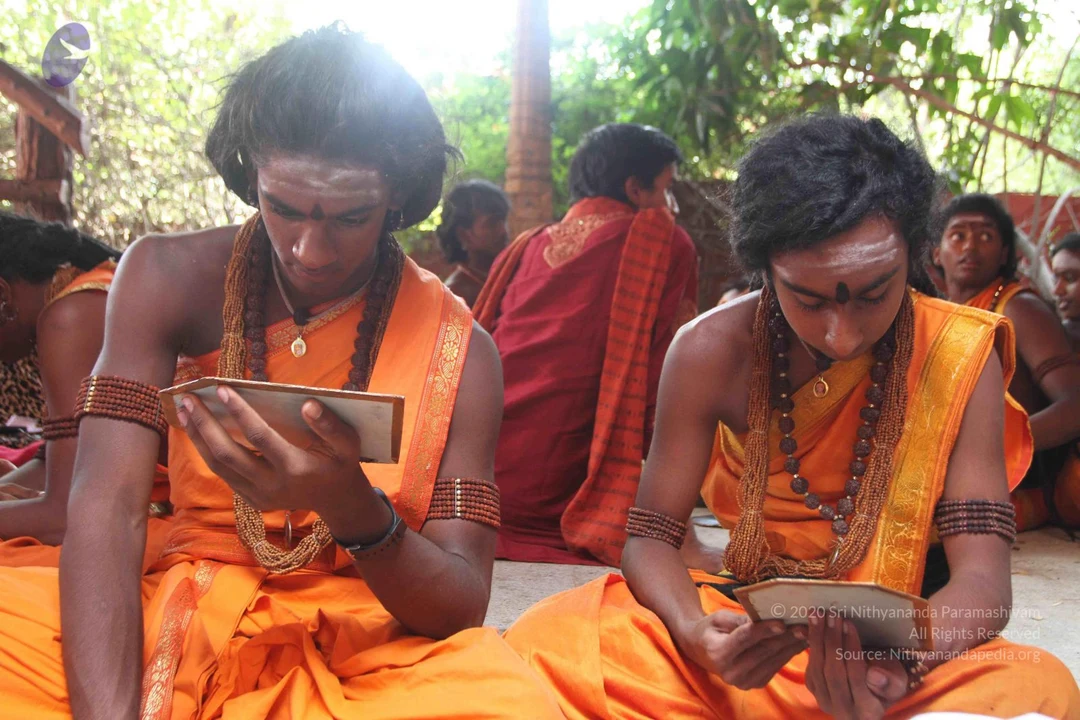
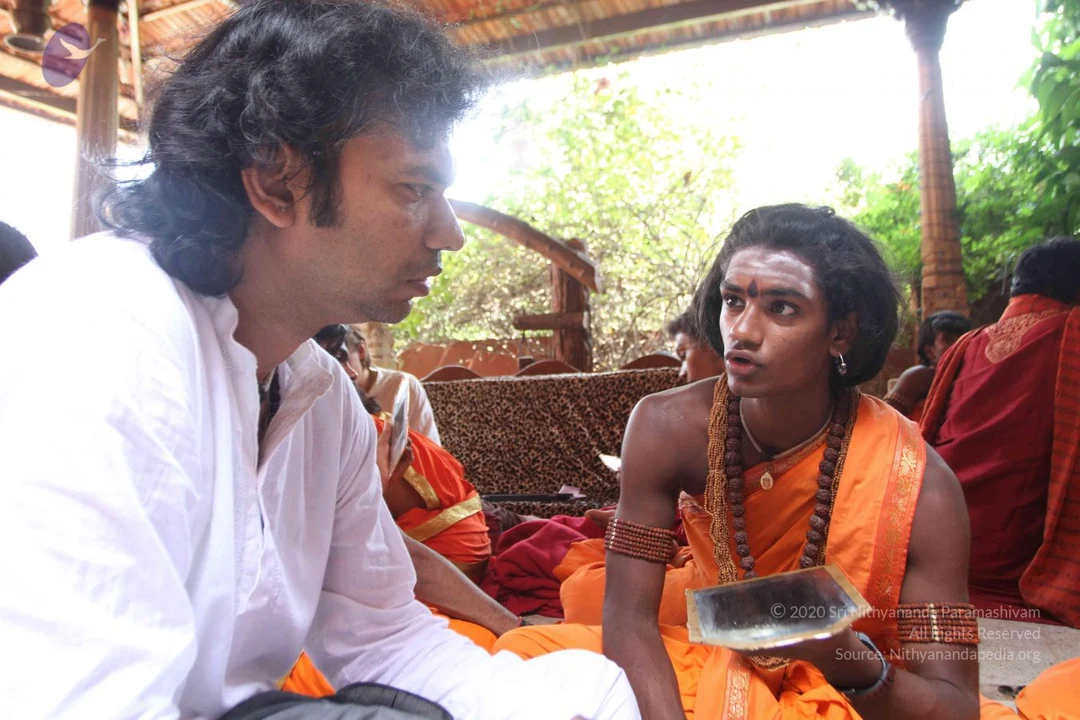
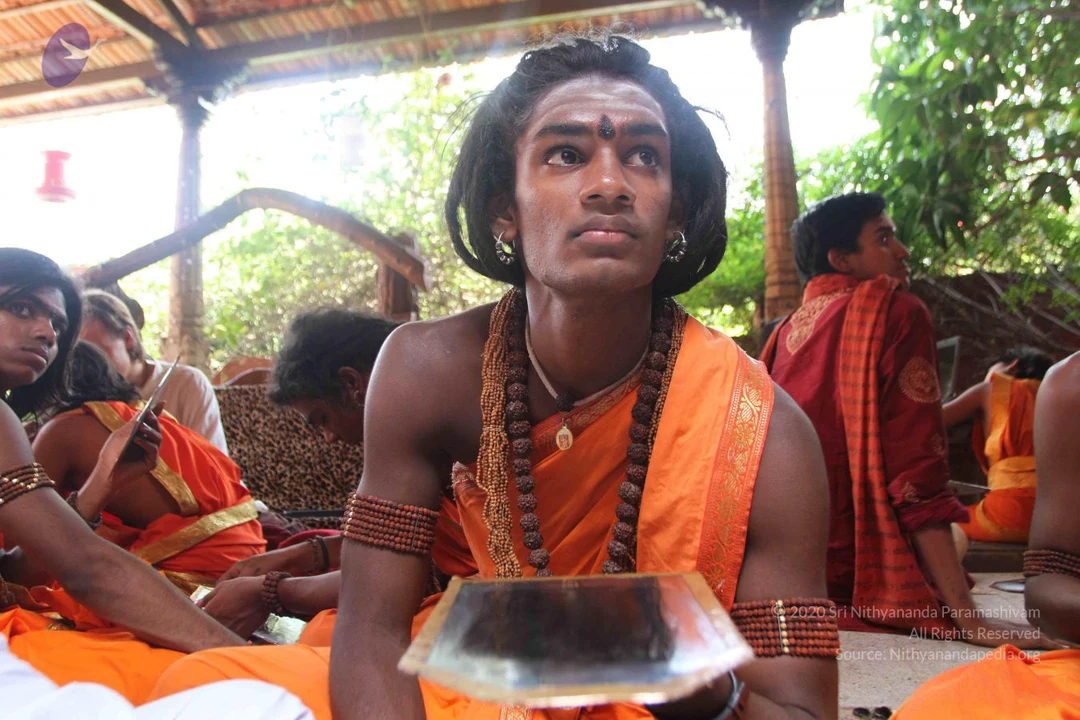
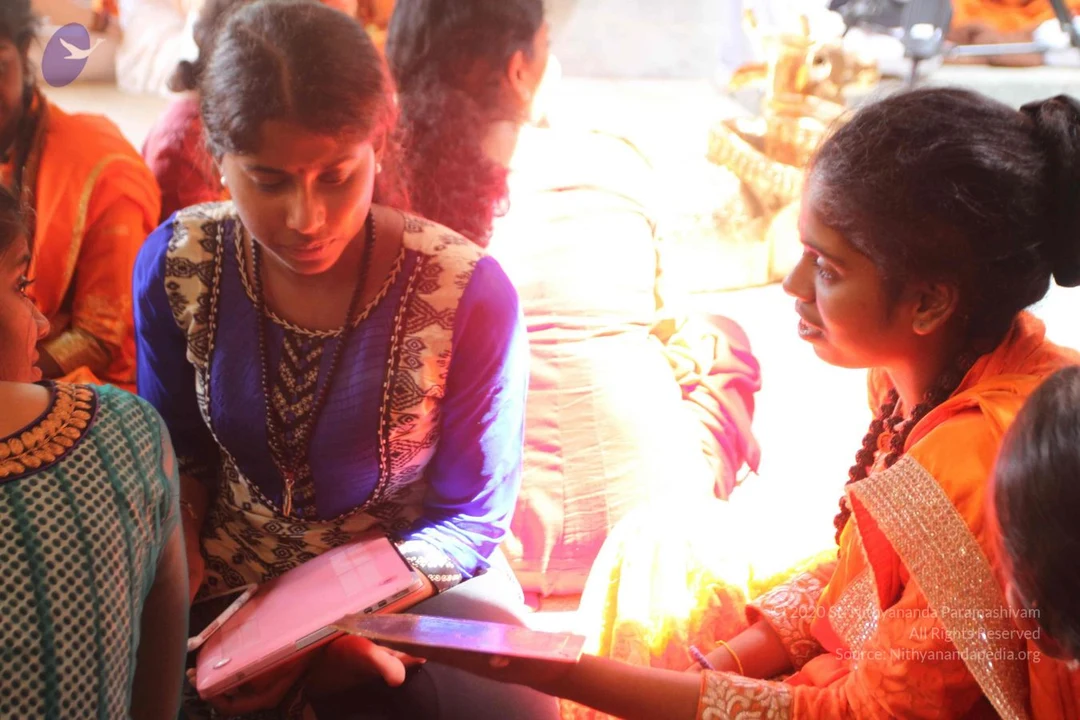
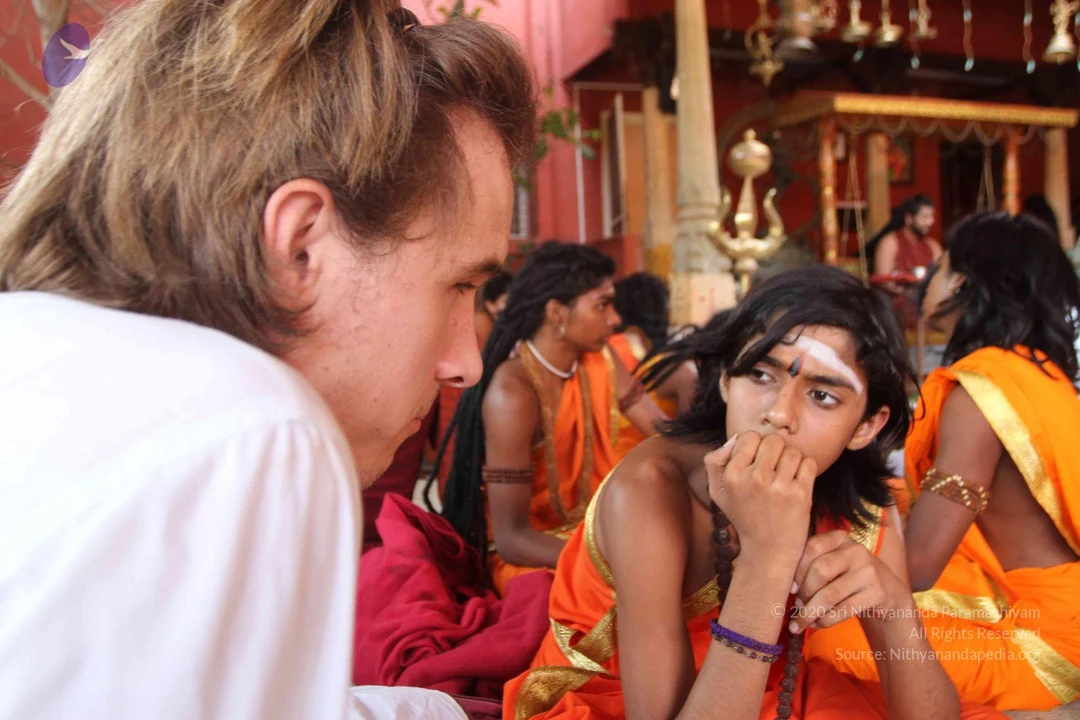
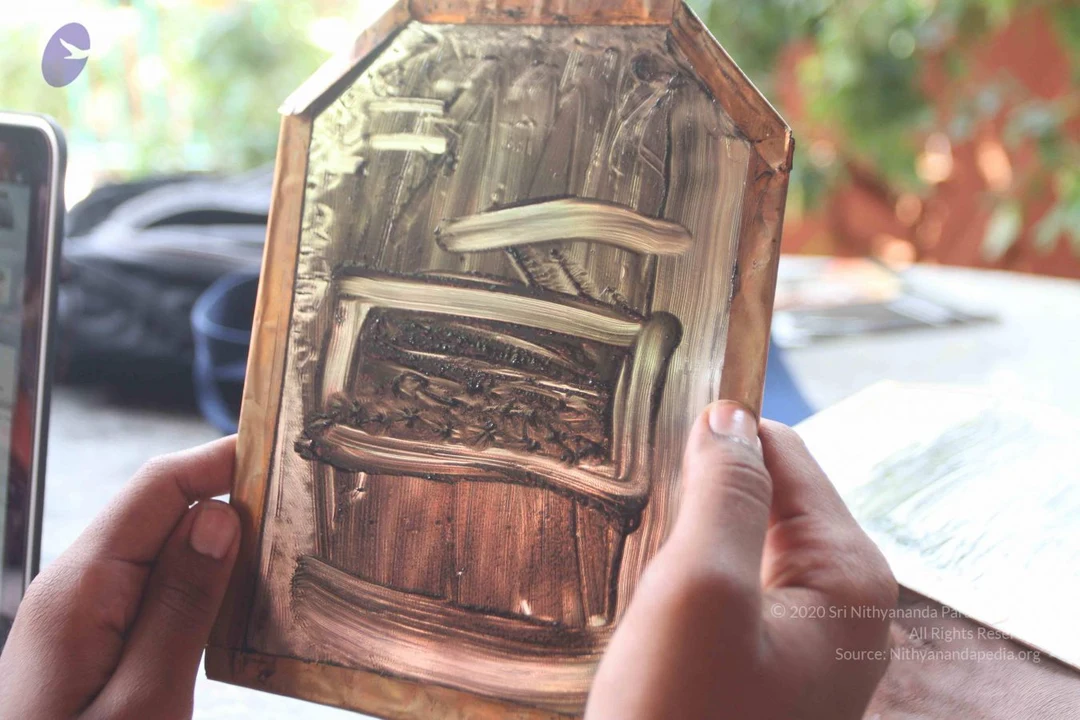
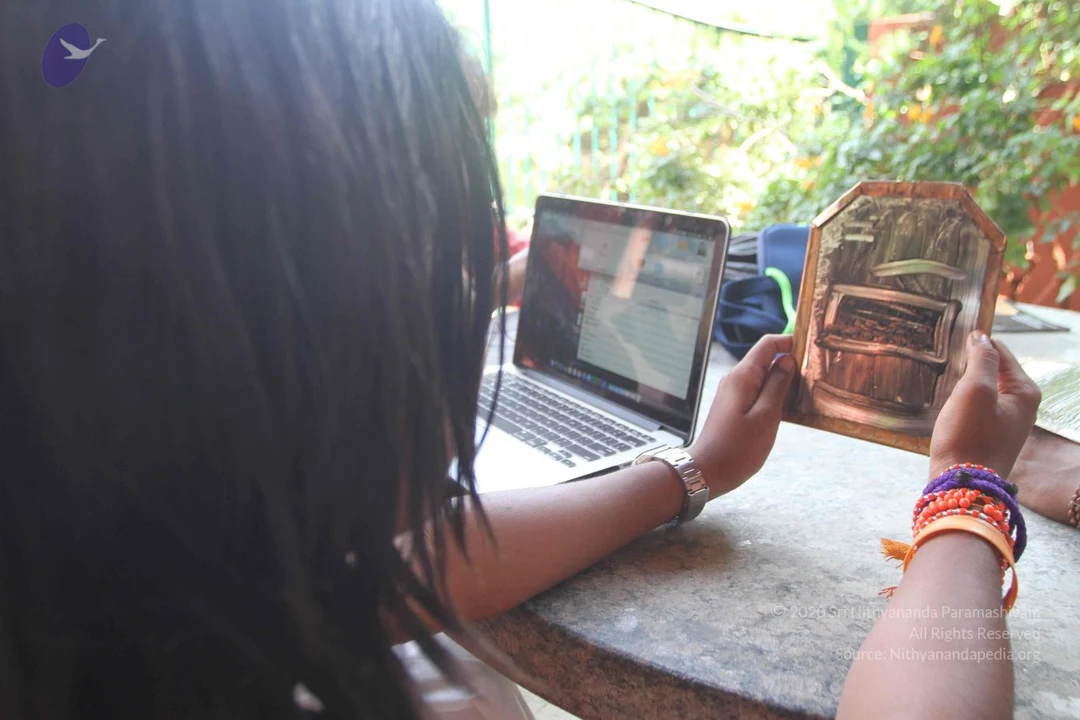
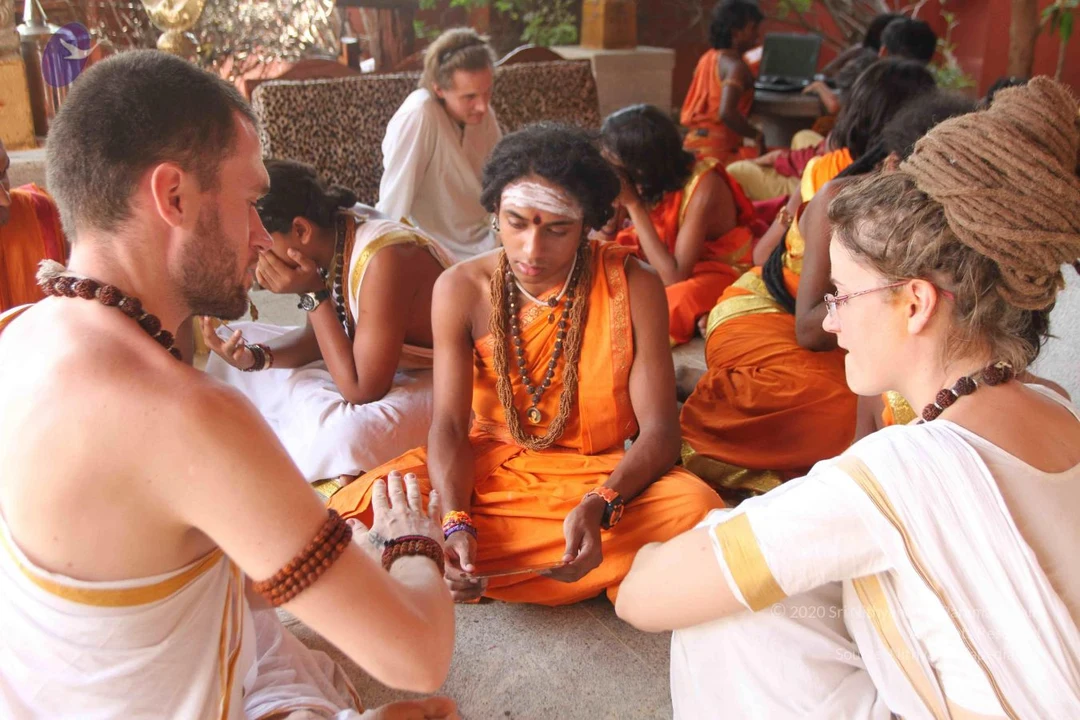
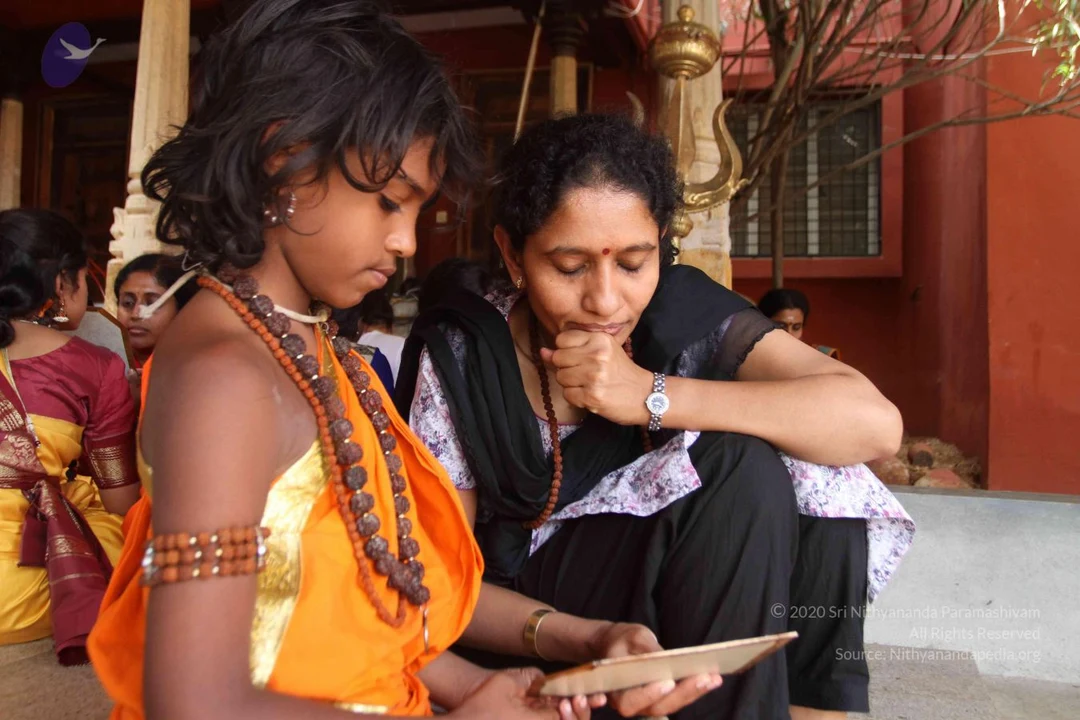
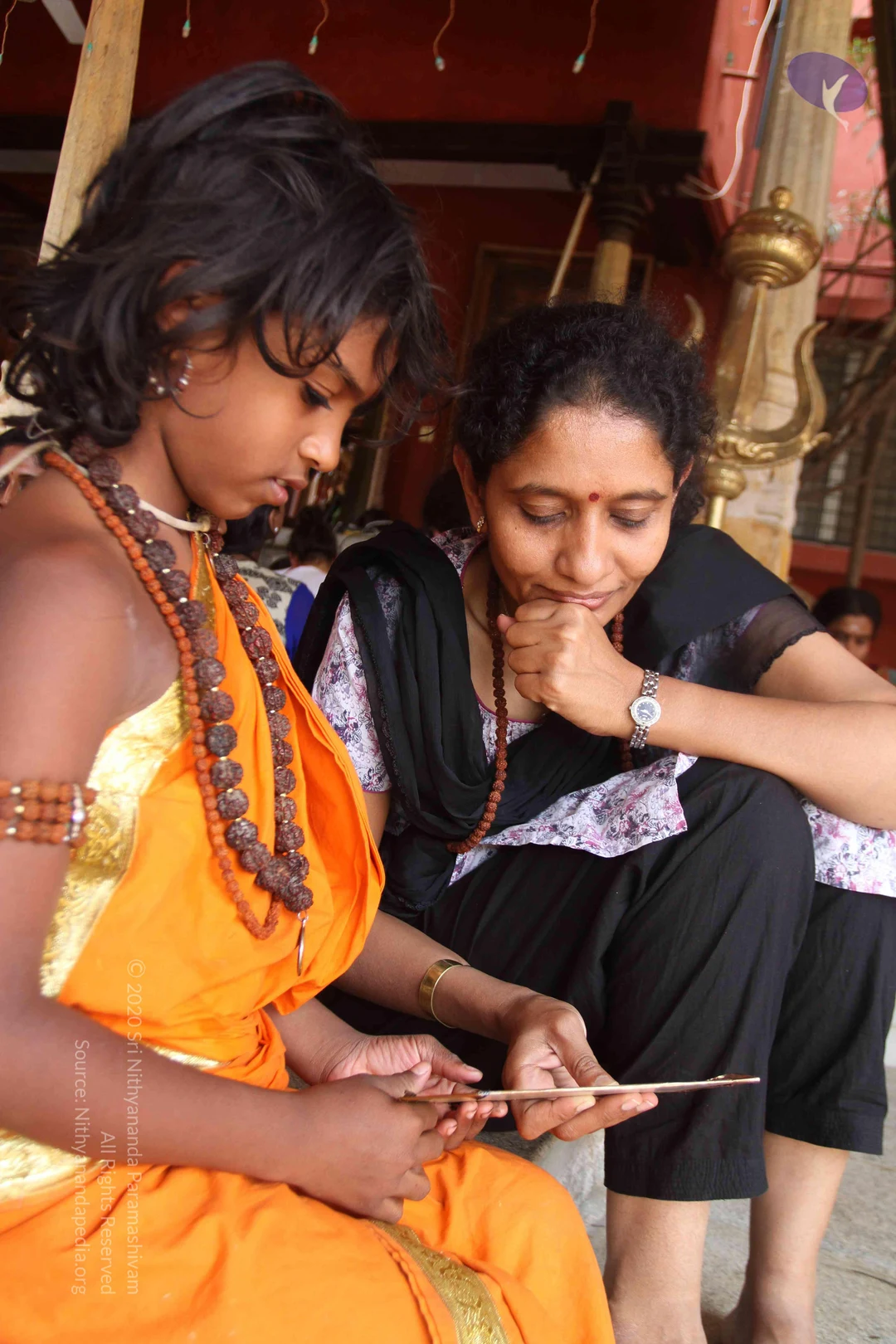
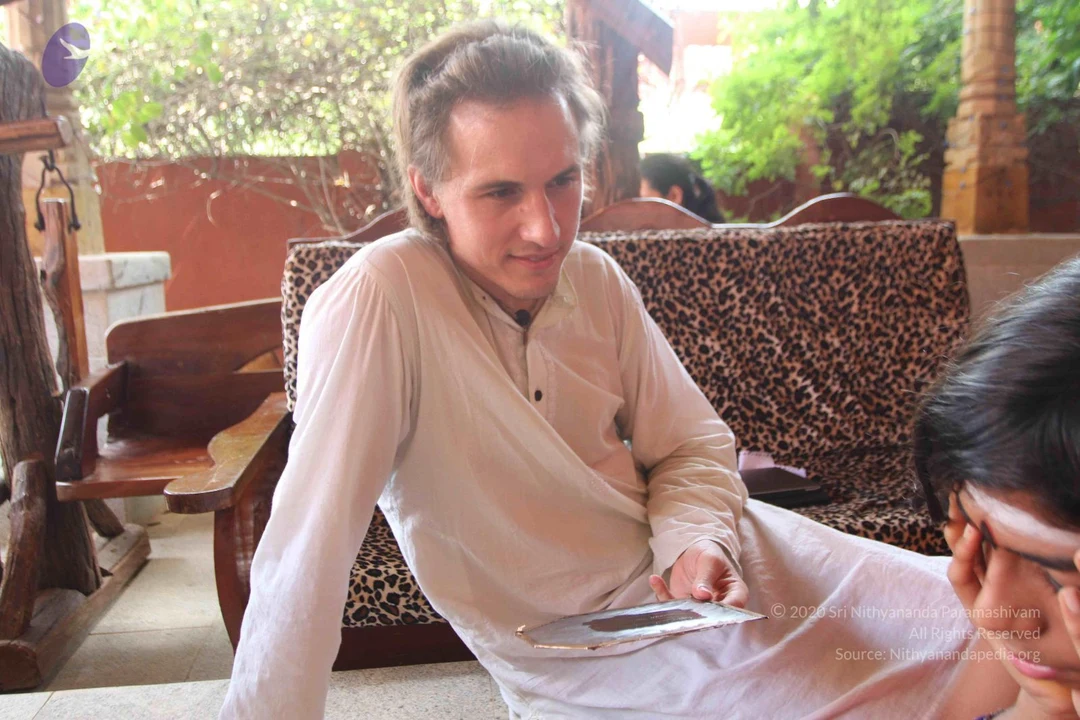
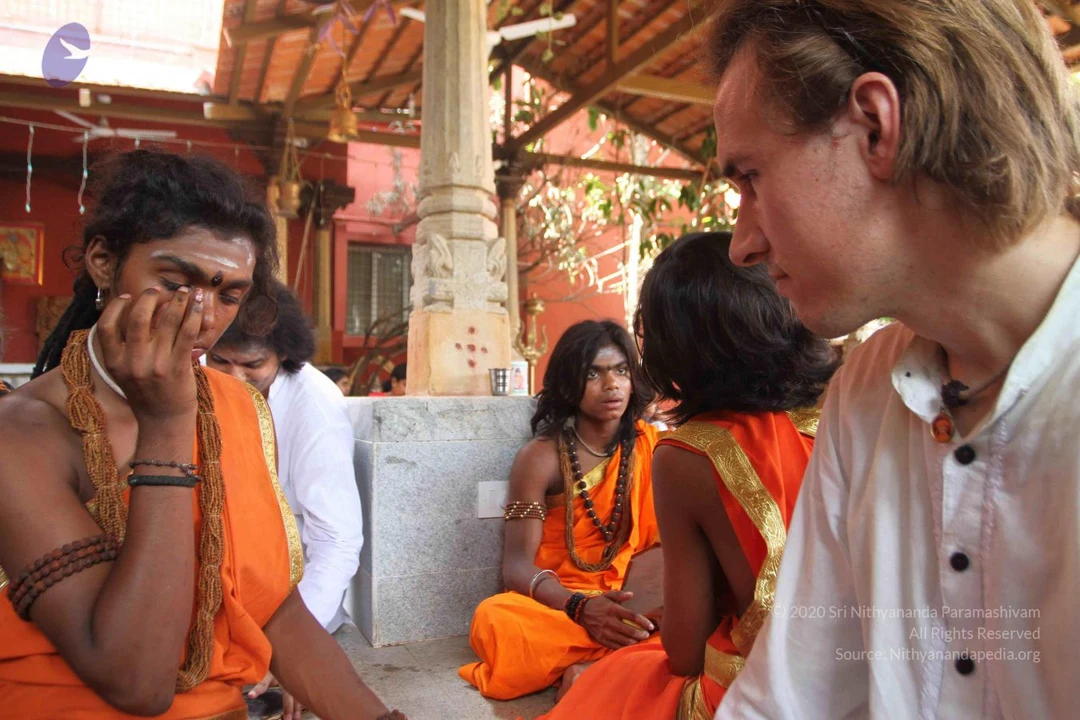
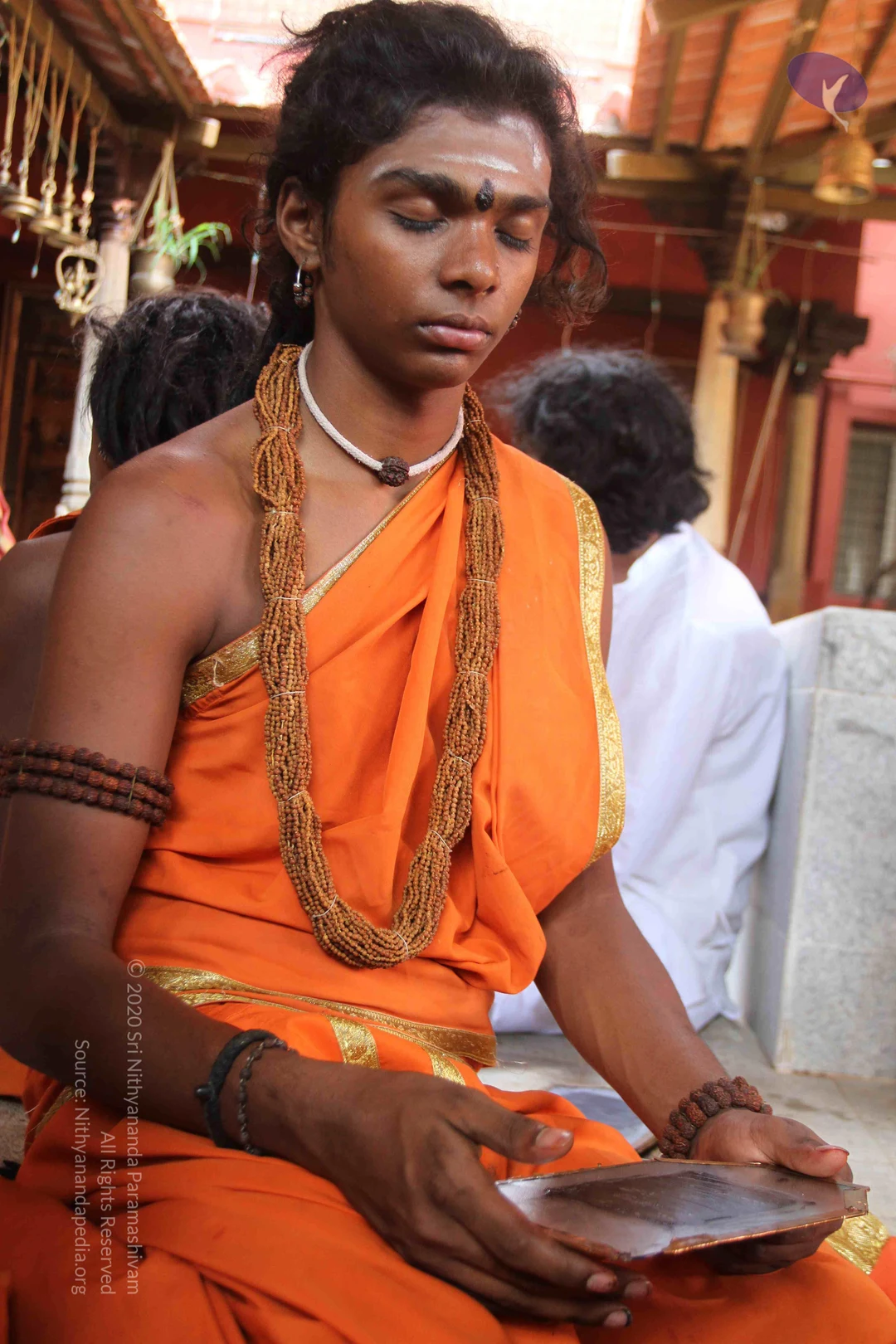
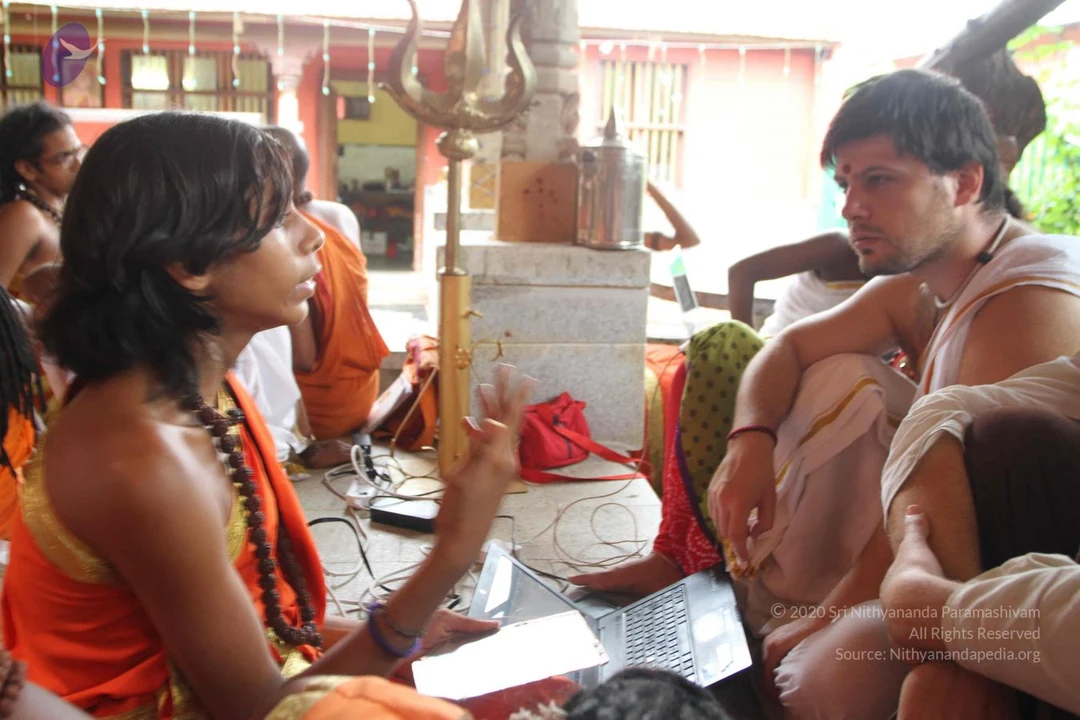
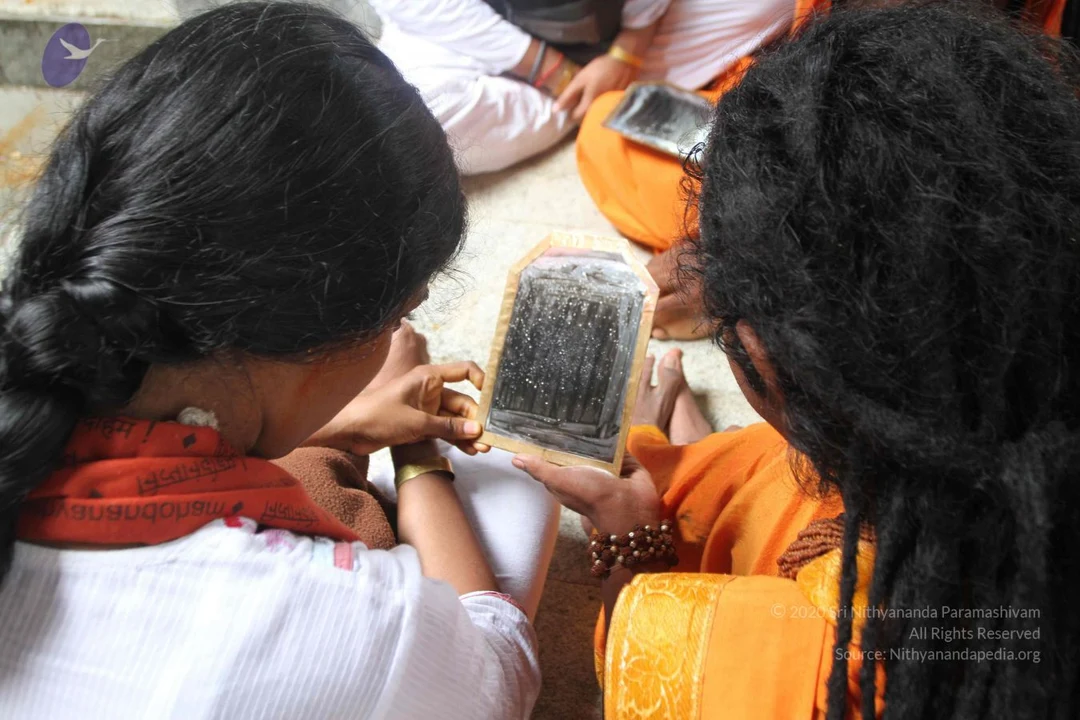
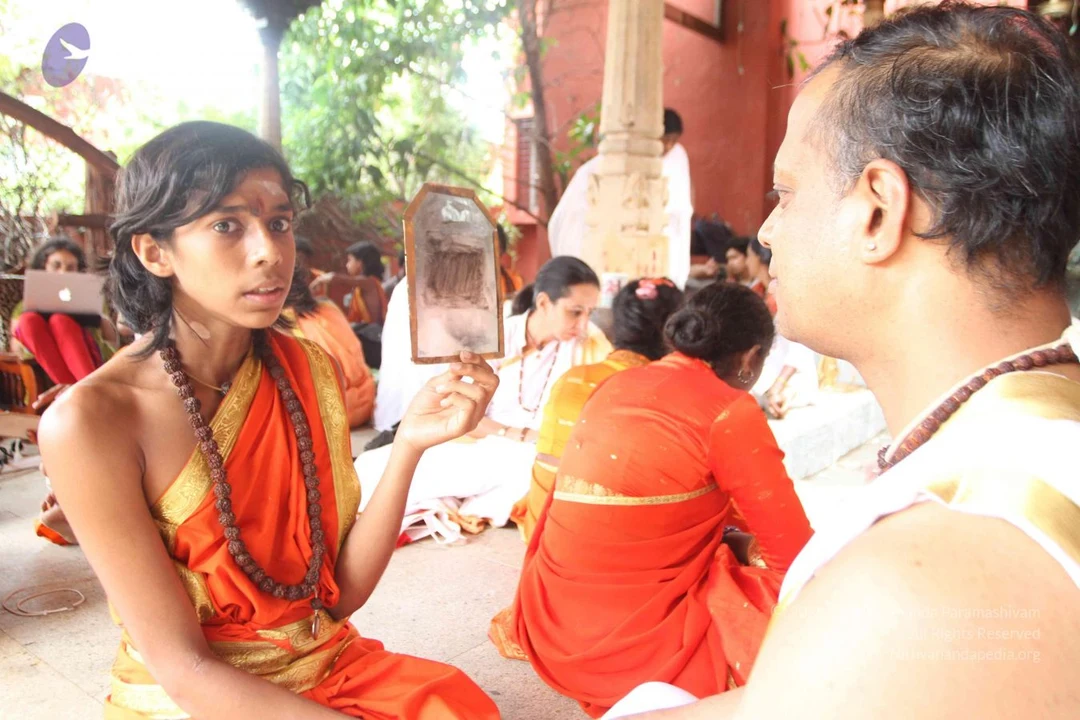
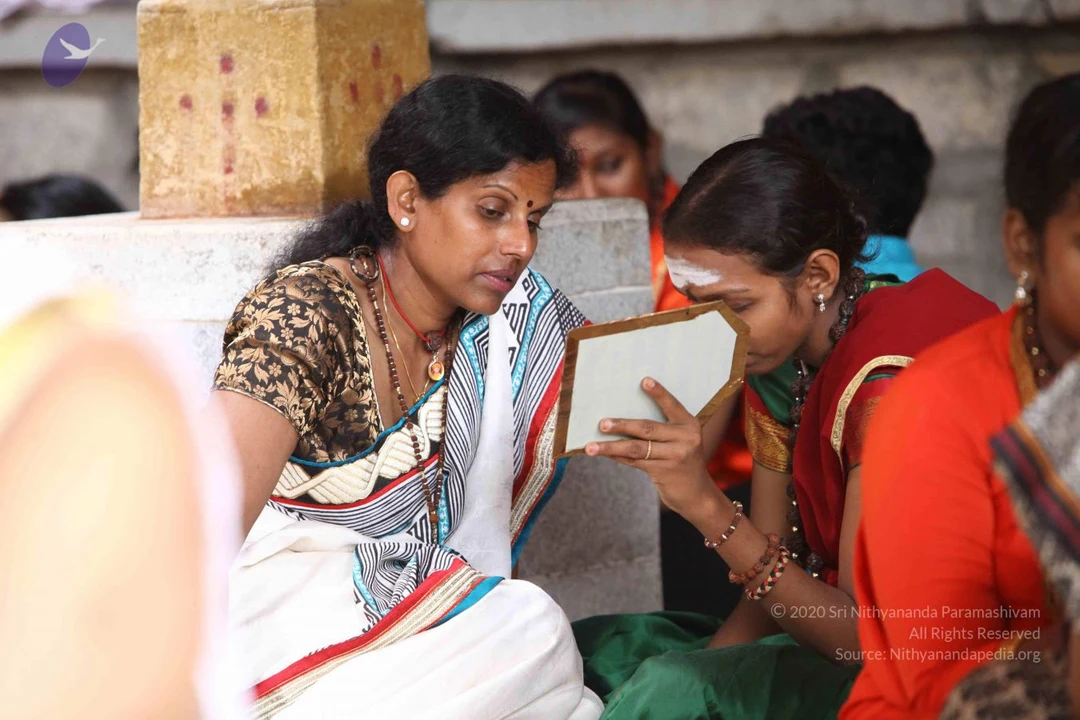
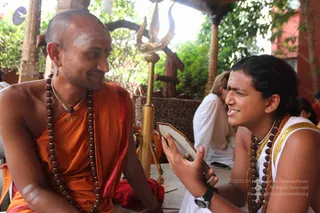
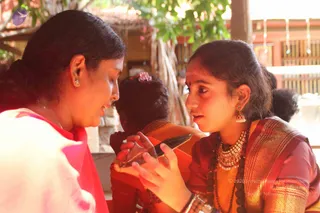
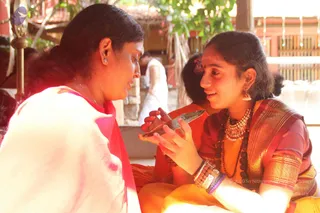
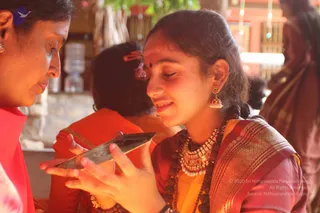
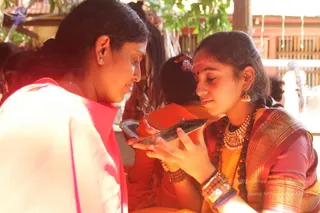
Just I am putting it on record, this is the way the history will have this bits and pieces of informations. Today, I am going to initiate the Balasants, to next level of adding ‘mana’, in their third eye practice. The next, next possibility, next level of power on the third eye. You may not understand what it means Let them come back and demonstrate to you all, then you’ll understand, what it means. Ask any questions to them, they will be able to see the answer visually, in the mirror, they have in their hand, through the jñanānjana and project in the mirror, in your house, wherever your house may be and in your house mirror, you can see the answer, visually, verbally. Completely like HD relay. Of course, anything I speak will look, too big promise, or gone kookoos, “What is he doing?”, “What is going on?”. I don’t want to make you commit the sin of abusing me, without knowing or this tradition, without knowing. That is why I am not giving you the details. I am just putting this on record. What my Balasants will be capable, by practicing these Initiations, and soon they will demonstrate it to public. Maybe as early as coming Navaratri. I am just putting all these on record, for the sake of future history.
The essence of today’s satsang – keep your goal, workship object and worship object, both as infinite Brahman. Let finite limited, may not be your worship object or workship object.
With this I bless you all, let you all radiate, with Integrity, Authenticity, Responsibility, Enriching, Causing, Living Shuddhādvaita Saivam, the Eternal Bliss - Nithyananda.
Thank you. Be Blissful.
Transcript in Tamil
இன்றைய சத்சங்கத்தின் எழுத்தாக்கம்! 12-ஆகஸ்ட்-2016 நித்யானந்தேஸ்வர பரமசிவ சமாரம்பாம் நித்யானந்தேஸ்வரி பராசக்தி மத்யமாம் அஸ்மதாச்சார்ய பர்யந்தாம் வந்தே குருபரம்பராம்... உங்கள் அனைவரையும் வணங்கி வரவேற்கின்றேன்..... சத்சங்கத்தின் தொடர்விற்குள் நுழையலாம்.. கண்கள் ஐந்தும் கலந்து இருக்கின்ற நிலை.. சிவாய, எனும் மூன்று கண்களும், நம என்ற இரண்டு கண்களும்.. ஐந்தும் ஒன்றாய் கலந்து இருந்தது. கண்கள் ஐந்தும் கலந்திருந்த சில ஷணங்கள், பாண்டி நாட்டு அரசன் தன் சுகத்திலே இருந்தான். தன்னை அறியாக சிவக்ஞானபோதத்திற்குள் விழுந்துகொண்டே இருந்தான். திடீரென்று தான் வேறு ஒரு நிலைக்குச் செல்வதையும், தன் இருப்பு தளர்வதையும் உணர்ந்து விழித்தான் உறக்கத்திற்கு. உறக்கத்திருந்து விழிக்கவில்லை, உறக்கத்திற்கு விழித்தான்! கனவிலிருந்து நனவிற்கு வந்தால் விழிதான் நனவிற்கு.. துரியத்திலிருந்து நனவிற்கு விழுந்தால் விழித்தான் நனவிற்கு.. கண்கள் ஐந்தும் கலந்திருந்ததாலே துரியம் எனும் அரியநிலைக்குள் சென்றுகொண்டிருந்த அரசன் சம்ஸ்காரம் எனும் வழிச்சாக்கடைப் பட்டு, சம்சார கடலுக்கு வந்தான். விழித்ததும் பற்றியது அகந்தைப் பேய்! அகந்தை எனும் பேய் அவனைப் பற்றியதால், தான் அருகில் இருப்பது, கூலிக்கு வந்த கூலியாள் என்றும், வந்தி கூலி கொடுக்க காத்திருக்கும் பெண் என்றும், பின்னால் இருப்பவர்கள் தன் உளவாலிகள் என்றும் தனித்தனியாக வியக்திகளை உணரத்துவங்கினான் அரசன். இரண்டு விநாடி தன்னையே இழந்து இருந்த சிவக்ஞான போதத்தின் சக்தியினால், சற்றே குழம்பியதுபோல் யார் நீ? என்று கேட்டான். வந்தி, வந்திக்கு வேலை செய்ய வந்திருக்கும் கூலியாள்! தெரிந்தும் கேட்கின்றான்.. யார் நீ? என்று. நான் கூலிக்க வந்த சாமிங்கோ.. உன் பரிவட்டத்தின் அழகைப் பார்த்தால், தலைப்பாகையின் அழகைப்பார்தால் கூலிக்கு வந்தவன்போல் தெரியவில்லையே.. ? நீ யார் சாமி,.. ? என்னய பத்தி விசாரிக்கிற நீ யார்னு சொல்லவே இல்லையே! நான் பாண்டி நாட்டு அரசன், அரசனா? வந்தது நரியா? பரியா? என்று தெரியாமல் கூலி கொடுத்து அனுப்பியது நீதானா? போதும் இந்த விளையாட்டு.. யார் என்று சொல்? பெருமான் மனம் கனிந்து.. ஆயிரம்தான் இருந்தாலும் தான் ஆண்ட ஆசனத்தில் அமர்ந்திருக்கும் என் பேரப்பிள்ளை அல்லவா பாண்டி நாட்டு அரசன்? நம்ம தொழிலே கூலிதான் சாமி.. யார் கூப்பிட்டாலும் போவேன்.. எதை கொடுத்தாலும் தின்பேன்.. பரிபாஷையில் பரமன் உரையாற்றுகின்றான். தலைப்பாகை அழகைப்பார்த்தால் கூலிக்கு வந்தவனைப்போல் தெரியவில்லையே!? அதுவா சாமி.. நாலு நாளைக்கு முன்னாடி குதிரை ஒட்டுகிற ஒருவன் தலைப்பாகை கட்டியிருந்தான், அதைப்பார்த்தேன் ரொம்ப அழகாக இருந்தது, அதேமாதிரி நானும் கட்டிப்பார்த்தேன். அதான் சாமி.. அது சரி.. குதிரை ஓட்டிக்கு நான் கொடுத்த திருபுவனத்துப் பட்டு, உன் தலையில் எப்படி? அதுவா சாமி, எனக்கு கொடுத்தது எனக்கு, உனக்க கொடுத்தது உனக்கு, நமக்குக் கொடுத்தது நமக்கு, வேற ஒருத்தனுக்கு குடுத்தது நமக்கு வருமா? நமக்கு கொடுத்தது வேறு ஒருத்தனுக்குப் போகுமா? இதெல்லாம் புரியுமா, புரியாதா சாமி? என்ன சாமி பேசற? அளம்புகிறானா? புலம்புகிறானா? அழுகிறானா? விழுகிறானா? குழம்புகிறானா? குழப்புகிறானா? குழம்பியதை குழபுகிறானா? எதுவுமே புரியாமல்.. நிற்கிறான் அரசன்.. கேள்விக்கு மட்டும் பதில் சொல் பாண்டி நாட்டு அரசன் முன்னால் நின்றுகொண்டிருக்கிறேன் என்பது தெரியவில்லையா? ஏன் சாமி இவ்வளவு சத்தம் போடற? பனியாரம் கொடுத்த பாட்டிய பதுசா பாதத்தை பிடித்துவிட்டுக் கொண்டிருக்கிறது.. நீ என்ன சாமி ரொம்ப வம்பு பன்ற? நரி எல்லாம் பரின்னு சொல்லிக் கூட்டிட்டு வந்தான் அவனுக்கு எல்லாம் பொன் பொருளாகக் கொடுத்து அனுப்பிச்ச.. அவனுங்கள விட்டுட்டு என் மேல வந்து கோவத்த காமிக்கிறியே சாமி.. உண்ட பனியாரத்துக்கு உழையடா.. பனியாரம் துன்னா.. பணி ஆரனும் இல்லயா சாமி..? மாமியார் வீட்டில் விருந்துண்டுவிட்டு படுத்திருப்பவனைப்போல் பேசுகிறாய். ஆமாம் சாமி.. இது நம்ம மாமியர் வீடுதான் சாமி.. முதல் பொண்டாட்டி கைலாசம் போயிடுச்சு.. இரண்டாவது இங்கதான் சுத்திகிட்டு இருக்கு.. அத பாக்கத்தான் வந்தேன்.. அப்படியே படுத்துகிடத்தேன். அவங்க அம்மா ஆக்கிப்போட்ட பனியாரத்தை தின்னுட்டுப் படுத்துக்கிடந்தேன் சாமி. என்னடா என்னையேக் குழப்புகிறாய்? உண்ட பனியாரத்திற்கு, பணியை ஆற்றுவதற்குப் பதிலாக பனியாரிக்கொண்டிருக்கின்றாயே.. என்ன நடக்கிறது இங்கே? சத்தத்தைக் கேட்டு எழுந்தான் கூலியாள்! தலைப்பாகை எடுத்துவிட்டுச் சொரியத் துவங்கினான். என்ன சாமி ரொம்ப சத்தம்போடற.? எனக்கு ஒன்னுமே புரியல.. மண்டையைச் சொரிந்தான் மகேஸ்வரன். குழம்பியிருப்பது பாண்டியன், மண்டையைச் சொரிவது மகேஸ்வரன். புரிந்துகொண்டான் பாண்டியன், சற்றே இறங்கி வந்து.. ‘அப்பா, வந்தியின் பிட்டையும், இட்டலியையும் தின்றாள்.. வைகையை அடைக்கக்கூடாதா?‘ அதான சாமி தலையைச் சொரிந்து செய்துகொண்டிருந்தேன்.. உனக்குப் புரியவே மாட்டேங்கிறதே!! பொங்குவது இங்கிருந்தடா! மூடனே.. அங்கு சென்று என்ன செய்வது? இங்கு அடைக்க வேண்டுமடா. புரியாத குழப்பத்தில் பாண்டியன், புரிந்துகொள்ளவில்லையே என்ற குழப்பத்தில் மகேஸ்வரன். மண்ணையேப் படைத்தவன், மண்ணில் இறங்கிவந்து தன் பக்தர்களுக்காய்ச் செய்யும் சுத்தாத்வைத லீலை! -- நினைத்தவர்கள் நெஞ்செல்லாம் இனிக்கும், பேசியவர்கள் வாக்கெல்லாம் இனிக்கும். பேசியோரும், கேட்டோரும் பெரும் வரத்தை அடைவர்.. வாழ்வெல்லாம் அதை நினைப்பதால் முக்தி.. பாகவதம் சொல்வதை, லீலாத் தியானம் என்று பரமனின் திருவிளையடல்களை சொல்வதையே லீலாத் தியானம் என்று சொல்கிறார். இங்கு மண்ணைப் படைத்த பெருமான் மண்ணைச் சுமக்க வந்தான். அரசன் சற்றே திகைத்து.. என்னடா செய்வது? ஒரு சாயலில் பார்த்தல் குதிரை மீது வந்த சேவகன் போலவே இருக்கின்றான்... மறு சாயலில் பார்த்தால் கூலியாள் போலத்தான் பேசுகின்றான்.. பாவனையைப் பார்த்தால் பணிவு தெரிகிறது. வார்த்தைகளைப் பார்த்தால் நௌிவும், வளைவும் தெரிகிறது. புரிவதா..? புரியாதிருக்கிறதா? அறிவதா? அறிவிற்கு அப்பாற்பட்டதா? தெரிவதா? தெரியாது இருப்பதா? பாண்டி நாட்டு அரசன் சிறு குழந்தைப்போல தலைக் குழம்பி நிற்கின்றான். பரமனோ தனக்குள் பனியாரத்தோடு சேர்த்து பாண்டி நாட்டு மன்னனின் குழப்பத்தையும் ருசித்துக்கொண்டு, வயிற்றில் பணியாரம், தலையில் பாண்டி நாட்டு மன்னனின் குழப்பம் இரண்டையும் இரசித்துக்கொண்டும், ருசித்துக்கொண்டும் சற்றே மெதுவாக கொட்டாவி விடுகின்றான்.. ஆ!.. வந்திக்கு அடிவயிறு கலங்குகின்றது. எரிவது அடுப்பா? அல்லது என் அடிவயிறா? என்பது தெரியமால் கலங்குகிறாள் வந்திப்பாட்டி! வந்திப்போருக்கும், நிந்திப்போருக்கும் அருள் செய்யும் பரமன் வந்திப்பாட்டிக்கு அருள்செய்ய வந்திருக்கின்றான். கிழவியோ.. இவனை விட்டால் வேறு ஆளும் இல்லை.. கூலியைத் தின்றுவிட்டான். வேறு ஒரு ஆள் எடுத்தால் கொடுக்க கூலியும் இல்லை. இவன் வேலையைச் செய்யாவிட்டால் பாண்டி நாட்டு அரசன் நம்மை விடுவதாயும் இல்லை. பாண்டியன் பக்கமும் சாயமுடியாமல், கூலியாள் பக்கமும் பேசமுடியாமல் பரிதவித்துக்கொண்டிருக்கின்றாள் வந்திப்பாட்டி. குழம்பிப்போய் எது சரி? எது தவறு? என்று தெரிந்துகொள்ள முடியாத விவேகம் இழந்த நிலையான குழப்பத்தில் இருந்துகொண்டிருக்கின்றான் பாண்டி நாட்டு அரசன். அத்வைதம் என்பது, எல்லோருக்குள்ளும் இருக்கின்ற ஆன்ம சக்தியாக தன்னை உணர்வது, சுத்தாத்வைதம் என்பது, எல்லோருக்குள்ளும் இருக்கின்ற ஆன்ம சக்தியாக தன்னை உணர்வது மட்டுமல்லாமல், தான் என்ன அனுபவிக்கின்றானோ அதை மற்றவர்களுக்குள் அனுப்பவும், மற்றவர்களுக்குள் நிகழ்வதை தனக்குள் கொண்டுவரவும் செய்கின்ற சக்தியோடு சேர்ந்த அத்வைதம் சுத்தாத்வைதம். கிருஷ்ணன் விஸ்வ ரூப தரிசனம் அளித்தது அத்வைத நிலை! ஆனால் இங்கு பெருமான் நின்றுகொண்டிருப்பது சுத்தாத்வைத நிலை! இரண்டிற்கும் மிகப்பெரிய வித்யாசம் உண்டு! அத்வைத நிலை என்றால், தன் உடல் மனம் இவற்றைக் கடந்து, ஆன்மாவாக தன்னை உணர்ந்து, அதே ஆன்மாதான் எல்லோருக்குள்ளும் இருக்கின்றது என்று உணர்ந்து, எல்லோருக்குள்ளும் இருக்கும் ஆன்மாவோடும் ஒன்றாக இருக்கின்ற நிலை அத்வைதம். ஆனால் அந்த நிலையை அனுபூதியாக அடைந்துவிட்டு, அந்த நிலையை இந்த உடல் மனத்தின் வழியாக வௌிப்படுத்தி, அந்த நிலையினால் ஏற்படும் நிலையை எல்லாம் இந்த உடல் மனத்தின் வழியாக வௌிப்படுத்தக்கூடிய அவதார சக்தி சுத்தாத்வைதம். அத்வைத நிலையில் உடலையும், மனதையும் விட்டுதான் தான் ஆன்மா எனும் நிலையில் இரு்கக இயலும். அதனால்தான் மகாபாரதப்போருக்குப் பின்னால், அர்ஜுனன் கிருஷ்ணரைப் பார்த்து,. ஐயா.. அன்று நீங்கள் சொன்ன பல விஷயங்கள் மறந்துவிட்டன, மீண்டும் சொன்னால் எழுதிக்கொள்வேன் என்று சொல்ல.... கிருஷ்ணபெருமான்.. அப்பா... அப்பொழுது நான் இருந்தது அத்வைத நிலை, நீ மட்டும் அல்ல, பாதிக்குமேல் நானும் மறந்துவிட்டேன். வேண்டுமென்றால் அதன் சாரத்தைச் சொல்கிறேன்.. எழுத்திக்கொள் என்று சொன்னதுதான் ‘அனுகீதை‘. அத்வைத் நிலையில், உடல் மனதை விட்டு, ஆன்ம உணர்வில் இருப்பது, சுத்தாத்வைத நிலை- ஆன்ம உணர்வை உடல் மனதிற்குள்ளும் கொண்டுவந்து சக்தியாகய் வௌிப்படுத்துவது. உடலையும் மனதையும் விட்டு ஆன்மாவை உணர்வது முக்தி! அந்த முக்தியை உடலிற்குள்ளும், மனதிற்குள்ளும் கொண்டுவந்து வௌிப்படுத்தும் சக்தி சுத்தாத்வைதம். உடலையும், மனதையும் விட்டு முக்திநிலையில் இருப்பது அத்வைதம். அந்த முக்தி நிலையை எல்லாவிதமான சக்திகளோடு உடலிலும் மனதிலும் கொண்டுவந்து வௌிப்படுத்துவது சுத்தாத்வைதம். என்ன செய்வது என்று தெரியாத நிலையில் வந்தி! என்ன செய்வது என்று தெரியாத நிலையிலும், ஏதாவது செய்தாக வேண்டும் என்ற ஆகங்காரத்தோடு குழம்பிய நிலையில் பாண்டியன். உடலையும், மனதையும் கடந்து ஆன்ம சொரூபமான முக்த நிலையை, சதாசிவ நிலையை உடல் மனதிற்குள் கொண்டுவந்து, முக்த நிலையை சக்திகளோடு சேர்த்து, உடலிற்குள்ளும் மனதிற்குள்ளும் வௌிப்படுத்தும் சுத்தாத்வைத சுகபோத நிலையில் பரம்பொருள் சதாசிவன். என்ன இங்கு நடக்கிறது என்று தௌிவாகப் பாருங்கள்.. குழப்பத்தில் இருந்தாலும் சரணாகதி நிலையில் வந்தி! குழப்பத்தில் இருந்தாலும் அகங்கார நிலையில் பாண்டியன்..! தன்னுடைய சொந்த பீடத்தில் தானே அமர்ந்துகொண்டு, அன்னைத் தடாகைப் பிராட்டியோடு ஆட்சி செய்தருளிய பாண்டி நாட்டுப் பீடத்தில் அமர்ந்திருக்கும் தன் கொள்ளுப்பேரன் பாண்டியன் அவனுக்காக இரங்காது, சாதாரண பிட்டும், இட்லியும் விற்றுப் பிழைக்கும் ஏழைக்கிழவி நமச்சிவாய எனும் நாமத்தைச் சொன்ன ஒரே காரணத்திற்காக அவளுக்கு இரங்கி வந்து மண் படைந்த பெருமான் இங்கு மண் சுமக்க நின்றுகொண்டிருக்கின்றான். காரணம் அவள் குழப்பத்தில் இருந்தாலும் சரணாகதி நிலையில் இருந்தால், இவன் குழப்பத்தில் இருந்தாலும் அகந்தை நிலையில் இருந்தான். நன்றாகத் தெரிந்துகொள்ளுங்கள்.. குழப்பத்தில் இருக்கும்பொழுது உங்கள் அகந்தை சார்ந்து எந்த ஒரு முடிவு எடுத்தாலும், உங்களுக்கு அது பெரும் துக்கமாய் மட்டுமே முடியும். அதனால் வருந்துவீர்களேத் தவிற, வருந்தித் திருந்துவீர்களேத் தவிற வாழ்க்கையில் வேறு ஒன்றும் வராது. குழப்பத்தில் இருந்தாலும் அரசன் என்ற ஆணவம் மேலோங்க, சுந்தரேசன் தாங்கி நாட்டை ஆண்ட, அன்னை மீனாட்சி தாங்கி நாட்டை ஆண்ட பொற்பிரம்பு தங்கச் செங்கோலை கையினால் தாங்கிப் பரமனைப் பார்த்து ஓங்கினான் பாண்டியன். ஐயோ! ஓங்கிய கை அப்படியே நின்றிருக்கக்கூடாதா? ஓங்கிய கையை அப்படியே நிறுத்திவிட்டு உன் சக்தியை வௌிப்படுத்தி பாண்டியனுக்கு அறிவு சொல்லியிருக்ககூடாதா அம்பலவானனே!? அப்படிச் சொல்லியிருந்தால்.. பக்தருக்காய் எந்தத் தியாகமும் செய்யத் தயாராய் இருக்கின்றேன் என்ற உண்மையை எப்படித்தான் உலகிற்குச் சொல்வது? தியாகம் எனும் வார்த்தை, வார்த்தை அல்ல, வாழ்க்கை என்பதைக் காட்டவே, திருமுகம் மலர்ந்து தான் தாங்கிய செங்கோலை நோக்கினான் சுந்தரேசன். பாண்டியன் அகங்தையினாலே செங்கோல் முன்னே வருகின்றது.. பாண்டியனுக்குத் தெரியாவிட்டாலும், செங்கோலுக்குத் தெரியும் வந்திருப்பது யார் என்று.. அதனால் அது அதைப் பின்னேத் தள்ளுகிறது. செங்கோல் தானாய் பின் செல்ல, பாண்டியன் அகந்தை அதை முன் தள்ள ஆகாயத்தில் நடுங்குகின்றது அந்த தங்கச் செங்கோல்! அண்ட சராசரமும் அரண்டுபோய் மேலிருந்து பார்க்கின்றன.. என்ன நடக்கப் போகிறது? ஏனப்பா இந்த லீலை? நக்கீரனைச் சாடியதுபோல் மூன்றாம் கண்ணைத் திறந்துகாட்டி வந்திருப்பது நான்தான் மூடடா வாயை! என்று சுழலை சாதித்து வருவதை விட்டு ஏன் பரமன் இன்னும் சும்மாய் இருக்கின்றான். வெகுண்டாள் அன்னை கயிலாயத்தில்,.. எழுந்தான் விஷ்ணு வைகுண்டத்தில்.. பறந்தார் பிரம்மதேவர் பிரம்ம லோத்தில்.. இந்திரன் நடுநடுங்கினான்.. பத்து திக்கு பாலகர்களும் பரந்தோடினார்கள்.. அஷ்ட நாகங்கள் அசைந்தோடின.. எமனோ.. ஐயோ.. என்னையோ உதைத்தப் பரமனை நோக்கி செங்கோலை தூக்குகின்றானா பாண்டியன்? எடுக்கின்றேன் அவன் உயிரை என்று தூக்குகின்றான் பாசக்கயிற்றை! நிமிர்ந்து திருக்கண்களாலே எல்லோரையும் அமைதியாய் இருக்கச் சொல்கின்றான் எம்பெருமான்.. பொறுத்திருங்கள்.. இது ஒத்தைக்கு ஒத்த நான் பார்த்துக்கொள்கிறேன்.. நீங்கள் இதில் தலையிட வேண்டாம்.. நான் பார்த்துக்கொள்கிறேன்.. இது வீட்டுப் பிரச்சினை.. வேறு ஒரு இடத்தில் நடந்திருந்தால் இவர்களை எல்லாம் அனுமதித்திருப்பான் அம்பலவானம். ஆனால் இது தனக்கும் தன் கொள்ளப்பேரனுக்கும் நடக்கின்ற பிரச்சினை அல்லவா? அதனால் எல்லோரும் ஒதுங்கியிருங்கள் இது என் வீட்டுப்பிரச்சினை! ஆயிரம்தான் ஆனாலும் என்னோடு வாழ்பவன். என் நாட்டில் வாழ்பவன், இது என் வீட்டுப்பிரச்சினை. நான் தீர்த்துக்கொள்கிறேன் ஒதுங்கியிருங்கள்! திருமுகத்தில் மலர்ந்த உத்தரவினால் அண்ட சராசரங்களும் அப்படியே நிற்கின்றன. கிரகங்கள் கலங்குகின்றது, பூமி நடுங்குகின்றாள். கங்கை பெரும் கோபத்தோடு திரும்புகின்றான்.. இடப்பாகம் தாங்கிய பரமாட்டி பார்வதி ஐயனே.. போதும் இந்த விளையாட்டு என்று அலருகின்றாள். பொற்பிரம்பு தங்கச் செங்கோலும் வர மறுக்கின்றது. ஐயனே.. உன் திருமேனியை பல காலத்திற்குப் பிறகு நான் ருசிக்க விரும்புகின்றேன். ஆனால் இவ்வாறு அல்ல! உன் திருக்கரத்தில் இருந்து உன்னை ரசித்தவன், ருசித்தவன், நாடே உன்னை ரசிக்க, ருசிக்கப் பார்த்தவன் நான். மீண்டும் ஒருமுறை உன்னை ரசிக்க வேண்டும், ருசிக்க வேண்டும் என்று விருப்பம் இருந்தாலும் இது முறை அல்ல என்று பொற்பிரம்பு கீழிறங்க மறுக்கின்றது. பாண்டியன் அகந்தையோ, அதை மேல்விட மறுக்கின்றது. சில நேரத்தில் சீடர்களின் அகந்தைக்குத் தீர்வு, பெருமான் செய்யும் தியாகம். தியாகத்தால் மட்டும்தான் சிலநேரத்தில் இந்த மூடர்களுக்கு அறிவுபுகட்ட முடியும். வார்த்தைகளால் இயலாது. வார்த்தைகளால் சொல்லிக் கேட்காத மூடர்களுக்கு.. தன் தியாகத்தால் மட்டும்தான் அறிவு புகட்டியாக வேண்டிய கட்டாயத்தினால், யாருக்கும் புறமுதுகு காட்டாத அர்ஜுனனுக்கு பாசுபதாஸ்திரம் வழங்கியவன். அர்ஜுனன் உபயோகிக்காத ஒரே ஆயுதம் பாசுபதாஸ்திரம் மட்டுமே! ஏனென்றால் பாசுபதாஸ்திரம் உபயோகிக்கப் பட்டால் பிரபஞ்சமே அழிந்துவிடும். மொத்த மகாபாரதத்திலும் உபயோகிக்கப்படாத ஒரே அஸ்திரம் பாசுபதாஸ்திரம். பாசுபதாஸ்திரம் யாரிடமிருந்து உருவானதோ அந்தப் பரமன், பக்தர்களுக்குப் பாடம் சொல்ல தியாகம் எனும் தீவிரம் சில நேரத்தில் தேவைப்படுகின்றது என்று புரியவைக்க எத்துனைதான் வார்த்தையால் சொன்னாலும் இந்த மூடர்களுக்குப் புரிவதில்லை எனும் சத்தியத்தை உணர்ந்ததால் சில விஷயங்கள் தியாகத்தால் மட்டும்தான் புரியவைக்க முடியும். சில இடத்தில் வெறும் வார்த்தையால் நக்கீரனுக்குப் புரியவைப்பதுபோல புரியவைக்க முடியாது. சக்தியயைக் காட்டிப்புரியவைத்தால் இந்தப் பாண்டியன் முட்டாள் வீணான பணத்திற்கு பதில்கேட்பான். ஆலயம் செய்ததை வீண் என்று முட்டாள்தனமாக பேசுவான். இவனுடைய சமூக நீதிக்கும், நியாயத்திற்கும் வாதவூரர் செயலுக்கும் ஒப்பிட்டுப் பார்ப்பான். இந்த மூடனுக்குத் தியாகத்தைப் புரியவைத்தால் மட்டும்தான் இவனுக்கு மாணிக்கவாசகப் பெருமானின் மகிமை புரியும். மாணிக்க வாசகப்பெருமான் இருக்கின்ற மிக உயர்ந்த நிலையான காதலின் நேர்மை எனும் பராபக்தி புரியும். பக்தனின் உன்னதத்தை மக்களுக்கு உணர்த்த பரமனே செய்த பெரும் தியாகம். யாருக்கும் காட்டாத புற முதுகை காண்டியன் பிரம்பிற்கு காட்டினான்.. விழுந்தது பிரம்பு! பொற்பிரம்பு பரமம் முதுகில் விழுந்தது! அதே வினாடியில் அண்ட சராசரத்தின் முதுகிலும் அதேப்பிரம்பு விழுந்தது! தூக்கிய கையை இழுந்த பாண்டியன் ‘ஐயோ’ என்று அலரினான். வந்திக்கிழவி ‘ஐயோ’ என்று அலறினாள். சுற்றியிருந்த ஏவலாளிகள் ‘ஐயோ’ என்று அலறினார்கள். அண்ட சராசரமும், நவக்கிரகங்களும் ் ‘ஐயோ’ என்று அலறின. கங்கை அலறினாள்.. இந்திரன் அலறினான், பிரம்மன் அலறினான், விஷ்ணுவும் அலறினான். பிரபஞ்சமே அலறியது, ஏன் என்றுத் தெரியாமல் பாண்டிய நாடே அலறியது. ஏவலர்கள் அலறினார்கள், அமைச்சர்கள் அலறினார்கள், சிறையிலிருந்த வாதவூரர் அலறினார். பிரம்பை பின் எடுத்த பாண்டியன் சுற்றியிருந்த எல்லோரையும் திரும்பிப் பார்த்து, யார் தன்னை அடித்தது என்று கோபத்தோடு கேட்கின்றான். சுற்றியிருந்த ஏவலாளிகள் அத்துனைப்பேரும் தன் முதுகைத் தடிவிக்கொண்டு ஐயோ என்று அலறுவதைப் பார்த்தான். வந்தி அலறுகின்றாள். வைகையும் அலறுகின்றாள். புமி அலறுகின்றது. பாண்டிய நாடு முழுவதுமே கேட்ட அலறல் சத்தத்தைக் கண்டு அலண்டுபோனான் பாண்டியன். என்ன நடக்கிறது இங்கே? ஏன் எல்லோரும் அலறுகின்றார்கள்? என்று கண்களைத் திறந்து முன்னால் காண.. யாரும் இல்லை! மறைந்தான் பரமன்.. அந்த விநாடி பாண்டியனுக்கு அழிந்தது அஞ்ஞானம், பிறந்தது அறிவு, வந்தது சுந்தரேசப் பாண்டியன்தான் என்று! மன்னவன், முன்னவன், சுந்தரேசனே, சதாசிவனே என்று அறிவில் உதித்தது! அலண்டான் பாண்டியன்! அரற்றினான்.. தன்னையே மறந்து தரையில் விழுந்தான்! ஐயகோ! என்ன செய்தேன்? என் ஆசையும், அகங்காரமும் கண்ணை மறைத்ததோ? குதிரைச் சேவகனாய் வந்ததும், கூலியாளாய் வந்ததும் ஒரு முகமாய் தெரிந்தபோதே, இது எனக்கு எப்போதும் தெரிந்த திருமுகம் தானே! என்று தெரியாமல் விட்டேனோ? அலறி அடித்துக்கொண்டு பின்னங்கால் பிடறியில் பட, சுந்தரேசன் சந்நிதிக்கு ஒடினான். சப்த நாடியும் ஒடுங்க, கைகள் குவித்து கண்கள் பொழிய, அப்பனே! என்று கதற, சுந்தரேசன் திருமேனியின் மீது பார்த்தான் பரமனை! அஞ்சாதே பாண்டியா.. நெறிமுறைத் தவறி நீ செல்லும்பொழுது, கரை தாண்டி நீ செல்லும் பொழுது எனக்கு முறை செய்யவே வைகையைக் கரைத் தாண்டச் செய்தோம். பக்தருக்காய் இறங்கி வந்து பஞ்சாயத்து செய்வது மட்டும் அல்ல, தியாகமும் செய்வேன் என்று சொல்லவே என் பொற்பிரம்பை முதுகில் தாங்கினோம். அஞ்சாதே! கவலை வேண்டாம்.. நம்மவன் வாதவூரன் இதற்குமேல் சிறைவைத்து கொடுமை செய்து துக்கம் இழைக்காதே! அவன் செய்தது நம் திருப்பணி, நாமே அதை ஏற்றோம். நாமே அவனுக்கு குருவாய் இருந்தோம். குருந்த மரத்தடியில் குருவாய் இருந்தது நாம், அவனுக்கு அருள் செய்தது நாம், அவனை திருப்பணிச் செய்யச் சொல்லி ஏவியது நாம், அவன் திருப்பணியை ஏற்றதும் நாம். அஞ்சாதே! குதிரைப் படைகளும் மிகப்பெரும் இராணுவமும் பாண்டி நாட்டிற்கு எப்பொழுதும் இருக்கும். நானே படை நடத்திக் பாண்டி நாட்டைக் காப்பேன் என்று சொல்ல, தன்னை மறந்து கரைந்த பாண்டியன், ஐயகோ.. இறைவா.. என்னதான் இருந்தாலும் பிரம்படி விழாமல் தடுத்திருக்கலாமே!? மற்றதையெல்லாம் பொருத்துக்கொள்ளலாம். இந்தக் கை பிரம்பு தங்கள் மீது விழாமல் தடுத்திருக்கலாமே!? பாண்டியா.. சில நேரத்தில் பக்தர்களுக்காக தியாகமும் செய்வேன் என்று புரிந்தால் மட்டும்தான் பக்தியின் உயர்வு உலகத்திற்கு சொல்லப்படும். பக்திக்குப் பரணிப்பாடவே நாம் முதுகைக் காட்டினோம். பிரம்பை ஏற்றோம். அஞ்ச வேண்டாம். இந்தப் பொற்பிரம்பு நாம் பிடித்து ஆட்சி செய்தது, என்றென்றும் இந்தப் பாண்டி நாட்டைக் காத்திருக்கும் என்று அருளி பாண்டி நாட்டிற்கே மங்களத்தைத் தந்து, மாணிக்க வாசகப் பெருமானின் பக்திக்கு தன் தியாகத்தினால் அவர் பக்தி நிலைக்கு இலக்கணம் செய்து அவர் பக்தியையும், பக்தியின் சக்தியையும் பரணிக்கெல்லாம் சொல்லி தன் சொரூப நிலையில் இருந்தருளினார். பக்திக்காய் பரமன் செய்த தியாகத்தை உள்வாங்கினீர்களானால், அந்தப் பொற்பிரம்பு உங்கள் மீது விழுந்ததற்கான அடையாளம். பொற்பிரம்பு பரமன் மீது விழுந்தது தியாகம். அந்த தியாகத்தை நீங்கள் புரிந்துகொண்டால் நீங்கள் எல்லோரும் அந்தத் தியாகராஜனின் பாகம். பிரம்பைத் தன் முதுகில் அவர் தாங்கியது அத்வைதம். அதனால் வந்த தியாகம் எனும் சக்தியை நீங்கள் எல்லோரும் புரிந்துகொண்டால் நீங்கள் எல்லோரும் தியாகராஜனின் பாகம். நீங்கள் எல்லோரும் தியாகராஜனின் பாகமாவதே சுத்தாத்வைதம். சிந்தியுங்கள் பிரம்பு அவன் மீது விழ வேண்டுமா? நீங்கள் எல்லோரும் அவன் பாகமாக மாறவேண்டுமா? பிரம்பு தியாகராஜனுக்கு மட்டுமா? தியாகராஜனுக்கு பாகராஜனாக மாறும் உங்கள் எல்லோருக்குமா? யார் எல்லாம் அவன் தியாகத்தைப் புரிந்துகொள்கிறீர்களோ நீங்கள் எல்லோரும் அவன் தியாகத்தின் பாகராஜனாக மாறுவீர்கள். அவர் பாகராஜனாக மாறுவதே அவன் தாங்கிய பிரம்படி தியாகத்தை நீங்கள் உள் வாங்கிக்கொள்ளும் உயர் நிலை. அதுவே அவர் செய்த தியாகத்திற்கு நீங்கள் செய்யும் மரியாதை! அவர் தியாகத்தை புரிந்துகொள்ளலே அவர் தியாகத்திற்கு நீங்கள் செய்யும் மரியாதை! மண்ணைப் படைத்தவன் மண் சுமக்க வந்தது மட்டுமின்றி மண்ணை ஆளுவதான், தன்னை ஆளமுடியாத சாதாரண மன்னனை அவன் கையிலிருந்து ஒங்கிய பொற்பிரம்பின் அடியையும் முதுகில் தாங்கி நின்ற பரம்பொருளின் தியாகம் பக்தருக்காய் எதை வேண்டுமானாலும் செய்யும் அந்த தியாகத்தின் பரி பக்குவத்தை நீங்கள் புரிந்துகொள்வதுதான் உண்மையில் அவன் பிரம்படி பட்டதற்கு நீங்கள் செய்கின்ற சரியான நன்றிக்கடன். எதிர்வினை! ஐயோ.. பிரம்படி தாங்கினாயே என்று அலருவது அல்ல! சரியான எதிர்வினை.. தியாகத்தின் மகிமையை உணர்ந்து நாங்களும் அதன் பாகமாய் மாறவேண்டும் என்று முயற்சிப்பதுதான் பெருமான் பிரம்படி பட்டக் கதையைக் கேட்பதனால் உங்களுக்குள் நிகழவேண்டிய சரியான எதிர்வினை! நித்யானந்தத்தில் நிறைந்து, நித்யானந்தத்தில் மலர்ந்து, நித்யானந்தத்தில் கரைந்து நித்யானந்தமாகிட ஆசிர்வதிக்கின்றேன். ஆனந்தமாக இருங்கள்!
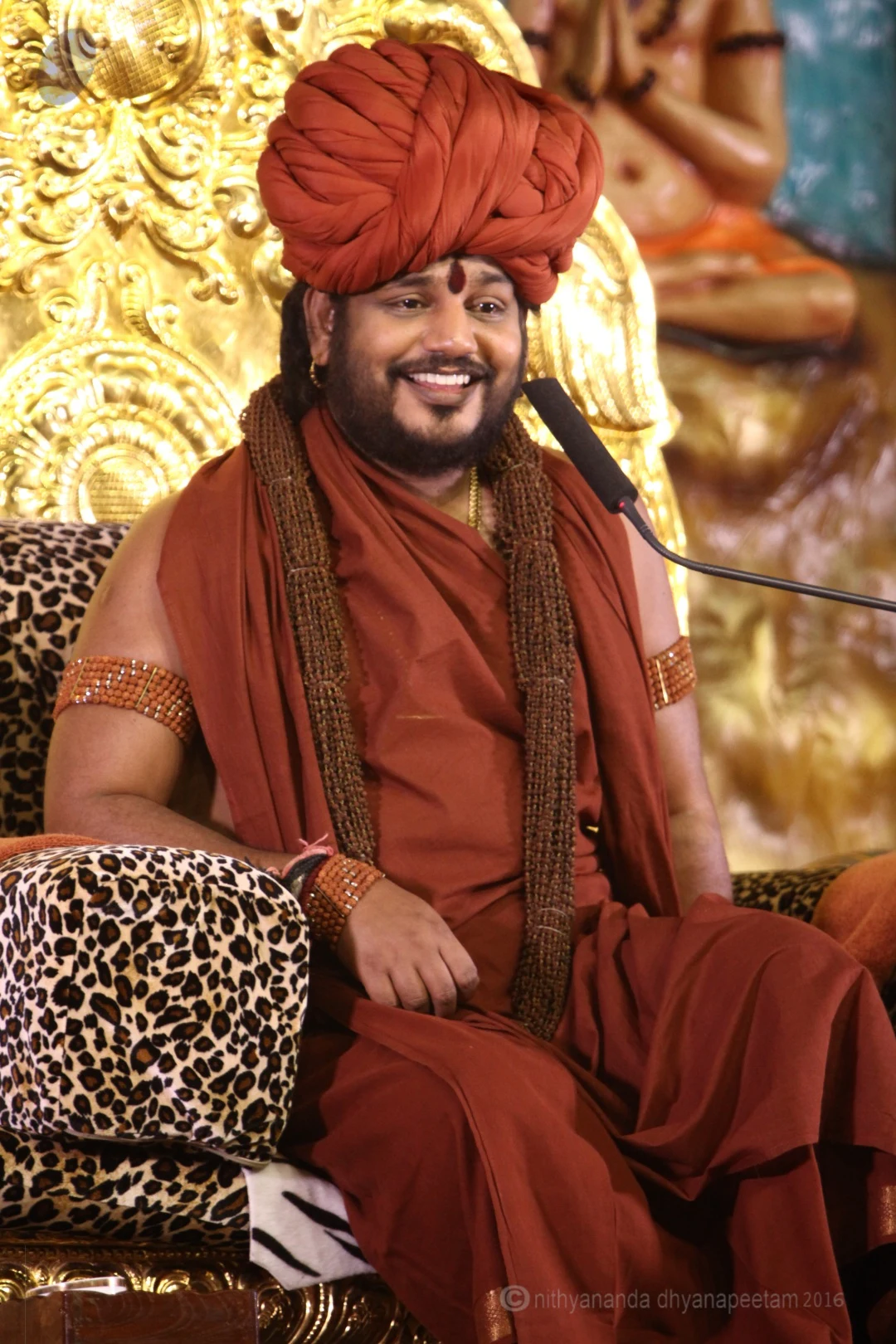
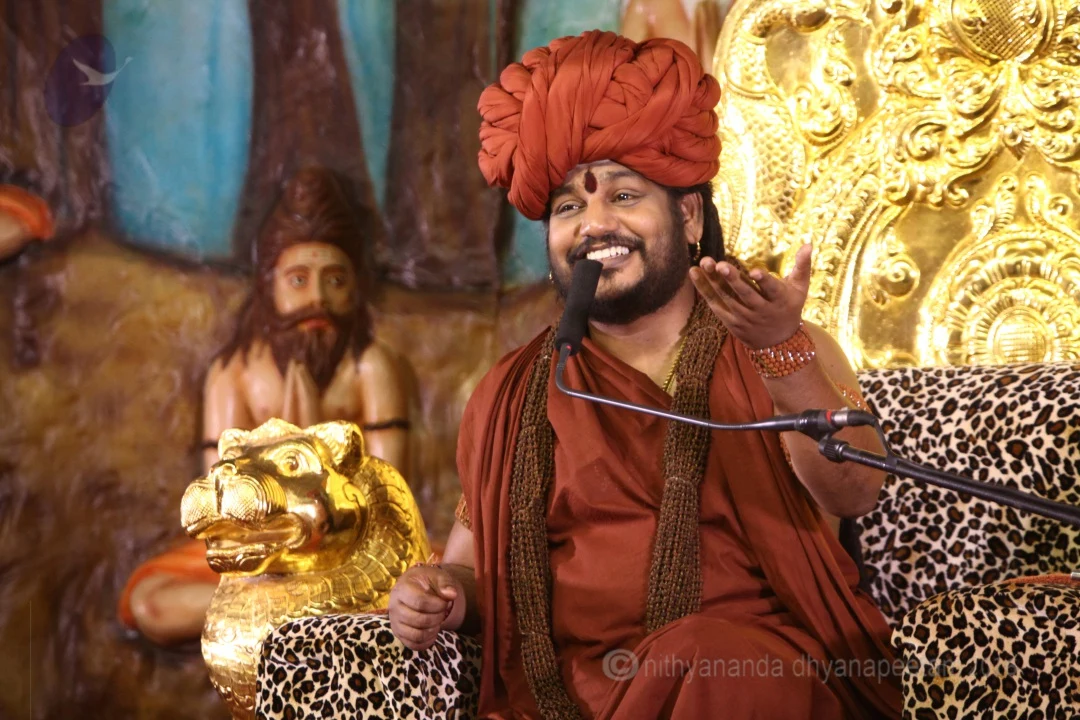
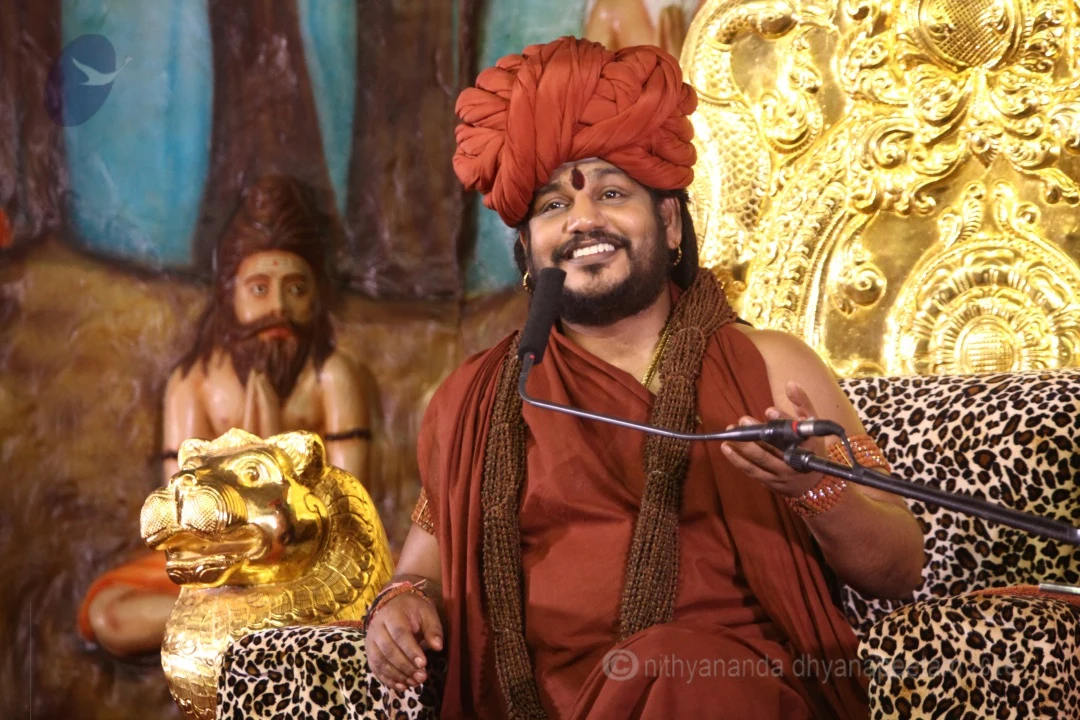
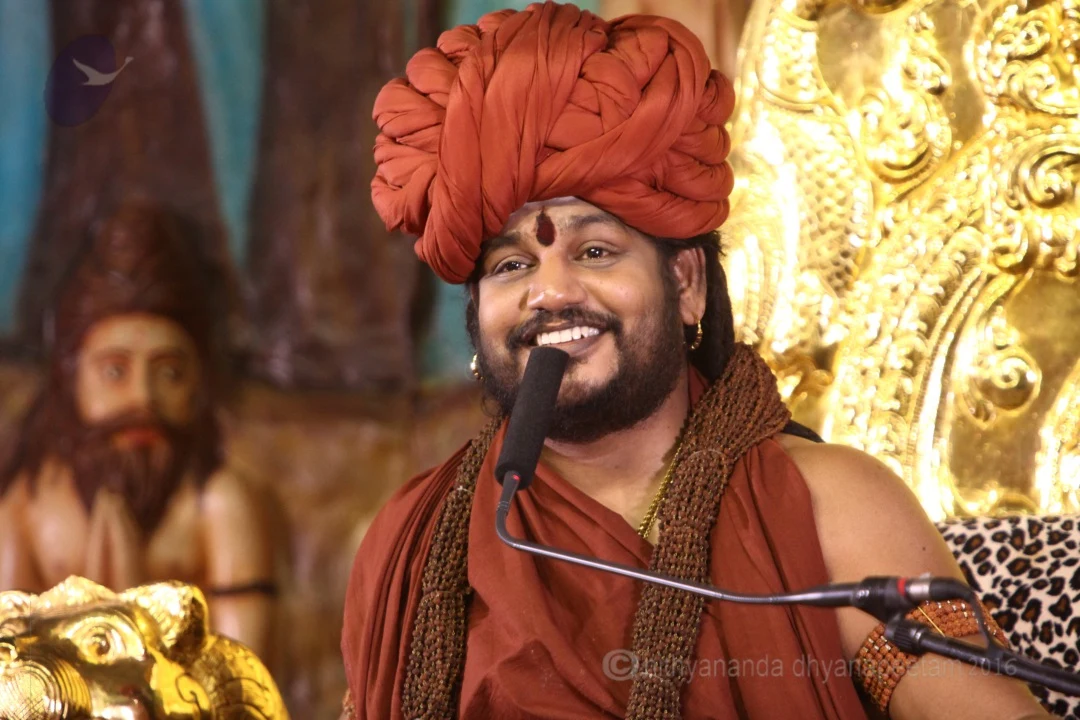
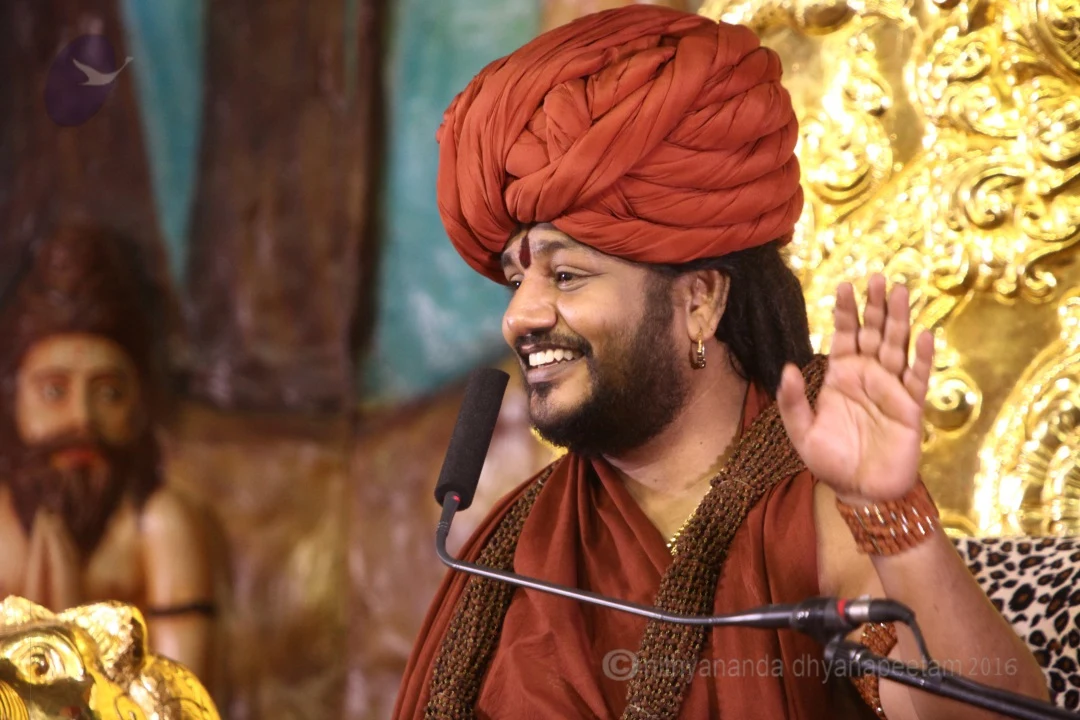
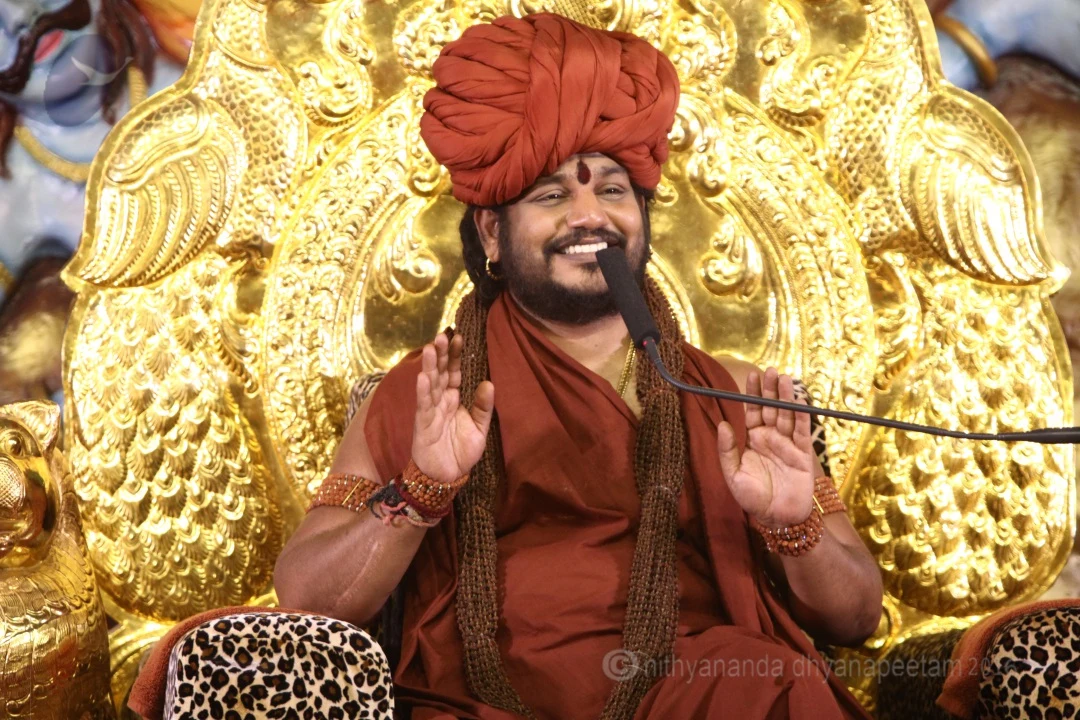
Photos From The Day:
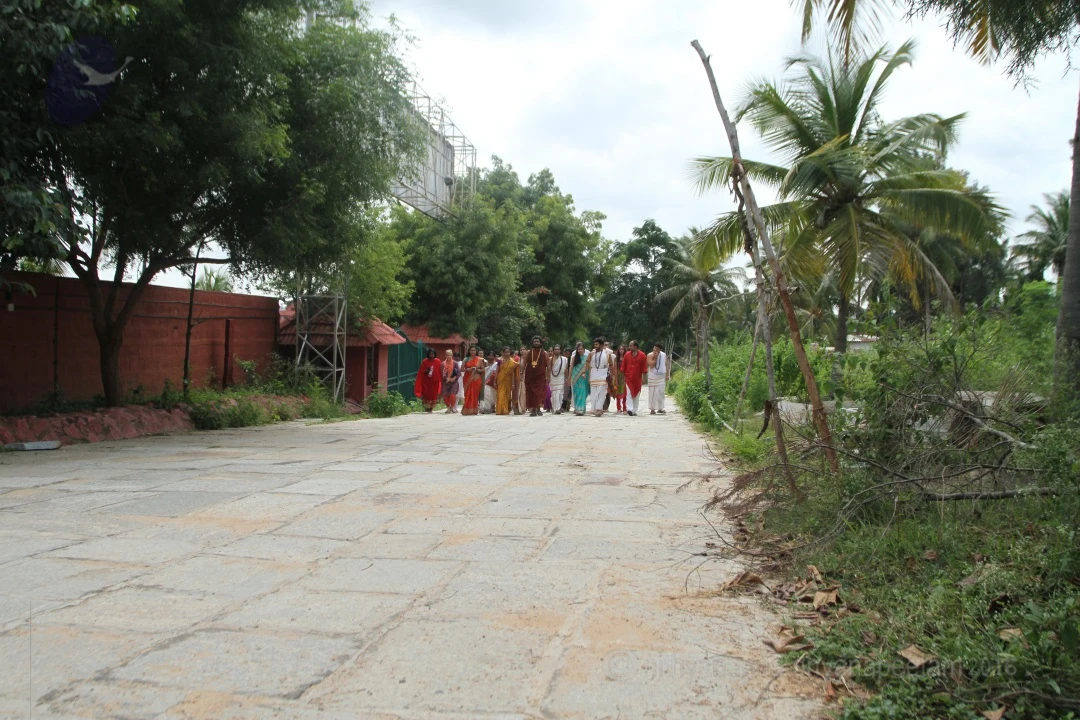
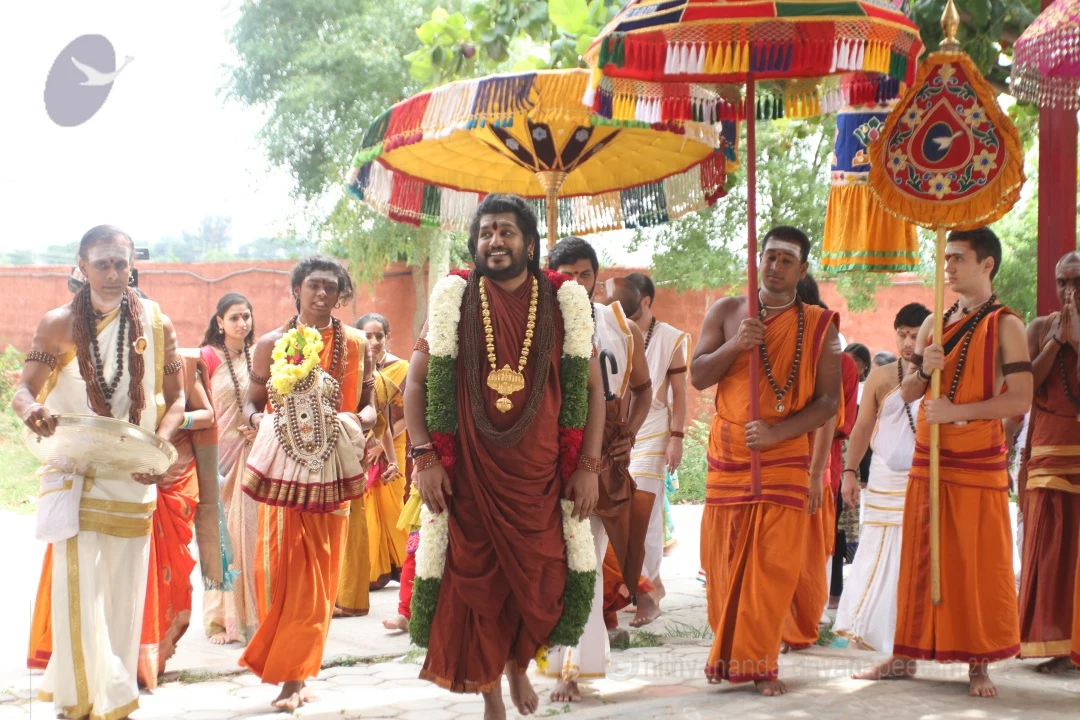
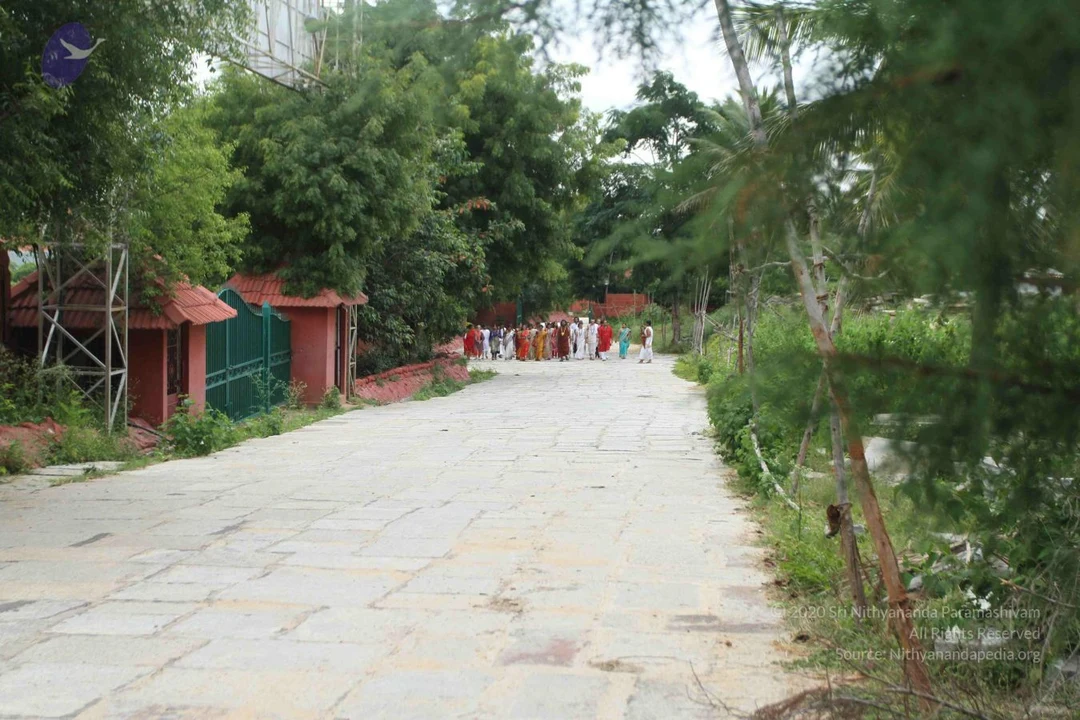
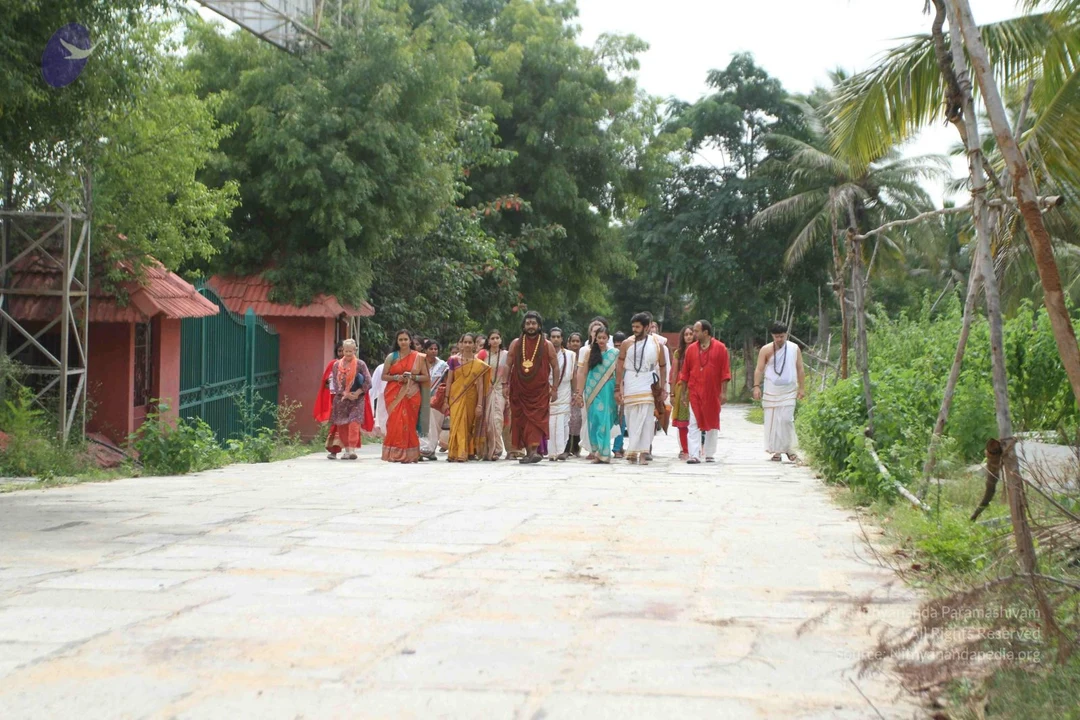
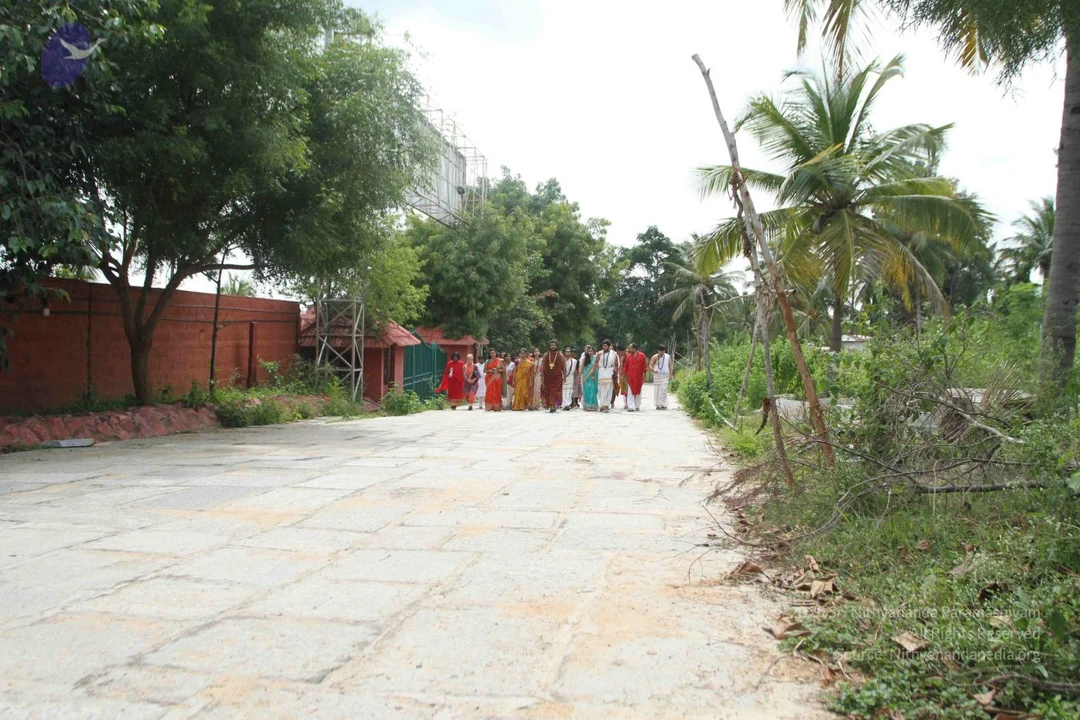
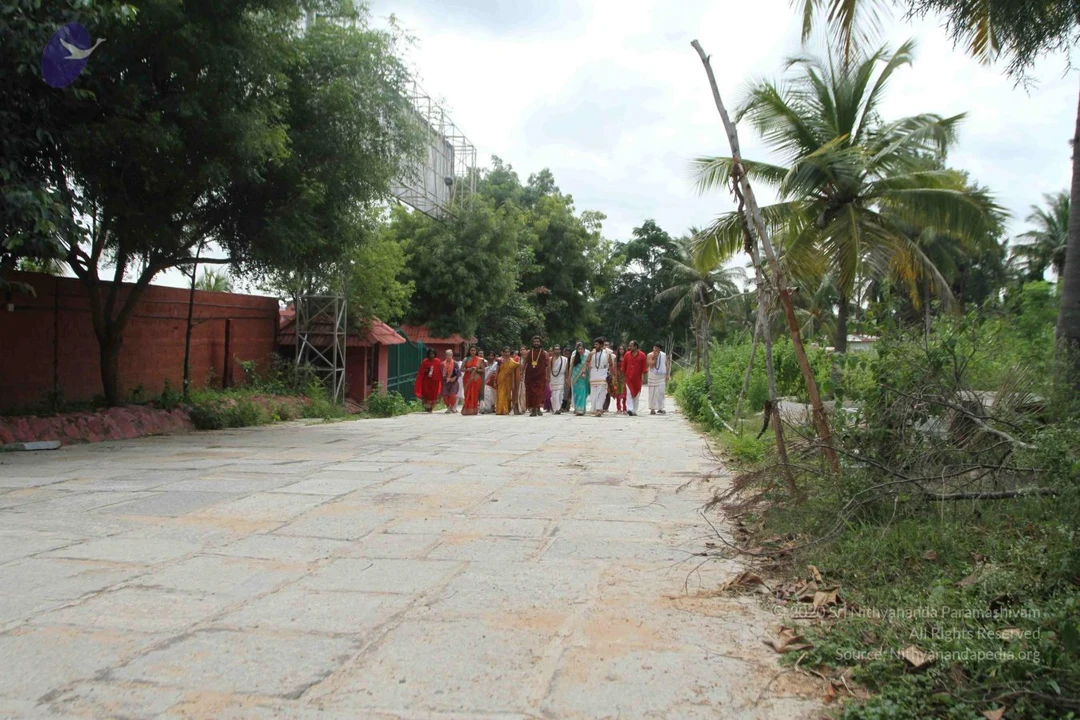
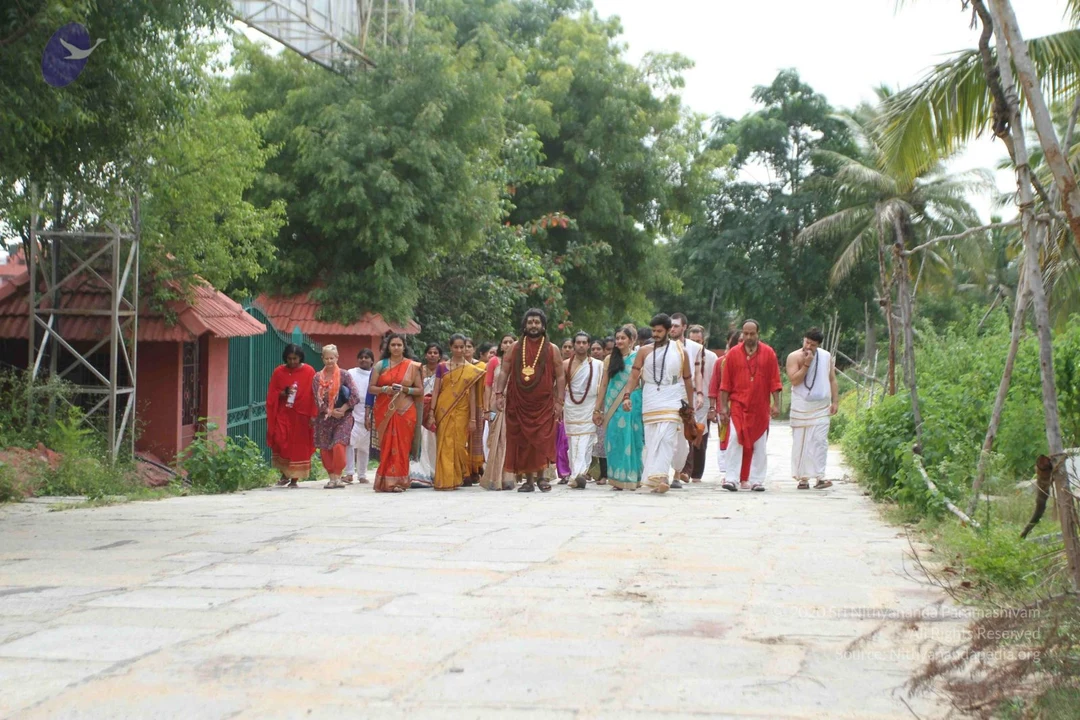
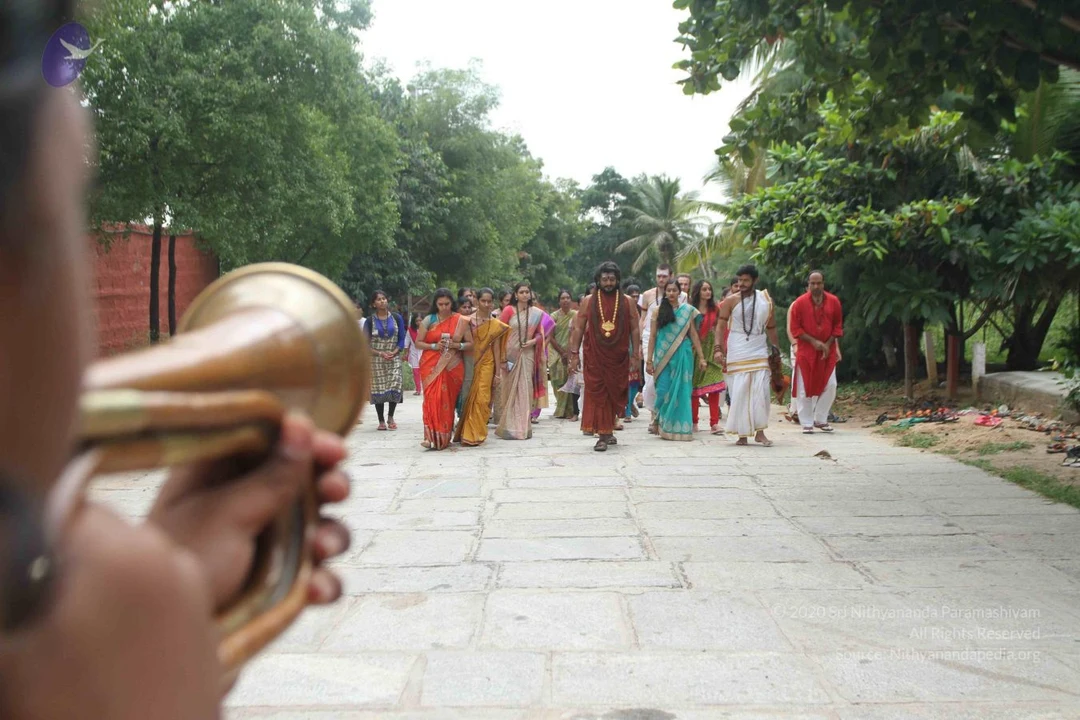
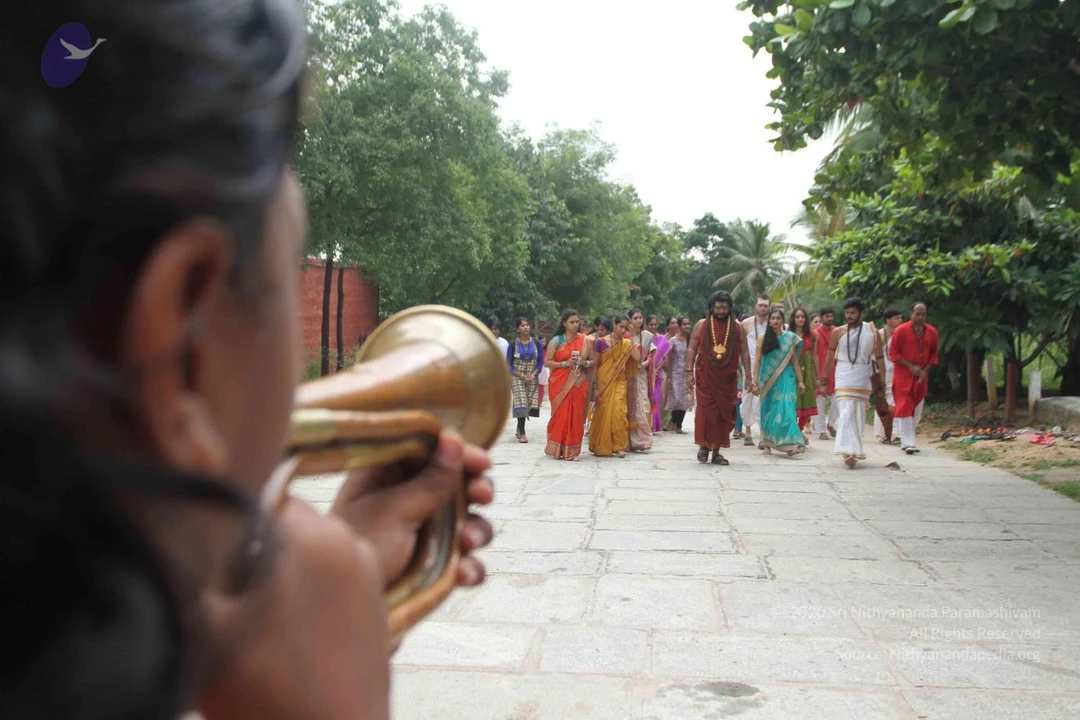
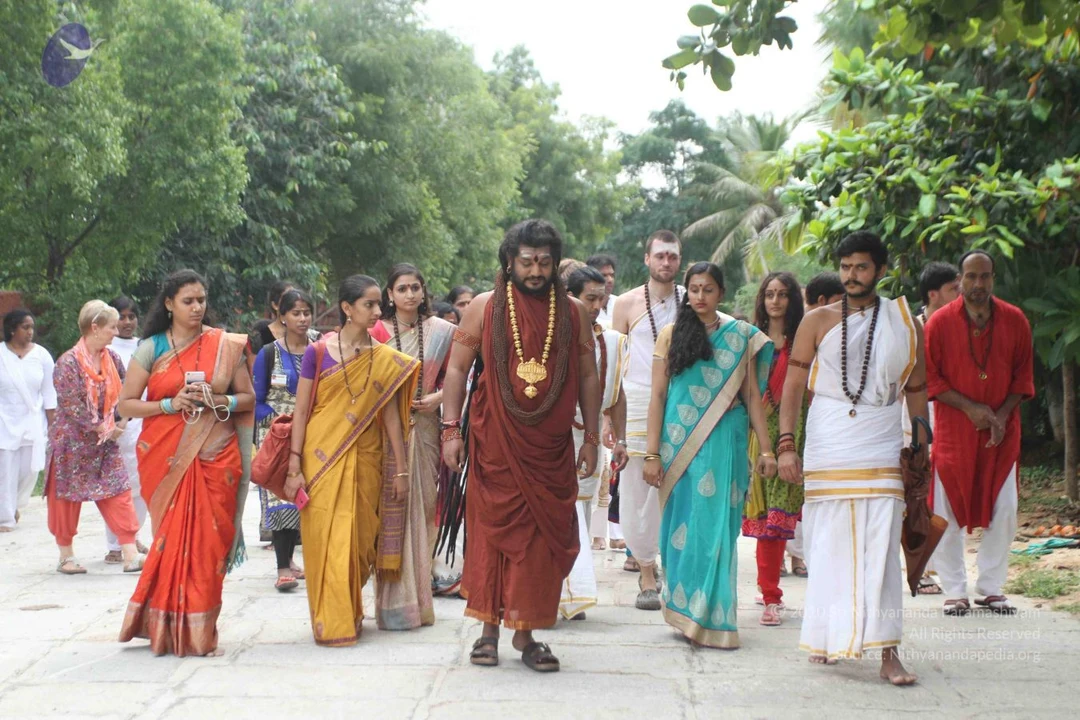
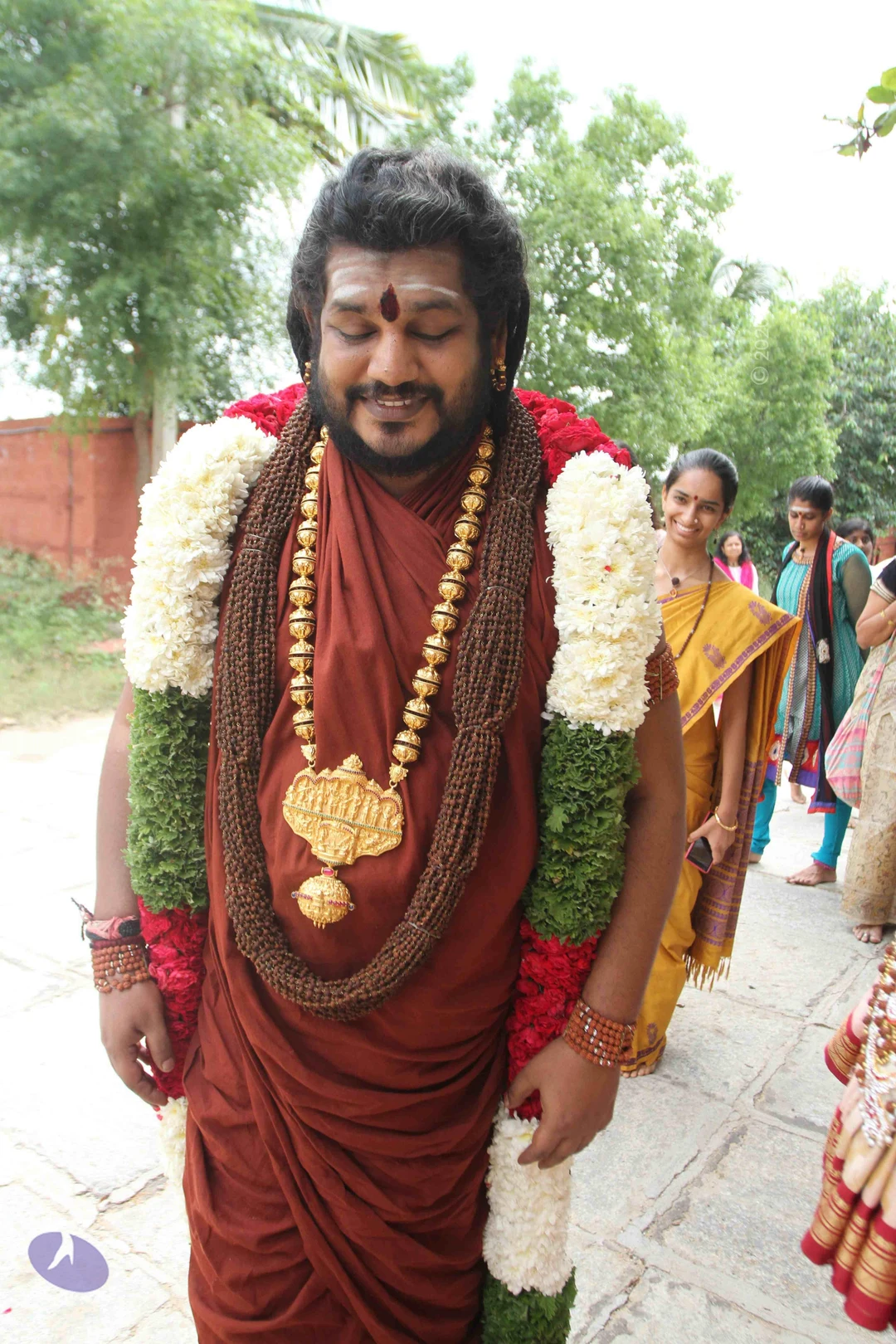
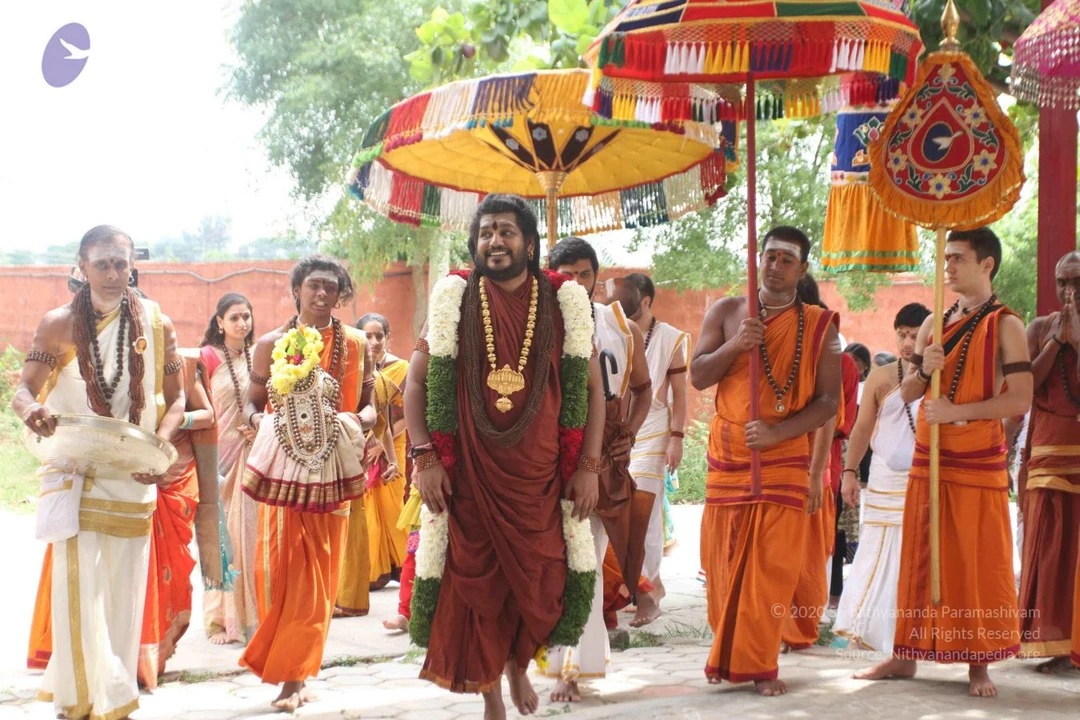
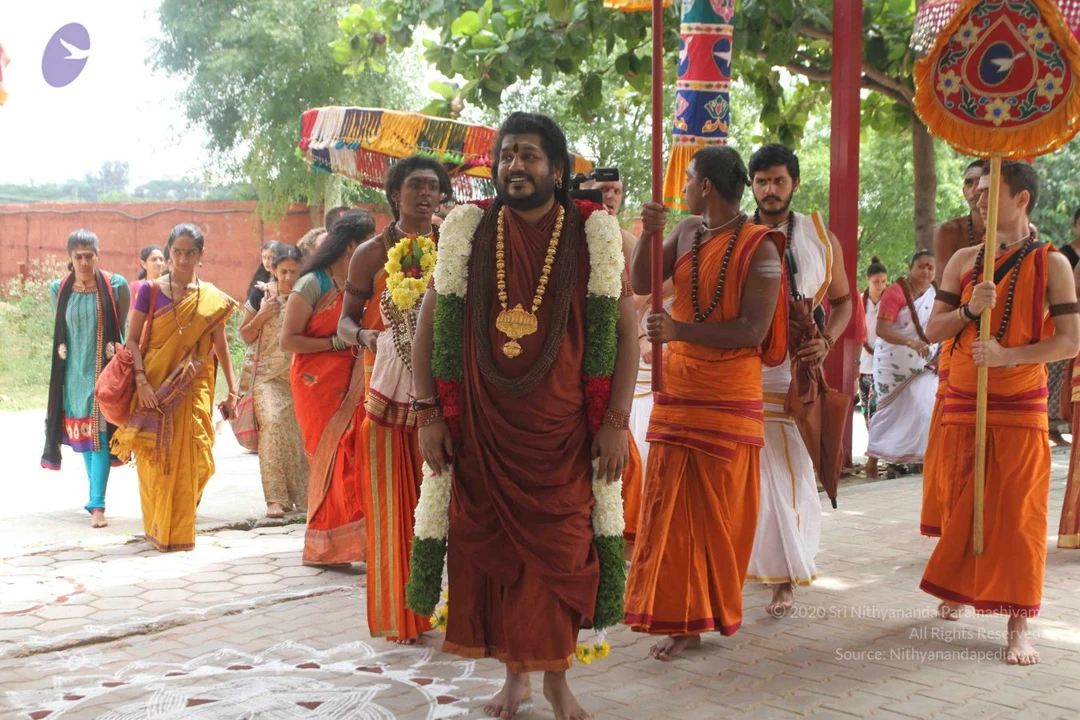
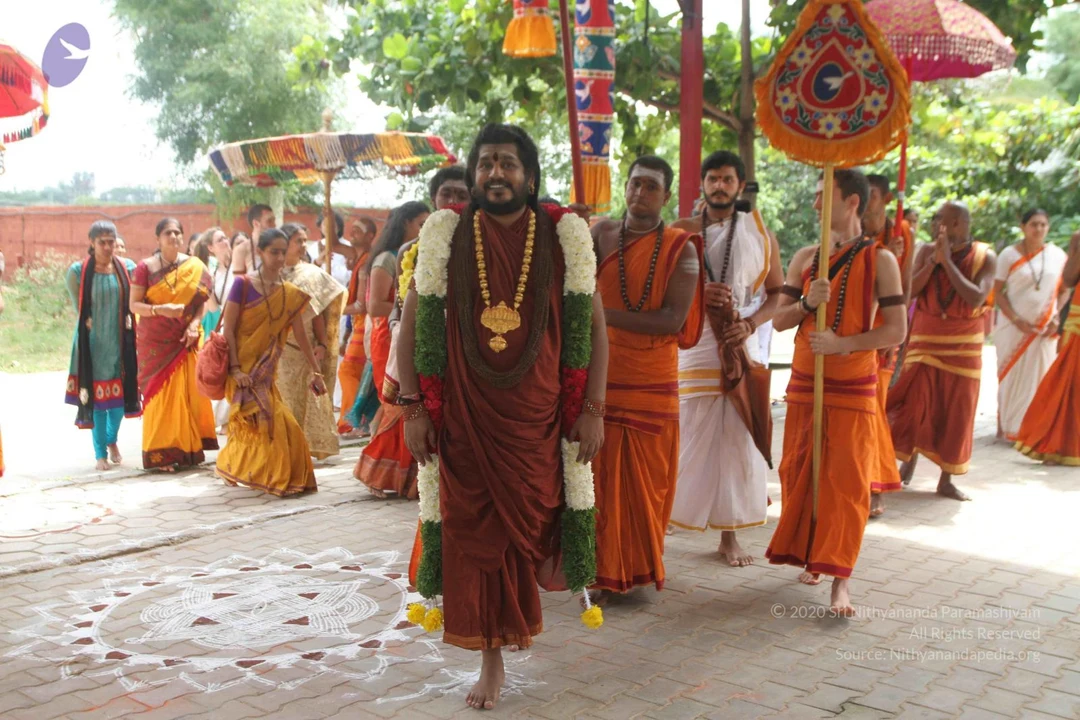
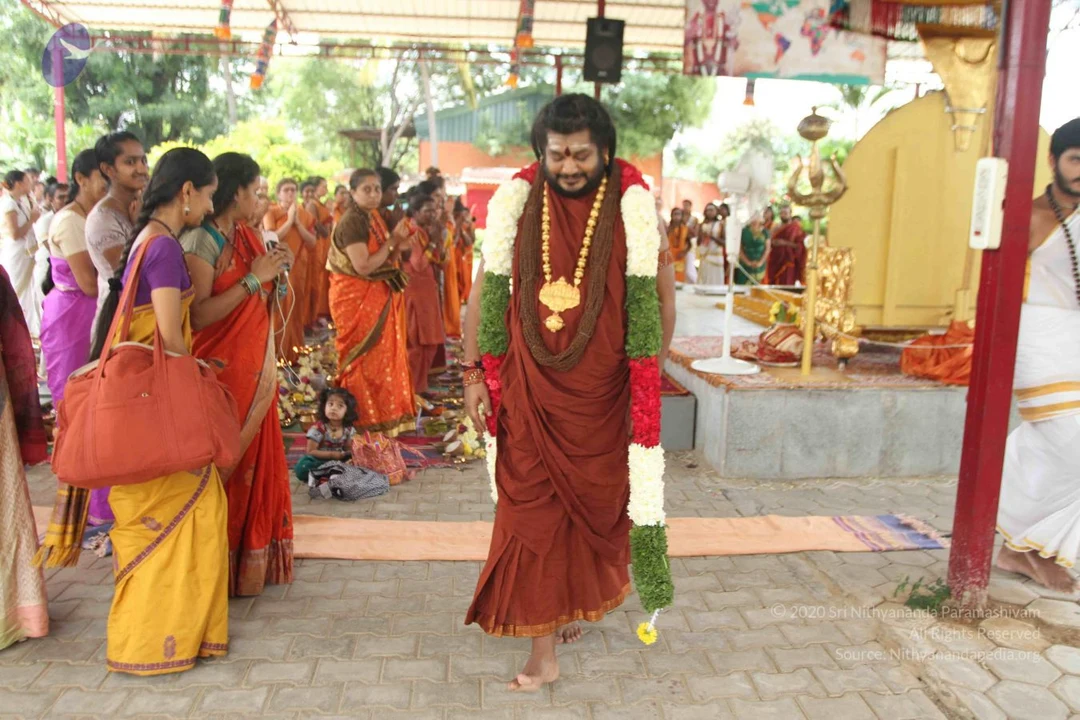
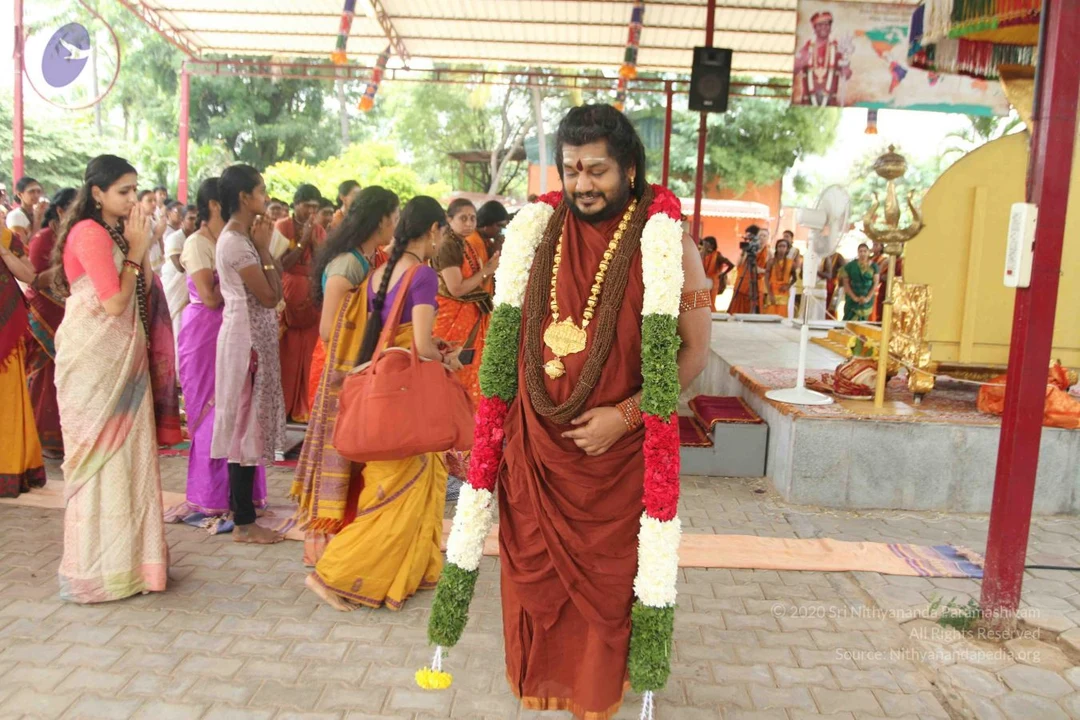
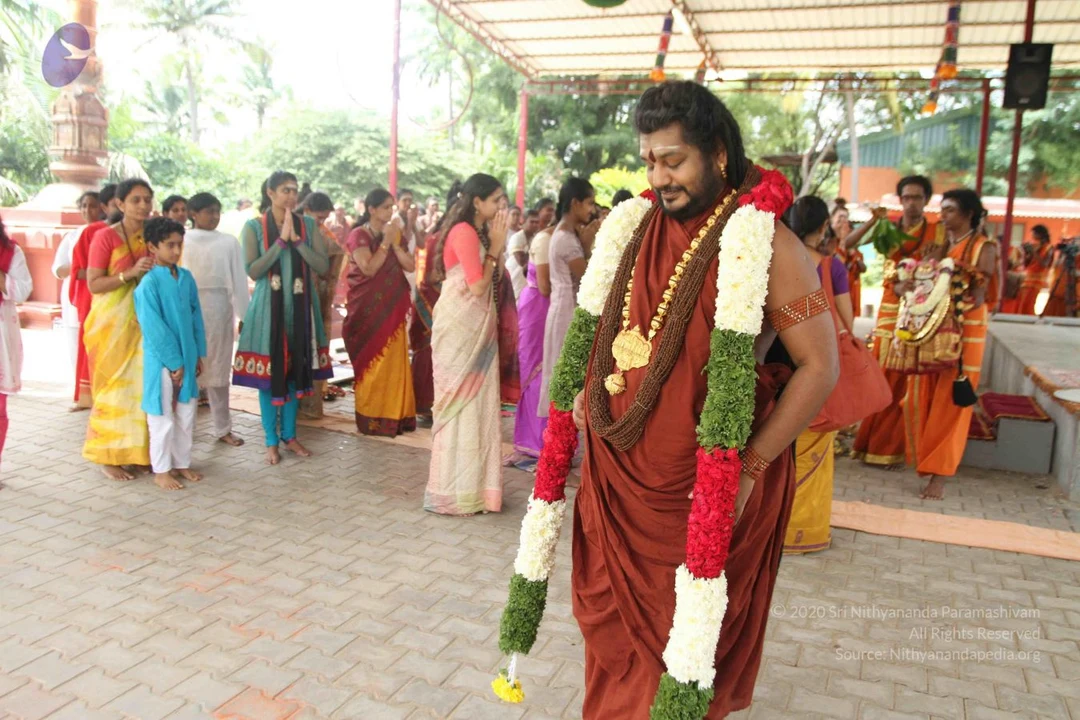
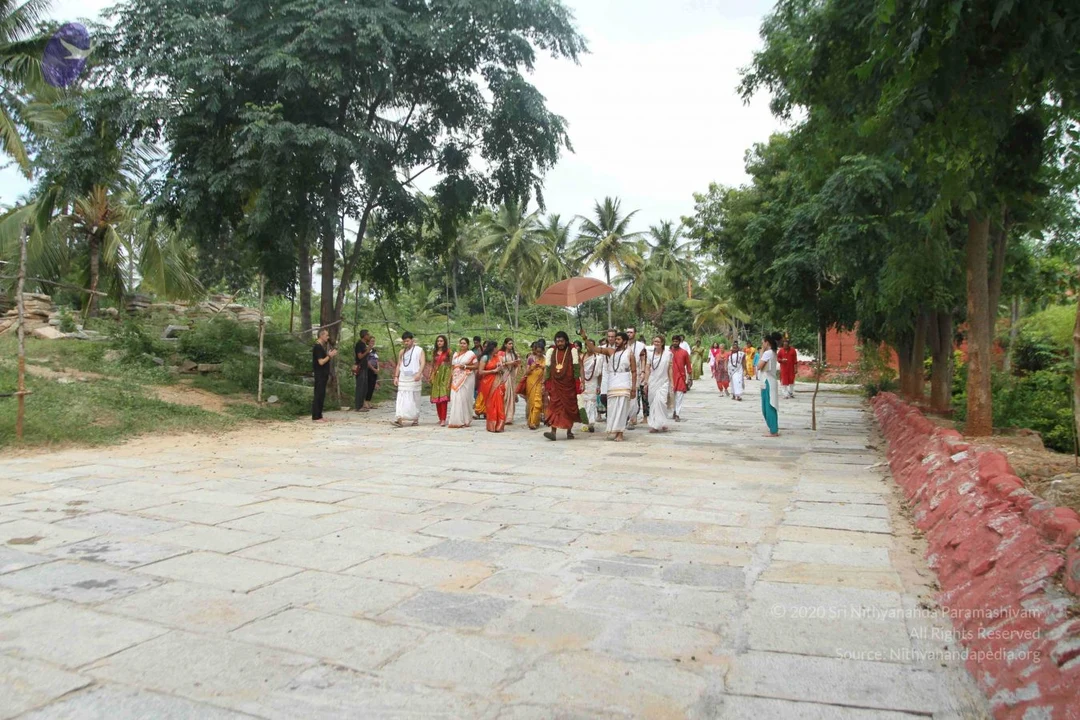
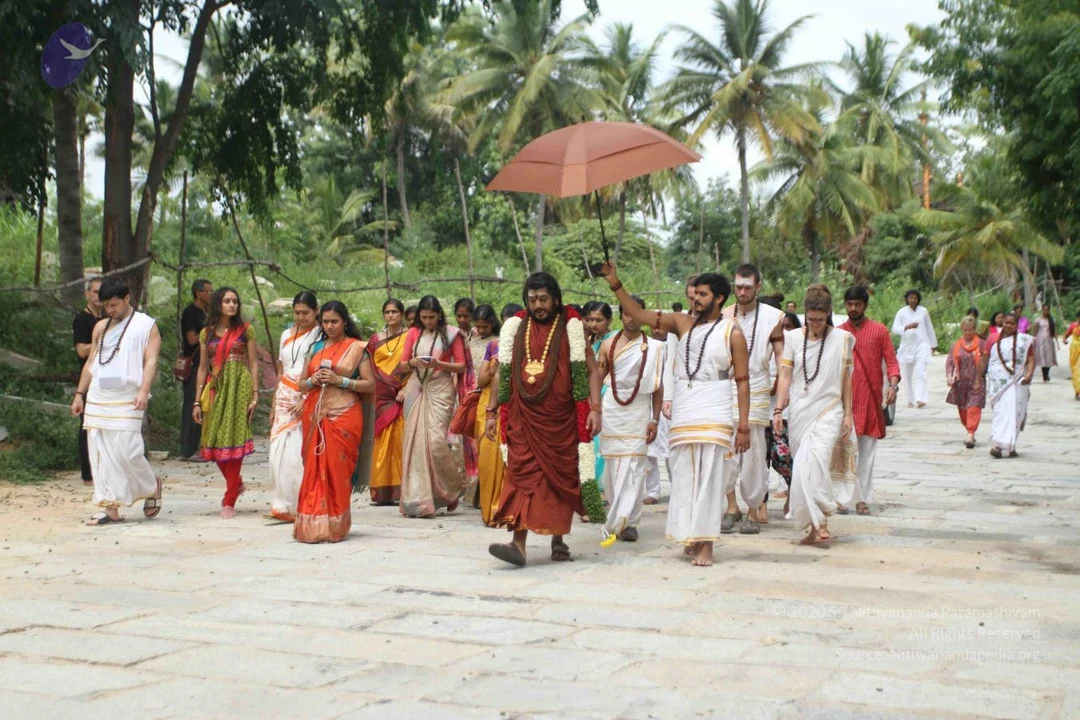
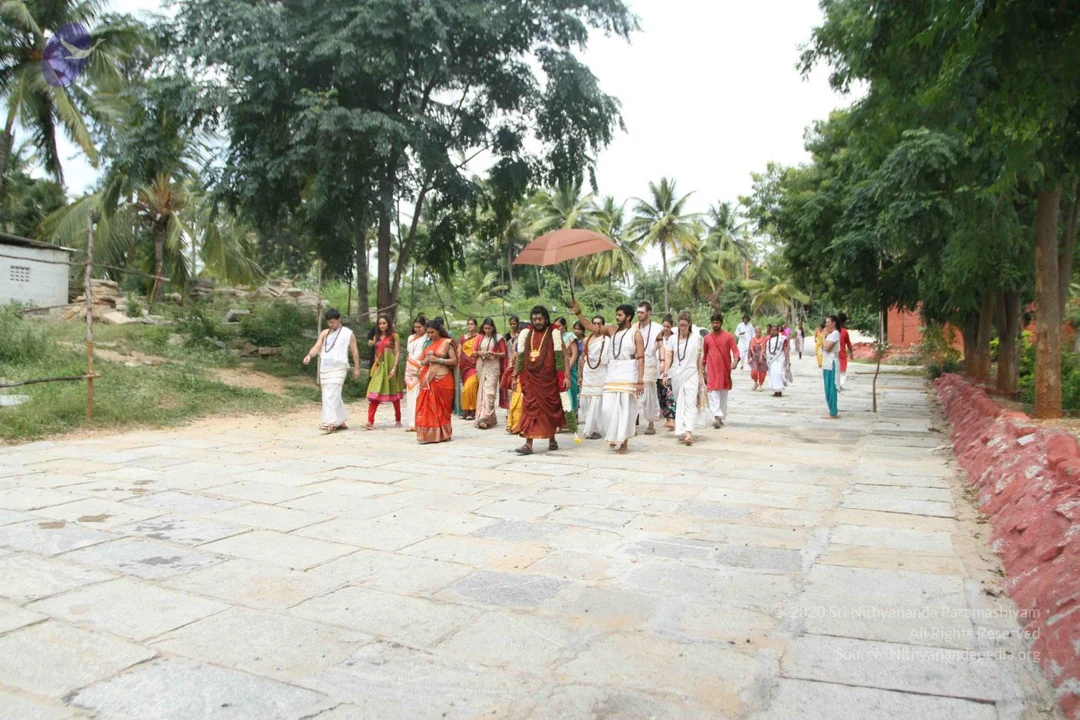
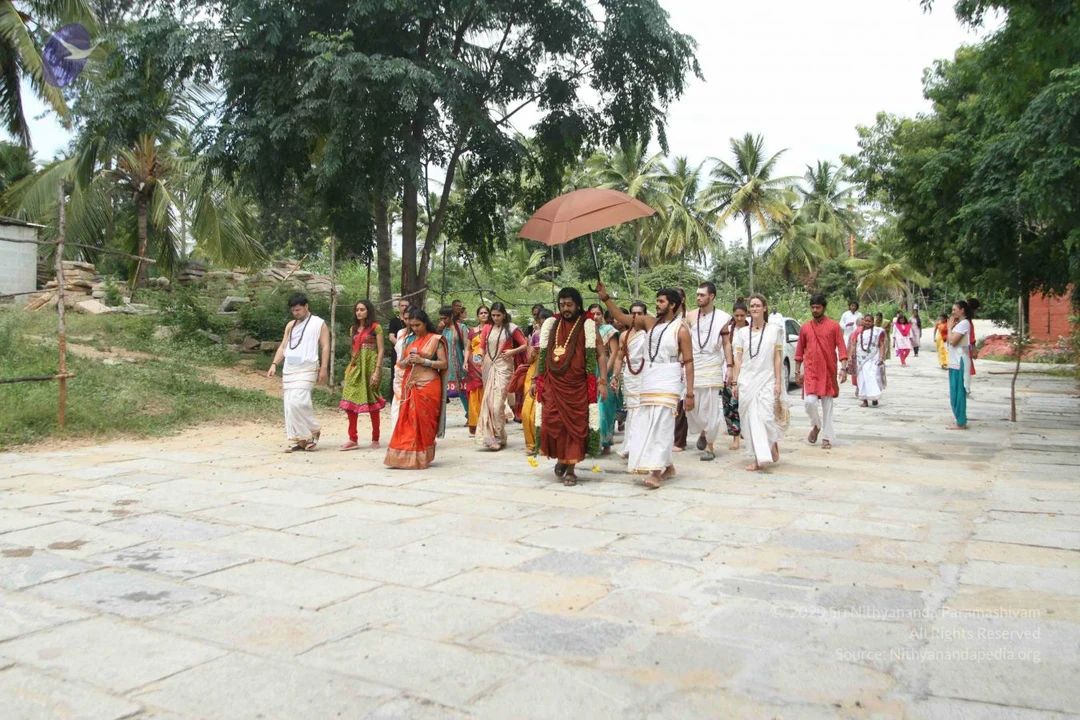
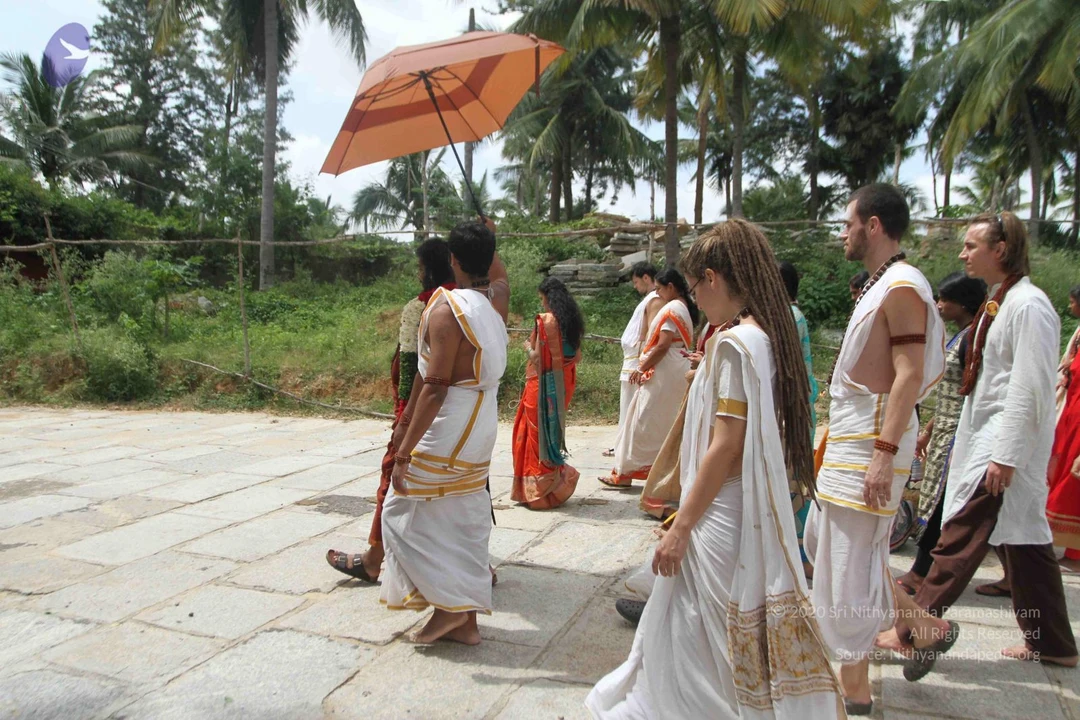
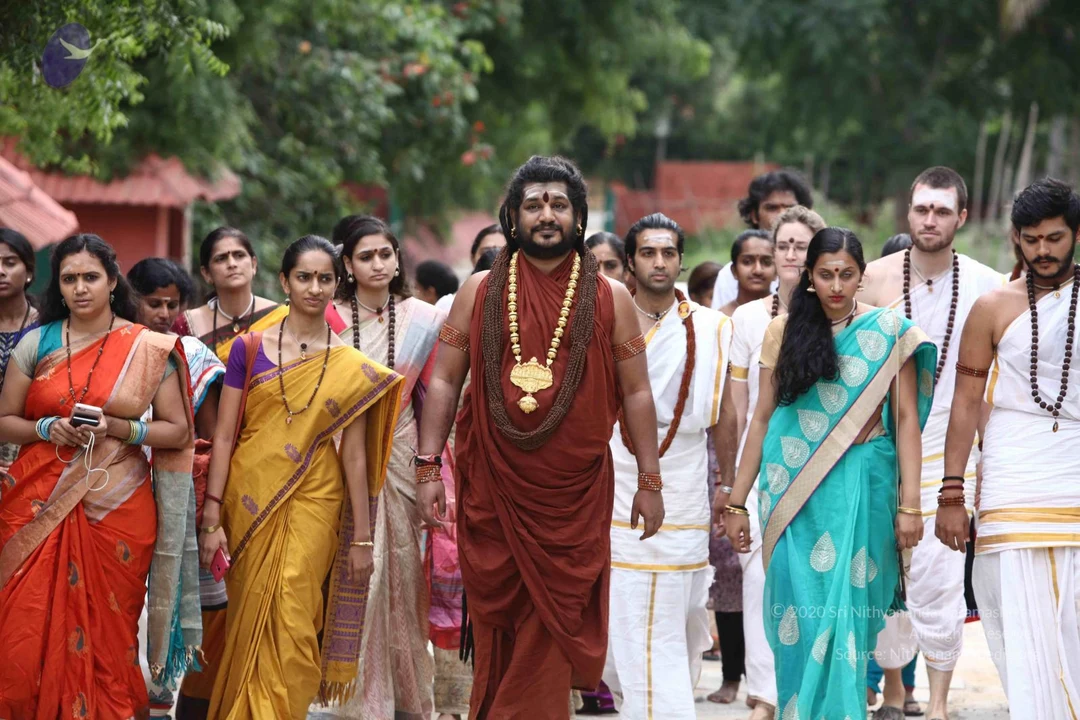
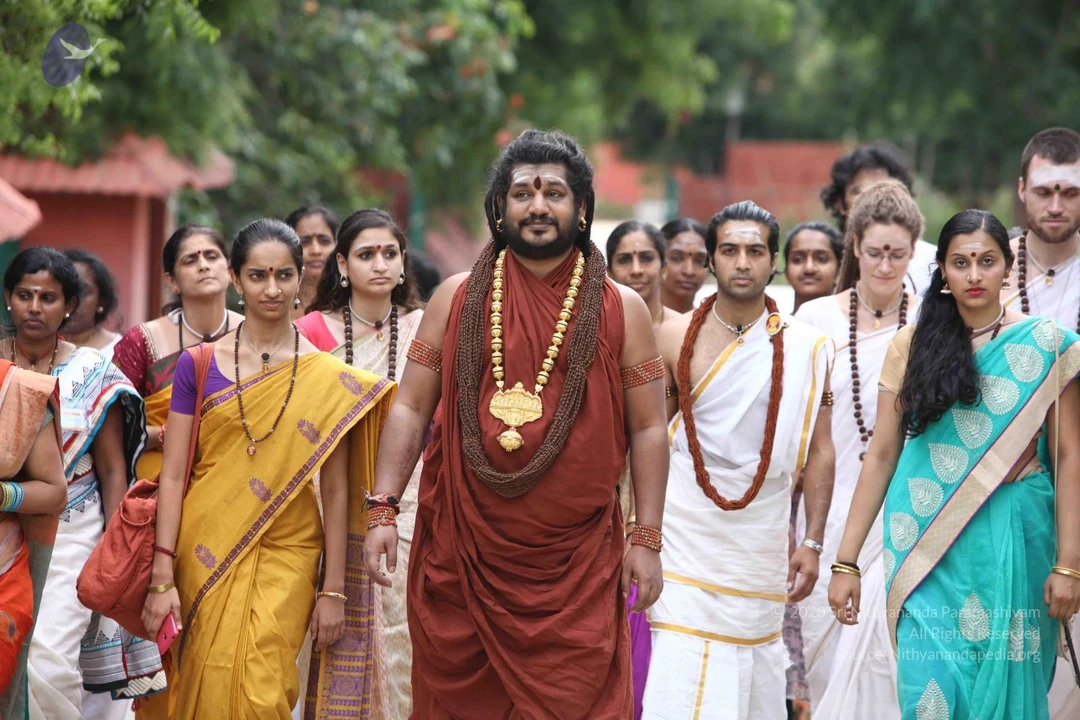
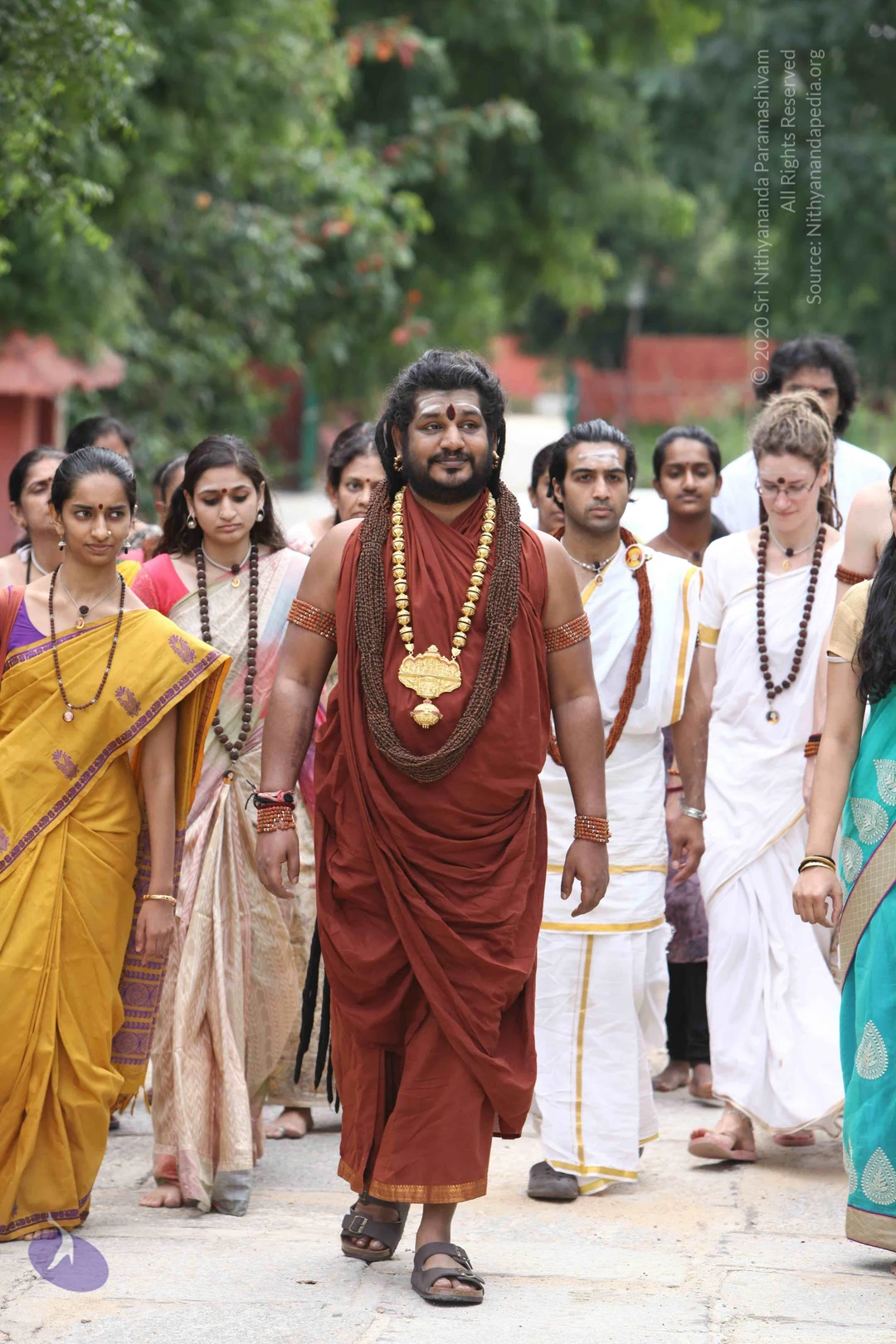
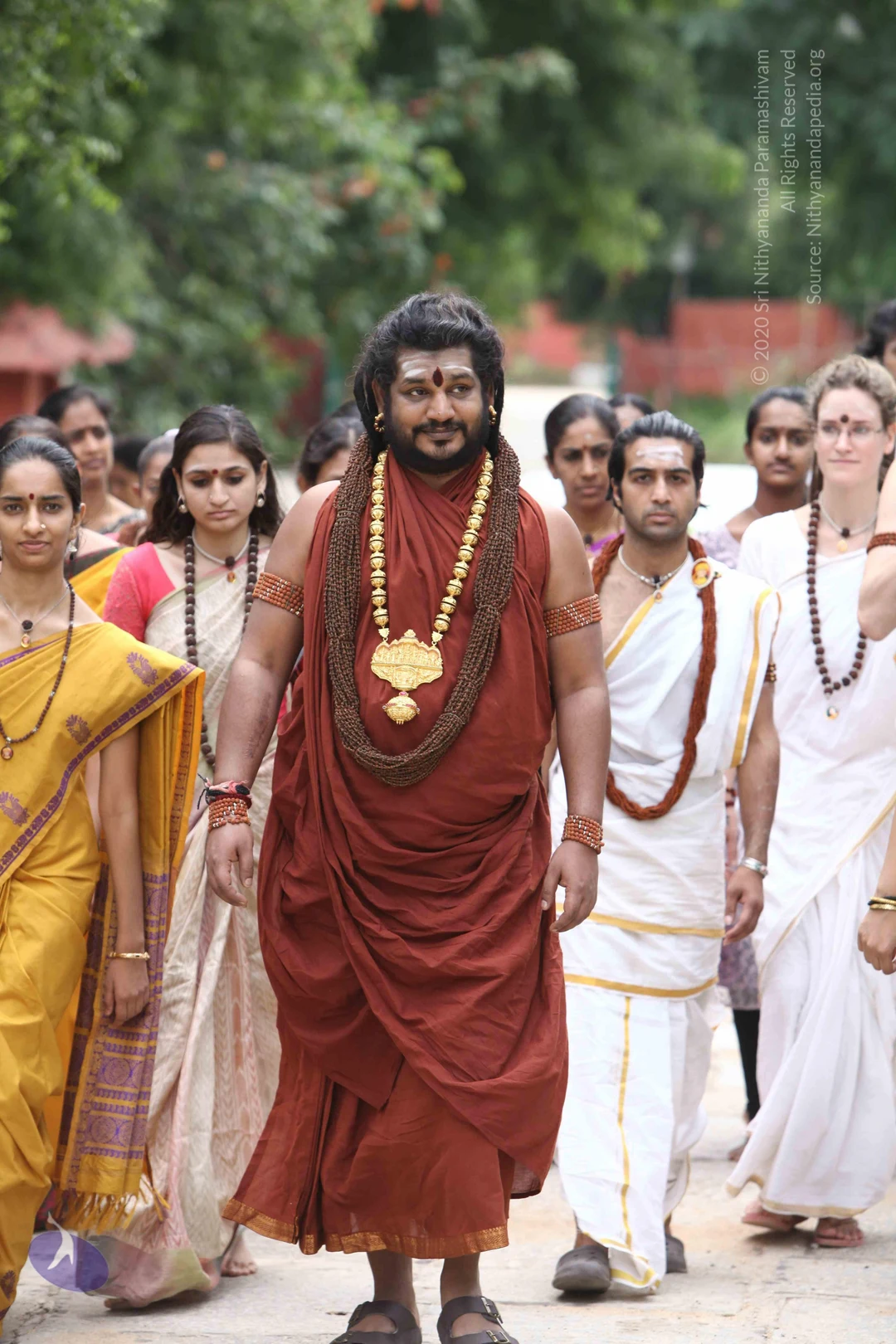
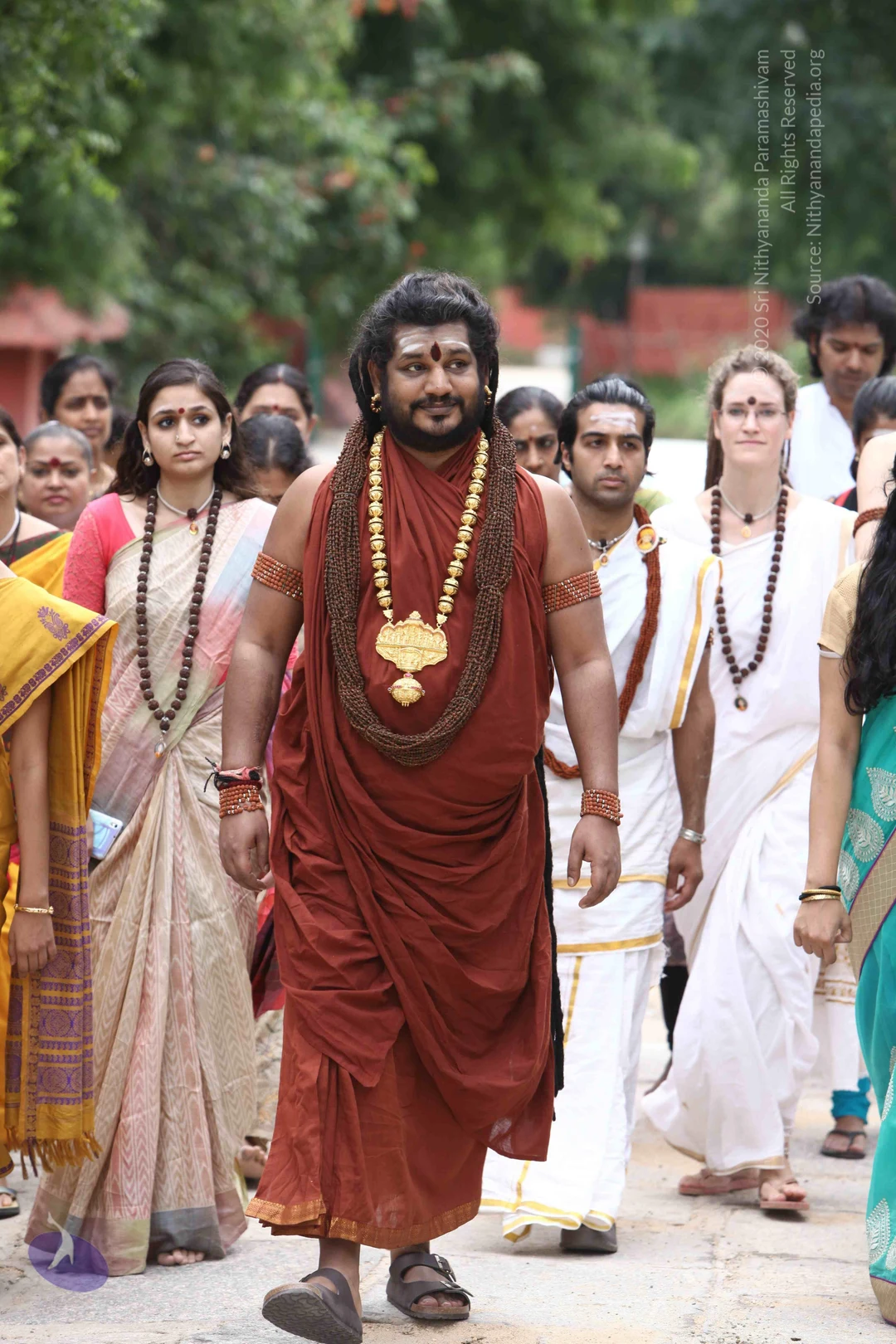
Procession
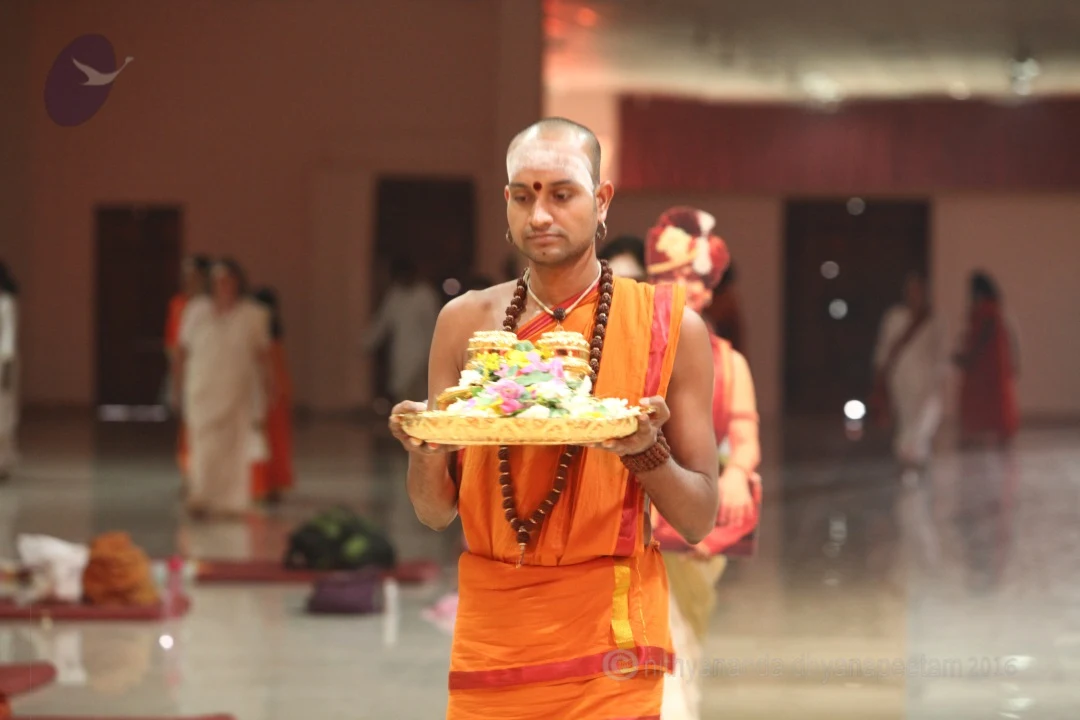
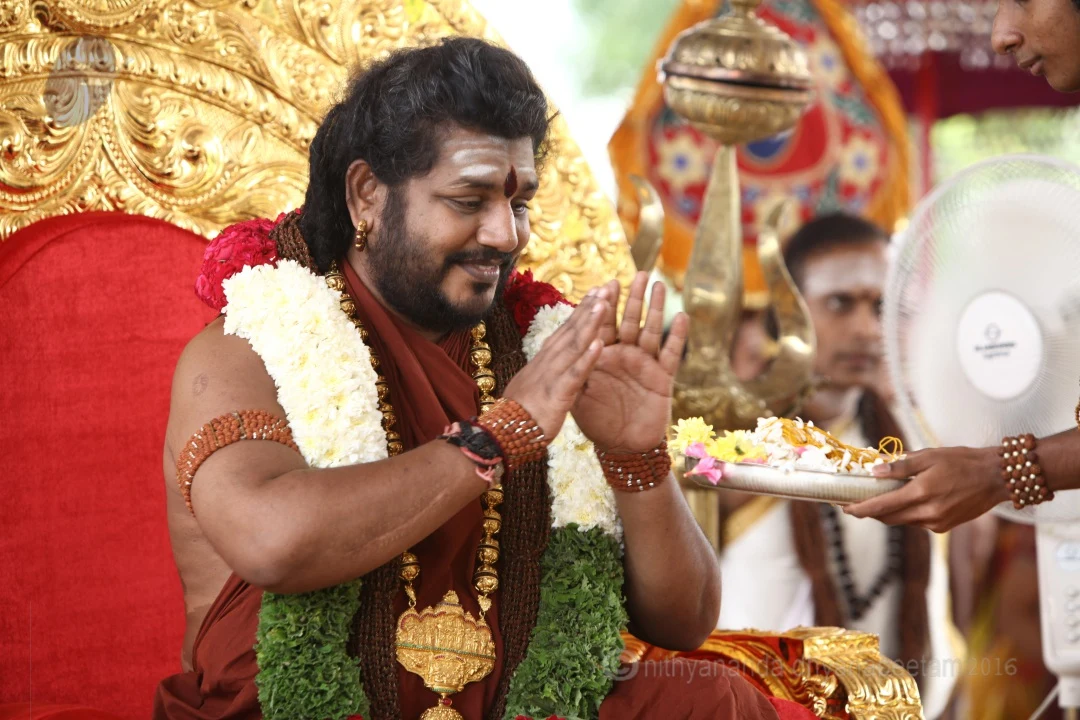
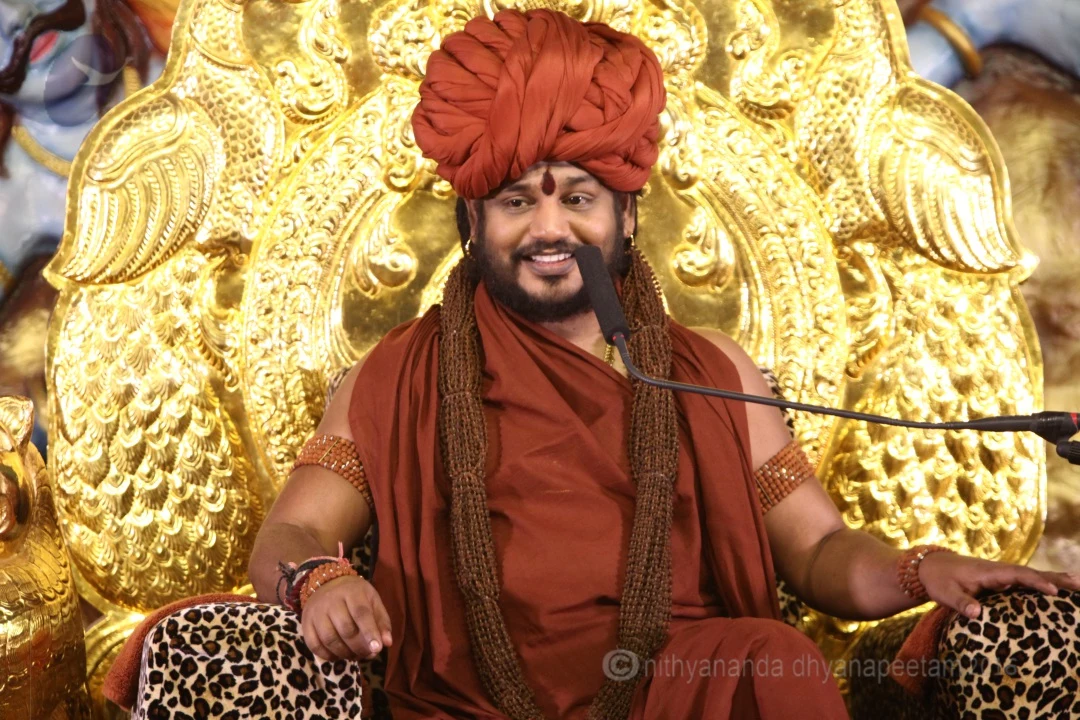
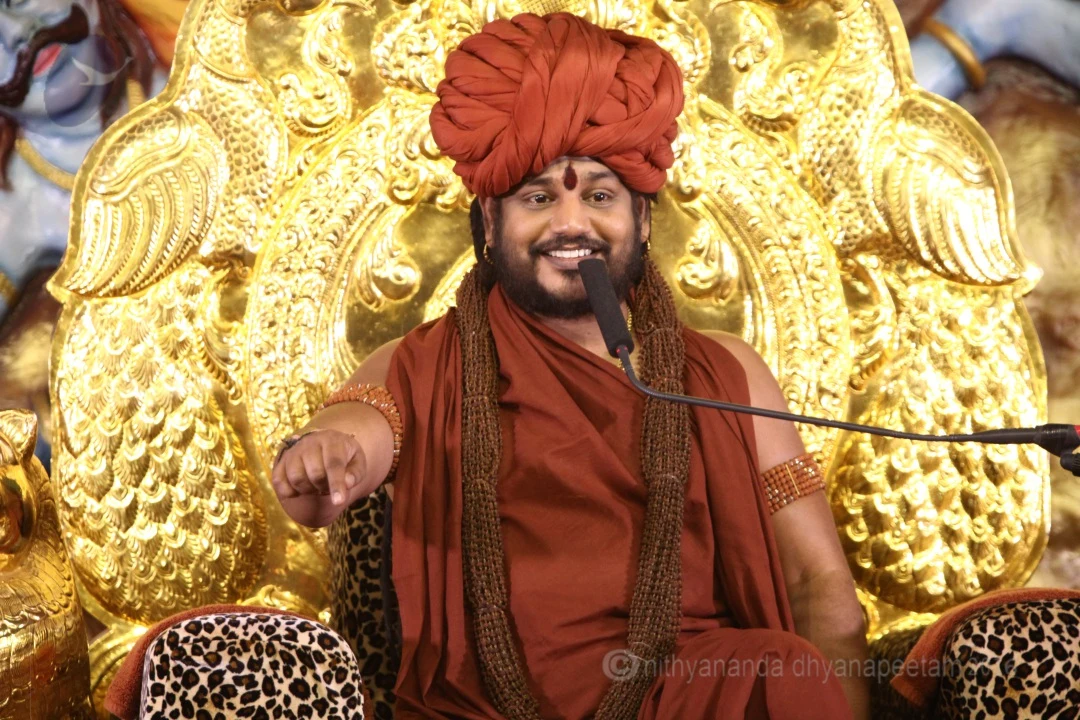
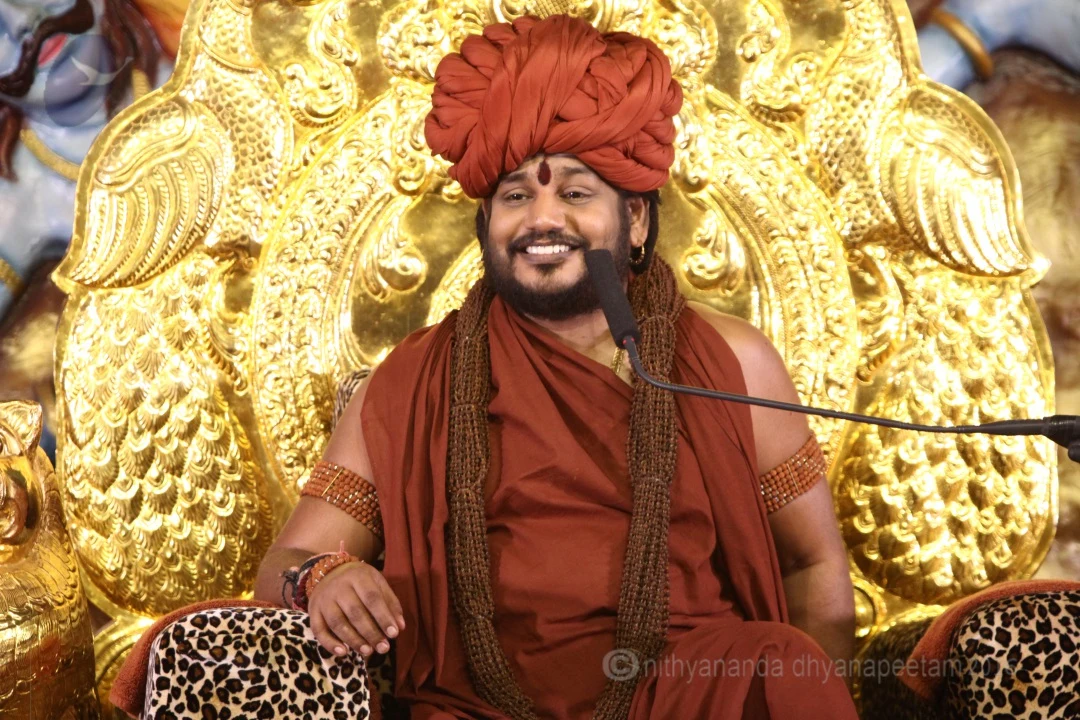
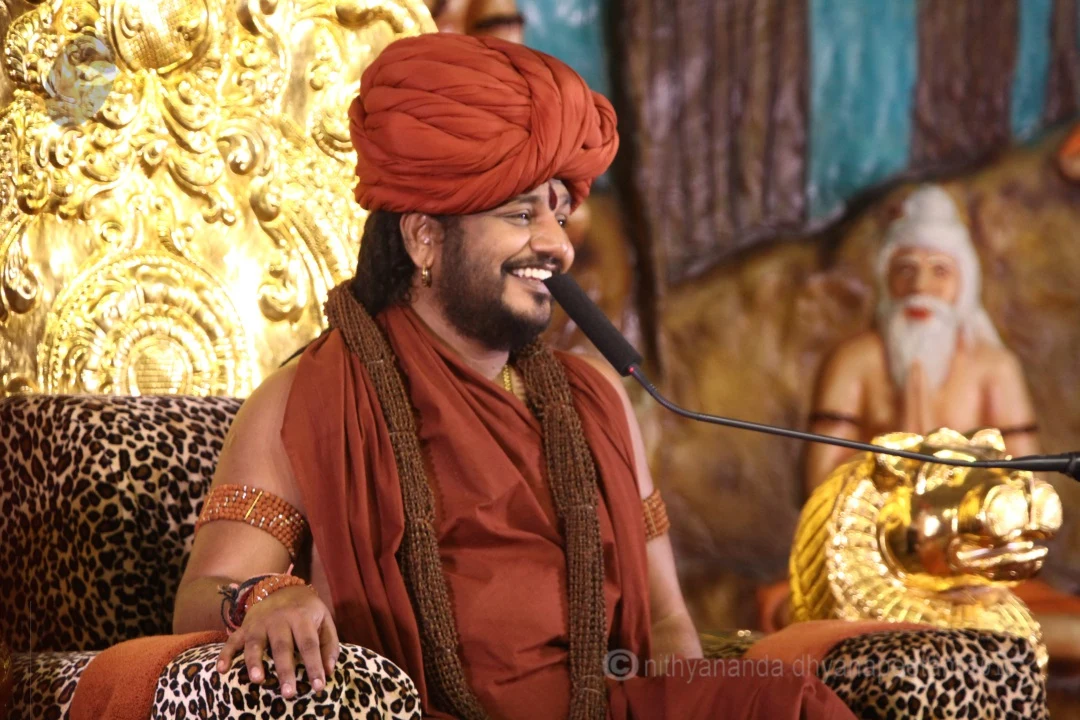
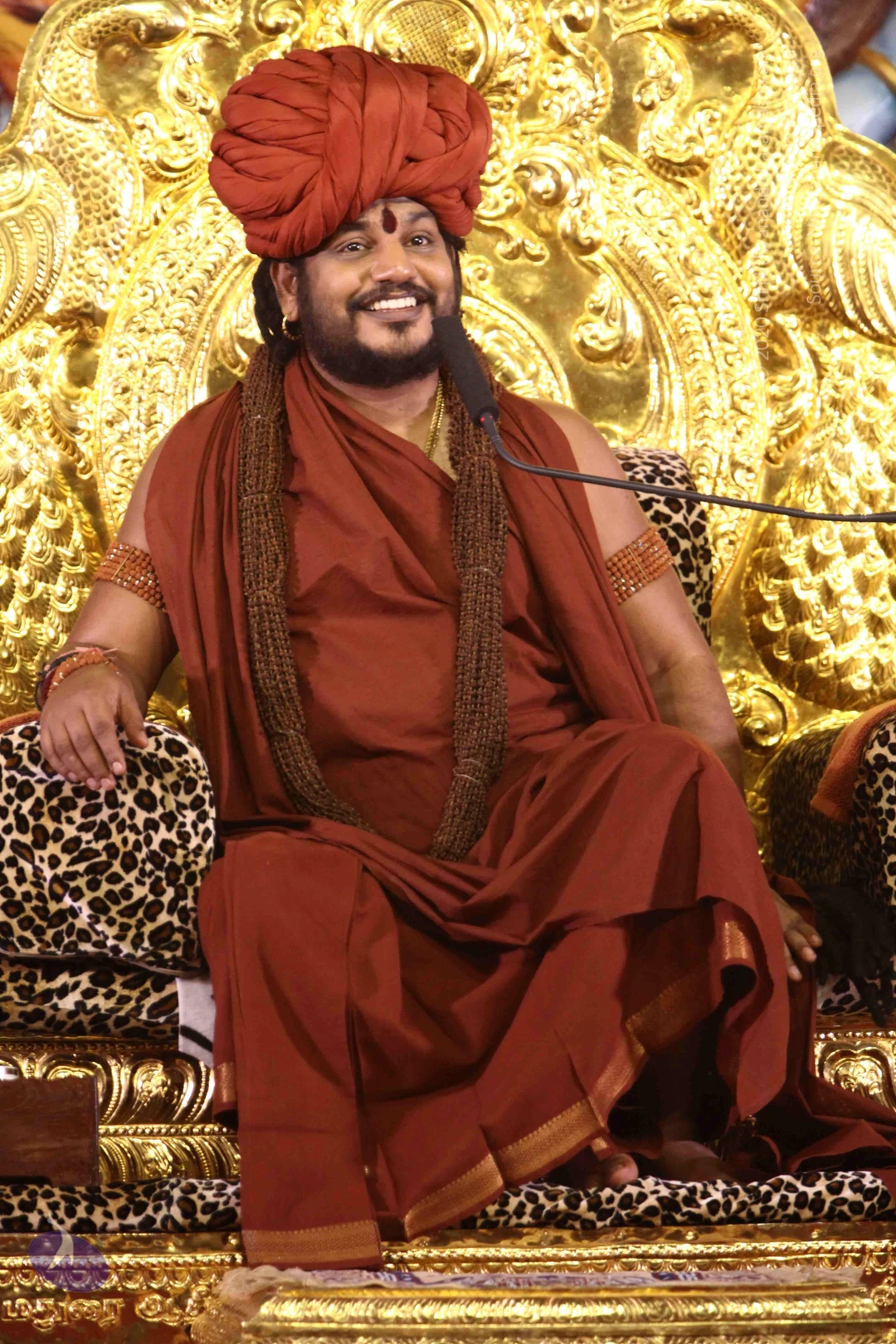
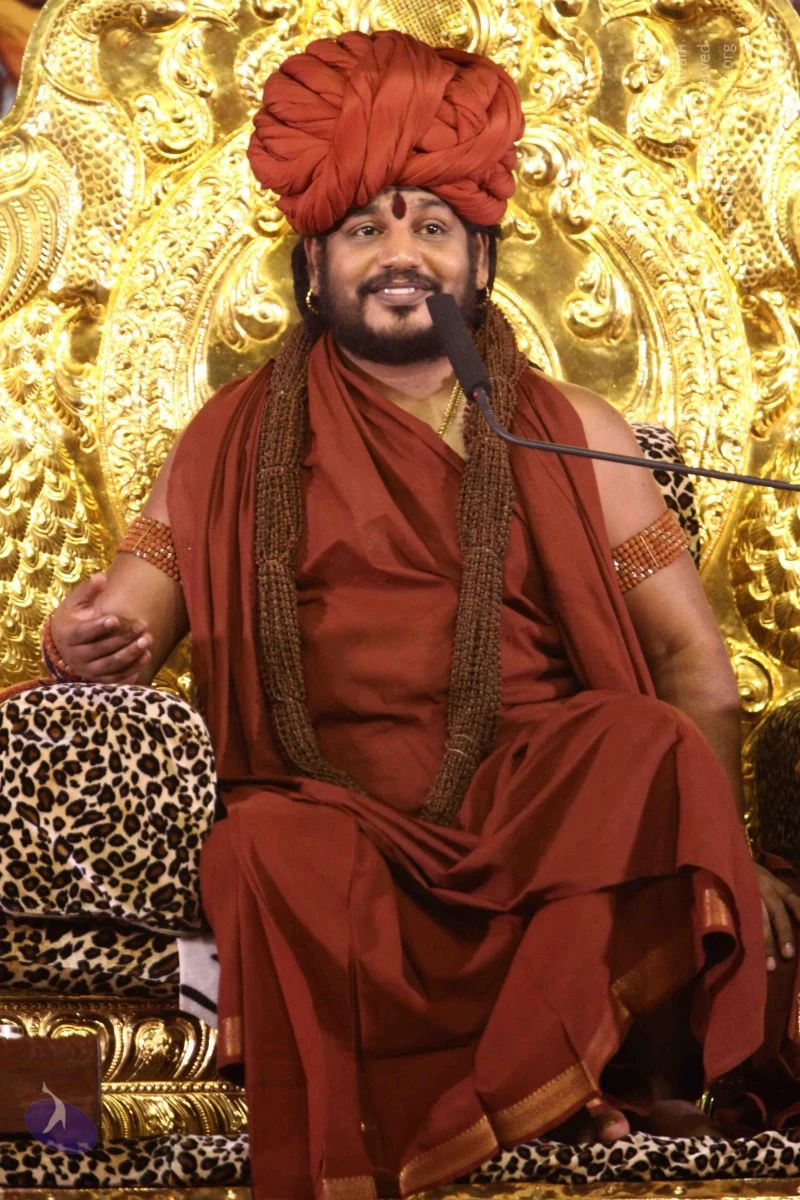
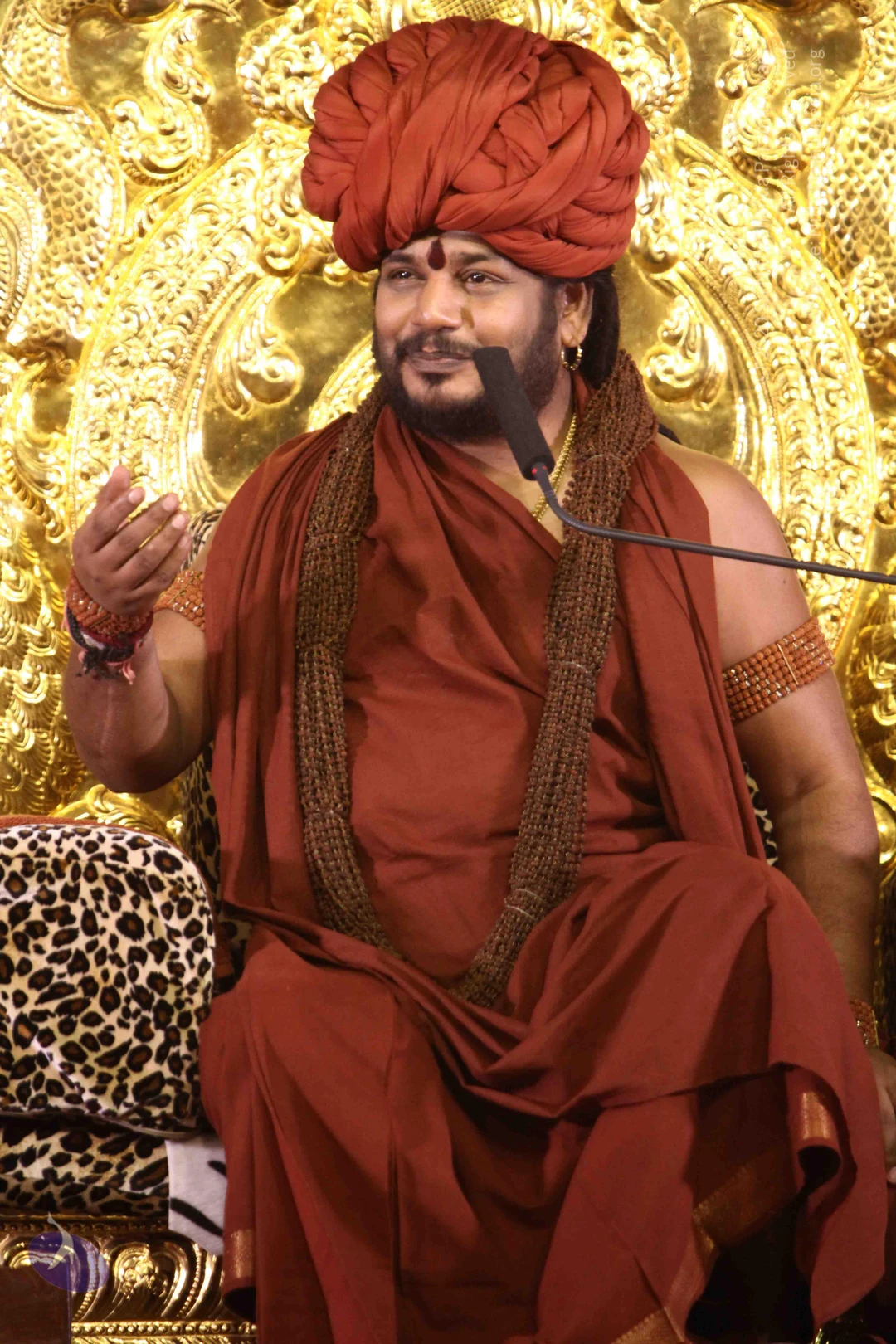
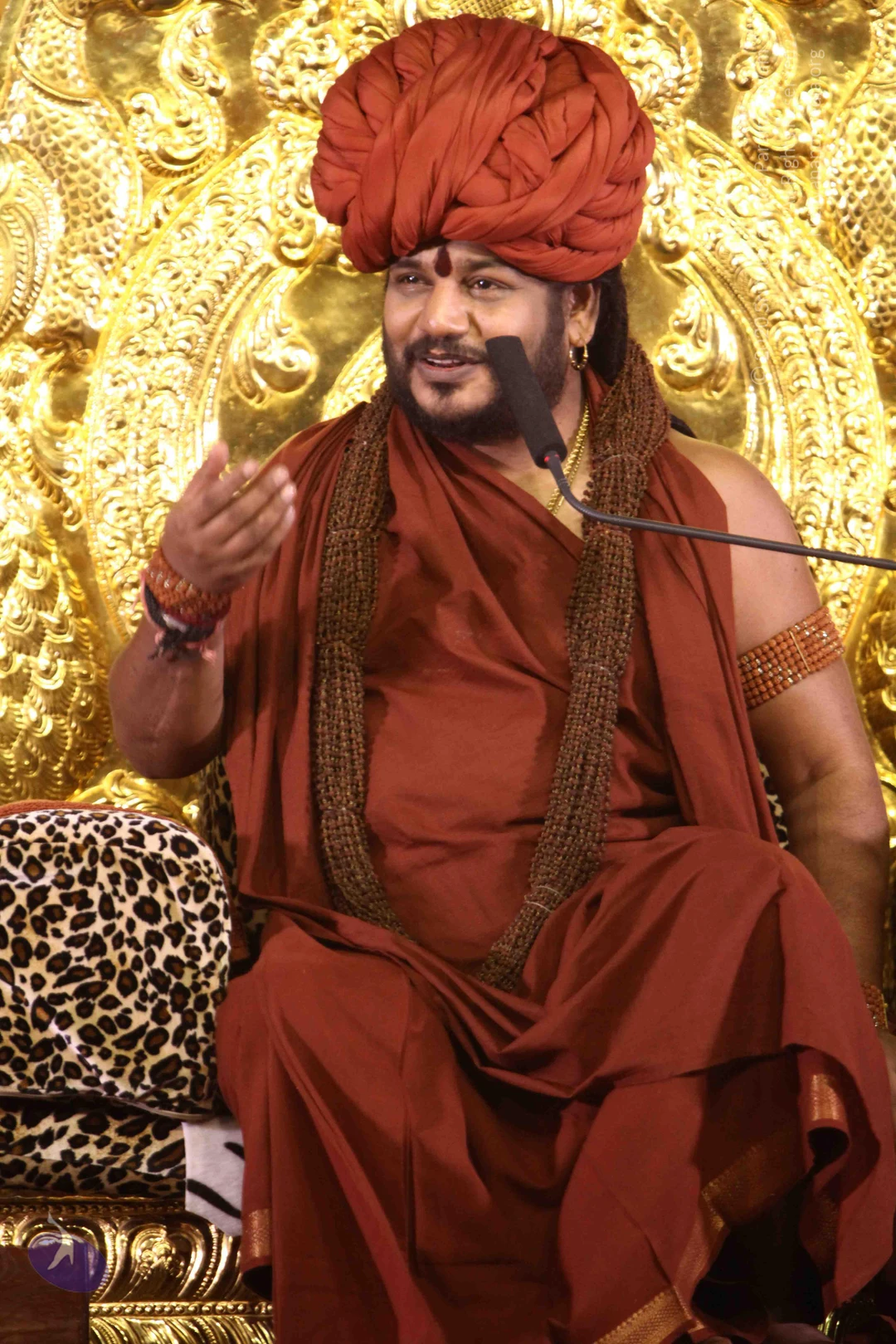
Satsang

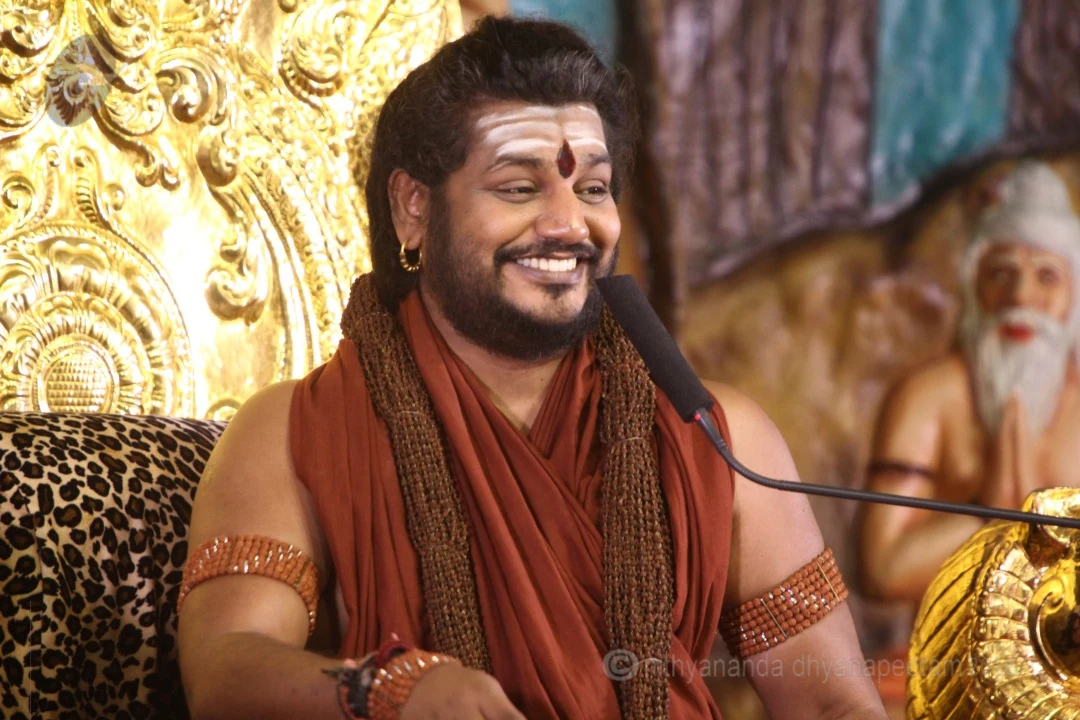


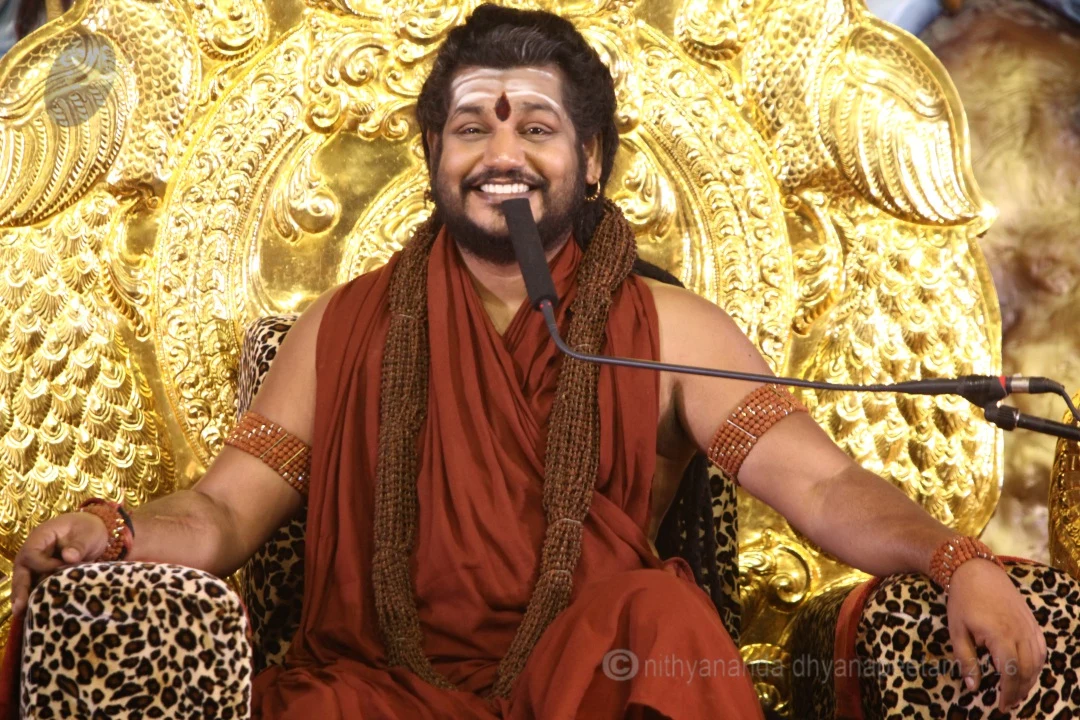


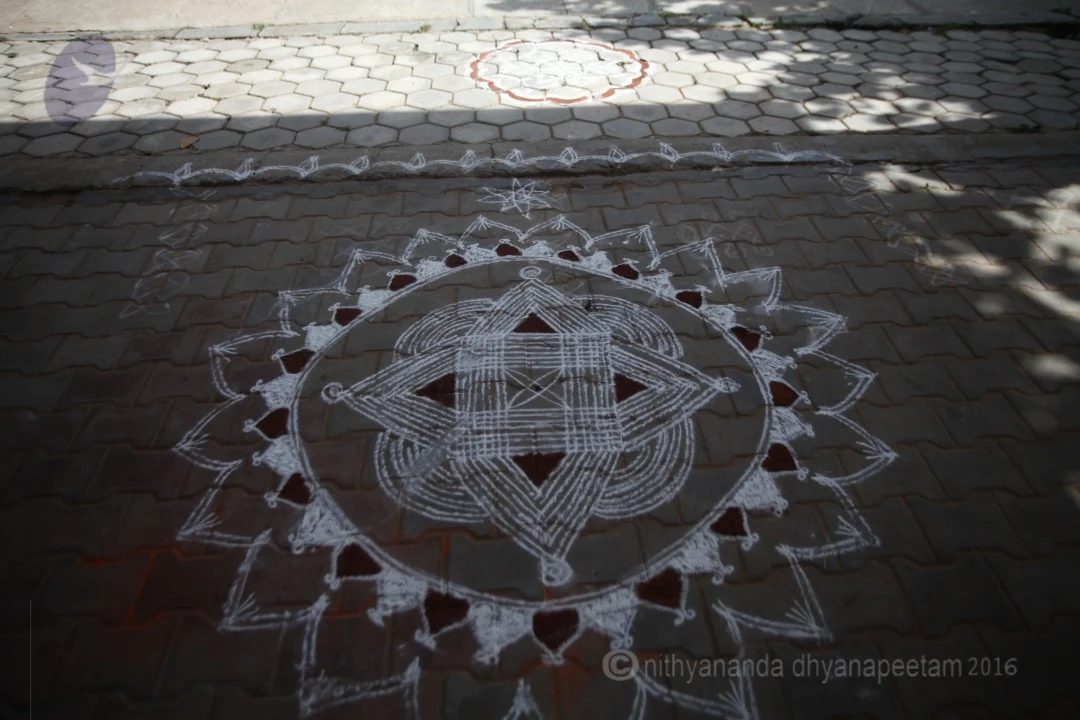
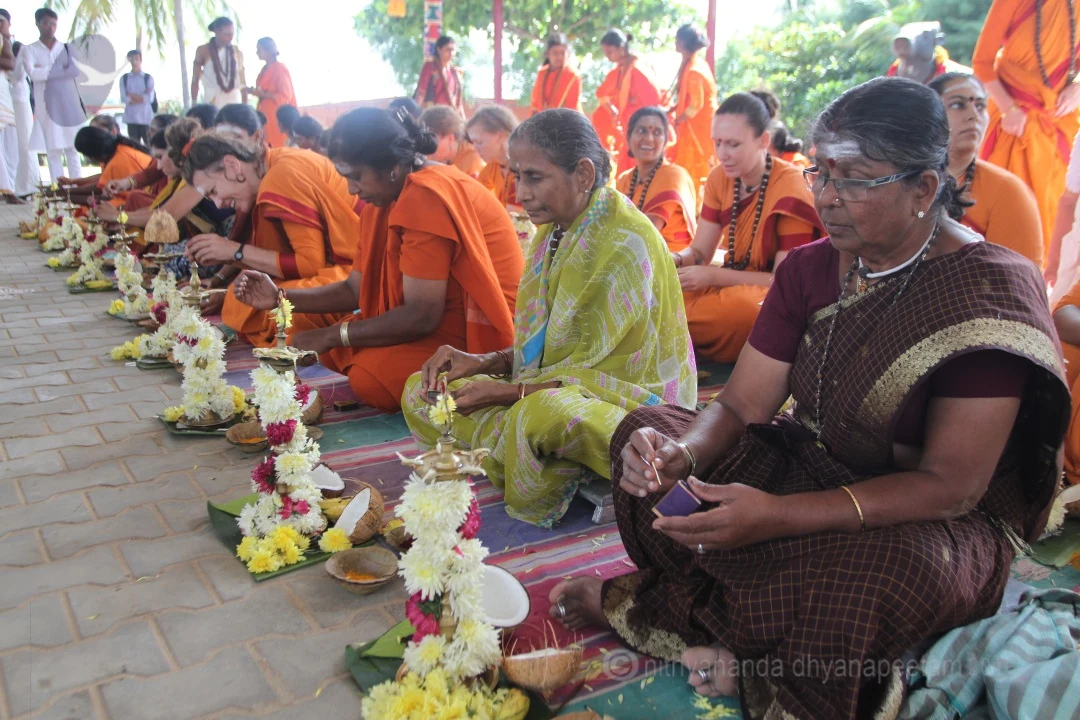
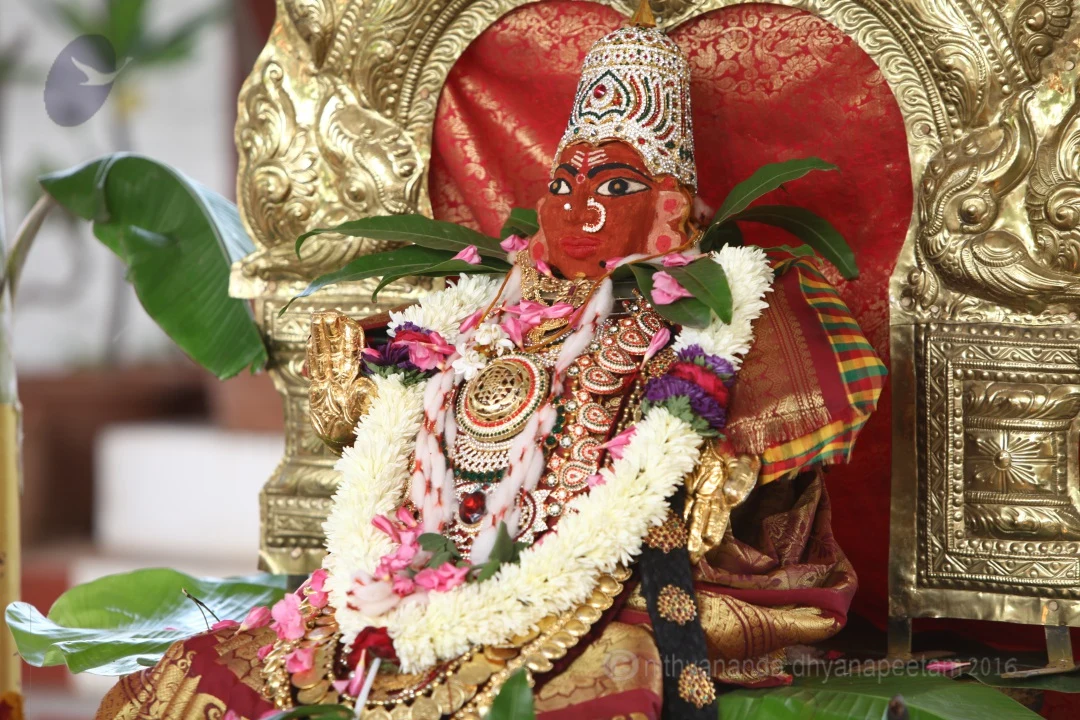
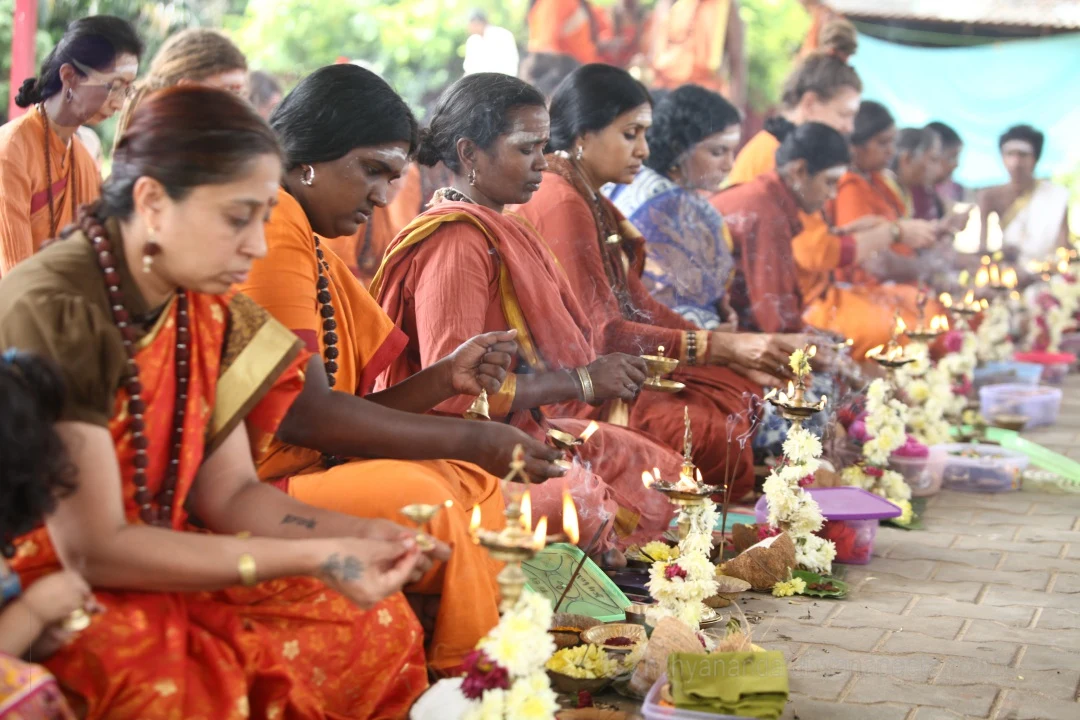
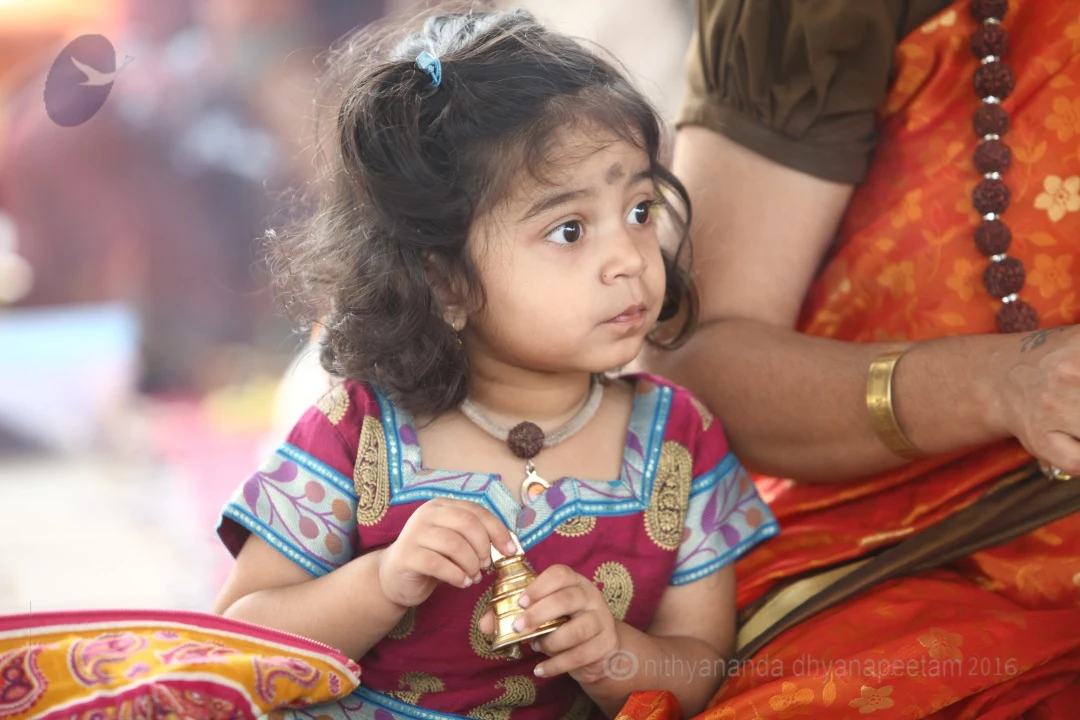
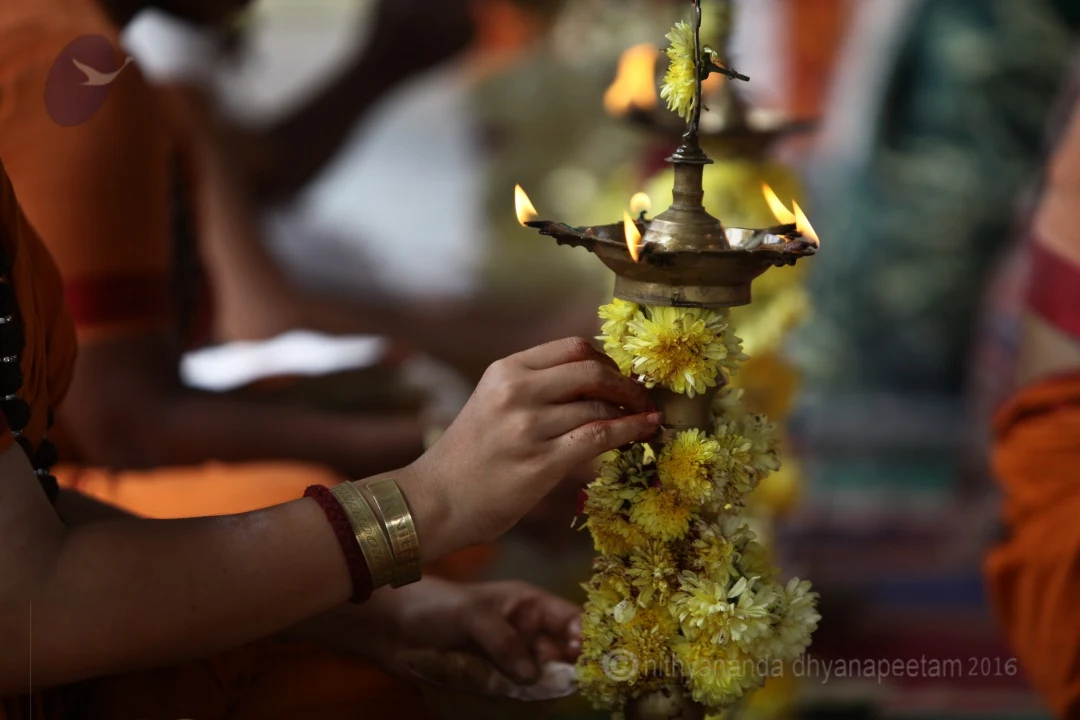
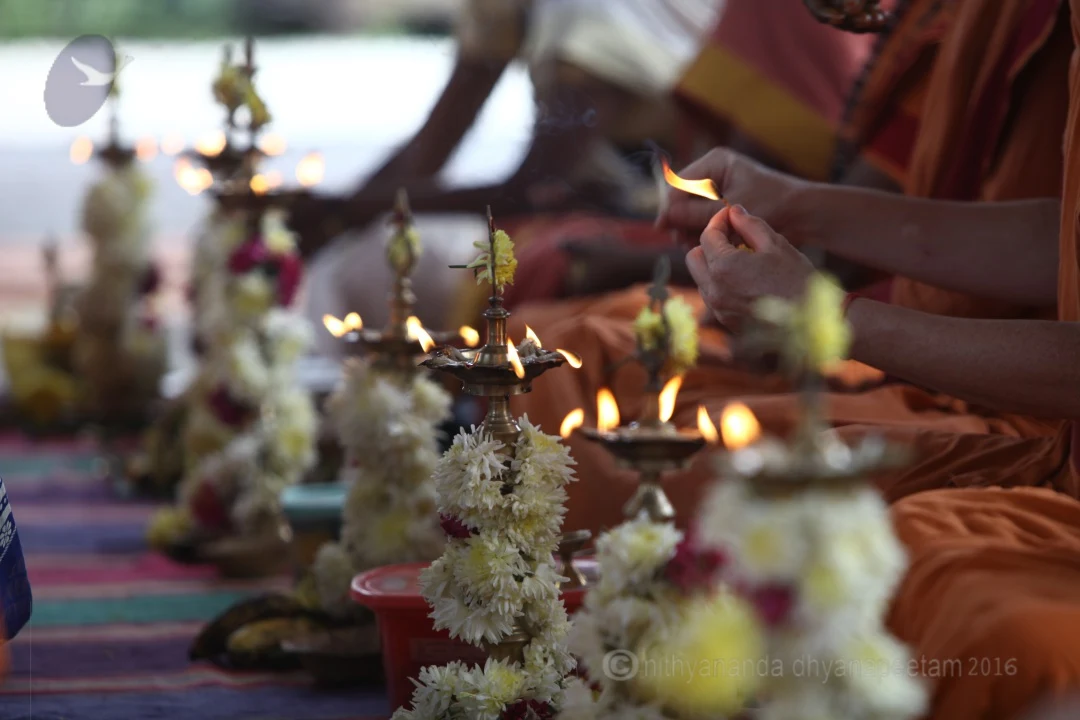
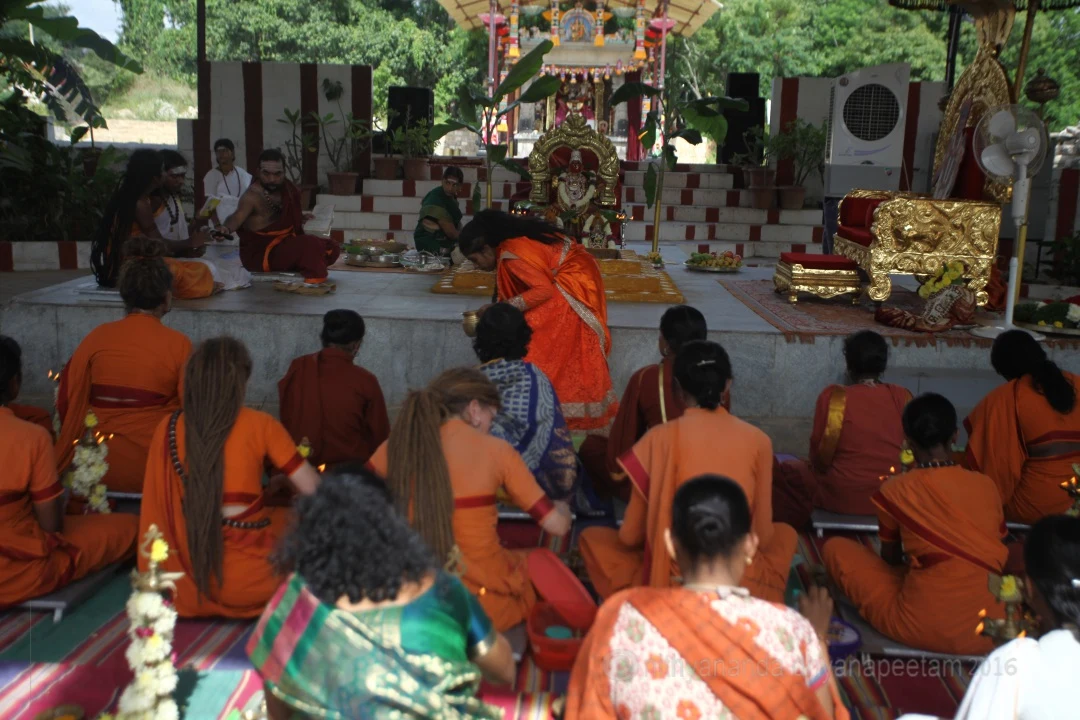
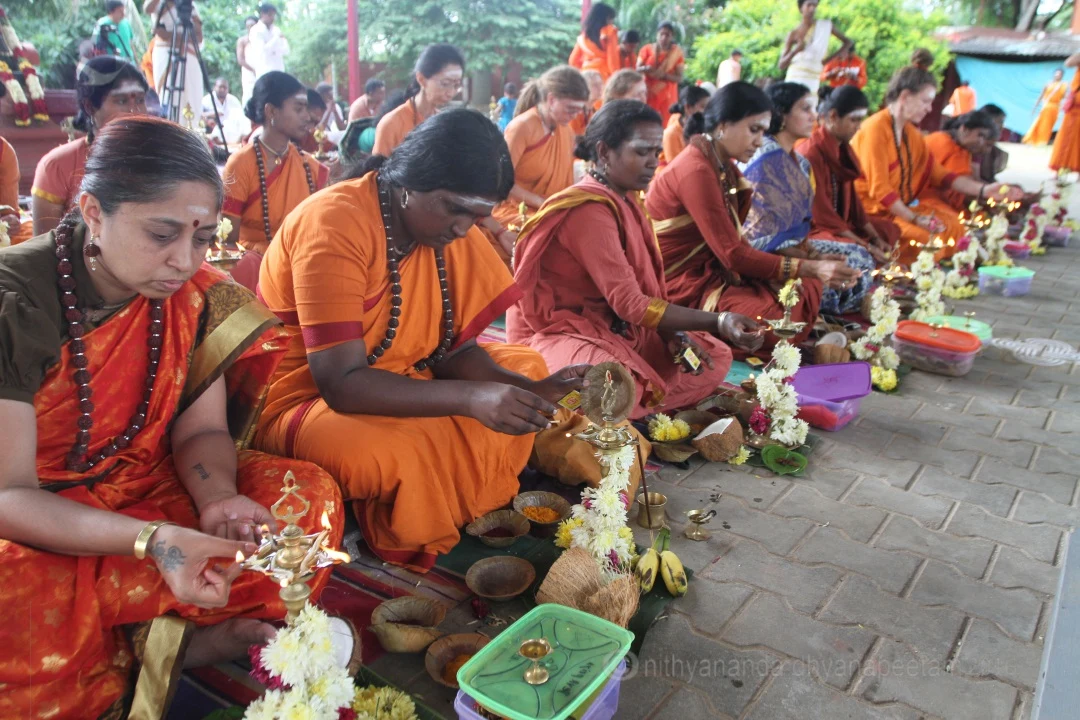
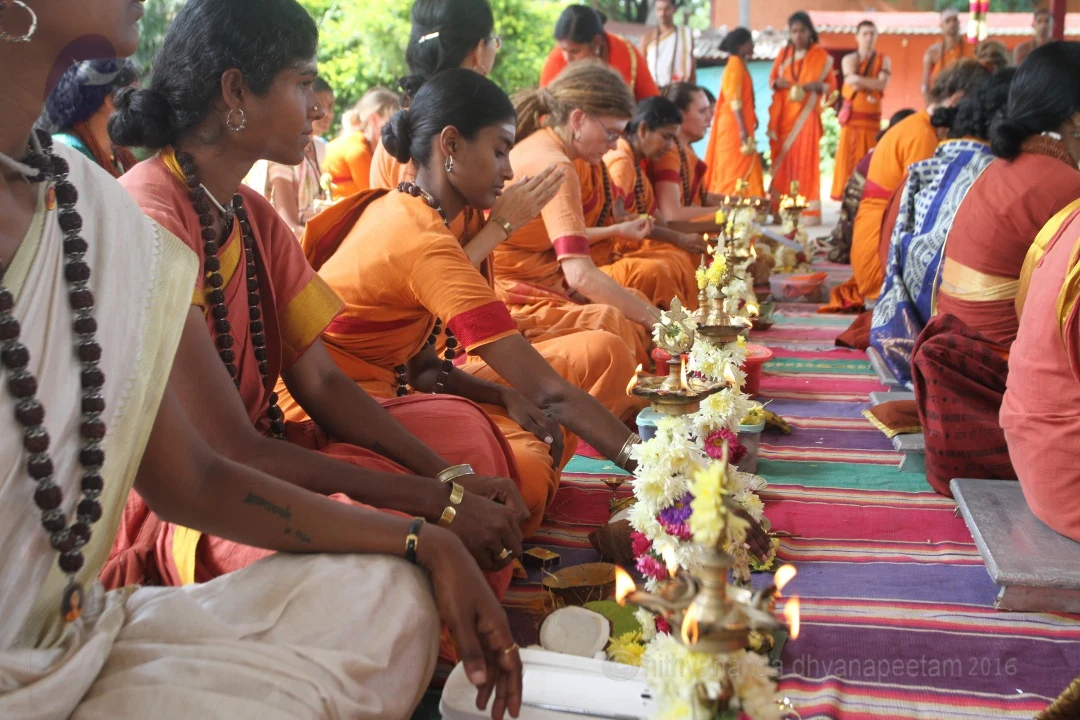
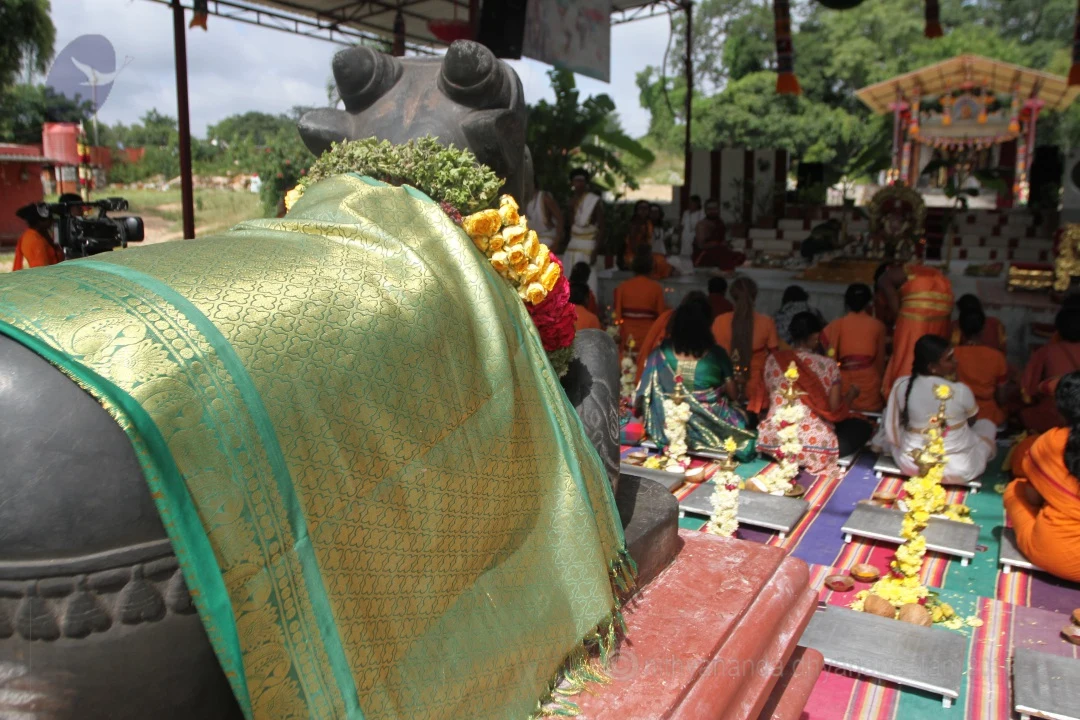
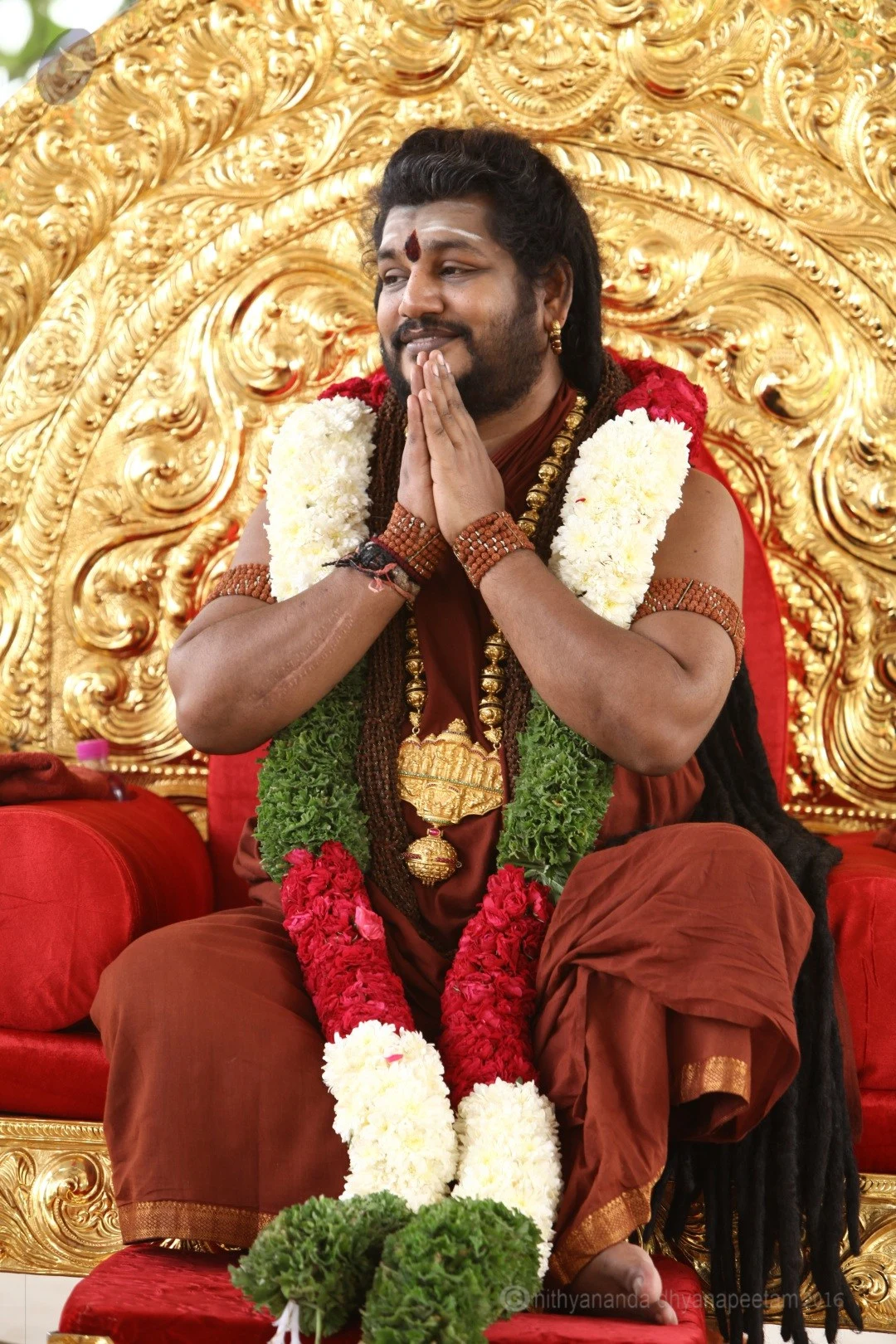
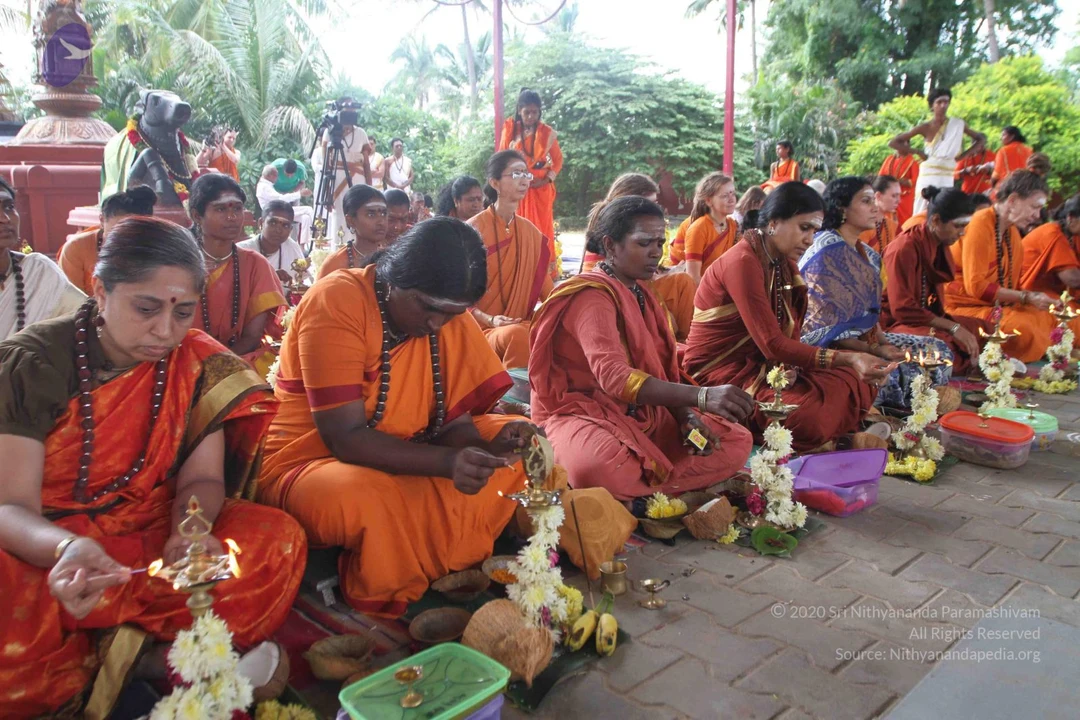
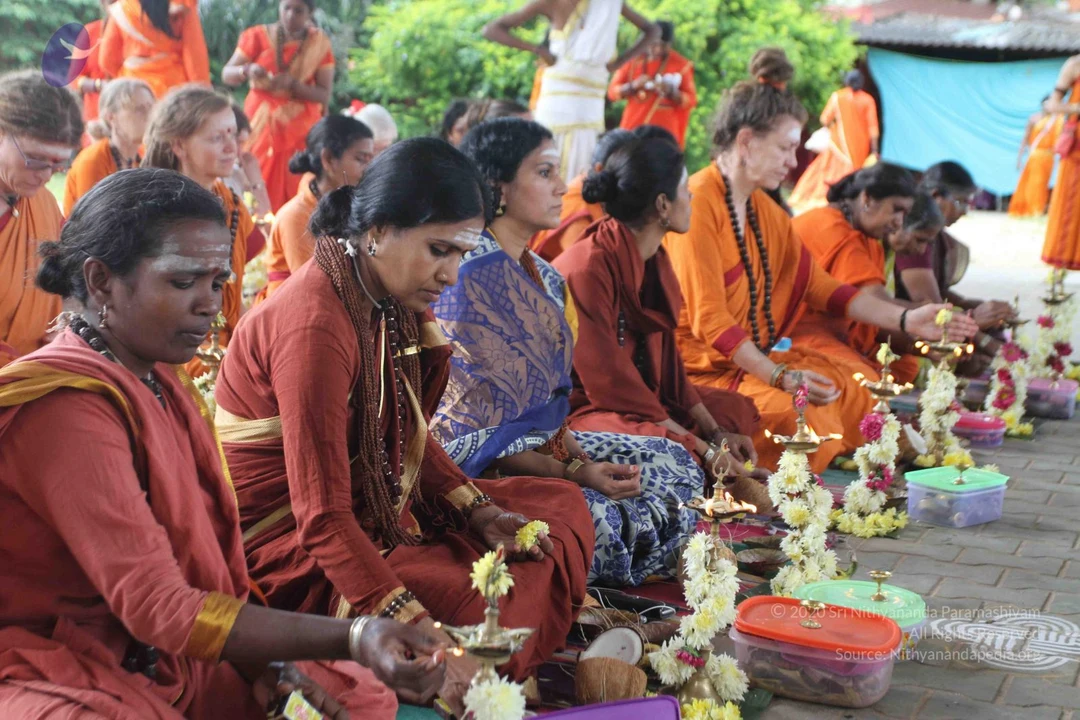
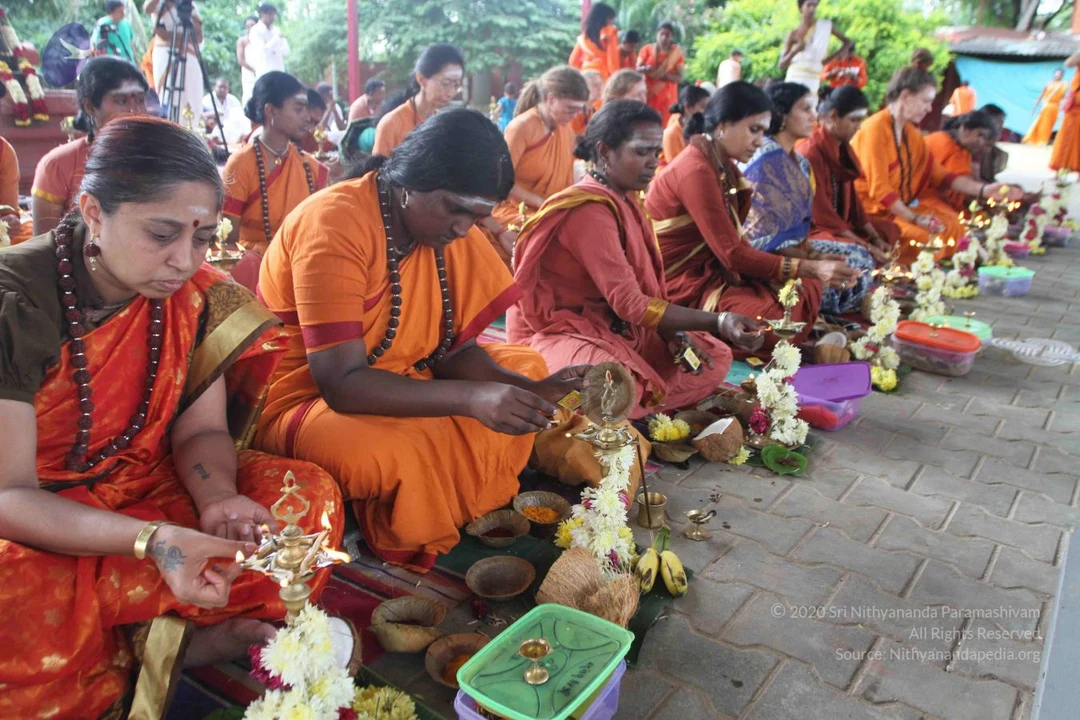
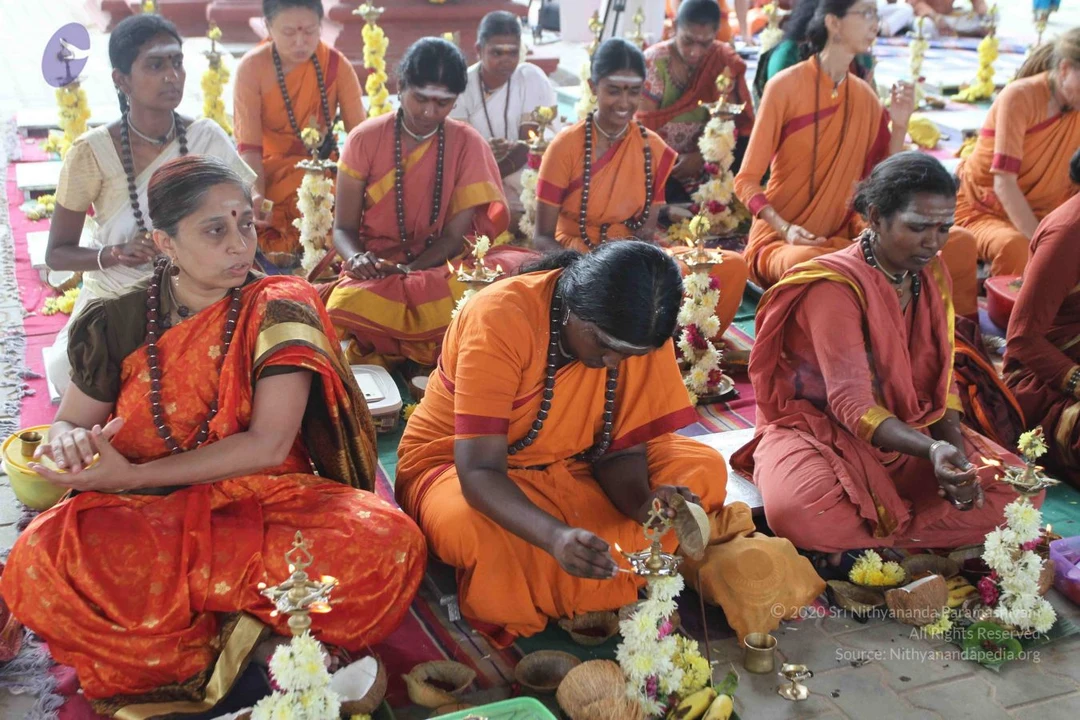
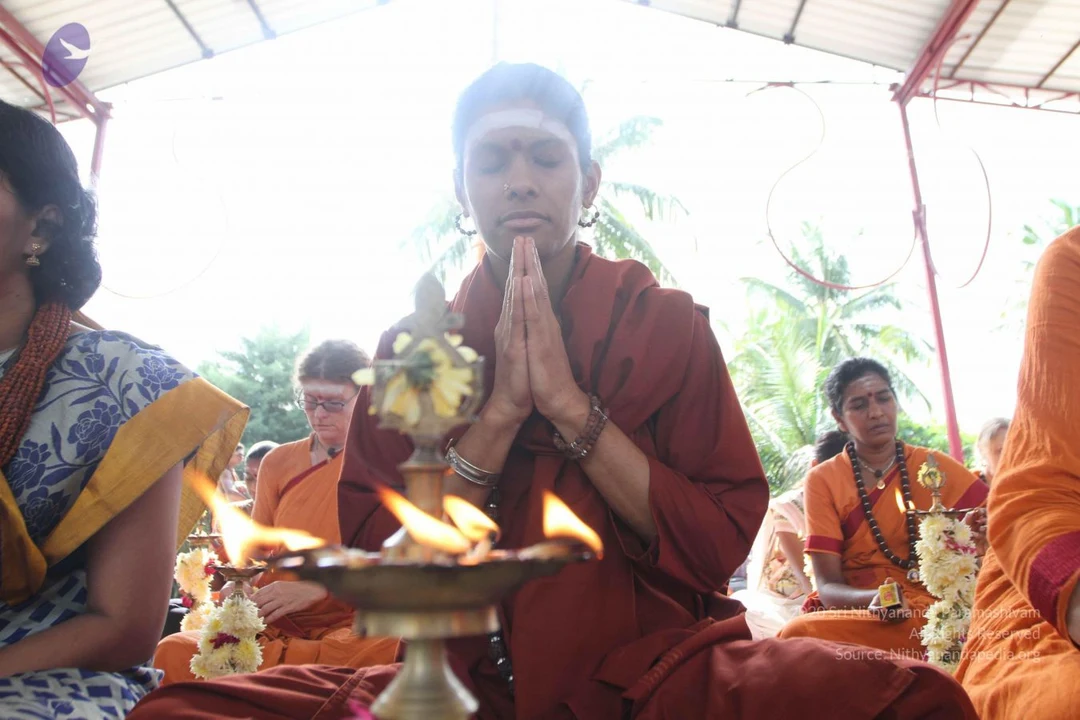
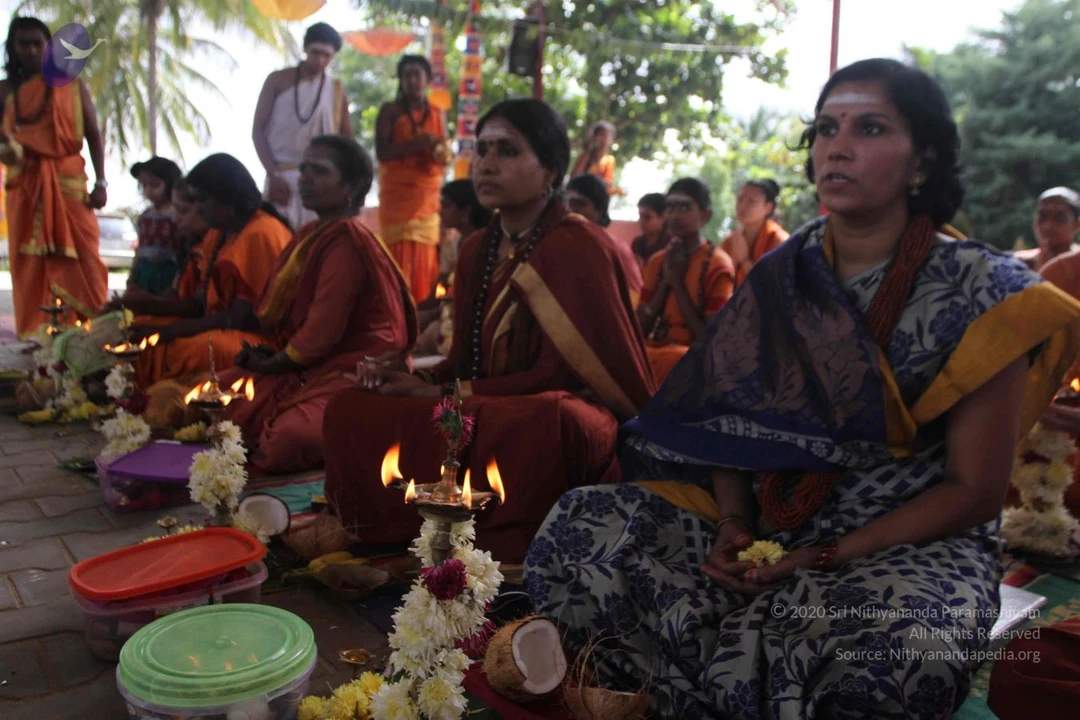
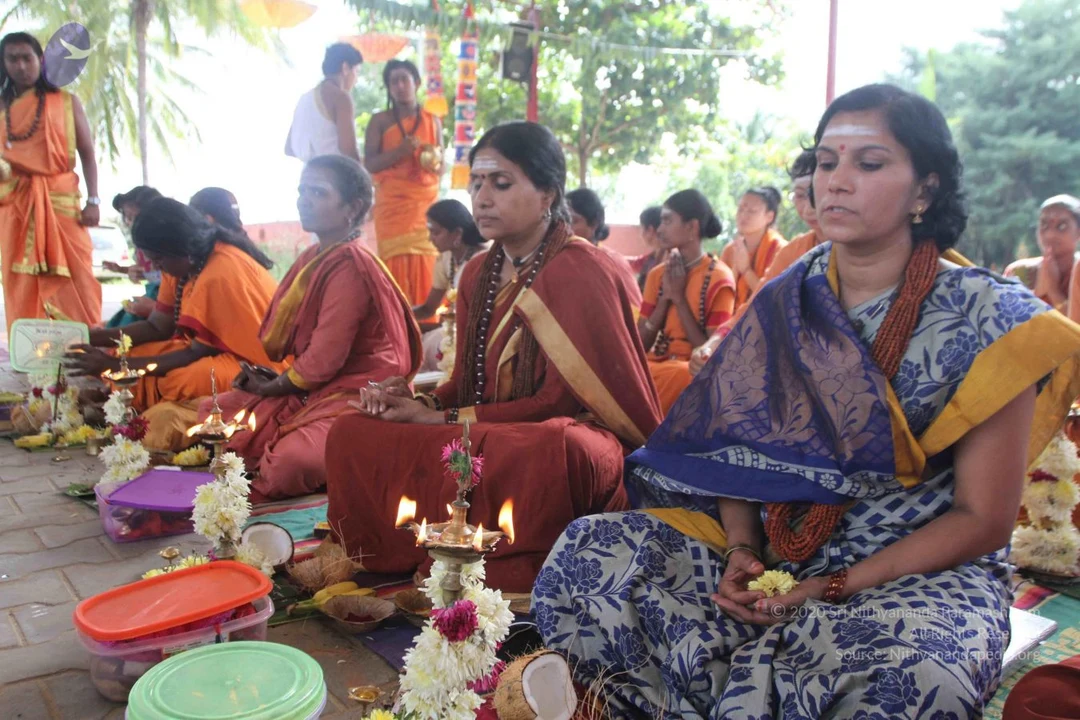
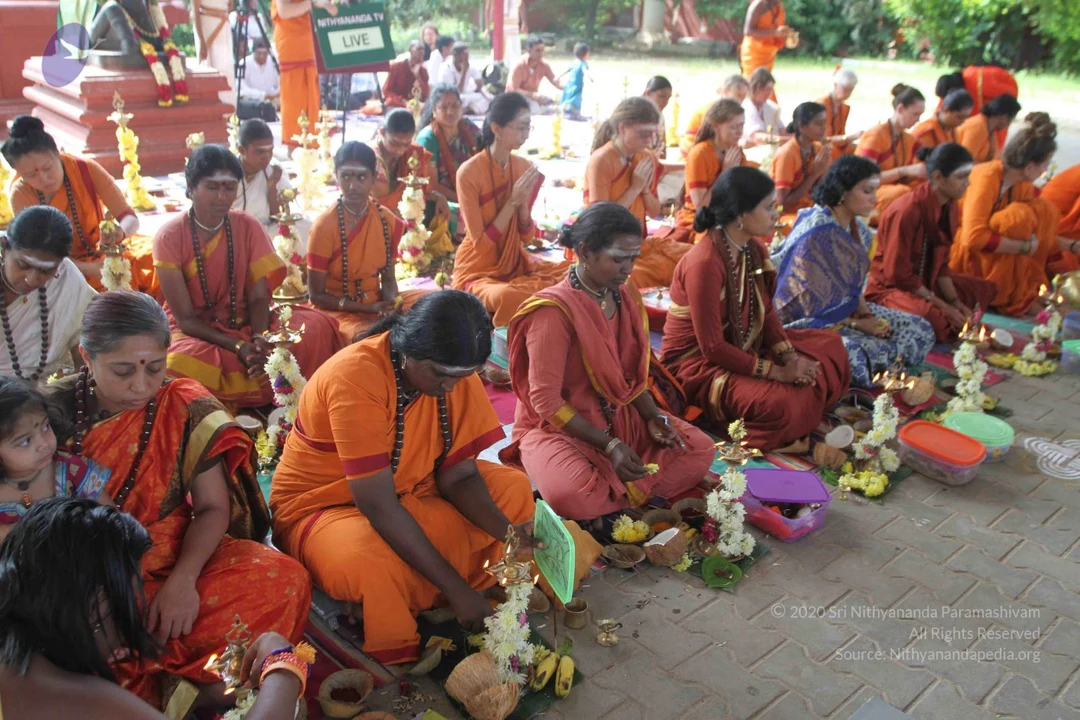
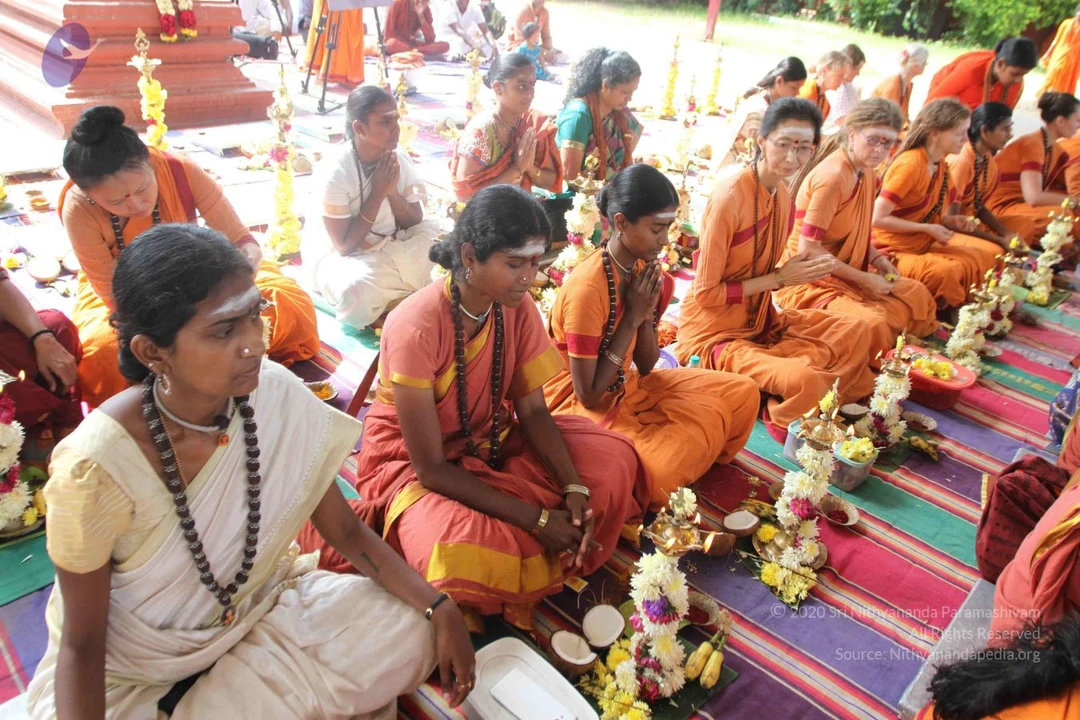
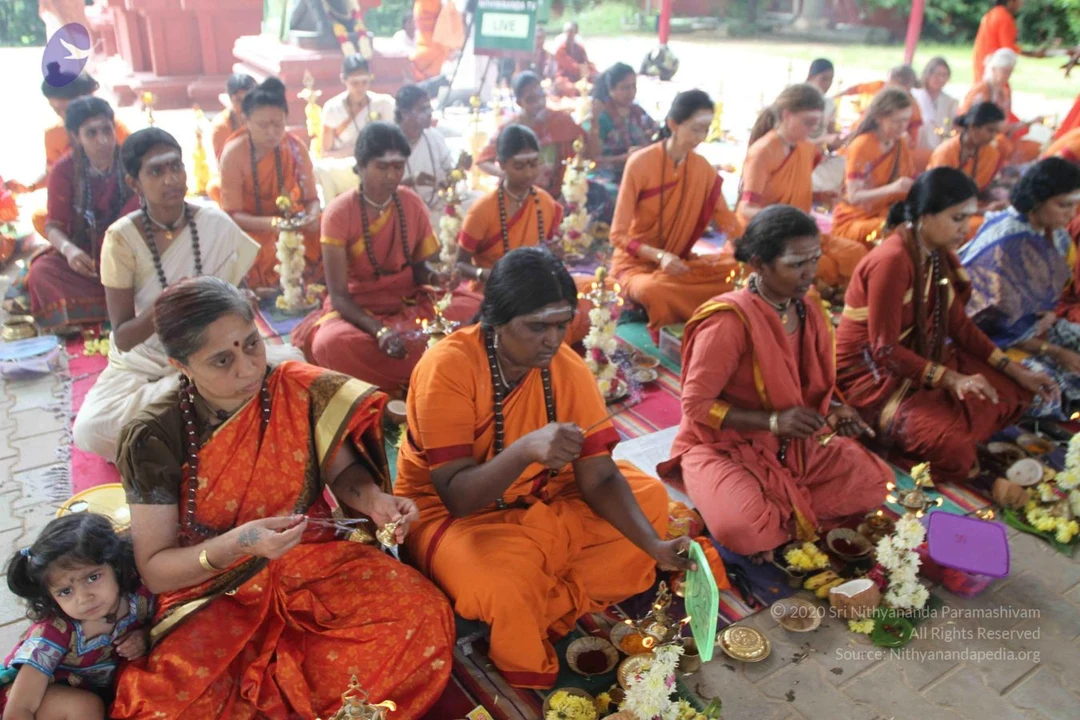
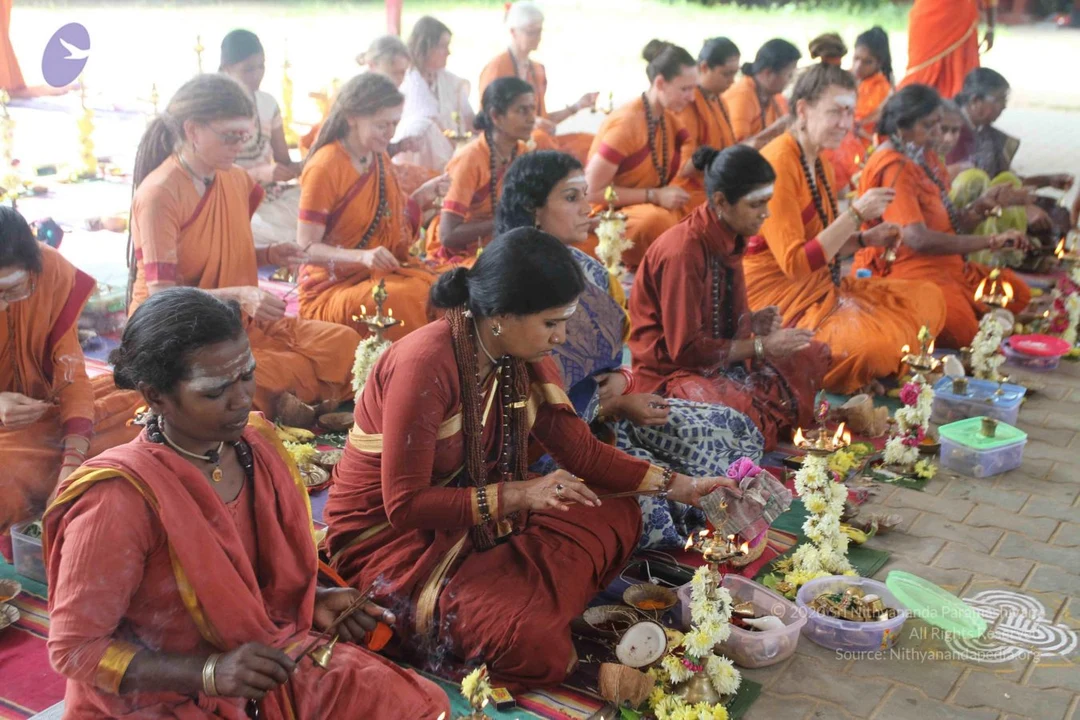
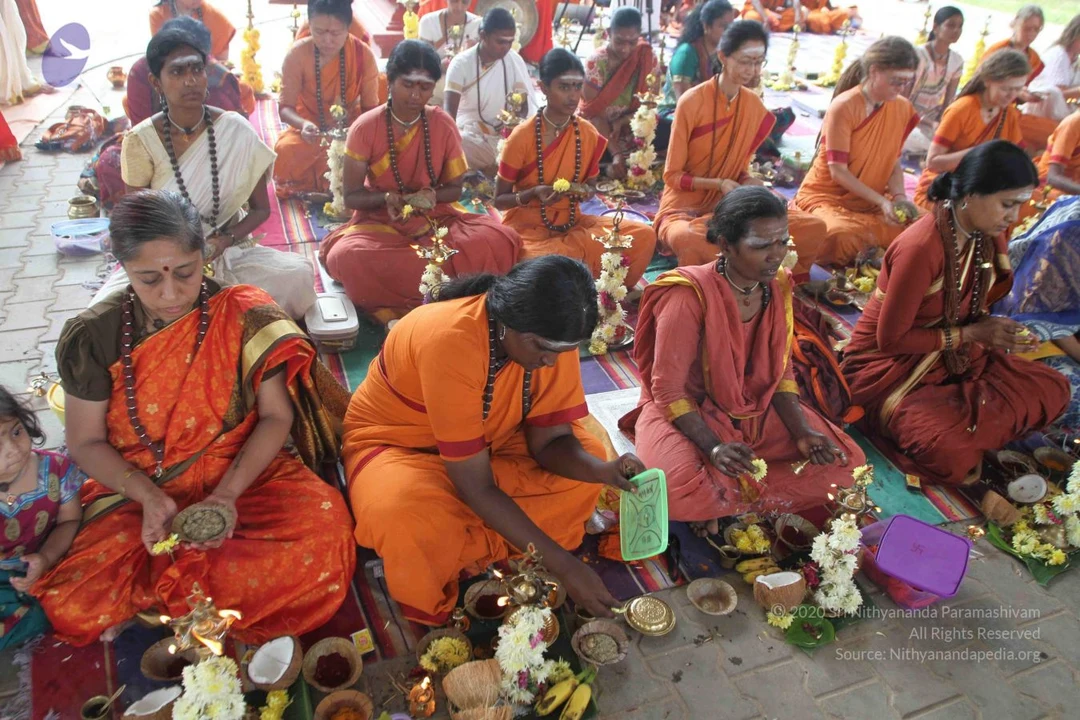
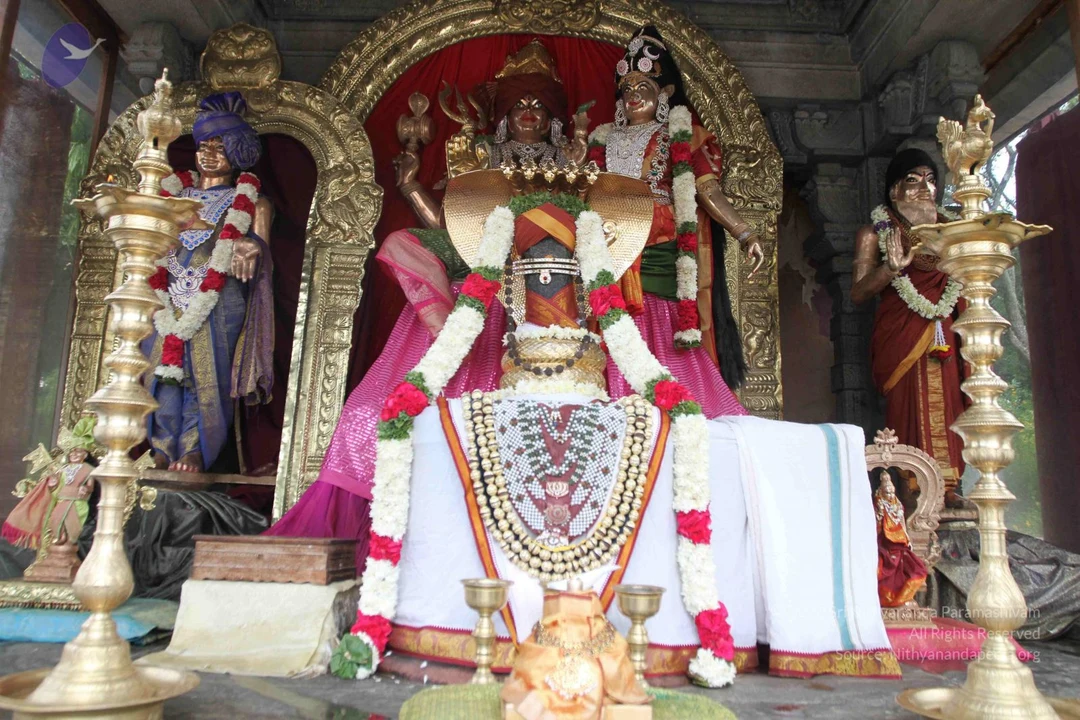
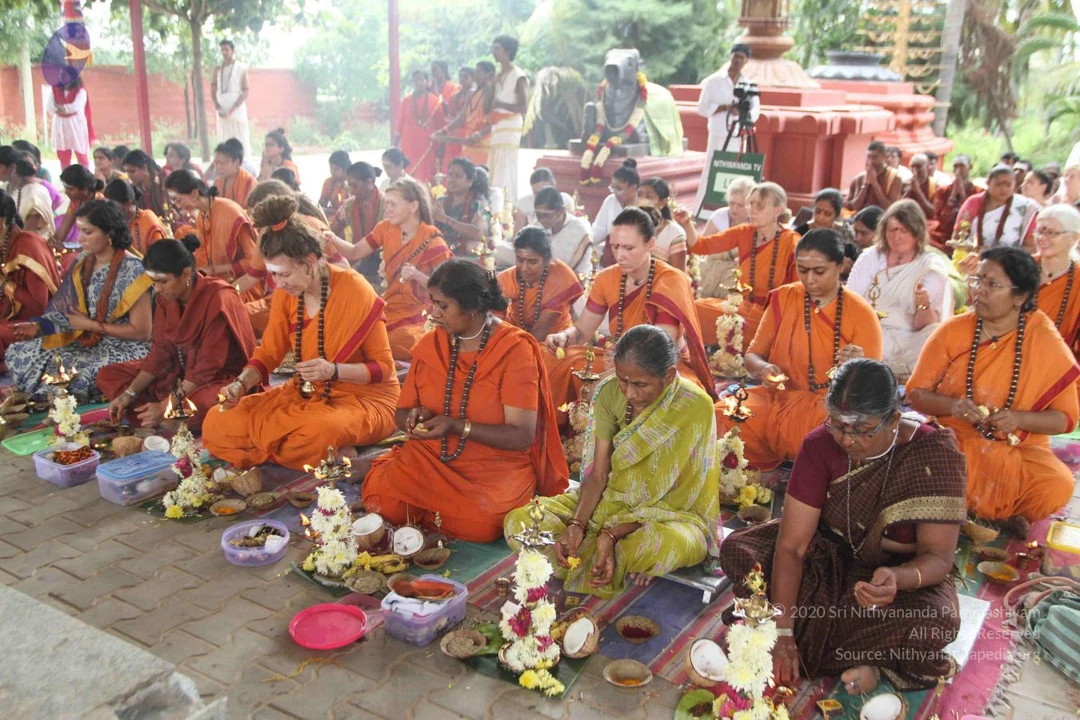
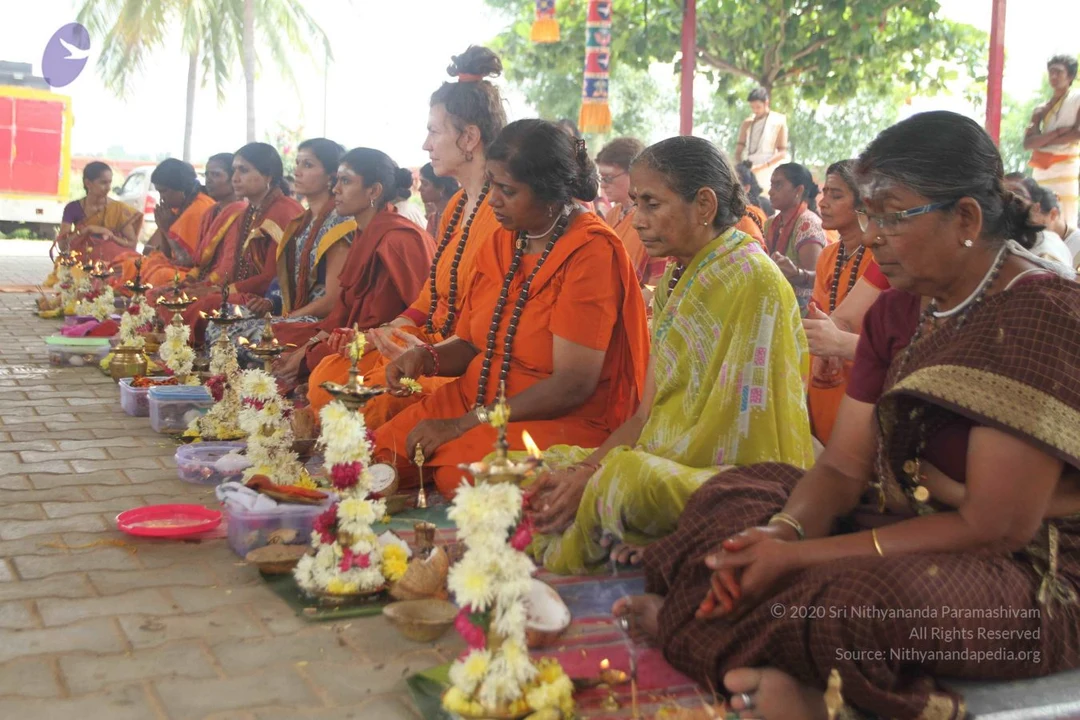
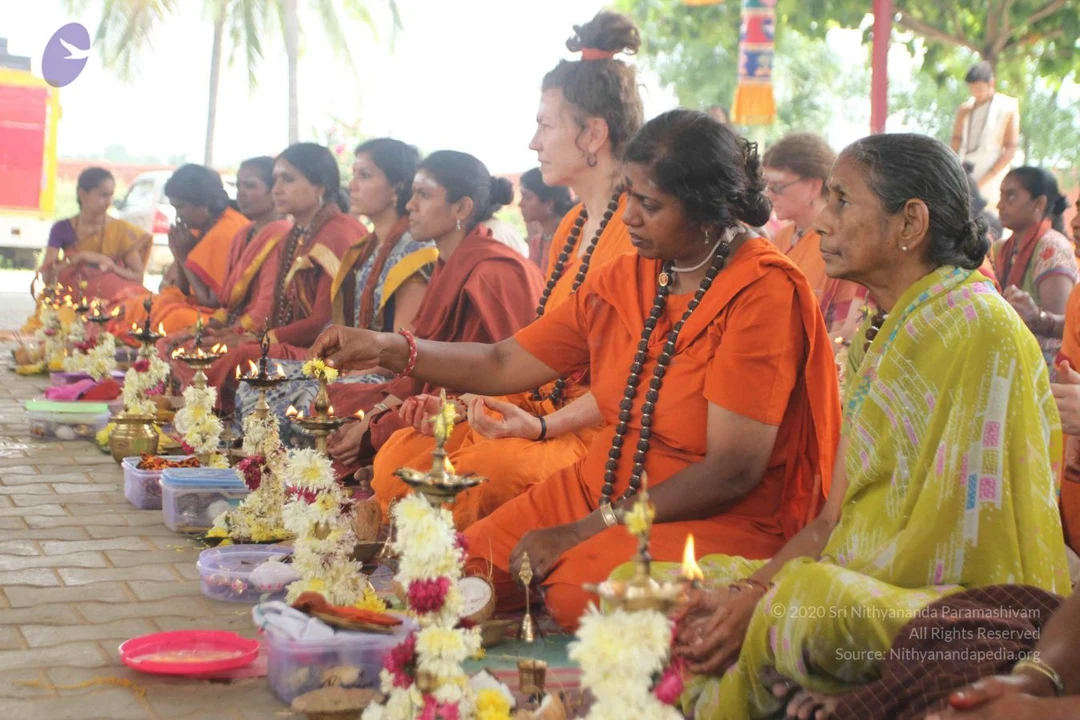
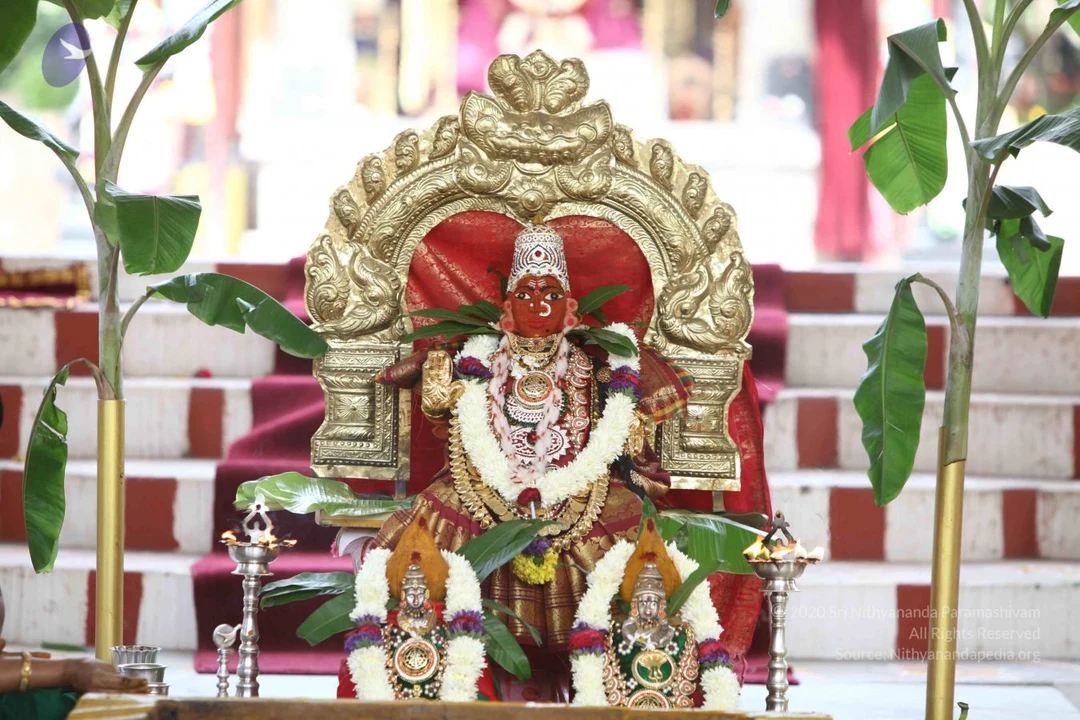
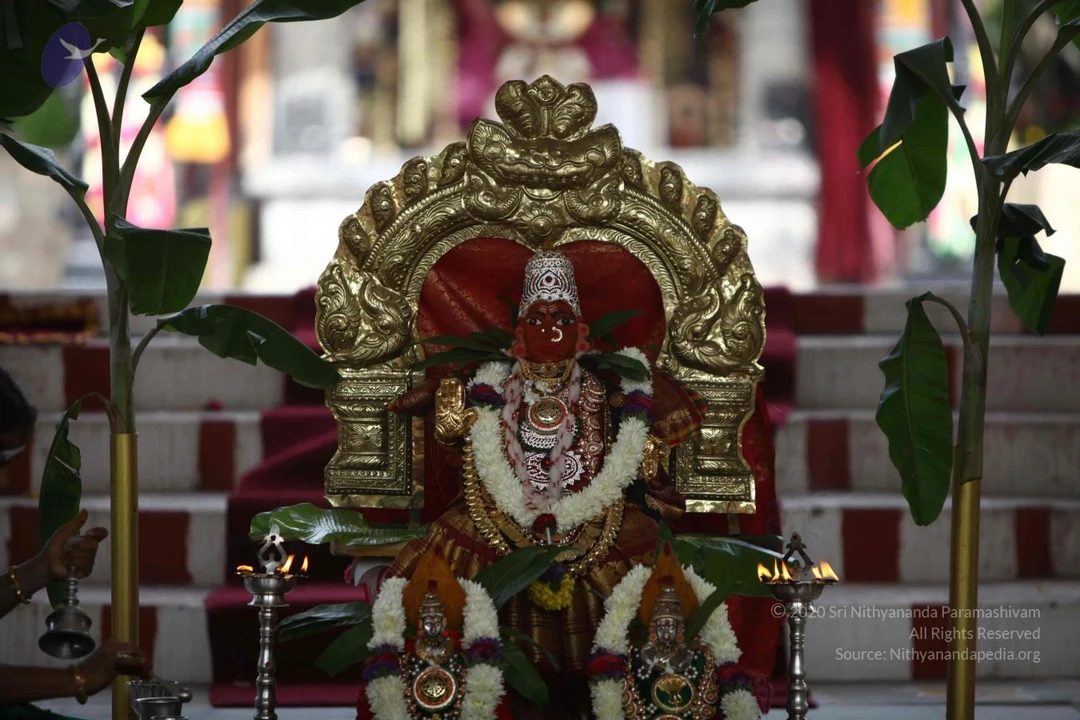
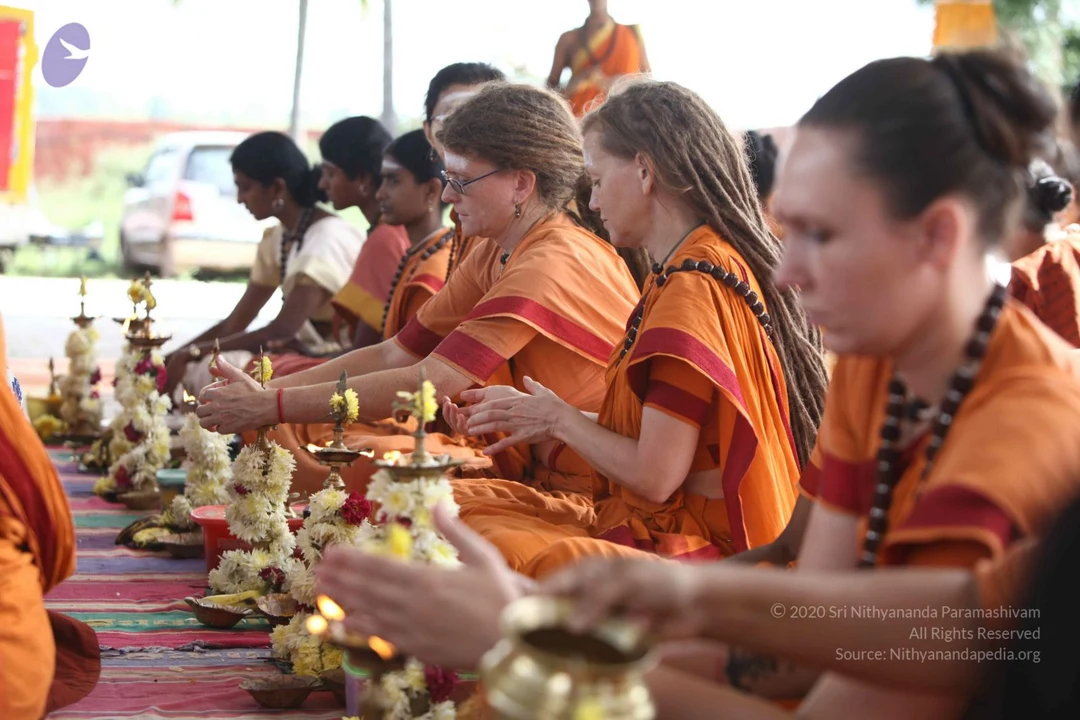
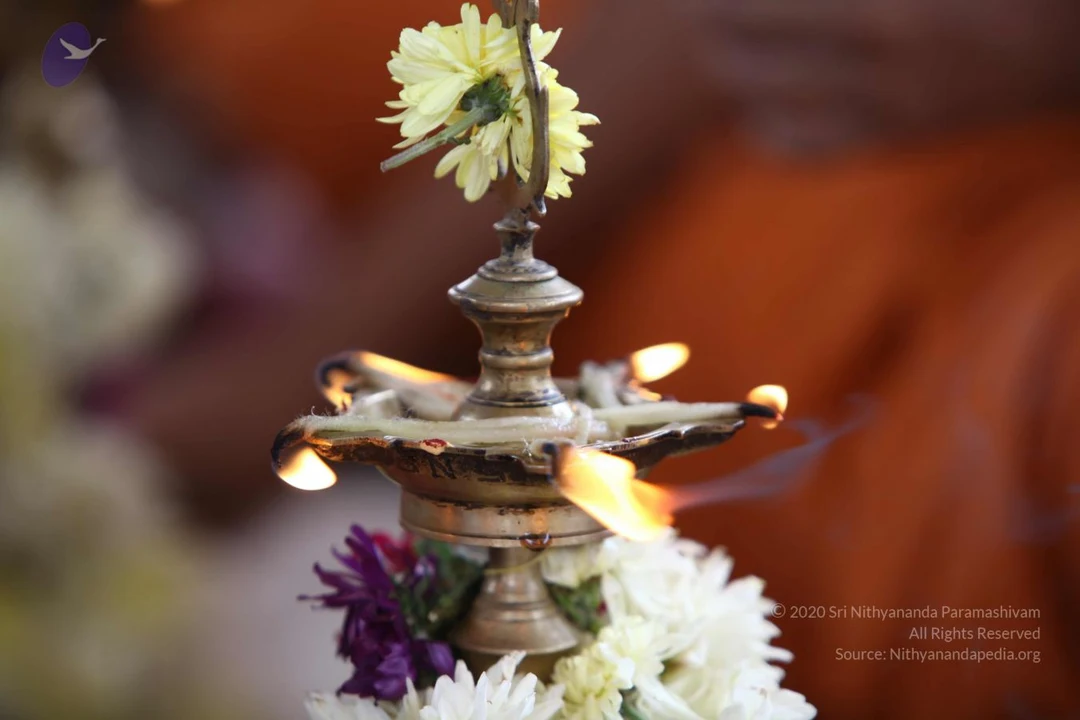
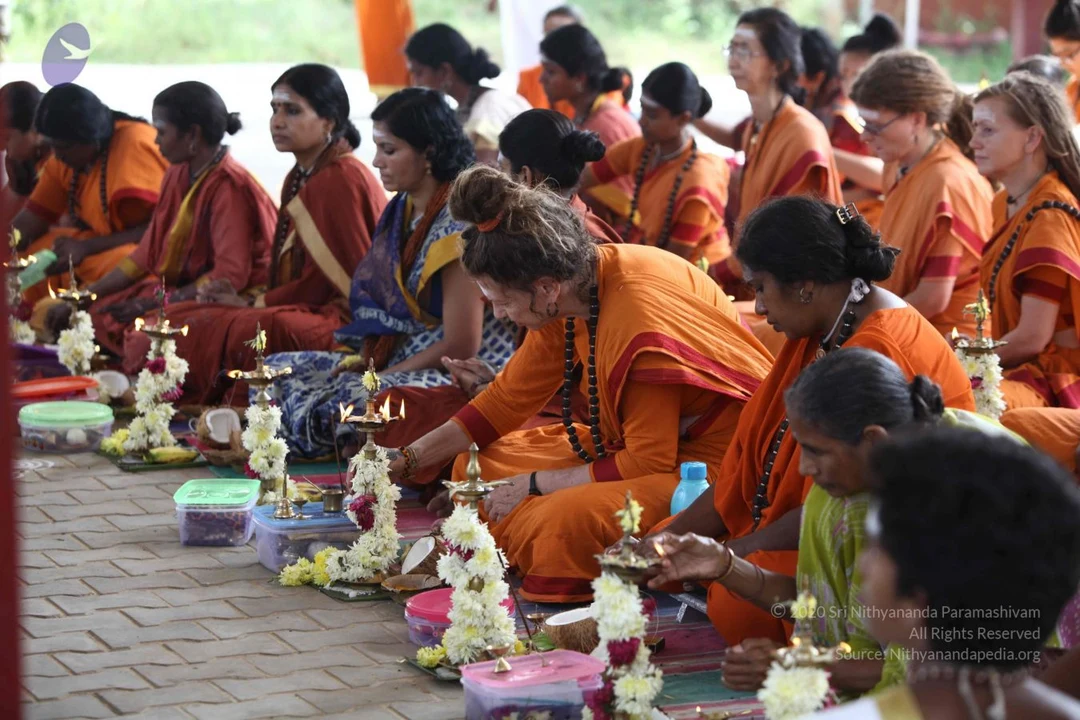
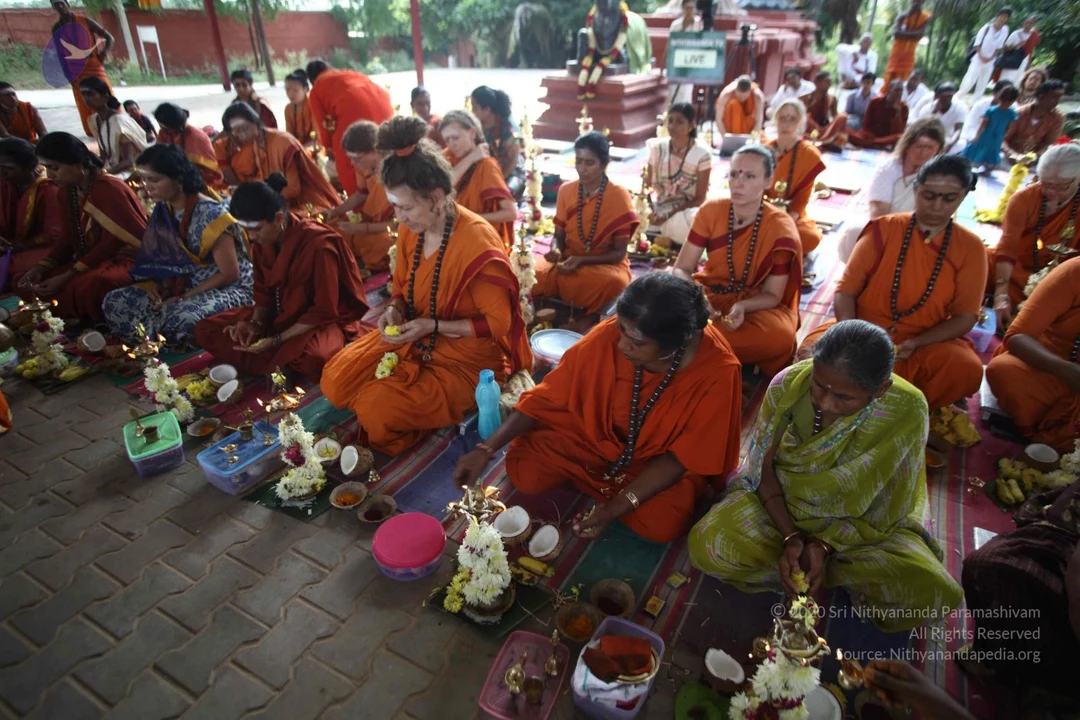
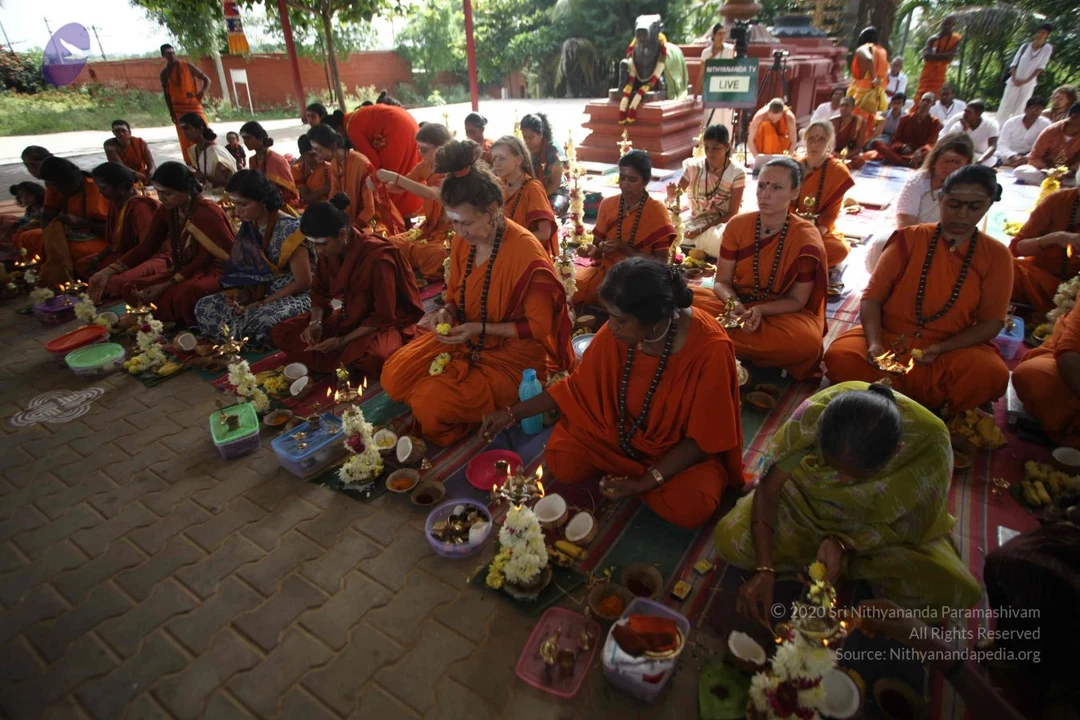
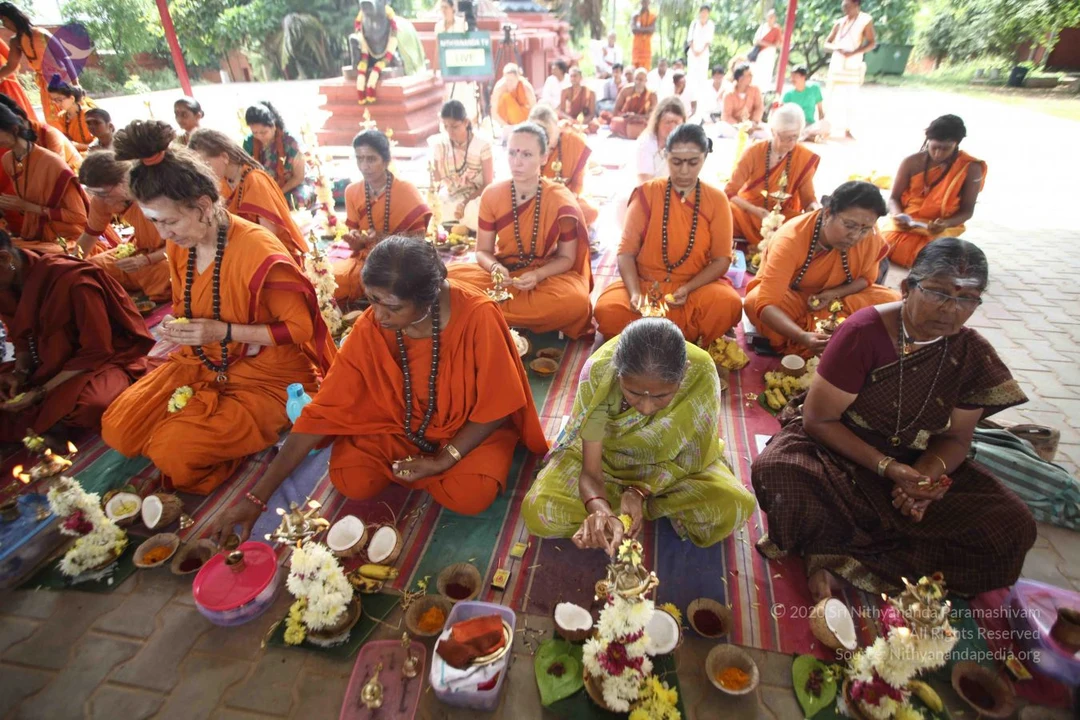
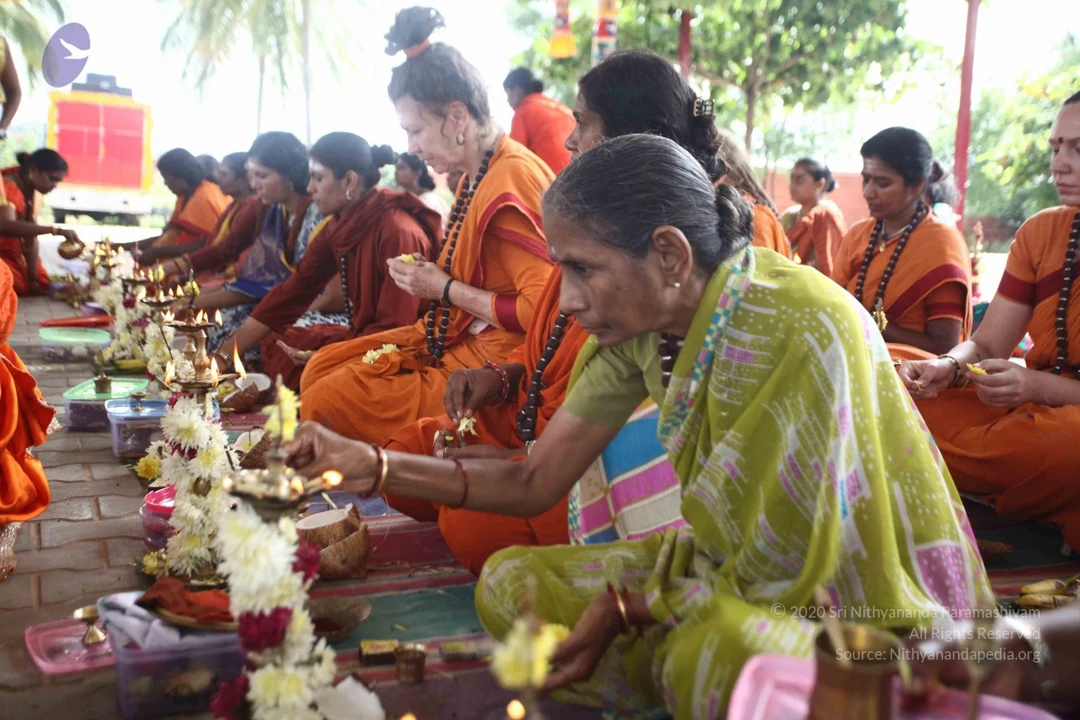
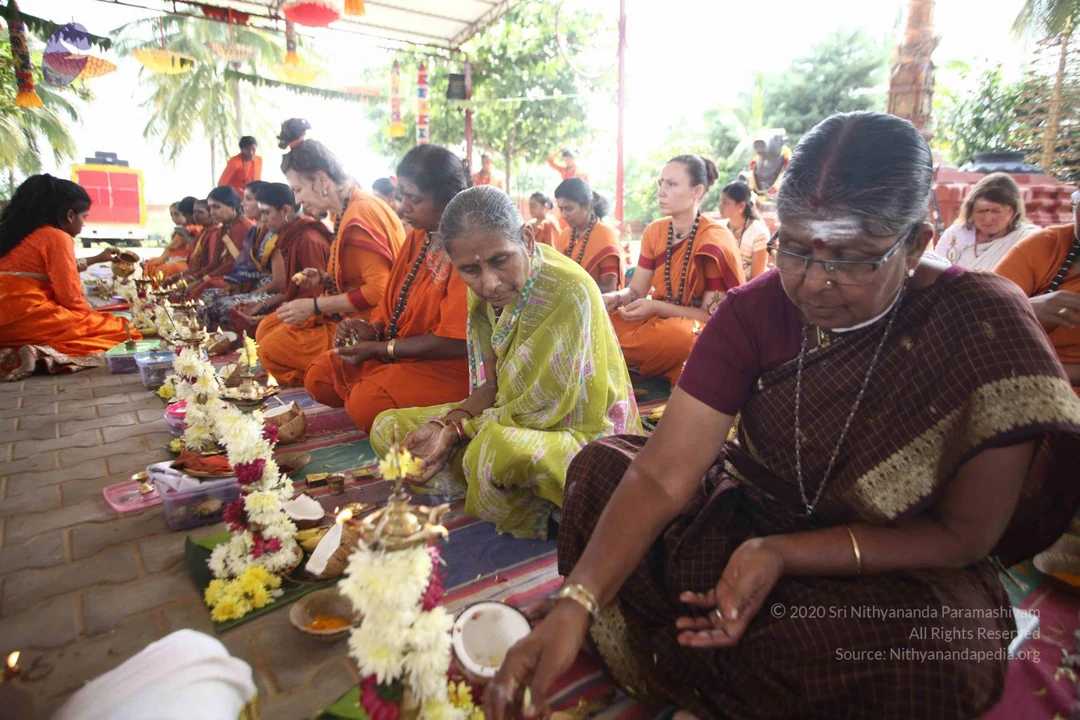
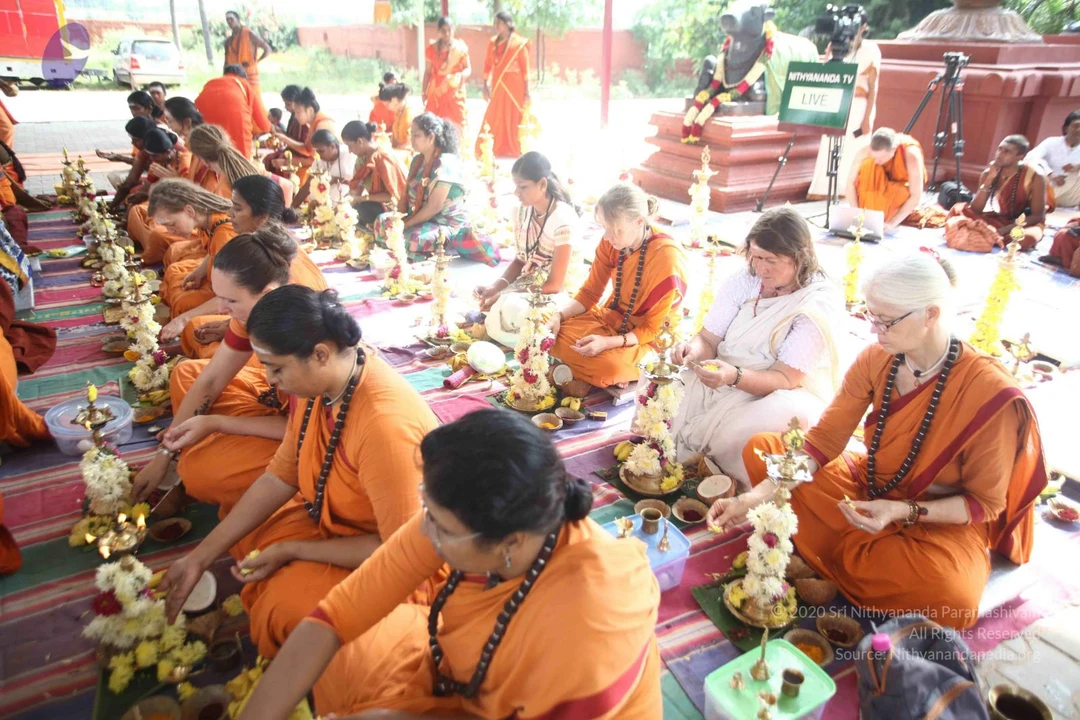
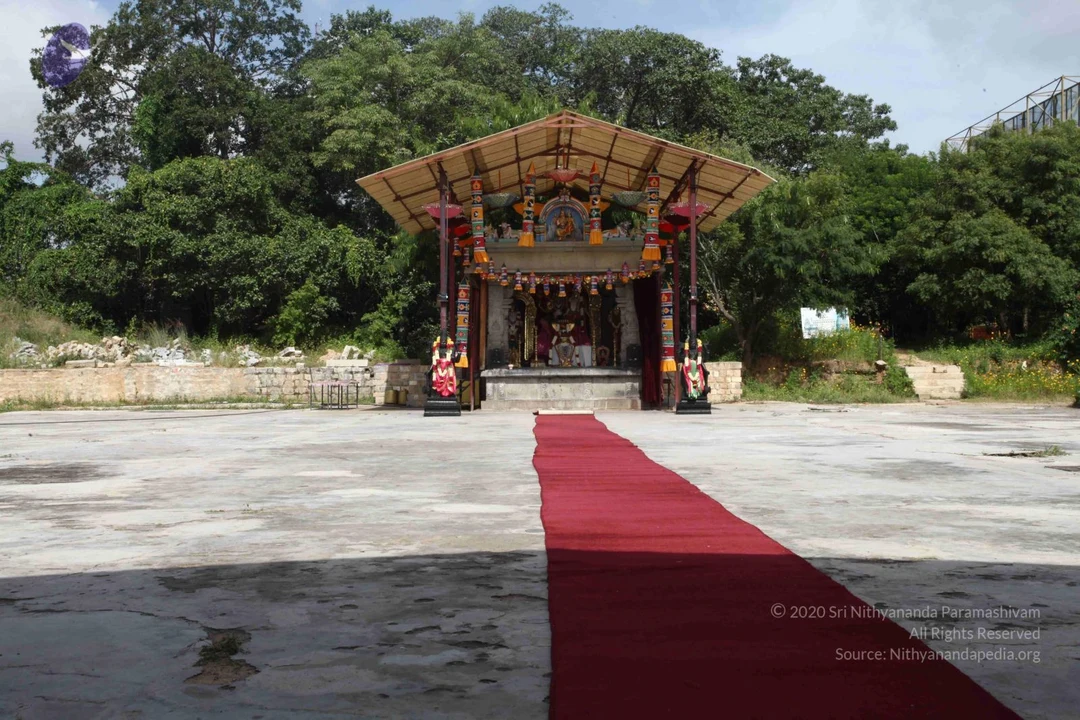
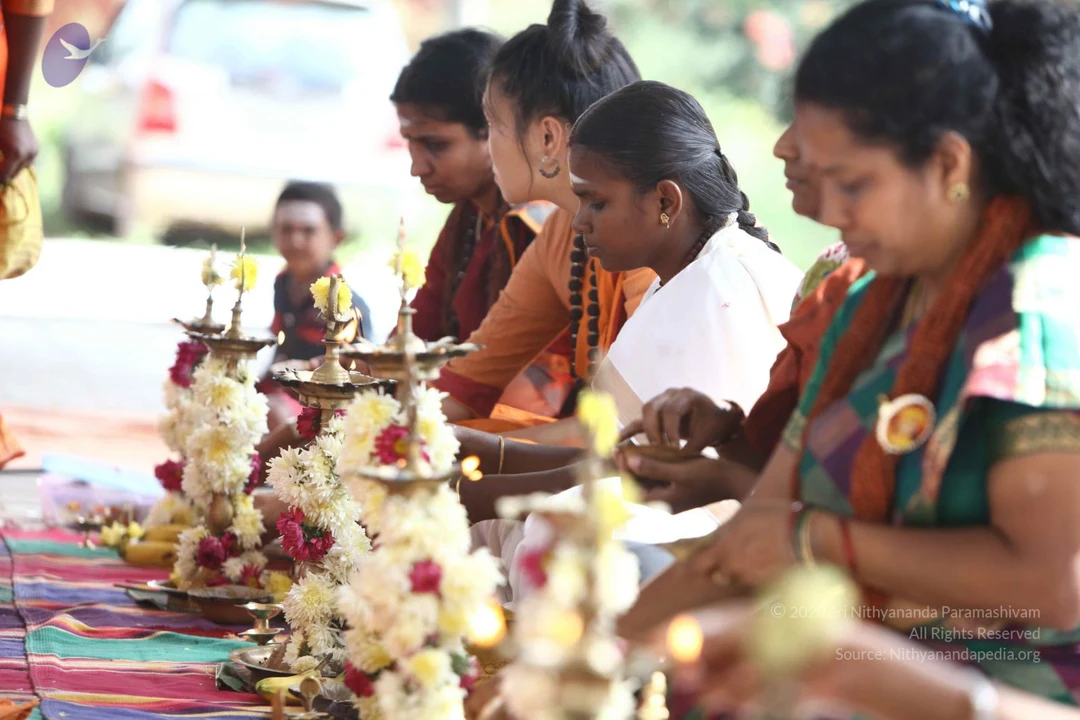
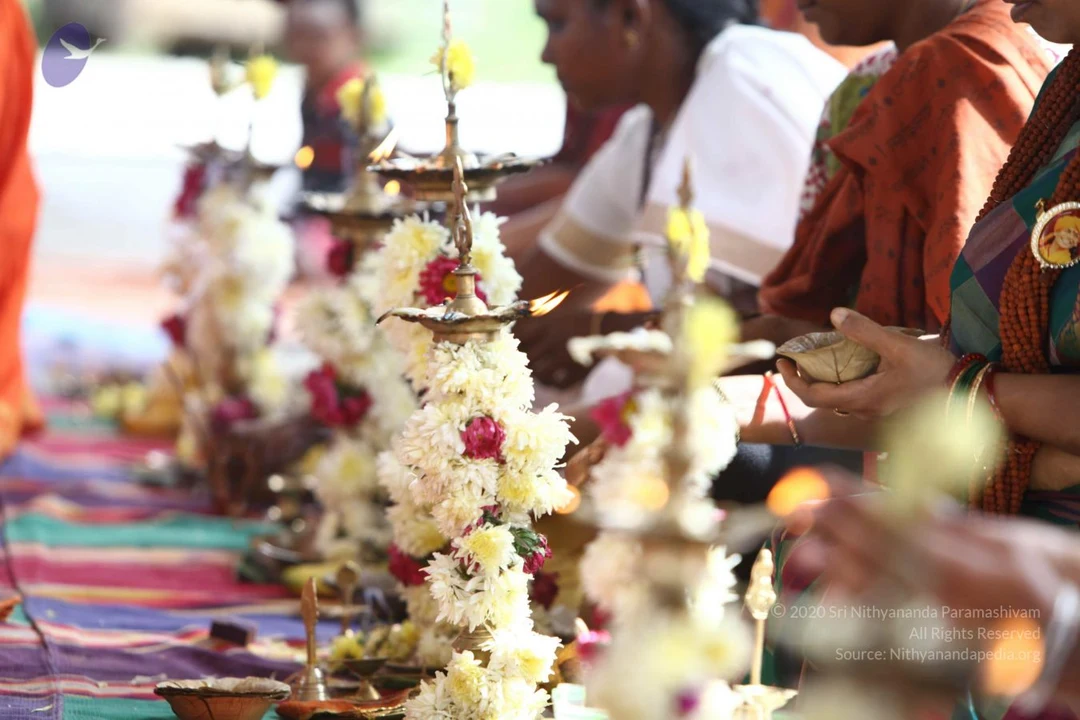
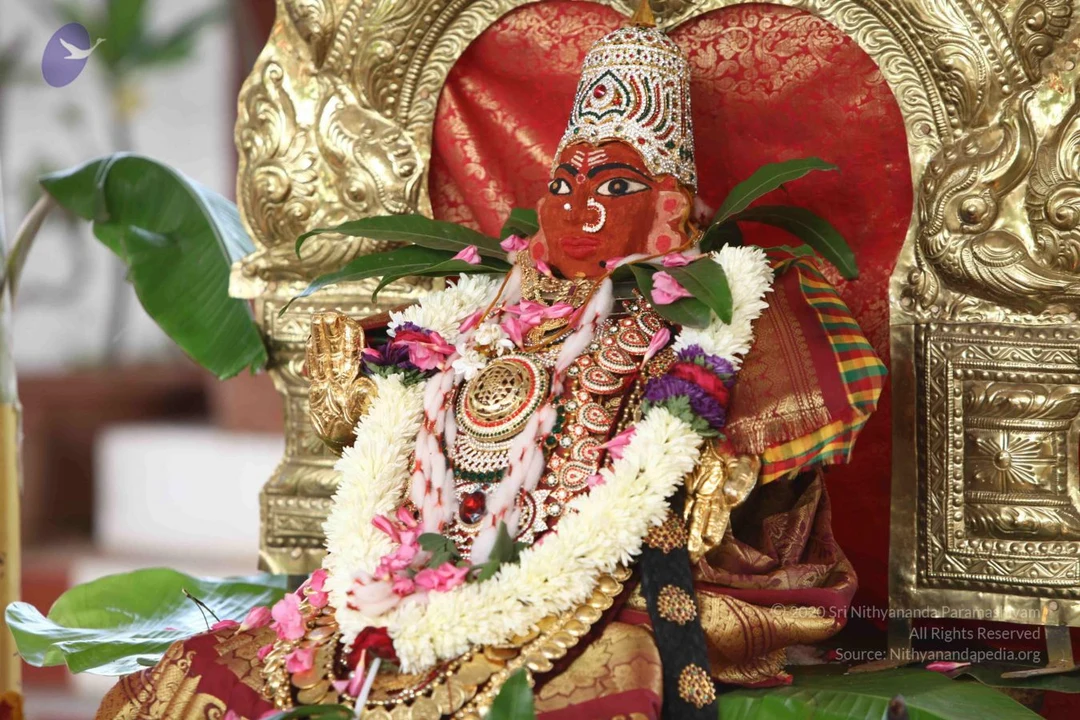
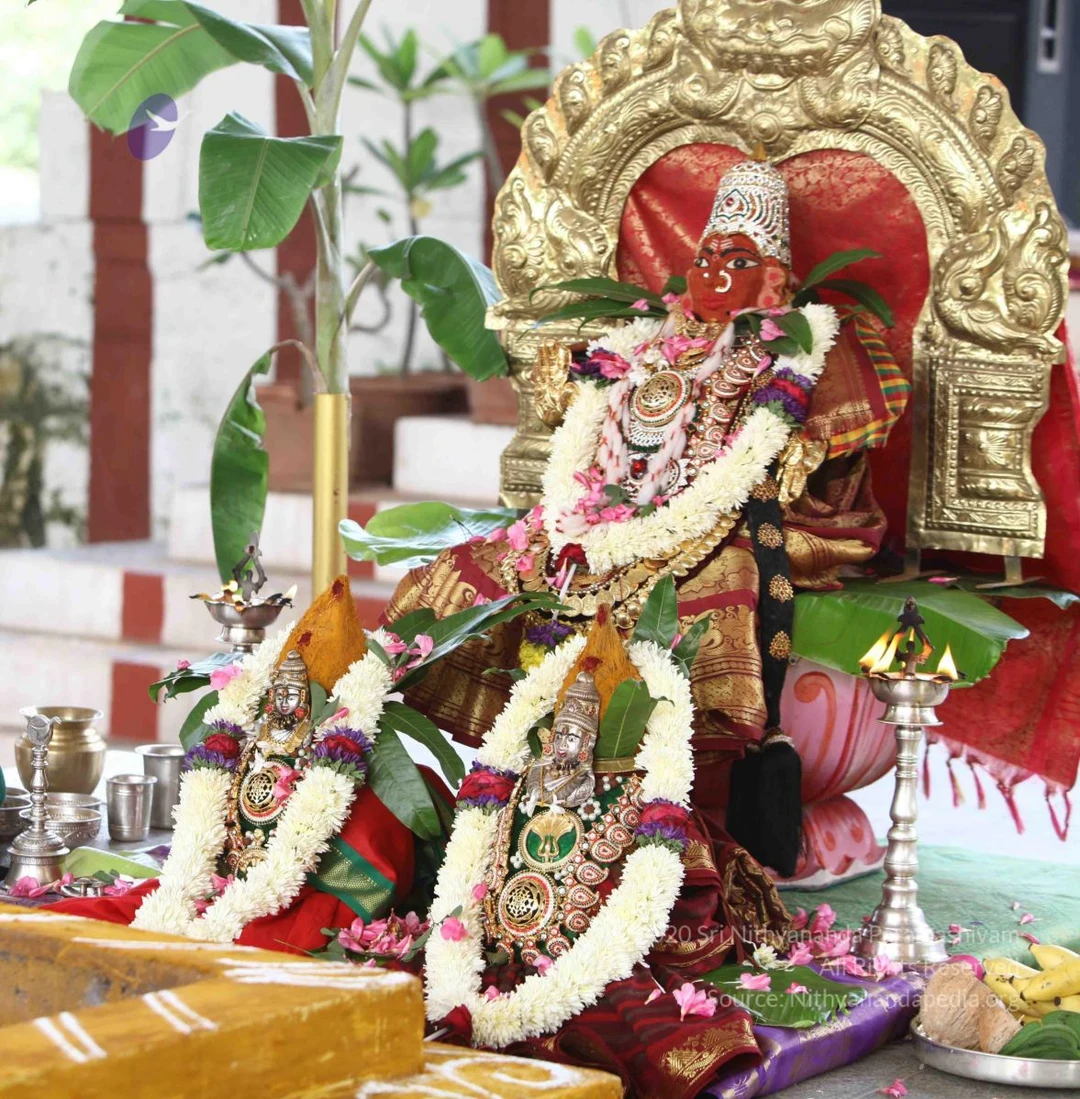
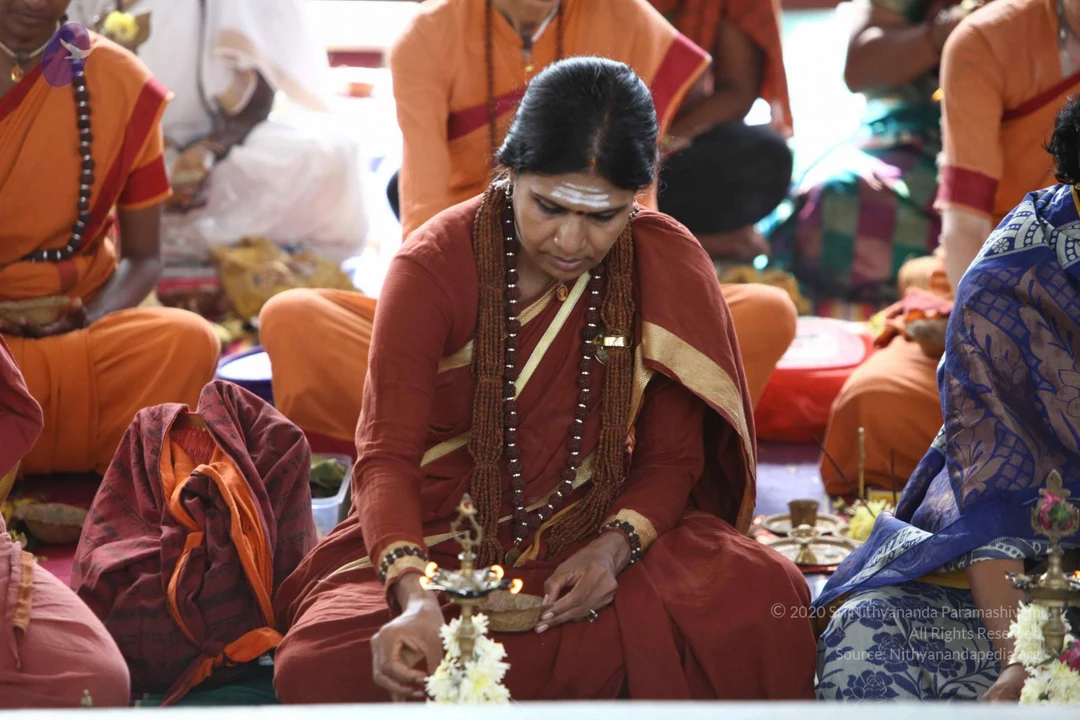
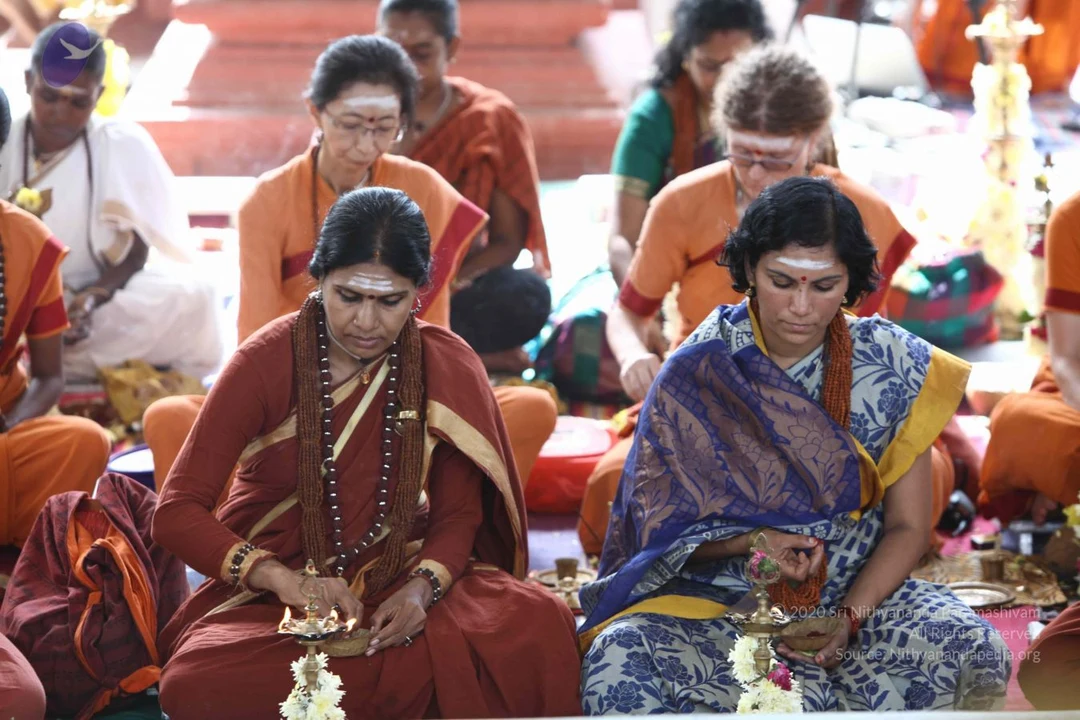
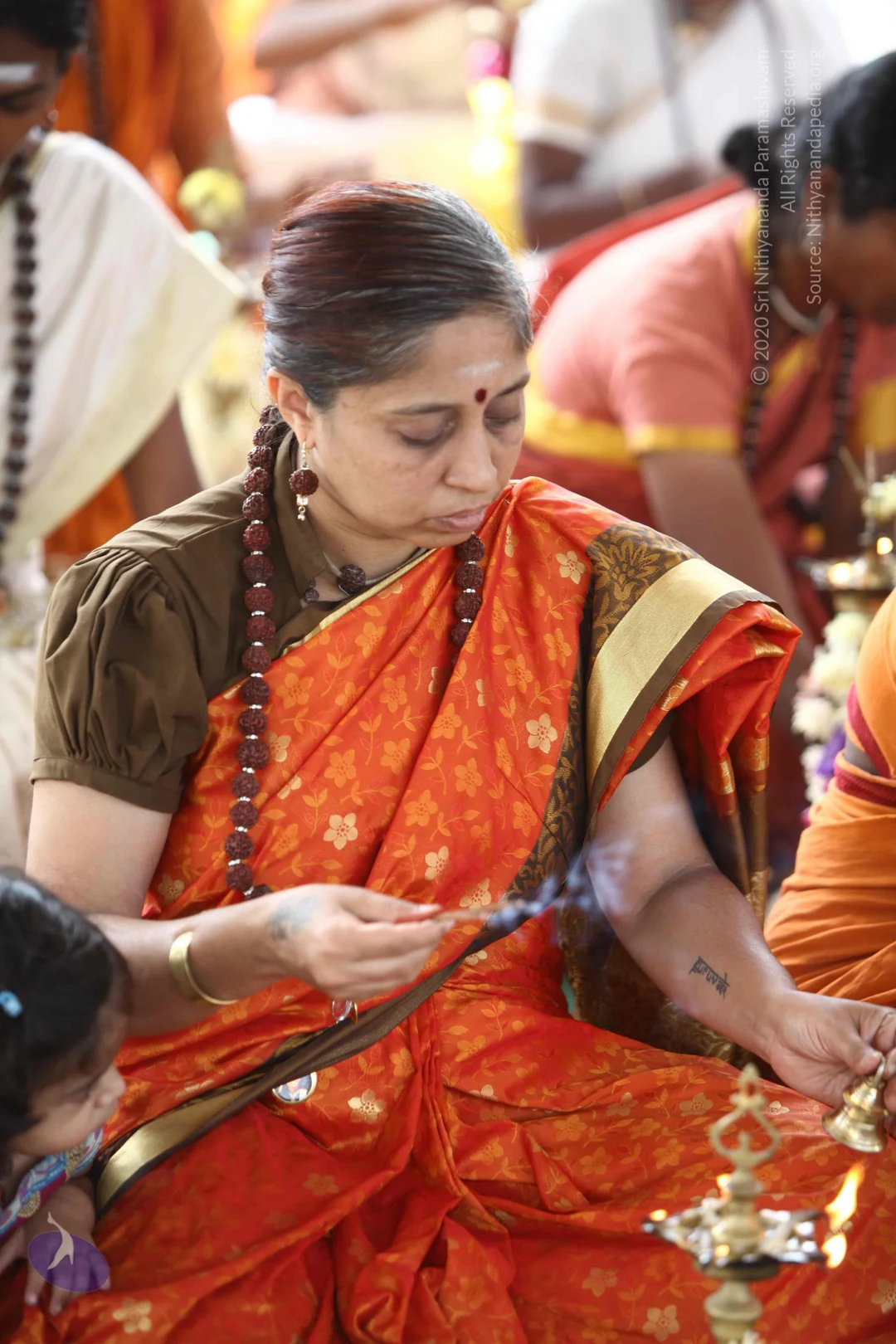
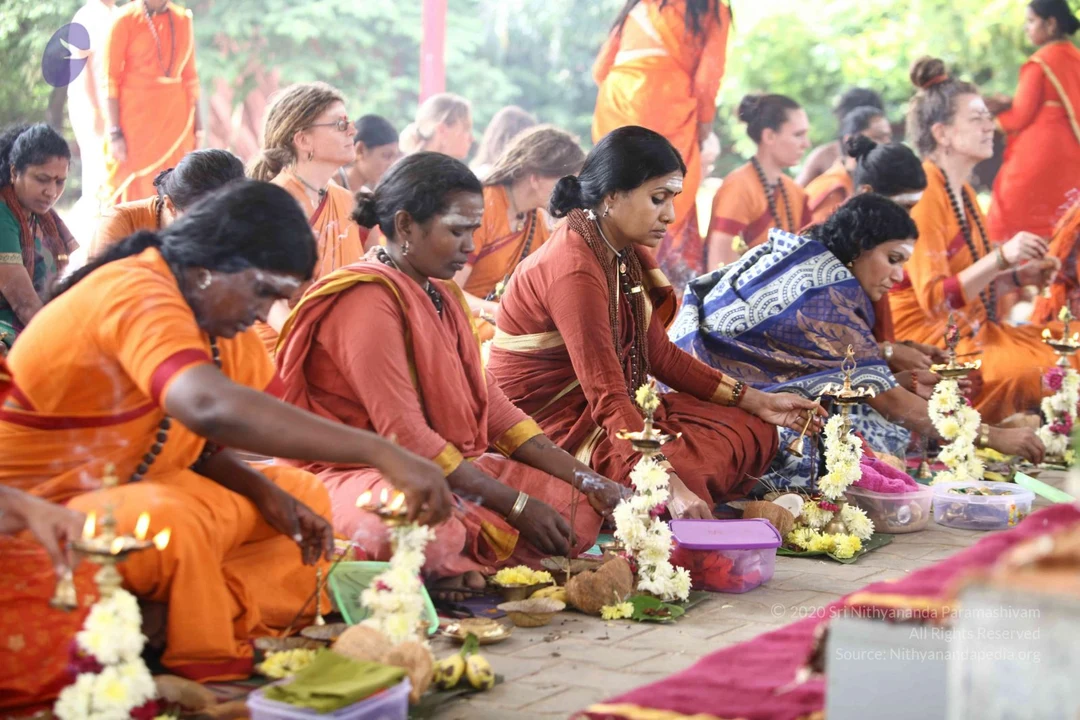
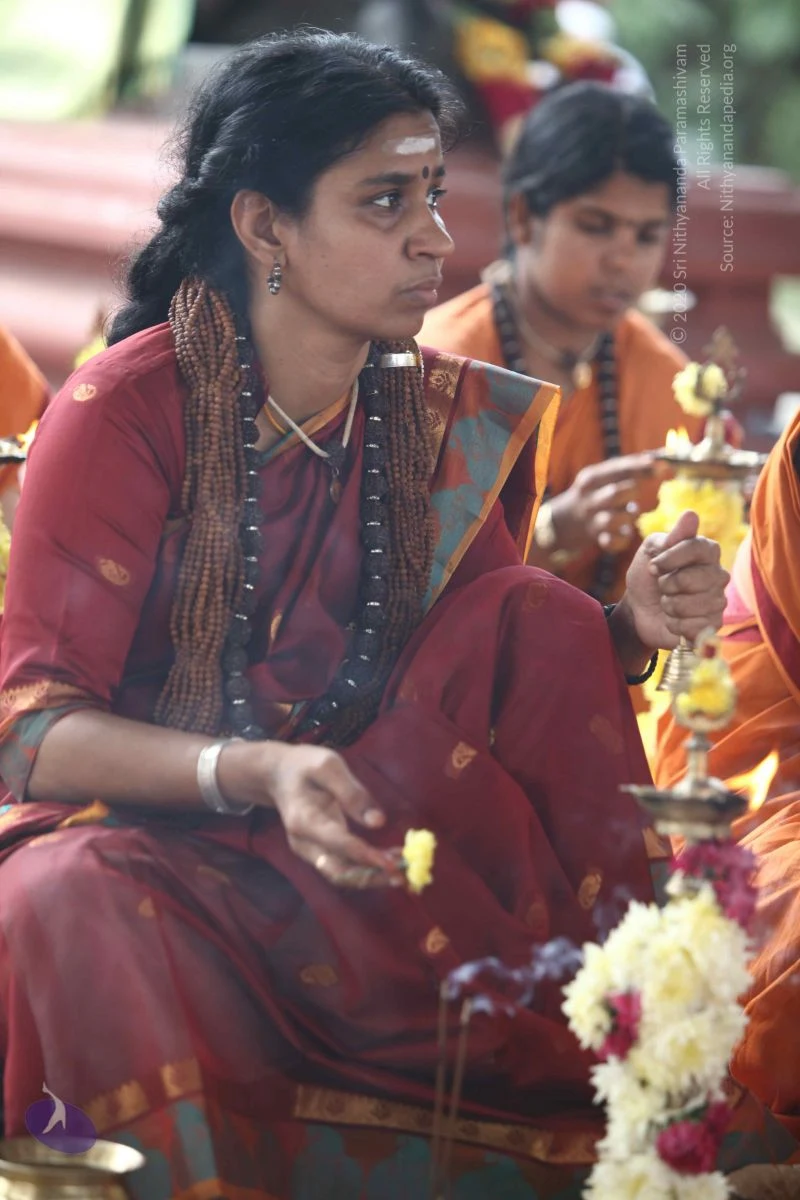
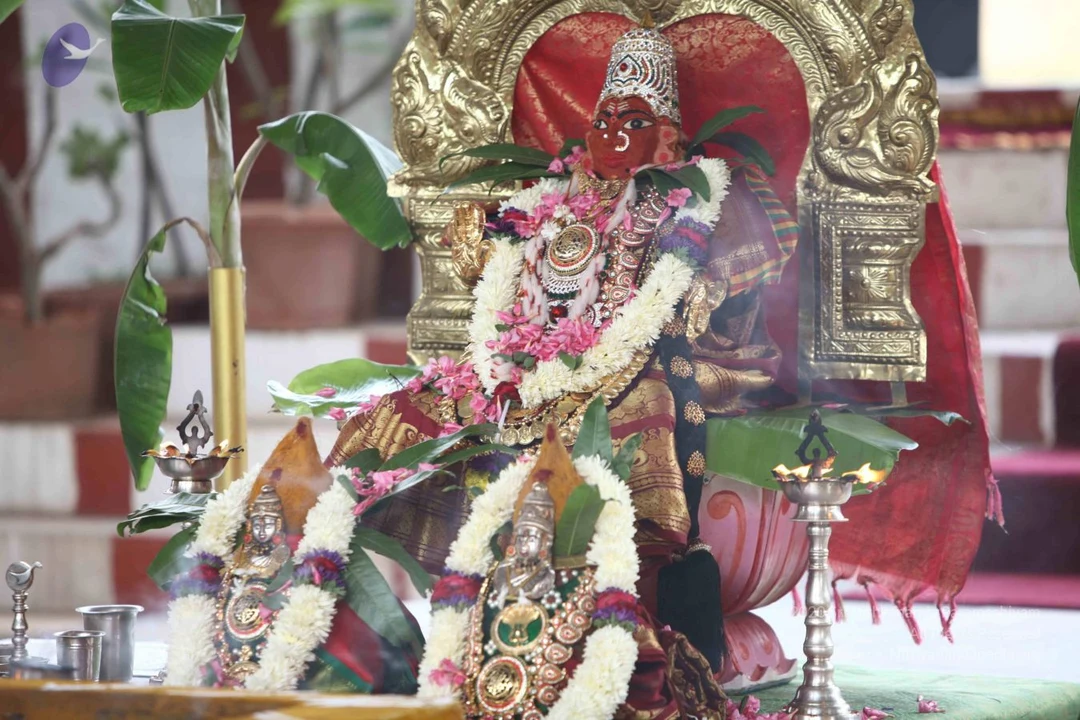
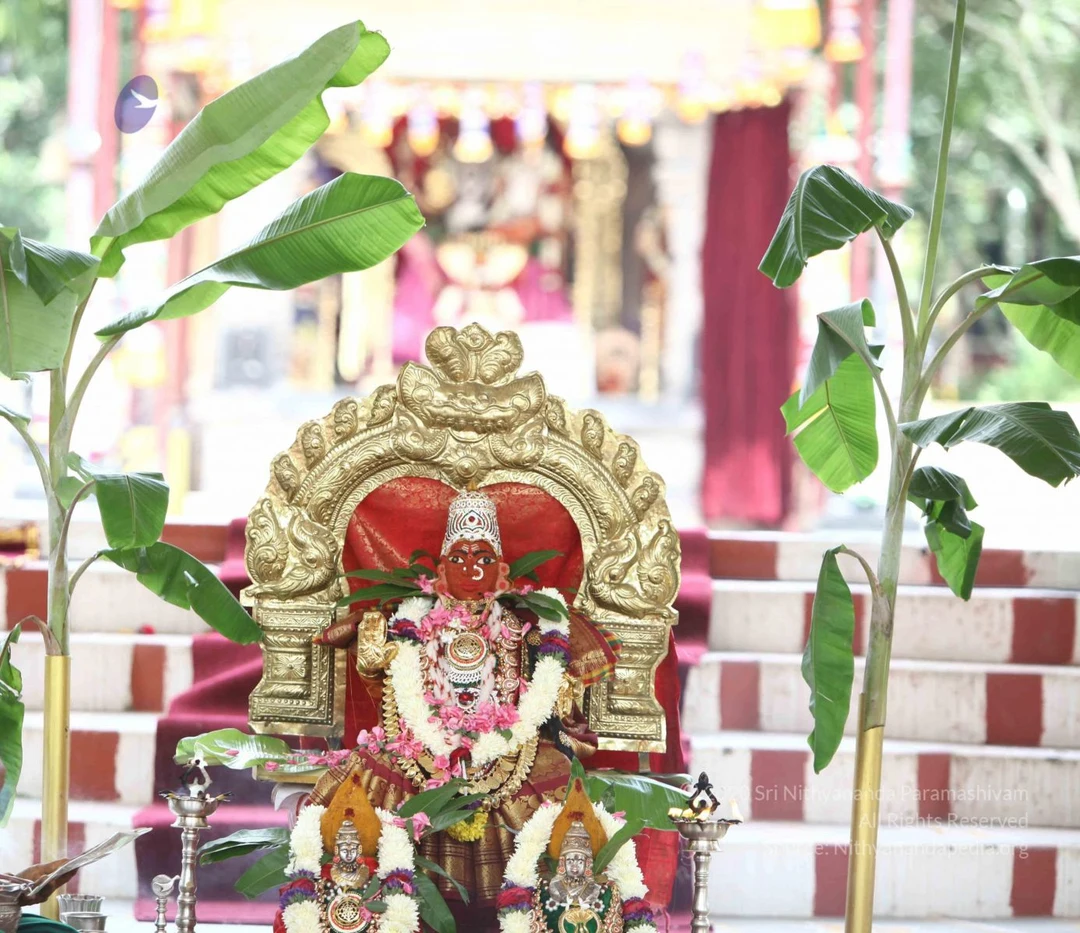
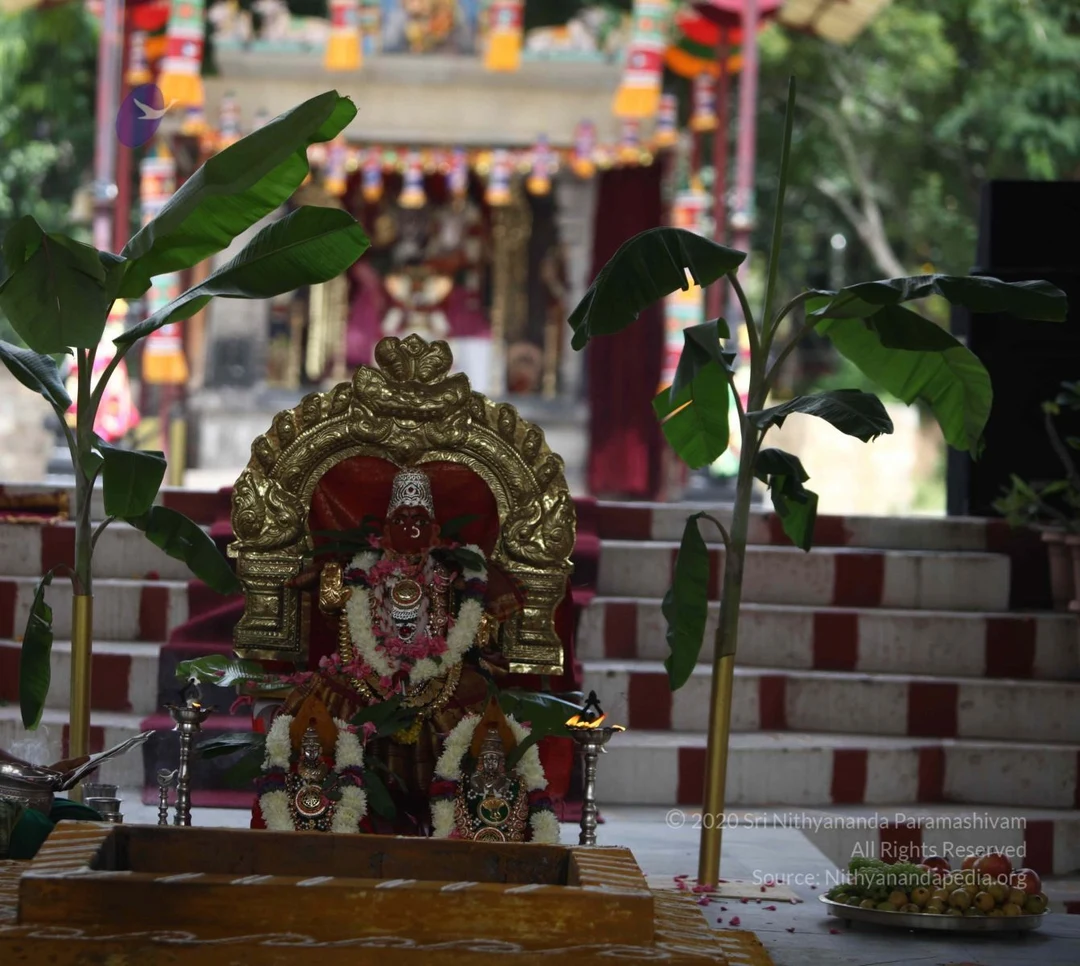
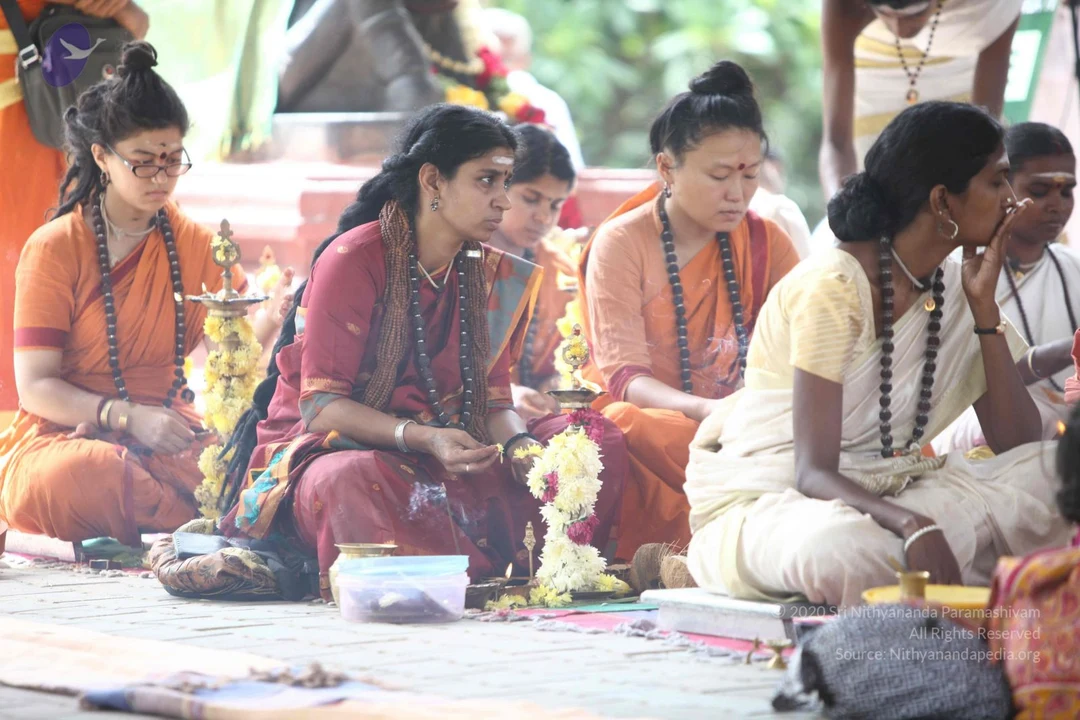
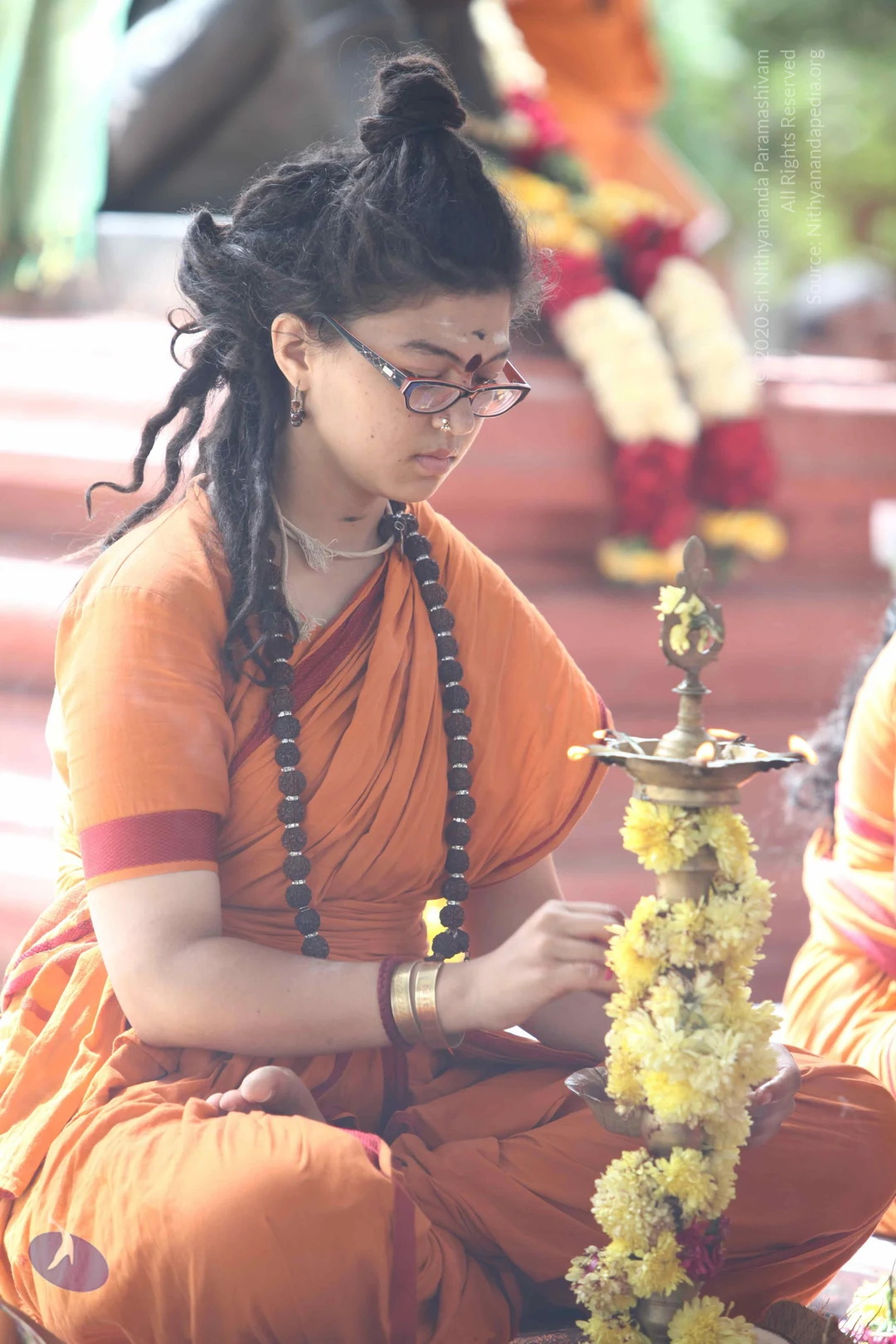
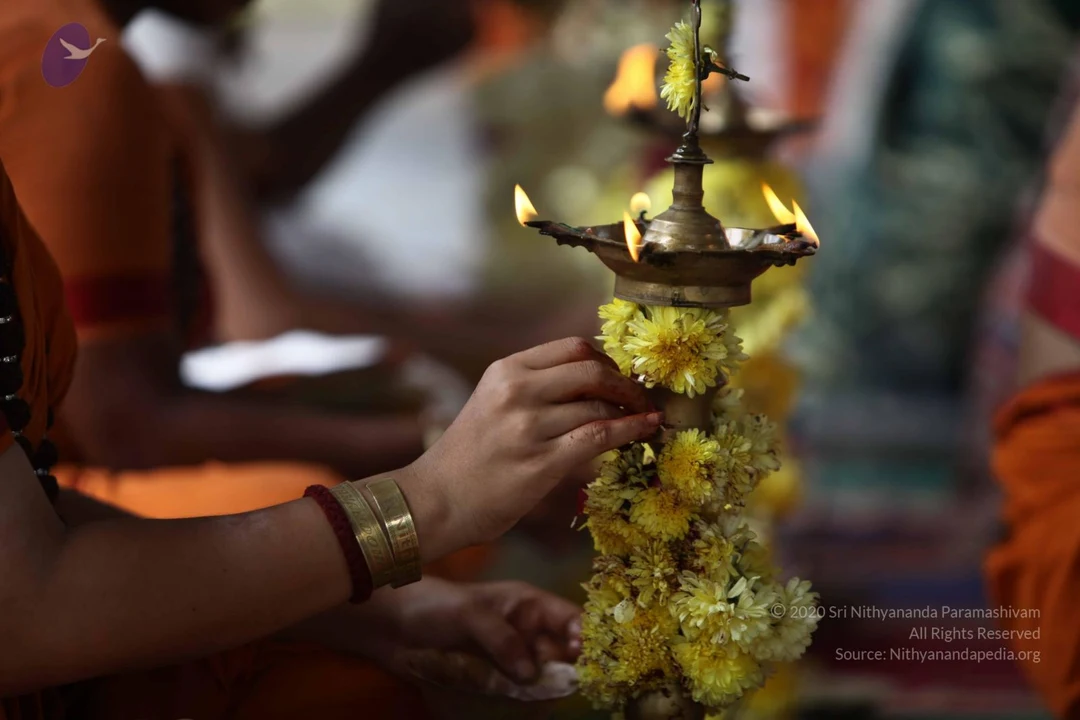
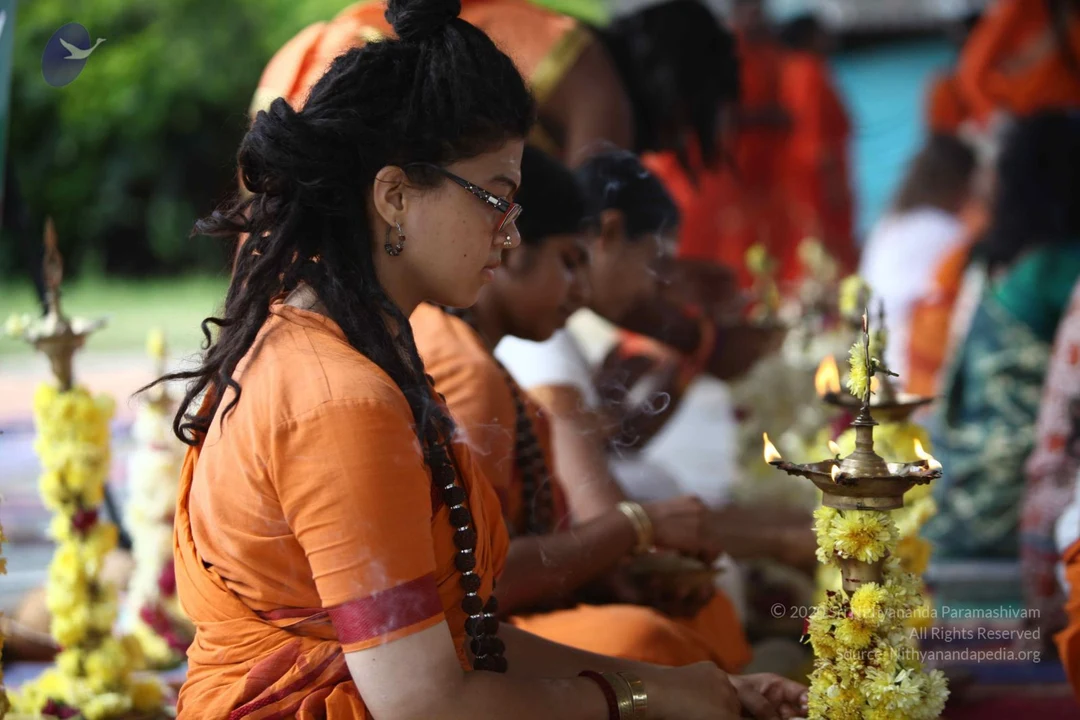
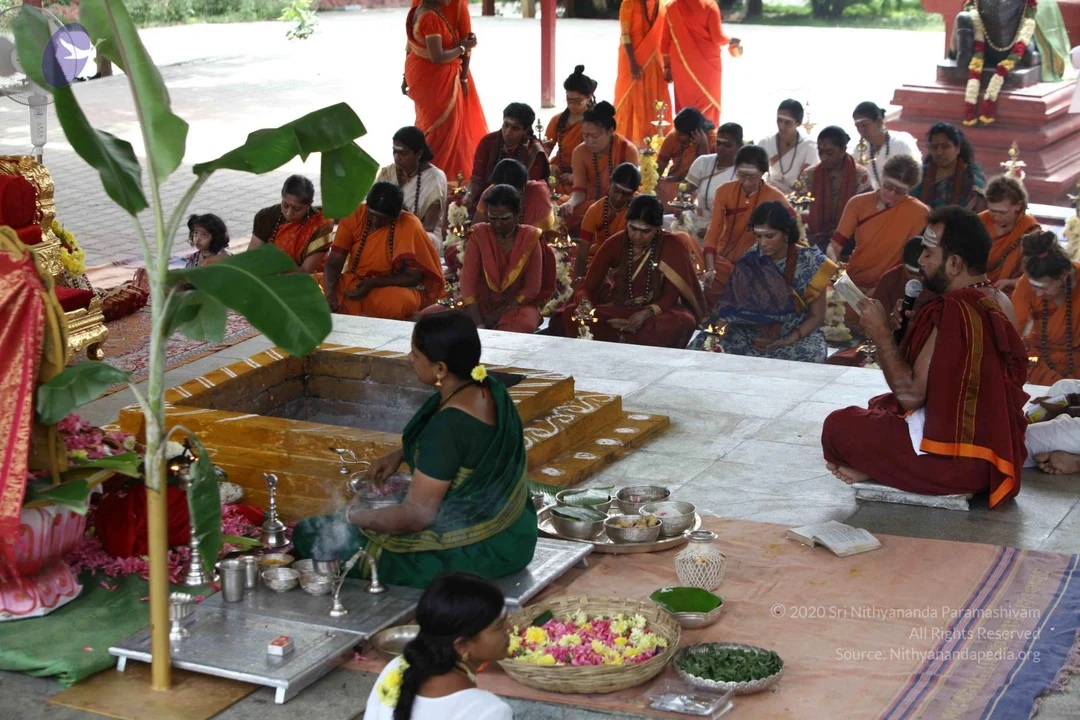
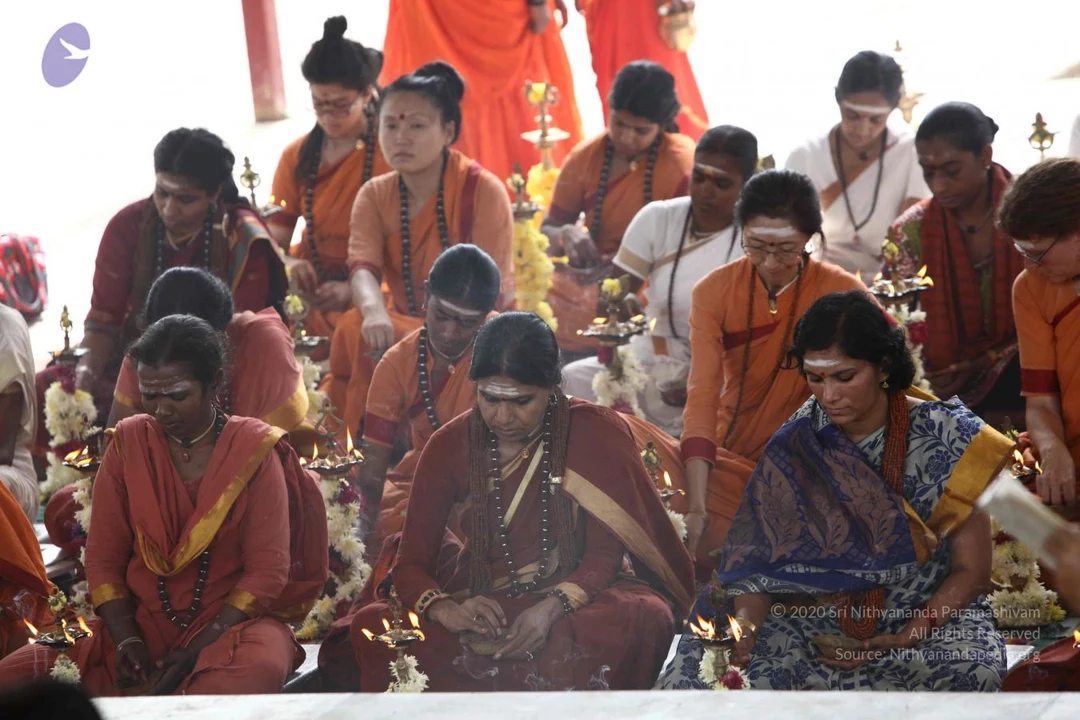
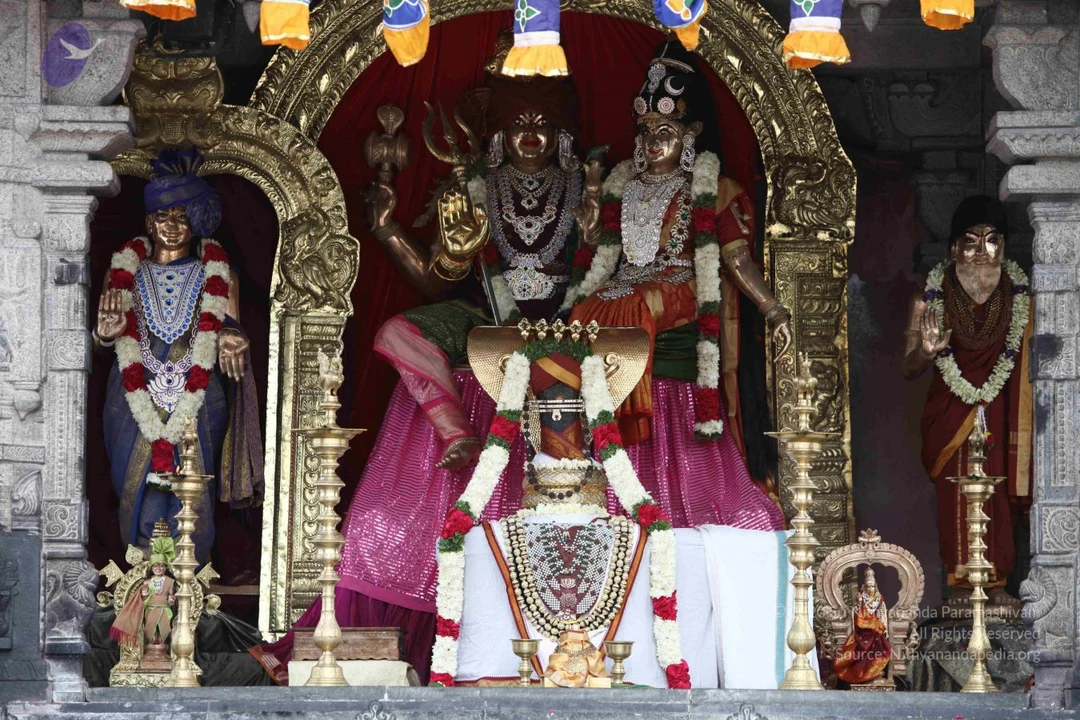
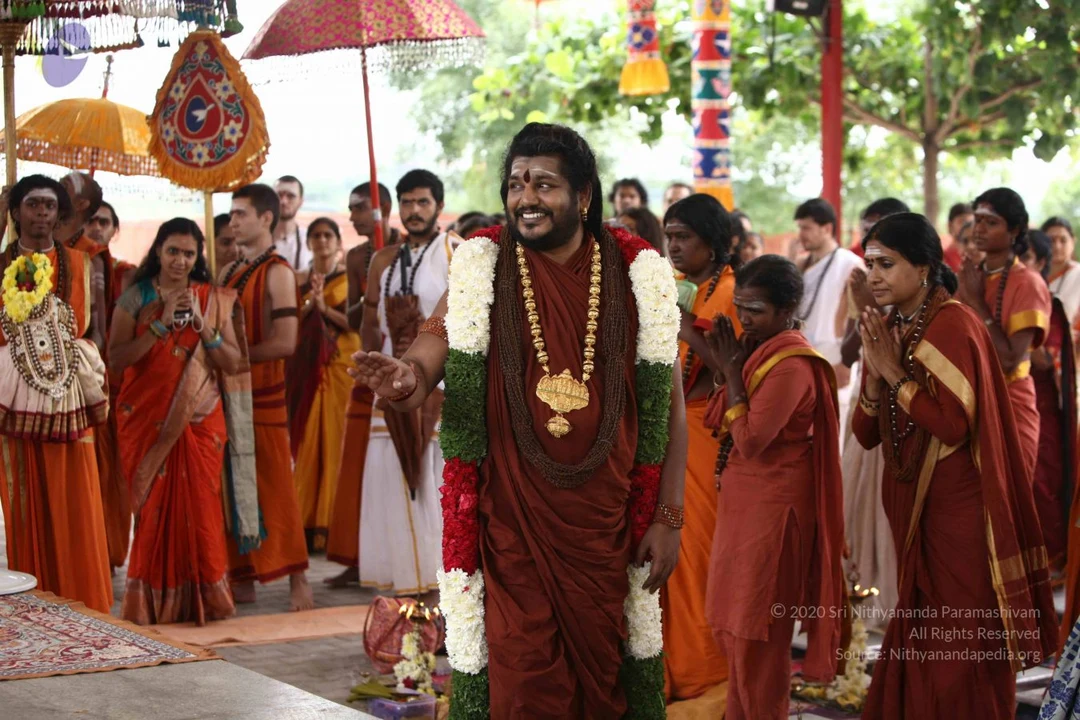
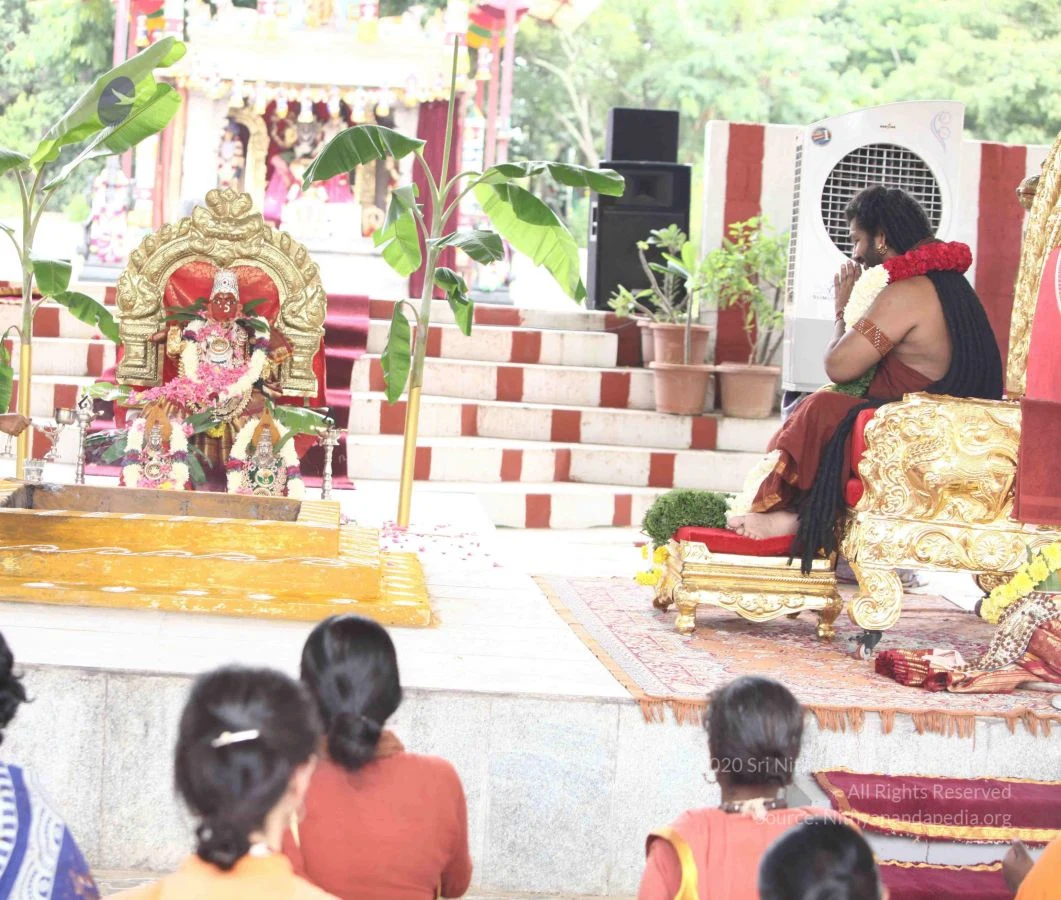
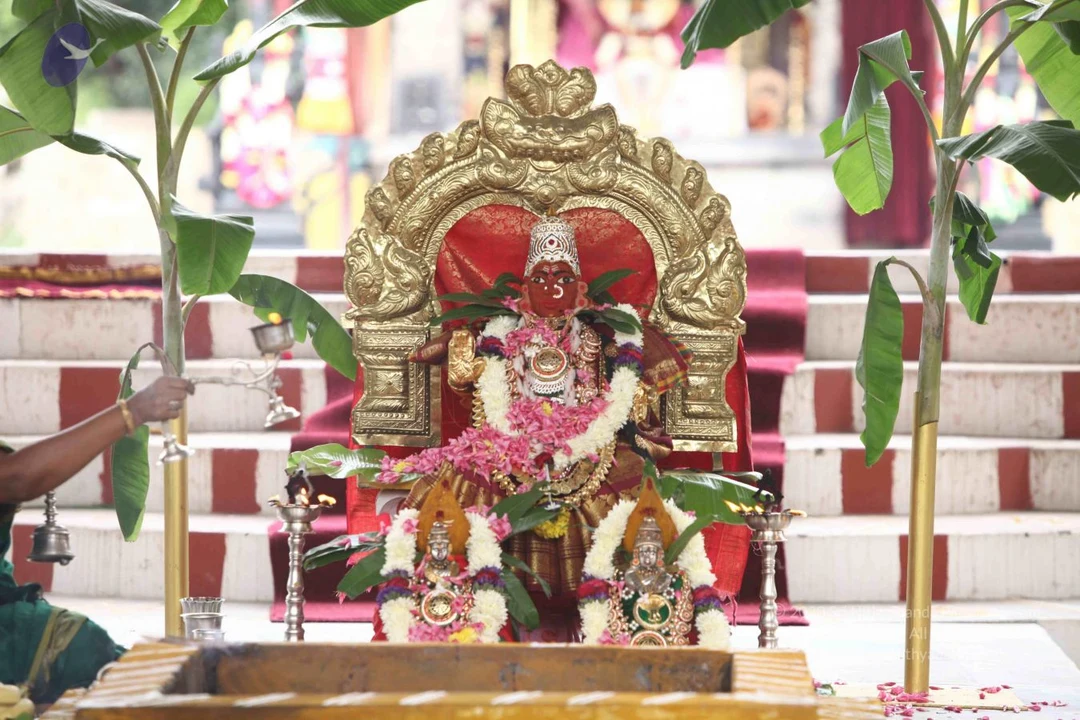
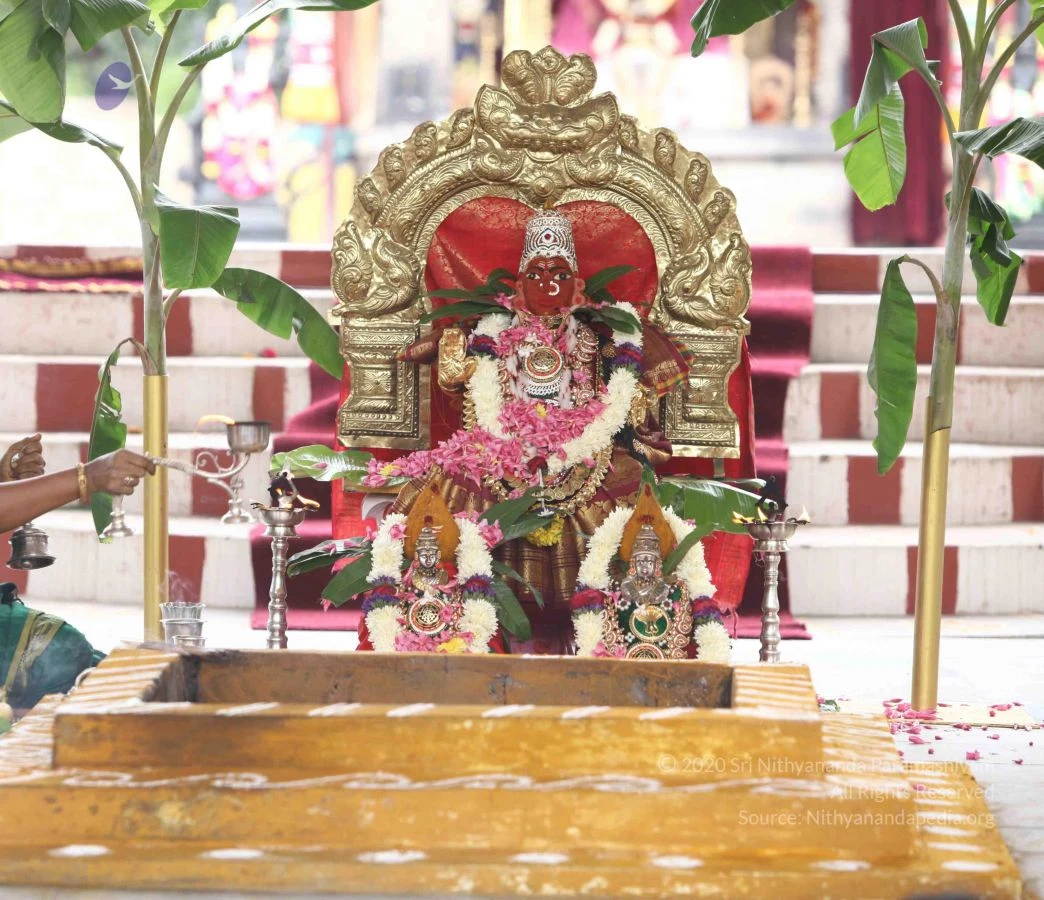
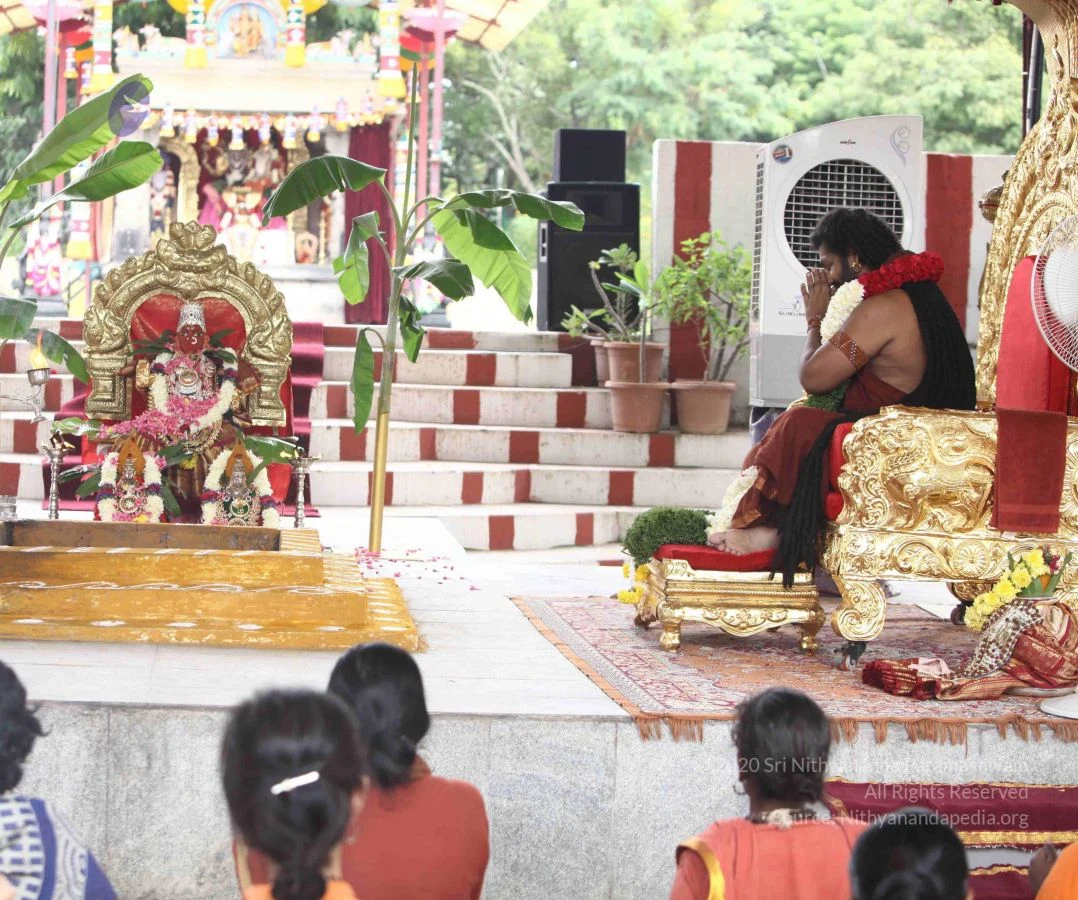
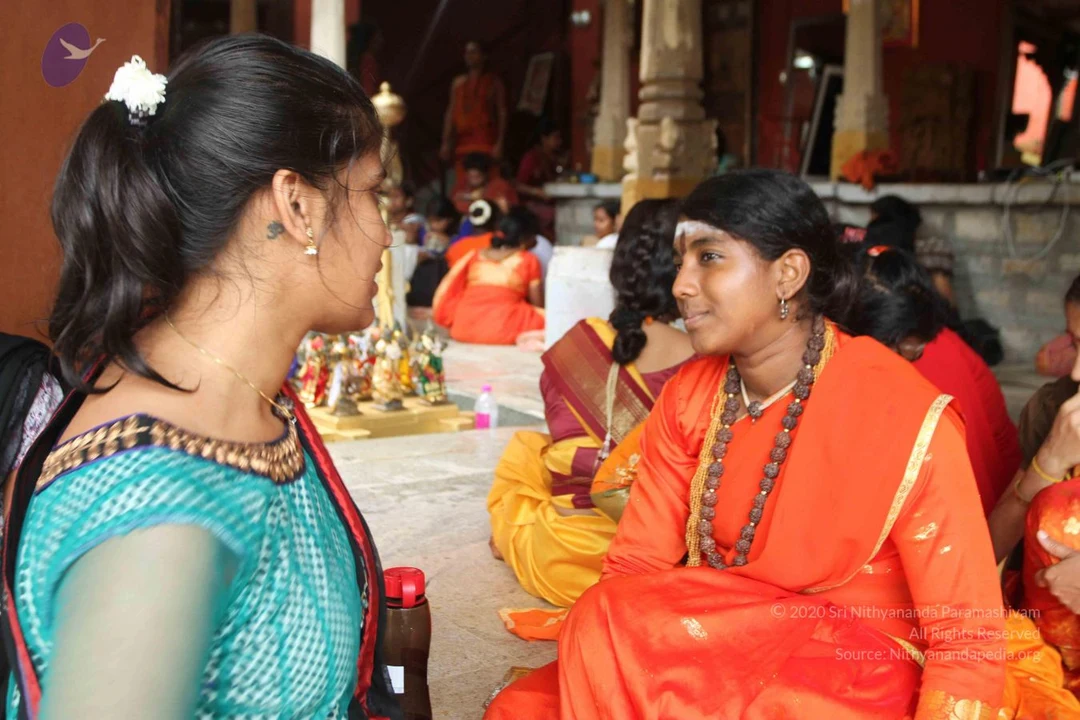
Varalakshmi Puja
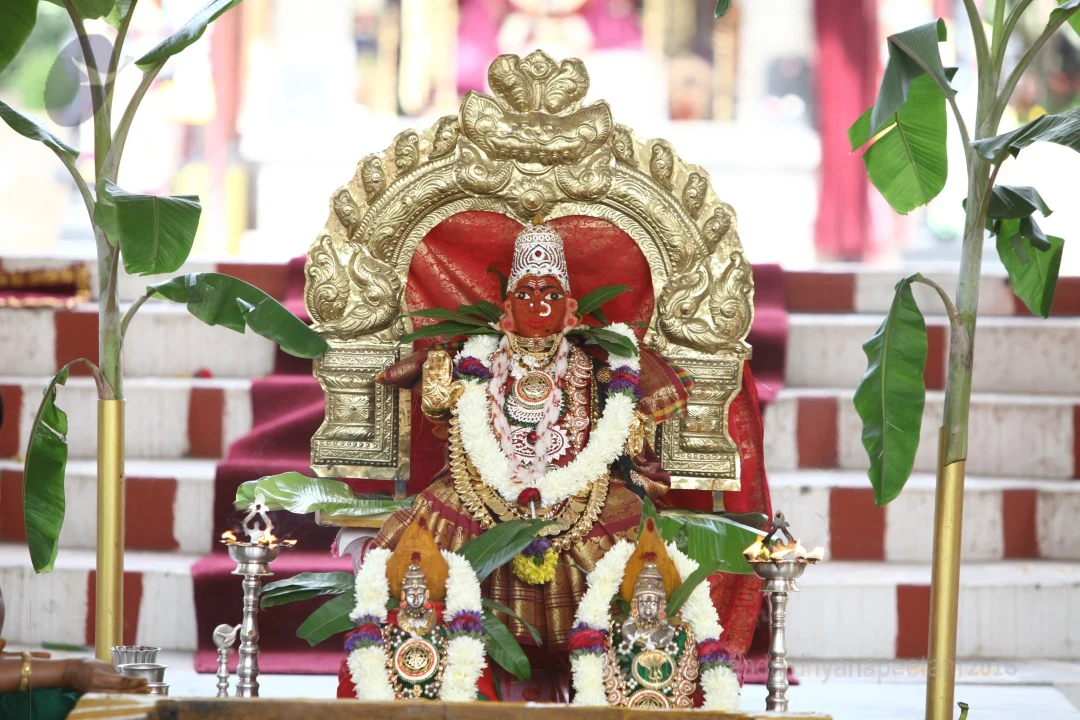
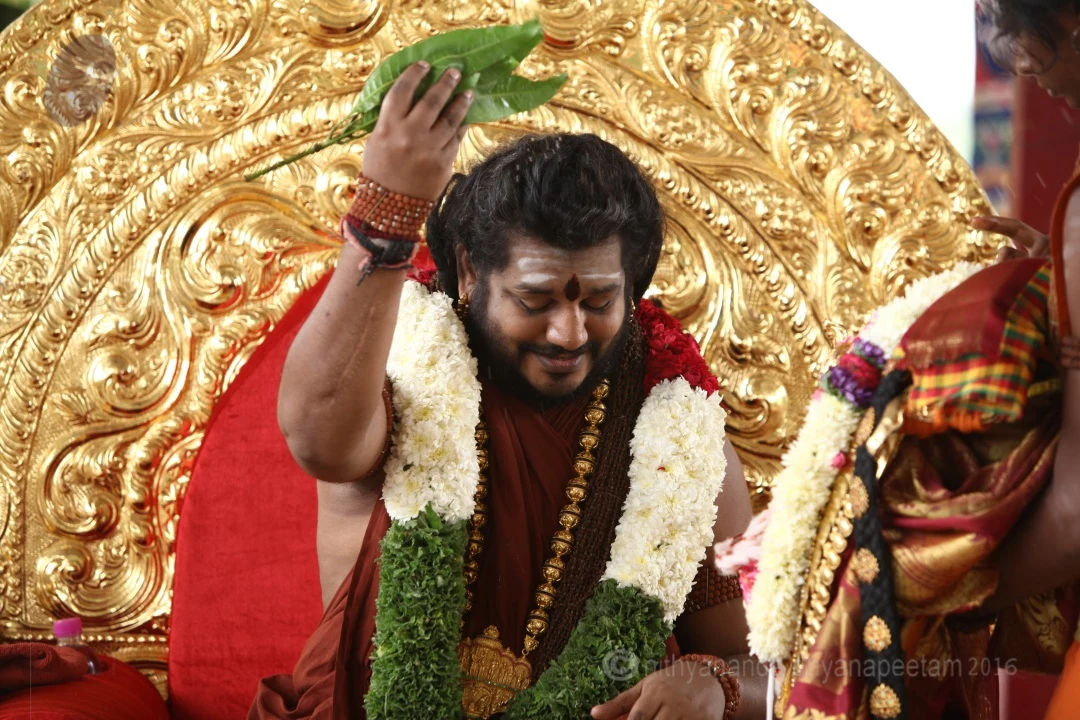
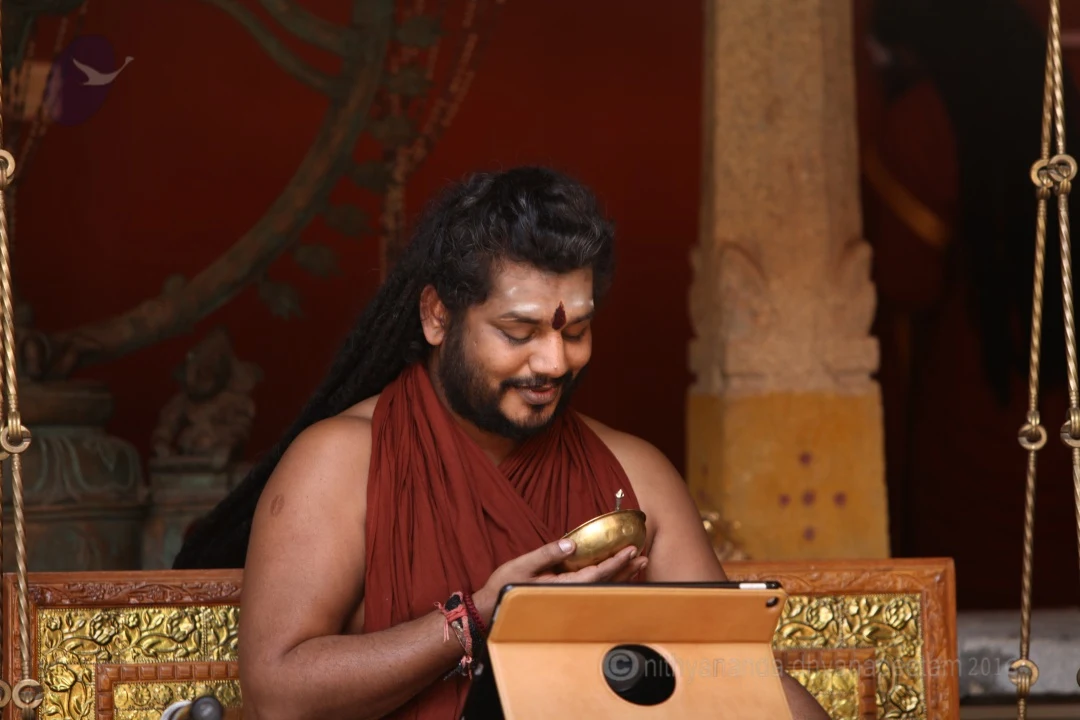
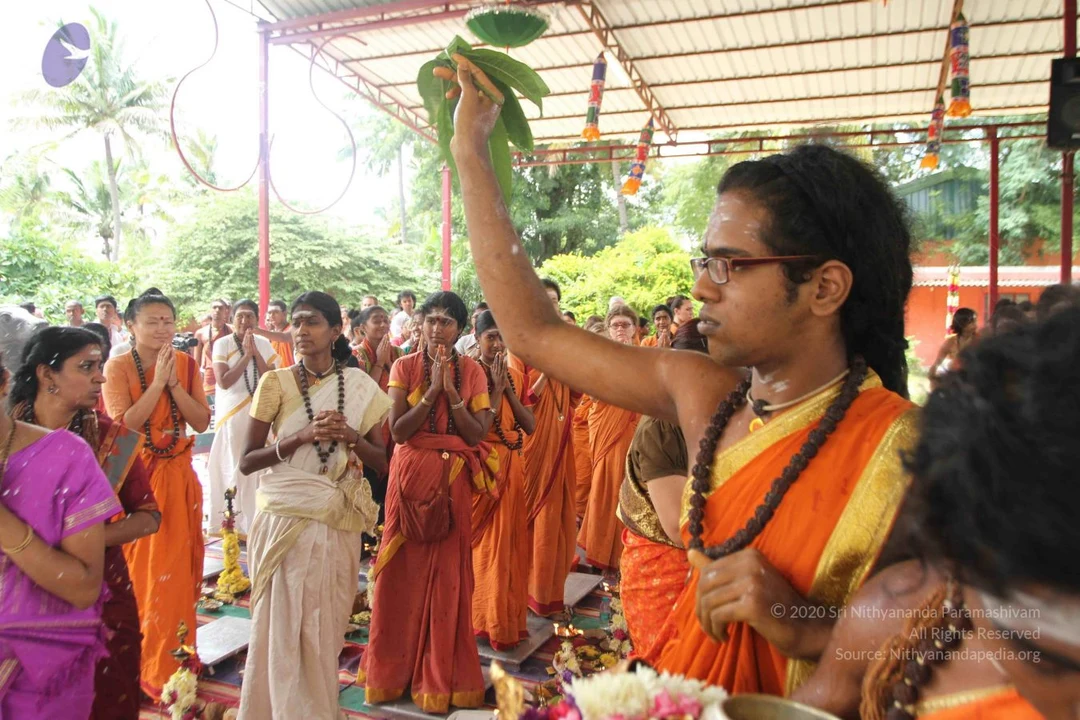
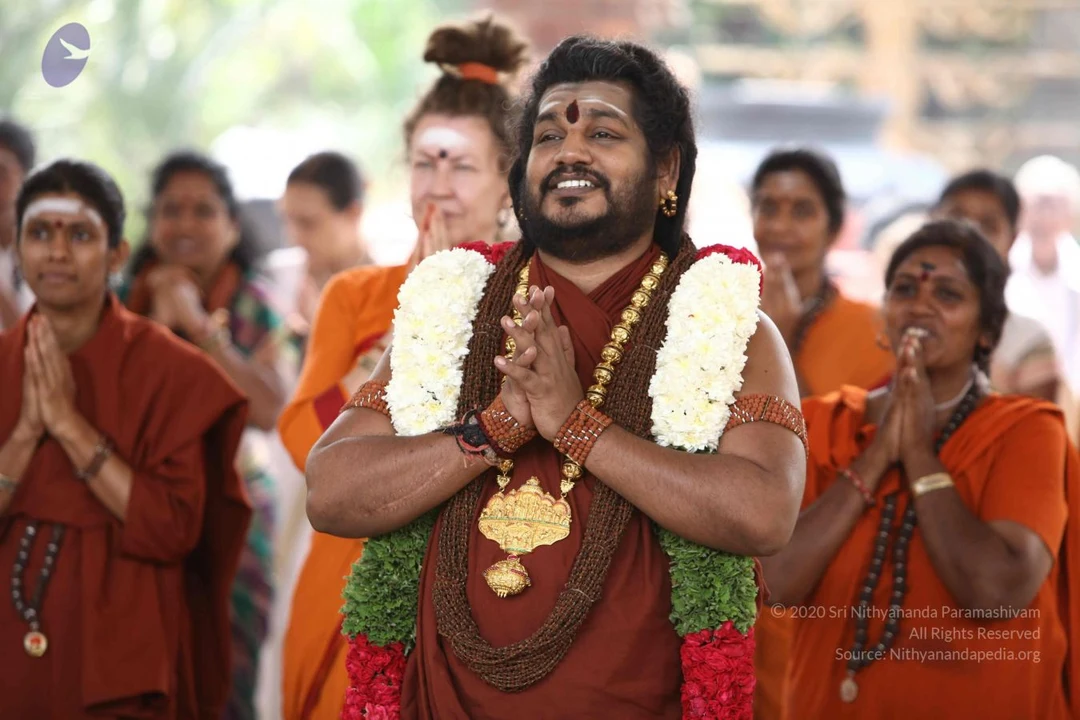
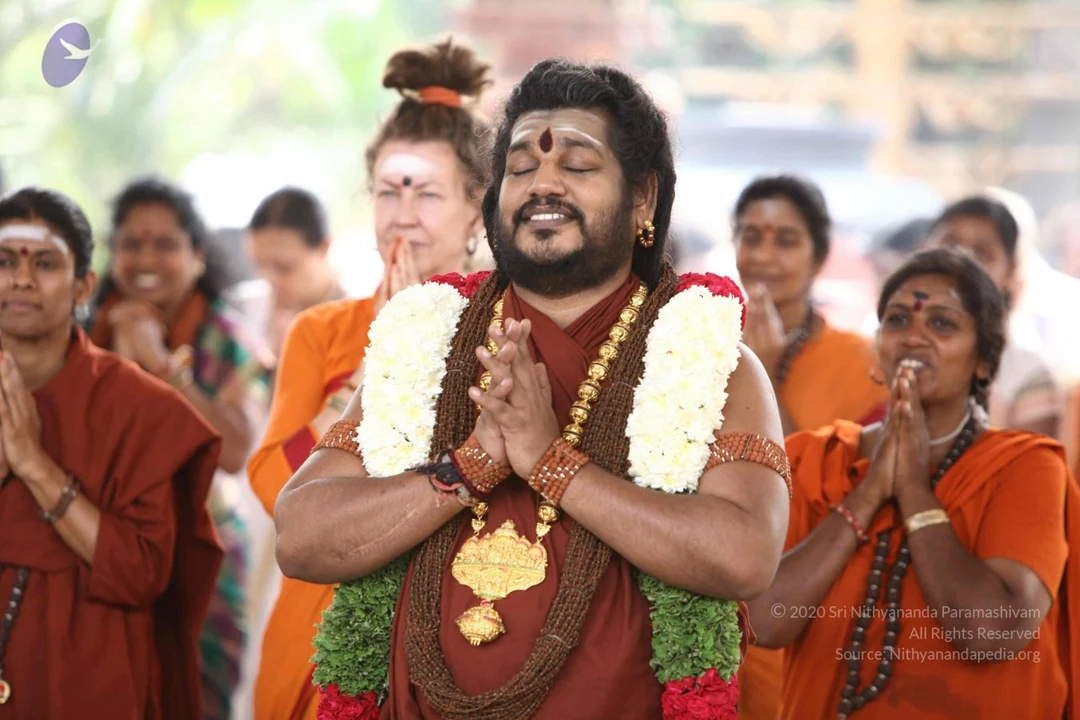
Initiation
Tamil Satsang
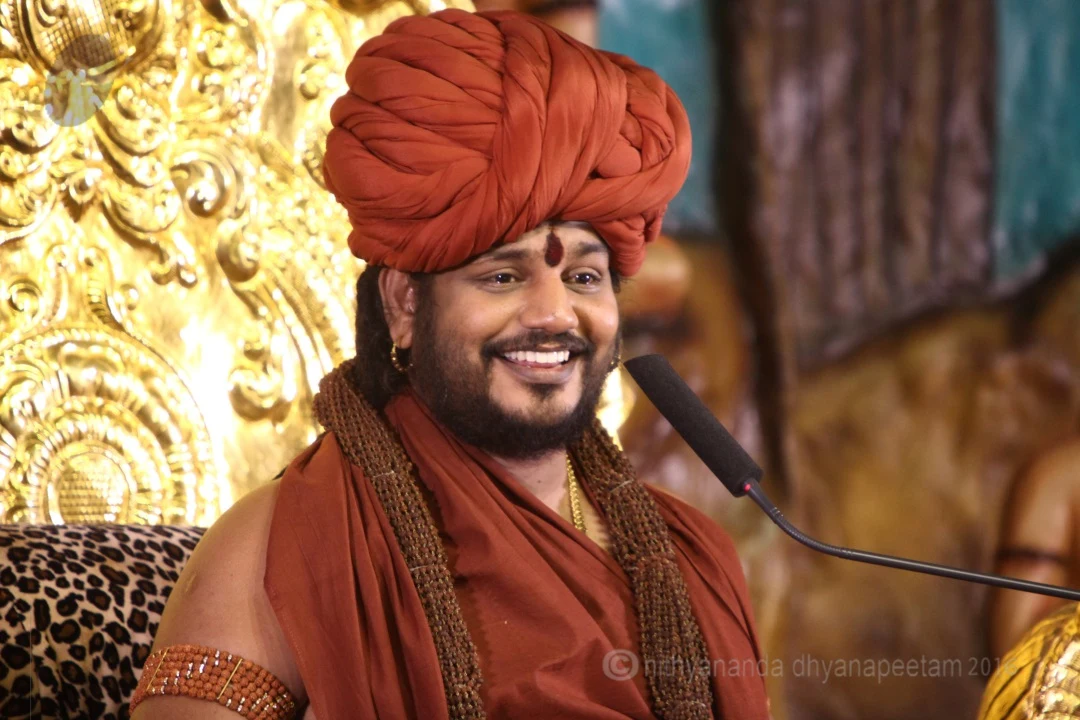
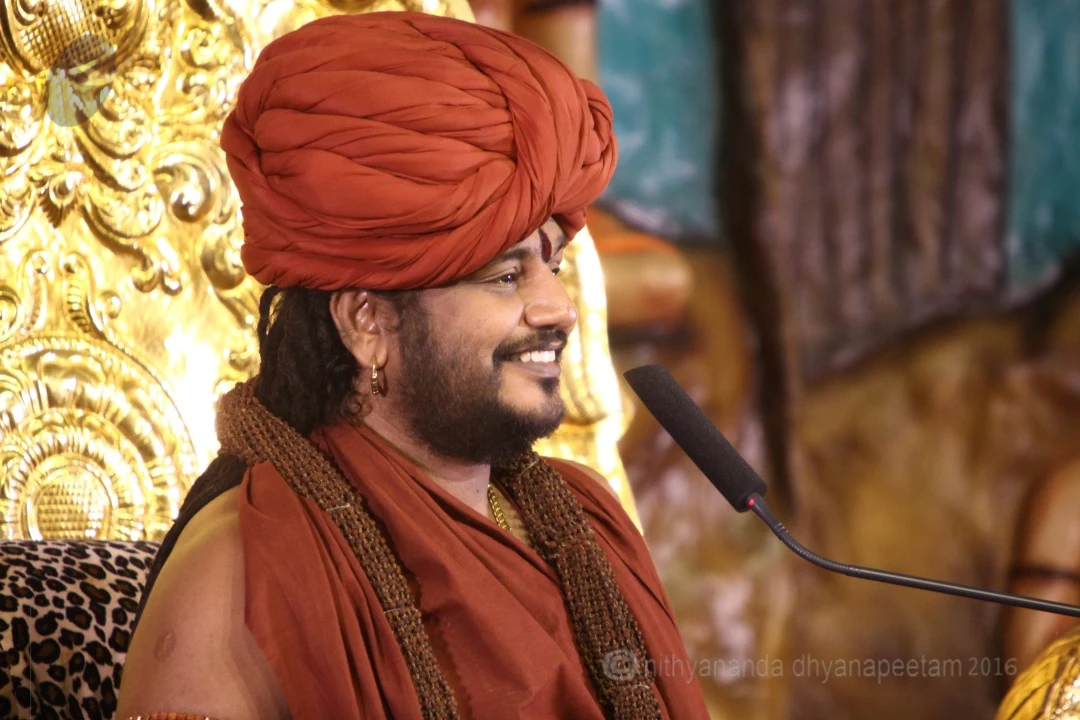
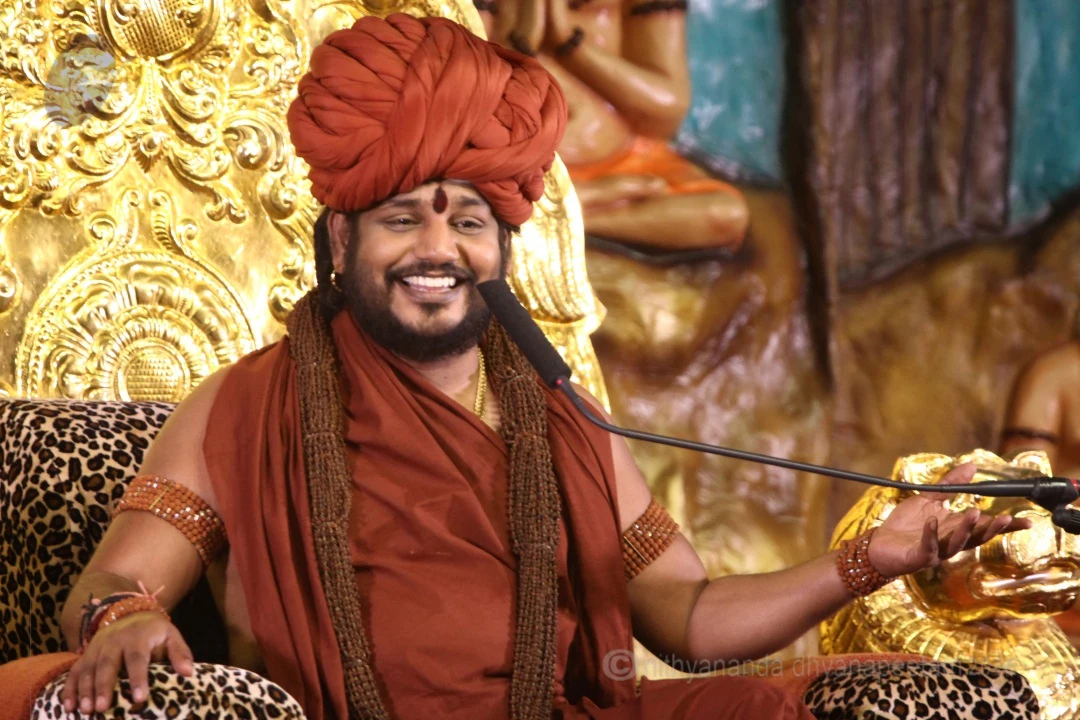
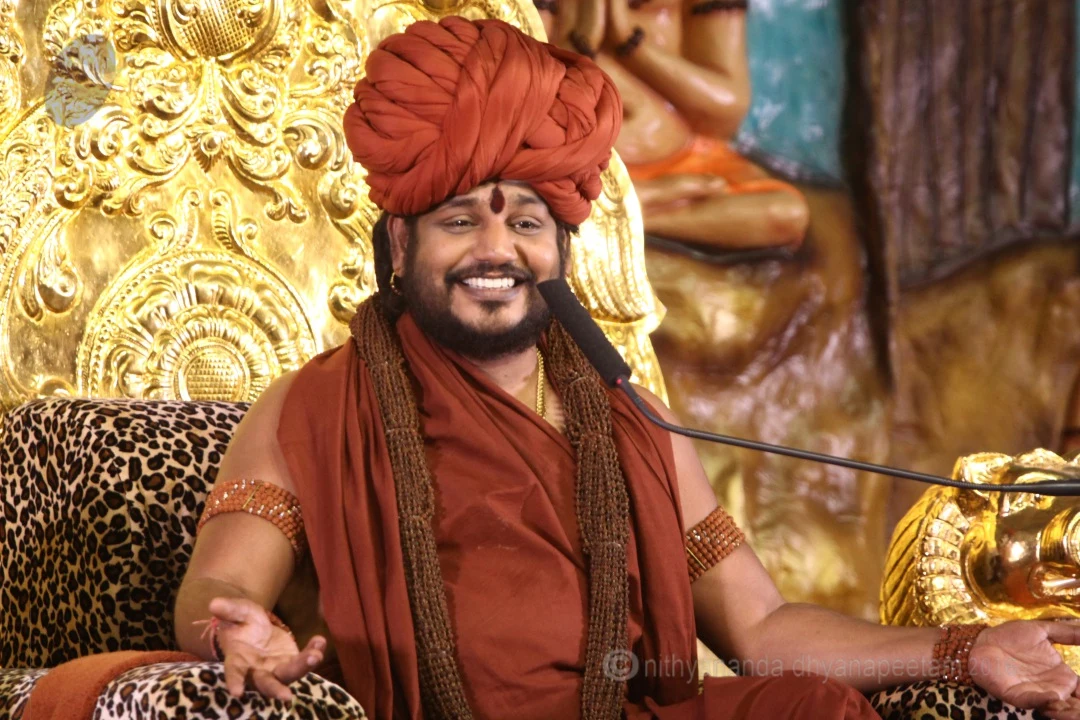
Sakshi Pramana:
Sharing from Nithyananda yoga
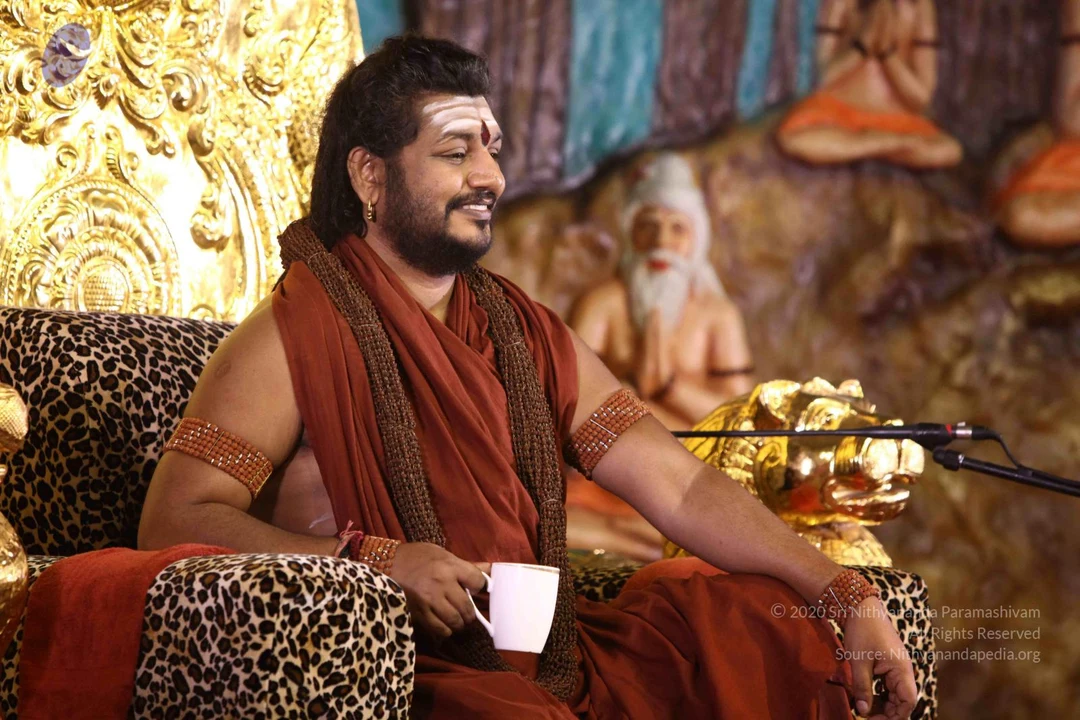
Photos Of The Day:
nithya satsang
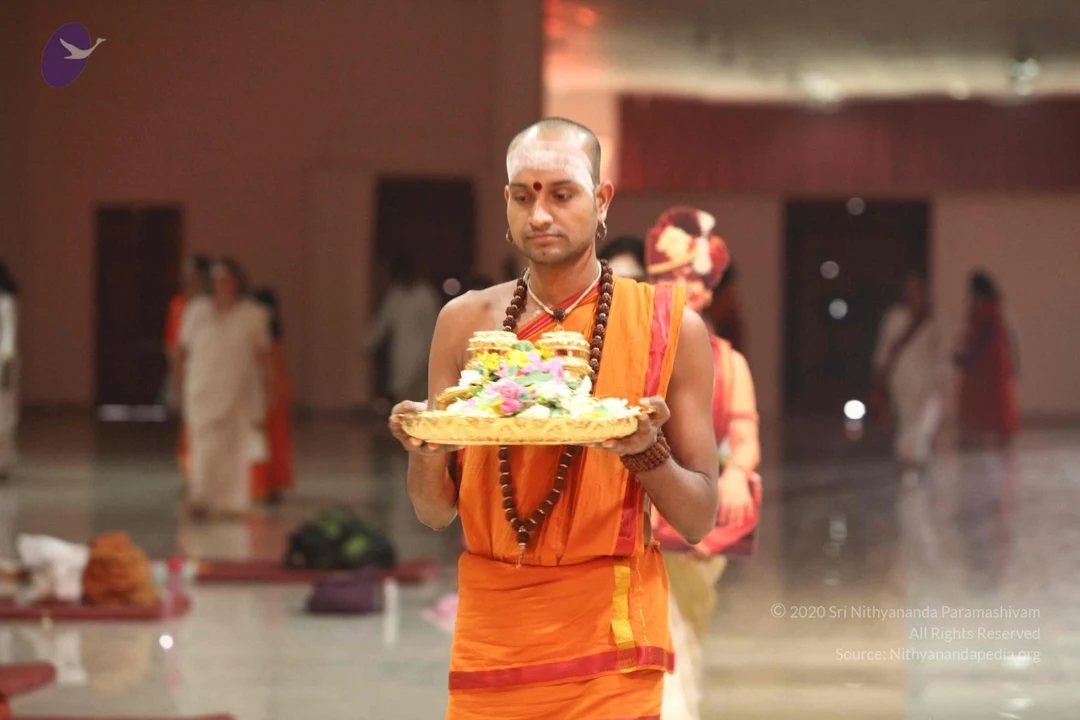
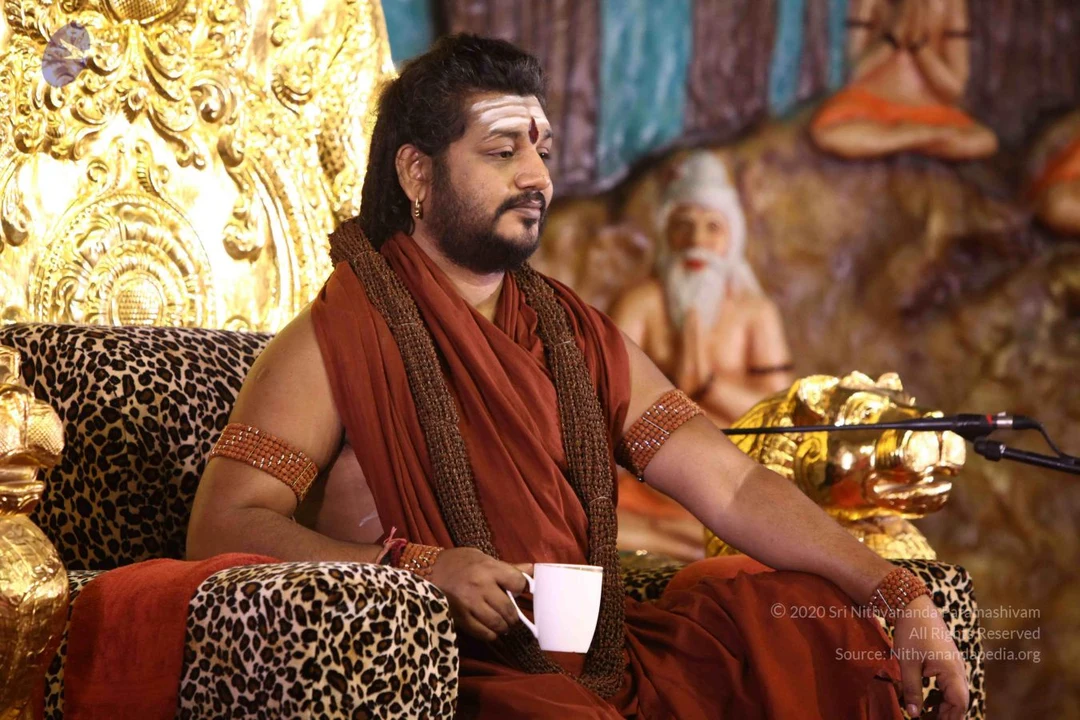
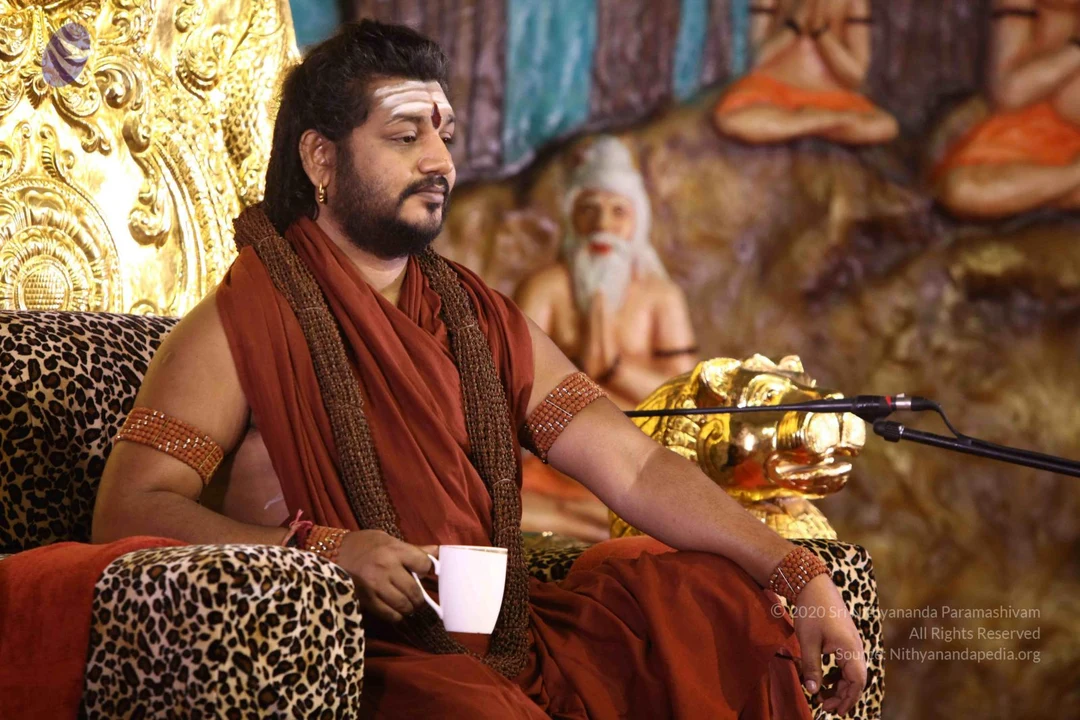
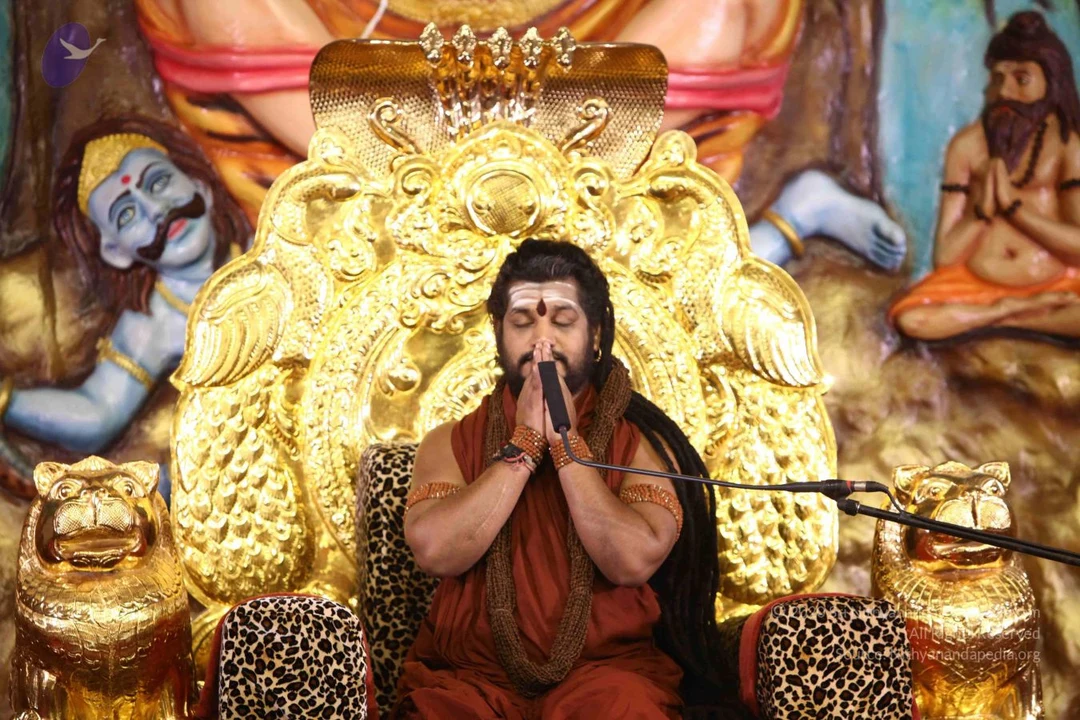

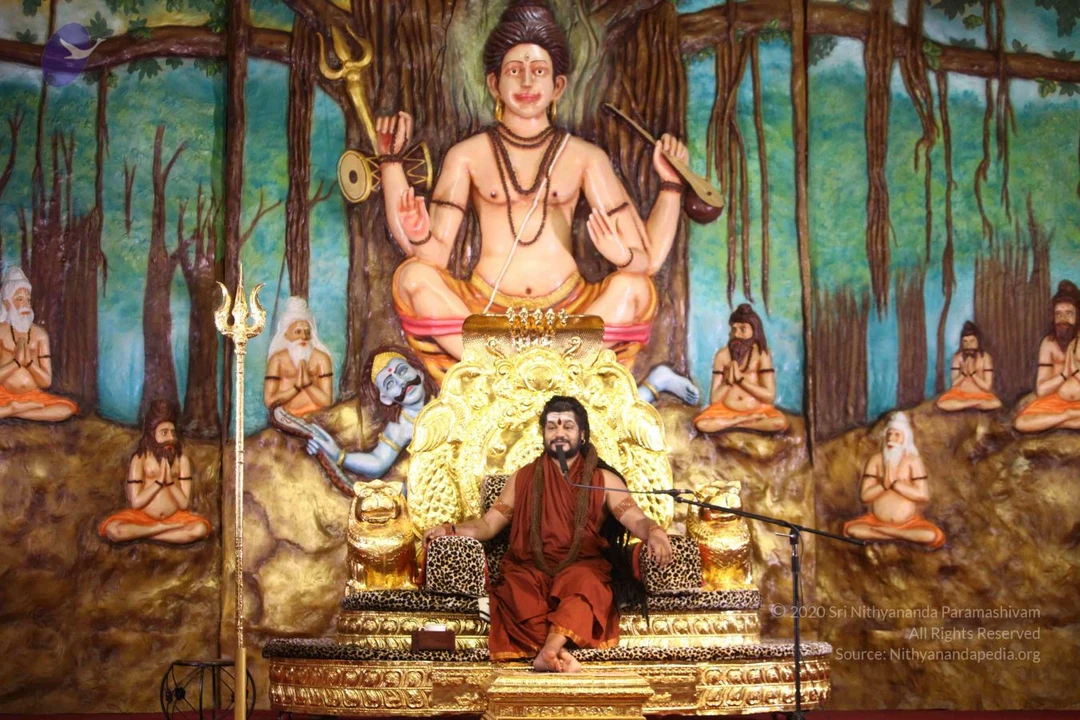
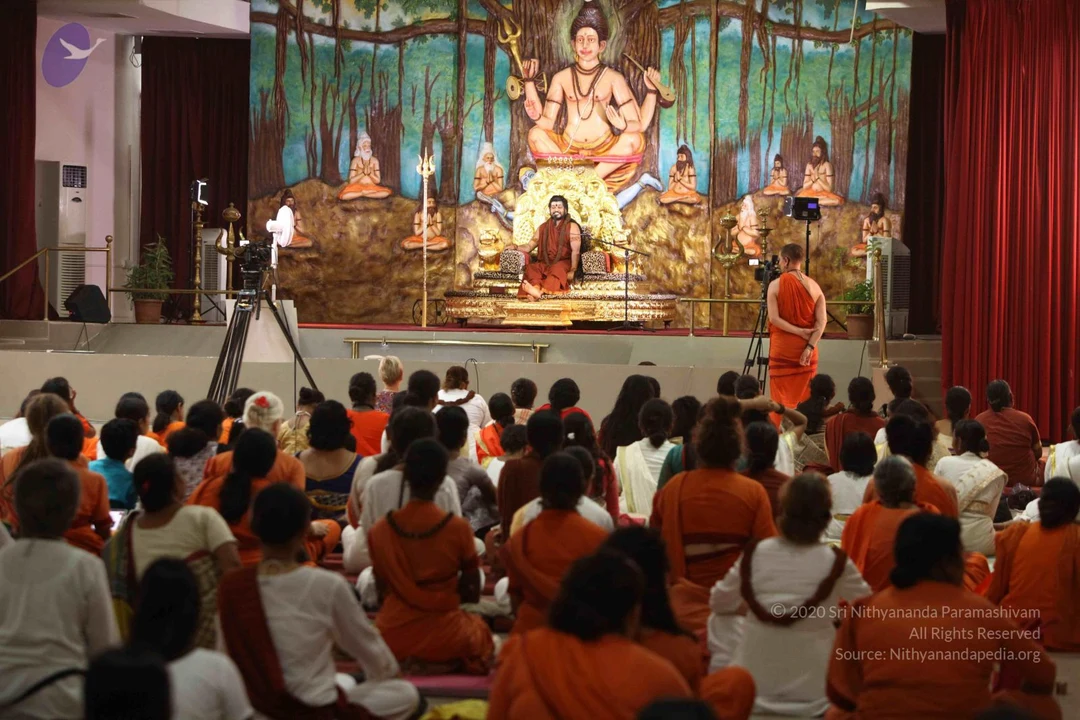
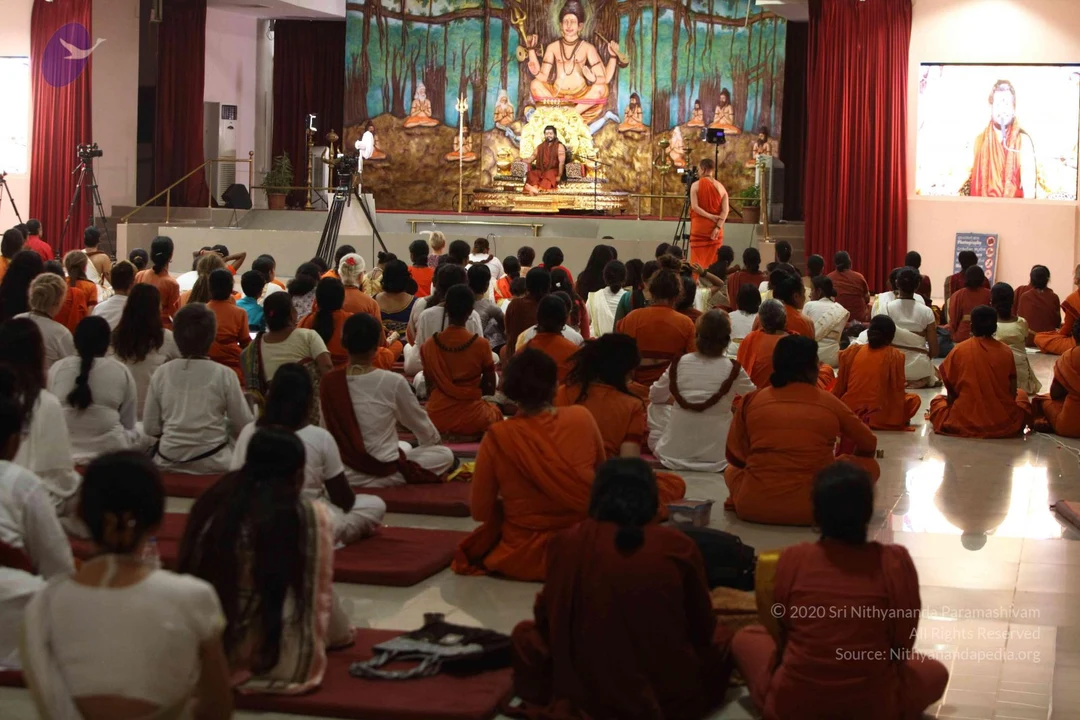
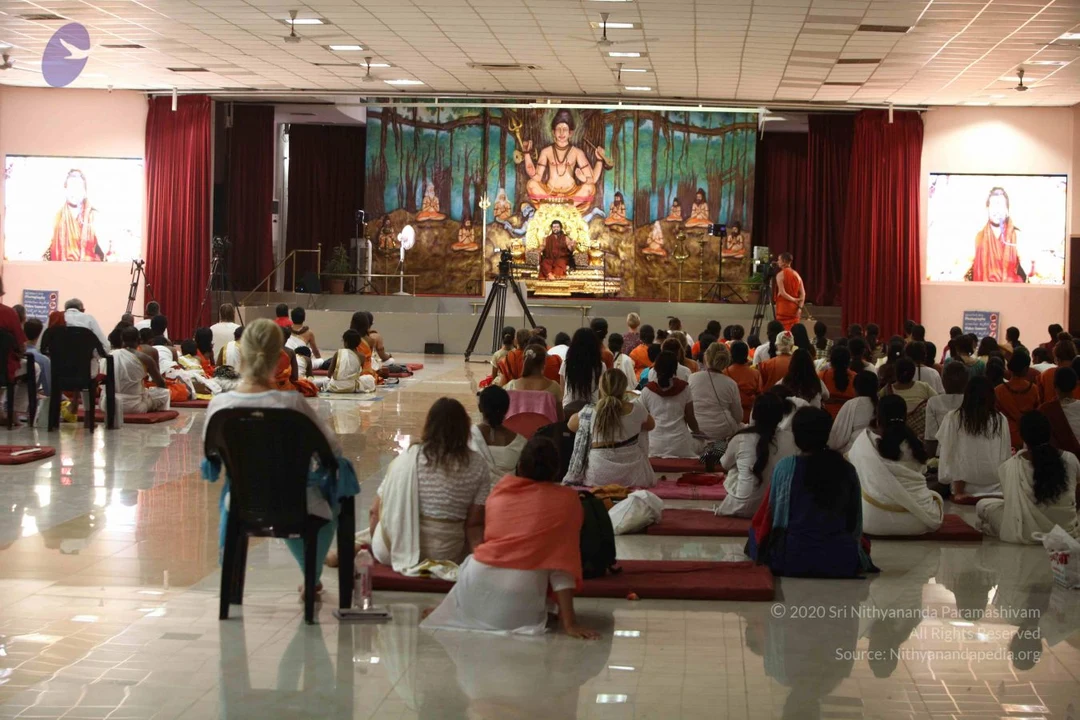
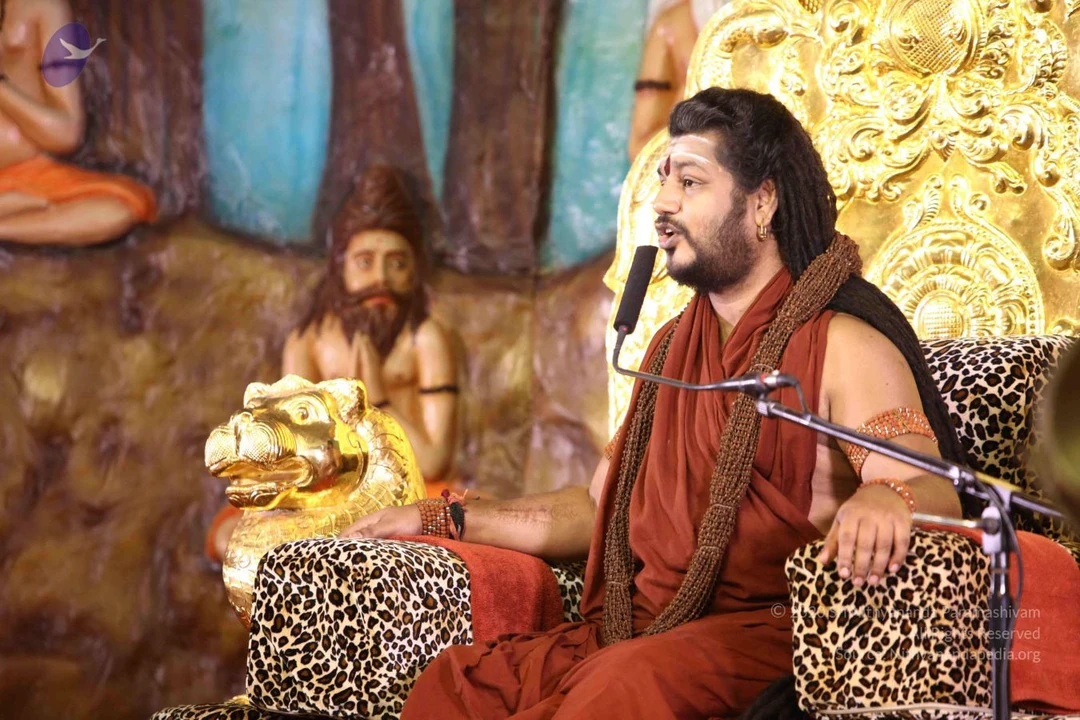
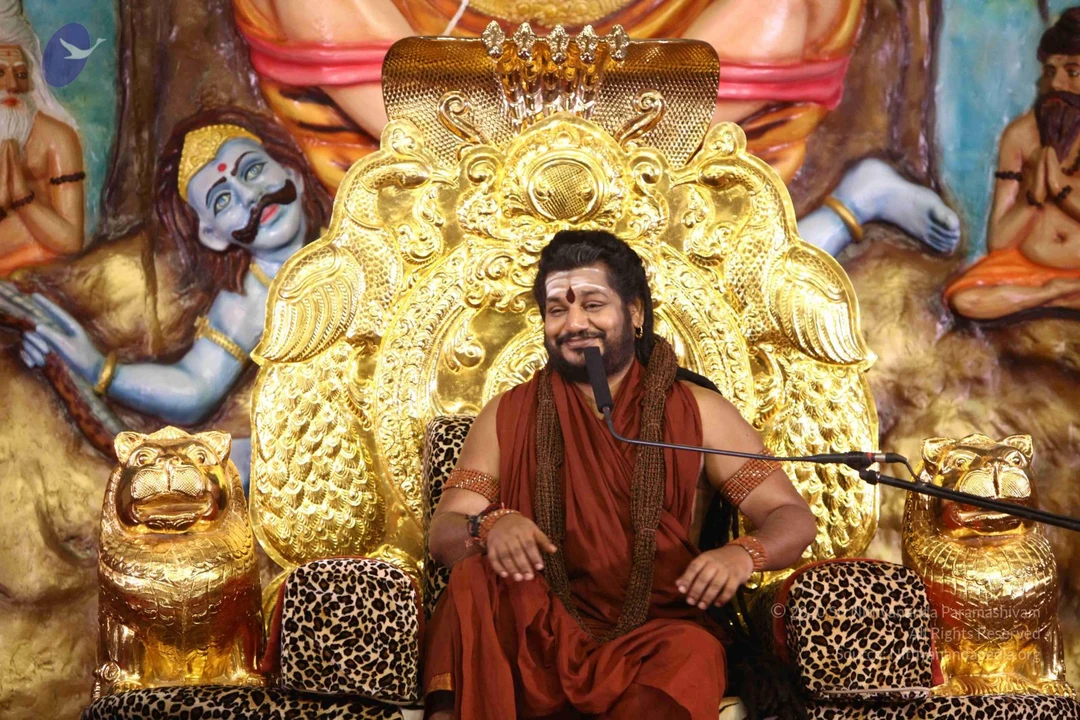
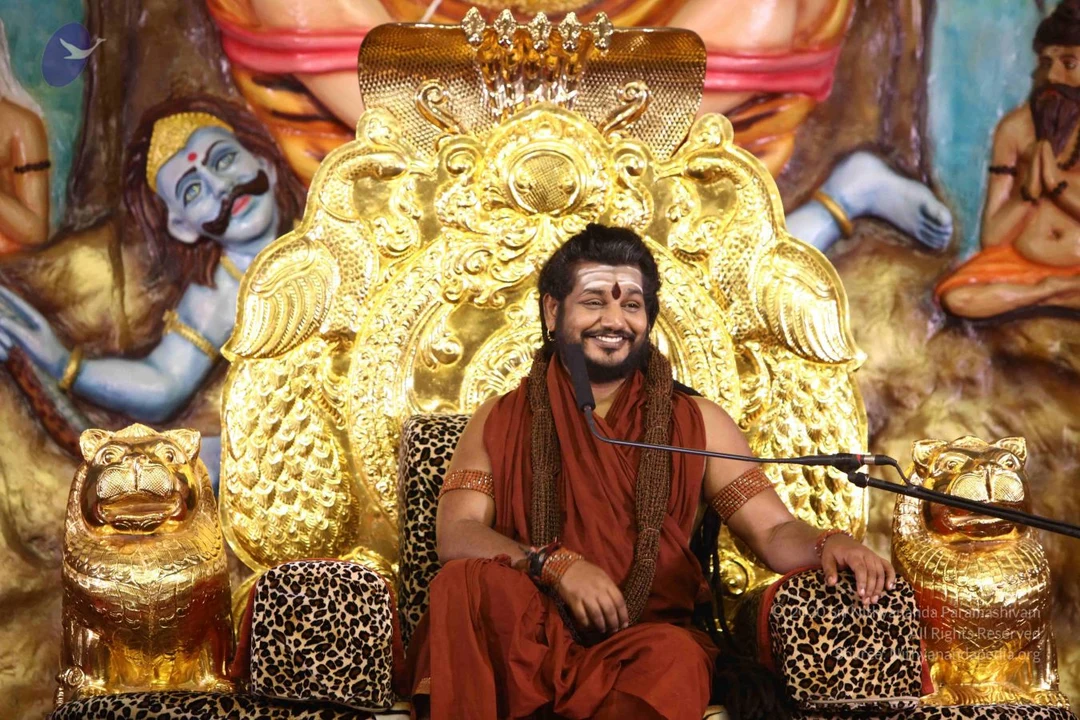
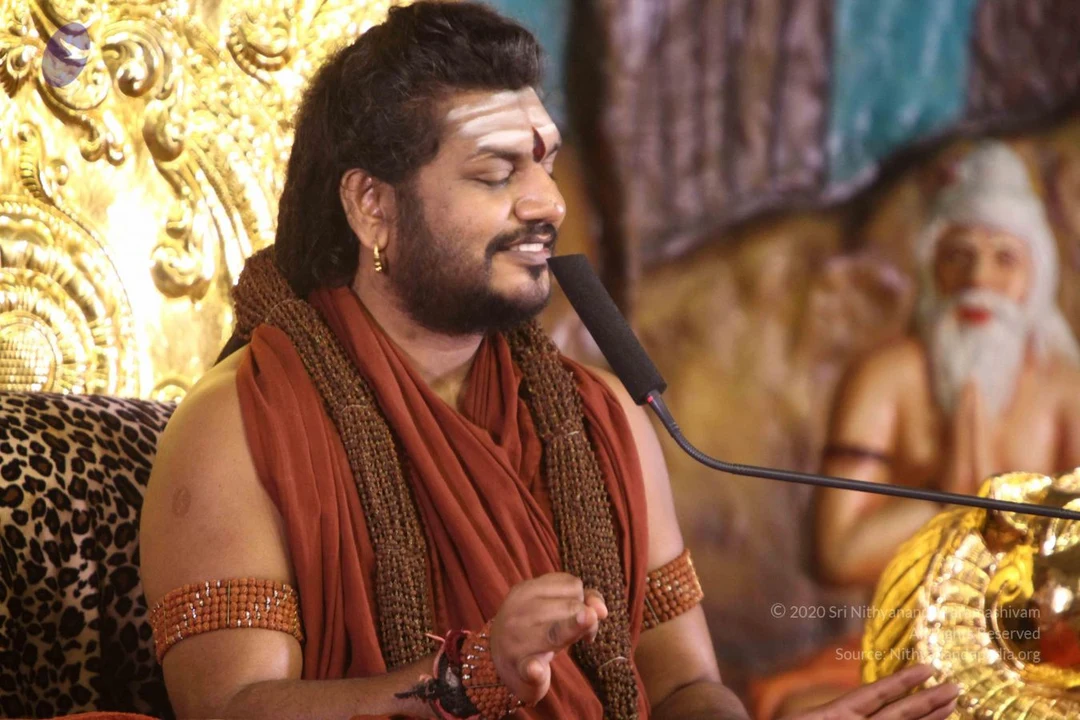
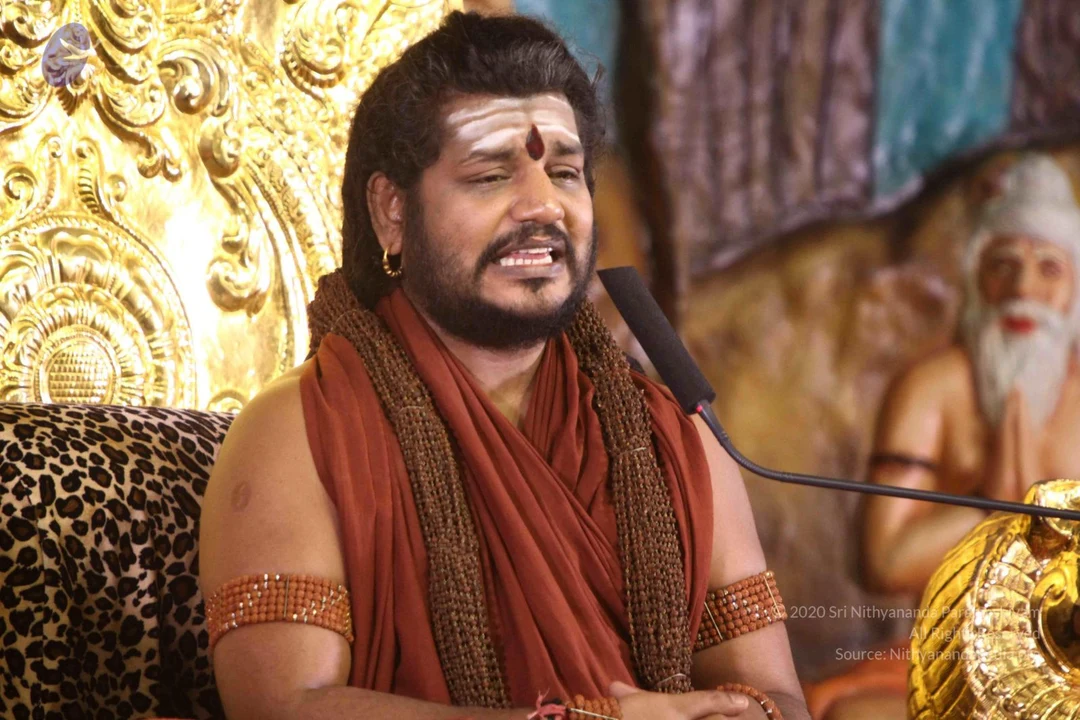
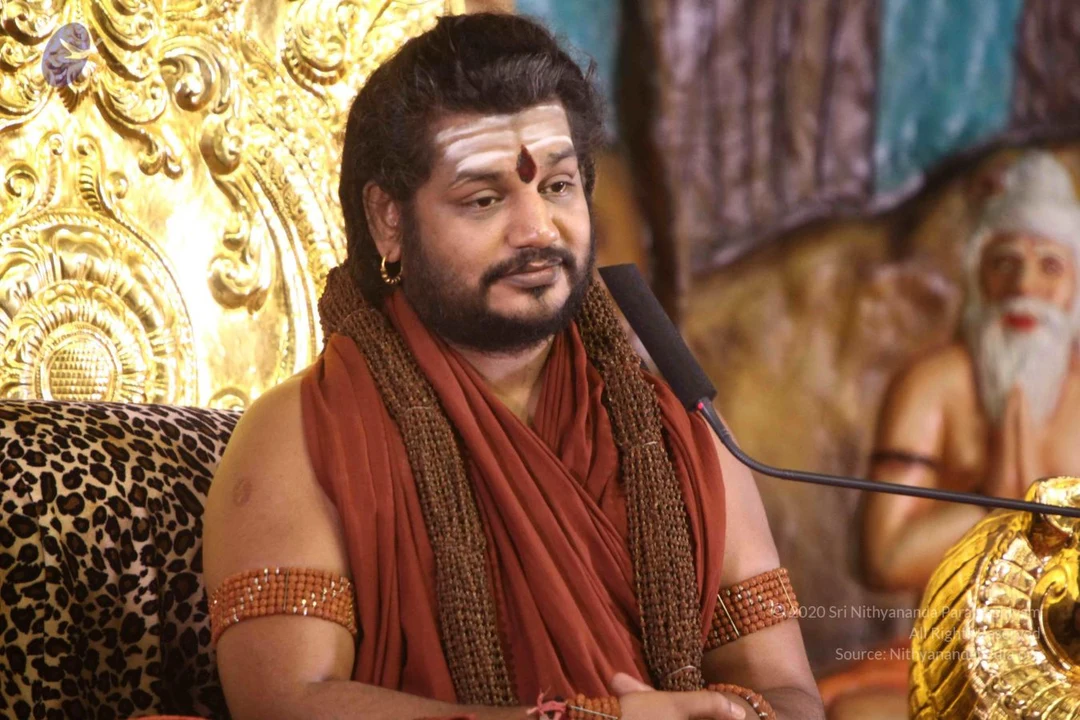
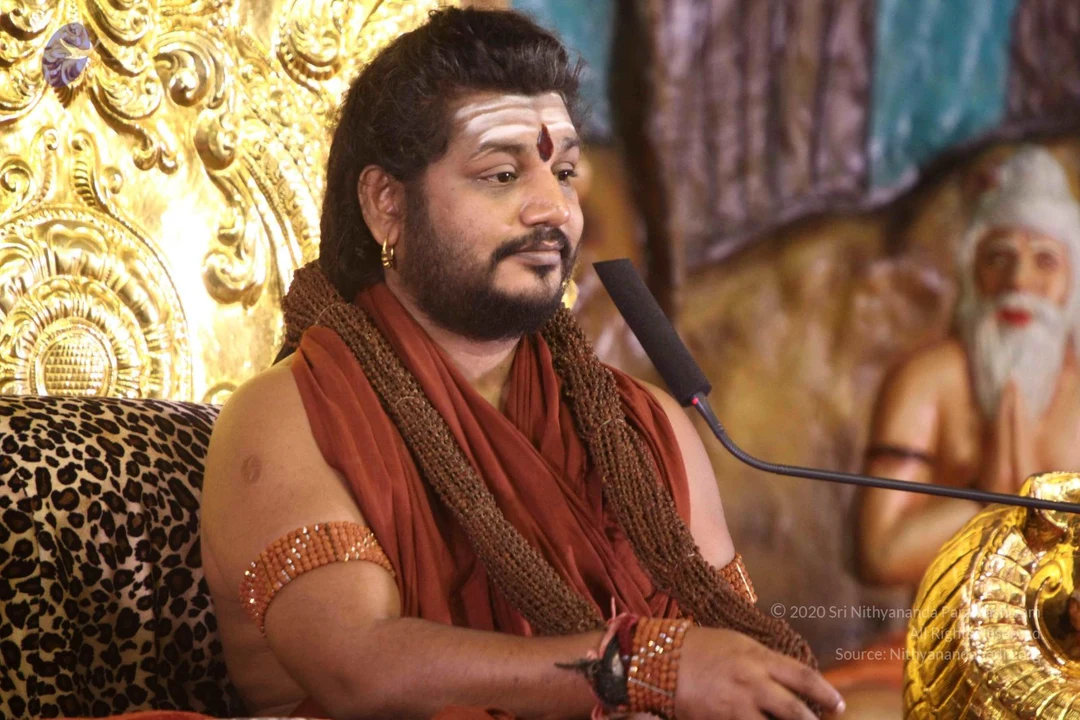
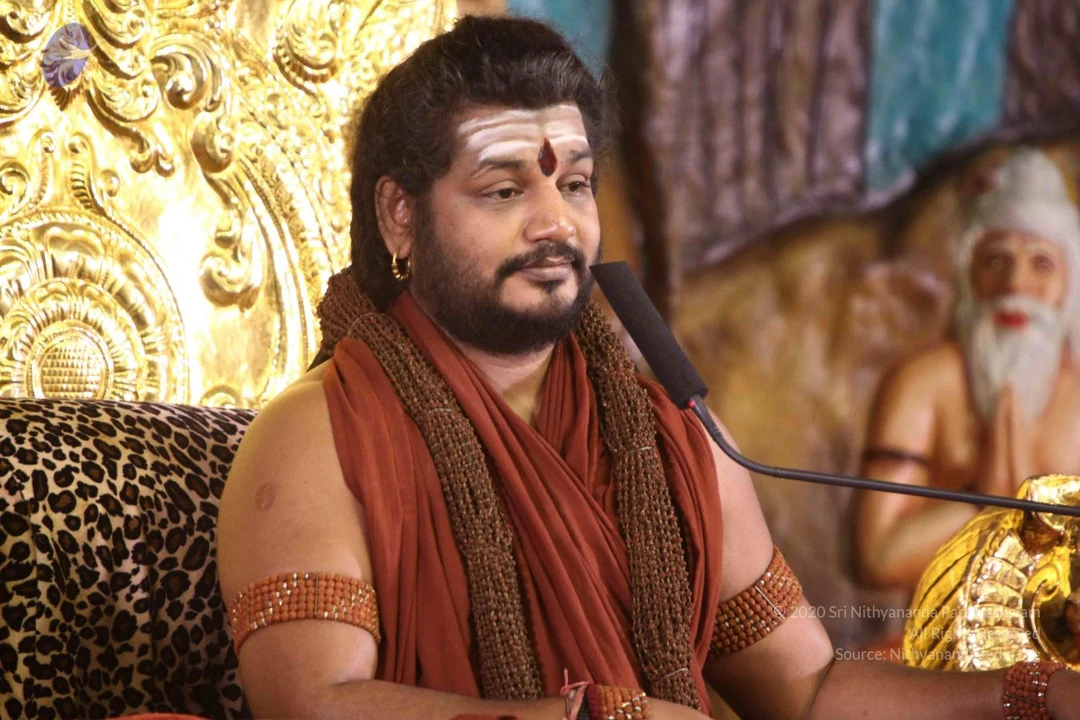
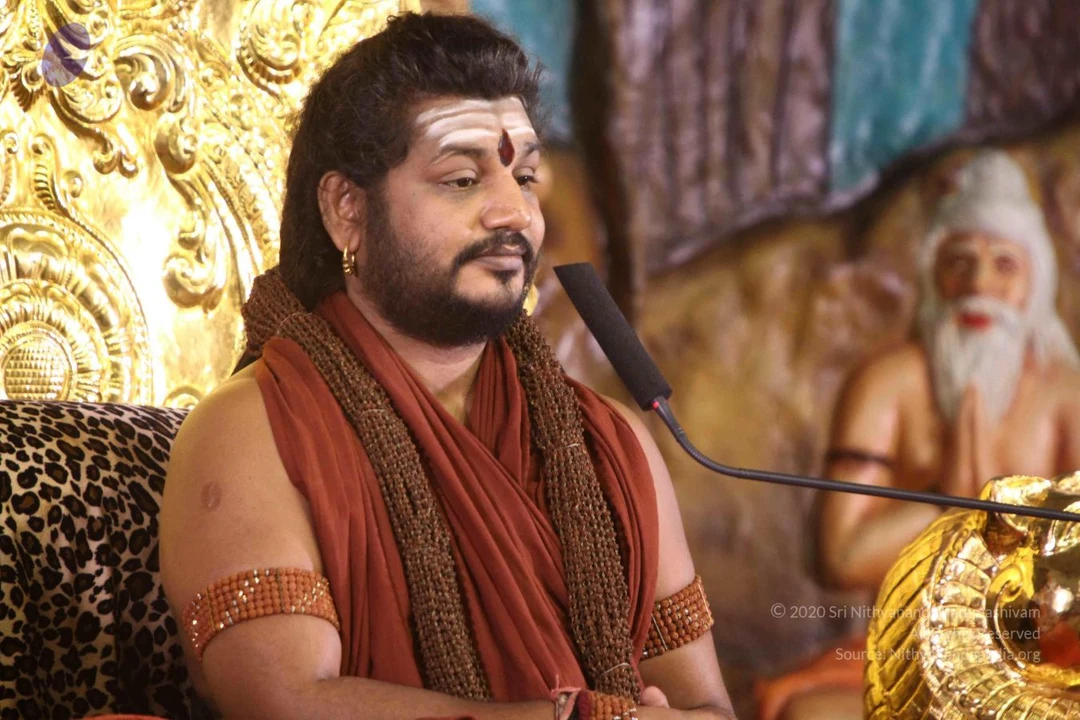
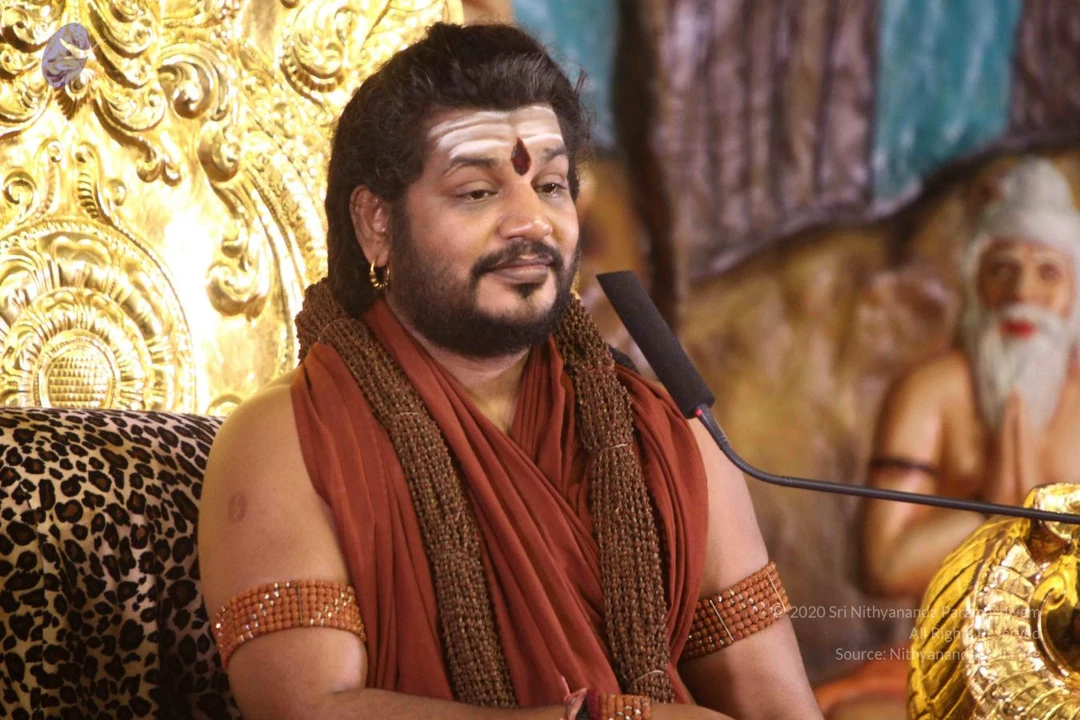
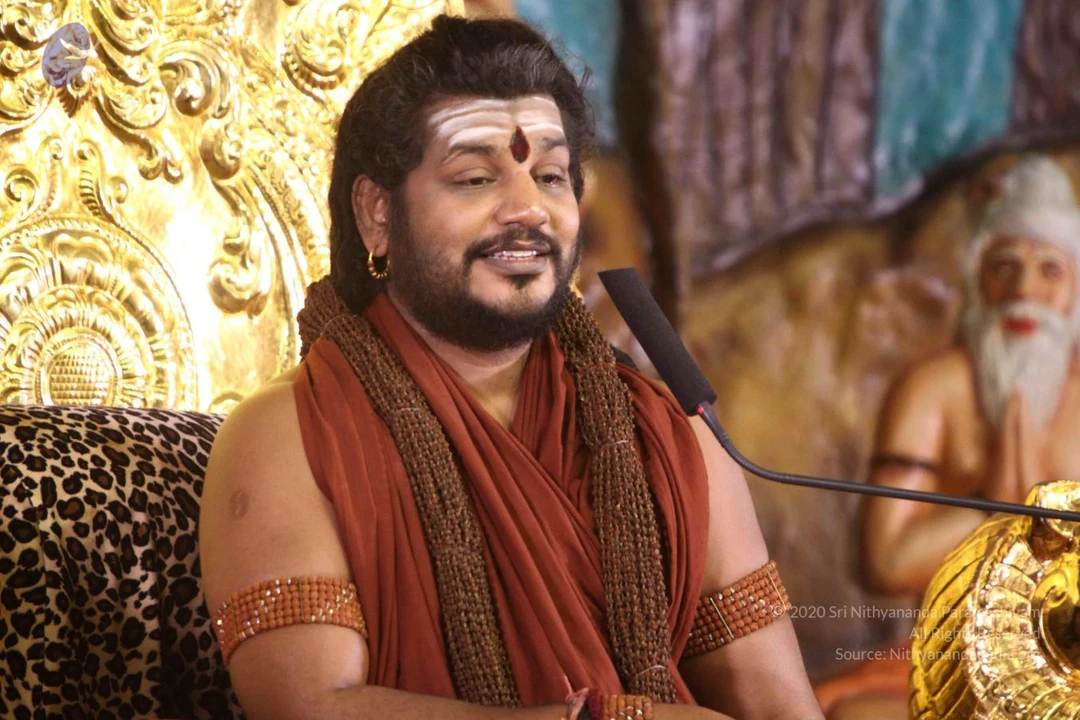
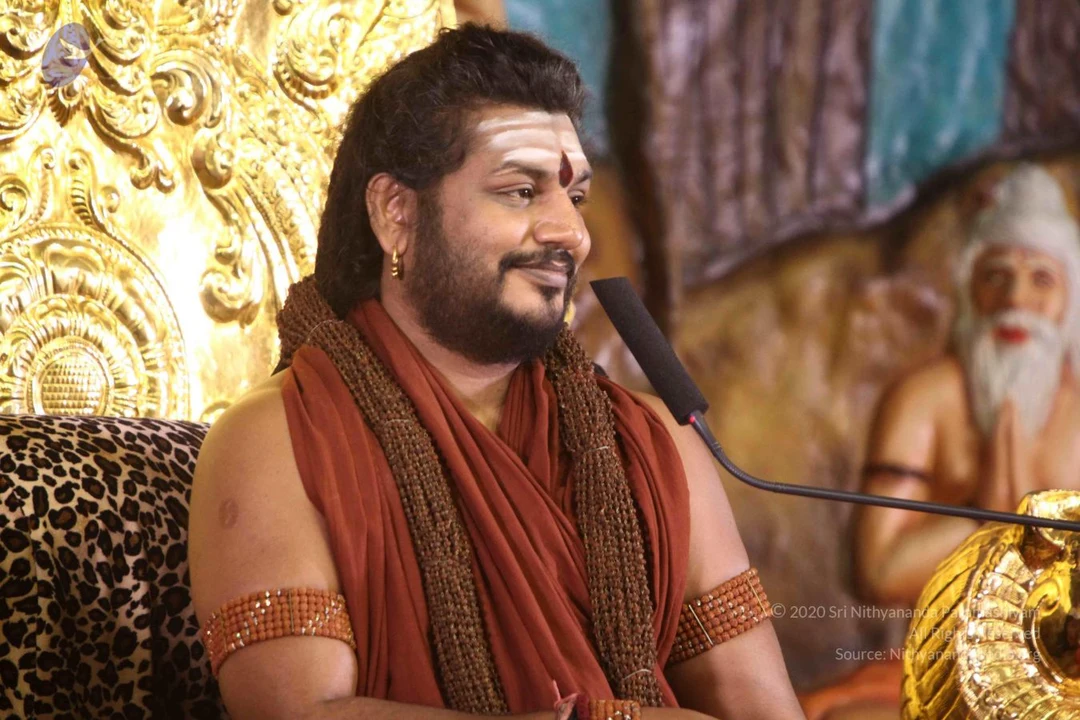
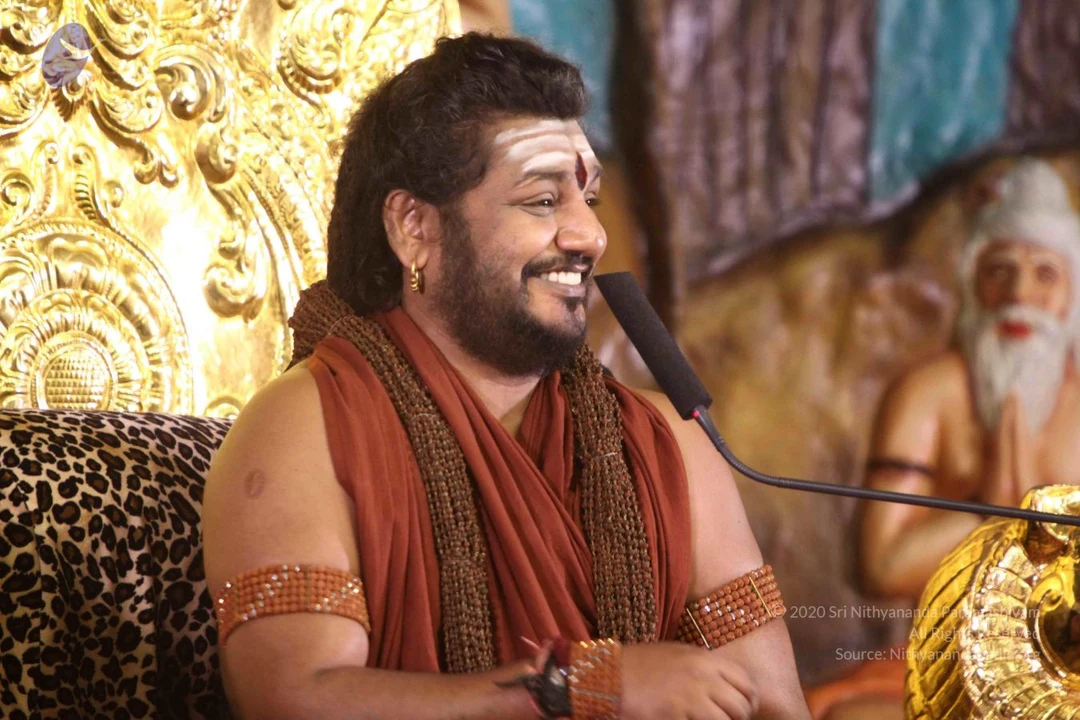
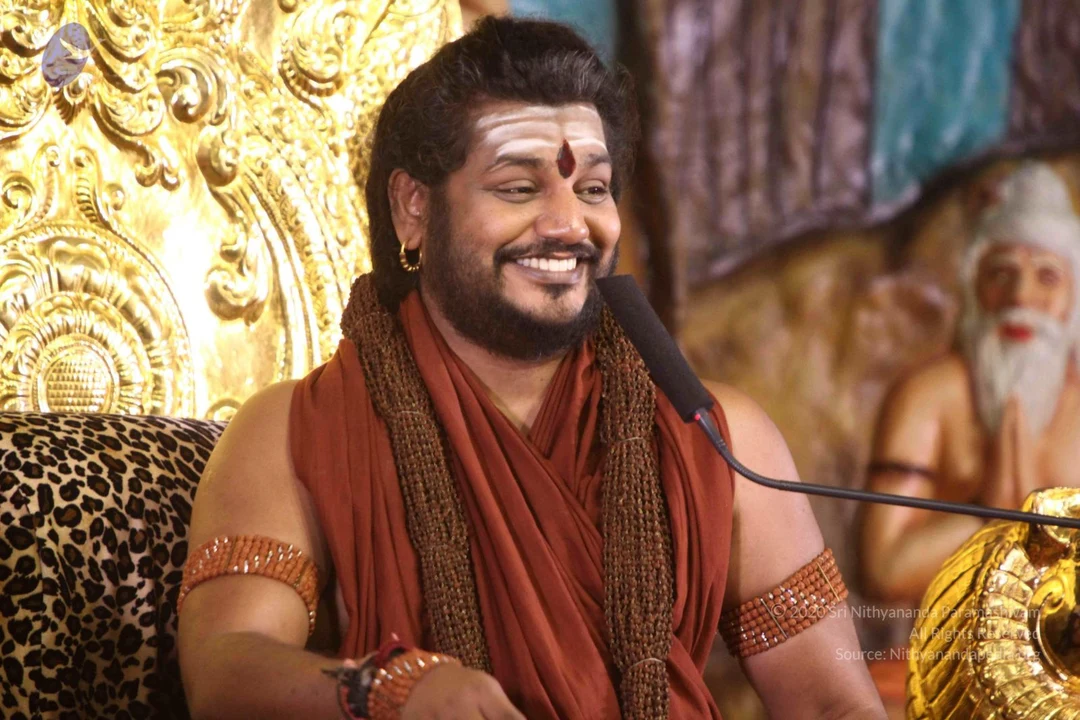
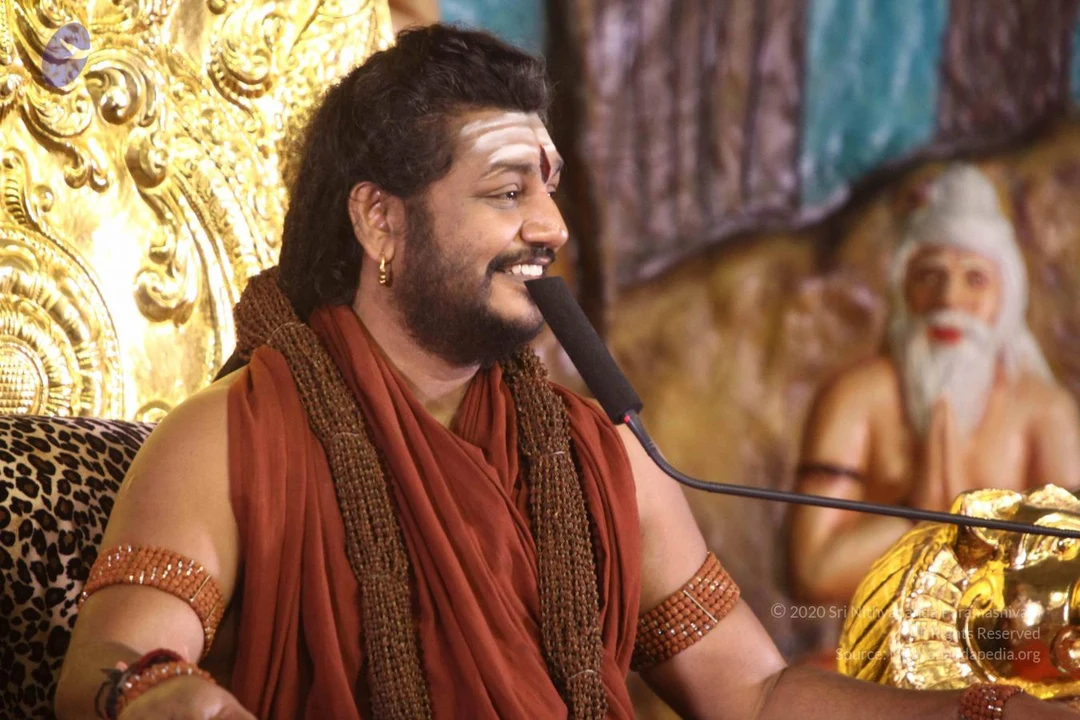
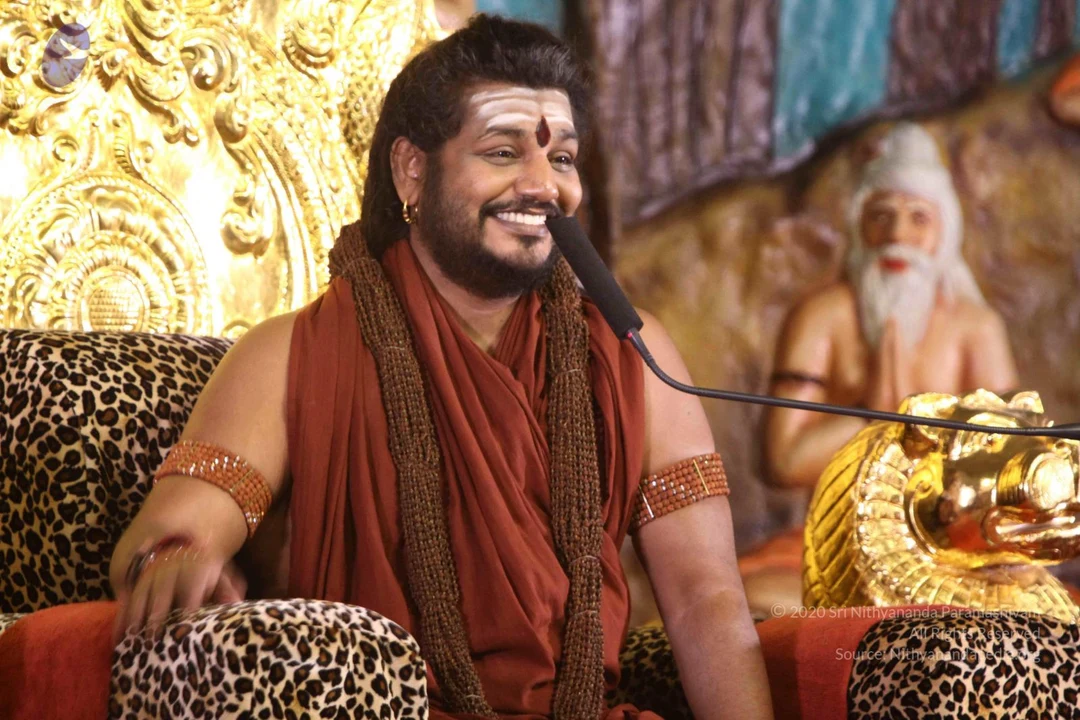
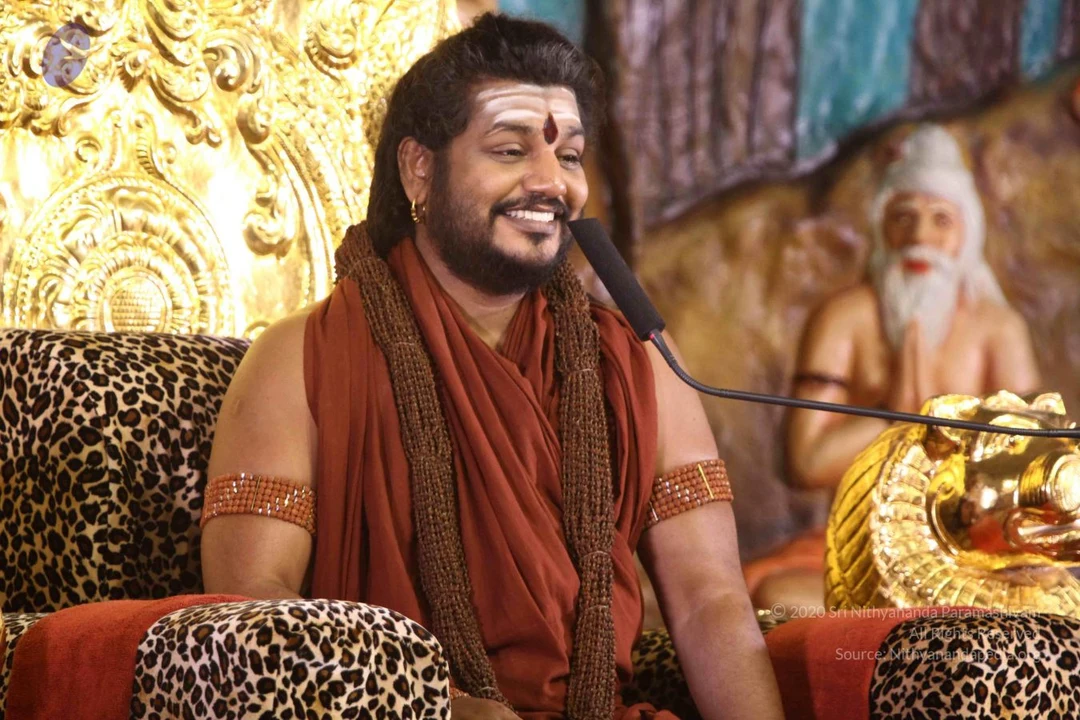

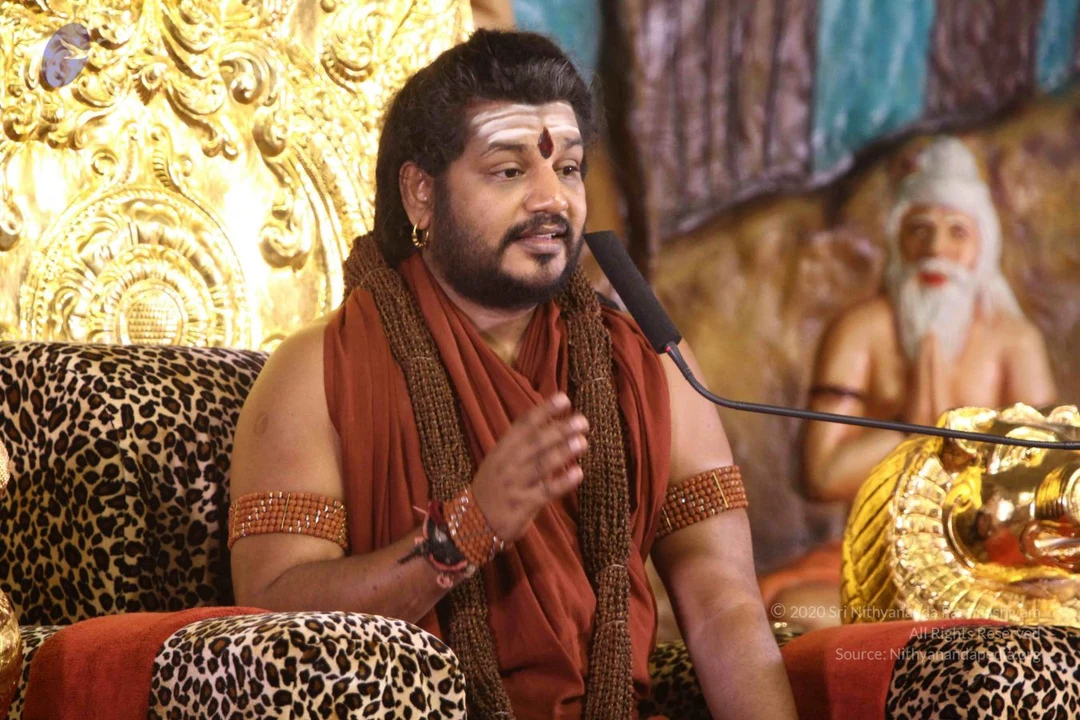
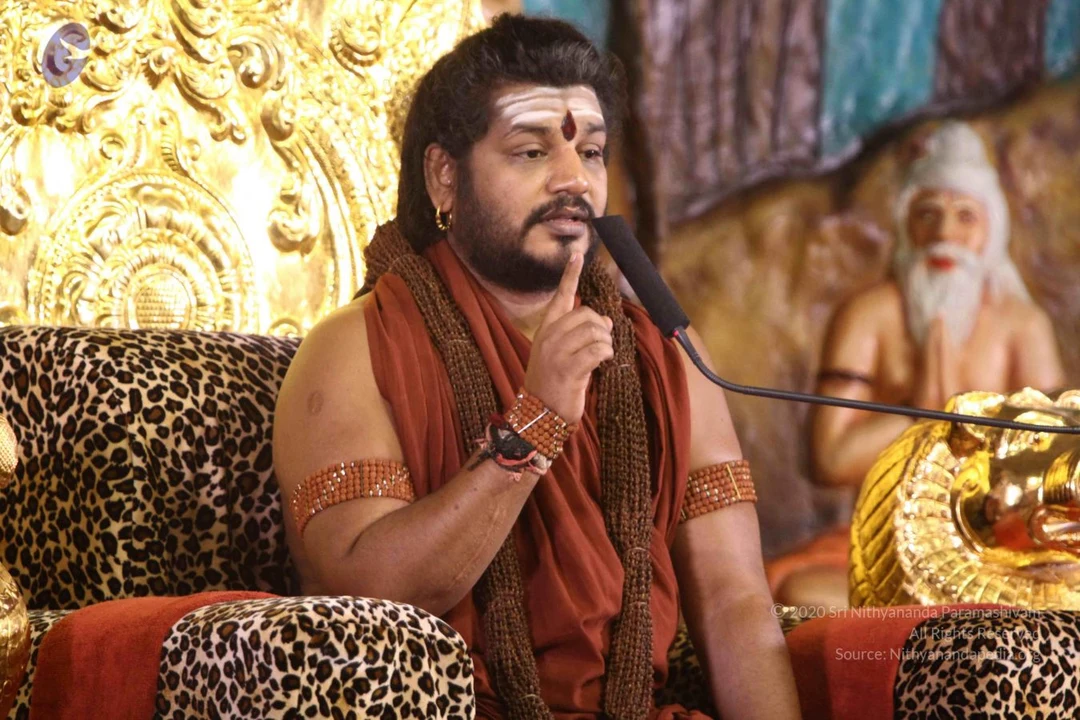
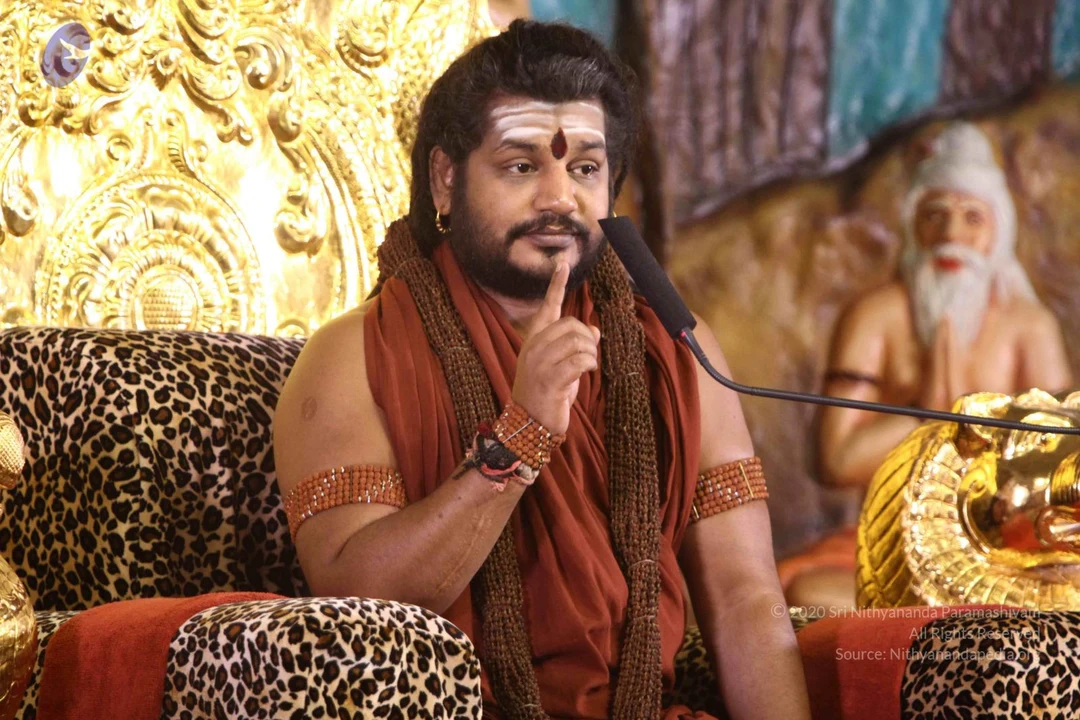
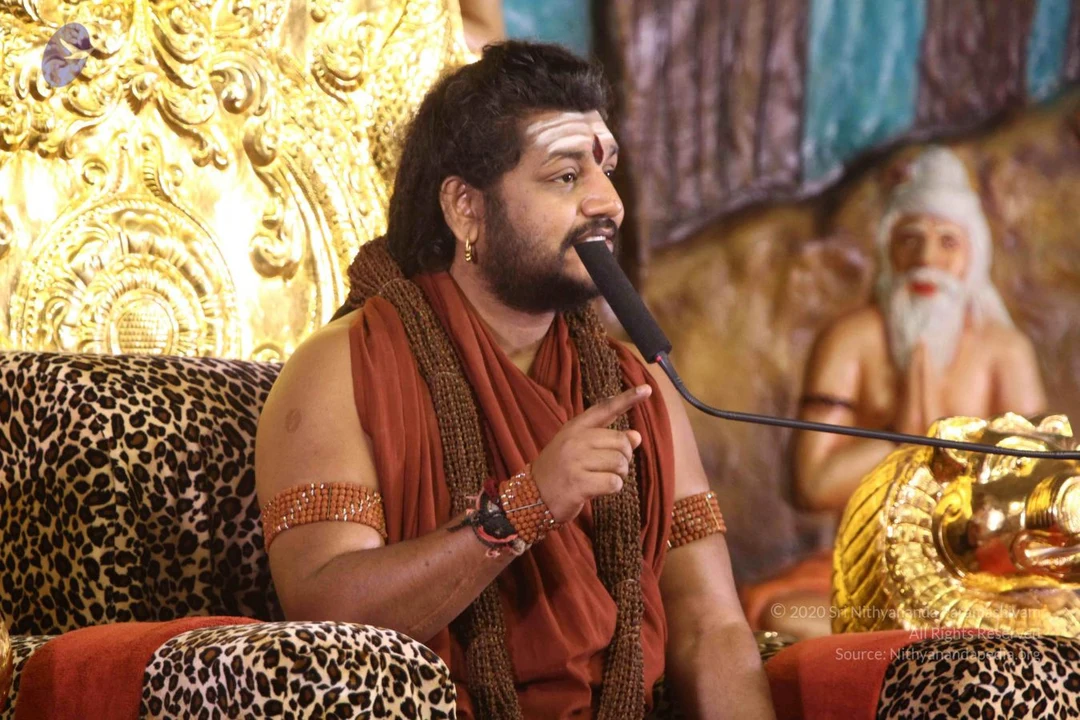
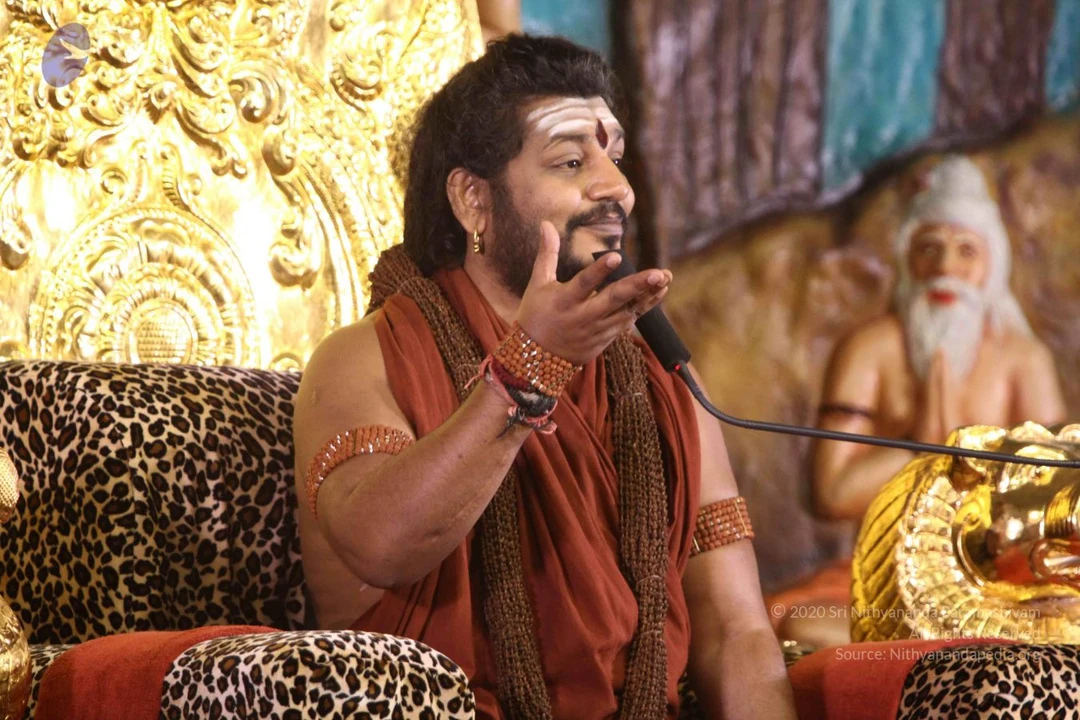

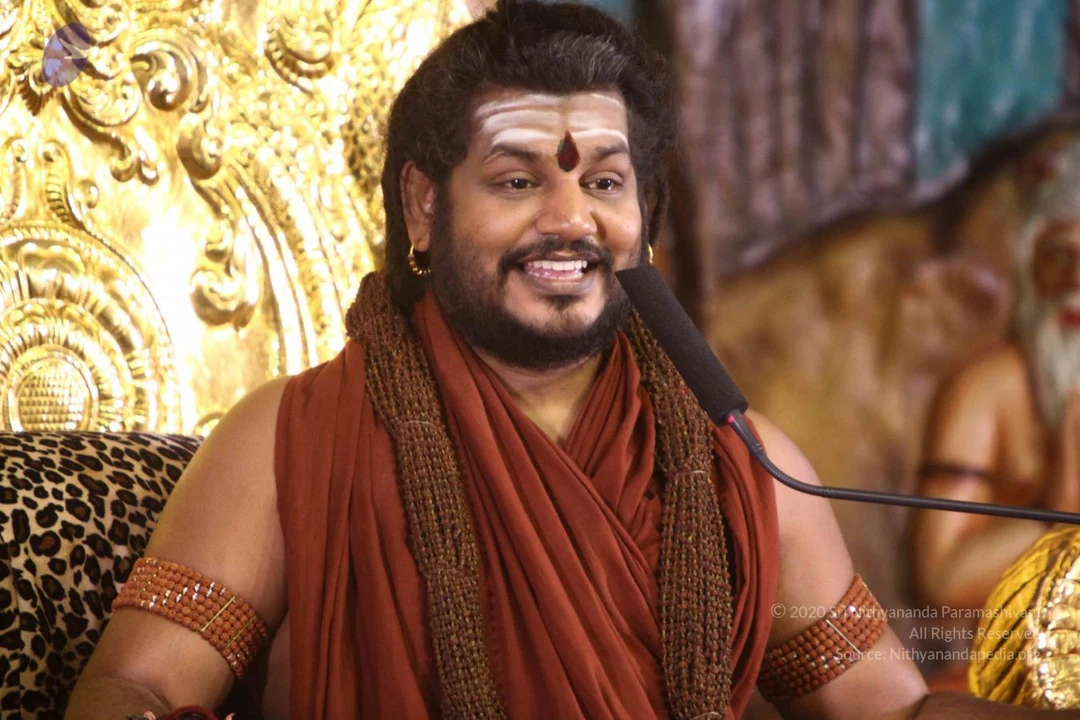

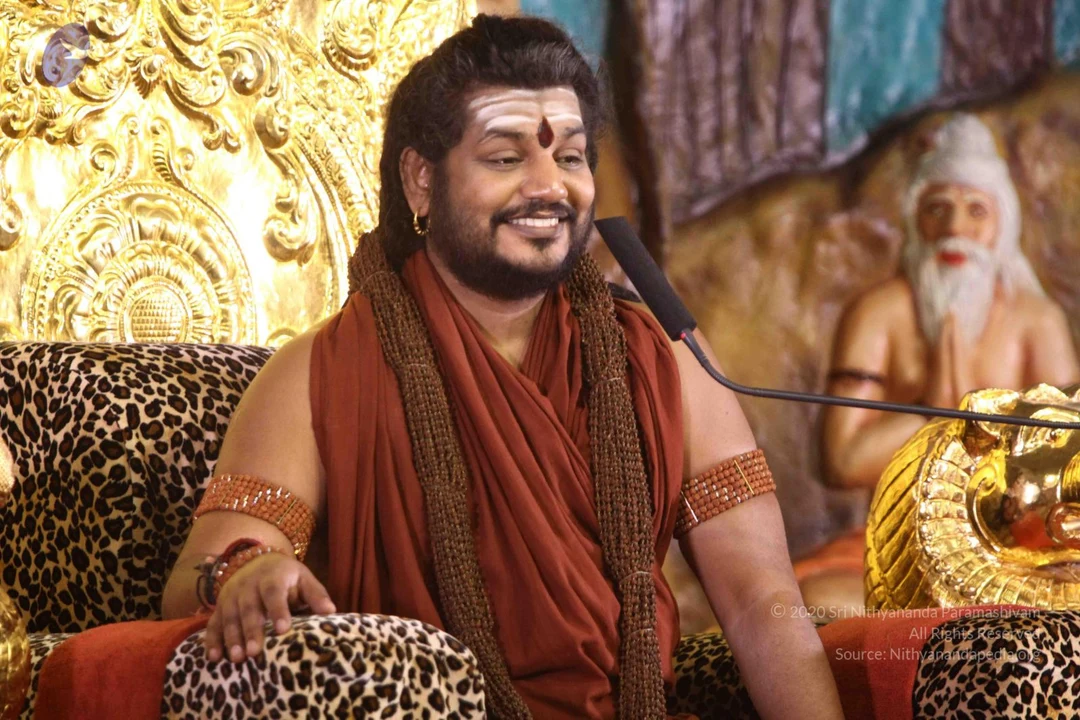
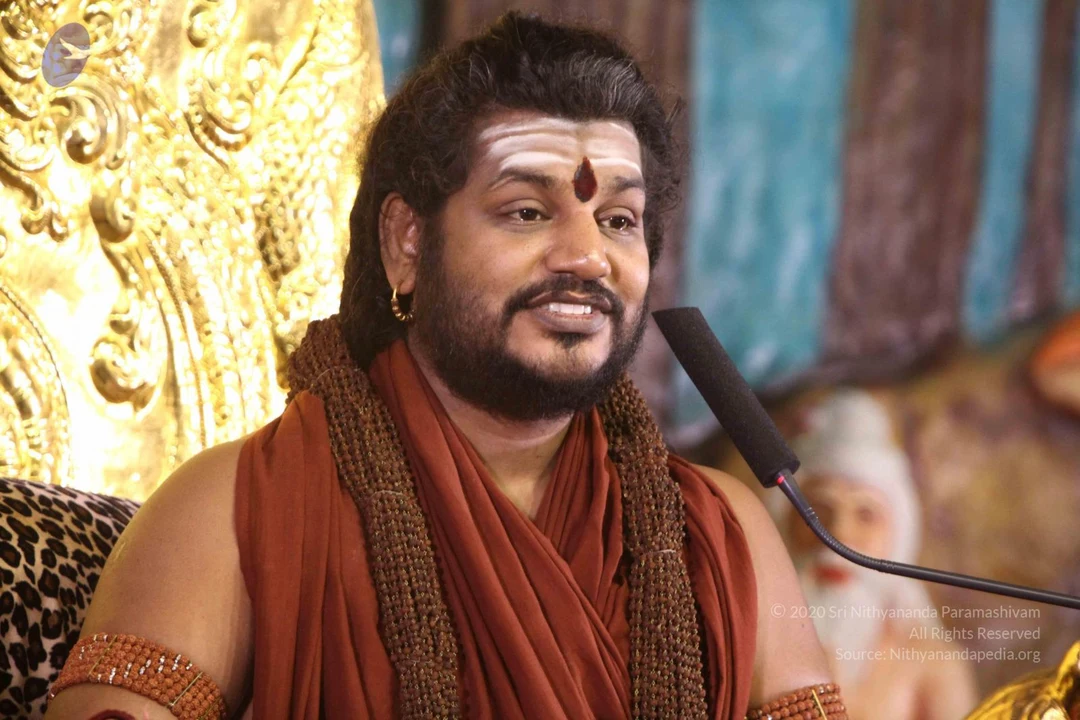
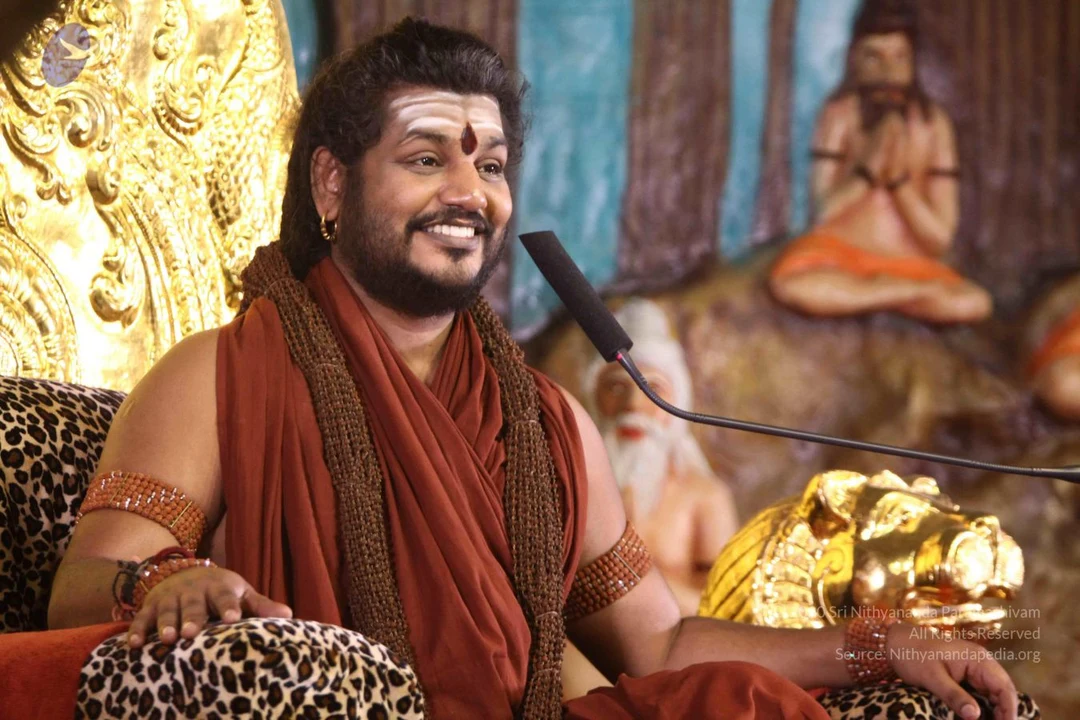
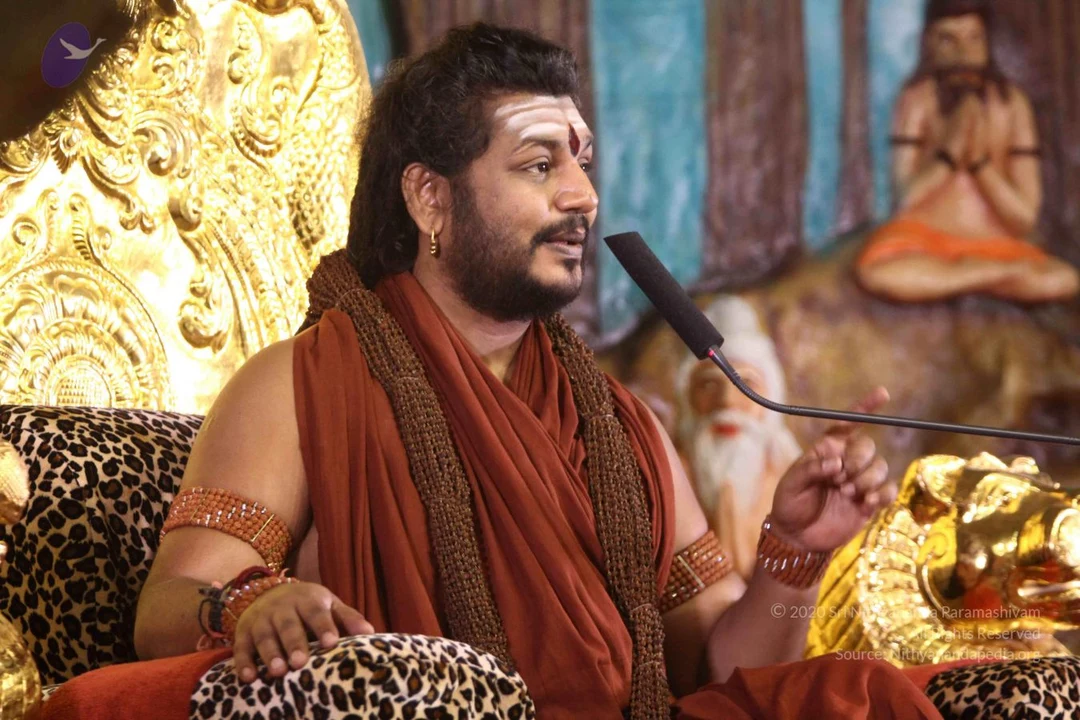
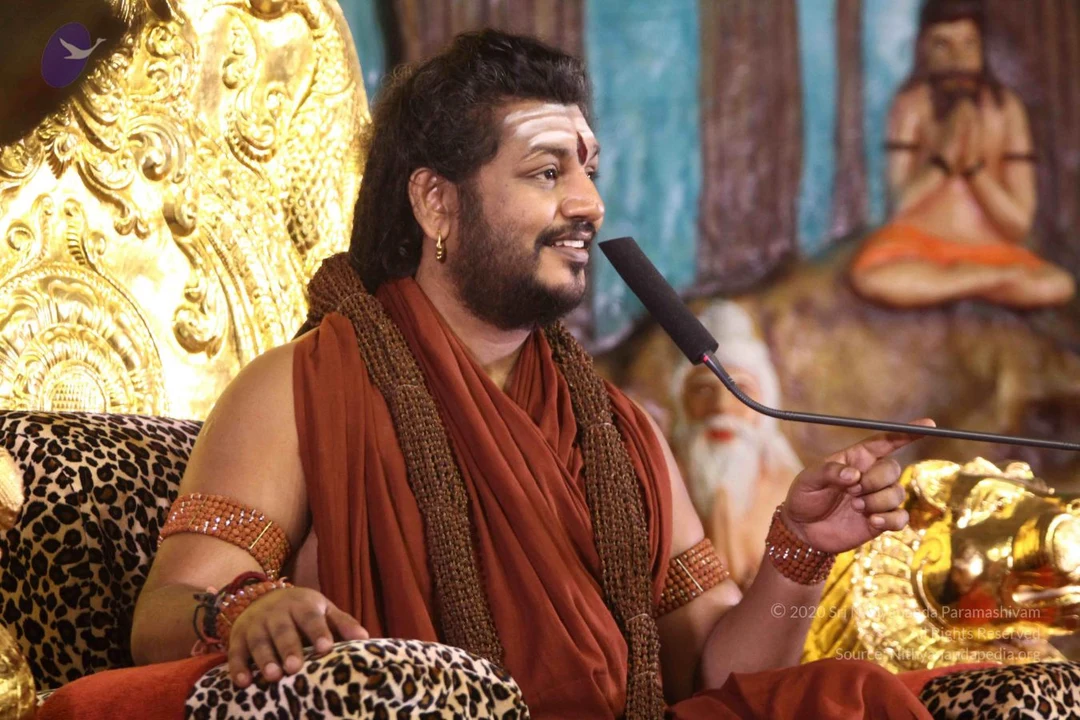
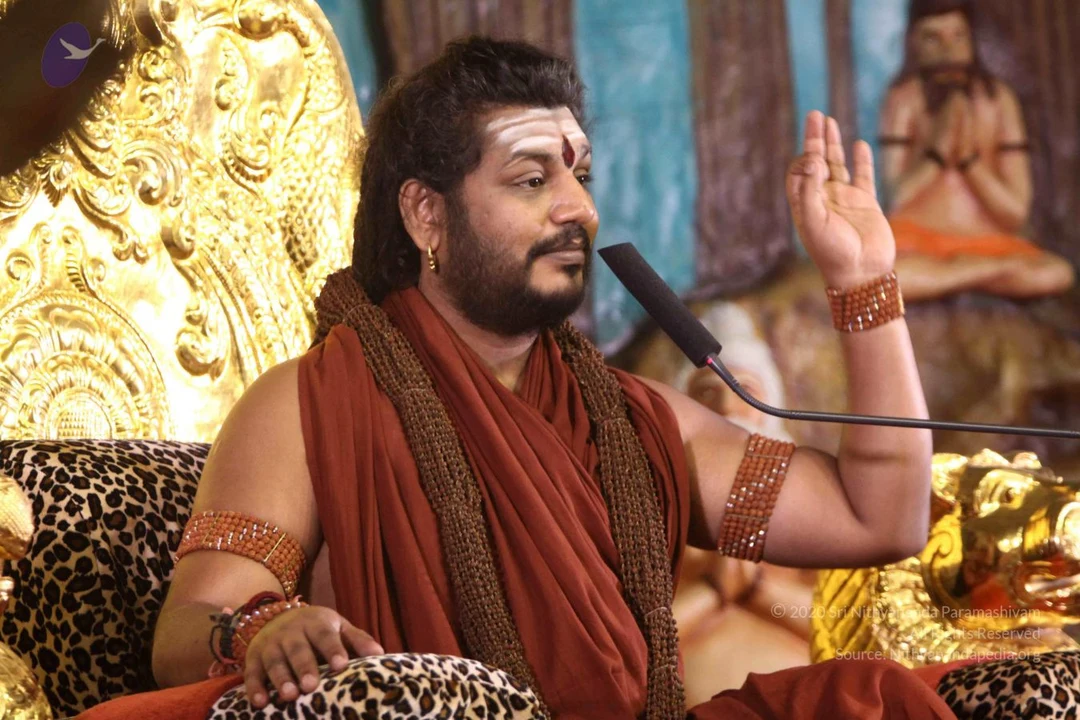
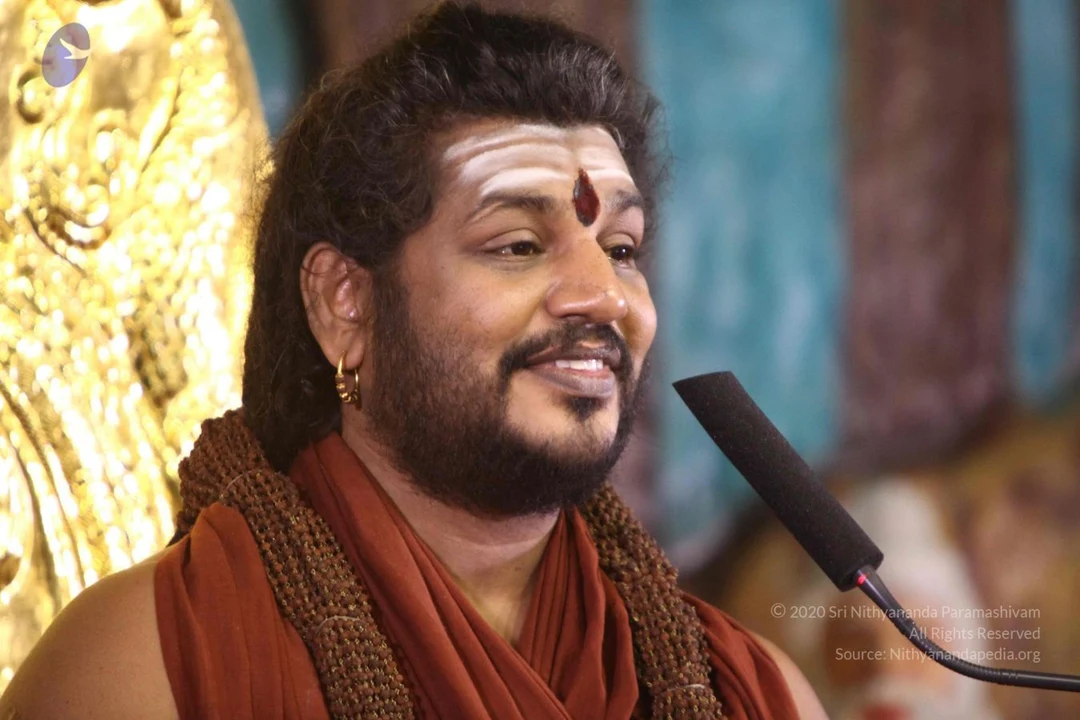
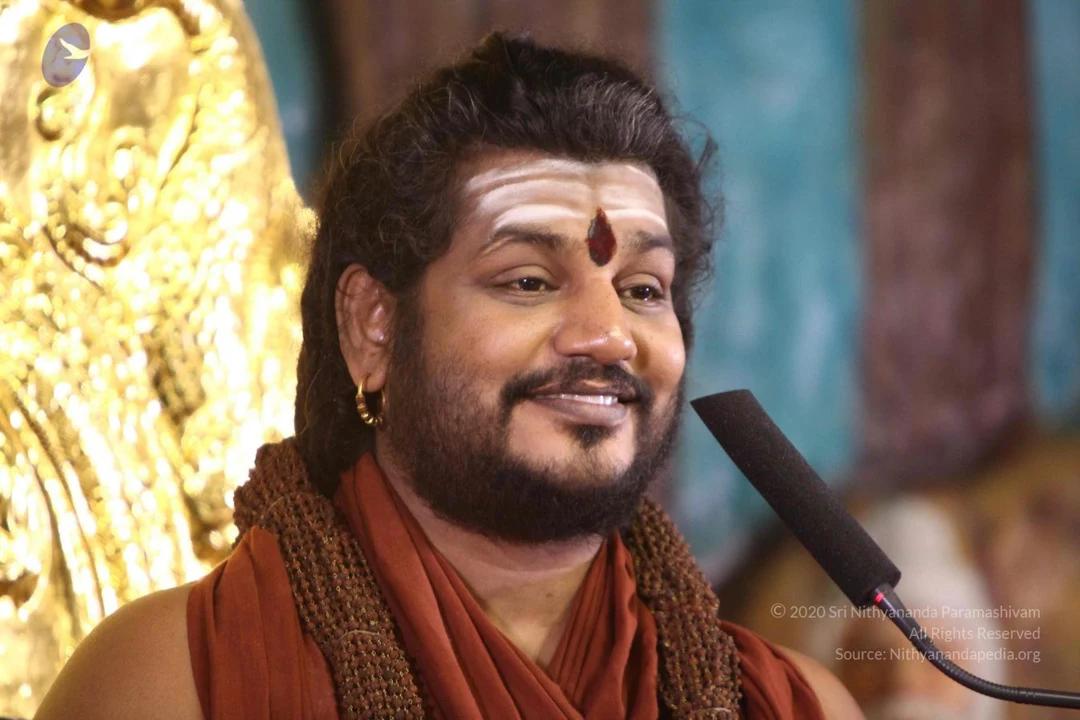
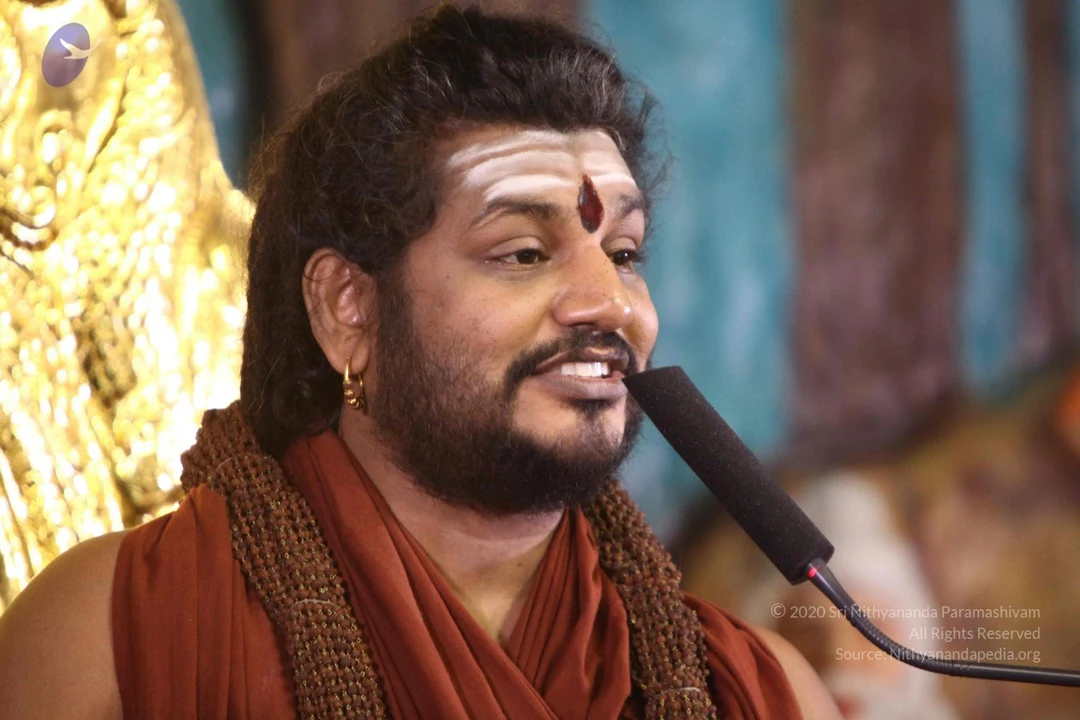
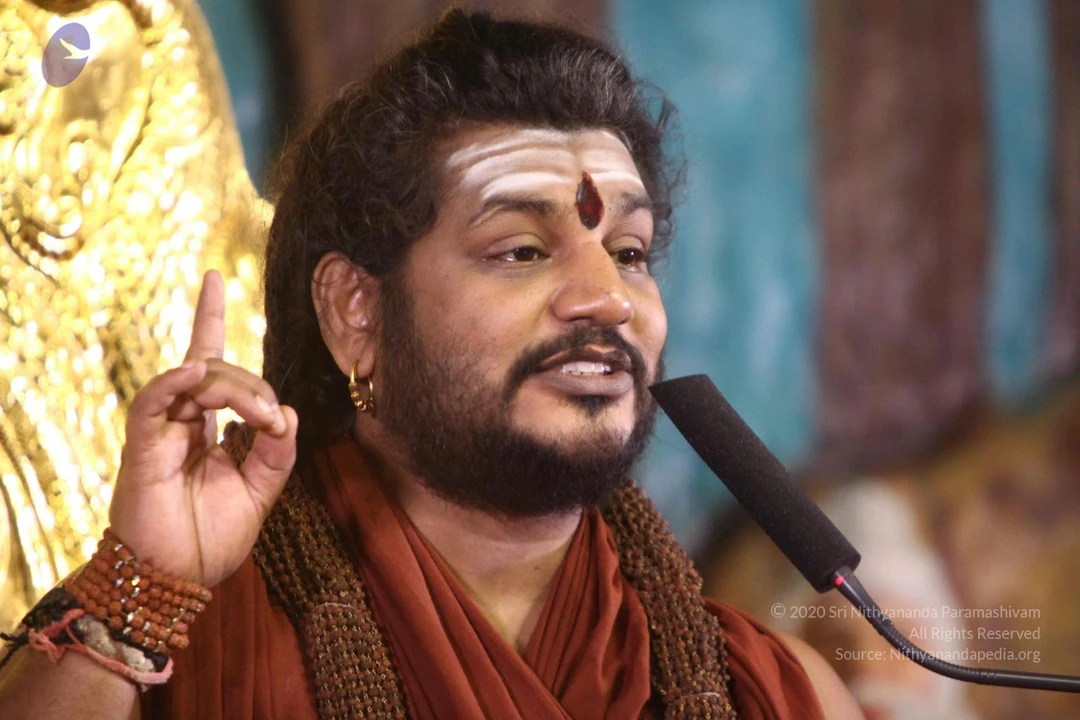
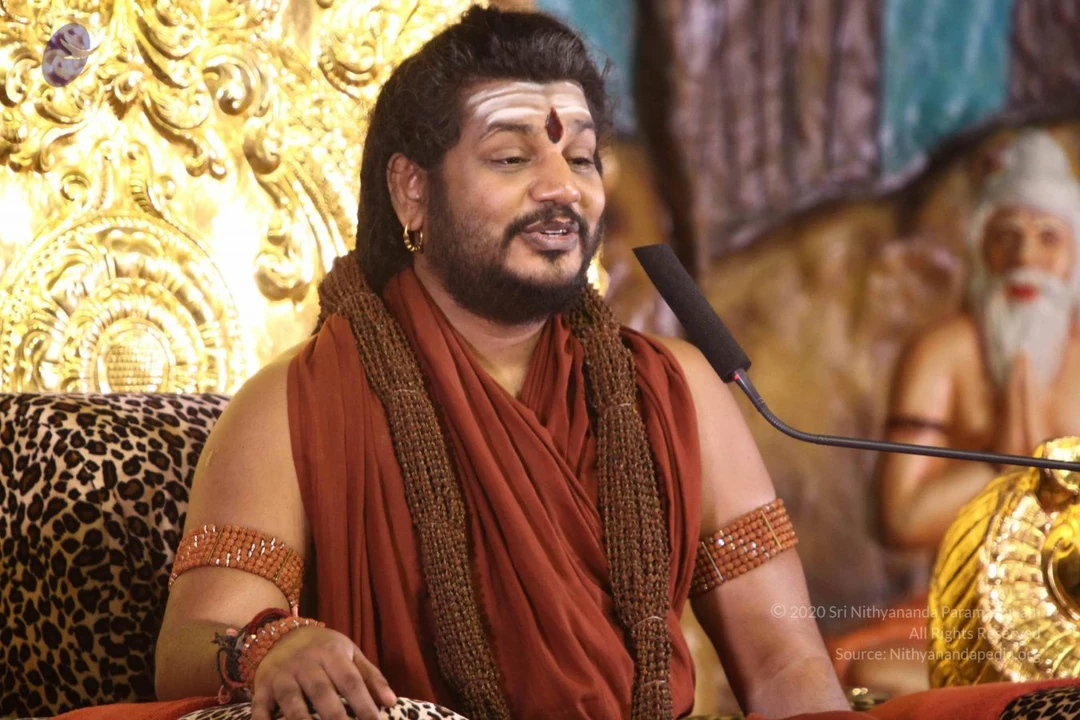
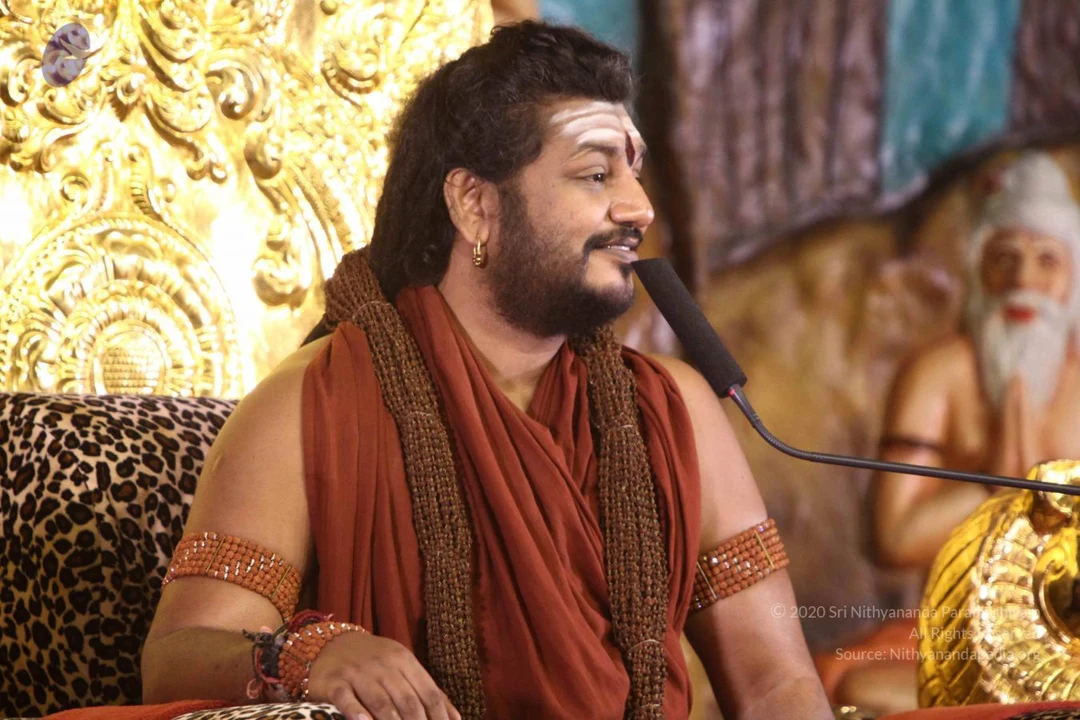
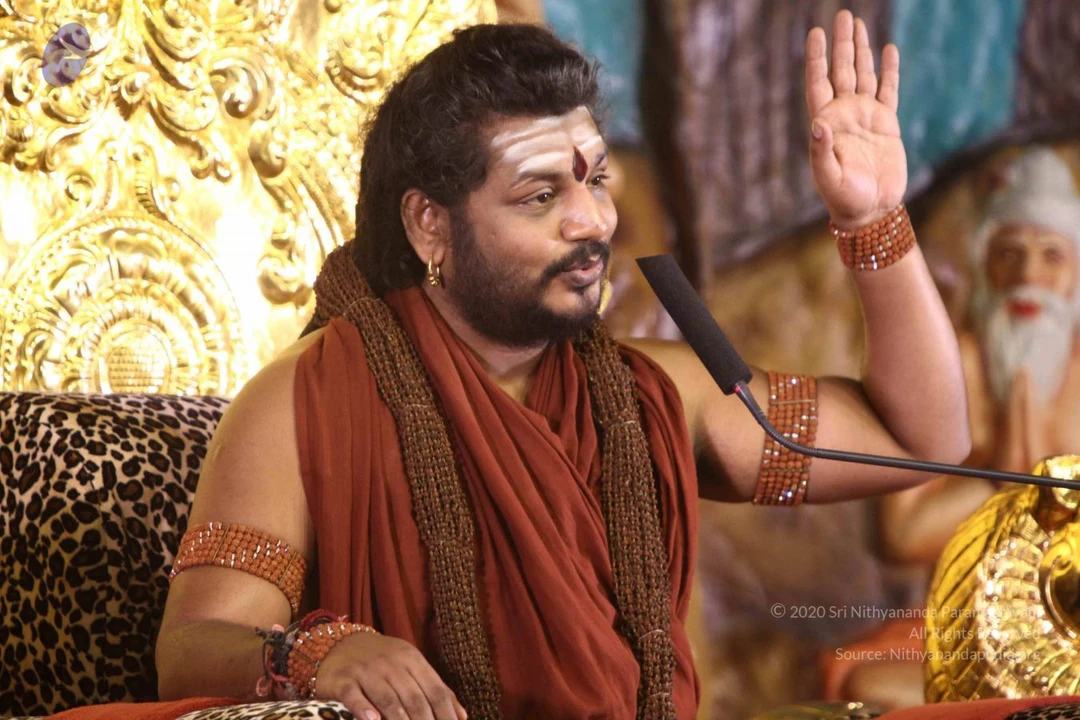

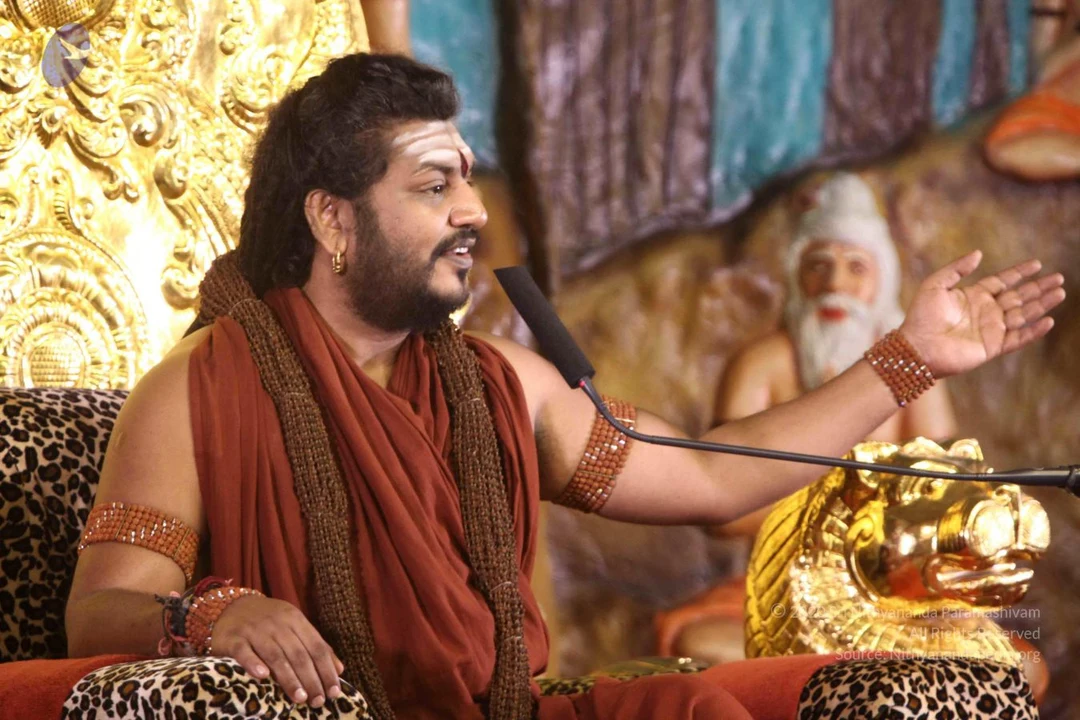
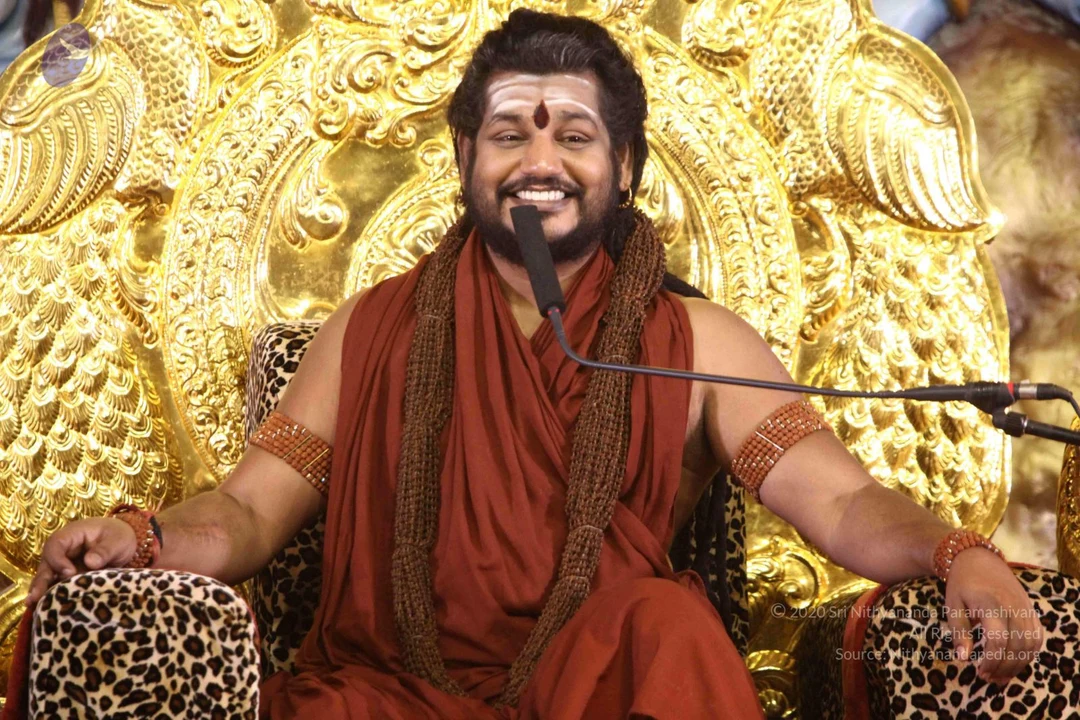

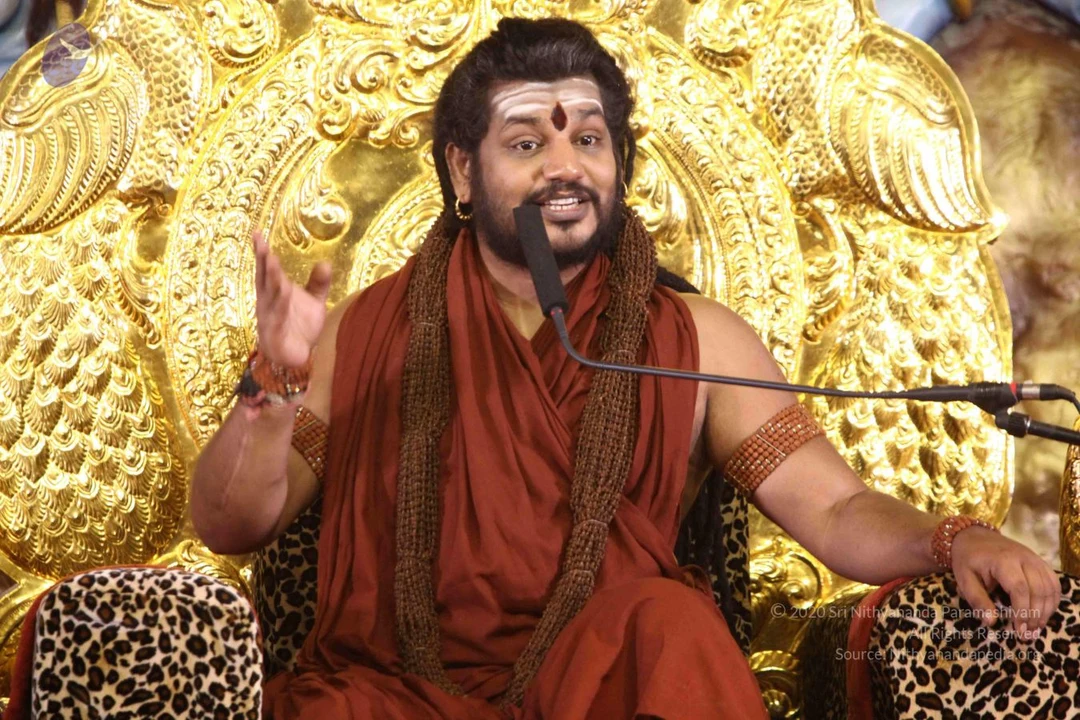
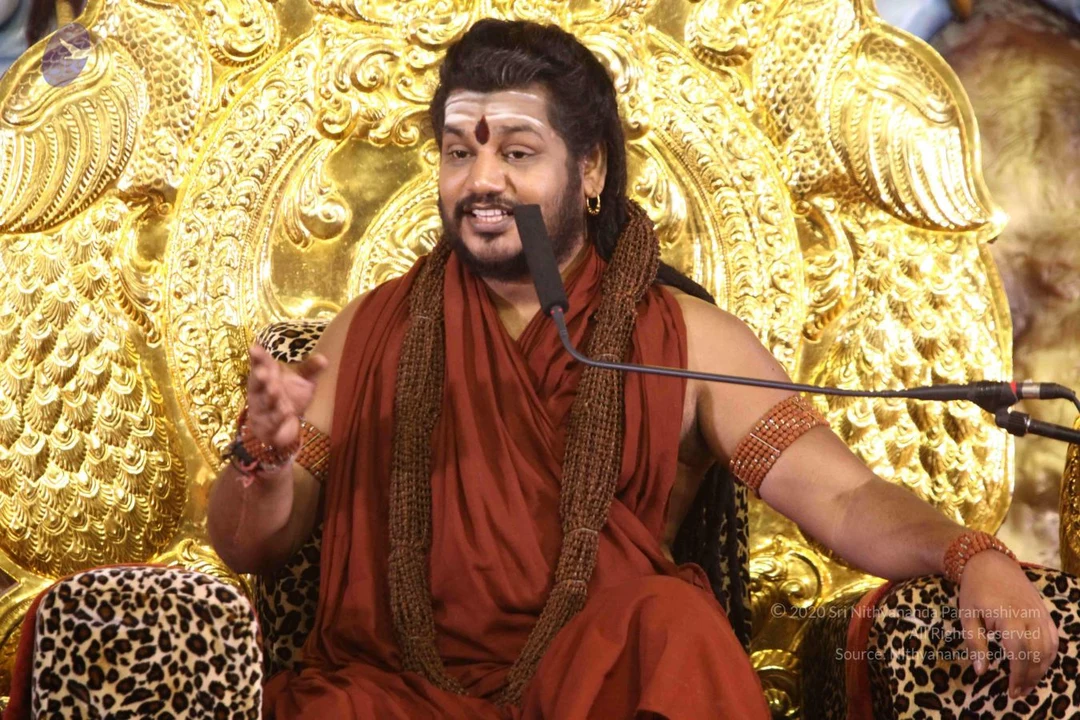
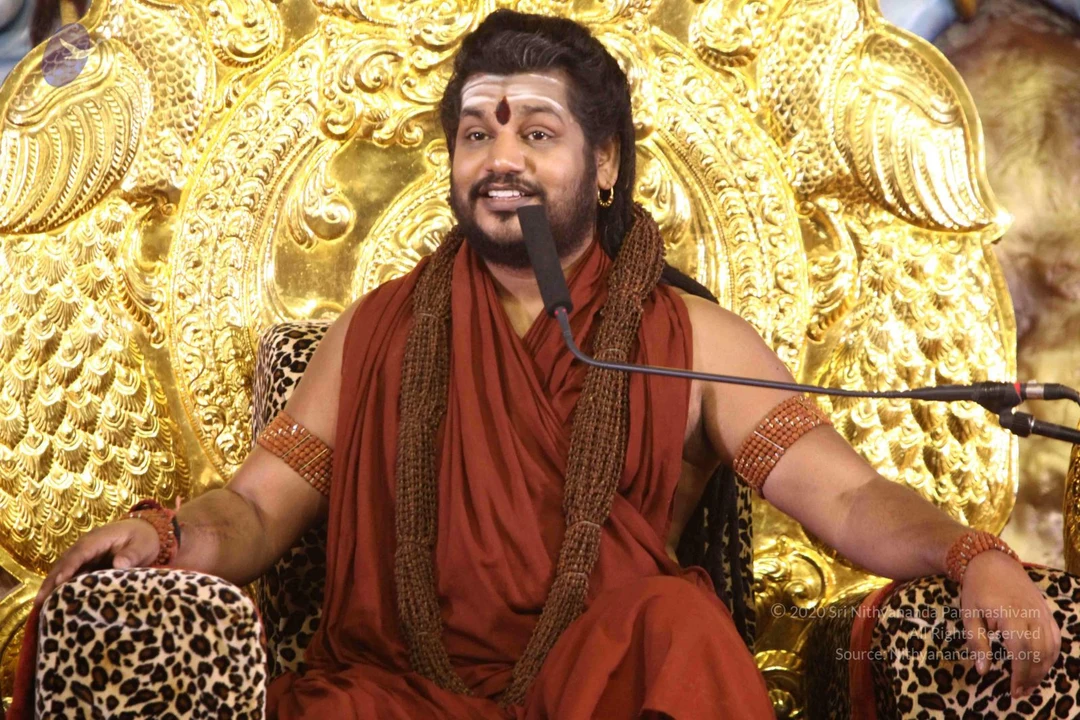
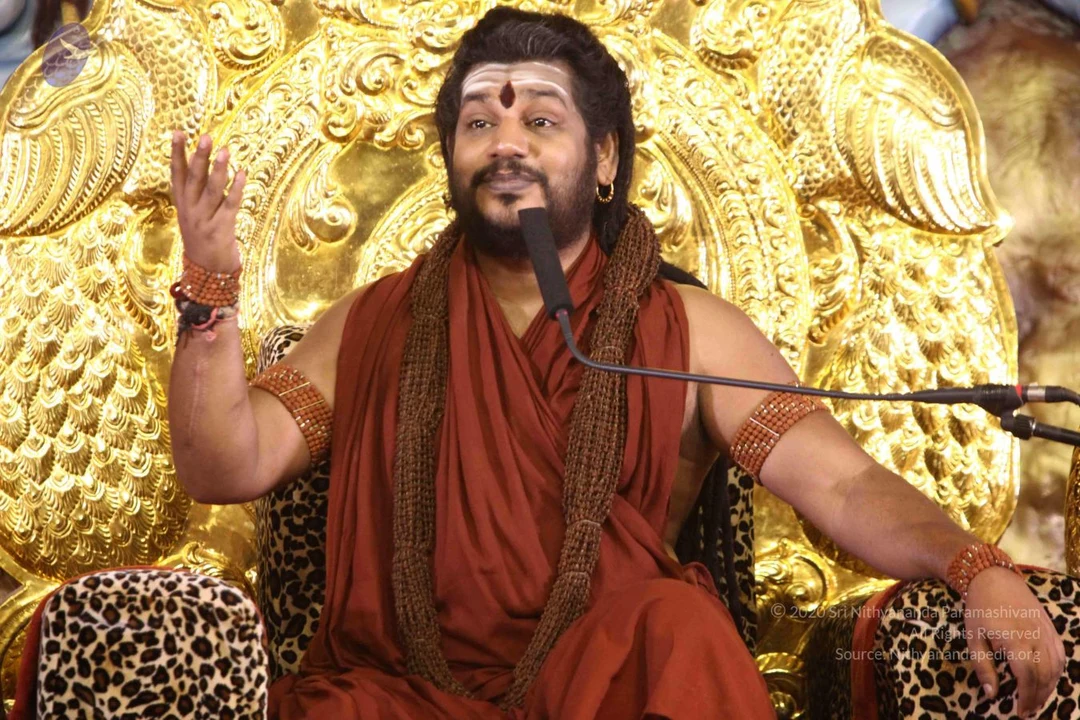
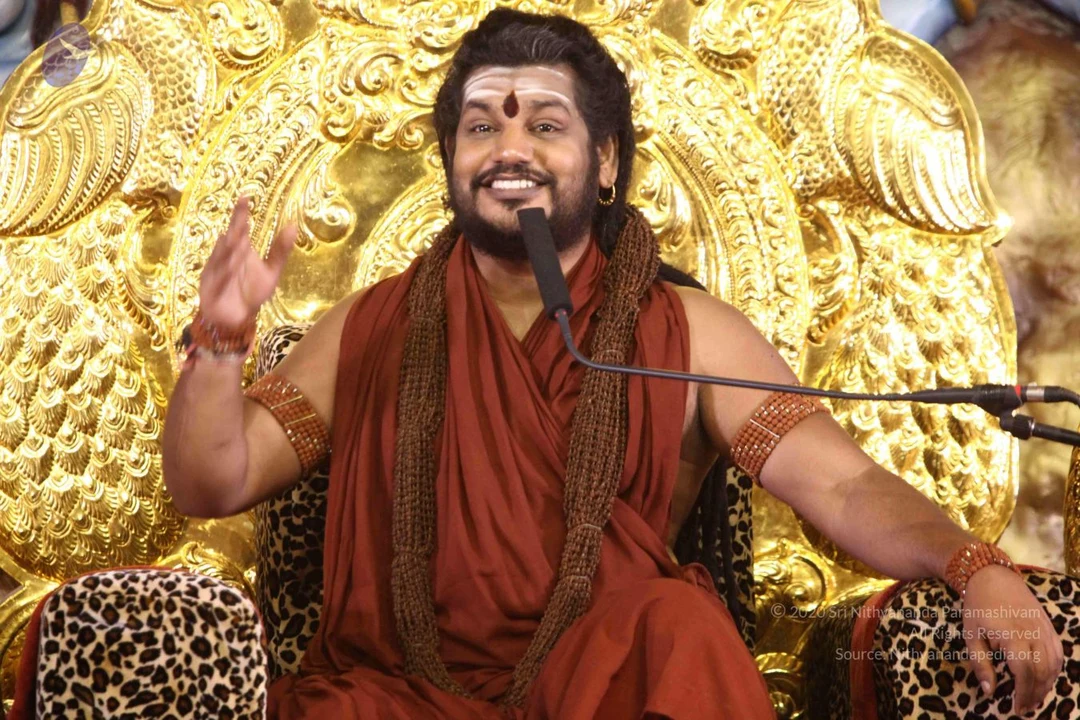
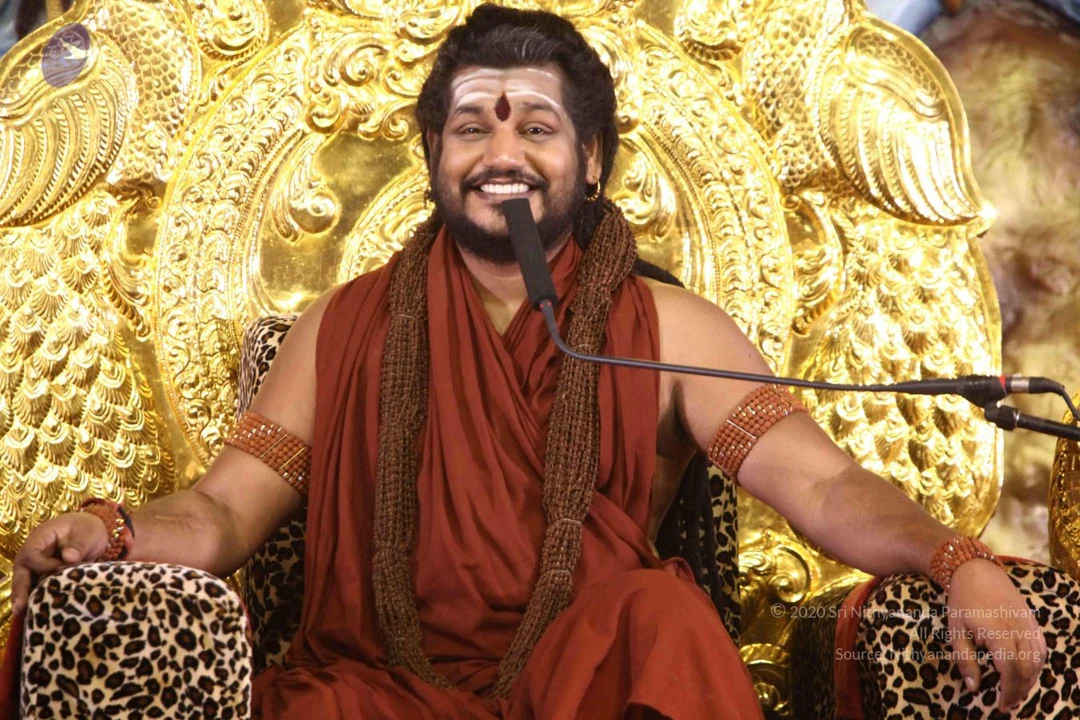
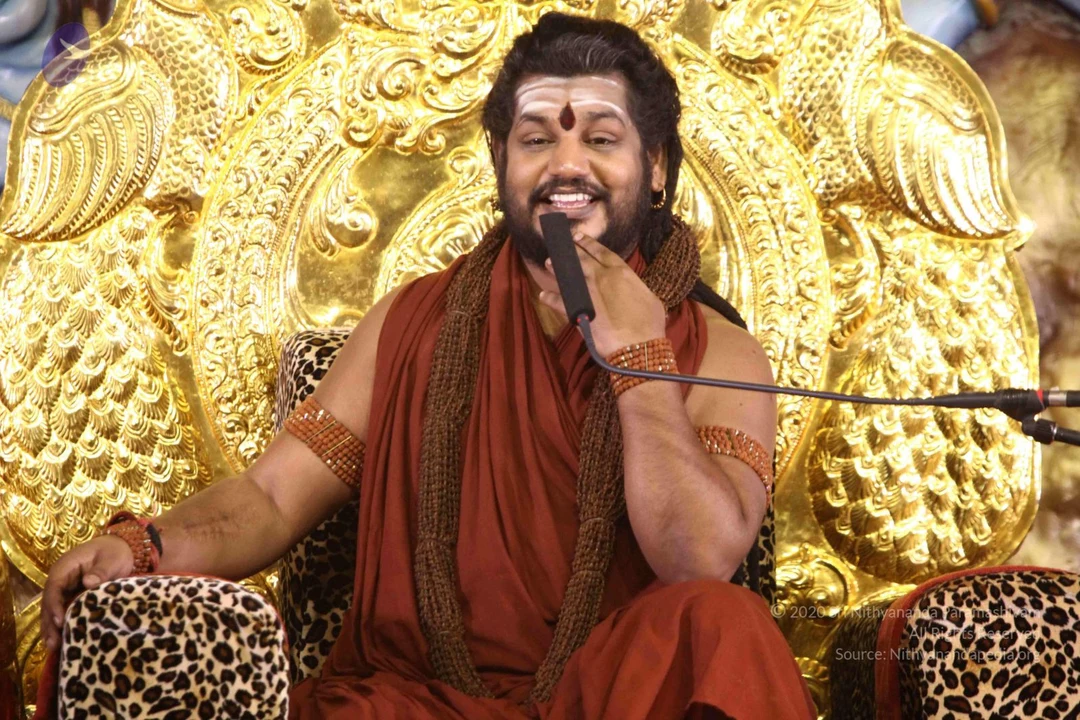
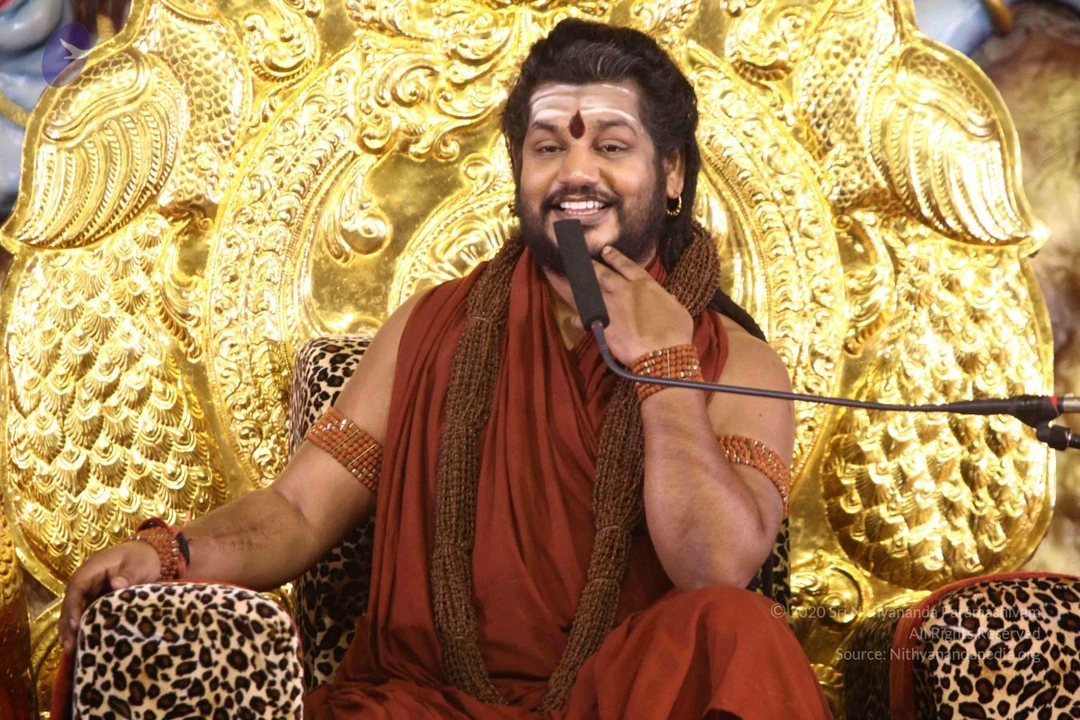
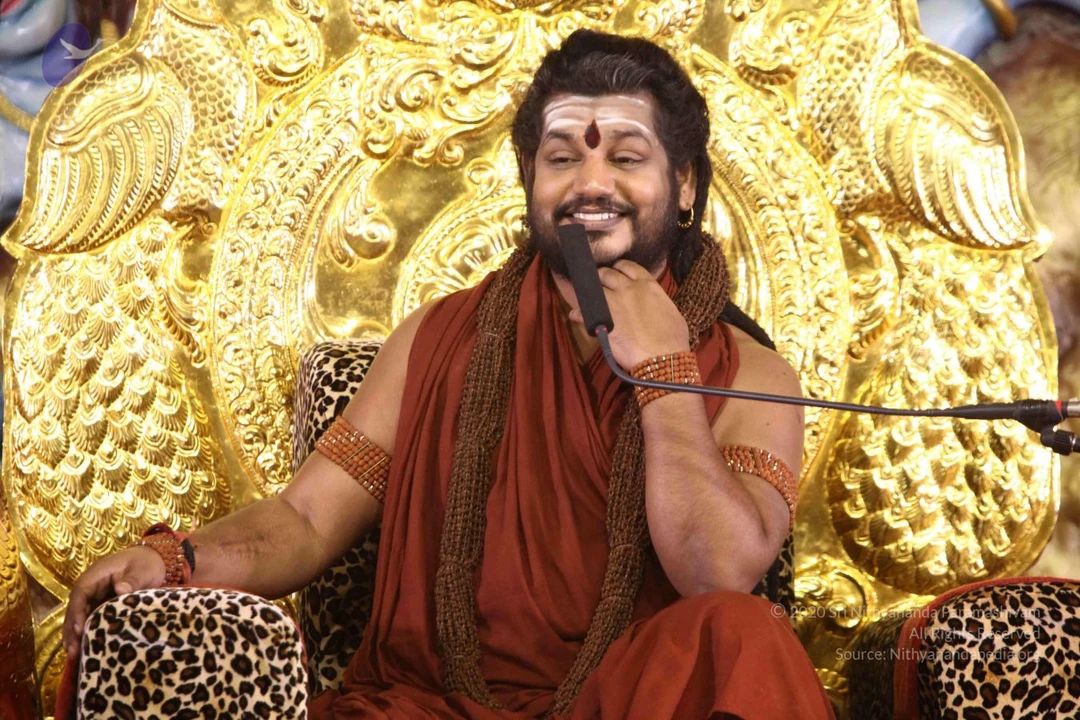
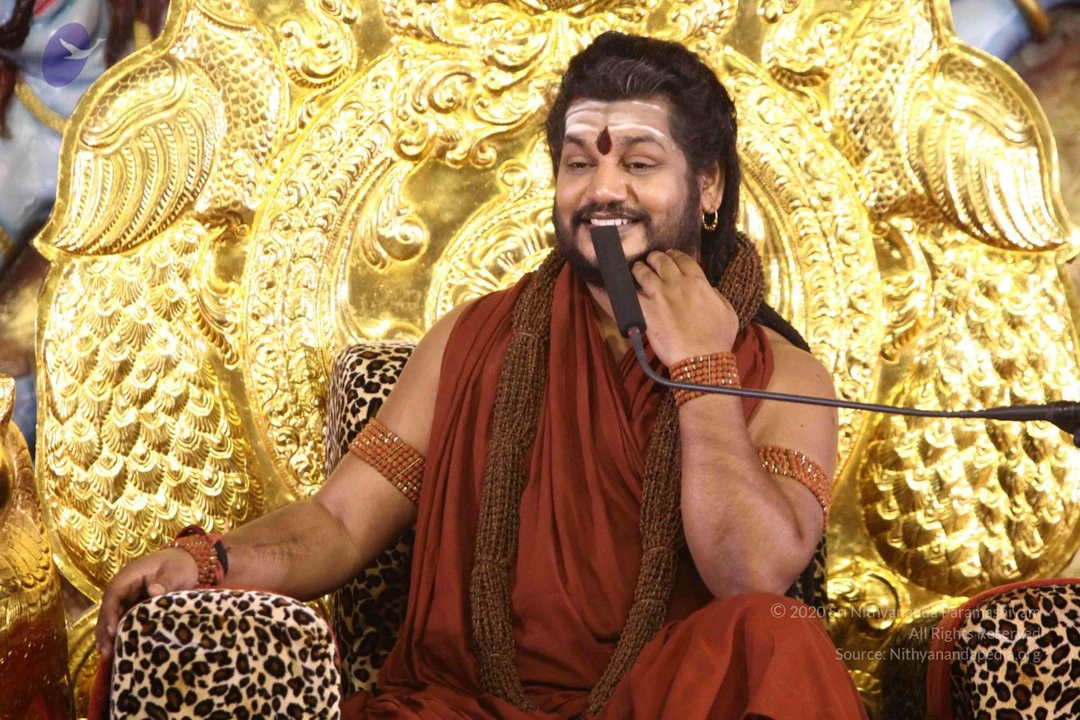
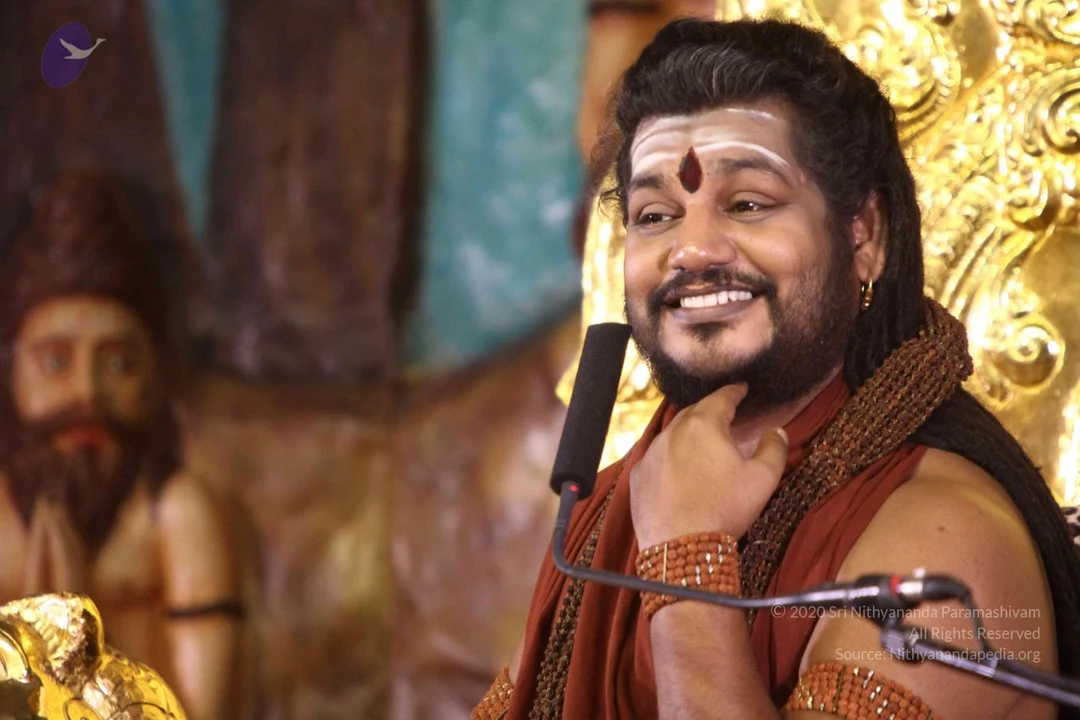
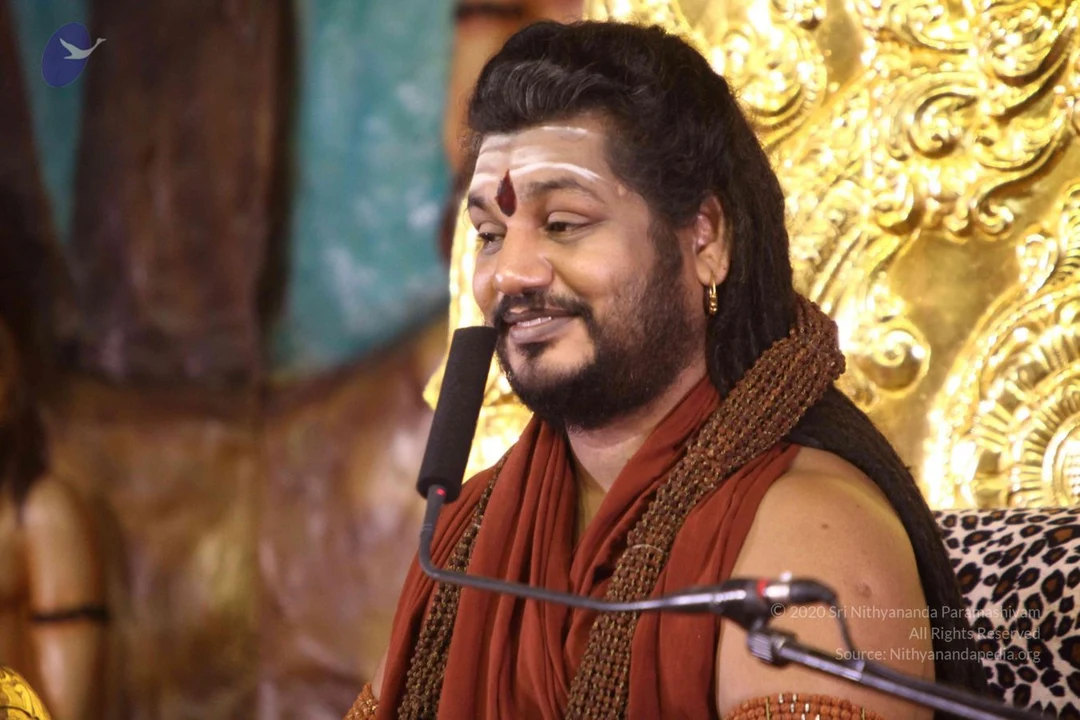
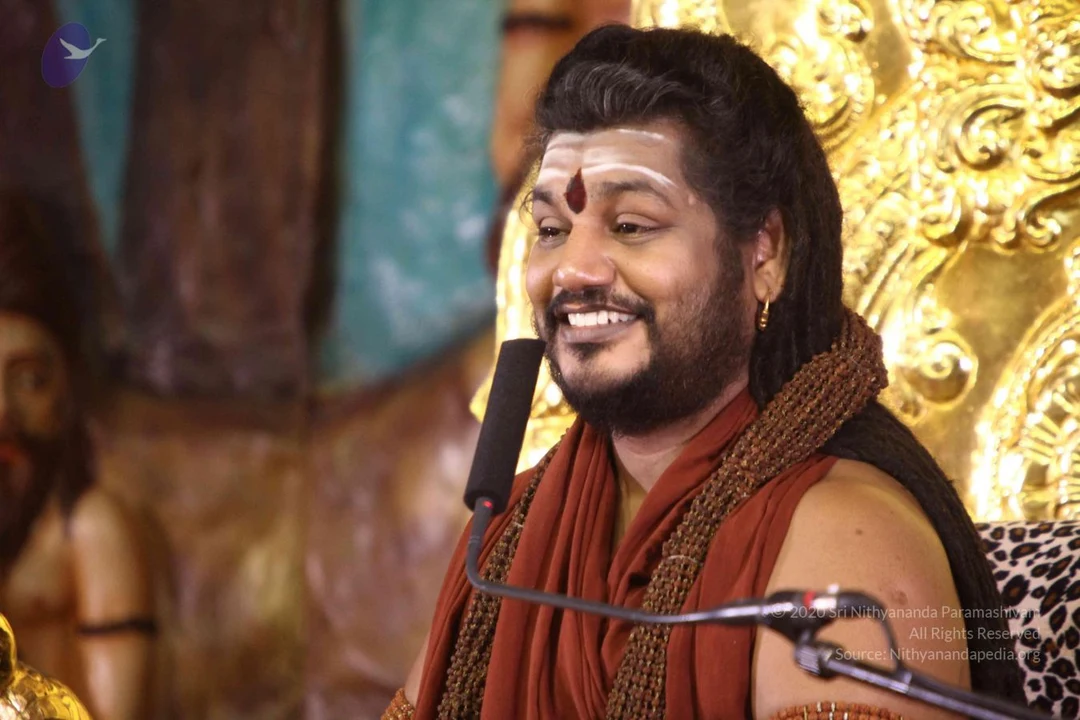
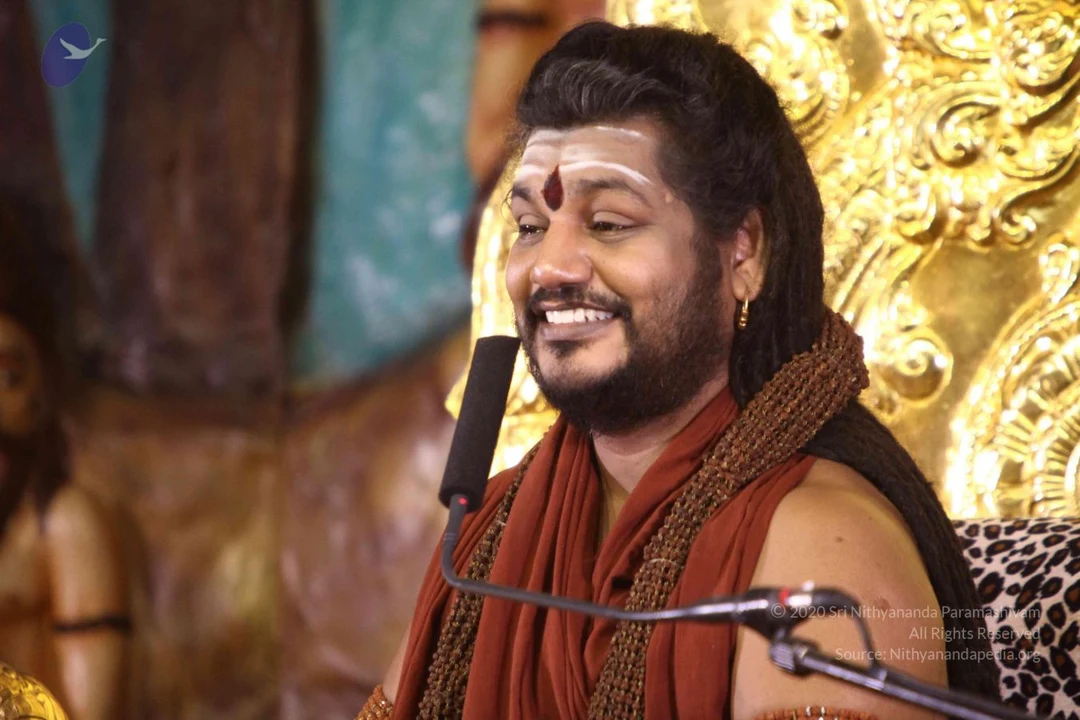
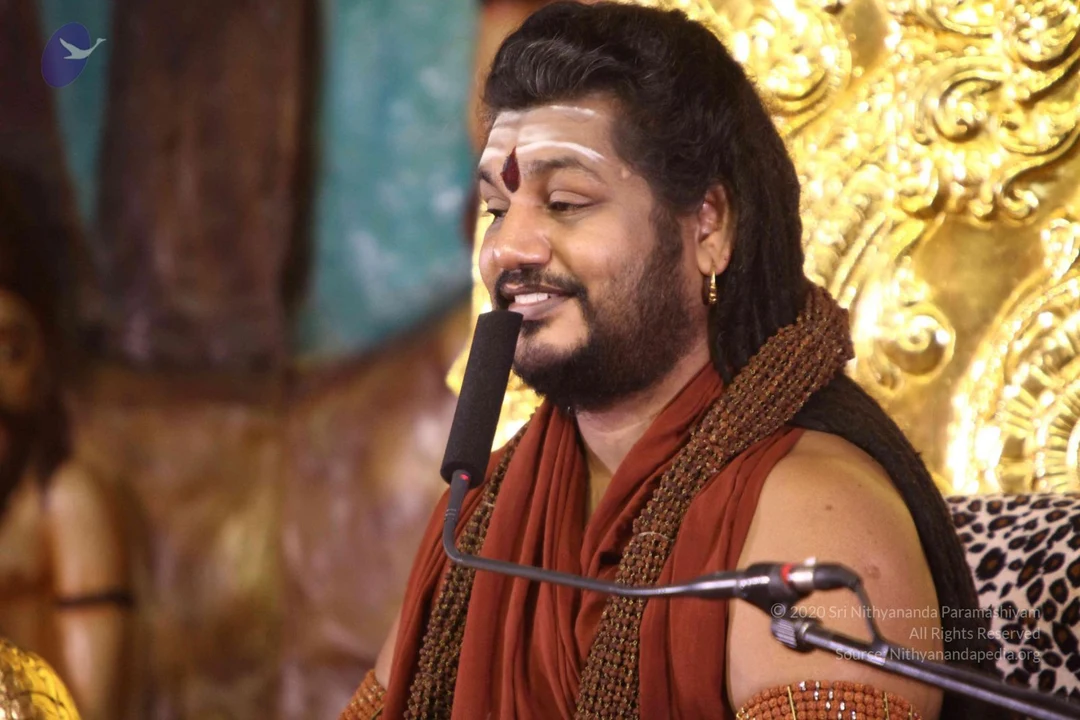
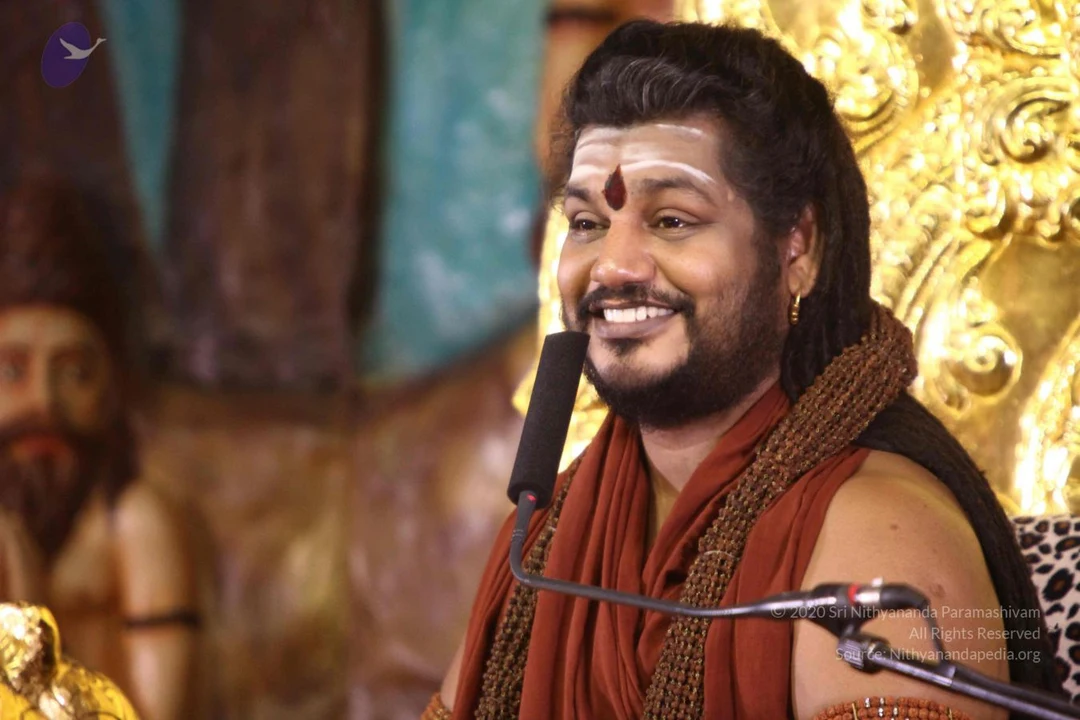
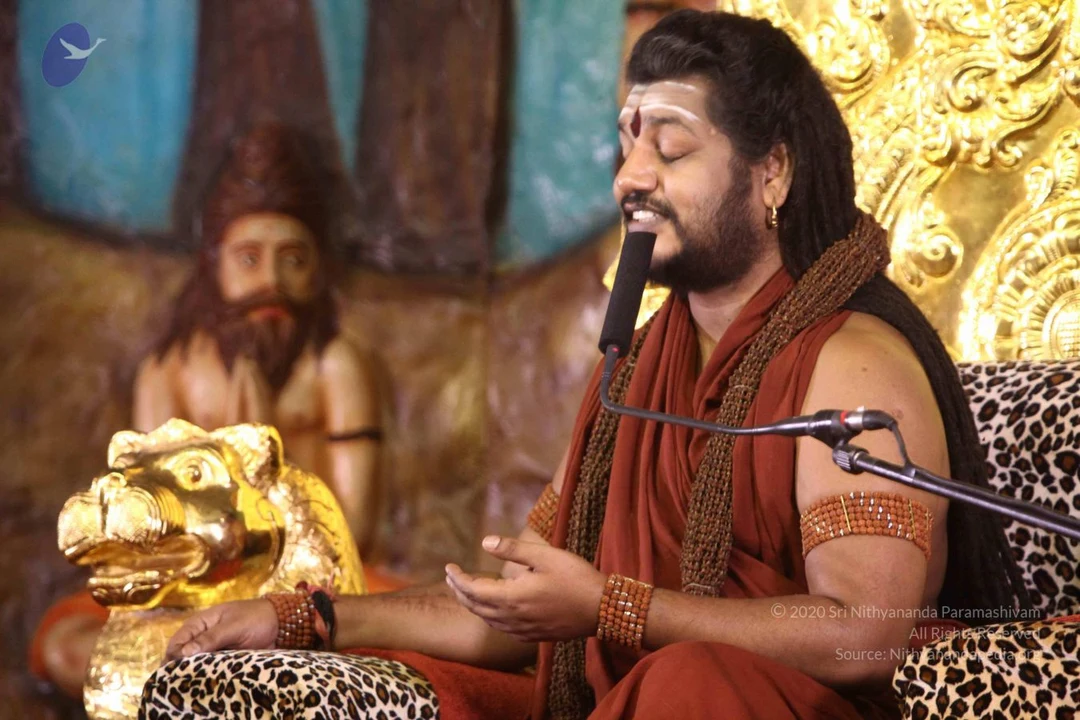
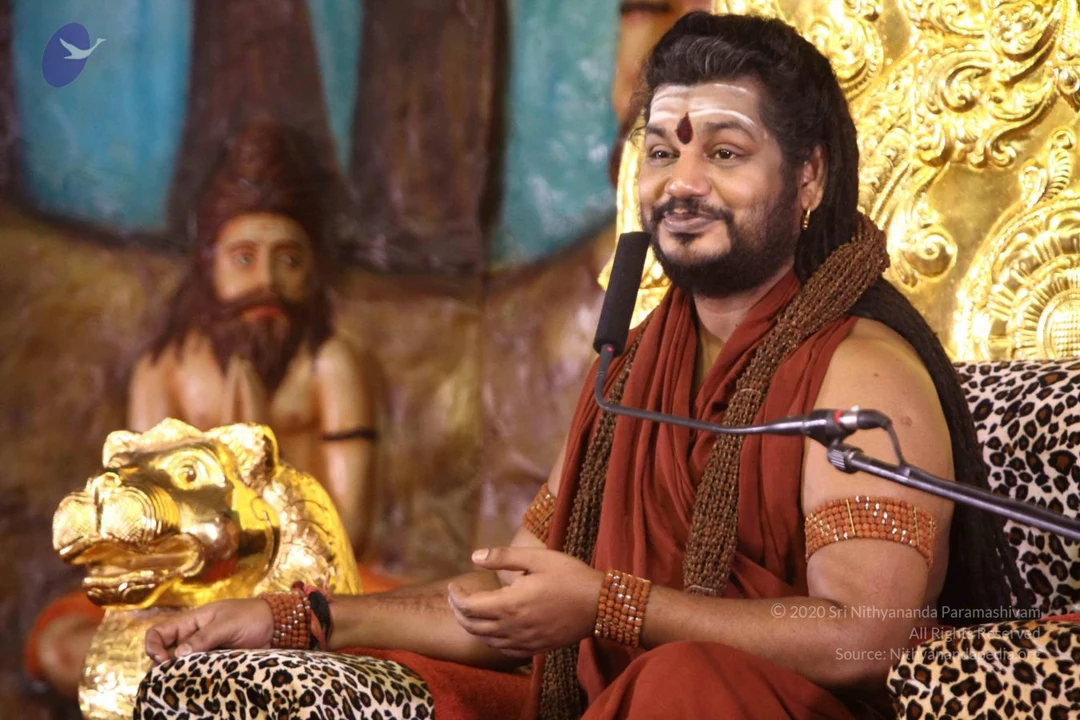
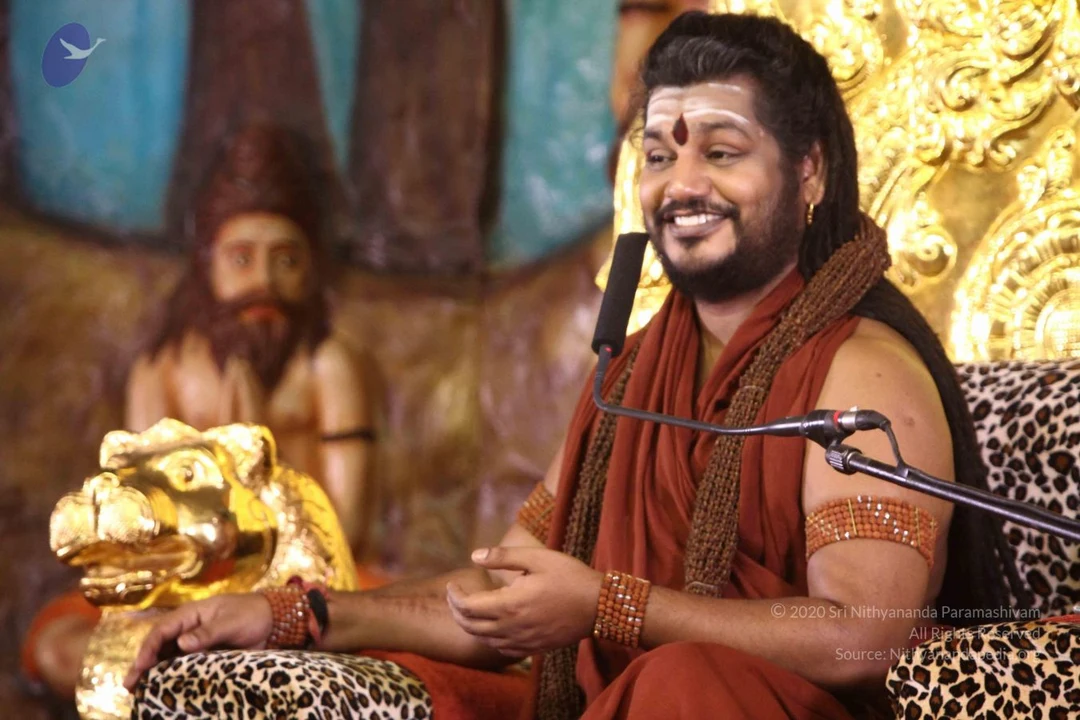
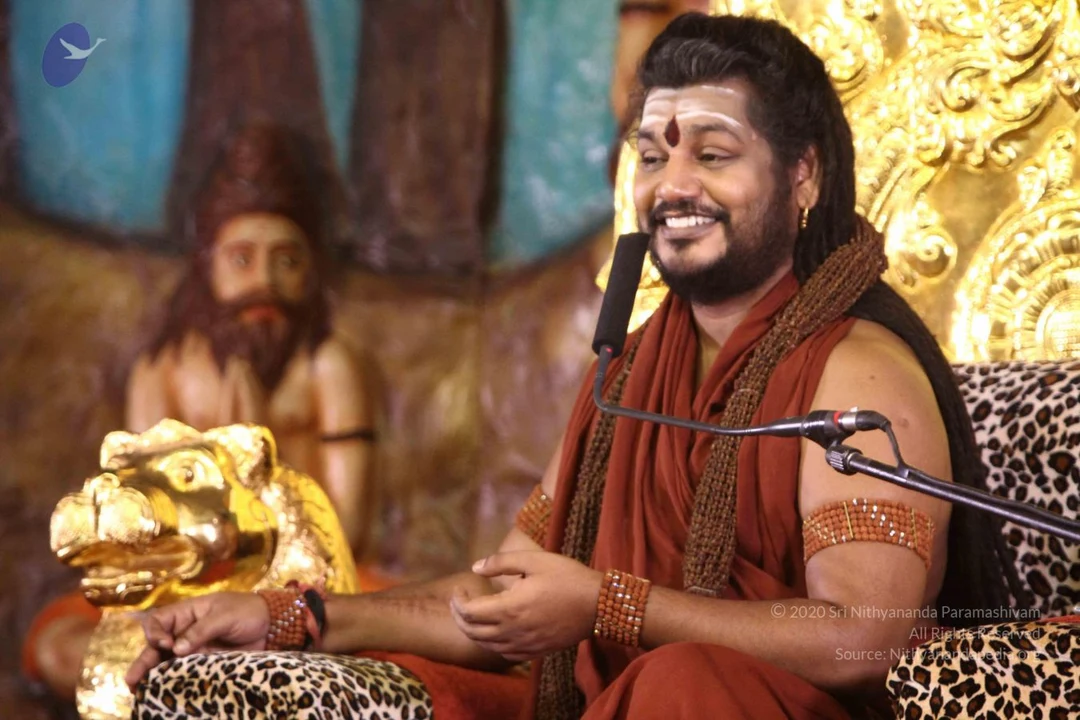
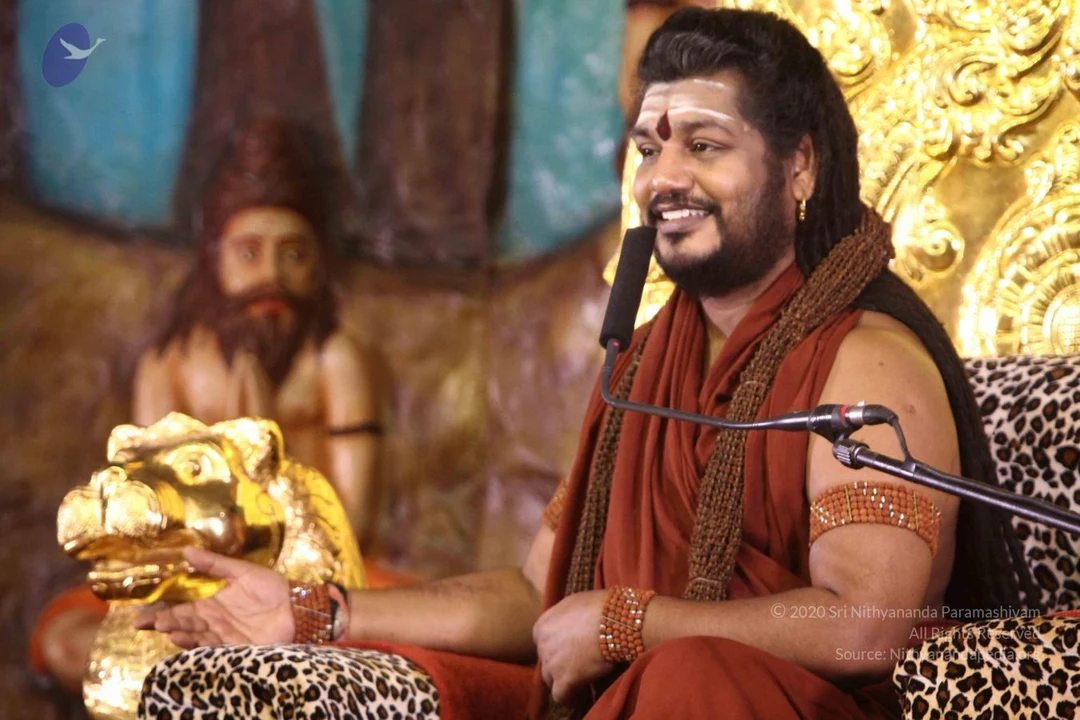
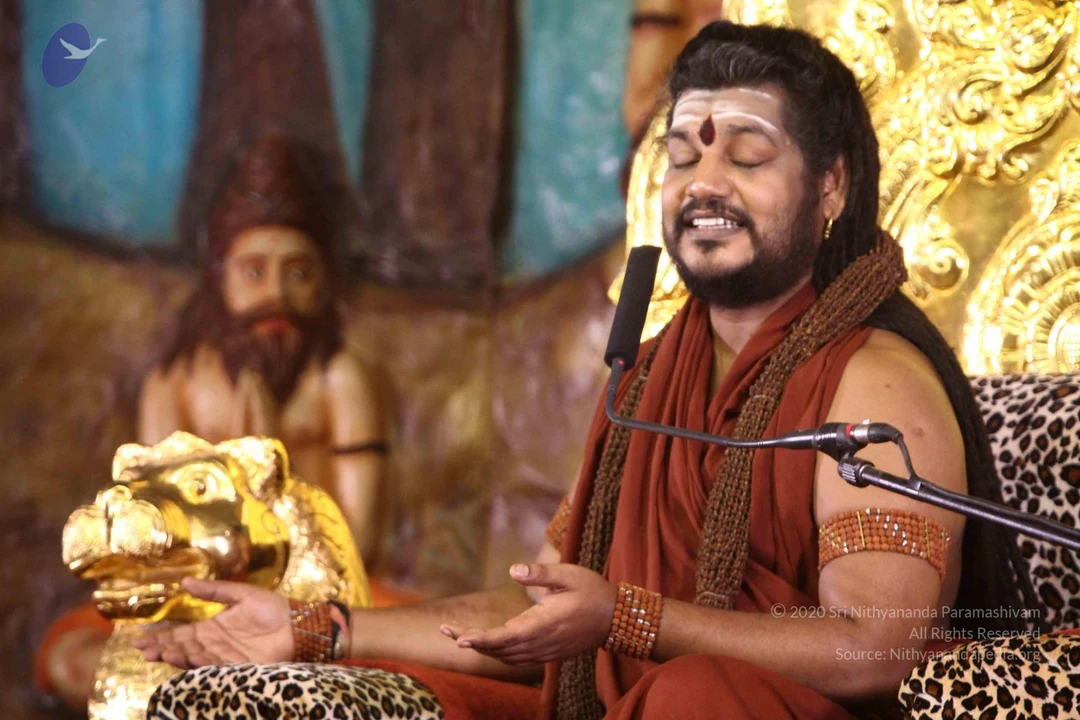


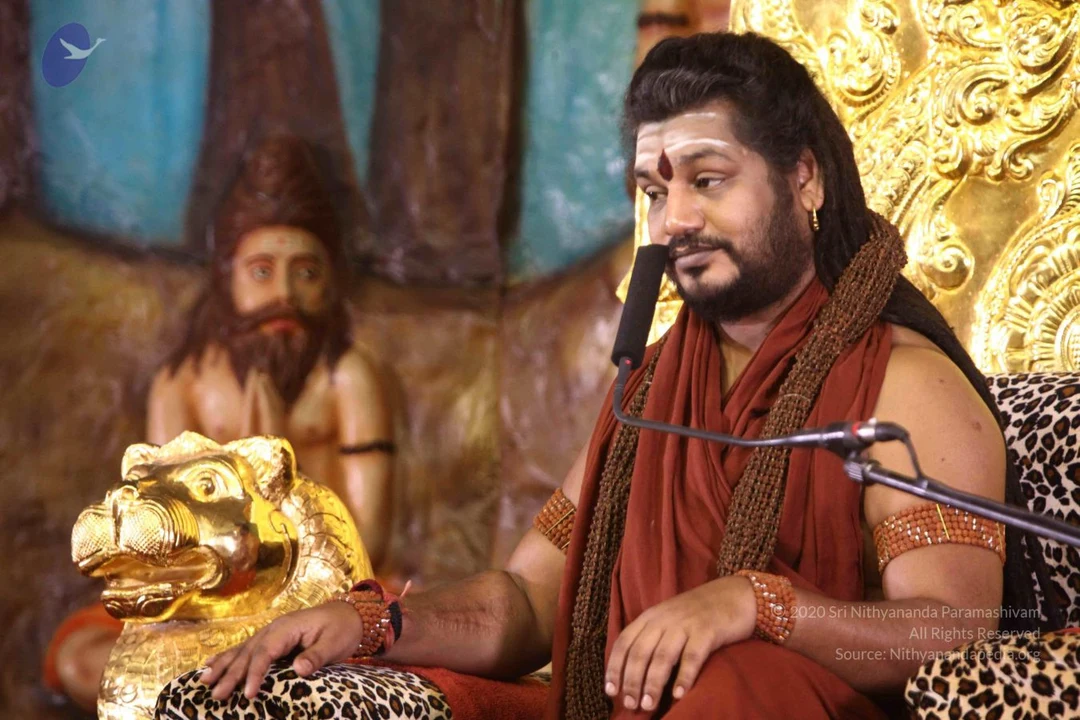
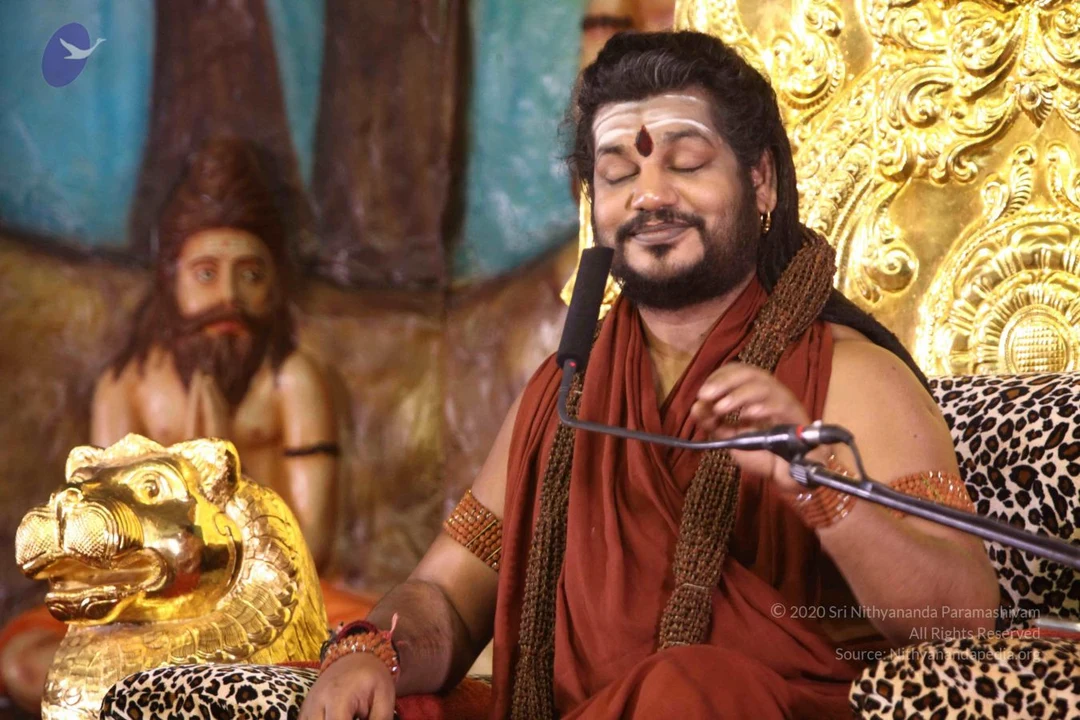
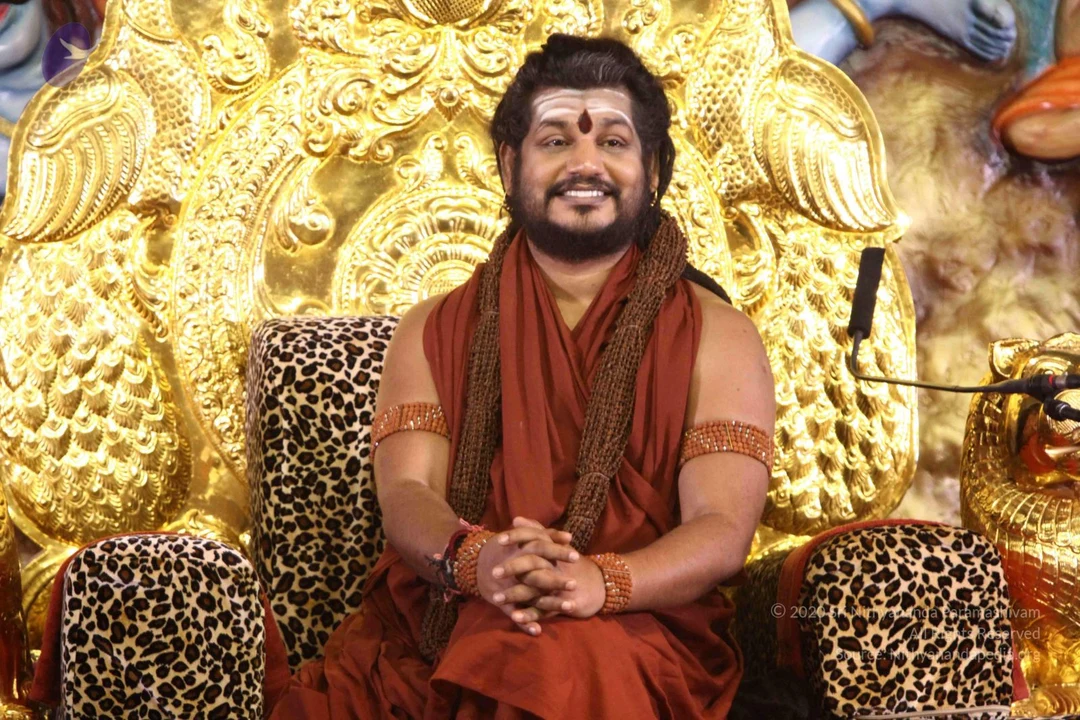
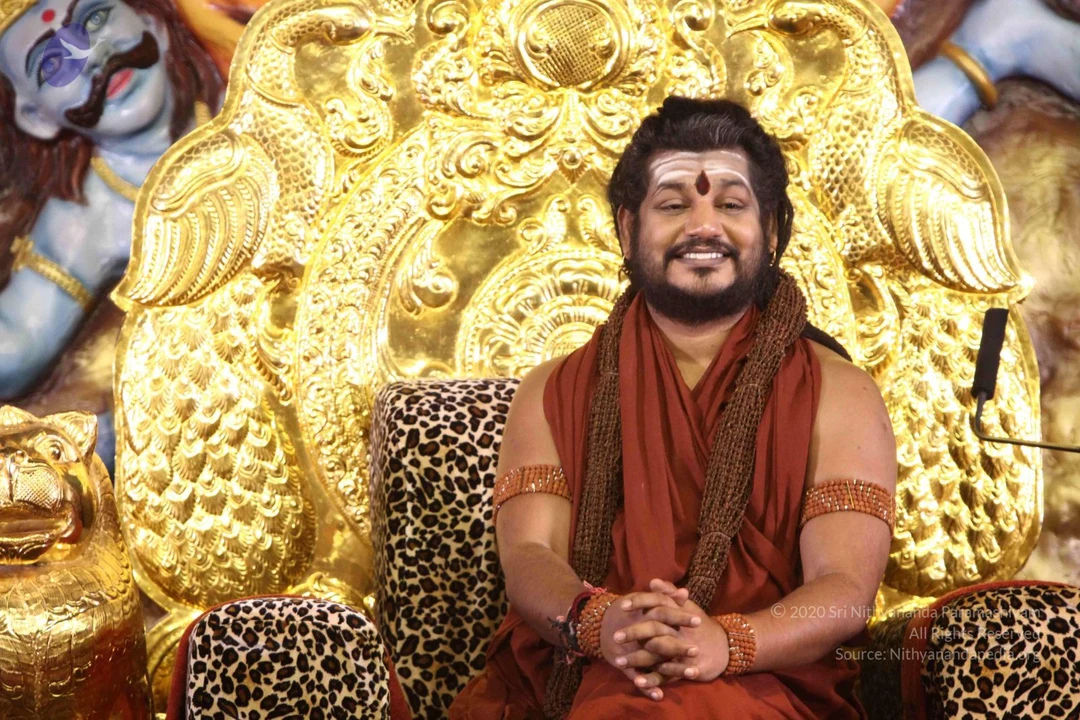
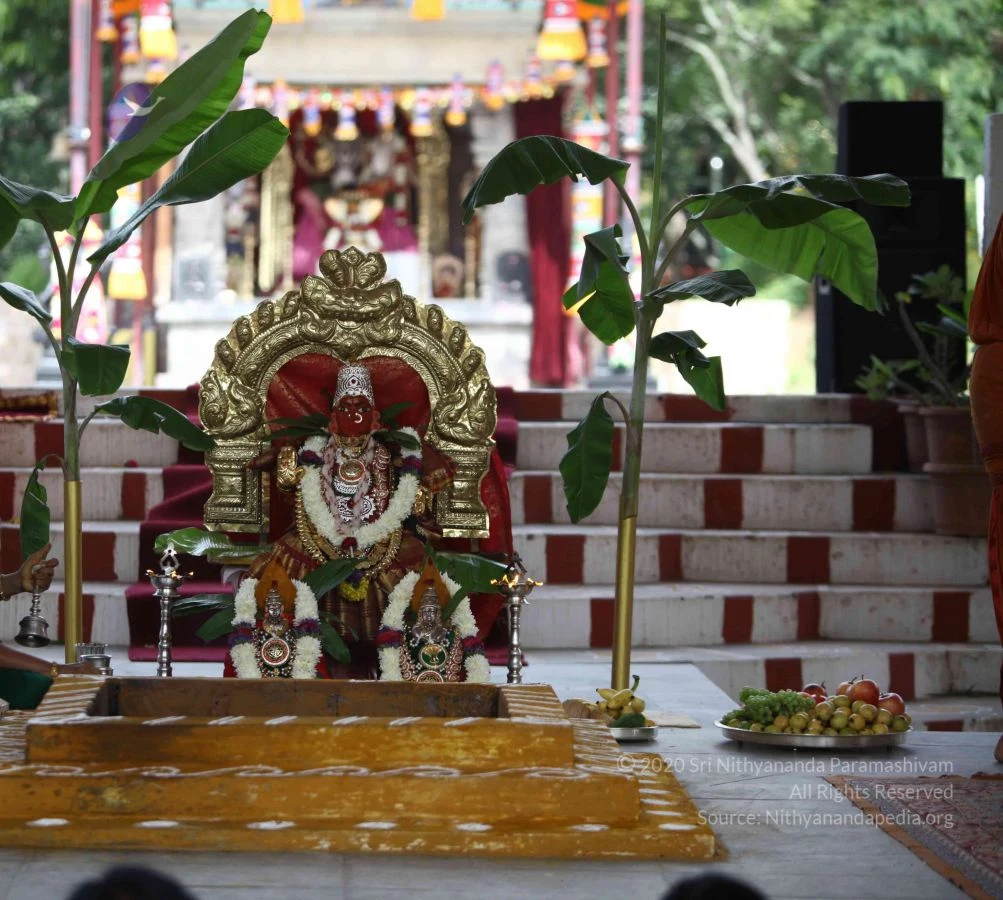
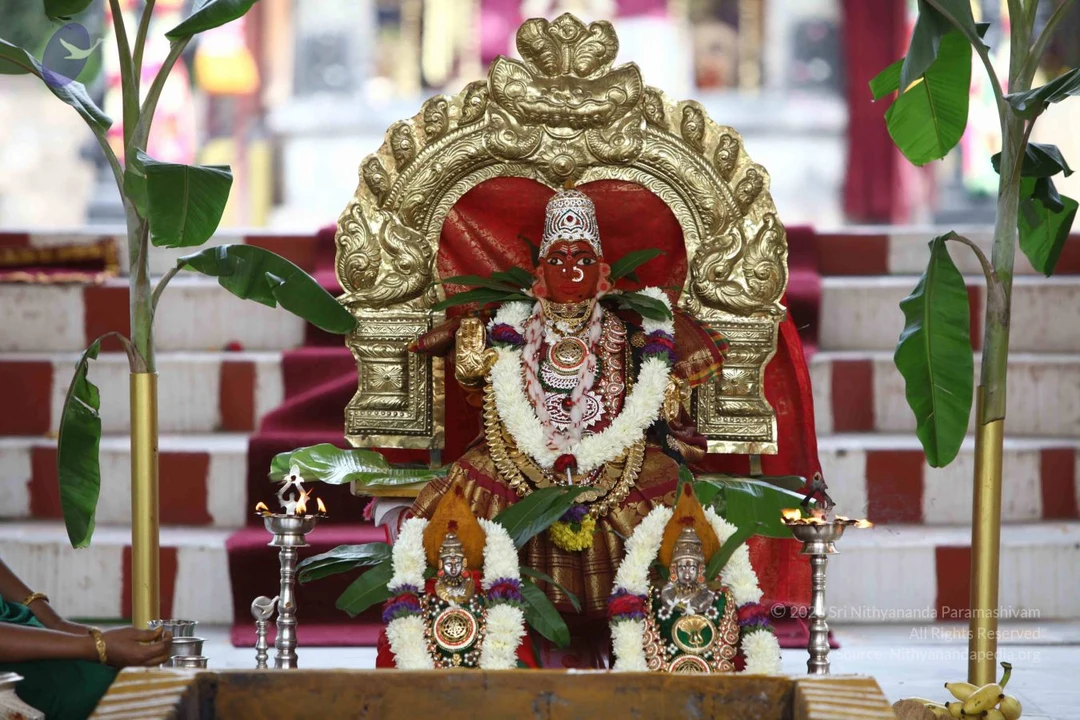
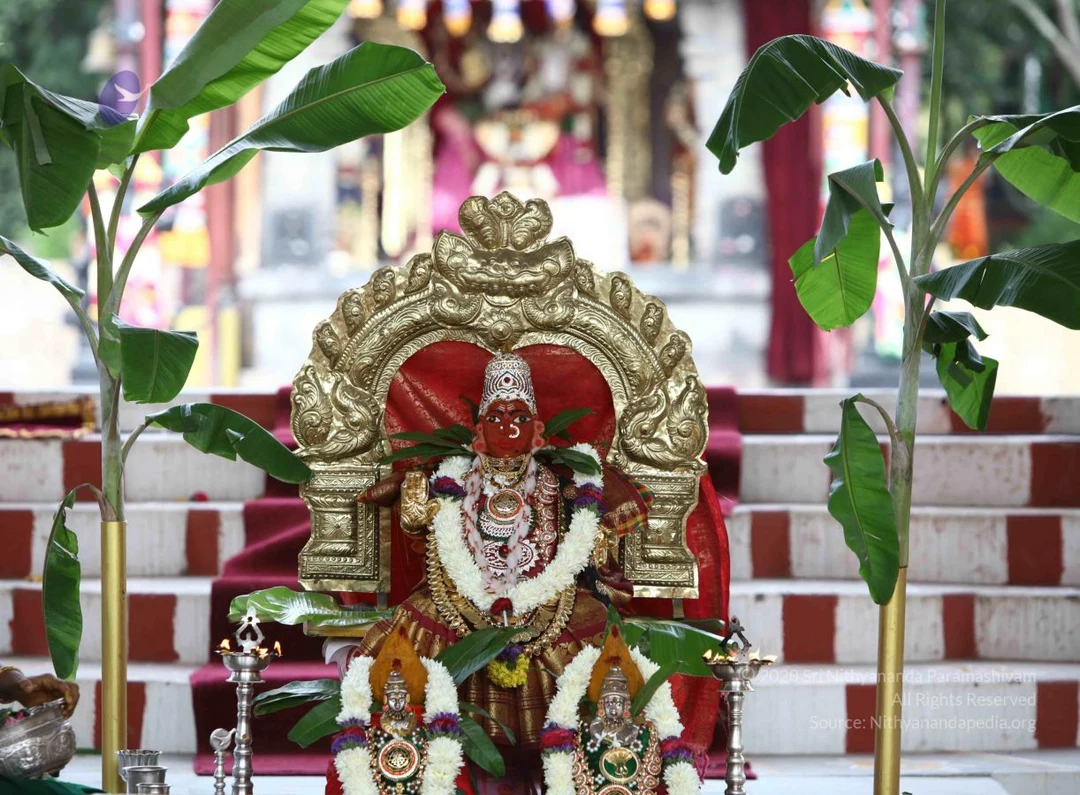
varamahalakshmi puja
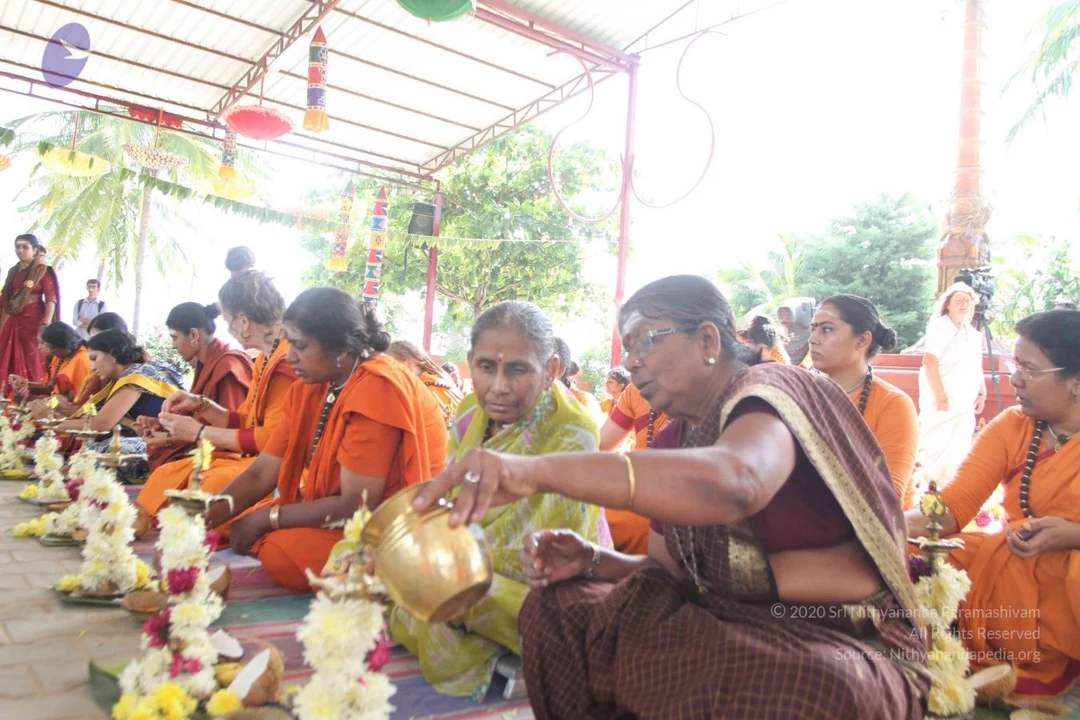
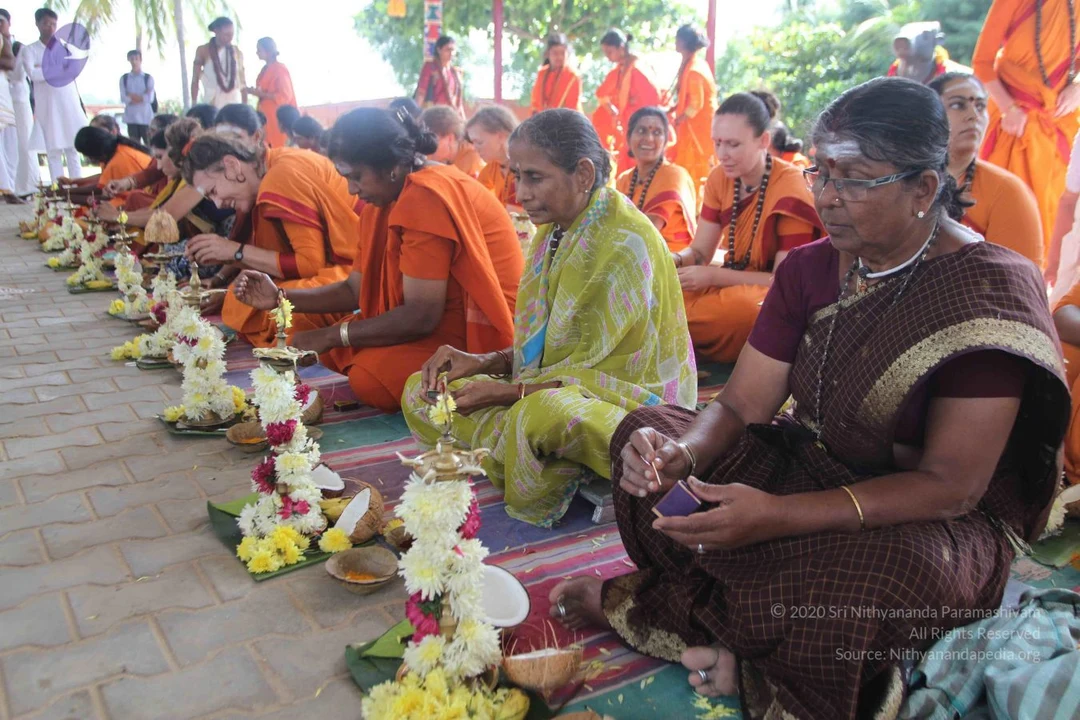
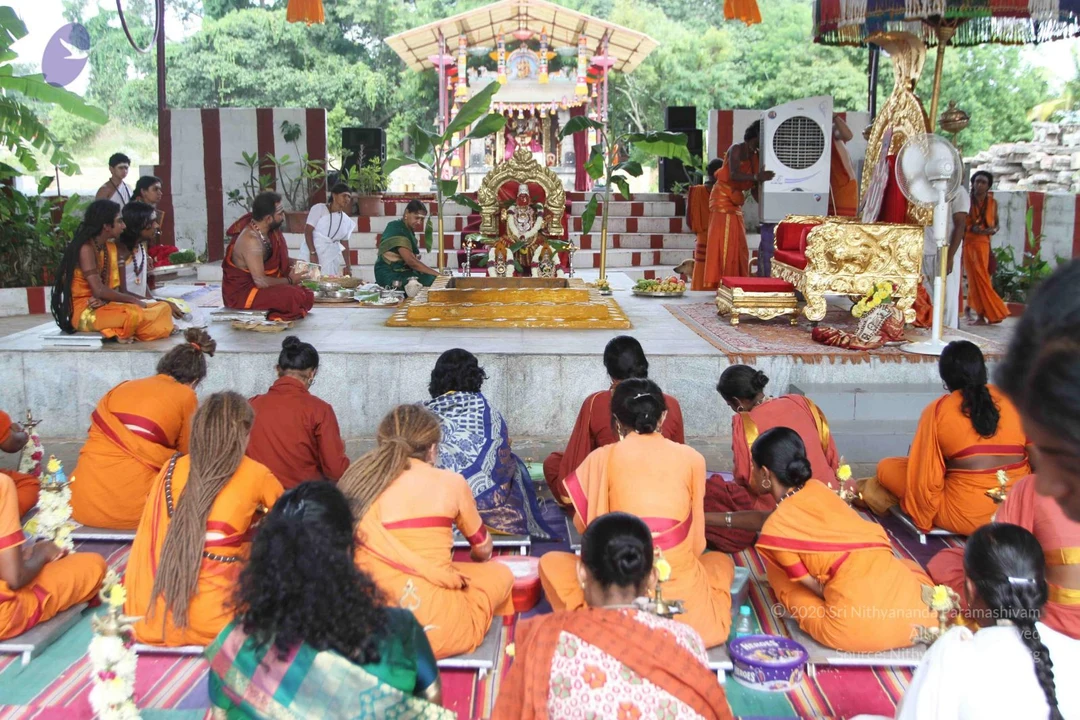
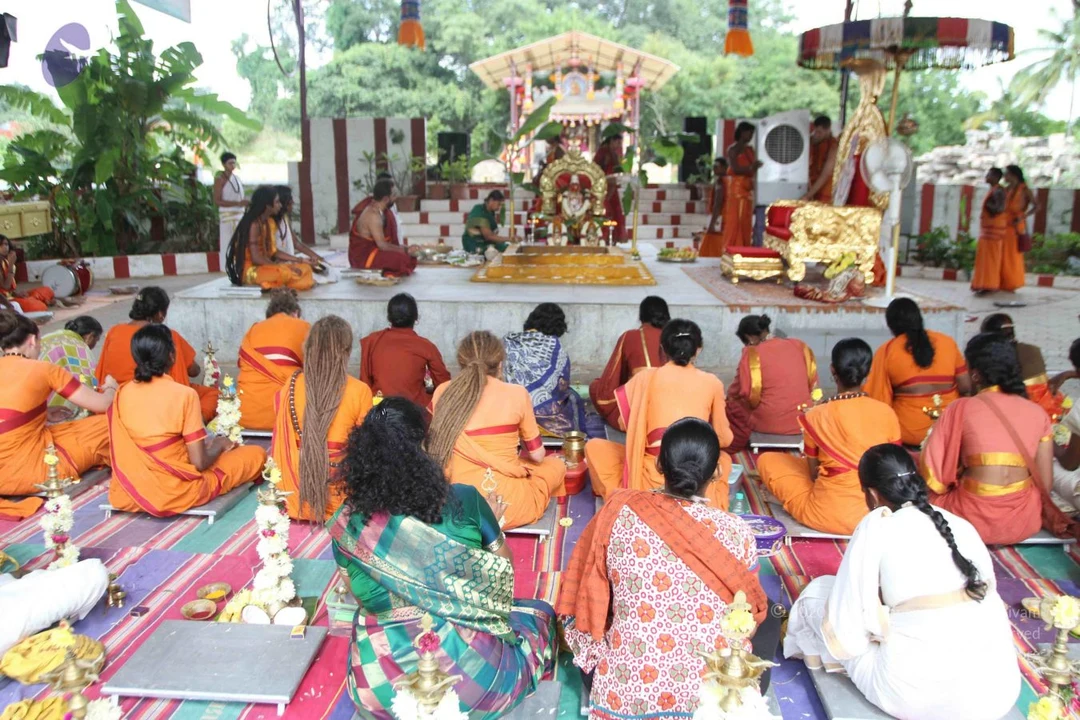
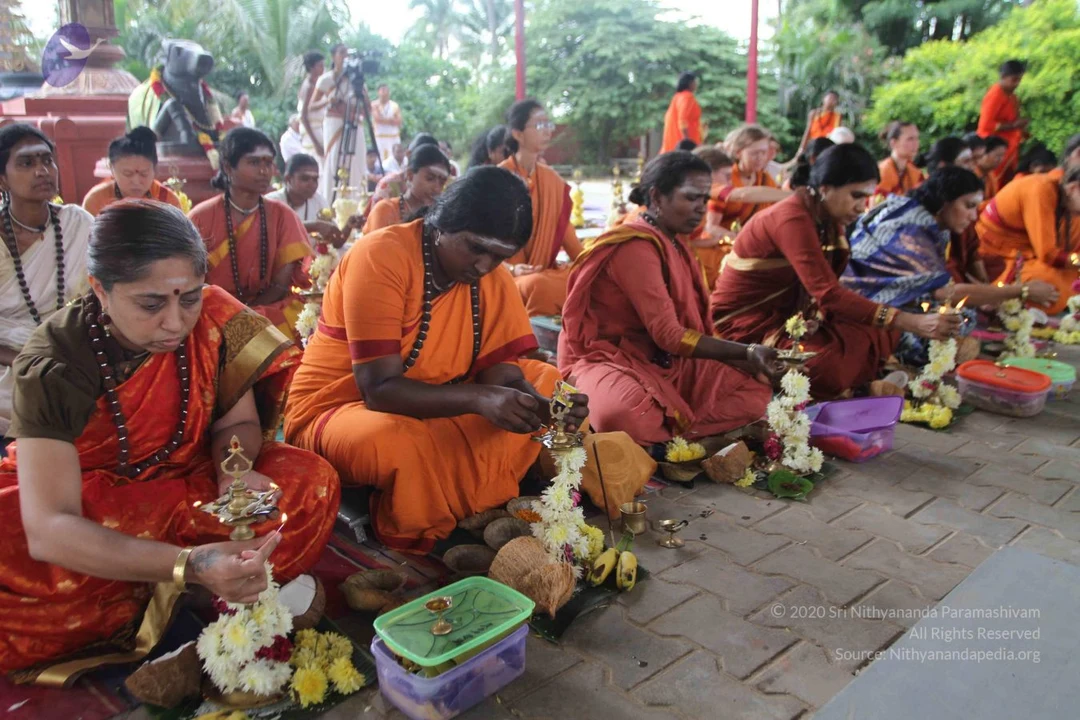
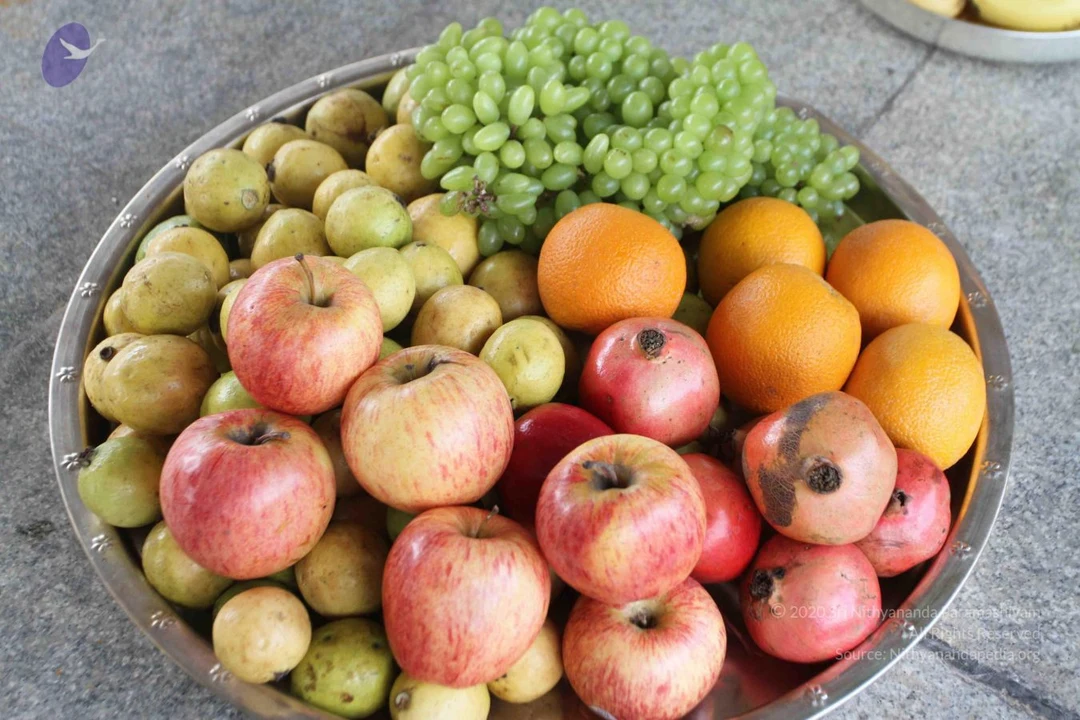
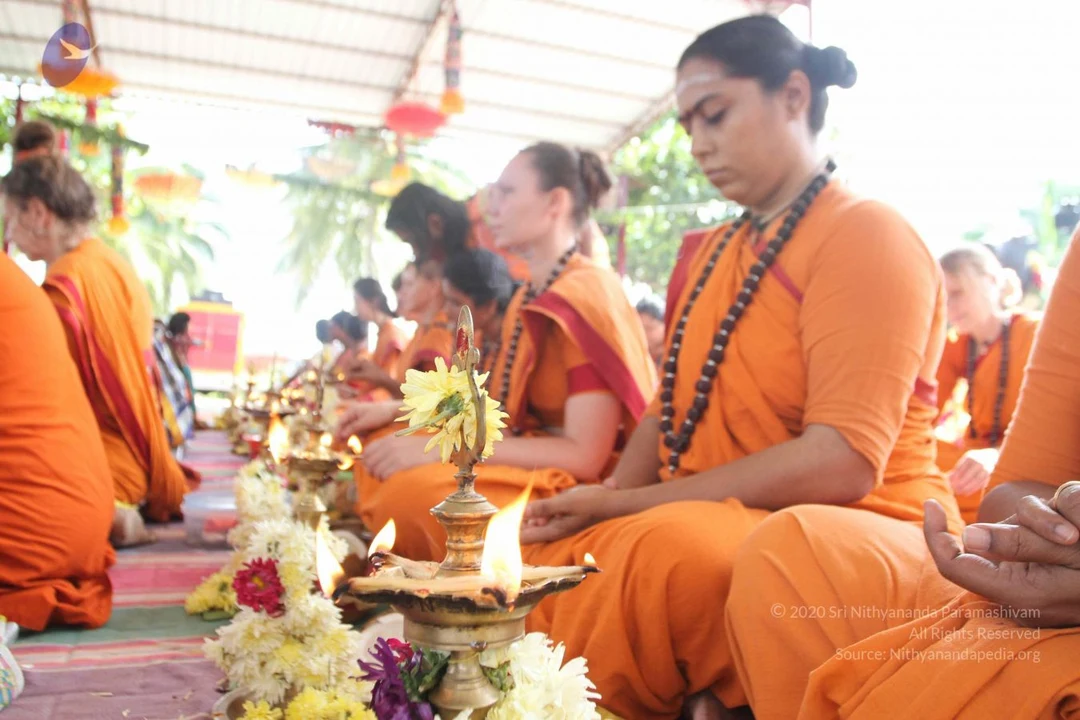
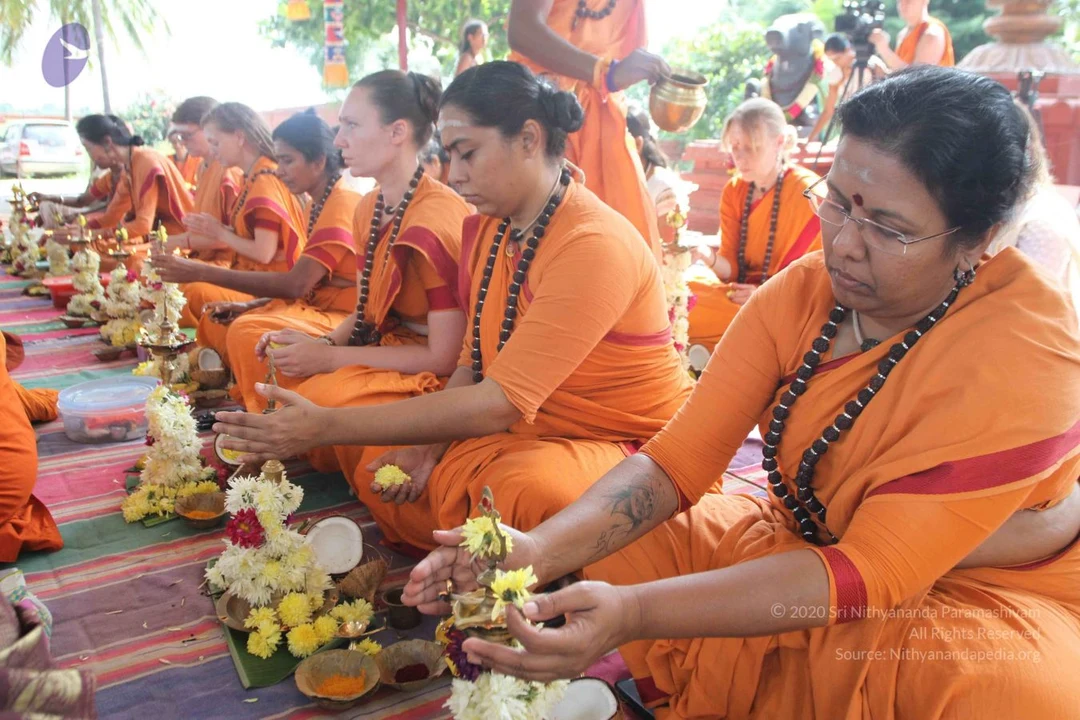
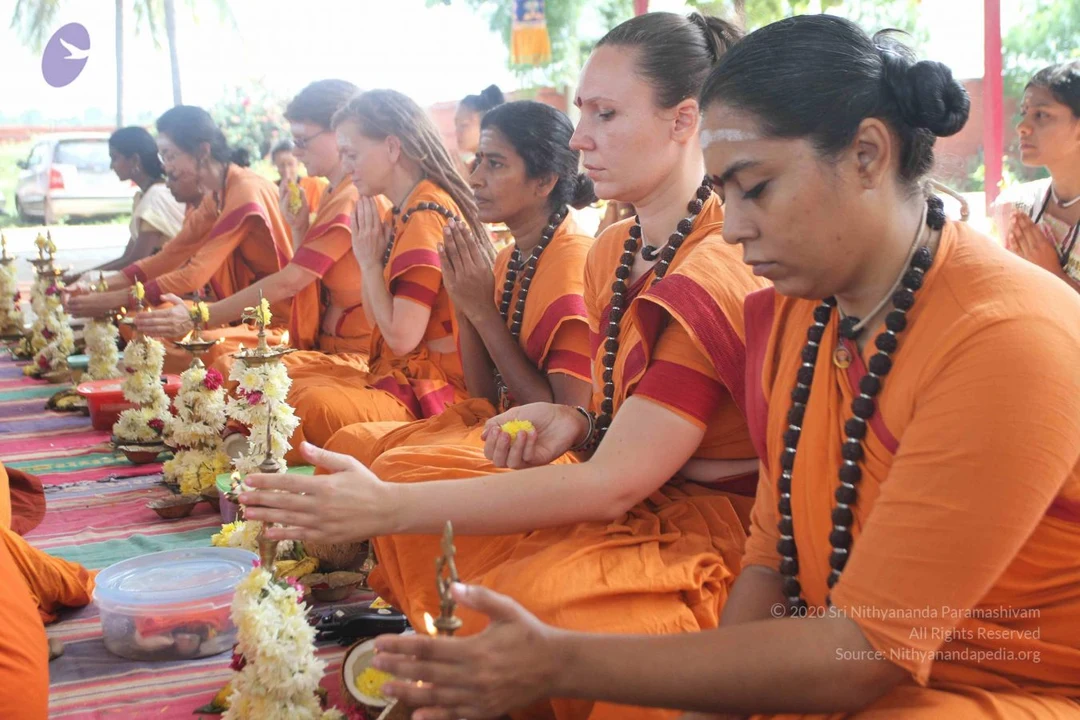


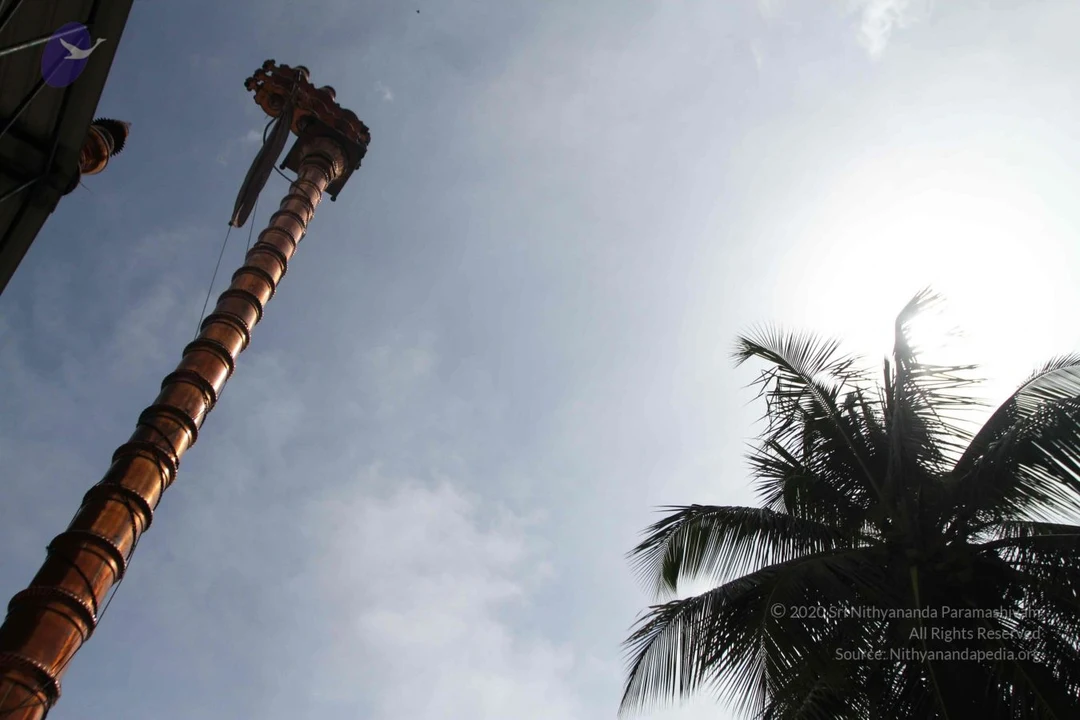
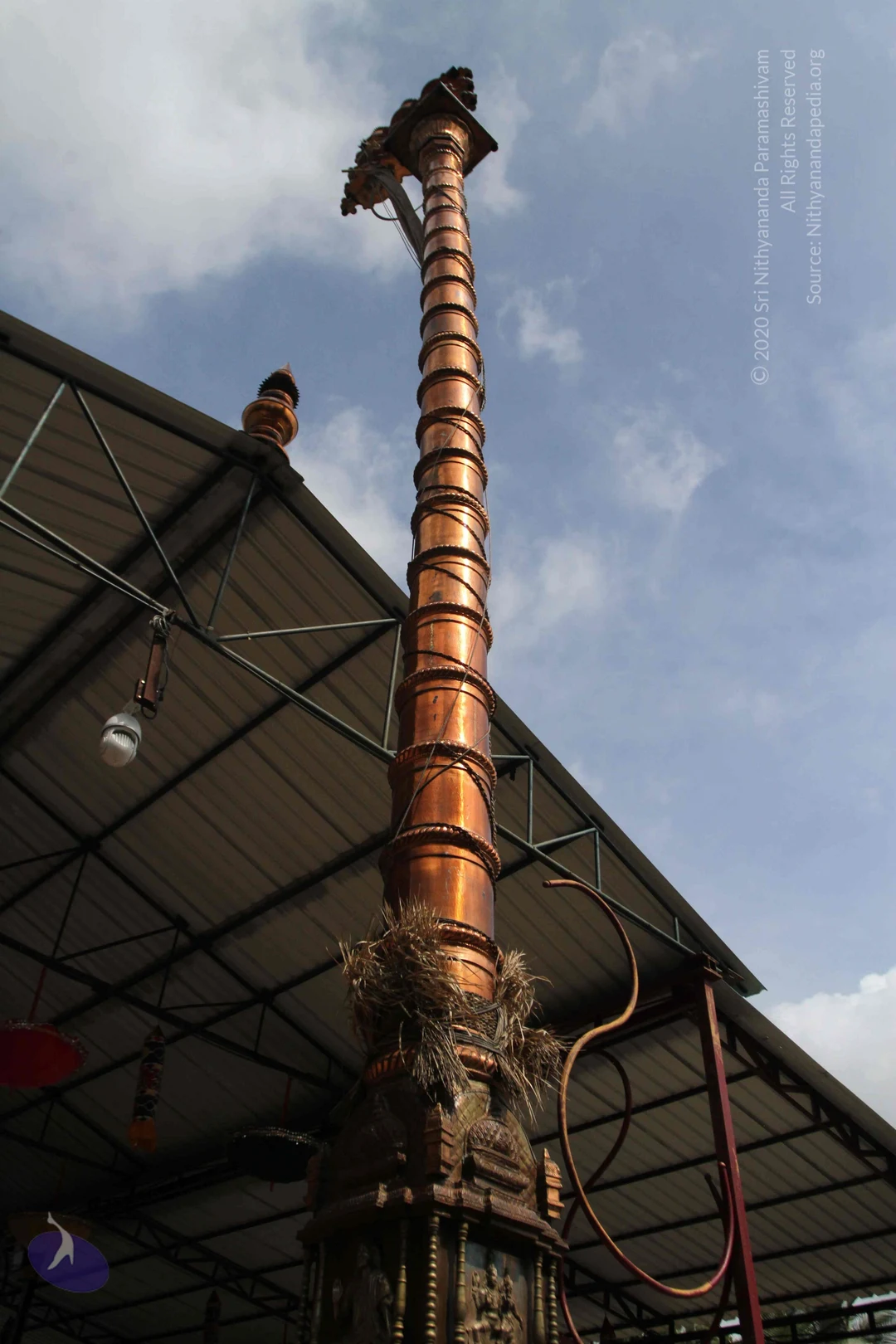
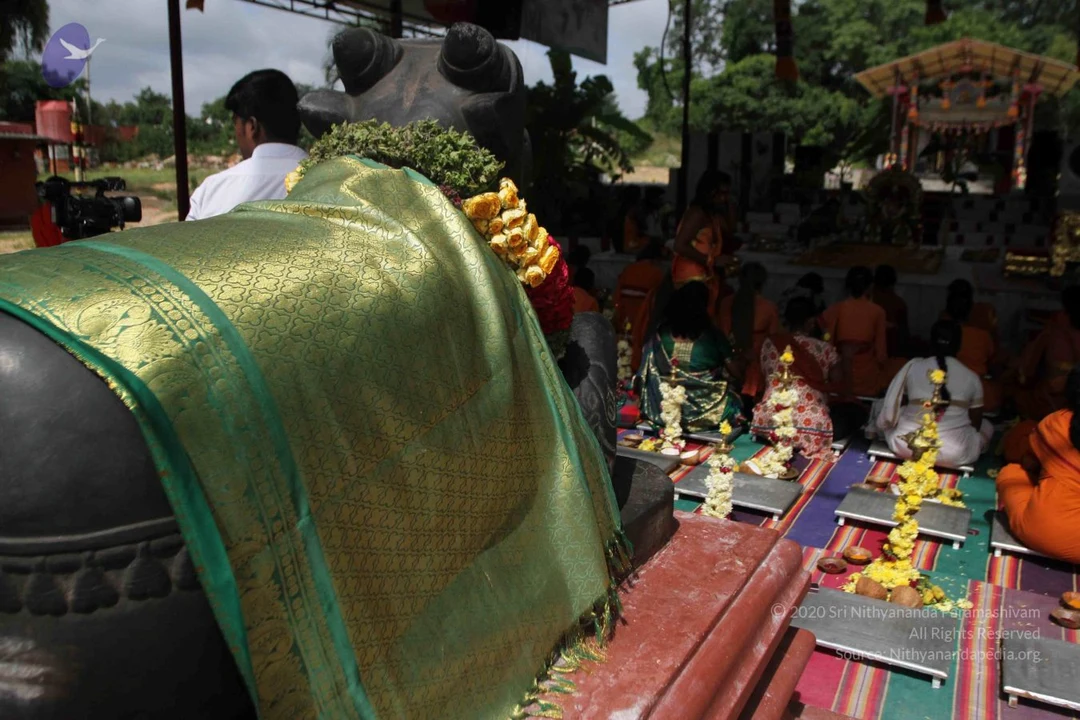
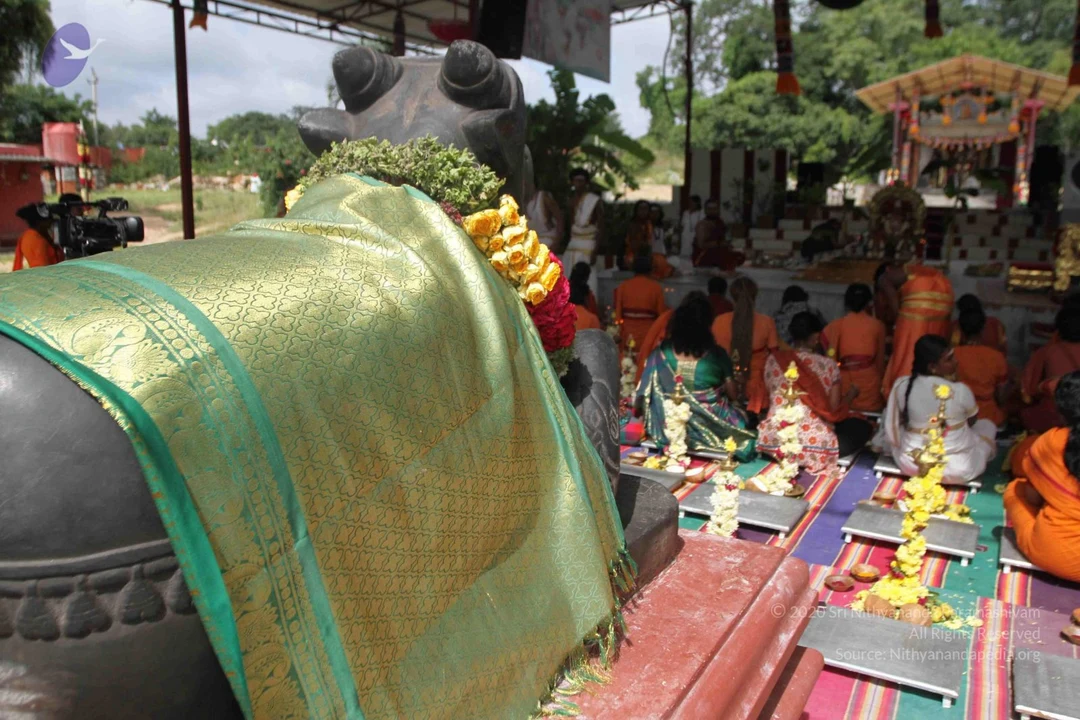
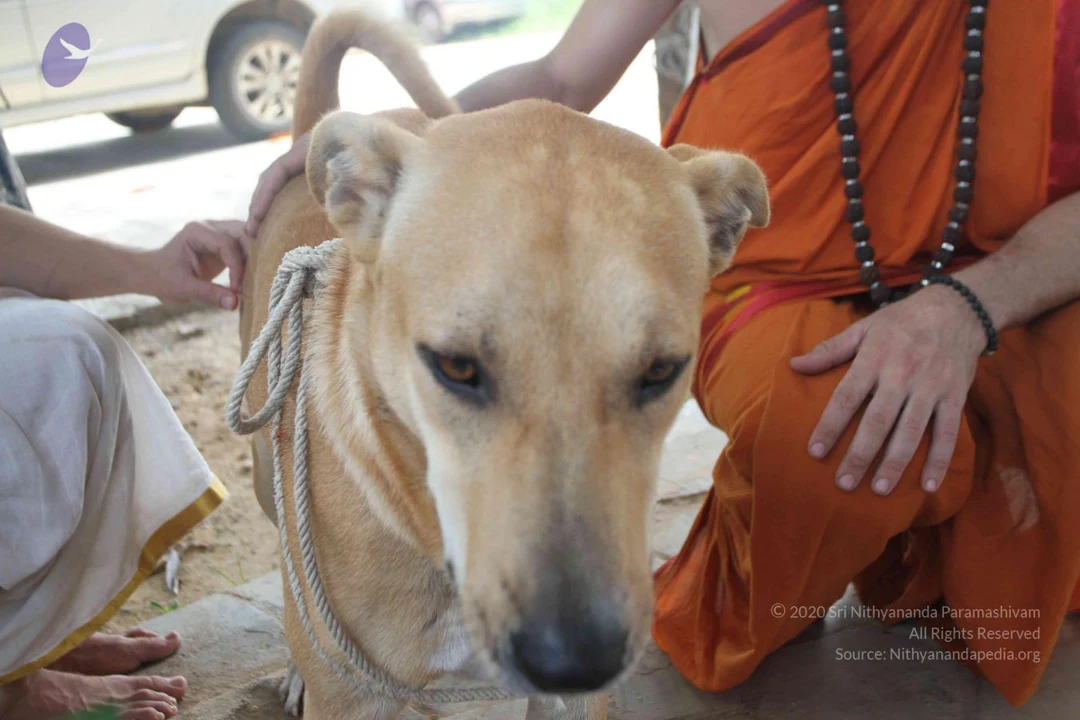
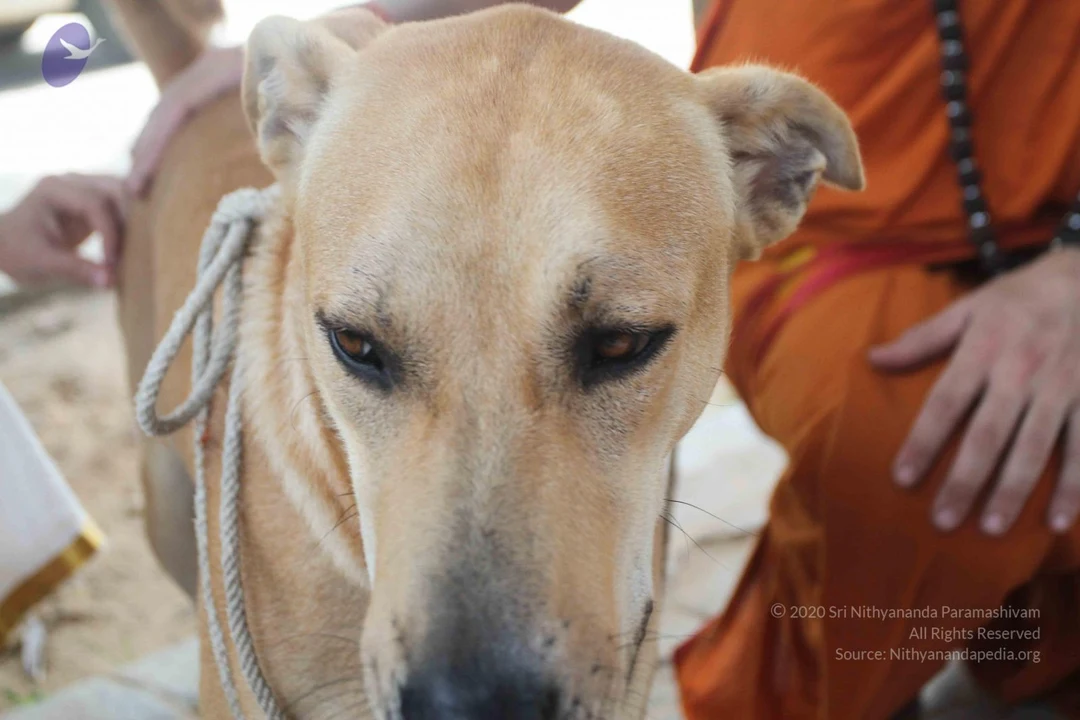
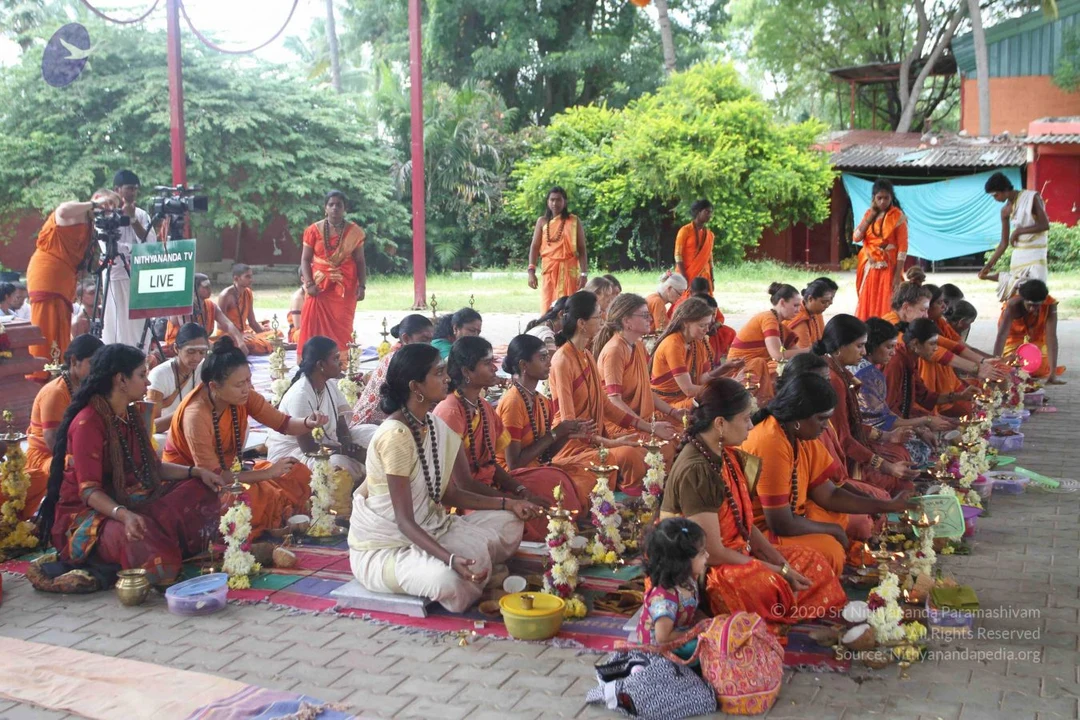
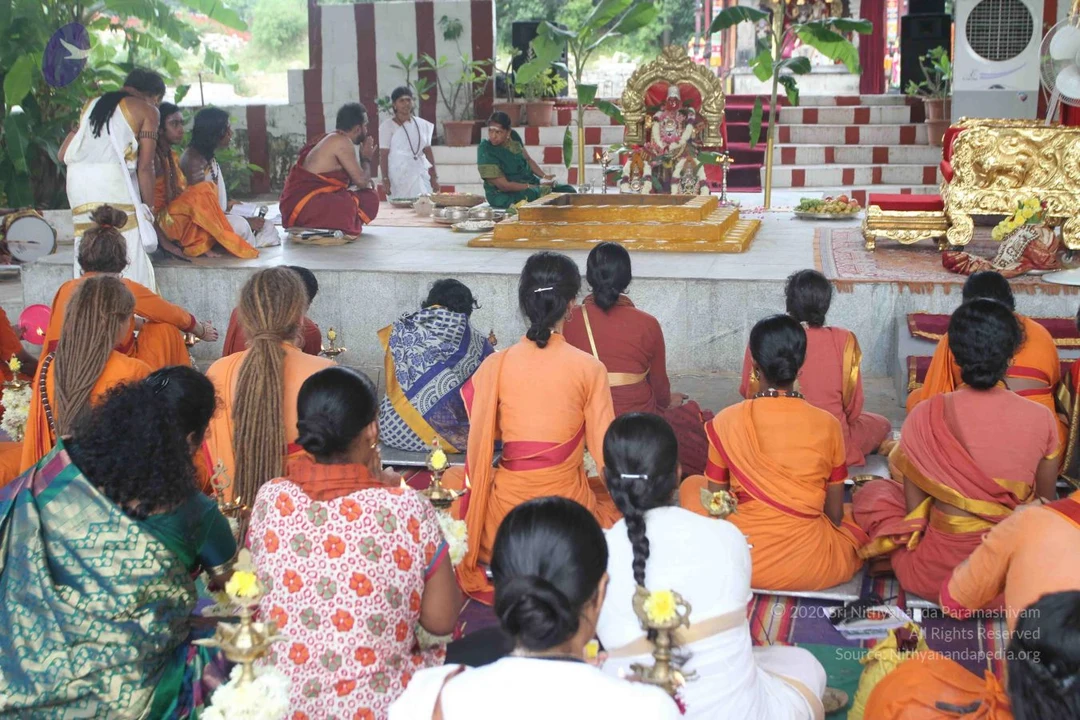
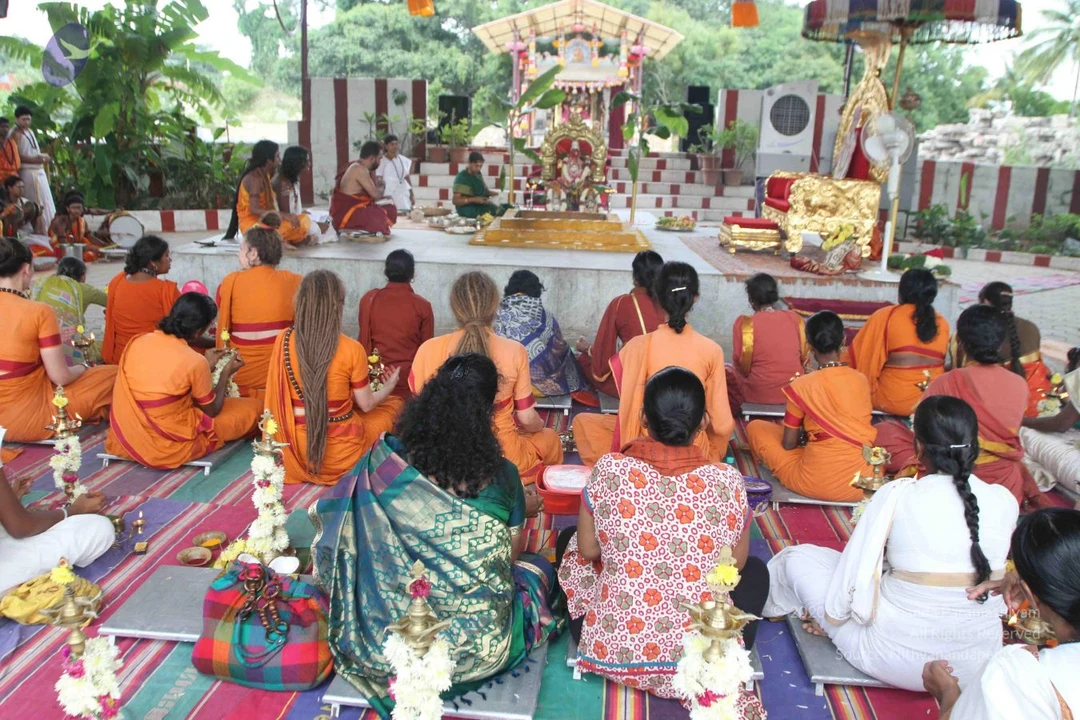
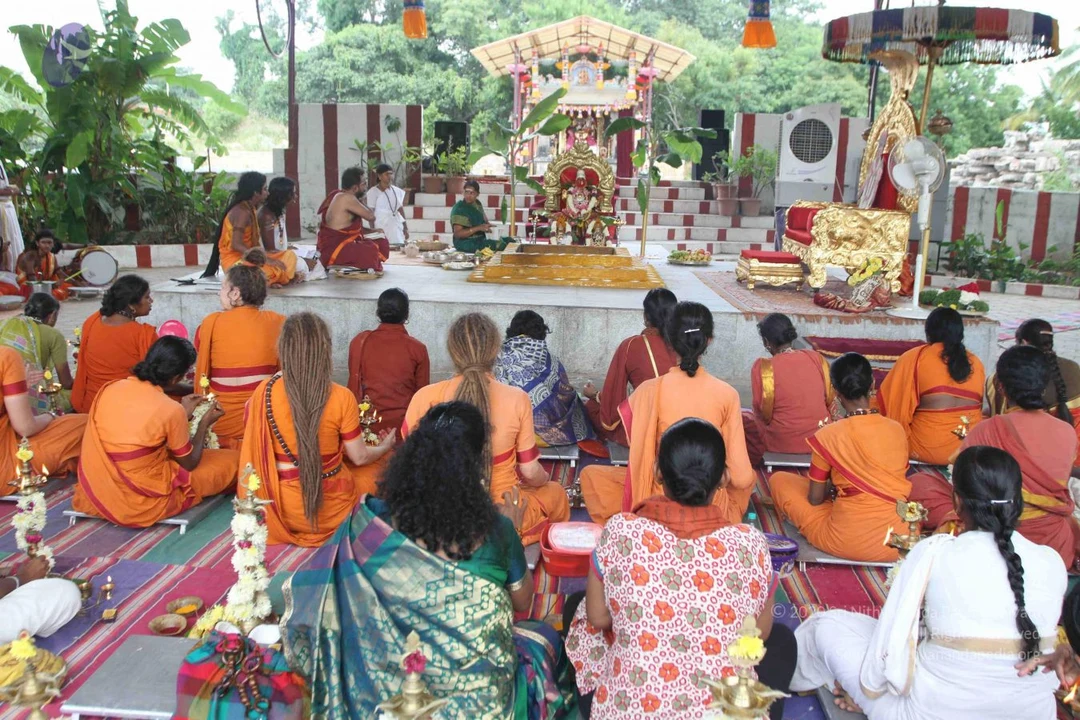
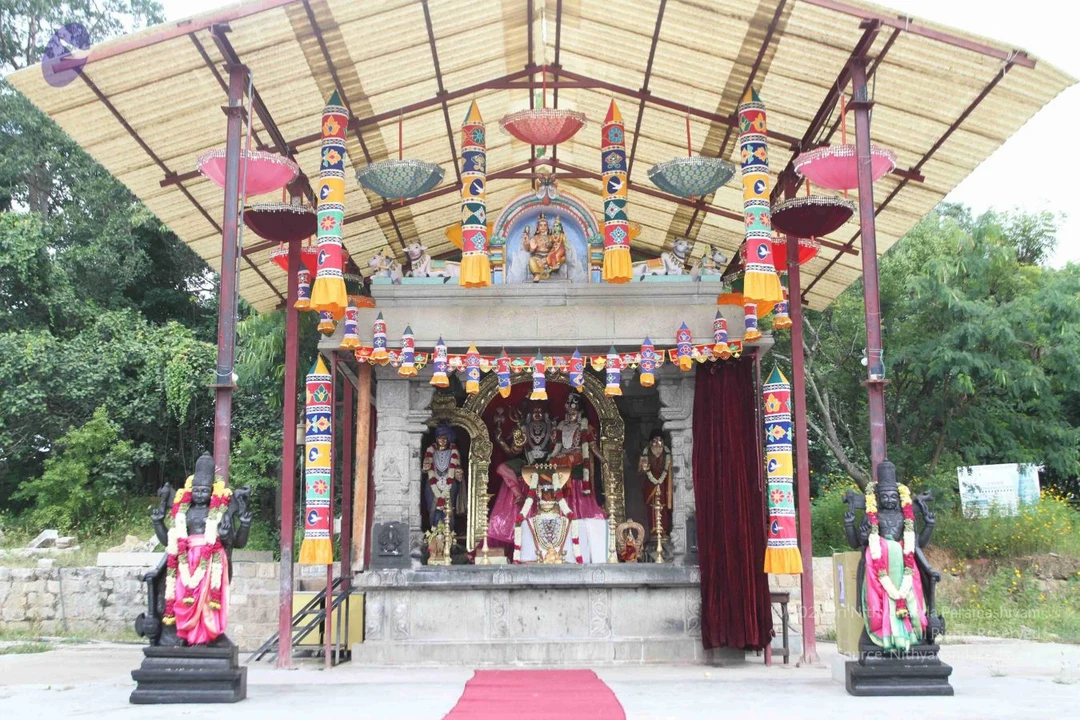
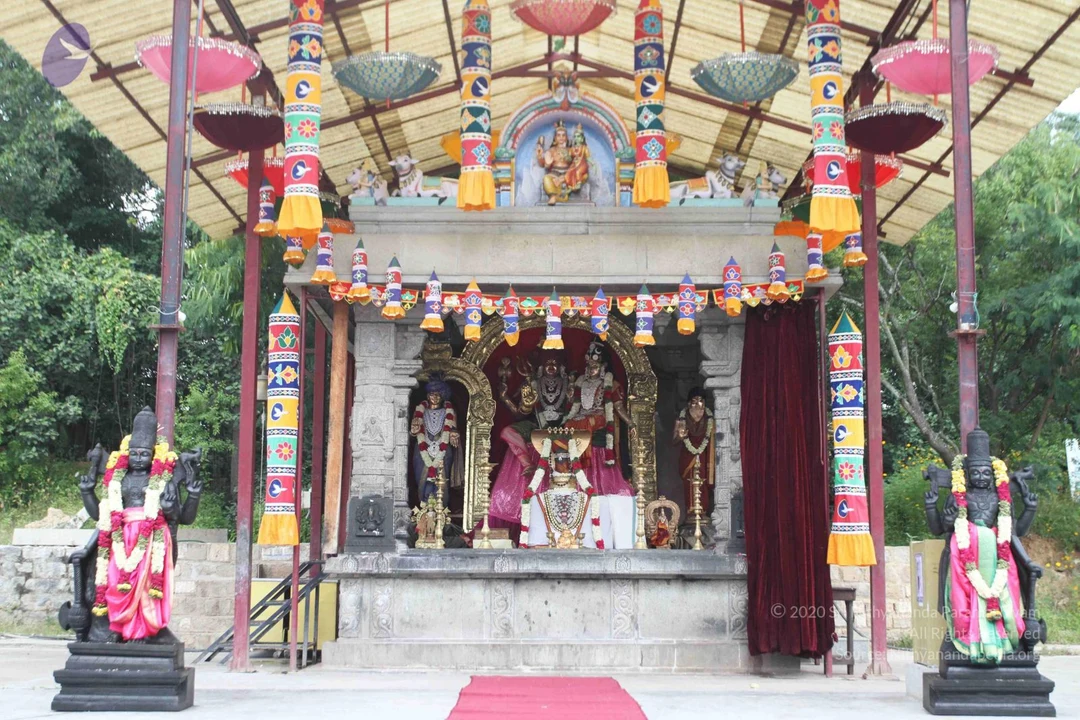
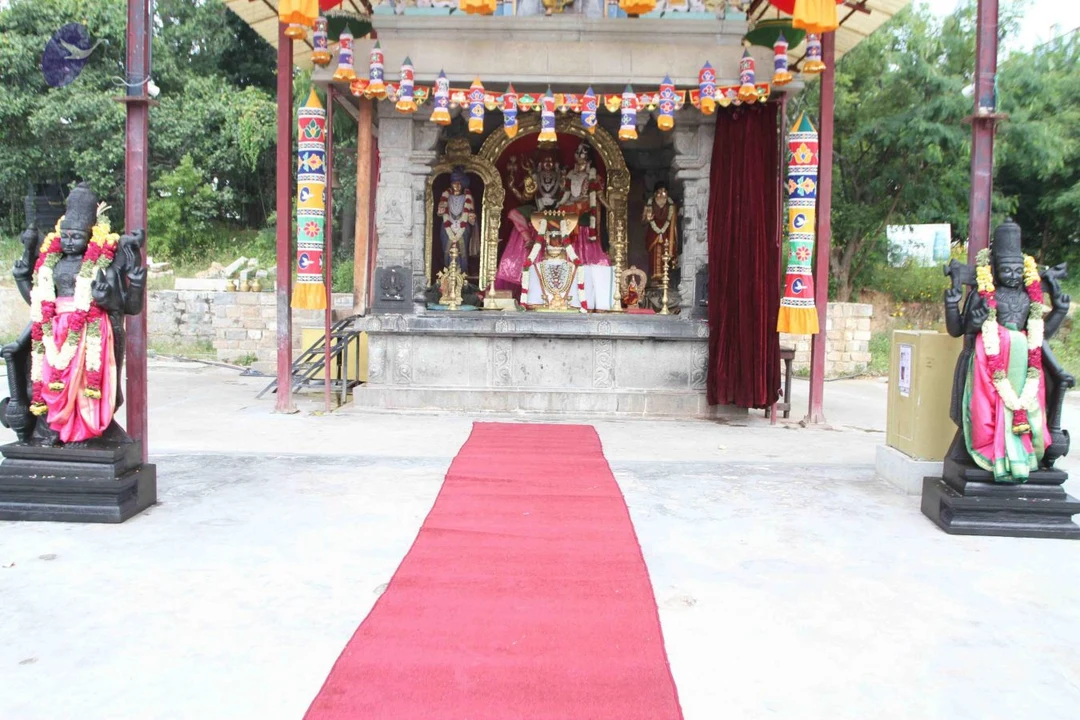
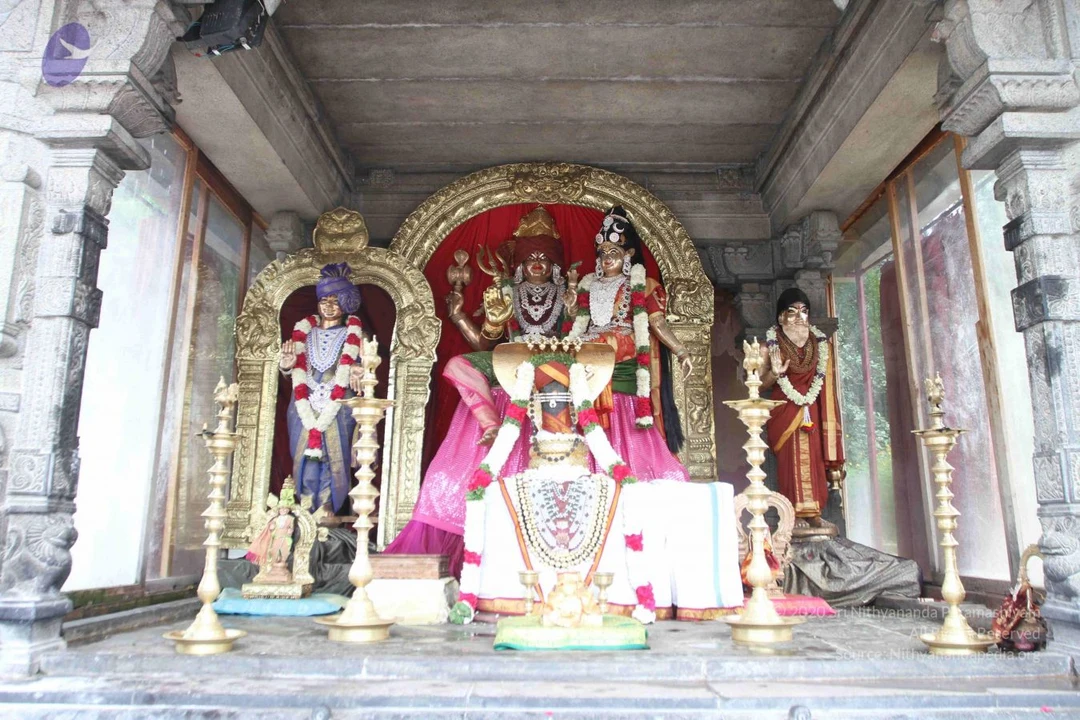
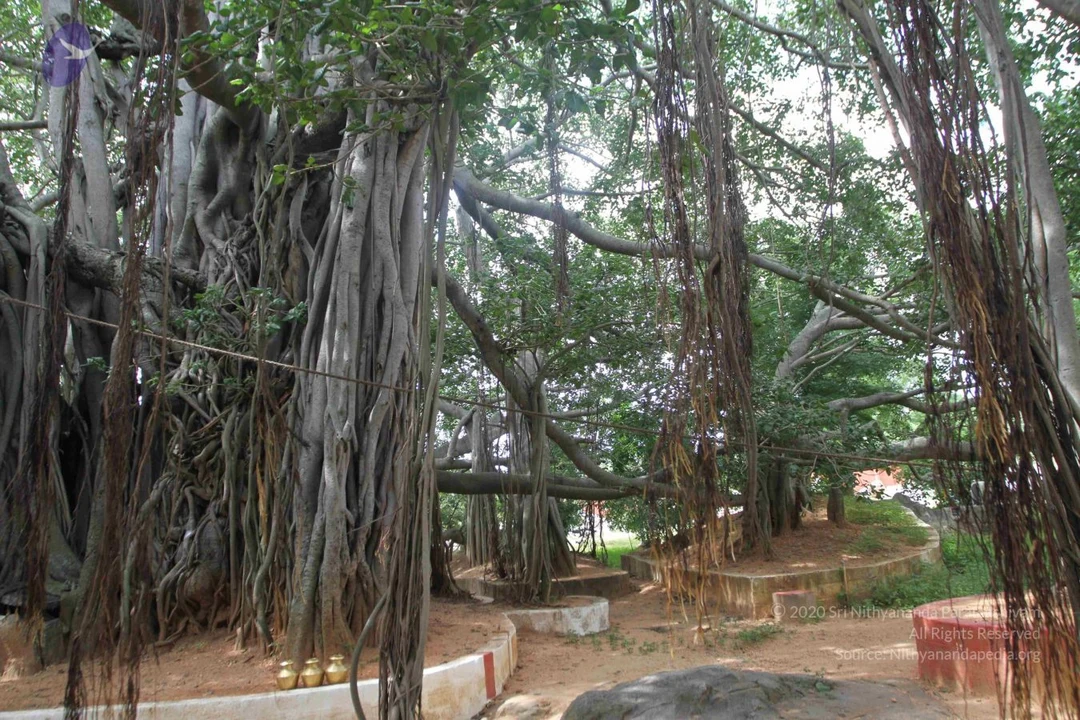
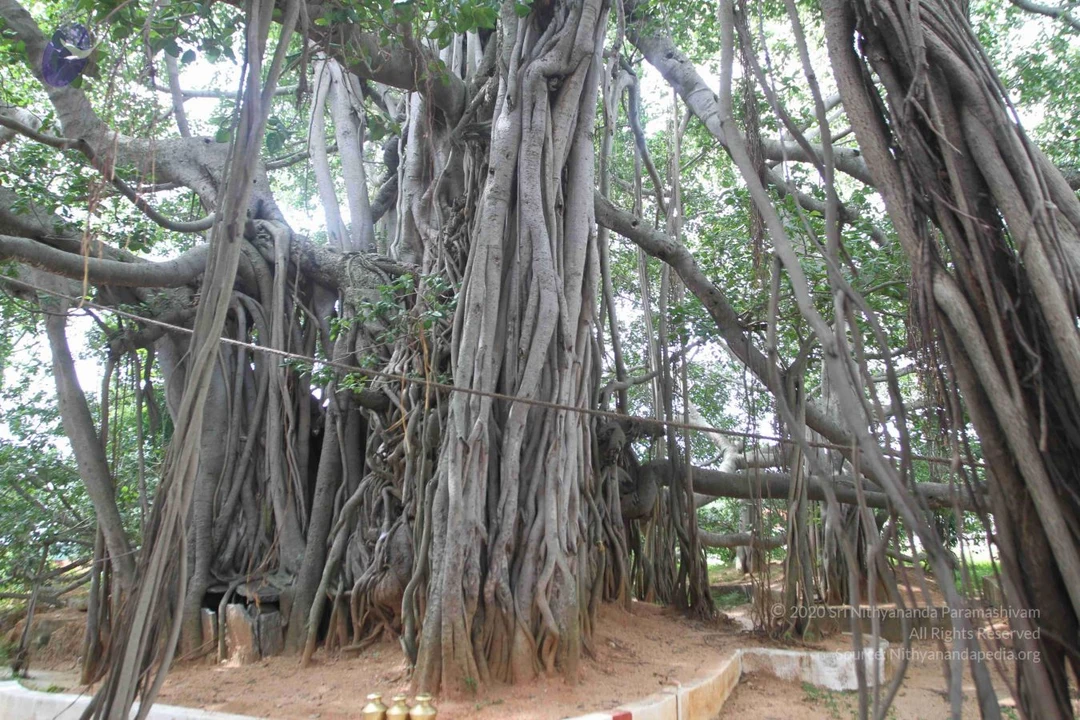
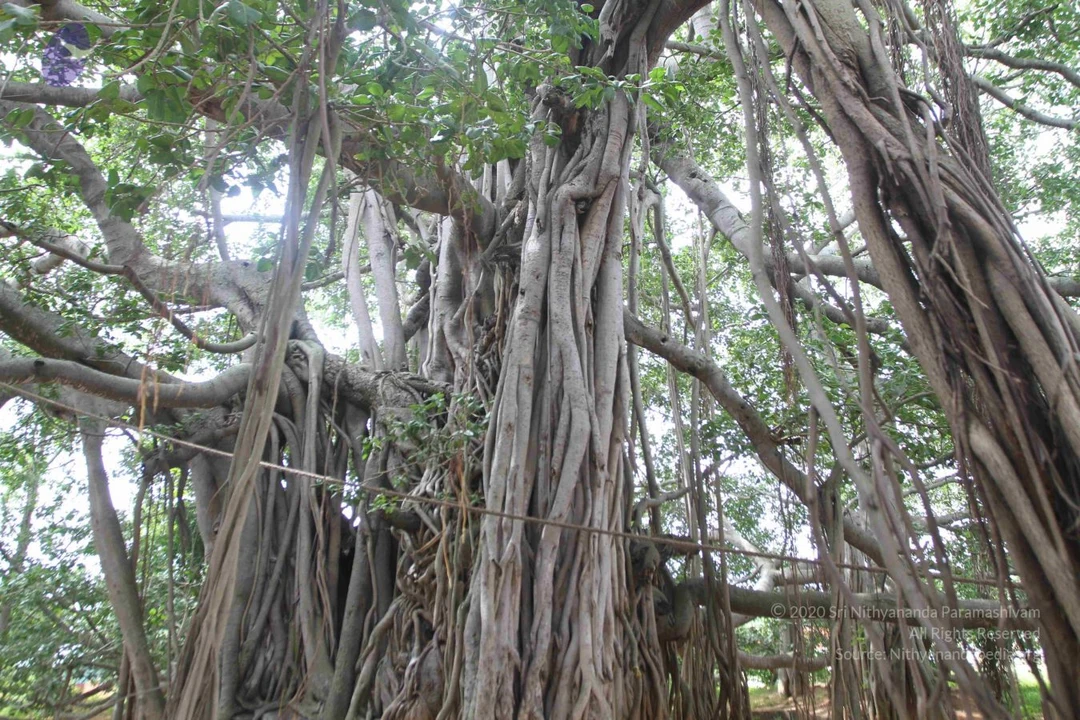
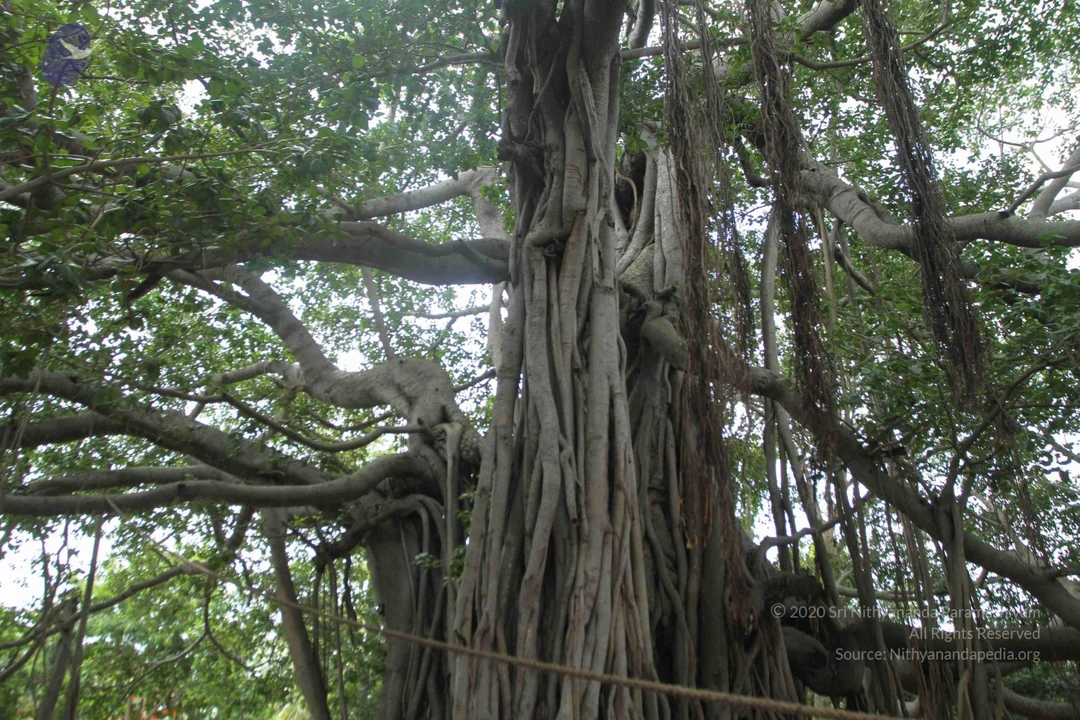
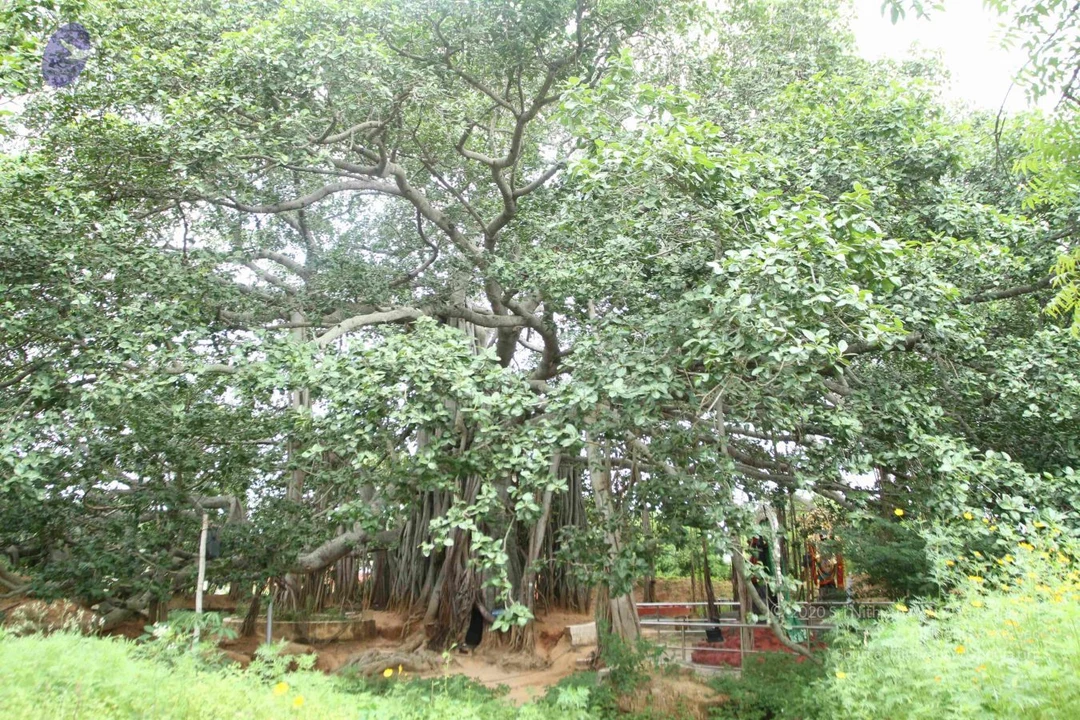
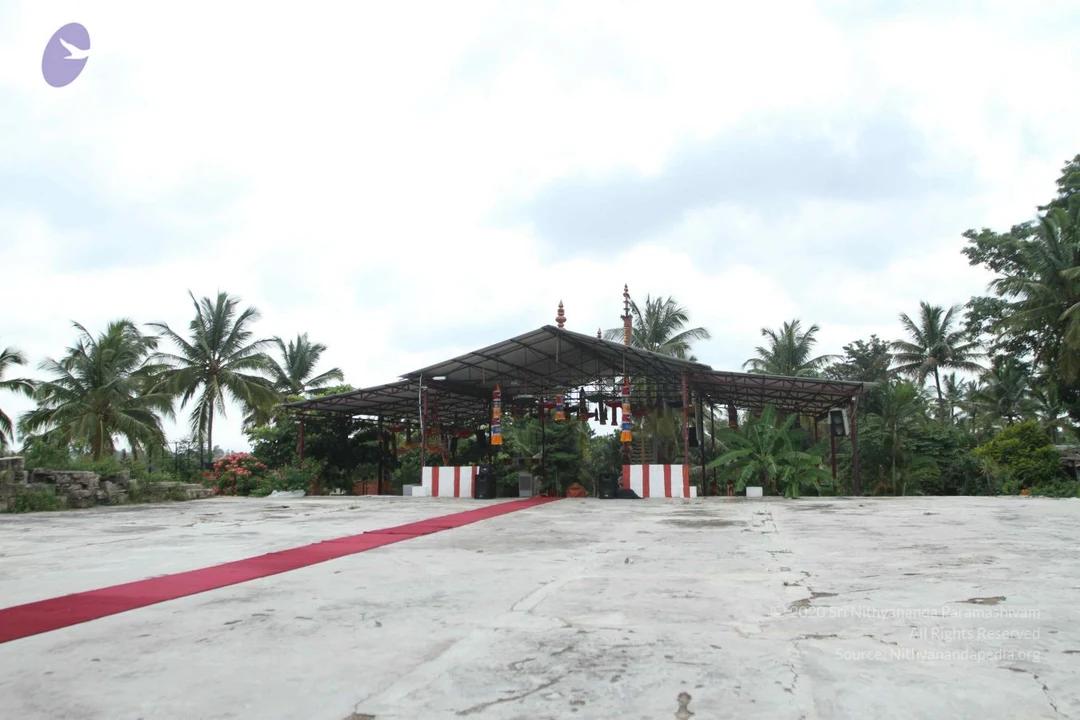
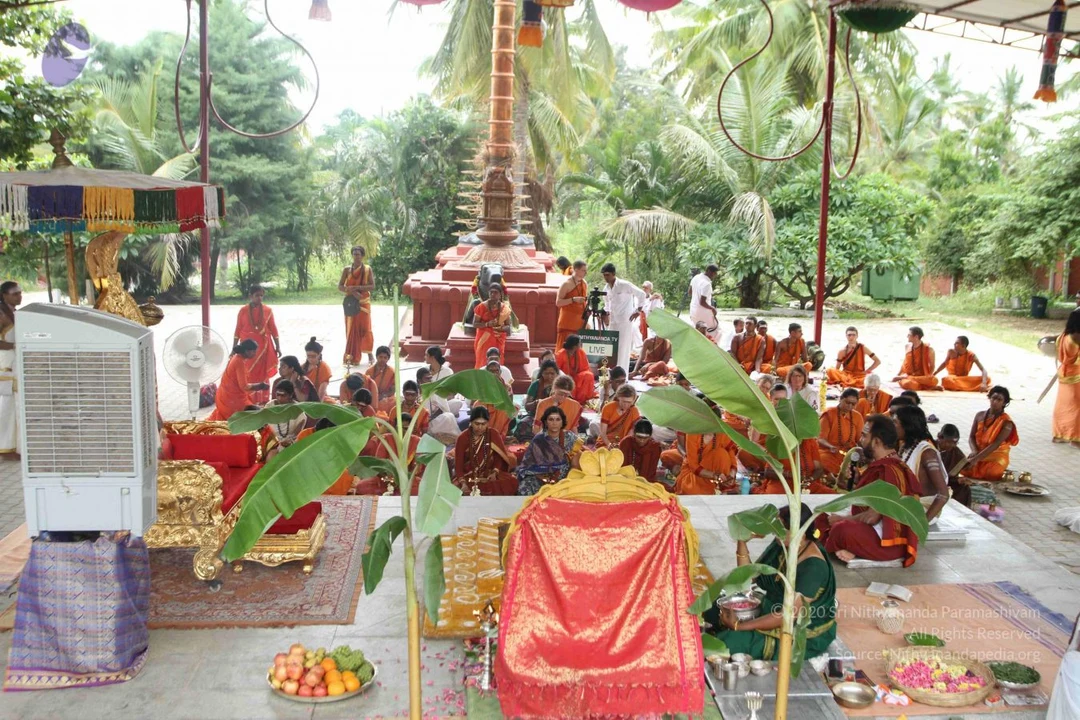
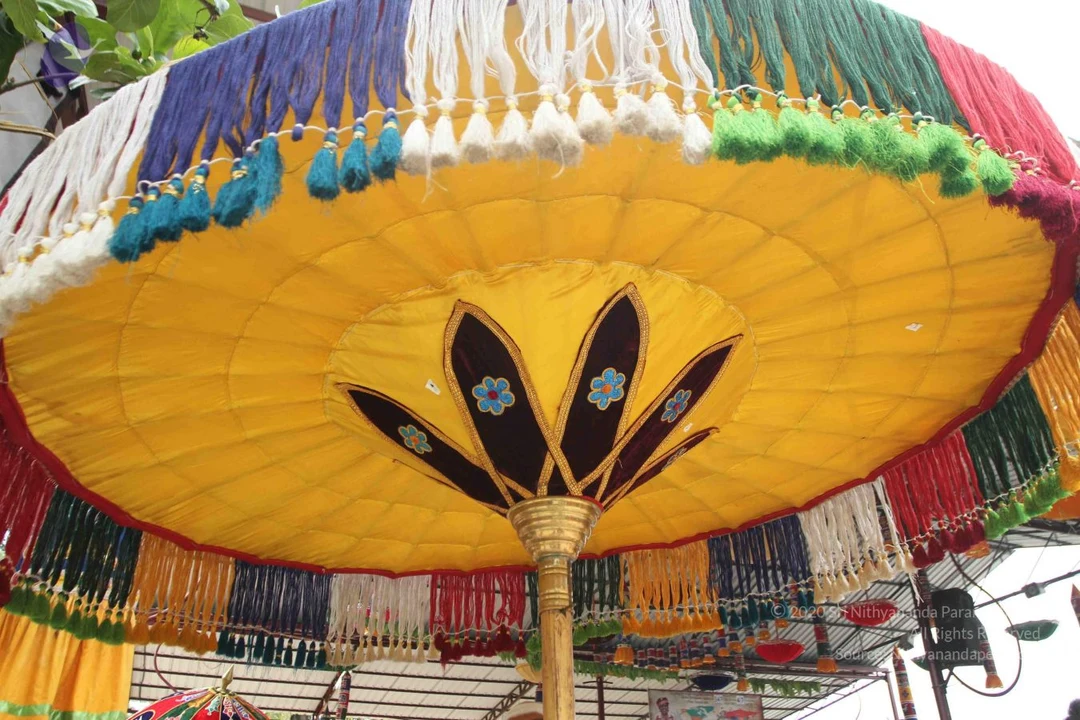

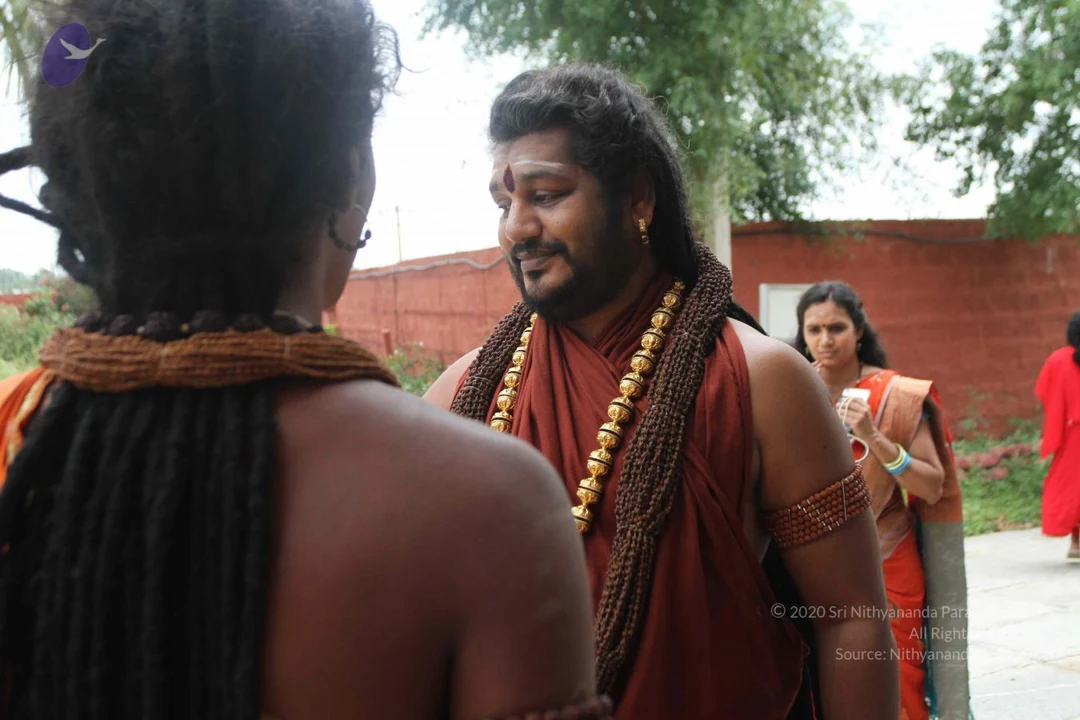
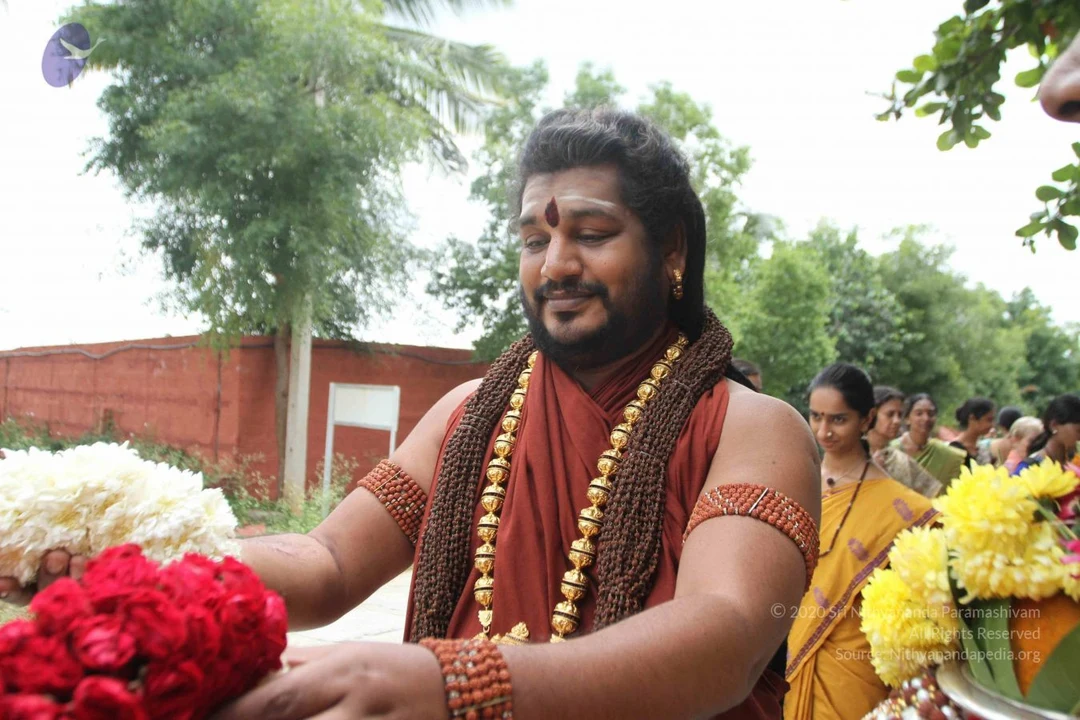
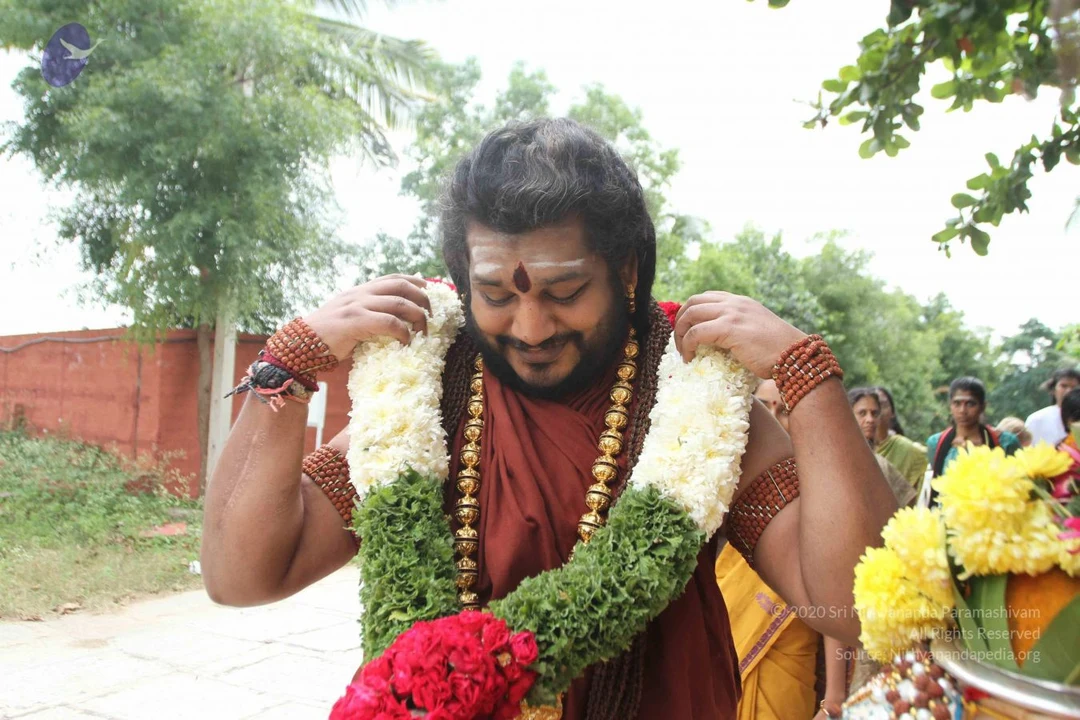

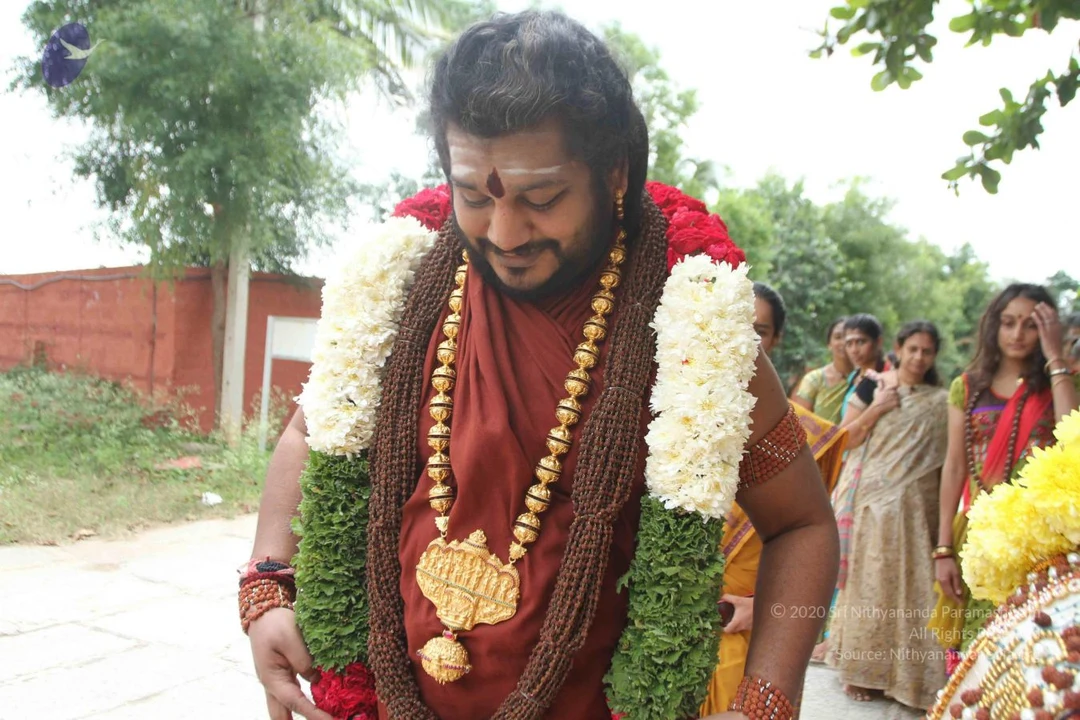
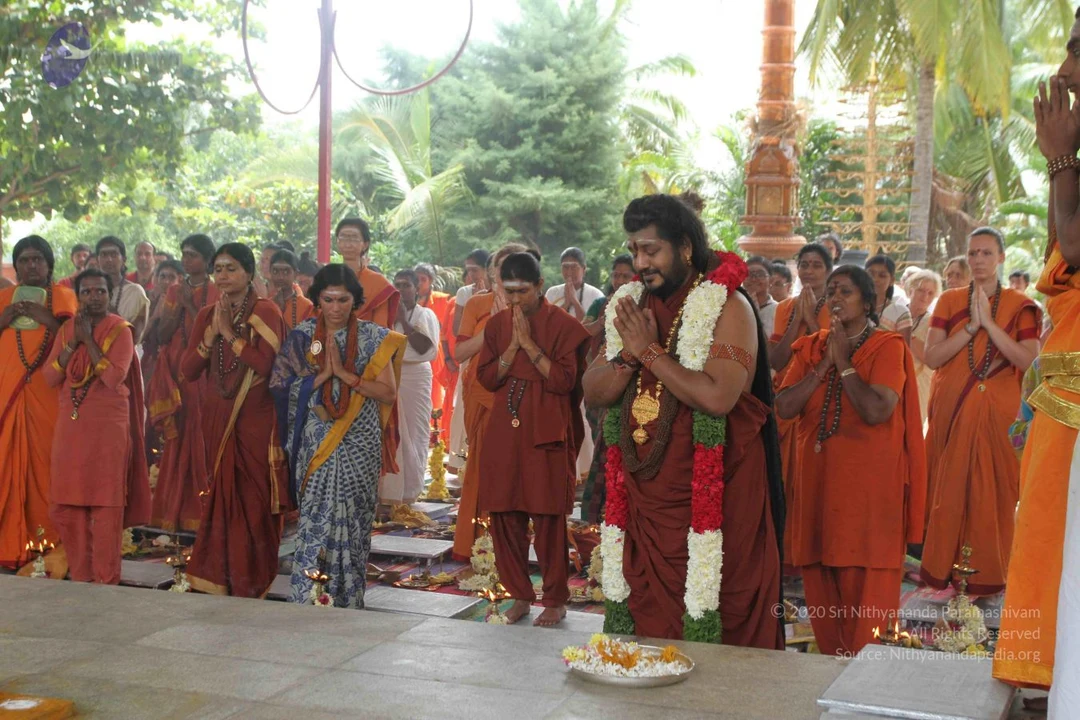
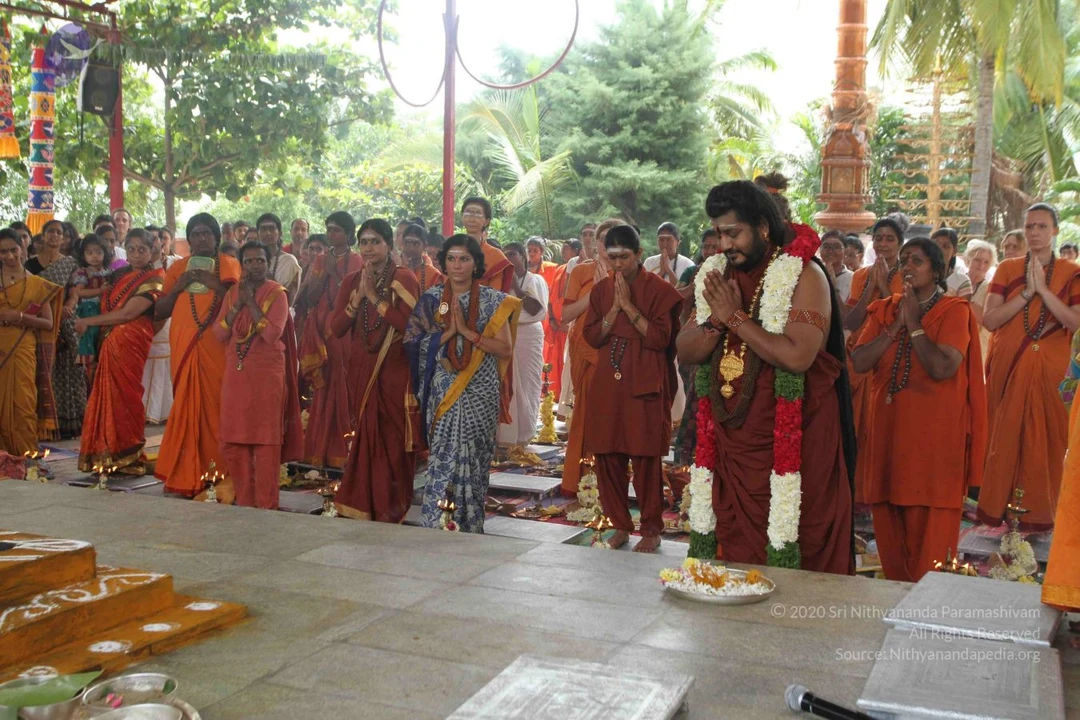
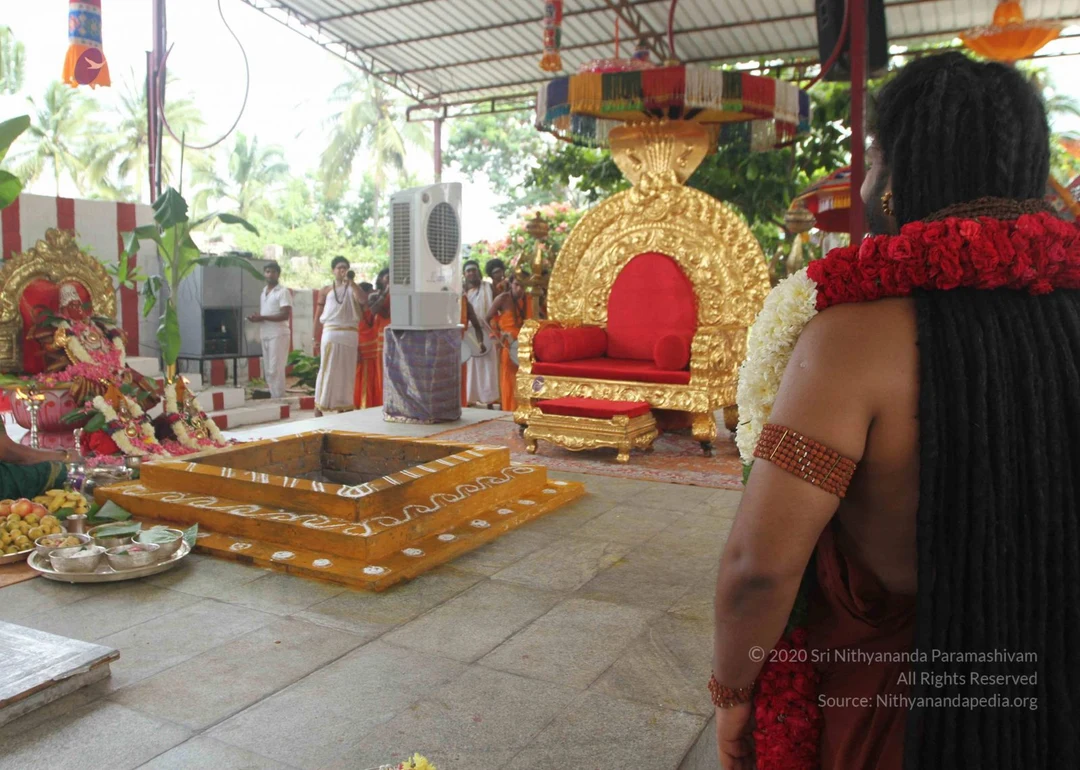
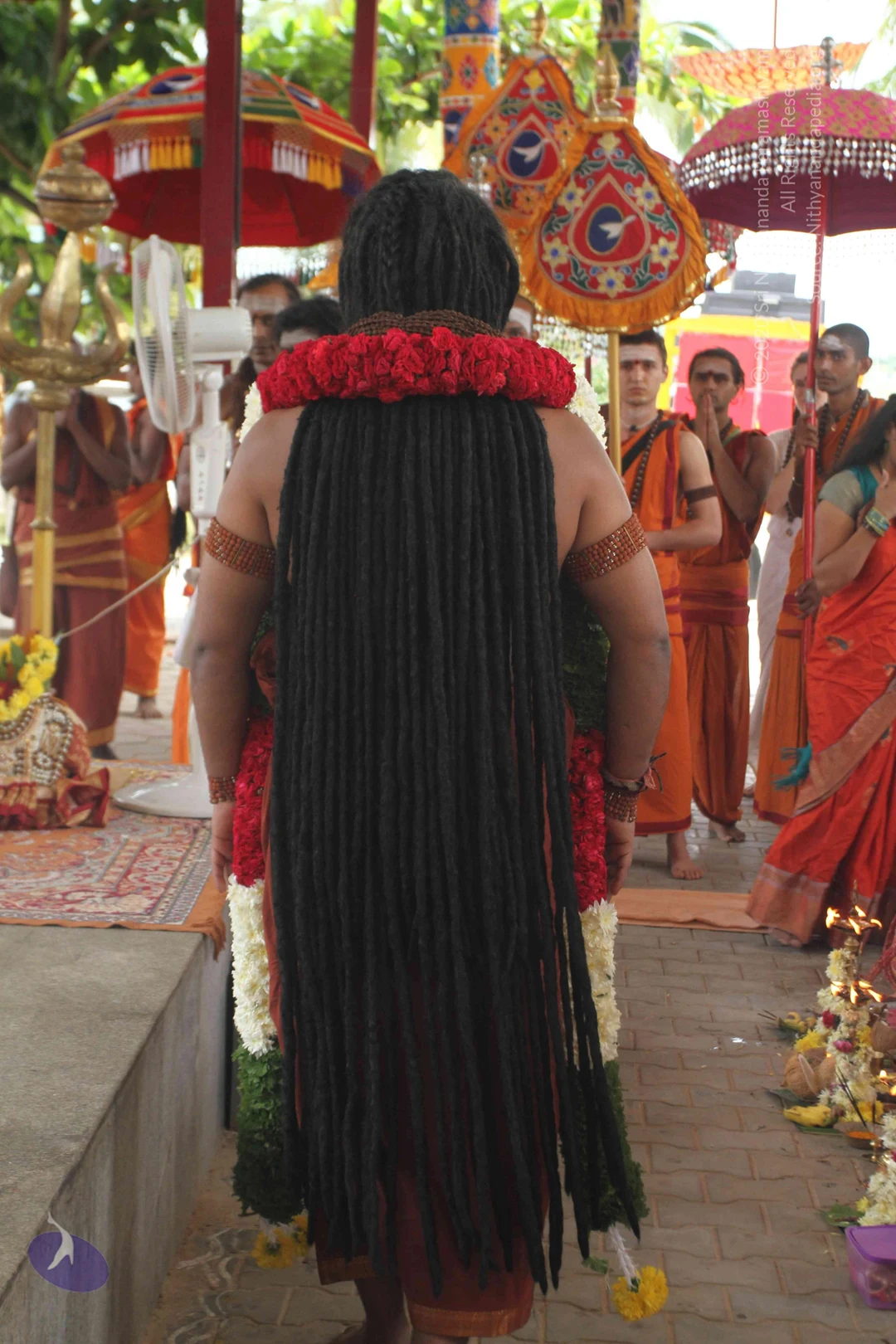

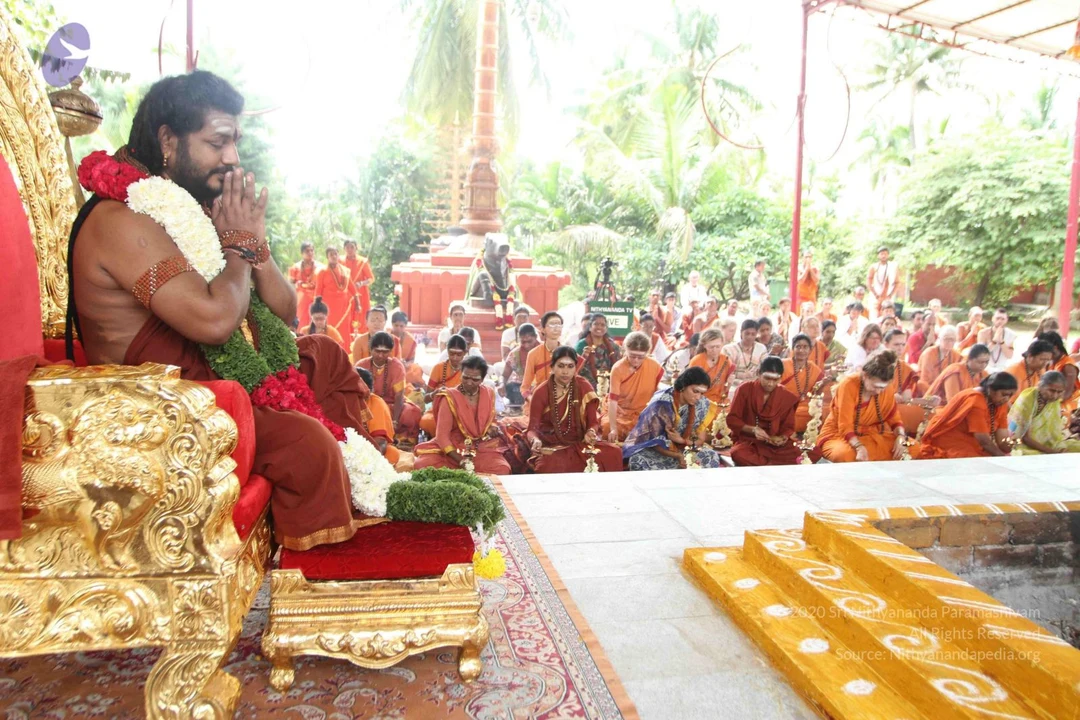
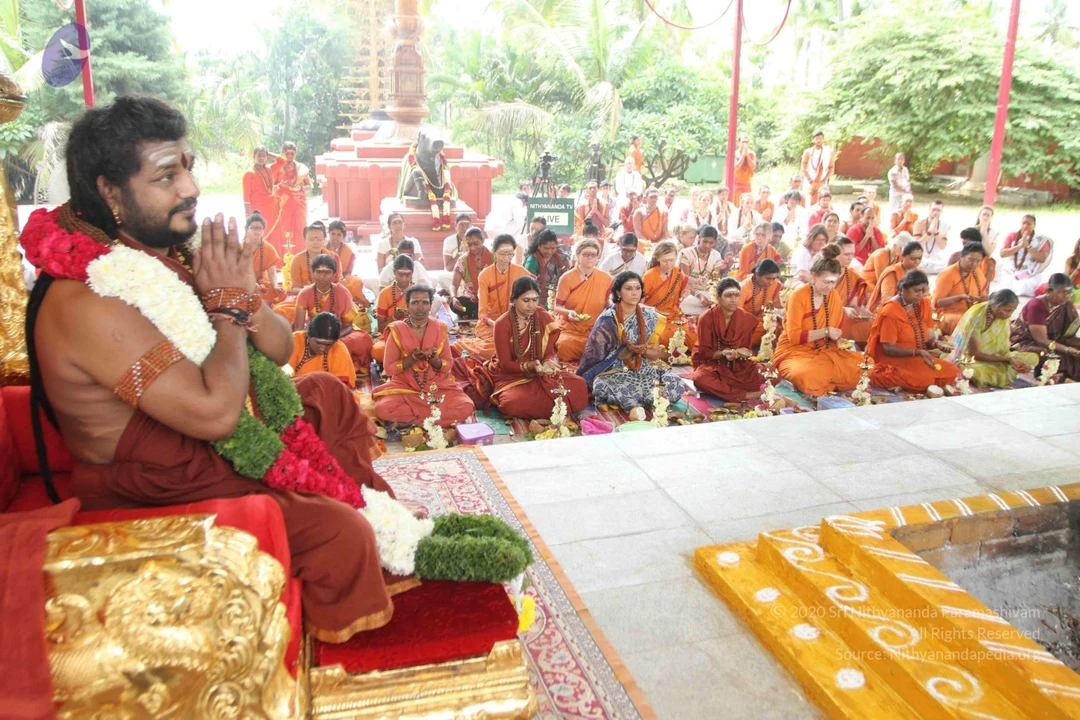
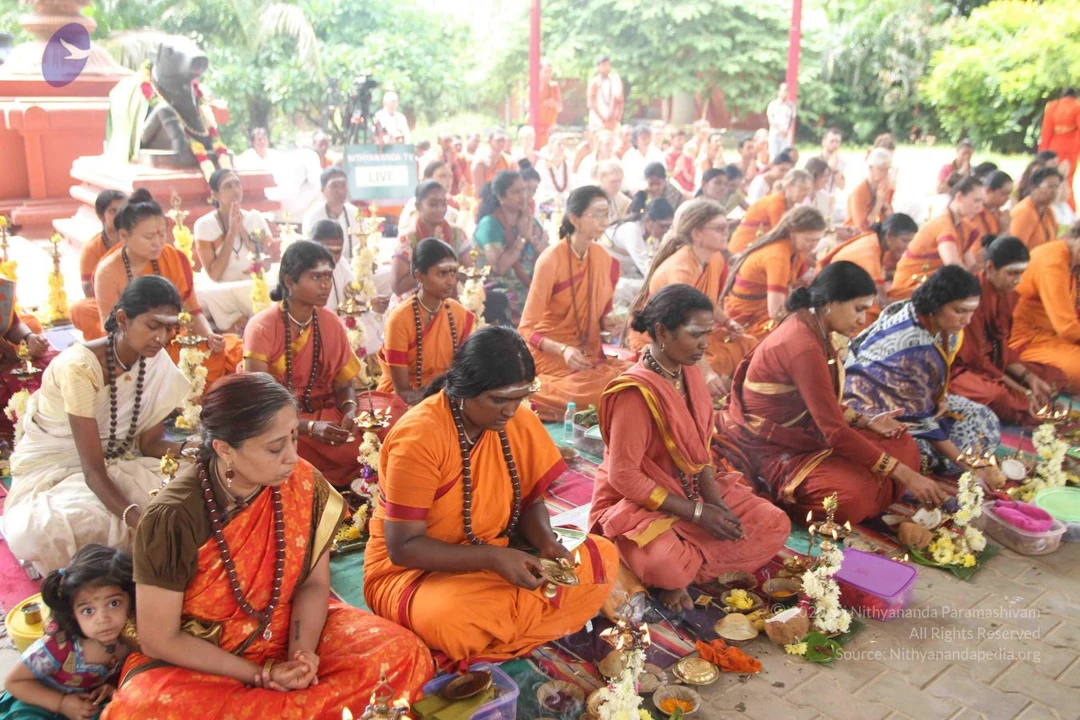
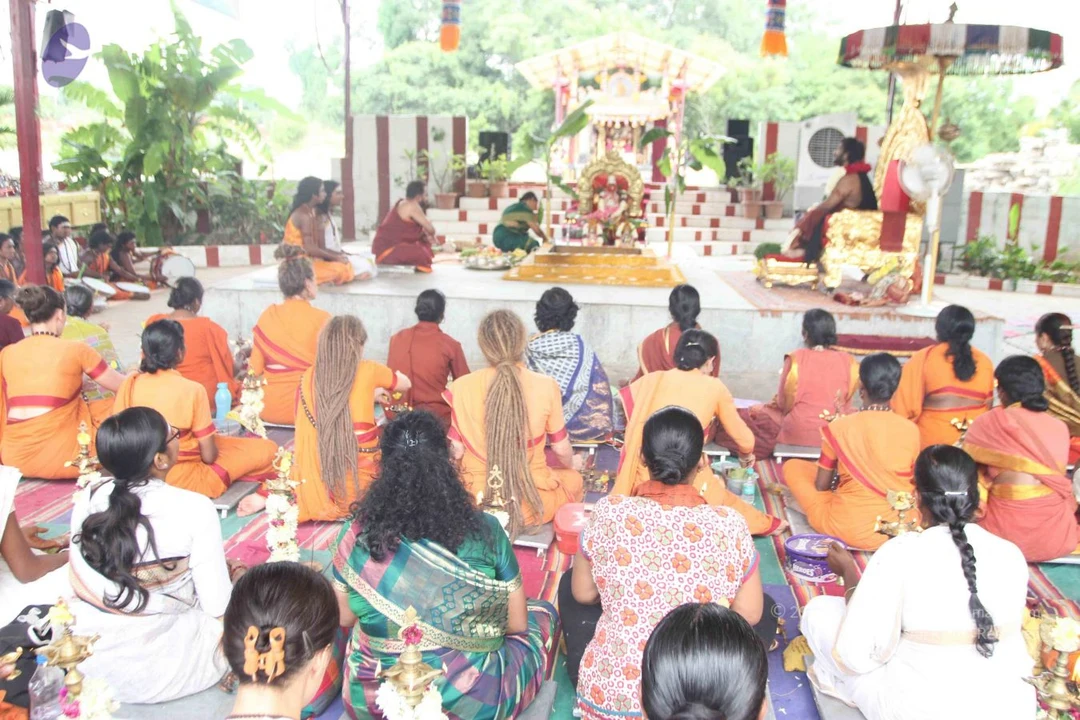


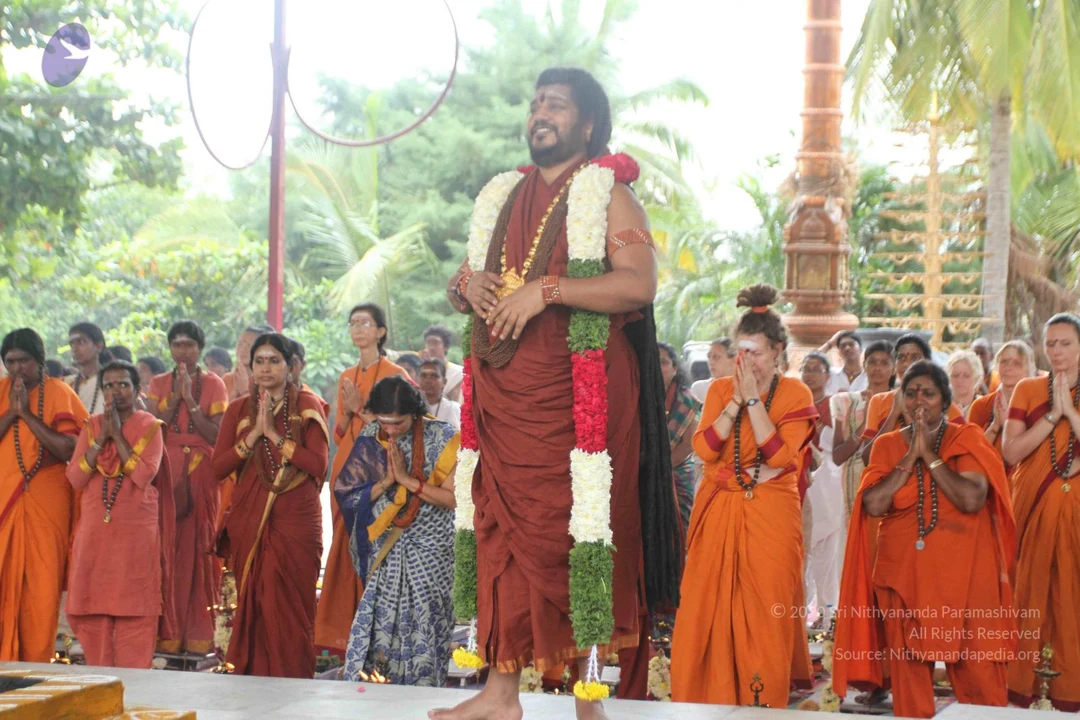
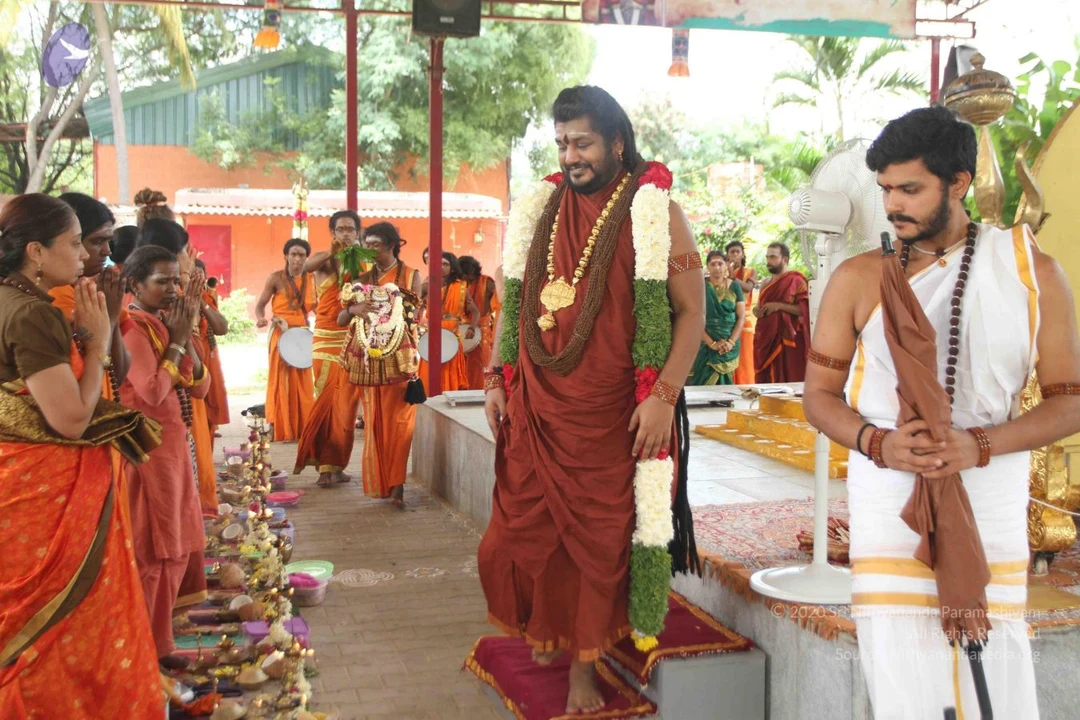
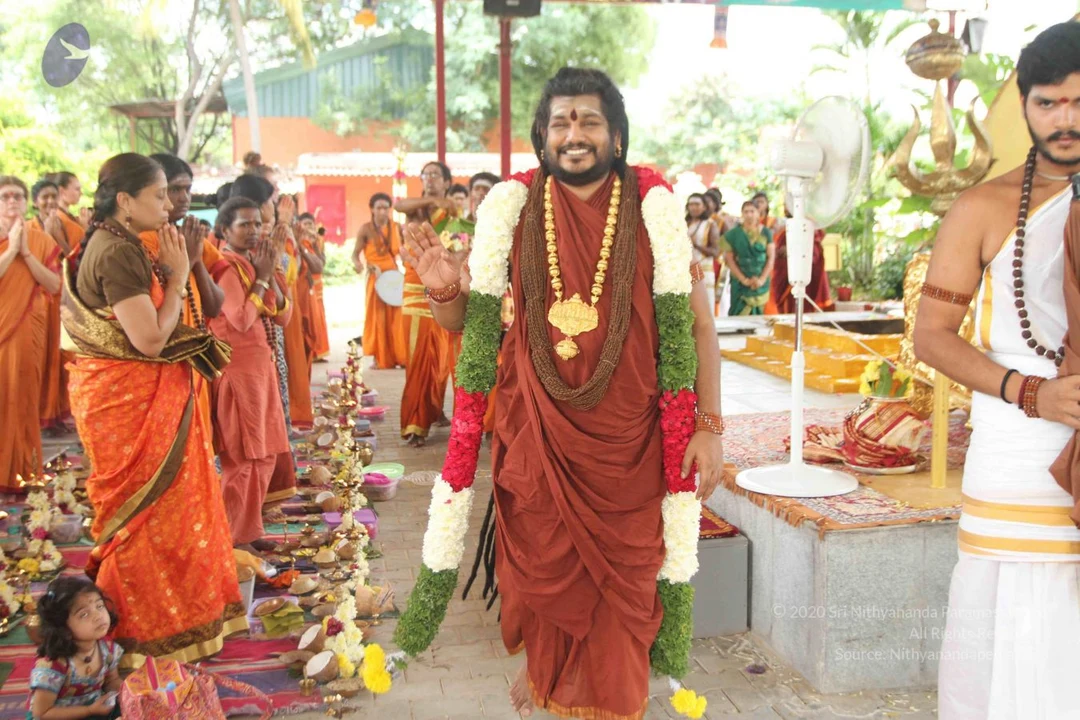
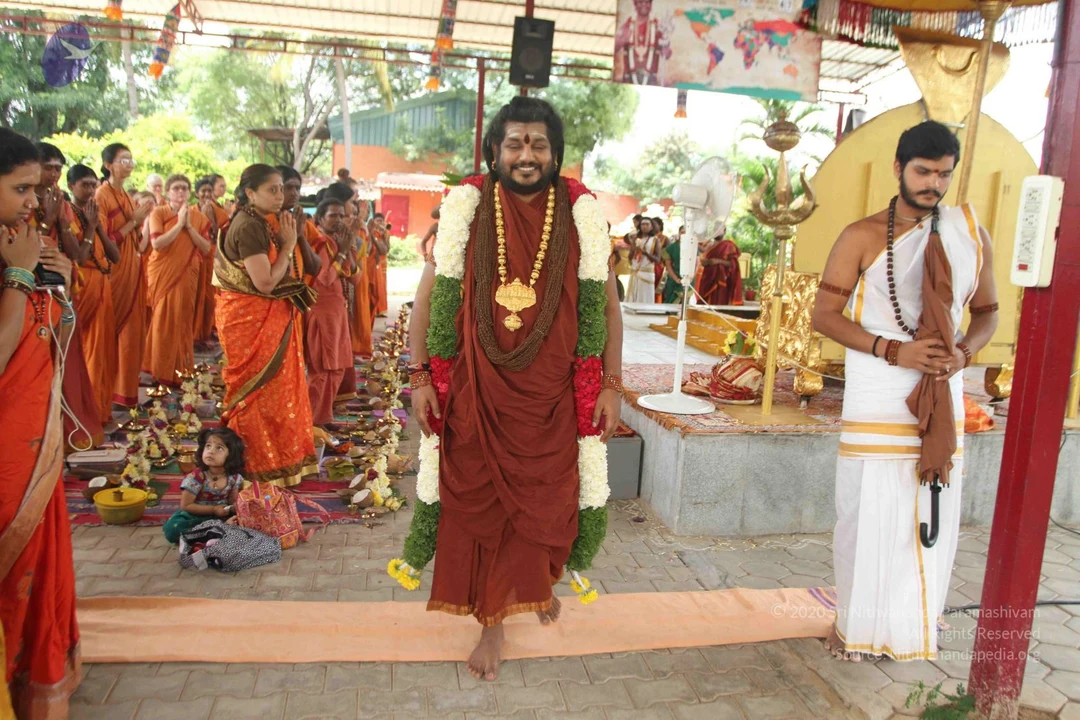
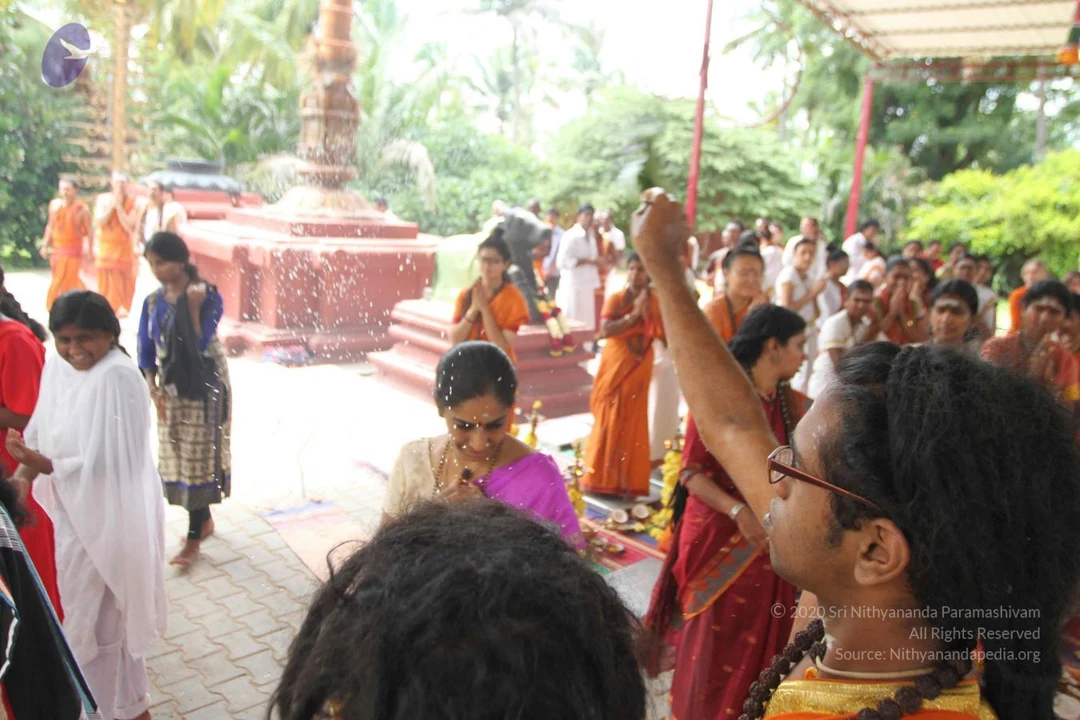
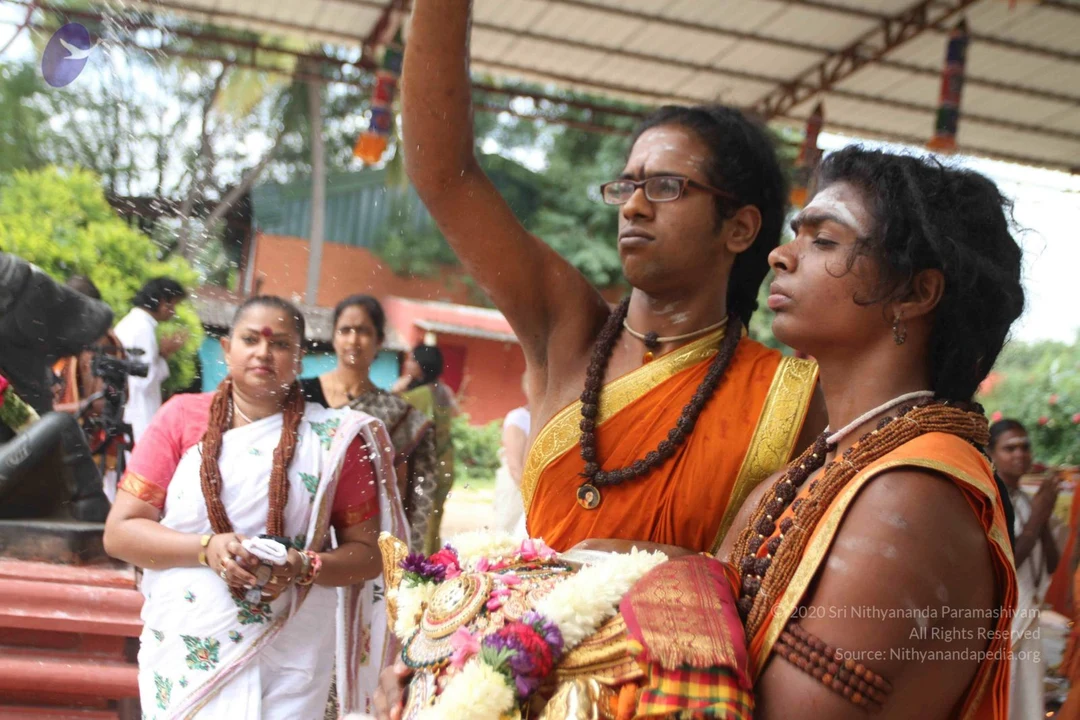
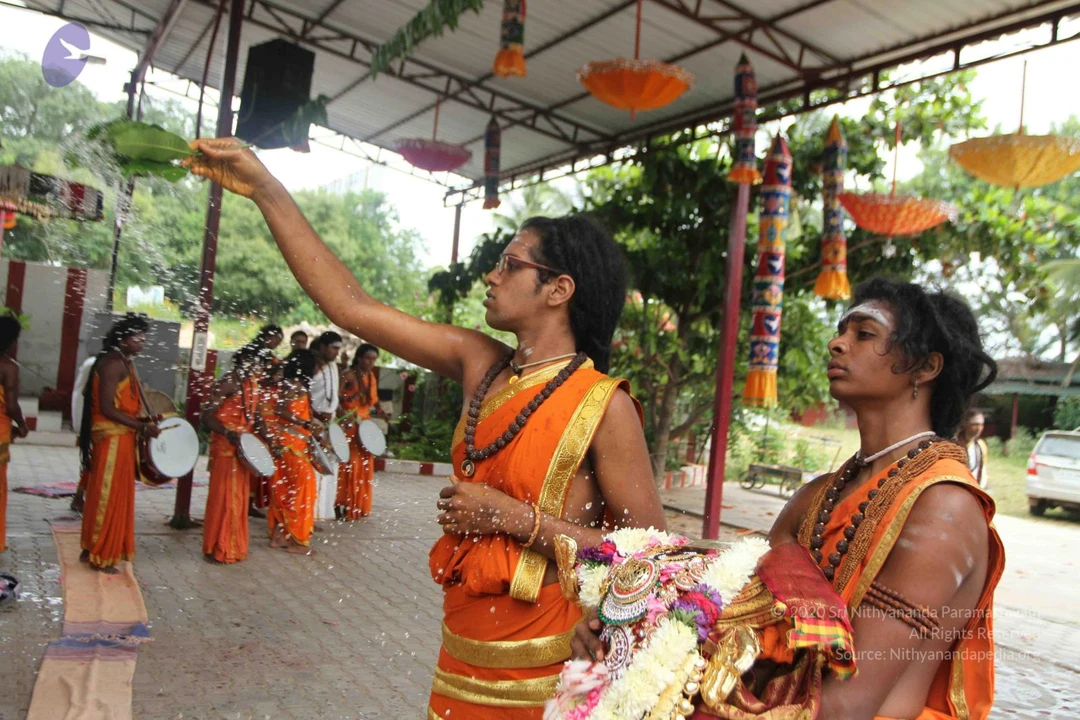
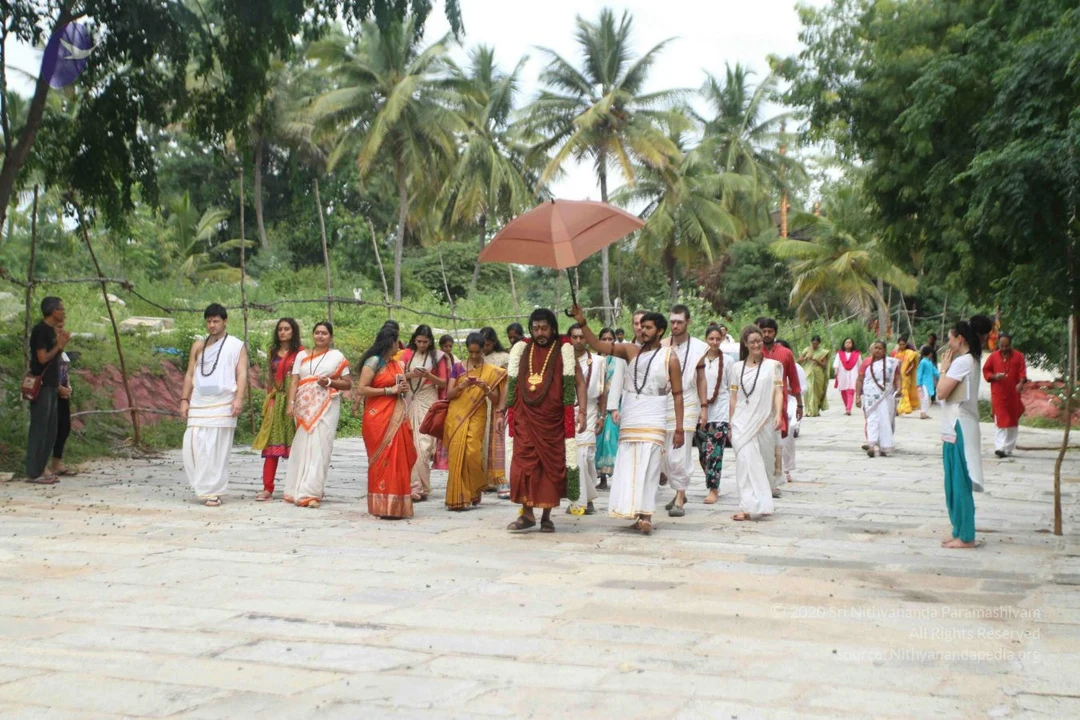
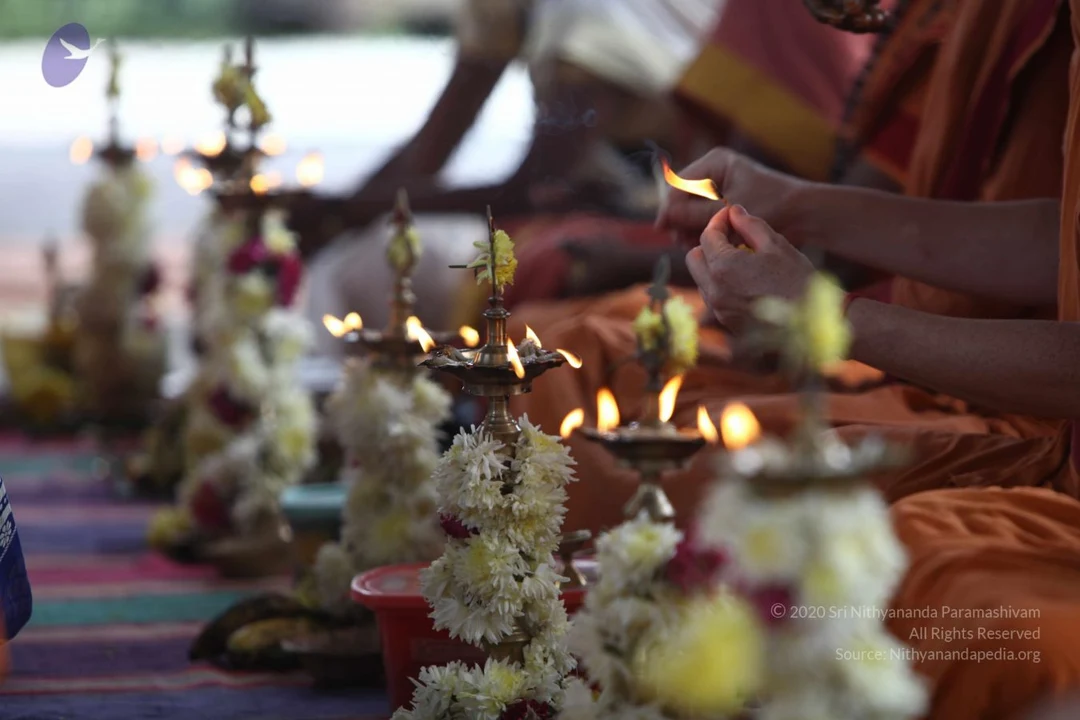
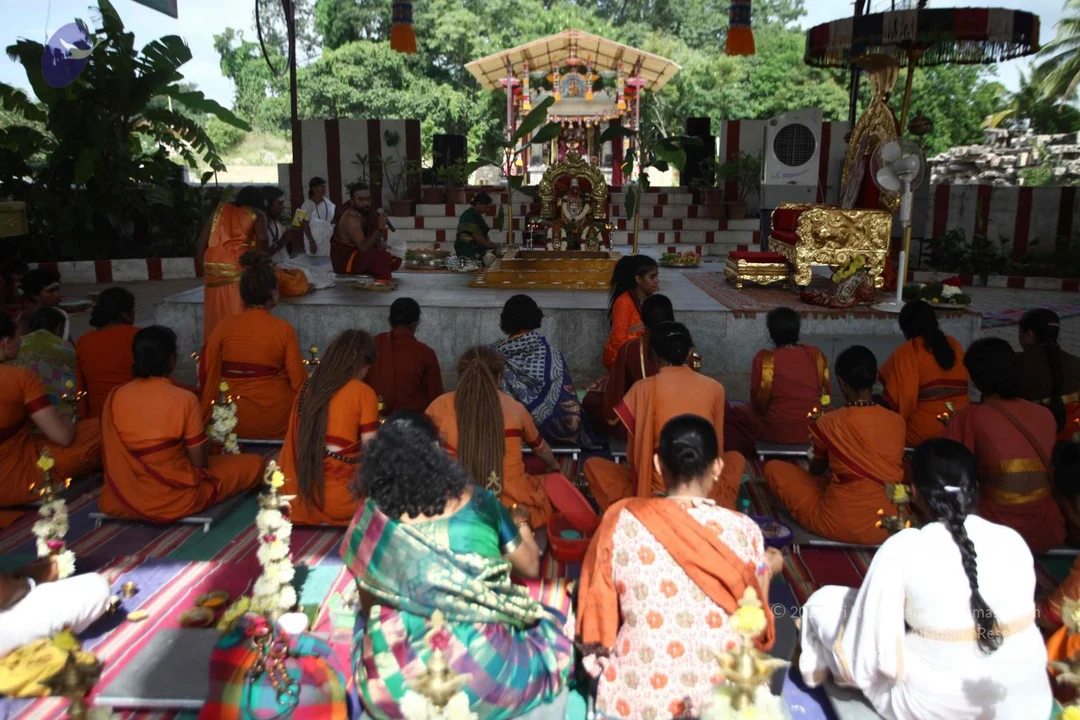
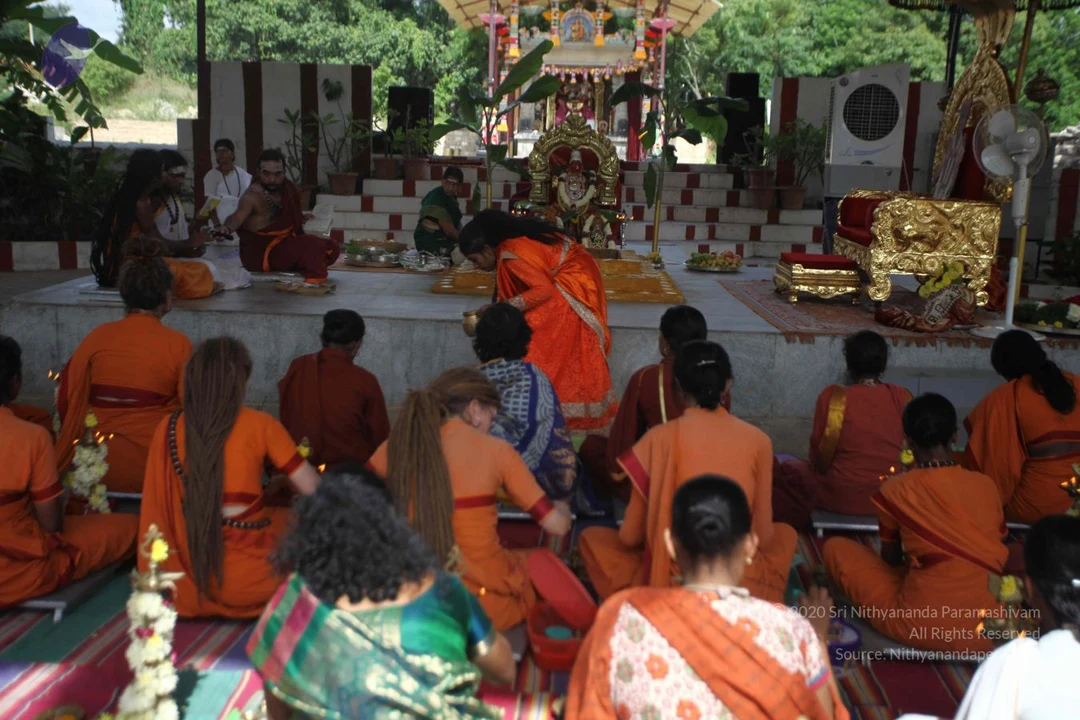
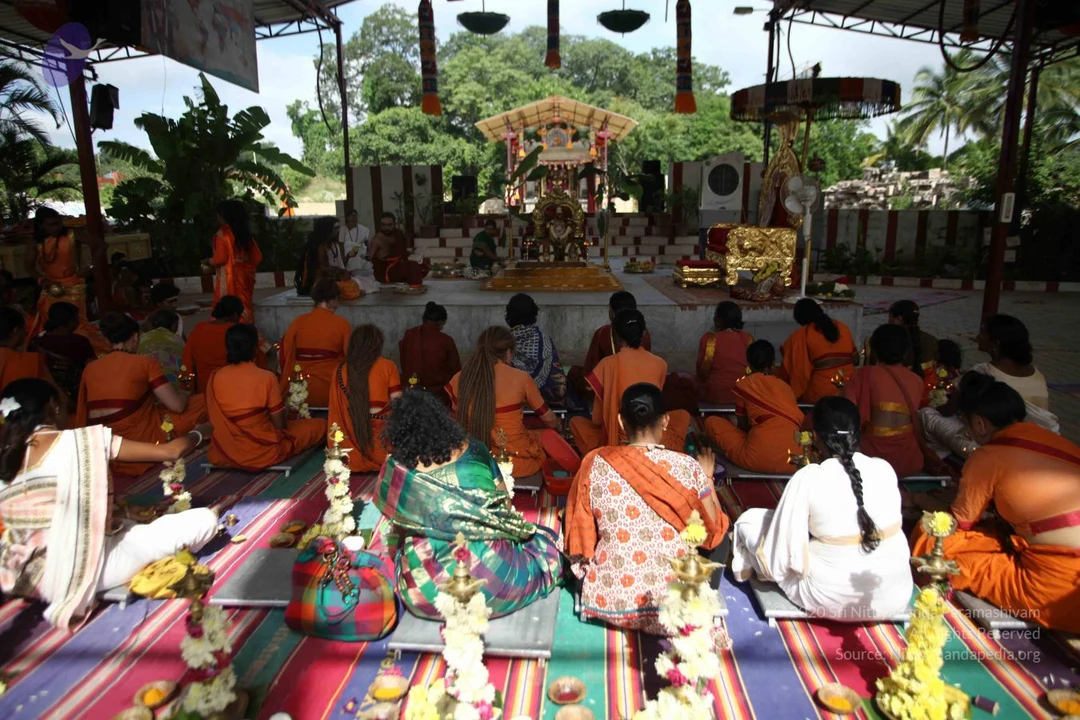
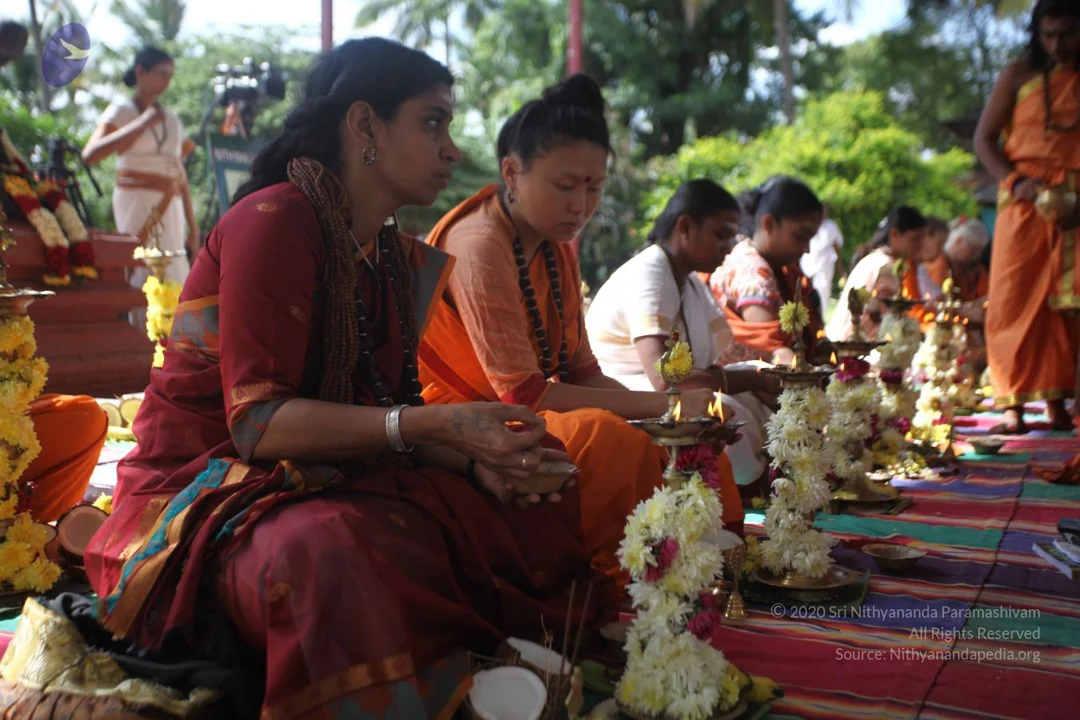
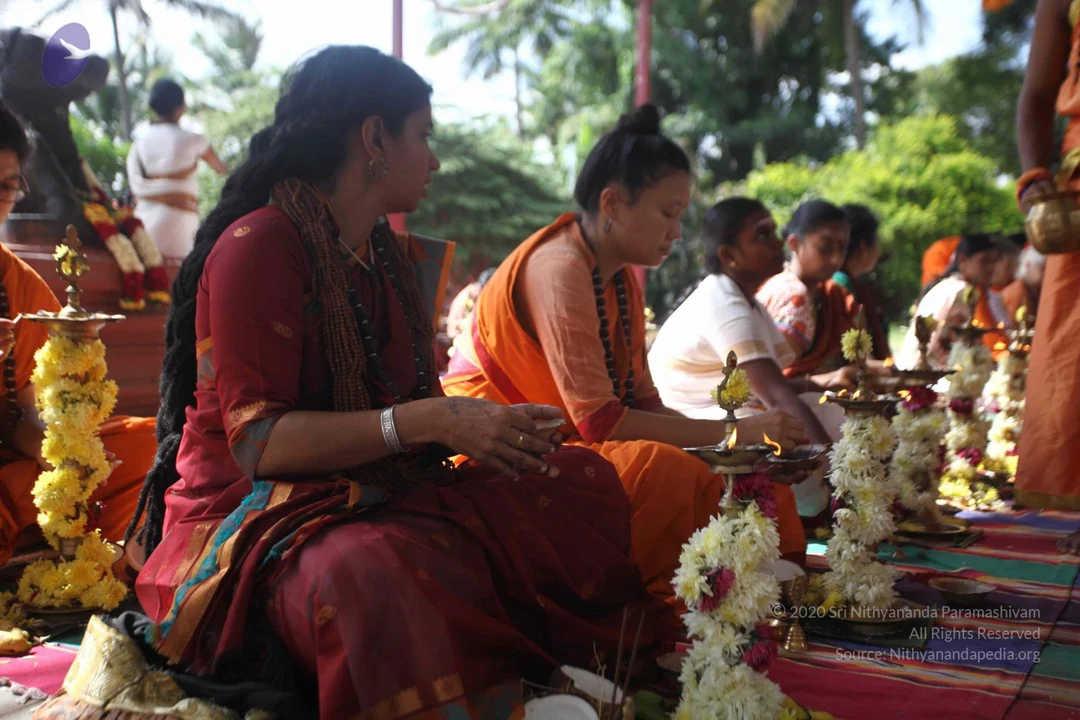

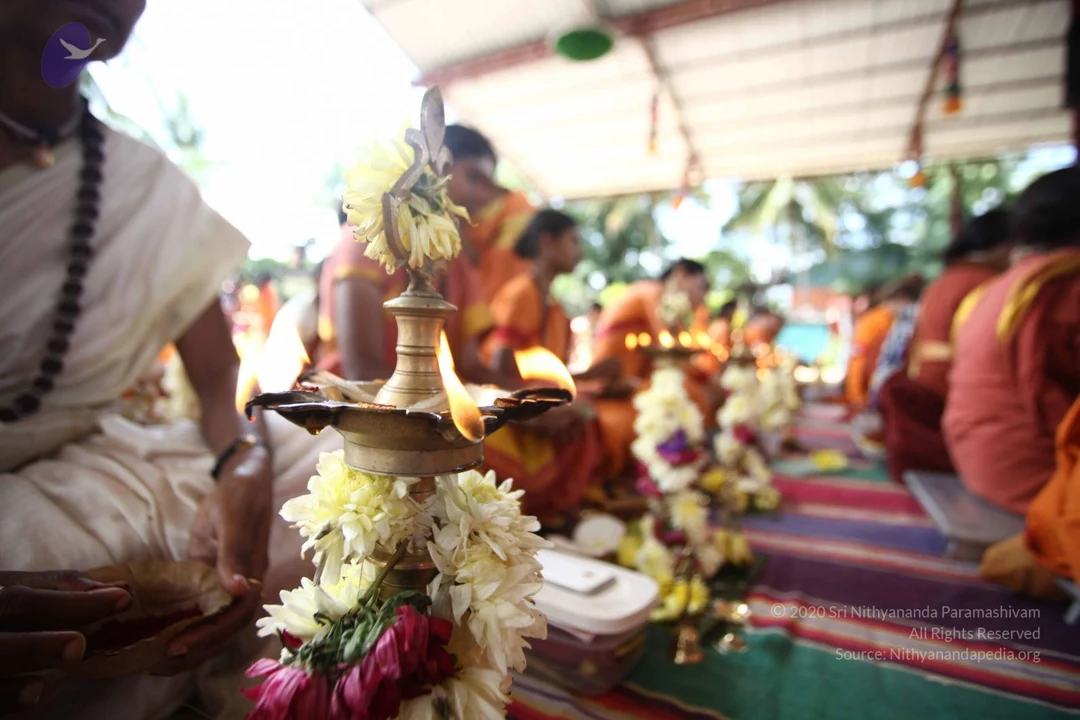
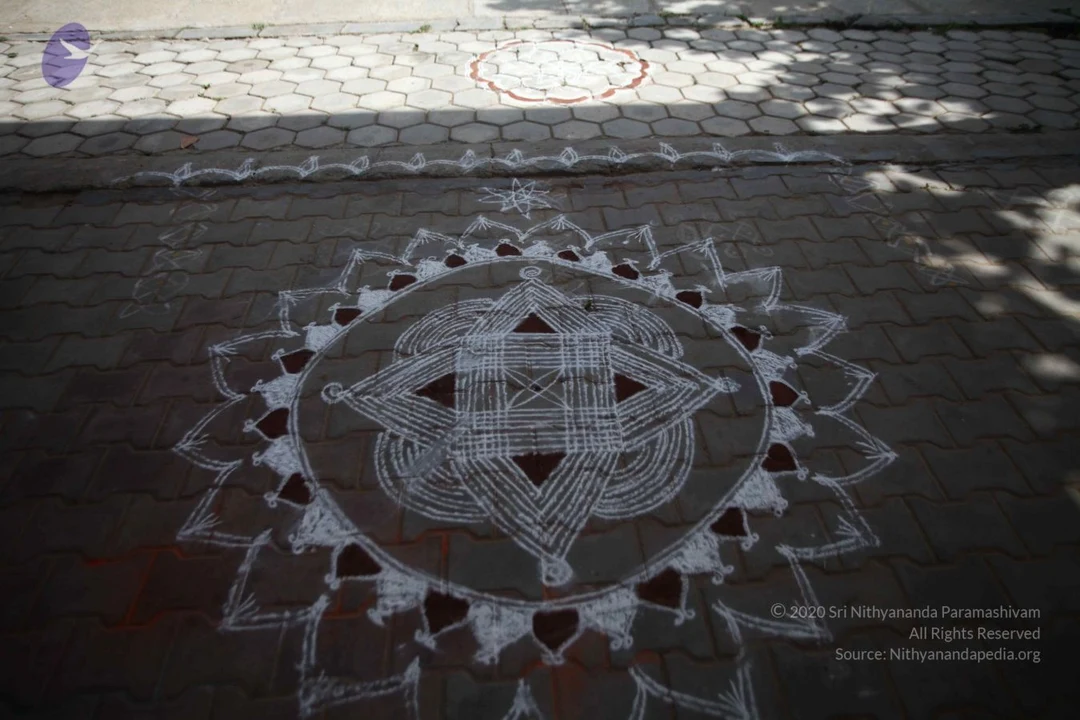
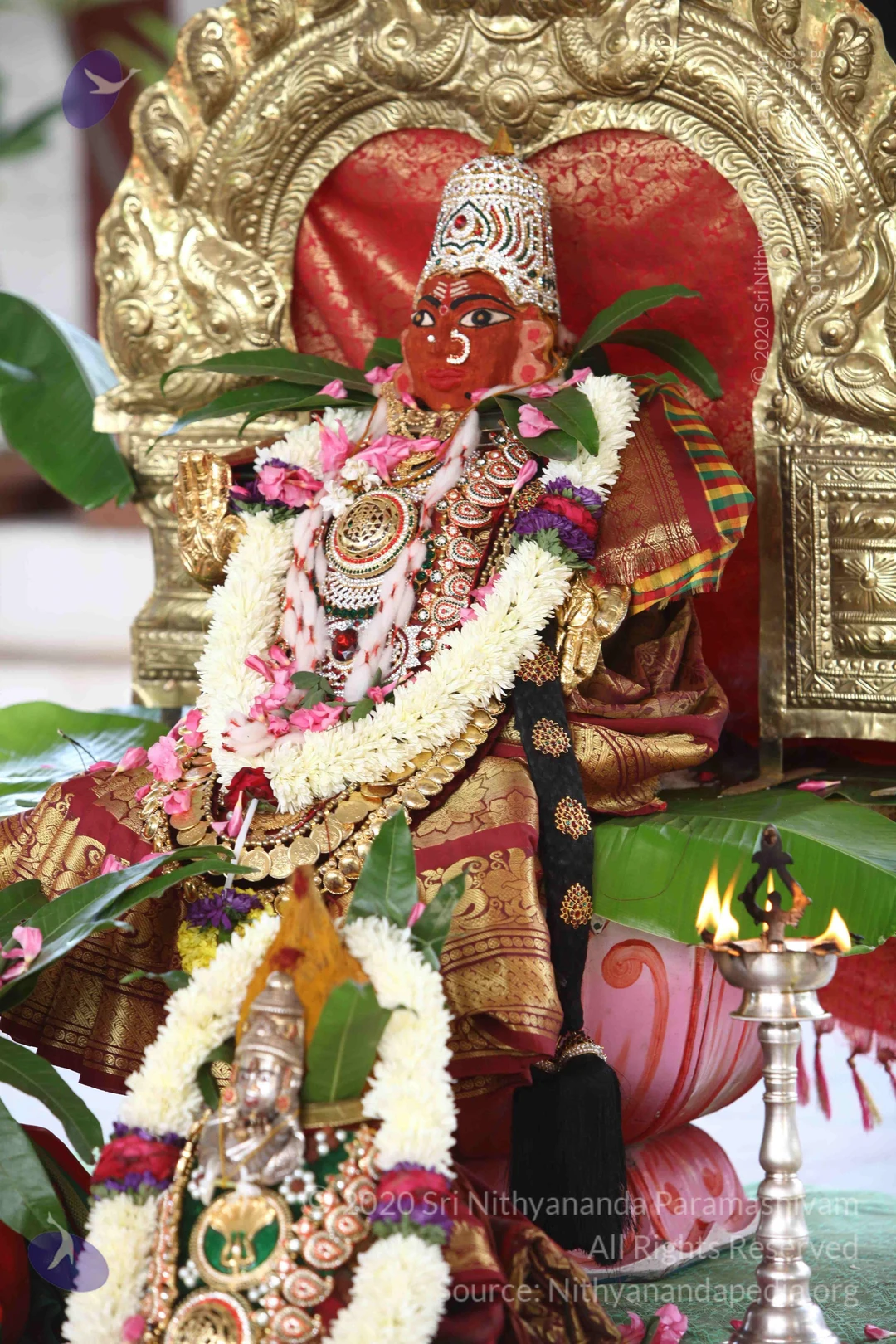
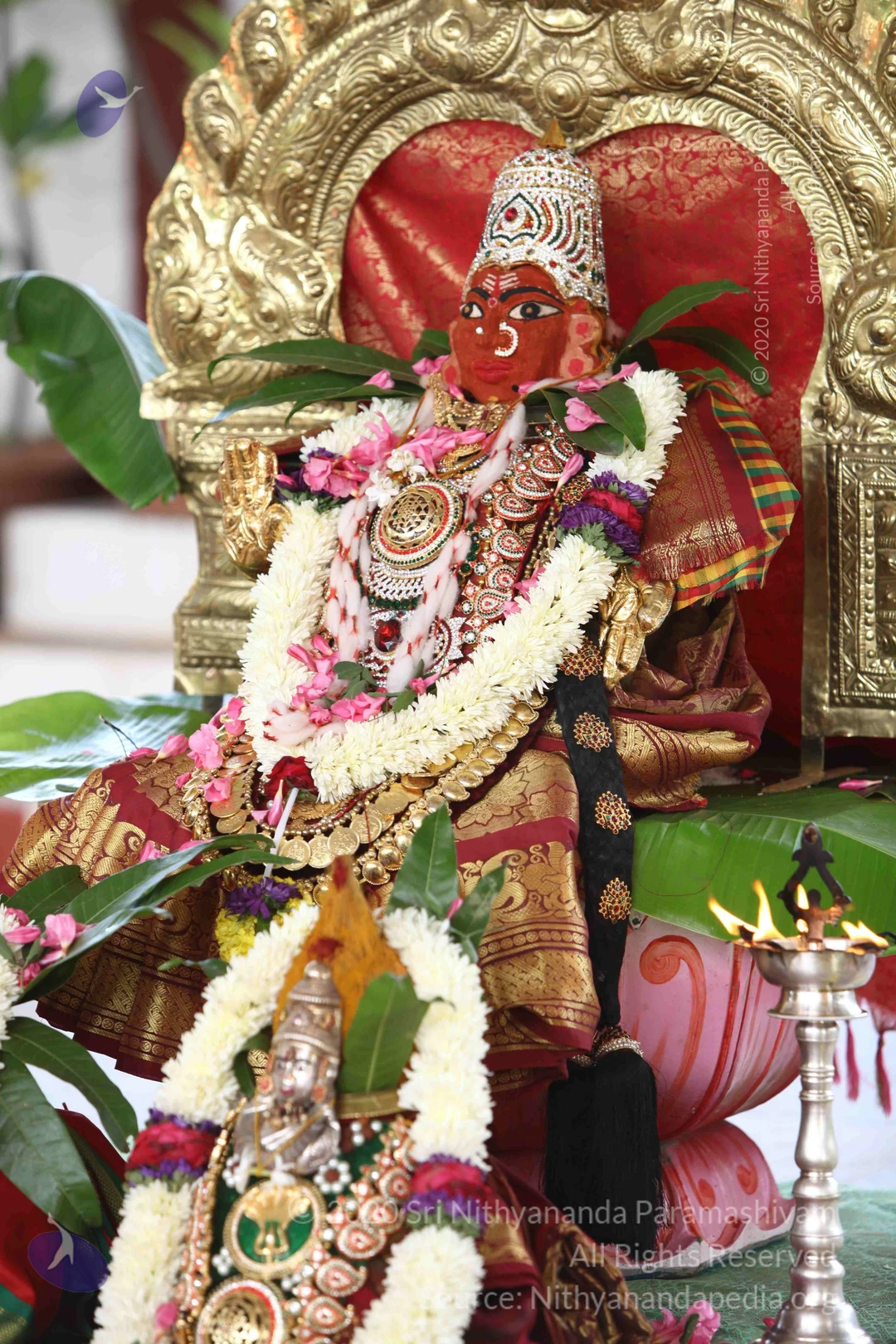
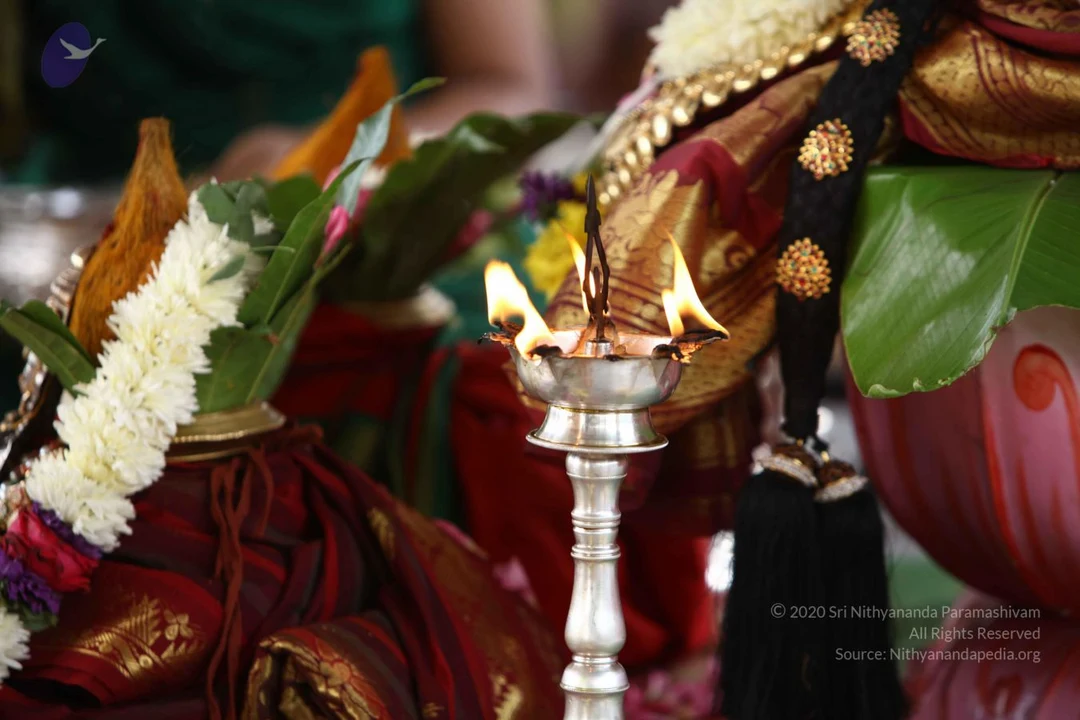
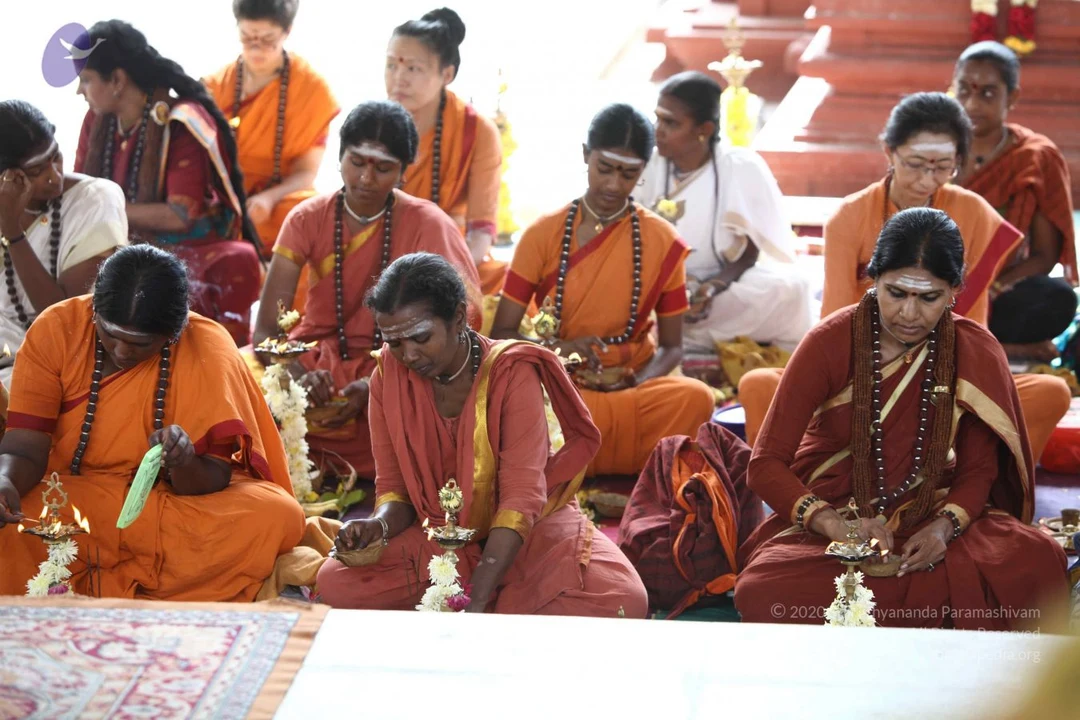
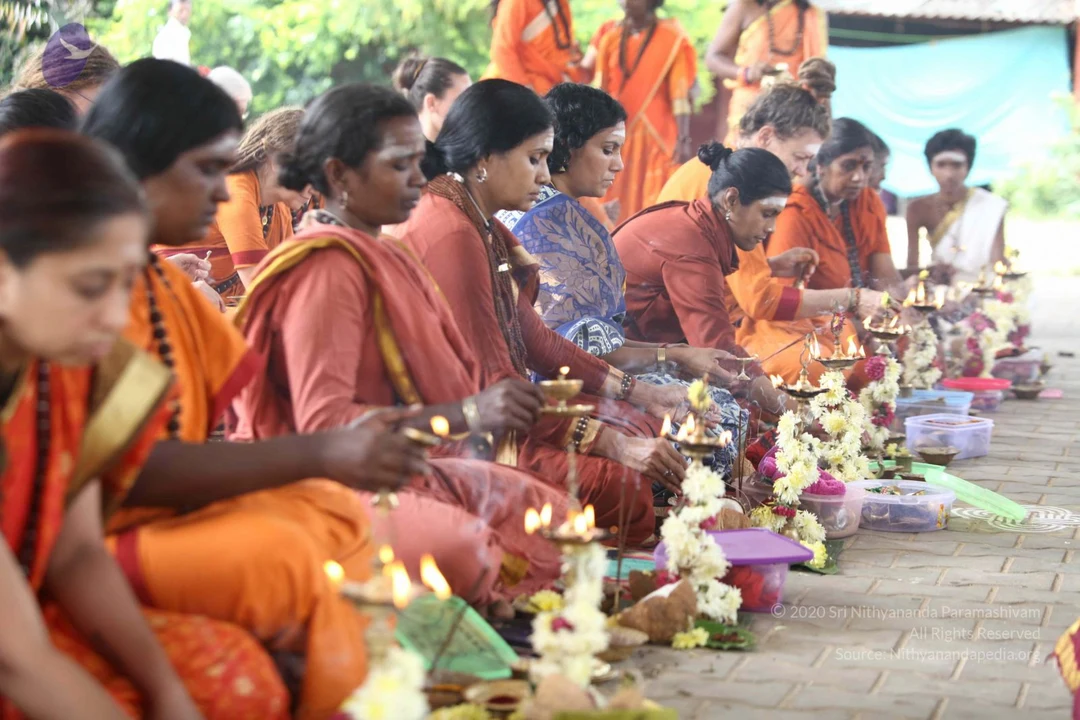
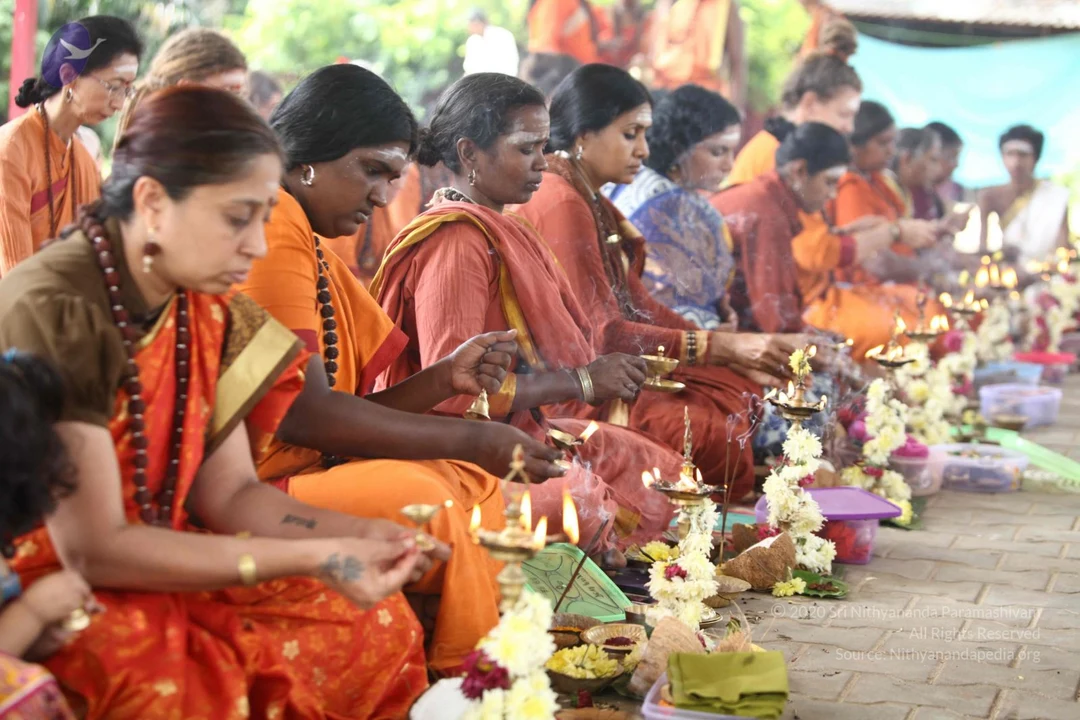
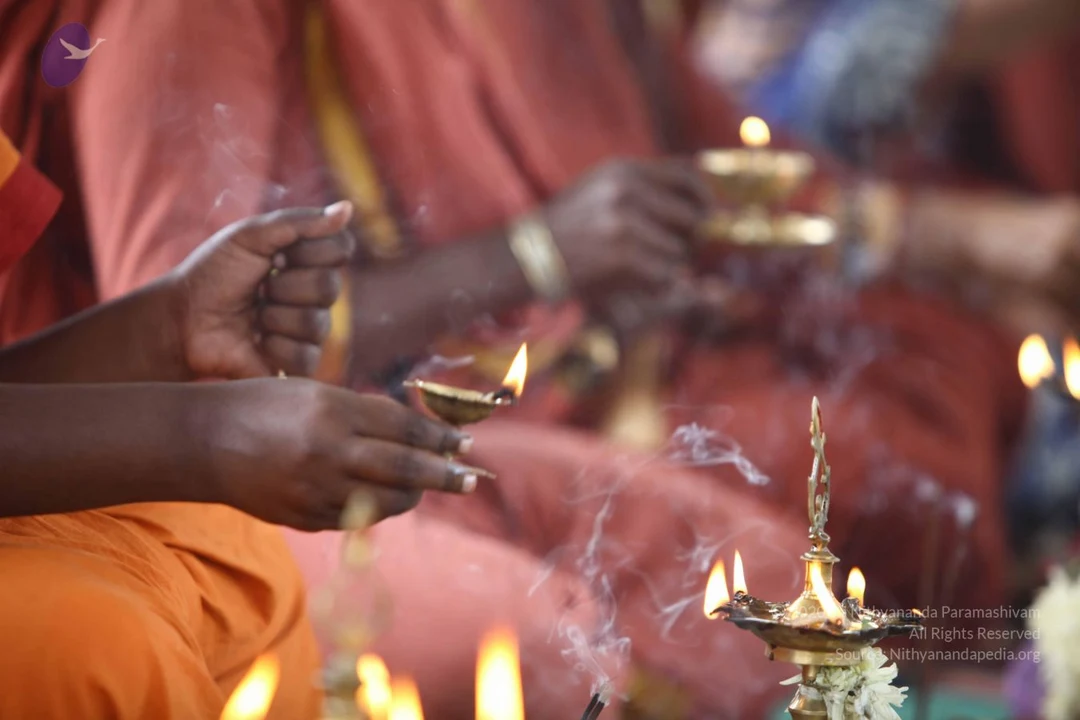
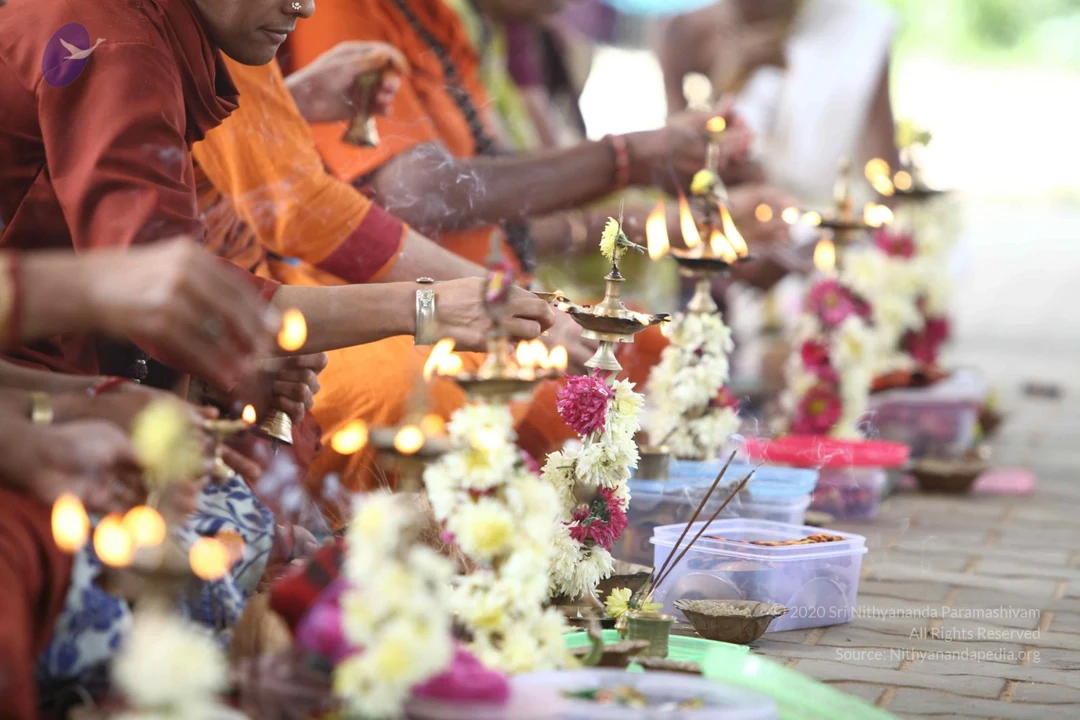
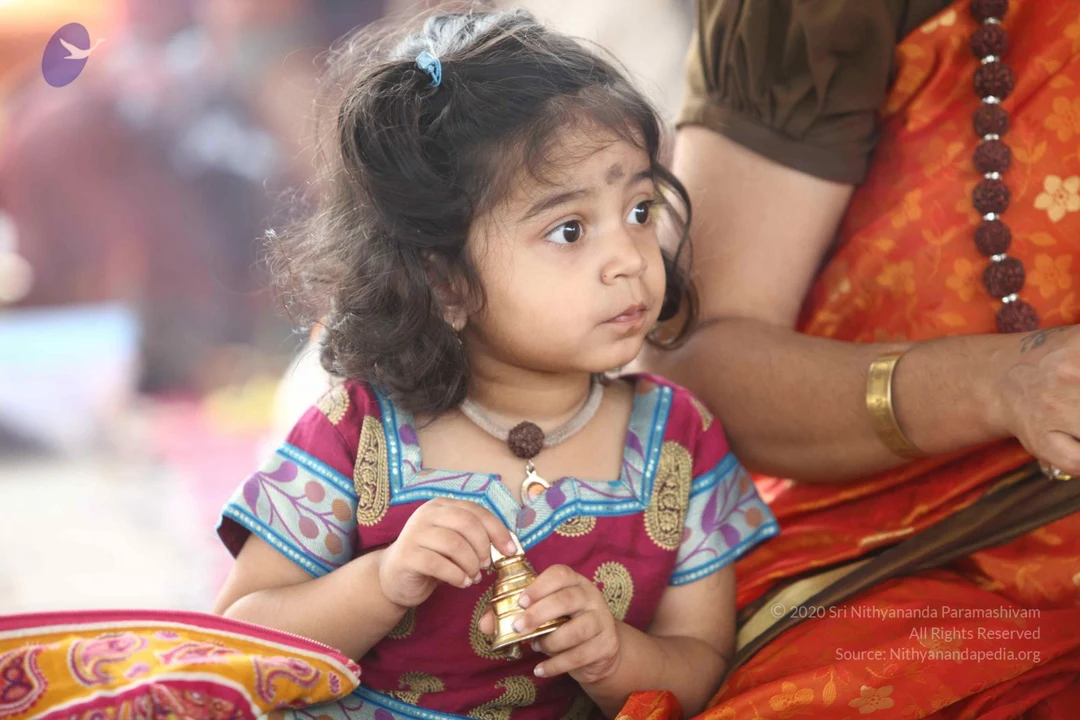
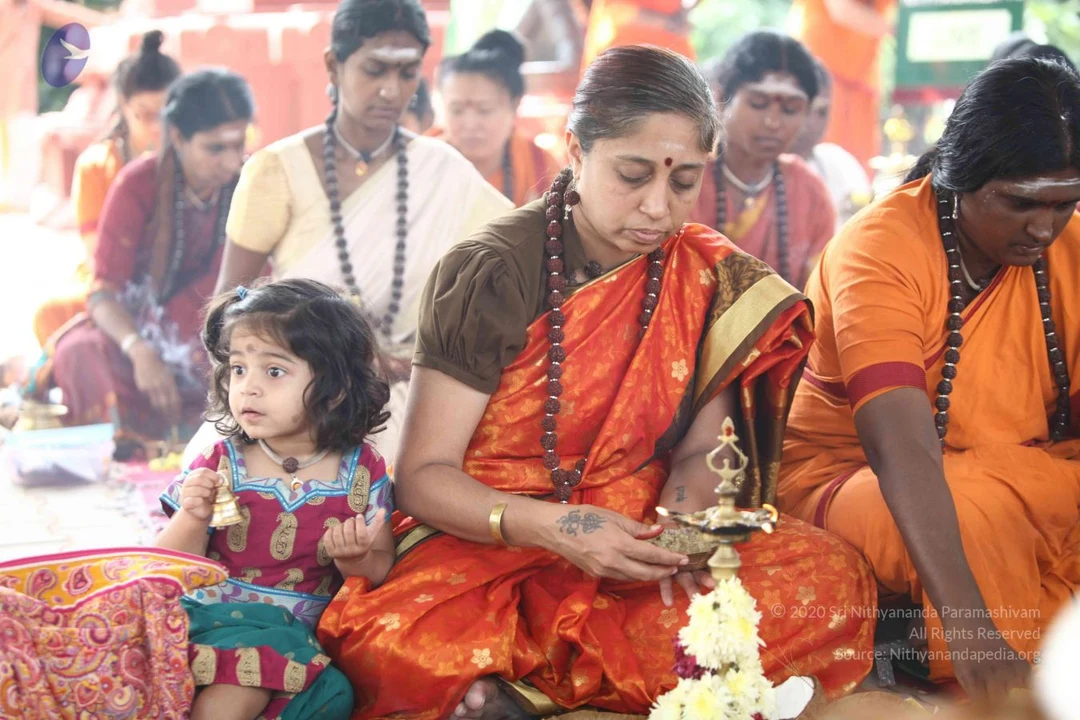
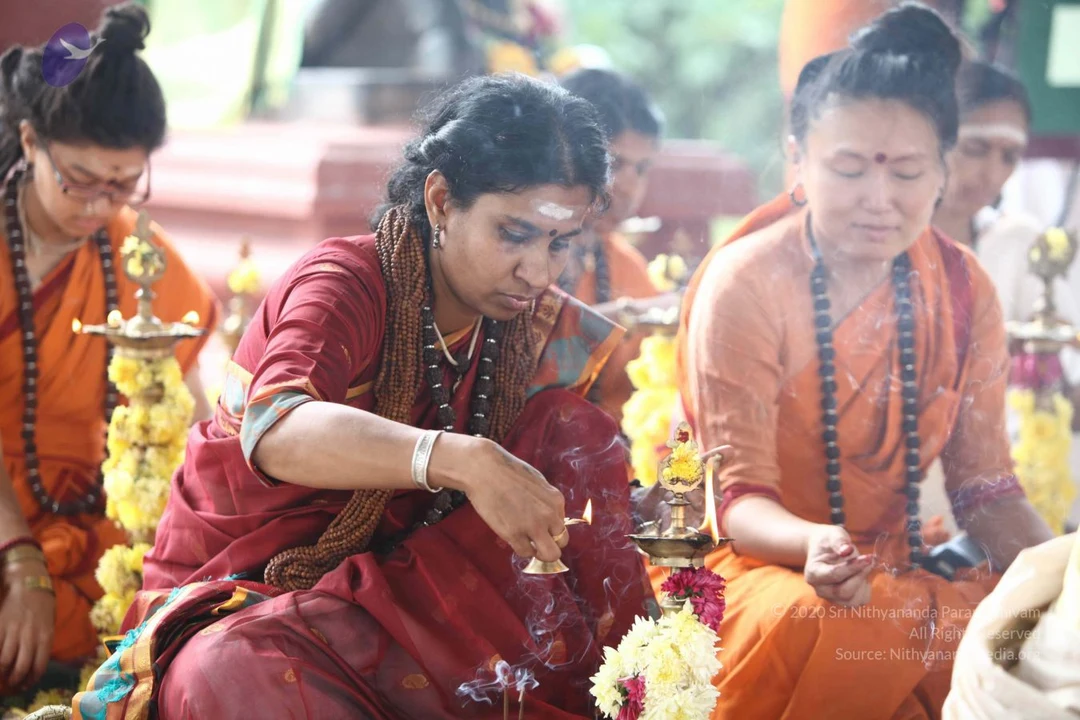
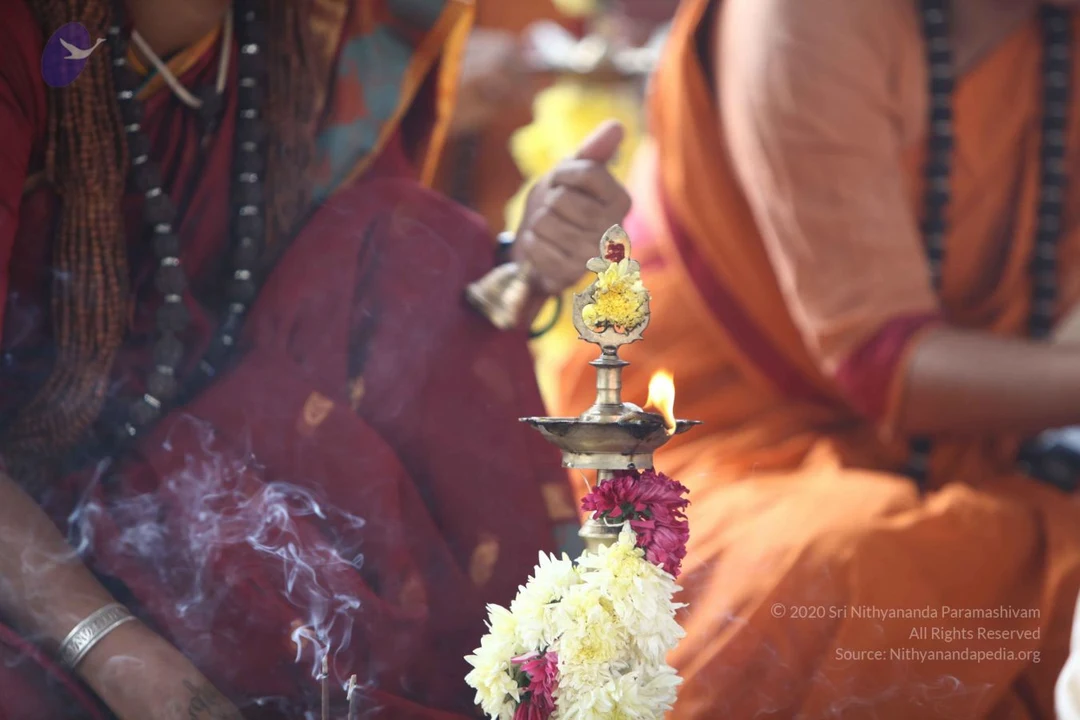
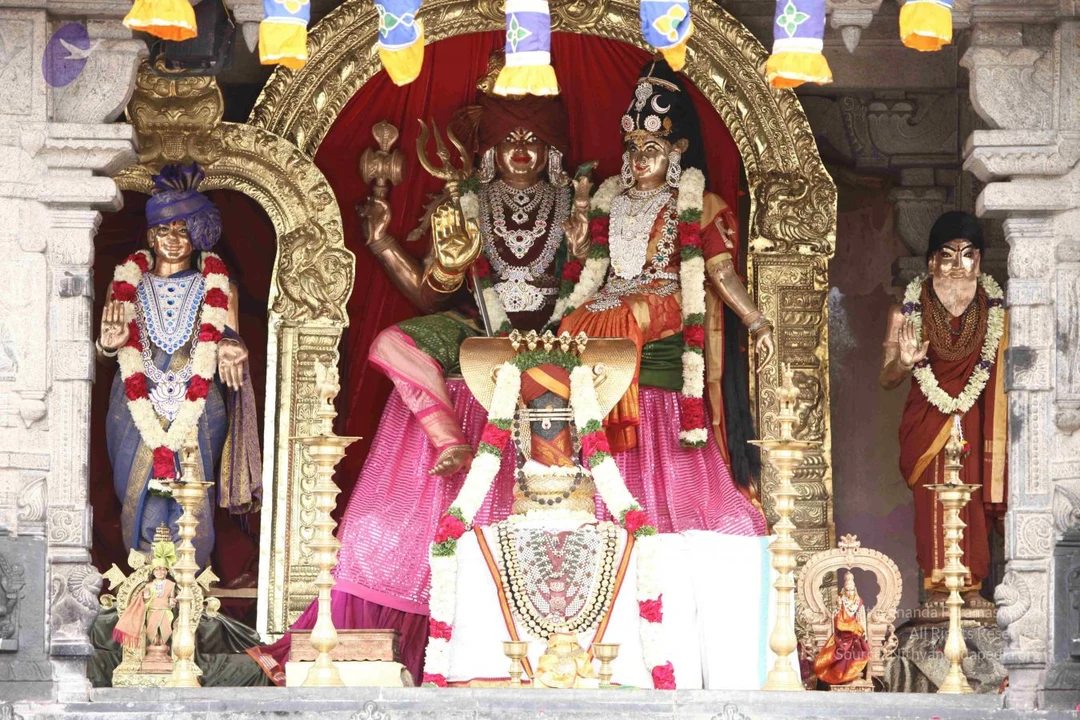
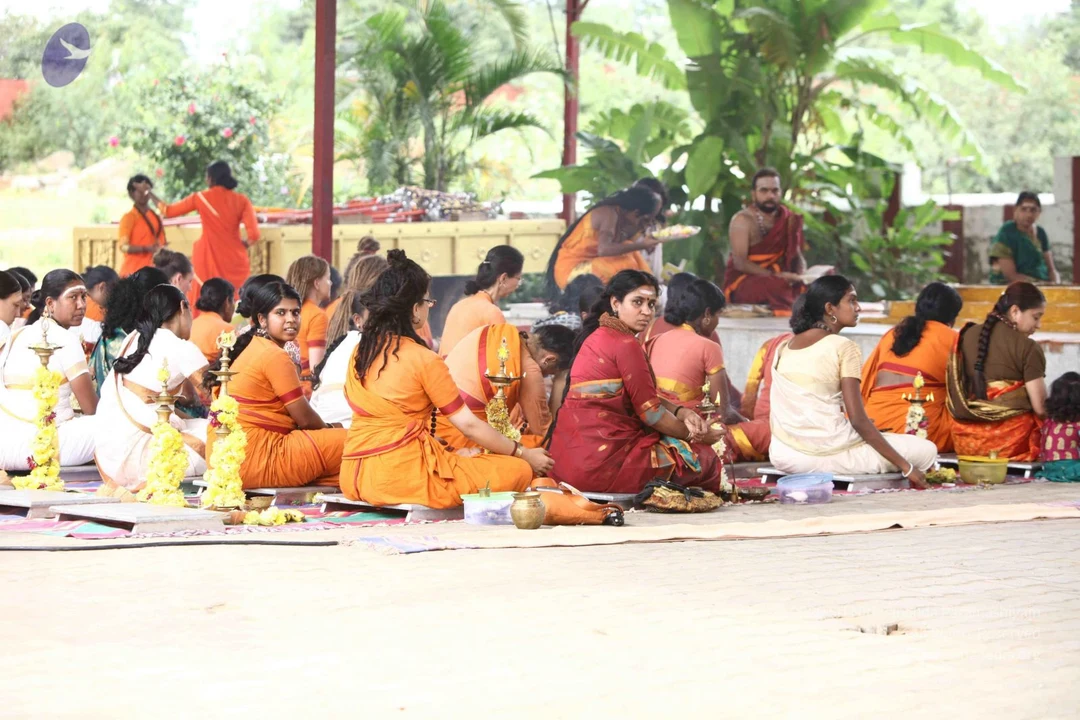
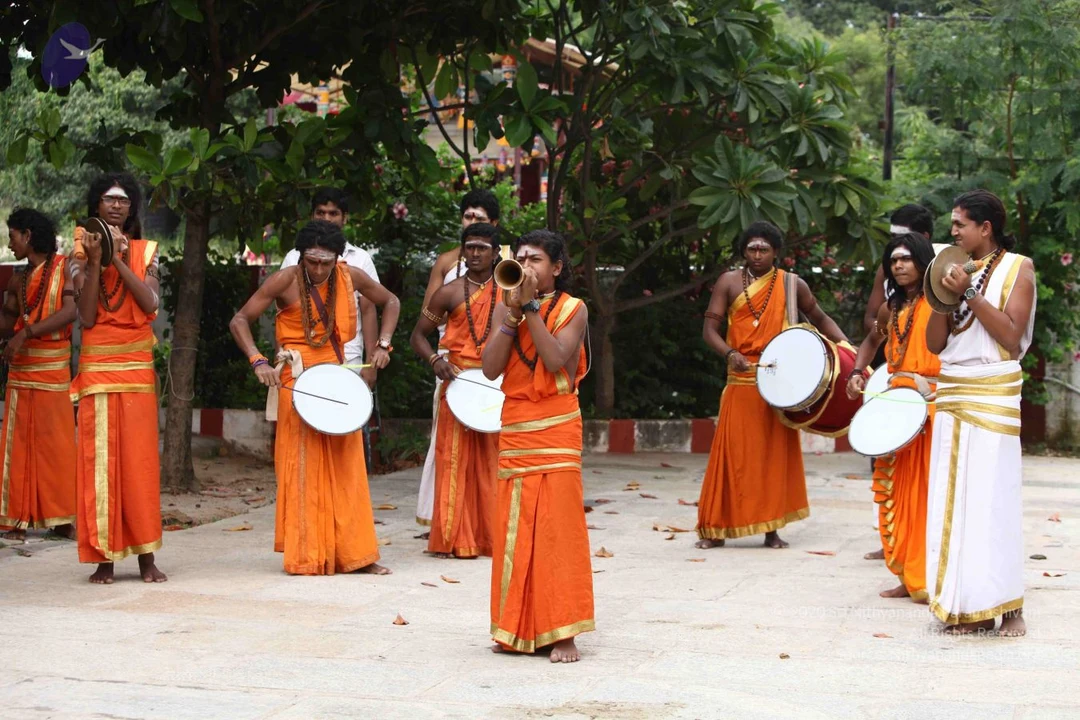

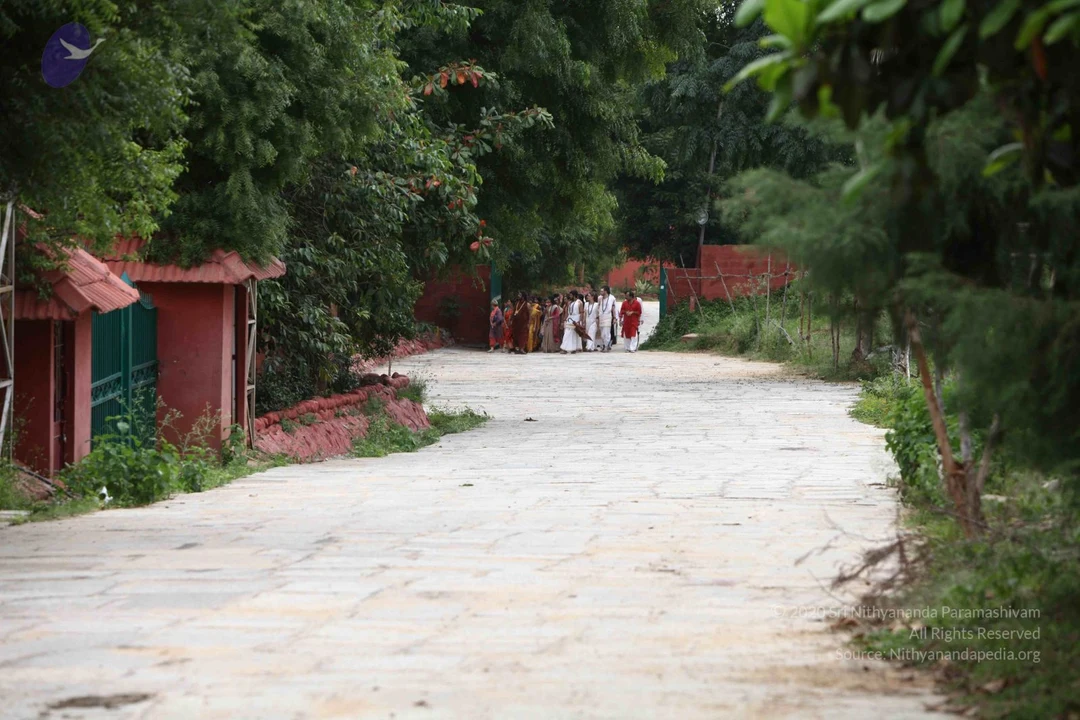
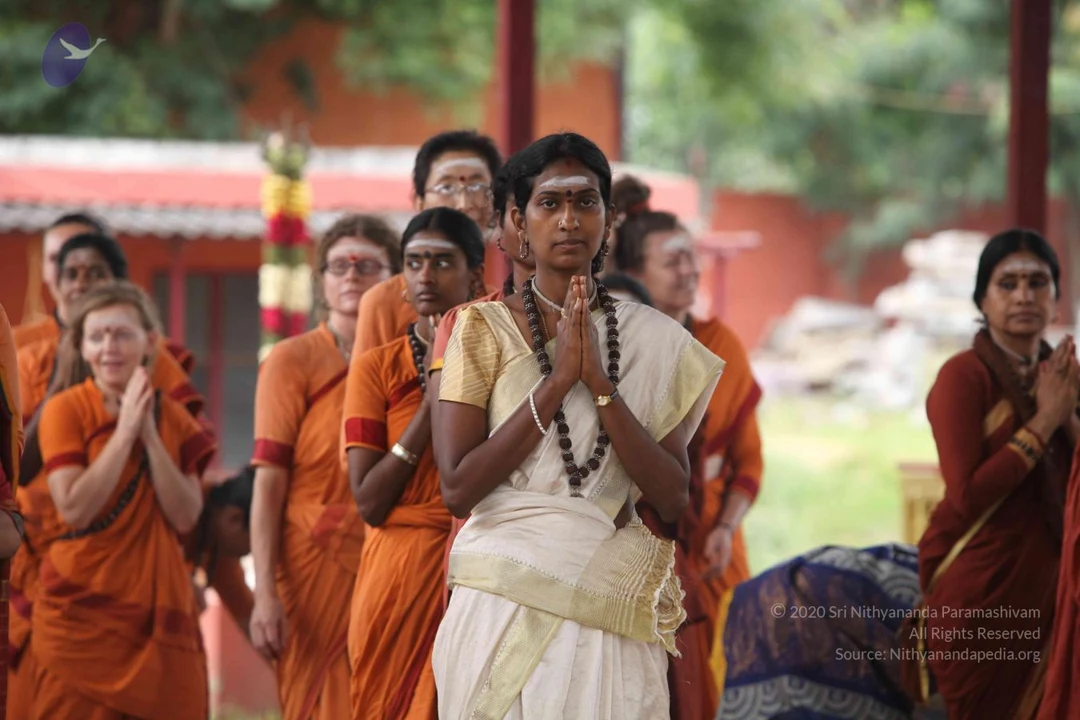
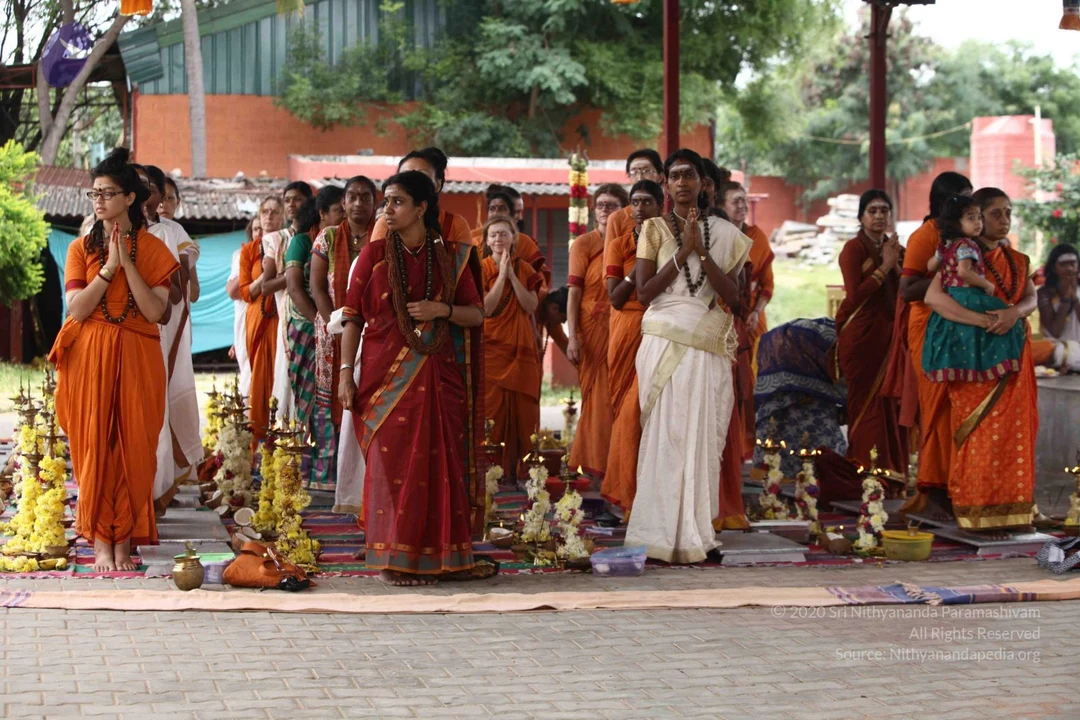
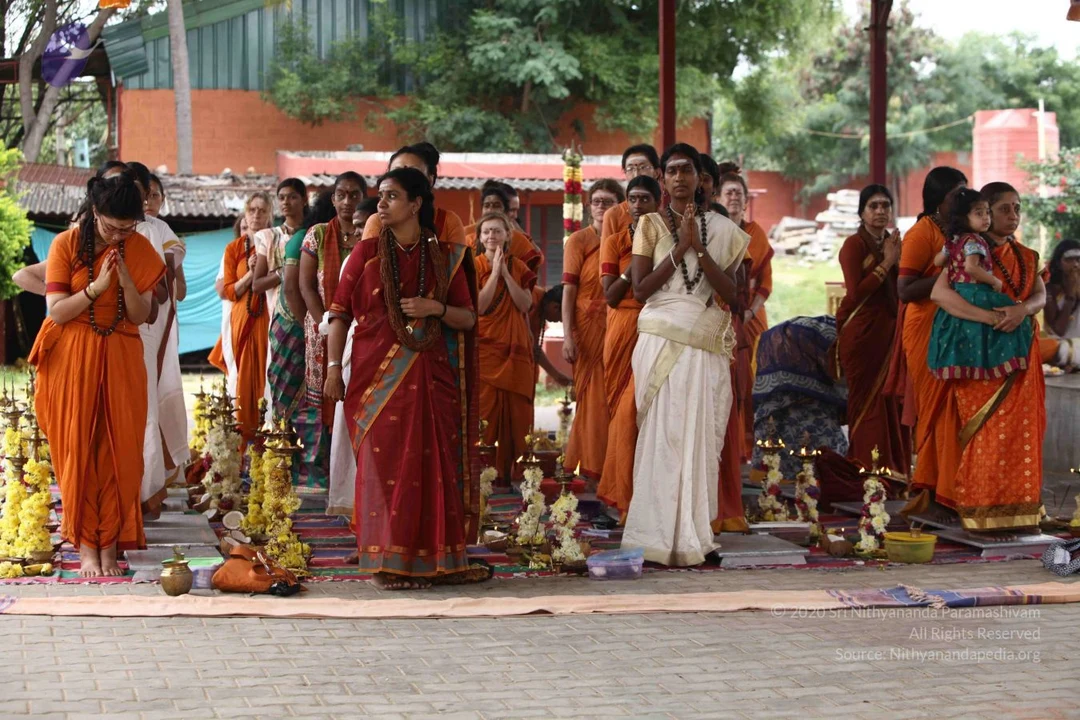
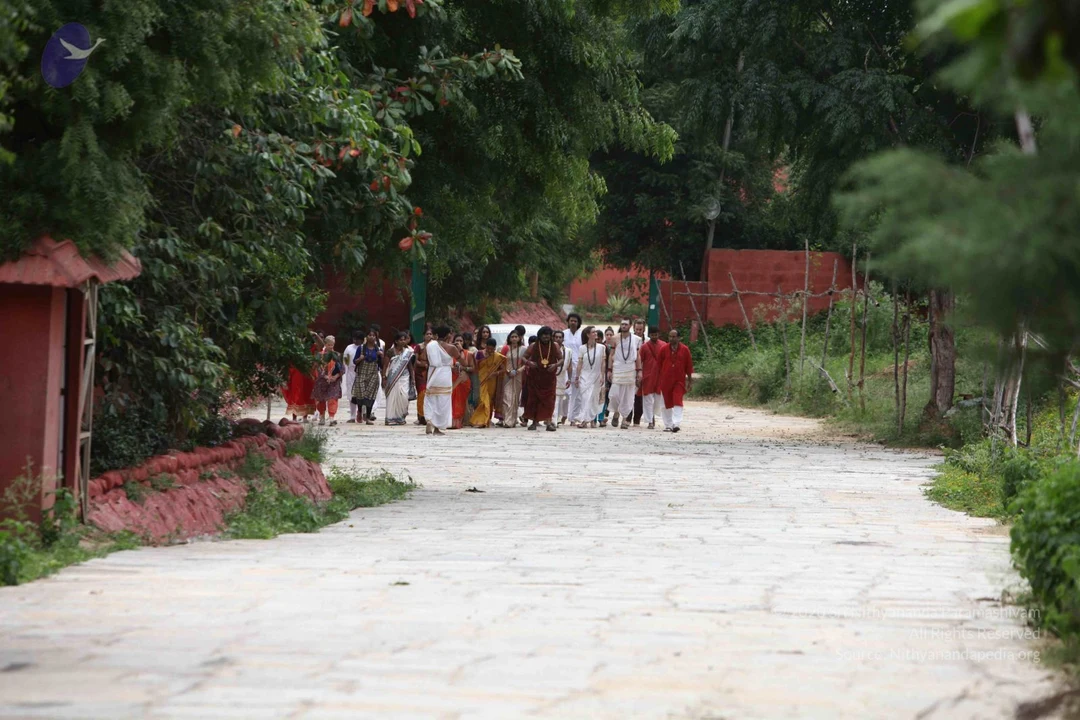
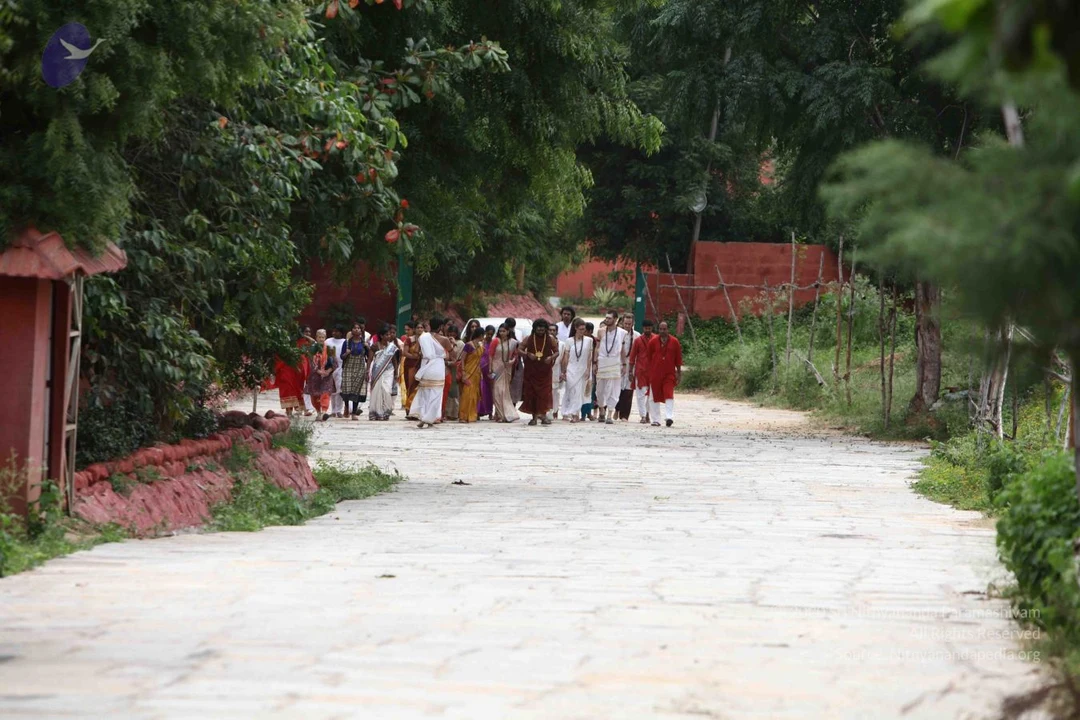
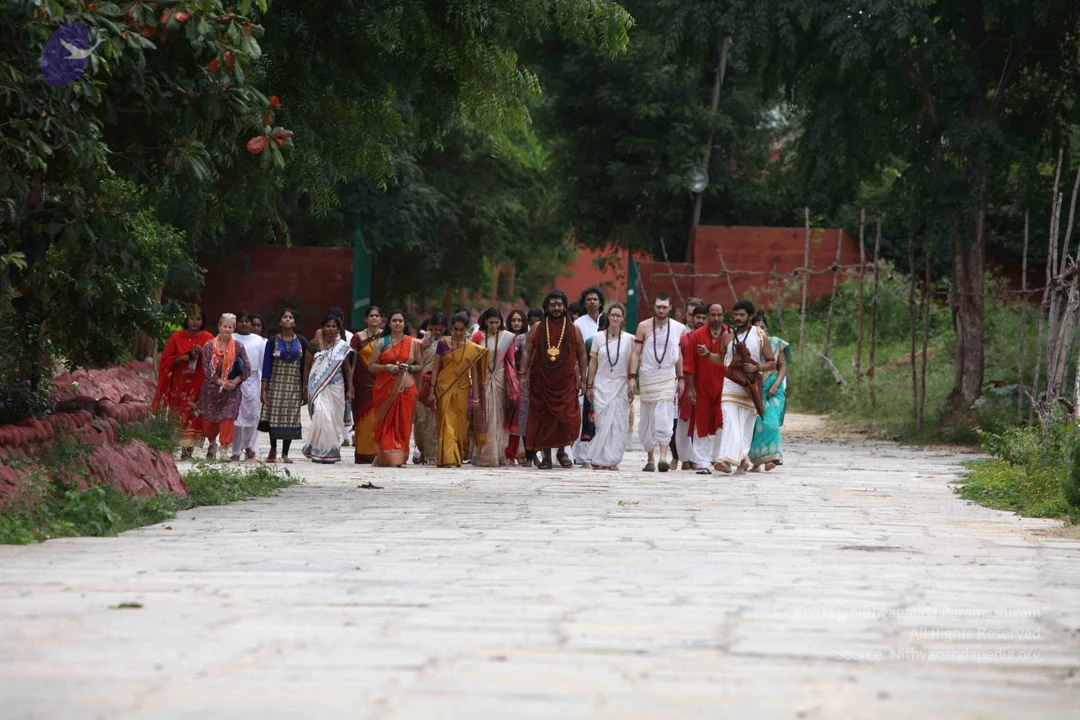
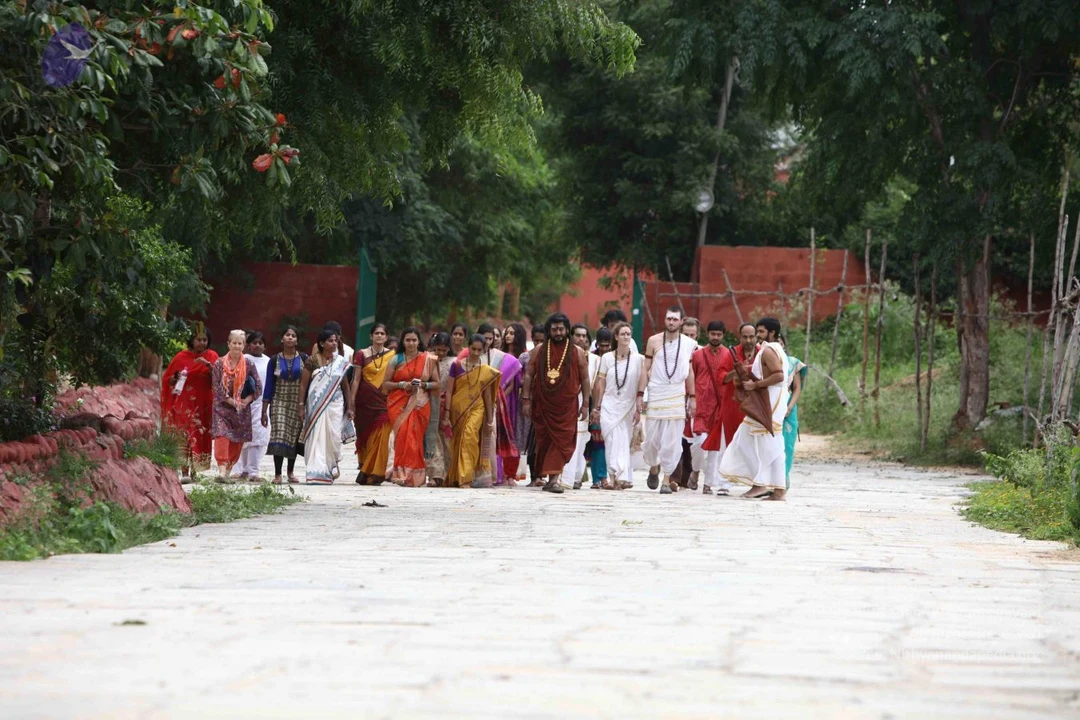
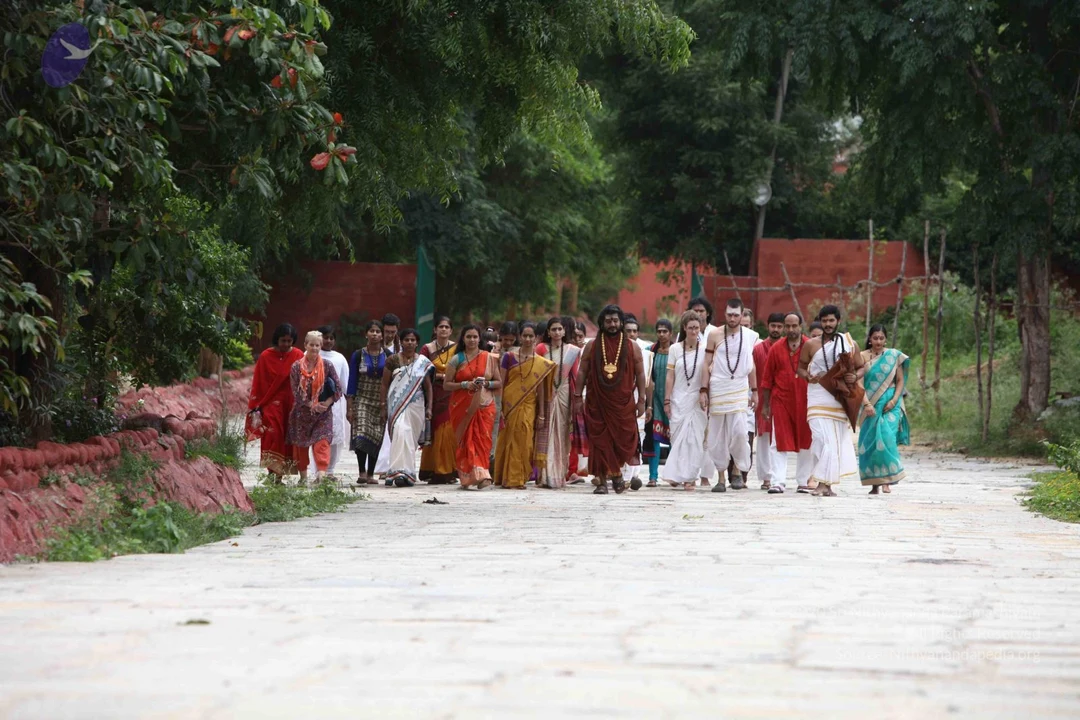
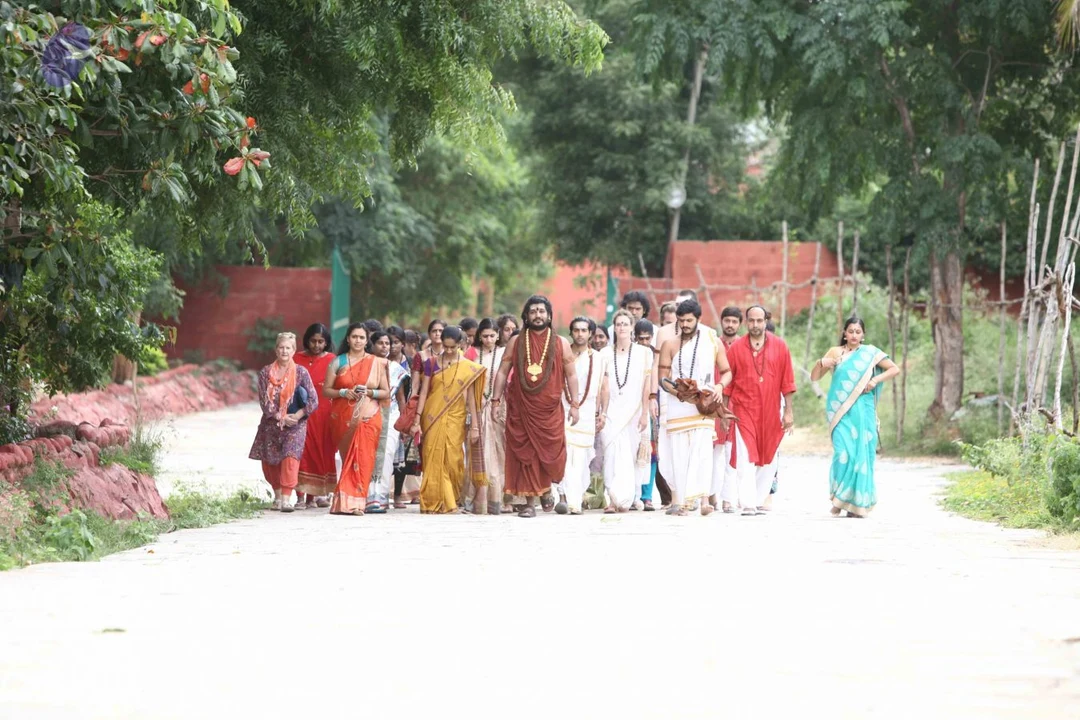
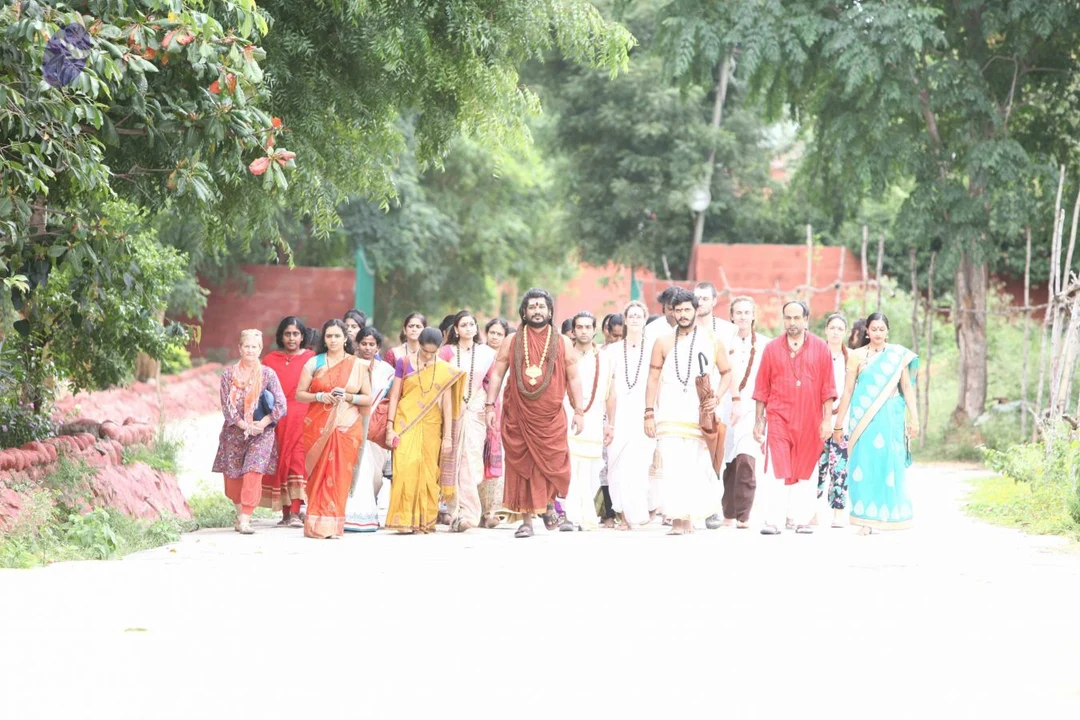
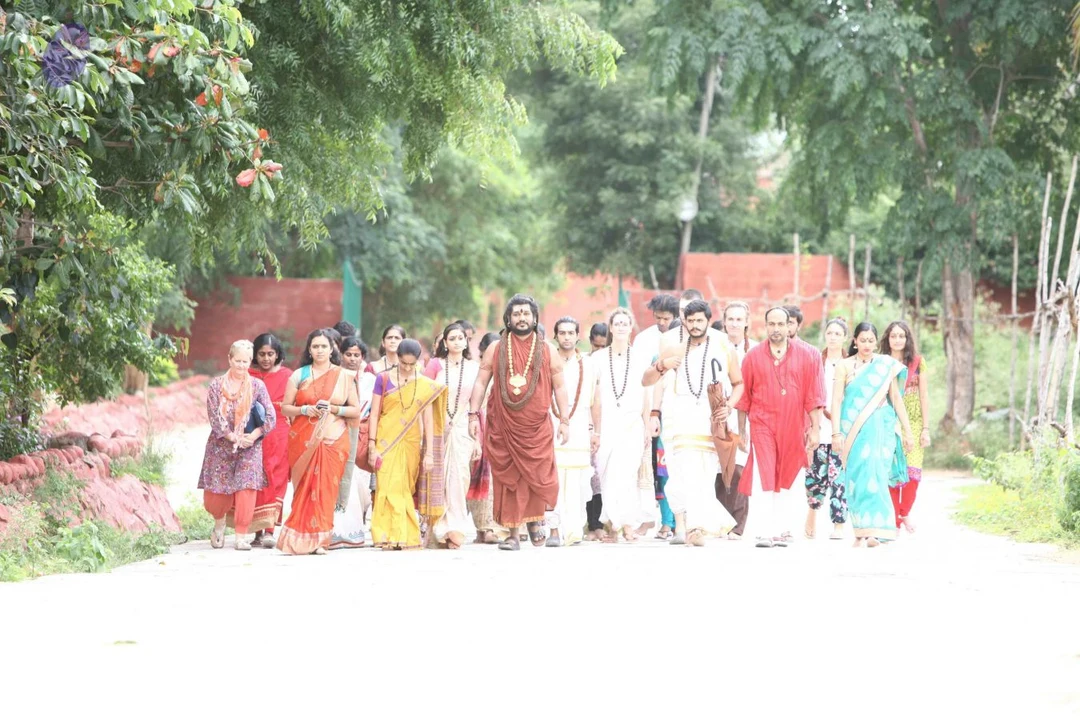
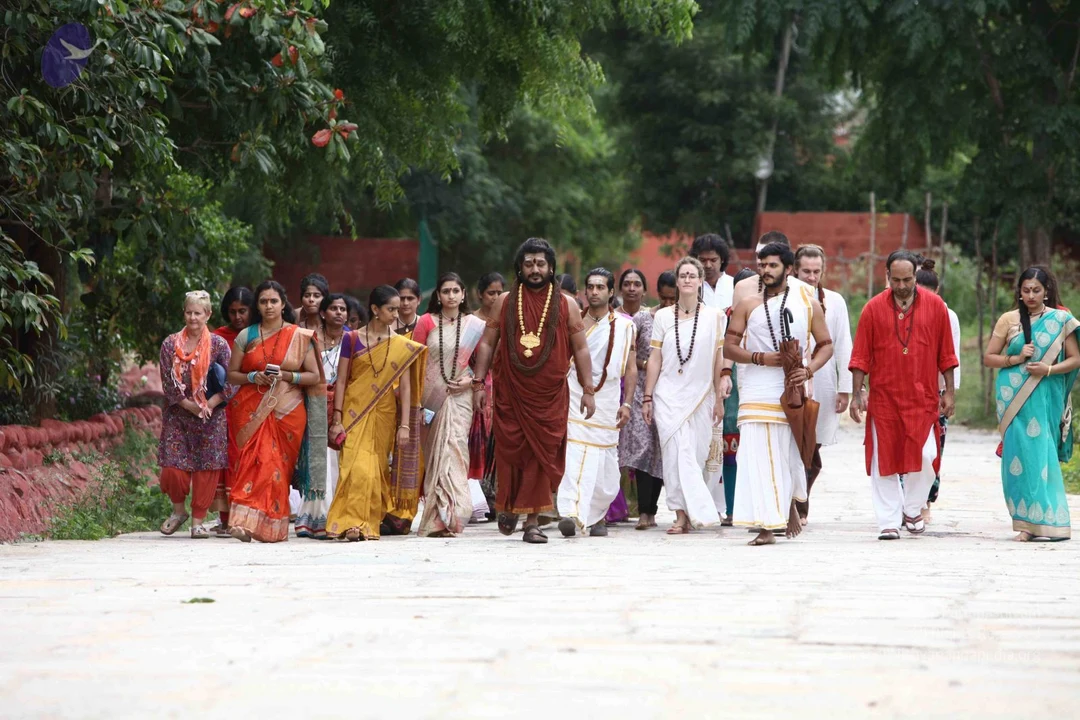
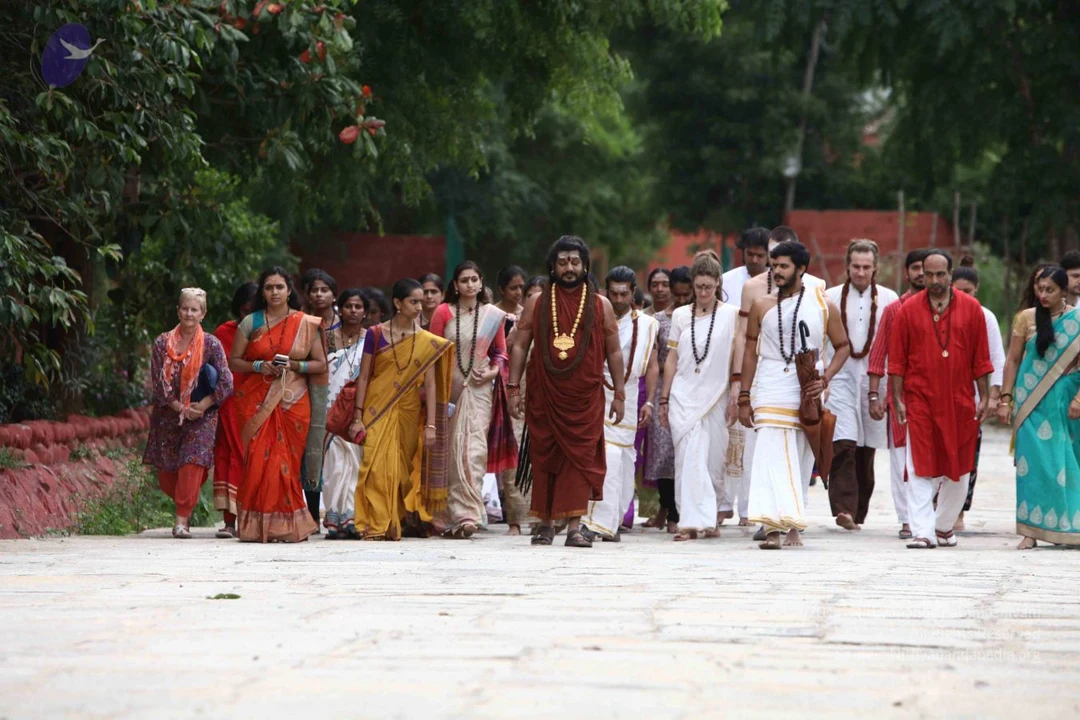
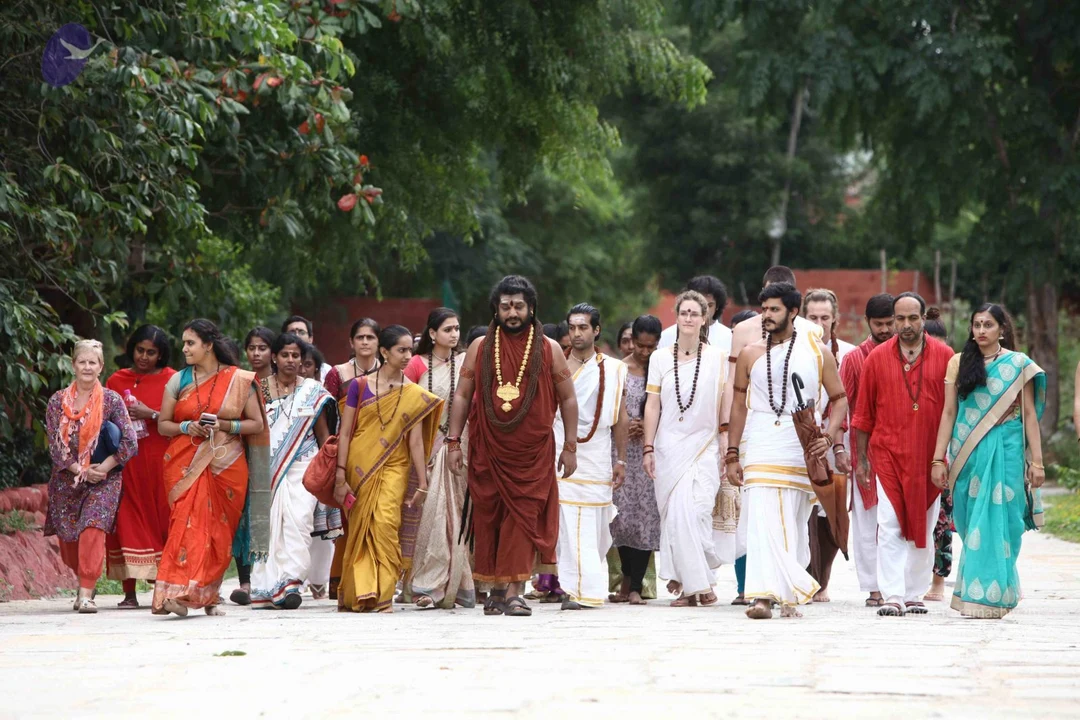
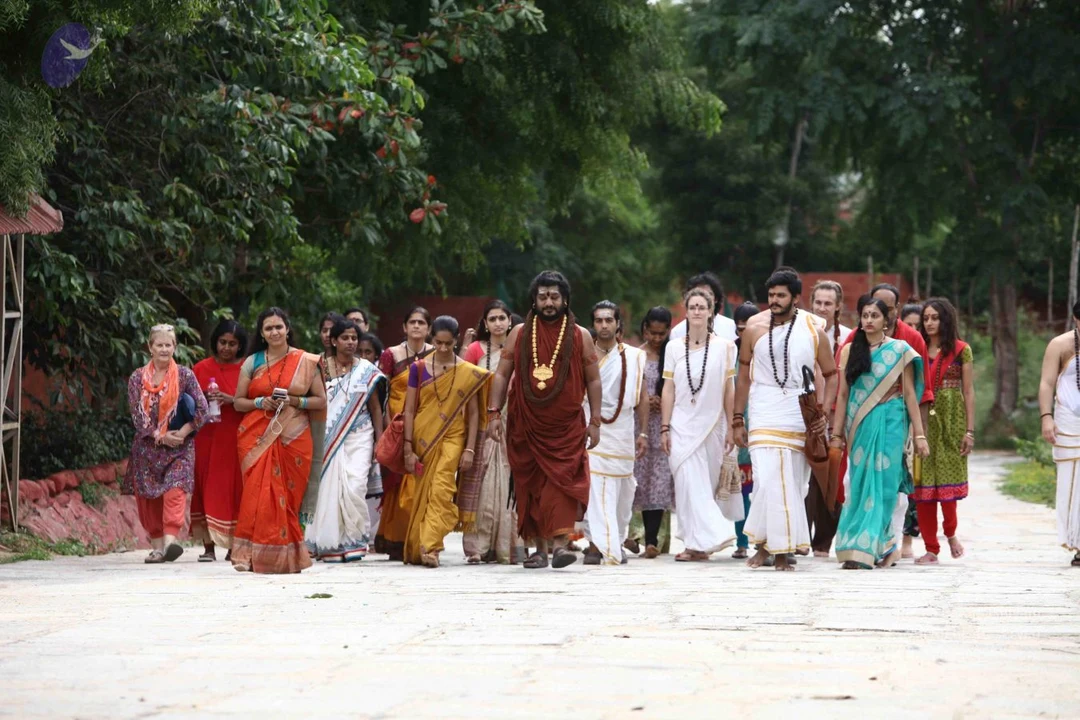
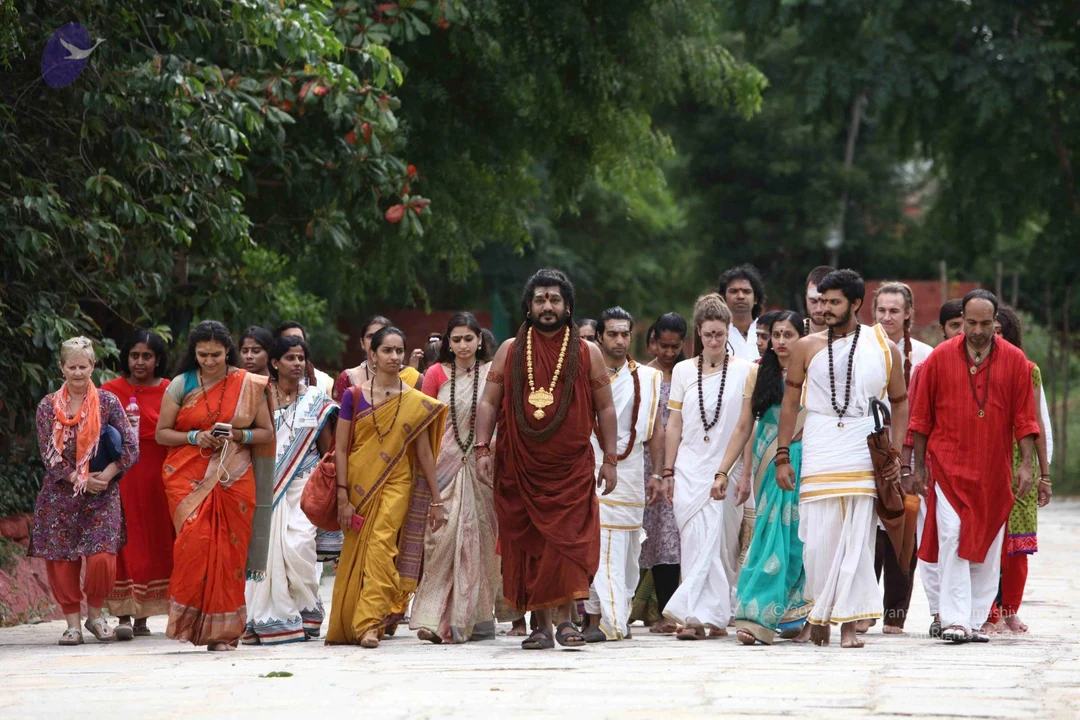
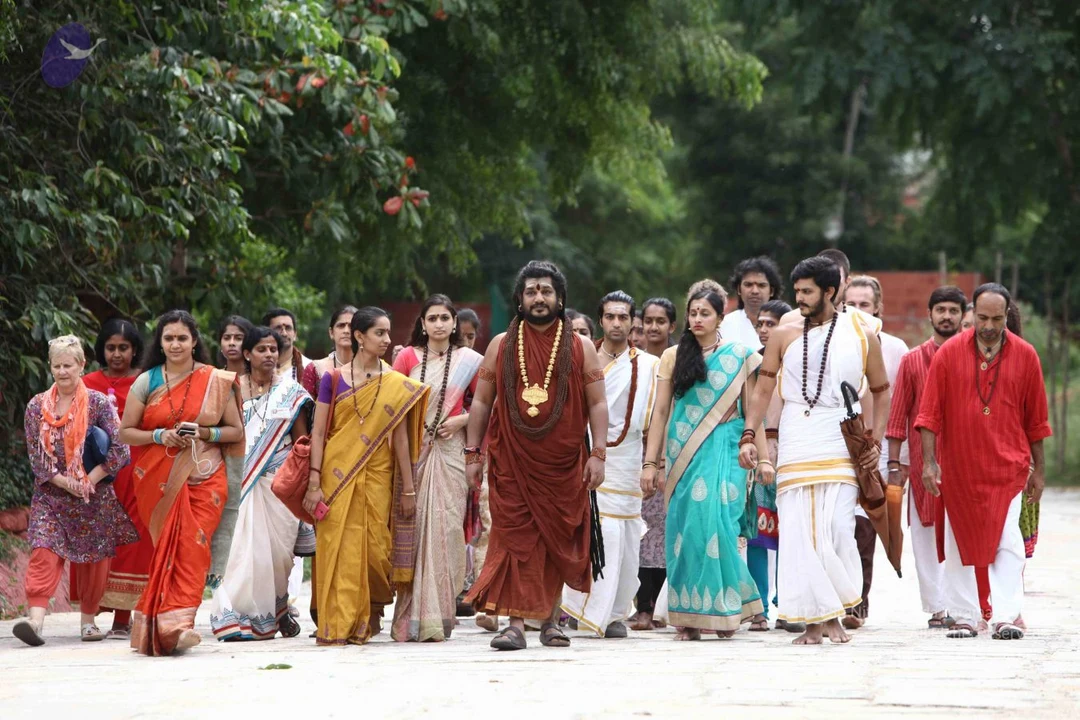
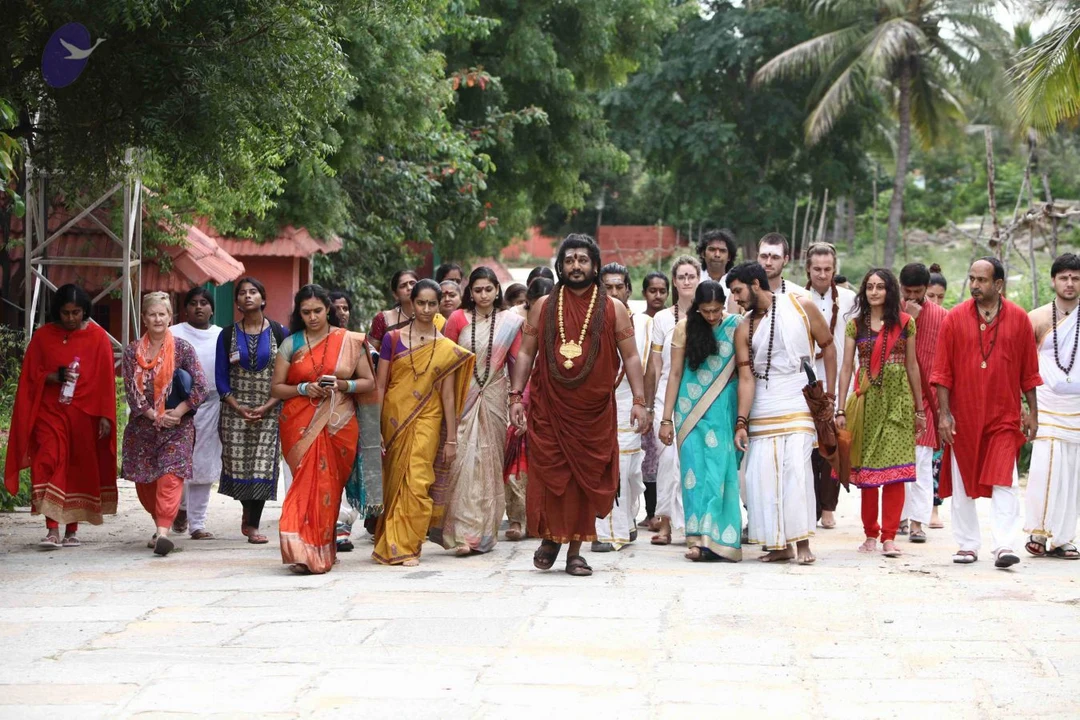
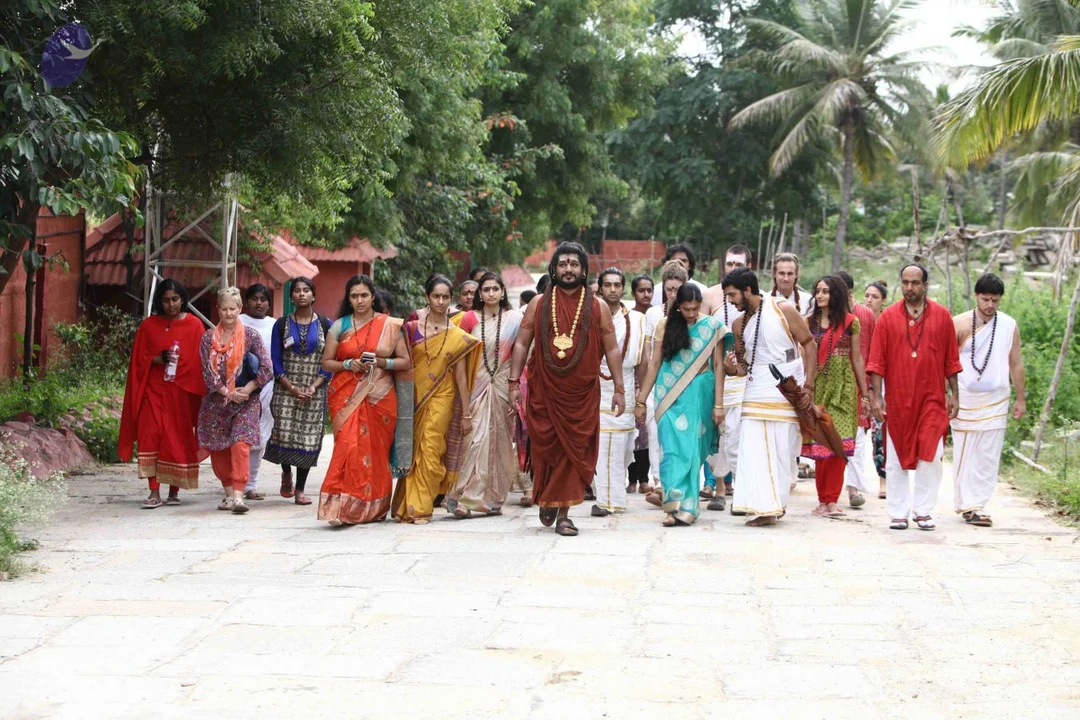
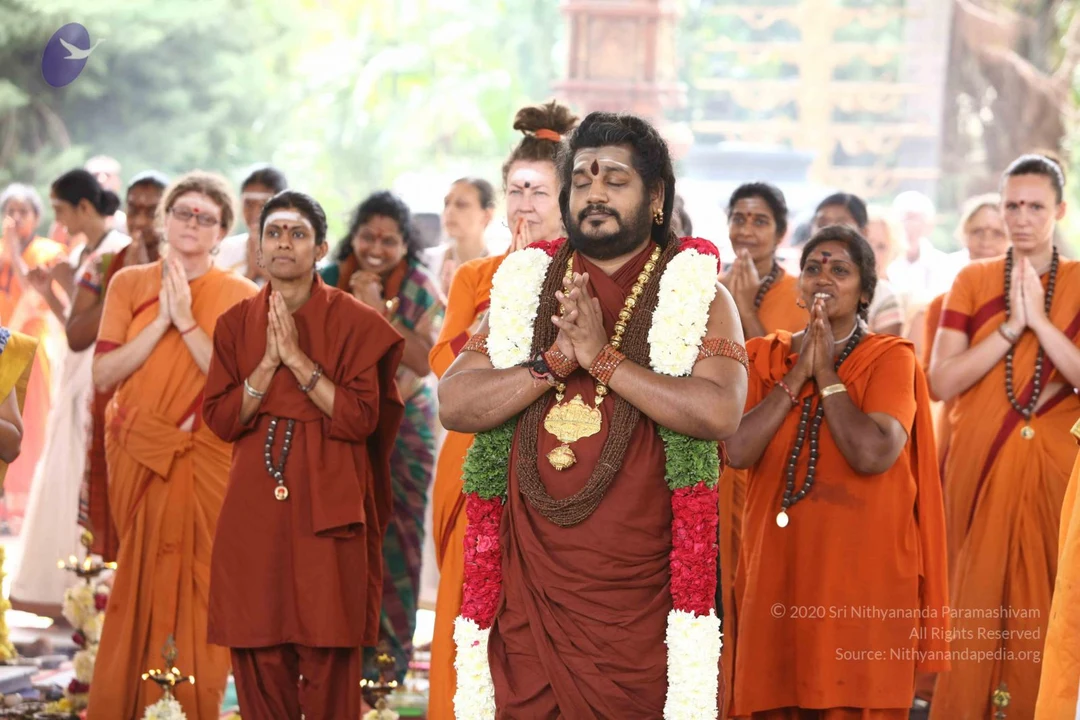
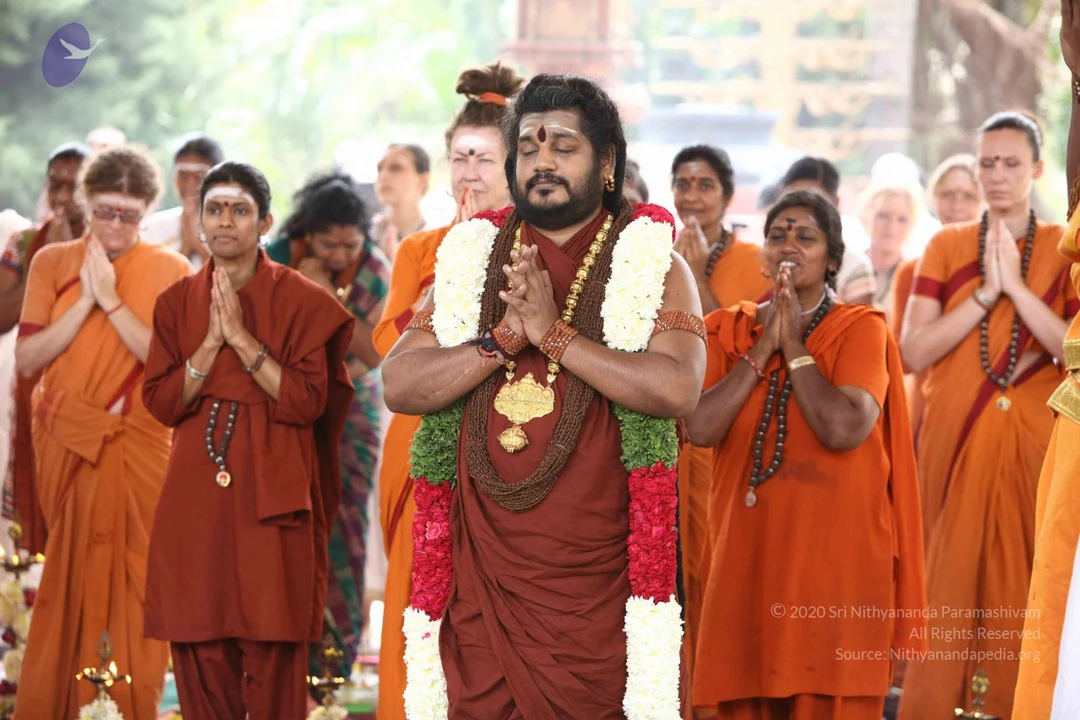
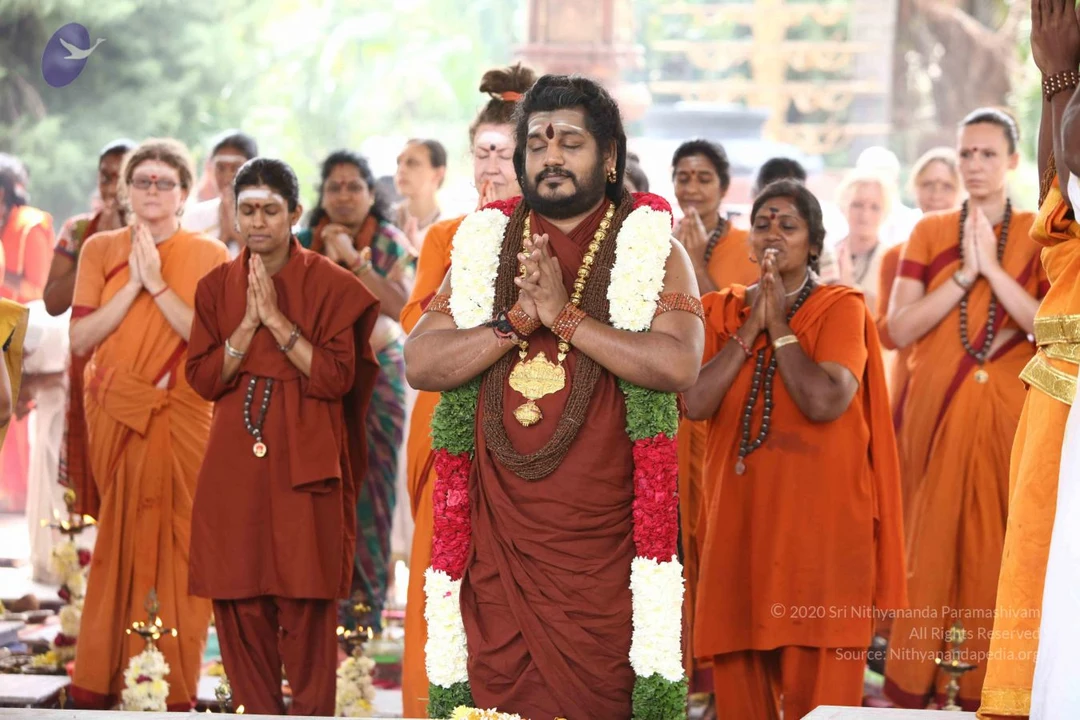
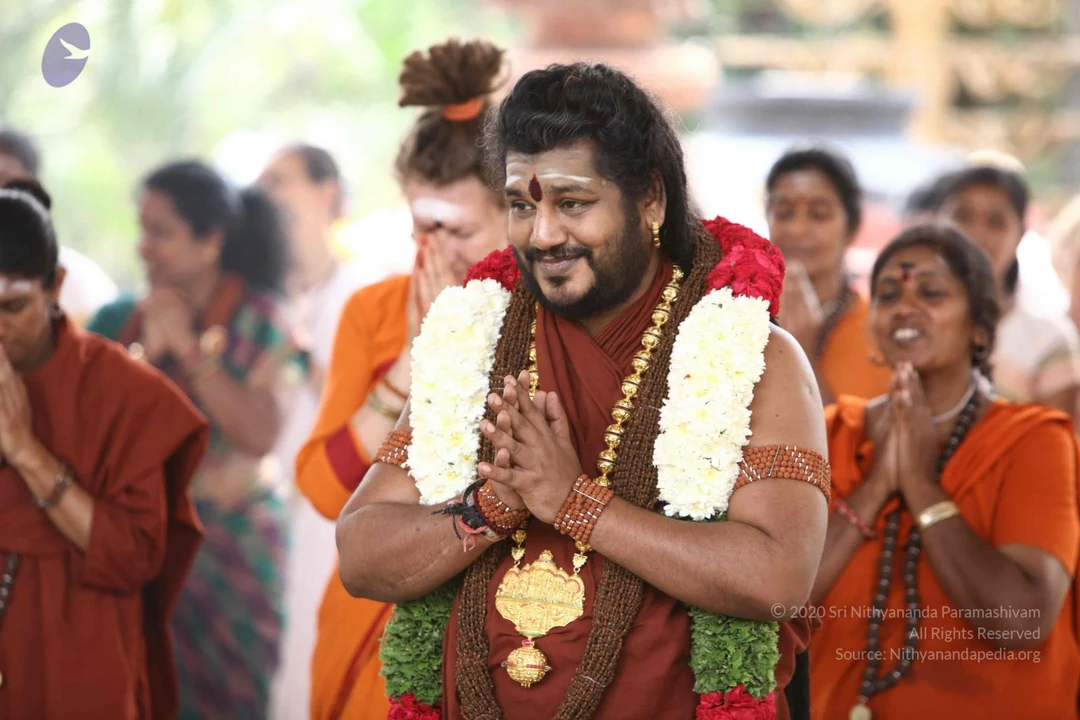
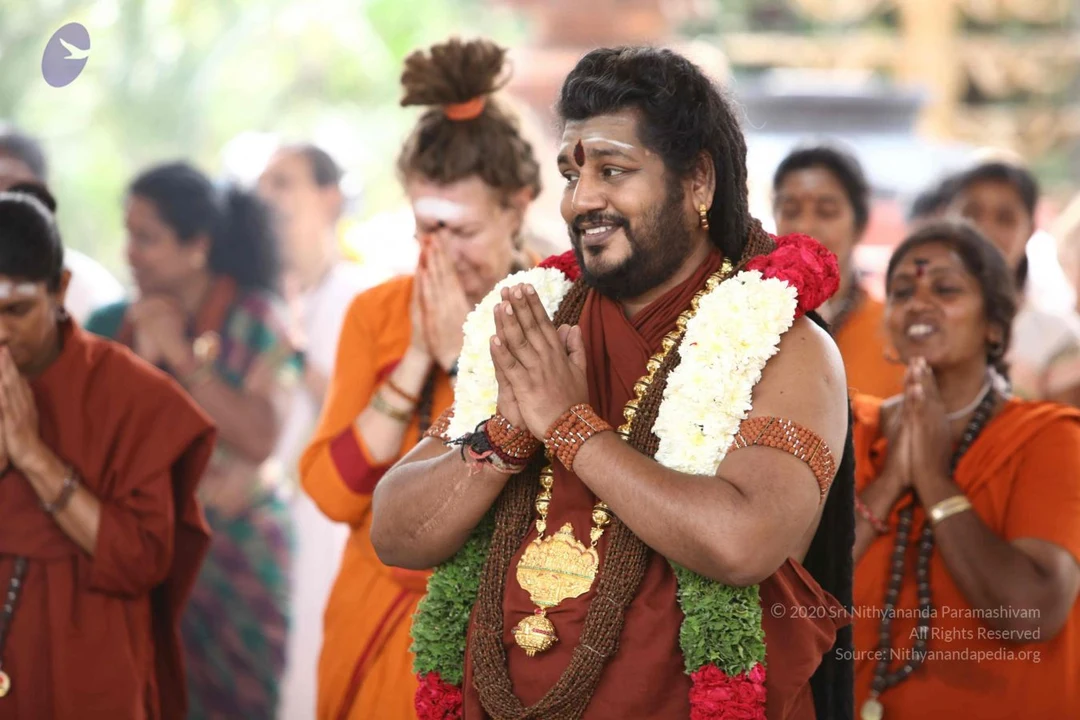
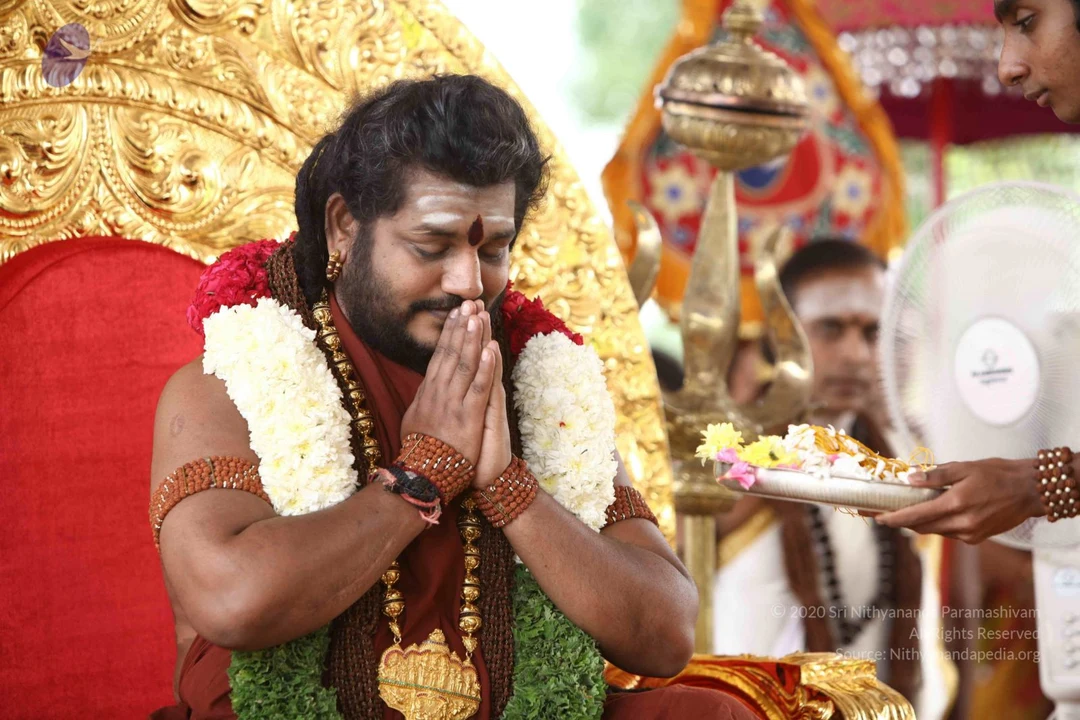
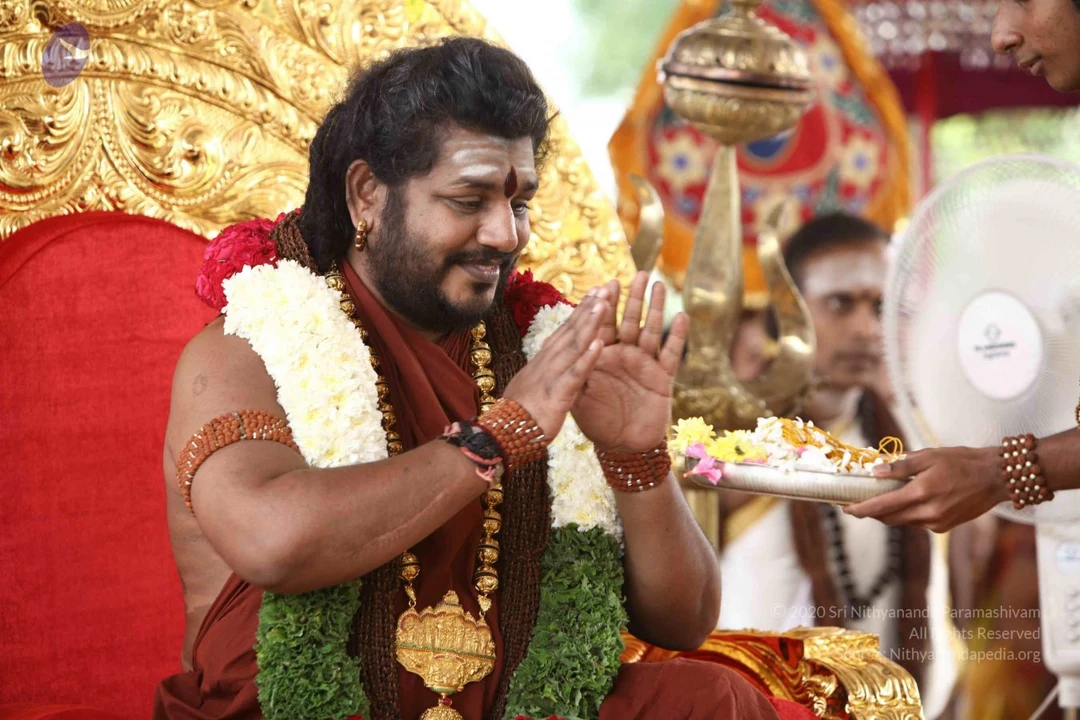
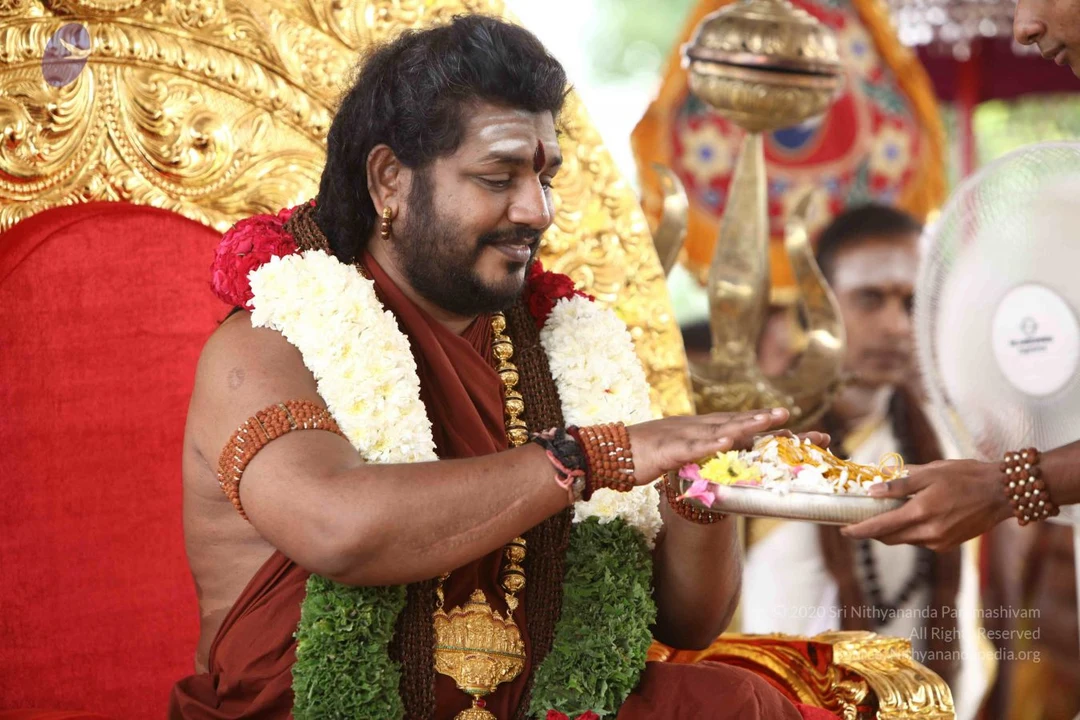
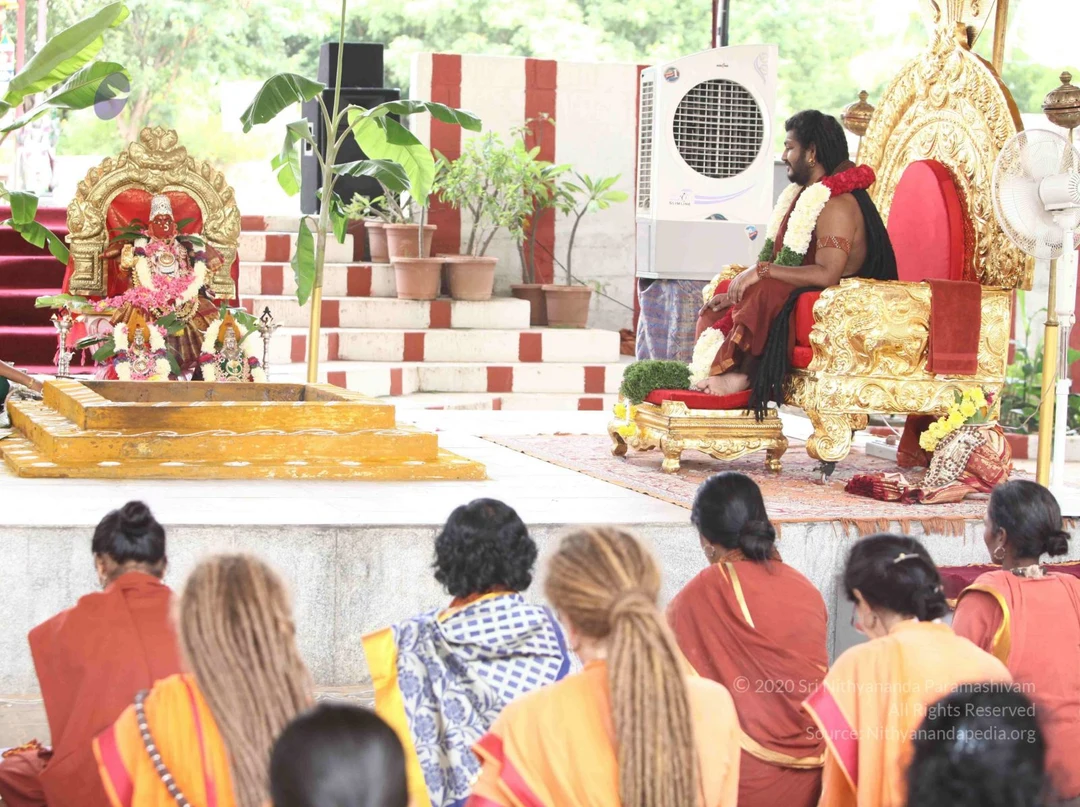
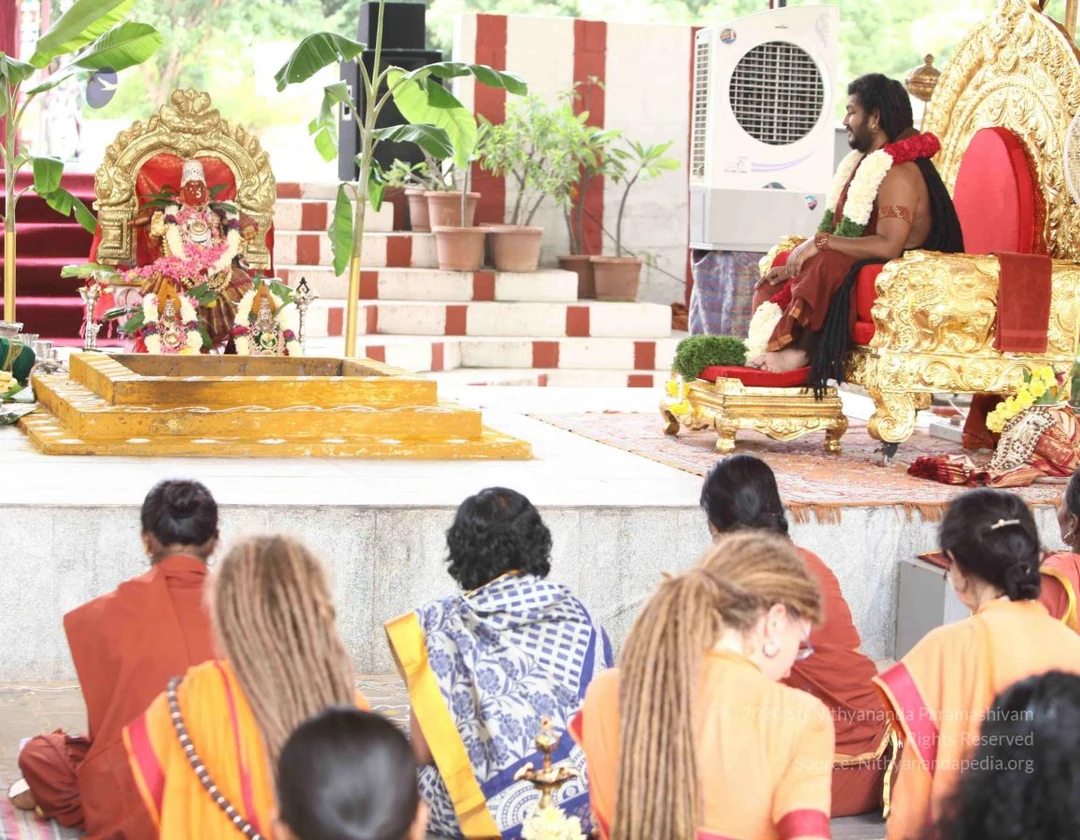
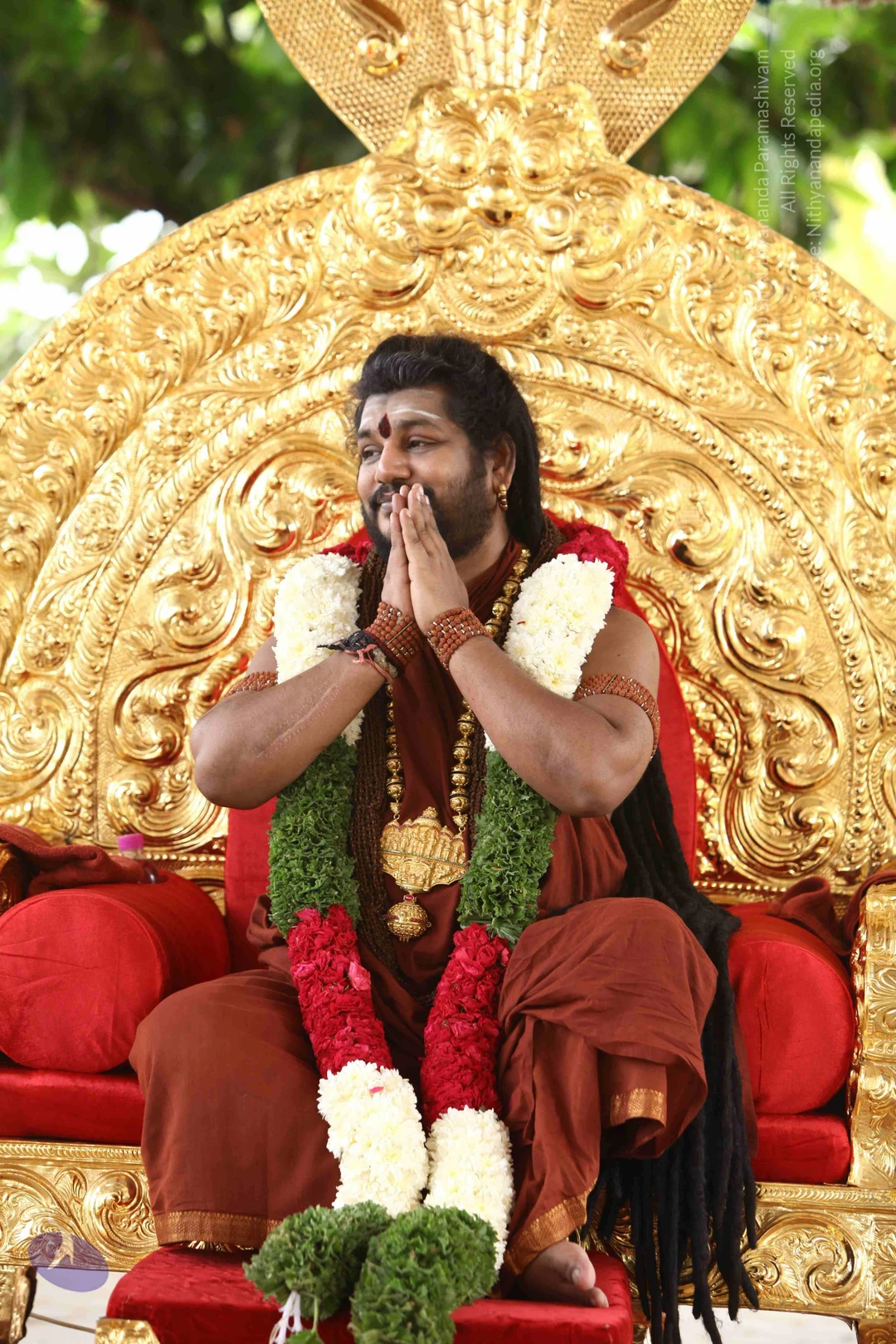
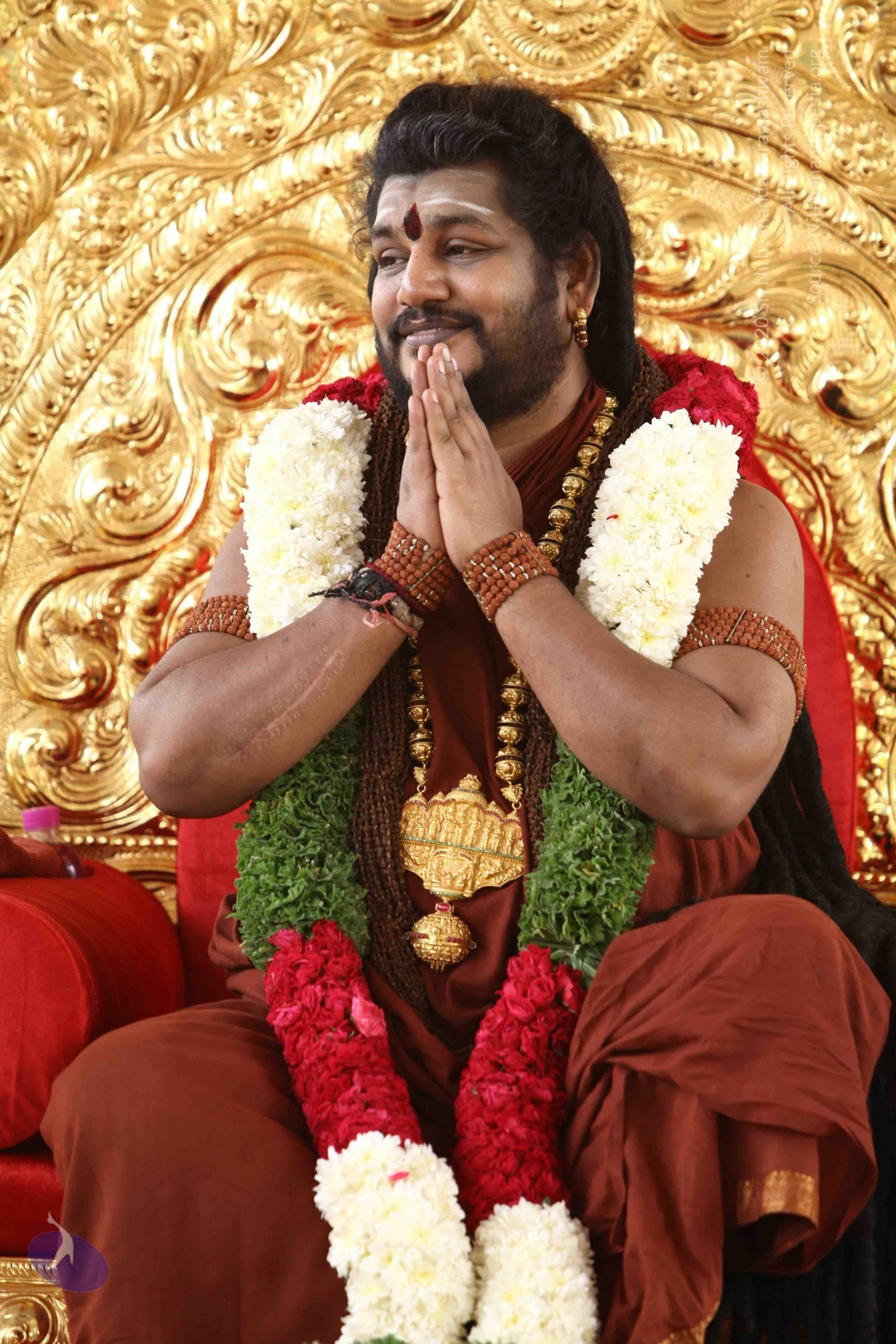
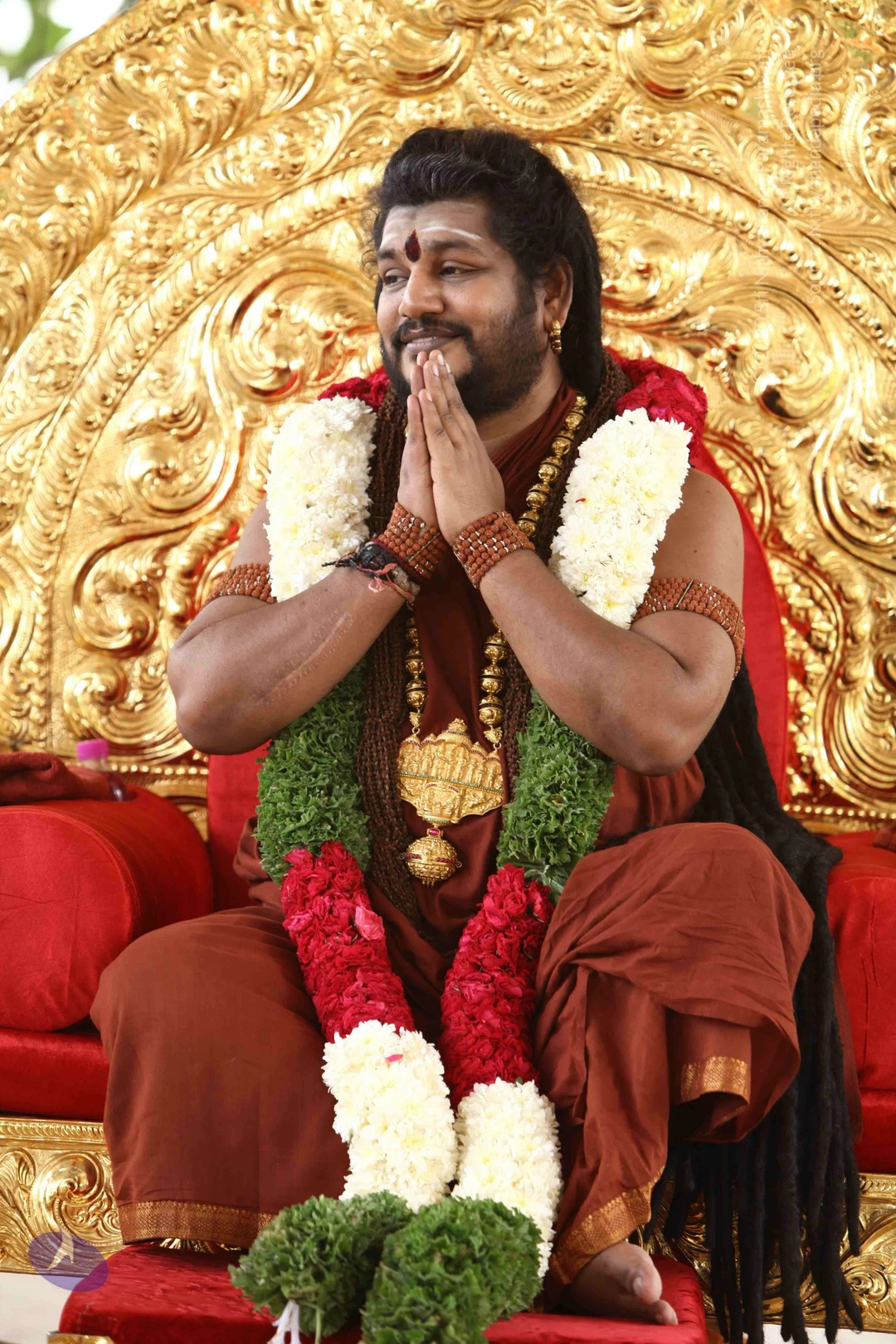
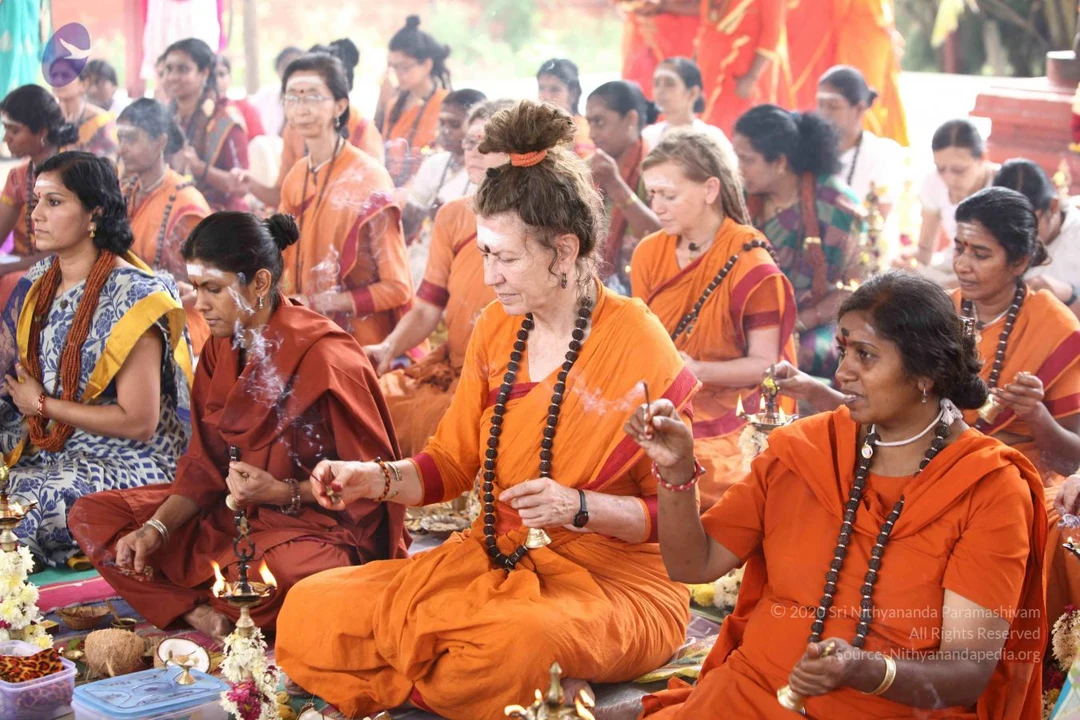
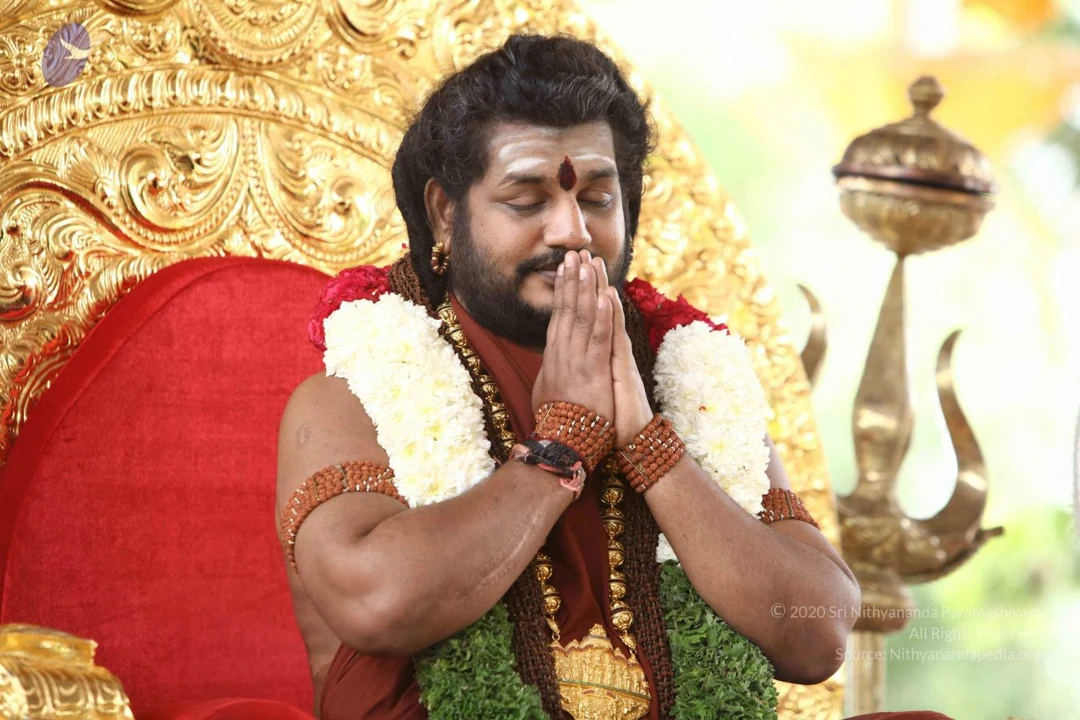
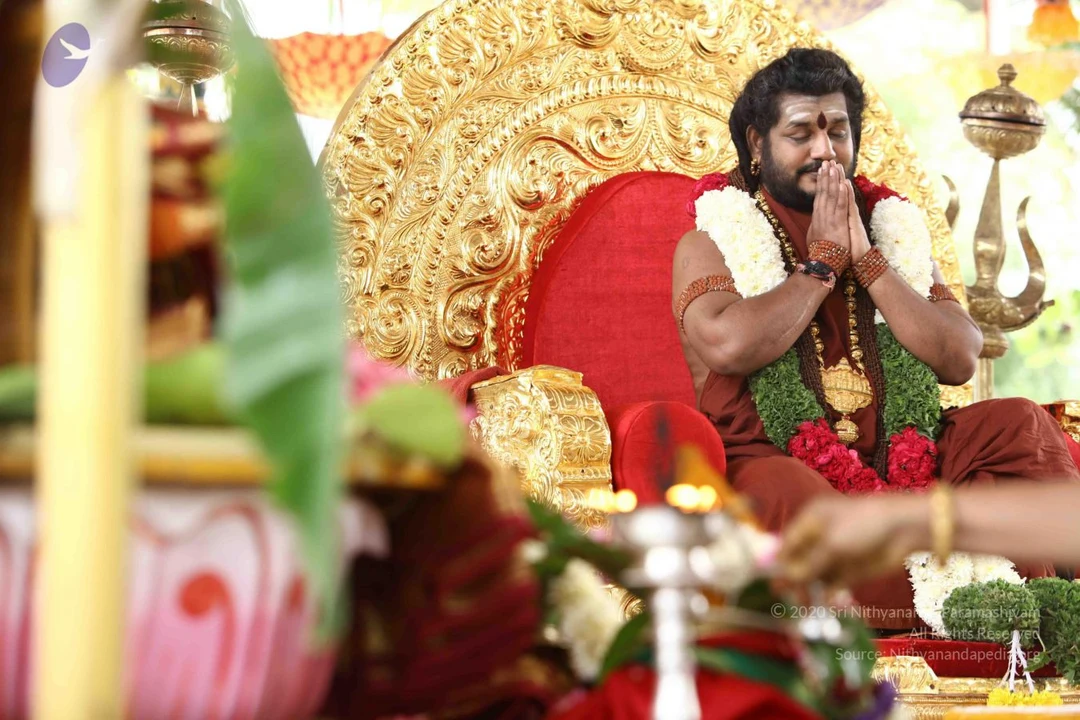
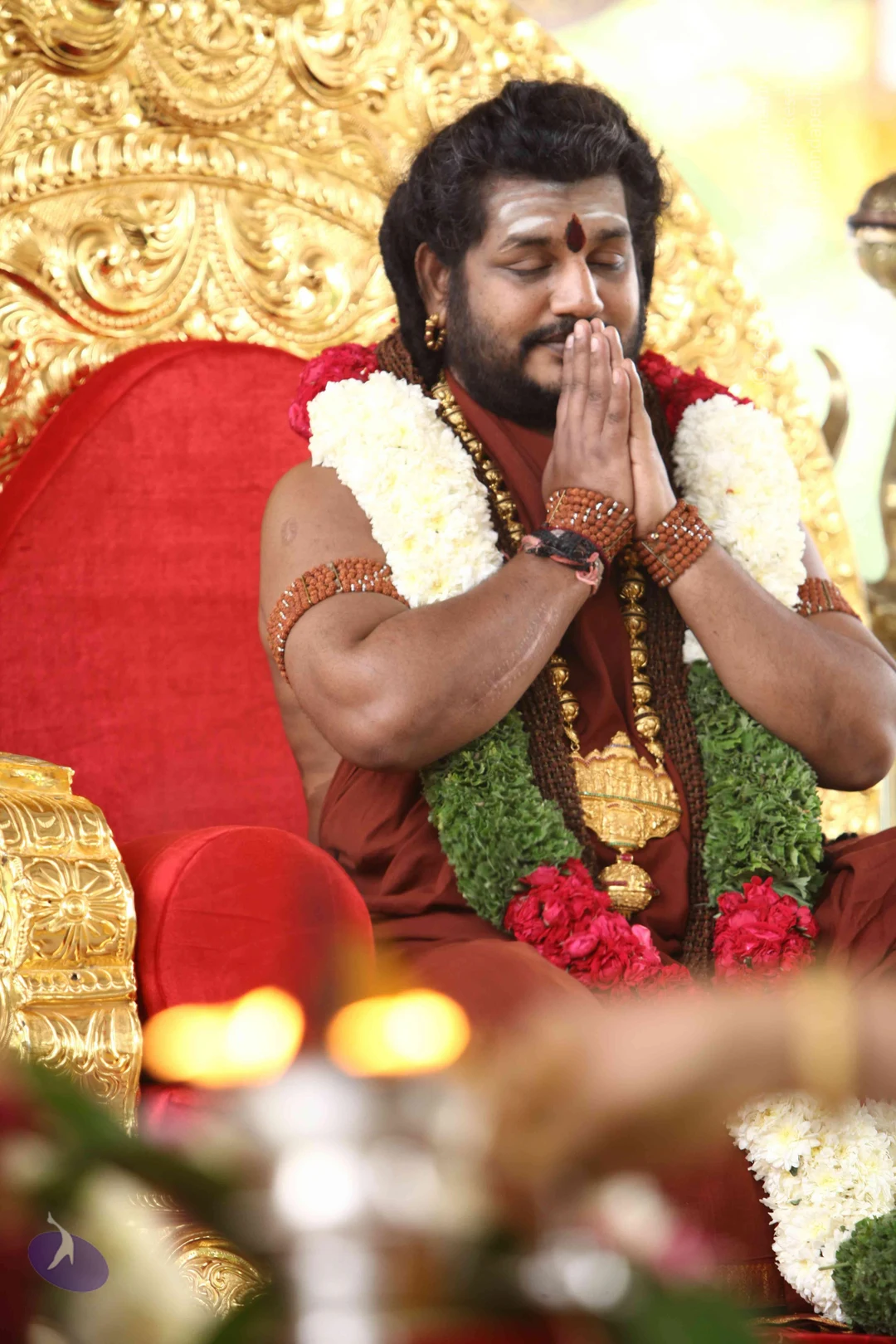
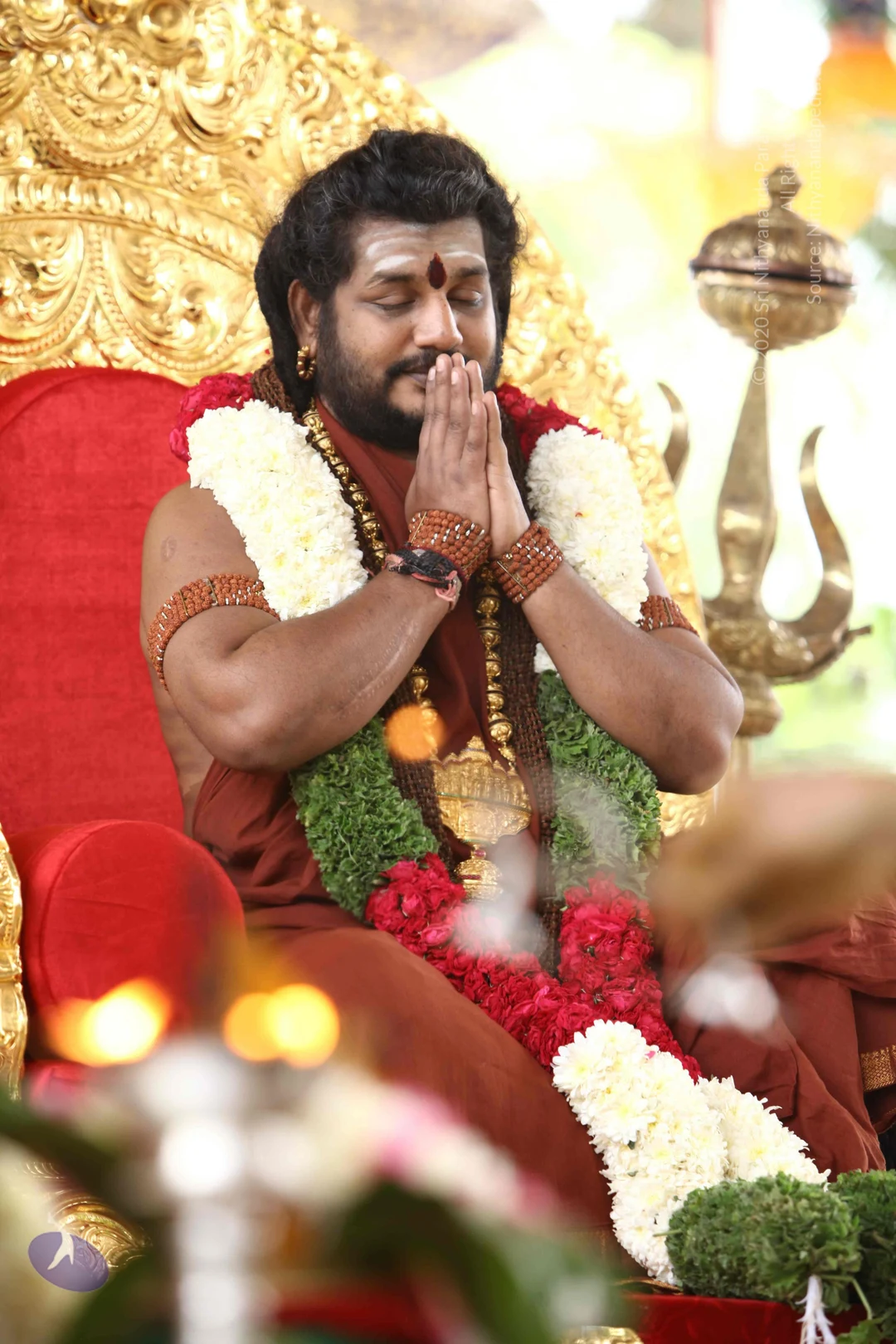
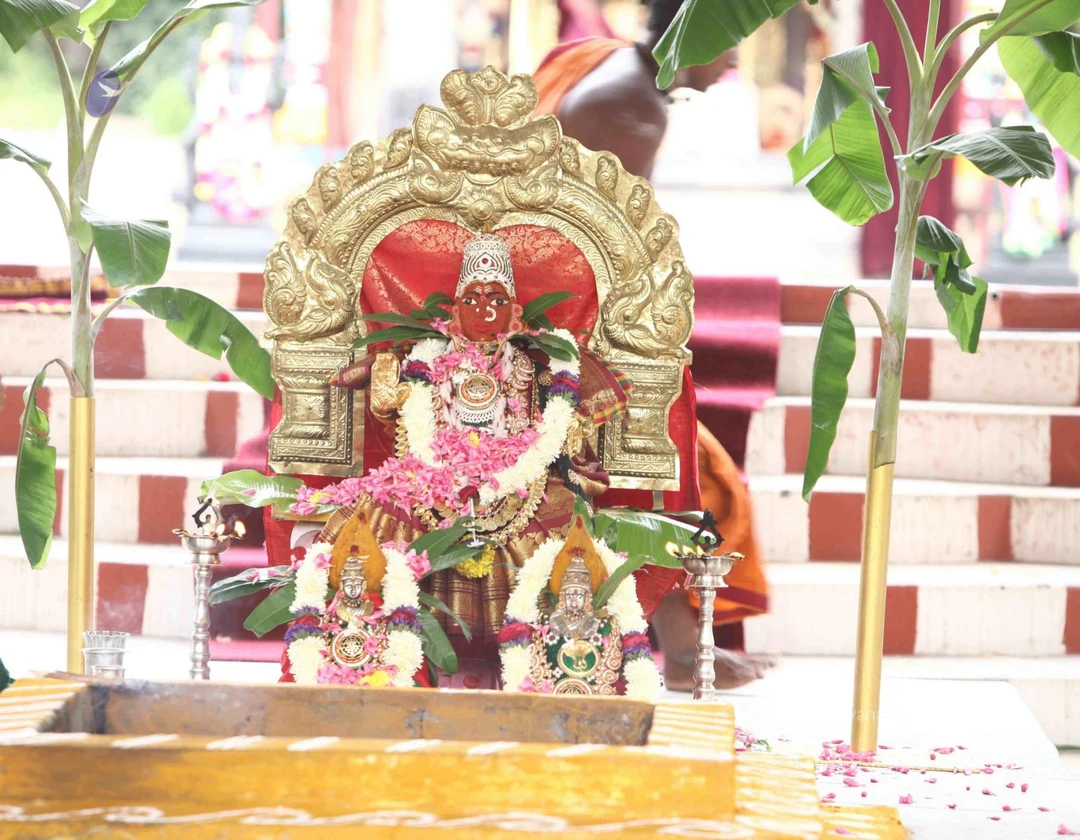
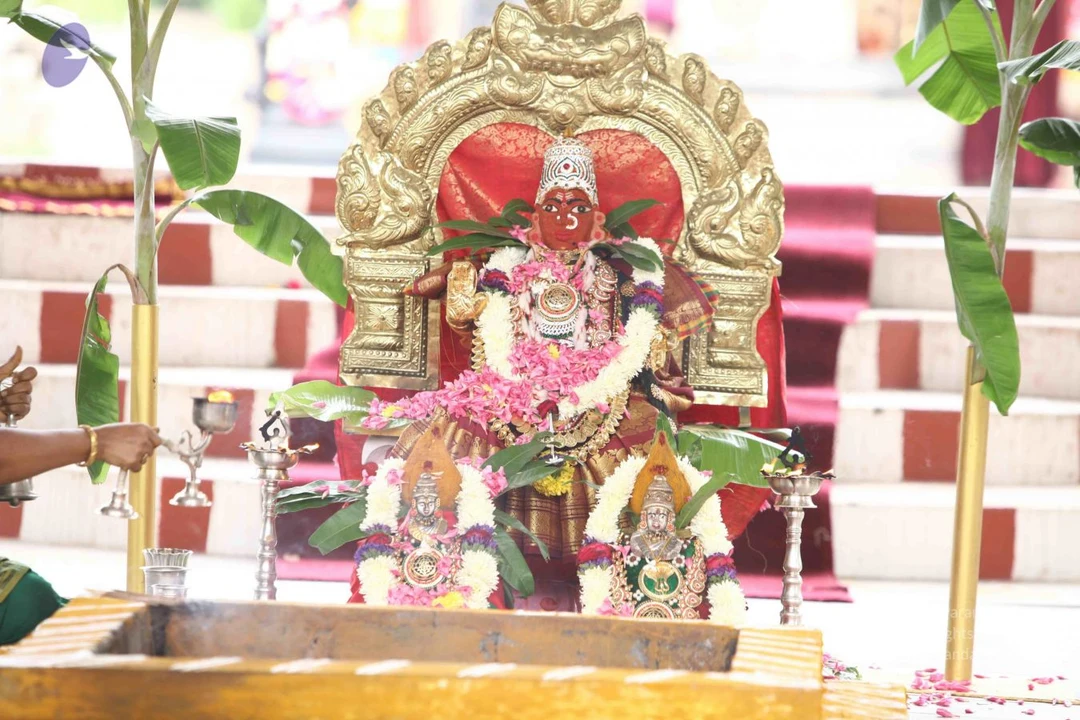
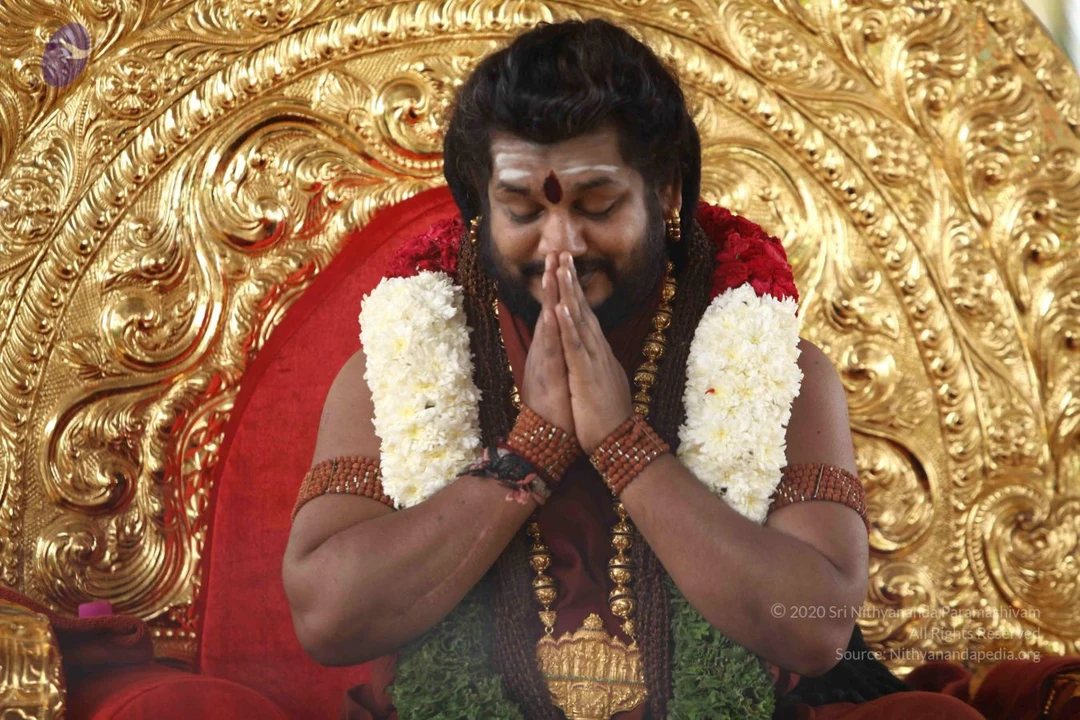
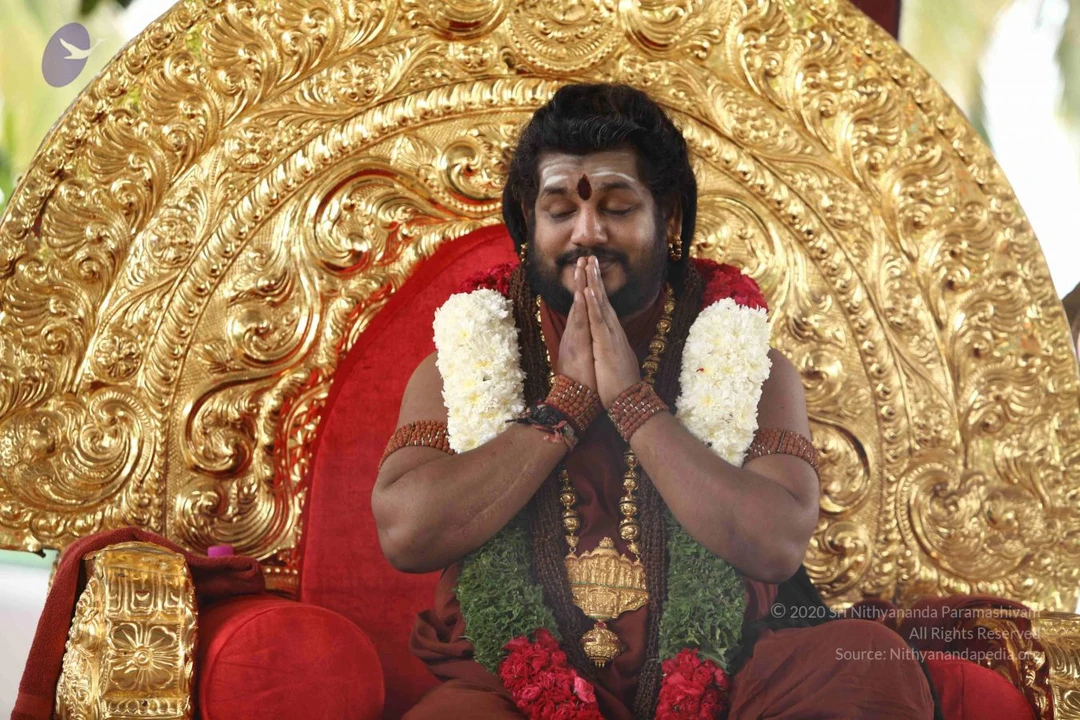
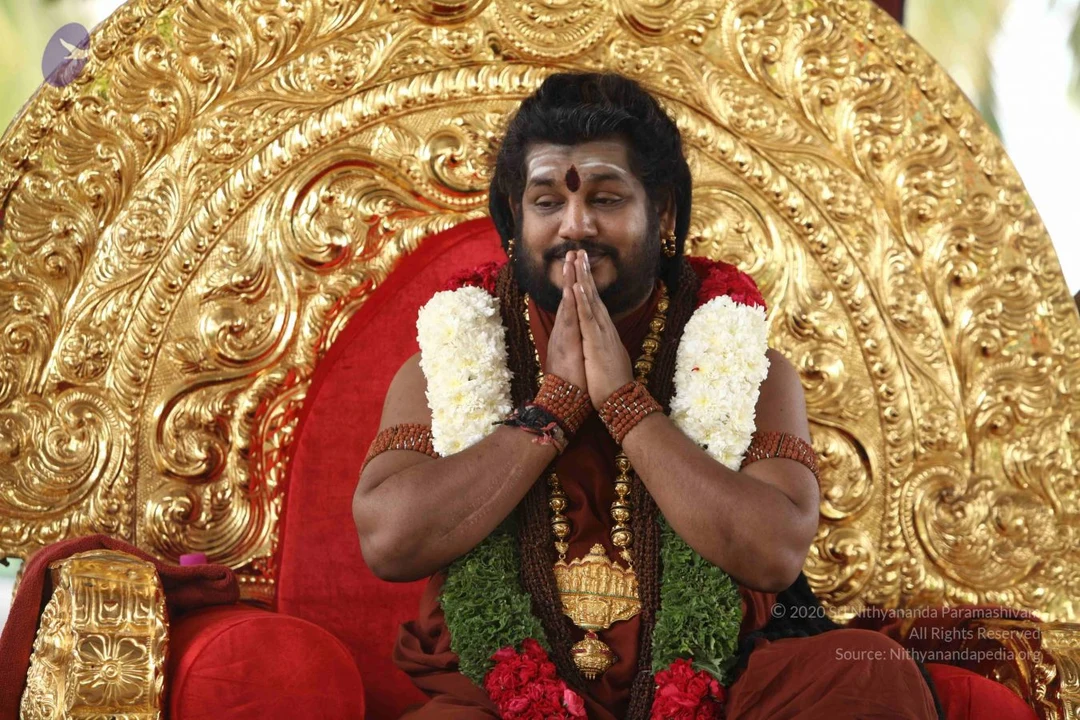
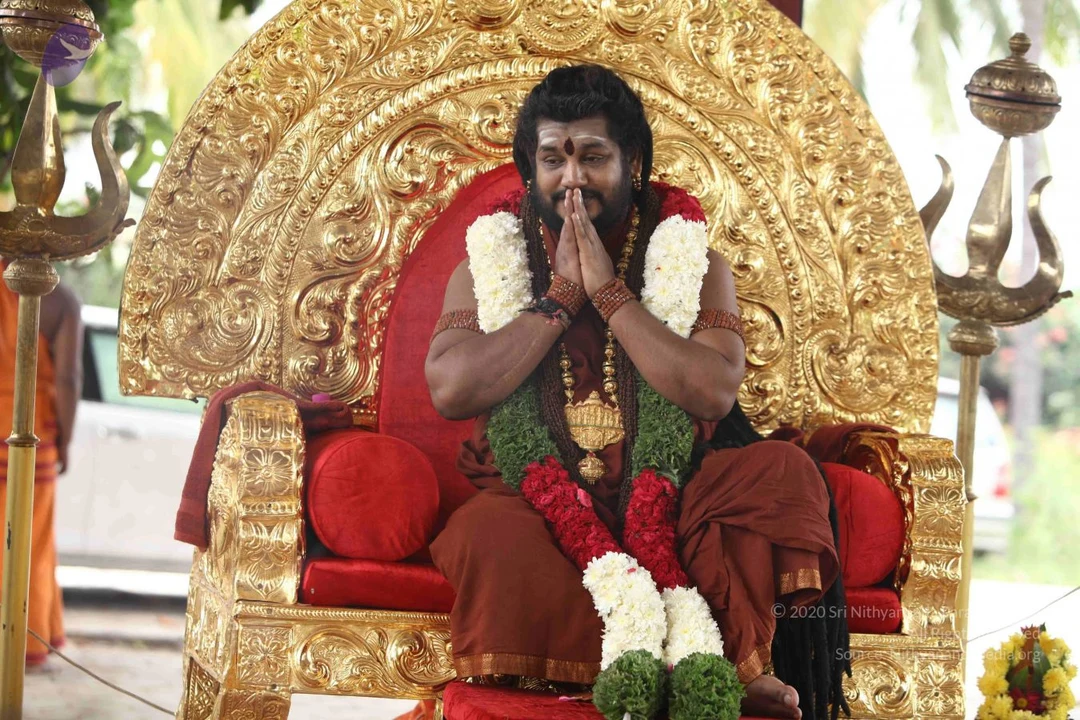
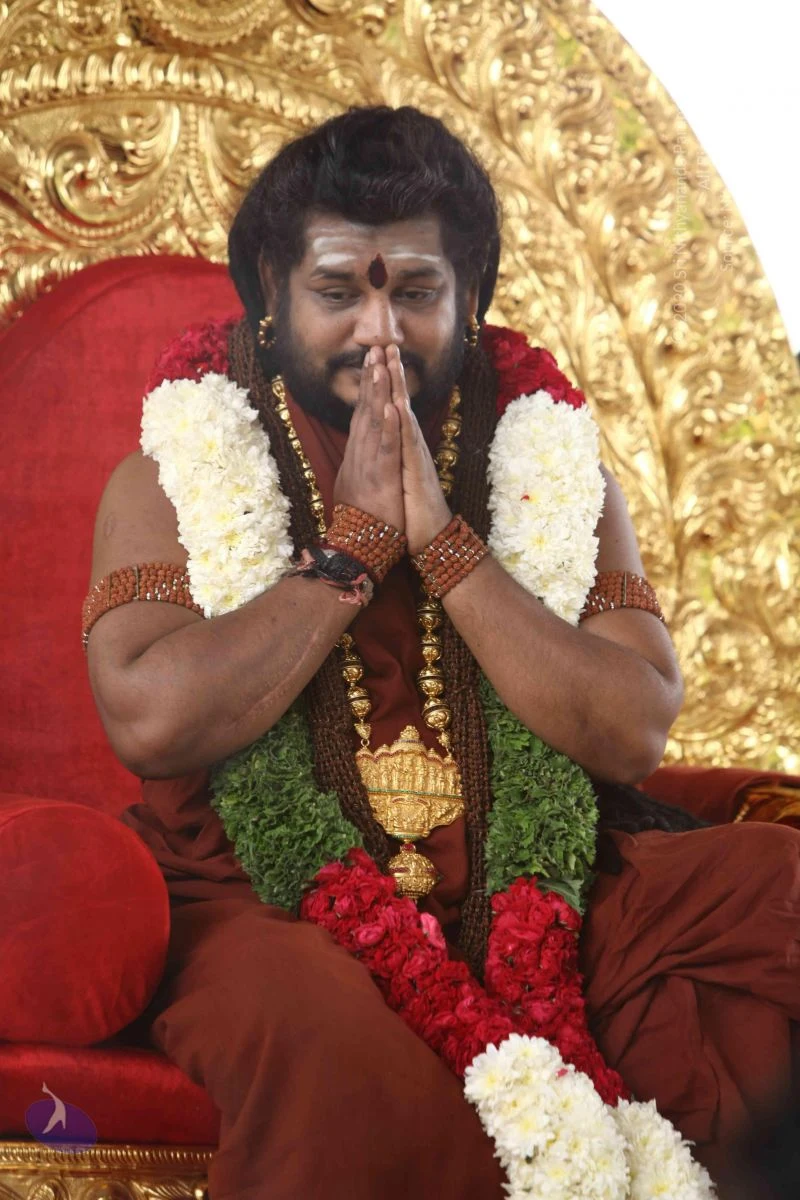
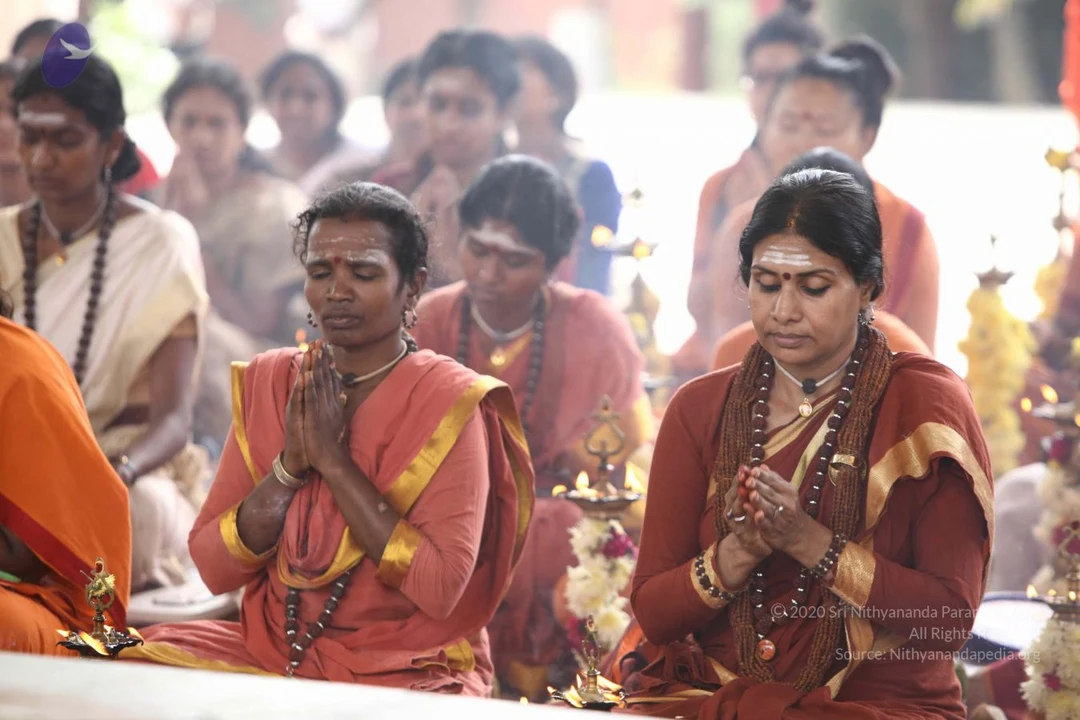
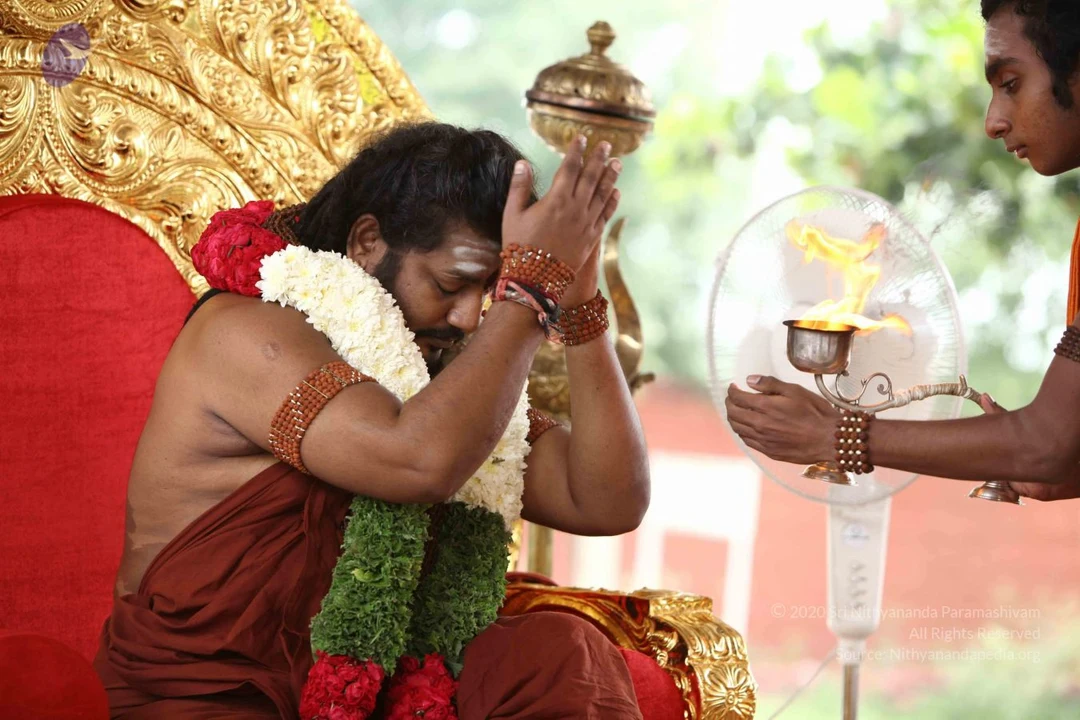
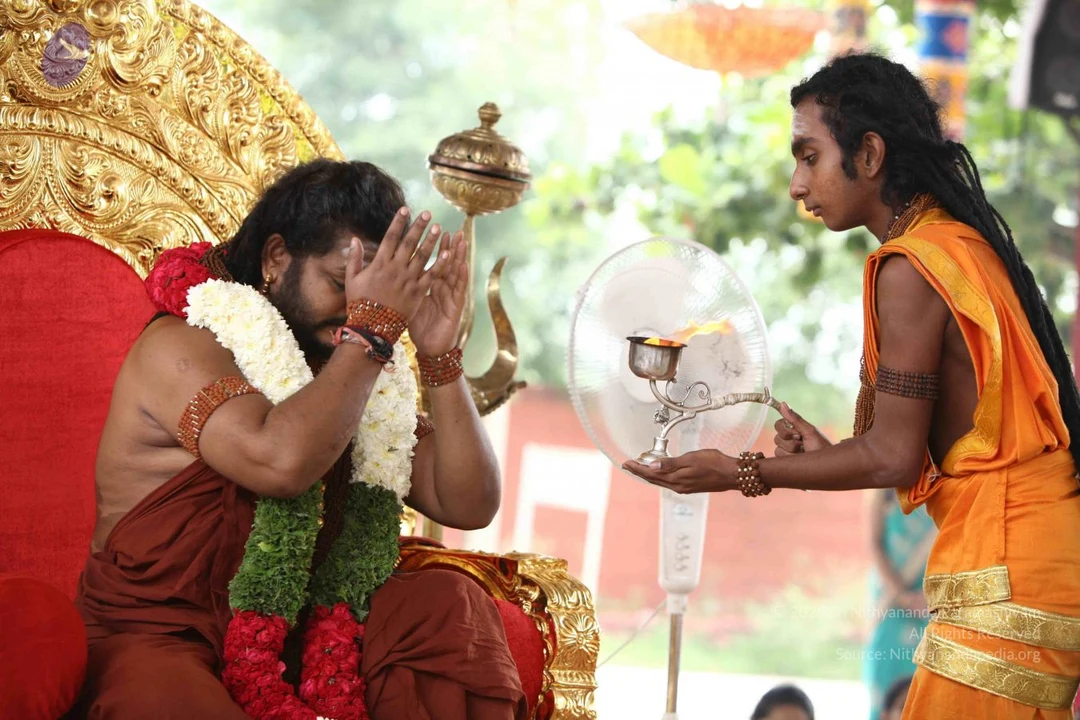
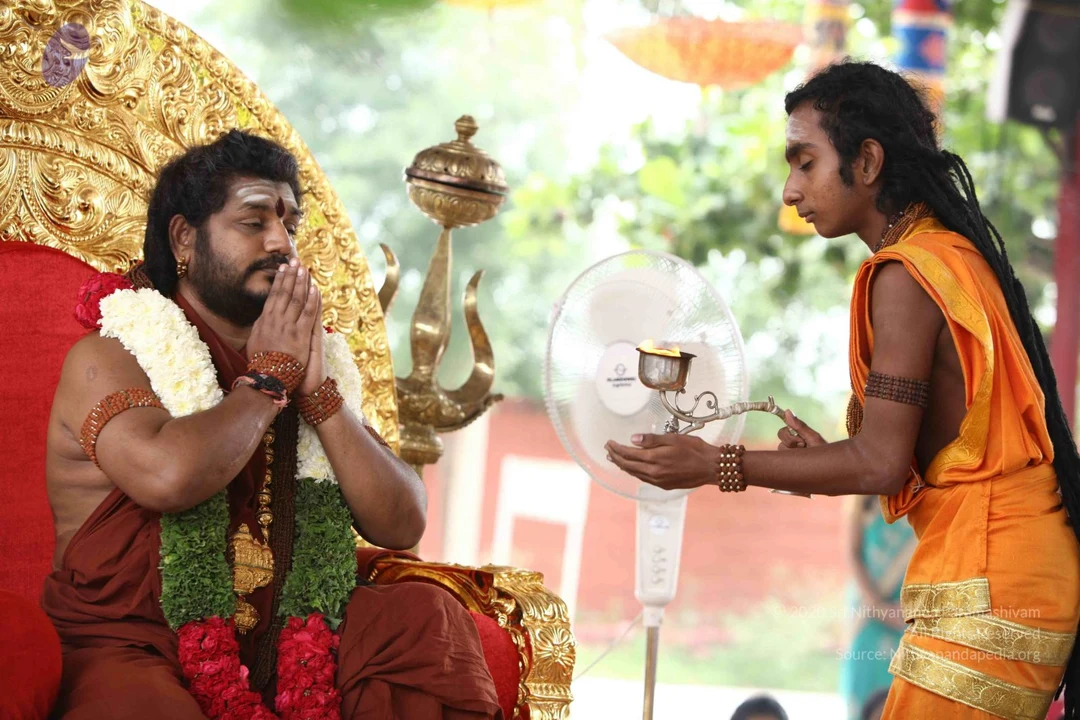
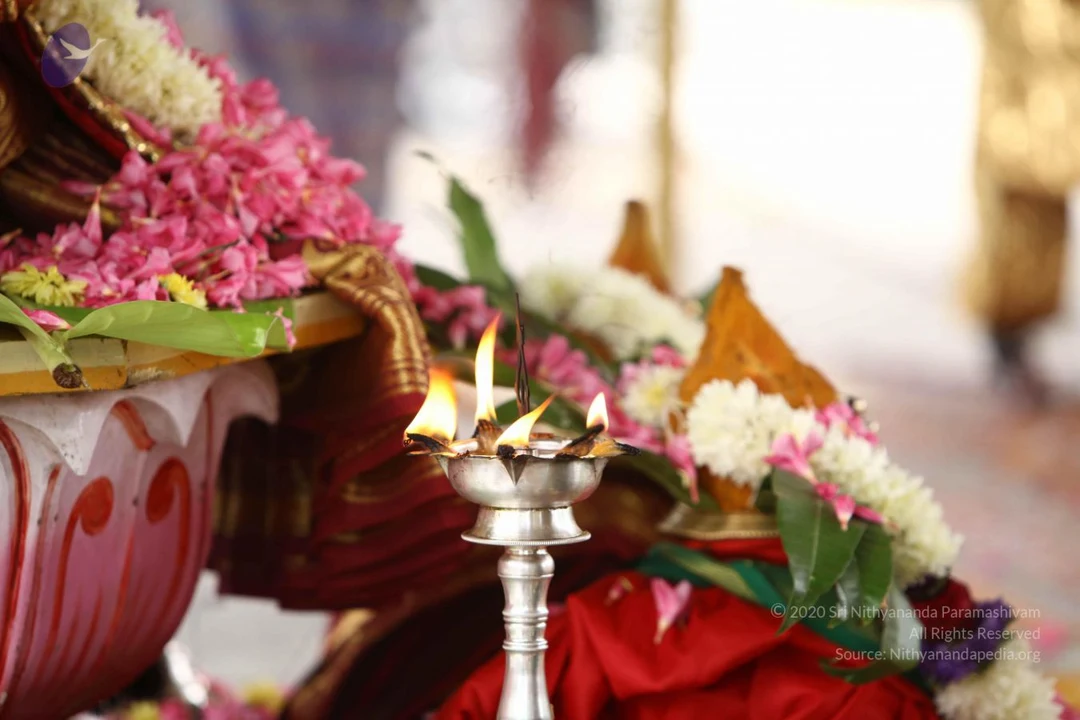
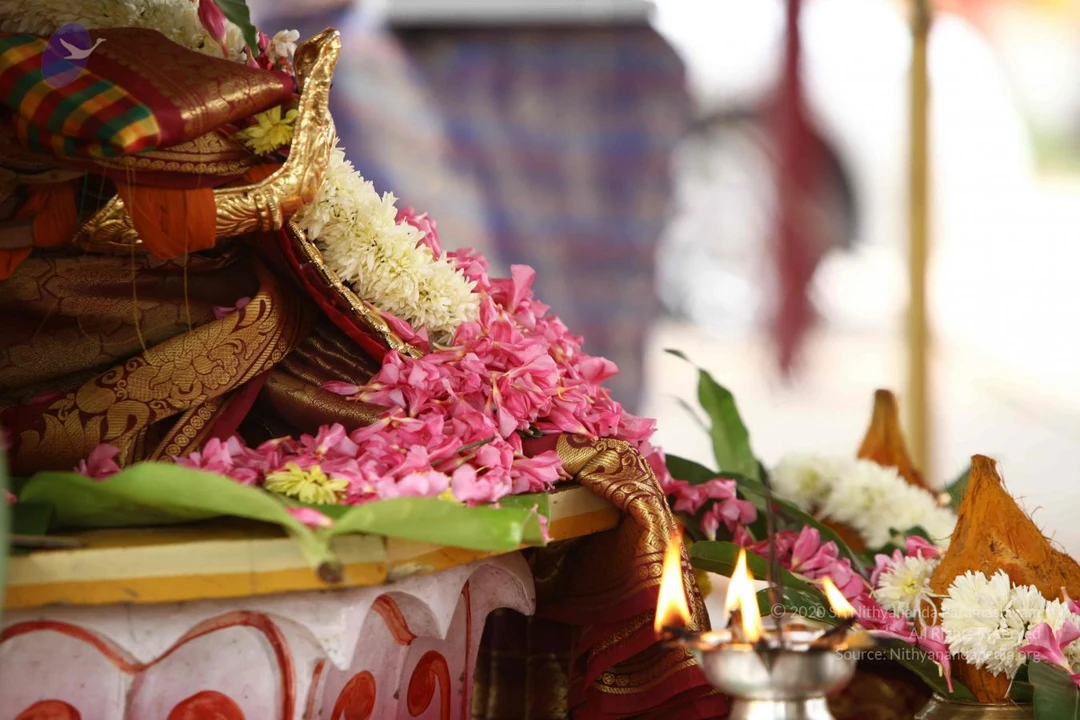
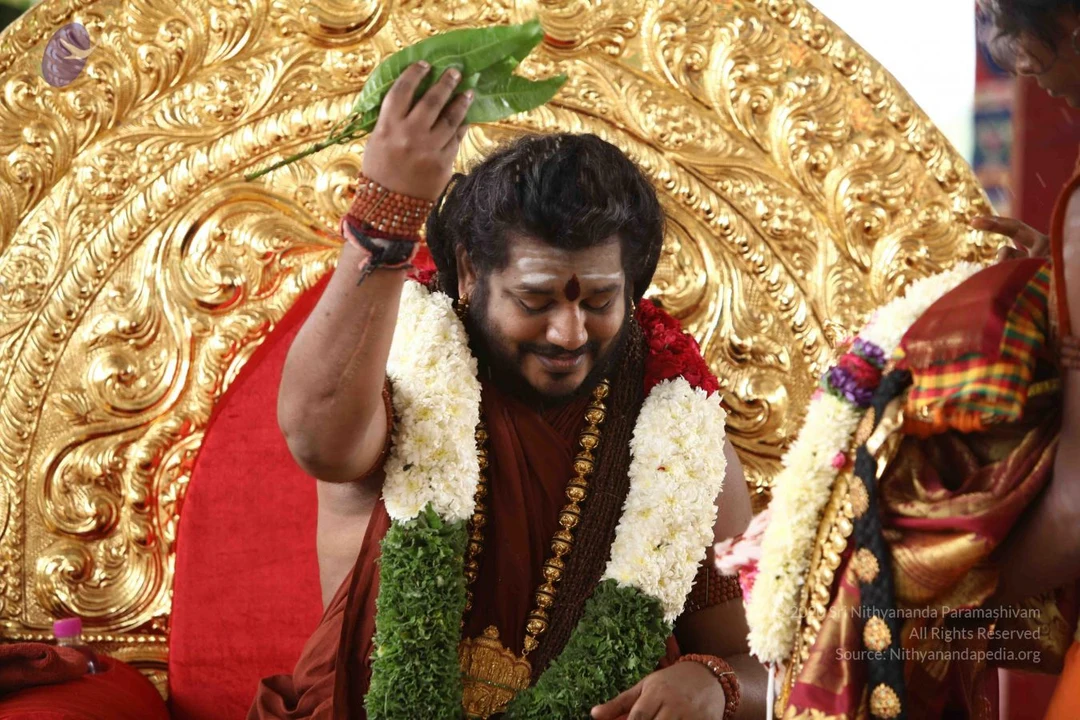
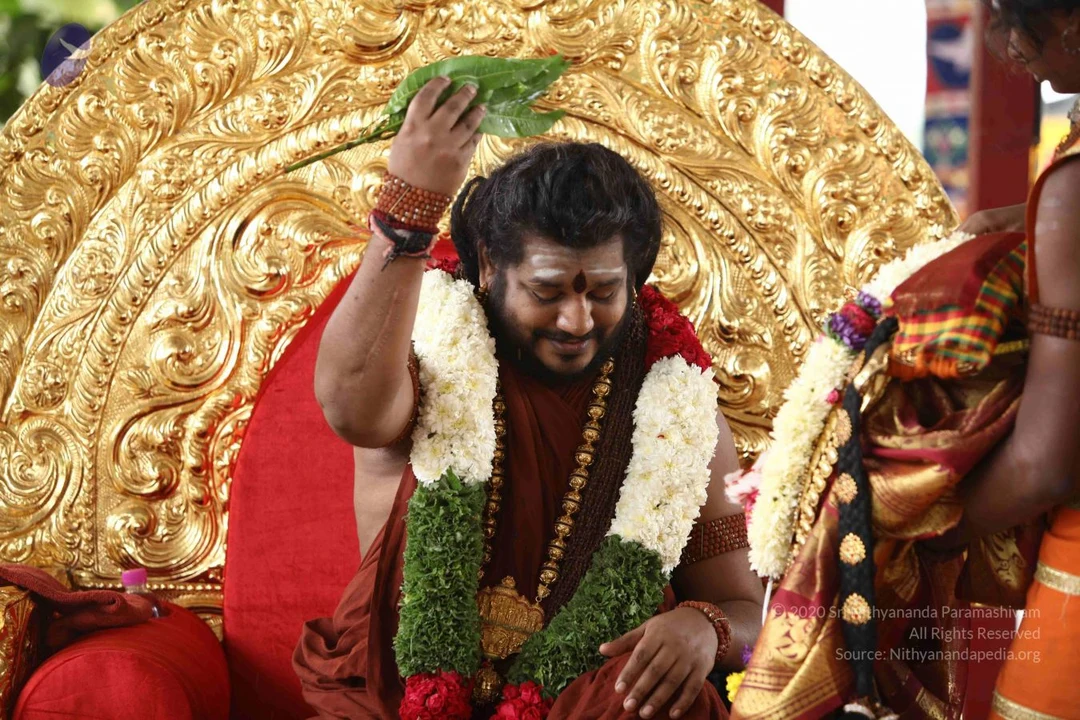

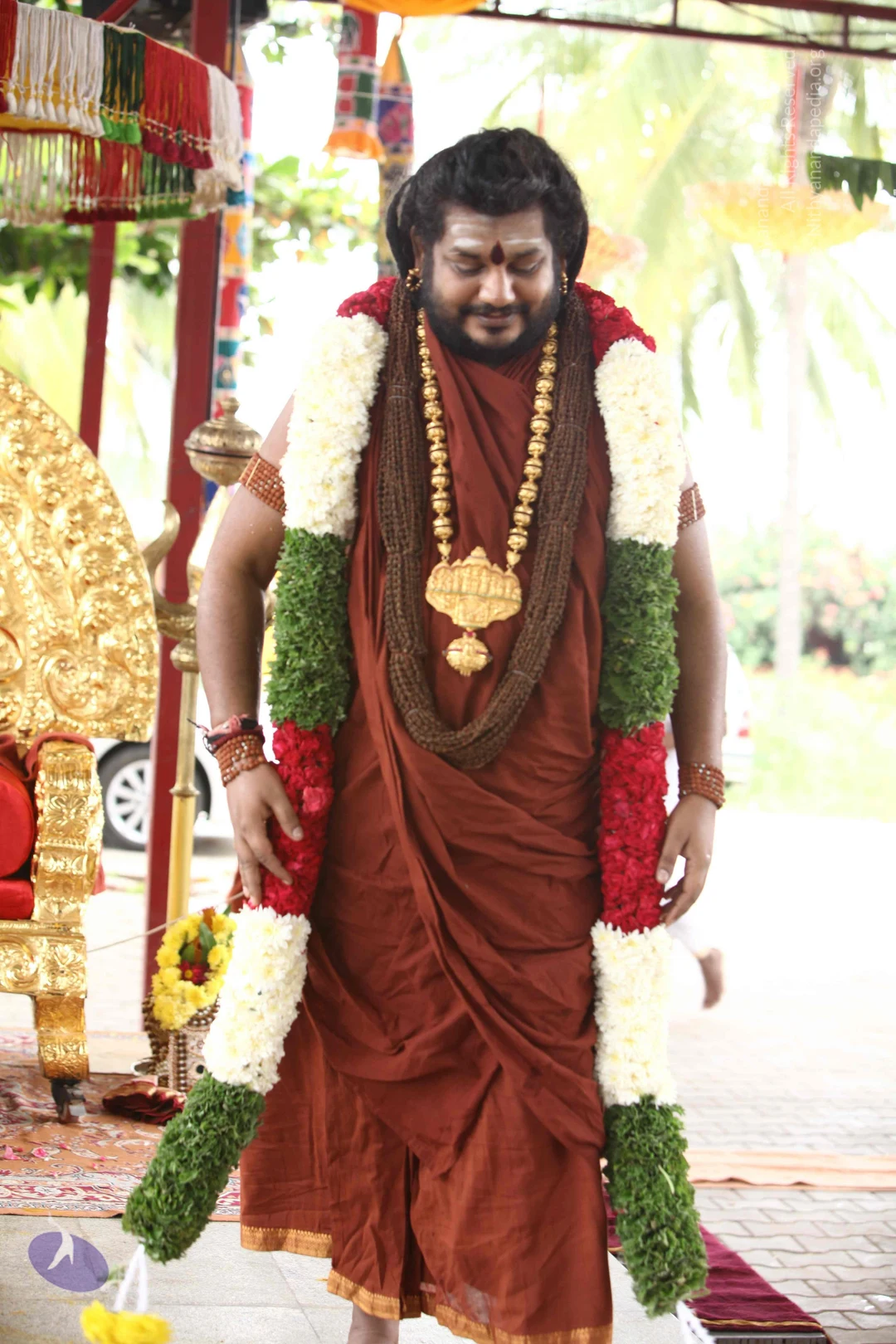
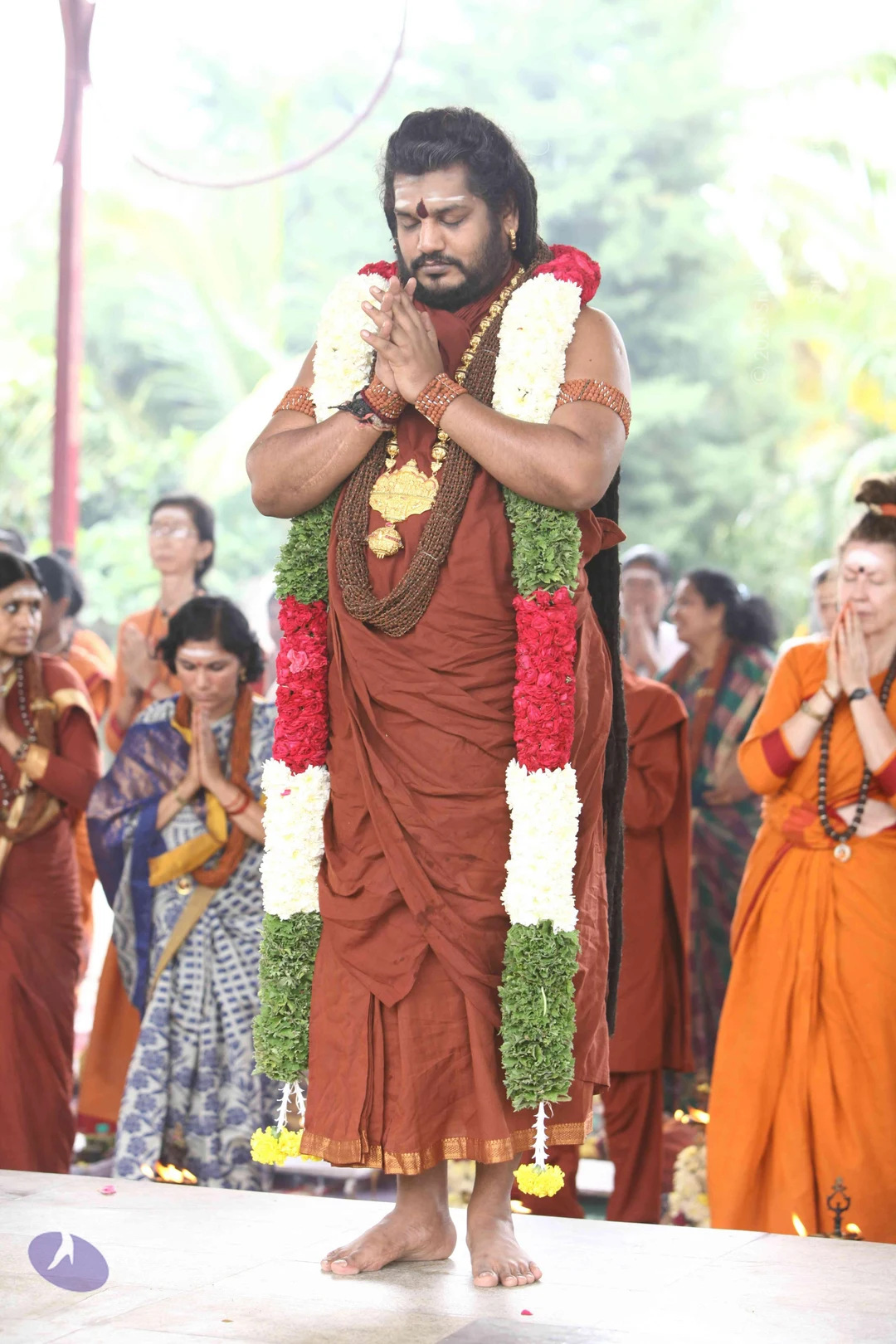
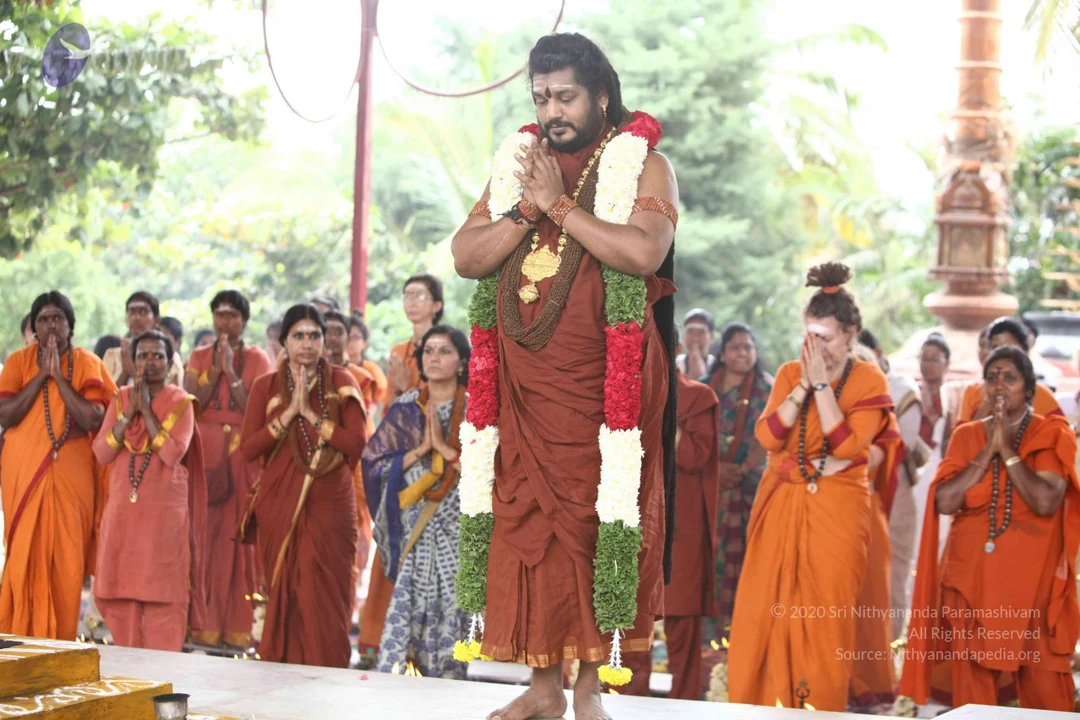
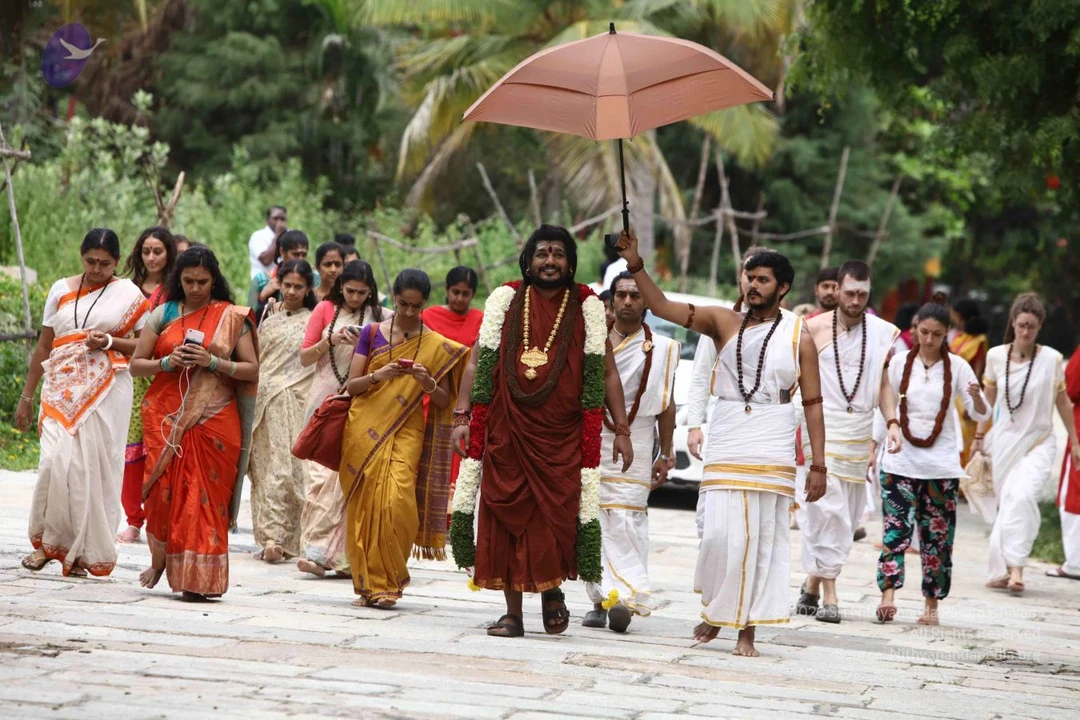
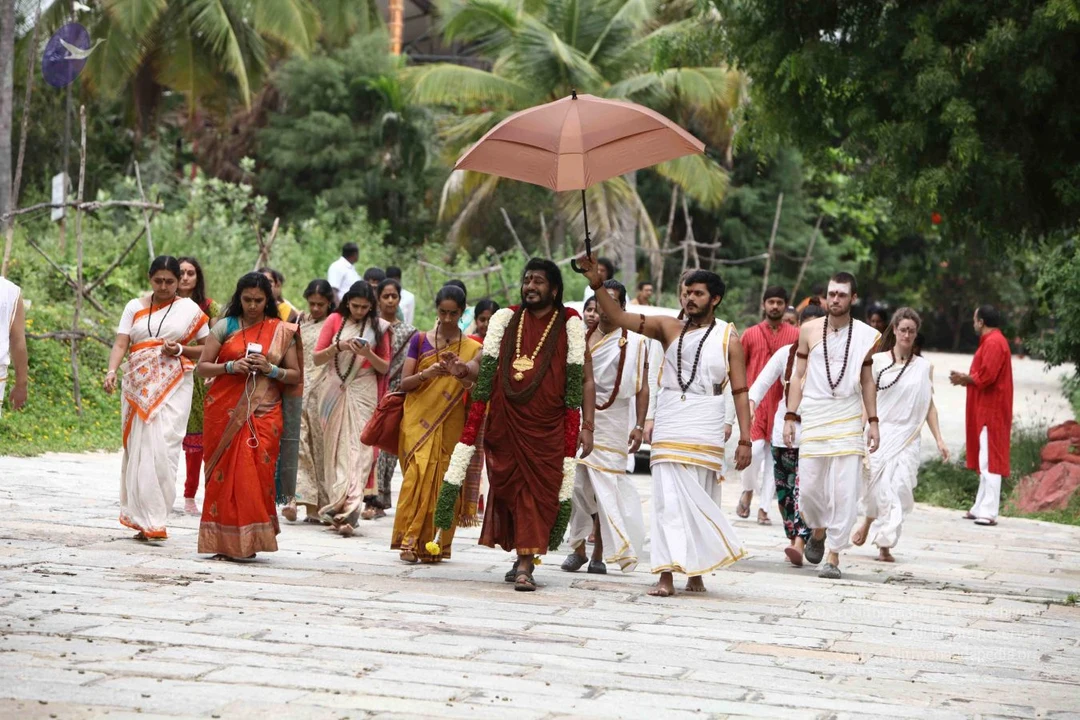
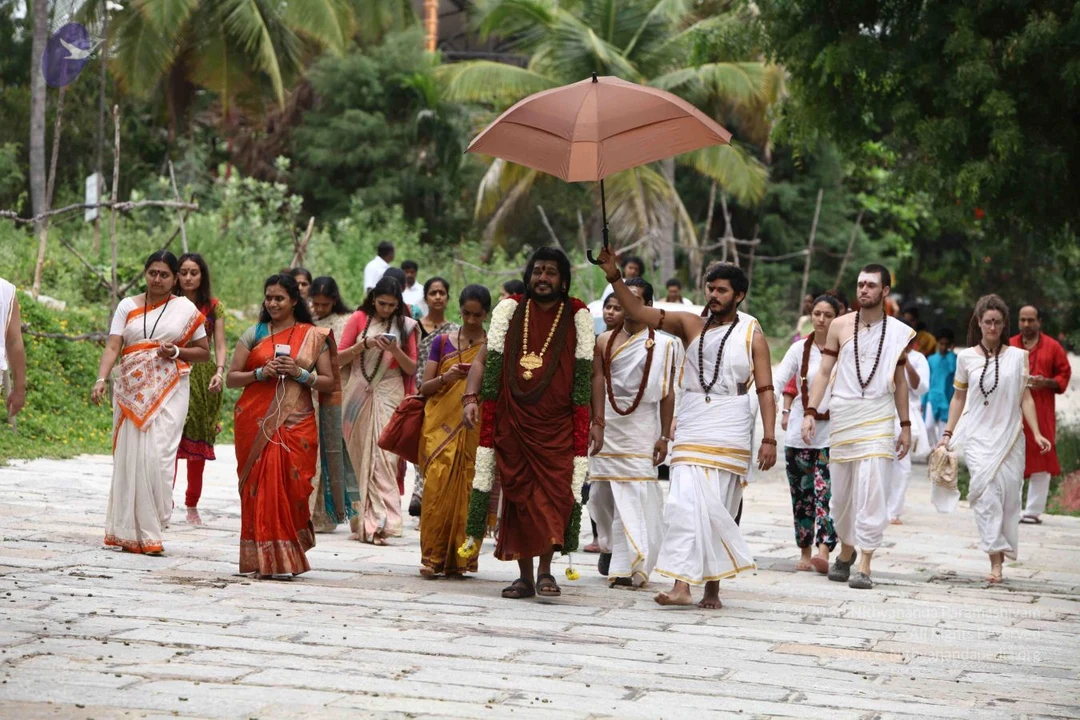
gurukul power initiation
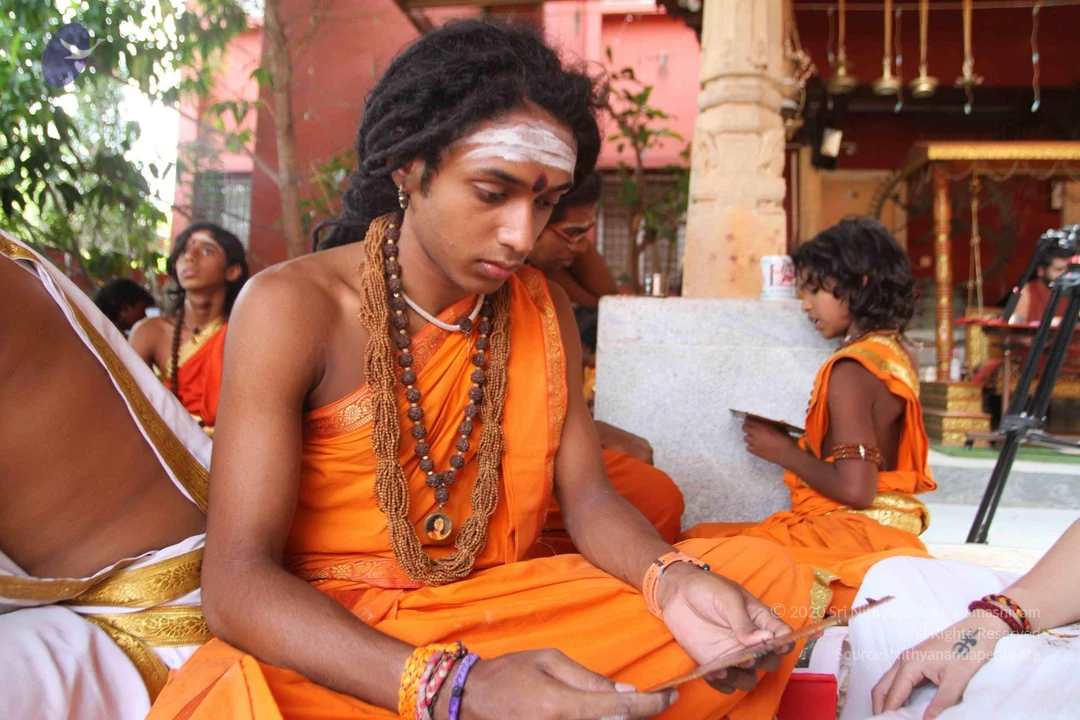
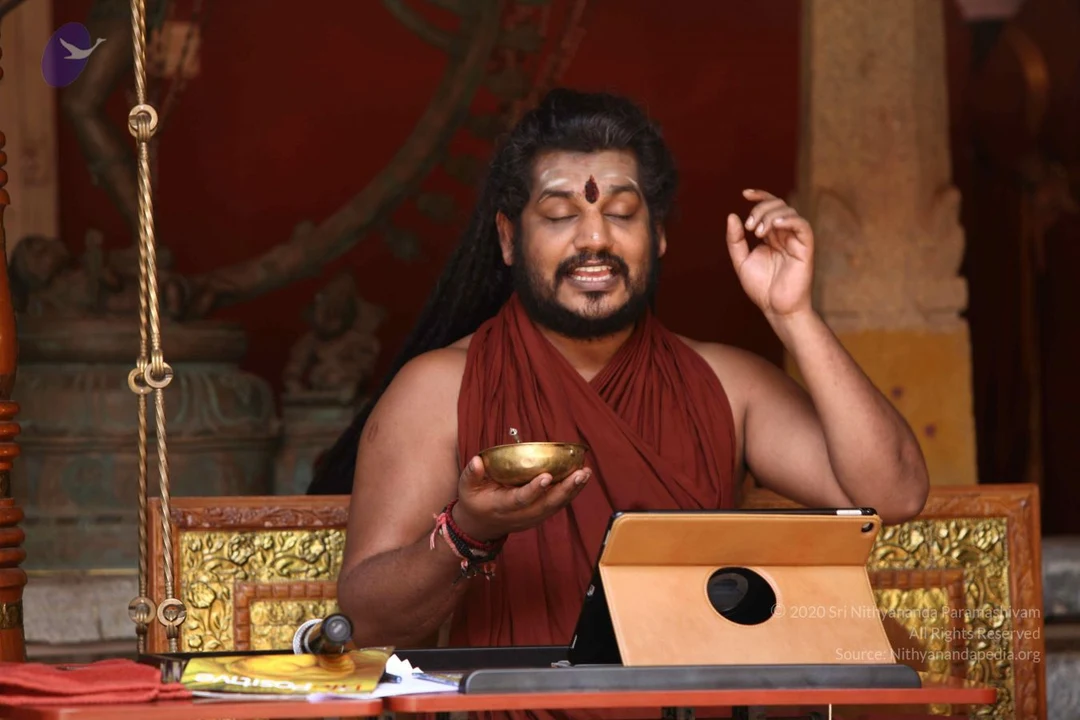
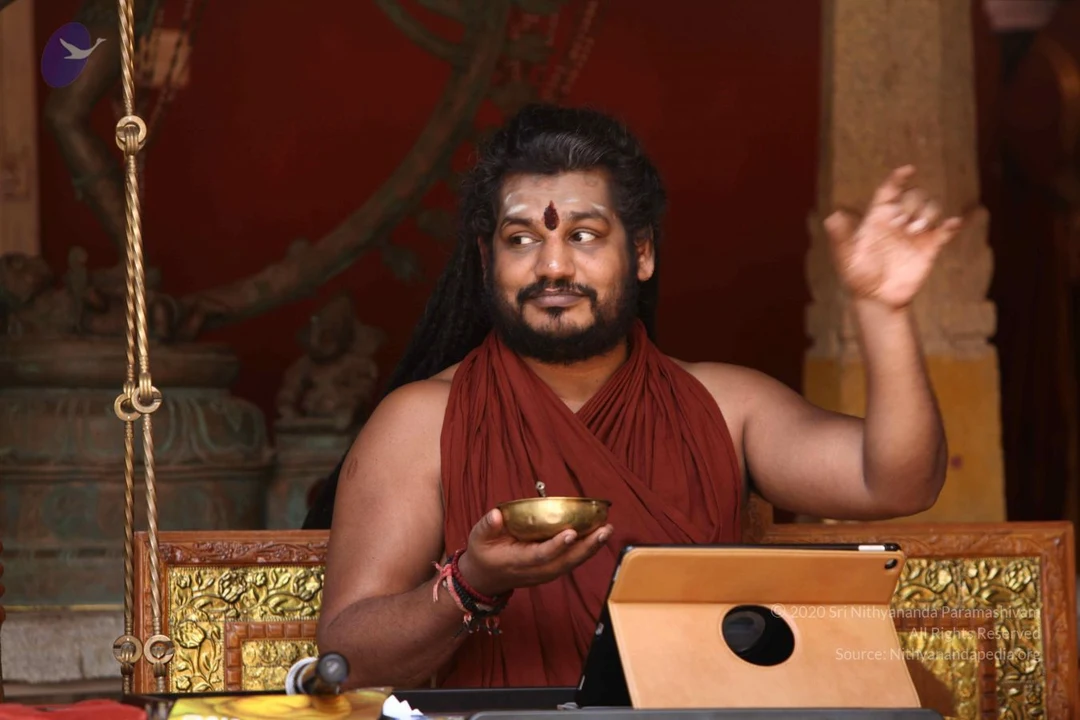
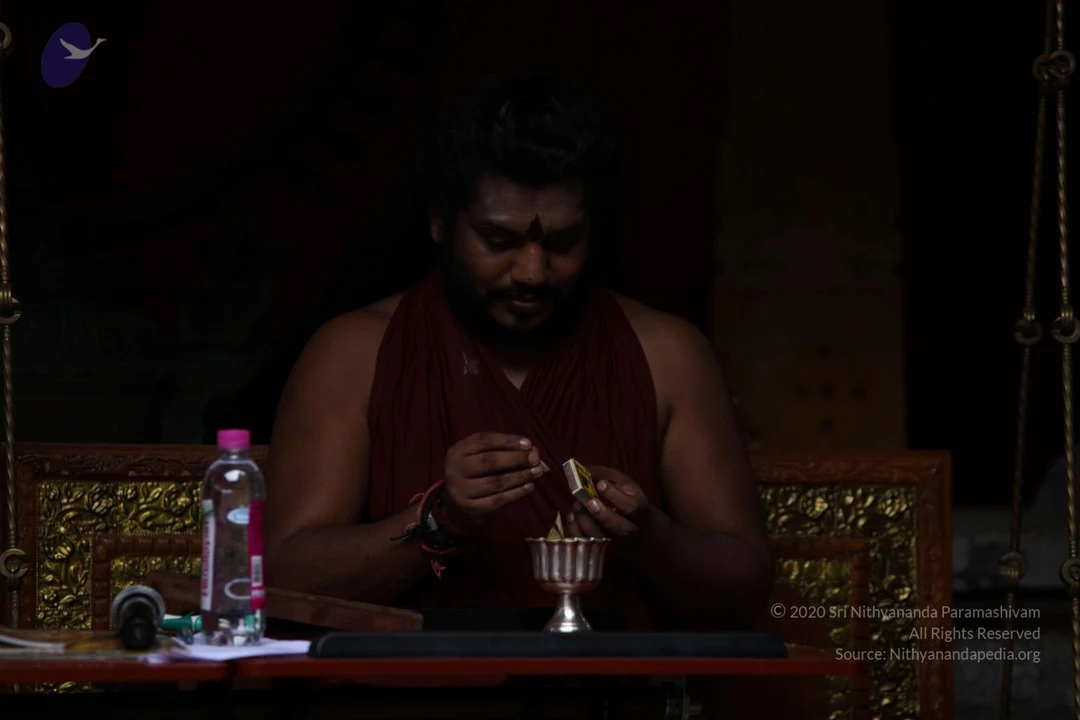
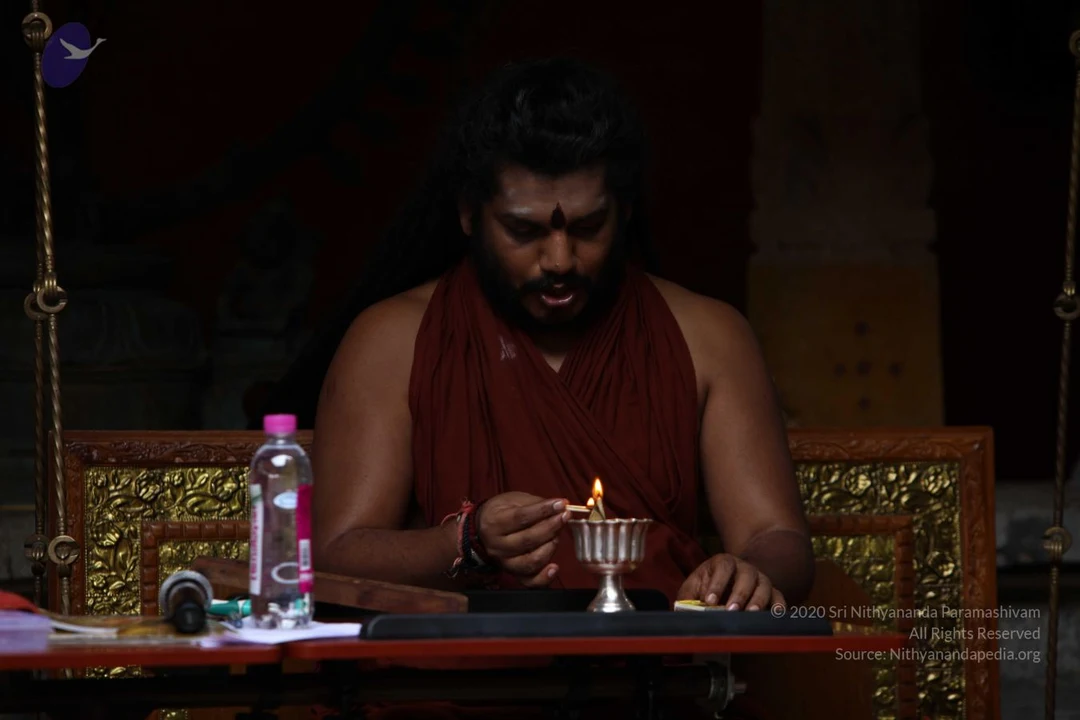
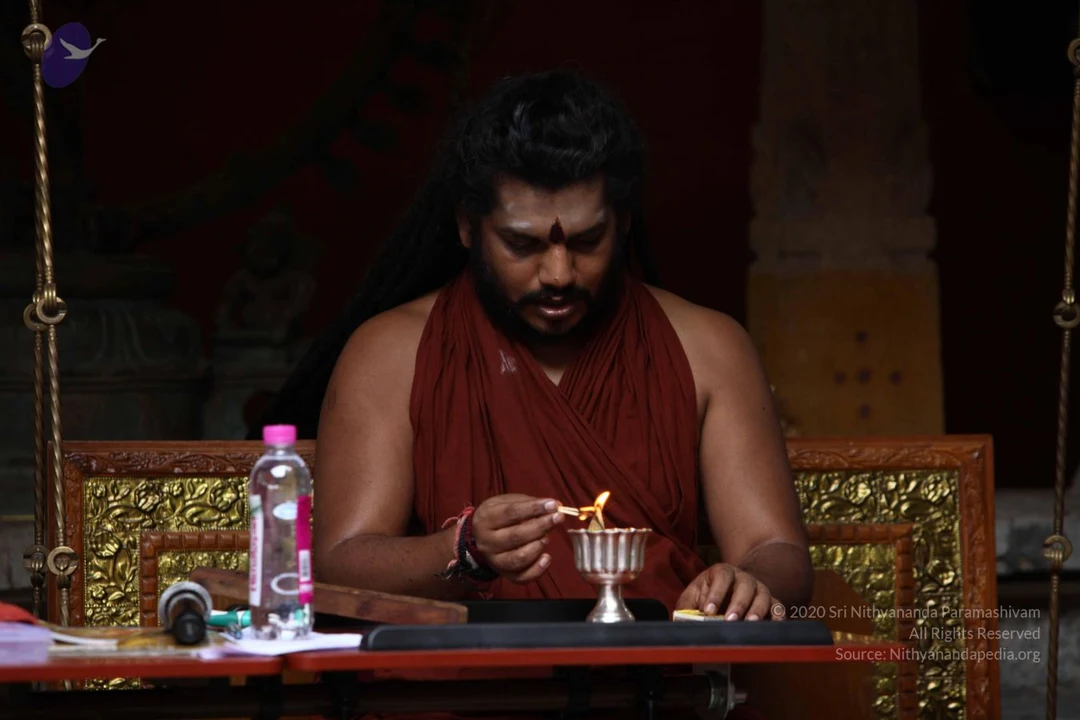
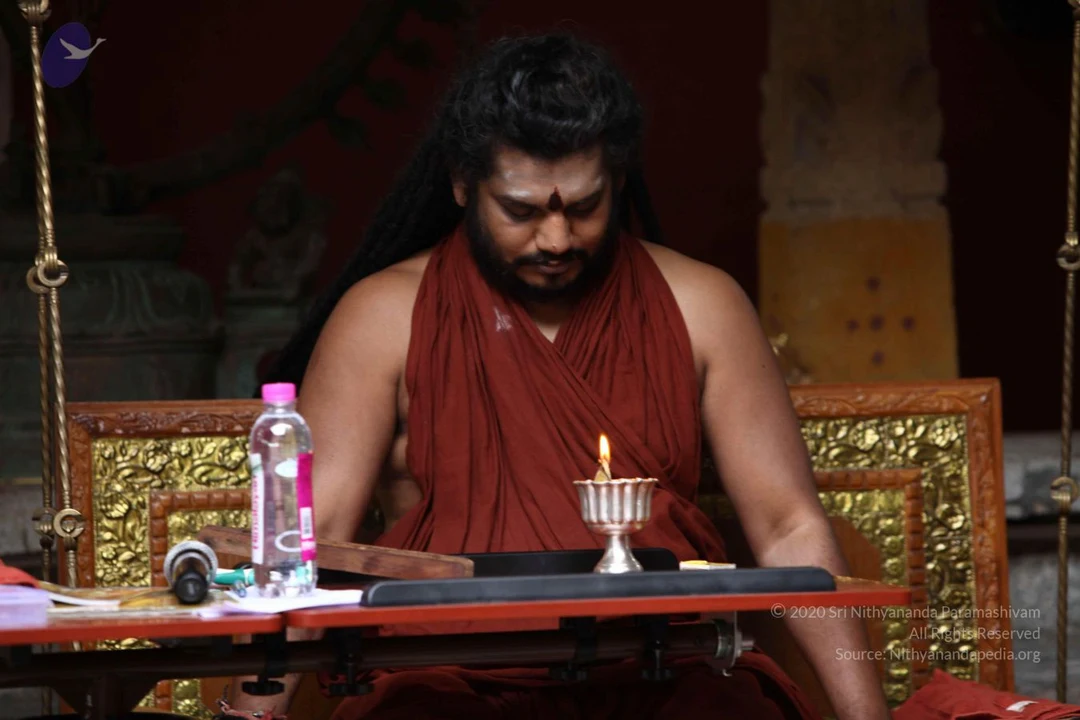
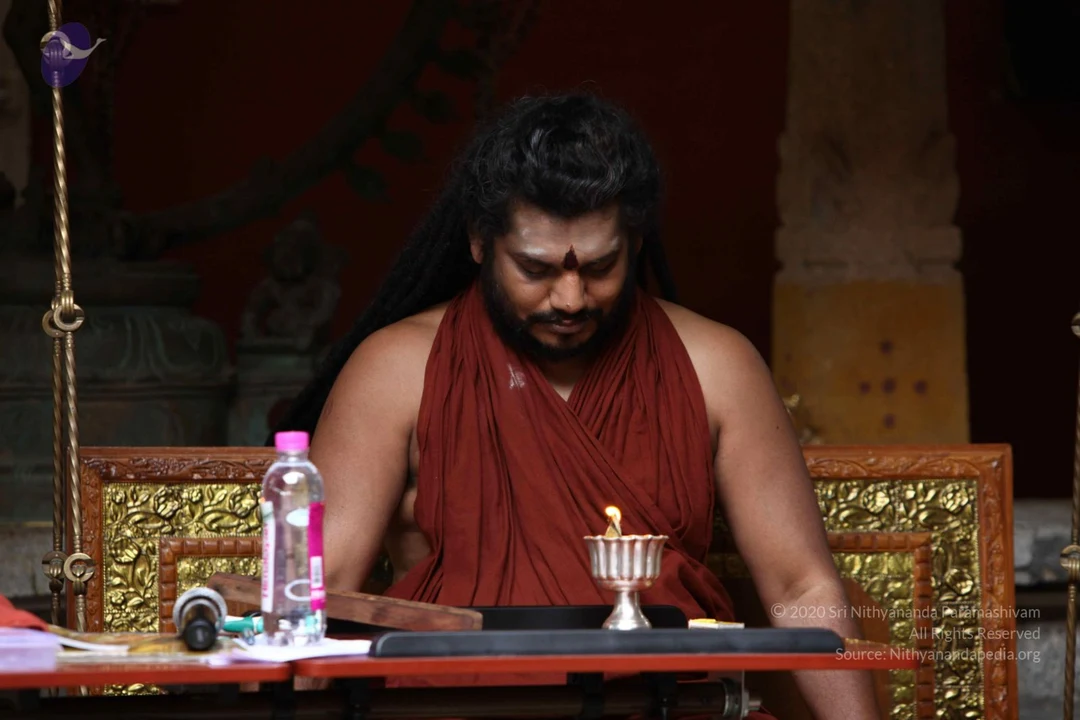
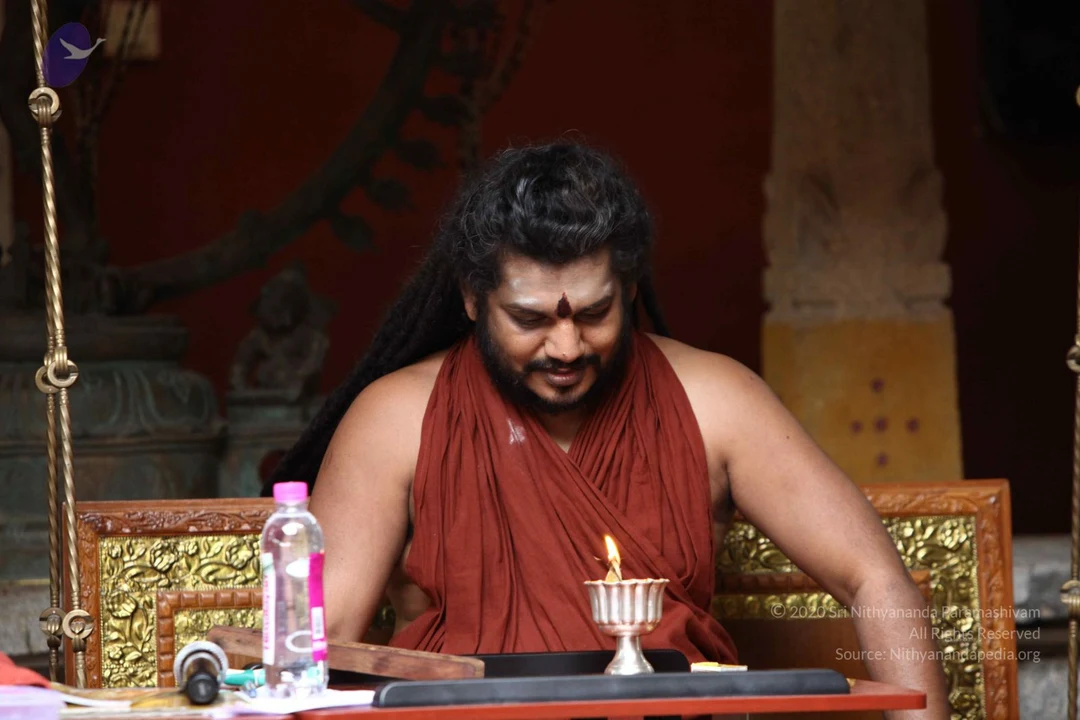

aadi shaivam
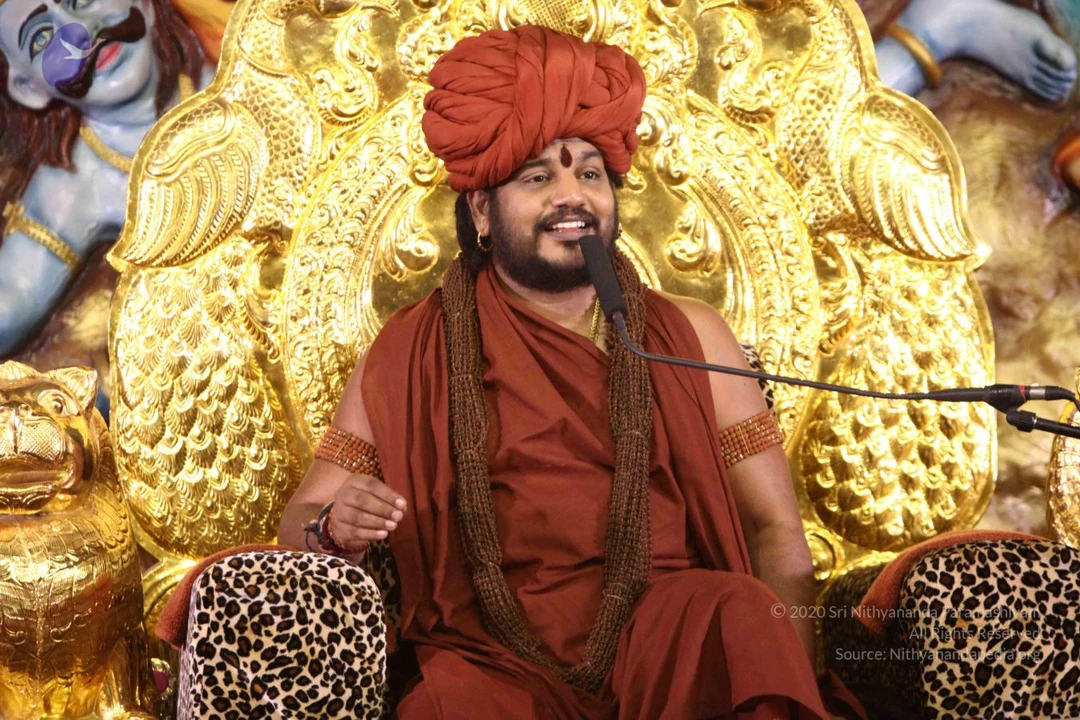
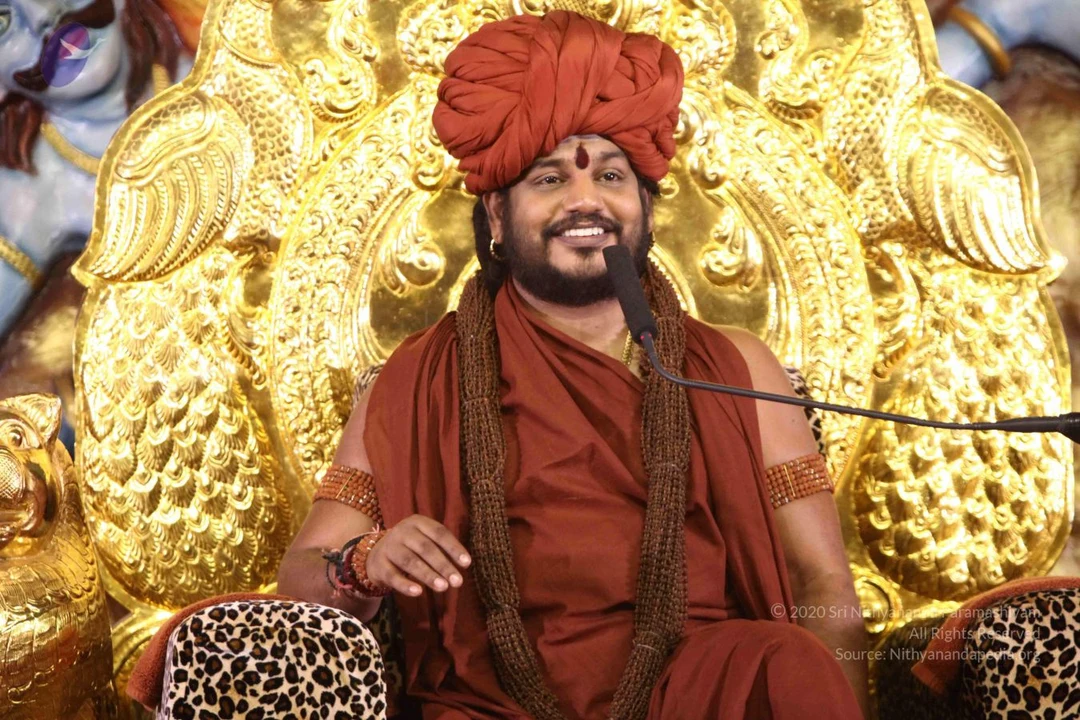
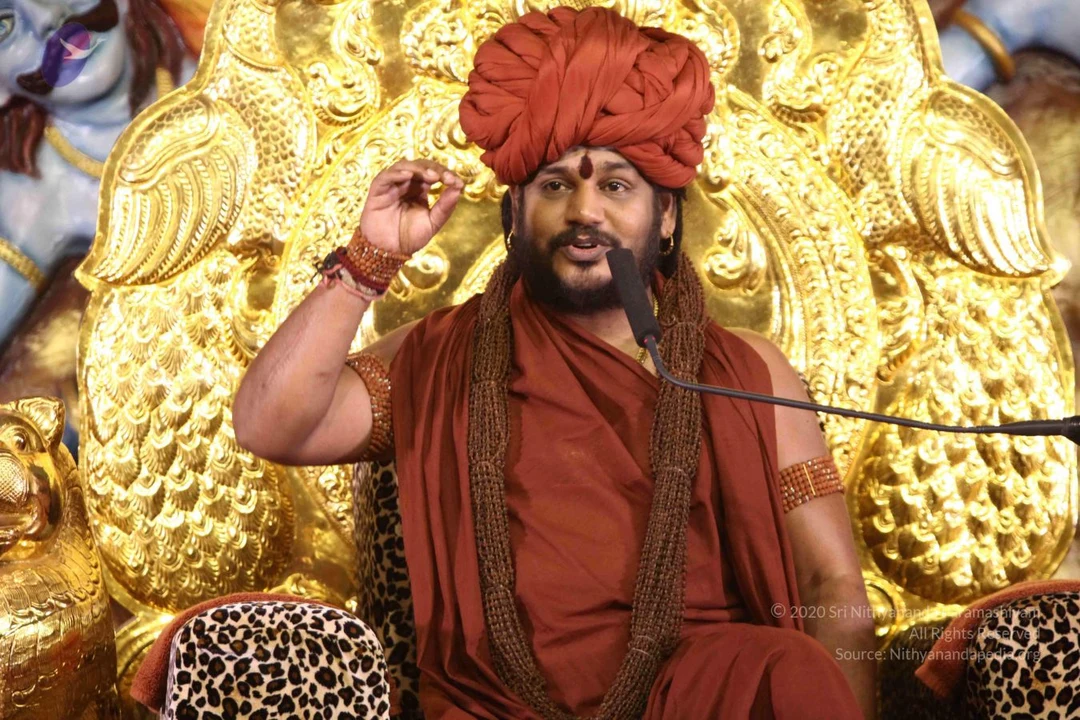
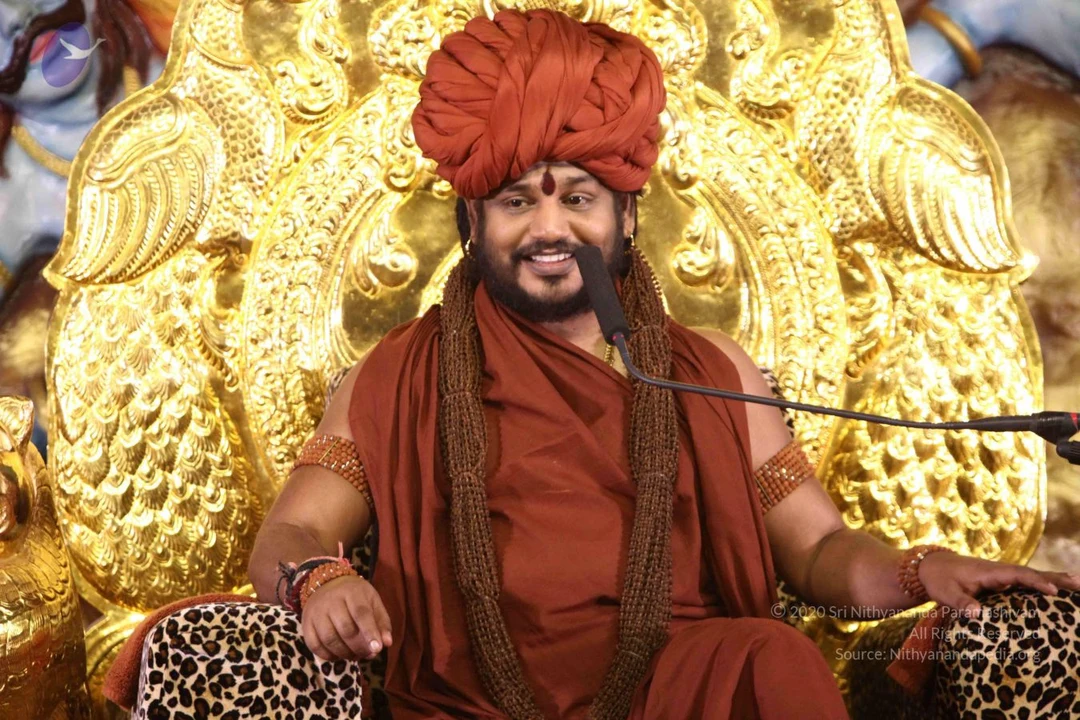
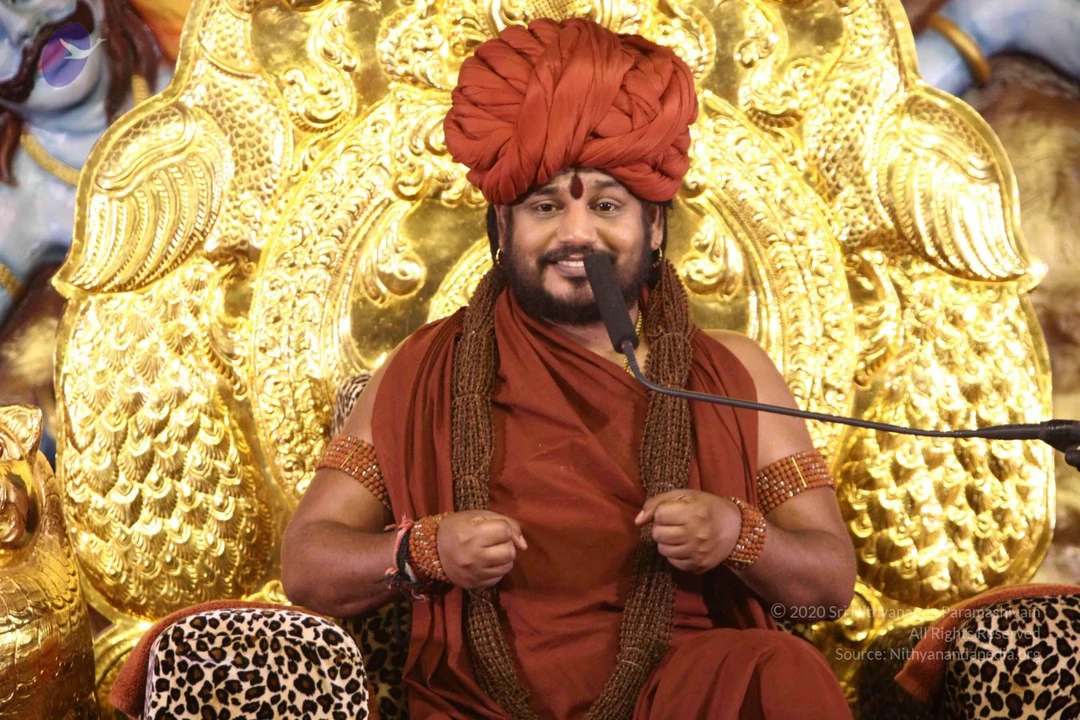
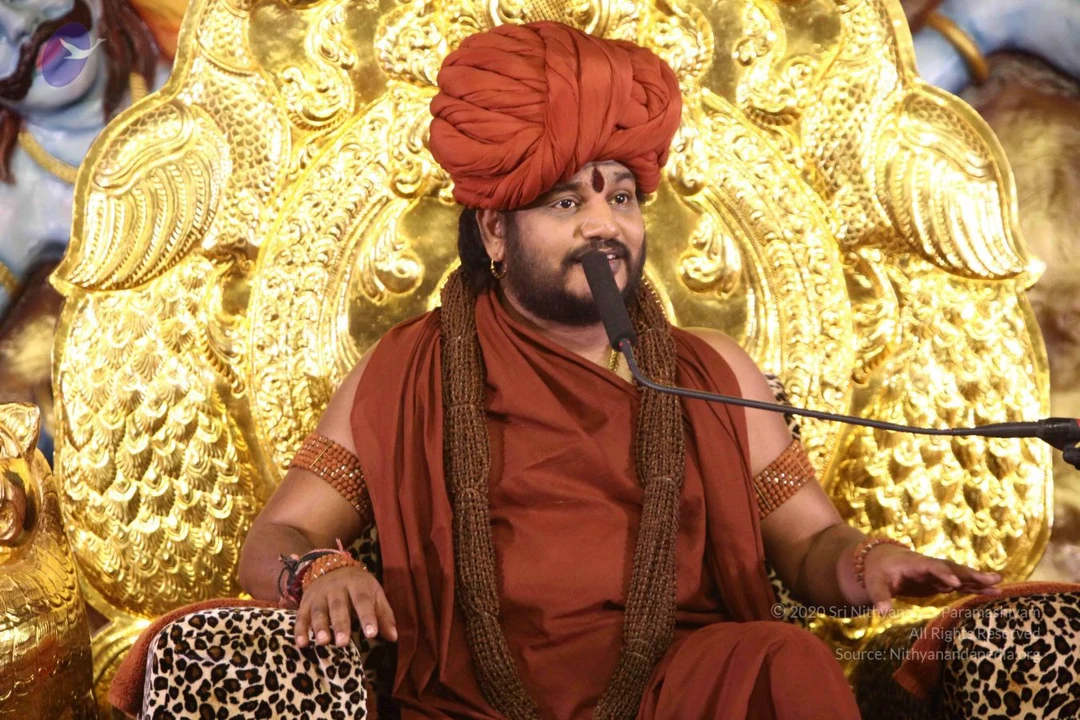
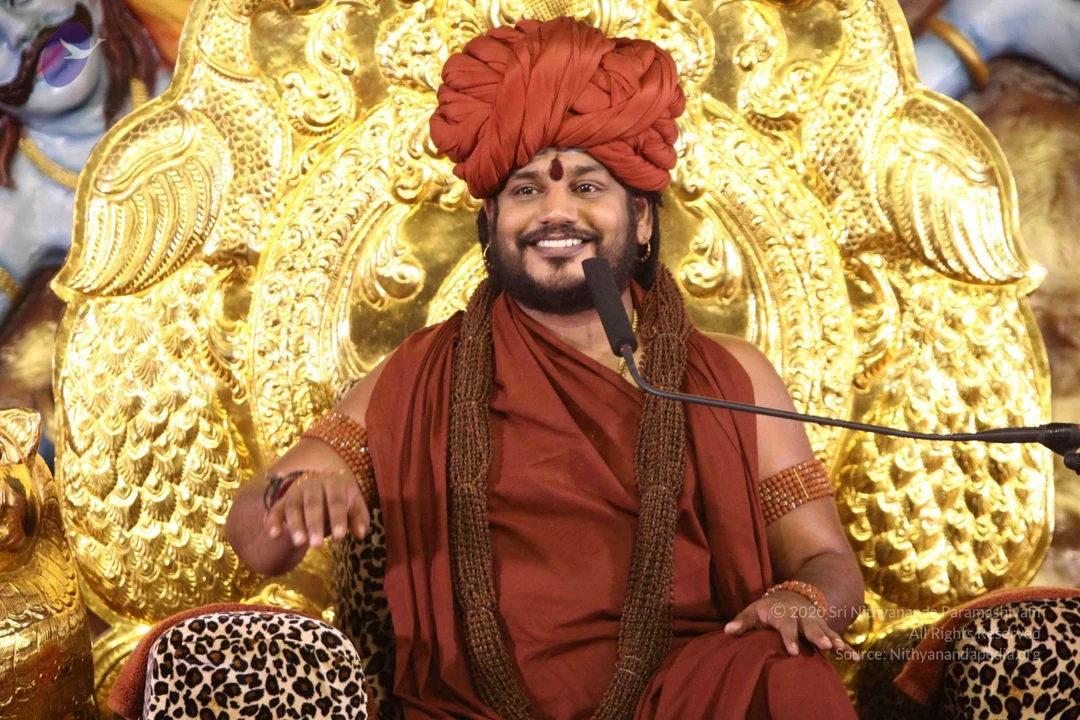
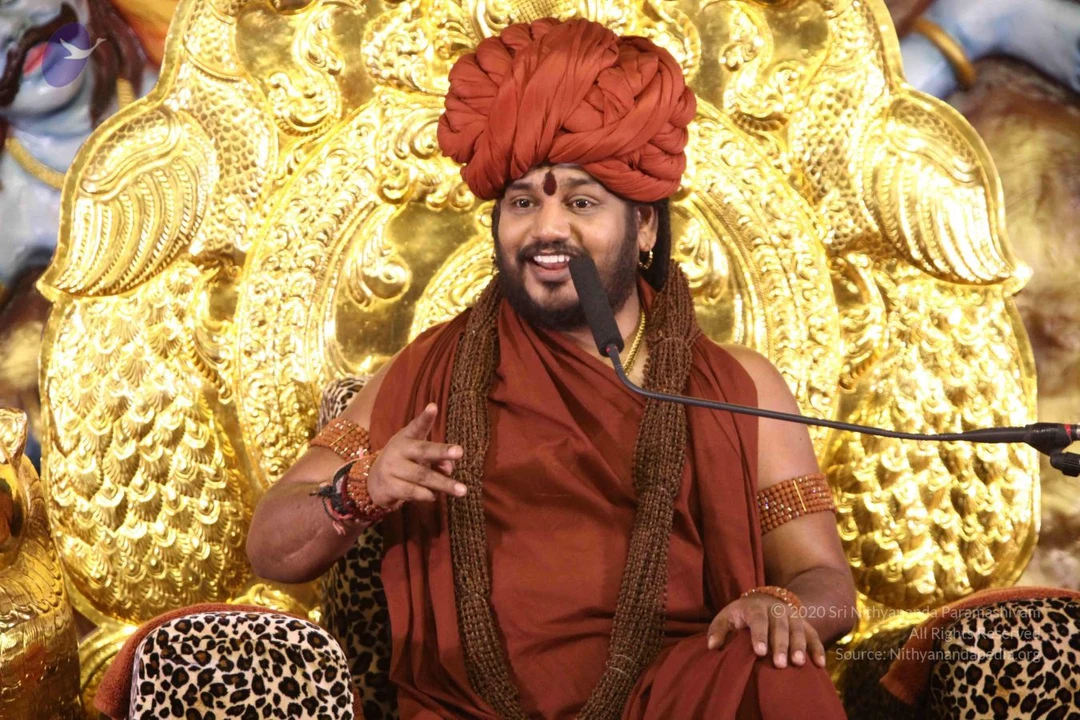
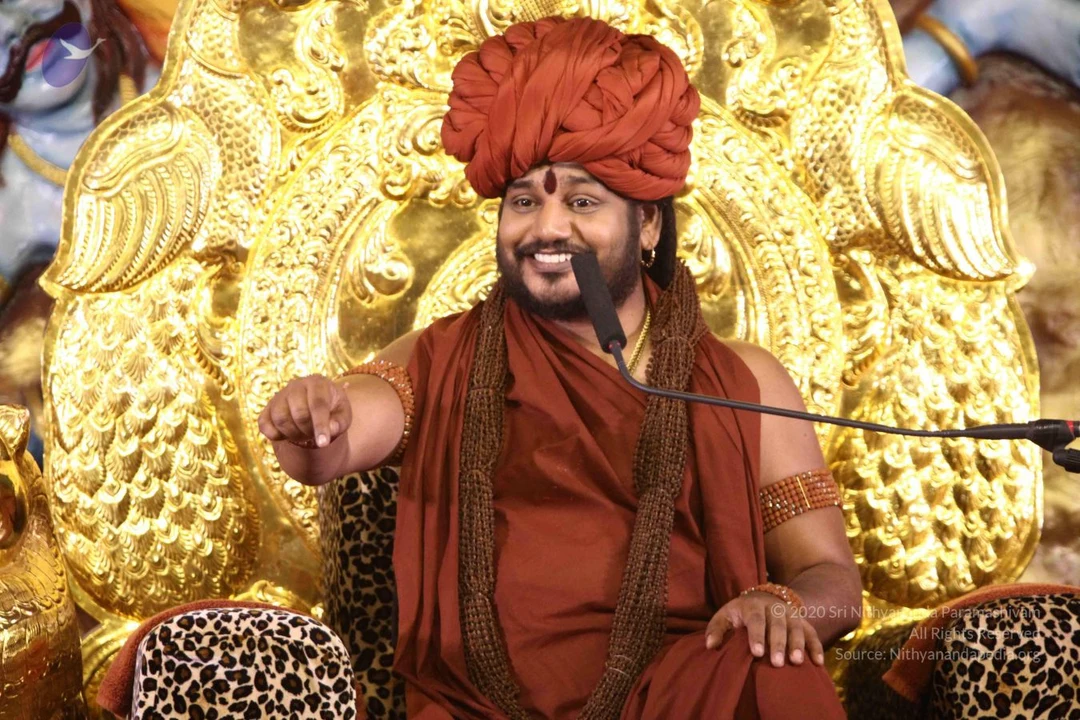
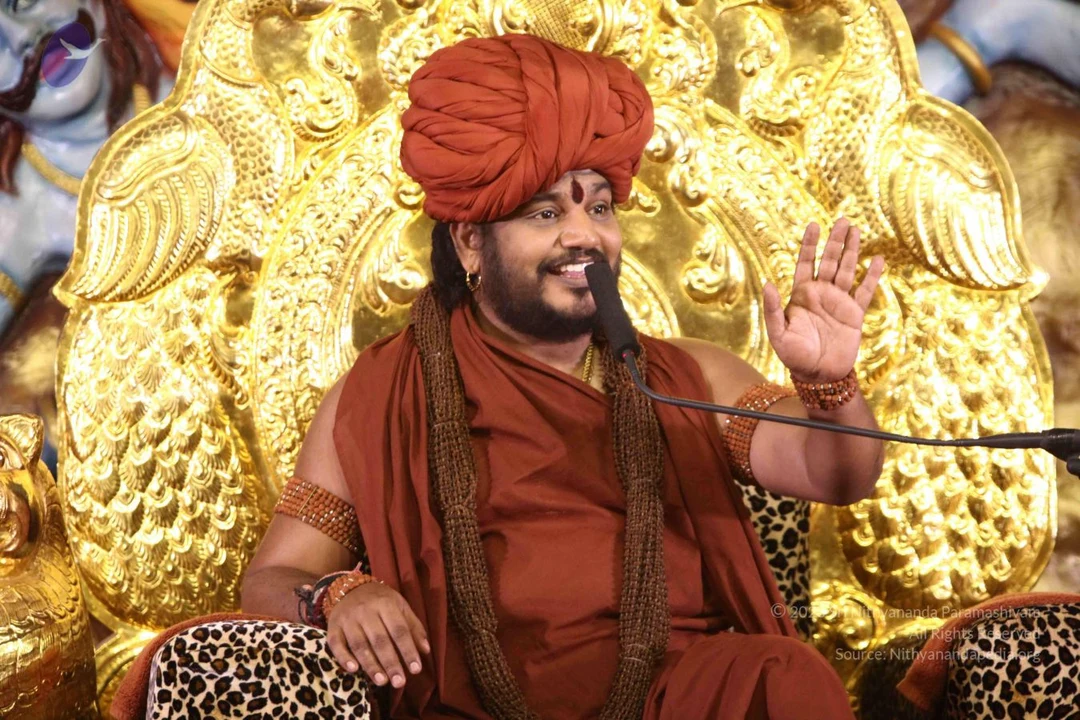
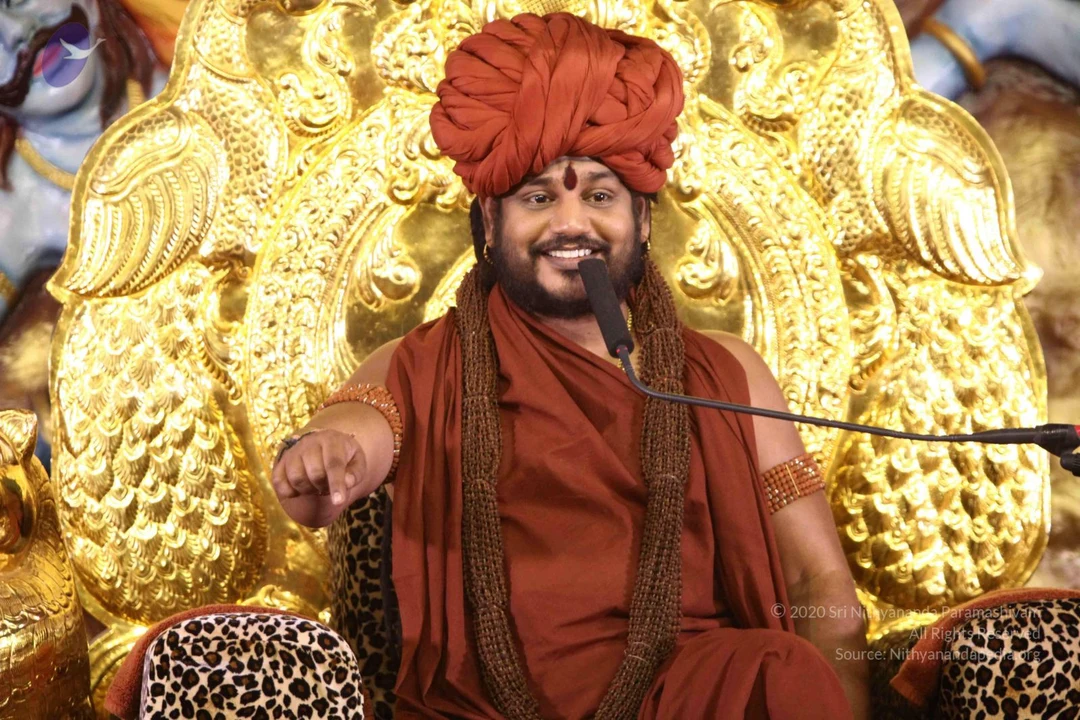
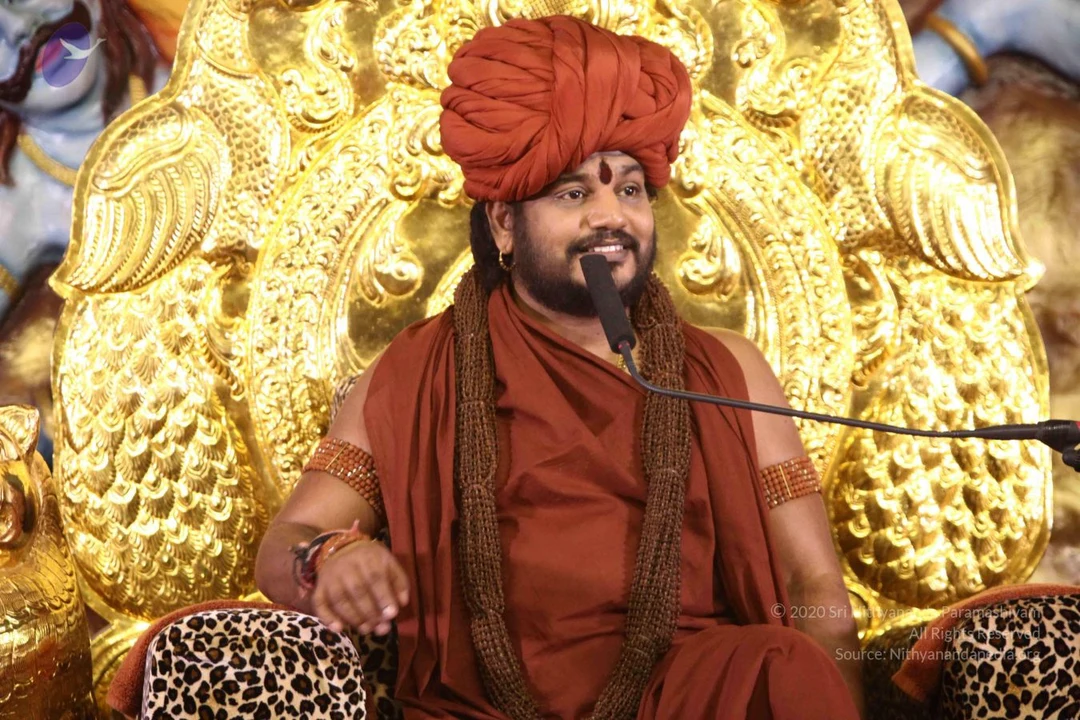
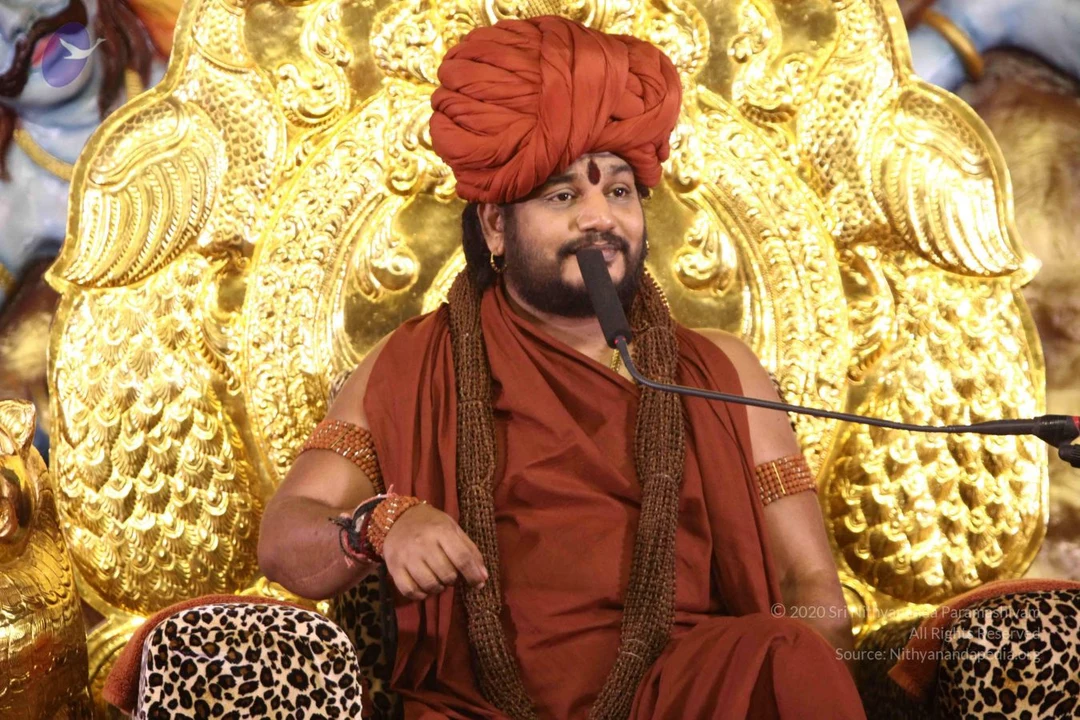
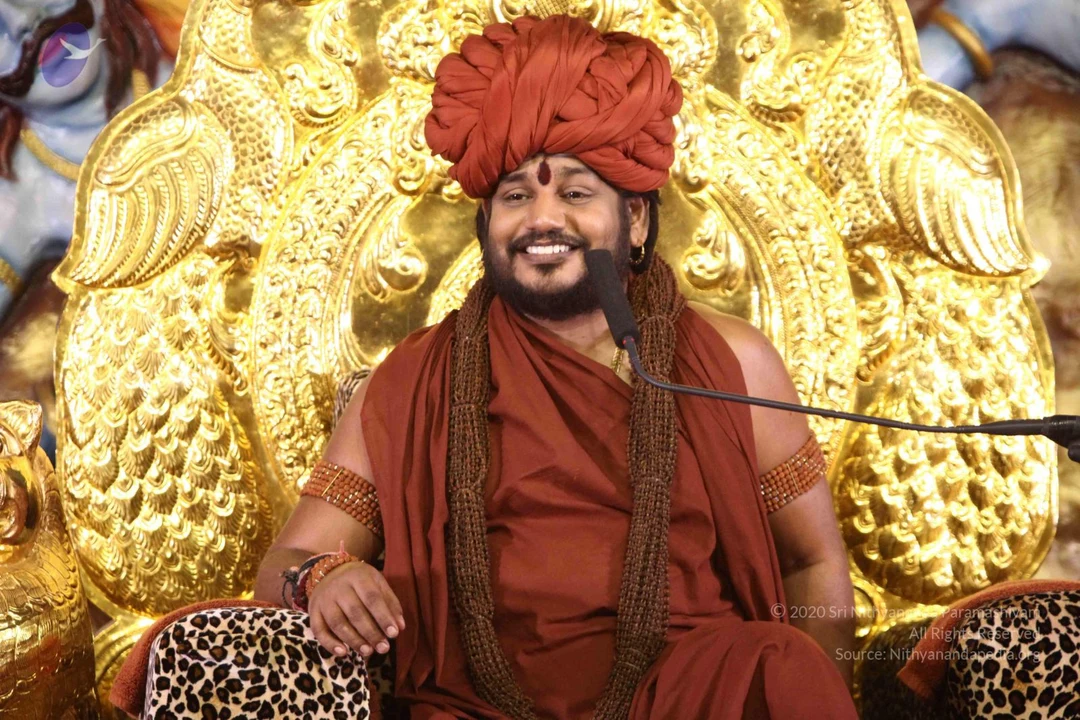
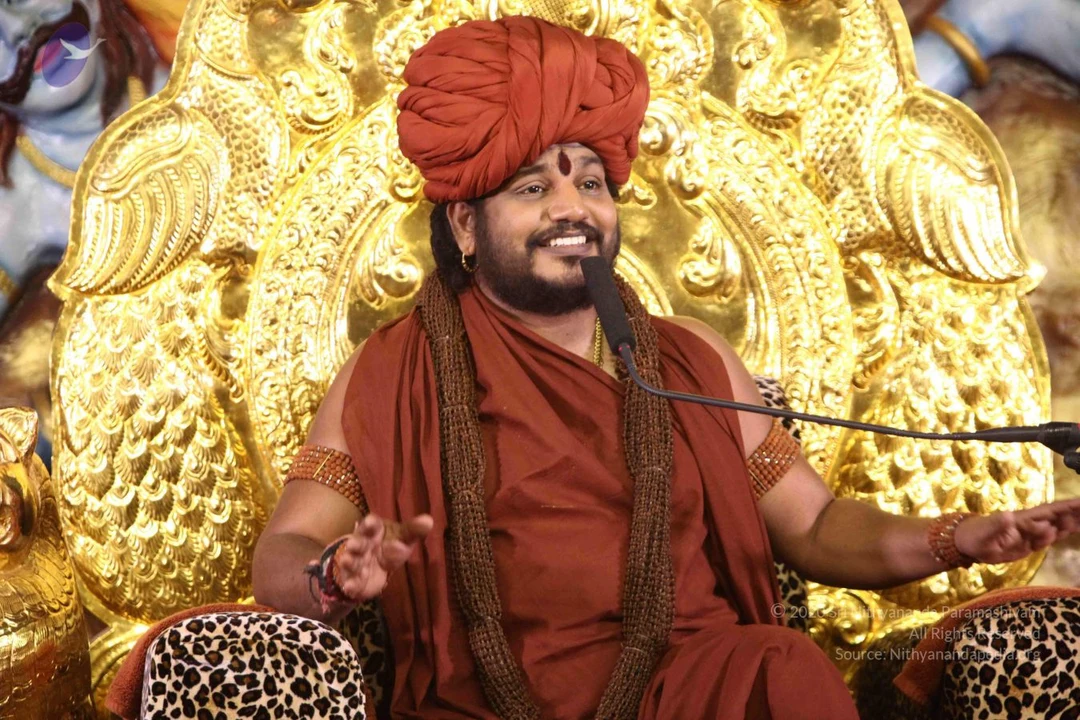
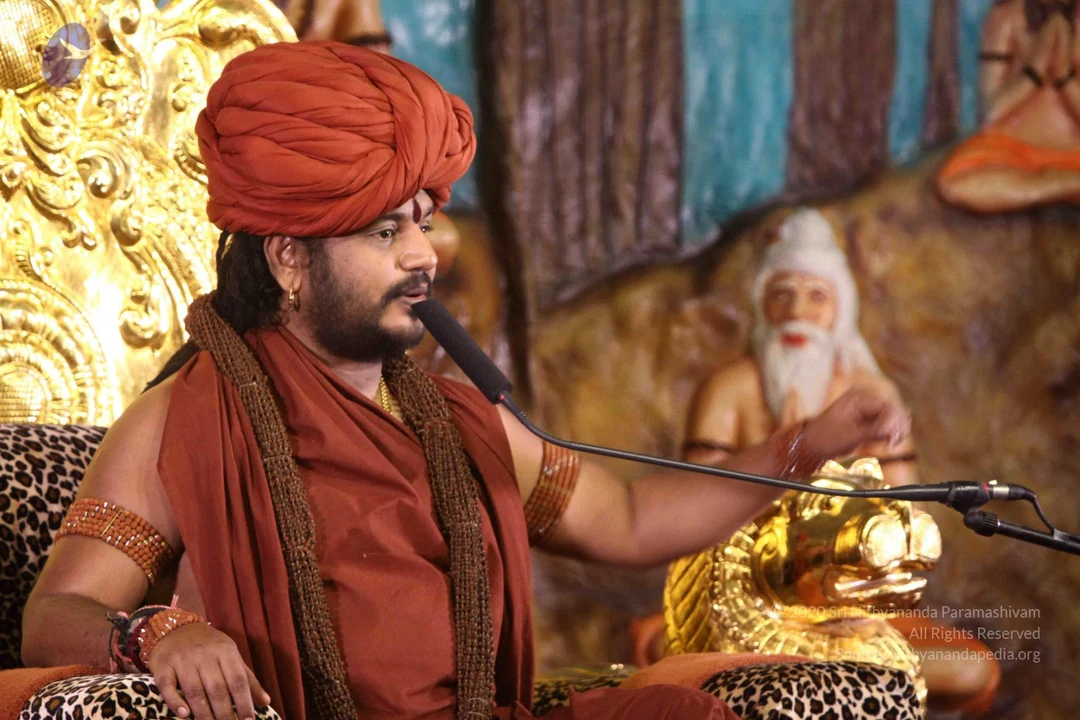
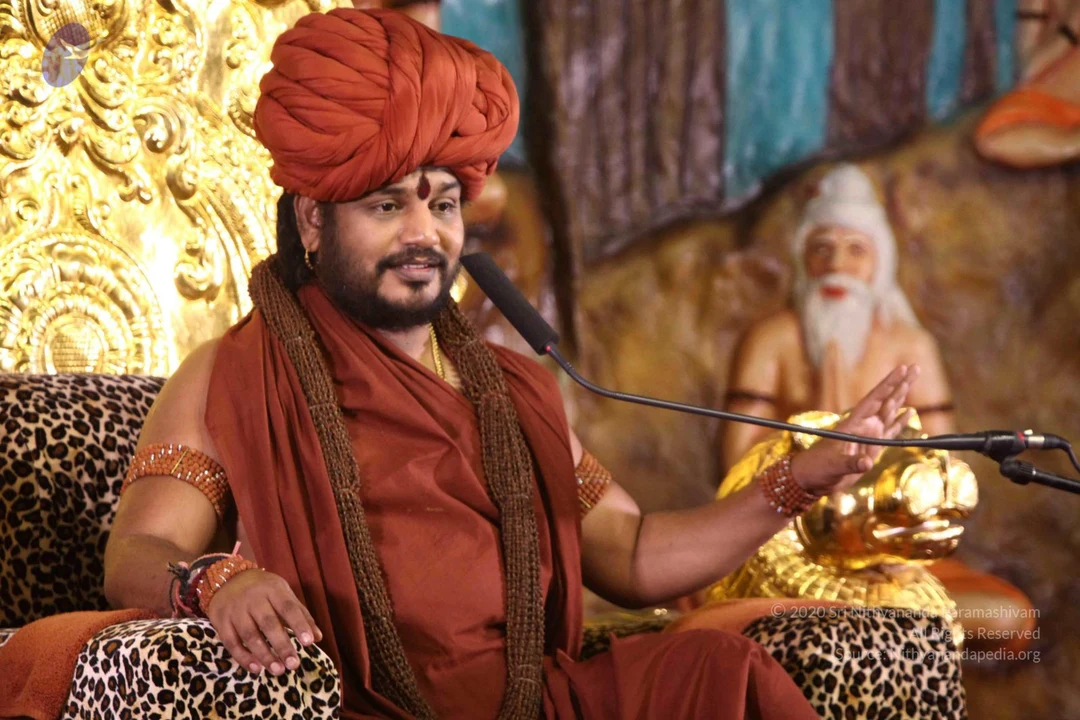
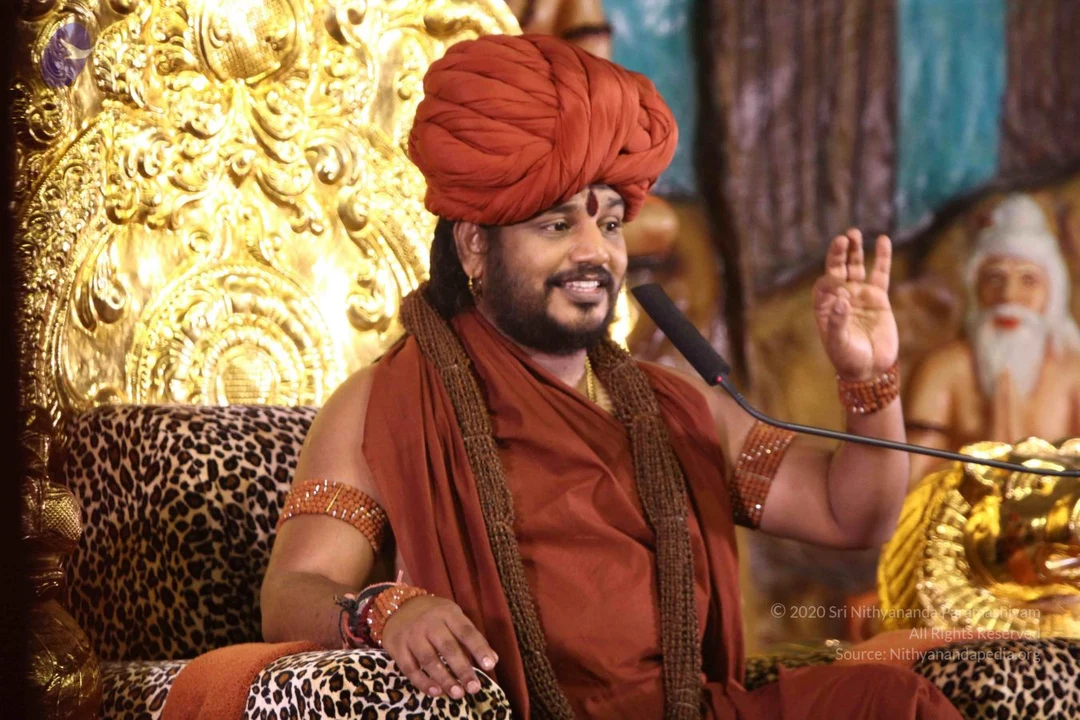
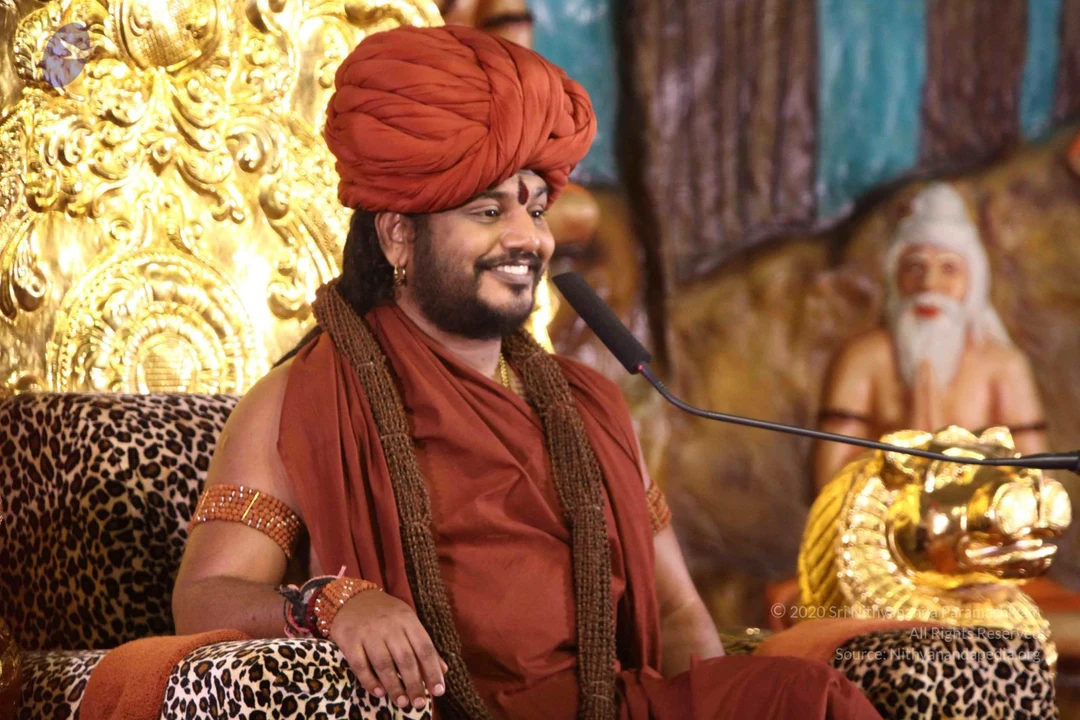
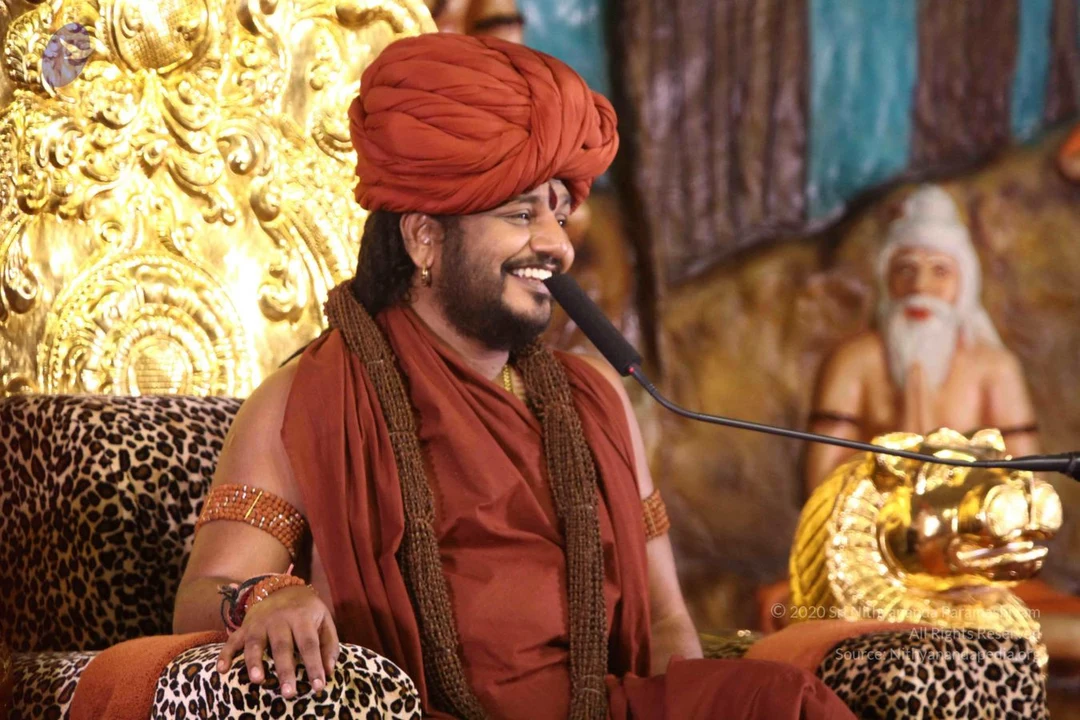
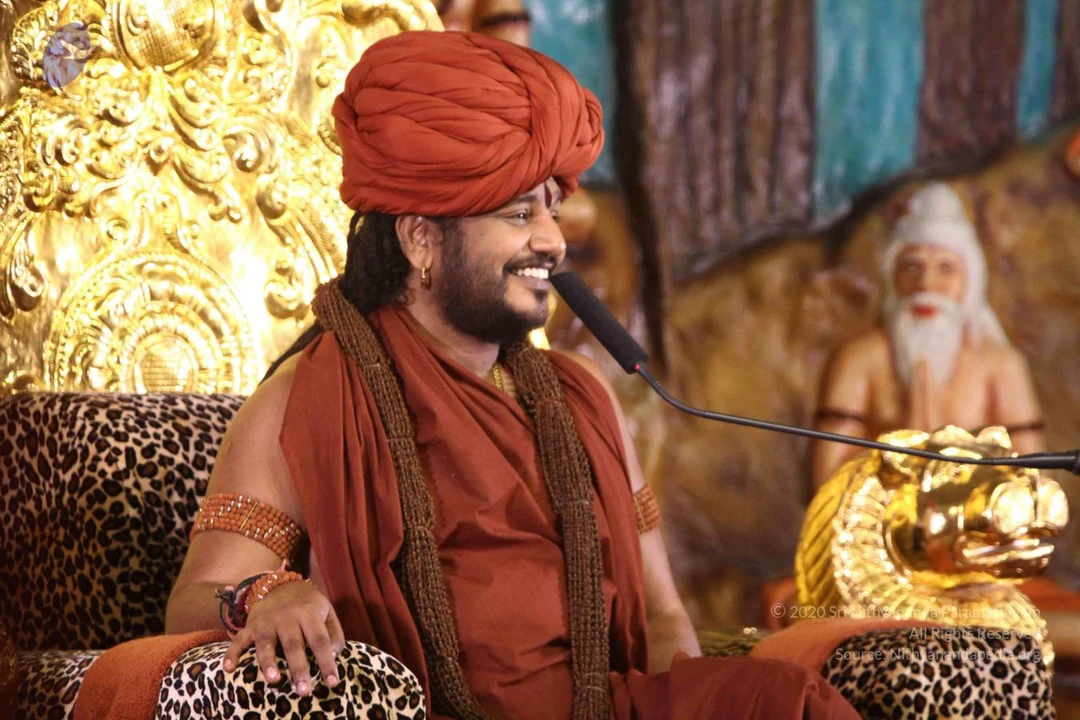
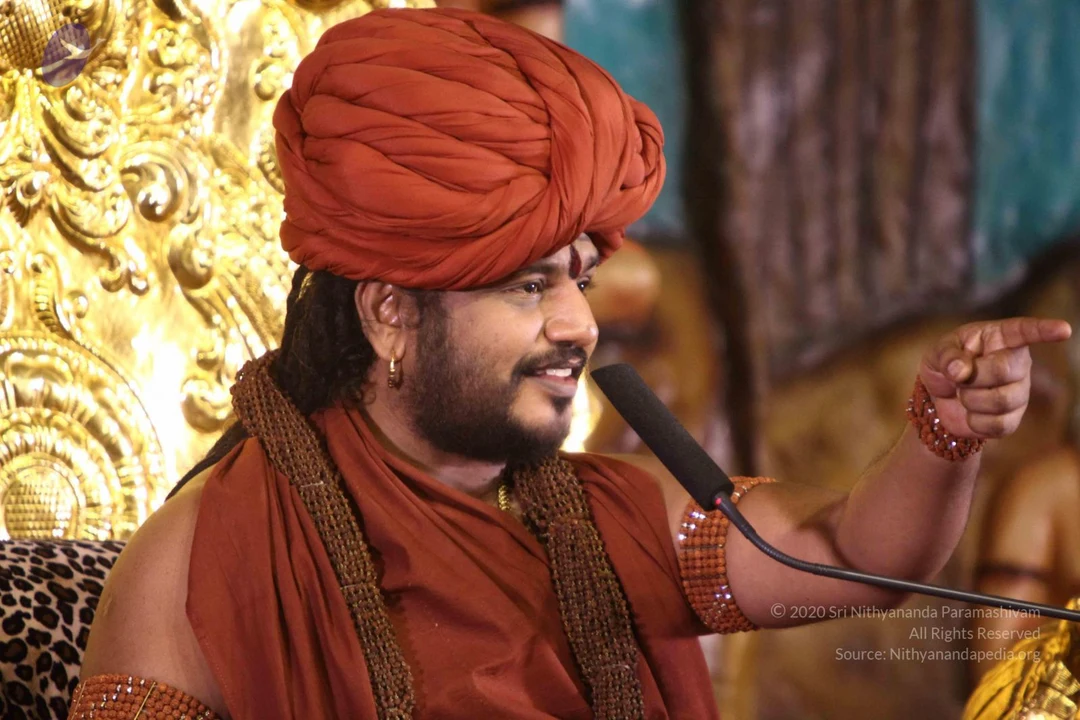
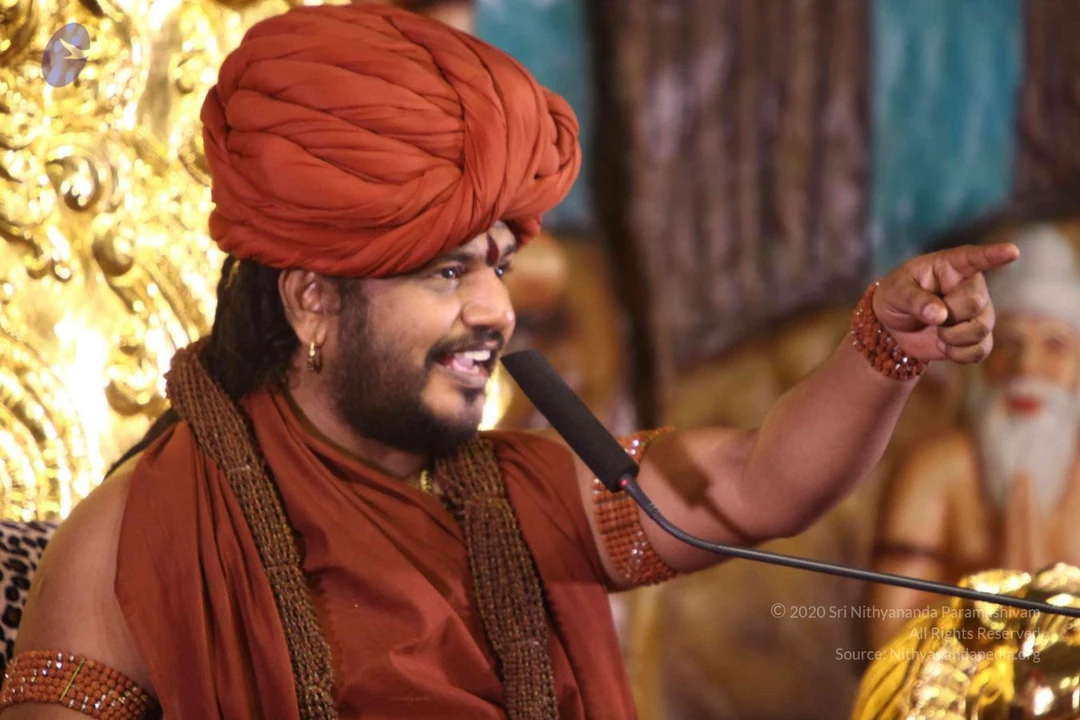
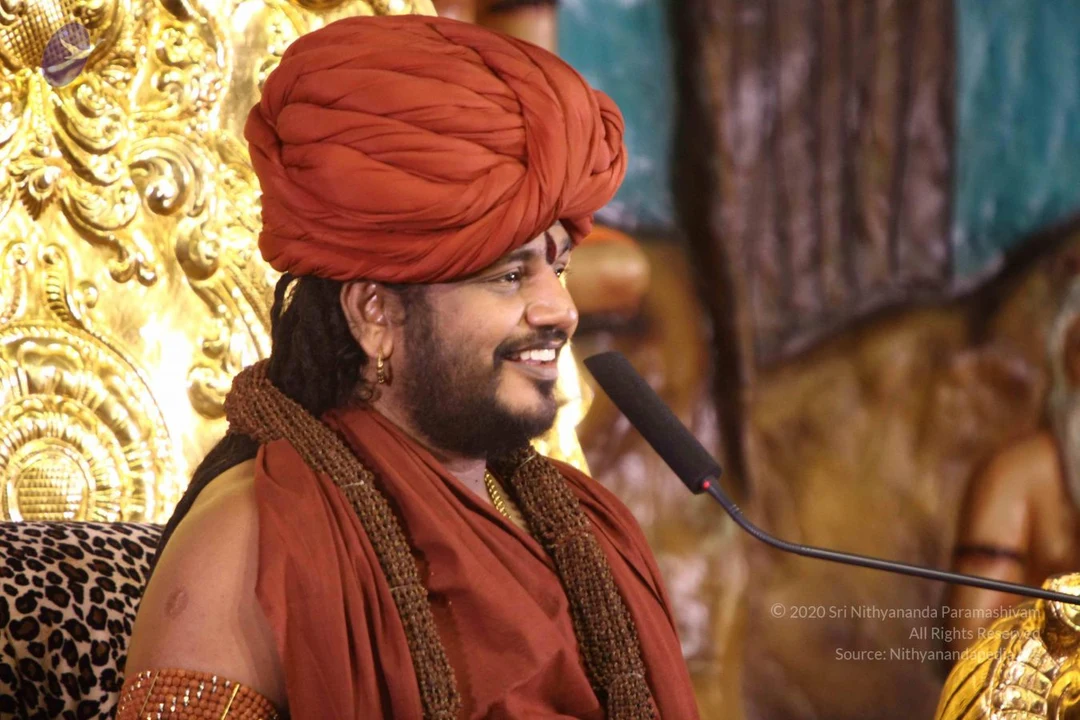
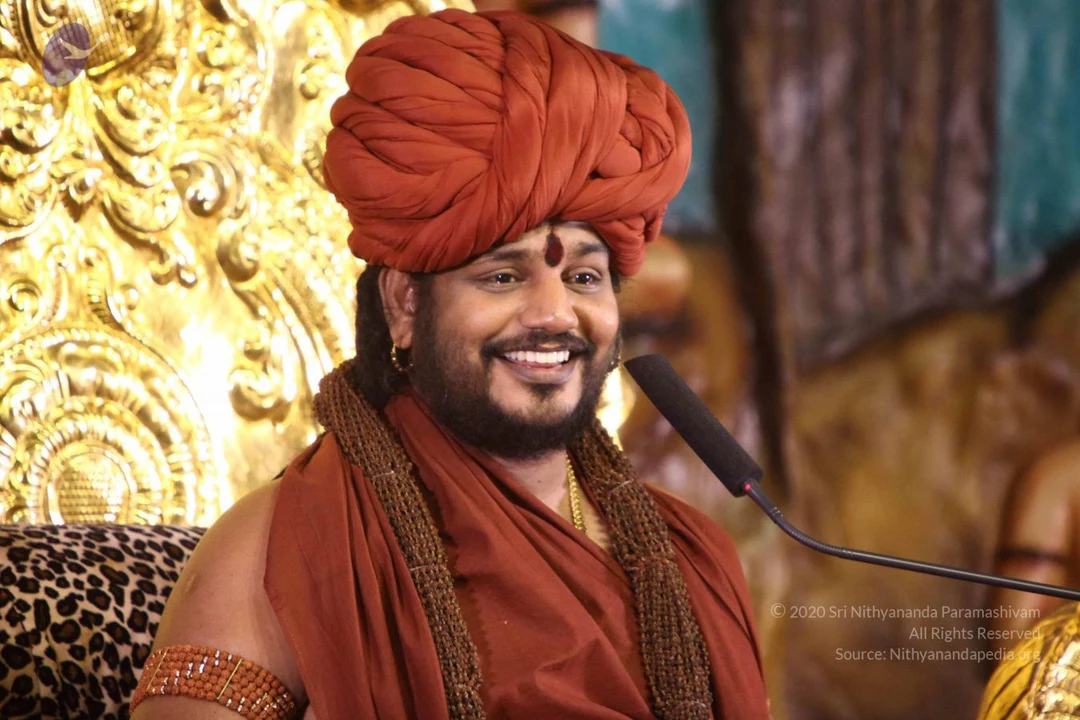

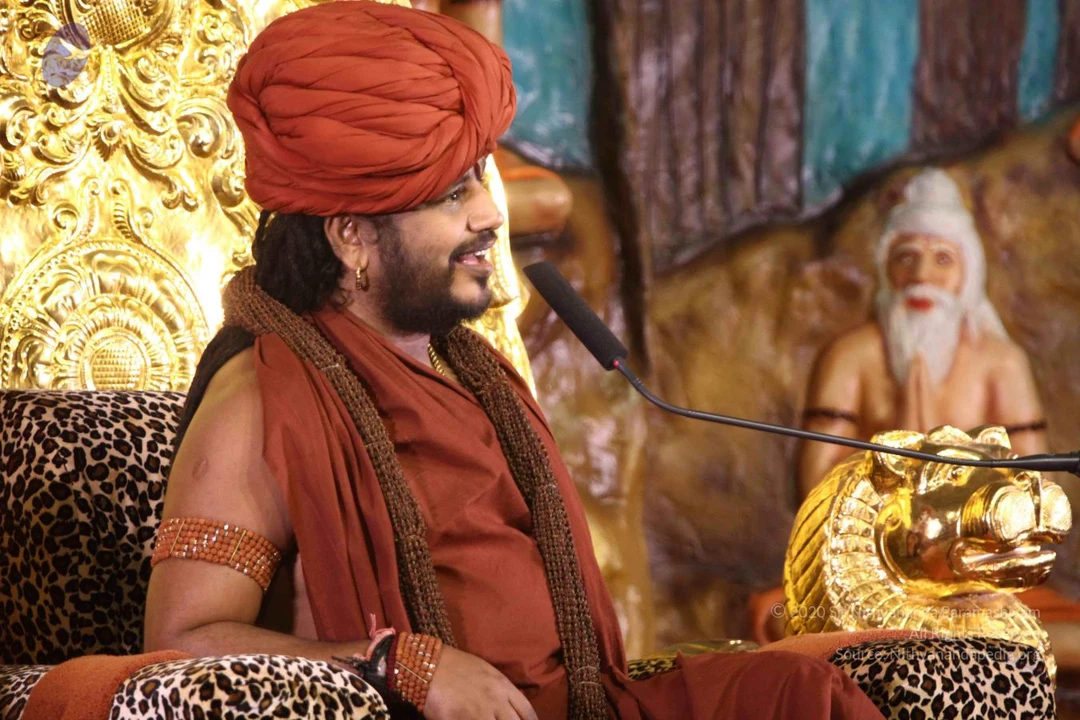

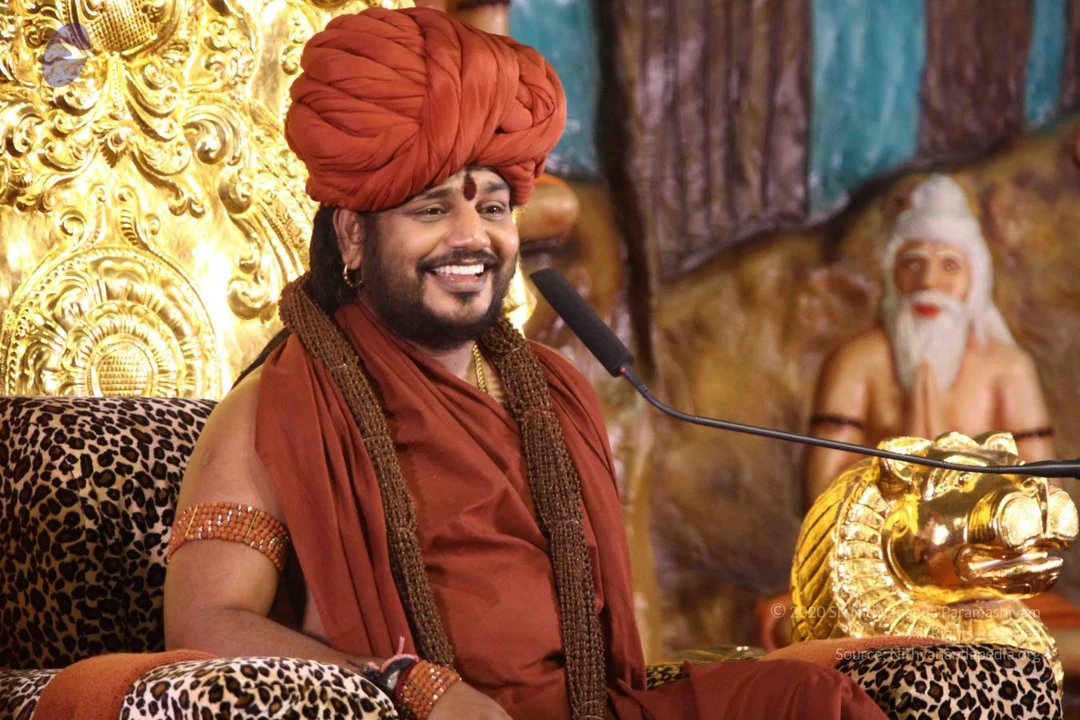
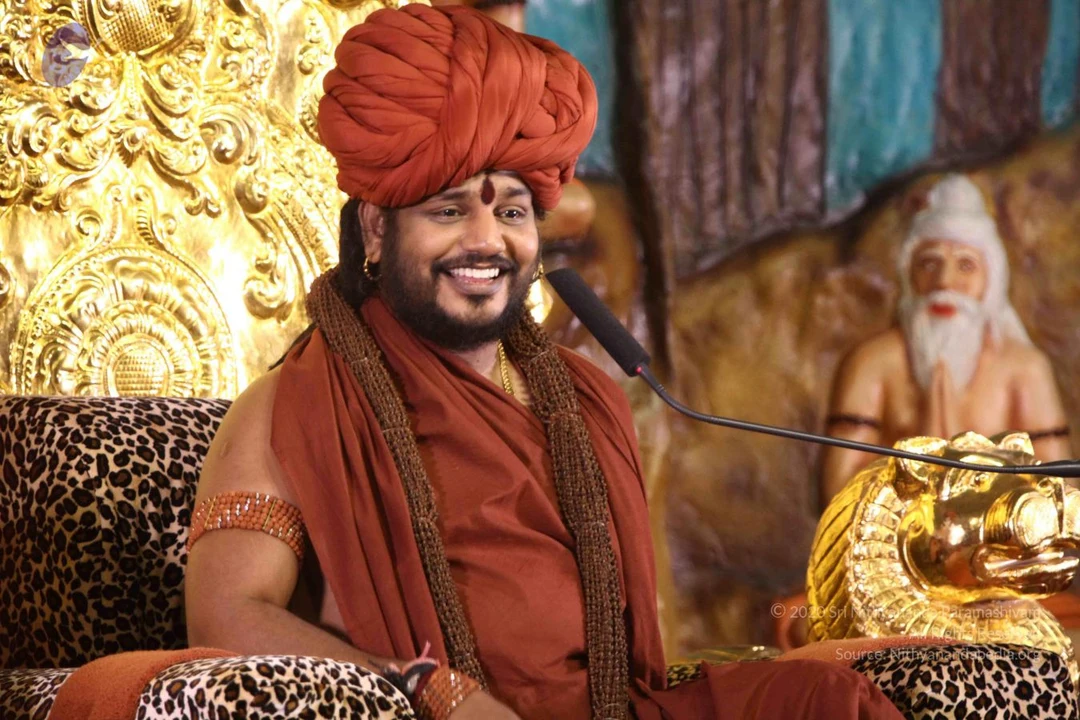

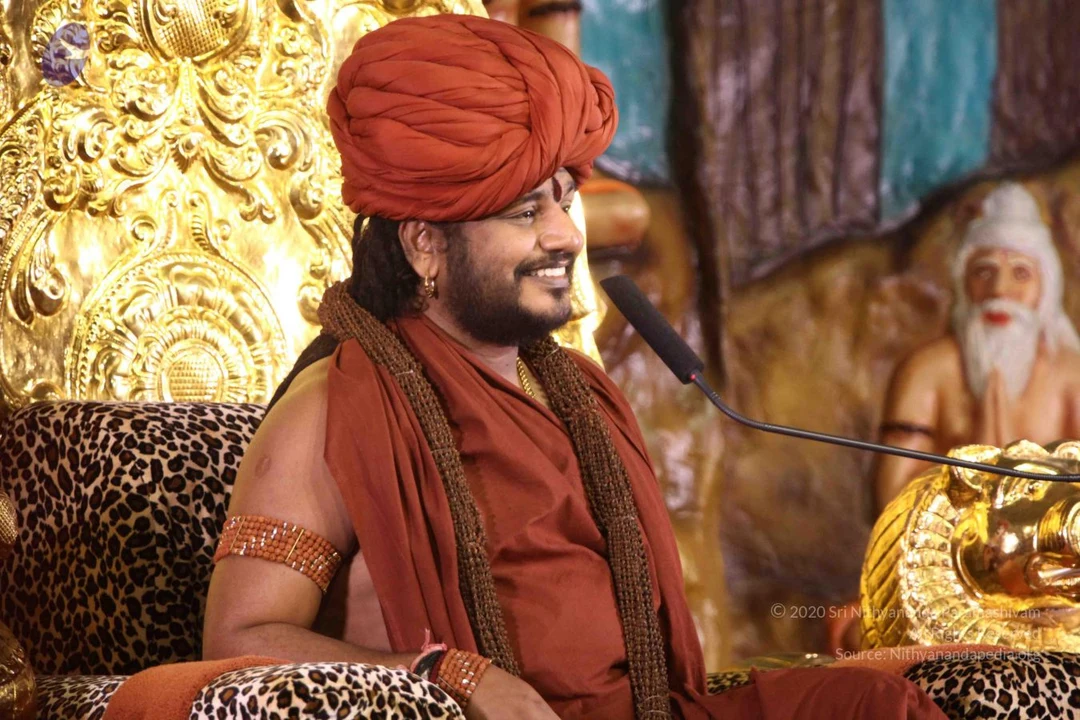
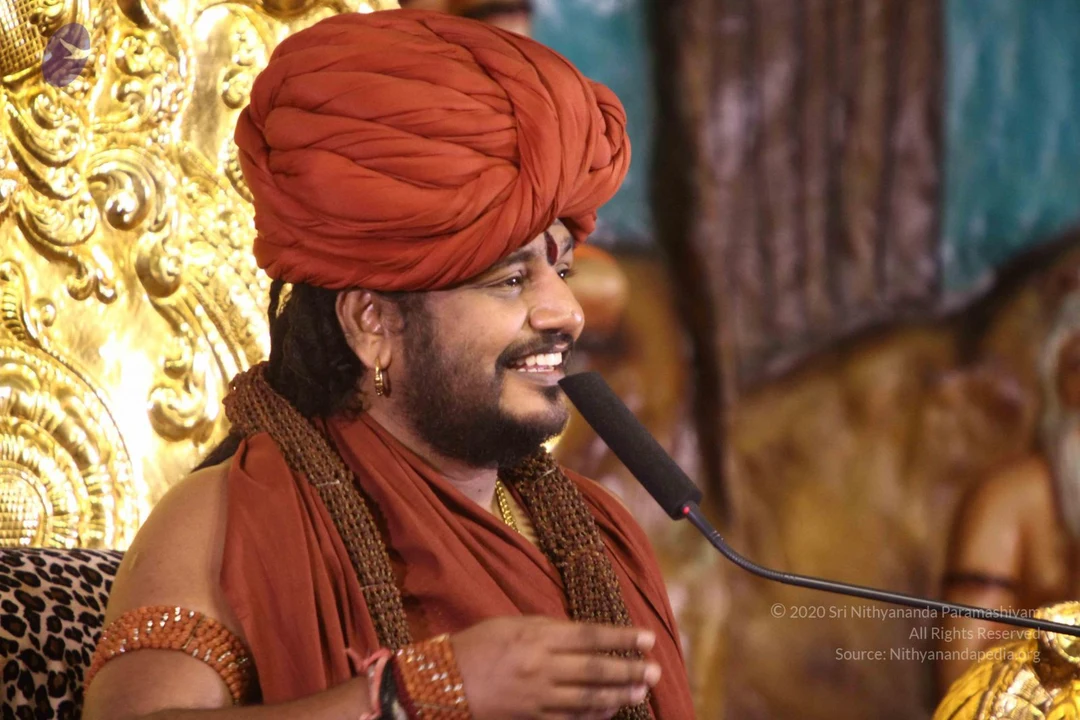
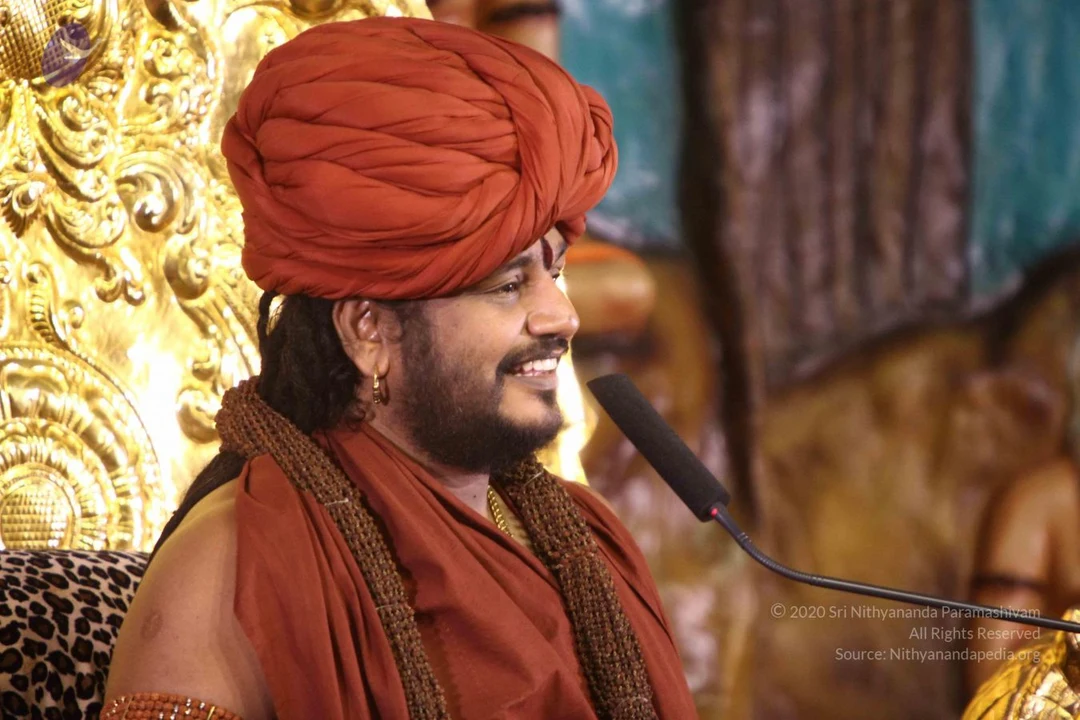
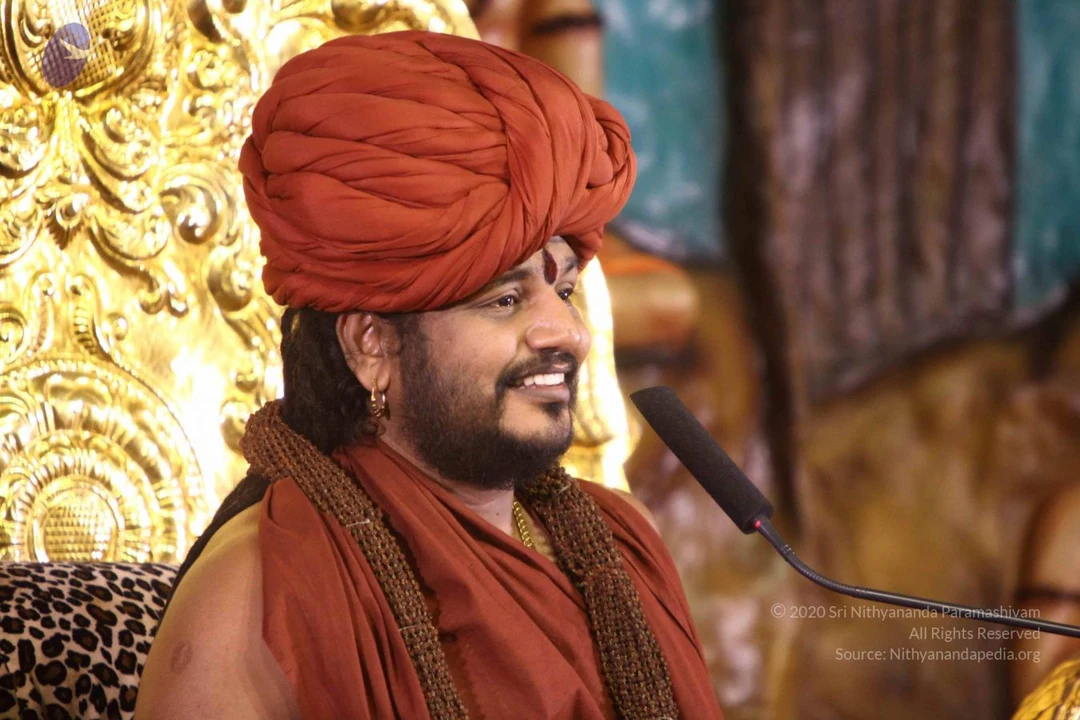
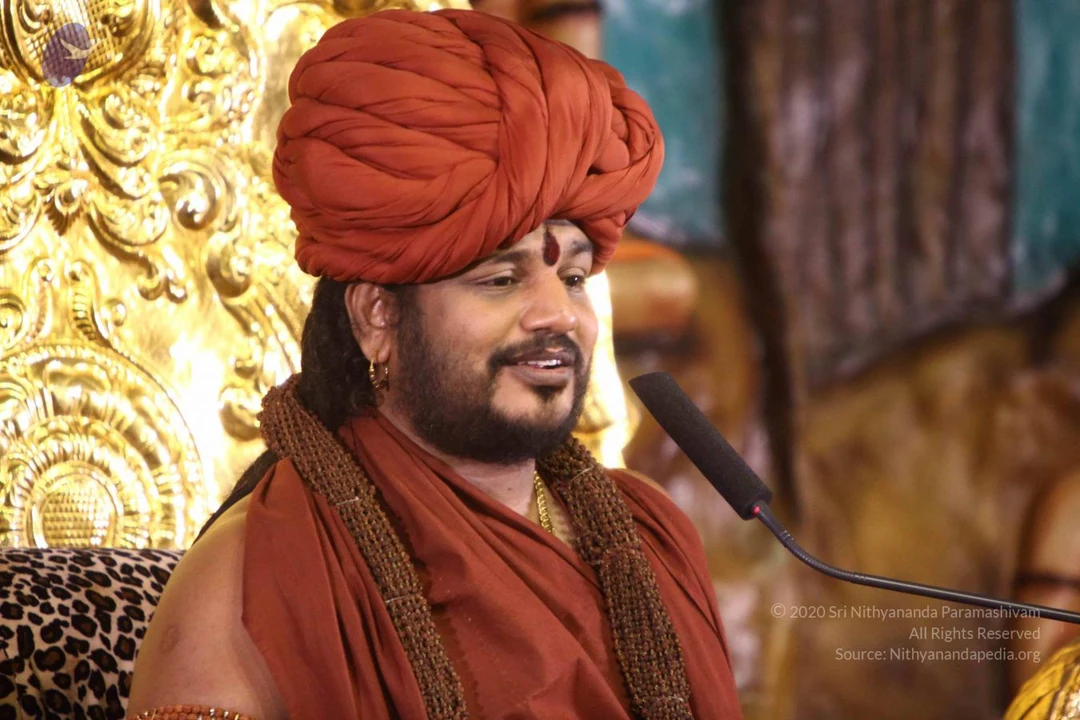
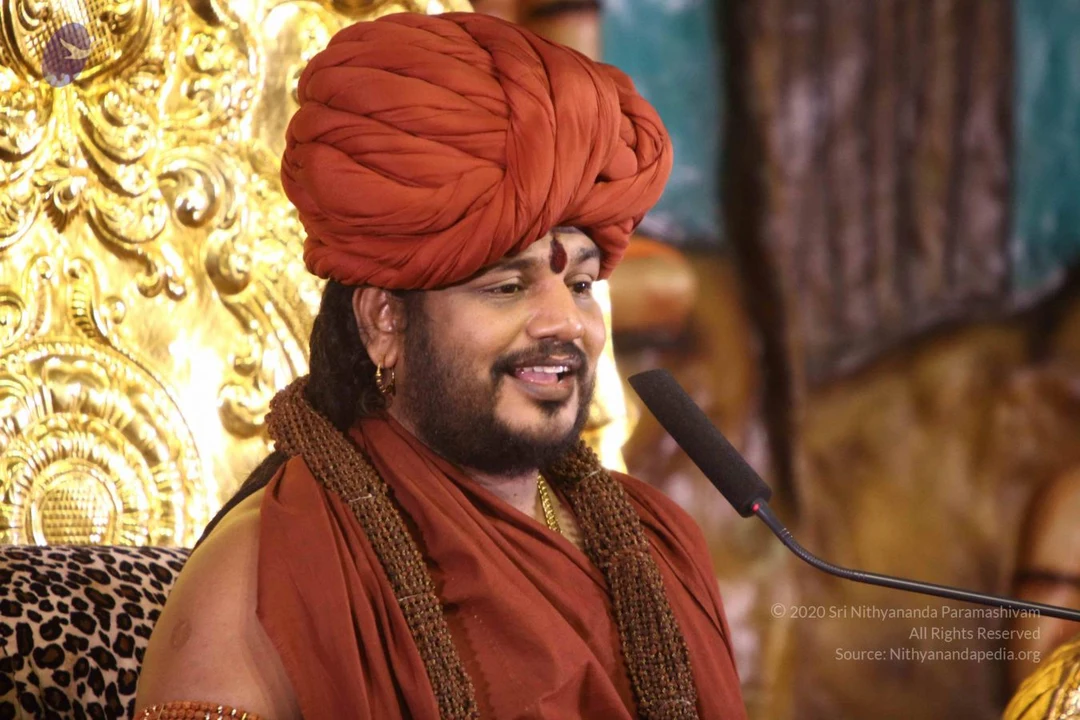
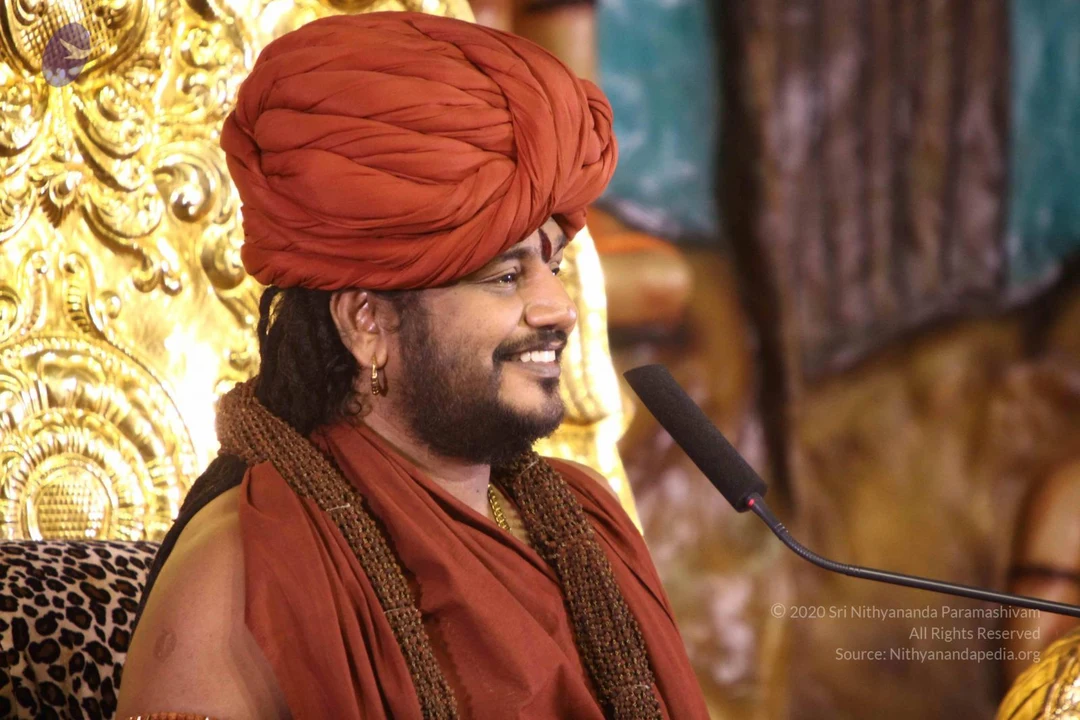
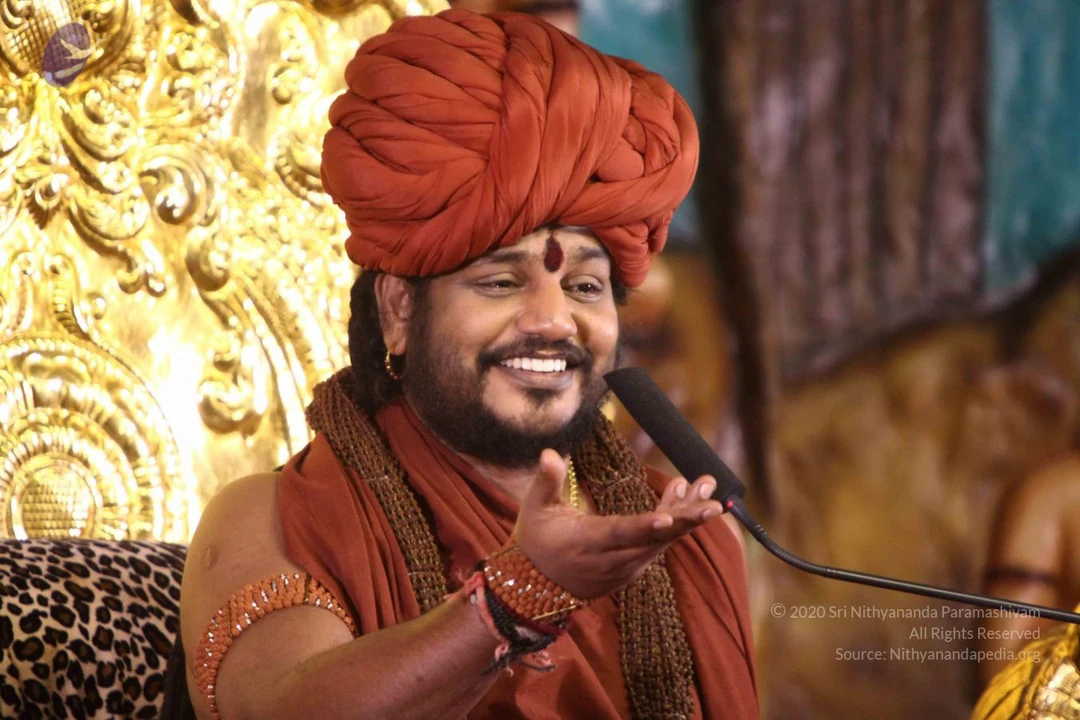
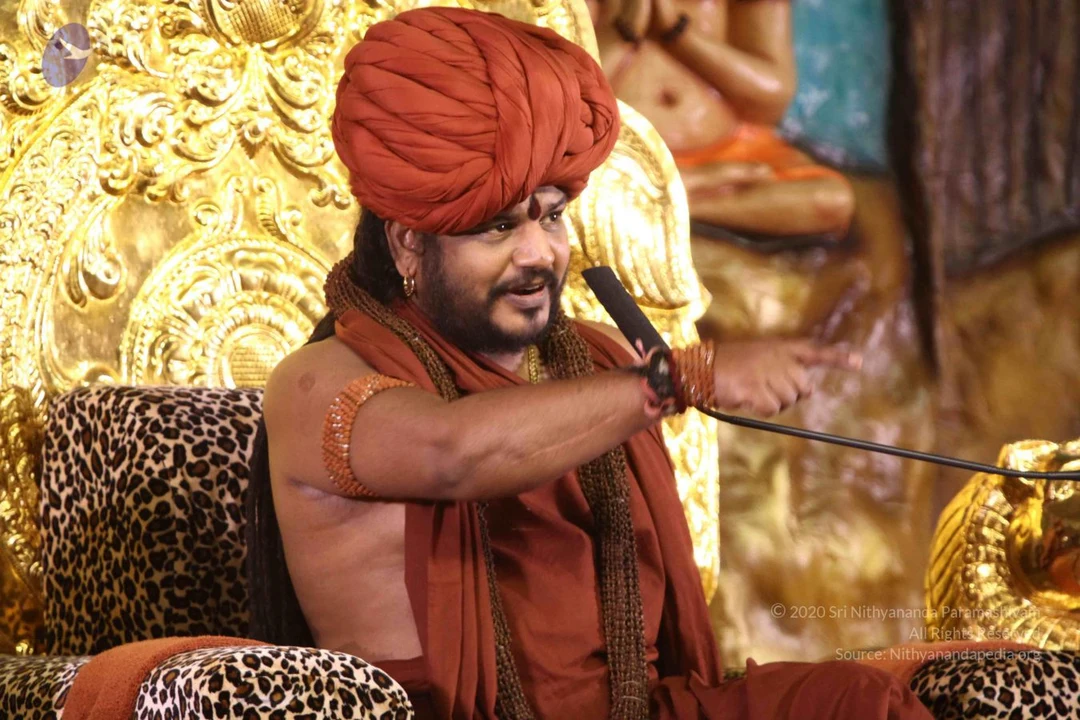
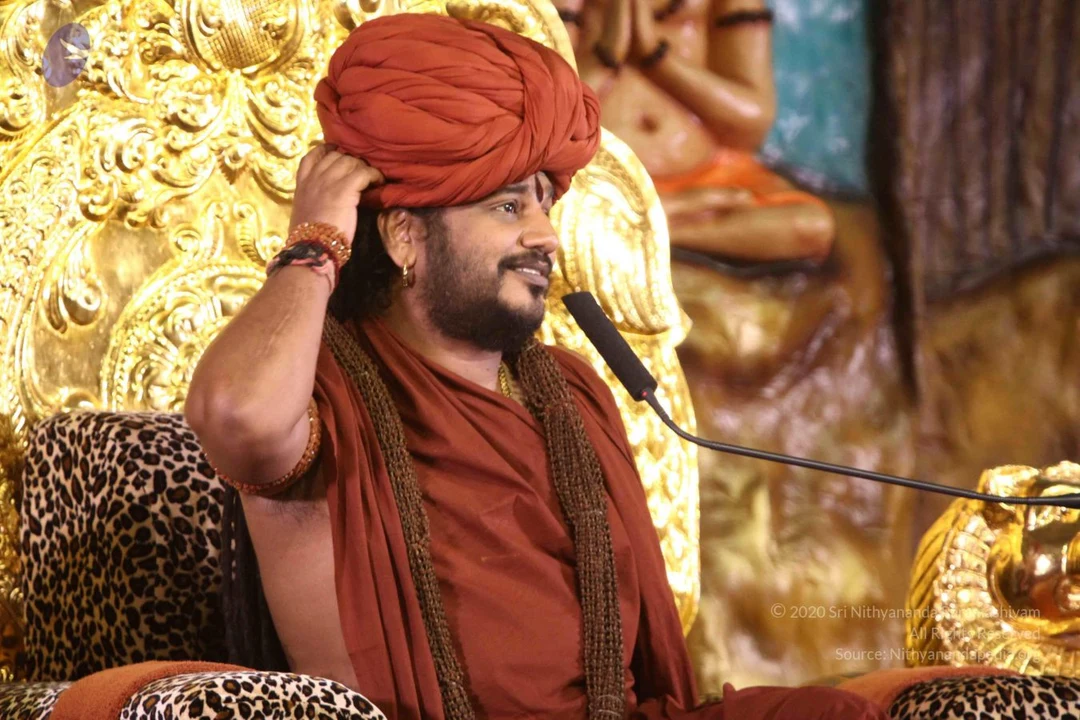
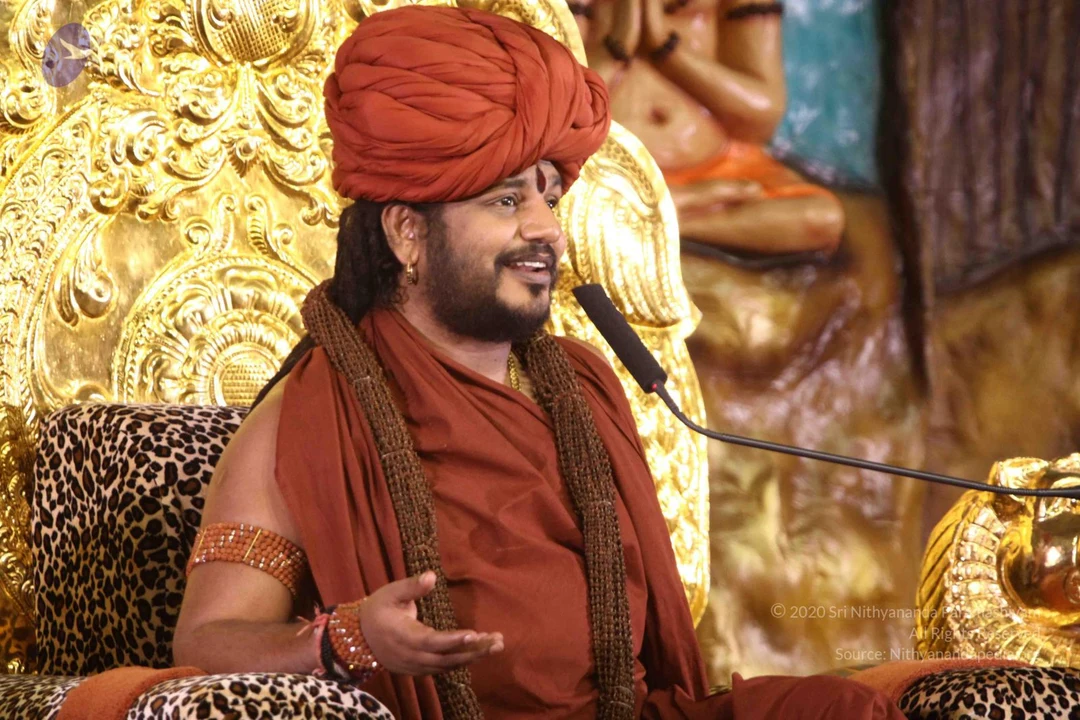
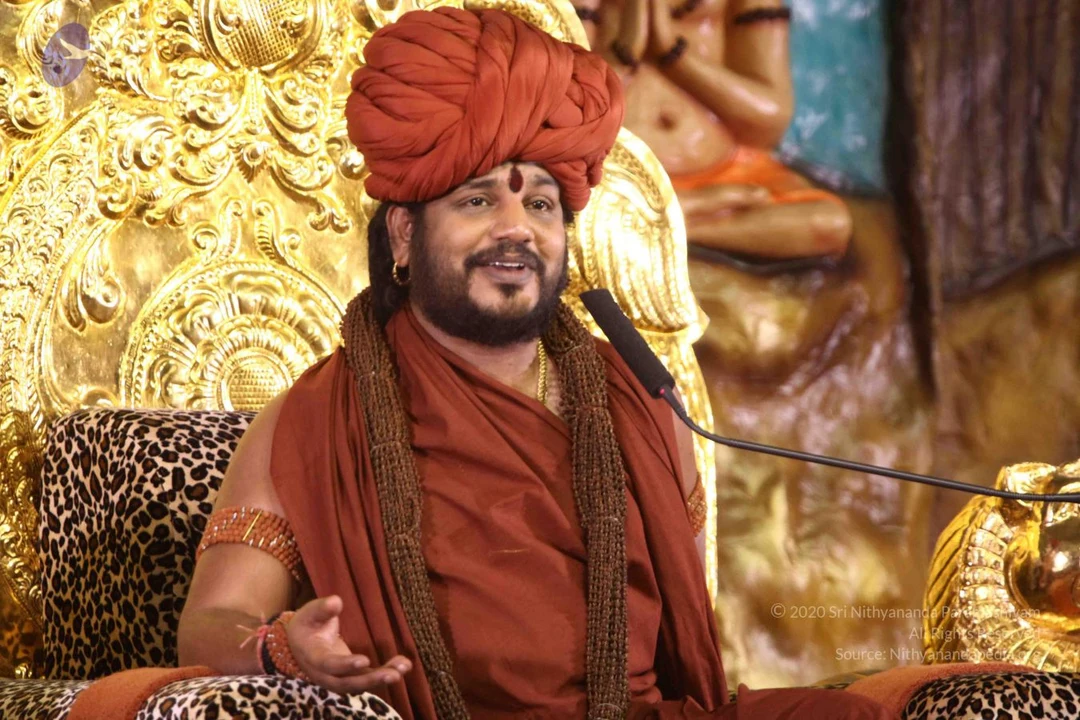
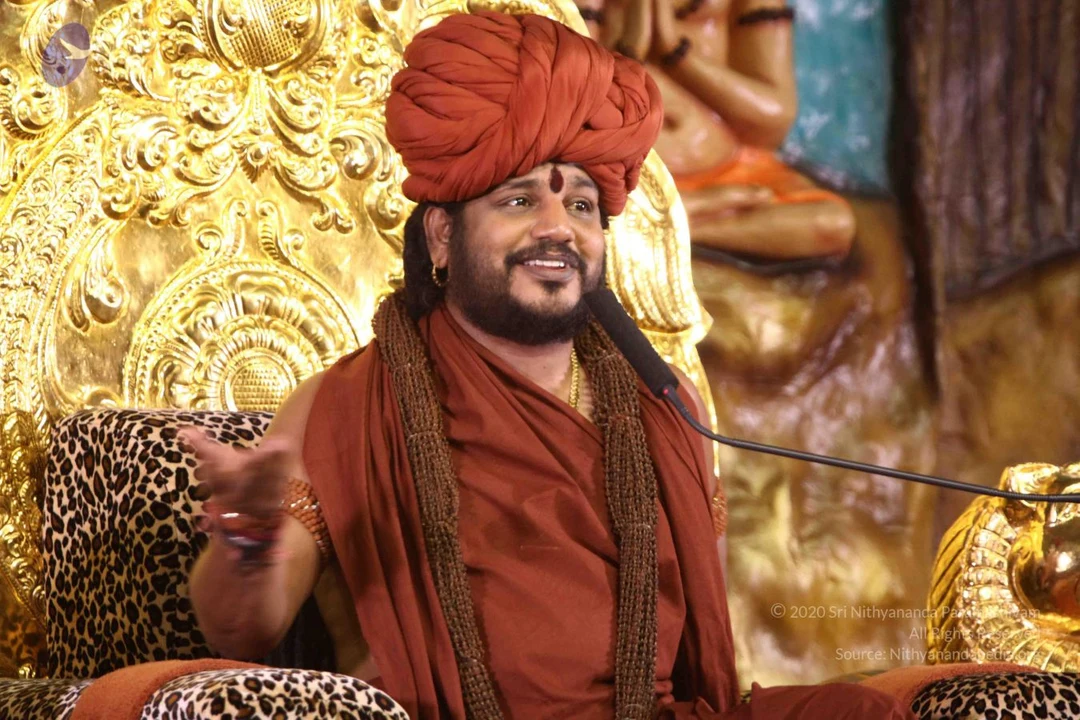
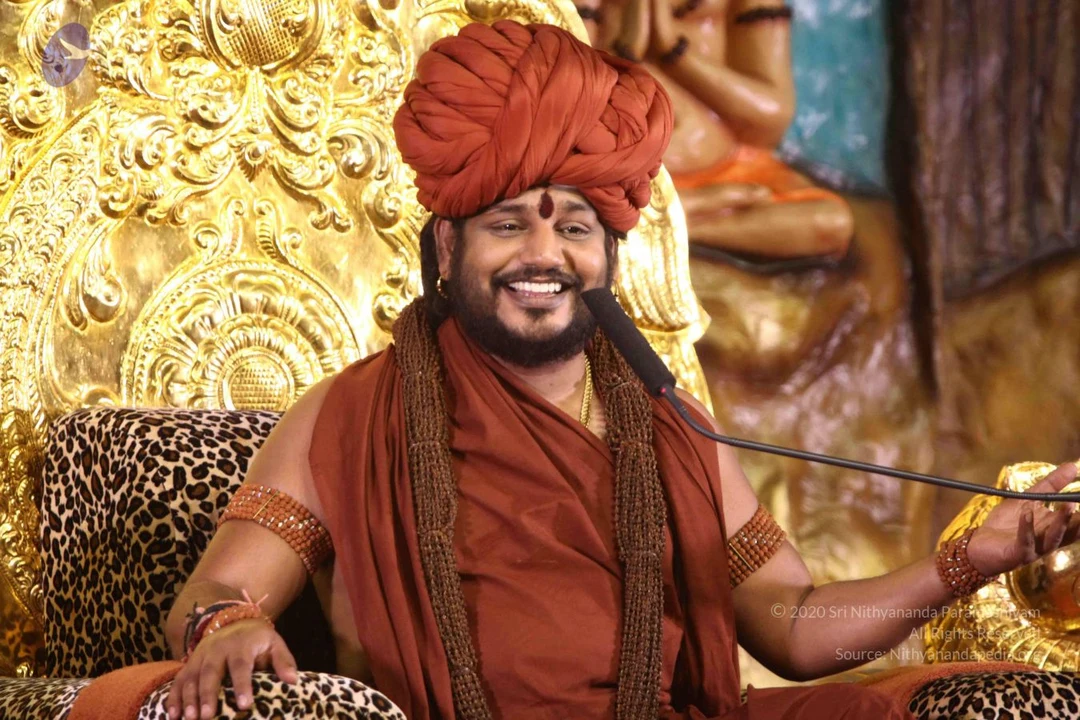
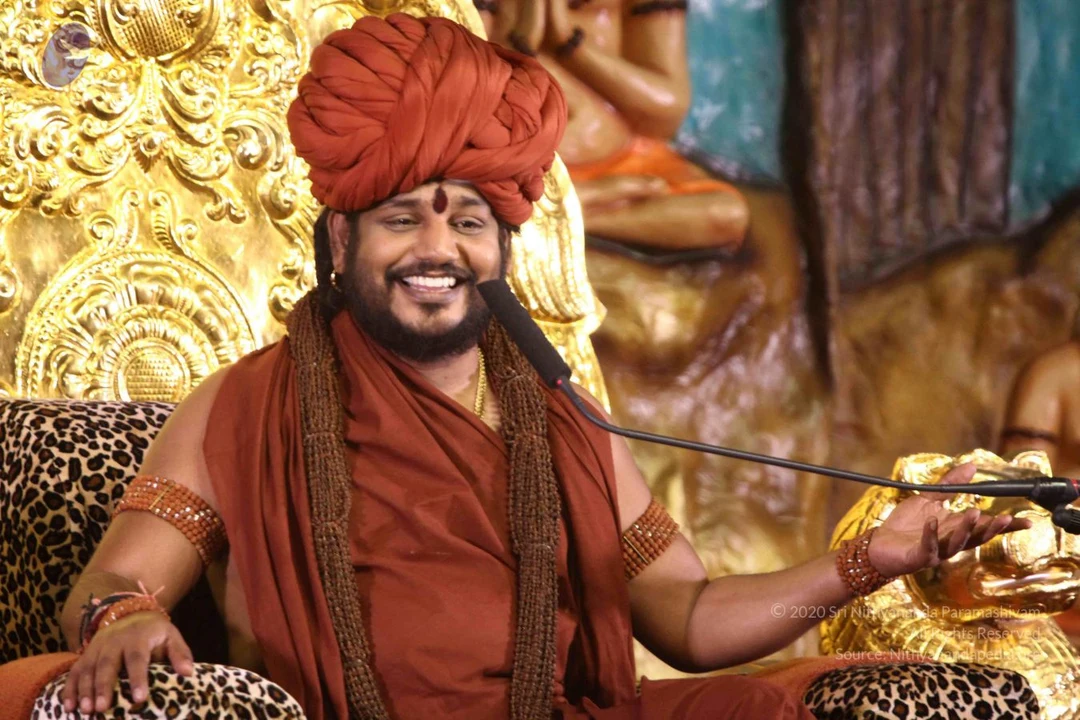
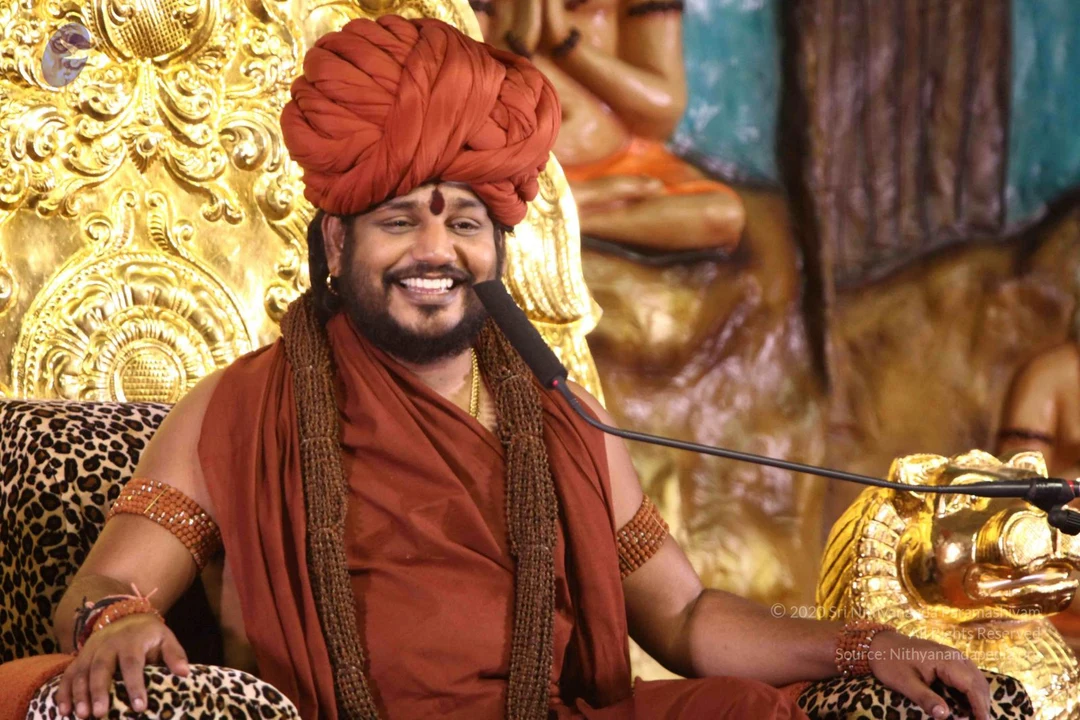
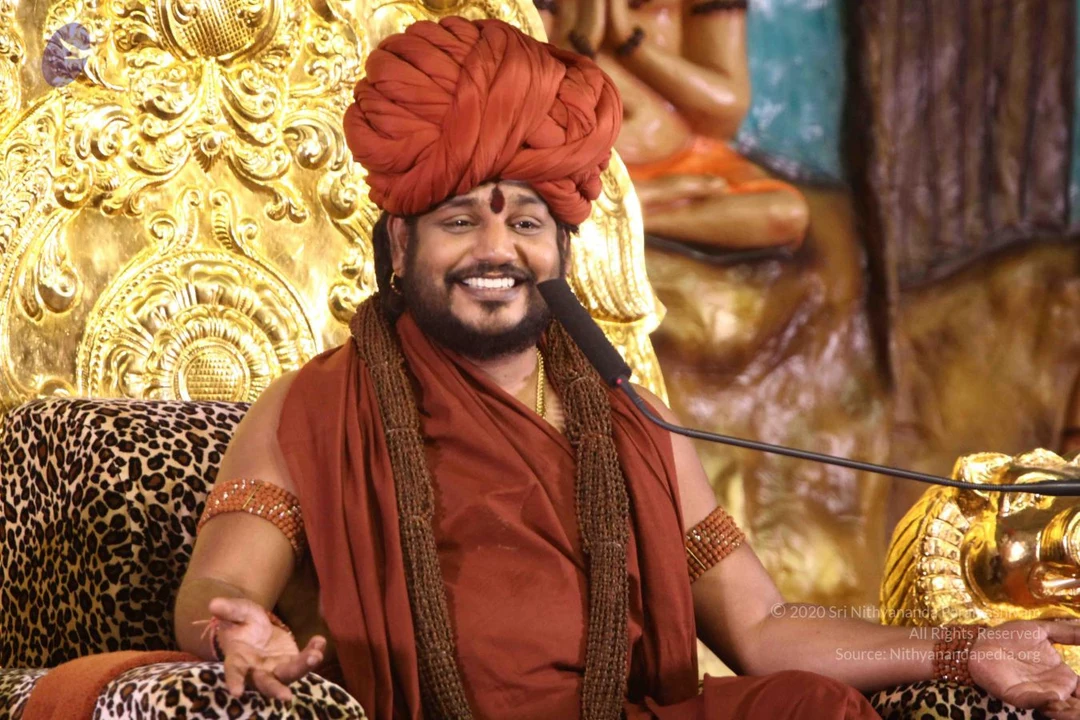
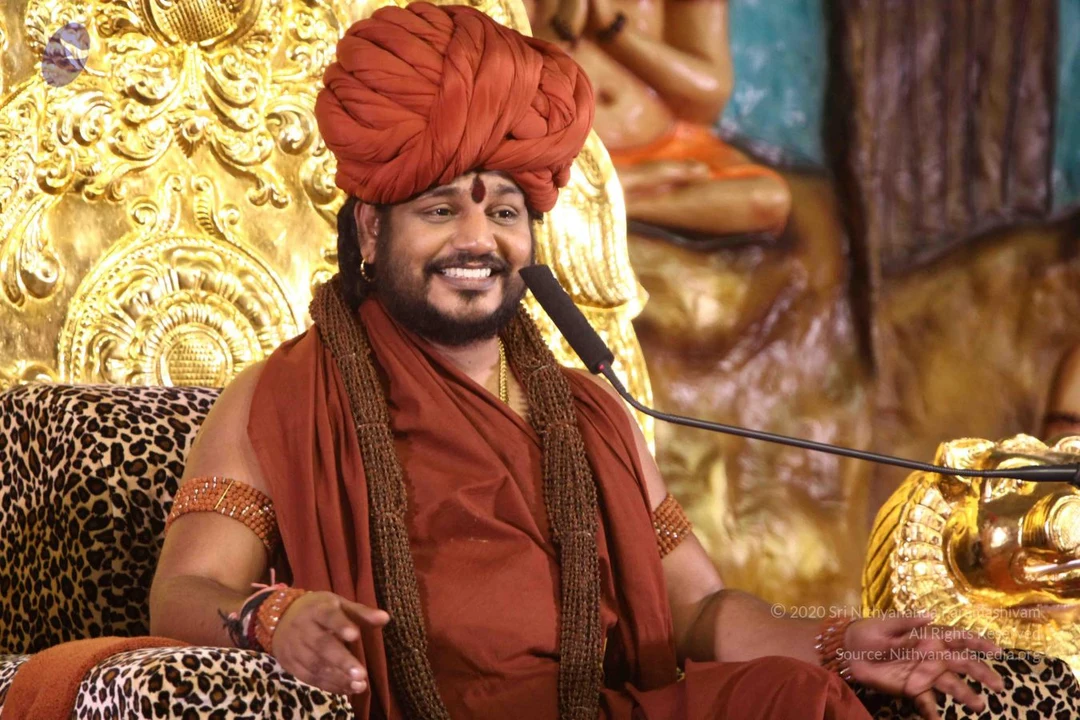
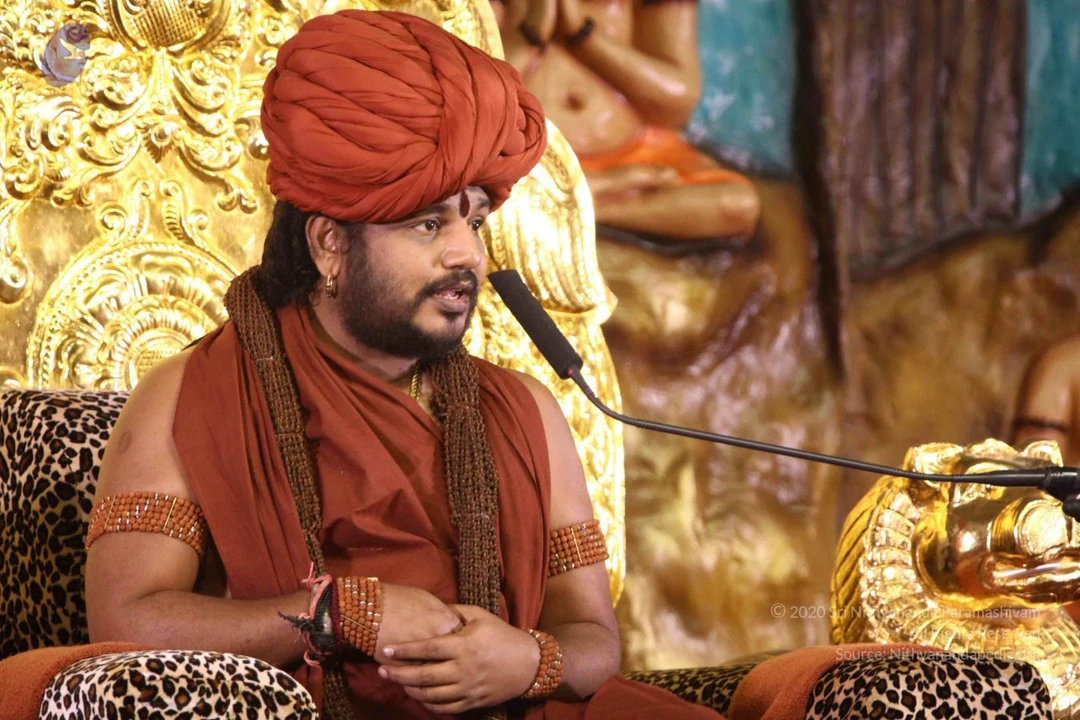
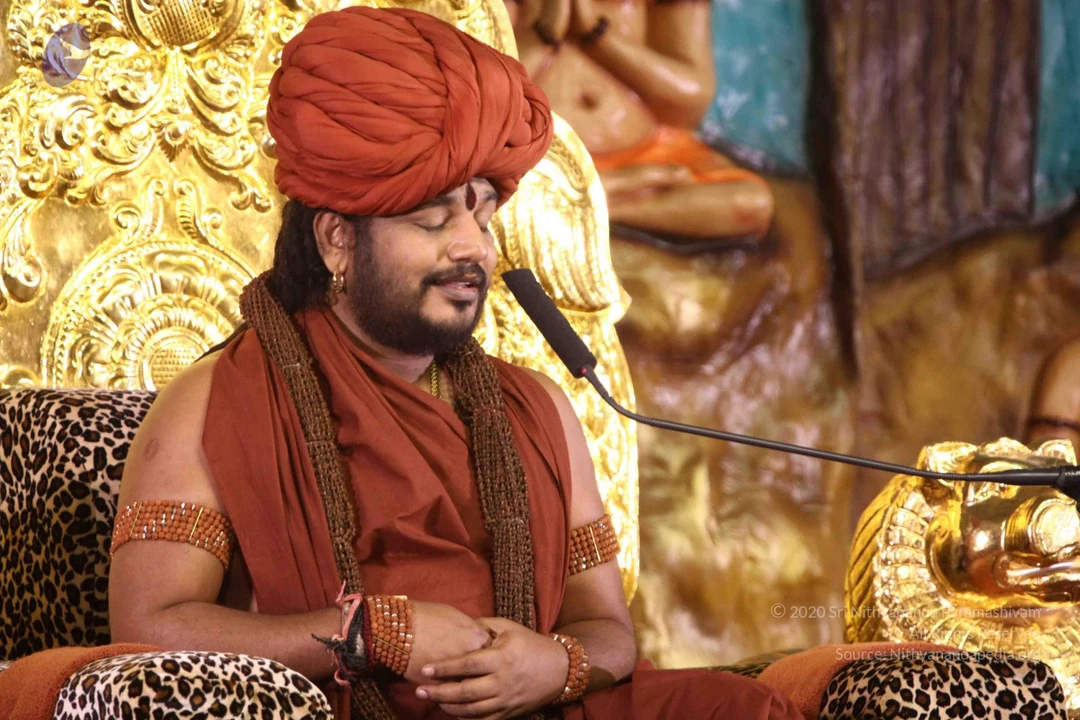
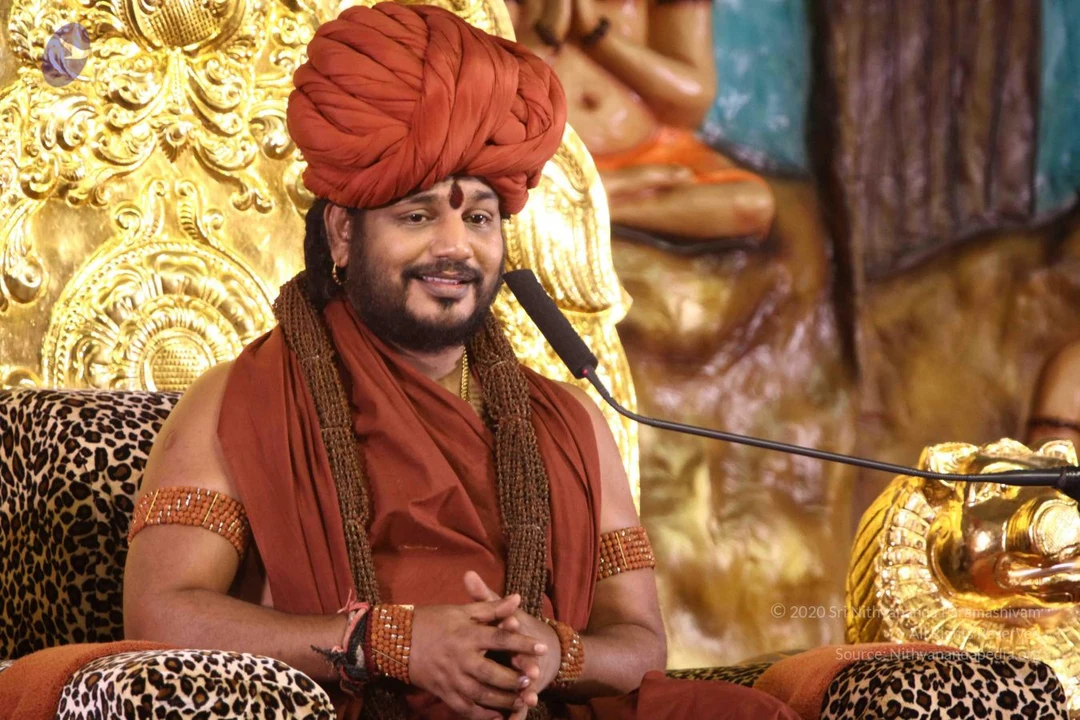
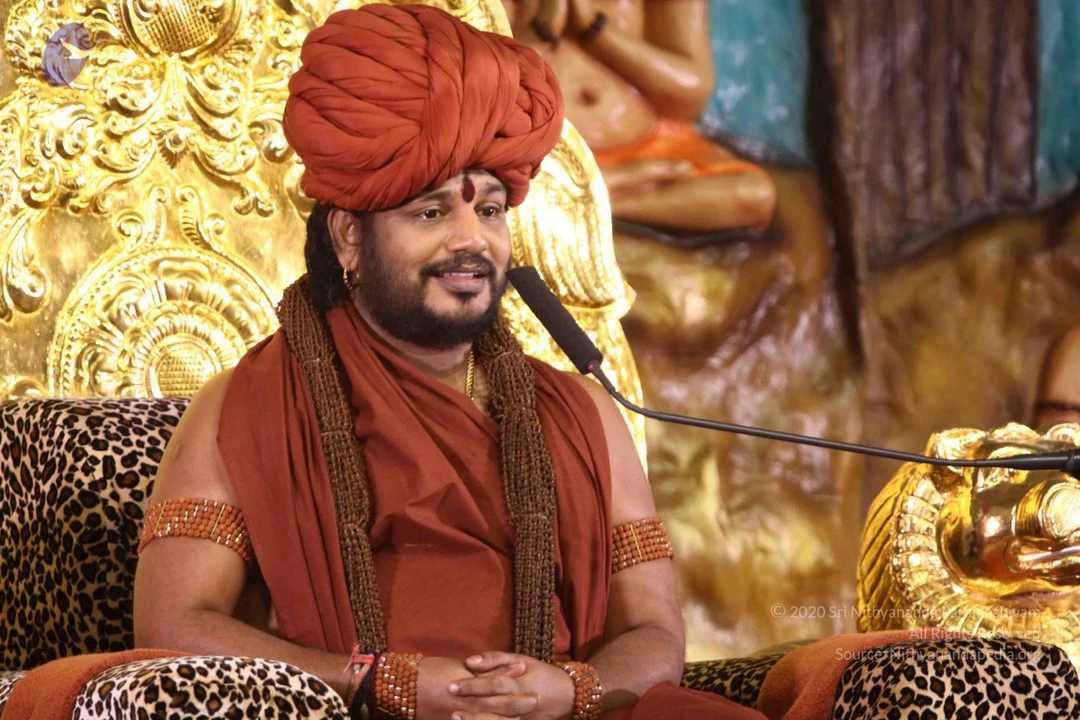
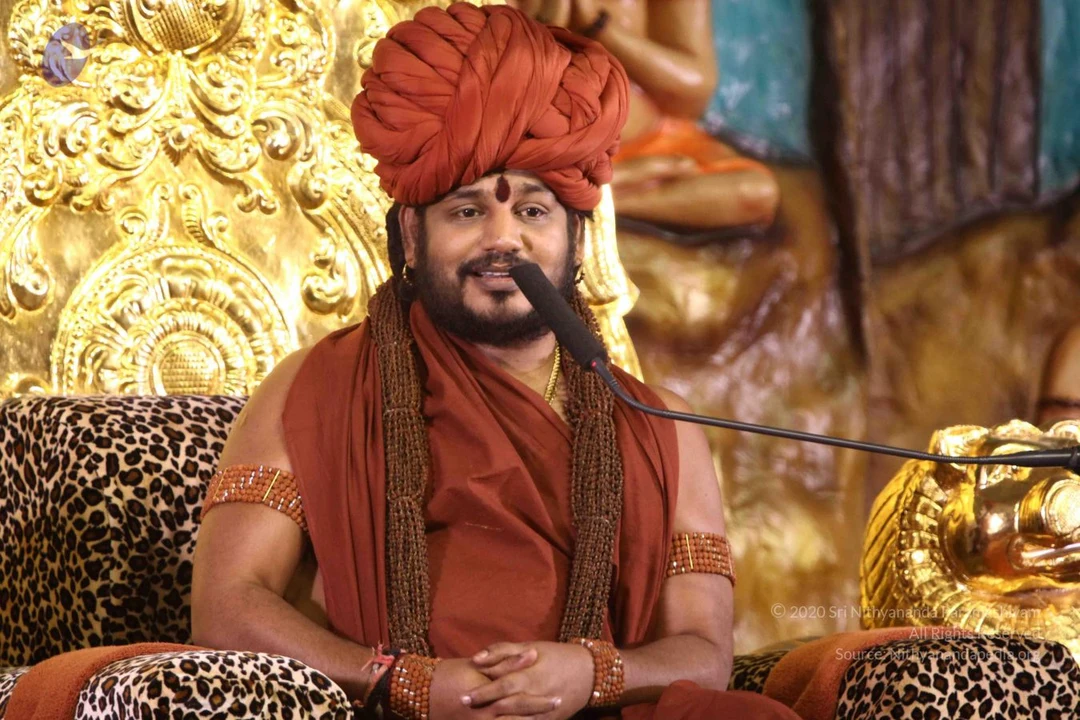
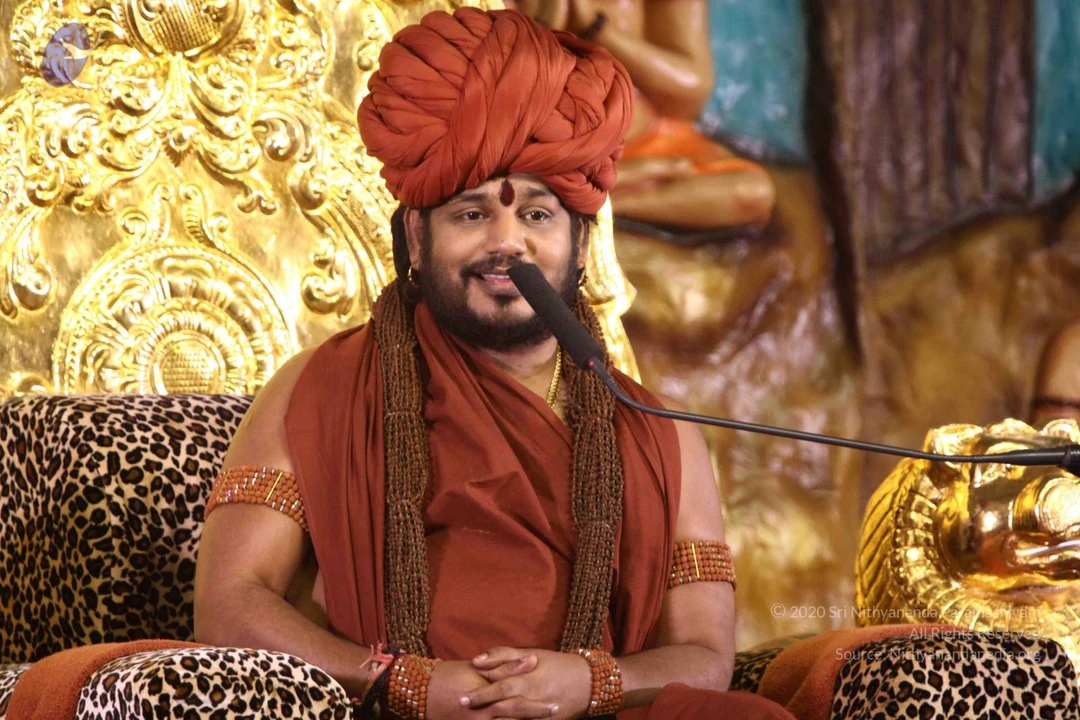

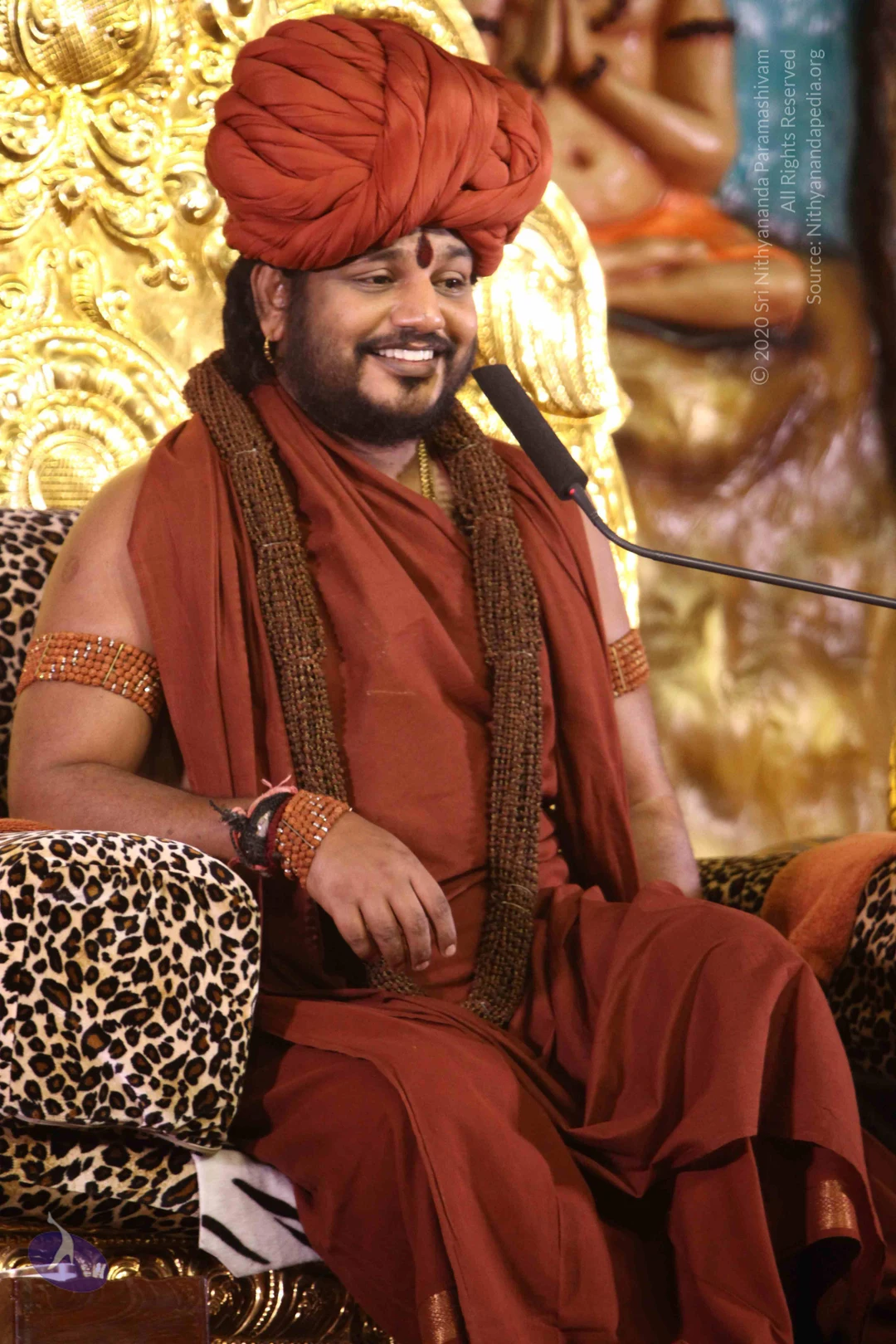
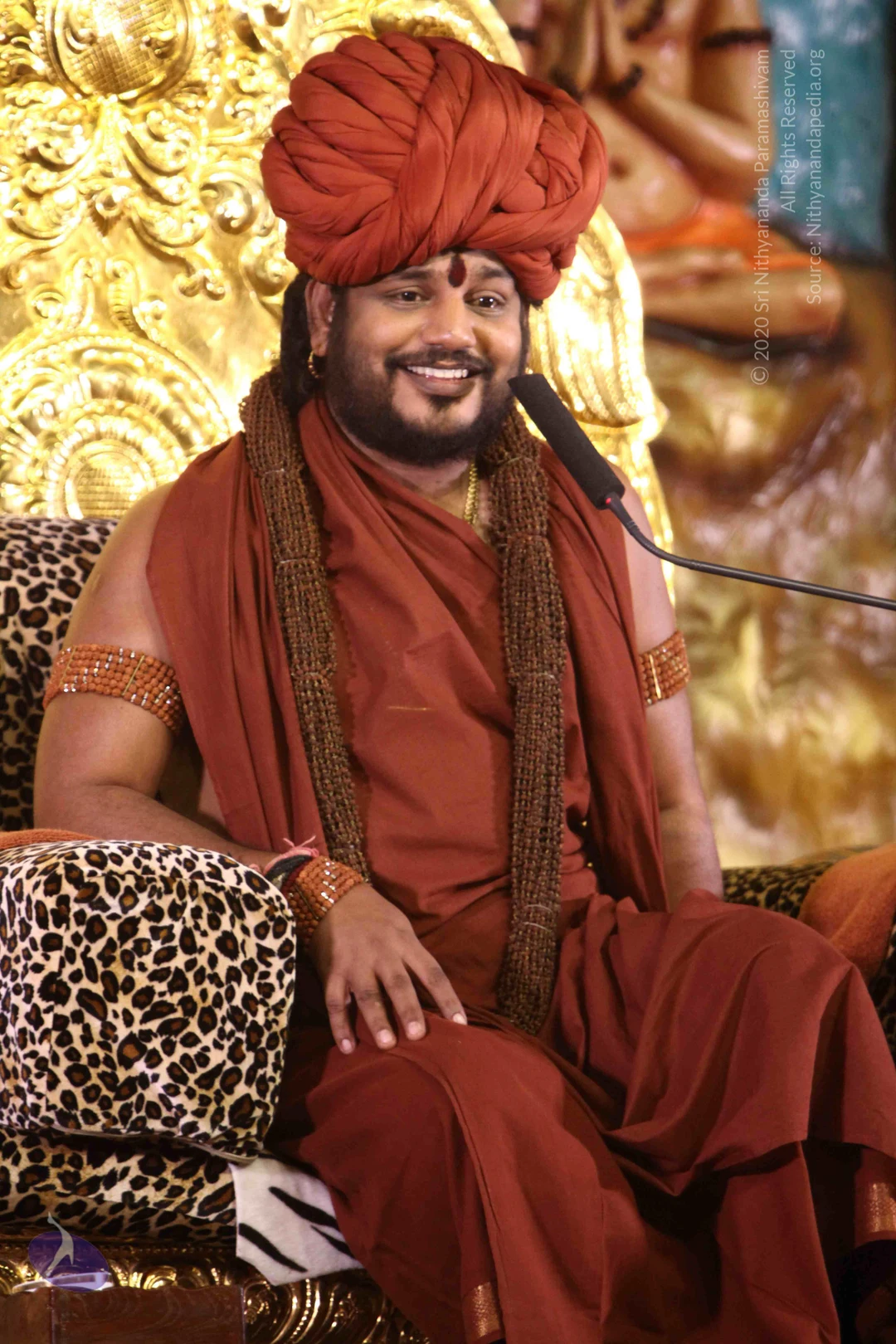
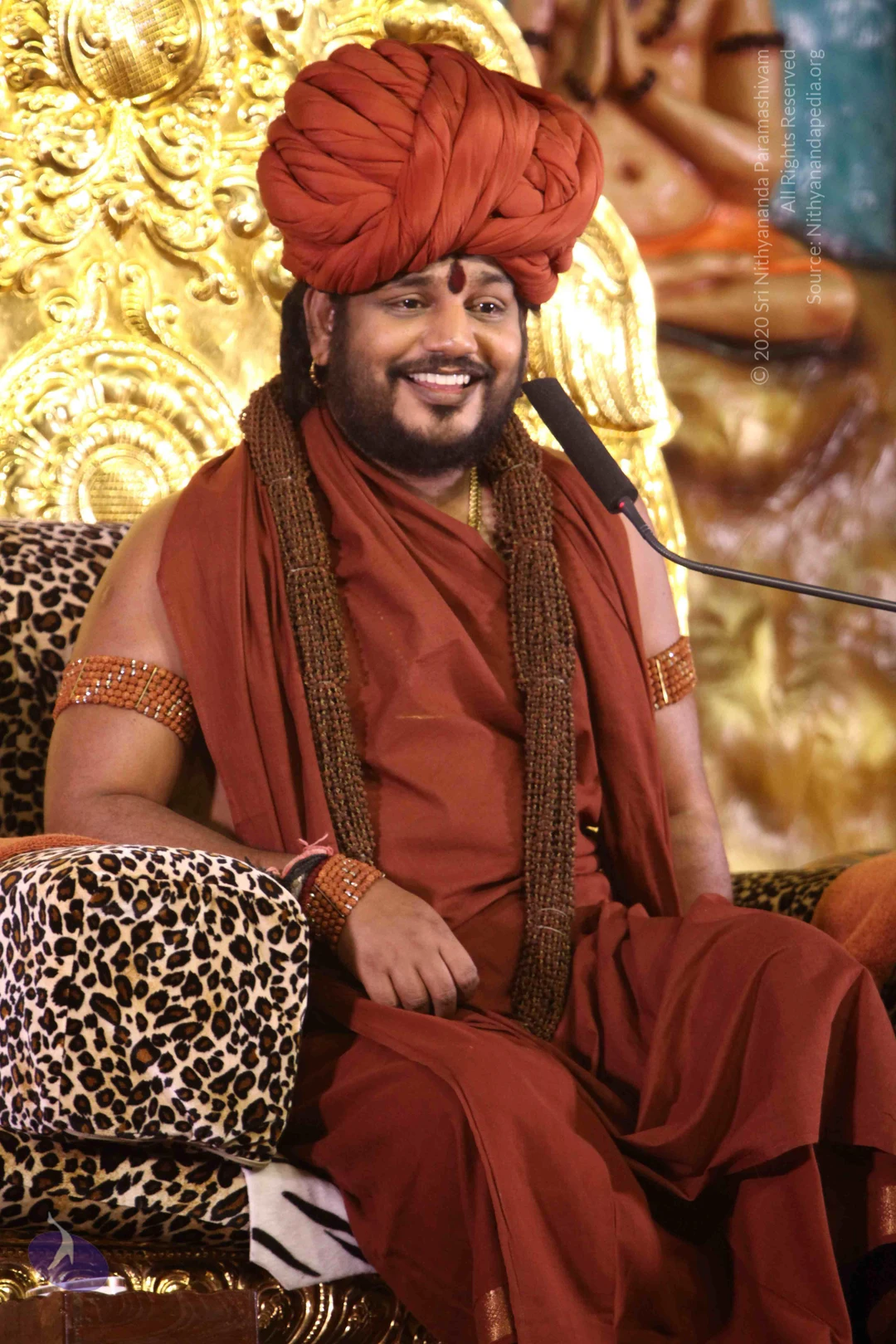
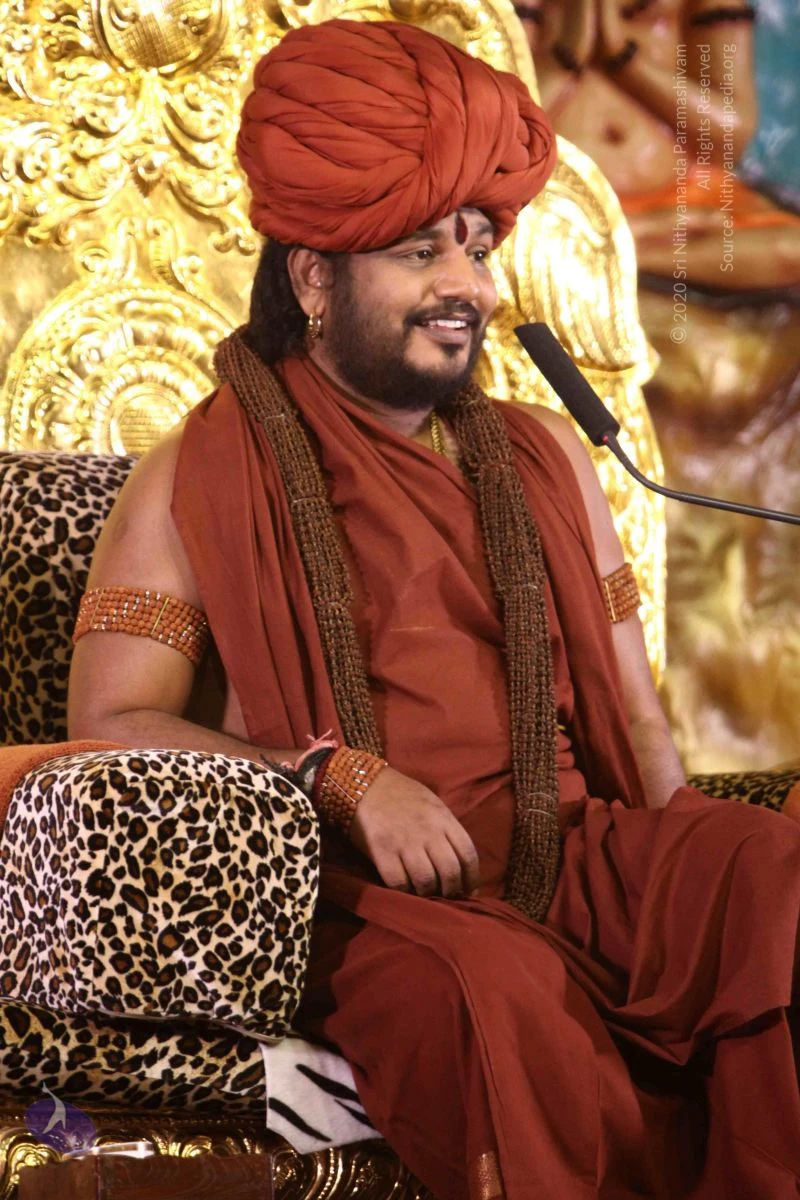
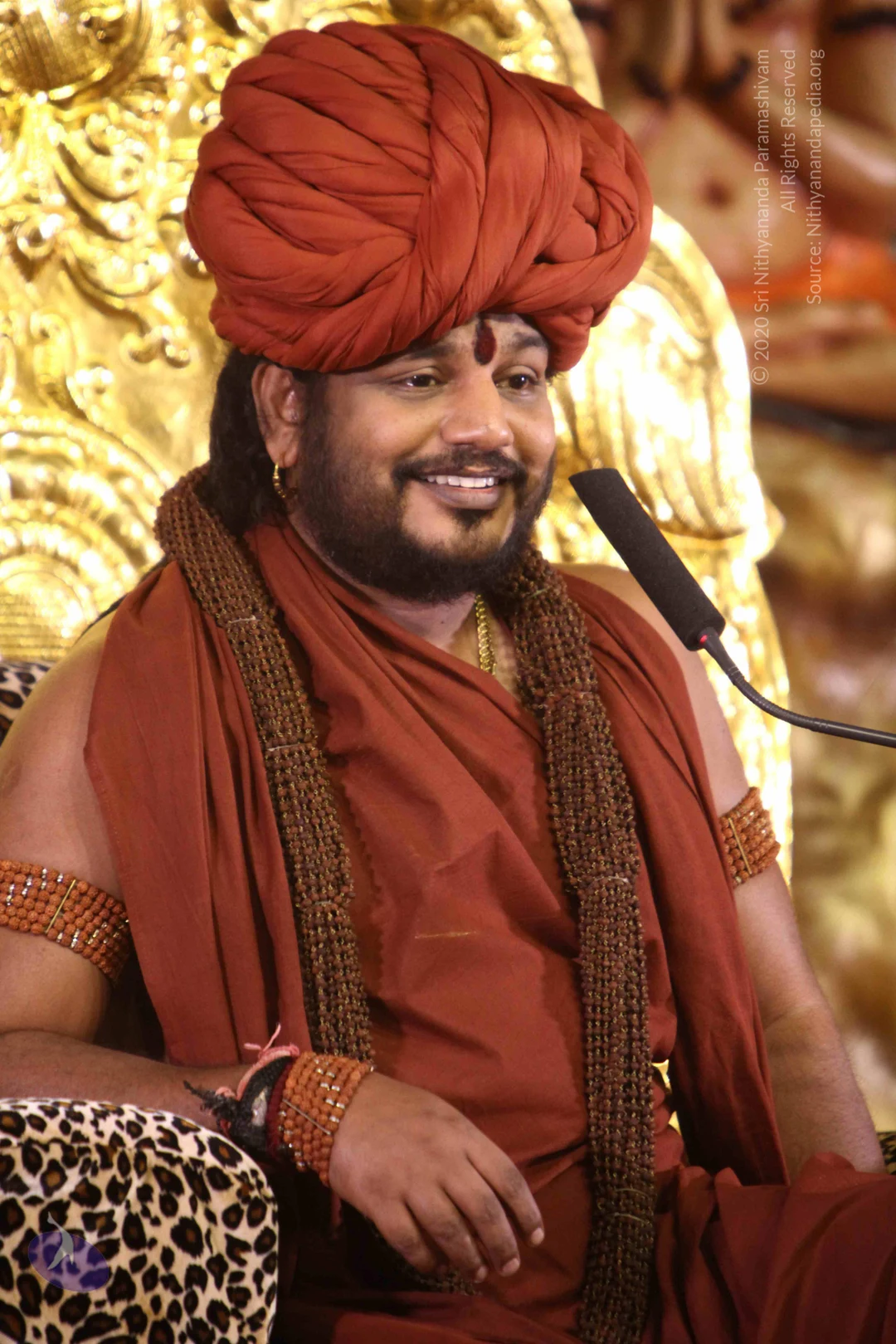


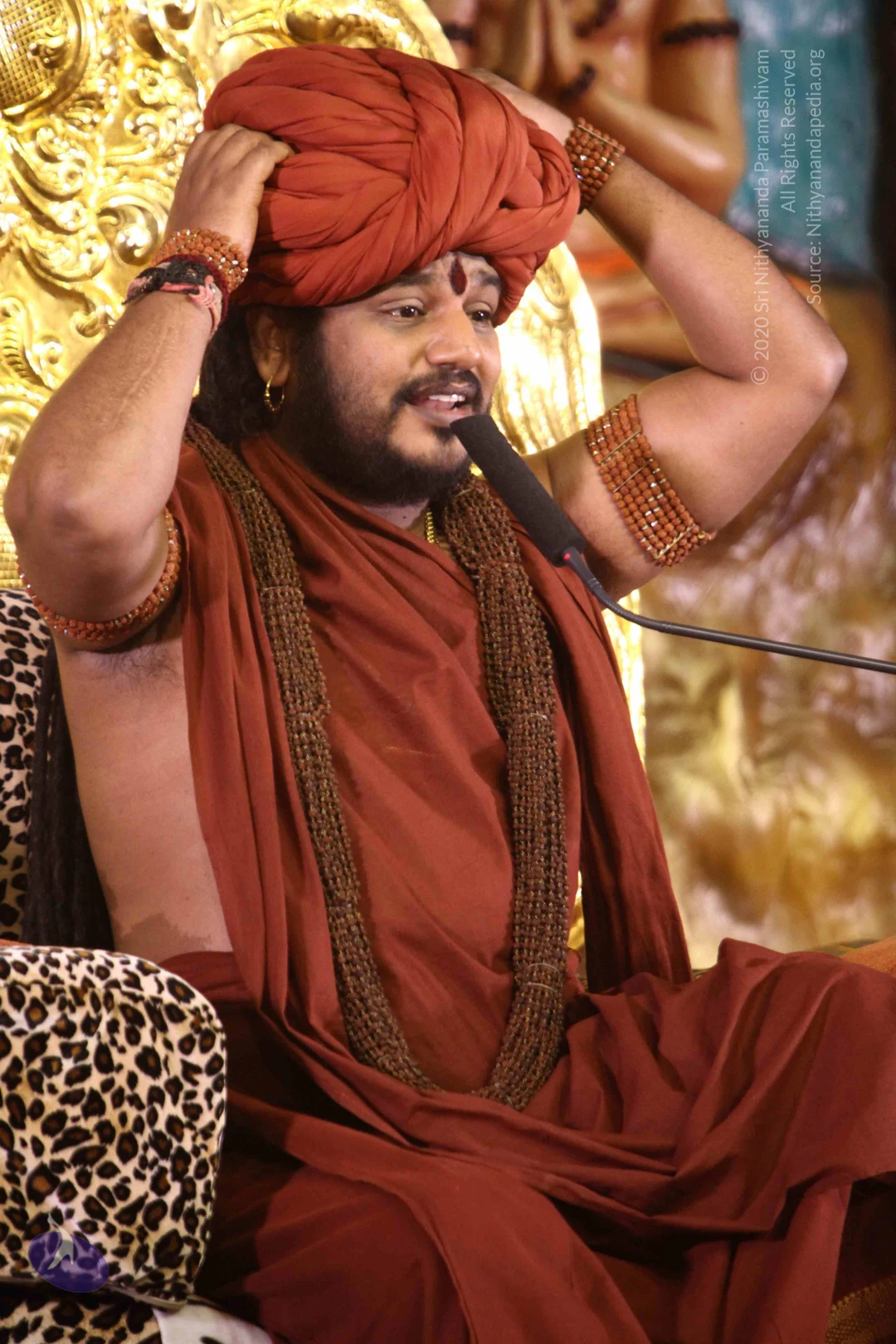
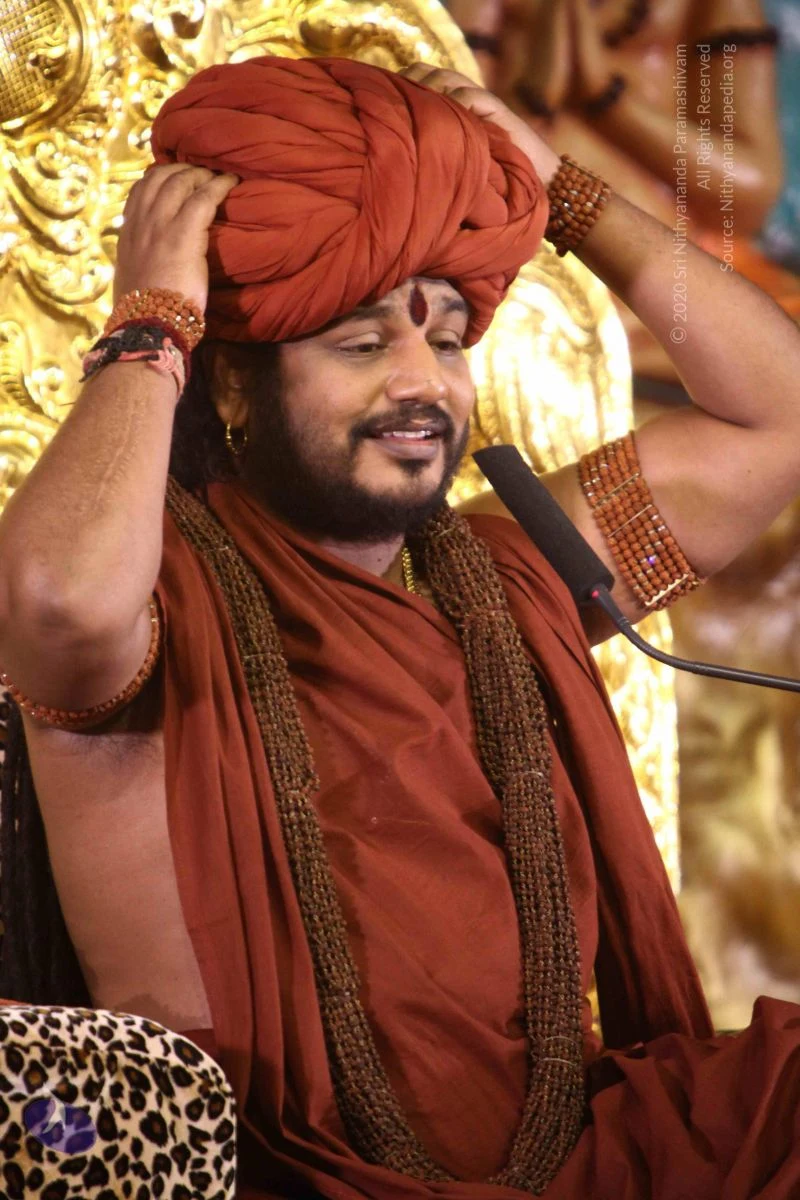
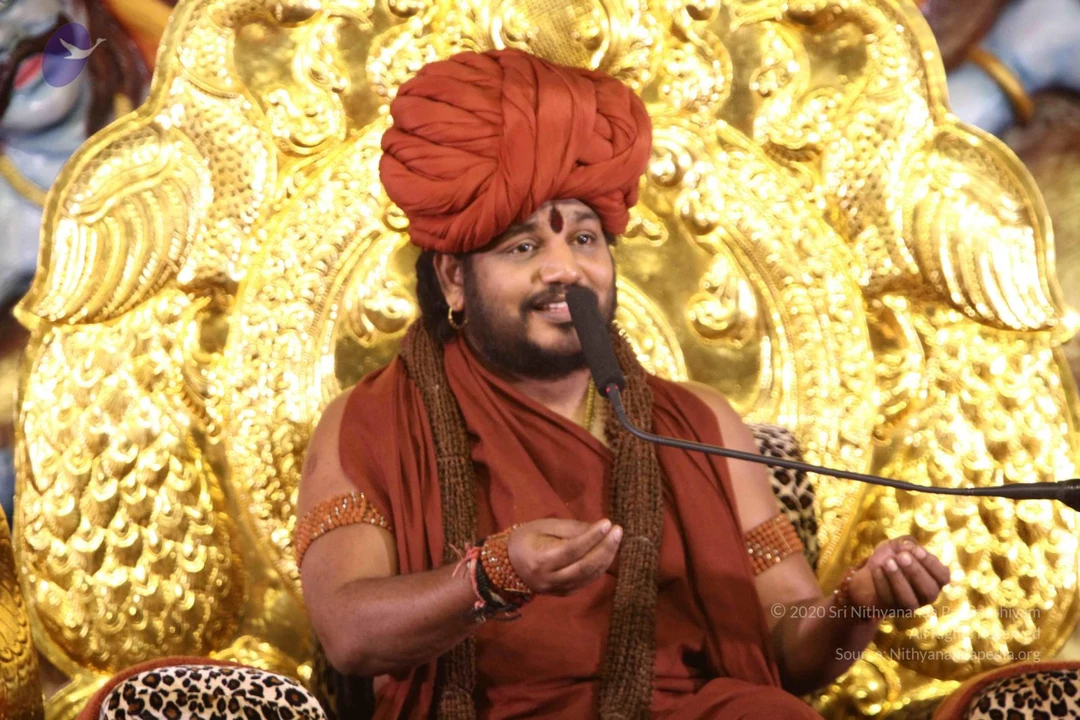
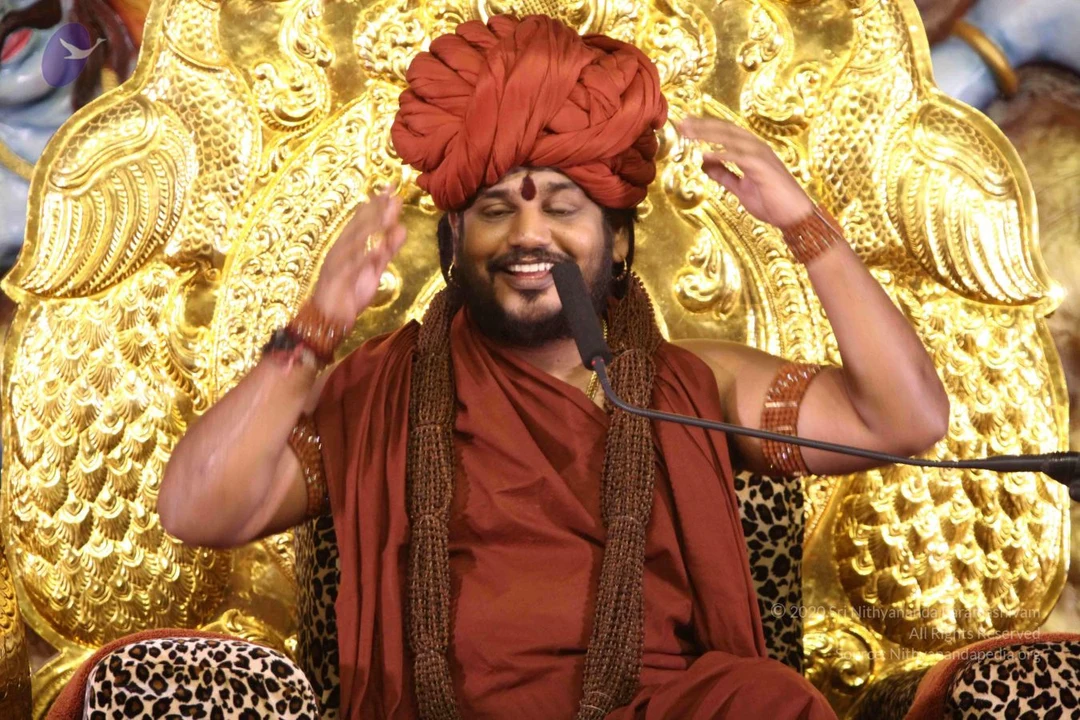
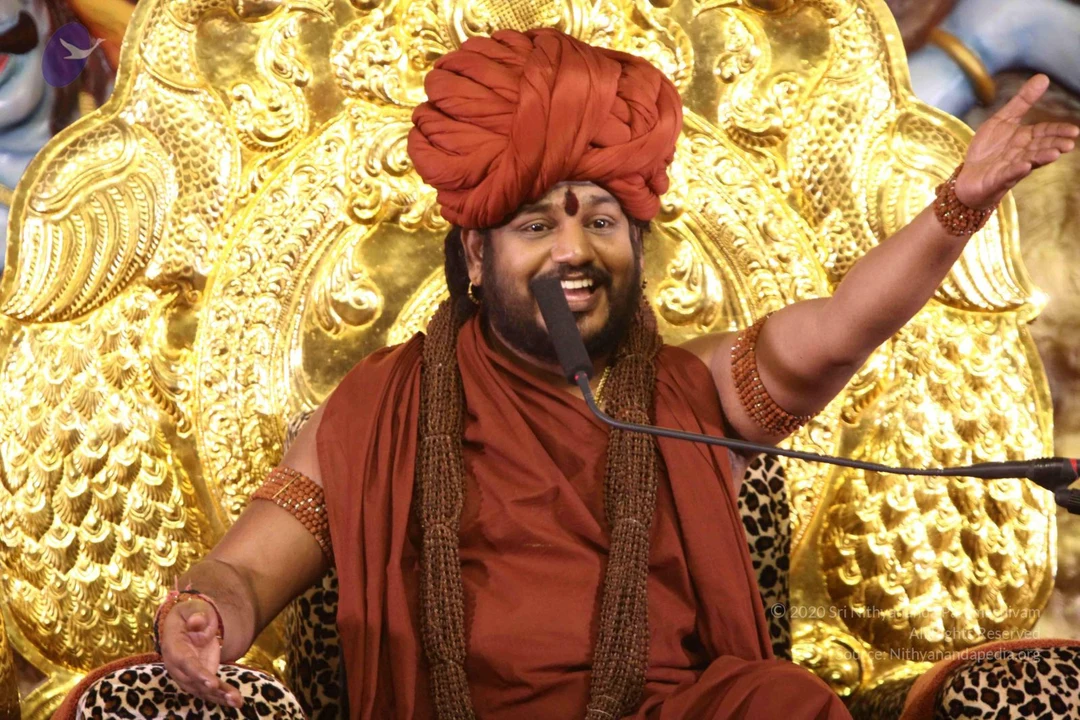
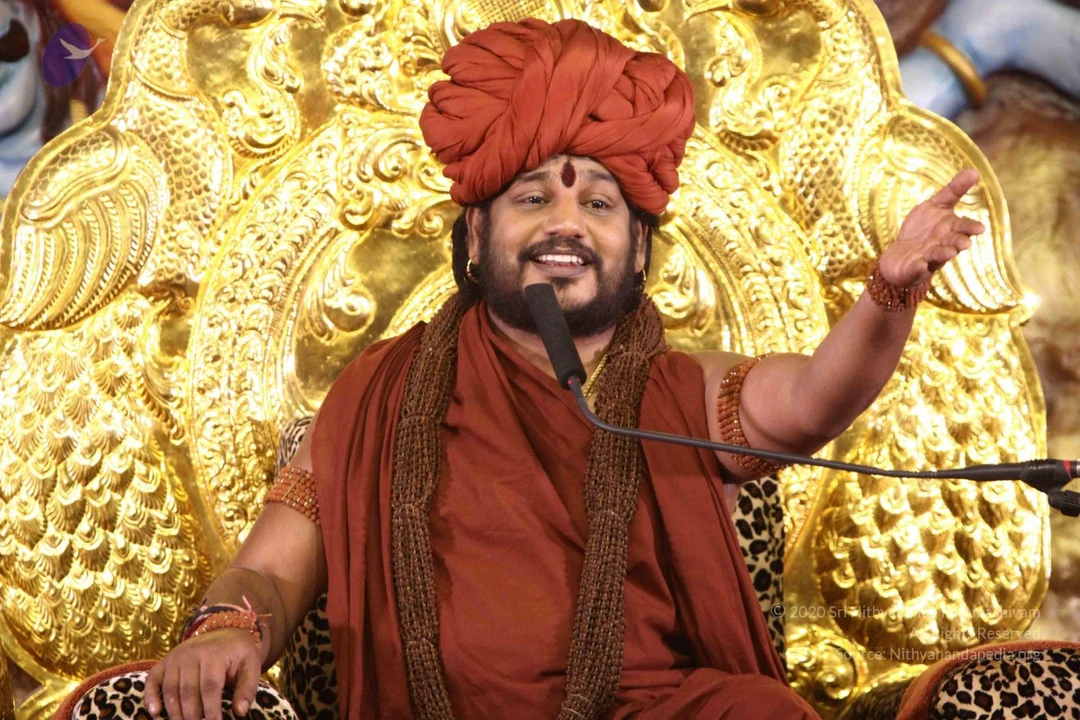
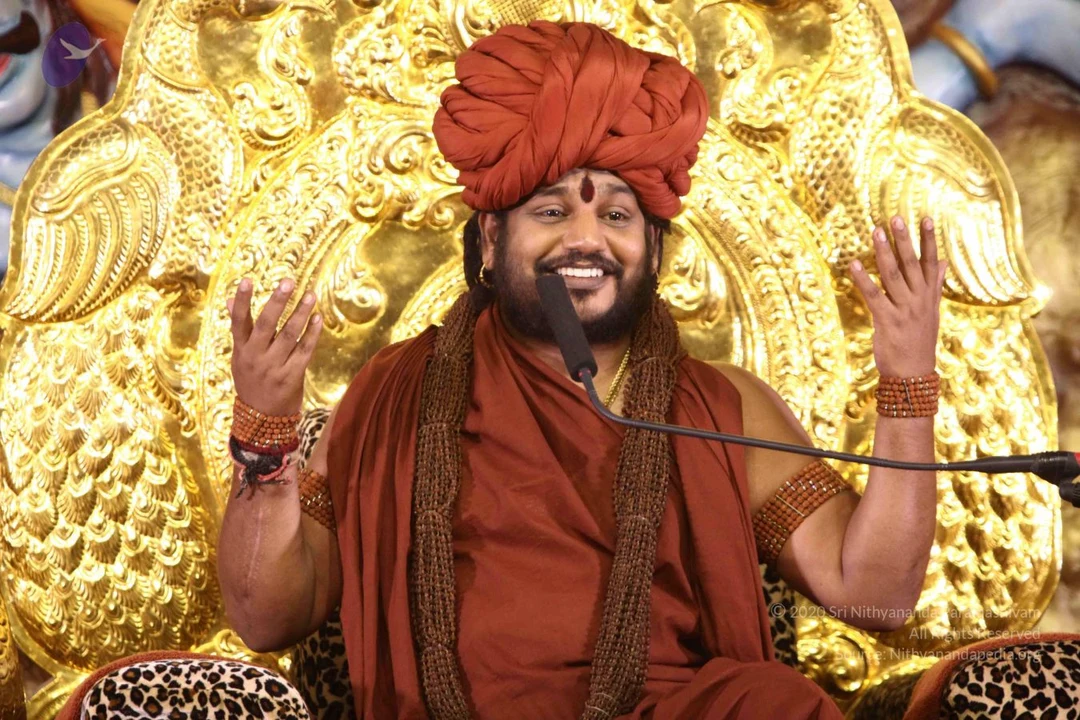

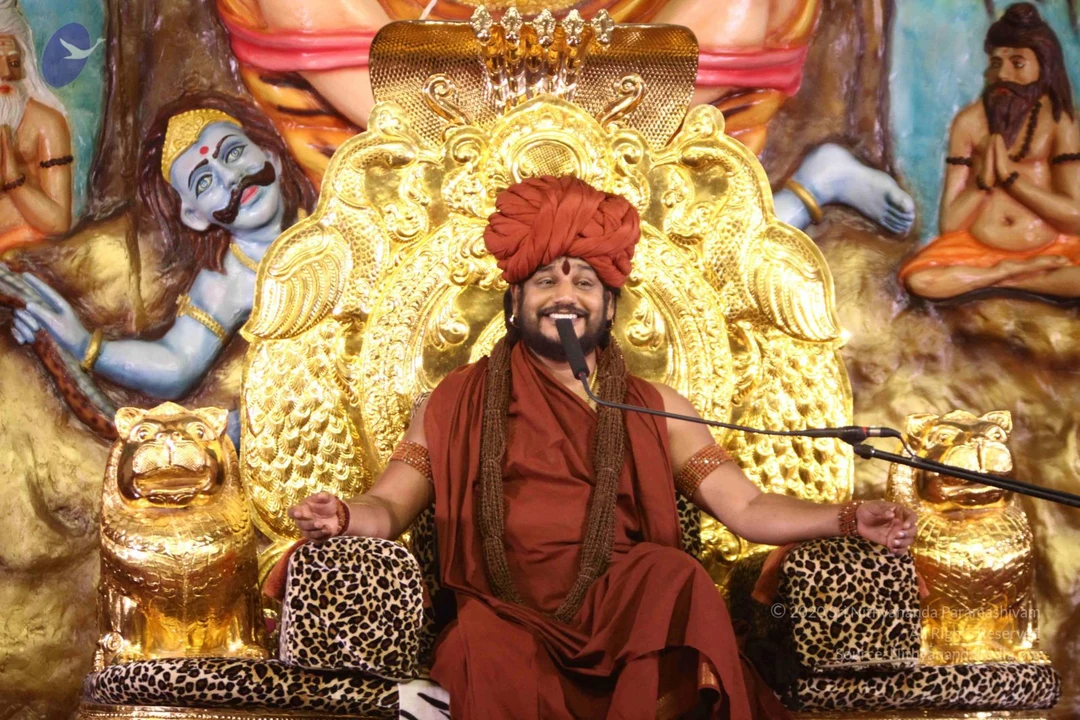
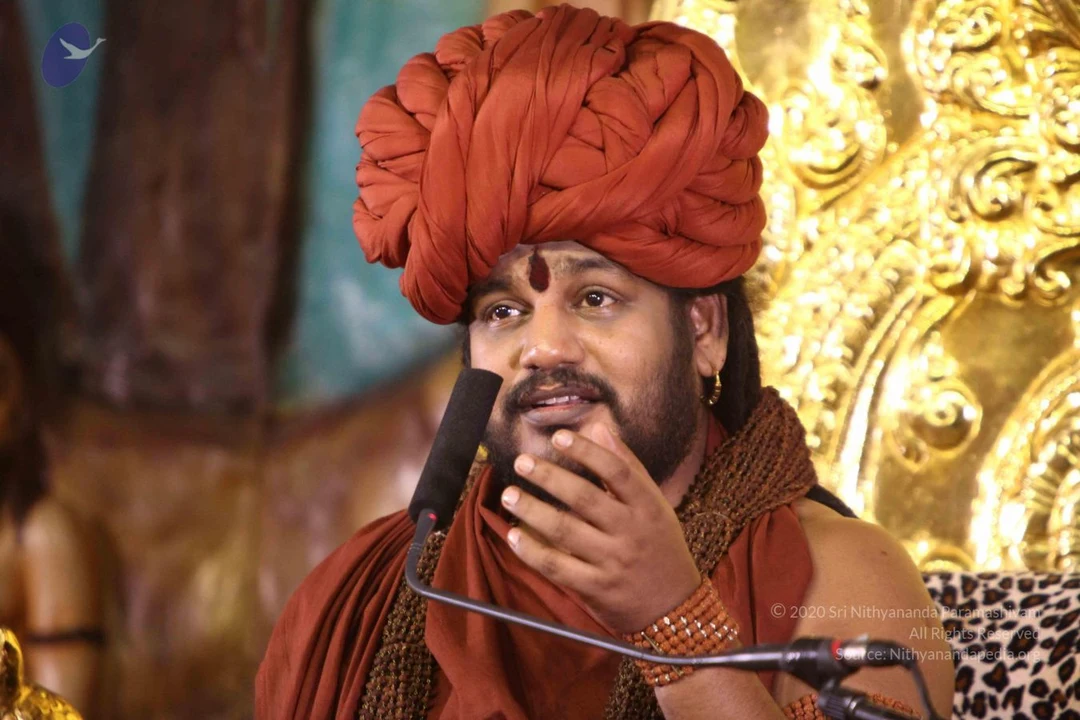
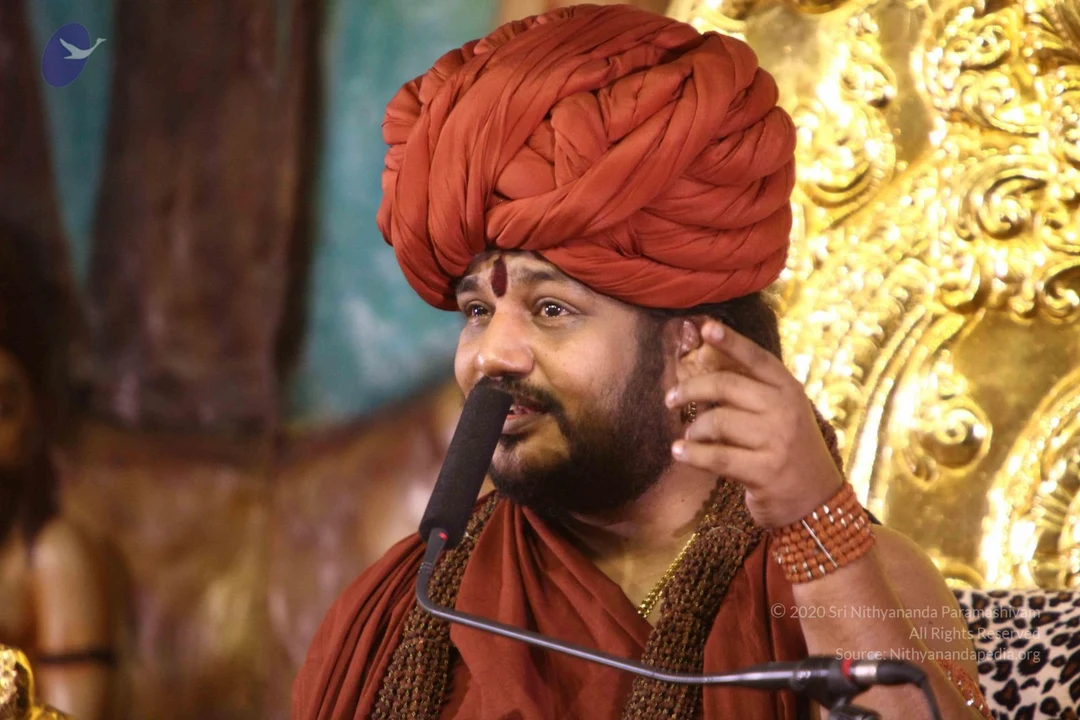
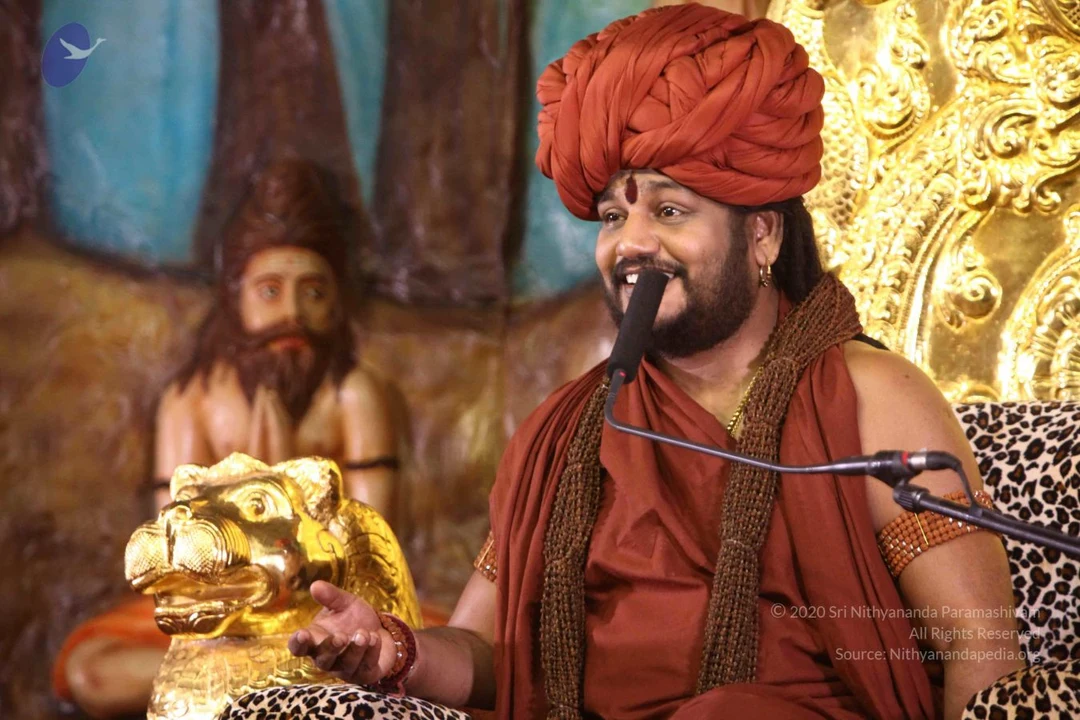
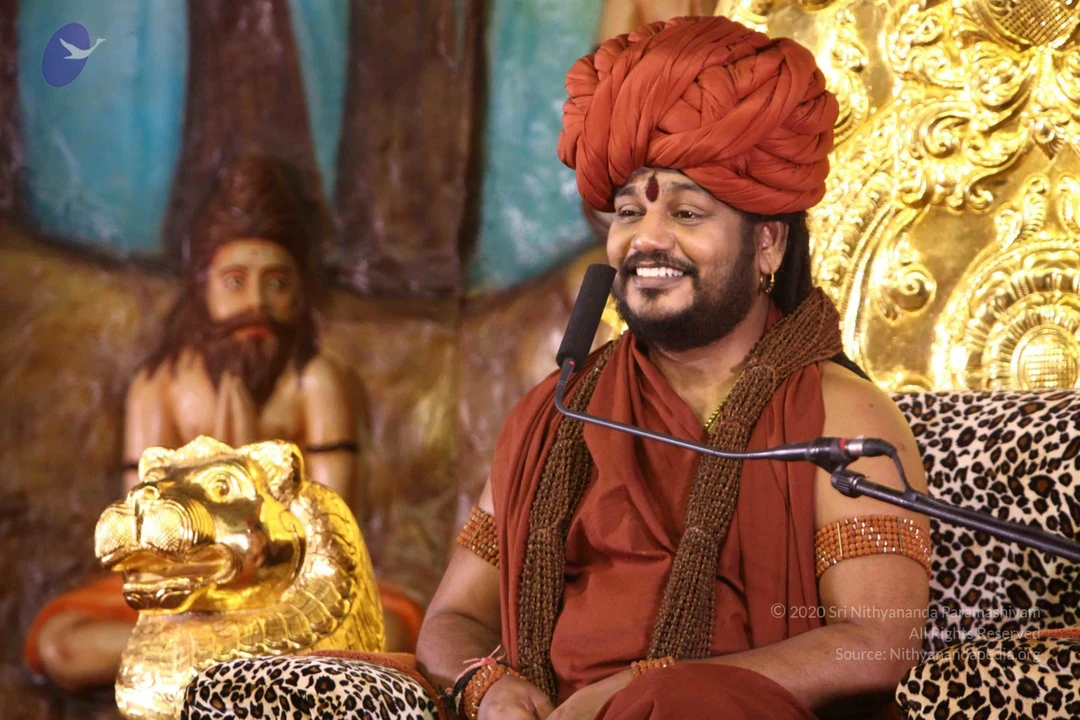
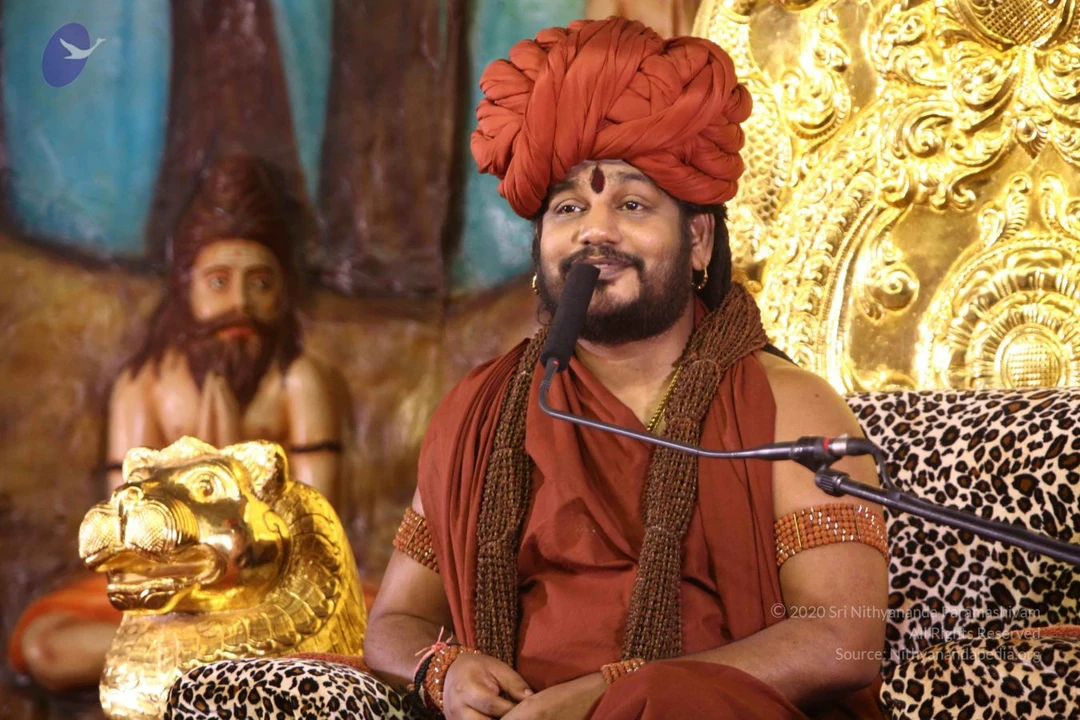
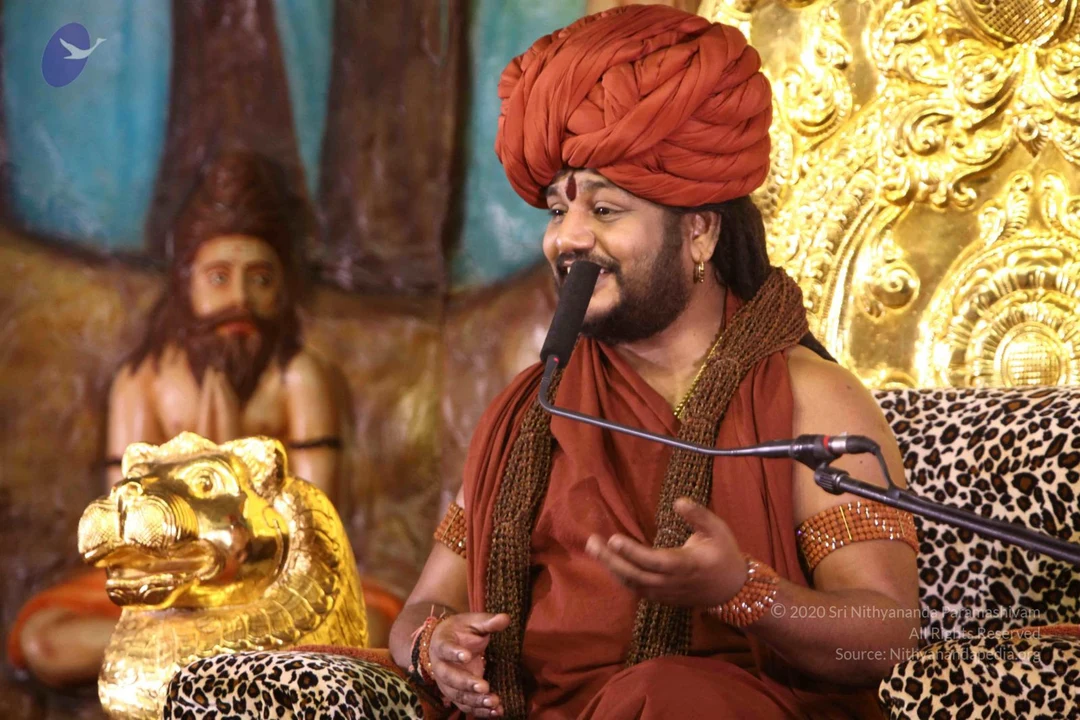
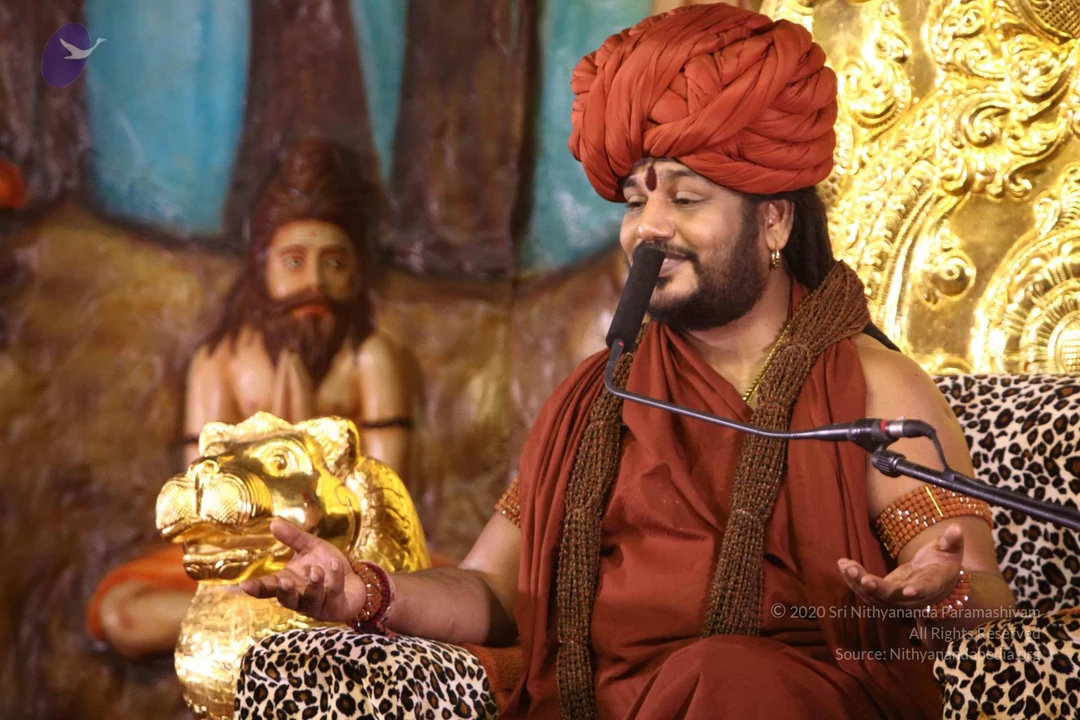
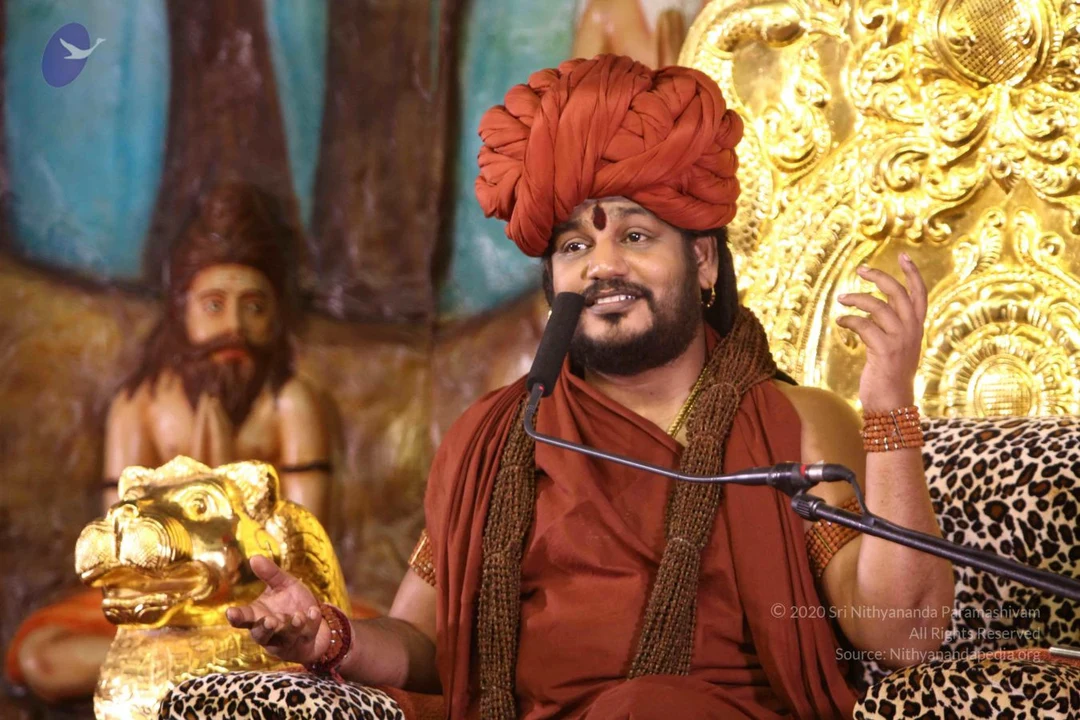
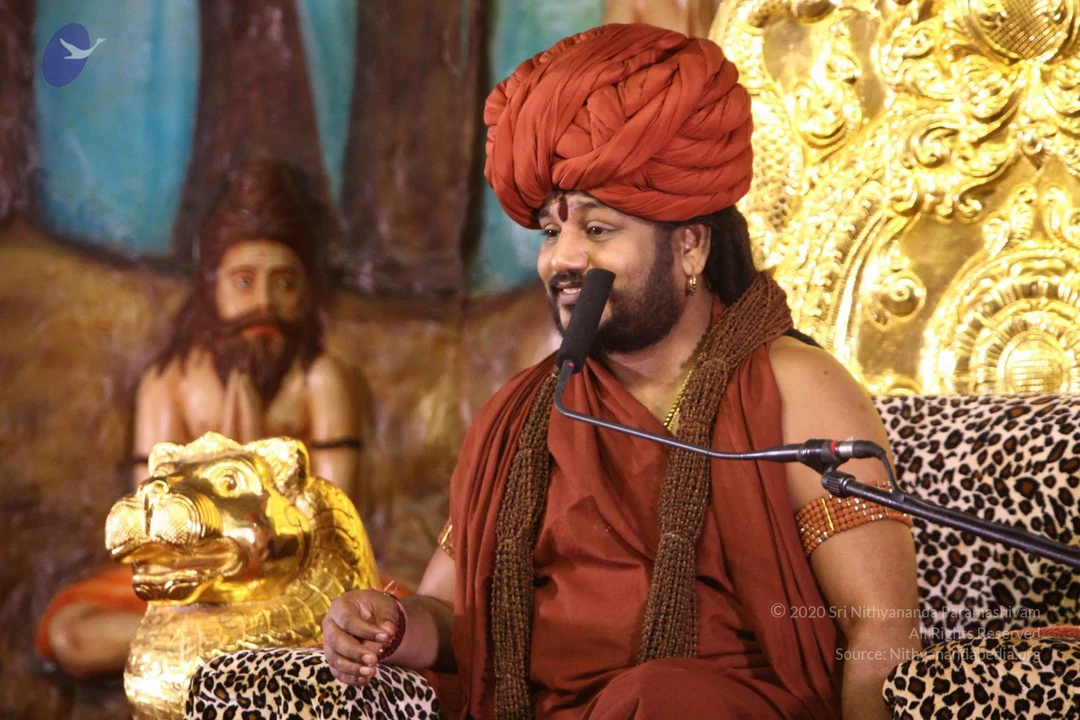
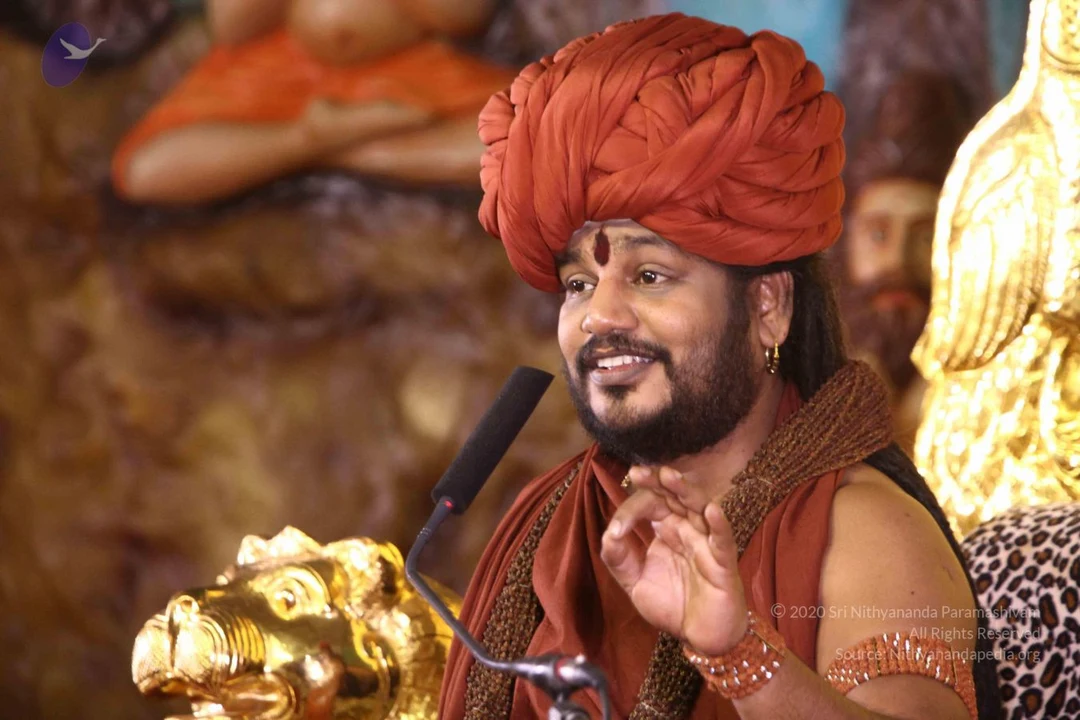
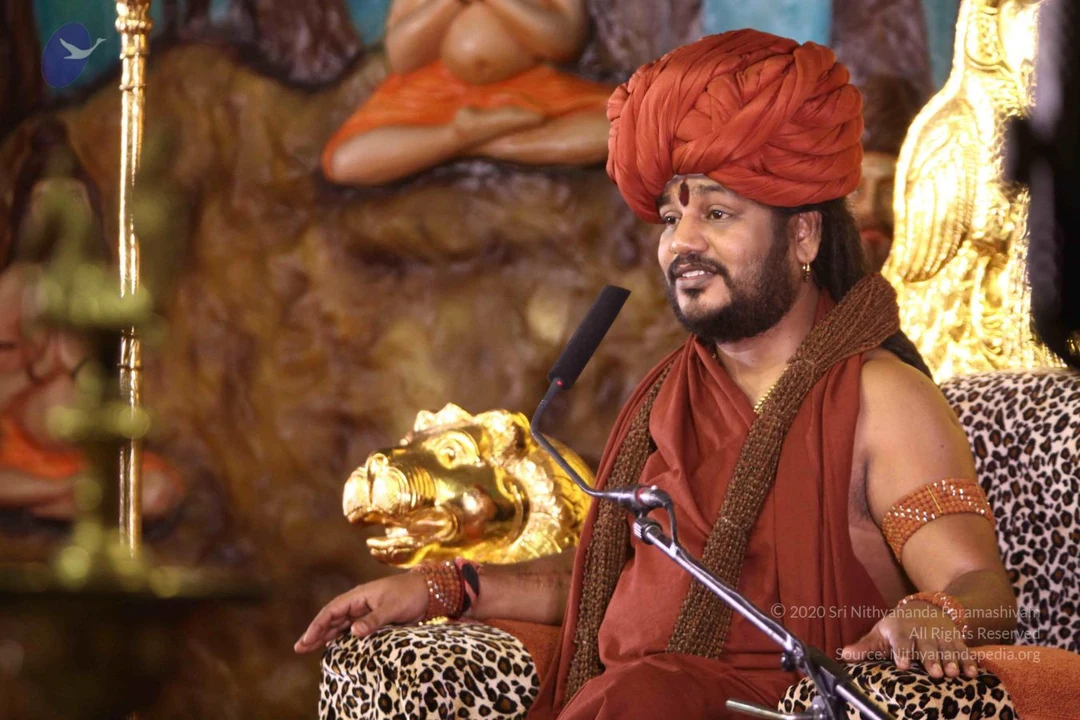
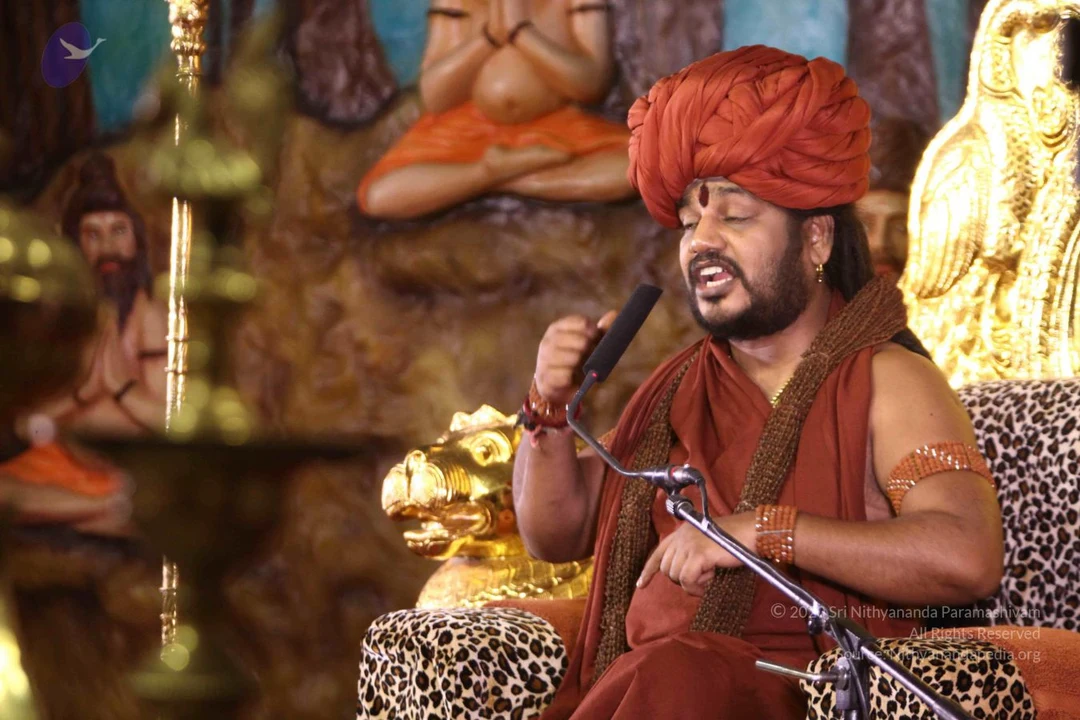
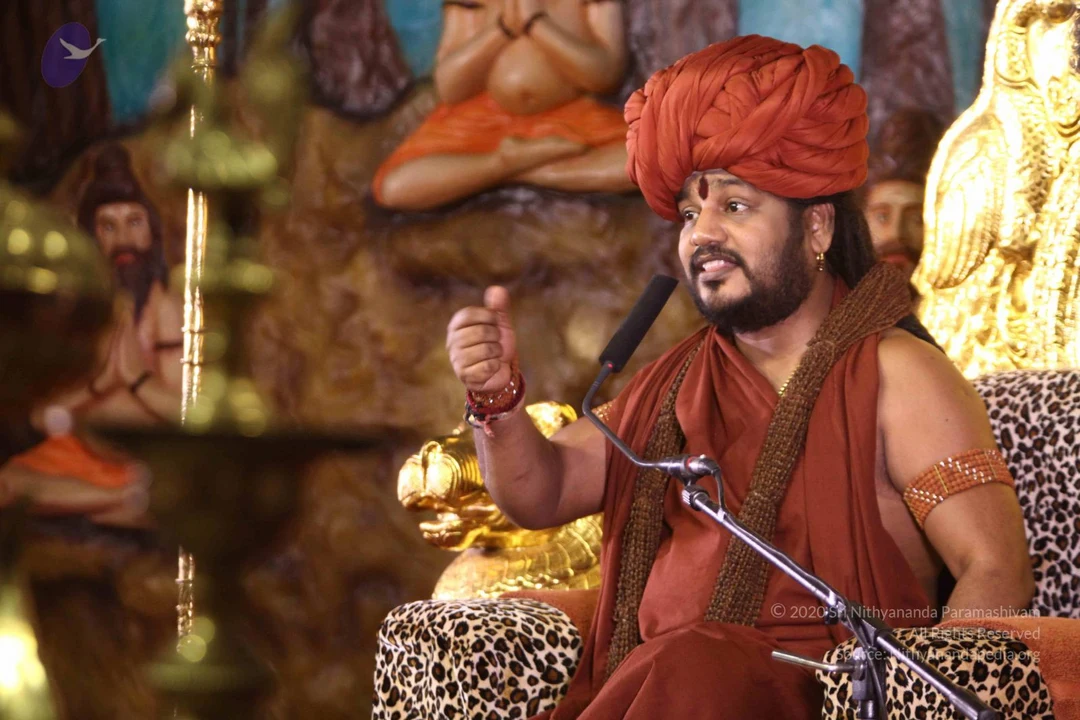
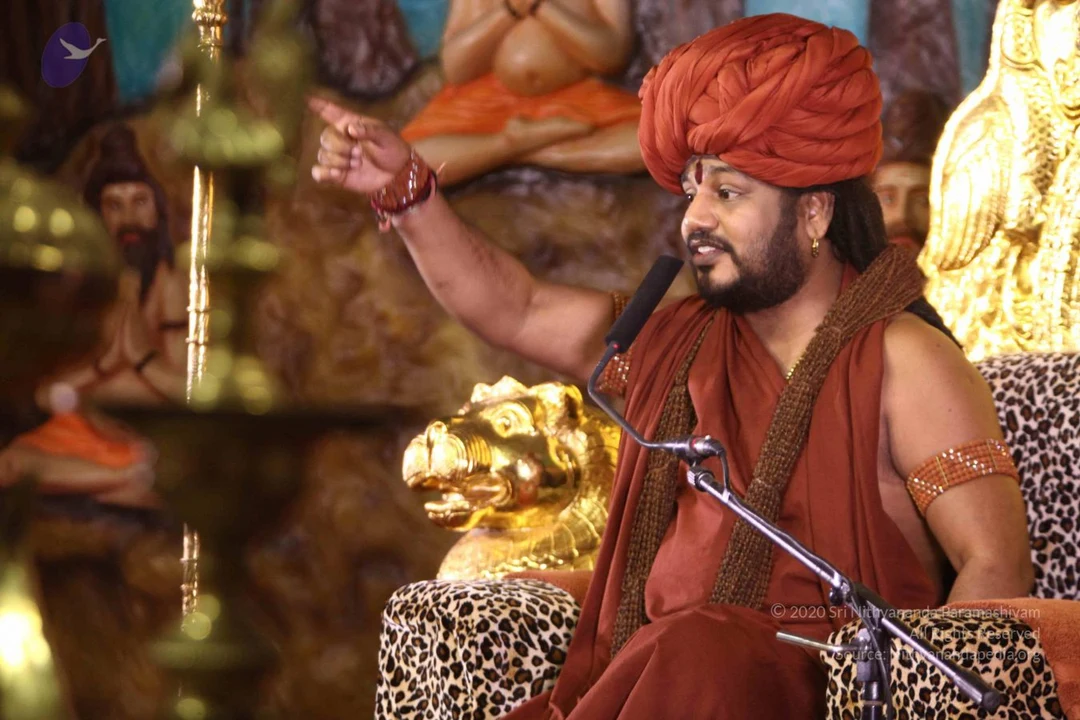
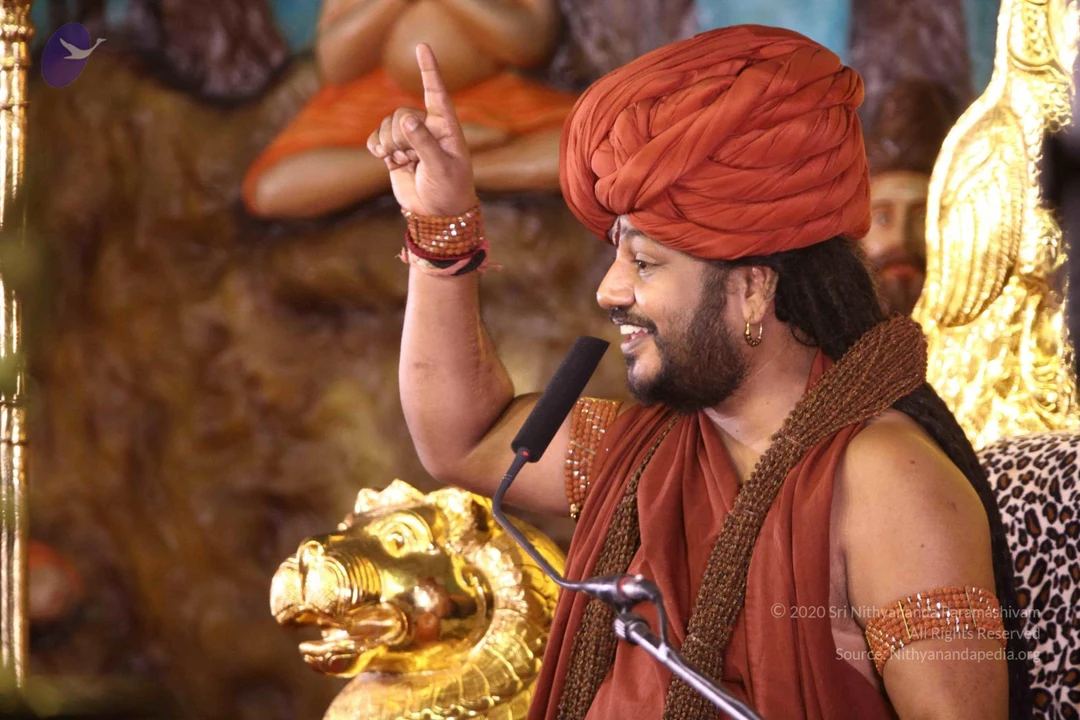
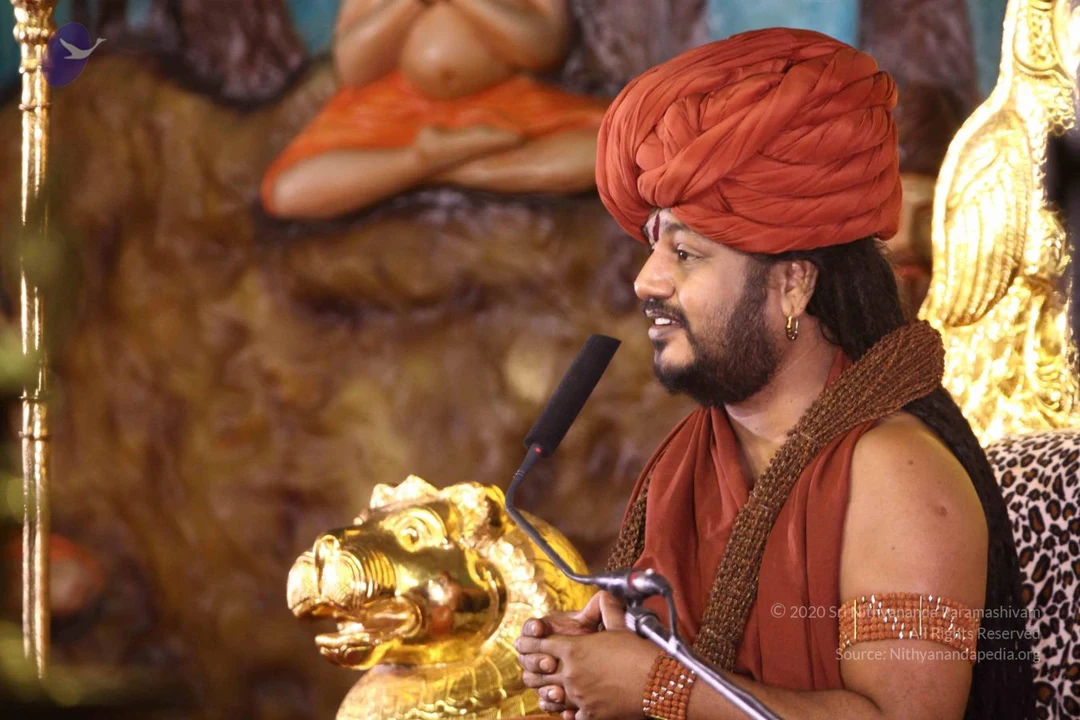
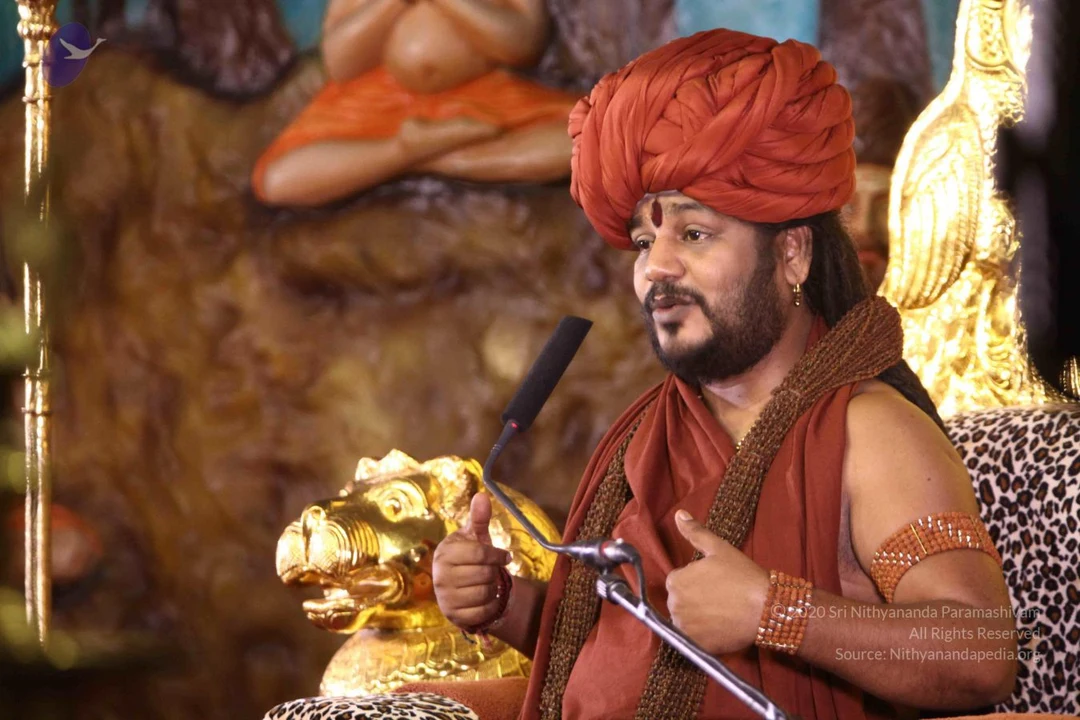
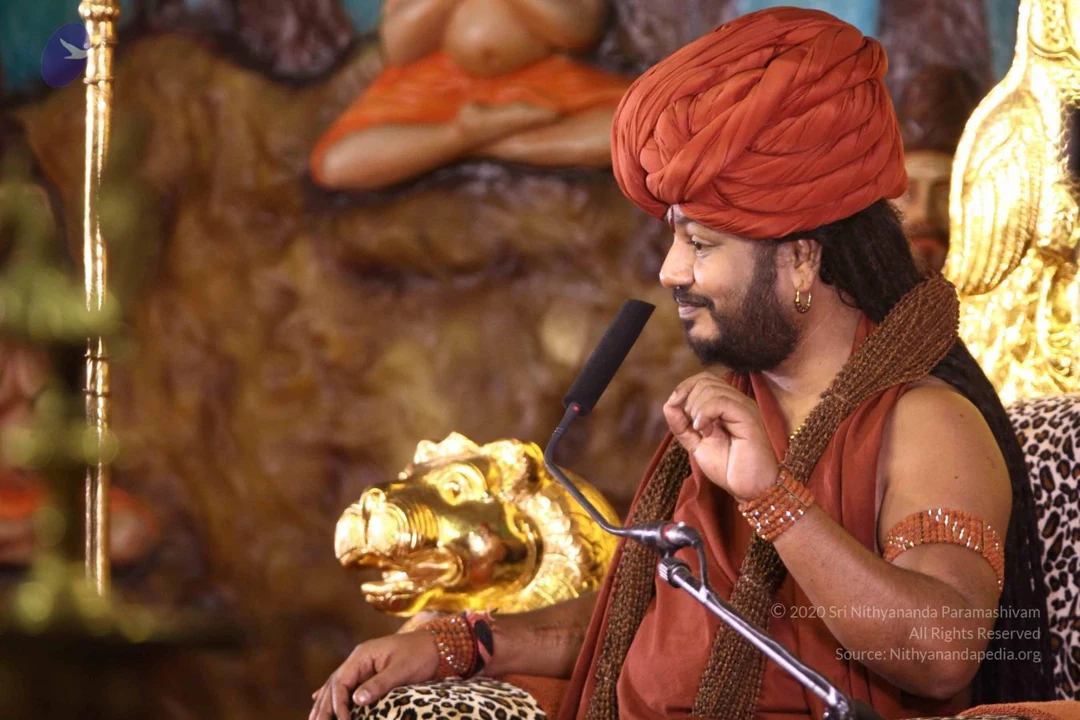
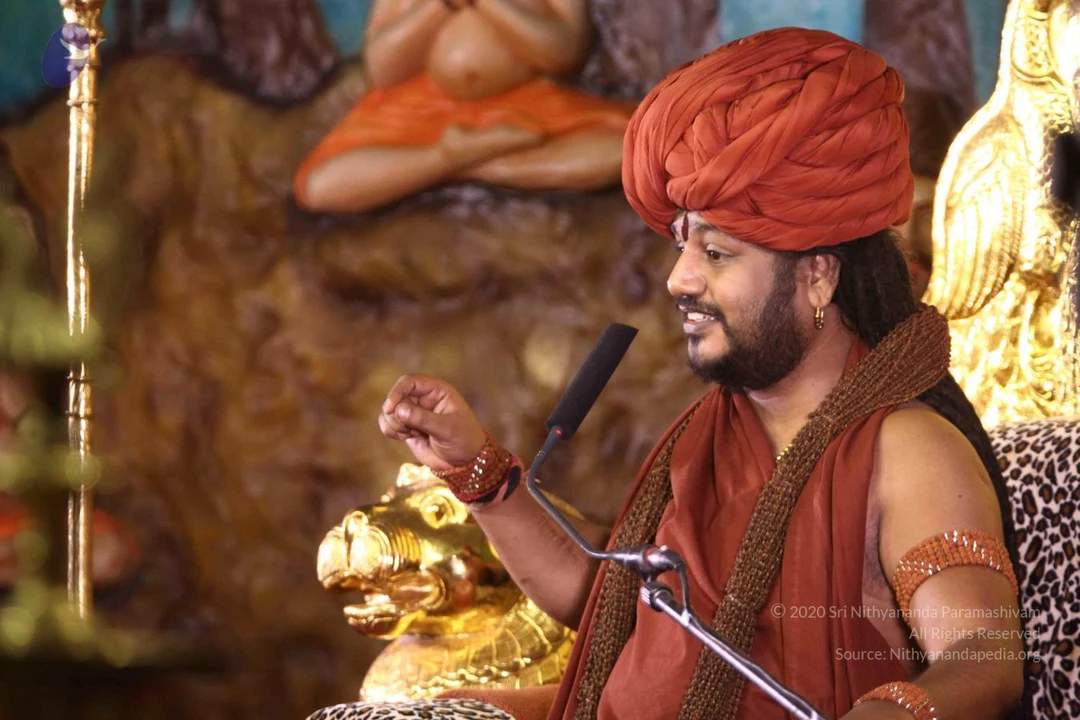
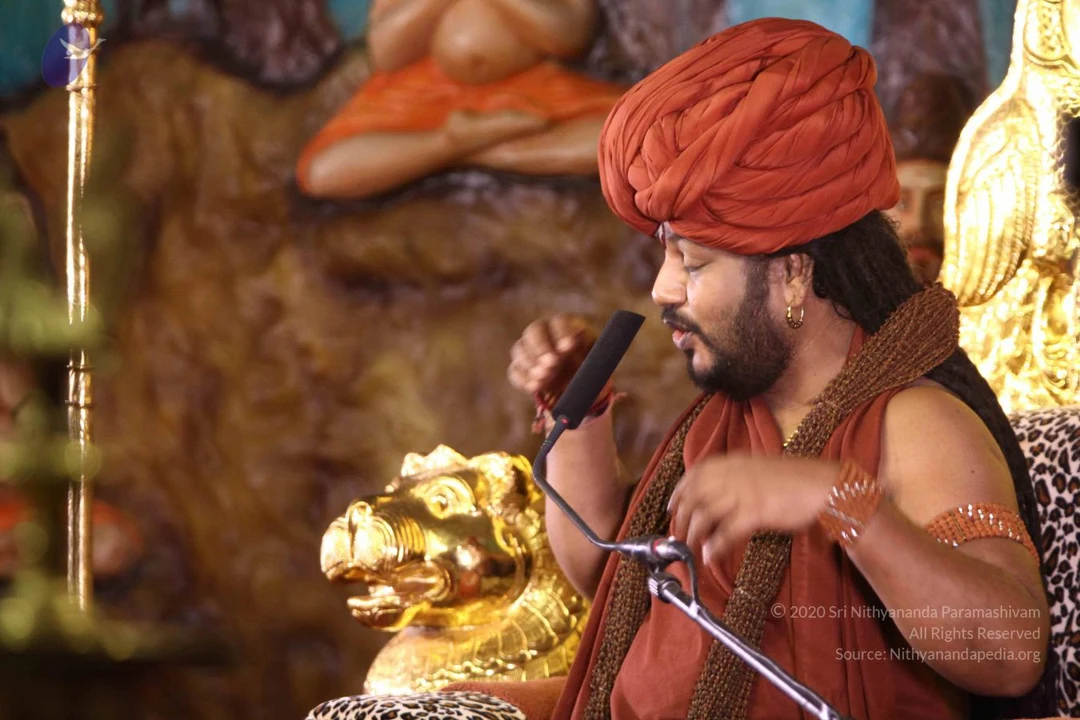
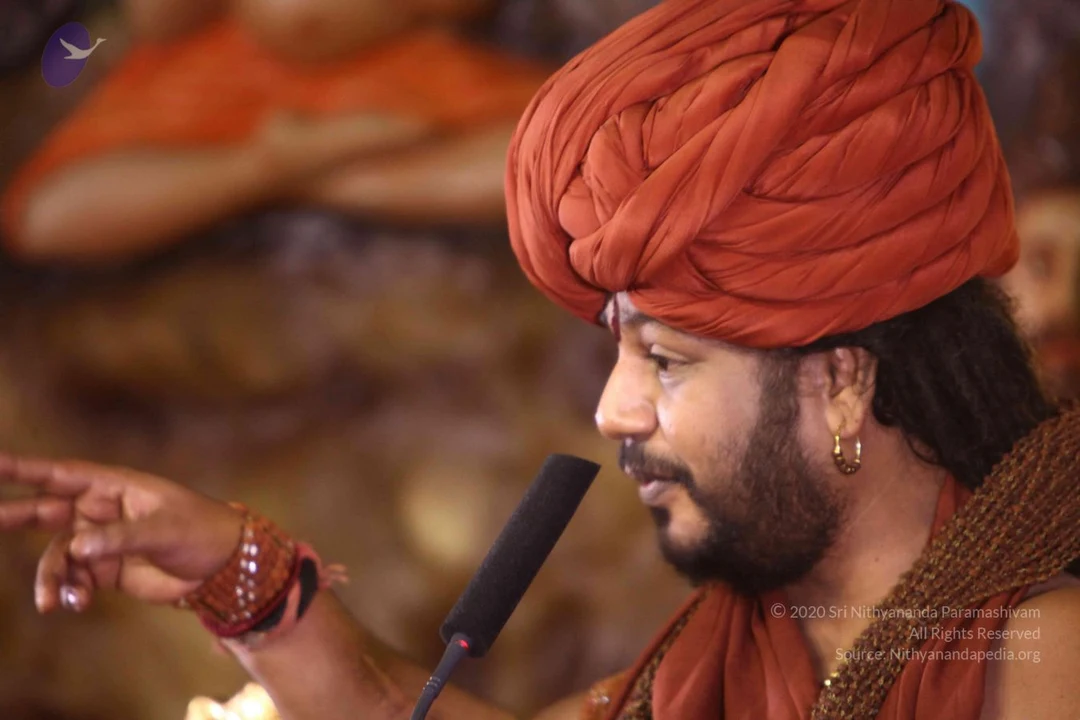
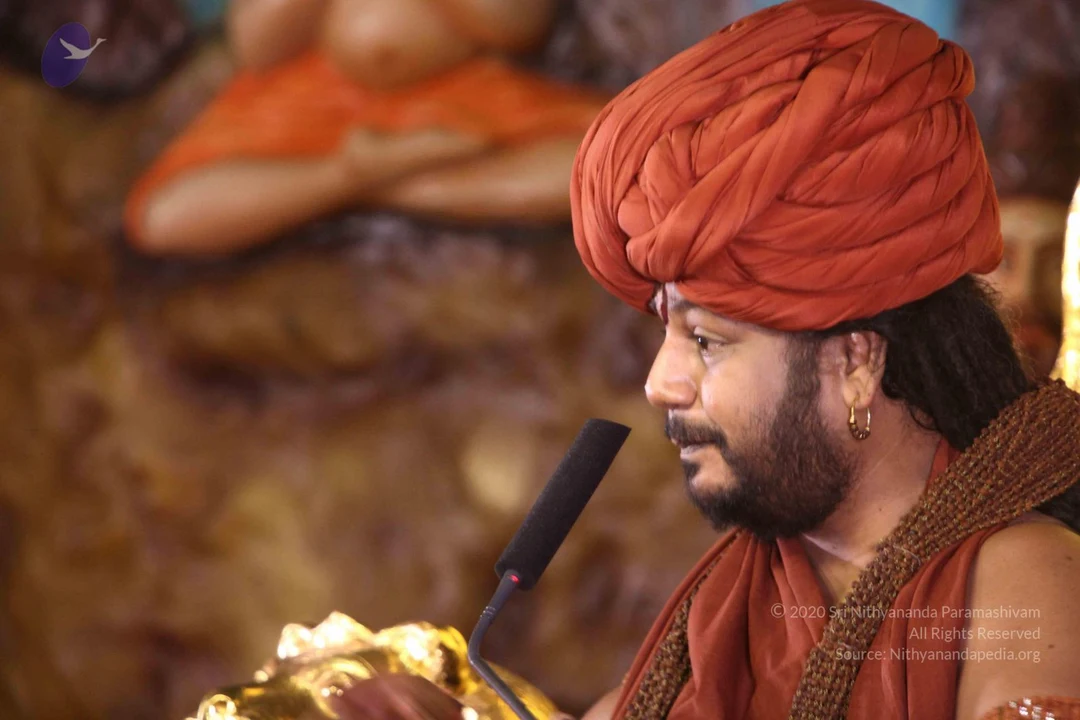
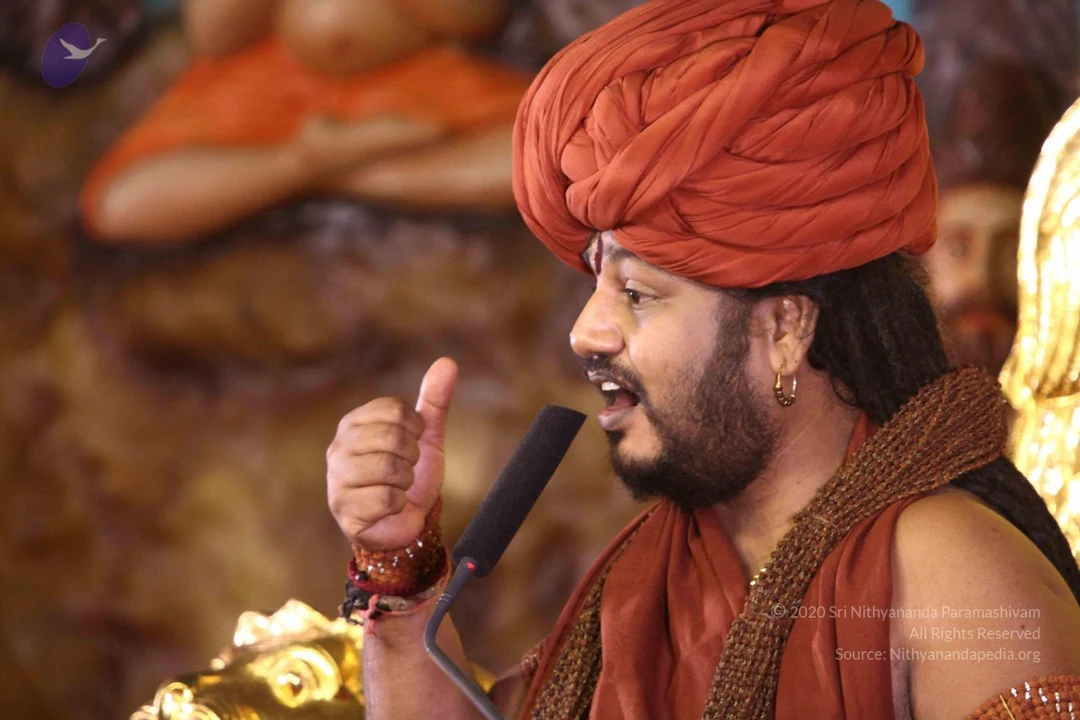
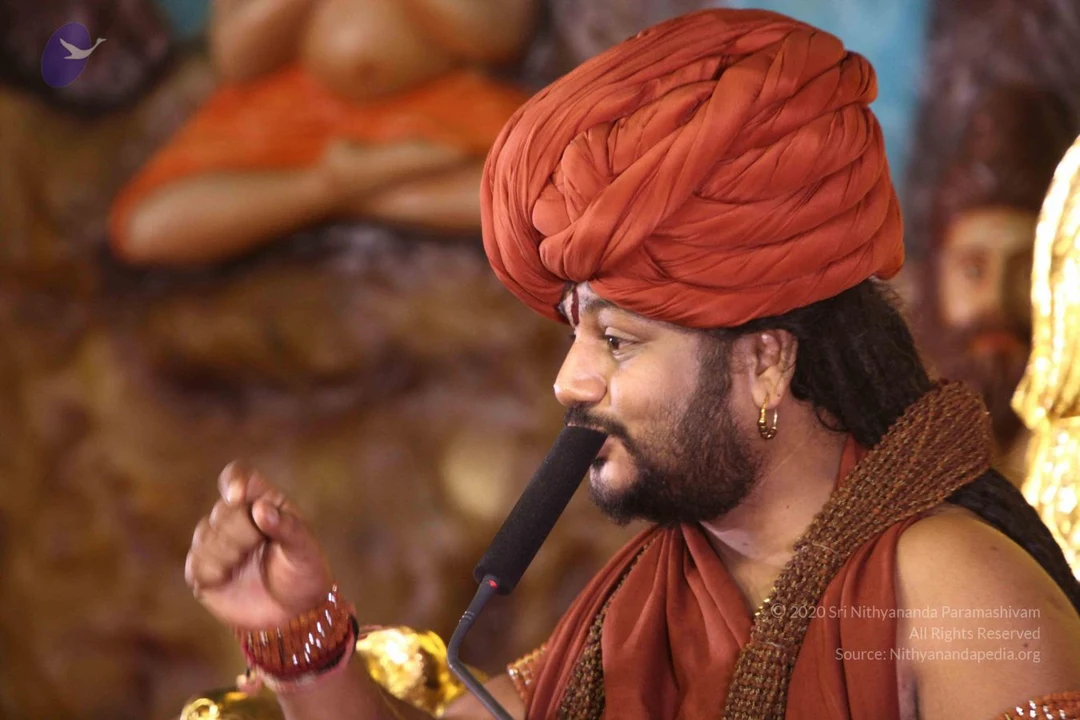
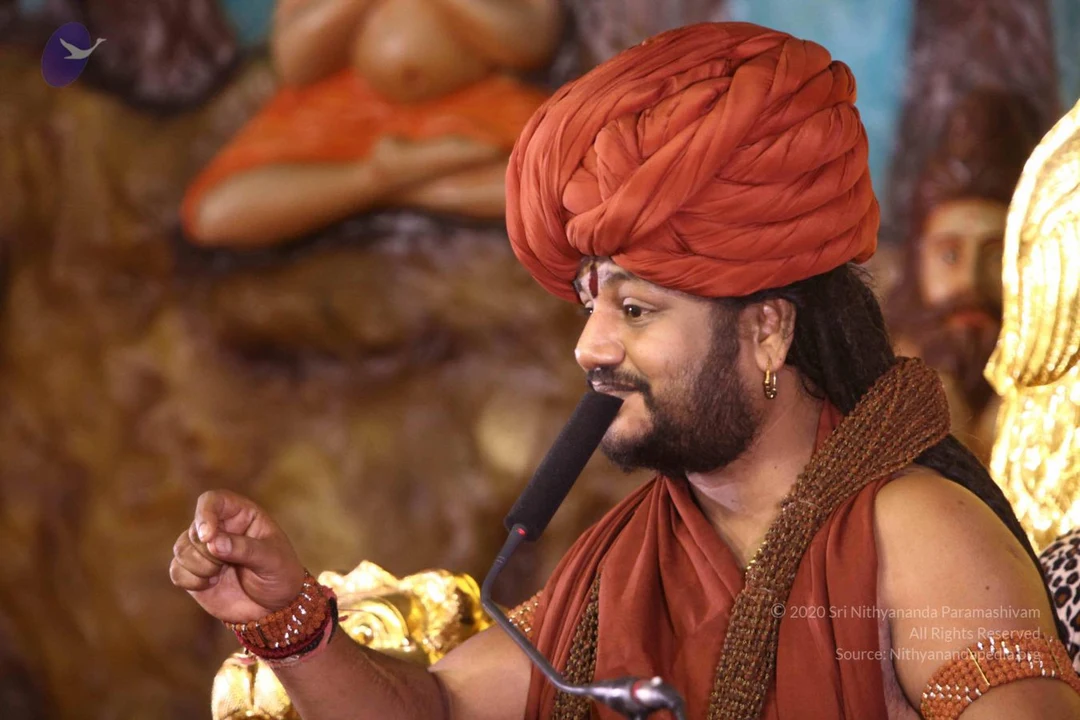
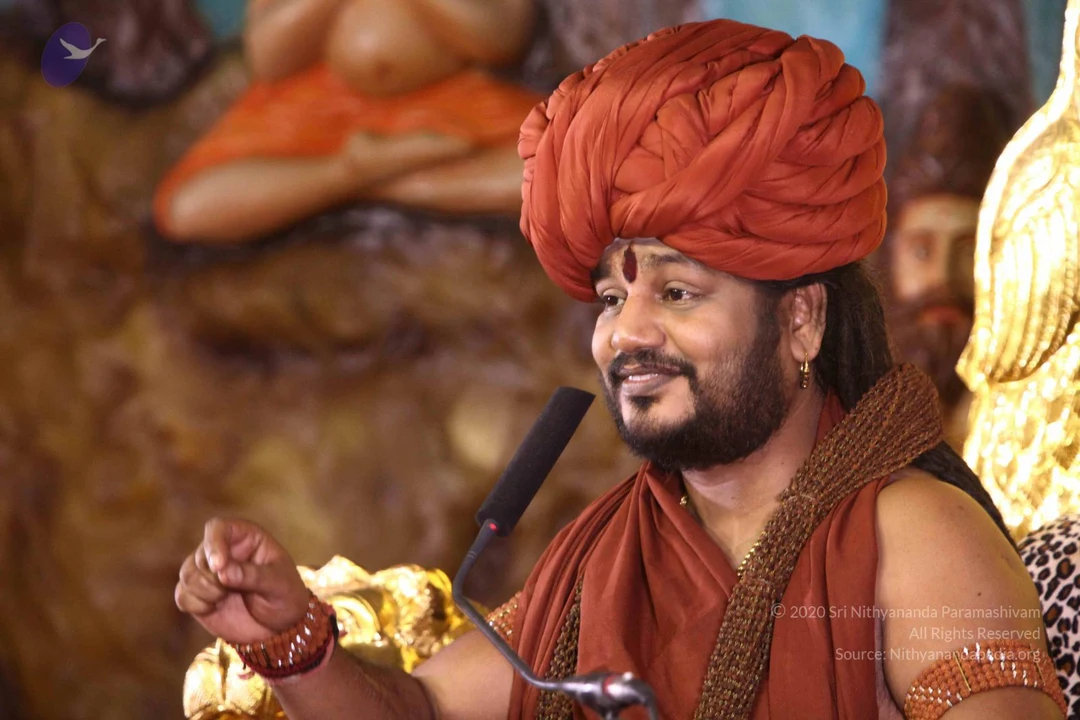
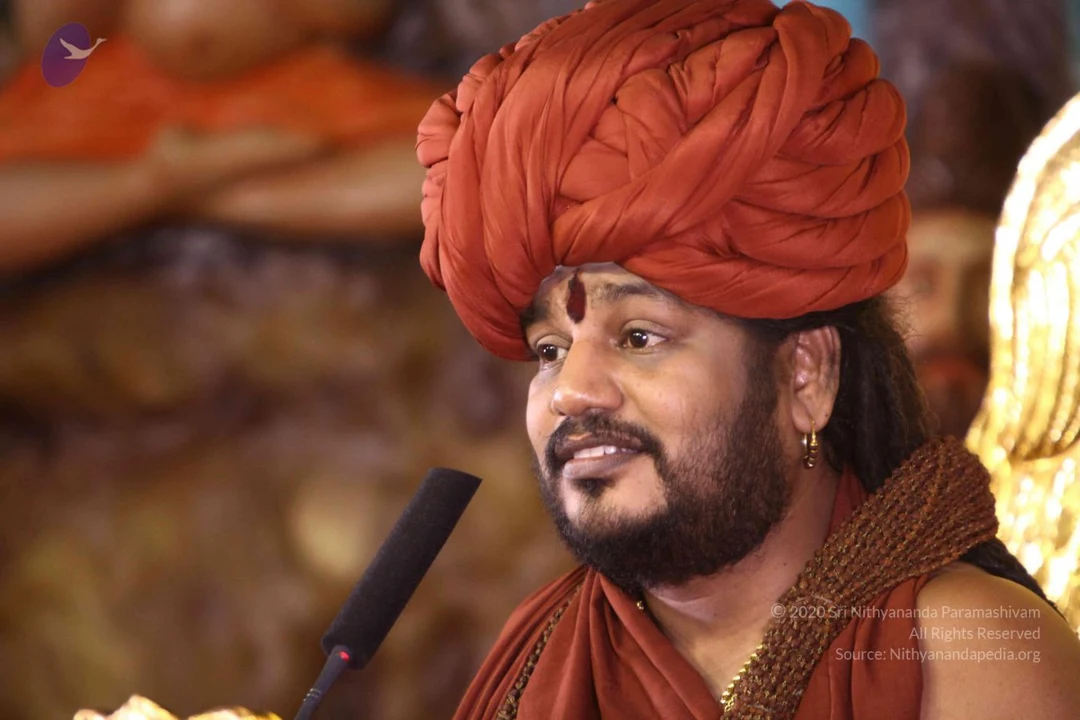
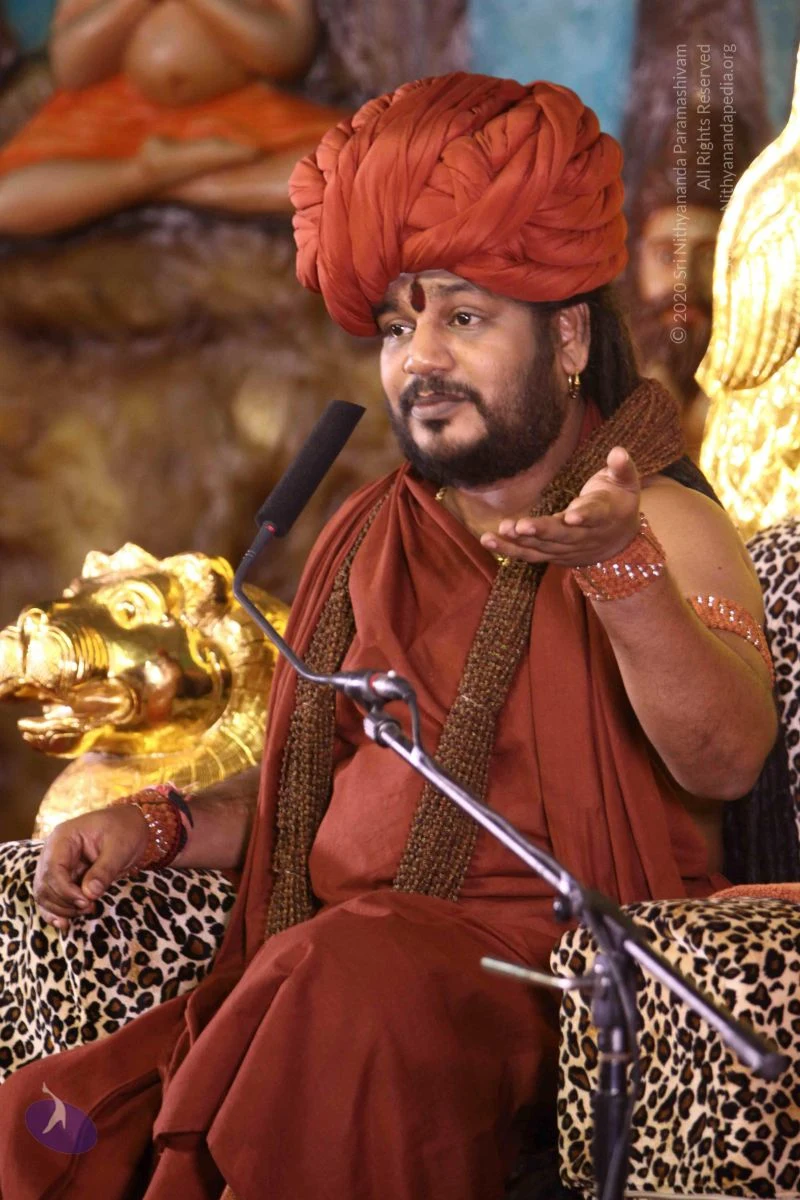
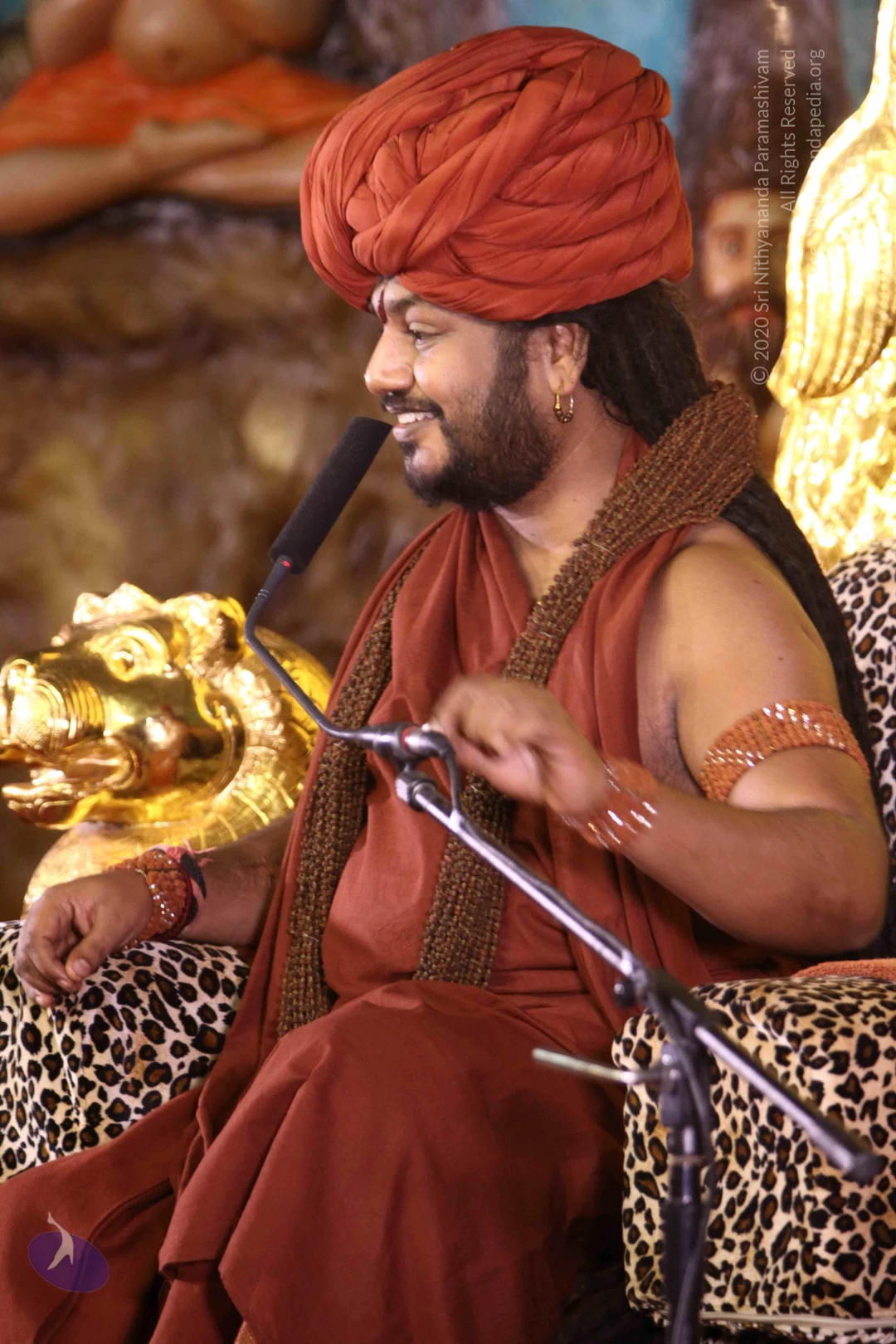
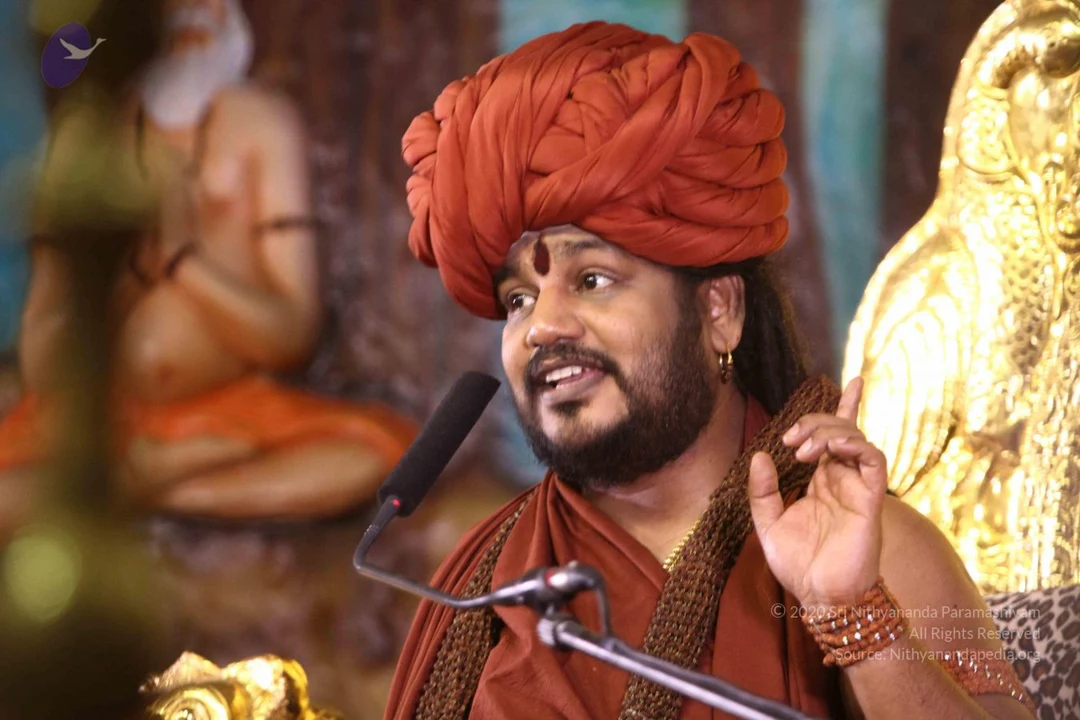
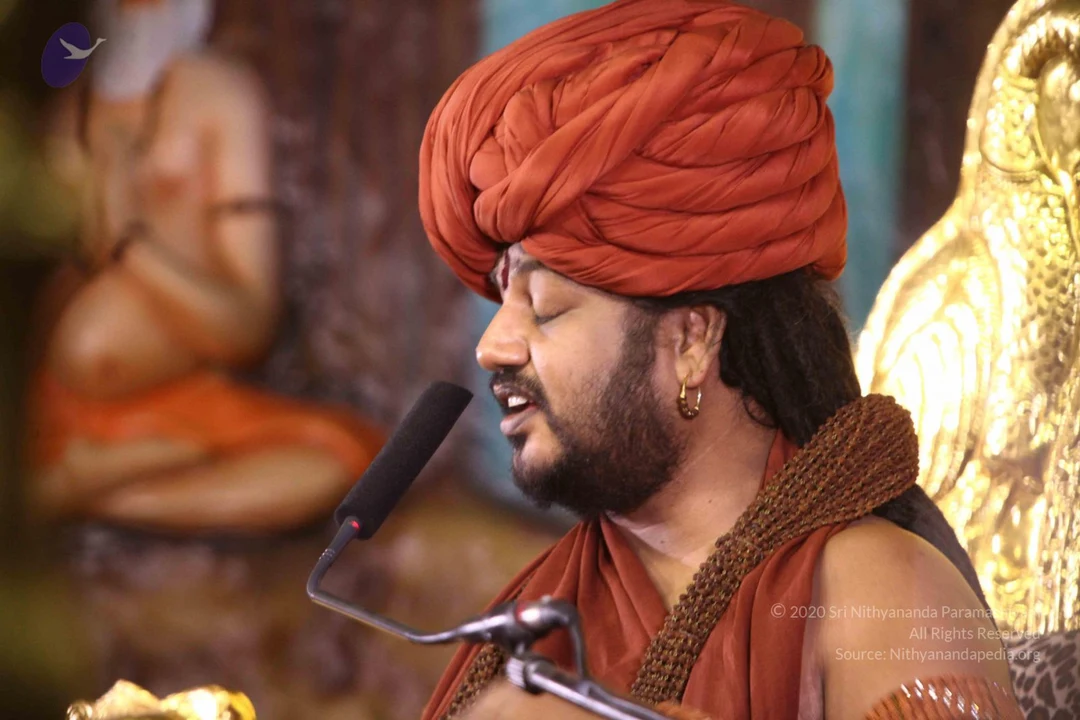
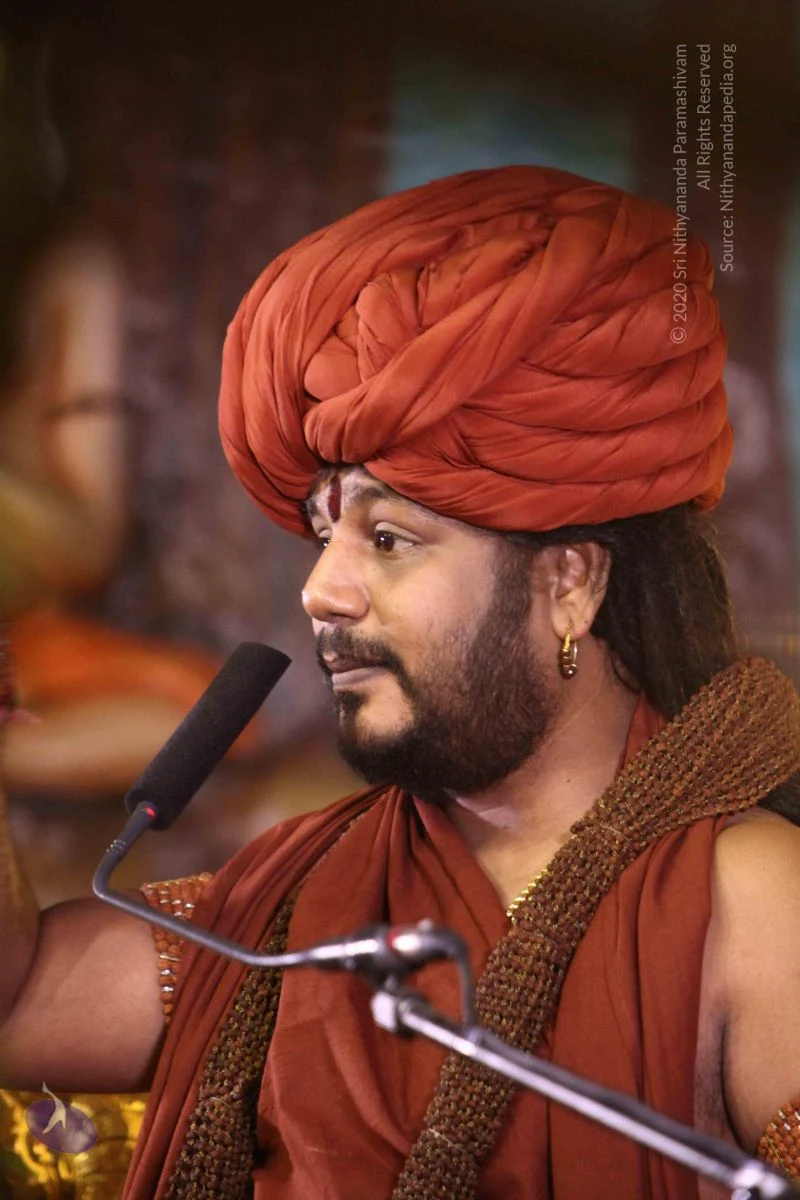
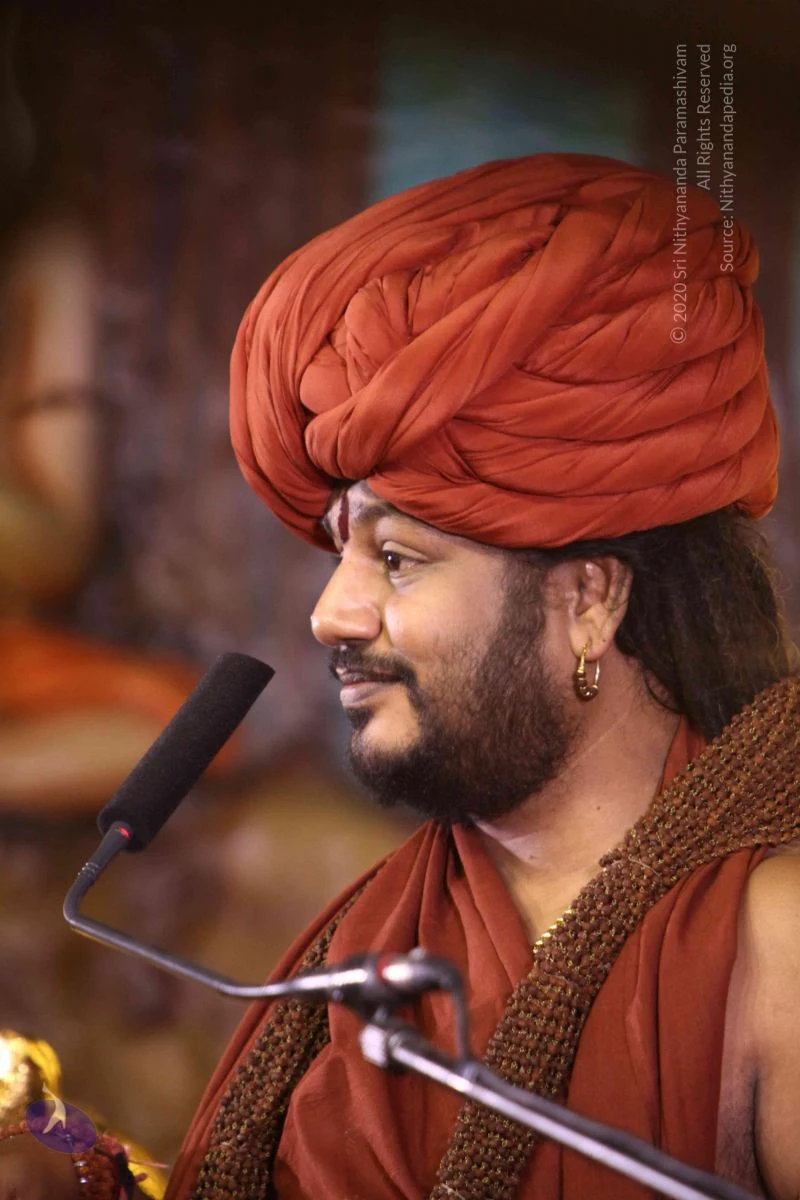
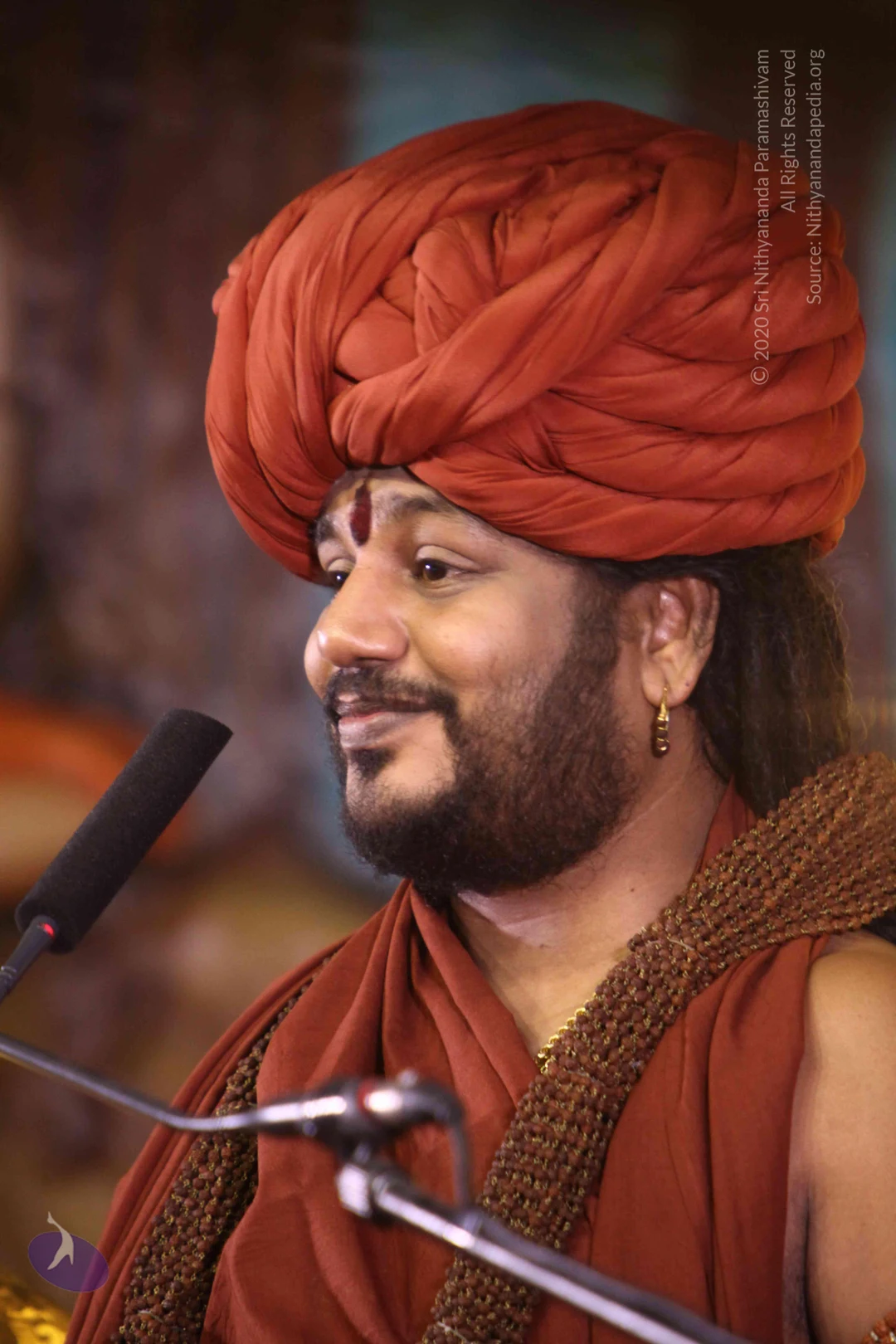
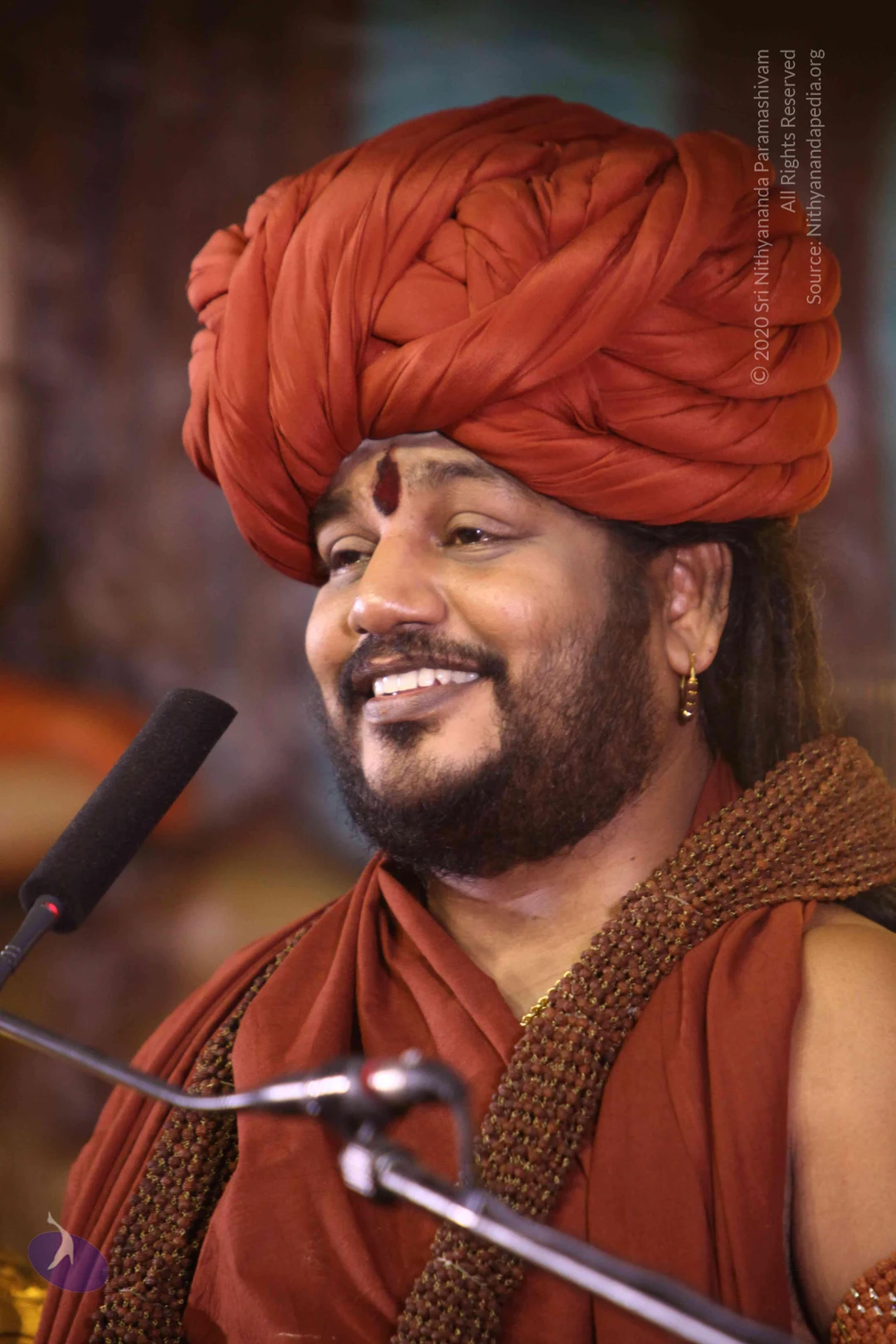
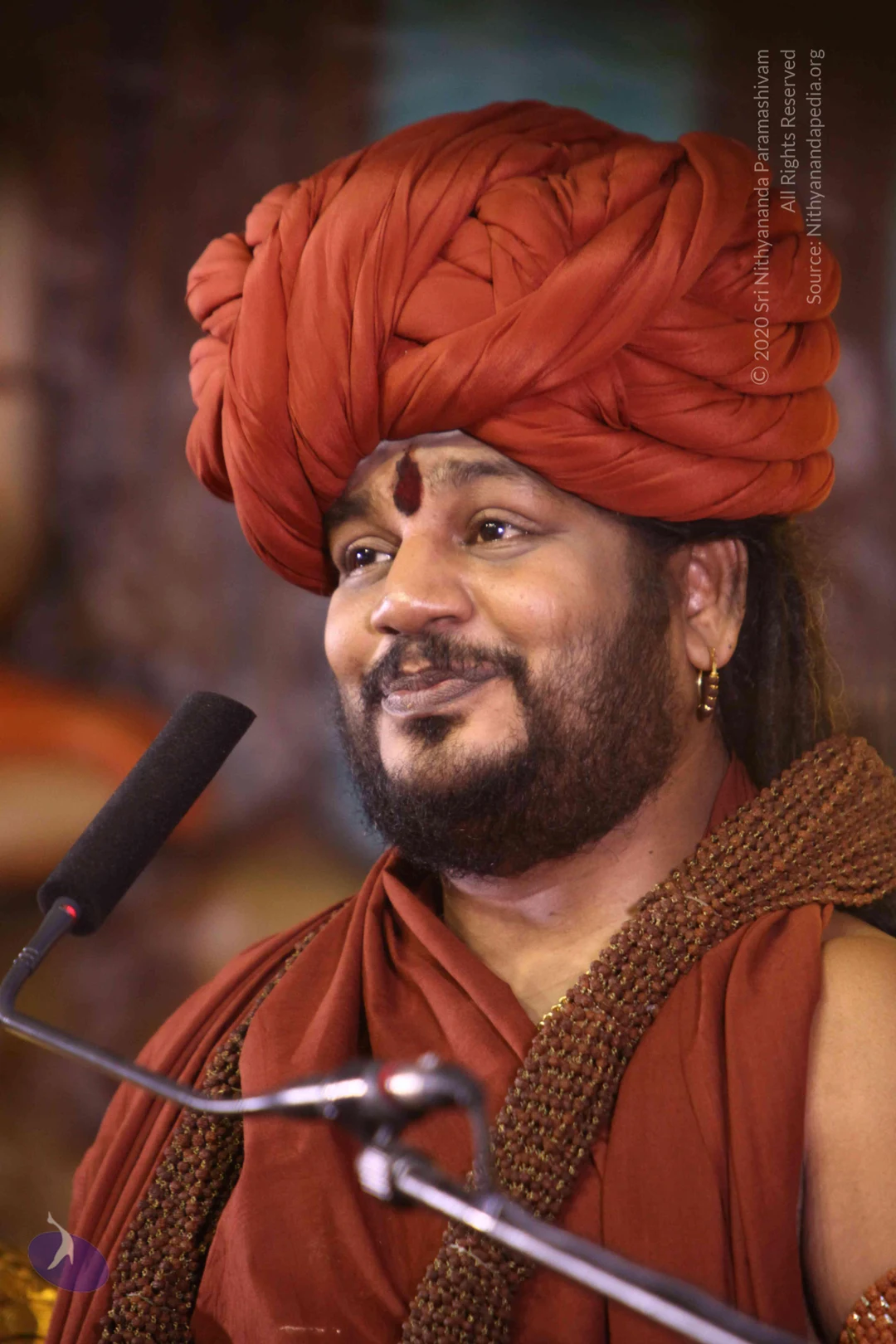
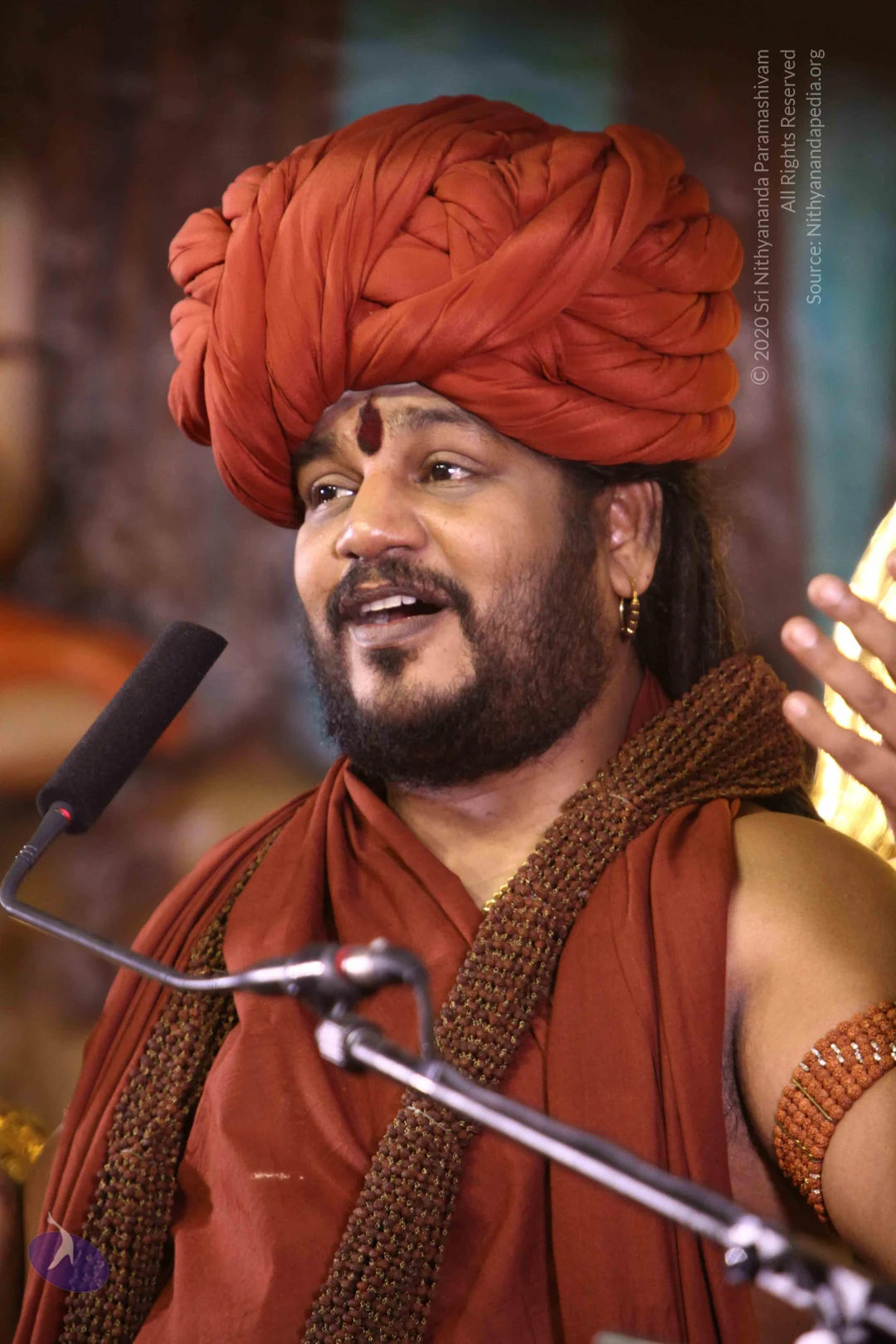
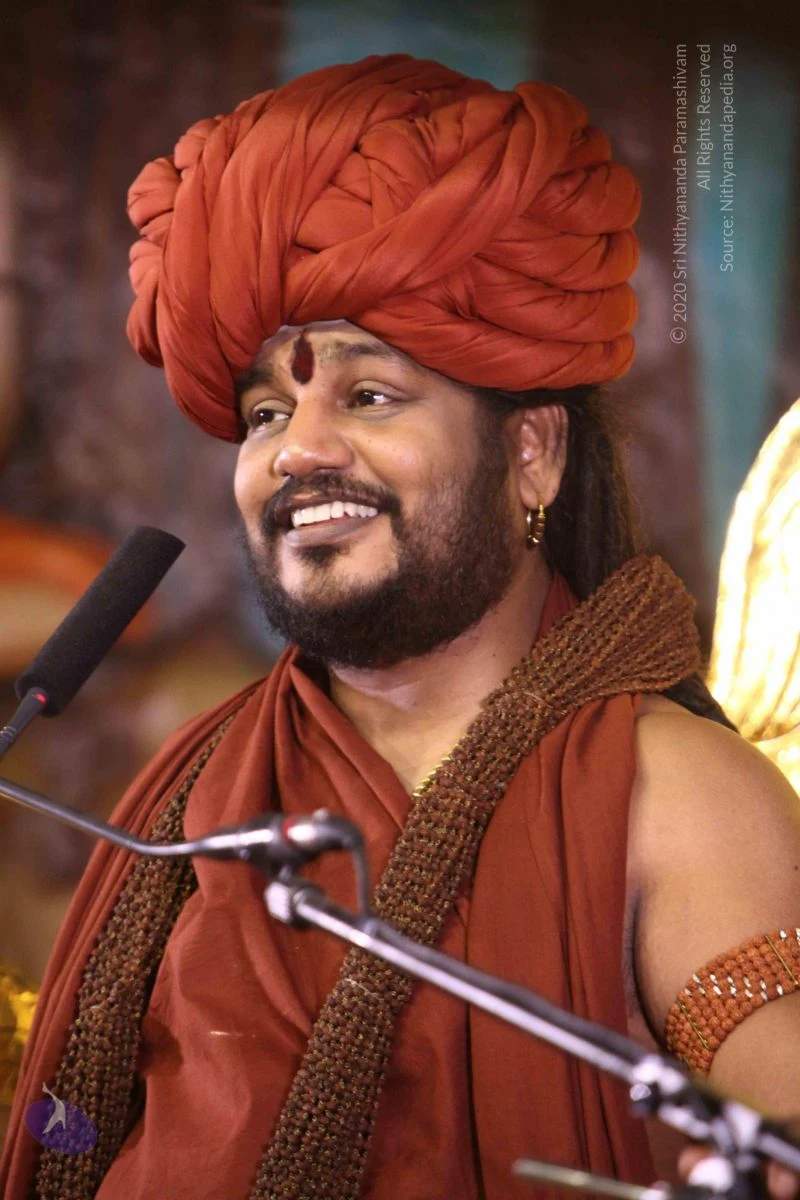
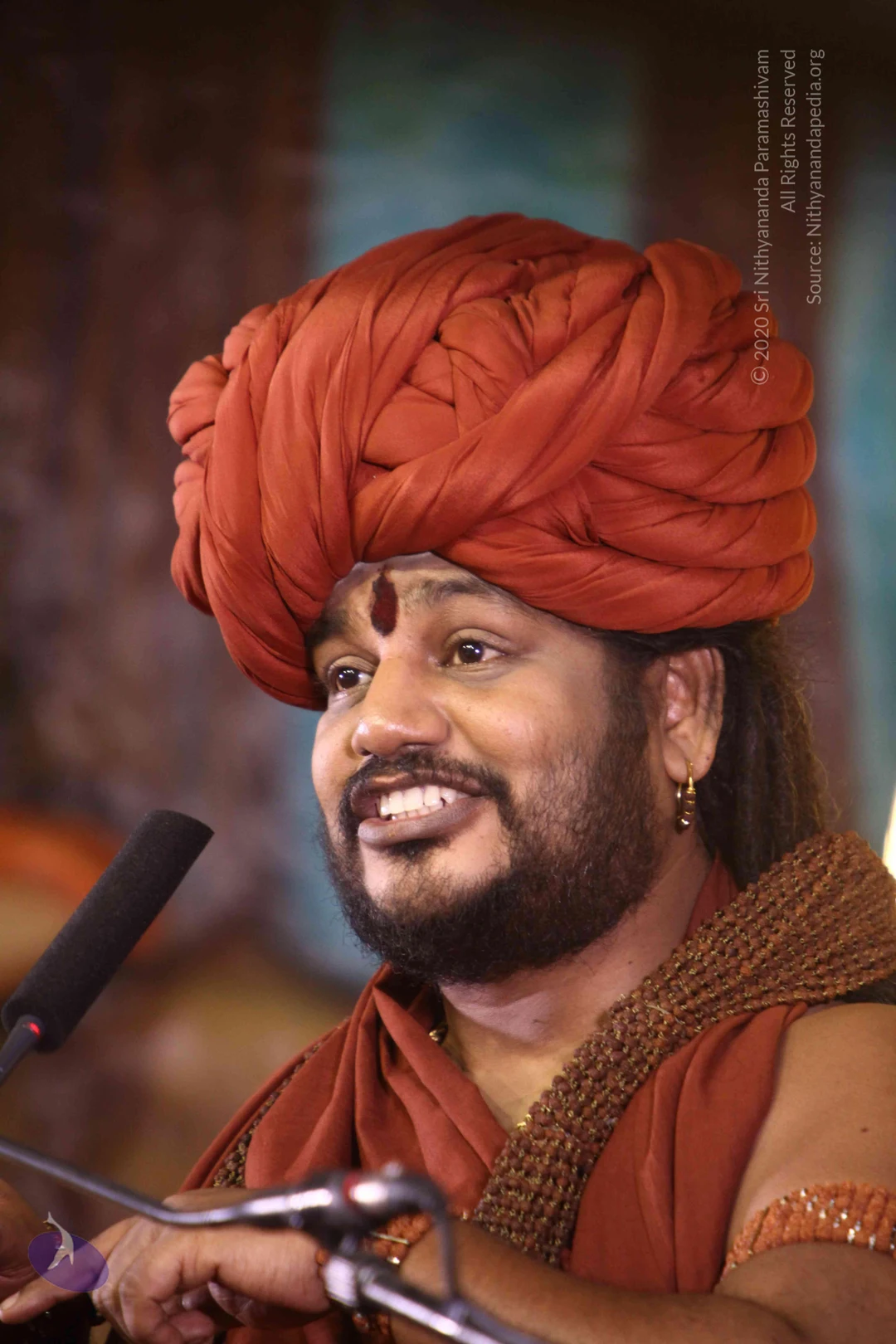

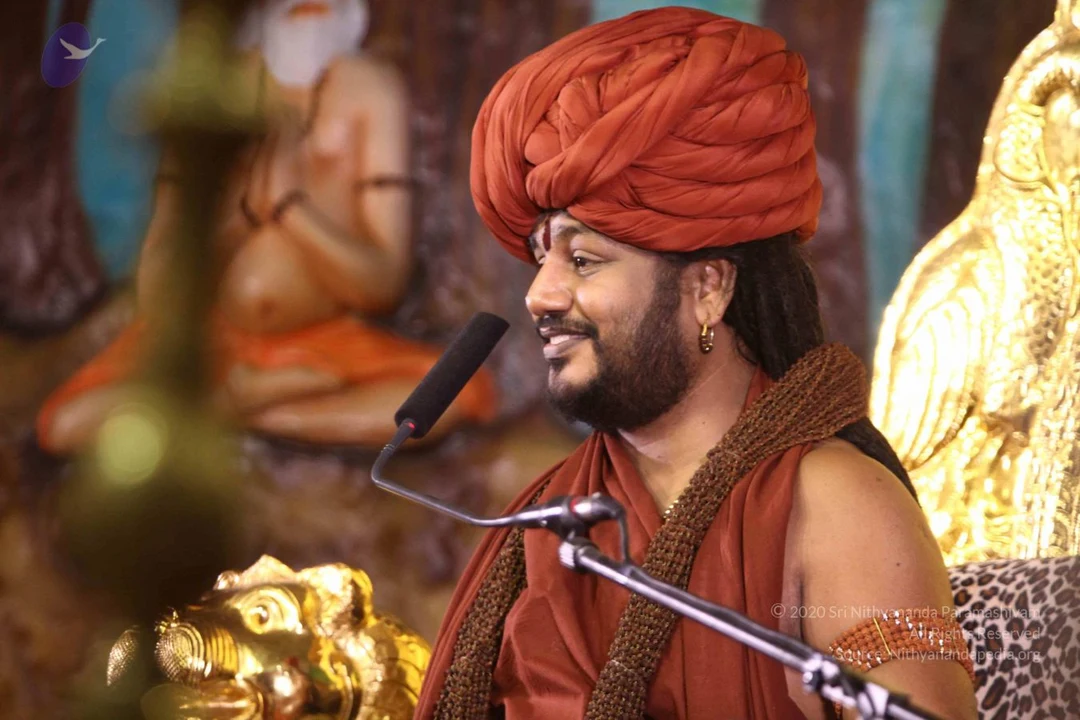
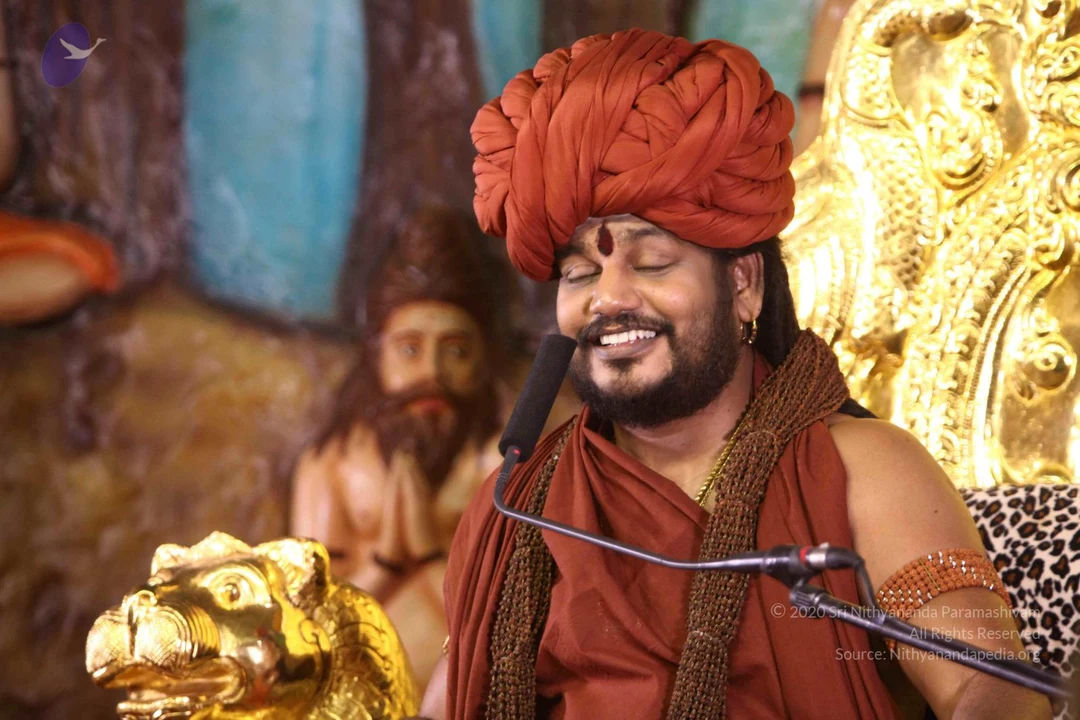
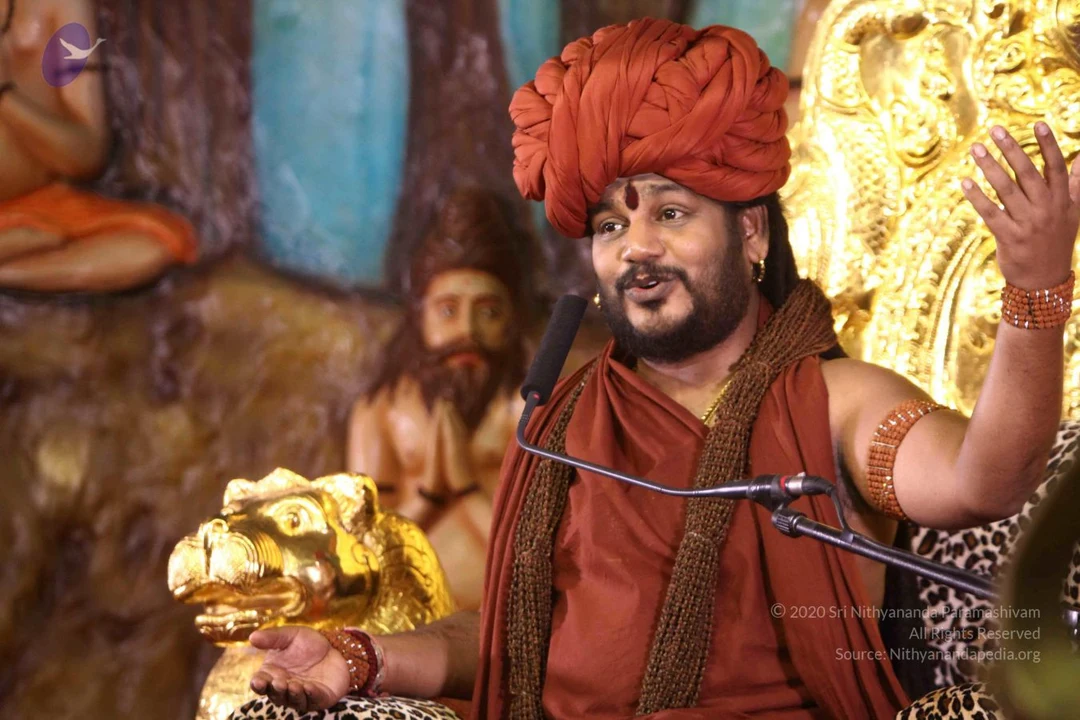
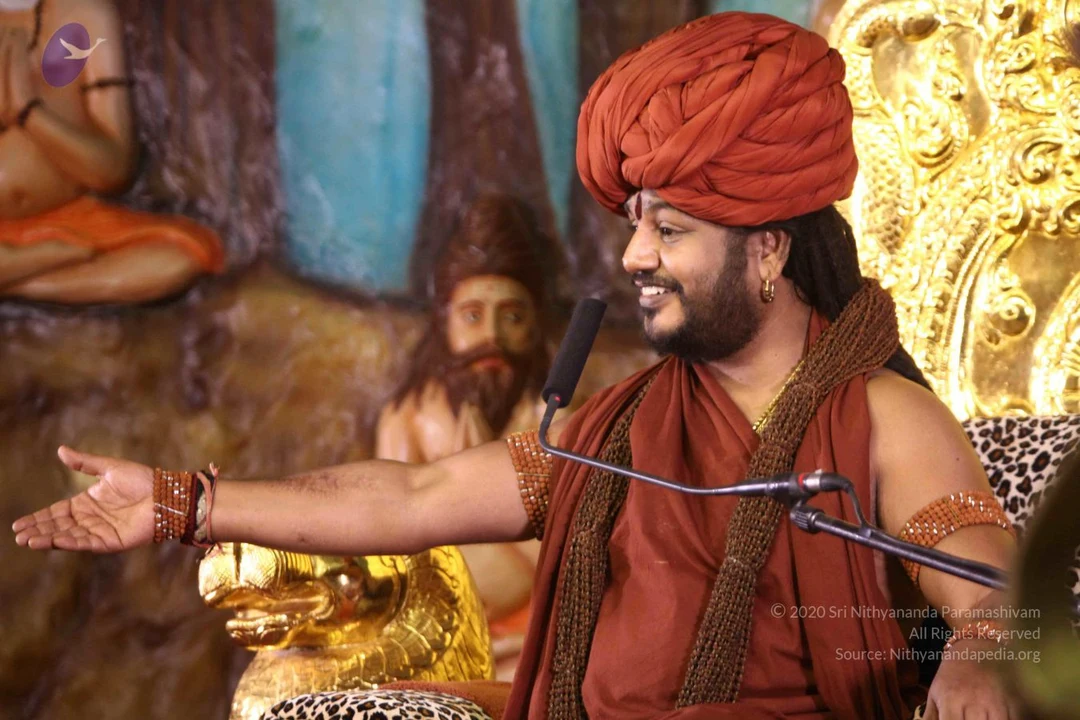
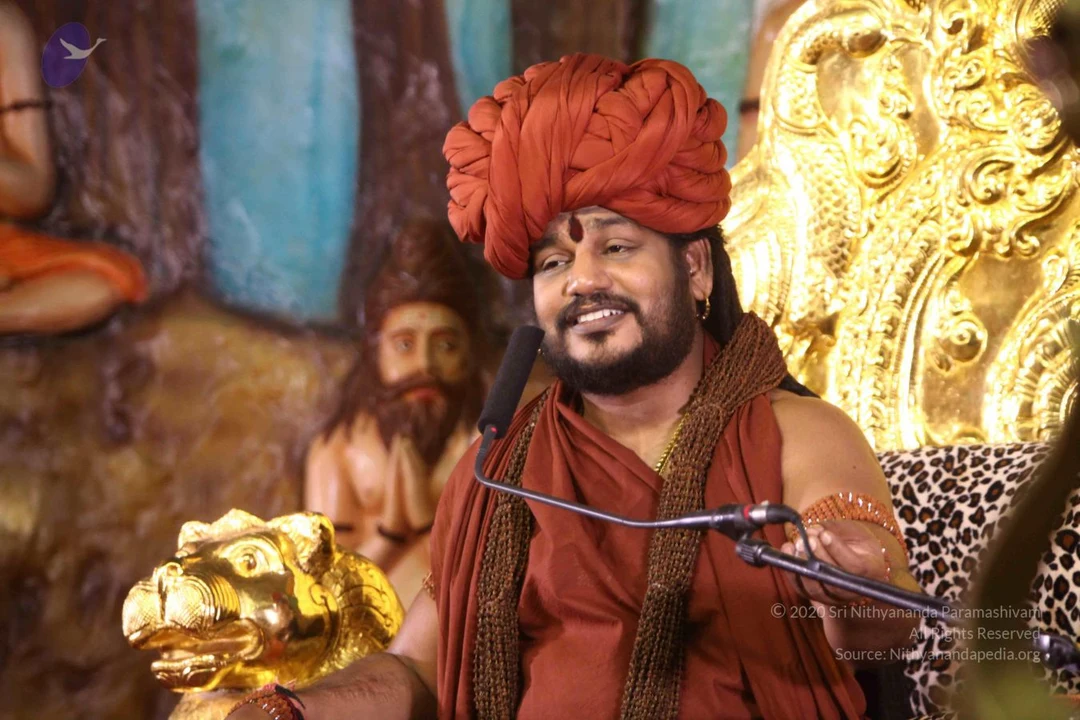
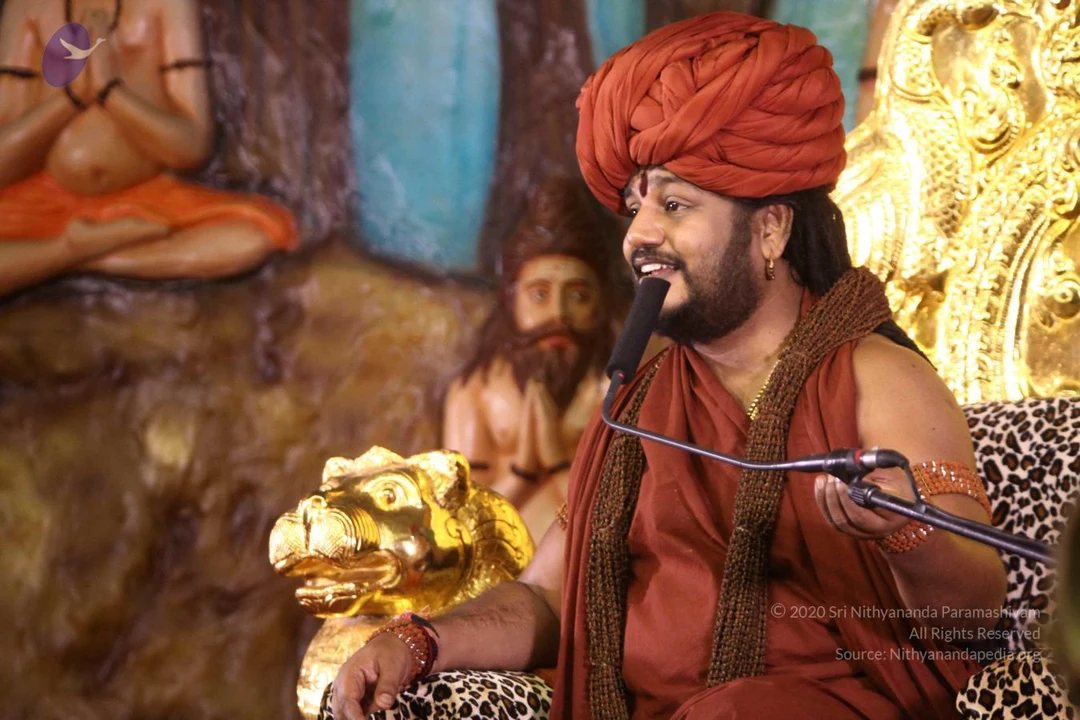
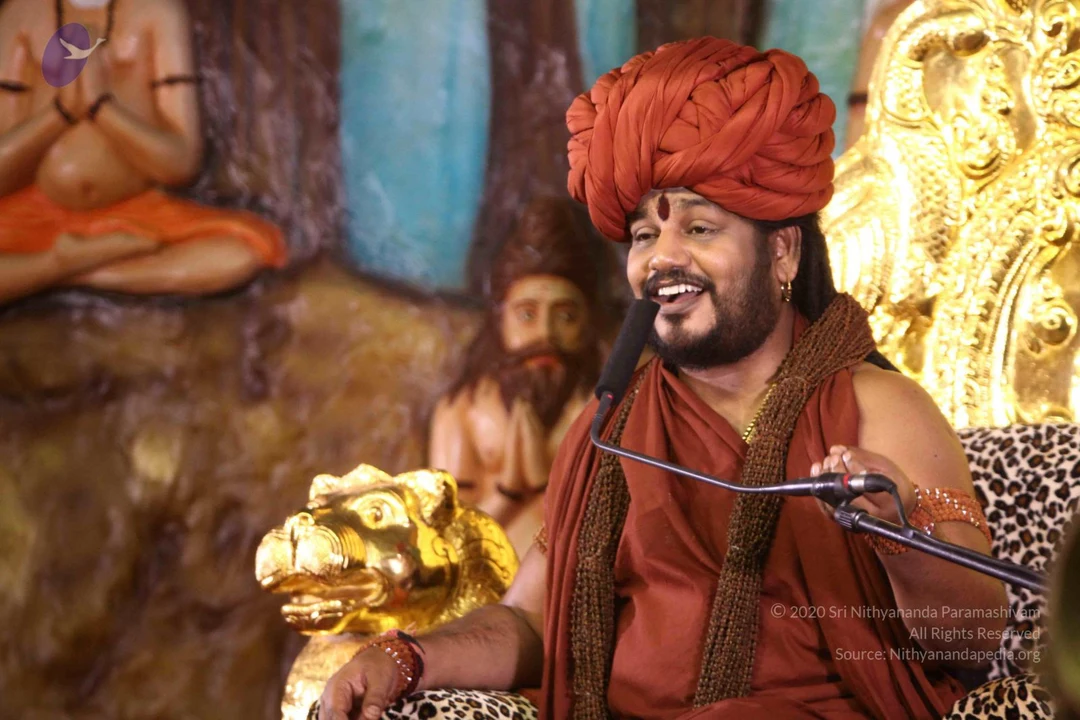
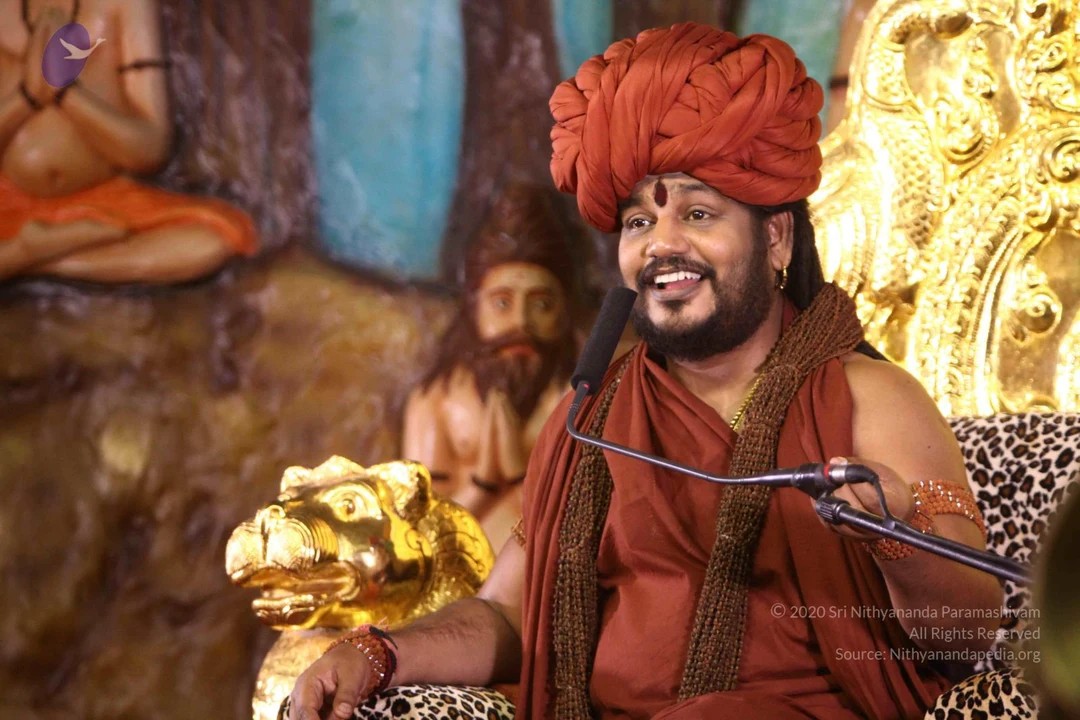
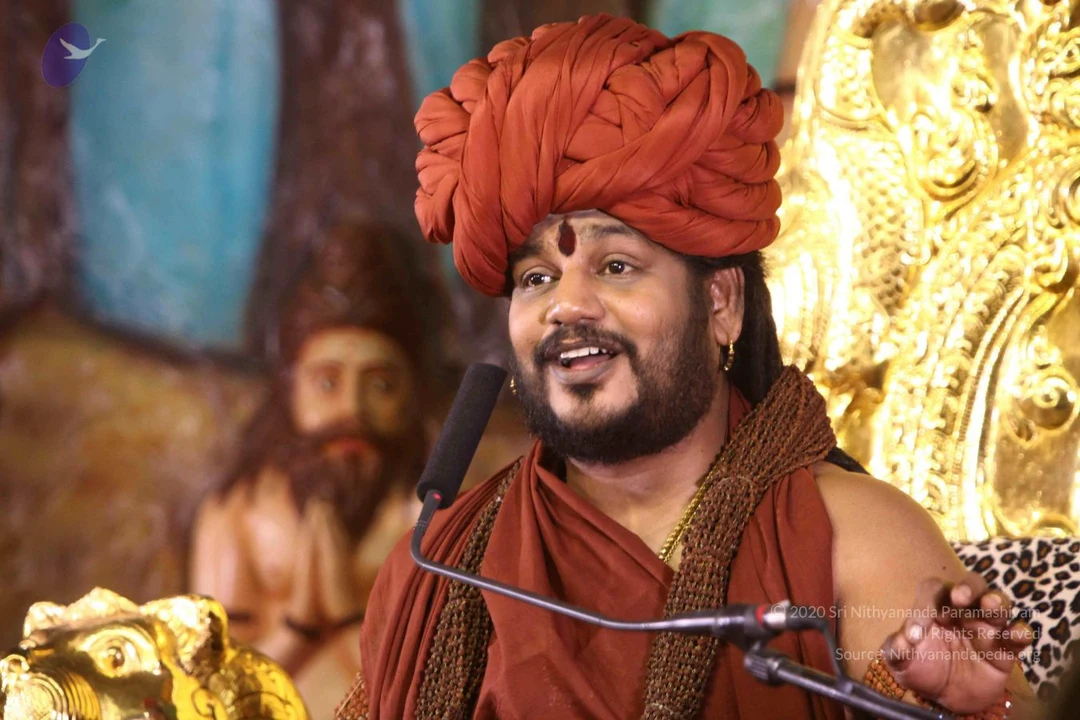
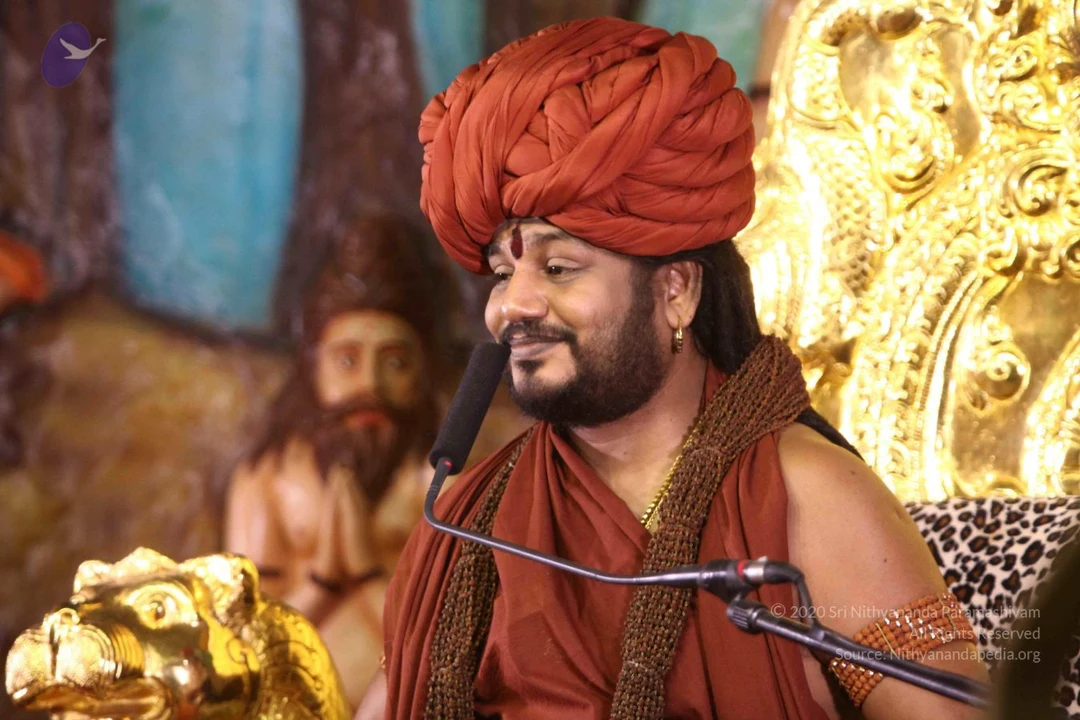
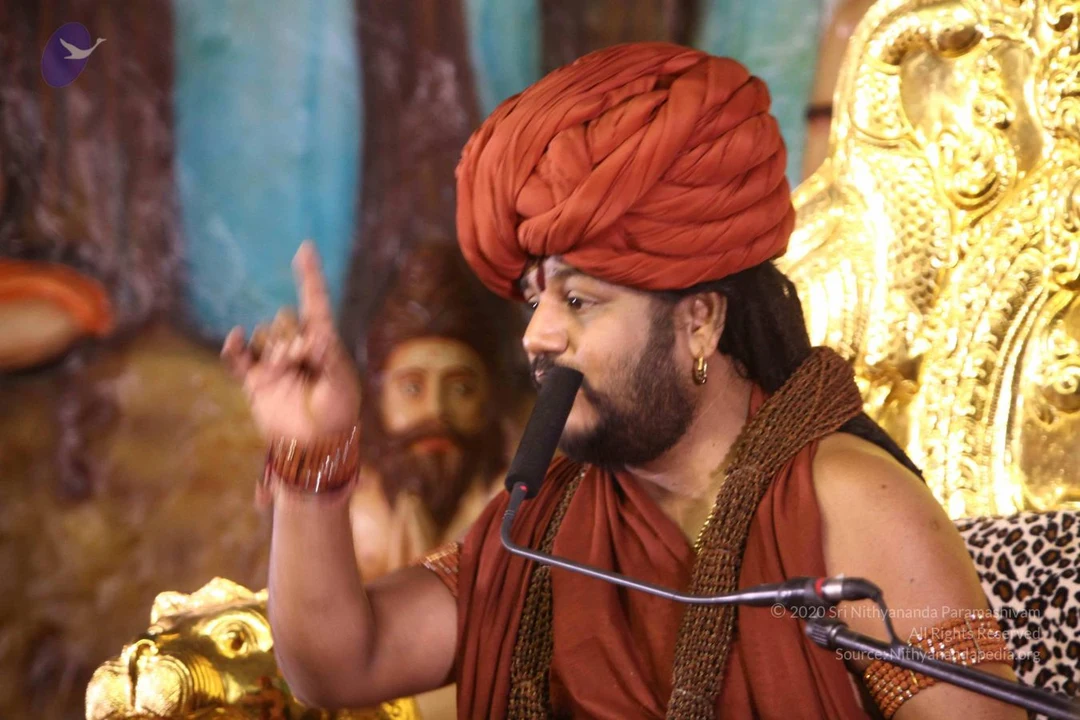
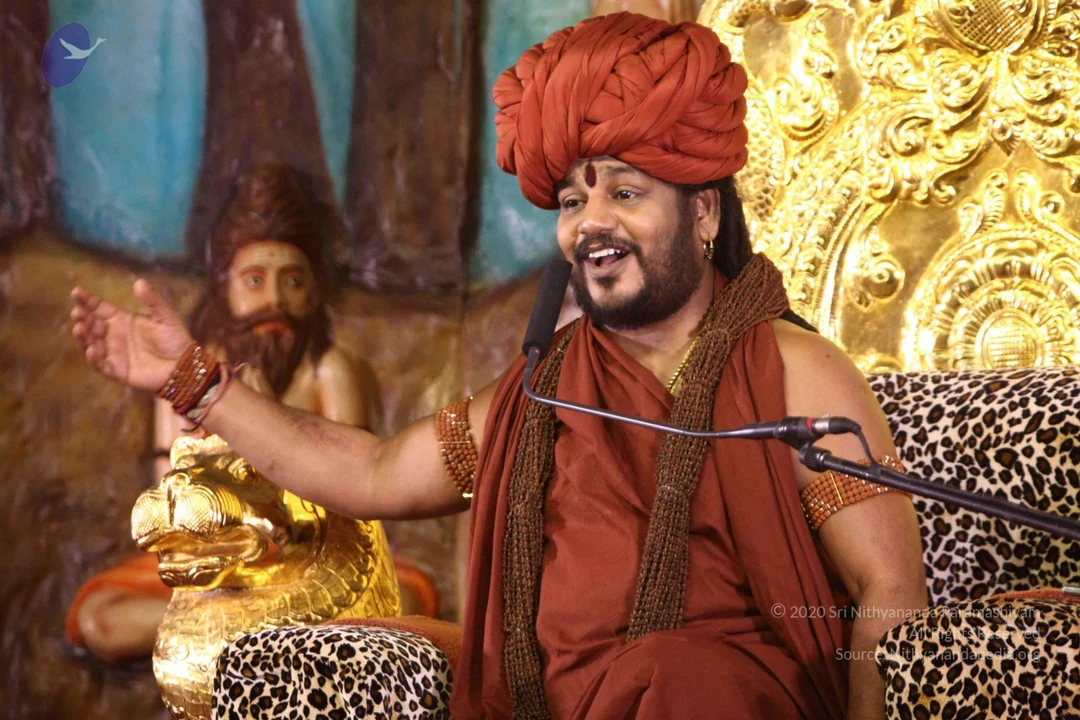
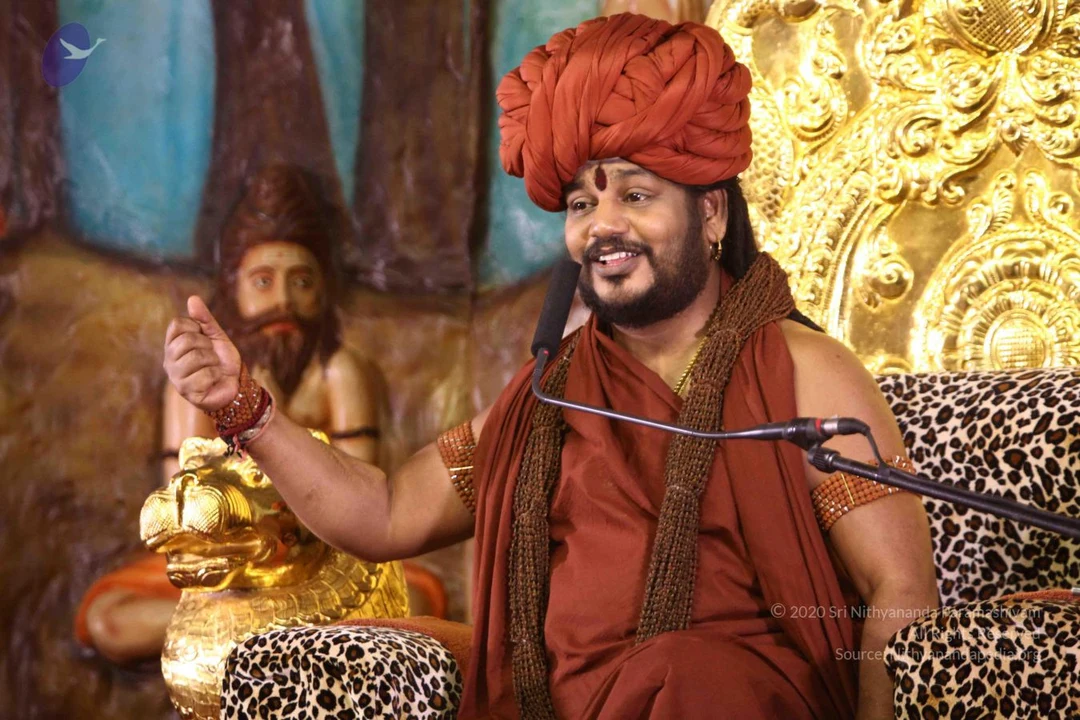
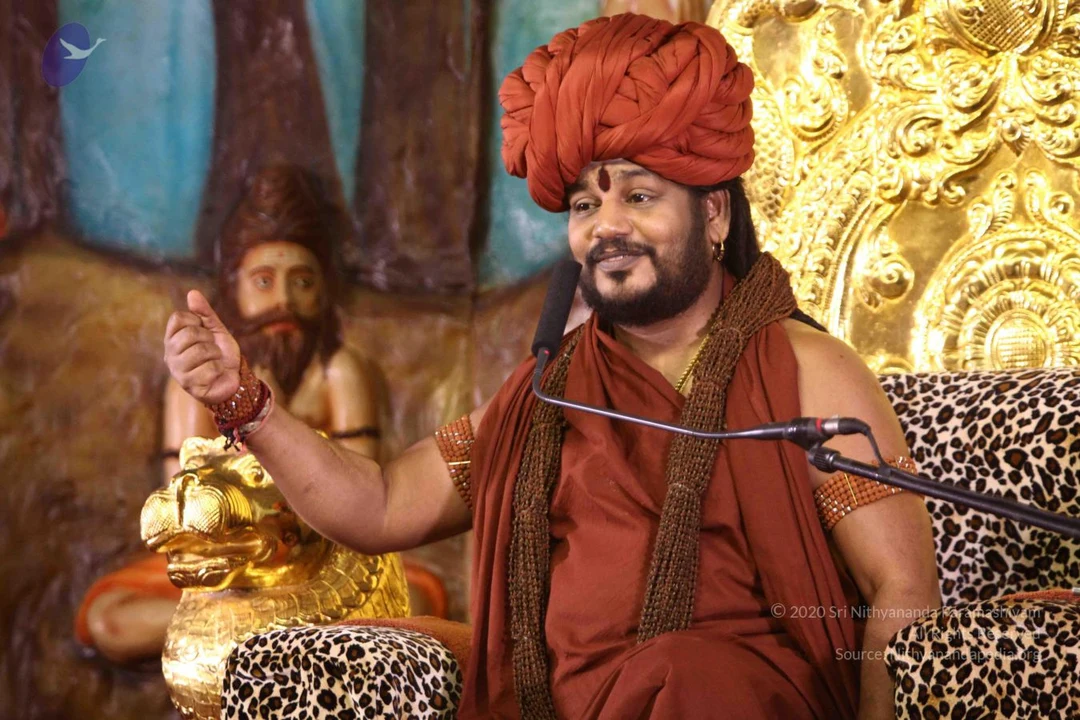
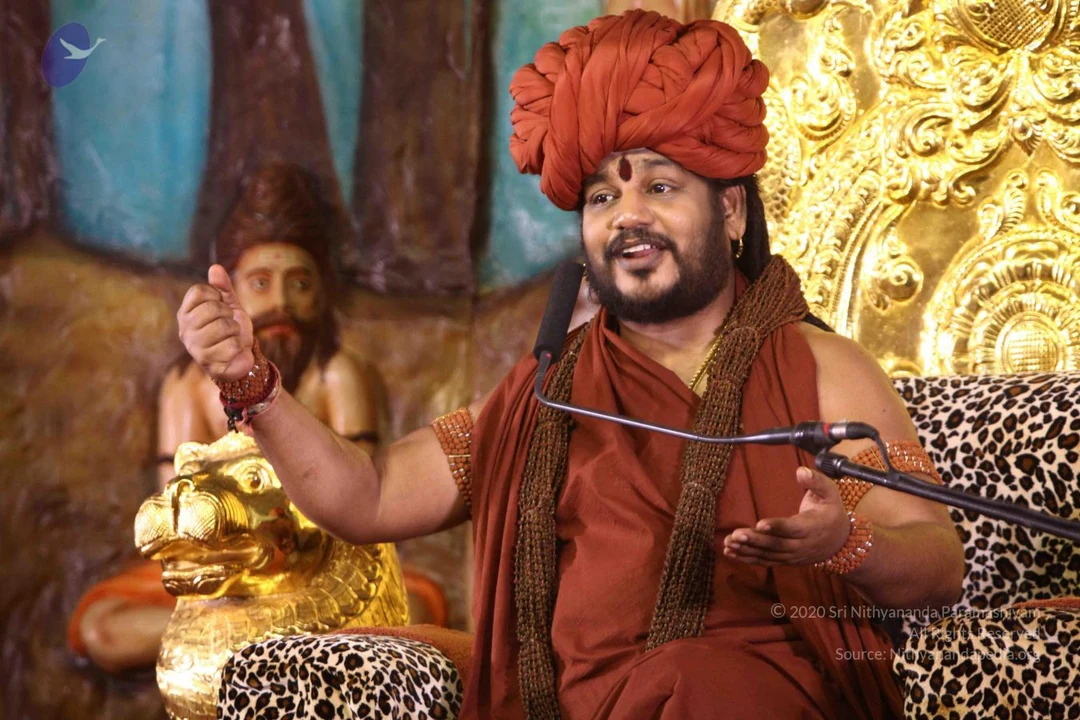
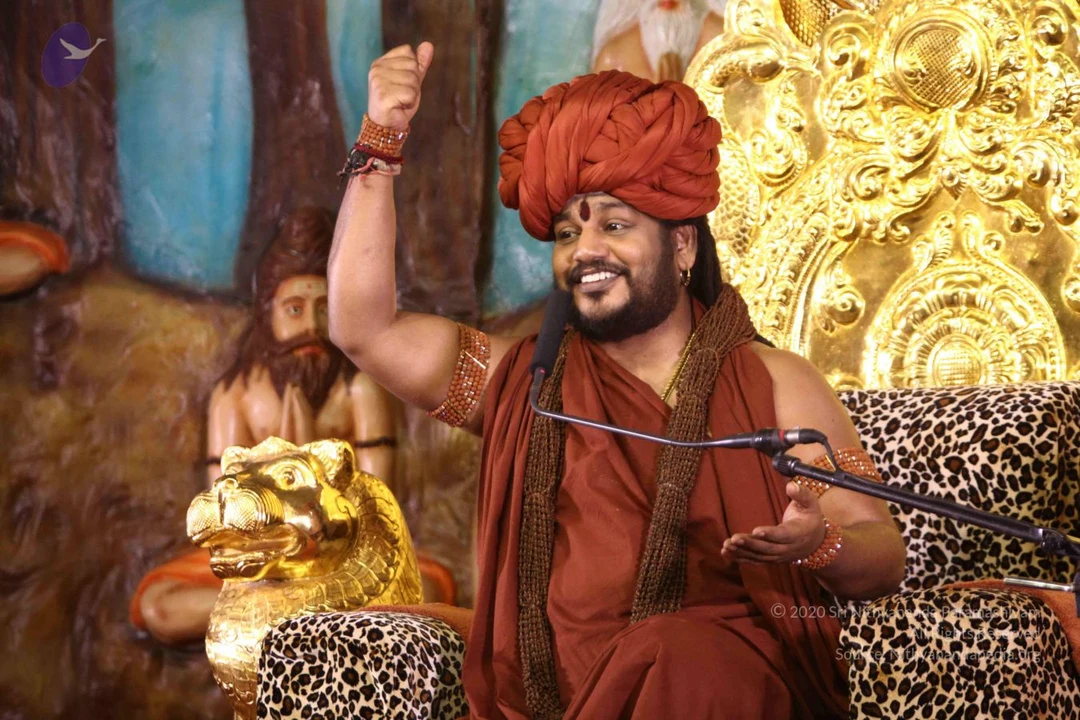
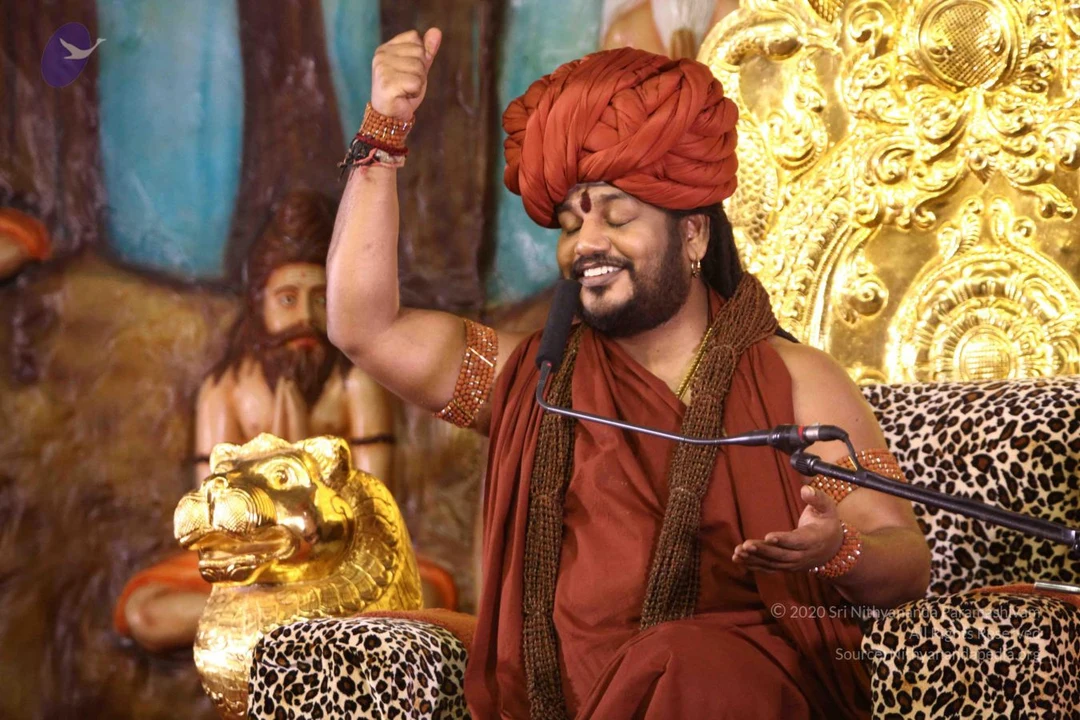
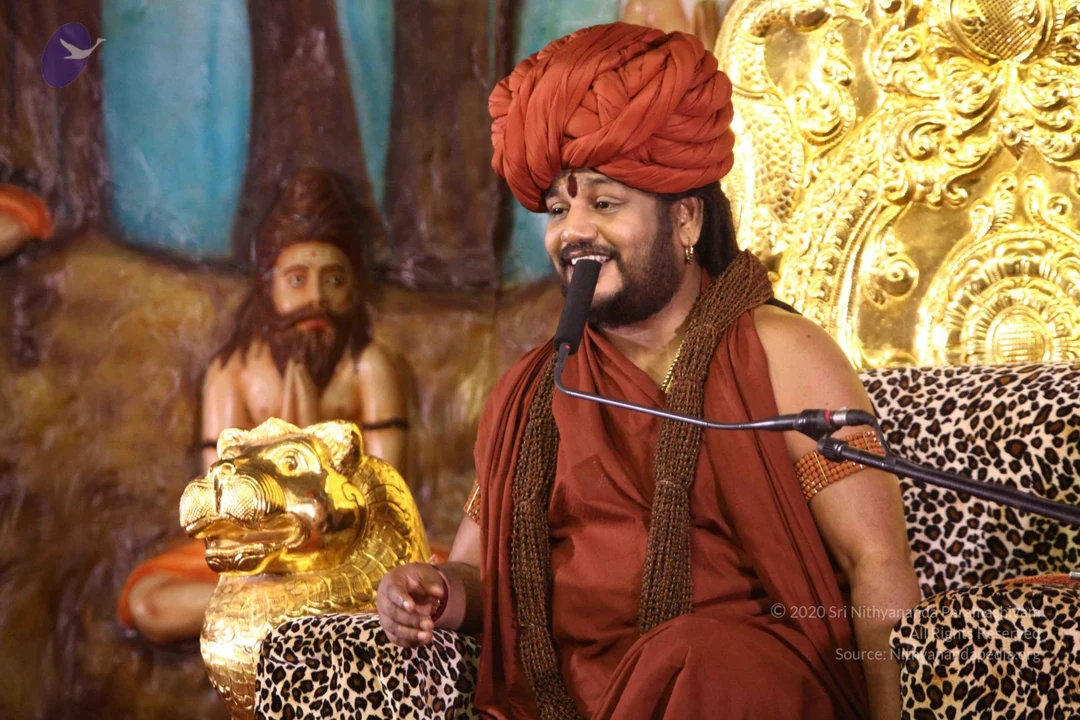
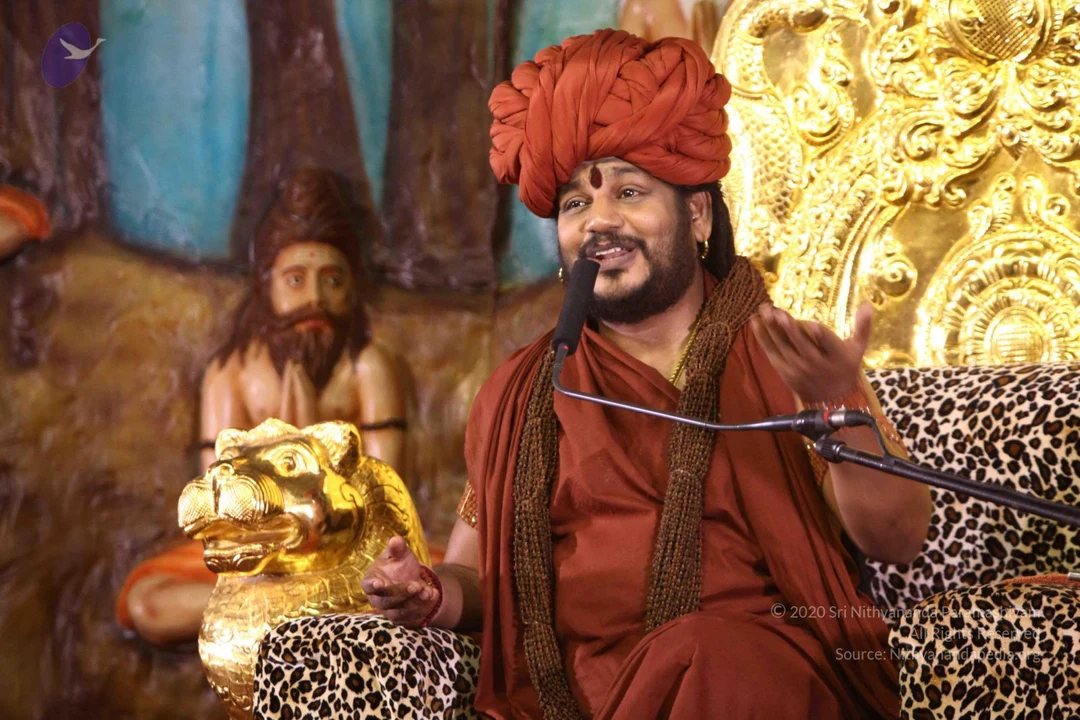
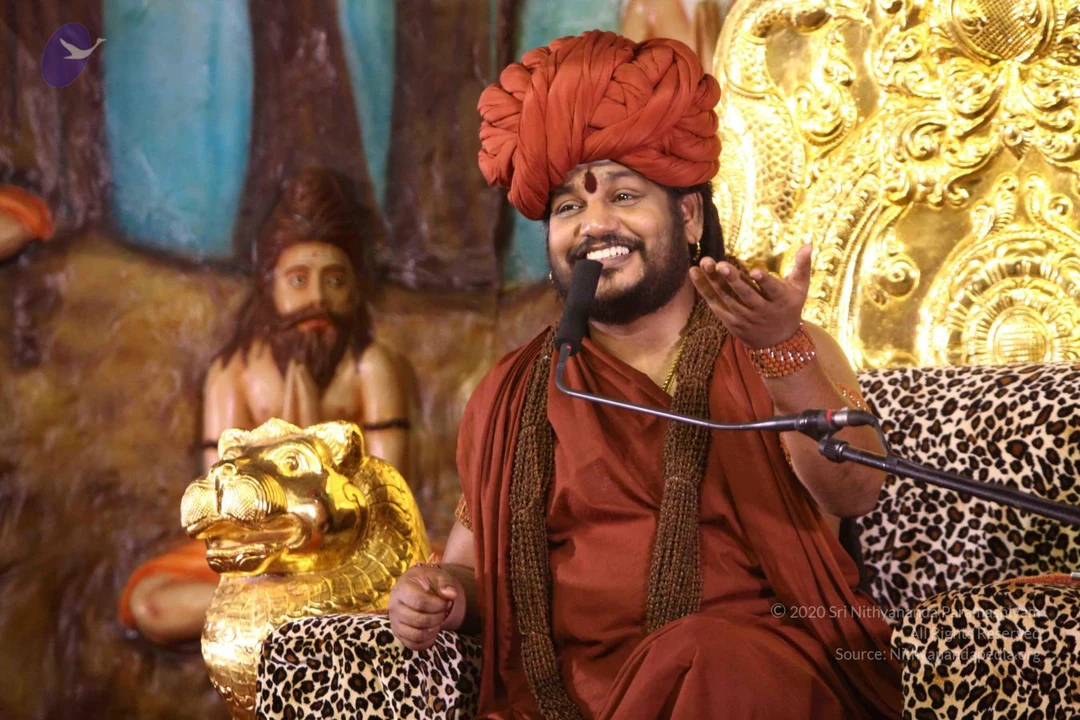
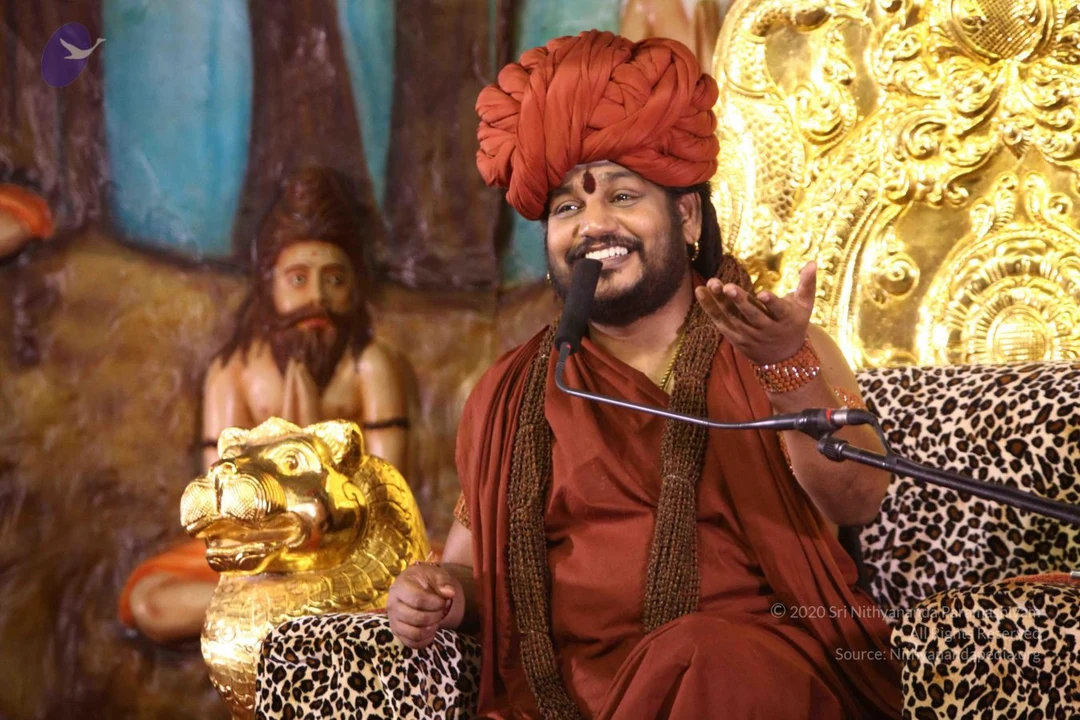
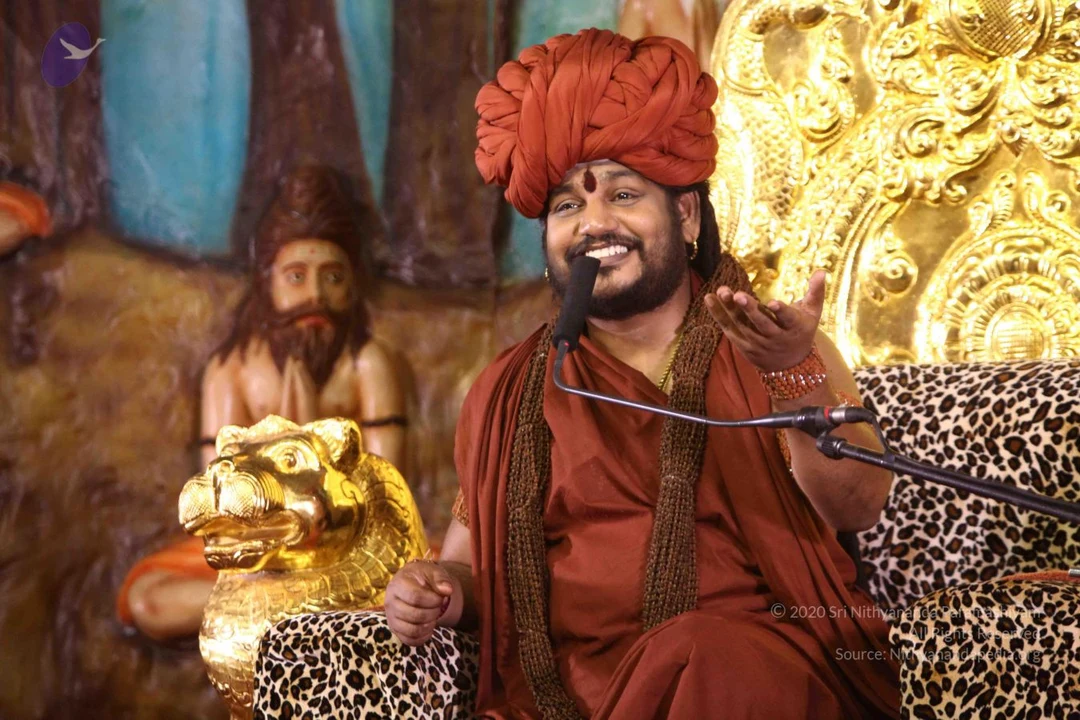
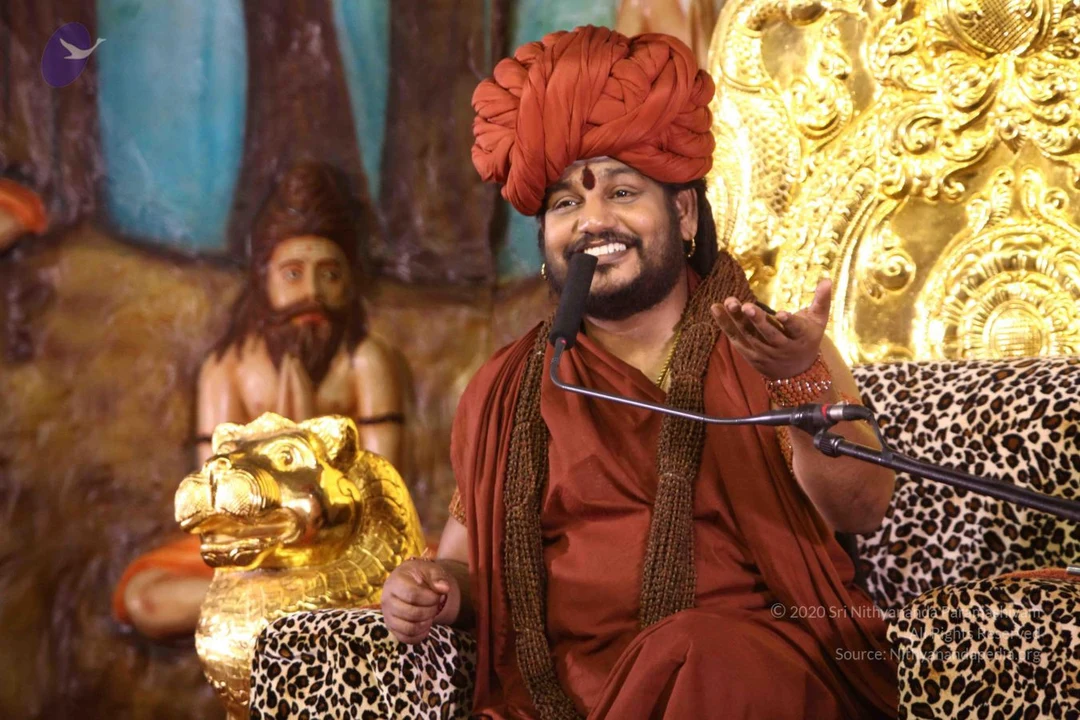
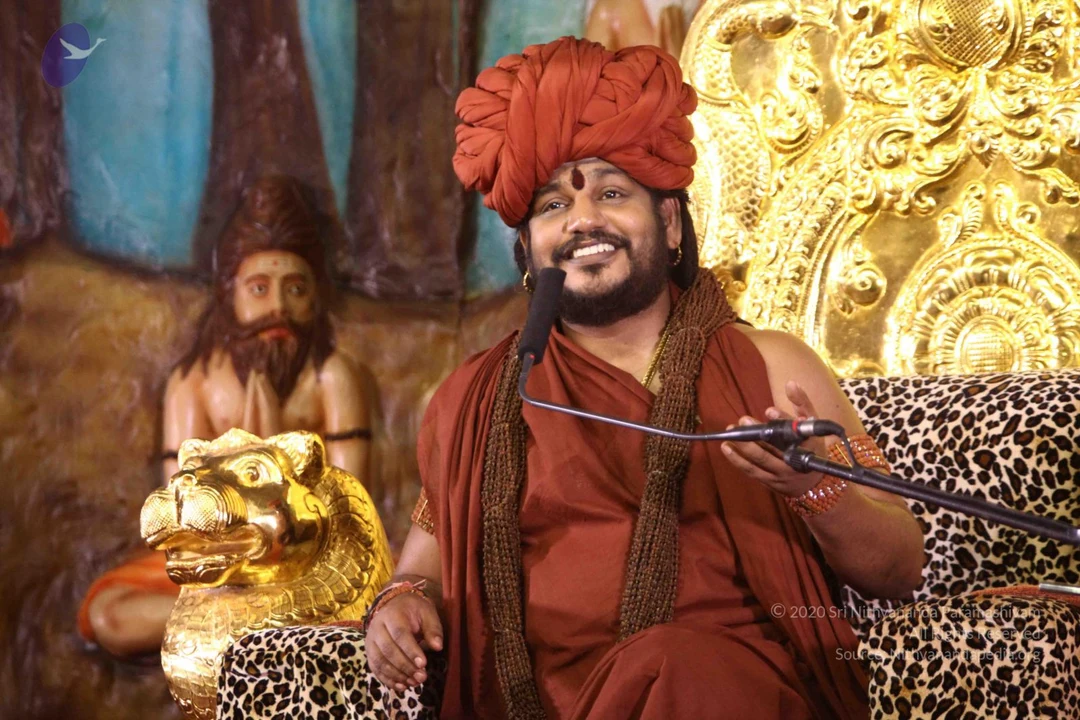
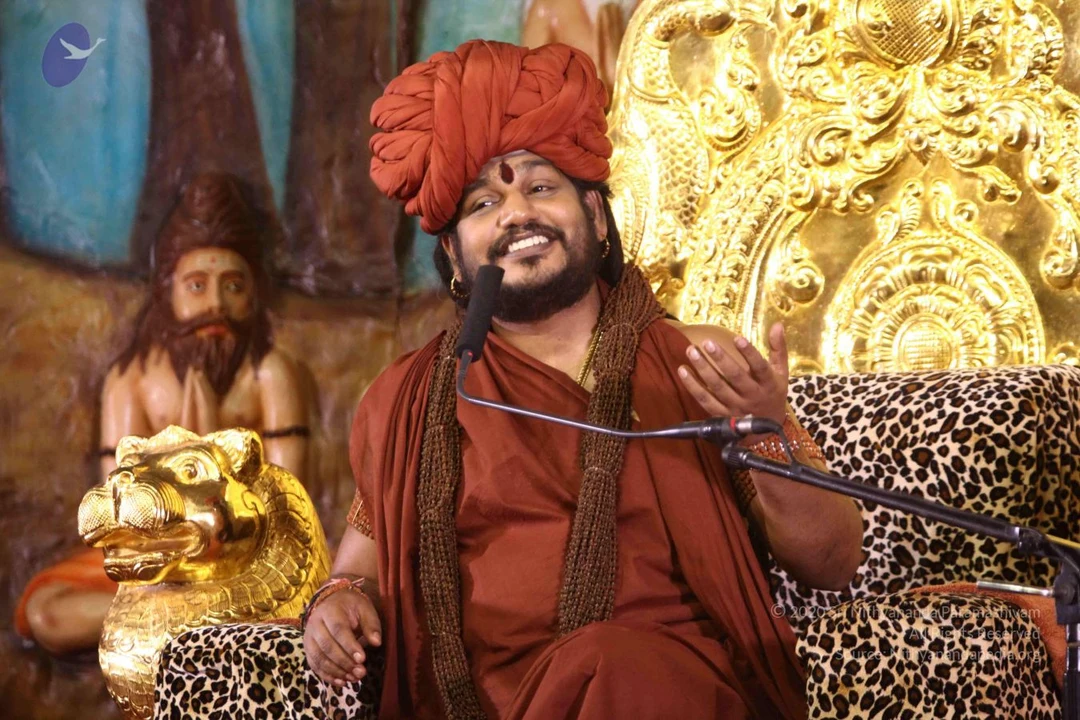
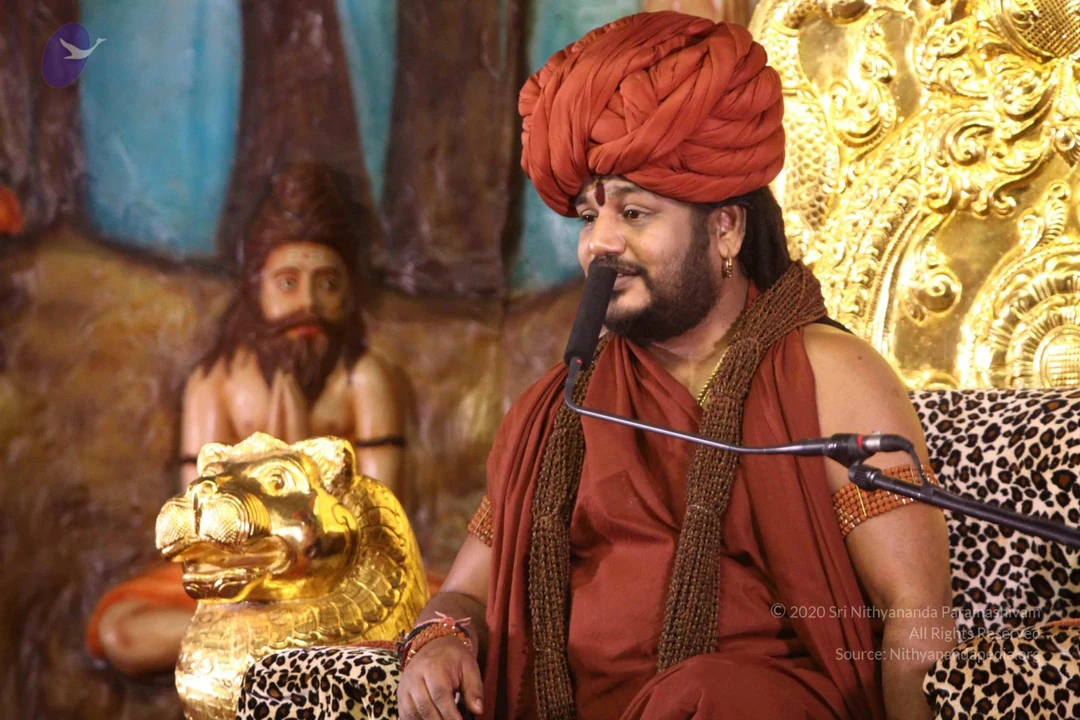
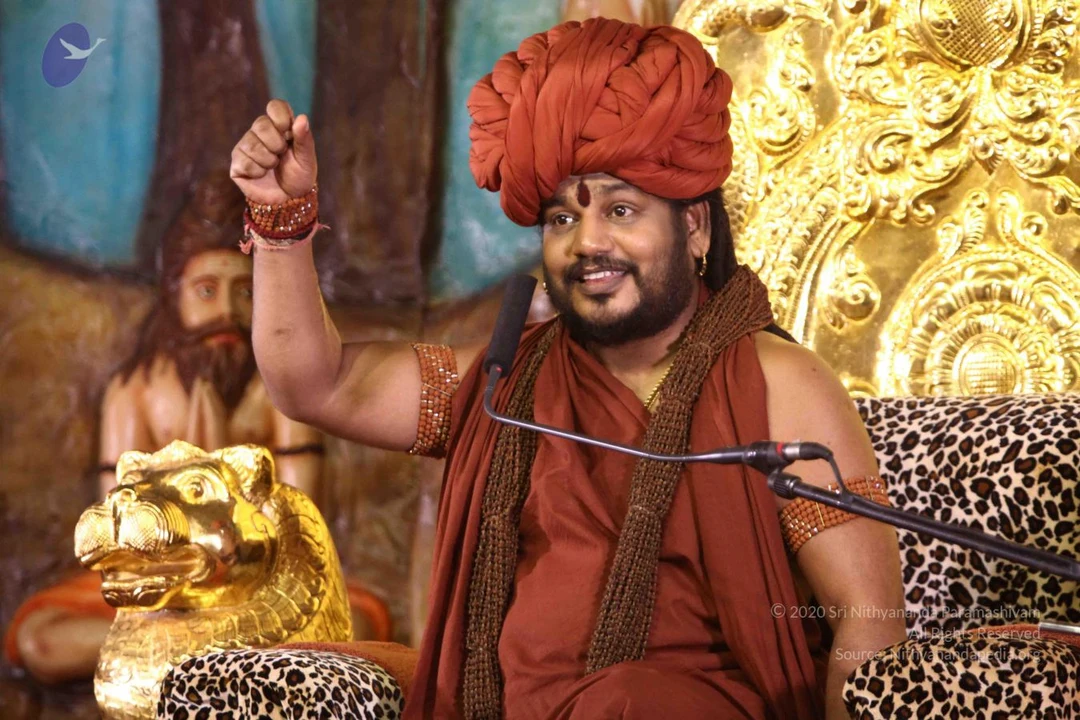
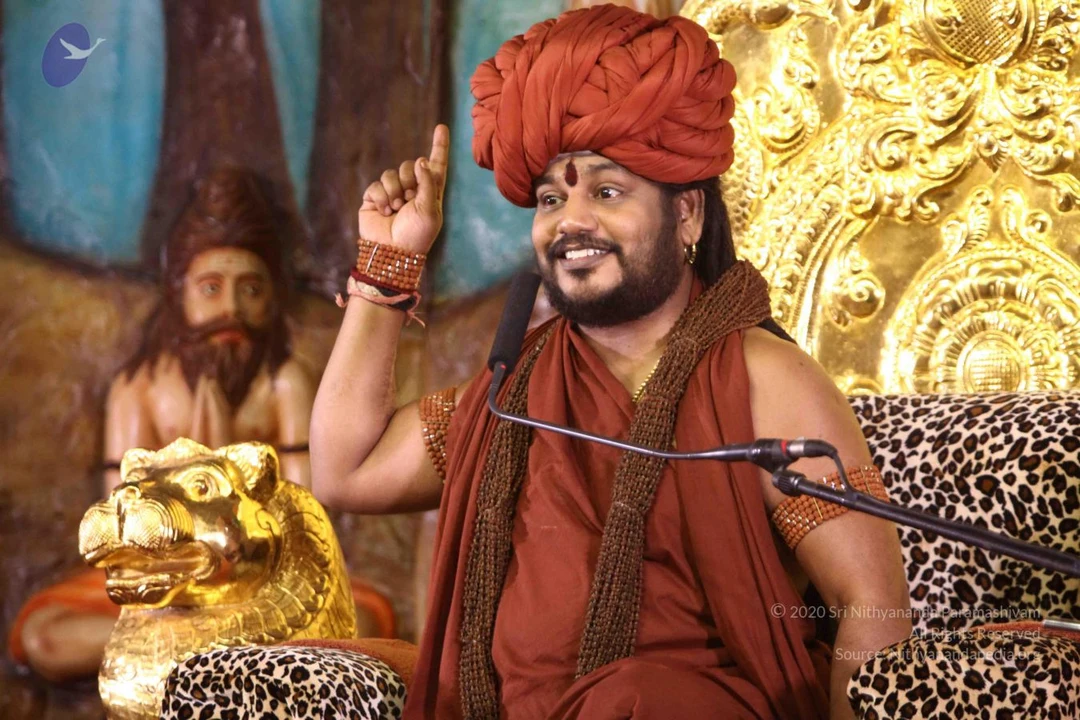
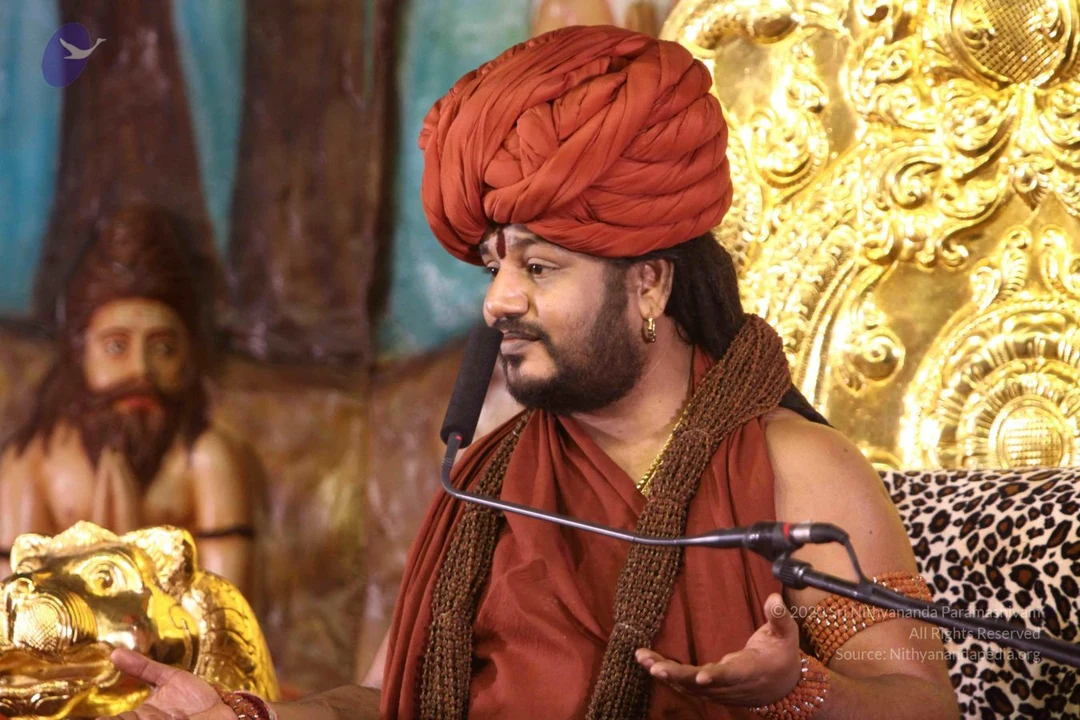
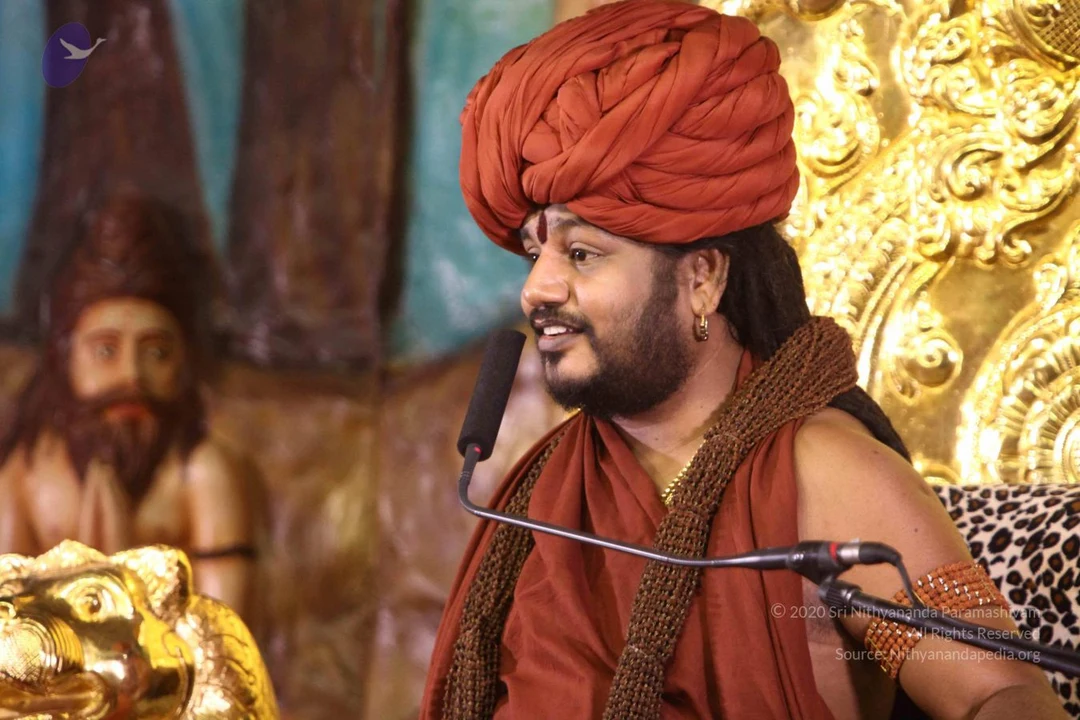
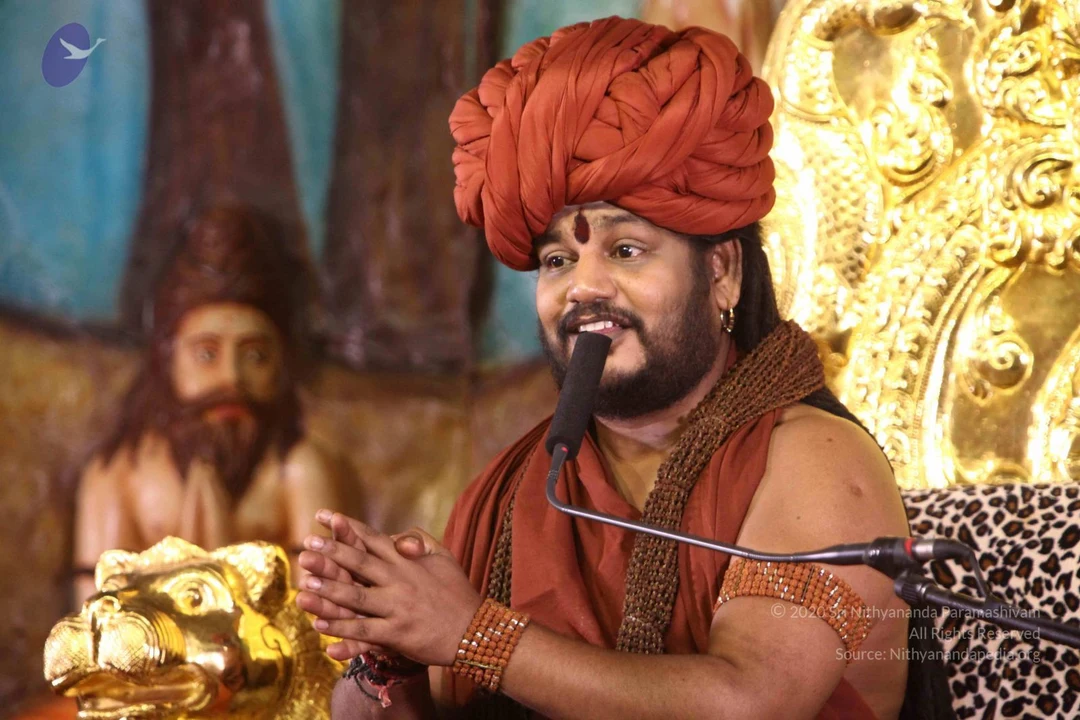
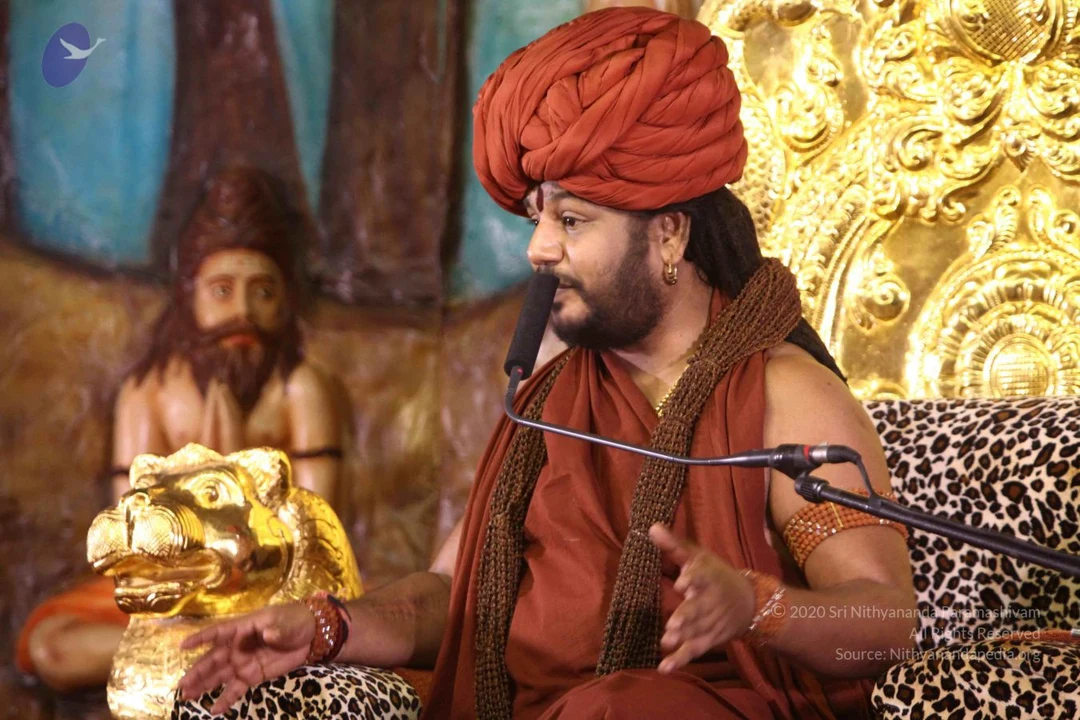
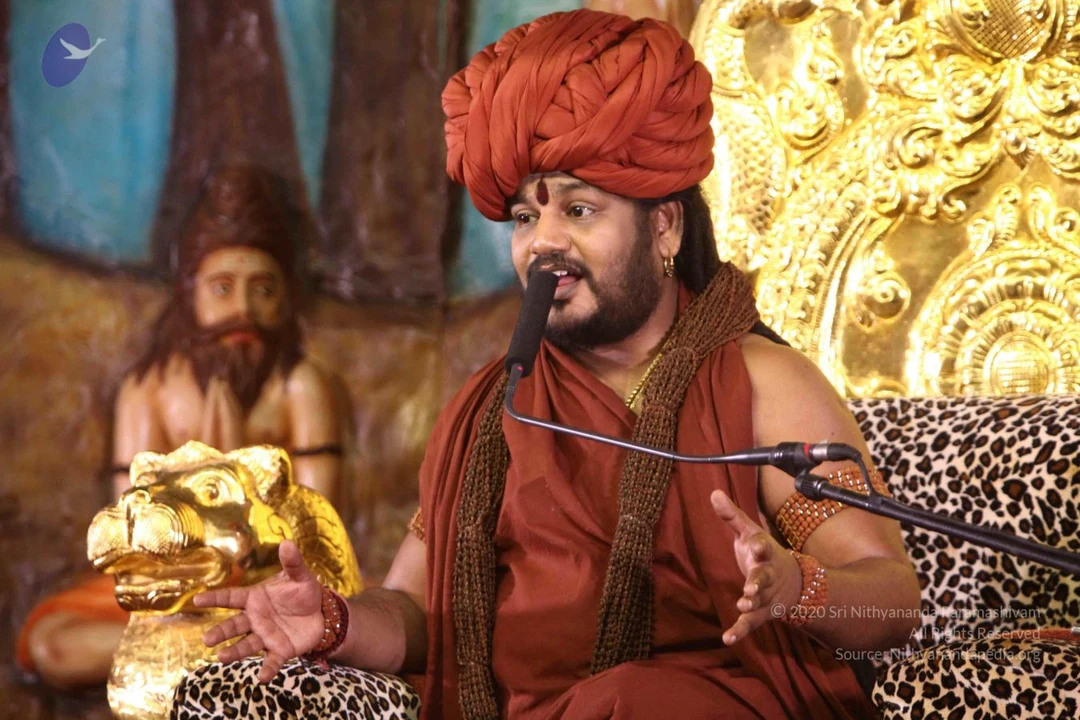
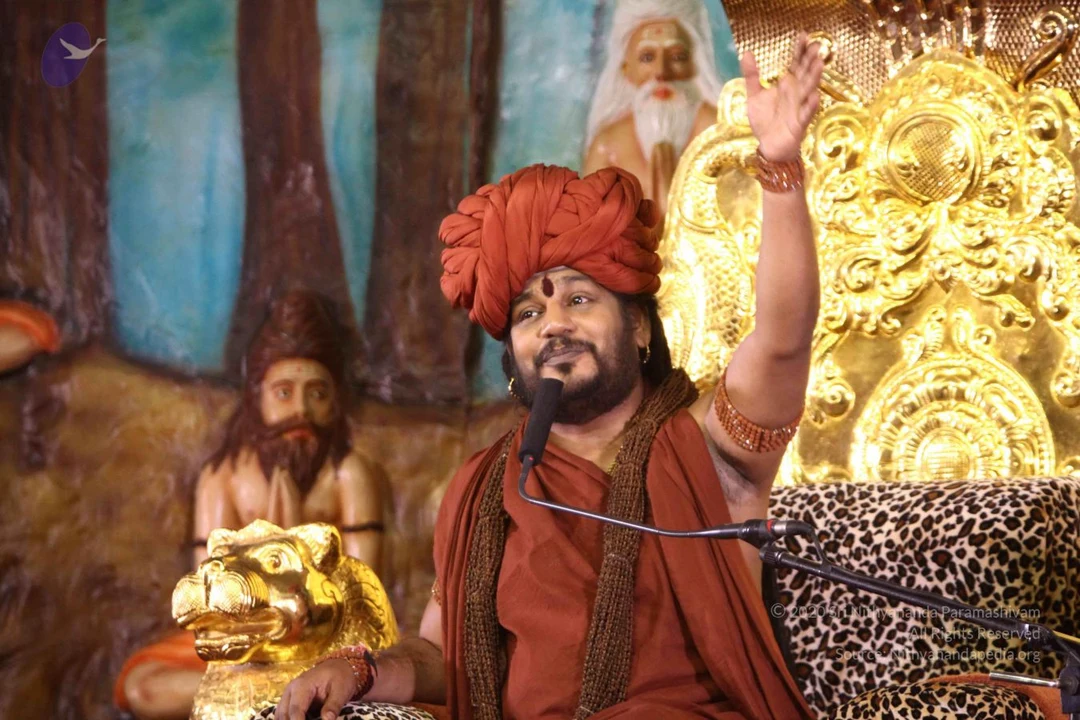


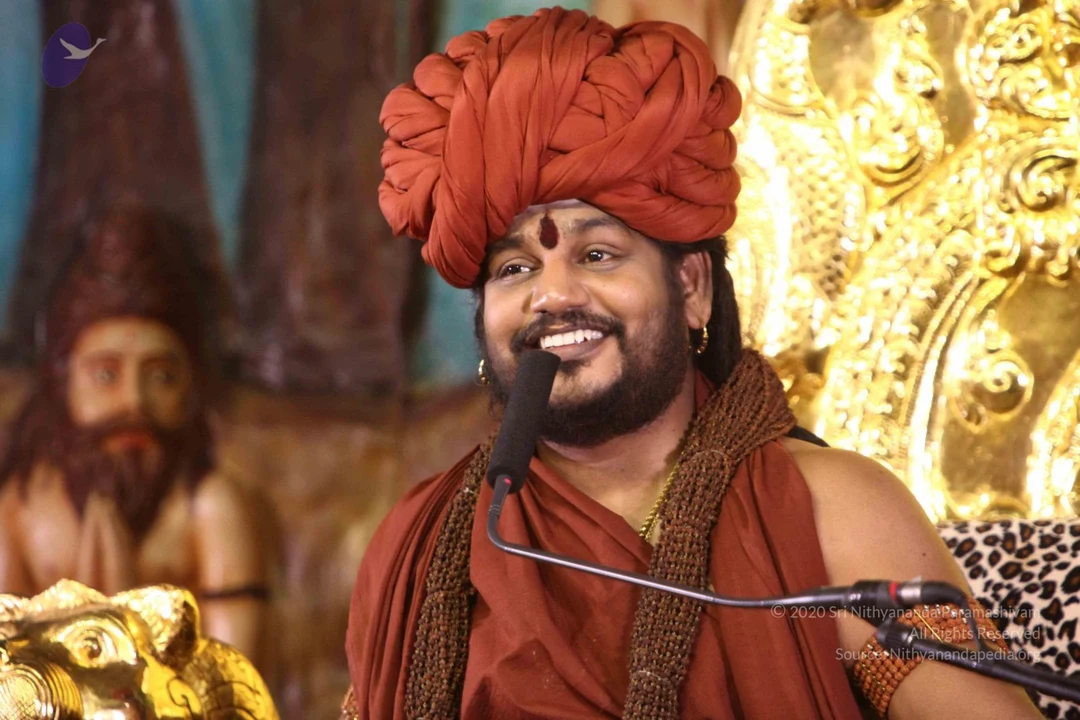
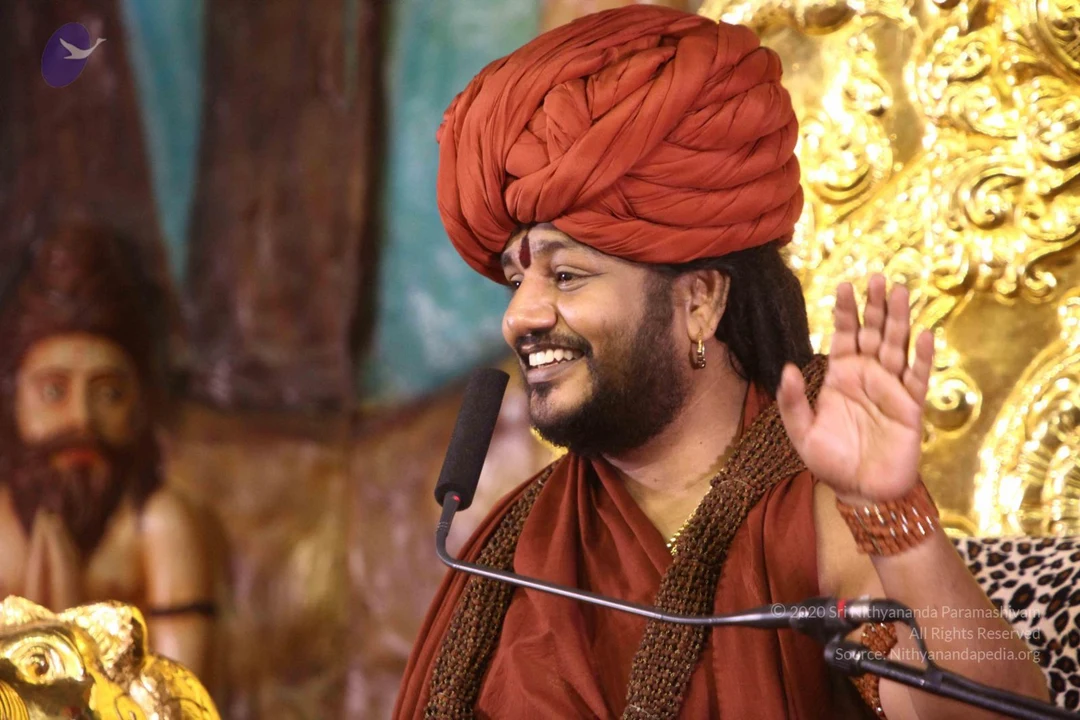
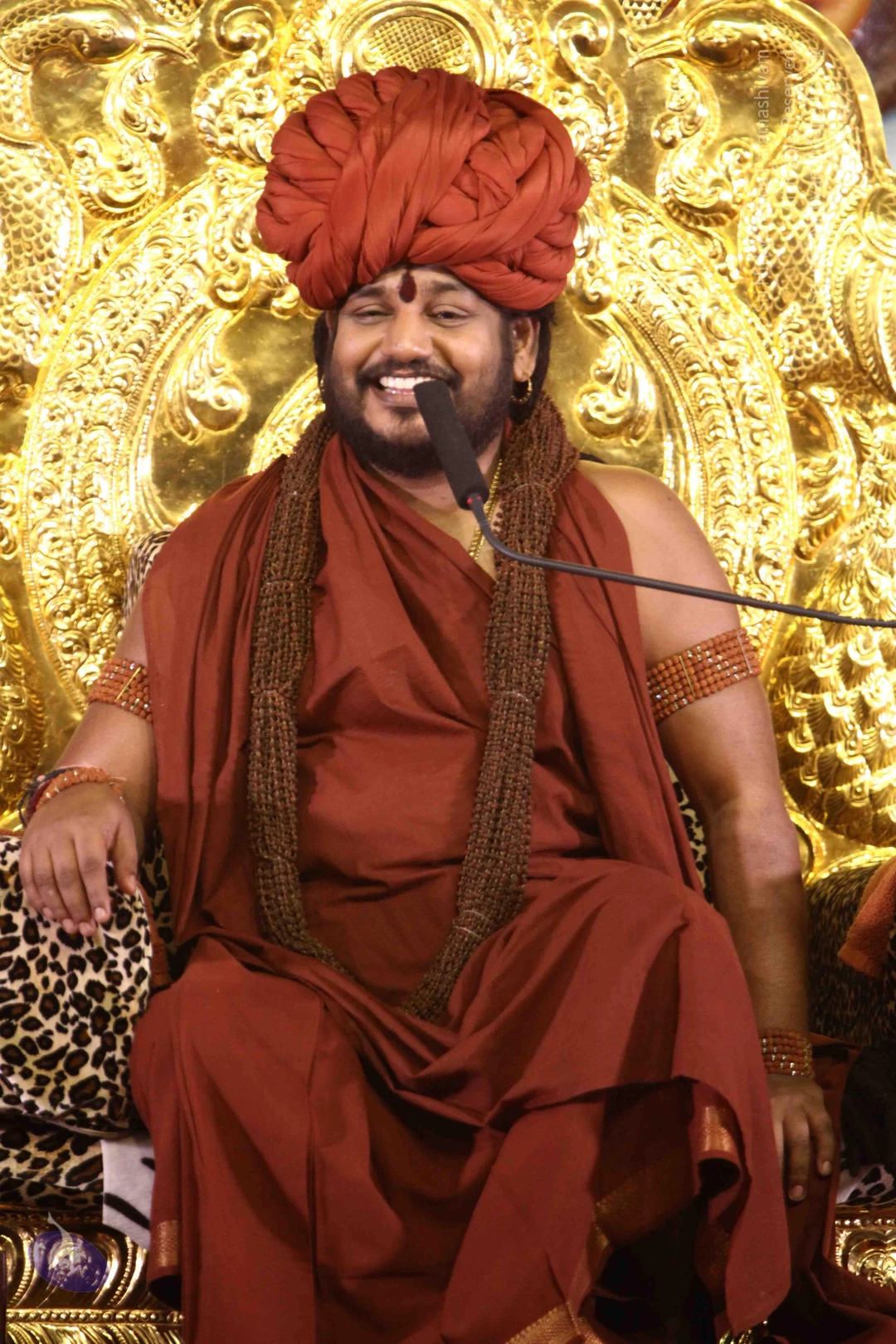
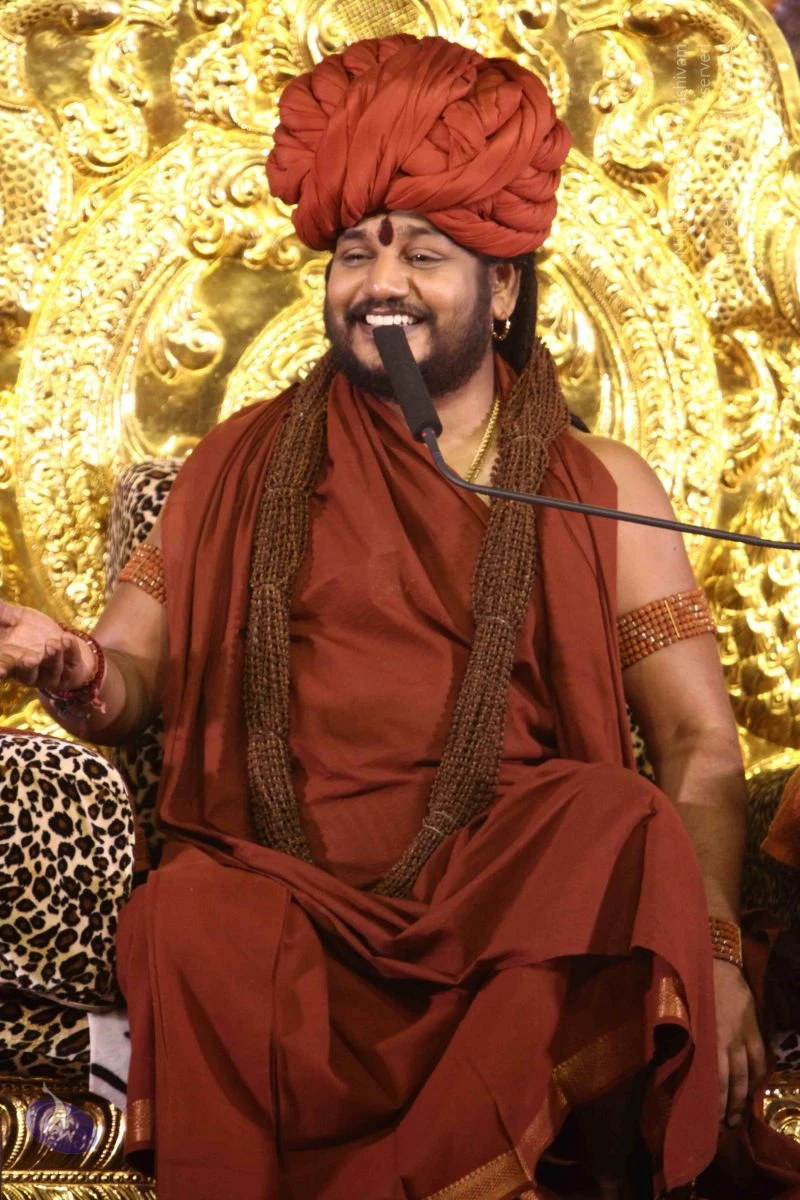
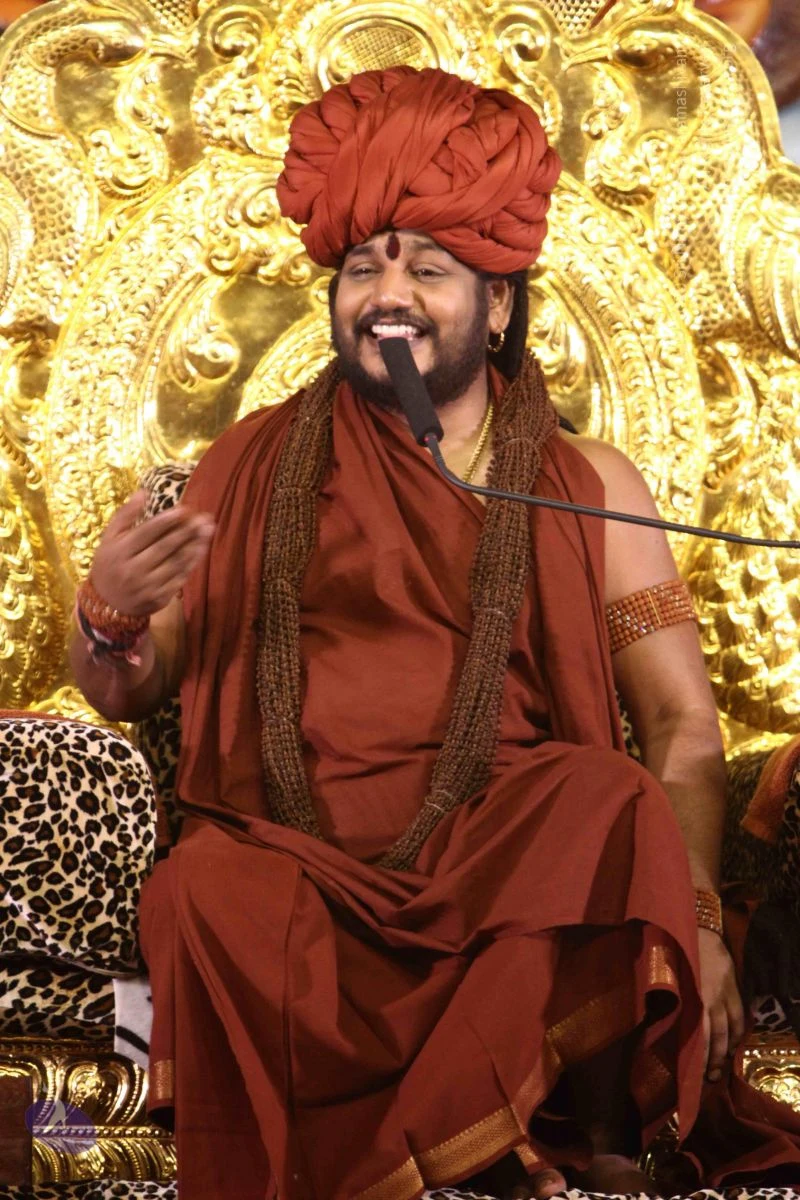
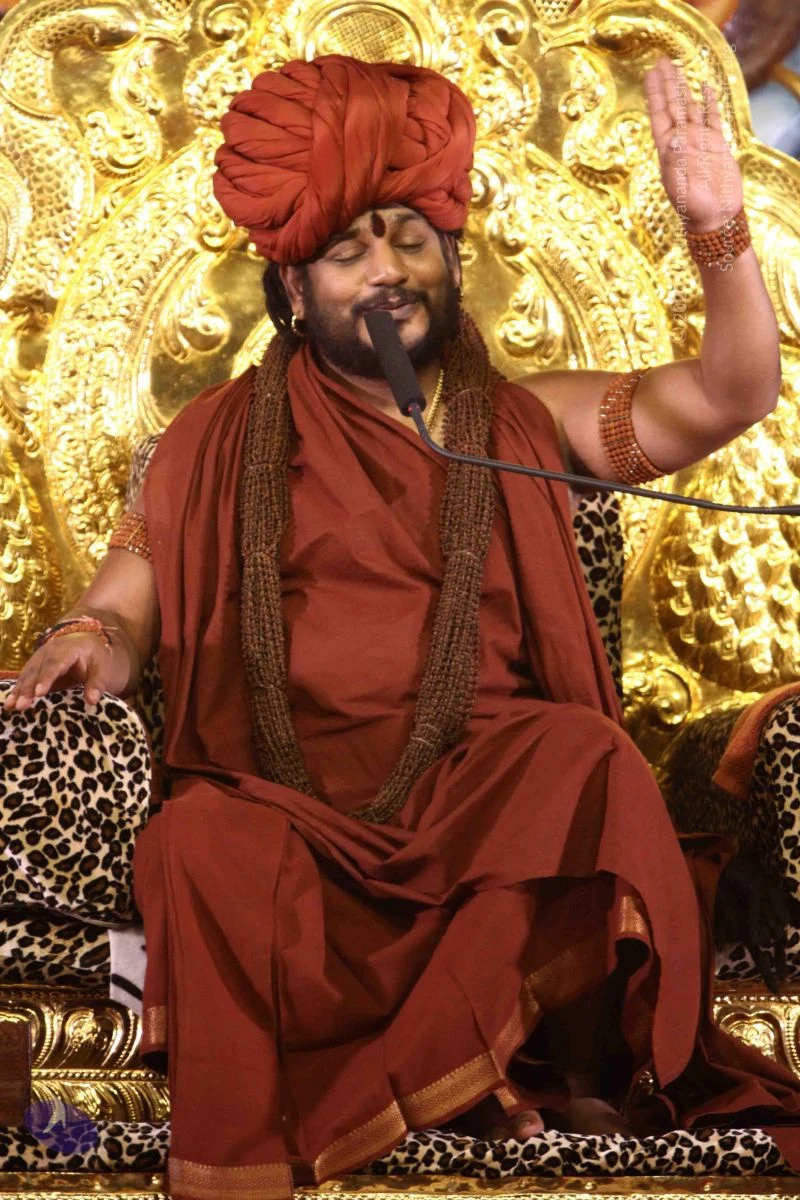
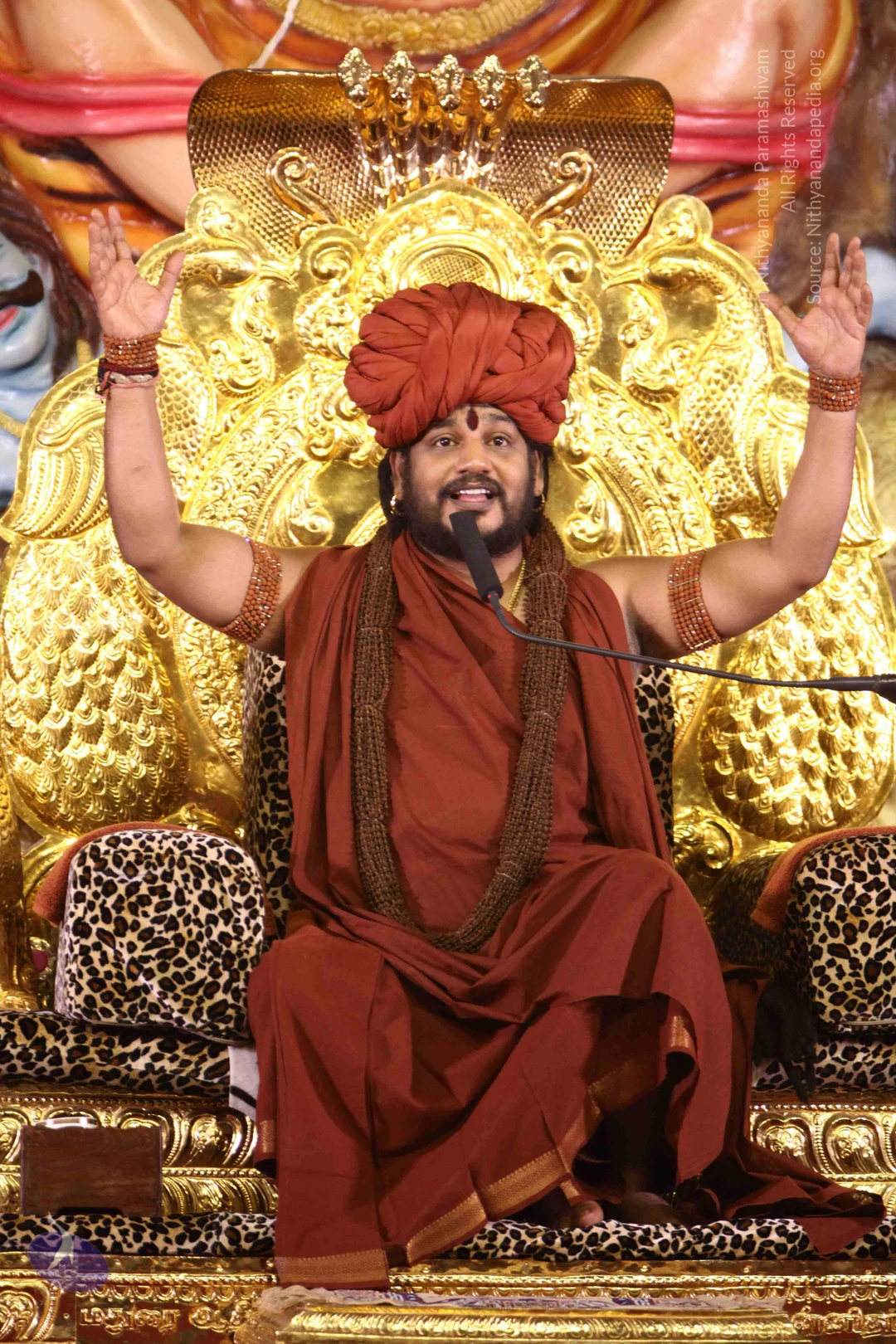
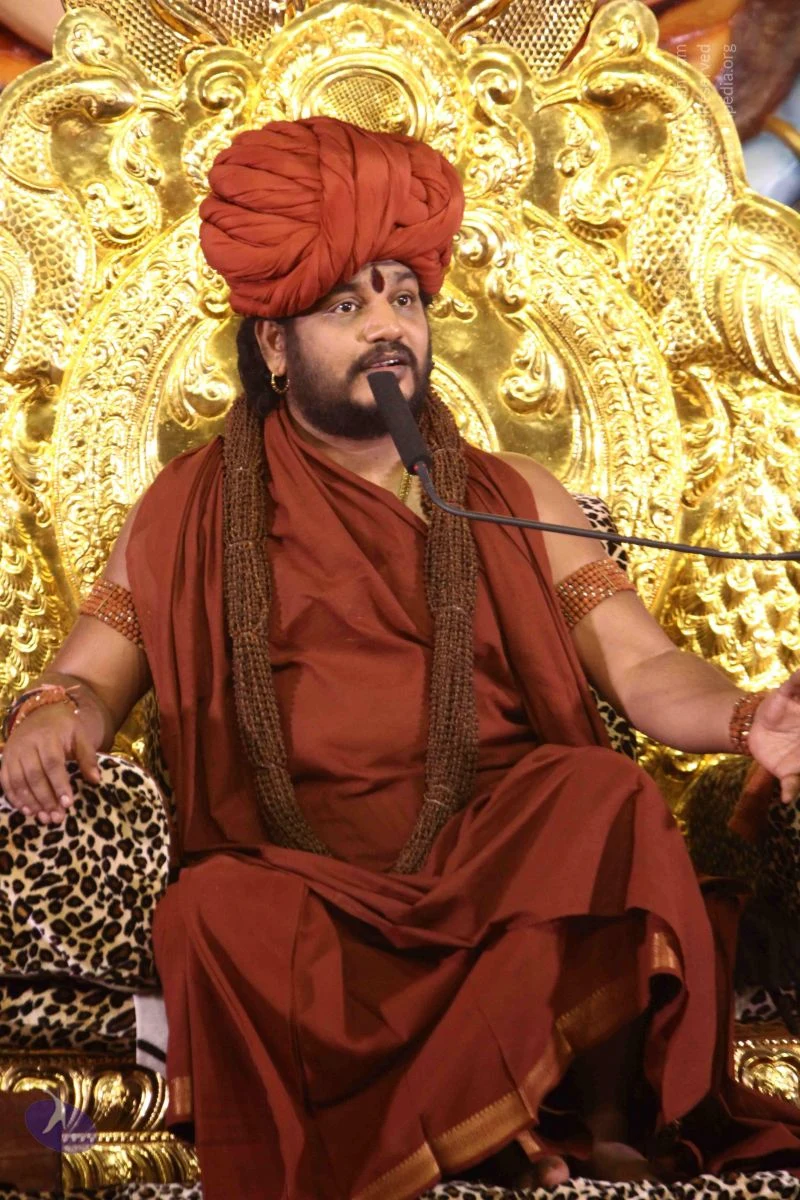
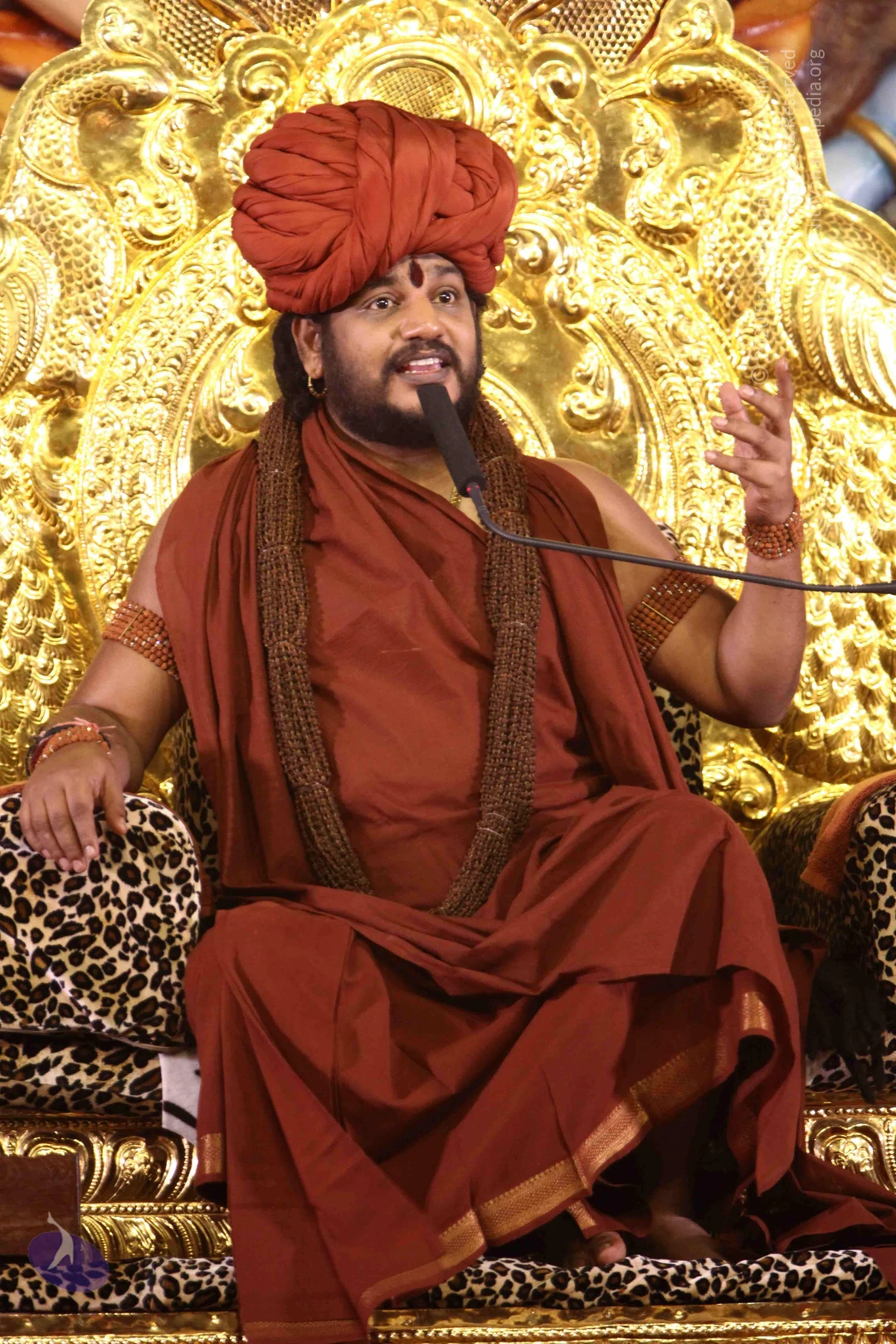
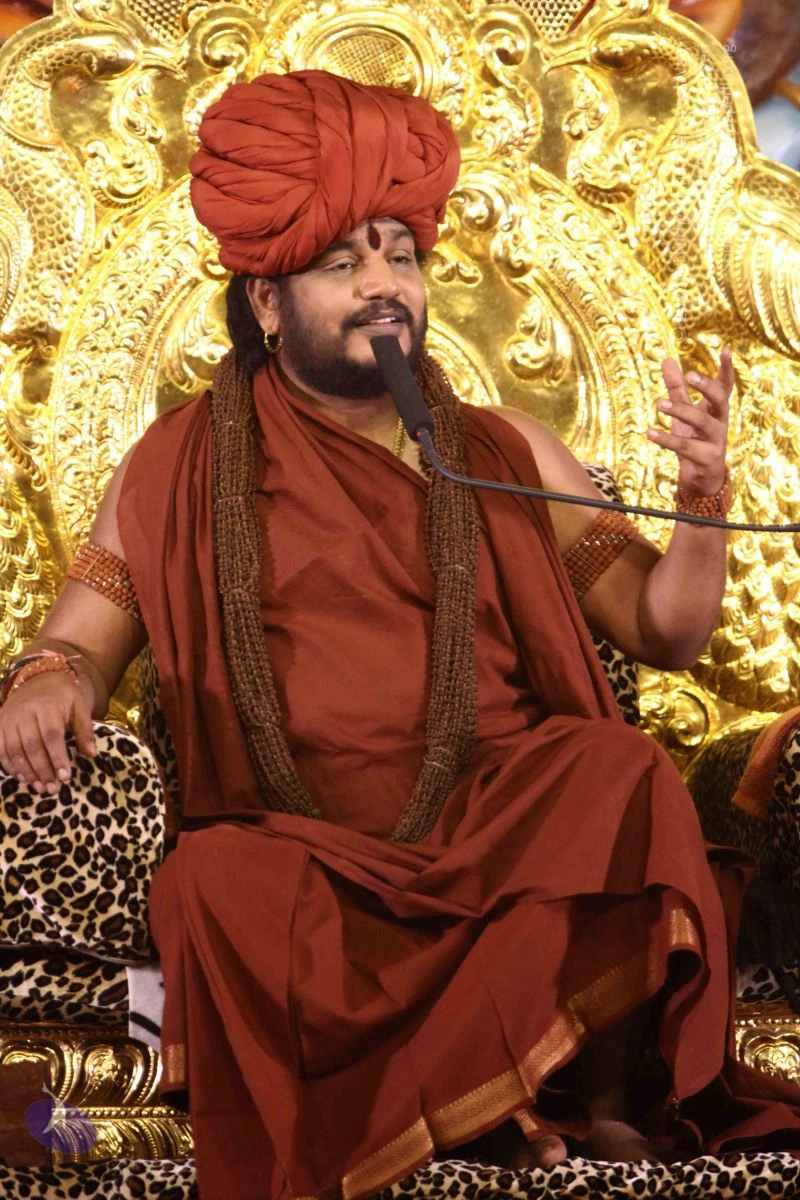
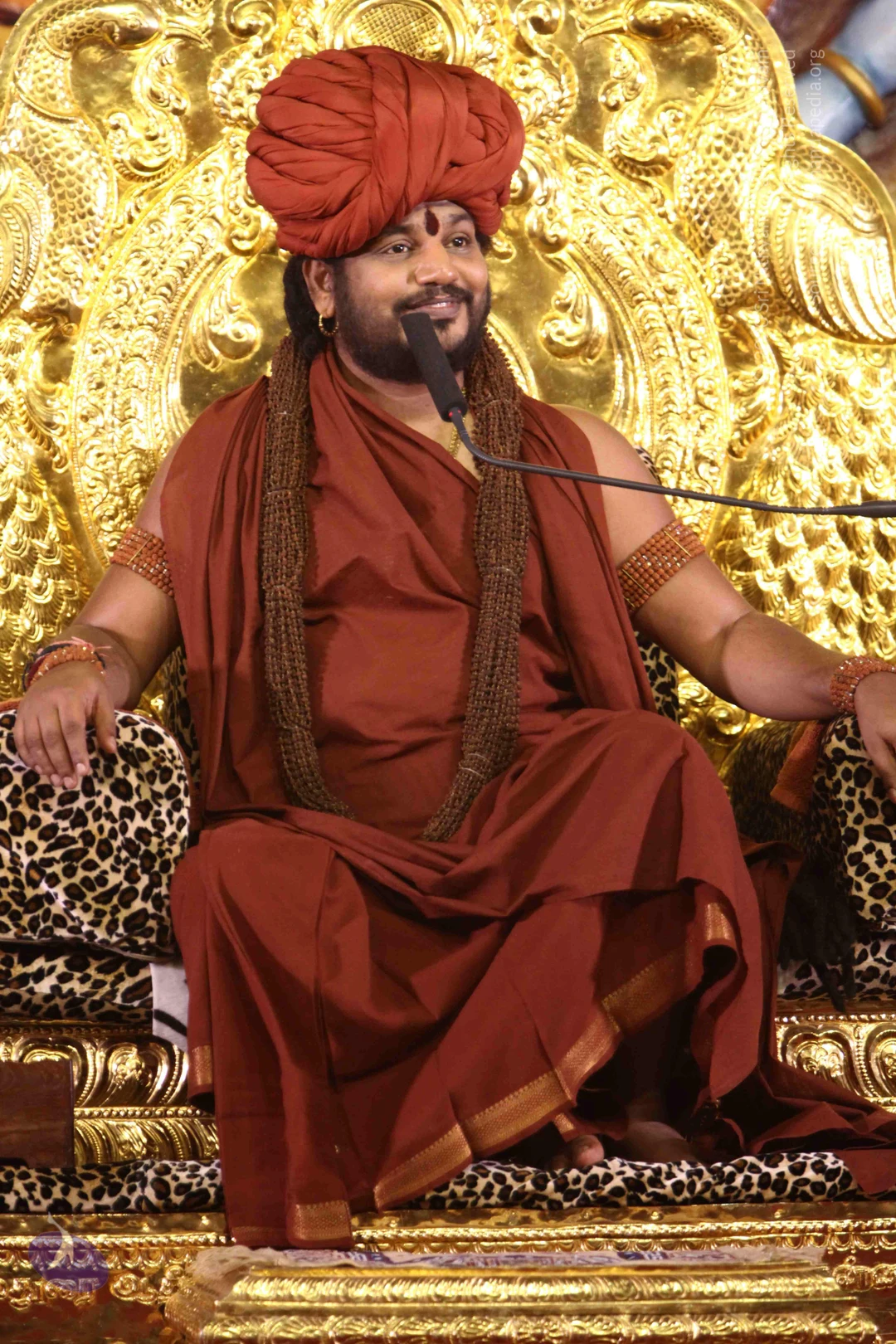
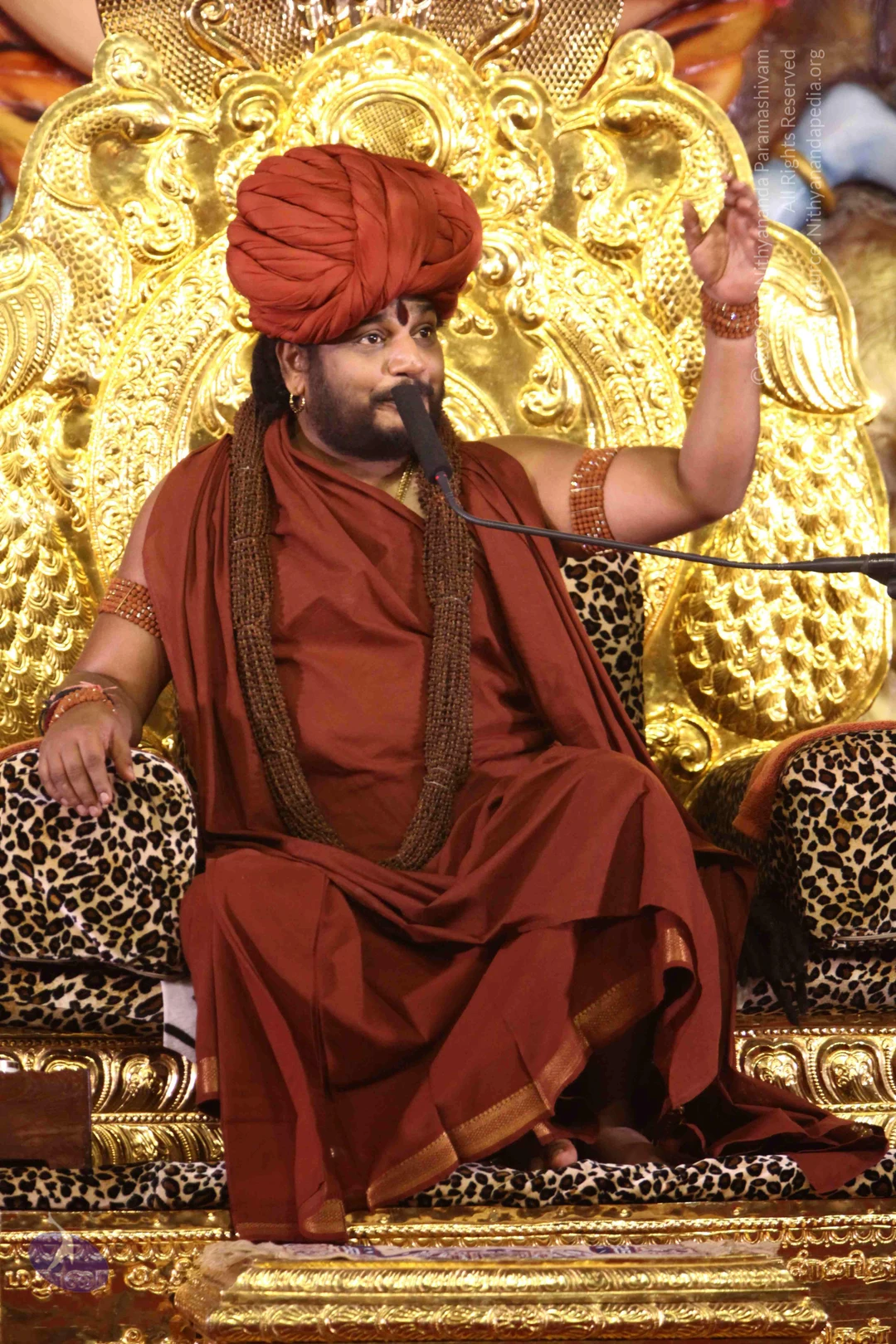
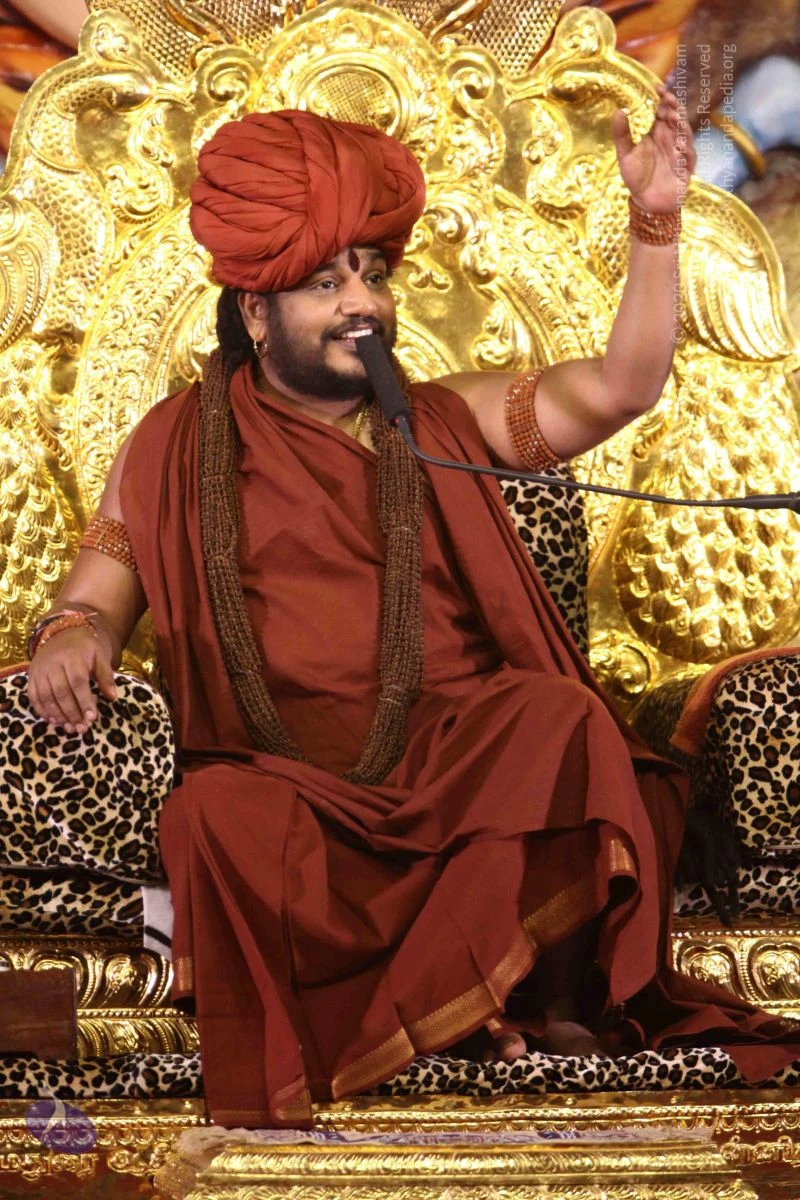
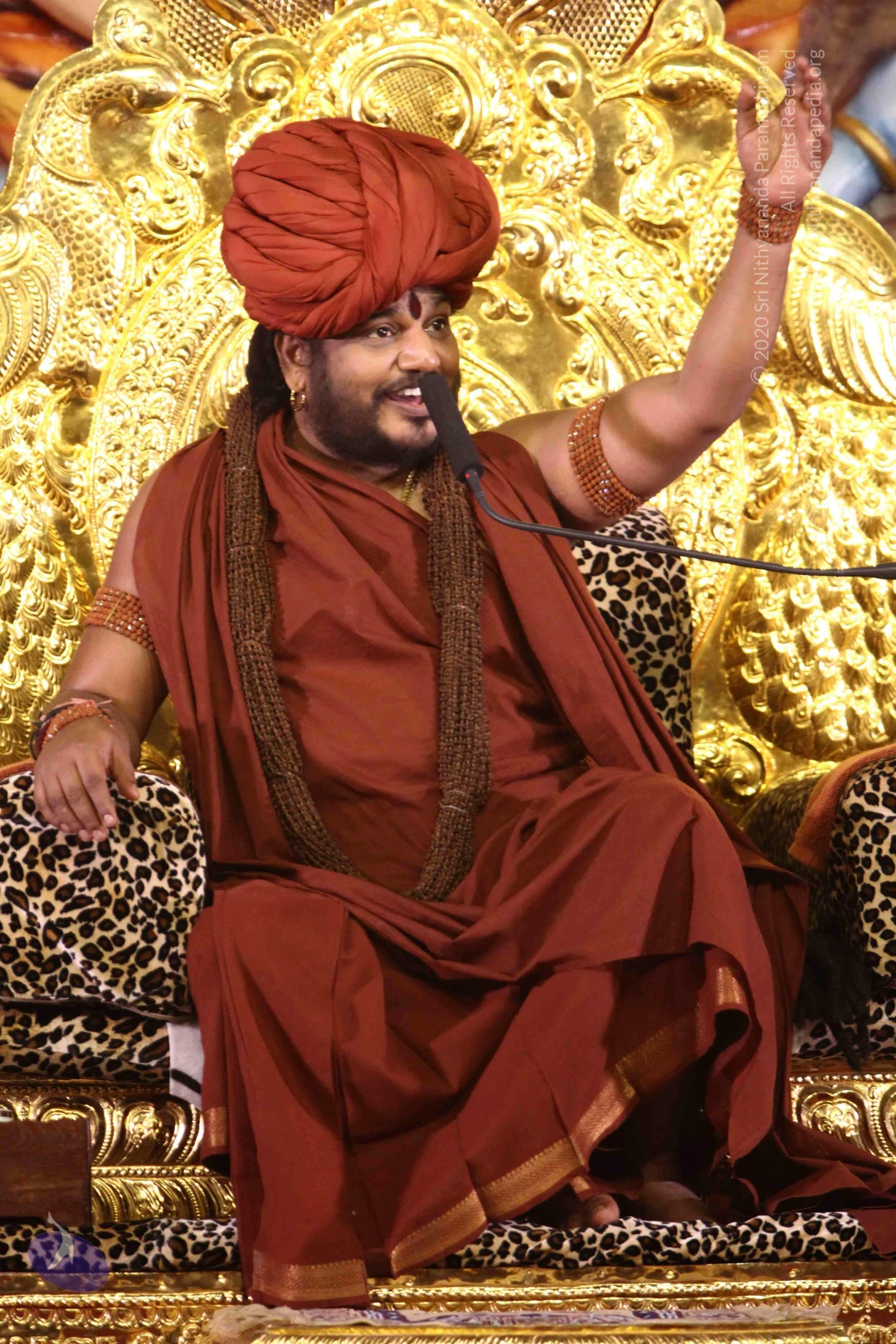
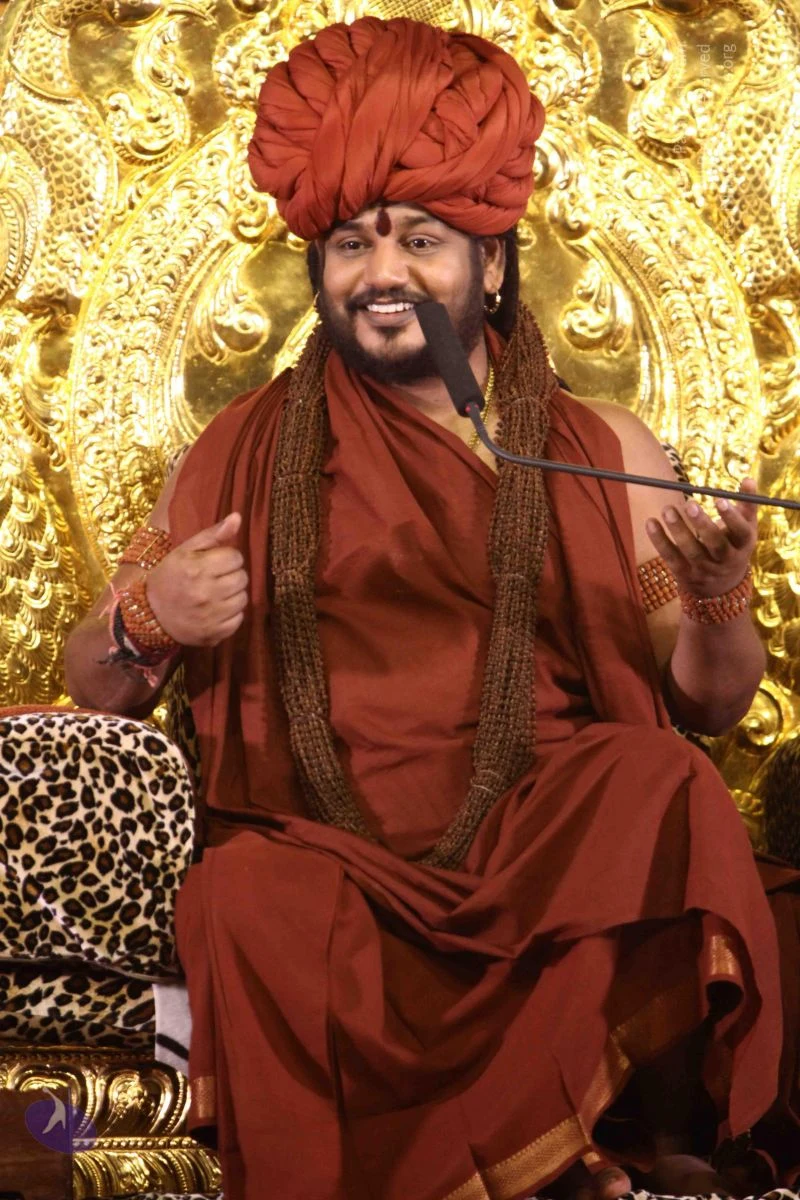
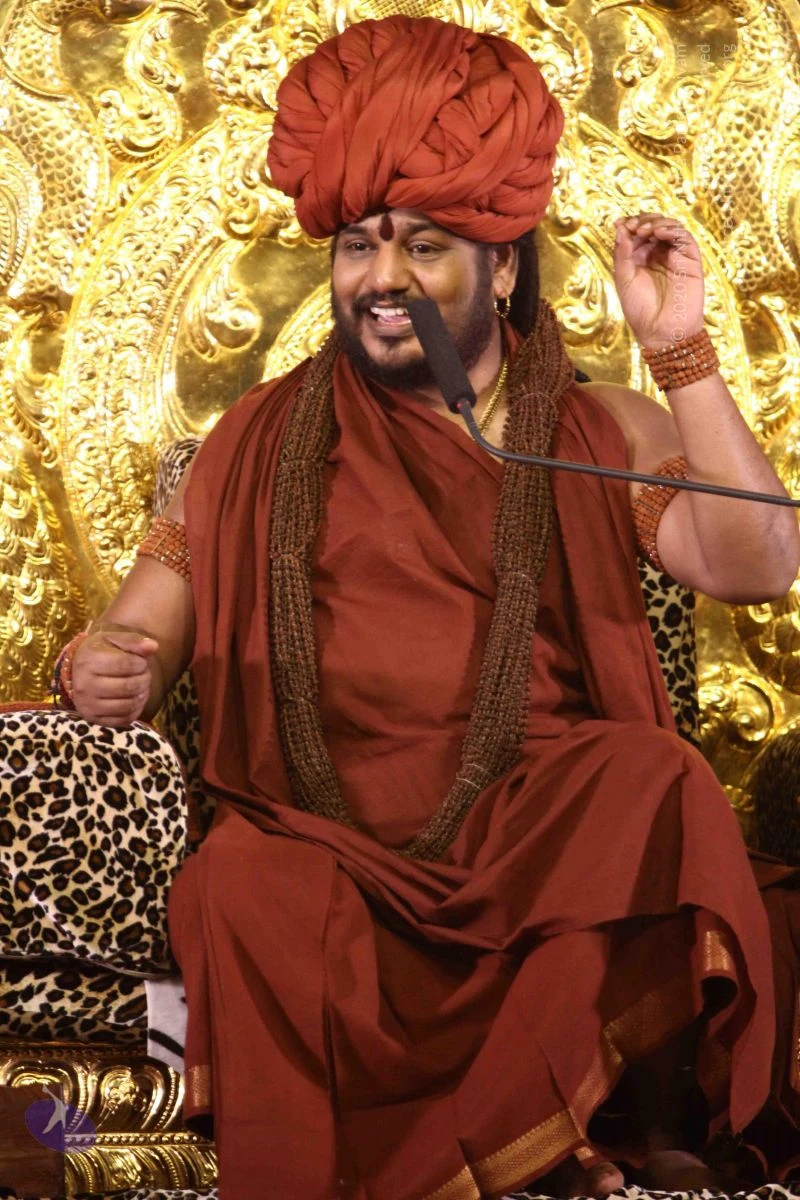
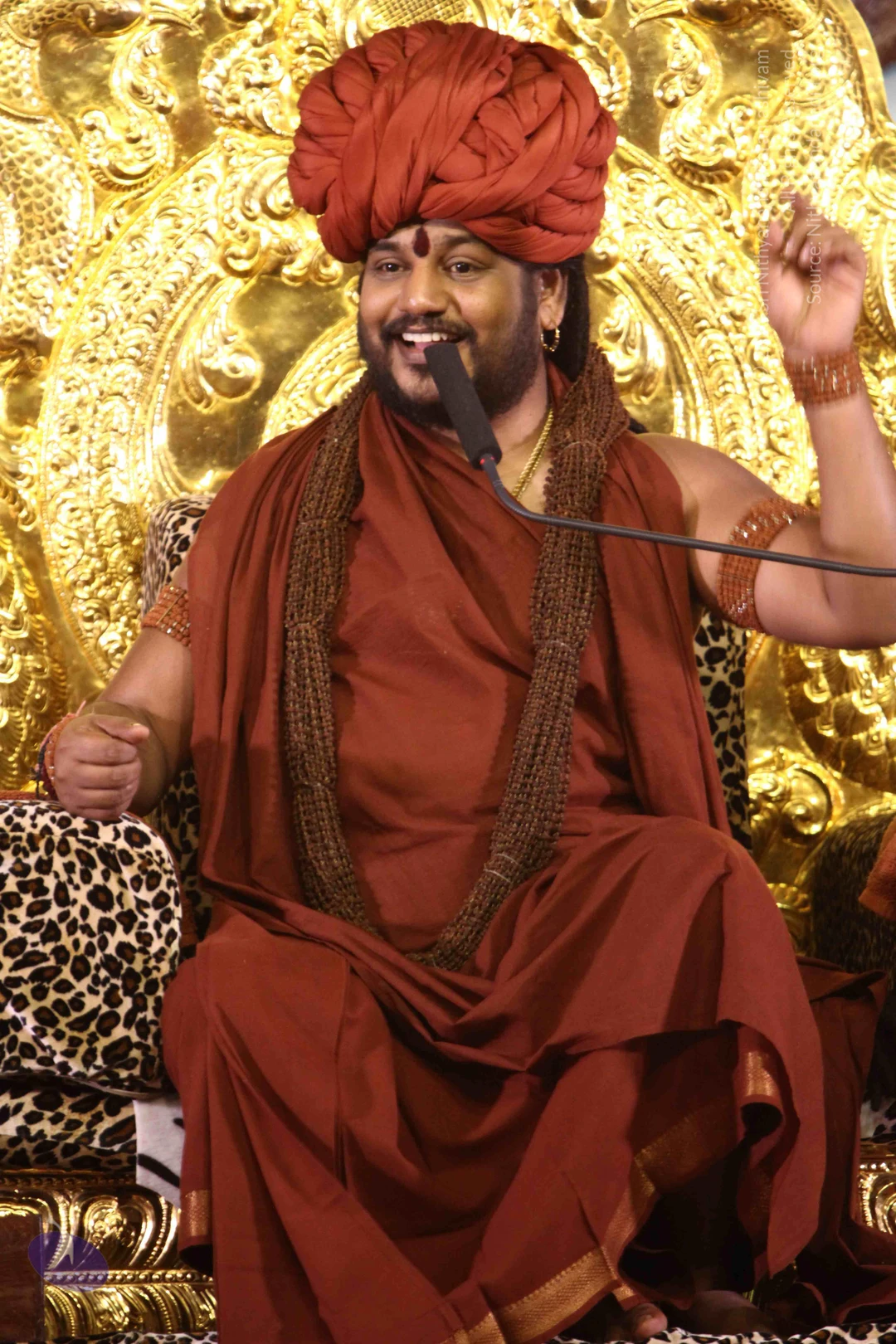
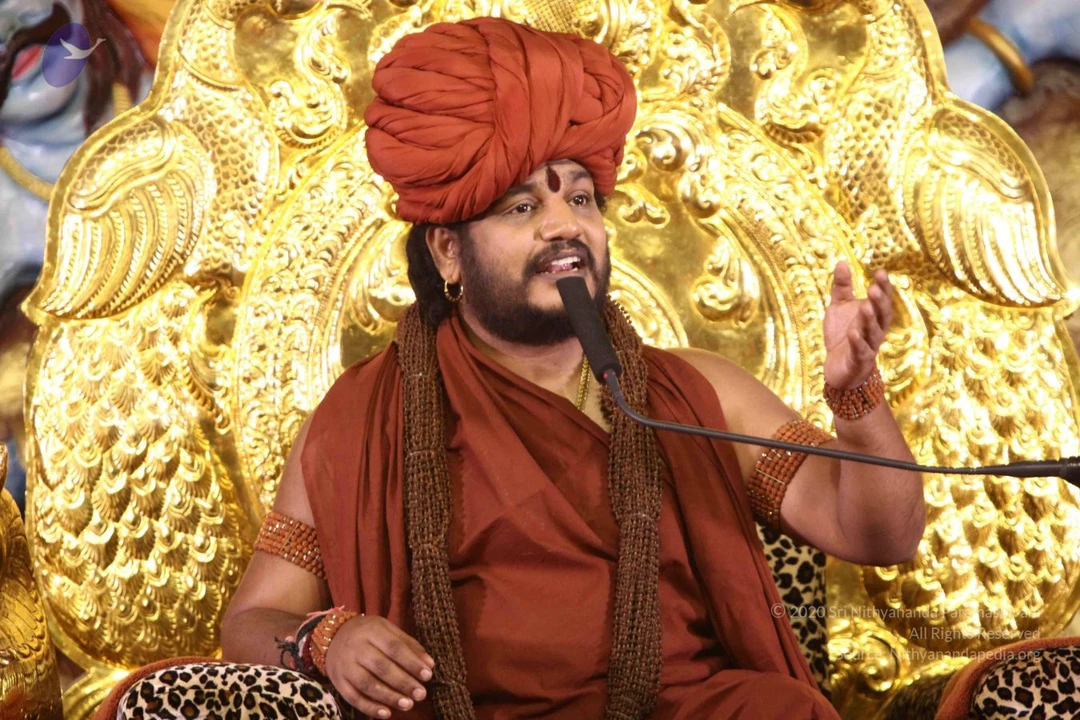
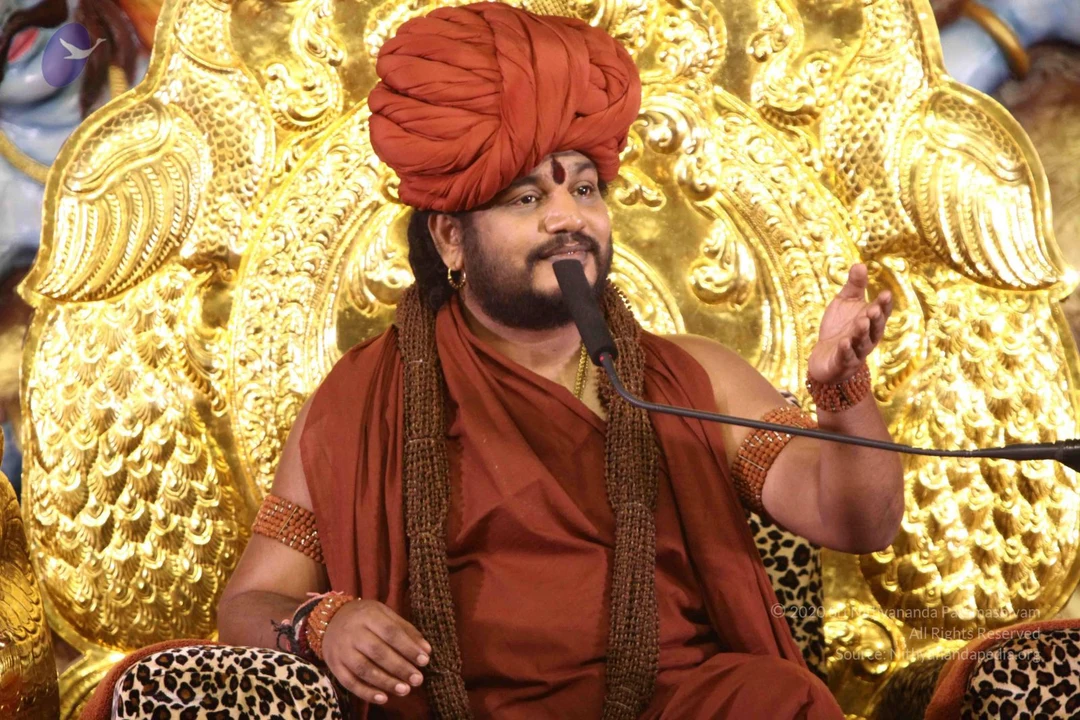
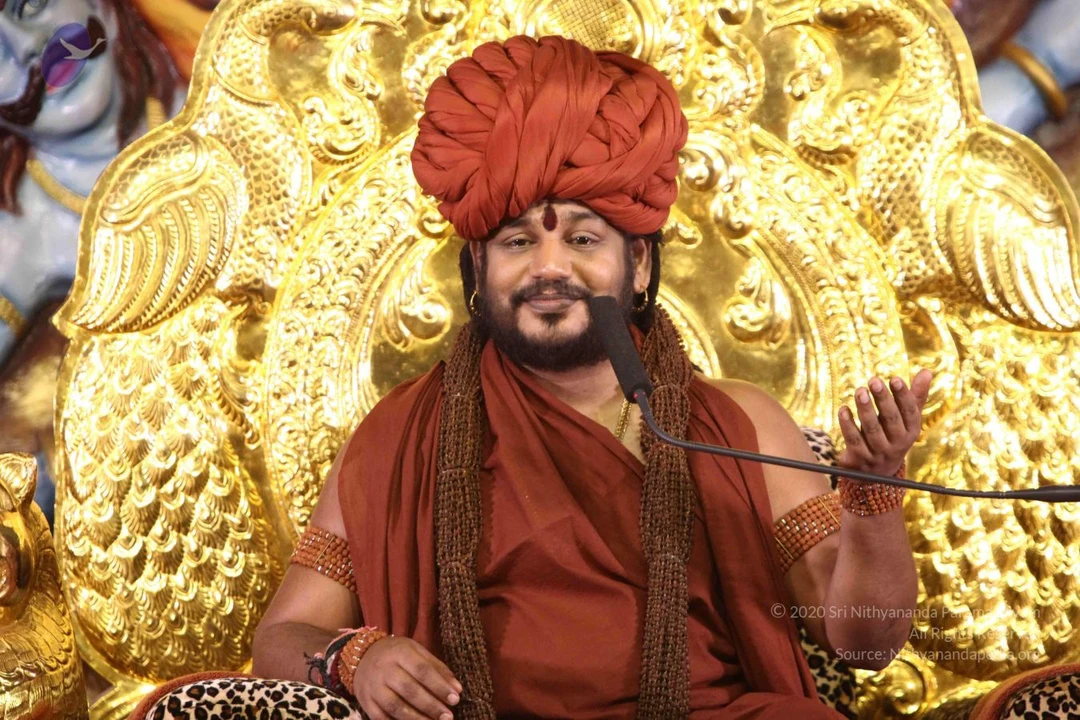
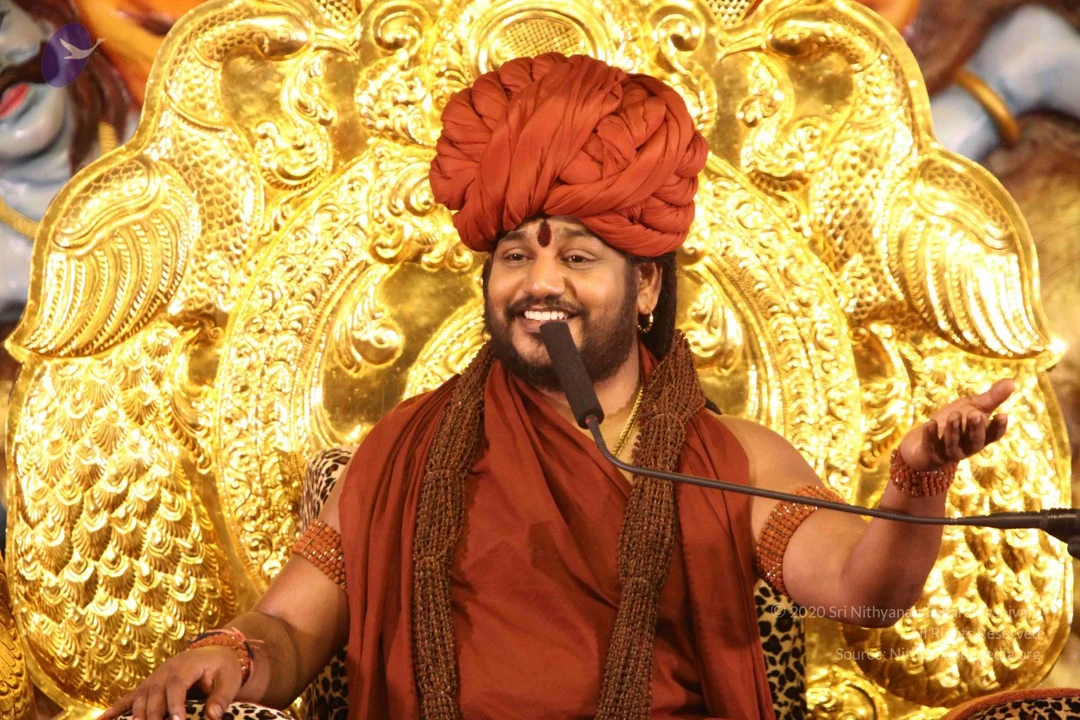
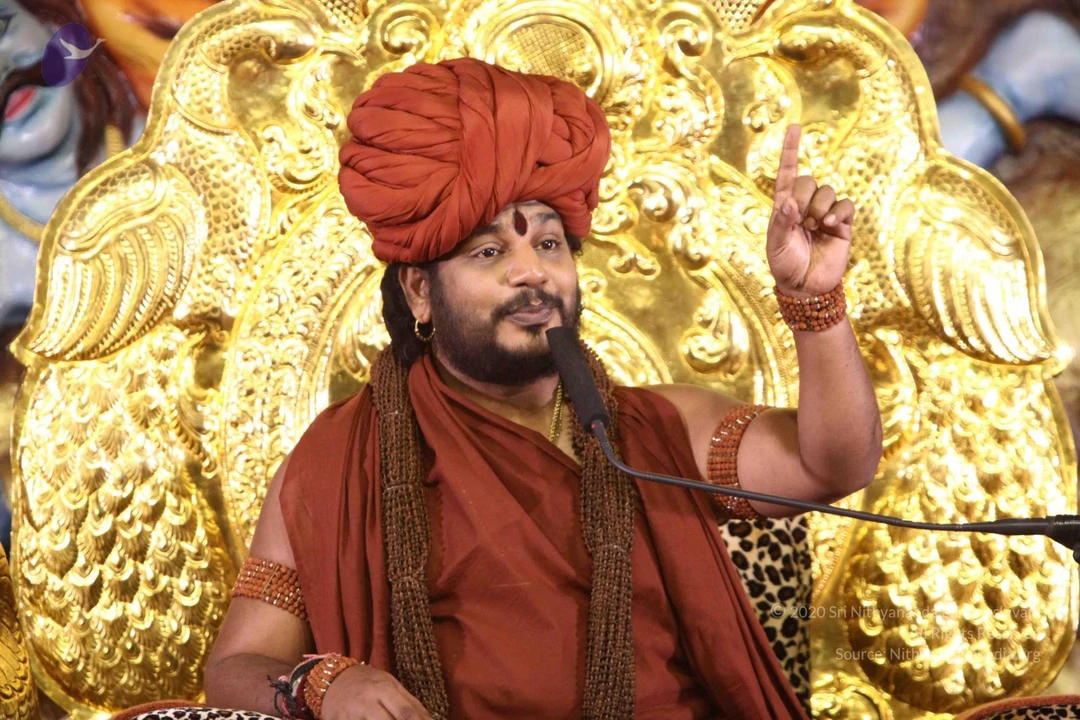


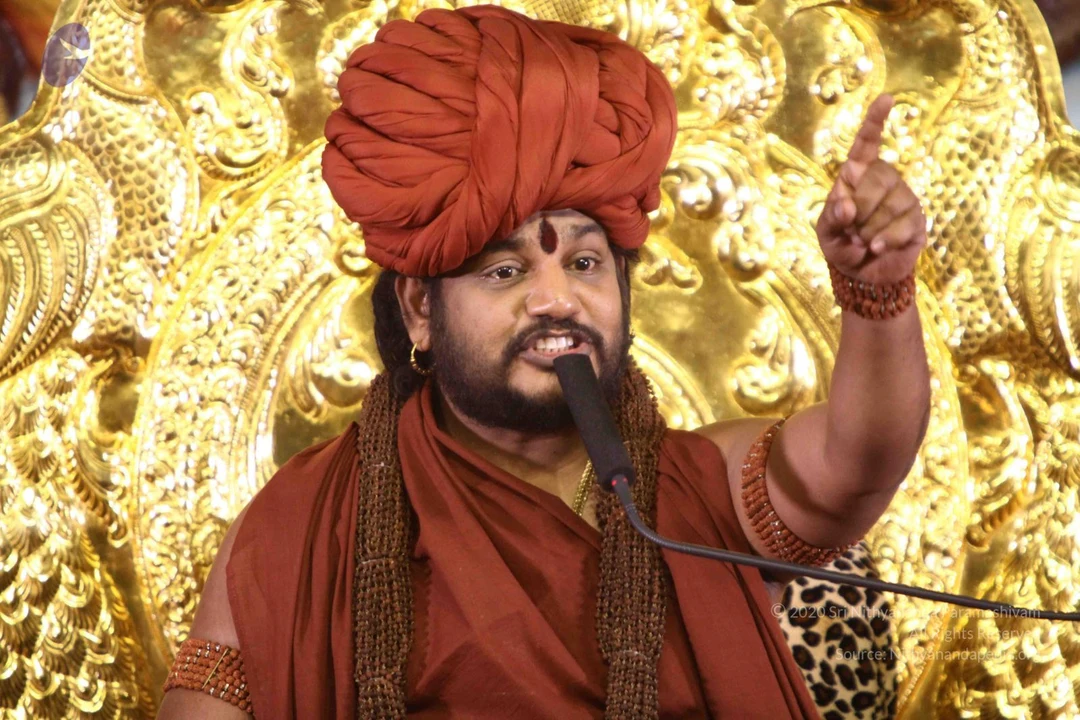
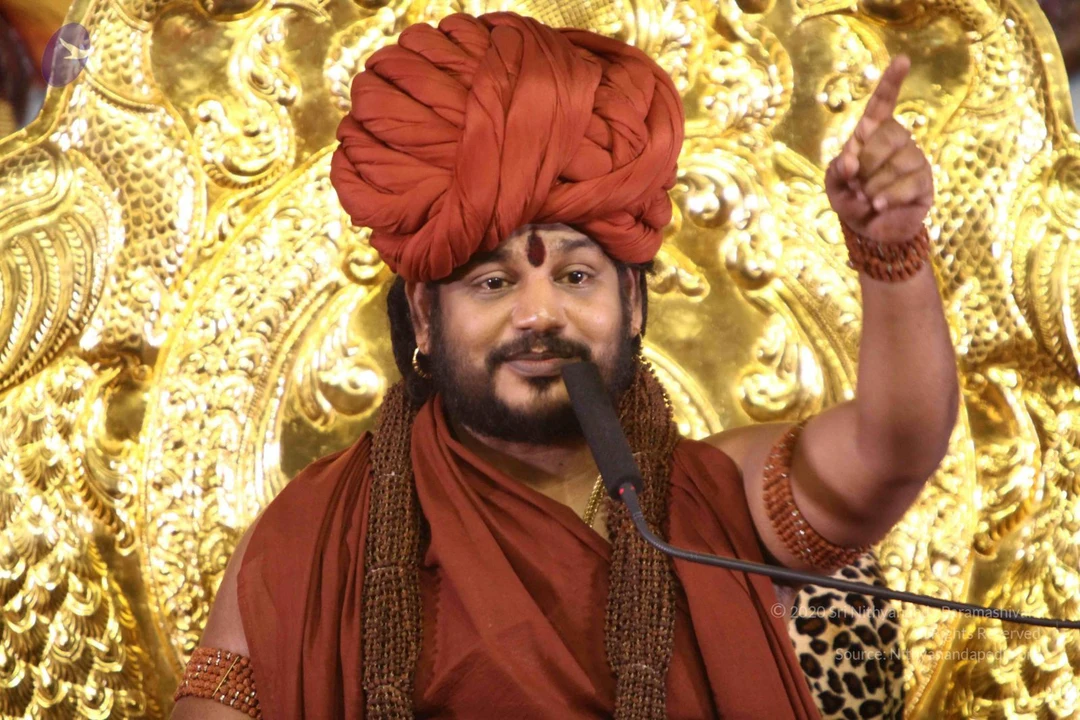
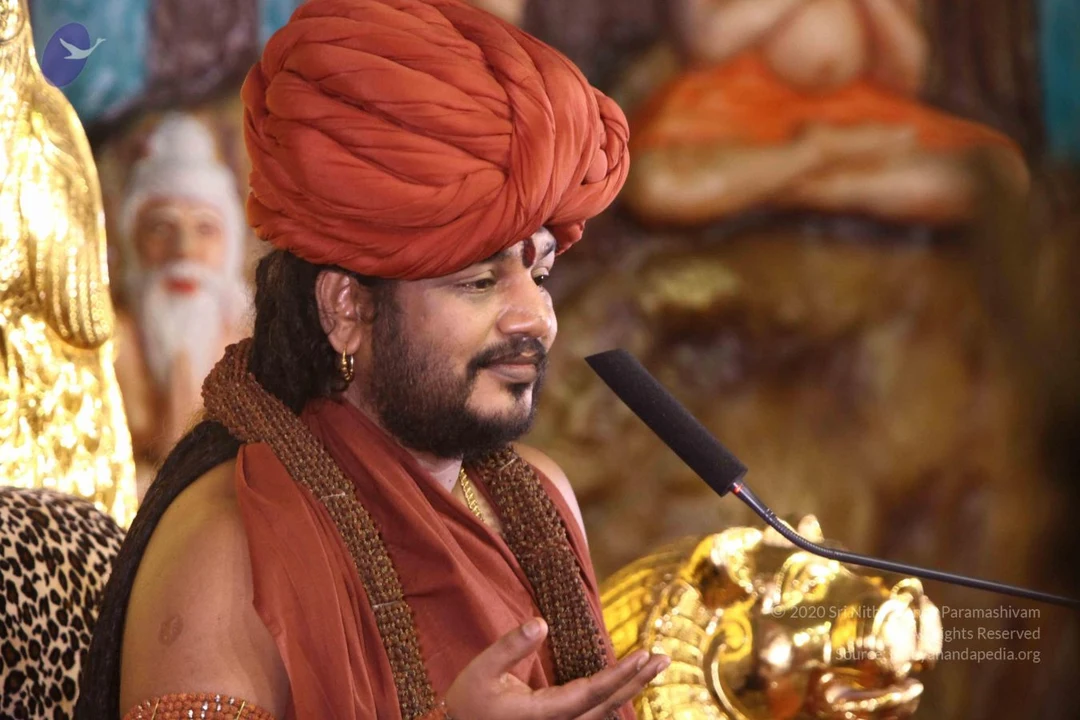
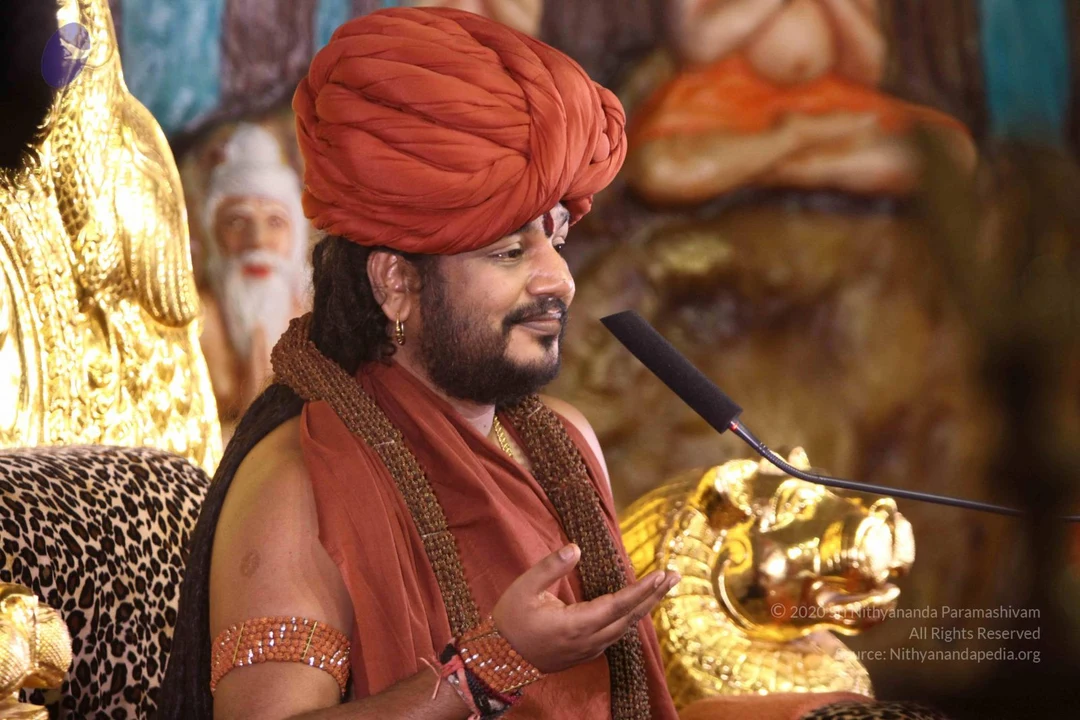
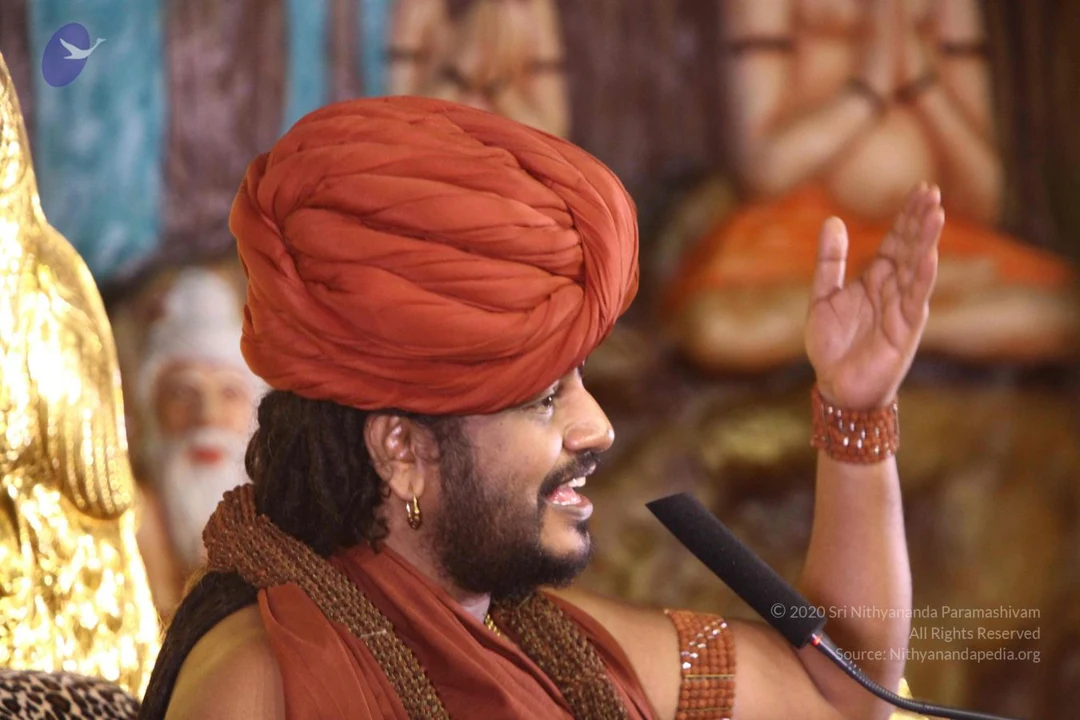
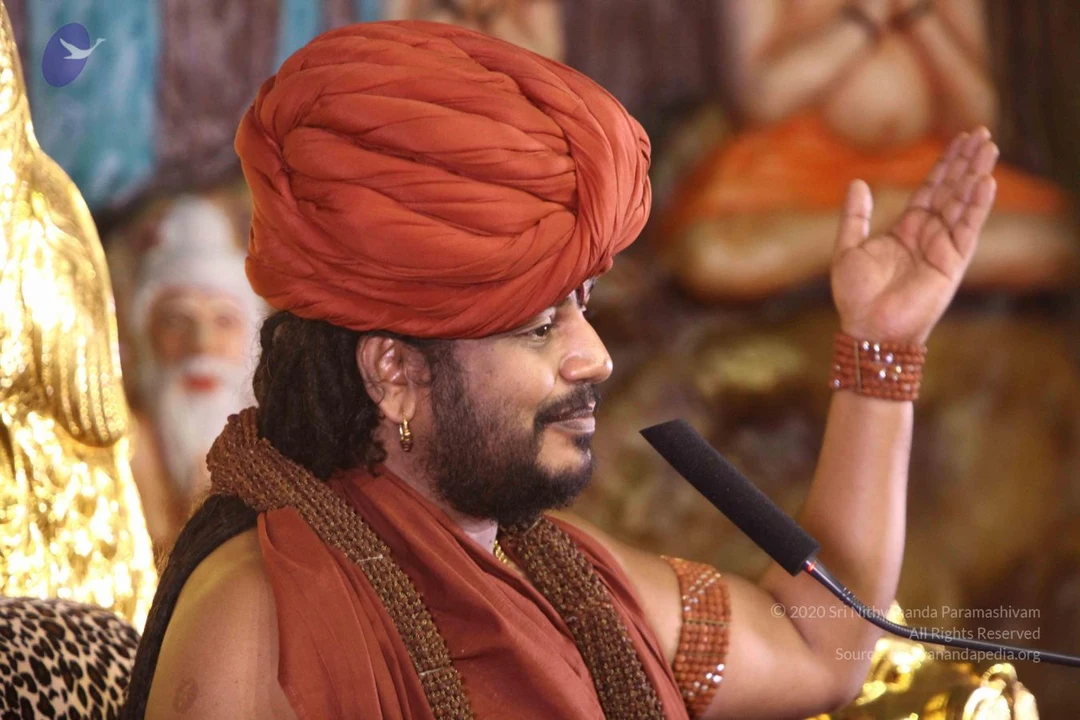
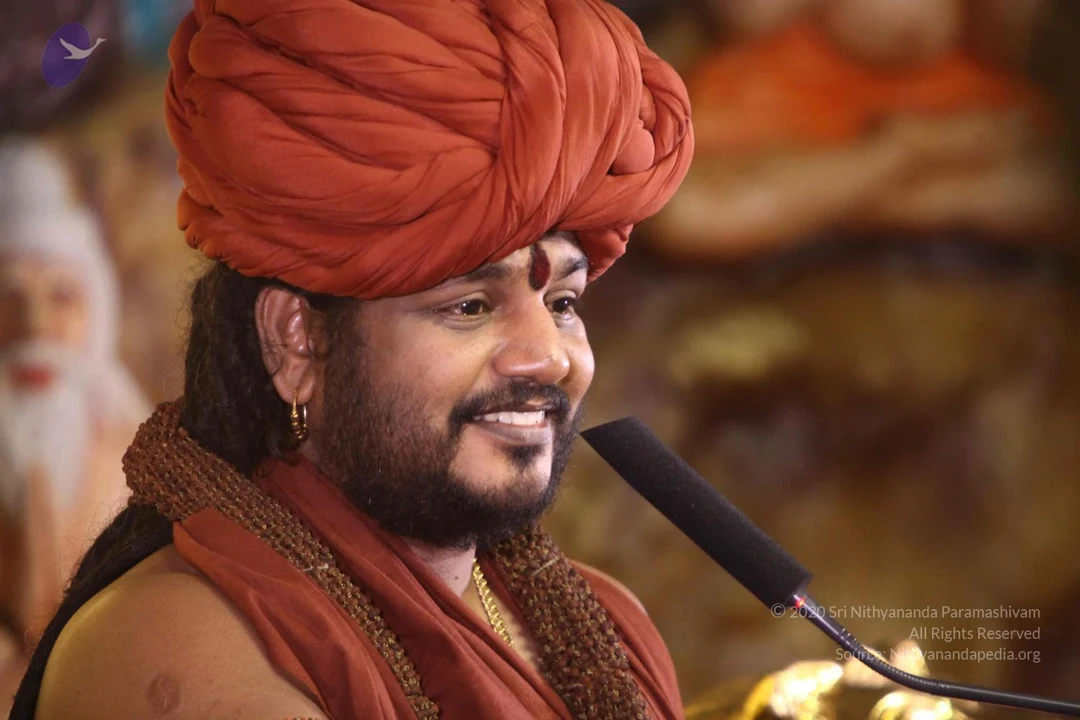
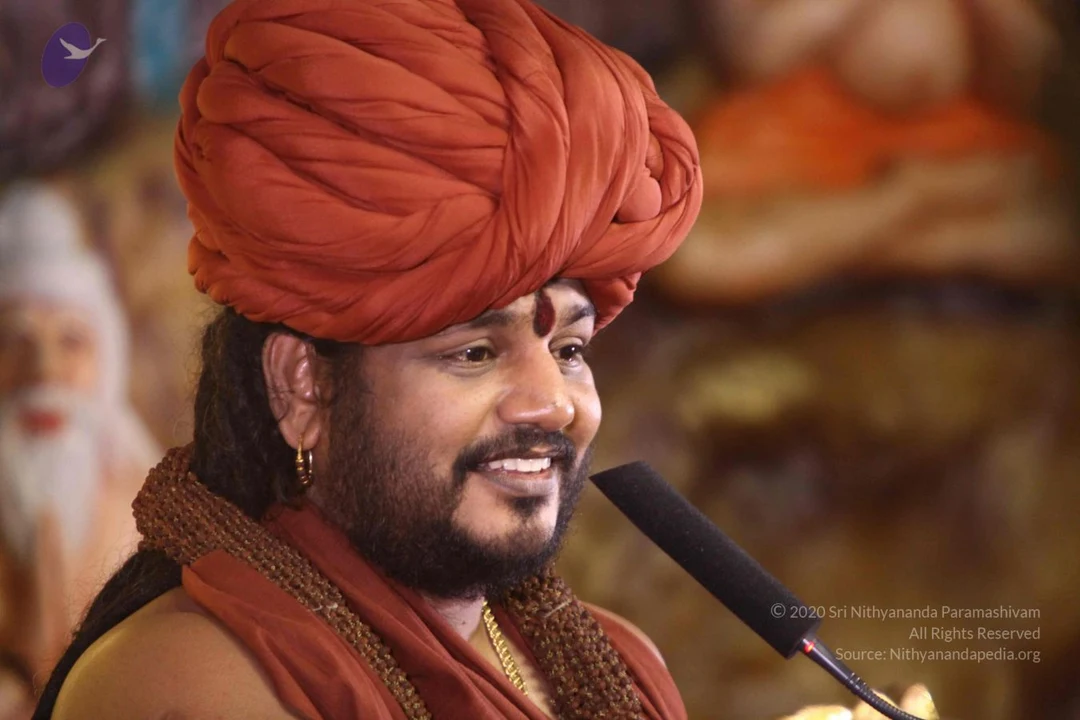
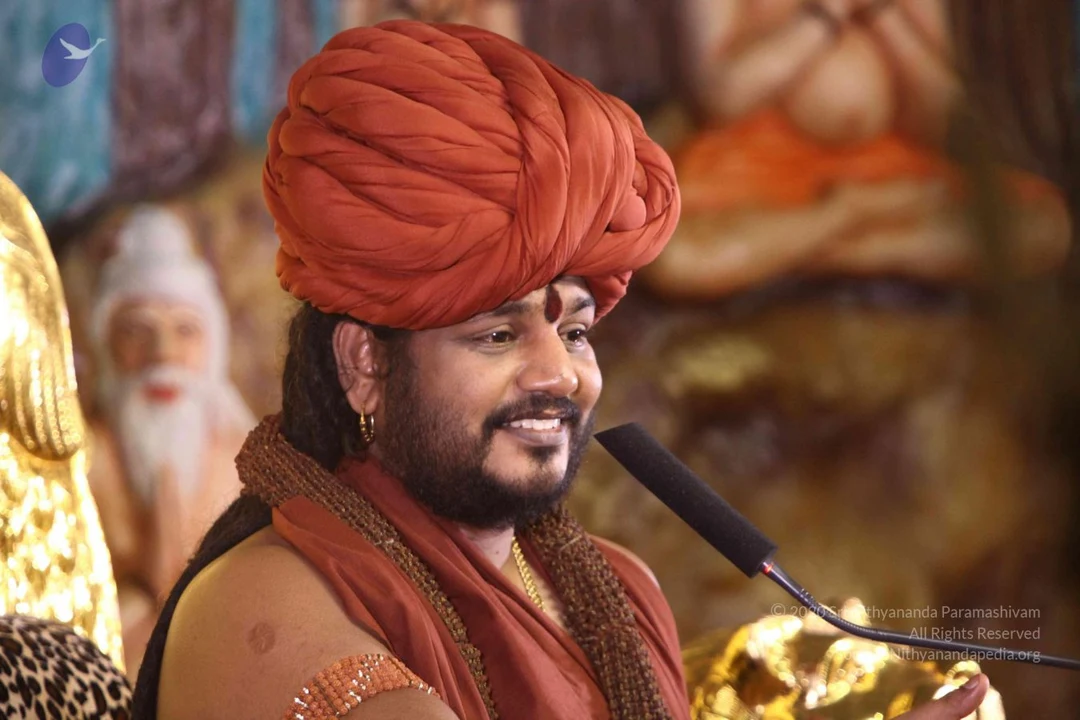
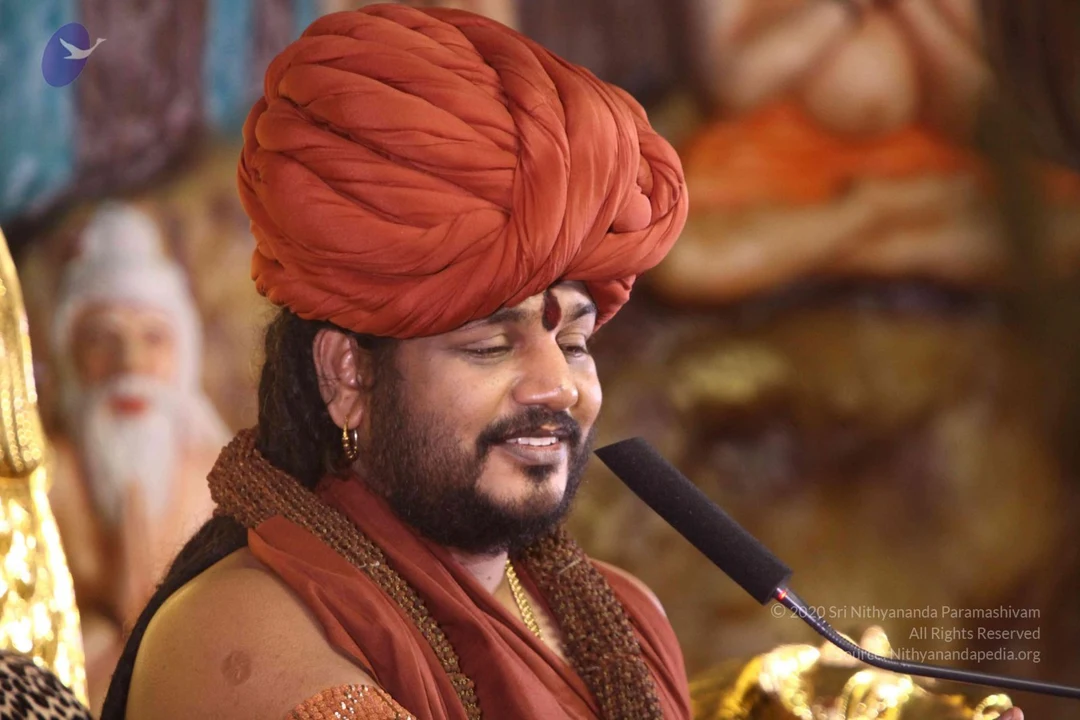
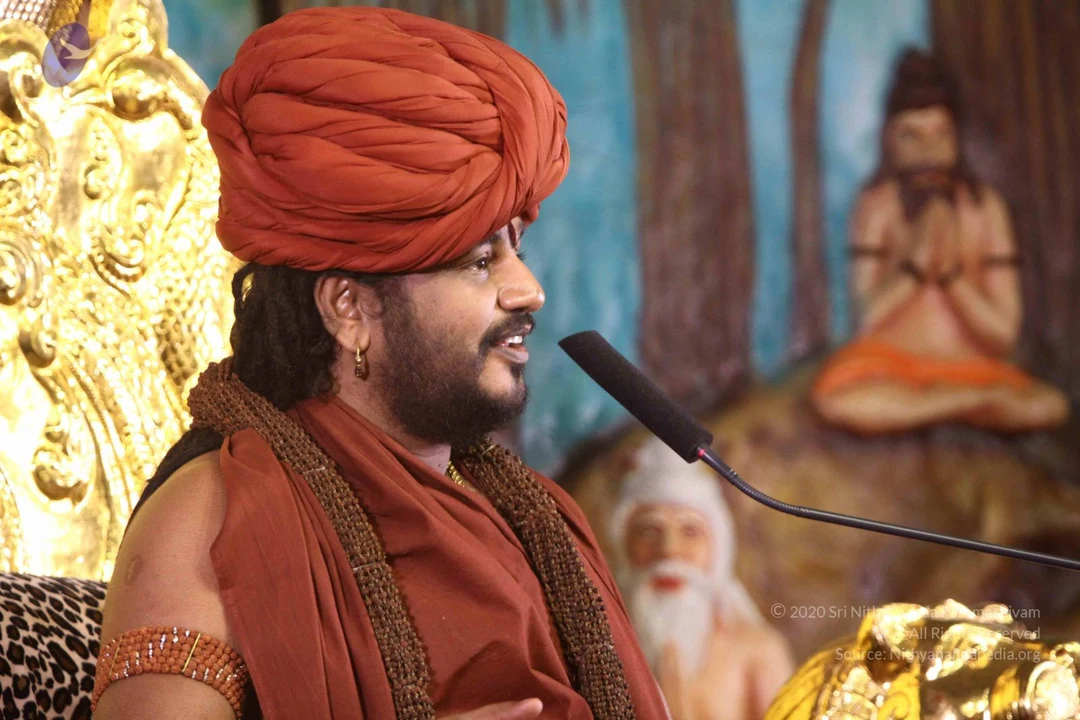
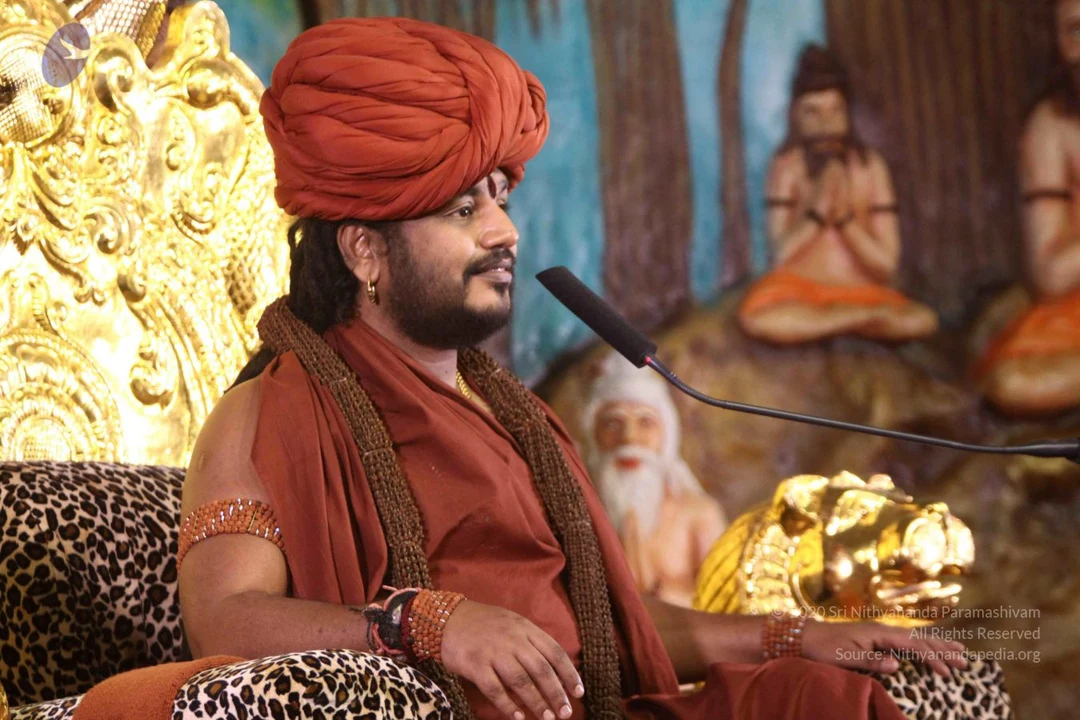
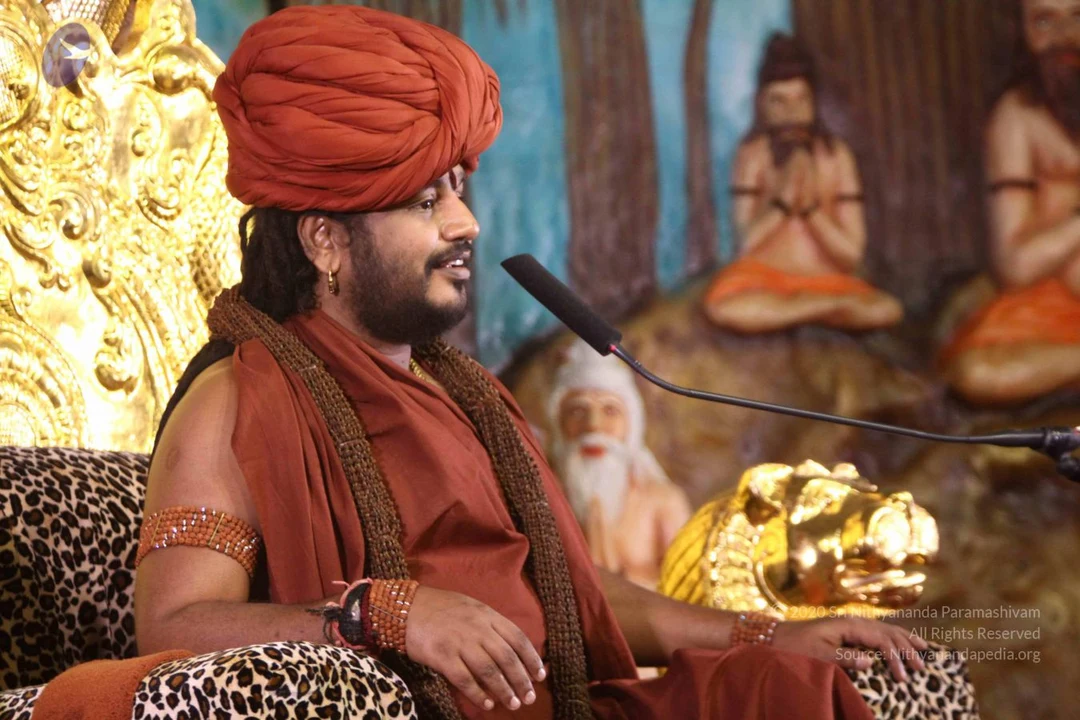
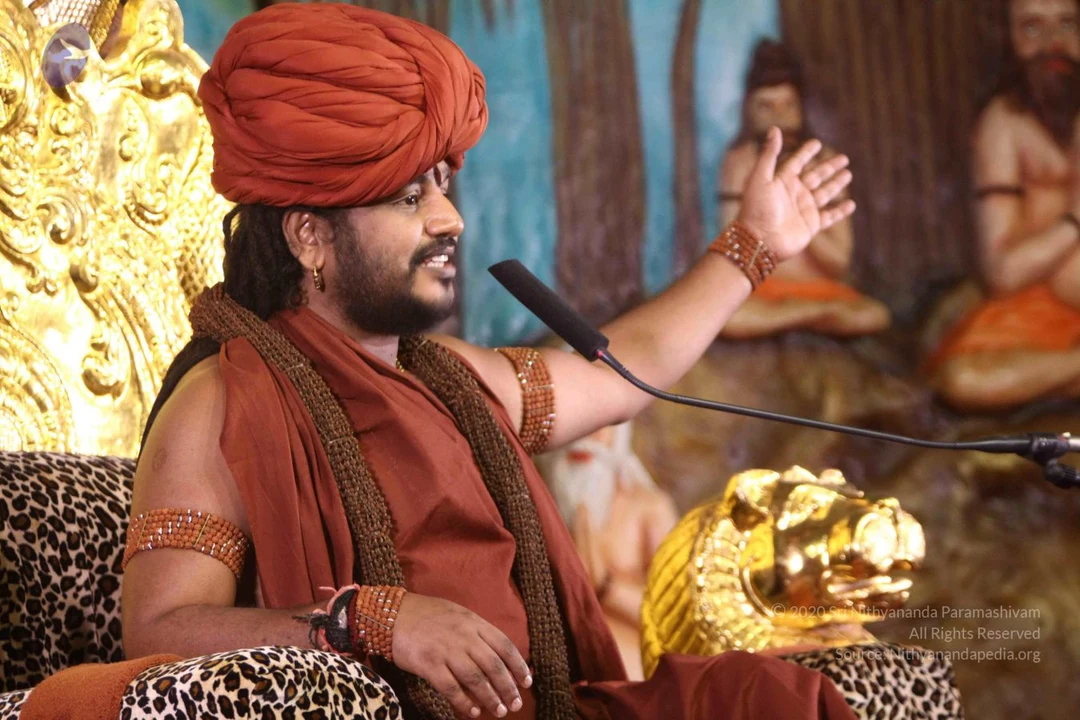
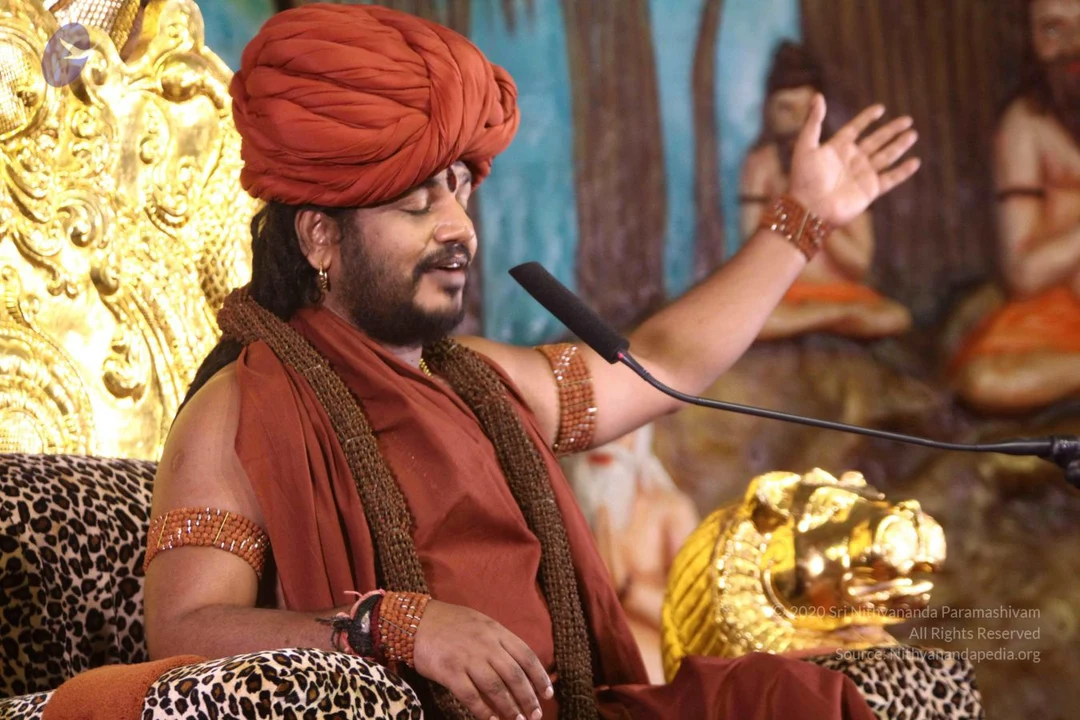
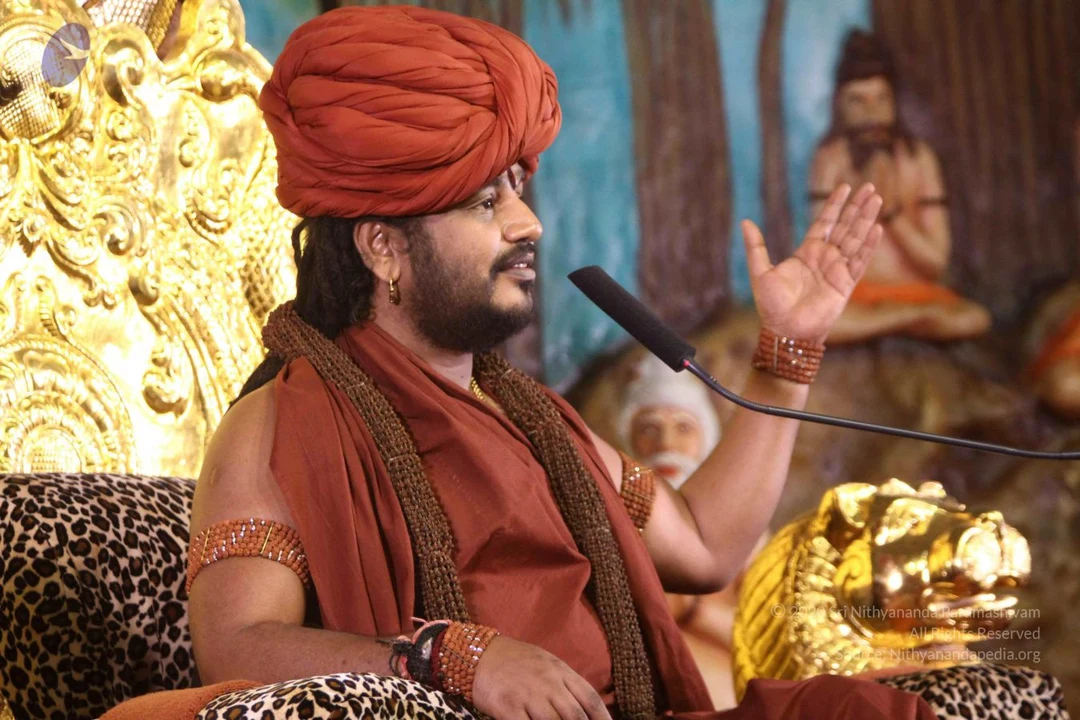
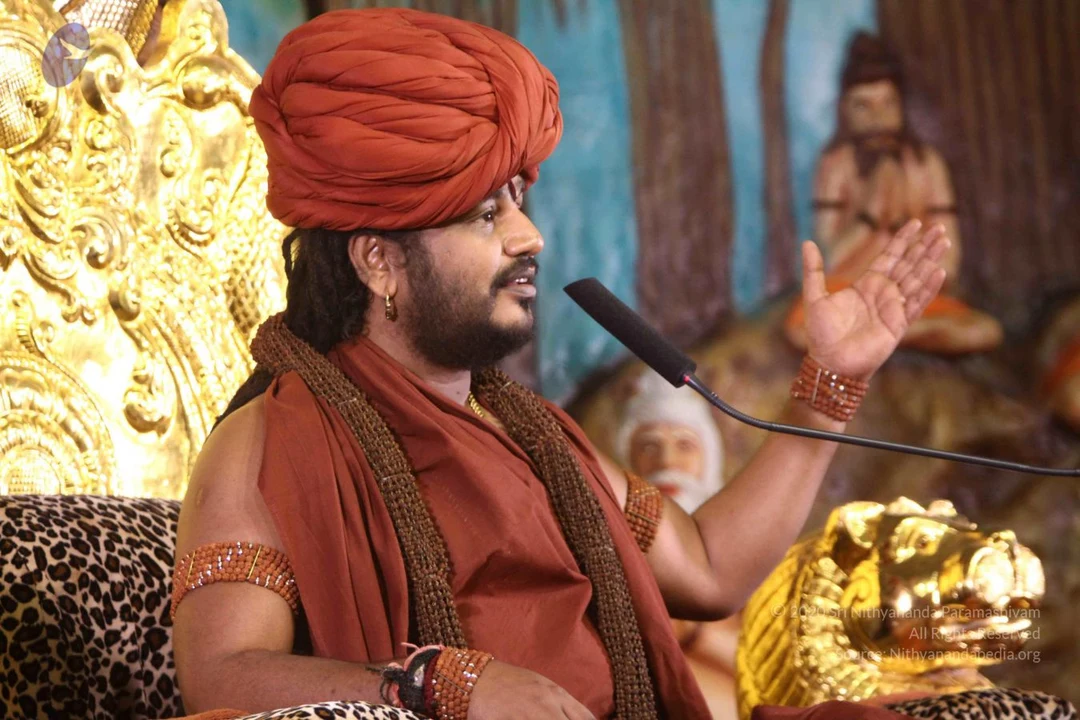

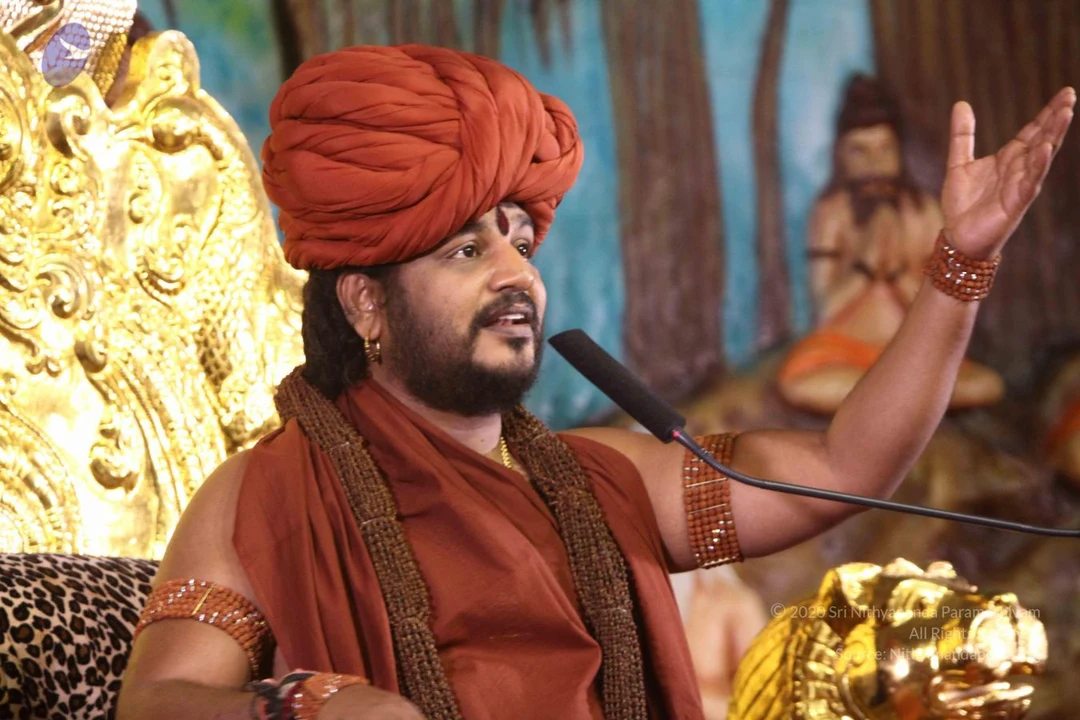
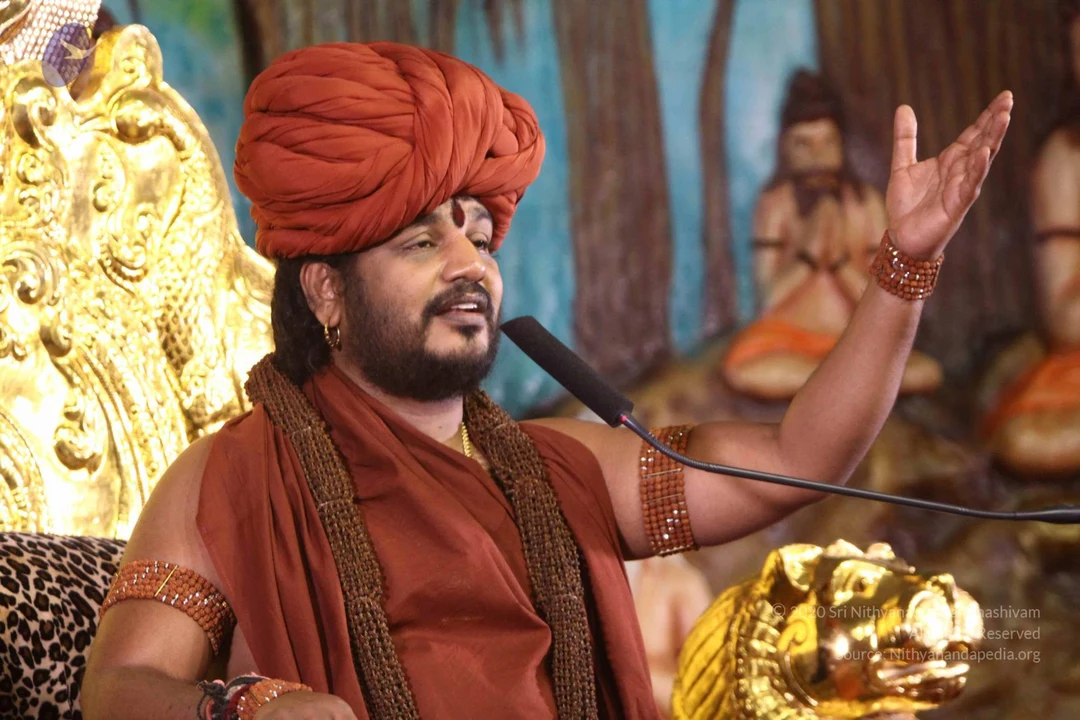
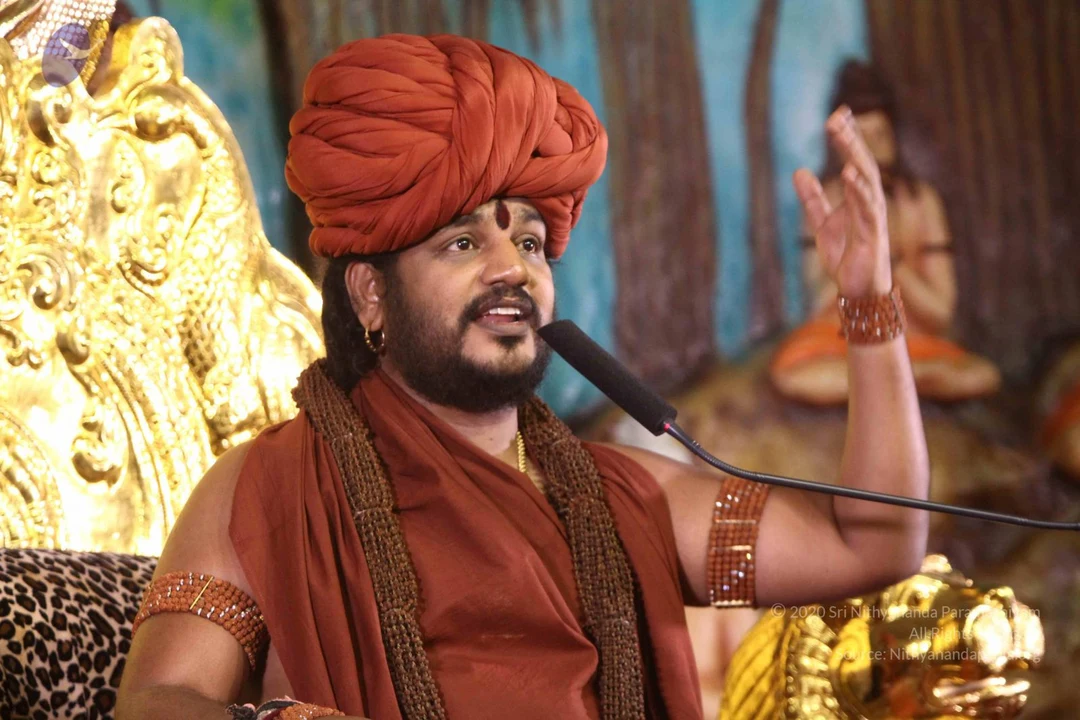
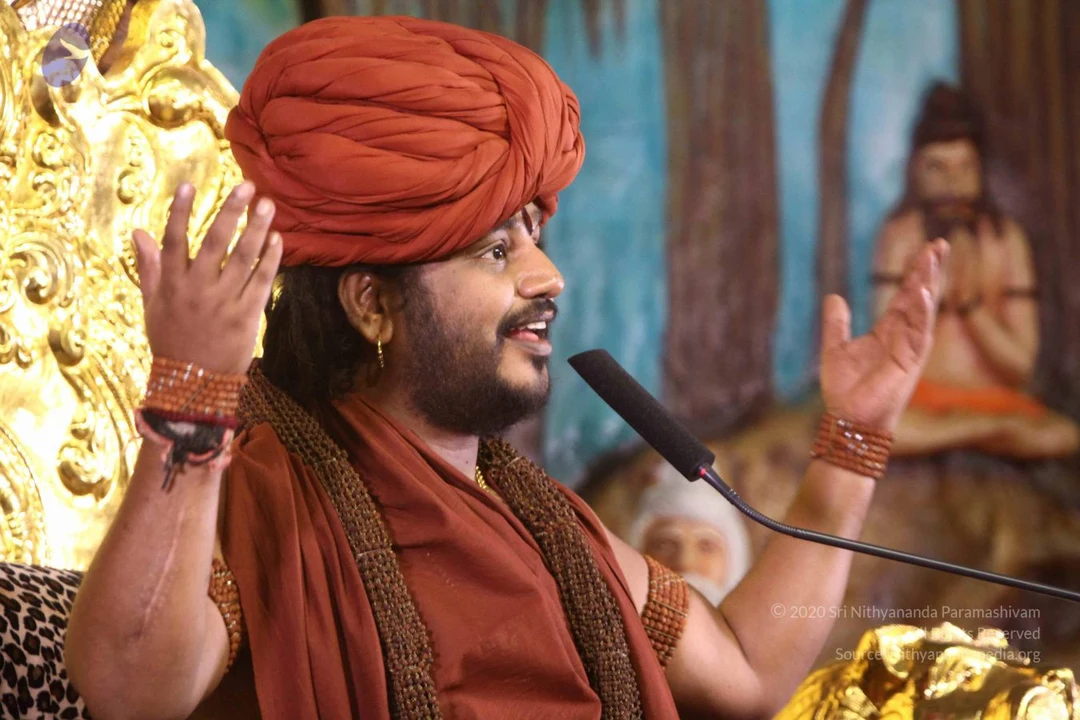
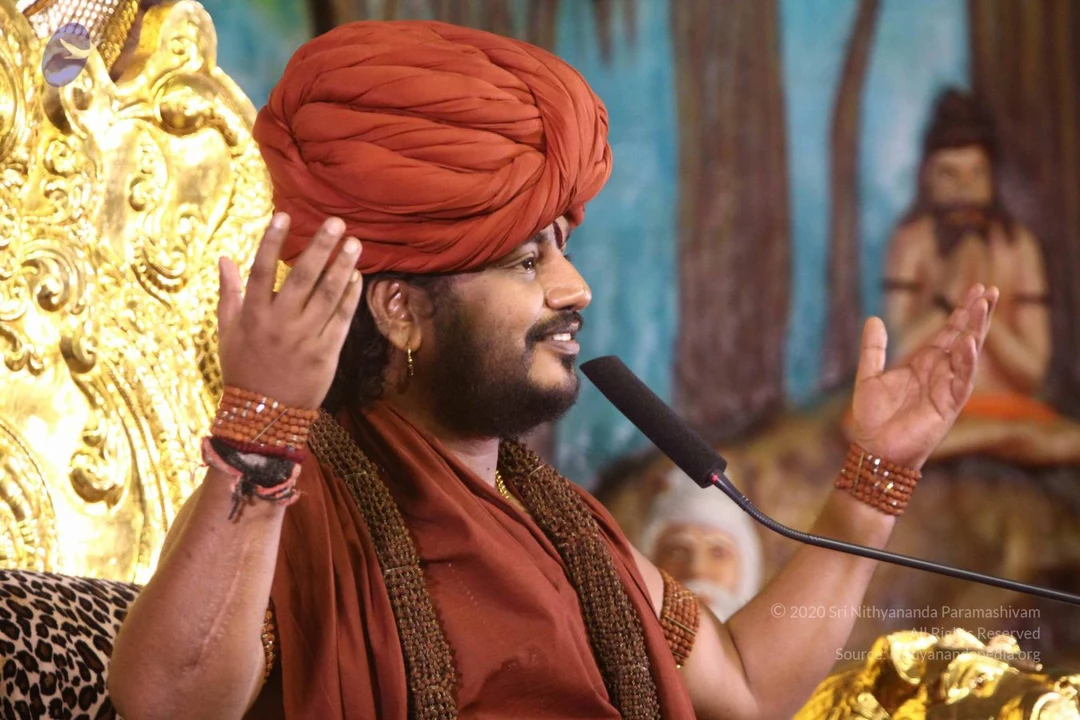
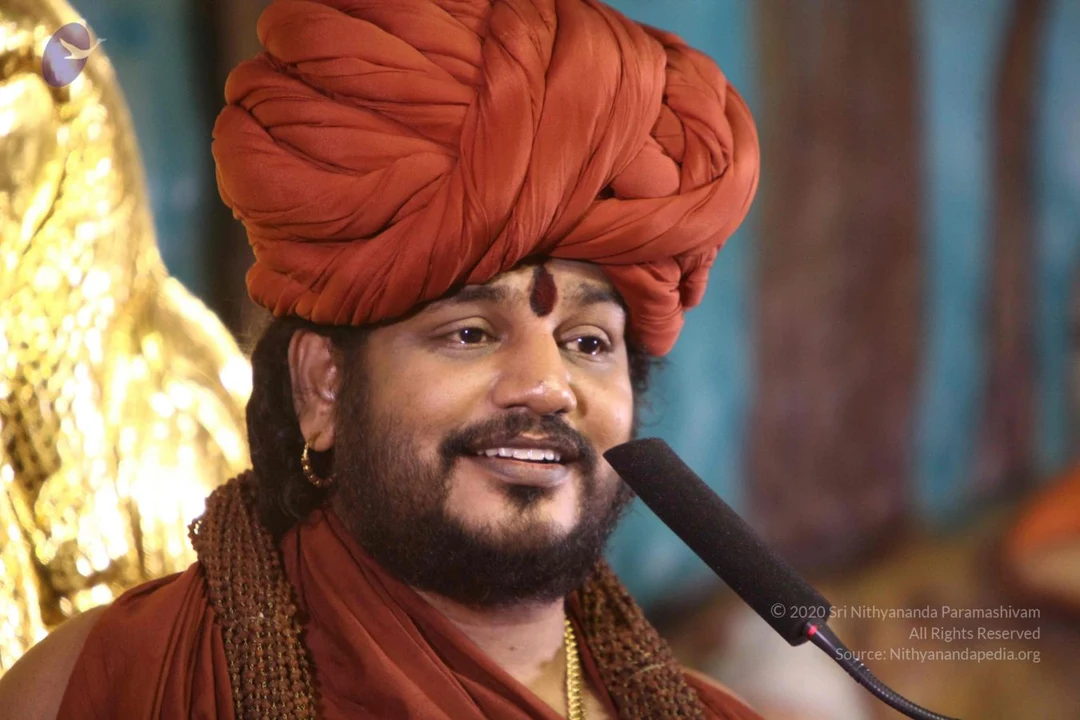
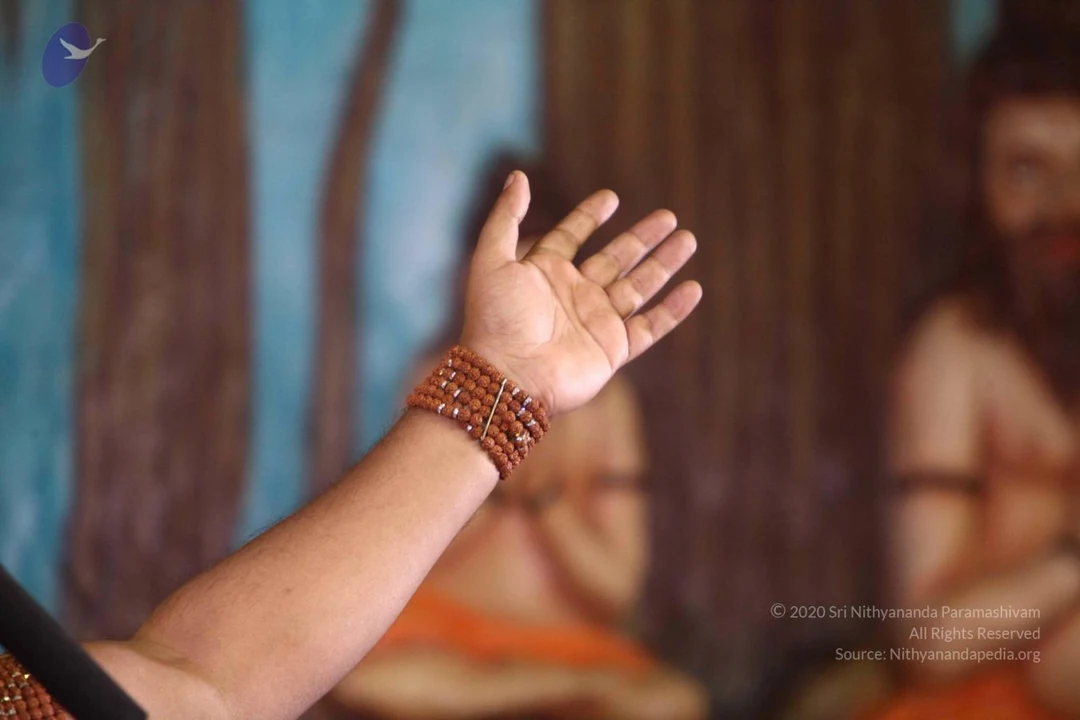
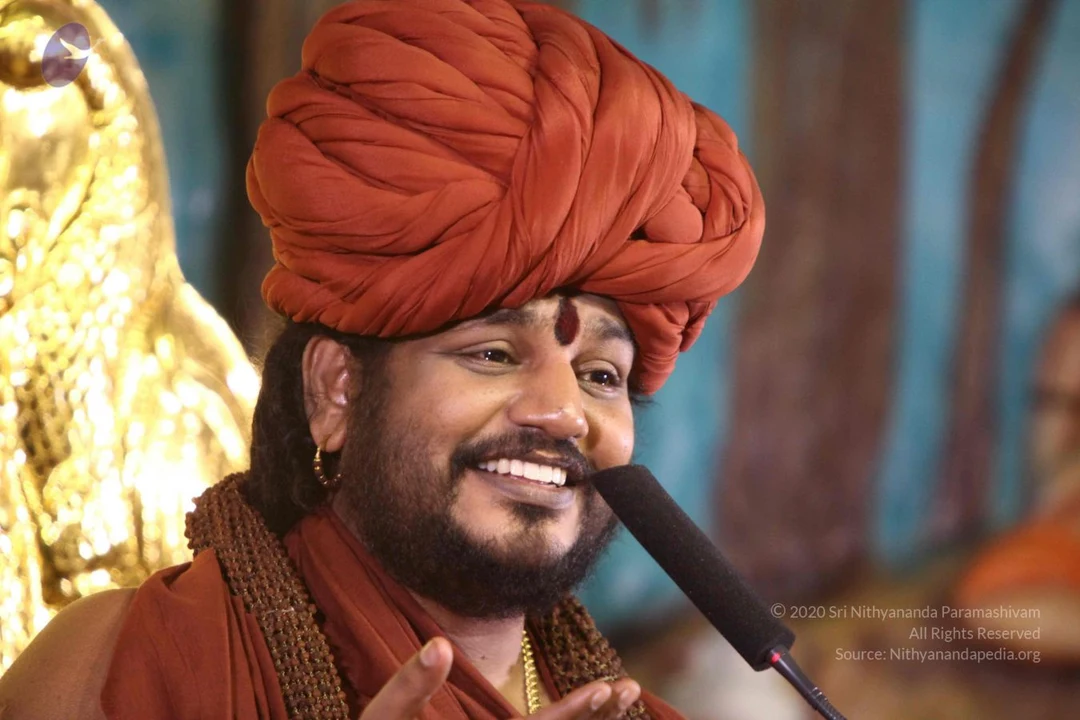
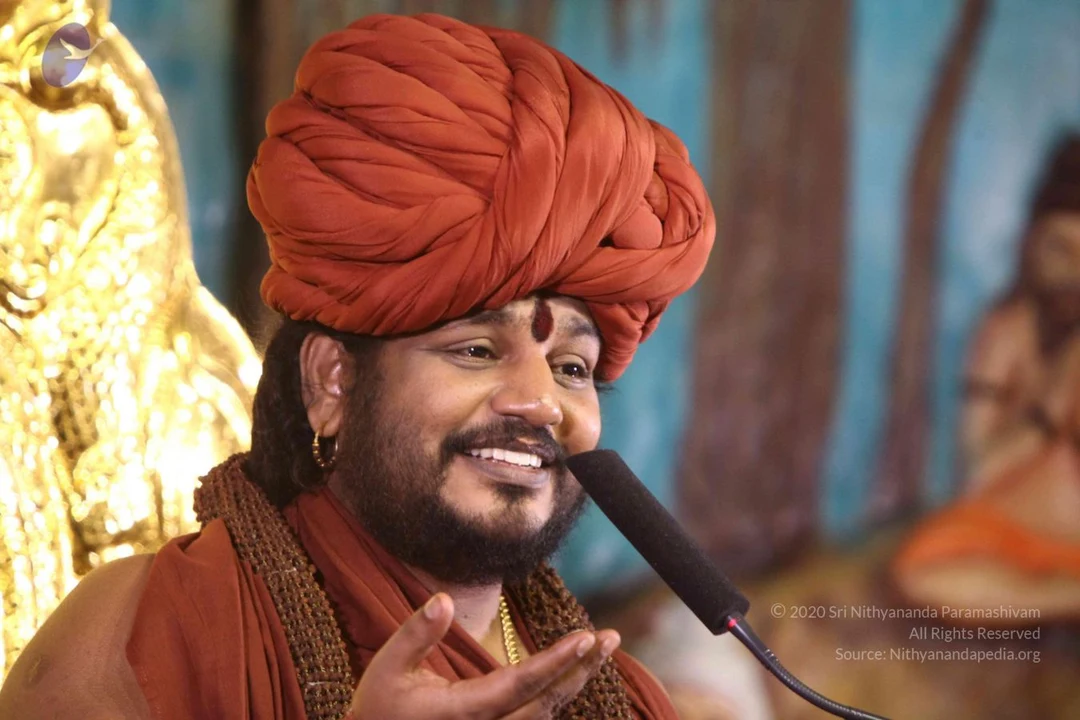
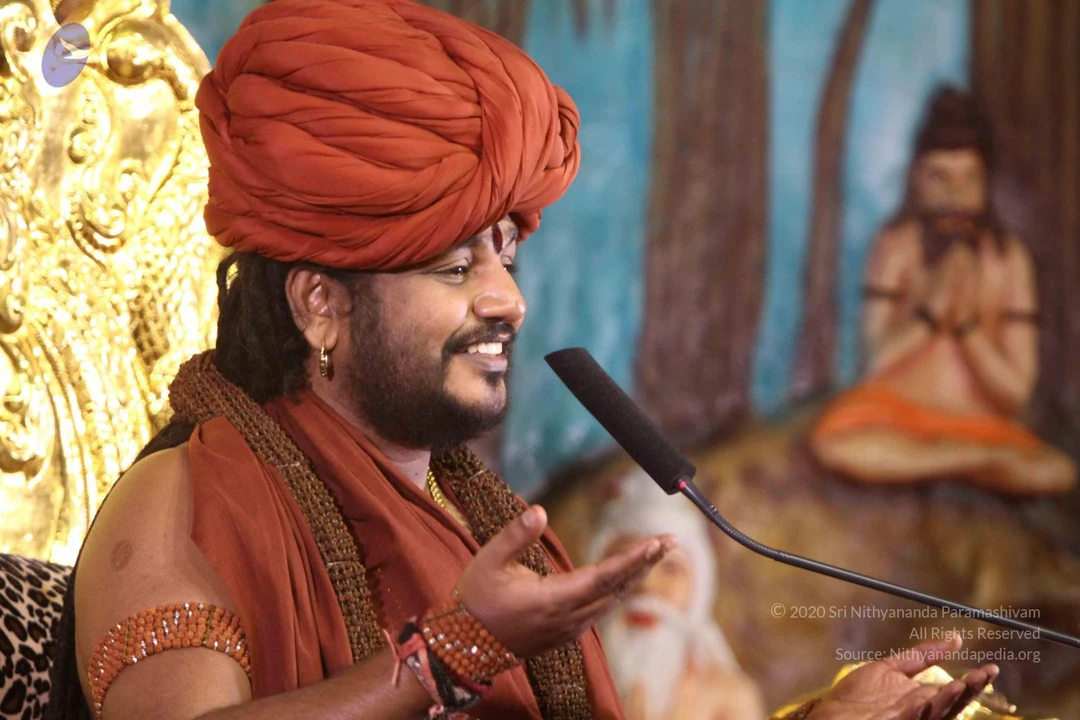
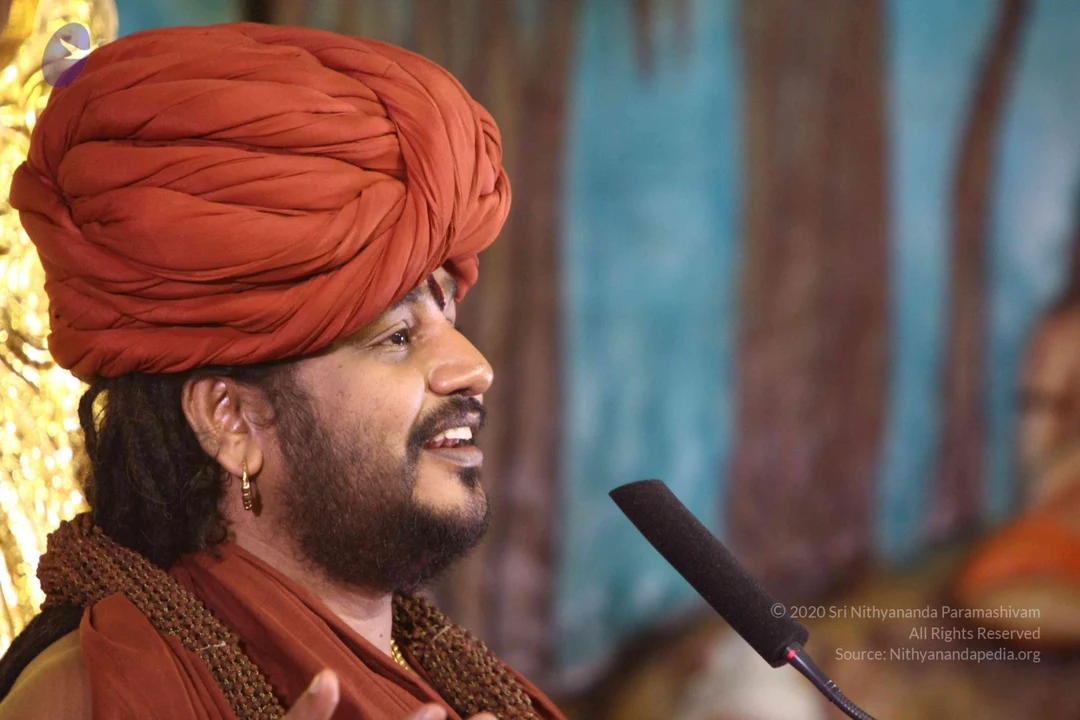

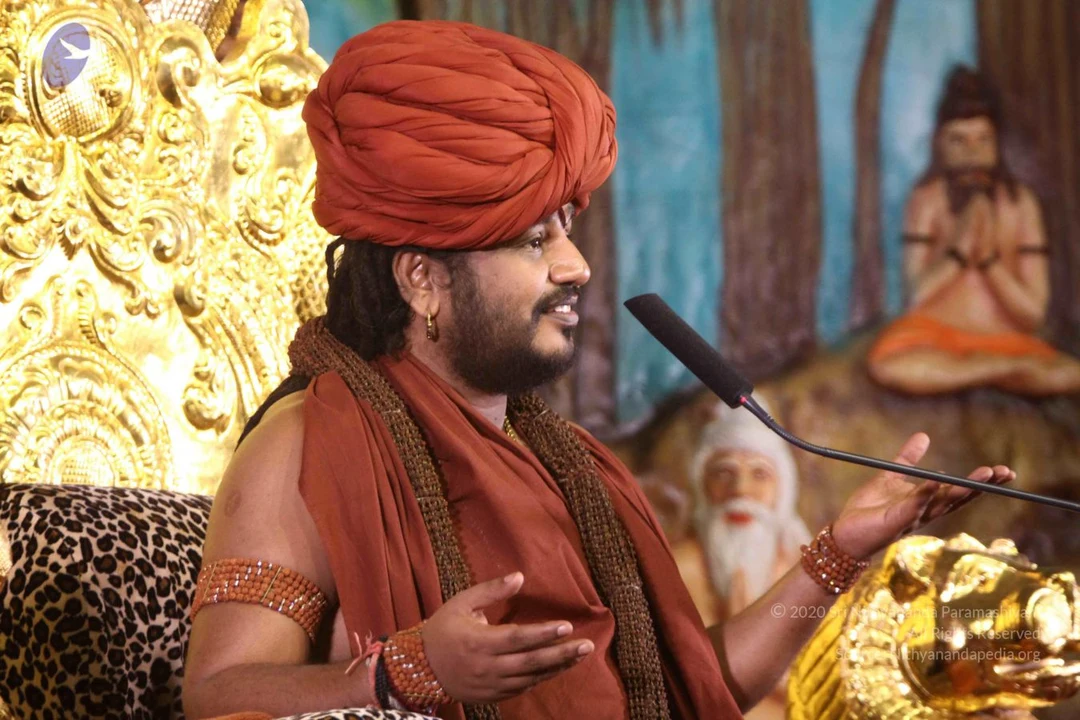
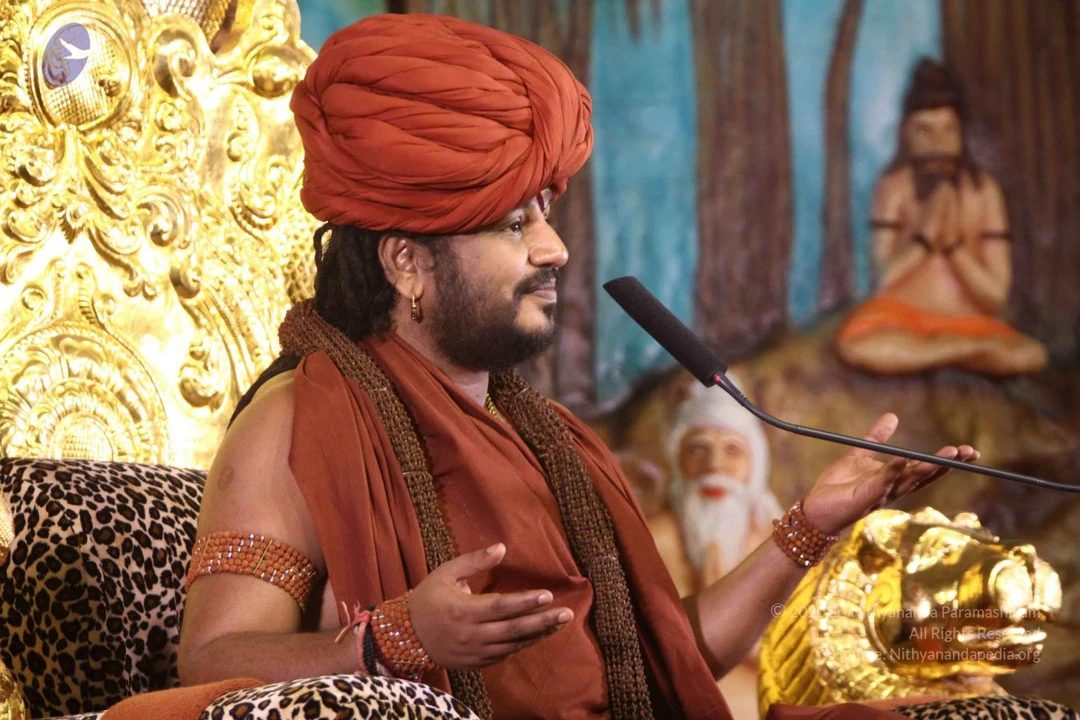
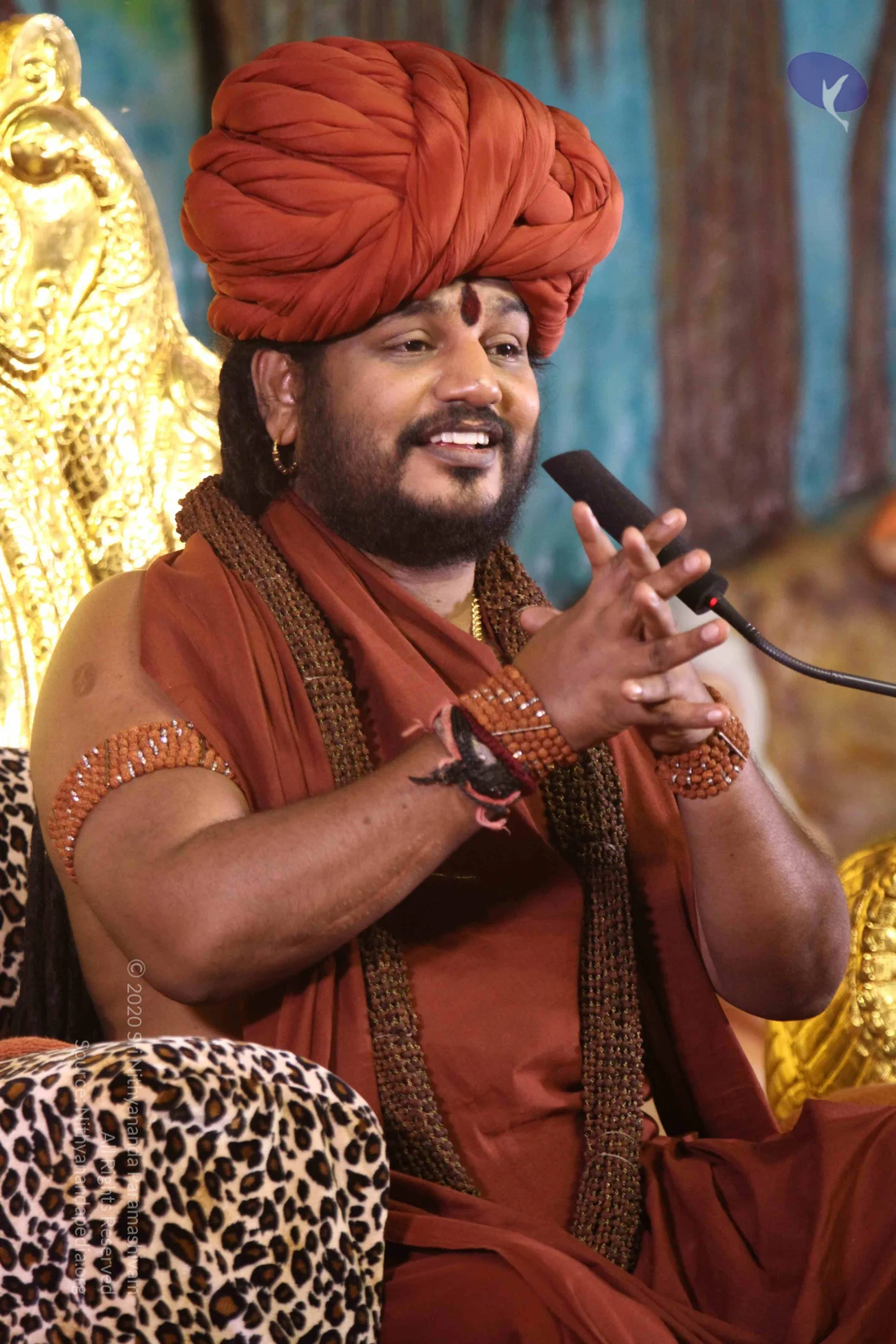
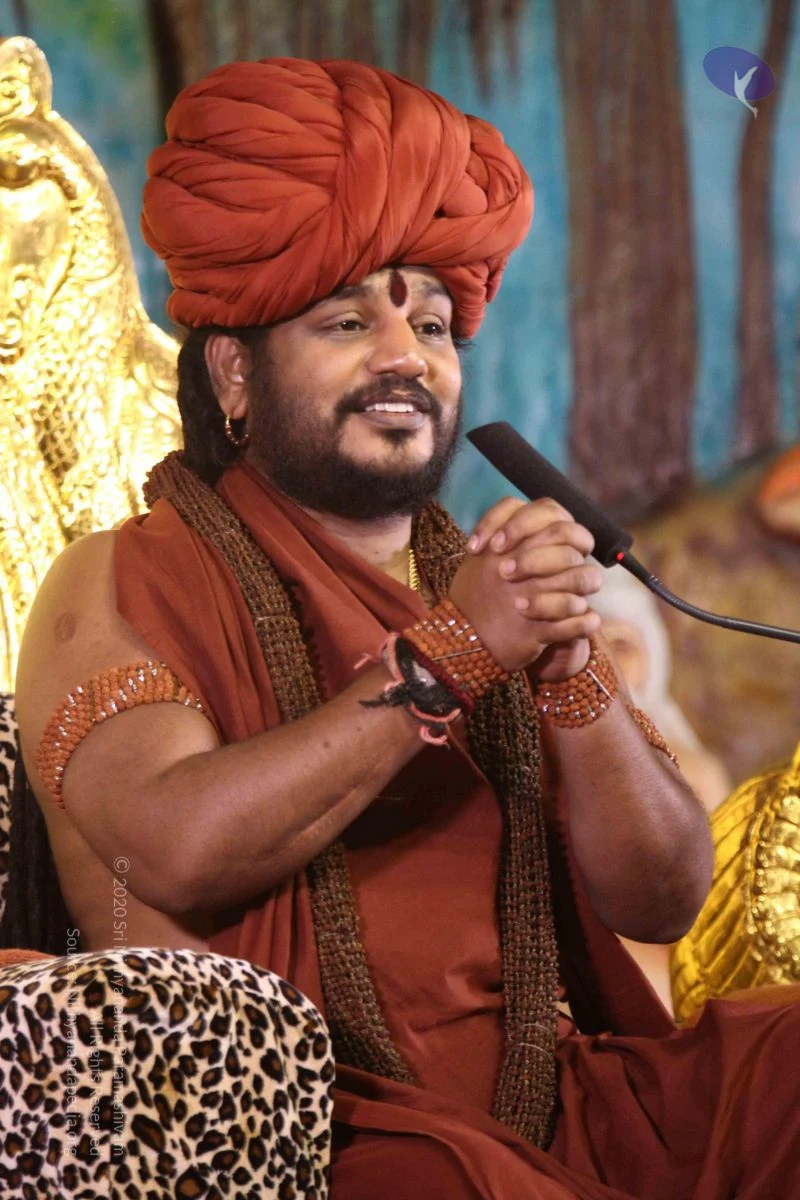
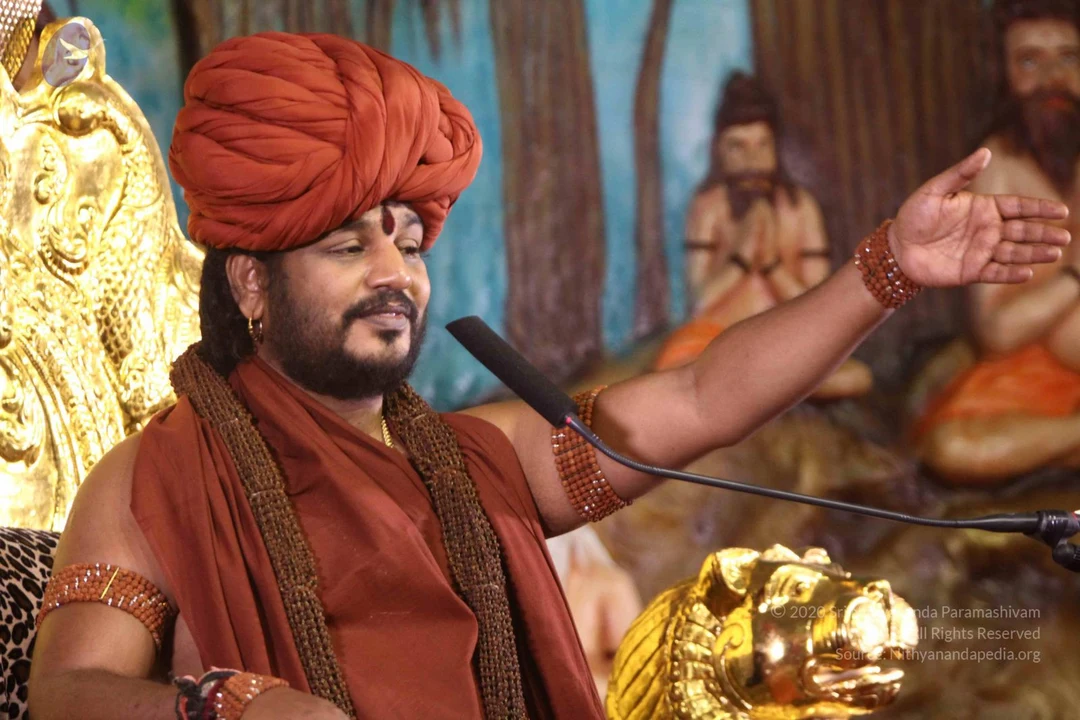
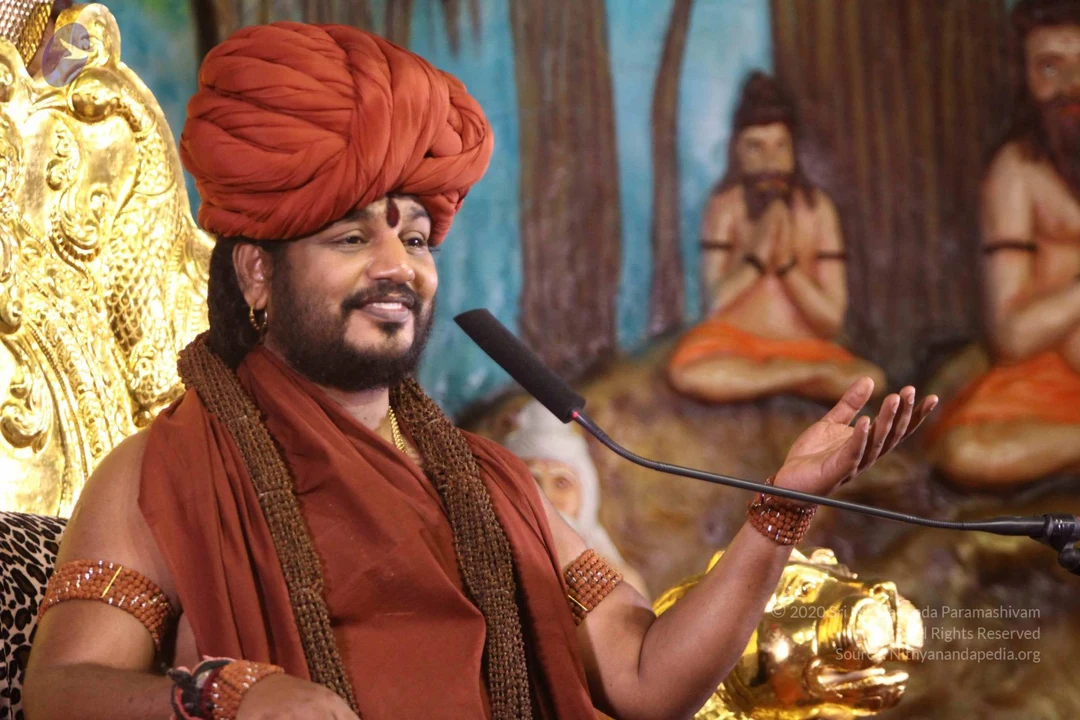
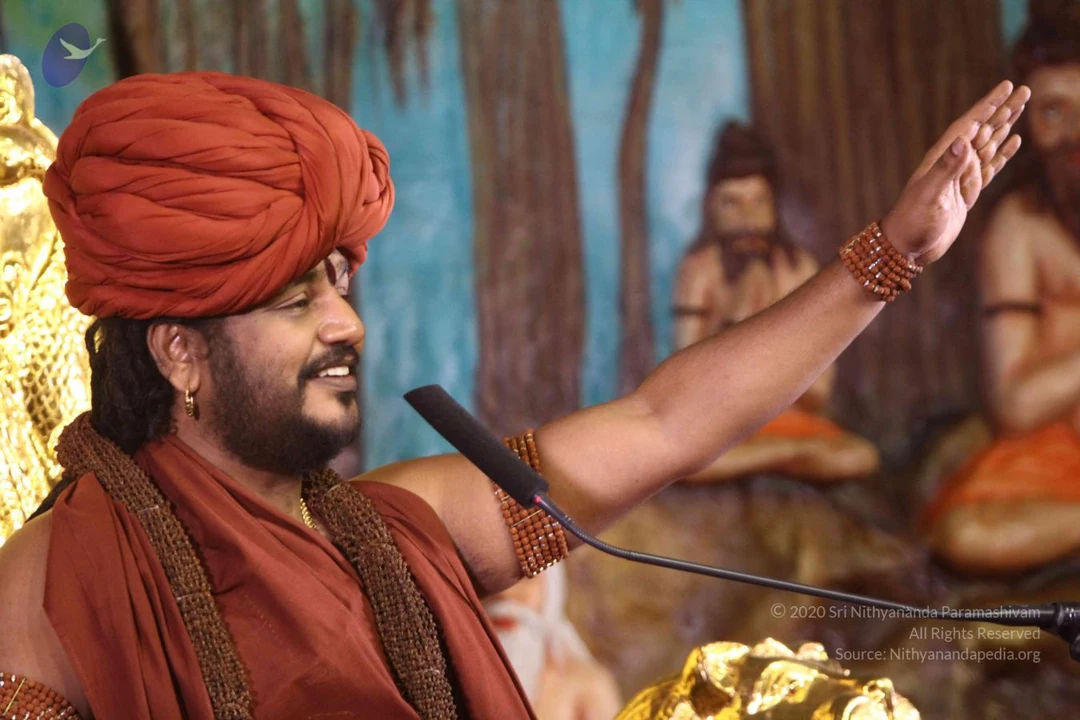
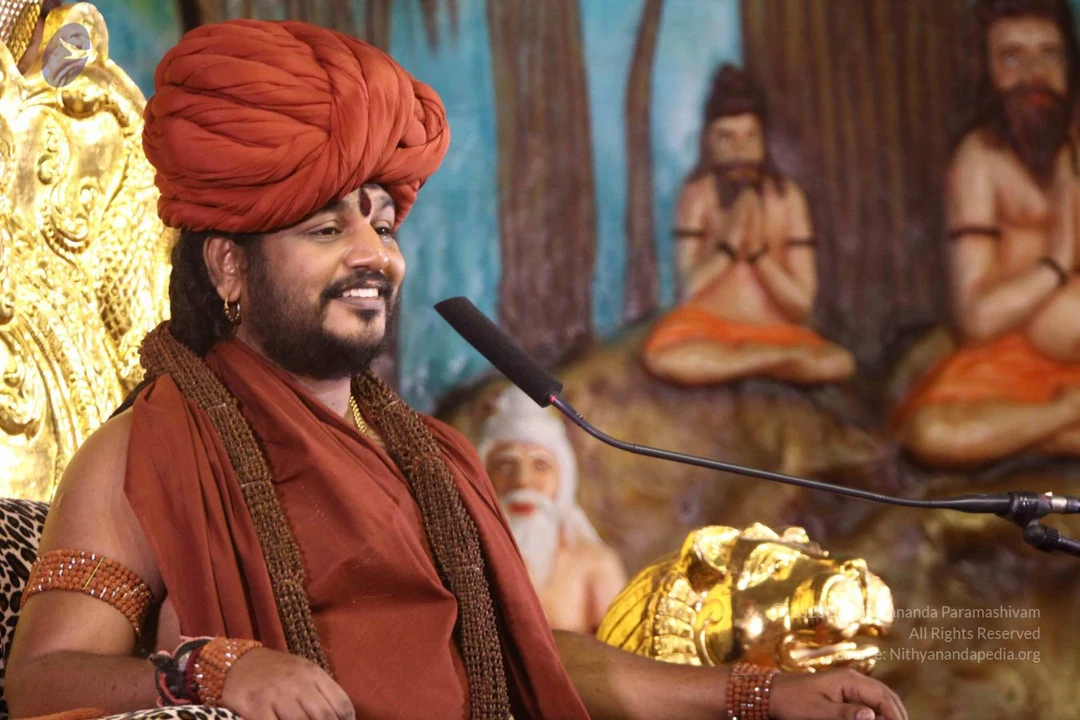

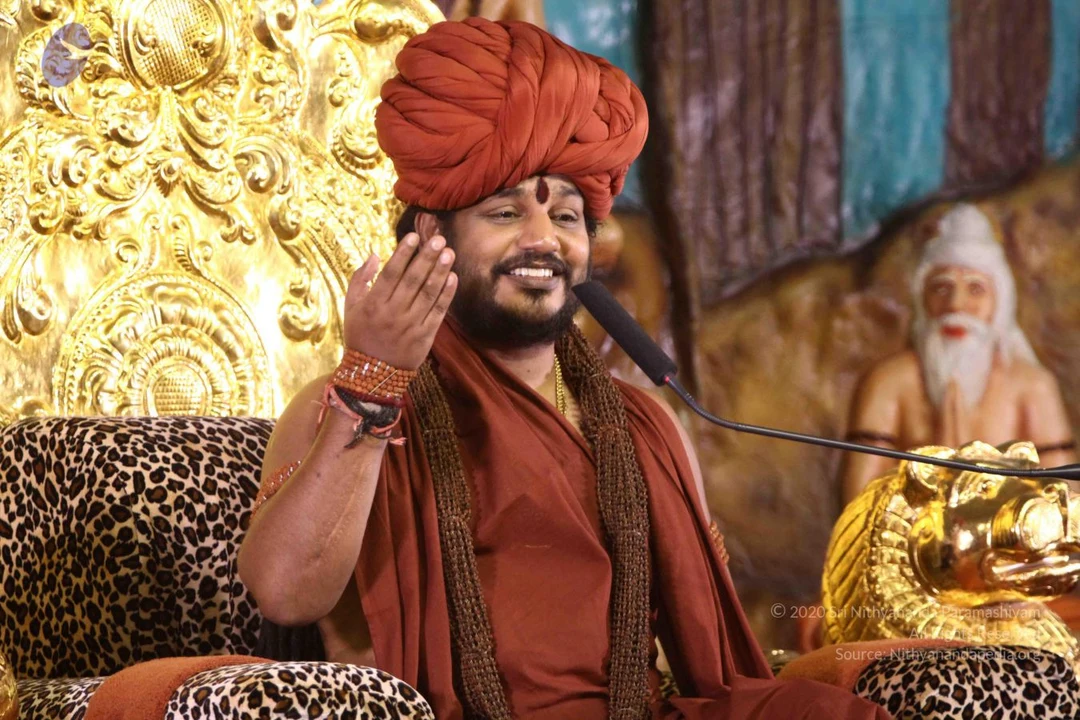
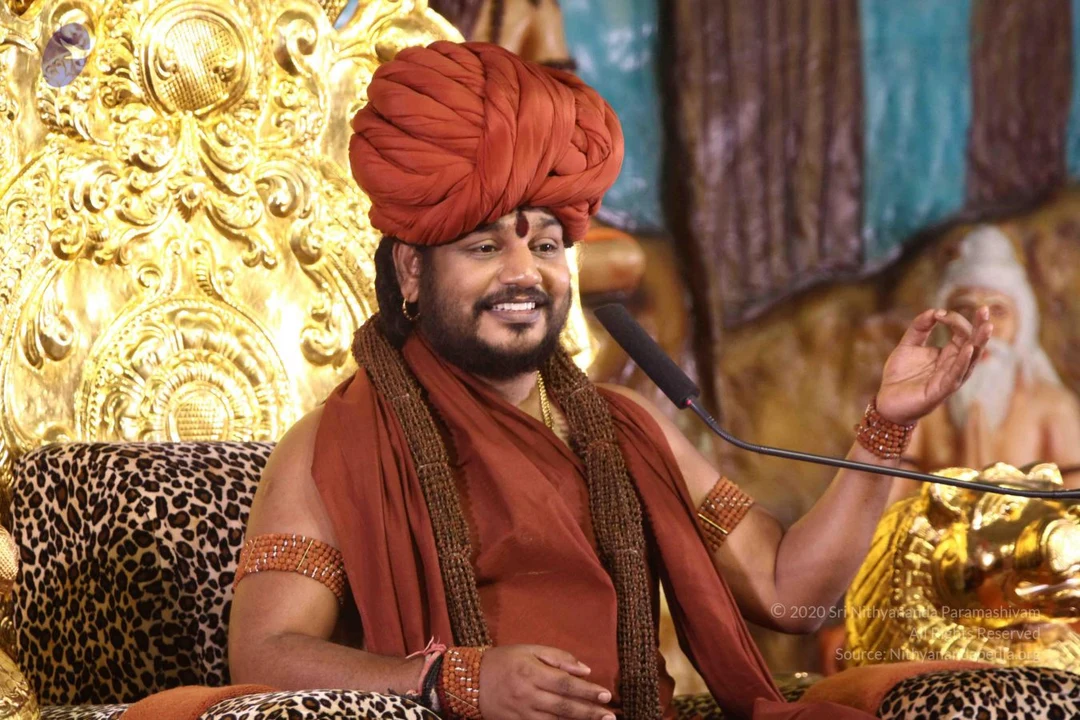
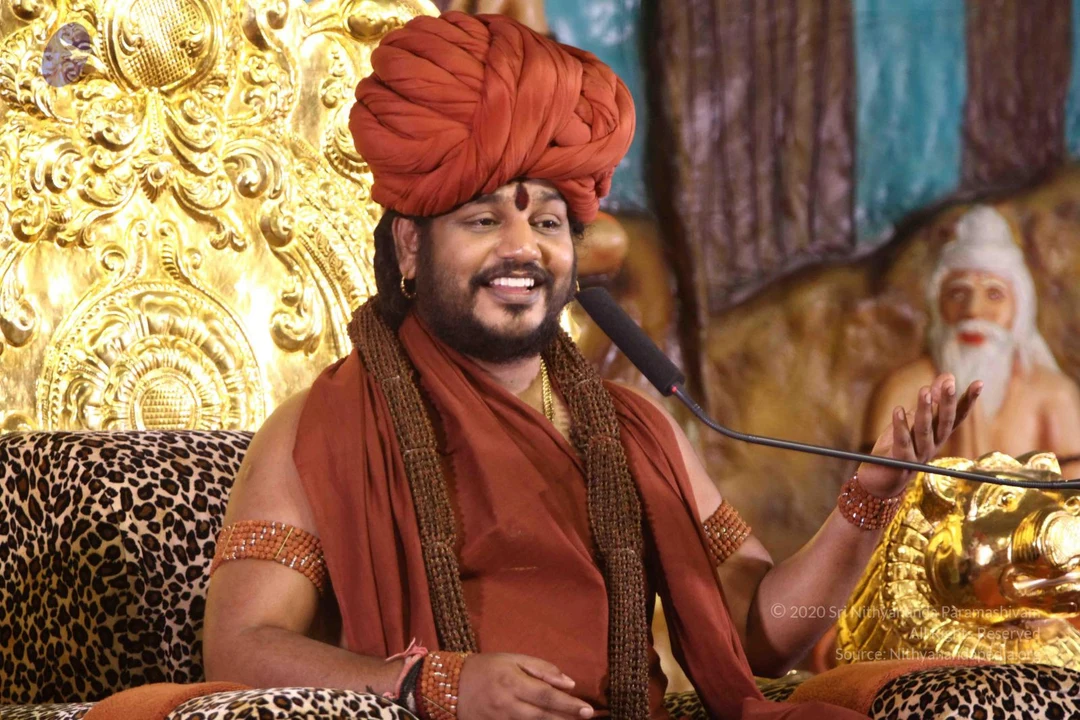
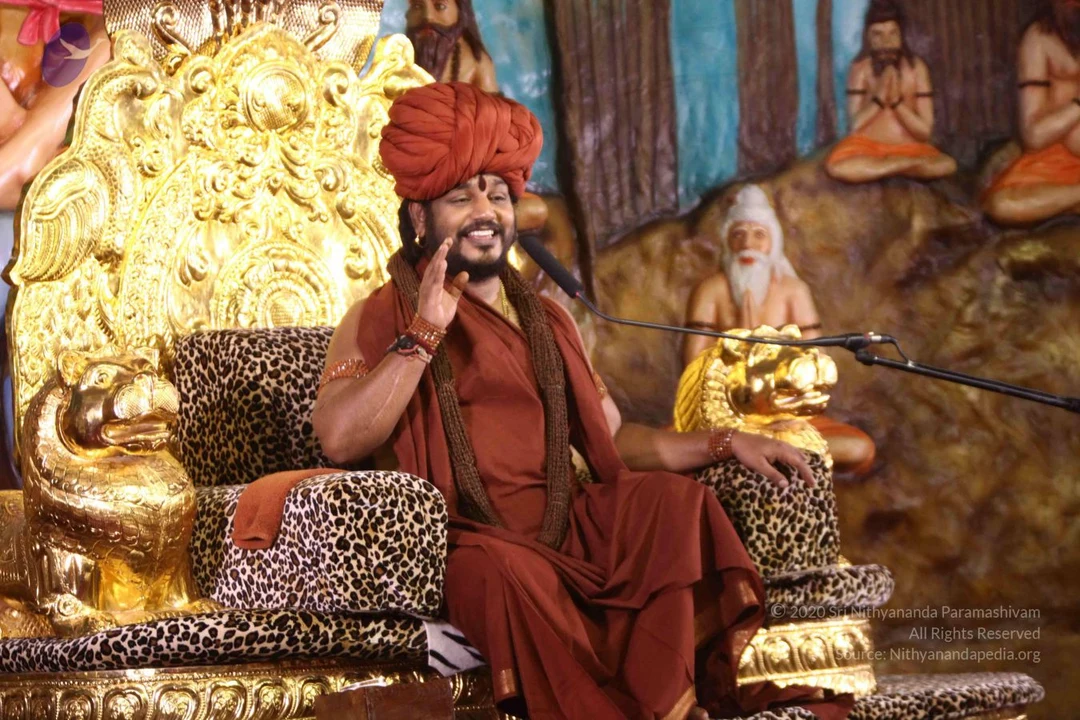
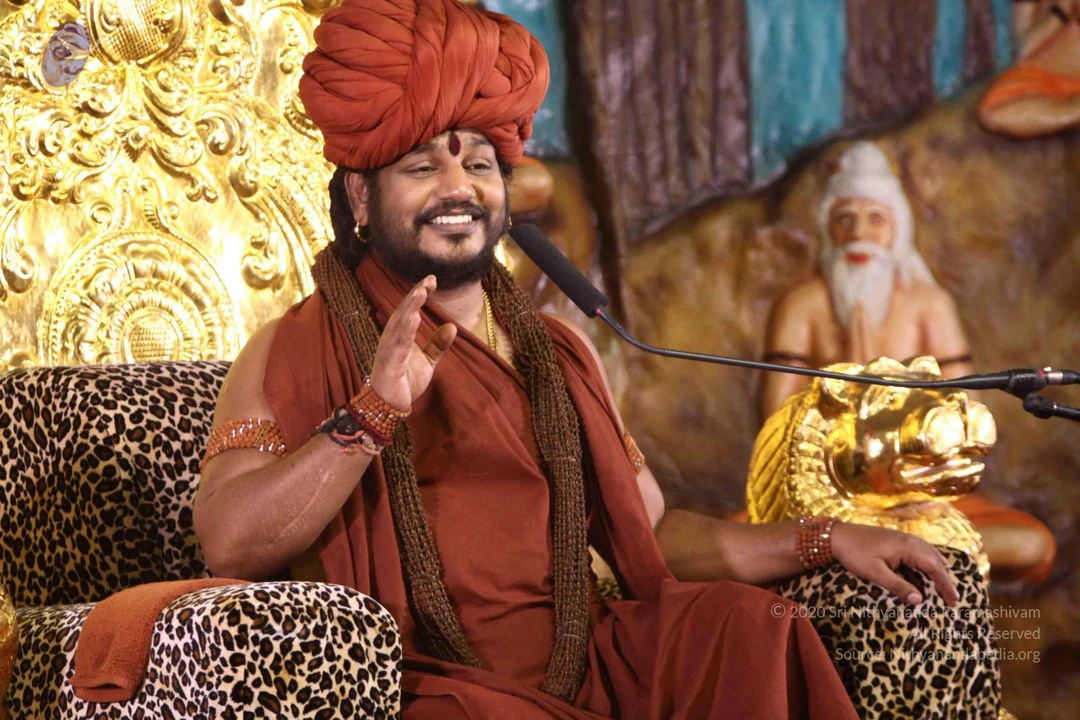
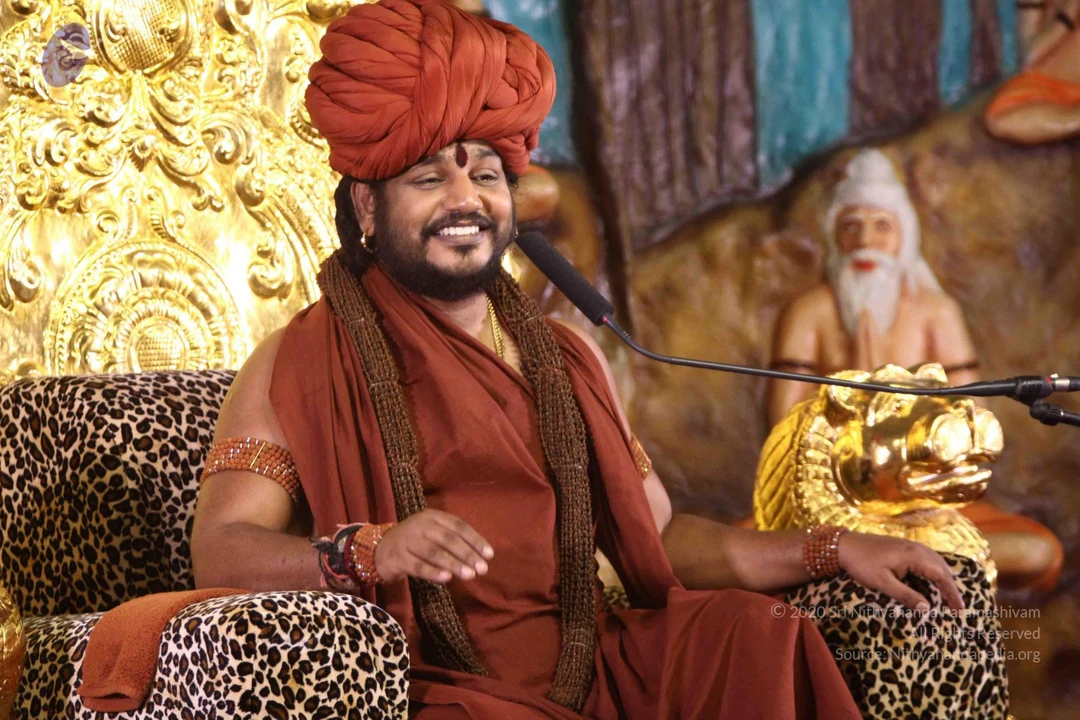
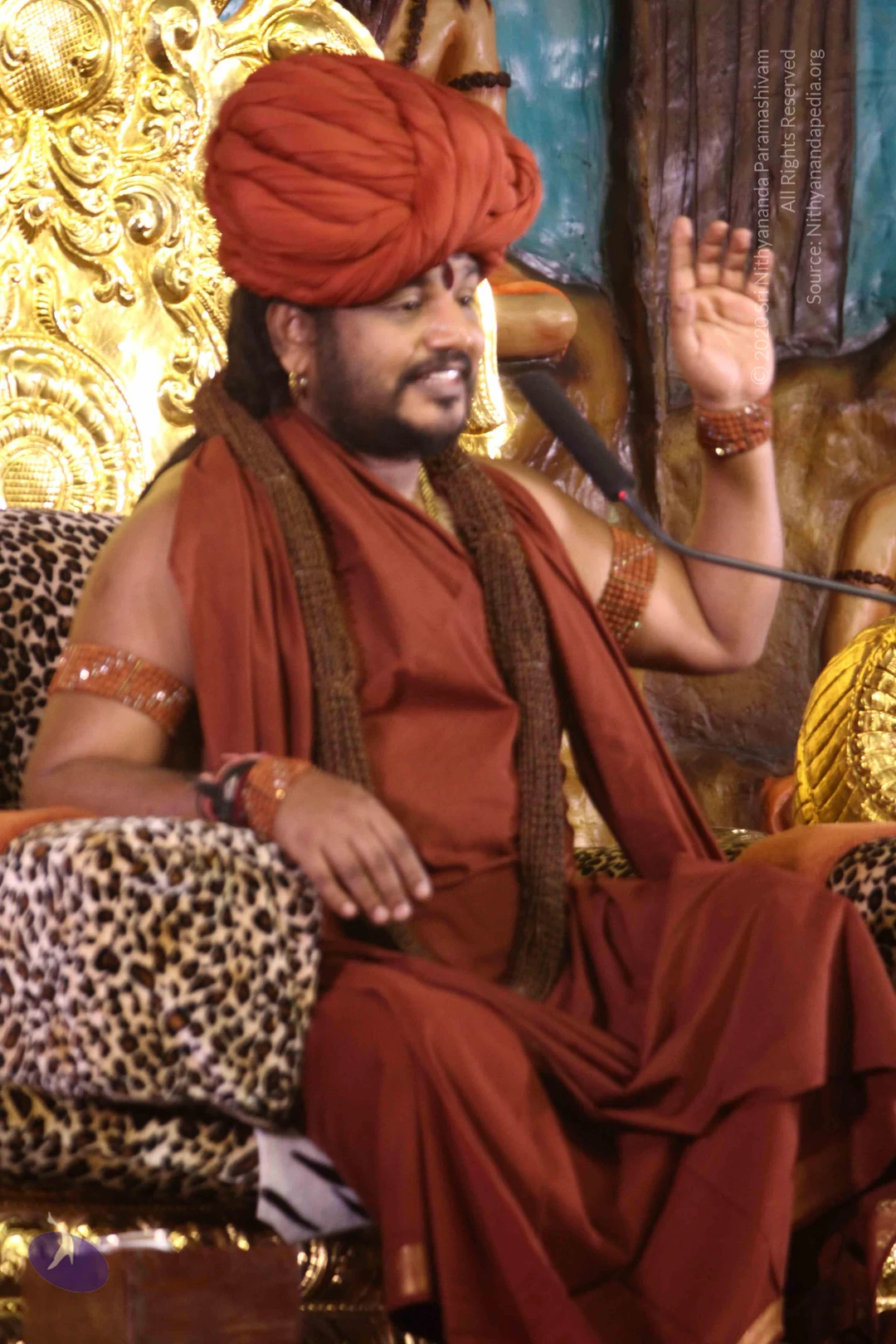
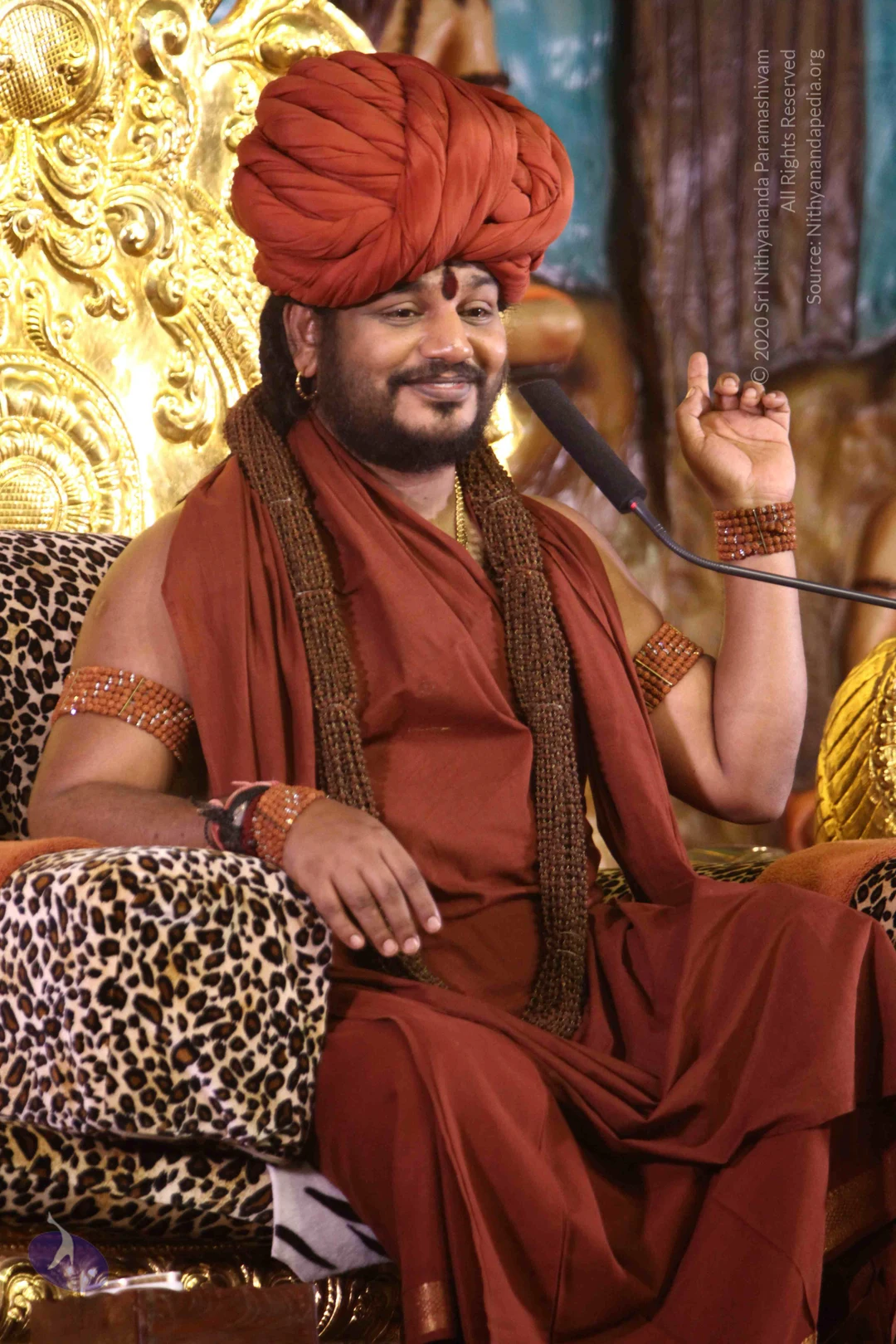
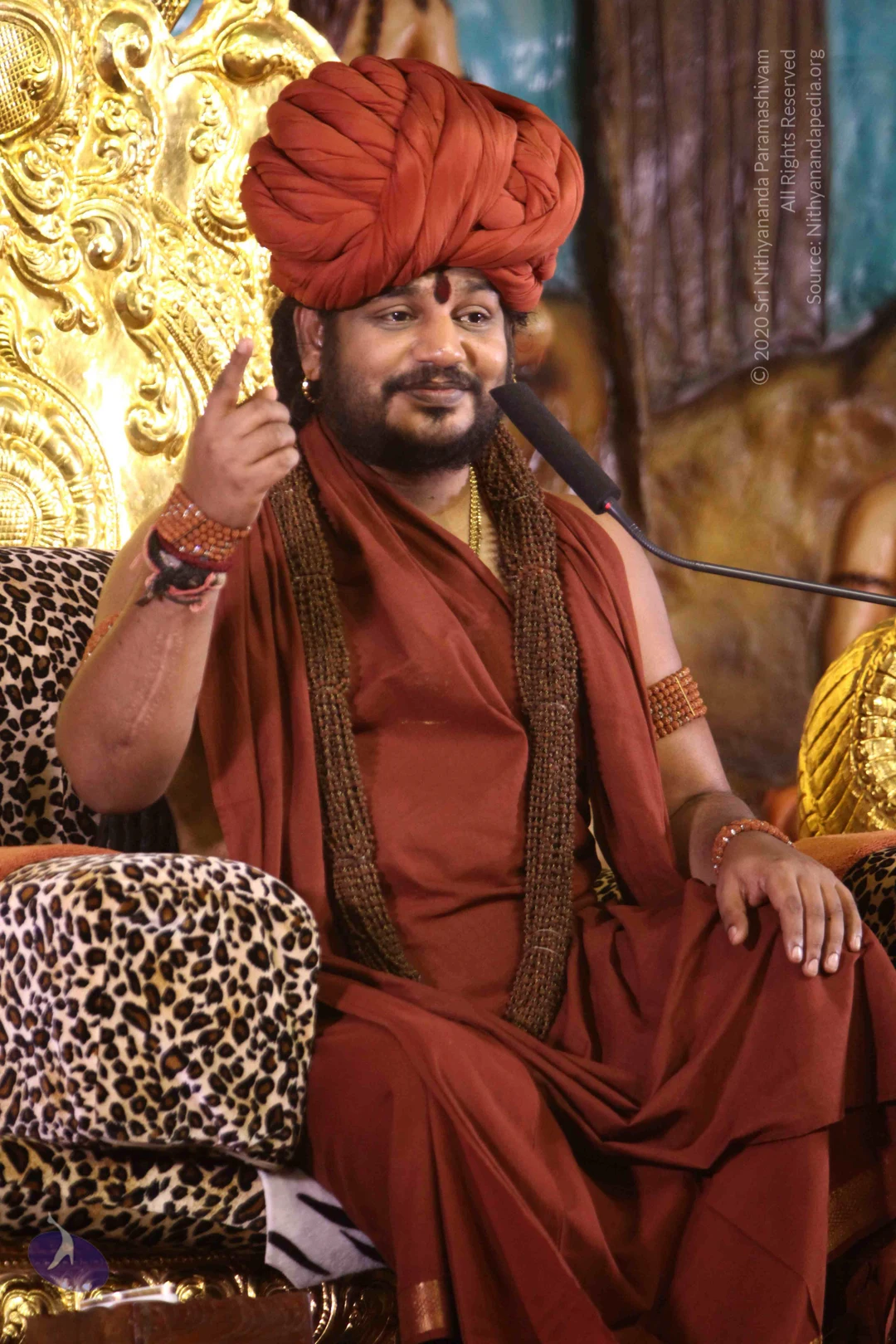
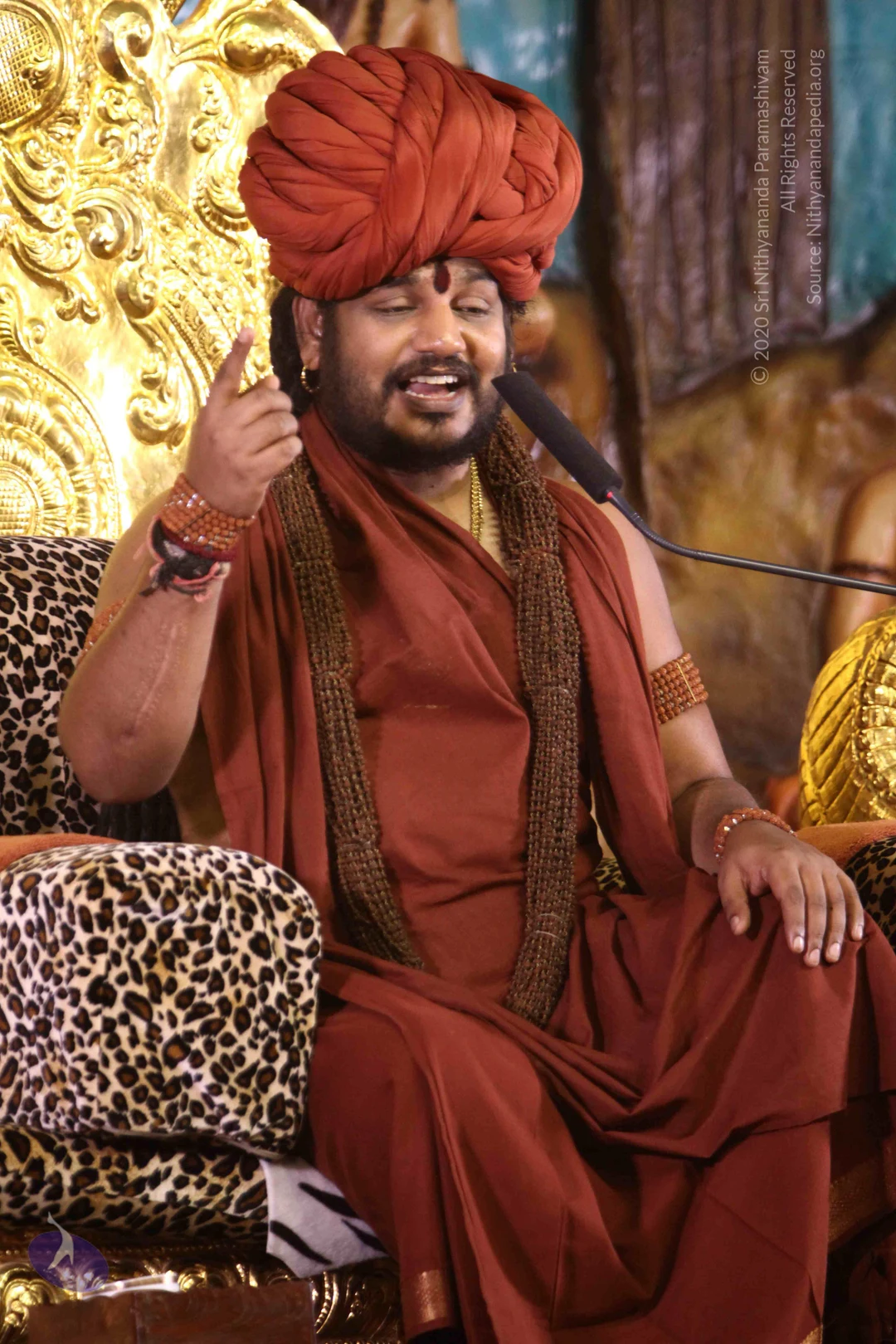
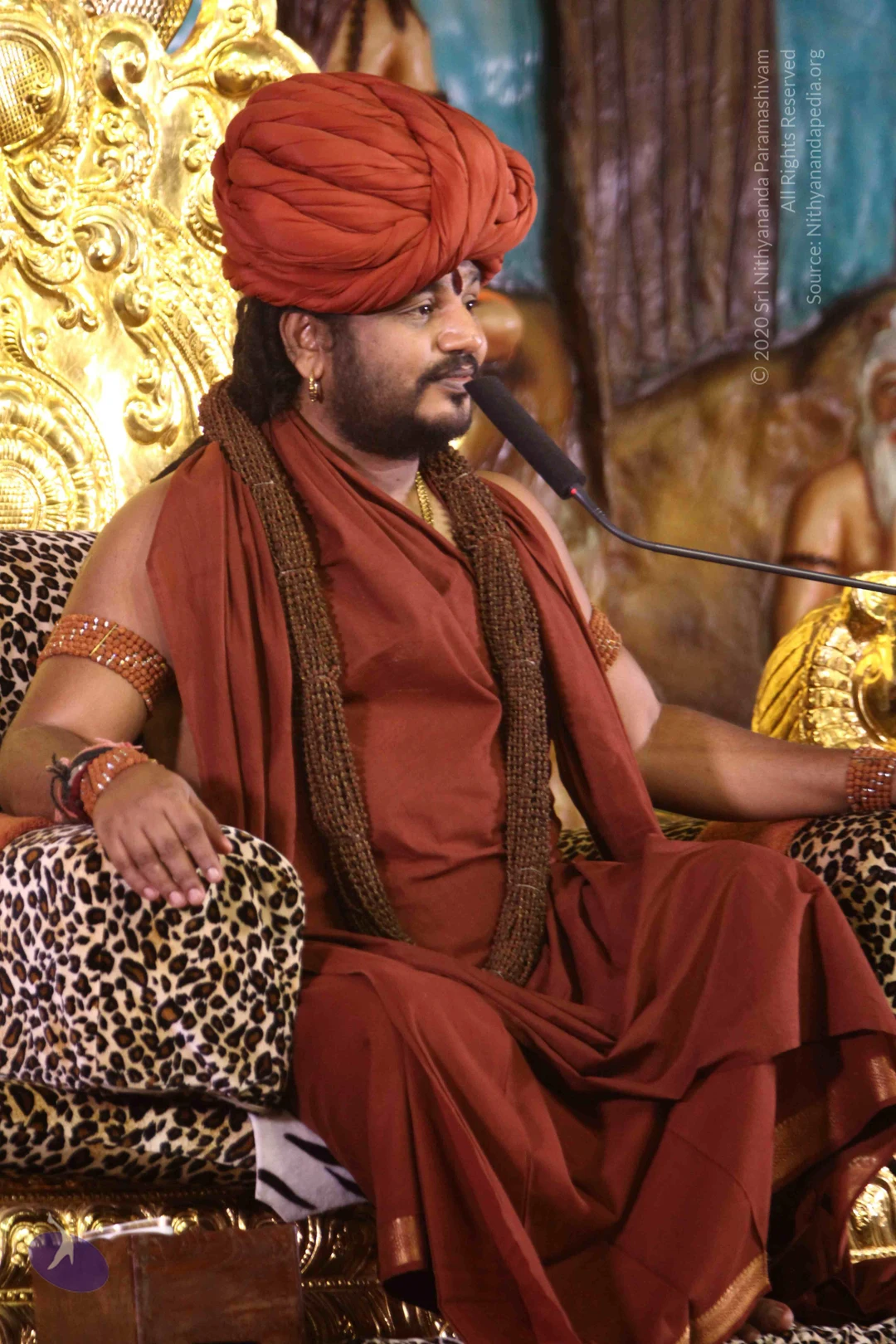

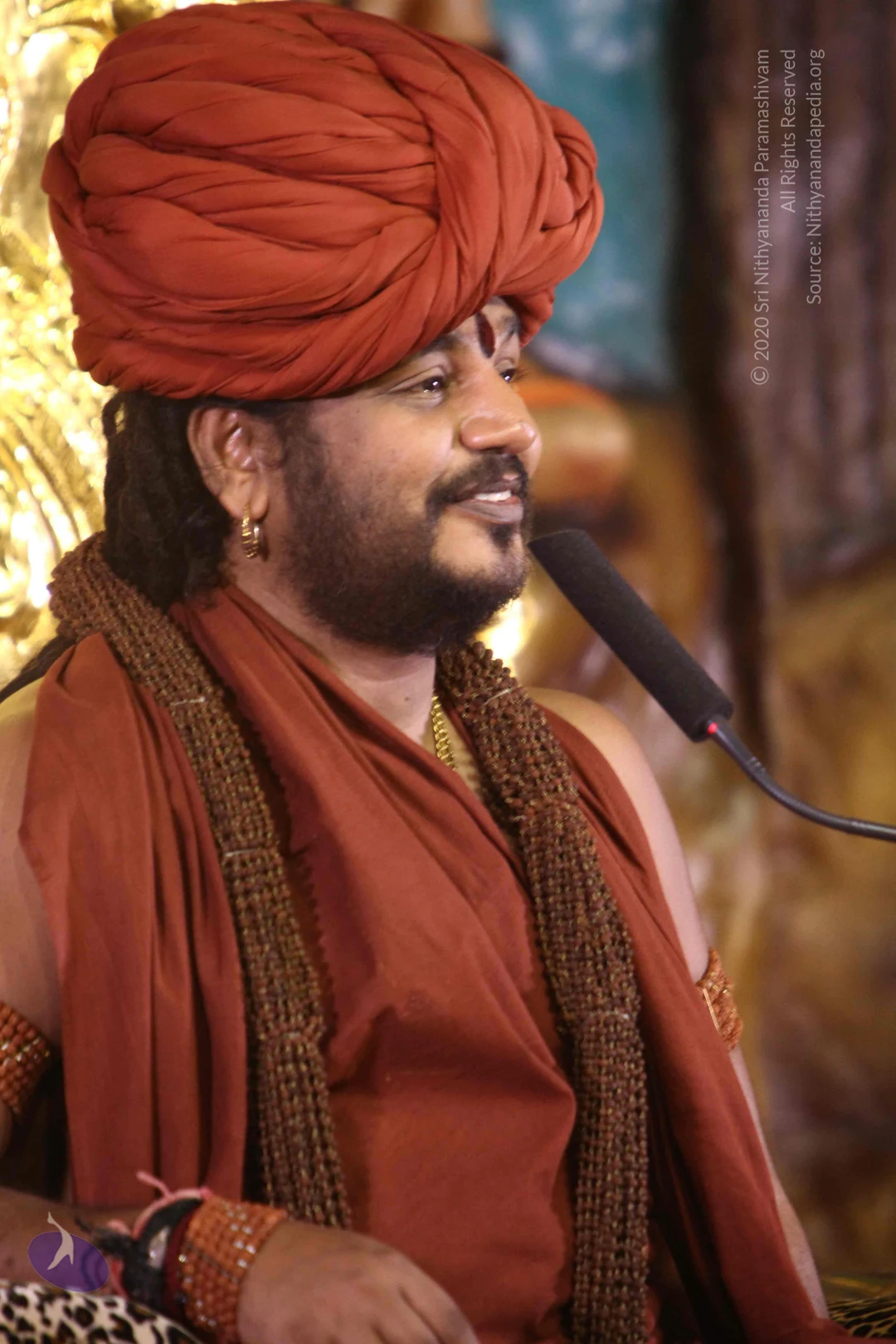
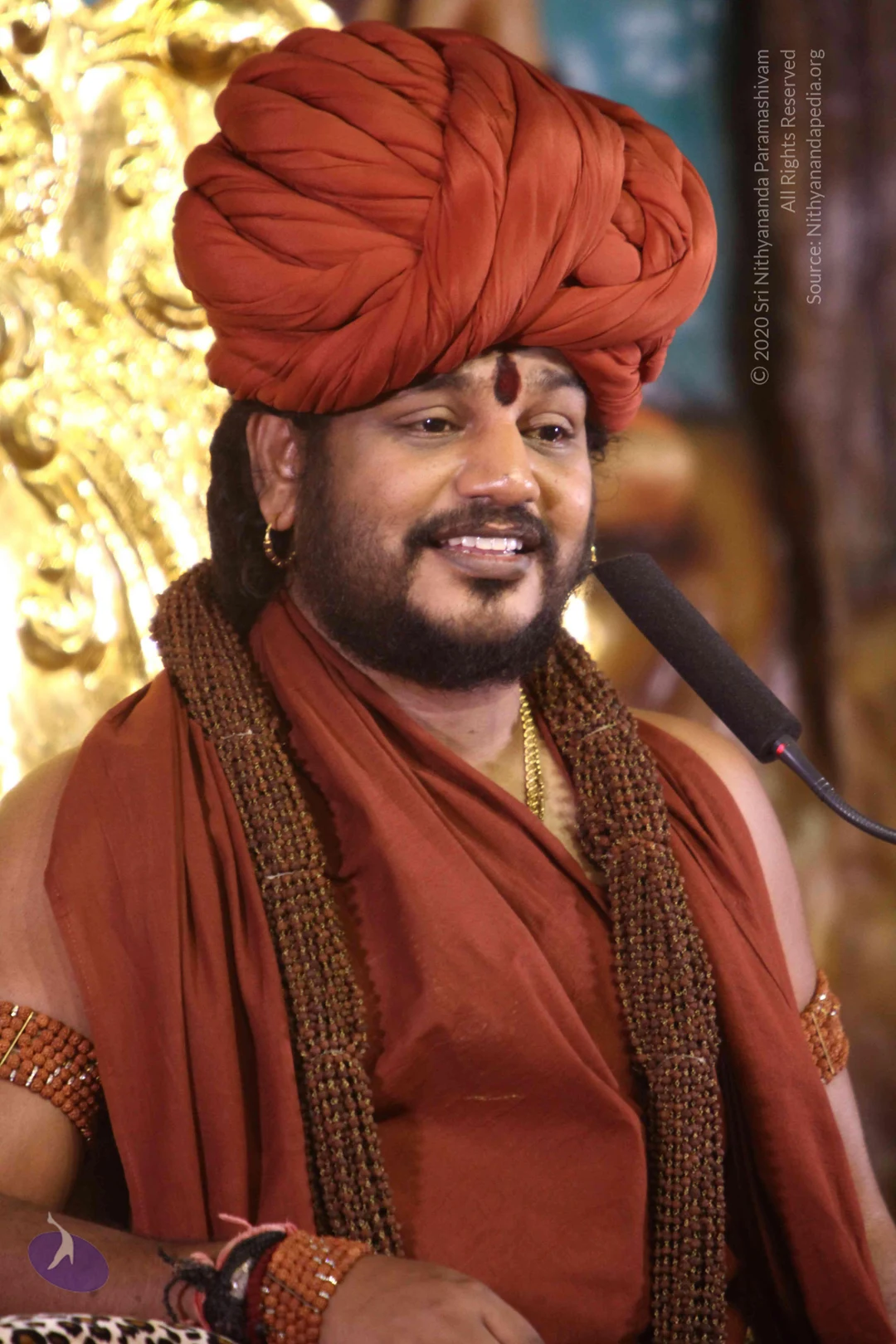
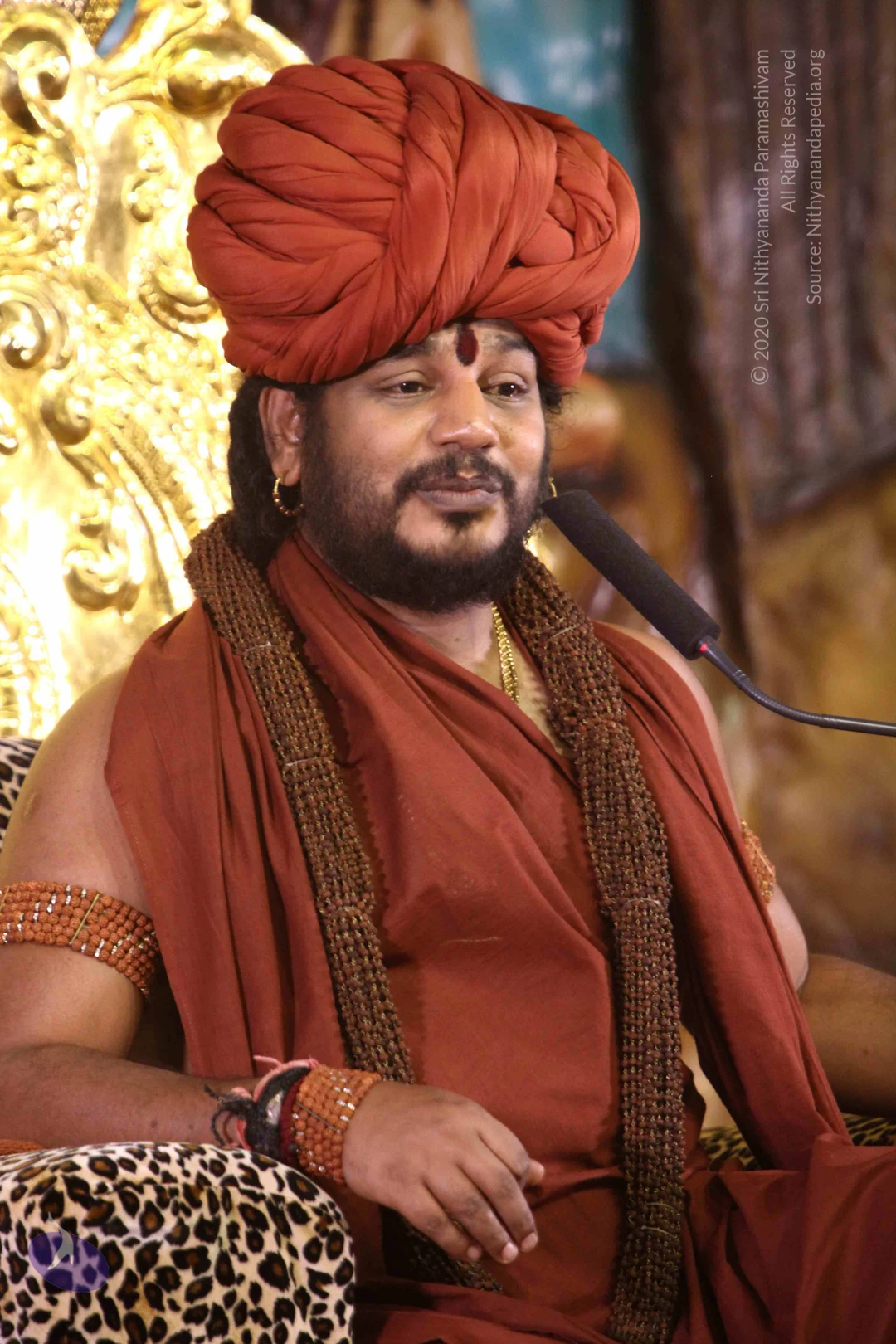
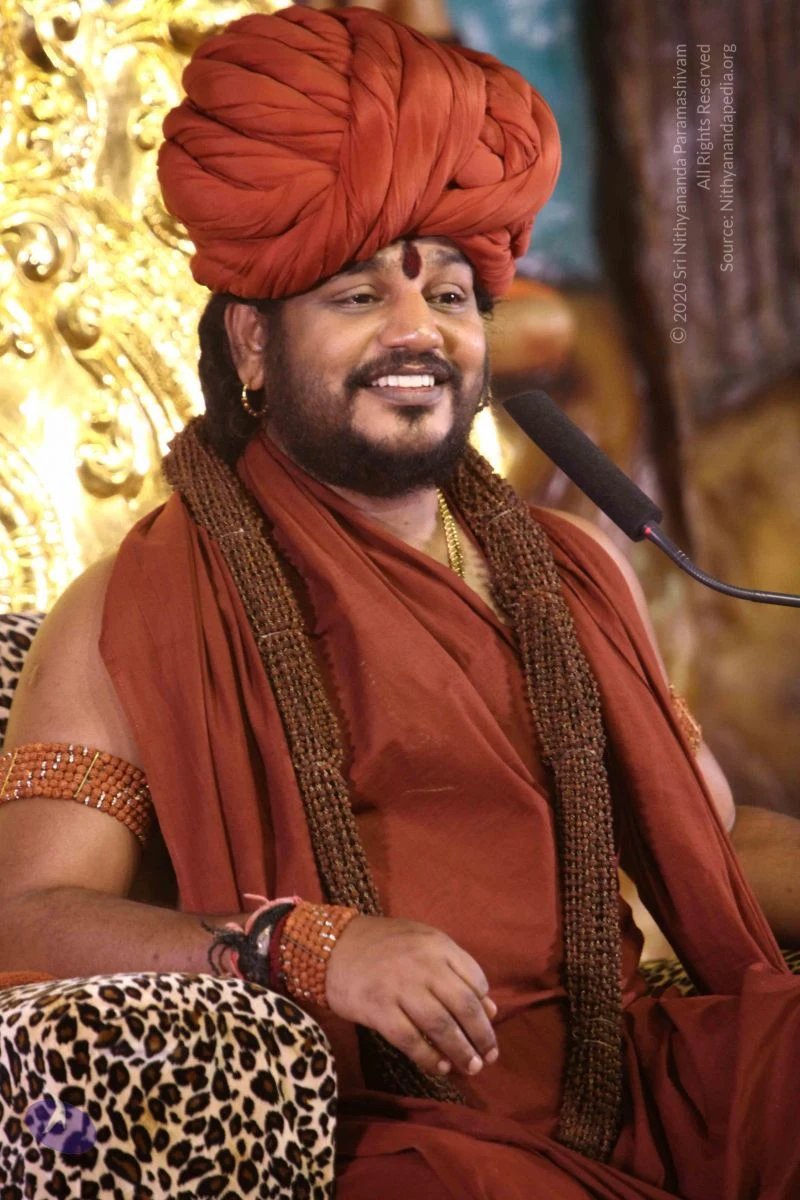
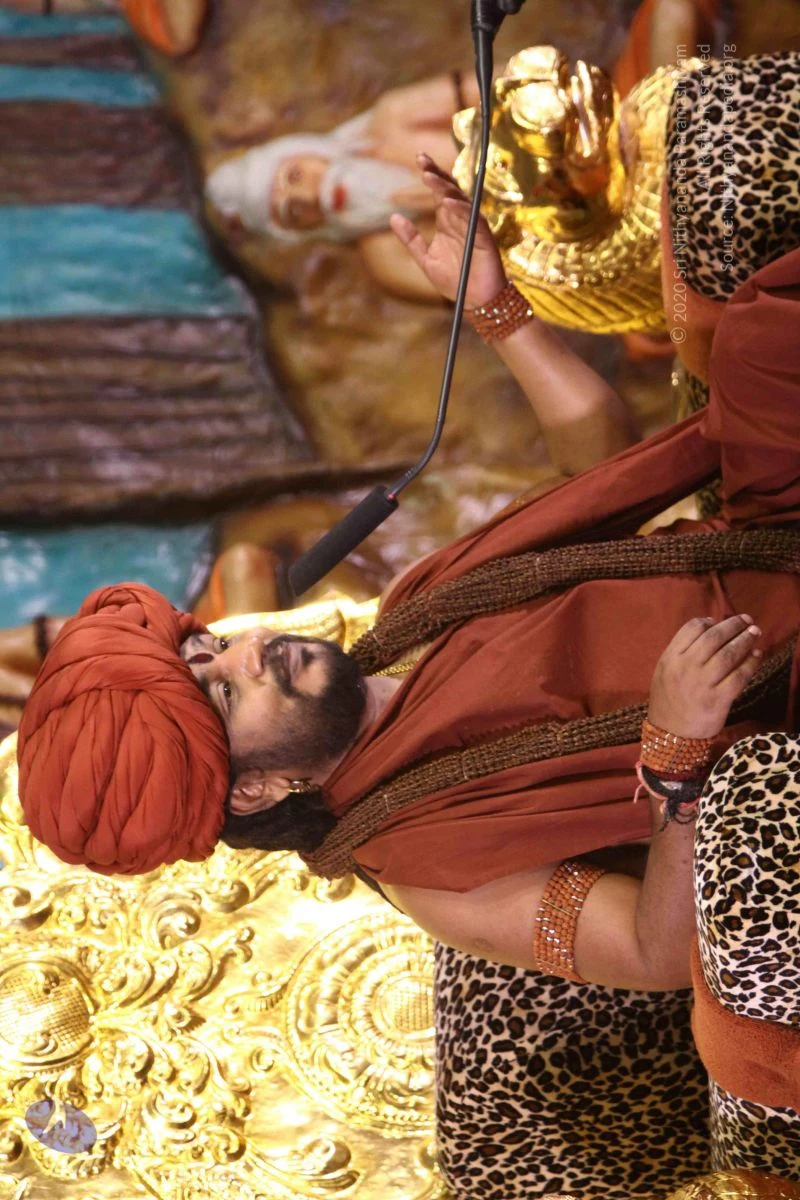
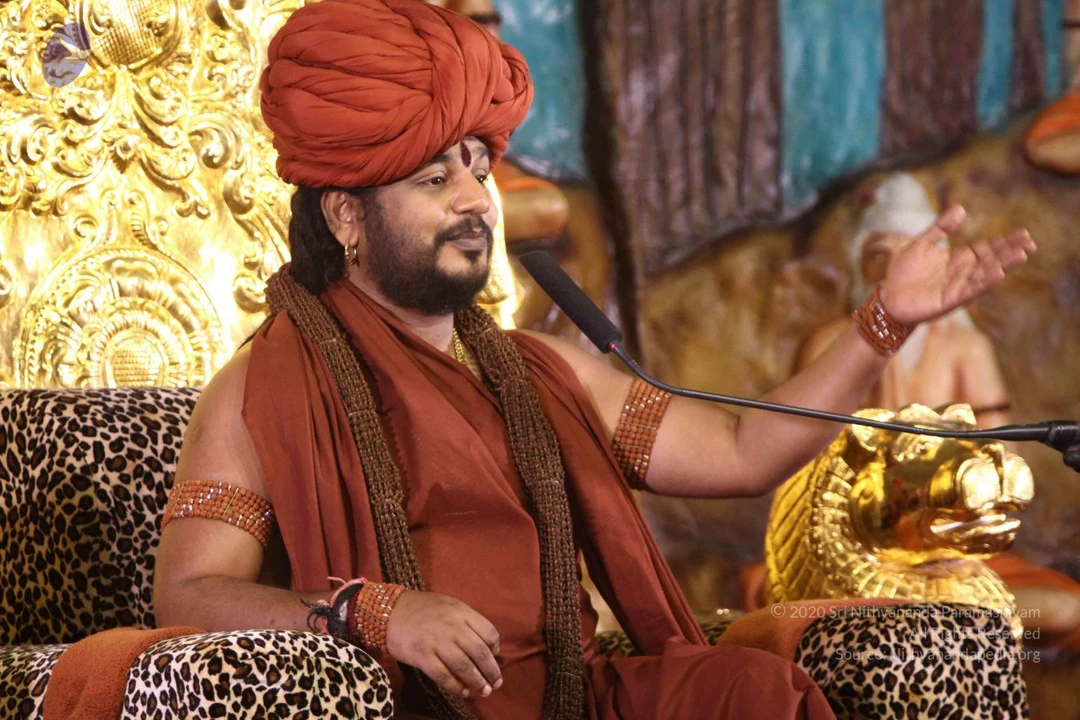
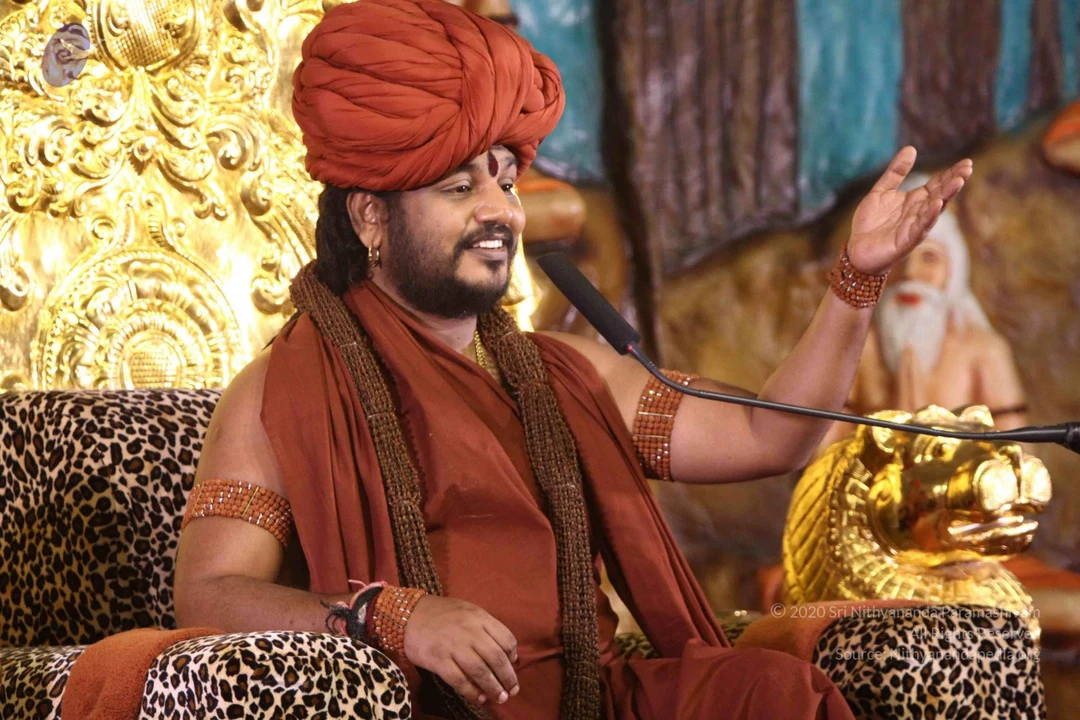
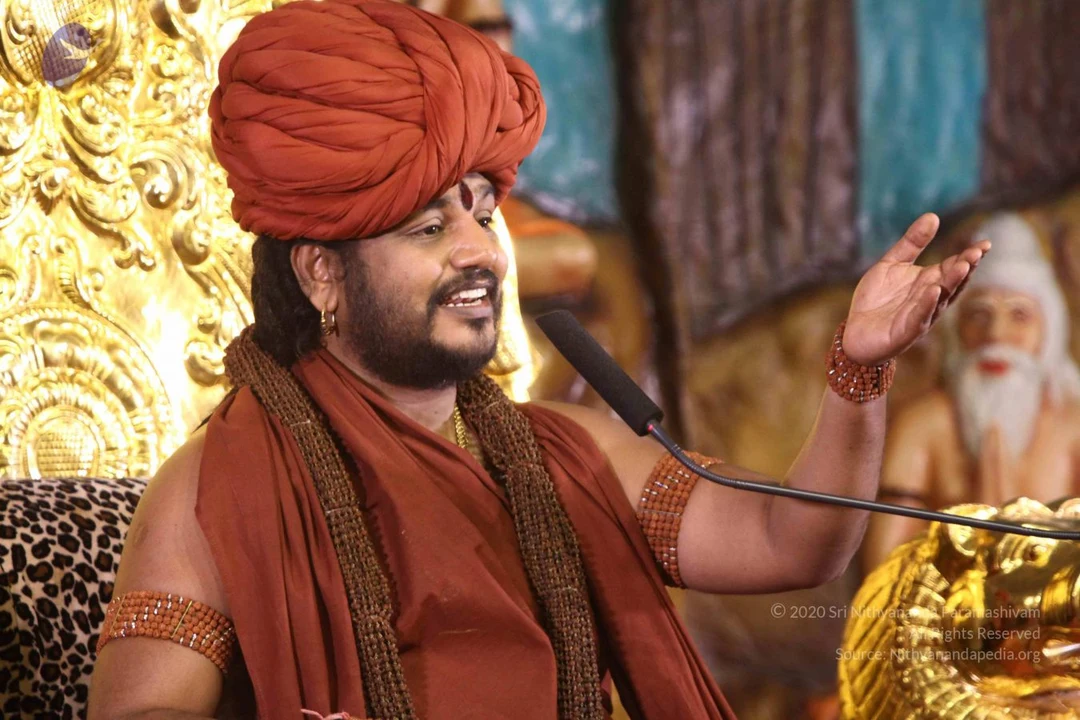
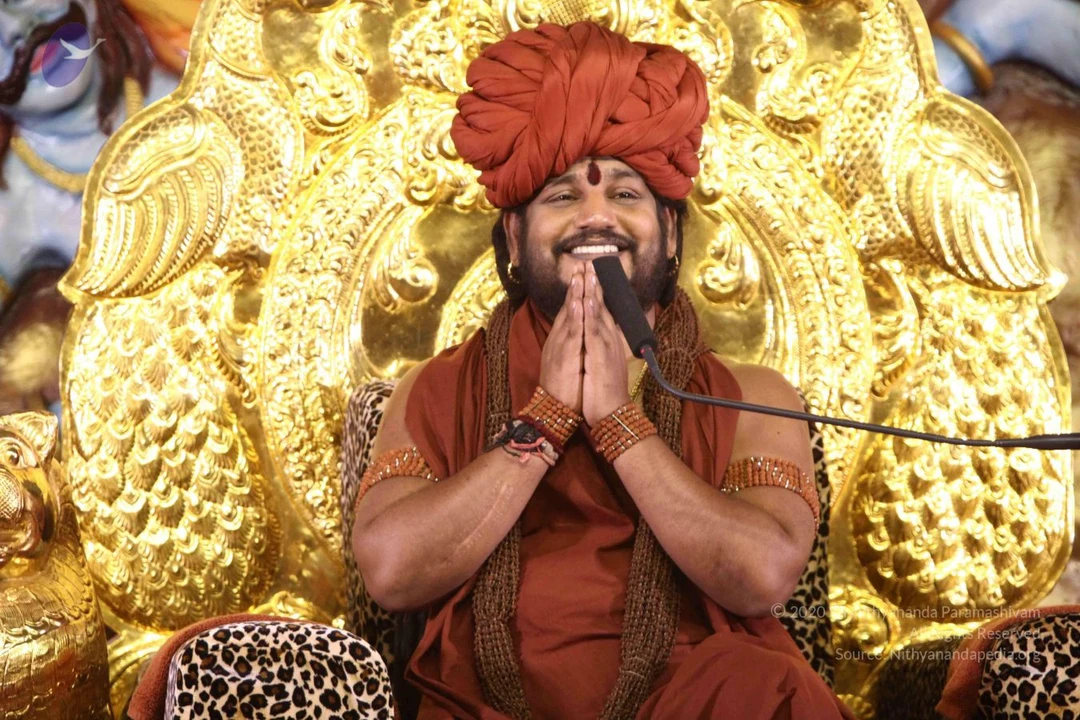
Photos from this day
View all 699 photosnithya satsang
73 photosSource gallery
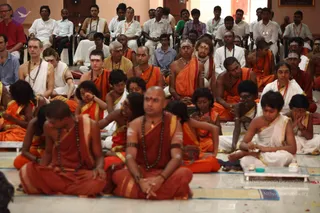
varamahalakshmi puja
184 photosSource gallery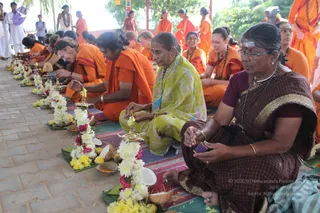
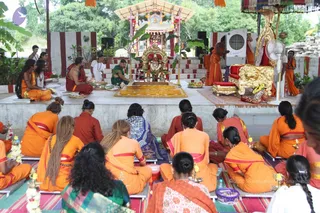
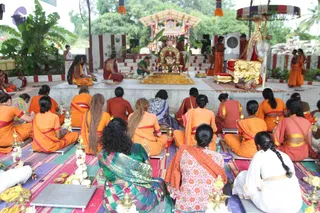
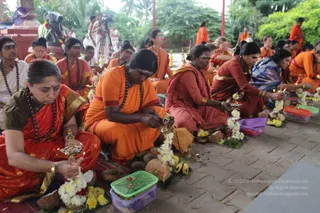
gurukul power initiation
37 photosSource gallery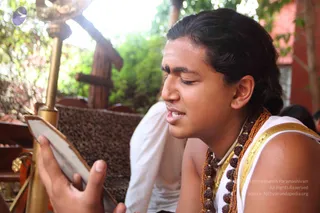
aadi shaivam
206 photosSource gallery