Saturday
23 July 2016
Kenopanishad -Have Eternal Romance With The Cosmos - Spiritual Beauty Technique
- Dated photos
- 131
- Source pages
- 1
- Media
- 2

July 23 2016
Original wiki pageTitle:
Kenopanishad -Have Eternal Romance With The Cosmos - Spiritual Beauty Technique
Description:
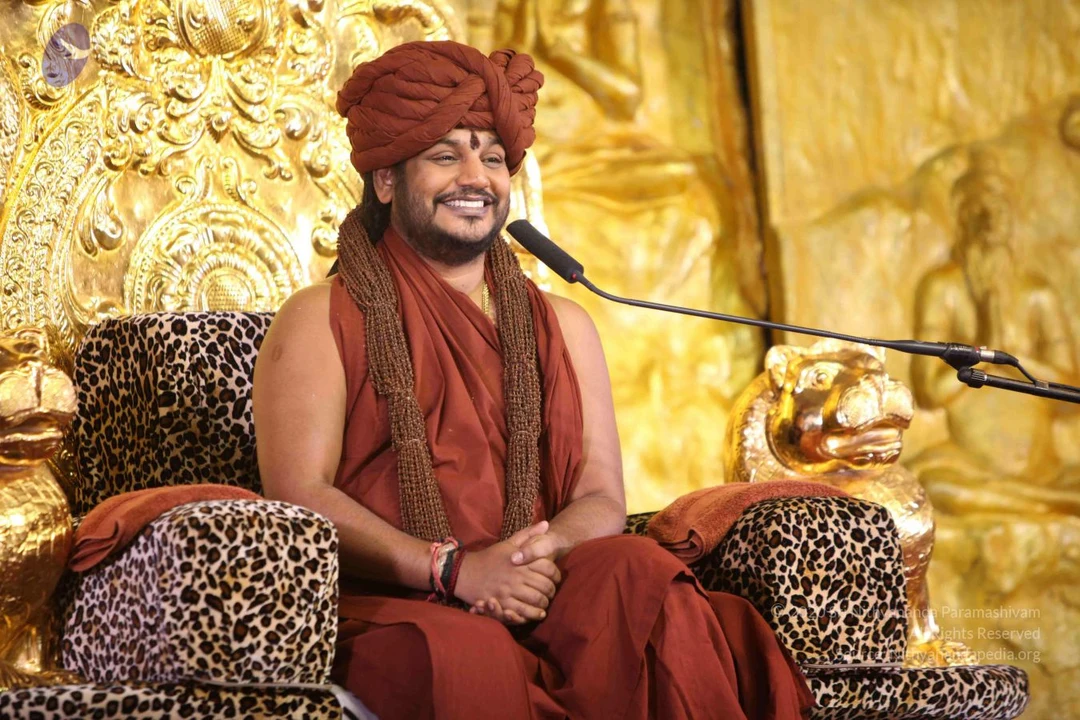
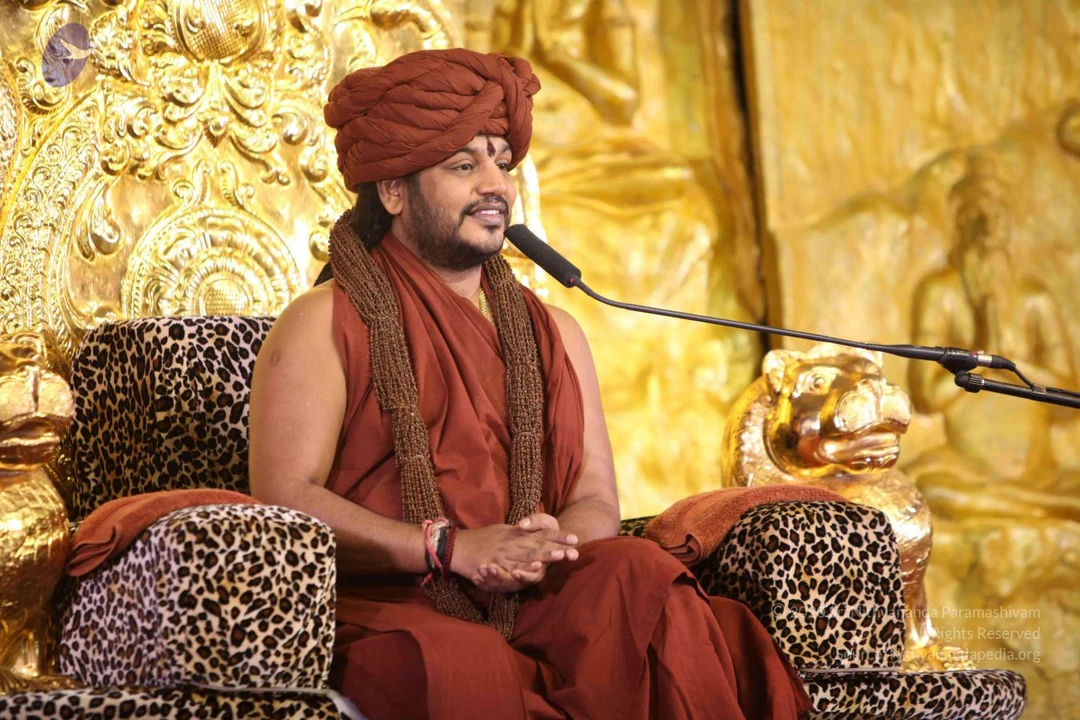
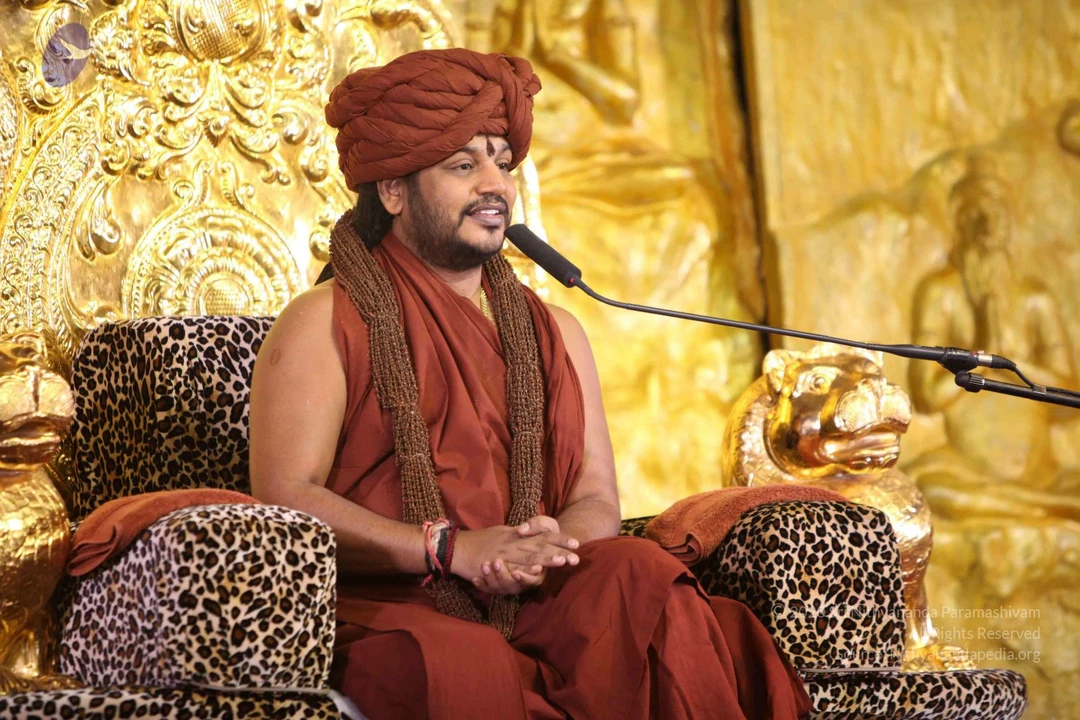
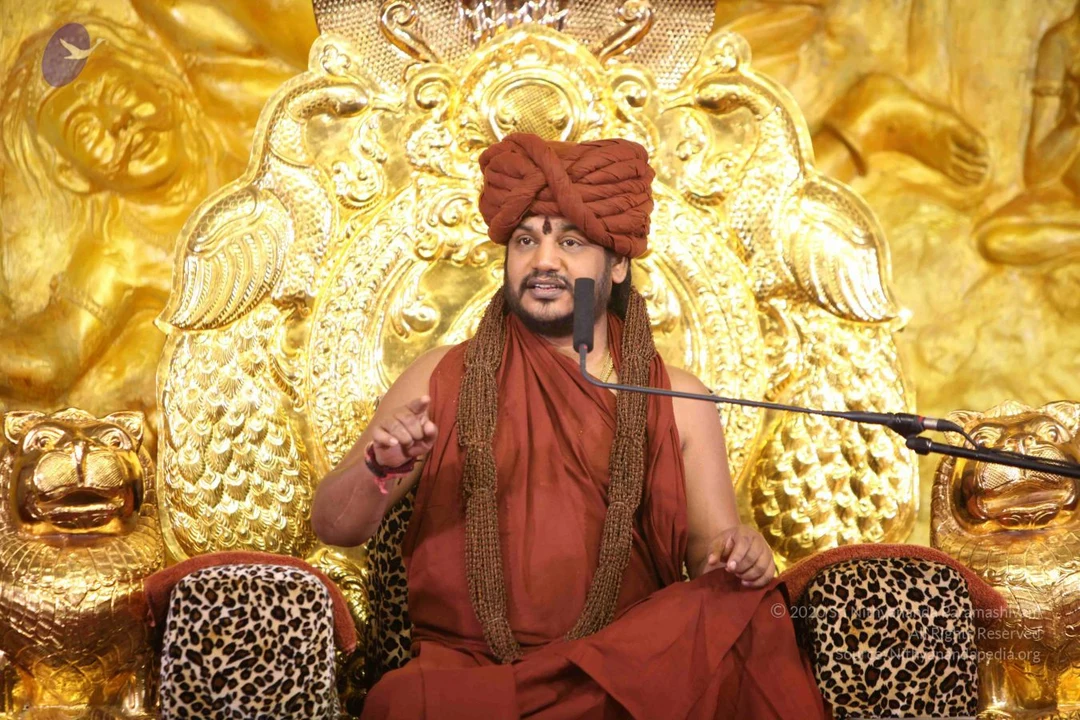
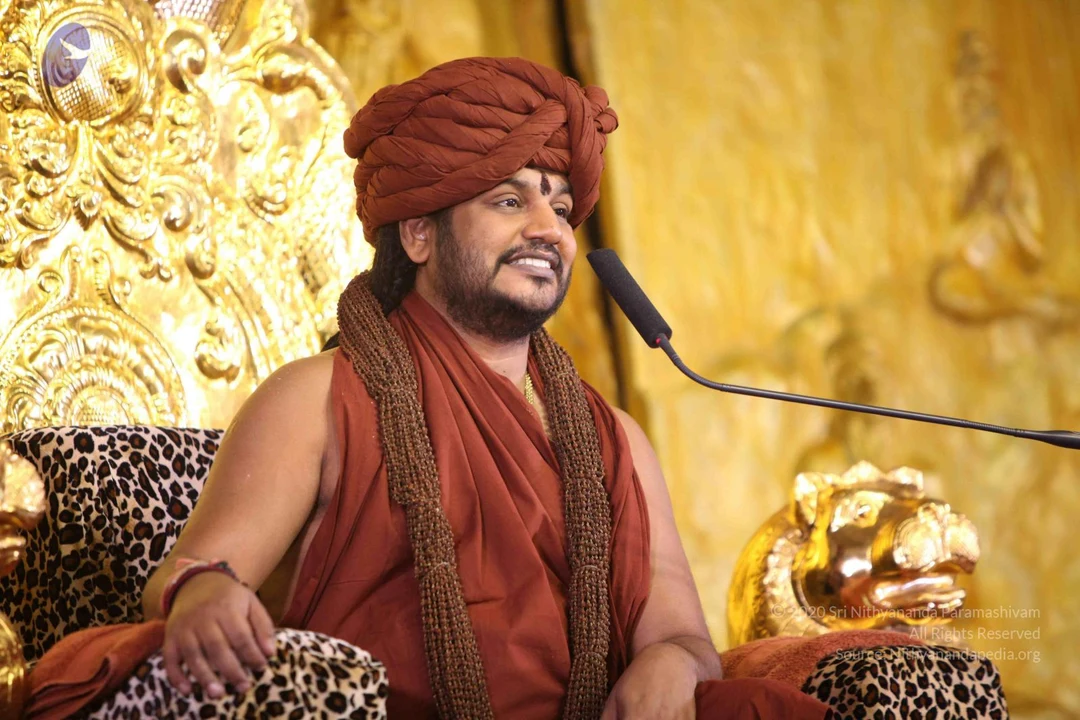
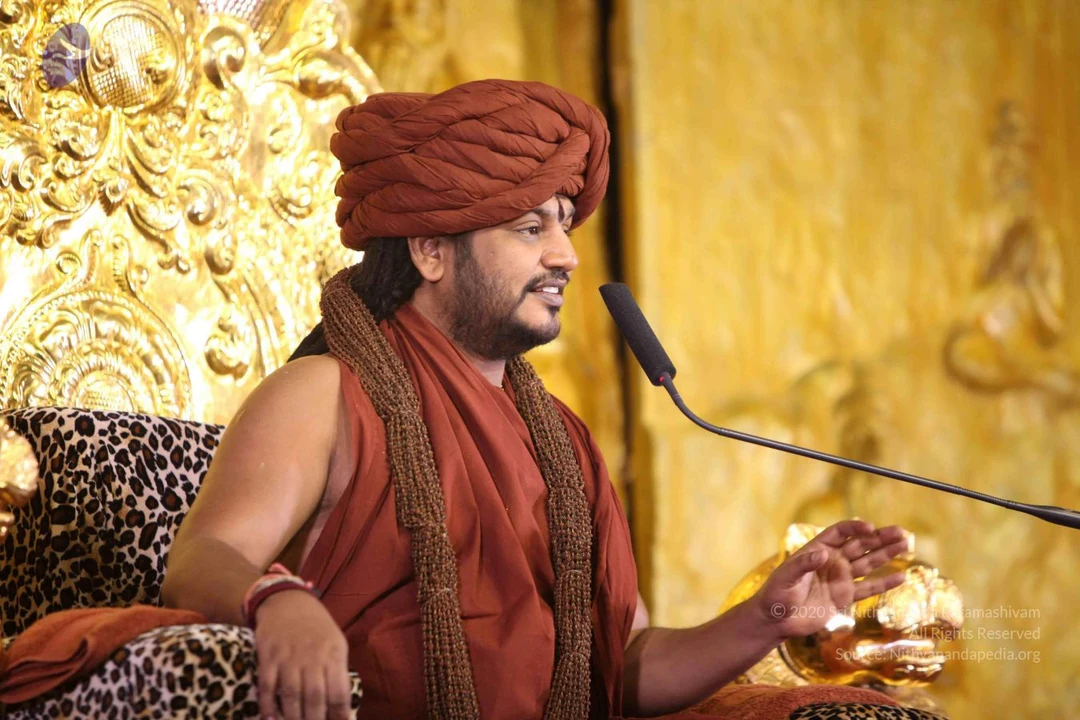
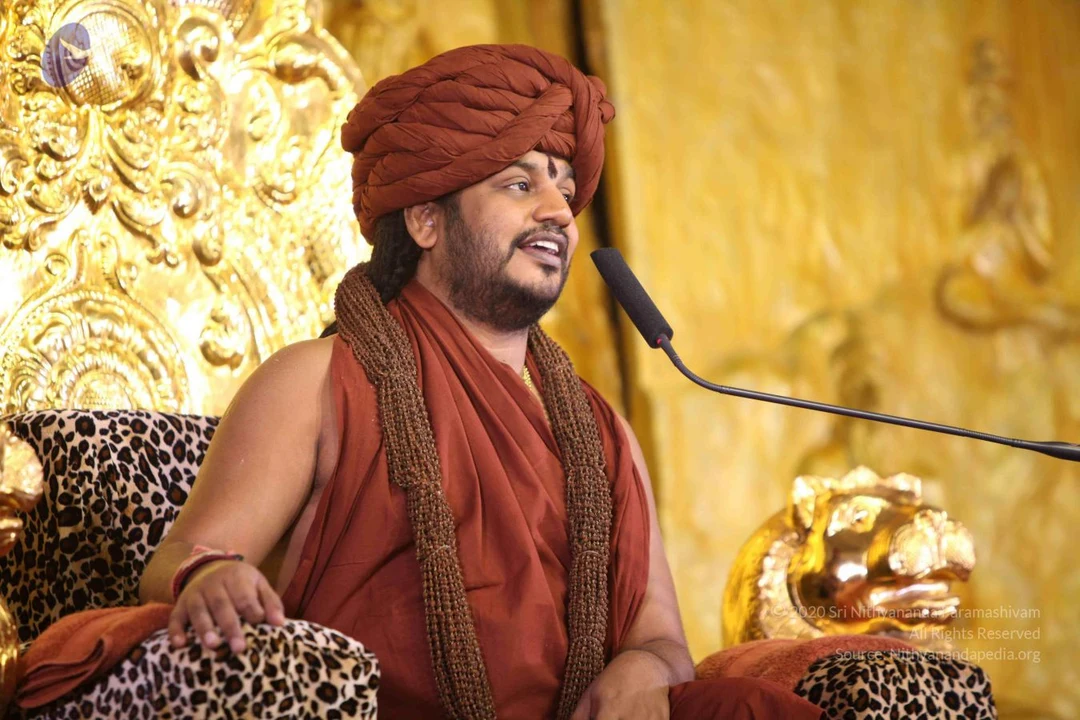
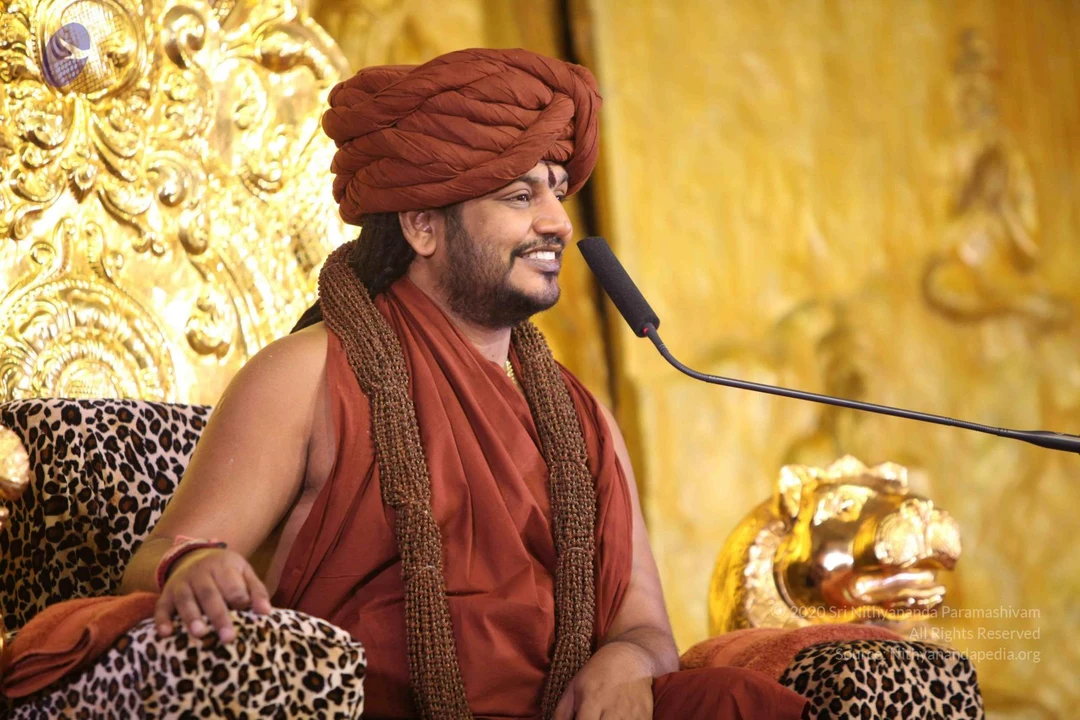
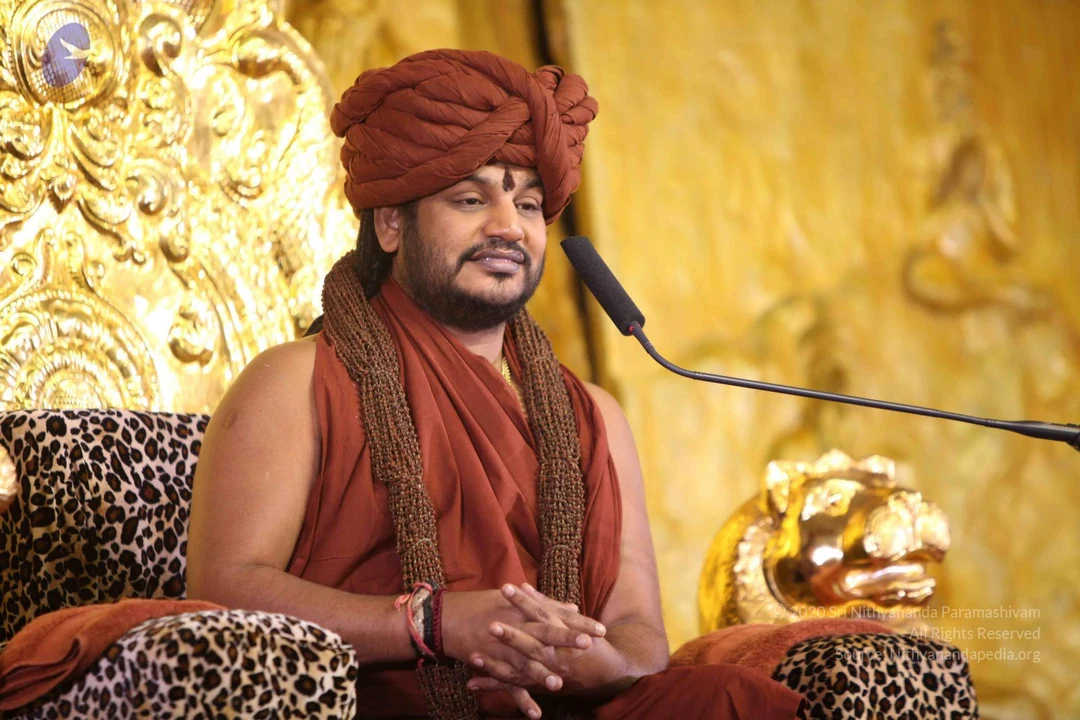
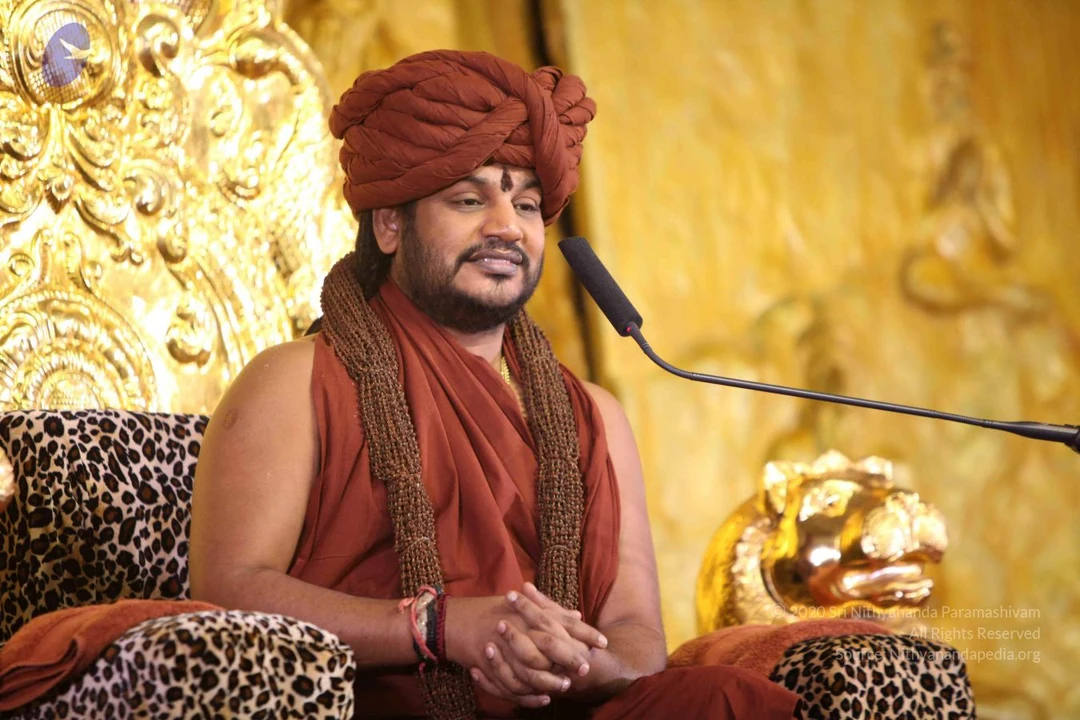
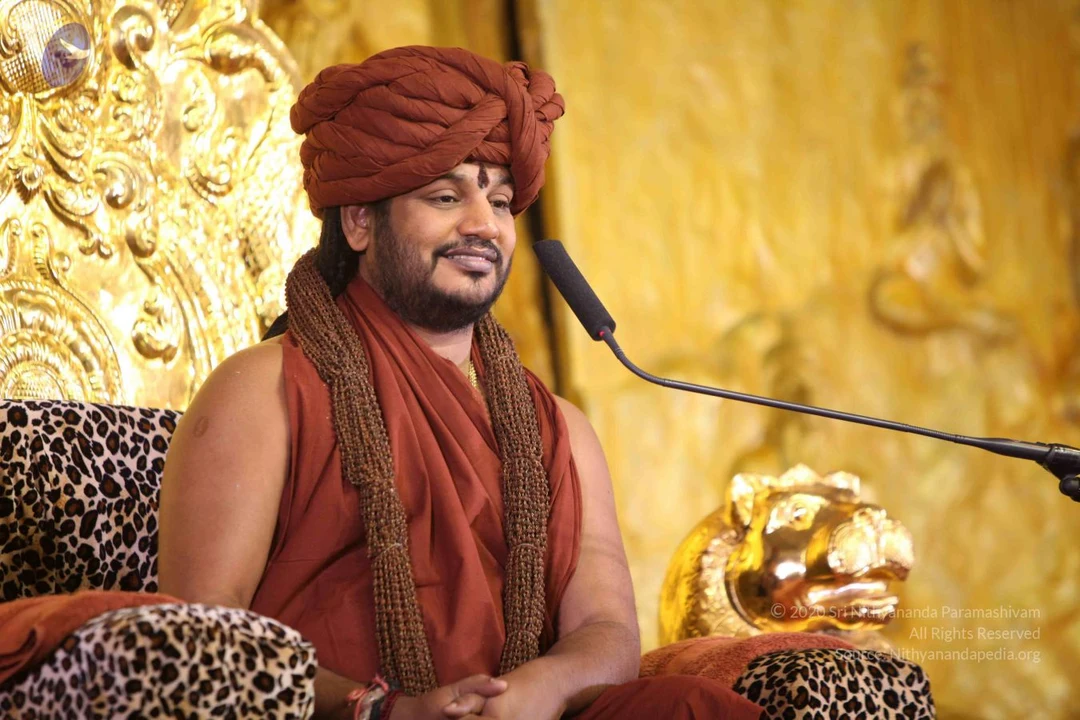
Kenopanishad Verse 1 on 23rd July 2016 is ‘THE SATSANG’ by Paramahamsa Nithyananda, in which His Holiness gives powerful, eternal thought currents in the most sublime words for us to chew and grasp the Upanishadic truths and Sacred Secrets of Sadashiva.
Link to Video:
| Video | Audio |
Transcript:
nithyānandeśvara samārambhām nithyānandeśvari madhyamām | asmat āchārya paryantām vande Guru paramparām ||
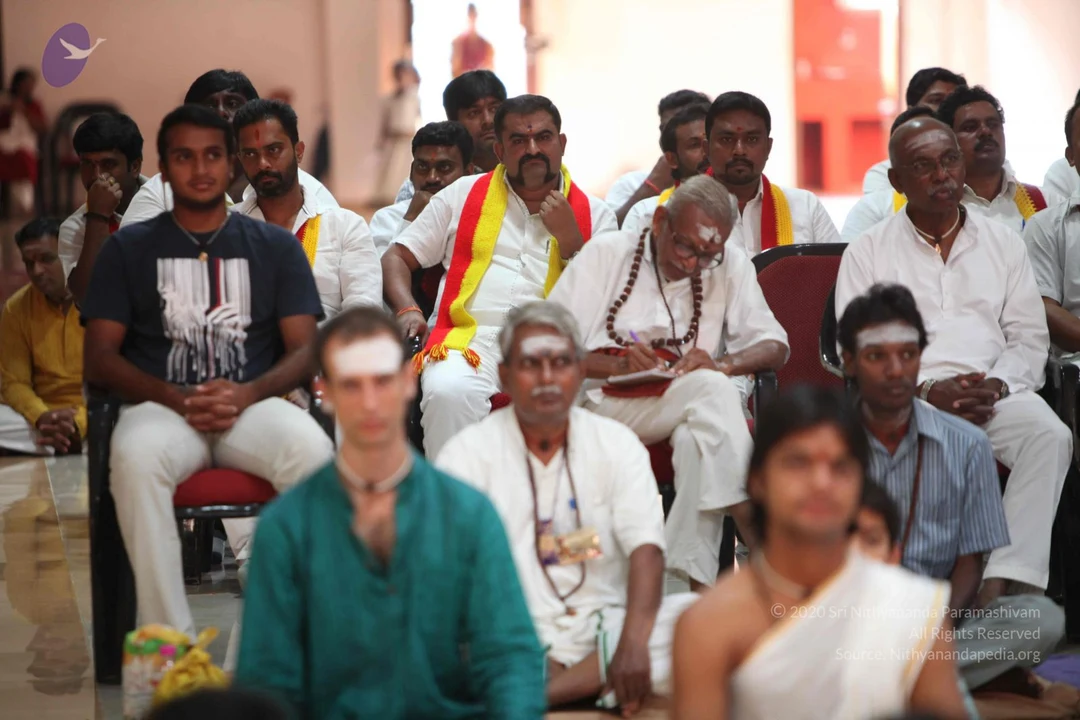
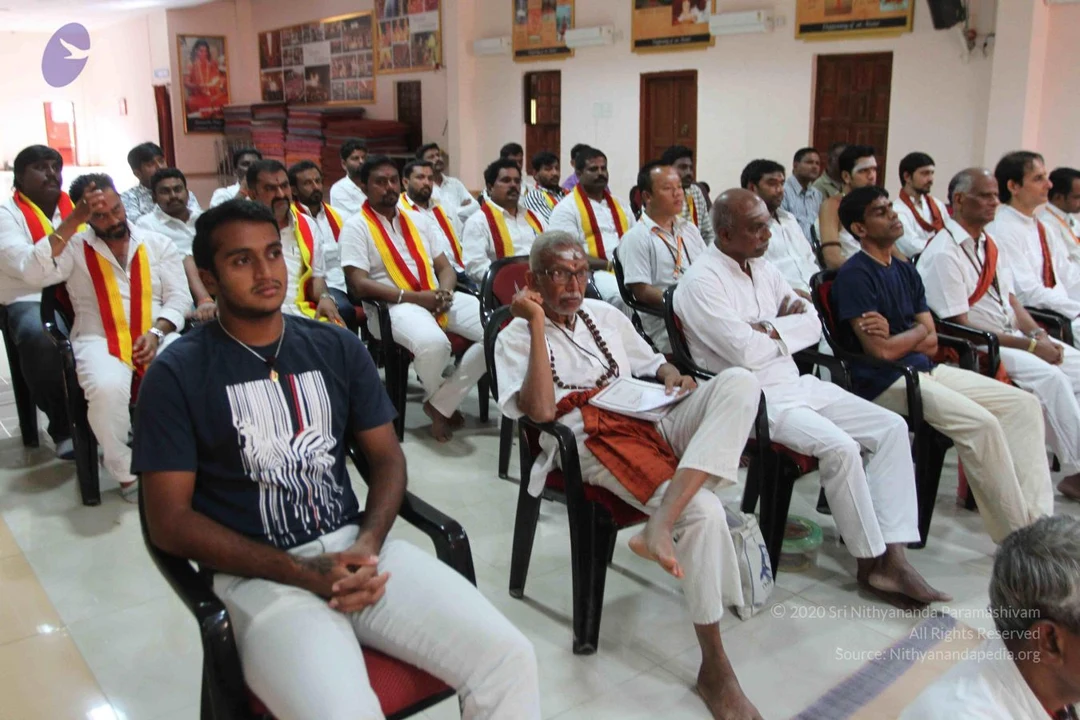
I welcome all of you with My love and respects. I welcome all the devotees, disciples, Sarvajnapeetha Yajamans, Satsanghis, SriMahants, Mahants, Kotharis, Thanedars, YouTube subscribers, viwers who are sitting with us all over the world at this time through Nithyananda.tv, Facebook Live, YouTube live and two way video conferencing having Nayana Deeksha all over the world. I welcome all of you with my love and respects.
I will continue on Mahadeva Rahasya. Some of the sacred secrets I was sharing with you while I was expanding on Kenopanishad. Please chant the first verse along with me, then I will enter into the satsang.
keneṣitaṁ patati preṣitaṁ manaḥ kena prāṇaḥ prathamaḥ praiti yuktaḥ | keneṣitāṁ vācamimāṁ vadanti cakṣuḥ śrotaṁ ka u devo yunakti || 1 ||
keneṣitaṁ patati preṣitaṁ manaḥ kena prāṇaḥ prathamaḥ praiti yuktaḥ | keneṣitāṁ vācamimāṁ vadanti cakṣuḥ śrotaṁ ka u devo yunakti || 1 ||
Please listen. Listen to this great truth.
By whom willed and caused, does the mind go towards its objects? By whom directed and united with which, does the first vital life-energy, the chief cause comes forth towards its activities? At whose will does this speech gets activated and speaks? Enlivened and directed by whom, by what luminous, divine power, indeed do the eyes and the ears engage in their functions?”
The more and more I contemplate, the more and more I meditate, the more and more I chew the thought currents expressed by these Upanishads. Actually when I chew the thought currents of Upanishads, listen carefully, not only I feel the nectar happening in my brain, even my body becomes graceful. Understand. I can give you this as a beauty technique. Anybody wants to look beautiful or graceful, start chewing Upanishadic thought currents everyday, it makes you such an amazing being, it makes you such light being, such a sweet being. I tell you, when you start this Pure Questioning, you become incredible, incredibly integrated, incredibly sweet, incredibly energized, incredibly straight being. People chew c\\hewing gums to keep their mouth away from bad smells, you should chew Upanishadic thought currents to keep you away from mental bad smells. Only every time I chew these thought currents, I feel wow, so deep. Upanishad manifesting, radiating the truths by Its own authority.
keneṣitaṁ patati preṣitaṁ manaḥ kena prāṇaḥ prathamaḥ praiti yuktaḥ | keneṣitāṁ vācamimāṁ vadanti cakṣuḥ śrotaṁ ka u devo yunakti || 1 ||
I tell you, this Pure Questioning thought current, the more and more you cherish, more and more you will be joyful, you will be blissful, you will be radiating, you will be radiating, you will be just unimaginably radiating. And I tell you, it will make you so strong, you will neither feel lonely in your life nor feel any need for any support from any external forces. It’s the science of leader making. Whether you want to be a social leader, political leader, religious leader in any level, a leader need to have certain courage to be with this Oneness. Understand, all Oneness misunderstood become aloneness. All Oneness when it is misunderstood become aloneness. If you approach the All-Oneness with powerlessness, it becomes aloneness. When you are powerful with all-Oneness, it becomes Shuddhādvaita [pure-all-oneness]; when you are powerless in front of all-Oneness, it becomes aloneness.
keneṣitaṁ patati preṣitaṁ manaḥ kena prāṇaḥ prathamaḥ praiti yuktaḥ | keneṣitāṁ vācamimāṁ vadanti cakṣuḥ śrotaṁ ka u devo yunakti || 1 ||
A pure questioning. Everyday I take little medicated ghee to heal the heat in the stomach. The heat which is generated usually during this manifestation of energies and initiation. When I read this verse I literally feel it is equivalent to that medicated ghee which cleanses your whole system. Fear of pure loneliness is suffering. Fear of pure loneliness is suffering. The pure questioning, pure questioning..
keneṣitaṁ patati preṣitaṁ manaḥ kena prāṇaḥ prathamaḥ praiti yuktaḥ | keneṣitāṁ vācamimāṁ vadanti cakṣuḥ śrotaṁ ka u devo yunakti || 1 ||
This pure questioning cleanses all the toxins you gathered in your mind, brings you to your original state of All-Oneness, not aloneness. ALL-ONENESS.
keneṣitaṁ patati preṣitaṁ manaḥ kena prāṇaḥ prathamaḥ praiti yuktaḥ | keneṣitāṁ vācamimāṁ vadanti cakṣuḥ śrotaṁ ka u devo yunakti || 1 ||
I can just sit and repeat this verse for 1008 times. It is so sweet. Very rare the pure questioning is expressed in verbal form. Pure questioning removes all your prepositions and suppositions, ifs, buts, what if, why not – all this from your inner space. The pure questioning goes on making you reinvent yourself. Pure questioning goes on making you leader. Listen. PURE QUESTIONING makes you leader. In every field, PURE QUESTIONING brings Completion, Advaita. Advaita is not past dead, it is LIVING PRESENT. As old as Sun, as new as sunrise. As old as Sun and as new as sunrise.
keneṣitaṁ patati preṣitaṁ manaḥ kena prāṇaḥ prathamaḥ praiti yuktaḥ | keneṣitāṁ vācamimāṁ vadanti cakṣuḥ śrotaṁ ka u devo yunakti || 1 ||
This verse can lead somebody to such a pure All-Oneness, you will become secret life partner with Cosmos. Society has laws of society. Nature has laws of nature. The pure All-Oneness of Cosmos has no laws; there is only integrity to love, that’s it. This verse can lead to that very space – INTEGRITY TO LOVE. Because of the Pure Questioning, the Pure Questioning ability taking away all the…Pure Questioning ability taking away all the toxic mental thought currents, continuously revives you, keeps you alive, revives you and keeps you alive with more and more of joy, more and of more of excitement, more and more of inspiration. Every zone of your life will reach its peak of success, completion with this Pure Questioning, with this Pure Questioning.
(16.01)
The Pure Questioning makes you realize your past is redundant. Pure Questioning makes you realize your past is irrelevant. Pure Questioning makes you realize and gives you courage to create and manifest your life. It leads you to understand, the purity of your will and ability to manifest inspiration out of your will. Understand, the space where will and inspiration is one and the same, if you will, inspiration explodes, that space is what I call Ananda Spurana, where will and inspiration are not two different, separate, a cause and effect. Till certain period WILL be cause and inspiration will be EFFECT. WILL be cause and inspiration will be EFFECT. Cause and effect, effort and effect. Cause and effect. Only in the initial level, WILL will be cause and inspiration will be effect. At some point, the cause and effect will not have gap, the will and inspiration will not have any gap. Will will just become inspiration. That, that, that space is what I called Ananda Spurana, Anandamaya Kosha. Experiencing that space becomes possible by PURE QUESTIONING. PURE QUESTIONING brings you to that space where your WILL manifests inspiration. Your will manifests inspiration.
keneṣitaṁ patati preṣitaṁ manaḥ kena prāṇaḥ prathamaḥ praiti yuktaḥ | keneṣitāṁ vācamimāṁ vadanti cakṣuḥ śrotaṁ ka u devo yunakti || 1 ||
I do not want to move on to the next verse, as of now. I wanted you guys to be soaked again and again, repeatedly, into this beauty of pure questioning.
Actually PURE QUESTIONING takes away tons of incompletions from you, not one or two, tons of incompletions away from you. How many tons even I don’t know. How many tons of incompletions you carry, that many tons are taken away from you just by this pure questioning. PURE QUESTIONING makes you LOVE YOU. It just makes you. You will feel you are blessed to be alive. You will feel you are blessed you are breathing. You will feel you are blessed for all the beautiful things are happening. Constant frustration, constant irritation, constant demanding from life, from people around you, from situations will not happen. The PURE QUESTIONING makes you experience eternal romance with the Cosmos.
If you want to romance with a man you need to just know how to keep him happy. If you want to romance with a woman you need to be a yellow page. If you want to romance with Cosmos, you just need PURE QUESTIONING.
(22.35)
With the PURE QUESTIONING not only you can reach enlightenment, you can reach the space from which powers manifest, the space from which powers manifest. It makes the vision of the Cosmos as your ambition. Ambitionless human beings are worst than terrorists. I tell you, they will be such a dead weight on everyone around them, they will kill every one. They will kill everyone.
I do not want to move further from this verse and this thought current of PURE QUESTIONING as on now. Contemplate. Contemplate. Contemplate. I don’t want this to be forgotten as satsang, I want to be reminded as one of THE SATSANG. Contemplate on this PURE QUESTIONING.
I bless you all: Let you all radiate, with integrity, authenticity, responsibility, enriching, causing Living Shuddhādvaita Shaivam, the eternal bliss, Nithyananda. Thank you. Be blissful.
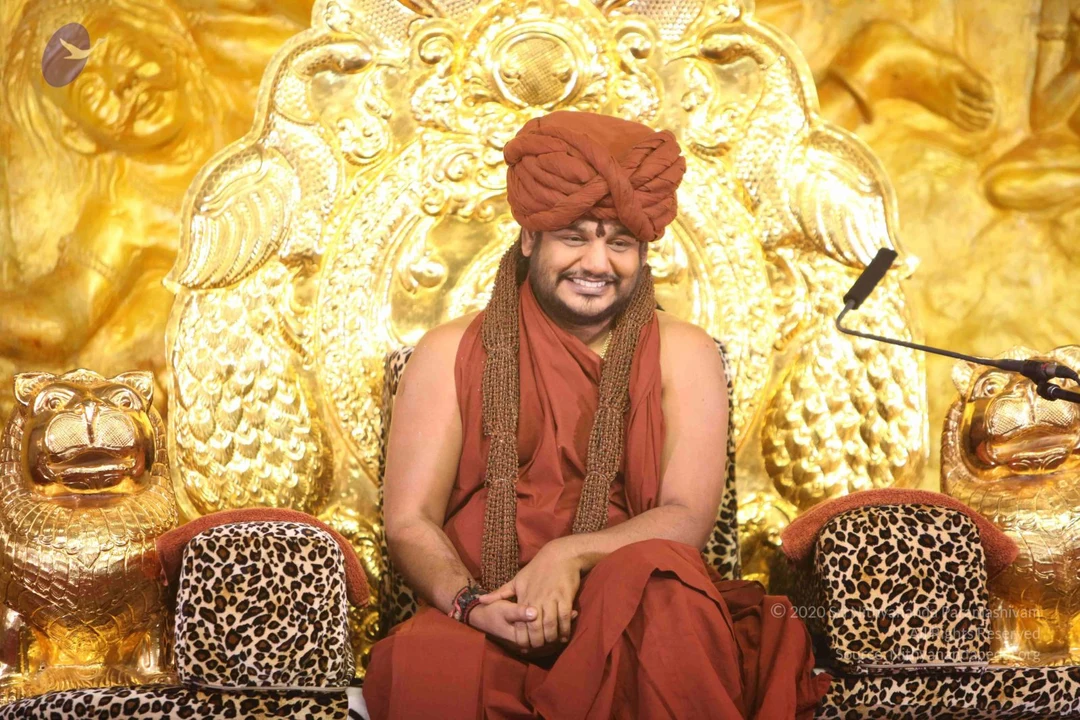
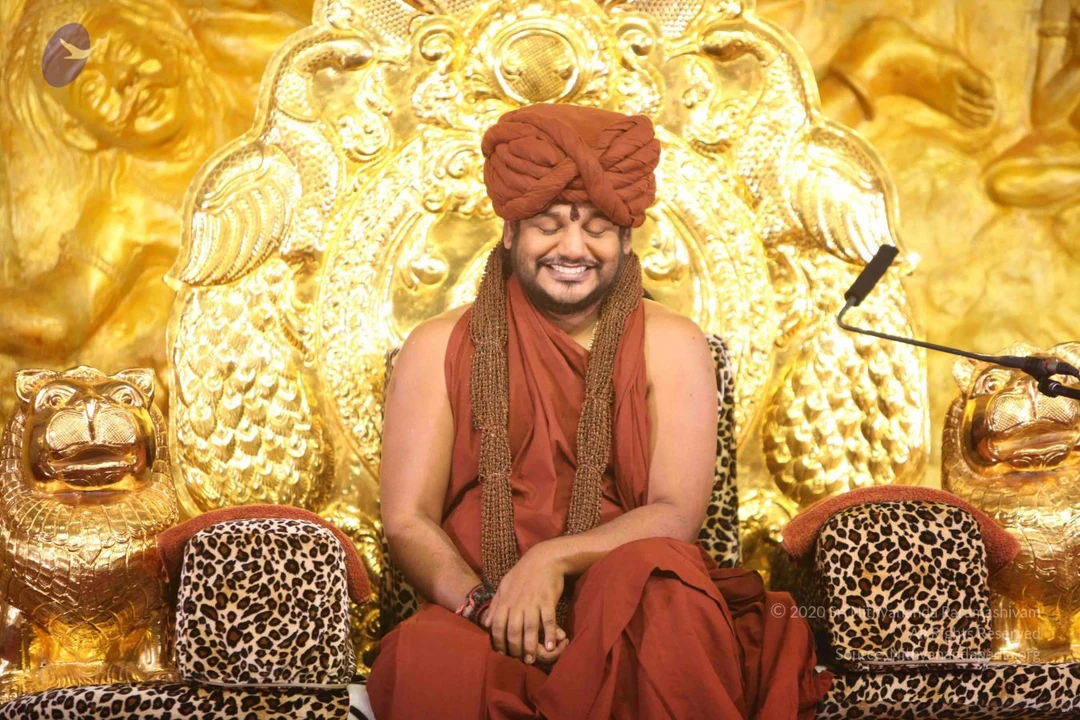
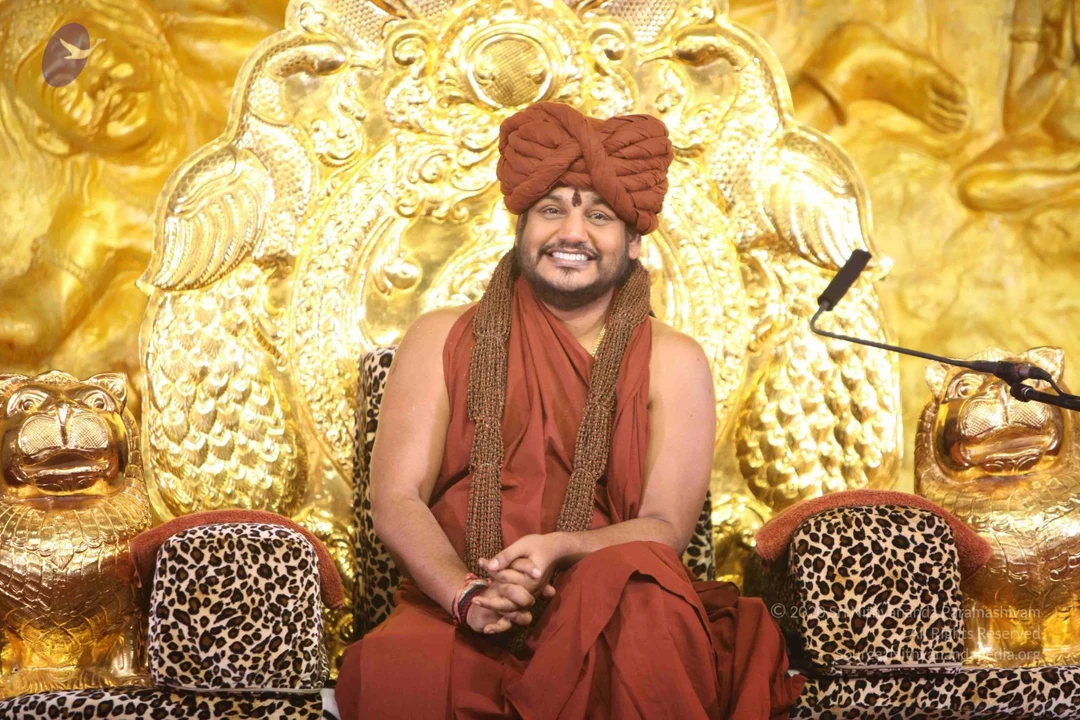
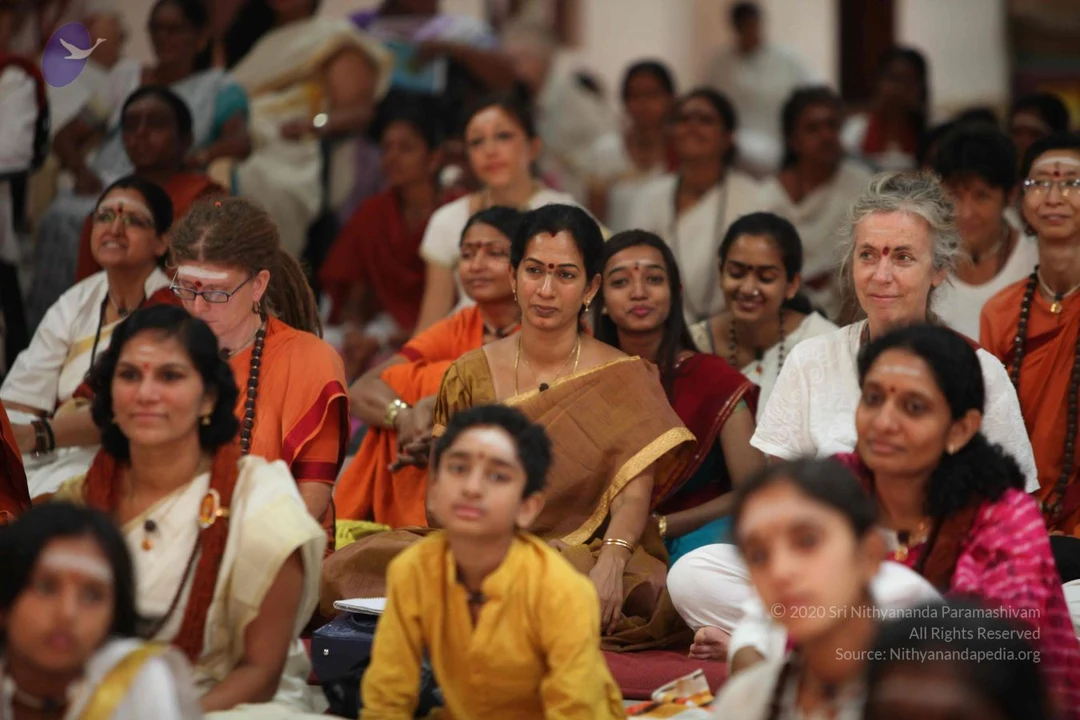
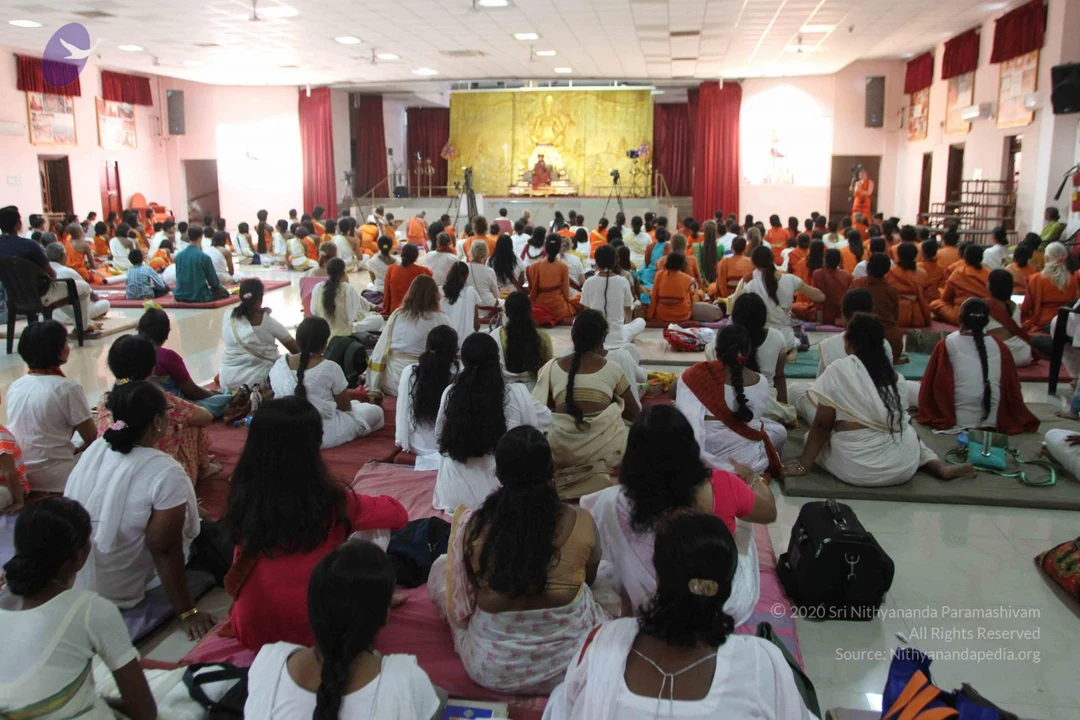
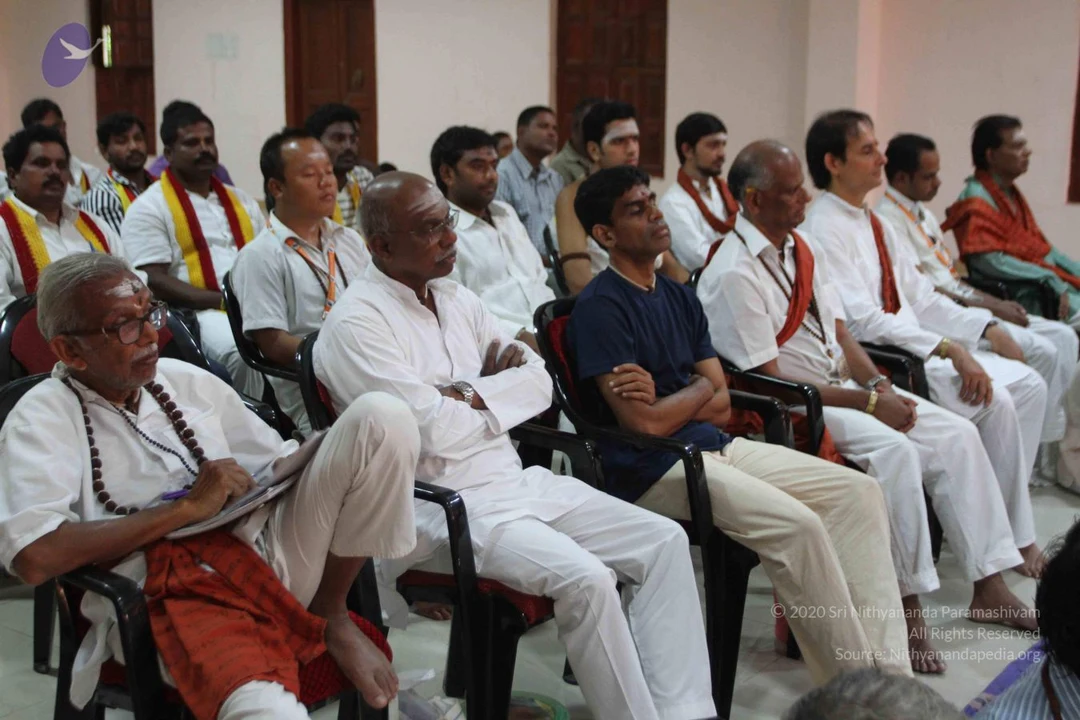
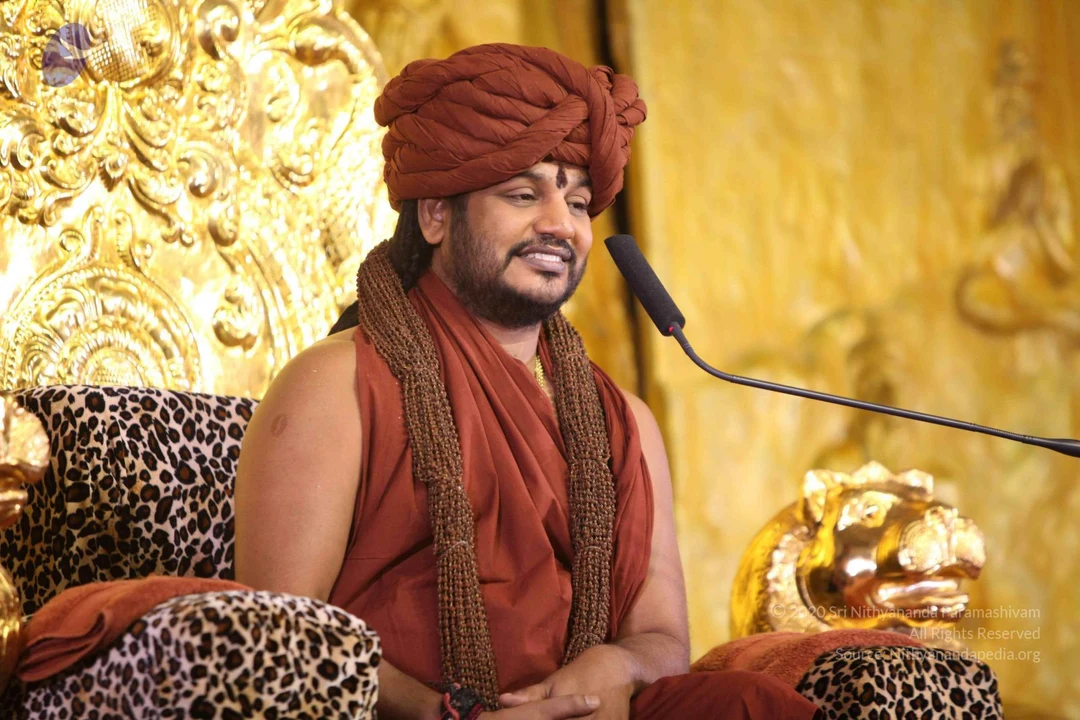
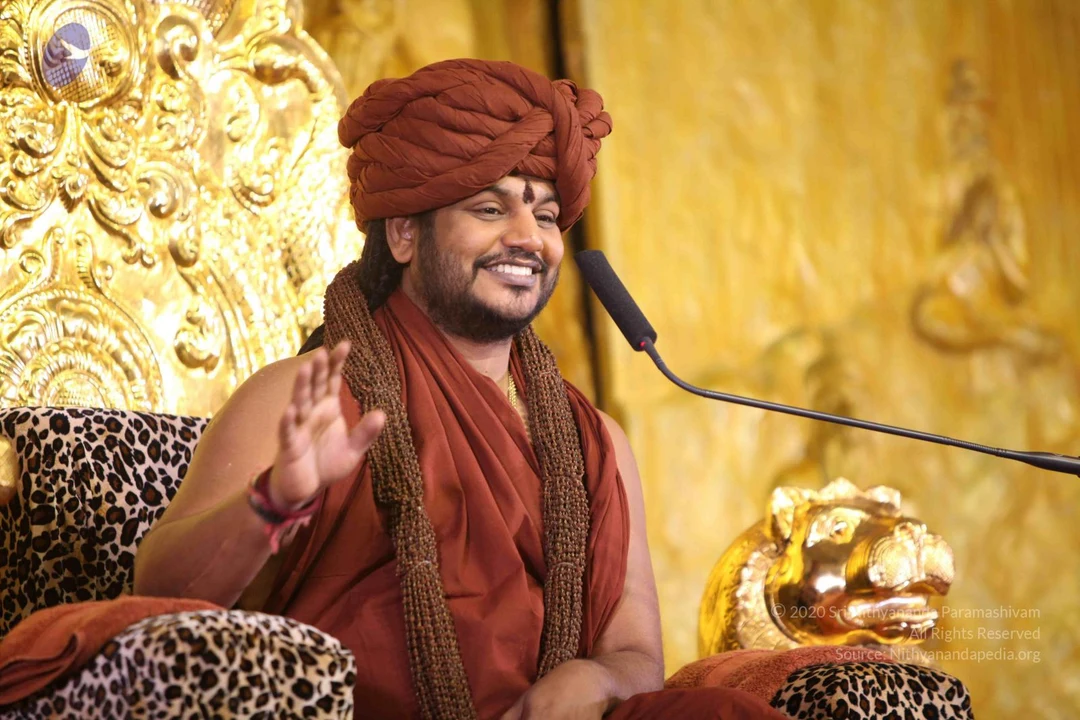
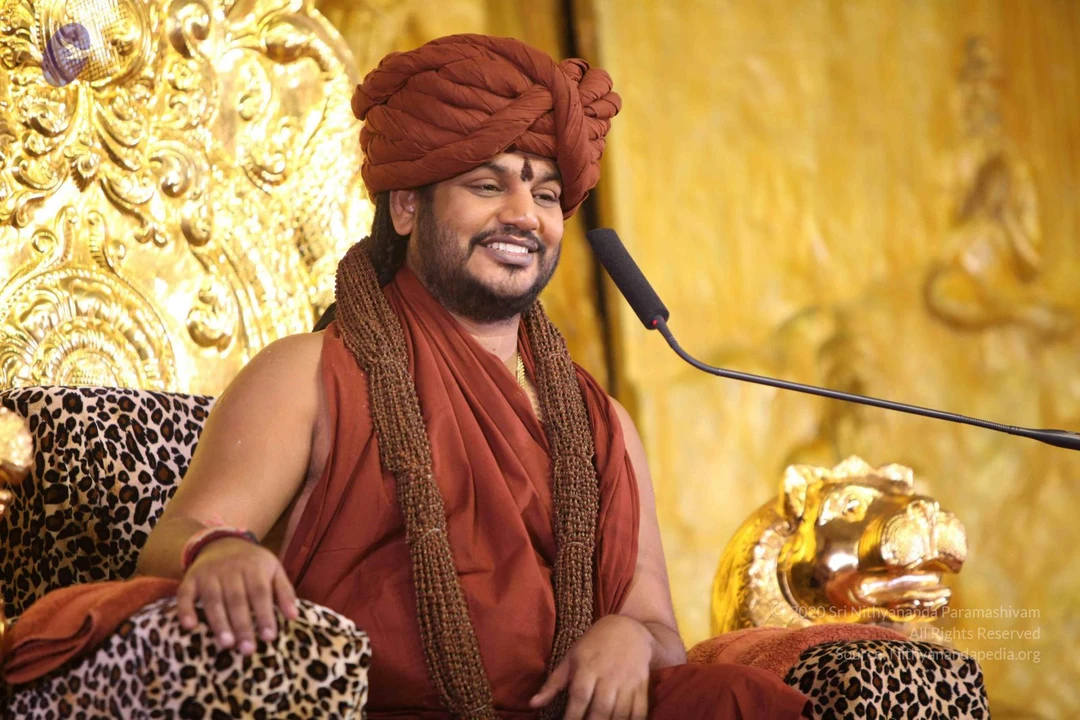
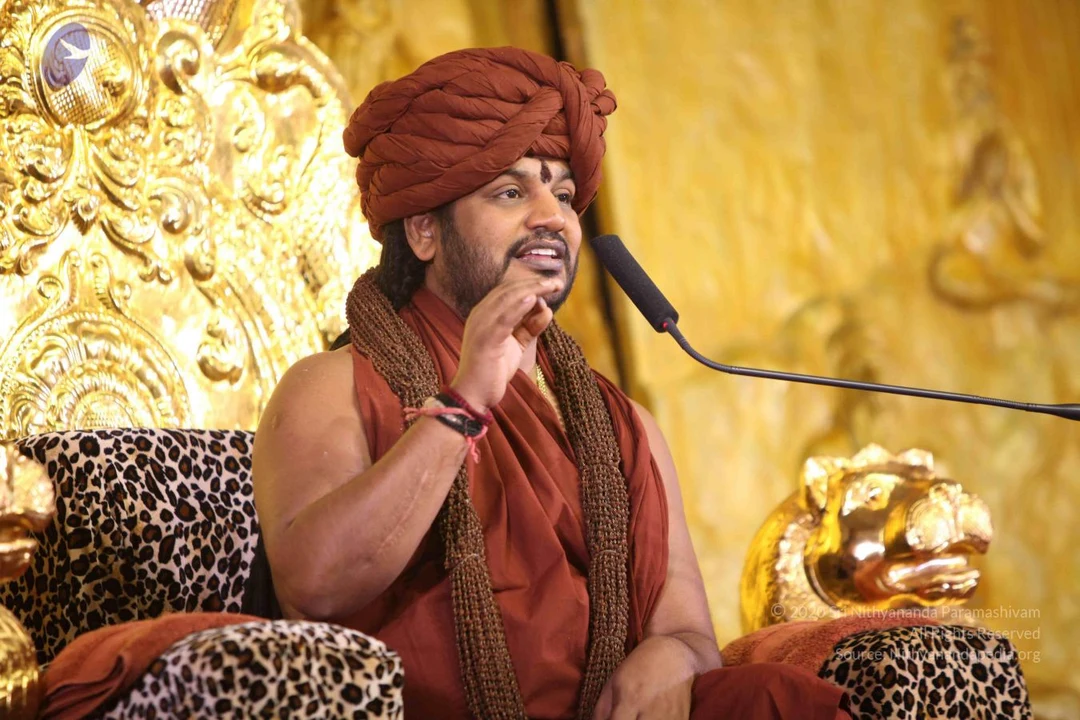
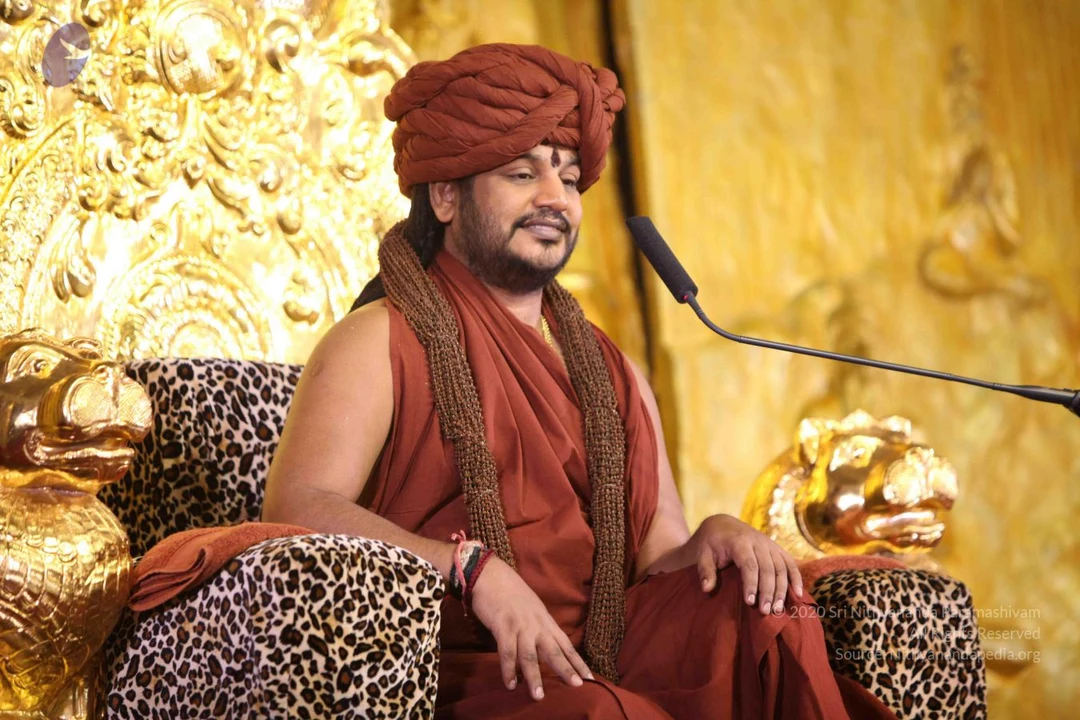
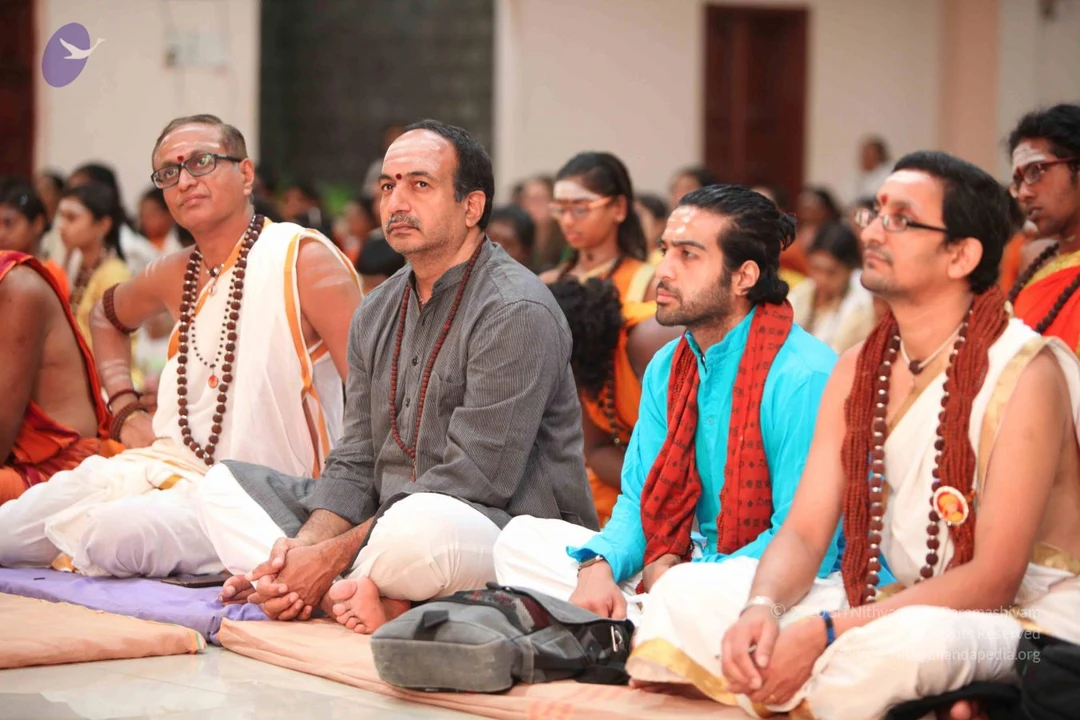
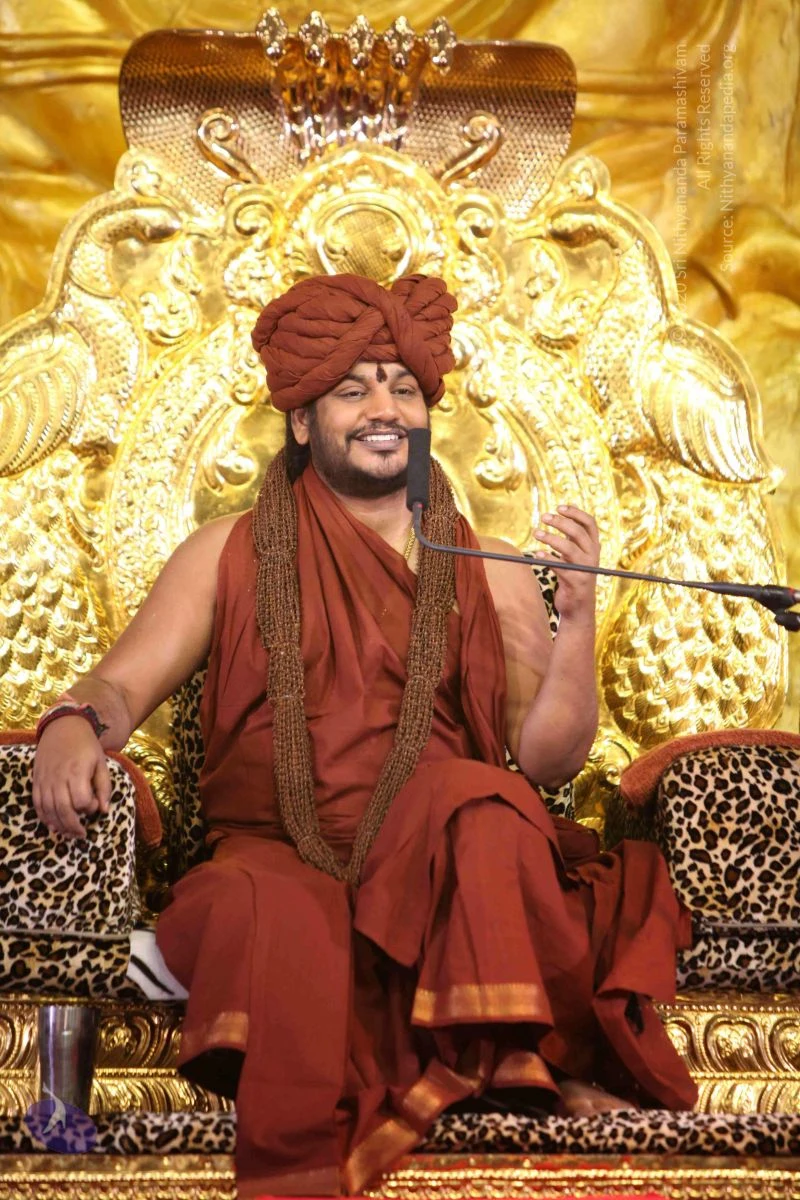
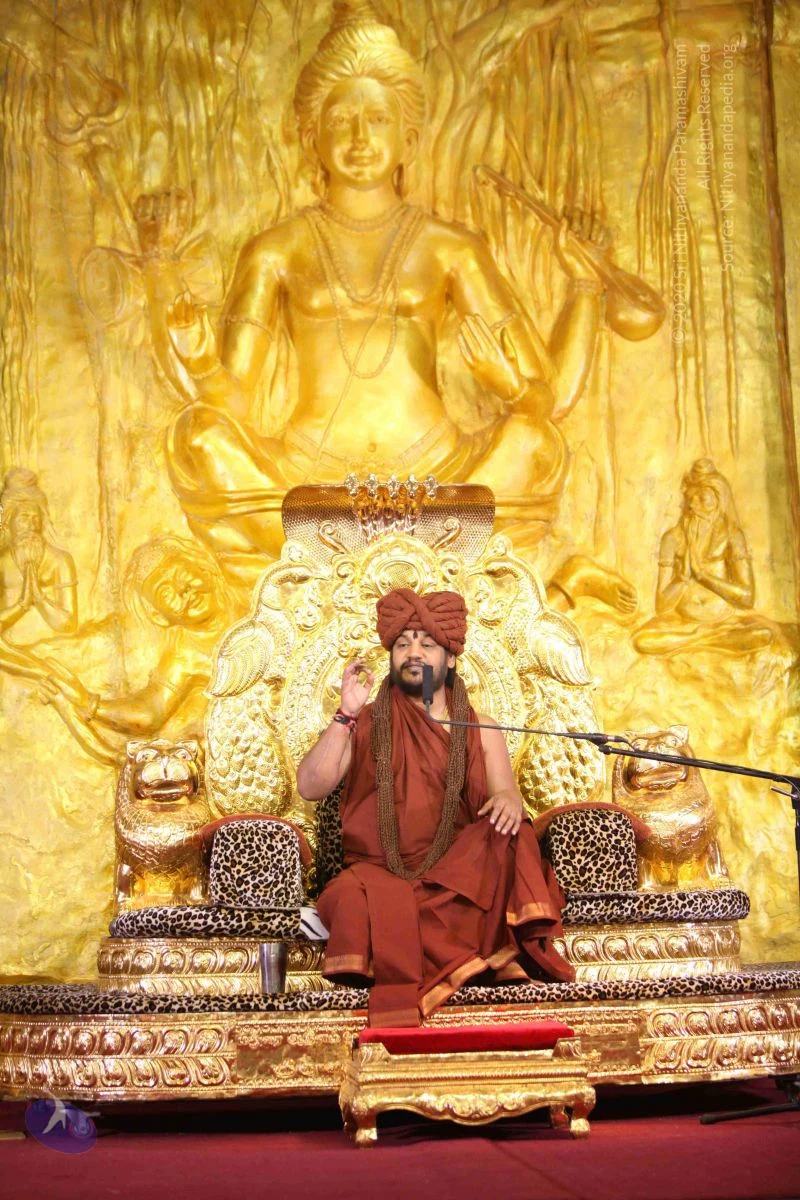
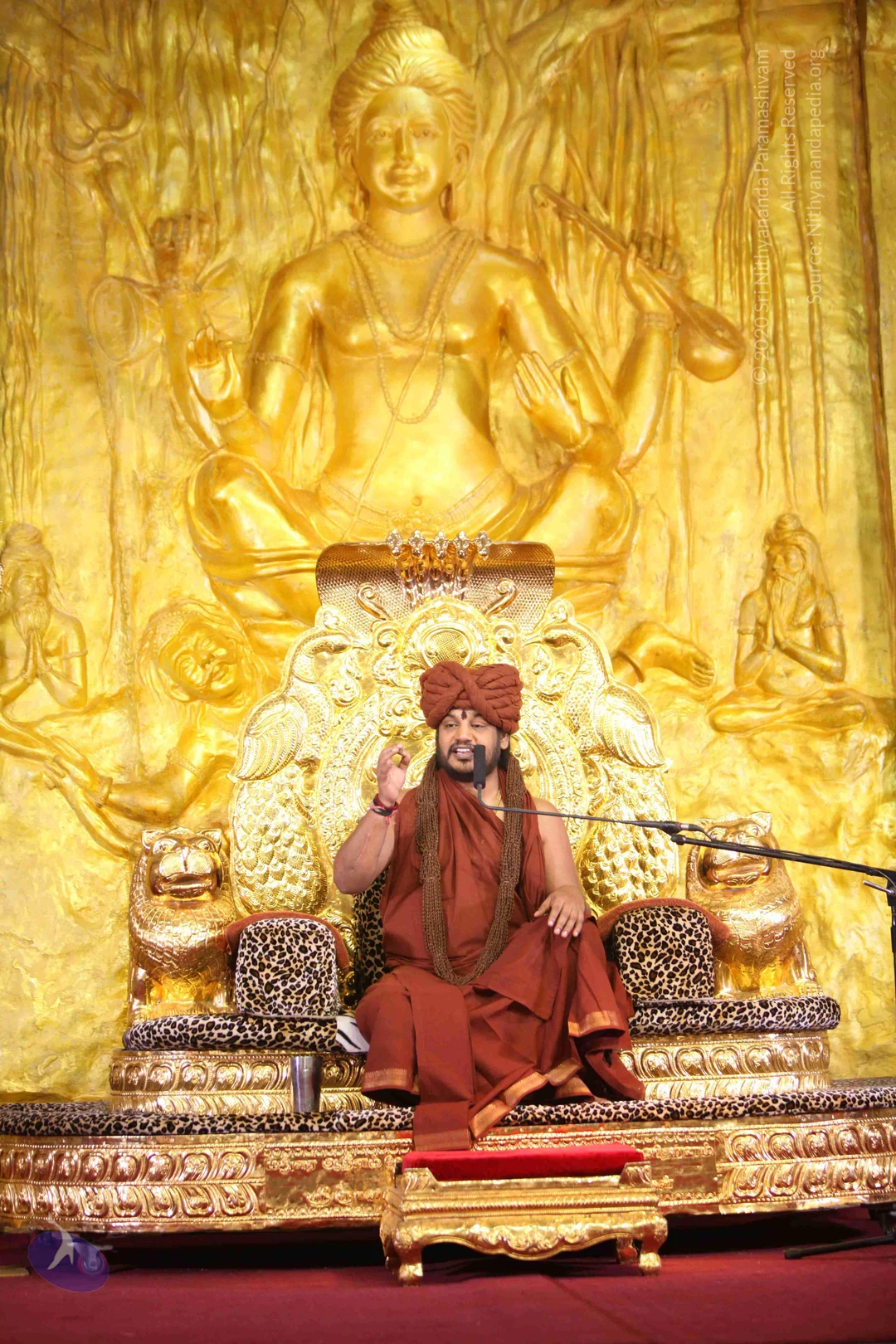
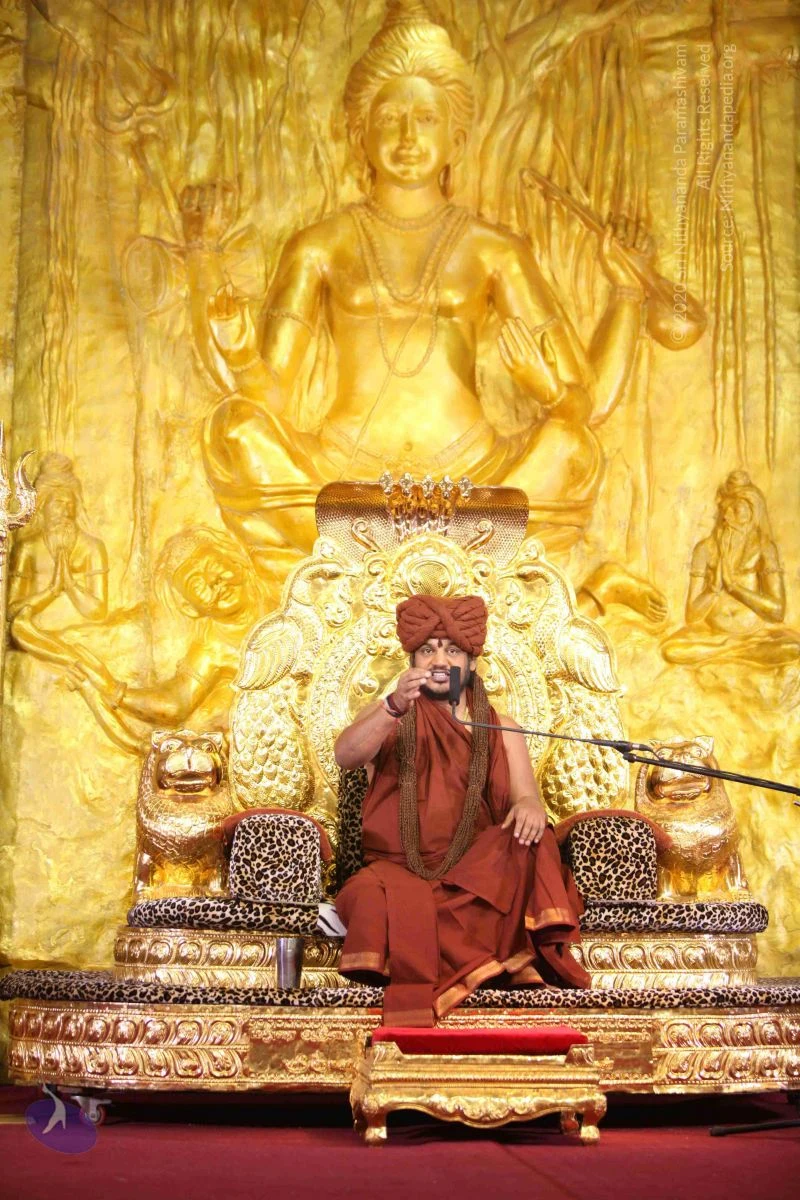
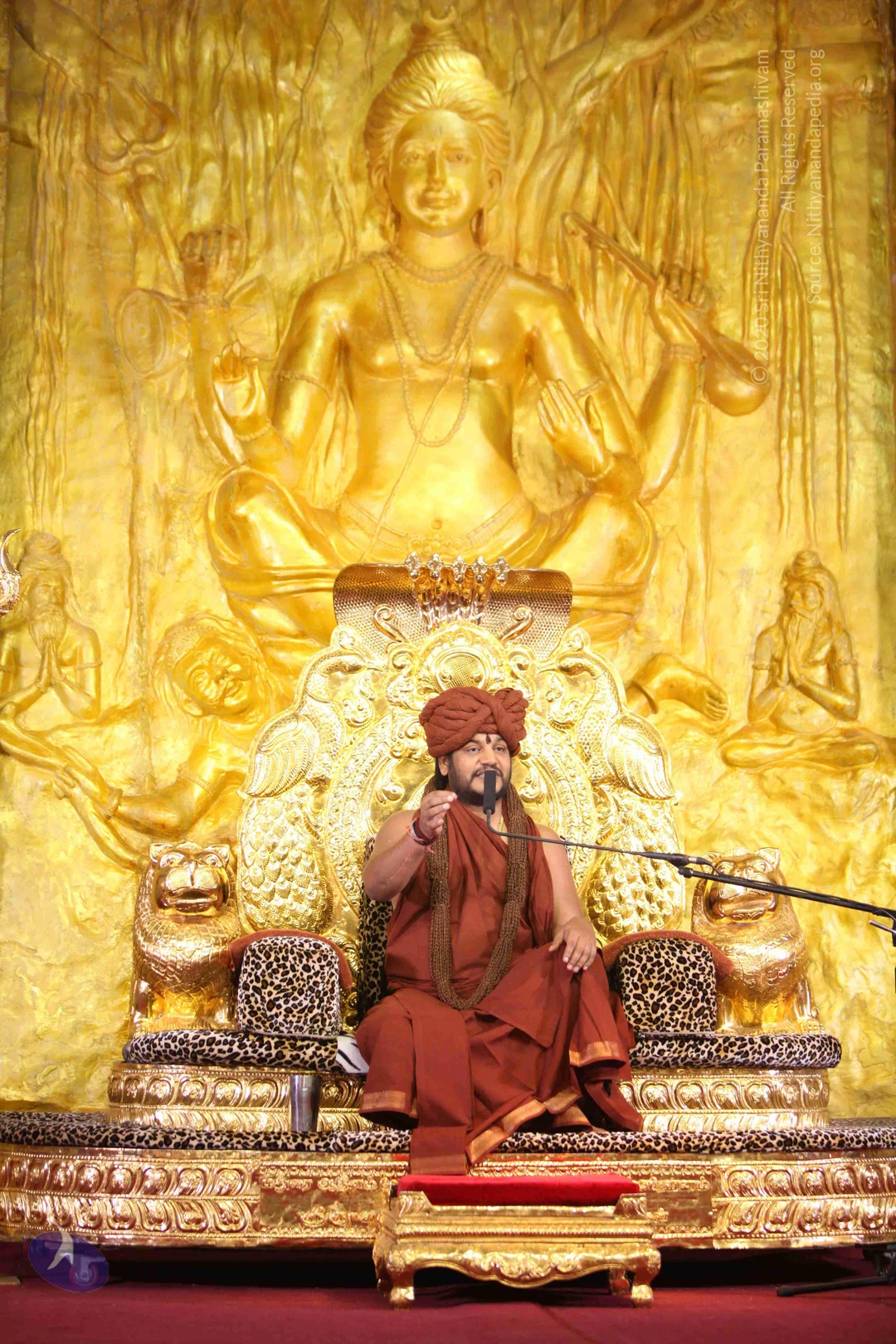
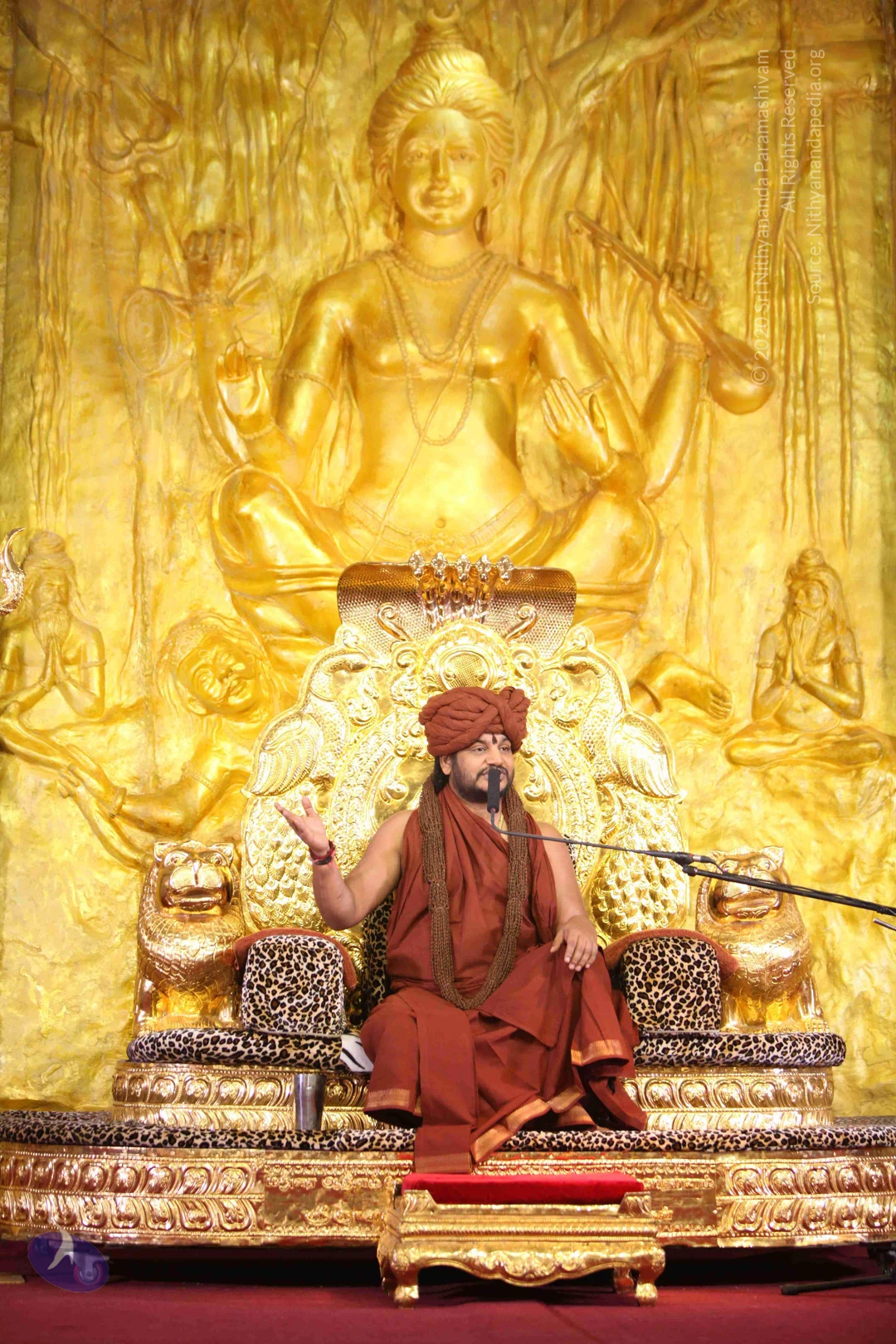
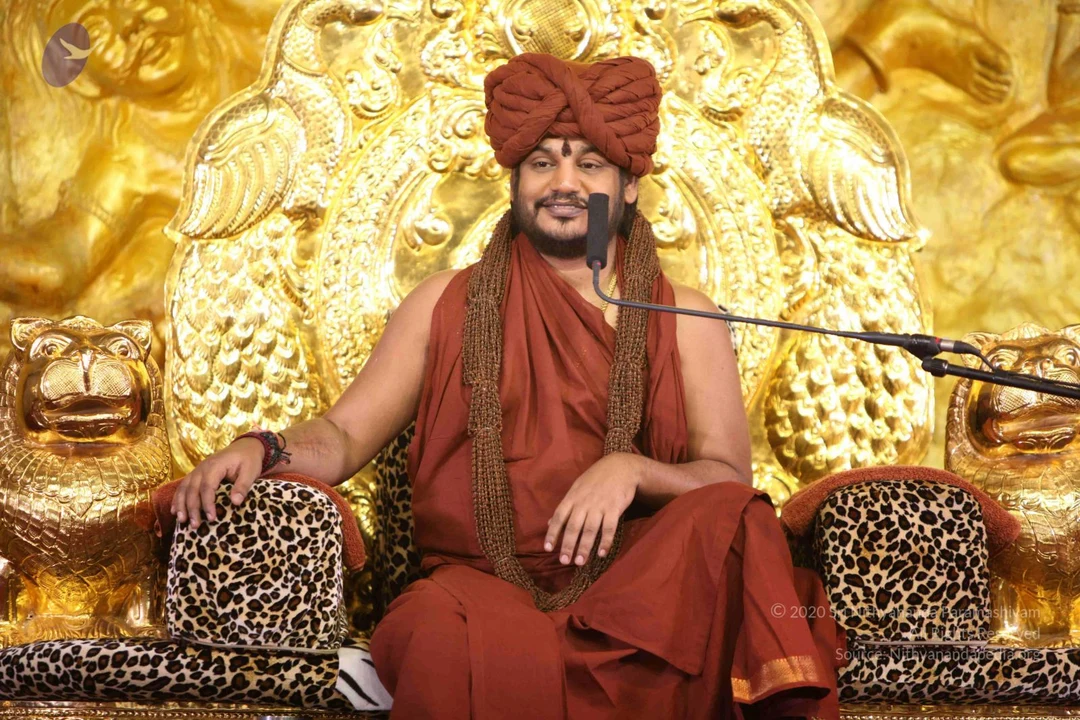
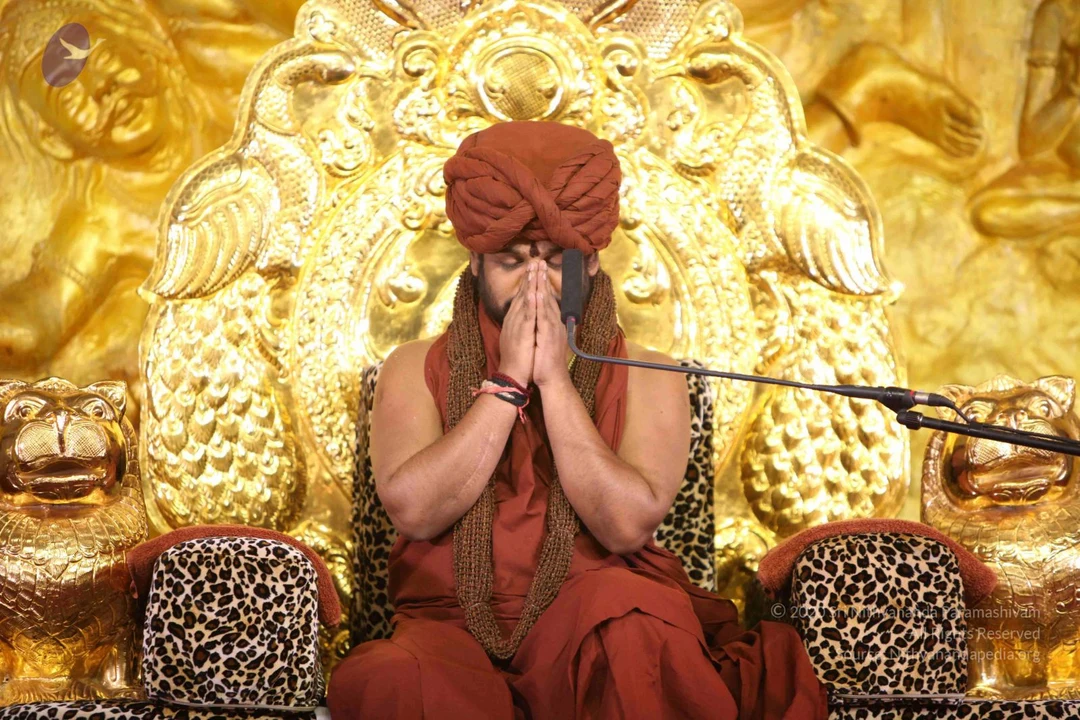
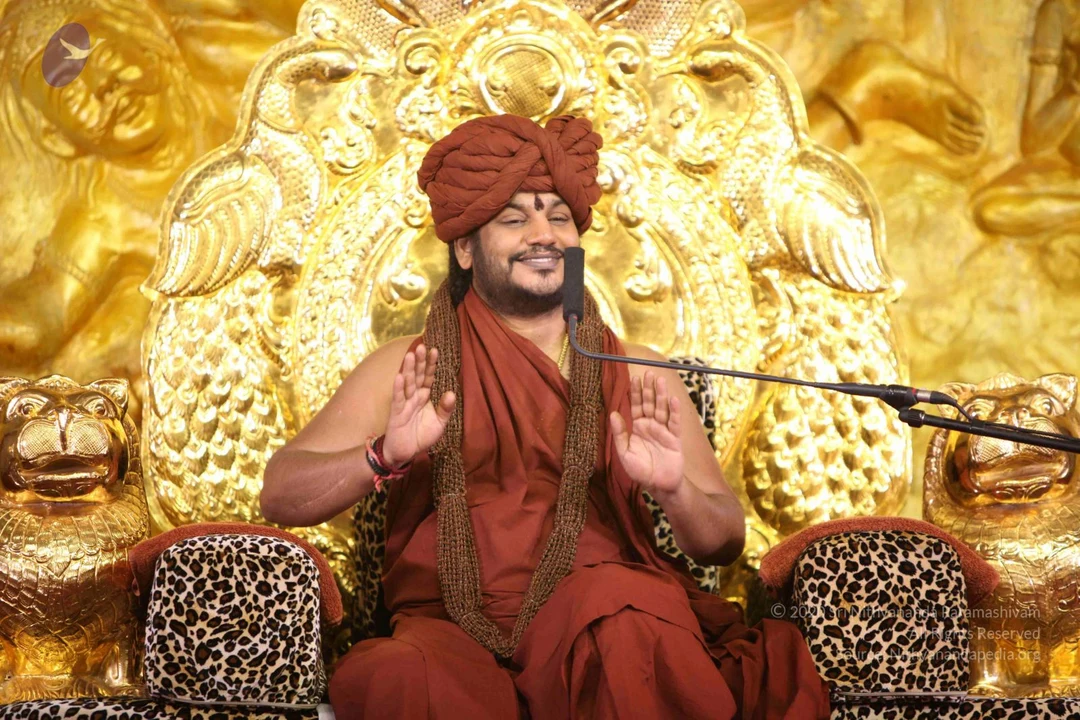
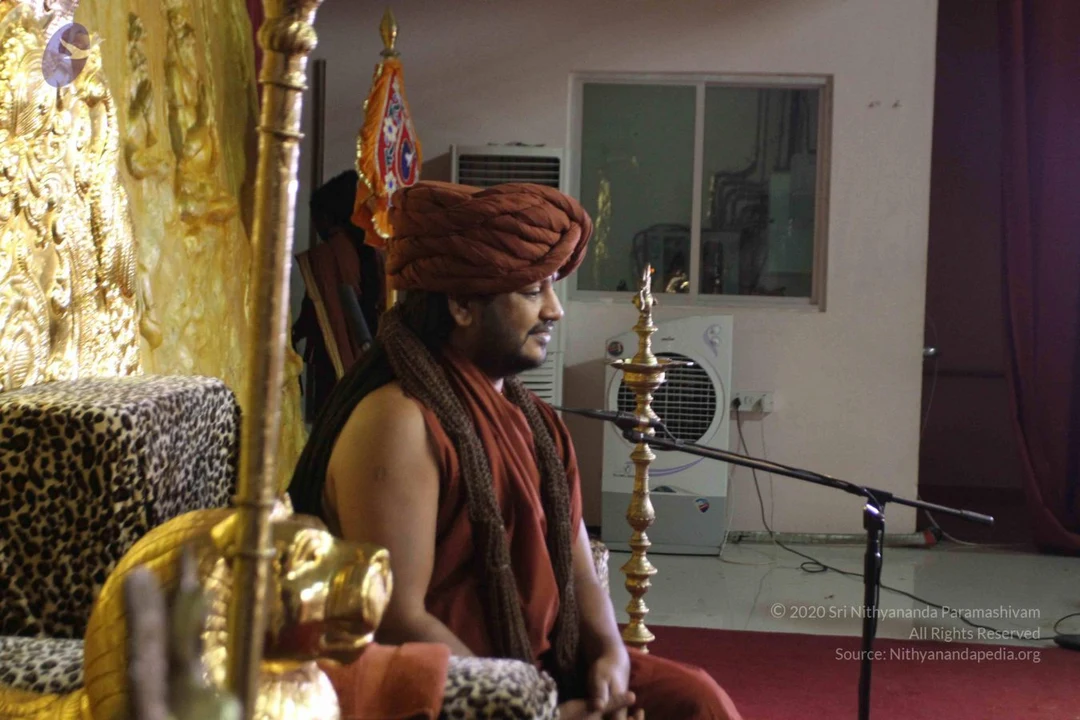
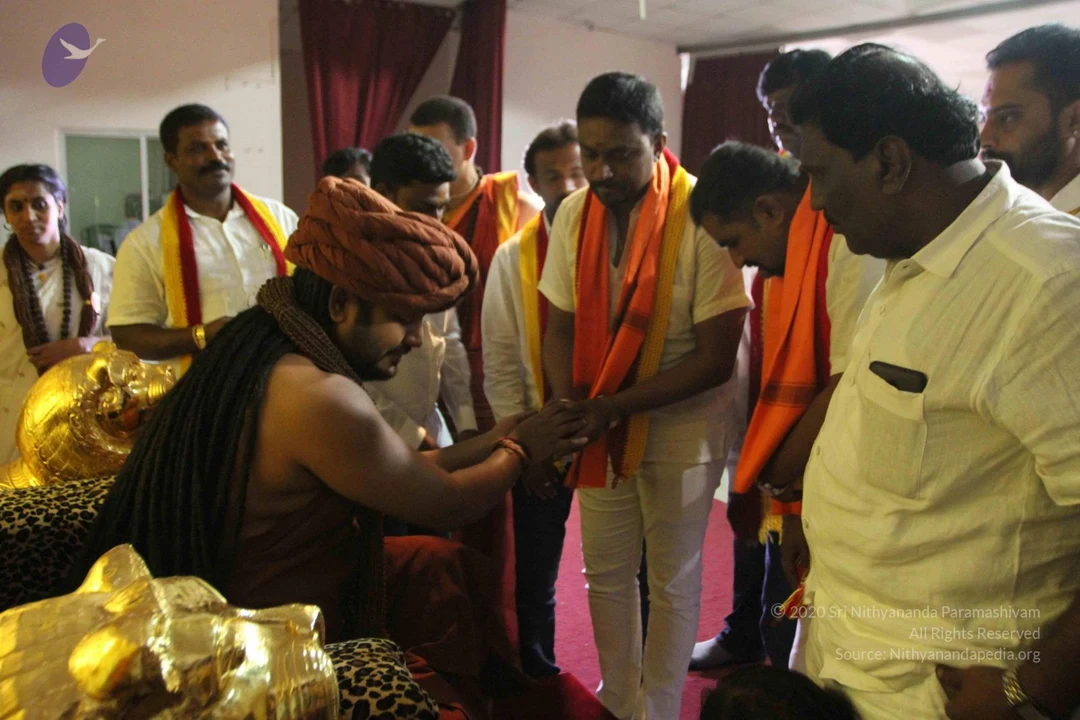
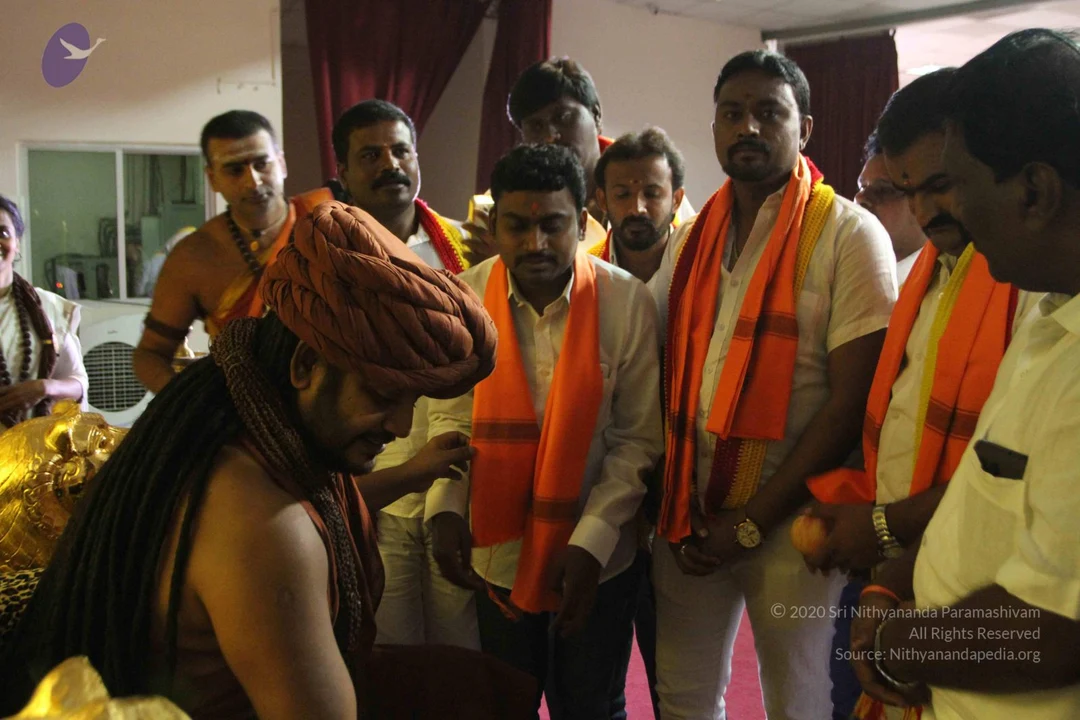
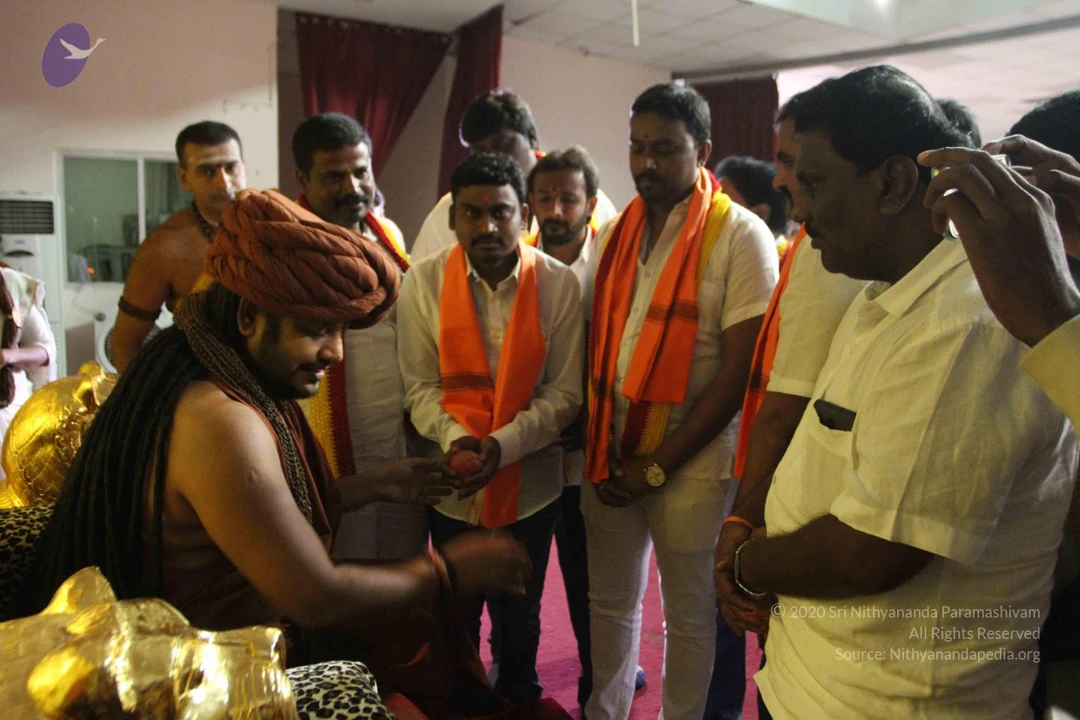
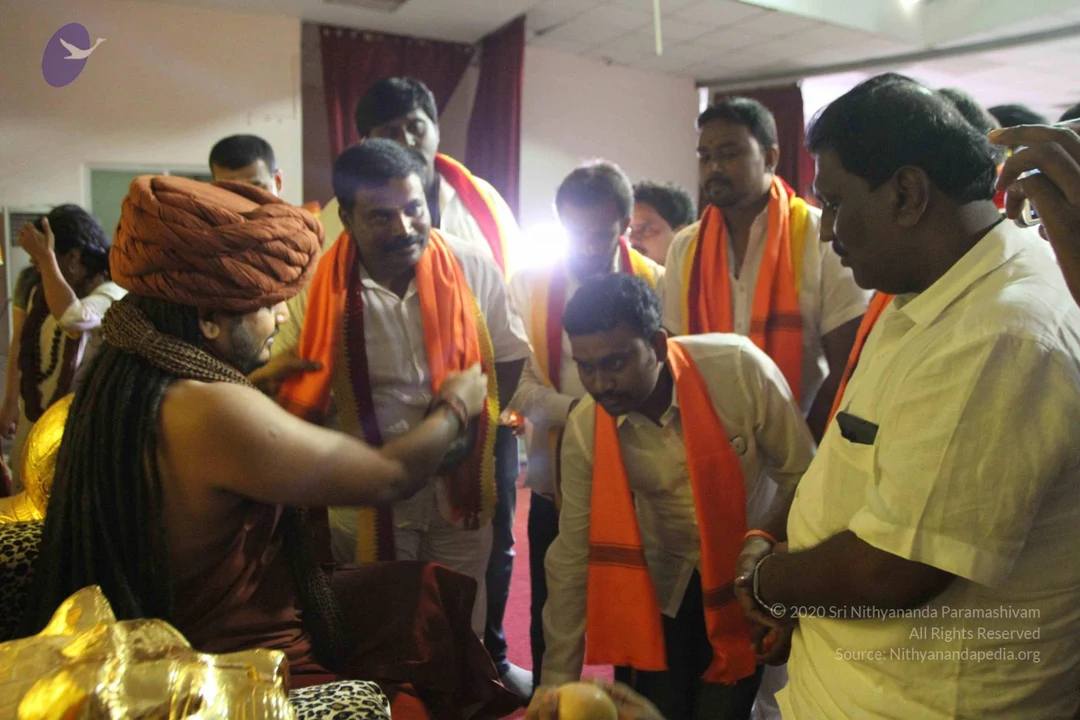
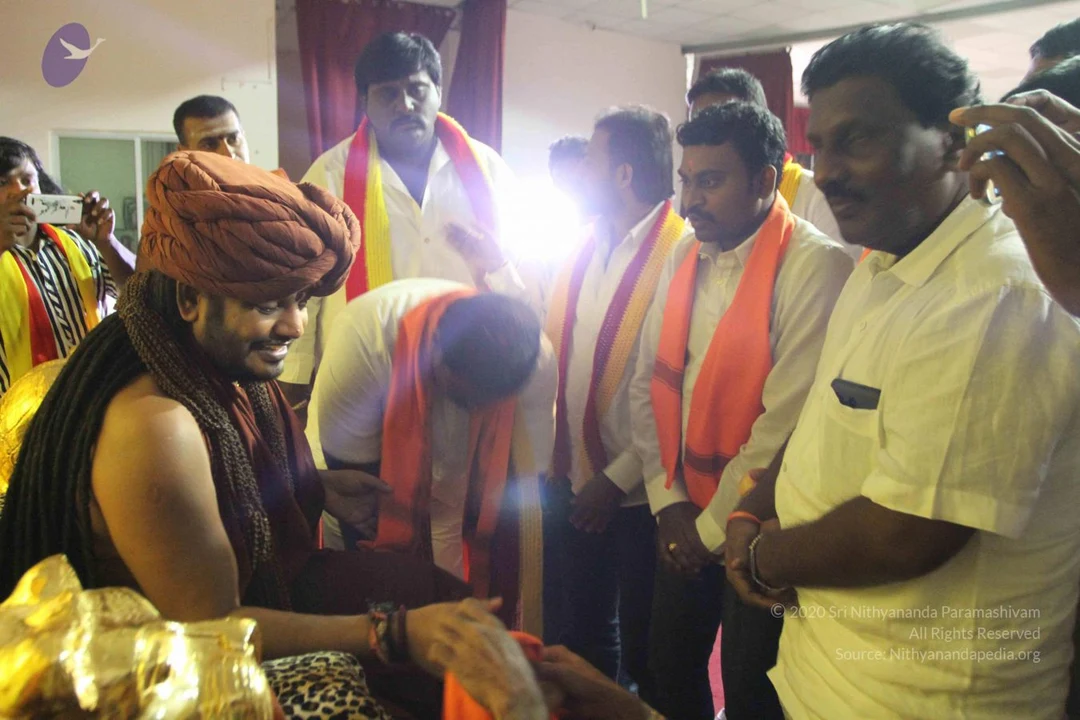
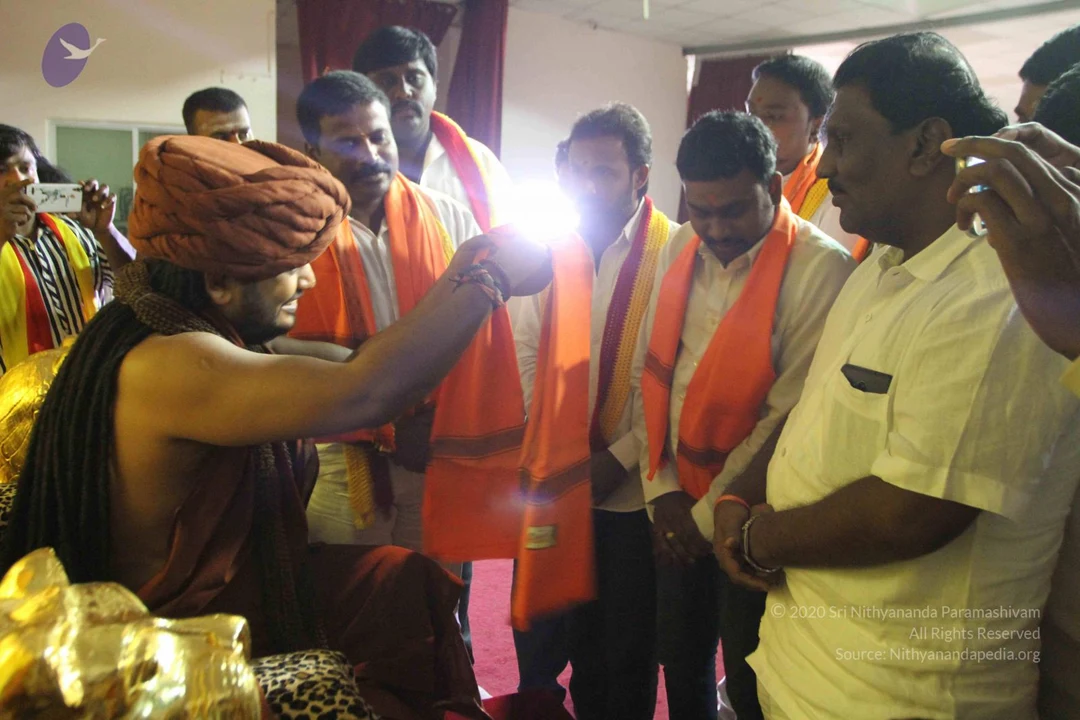
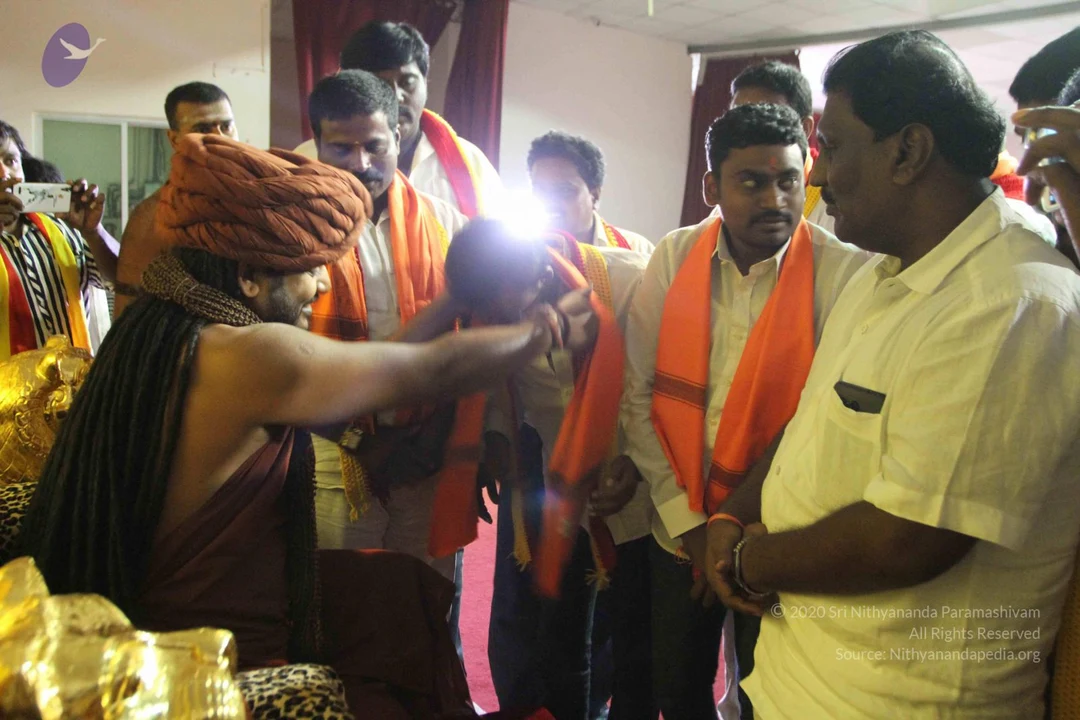
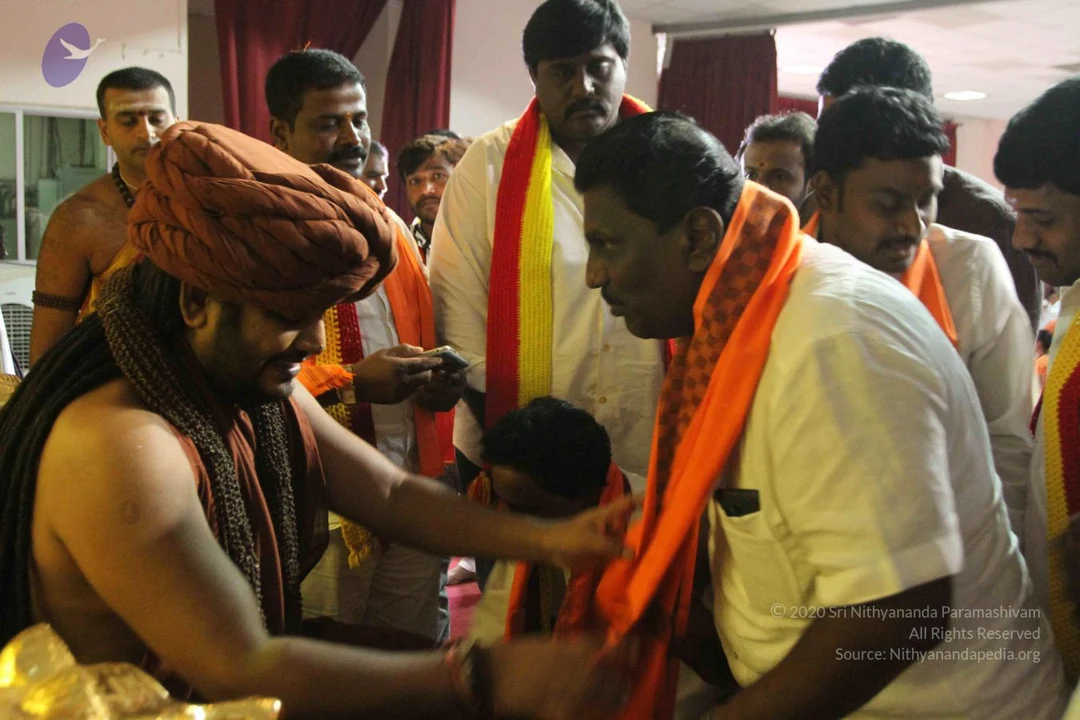
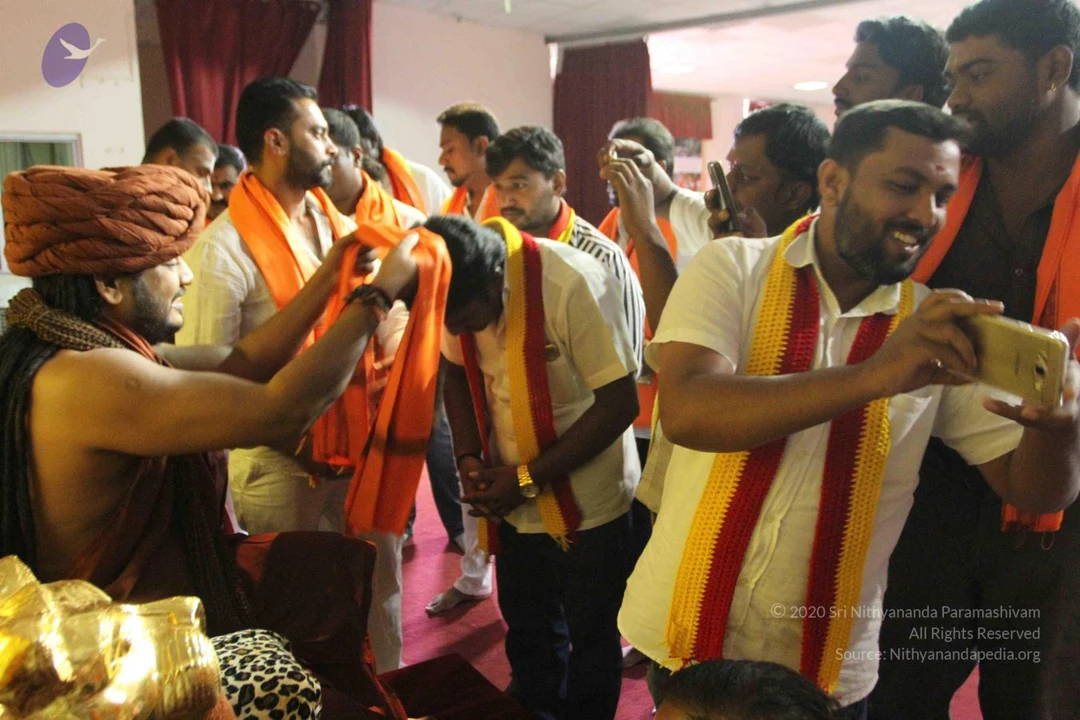
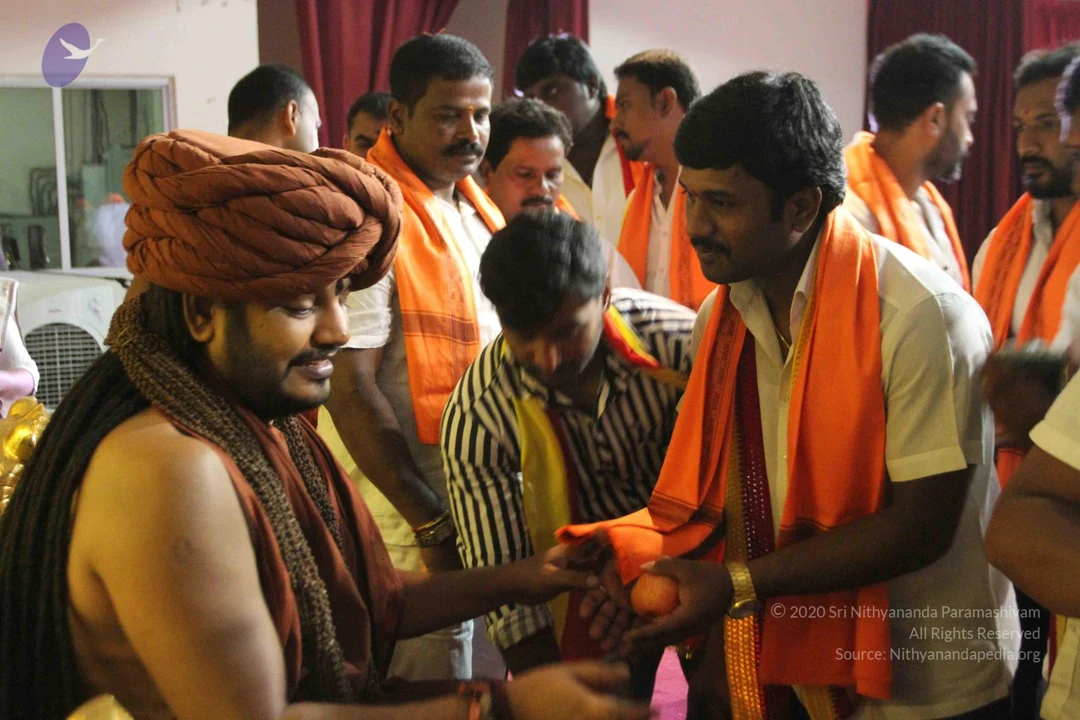
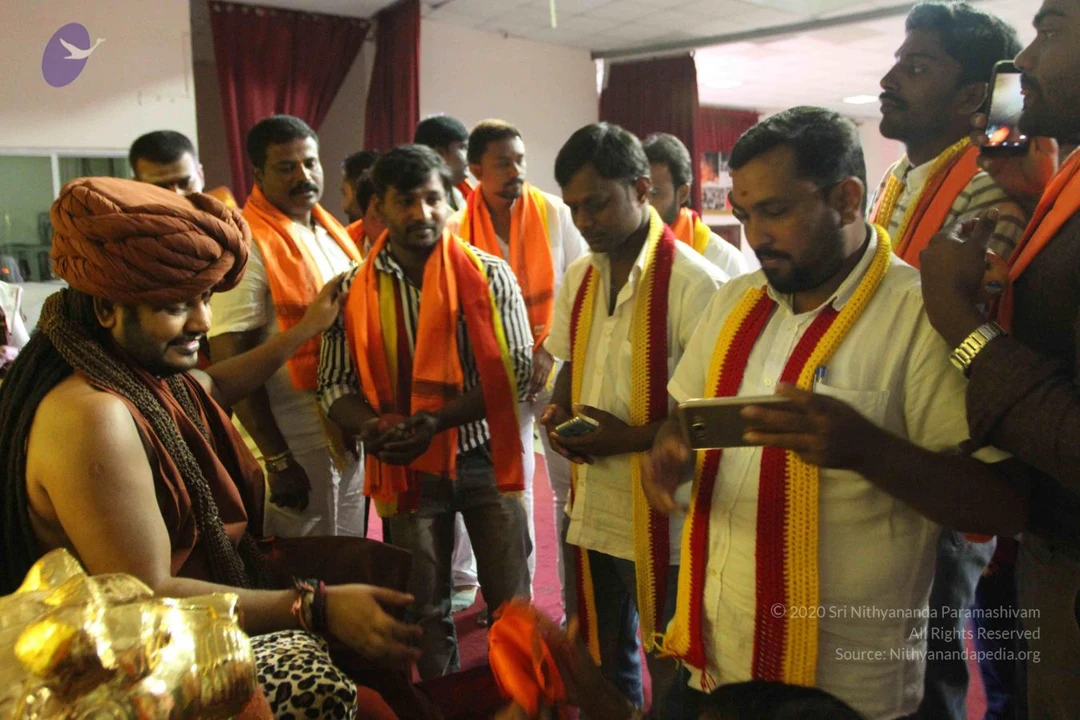
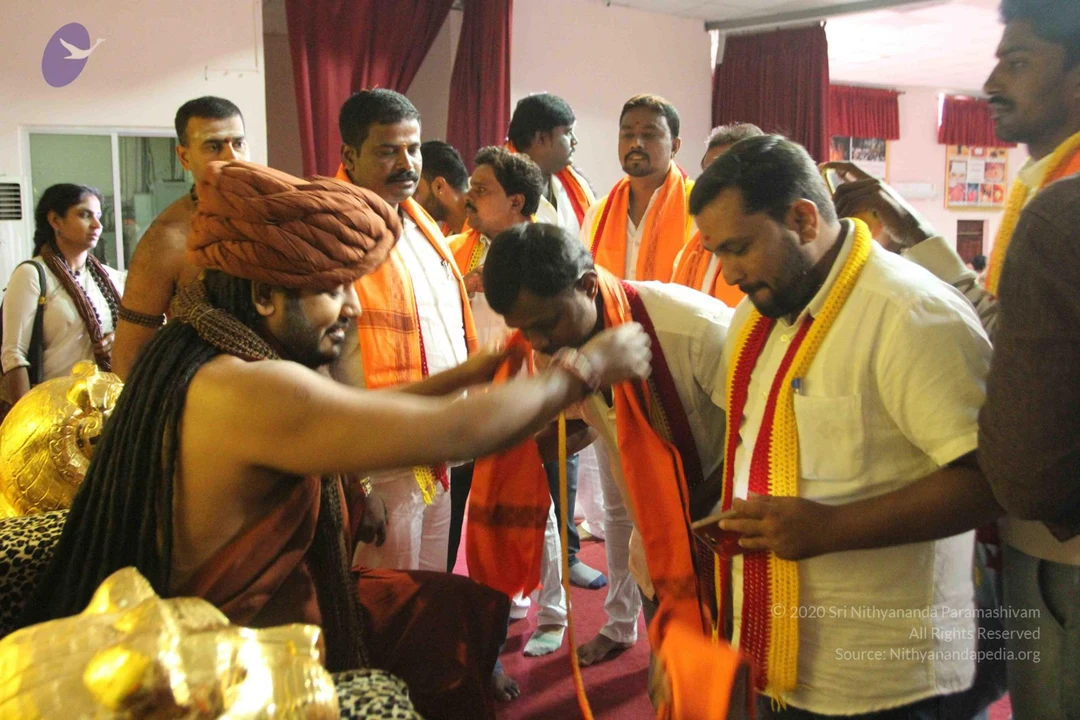
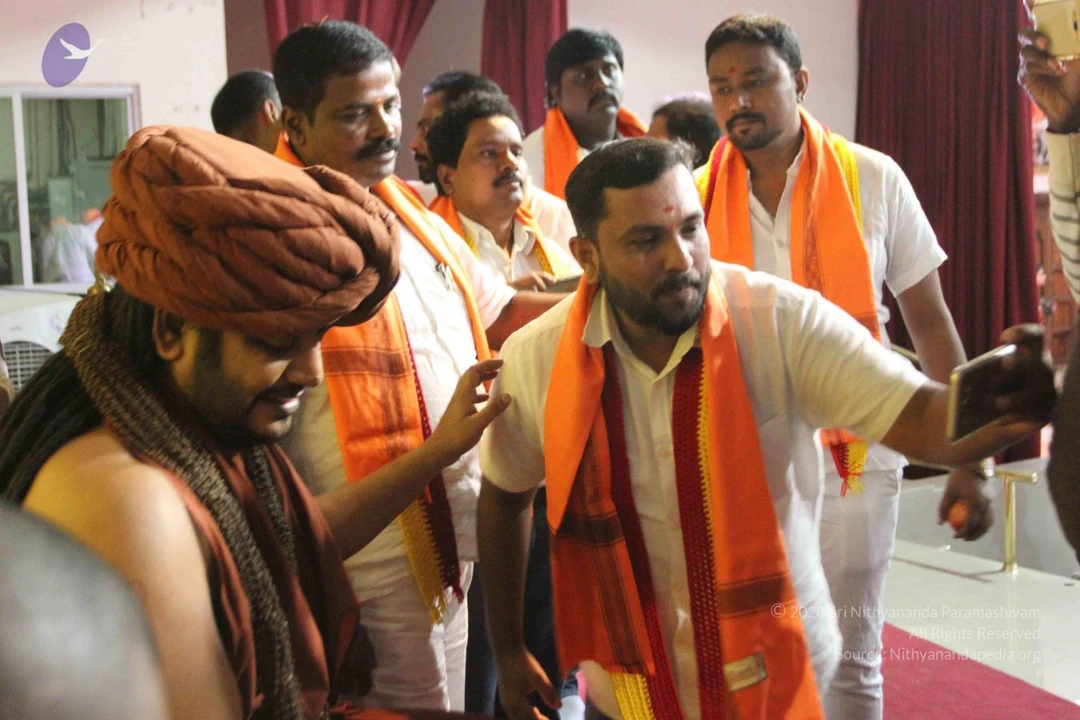
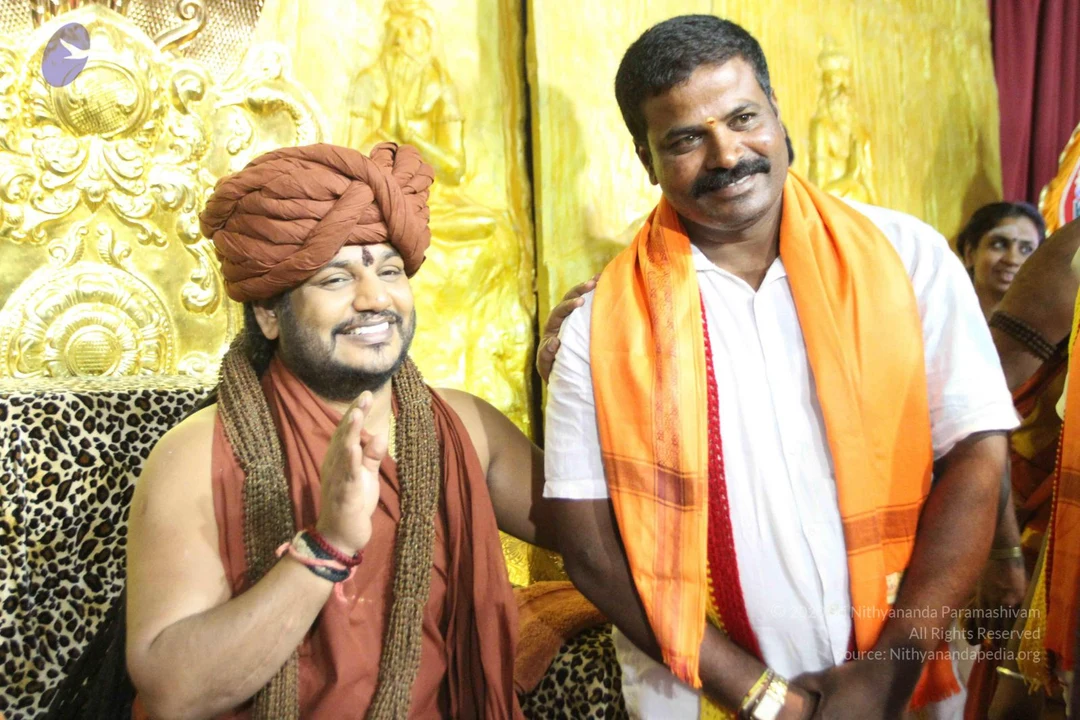
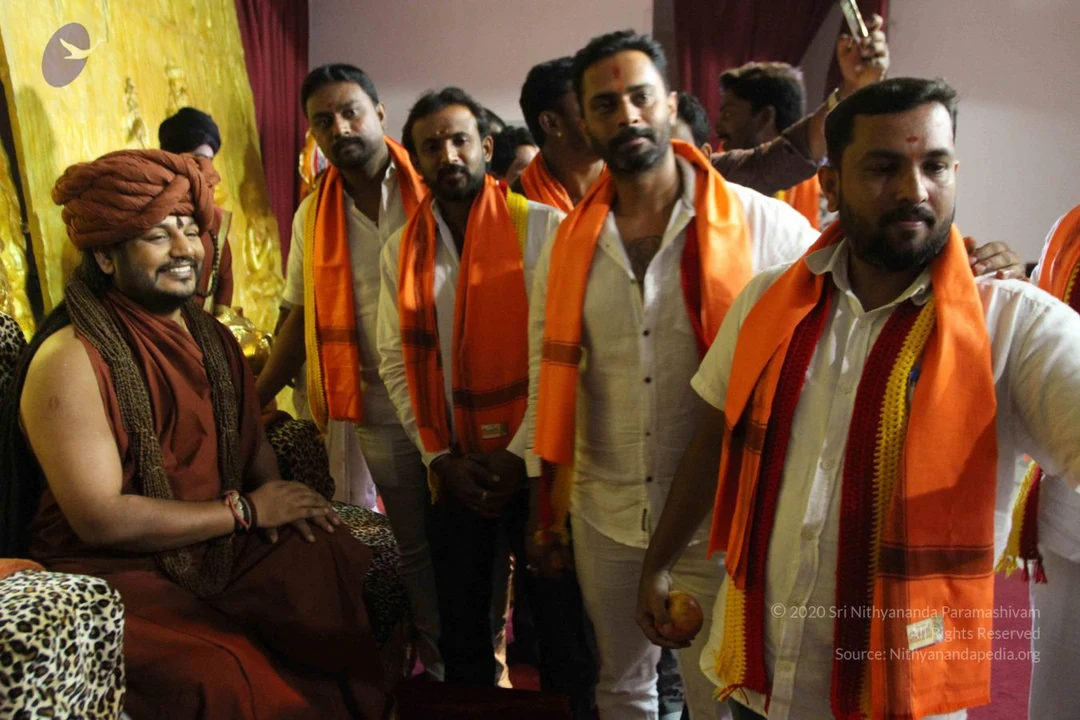
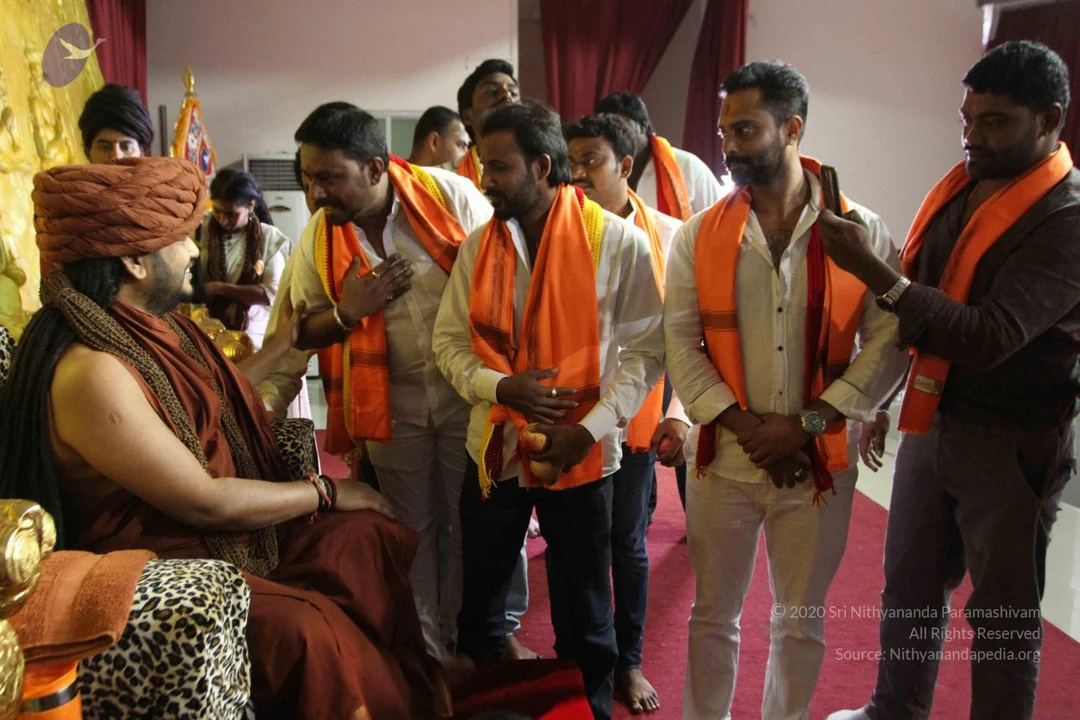
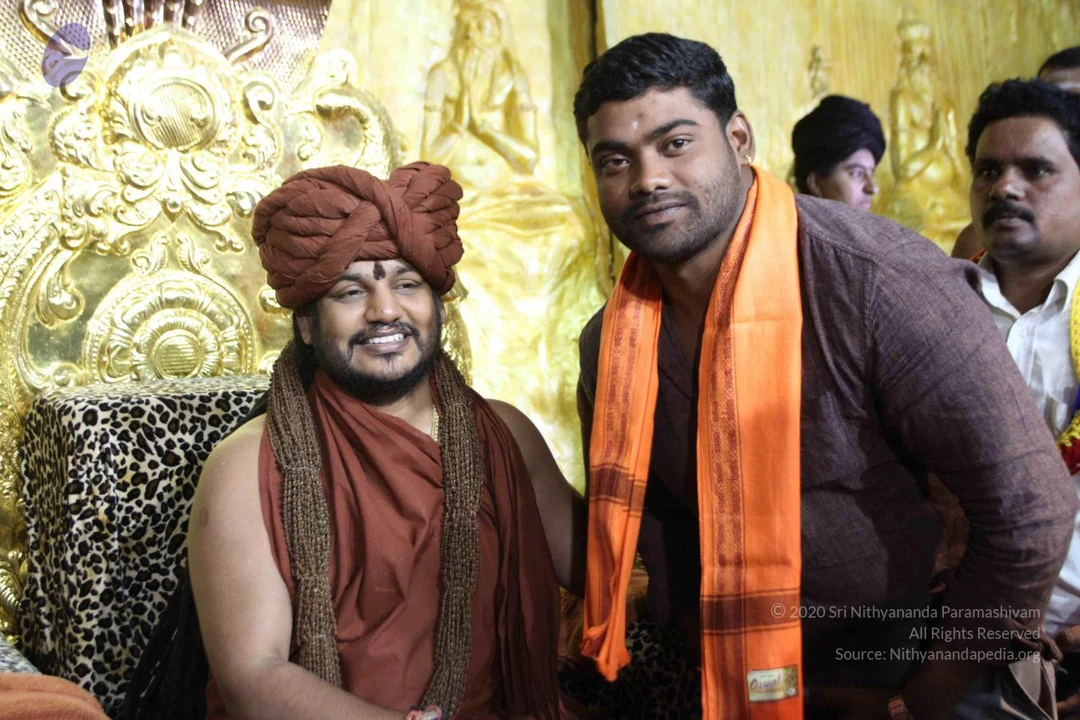
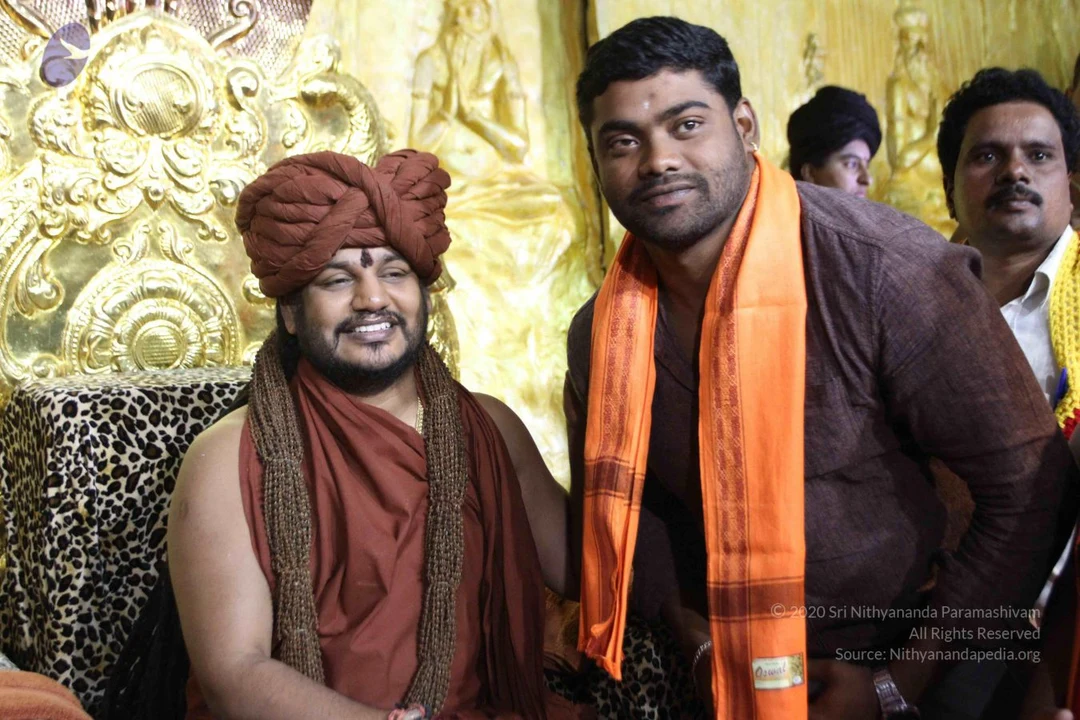
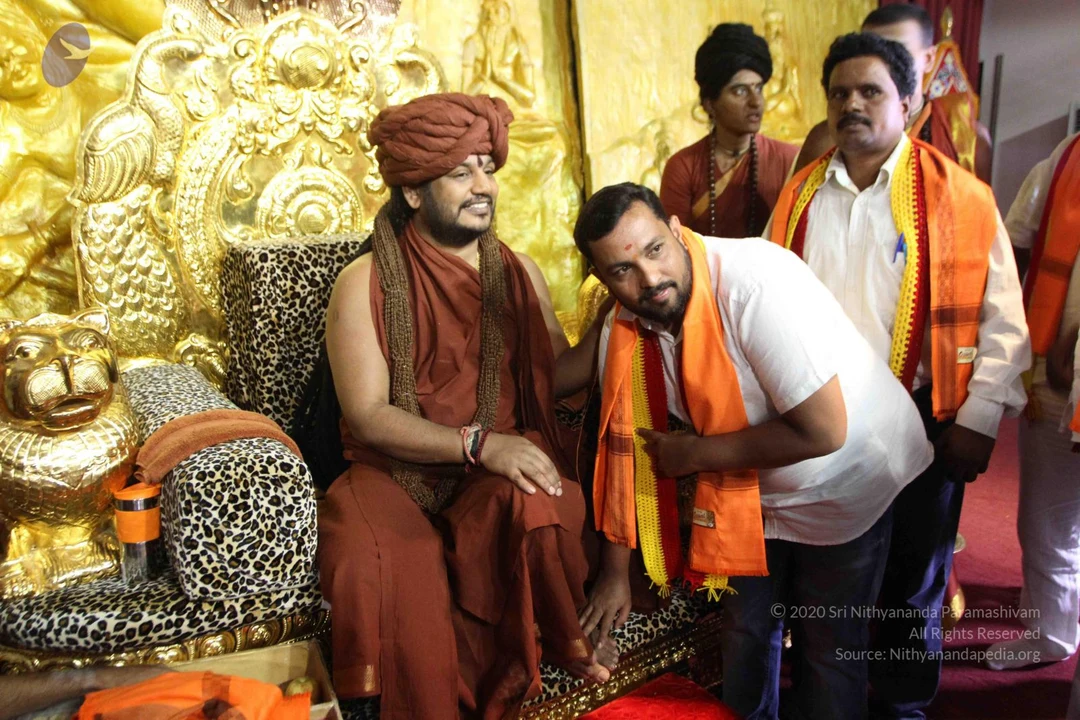
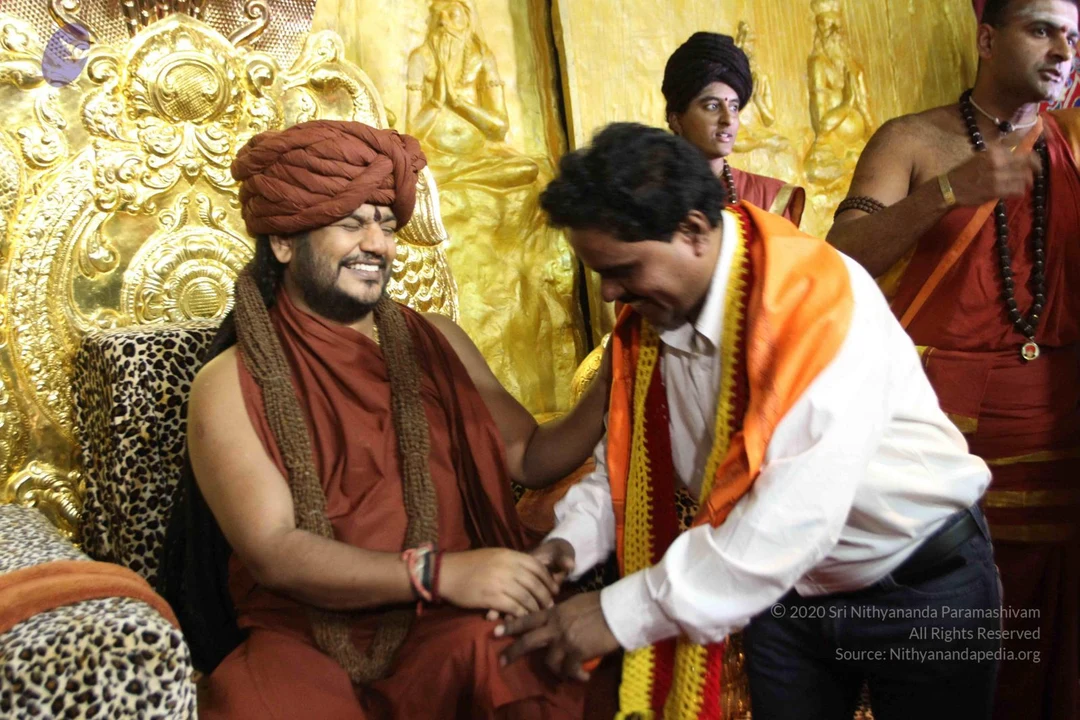
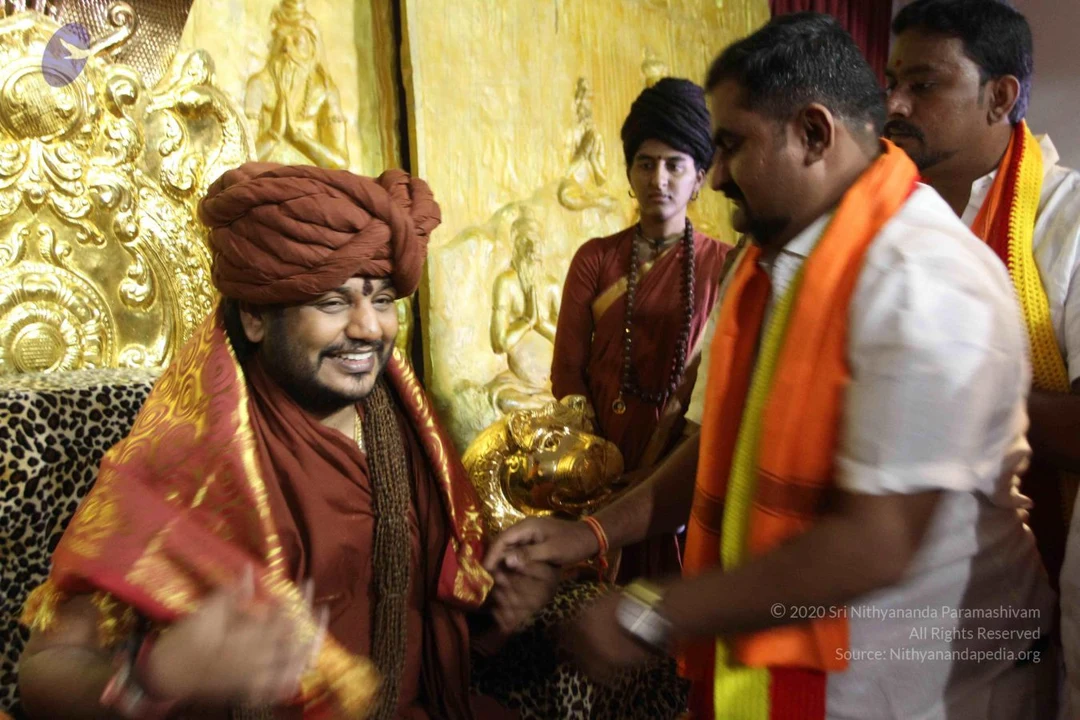
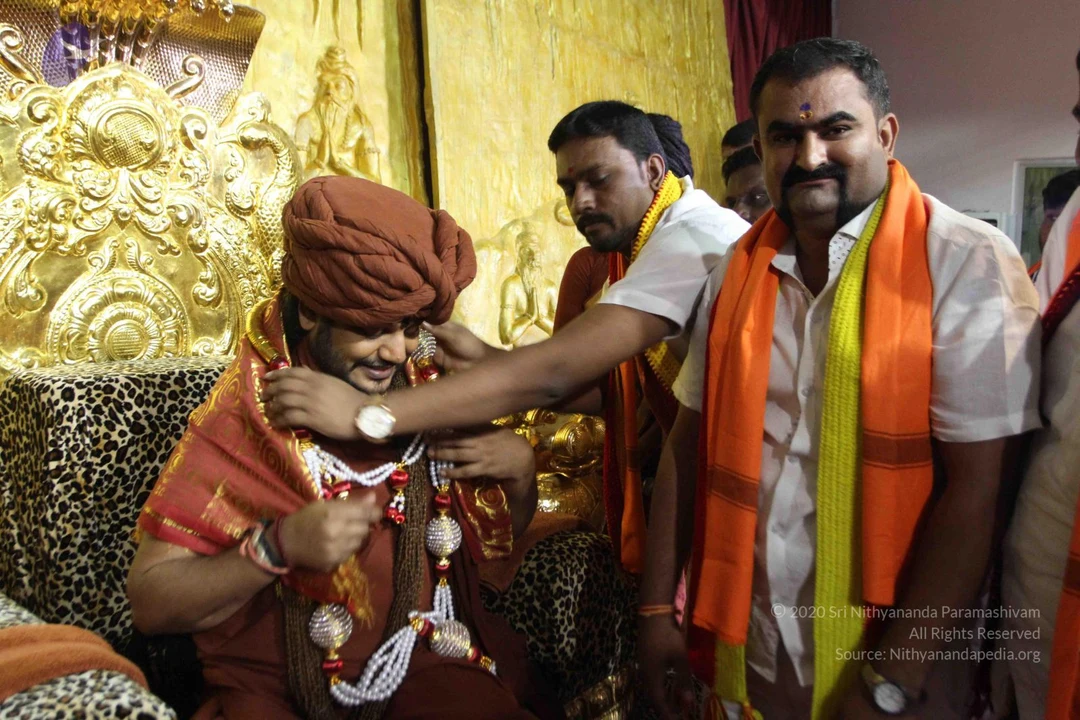
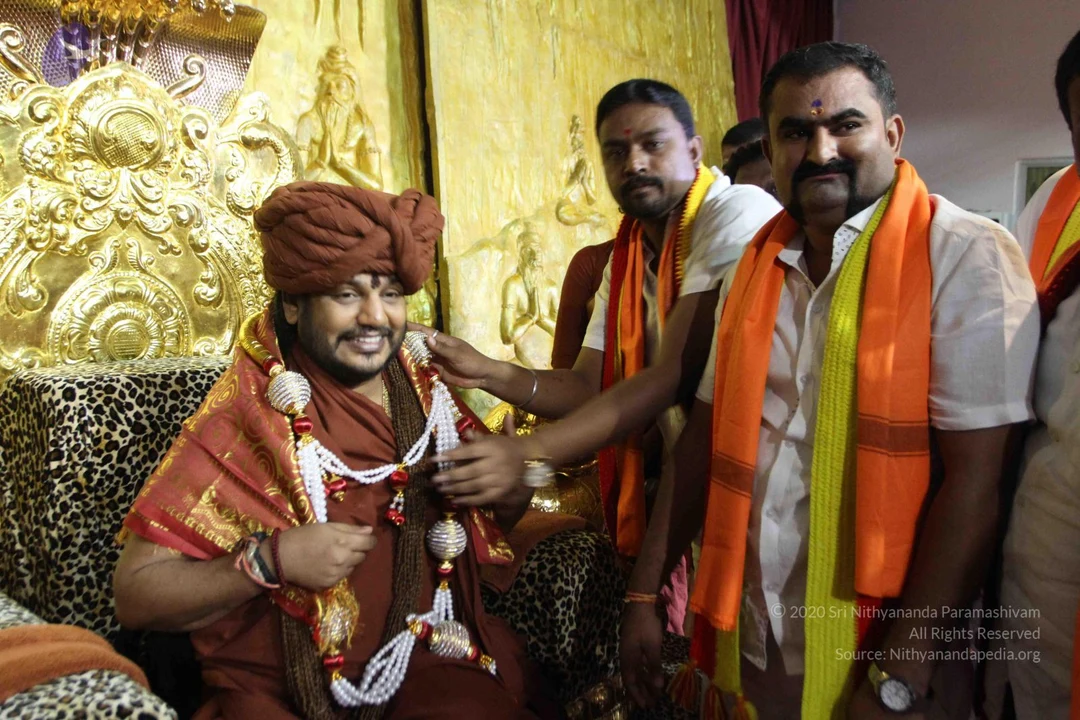
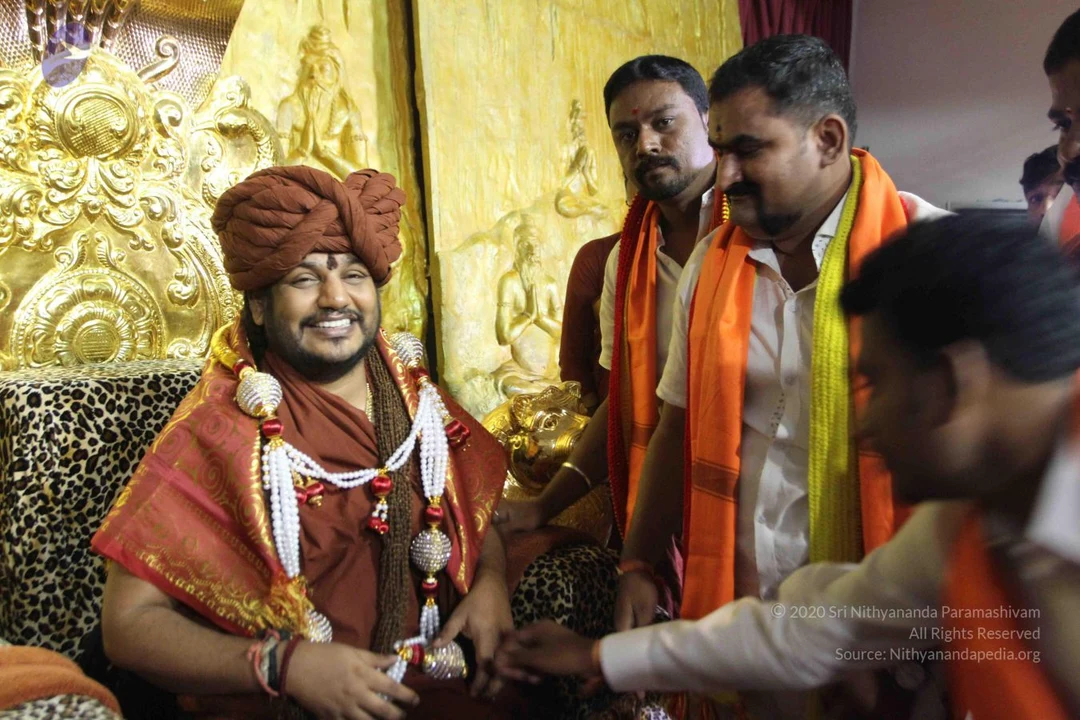
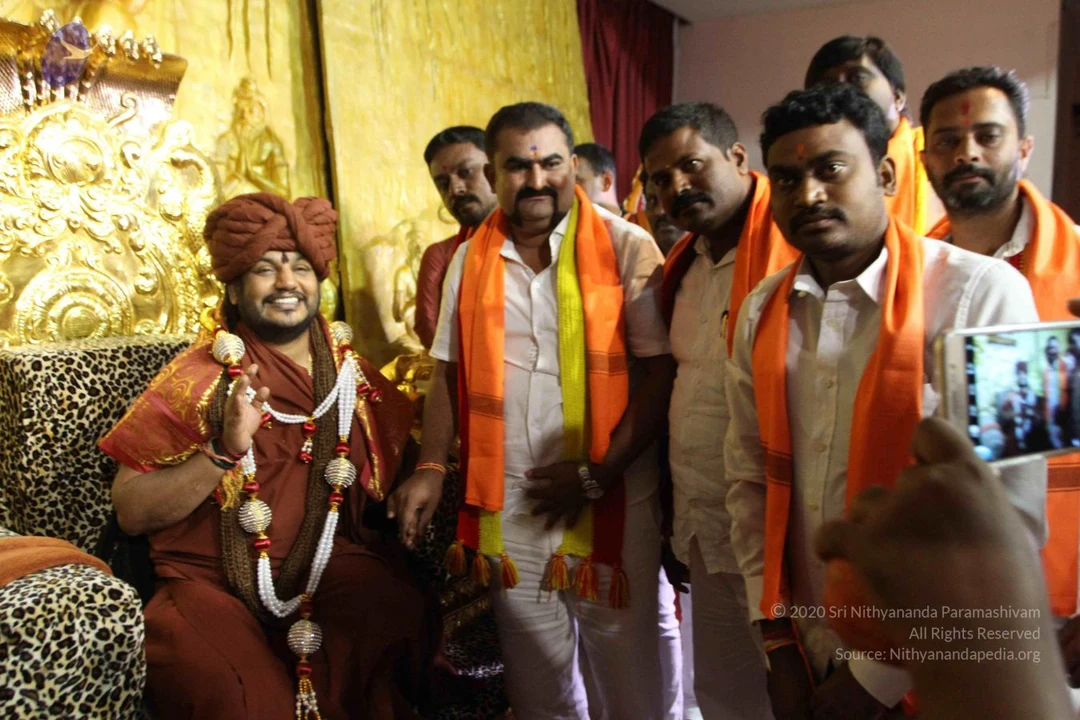
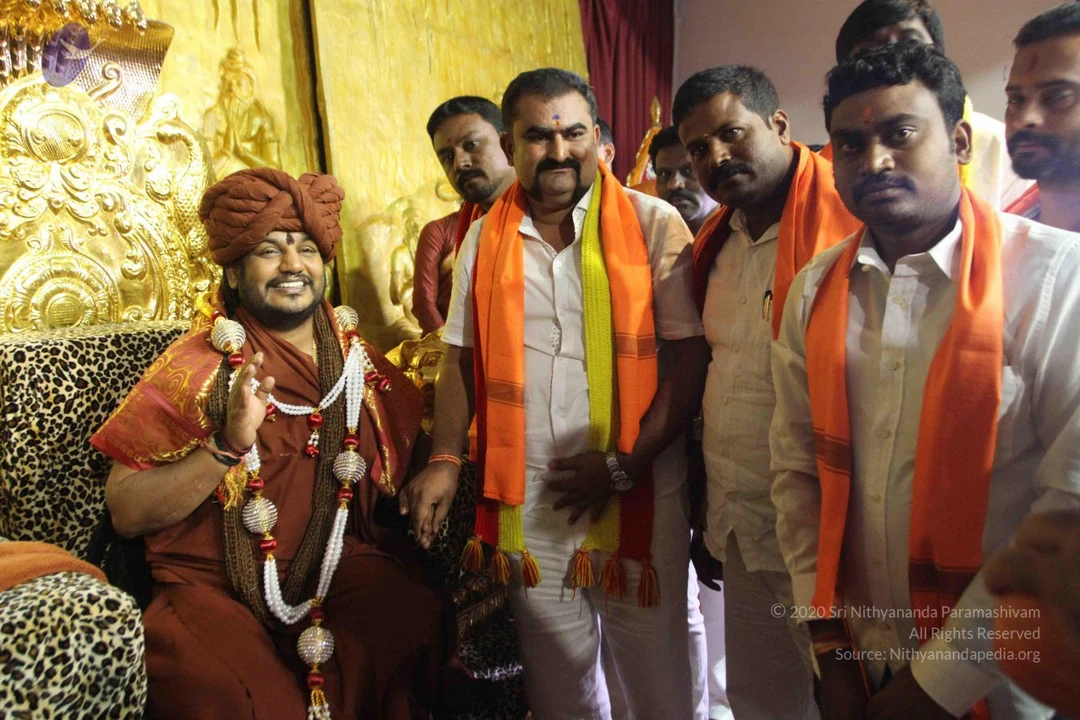
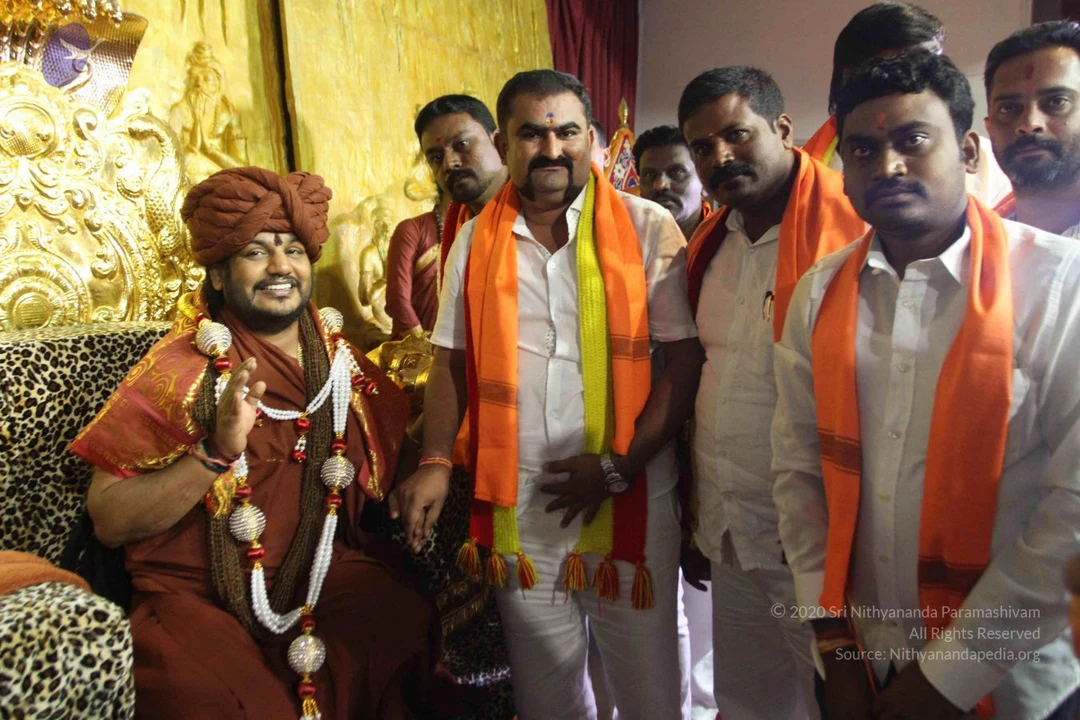
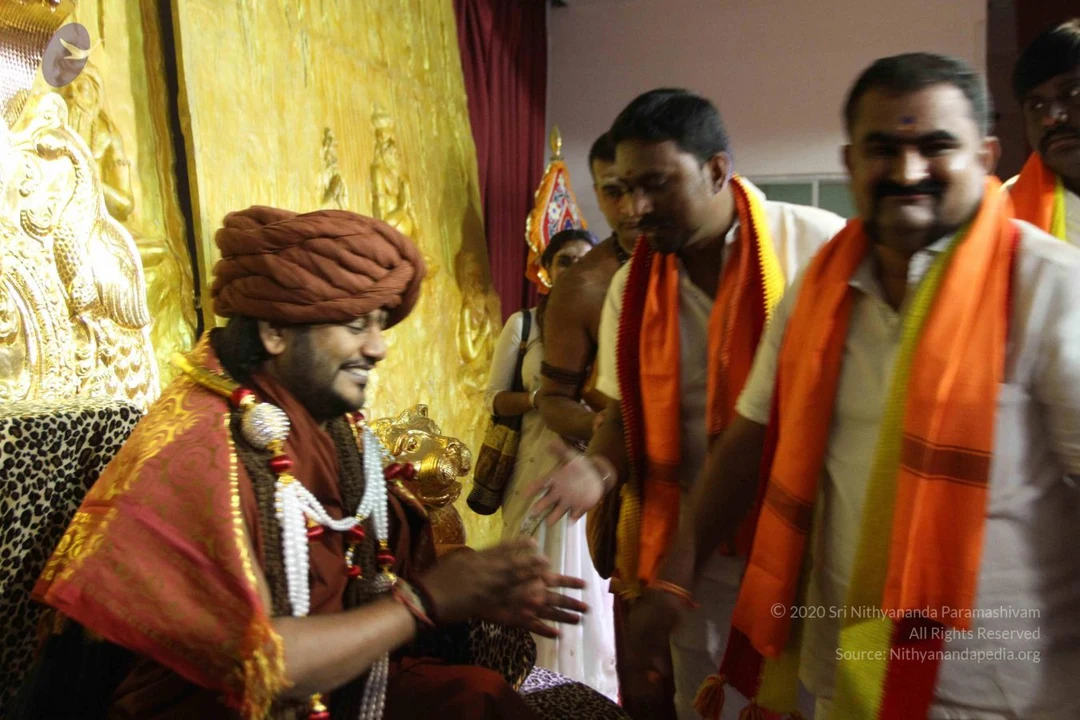
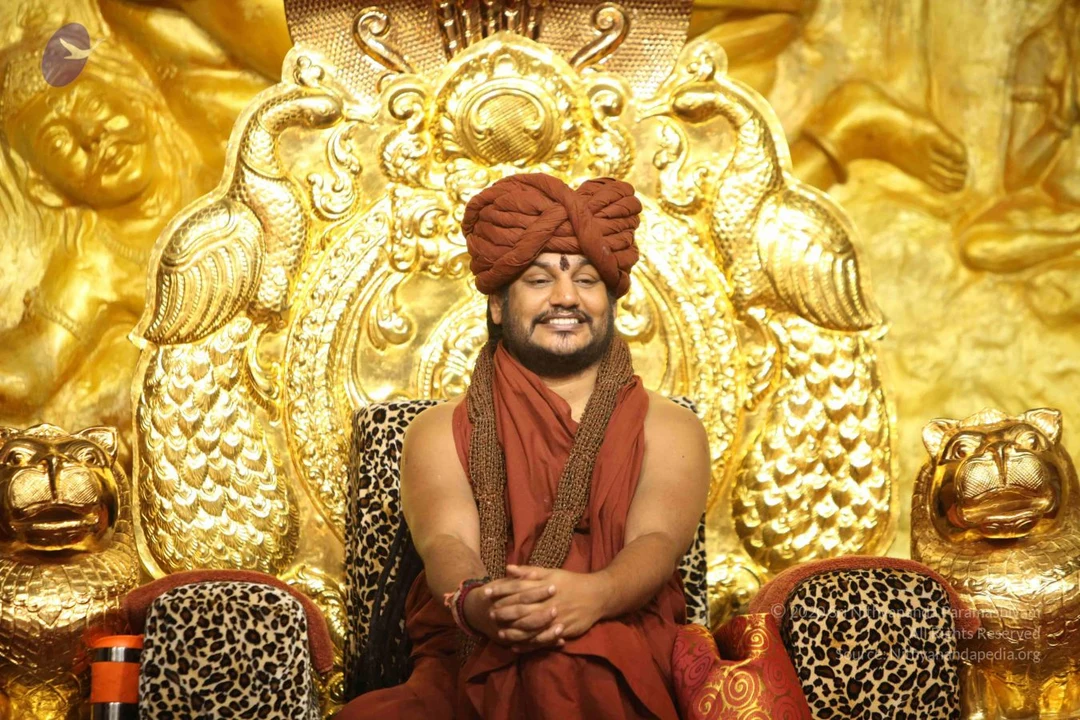
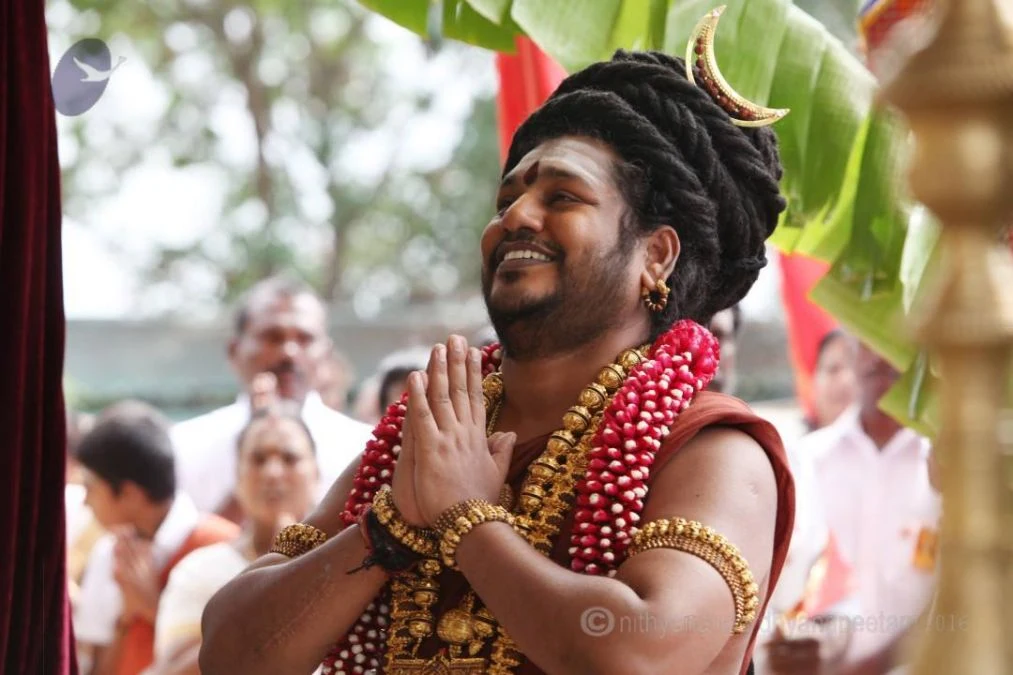
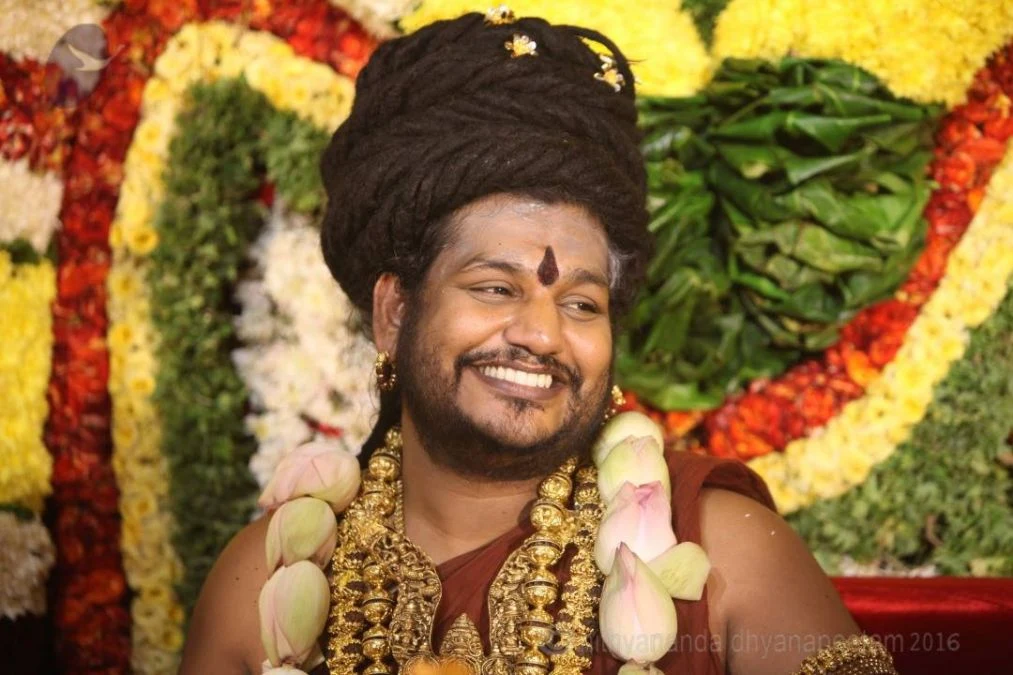
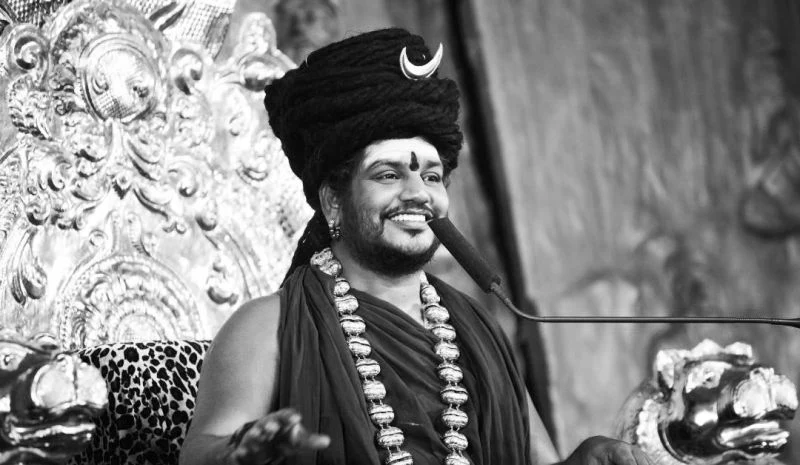
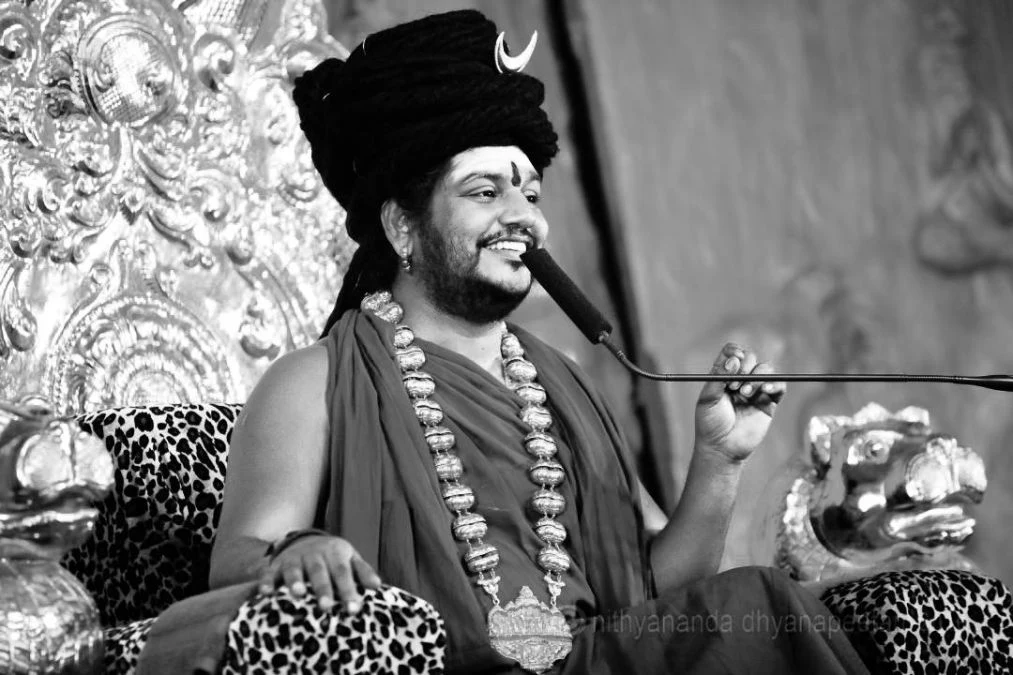
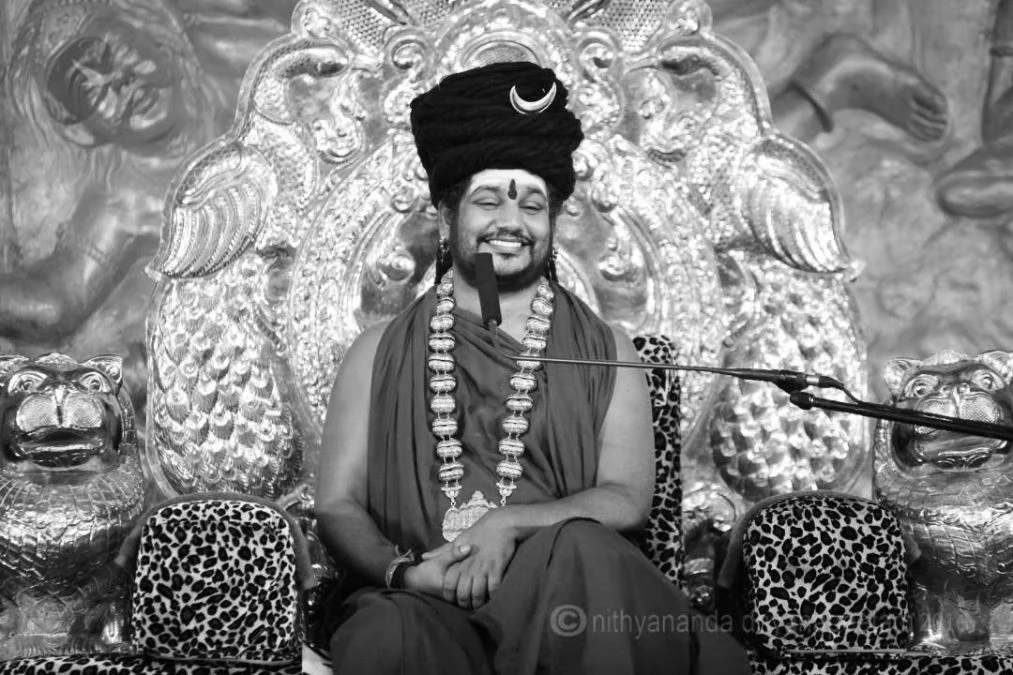
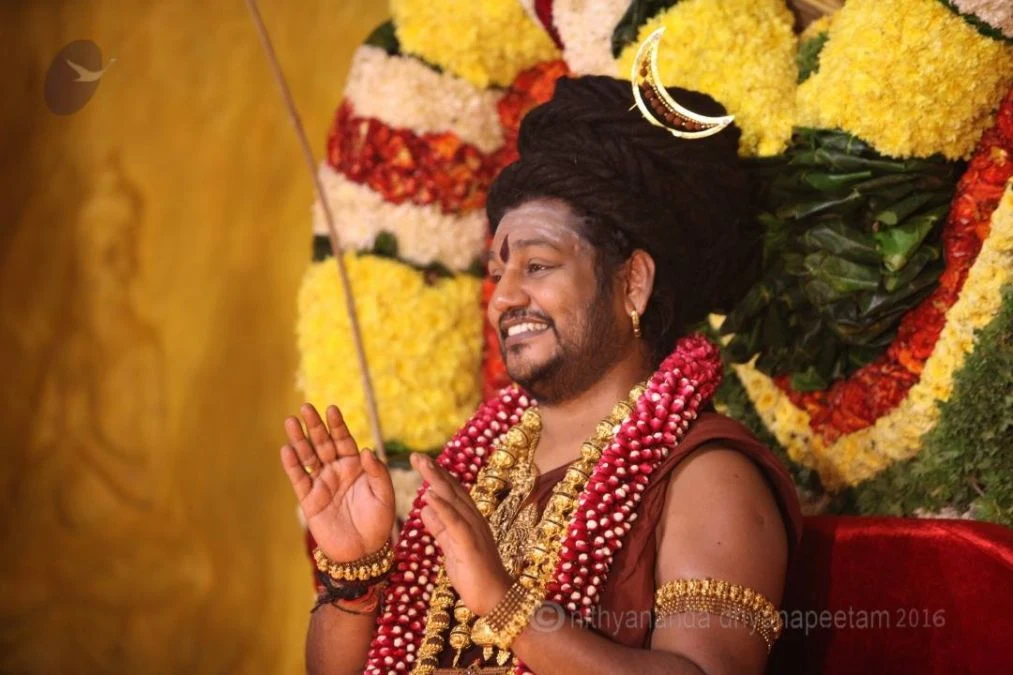
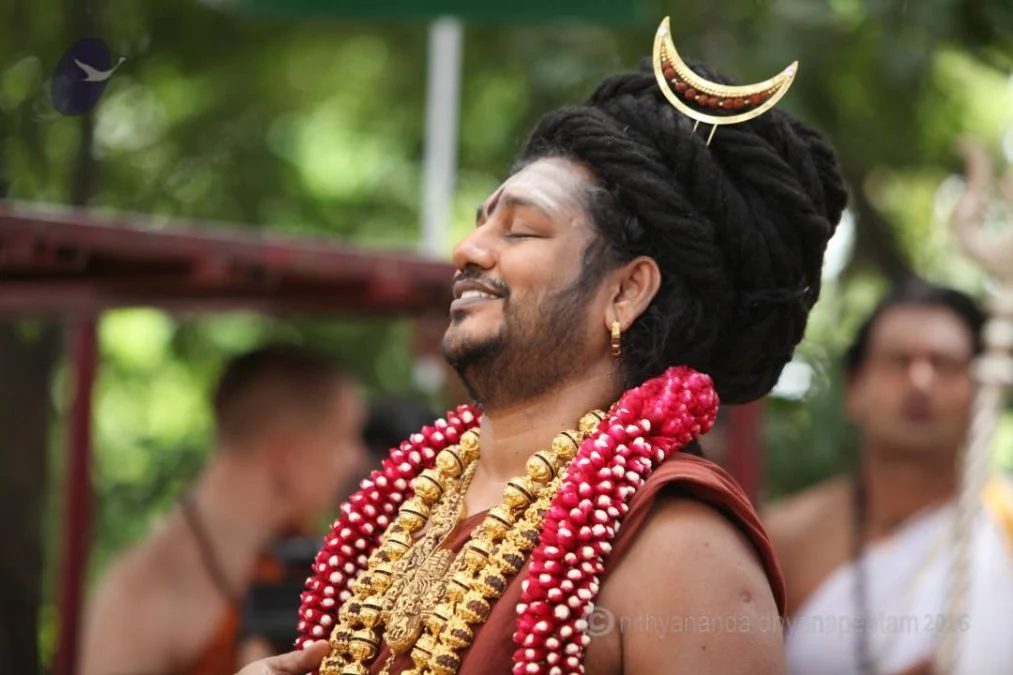
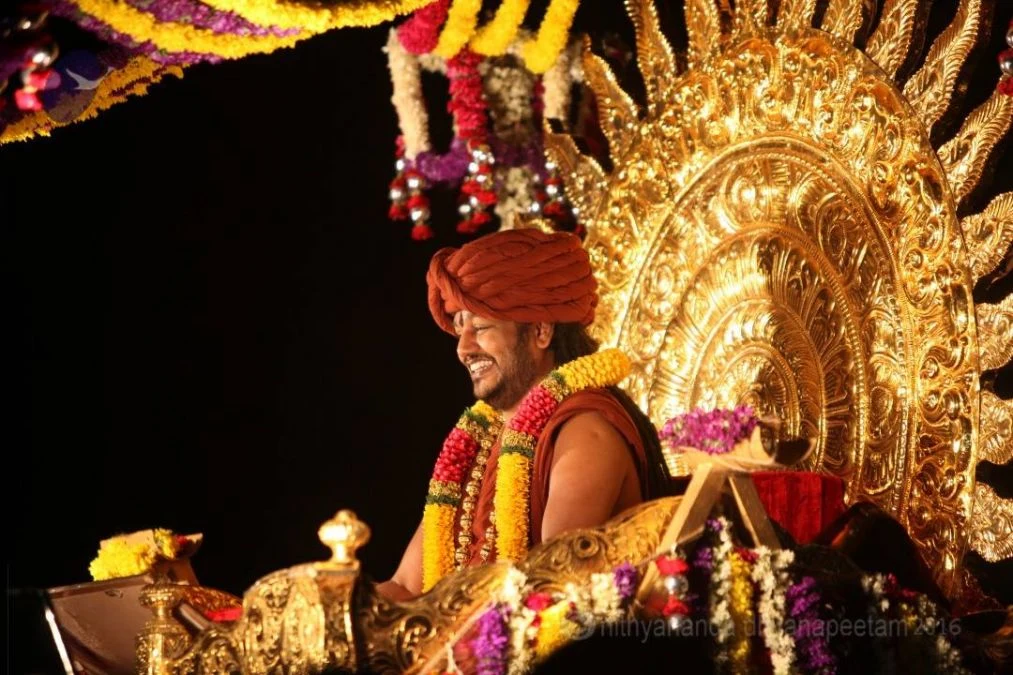
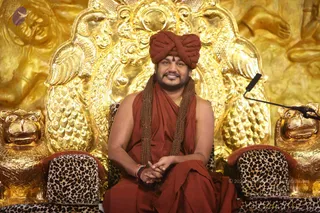
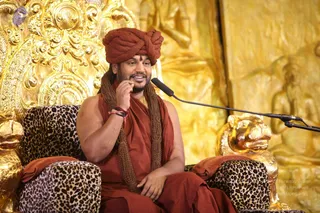
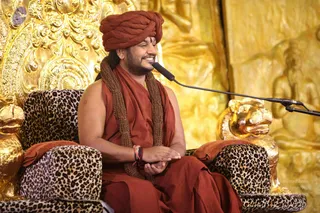
Photos Of The Day:
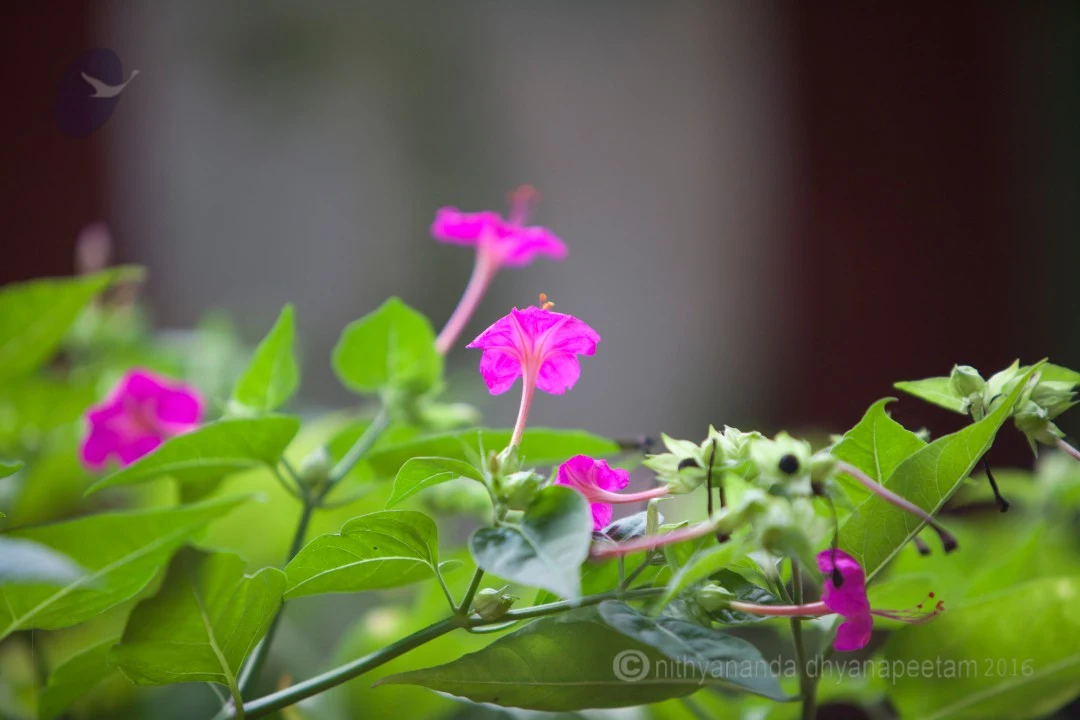
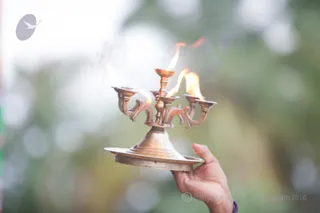
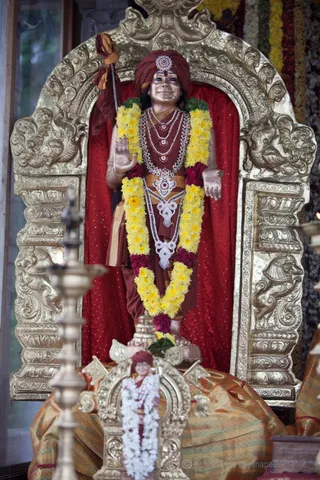
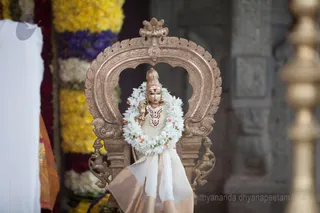
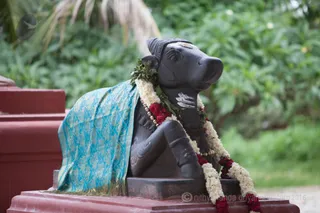
Temple Glimpses
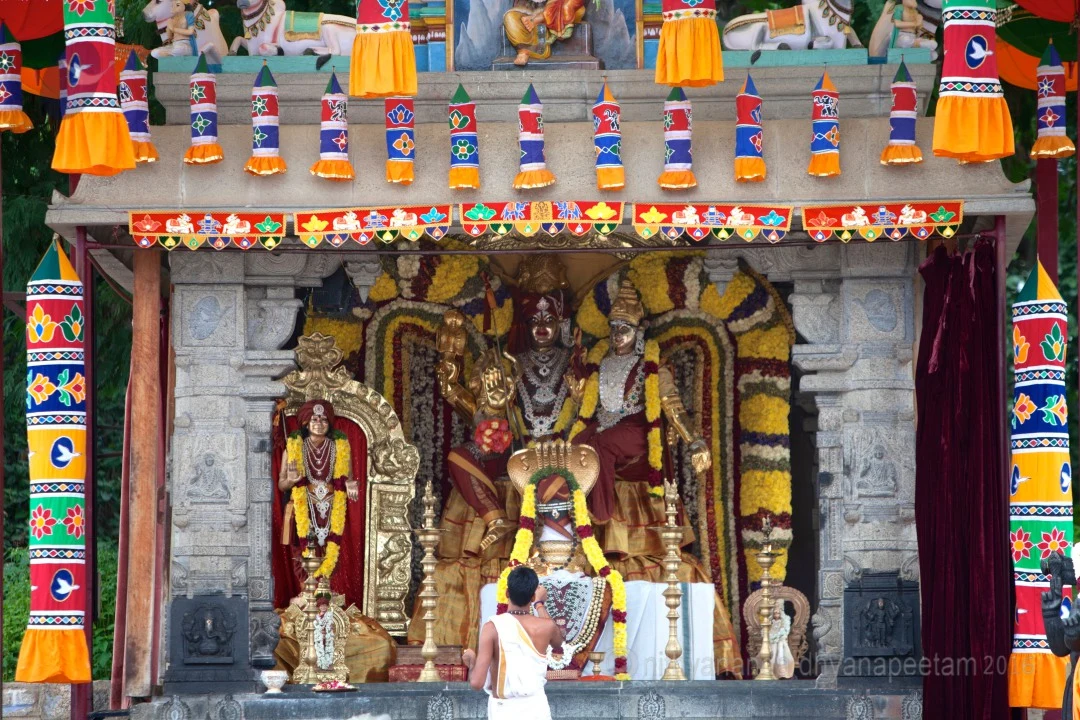

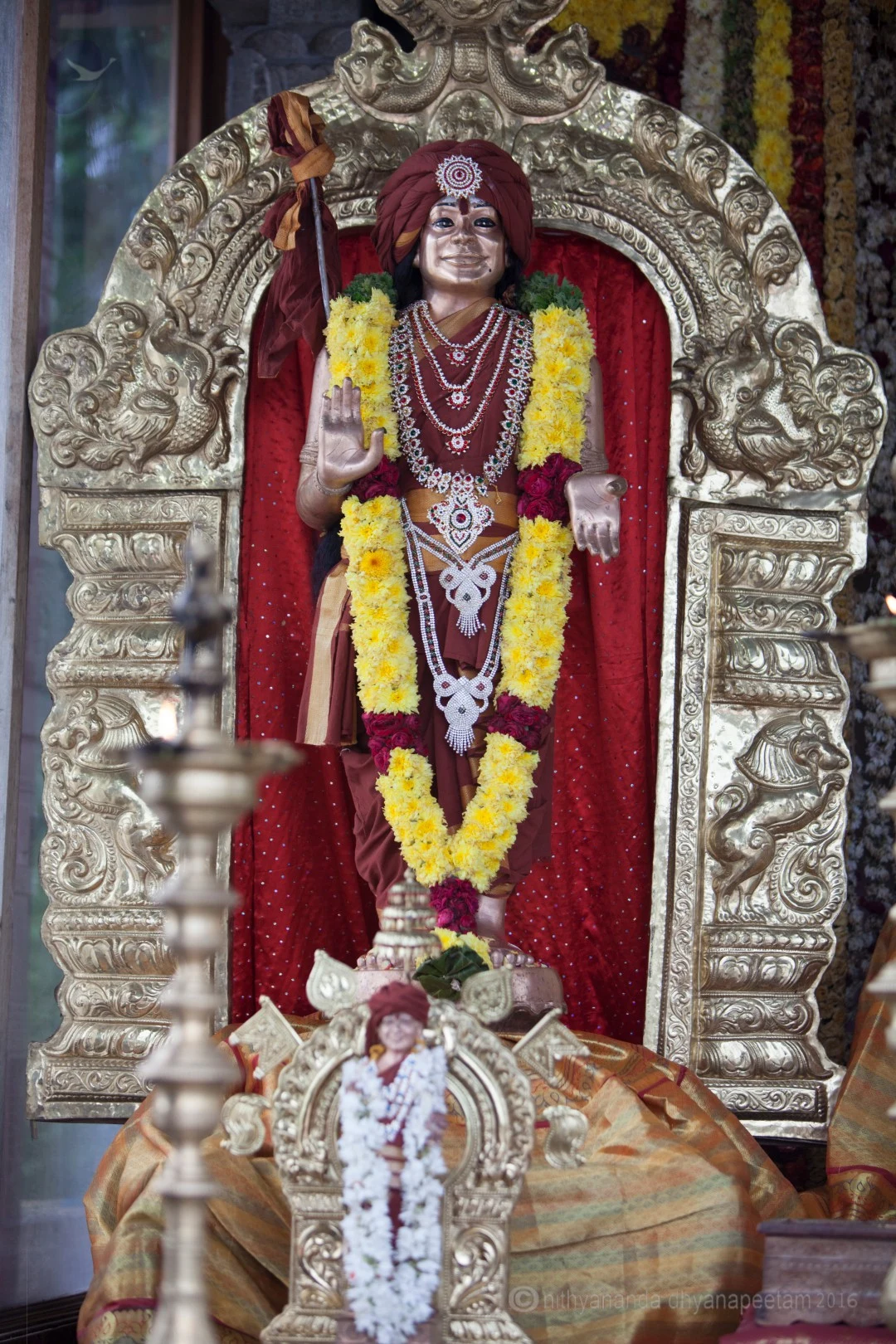
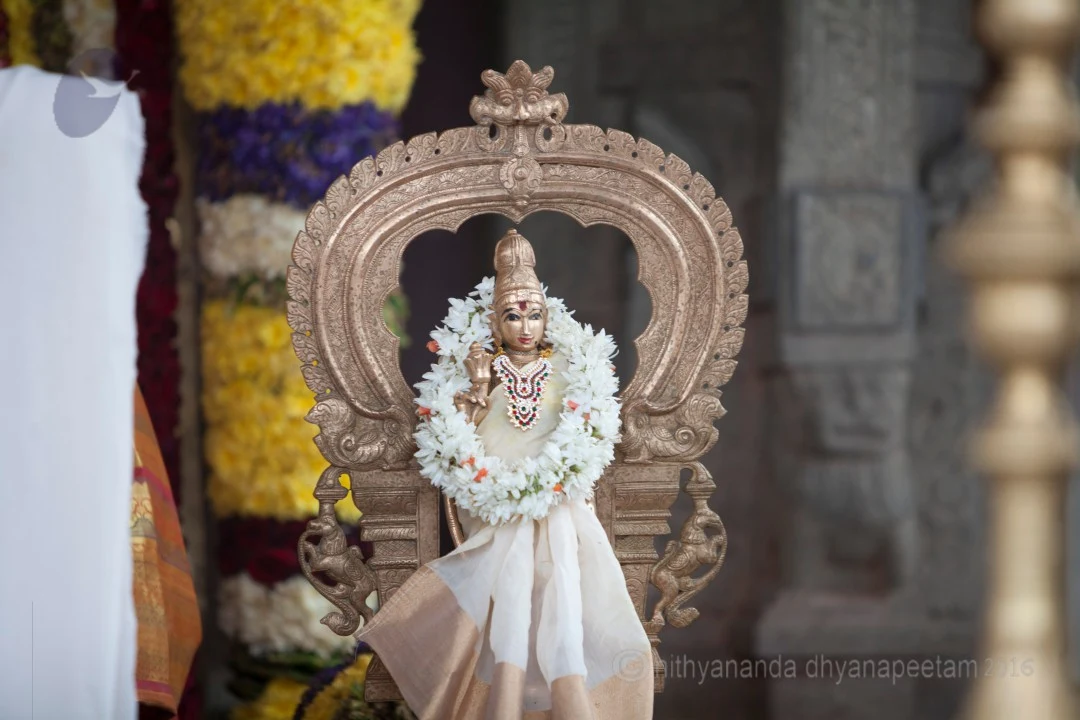

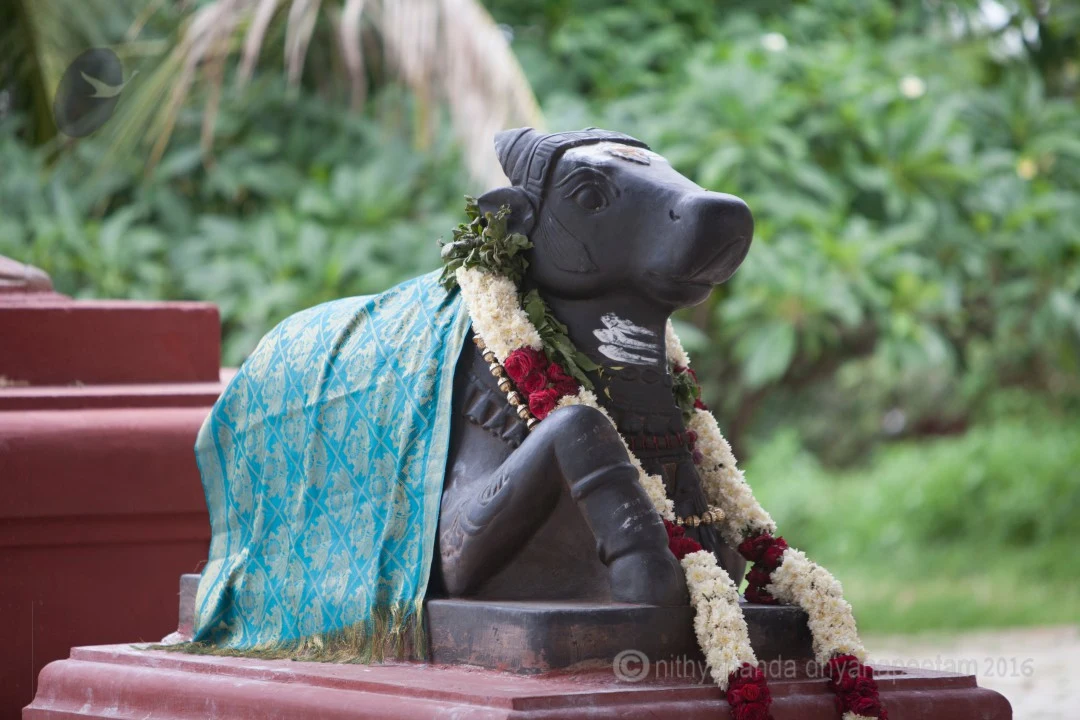
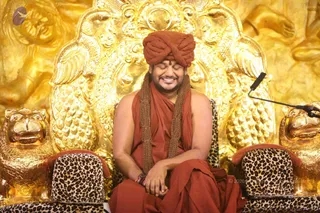
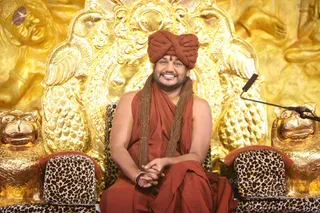
NITHYA SATSANG












Tags
Nithyananda, Paramahamsa Nithyananda, Kena Upanishad, Kenopanishad, Upanishad Series, Living Advaita, Mahadeva Rahasya
Photos from this day
View all 131 photosTemple Glimpses
7 photosSource gallery

NITHYA SATSANG
112 photosSource gallery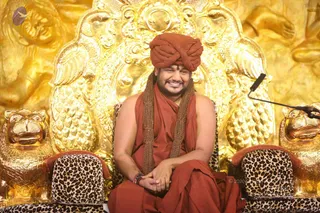
NITHYA SATSANG
12 photosSource gallery