Tuesday
2 February 2016
Innocent surrender not ignorant surrender
- Dated photos
- 594
- Source pages
- 3
- Media
- 6
02 february 2016
Original wiki pageDay's Events
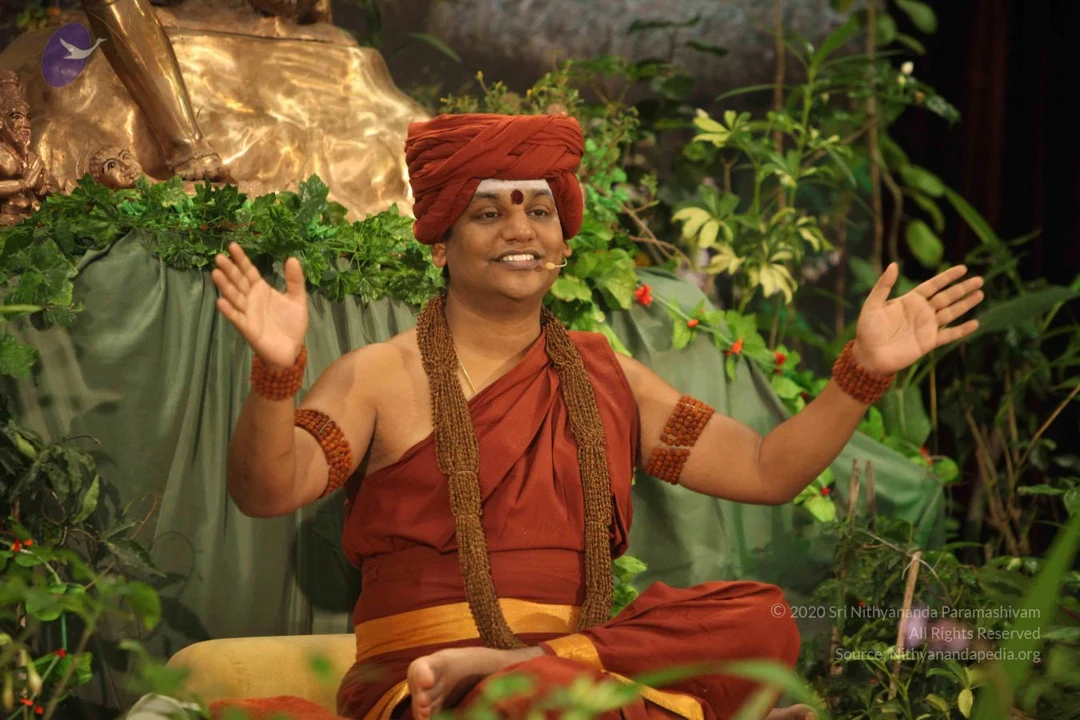
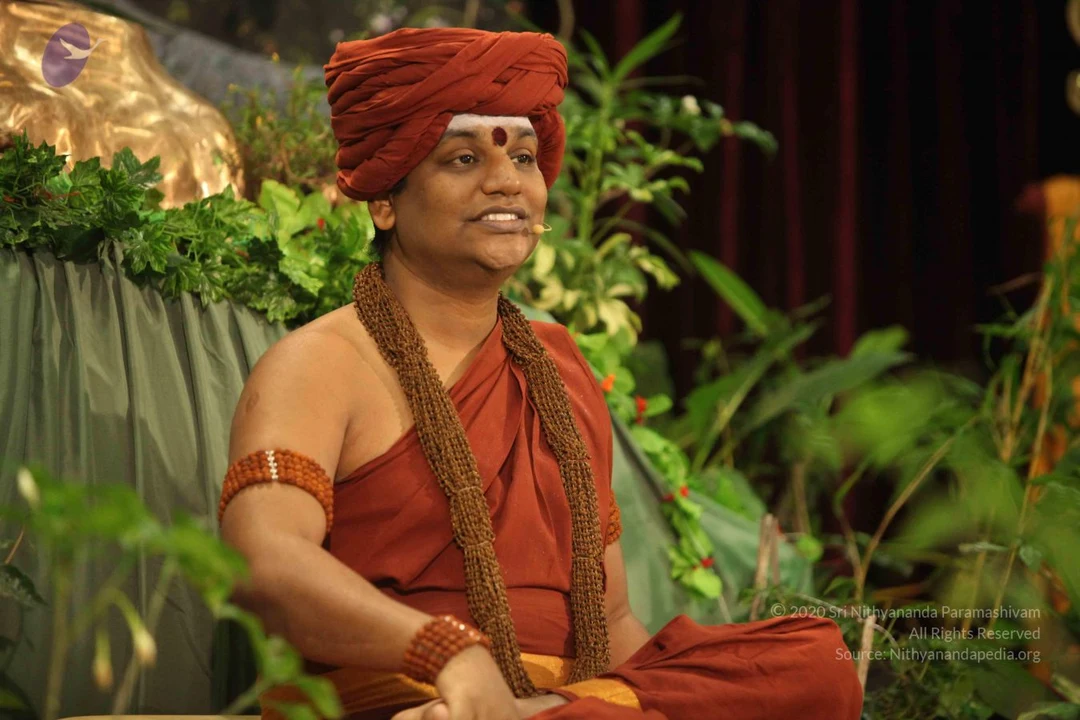
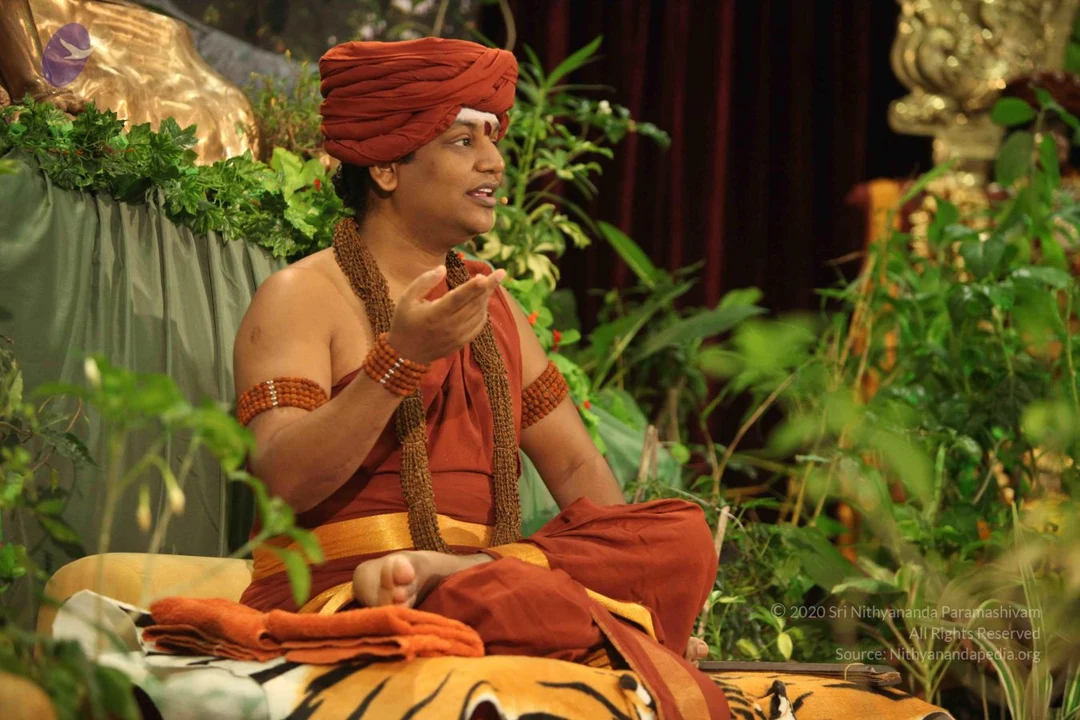
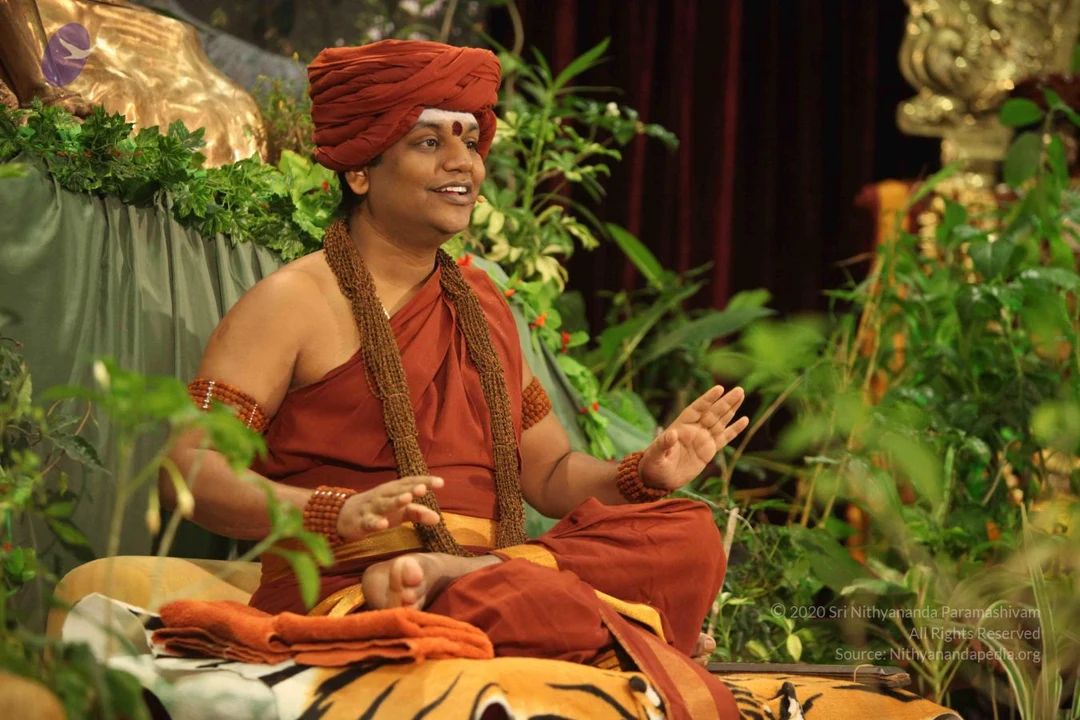
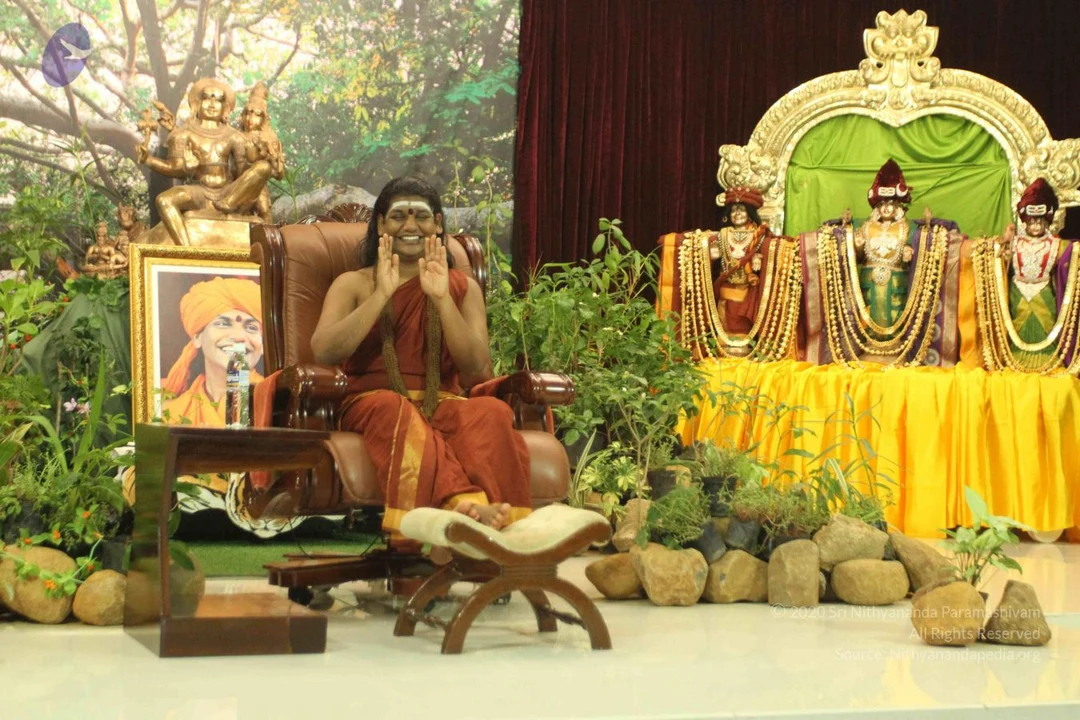
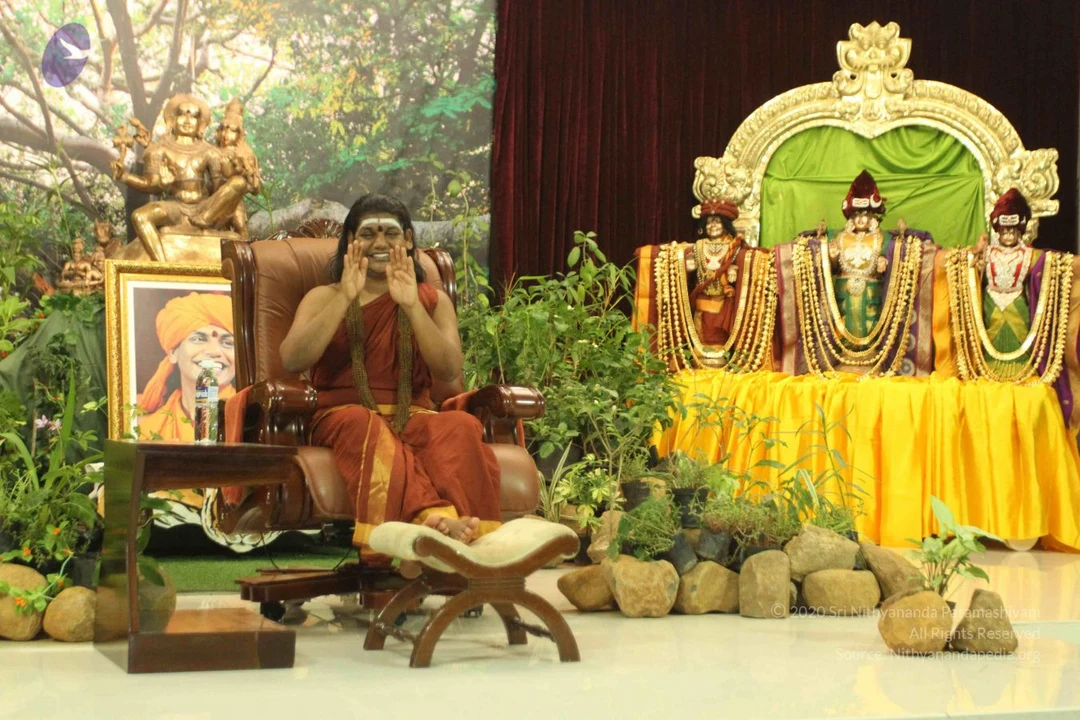
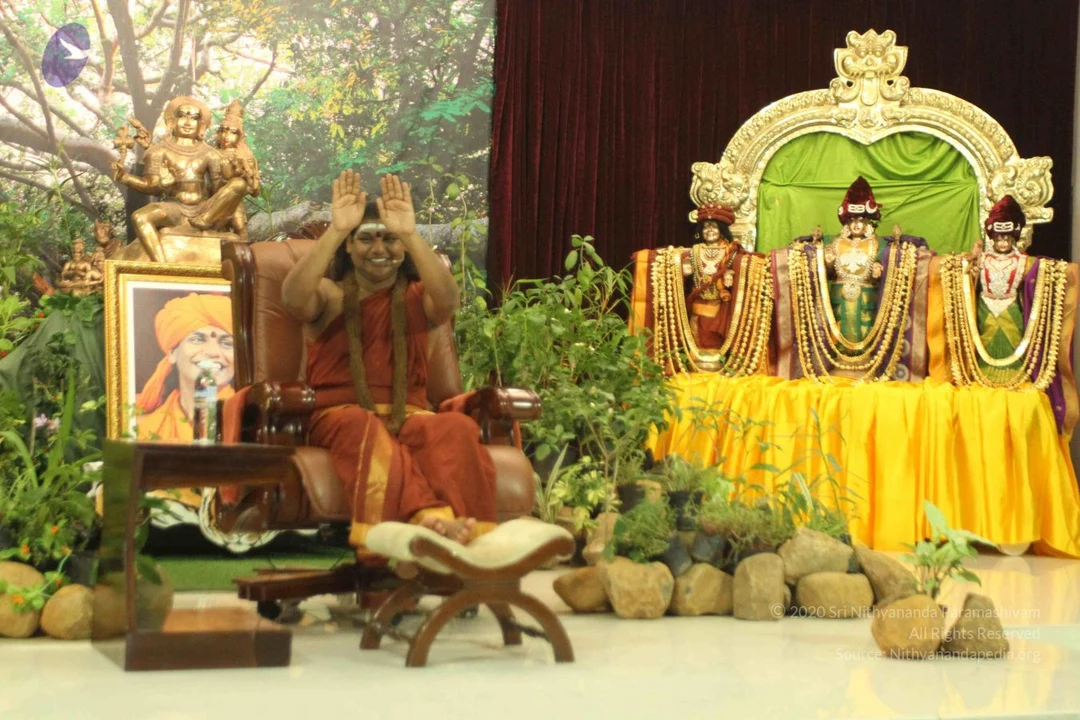
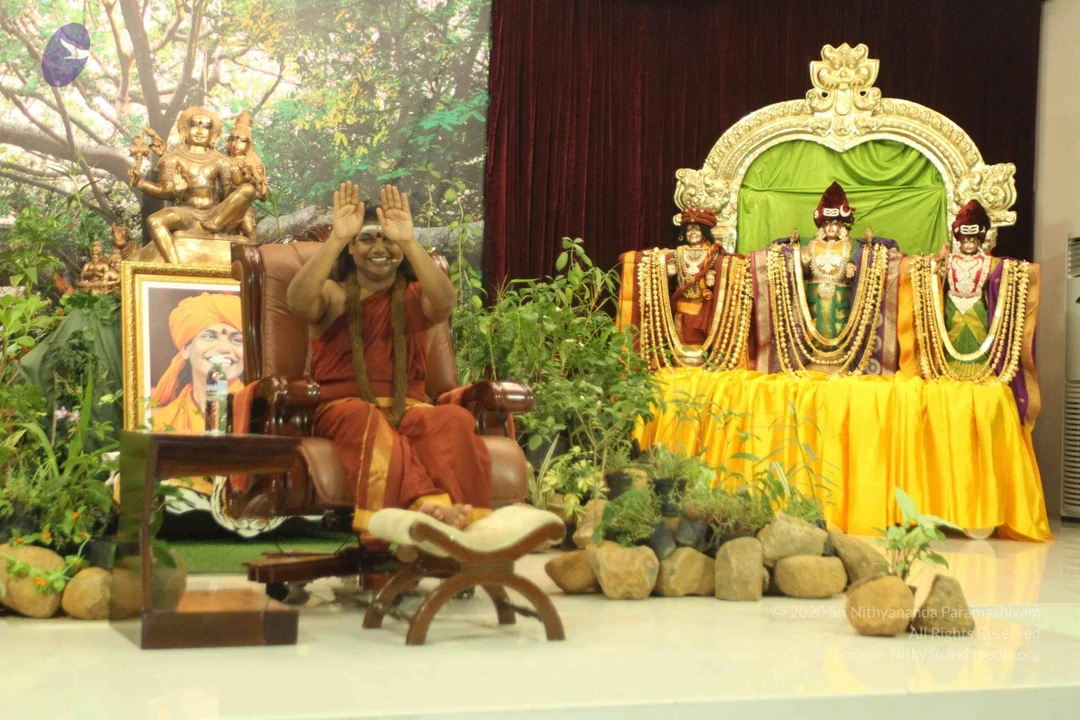
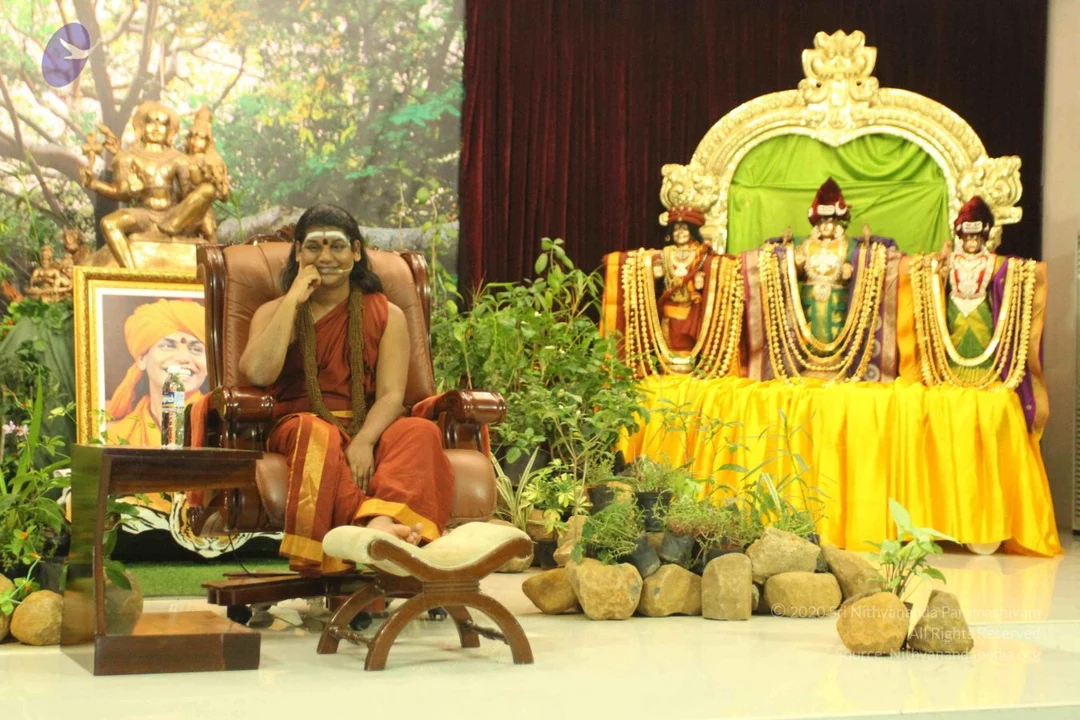
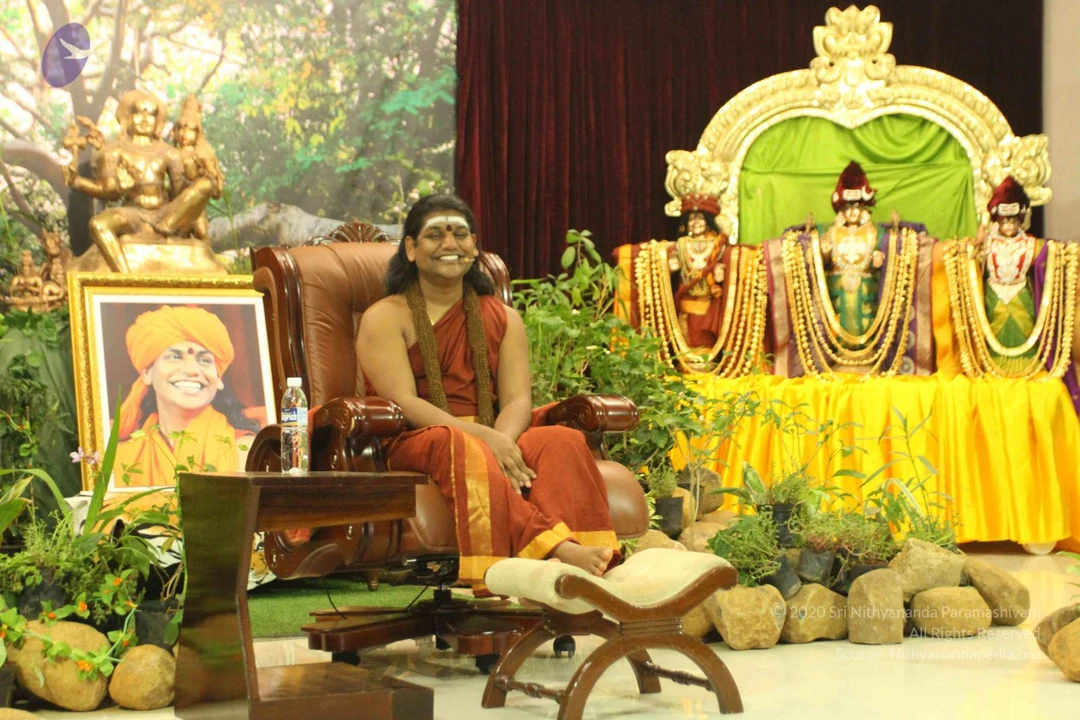
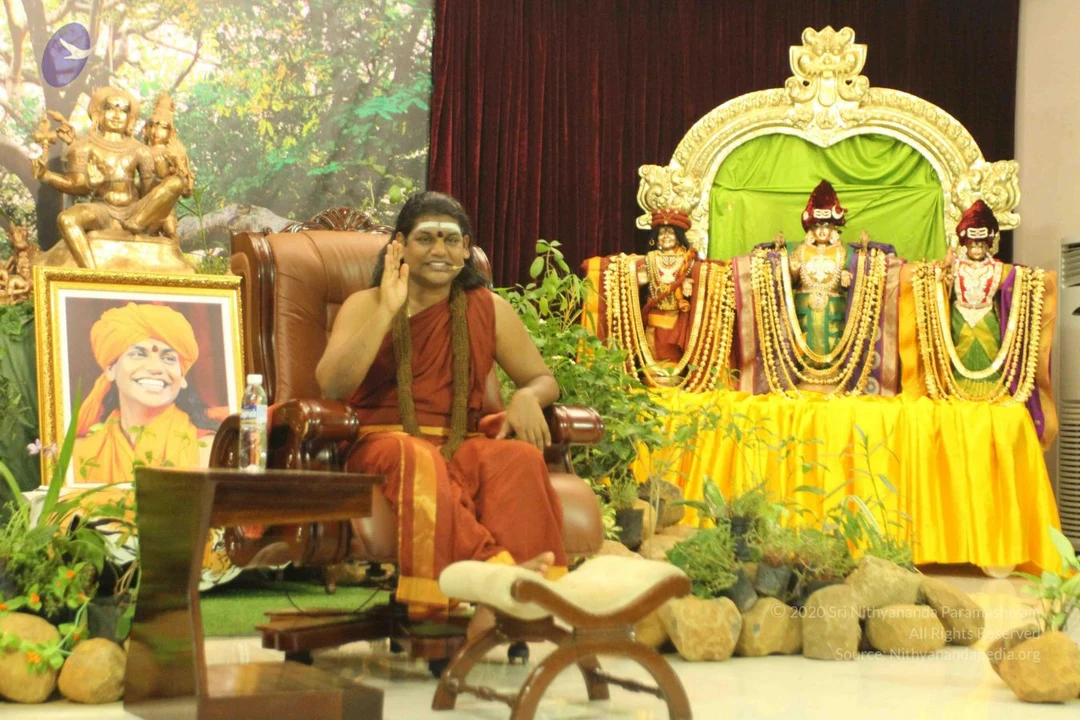
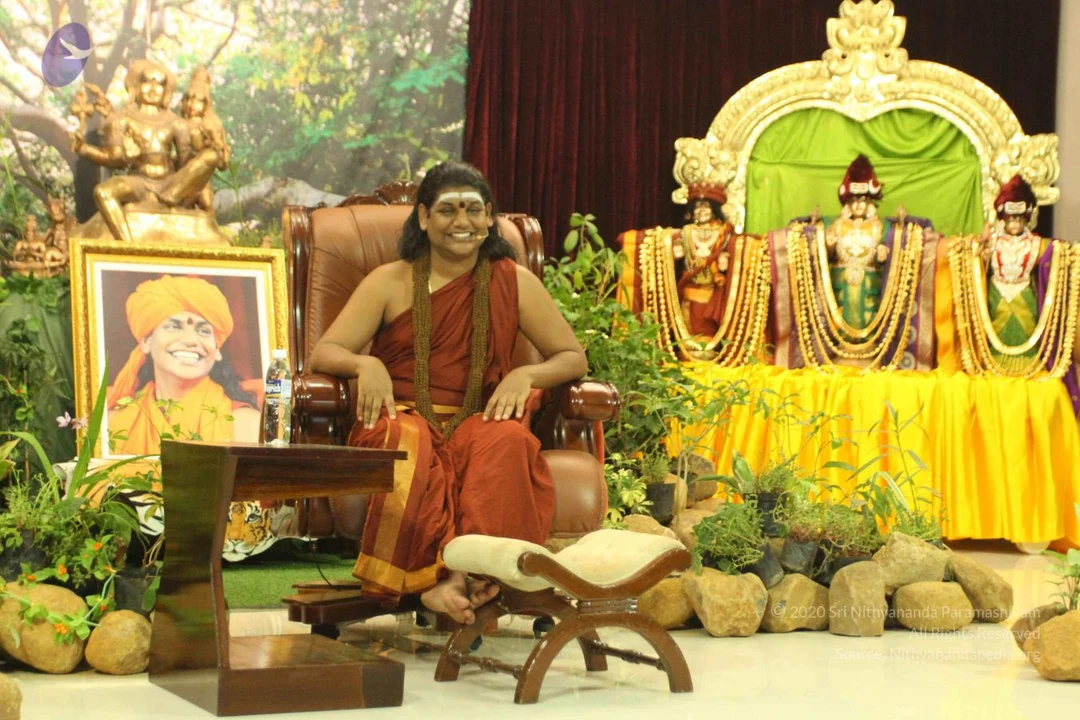
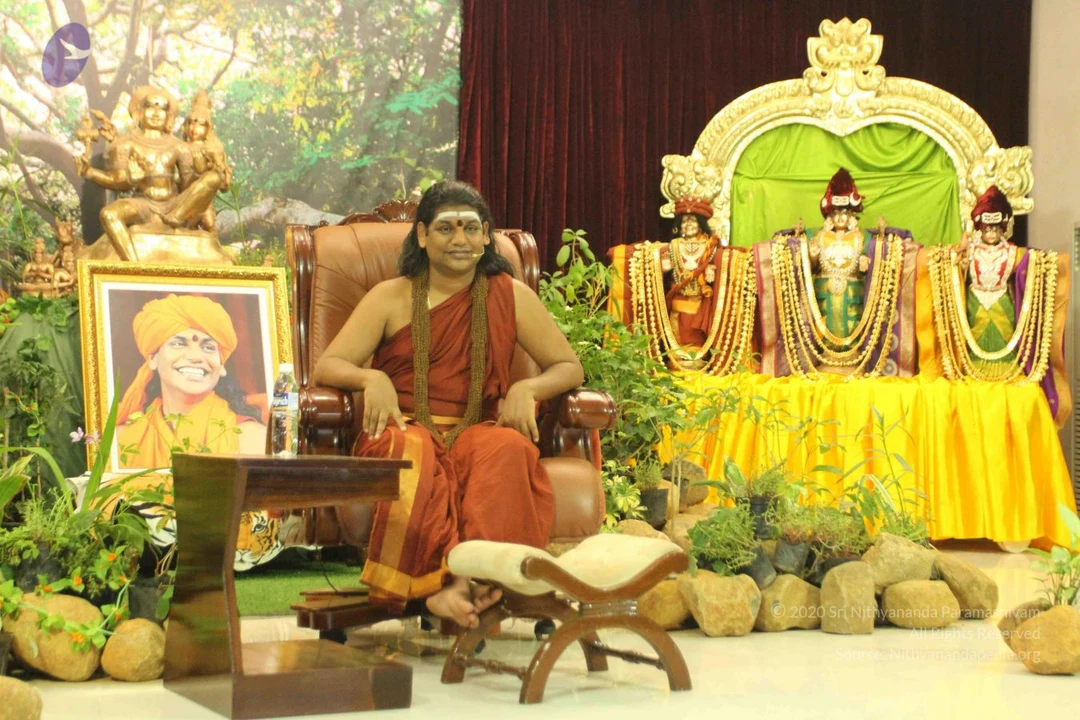
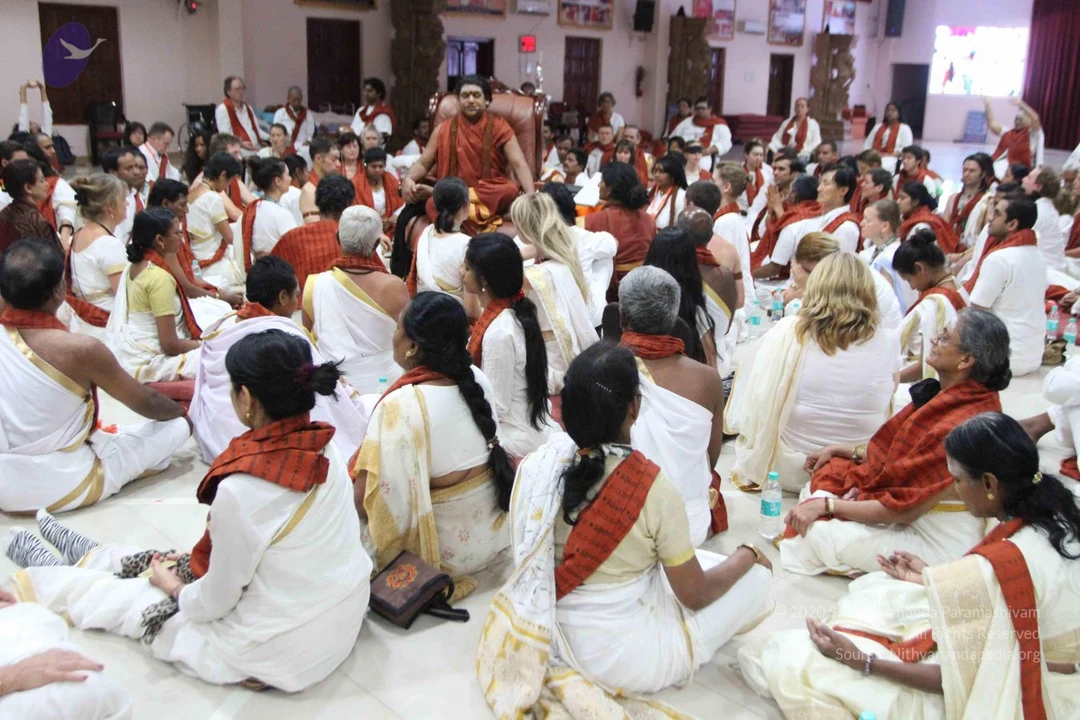
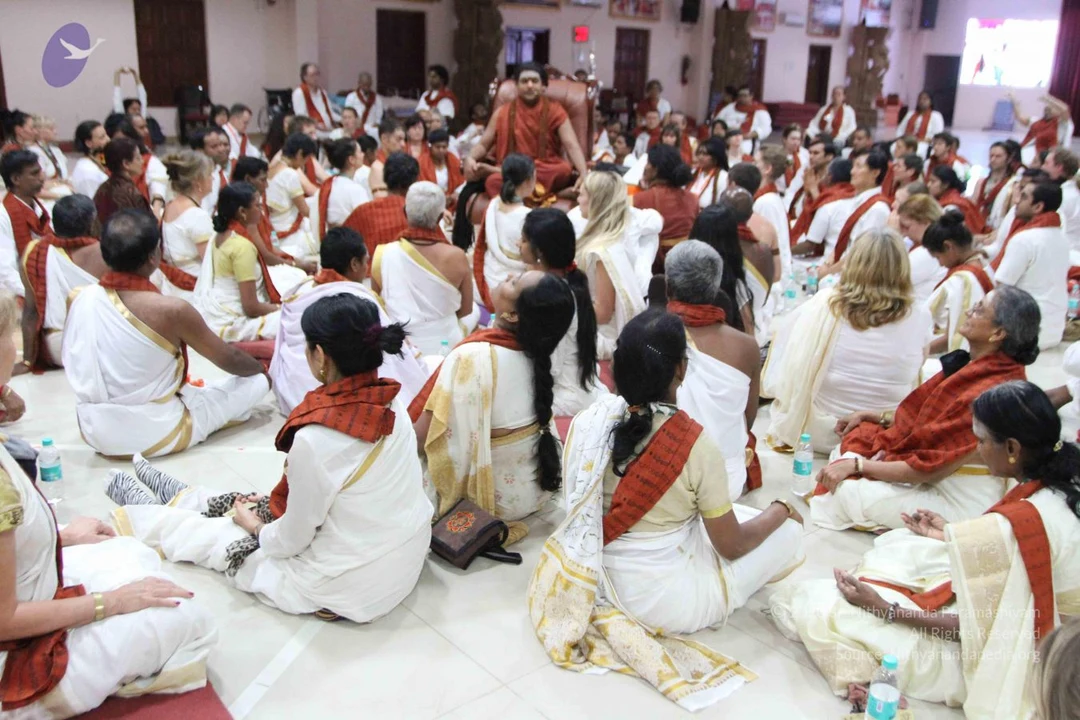
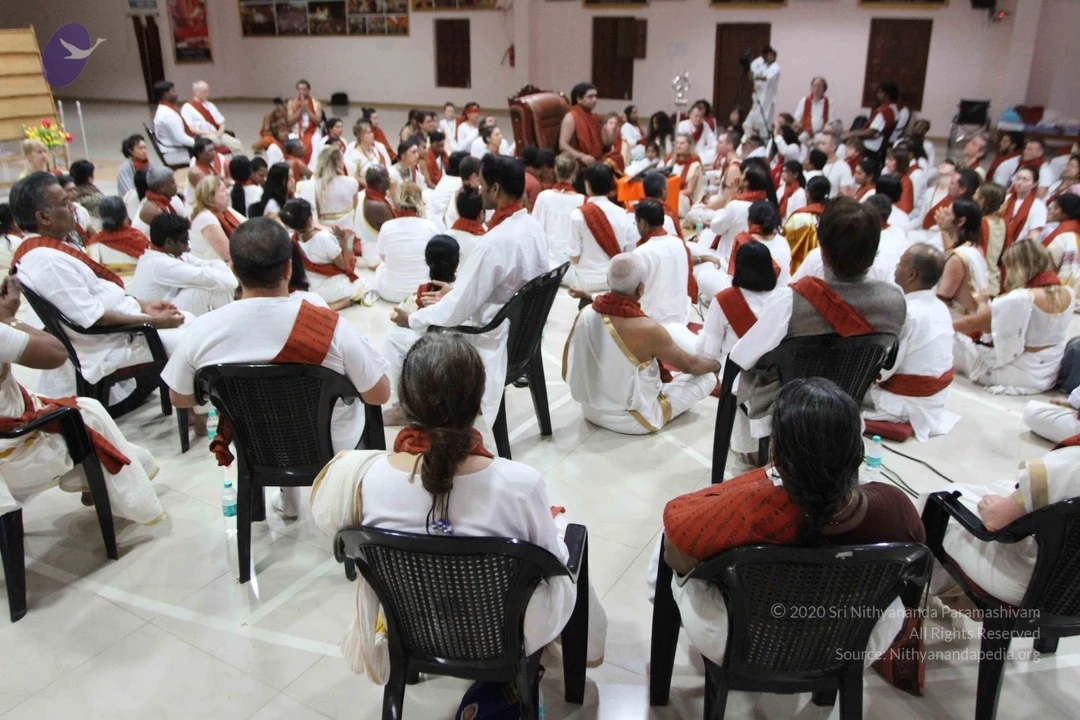
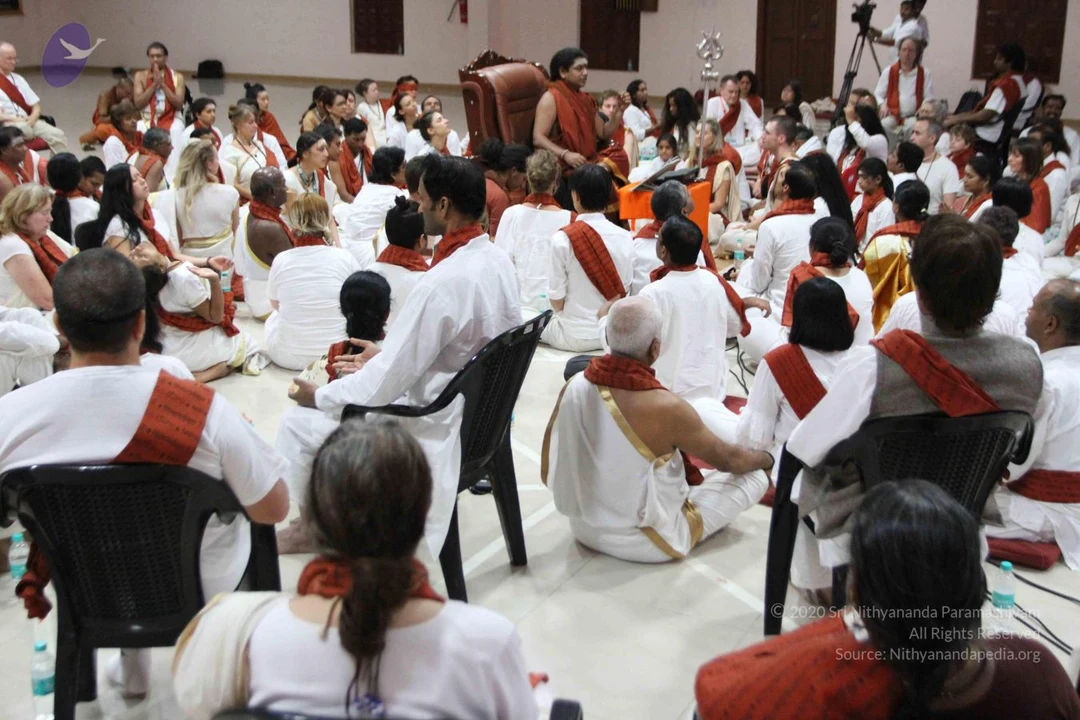
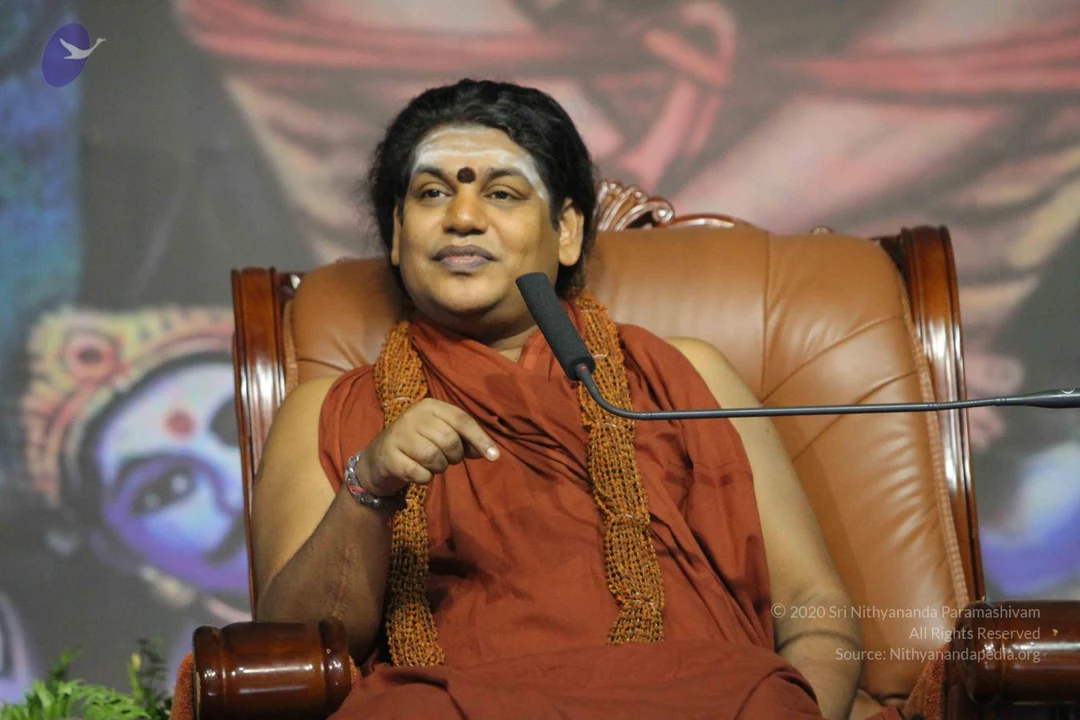
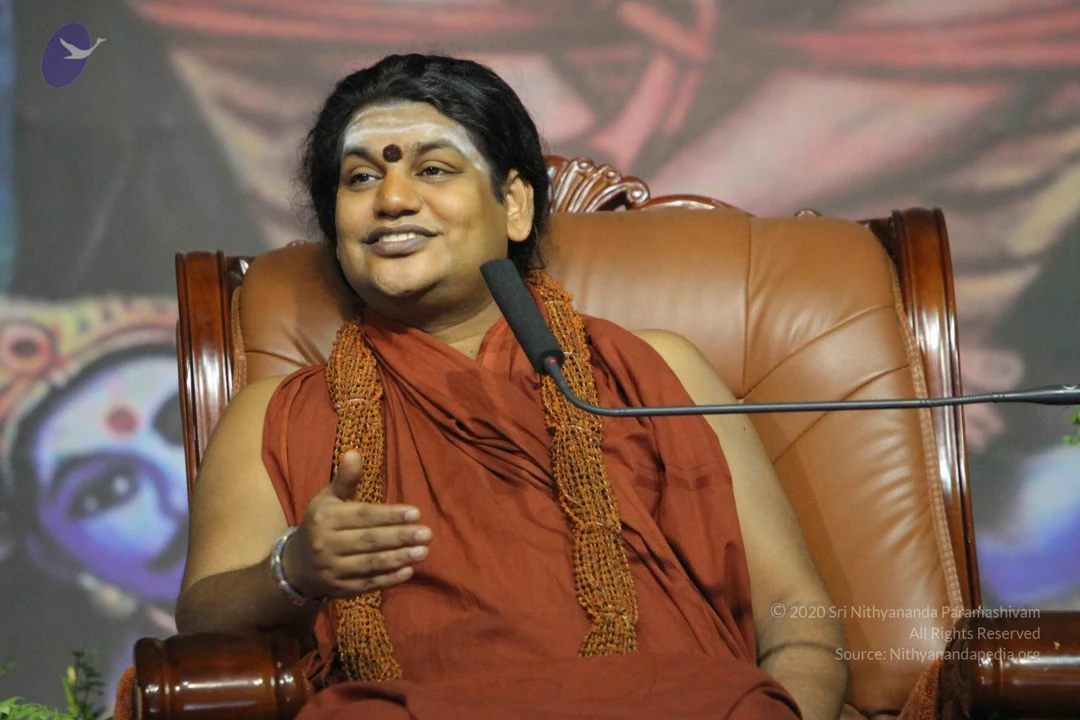
Highlight from Evening Nithya Satsang:
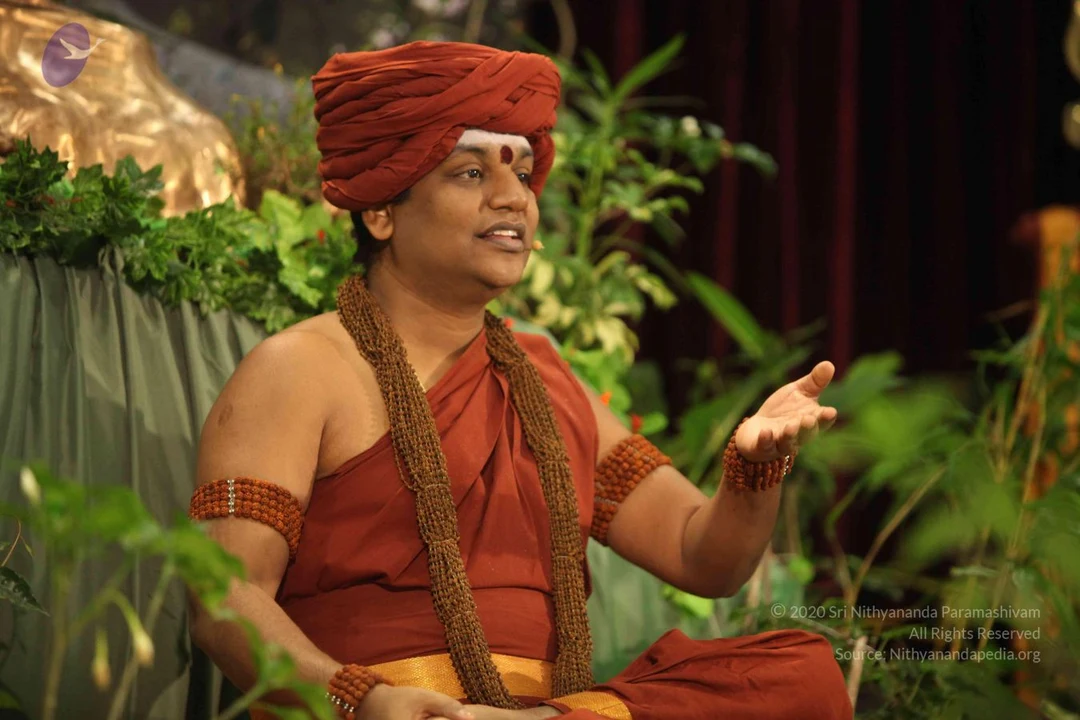
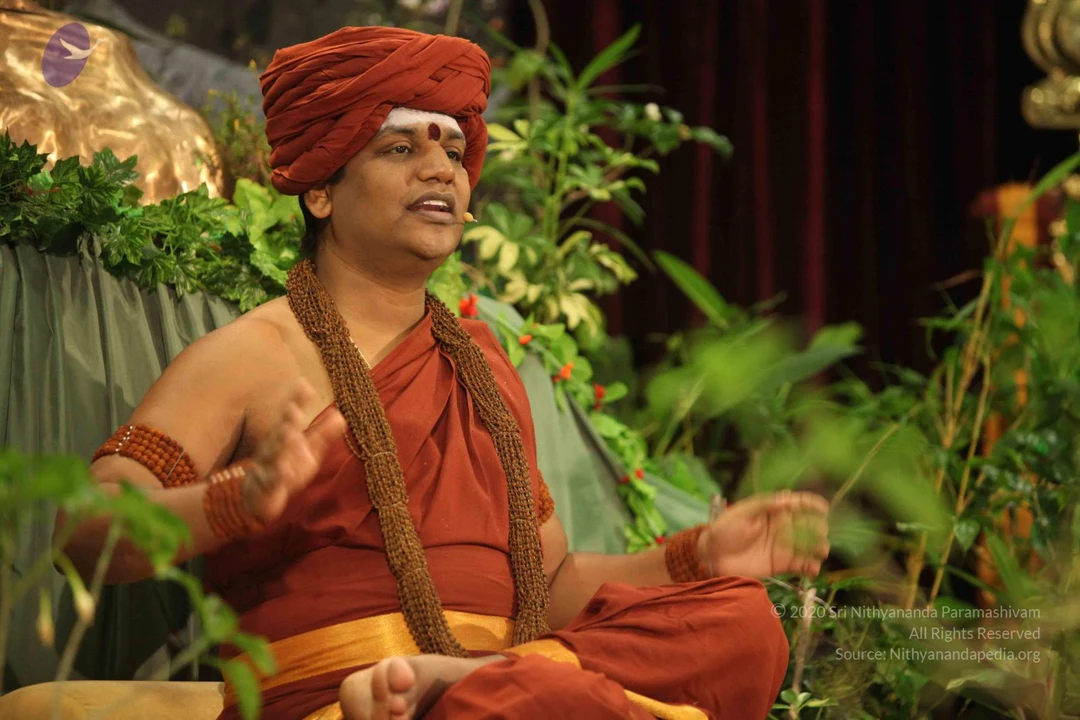
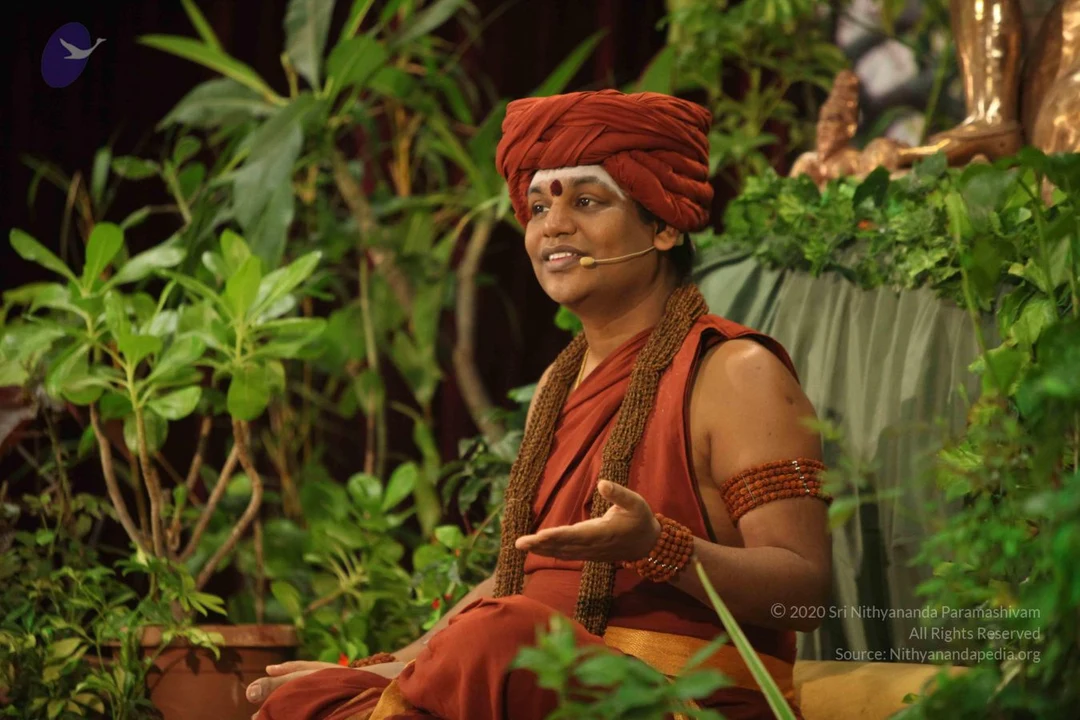
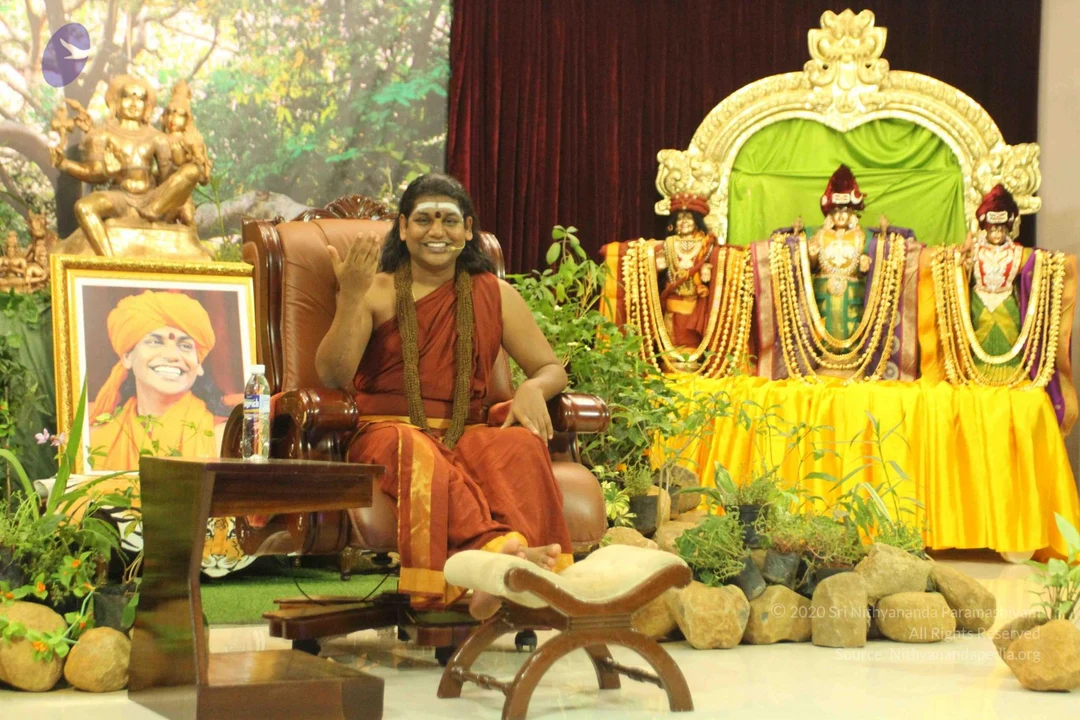
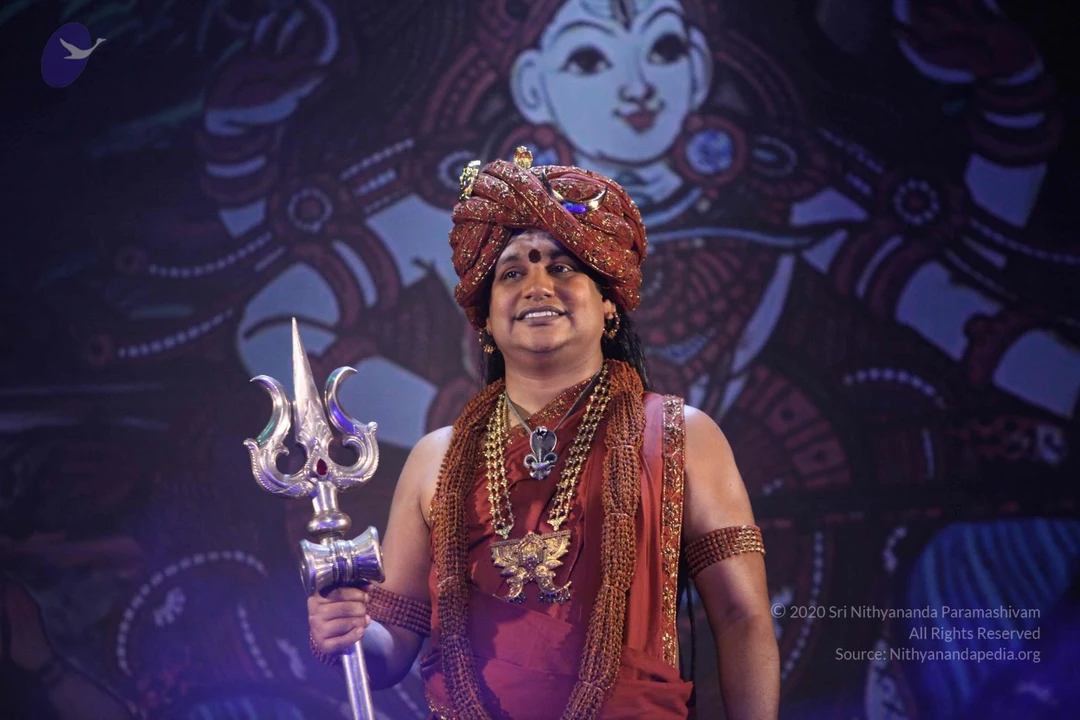
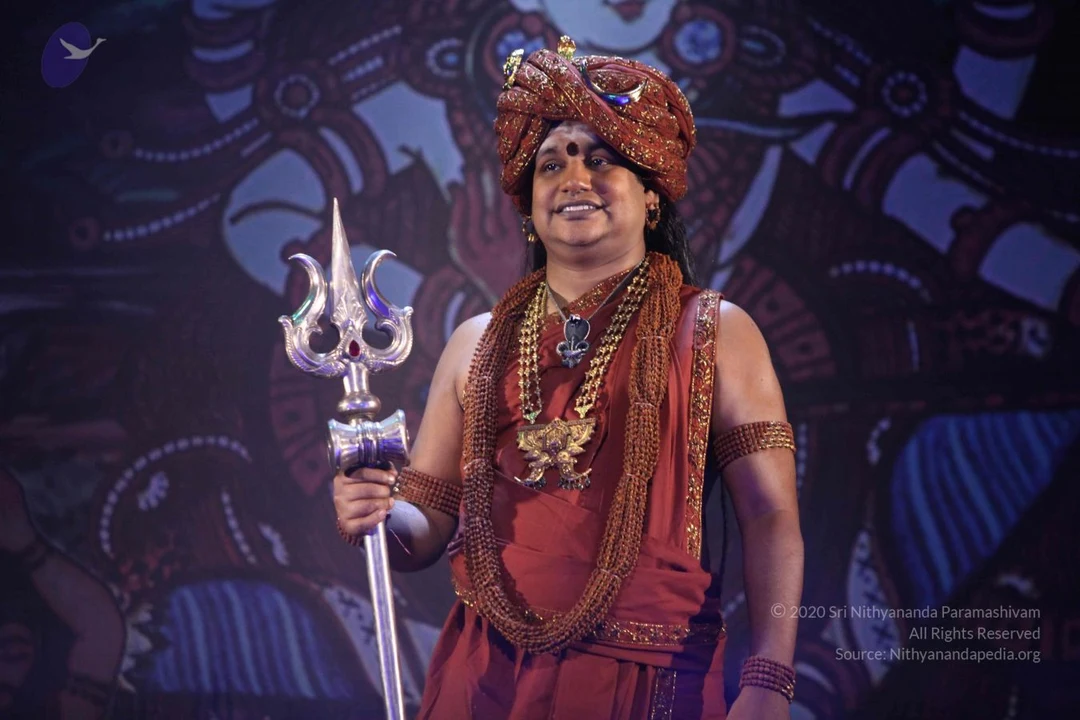
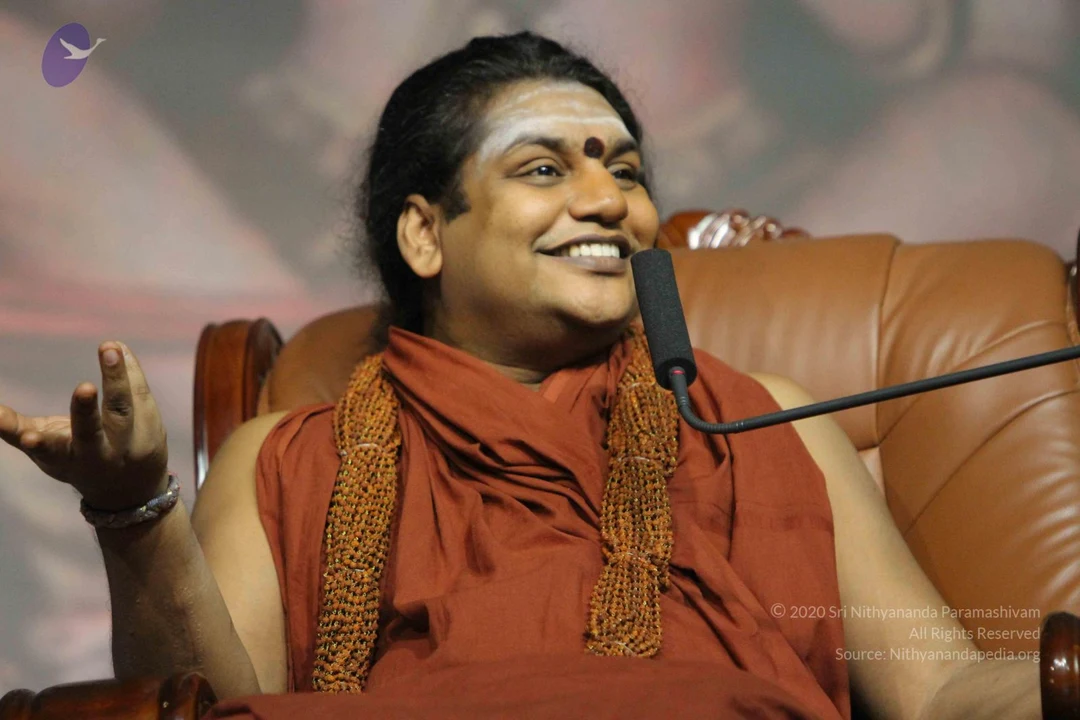
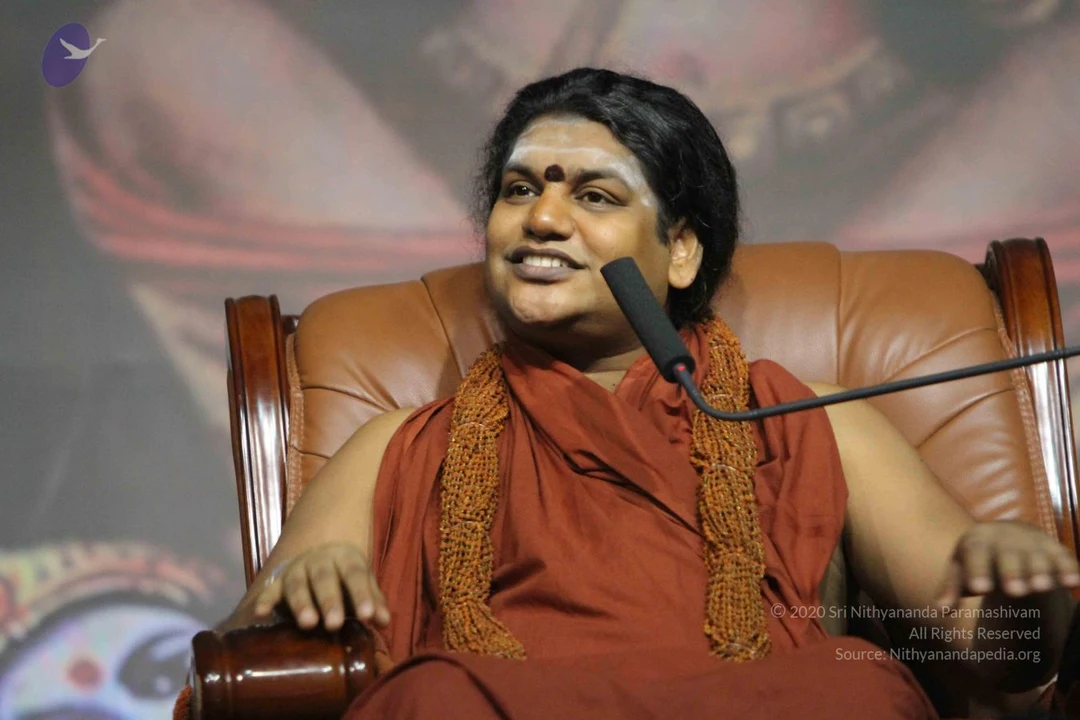
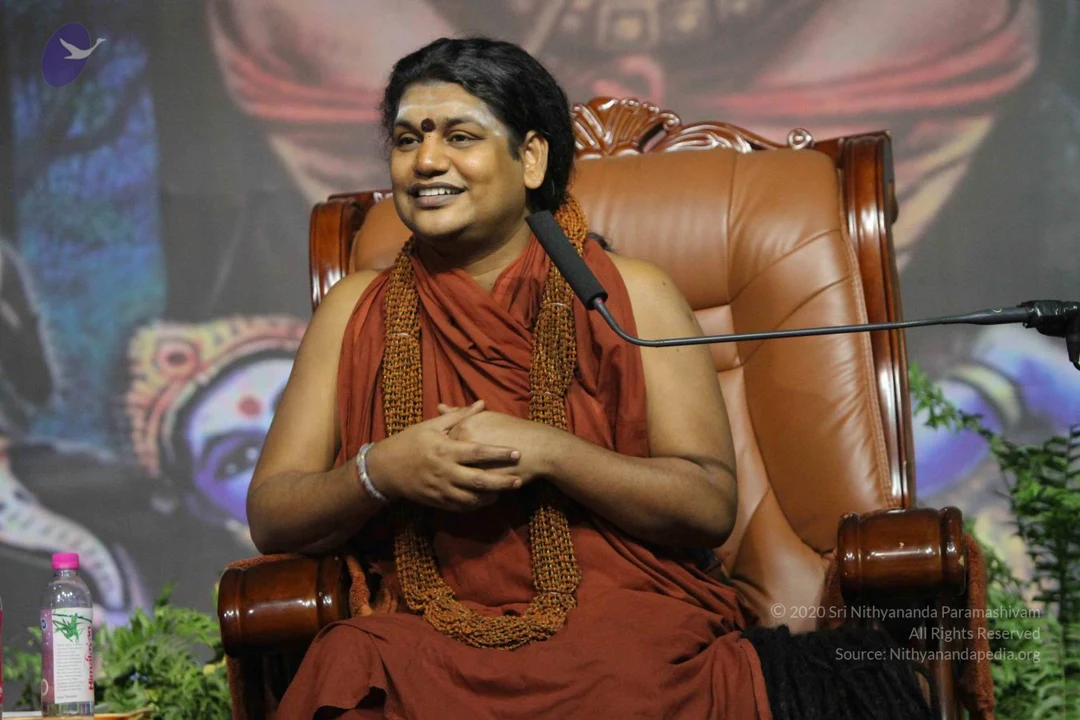
Trying to suppress human beings without letting them taste off the grid life is the greatest conspiracy (parivrajaka-spiritual wandering). All the best things Sanatana Hindu Dharma has is done by rebels who learned to live off the grid when they were young. The powerfulness that brings inside you! After that, even if you are hooked to the grid, the grid will be at your feet. After that, nothing can bind you.
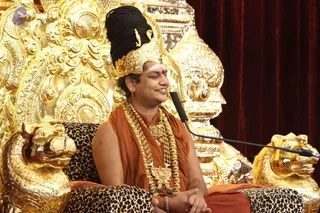
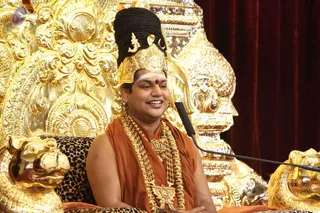
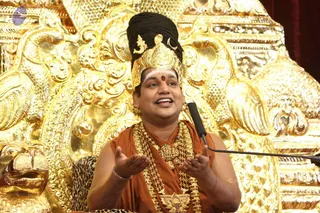
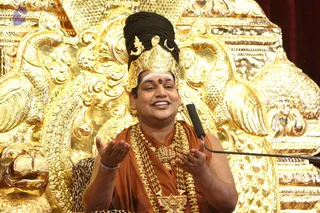
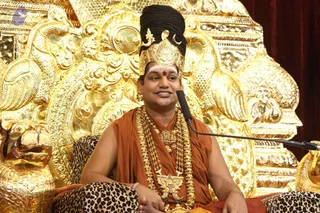
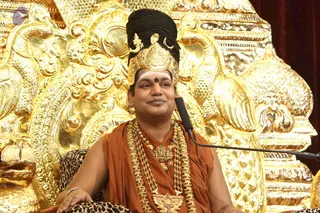
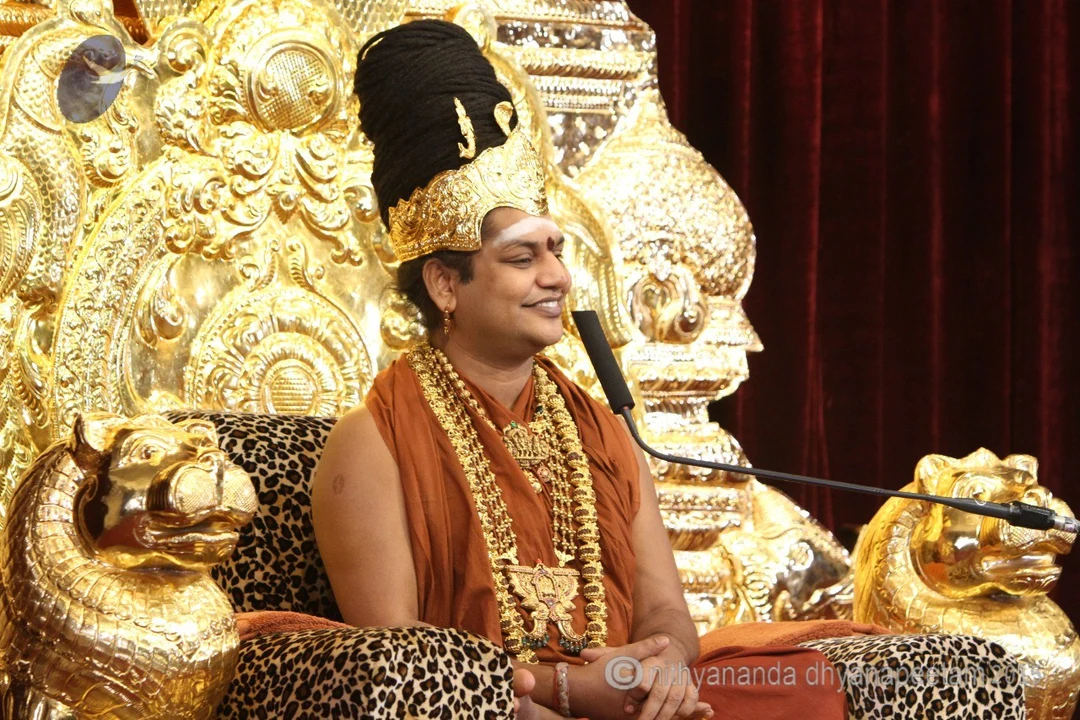
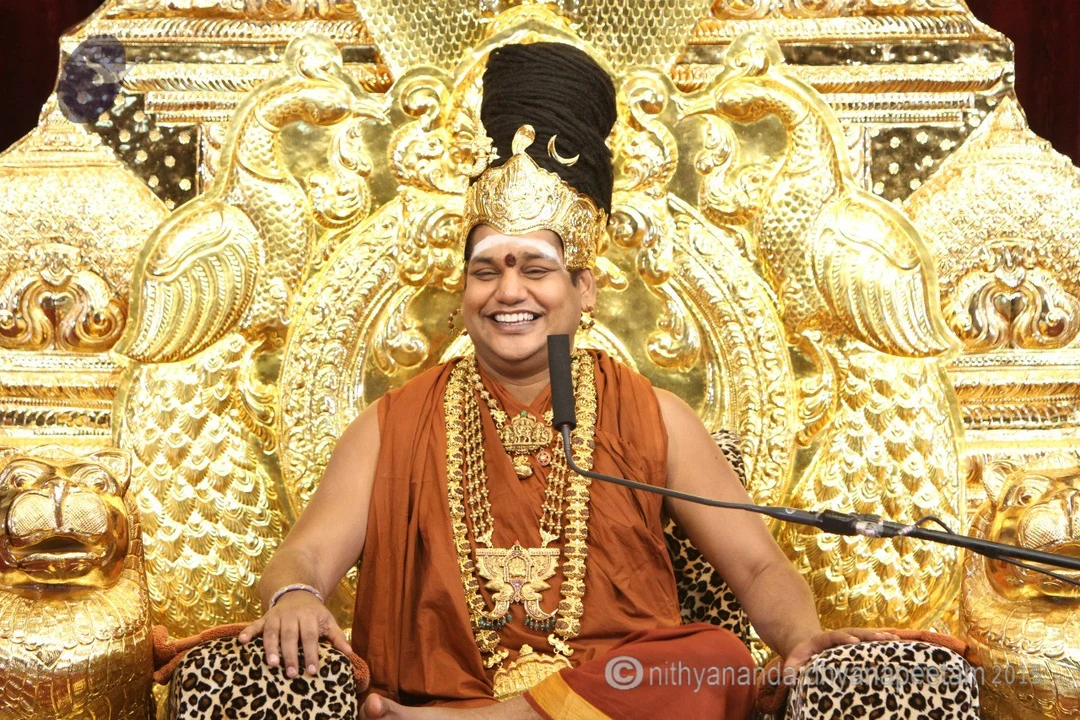
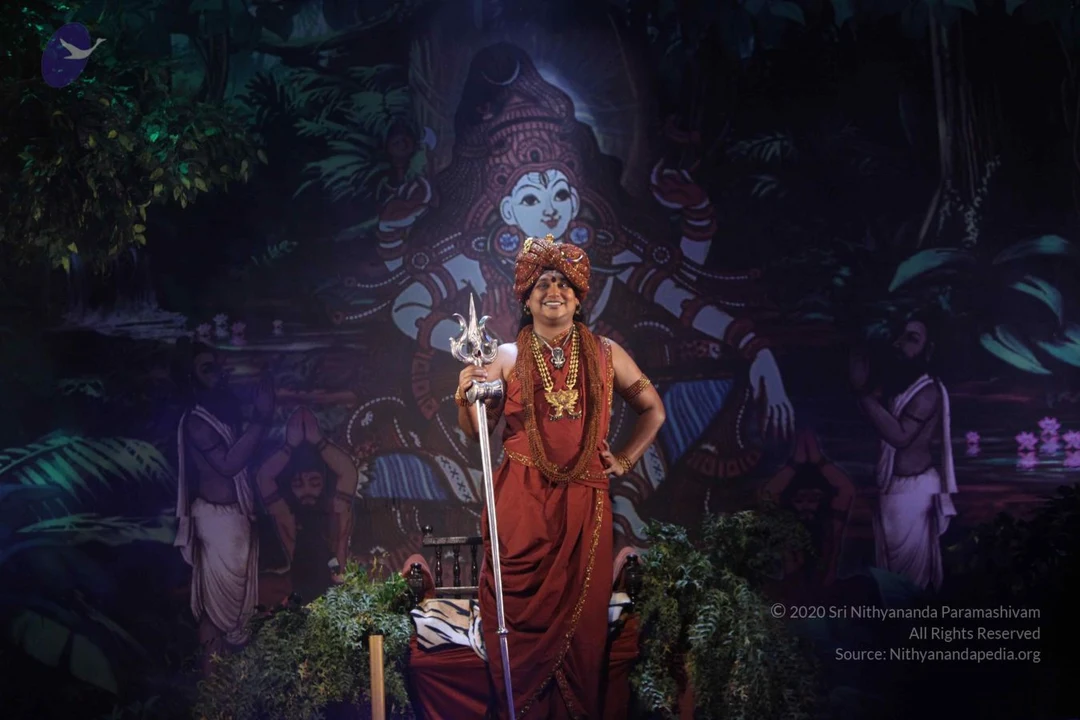
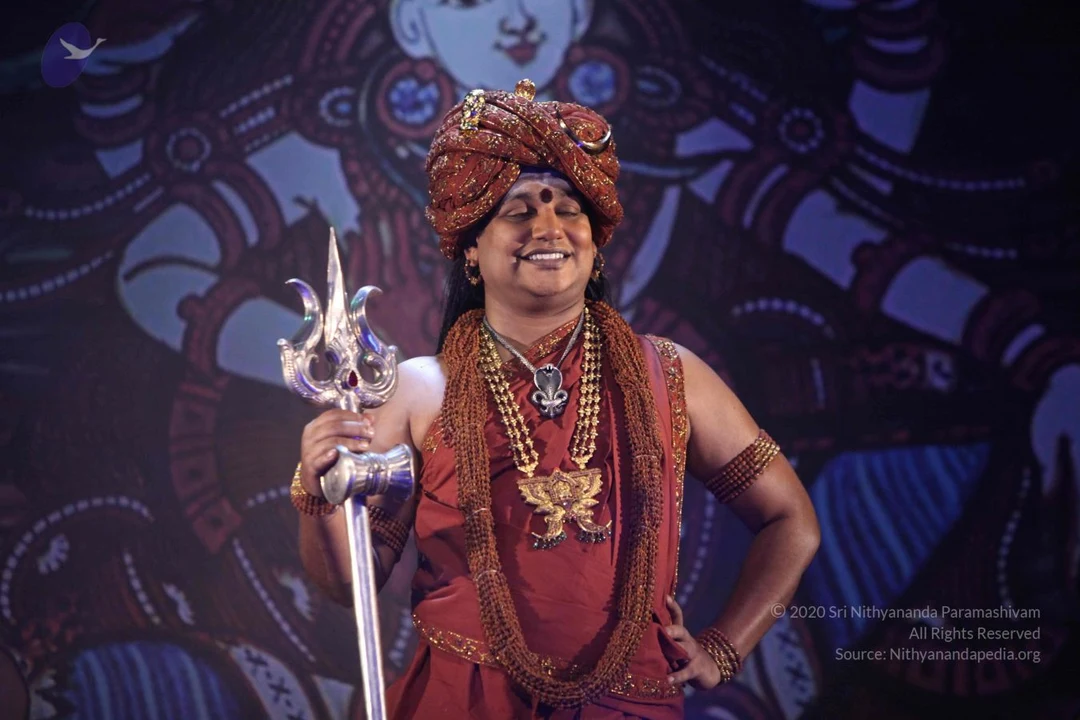
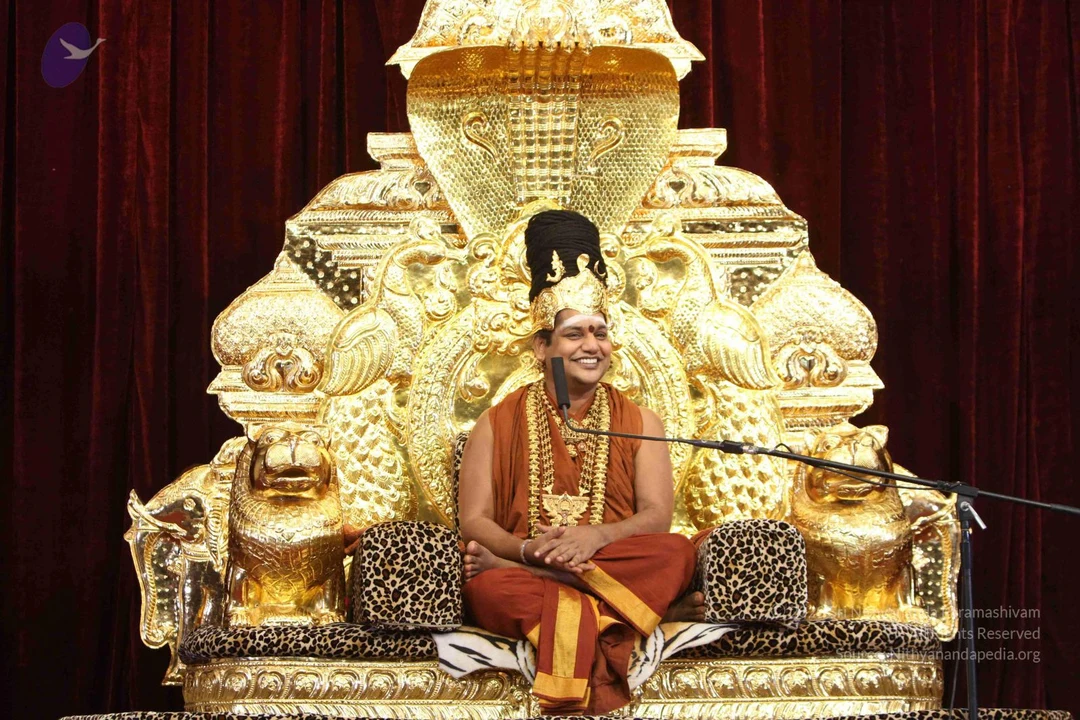
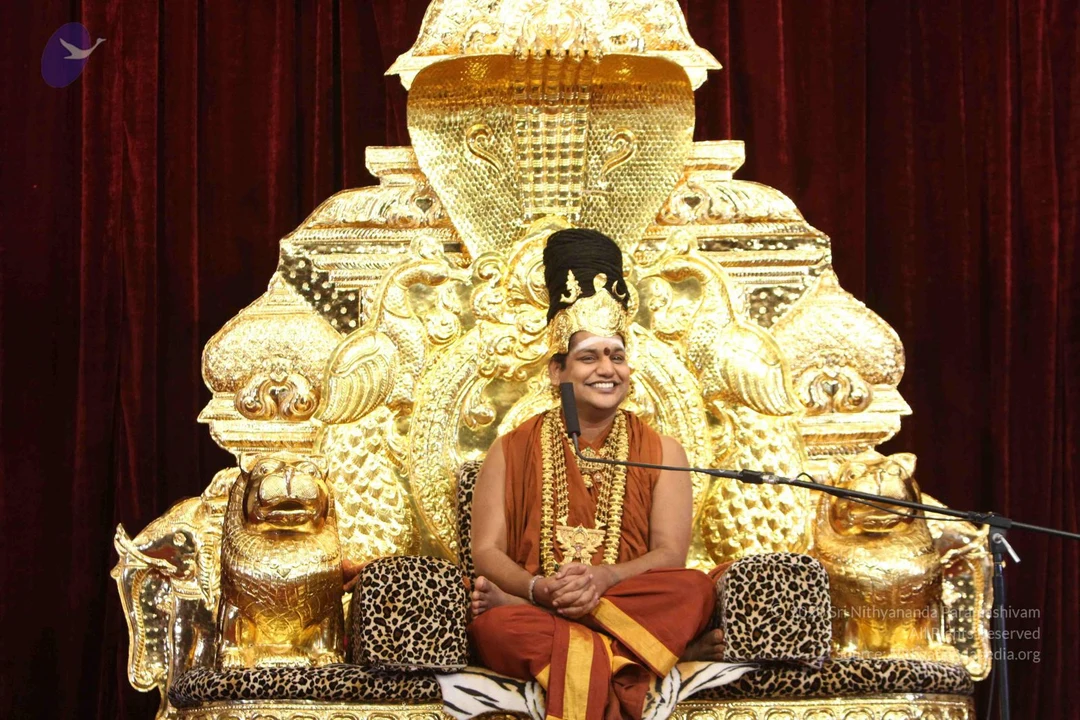
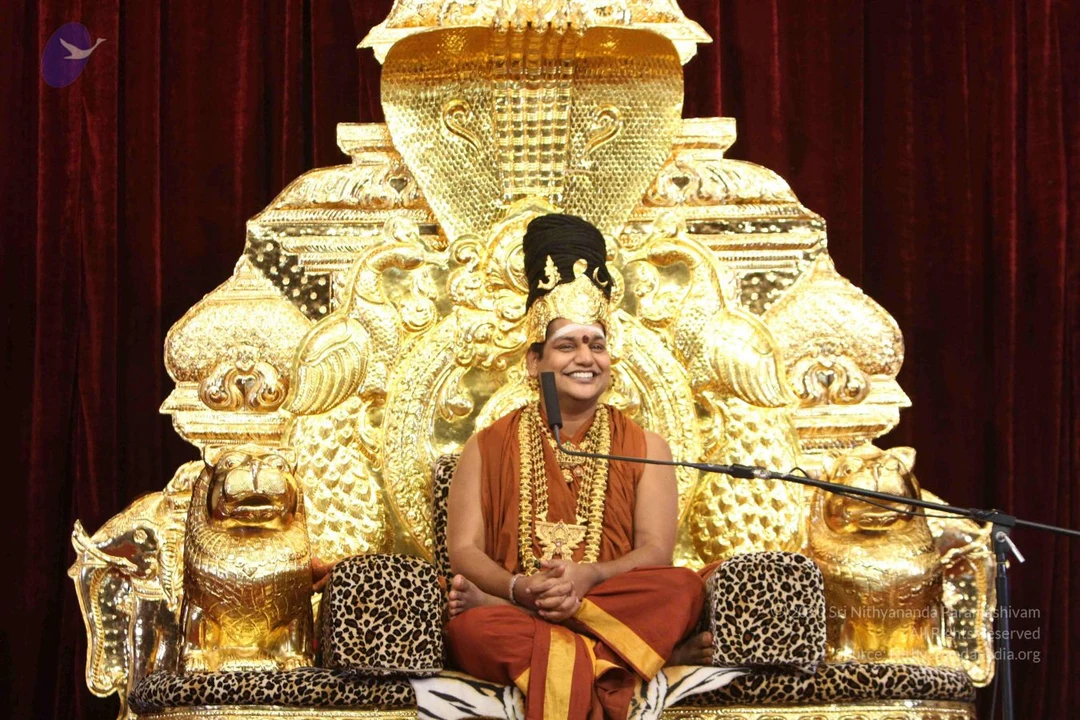
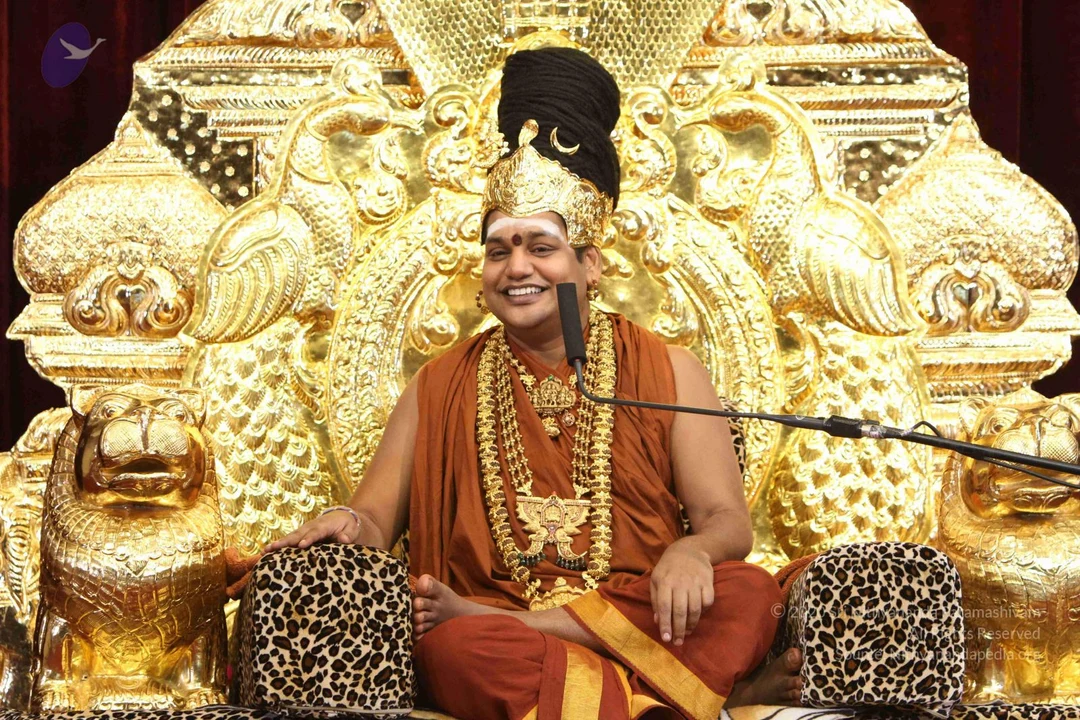
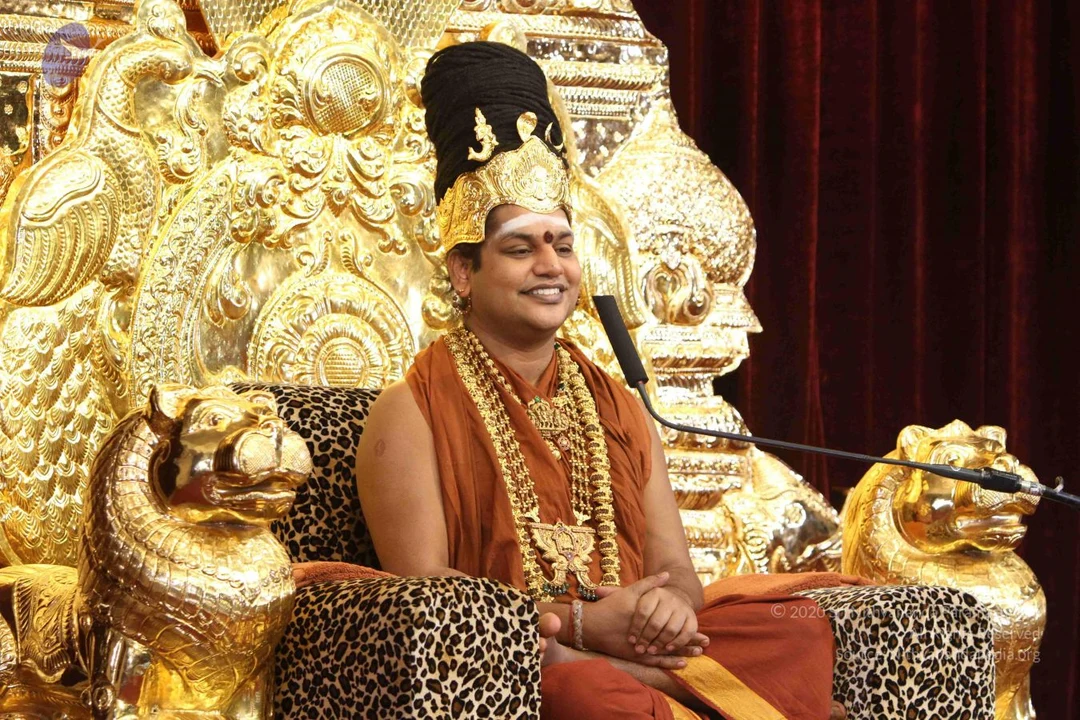
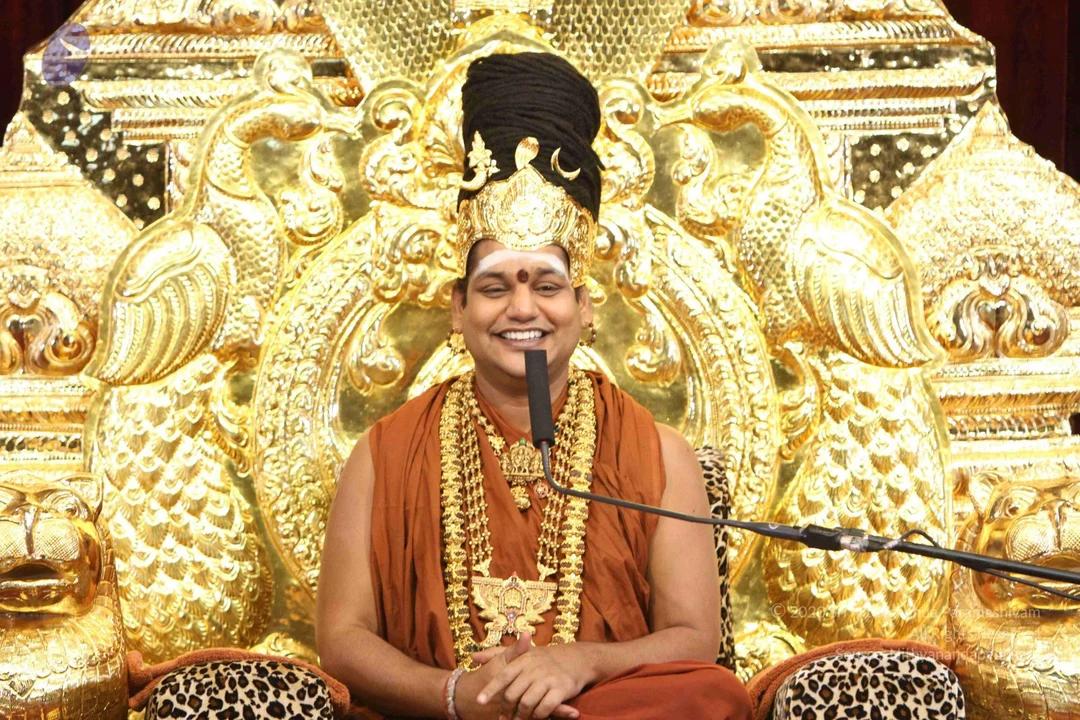
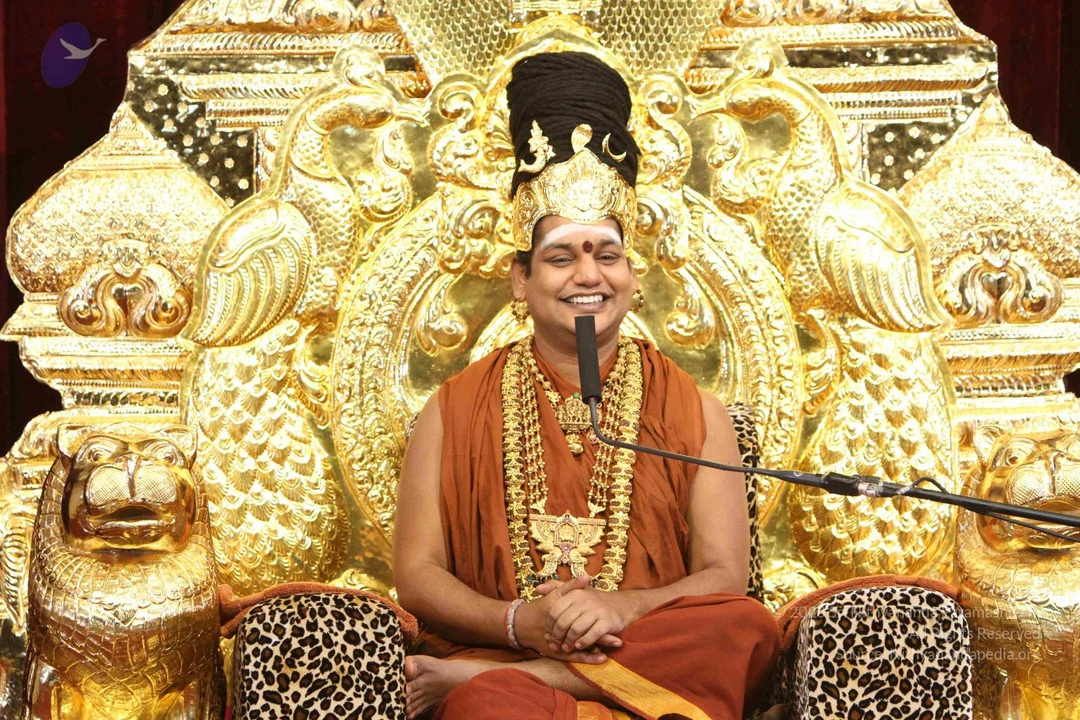
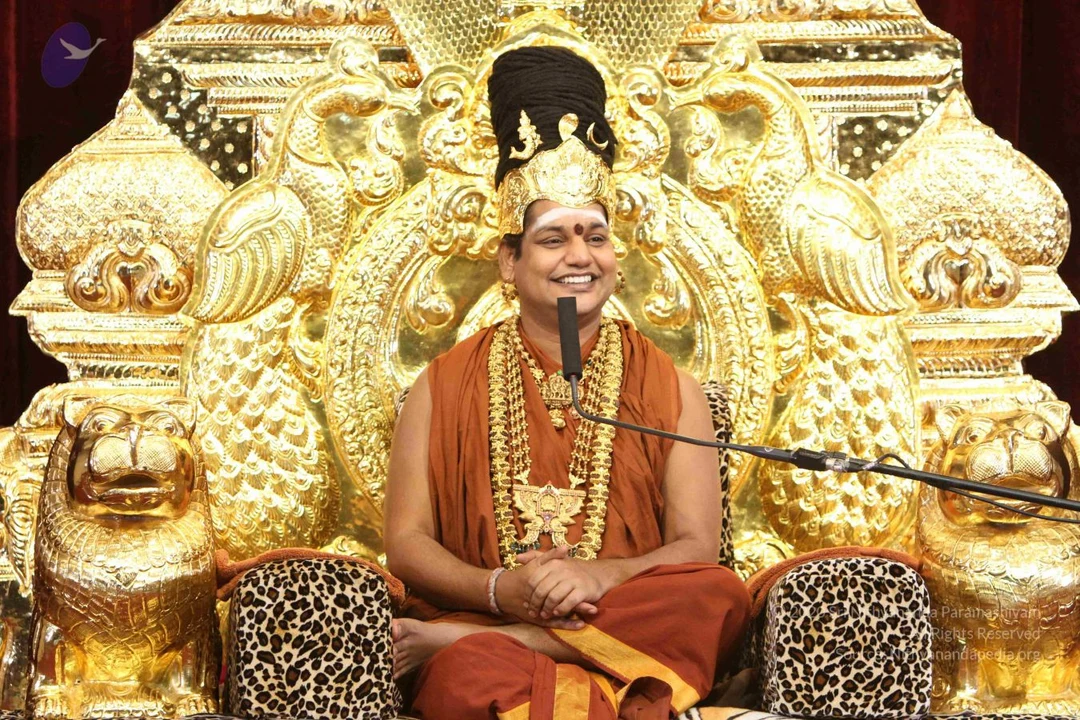
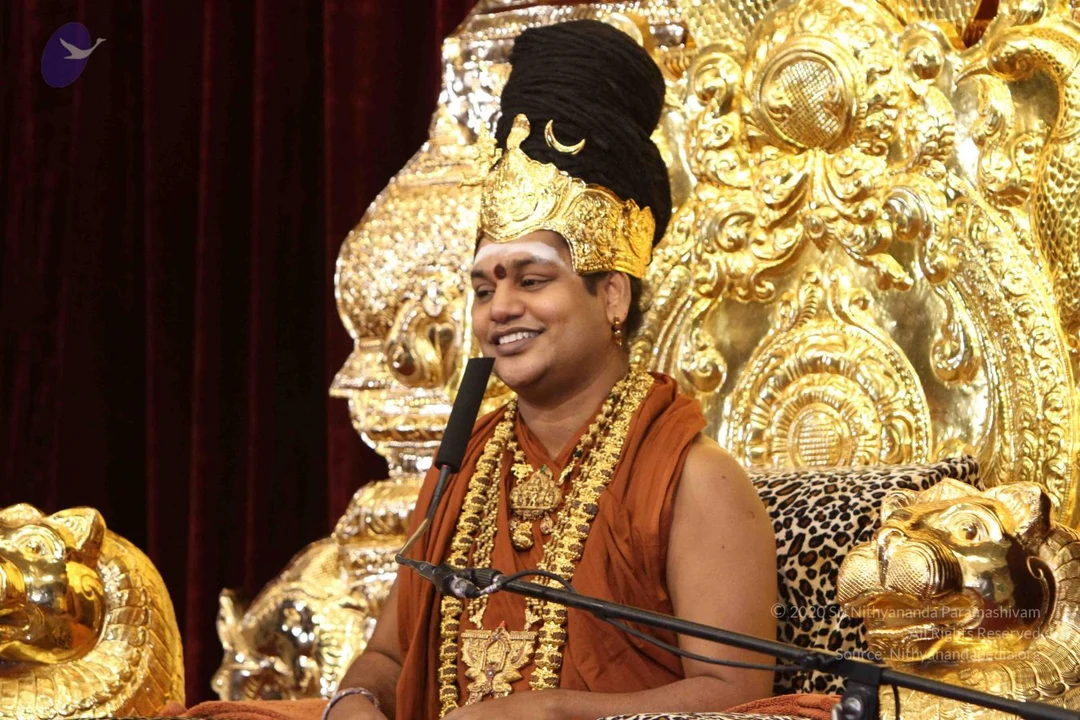
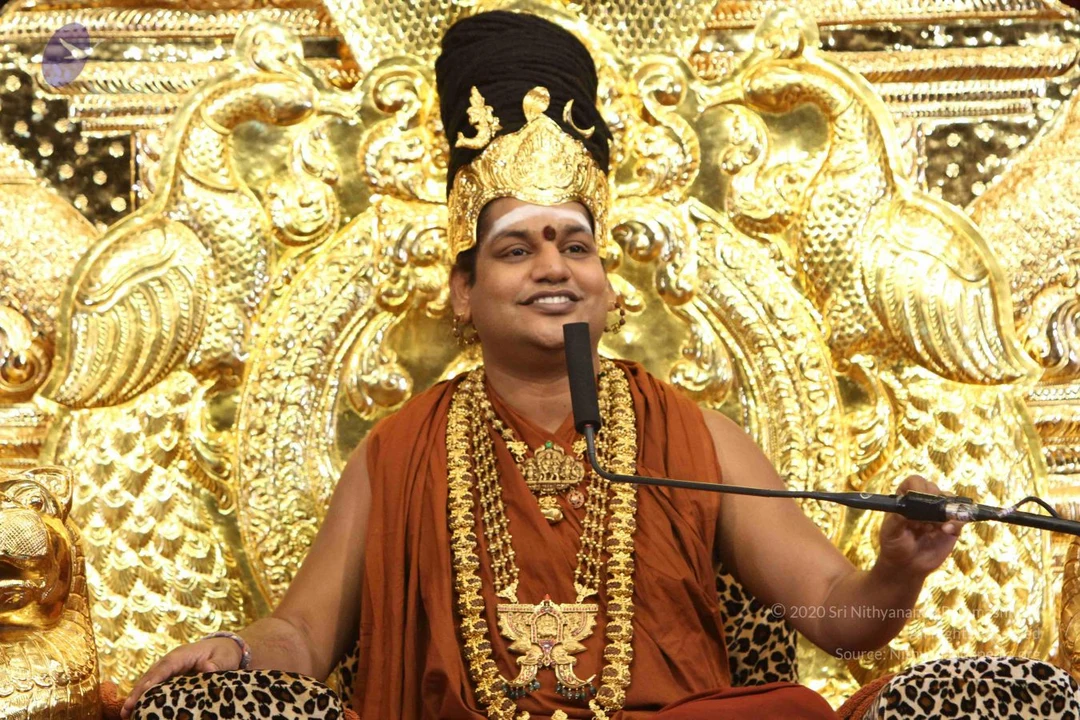
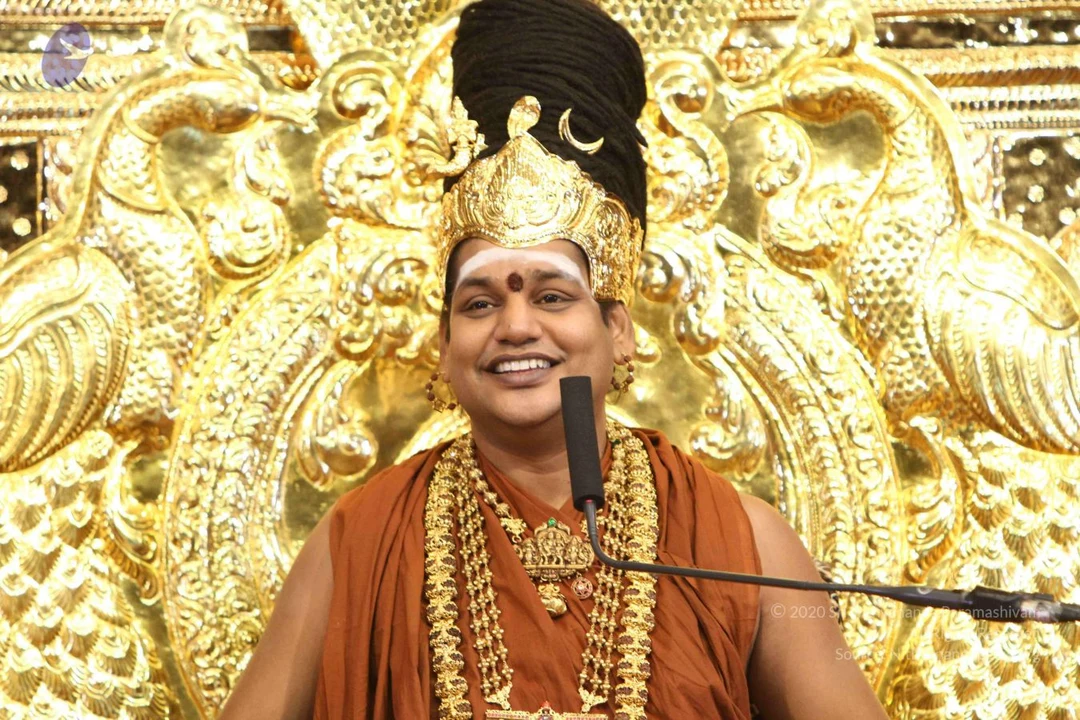
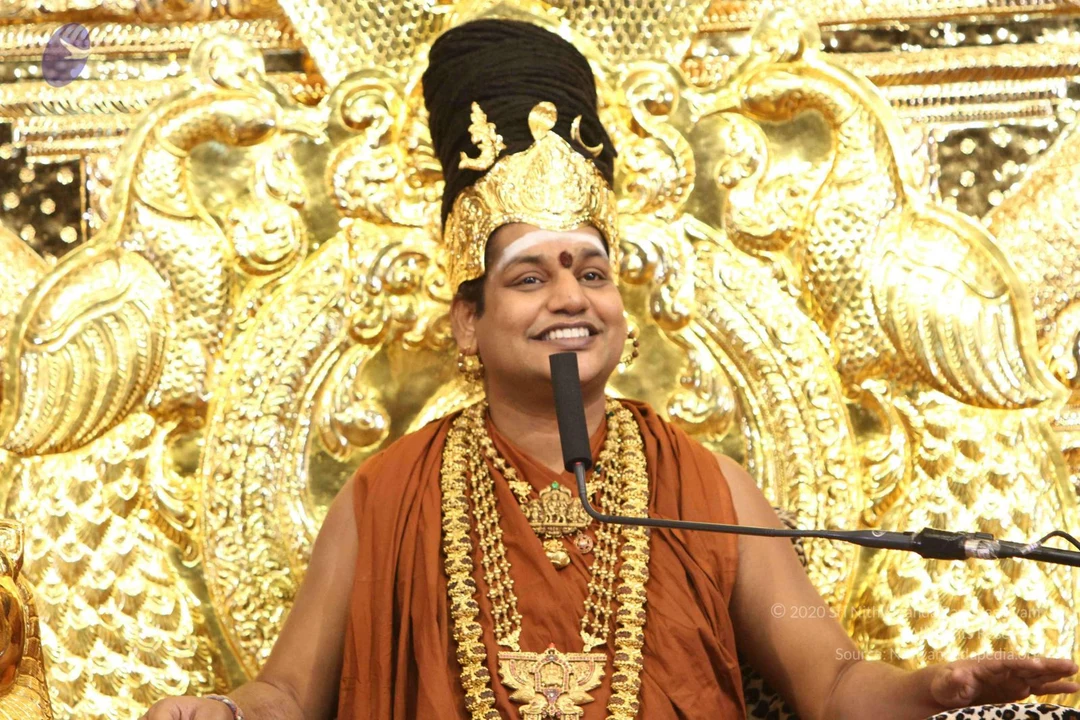
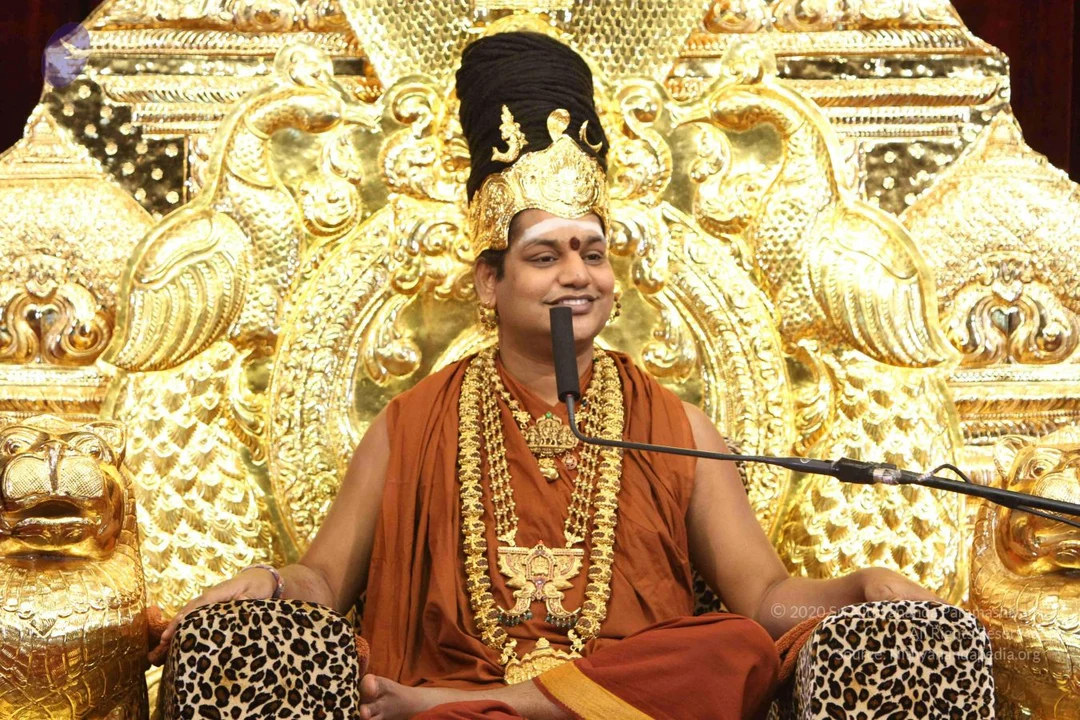
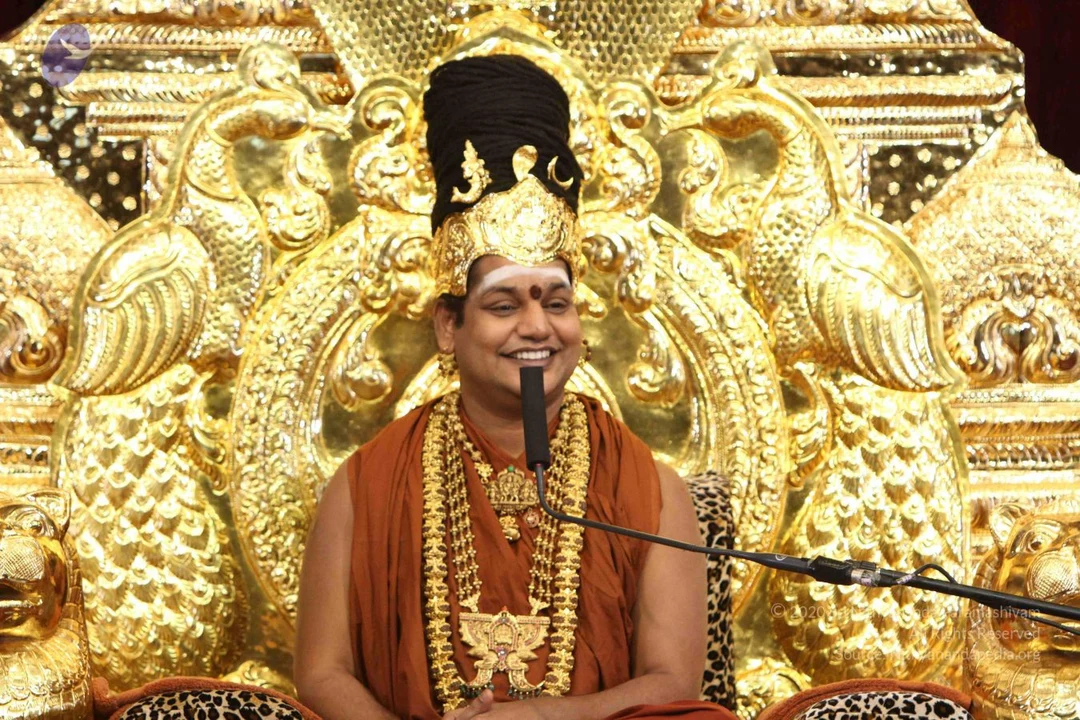
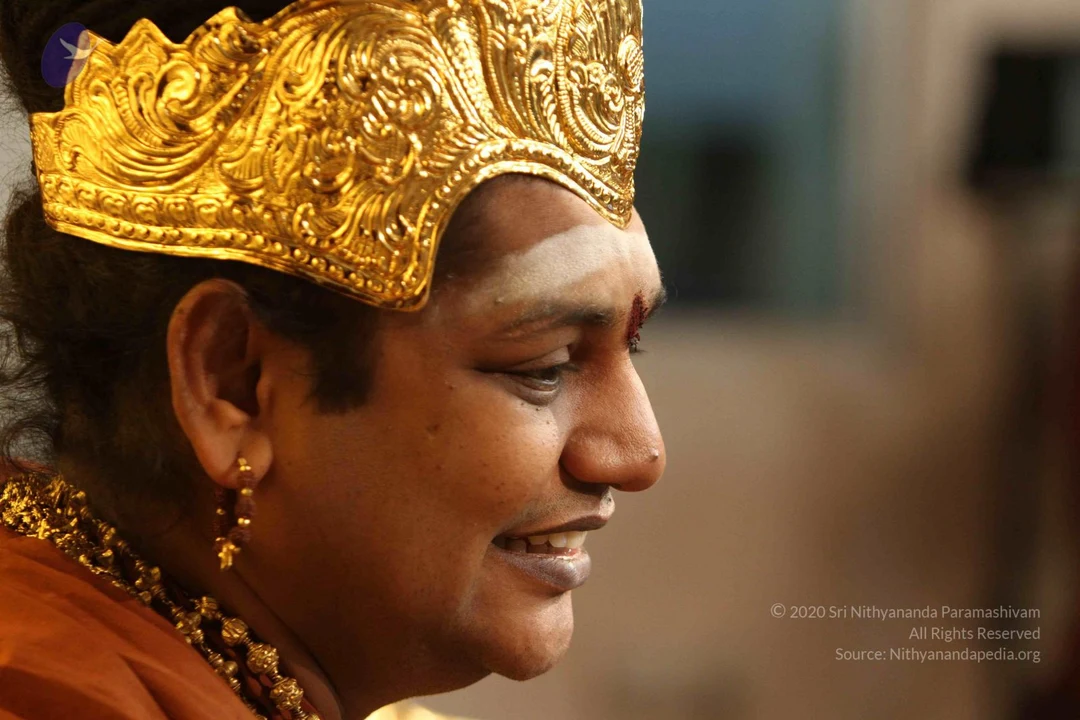
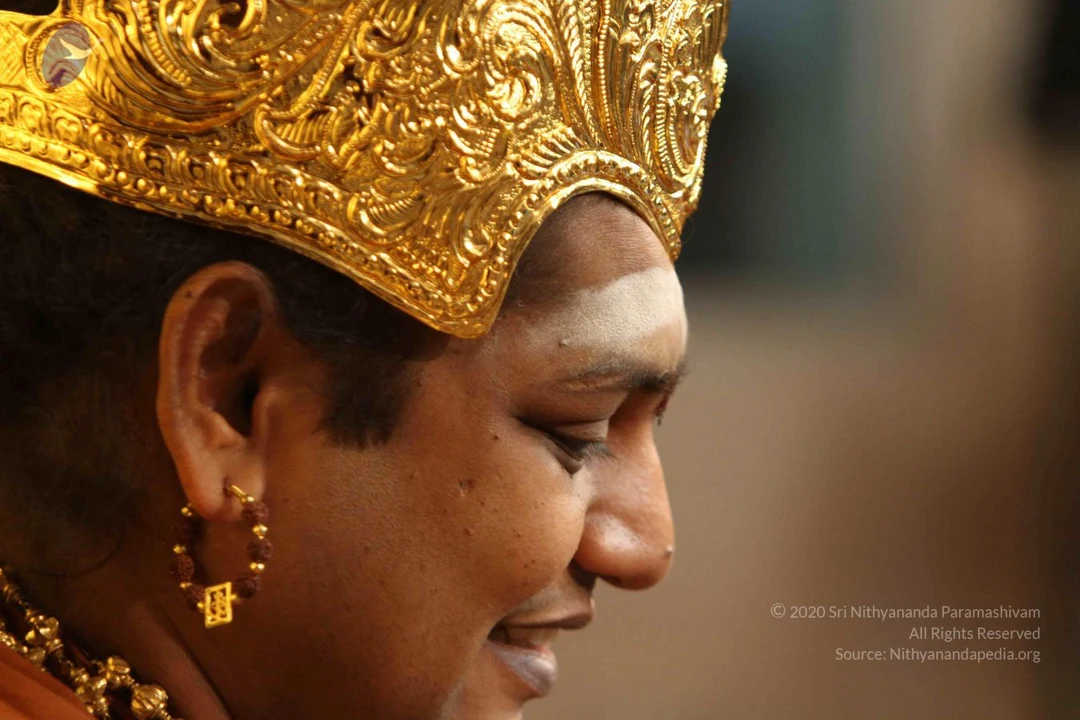
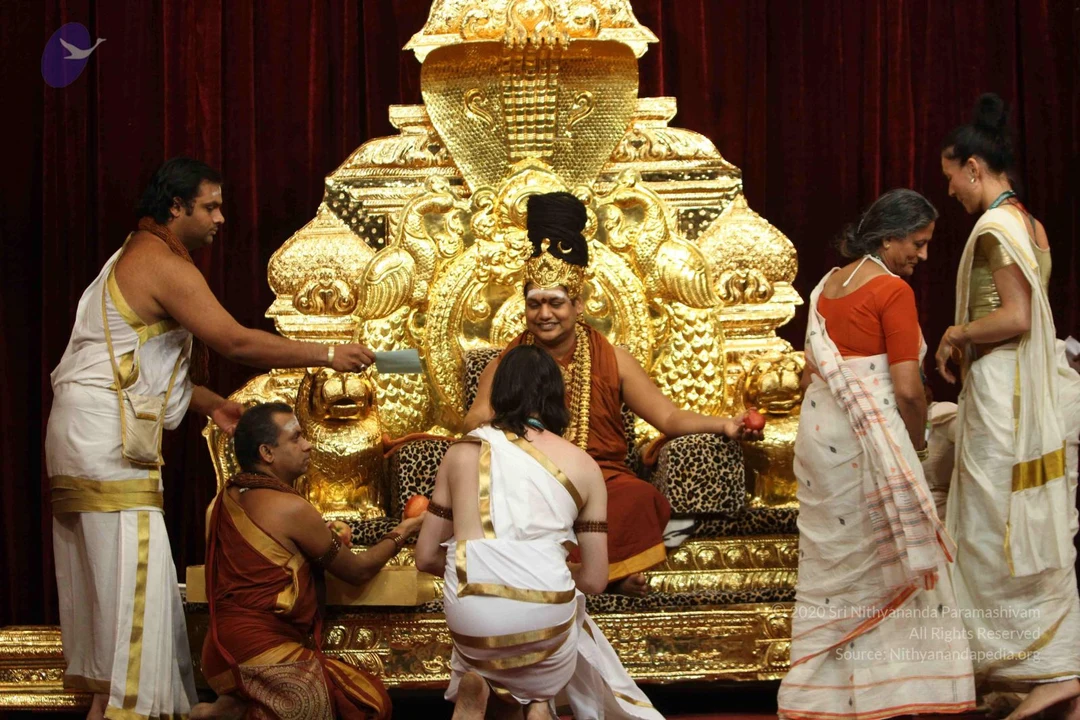
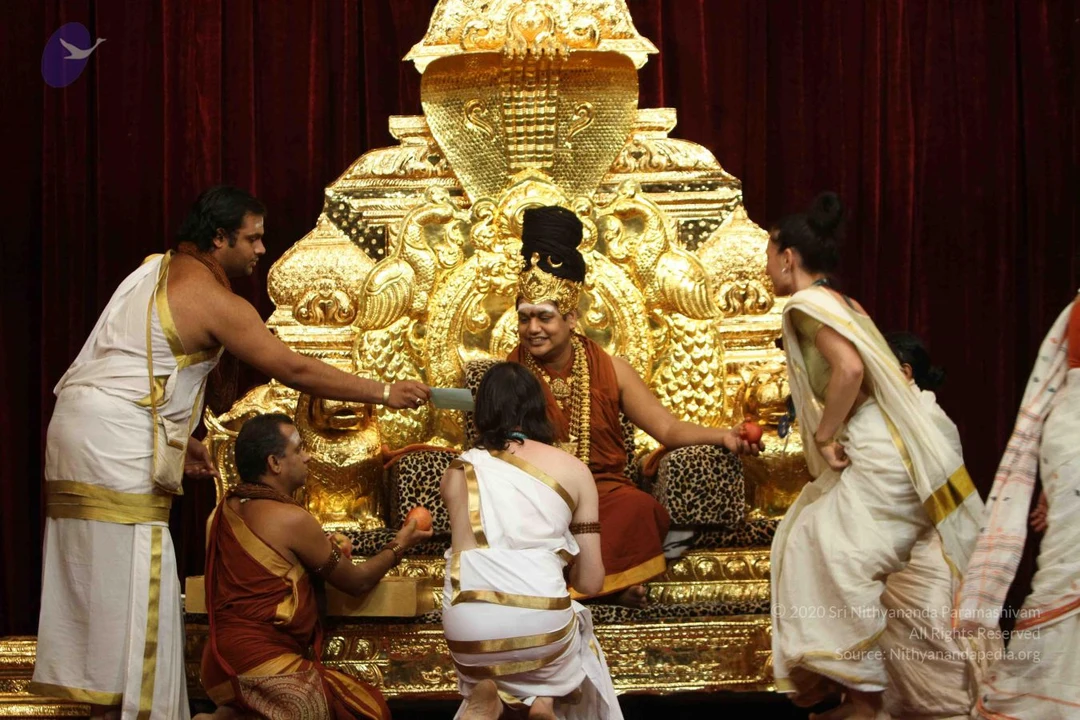
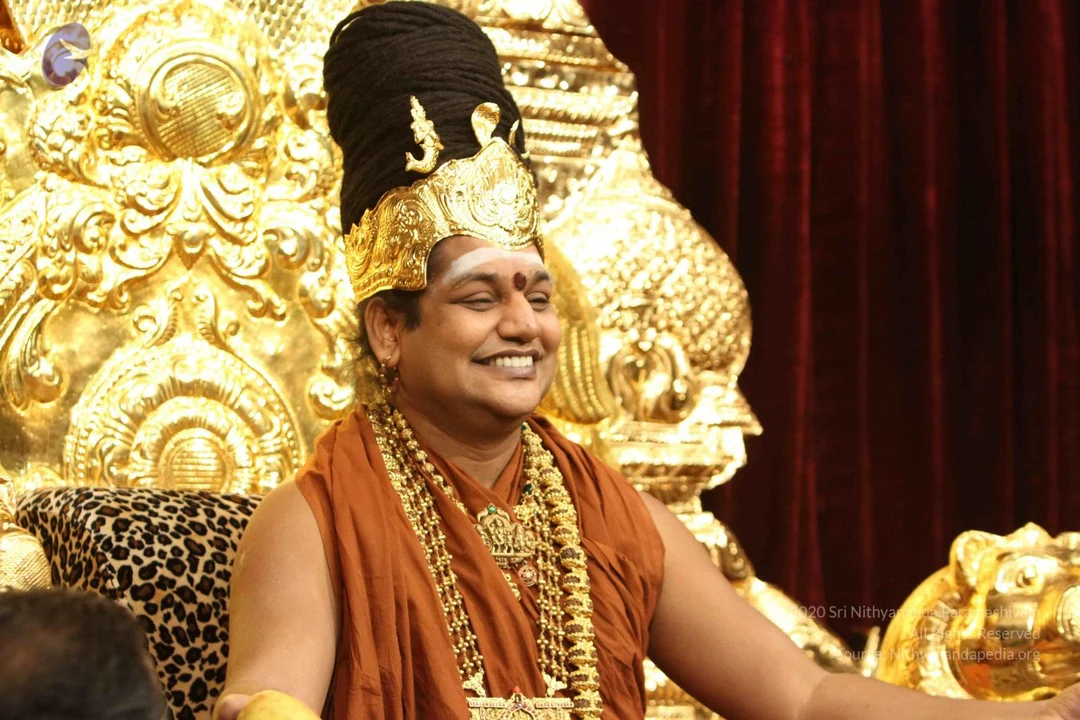
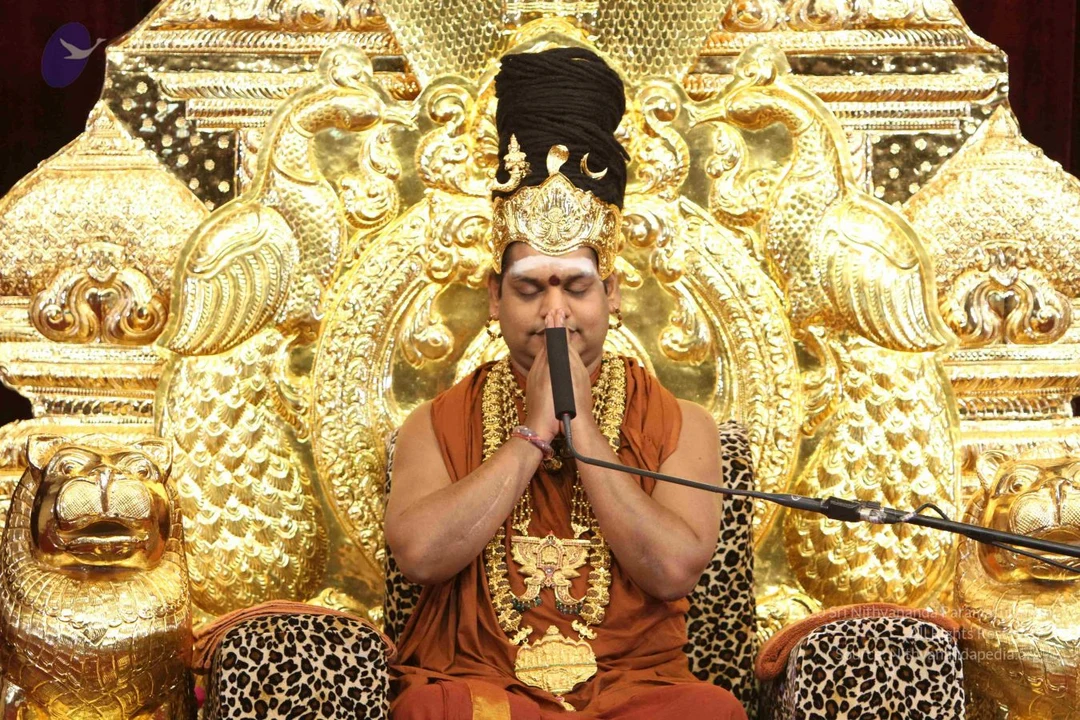
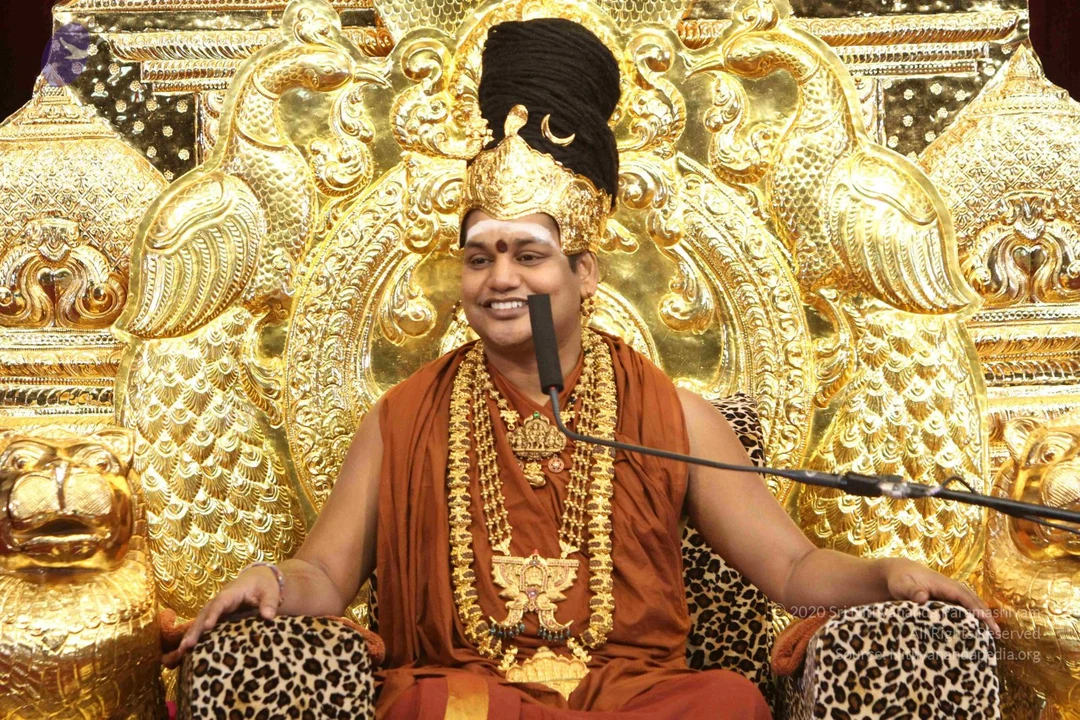
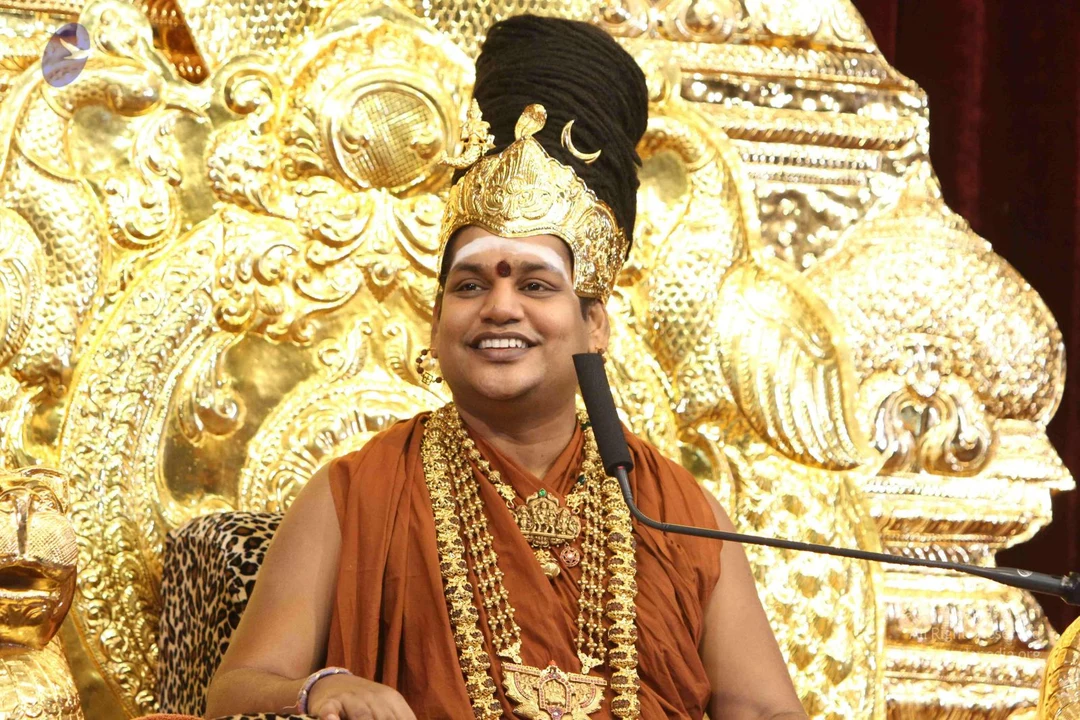
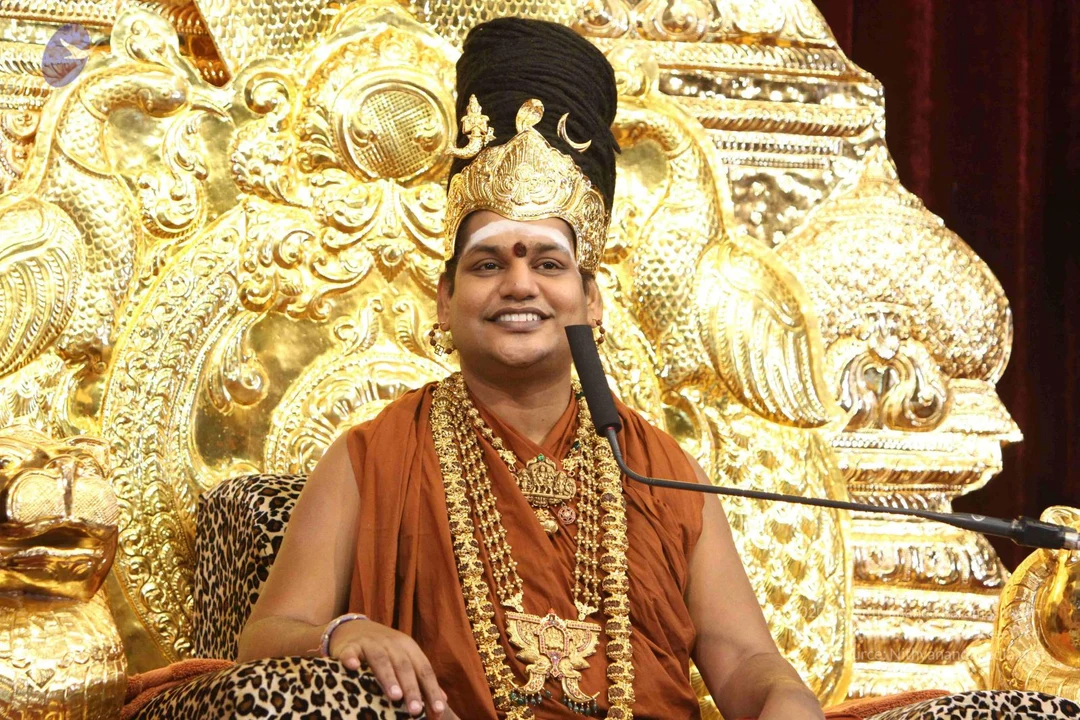
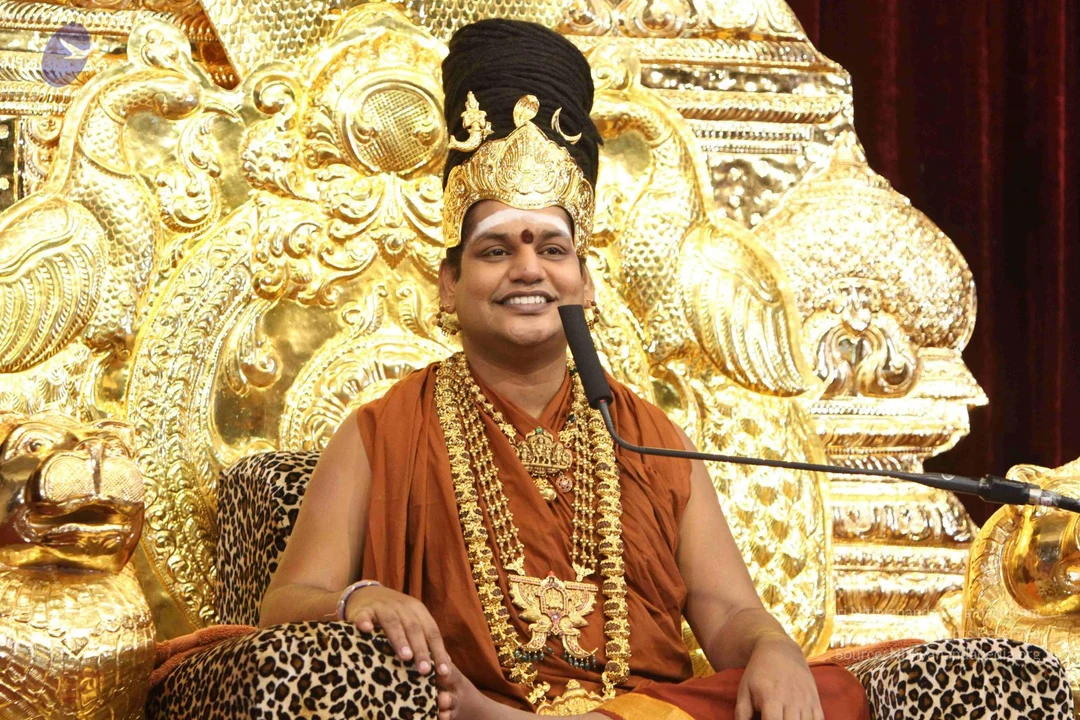
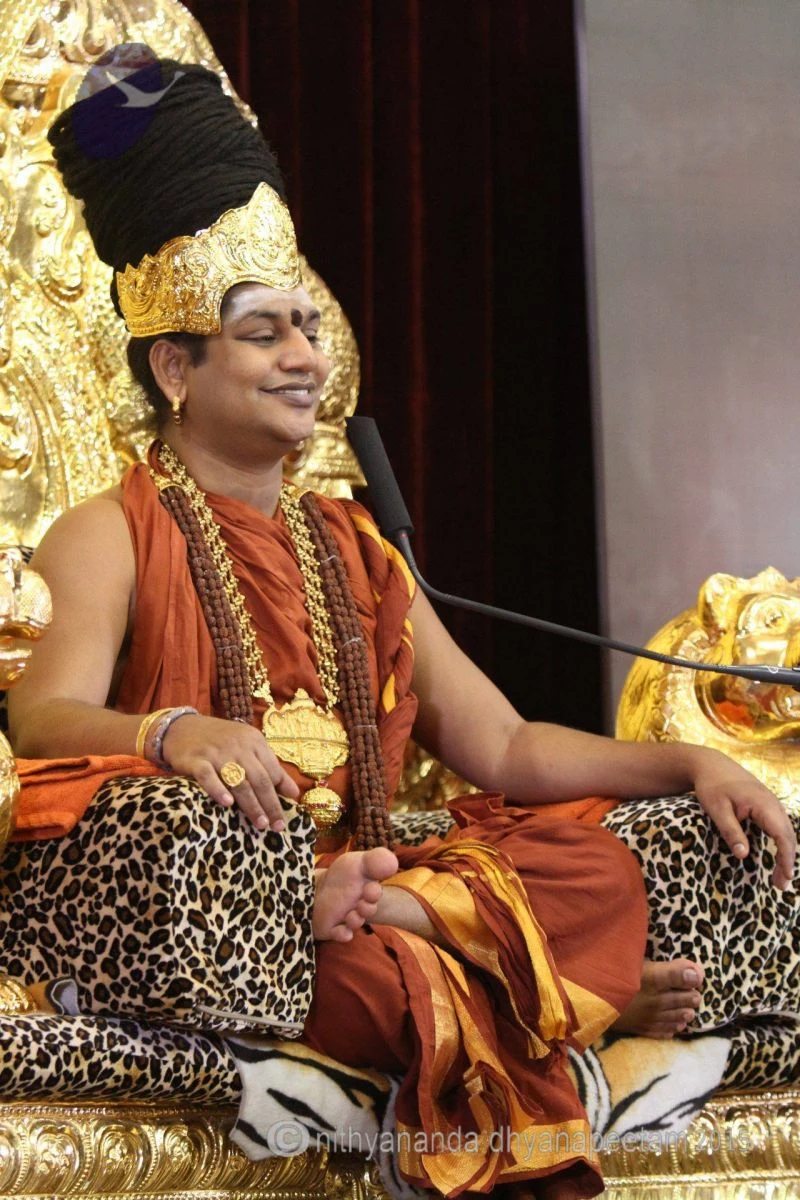
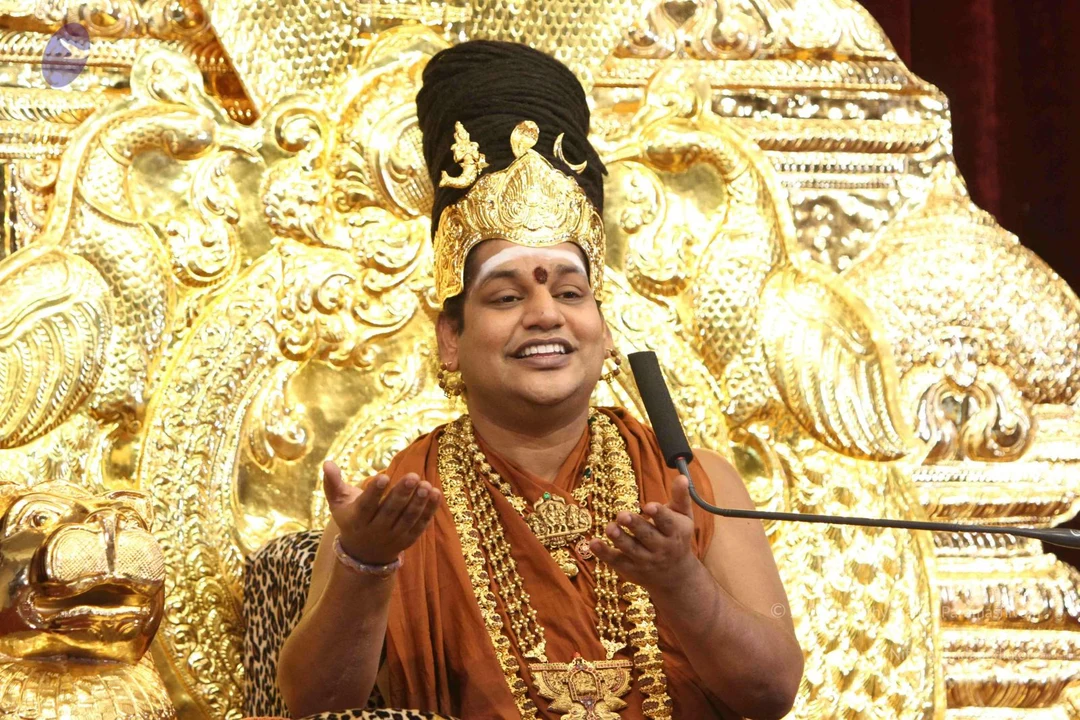
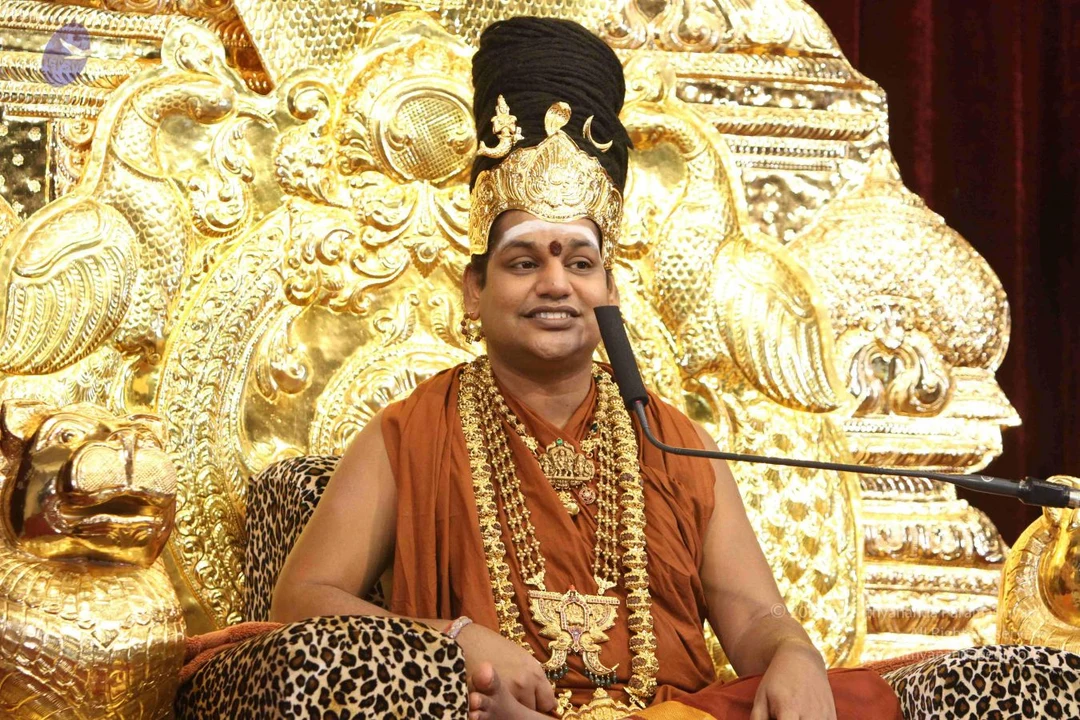
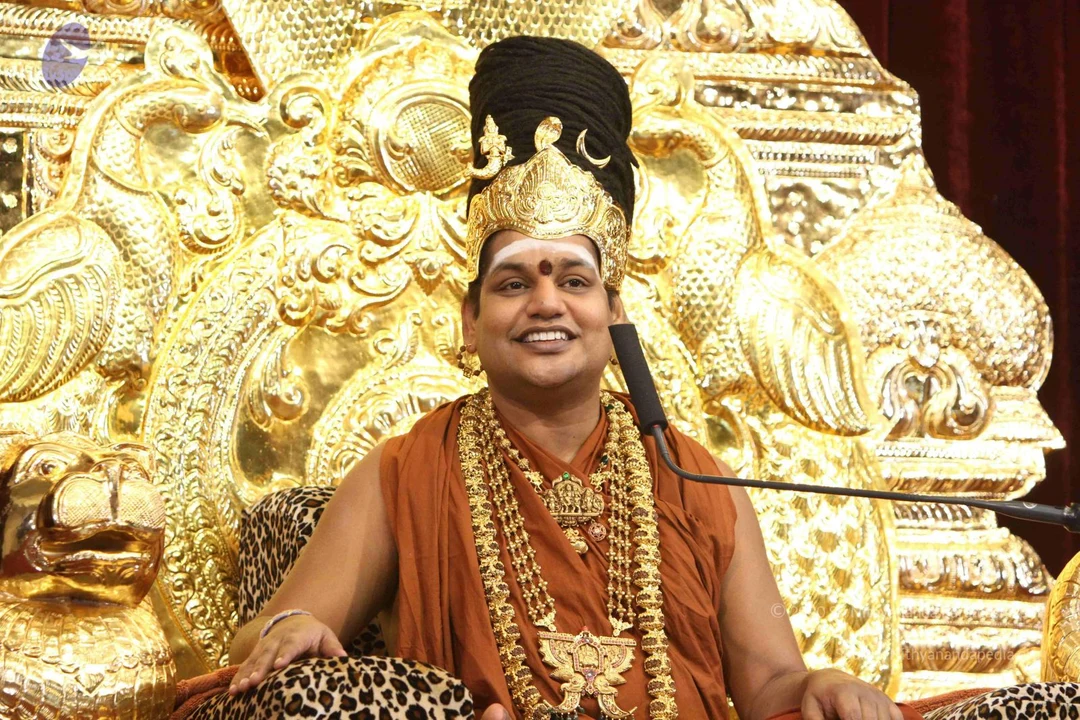
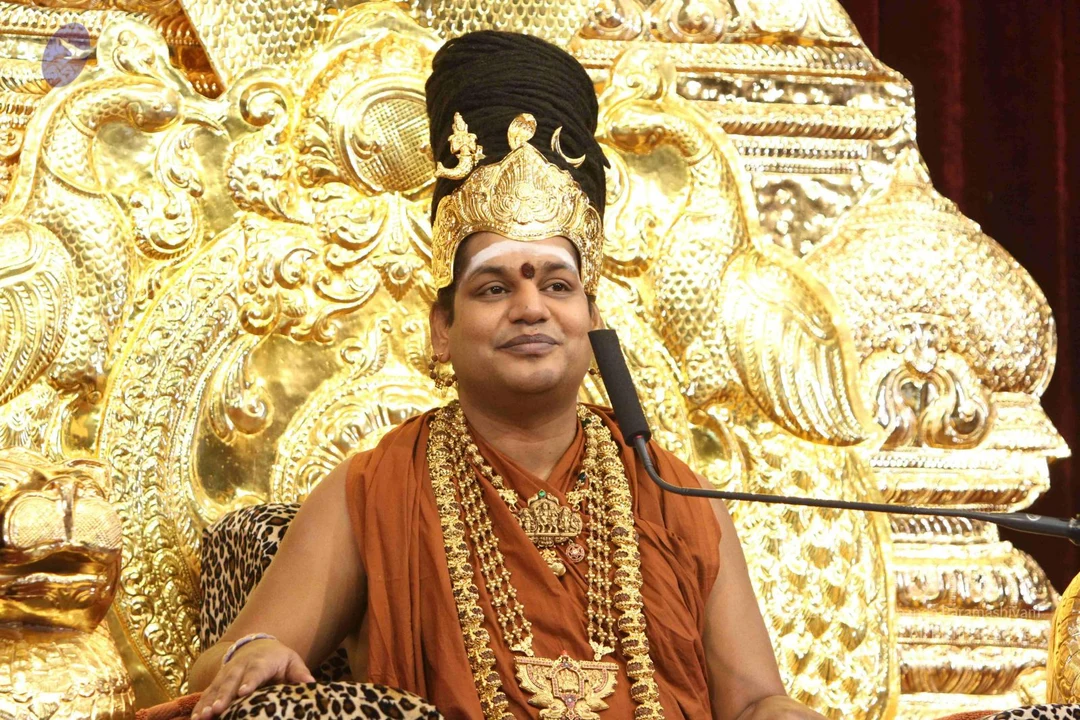
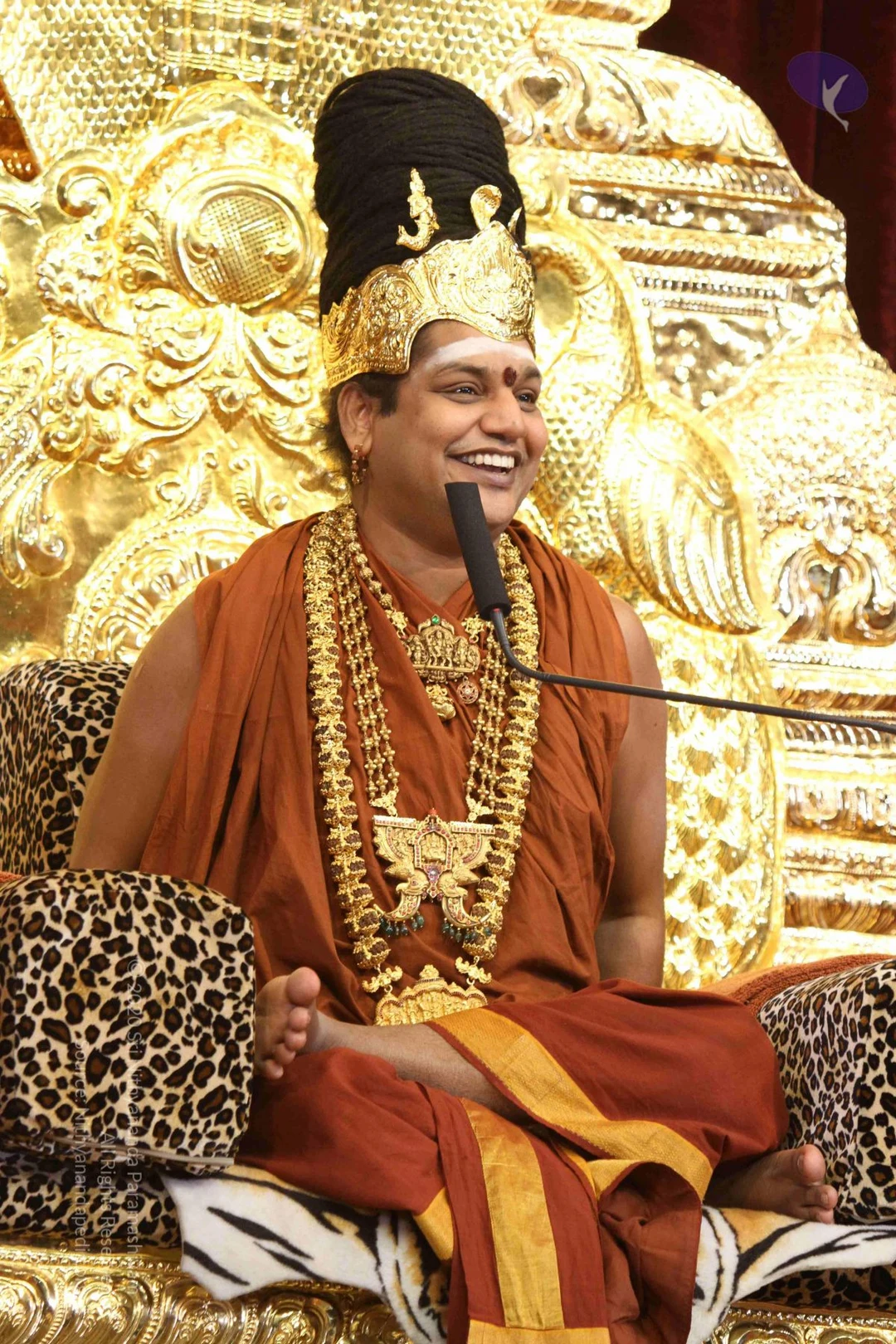
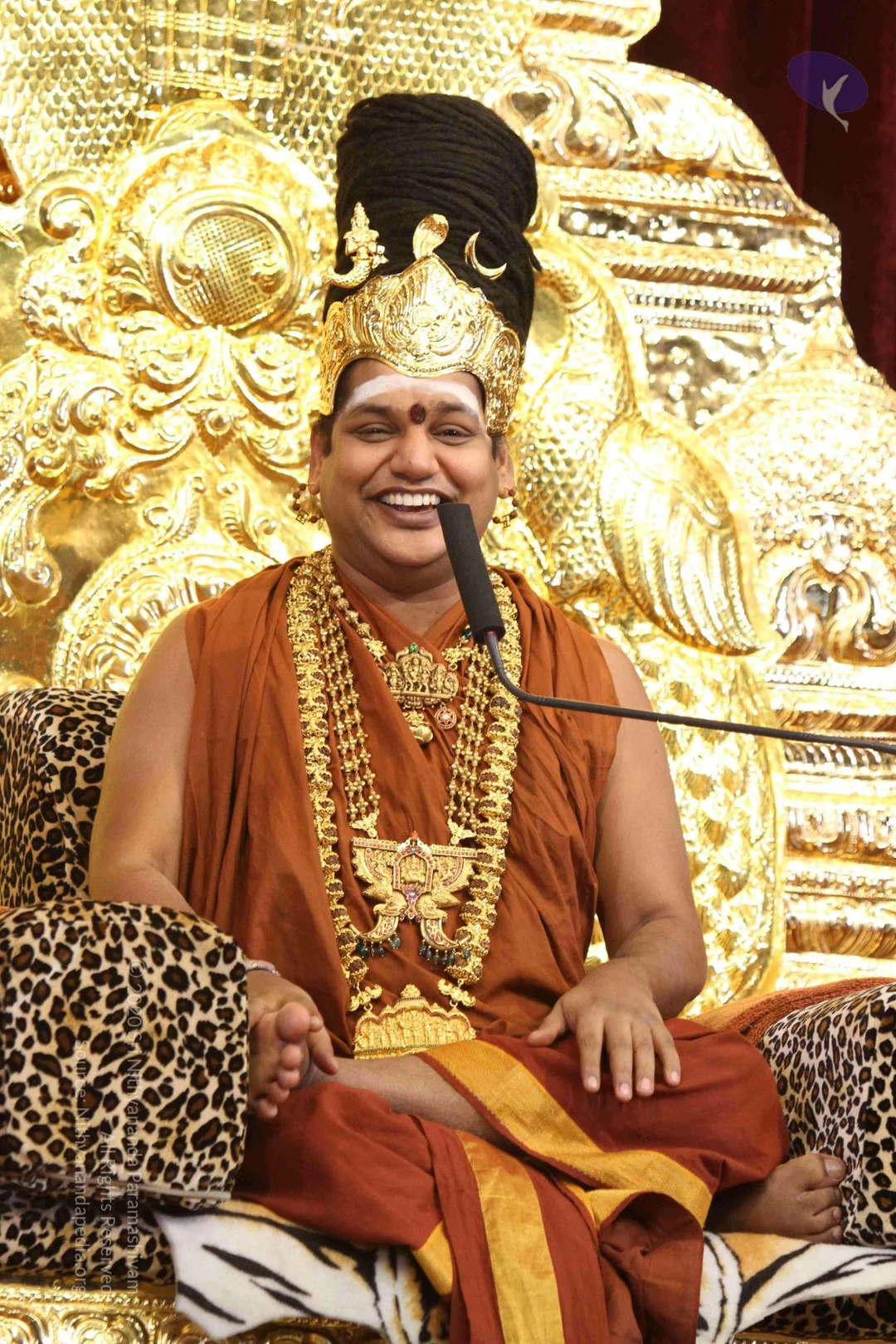
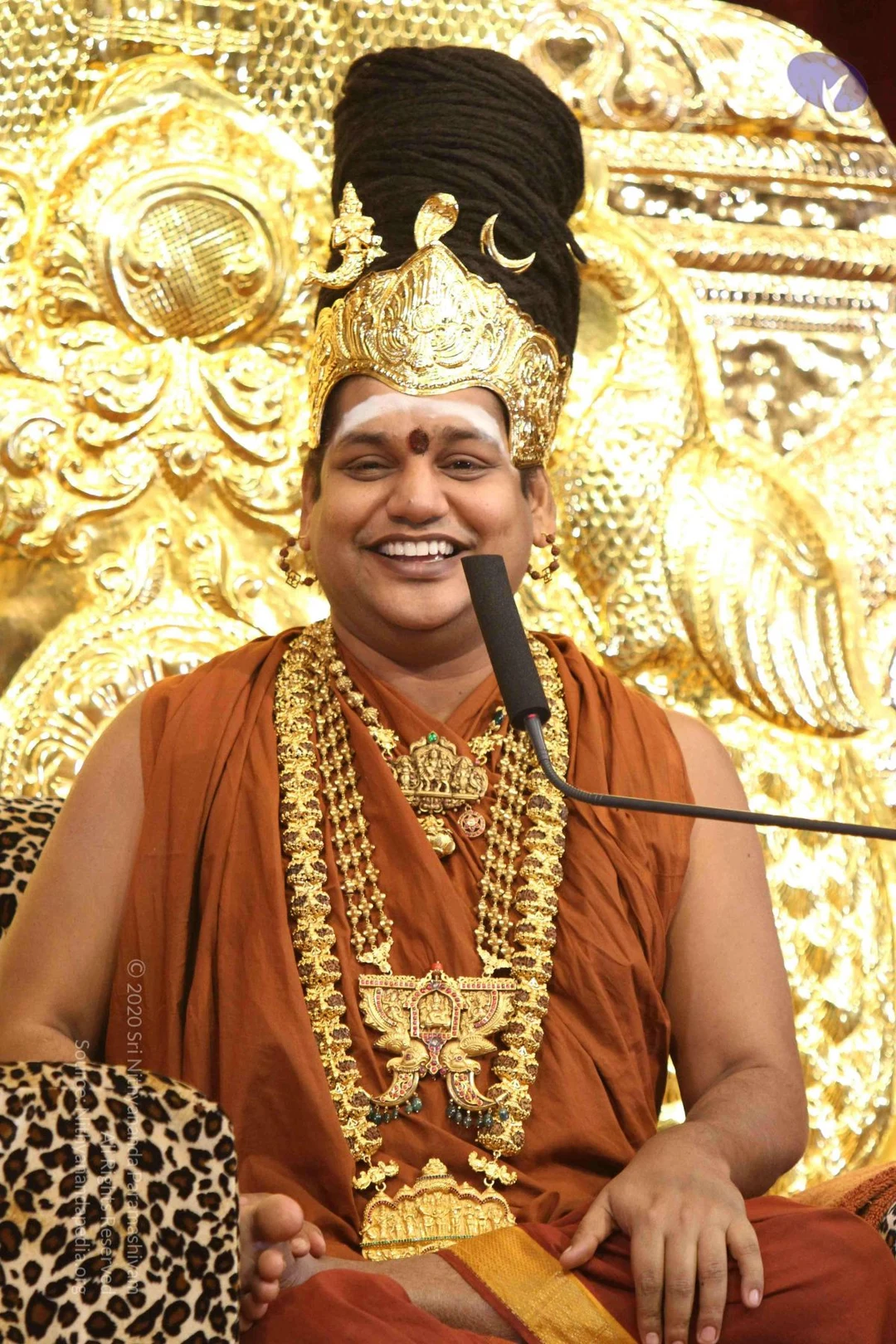
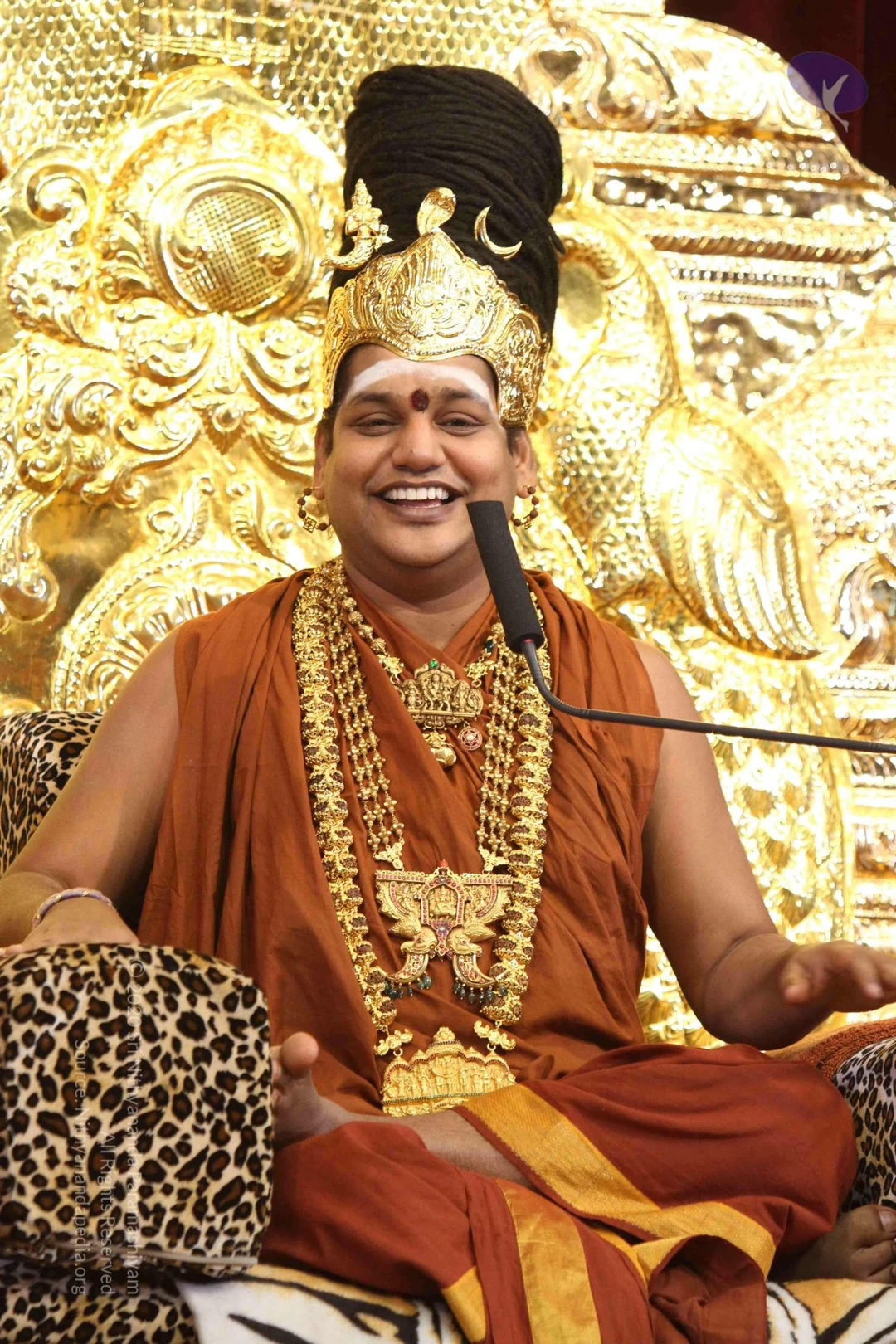
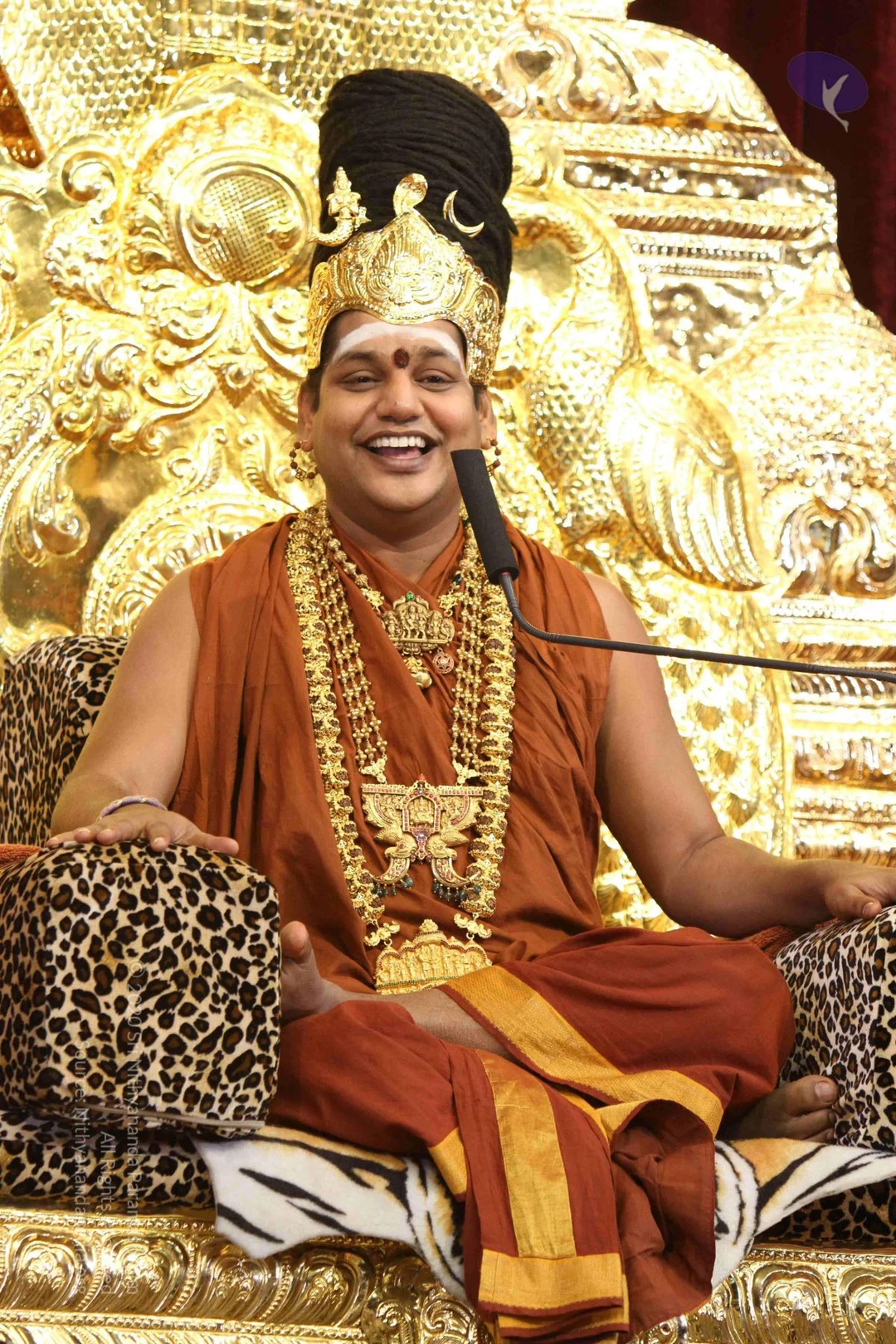
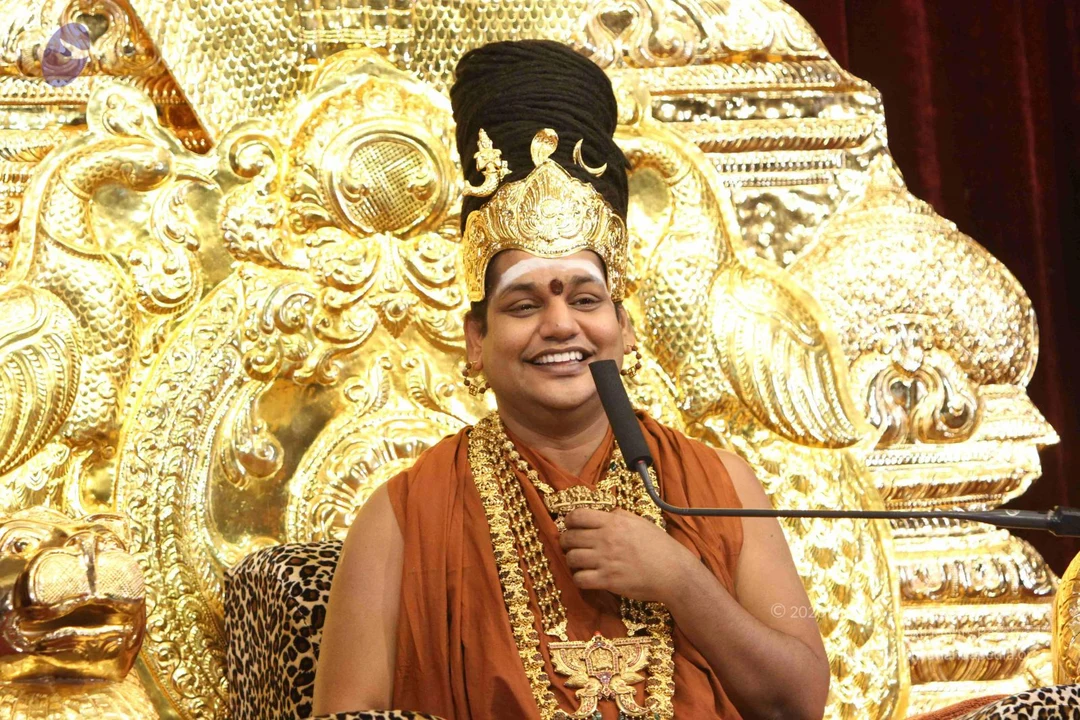
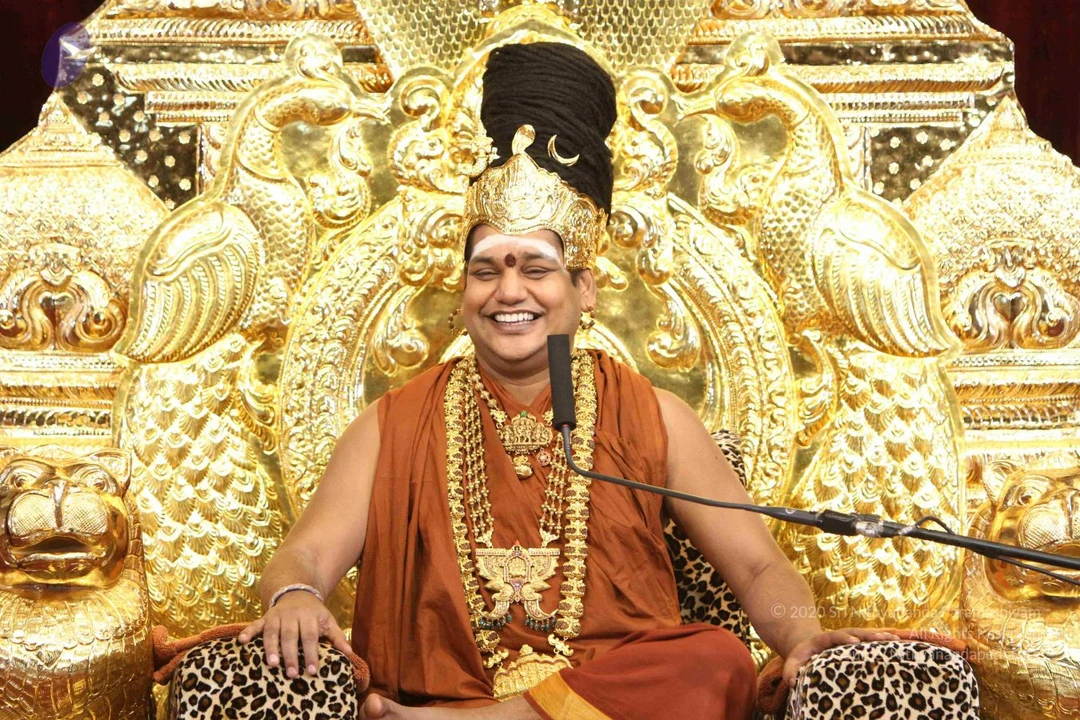
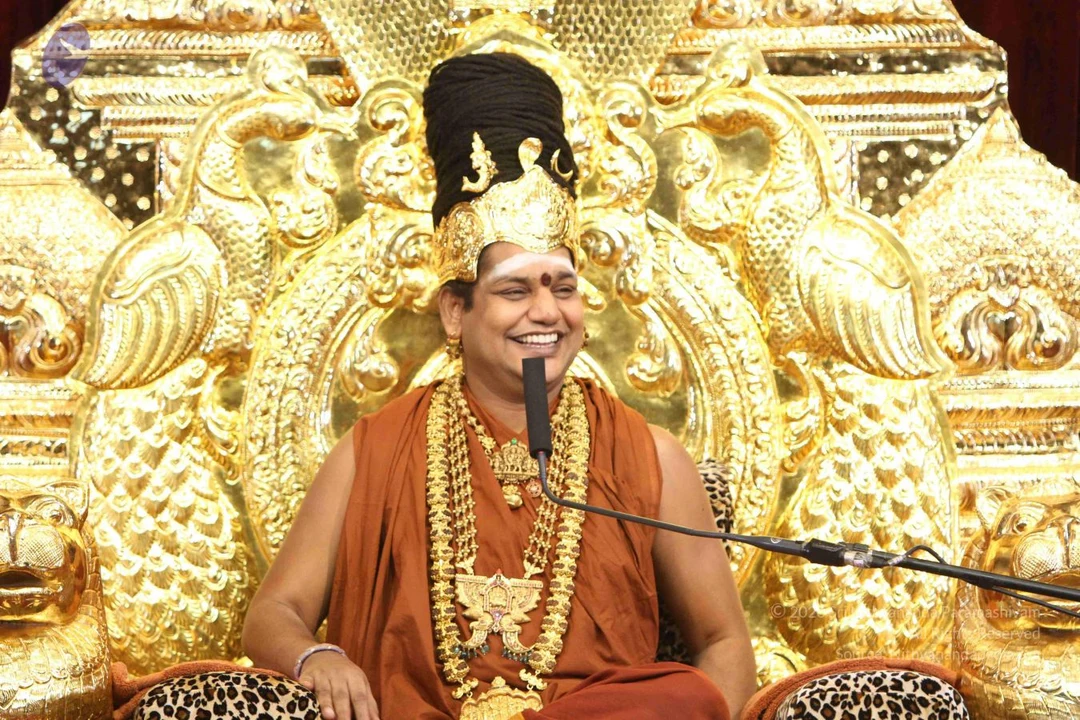
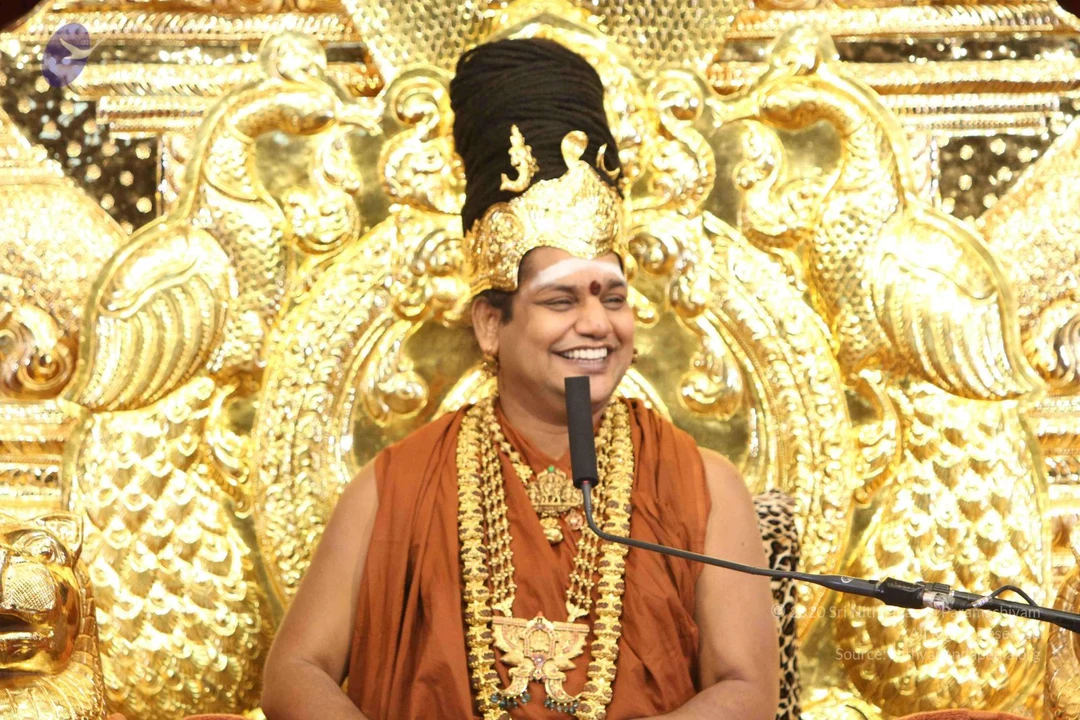
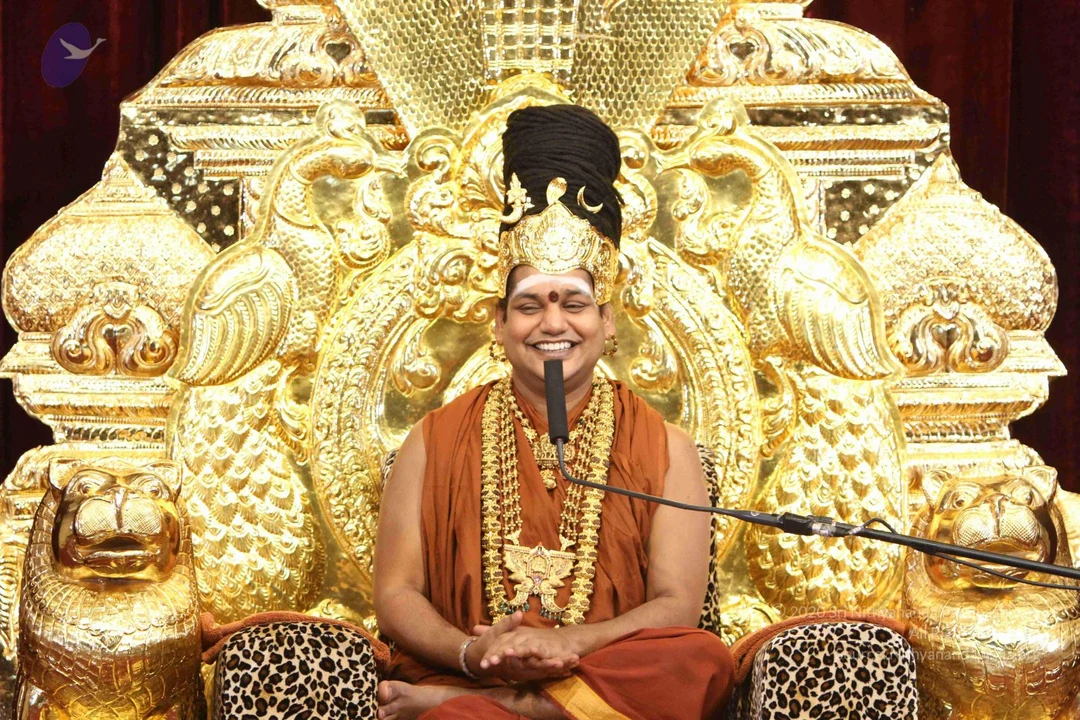
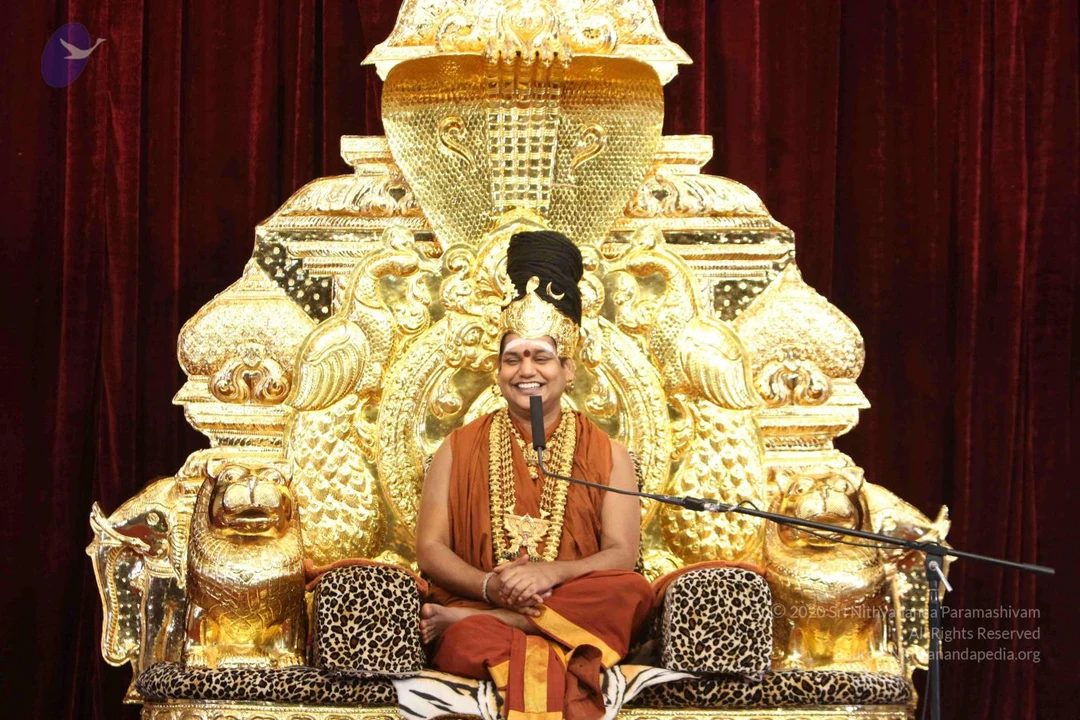
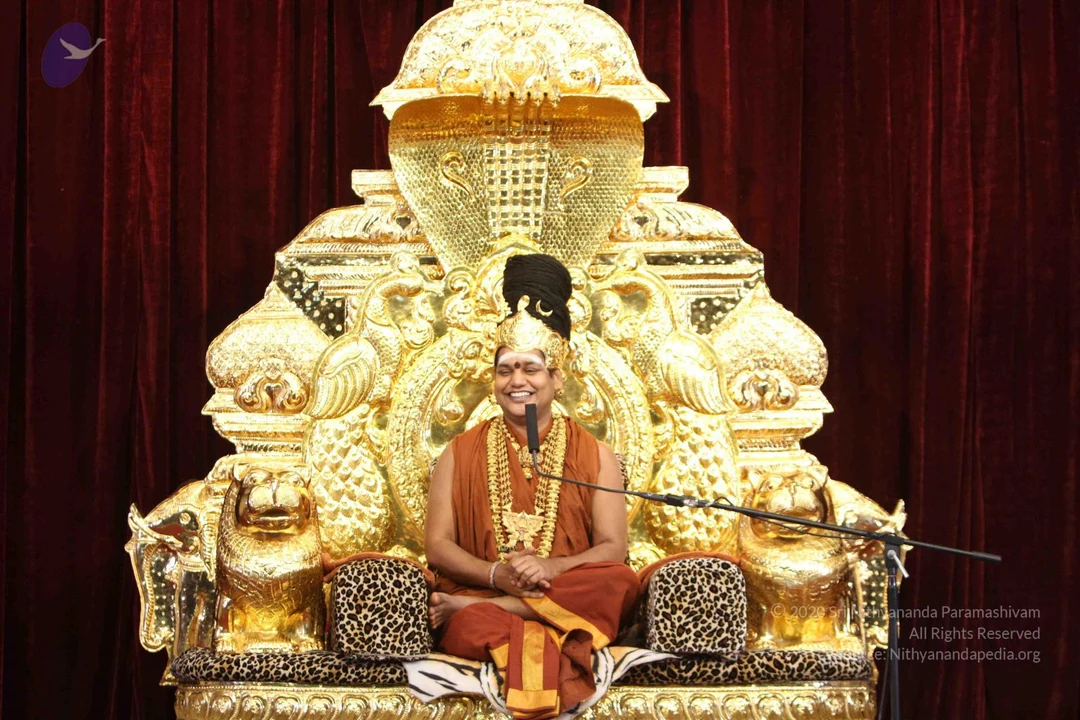
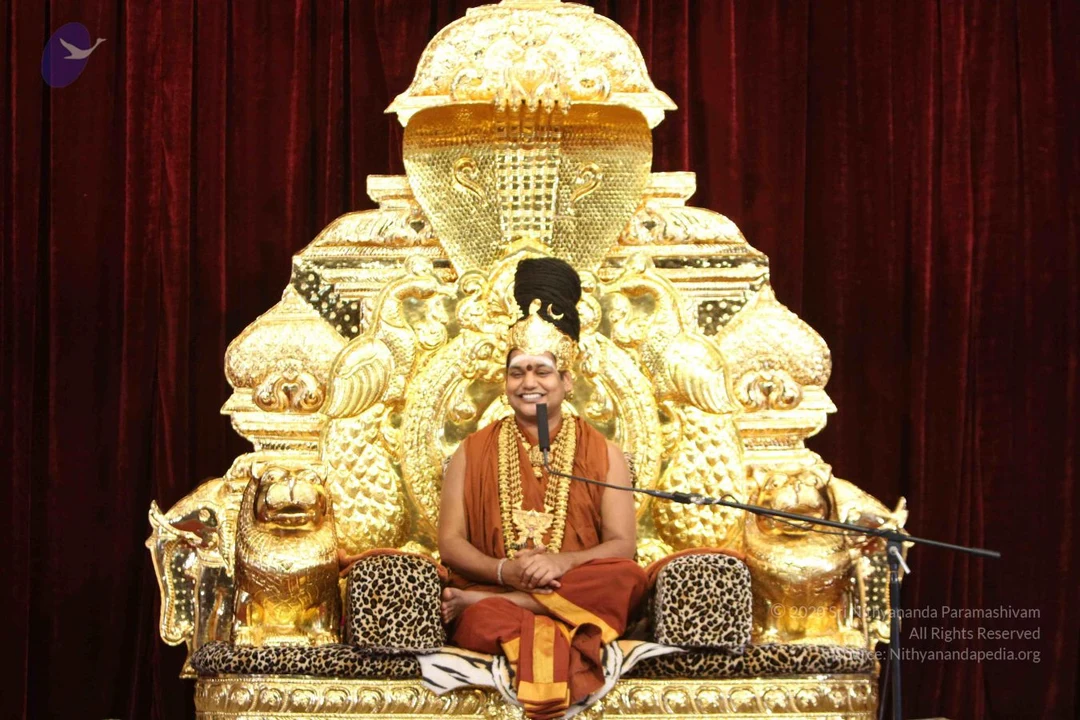
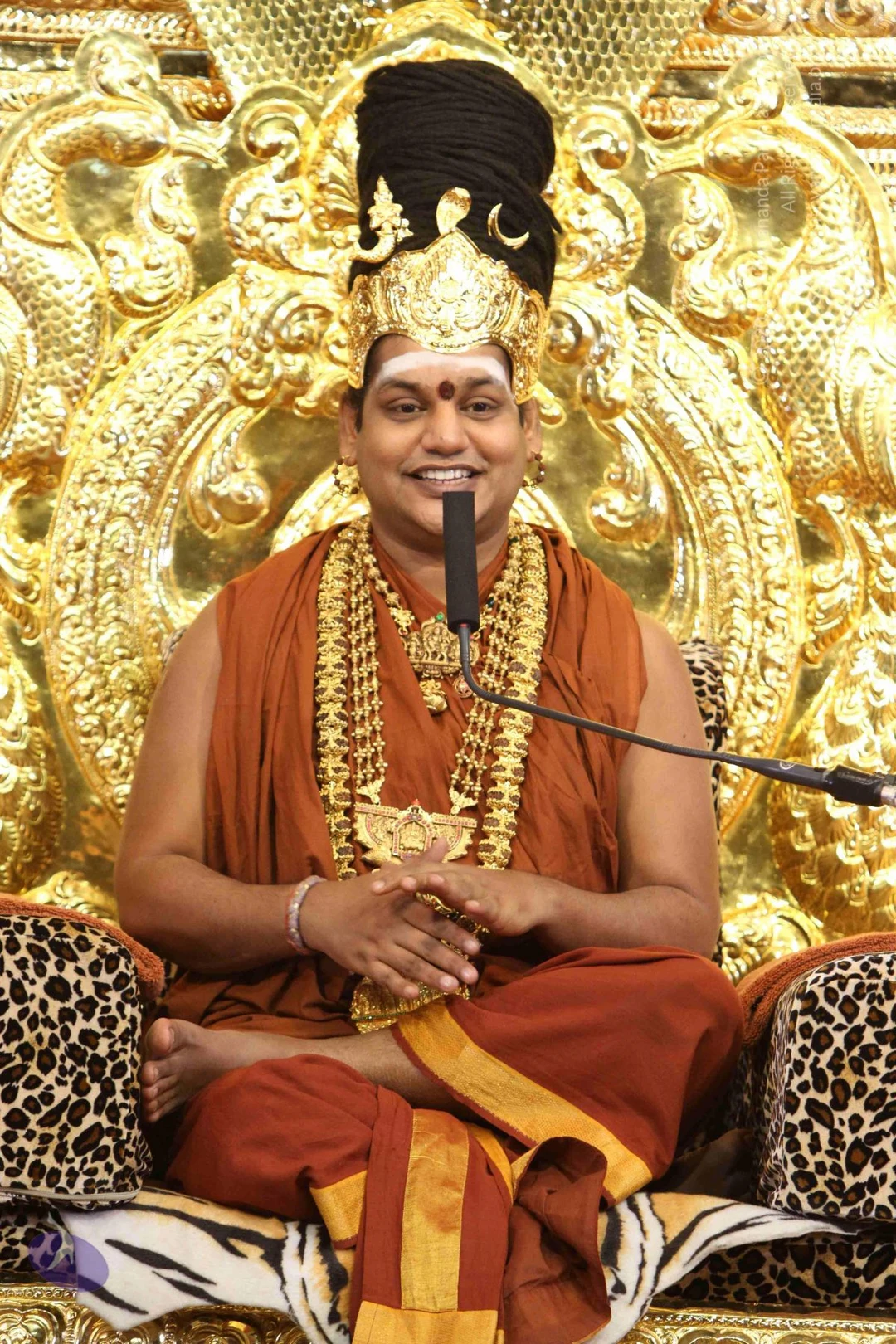
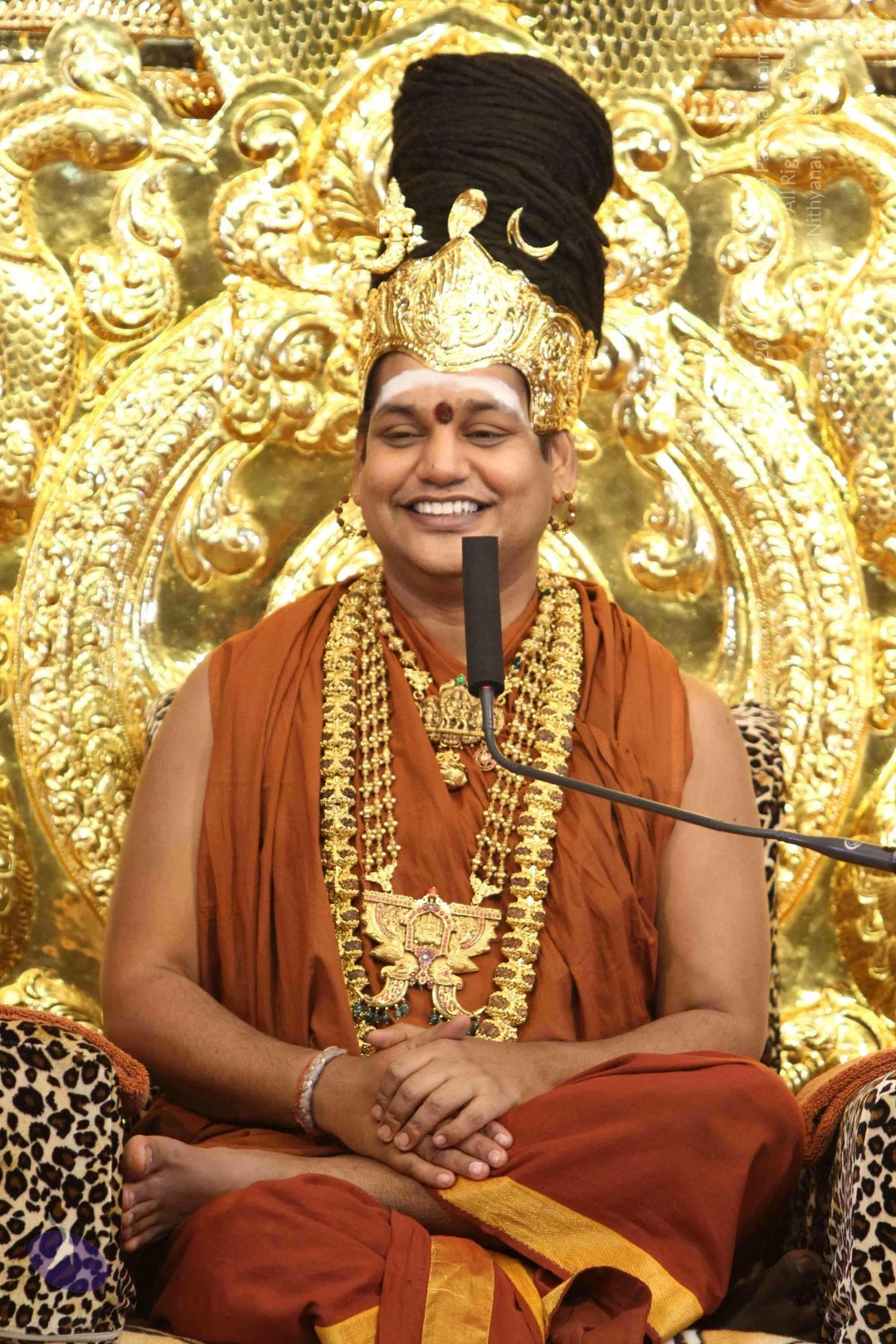
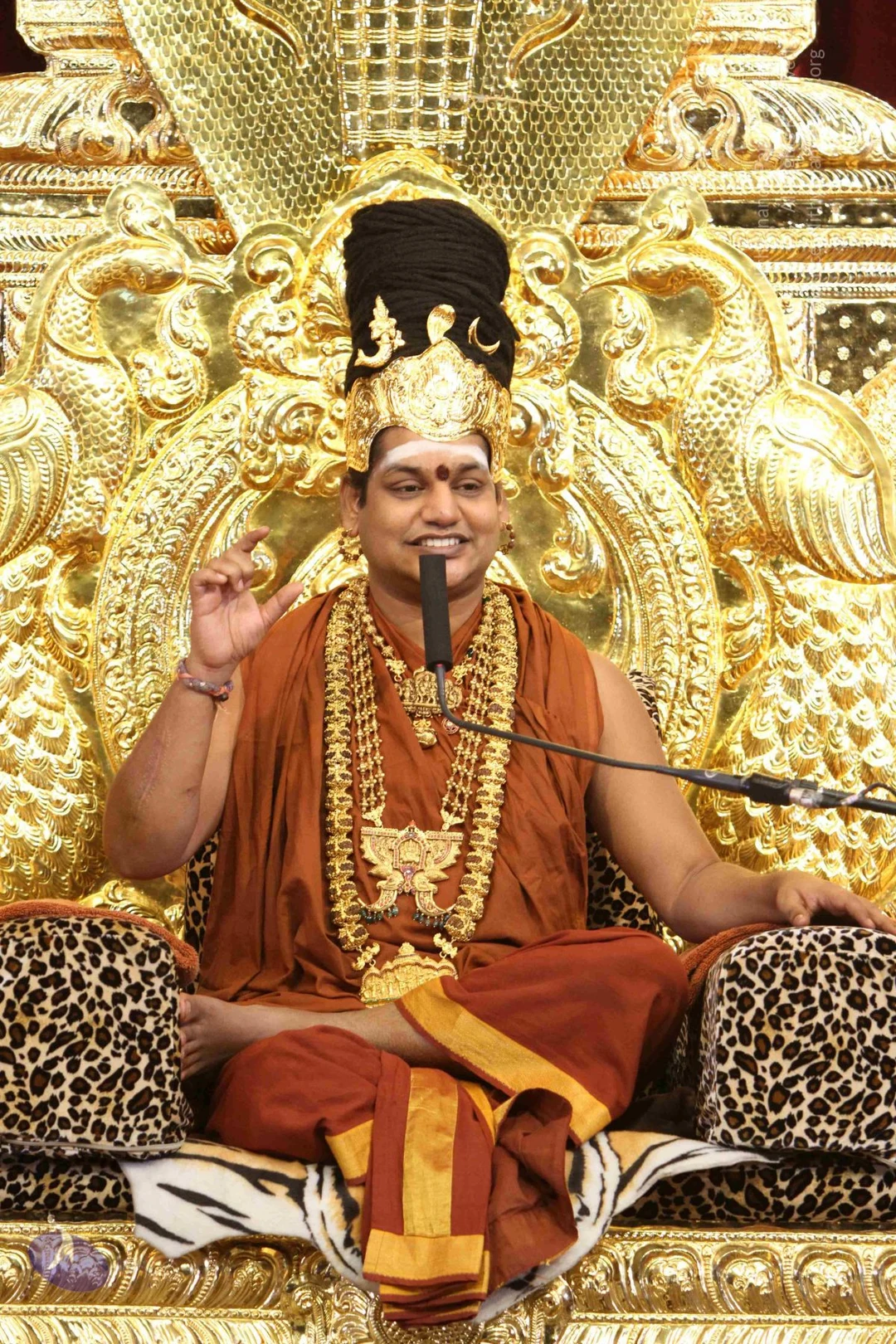
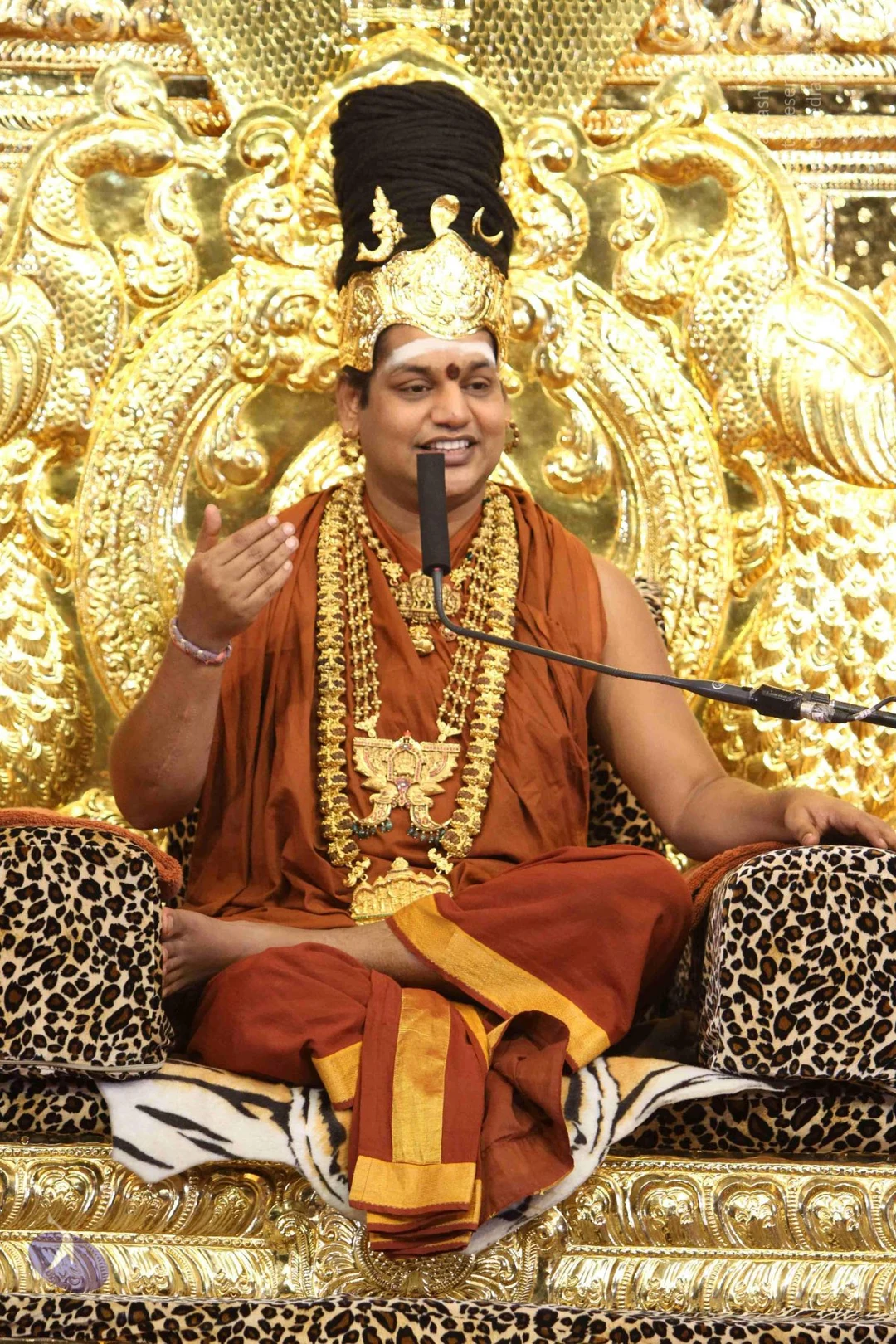
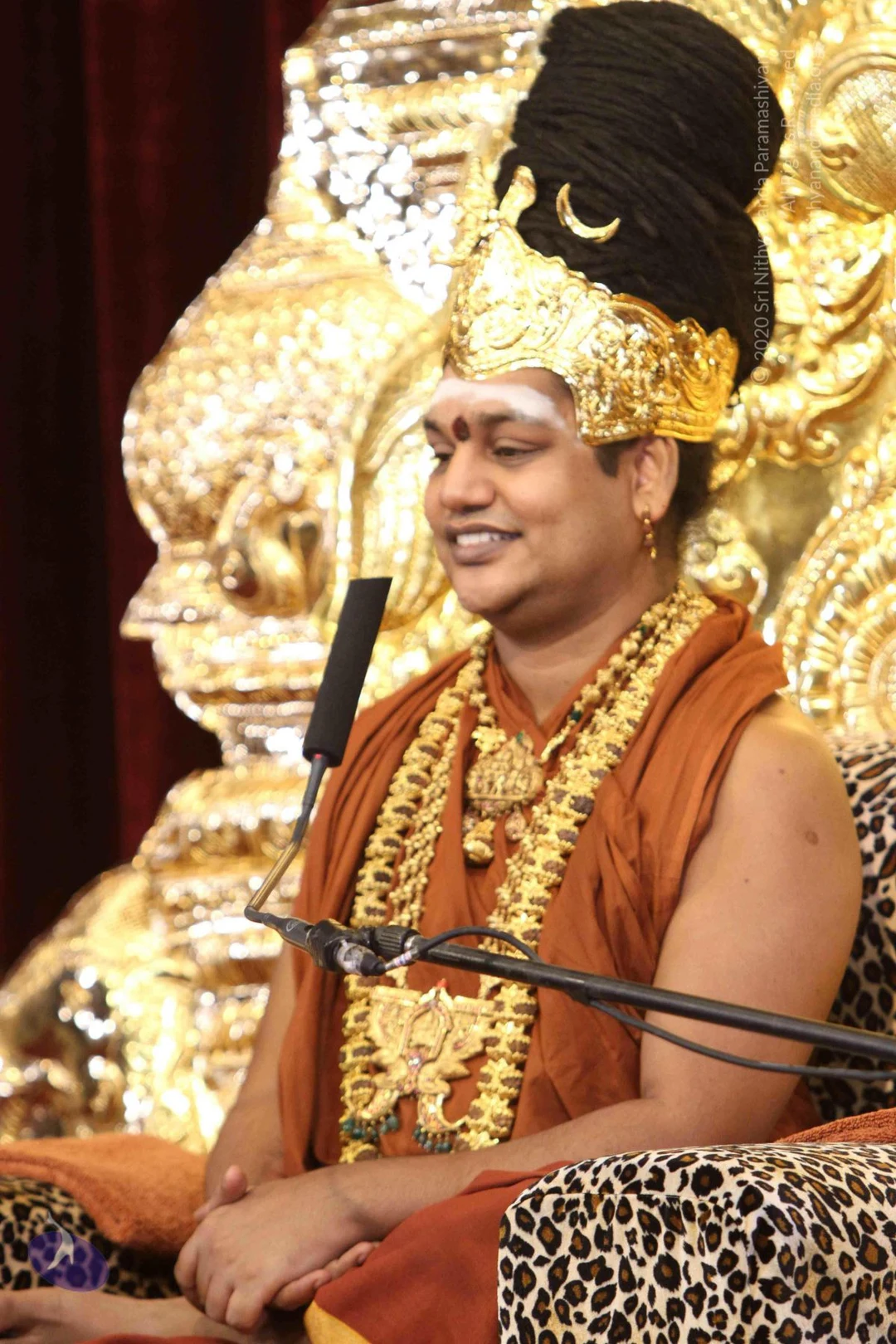
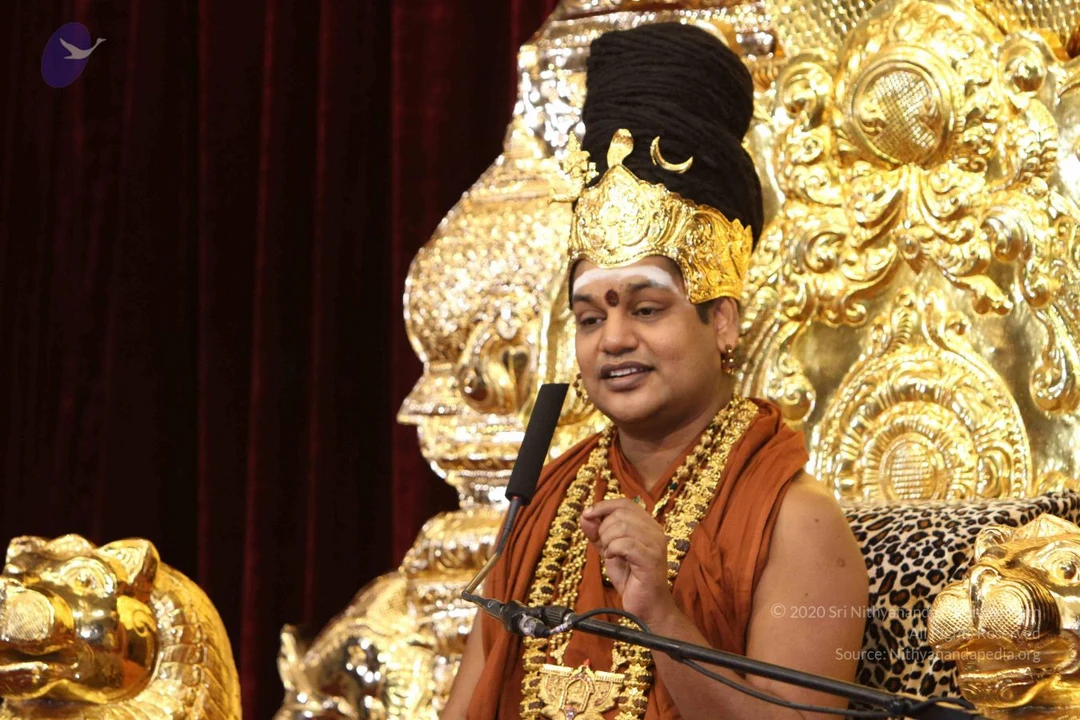
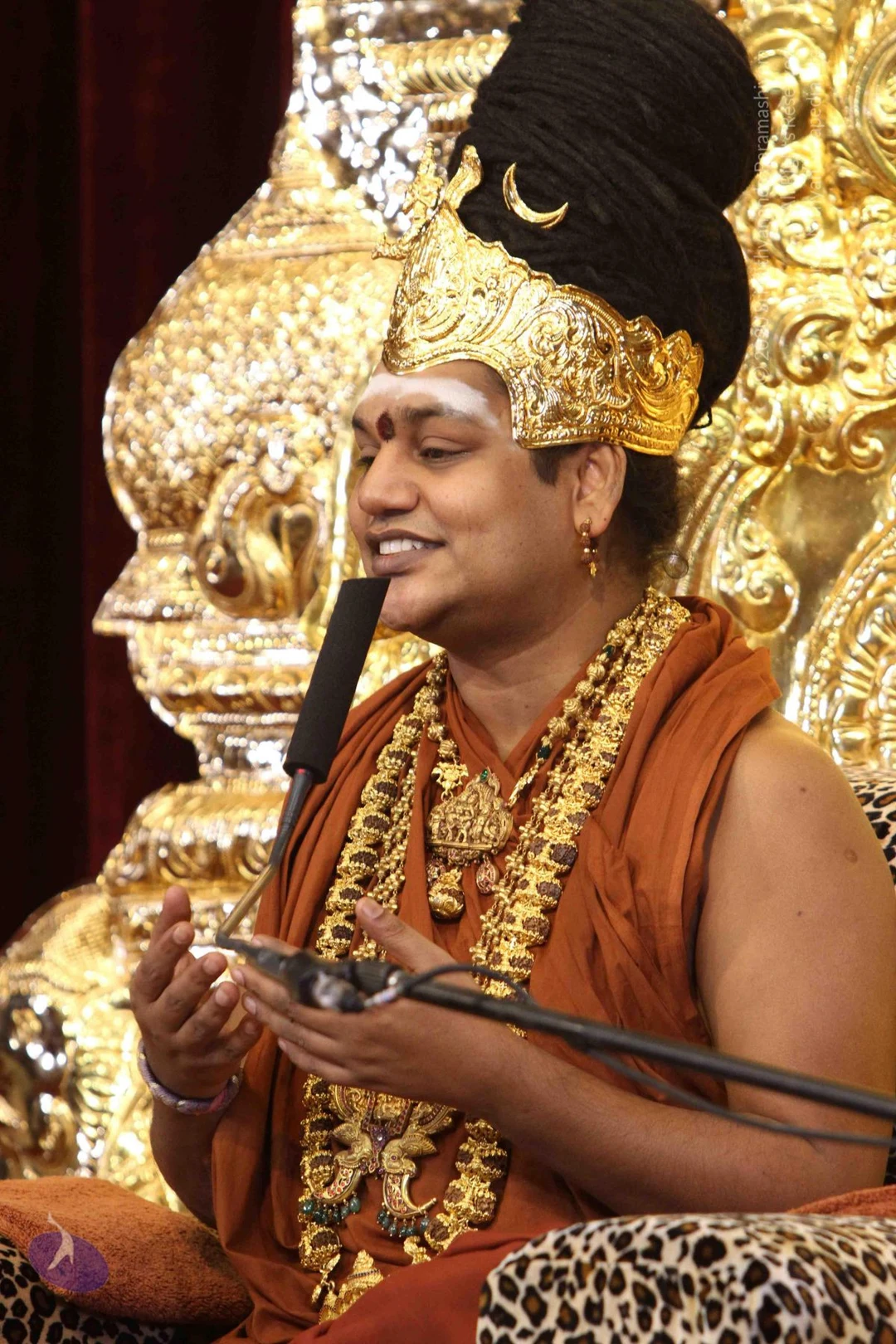
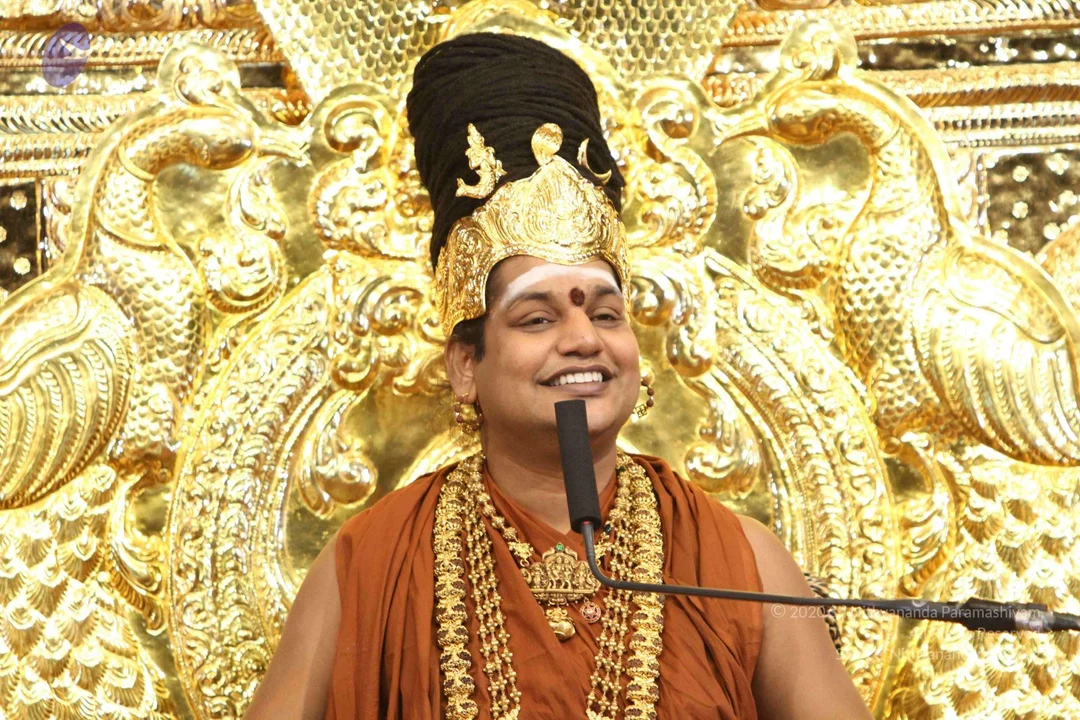
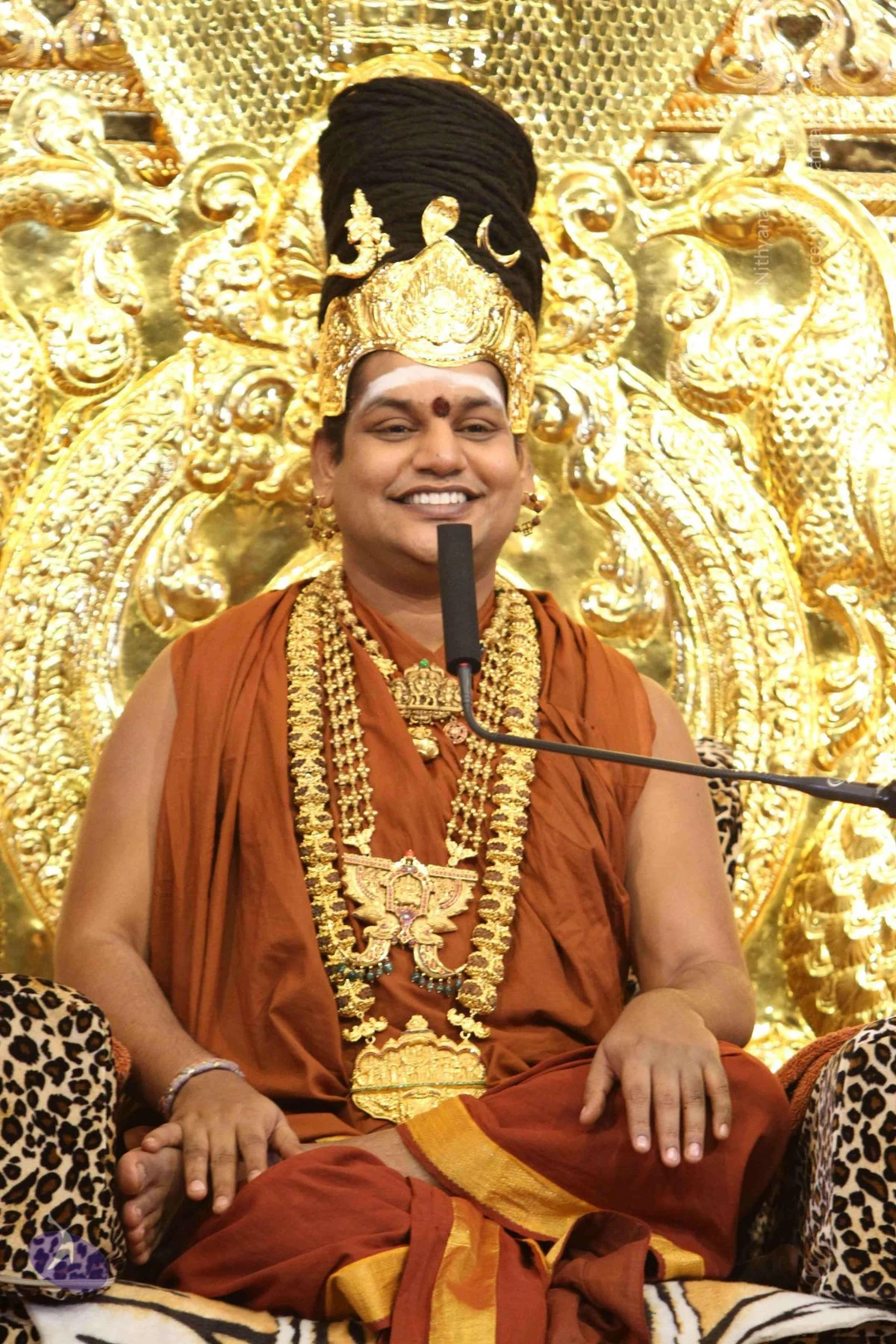
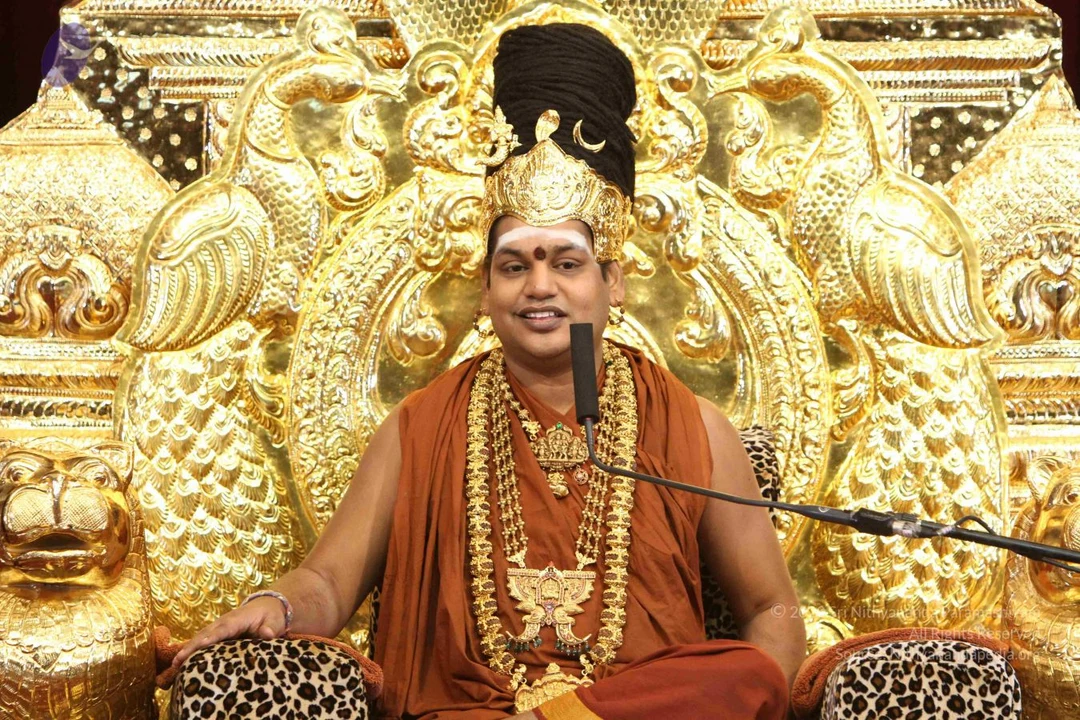
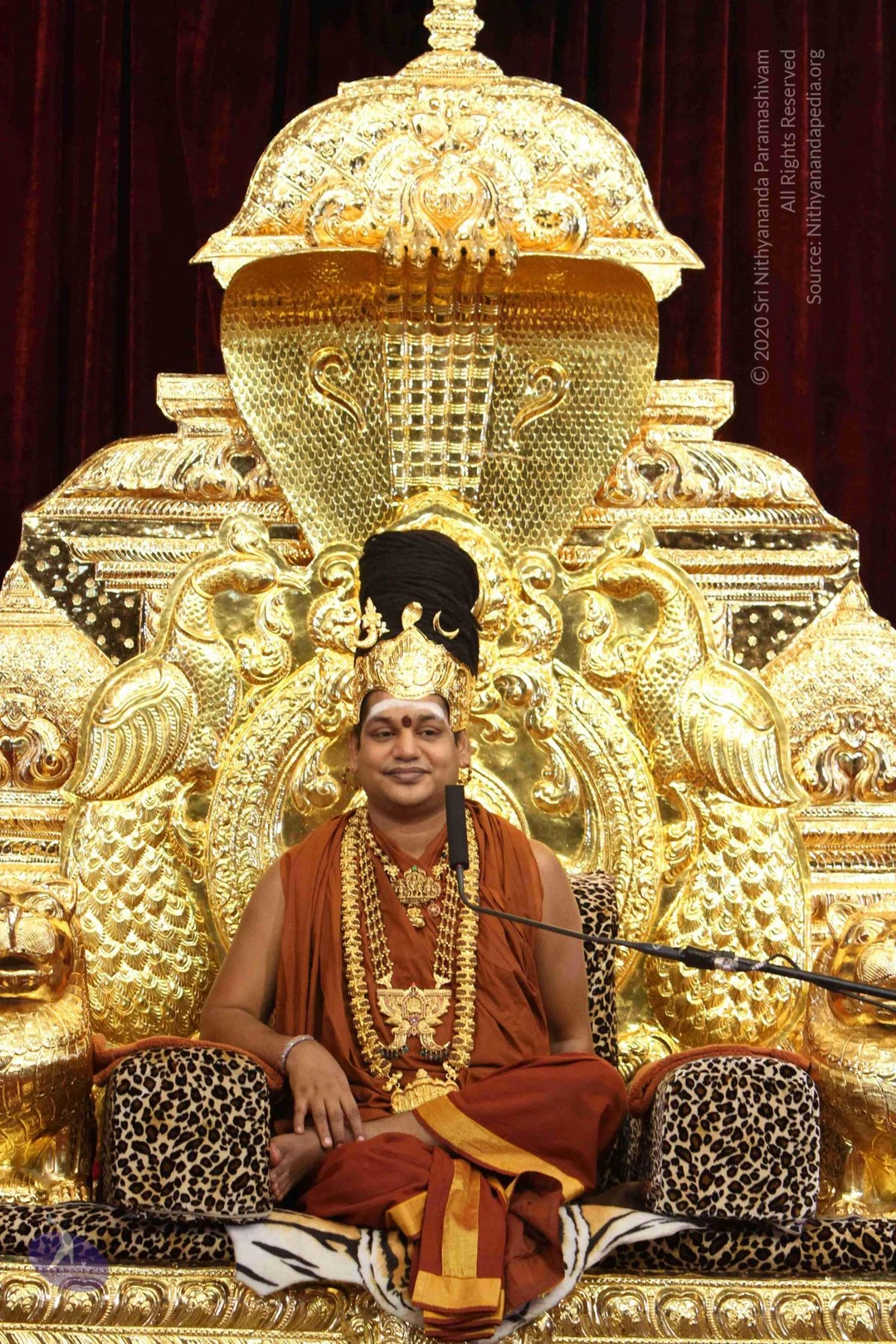
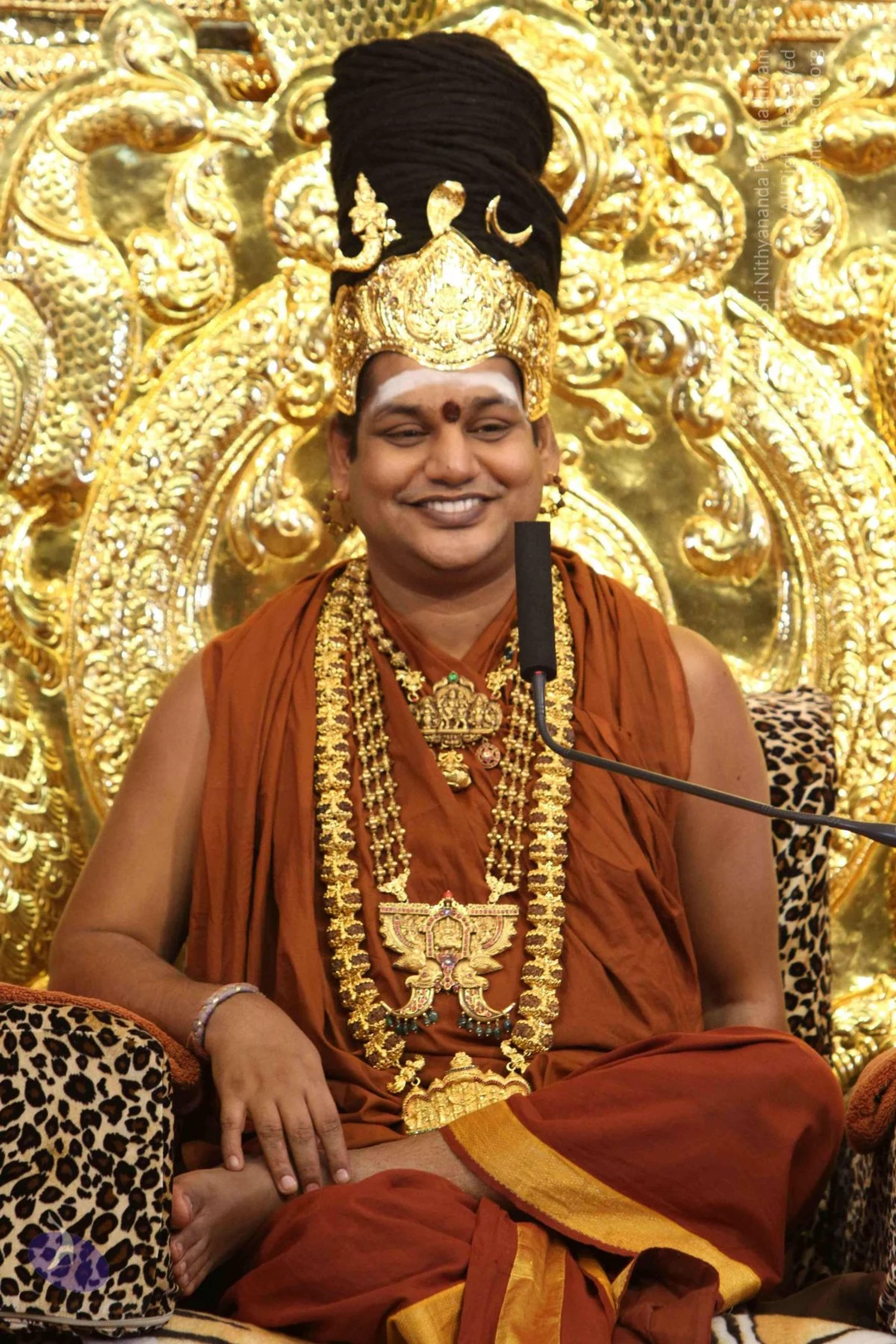
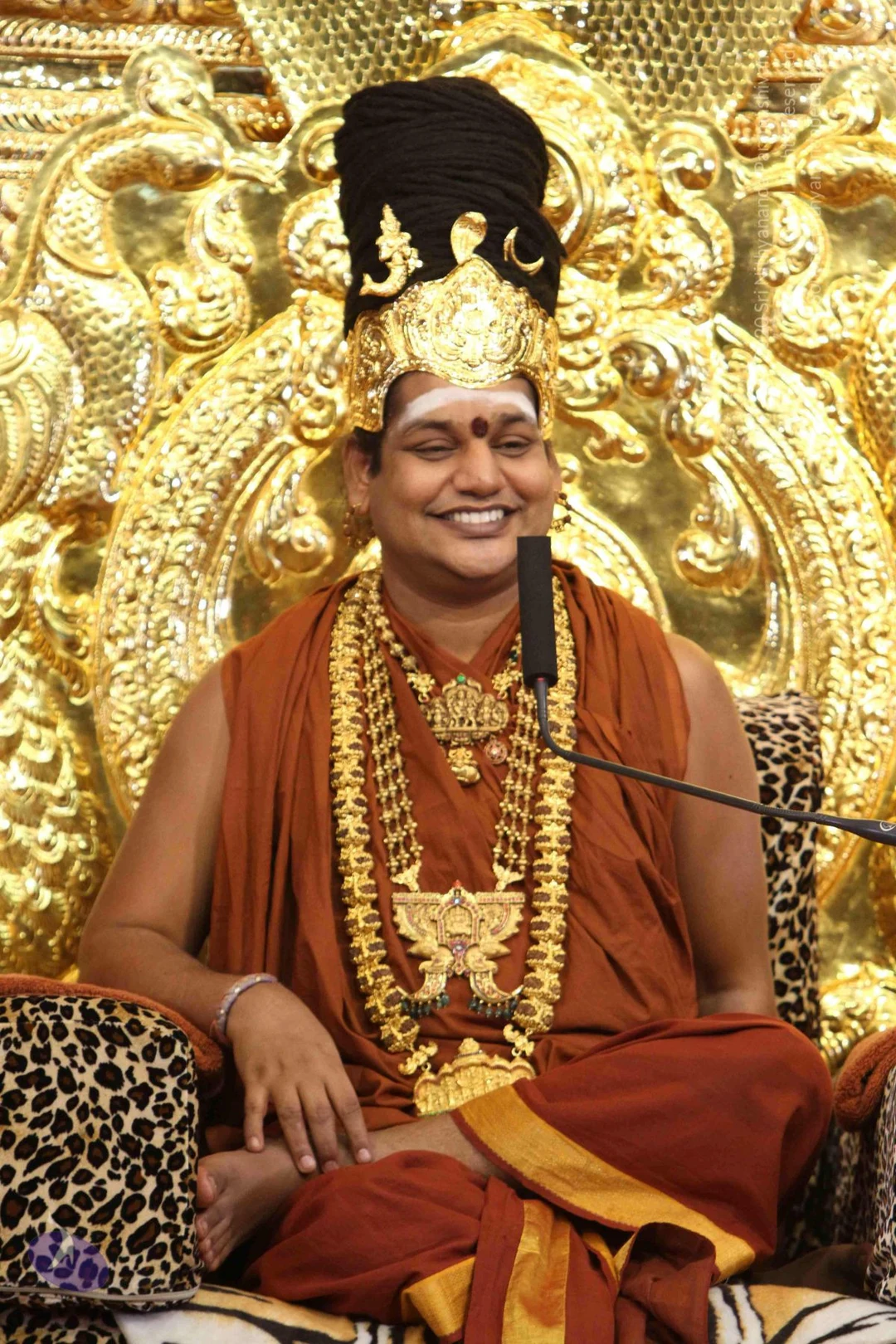
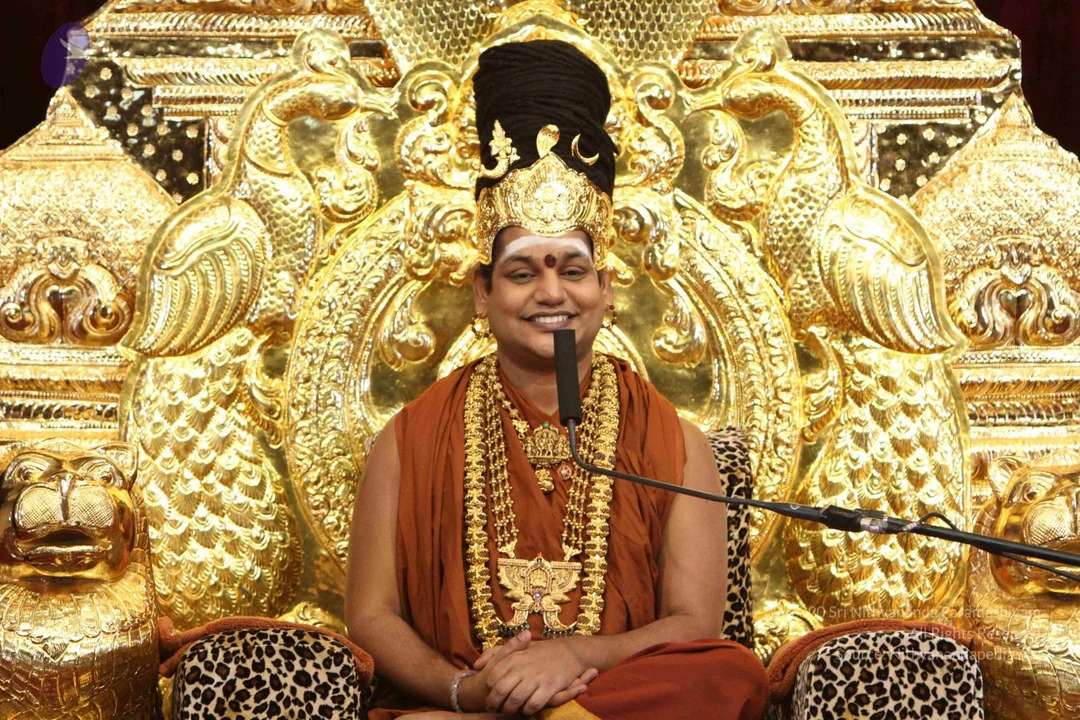
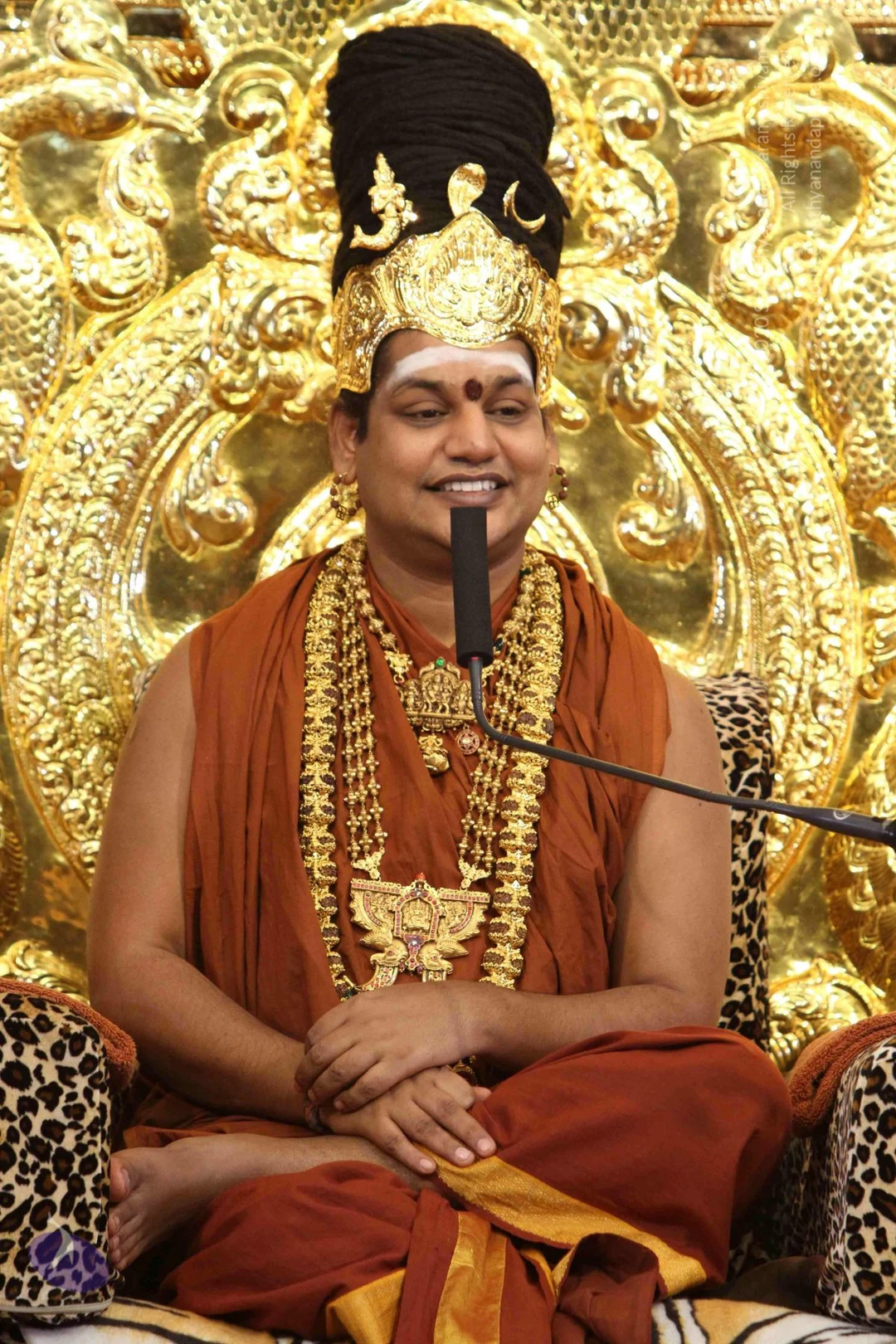
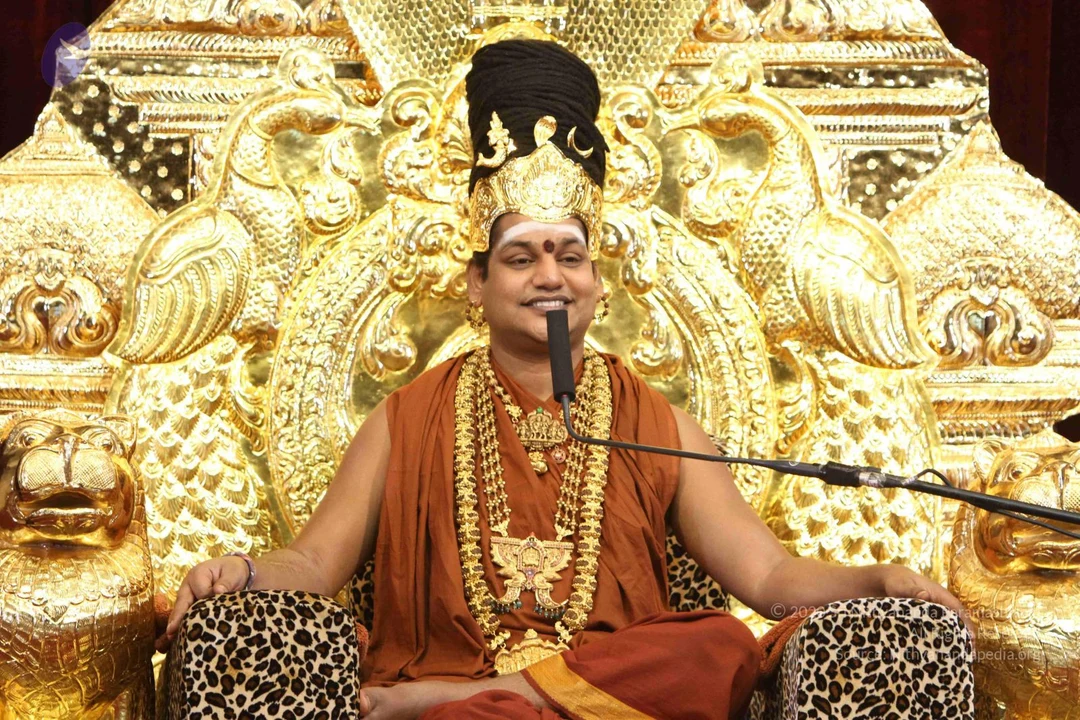
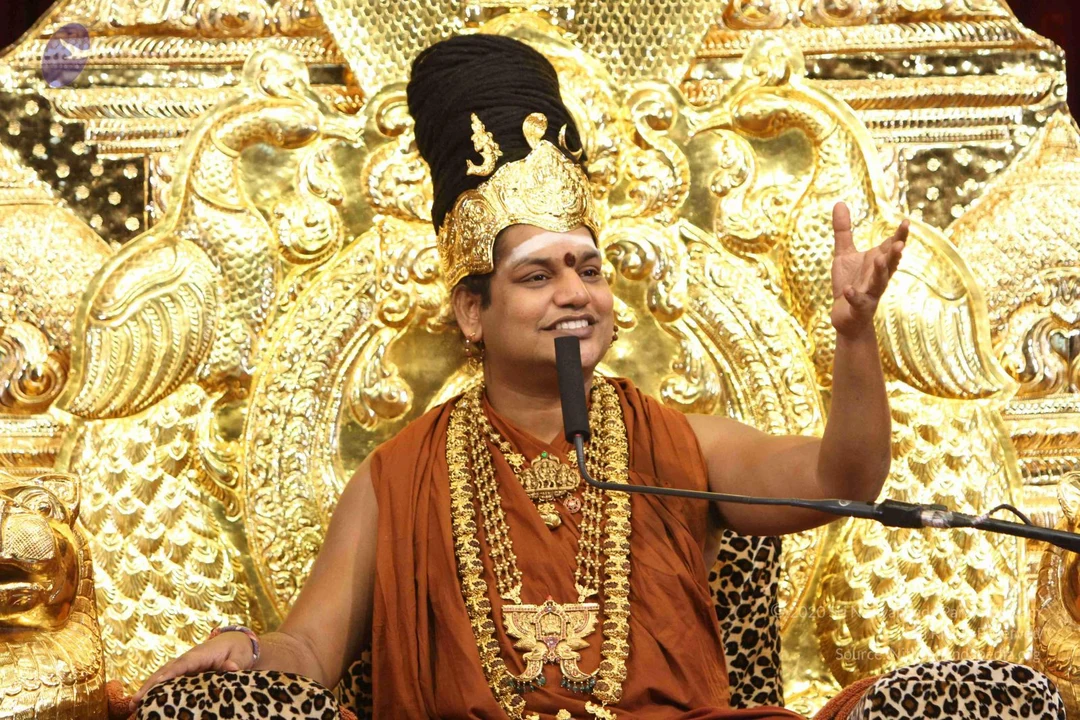
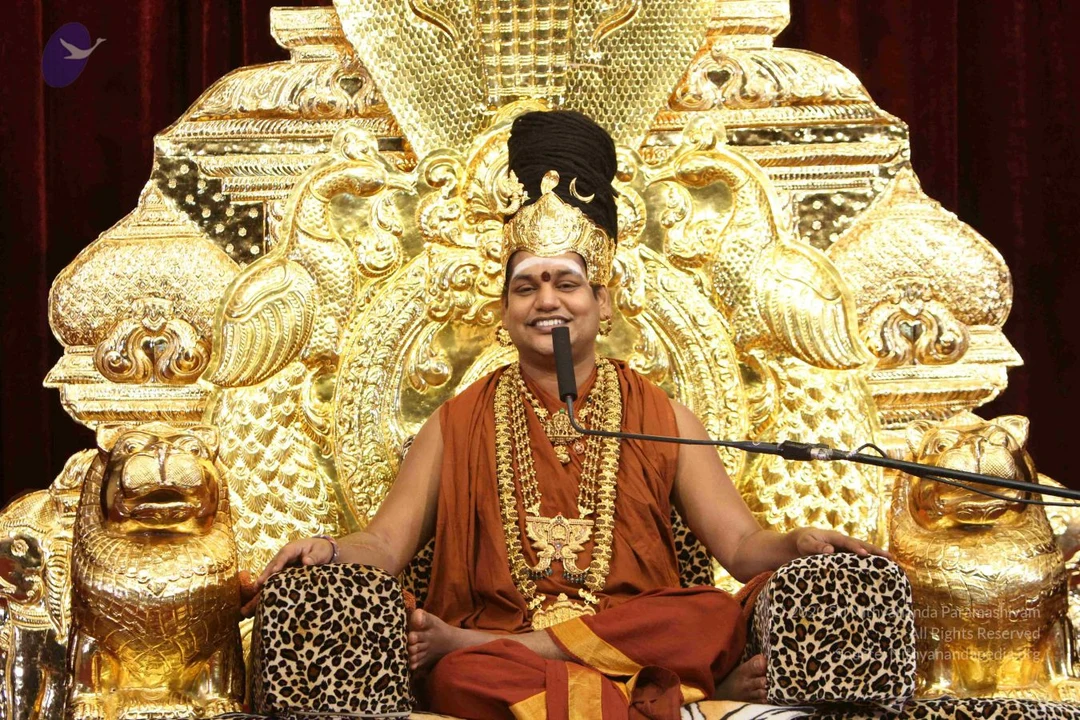
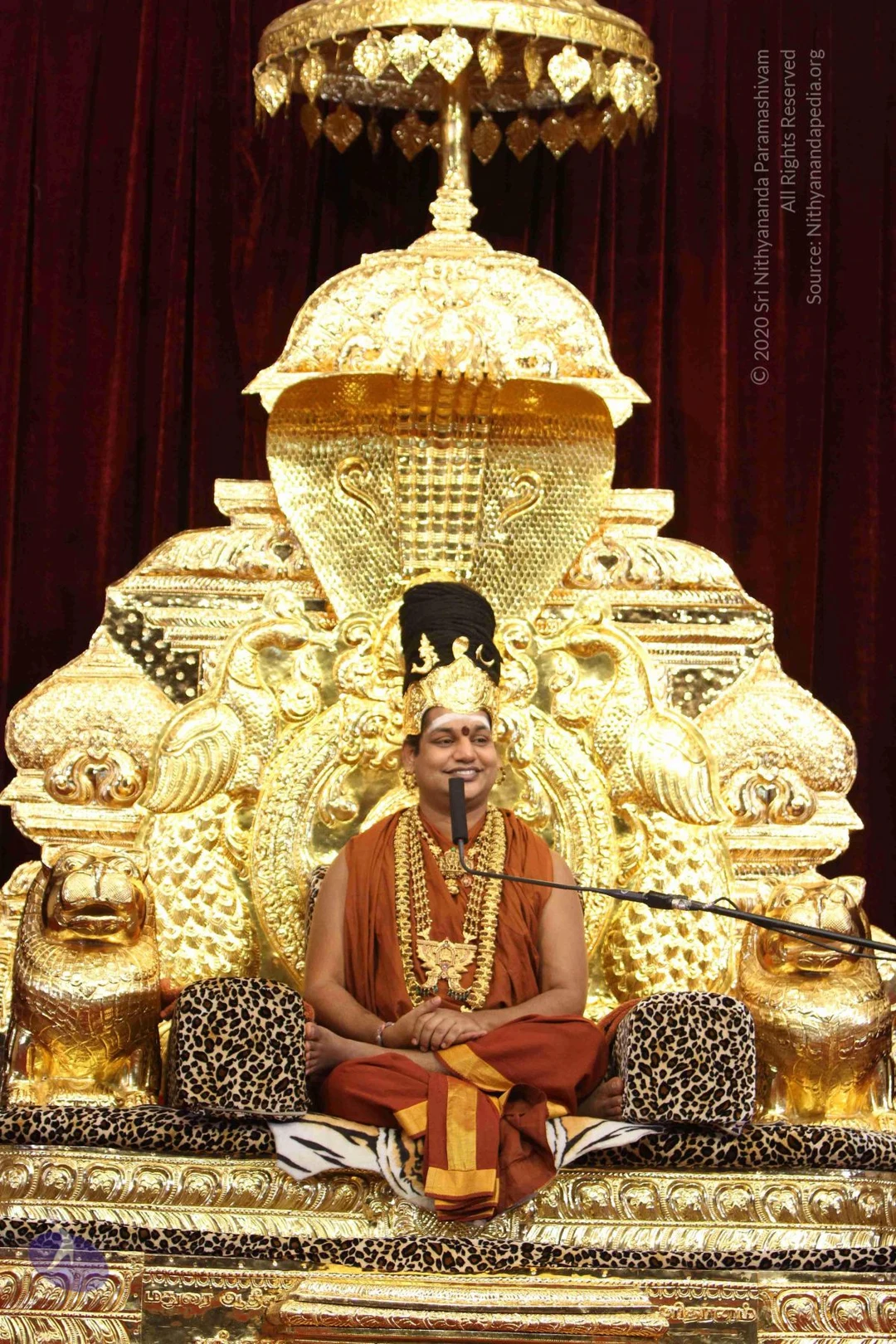
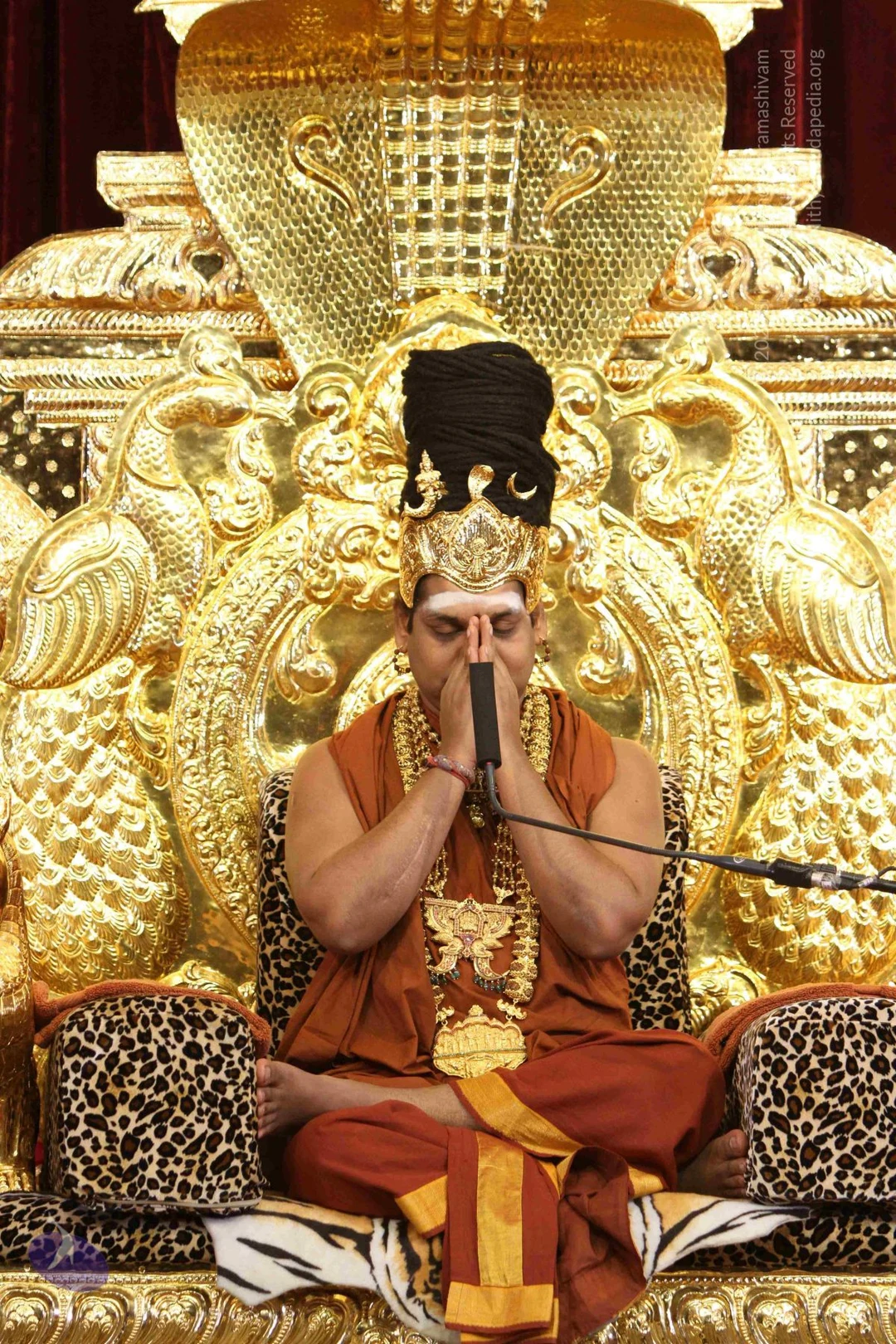
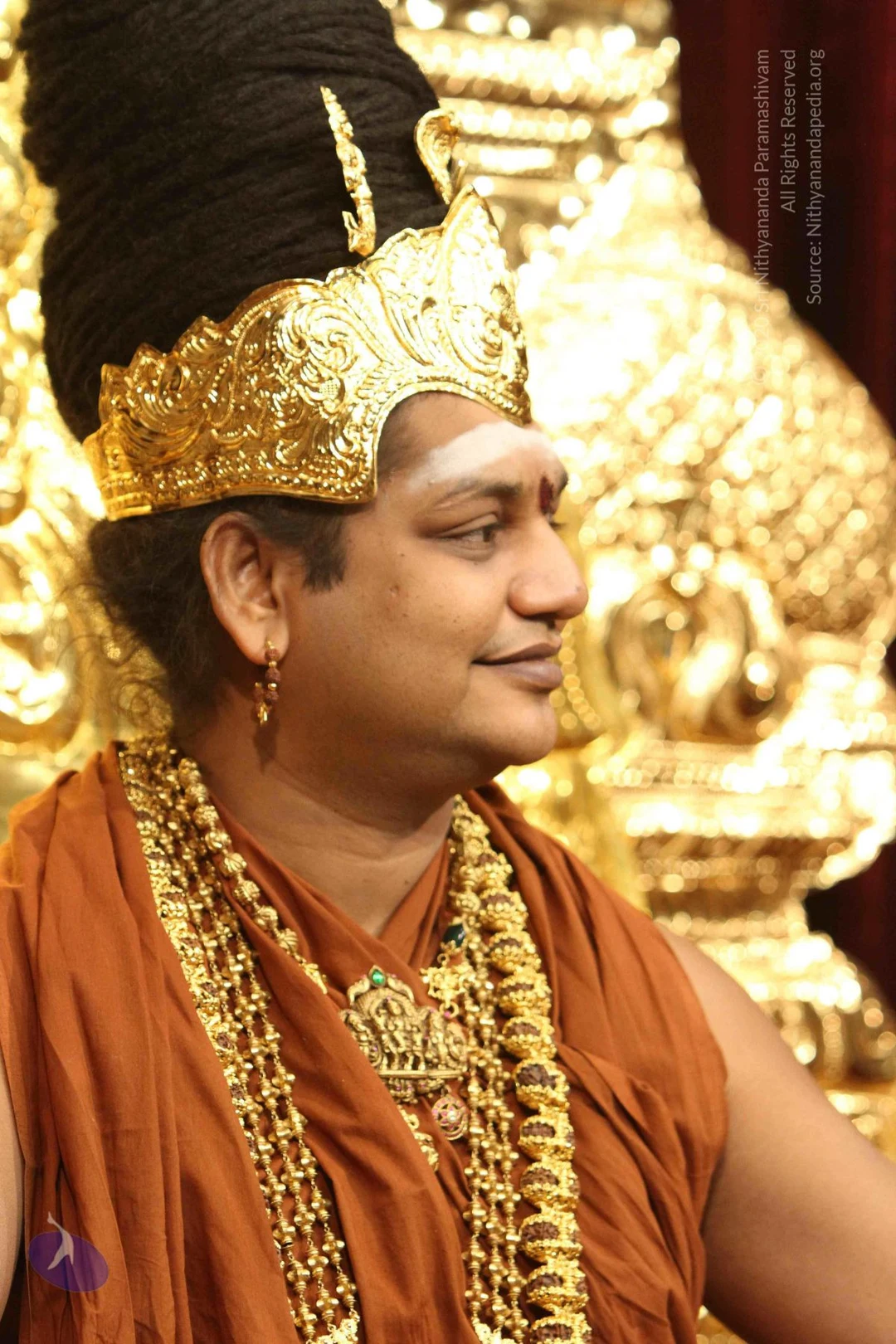
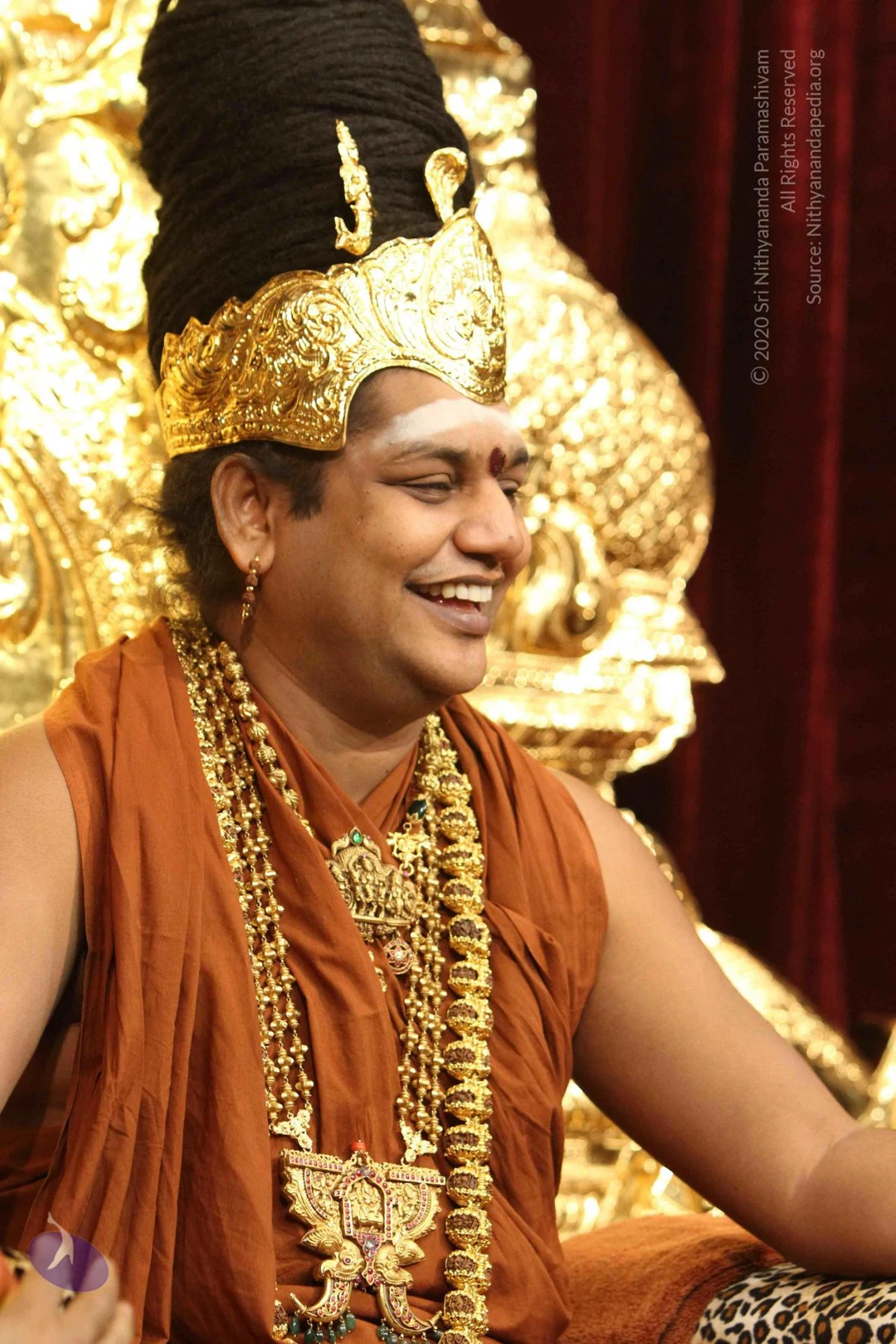
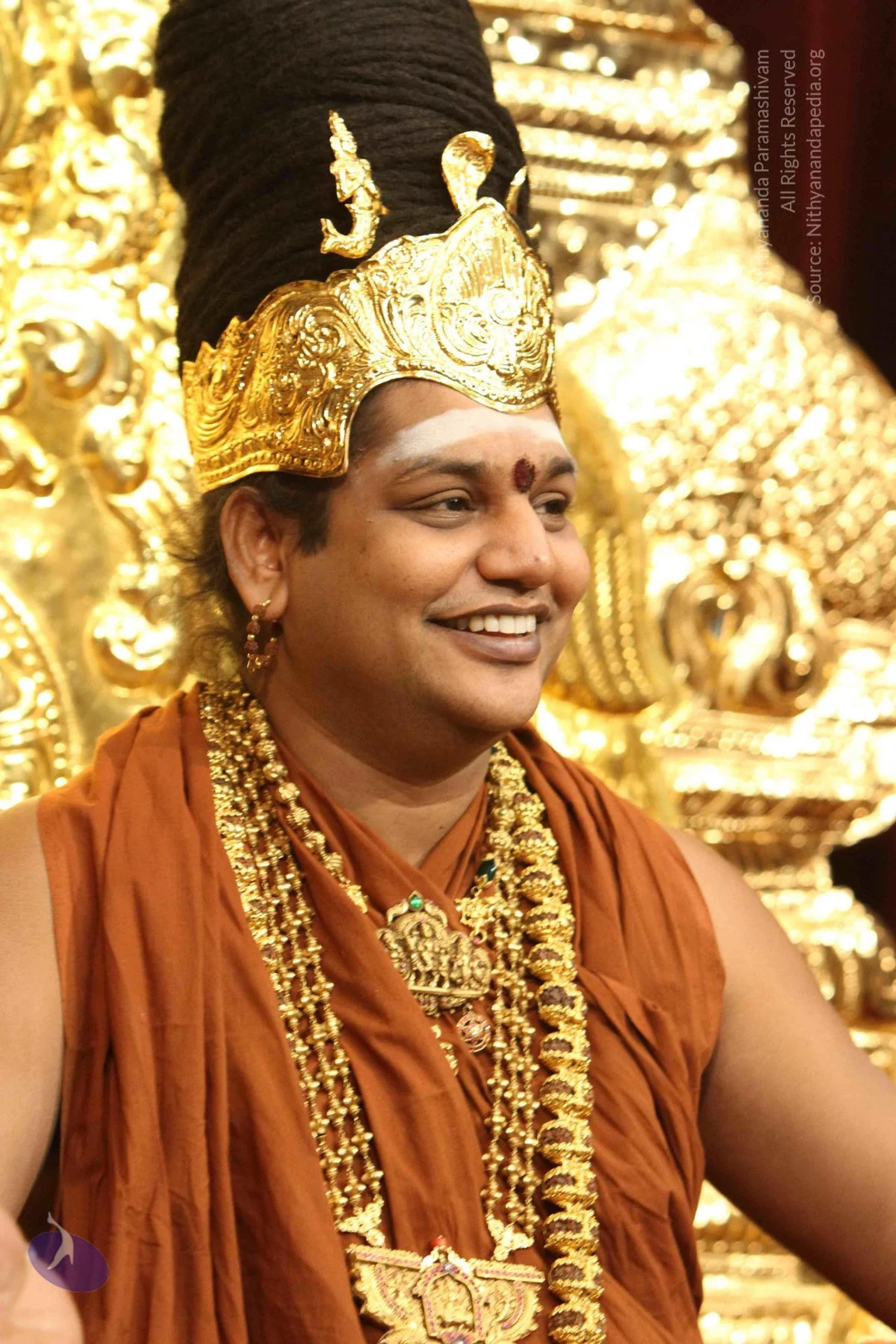
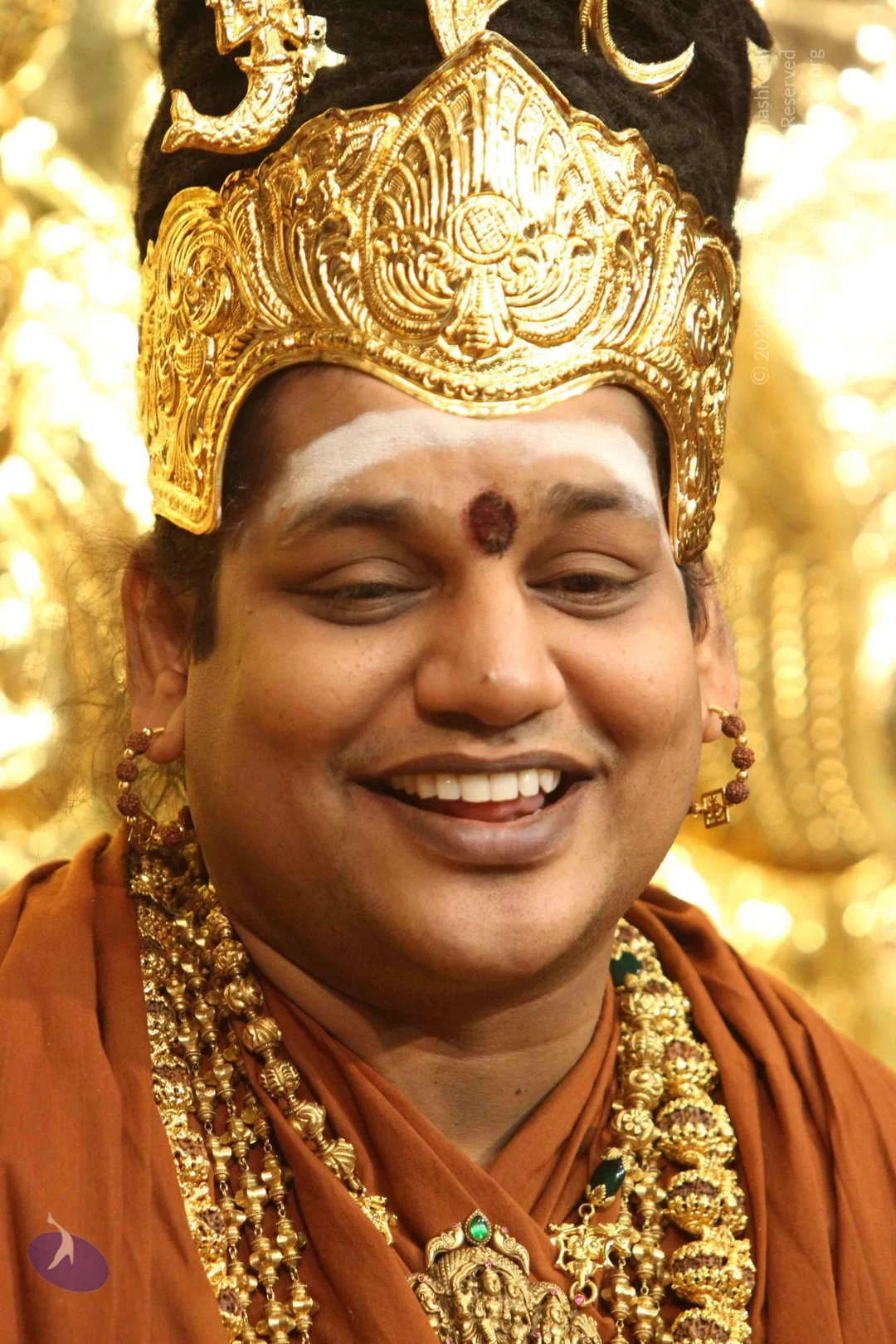
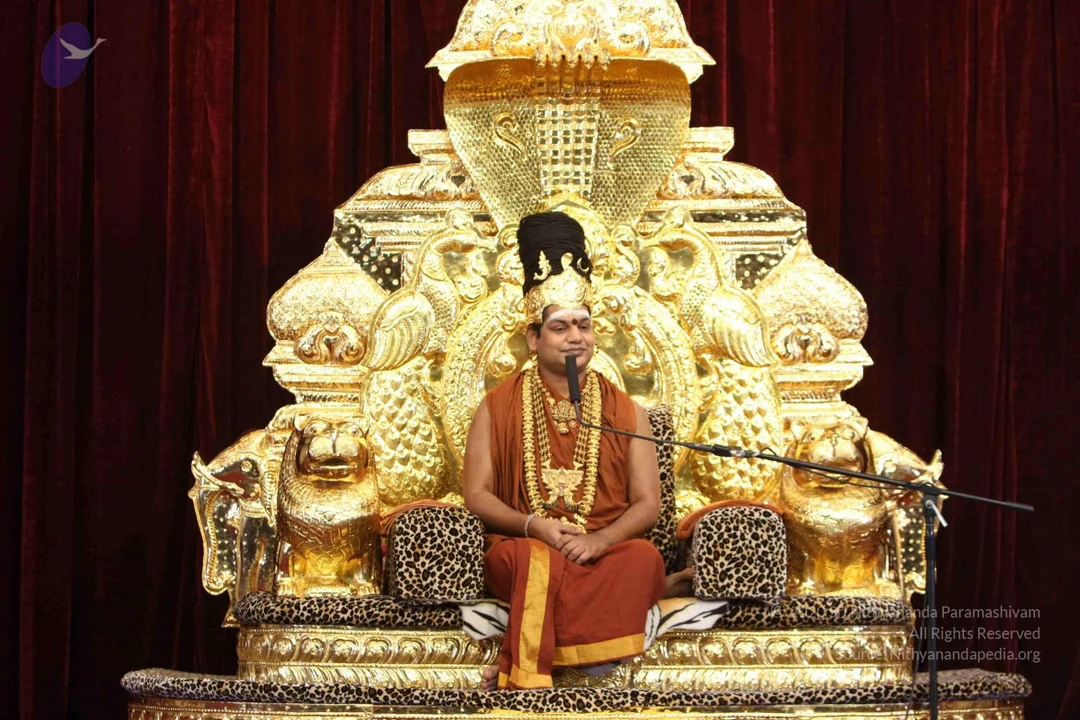
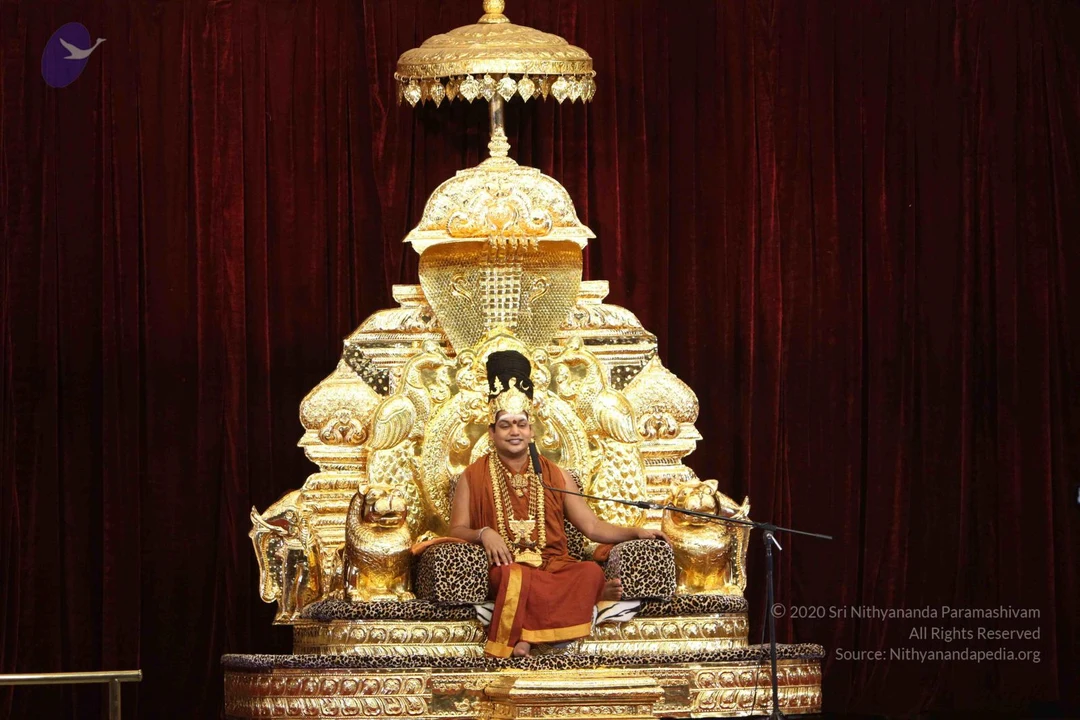
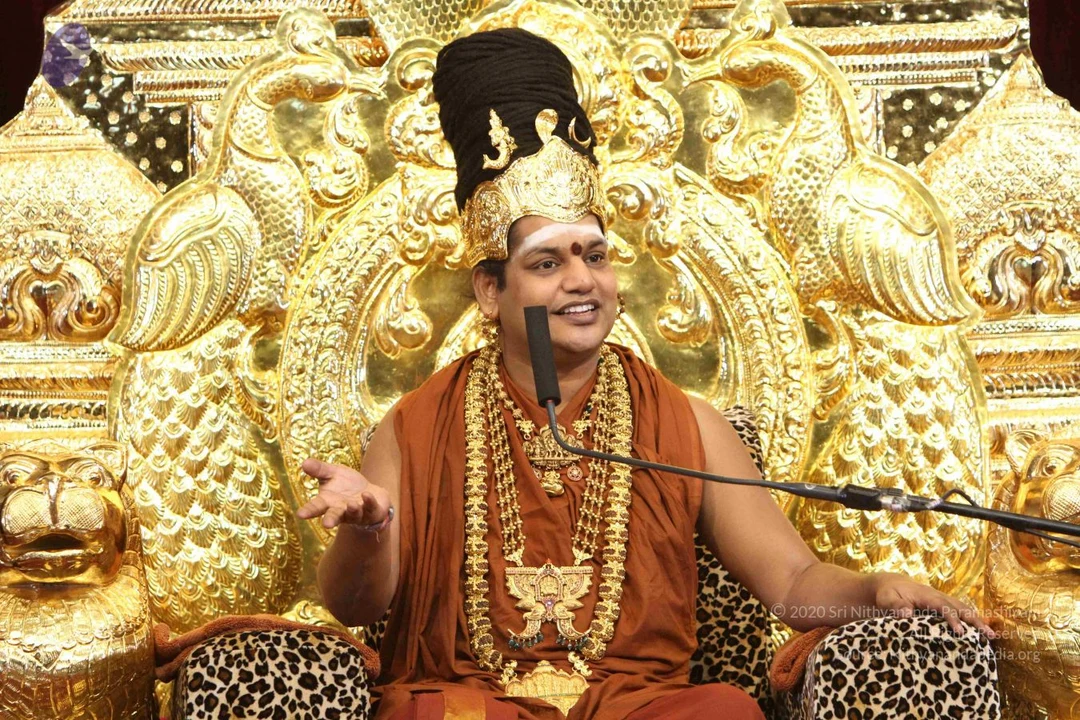
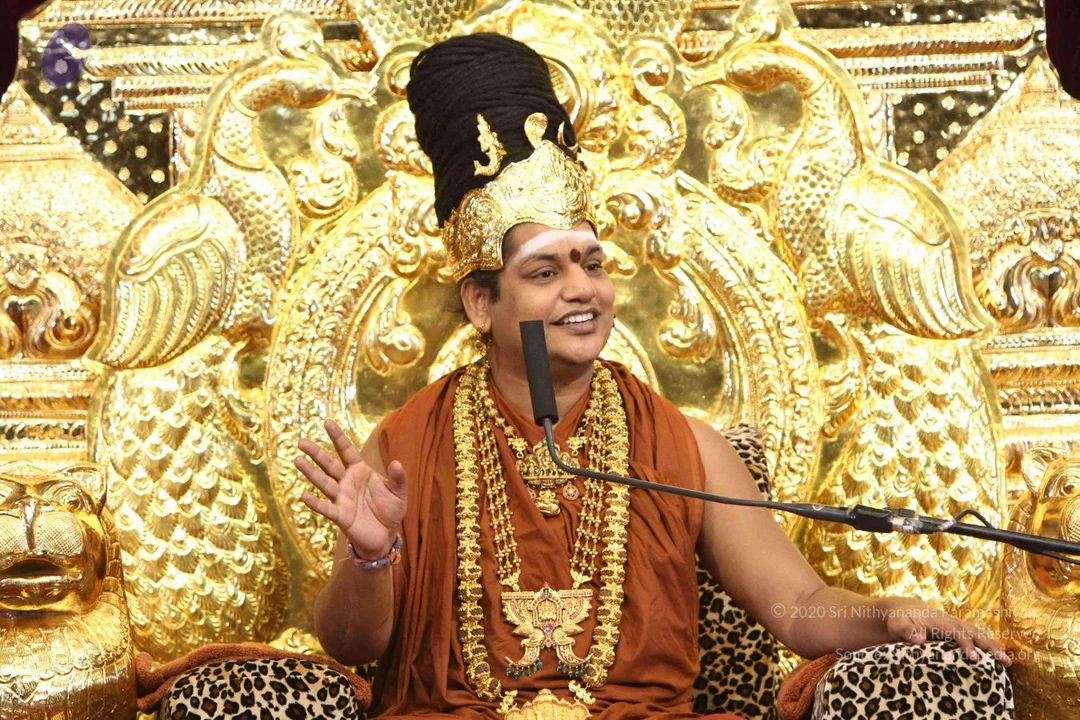
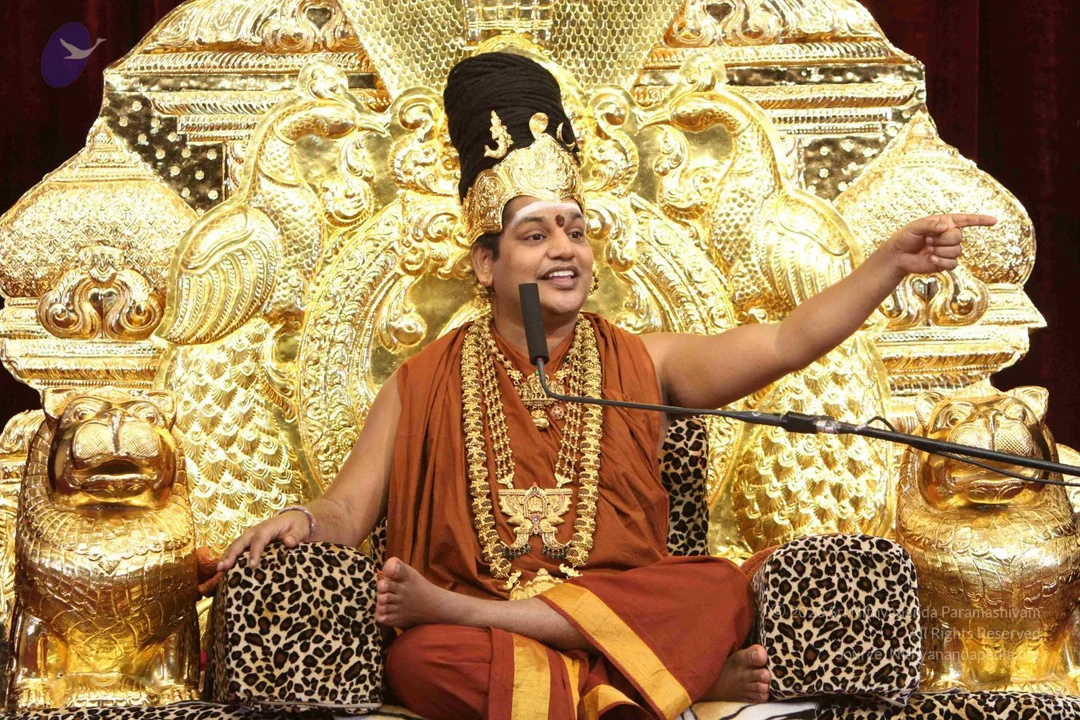
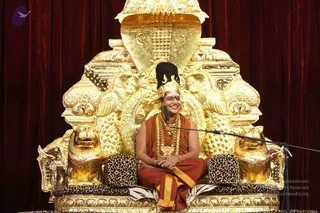
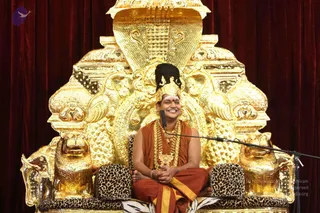
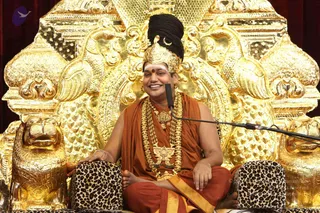
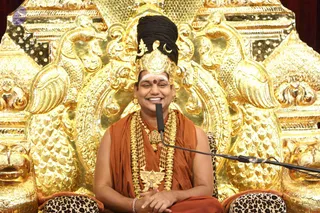
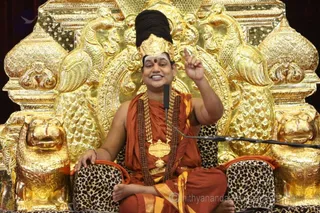
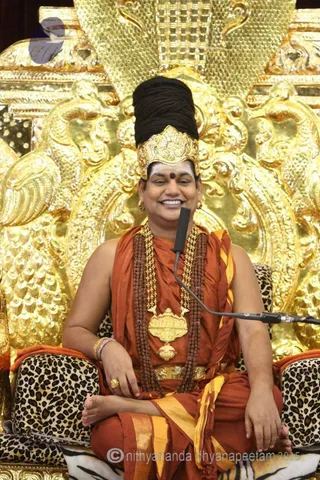
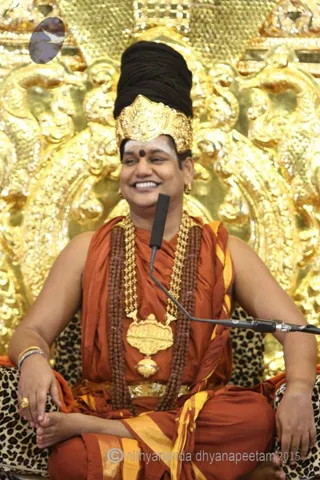
I am glorifying all this by wearing them, not getting glorified by wearing them. I’m decorating the throne, not decorated by the throne. All these traditions of Hinduism need to be enjoyed, cherished, spread and enriched because this tradition taught me to live off the gird. And no society is more compassionate than the Indian society, who revere those who decide to live off the grid. Here people will wash your feet and give you food!
-H.D.H. Sri Nithyananda Paramashivam
Link to Video:
Description:
"This verse really awakens the feeling connection….finally connecting you to the Source. Even in prayer what a maturity! Celebrate your desires getting matured.."" utters Paramahamsa Nithyananda, dwelling into the sweet devotional depths and peaks of matured surrender and renunciation in the 18th mantra of Isavasya Upansihad in evening Nithya Satsang, 2 February 2016 in Living Advaita Series of revelations. Precisely distinguishing what is Innocent Surrender and Ignorant Surrender, He defines, Innocent Surrender as ""knowing everything about surrender and not being afraid of it."" With surrender our desires and fear get matured. Ability to make old desires and fears redundant, is Renunciation, is the ability to be alive. No more do we dwell in hypocrisy of society. Ignorant Surrender is when we do not know what is surrender, but try to throw responsibility in the name of surrender, as a bargain. agne naya supathā rāye asmān viśvāni deva vayunāni vidvān | yuyodhy asmaj juhurāṇam eno bhūyiṣṭhāṁ te nama-uktiṁ vidhema || 18 || Translation: ""O Agne, the Fire God! Knower of all our actions and all that is worth knowing, You must take us along the righteous and auspicious path of completion, leading us to experience the Supreme Consciousness, the original space of Complete Completion. O God, Consciousness! May you remove all our incompletions that are obstacles on our good path of completion (beyond coming and going, birth and death). Onto You we surrender with many reverential words, bowing down again and again." Watch, Share and Subscribe to our channel to be notified of the next upload click http://www.youtube.com/subscription_center?add_user=lifeblissfoundation to subscribe. visit: http://www.nithyananda.org http://www.nithyananda.tv http://www.innerawakening.org https://www.youtube.com/user/LifeBlissFoundation https://twitter.com/SriNithyananda https://www.facebook.com/ParamahamsaNithyananda https://plus.google.com/104086565286265959836/posts
Transcript:
nithyānandeśvara samārambhām nithyānandeśvari madhyamām | asmat āchārya paryantām vande guru paramparām ||
I will continue to expand on the 18th verse of Isavasya Upanishad.
agne naya supathā rāye asmān viśvāni deva vayunāni vidvān |
yuyodhy asmaj juhurāṇam eno bhūyiṣṭhāṁ te nama-uktiṁ vidhema || 18 ||
Listen.
O Agni, the Fire God! Knower of all our actions and all that is worth knowing, You must take us along the righteous and auspicious path of completion, leading us to experience the Supreme Consciousness, the original space of Complete Completion. O God, Consciousness! May you remove all our incompletions that are obstacles on our good path of completion; beyond coming and going, birth and death. Onto You we surrender with many reverential words, bowing down again and again.
Listen. The first part of the verse I explained – the best prayer you can do is – lead us to take us along the righteous and auspicious path of Completion, the original space of Complete Completion.
The next line – “Oh God, Consciousness. May you remove all of our incompletions that are obstacles on our good path, and completion beyond coming and going, birth and death.”
Understand, two important sacred secrets you need to catch in this verse.
One. Listen carefully, the first — Innocent surrender. Please understand. I am not saying ignorant surrender. Ignorant surrender means – you do not know what is surrender, you do not know to whom you are going to surrender, you do not know what is going to happen after that surrender, you do not know what is going to happen if you don’t surrender, you do not know the original concept of surrender, just trying to throw away your responsibility in the name of surrender is ignorant surrender.
Innocent surrender means – you know everything, and you don’t have insecurity inside about going through this path, that is innocent surrender.
Understand the different between these two. I will explain. I have seen, I have seen the hypocrisy of human beings in any ton level.
People come and tell, “Swamiji, I surrendered everything at your feet; at the end of the one-day program, during the Energy Darshan. Please cure my cancer.” I tell them, “all right, stay for two, three days I’ll heal you.” “No, no, no tomorrow morning I have to go for my work.”
See the stupidity. “No, I surrendered to you, now you heal now, and send me for my work.”
Extreme hypocrisy. Here, the person doesn’t know what is surrender, doesn't care what is surrender. He is using the word for some bargain.
Innocent surrender means you have a thorough idea – what is surrender, to whom you are surrendering, what will happen after that, what will happen if you don’t, what is the right context, everything. You know the whole thing, and you do not have the fear of transformation it is going to bring inside you. Understand. You do not have the fear, the transformation it is going to bring, it is going to bring inside you.
What it is it exactly you are afraid? With surrender, suddenly your own taste about life may change which you are afraid of. “Oh God, I may suddenly start liking something else! Then what will happen to all the things I worked for 10 years. What will happen to that house, which I built designing every room? What will happen to the car which I bought and enjoying the front mirror, side mirror, rear clock, this that, so many things? what will happen to all of that? Suddenly my desires may change, my fears may change, my thinking may change.”
(6:57)
Understand, when you mature, your desires do mature. If you decide that your desires should not get matured, you stop your maturity. You stop your maturity. Maturity of the desires and fears is what I call Renunciation. Renunciation is not denunciation, understand. In Hindu tradition, Vairāgya is not arāgya. Virāgā is not arāgā. Renunciation is not denunciation. Maturity getting added to your desires and fears. Understand, you might have read, heard thousands of conspiracy theories, I give you the worst conspiracy theory done against the humanity is — creating a fear in people about the possibilities of their desires getting matured.
(8:18)
There is a worm, sitting inside that small shell, and if you frighten that worm, “Hey, if you become butterfly, how will you eat? Here at least your food is guaranteed. Inside the shell itself you have the food, and nobody can attack you. If you become butterfly, how will you save yourself. What will you eat?”
I tell you, trying to suppress human beings without letting them taste off-the-grid life, off-the-grid life is the greatest conspiracy. I tell you, all the best things India has, Sanatana Hindu Dharma has, is by the rebels who learned to live off-the-grid when they were young. When you are young, learn to live off-the-grid. The powerfulness that brings inside you, after that even if you are hooked to the grid, the grid will be at your feet; not you will be at the feet of the grid. After that nothing can bind you.
(9:46)
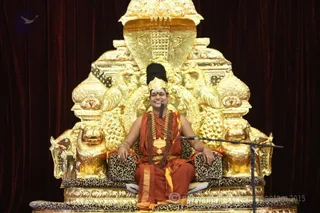
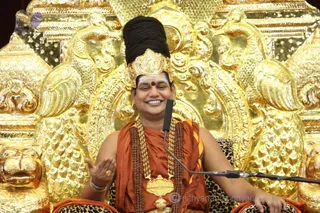
I am glorifying all of this by wearing them, not getting glorified by all of this by wearing them. I am decorating the throne, not decorated by the throne. I just want to make a statement to the world – all these traditions of Hinduism need to be revived, relived, enjoyed, cherished, spread, enriched; because this tradition taught Me to live off-the-grid. And no society is more compassionate in the world than the Bharat Indian society, which loves, respects, reveres the people who decide to live off-the-grid. In any other country, if you decide to live off-the-grid, it is illegal. In this country, decide to live off-the-grid, people will wash your feet and give you food. I am waiting, I am waiting for my Balasants to become 18, first batch I am sending to live off-the-grid. That is going to be the grand finale for My Balasants. And in the March, all the Krama Bramacharis and Naishtika Bramacharis are going to enjoy off-the-grid life in March. I have already, I have plans all the Krama and Naishtika and the Adheenamites are going to enjoy off-the-grid life in March.
I tell you, fear of your desires getting matured will stop you getting matured. Any society that frightens its people about maturity will kill itself. Let more and more maturity be added. Let your desires get matured, your fears get matured. If you are afraid of death, and suddenly you are afraid of the karmas, which may hit you after death; don't think you are in the same state, you have become matured. You are no more afraid of death, only the karmas which may or may not come after death, then your whole life, you will not be planning for more and more locks and bigger and bigger walls, you will be planning about Completion. If you are afraid of death you will be planning for greater and greater wall and lock. If you are afraid of karma, you will be planning for more and more Completion. So even your fears getting matured, is a growth.
With surrender, the first thing you will experience is, your desires and fears will get matured. End, they will completely disappear, that is different – that is the ultimate experience. But the moment you even start practicing surrender, your desires and fears will start getting matured. Your anxiety, your fear, whatever emotions with which you are struggling, your incompletions, all these will start getting matured. You may not have incompletion with the people who are living with you, or with the day-to-day life. You may have incompletion with incompletion itself, that why I am not able to complete you. That is not, that can never be equated to the incompletion you are having with the next person because she did not smile at you or he did not smile at you, they did not respond to you, they poured water on you. You have incompletion about they poured water on you is totally different, than your incompletion about incompletion that – why you are not able to complete.
I can say here, even your completion and anxiety has become more mature. See ultimately this incompletion will disappear, that is experience. But even maturity shows the growth. The moment you start practicing surrender, the first thing that will happen to you is – maturity in your desires, in you anxieties, in your fears, in your greed, in your everything.
I tell you, live with the people who are matured, you will love the life, you will love the life. This whole prayer you see, such matured prayer, matured surrender! If you are surrendering to somebody to save your life, or to have two square meal, it is stupid surrender, you are becoming slave. If you are surrendering to somebody, asking for Enlightenment, leading you to beyond coming and going, birth and death, that is matured surrender. Even in surrender there is maturity. The context, understand. That is why I always insist, some people use Me as only an orphanage, orphanage head, very few use Me as the head of a monastery, Gurumaha Sannidhanam.
(16:58)
Understand, your surrender, your fear, your anxiety, your desire, everything will get matured, the moment you start practicing surrender. Surrender smokes out all your hypocrisy. It just smokes out all of your hypocrisy. You simply know what is hypocrisy. You simply know why you are hypocrite.
First reason, why you are hypocrite is, the fear implanted in you by society about our desires getting matured.
I have seen people telling, “I am afraid to come to the ashram. I may just settle down there.”
“Aye, Aye! You think then we are all fools?”
You are blessed if your desires can get matured and you can settle down here. It’s only the people whose desires have matured and can settle down here; otherwise I have enough Bhuta, Preta, Ganas to pour water on you, and kick you out. The moment you say, “I am afraid to go and attend Inner Awakening, I may stop drinking.” It means what? – fear of your desires getting matured. It is exactly that worm feeling, “Oh, if I become butterfly, where will I get my food, how will I protect myself? I heard many, many, big, big worms will try to eat me.” Hey, just become butterfly all these problems won’t even exist in you.
Making your old problems redundant, not solving, redundant, is Renunciation. They just become redundant to your Life. The more and more practice of surrender, will more and more smoke out the hypocrisy which you are hugging. Cuddling hypocrisy is not cute. Understand, hypocrisy is not cuddly bear; it is cuty bear, not cuddly bear. Cuty bear means a bear that is going to bite you. Don’t cuddle with your hypocrisy. No!
Celebrate your desires getting matured. Celebrate your fears getting matured. Celebrate your anxieties getting matured. Celebrate your decisions getting matured. Celebrate your vision getting matured, you will celebrate Surrender; because in real surrender, spiritual surrender, the worm is becoming butterfly.
(20:50)
The other day I say a Facebook posting – a worm and butterfly both of them are sitting there in a table in a restaurant. The worm says, “You have changed in one month.” Butterfly says, “Yes, Nithyanandoham effect. Yes, Nithyanandoham effect!” and the photo it really had a lot of meaning, the worm in front of the worm, there were a lot of food items, and the butterfly, nothing was there.
(21:28)
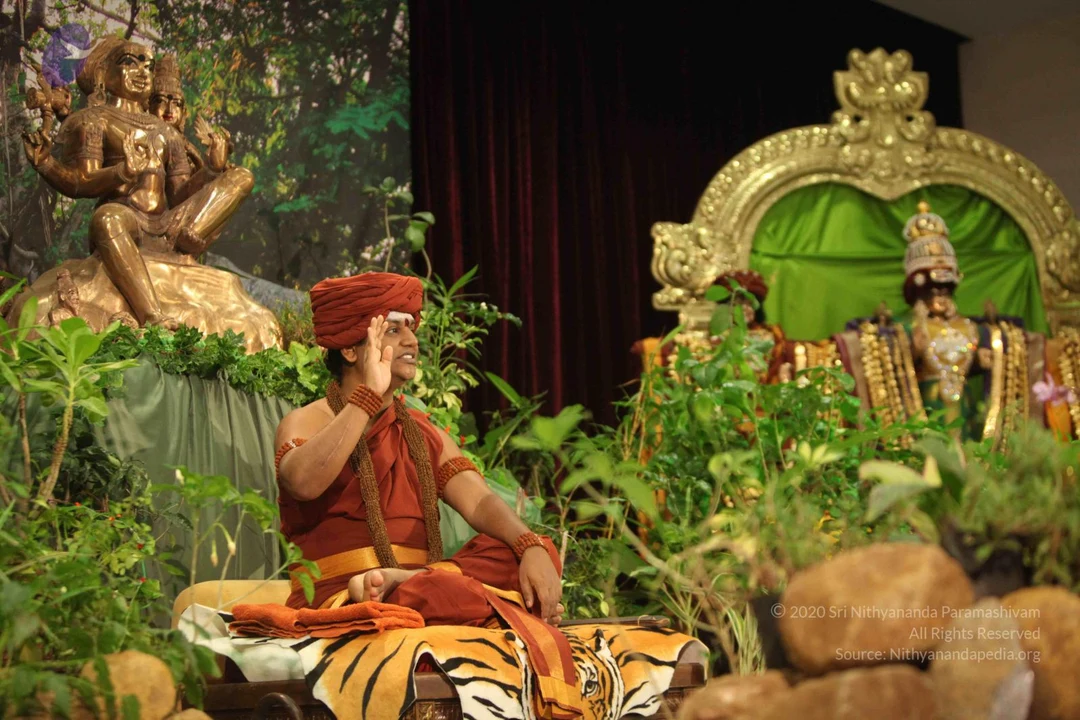
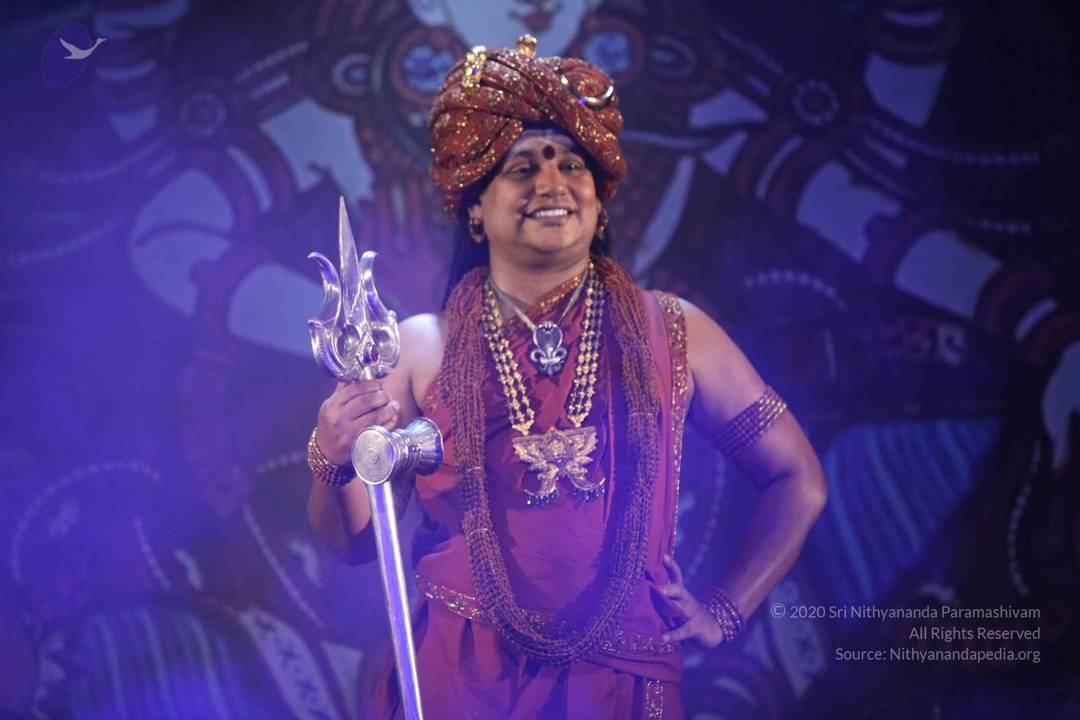
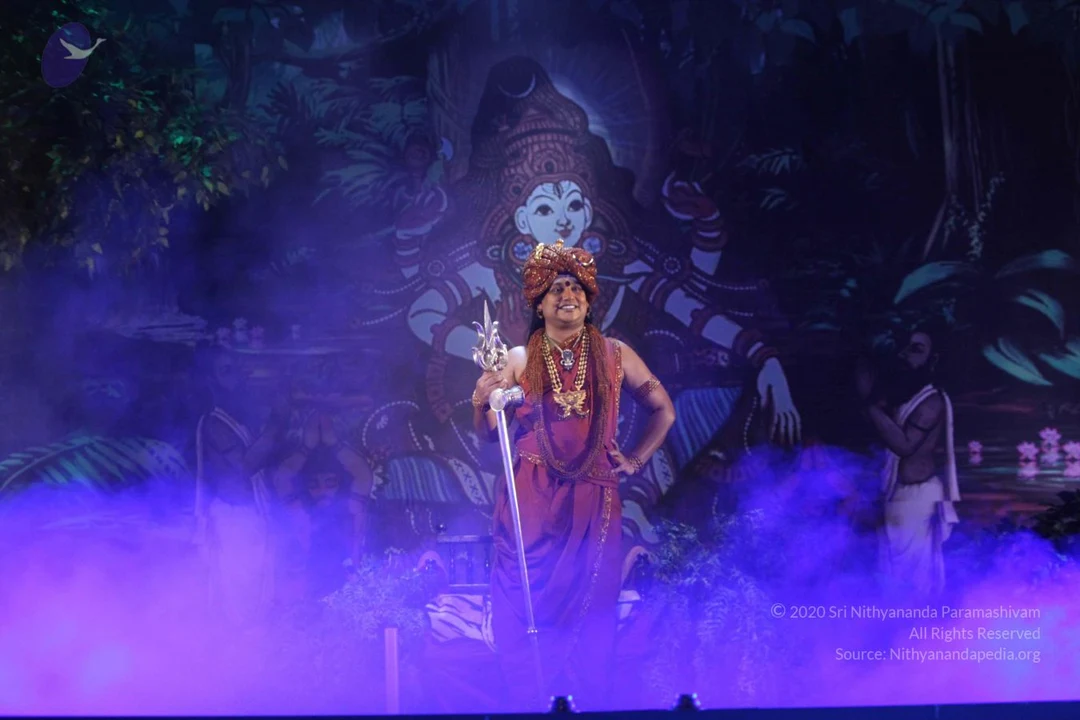
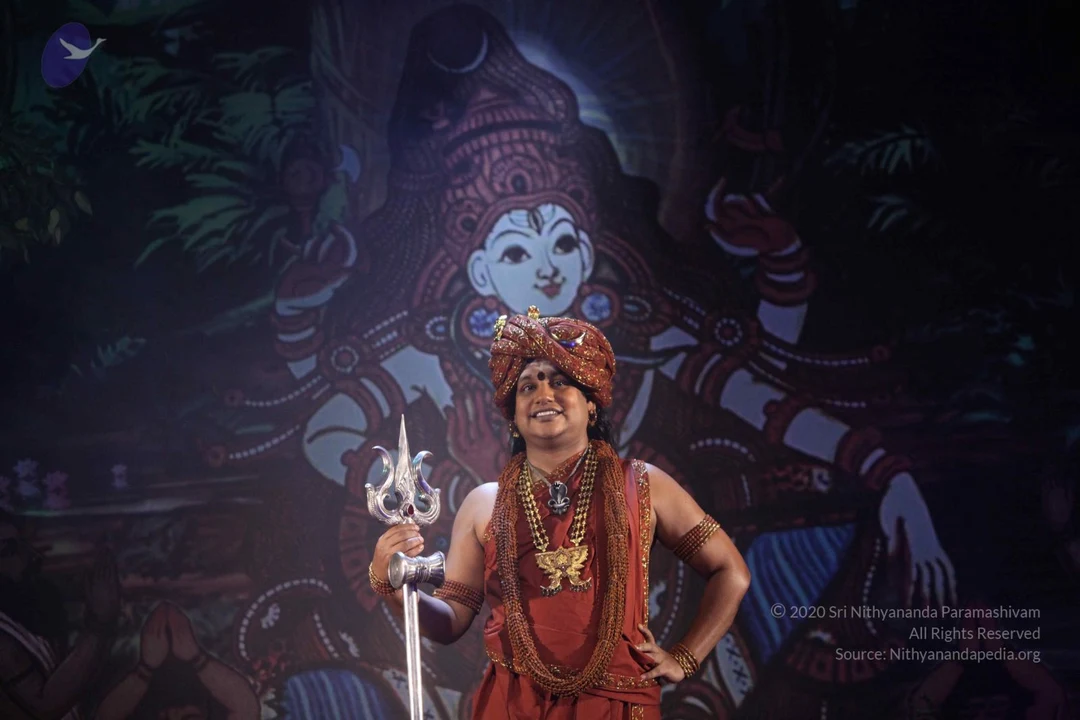
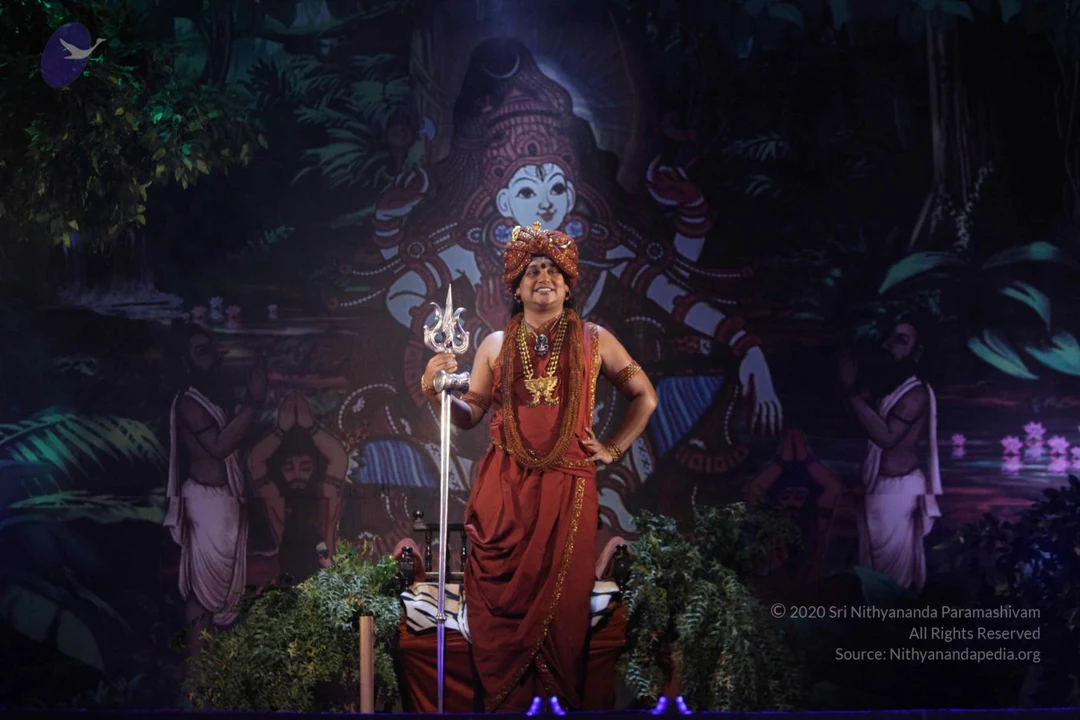
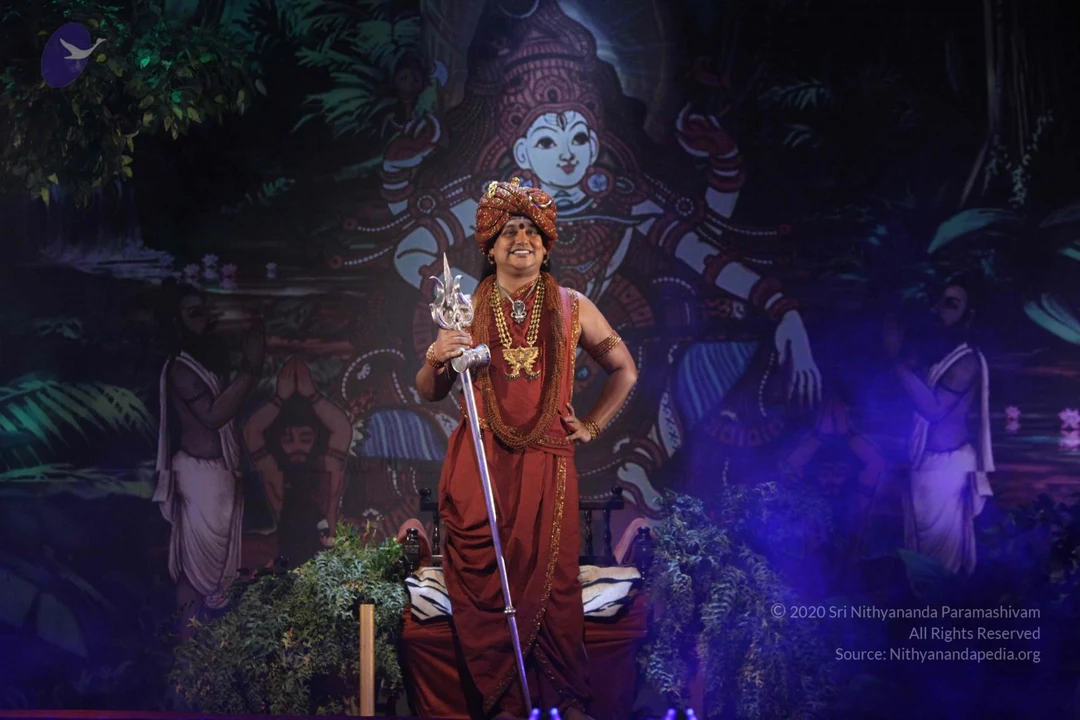
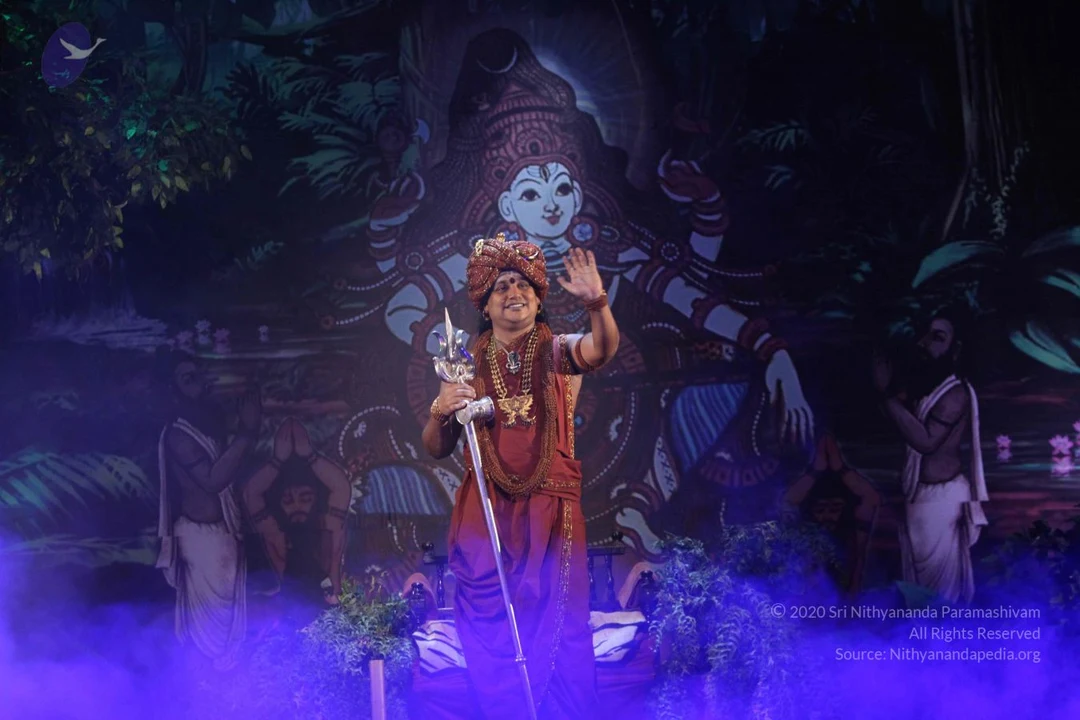
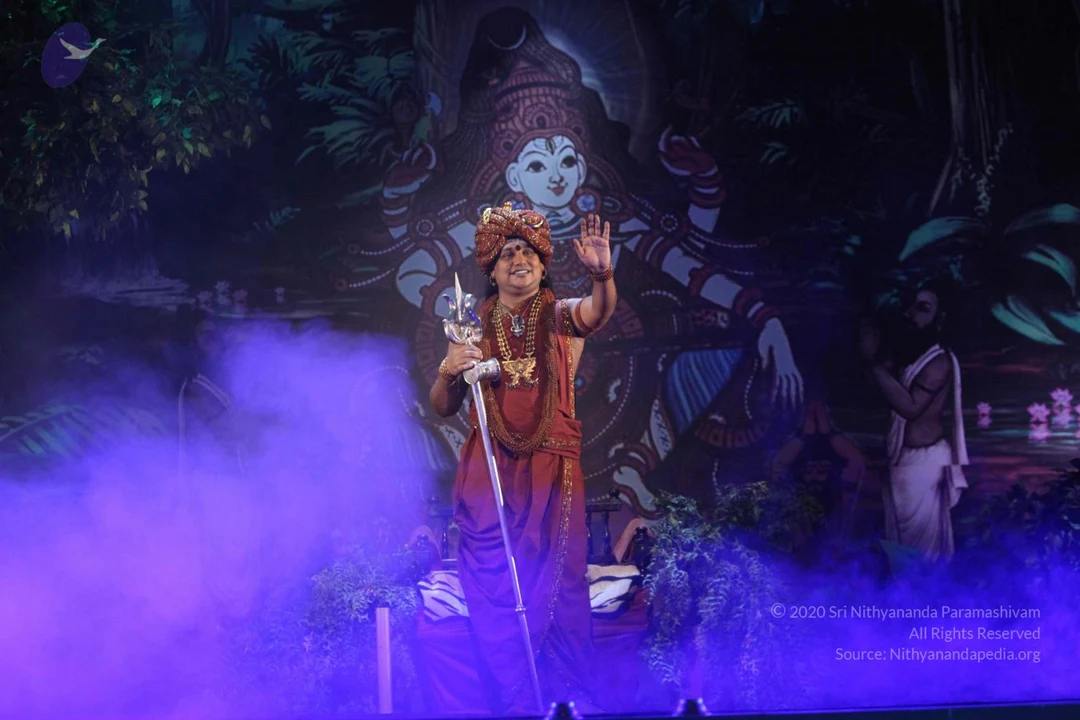
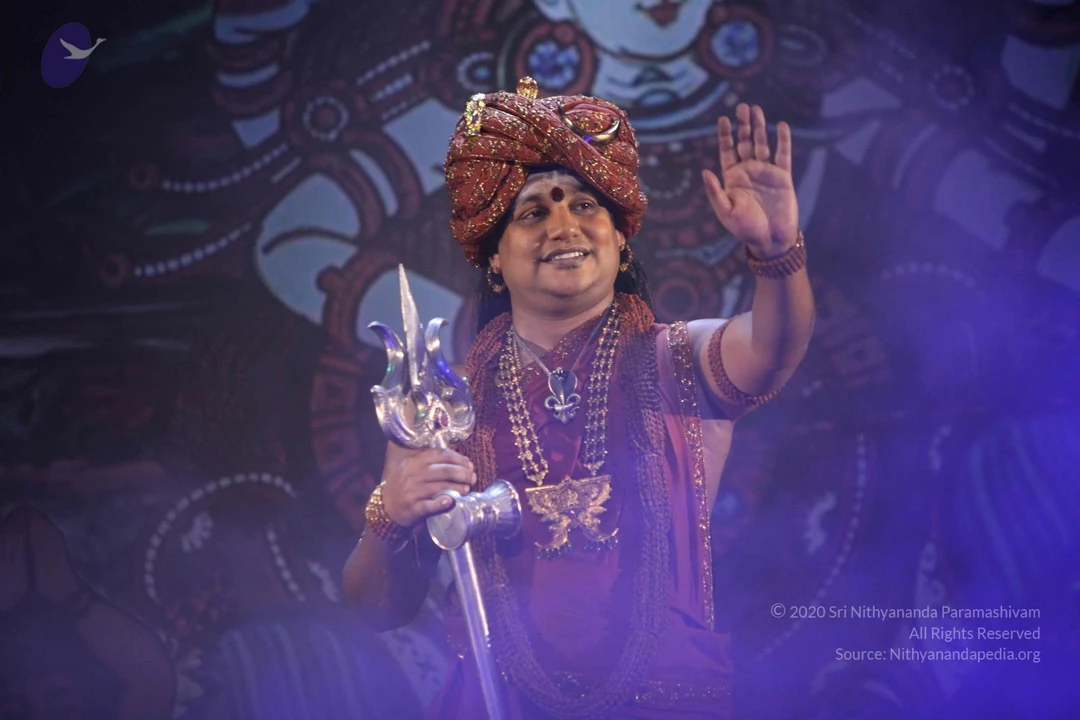
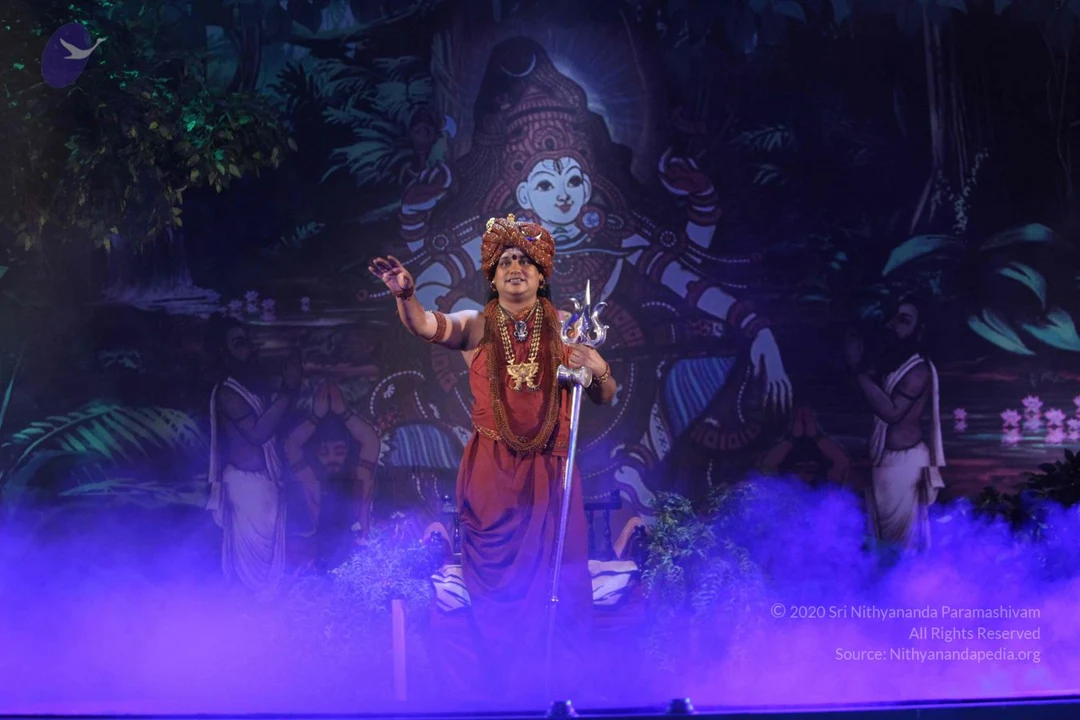
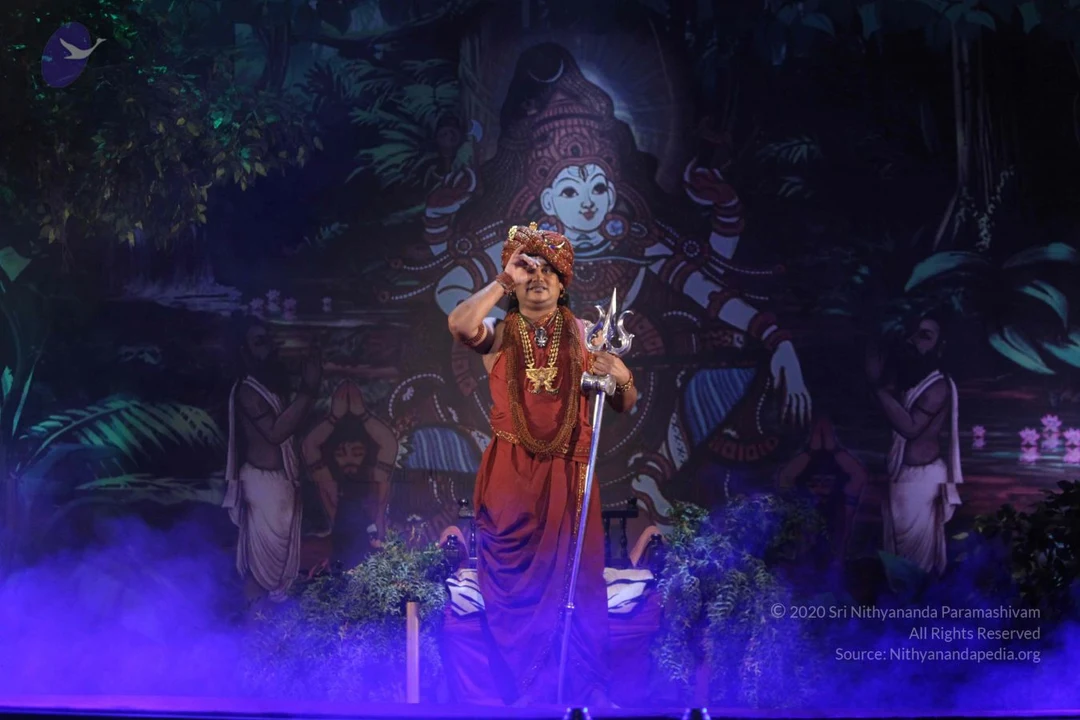
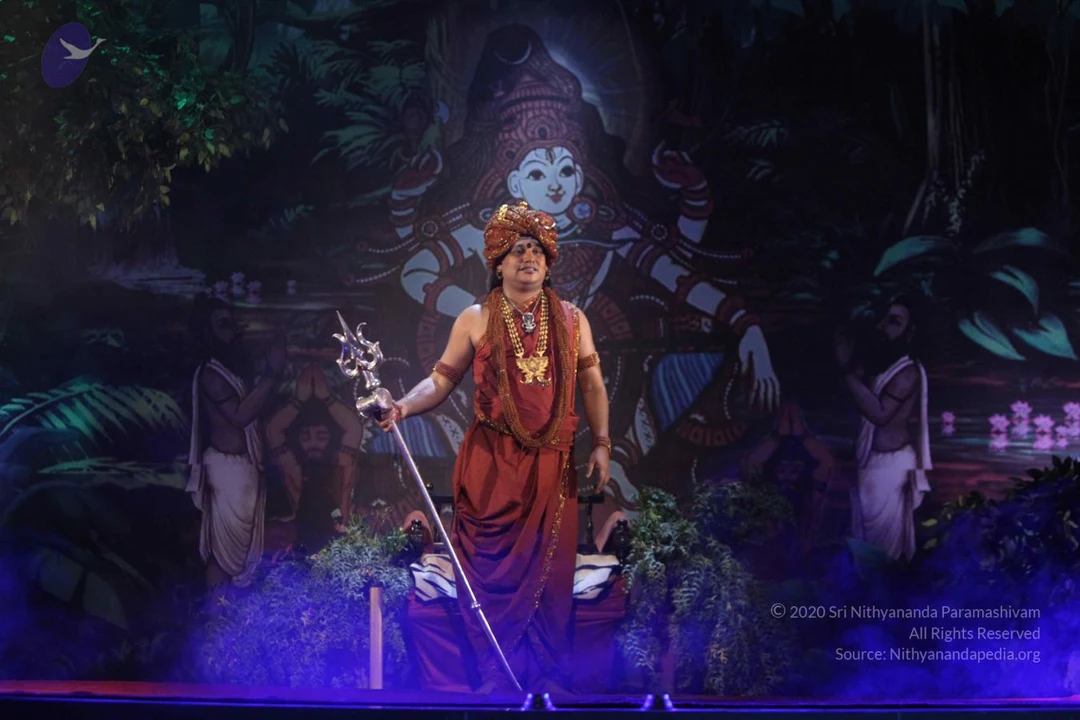
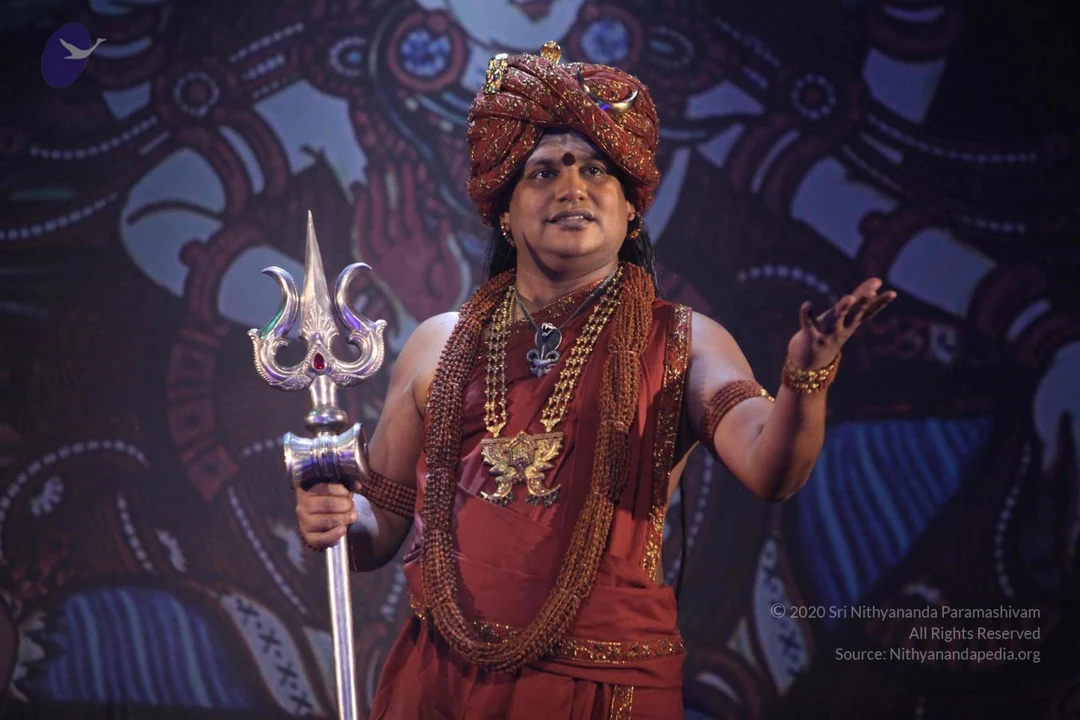
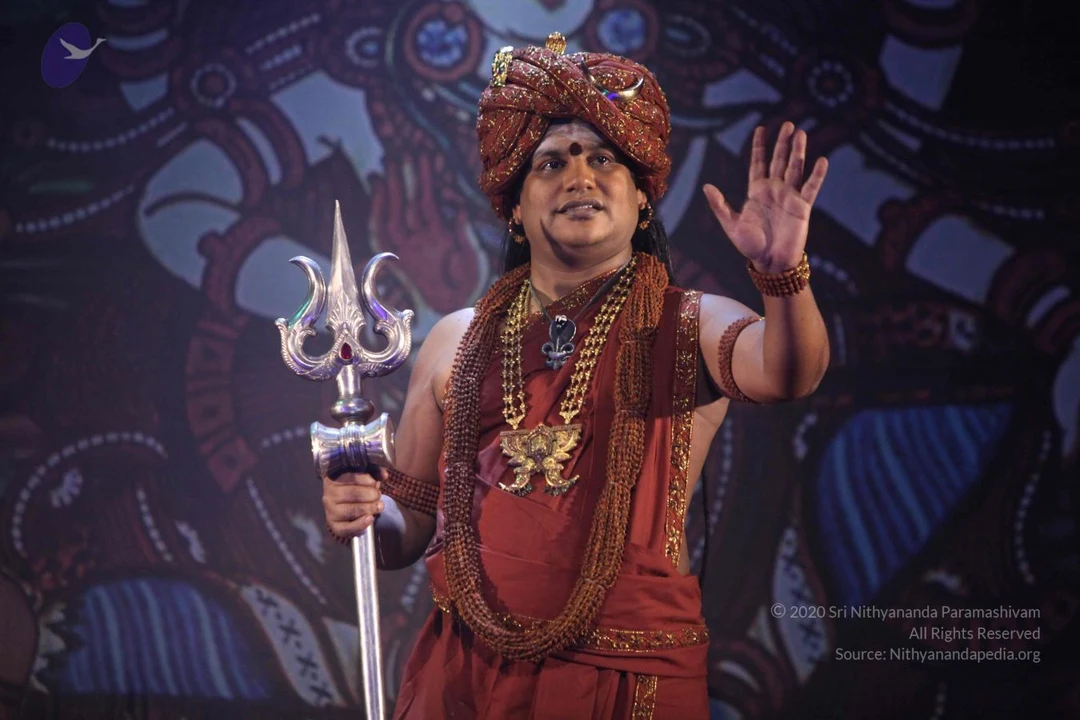
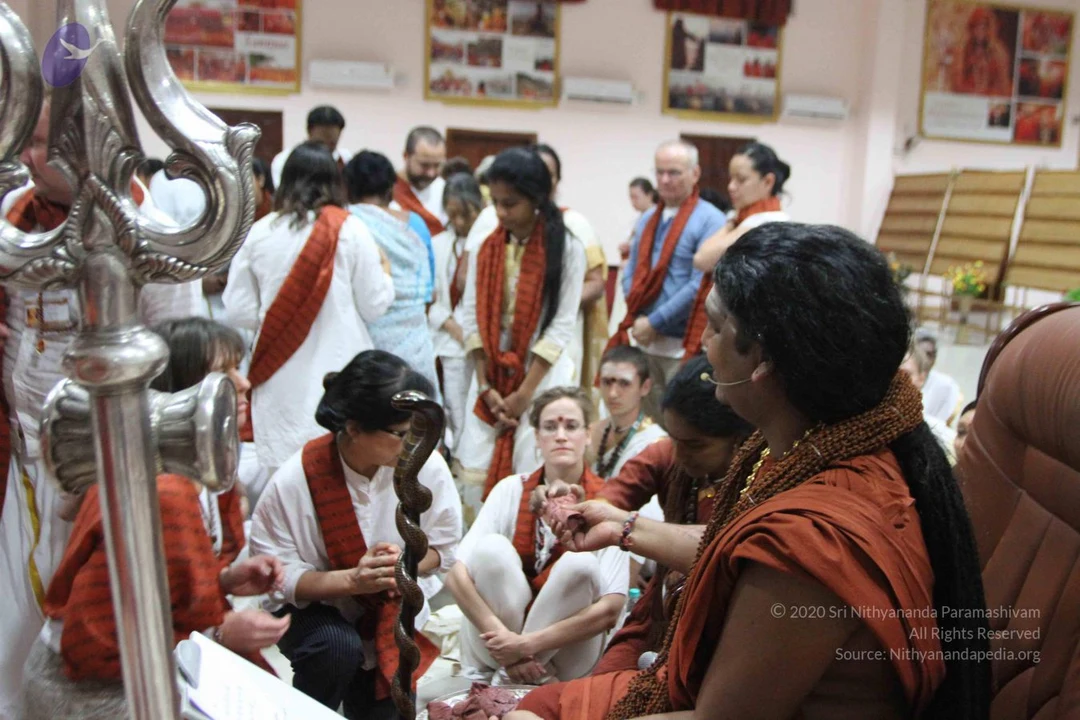
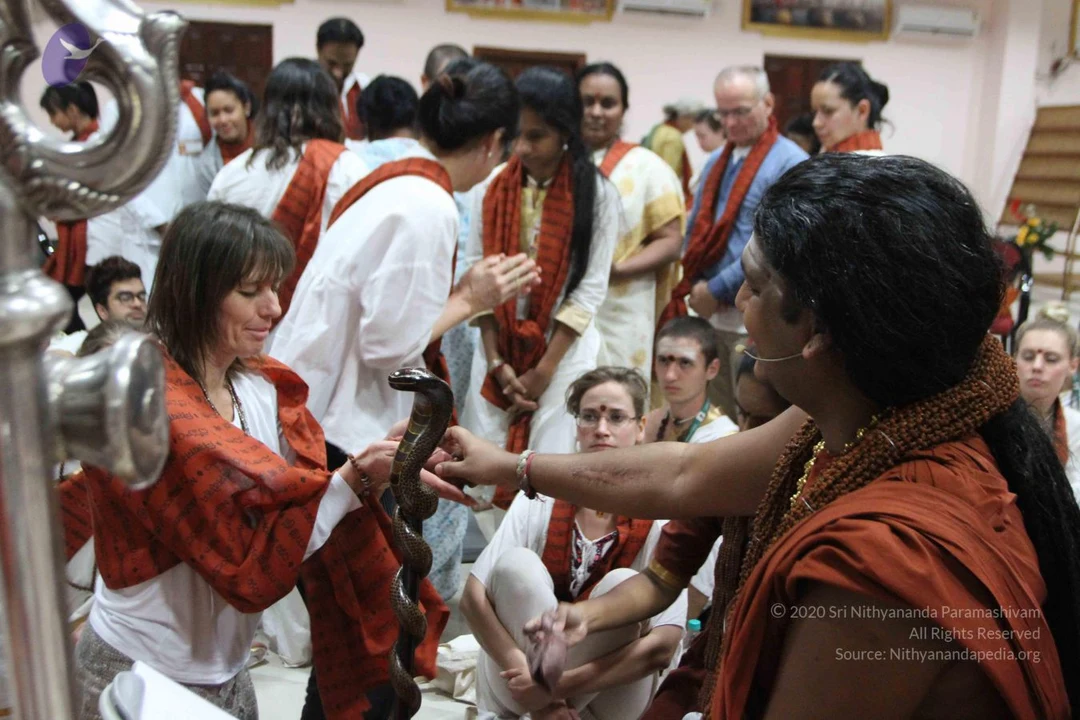
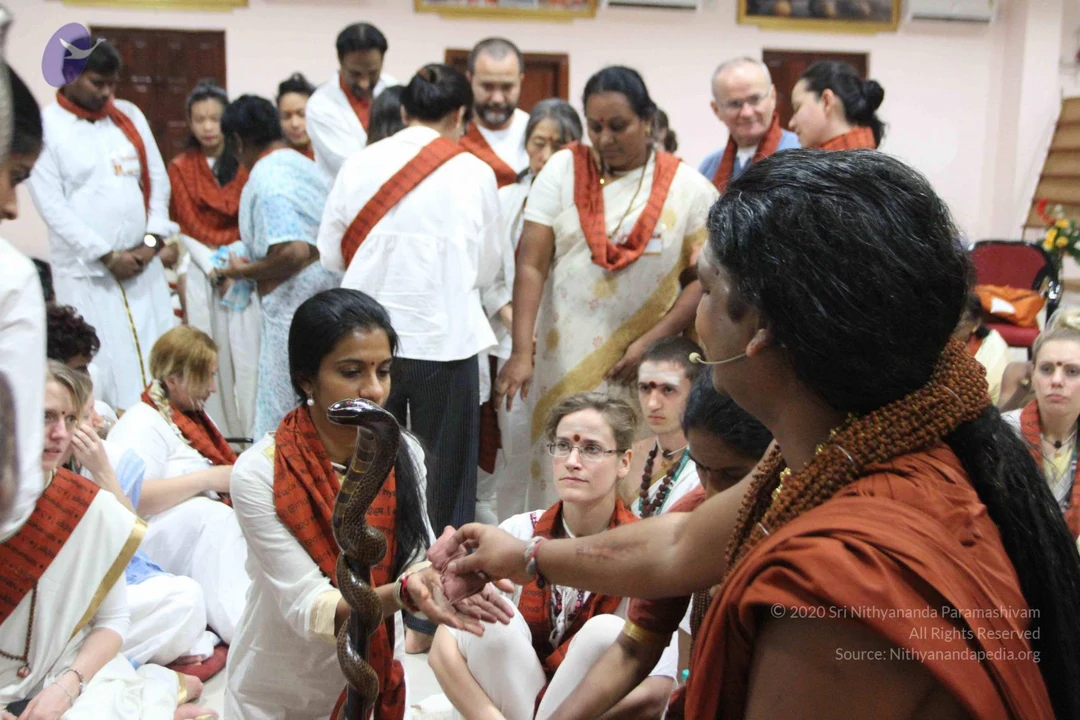
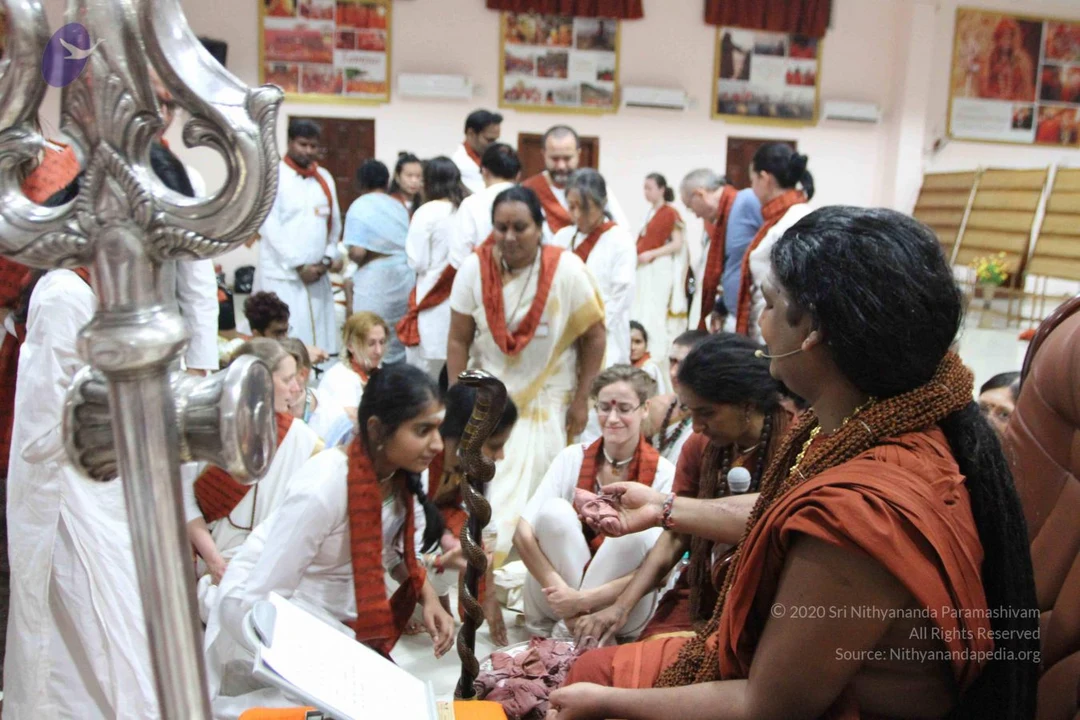
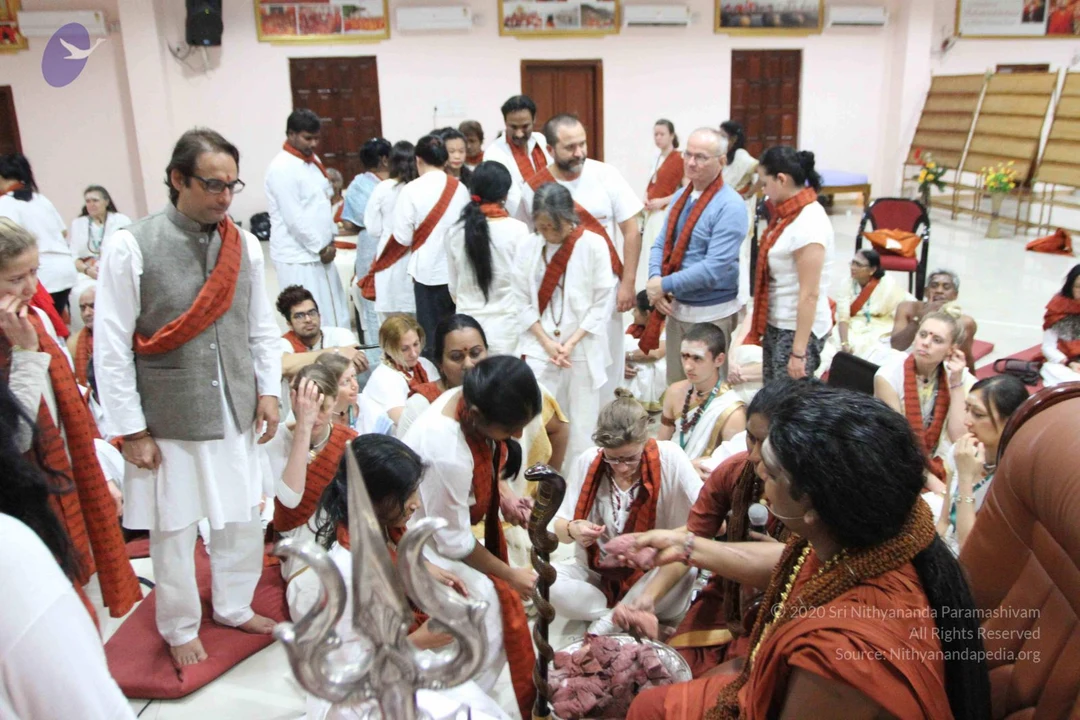
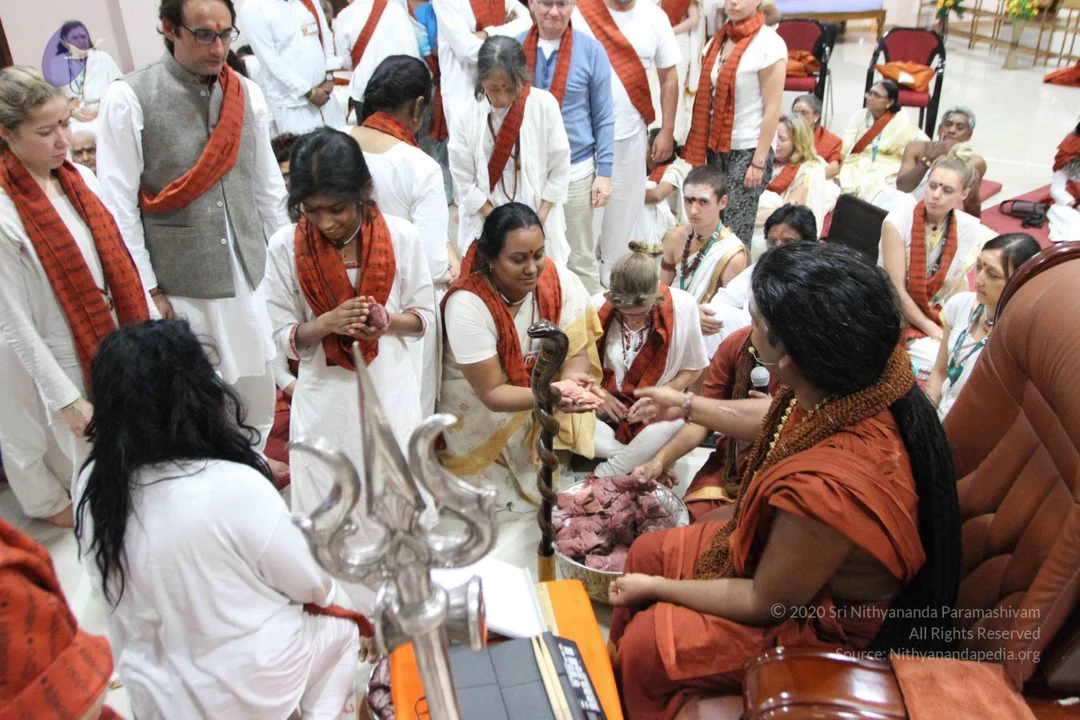
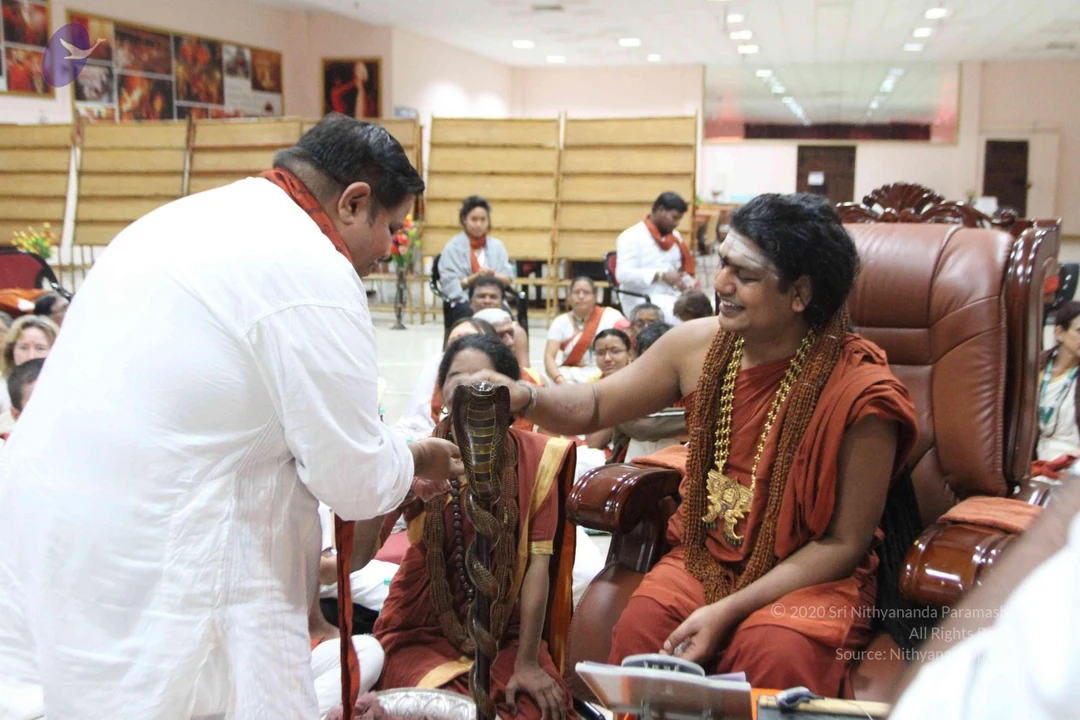
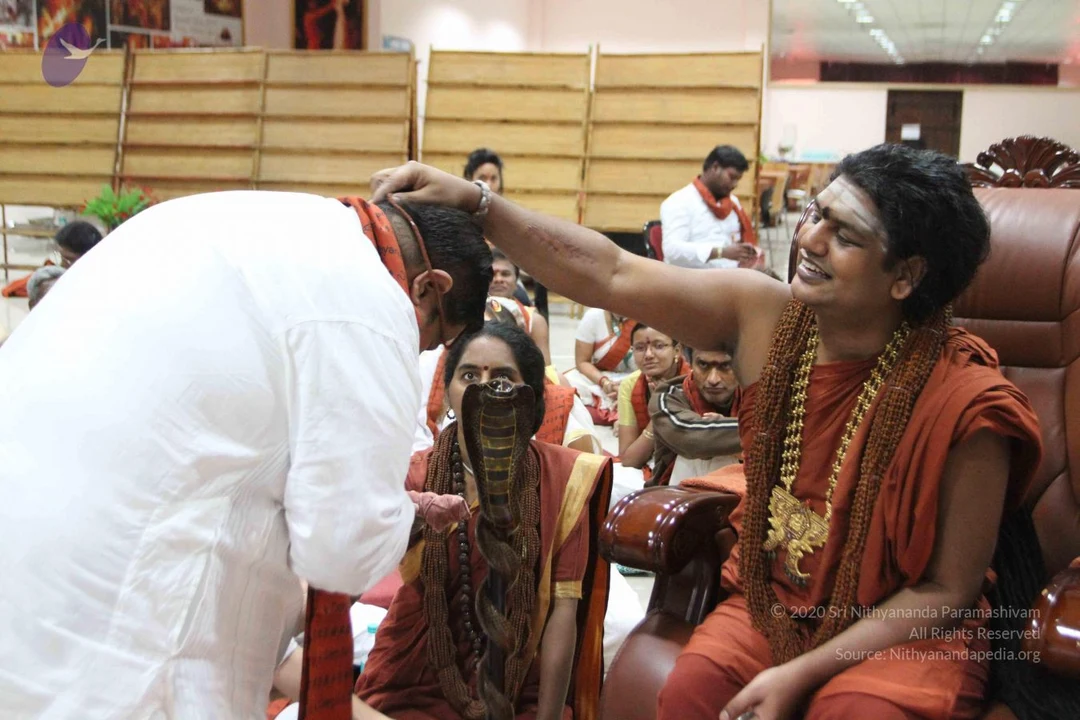
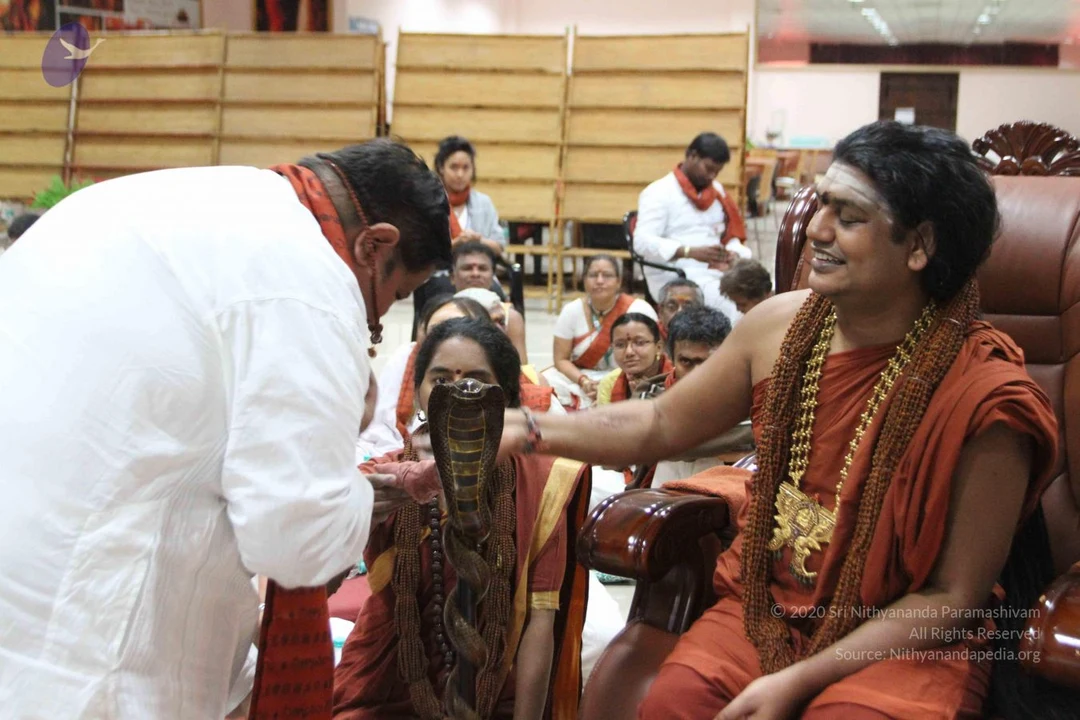
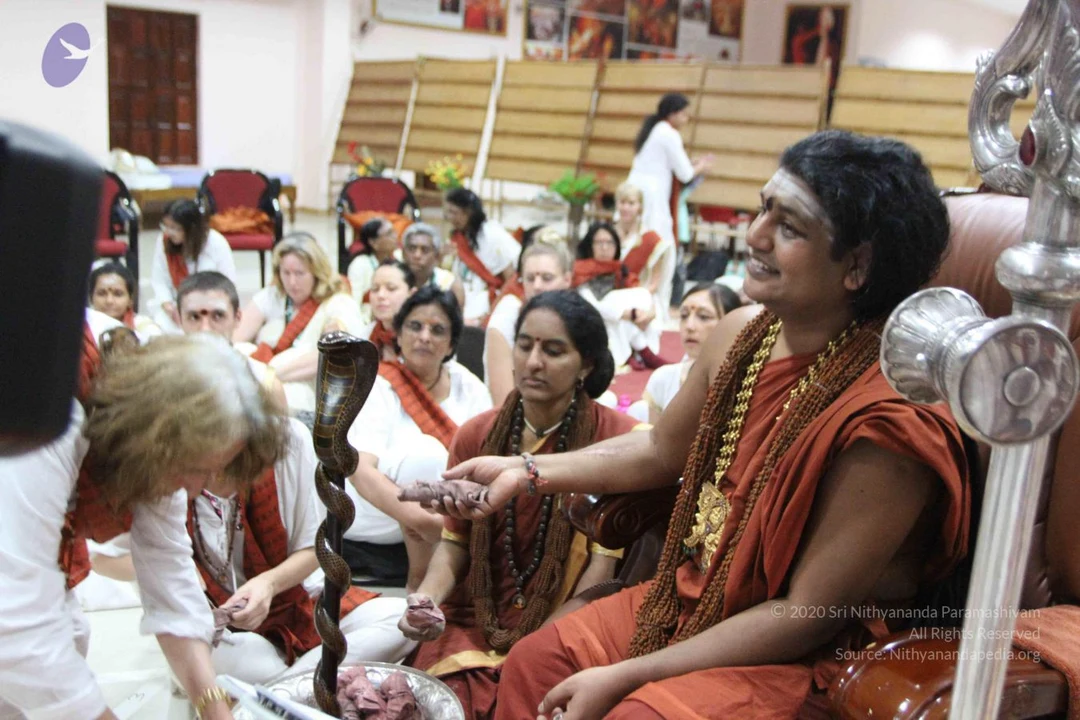
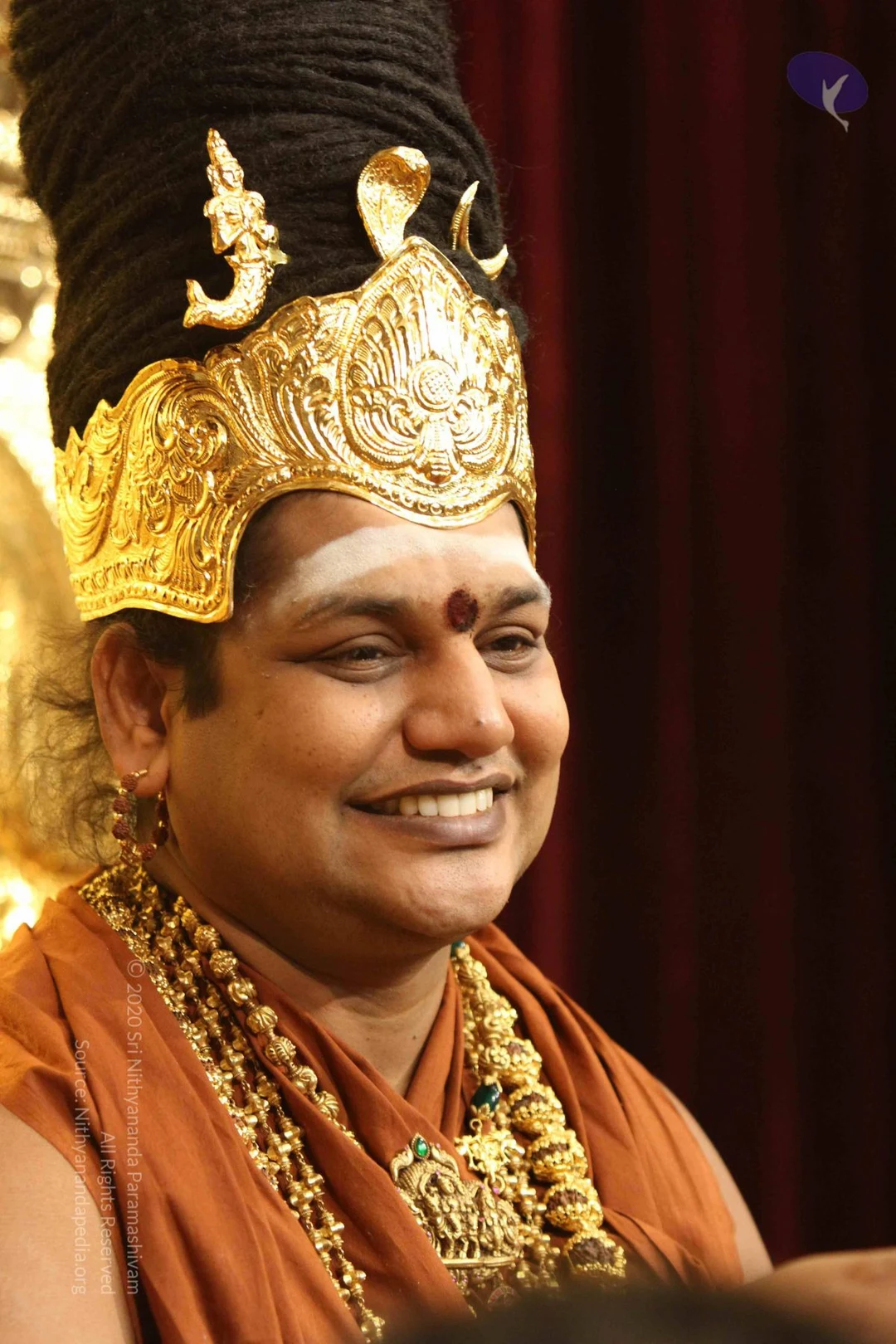
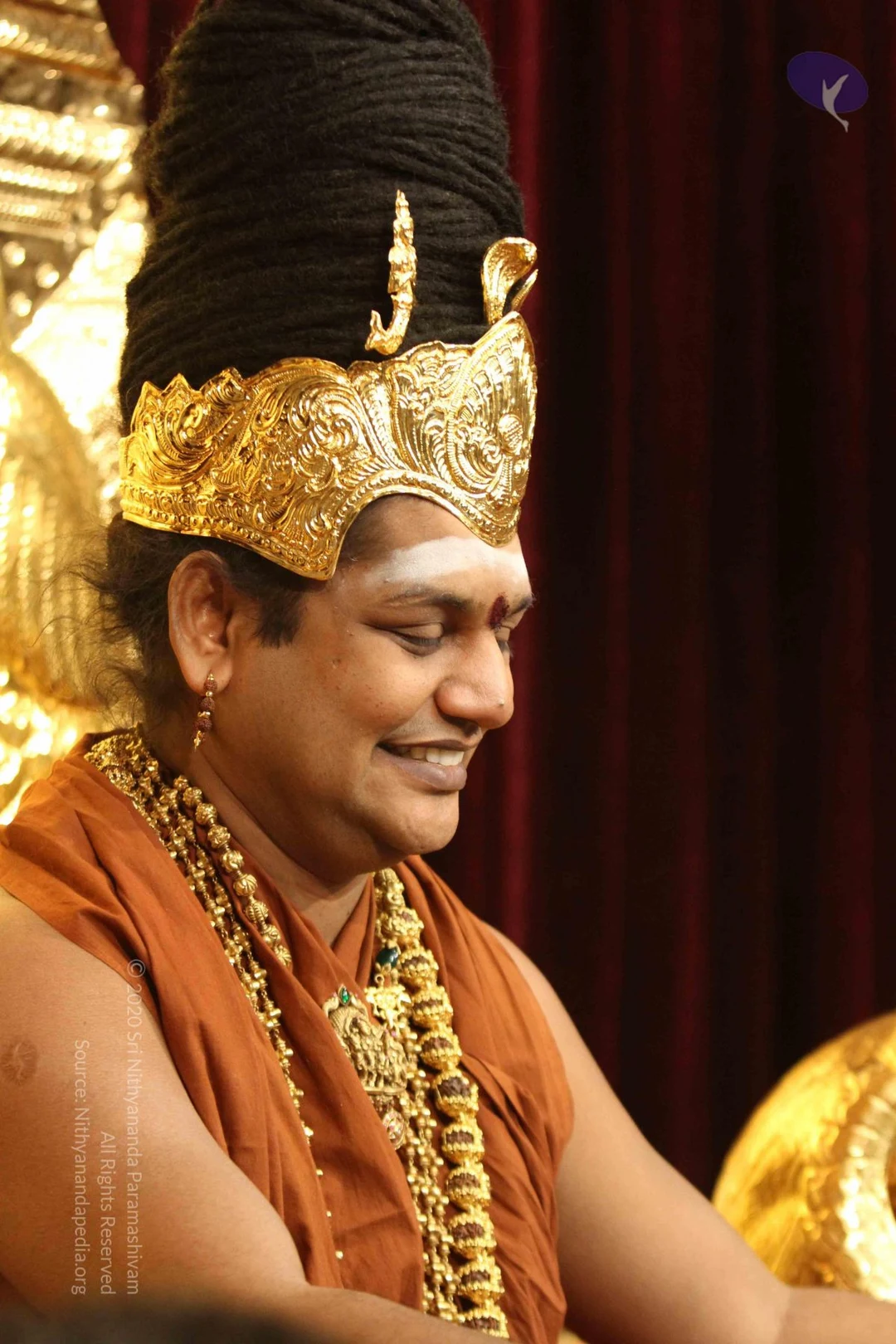
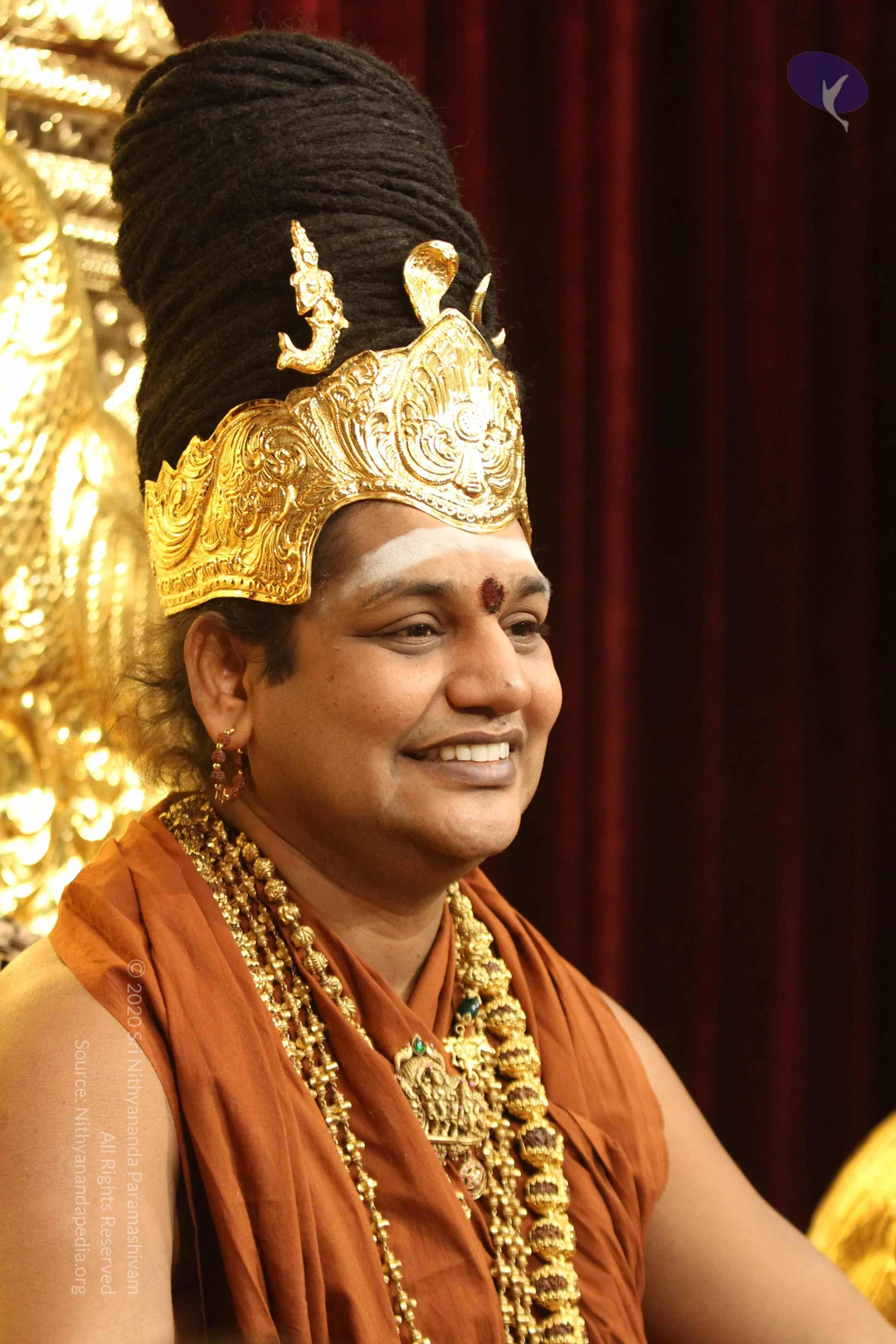
The snake form of kundalini in Mahadeva’s form denotes Surrender. Understand, each item in Mahadeva’s form represents one idea, one truth. Snake represents the kundalini shakti, which has surrendered to Mahadeva; or, I can say Mahadeva’s own kundalini shakti, which is under His control.
Innocent surrender means you know everything abut surrender, but you don’t have fear. Ignorant surrender means you don’t know anything about surrender; you just use that word for bargaining something.
Here you can see the innocent surrender. What a matured prayer.
Oh God, Consciousness, May you remove all of our incompletions that are obstacles on our good path of completion; beyond coming and going, birth and death. Onto you we surrender, with many, many reverential words, because we don’t know any other words. We only know the reverence we carry in our heart and we don’t know how to verbalize it, so we offer that as it is. Bowing down, again and again. Bowing down, again and again.
Understand, when money gets added, your taste about life changes. When power gets added, your taste about life changes. When name and fame gets added, your taste about life changes. When Surrender gets added, maturity happens in you. Understand, the biggest change you can have in your life is maturity.
I will explain the difference. When money gets added, you have a new desires, a new way of thinking, new fears, everything, but that does not mean your old desires have gone, they become redundant. Does not mean your old fears have become redundant. When name and fame gets added, you have more desire, more fear that does not make your old desires and old fears redundant. When power gets added, you have new desires and new things, that does not mean the old gets redundant. But, when maturity gets added, constantly the old desires, and the old fears are becoming redundant. Whatever is today, desire and fear, tomorrow it will become redundant and tomorrow whatever is desire tomorrow, fears you have, that will become redundant day after tomorrow.
Constantly the old desires and fears becoming redundant, is what I call maturity. That is what is Renunciation. Renunciation is not denounciation. It is just making old redundant. They are no more part of you, they are no more part of you.
Ability to make old desires and fears redundant is the ability to keep life alive. If you have that ability, you can make disease redundant in your body, boredom redundant in your mind, suffering redundant in your emotions, pain redundant in your relationships. At one point, you will become redundant due to Enlightenment. Ultimately you will become redundant. That is Enlightenment. Making things redundant in your life, making things, places, people, redundant in your Life. When you mature, the people who all the time talk about shares, clothes, car, bank balance, their net worth, they become redundant to you.
And I have seen these stupid NRI parties, all the time these donkeys talk about only this. The moment they gather, “hey what is the share? What’s the car you are driving? How many swimming pools you have in your house? How many bedrooms you have in your house? Do you have a tennis court.” Make all these people redundant in your life. And when these women gather, oh God, NRI women…sari, jewel, kitty party…Make all these people redundant in your life. When your taste changes, they become redundant. When you get matured, they become redundant.
The innocent surrender, where you know everything about it, you are not afraid of it. I tell you, the fear of maturity is the worst fear taught to humanity. This is the biggest conspiracy done against humanity. Attack on your body is chemical agriculture and pharmaceutical companies. Chemical agriculture and chemical medicines is the attack on your body. Overly sexed and violence based entertainment is the attack on your mind. Fear of the maturity is attack on humanity. Understand, I am neither revolutionary nor rebel, I am just evolutionary. Maybe I can coin a new word – REVIVEVOLUTIONARY.
Even in the prayer, what a maturity! This one verse, I feel there is so much to tell about this verse. That’s why I am not moving. May be the first day of Inner Awakening, I will start the Kenopanishad. February 4th, the next beautiful Upanishad, Kenopanishad.
agne naya supathā rāye asmān viśvāni deva vayunāni vidvān |
yuyodhy asmaj juhurāṇam eno bhūyiṣṭhāṁ te nama-uktiṁ vidhema || 18 ||
What a prayer..what a prayer! The moment I read this mantra, I can see the whole bio-energy becoming alive. If you want to prayer, I think this should be your prayer with that clarity – even while you pray, SO’HAM ASMI. With this prayer, the Upanishad leads you from impersonal relationships to personal feeling connection. You can always just cheat yourself with just some good ideas, concepts, but never connecting with the Source. This verse does not allow you to do, this verse really awakens that feeling connection.
Essence of today’s satsang – Innocent Surrender not ignorant surrender.
With this, I bless you all: Let you all radiate with integrity, authenticity, responsibility, enriching, causing Living Shuddha Advaita Shaivam, the Eternal bliss, Nithyananda. Thank you. Be Blissful.
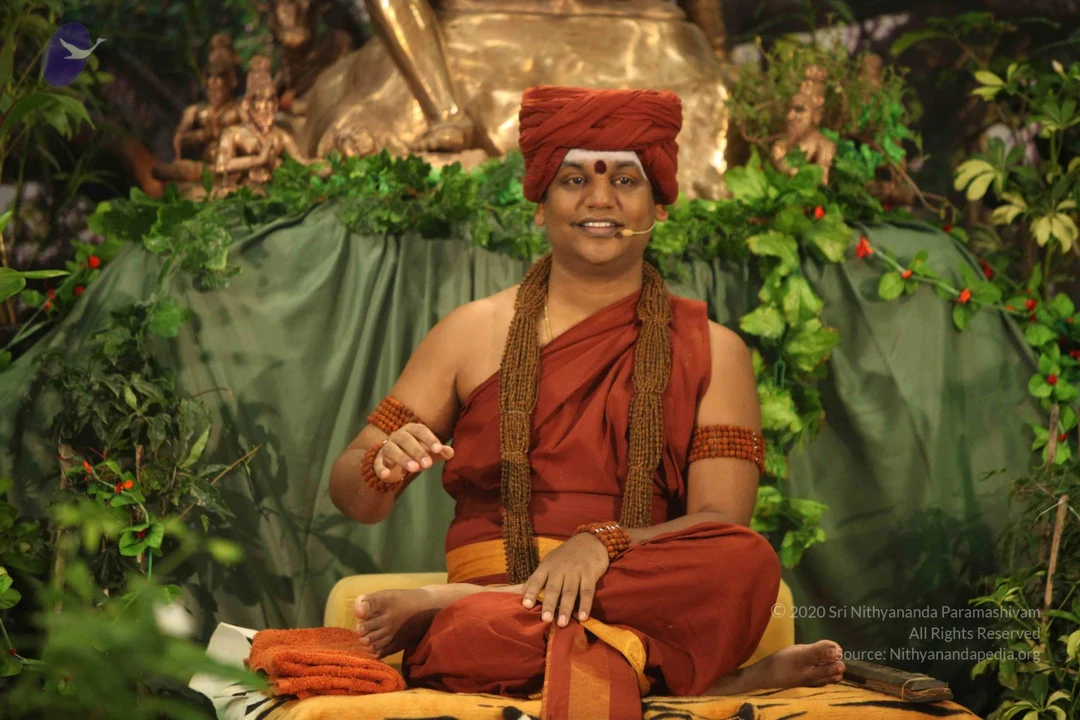
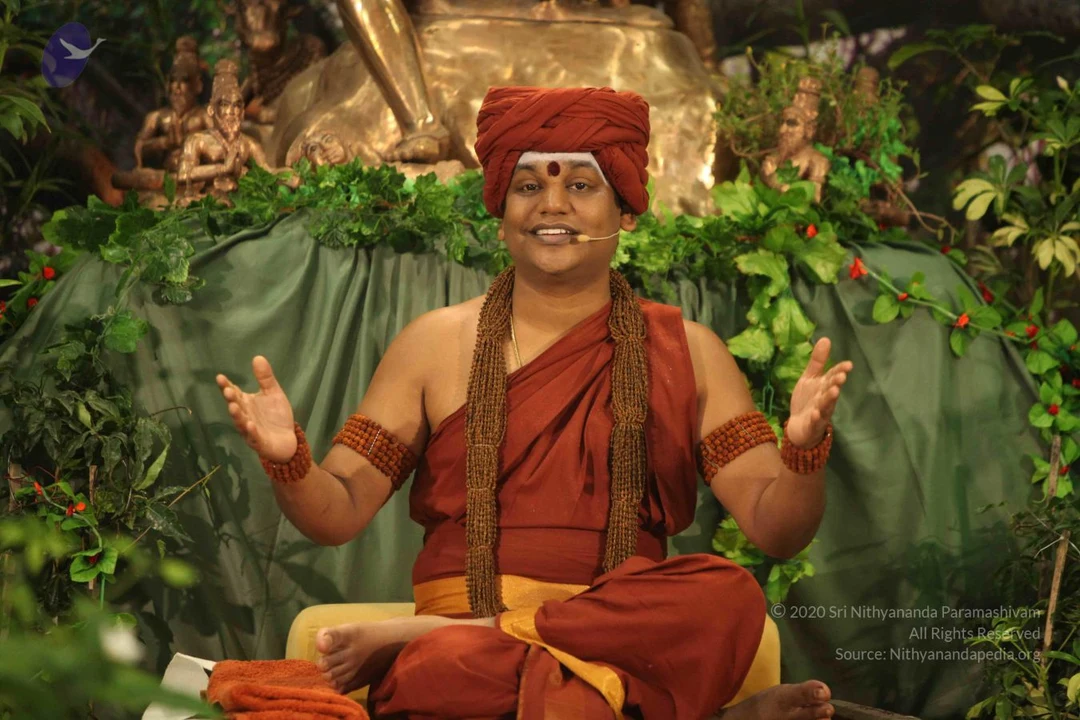
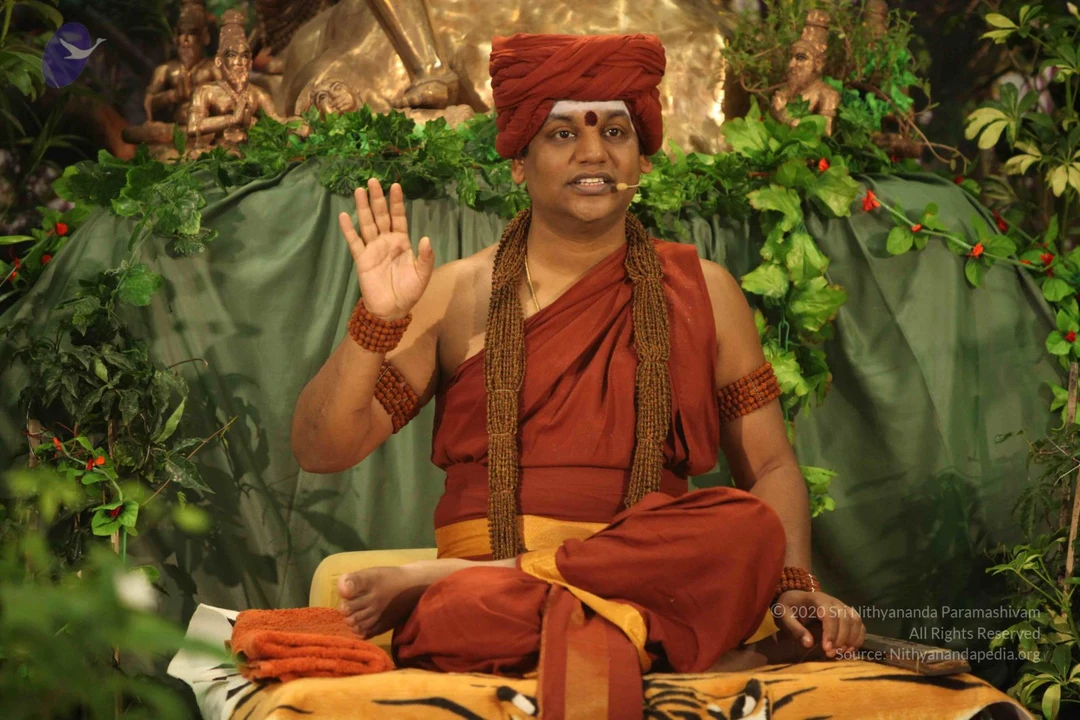
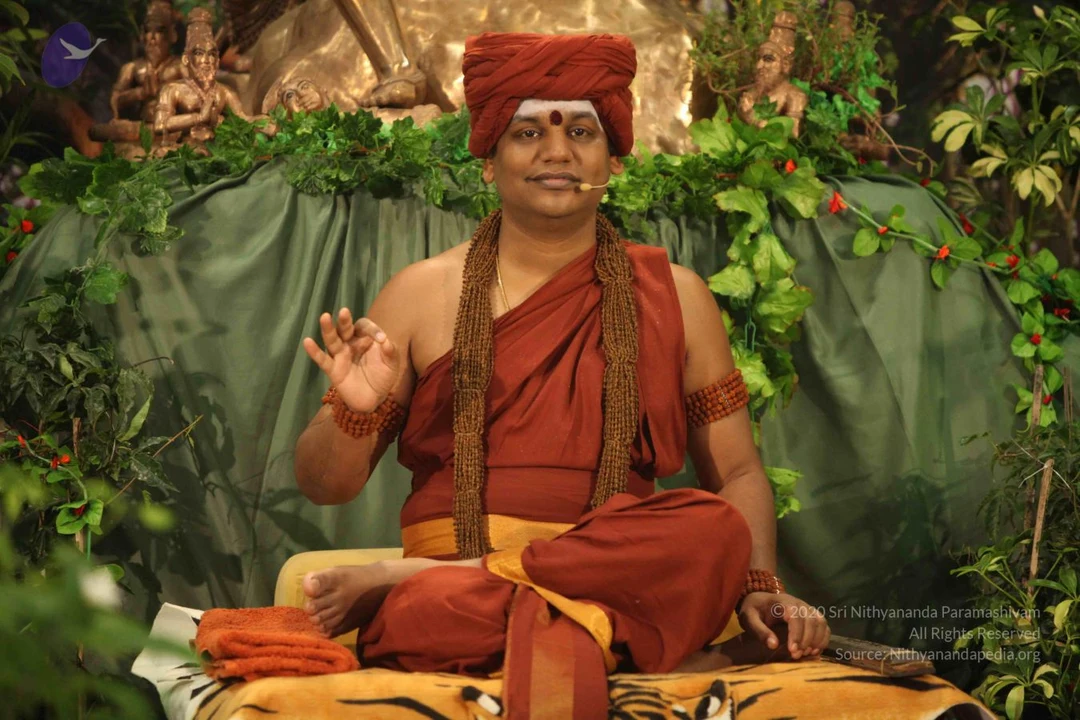
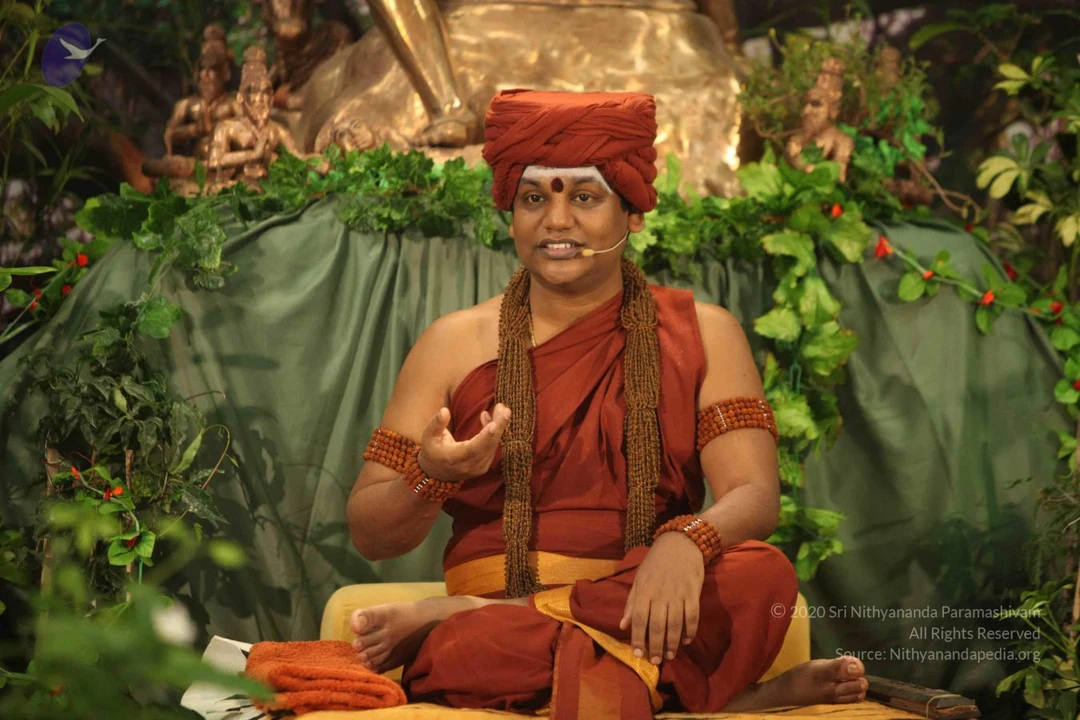
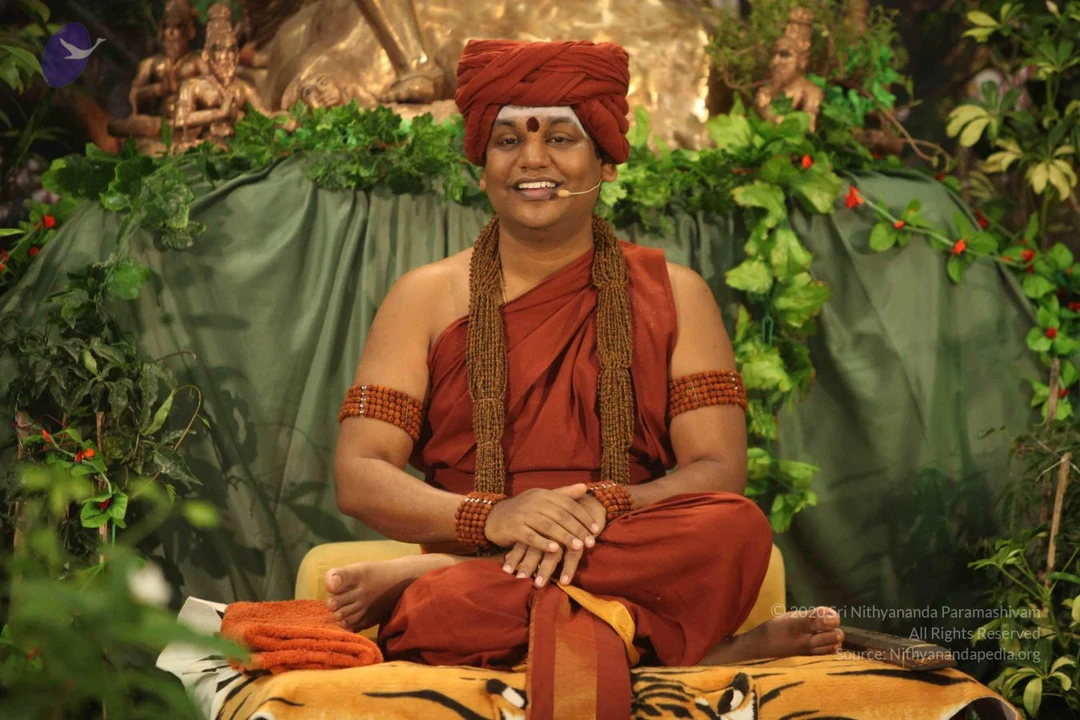
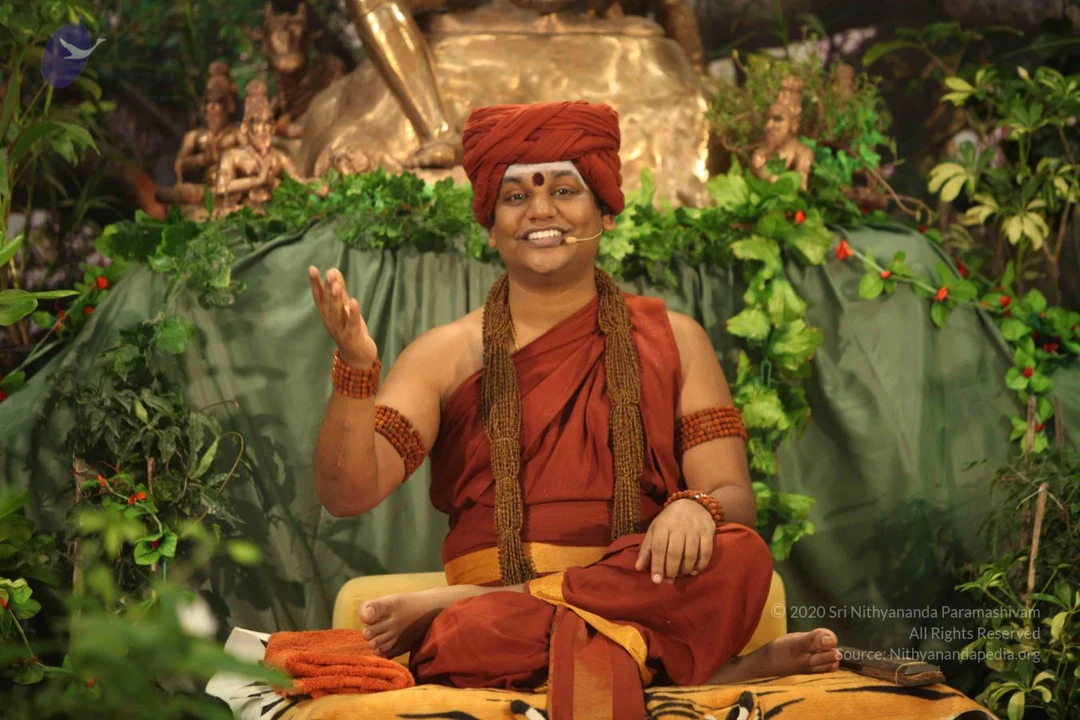
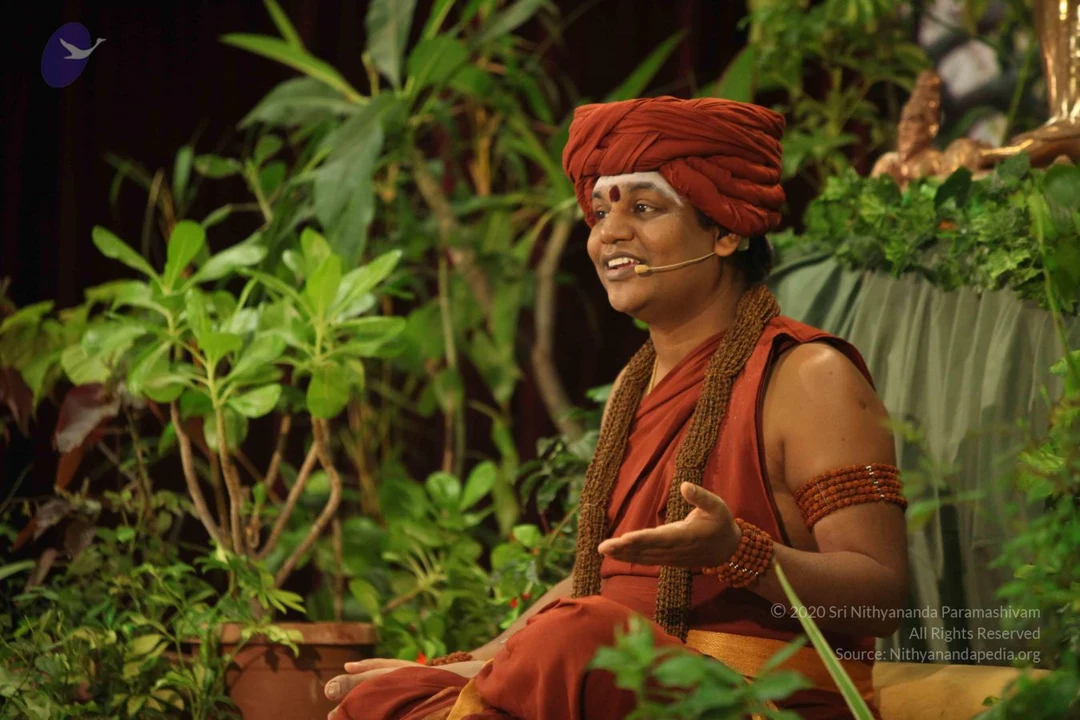
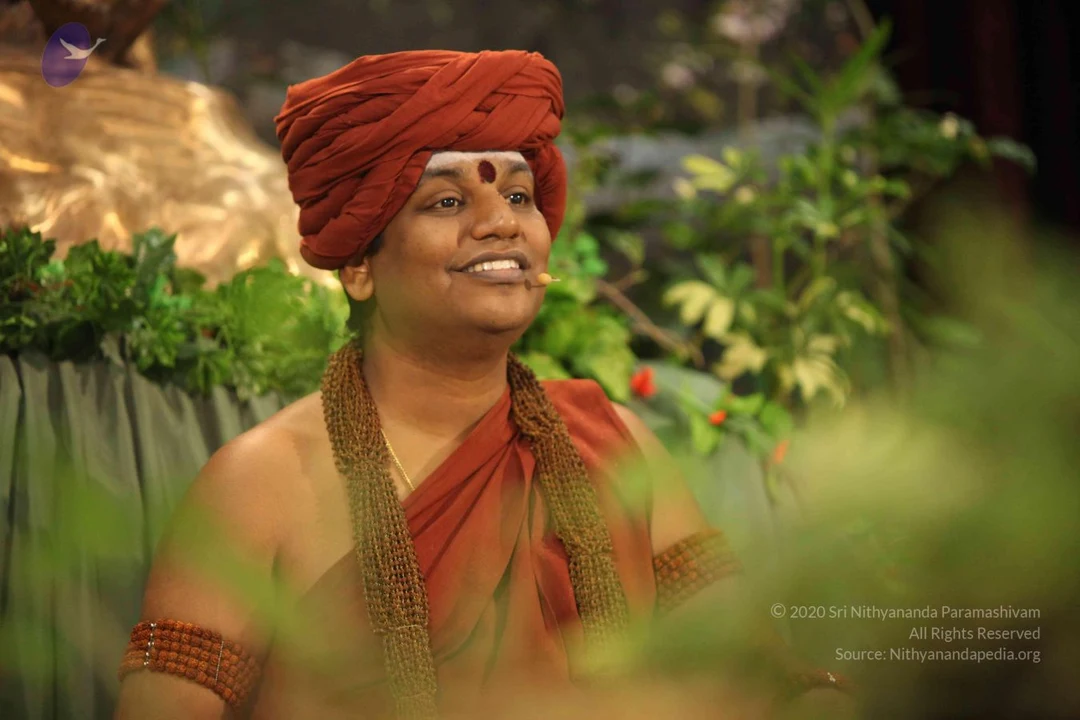
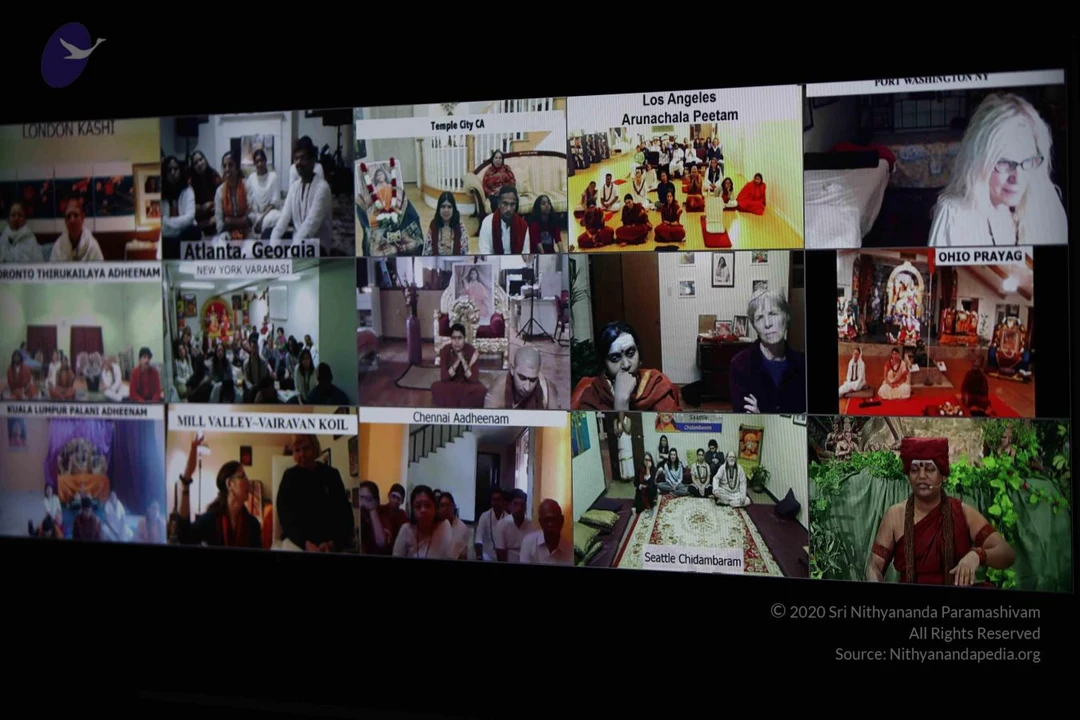
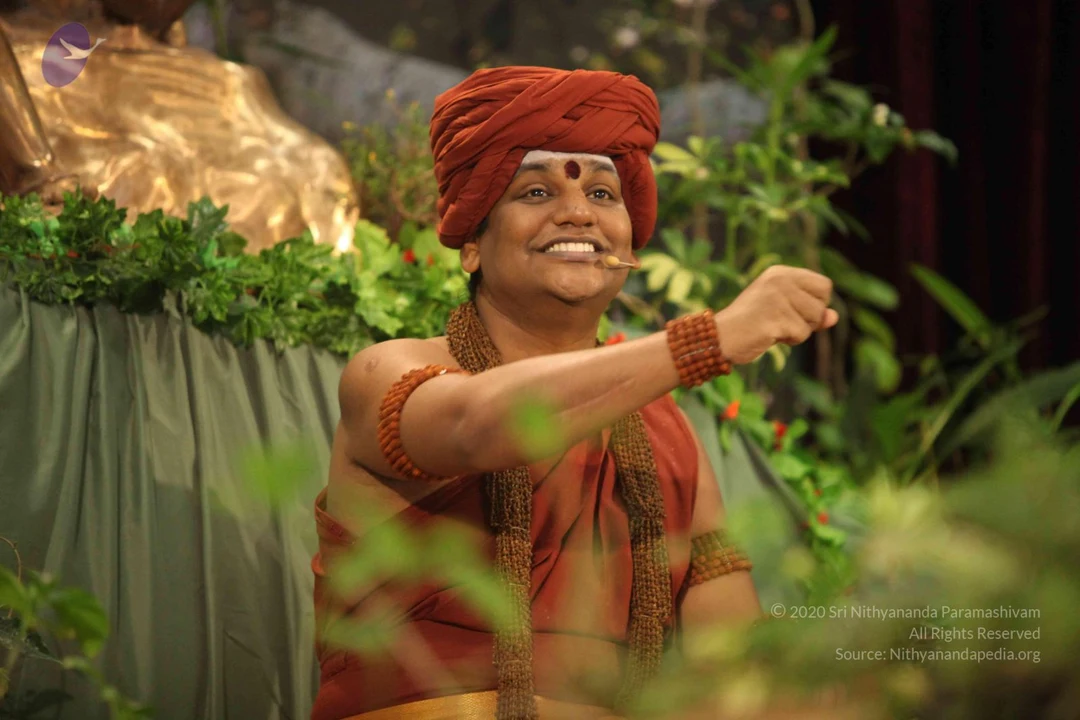
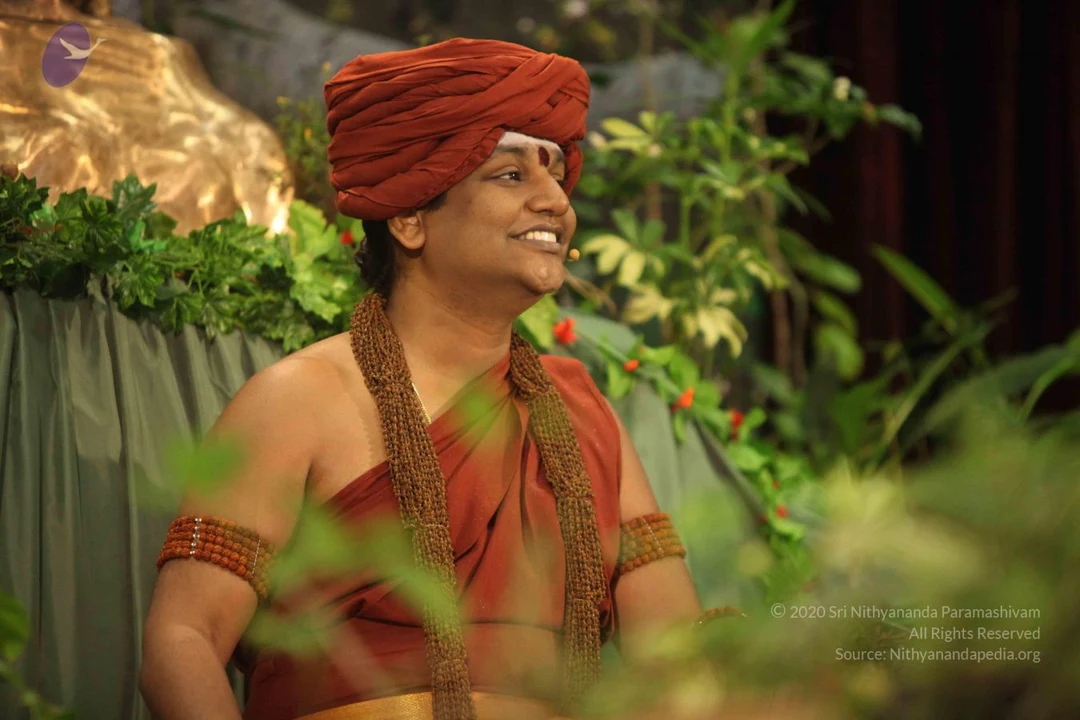
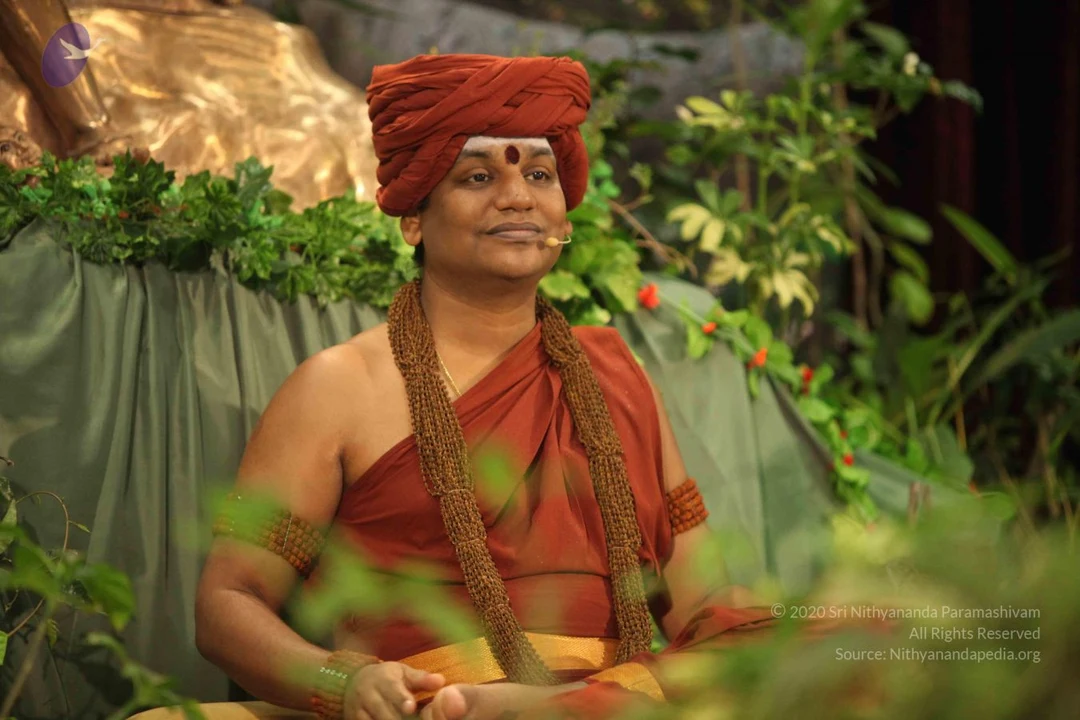
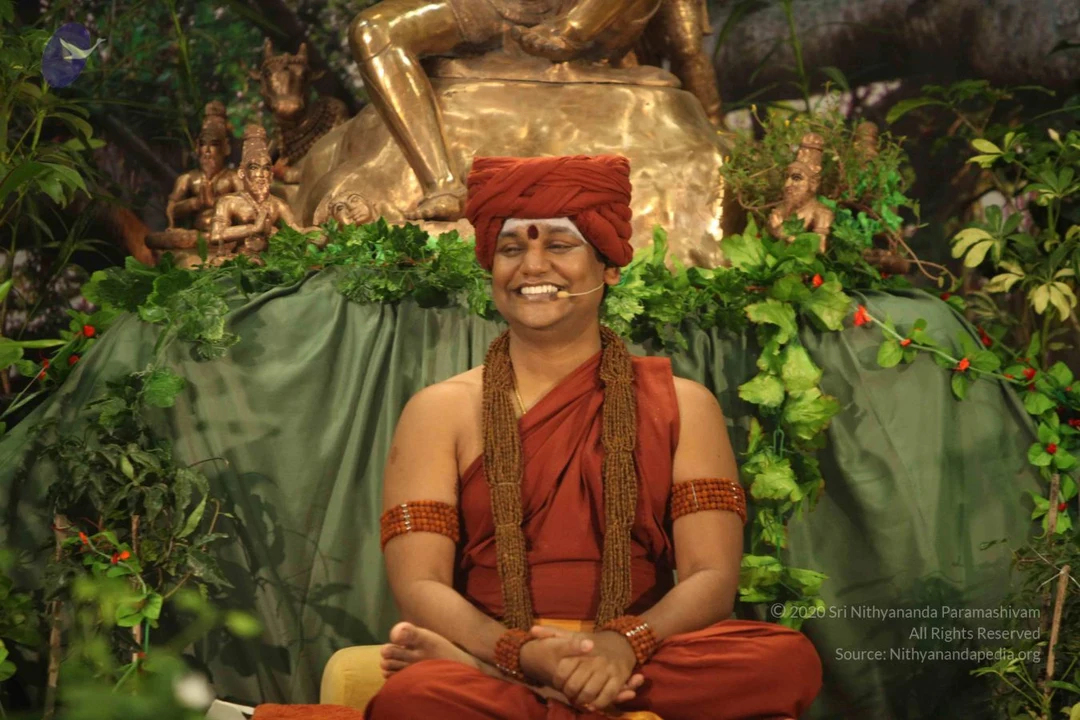
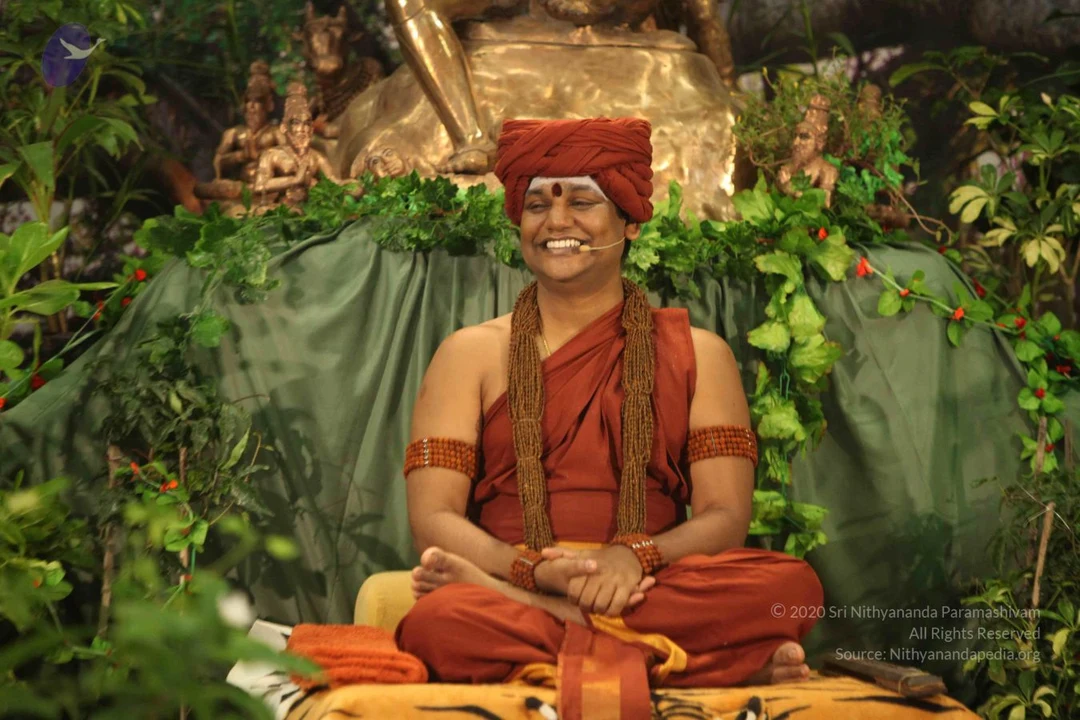
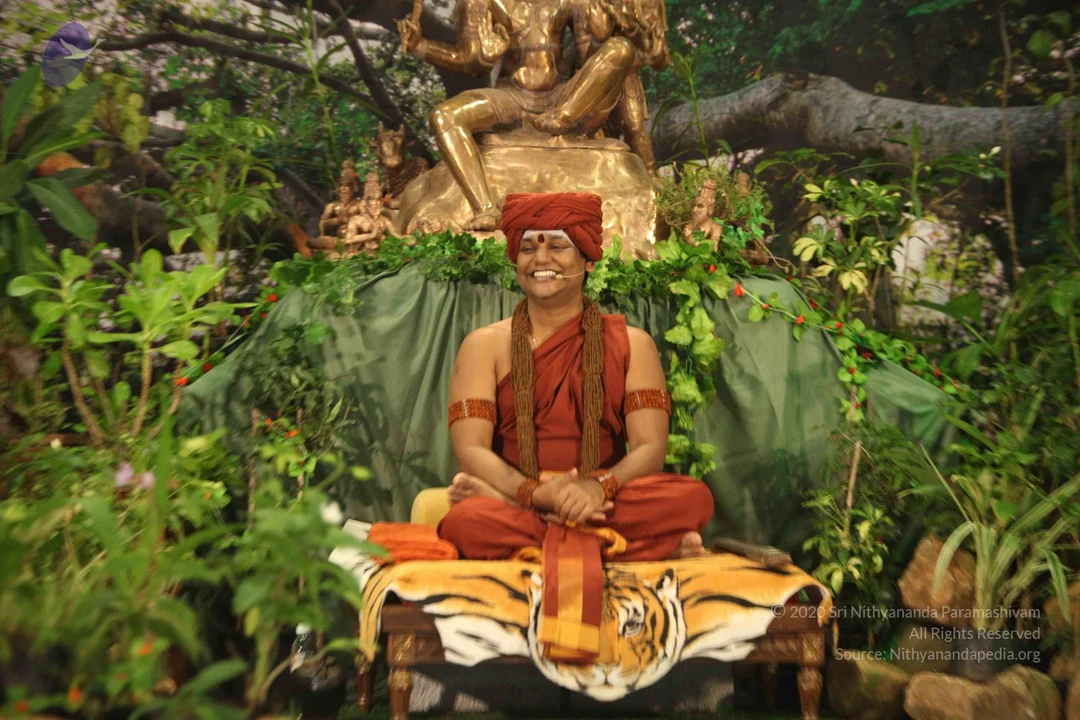
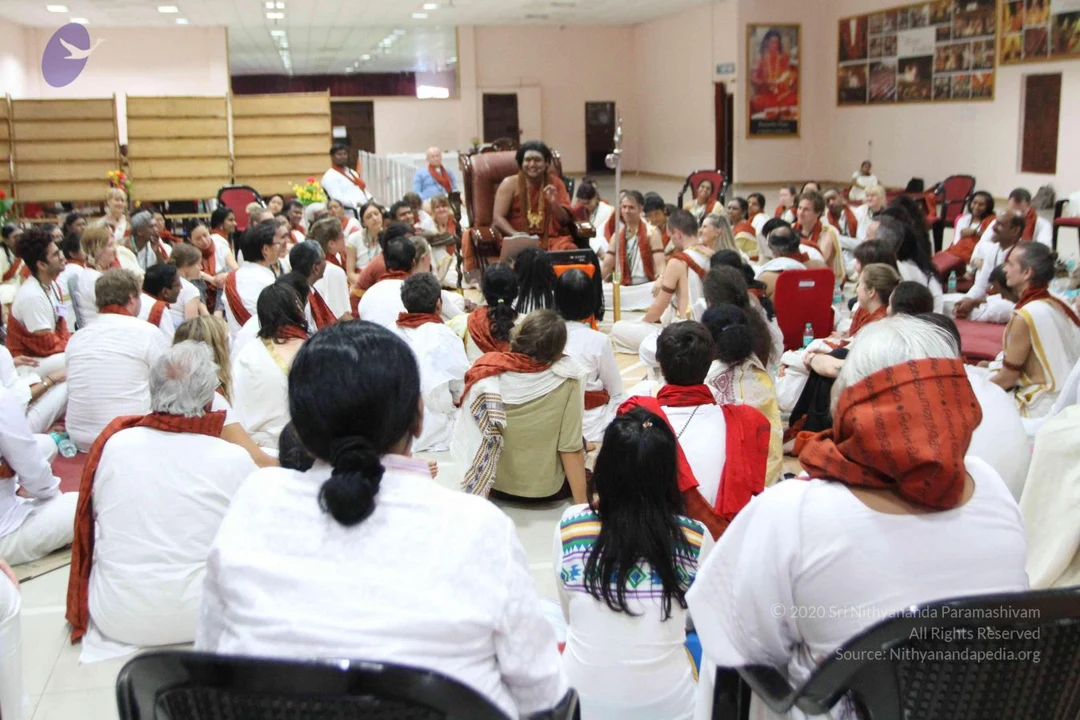
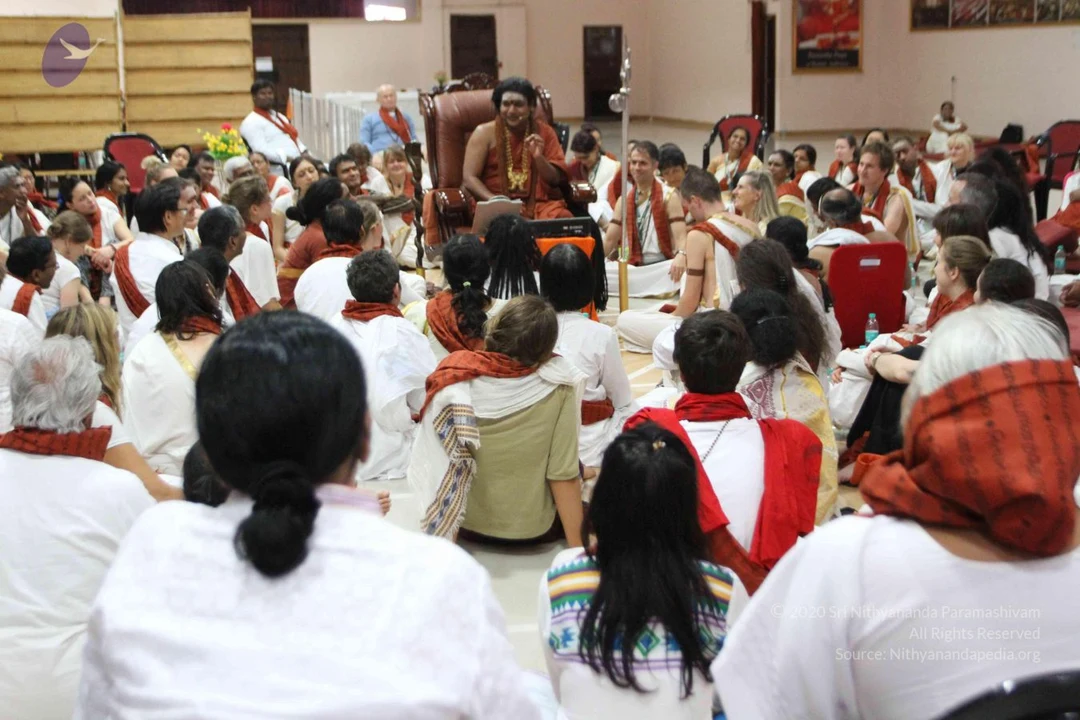
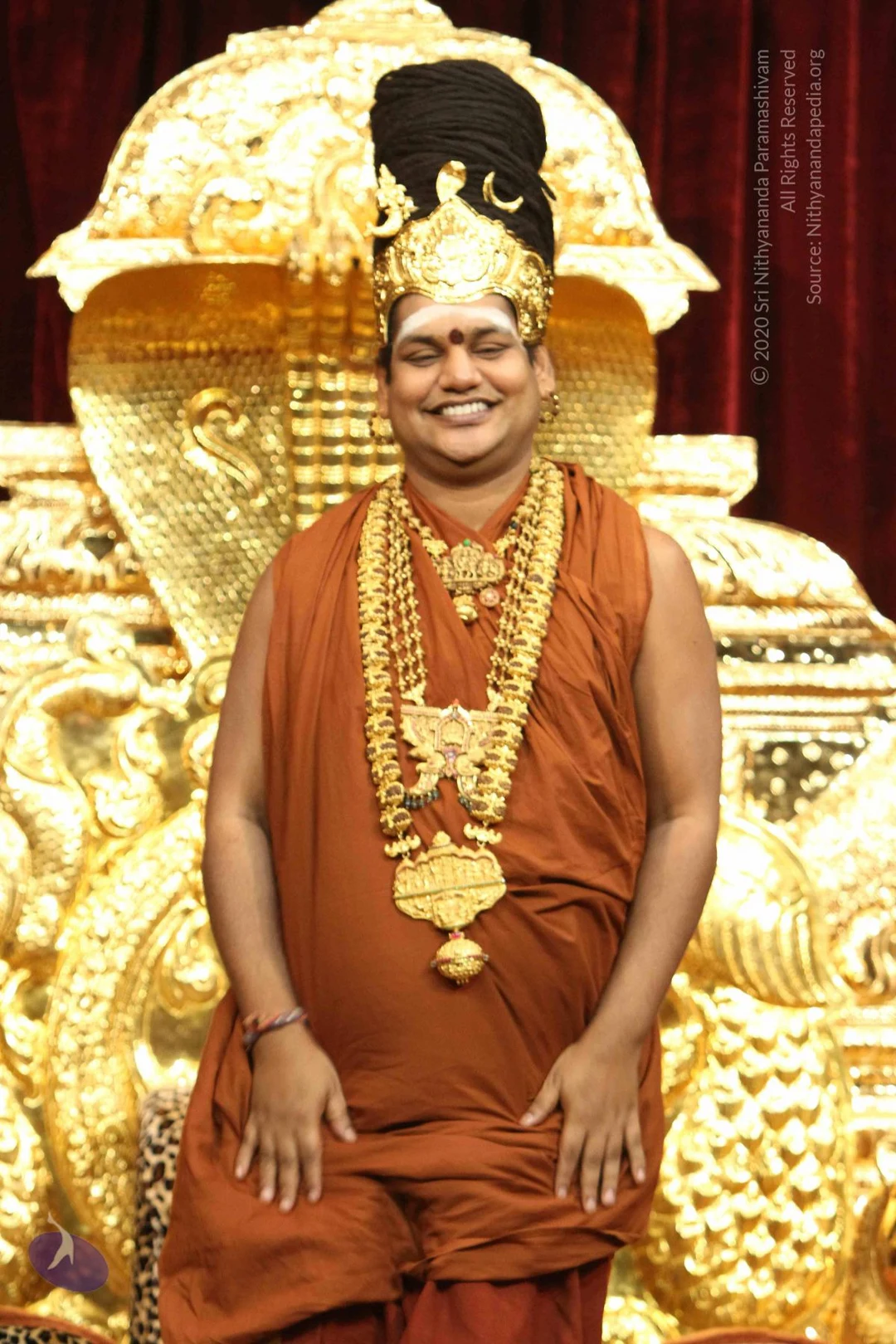
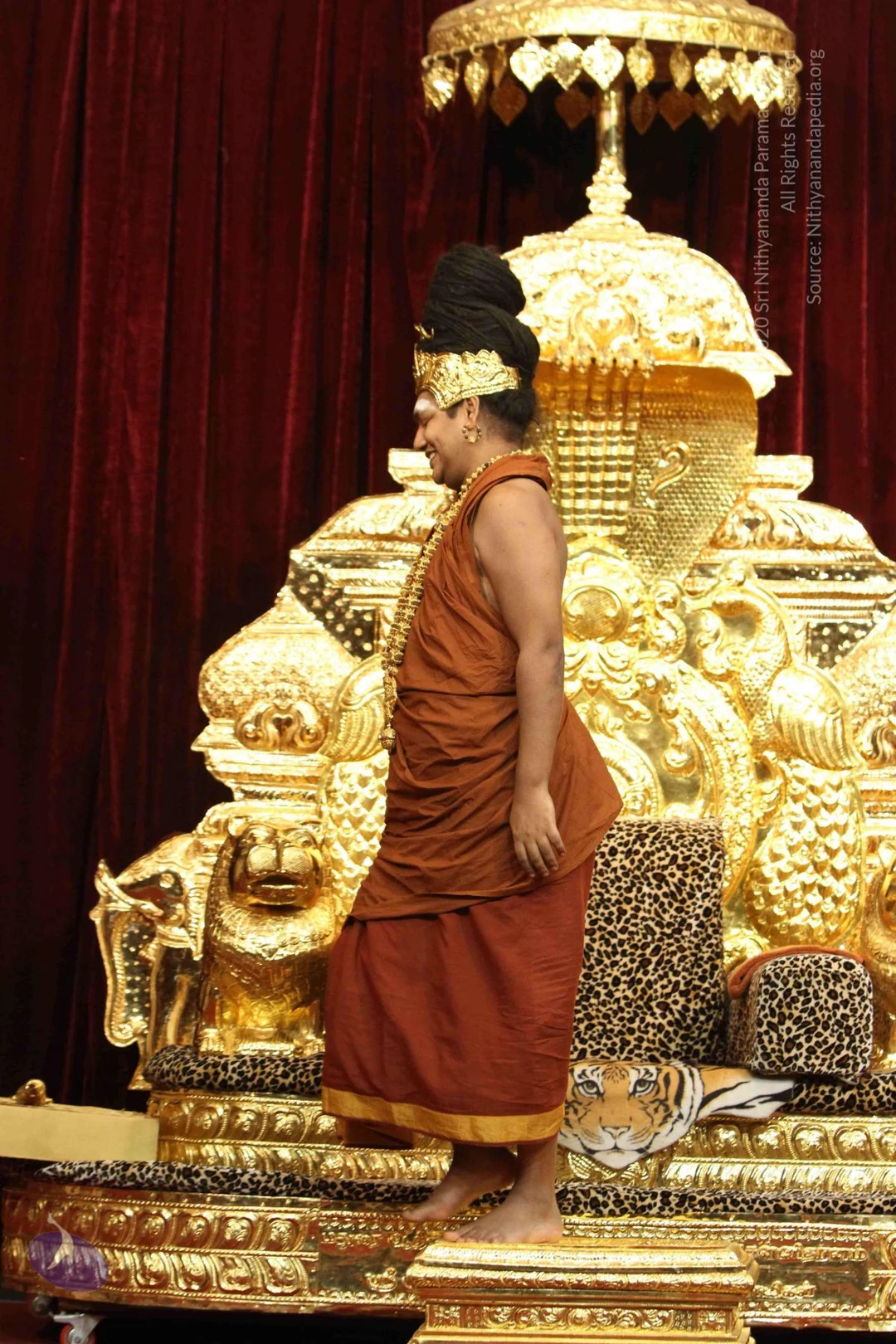
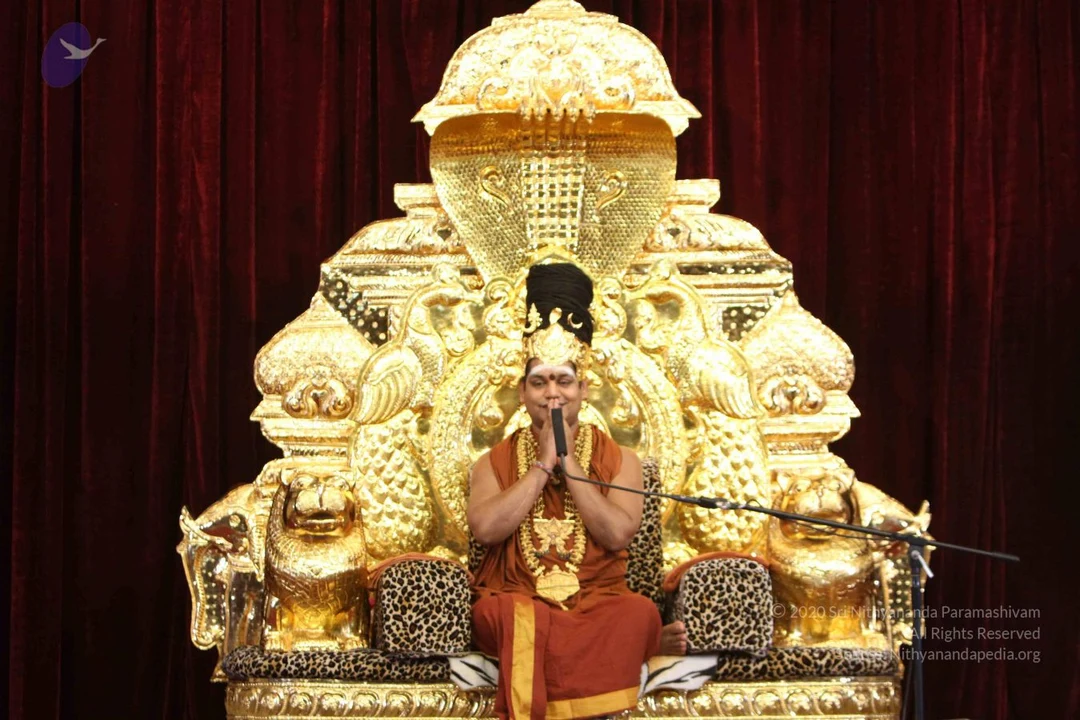
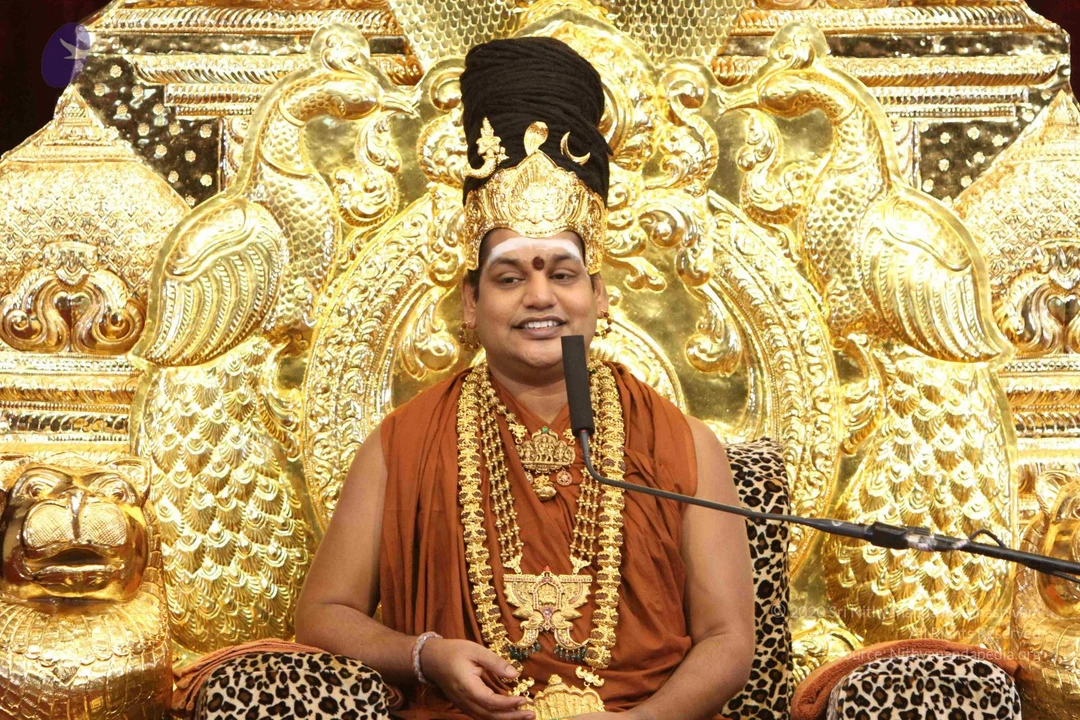
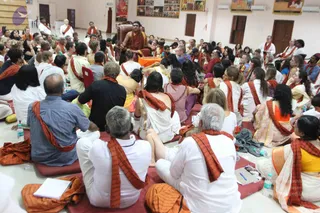
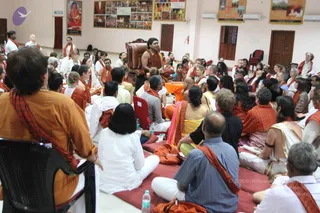
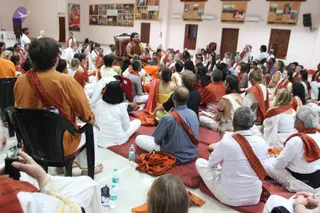
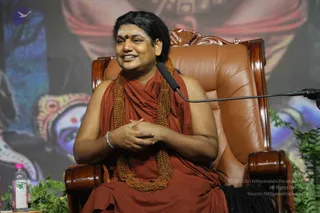
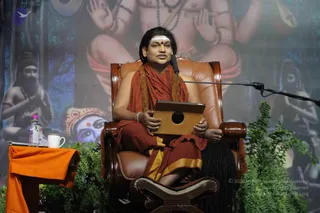
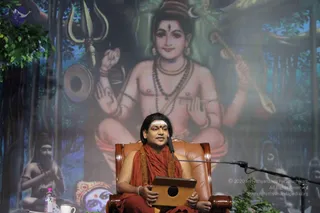
Photos From The Day:
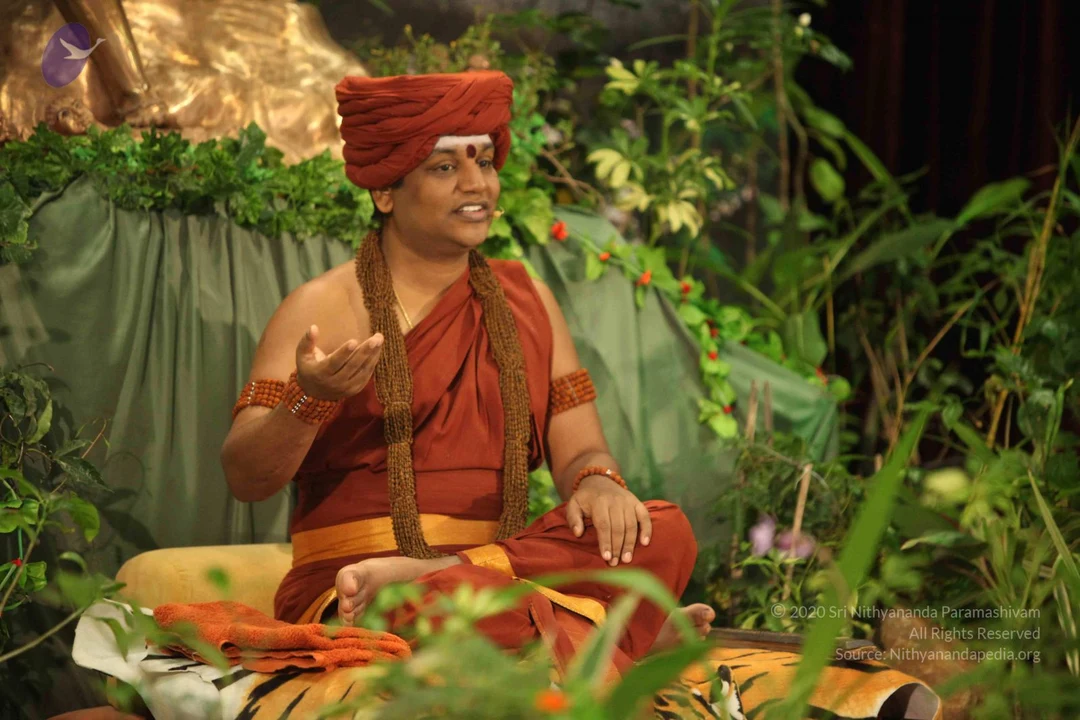
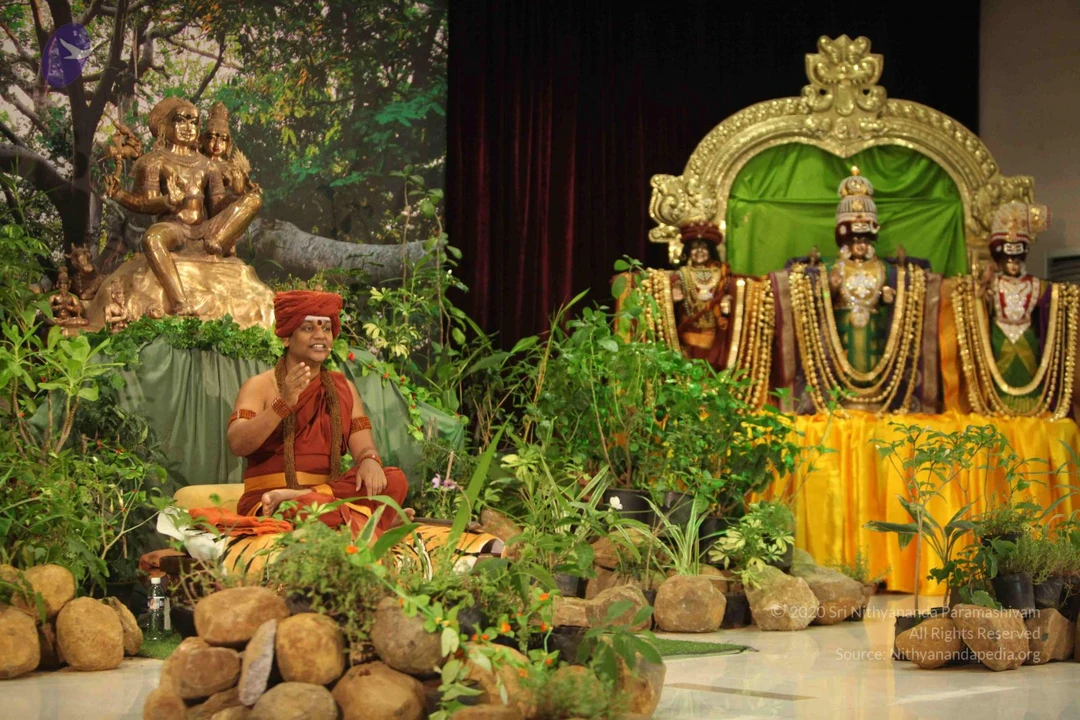
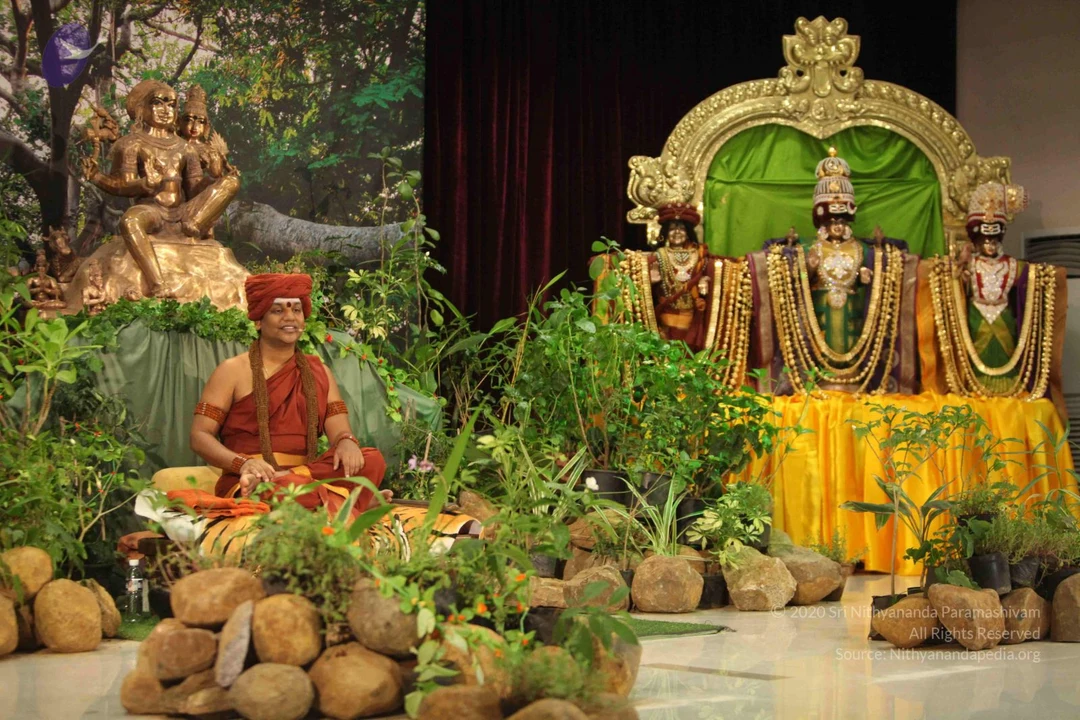
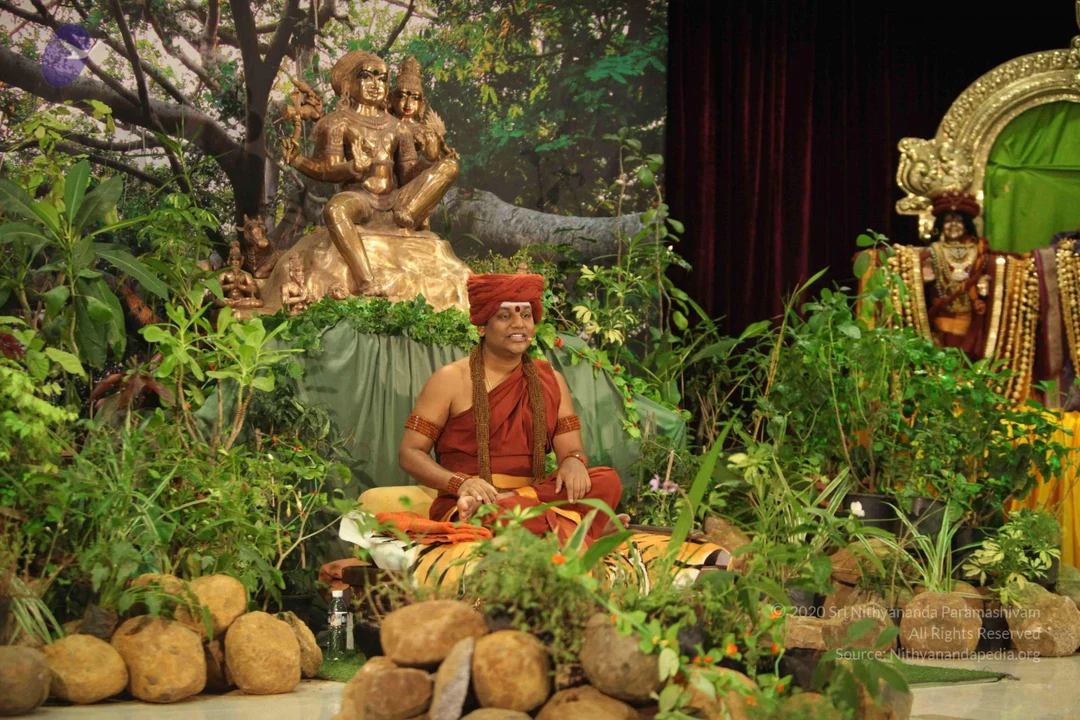
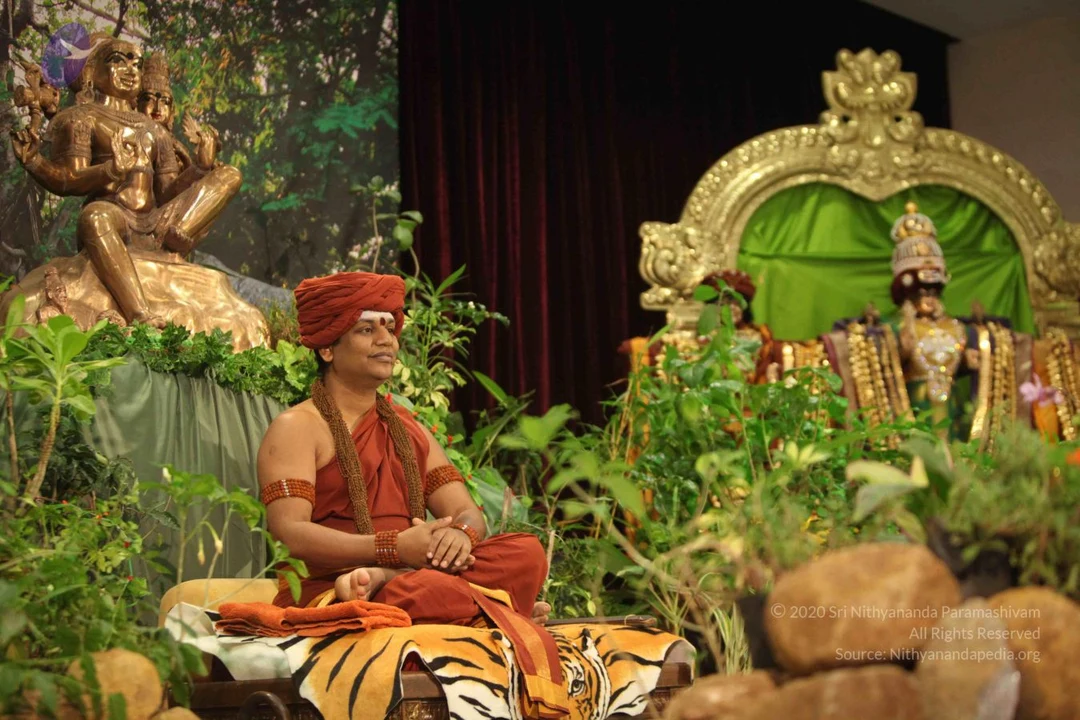
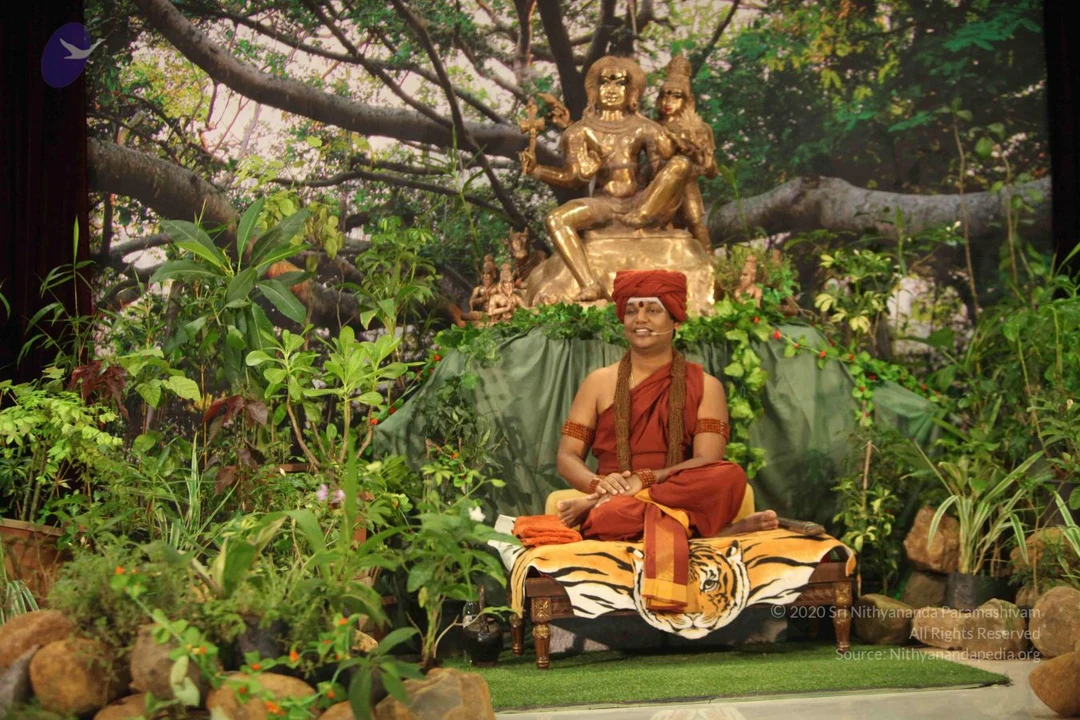
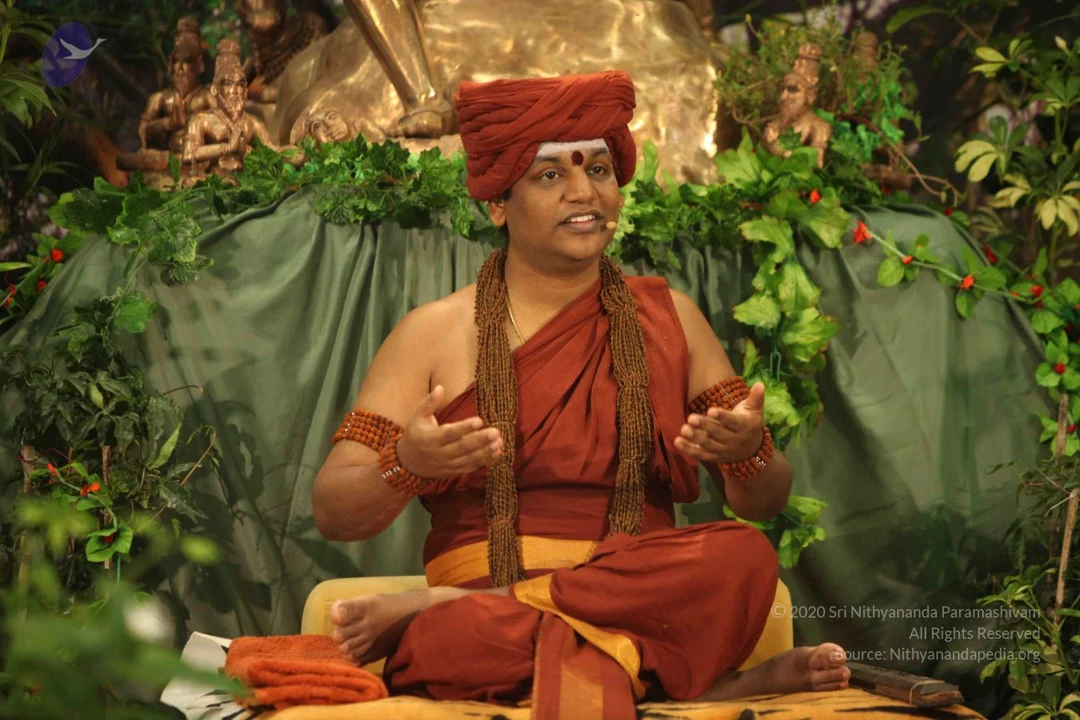
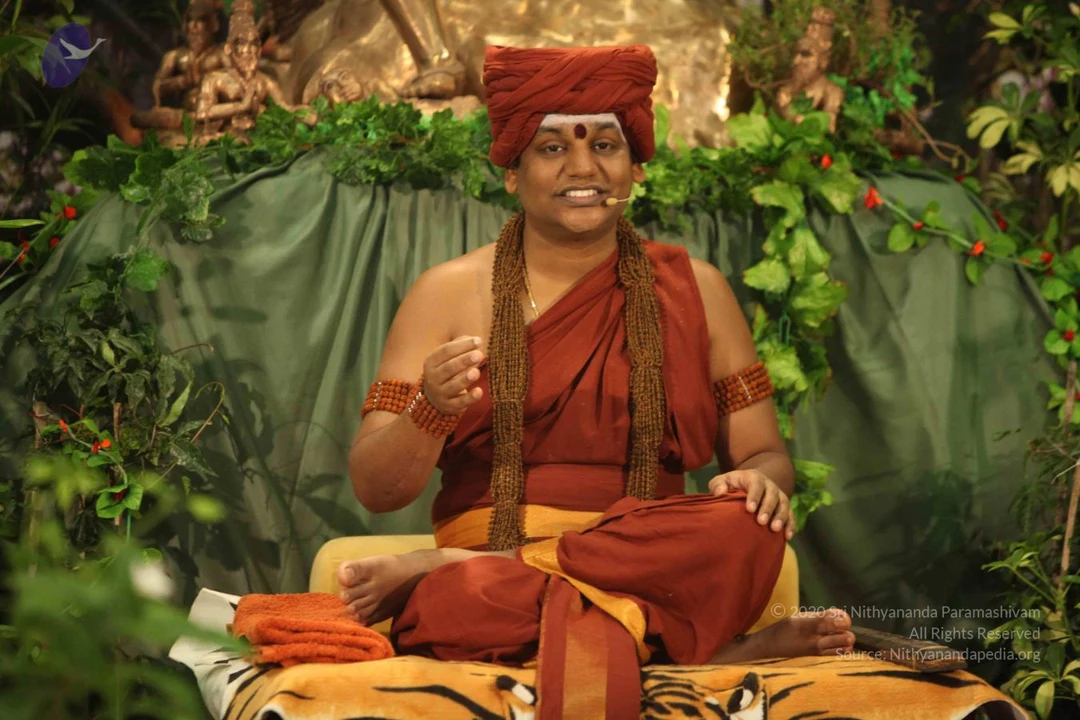
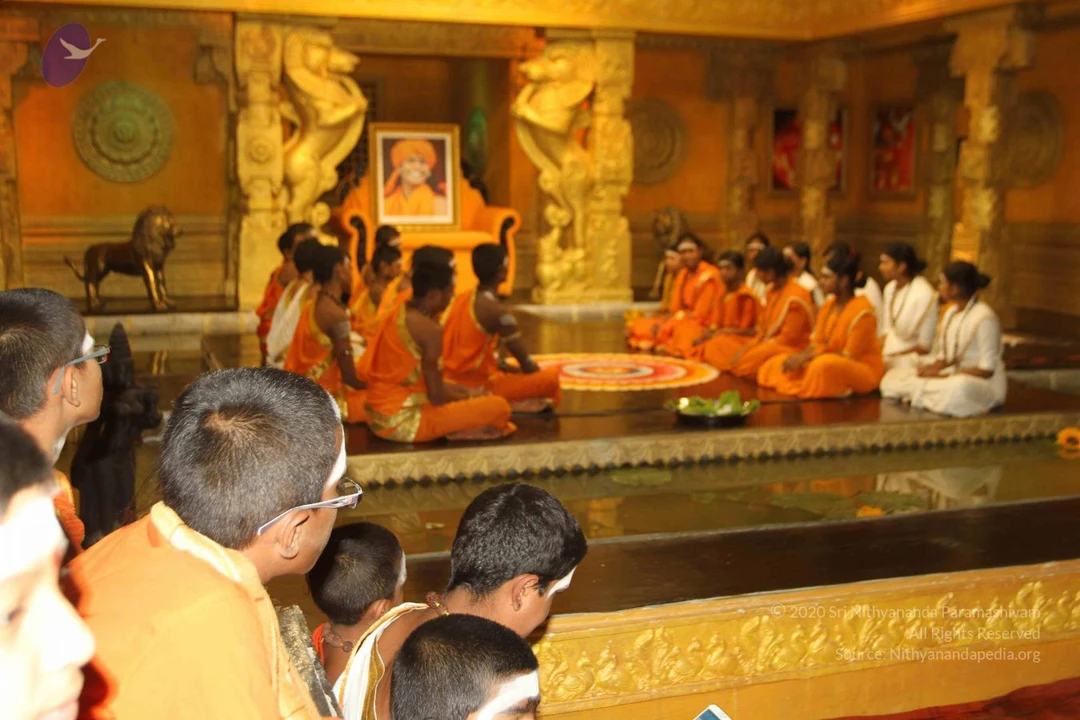
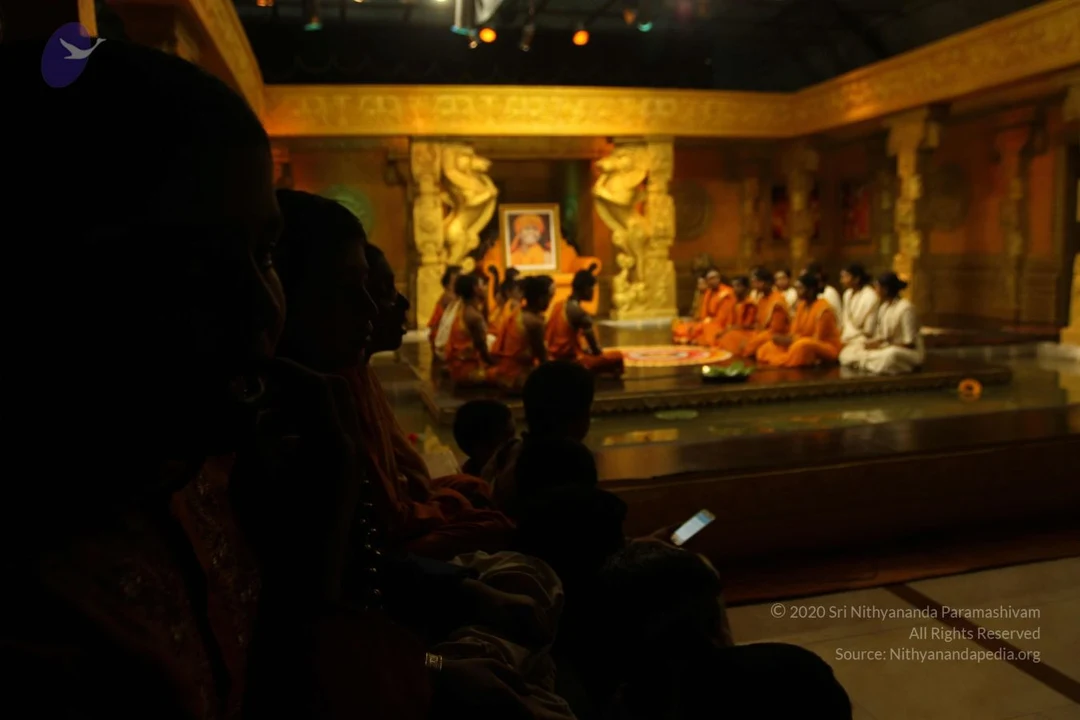
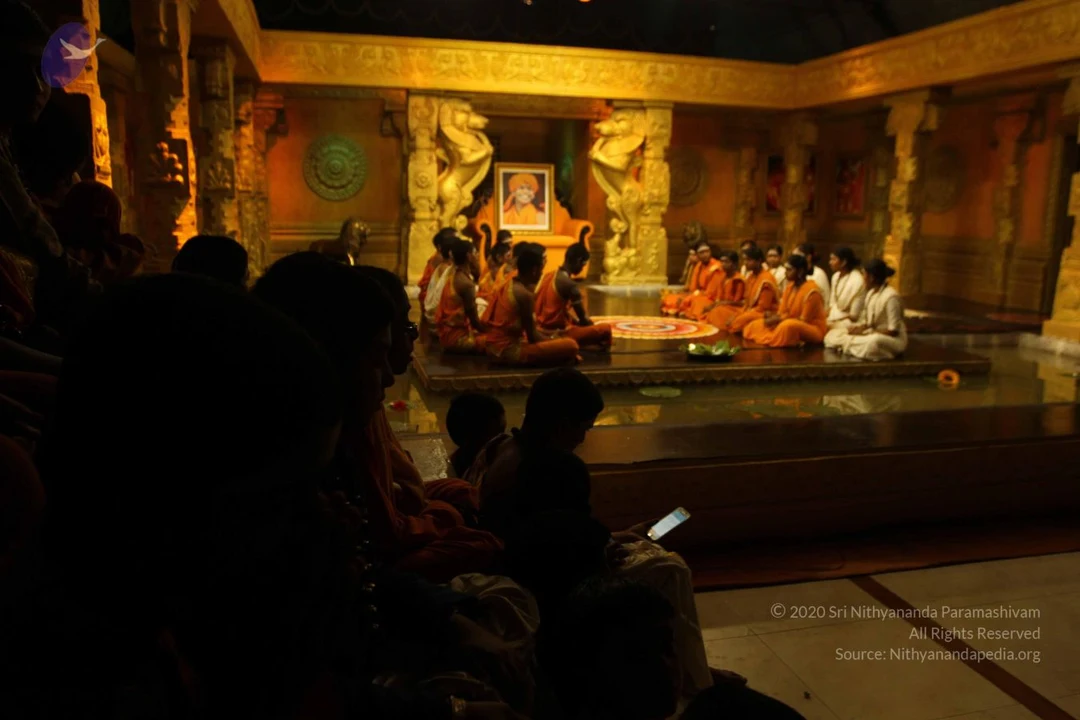
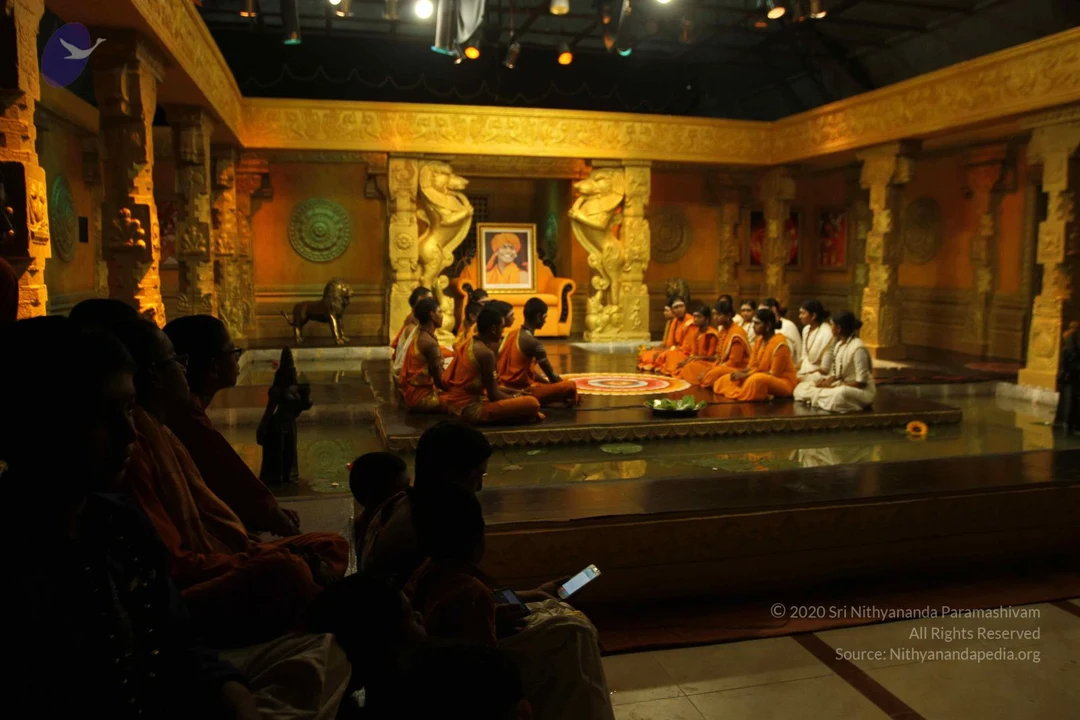
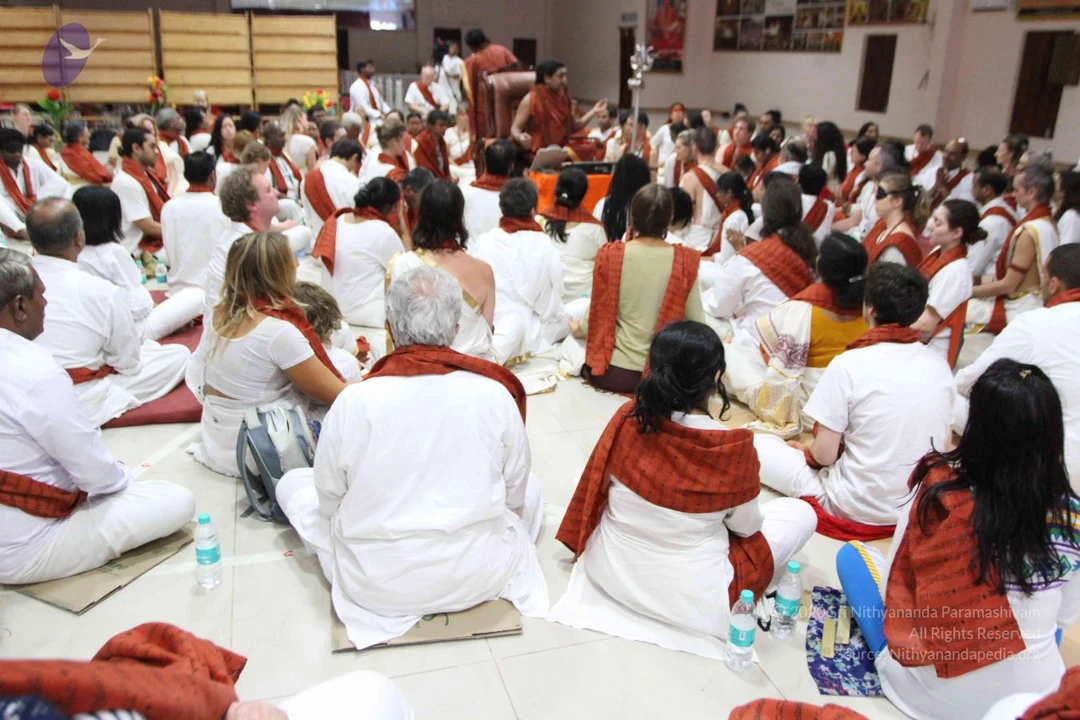
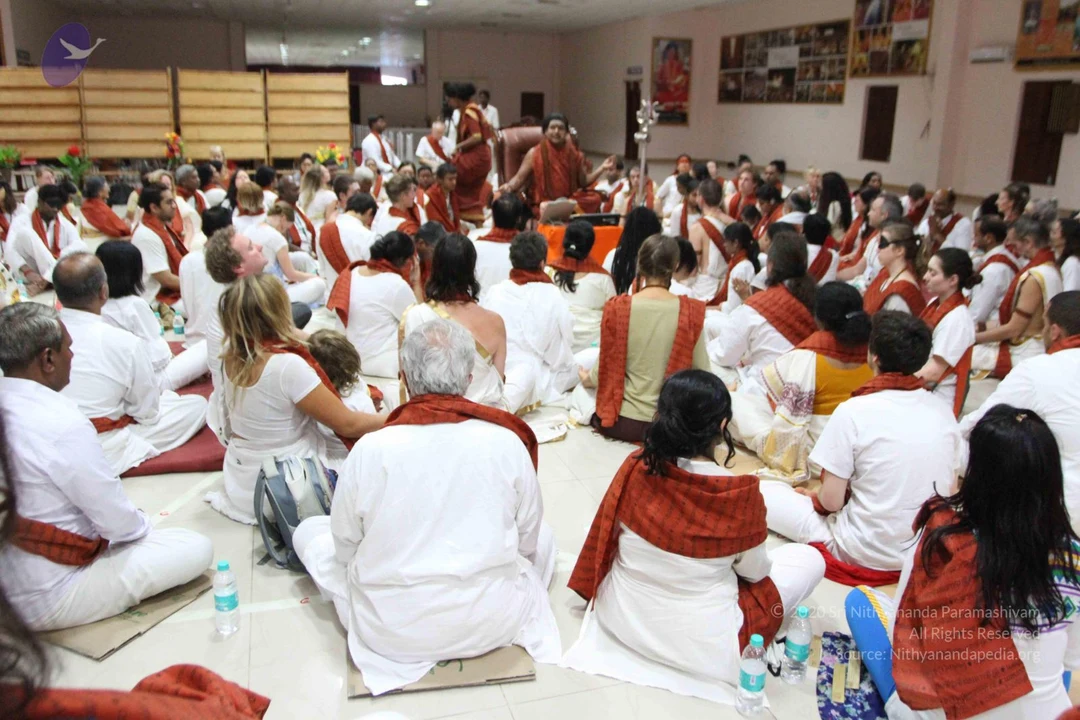
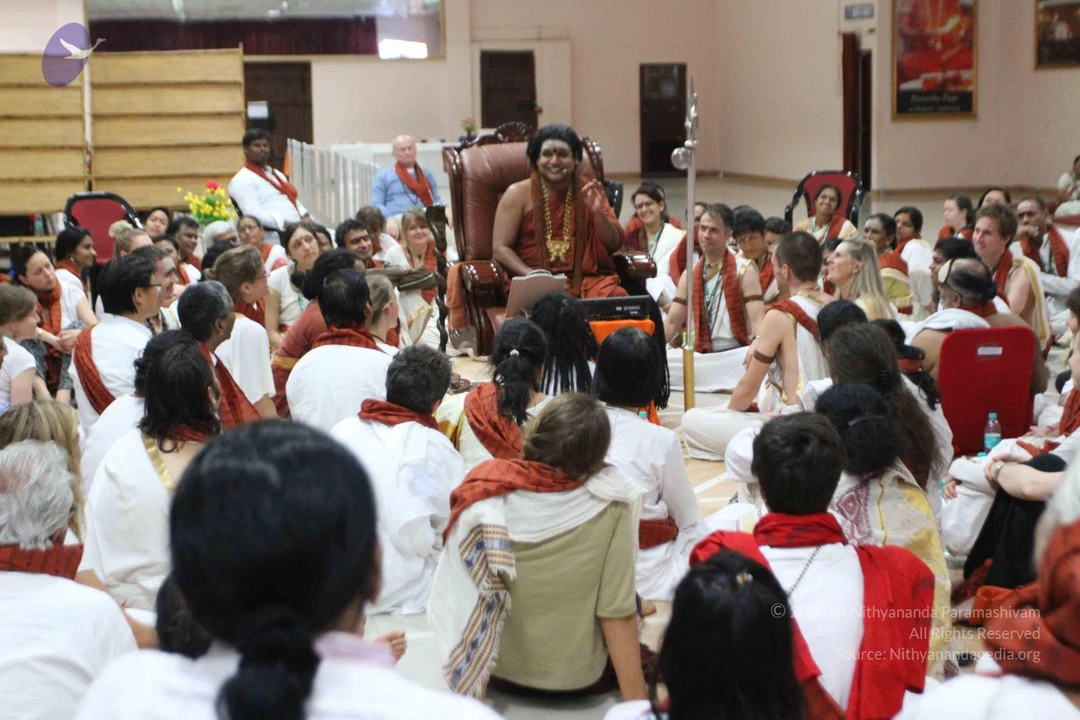
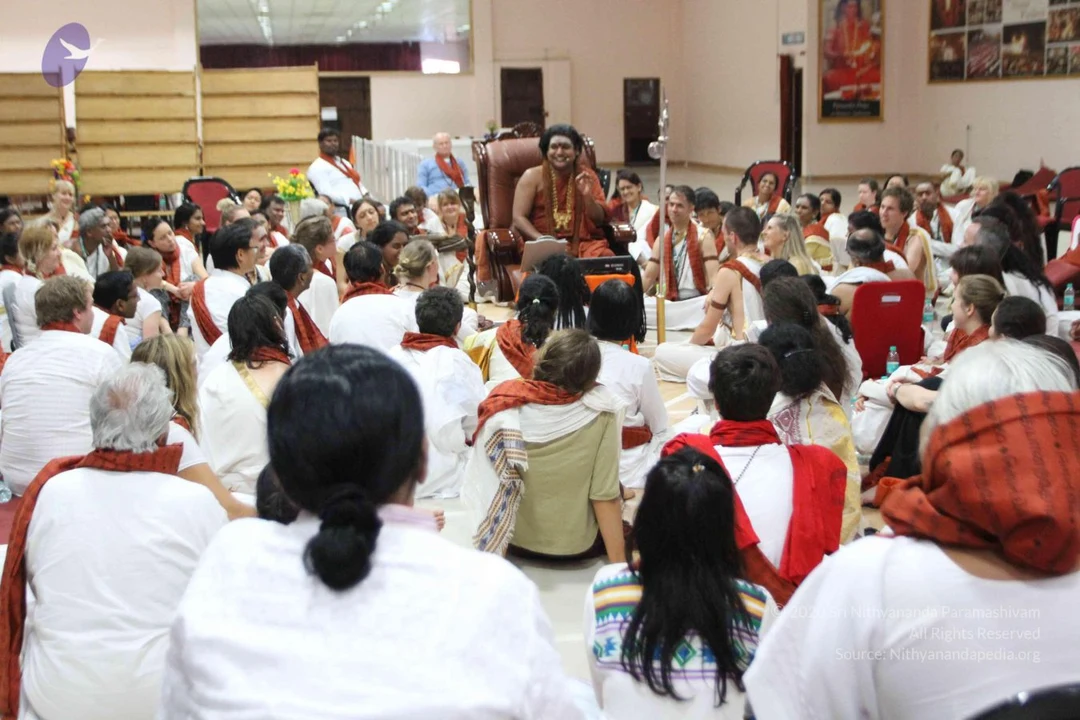
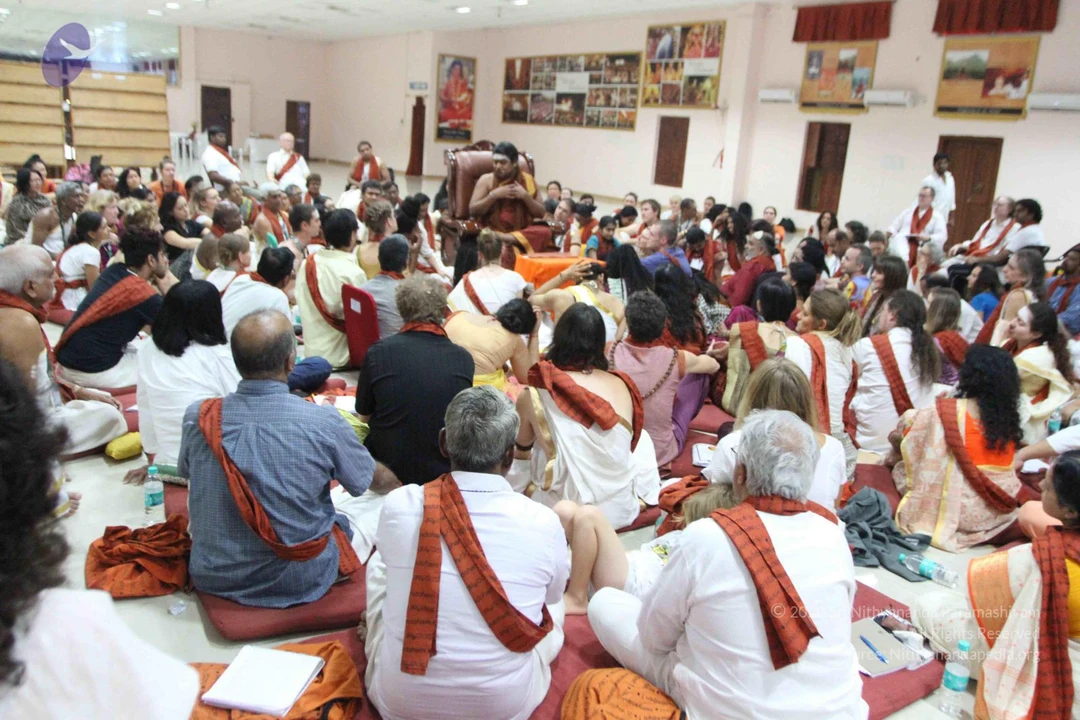
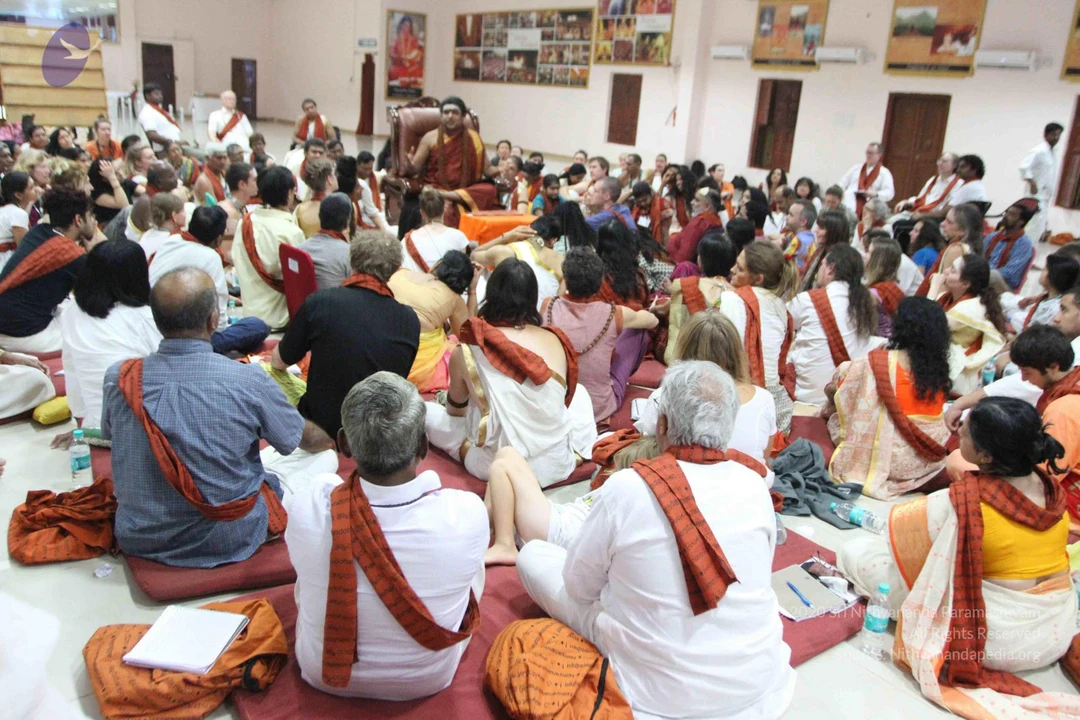
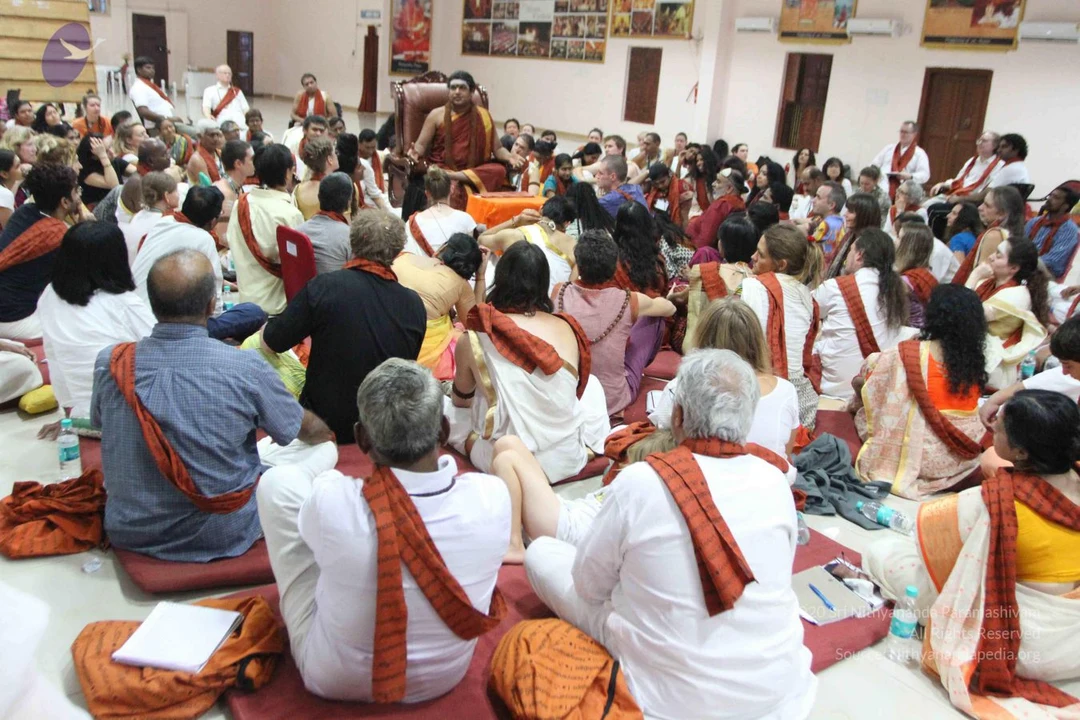
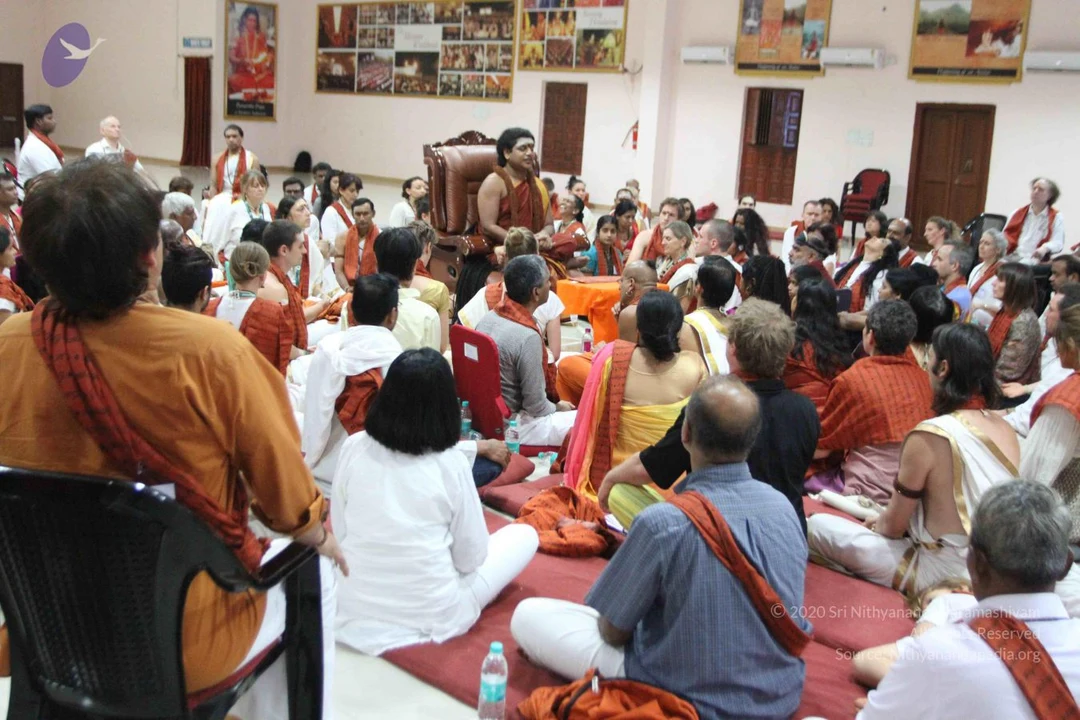
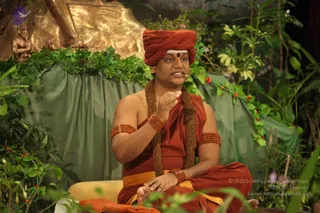
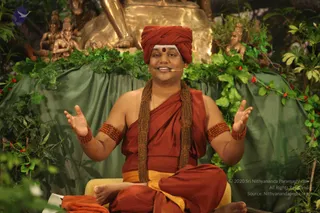
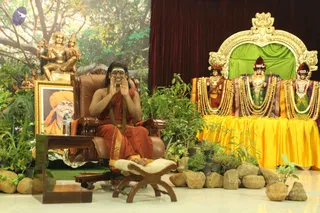
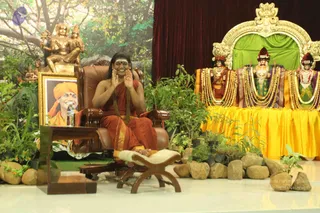
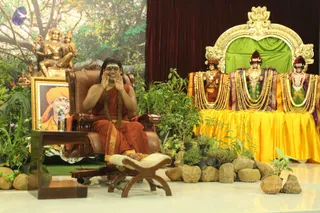
Evening Satsang
February 02 2016
Original wiki pageContents
Title:
Innocent surrender not ignorant surrender
Narration
HDH Sri Nithyananda Paramashivam in Living Advaita Series of revelations gave profound truths for the 18th mantra of Isavasya Upanishad. Precisely distinguishing what is Innocent Surrender and Ignorant Surrender, He defines, Innocent Surrender as ""knowing everything about surrender and not being afraid of it."" With surrender our desires and fear get matured. Ability to make old desires and fears redundant, is Renunciation, is the ability to be alive. No more do we dwell in hypocrisy of society. Ignorant Surrender is when we do not know what is surrender, but try to throw responsibility in the name of surrender, as a bargain.
Link to Video:
Innocent surrender not ignorant surrender
| Video | Audio |
Transcript:
nithyānandeśvara samārambhām nithyānandeśvari madhyamām | asmat āchārya paryantām vande guru paramparām ||
I will continue to expand on the 18th verse of Isavasya Upanishad.
agne naya supathā rāye asmān viśvāni deva vayunāni vidvān |
yuyodhy asmaj juhurāṇam eno bhūyiṣṭhāṁ te nama-uktiṁ vidhema || 18 ||
Listen.
O Agni, the Fire God! Knower of all our actions and all that is worth knowing, You must take us along the righteous and auspicious path of completion, leading us to experience the Supreme Consciousness, the original space of Complete Completion. O God, Consciousness! May you remove all our incompletions that are obstacles on our good path of completion; beyond coming and going, birth and death. Onto You we surrender with many reverential words, bowing down again and again.
Listen. The first part of the verse I explained – the best prayer you can do is – lead us to take us along the righteous and auspicious path of Completion, the original space of Complete Completion.
The next line – “Oh God, Consciousness. May you remove all of our incompletions that are obstacles on our good path, and completion beyond coming and going, birth and death.”
Understand, two important sacred secrets you need to catch in this verse.
One. Listen carefully, the first — Innocent surrender. Please understand. I am not saying ignorant surrender. Ignorant surrender means – you do not know what is surrender, you do not know to whom you are going to surrender, you do not know what is going to happen after that surrender, you do not know what is going to happen if you don’t surrender, you do not know the original concept of surrender, just trying to throw away your responsibility in the name of surrender is ignorant surrender.
Innocent surrender means – you know everything, and you don’t have insecurity inside about going through this path, that is innocent surrender.
Understand the different between these two. I will explain. I have seen, I have seen the hypocrisy of human beings in any ton level.
People come and tell, “Swamiji, I surrendered everything at your feet; at the end of the one-day program, during the Energy Darshan. Please cure my cancer.” I tell them, “all right, stay for two, three days I’ll heal you.” “No, no, no tomorrow morning I have to go for my work.”
See the stupidity. “No, I surrendered to you, now you heal now, and send me for my work.”
Extreme hypocrisy. Here, the person doesn’t know what is surrender, doesn't care what is surrender. He is using the word for some bargain.
Innocent surrender means you have a thorough idea – what is surrender, to whom you are surrendering, what will happen after that, what will happen if you don’t, what is the right context, everything. You know the whole thing, and you do not have the fear of transformation it is going to bring inside you. Understand. You do not have the fear, the transformation it is going to bring, it is going to bring inside you.
What it is it exactly you are afraid? With surrender, suddenly your own taste about life may change which you are afraid of. “Oh God, I may suddenly start liking something else! Then what will happen to all the things I worked for 10 years. What will happen to that house, which I built designing every room? What will happen to the car which I bought and enjoying the front mirror, side mirror, rear clock, this that, so many things? what will happen to all of that? Suddenly my desires may change, my fears may change, my thinking may change.”
(6:57)
Understand, when you mature, your desires do mature. If you decide that your desires should not get matured, you stop your maturity. You stop your maturity. Maturity of the desires and fears is what I call Renunciation. Renunciation is not denunciation, understand. In Hindu tradition, Vairāgya is not arāgya. Virāgā is not arāgā. Renunciation is not denunciation. Maturity getting added to your desires and fears. Understand, you might have read, heard thousands of conspiracy theories, I give you the worst conspiracy theory done against the humanity is — creating a fear in people about the possibilities of their desires getting matured.
(8:18)
There is a worm, sitting inside that small shell, and if you frighten that worm, “Hey, if you become butterfly, how will you eat? Here at least your food is guaranteed. Inside the shell itself you have the food, and nobody can attack you. If you become butterfly, how will you save yourself. What will you eat?”
I tell you, trying to suppress human beings without letting them taste off-the-grid life, off-the-grid life is the greatest conspiracy. I tell you, all the best things India has, Sanatana Hindu Dharma has, is by the rebels who learned to live off-the-grid when they were young. When you are young, learn to live off-the-grid. The powerfulness that brings inside you, after that even if you are hooked to the grid, the grid will be at your feet; not you will be at the feet of the grid. After that nothing can bind you.
(9:46)
I am glorifying all of this by wearing them, not getting glorified by all of this by wearing them. I am decorating the throne, not decorated by the throne. I just want to make a statement to the world – all these traditions of Hinduism need to be revived, relived, enjoyed, cherished, spread, enriched; because this tradition taught Me to live off-the-grid. And no society is more compassionate in the world than the Bharat Indian society, which loves, respects, reveres the people who decide to live off-the-grid. In any other country, if you decide to live off-the-grid, it is illegal. In this country, decide to live off-the-grid, people will wash your feet and give you food. I am waiting, I am waiting for my Balasants to become 18, first batch I am sending to live off-the-grid. That is going to be the grand finale for My Balasants. And in the March, all the Krama Bramacharis and Naishtika Bramacharis are going to enjoy off-the-grid life in March. I have already, I have plans all the Krama and Naishtika and the Adheenamites are going to enjoy off-the-grid life in March.
I tell you, fear of your desires getting matured will stop you getting matured. Any society that frightens its people about maturity will kill itself. Let more and more maturity be added. Let your desires get matured, your fears get matured. If you are afraid of death, and suddenly you are afraid of the karmas, which may hit you after death; don't think you are in the same state, you have become matured. You are no more afraid of death, only the karmas which may or may not come after death, then your whole life, you will not be planning for more and more locks and bigger and bigger walls, you will be planning about Completion. If you are afraid of death you will be planning for greater and greater wall and lock. If you are afraid of karma, you will be planning for more and more Completion. So even your fears getting matured, is a growth.
With surrender, the first thing you will experience is, your desires and fears will get matured. End, they will completely disappear, that is different – that is the ultimate experience. But the moment you even start practicing surrender, your desires and fears will start getting matured. Your anxiety, your fear, whatever emotions with which you are struggling, your incompletions, all these will start getting matured. You may not have incompletion with the people who are living with you, or with the day-to-day life. You may have incompletion with incompletion itself, that why I am not able to complete you. That is not, that can never be equated to the incompletion you are having with the next person because she did not smile at you or he did not smile at you, they did not respond to you, they poured water on you. You have incompletion about they poured water on you is totally different, than your incompletion about incompletion that – why you are not able to complete.
I can say here, even your completion and anxiety has become more mature. See ultimately this incompletion will disappear, that is experience. But even maturity shows the growth. The moment you start practicing surrender, the first thing that will happen to you is – maturity in your desires, in you anxieties, in your fears, in your greed, in your everything.
I tell you, live with the people who are matured, you will love the life, you will love the life. This whole prayer you see, such matured prayer, matured surrender! If you are surrendering to somebody to save your life, or to have two square meal, it is stupid surrender, you are becoming slave. If you are surrendering to somebody, asking for Enlightenment, leading you to beyond coming and going, birth and death, that is matured surrender. Even in surrender there is maturity. The context, understand. That is why I always insist, some people use Me as only an orphanage, orphanage head, very few use Me as the head of a monastery, Gurumaha Sannidhanam.
(16:58)
Understand, your surrender, your fear, your anxiety, your desire, everything will get matured, the moment you start practicing surrender. Surrender smokes out all your hypocrisy. It just smokes out all of your hypocrisy. You simply know what is hypocrisy. You simply know why you are hypocrite.
First reason, why you are hypocrite is, the fear implanted in you by society about our desires getting matured.
I have seen people telling, “I am afraid to come to the ashram. I may just settle down there.”
“Aye, Aye! You think then we are all fools?”
You are blessed if your desires can get matured and you can settle down here. It’s only the people whose desires have matured and can settle down here; otherwise I have enough Bhuta, Preta, Ganas to pour water on you, and kick you out. The moment you say, “I am afraid to go and attend Inner Awakening, I may stop drinking.” It means what? – fear of your desires getting matured. It is exactly that worm feeling, “Oh, if I become butterfly, where will I get my food, how will I protect myself? I heard many, many, big, big worms will try to eat me.” Hey, just become butterfly all these problems won’t even exist in you.
Making your old problems redundant, not solving, redundant, is Renunciation. They just become redundant to your Life. The more and more practice of surrender, will more and more smoke out the hypocrisy which you are hugging. Cuddling hypocrisy is not cute. Understand, hypocrisy is not cuddly bear; it is cuty bear, not cuddly bear. Cuty bear means a bear that is going to bite you. Don’t cuddle with your hypocrisy. No!
Celebrate your desires getting matured. Celebrate your fears getting matured. Celebrate your anxieties getting matured. Celebrate your decisions getting matured. Celebrate your vision getting matured, you will celebrate Surrender; because in real surrender, spiritual surrender, the worm is becoming butterfly.
(20:50)
The other day I say a Facebook posting – a worm and butterfly both of them are sitting there in a table in a restaurant. The worm says, “You have changed in one month.” Butterfly says, “Yes, Nithyanandoham effect. Yes, Nithyanandoham effect!” and the photo it really had a lot of meaning, the worm in front of the worm, there were a lot of food items, and the butterfly, nothing was there.
(21:28)
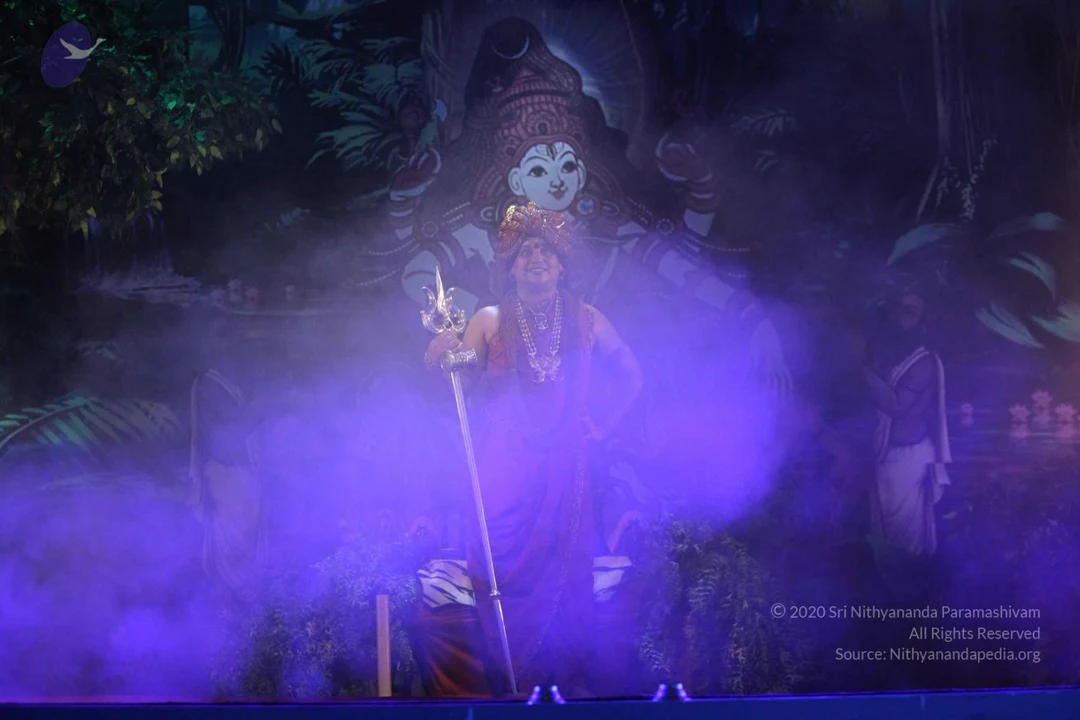
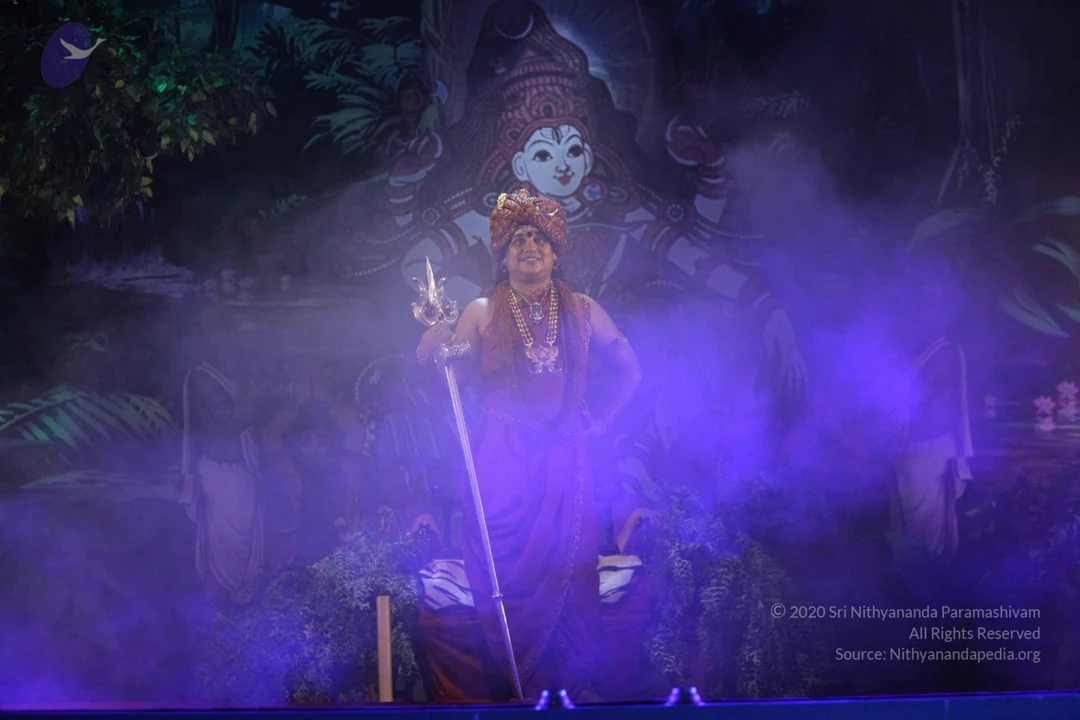
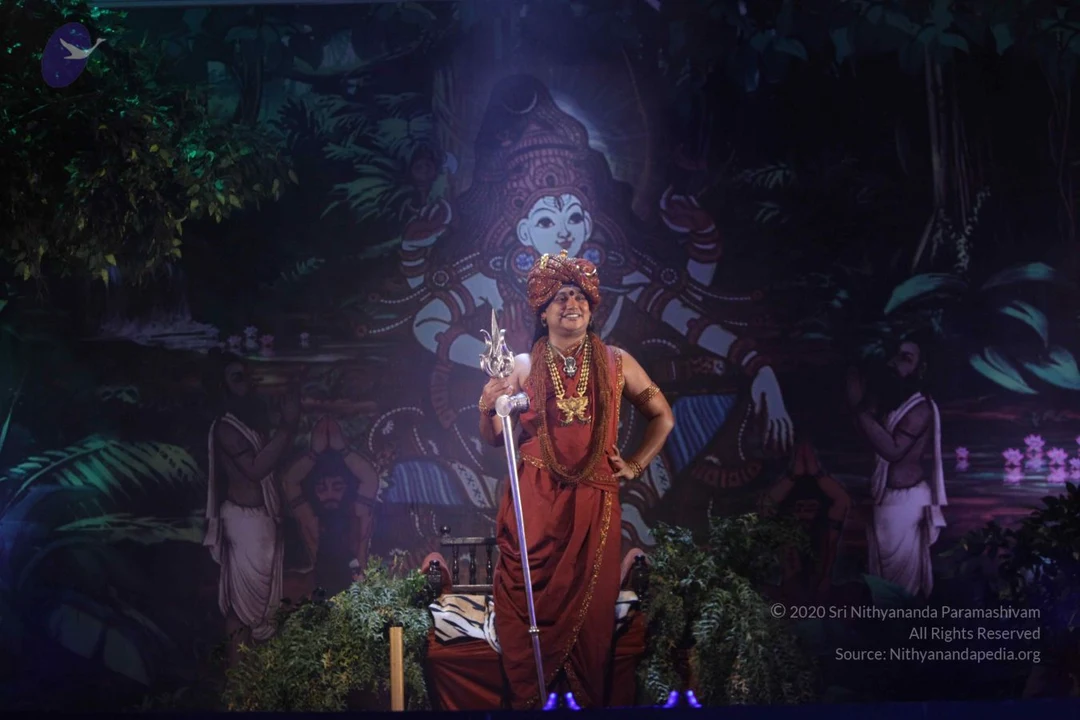
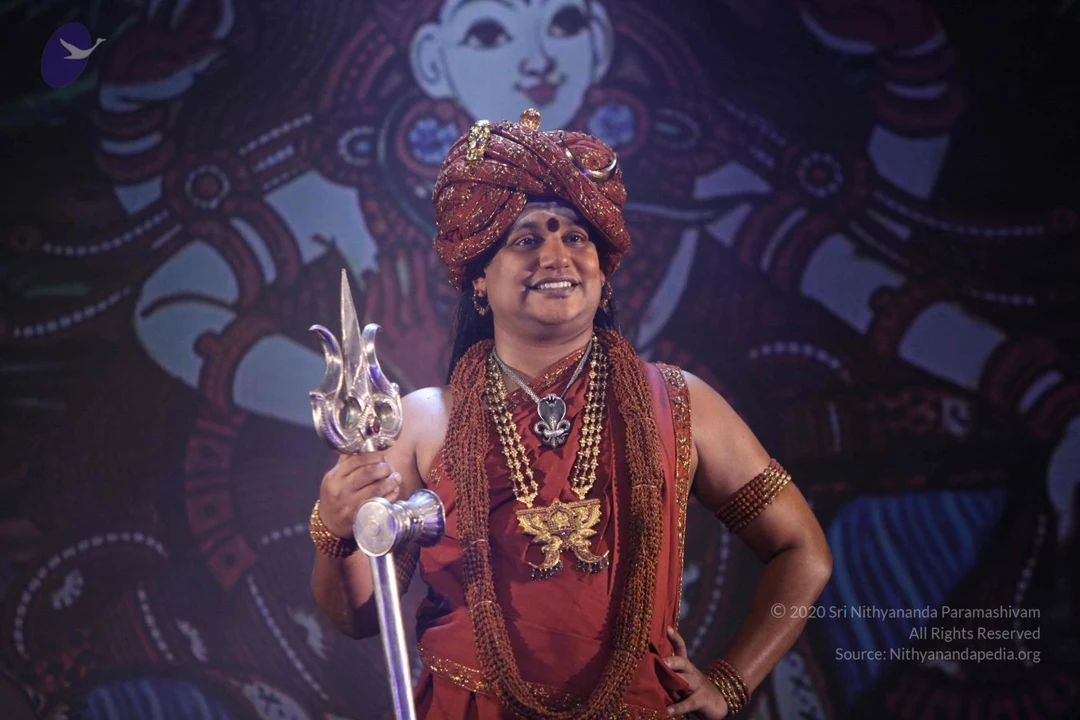
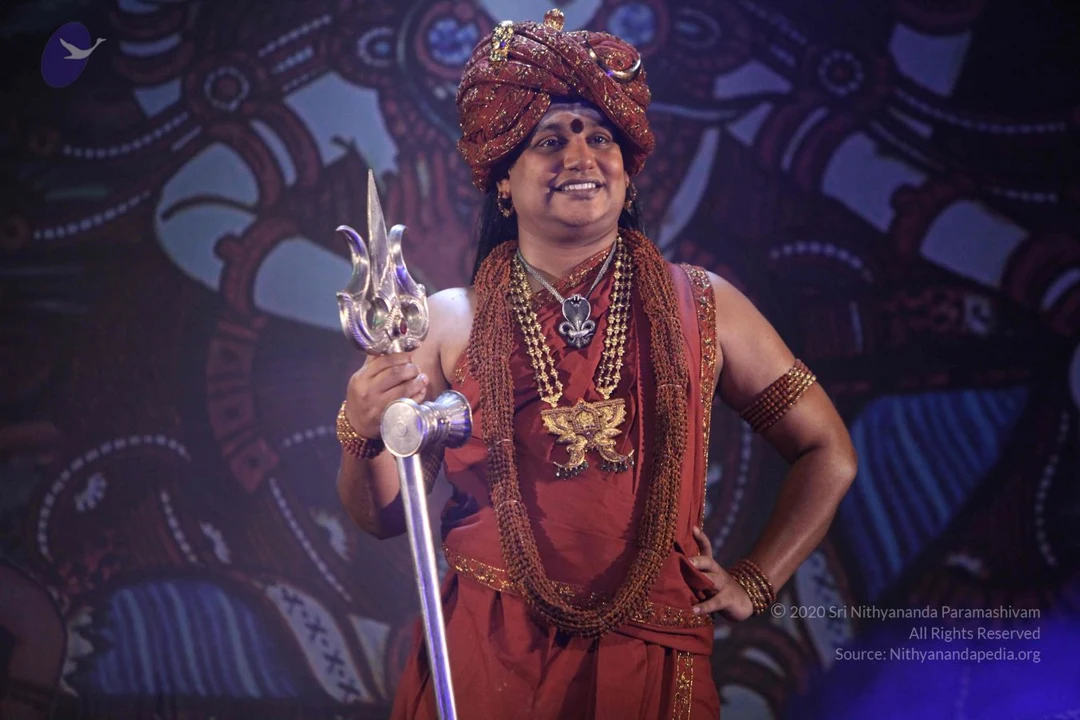
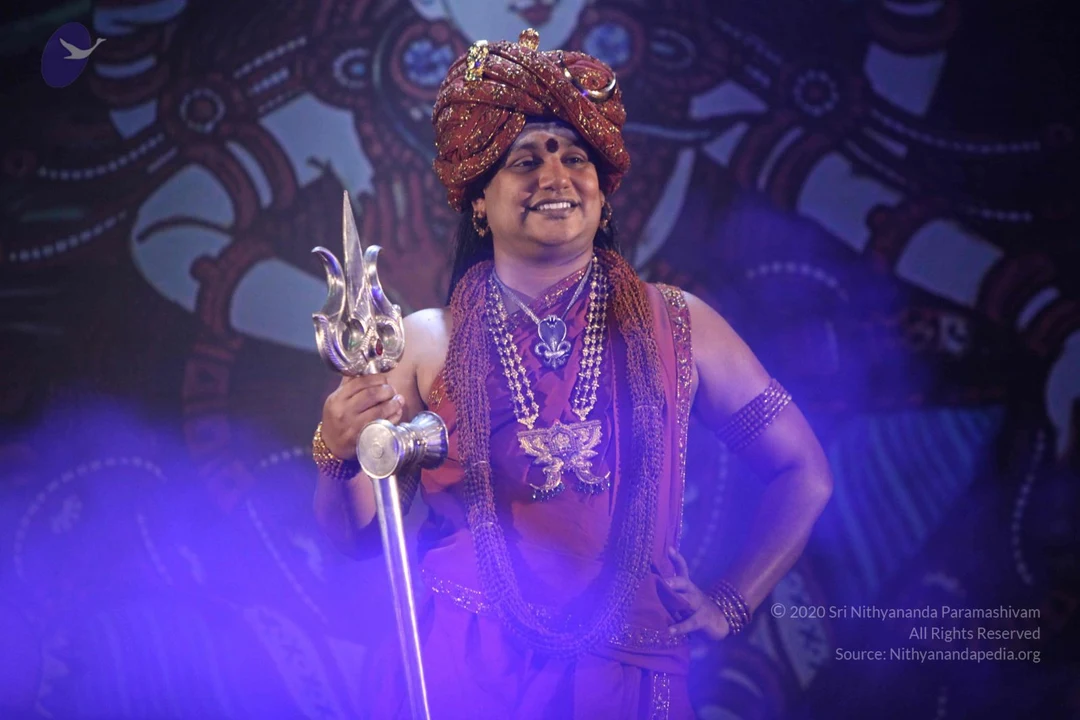
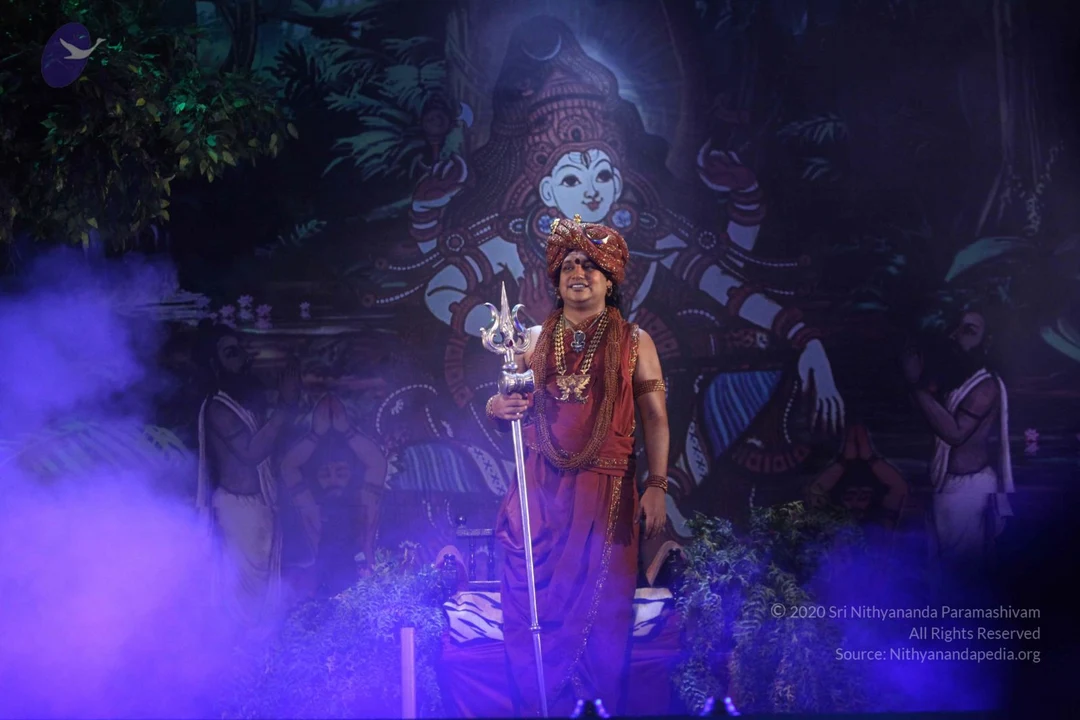
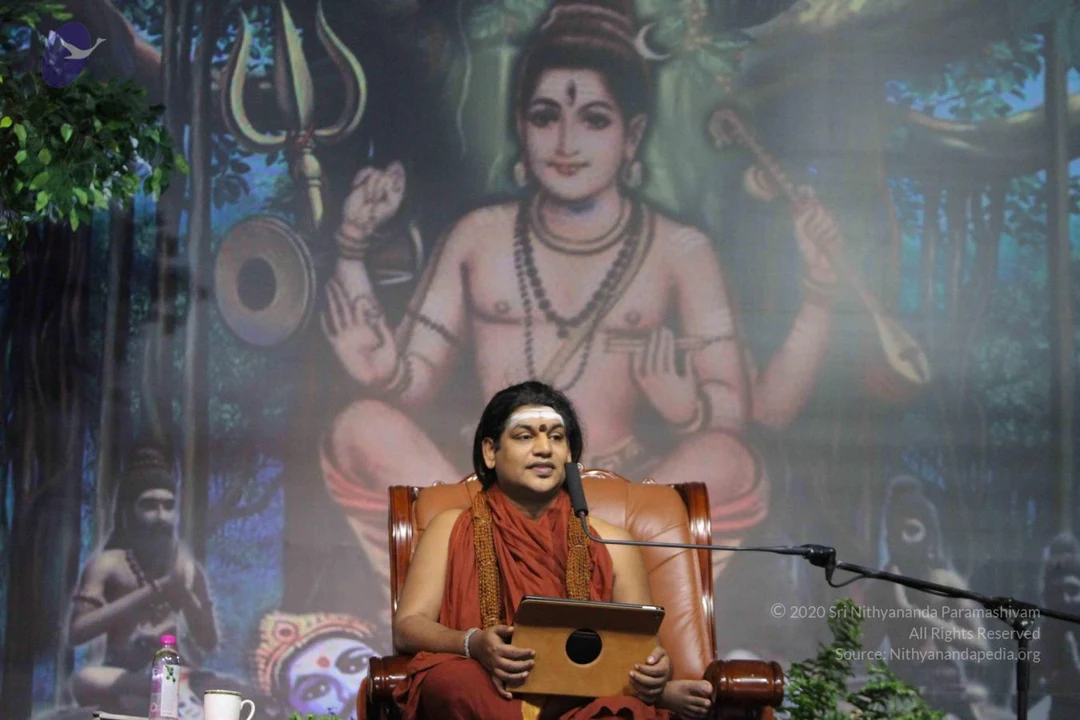
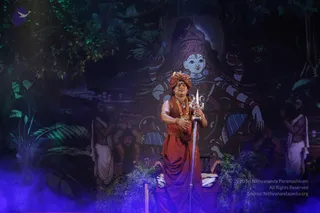
The snake form of kundalini in Mahadeva’s form denotes Surrender. Understand, each item in Mahadeva’s form represents one idea, one truth. Snake represents the kundalini shakti, which has surrendered to Mahadeva; or, I can say Mahadeva’s own kundalini shakti, which is under His control.
Innocent surrender means you know everything abut surrender, but you don’t have fear. Ignorant surrender means you don’t know anything about surrender; you just use that word for bargaining something.
Here you can see the innocent surrender. What a matured prayer.
Oh God, Consciousness, May you remove all of our incompletions that are obstacles on our good path of completion; beyond coming and going, birth and death. Onto you we surrender, with many, many reverential words, because we don’t know any other words. We only know the reverence we carry in our heart and we don’t know how to verbalize it, so we offer that as it is. Bowing down, again and again. Bowing down, again and again.
Understand, when money gets added, your taste about life changes. When power gets added, your taste about life changes. When name and fame gets added, your taste about life changes. When Surrender gets added, maturity happens in you. Understand, the biggest change you can have in your life is maturity.
I will explain the difference. When money gets added, you have a new desires, a new way of thinking, new fears, everything, but that does not mean your old desires have gone, they become redundant. Does not mean your old fears have become redundant. When name and fame gets added, you have more desire, more fear that does not make your old desires and old fears redundant. When power gets added, you have new desires and new things, that does not mean the old gets redundant. But, when maturity gets added, constantly the old desires, and the old fears are becoming redundant. Whatever is today, desire and fear, tomorrow it will become redundant and tomorrow whatever is desire tomorrow, fears you have, that will become redundant day after tomorrow.
Constantly the old desires and fears becoming redundant, is what I call maturity. That is what is Renunciation. Renunciation is not denounciation. It is just making old redundant. They are no more part of you, they are no more part of you.
Ability to make old desires and fears redundant is the ability to keep life alive. If you have that ability, you can make disease redundant in your body, boredom redundant in your mind, suffering redundant in your emotions, pain redundant in your relationships. At one point, you will become redundant due to Enlightenment. Ultimately you will become redundant. That is Enlightenment. Making things redundant in your life, making things, places, people, redundant in your Life. When you mature, the people who all the time talk about shares, clothes, car, bank balance, their net worth, they become redundant to you.
And I have seen these stupid NRI parties, all the time these donkeys talk about only this. The moment they gather, “hey what is the share? What’s the car you are driving? How many swimming pools you have in your house? How many bedrooms you have in your house? Do you have a tennis court.” Make all these people redundant in your life. And when these women gather, oh God, NRI women…sari, jewel, kitty party…Make all these people redundant in your life. When your taste changes, they become redundant. When you get matured, they become redundant.
The innocent surrender, where you know everything about it, you are not afraid of it. I tell you, the fear of maturity is the worst fear taught to humanity. This is the biggest conspiracy done against humanity. Attack on your body is chemical agriculture and pharmaceutical companies. Chemical agriculture and chemical medicines is the attack on your body. Overly sexed and violence based entertainment is the attack on your mind. Fear of the maturity is attack on humanity. Understand, I am neither revolutionary nor rebel, I am just evolutionary. Maybe I can coin a new word – REVIVEVOLUTIONARY.
Even in the prayer, what a maturity! This one verse, I feel there is so much to tell about this verse. That’s why I am not moving. May be the first day of Inner Awakening, I will start the Kenopanishad. February 4th, the next beautiful Upanishad, Kenopanishad.
agne naya supathā rāye asmān viśvāni deva vayunāni vidvān |
yuyodhy asmaj juhurāṇam eno bhūyiṣṭhāṁ te nama-uktiṁ vidhema || 18 ||
What a prayer..what a prayer! The moment I read this mantra, I can see the whole bio-energy becoming alive. If you want to prayer, I think this should be your prayer with that clarity – even while you pray, SO’HAM ASMI. With this prayer, the Upanishad leads you from impersonal relationships to personal feeling connection. You can always just cheat yourself with just some good ideas, concepts, but never connecting with the Source. This verse does not allow you to do, this verse really awakens that feeling connection.
Essence of today’s satsang – Innocent Surrender not ignorant surrender.
With this, I bless you all: Let you all radiate with integrity, authenticity, responsibility, enriching, causing Living Shuddha Advaita Shaivam, the Eternal bliss, Nithyananda. Thank you. Be Blissful.
Title
Nithyananda Times, 02nd February, 2016
Description
Video Magazine of the Nithyananda Peetham - 02nd February 2016 covering:
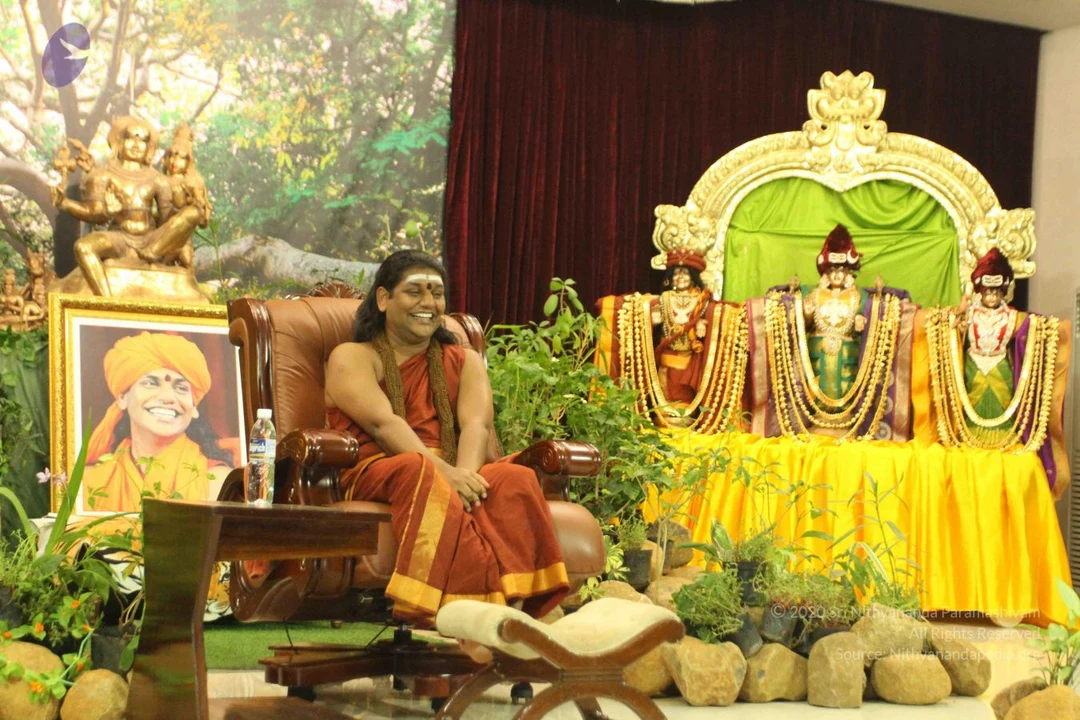
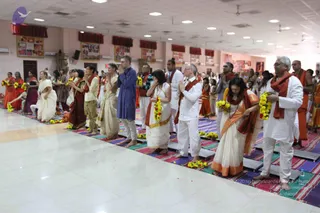
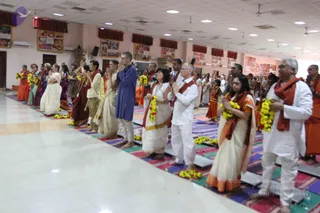
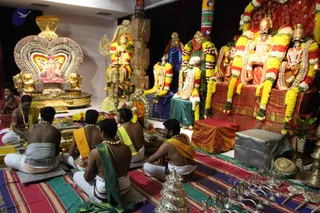
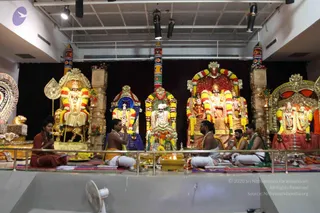
Weekly Somavar Abhishekam was offered today at Svayambhu Nithyanandeshwara Temple, Bengaluru Aadheenam. Offerings were to the Svayambhu Nithyanandeshwara Lings which emerged from the Temple's 1000 yr-old sacred Banyan Tree, Meru, Ambal and Swamiji Murthy, as well as Nithyanandeshwara-Nithyanandeshwari, Kapilu Muni and Swamiji's Murthy.
| Video | Audio |
Paramashivoham Oneness Capsule 101
Paramashivoham Oneness Capsule 102
Link to Facebook Page
https://www.facebook.com/ParamahamsaNithyananda/posts/959760597445124
Photos Of The Day:
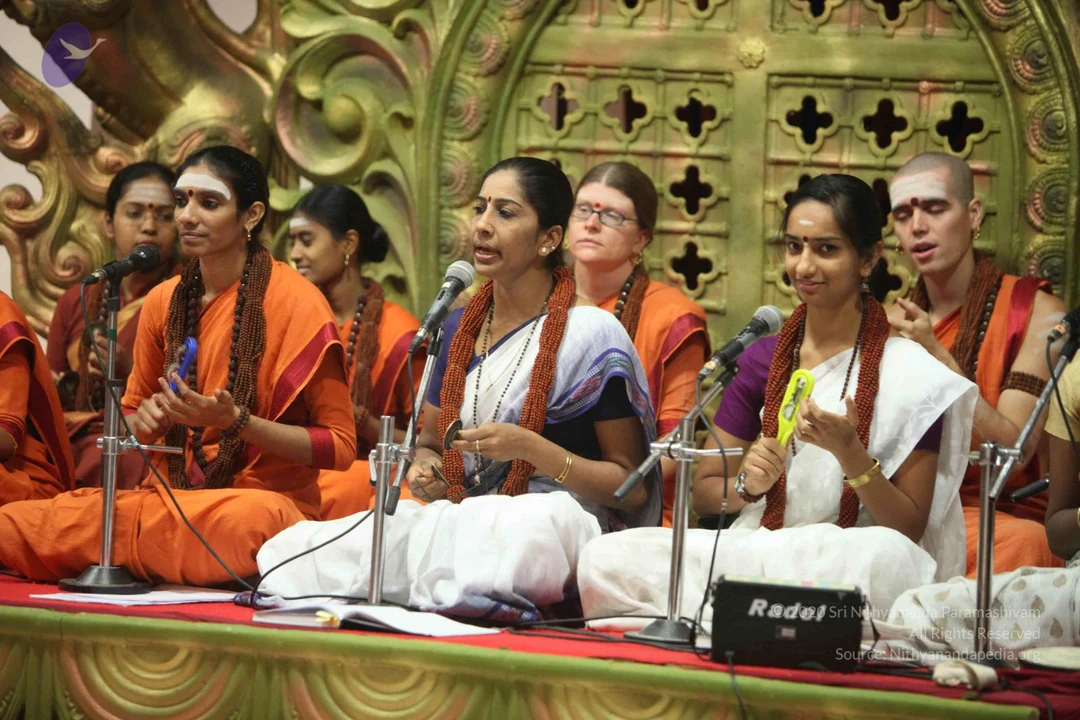
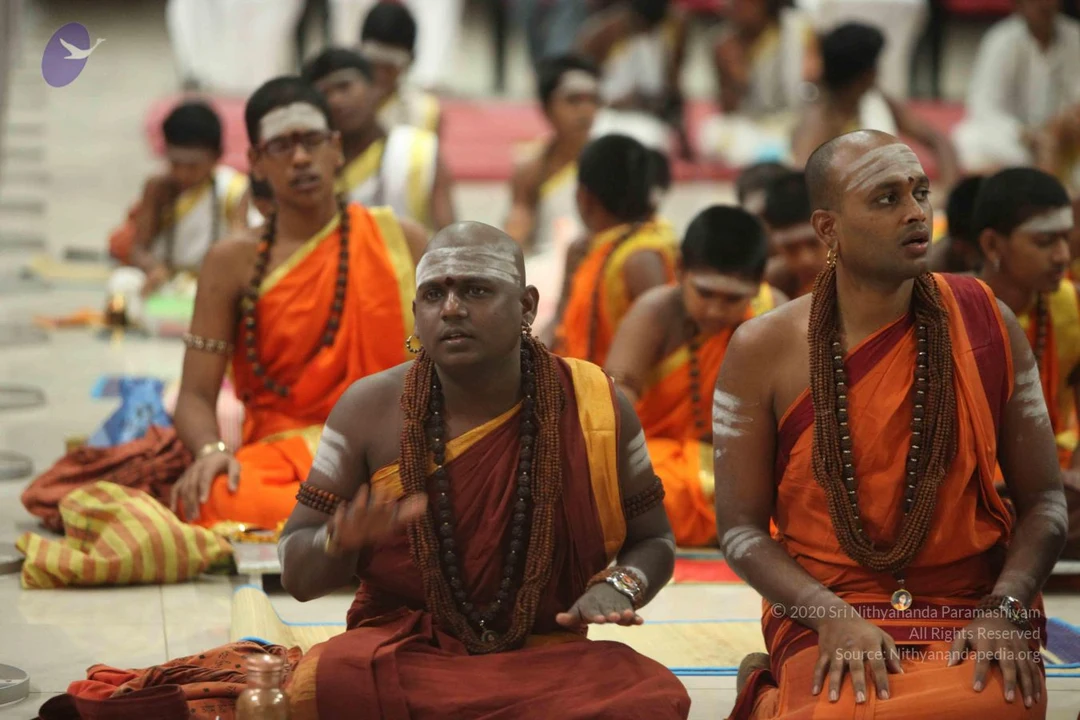
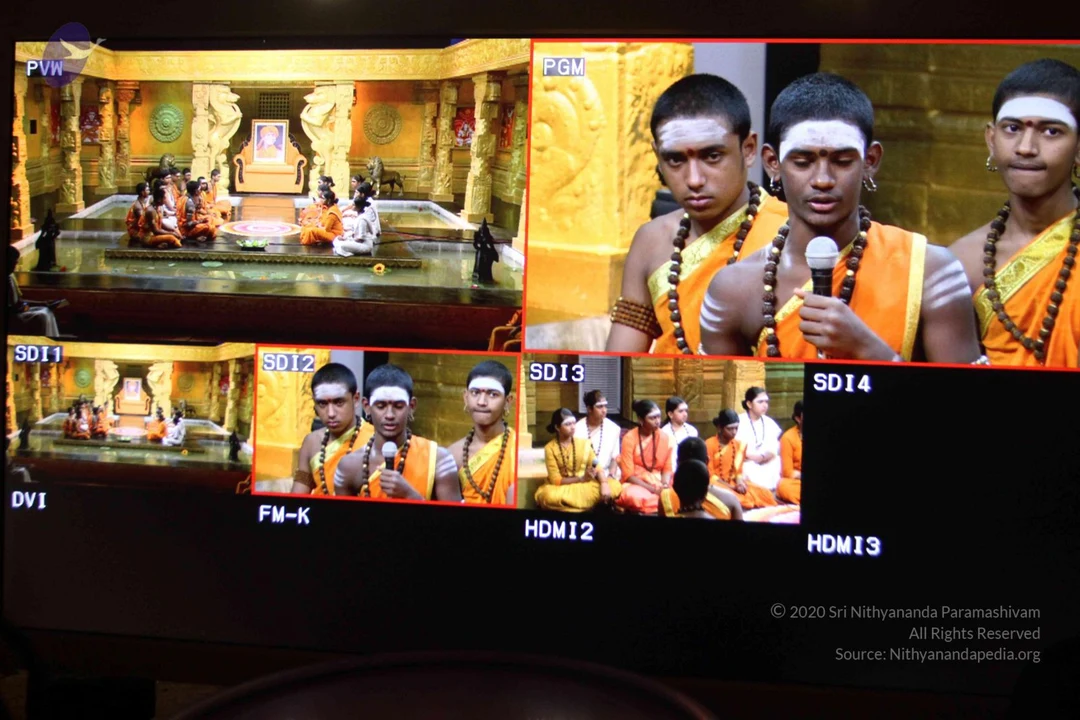
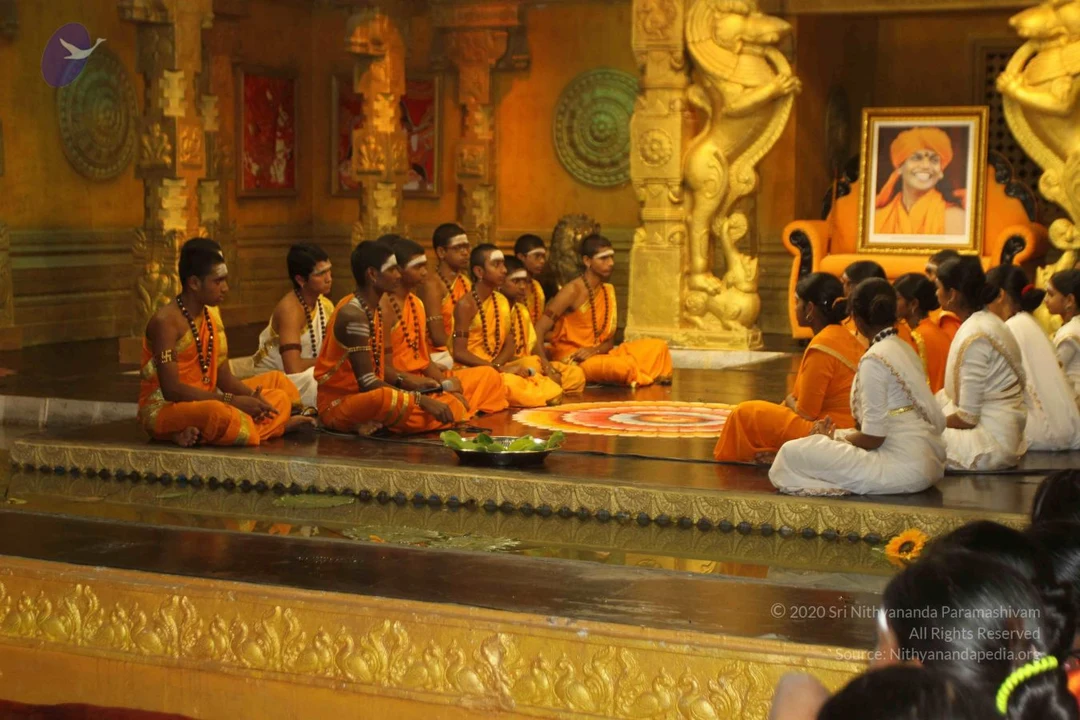
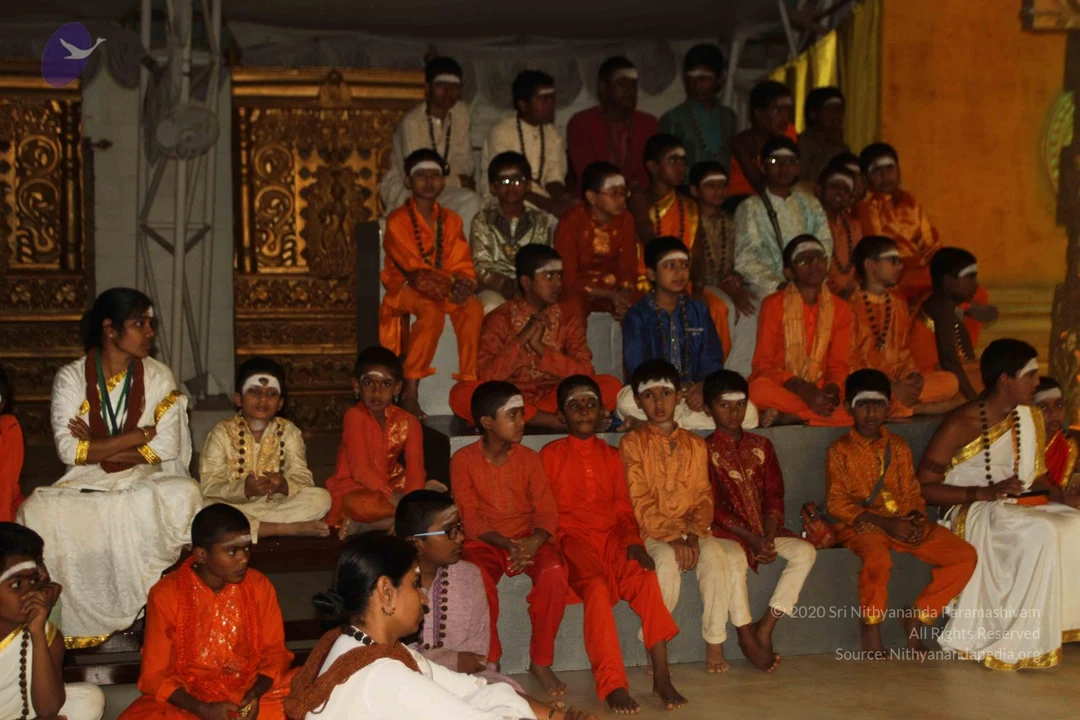
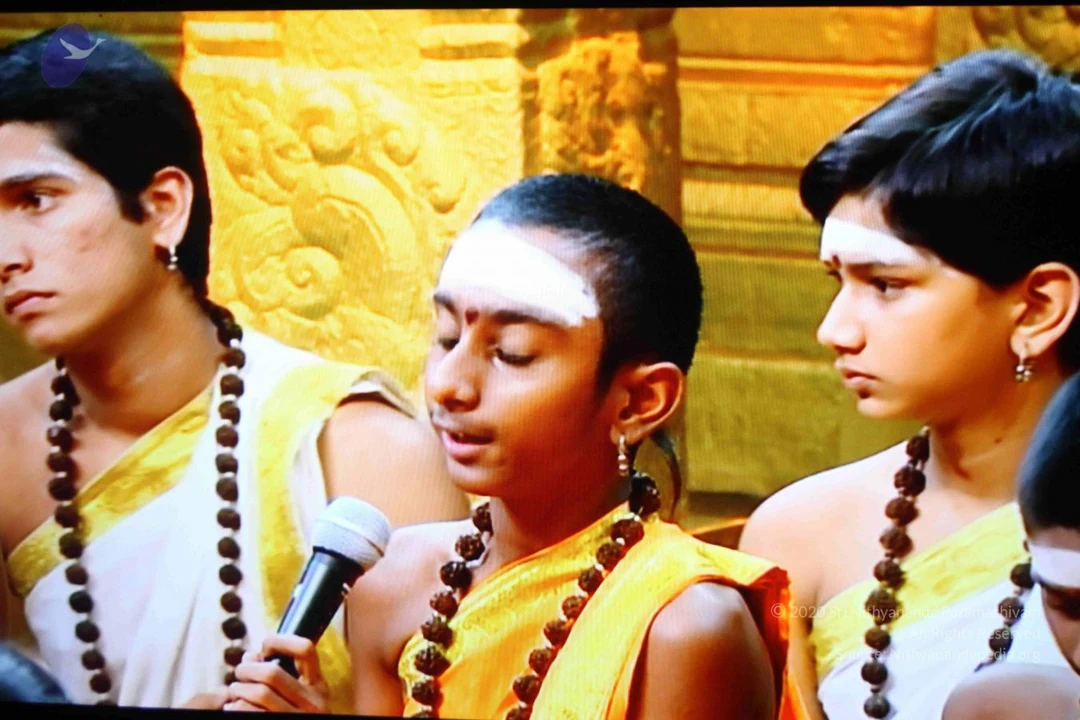
Nithya Kirtans
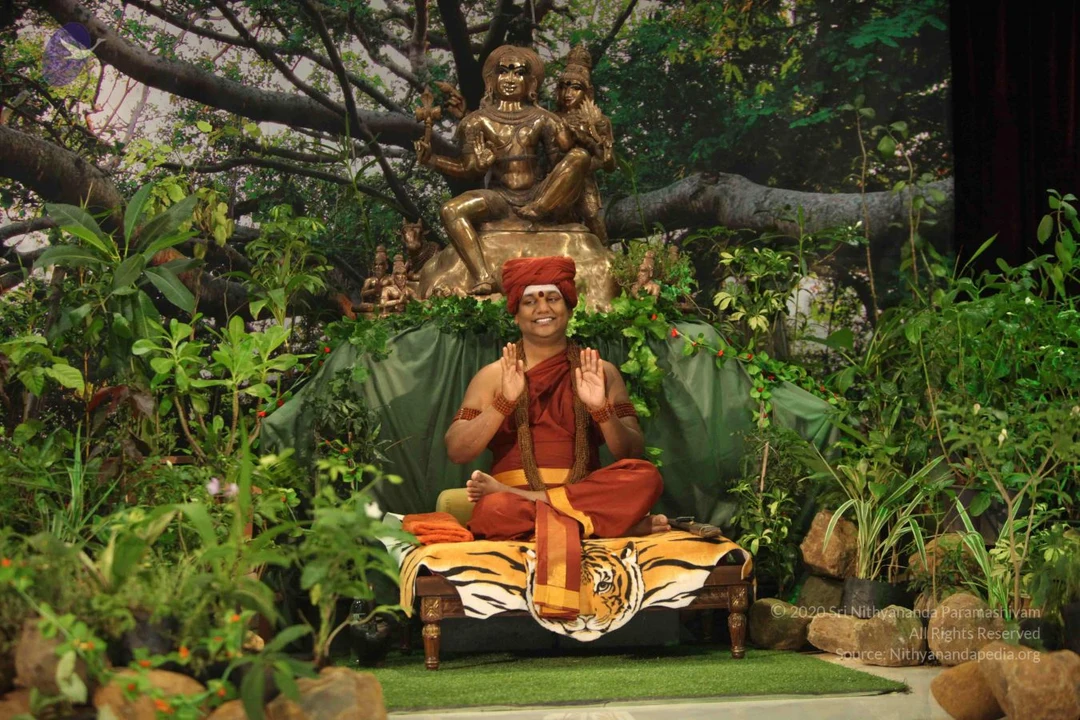
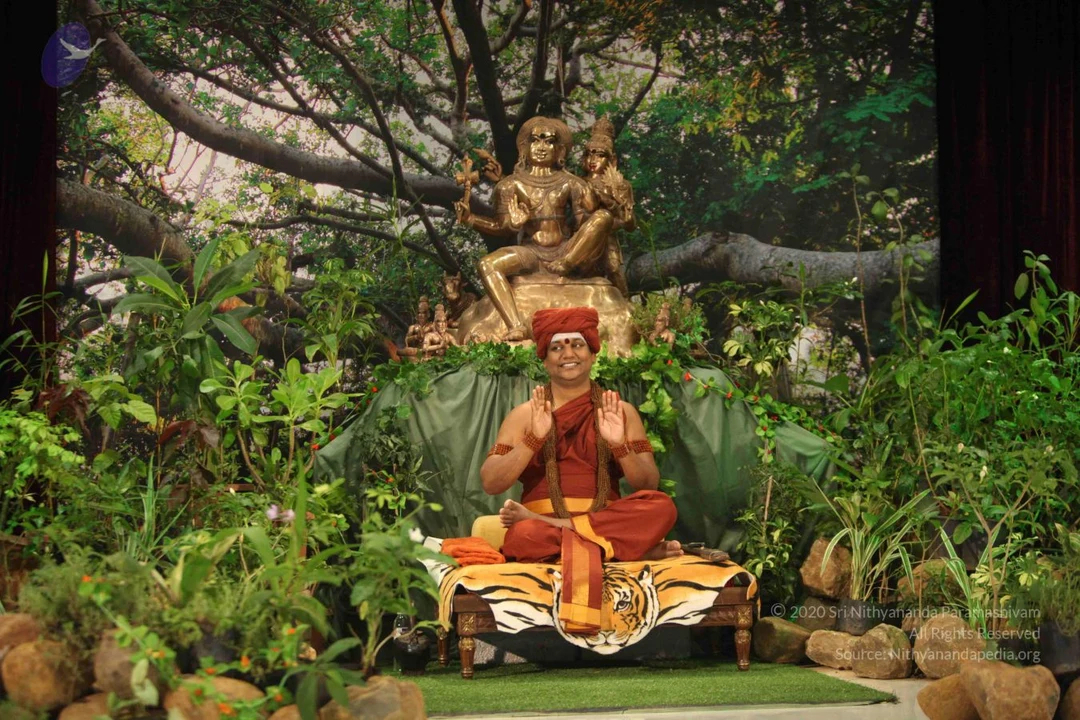
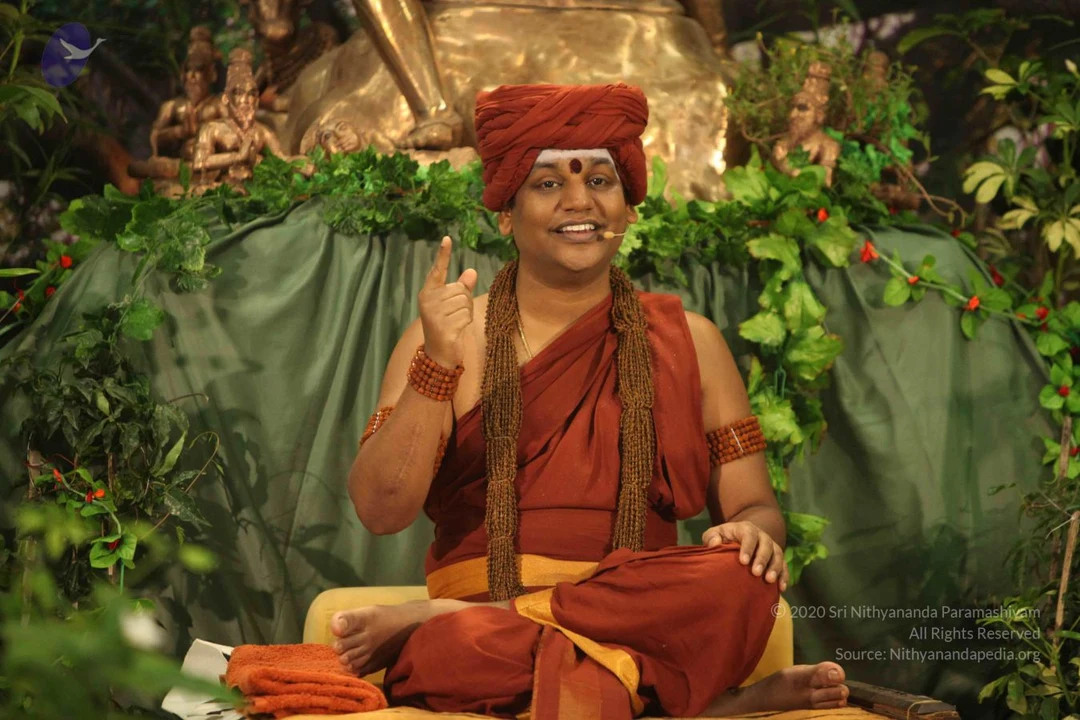
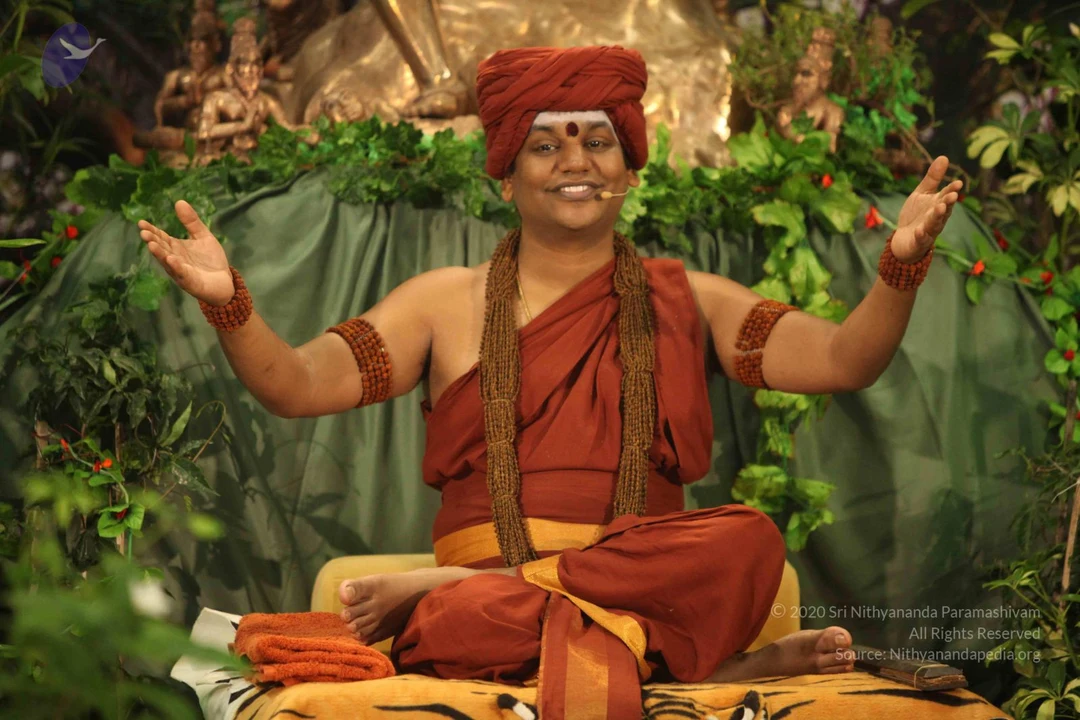
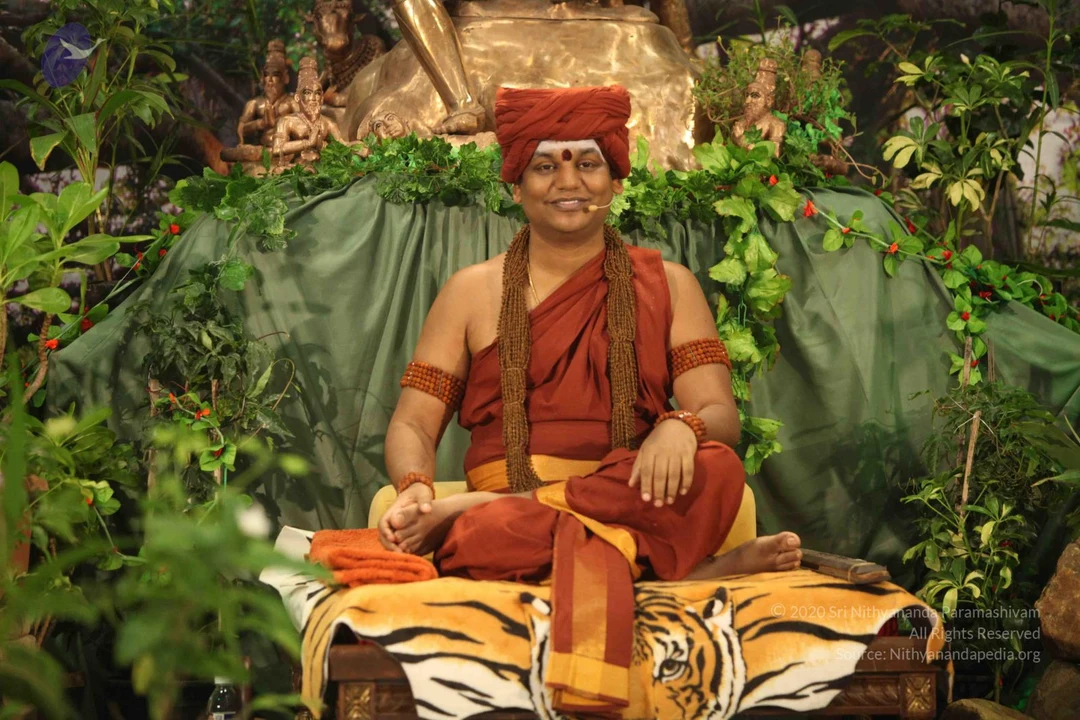
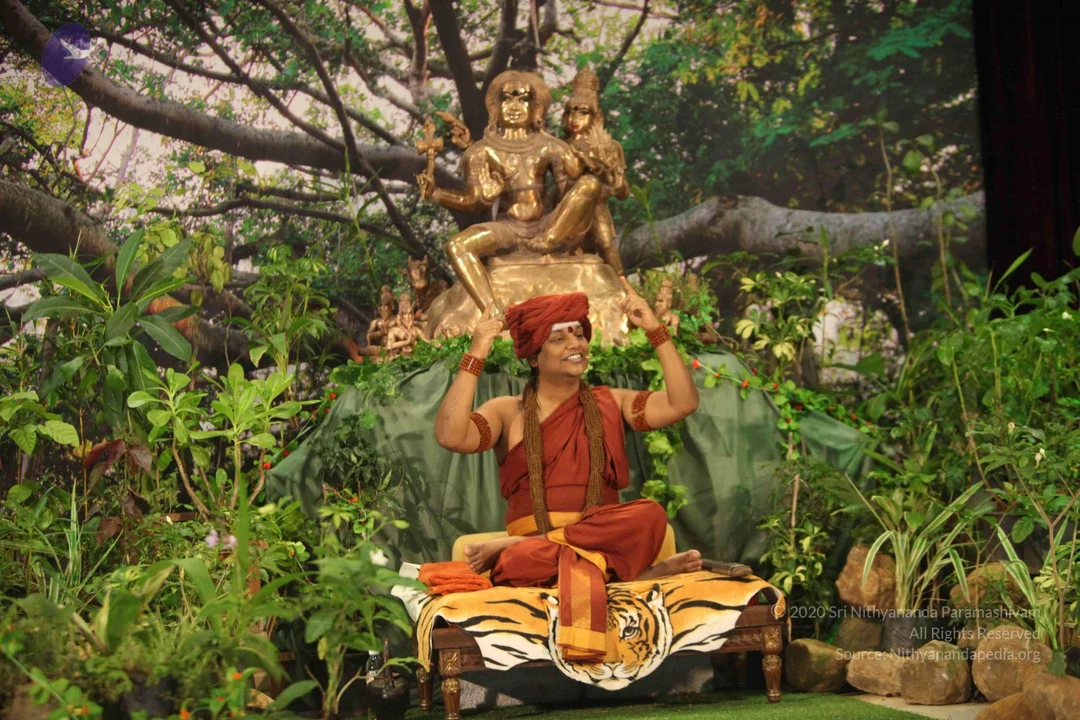
Nithya Satsang
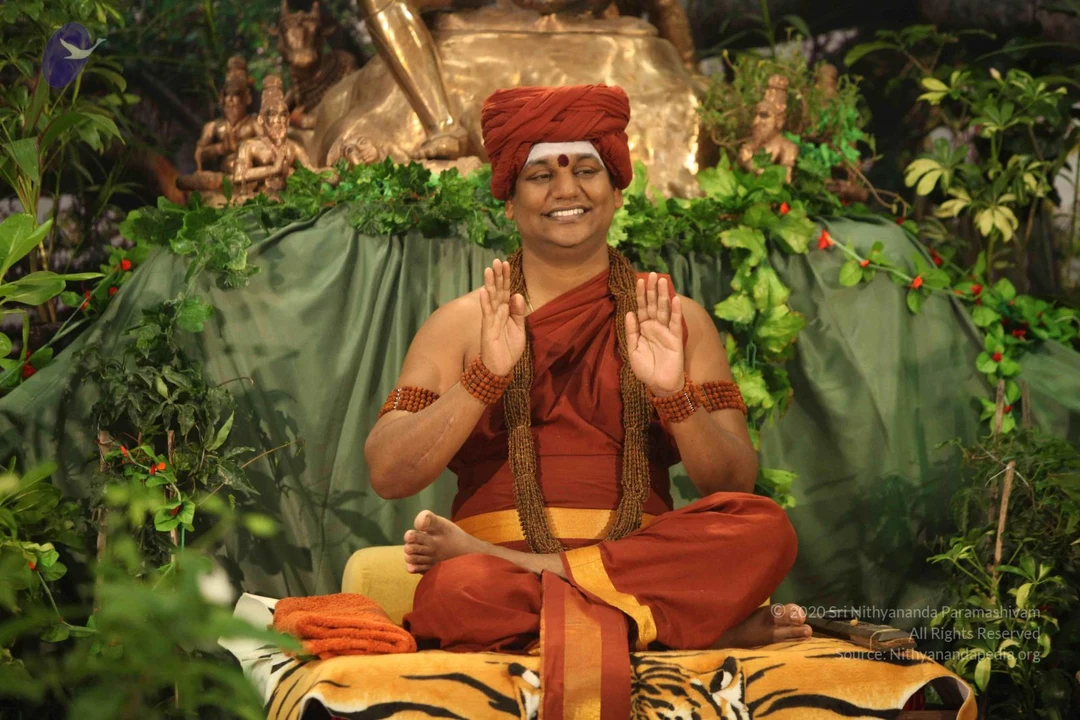
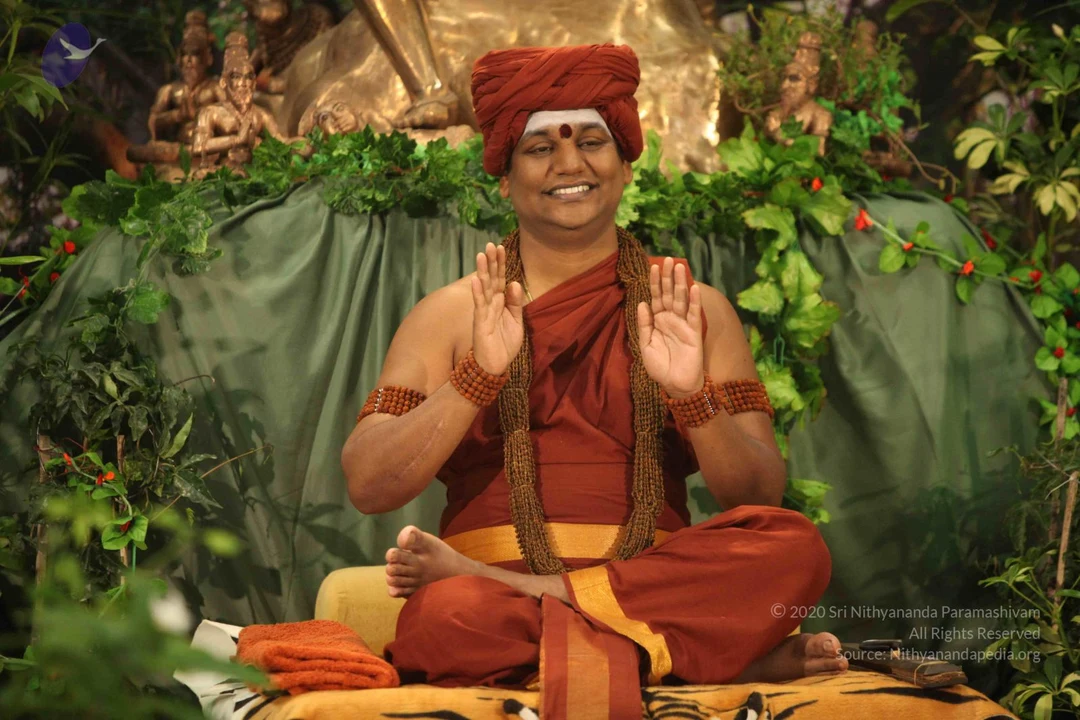
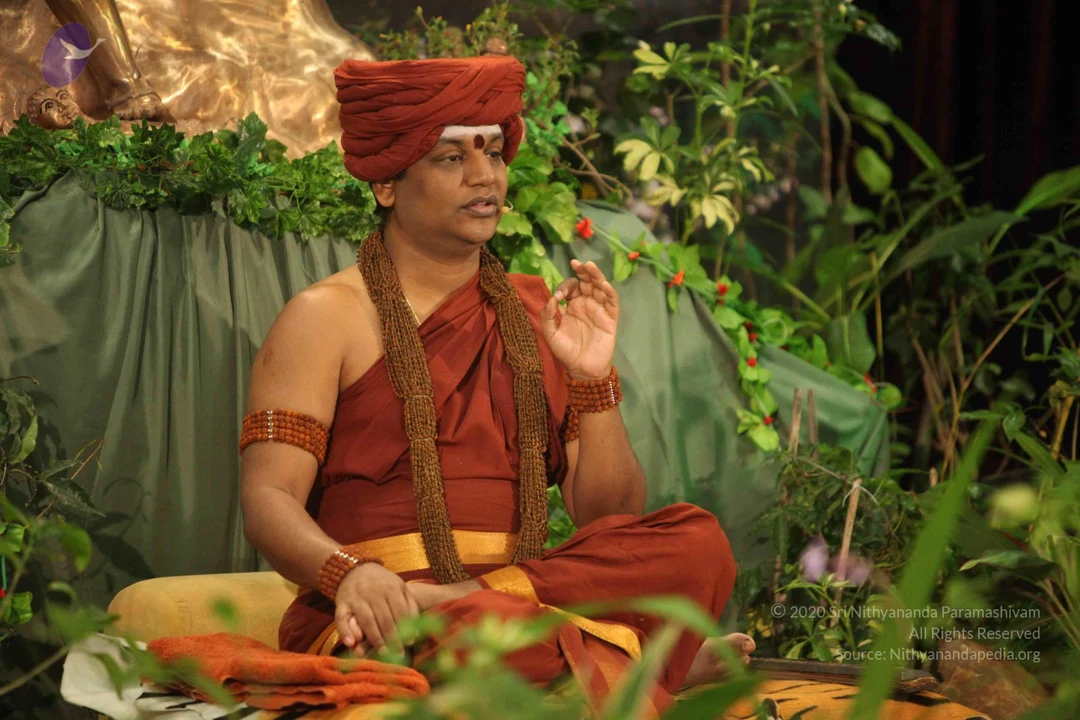
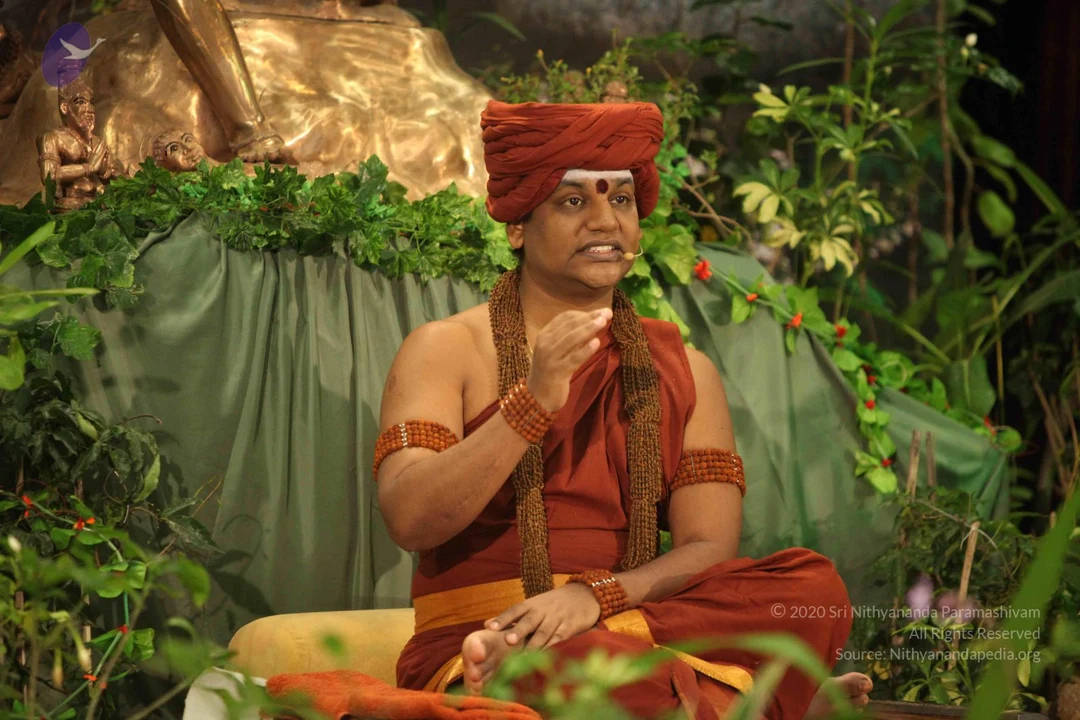

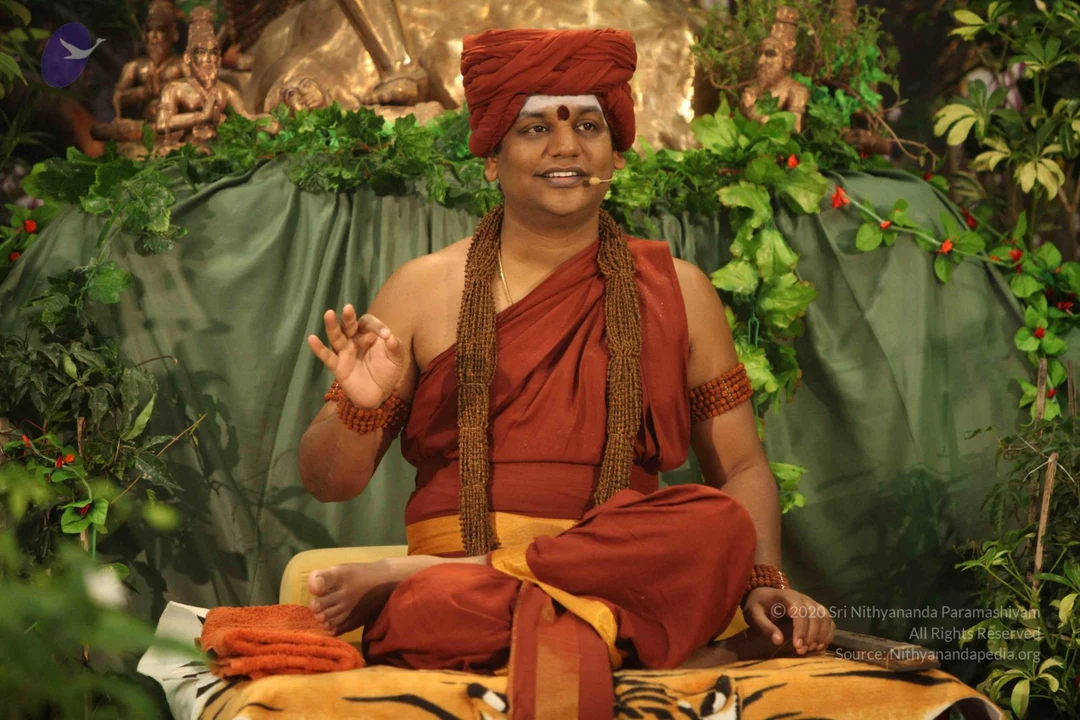
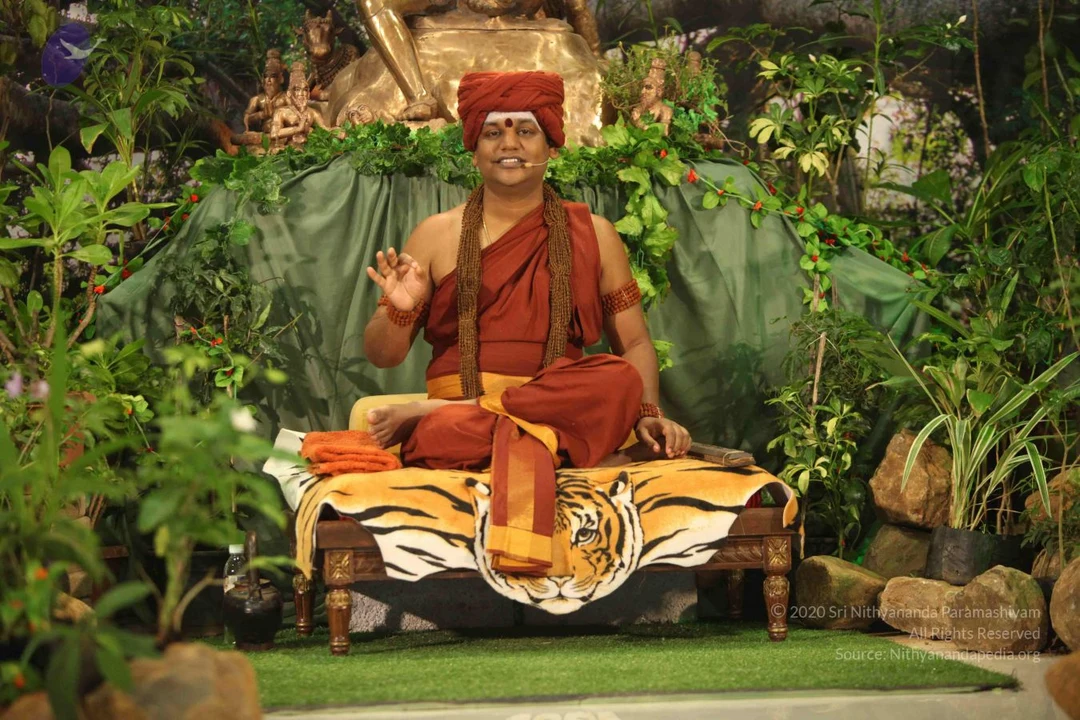
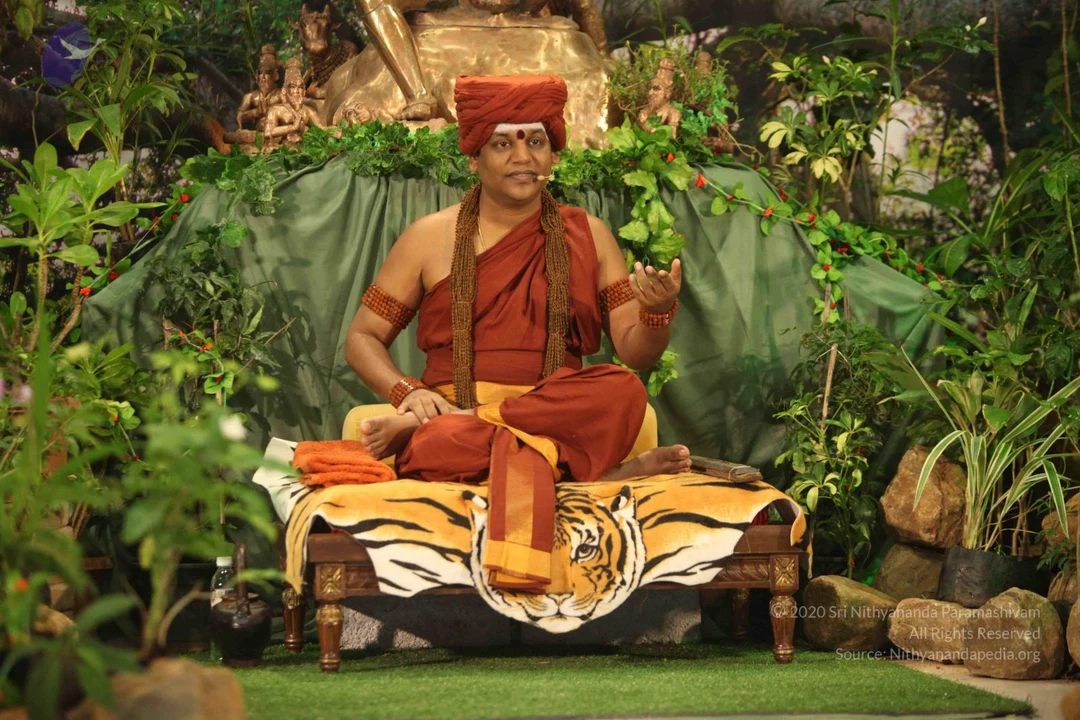
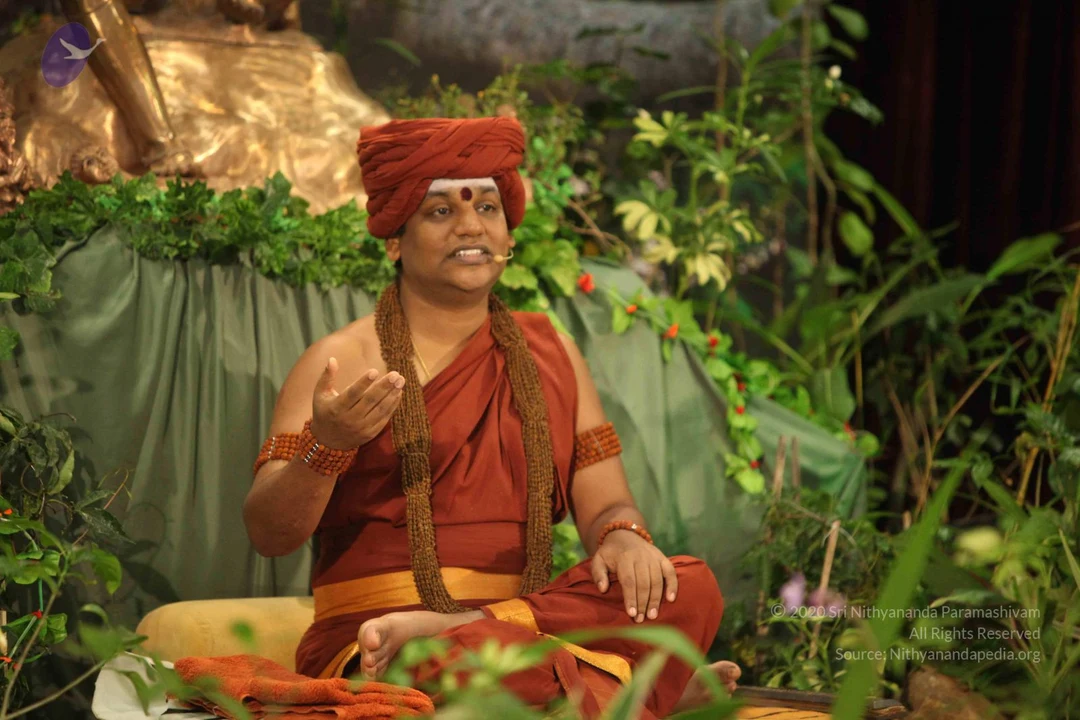

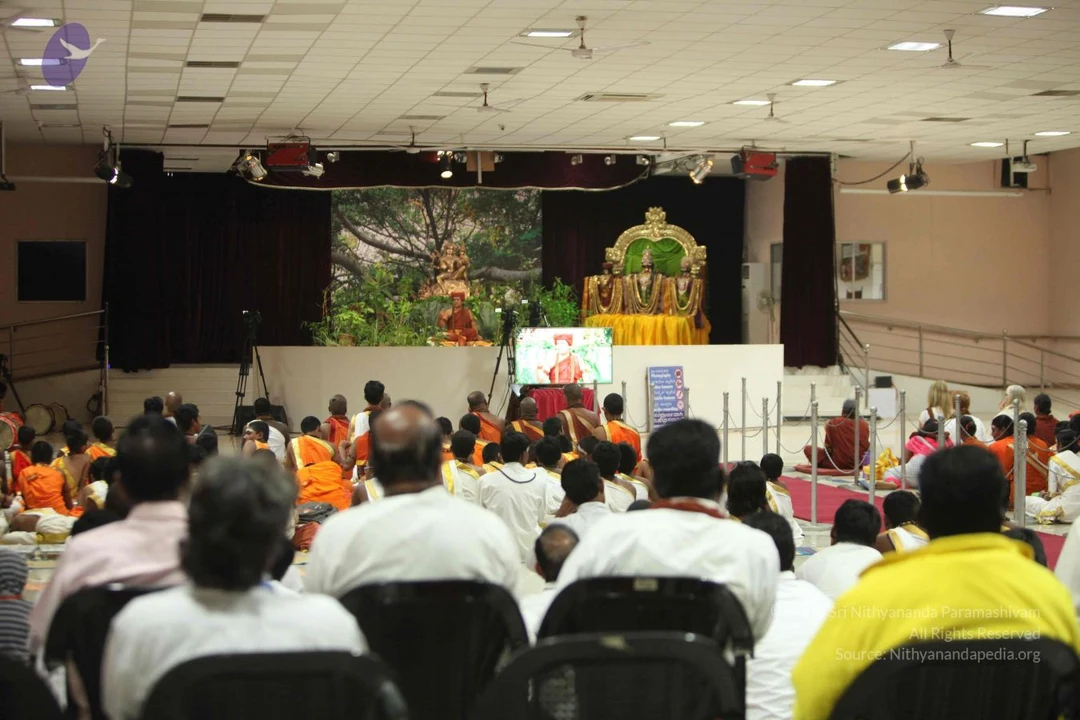
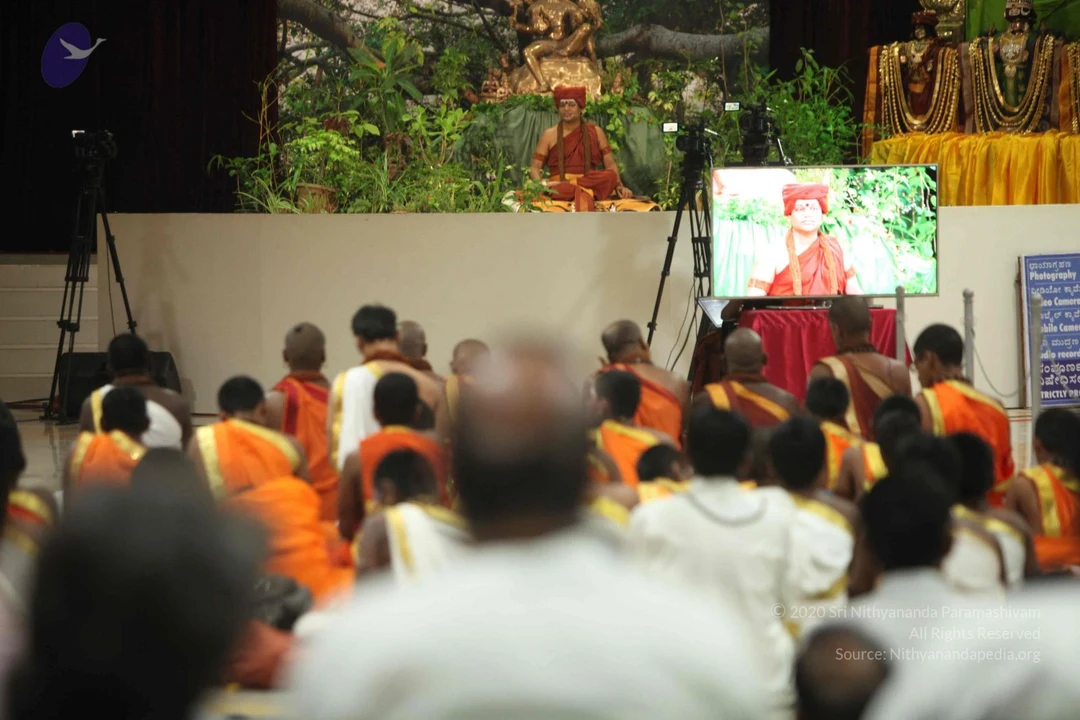
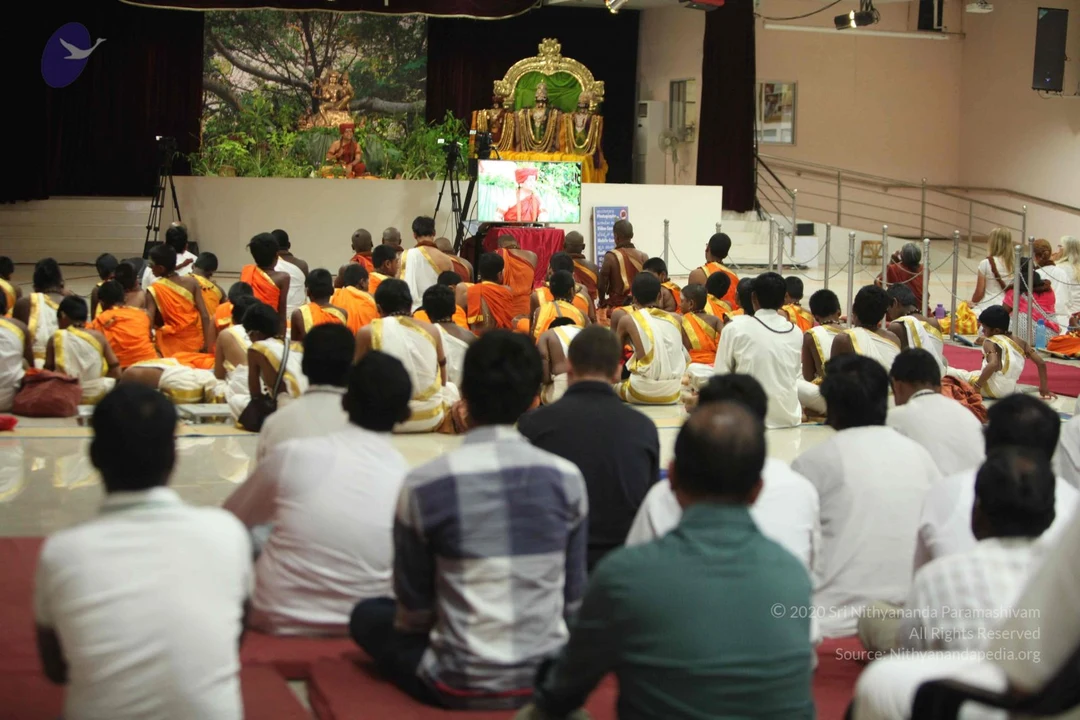
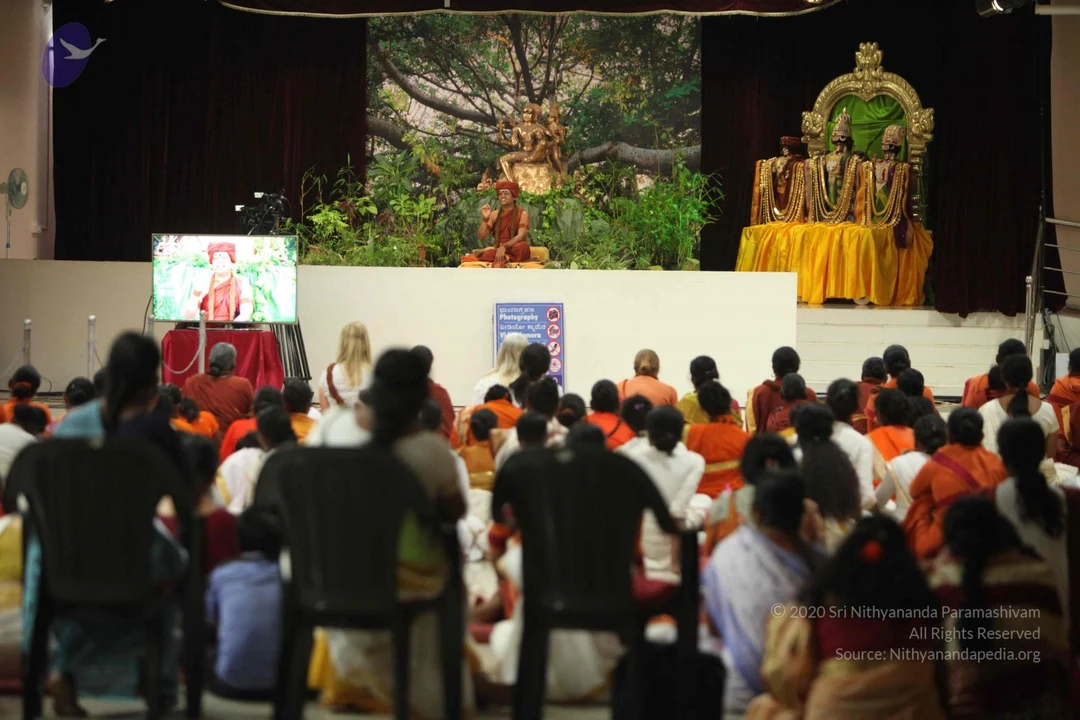
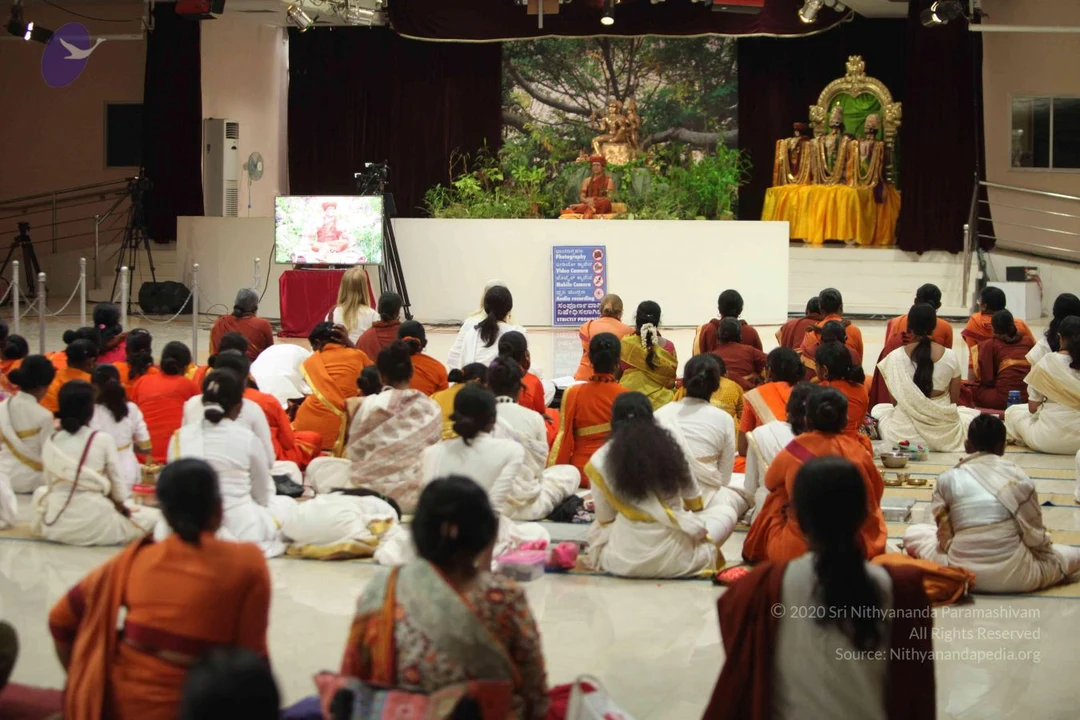
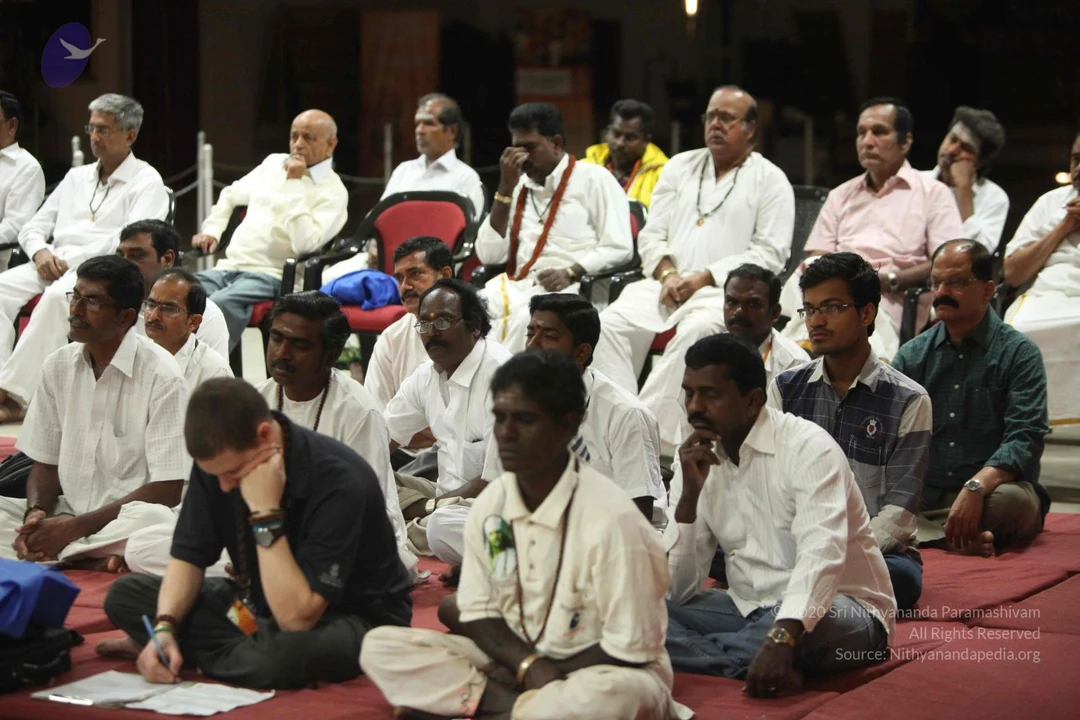
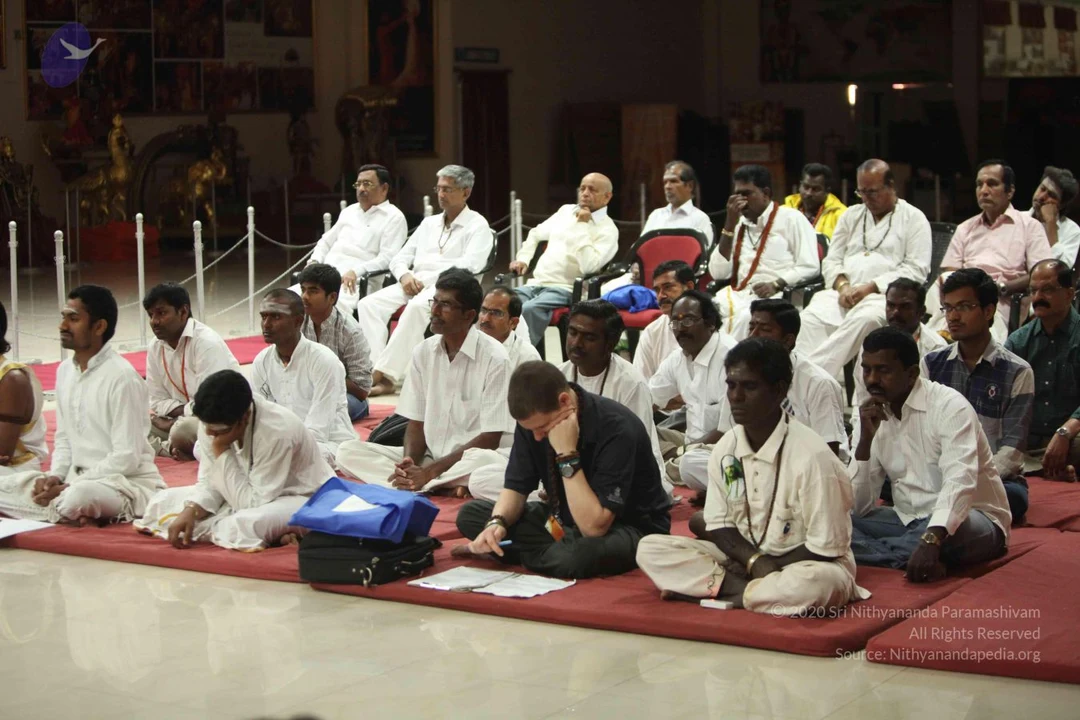
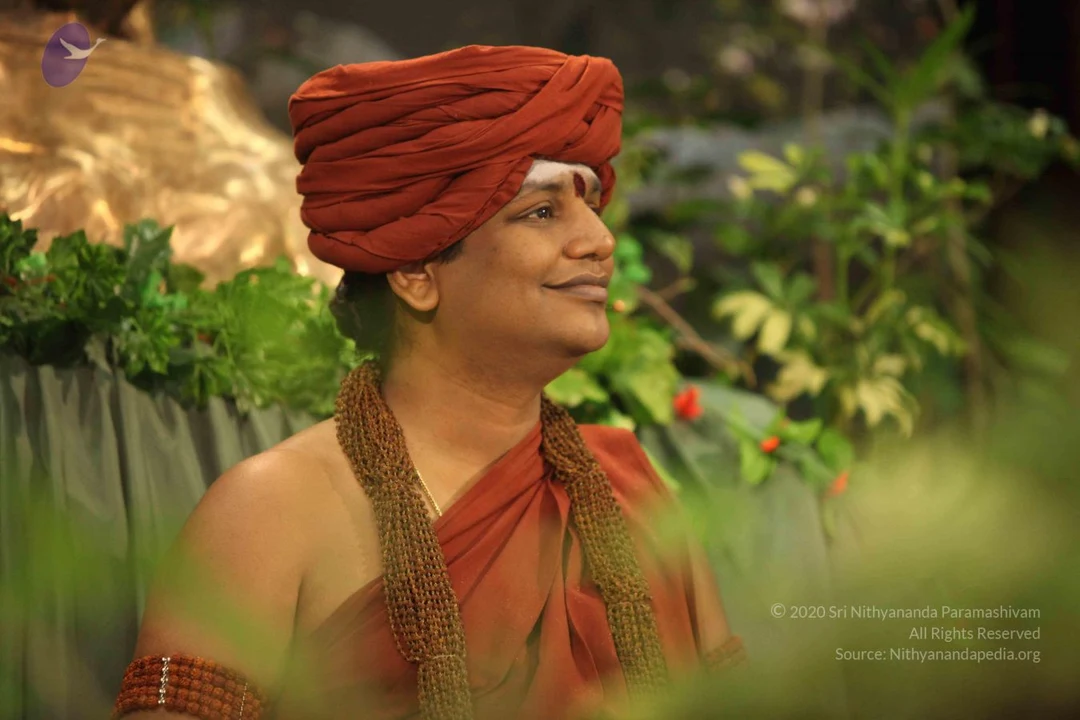
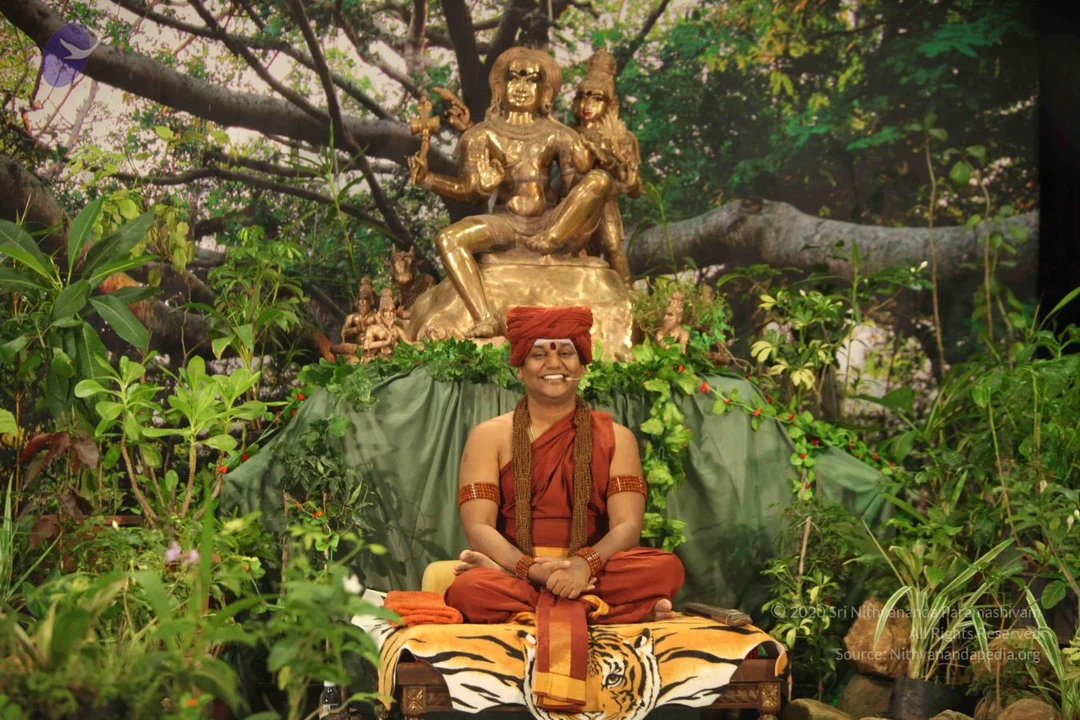

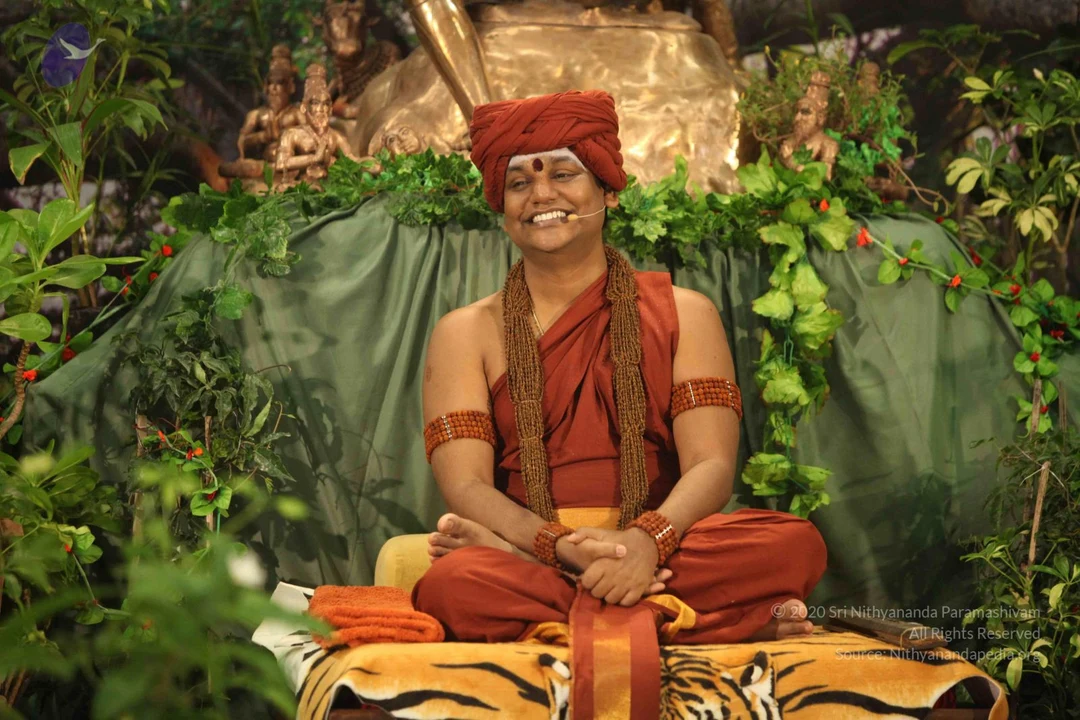
Kalpataru
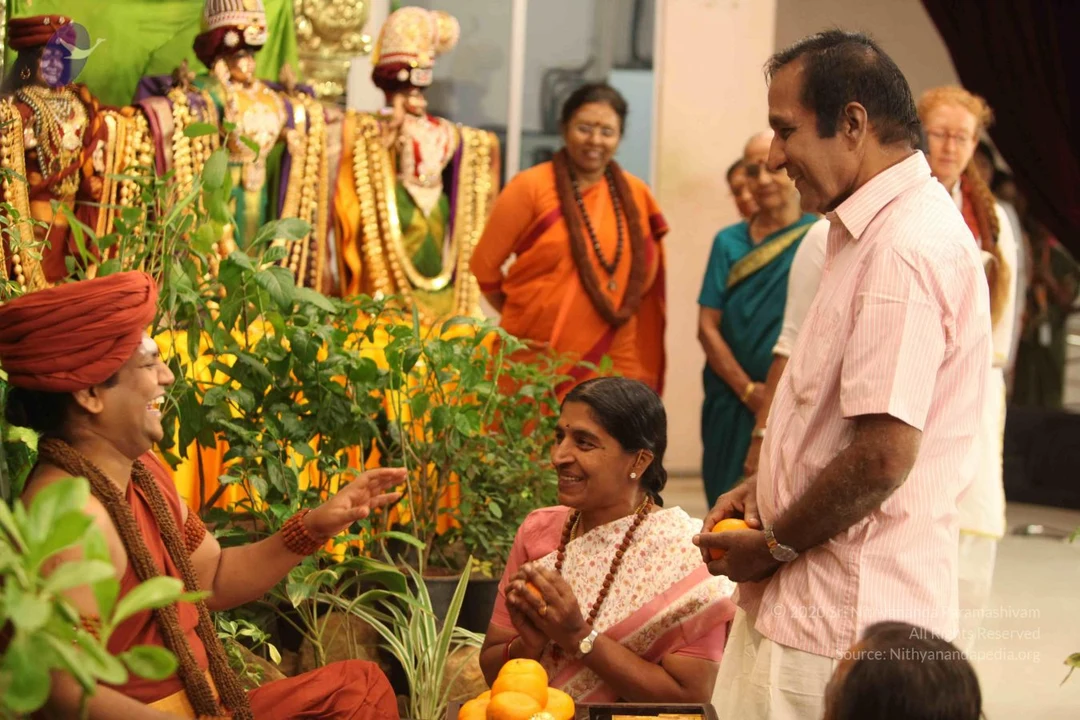
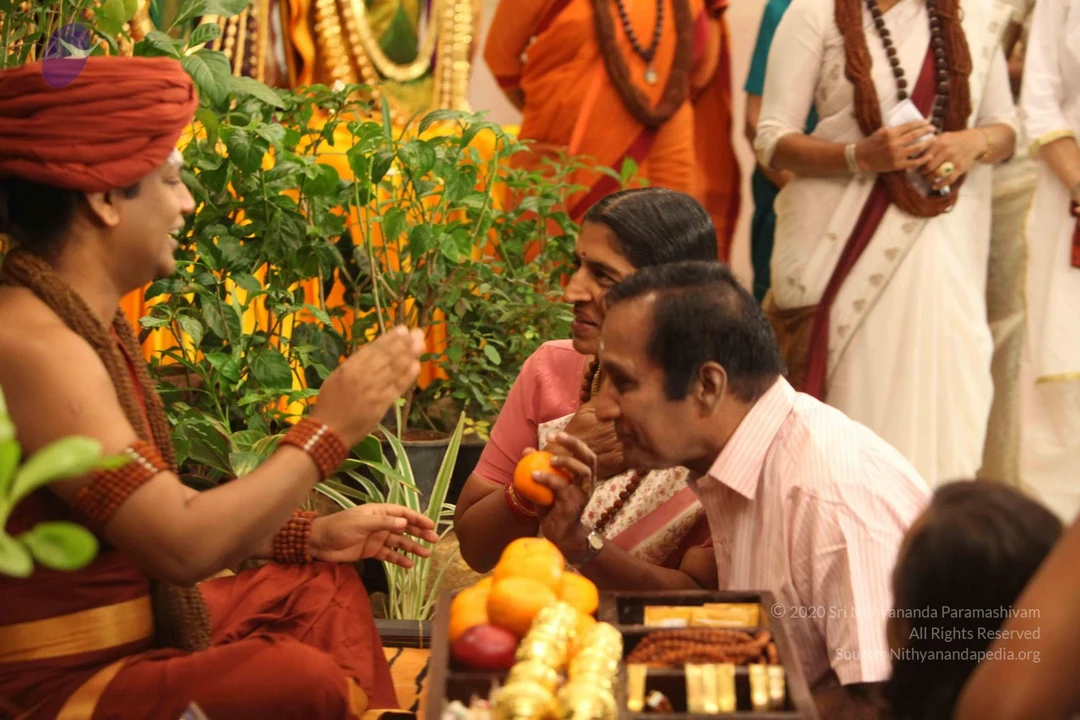

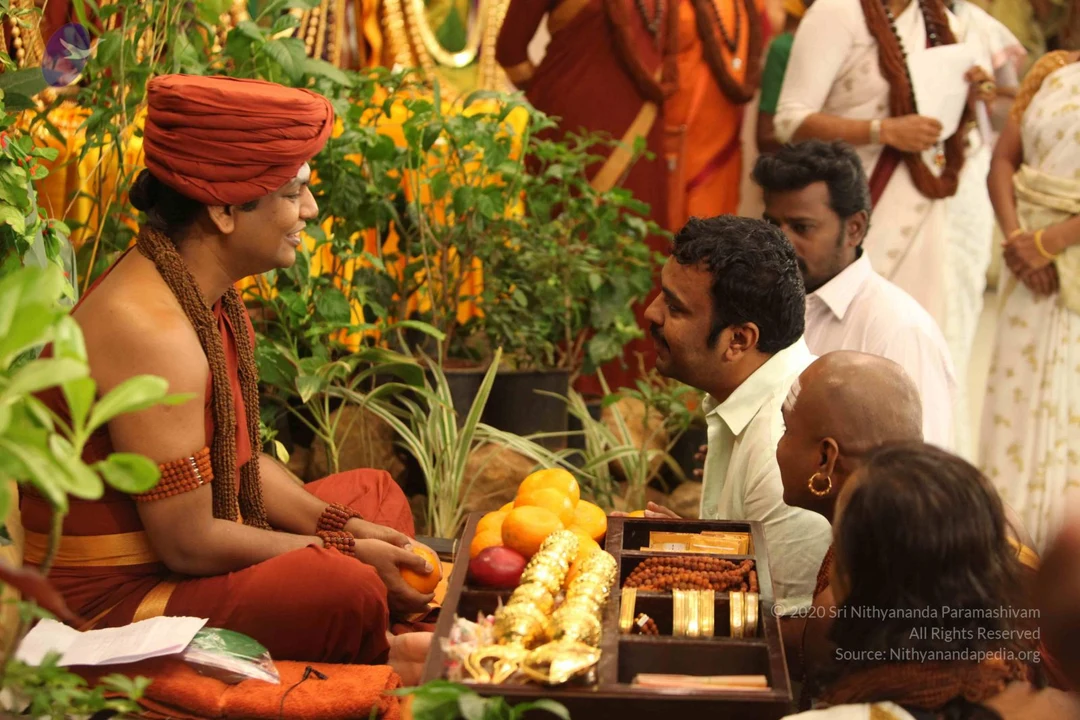
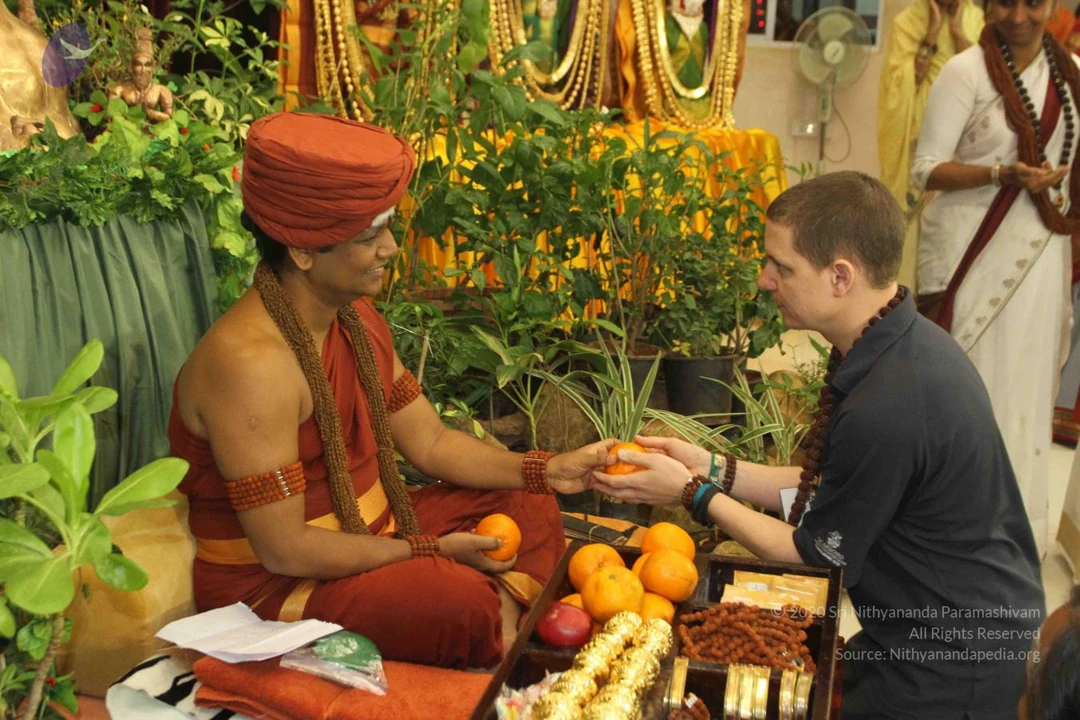
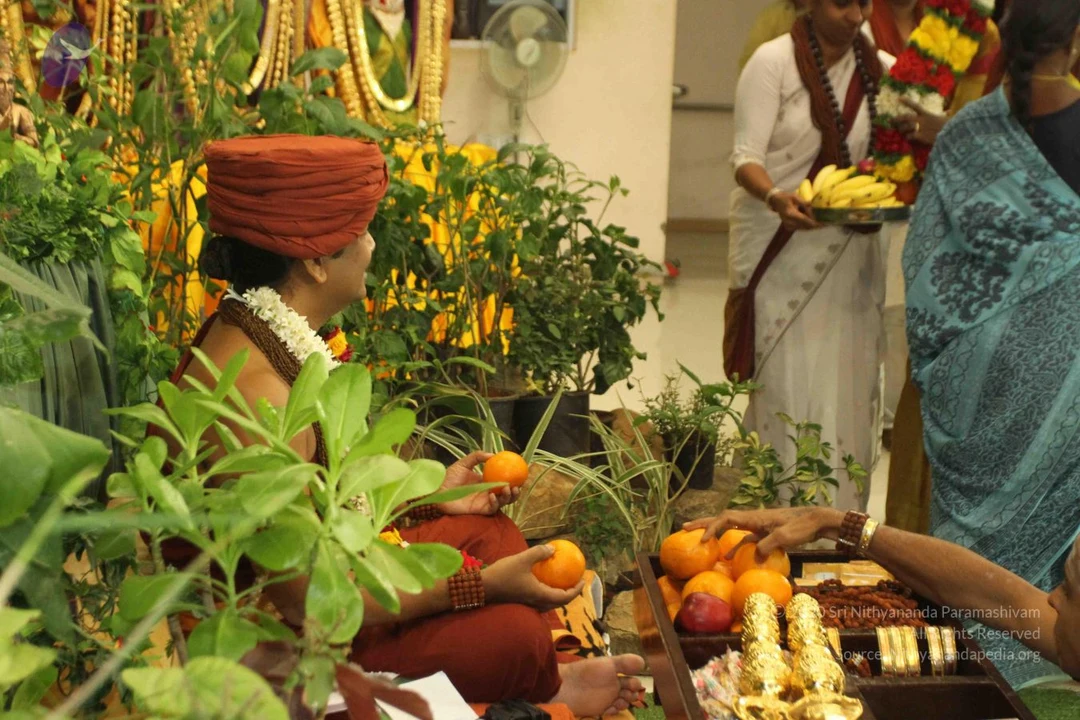
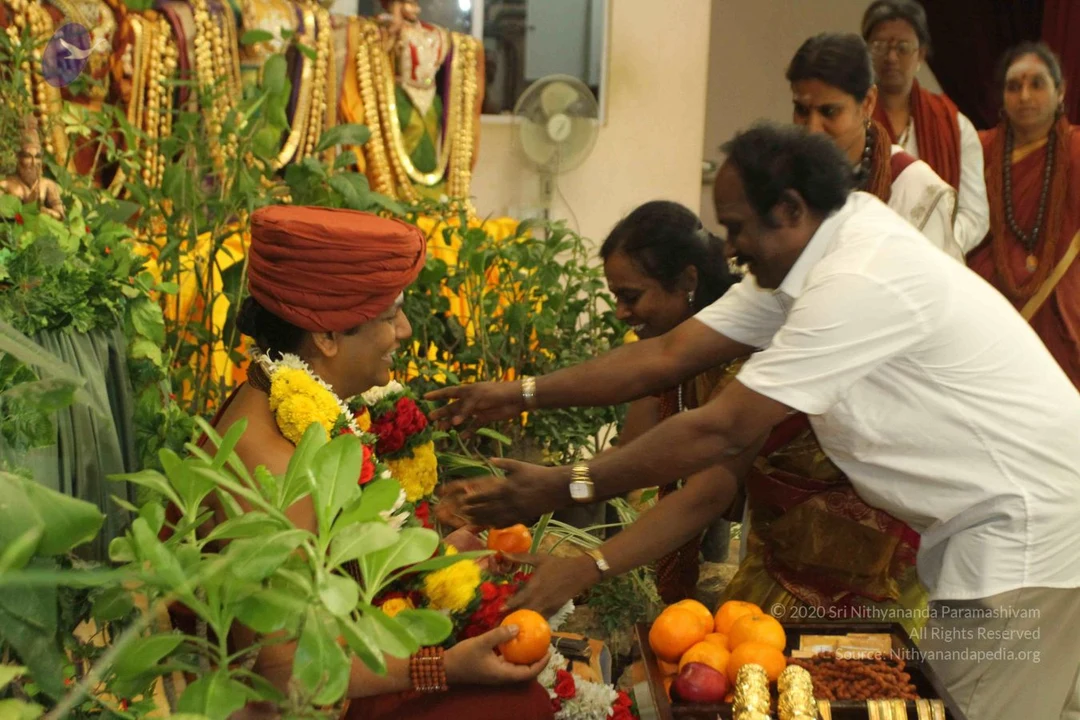
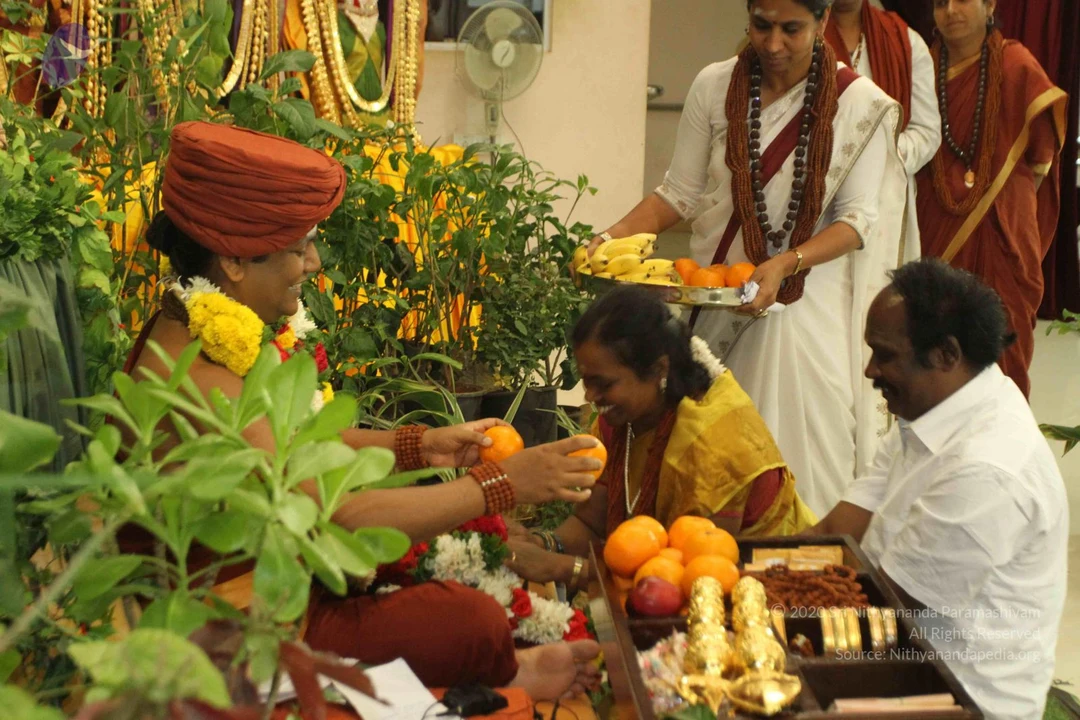
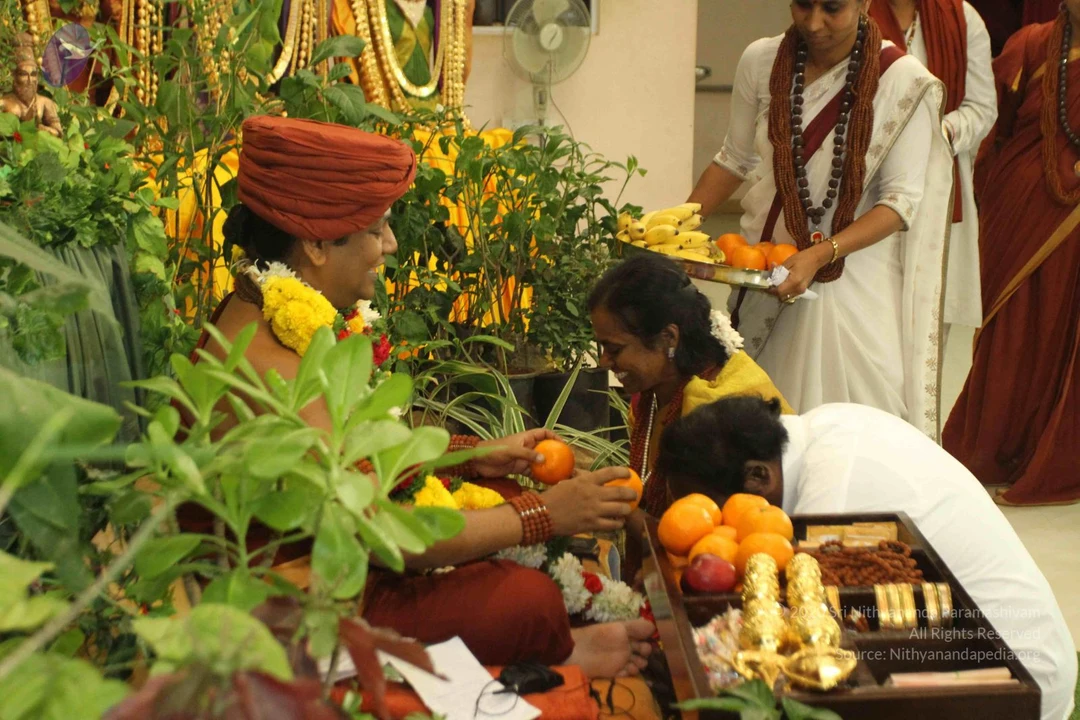
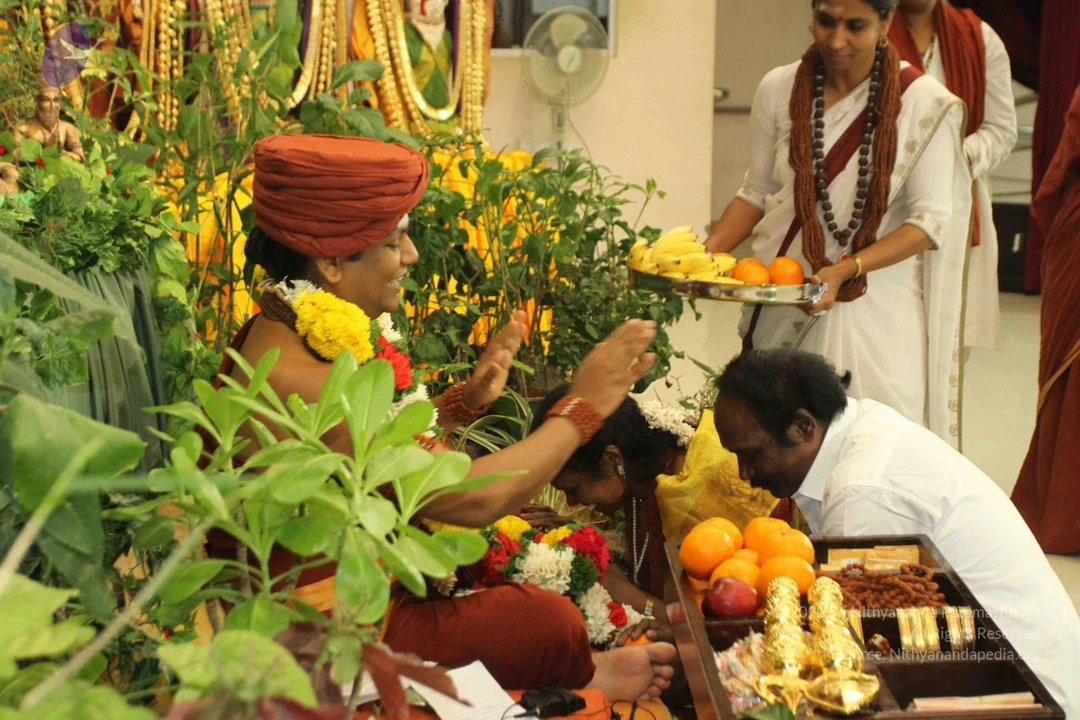
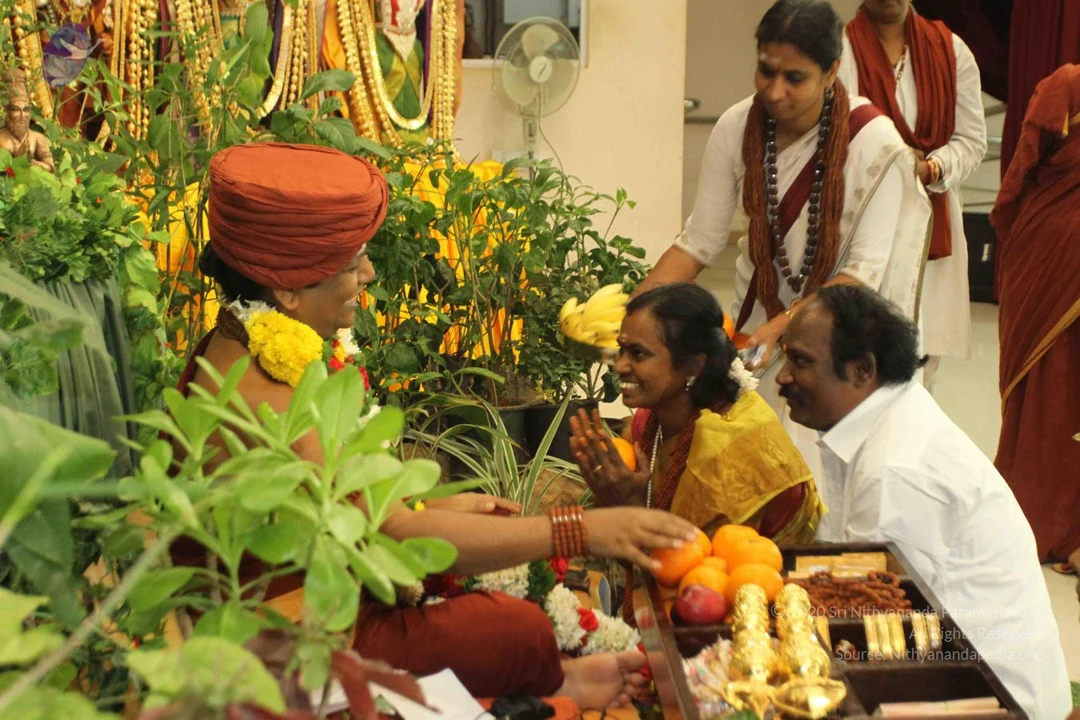
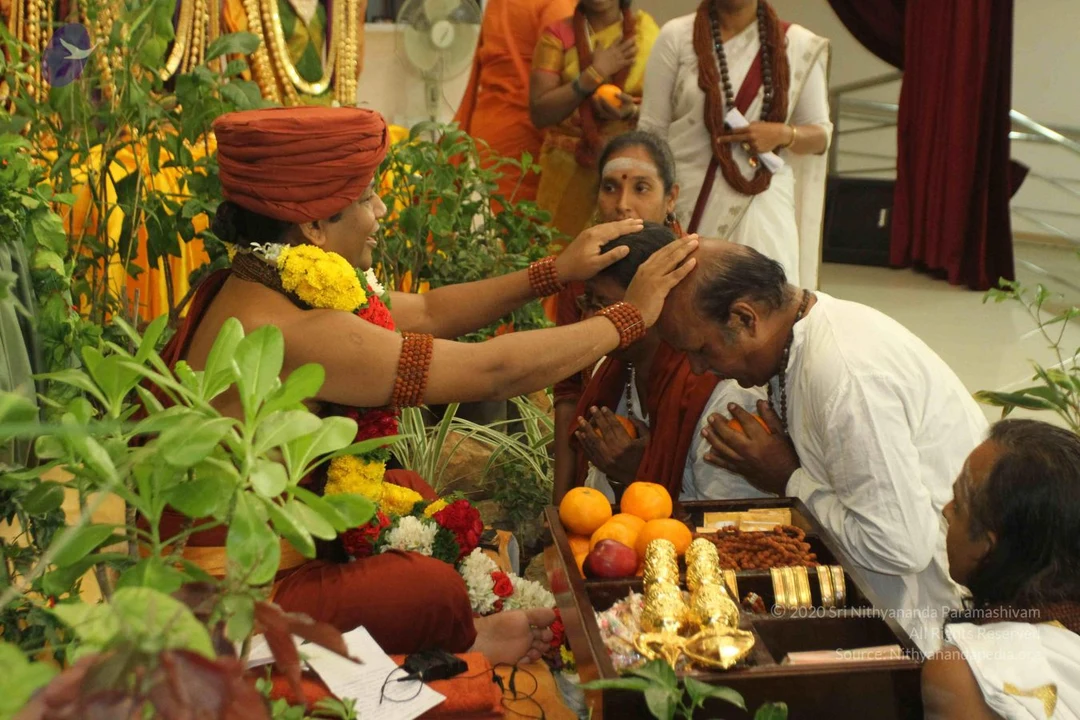
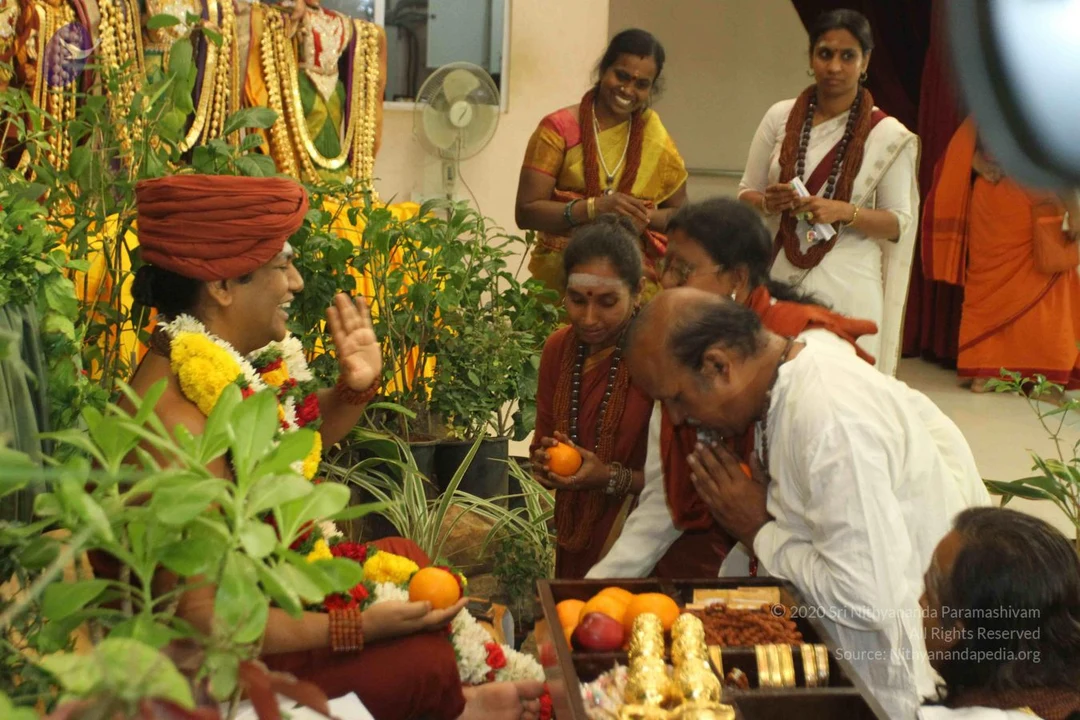
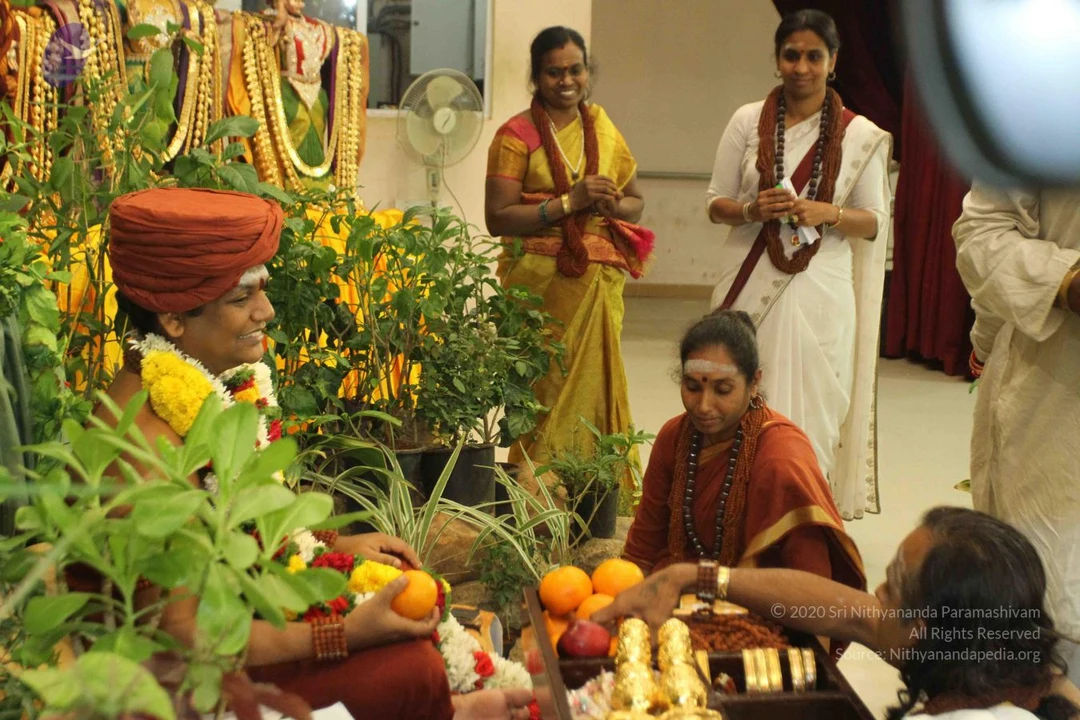
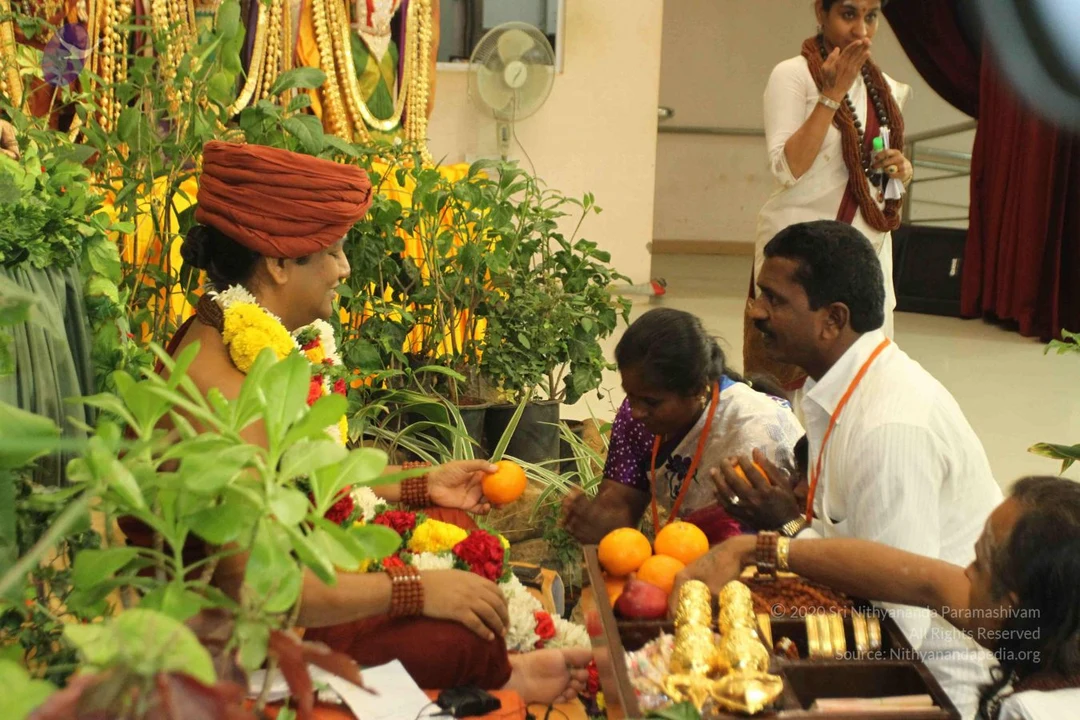
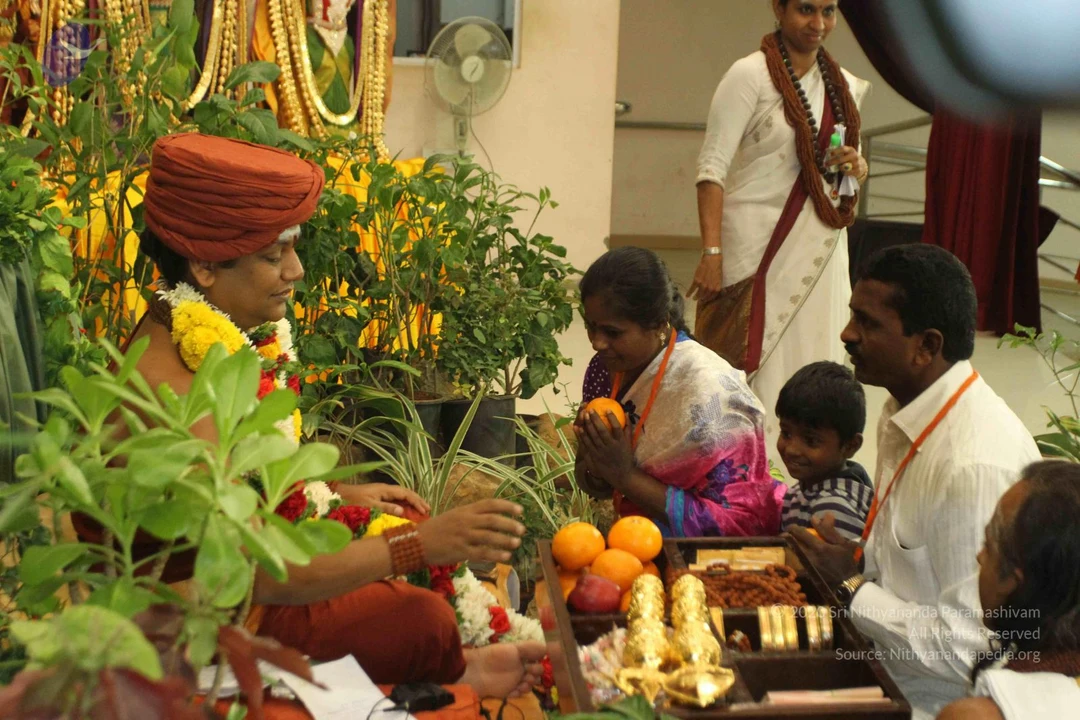
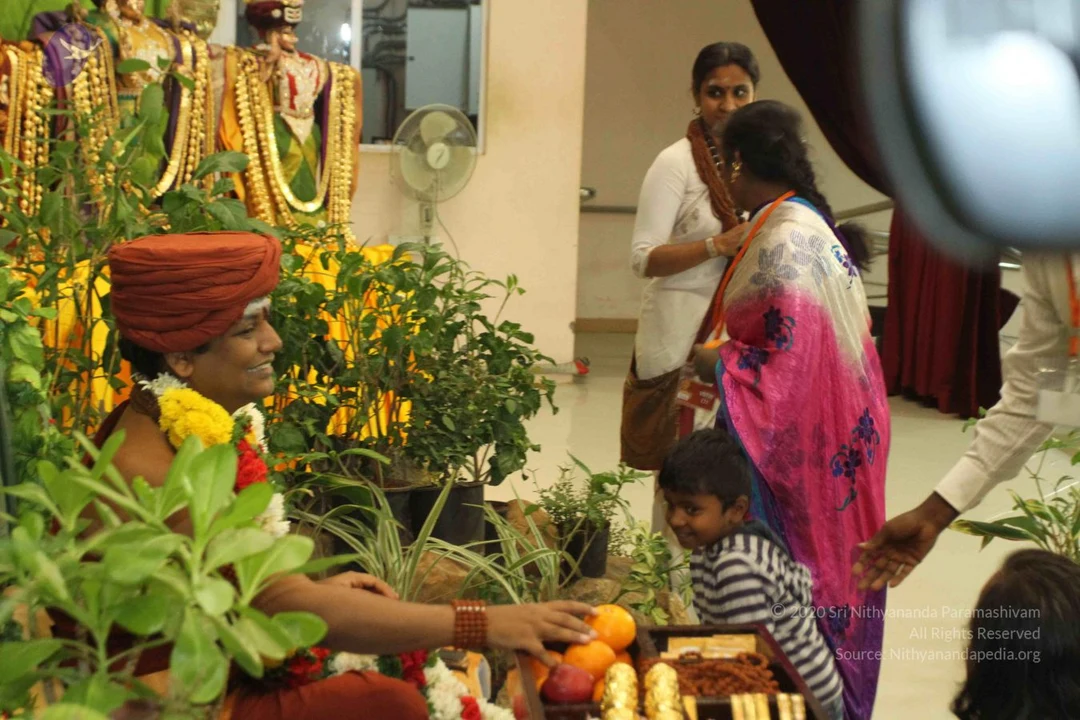
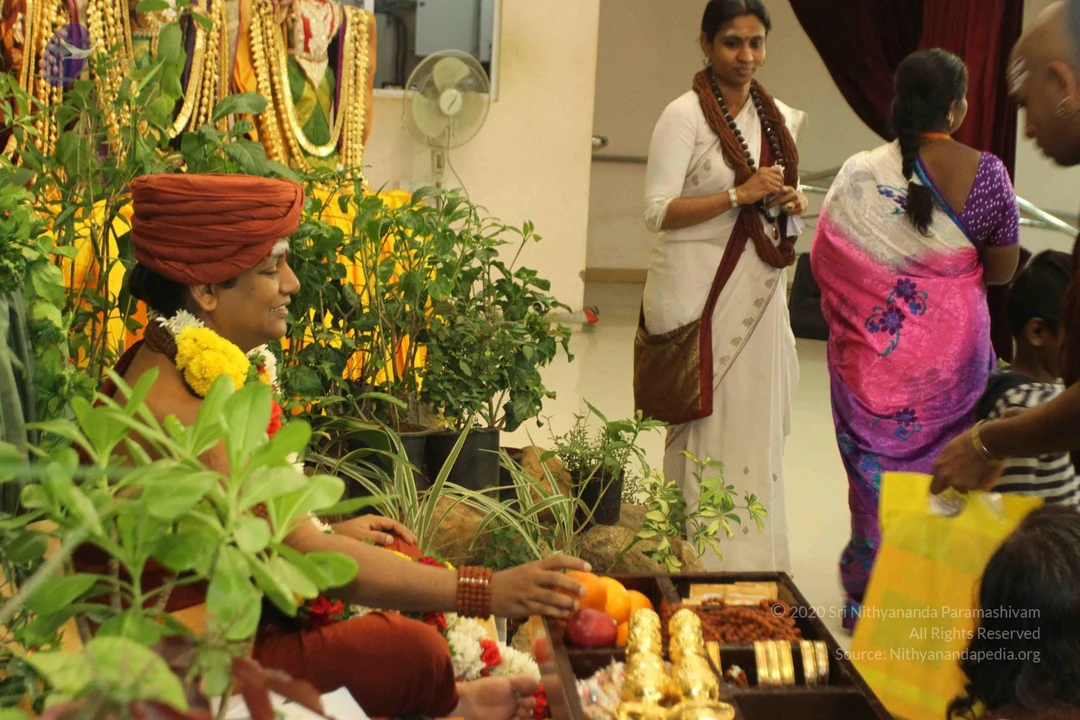
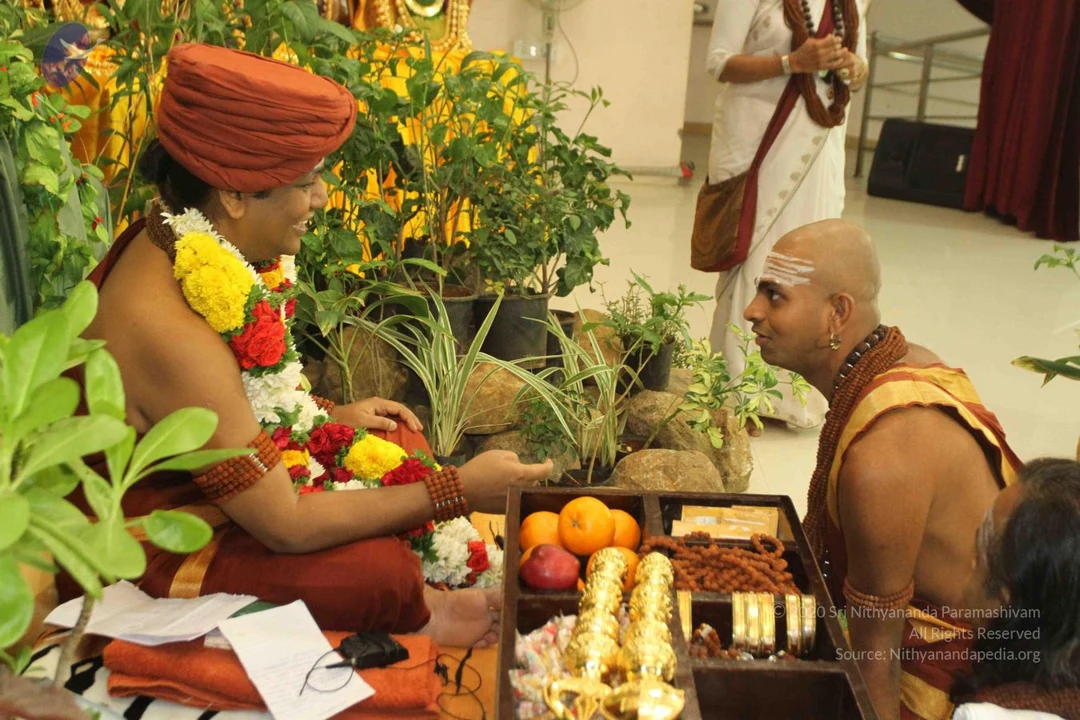
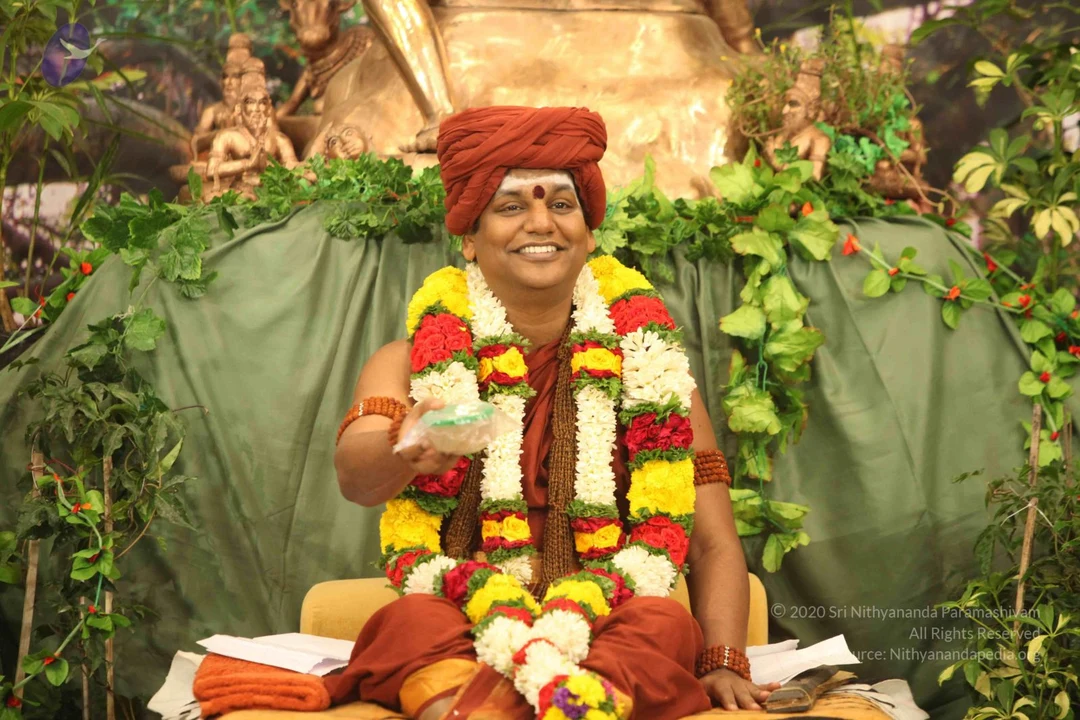
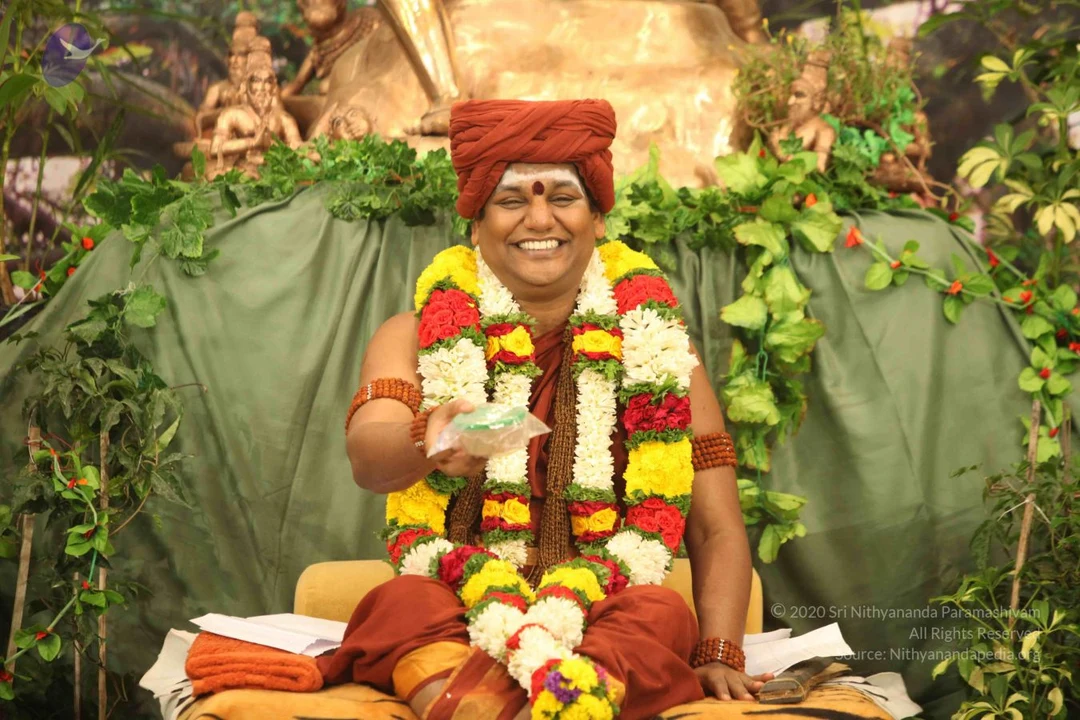
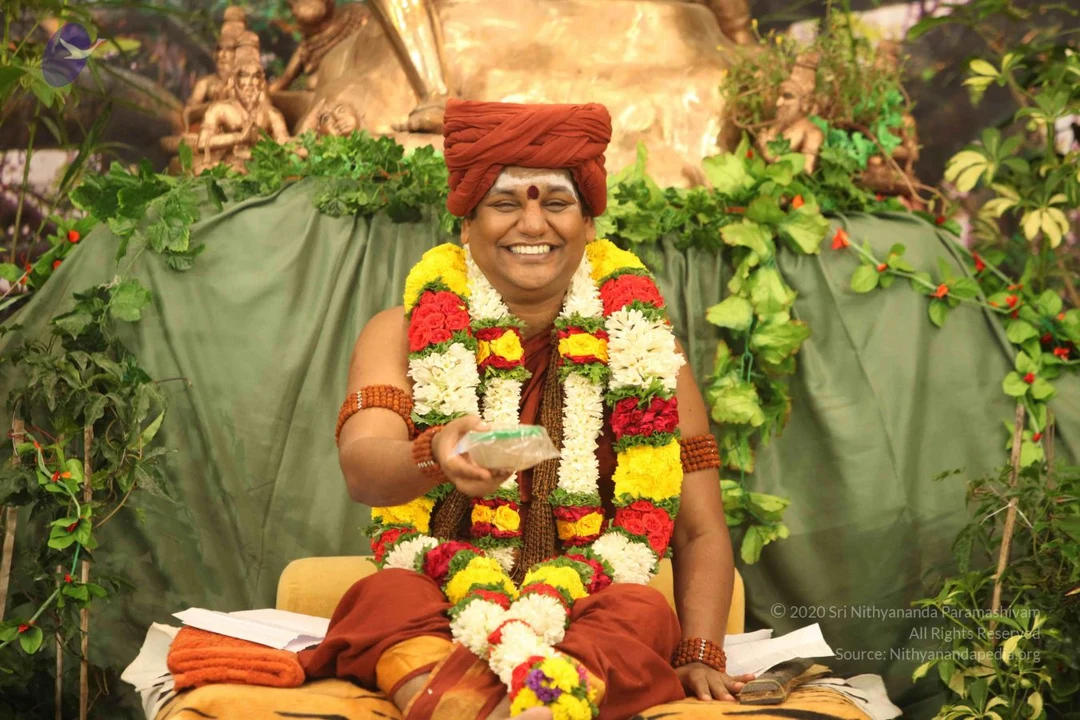
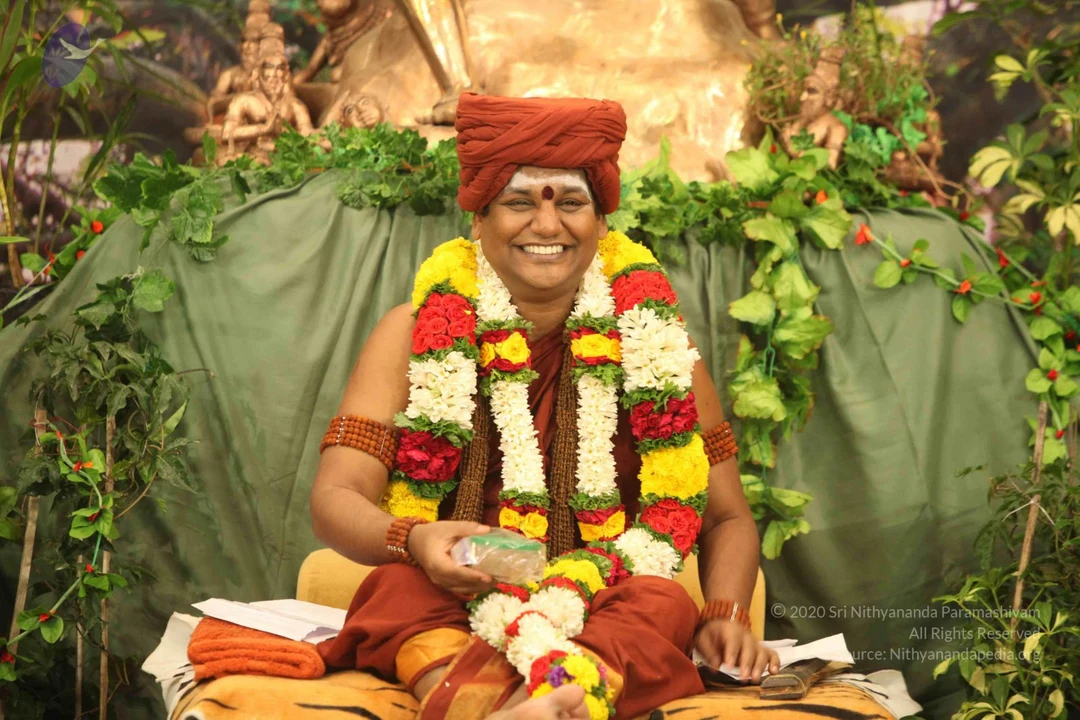
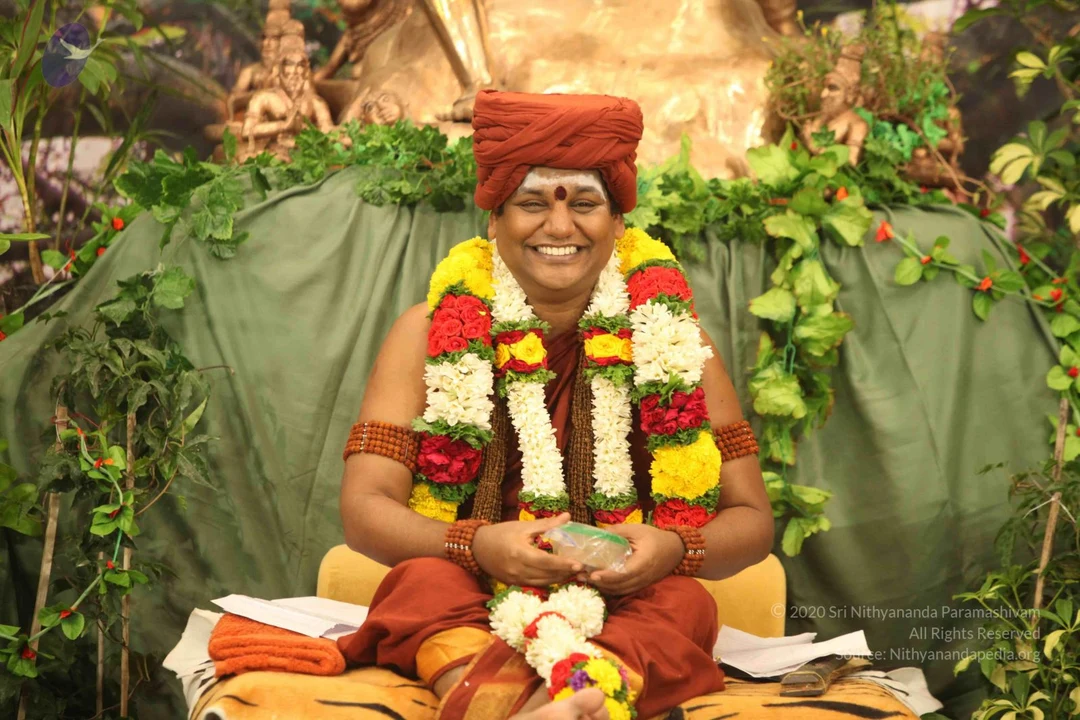
e- Kalpataru
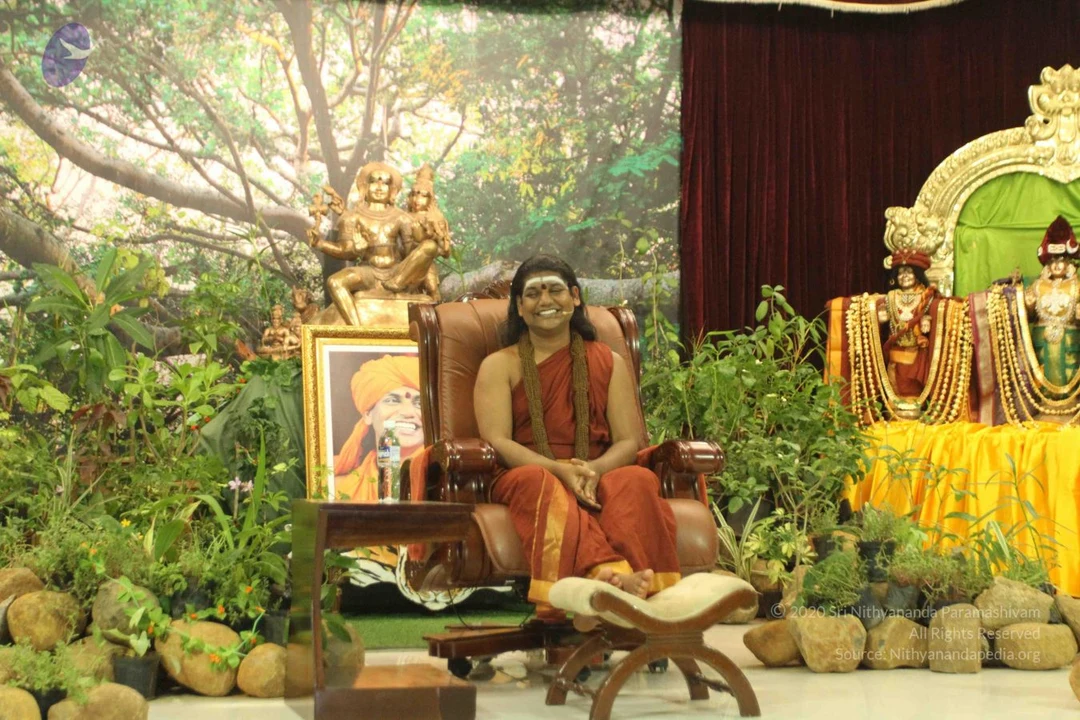
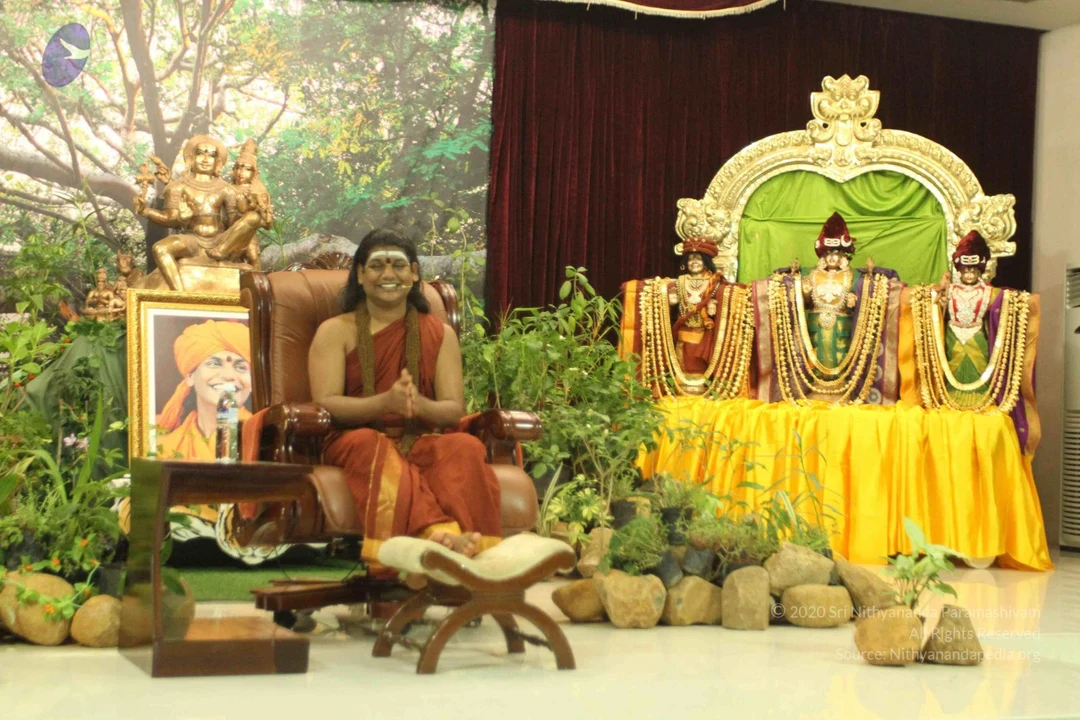
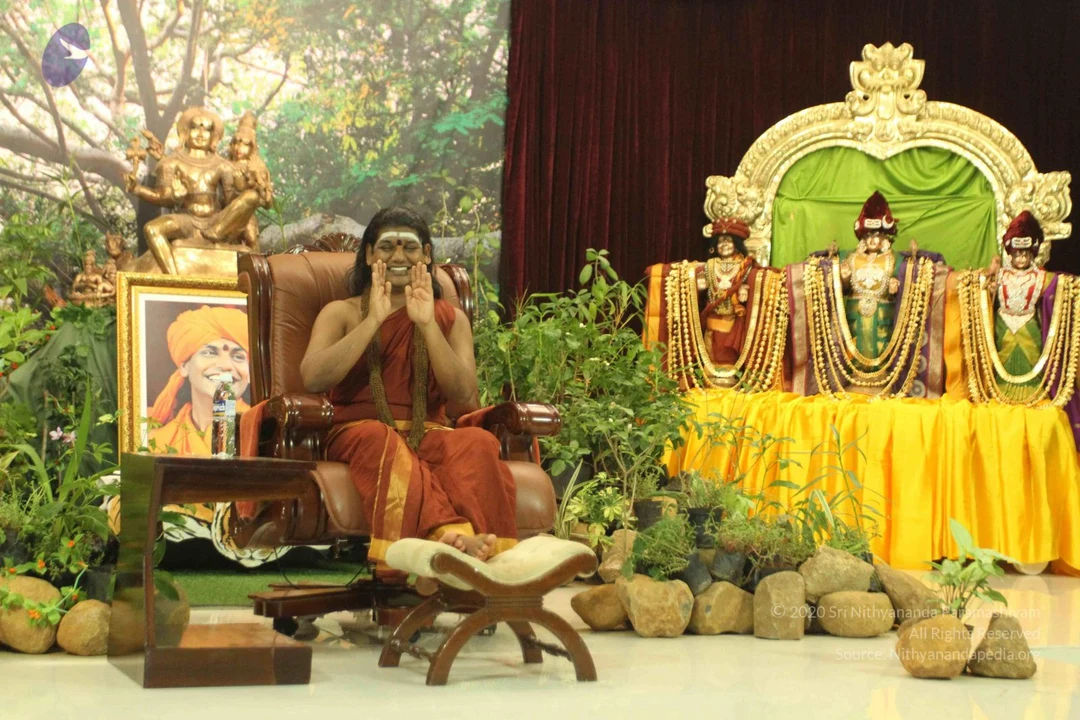



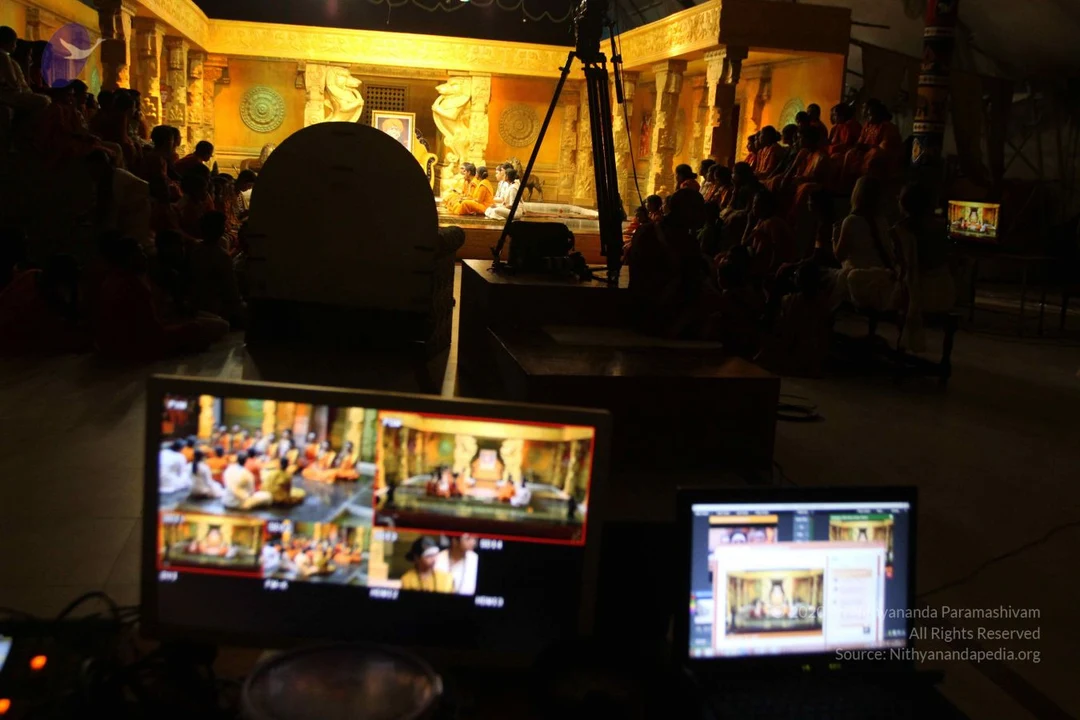
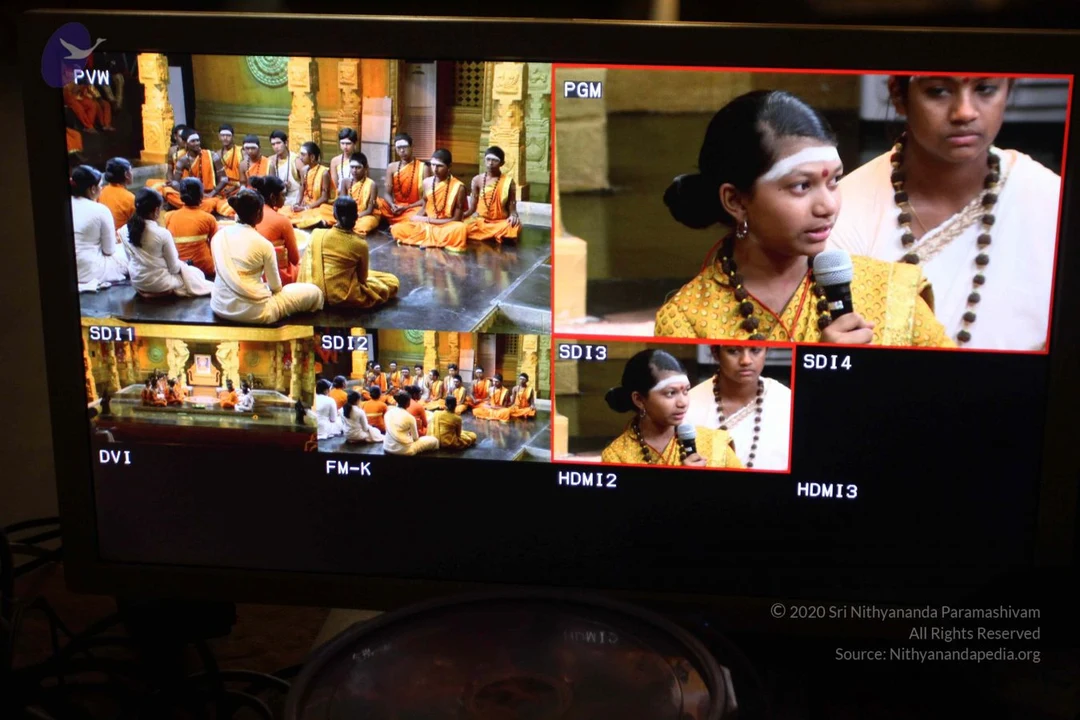
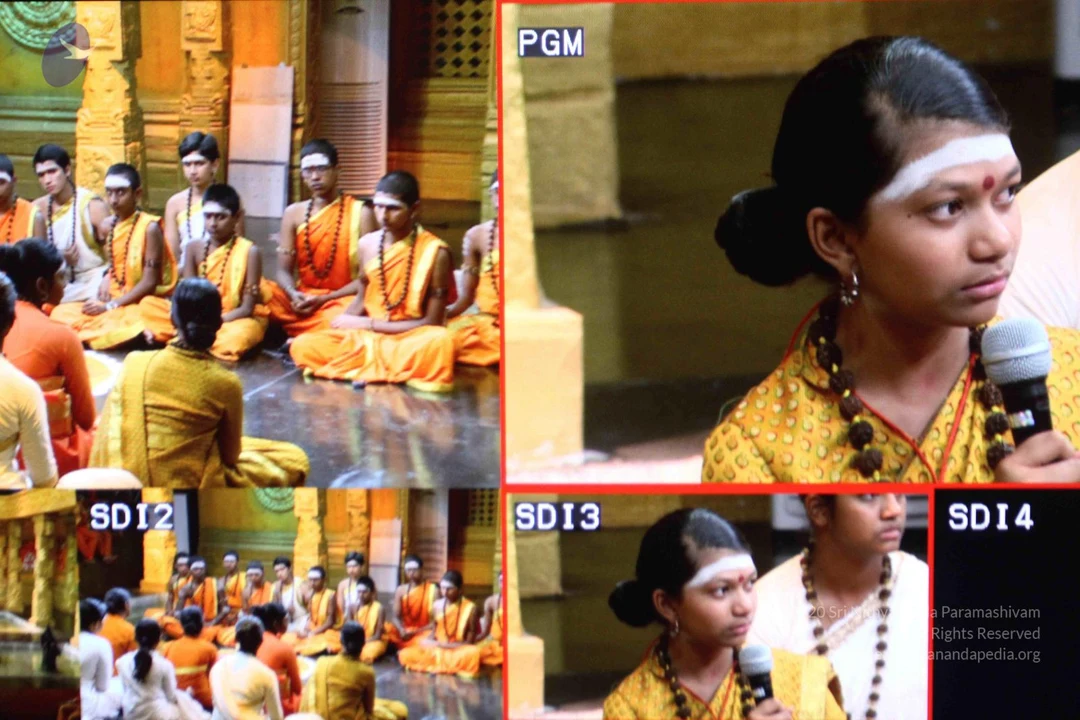
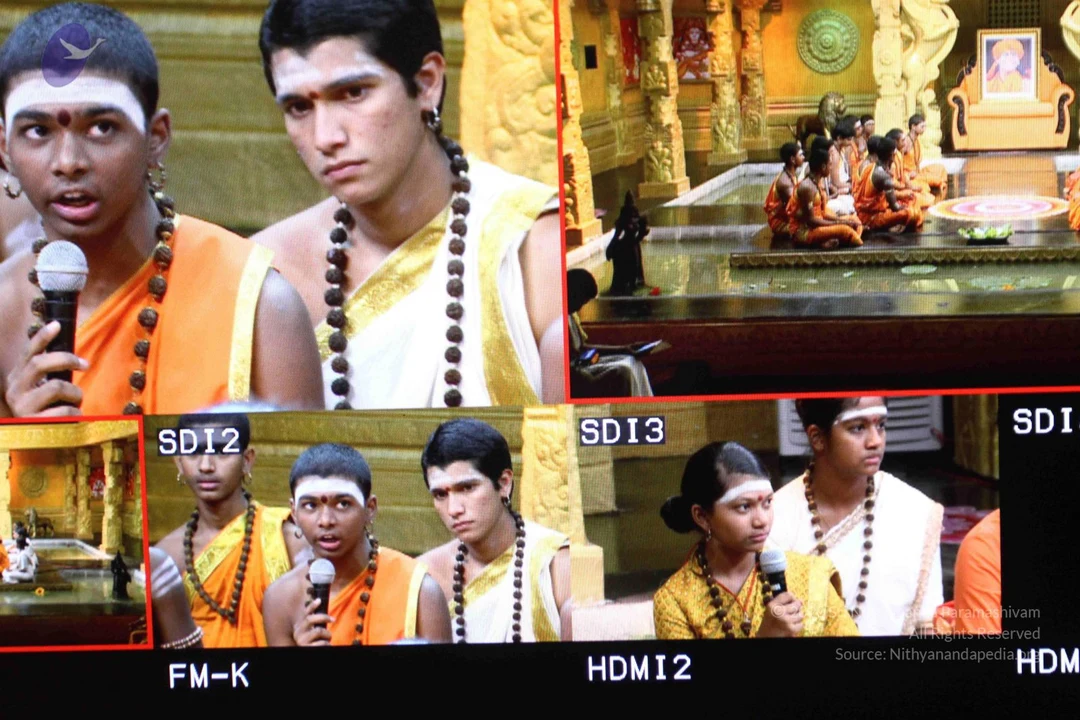
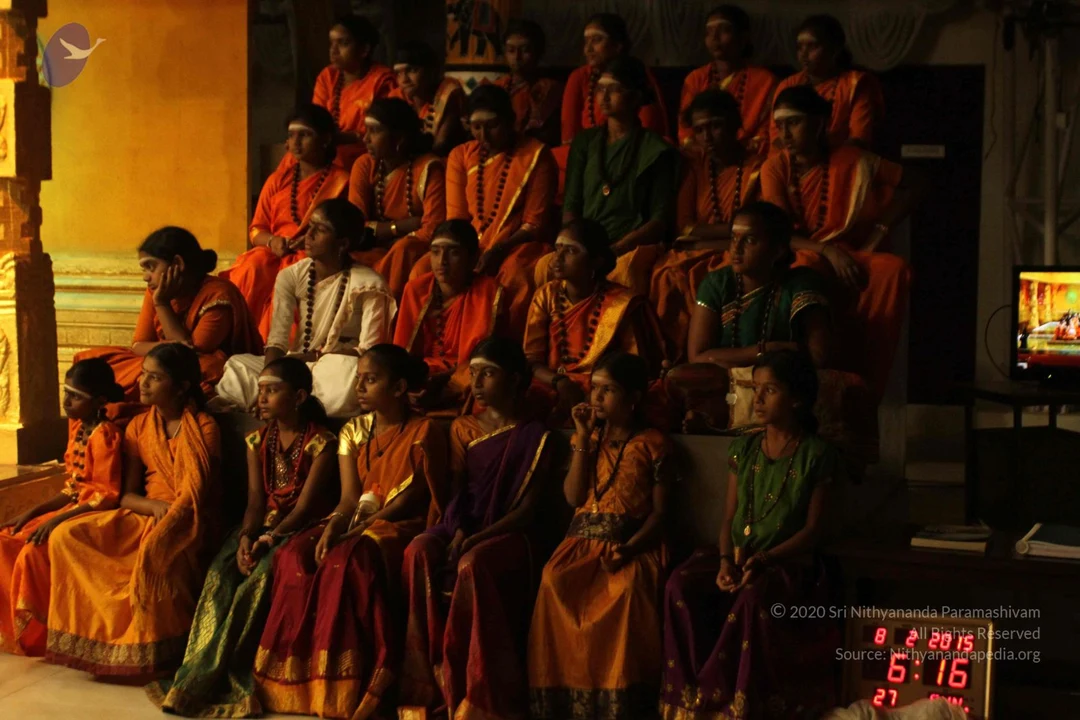
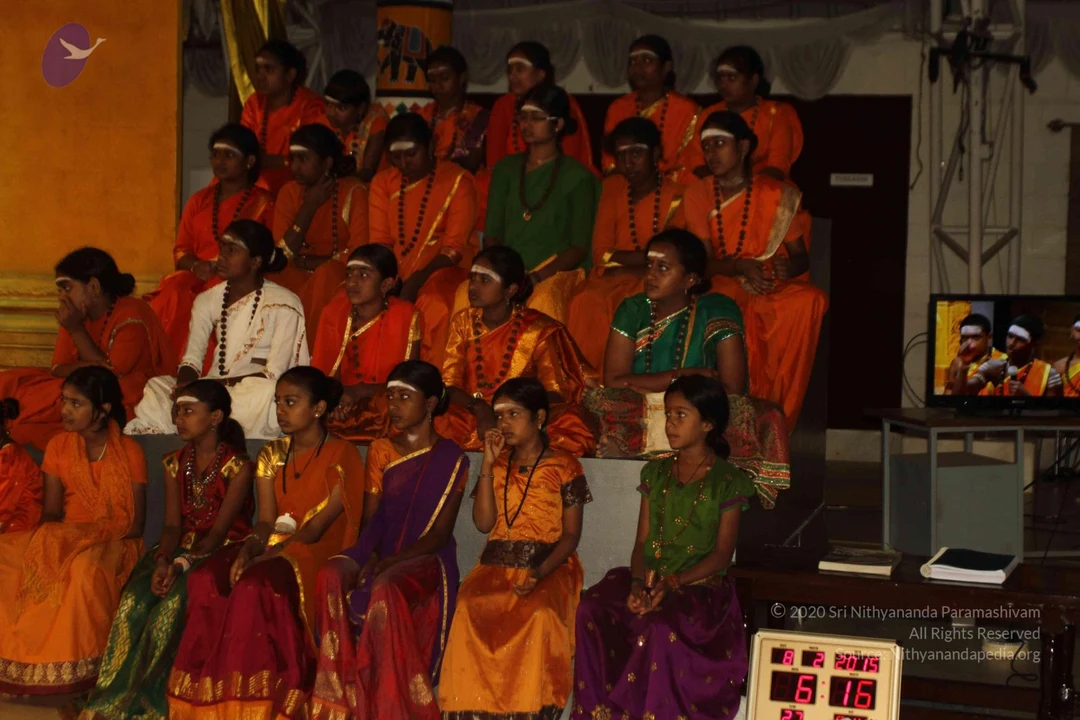
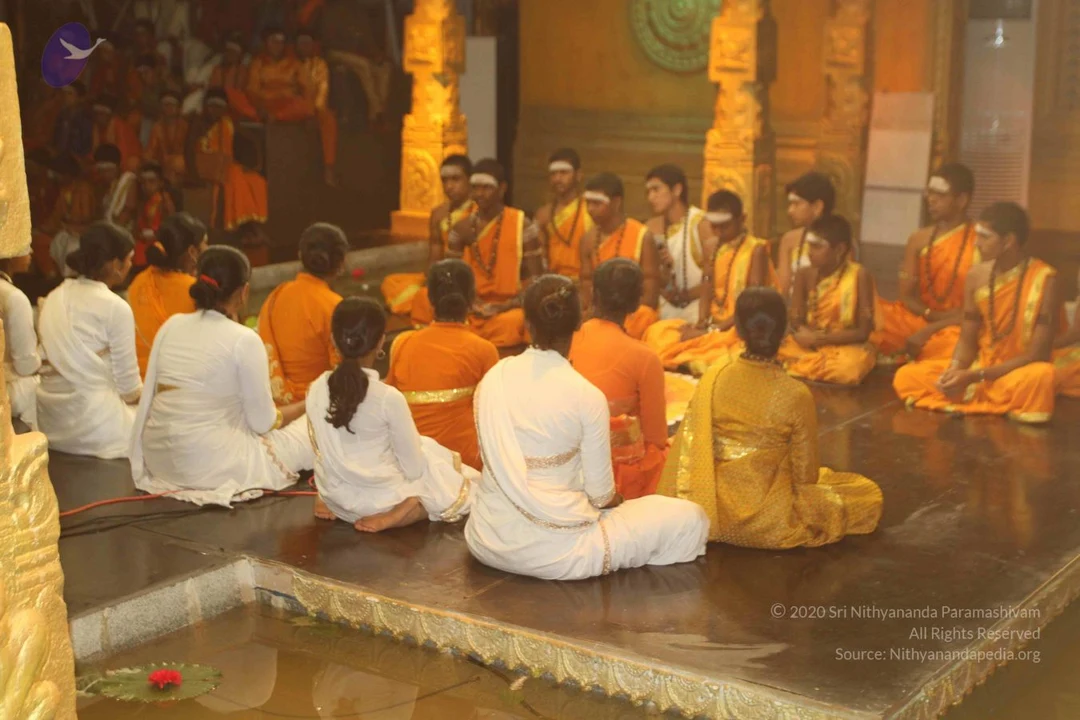
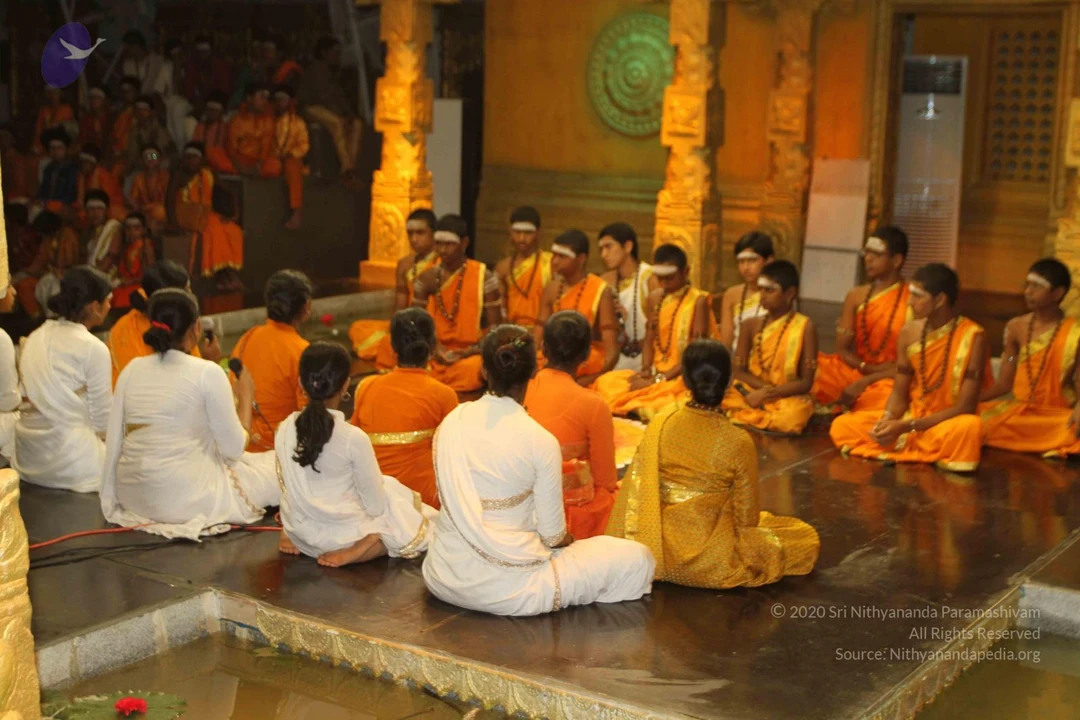
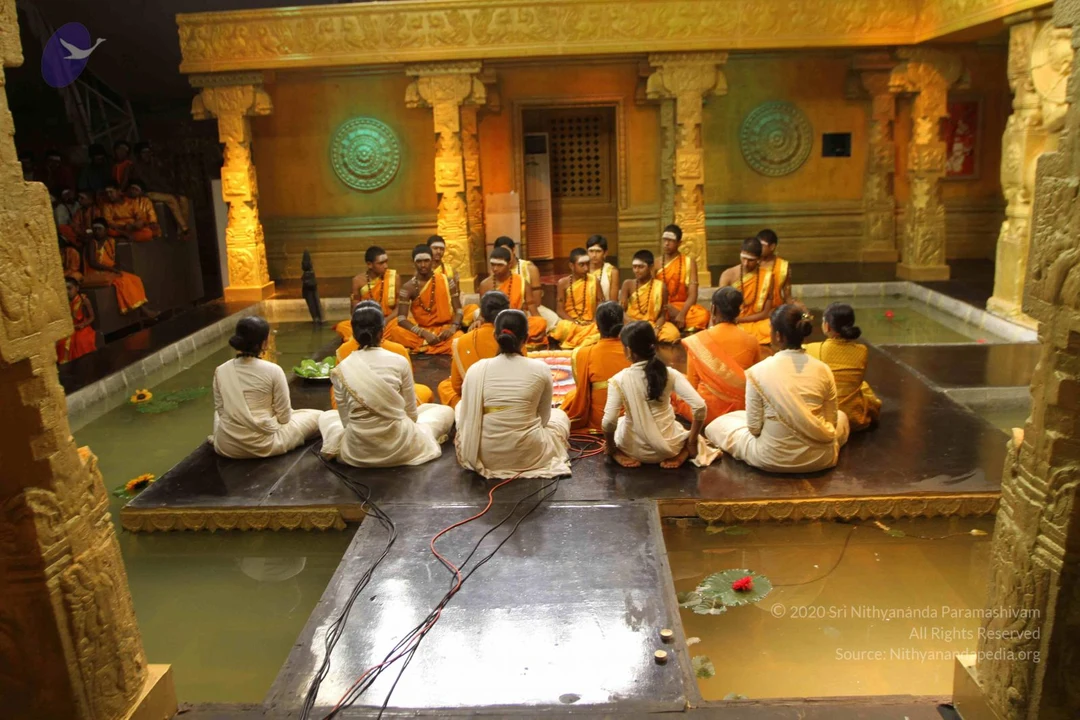
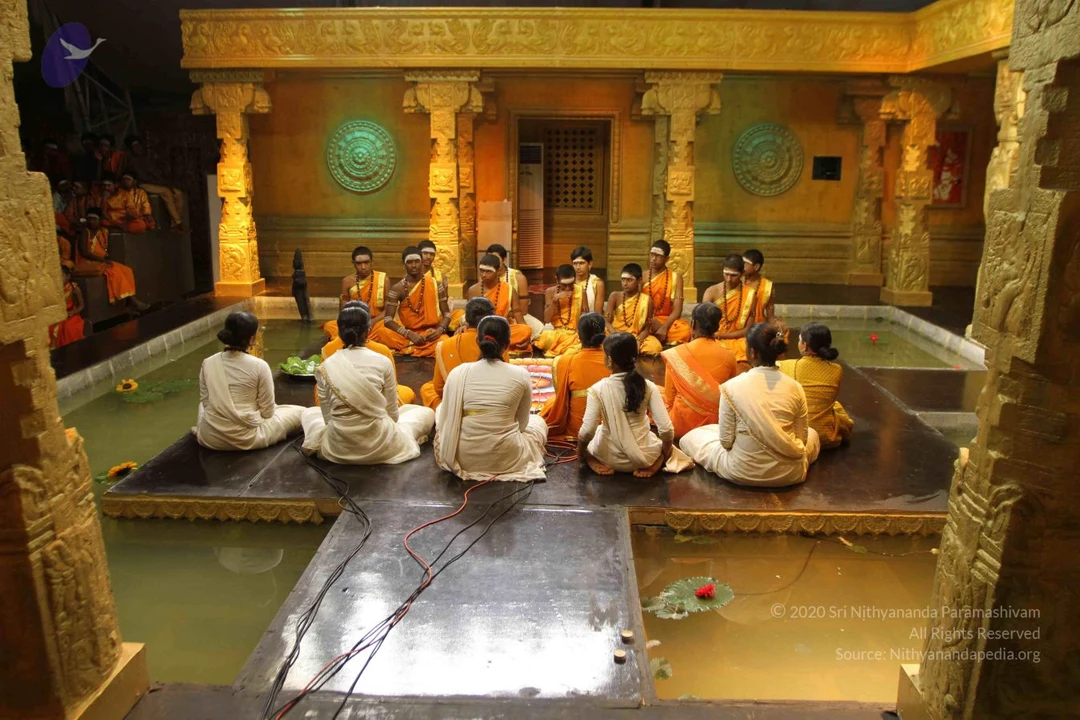
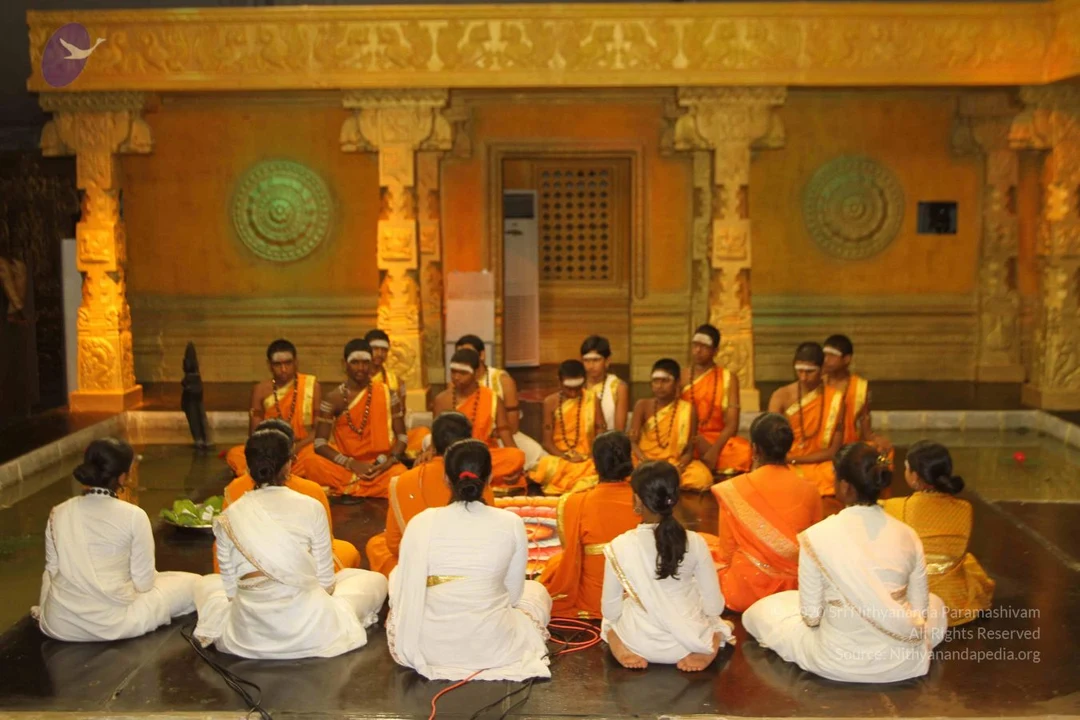
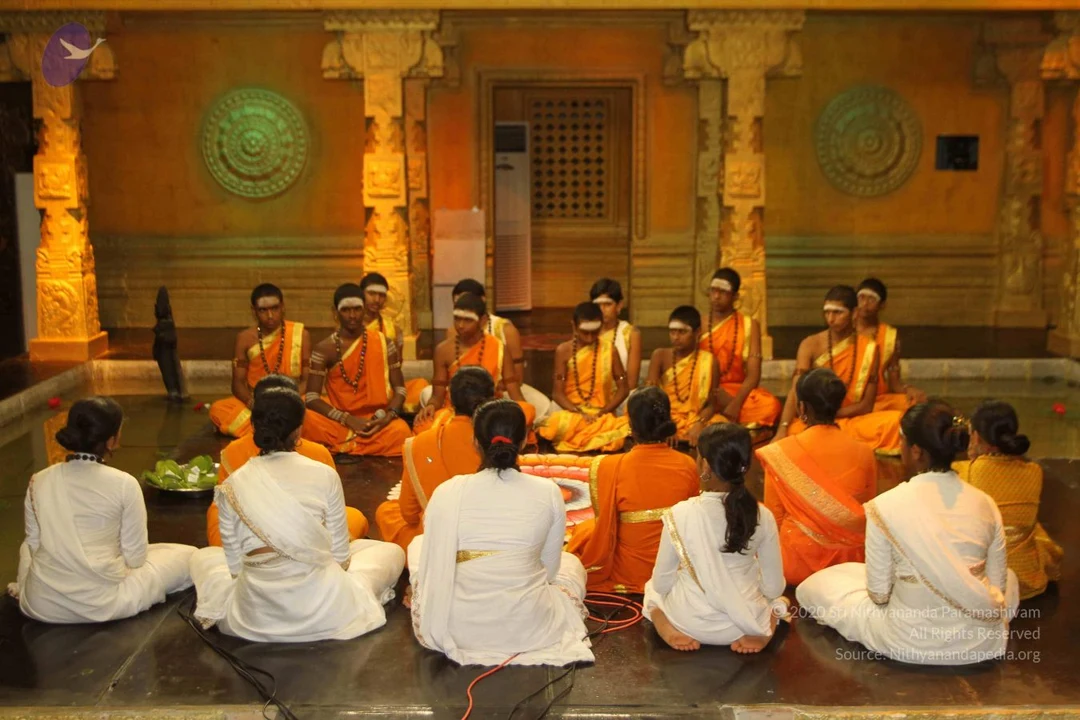
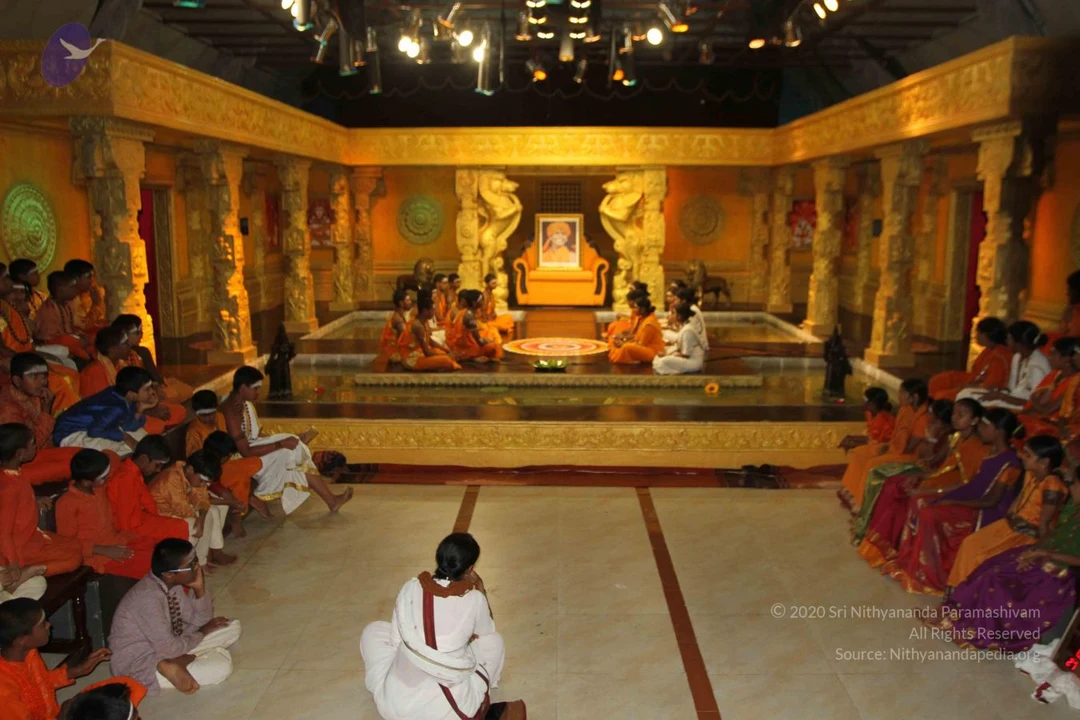
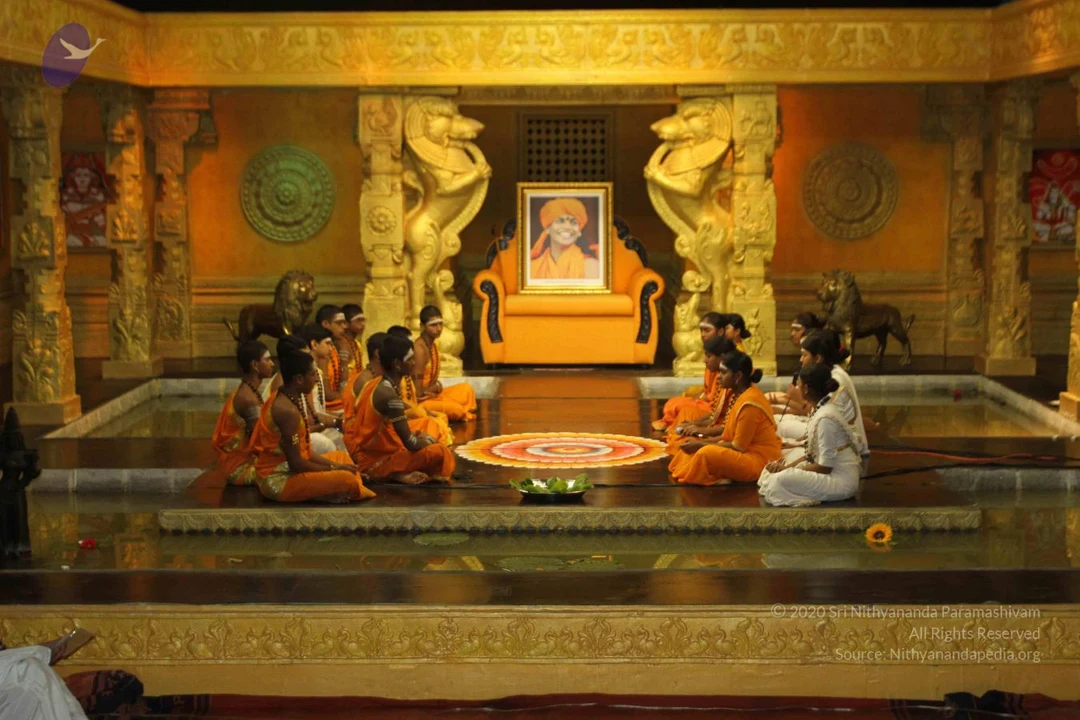

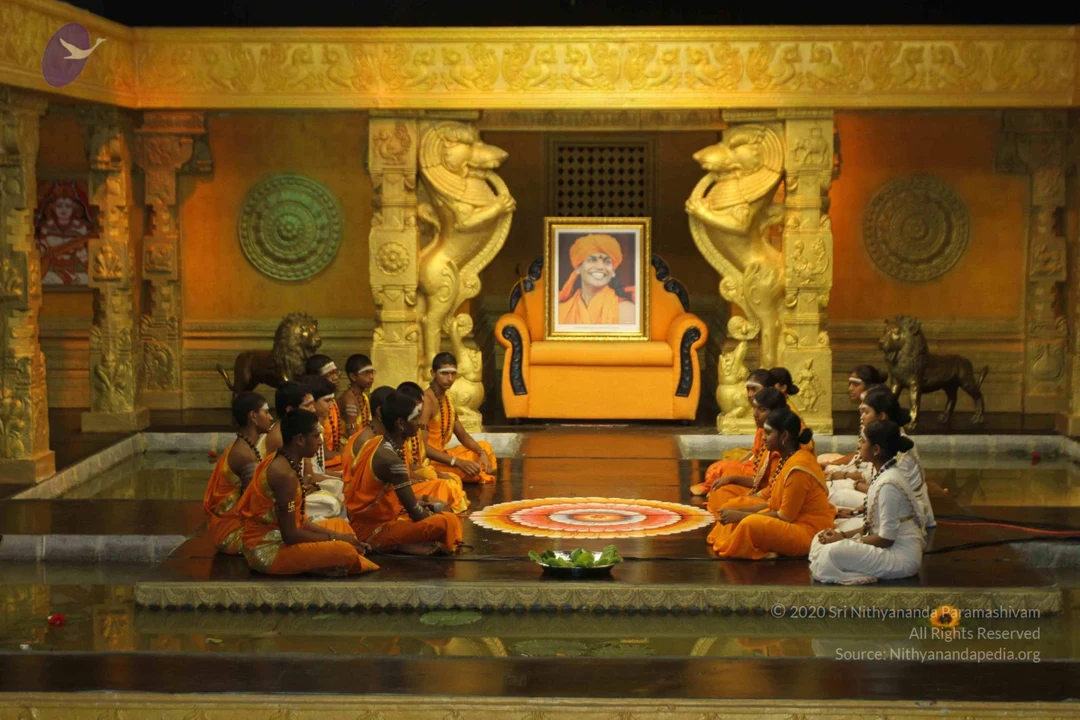
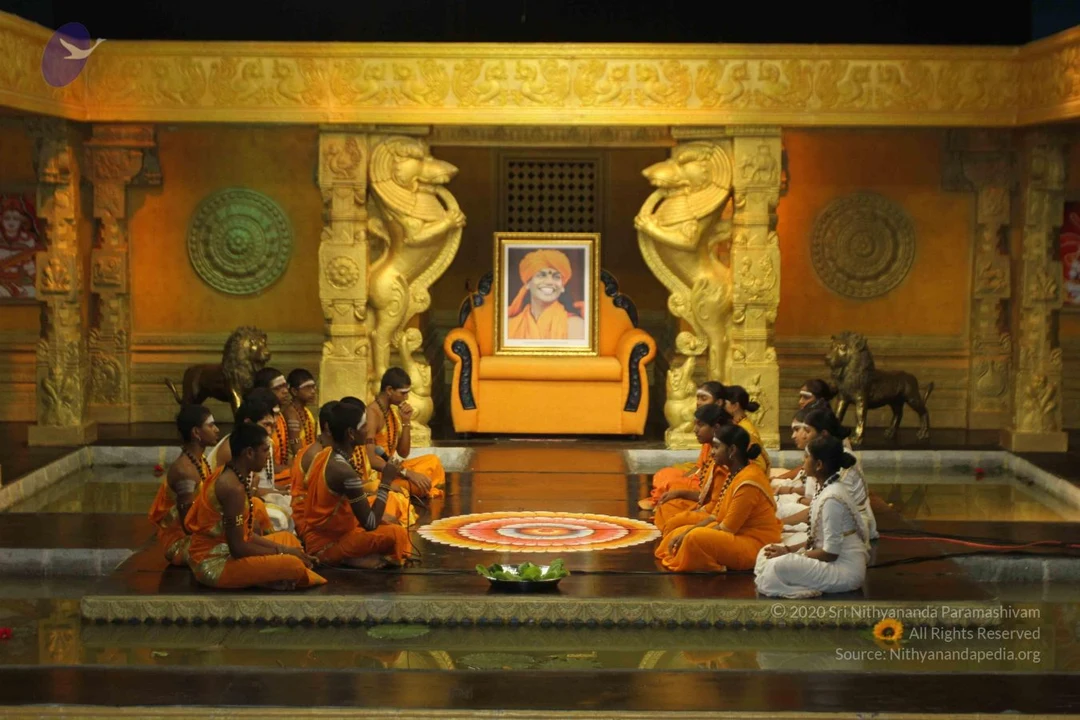
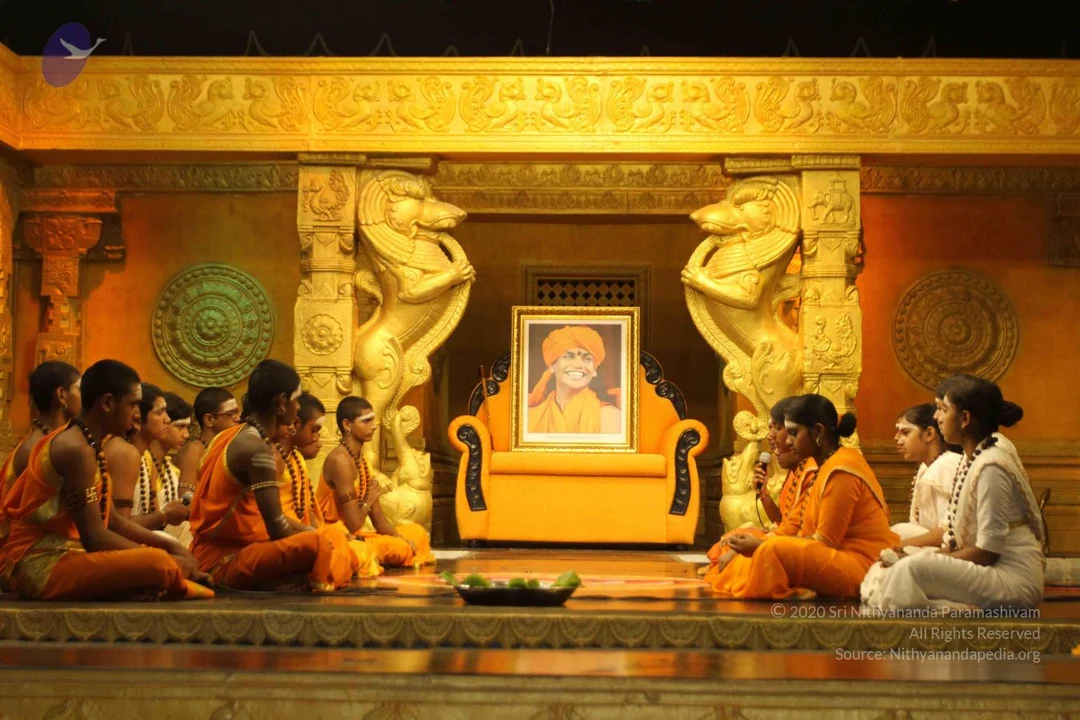
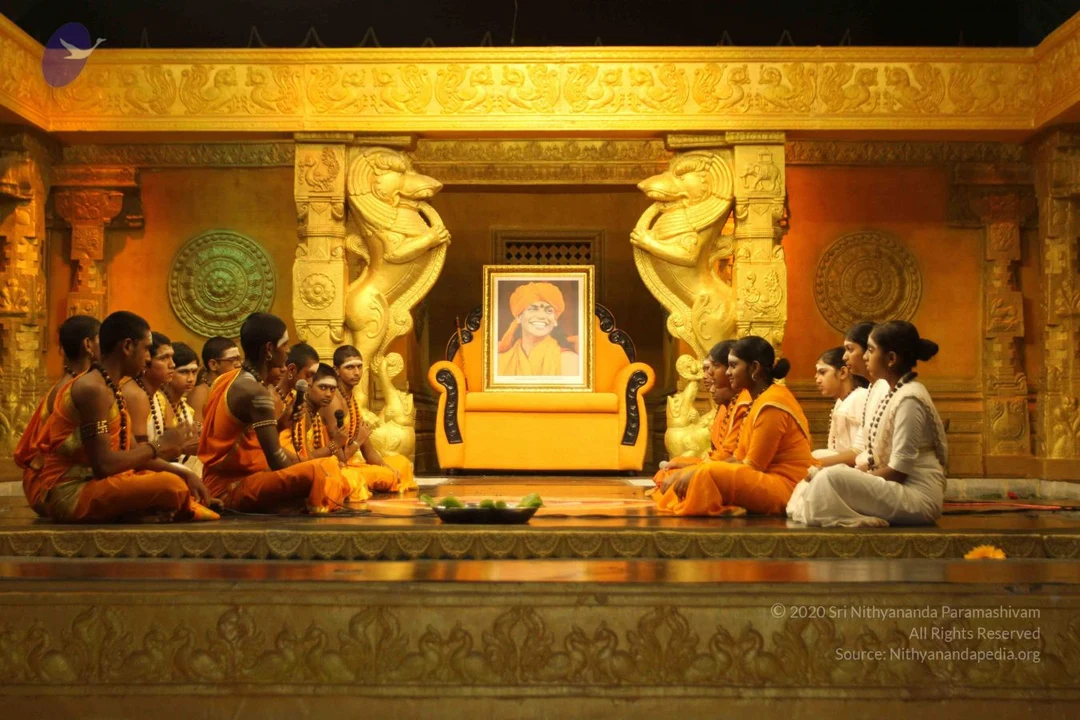
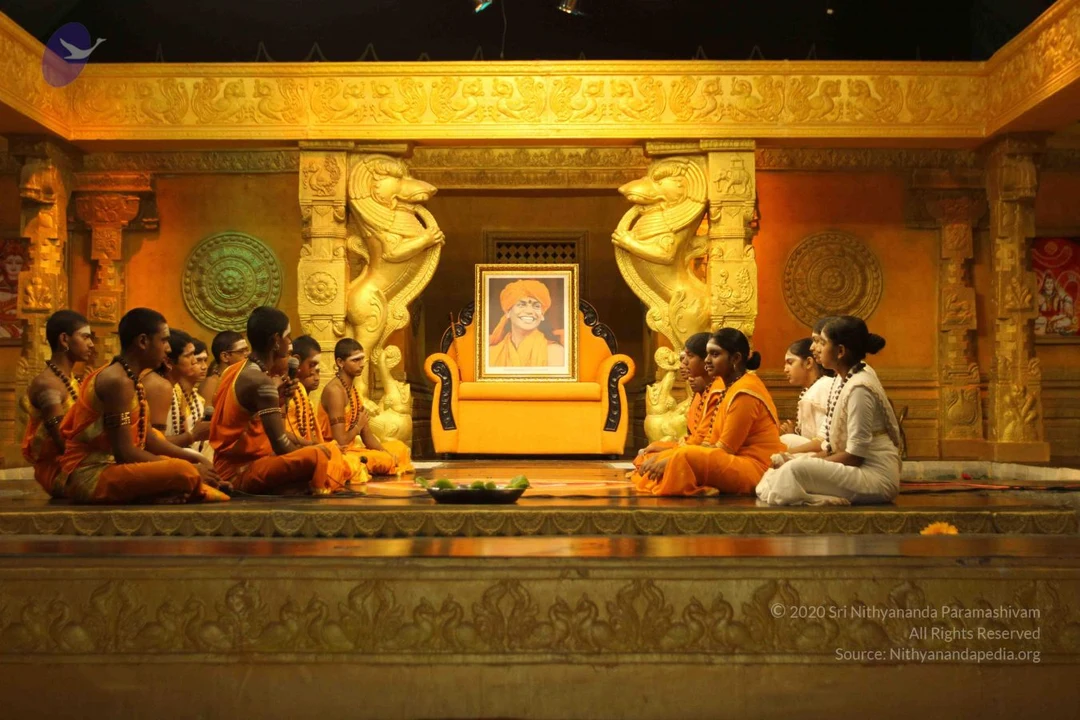
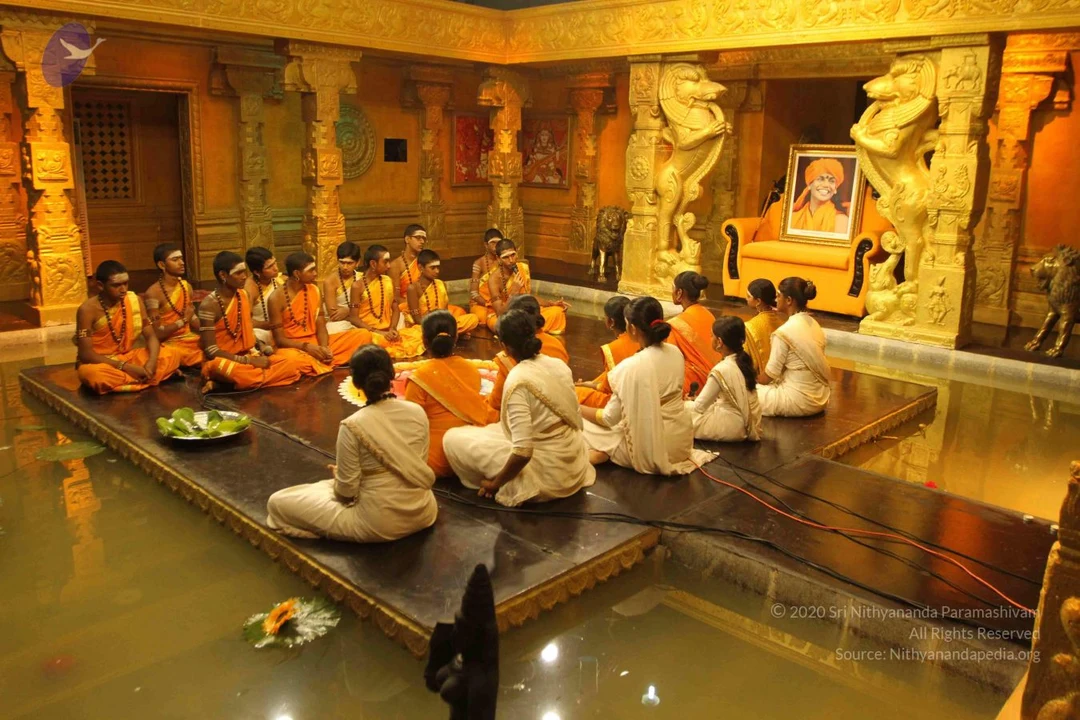

Nithyanandoham-Intro








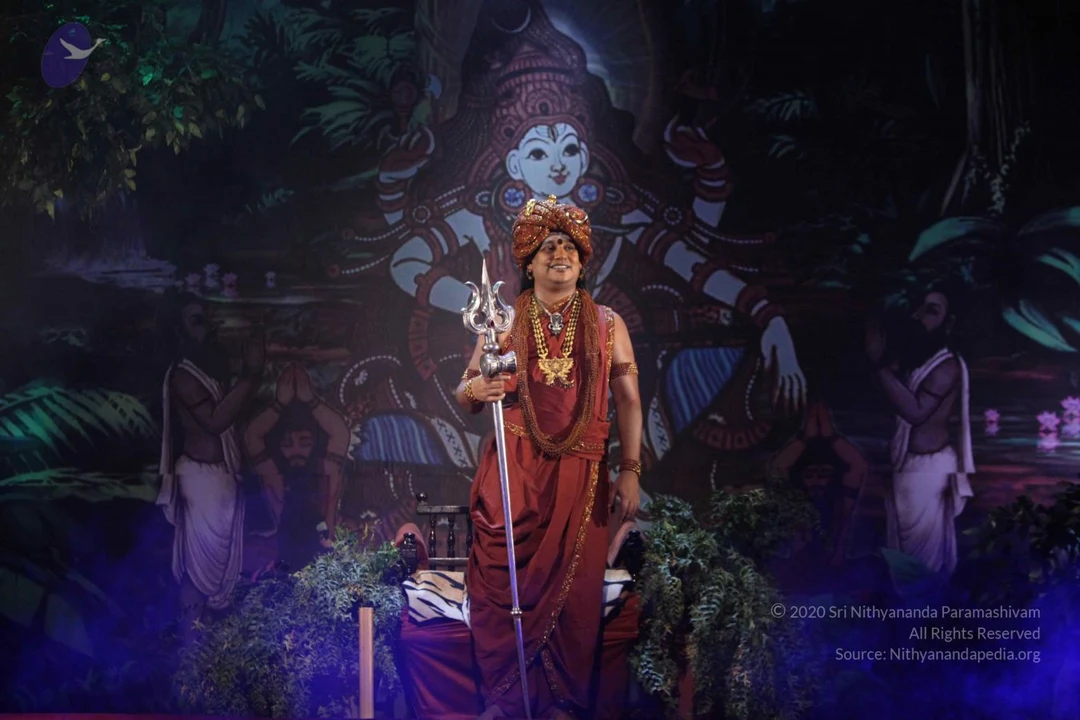
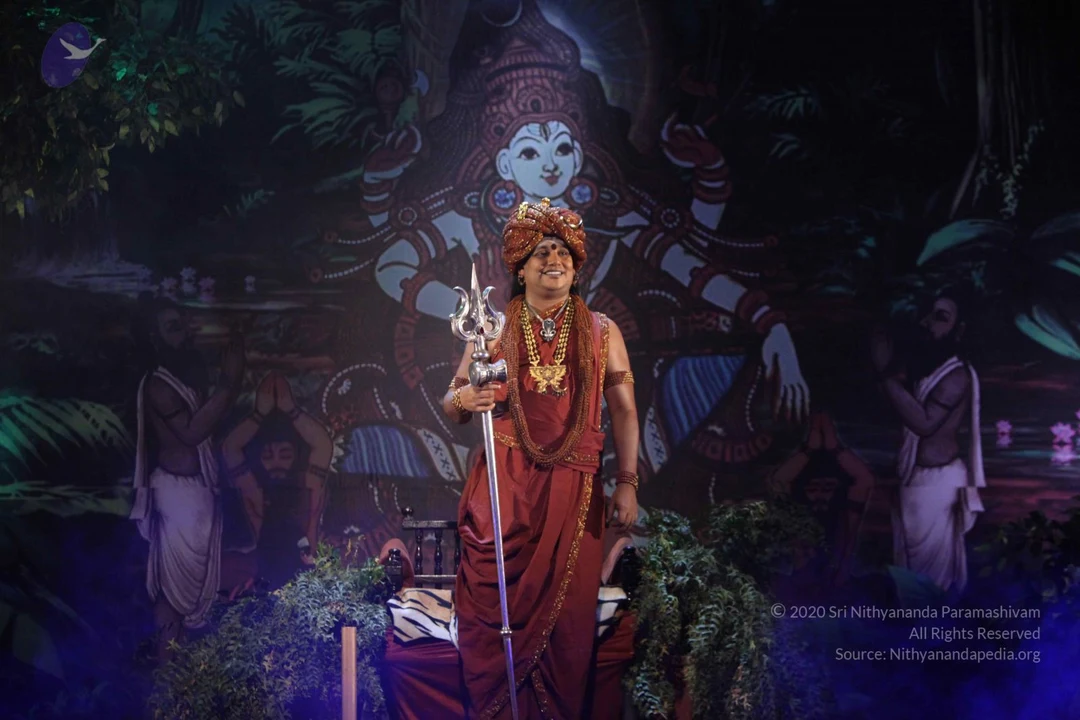
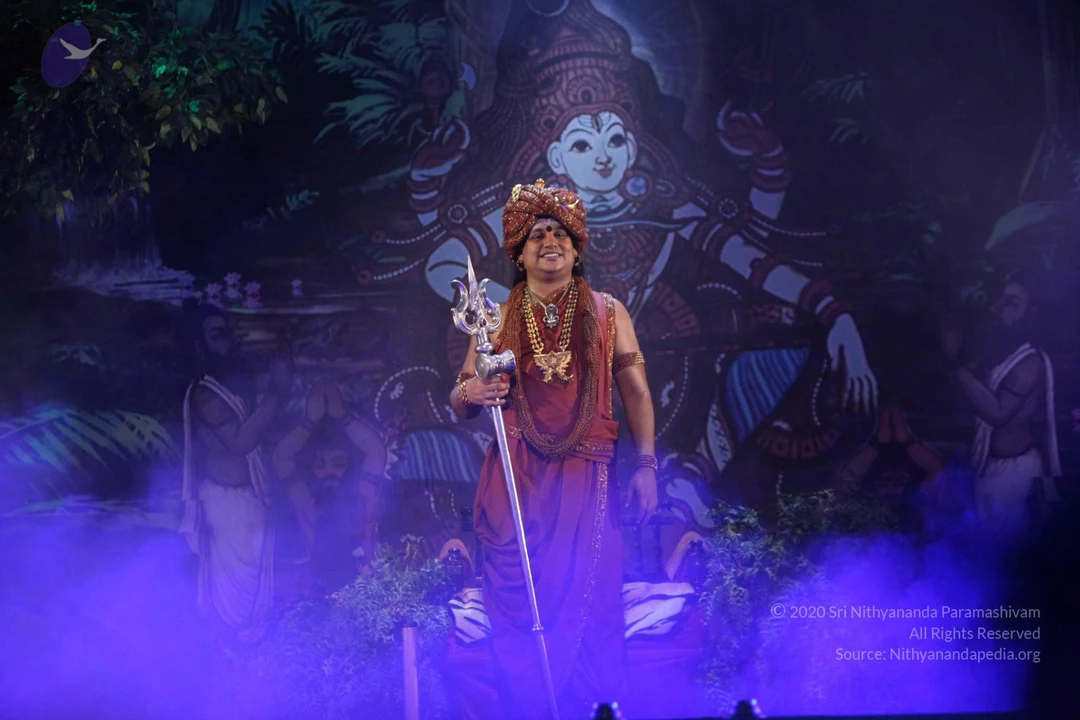
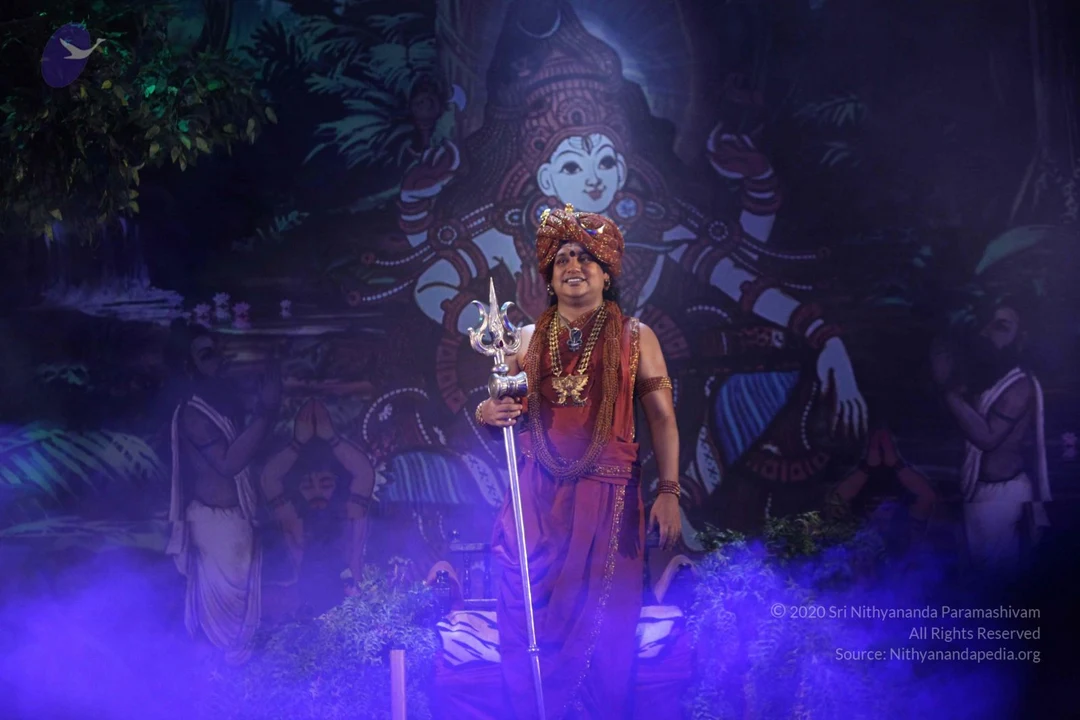

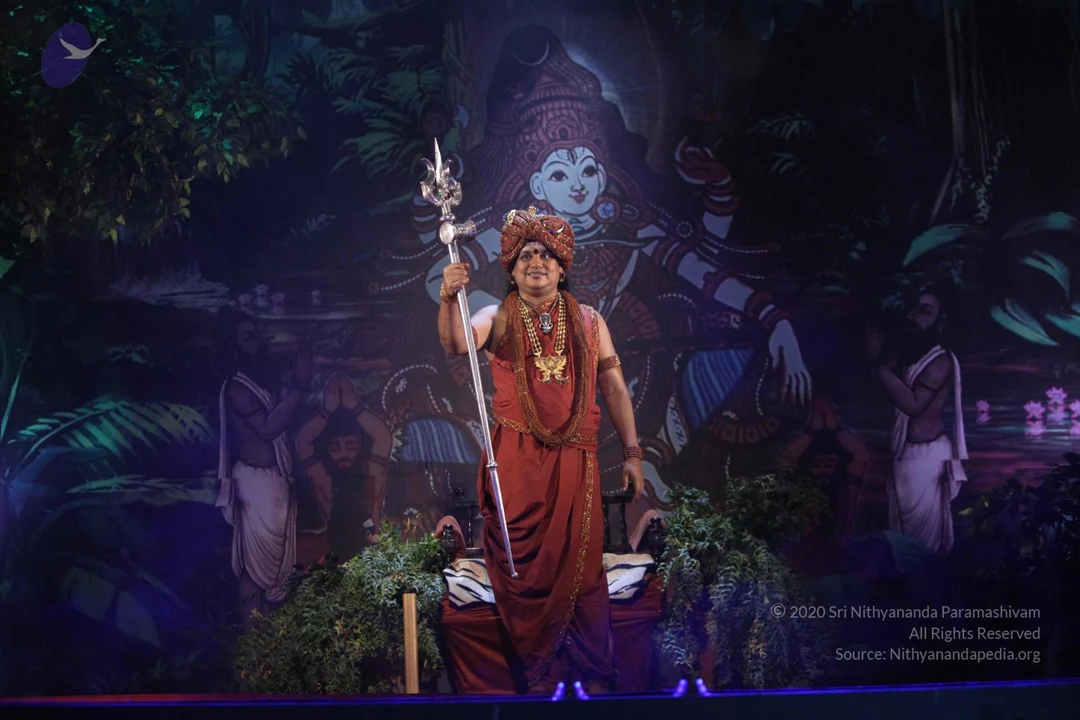
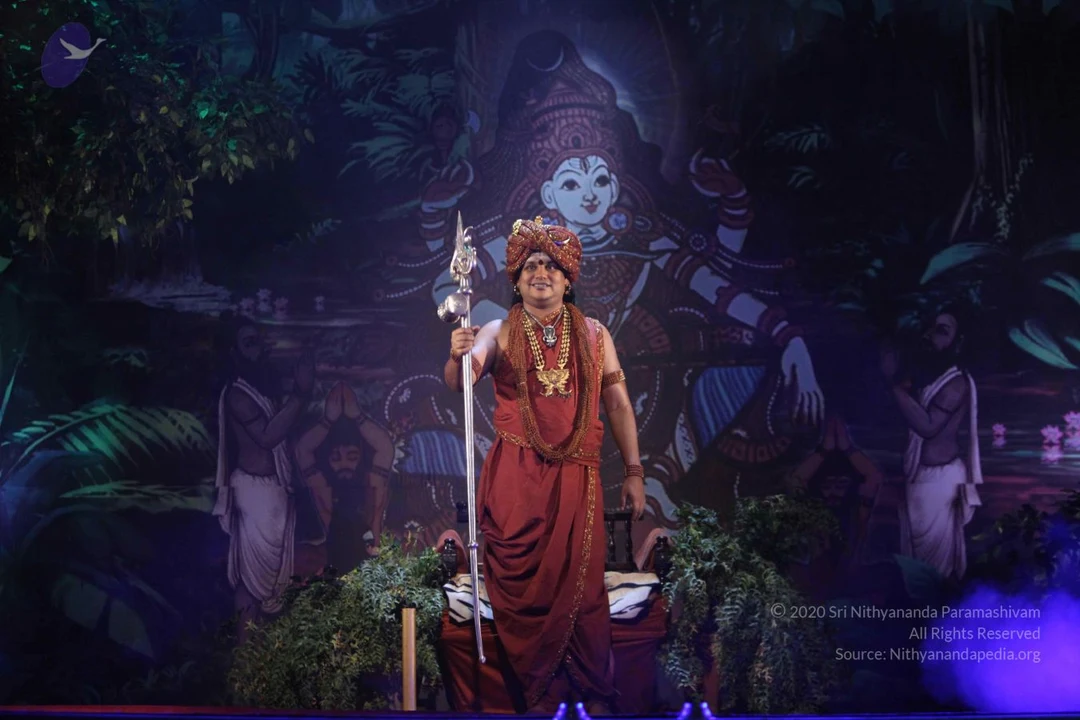
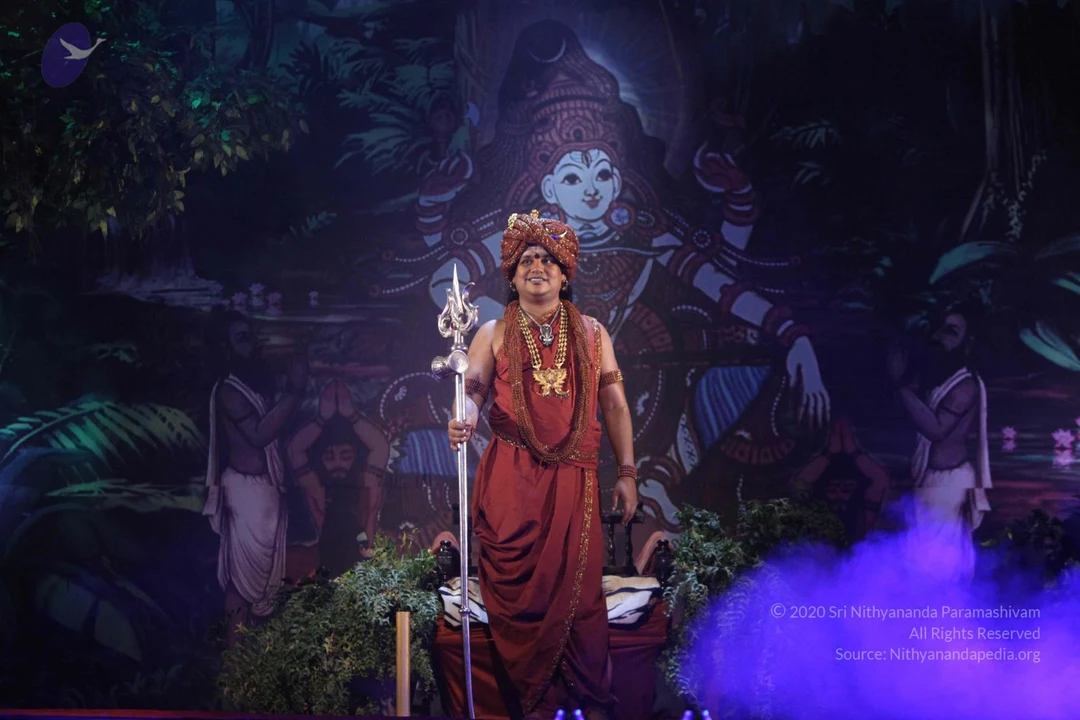
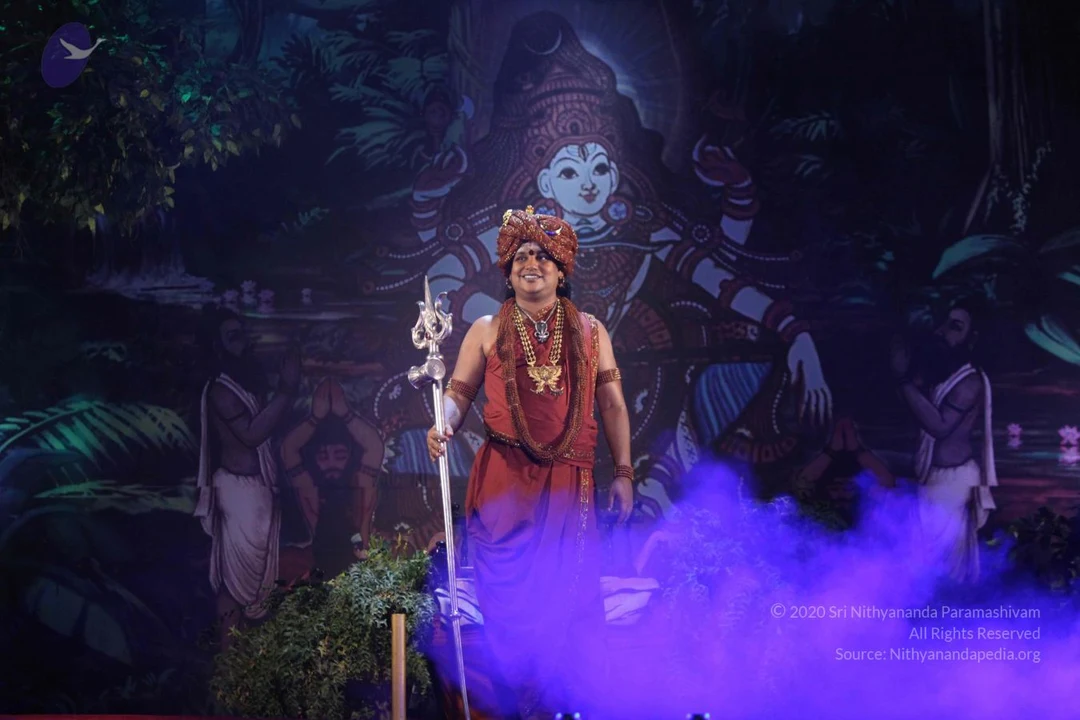
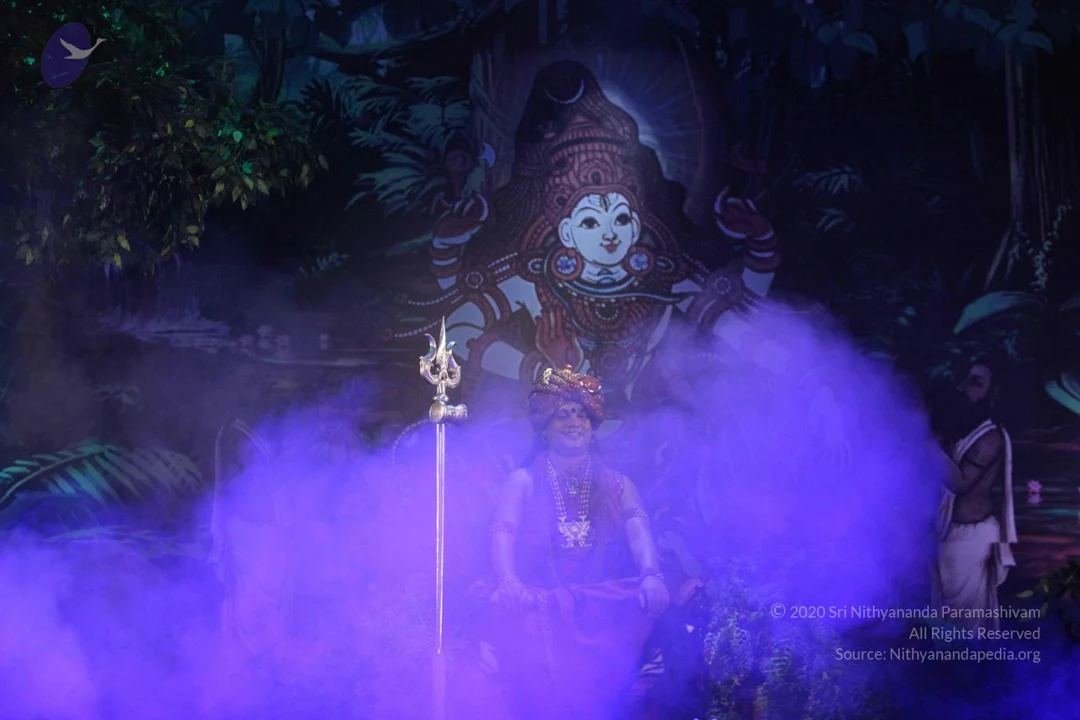
Mandala-Process
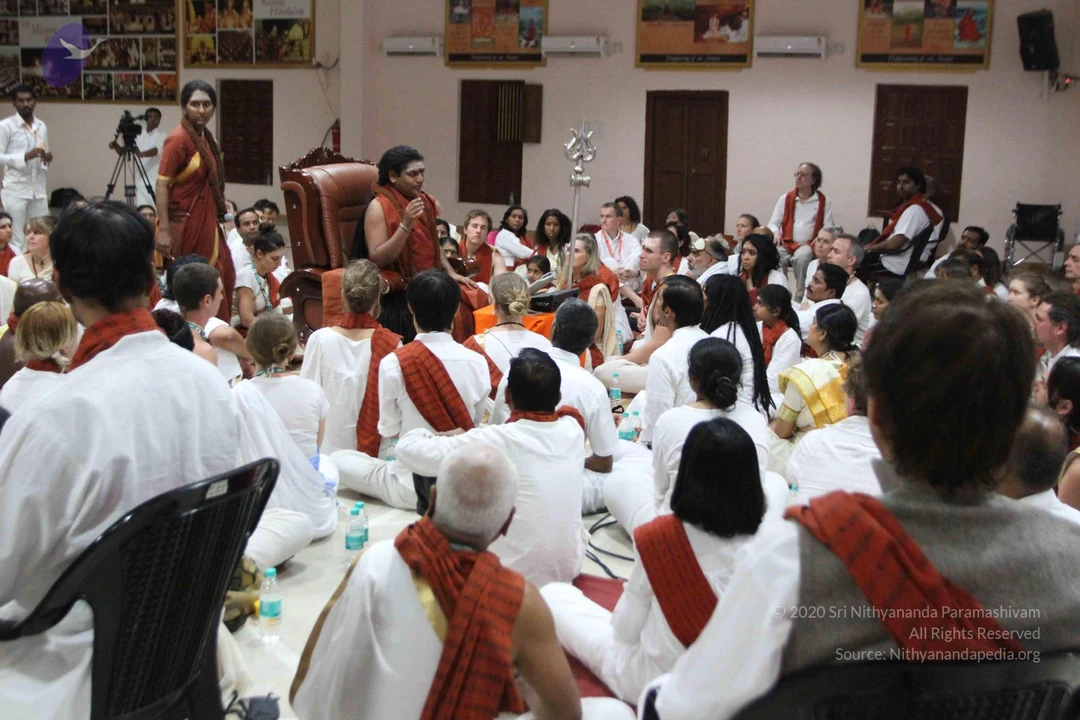
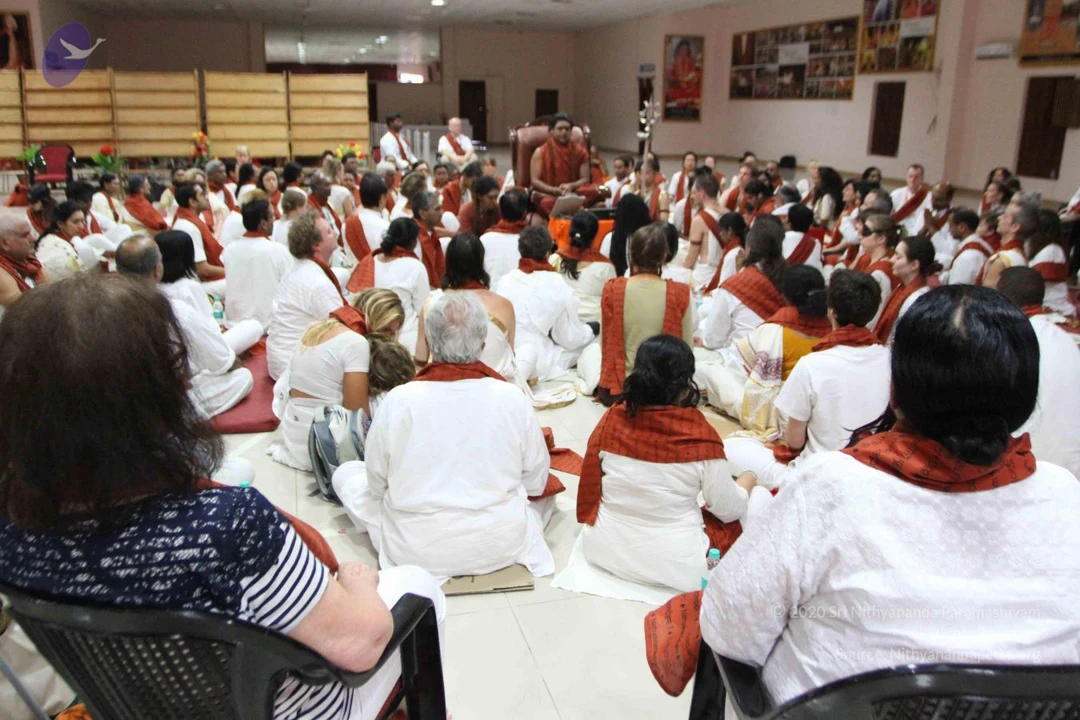
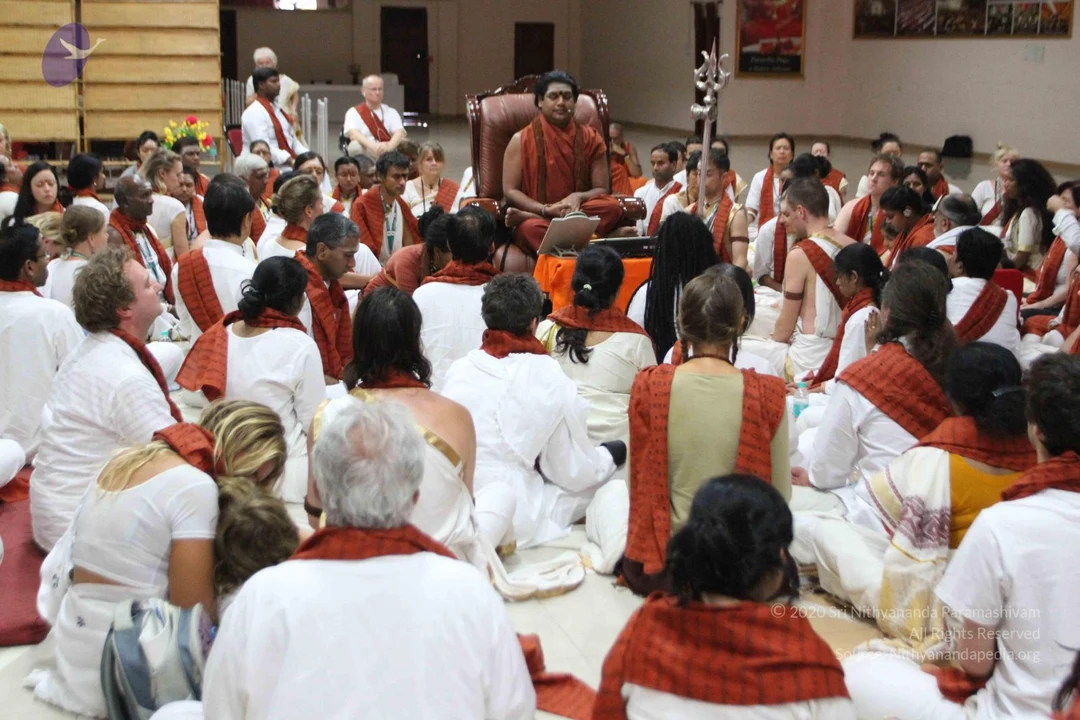
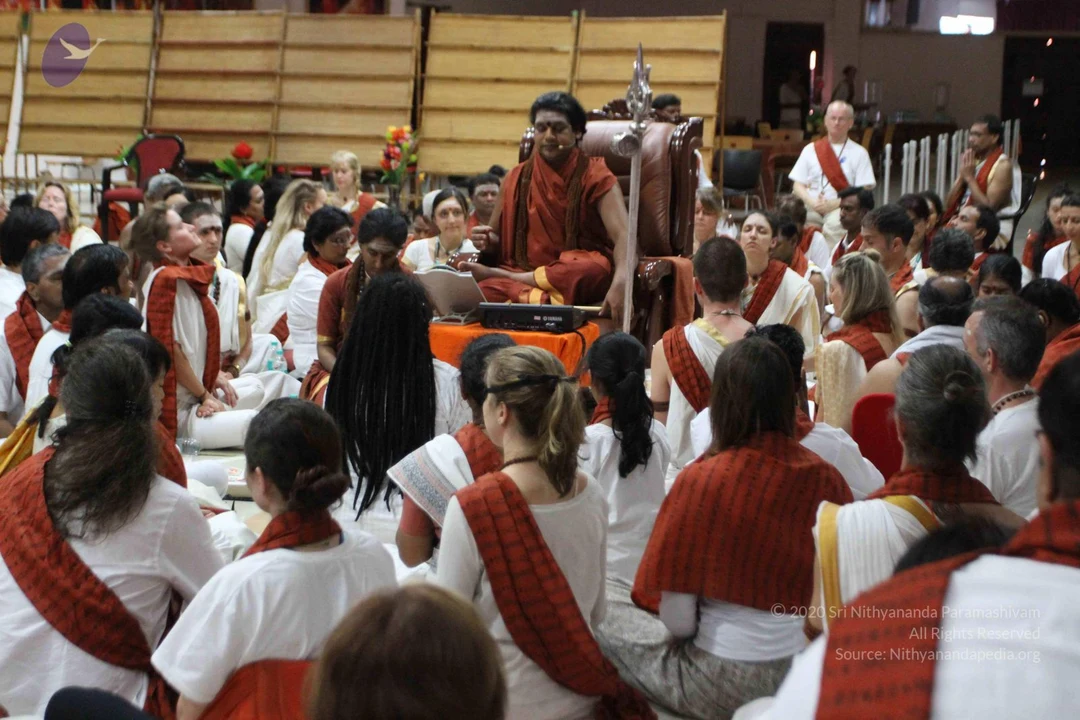
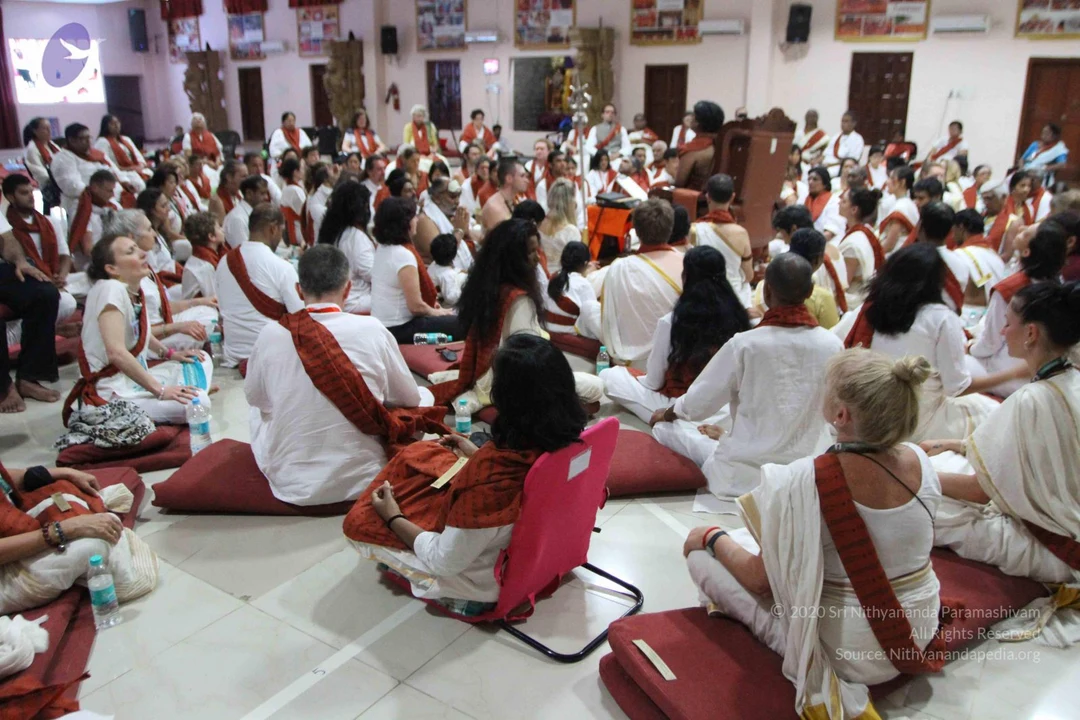
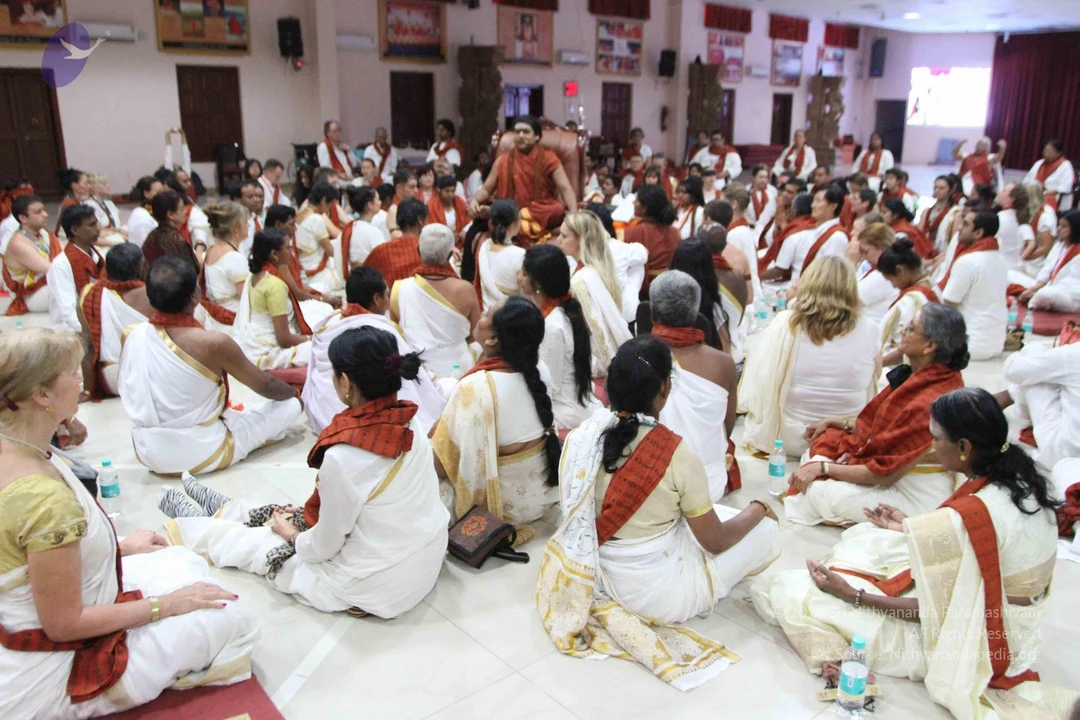
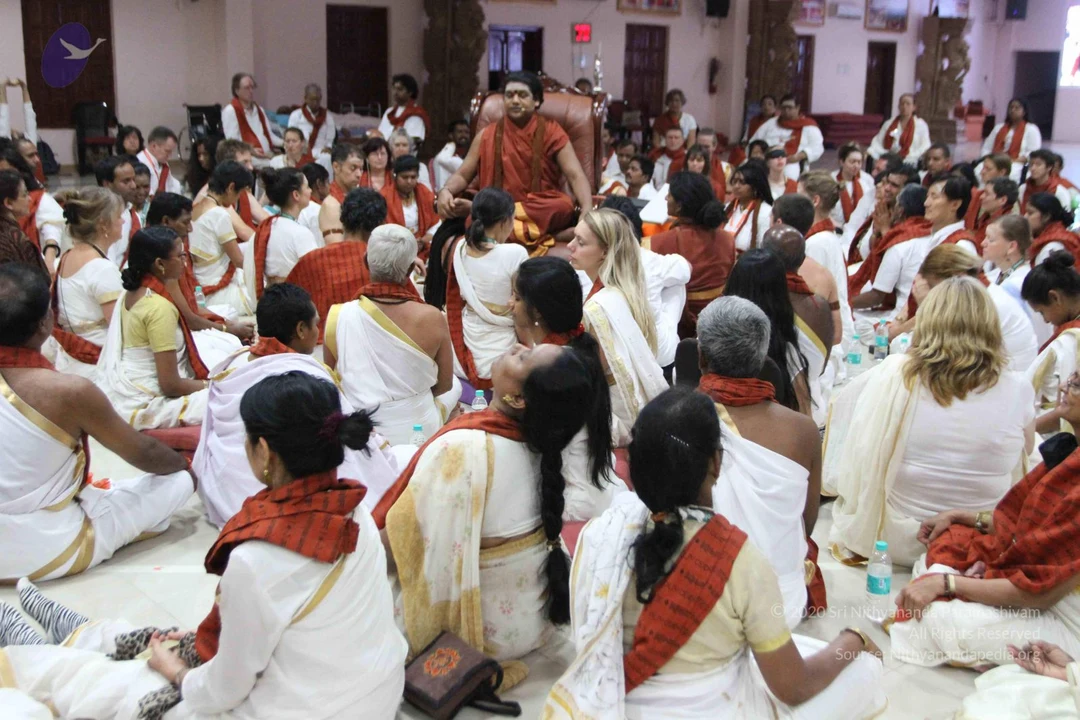

Mandala-Process-2nd-Session
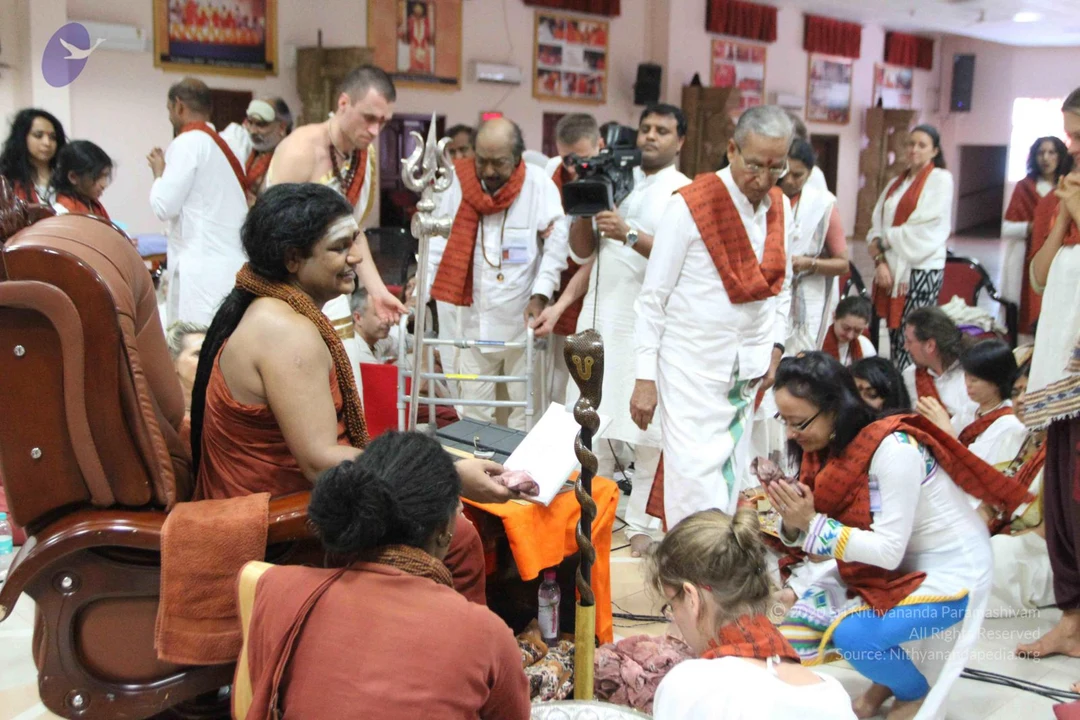
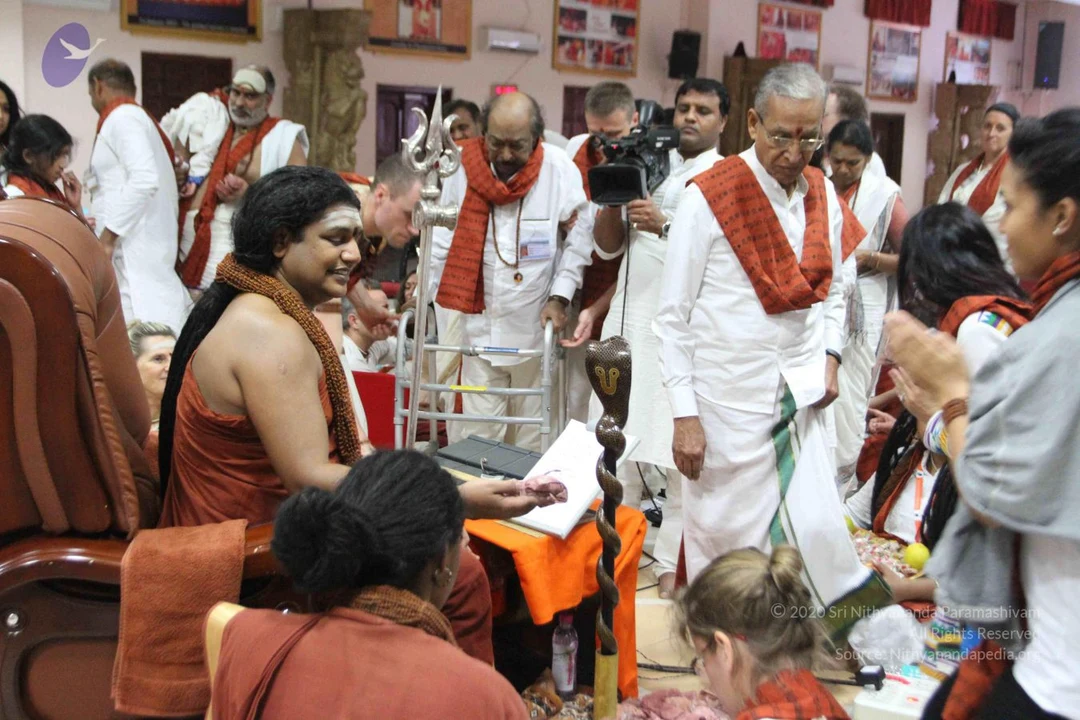
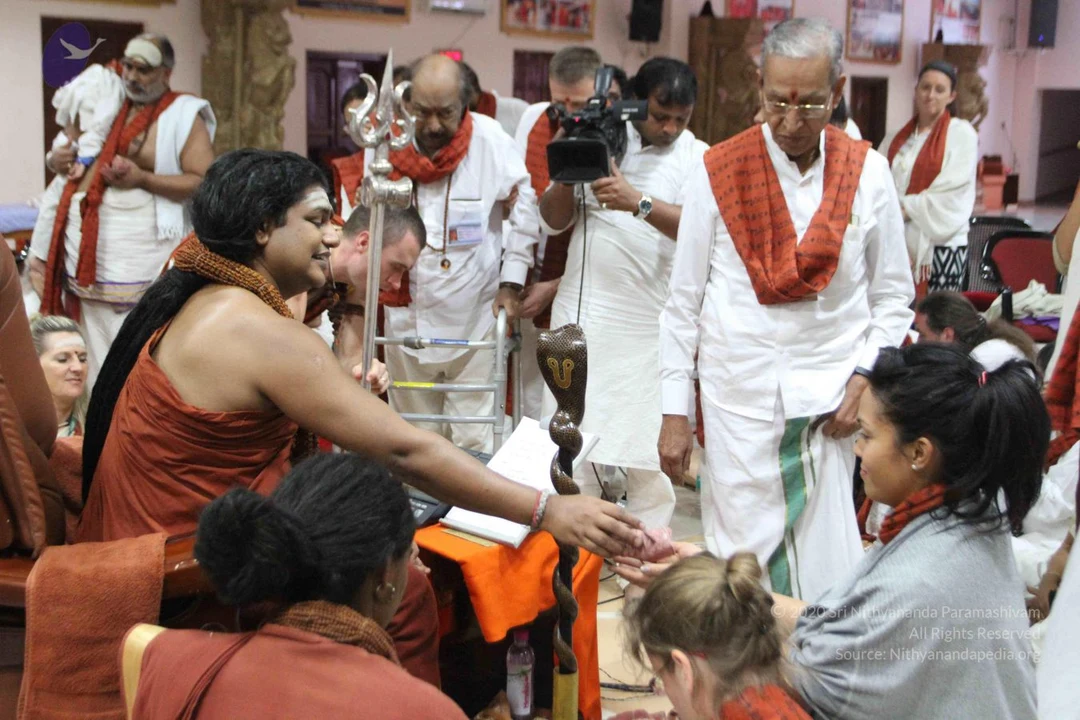
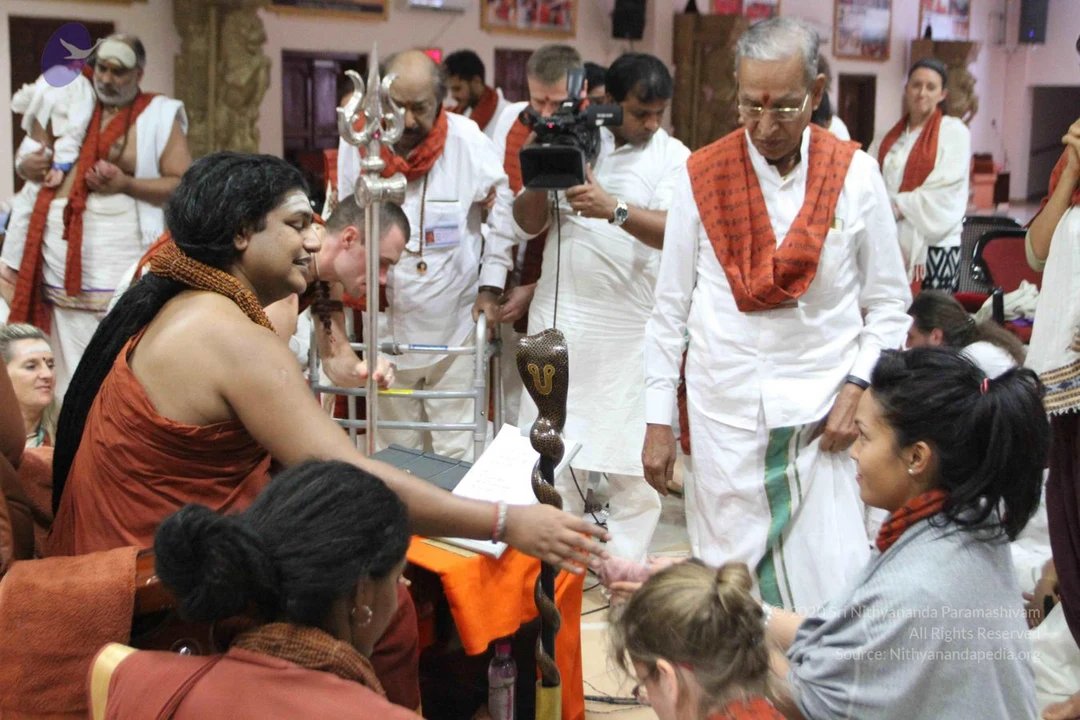
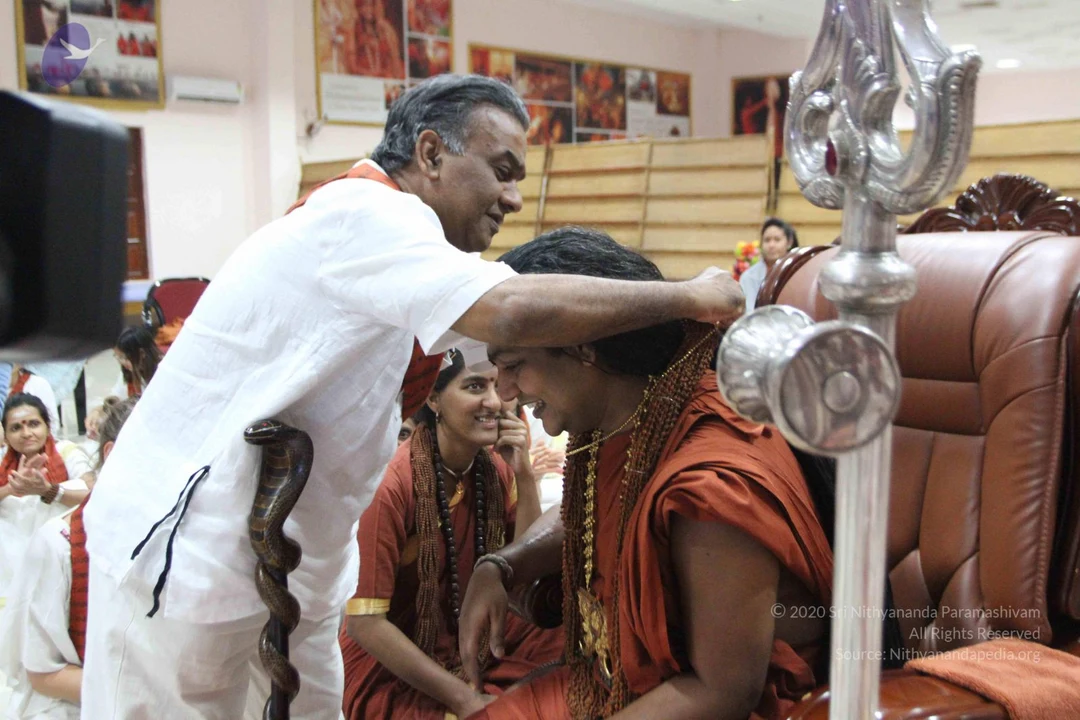
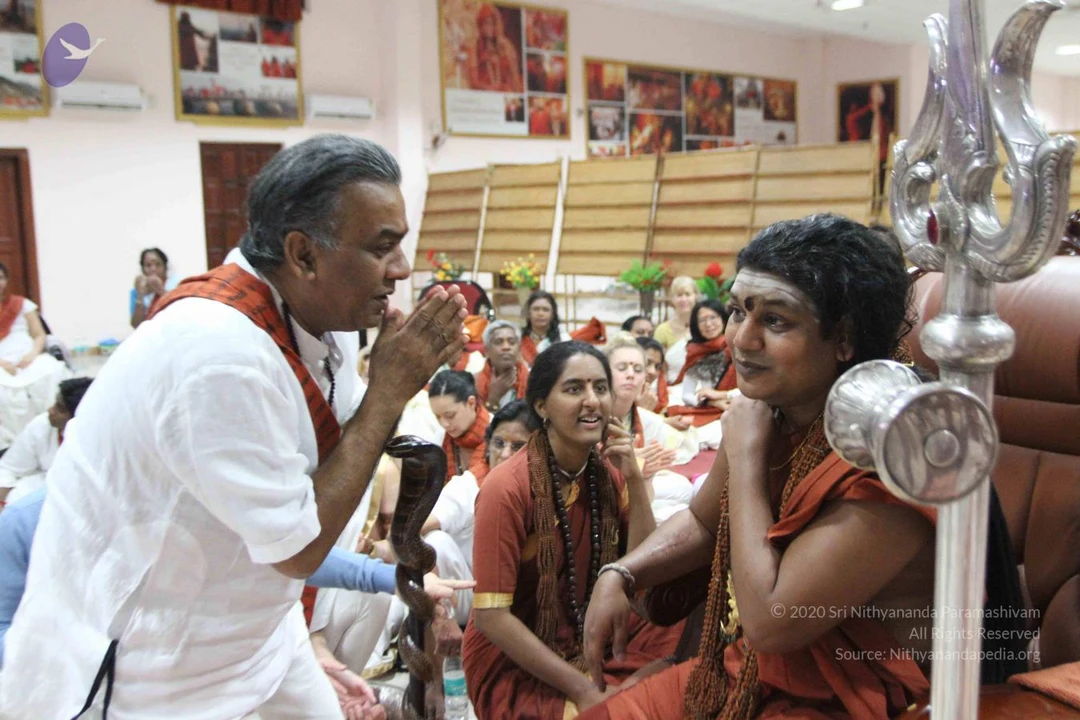
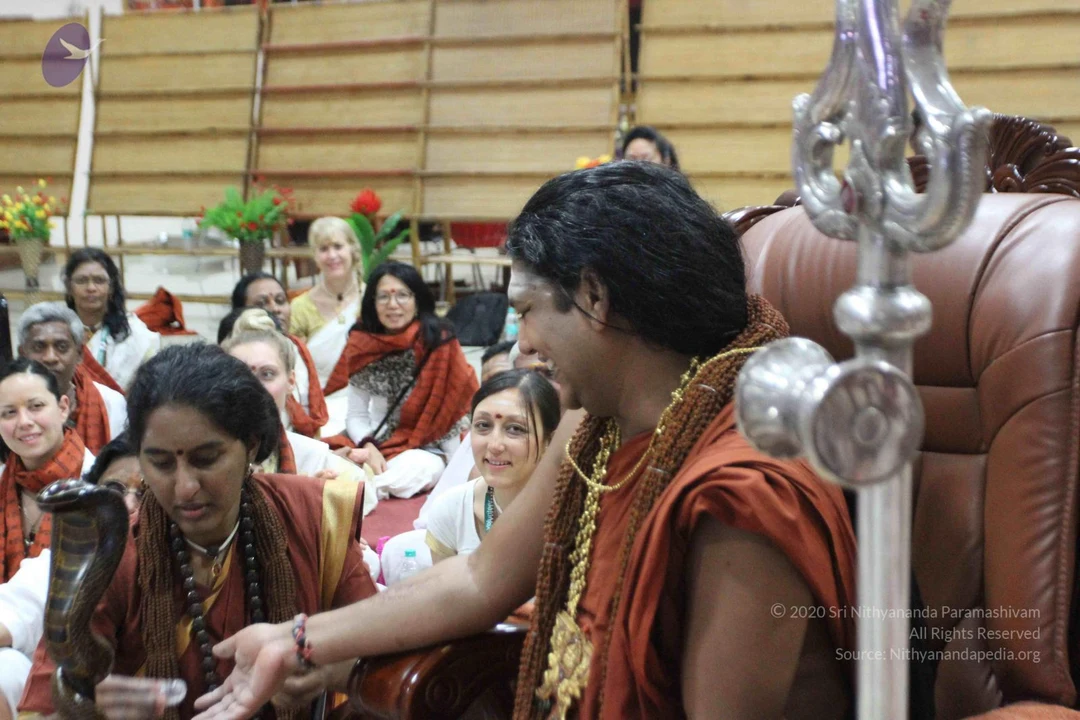
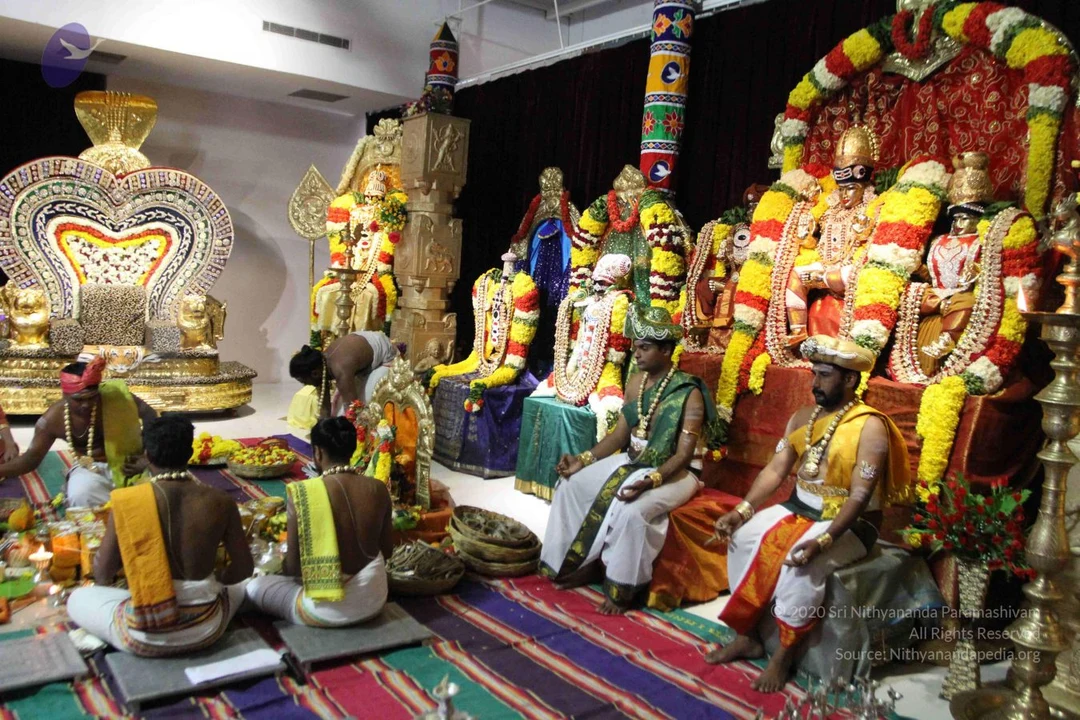
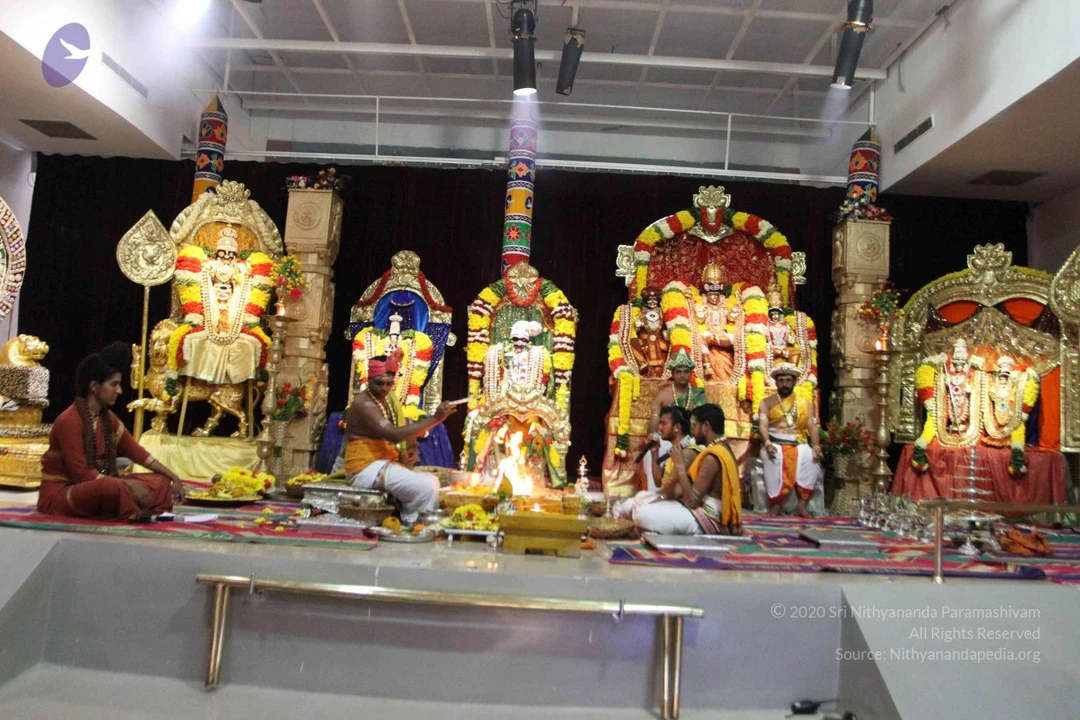
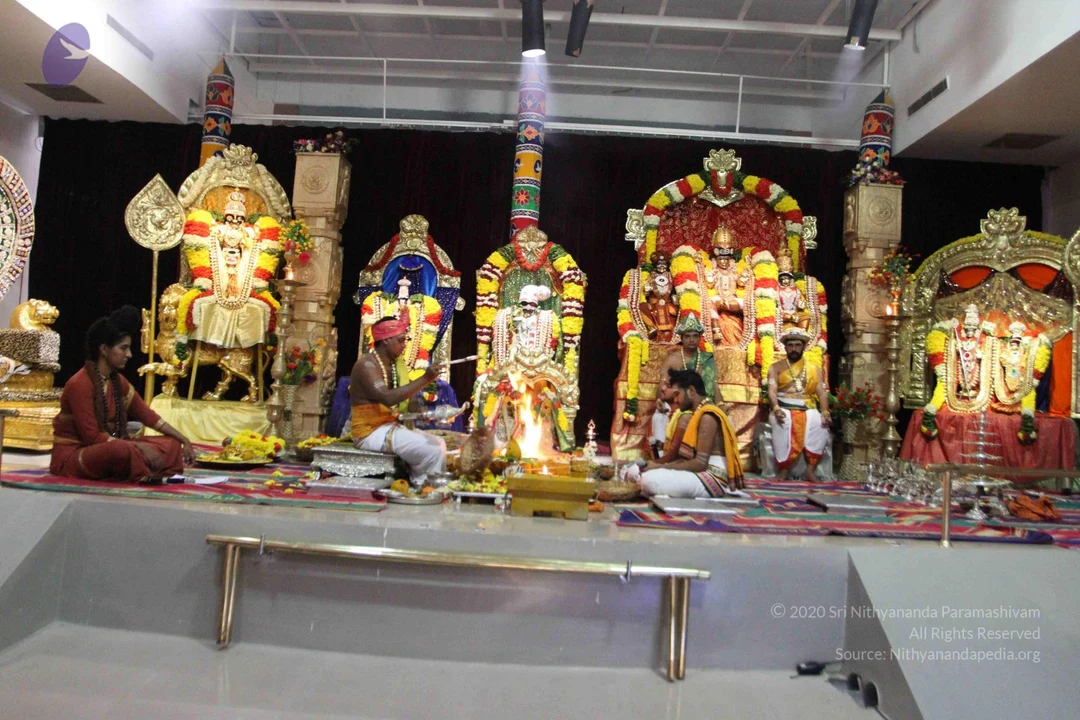
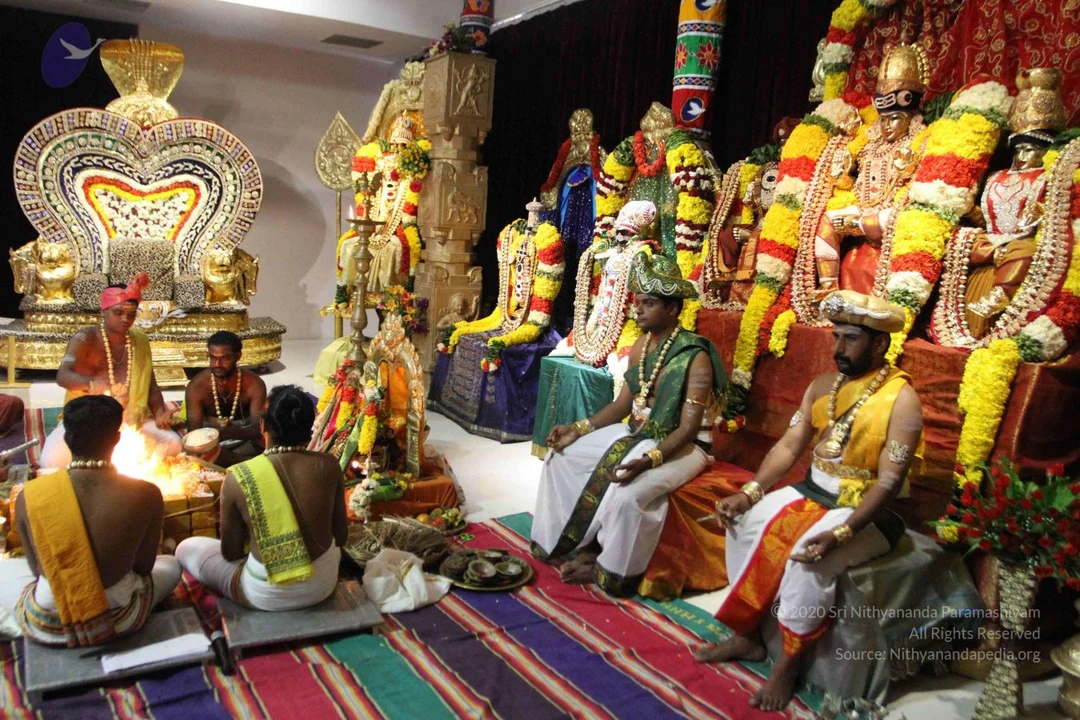
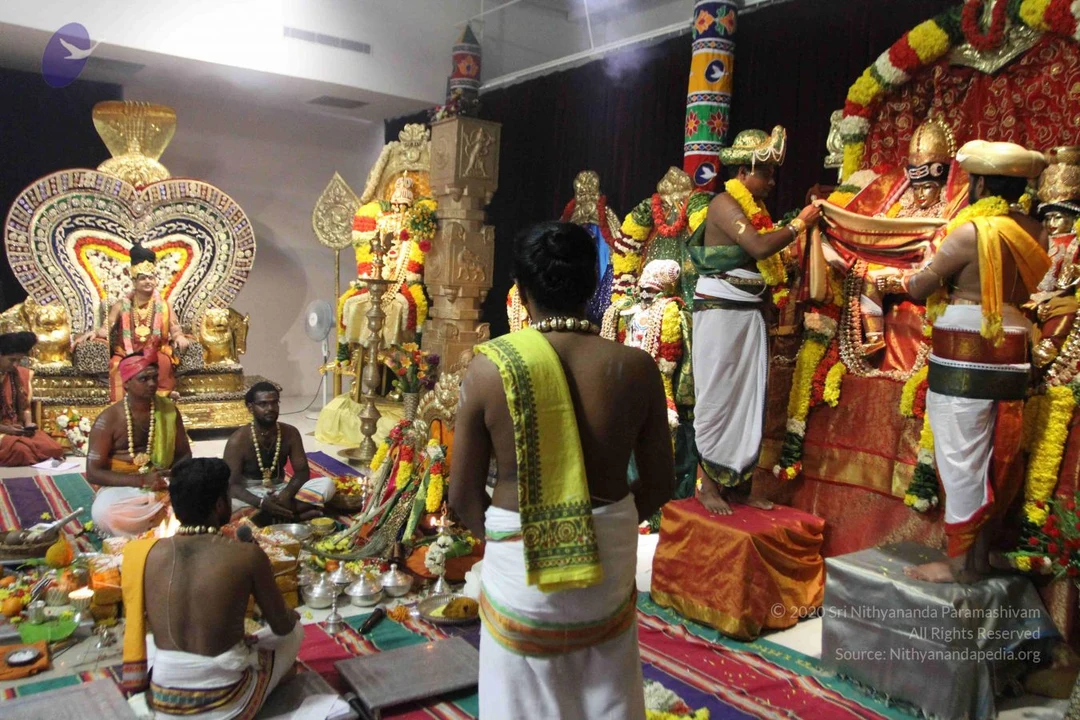
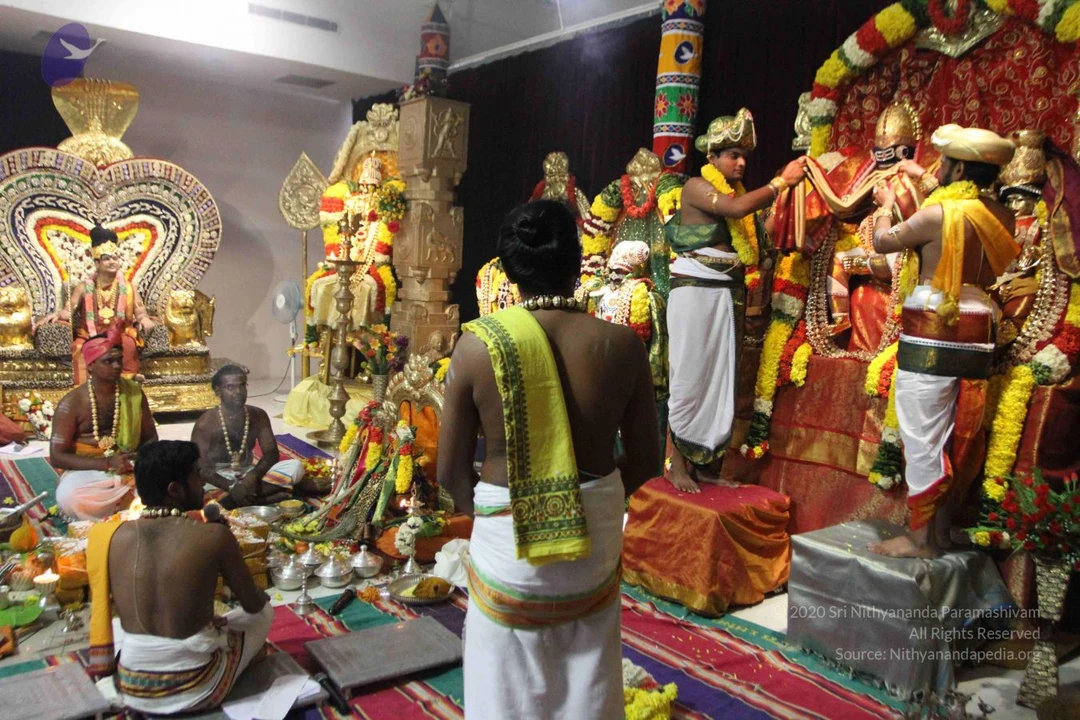
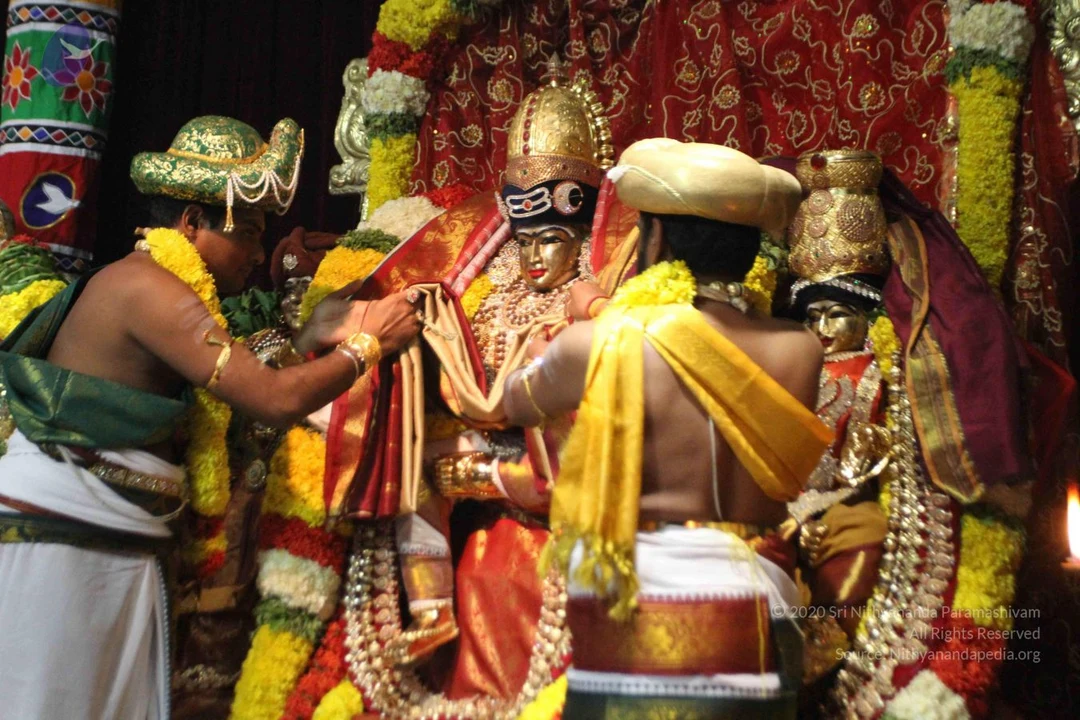
Meenakshi-ThiruKalyanam
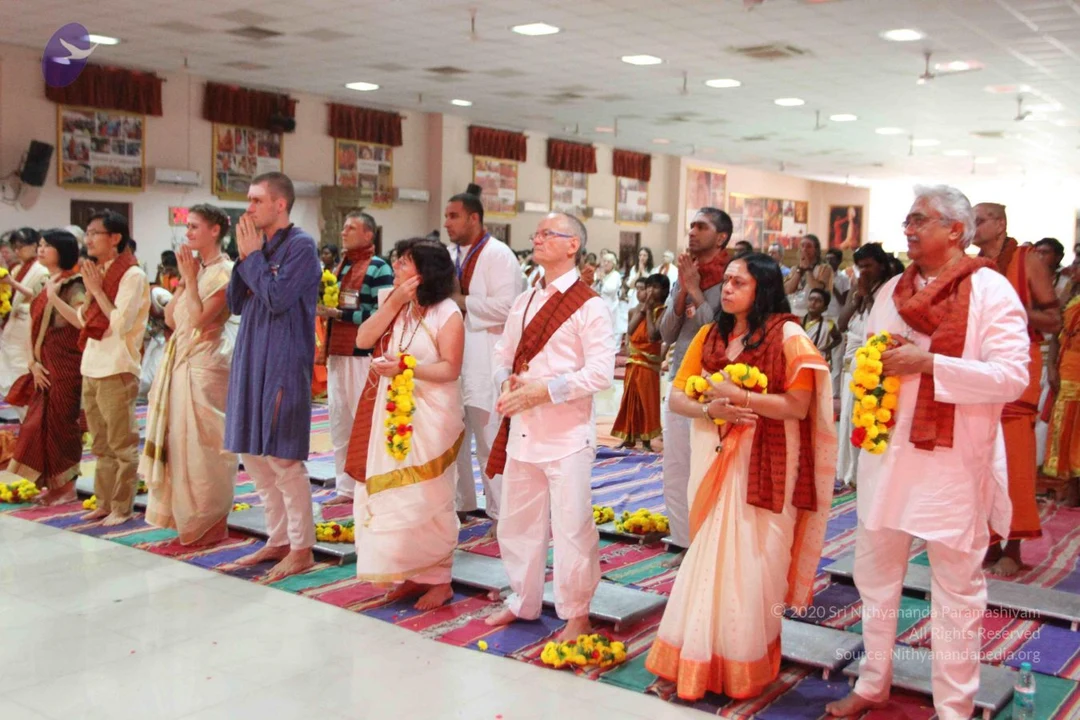
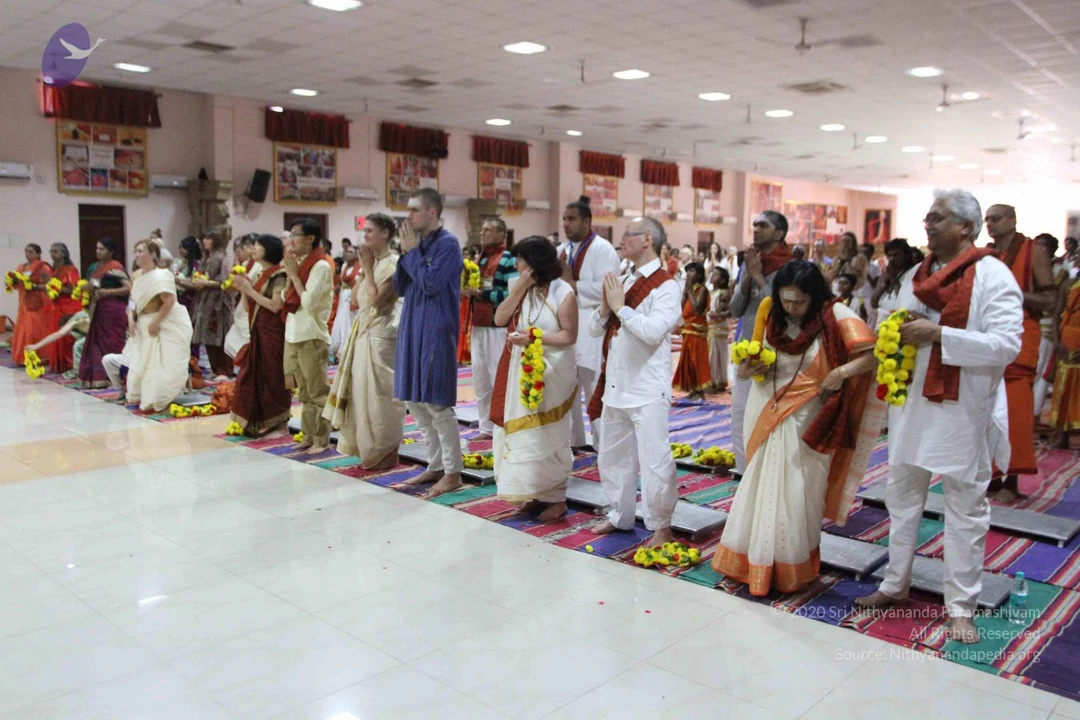
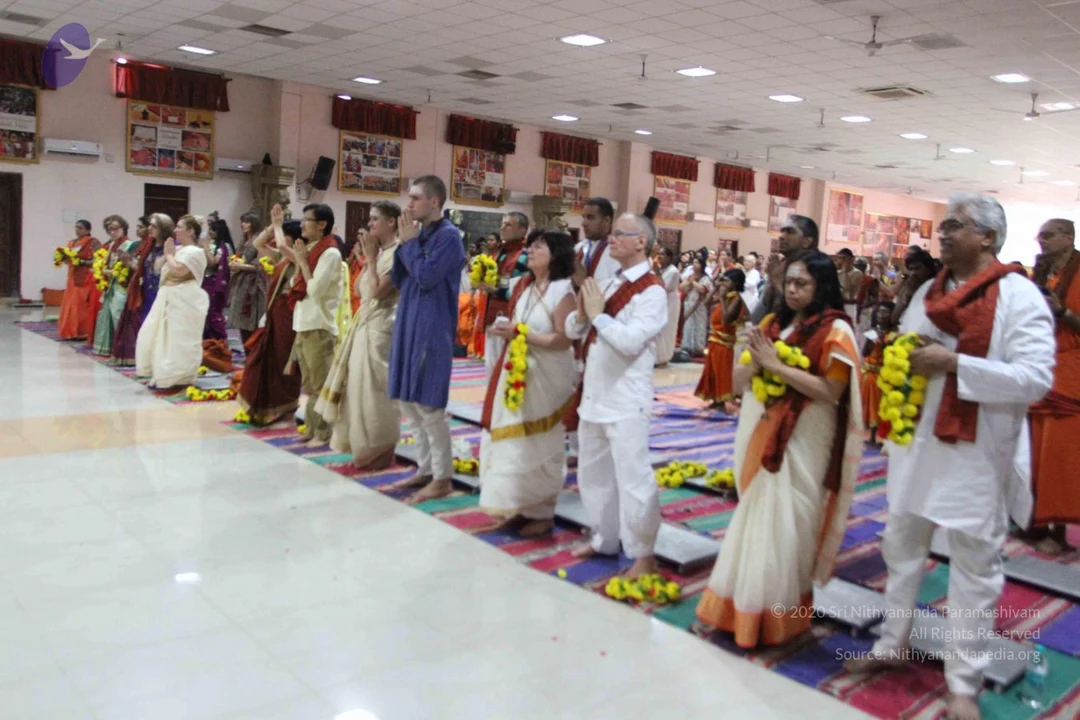
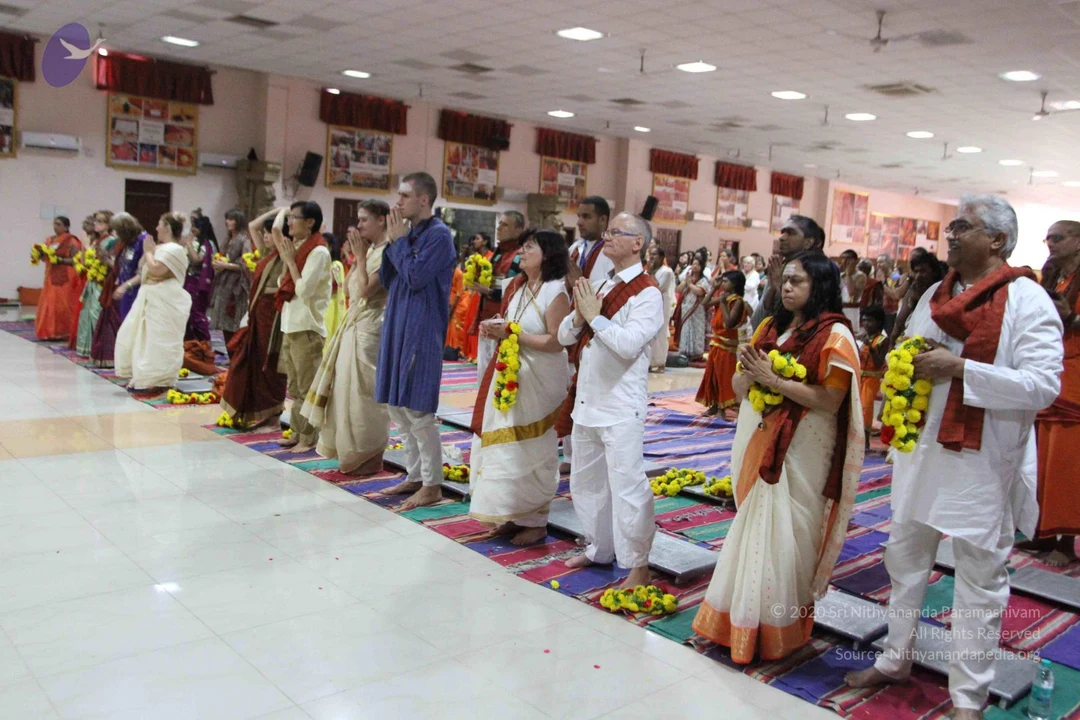
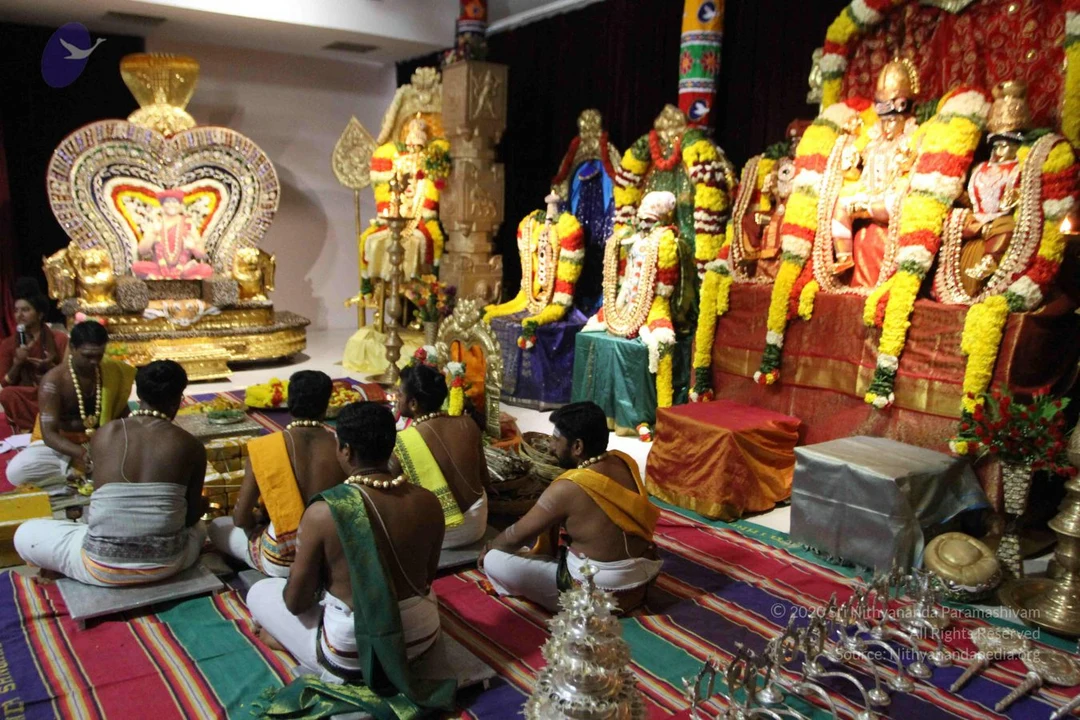
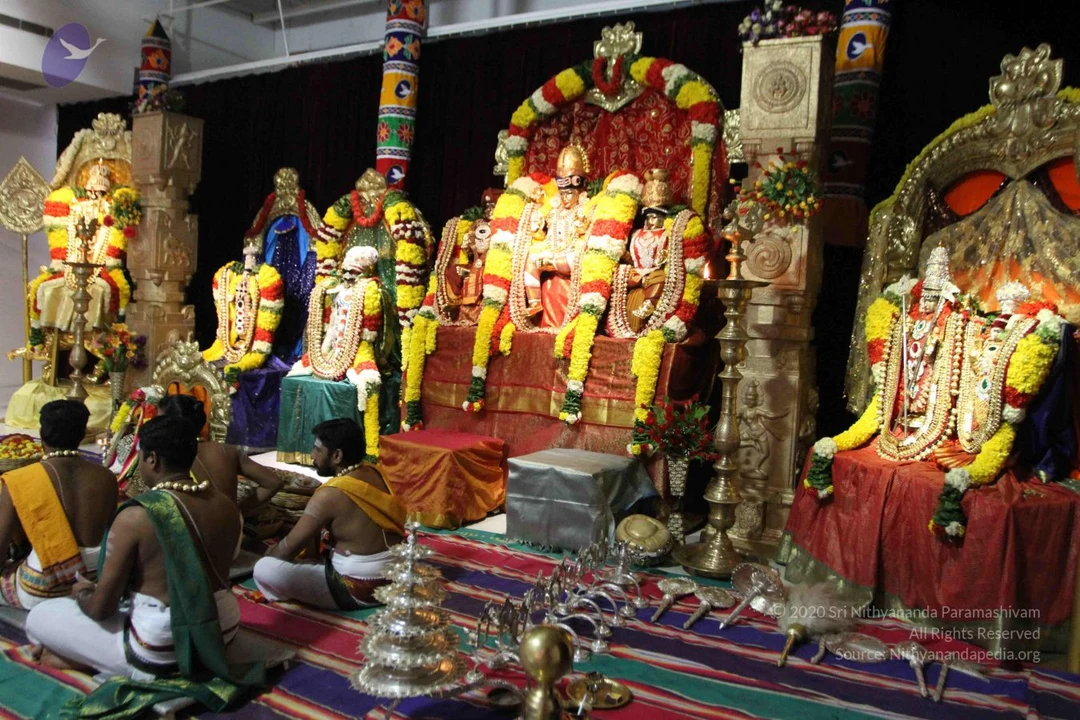
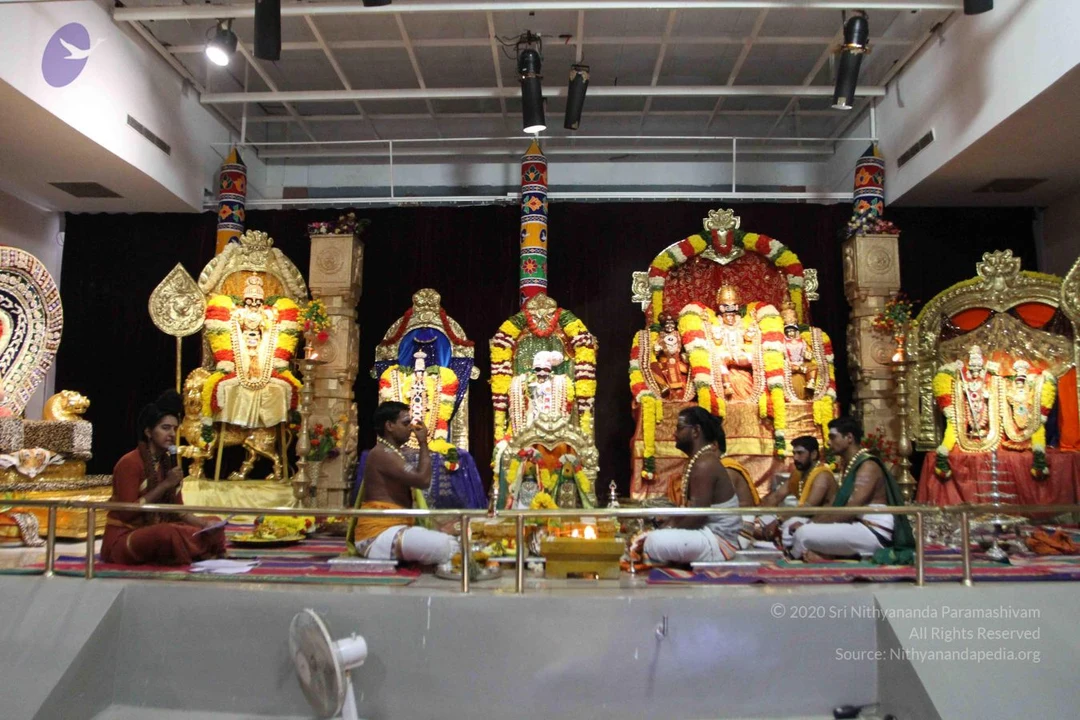
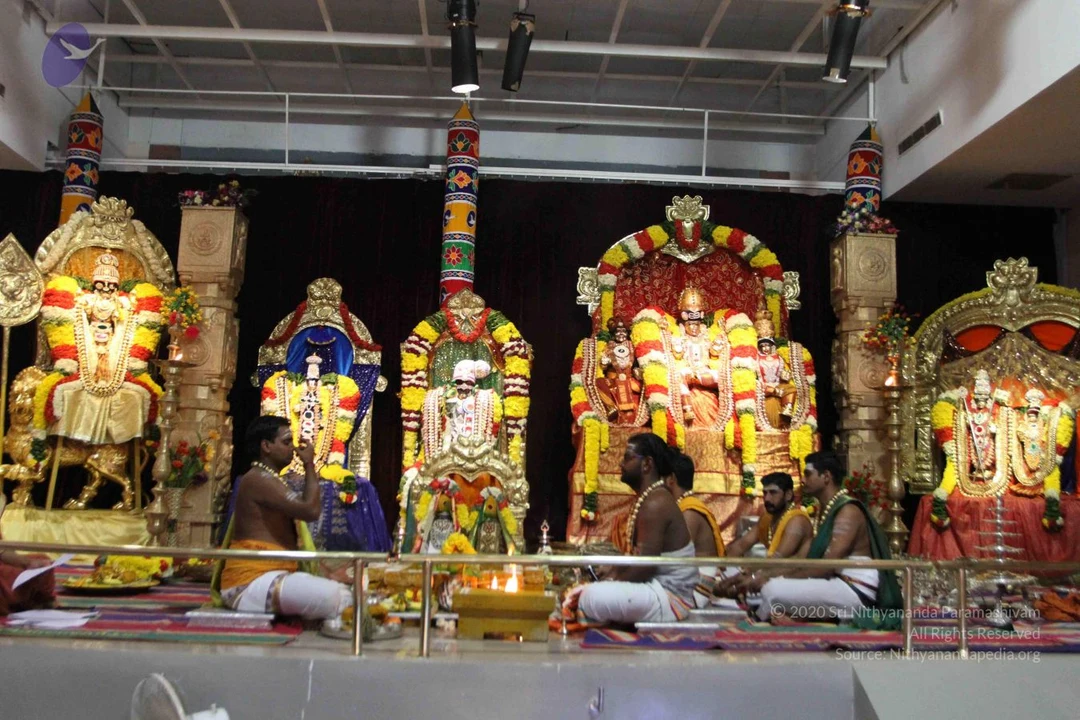
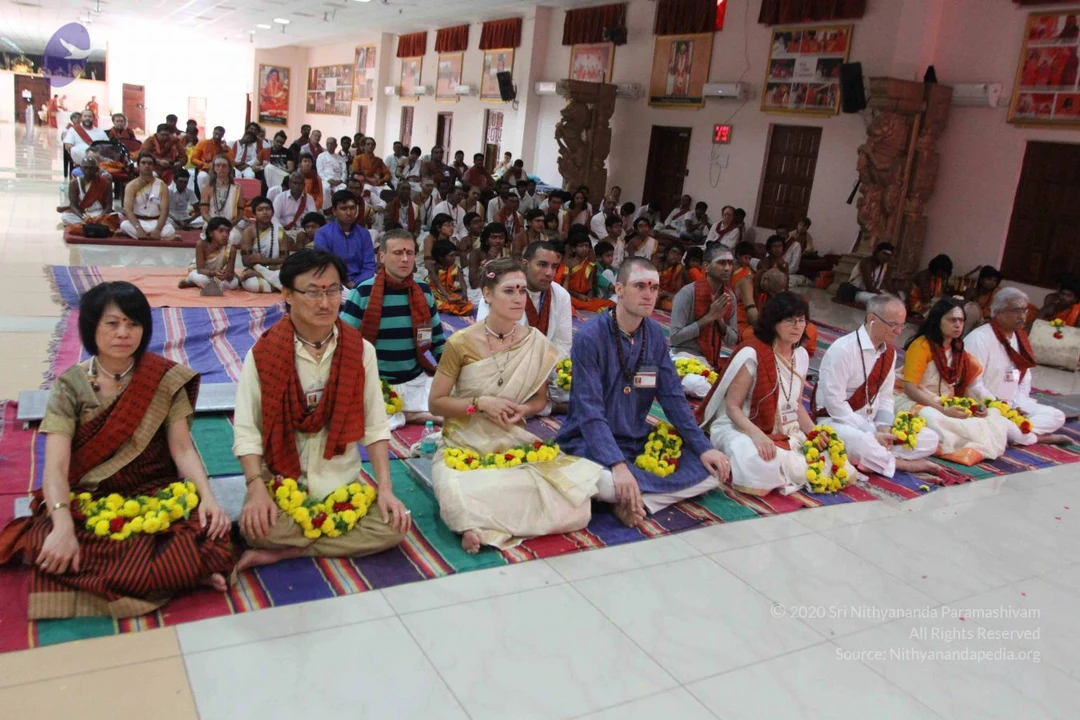
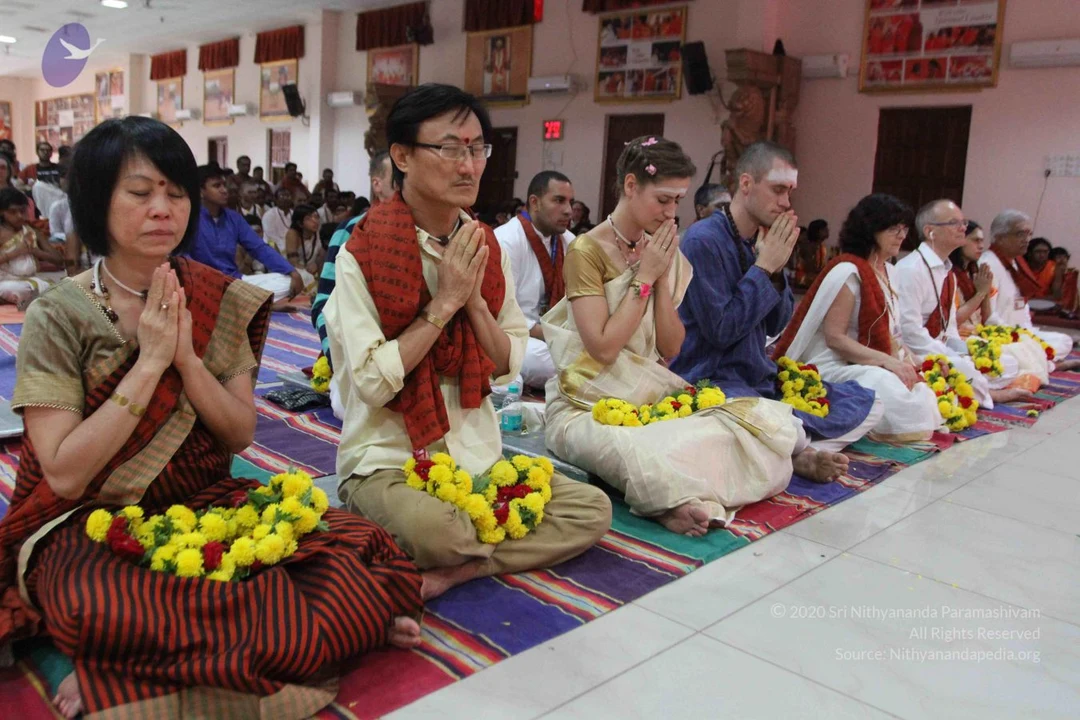
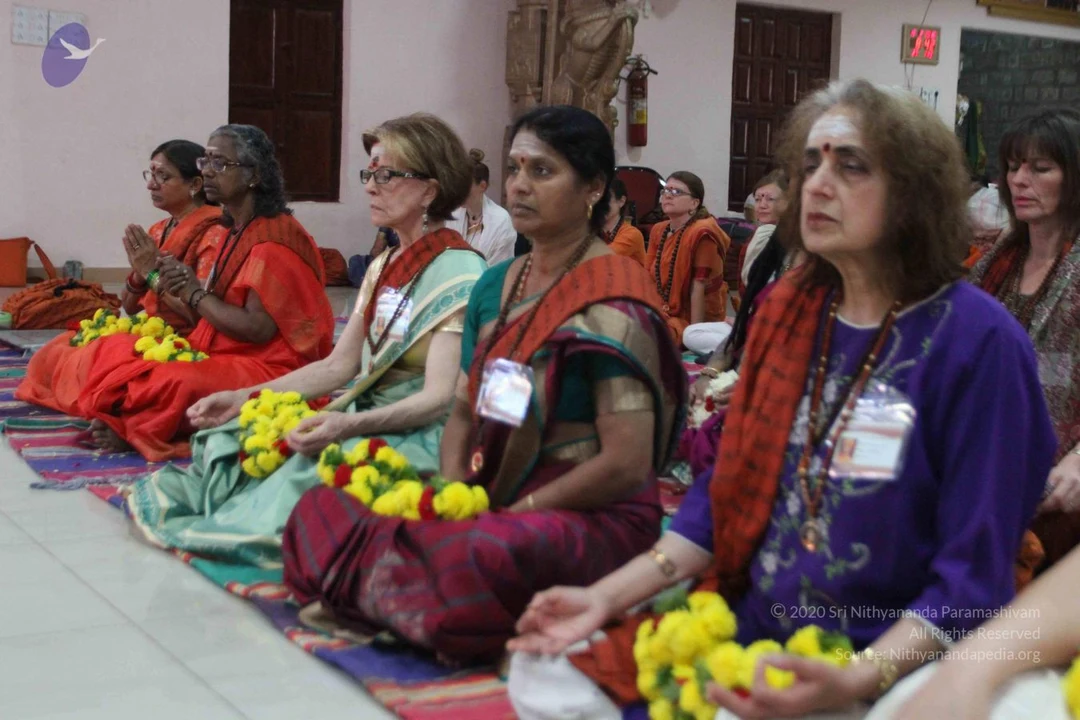
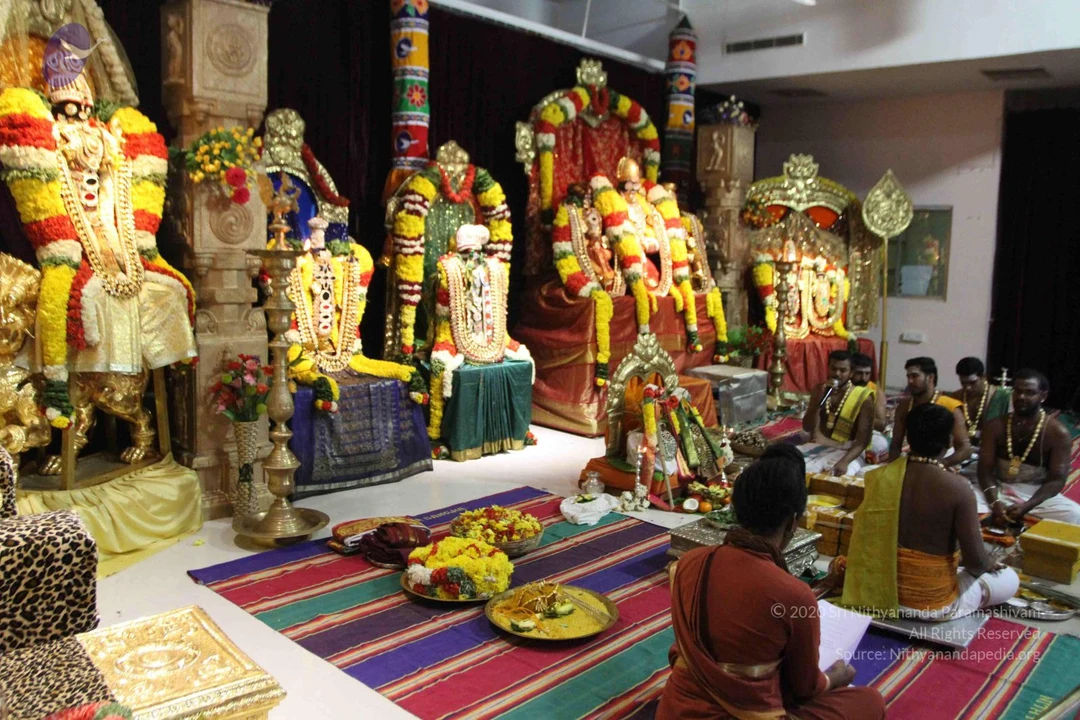
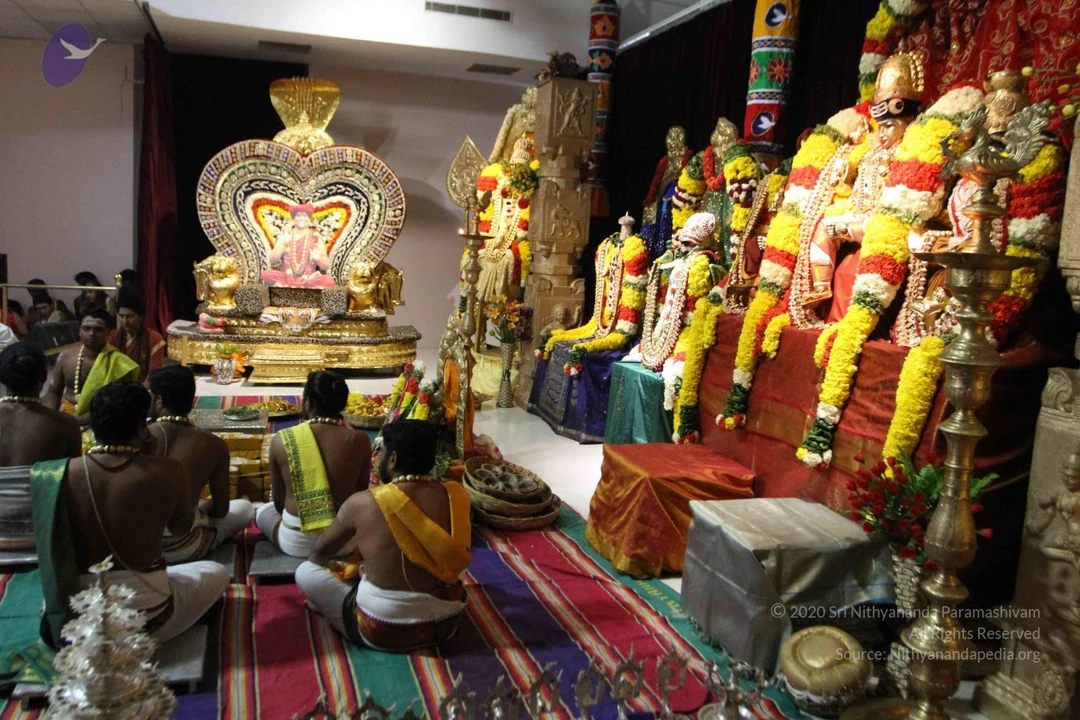

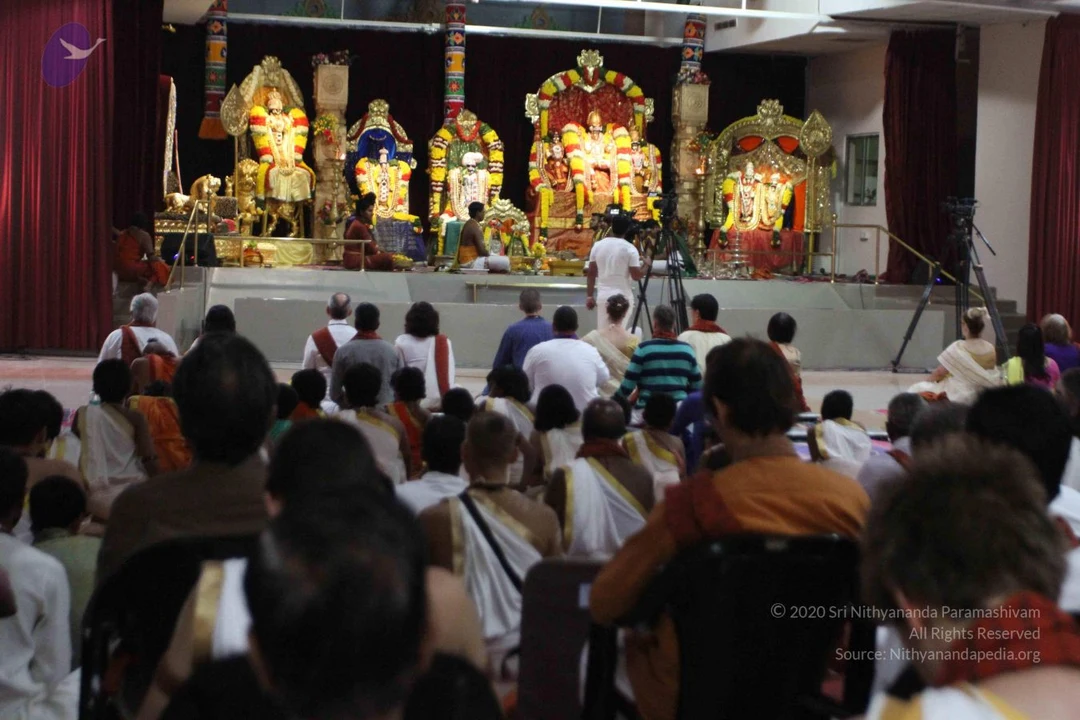
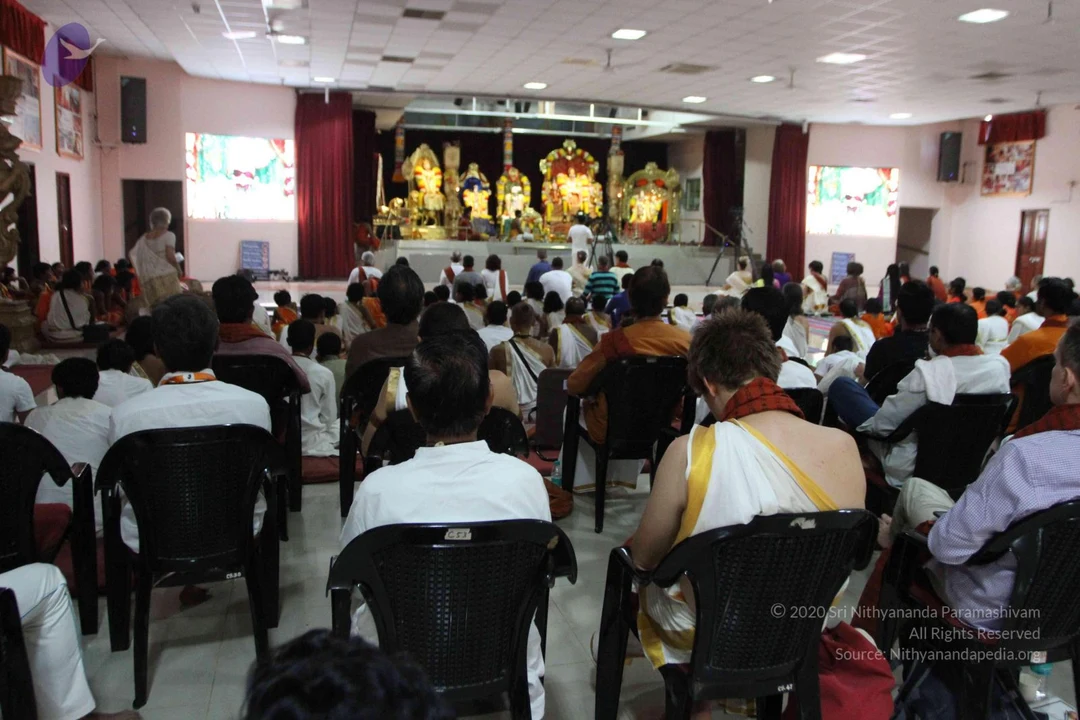
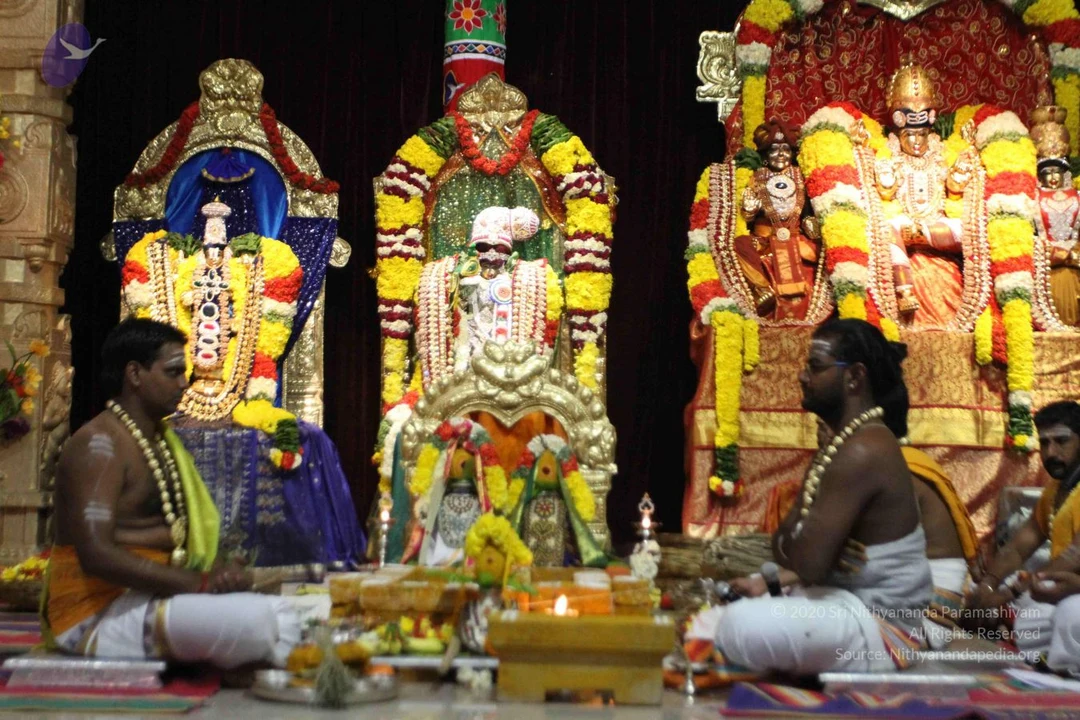
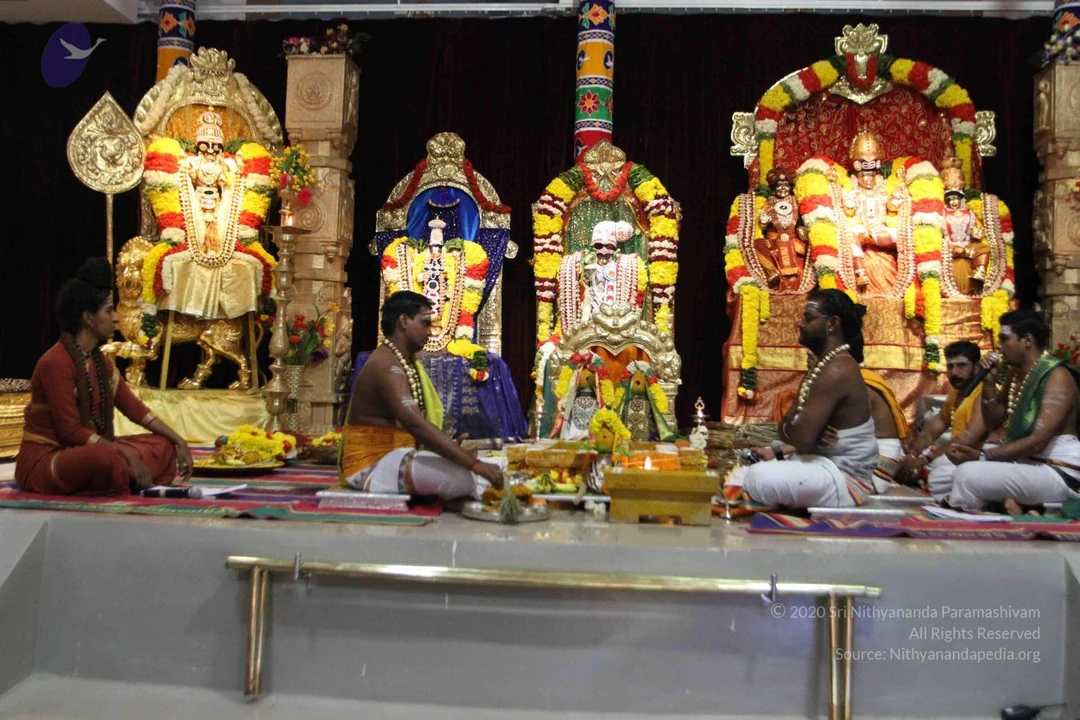
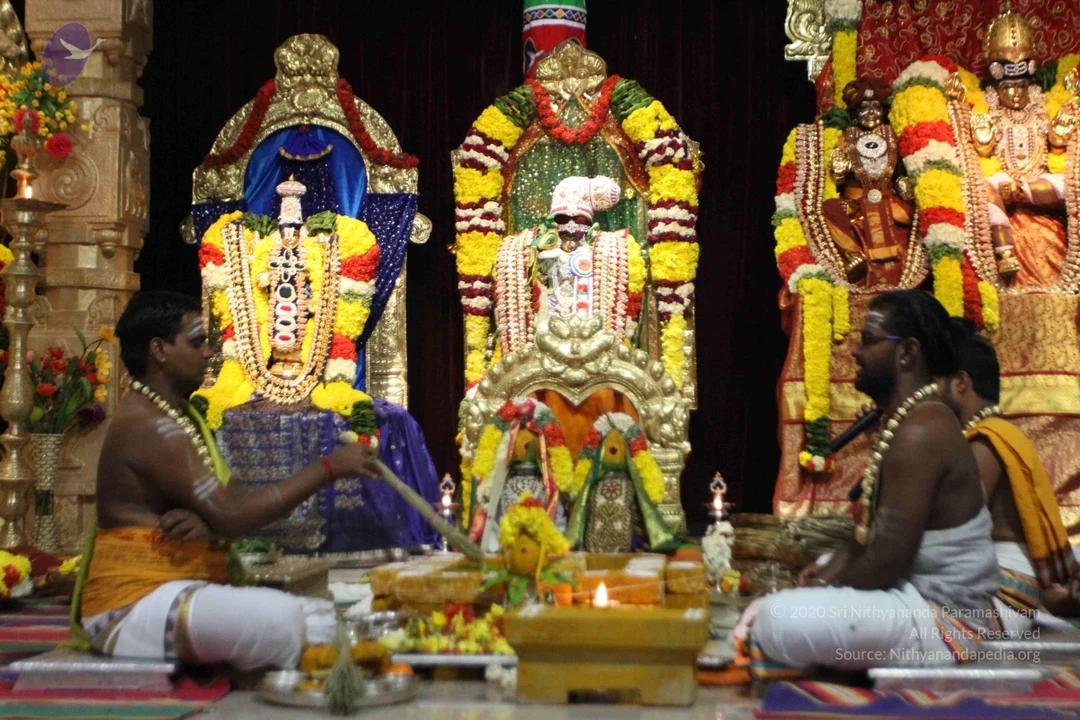
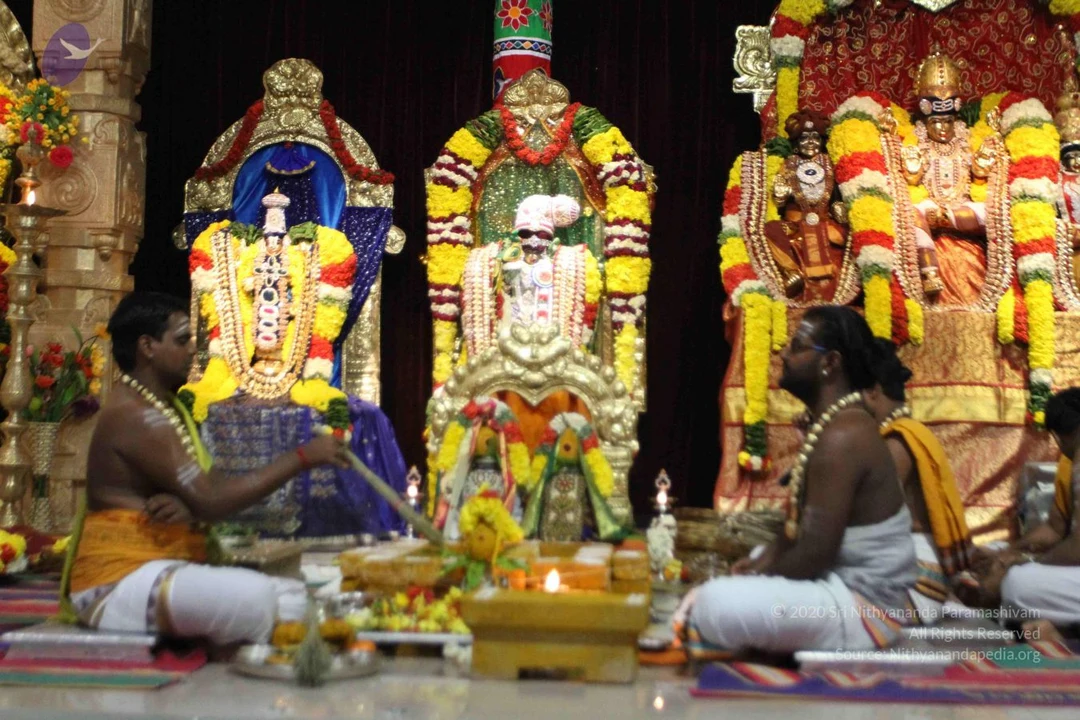
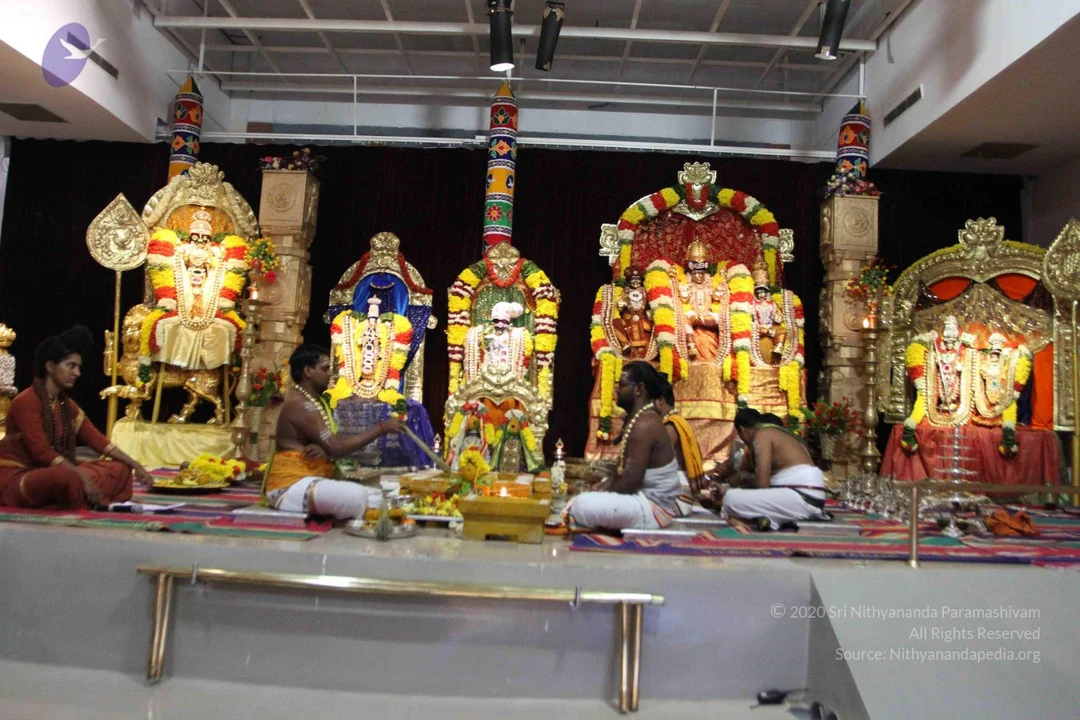
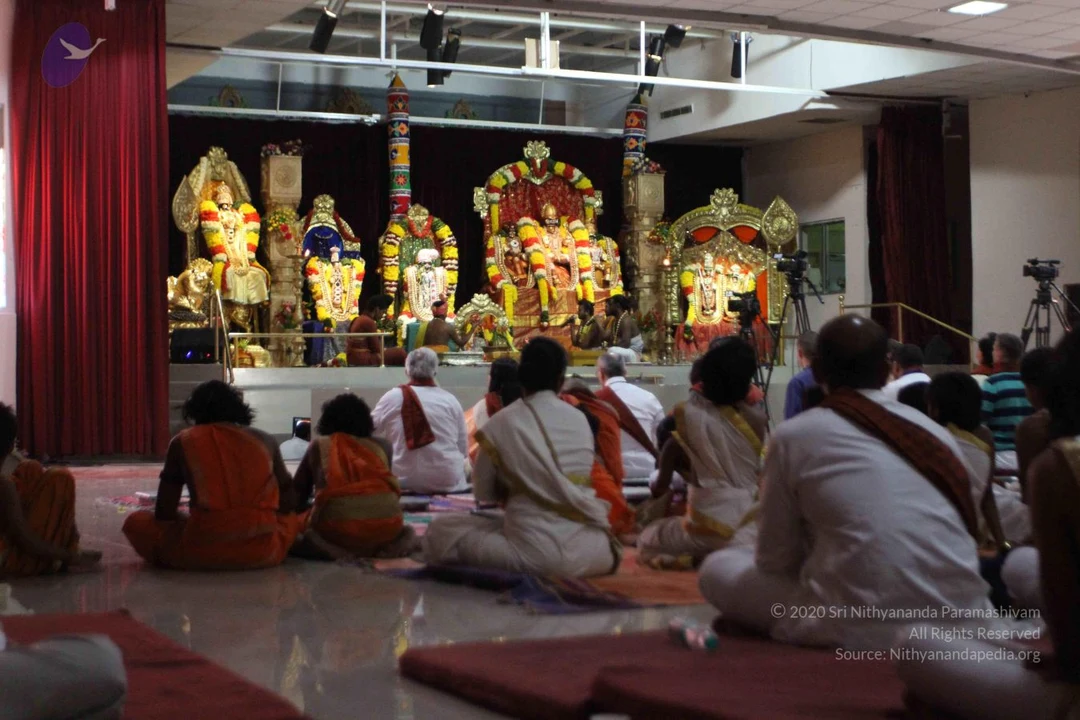
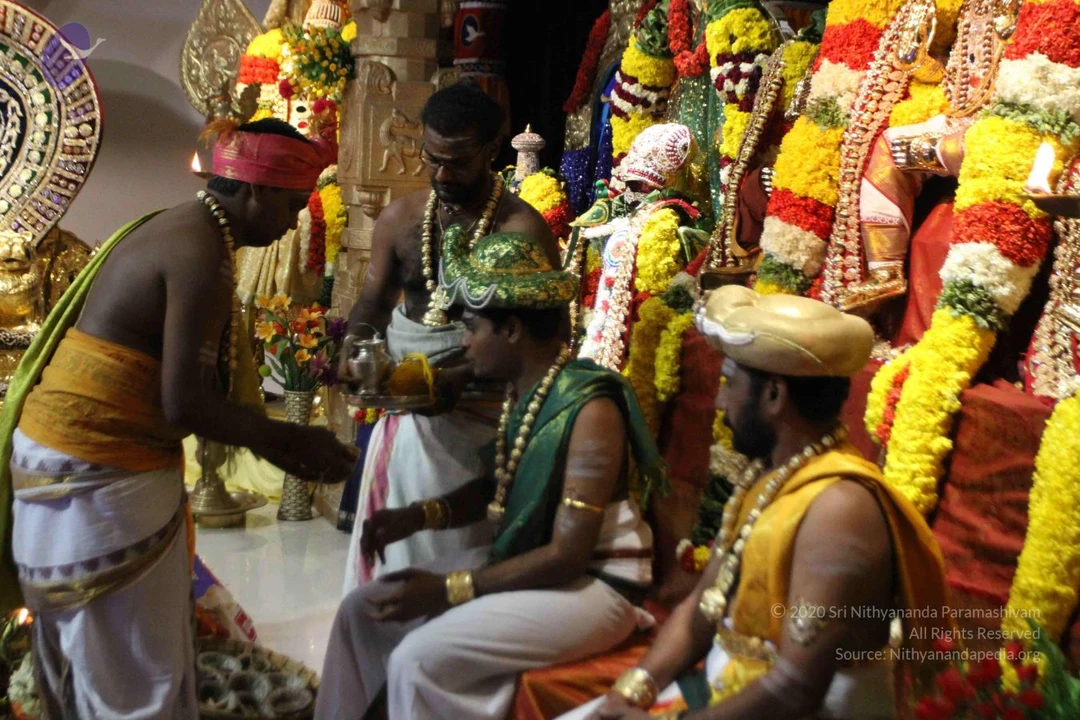
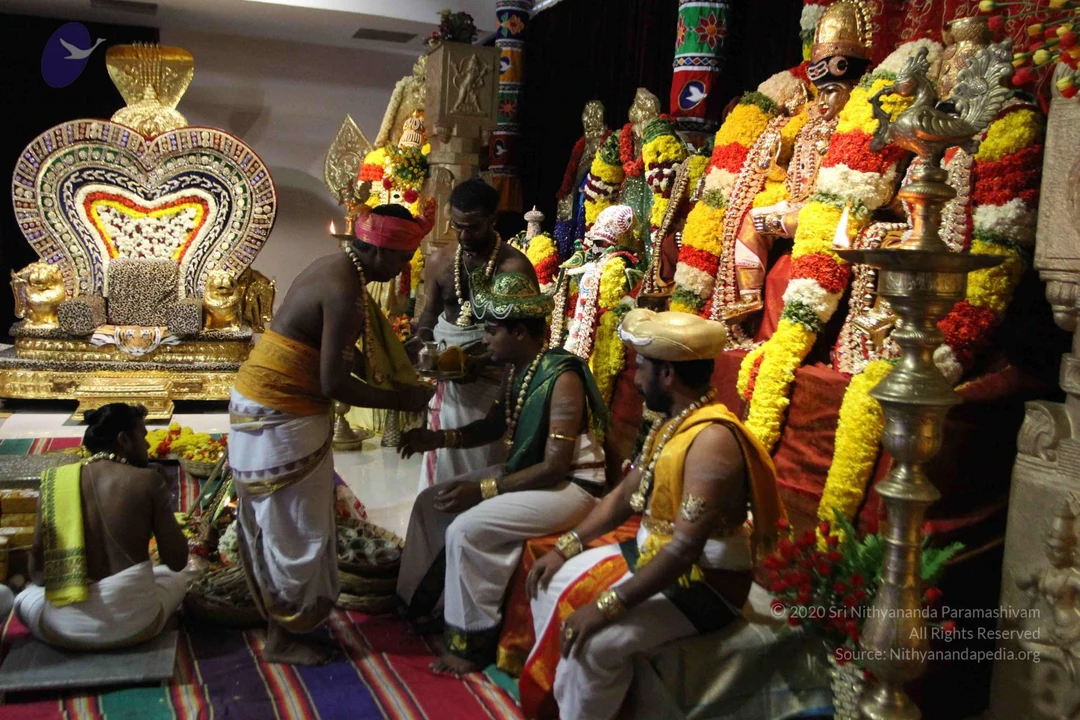
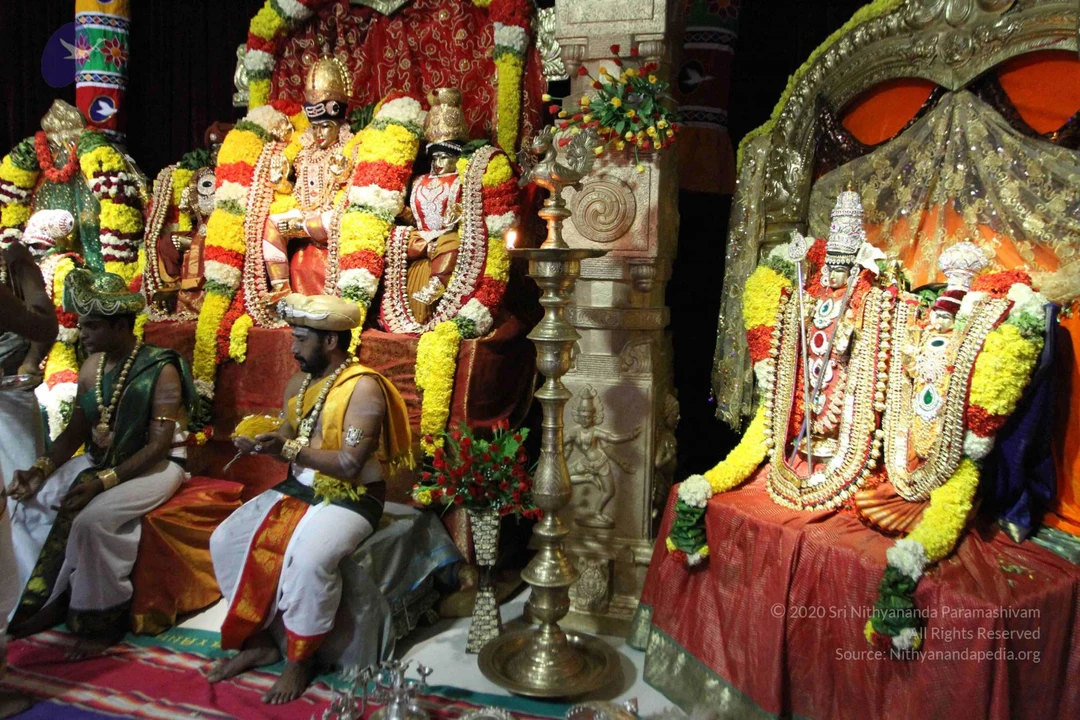
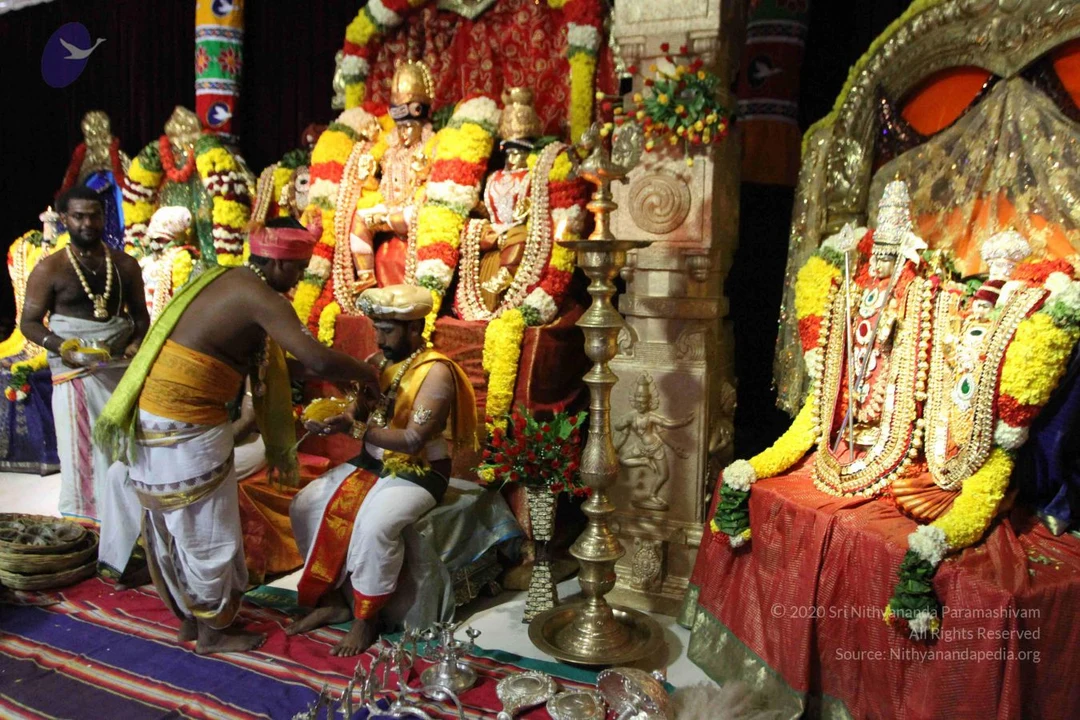
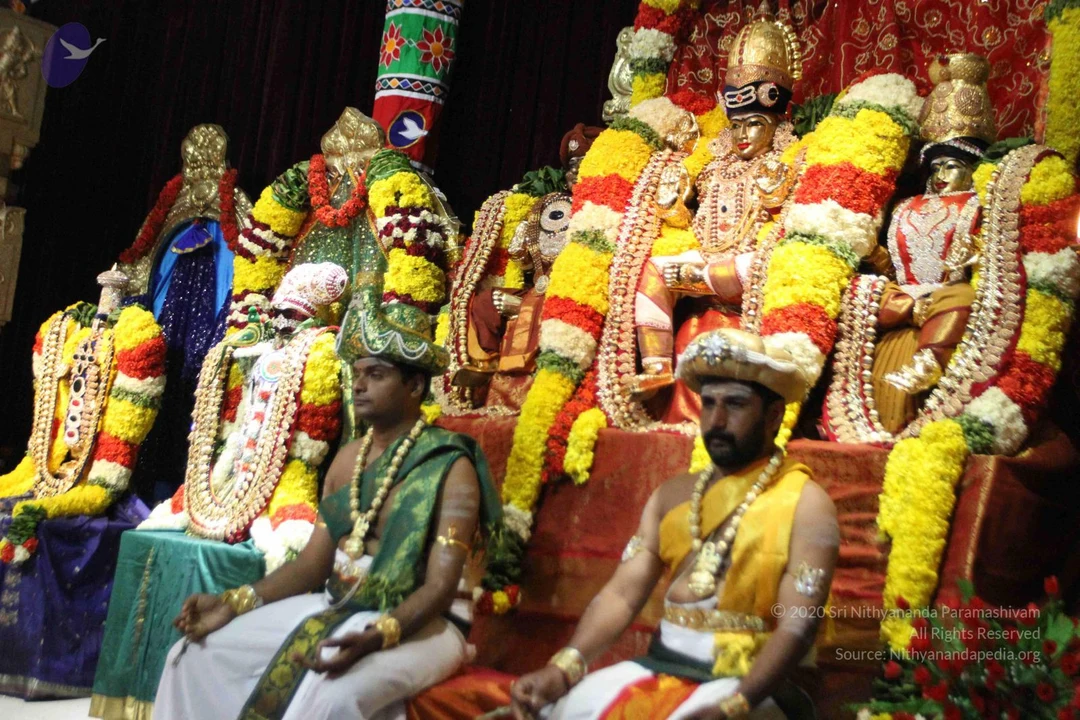
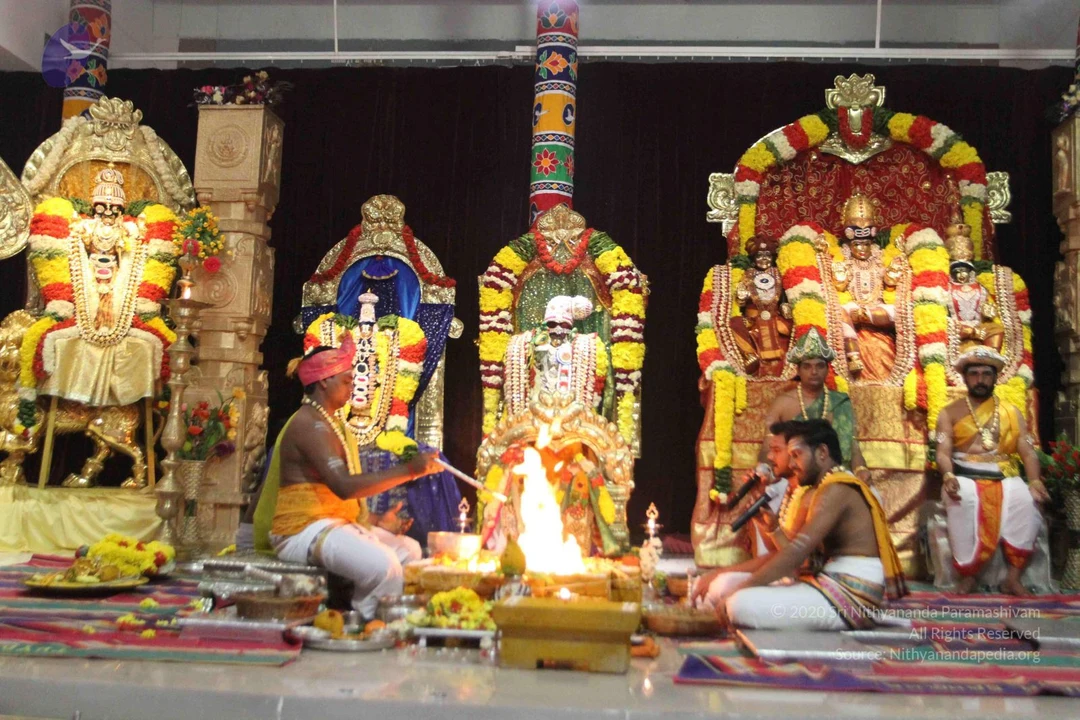
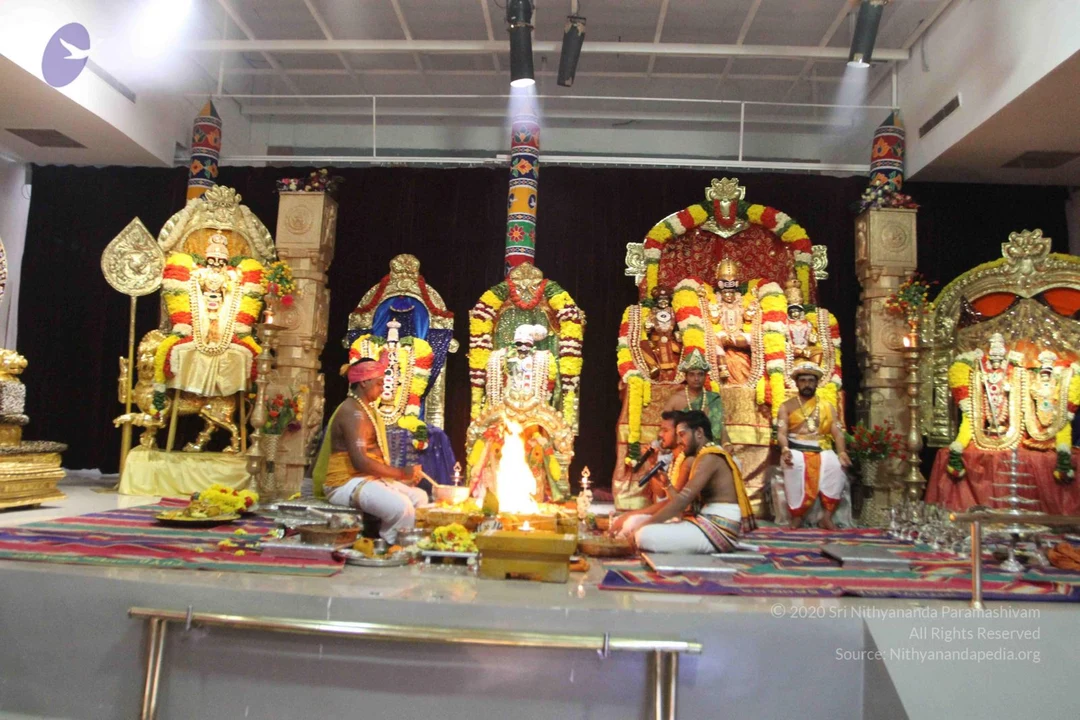
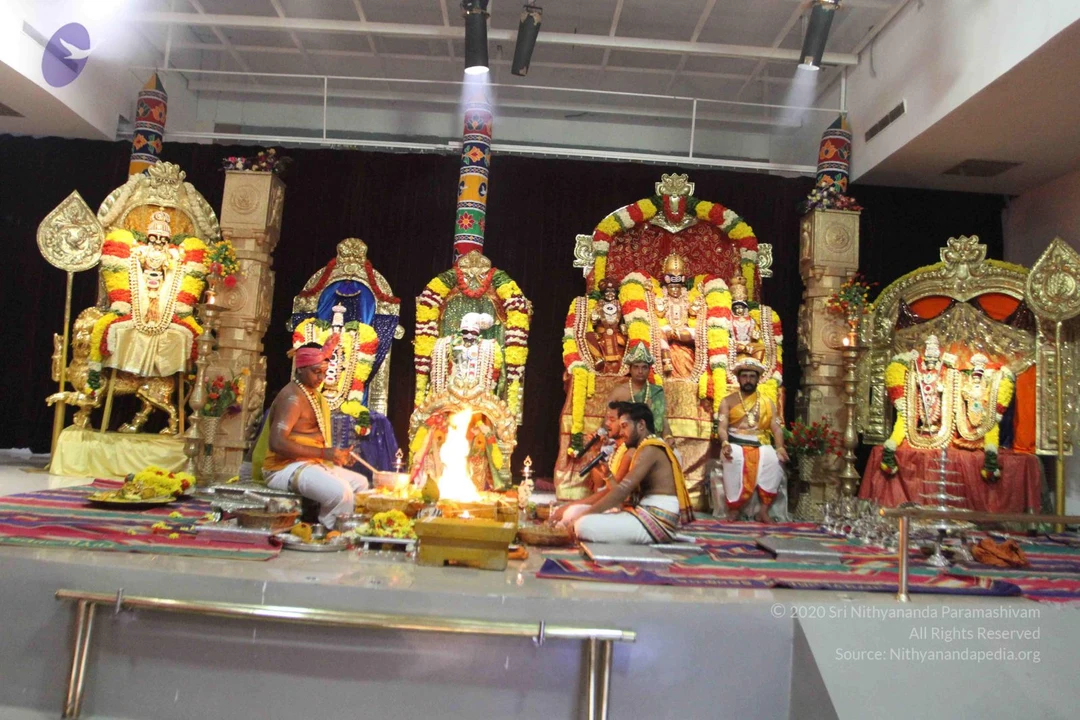
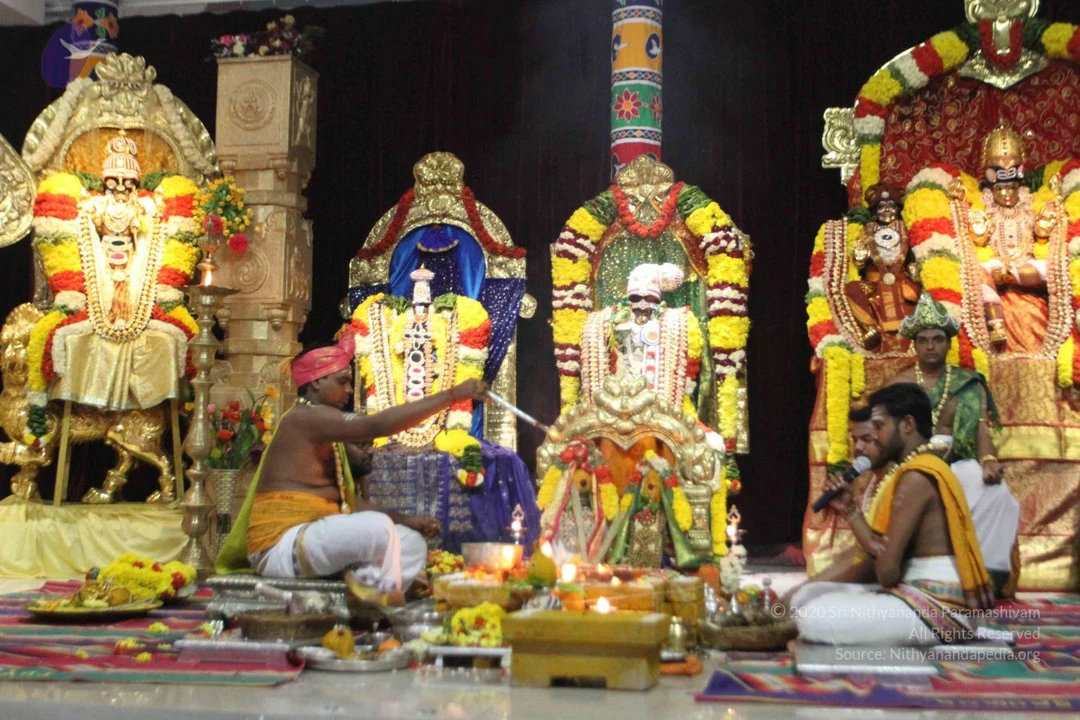
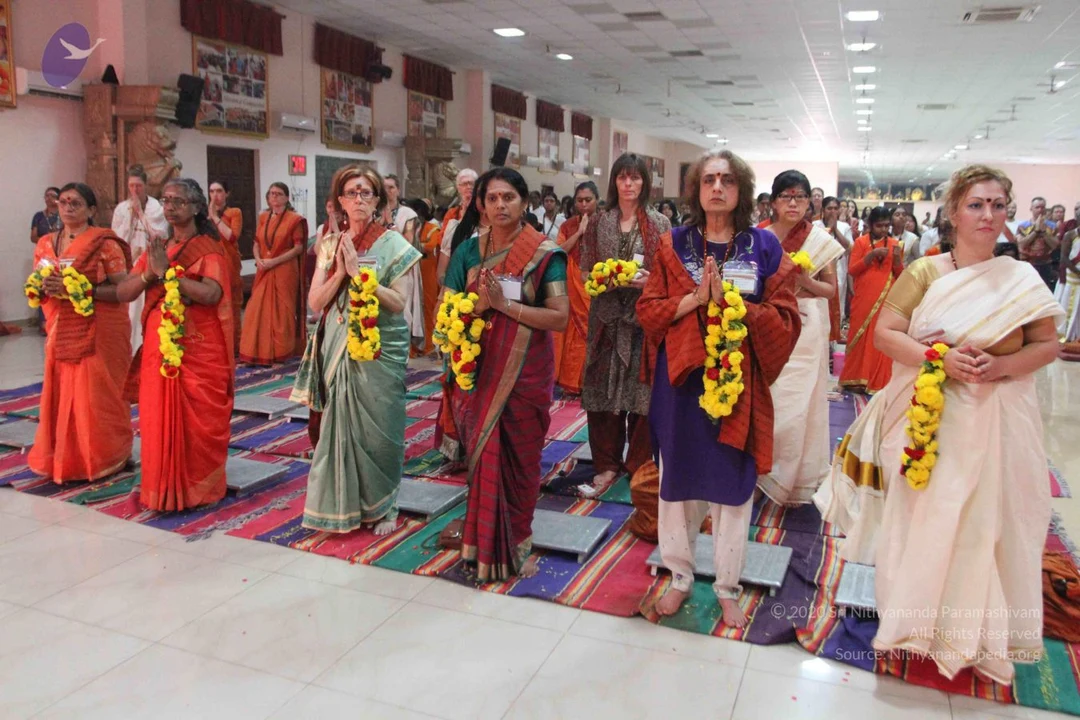
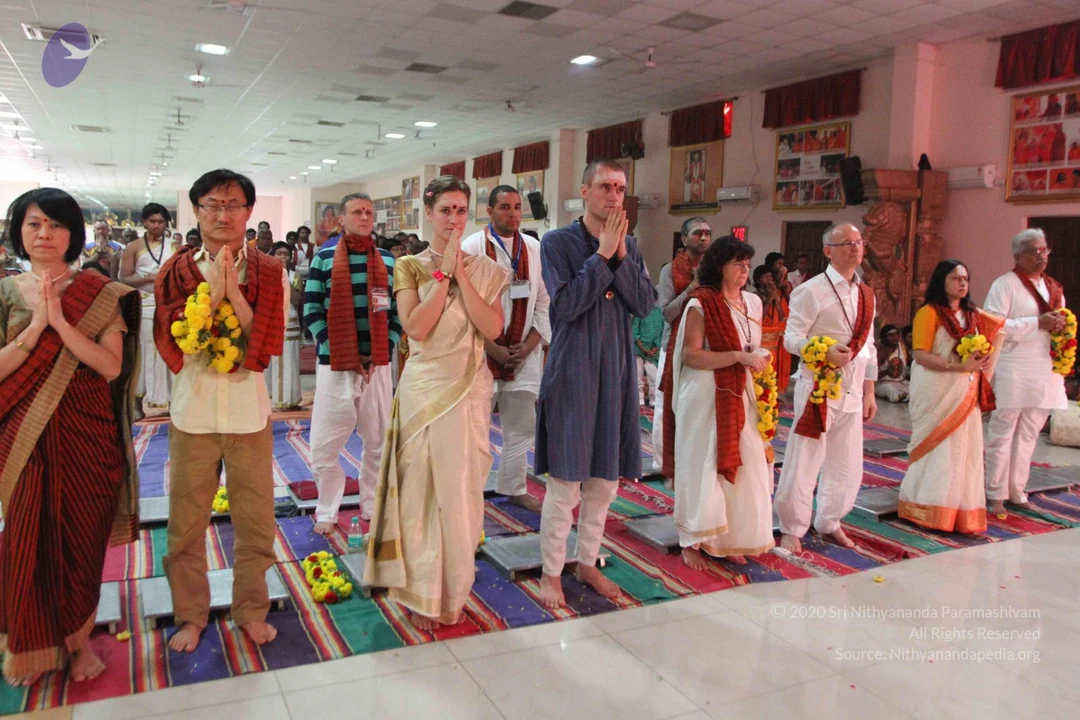

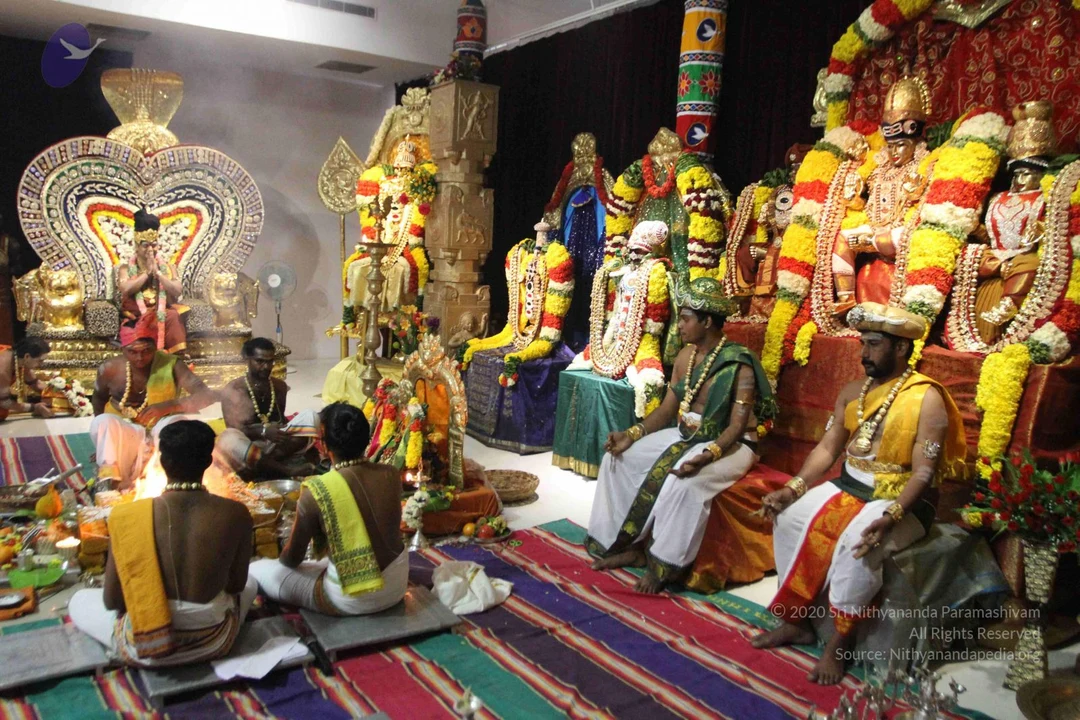
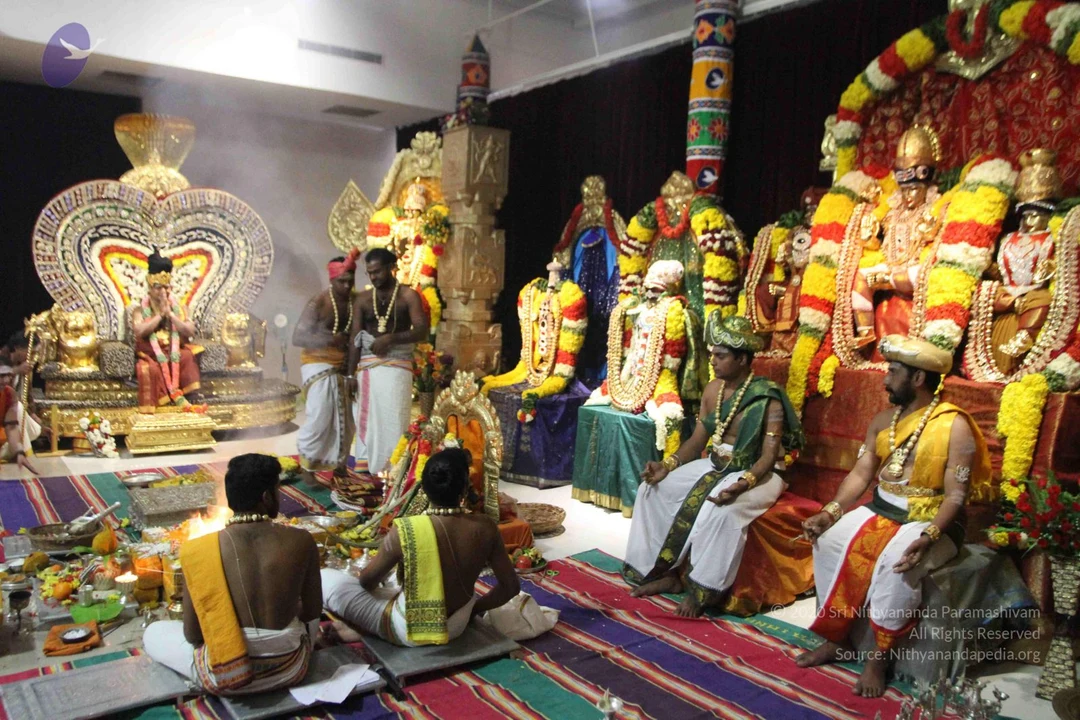
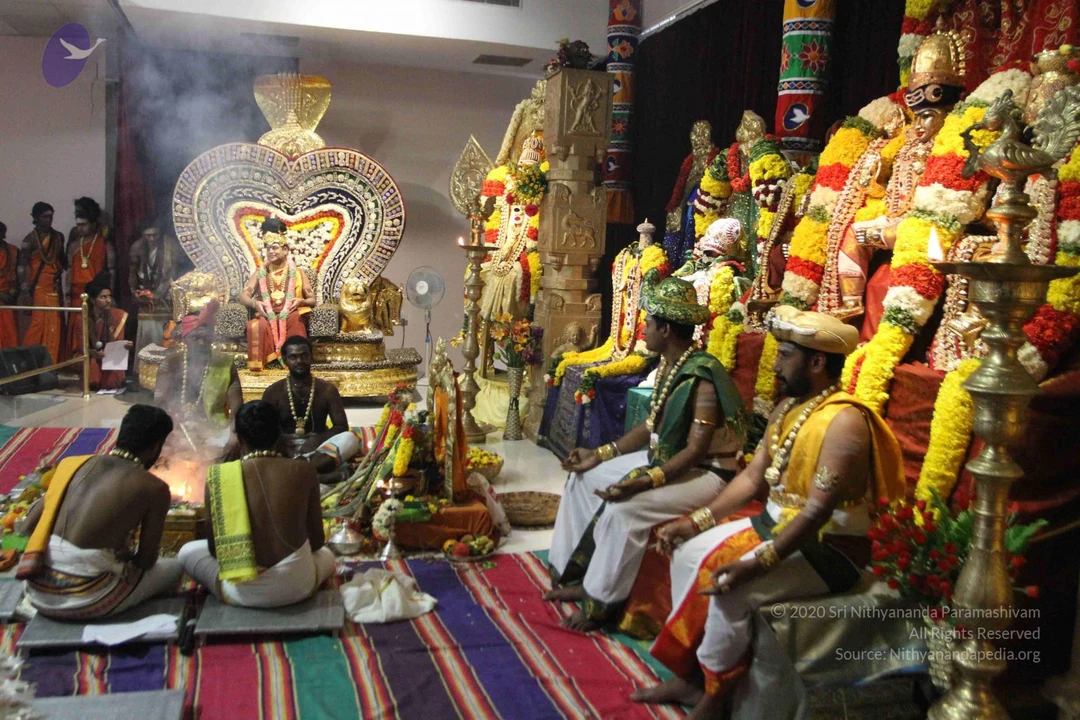
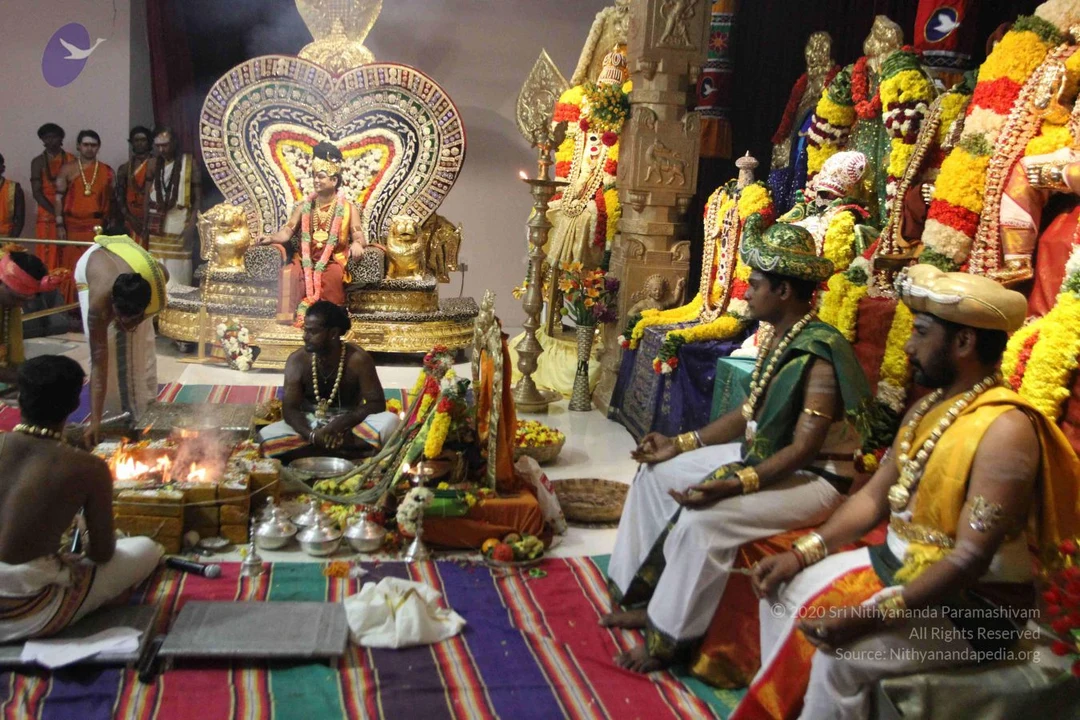
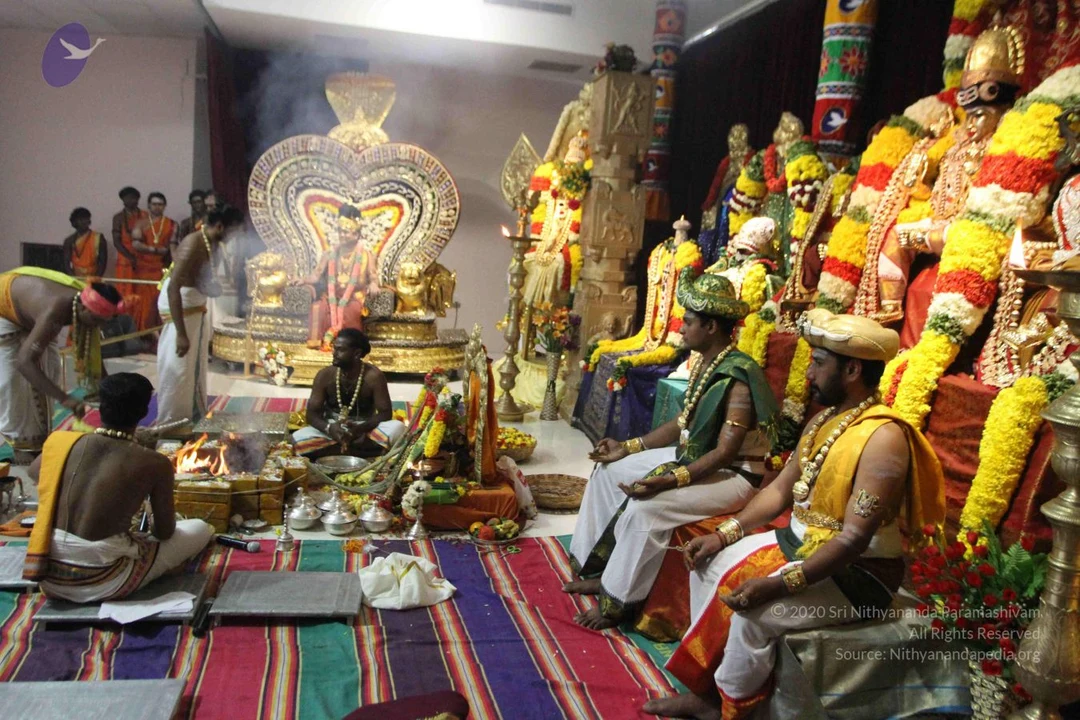
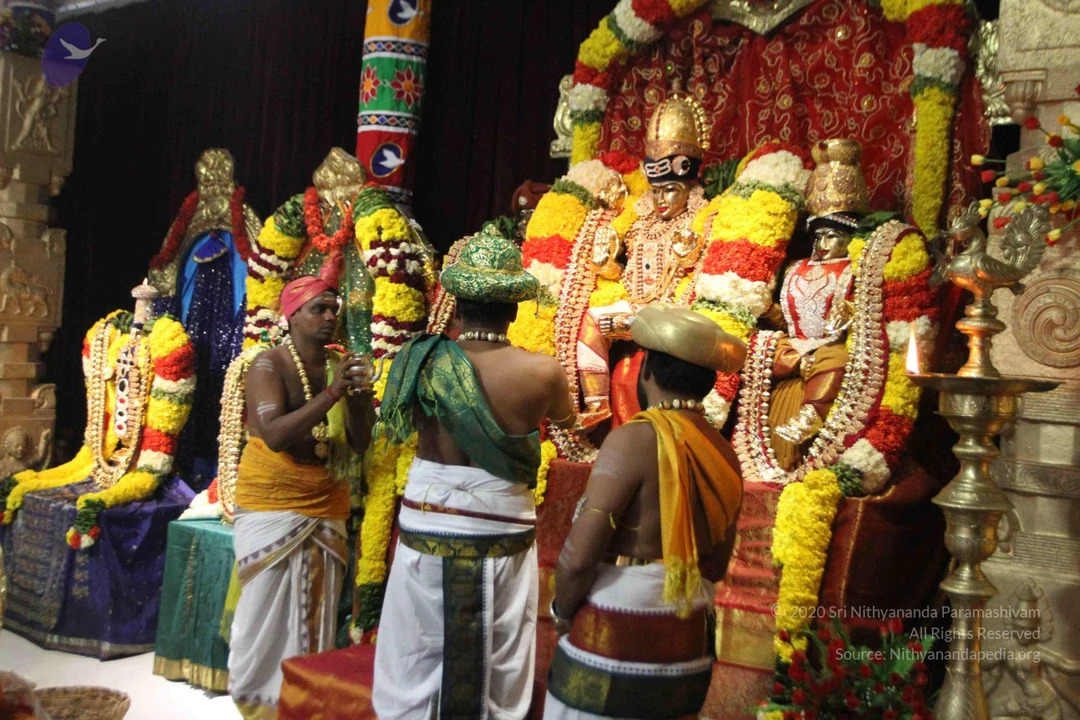
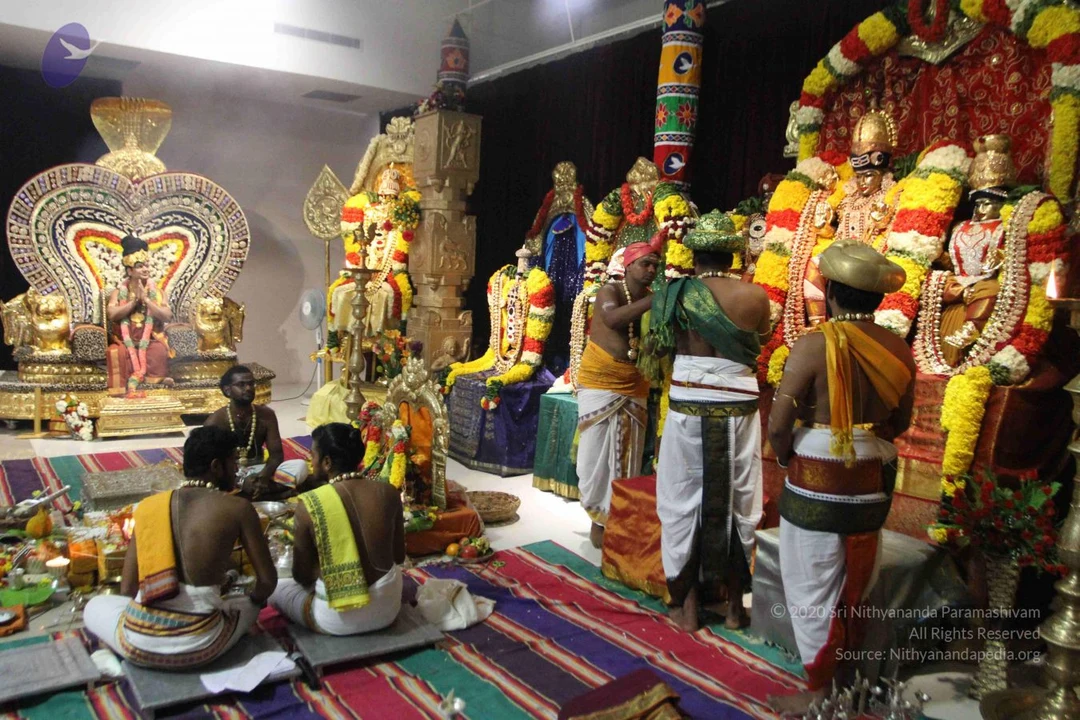
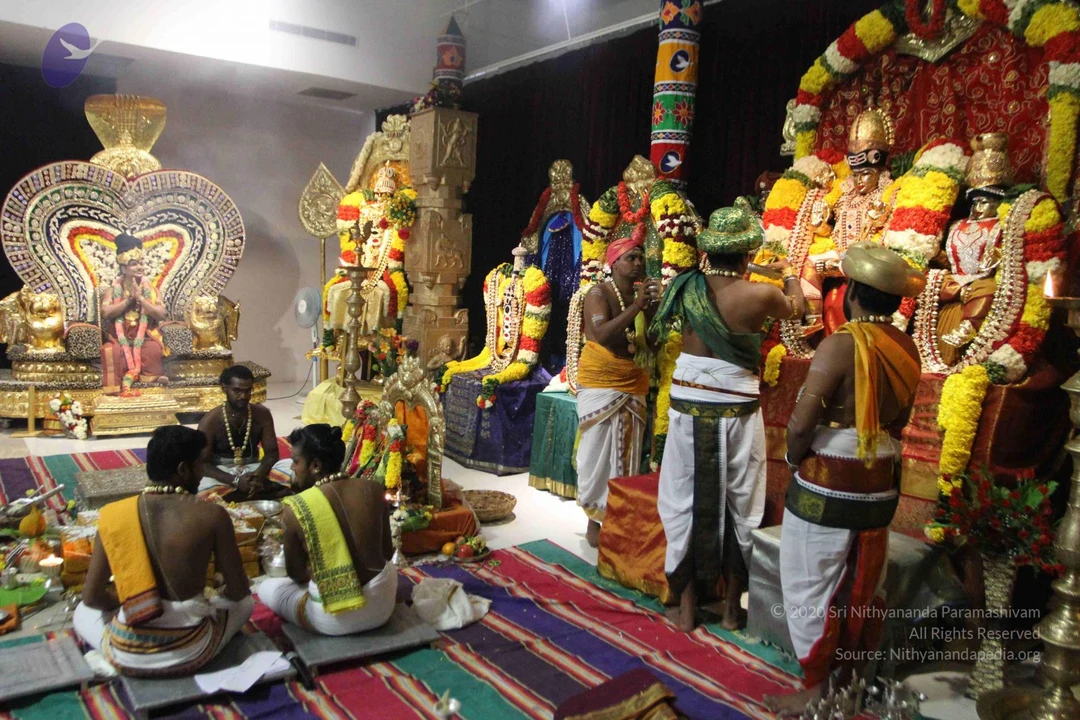
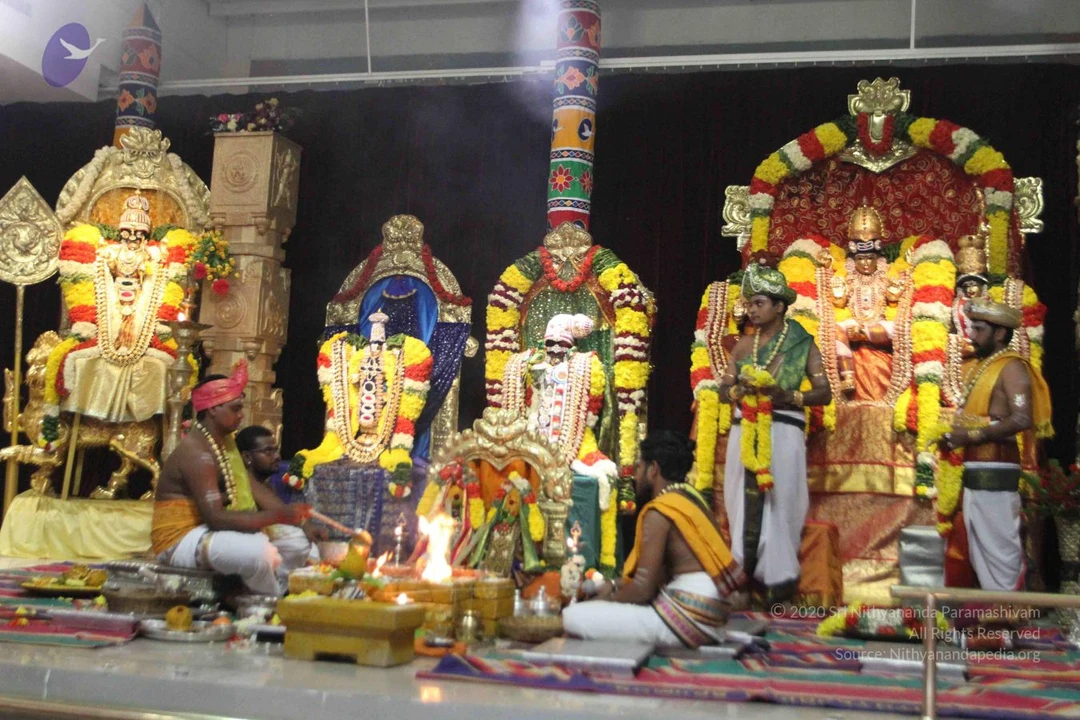
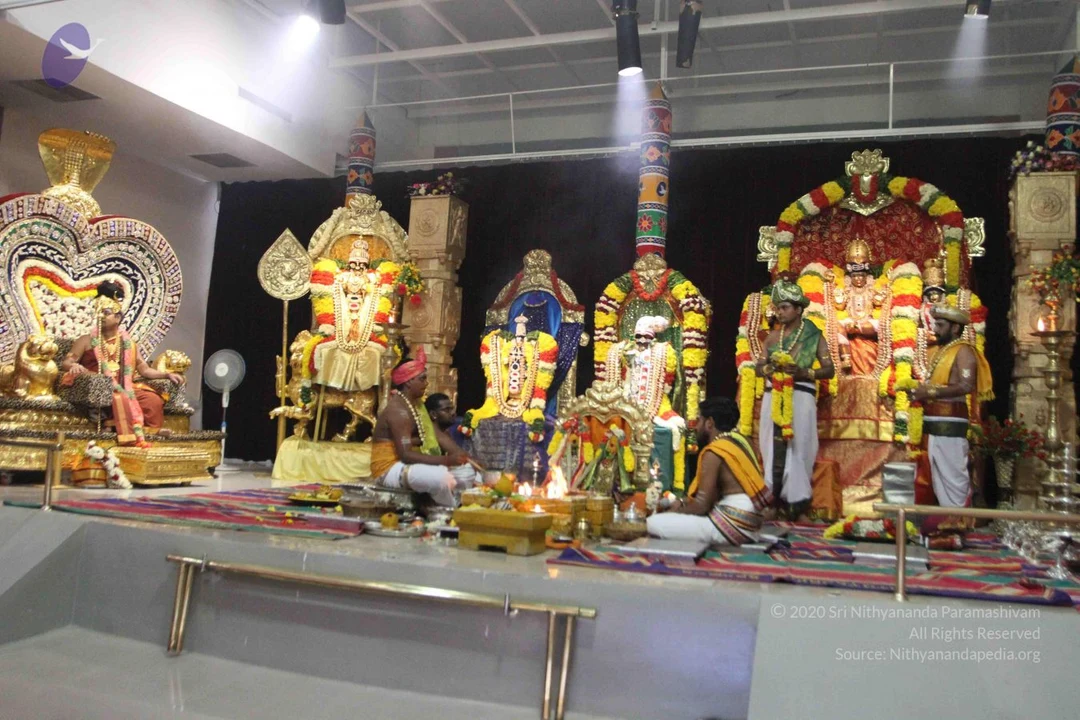
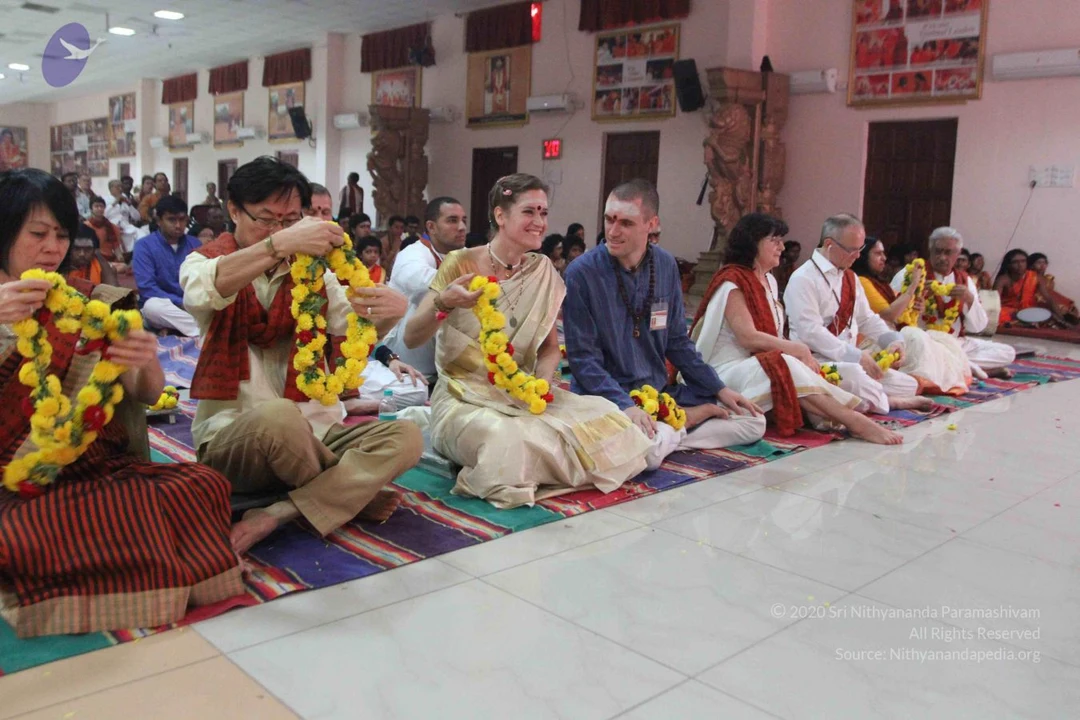
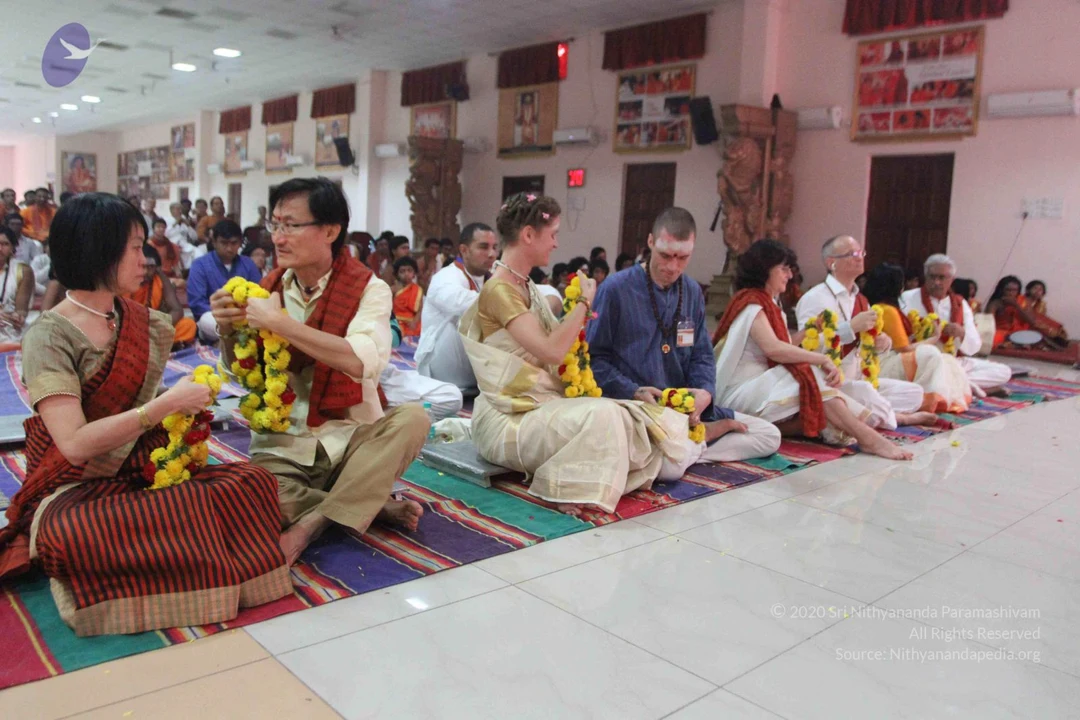
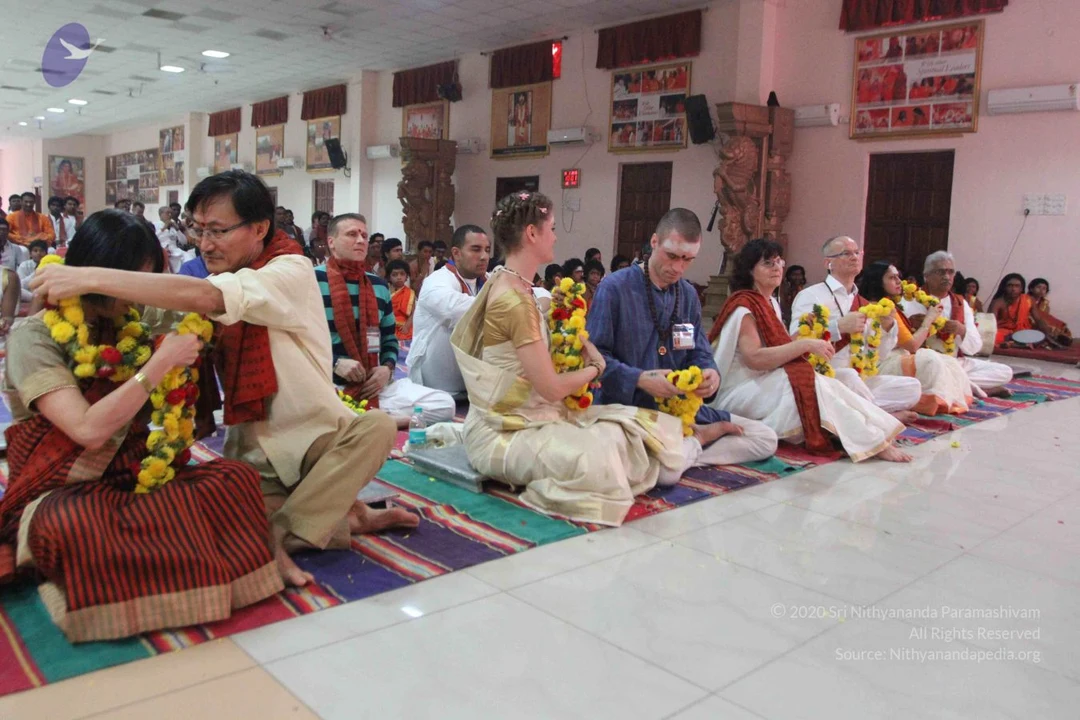
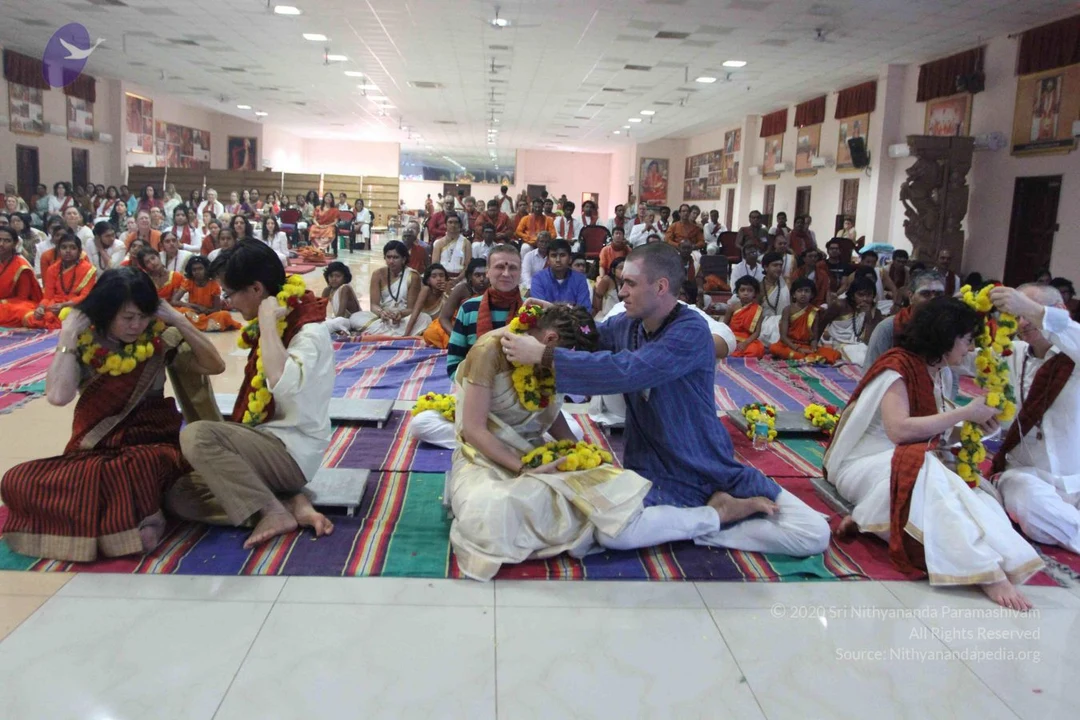
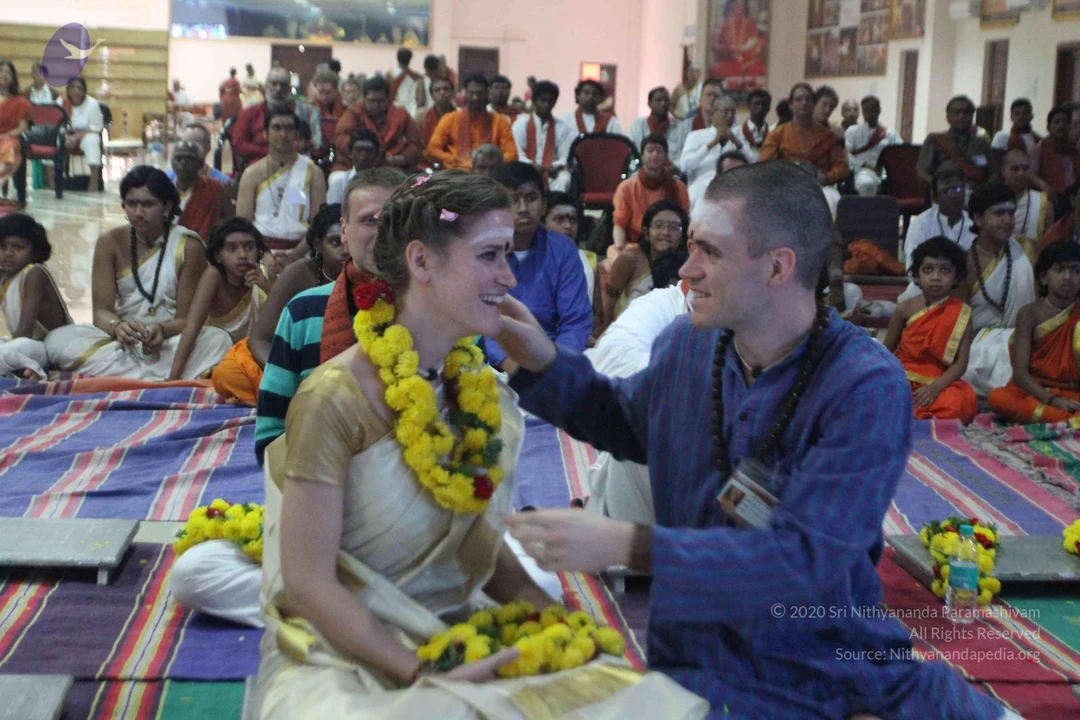
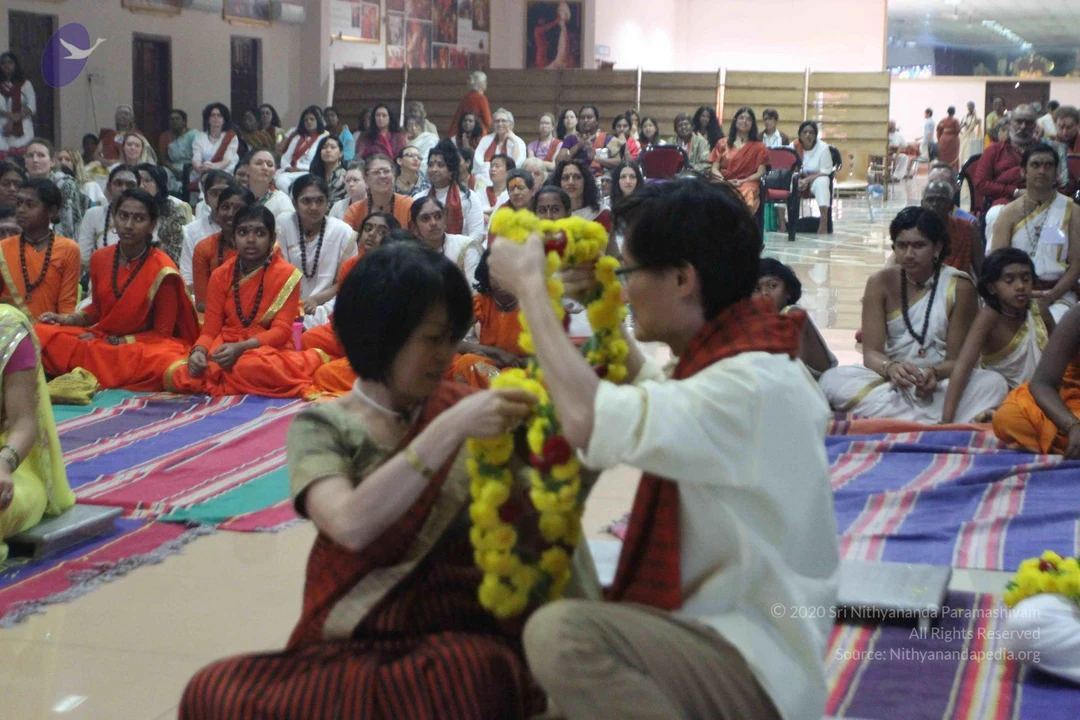
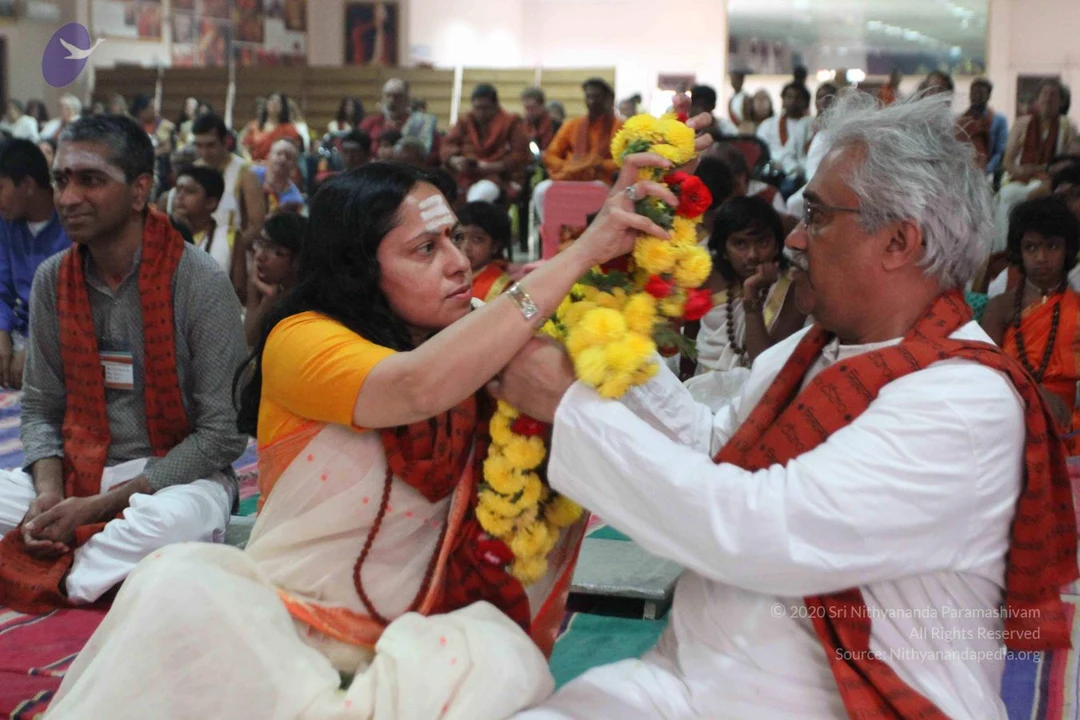
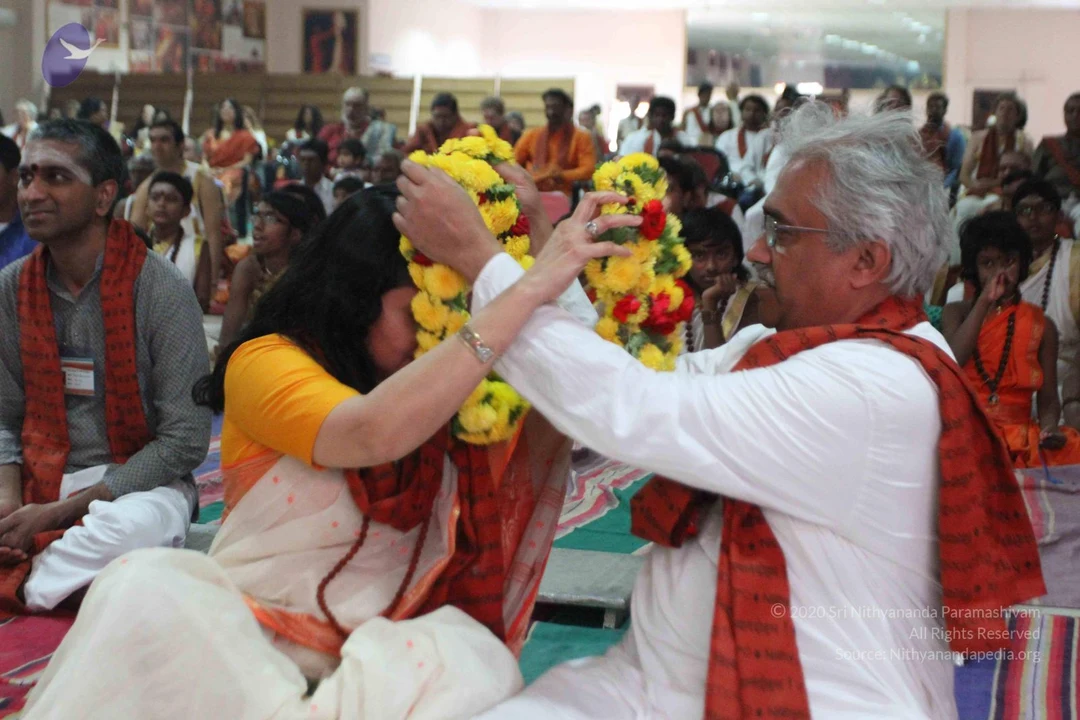
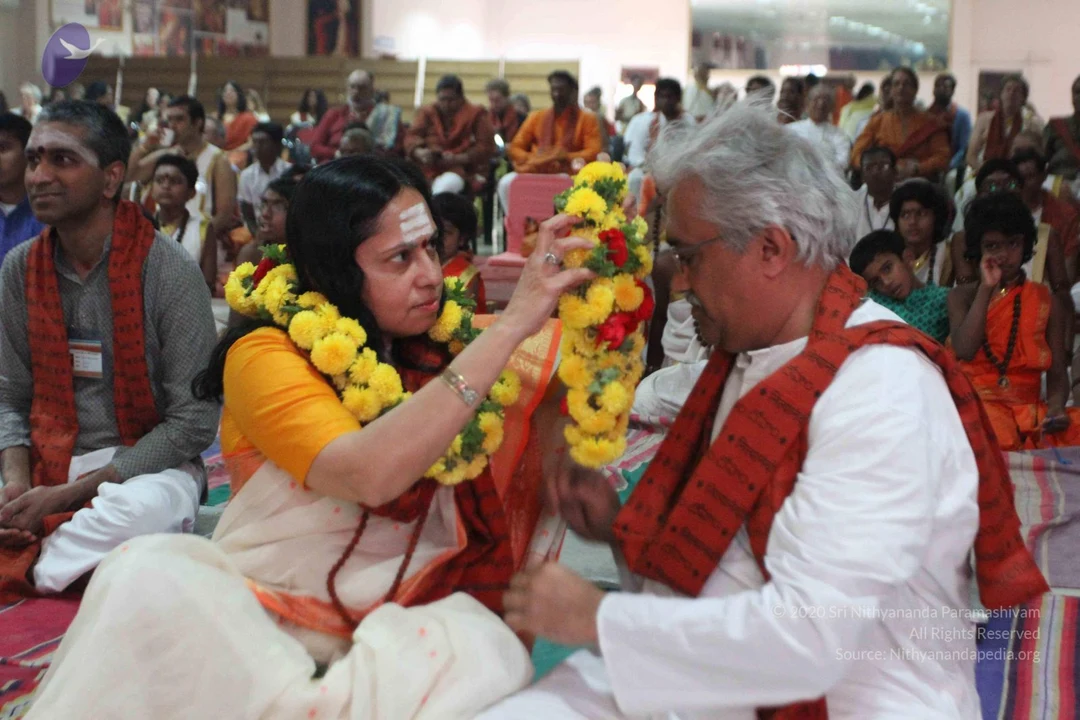
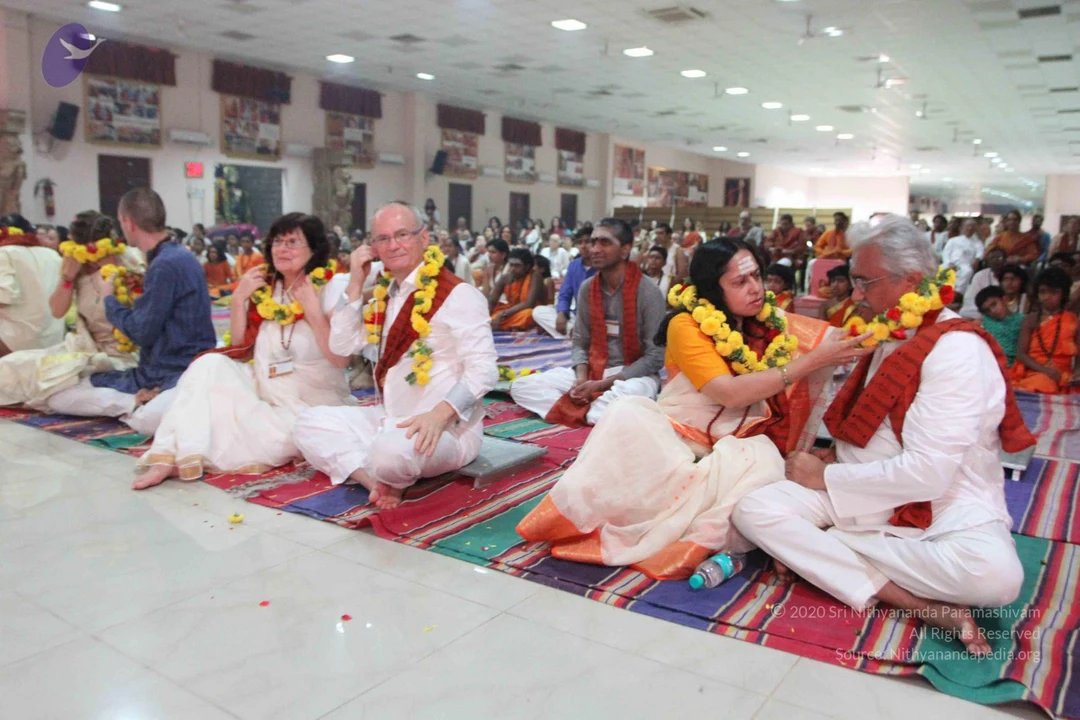
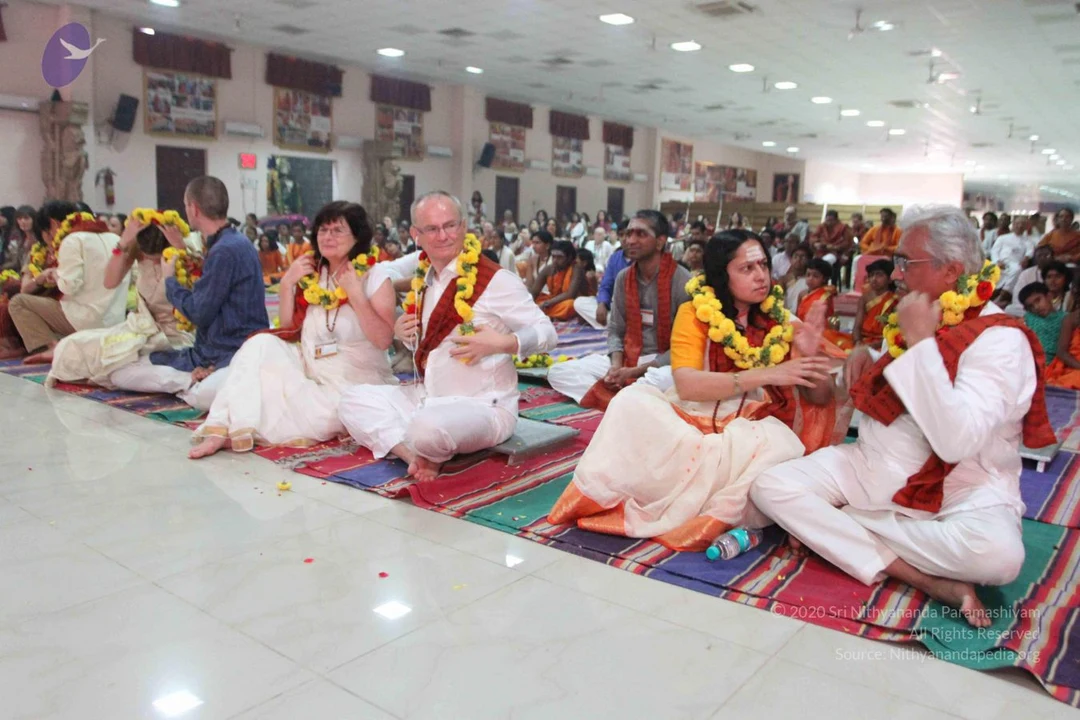
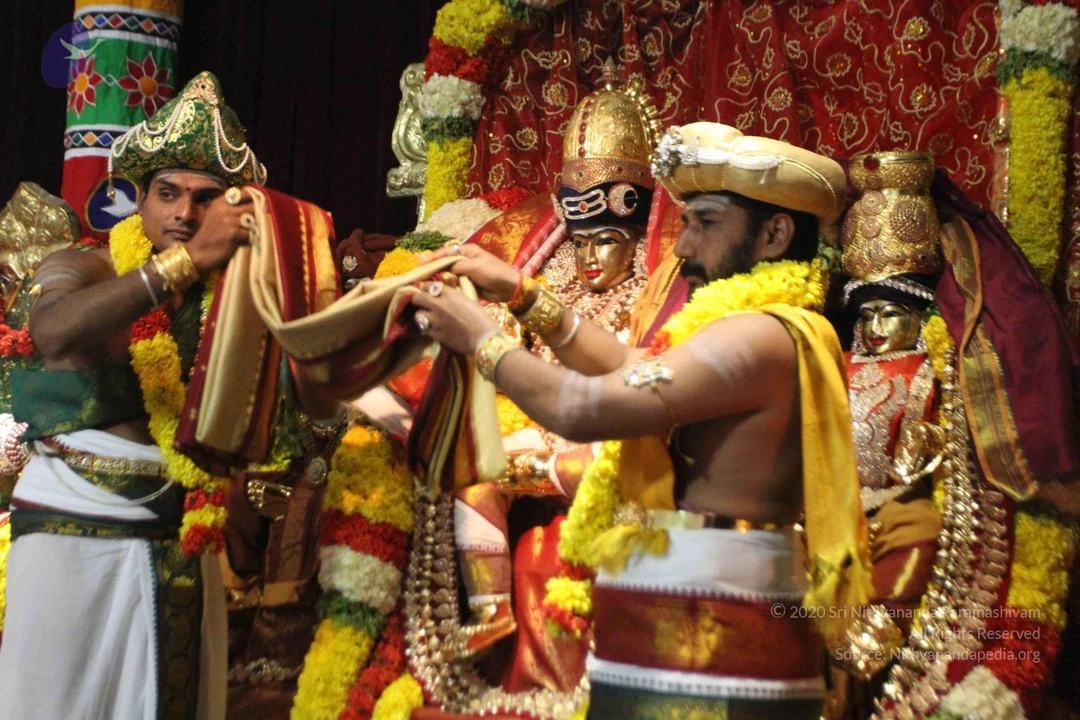
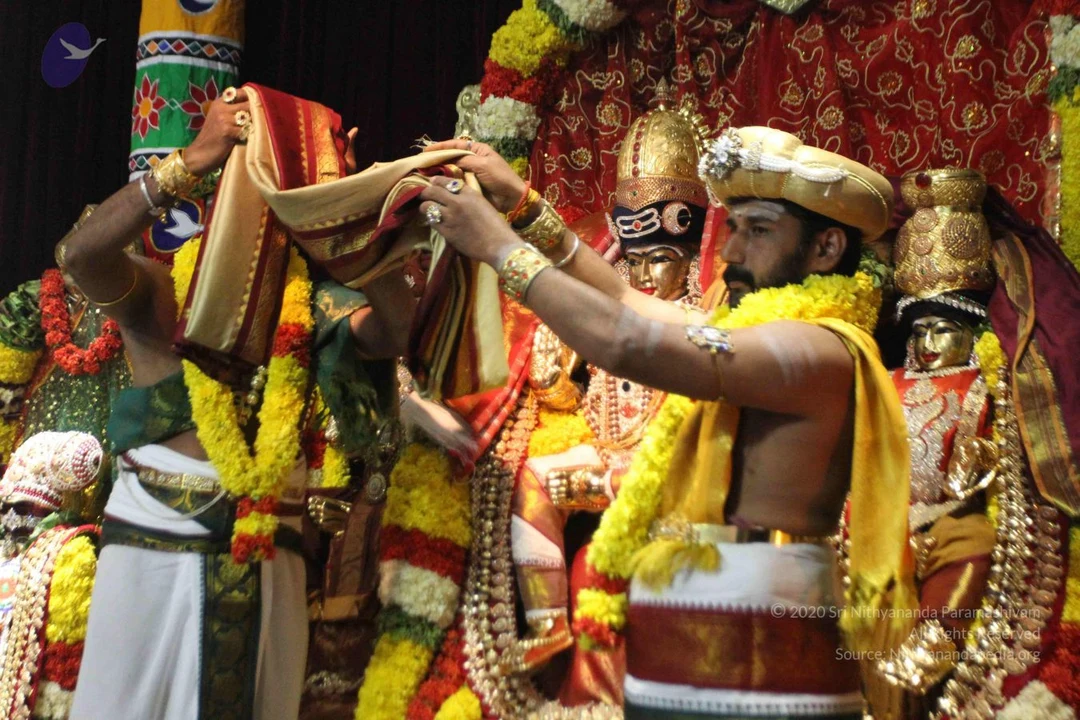
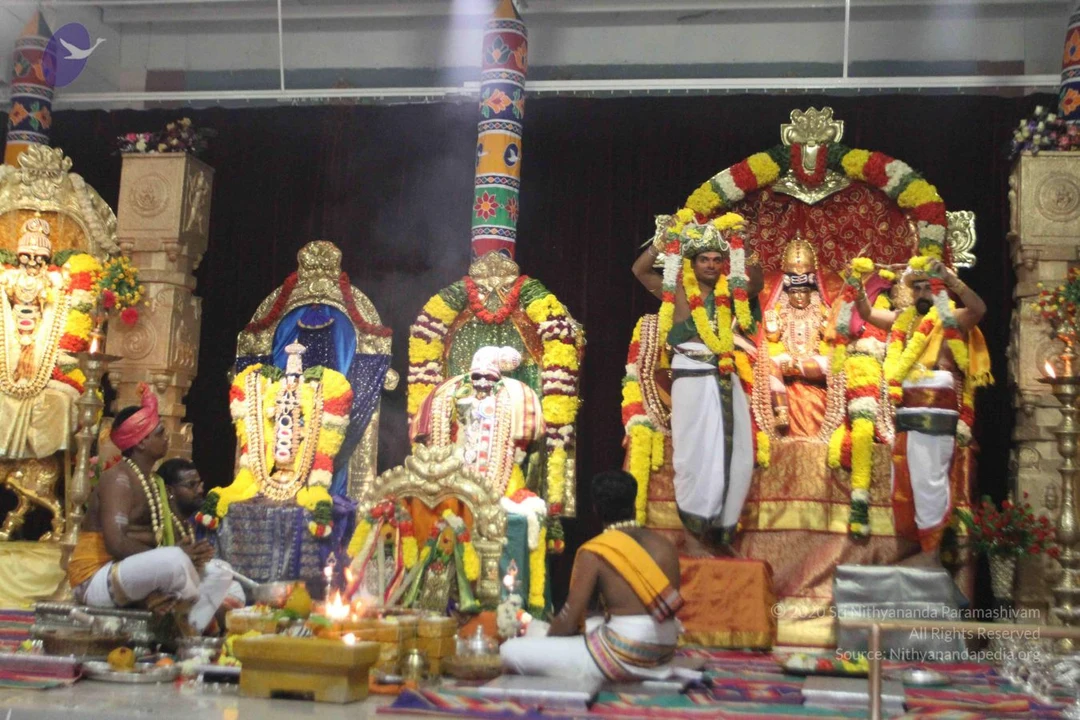
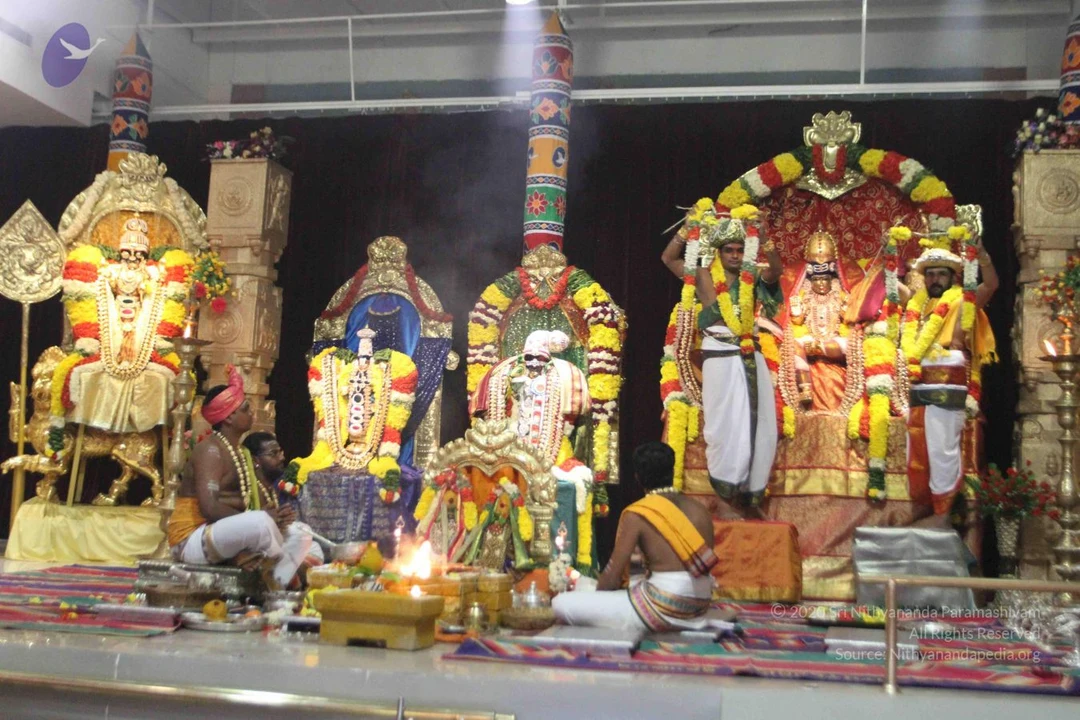
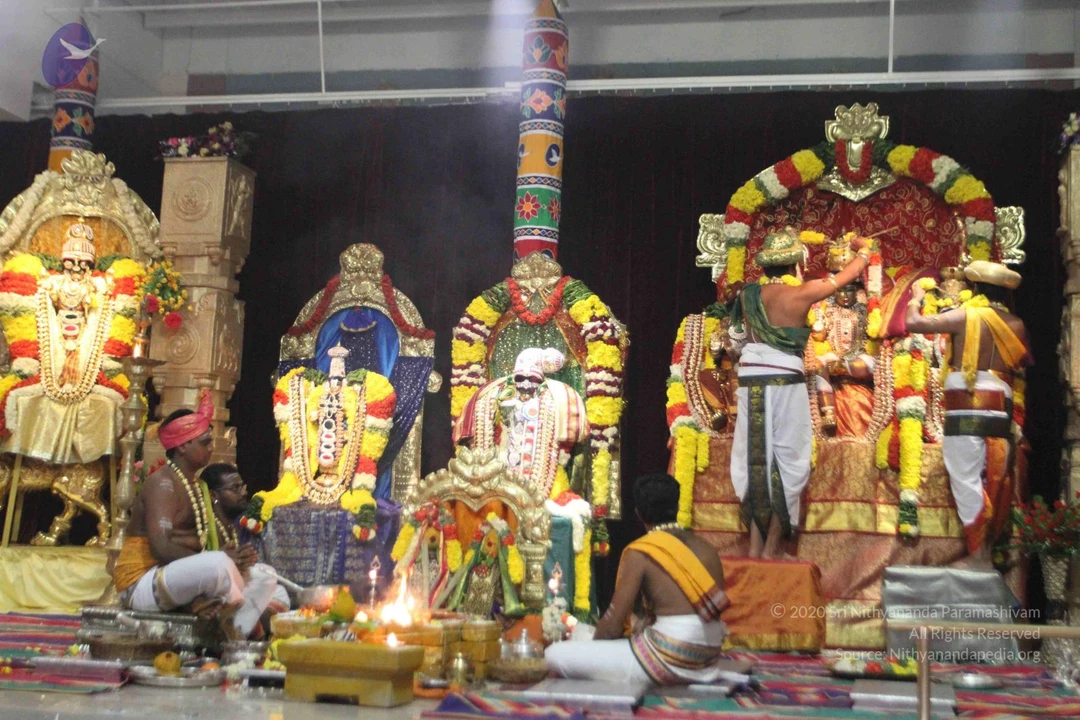
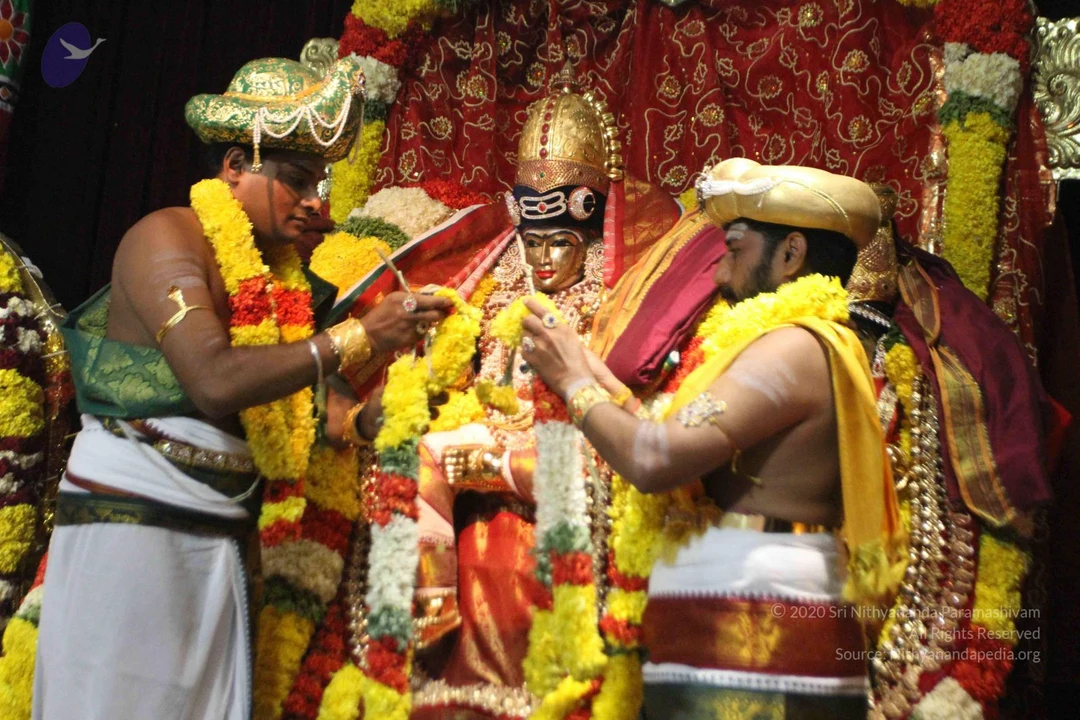

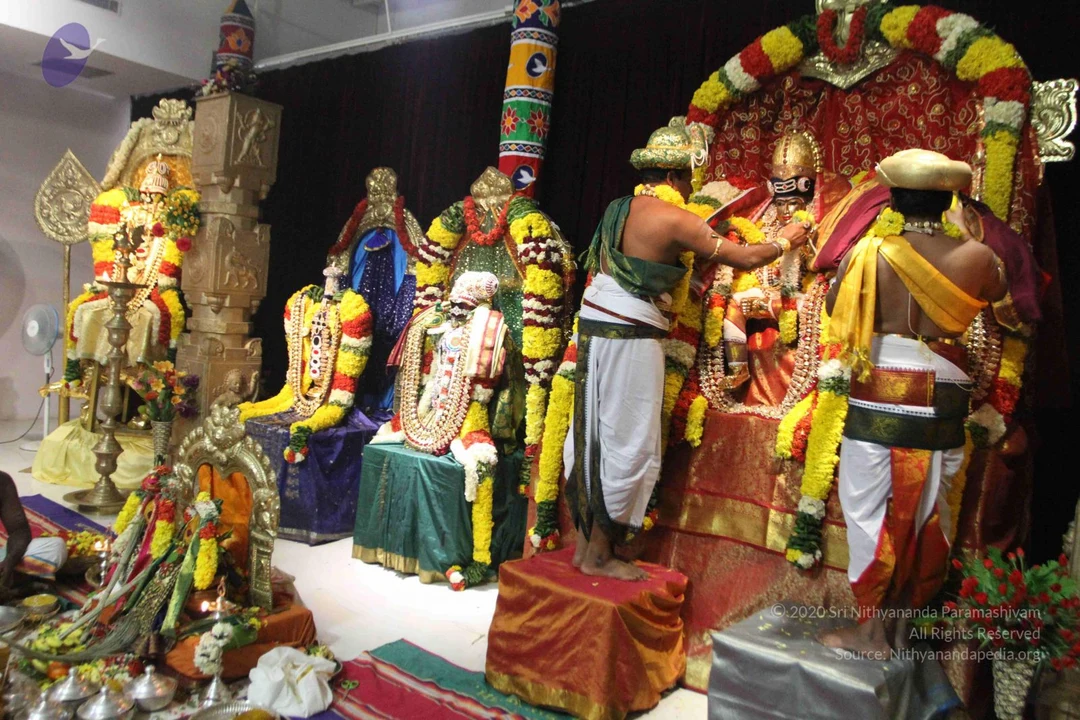
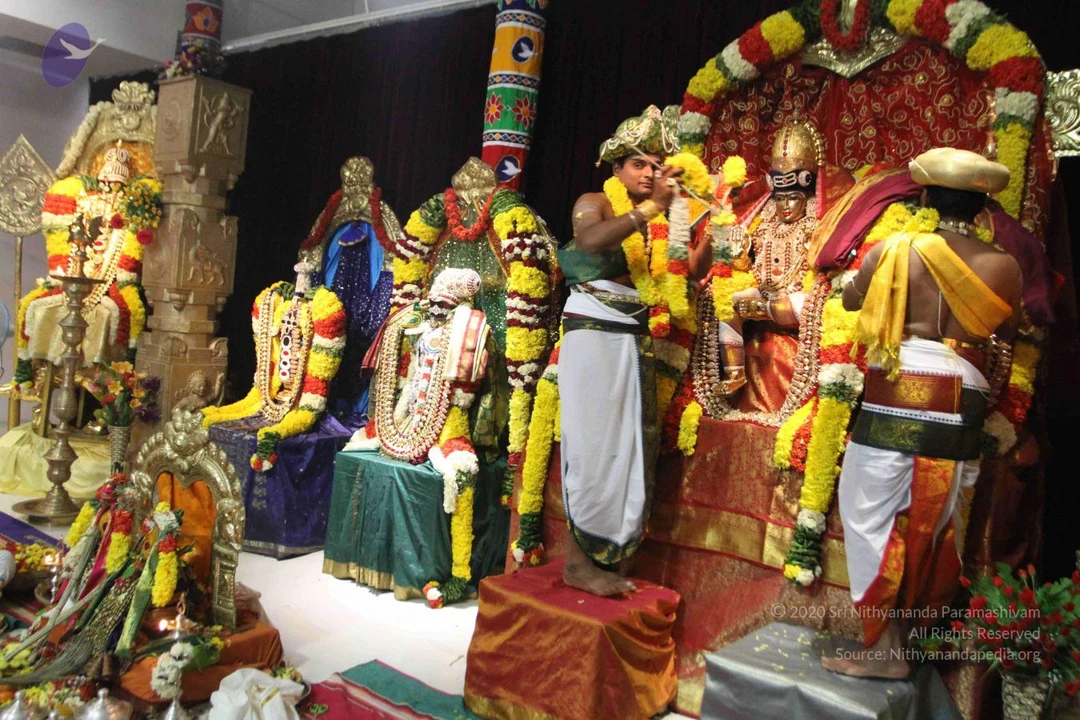
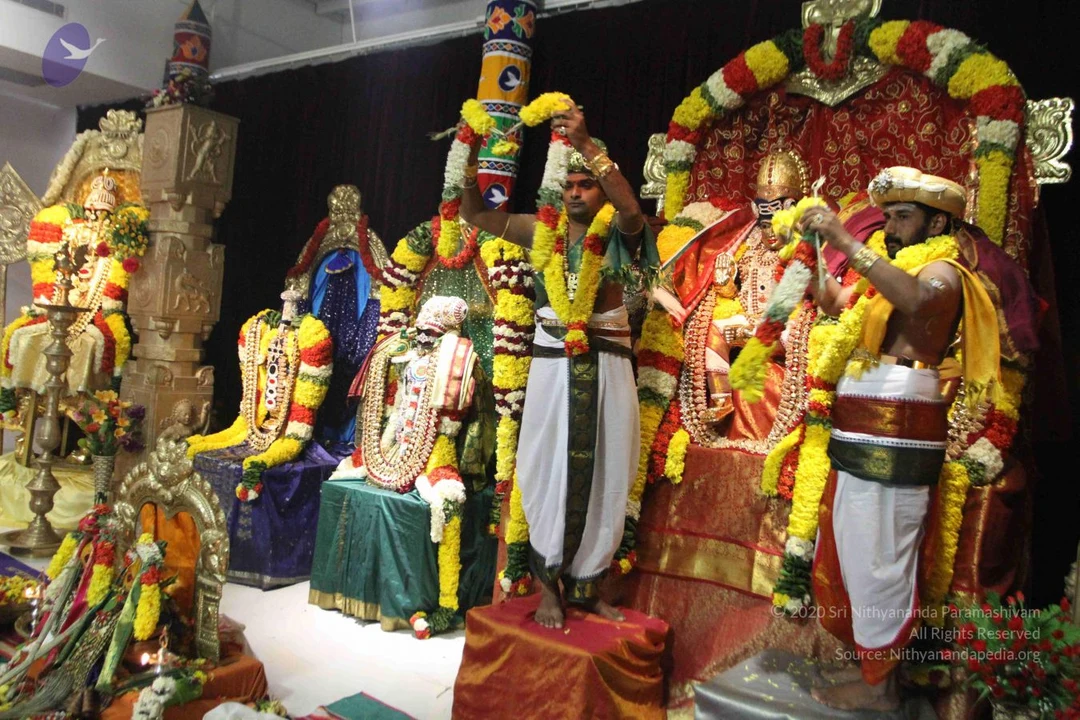

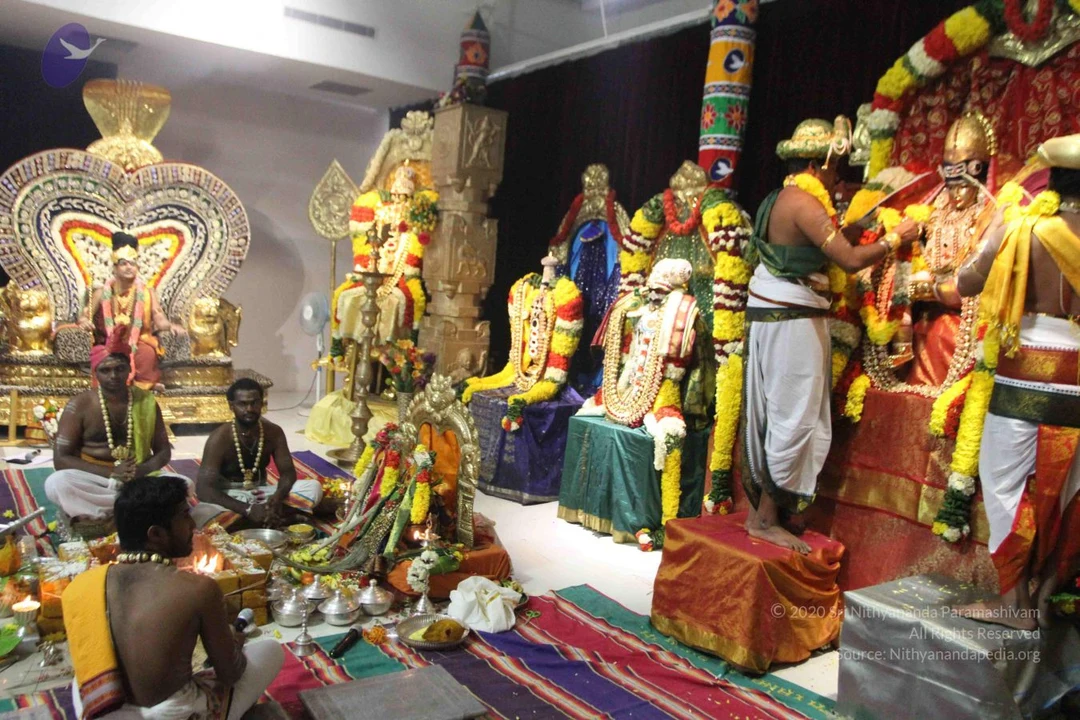
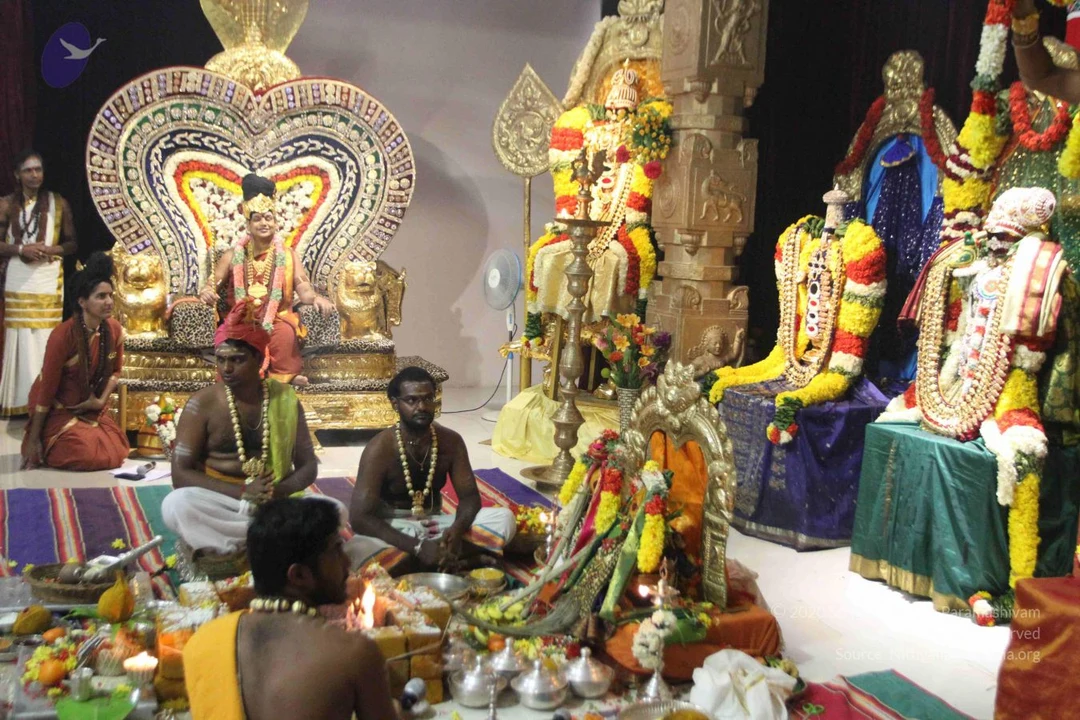
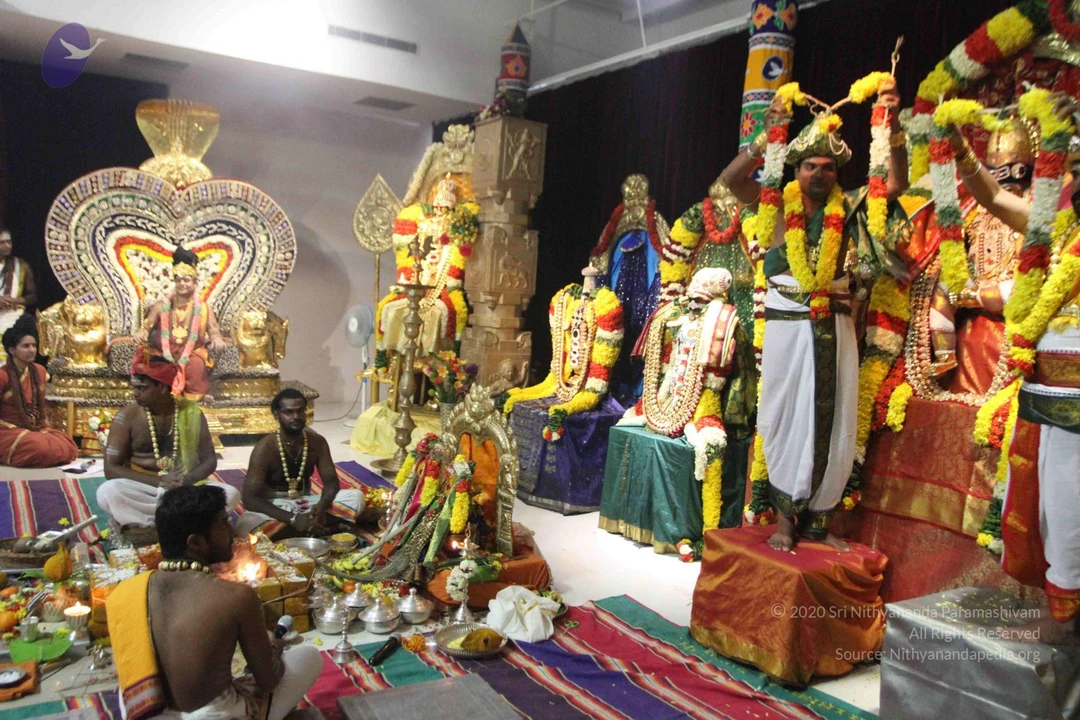
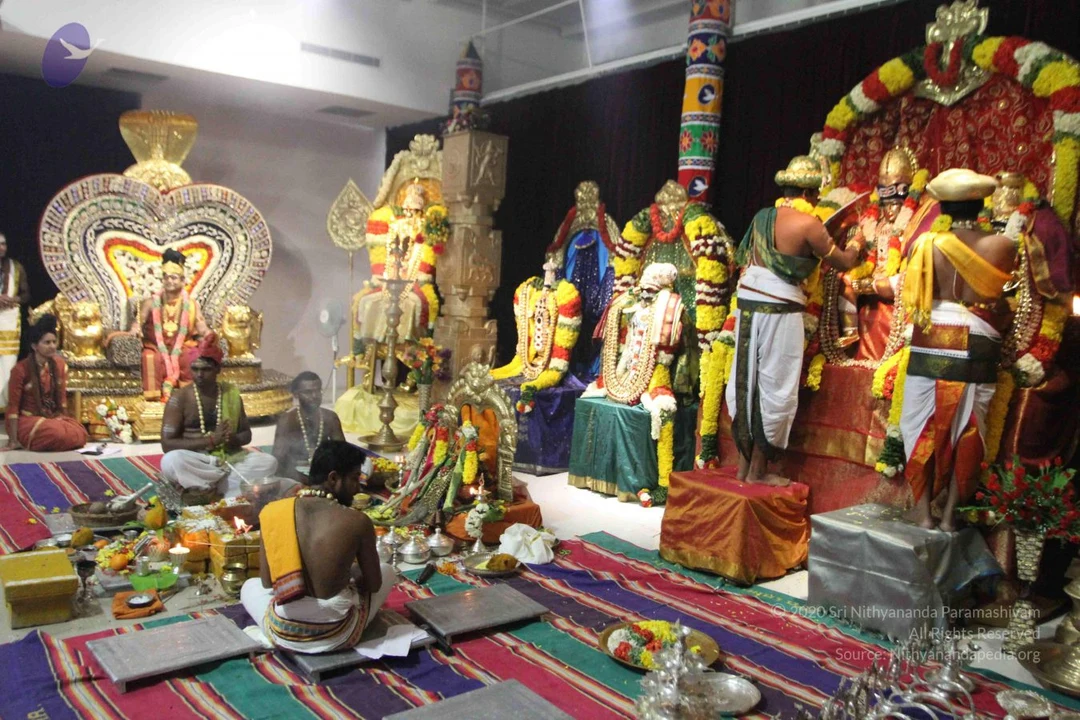
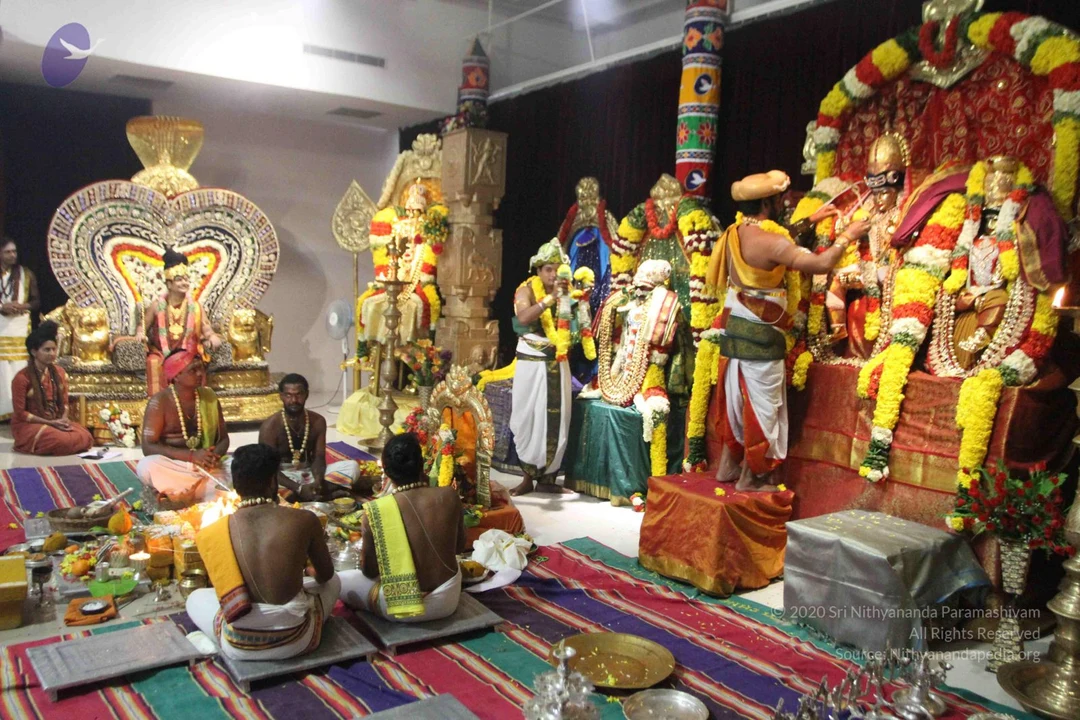
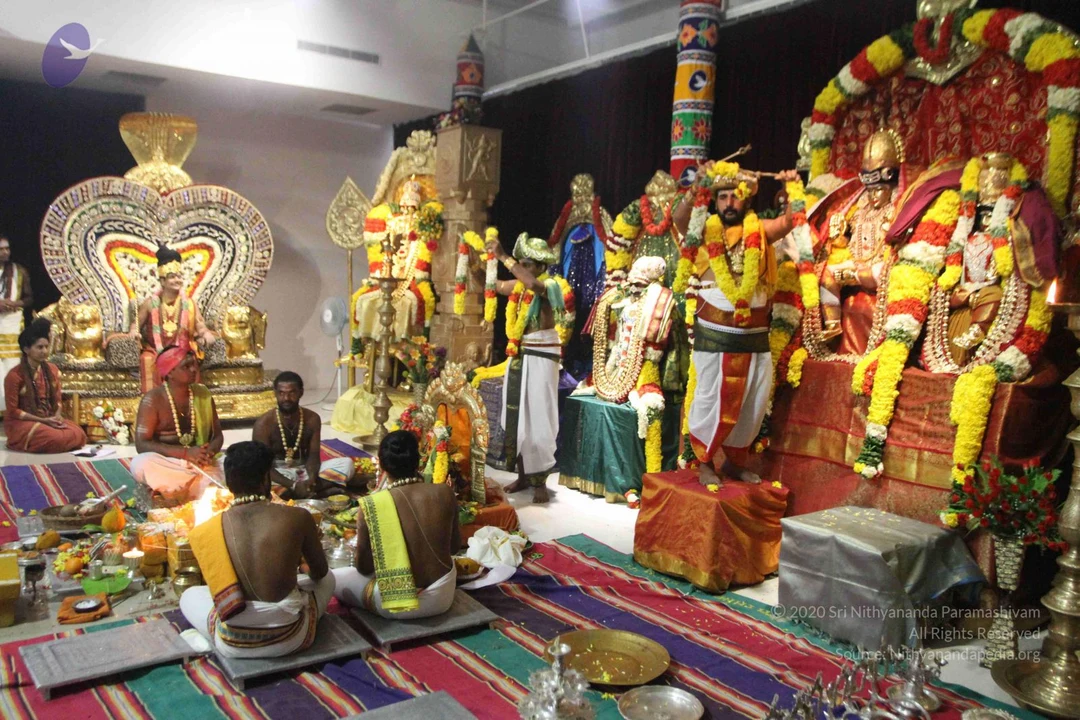
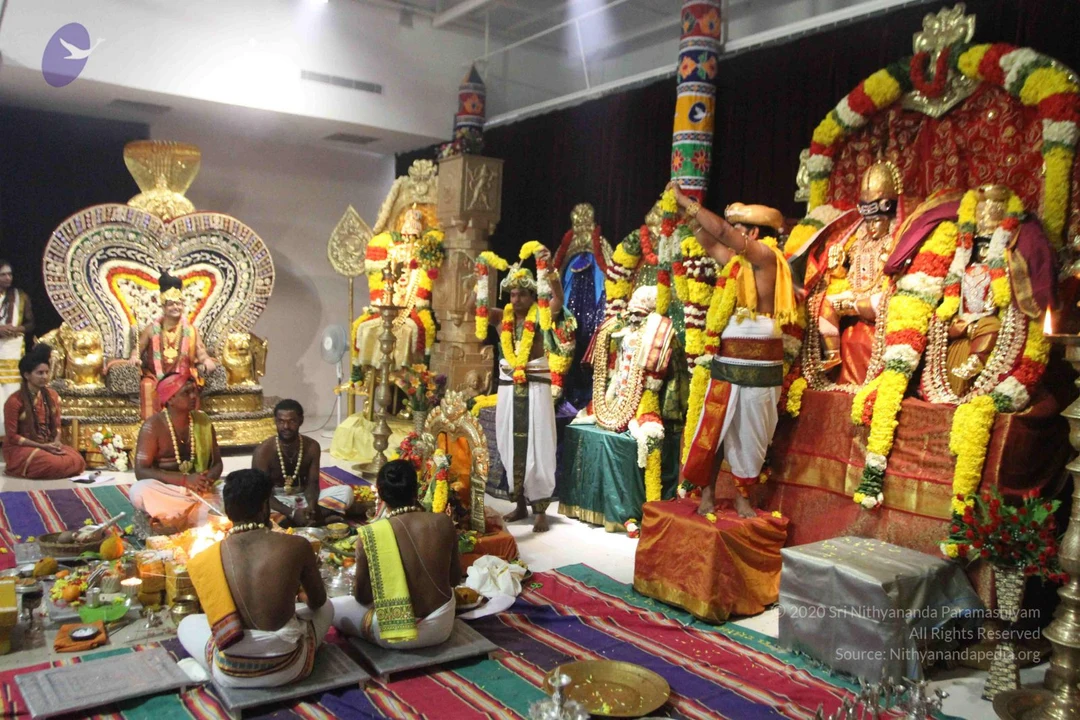
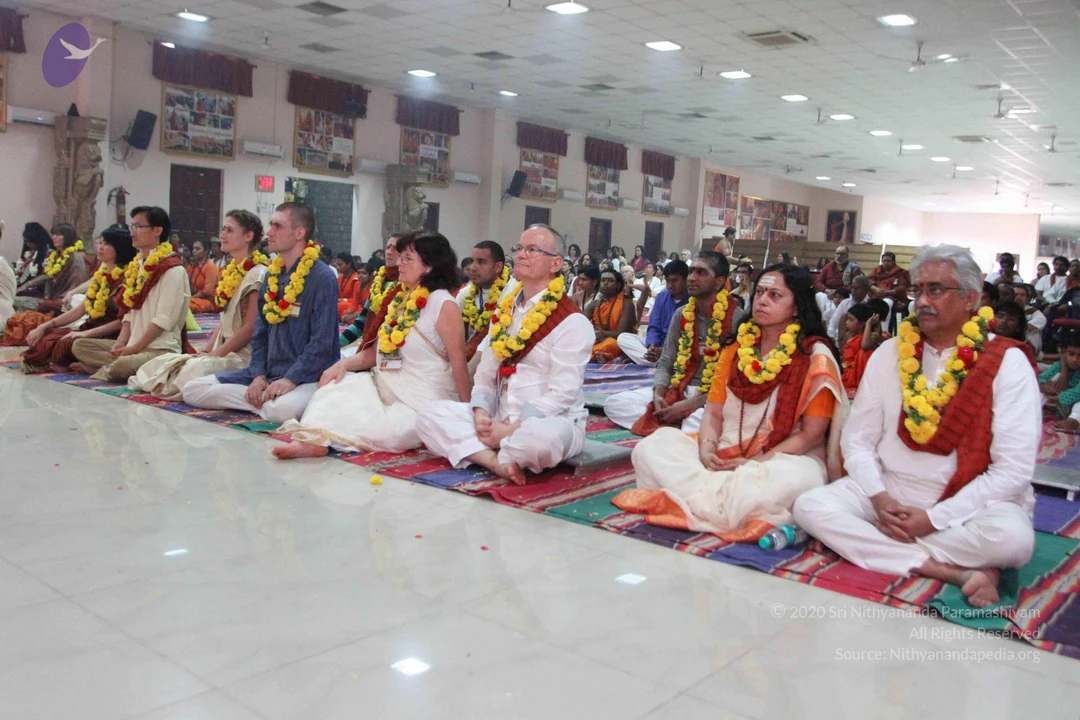
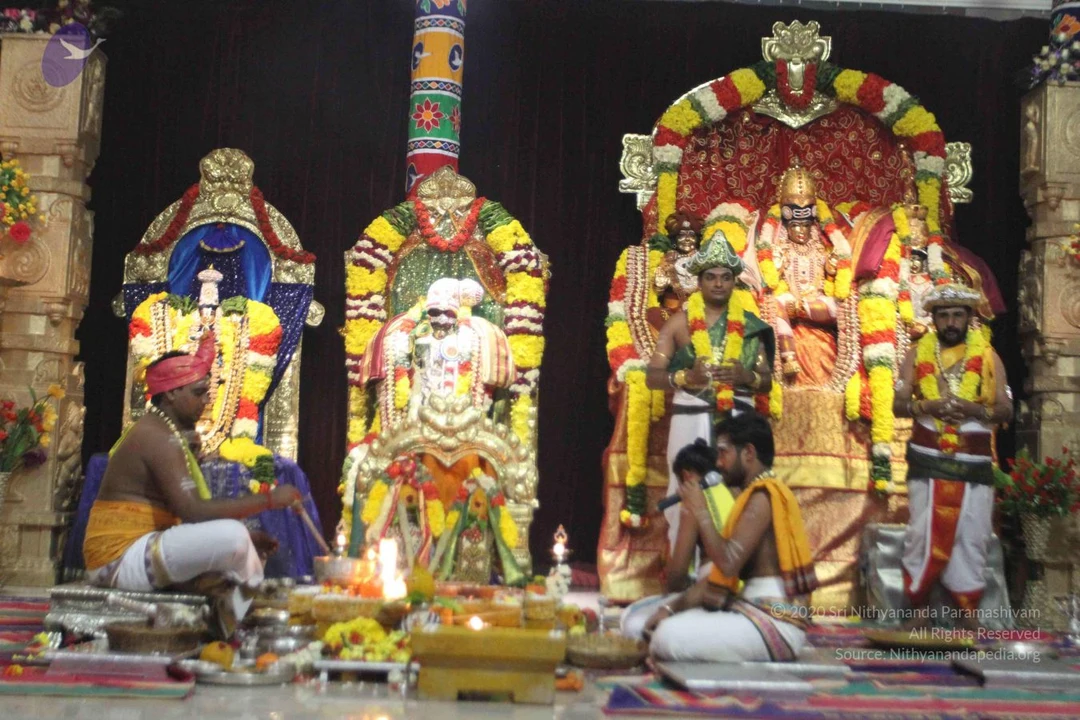
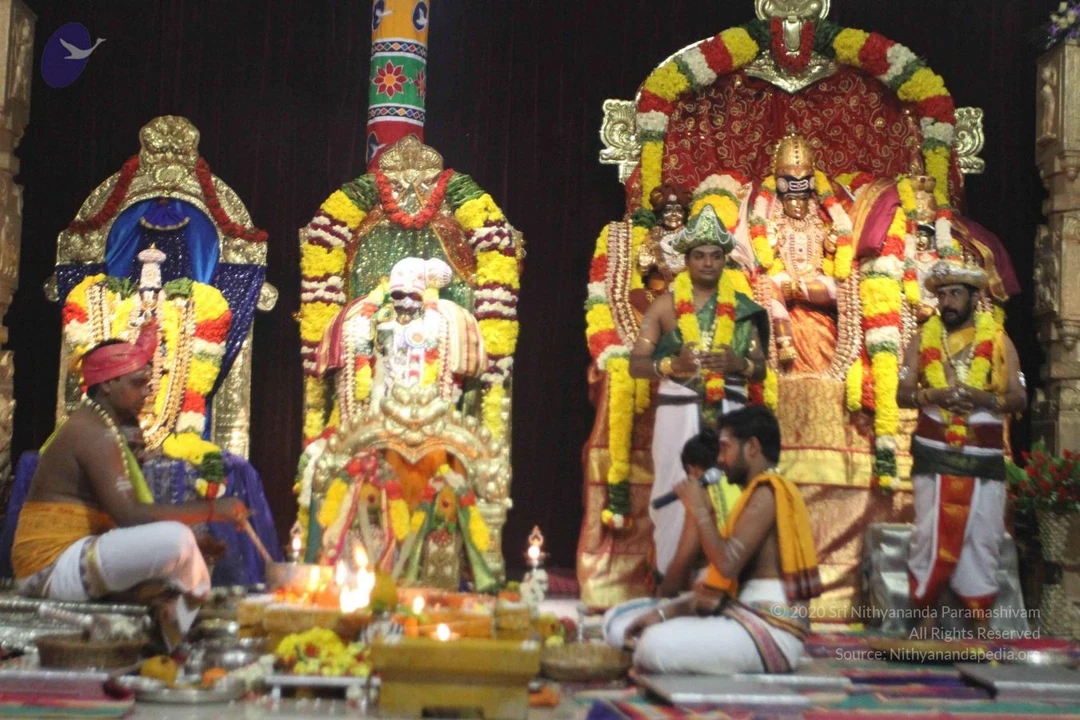
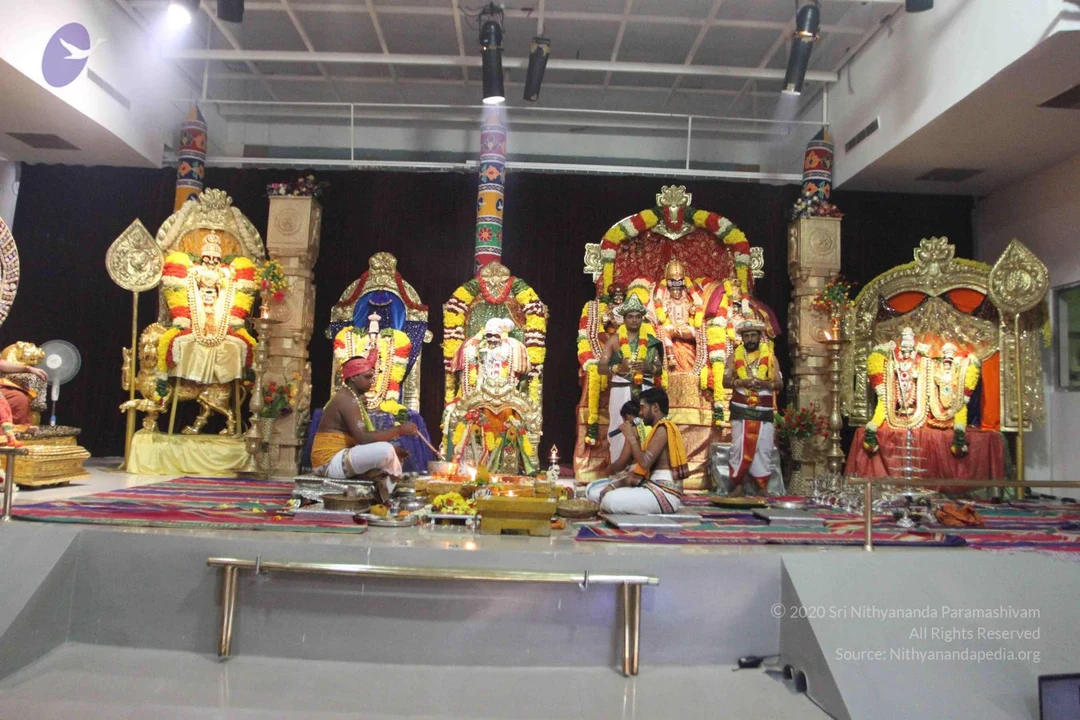
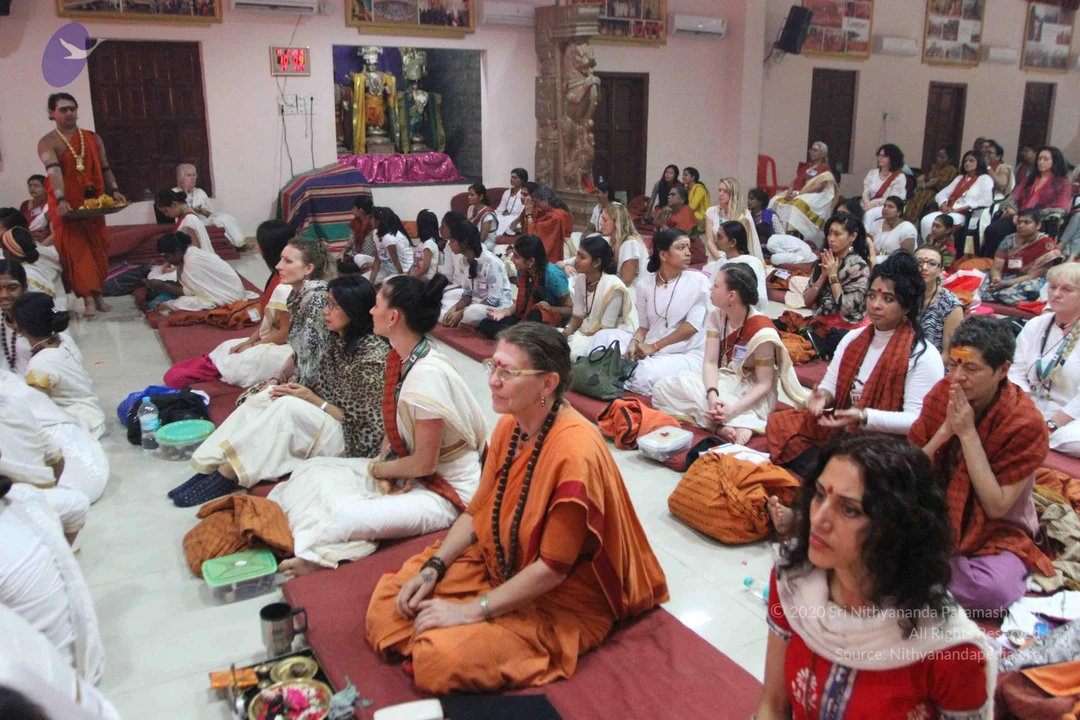
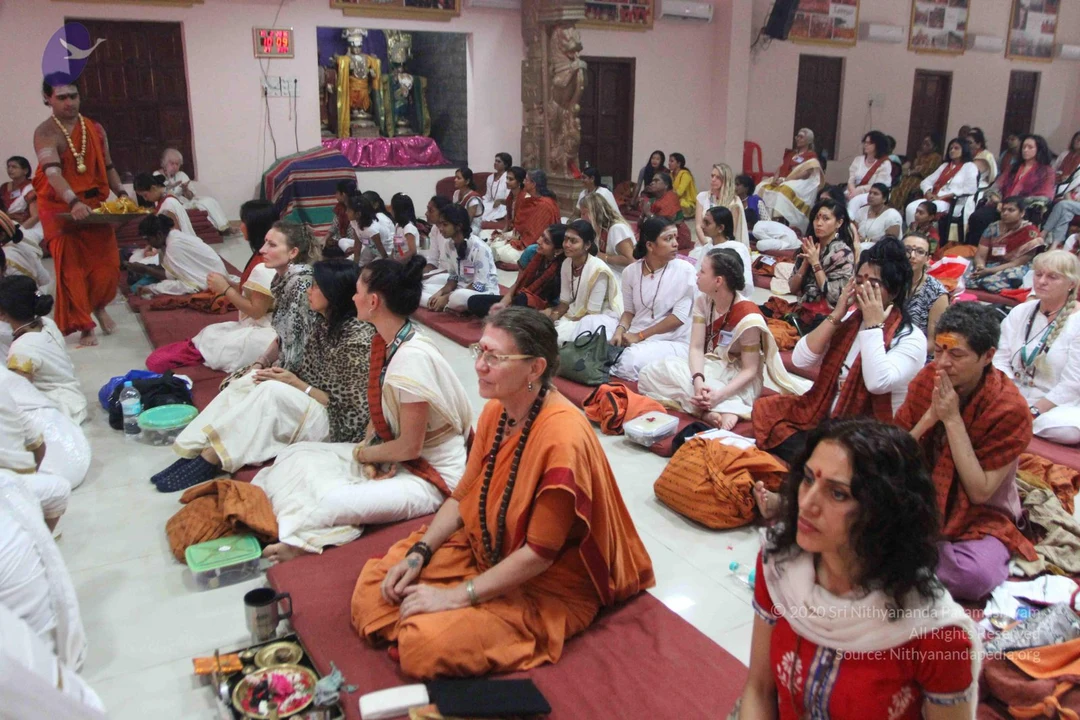
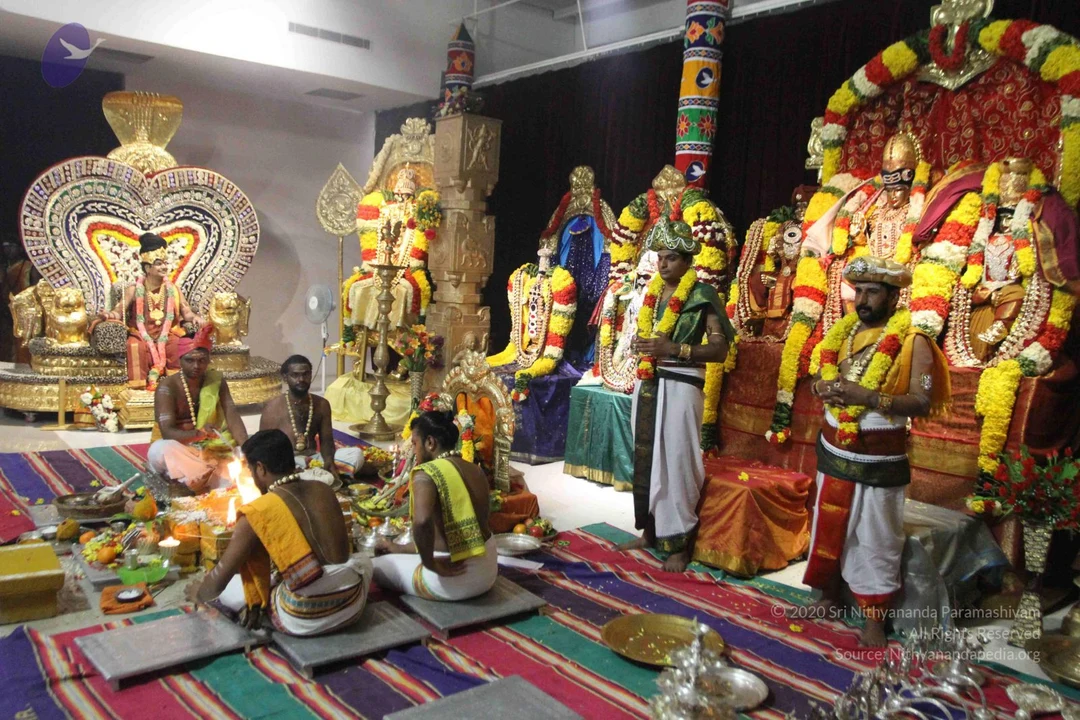
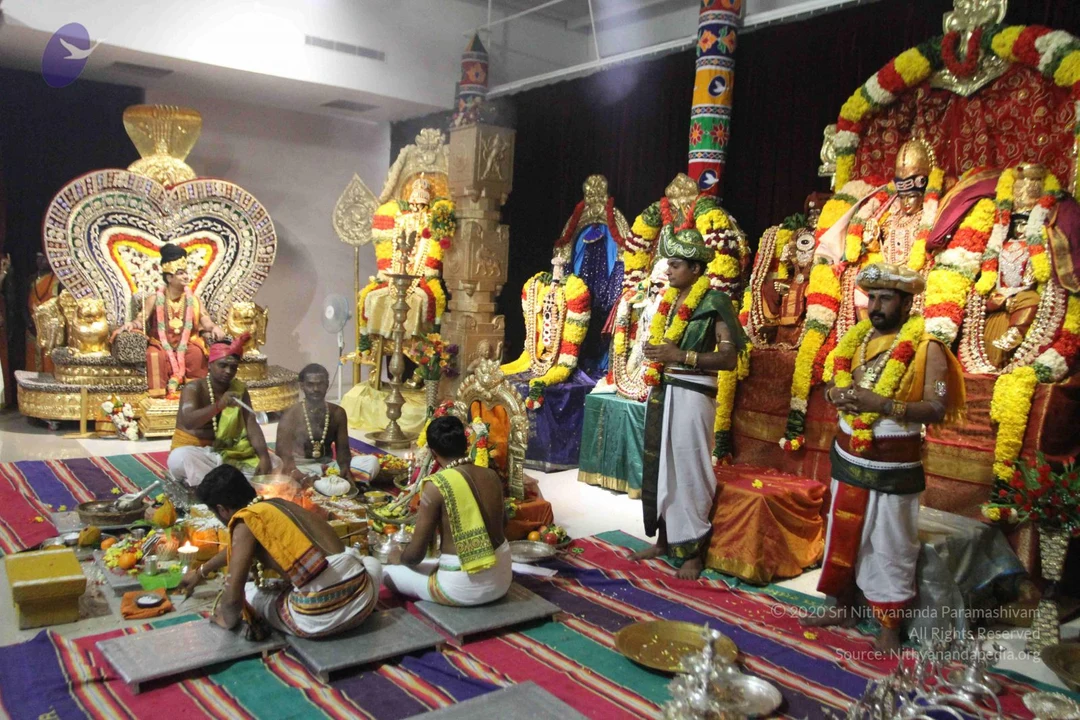

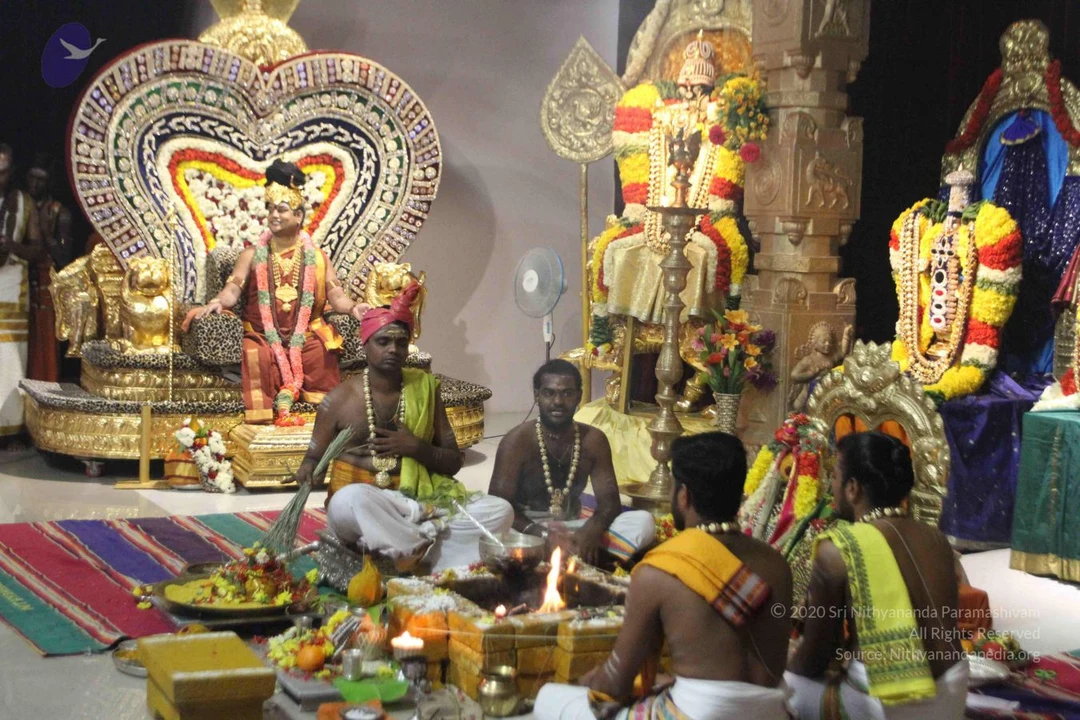
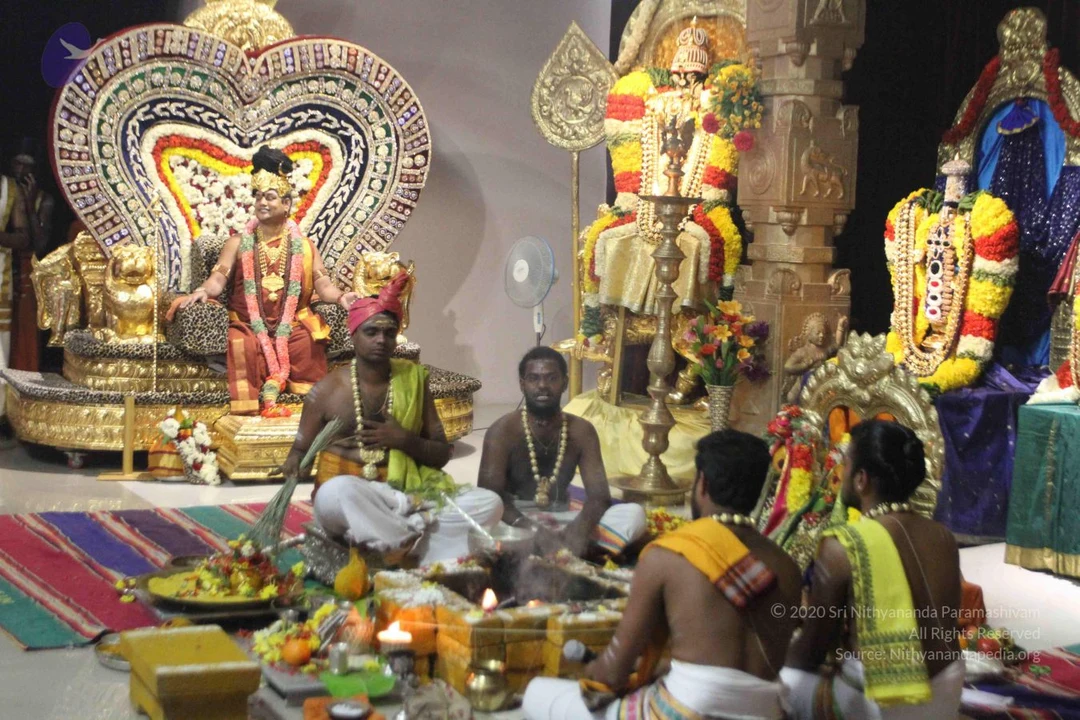
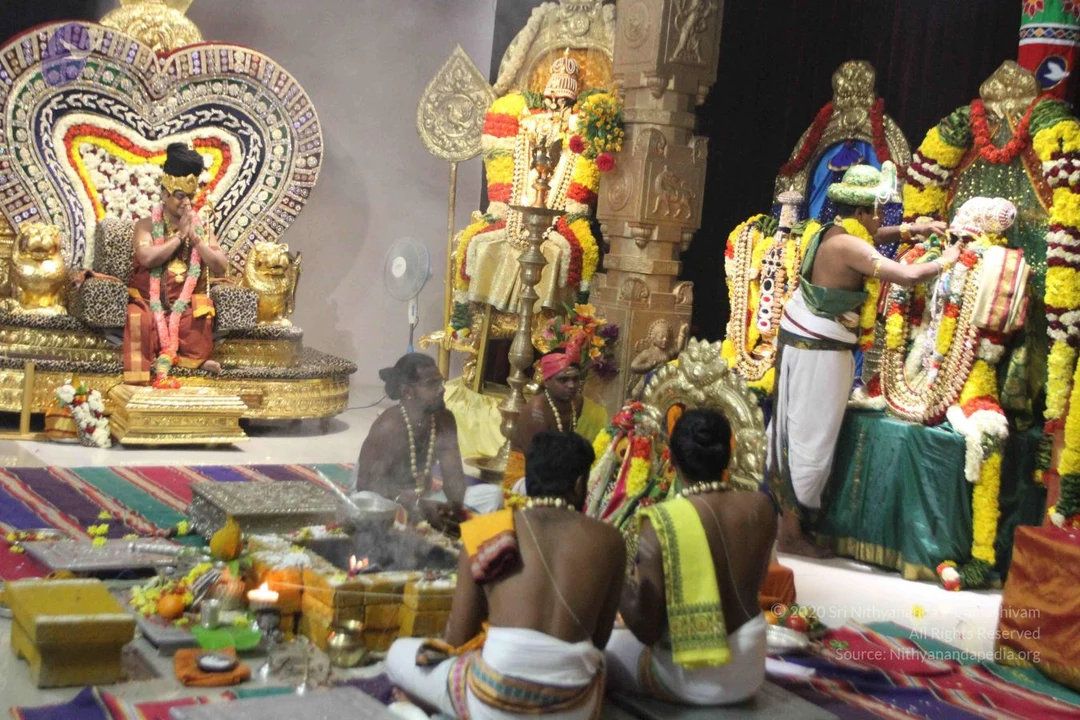
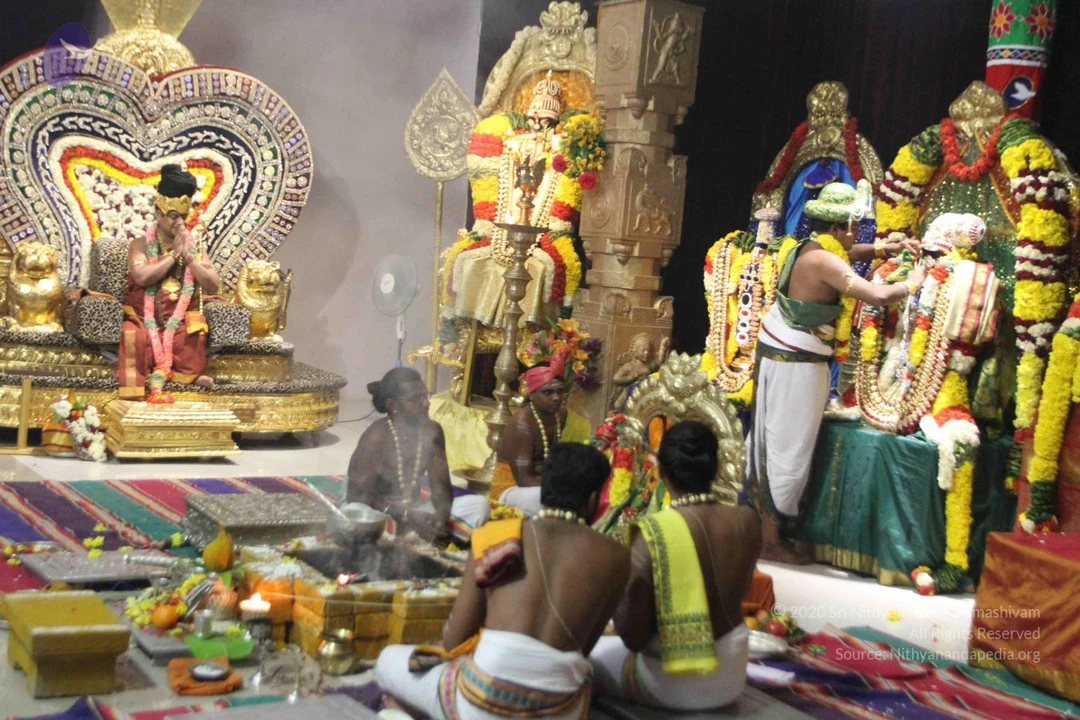
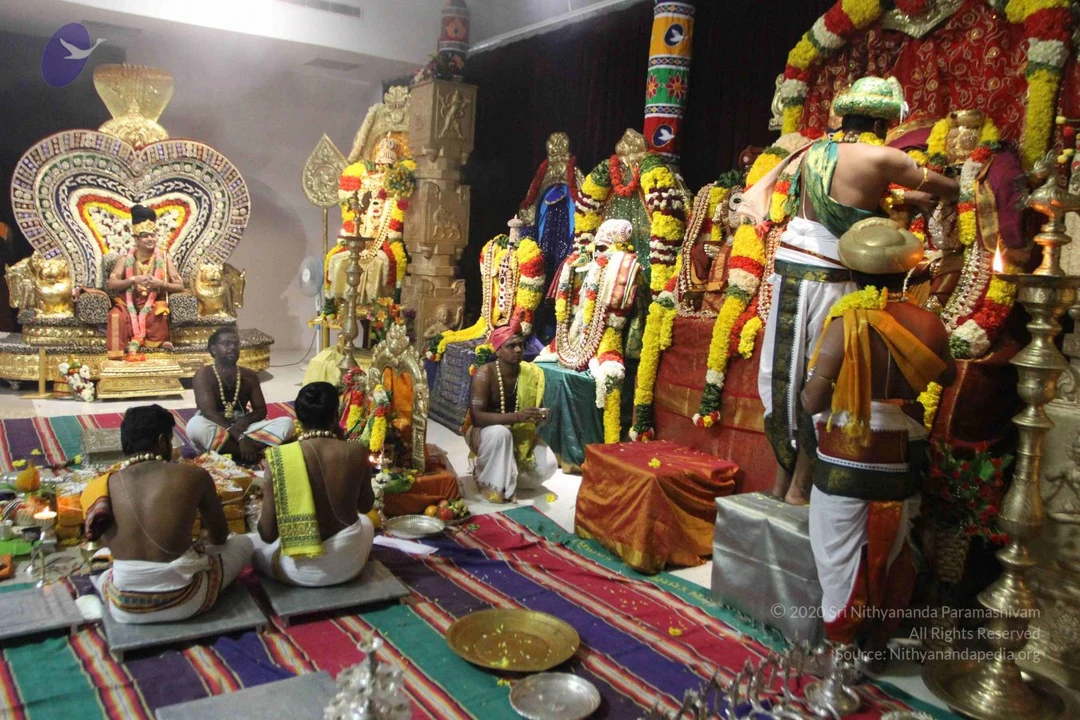
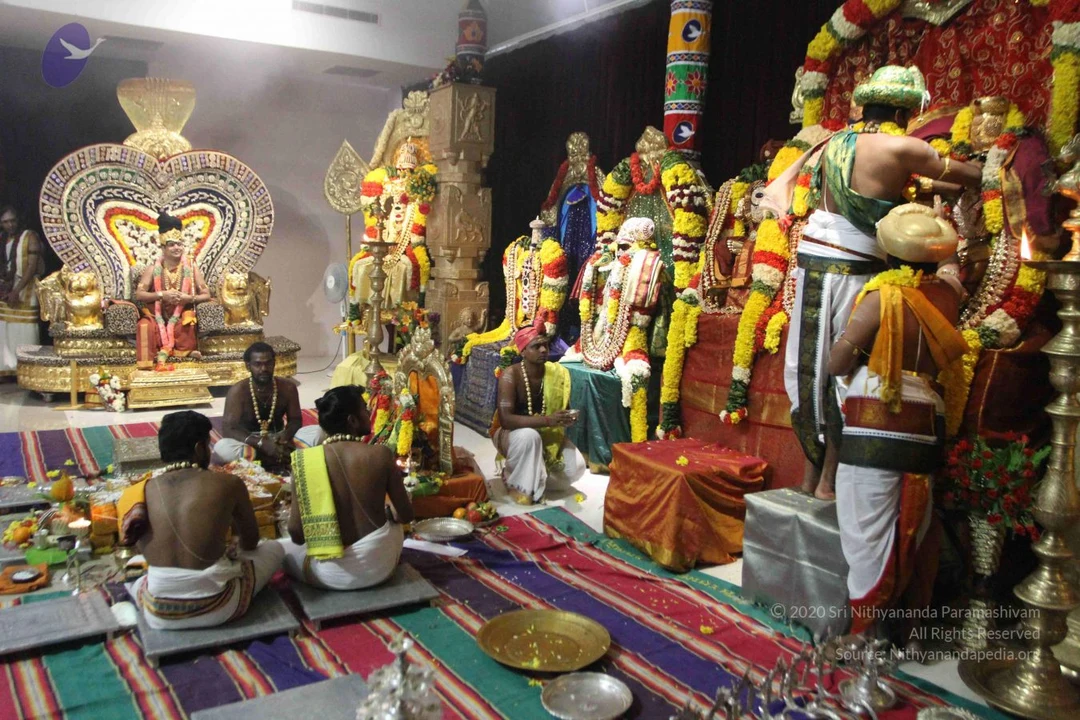
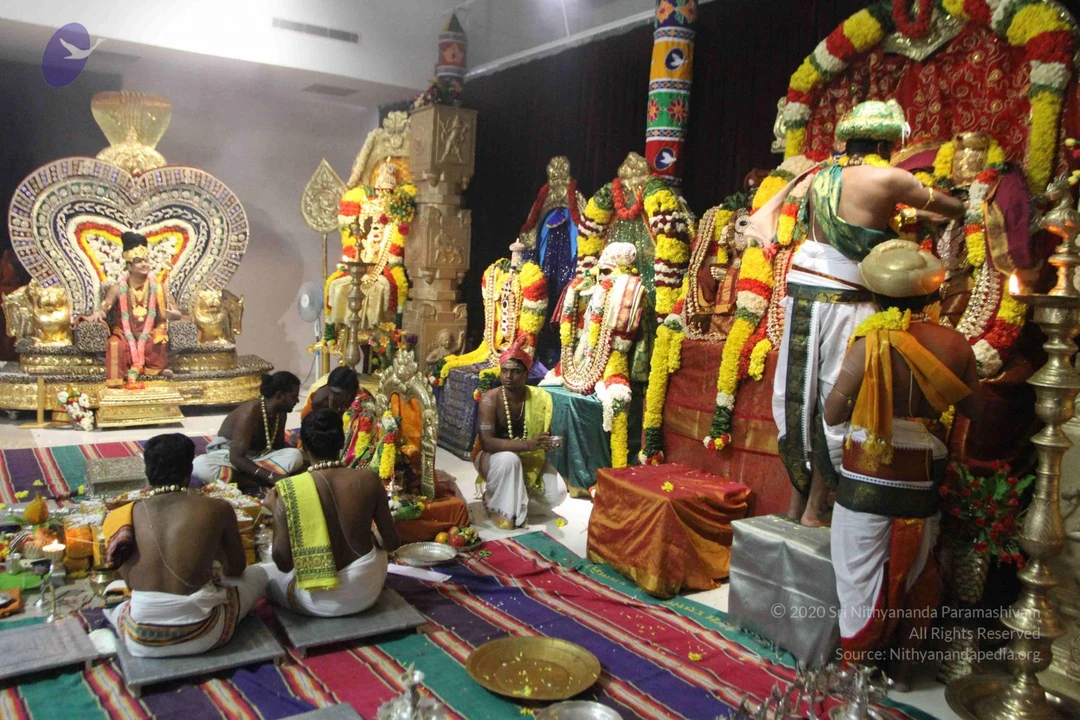
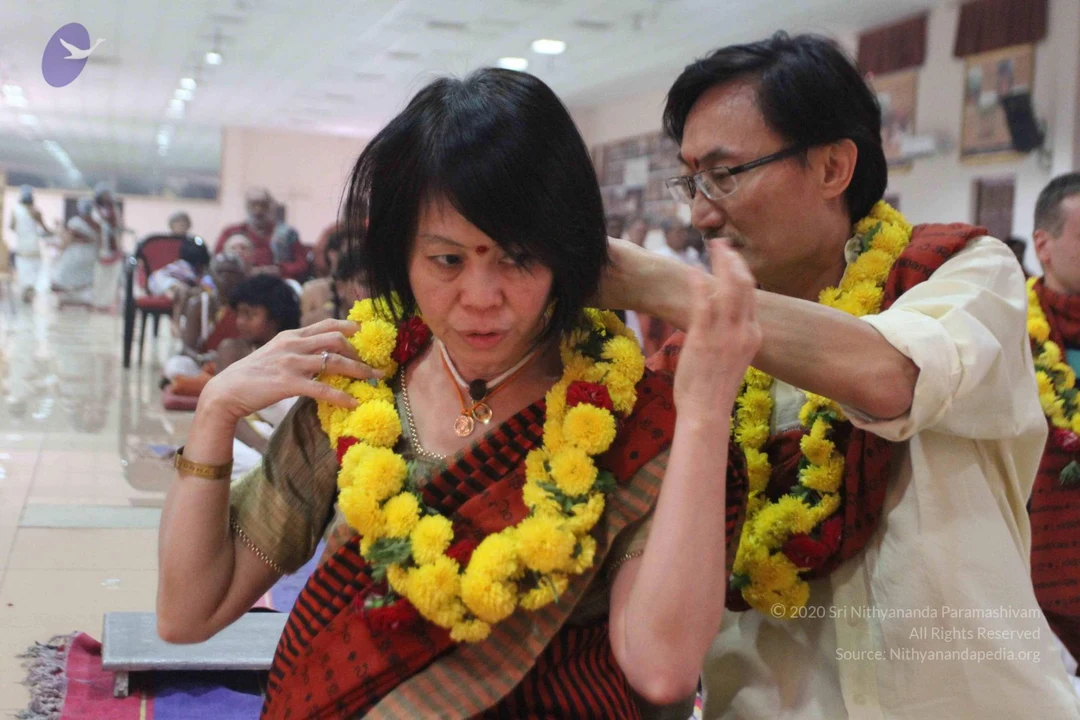
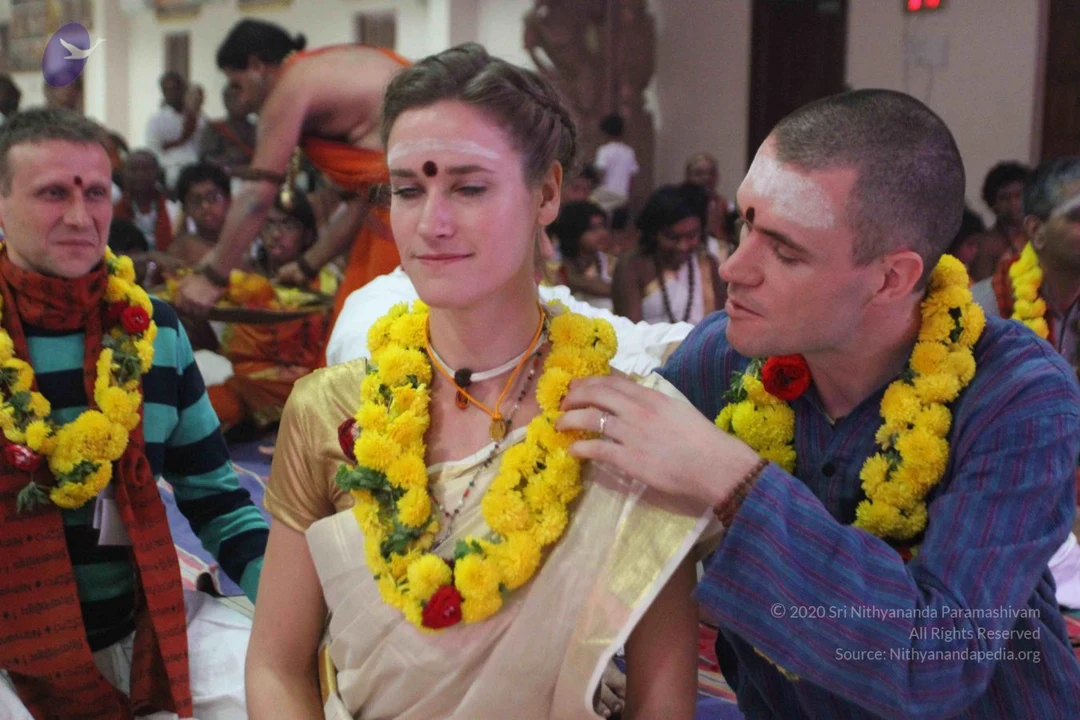
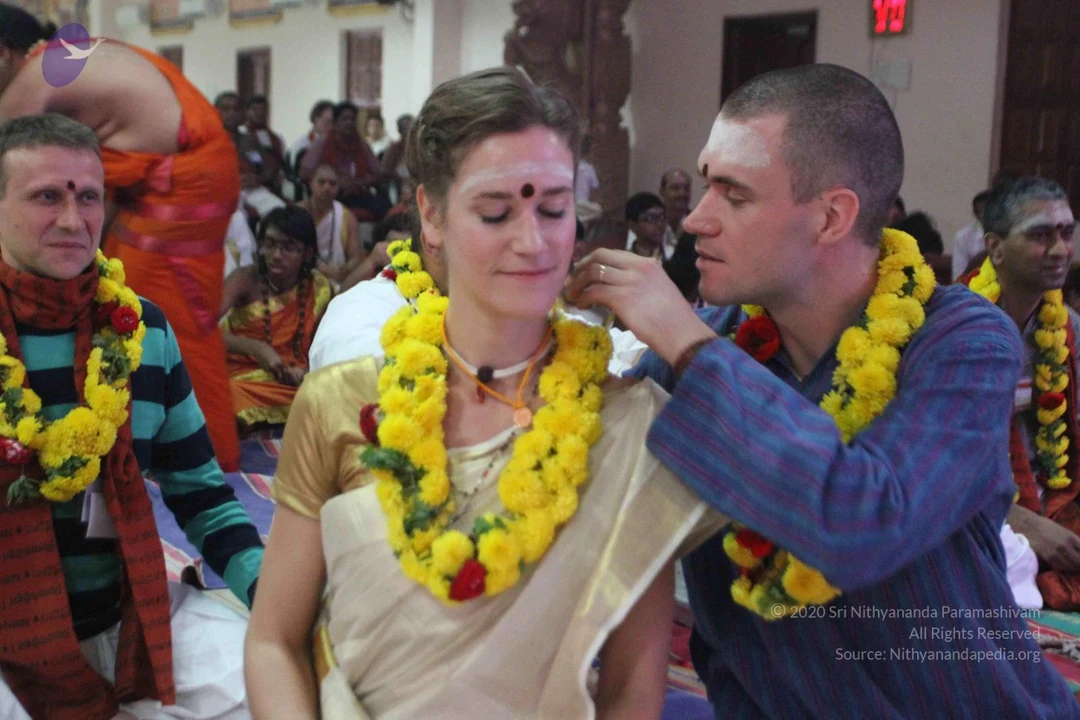
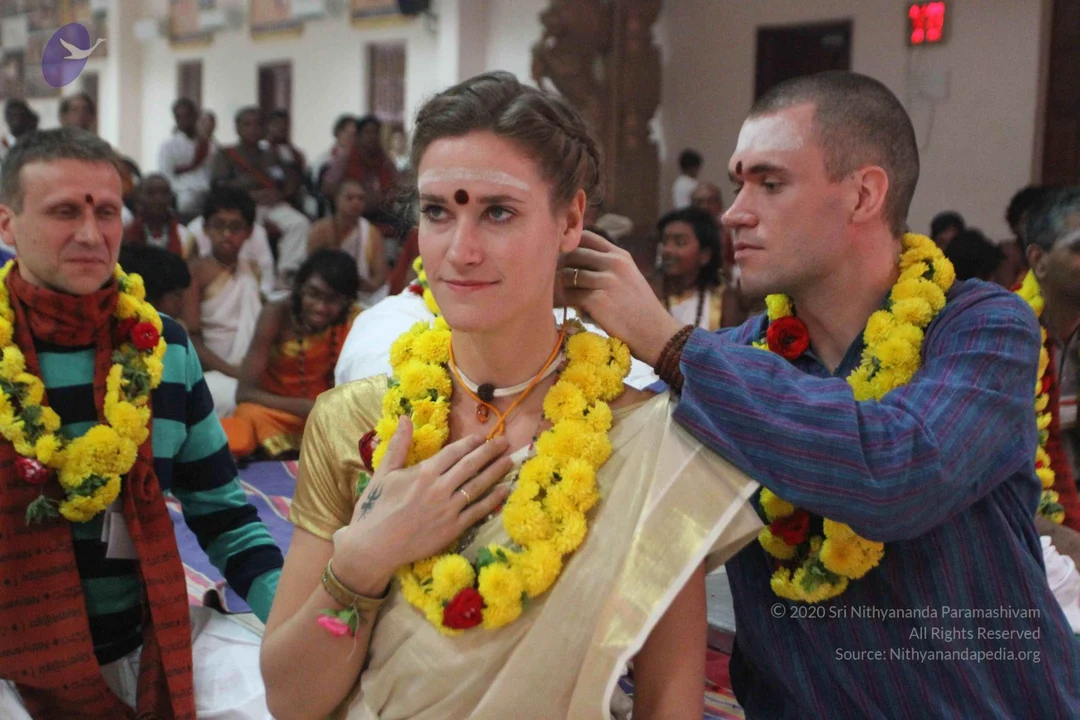
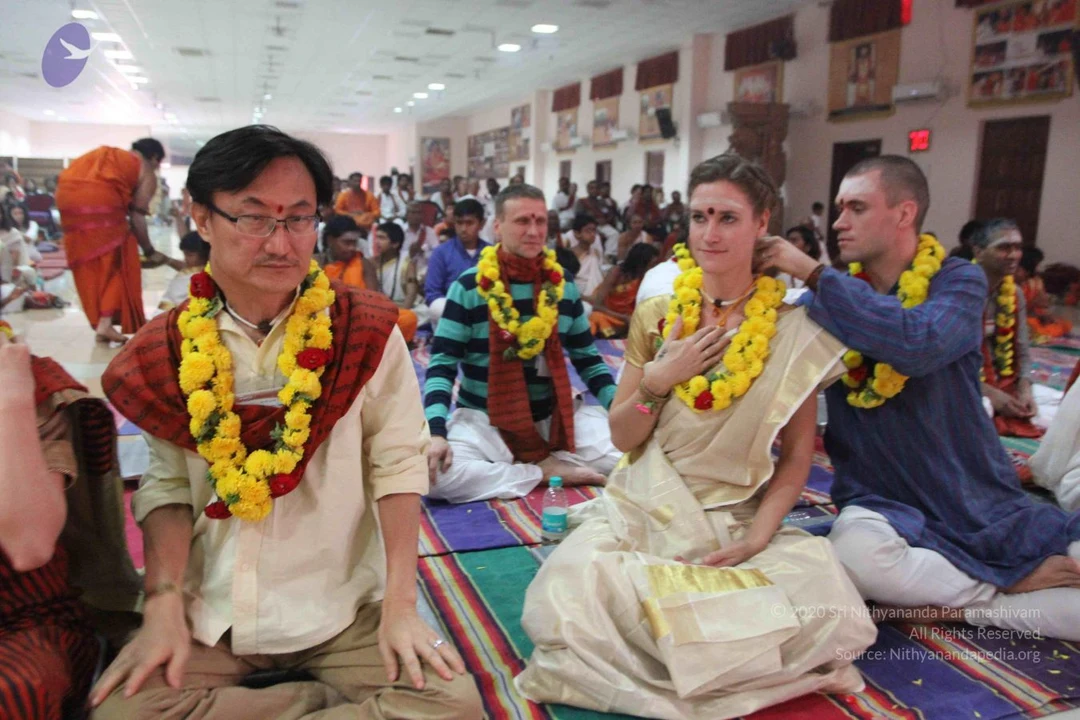
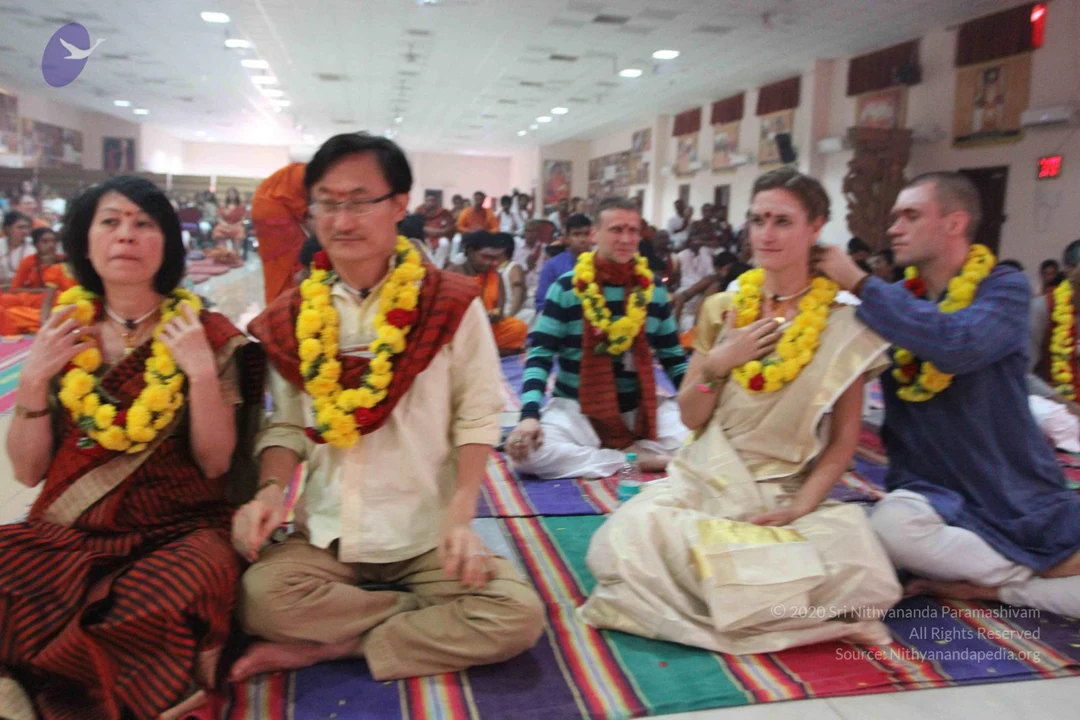
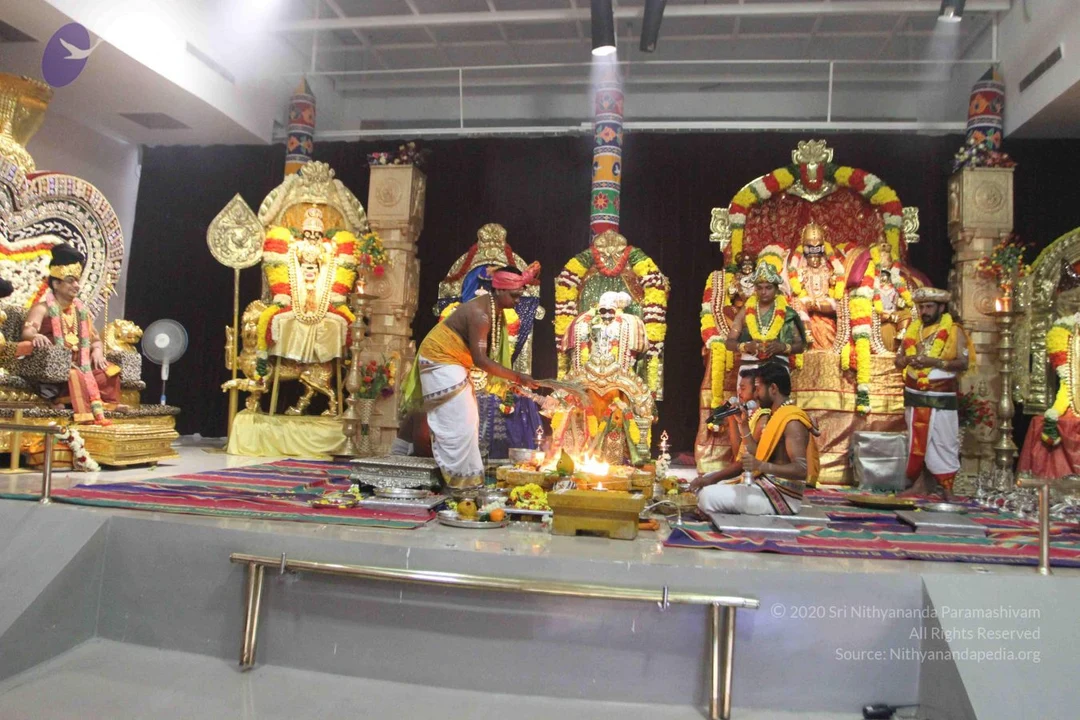
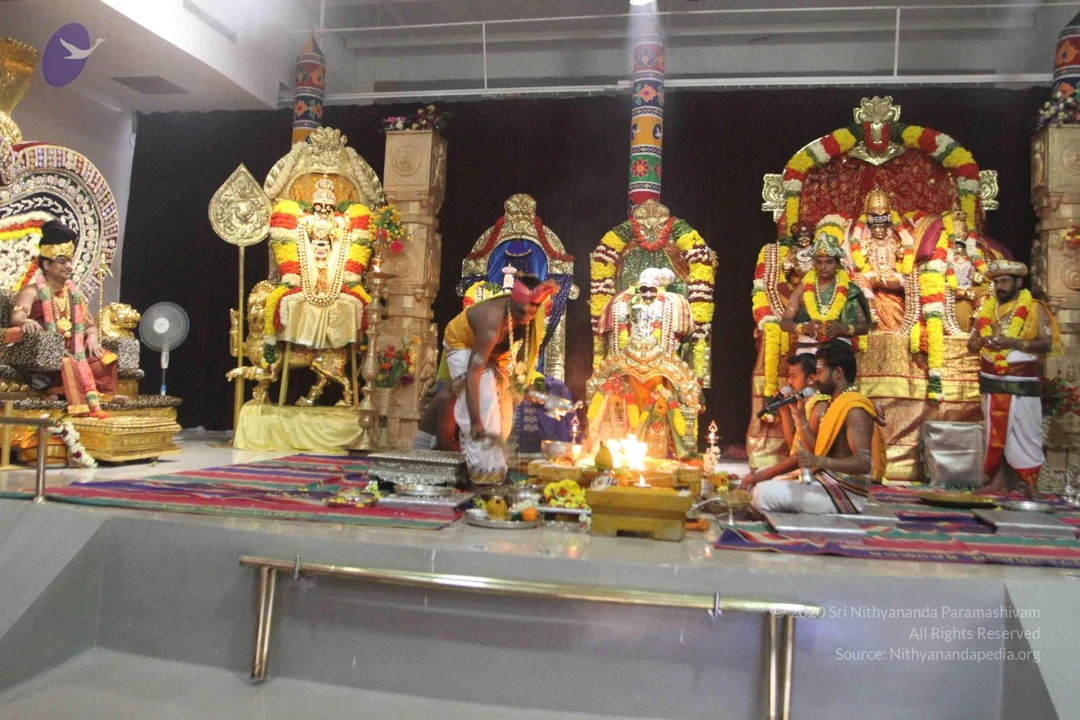
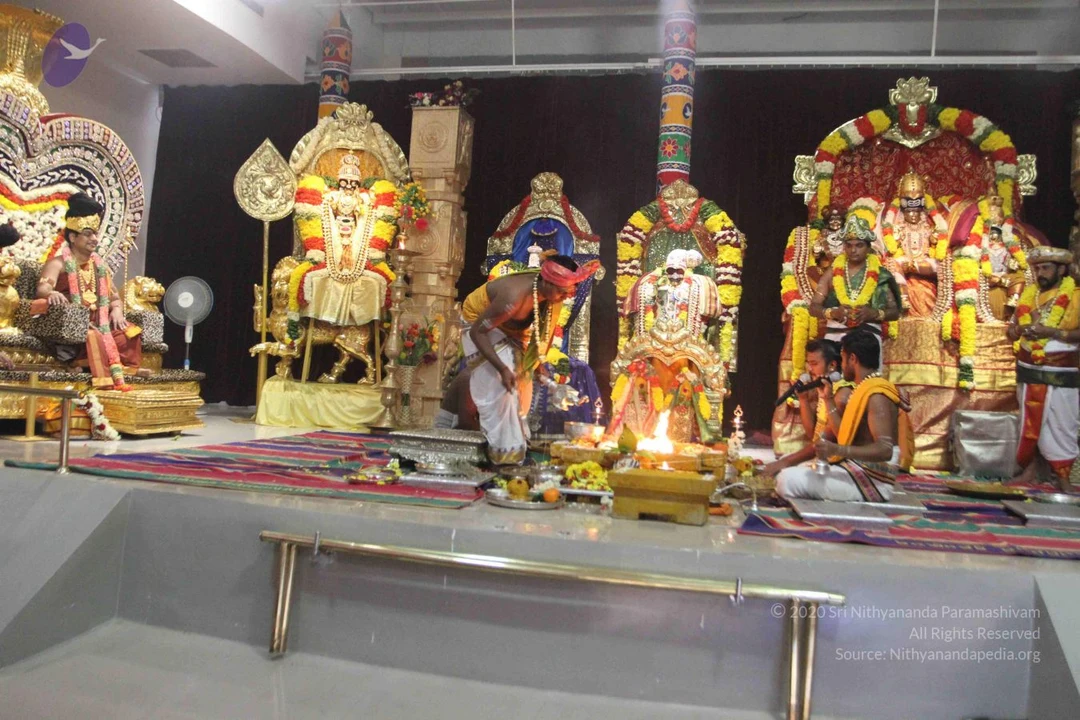
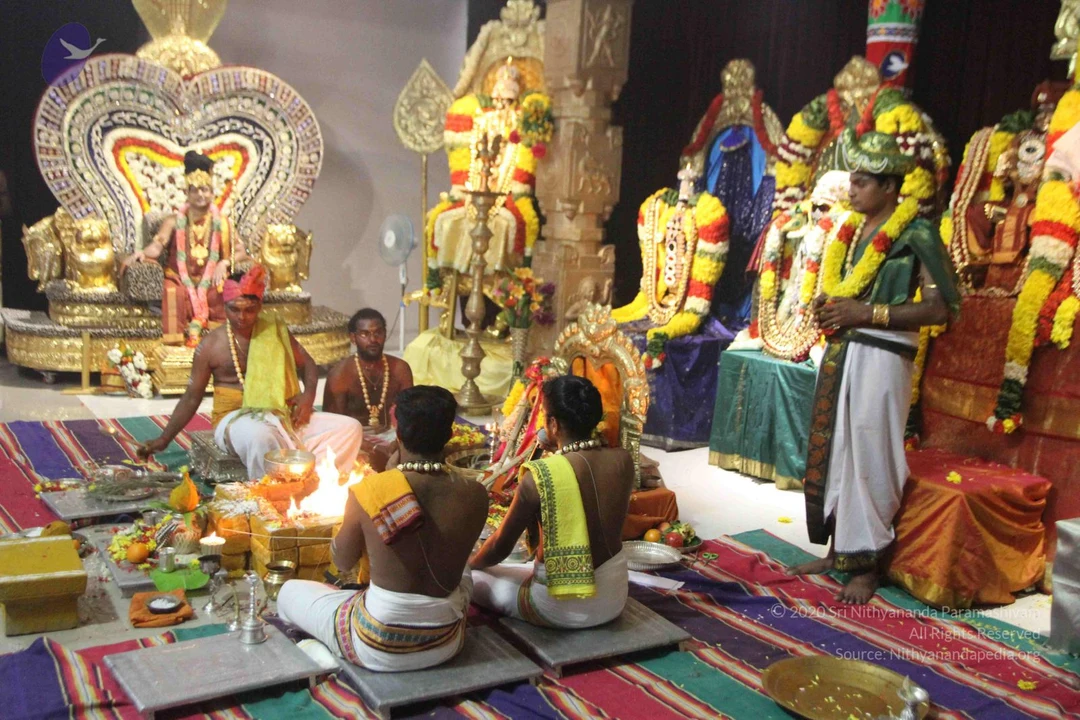
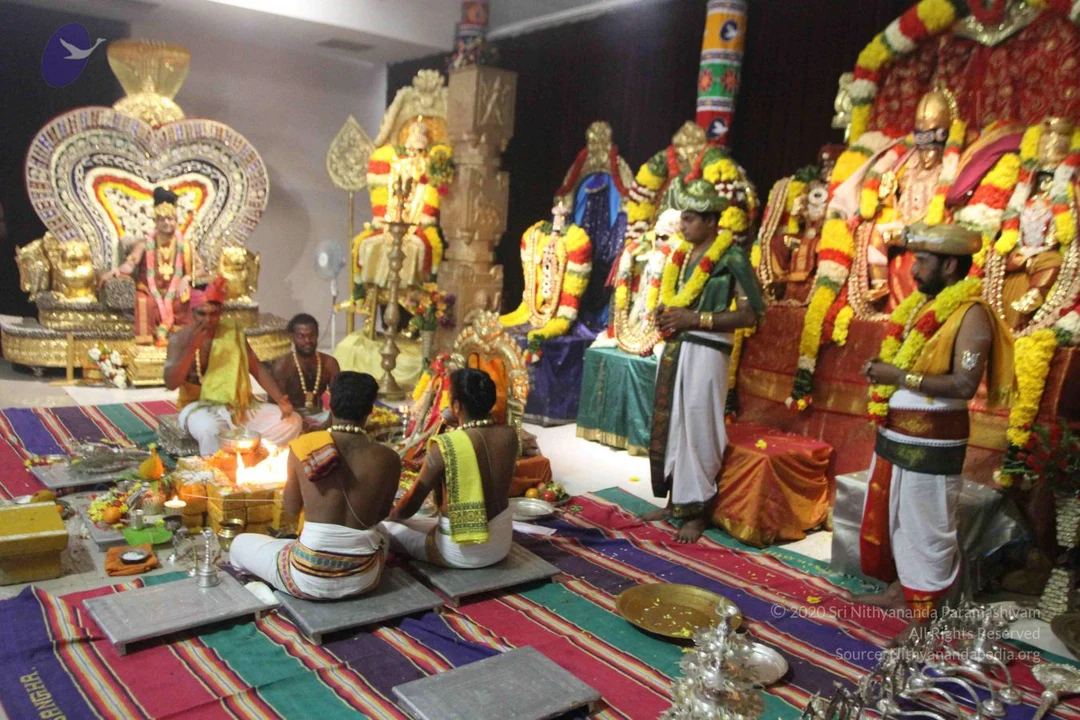
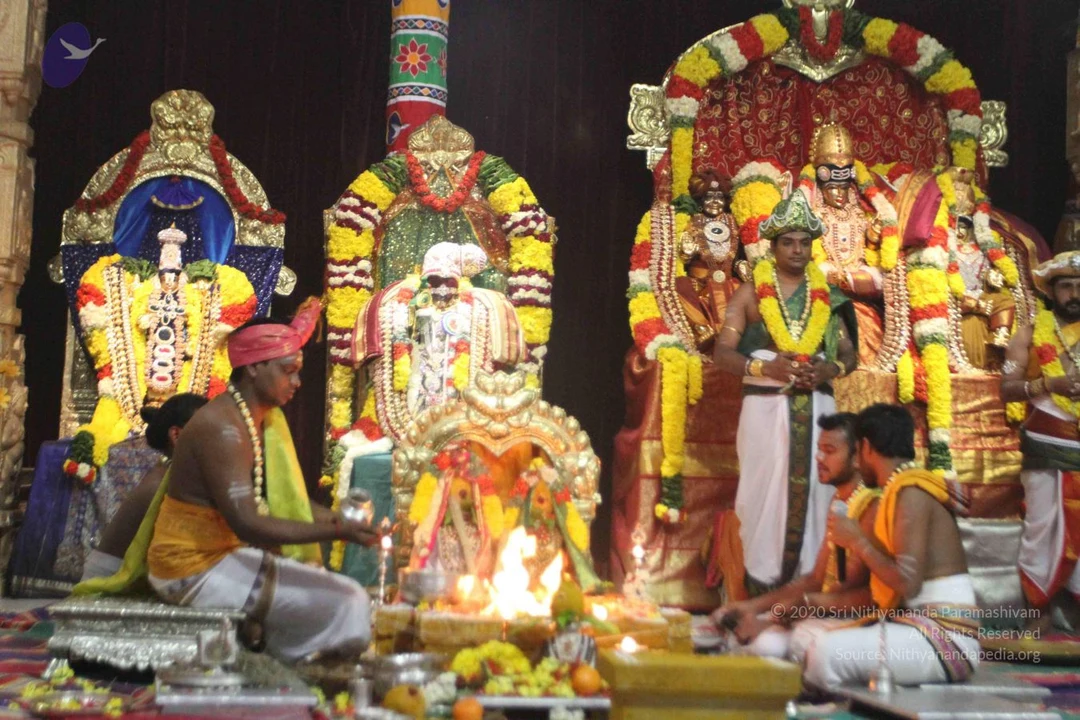
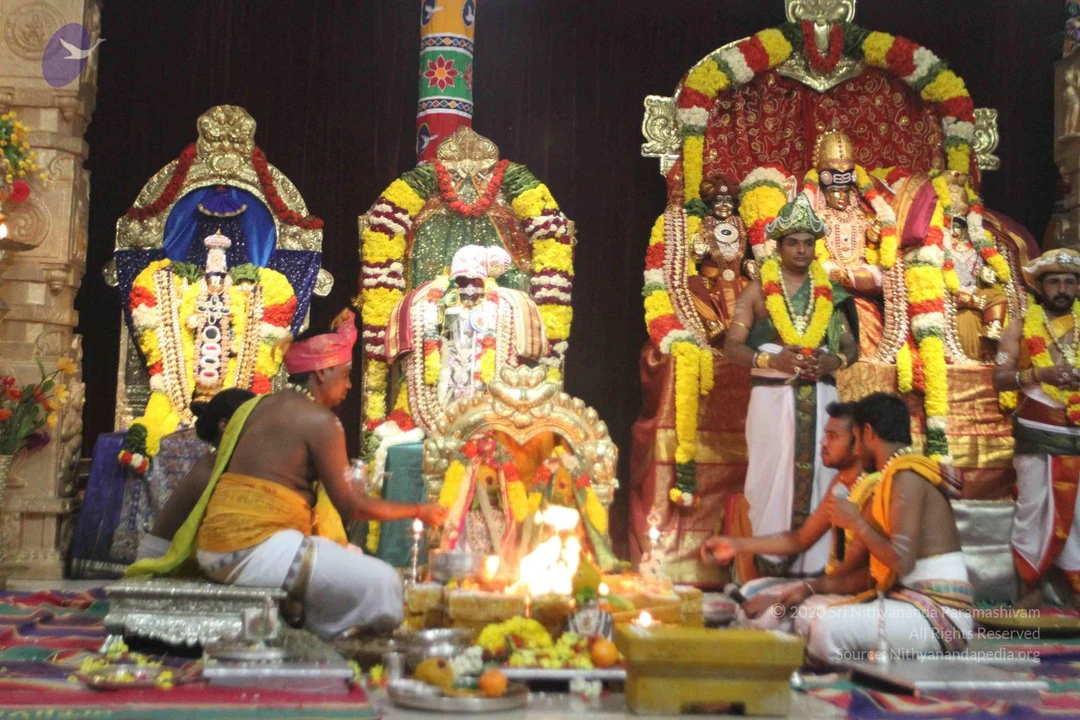
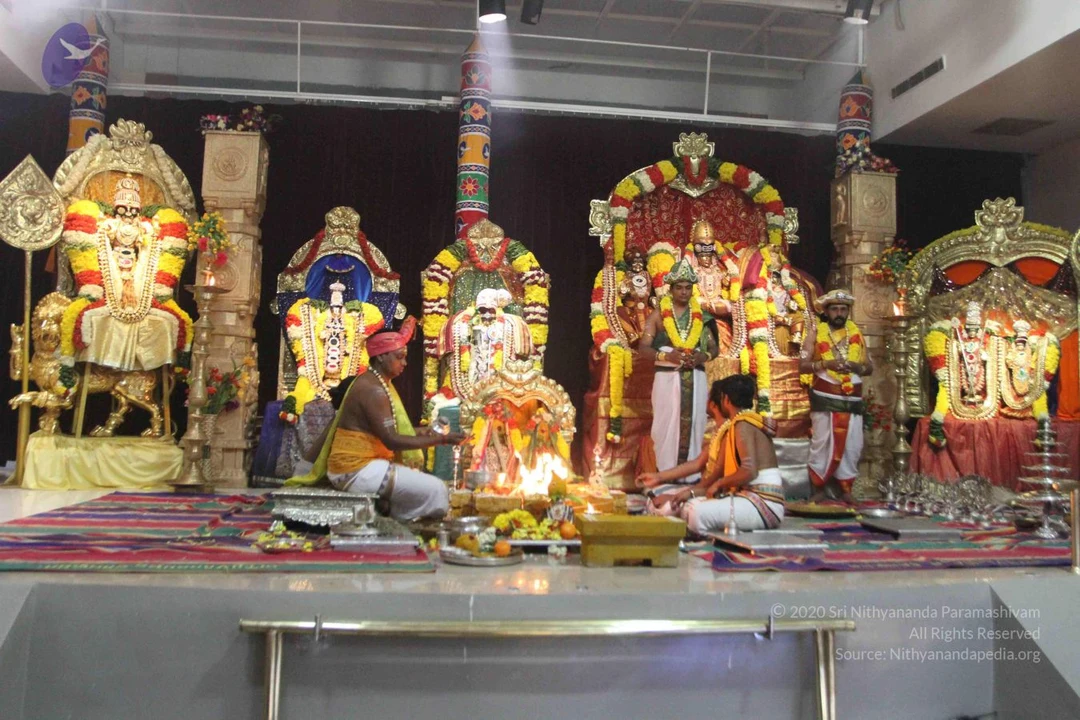
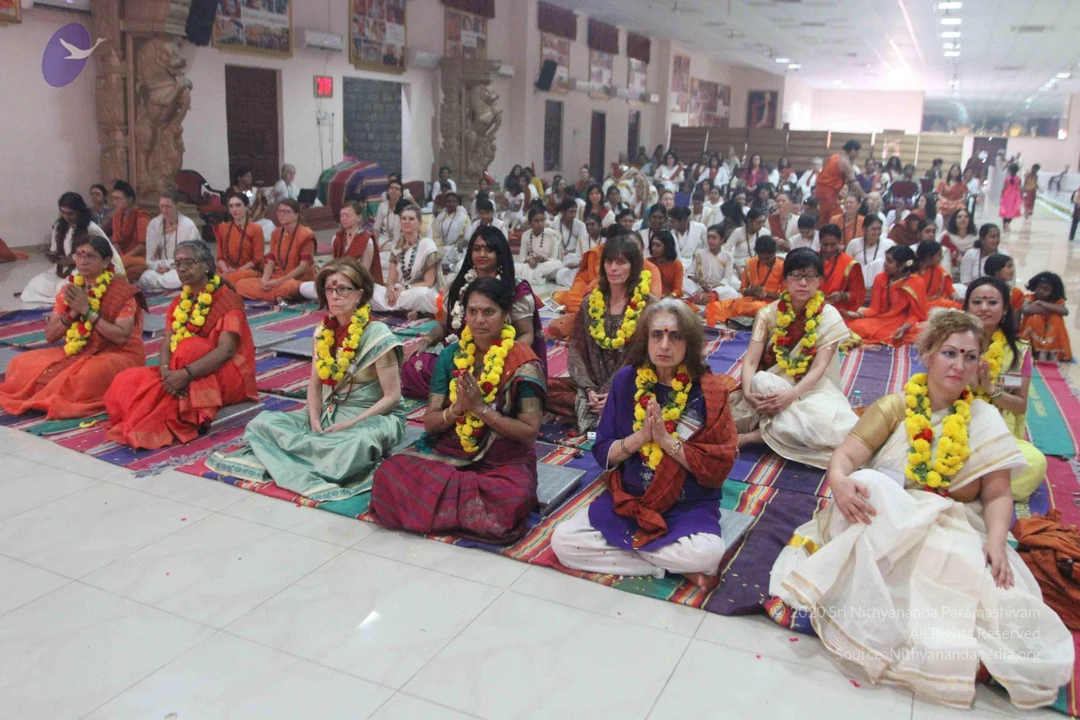
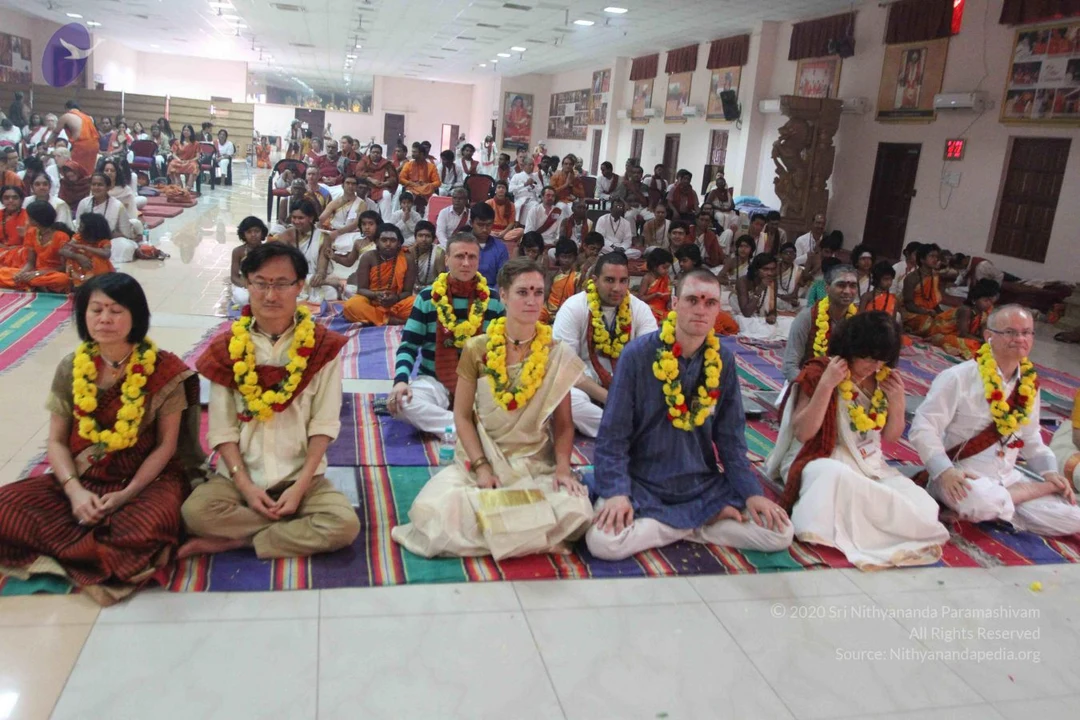
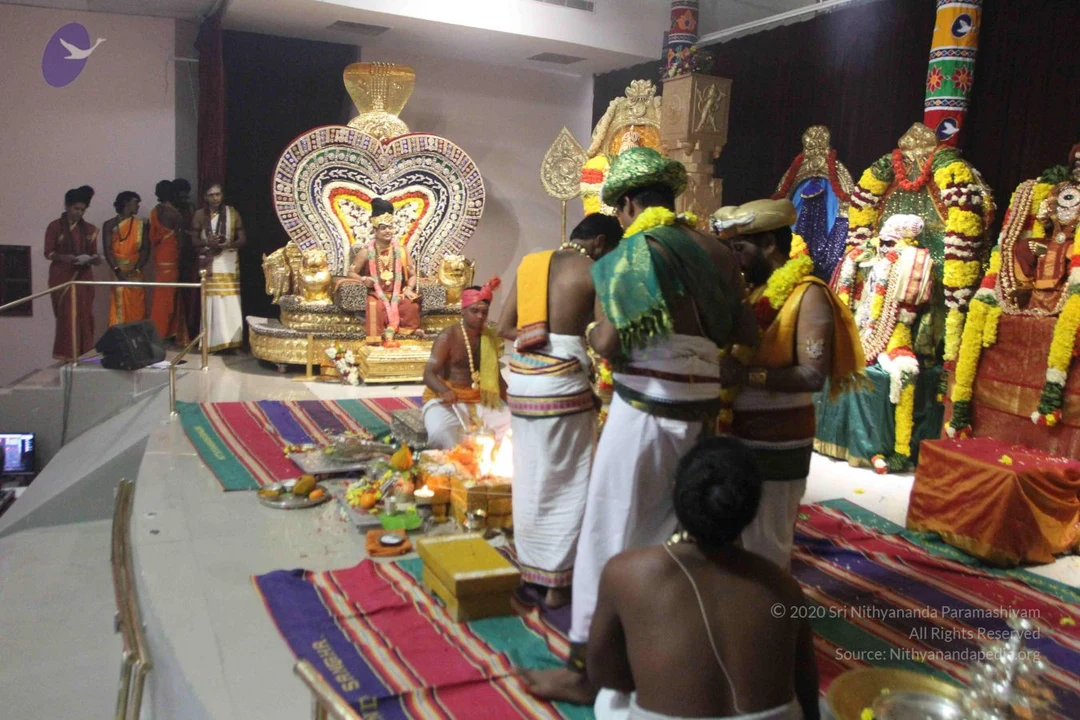
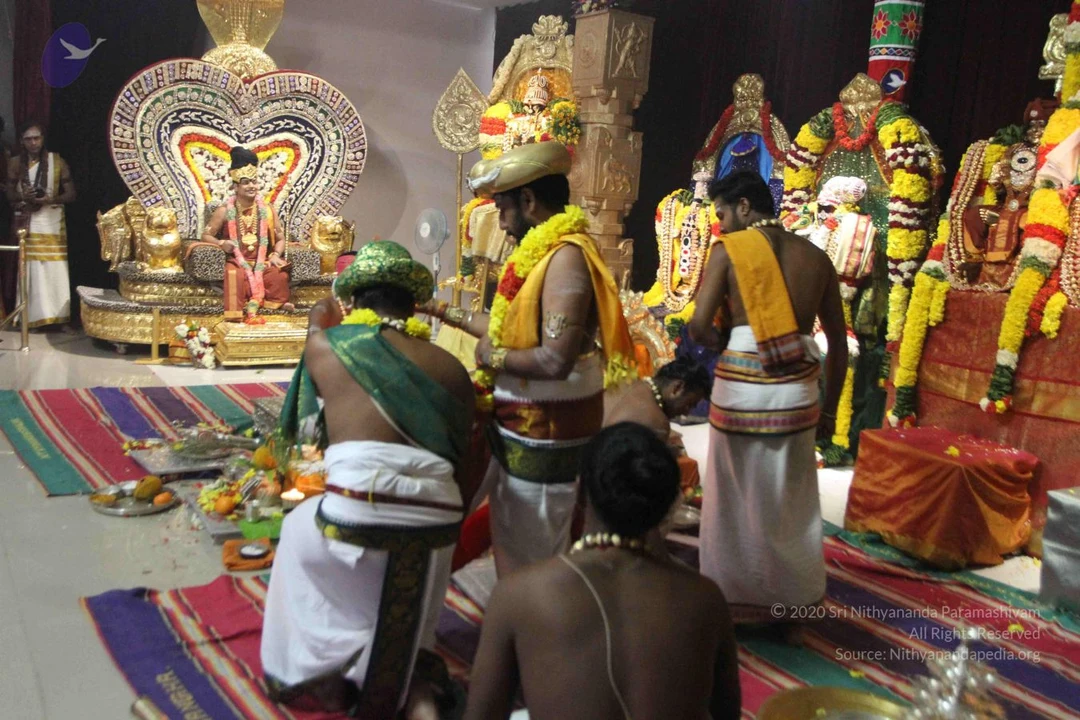
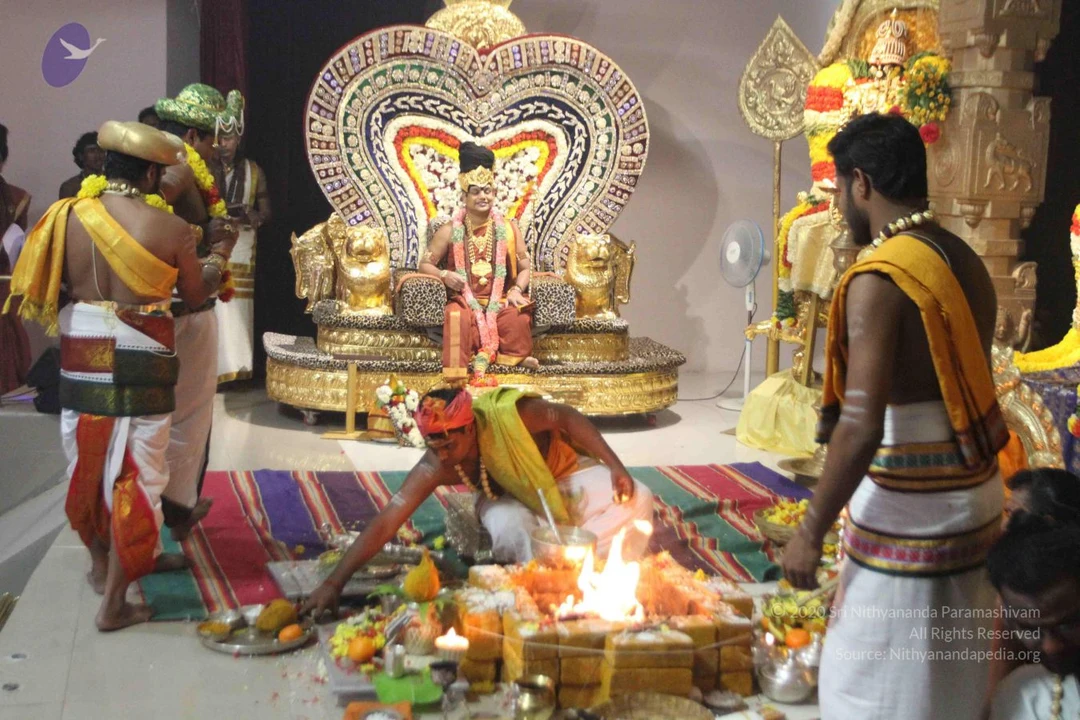
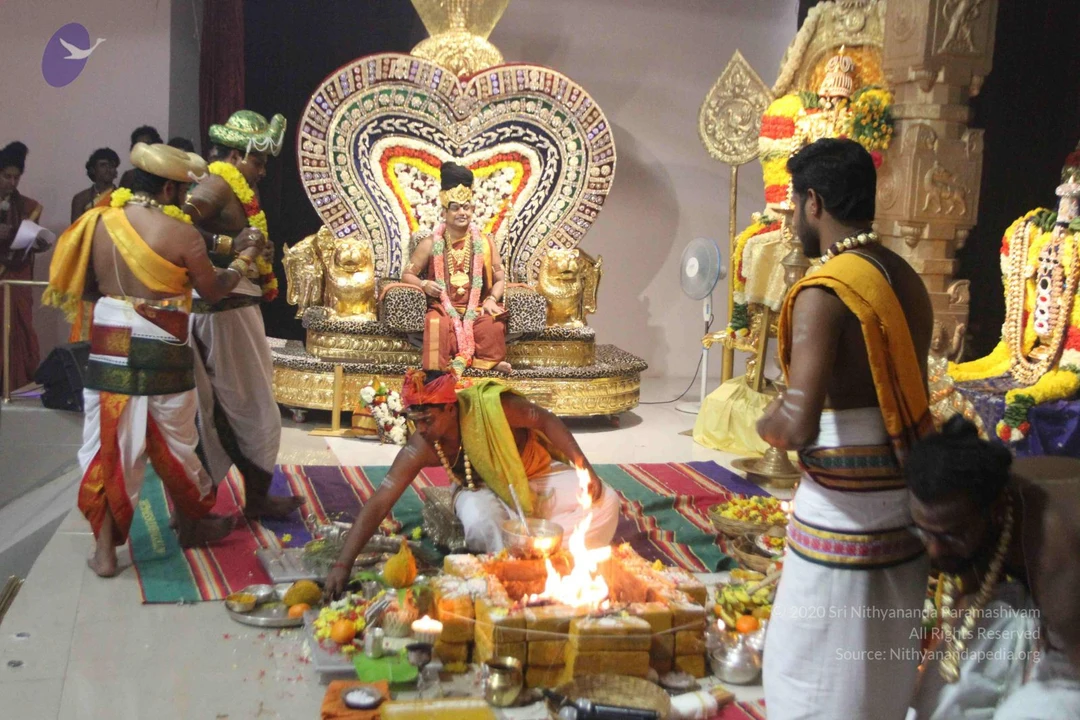
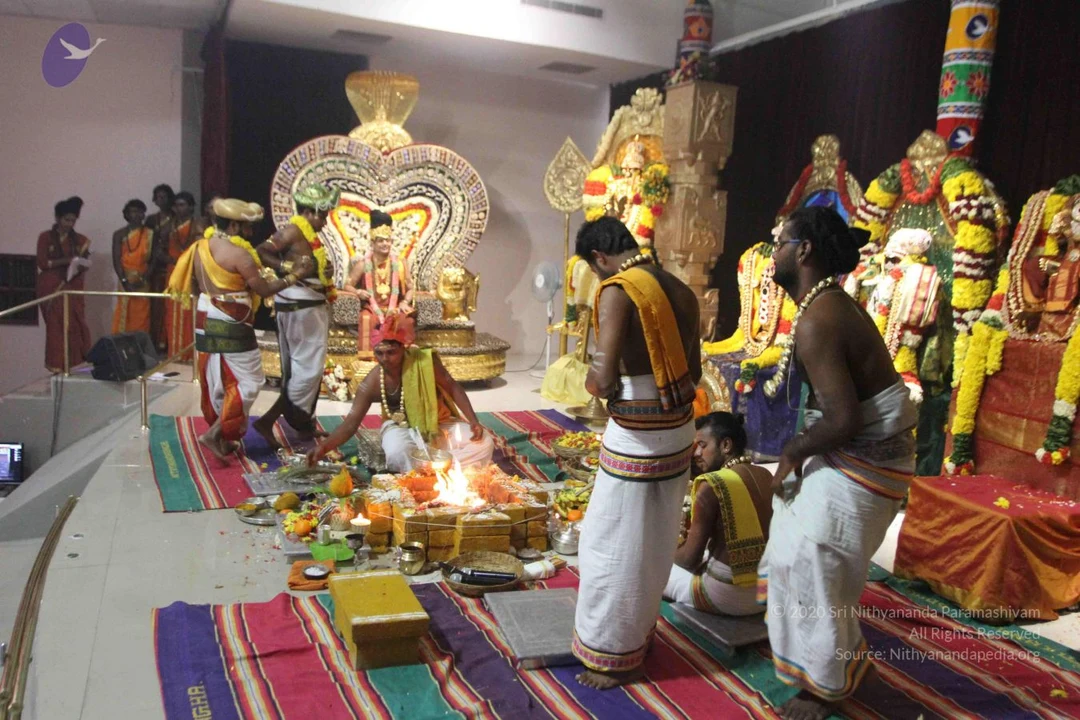
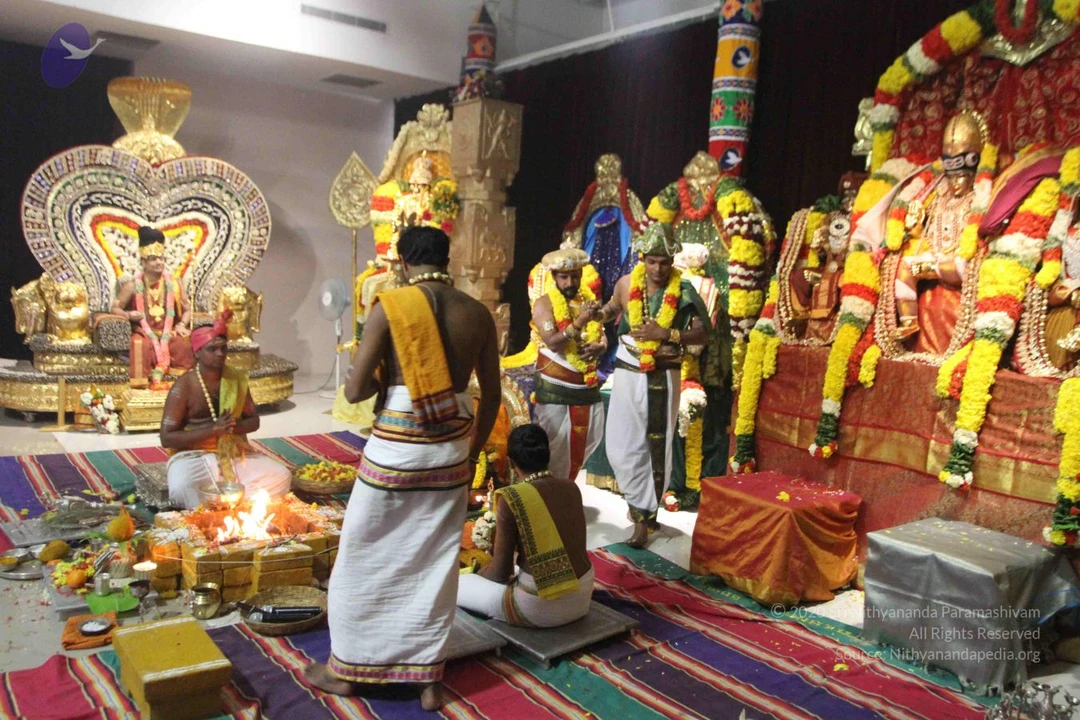
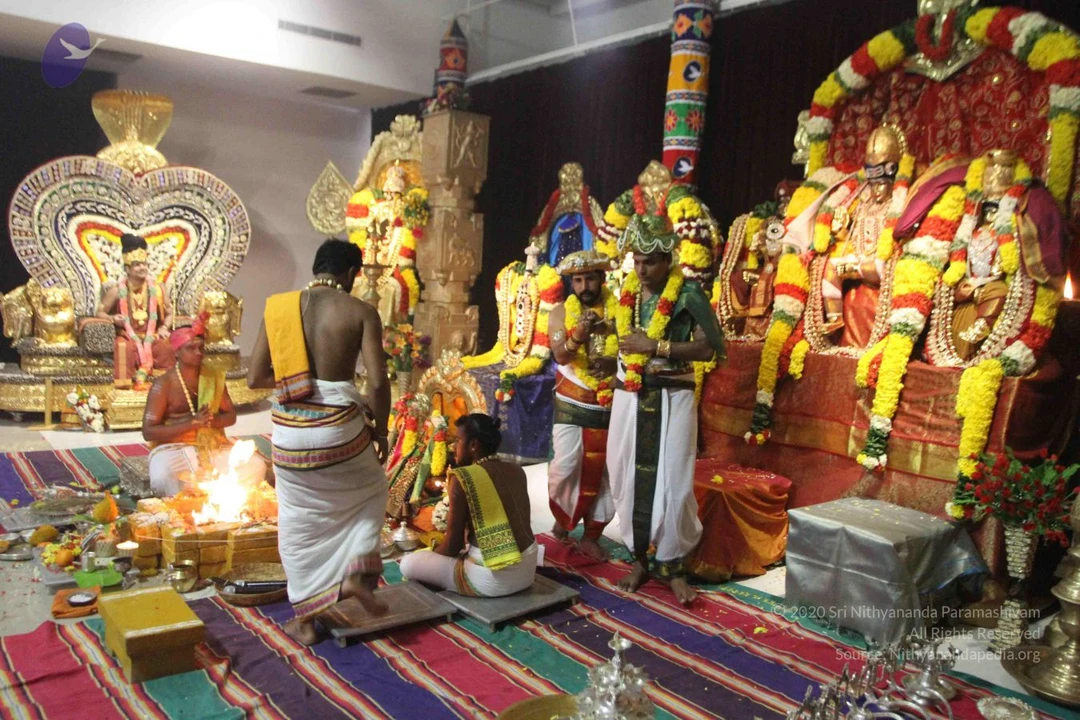
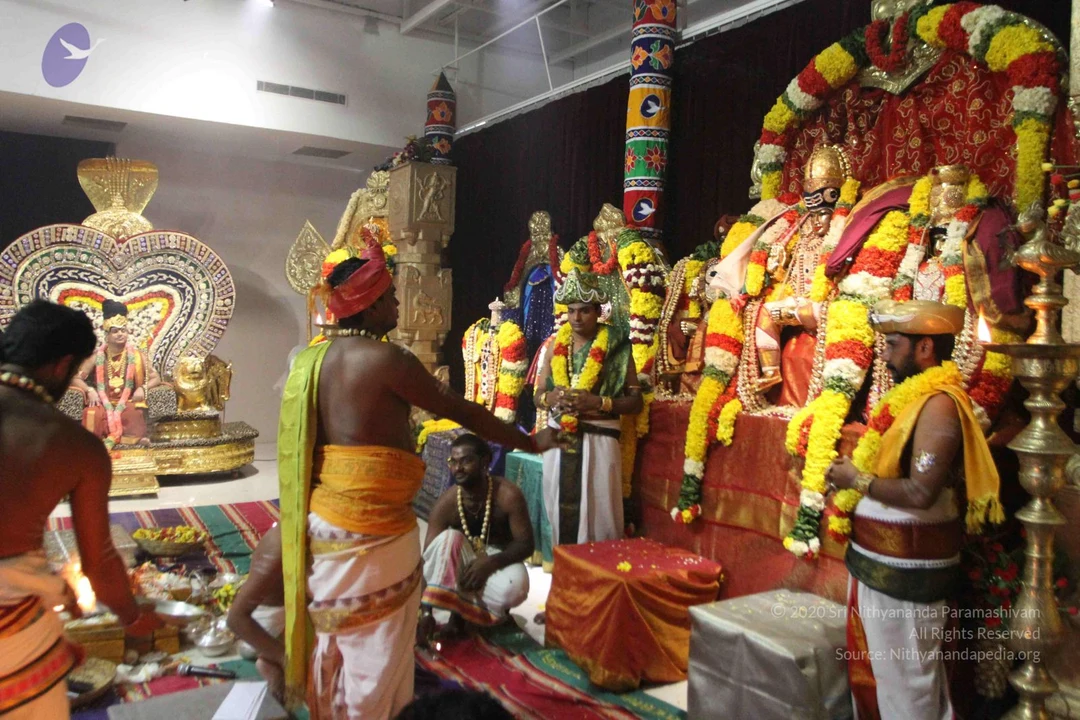
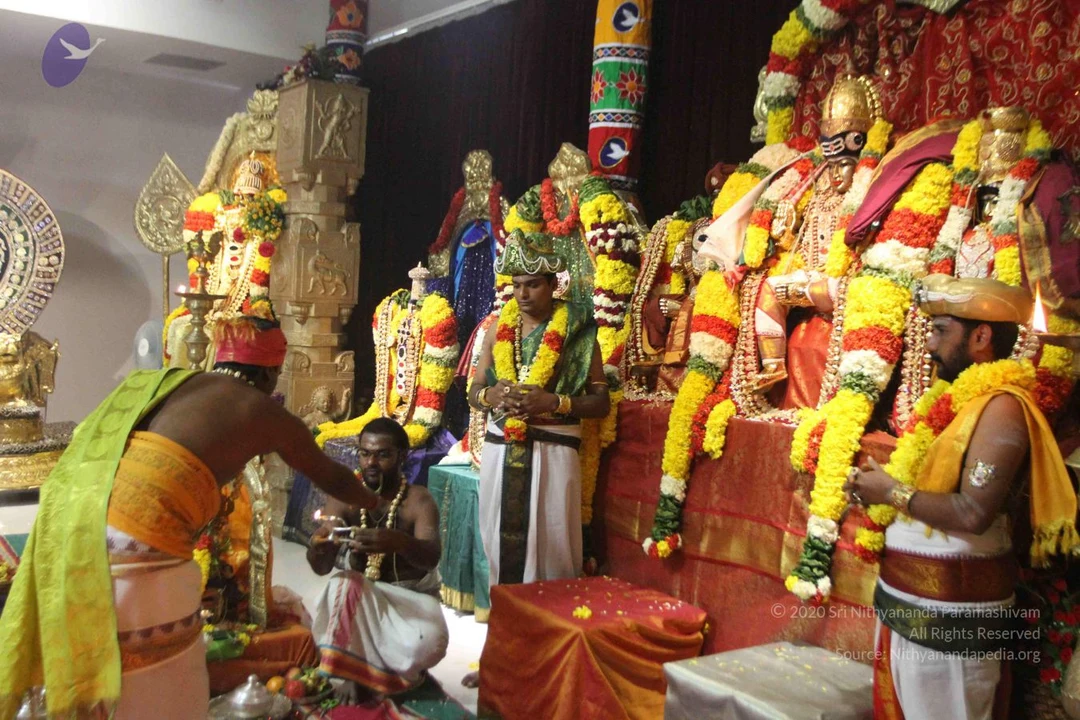
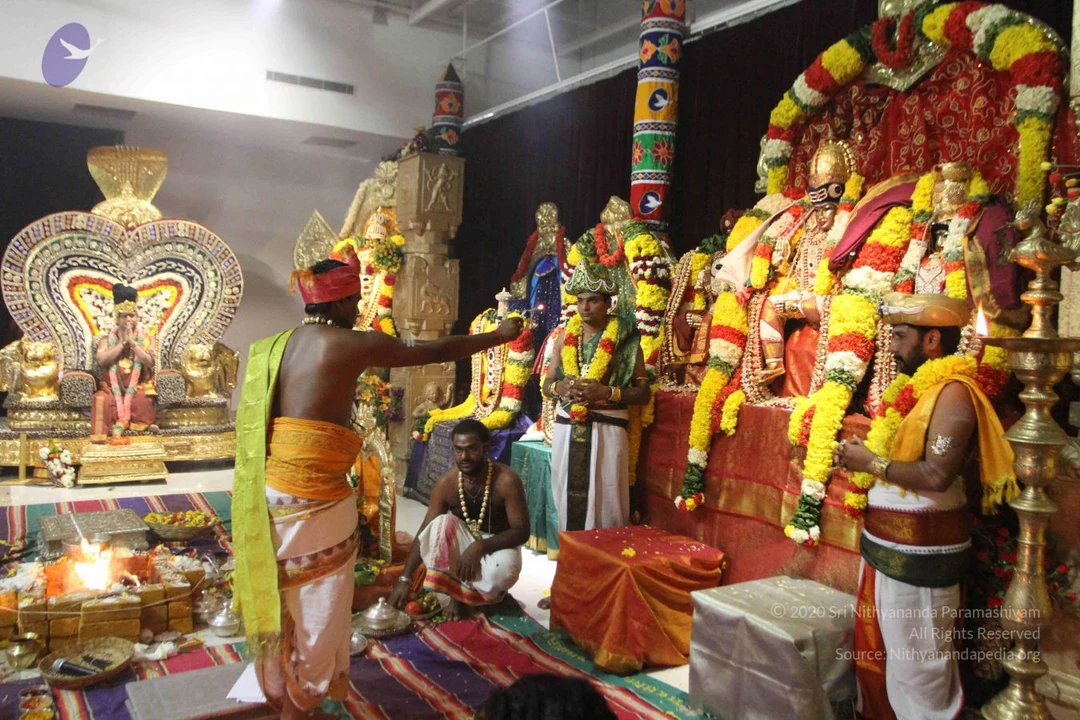
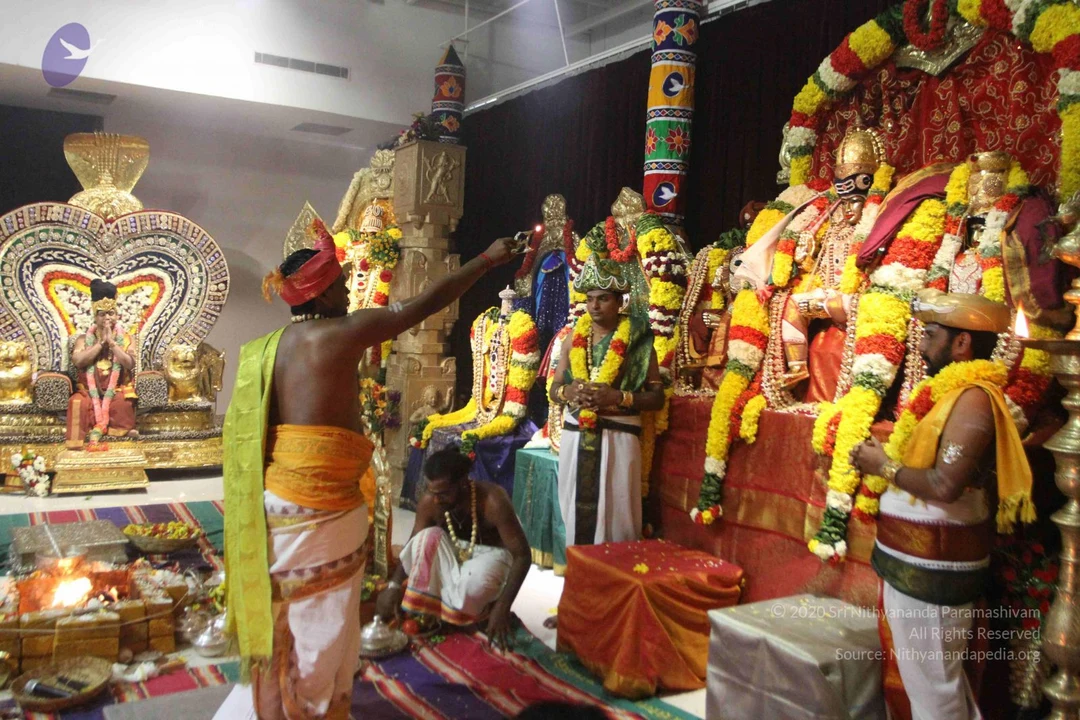

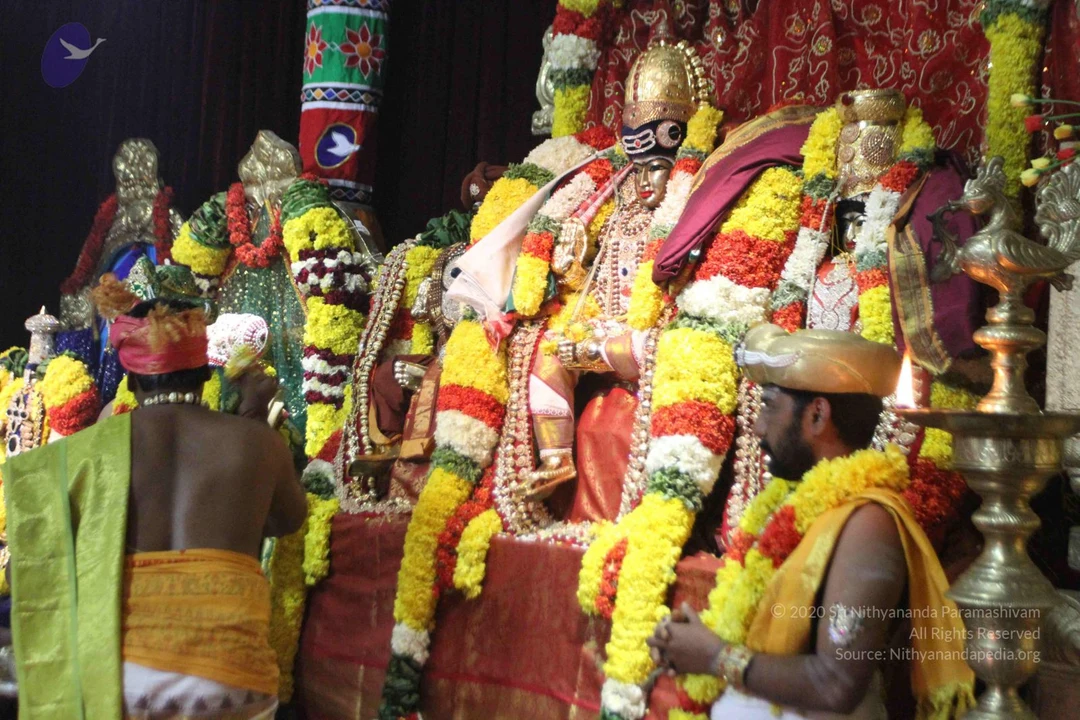
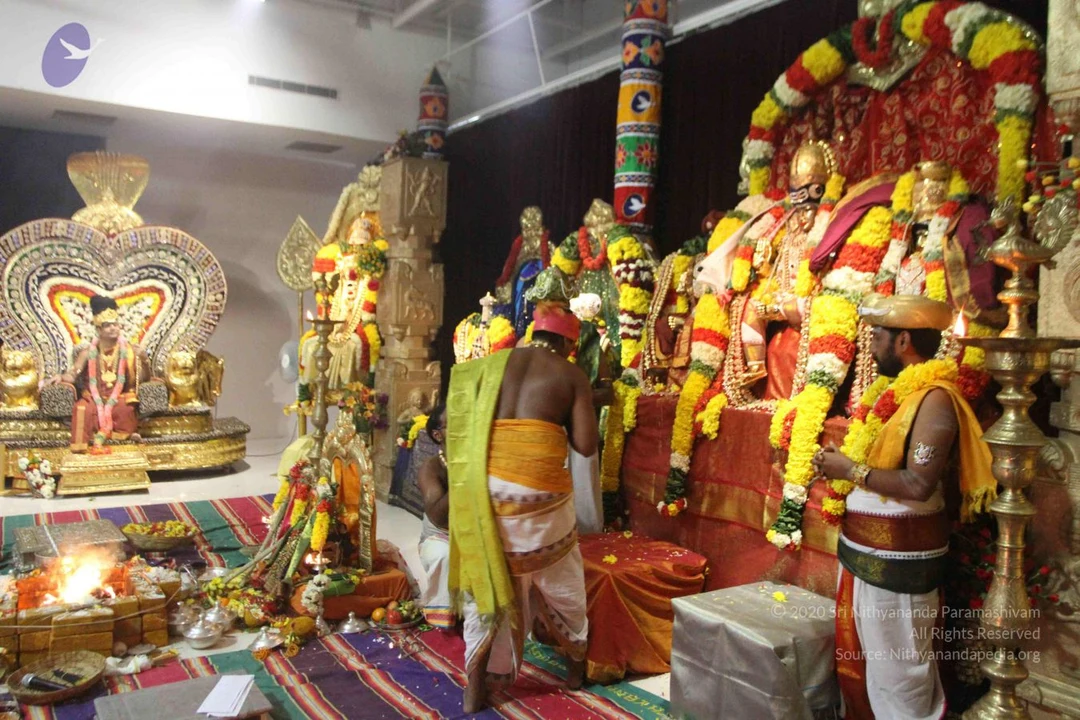
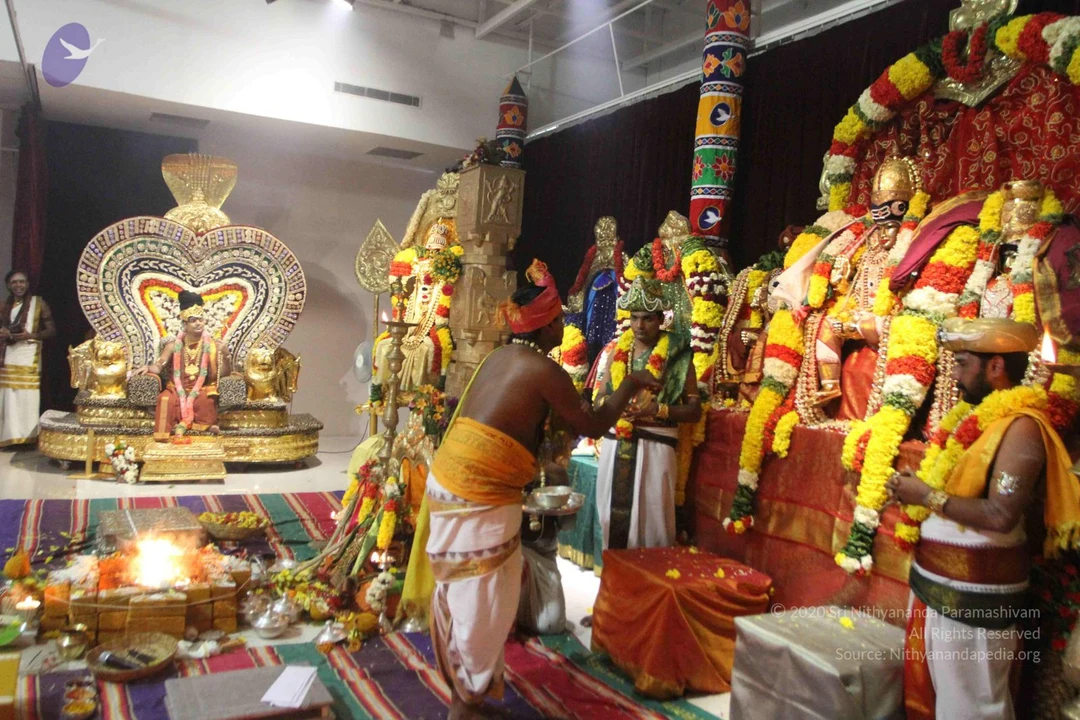
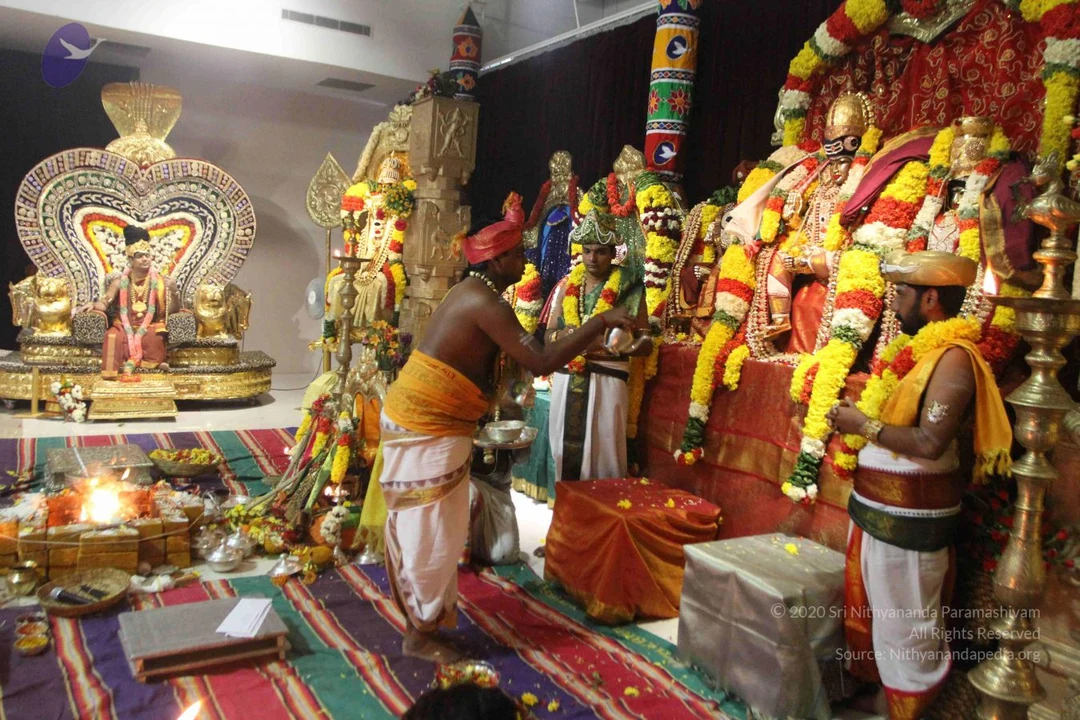
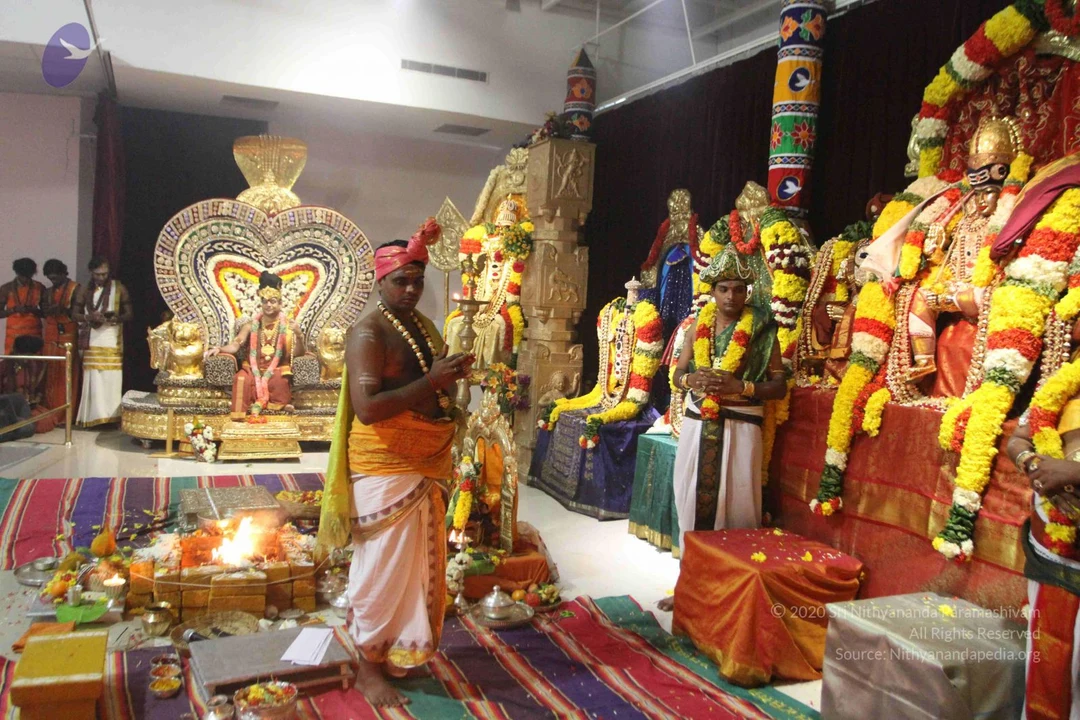
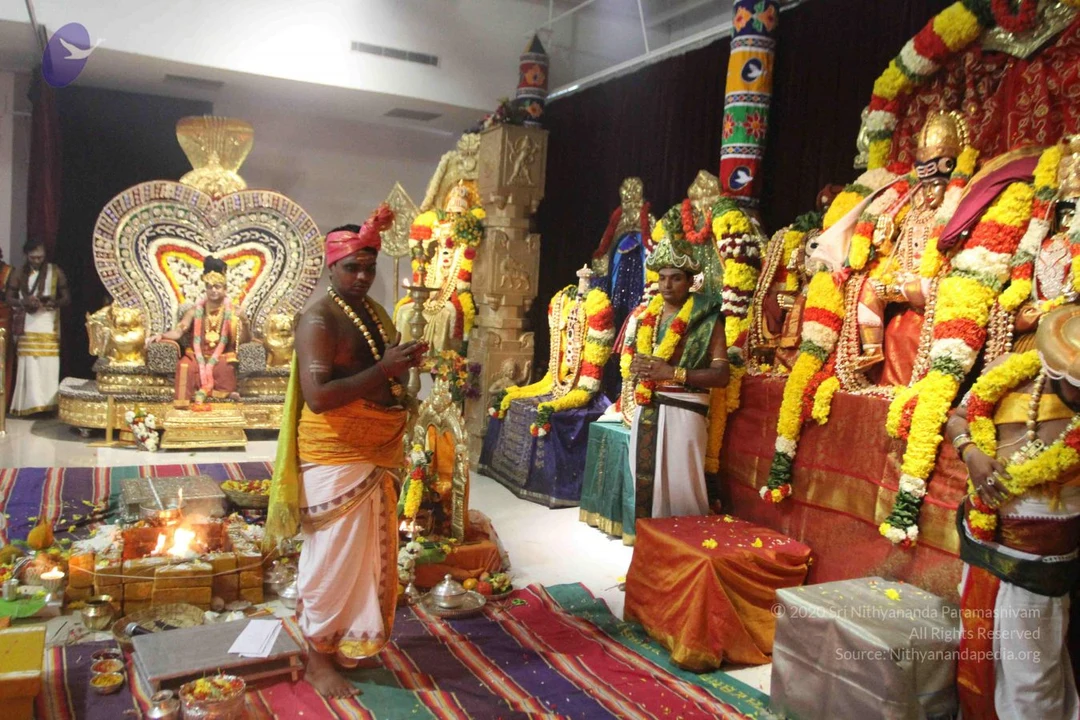
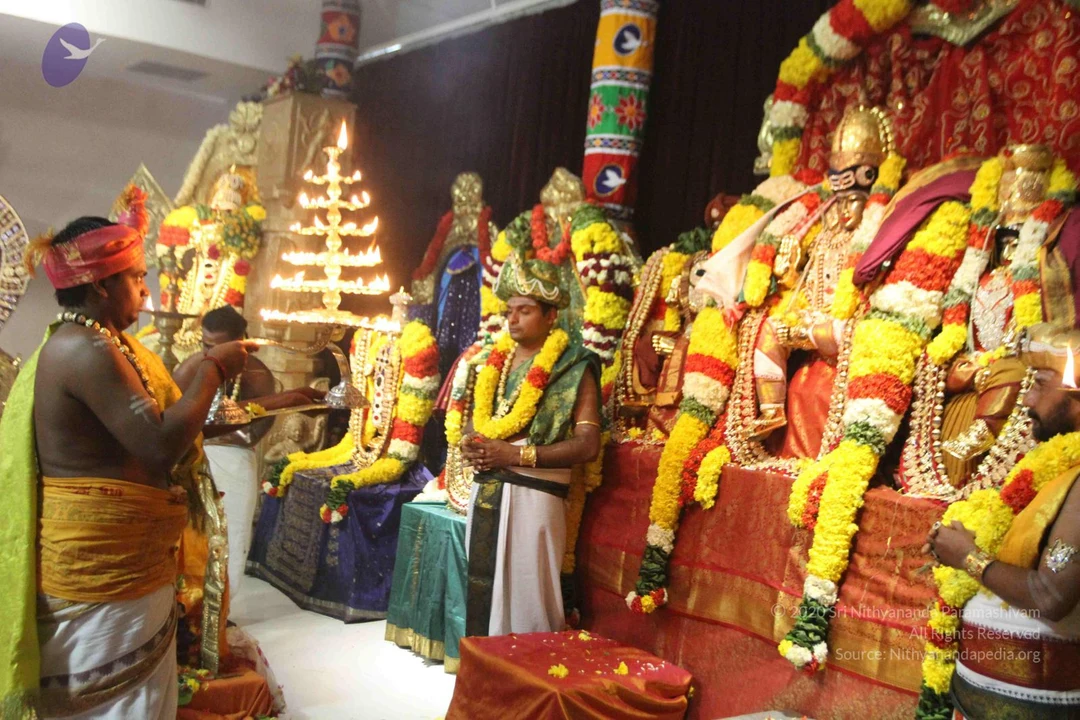
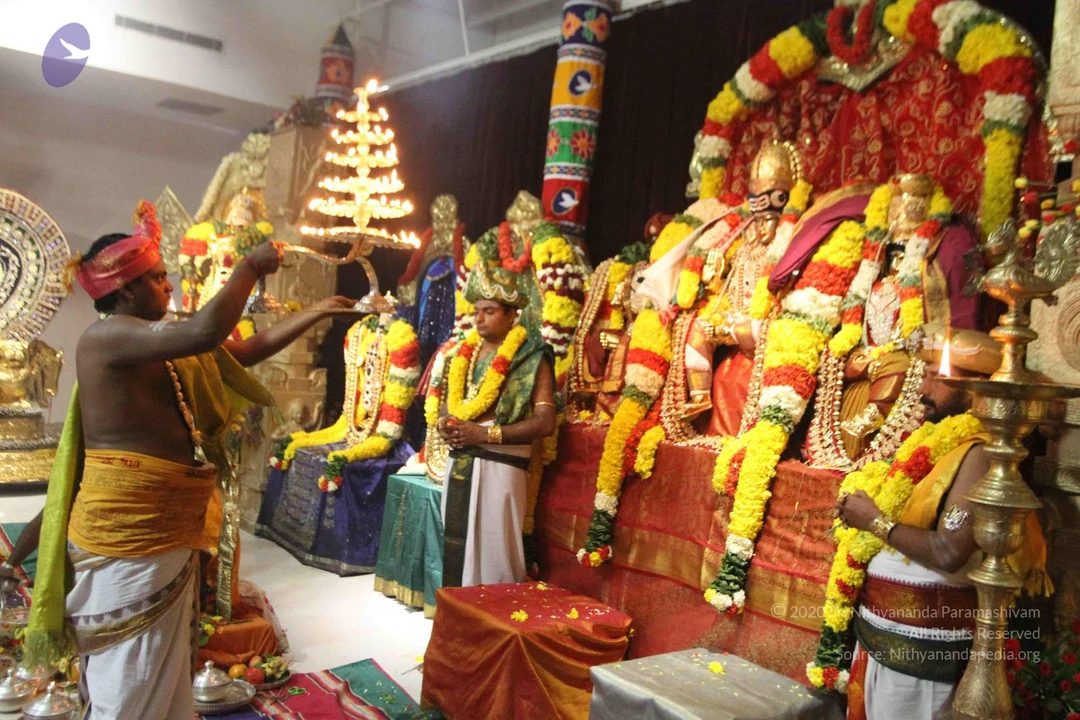
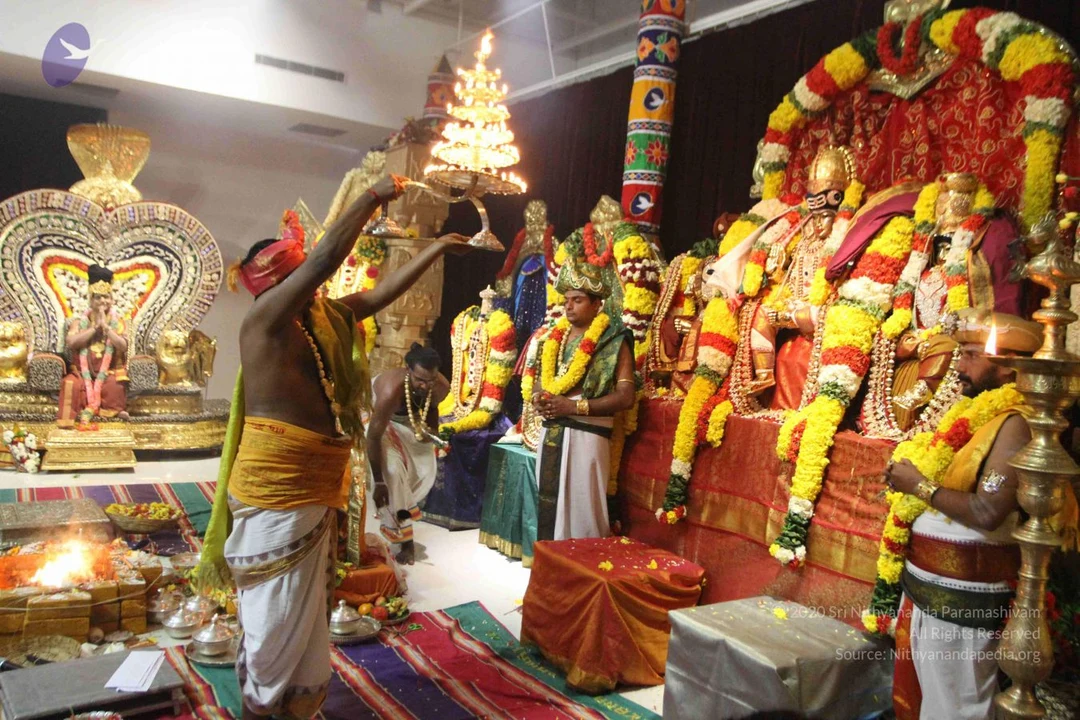
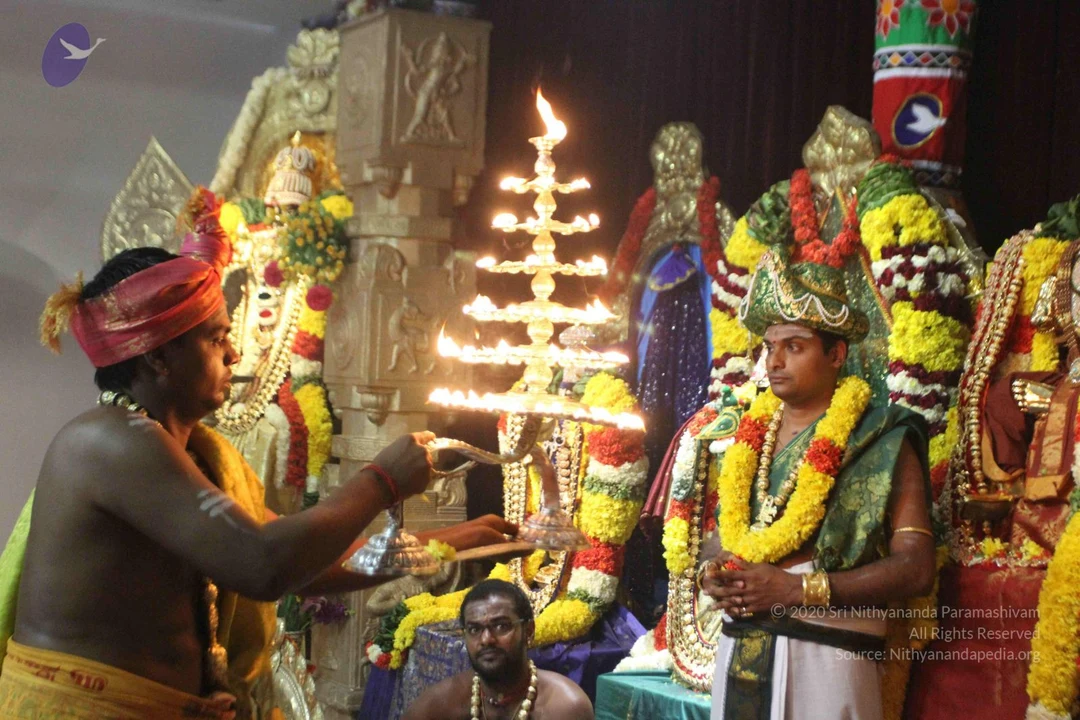
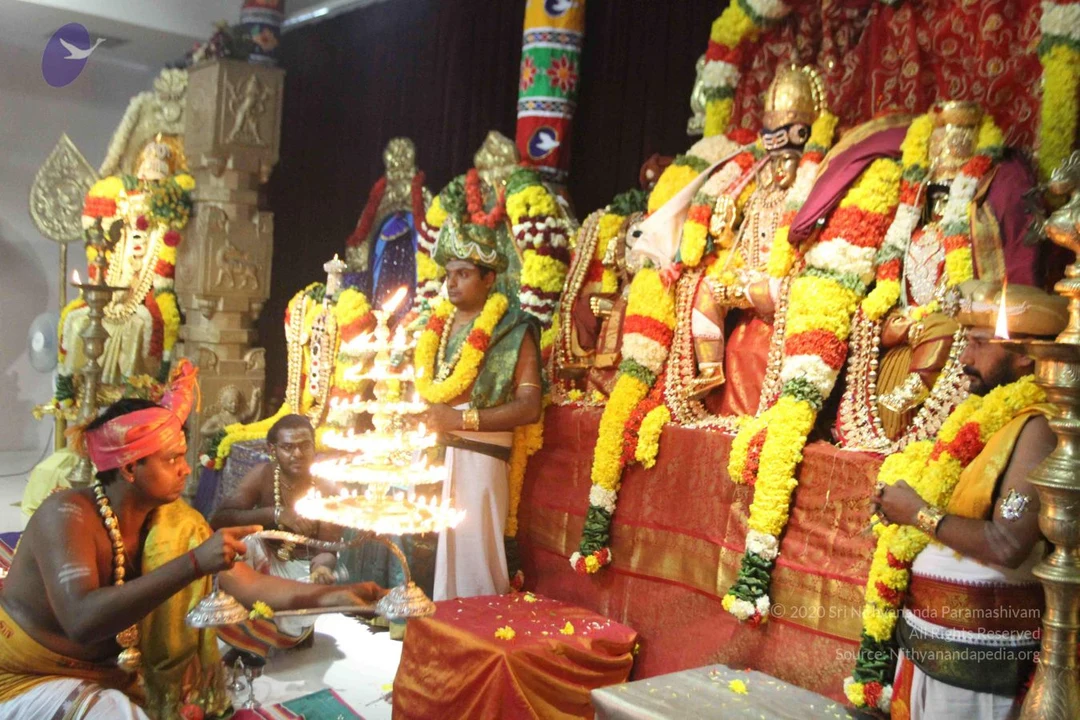
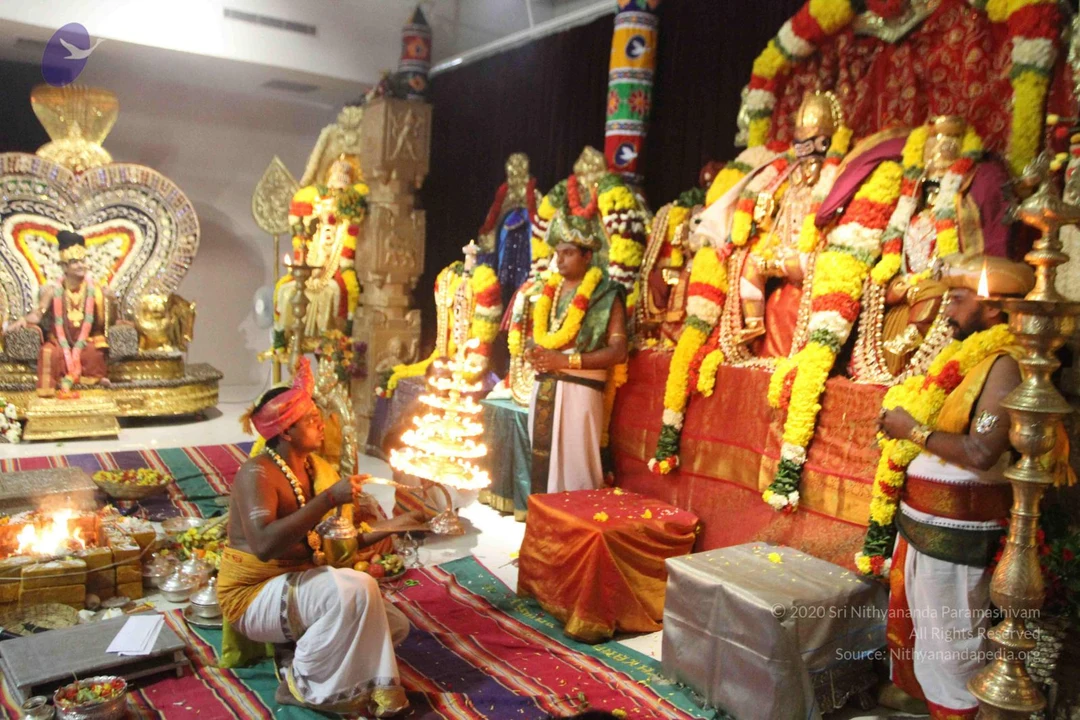
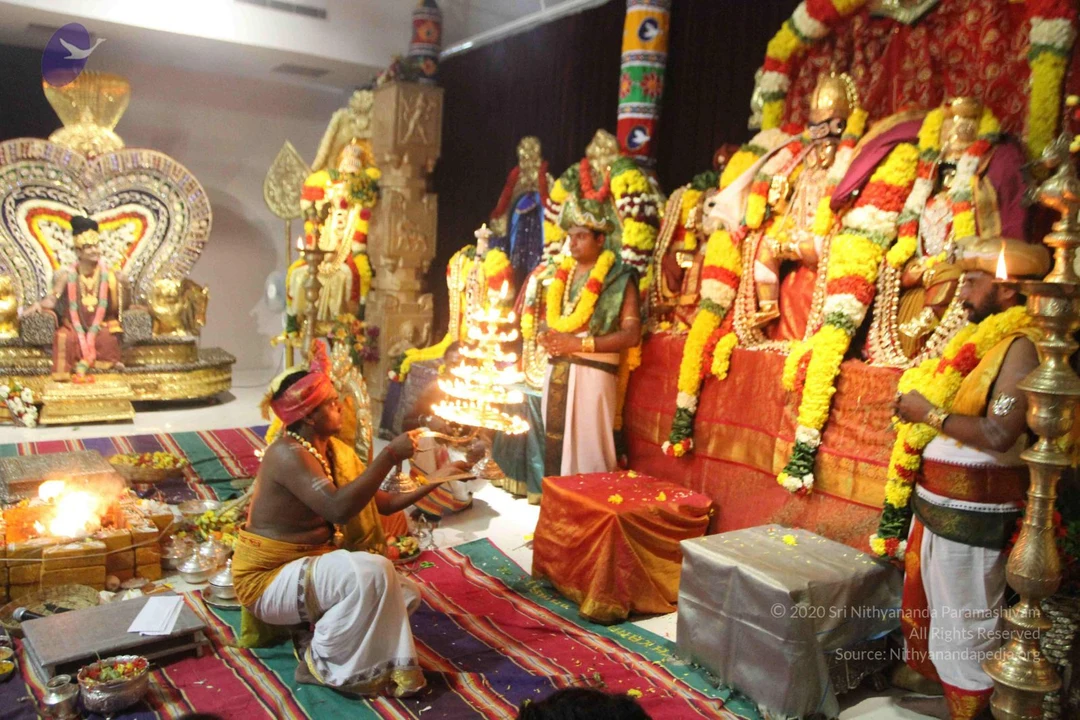
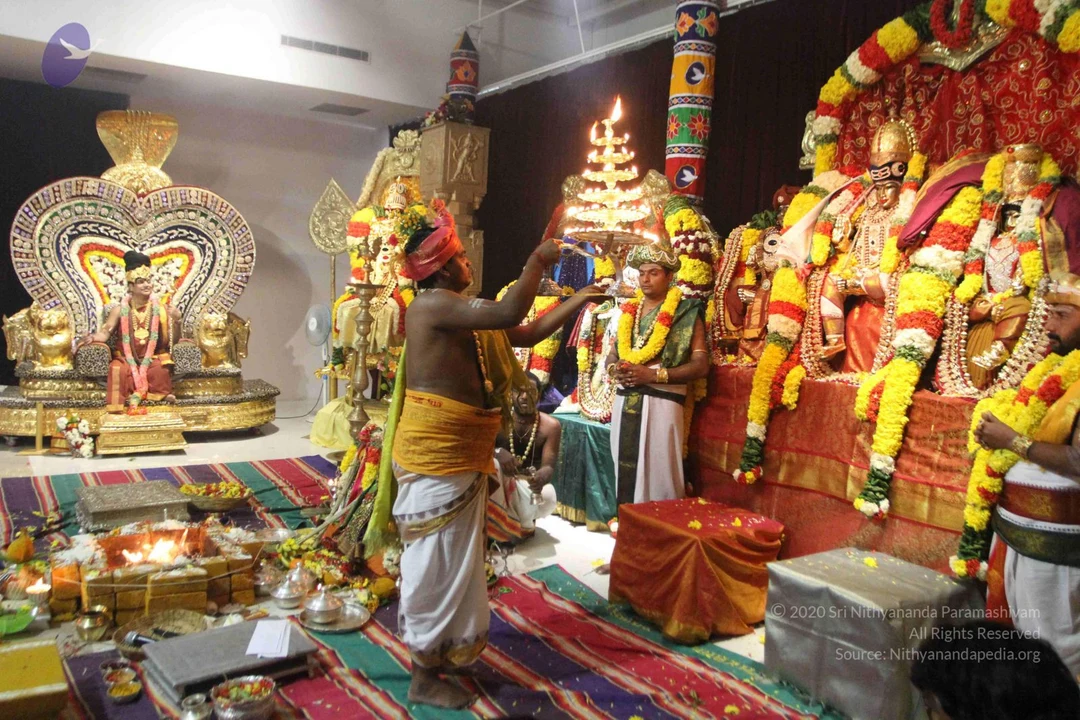
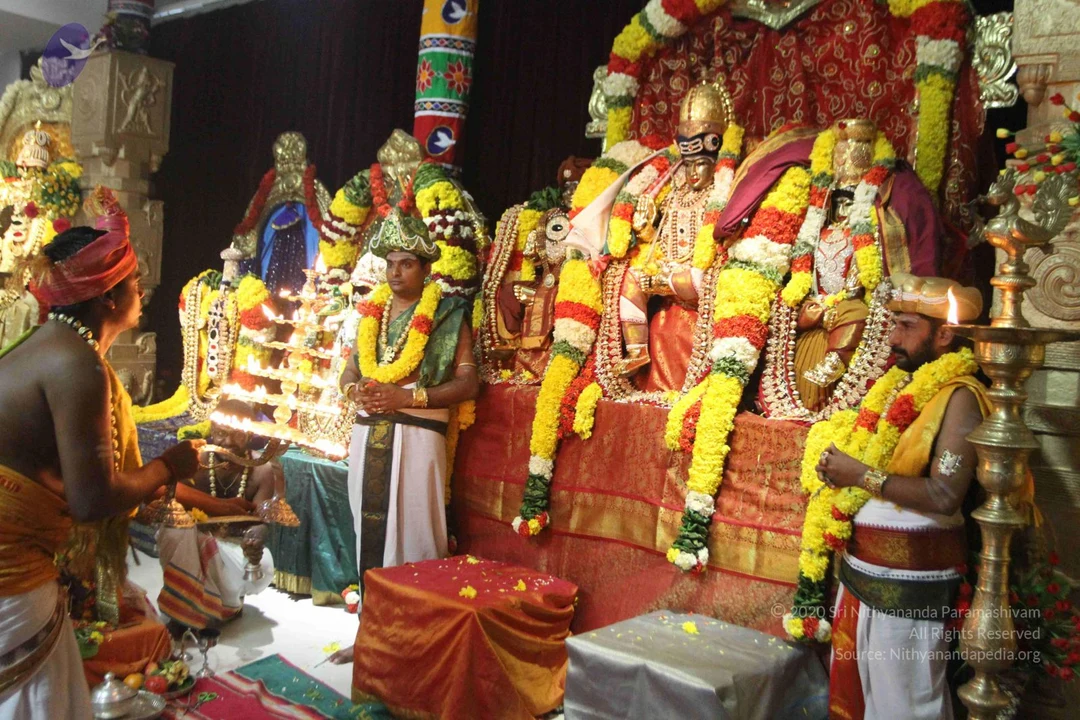
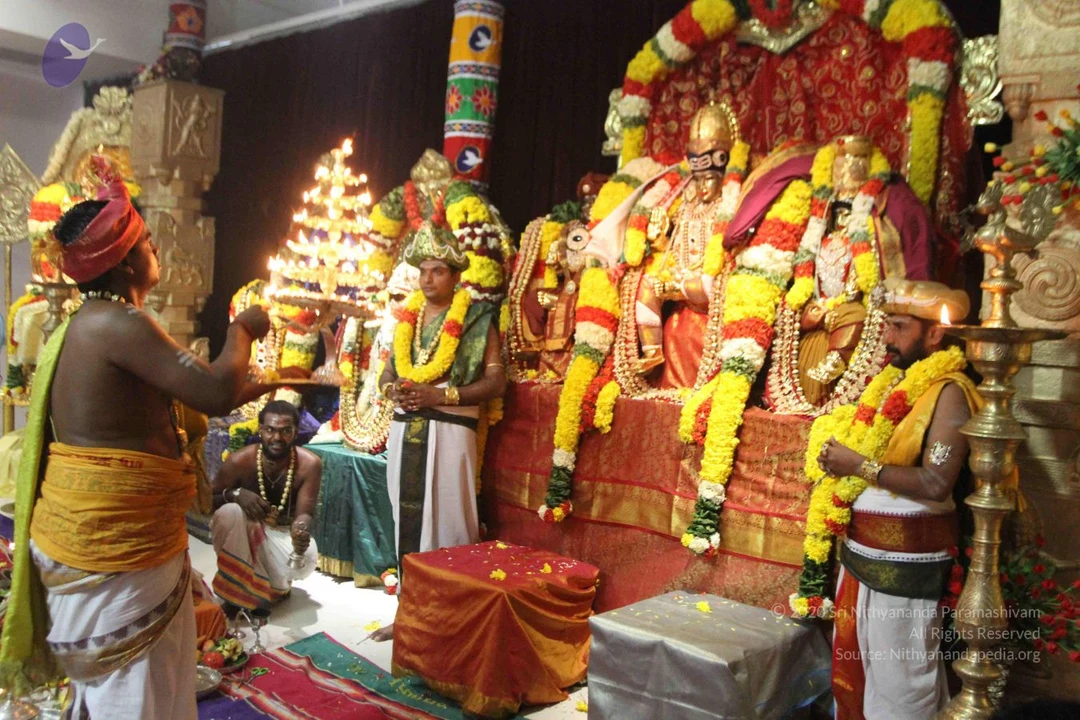
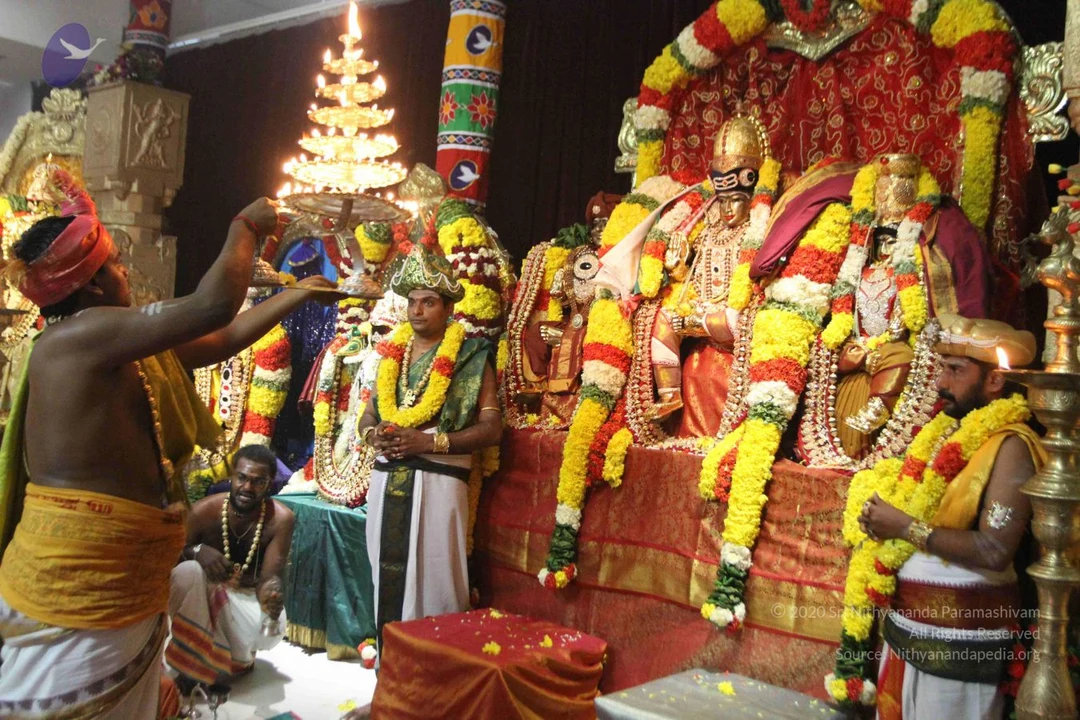
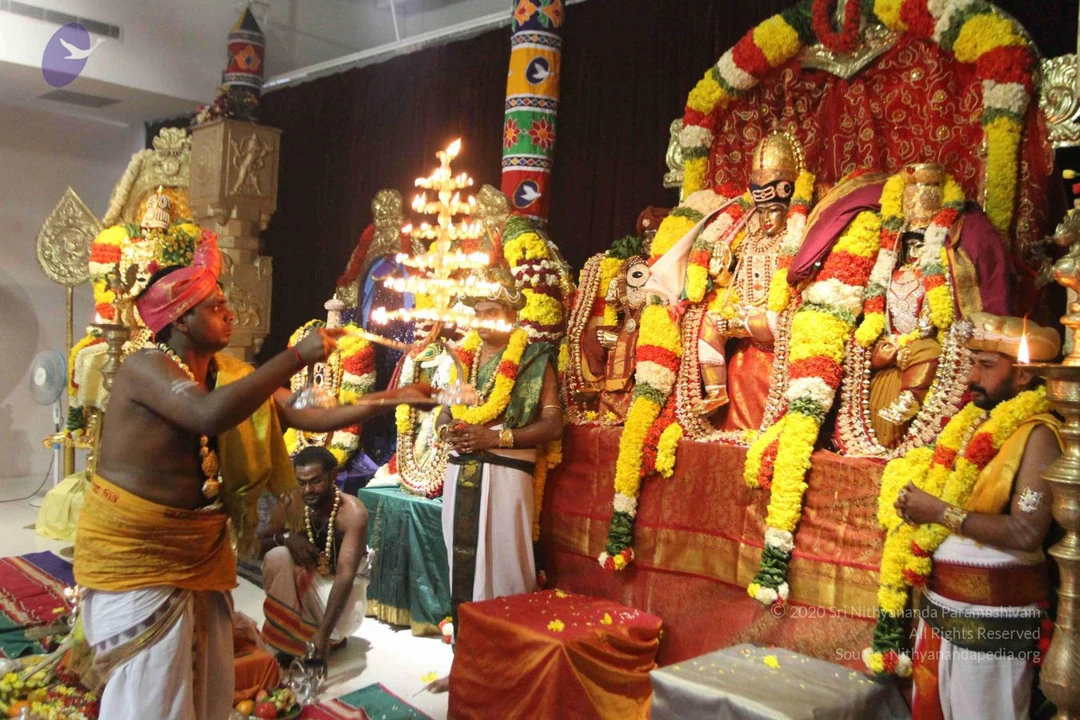
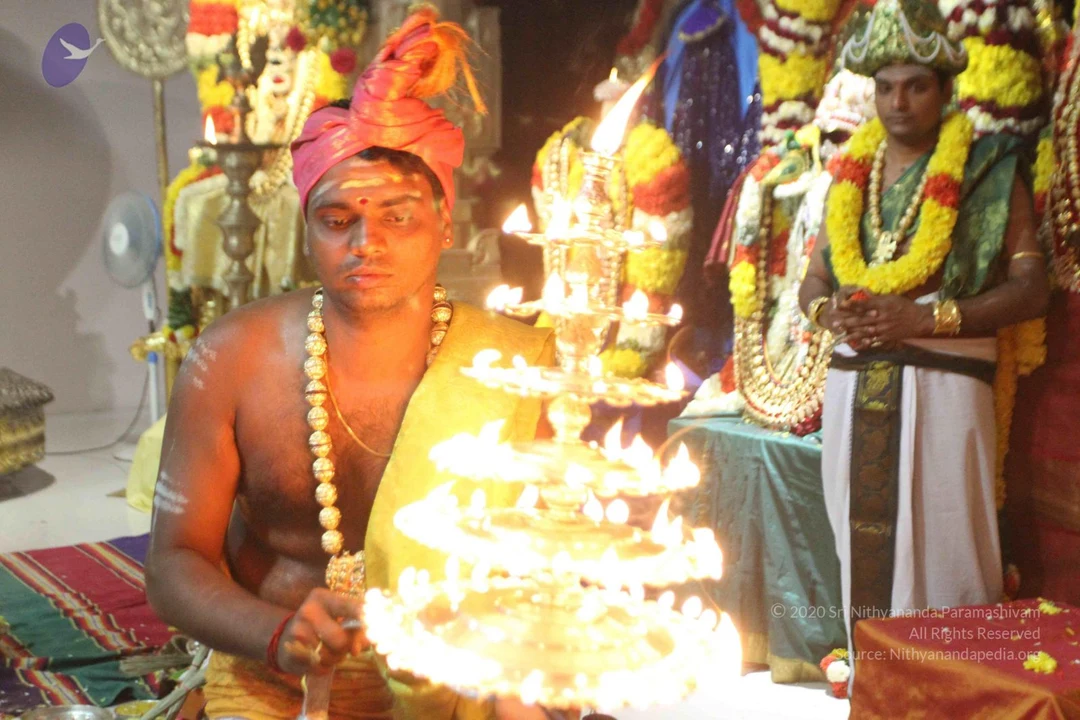
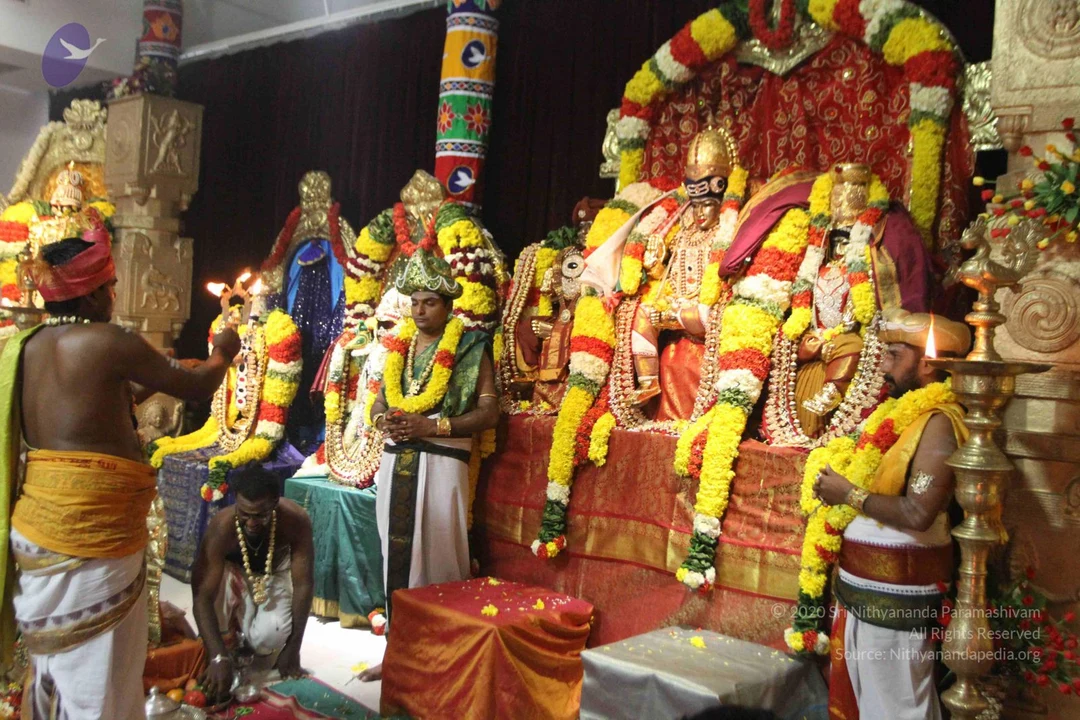
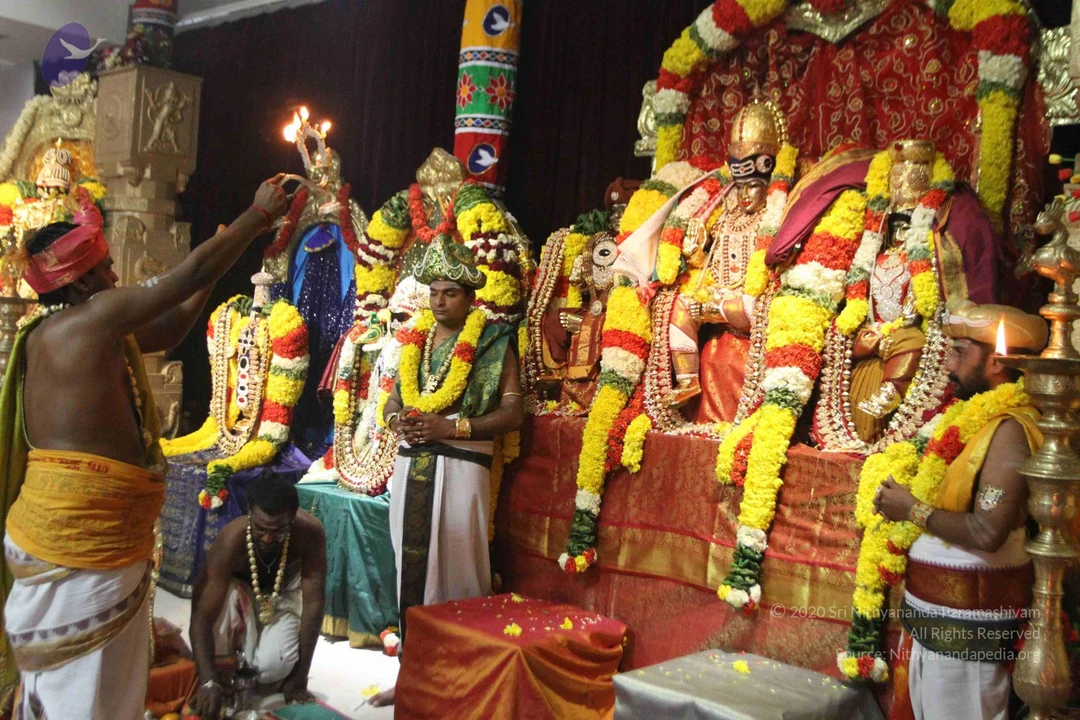
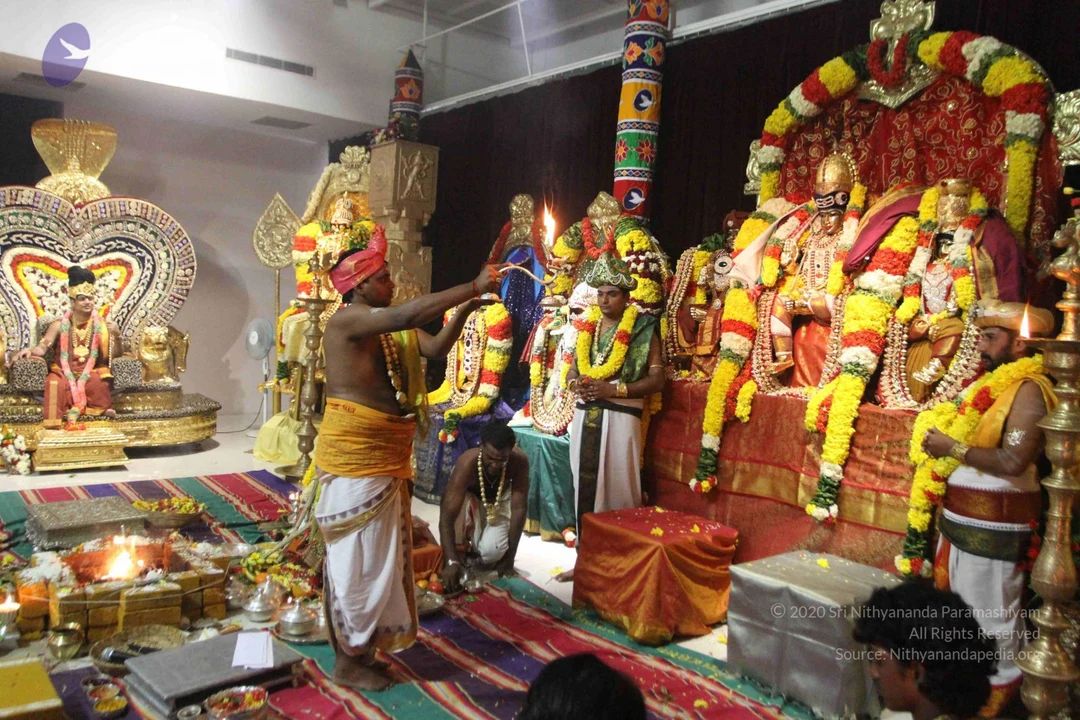
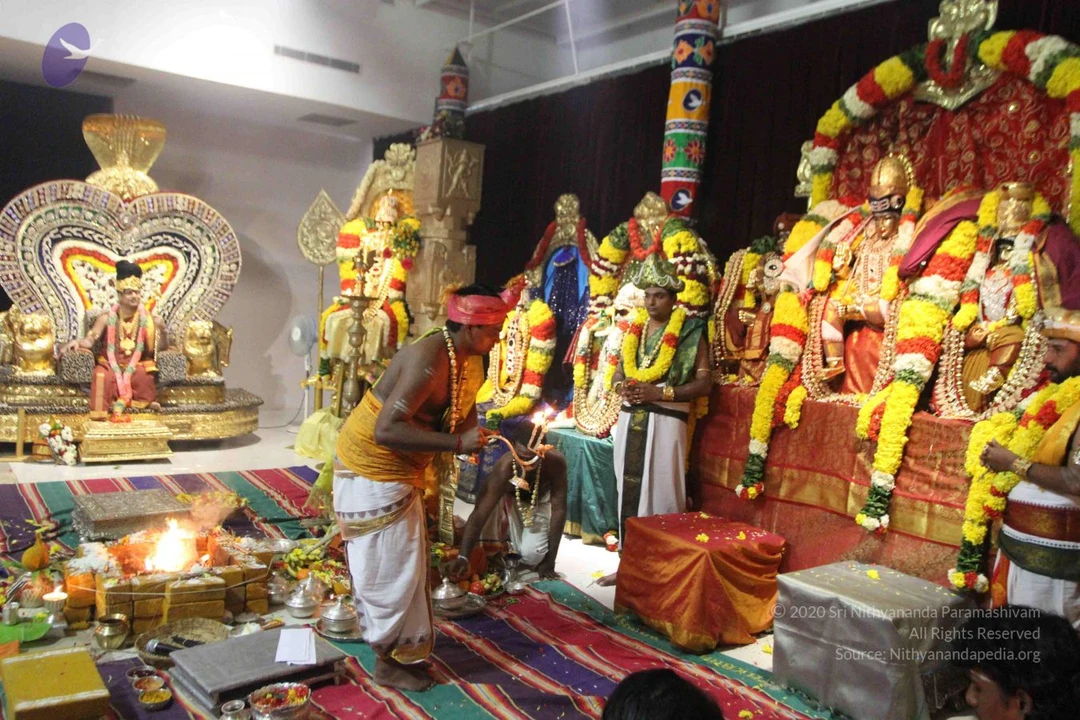
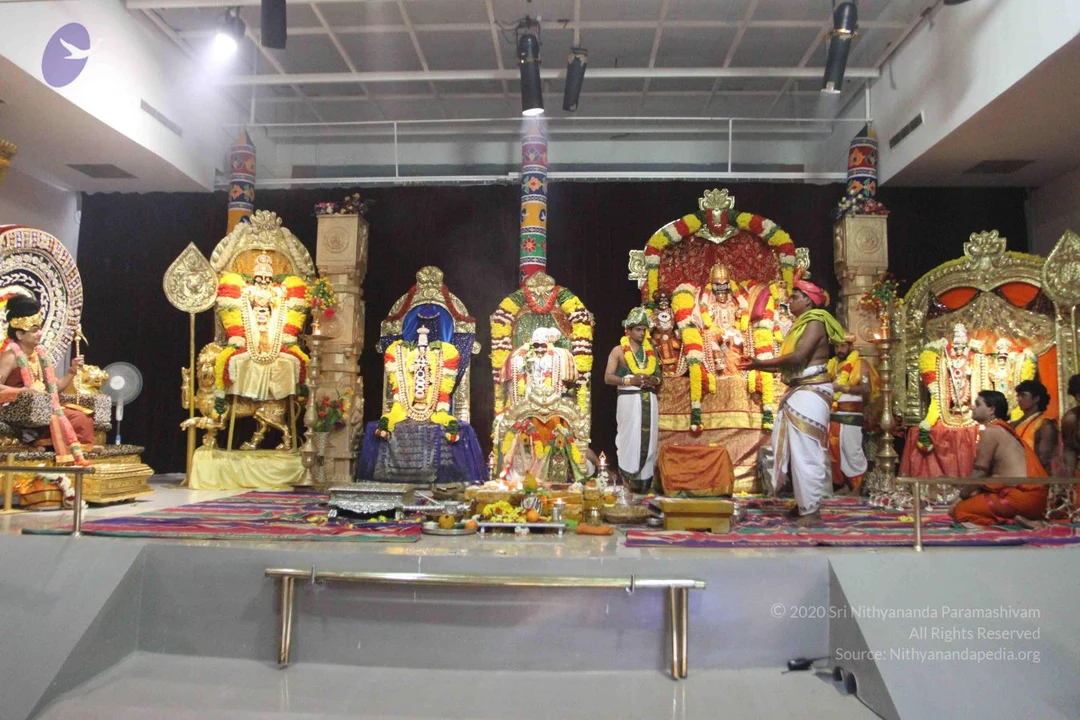
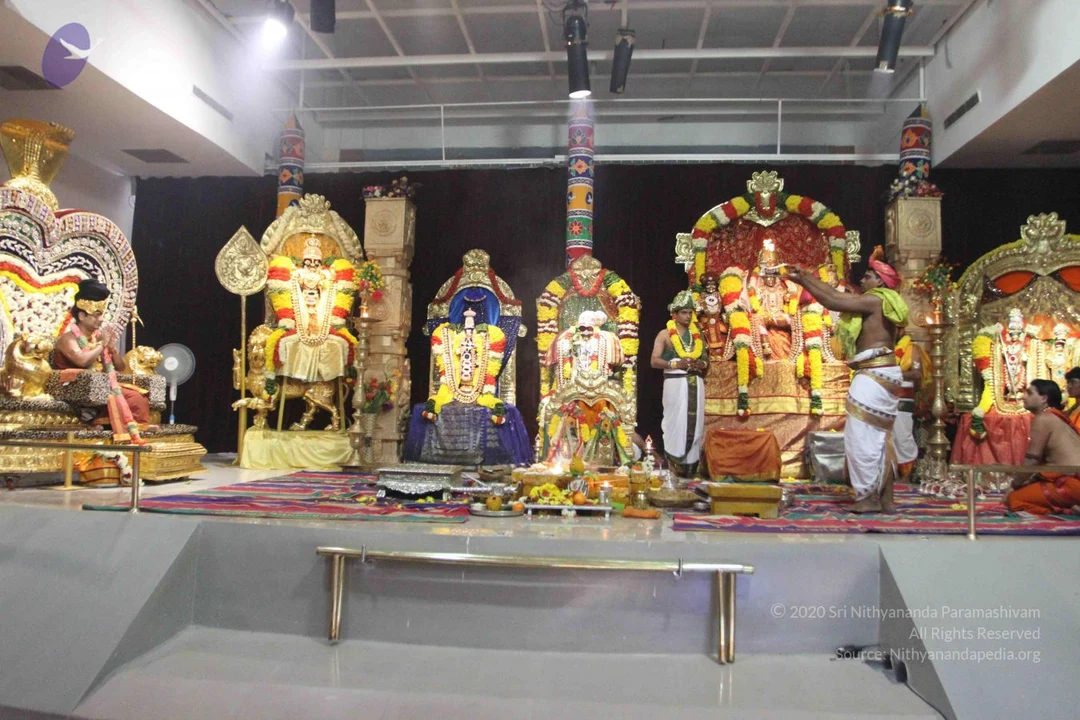
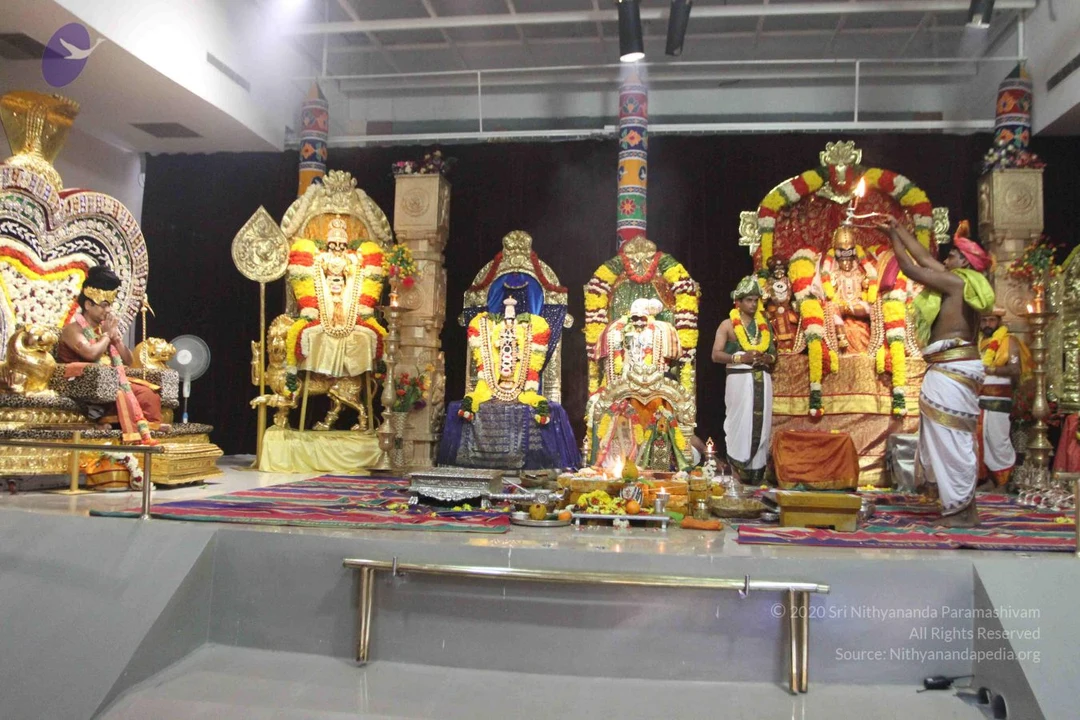
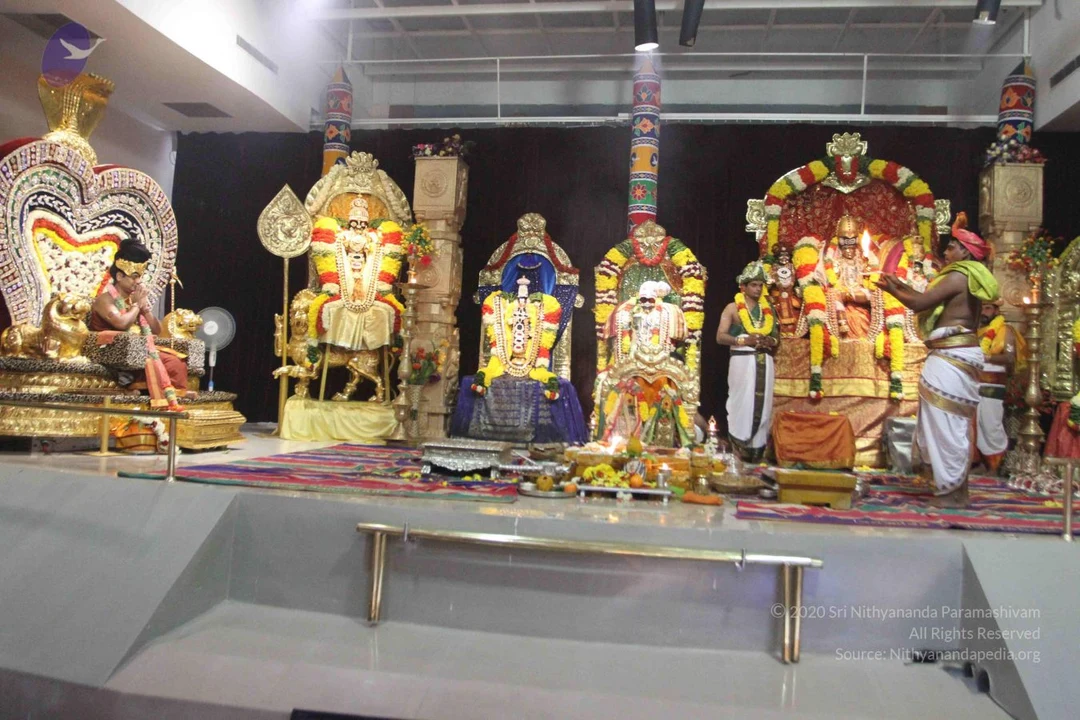
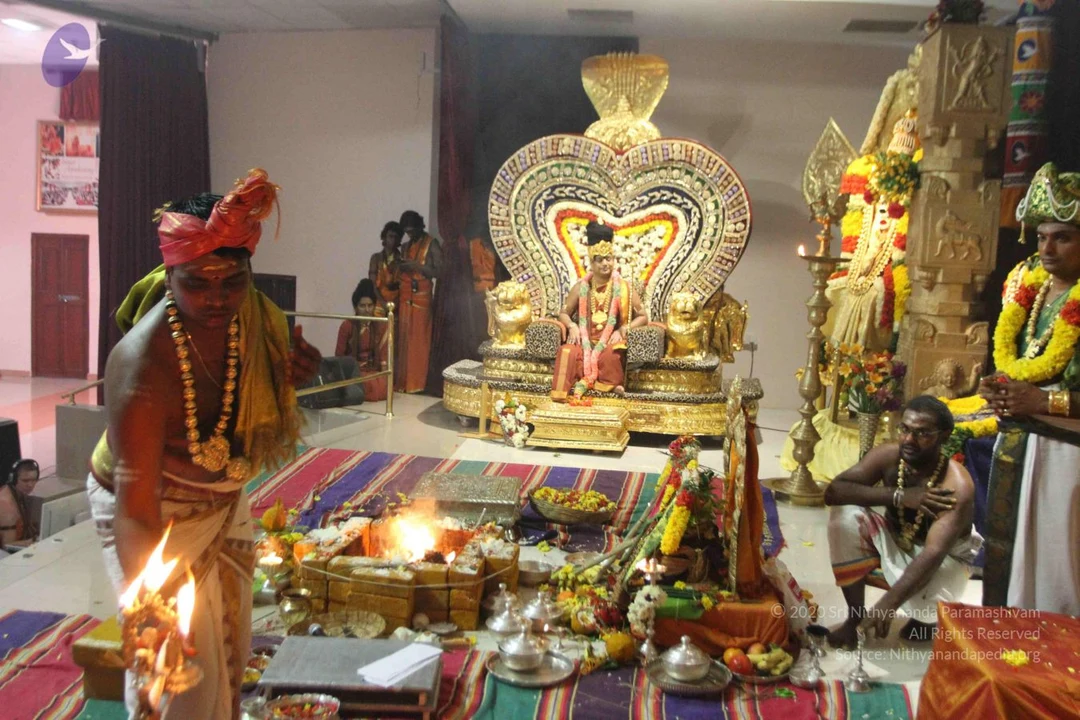
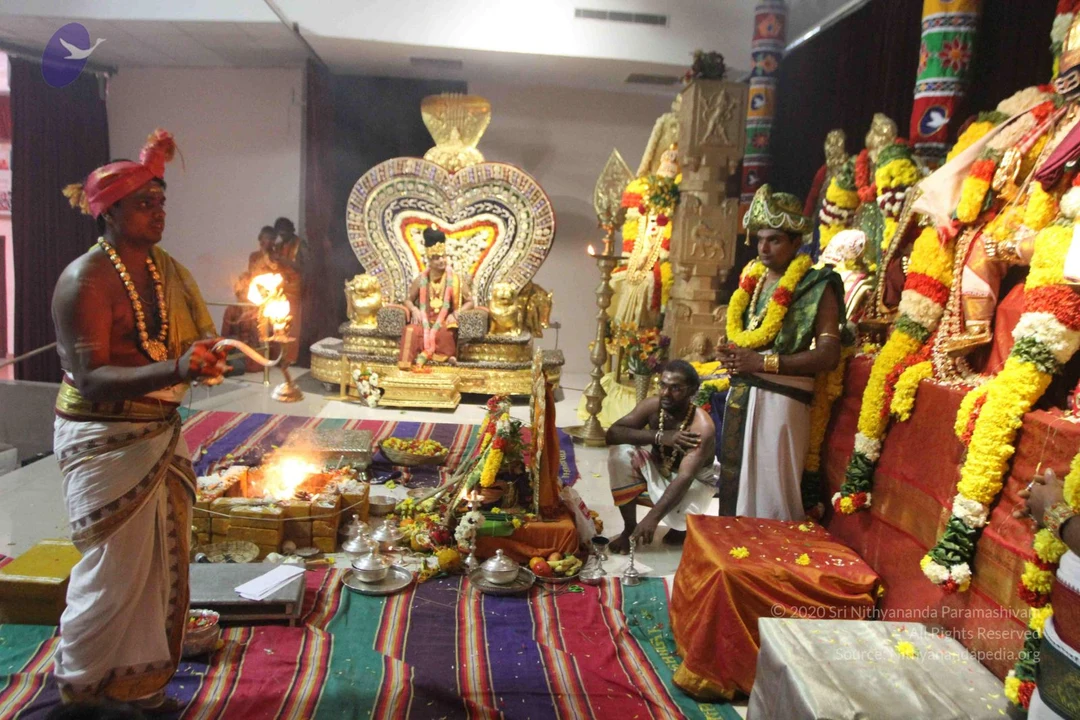
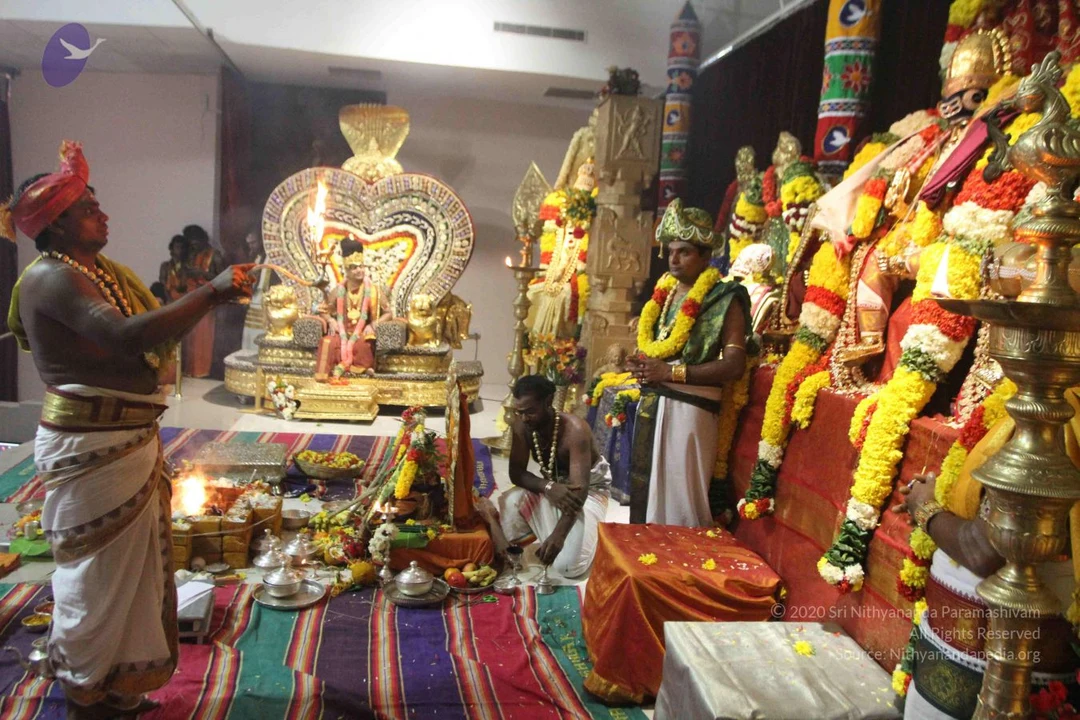
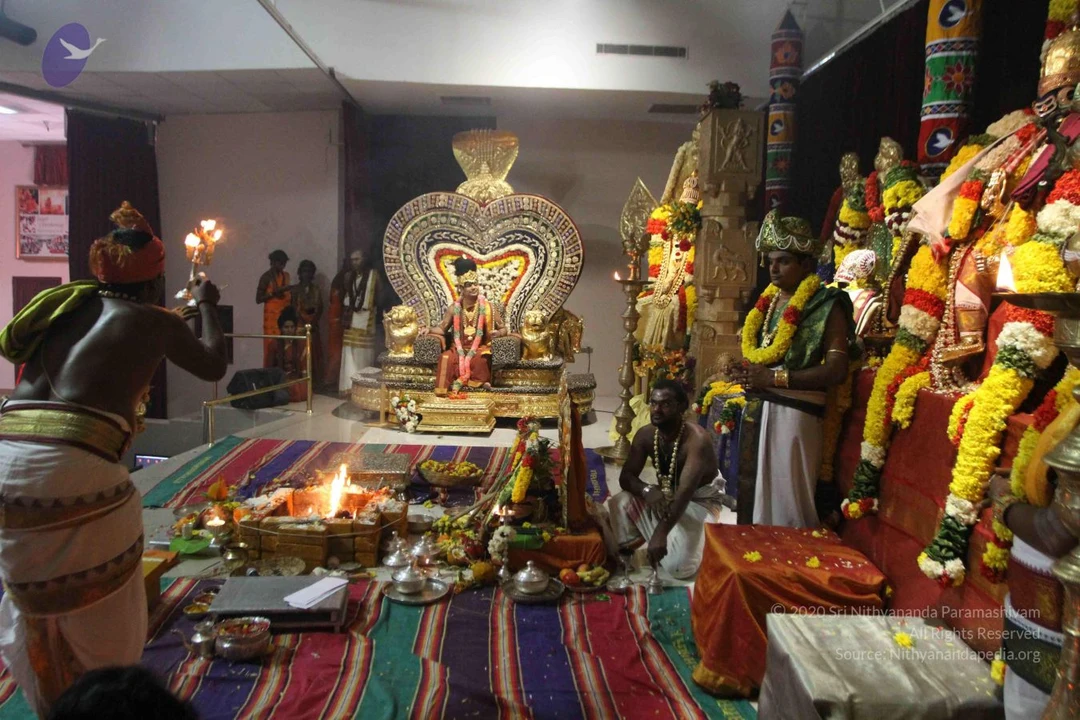
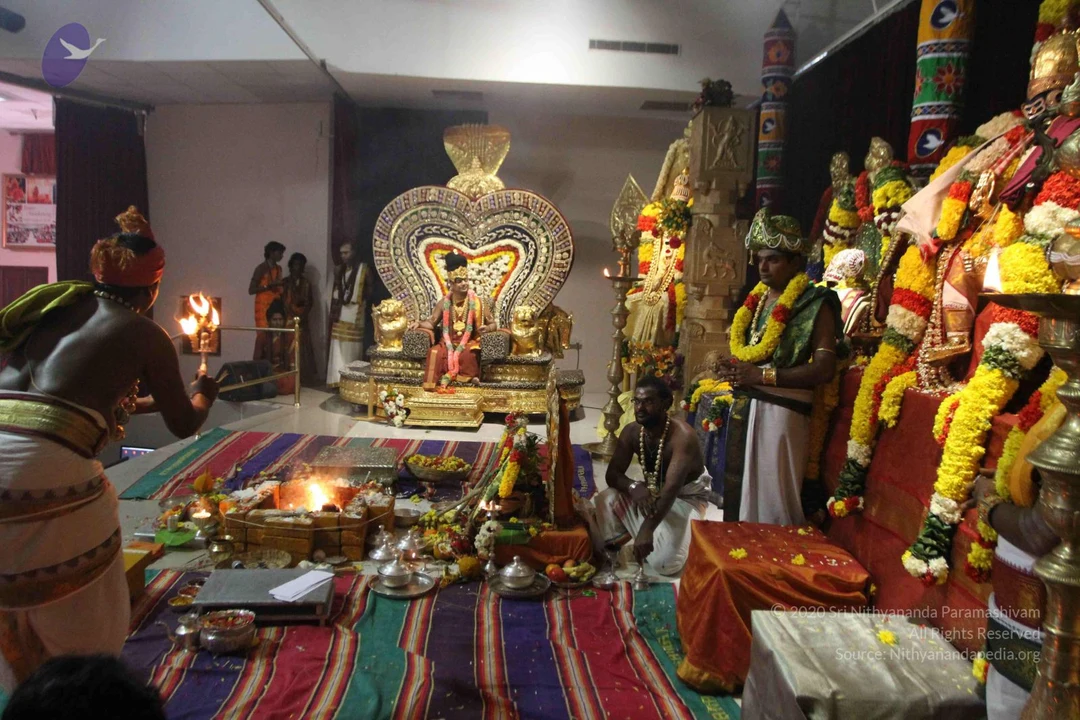
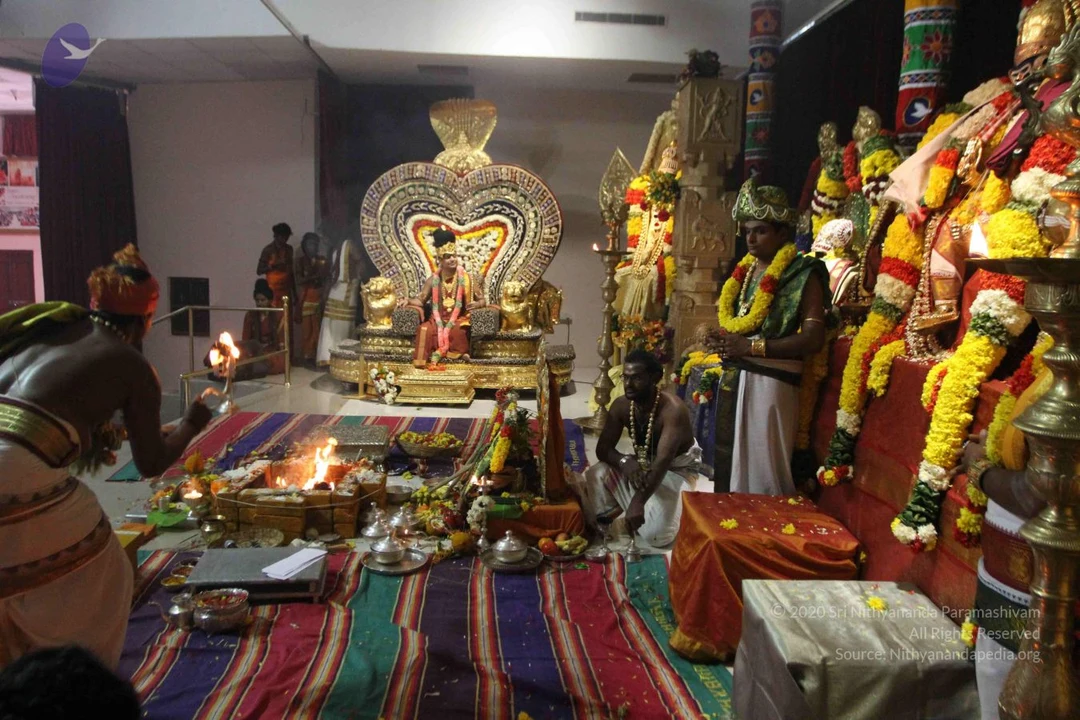
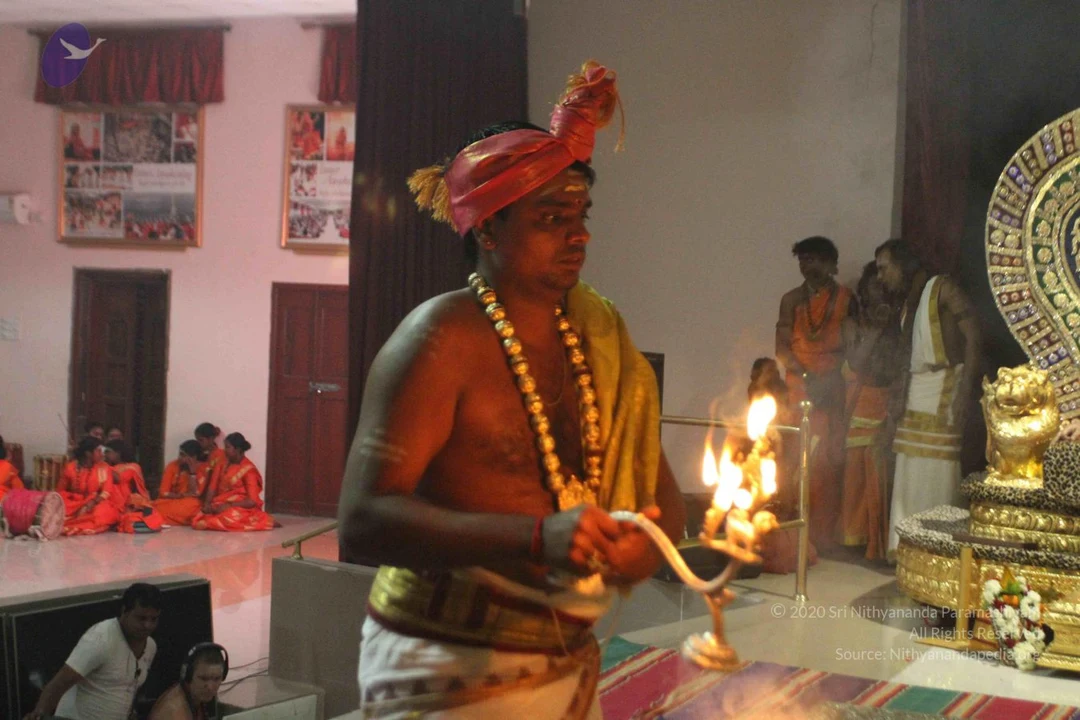
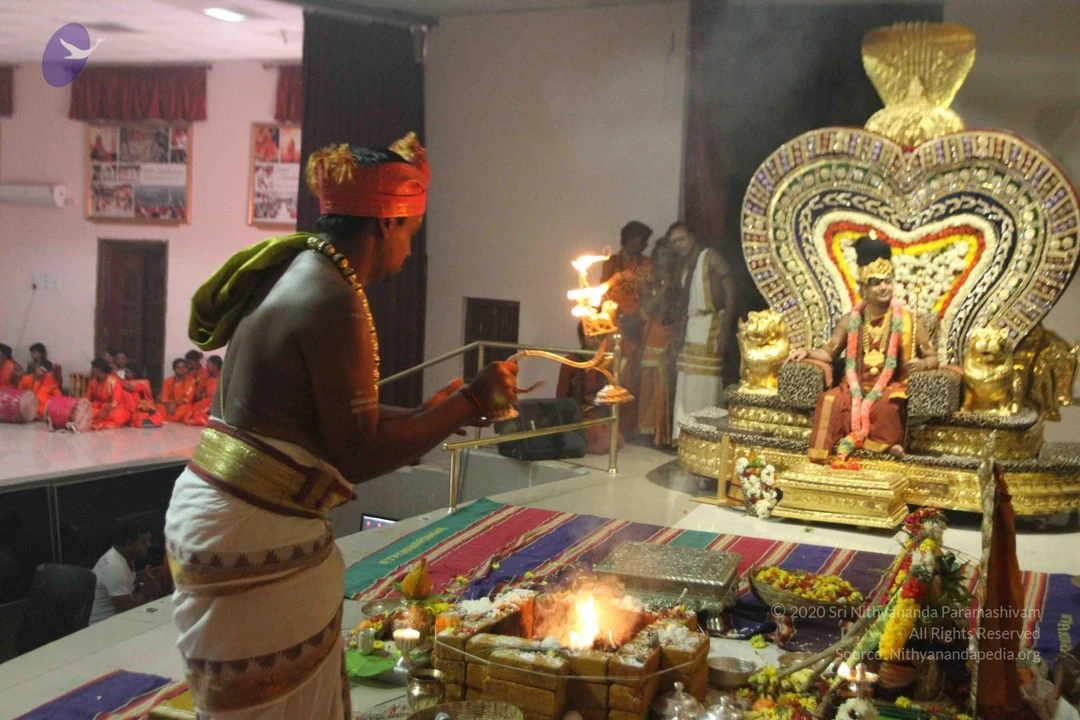
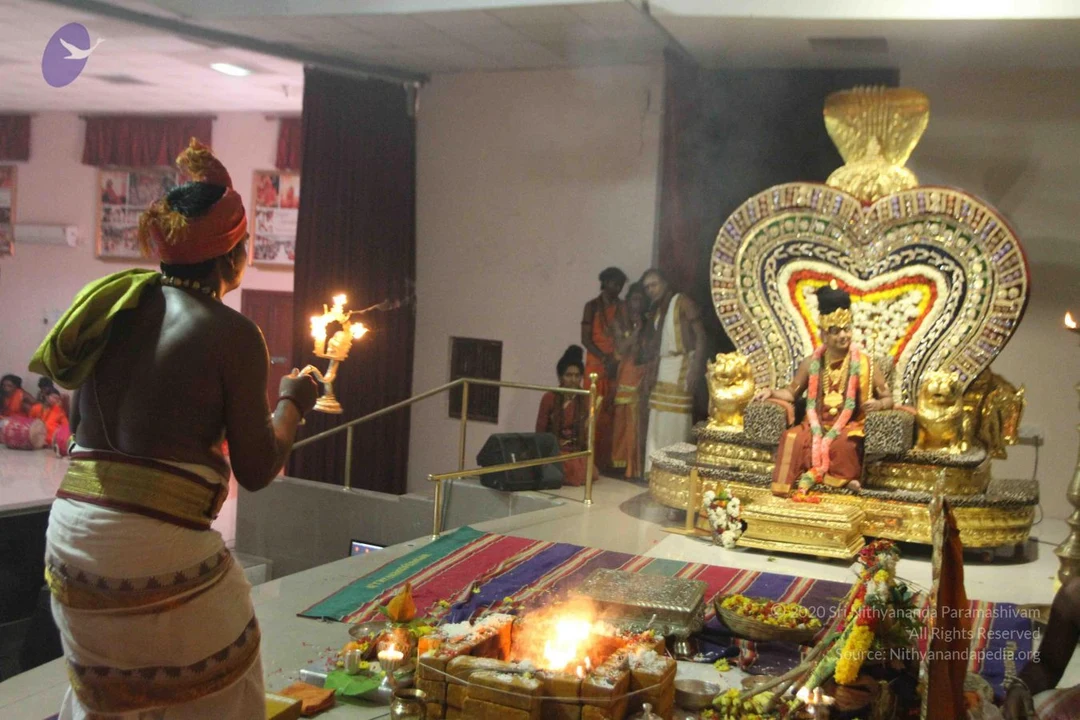
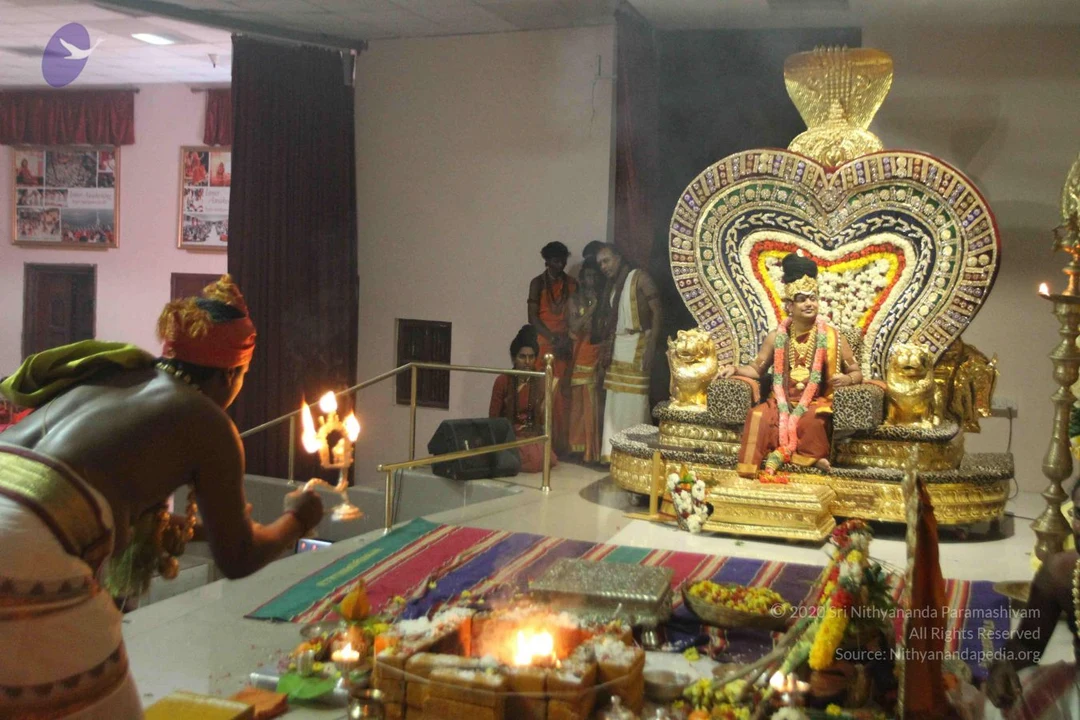
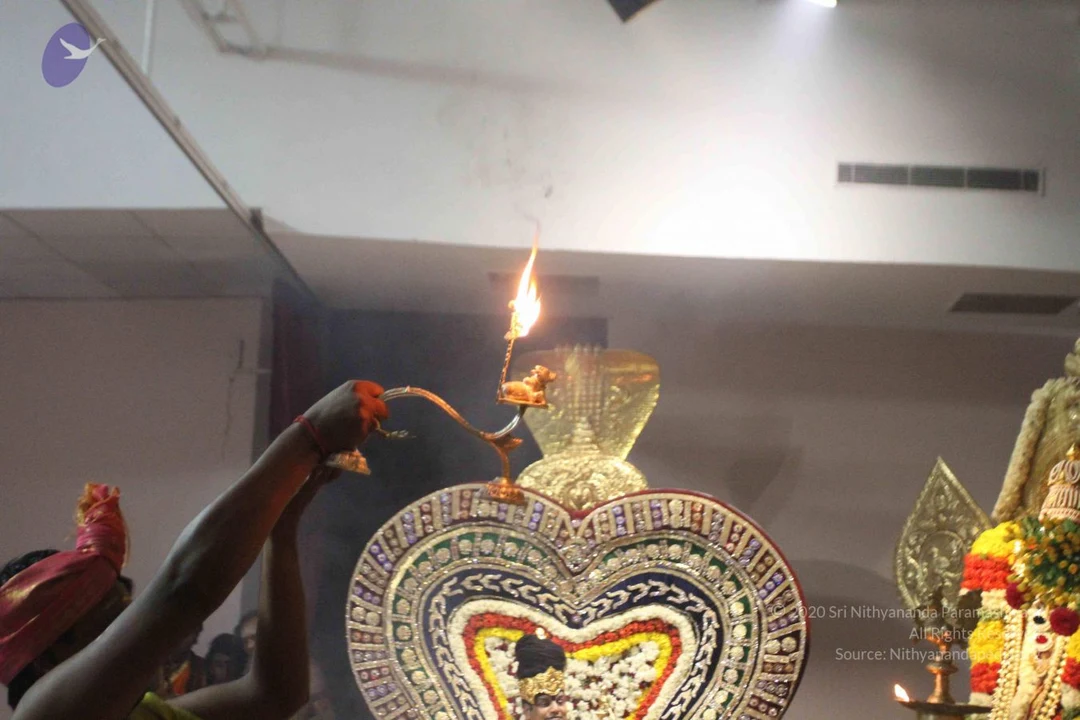
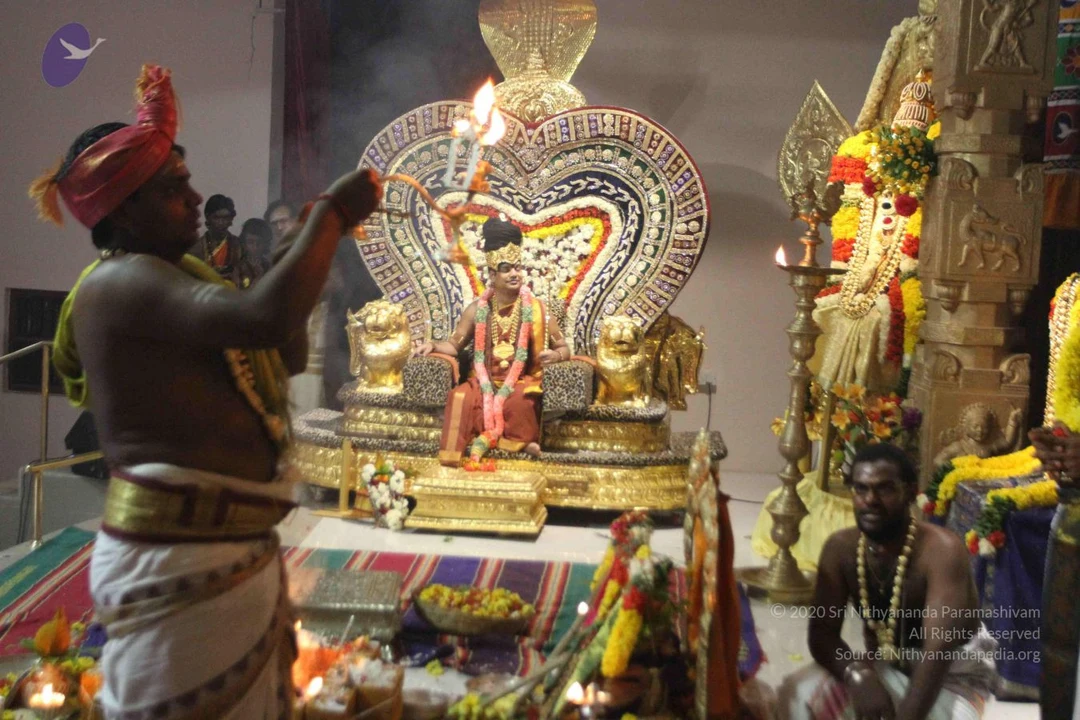
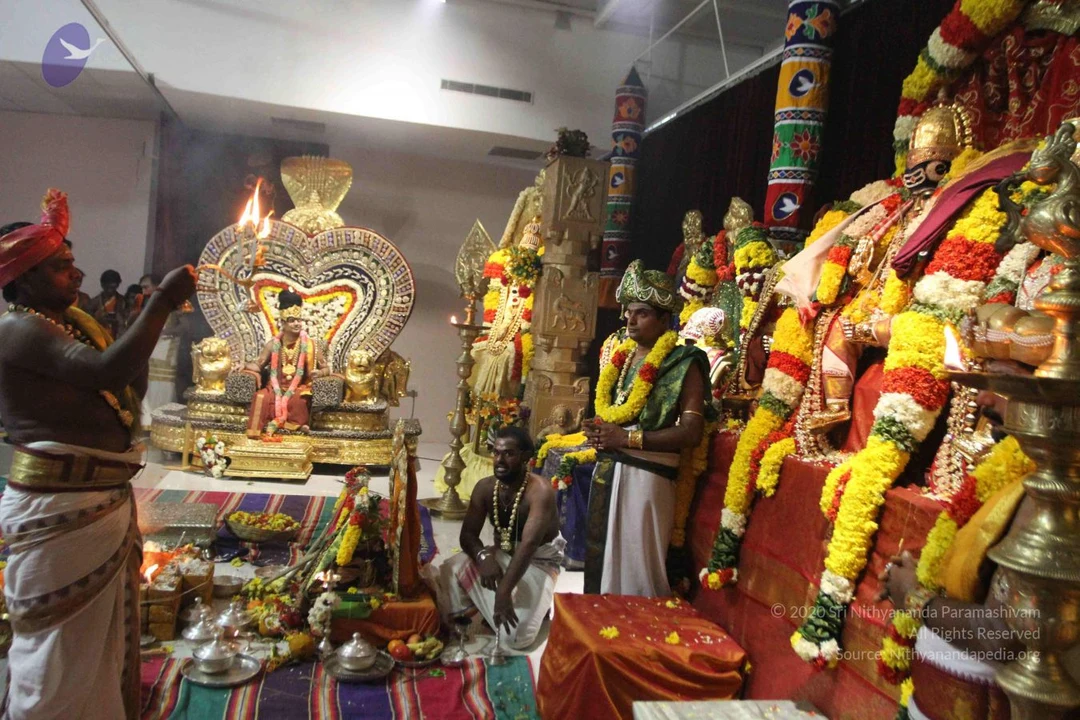
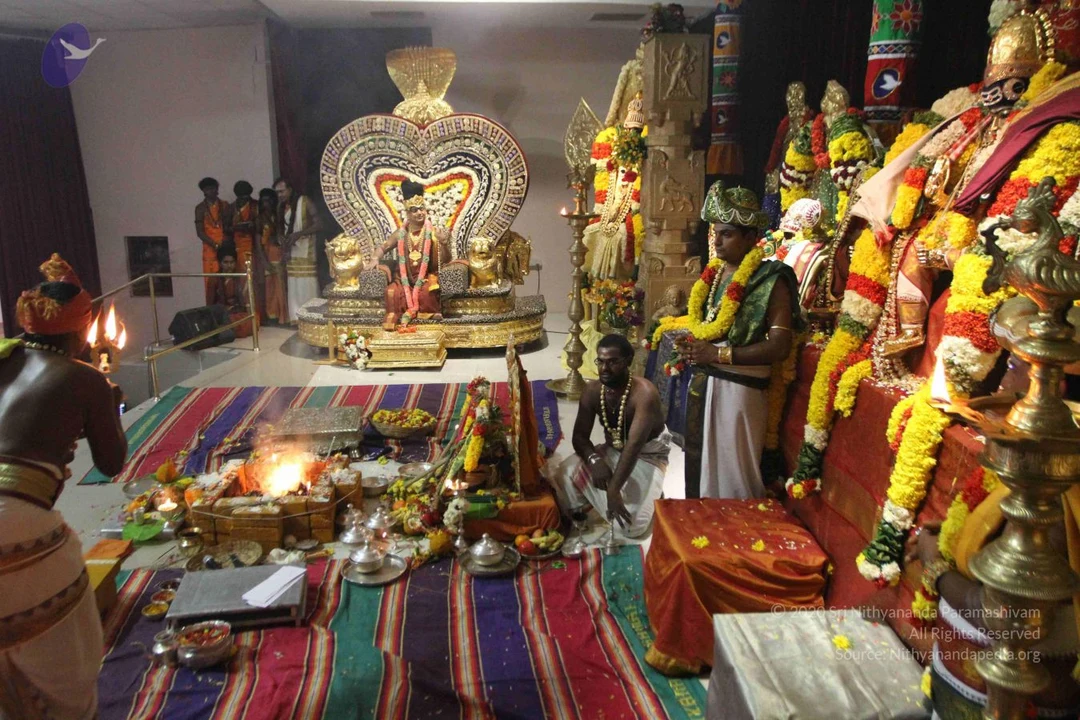
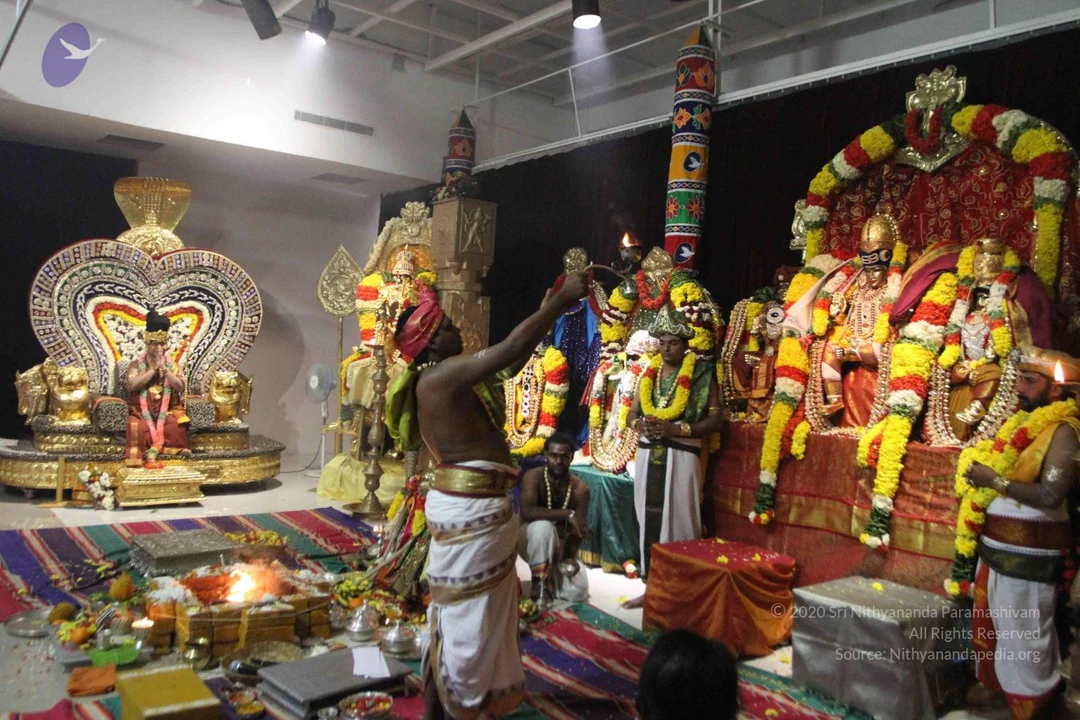
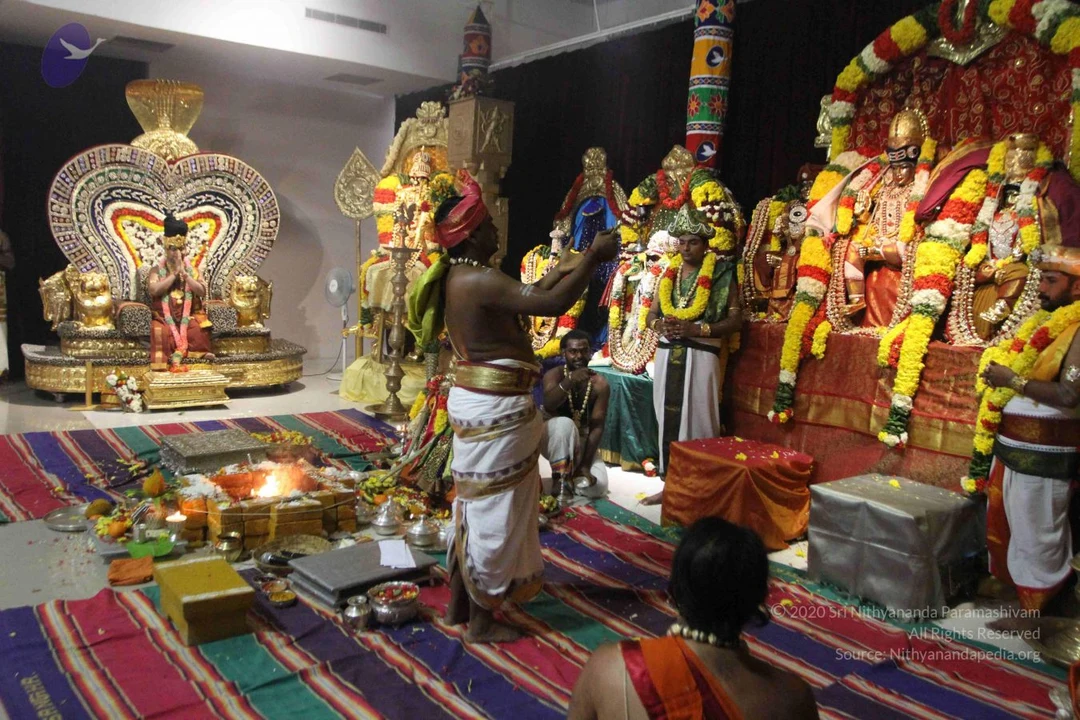
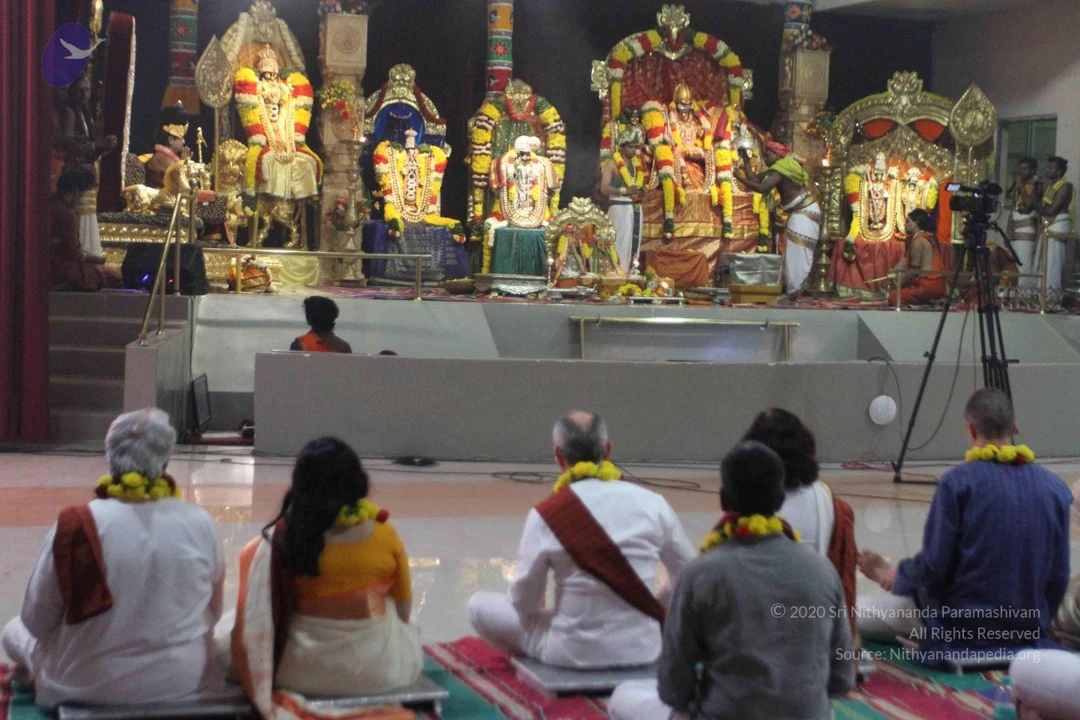
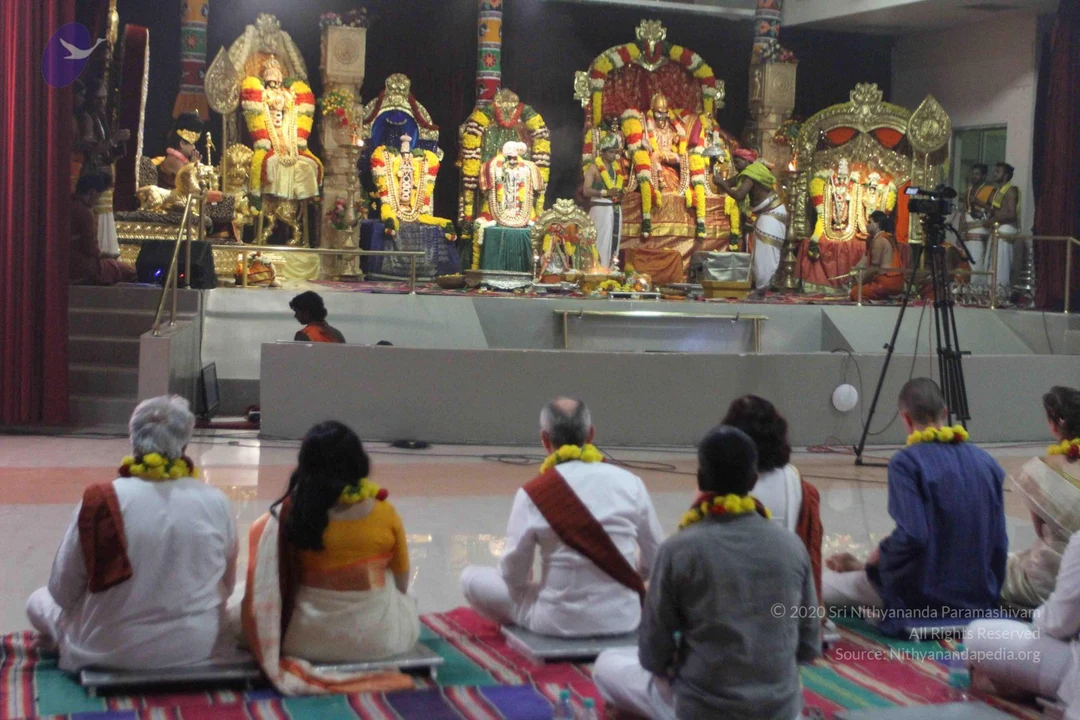
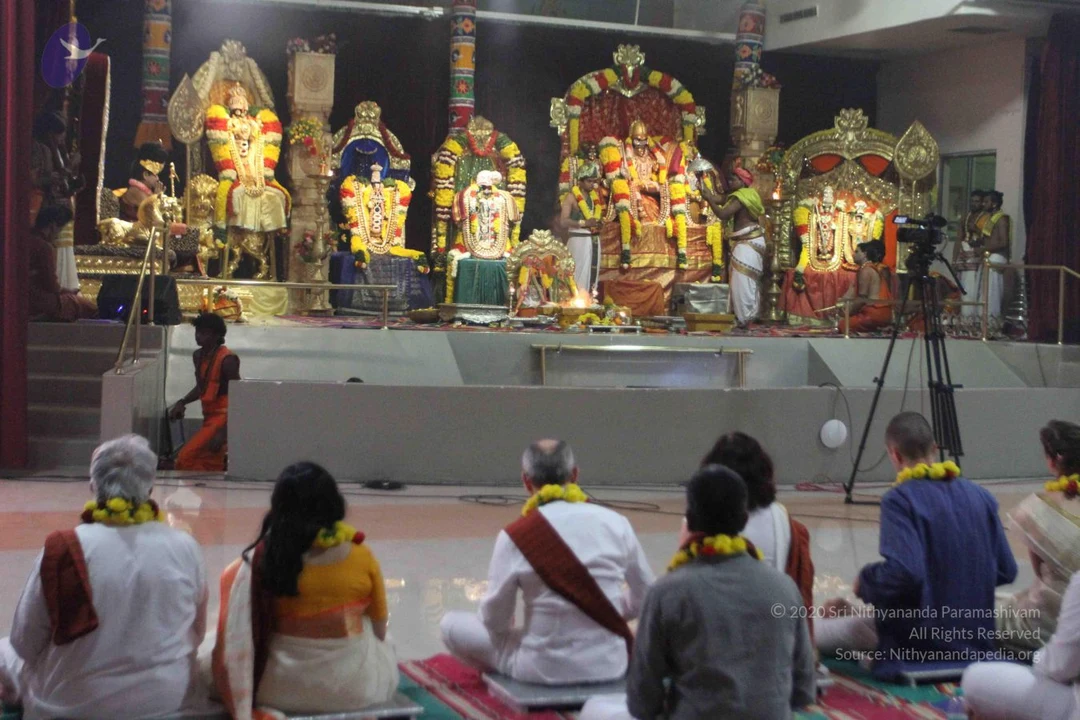
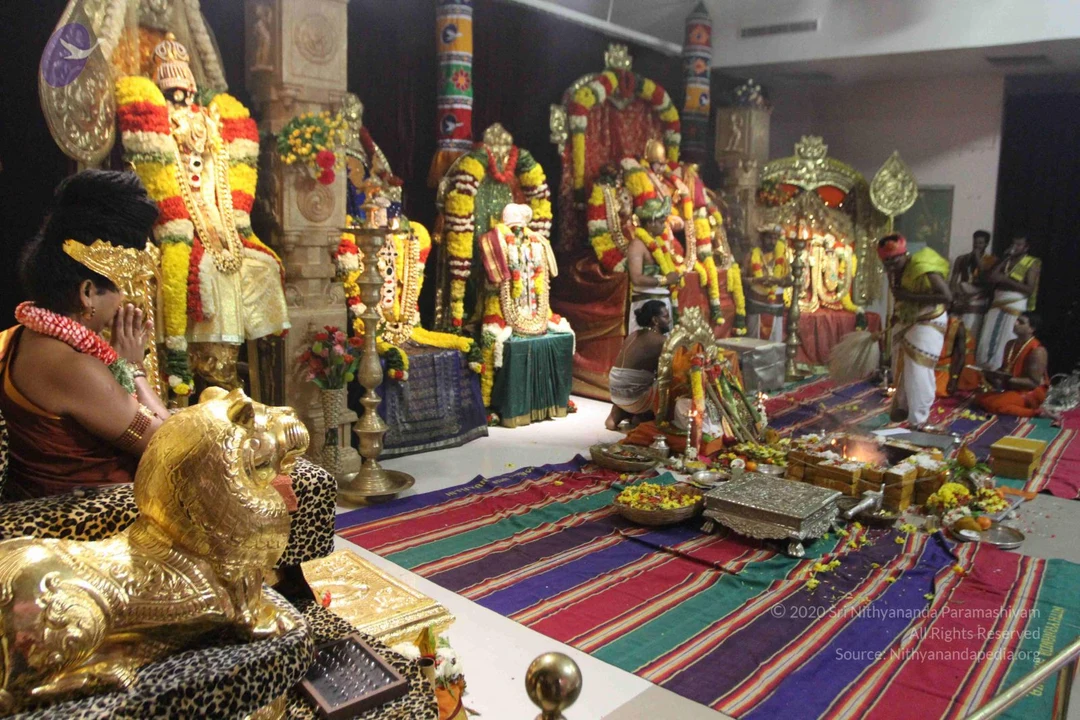
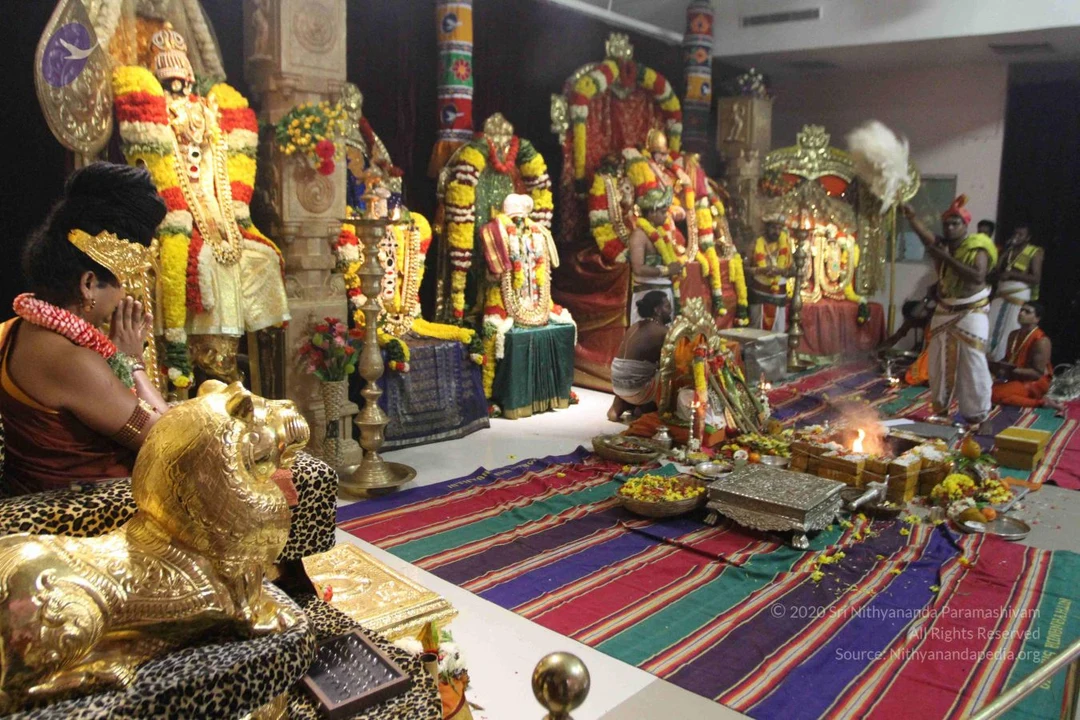
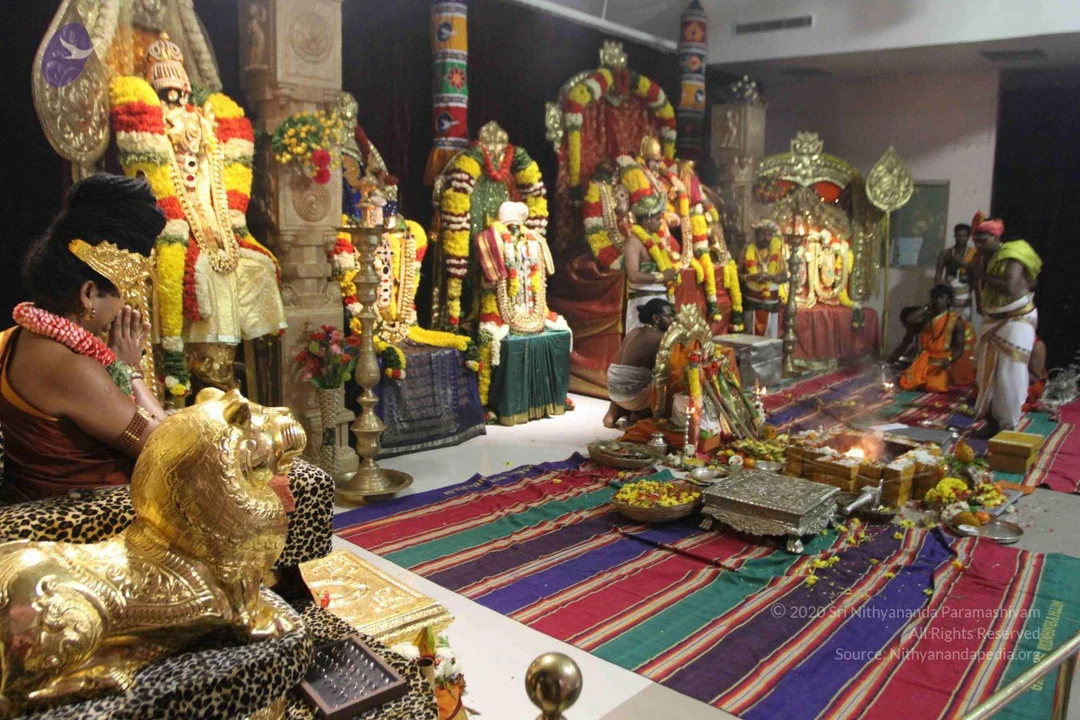
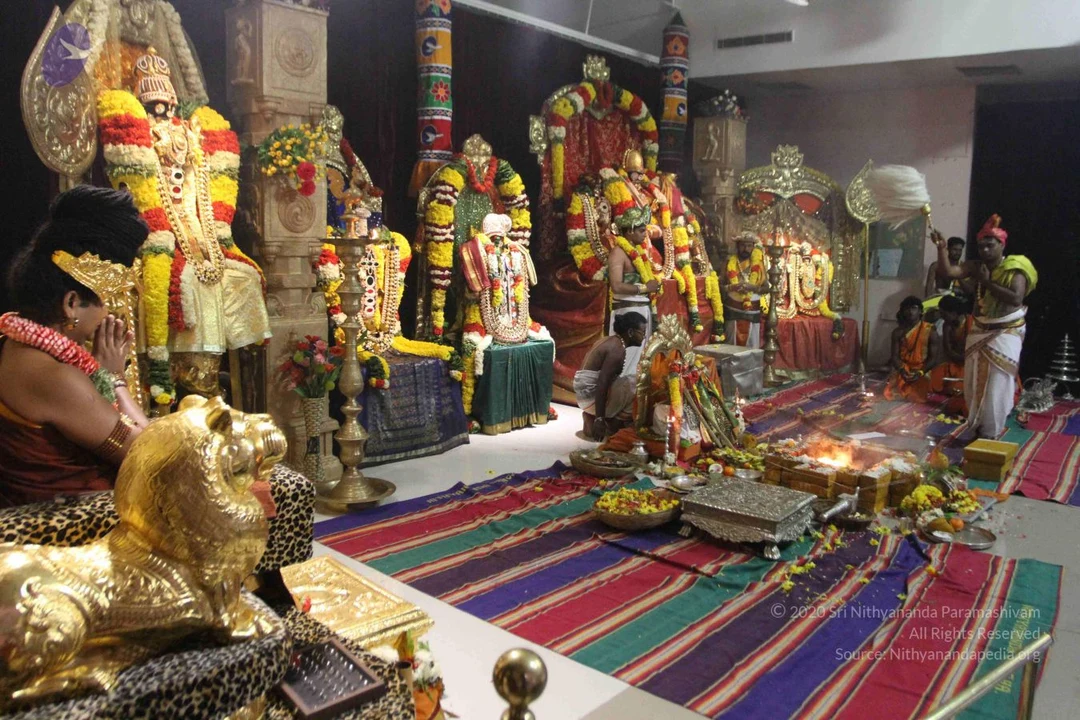
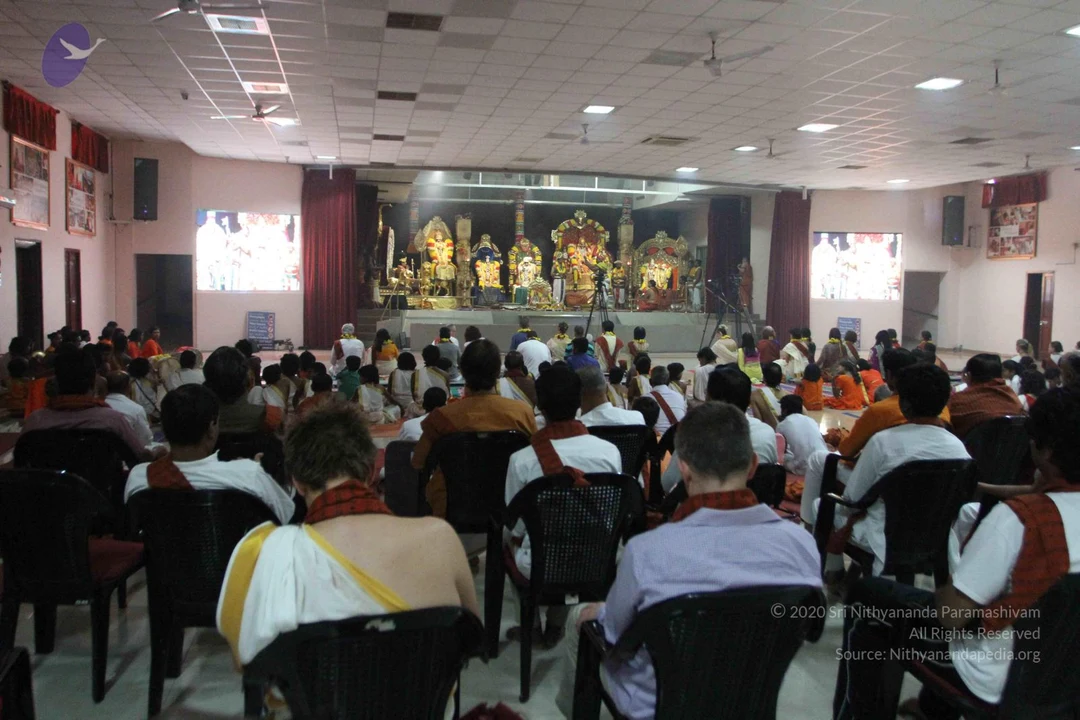
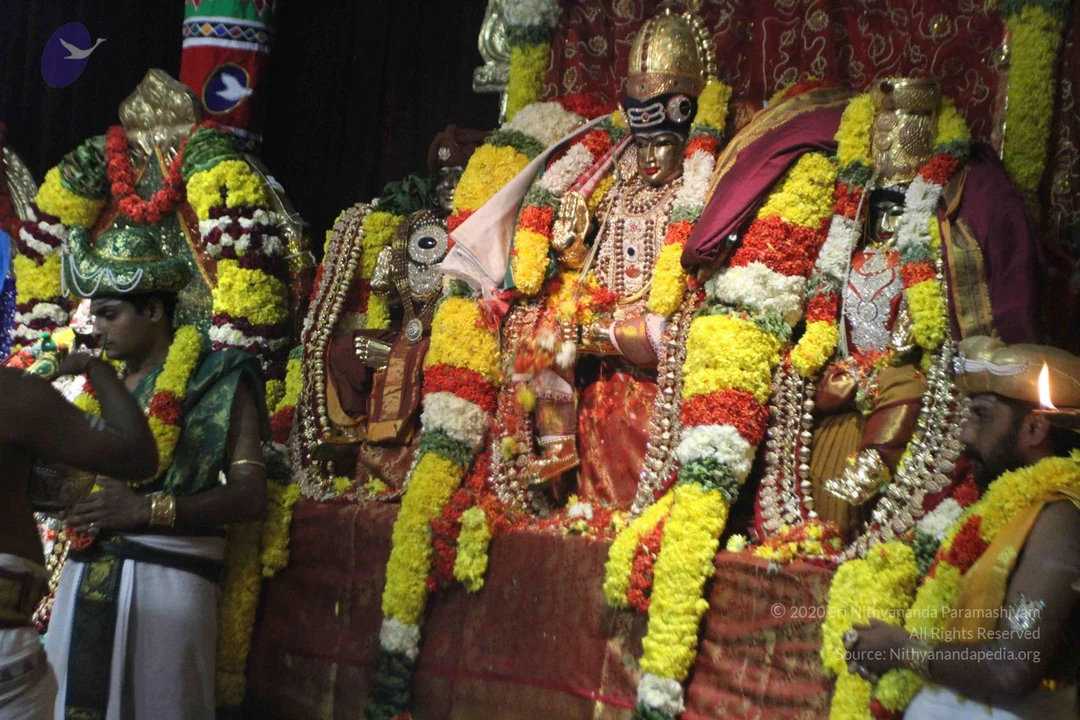
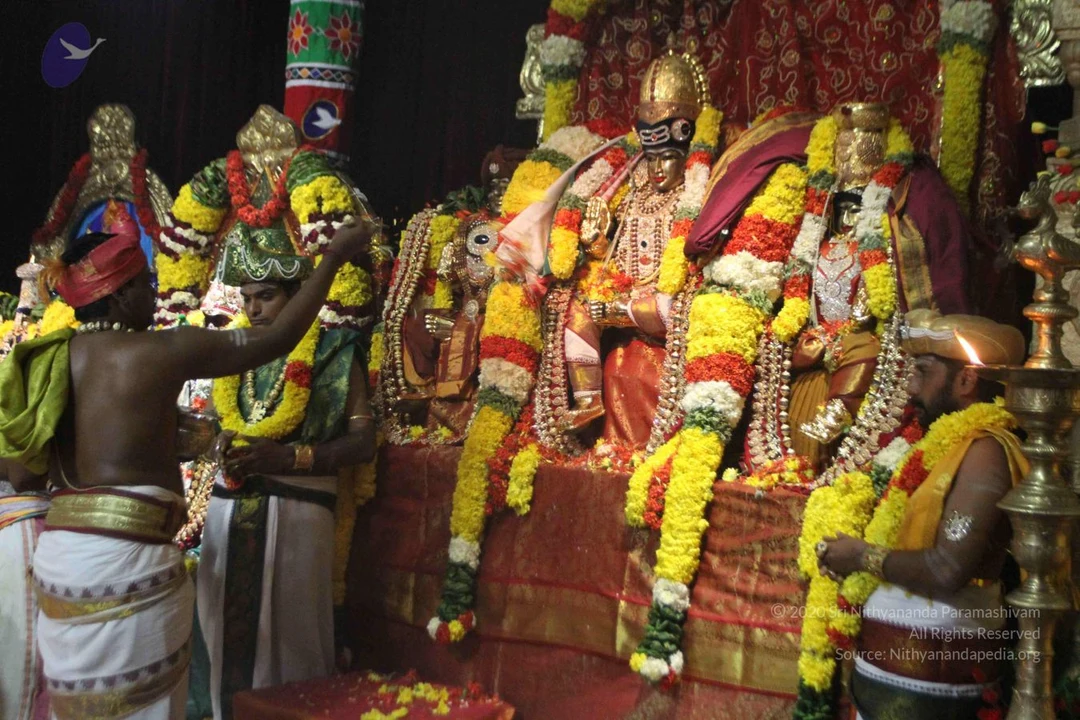
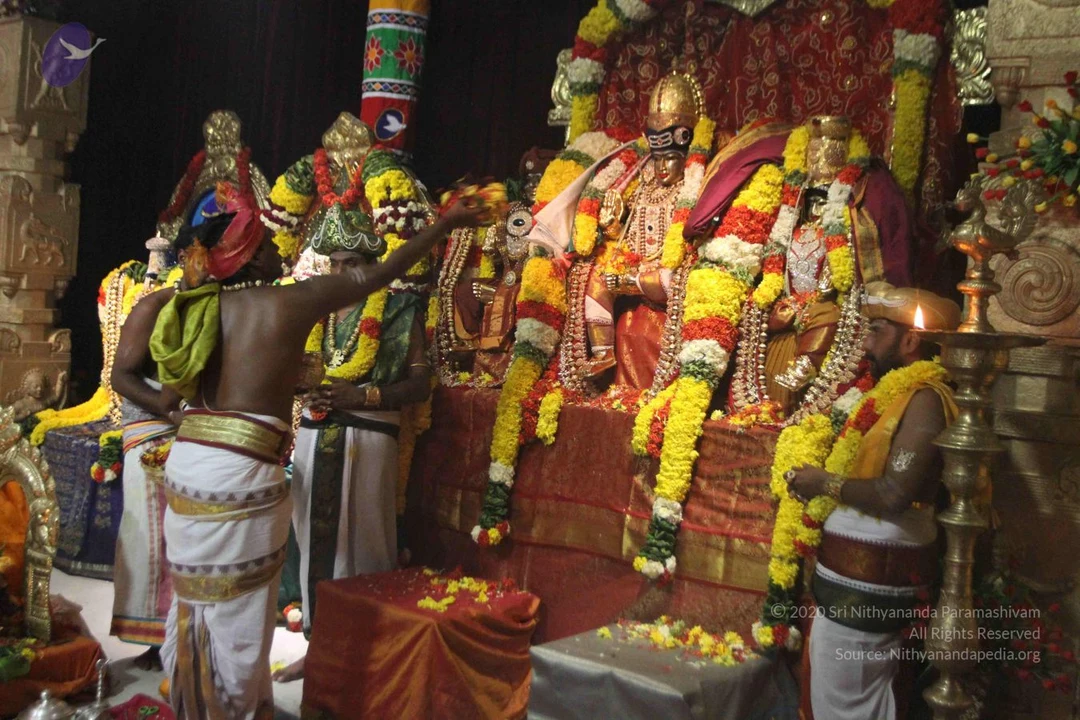

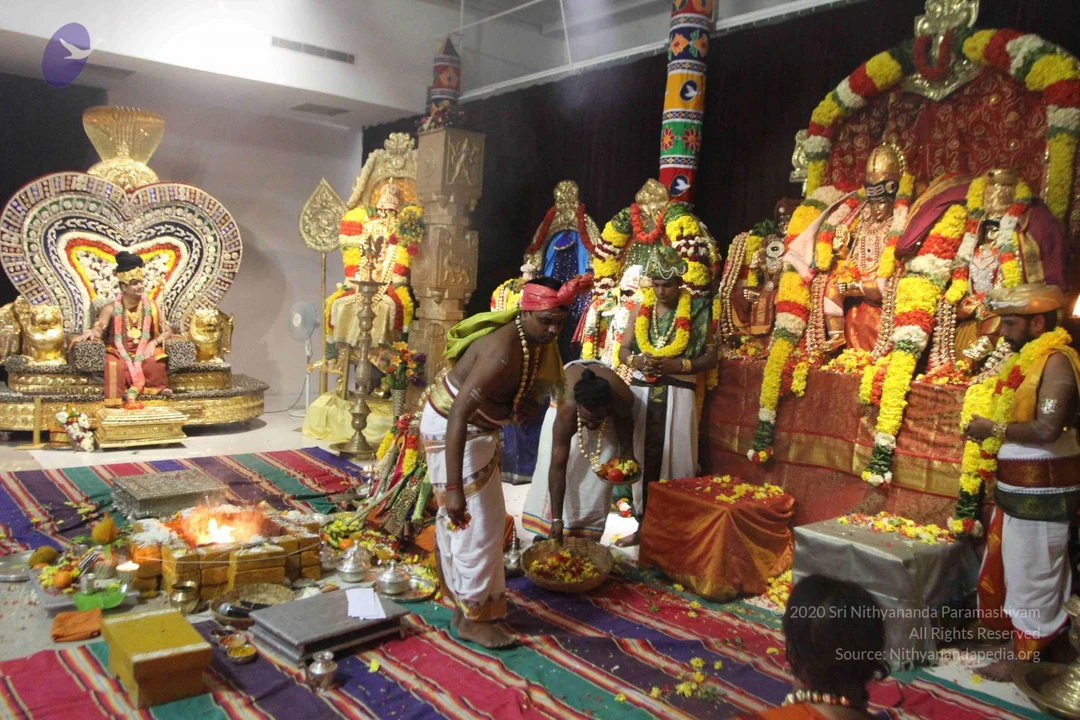
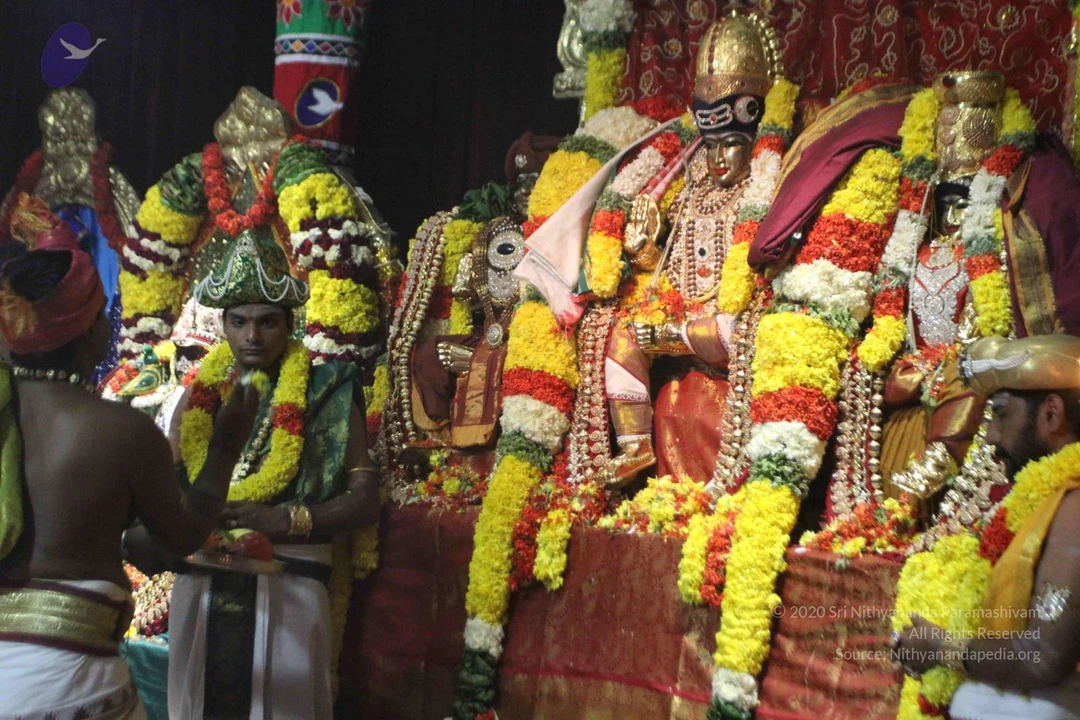
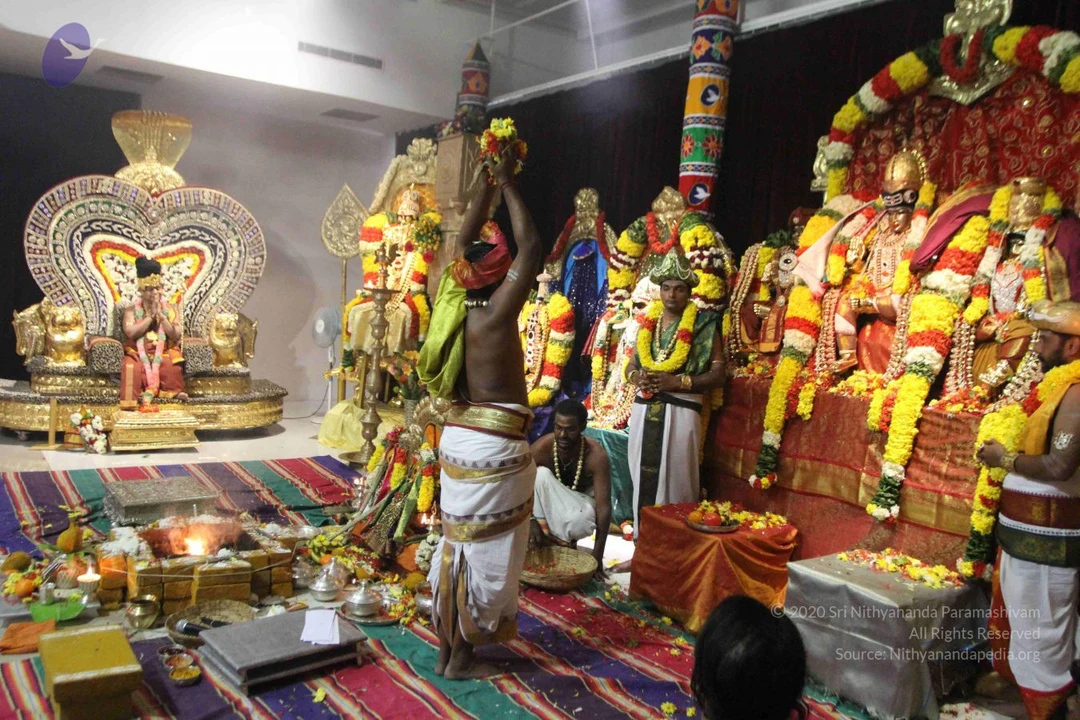
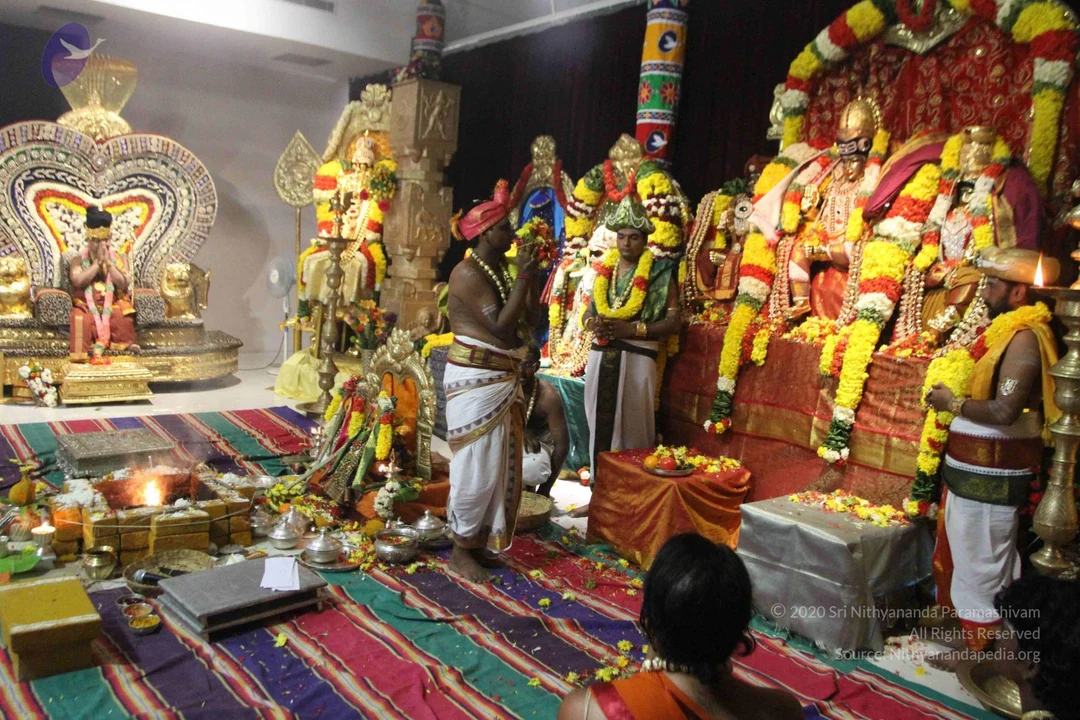
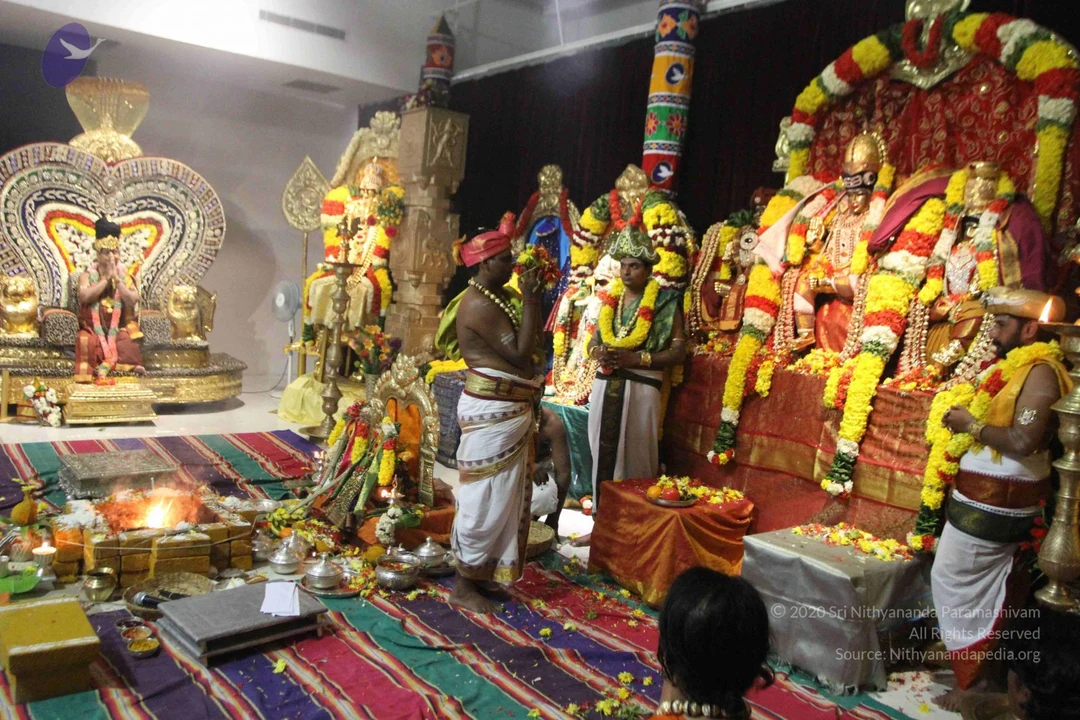
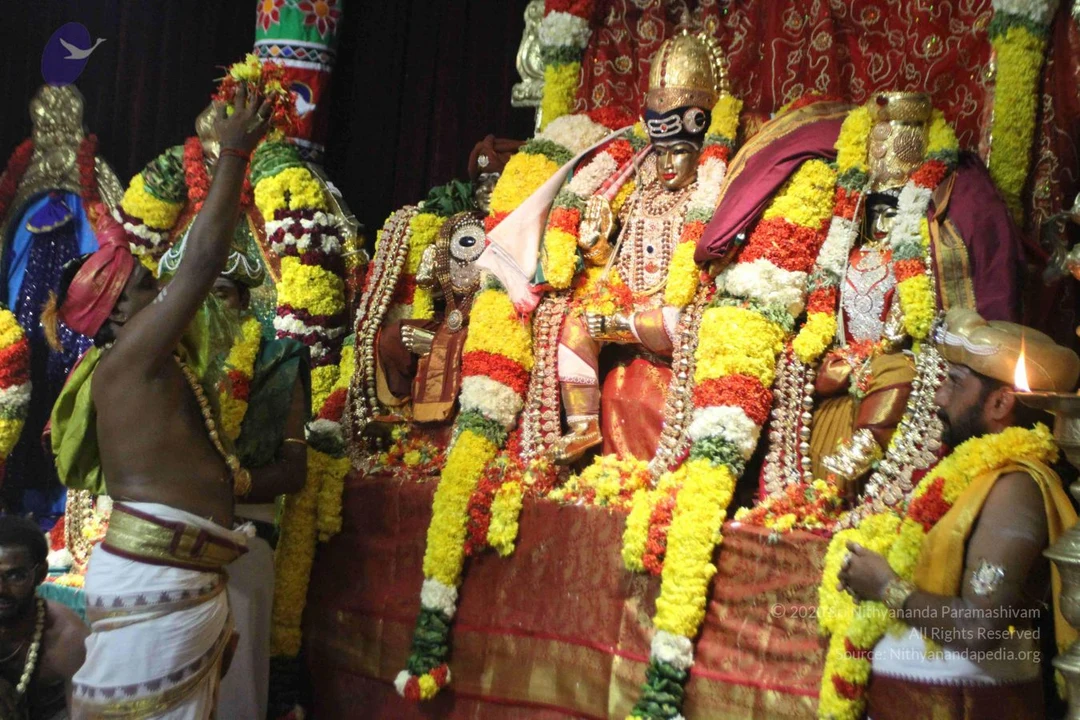
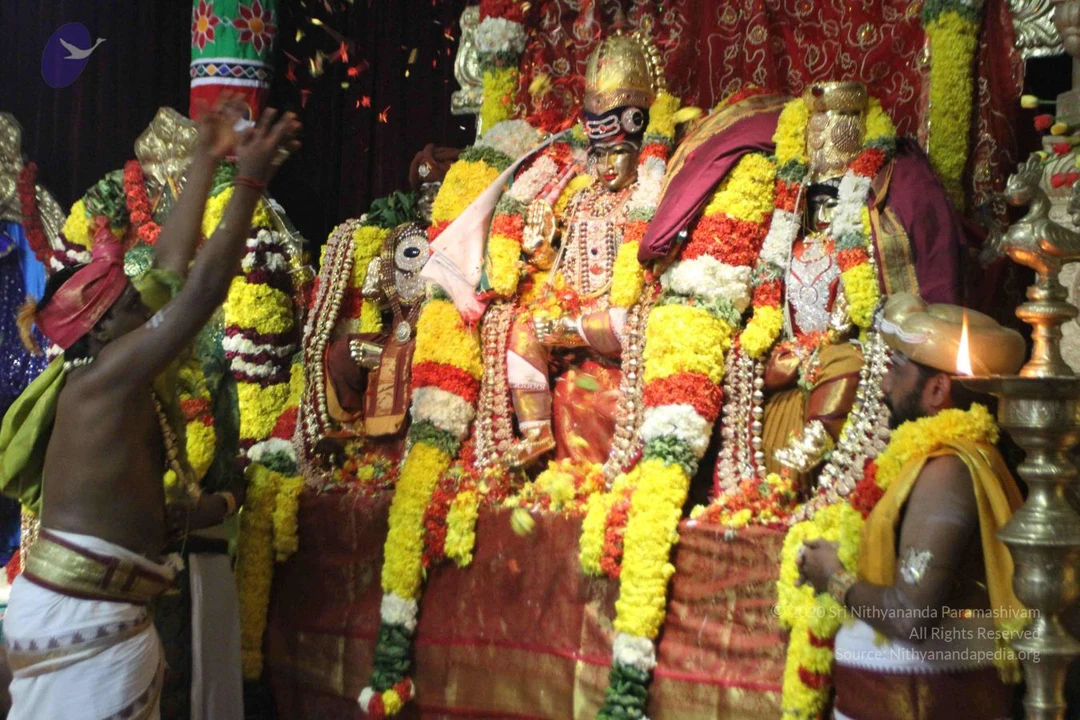
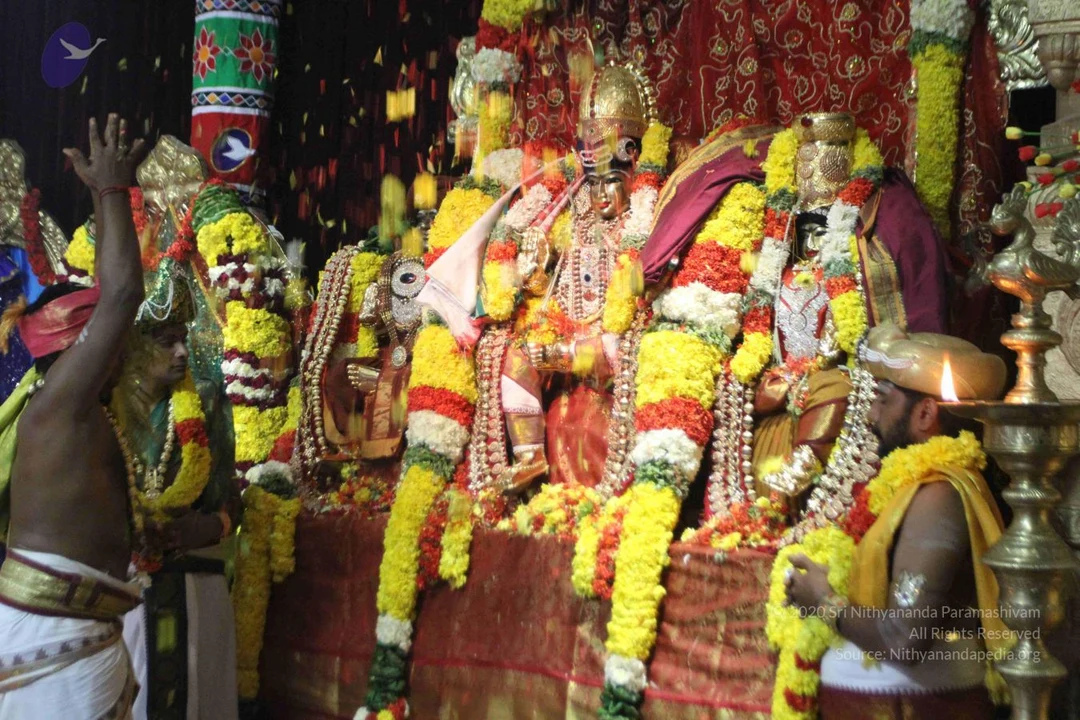
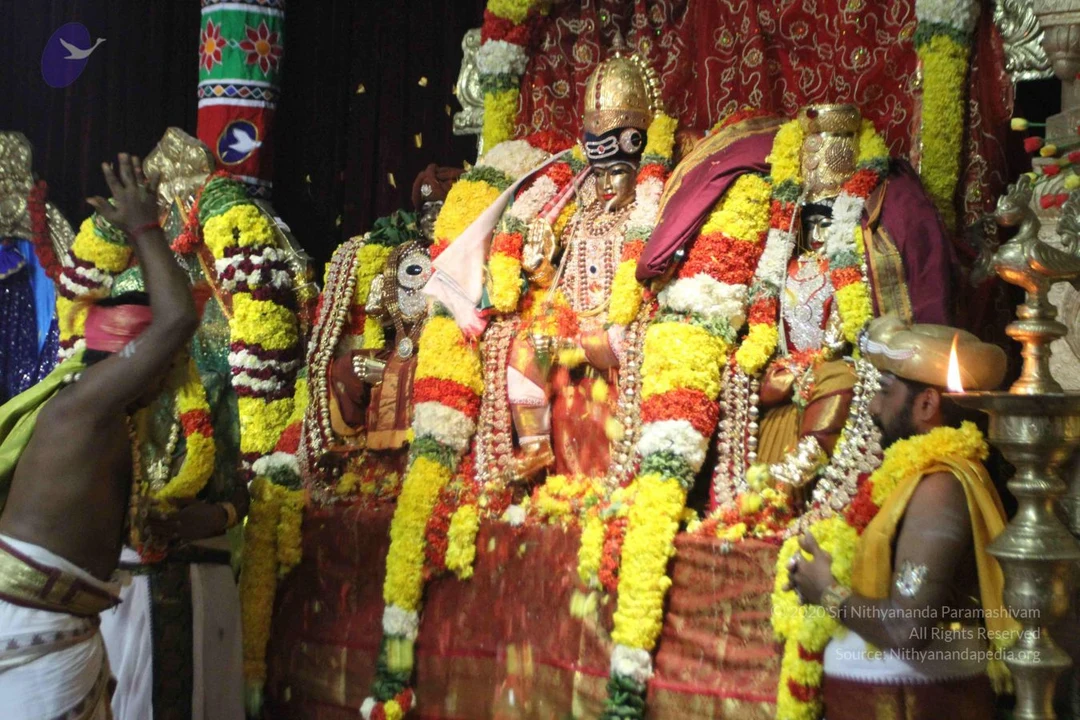
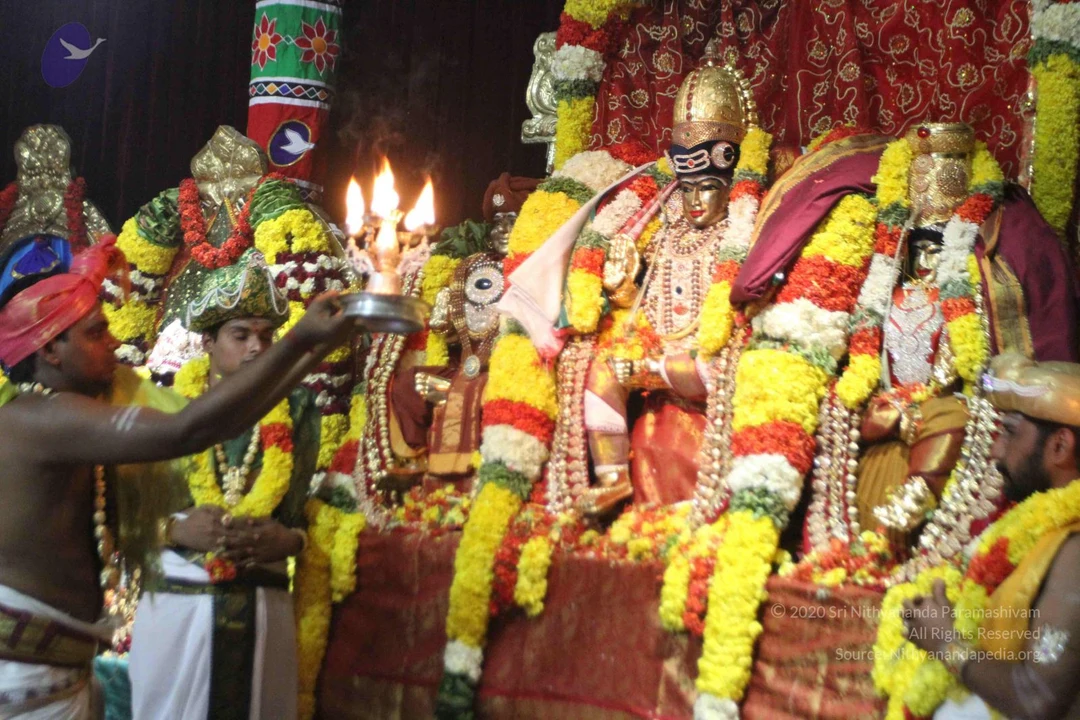
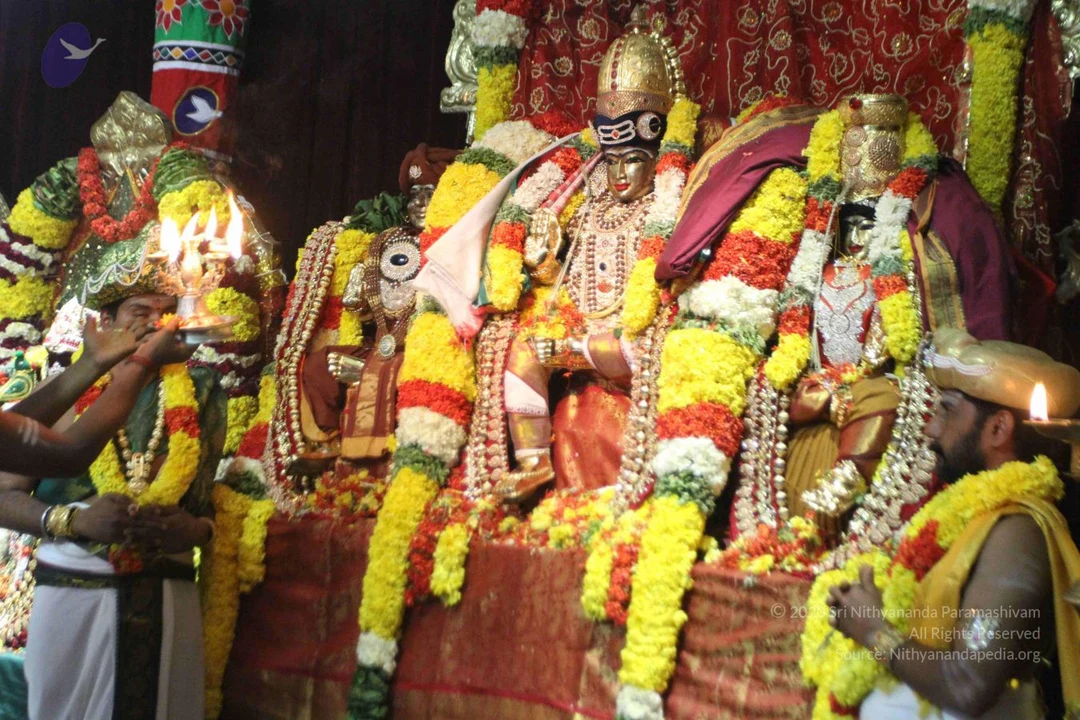
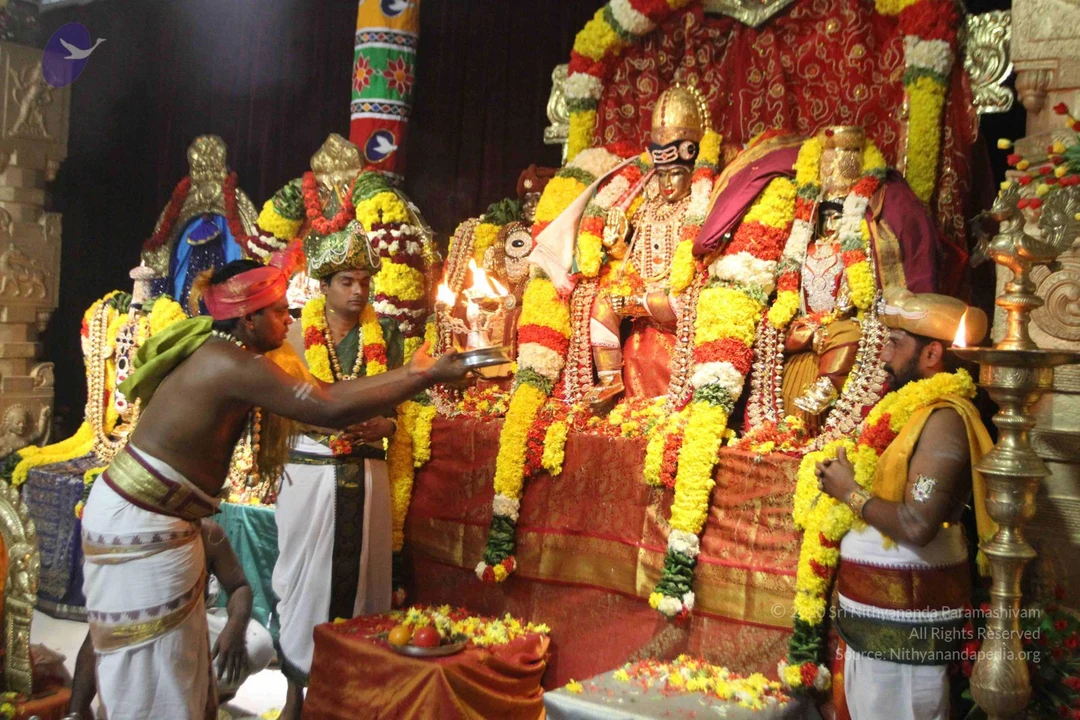
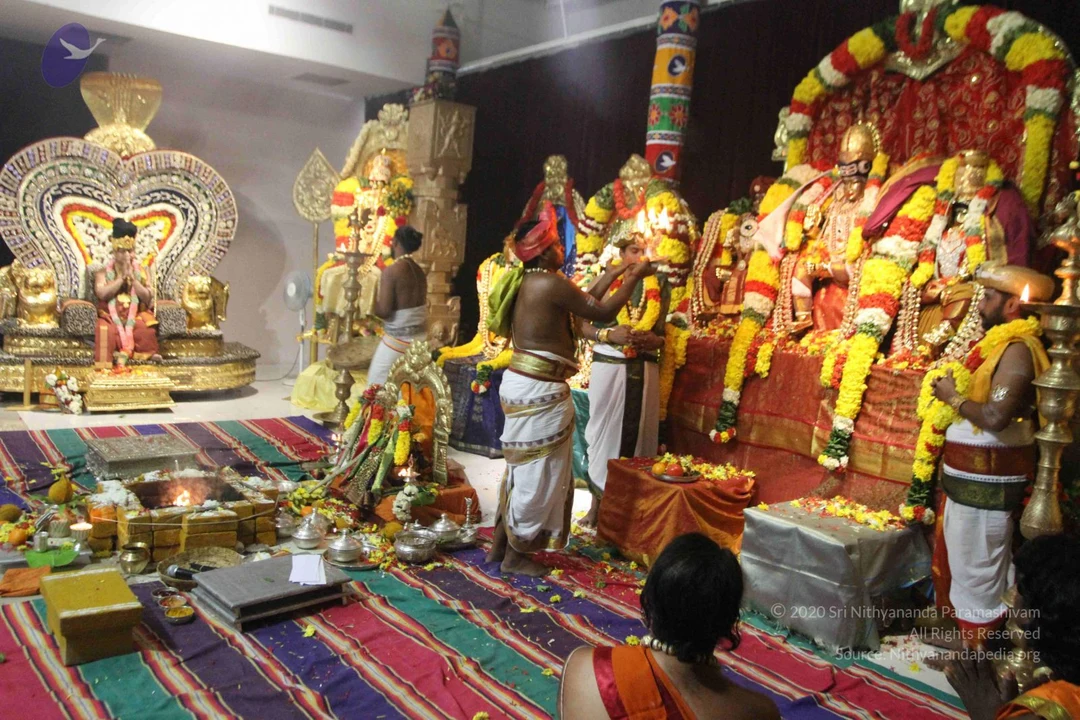
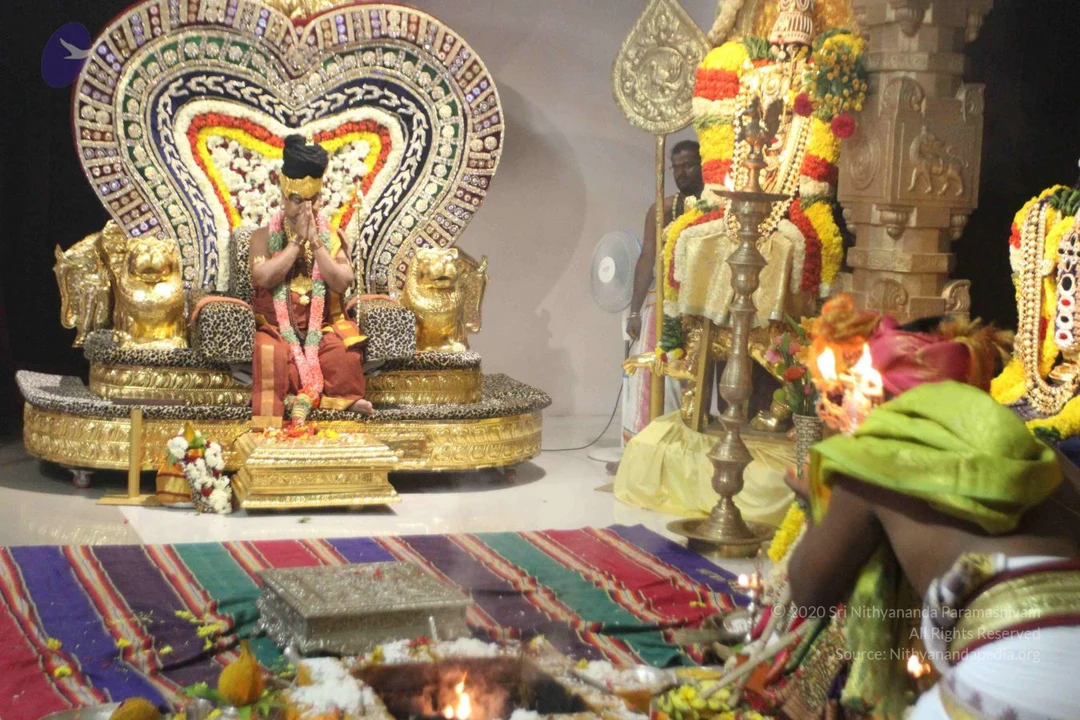
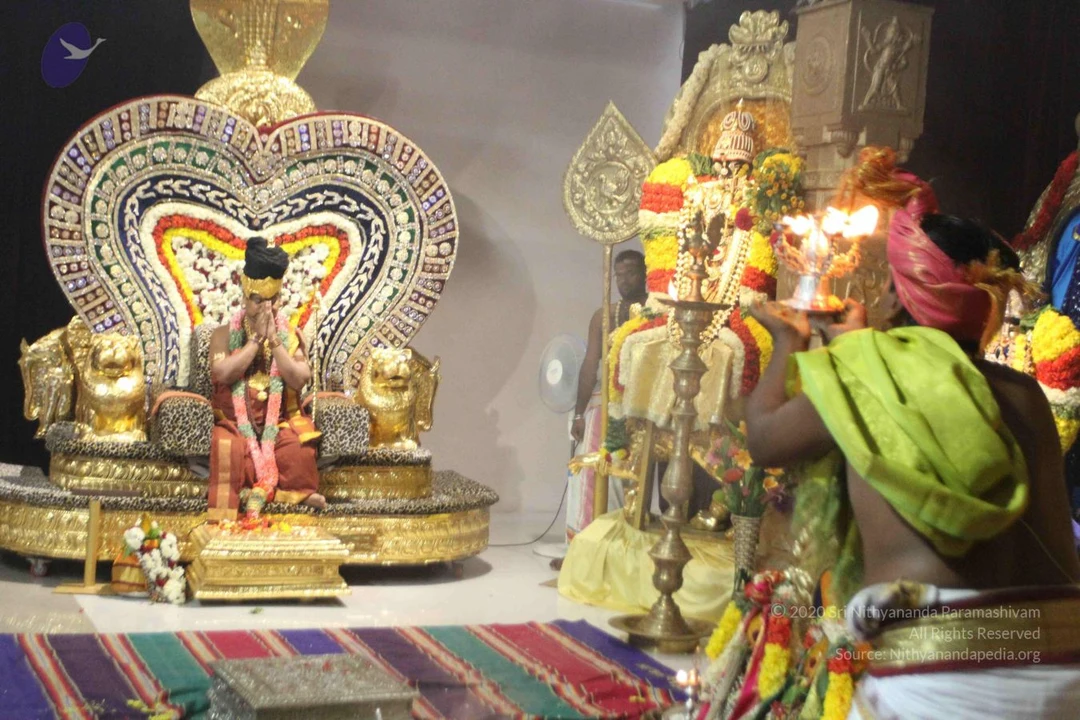
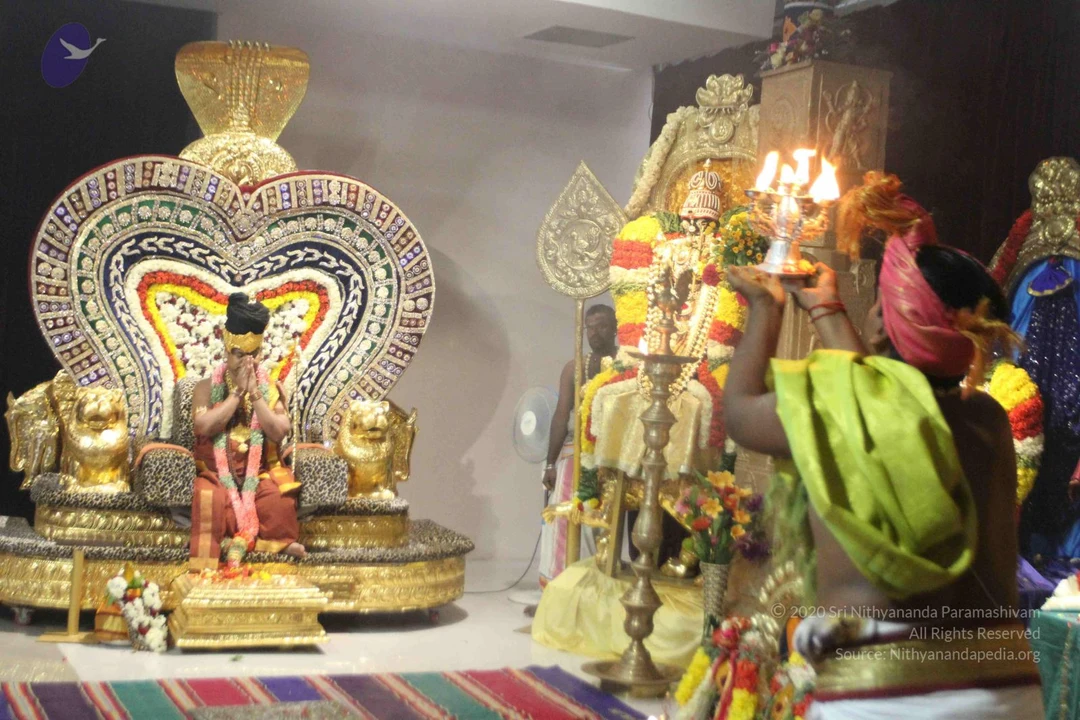
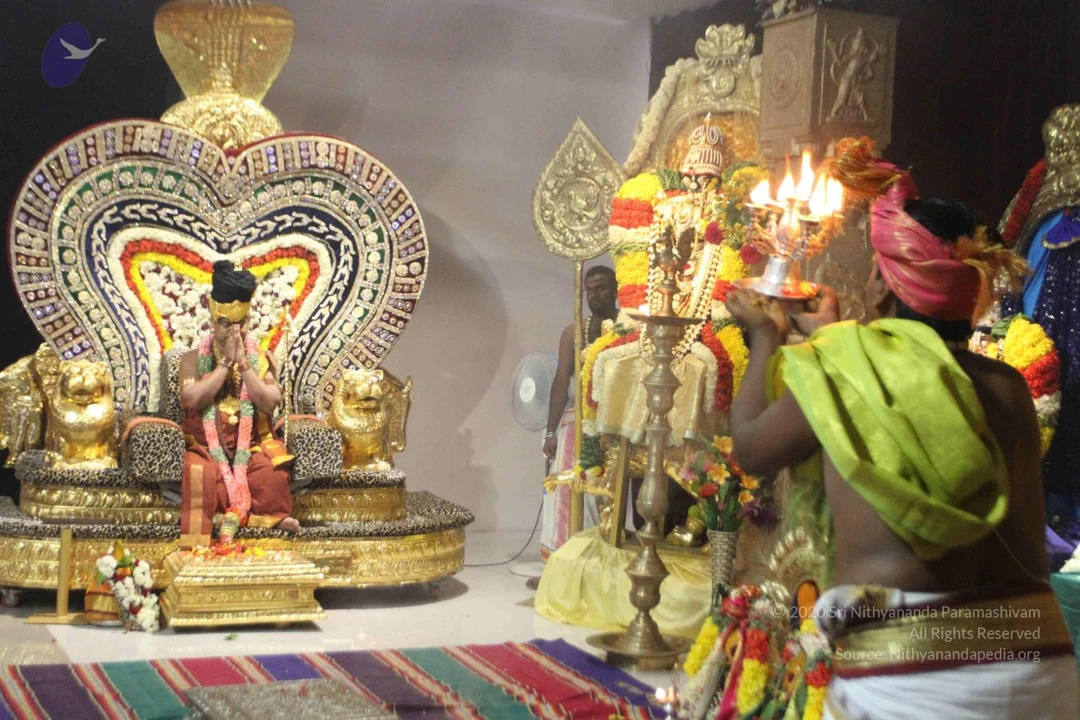
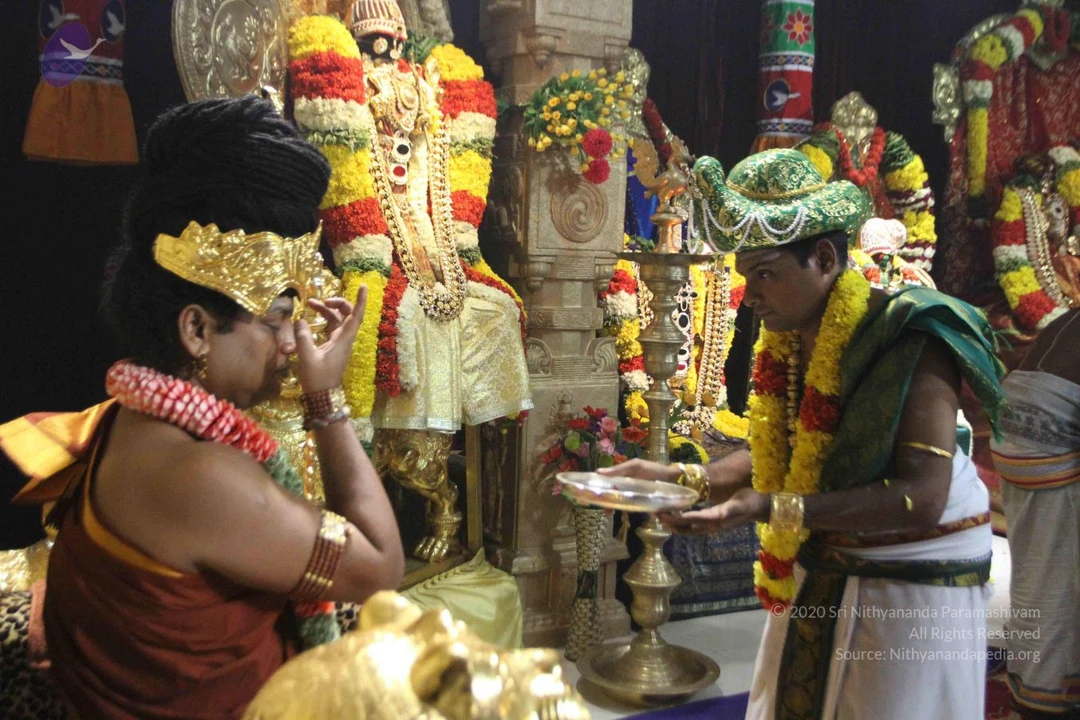
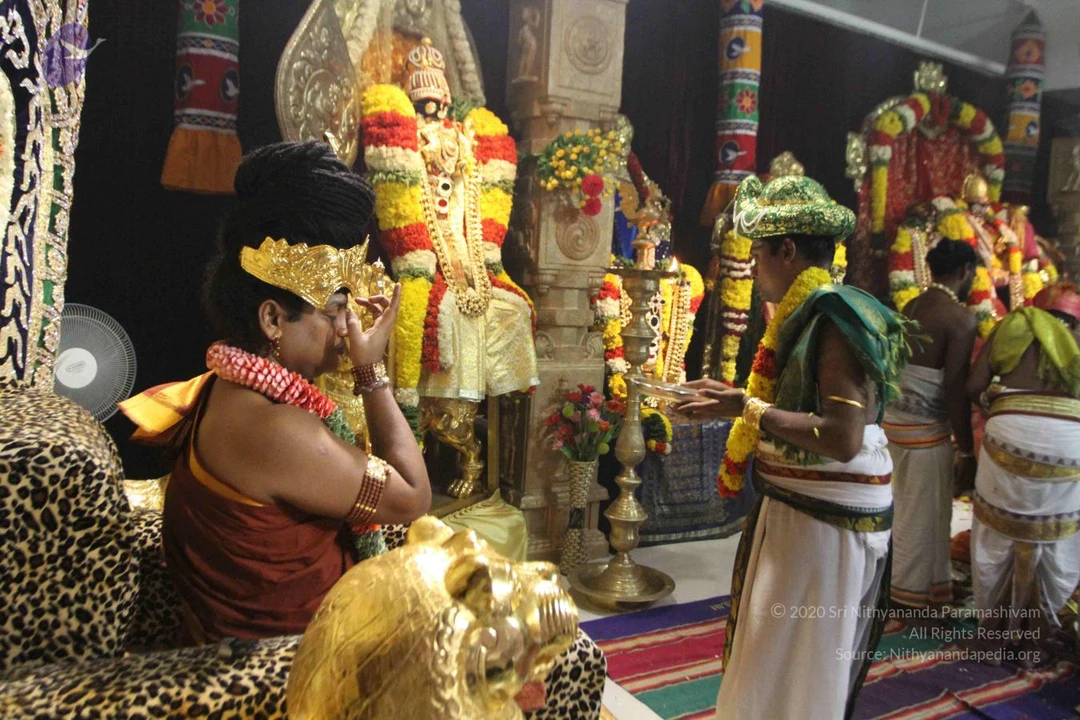
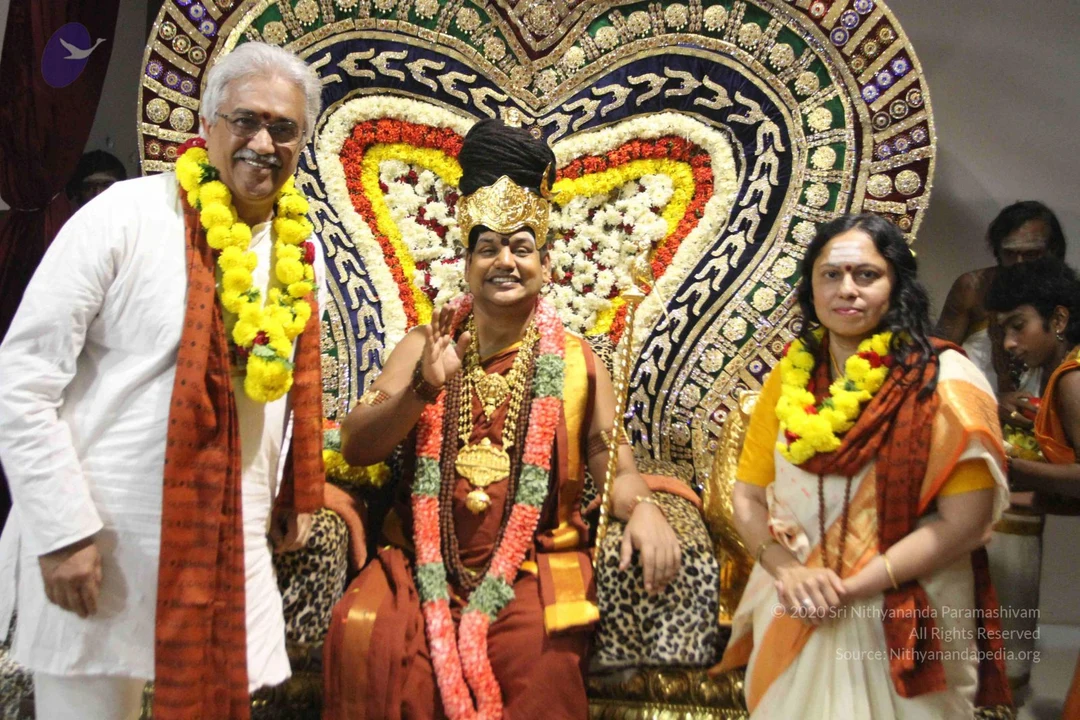

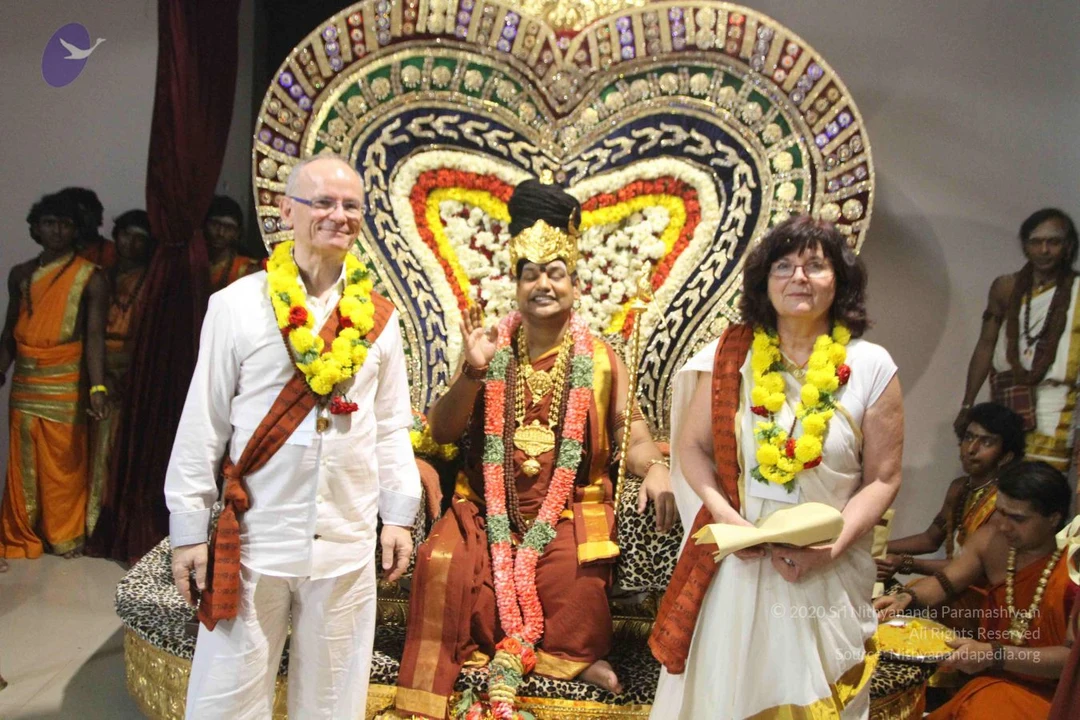

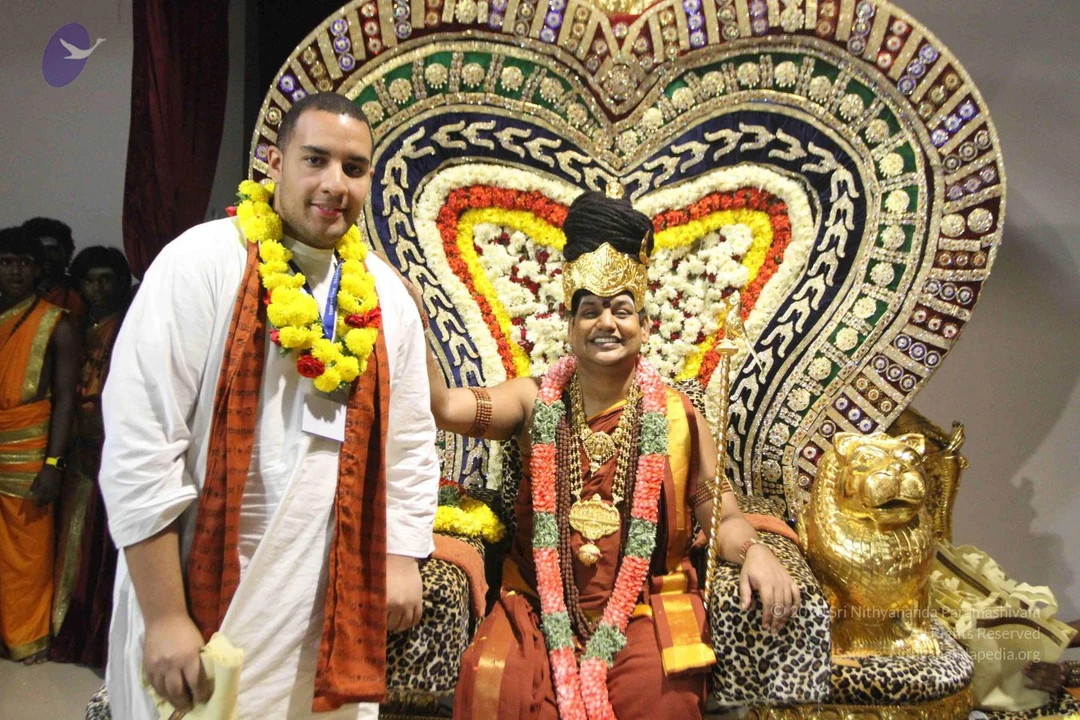
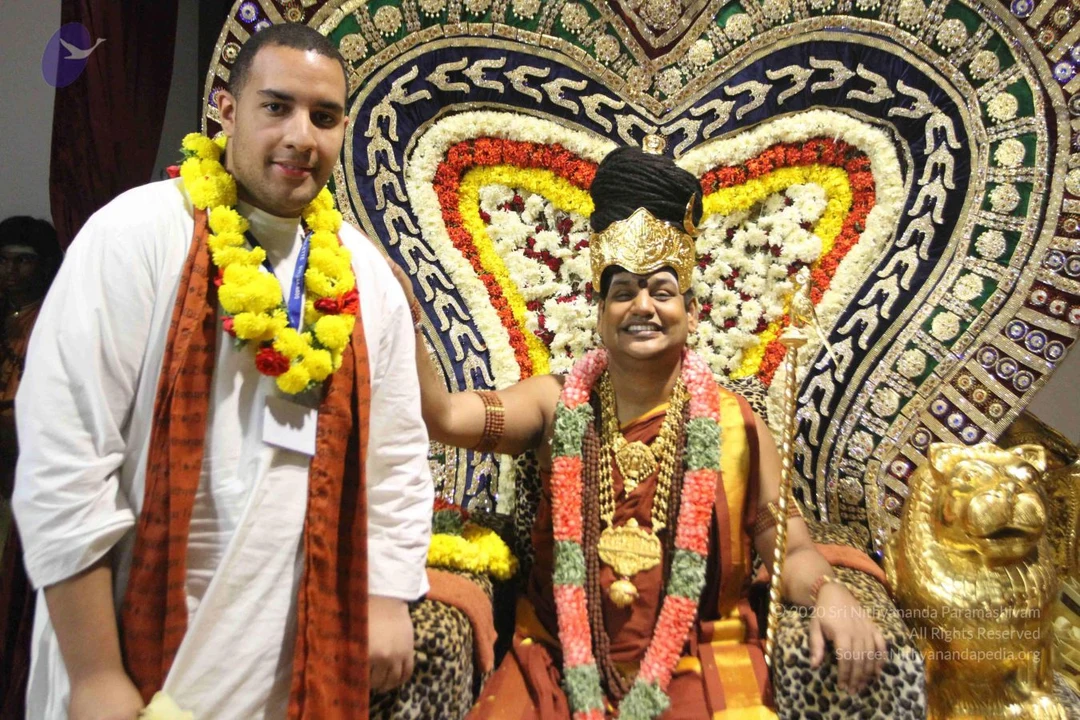
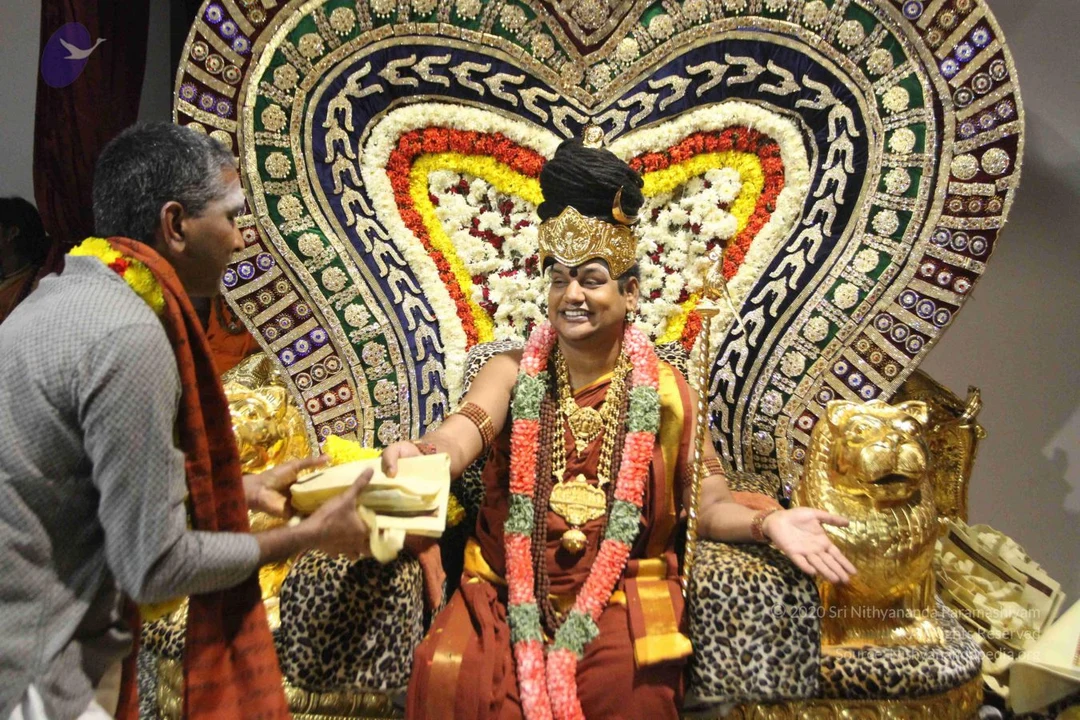
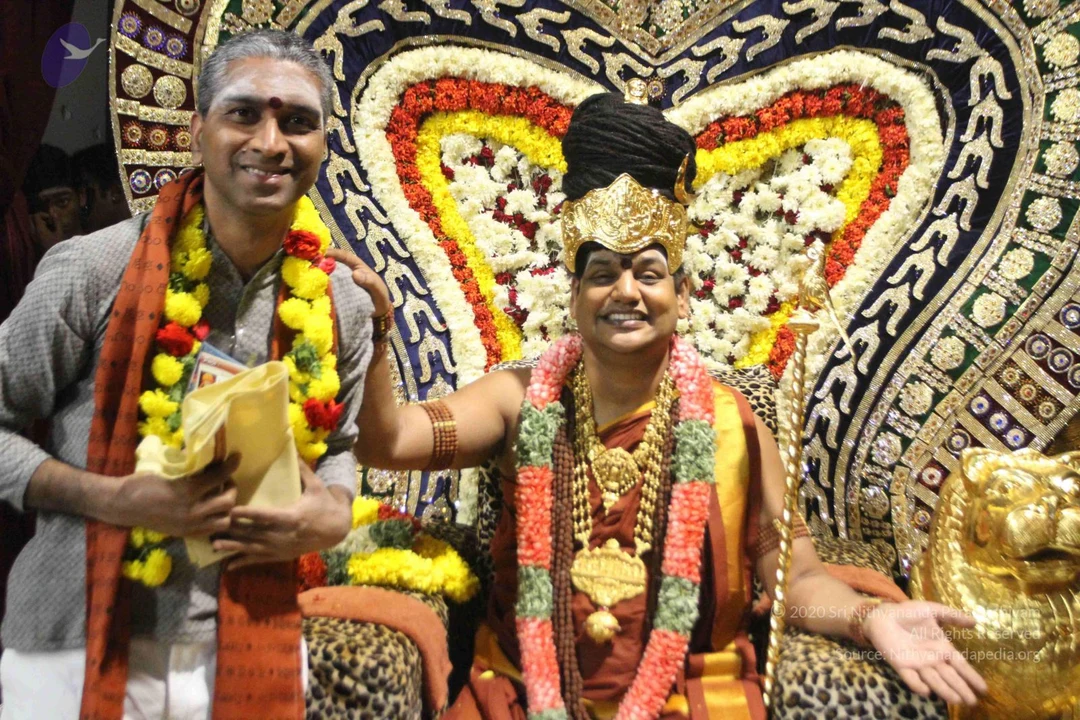
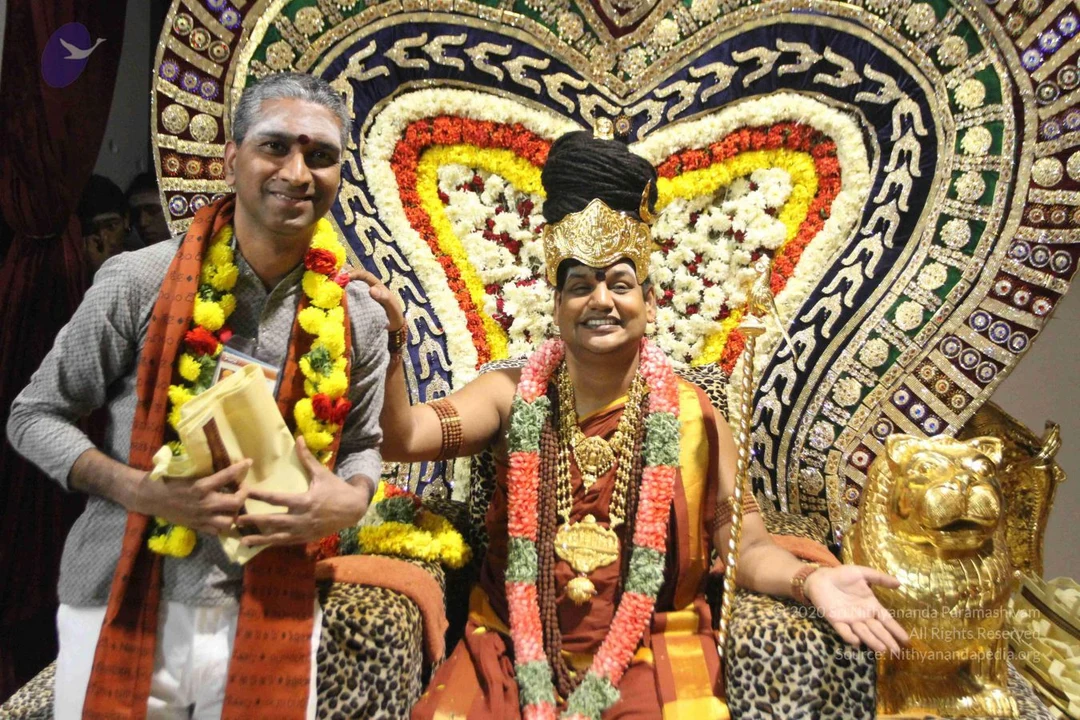
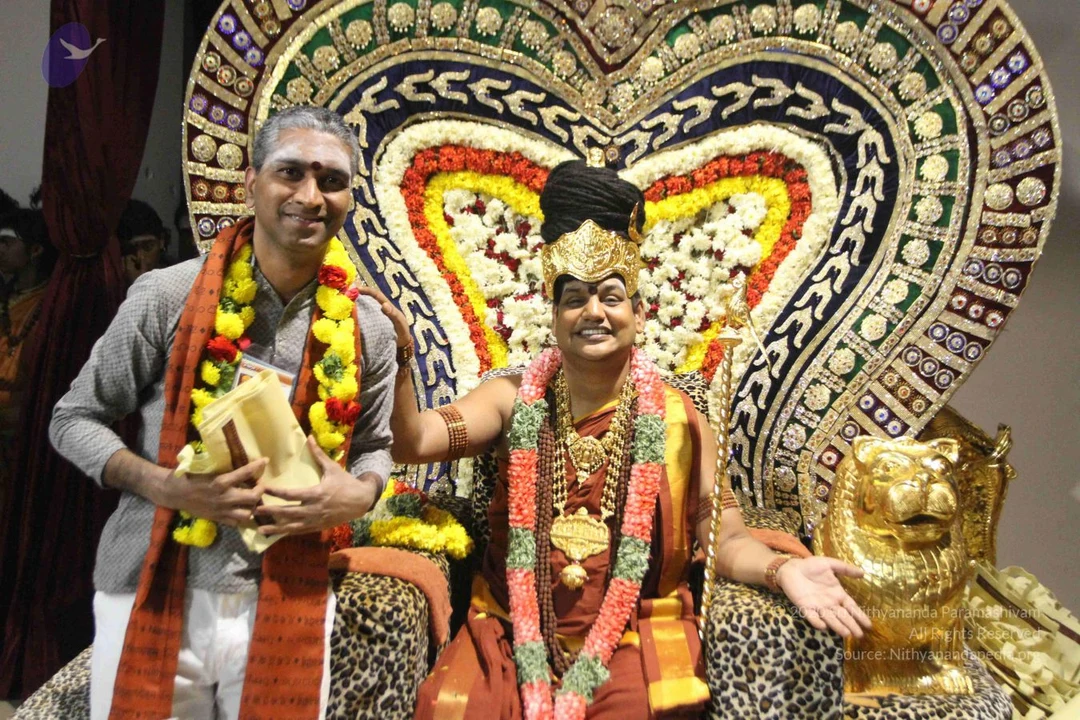
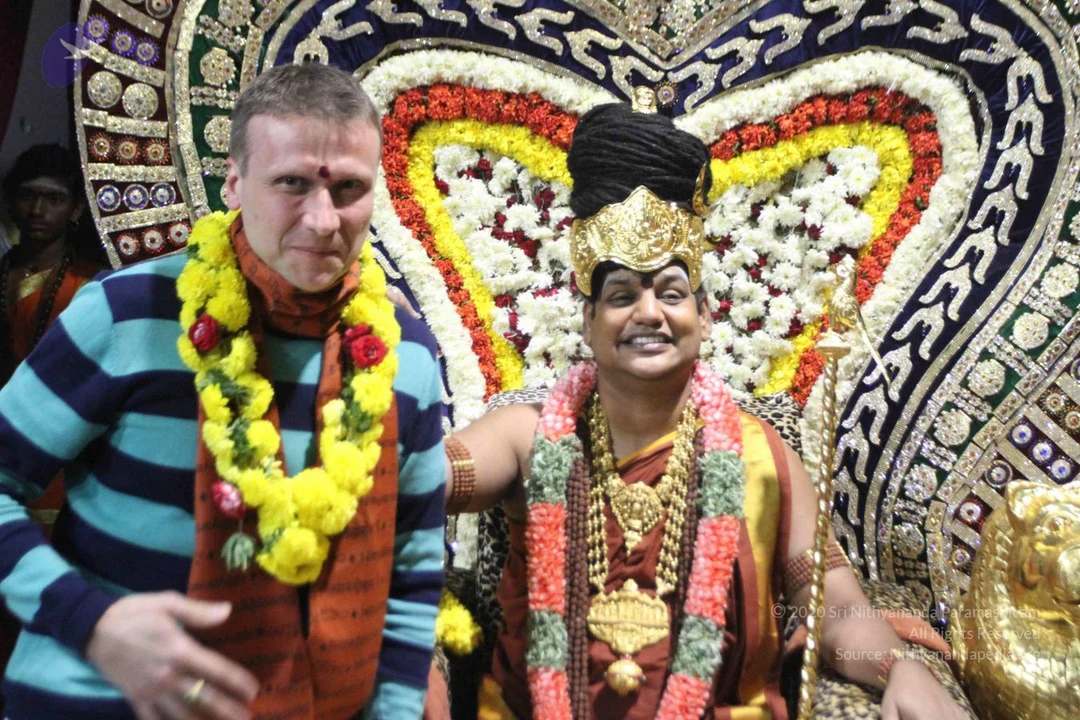
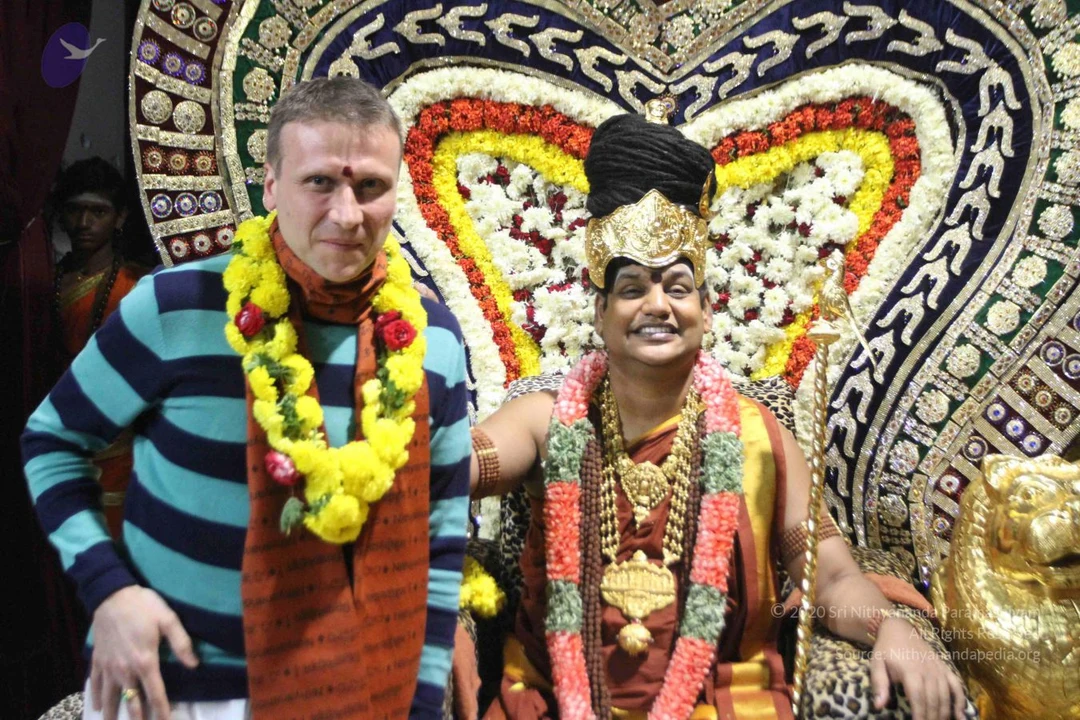
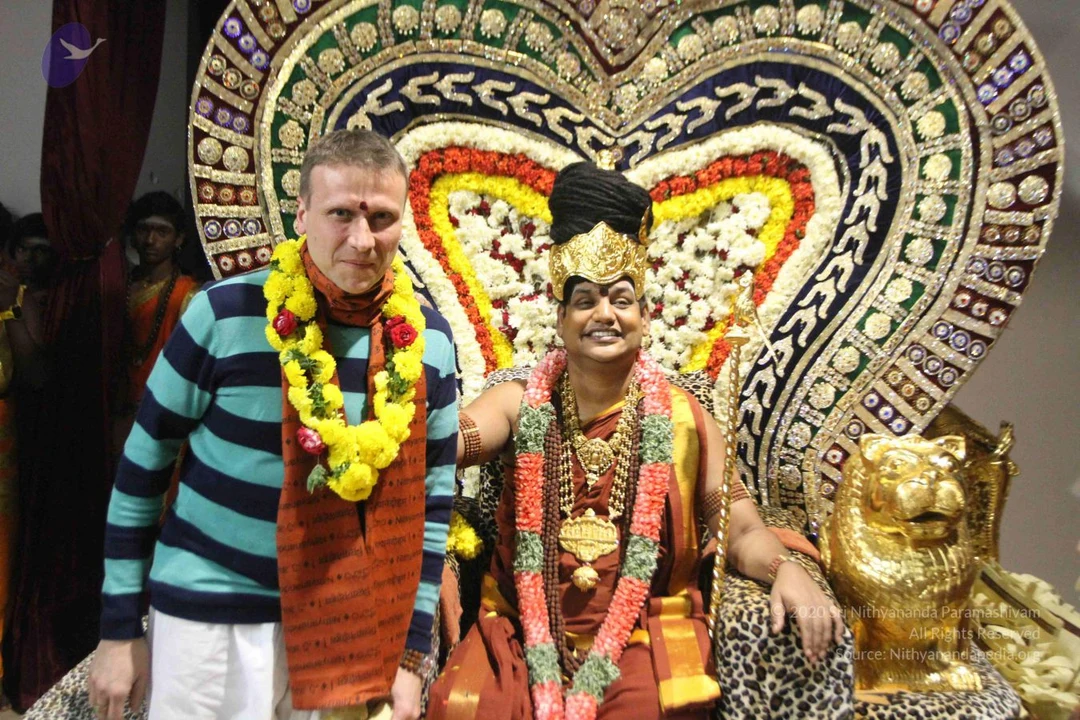
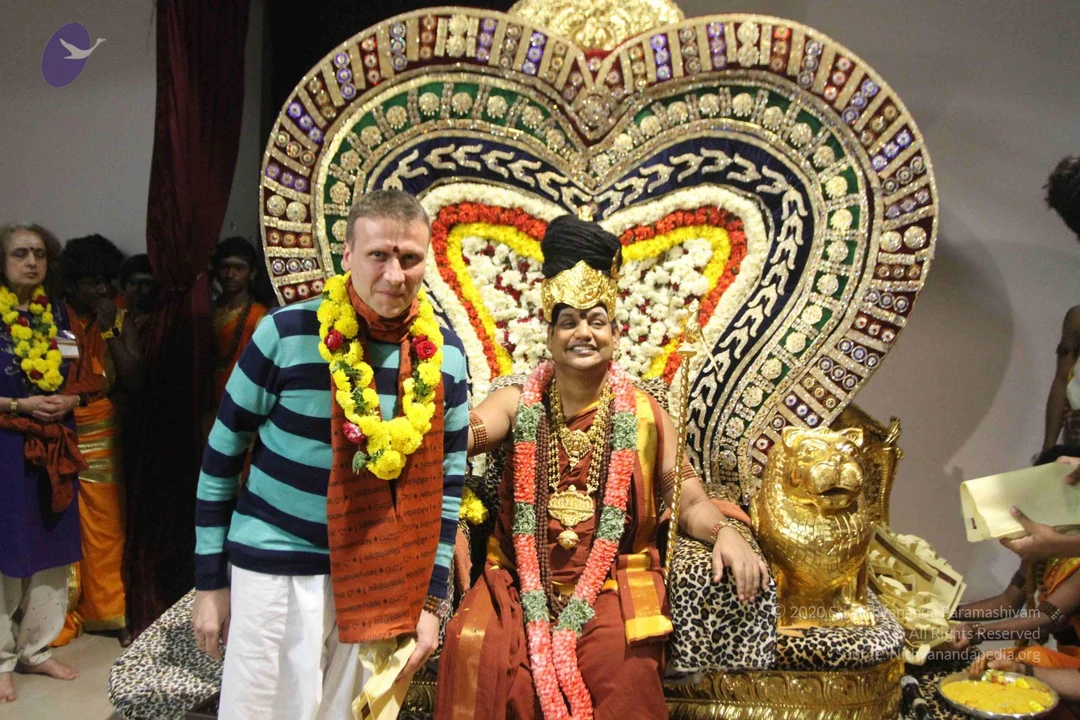
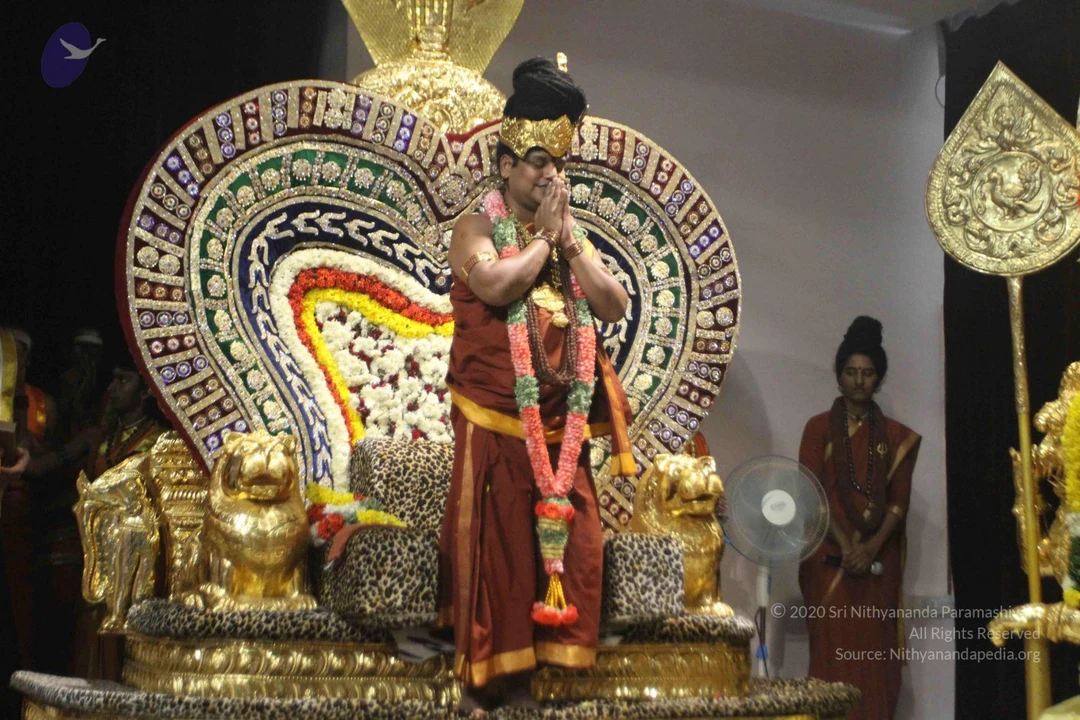
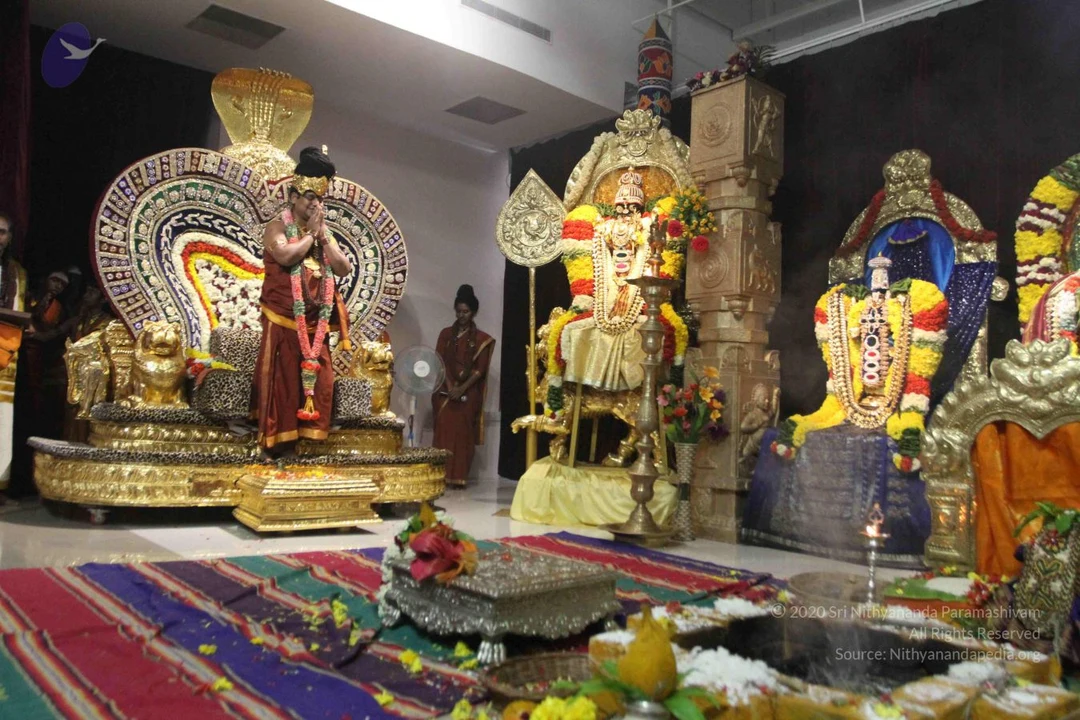
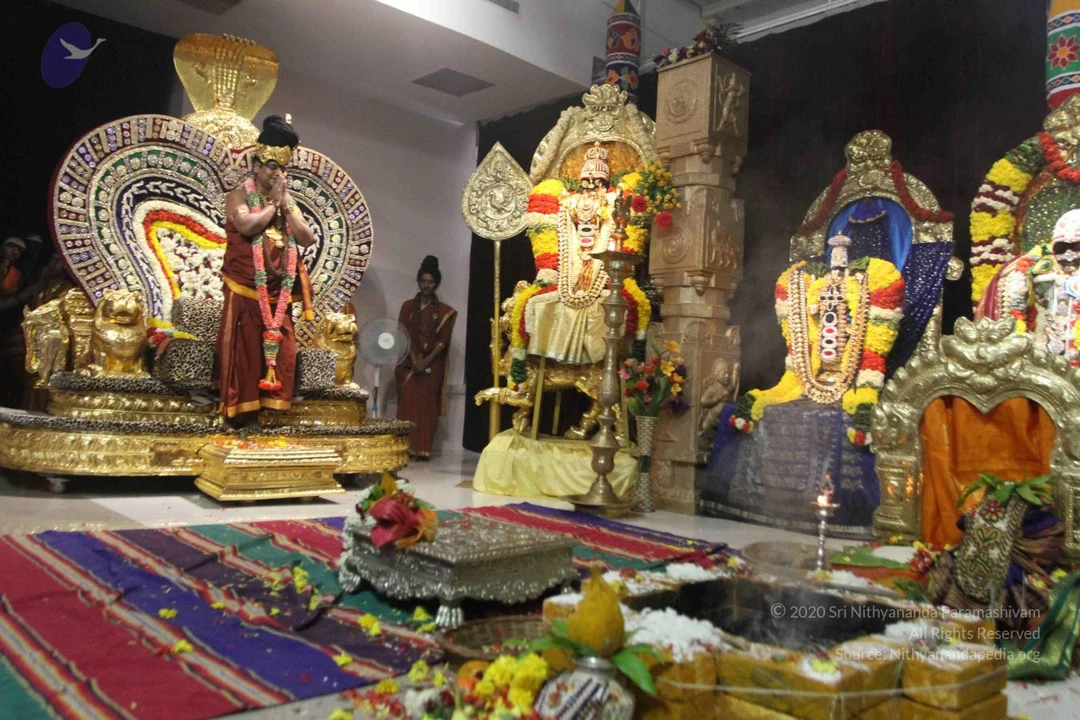
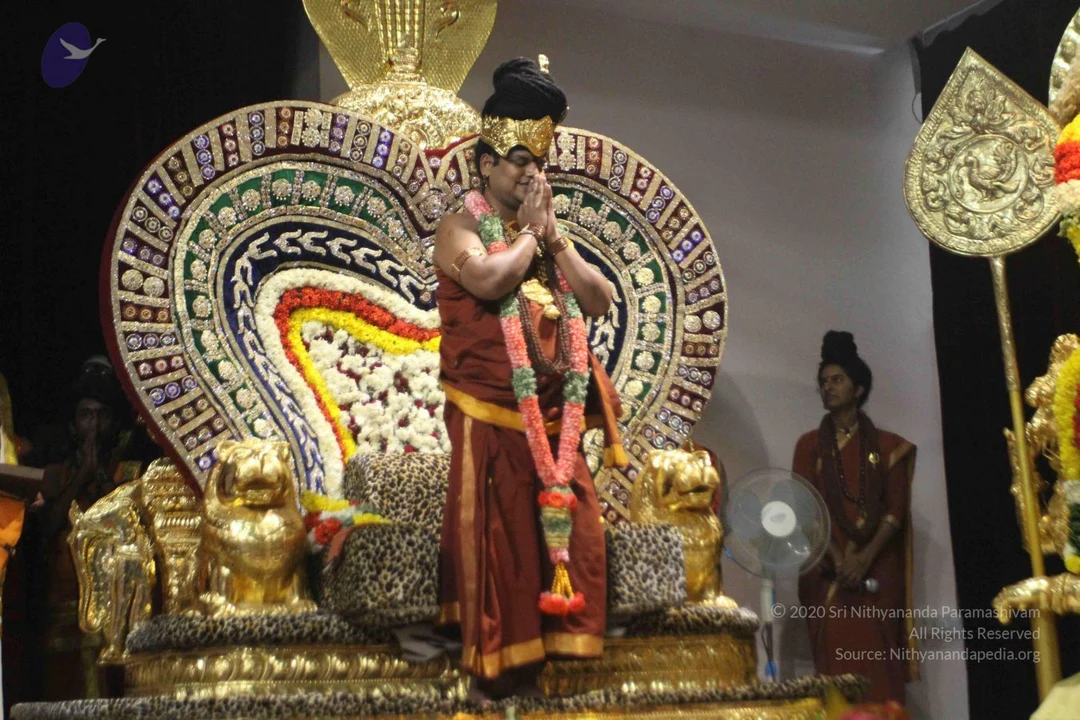
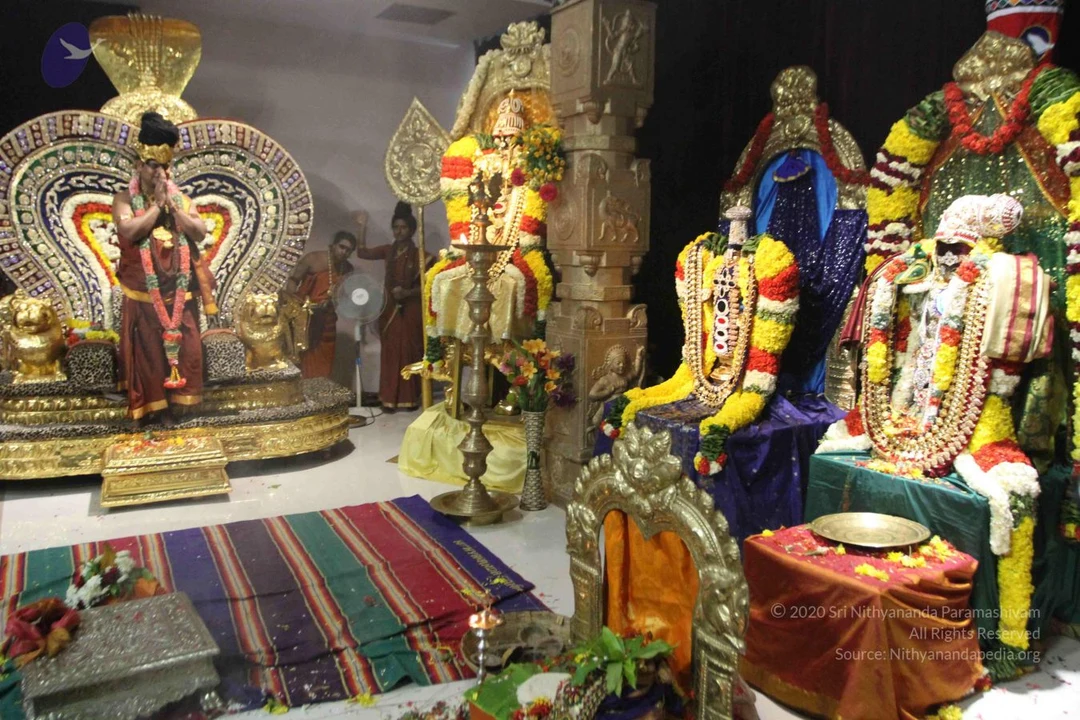
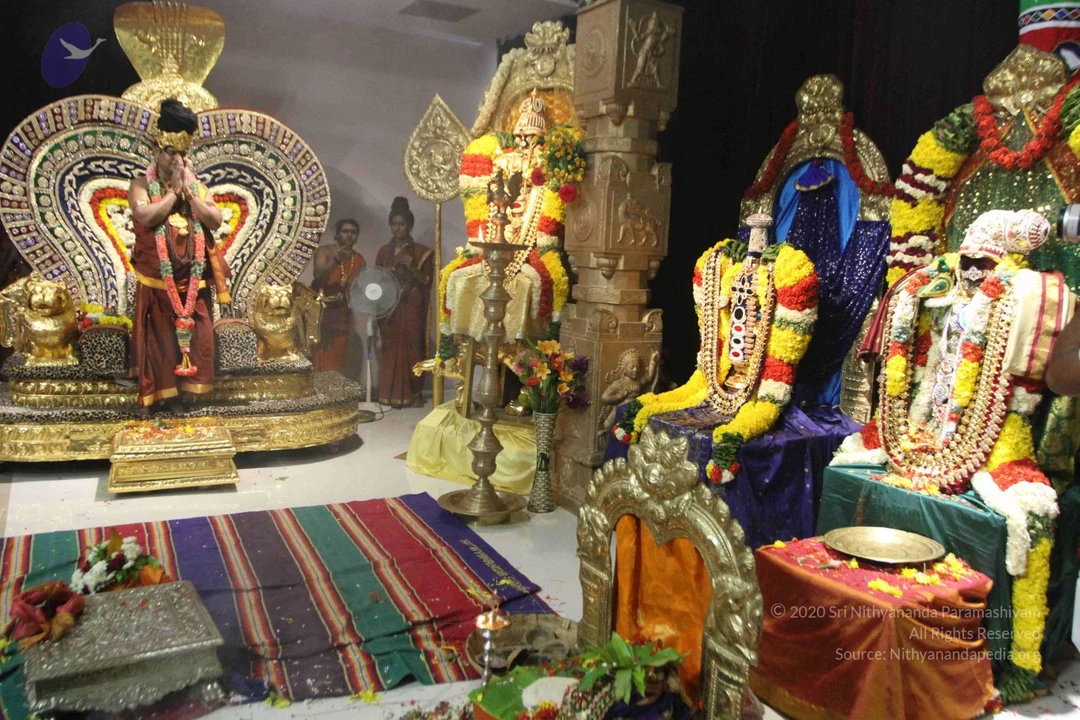
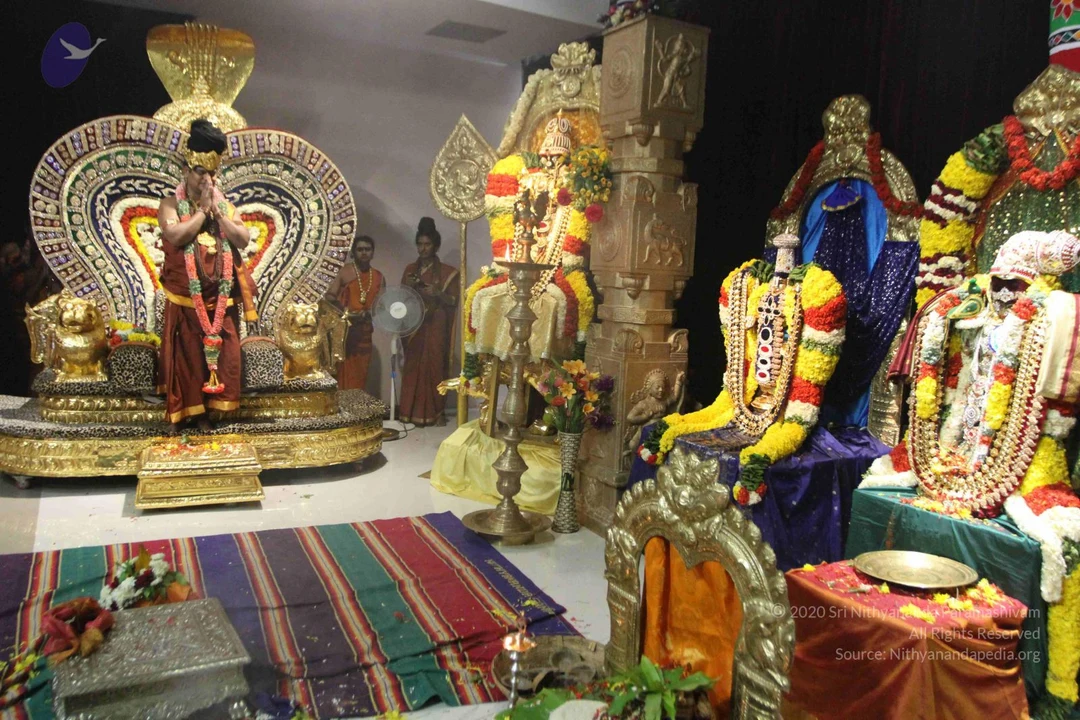
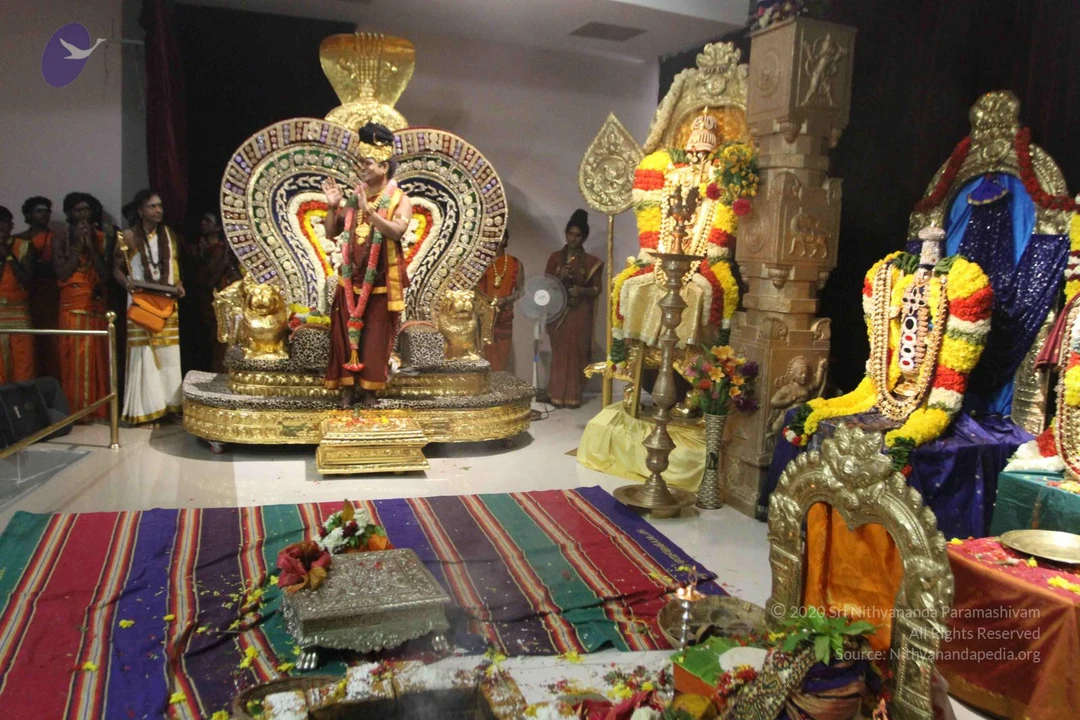
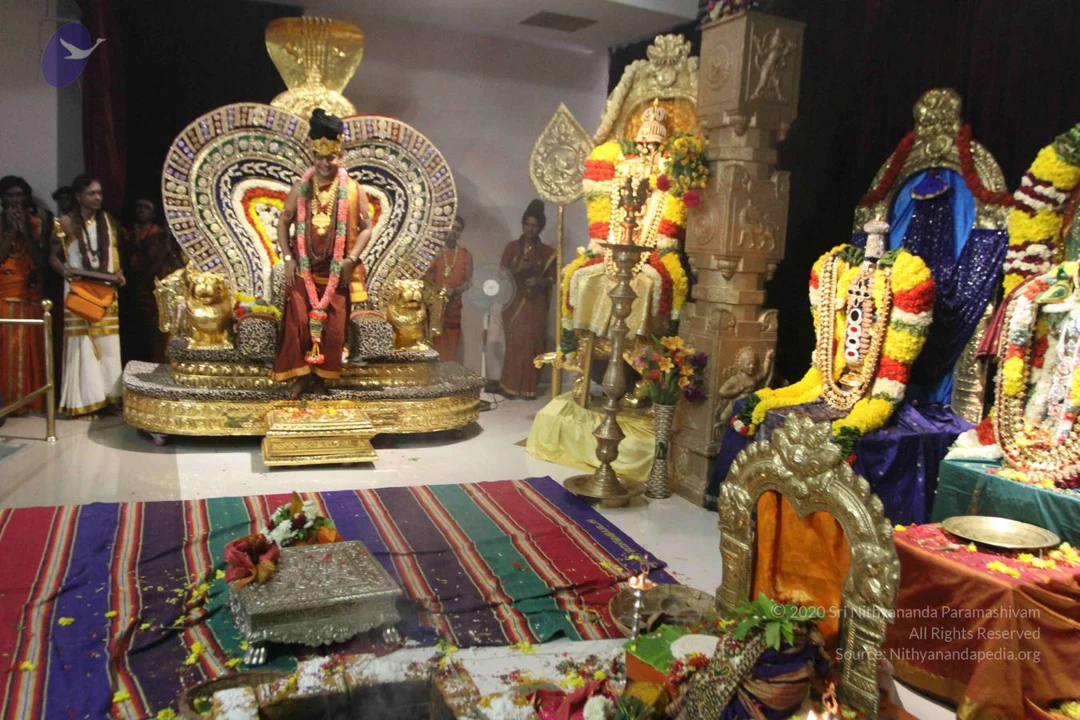
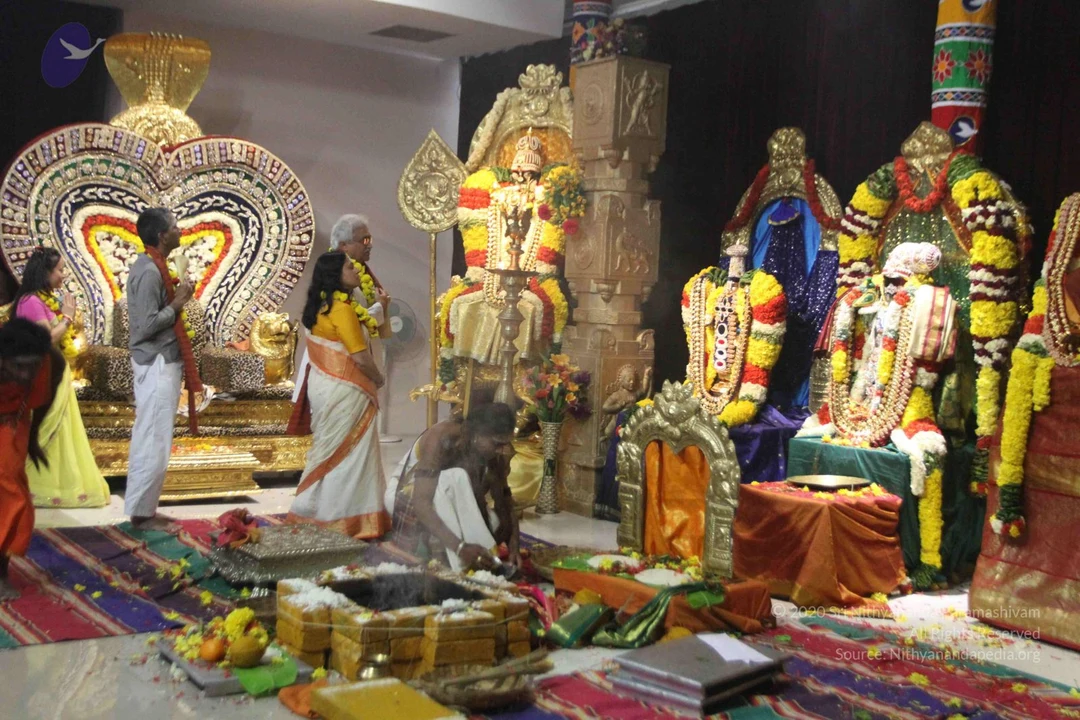
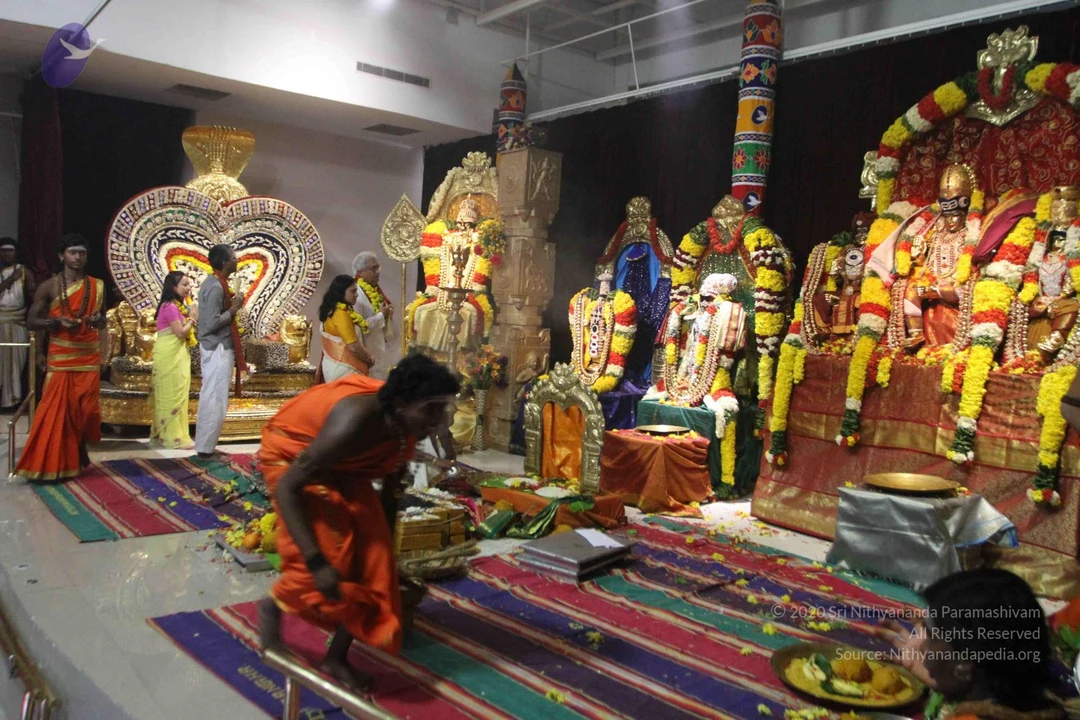
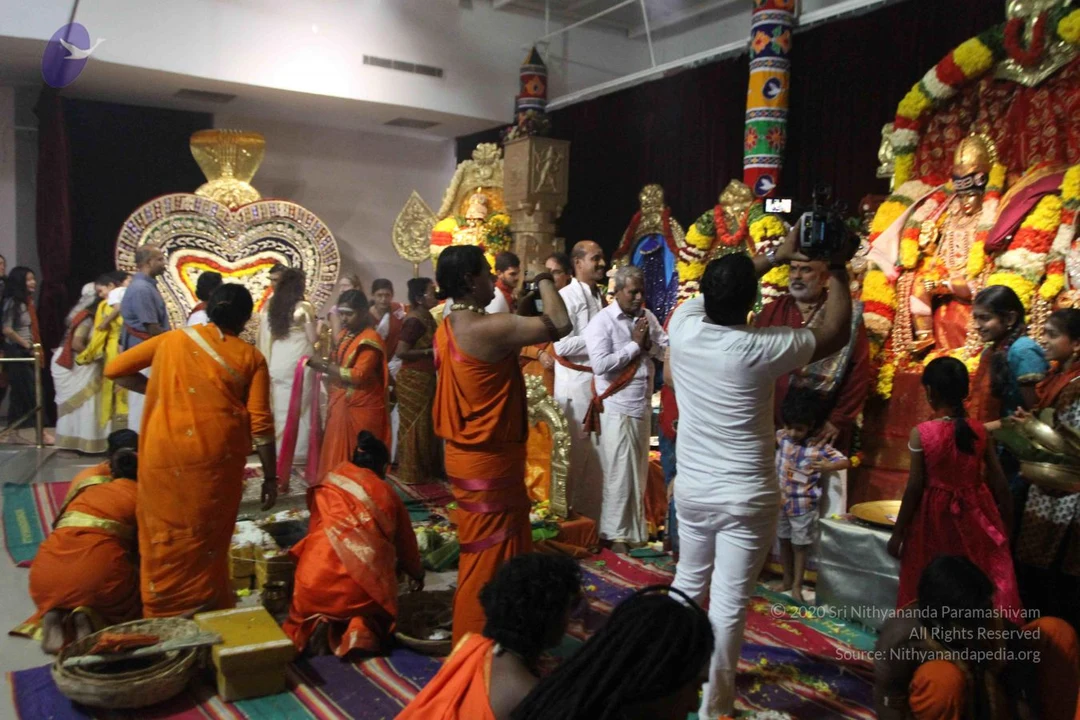
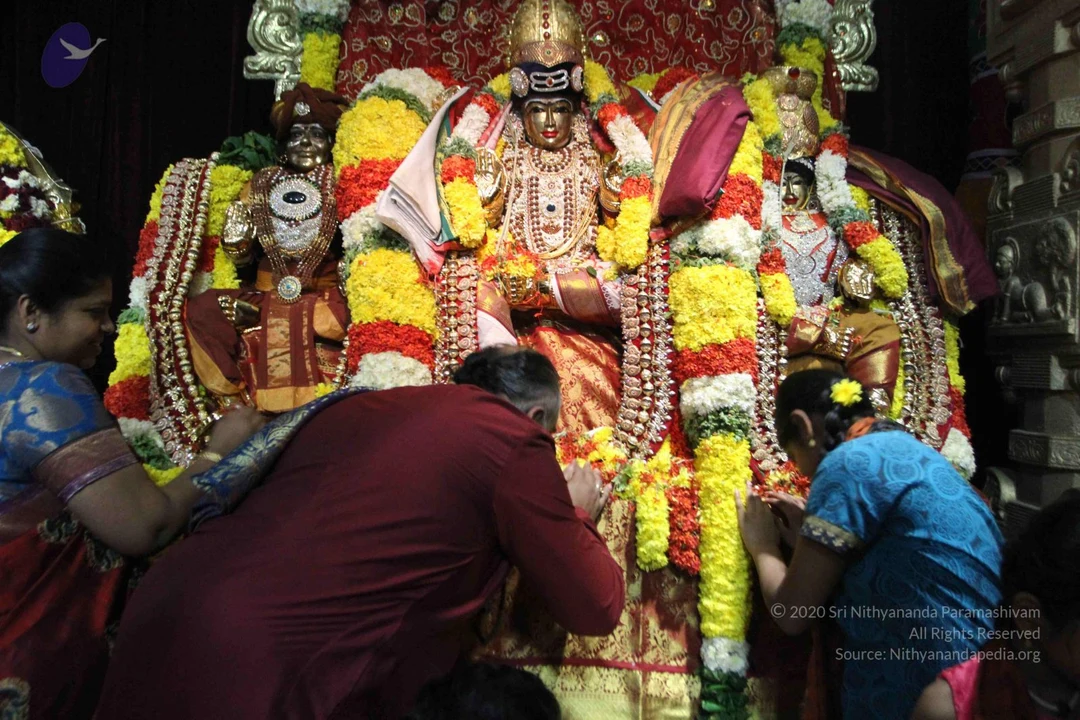
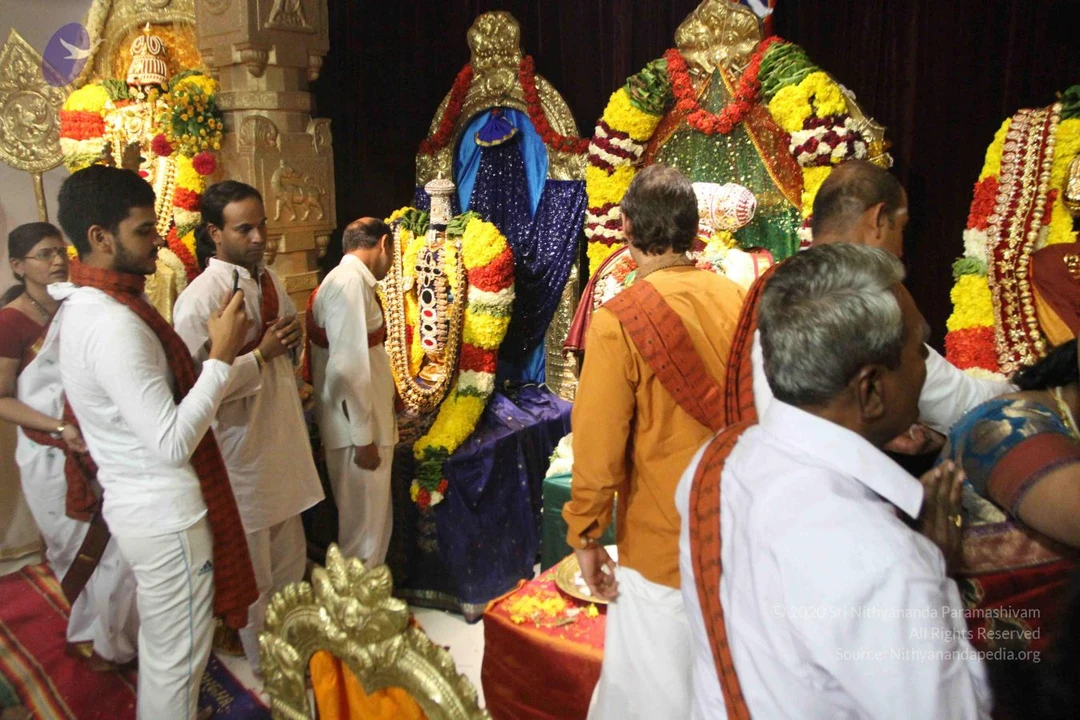
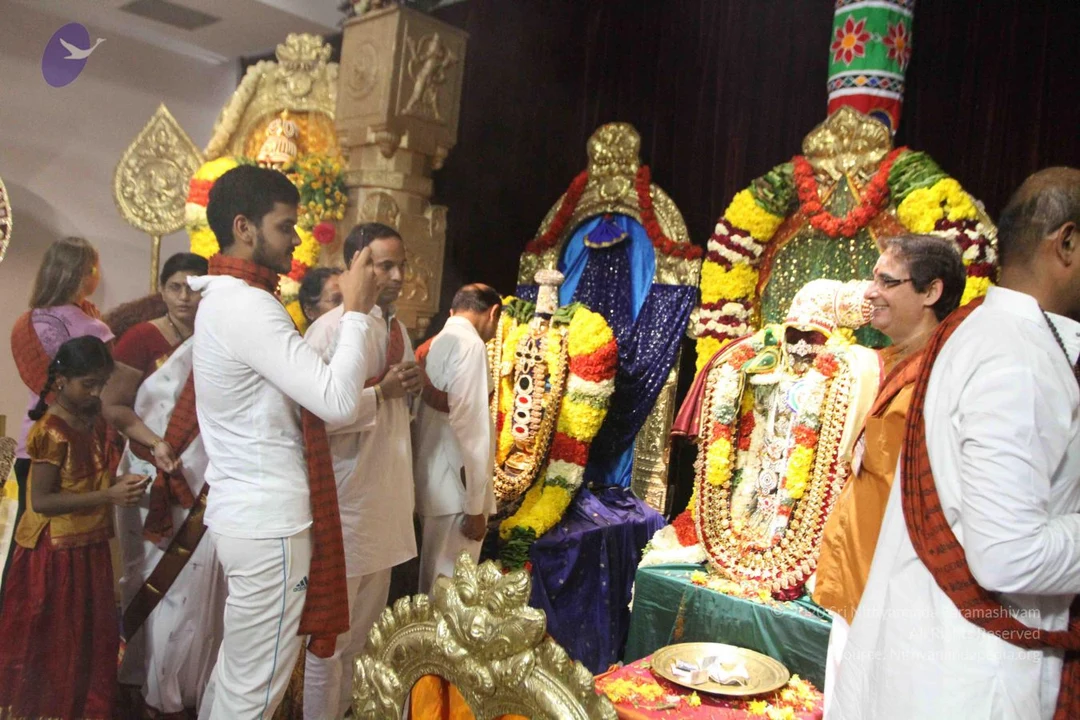
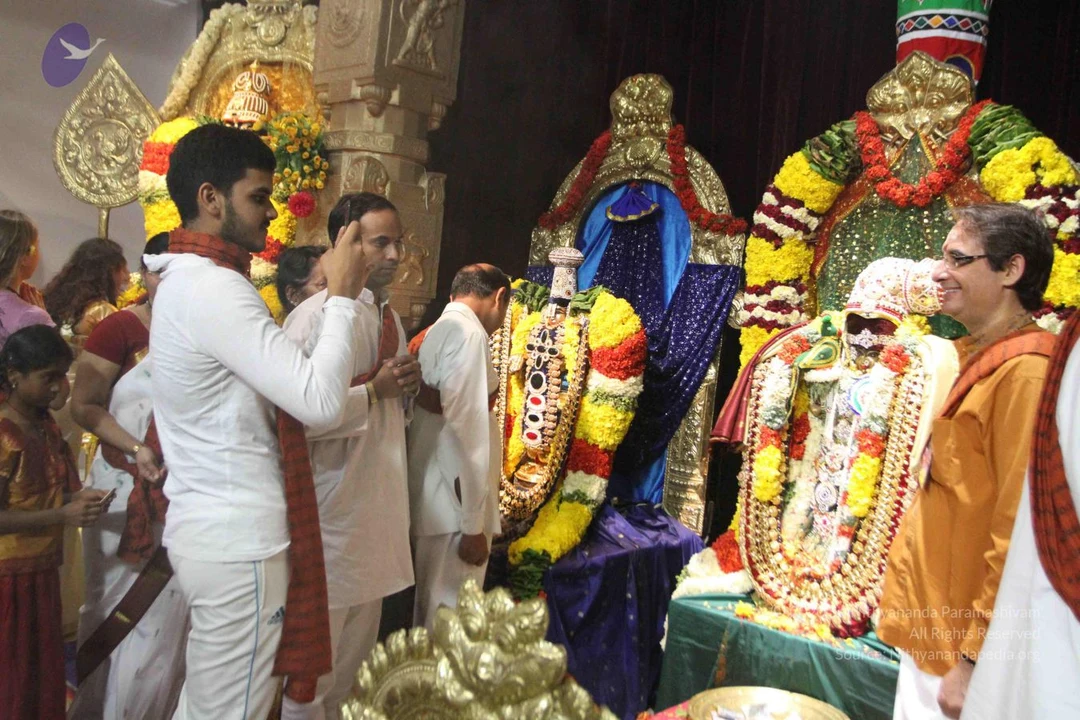
Mandala-Process
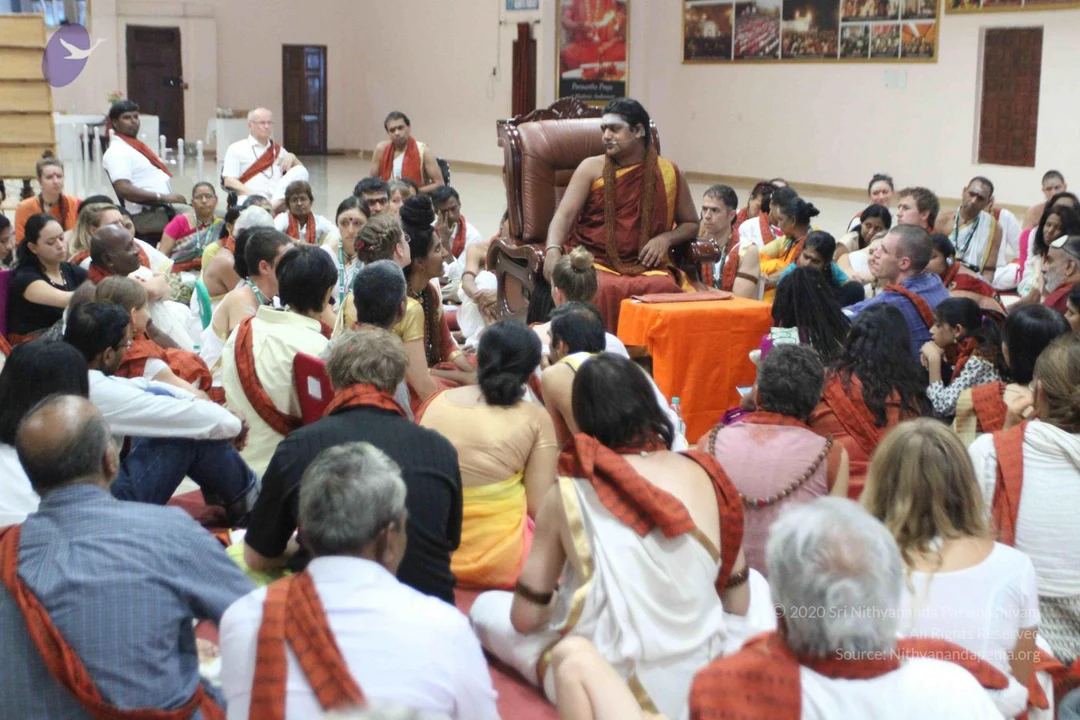
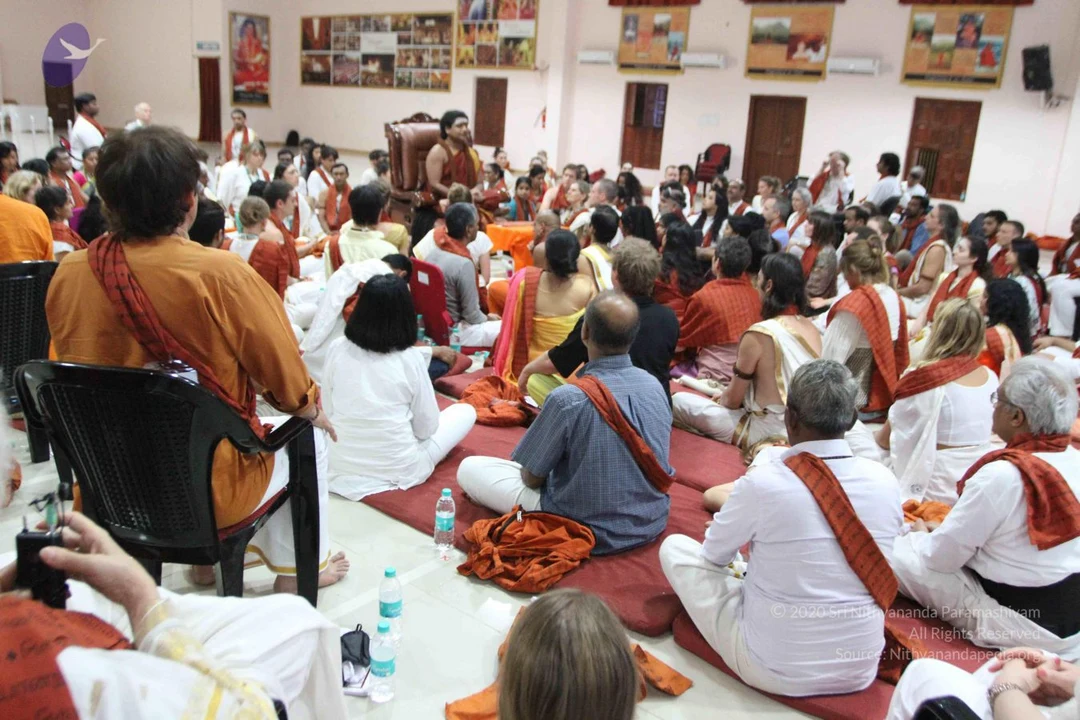
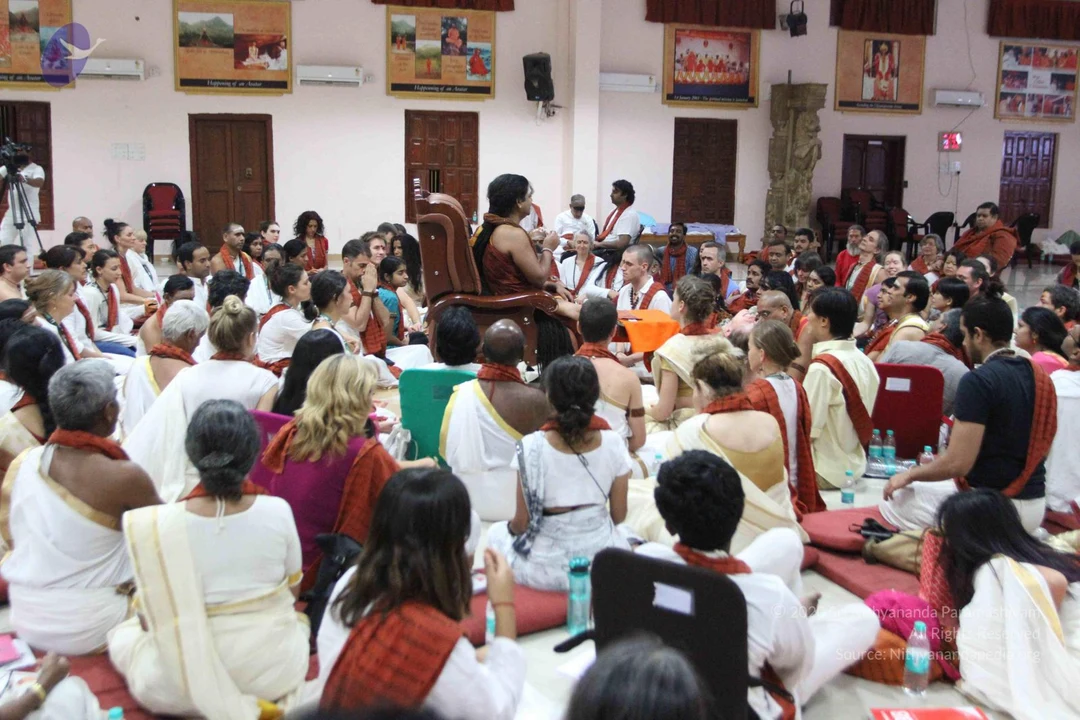
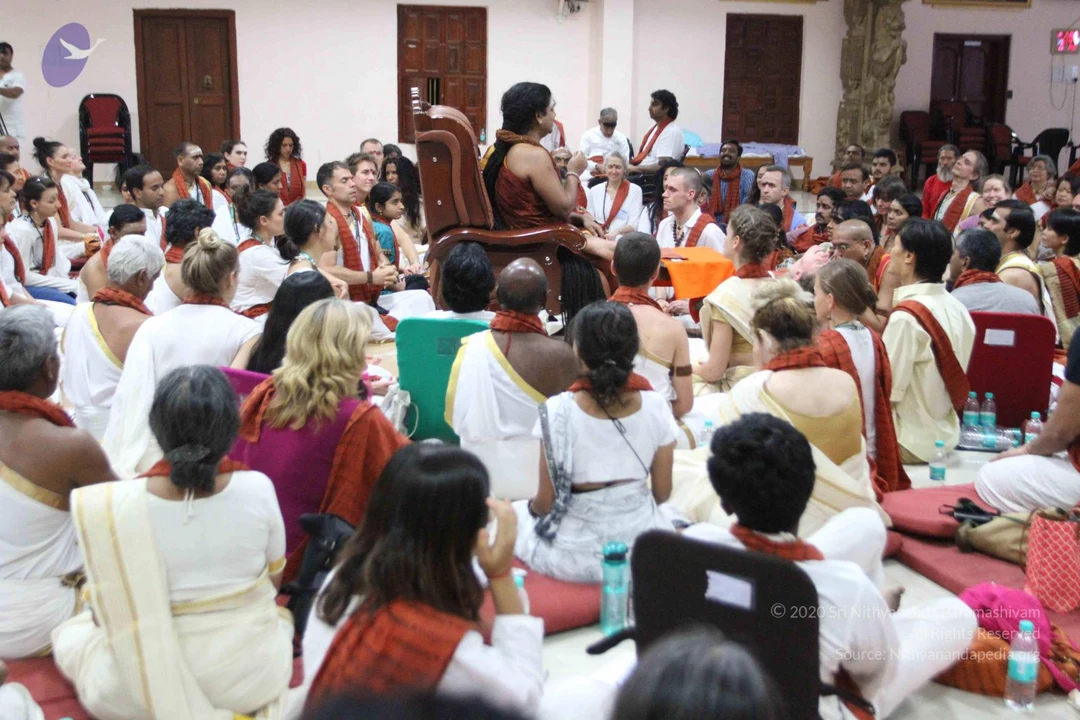
Inner-Awakening-Q and A-session
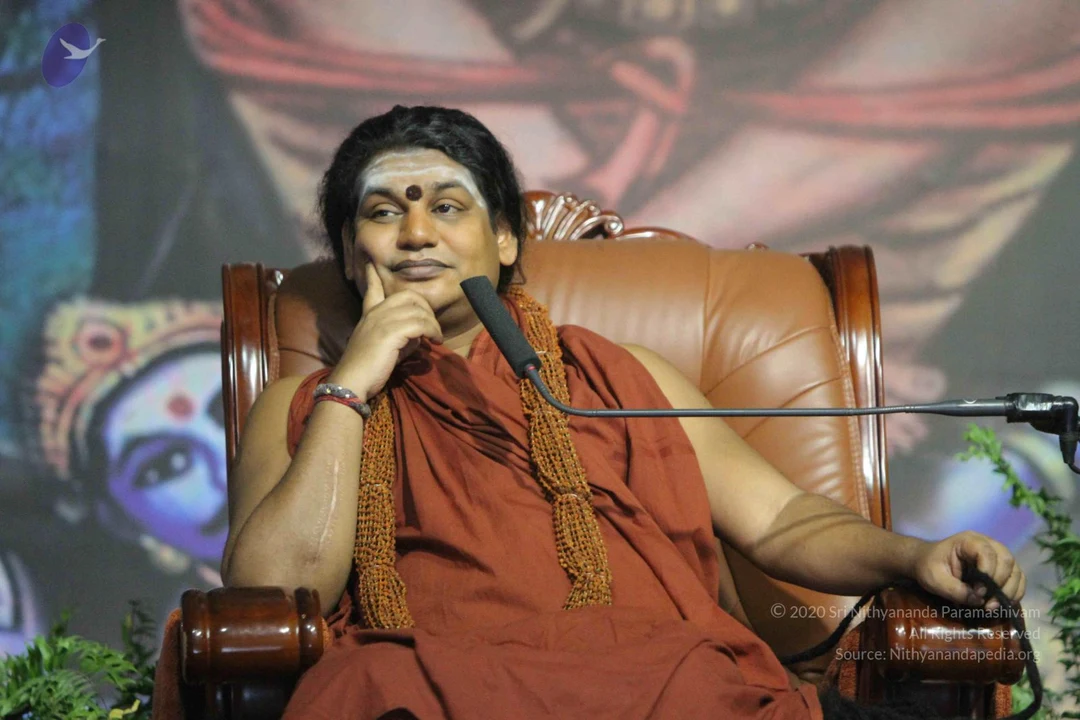


Inner-Awakening-Death-meditation
Inner-Awakening-Darshan
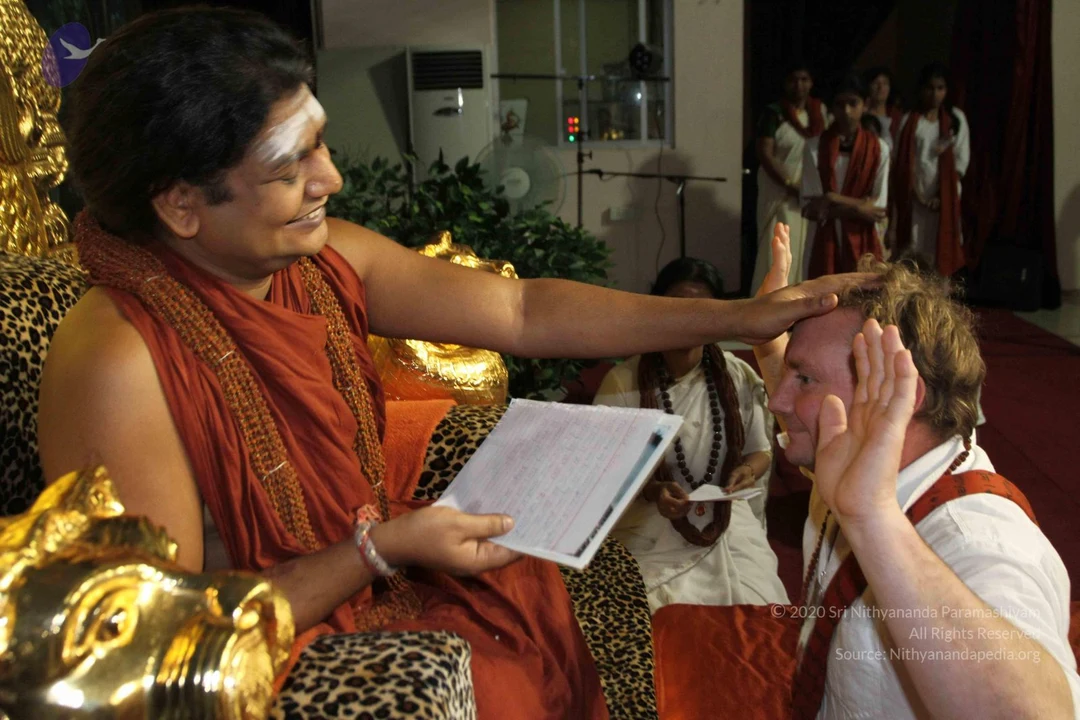
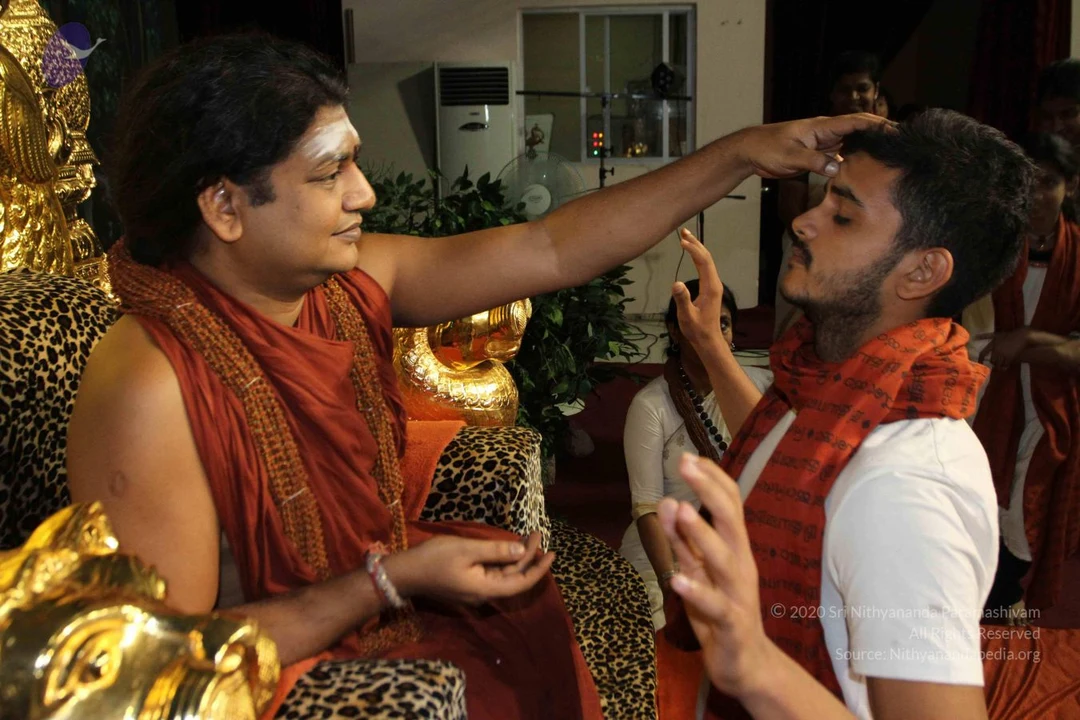
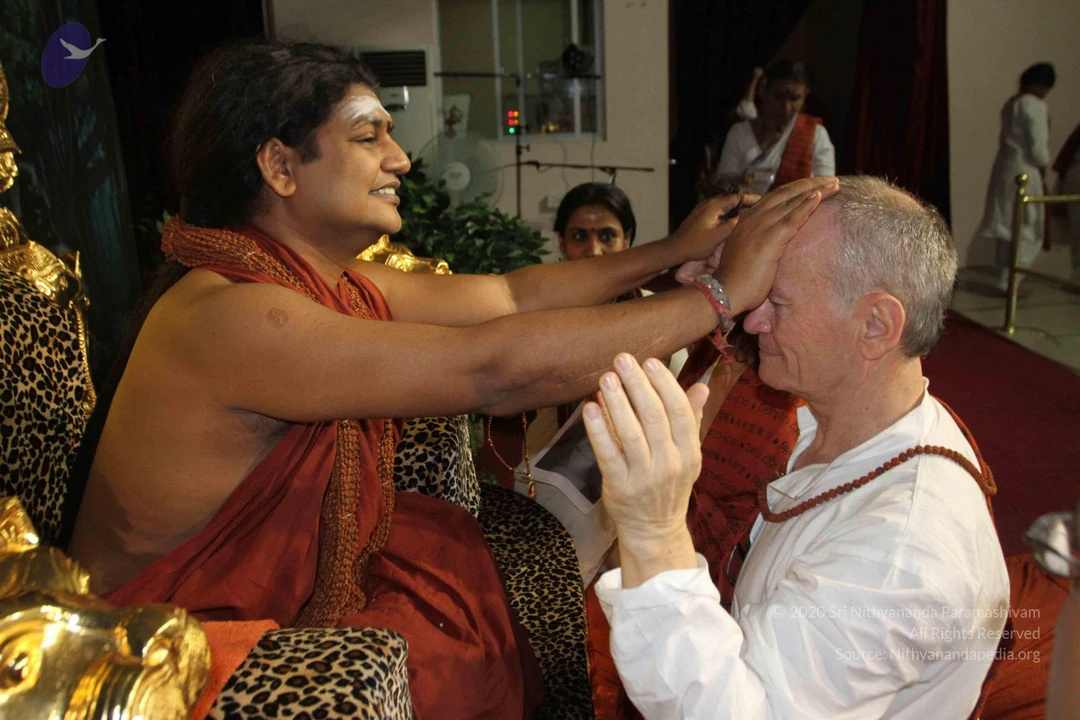
Satsang
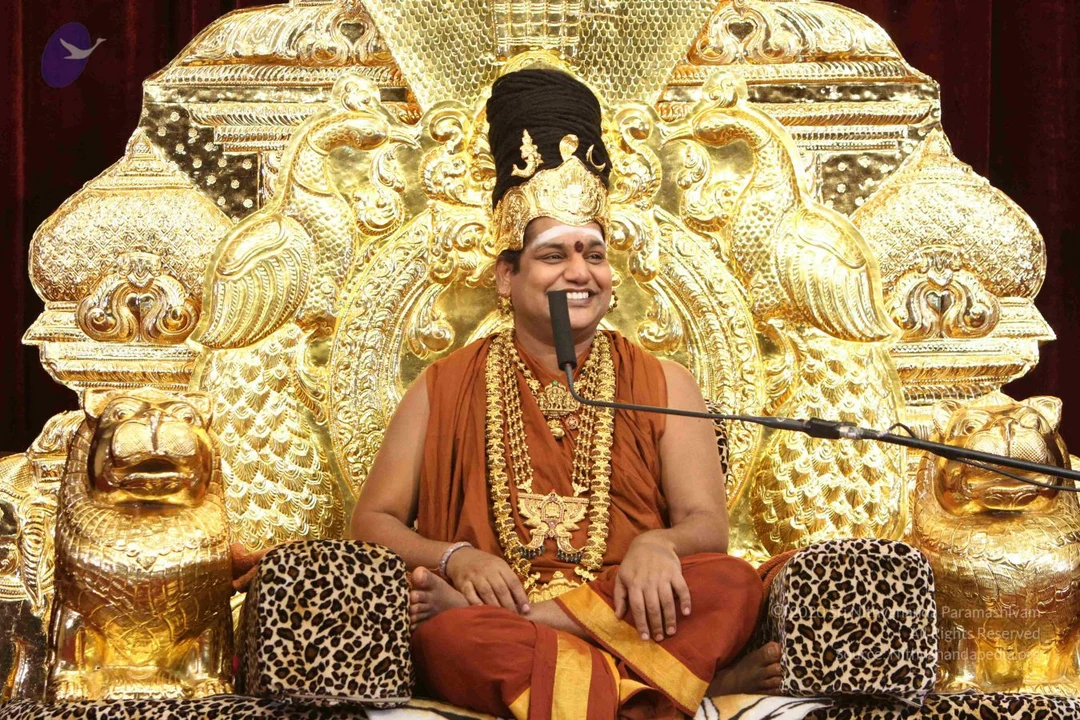

FB-photos-of-the-day
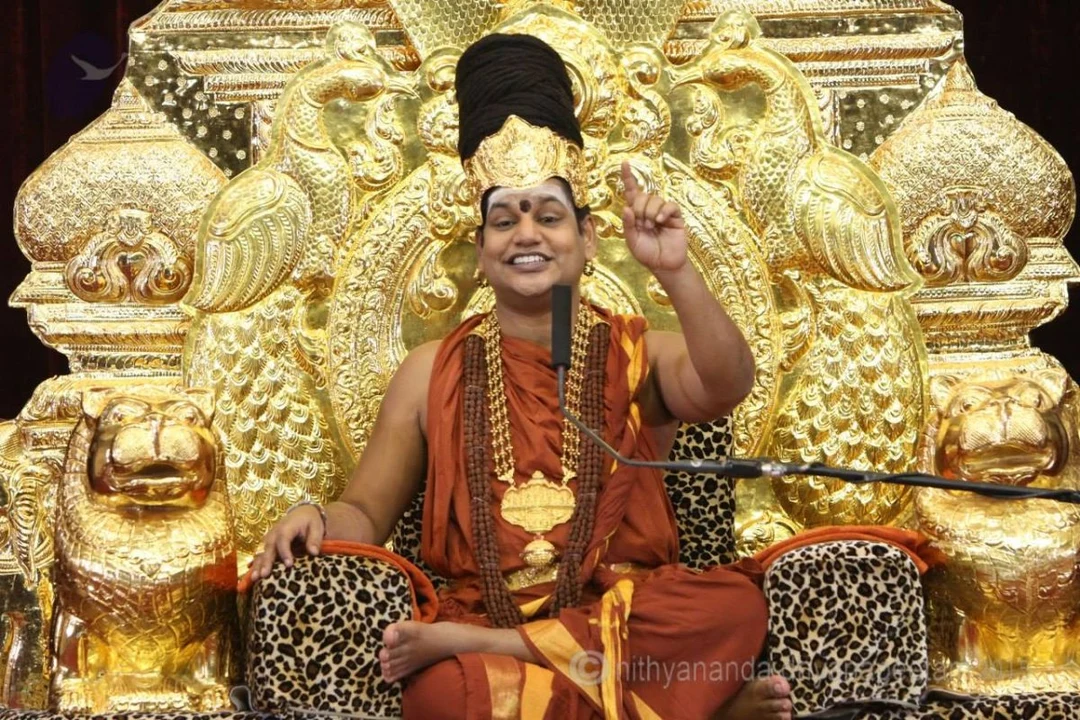
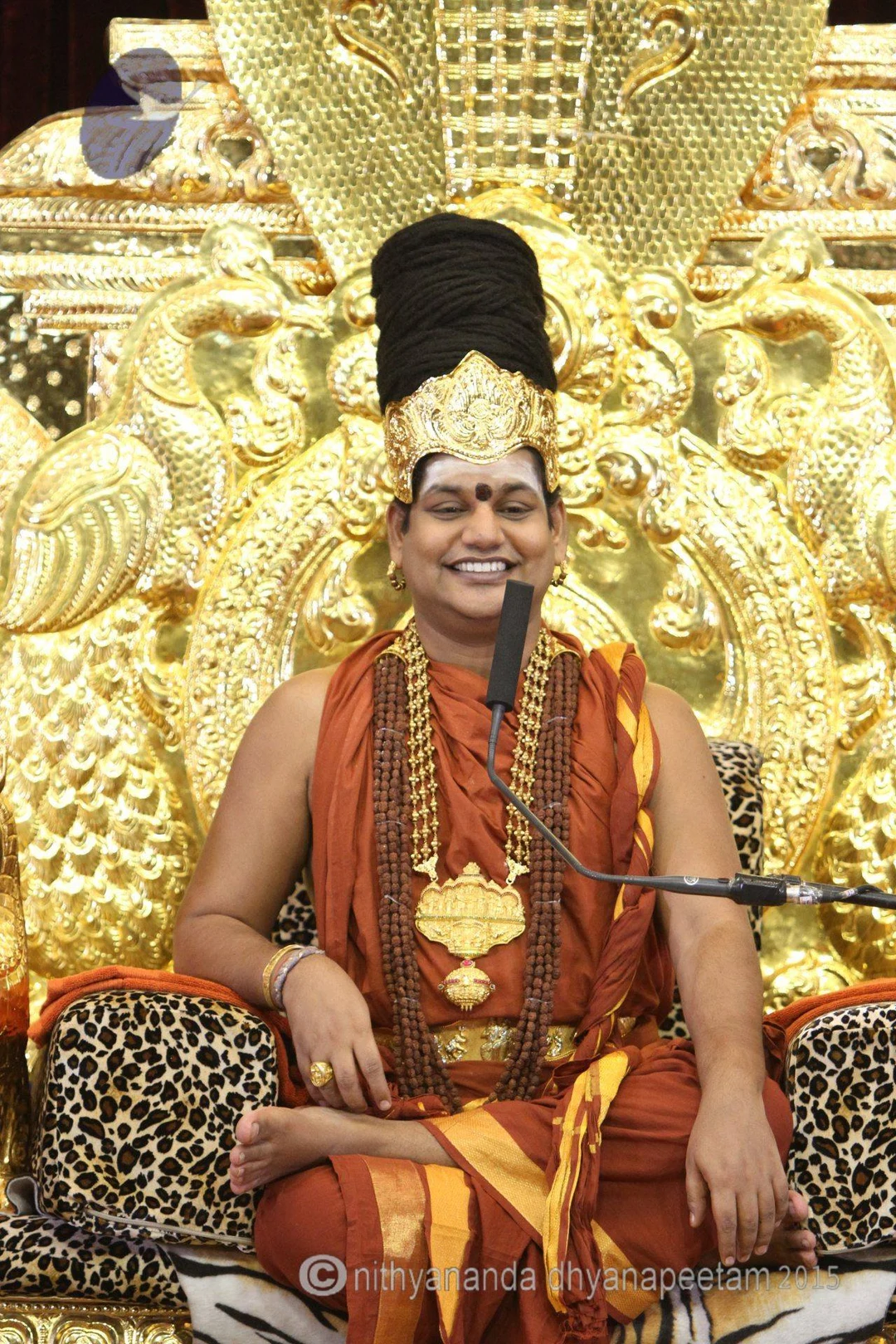
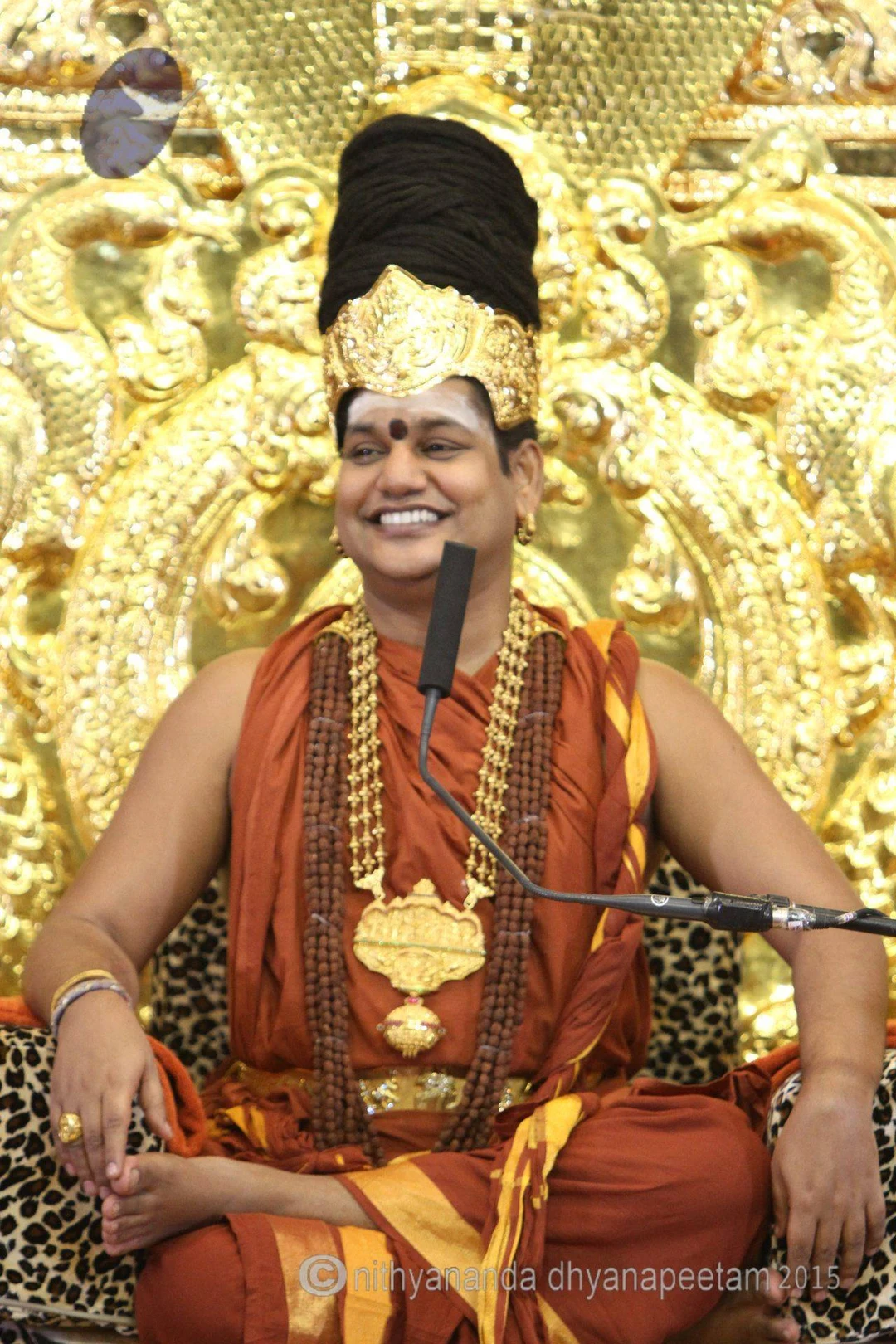
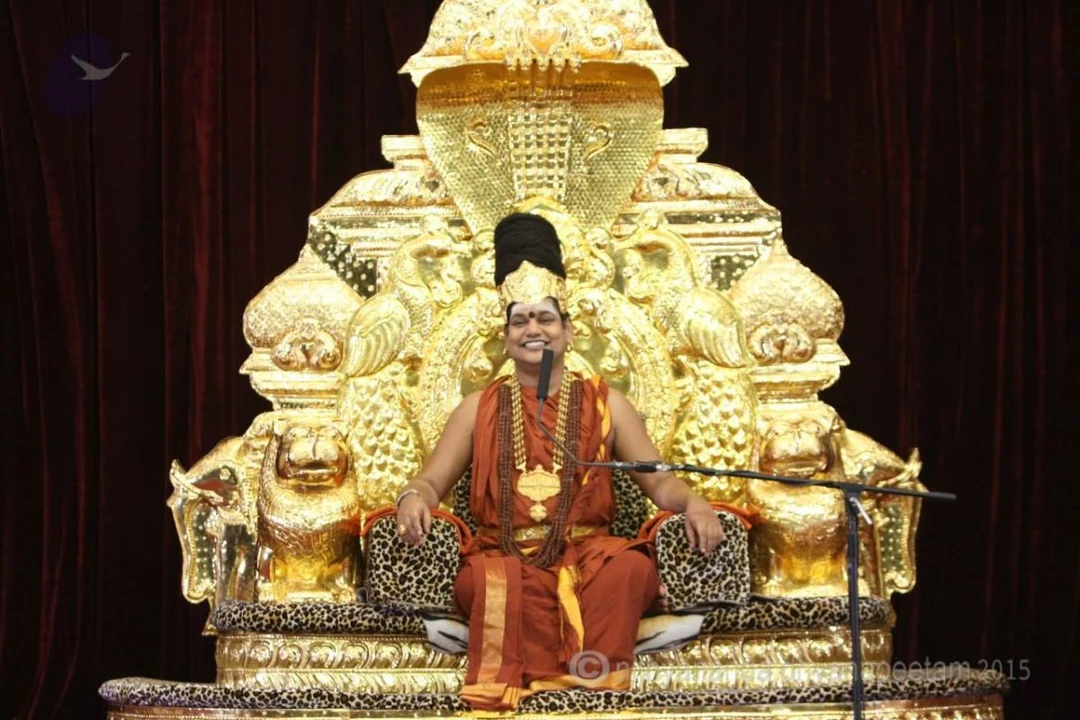
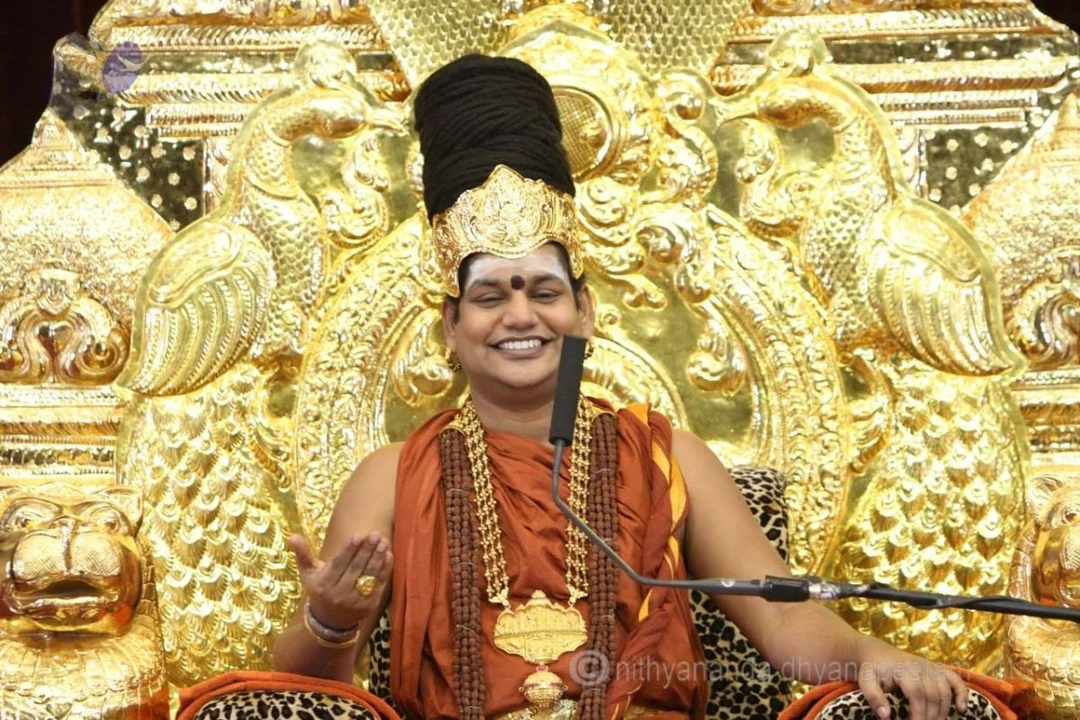
Photos Of The Day:
Satsang
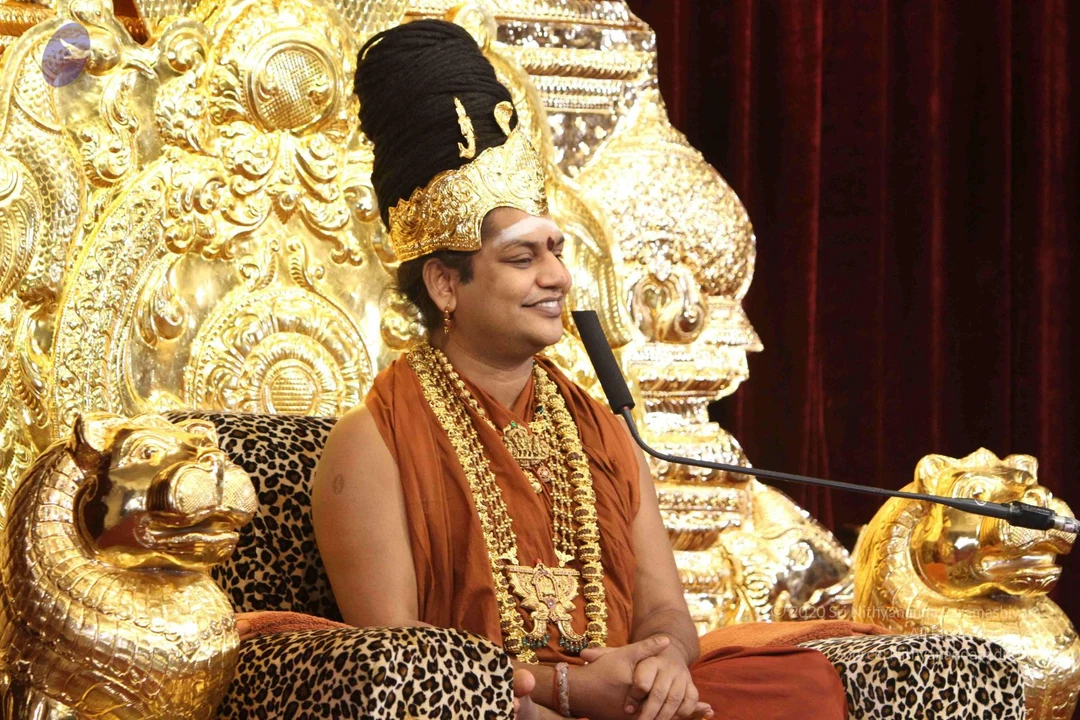
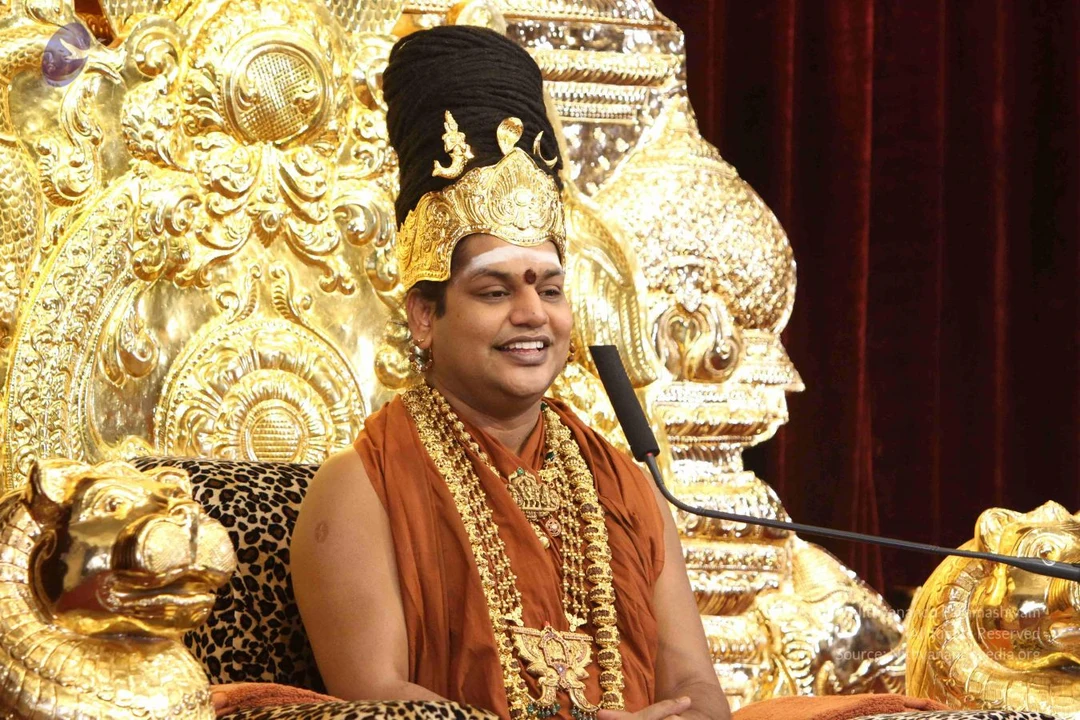
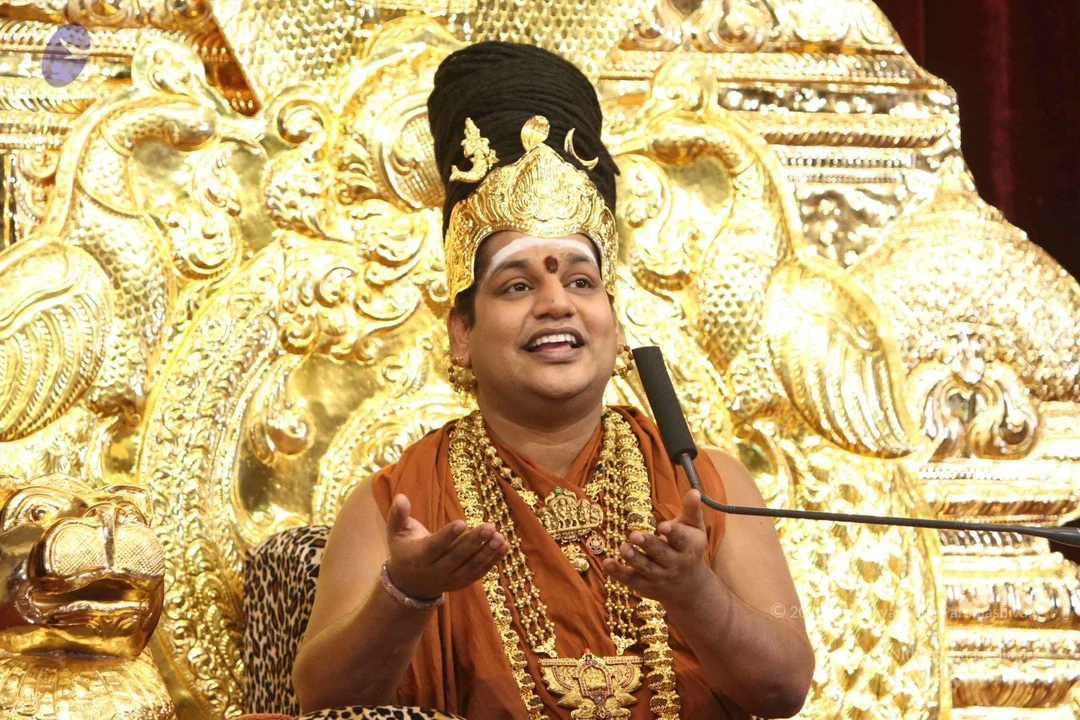
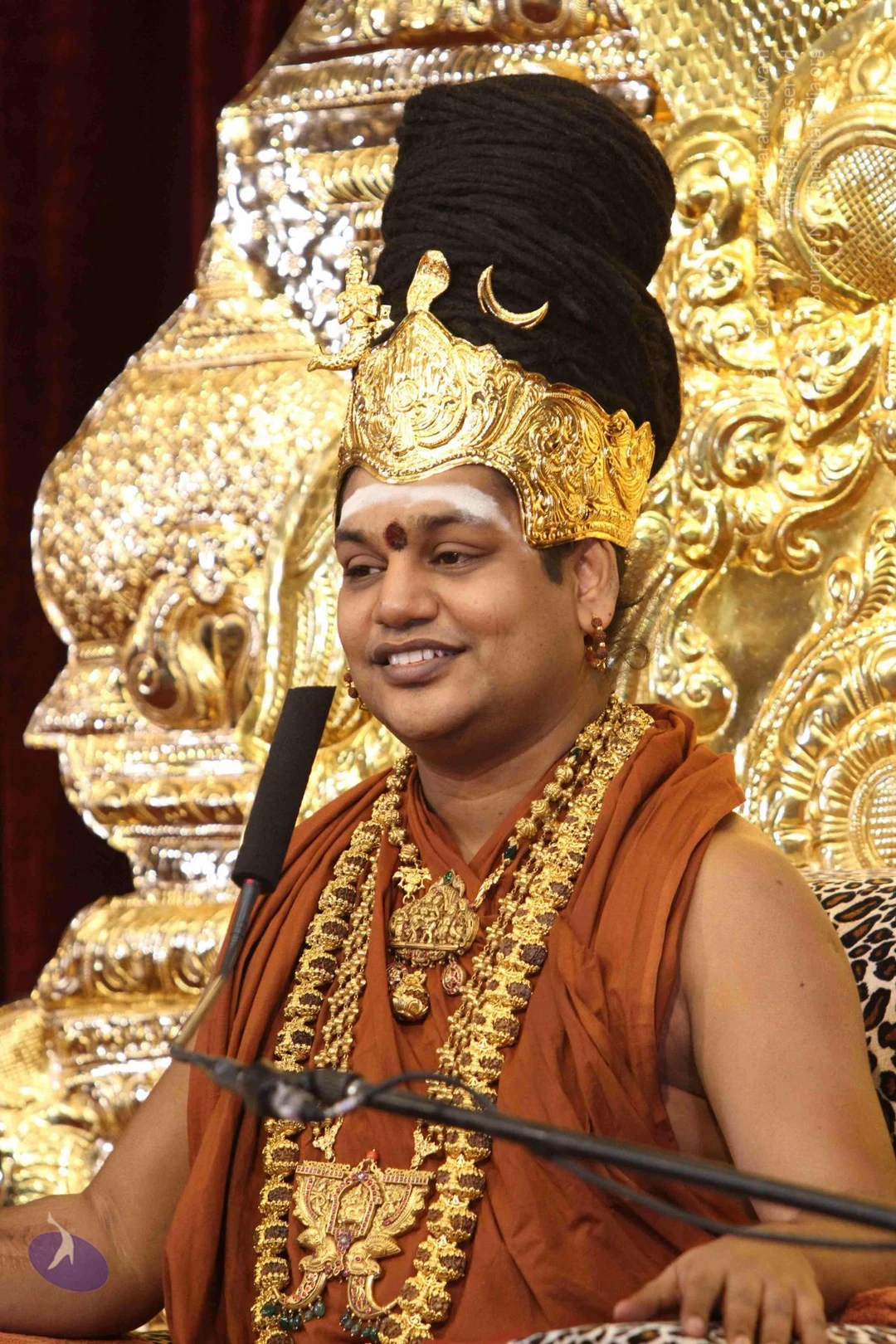
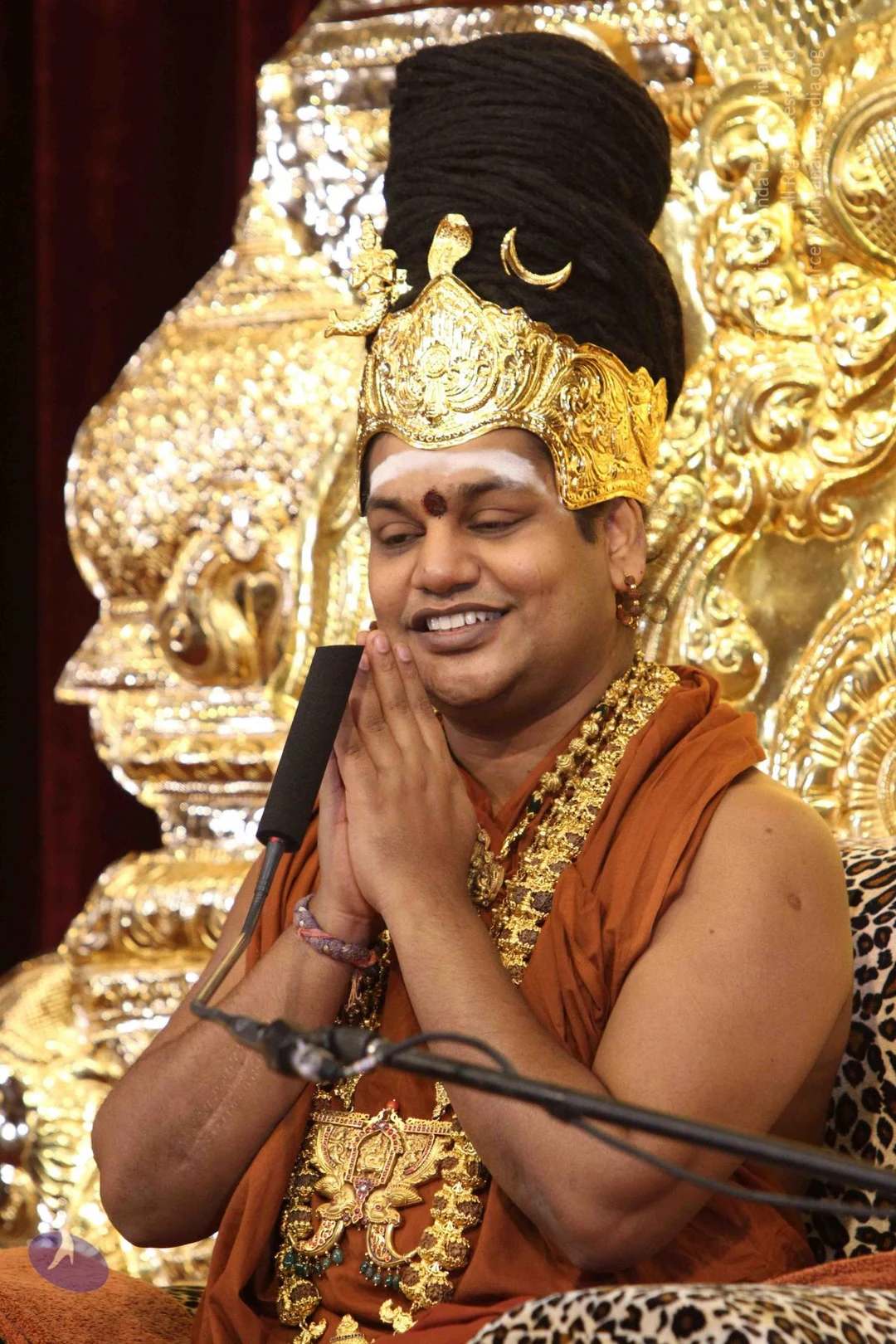
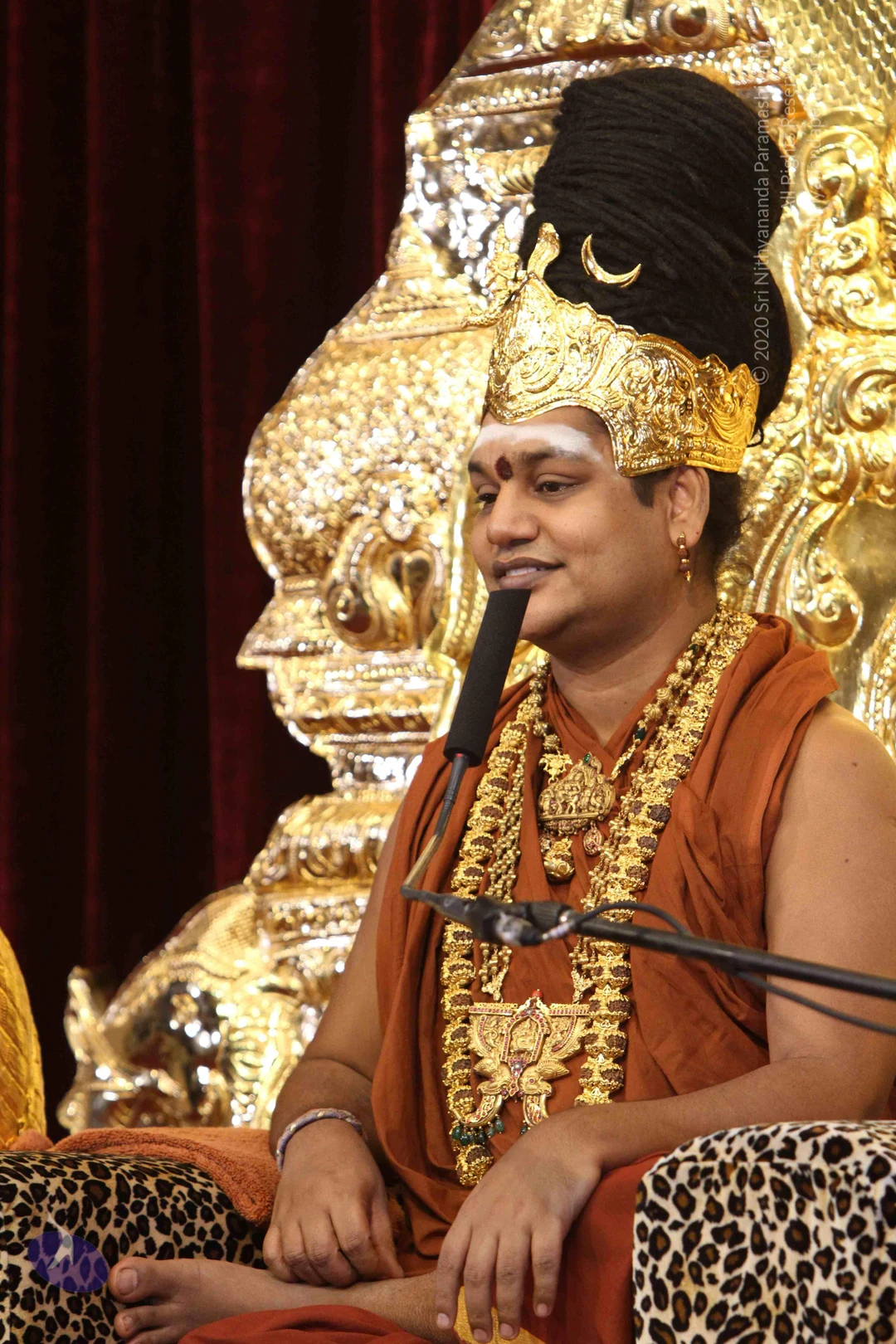
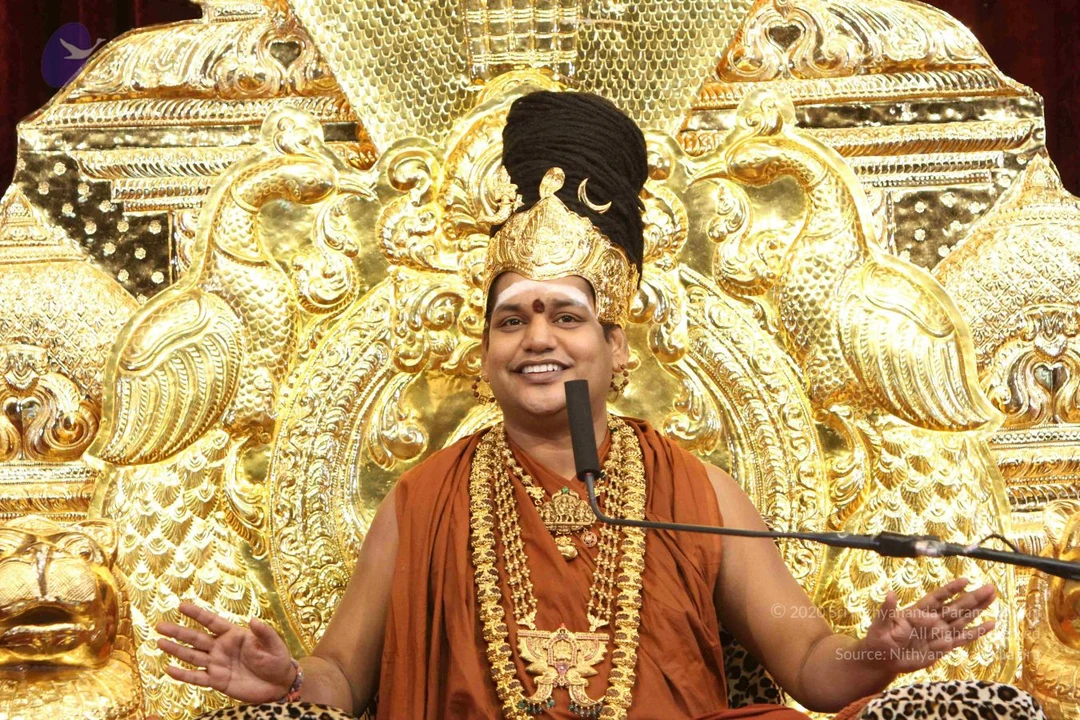
February 2 2016
Original wiki pageContents
Day's Events
Highlight from Evening Nithya Satsang:
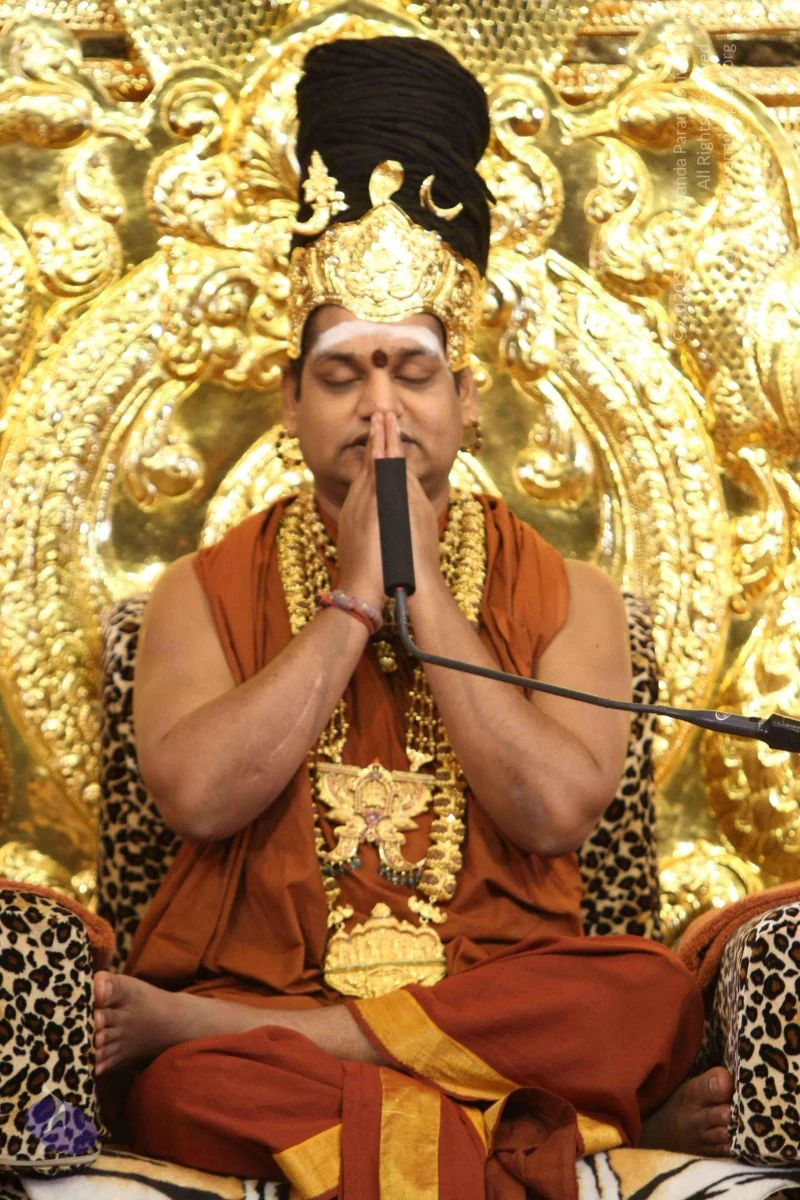
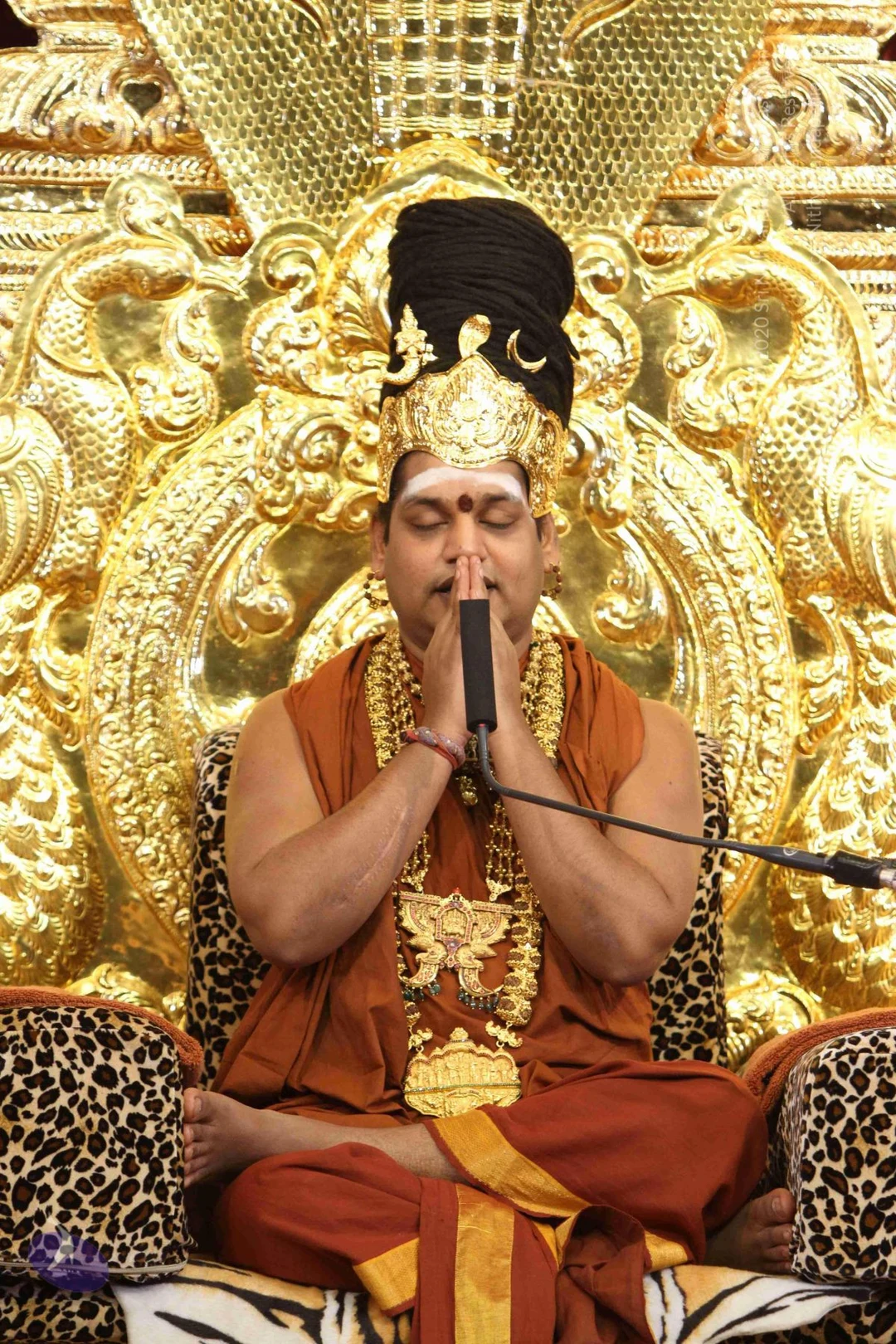
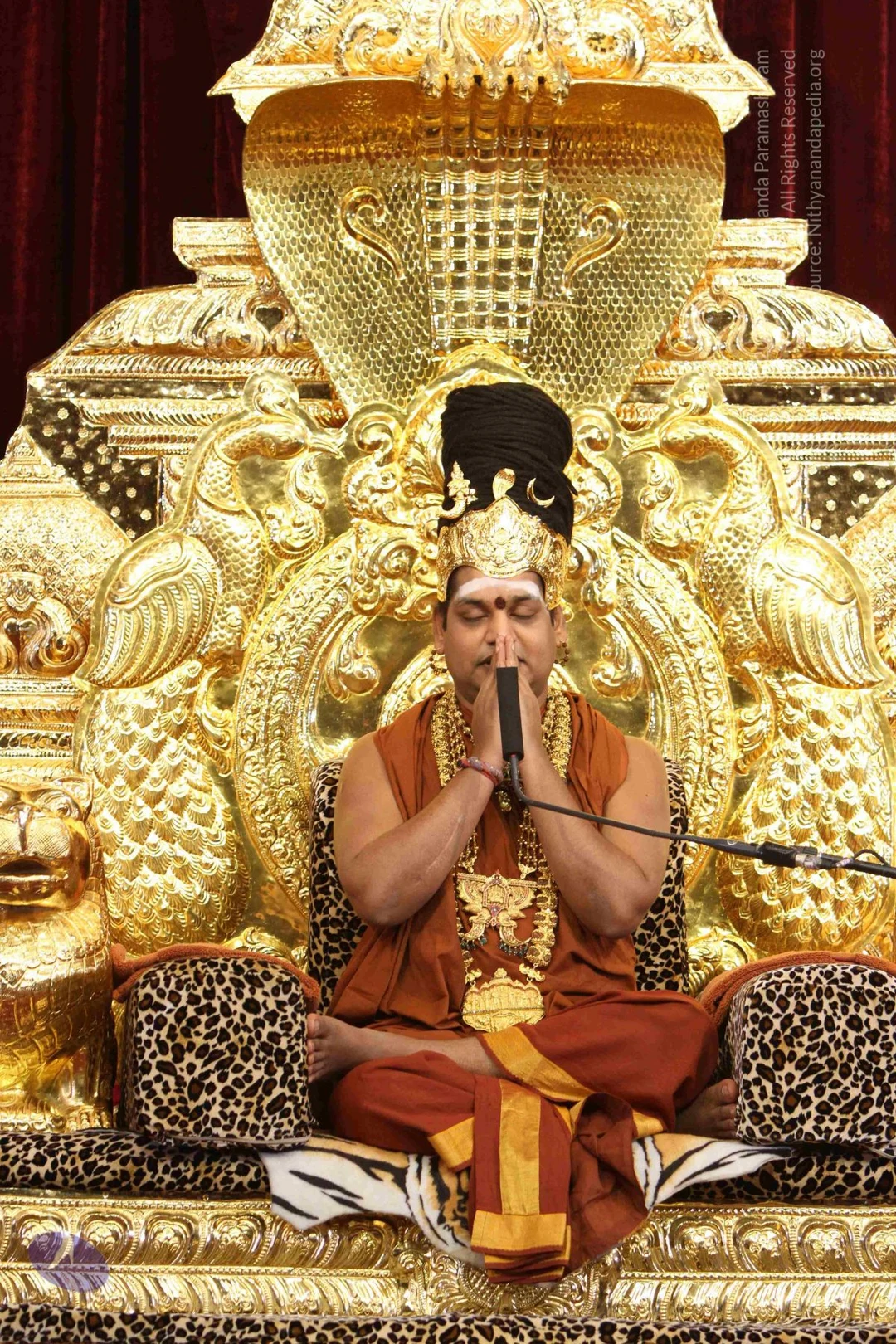
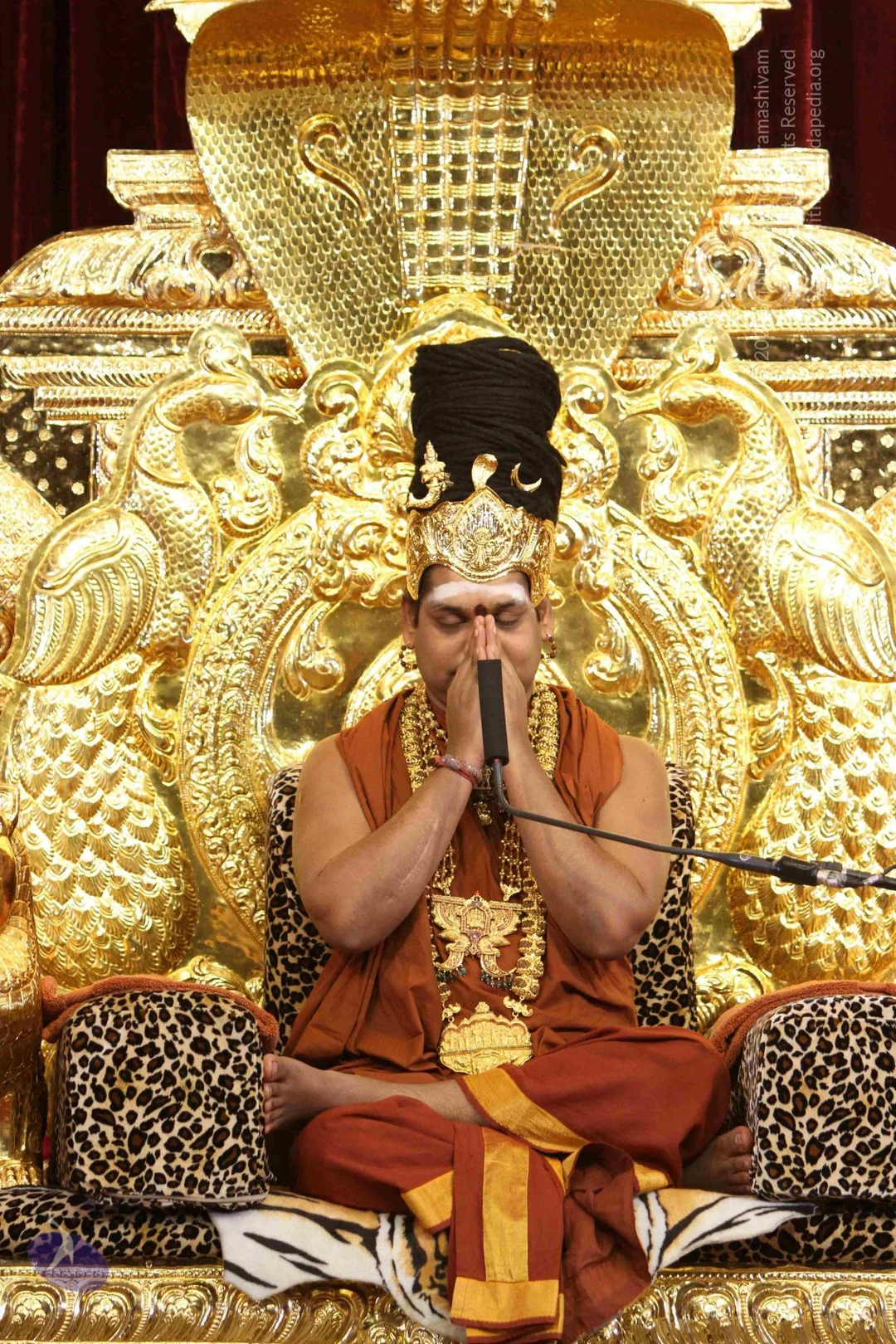
Trying to suppress human beings without letting them taste off the grid life is the greatest conspiracy (parivrajaka-spiritual wandering). All the best things Sanatana Hindu Dharma has is done by rebels who learned to live off the grid when they were young. The powerfulness that brings inside you! After that, even if you are hooked to the grid, the grid will be at your feet. After that, nothing can bind you.
I am glorifying all this by wearing them, not getting glorified by wearing them. I’m decorating the throne, not decorated by the throne. All these traditions of Hinduism need to be enjoyed, cherished, spread and enriched because this tradition taught me to live off the gird. And no society is more compassionate than the Indian society, who revere those who decide to live off the grid. Here people will wash your feet and give you food!
-H.D.H. Sri Nithyananda Paramashivam
Description:
"This verse really awakens the feeling connection….finally connecting you to the Source. Even in prayer what a maturity! Celebrate your desires getting matured.."" utters Paramahamsa Nithyananda, dwelling into the sweet devotional depths and peaks of matured surrender and renunciation in the 18th mantra of Isavasya Upansihad in evening Nithya Satsang, 2 February 2016 in Living Advaita Series of revelations. Precisely distinguishing what is Innocent Surrender and Ignorant Surrender, He defines, Innocent Surrender as ""knowing everything about surrender and not being afraid of it."" With surrender our desires and fear get matured. Ability to make old desires and fears redundant, is Renunciation, is the ability to be alive. No more do we dwell in hypocrisy of society. Ignorant Surrender is when we do not know what is surrender, but try to throw responsibility in the name of surrender, as a bargain. agne naya supathā rāye asmān viśvāni deva vayunāni vidvān | yuyodhy asmaj juhurāṇam eno bhūyiṣṭhāṁ te nama-uktiṁ vidhema || 18 || Translation: ""O Agne, the Fire God! Knower of all our actions and all that is worth knowing, You must take us along the righteous and auspicious path of completion, leading us to experience the Supreme Consciousness, the original space of Complete Completion. O God, Consciousness! May you remove all our incompletions that are obstacles on our good path of completion (beyond coming and going, birth and death). Onto You we surrender with many reverential words, bowing down again and again." Watch, Share and Subscribe to our channel to be notified of the next upload click http://www.youtube.com/subscription_center?add_user=lifeblissfoundation to subscribe. visit: http://www.nithyananda.org http://www.nithyananda.tv http://www.innerawakening.org https://www.youtube.com/user/LifeBlissFoundation https://twitter.com/SriNithyananda https://www.facebook.com/ParamahamsaNithyananda https://plus.google.com/104086565286265959836/posts
Link to Video:
Transcript:
[00:12]
nithyānandeśvara samārambhām nithyānandeśvari madhyamām | asmat āchārya paryantām vande guru paramparām ||
[00:34]
I will continue to expand on the 18th verse of Isavasya Upanishad. agne naya supathā rāye asmān viśvāni deva vayunāni vidvān | yuyodhy asmaj juhurāṇam eno bhūyiṣṭhāṁ te nama-uktiṁ vidhema || 18 ||
Listen. O Agni, the Fire God! Knower of all our actions and all that is worth knowing, You must take us along the righteous and auspicious path of completion, leading us to experience the Supreme Consciousness, the original space of Complete Completion. O God, Consciousness! May you remove all our incompletions that are obstacles on our good path of completion; beyond coming and going, birth and death. Onto You we surrender with many reverential words, bowing down again and again.
[02:05]
Listen. The first part of the verse I explained – the best prayer you can do is lead us to take us along the righteous and auspicious path of Completion, the original space of Complete Completion. The next line “Oh God, Consciousness. May You remove all of our incompletions that are obstacles on our good path and completion beyond coming and going, birth and death.” Understand. Two important sacred secrets you need to catch in this verse. One. Listen carefully, the first innocent surrender. Please understand. I am not saying ignorant surrender. Ignorant surrender means: you do not know what is surrender, you do not know to whom are you going to surrender, you do not know what is going to happen after that surrender, you do not know what is going to happen if you don’t surrender, you do not know the original concept of surrender; just trying to throw away your responsibility in the name of surrender is ignorant surrender. Innocent surrender means: you know everything and you don’t have insecurity inside about going through this path, that is innocent surrender. Understand the difference between these two. I will explain. I have seen, I have seen the hypocrisy of human beings in any ton level.
[04:23]
People come and tell, “Swamiji, I surrendered everything at Your feet. In the end of the one-day program, during energy darshan, “Please cure my cancer.” I tell them, “All right, stay for two, three days, I'll heal you.” “No, no, no tomorrow morning I have to go for my work.” See the stupidity. “No, I surrendered to you, you heal now, and send me for my work.” Extreme hypocrisy. Here, the person doesn’t know what is surrender, doesn't care about what is surrender. He is using the word for some bargain. Innocent surrender means you have a thorough idea what is surrender? To whom are you surrendering? What will happen after that? What will happen if you don’t? What is the right context? Everything. You know the whole thing and you do not have the fear of transformation it is going to bring inside you. Understand. You do not have the fear the transformation it is going to bring inside you.
[06:04]
What is exactly you are afraid? With surrender, suddenly your own taste about life may change which you are afraid of. “Oh God, I may suddenly start liking something else. Then what will happen to all the things for which I worked for ten years? What will happen to that house, which I brought designing….which I built designing every room? What will happen to the car which I bought enjoying the mirror, side mirror, front mirror, clock, this, that, so many things? What will happen to all that? Suddenly my desires may change, my fears may change, my thinking may change.” Understand. When you mature, your desires do mature. If you decide your desires should not get matured, you stop your maturity. You stop your maturity. Maturity of the desires and fears is what I call Renunciation. Renunciation is not denunciation, understand. In Hindu tradition, Vairāgya is not arāgya. Virāgā is not arāgā. Renunciation is not denunciation. Maturity getting added to your desires and fears. Understand, you might have read, heard thousands of conspiracy theories, I give you the worst conspiracy done against the humanity is creating a fear in people about the possibility of their desires getting matured.
[08:15]
Understand. There is a worm sitting inside that small shell and if you frighten that worm, “Hey, if you become butterfly, how will you eat? Here at least your food is guaranteed. Inside the shell itself you have a food and nobody can attack you. If you become butterfly, how will you save yourself. What will you eat?” I tell you, trying to suppress human beings without letting them taste off the grid life, off the grid life is the greatest conspiracy. I tell you, all the best things India has, Sanatana Hindu Dharma has, is by the rebels who learned to live off the grid when they were young. When you are young, learn to live off the grid. The powerfulness that brings inside you, after that even if you are hooked to the grid, the grid will be at your feet; not you will be at the feet of the grid. After that nothing can bind you.
[09:45]
I am glorifying all of this by wearing them, not getting glorified by all of this by wearing them. I am decorating the throne, not decorated by the throne. I just want to make a statement to the world – all these traditions of Hinduism need to be revived, re-lived, enjoyed, cherished, spread, enriched; because this tradition taught Me to live off the grid. And no society is more compassionate in the world than the Bharat Indian society, which loves, respects, reveres the people who decide to live off the grid. In any other country, if you decide to live off the grid, it is illegal. In this country, decide to live off the grid, people will wash your feet and give you food. I am waiting, I am waiting for My Balasants to become 18, first batch I am sending to live off the grid. That is going to be the grand finale for My Balasants. And in the March, all the Krama Brahmacharis and Naishtika Brahmacharis are going to enjoy the off the grid the life… off the grid life in March. I have already, I have plans; all the Krama and Naishtika and the Ashramites are going to enjoy off the grid life in March.
[12:00]
No, I tell you, fear of your desires getting matured will stop you getting matured. Any society frightens its people about maturity will kill itself. Let more and more maturity be added. Let your desires get matured, your fears get matured. If you are afraid of death and suddenly you are afraid of the karmas, which may hit you after death, don't think you are in the same state, you have become matured. You are no more afraid of death, only the karmas which may, may not come after death, then your whole life, you will not be planning for more and more locks and bigger and bigger walls, you will be planning about Completion. If you are afraid of death you will be planning for greater and greater wall and lock. If you are afraid of the karma, you will be planning for more and more Completion. So, even your fears getting matured, is a growth.
[13:28]
With surrender, the first thing you will experience is, your desires and fears will get matured. End, they will completely disappear, that is different – that is the ultimate experience. But the moment you even you start practicing surrender, your desires and fears will start getting matured. Your anxiety, your fear, whatever emotions with which you are struggling, your incompletions, all these will start getting matured. You may not have incompletion with the people who are living with you or with the day to day life. You may have incompletion with incompletion itself that, why I am not able to complete you. That is not, that can never be equated to the incompletion you are having with the next person because she did not smile at you or he did not smile at you, they did not respond to you, they poured water on you. Your incompletion about they poured water on you is totally different, than your incompletion about incompletion, that why still you are not able to complete. I can say, here even your completion and anxiety has become more matured. See ultimately this incompletion will disappear, that is experience. But even maturity shows the growth. The moment you start practicing surrender, the first thing will happen to you is maturity in your desires, in your anxiety, in your fears, in your greed, in your everything.
[15:34]
I tell you, live with the people who are matured, you will love the life, you will love the life. This whole prayer you see, such matured prayer, matured surrender. If you are surrendering to somebody to save your life, or to have two square meal, it is stupid surrender, you are becoming slave. If you are surrendering to somebody, asking for Enlightenment, leading you to beyond coming and going, birth and death, that is matured surrender. Even in surrender there is maturity. The context, understand… That is why I always insist… some people use Me only as a orphanage, orphanage head, very few use Me as the head of a monastery, Gurumaha Sannidhanam.
[16:50]
Understand, your surrender, your fear, your anxiety, your desire, everything will get matured, the moment you start practicing surrender. Surrender smokes out all your hypocrisy. It just smokes out all of your hypocrisy. You simply know what is hypocrisy. You simply know why you are hypocrite? First reason why you are hypocrite is - the fear implanted in you by society about our desires getting matured. I have seen people telling, “I am afraid to come to the ashram. I may just settle down there.” Hey, hey You think then we are all fools? You are blessed if your desires can get matured and you can settle down here. It’s only the people whose desires have matured and can settle down here; otherwise I have enough Bhuta, Preta, Ganas to pour water on you 😊😊, and kick you out. The moment you say, “I am afraid to go and attend Inner Awakening, I may stop drinking.” It means what? Fear of your desires getting matured. It is exactly that worm feeling, “Oh, if I become butterfly, where will I get my food, how will I protect myself? I heard many, many, big, big worms will try to eat me.” Hey, just become butterfly all these problems won’t even exist in you. Making your old problems redundant, not solving, redundant, is Renunciation. They just become redundant to your Life. The more and more practice of surrender, will more and more smoke out the hypocrisy with which you are hugging. Cuddling with hypocrisy is not cute. Understand, hypocrisy is not cuddly bear; it is kadi bear, not cuddly bear. Kadi bear means the bear going to bite you. Don’t cuddle with your hypocrisy. No.
[20:20]
Celebrate your desires getting matured. Celebrate your fears getting matured. Celebrate your anxieties getting matured. Celebrate your decisions getting matured. Celebrate your vision getting matured, you will celebrate surrender. Because in real surrender, spiritual surrender, the worm is becoming butterfly. The other day I saw a Facebook post – a worm and the butterfly both of them are sitting there on the table in restaurant. Worm says, “You have changed in one month.” Butterfly says, “Yes, Nithyanandoham effect.” Yes, Nithyanandoham effect and the photo was really lot of meaning, the worm in front worm, there are food items in front of the butterfly, nothing was there.
[21:25]
The snake form of kundalini in Mahadeva’s form denotes surrender. Understand, each item in Mahadeva’s form represents one idea, one truth. Snake represents the kundalini shakti, which has surrendered to Mahadeva. Or I can say Mahadeva’s own kundalini shakti, which is under His control. Innocent surrender means - you know everything about surrender, but you don’t have fear. Ignorant surrender means - you don’t know anything about surrender, you just use that word for bargaining something. Here you can see the innocent surrender. What a matured prayer. Oh God, Consciousness, May you remove all our incompletions that are obstacles on our good path of completion; beyond coming and going, birth and death onto You we surrender, with many, many reverential words… because we don’t know any other words. We only know the reverence we carry in our heart and we don’t know how to verbalize it, so we offer that as it is. Bowing down, again and again. Bowing down, again and again.
[23:16]
Understand, when money gets added, your taste about life changes. When power gets added, your taste about life changes. When name and fame gets added, your taste about life changes. When Surrender gets added, maturity happens in you. Understand the biggest change you can have in your life is maturity. I will explain the difference. When money gets added, you have a new desires, new way of thinking, new fears, everything, but that does not mean your old desires have gone, they became redundant, does not mean your old fears have become redundant. When name and fame gets added, you have more desire, more fear, that does not make your old desires and old fears redundant. When power gets added, you have new desires and new things, that does not mean the old is redundant. But, when maturity gets added, constantly the old desires, and old fears are becoming redundant. Whatever is today, your desire and fear, tomorrow it will become redundant and tomorrow whatever is desire tomorrow and fears you have, that will become redundant day after tomorrow. Constantly the old desires and fears becoming redundant, is what I call maturity. That is what is Renunciation. Renunciation is not denunciation. It is just making old redundant. They are no more part of you, they are no more part of you.
[25:38]
Ability to make old desires and fears redundant is the ability to keep life alive. If you have that ability, you can make disease redundant in your body, boredom redundant in your mind, suffering redundant in your emotions, pain redundant in your relationships. At one point, you will become redundant due to Enlightenment. Ultimately you will become redundant. That is Enlightenment. Making things redundant in your life, making things, places, people, redundant in your life. When you mature, the people who all the time talk about share, clothes, car, bank balance, your net worth, they become redundant to you. And I have seen these stupid NRI parties, all the time these donkeys talk about only this. The moment they gather, “Hey what is the share? What’s the car you are driving? How many swimming pools you have in your house? How many bedrooms you have in your house? Do you have a tennis court.” Make all these people redundant in your life. And when these women gather, oh God, NRI women…sari, jewelry, kitty party. Make all these people redundant in your life. When your taste changes, they become redundant. When you get matured, they become redundant.
[28:01]
The innocent surrender, where you know everything about it, you are not afraid of it. I tell you, the fear of maturity is the worst fear taught to humanity. This is the biggest conspiracy done against humanity. Attack on your body is chemical agriculture and pharmaceutical companies. Chemical agriculture and chemical medicines is the attack on your body. Overly sexed and violence based entertainment is the attack on your mind. Fear of the maturity is attack on humanity. Understand. I am neither revolutionary nor rebel, I am just evolutionary. Maybe I can coin a new word – REVIVEVOLUTIONARY. Even in the prayer, what a maturity. This one verse, I feel there is so much to tell about this verse. That’s why I am not moving. Maybe the first day of Inner Awakening, I will start the Keno upanishad. February 4th, the next beautiful Upanishad, Keno upanishad. agne naya supathā rāye asmān viśvāni deva vayunāni vidvān | yuyodhy asmaj juhurāṇam eno bhūyiṣṭhāṁ te nama-uktiṁ vidhema || 18 ||
What a prayer, what a prayer! The moment I read this mantra, I can see the whole bio-energy becoming alive. If you want to pray, I think this should be your prayer with the clarity – even while you pray, SO’HAM ASMI. With this prayer, the Upanishad leads you from impersonal relationship to personal feeling connection. You can always just cheat yourself with just some good ideas, concepts, but never connecting to the Source; this verse does not allow you to do. This verse really awakens that feeling connection. Essence of today’s satsang – Innocent surrender not ignorant surrender. With this, I bless you all. Let you all radiate with integrity, authenticity, responsibility, enriching, causing Living Shuddhadvaita Saivam, the eternal bliss, Nithyananda. Thank you. Be Blissful.
[31:38]
Photos From The Day:
Evening Satsang
Photos from this day
View all 594 photosNithya Kirtans
3 photosSource gallery
Nithya Satsang
51 photosSource gallery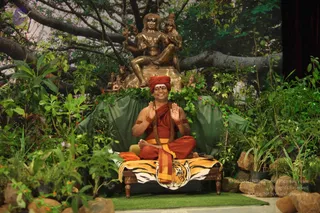
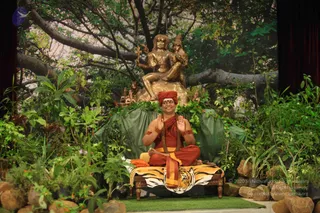
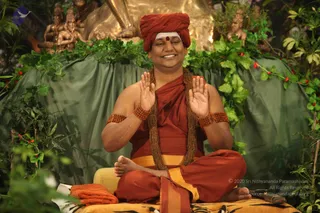
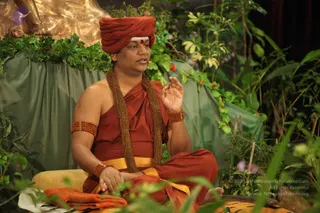
Kalpataru
44 photosSource gallery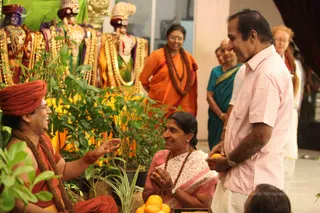
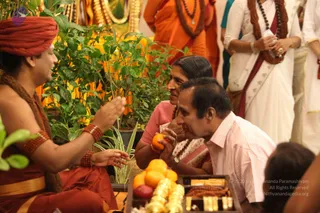
e- Kalpataru
59 photosSource gallery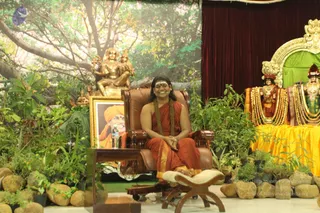
Nithyanandoham-Intro
16 photosSource gallery
Mandala-Process
10 photosSource gallery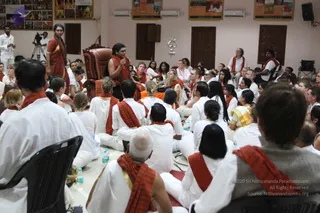
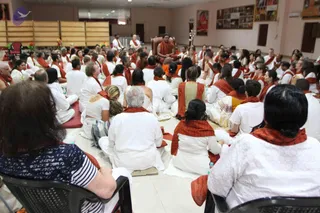
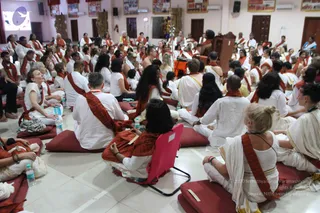
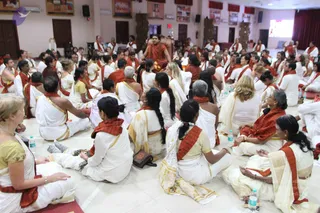
Mandala-Process-2nd-Session
19 photosSource gallery

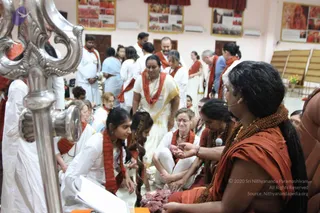
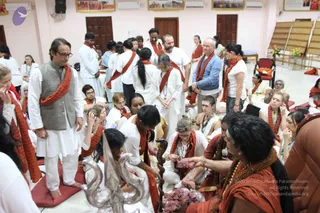
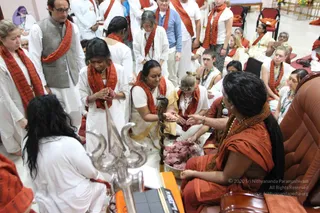
Meenakshi-ThiruKalyanam
183 photosSource gallery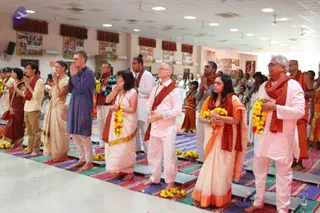
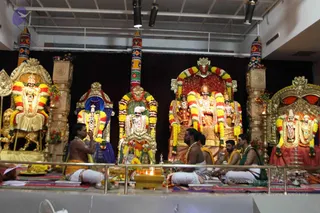
Mandala-Process
8 photosSource gallery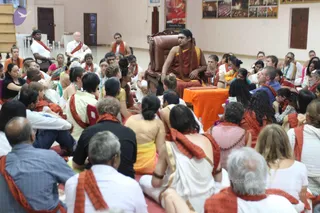
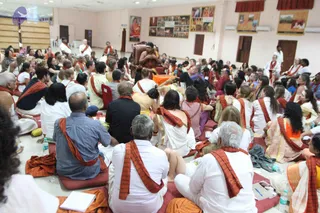
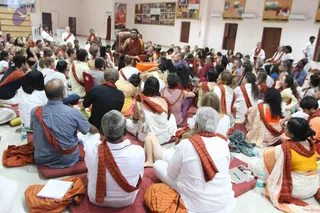
Inner-Awakening-Q and A-session
12 photosSource gallery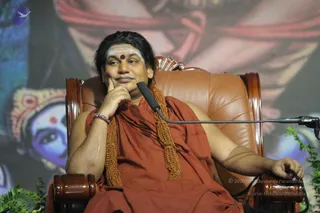
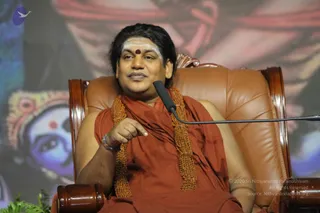
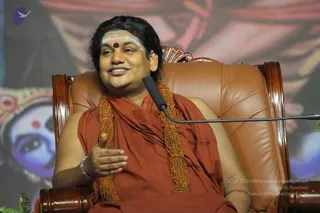
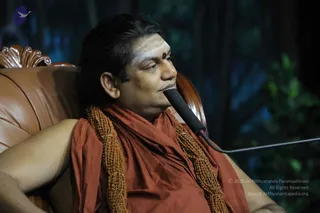
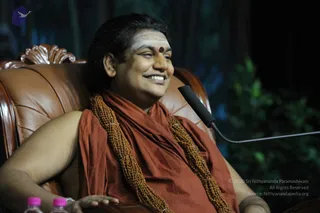
Inner-Awakening-Death-meditation
3 photosSource gallery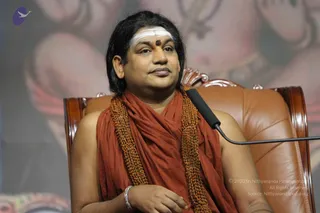
Inner-Awakening-Darshan
4 photosSource gallery
Satsang
25 photosSource gallery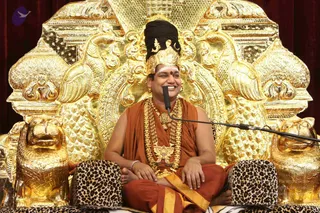
FB-photos-of-the-day
6 photosSource gallery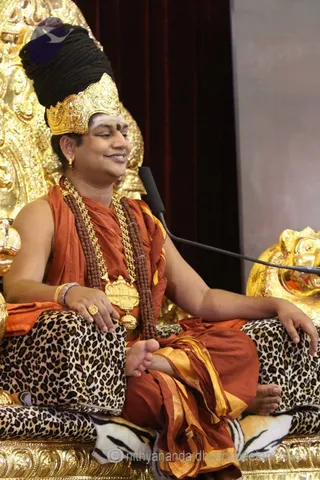
Satsang
57 photosSource gallery