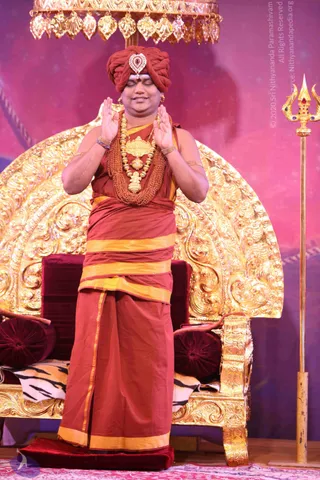
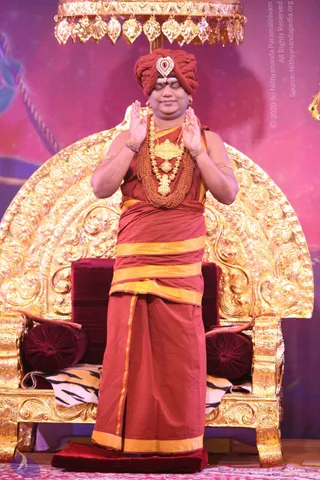
Friday
16 October 2015
Pray From Powerful Space Of Oneness - SOHAM'ASMI.
- Dated photos
- 295
- Source pages
- 1
- Media
- 4
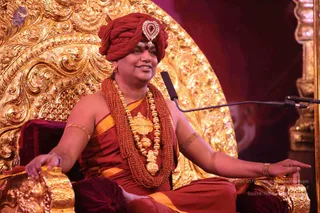
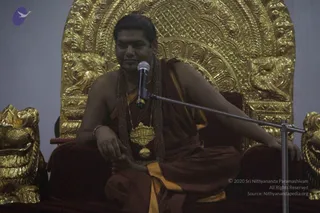
October 16 2015
Original wiki pageTitle:
Pray From Powerful Space Of Oneness - SOHAM'ASMI.
Description:
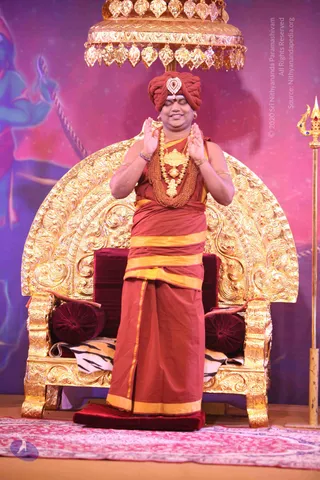
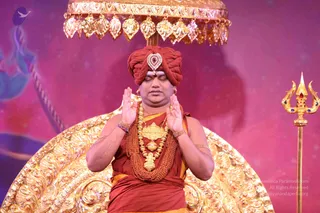
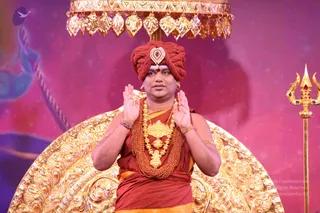
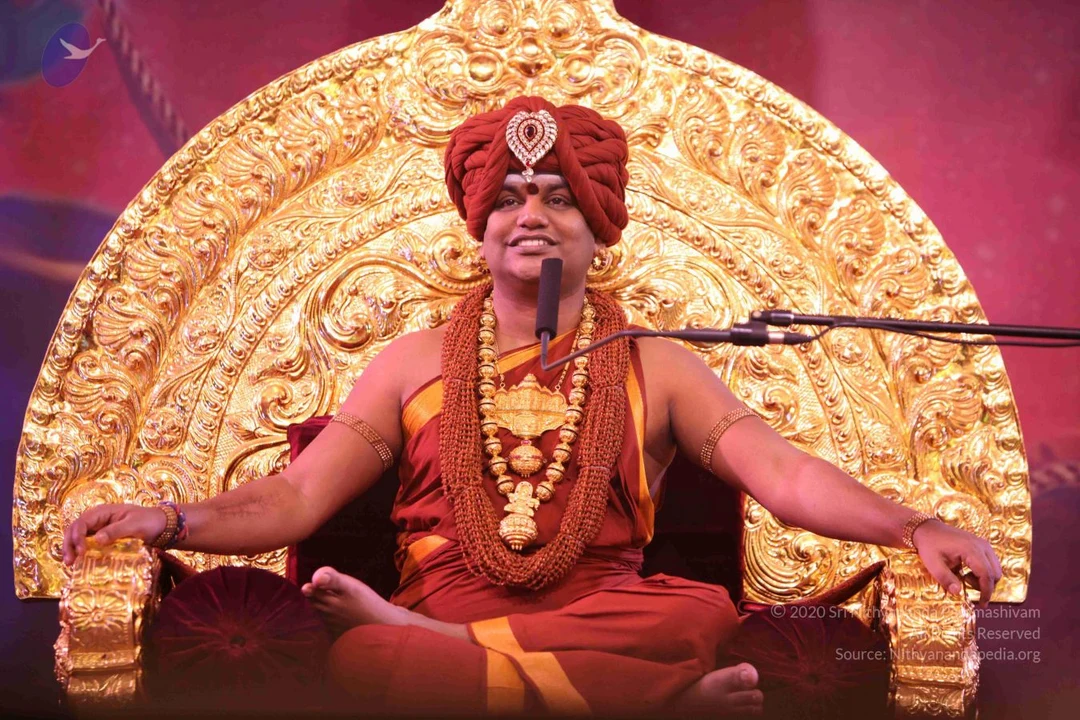
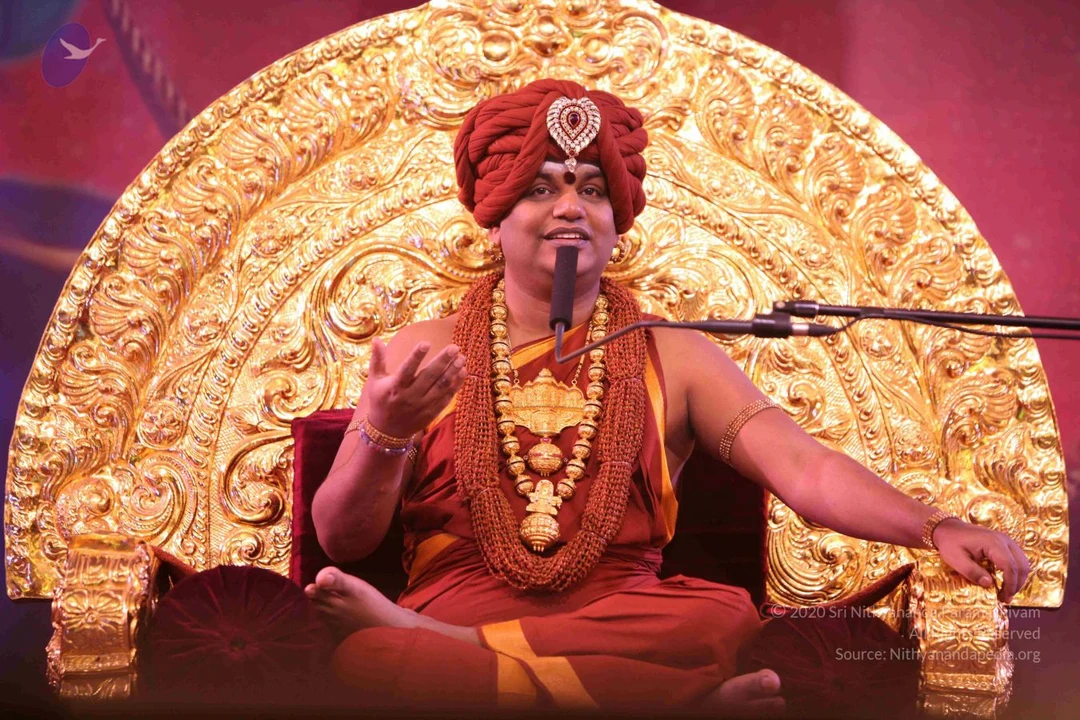
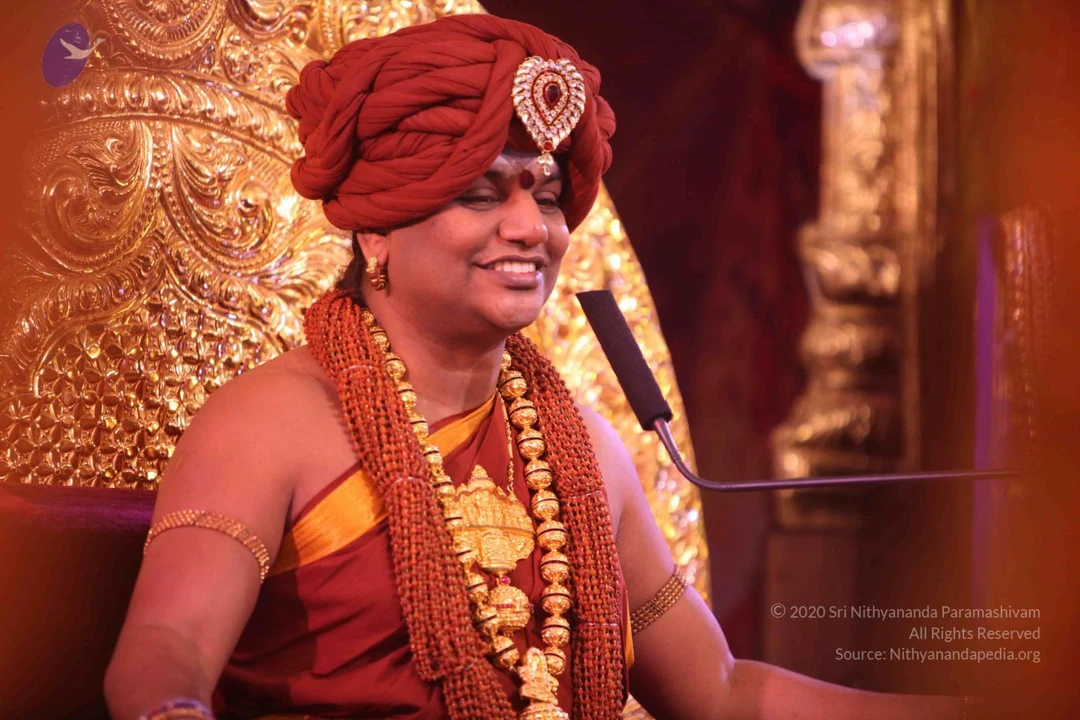
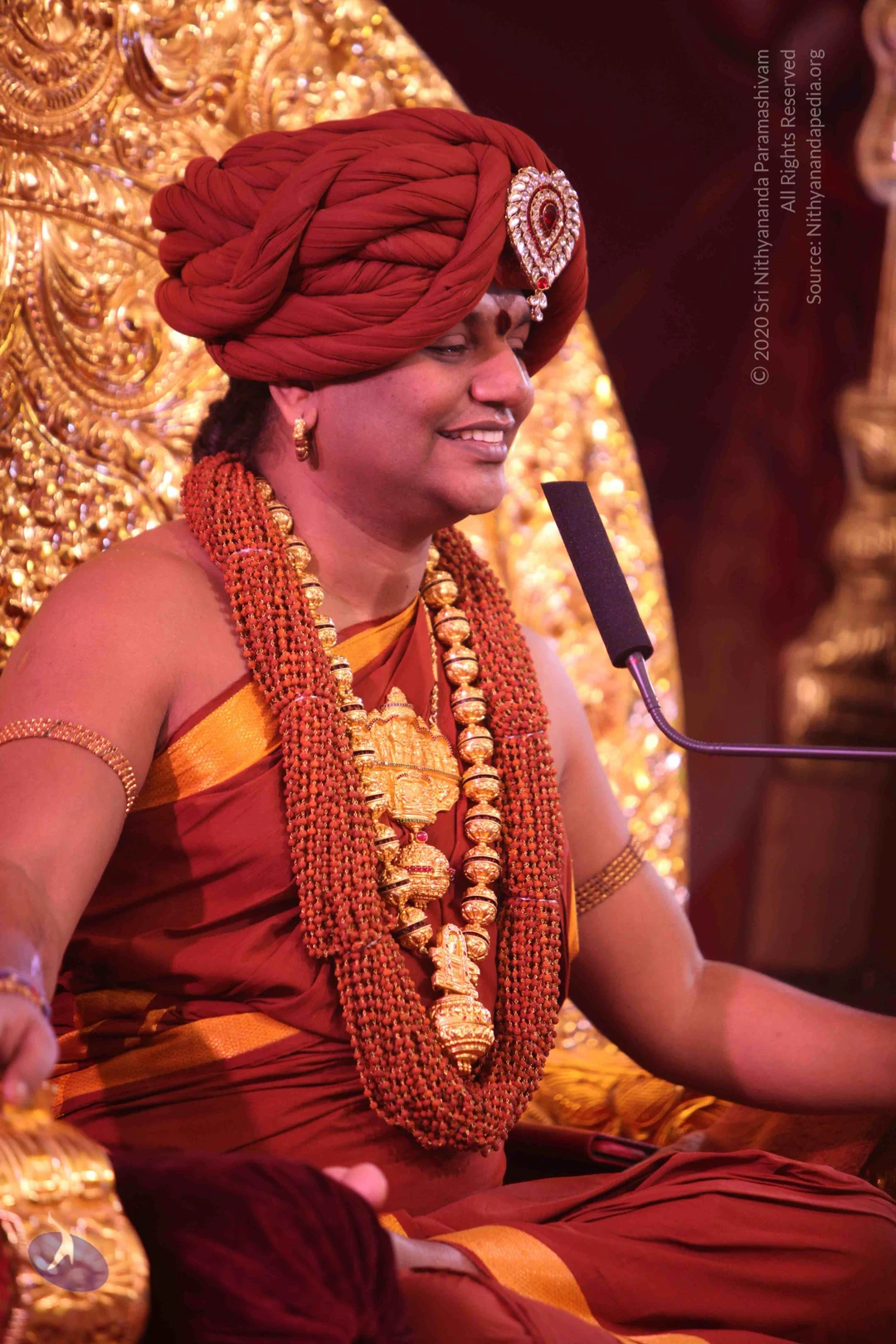
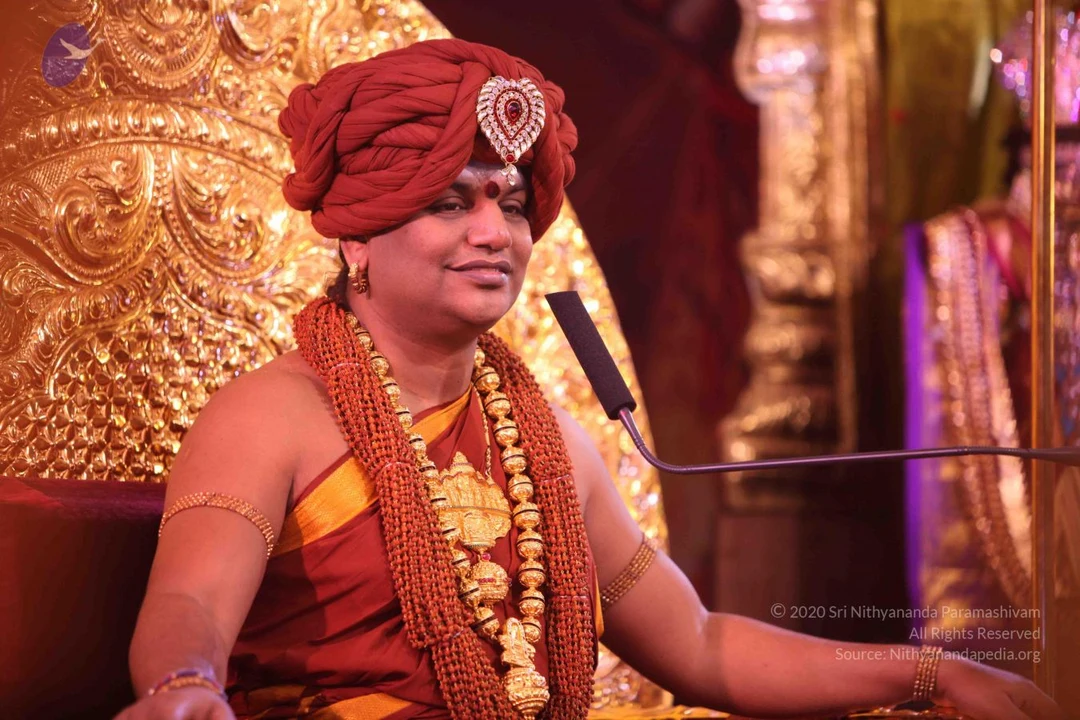
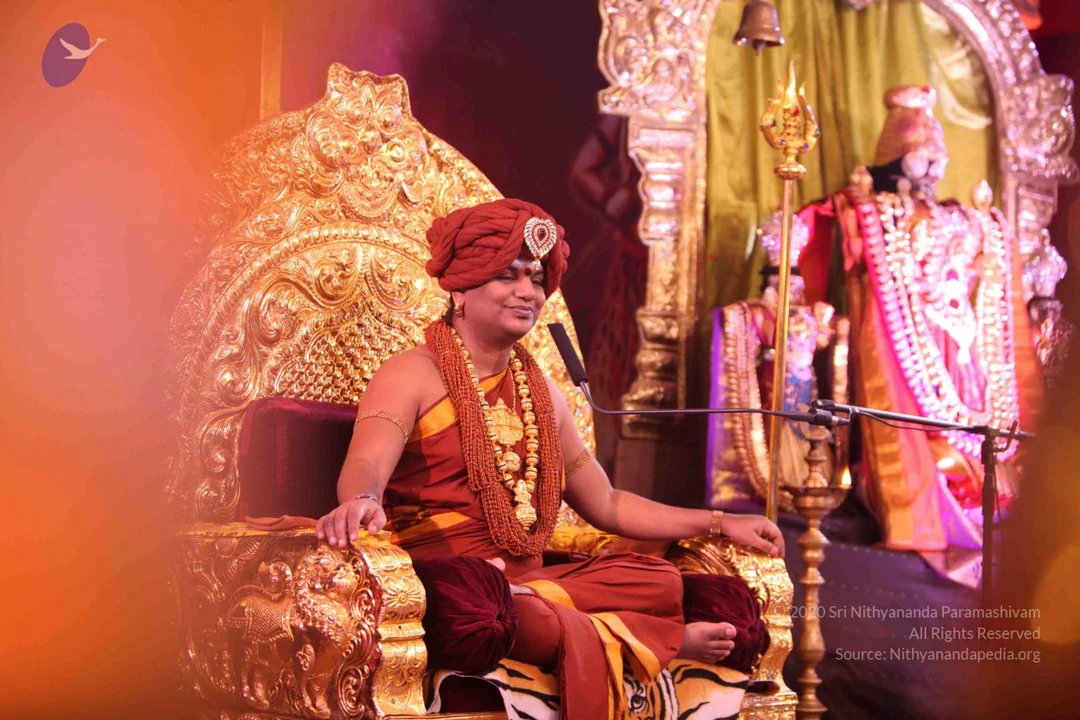
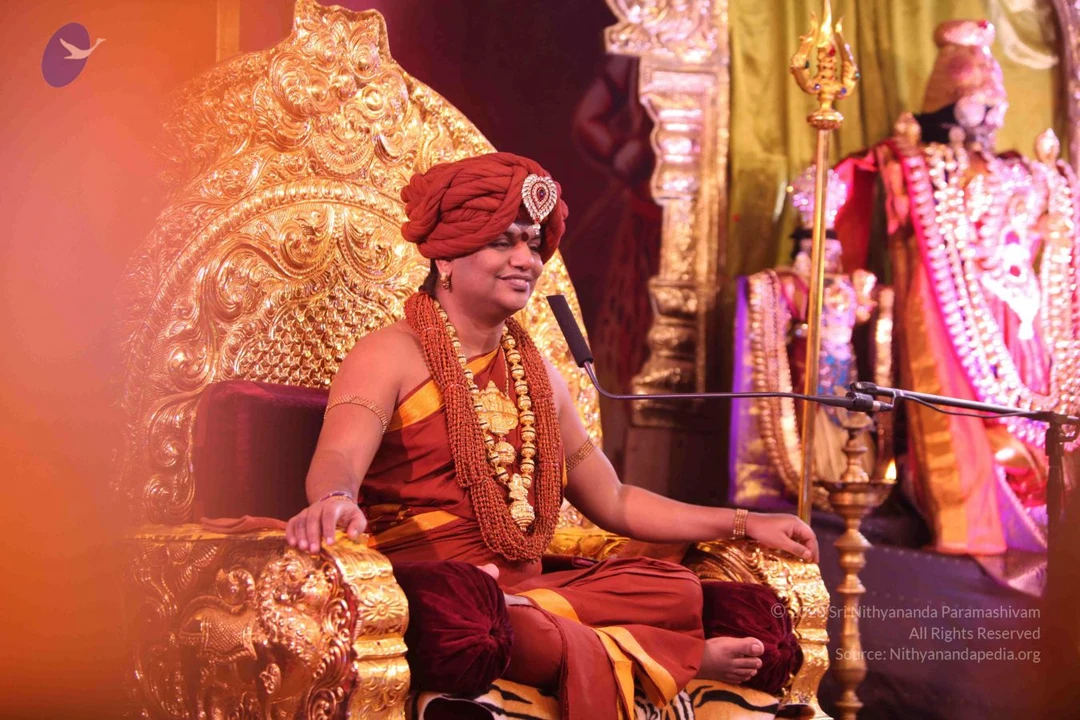
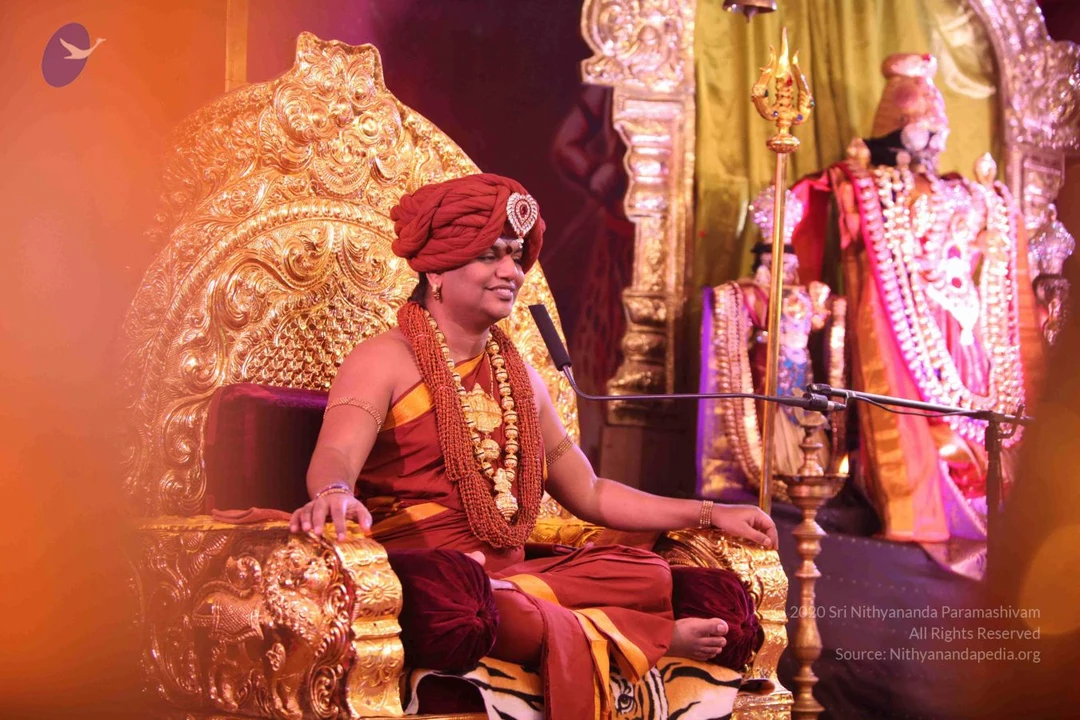
(In today's Nithya Satsang (16th October, 2015),
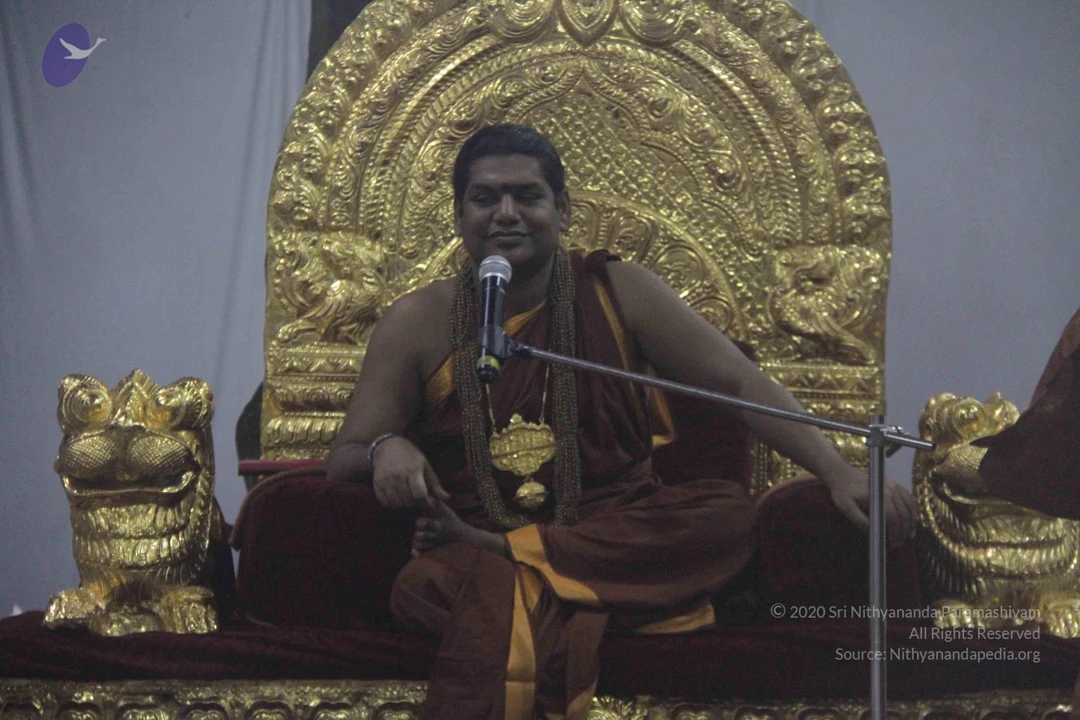
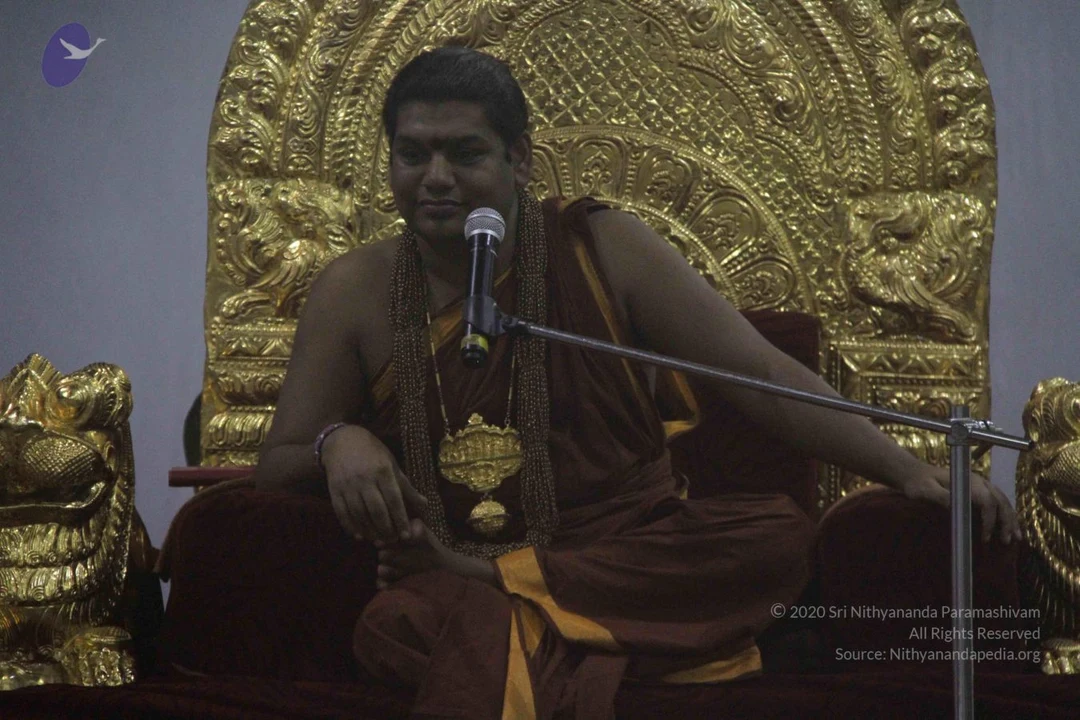
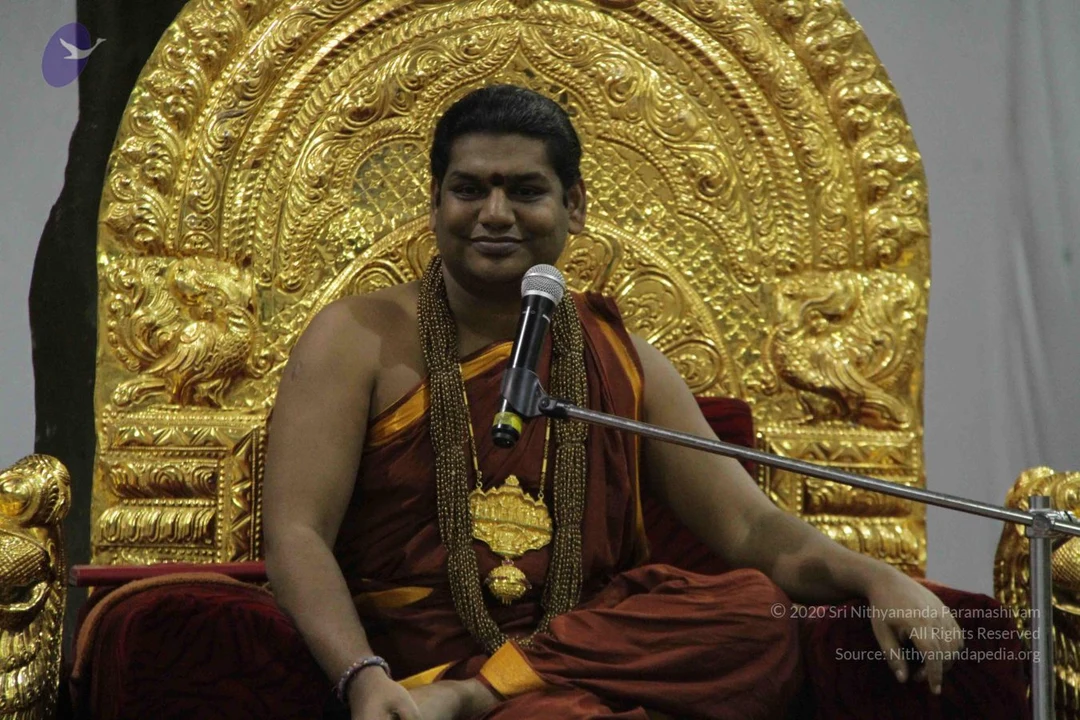
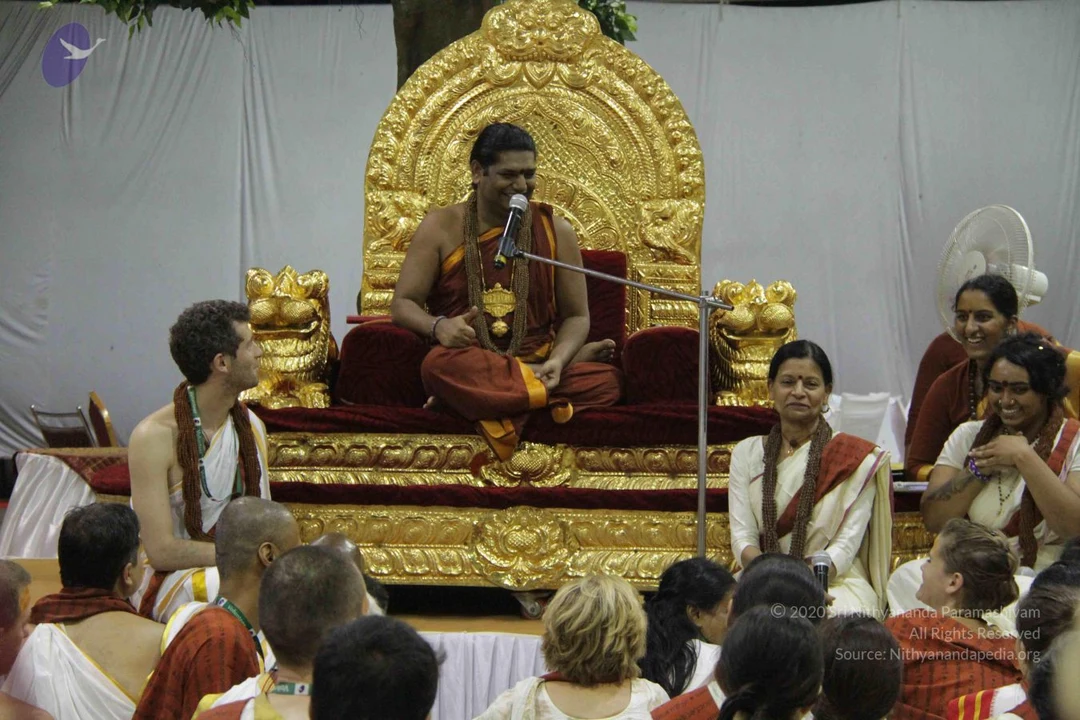
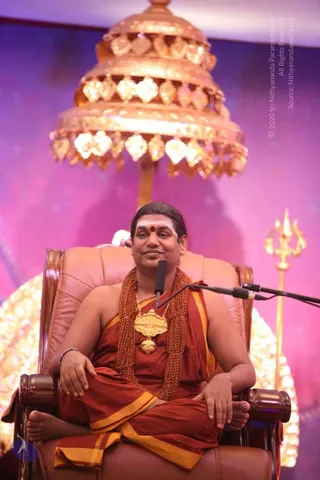
live from Varanasi, on the fourth day of Navratri, Paramahamsa Nithyananda decodes the inner space of Rishis from Isa Upanishad, verse 16th, which declares the truth of the powerful prayerful space of oneness. The beauty of Santana Hindu Dharma is that teaches us prayer, and allows no place for powerlessness and praying as beggars to divine. It is wrong assumption to think that we are weak and God is powerful. He reveals, 'Even when you pray, you are not separate from the source; remembering that “I am He - SOHAMASMI. However low you may feel with your self, inner image; however great you may feel your God is, you need to remember the absolute reality: both are from the same Source. Never be a beggar in front of God, because anything makes you feel beggar is not worthy; real God makes you powerful.""
pūṣann ekarṣe yama sūrya prājāpatya vyūha raśmīn samūha tejaḥ | yat te rūpaṁ kalyāṇatamaṁ tat te paśyāmi yo sāv asau puruṣaḥ, so’ham asmi ||16||
Link to Video:
| Video | Audio |
Transcript:
nithyānandeśvara samārambhām
nithyānandeśvari madhyamām |
asmat āchārya paryantām
vande guru paramparām ||
I welcome all of you with my love and respects.
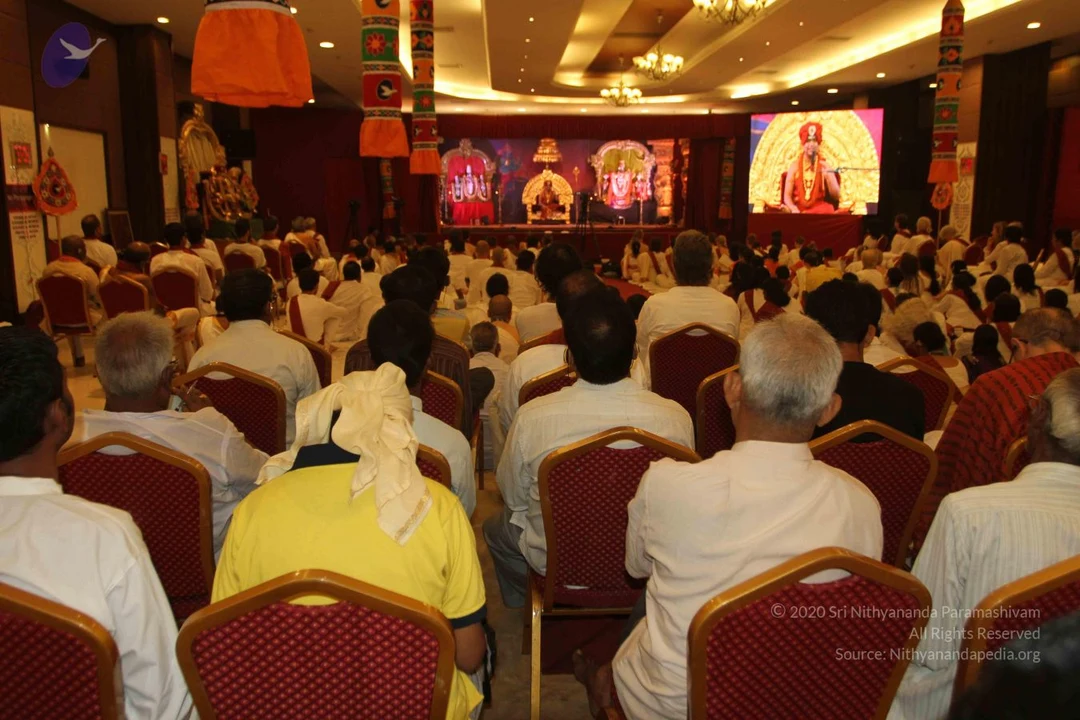
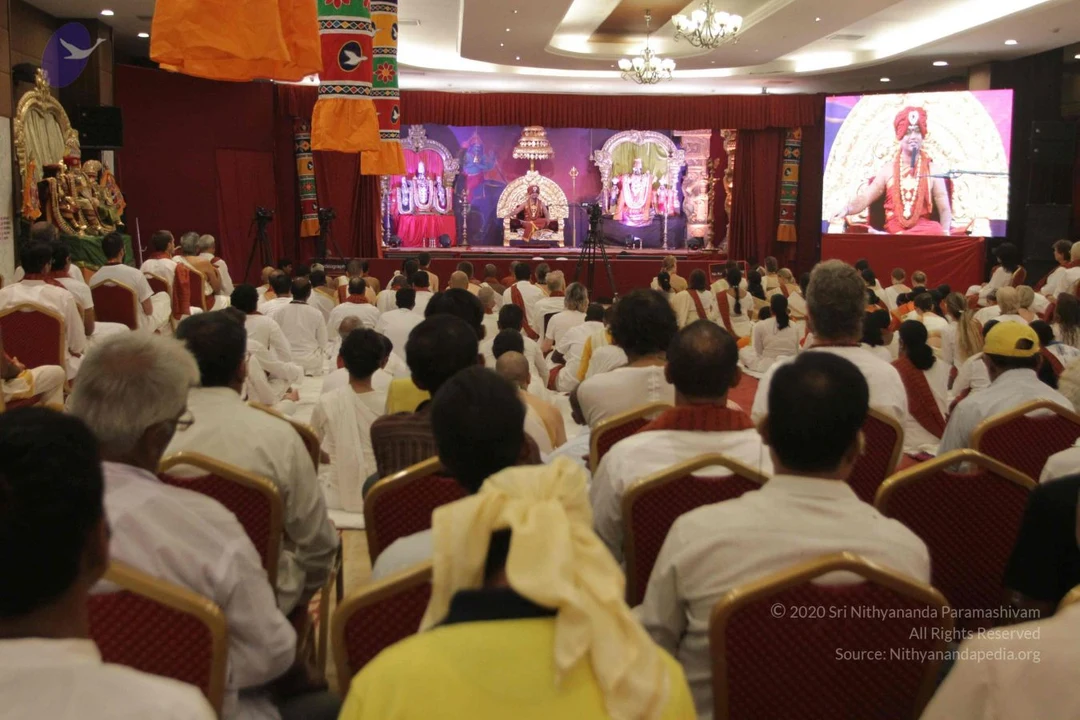
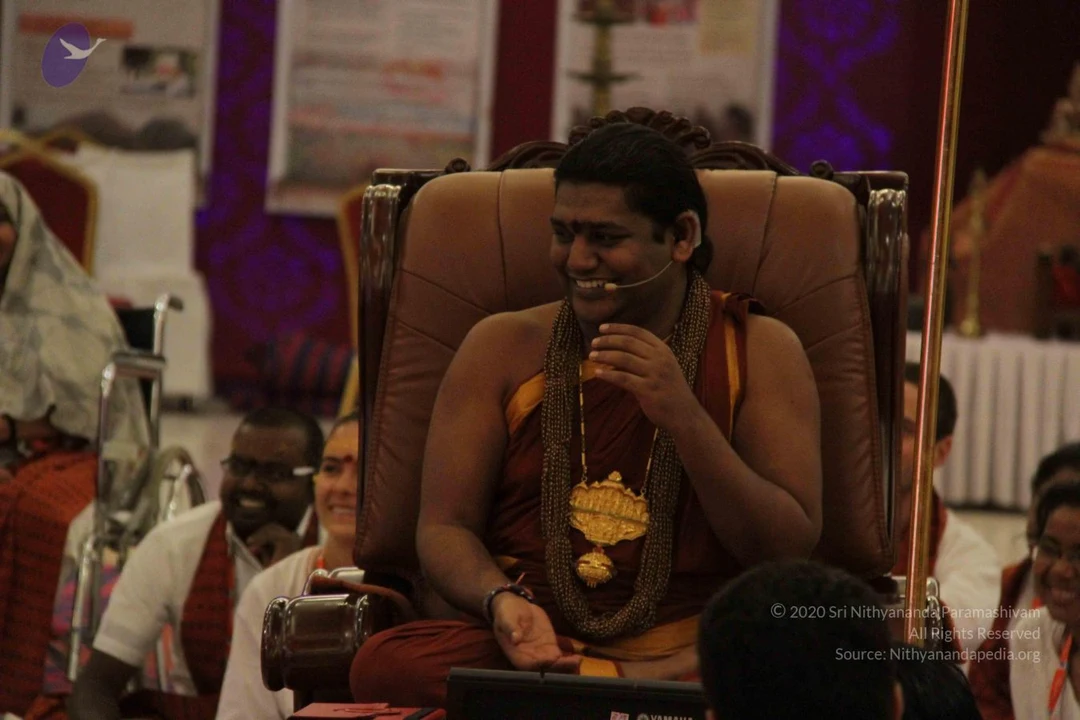
I welcome all the visitors, viewers, devotees, disciples, Samajis, Satsangis, Sri mahants, Mahants, Thanedars, Kotharis, owners of Sarvajnapeetha, everyone sitting with us all over the world this time through Nithyananda TV, Sadhana TV, Arra TV, Nakshatra TV and through two-way video-conferencing having Nayana Deeksha all over the world.
The city sitting with us in two-way video conferencing having Nayana Deeksha – Puduvai Aadheenam, St Louis Aadheenam, Hyderabad Guptakashi, Trinadad Tobago, Houston Aadhenam, Morris Planes New Jersey, Nithyananda Nagar Bidadi, Bengaluru North, Rajapalayam Aadheenam, Los Angeles Guadeloupe Rameshwaram, Ohio Aadheenam, Seattle Aadhenam, Oklahoma Aadhenam, Kuala Lumpur Aadhenam, Vancouver Canada, Toronto Aadheenam, Ma Shivananda, San Jose Aadhenam and some more cities are joining. I welcome all over you with my love and respects.
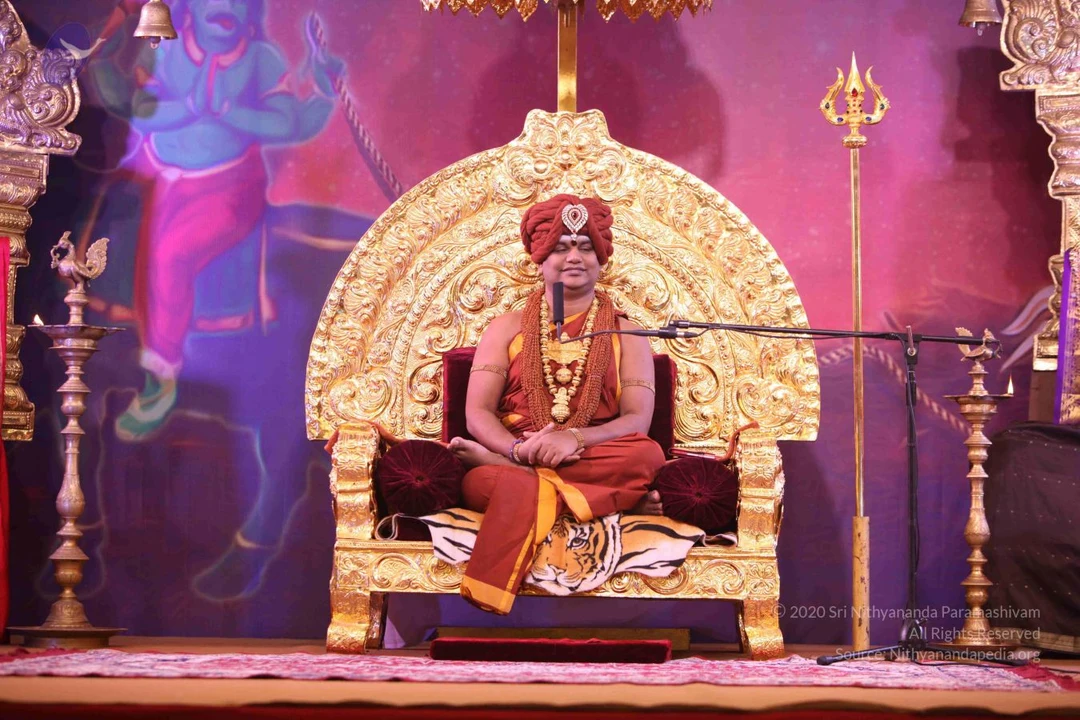
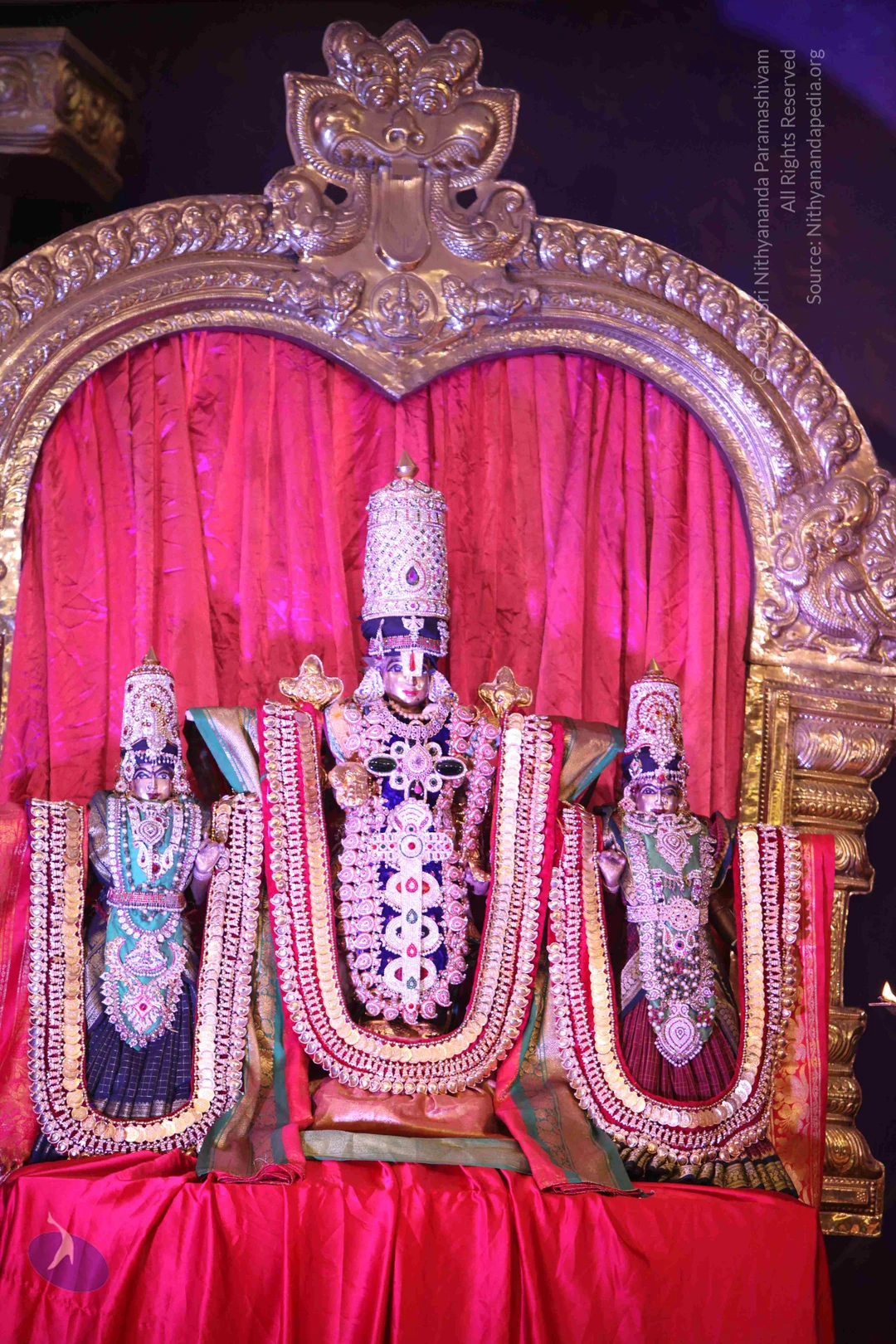
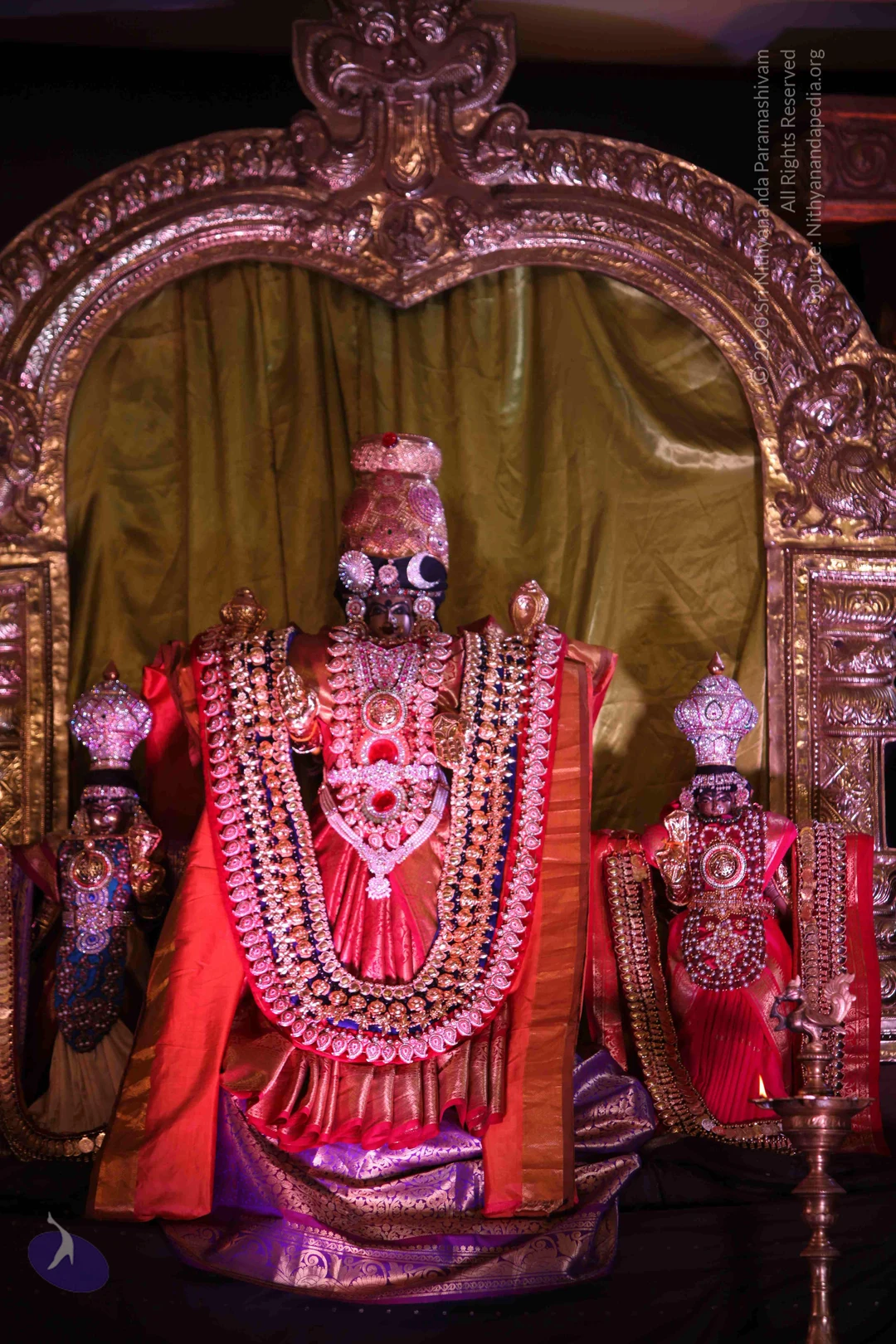
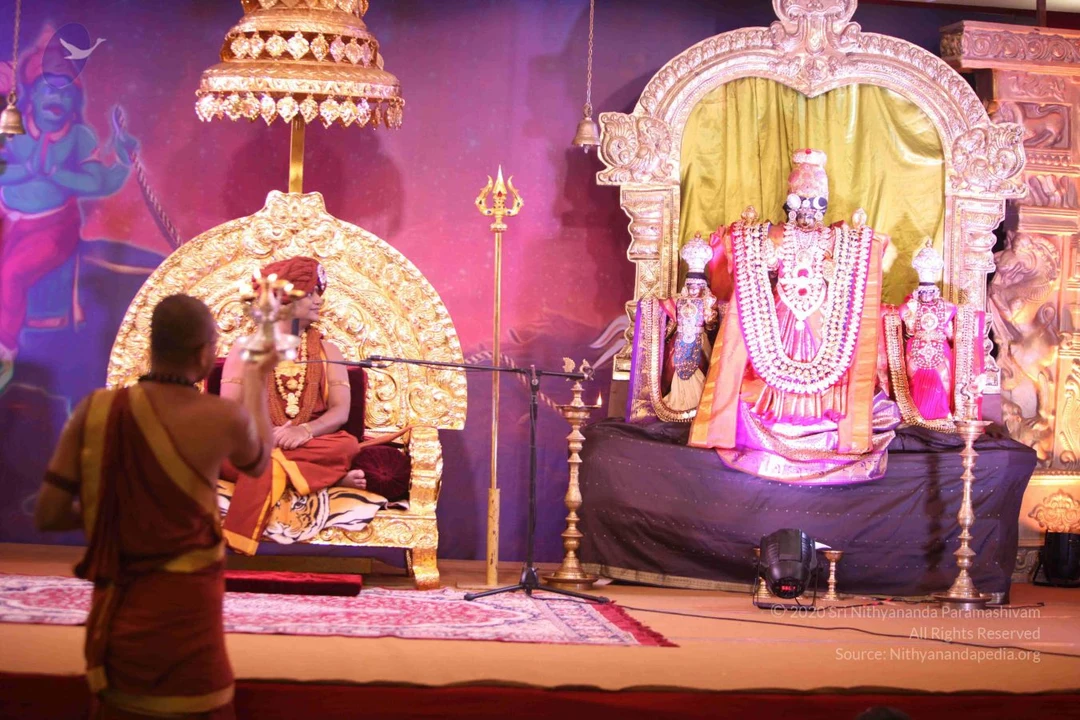
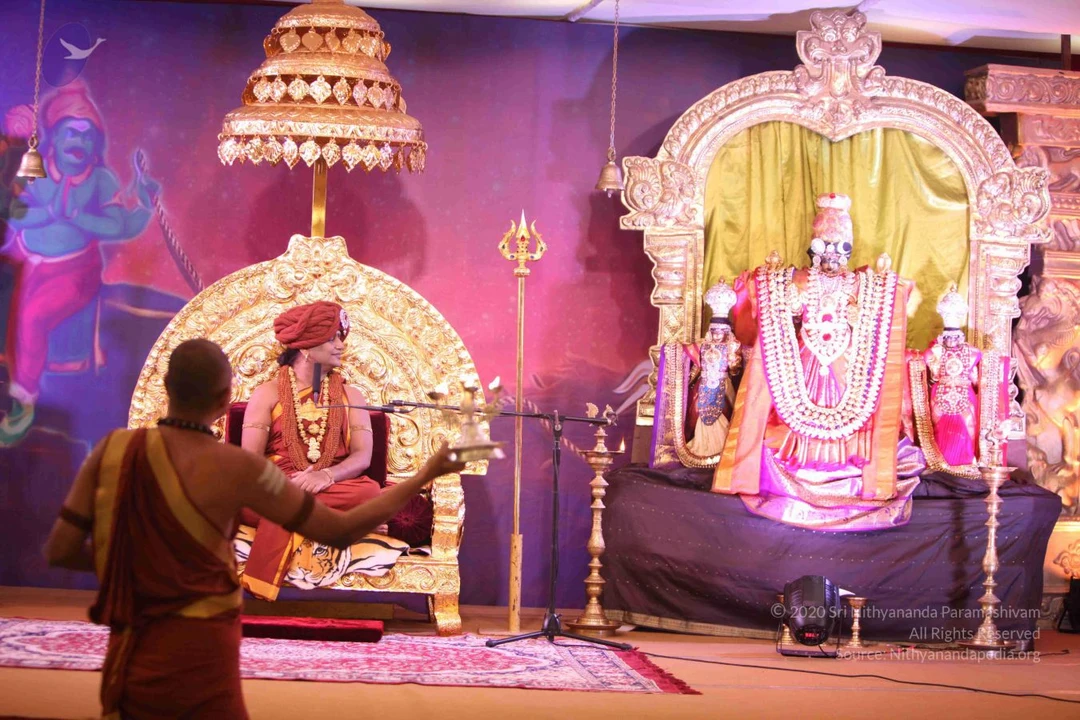
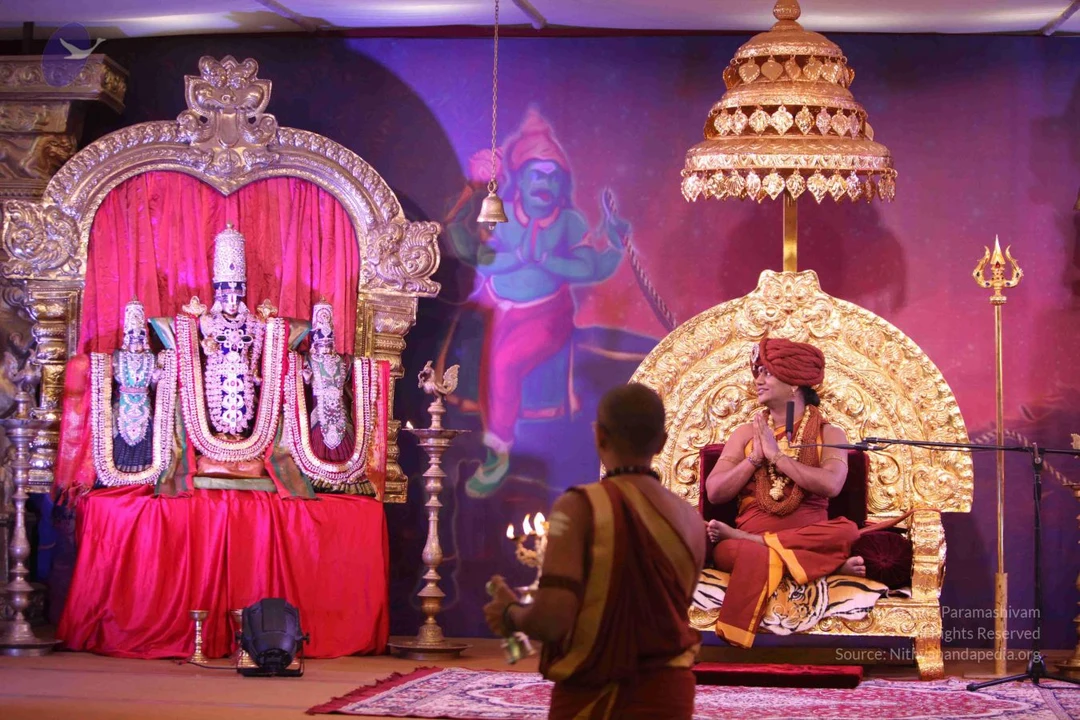
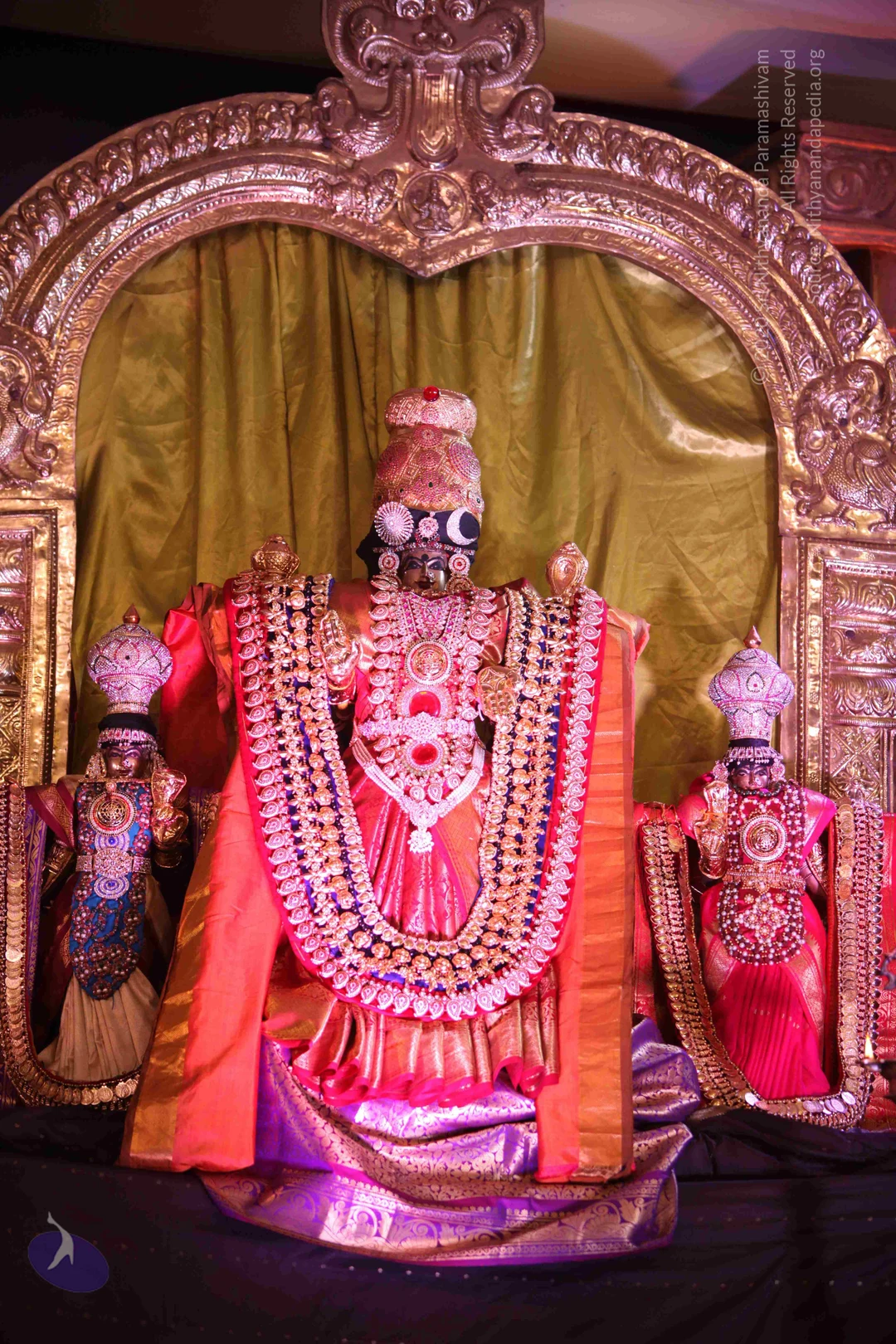
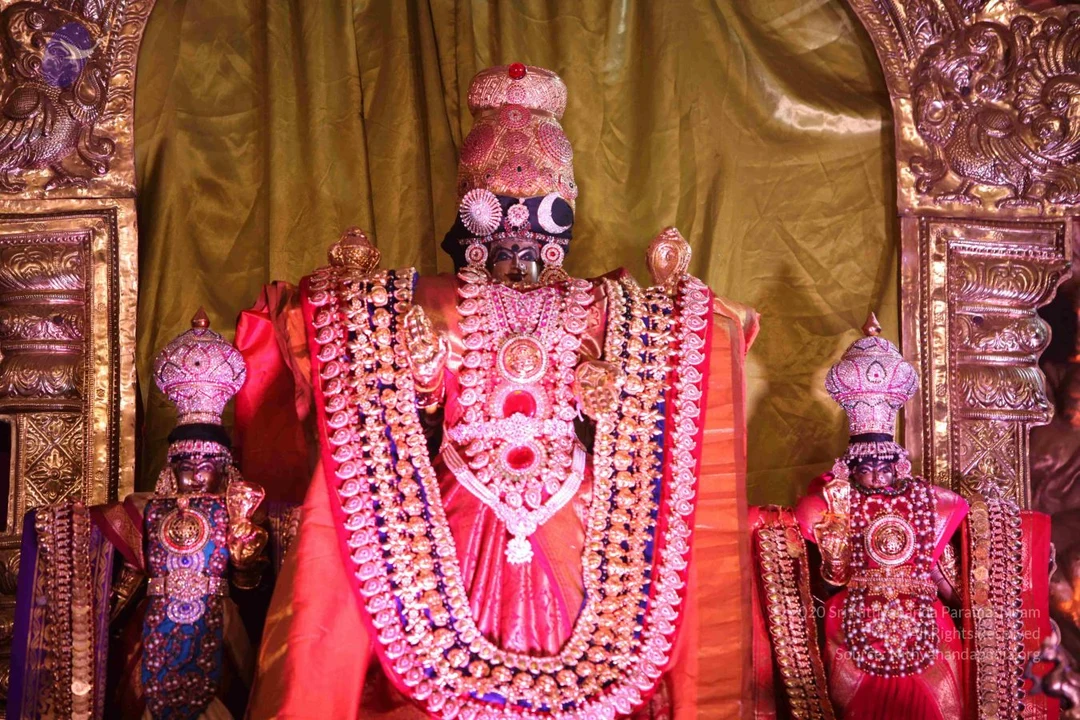
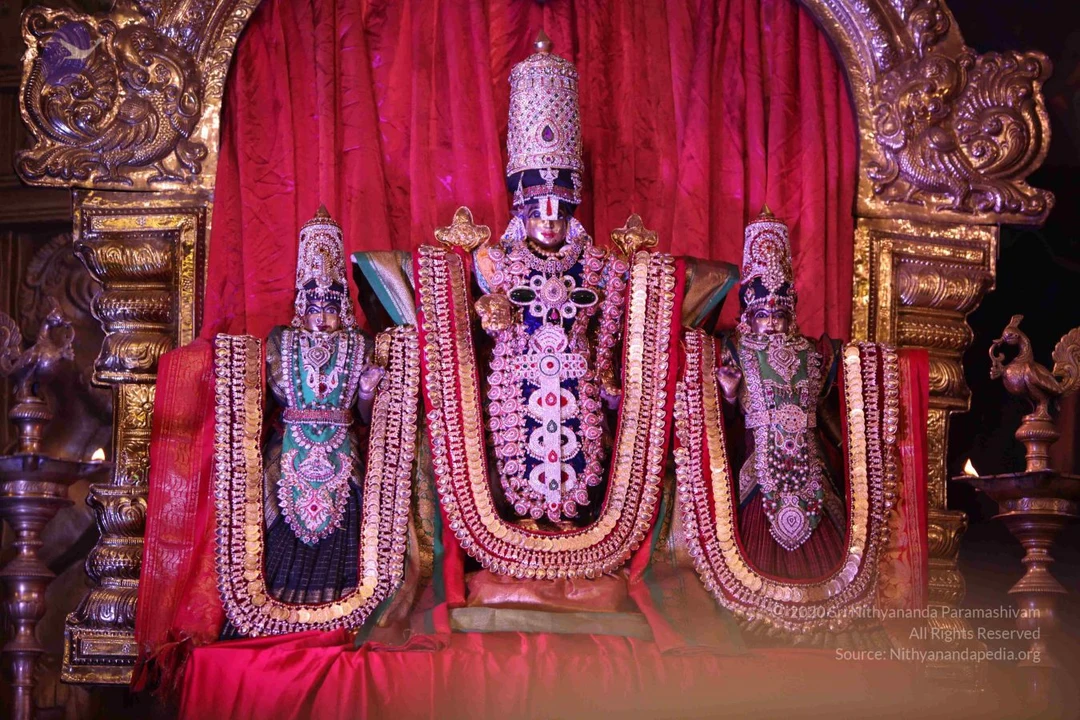
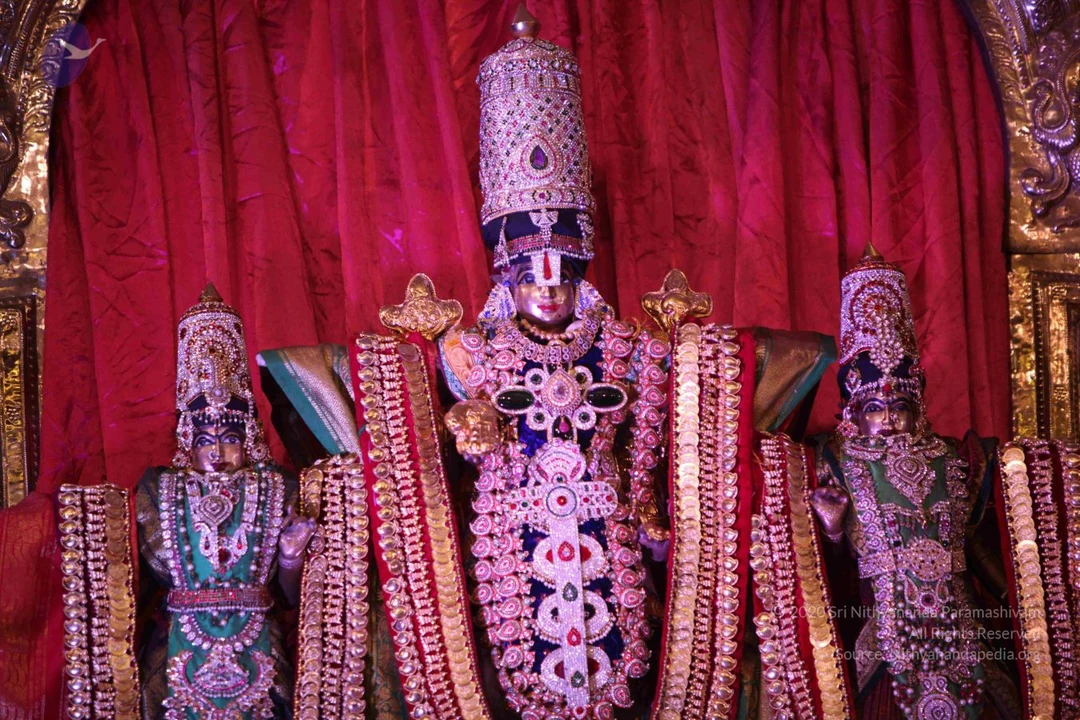
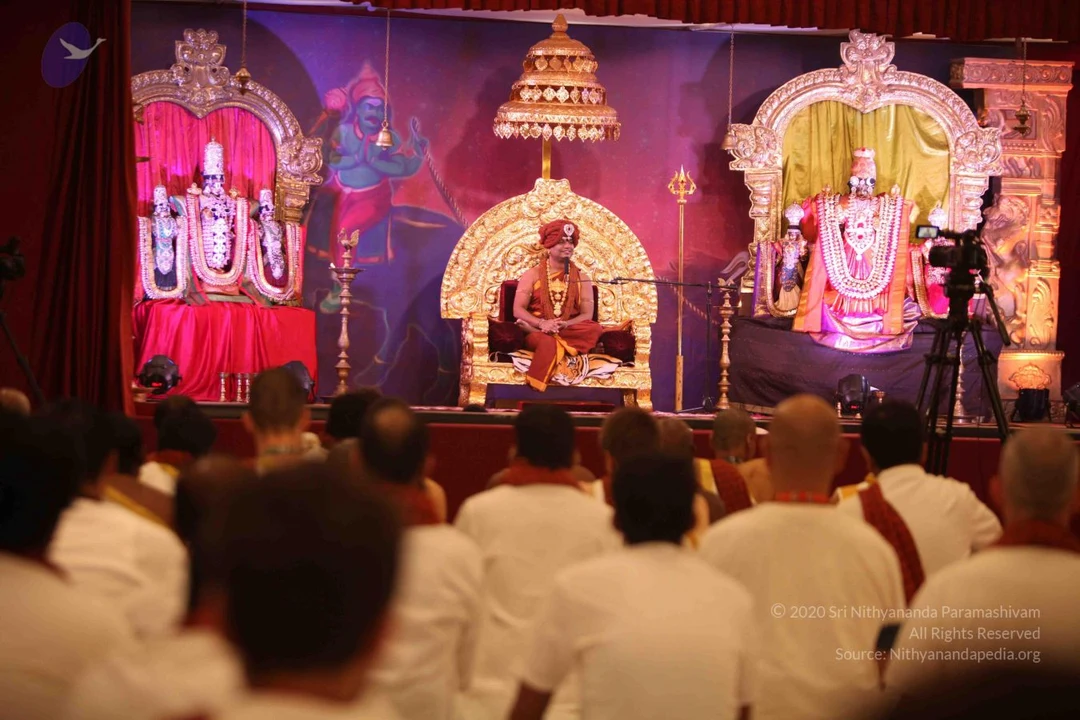
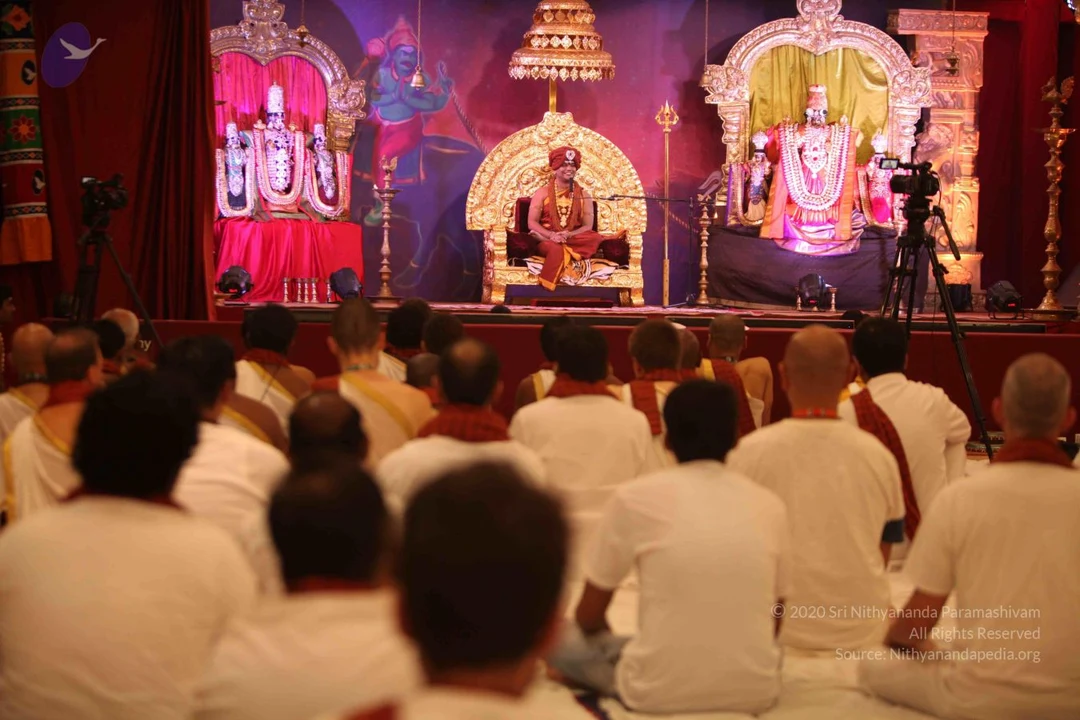
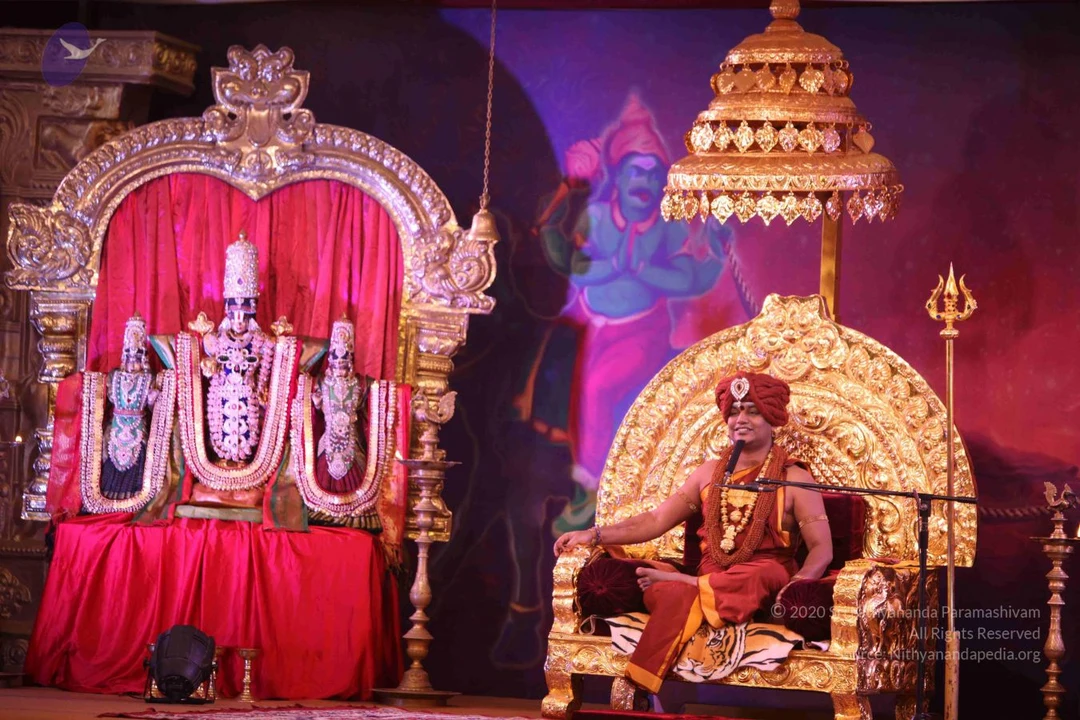
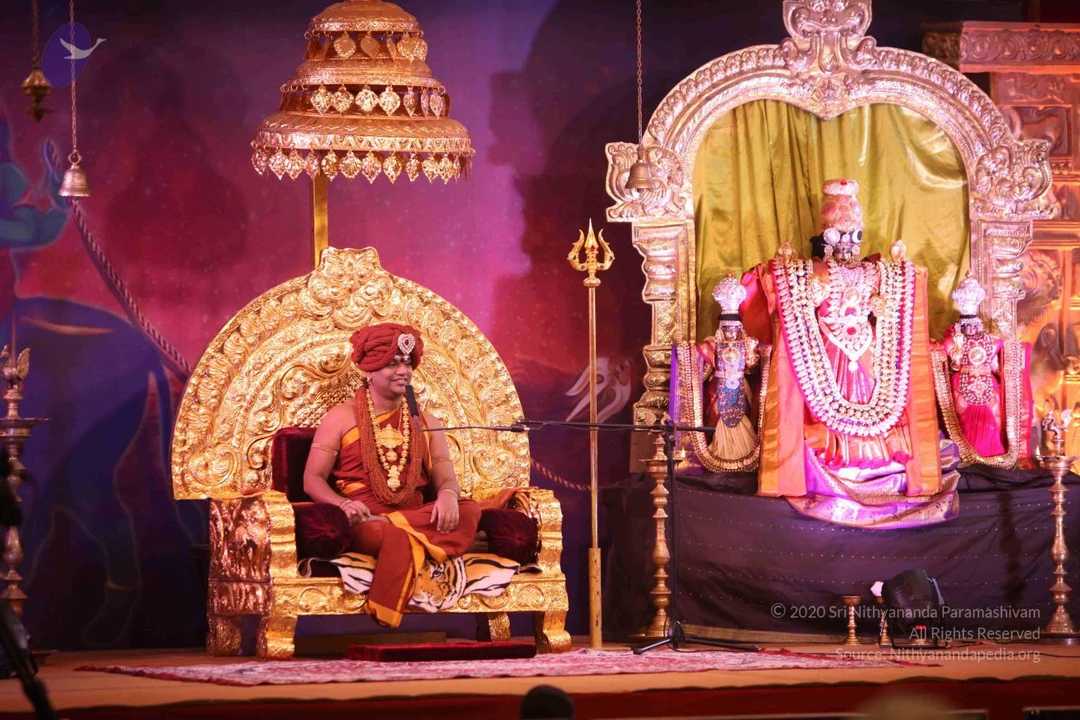
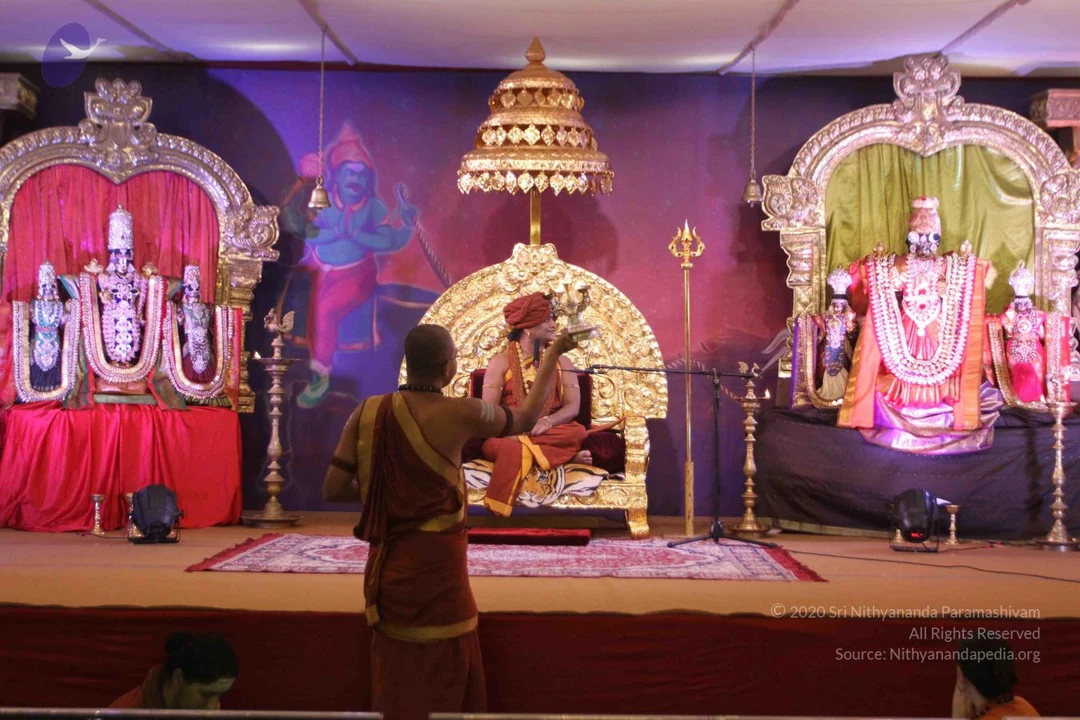
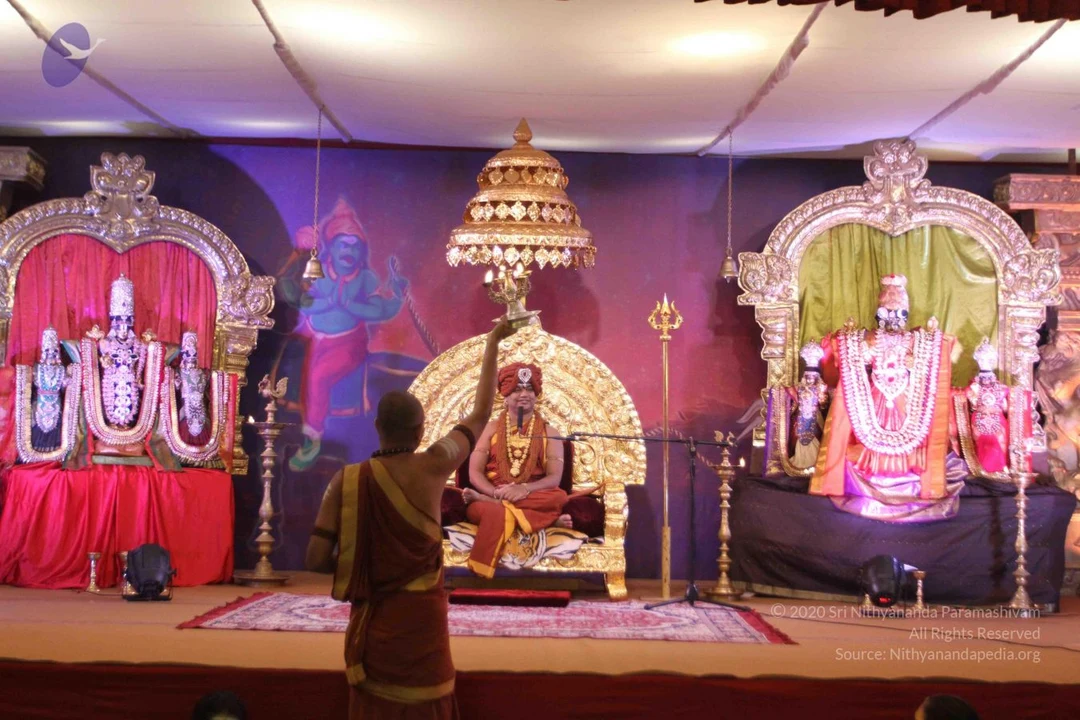
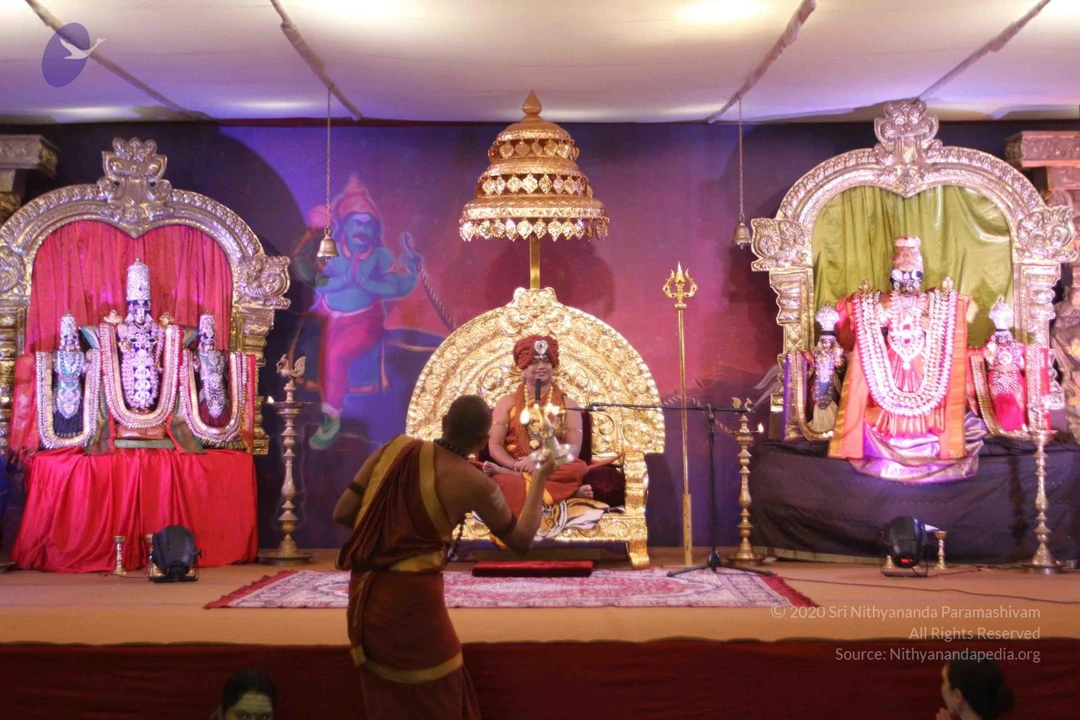
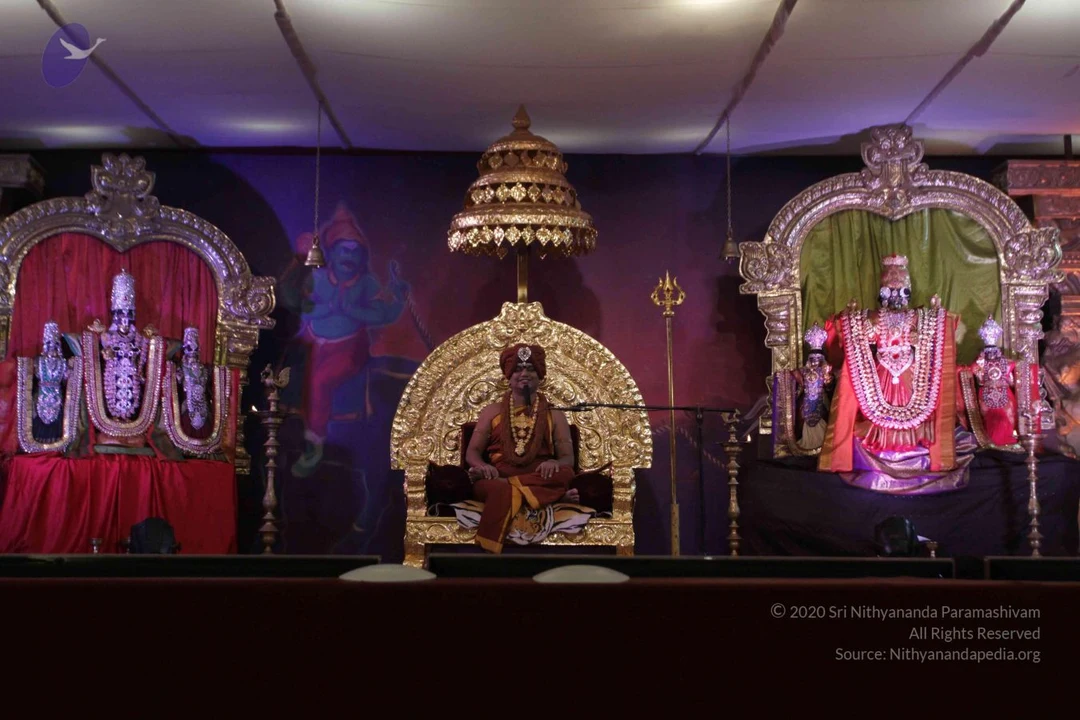
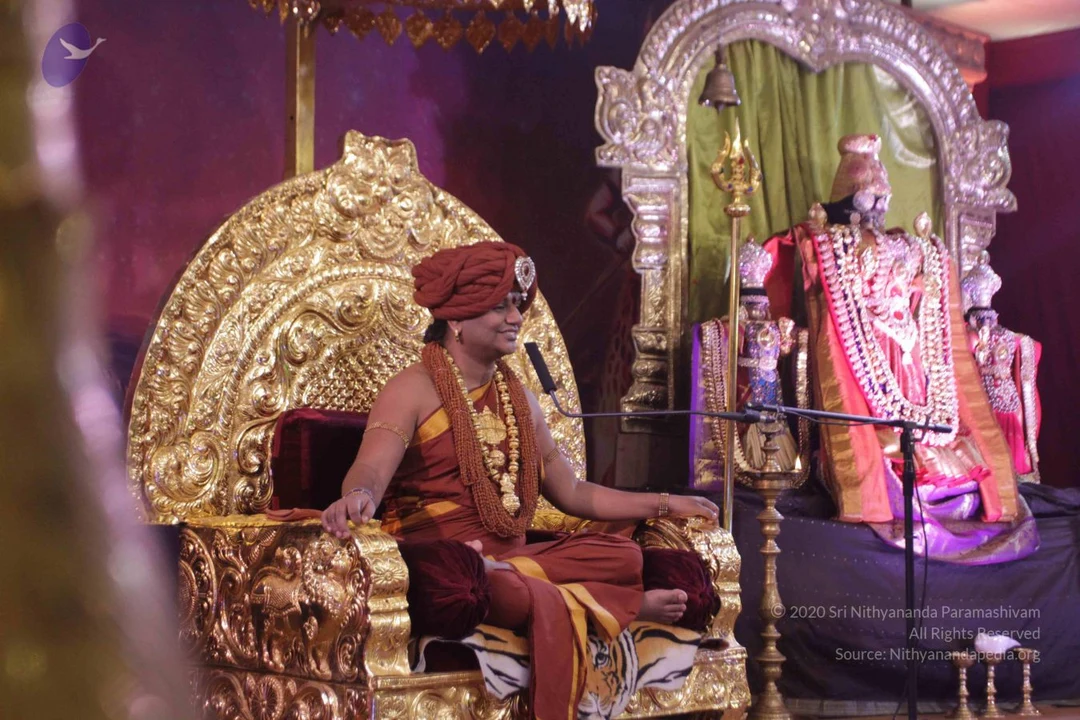
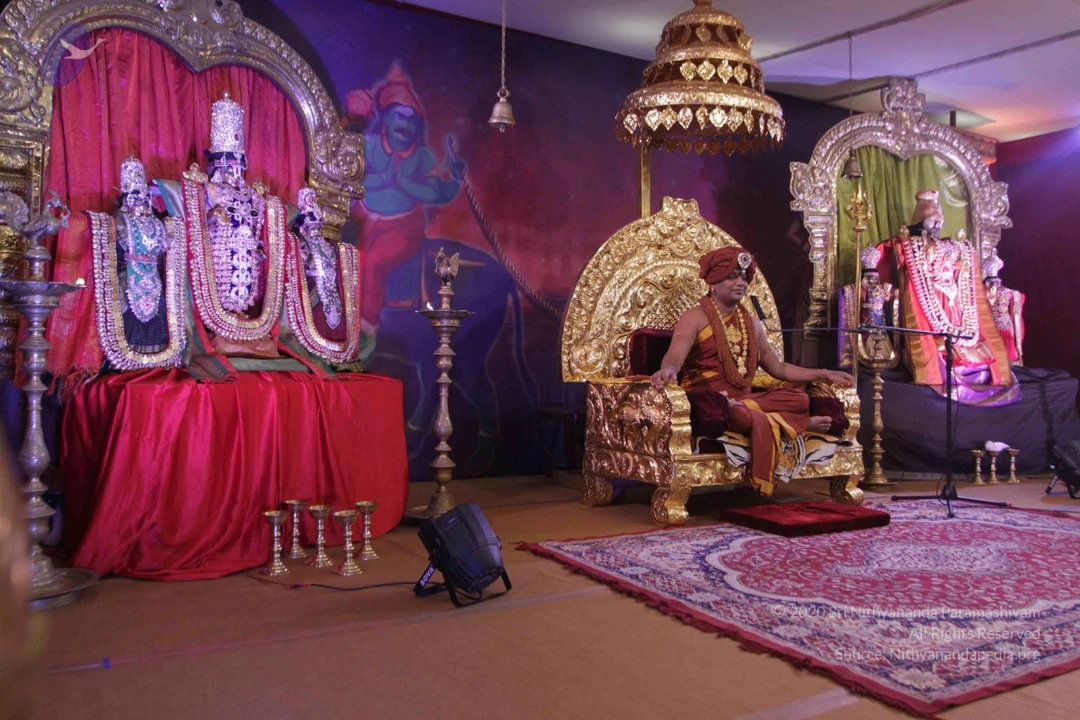
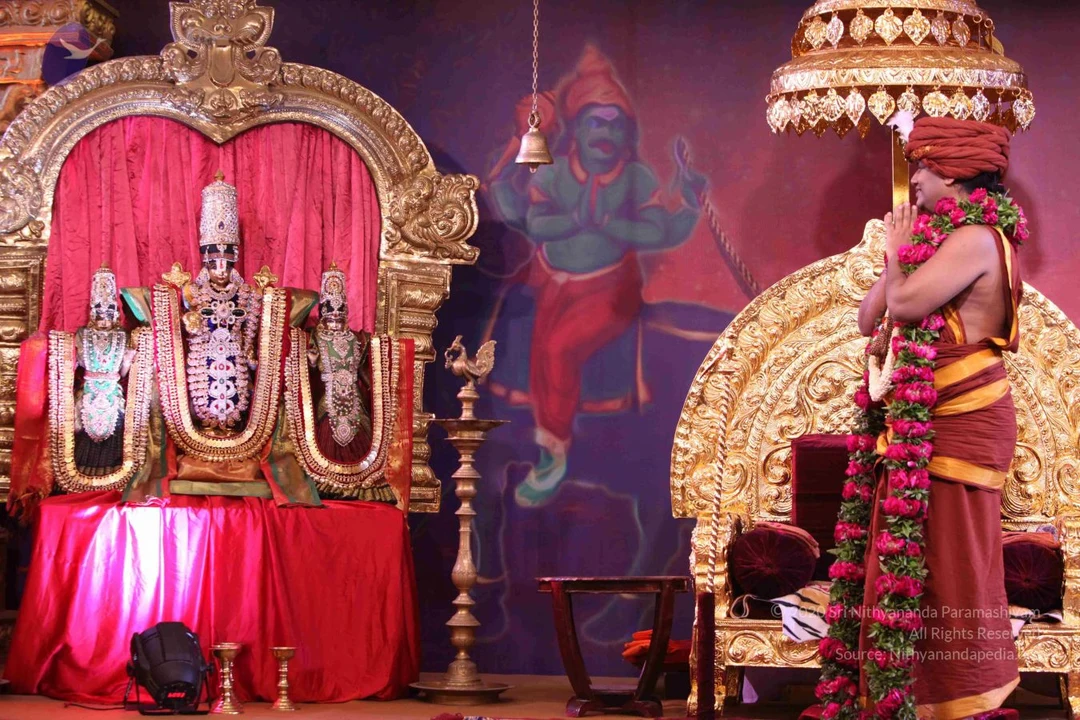
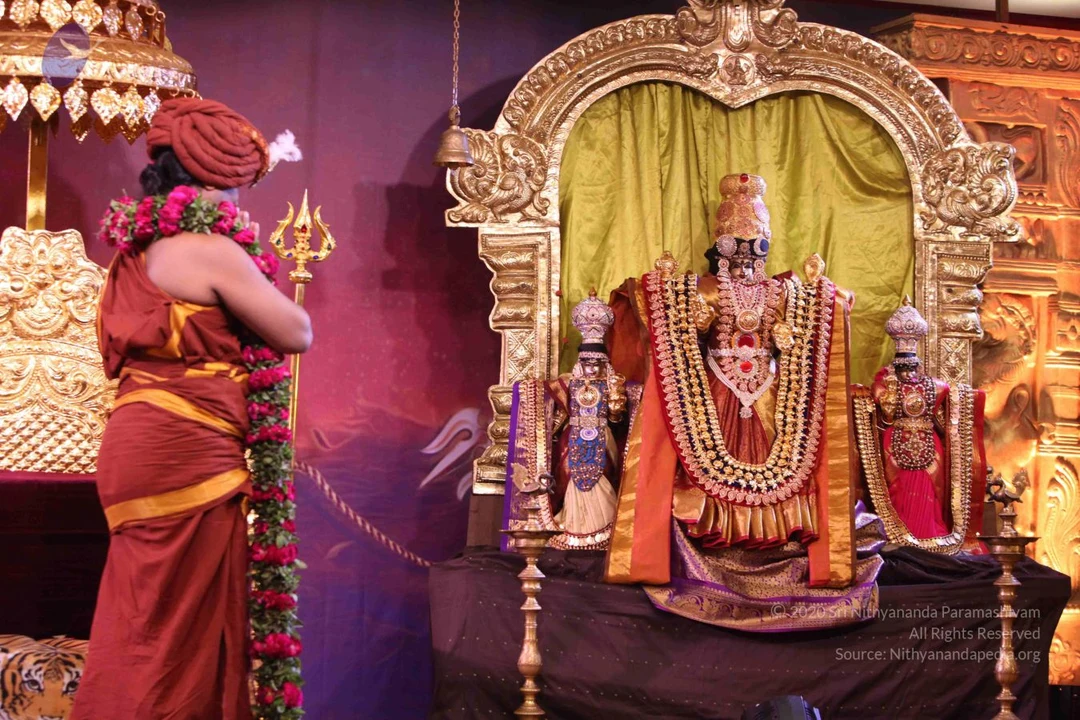
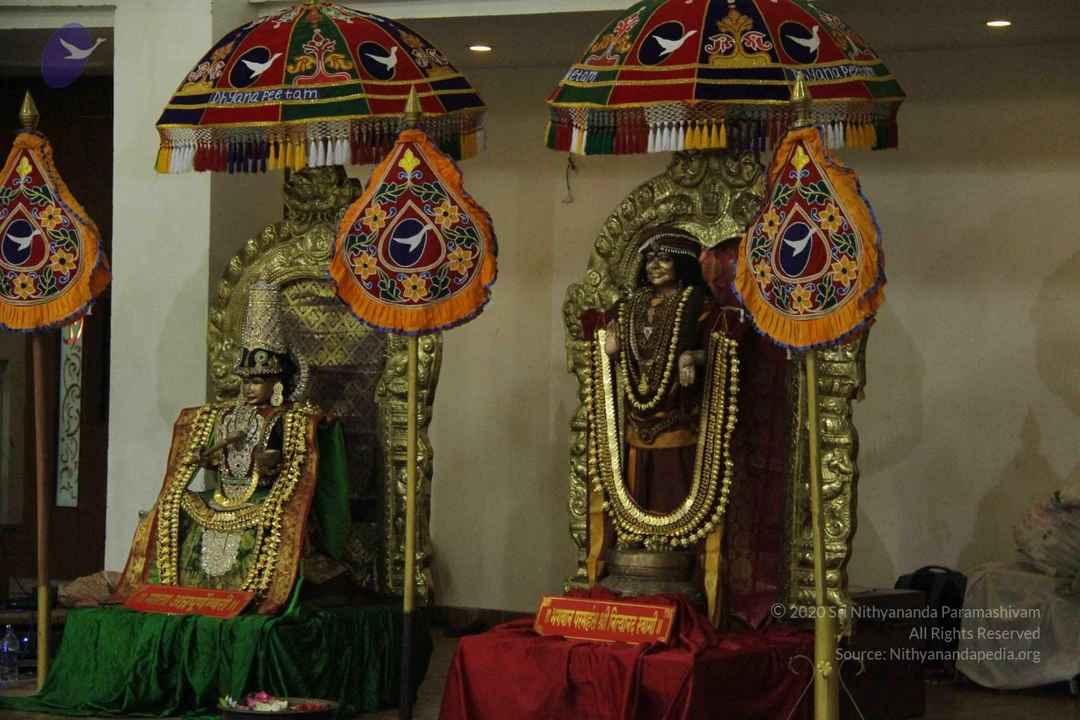
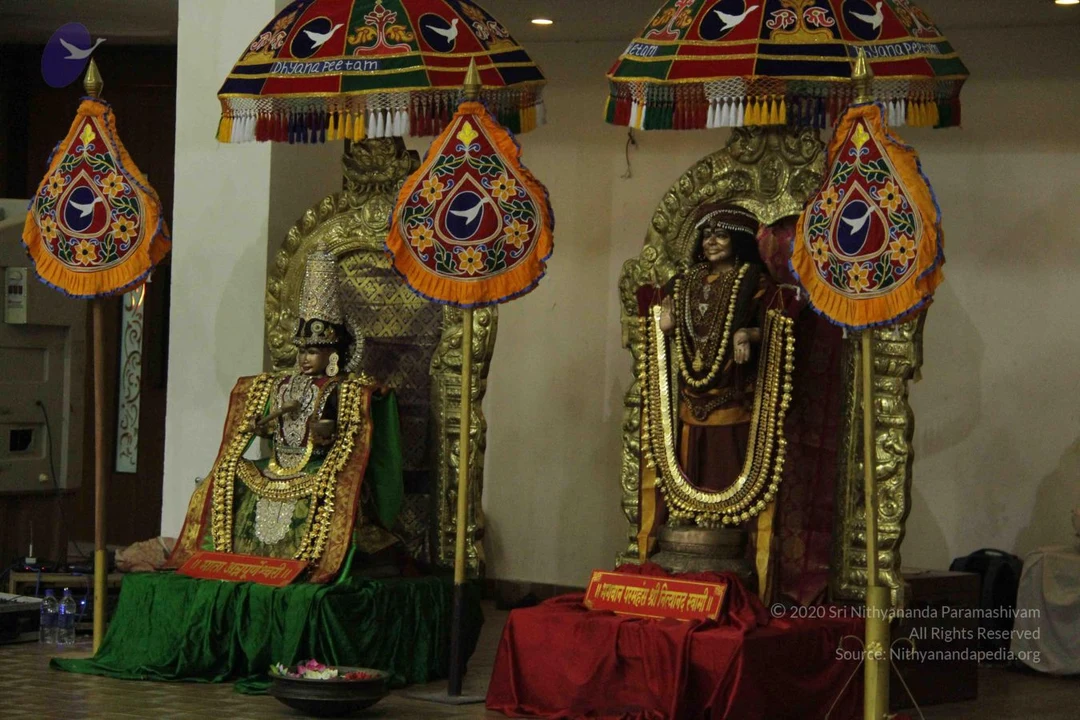
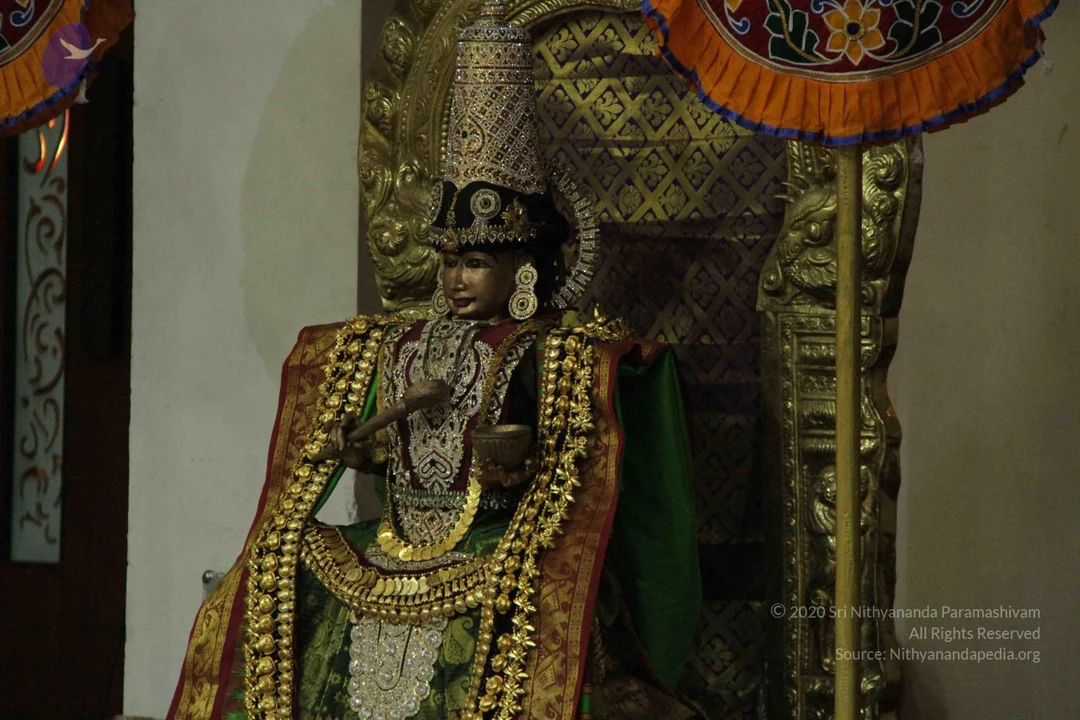
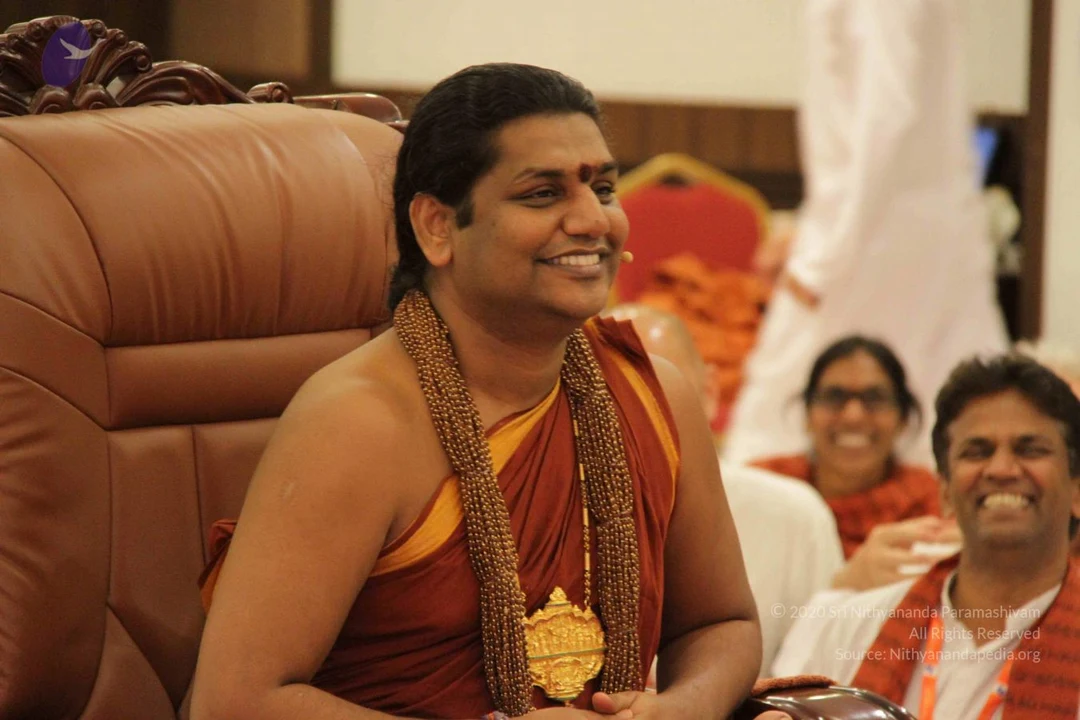
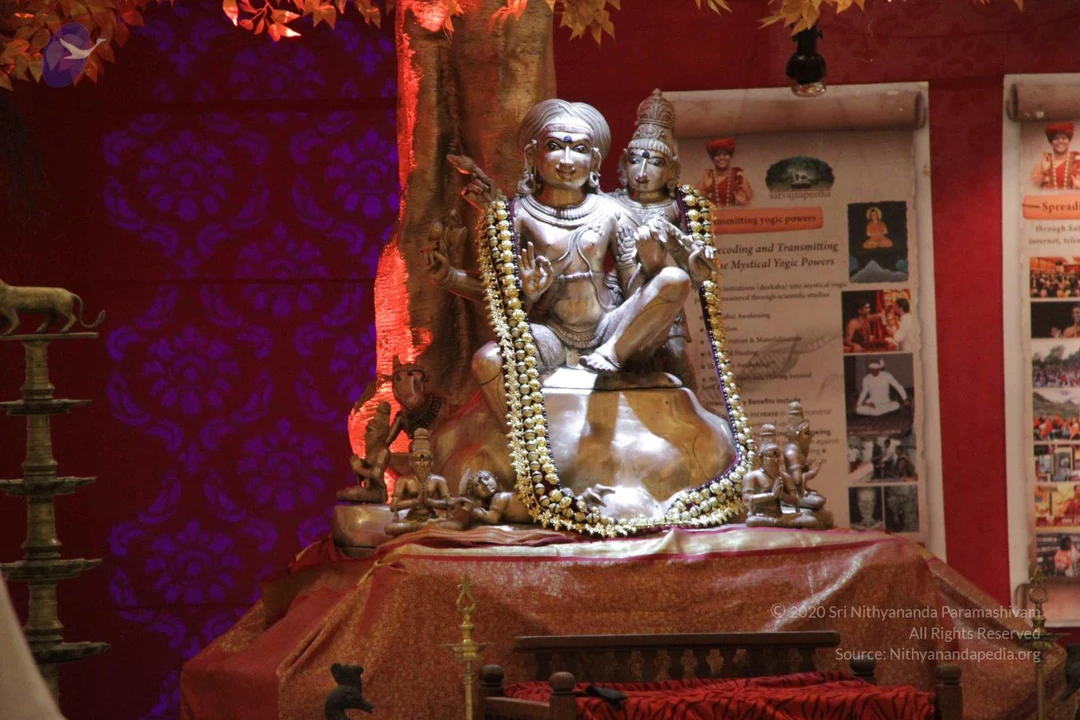
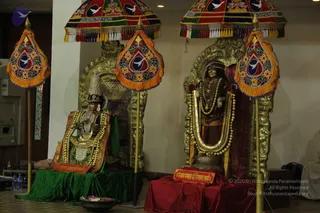
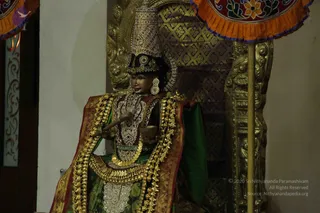
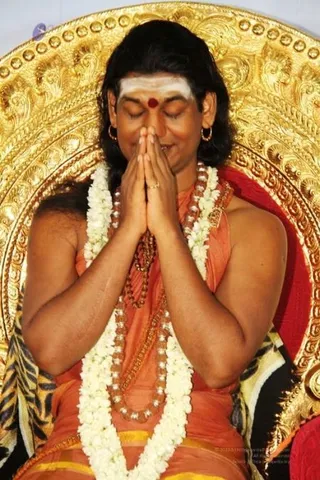
Today, fourth day of Navaratri and third day of Venkateshwar Brahmotsavam. Devi is gracing in the form of Bhuvaneshwari in Varanasi, Nithyananda Sabha. In Bidadi, Devi is gracing in the form Annapurani. Bhuvaneshwari is the form in which I myself had the darshan of Devi, I myself experienced Devi at the age of 10, I had darshan of Devi in this very form. Lets first offer our respects to Devi and Venkateshwar and enter into satsang. In Bidadi, Venkaeshwara is gracing on Svarna Simbha Vahana, lion vehicle.
(4.52 mins)
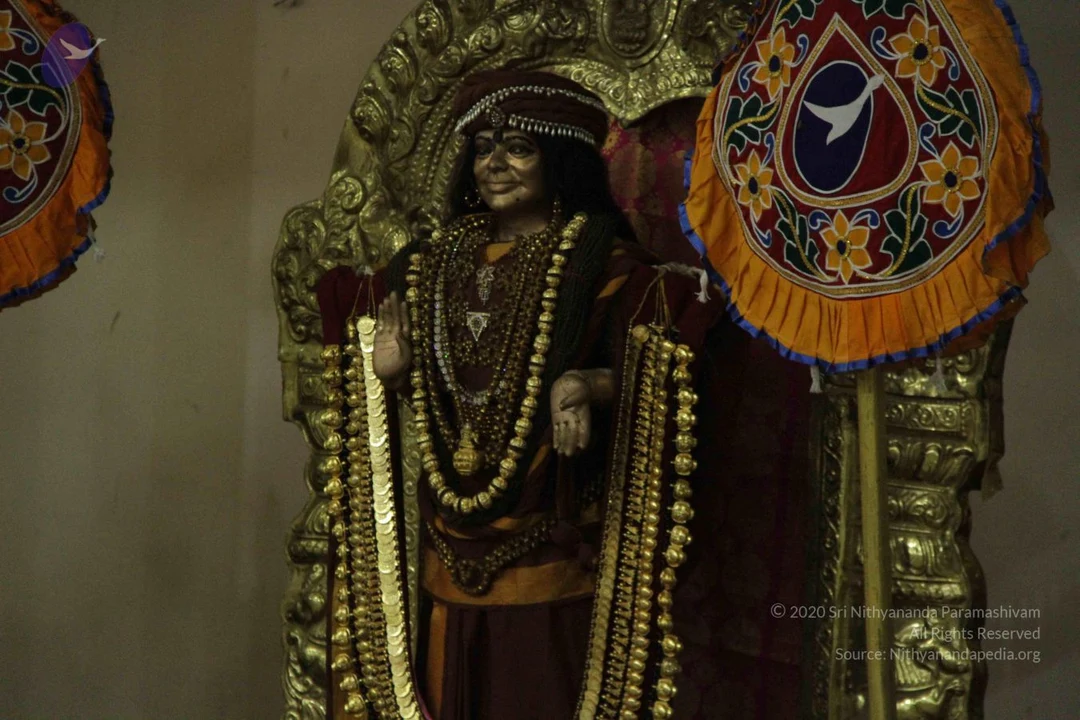
Lets enter into today’s satsang. At the age of 10, in Arunachaleshwara temple in the shrine, Sannidhi of Devi – Unnamalai Amman. I was standing in one corner, suddenly I saw the cosmic geometrical representation. That time I did not know the word, only now, later on I came to know, it is Sri Yantra in the golden, shining, absolute, energy light form. And then, Devi appeared in this very form She is gracing now with Lakshmi and Sarasvati. When I had darshan I saw only Devi Bhuvaneshwari. Here she is gracing with Lakshmi and Sarasvati. There, when I had darshan, I saw Her only this form – the Ankusha and Pasha and Abhaya and Varada. It’s just too much, too much. Slowly that very geometry and that form, both disappeared into My inner-space. Then I went back to home, carved the deity as I experienced in the stone, carved the Devi, the same way I saw in stone and carved that Sri Chakra the same way I saw in copper plate. This happened. You can see the yantra I carved after the darshan at the age of 10 and this is the deity of the Devi I carved a the age of 10. Actually this happened during Navratri only. I do not know whether it happened exactly on the 4th day and 5th day and all that. But during the Navratri time.
Let me enter into the Upanishad. Ishavasya Upanishad. I was expanding continuously. Today I will continue to expand on 16th verse. Recite along with me.
pūṣann-ekarṣe yama sūrya prājāptya। vyūha raśmin samūha। tejo yat te rūpaṁ kalyāṇa-tamaṁ tat te paśyāmi yo’sāvasau puruṣaḥ so’ ham asmi ॥ 16॥
O Puṣan, Consciousness, who is the nourisher, sustainer of all, the primeval solitary traveller, the disciplining principle of all, is like the bright, effulgent Sun, and is the Lord of entire creation, which is His subject. Please remove all Your rays of this radiating, brilliant golden light, which had blinded me, so that by Your grace, I can have the Divine vision of that most auspicious, graceful, beautiful form of Yours. That which is there, the glorious Sun, is the mirror of the Supreme Being, who is all-pervading, pure Consciousness of the Cosmos. Indeed, I am He, Soham Asmi.
(10.26 mins)
Understand, the power of Truth. The pristine pure Truth, uncompromised with no ‘if’ and ‘but’. A clear straightforward, direct understanding of Truth adds so much of powerfulness, energy, ecstasy, excitement, liberation in your inner-space. With a deep prayer you can say – I AM HE. Understand, the prayerfulness does not mean you need to become powerless beggar in front of some Supreme Energy. See here, the 15th verse and 16th verse, Rishis were so humble, the Upanishadic Rishis declaring – “O Deva, O Puṣan, please remove the veil and I need to experience you as You are.” Such a deep prayerfulness. Even in this verse, it is so clear.
prājāptya। vyūha raśmin samūha। tejo yat te rūpaṁ kalyāṇa-tamaṁ tat te paśyāmi – By your grace, let me have the Divine vision of You. It’s a deep prayer, but ultimately the Rishi knows – he is not powerless. Just because he is praying, he is not separate from the Whole. It is like when your right hand wants to do something, asks the support of your eyes to see and give information. For example, your right hand wants to carve a statue. It asks the support of your eyes saying – “Oh Eyes, please see and give me the information so that I can carve exactly as the statue is.” Please understand, your own eyes, your own hands. Your own hands requesting something from your own eyes does not mean your hands are separate from your eyes. Rishis had the ultimate understanding, the hand may be praying to the Eye, but both are from the same Source and same. Both are activated, kept alive, brought to life, by the same force from the same source.
(14.36 mins)
pūṣann-ekarṣe yama sūrya prājāptya। vyūha raśmin samūha। tejo yat te rūpaṁ kalyāṇa-tamaṁ tat te paśyāmi yo’sāvasau puruṣaḥ so’ ham asmi ॥ 16॥
Understand the beauty of the way the Sanatana Hindu Dharma teaches prayer. There is no powerlessness, no place for powerlessness. Even when you pray, you are not separate. You are not separate from the Source. You are not away from the Source. Even when you are praying, remembering that I AM HE. I tell you, this one Truth, the thought-current will be so useful for all of you. Please understand, even when you pray you should know – you are not separate from the Divine to whom you are praying. Even when you pray, you need to know, you are not separate from the prayer, to whom the prayer is offered.
Listen, who is praying and the prayer and to whom the prayer is offered, all the three are from the same Source. I am trying to decode the inner space of the Rishis and reproduce it in all of you. That will give you so much understanding about the concept of prayer in Sanatana Hindu Dharma. You don’t pray to somebody who is farrr away. He may be further away or farther away, but not far away. Understand, there’s a big difference between these two.
The inner space you assume even while you are praying is not a lower inner-image, an inauthentic identity. Even when you have not realized the Oneness with the Cosmos; even when you are doing practicing, doing sadhana, prayer to achieve the Cosmic Oneness, you are One with Cosmos. That is reminded as the under current. Never at any point, never at any moment, the separation is recognized in Sanatana Hindu Dharma; because that is not the Truth. That is not the Reality. Even when you think you have not achieved the Oneness with the Cosmos, even when you think you have not become realized, Enlightened Living Advaita – You Are One. The Absolute Truth is Truth even when you practice the Truth; even when you are doing your sadhana.
(19.27 mins)
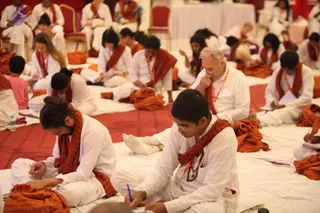
Please understand, this Truth needs to be remembered. This one thought-current needs to be understood. This sacred Truth needs to be realized. This sacred secret needs to be revealed to you. It will help you in a big way, even for doing Third Eye Awakening and blindfold reading which many of you are practicing. Understand. Even when you are practicing, even when you are practicing, you may not have realized It, you may be only practicing, even at that time the Truth is Absolute – You are Living Advaita. You are living the Truth. If you think you need to achieve It by your prayer, you are wrong. You only need to remove the obstacles through your prayer. It exists. Nothing new needs to be created. It exists.
Even when you are practicing Third Eye remember one thing – you only need to complete and drop the incompletions happening to you, now. Whatever incompletions come now, drop it. Don’t plan to drop the incompletions which may come in the whole future; because incompletions may come in the future itself is an illusion. If you are trying to fight the illusion, how are you going to win? Drop that illusion directly. Don’t try to work into that illusion. The moment you try to work into that illusion, [snap of fingers] you are gone. Its like a you are caught by the trap laid by the enemy. I have seen in some of the press meets, some of the journalists will put the question in such a way, whether you say ‘yes’ or ‘no’, you are trapped. Both the ways you are trapped. The moment you engage with that question, you are gone, over. Same way, the moment you engage with the fear – “incompletions may come, what will I do at that time?” Over! You are gone. Whether you have the confidence – “I can drop it at that time also” or you have the feeling – “I may not be able to drop it at that time”, in both the ways, you are gone. Even if you say, “I can drop at that time also”, then immediately one part of your mind says, “who knows, aaa. How many times we tried, never succeeded. Come on. How do you say, for sure, you will be able to drop it in future?” You are gone. You are caught in the wrong argument. You want to go for your office but you are caught in the argument in your house about the lunch, what should be cooked. So you are stuck in the dining table. You will not even go to the office. If you are stuck in the argument in the dining table about your lunch, what you should take in the office. Finally what lunch, even for dinner you will be sitting in the same dining table. You will never go to the office; because you are stuck in the wrong space in the wrong argument. Understand, this one example, everyone will immediately understand, connect with it.
The moment the thought, insecurity about the future incompletions comes up, “whether I will be able to handle them in the future or not?”, the moment that comes up, be informed; the moment that comes up, you are getting into the argument with your spouse, which you are never going to win. Understand, always you enter into the argument with excitement and vengeance of earlier defeat. “That time I lost. Not now. Now I have all the arguments prepared, equipped, ready. AK47, 57. Whether it is 47, 57 or 97, even by getting into the argument, you lost the game because the purpose will not be achieved by the argument. Understand, the moment you entertain or cherish the insecurity – “Will I able to handle my incompletions that come up in the future? Now, I know, I can drop it and do the blindfold reading. But will I be able to do the same thing when I go back and try to do demo to my boss? My boss, the very sight is irritating, very presence is agitating. Just like Swamiji has a positive presence, my boss has a negative presence; to double the breathing space.” Sometimes, people tell me, “Swamiji my boss presence is so long, so vast. How the moment we enter the ashram and feel your presence, same way the moment I enter the parking lot of my office, I can feel my boss presence”. You will feel, “Oh God, in the presence of my boss all the incompletion comes up, will I able to handle?” I tell you, the moment you get into engage with this argument, whether you say “yes” or “no”, even if you have the confidence, “No. I can handle. I will handle”, you are fighting with delusion. And if you think, “No, I can’t handle”, you are losing to the delusion. Whether you fight, whether you win or lose with the delusion, you lost; because that delusion should not be engaged. You should not engage with the delusion, that is the only way, you will win over the delusion.
Remember if you can drop the incompletions now, the present moment, all the future moments are going to come only as a present moment. You can drop. You can drop. You can drop. You can drop. You can go on dropping.
(27.41 mins)
Now, listen. I am going to connect what I said now and the Advaita. Listen to this component. Don’t miss it.
In the ordinary prayers, you always feel, to whom you are praying is different, All-Powerful and you weak, powerless. This assumption itself, you will lose the game. This assumption itself, even if you are given whatever you are praying for, you lost the game, because, forever you will only be praying and receiving in the space of a beggar because you established that is what as your identity. I tell you, when you start with the low self image, inner-image and pray to some All-Powerful God, if your prayers are not attended, good for you. Otherwise, you will be established in that stupid attitude. Yes, even if your prayers are attended you may have little money, some relationships, health, few things. But forever, you are a beggar. And the person who gave, always can take it away. So, you are always in the security. Understand, the so-called superficial, stupid immature understanding about prayer, cognition about prayer, whether you get what you are asking or did not get what you are asking, you are trapped, gone, you are a failure.
(29.58 mins)
The right attitude to pray is explained in this verse by Upanishadic Rishis. You need to know – however low you may feel with your self inner-image, however great you may feel your God is, you need to remember the Absolute Reality – both are from the same Source. Both are from the same Source. Only with this clarity, your prayer will become Reality. Please understand, with this clarity whether your prayer is answered or not, you will win the game. In that delusion, whether it is answered or not, you will lose the game. I tell you, sometime your prayer not getting answered is good for you. Not sometime, most of the time; because the attitude from which you pray and the perception you have about the life is so stupid. God is great because he doesn’t answer many of your stupid prayers otherwise your life would have been a worst mess. No really. It would have been a worst mess. Playing the role of an insider, only gave Me the intelligence – Oh God, if all the prayers of these people were attended what will happen? The mess they will create for themselves and others. Each one will become one, one Ravana (demon king). And, then the mess created by one Incarnation, two-thousand or three-thousand Incarnations have to come to clean it up; if your prayers are answered. Understand, if you are having the context and the attitude of low self-image, inner-image and God is great, huge and both of you are separate, if your prayers are answered, you will get established and stuck in this same attitude, that is the worst failure. It is like you forget your beautiful glowing skin just for the exchange of receiving a small Sari pin. Its like somebody says, “I will give you one Sari pin, but I will take away the memory of your glowing skin you have.” What a stupid bargain. “I will give you 2000 rupee, but I will take away the knowledge you have to earn money for your whole life.” What a stupid bargain!
So when you are with the wrong attitude, powerless inner-image and pray to some ultimate God, if He gives what you asked, that’s the worst thing can happen to you; because the moment He gives you will look at only, “Wow, my prayer works. Then what I am thinking about me and what I am thinking about God, both are right. So everything, all the zig-zag puzzle is matching. So the result is – my whole thought-current is right” And that is the biggest curse can happen to you. Just for the sake of washing machine losing your life or just for the sake of an painting, losing your eyes. Just to learn few steps dancing, losing both your legs. Absolute stupidity. Even if you are going to be given billion dollars, don’t lose your powerful inner-image. Powerful real, true understanding about the Advaitic understanding about you. Because if that one understanding is there, what billion, trillions, you can make anything. You can make planets out of your feet dust. But if you miss that; if you think, “No, no. If I give up my inner-image and become a weak, powerless, surrendering, Oh God, Oh God, Oh God; I am going to be given billion dollars, why not let me do that? After all I am doing this all the time in front of my boss. Let me do it in front of God.” Understand, boss is okay because you can throw him out after the work. But you establish this attitude with the God, you can’t even throw Him out because you will stuck with that attitude.
Even when you pray, be very clear, to whom you are praying and the prayer, who is praying – all the three are from the same Source. See the clarity of the Rishis – SO’HAM ASMI, where he is telling this? After intensely praying.
Understand, yes, I am awakened your third eye but you and Me are from the same Source. You-Me and this technology of awakening the third eye, all three are from the same Source. Only with that Advaitic clarity, your practice itself will be beautiful and the perfection also useful. If you become powerless, “Oh, powerless receiver. I am a useless, powerless guy and Guru is All-Powerful, please give me.” When you are stuck with that powerlessness, even if I give, you will ever be a beggar, which is not right.
Understand, what I am giving, who I am, and who you are – all three are from the same Source. With this understanding, when you receive it, it is permanently good for you, not temporary, permanently good for you. Understand, everything received from the Advaitic understanding only should be cherished, celebrated, lived. Anything which did not come from the Advaitic understanding, throw it in the dustbin as early as possible. The earlier you throw it, better for you. Good for you. Great for you! That is why I always insist, even when you receive healing, receive it from an Enlightened Being, from an Enlightened Being. Don’t go to this stupid reiki, pranic, all this stupidopathy healers. There are, now, tons of stupidopathies. No, any word that comes from your mouth, that becomes a brand. Jilk healers, jink healers, junk healers, I don’t know what all. Please don’t because even if you receive the attitude in which you are established may become dangerous to you. Understand, that is the difference between Gods and Demi-Gods. Demi-Gods may give you what you want, but they will not give you the intelligence – ‘they’ and ‘you’ are one and the same. The Gods only will give you want you want and the intelligence – “they” and “you” are one and the same. When Mahadeva gives, not only He gives what you want, He gives the understanding of the Reality, experience of the Reality – You and He is one and the same. When He gives what you want, along with it, He sends the experience of SHIVOHAM also. Both come in one package. Two-in-one package. When He gives you Third Eye Awakening, not only He gives you the power of third-eye, He gives you the clarity of SHIVOHAM, both are one and the same. Never be a beggar even in front of God because anything makes you beggar is not worthy to be entertained in your life. Understand, the real God never makes you beggar, He makes you powerful. Only when you don’t stand up to become powerful, want to continue to be in your cozy blanket of begging, stupid powerless inner-image, He shakes you, He becomes Kalabhairava. He becomes Kalabhairava not to destroy you, but to remind you about your powerfulness. He catches your throat and lifts you, not to kill you, but to make you understand, you don’t need to breathe only through the nose. You can breathe using the whole body. But when He lifts you by the throat you say, “Aaaa, ahh, ahh. He is killing me. He is killing me. He is killing me.” “Relax, you can breathe through your hands, legs, all over your body. Don’t act human.”
(42.22 mins)
‘Don’t act human’ is the slap given to everybody by Kalabhairava. That is why the Kalabhairava Ashtakam beautifully says, nityam advitiyam isha-devatam Niranjanam. Nityam advitīyam – Oneness. Eternal Oneness. Nityam advitiyam isha-devatam niranjanam. He is in Eternal Oneness with you and the Cosmos. He is the best enjoyable God and He is Nirañjana (pure, untainted). The whole line is so beautiful. Nityam advitiyam isha-devatam niranjanam – all the four words are amazing.
Understand, worship only the Gods not only who give you what you want but give you the true Reality of He and you are one and the same. Eve if you get what you want, don’t go to the Demi-Gods who don’t allow the Advaita to happen, who don’t give the Advaitic experience because just to have a painting you should not lose your eyes. Just to have a painting you should not give up your legs. Just to have some things in your life, you should not lose the life itself which comes only by powerful inner-image. If you lose the powerful inner-image and become powerless in your inner-image and become a beggar, even if you receive what you ask, you will not have life to enjoy what you asked, what you got. First and foremost the God should be giving you what you asked and the experience of Oneness. I tell you, don’t go to the God who doesn’t give you the Oneness, Advaita with you; and don’t go to Guru who doesn’t teach you Oneness with Him.
(45.21 mins)
Be very clear, the real God gives you what you want and the Oneness with Him. The real Guru gives you want you want and Oneness with Him. This verse is very clear, just because I am praying, I am not away from You. I AM YOU – SO’HAM ASMI. I may be praying, but I am you. SO’HAM ASMI. Remember this key word – SO’HAM ASMI.
Today’s subject for Vakyartha Sadas – Right attitude for prayer. Reality you need to be established even while praying. Subject today for Vakyartha Sadas.
I bless you all – let everyone here radiate with Integrity, Authenticity, responsibility, Enriching, Causing Living Advaita, the Eternal Bliss, Nithyananda. Thank you. Be Blissful.
(46.58 mins)
Title:
Past Life Regression || Part 1 || Inner Awakening || 16 Oct 2015
Description
Title: Past Life Regression
Name Program: Inner Awakening
Session on: Past Life Regression. Completion with the past life by using the powerful Past Life Regression process called Mrigsharira Vasa , in animal body exhausting your karma patterns
Date: 16 Oct 2015
Venue: Adikailaasa, Bengaluru, India
This video is an excerpt from the Inner Awakening program conducted on 16 Oct 2015 in Adikailaasa, Bengaluru, India. In this video Supreme Pontiff of Hinduism HDH Nithyananda Paramashivam explains Completion with the past life by using the powerful Past Life Regression process called Mrigsharira Vasa , in animal body exhausting your karma patterns . This powerful process heals the source incompletion. Once the past life memories open up in front of the Master, these memories will be burnt and you will come out of the torture you have been experiencing. It is so powerful so many of confusions due to fear, male female hormones or confusions due to acidity which is hunger and confusions due to agitation which is anger, all this will just melt down and so much of #Completion happens. People start experiencing so much of joy and peace.
Link to Video:
| Video | Audio |
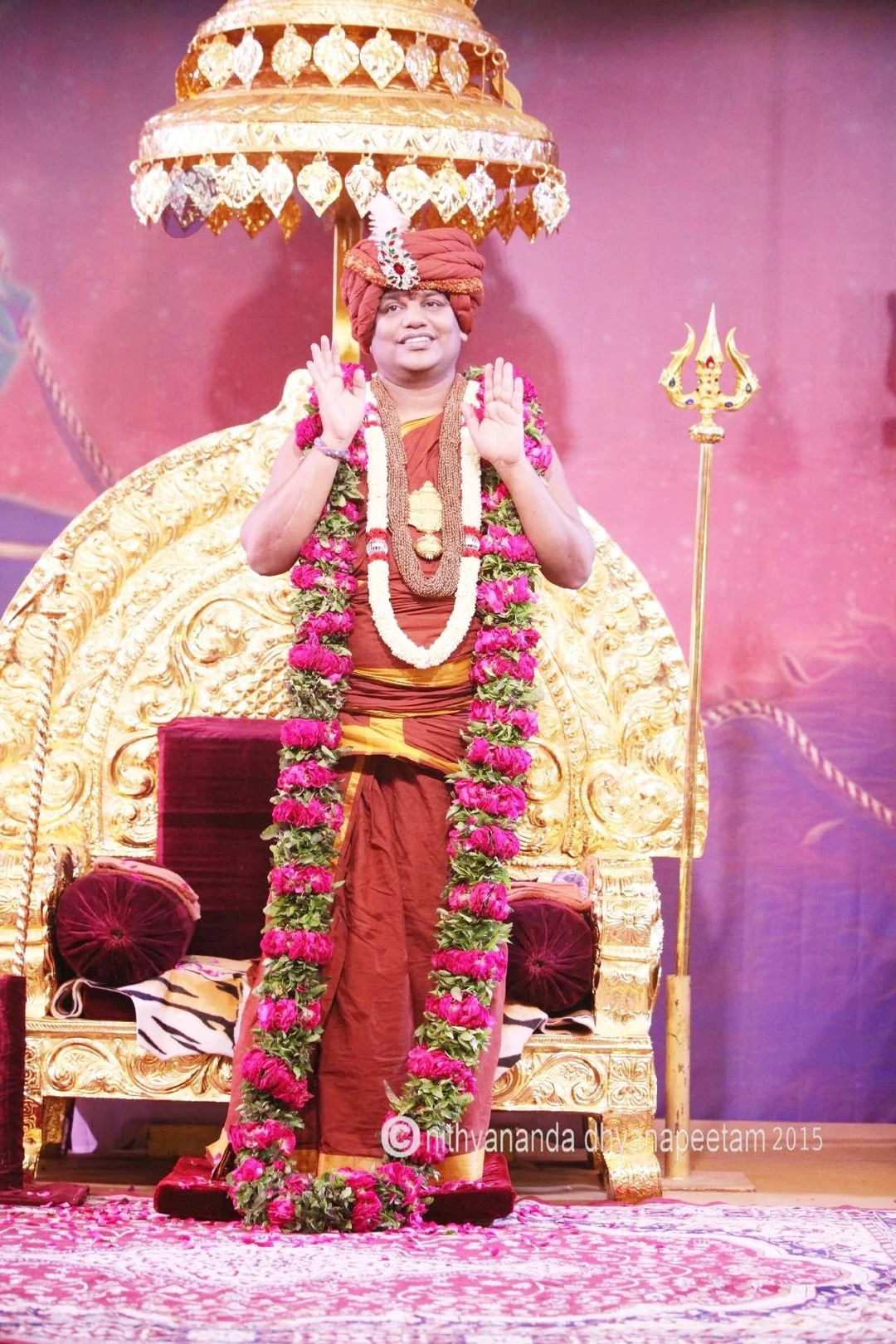
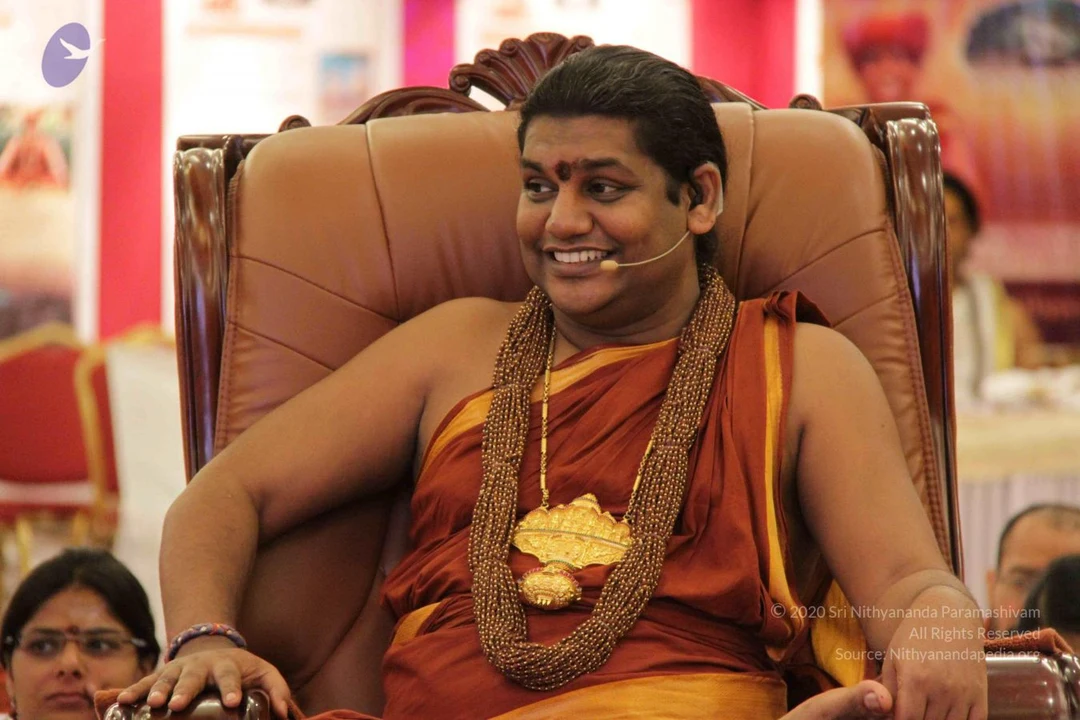
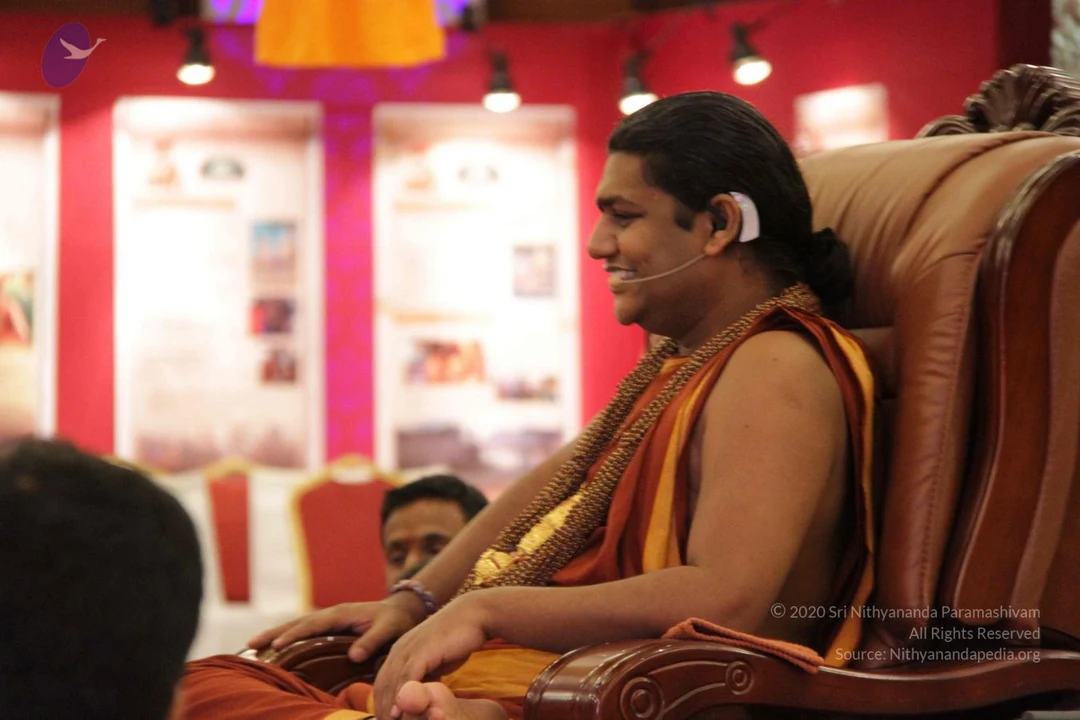
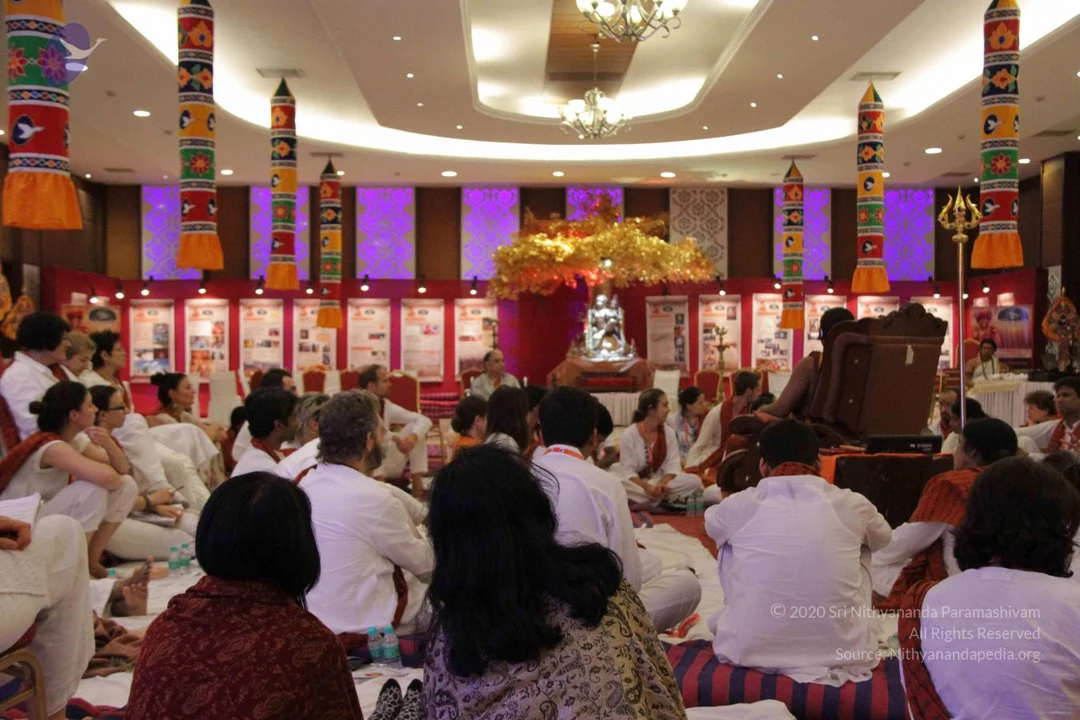
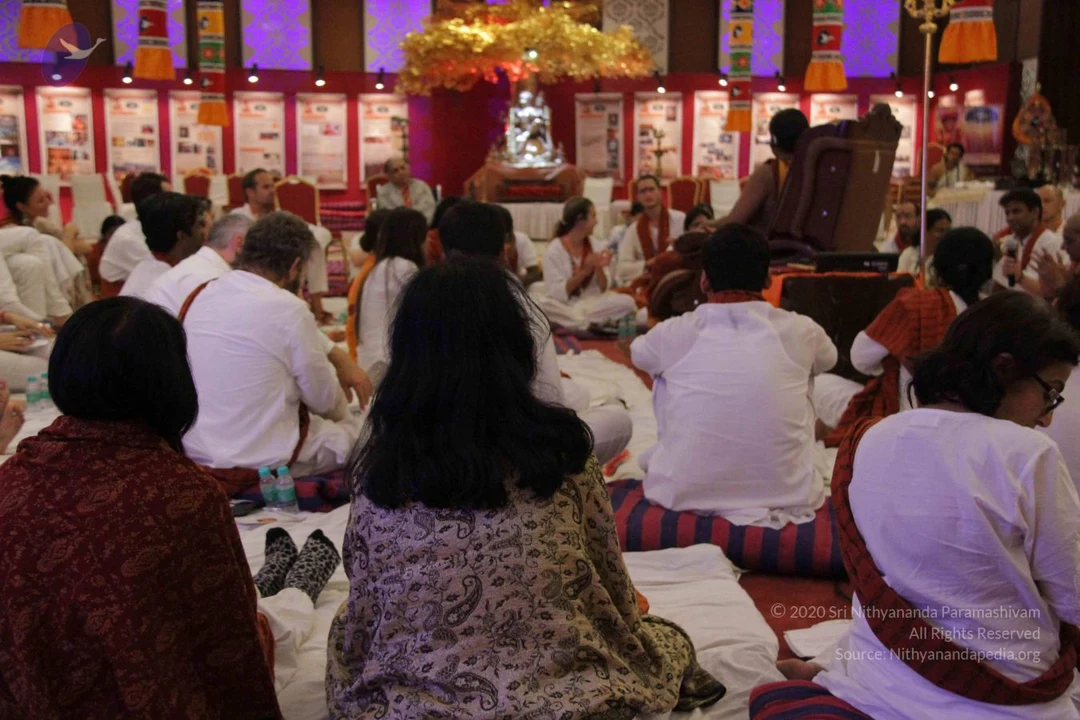
Photos From The Day:
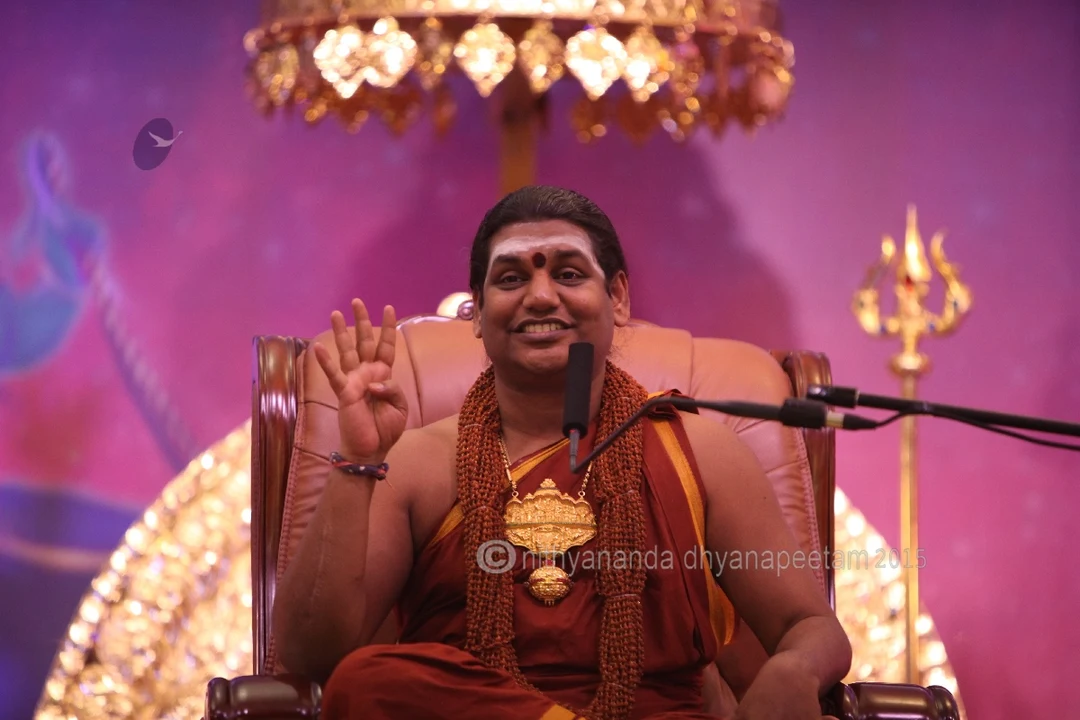
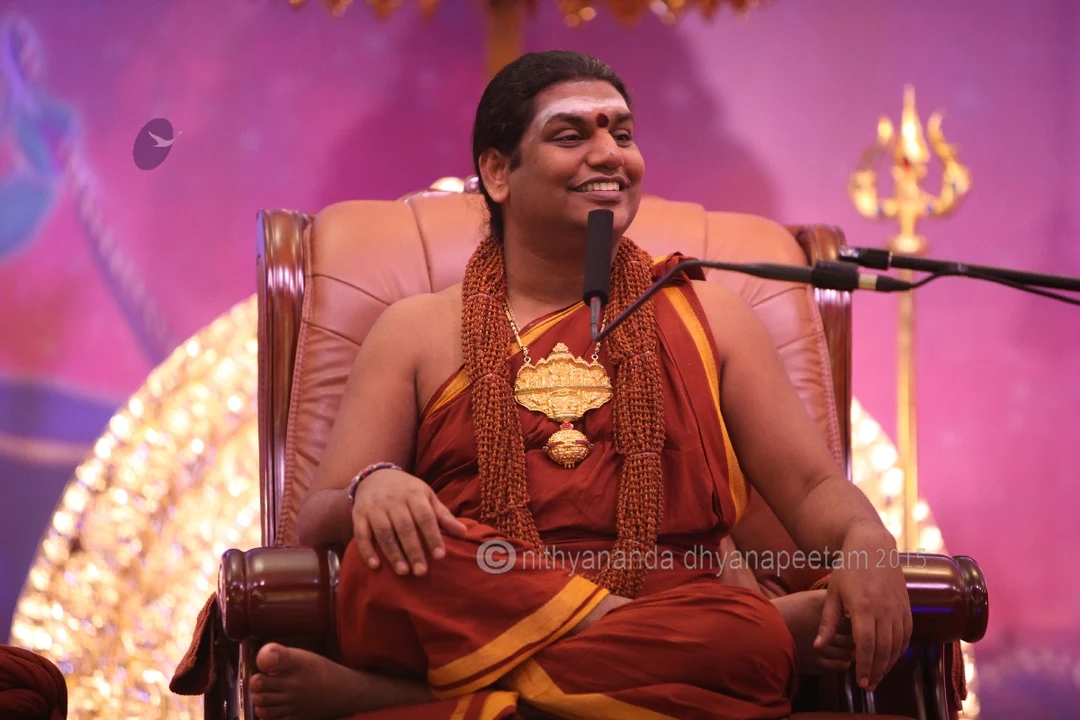

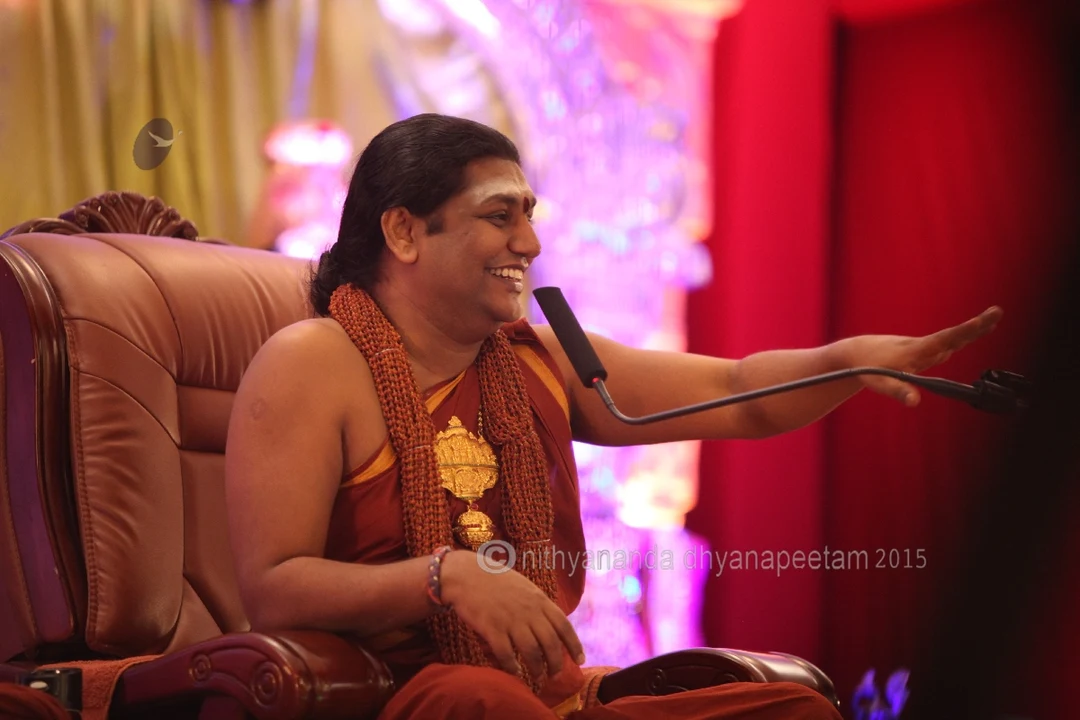
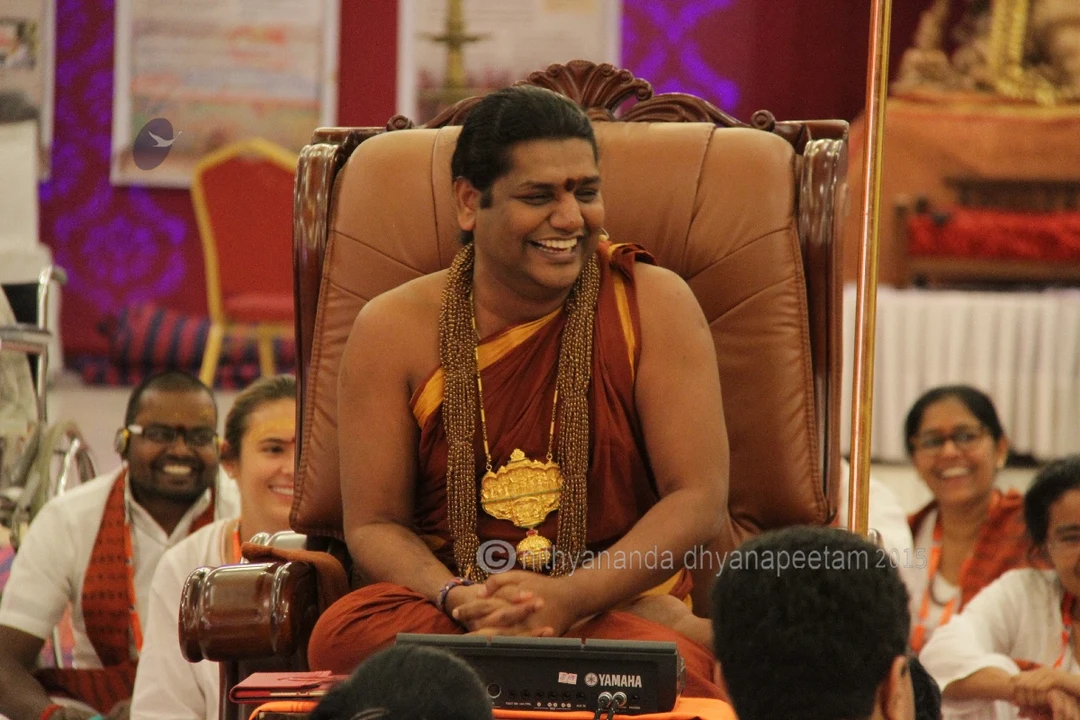
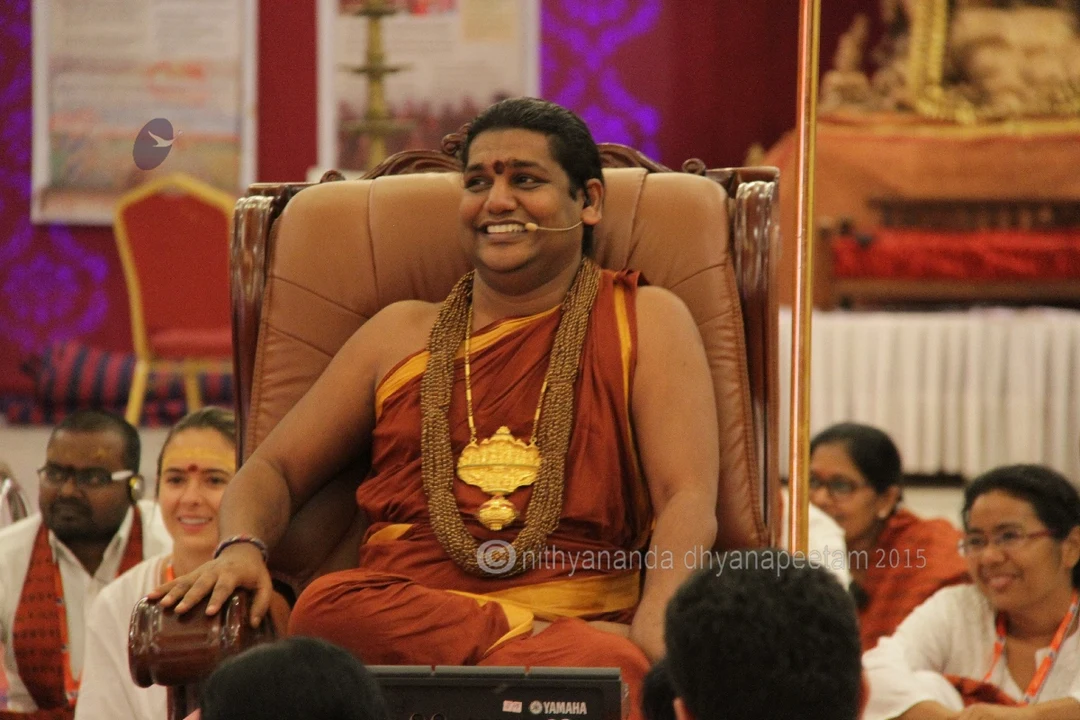
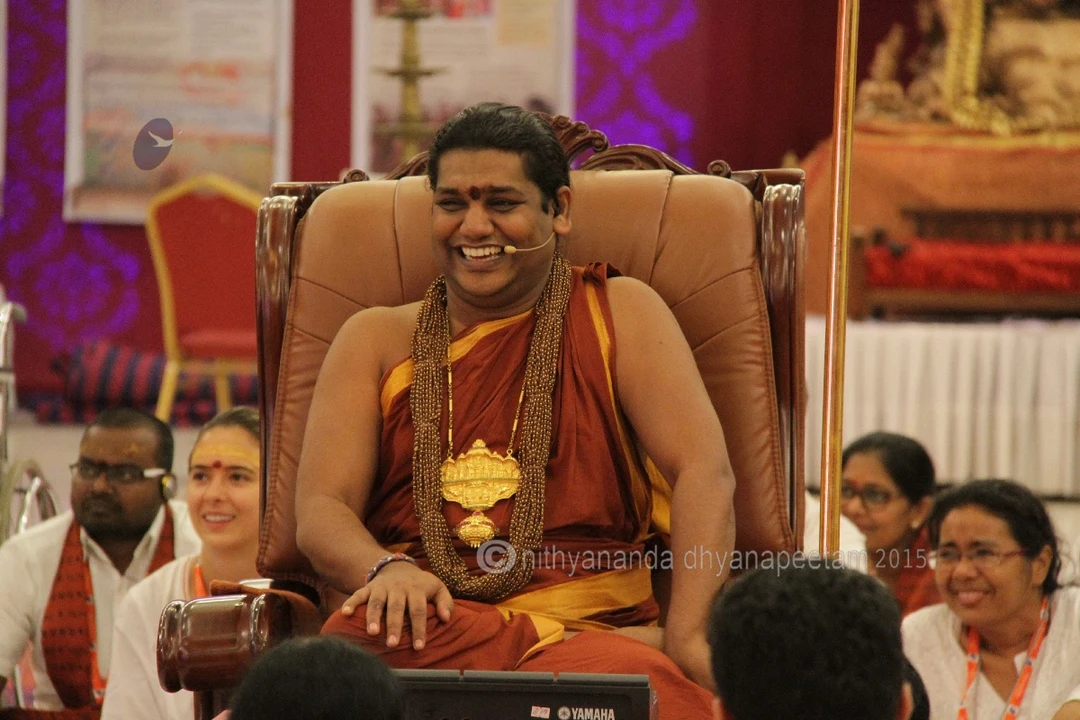
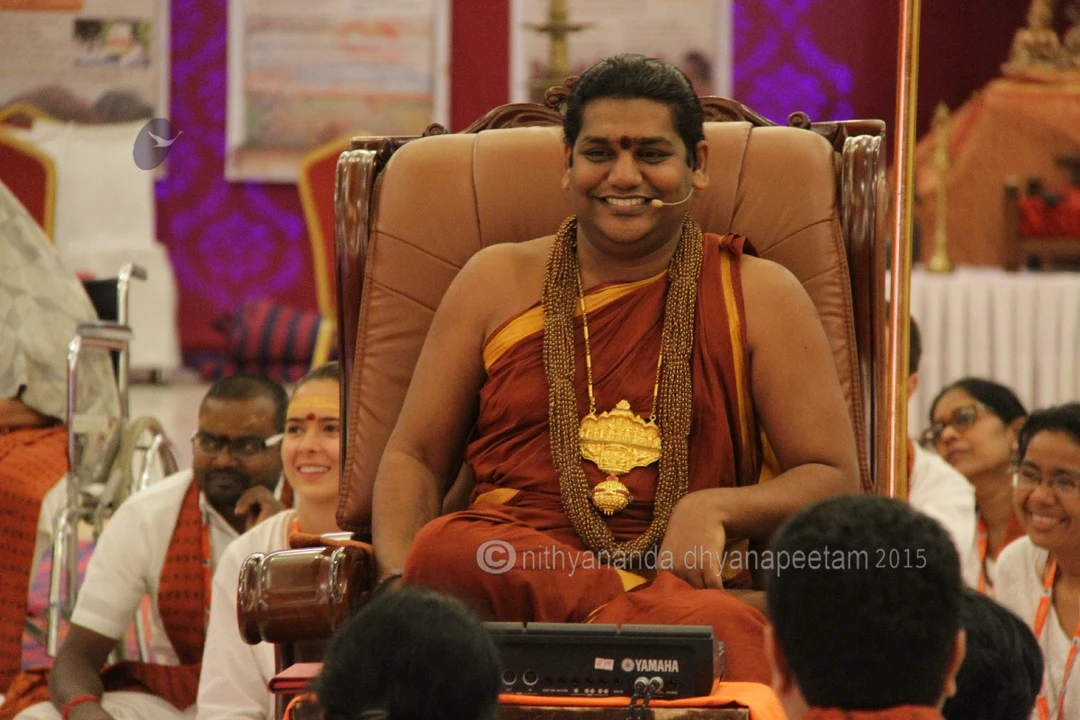
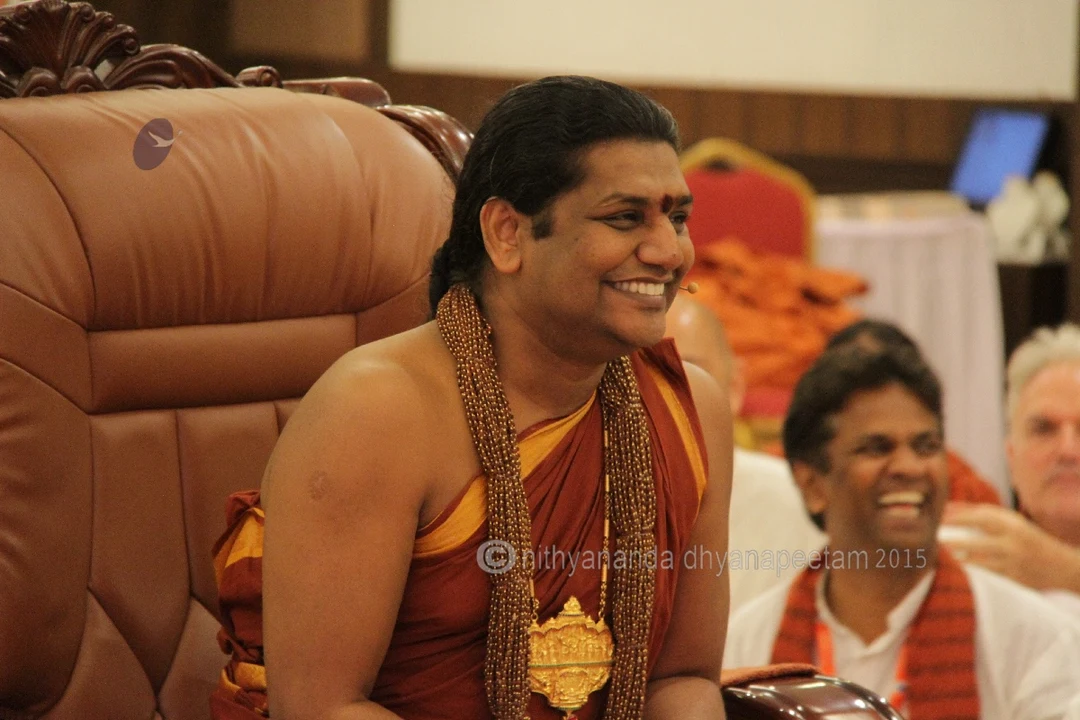
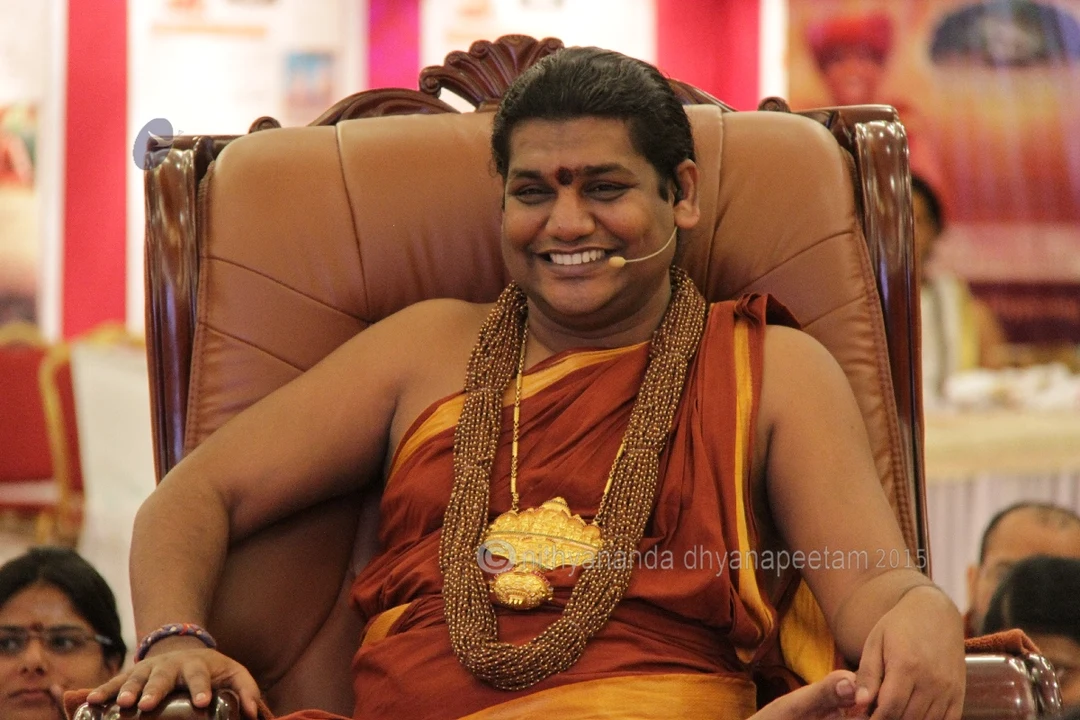
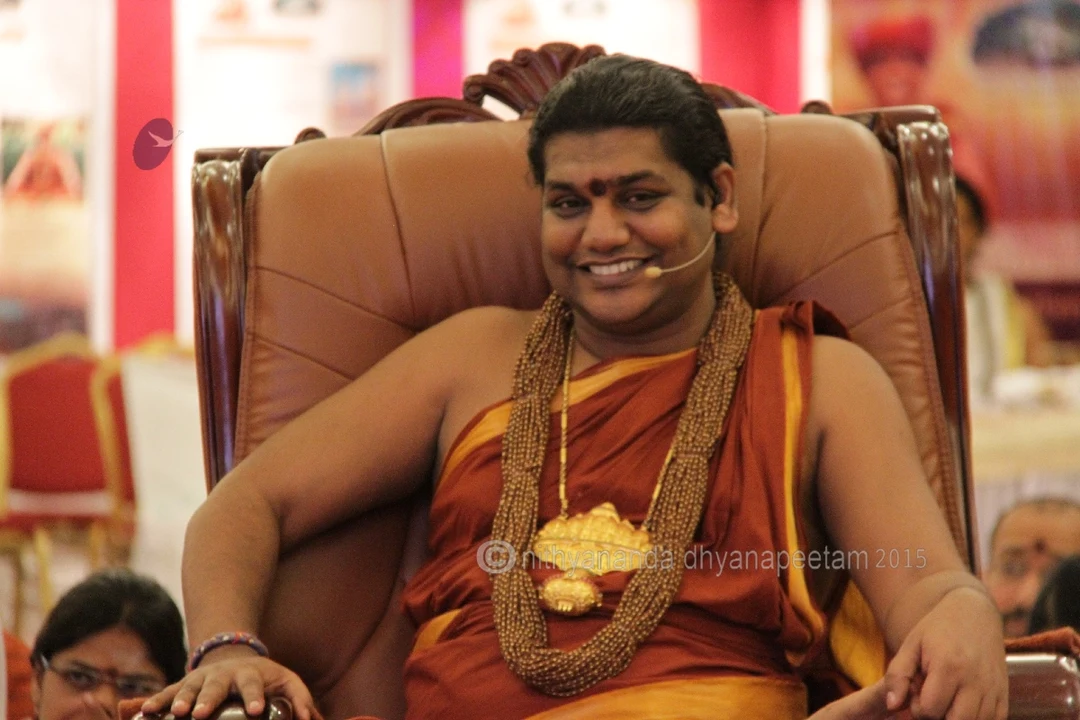
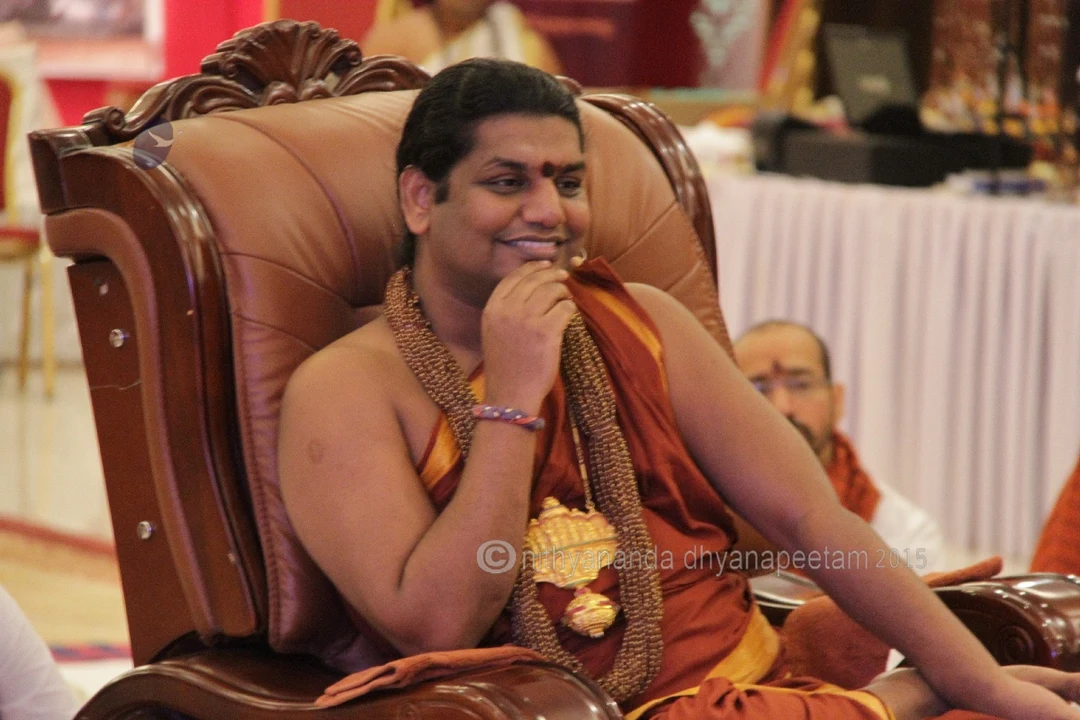
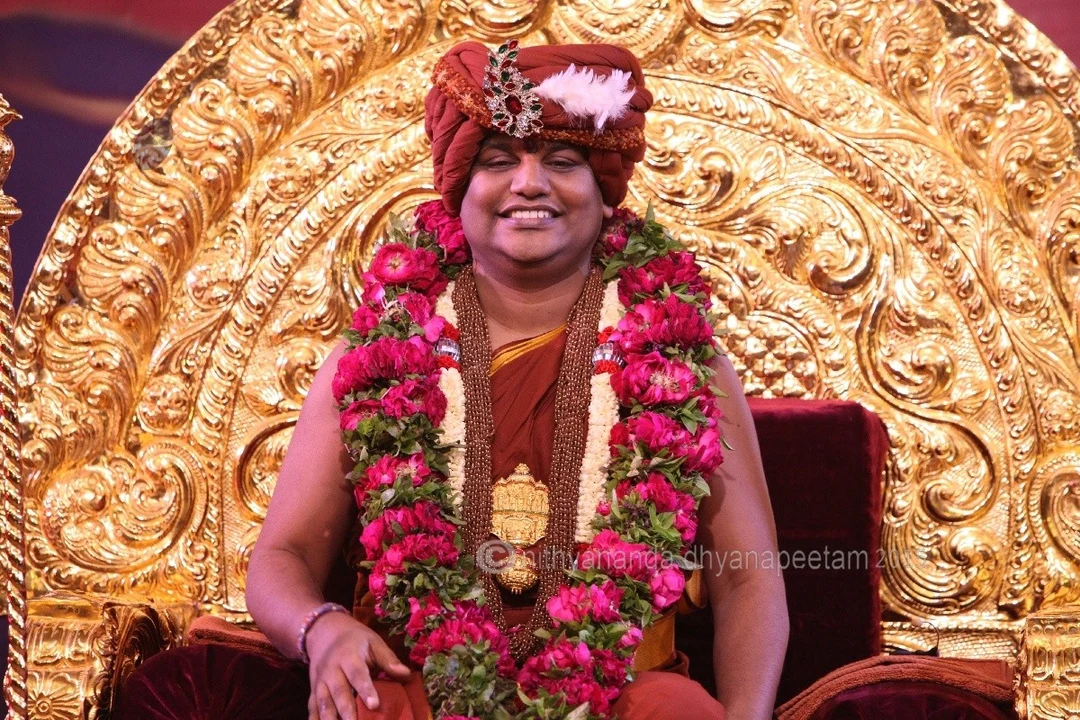
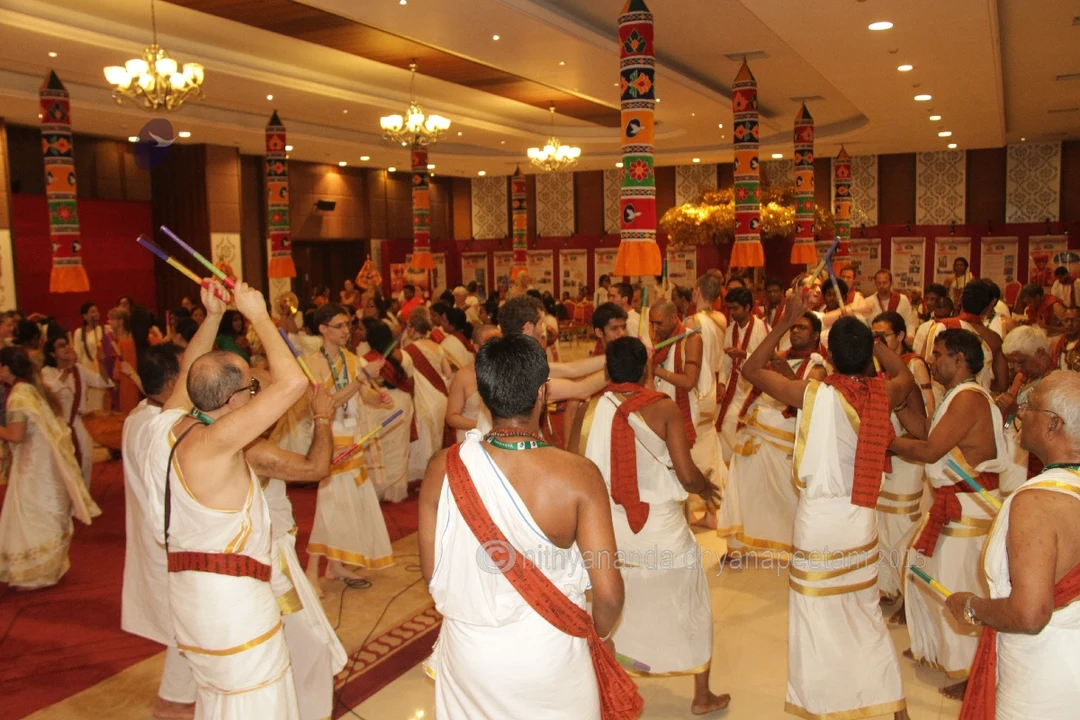
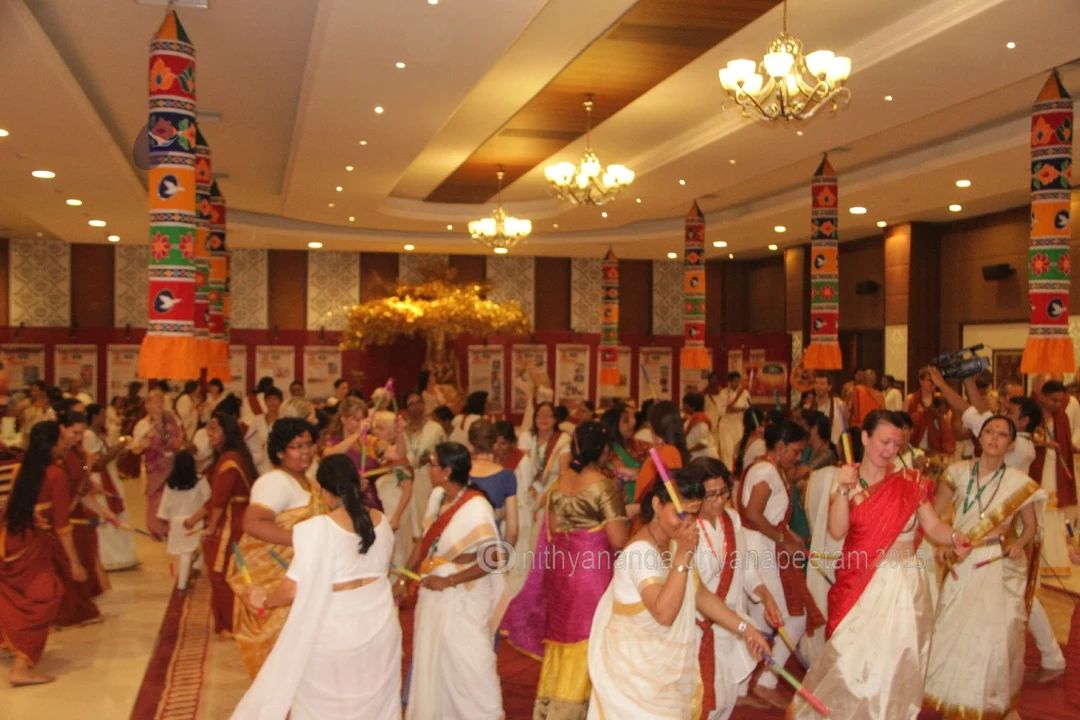
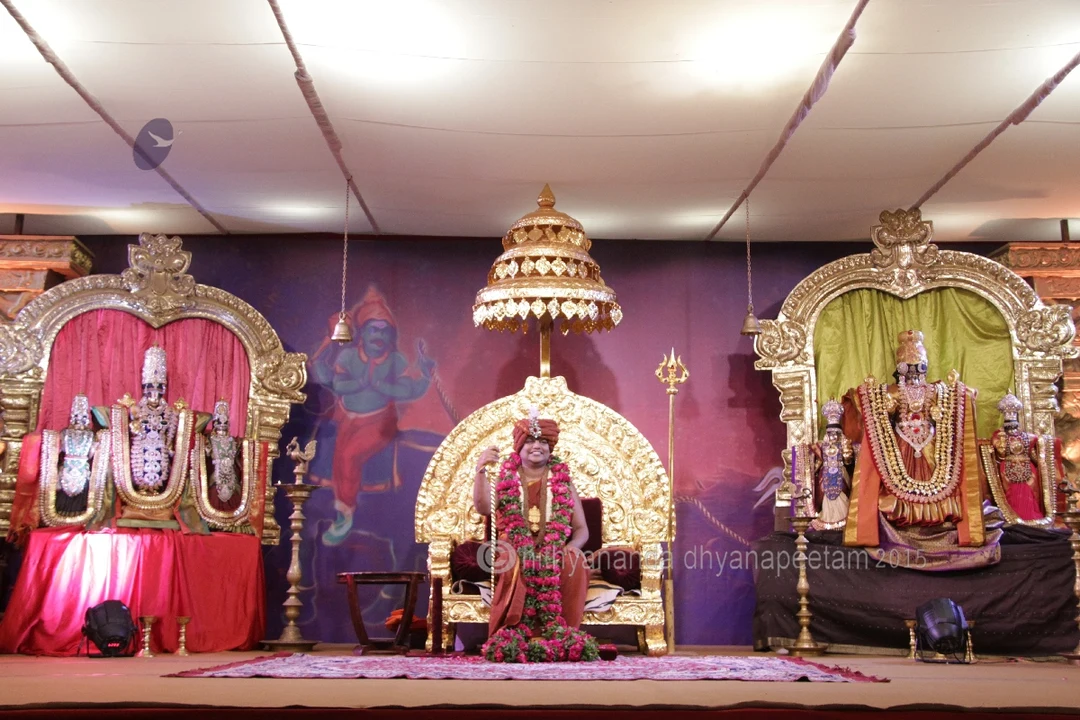
Tags:
Paramahamsa Nithyananda, Nithyananda, Isavasya Upanishad, Upanishad, Living Advaita, Navratri 2015, Cosmic Mother, Devi, Inner Healing, Healing, Cosmic Mother, Bio-memory, Guru, God, Sohamasmi, Prayer
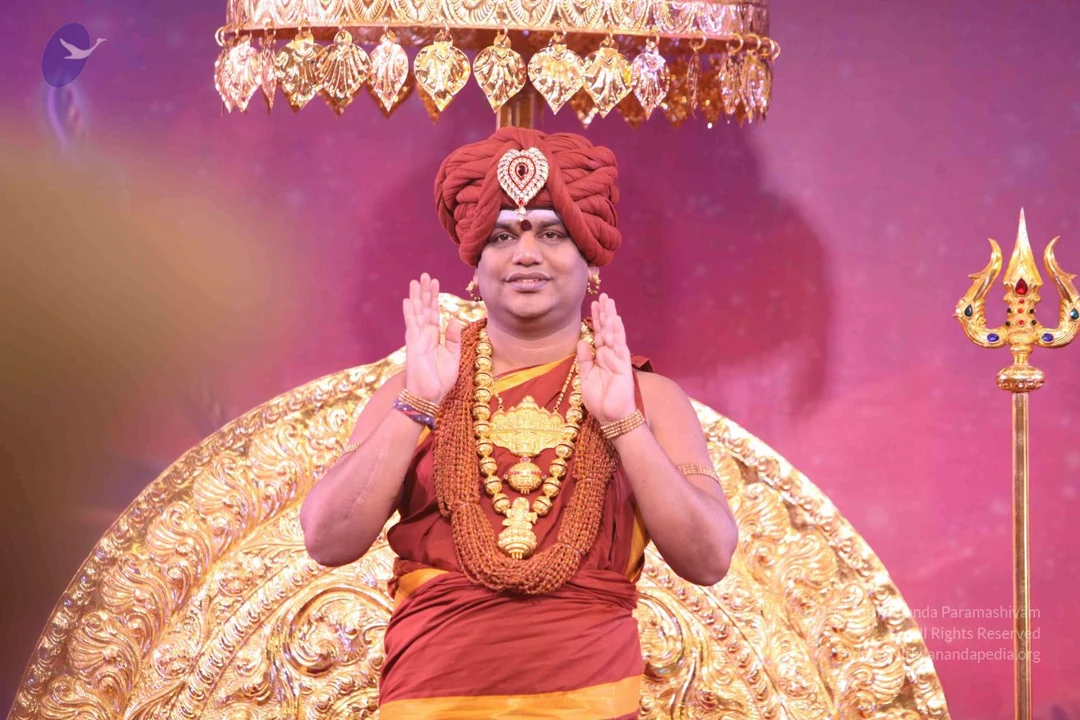
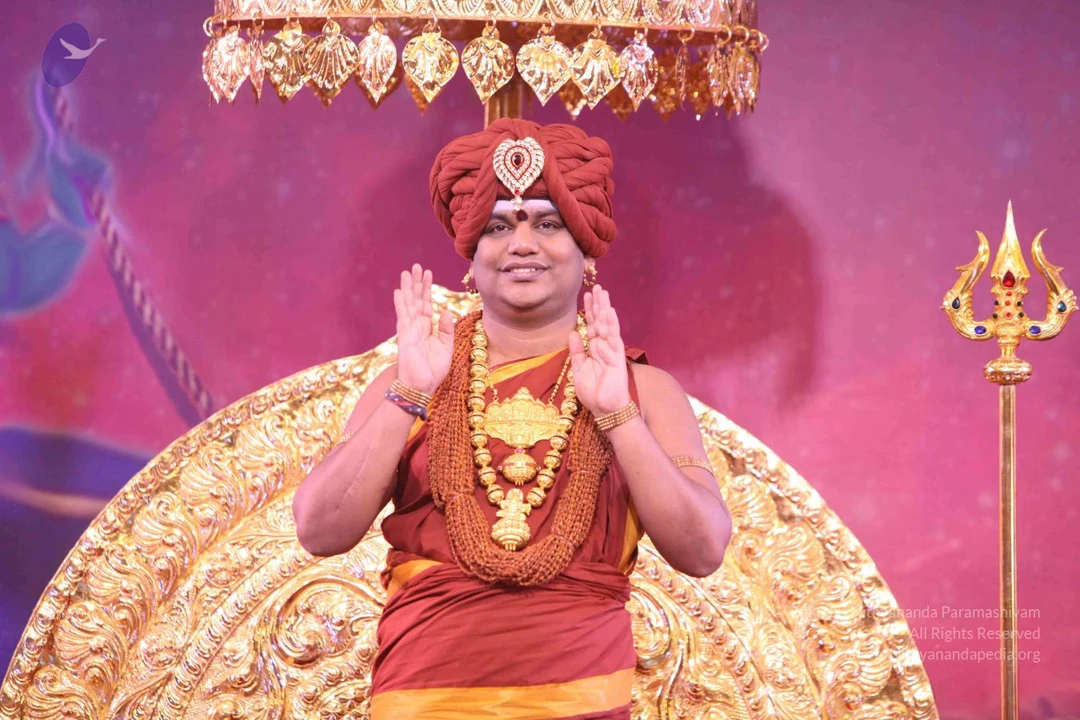
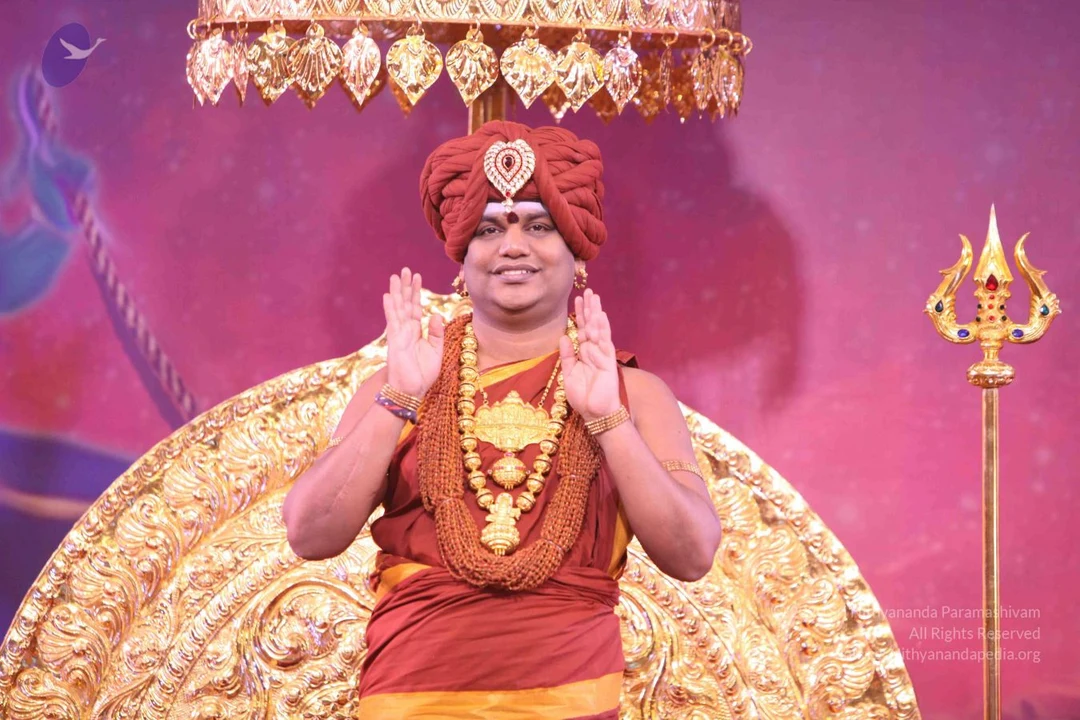
Photos Of The Day:
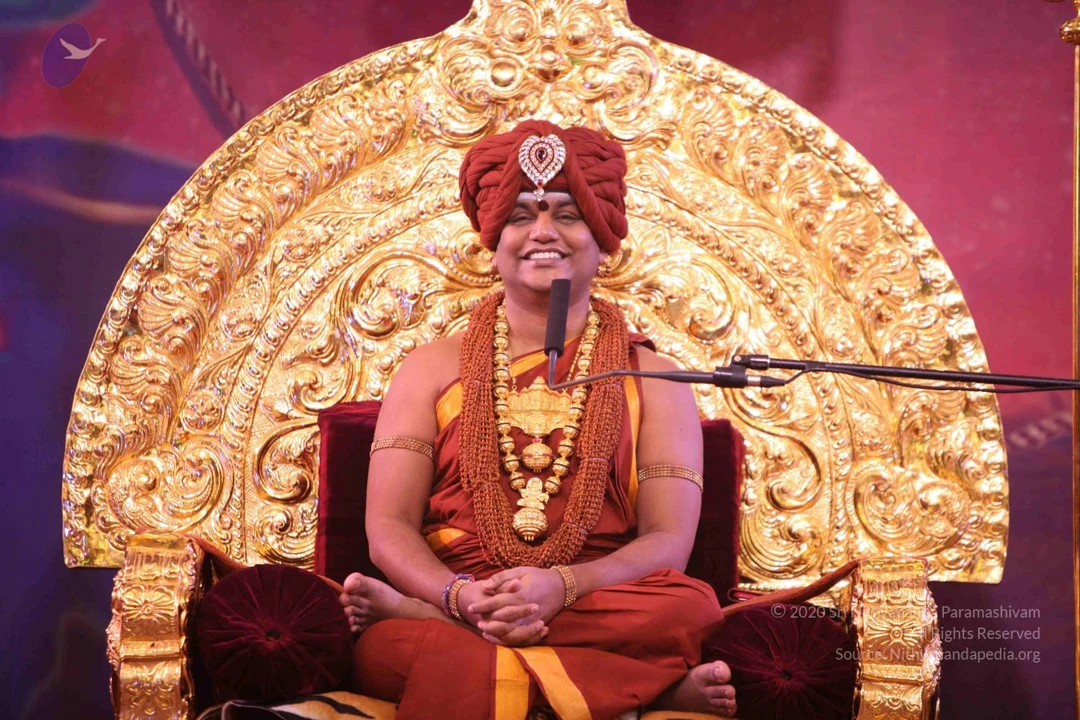
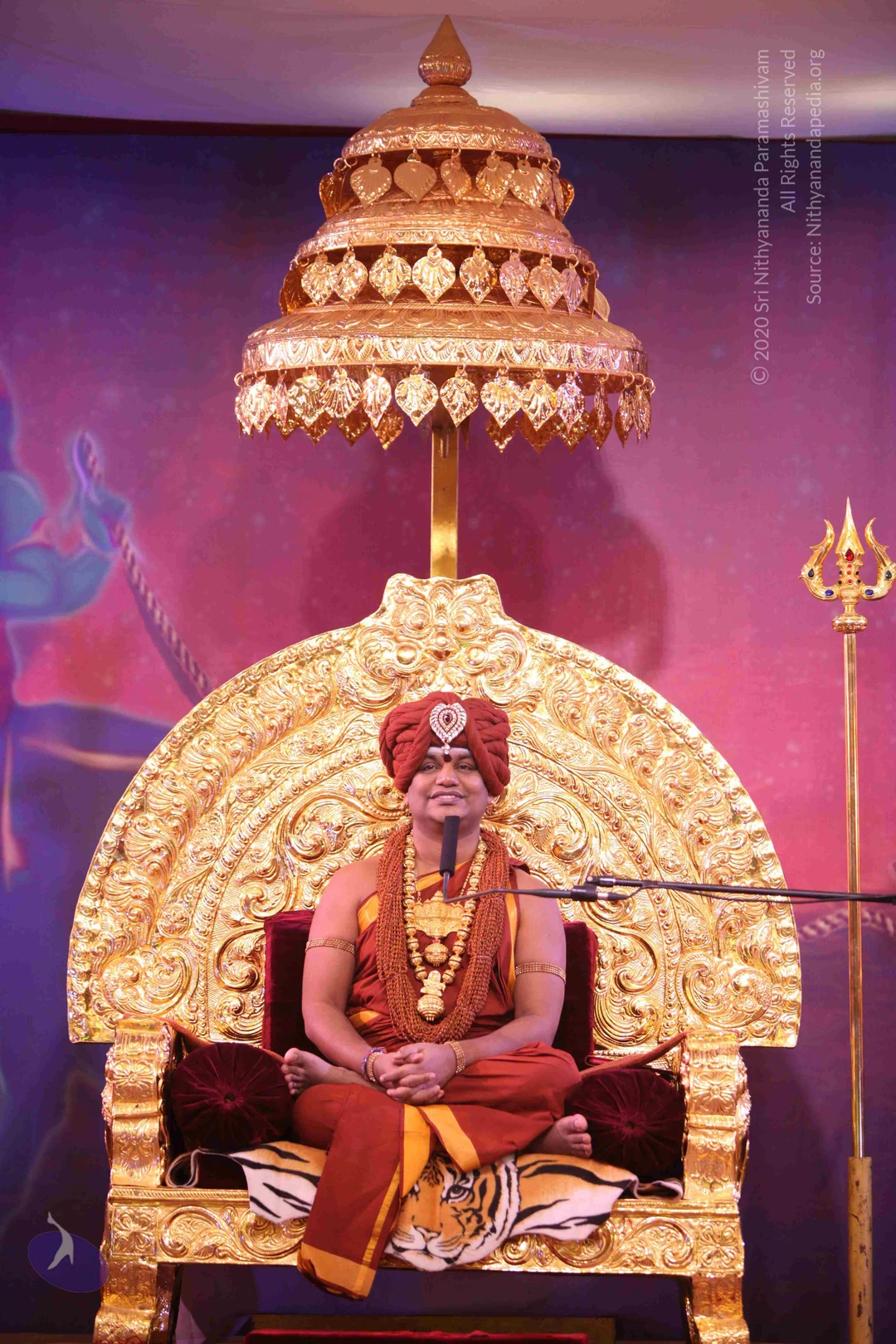
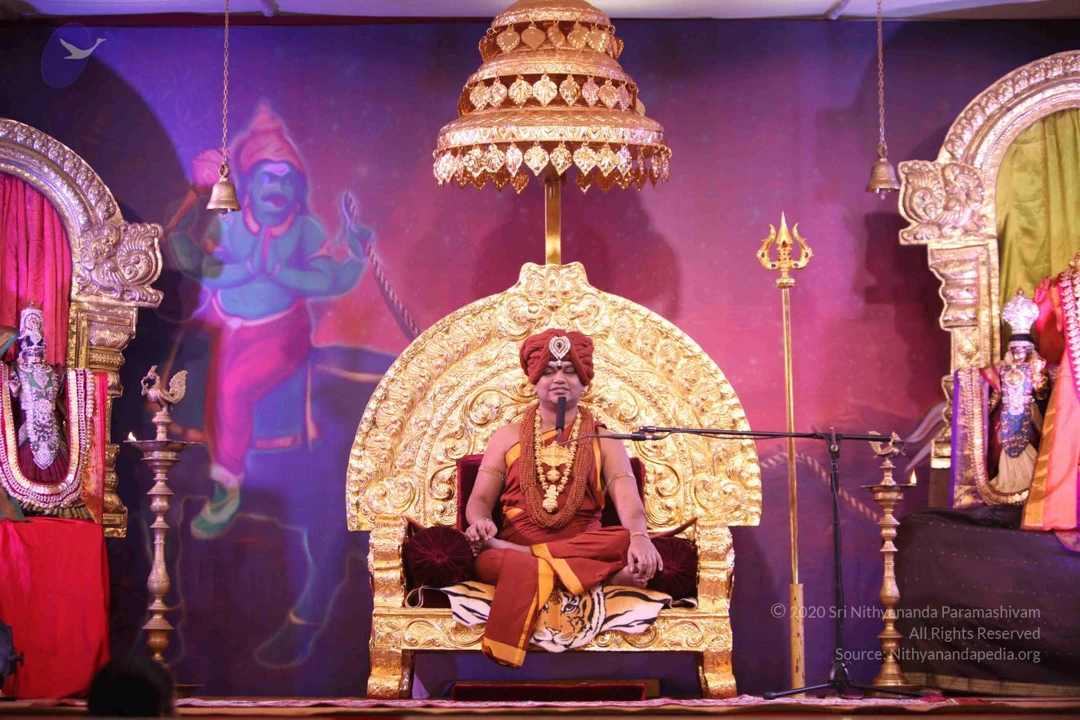
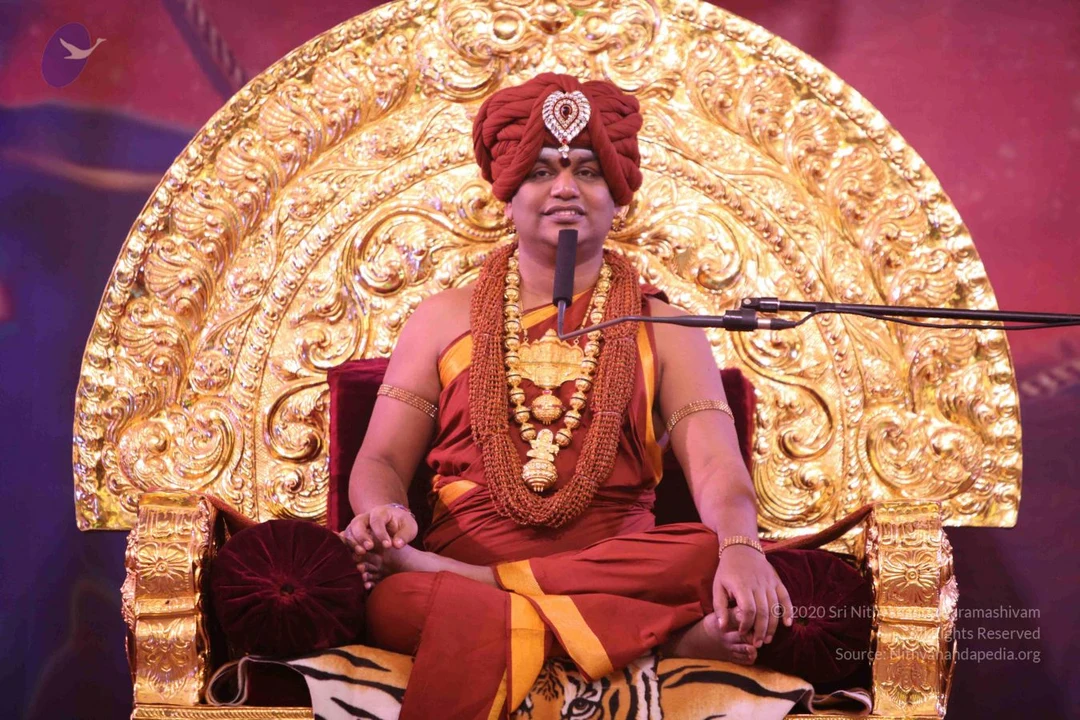
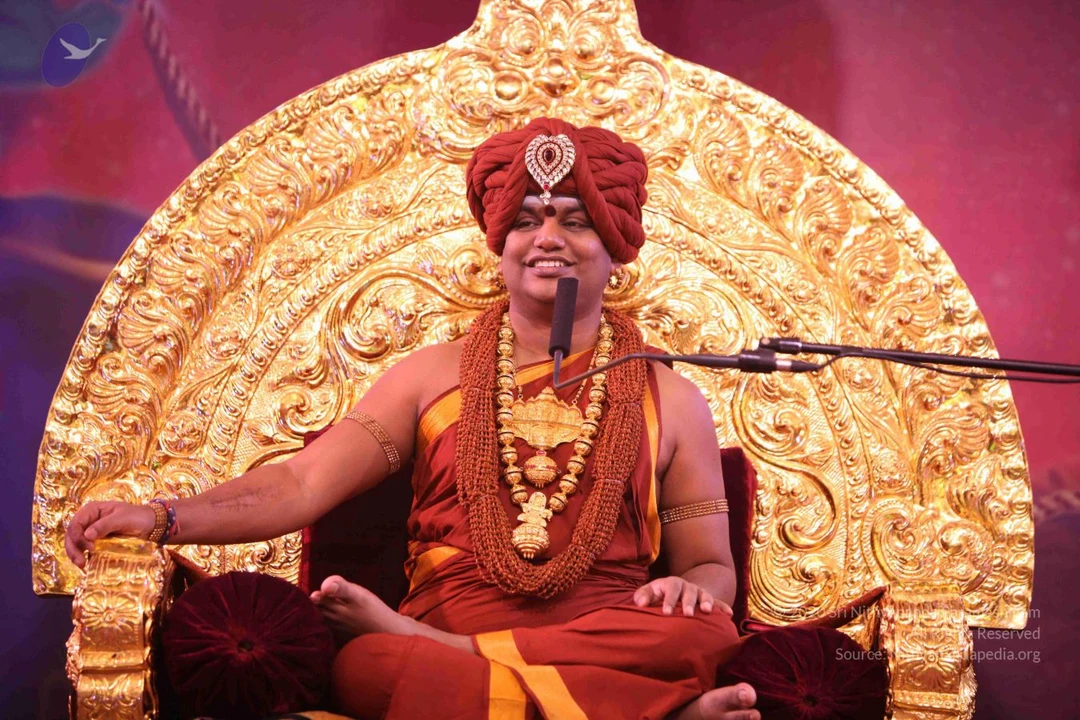
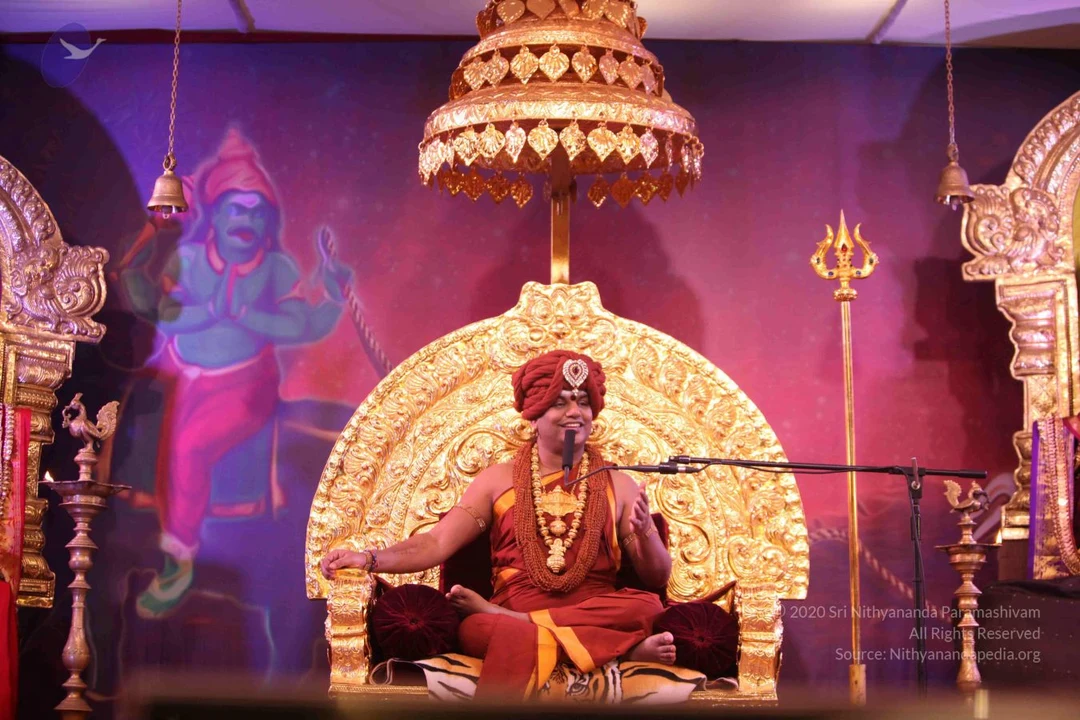
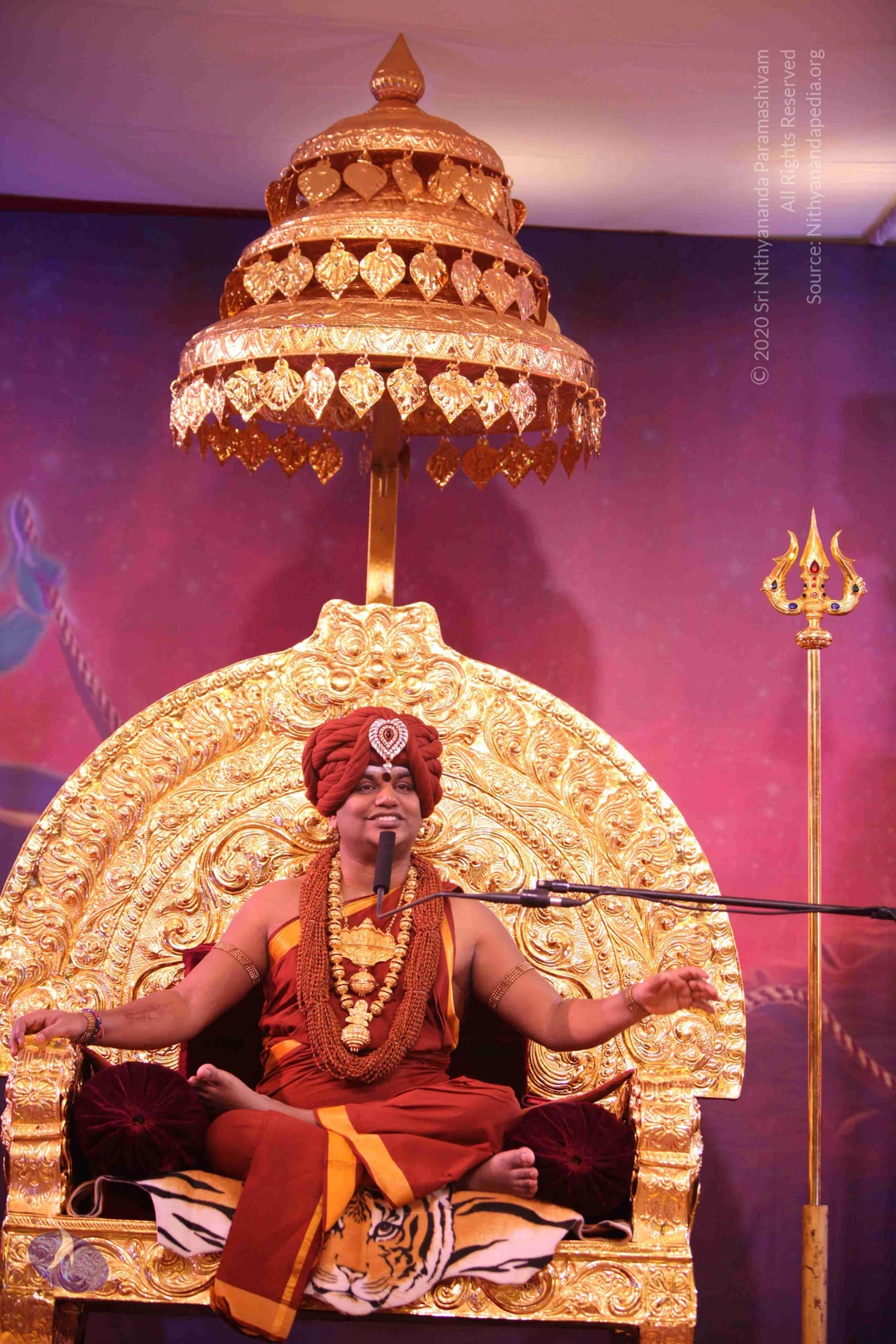
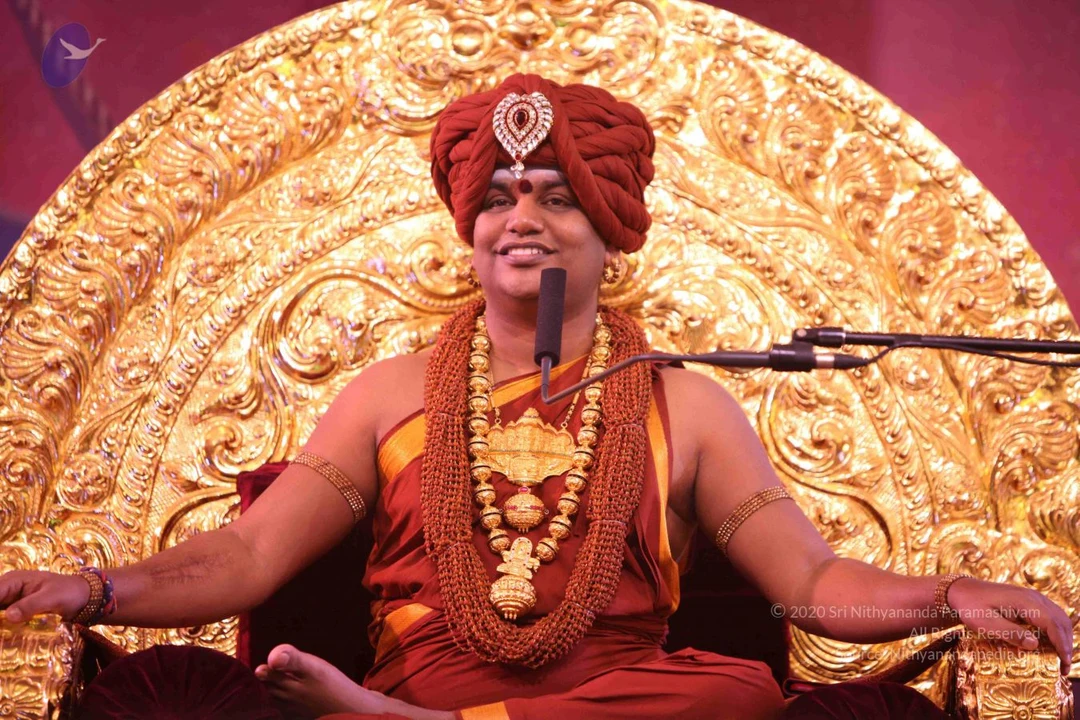
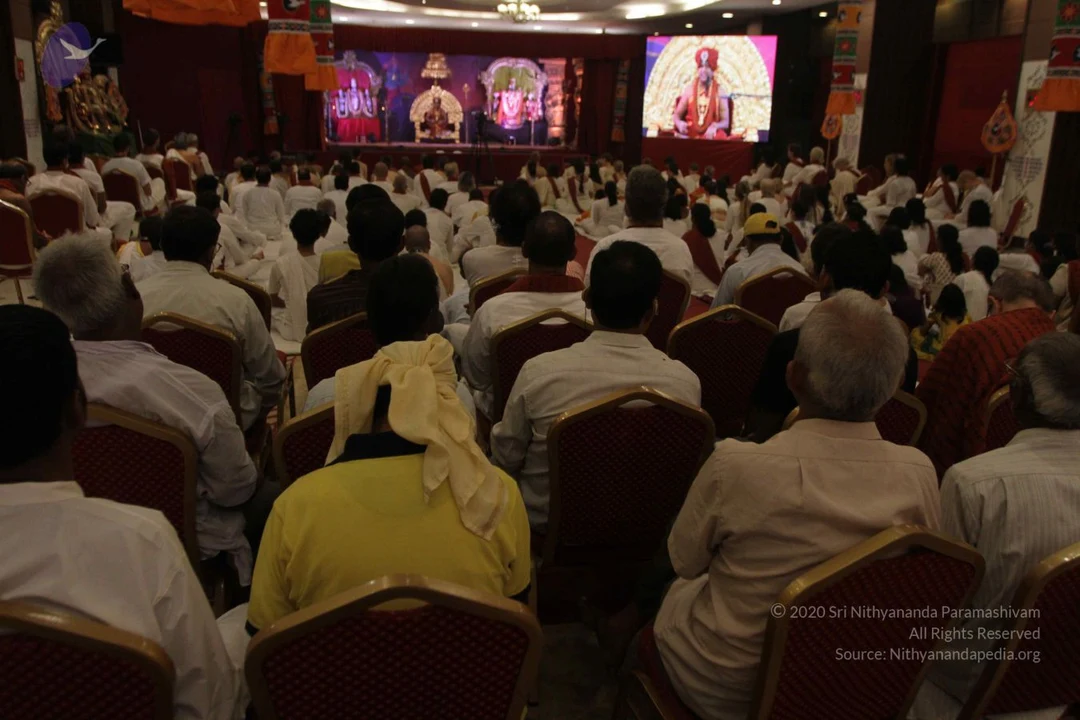
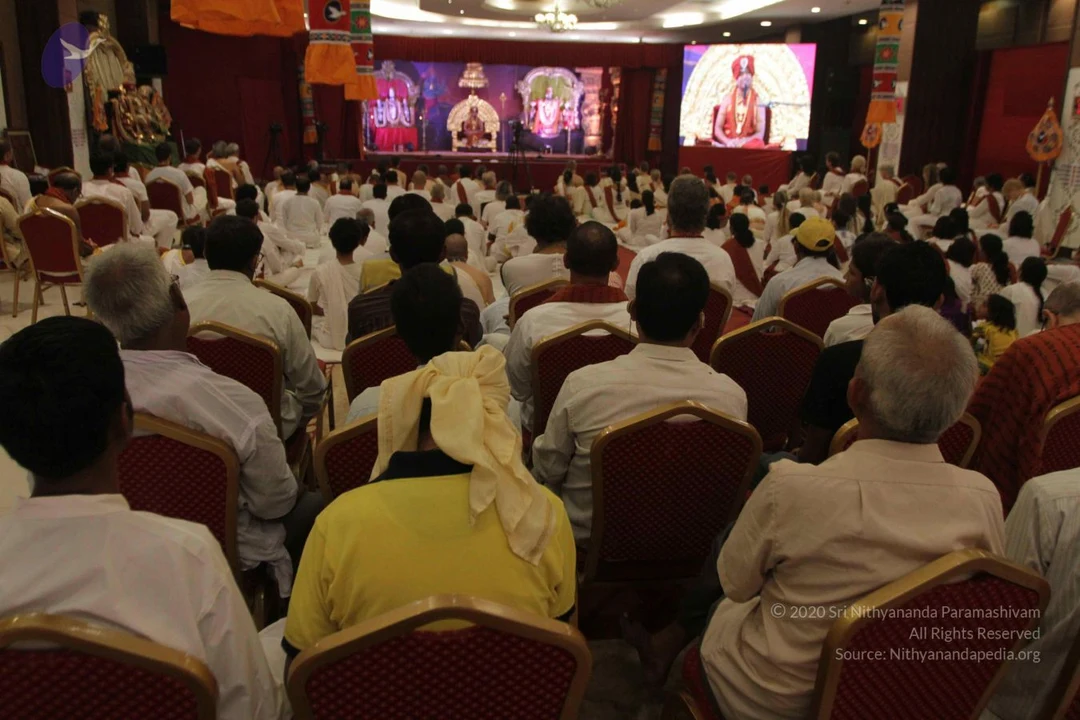
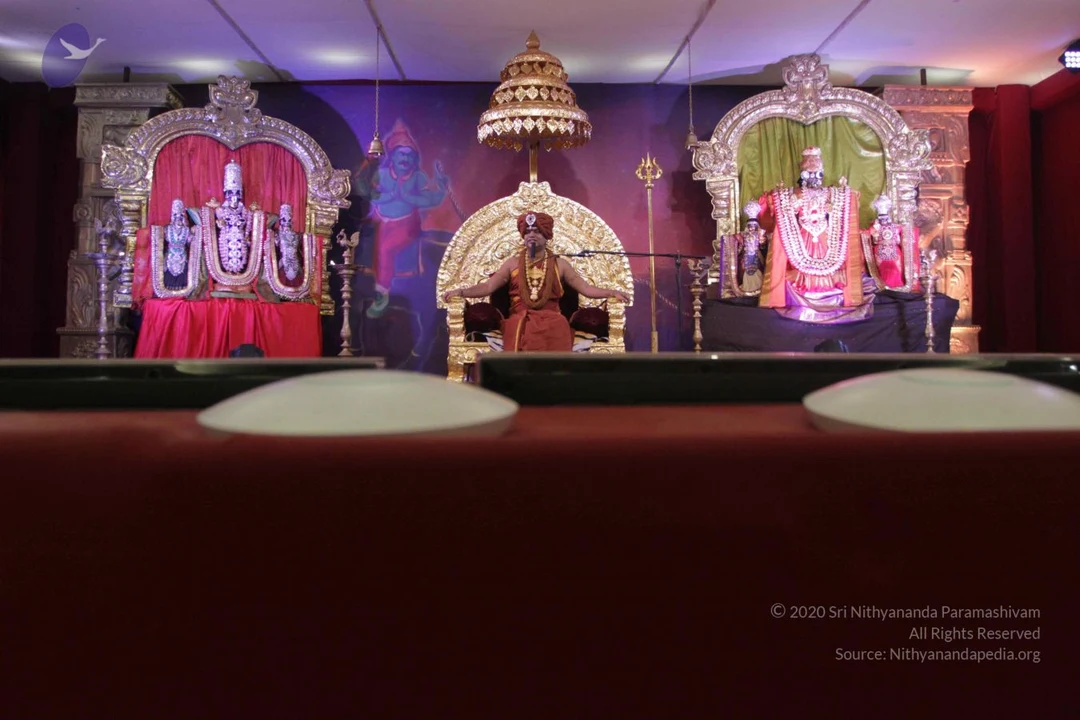
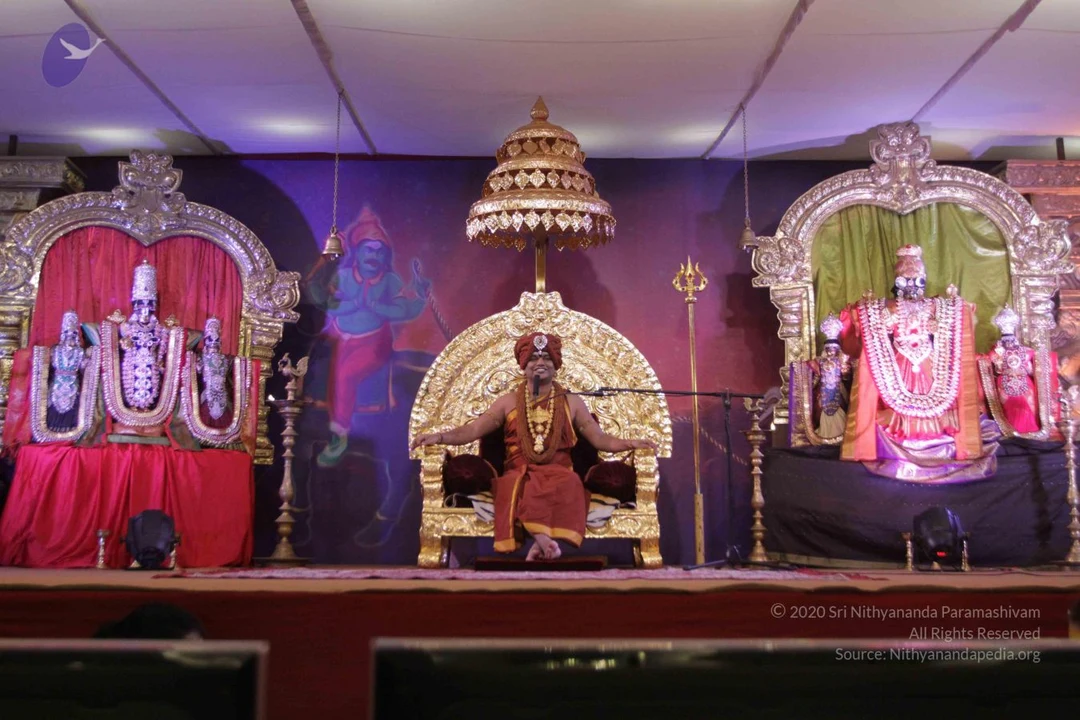
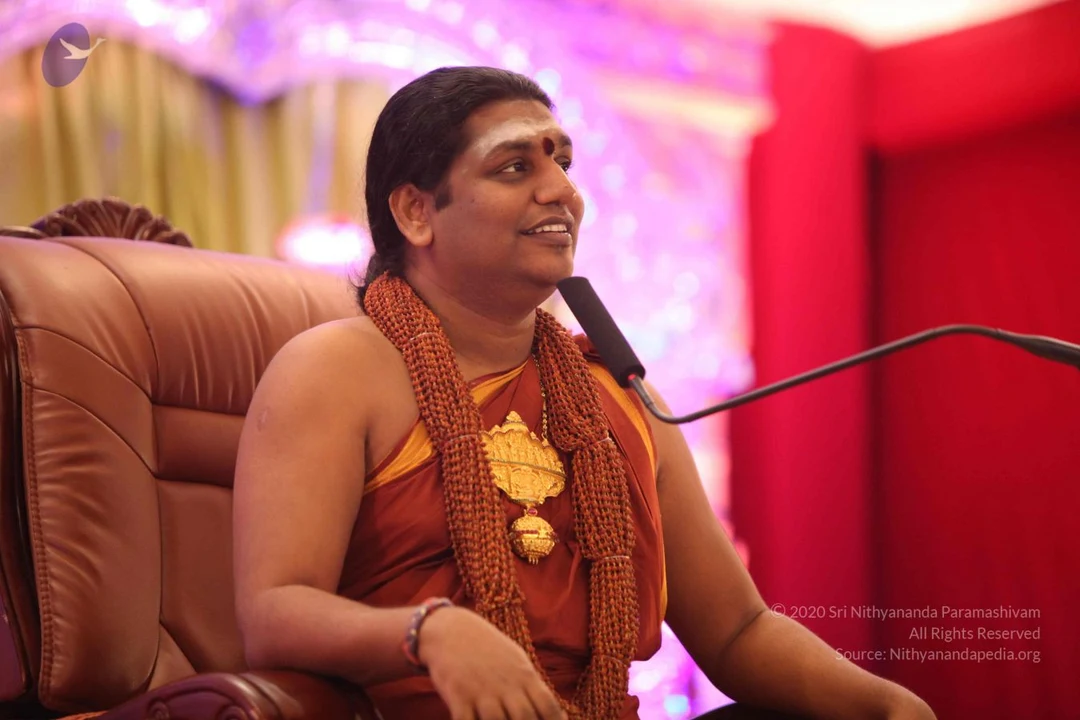
Morning-satsang
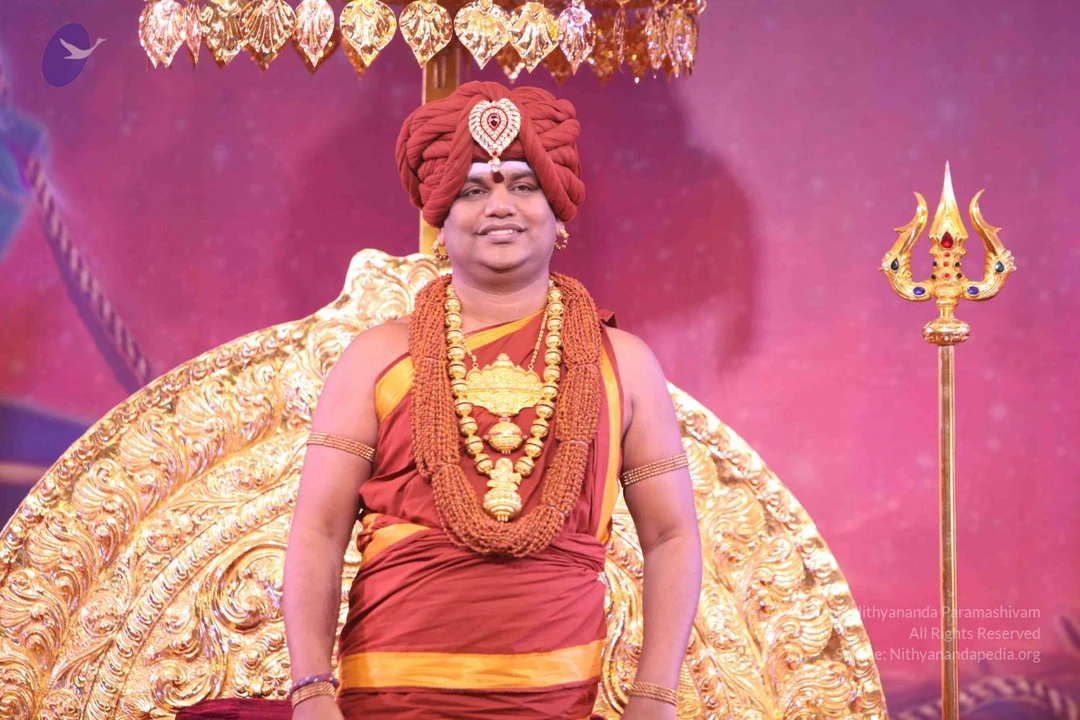
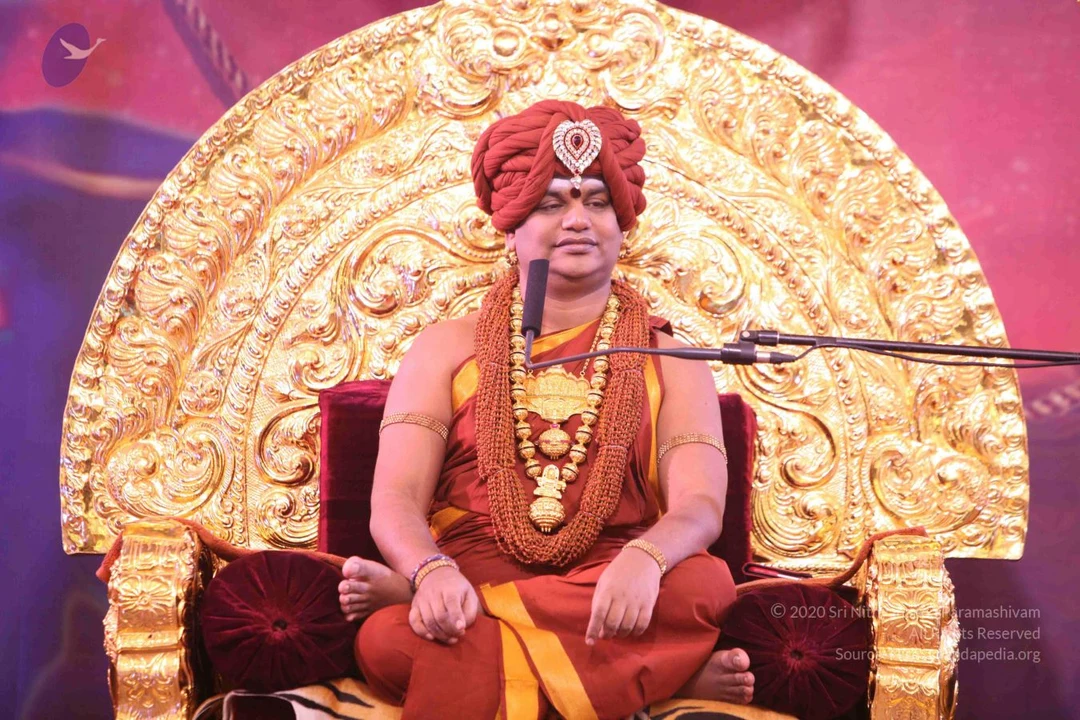
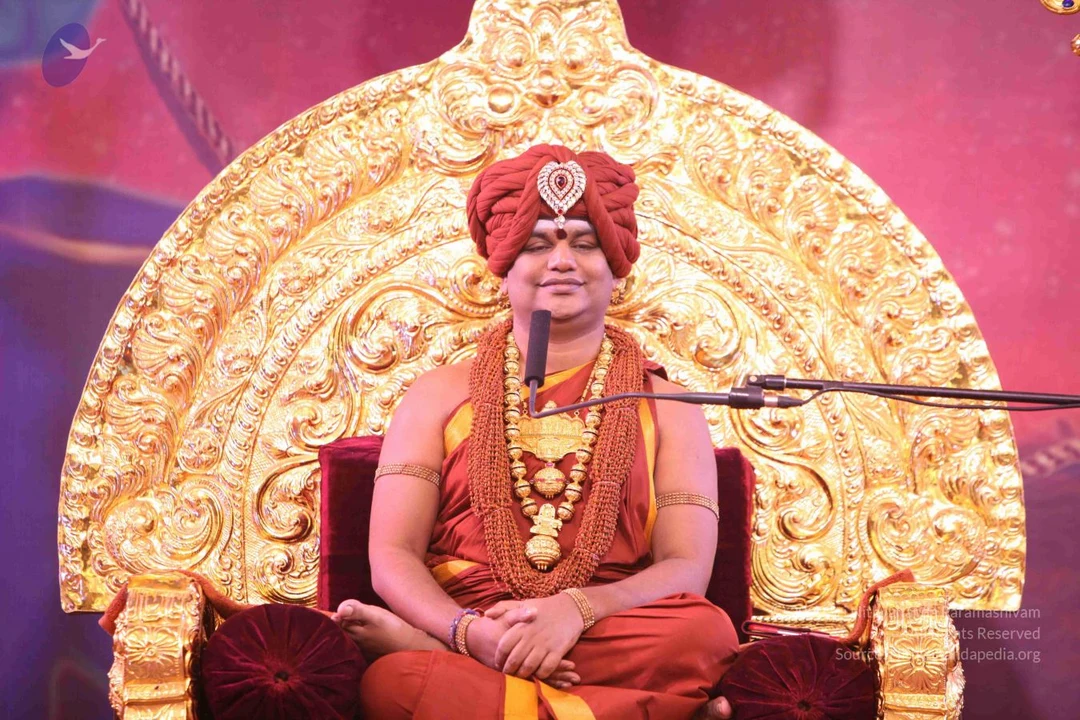
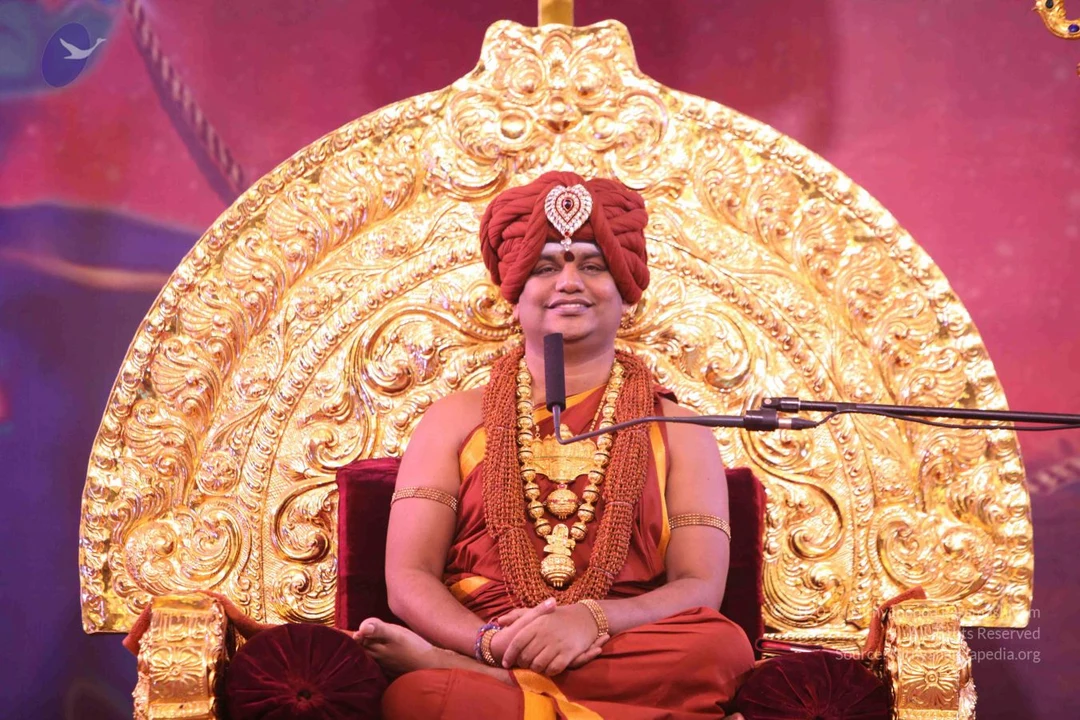
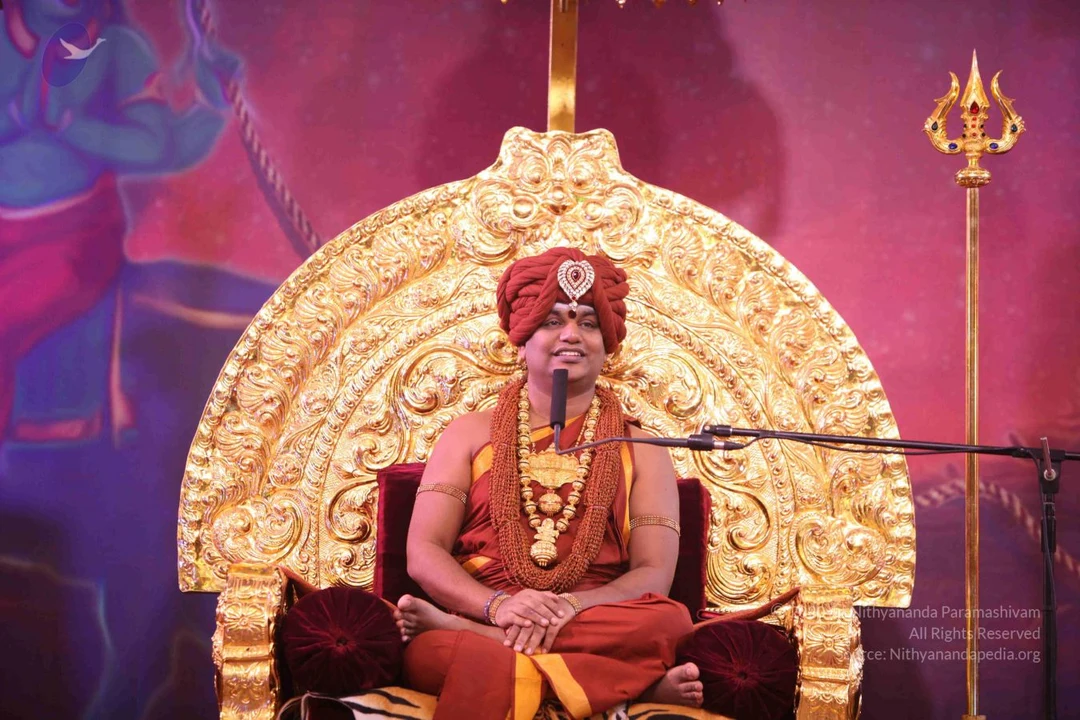
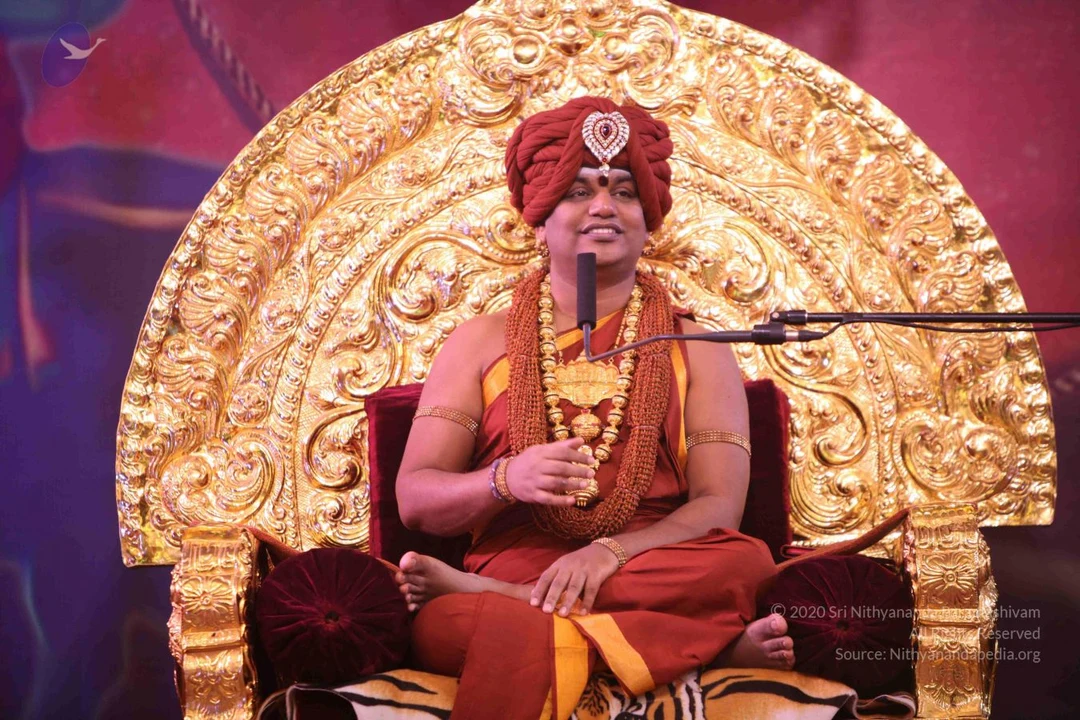
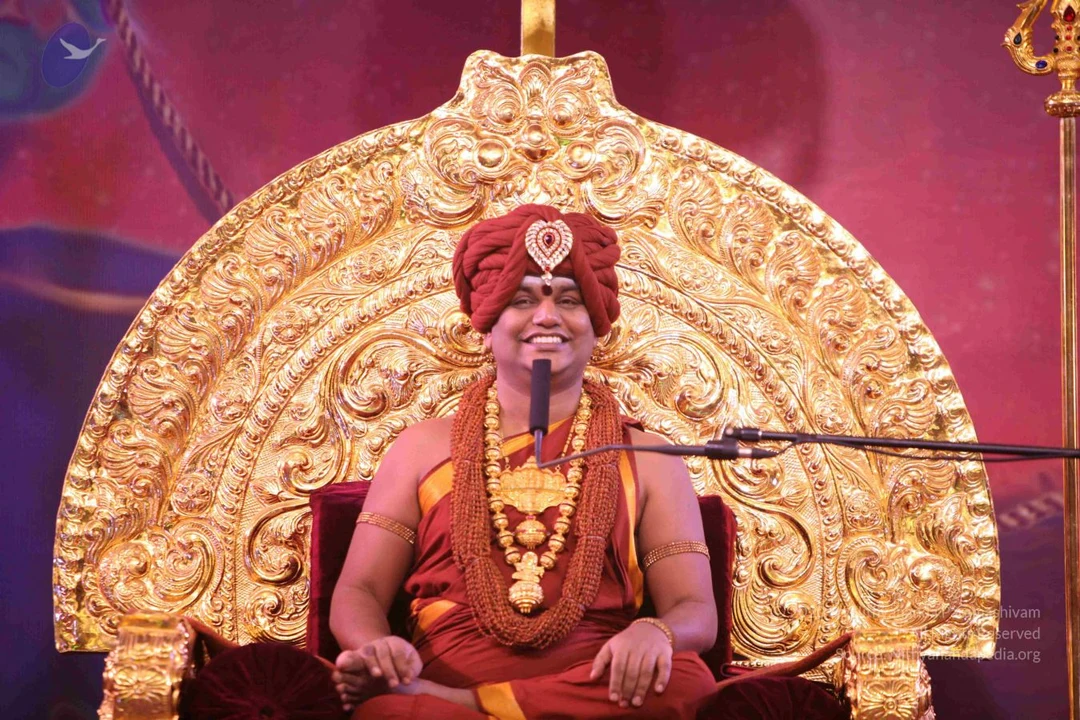
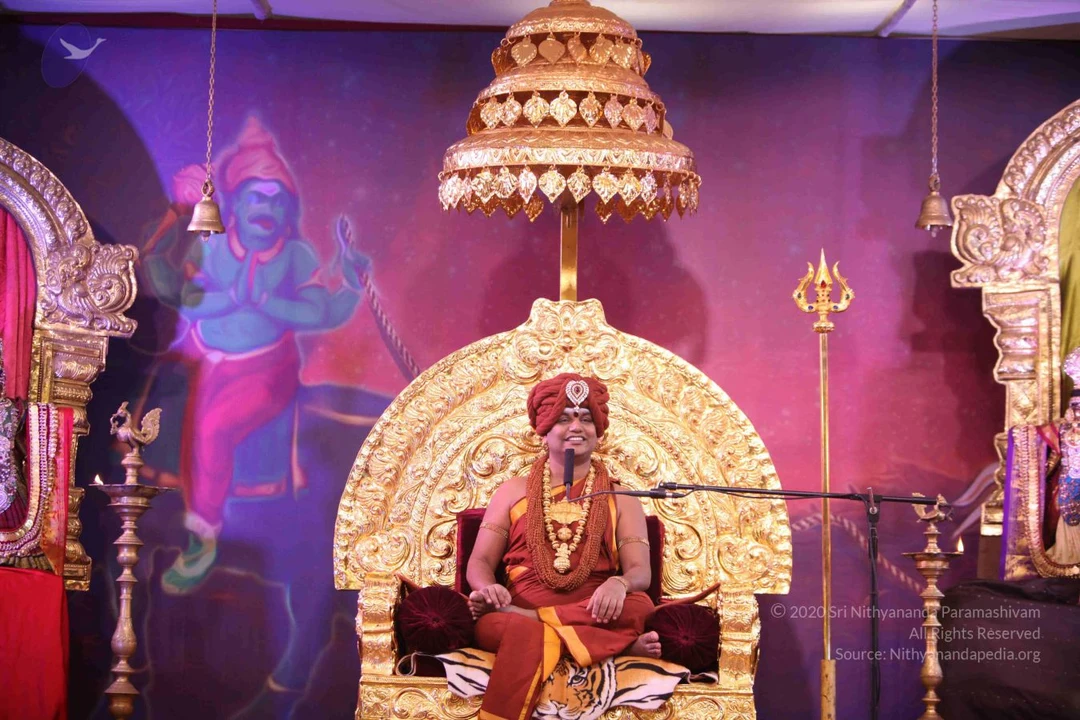
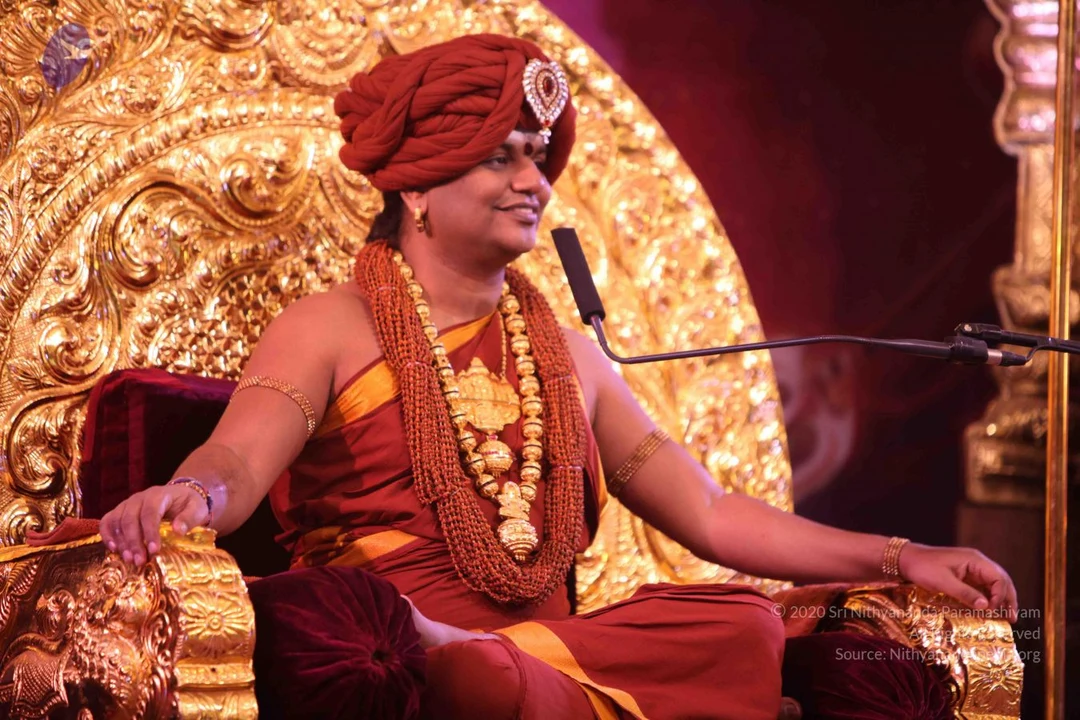
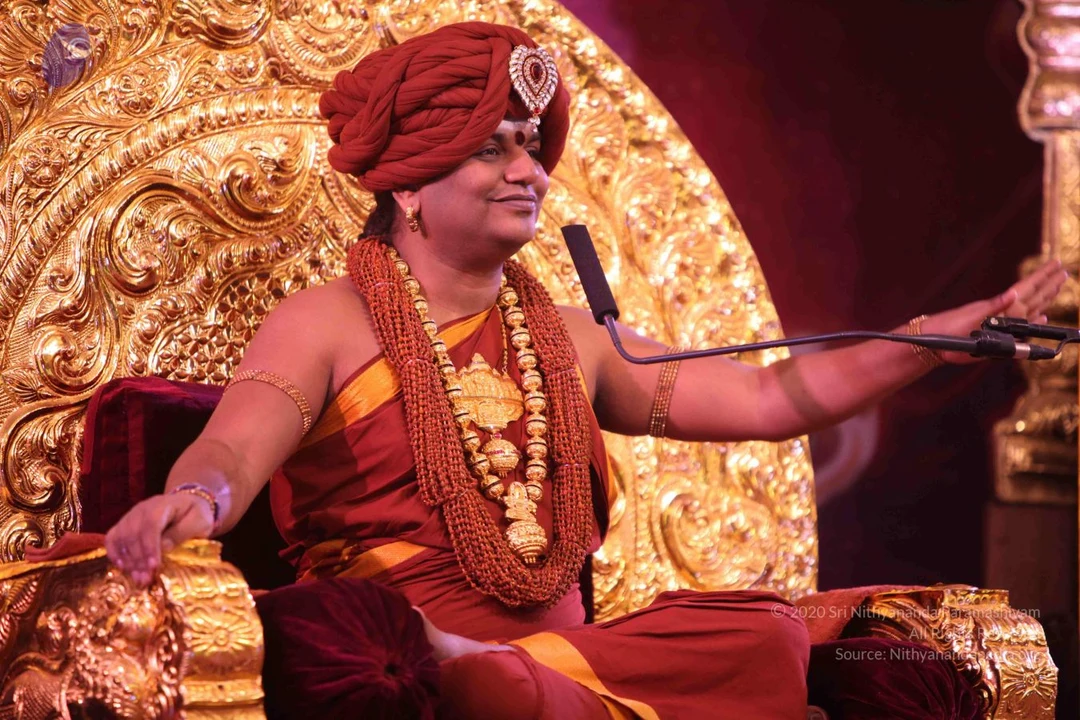
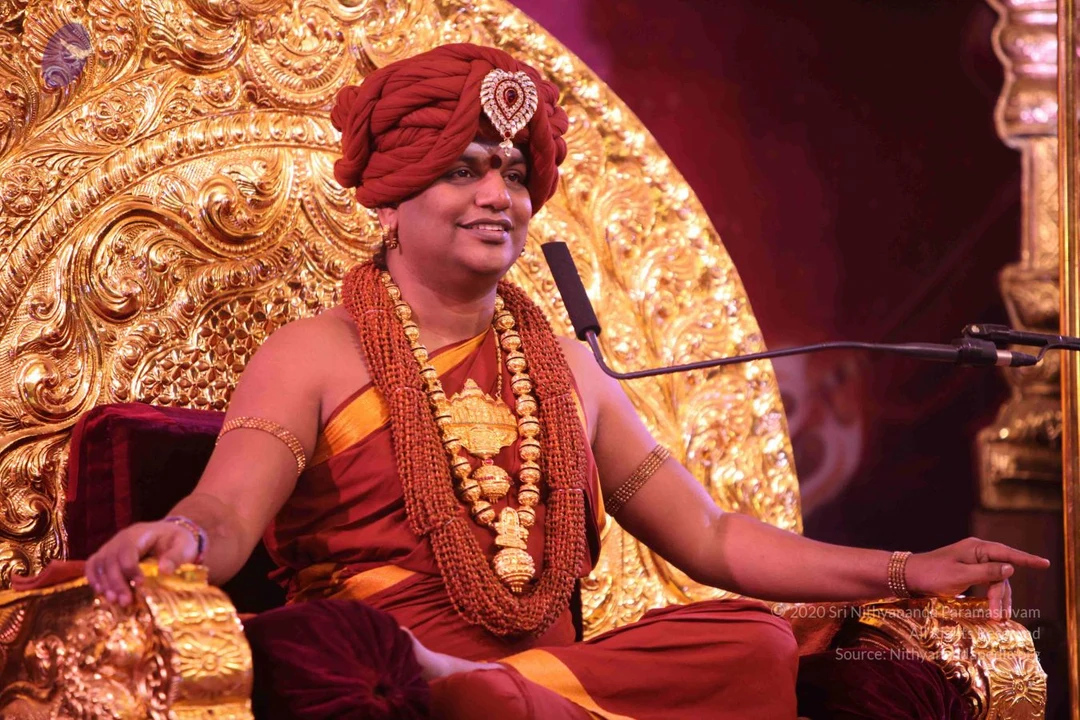
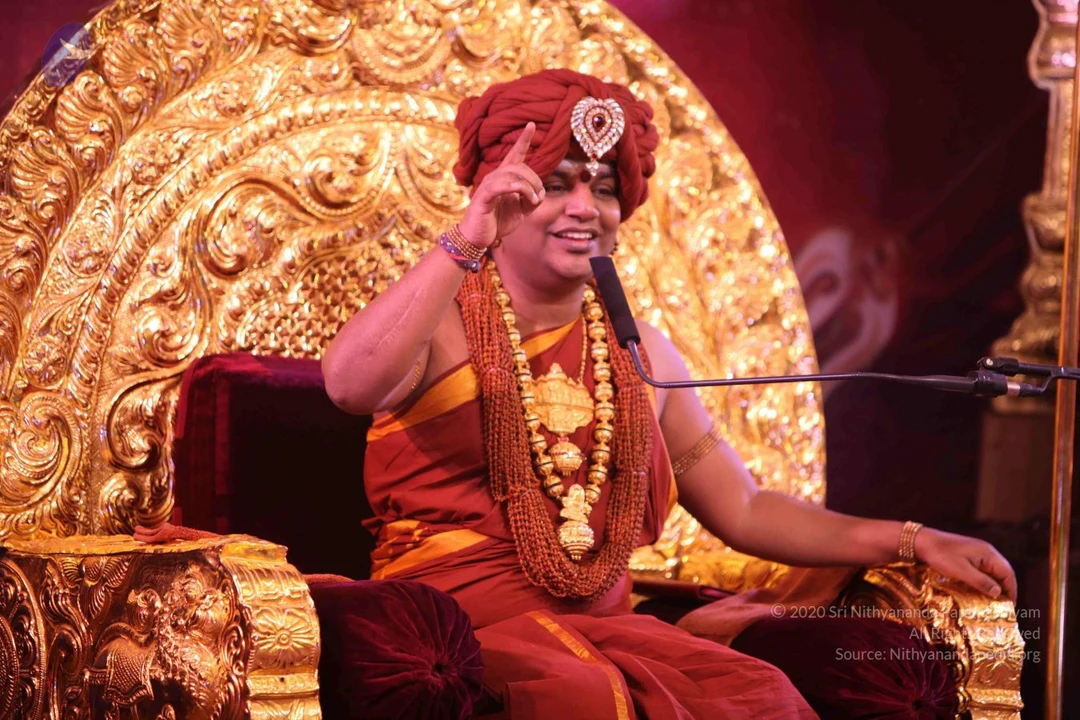
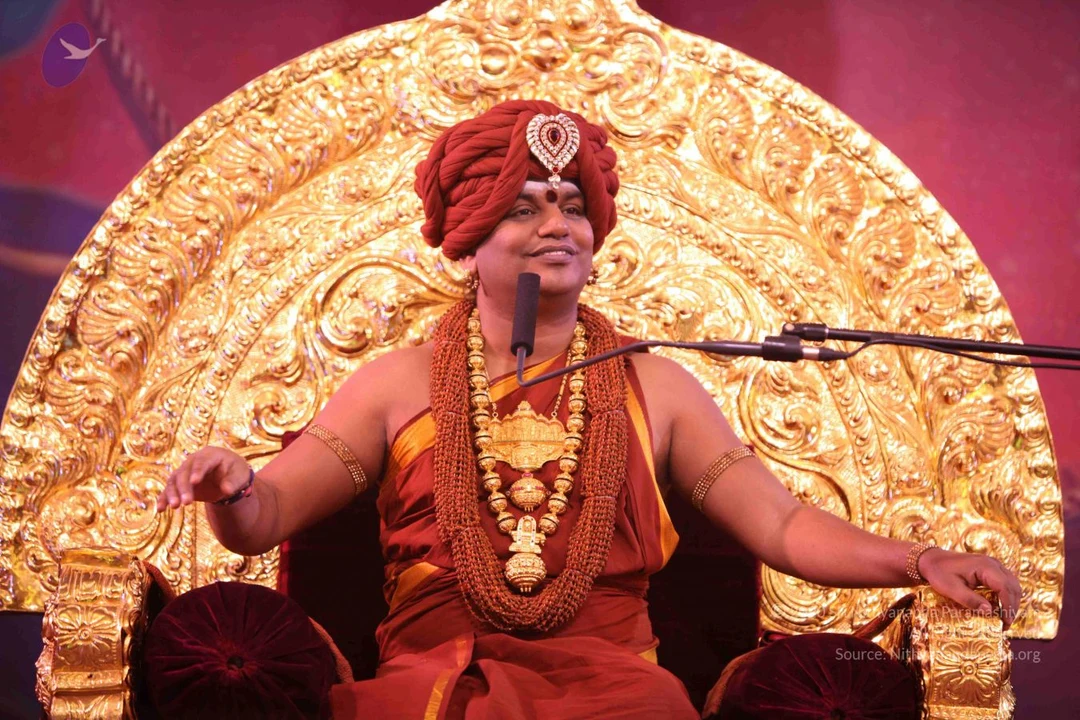
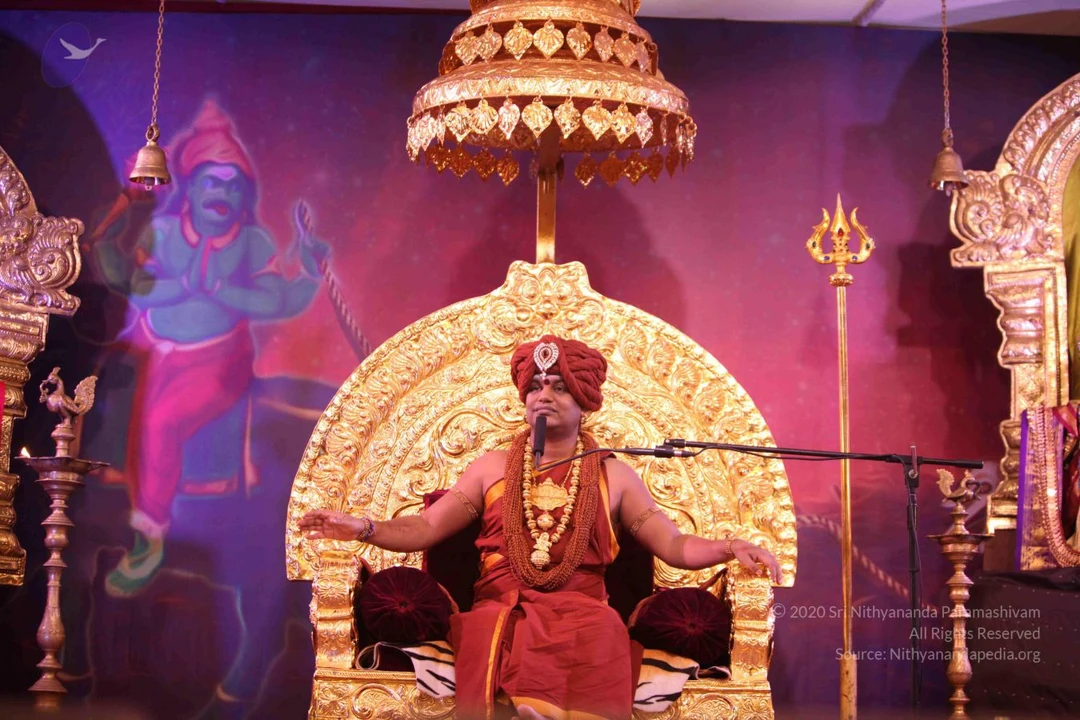
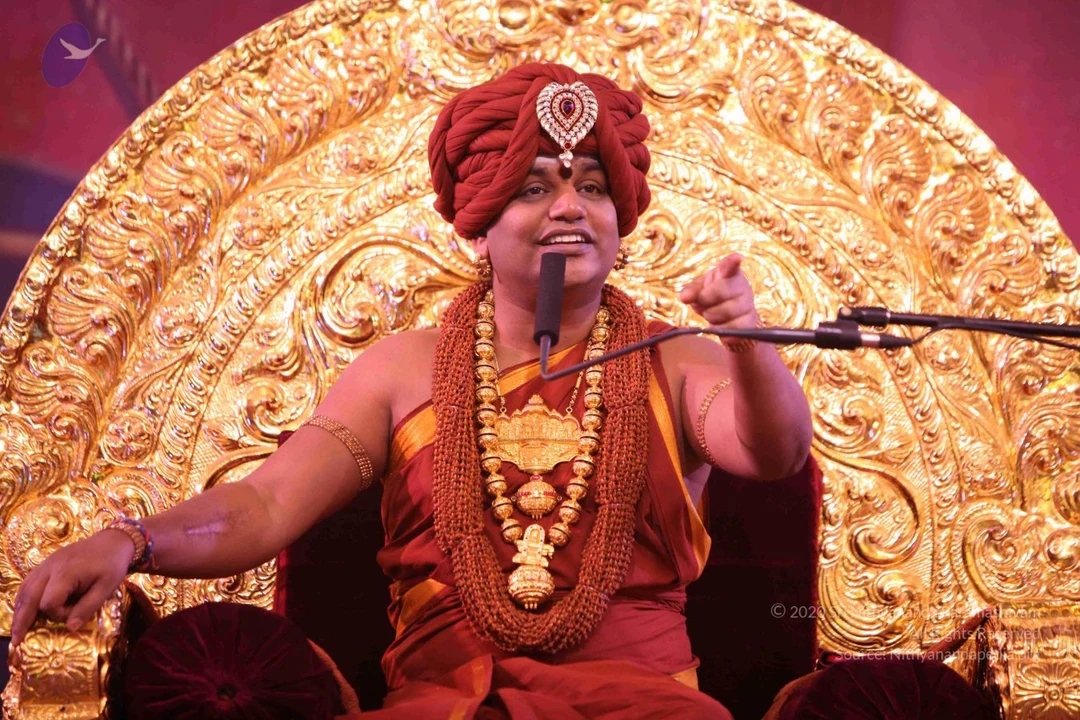
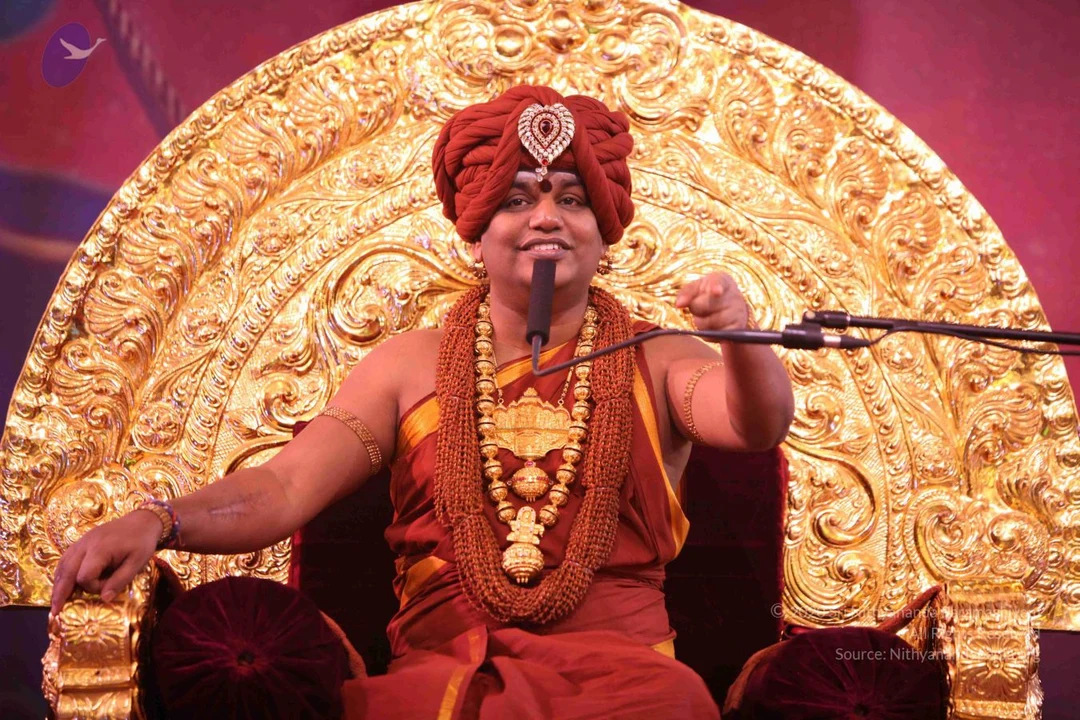
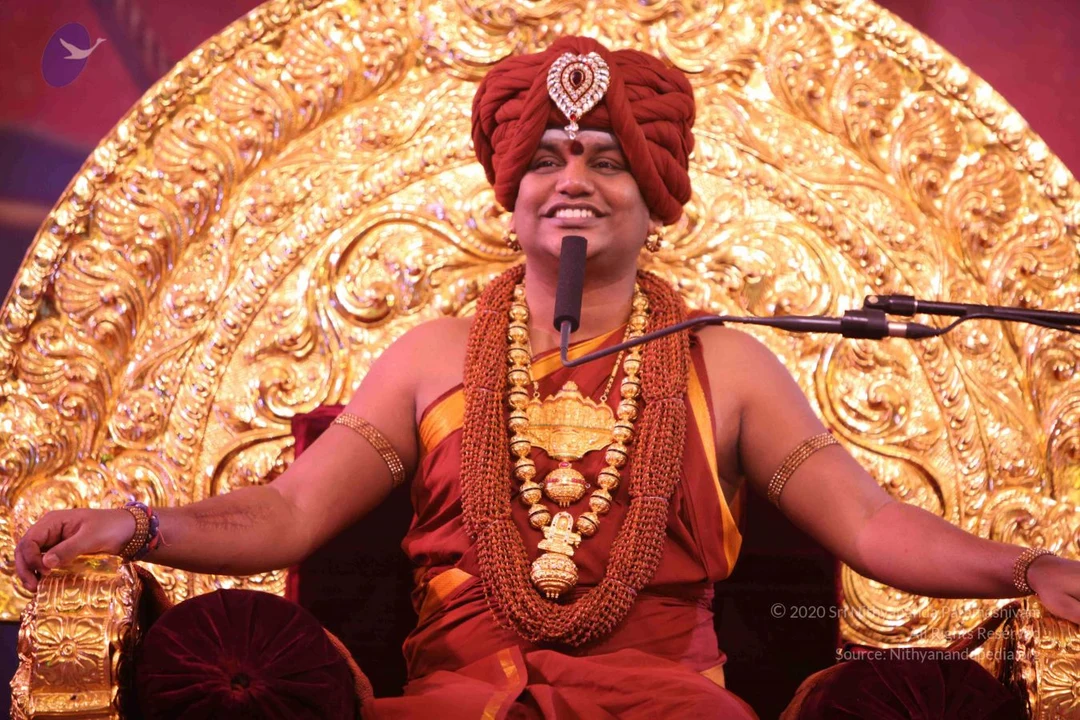
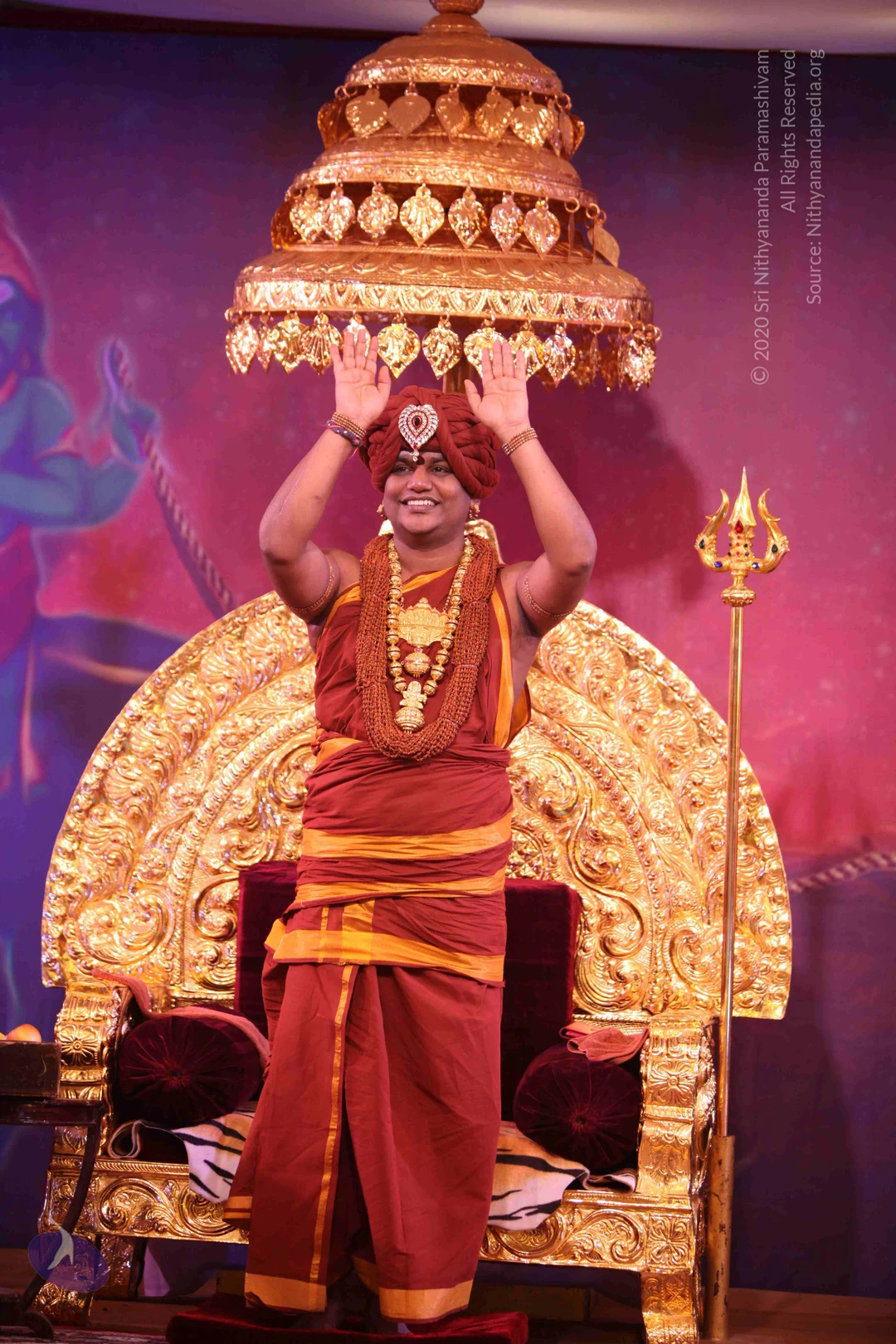
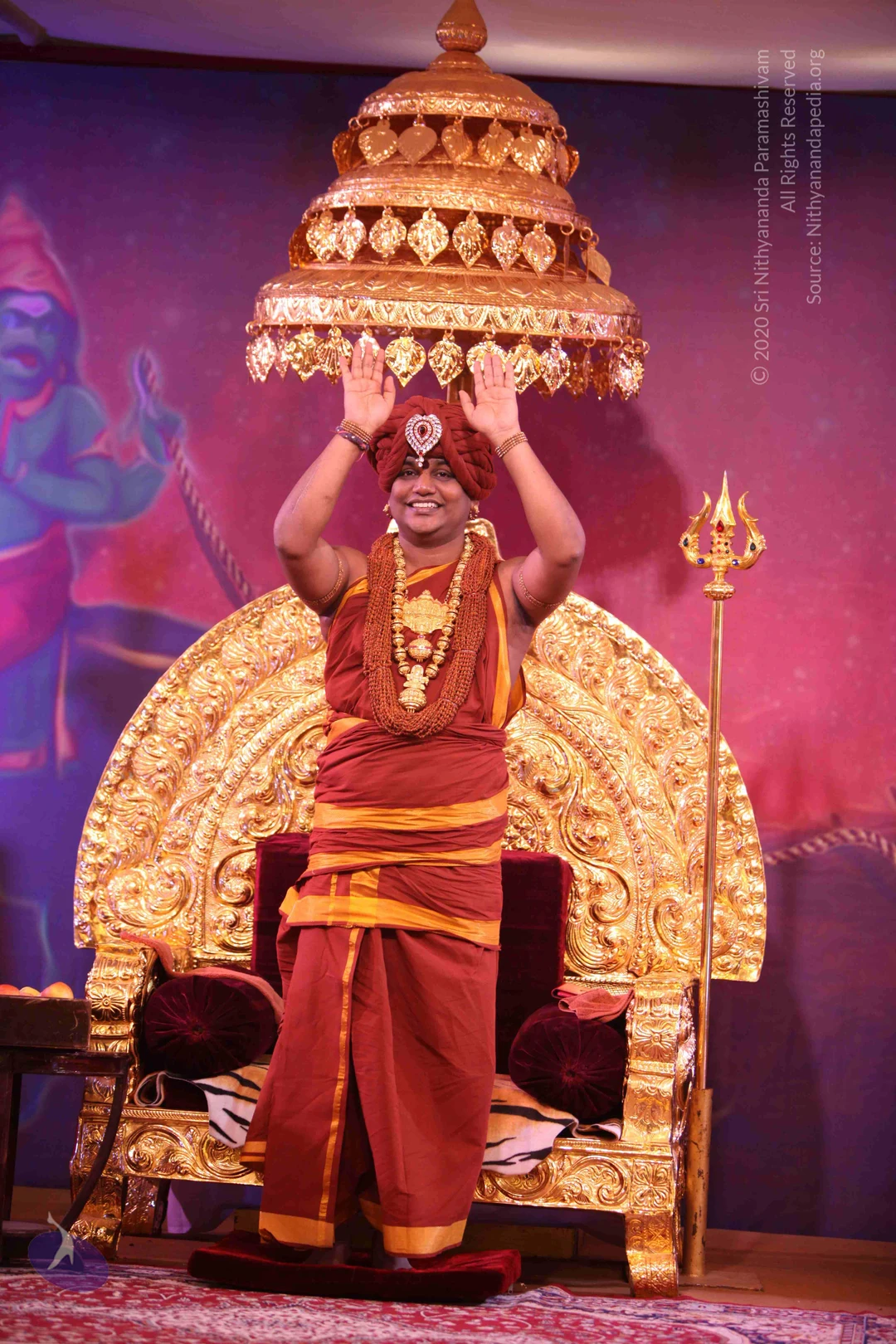
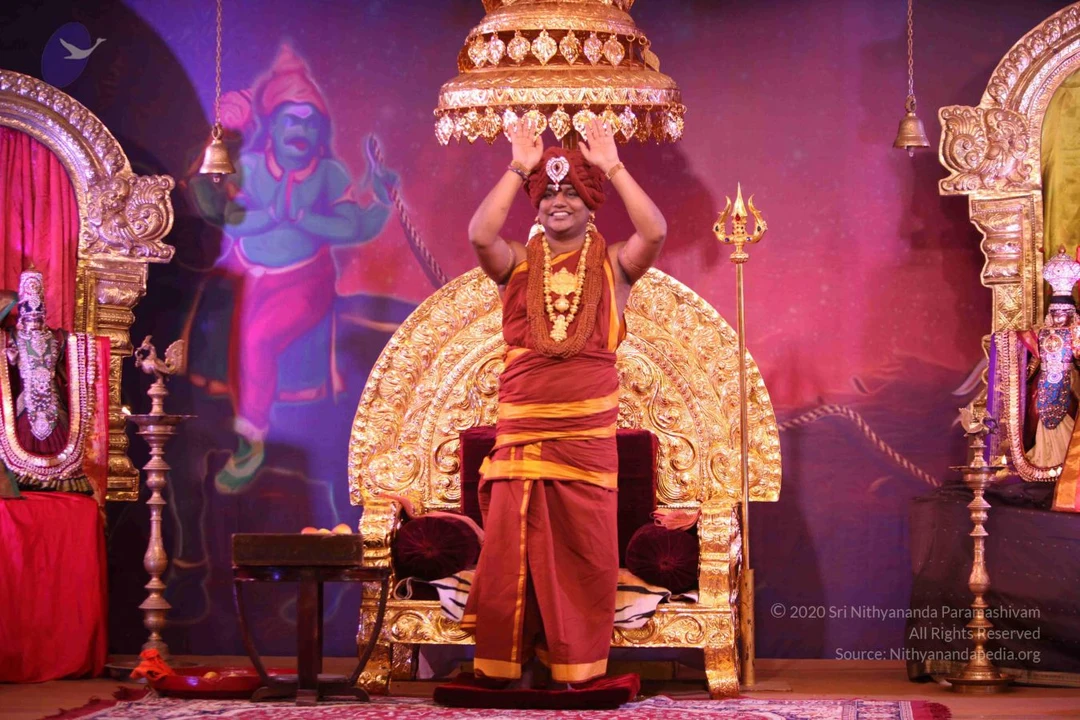

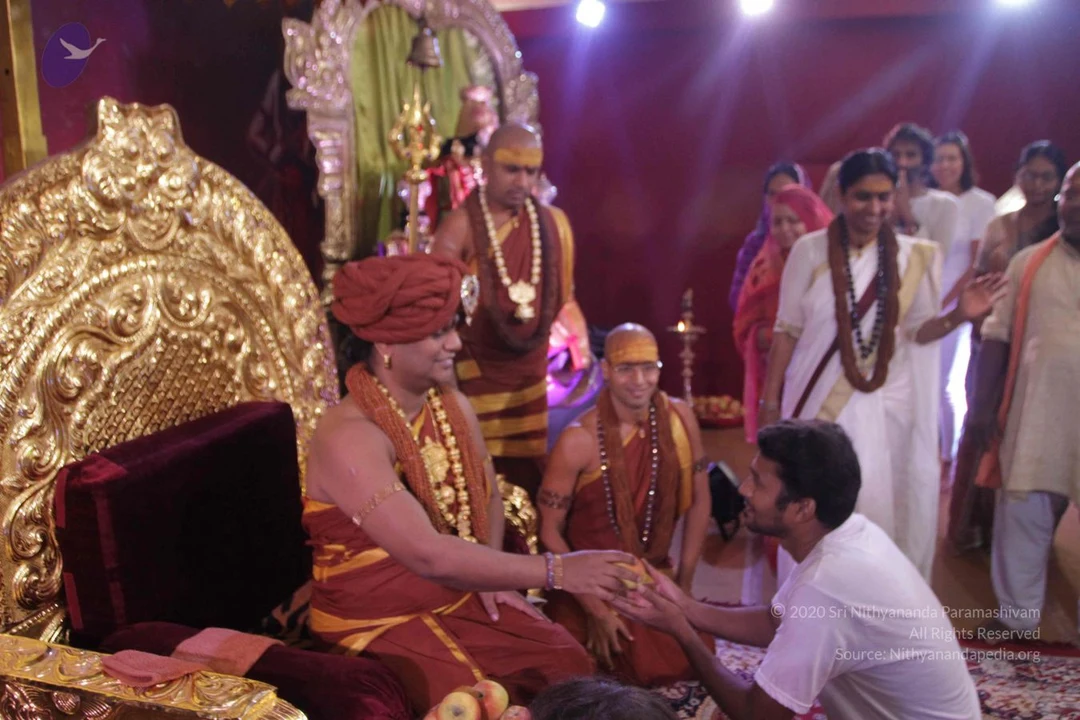
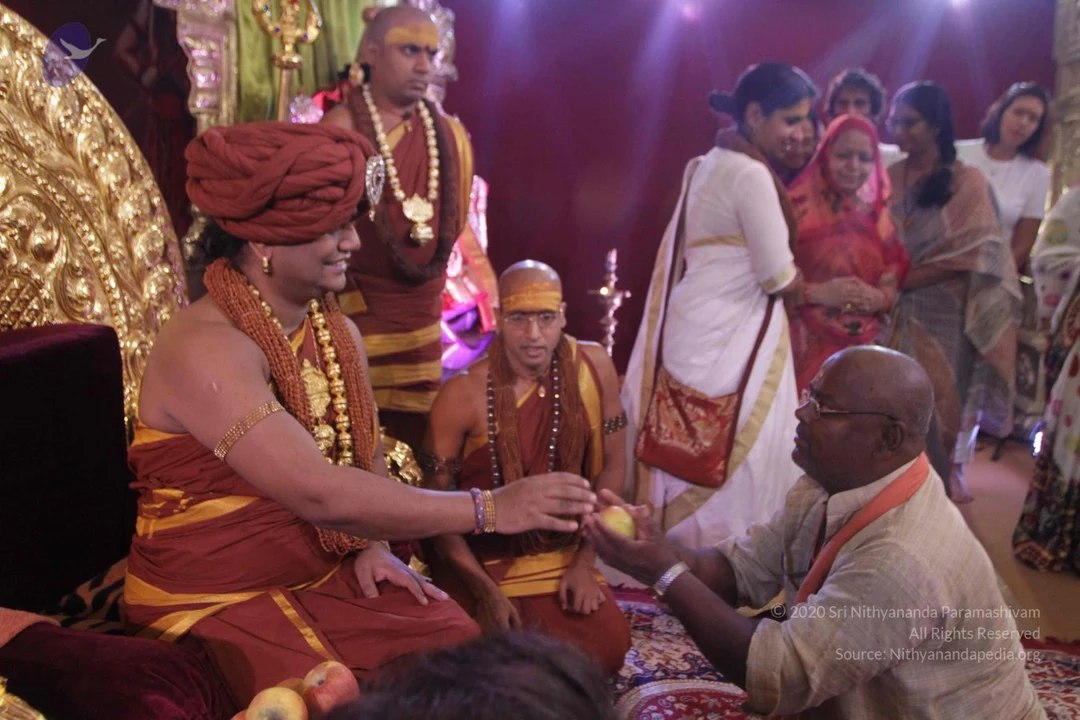
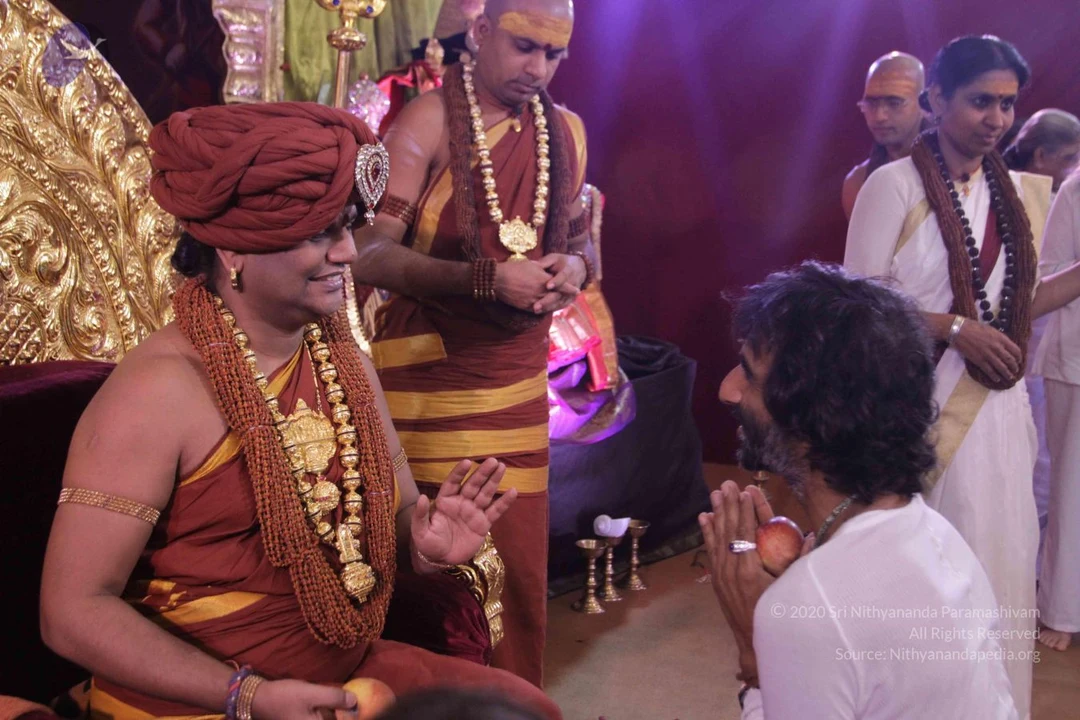
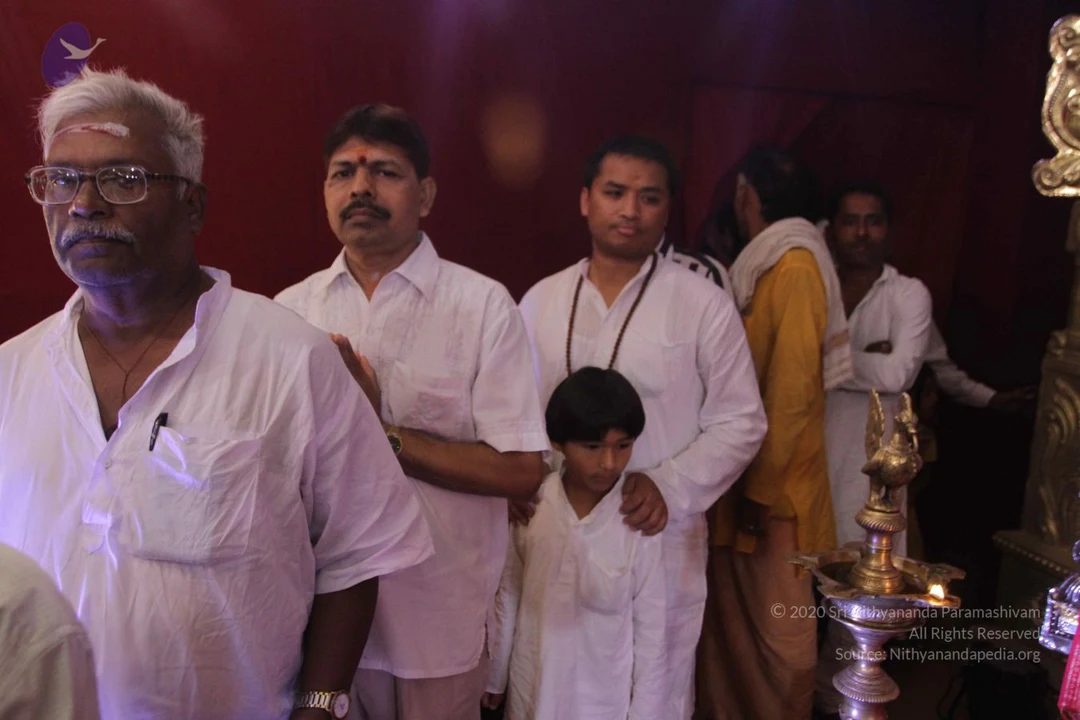
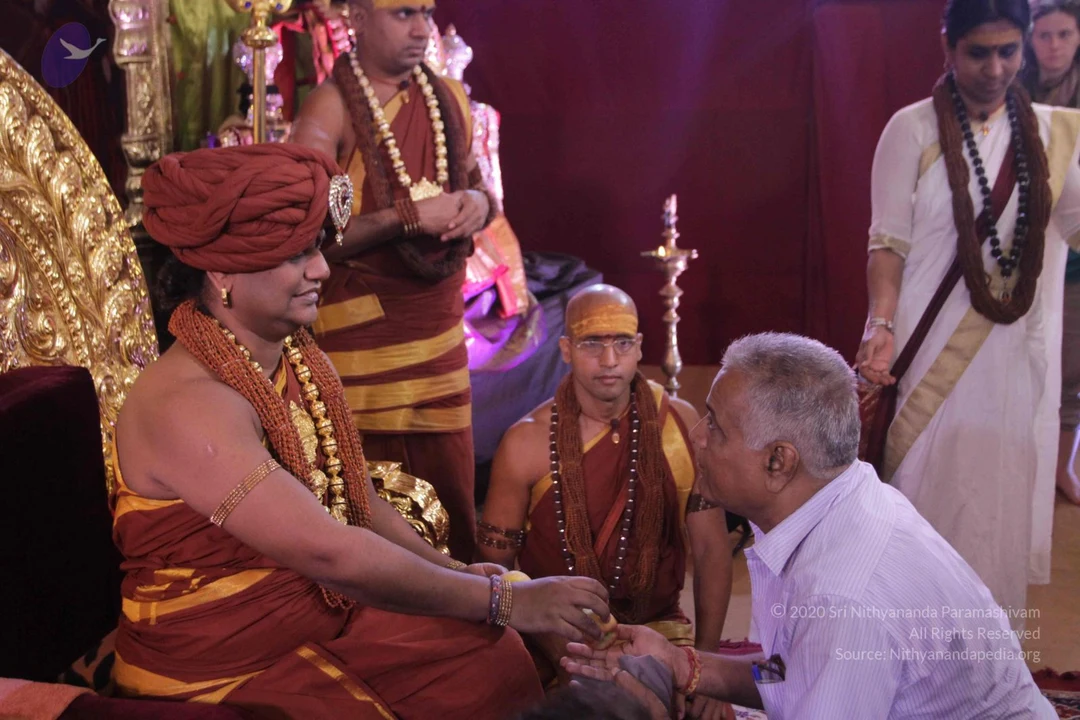
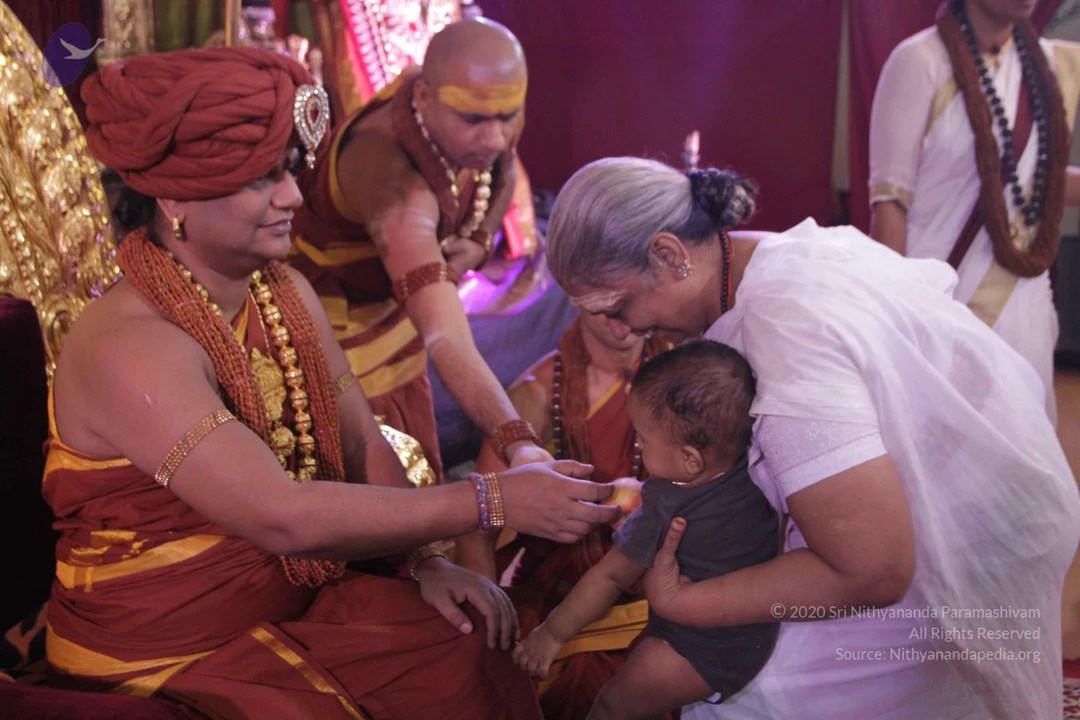

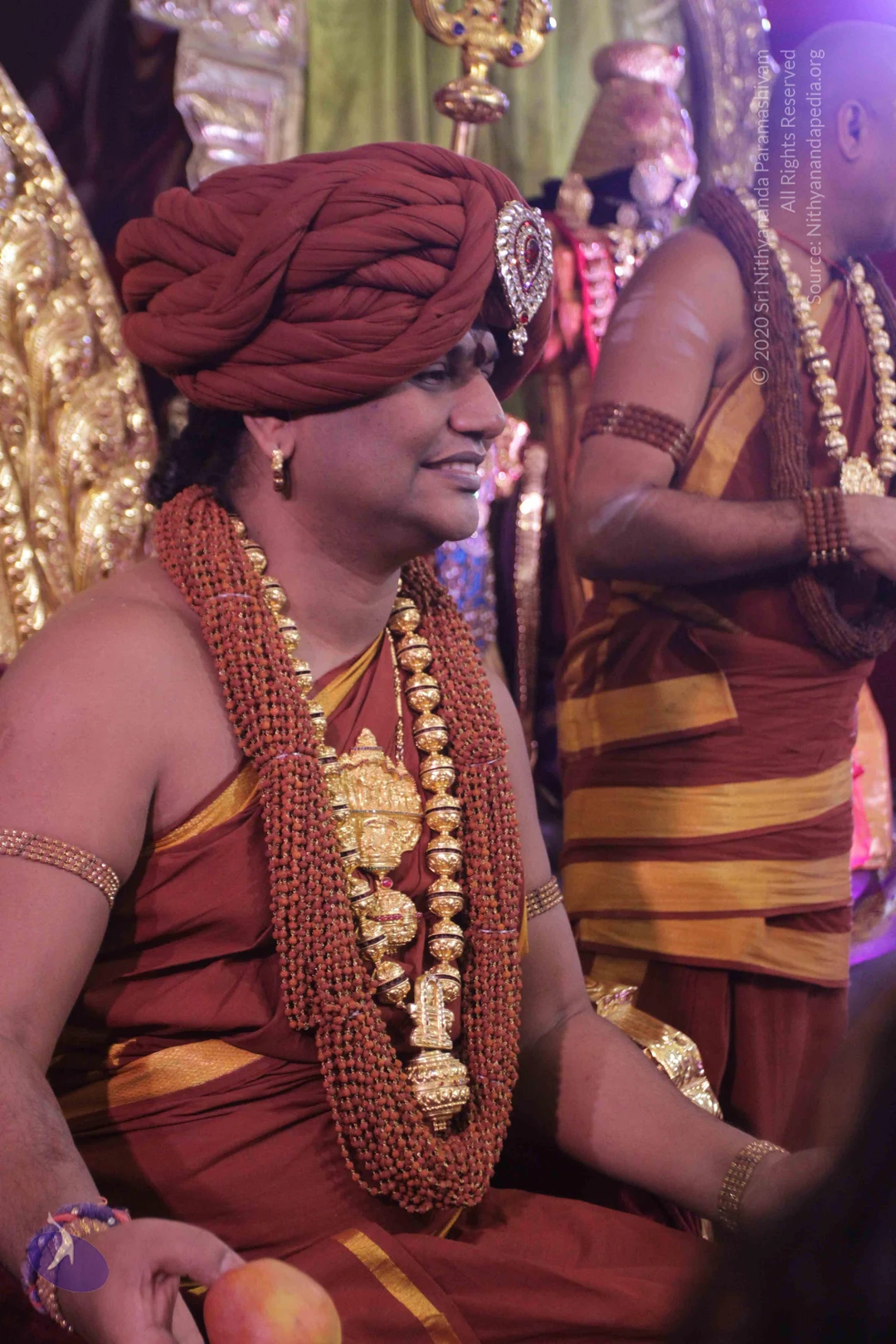
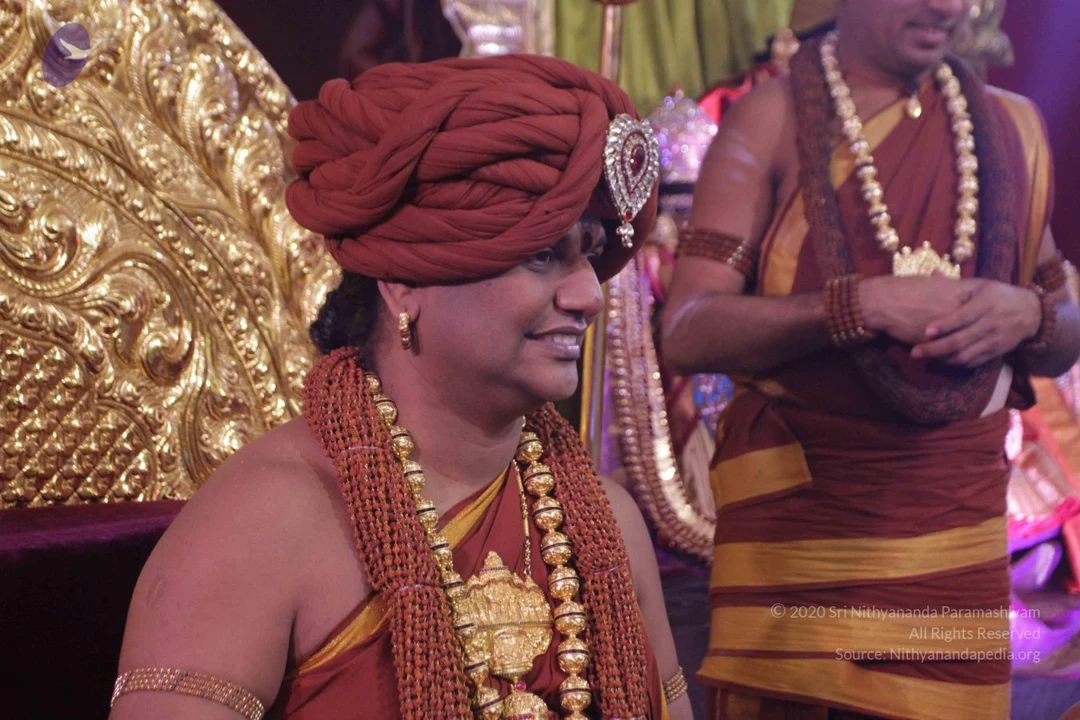
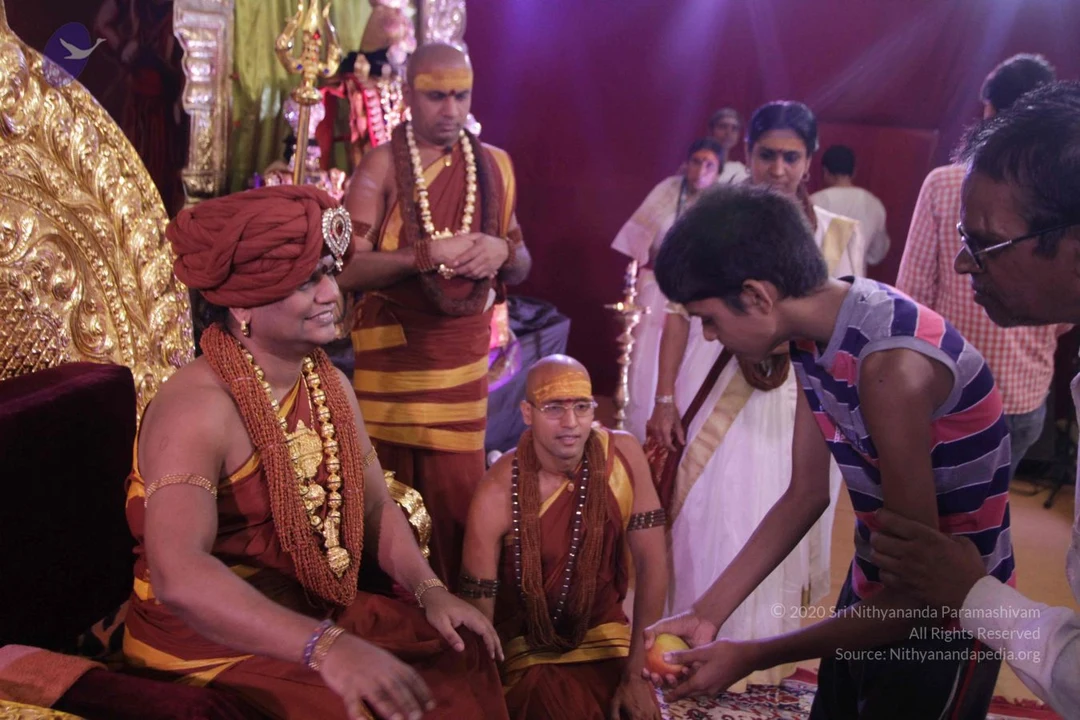
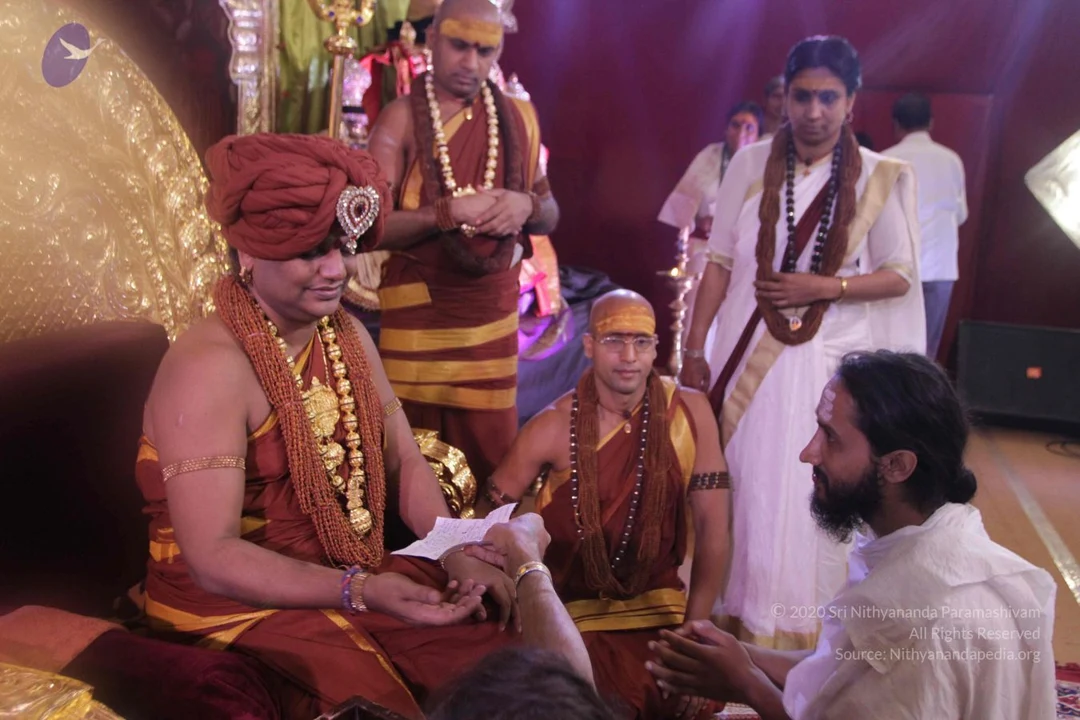
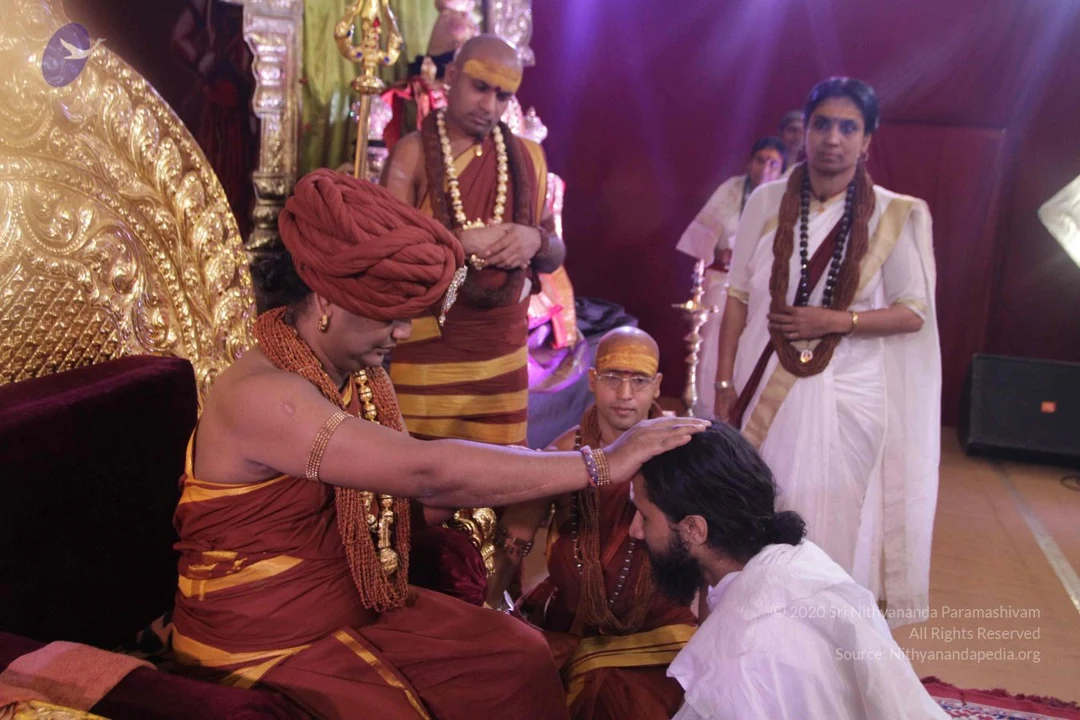
Shivoham-volunteer-meeting-and-Darbha
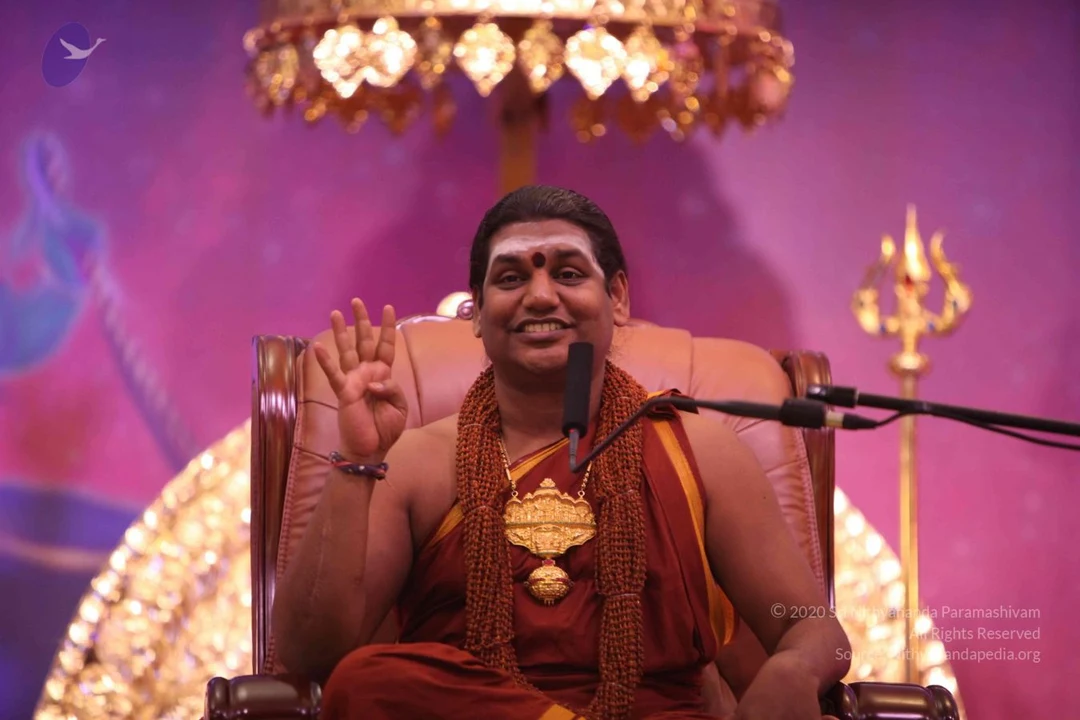
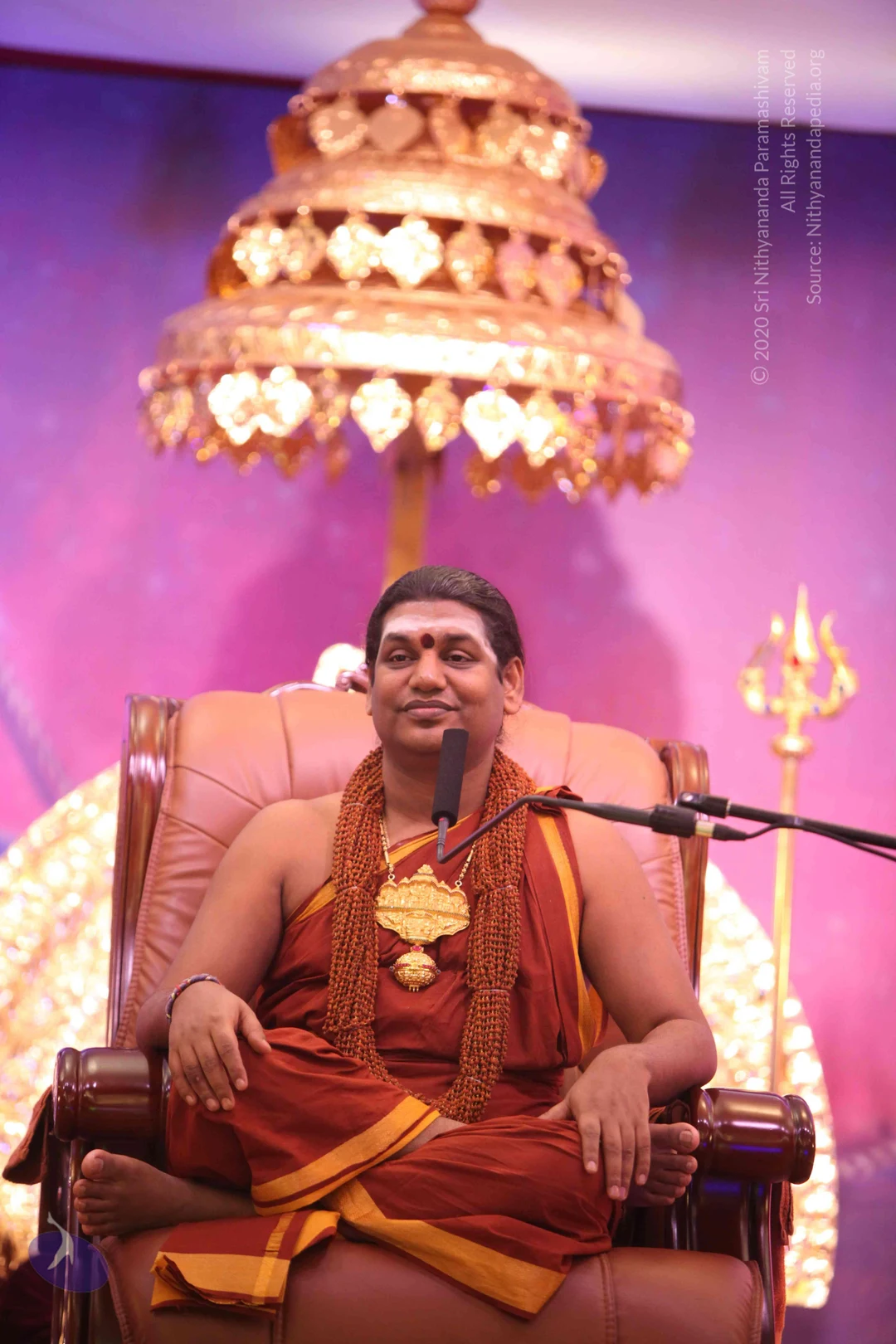
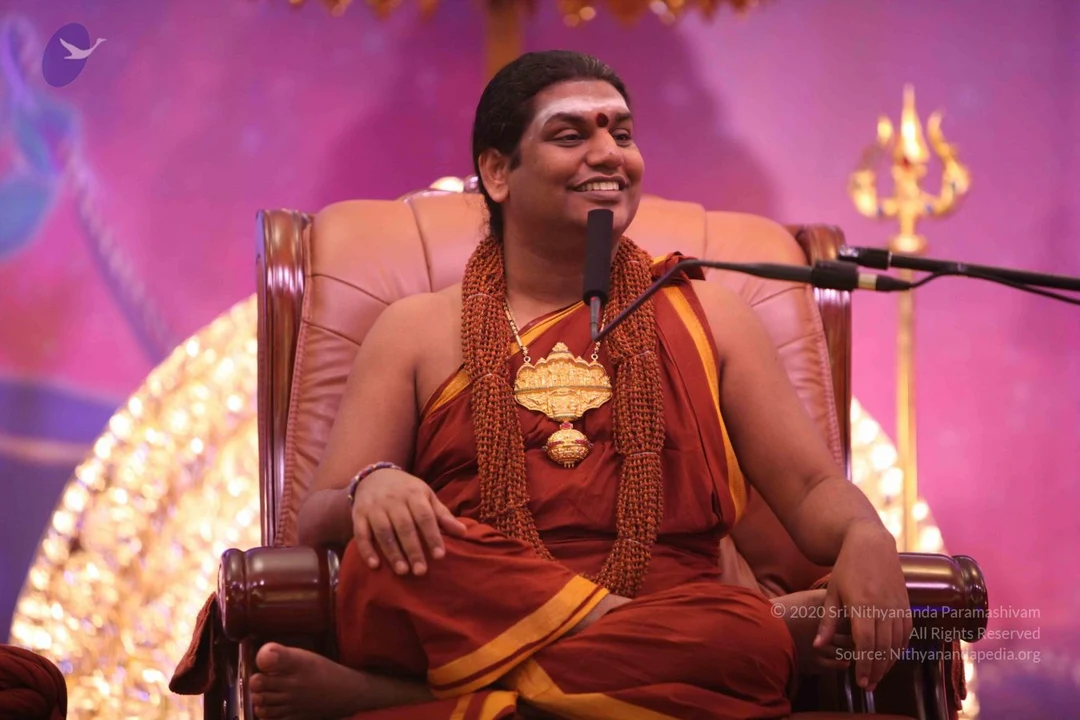
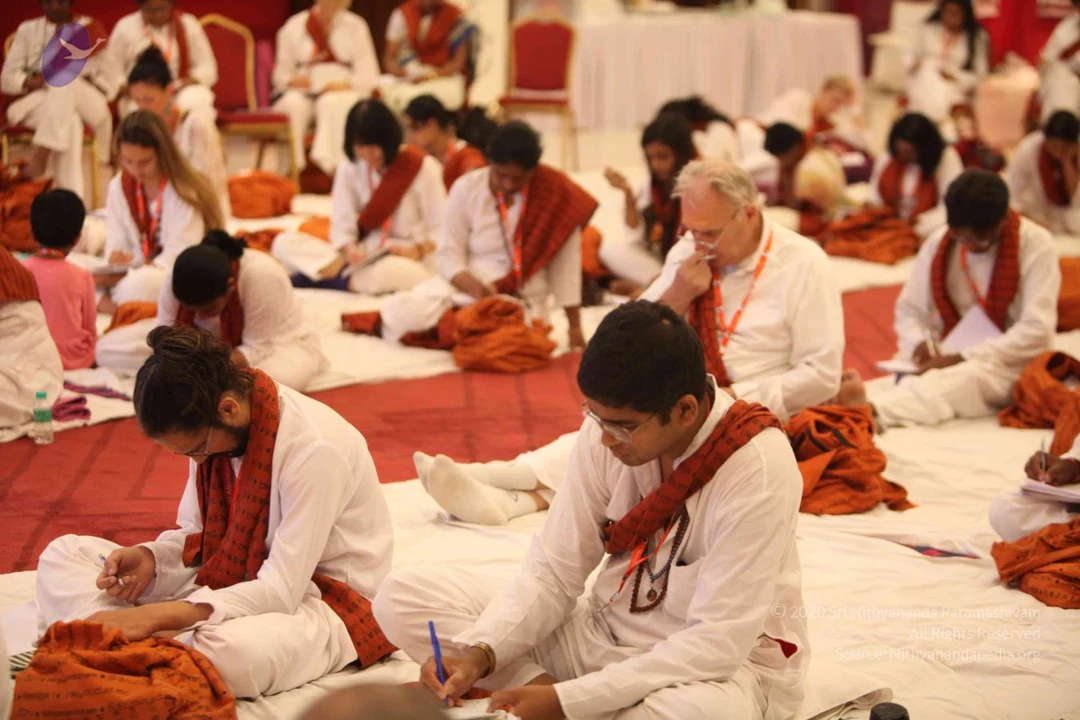

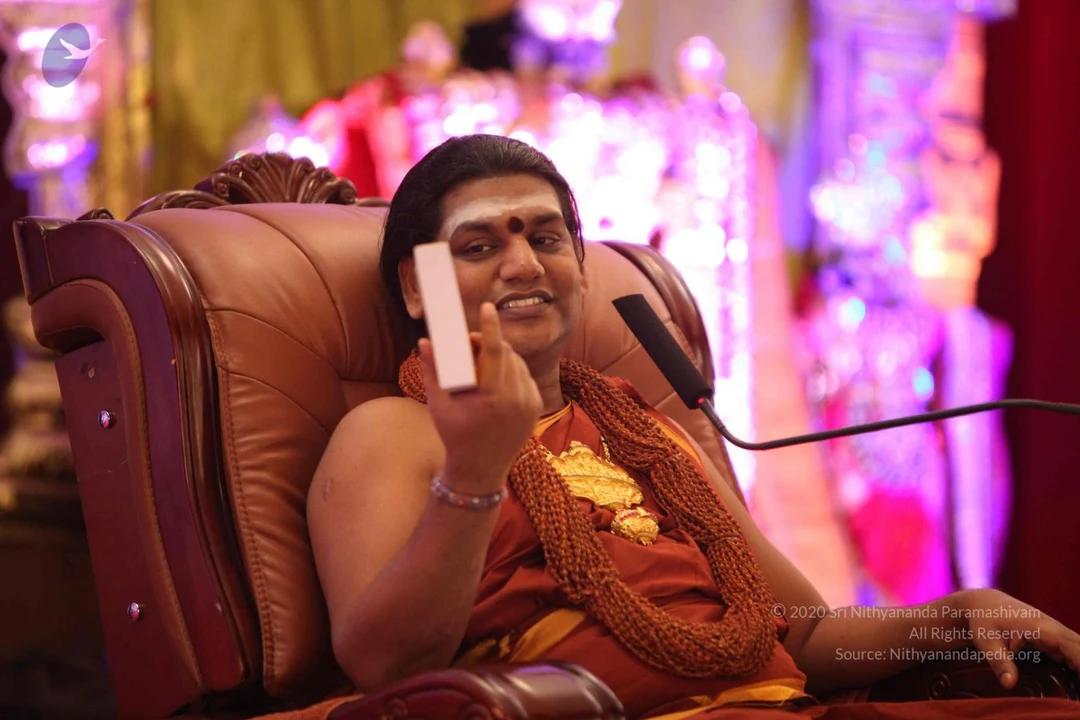
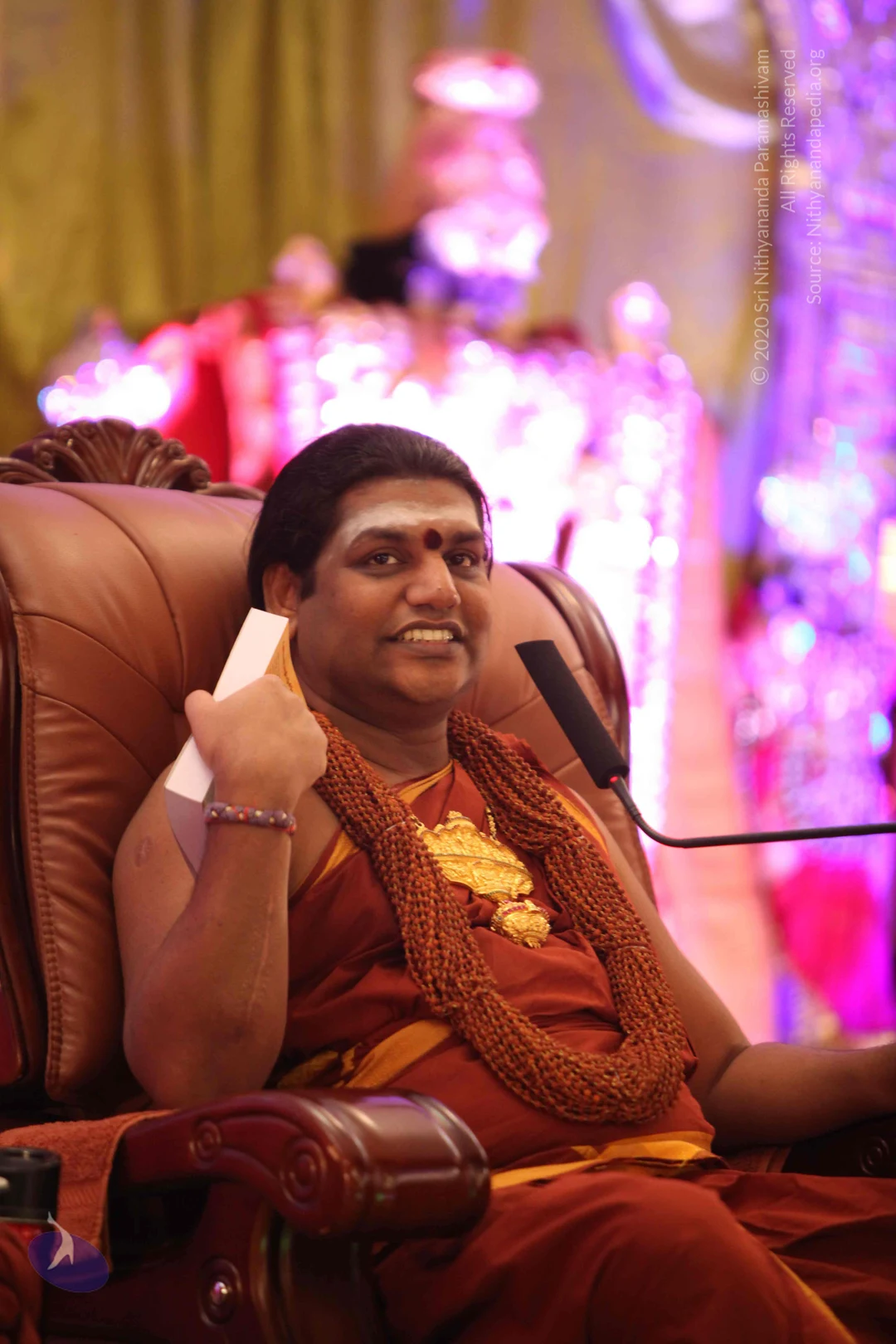
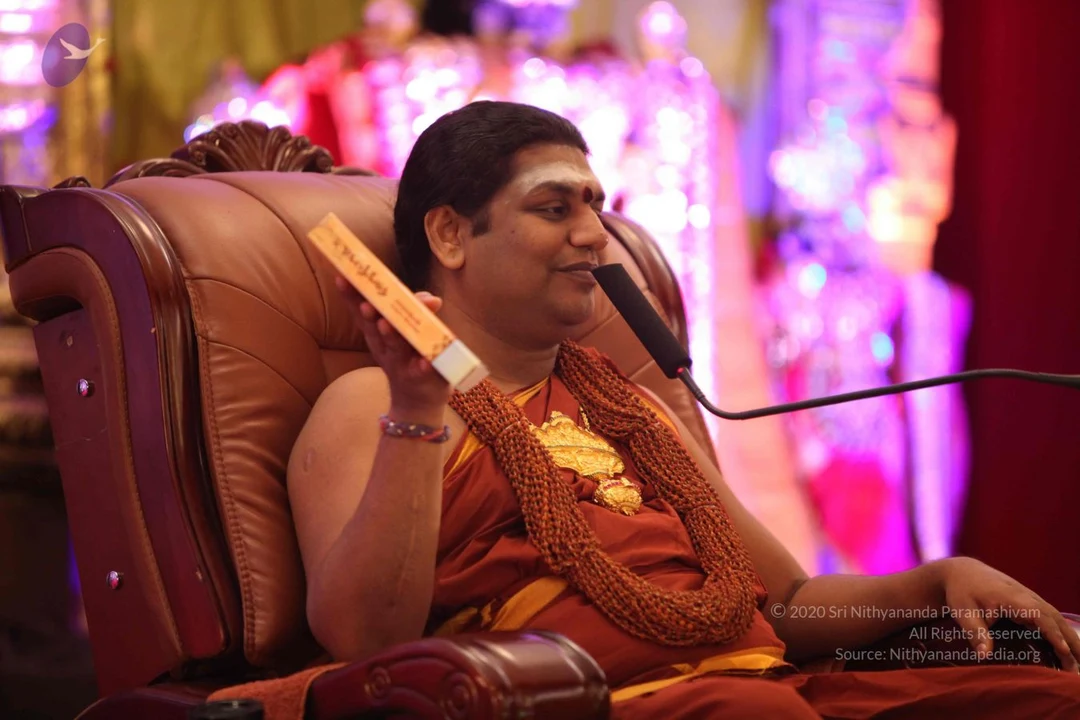
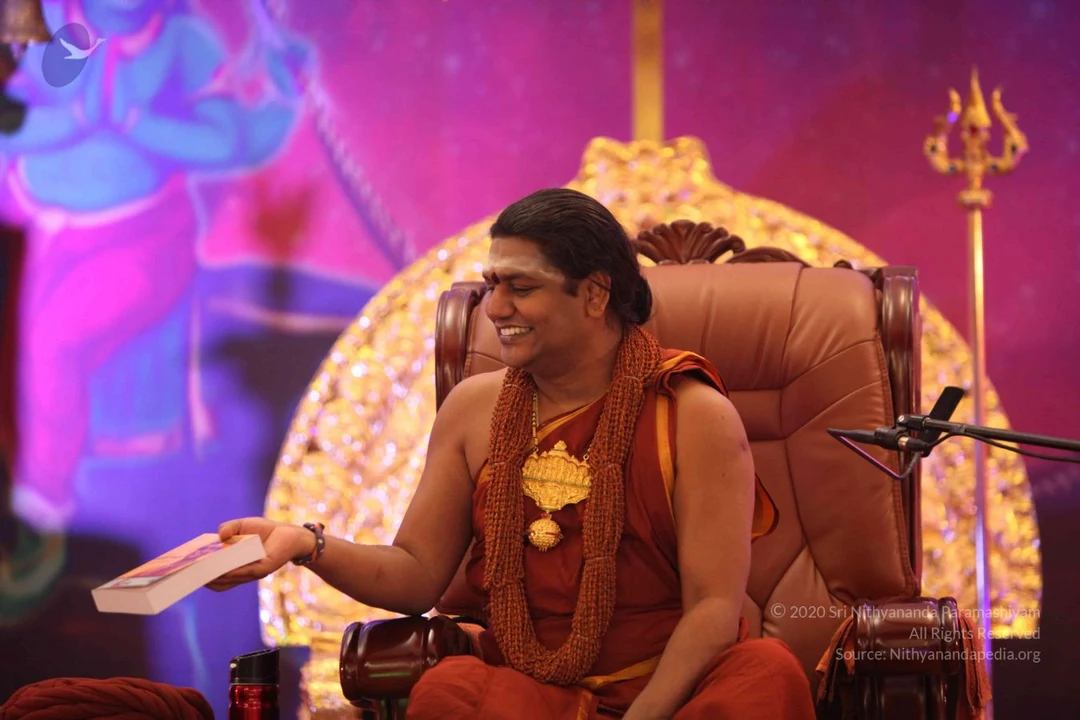
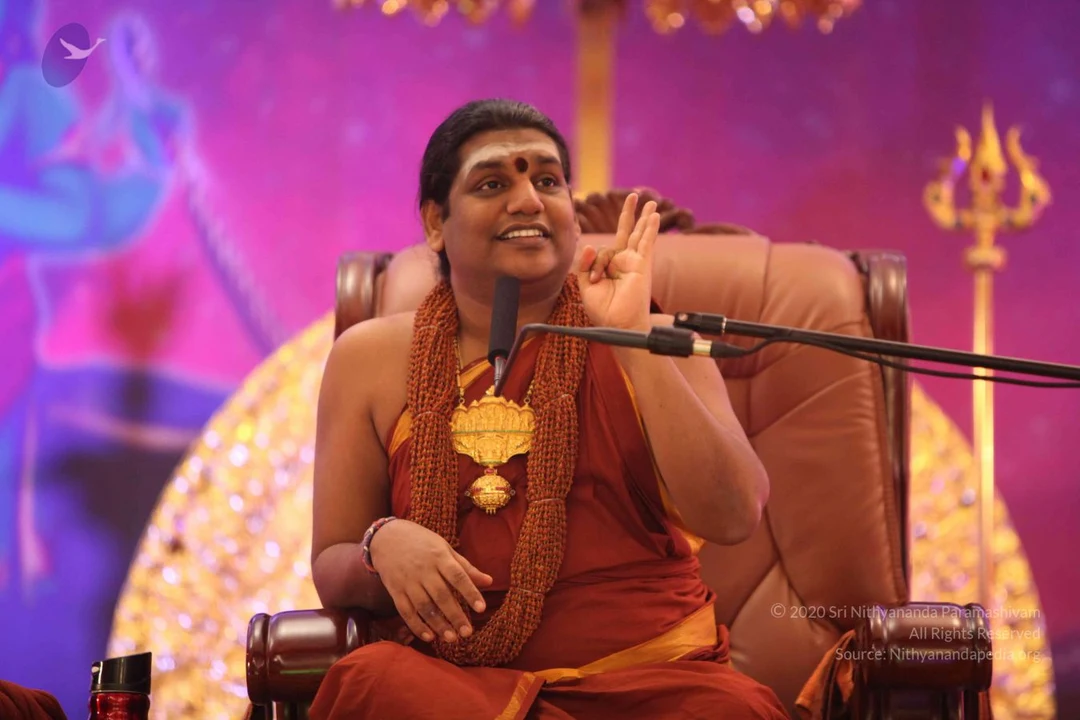
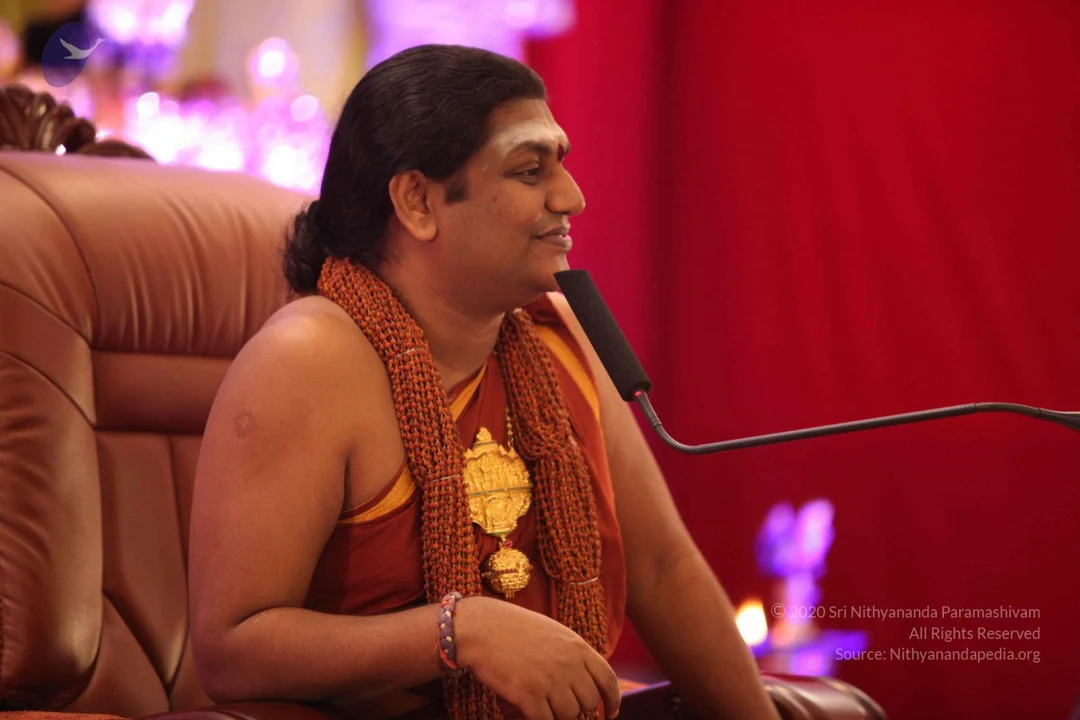
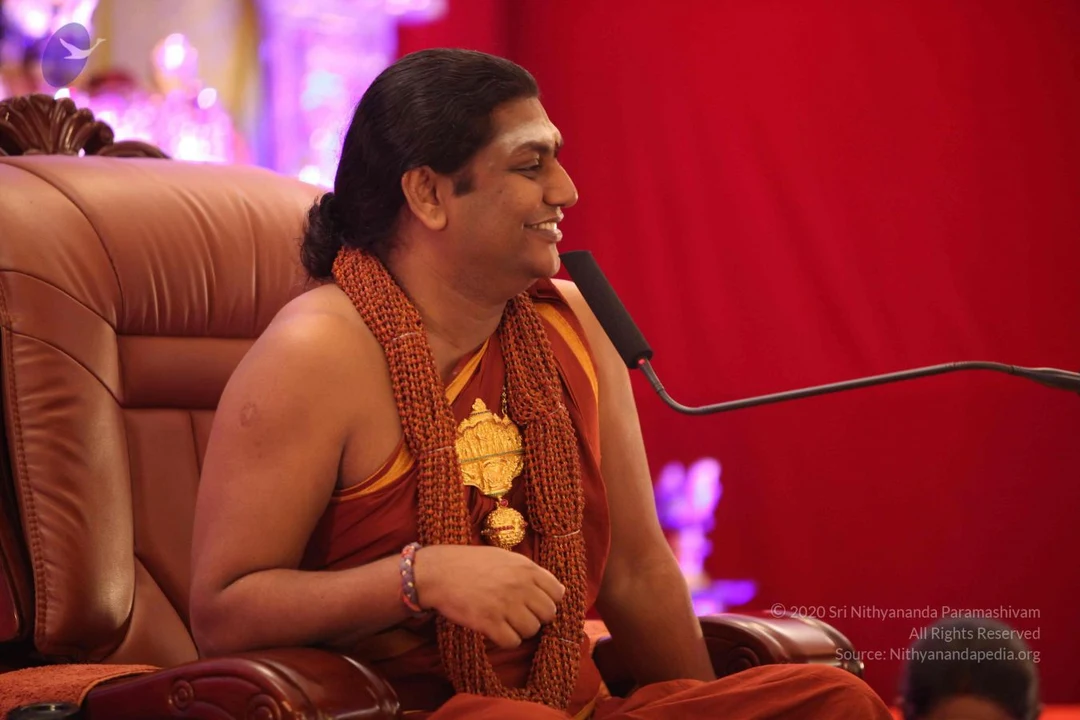
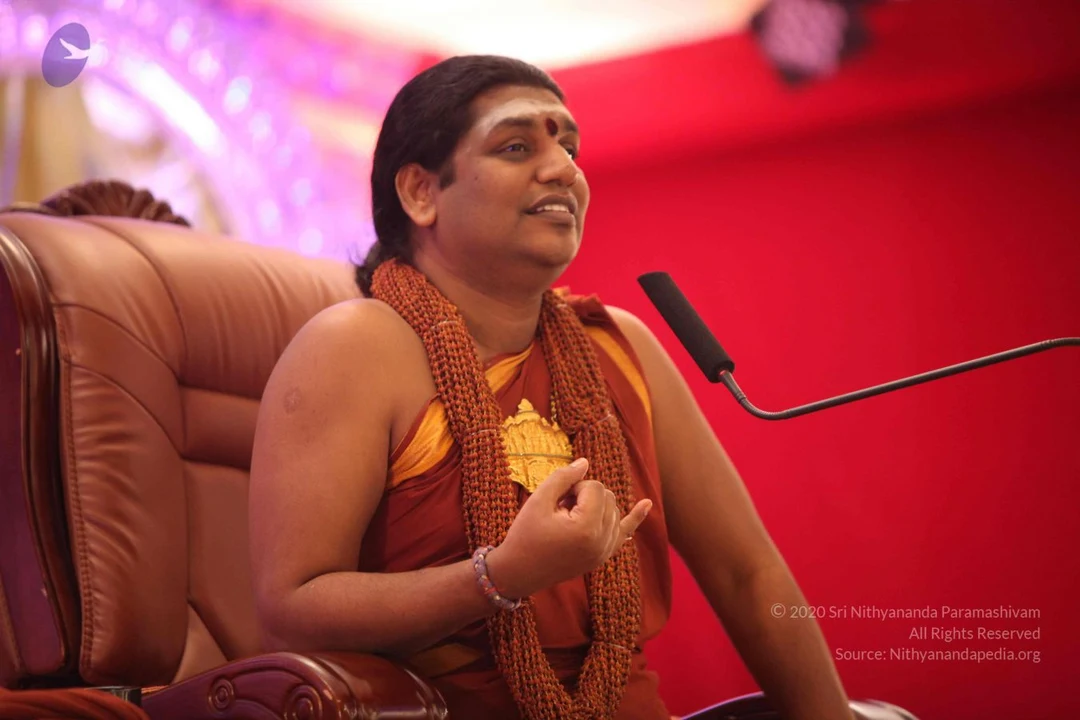
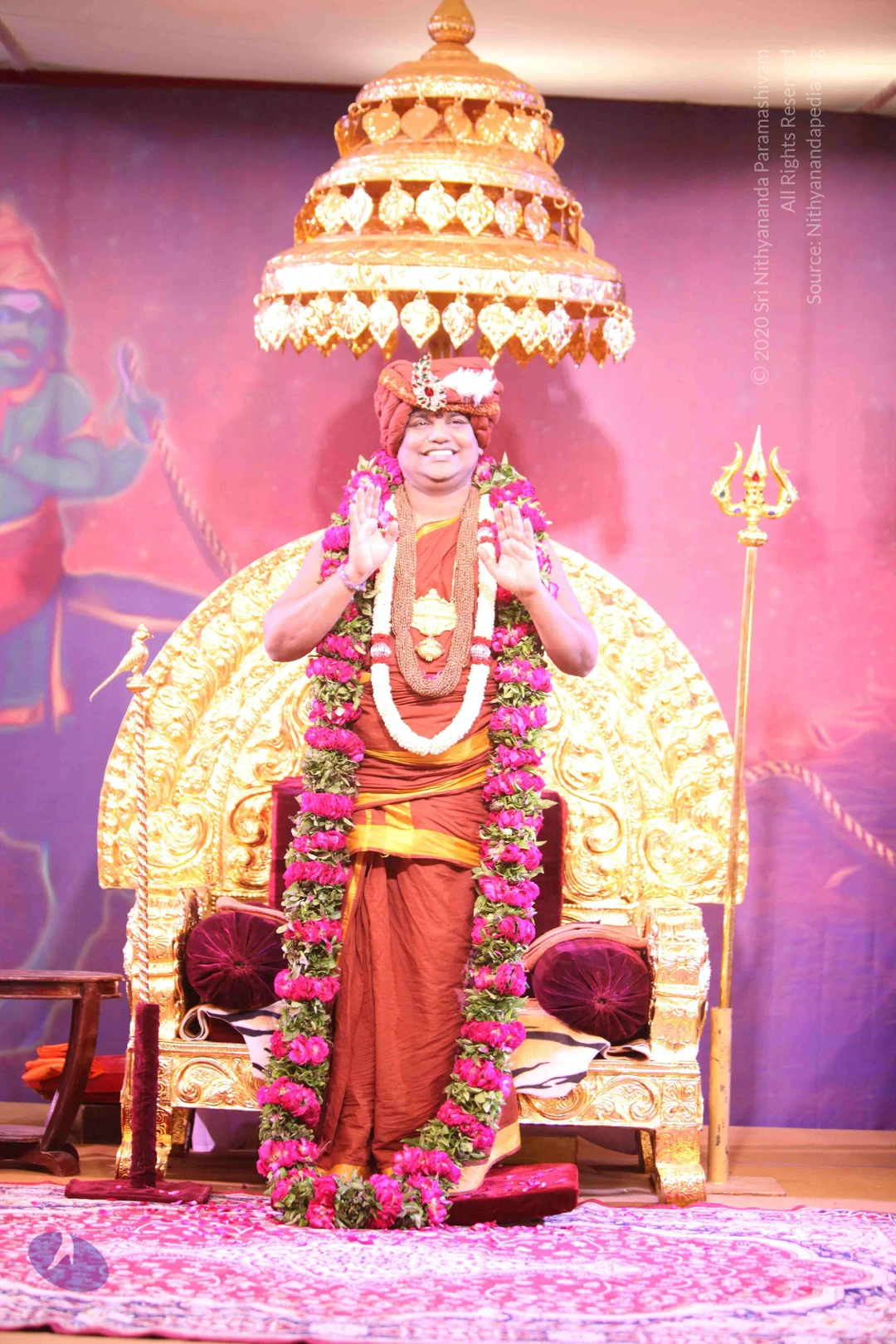
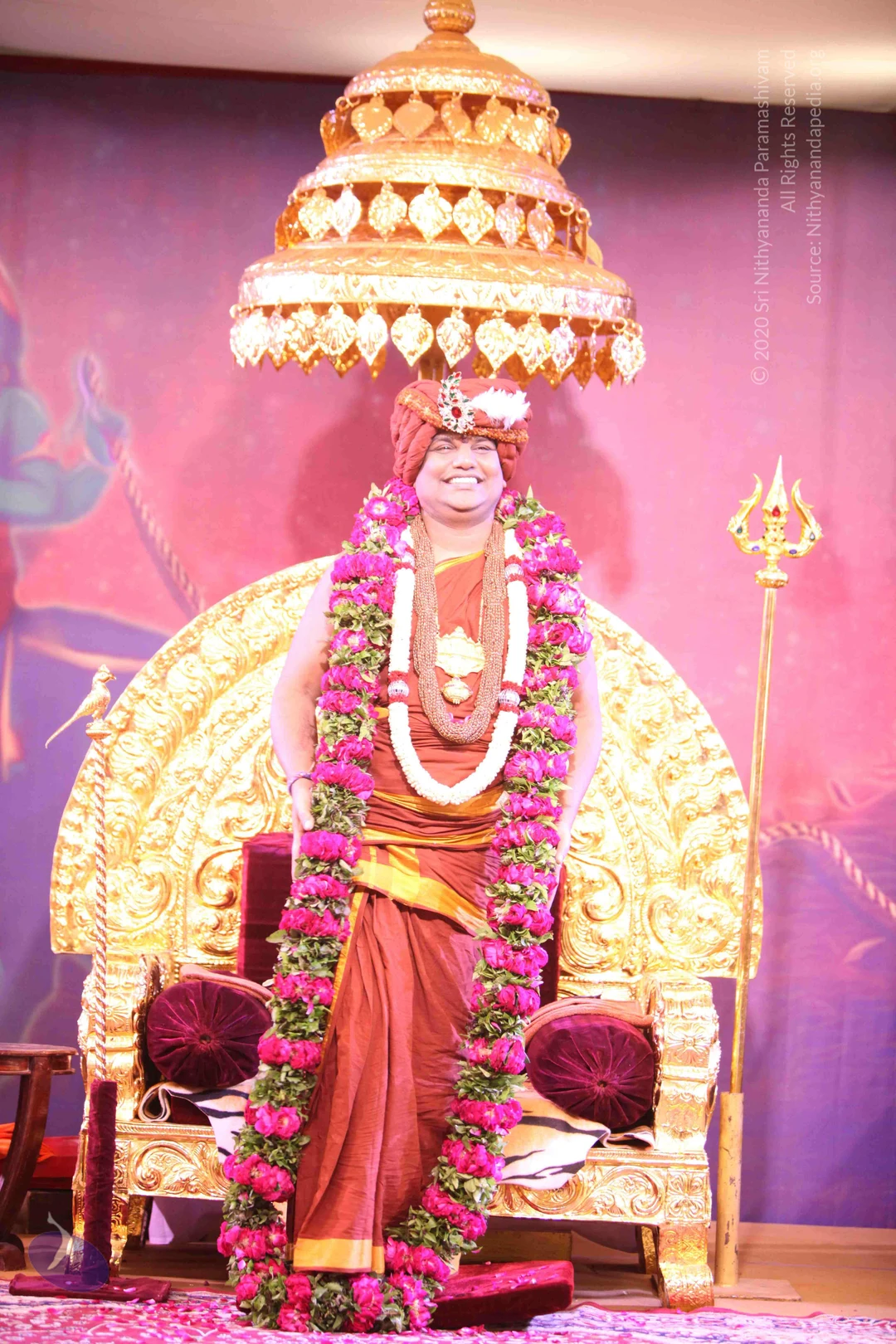
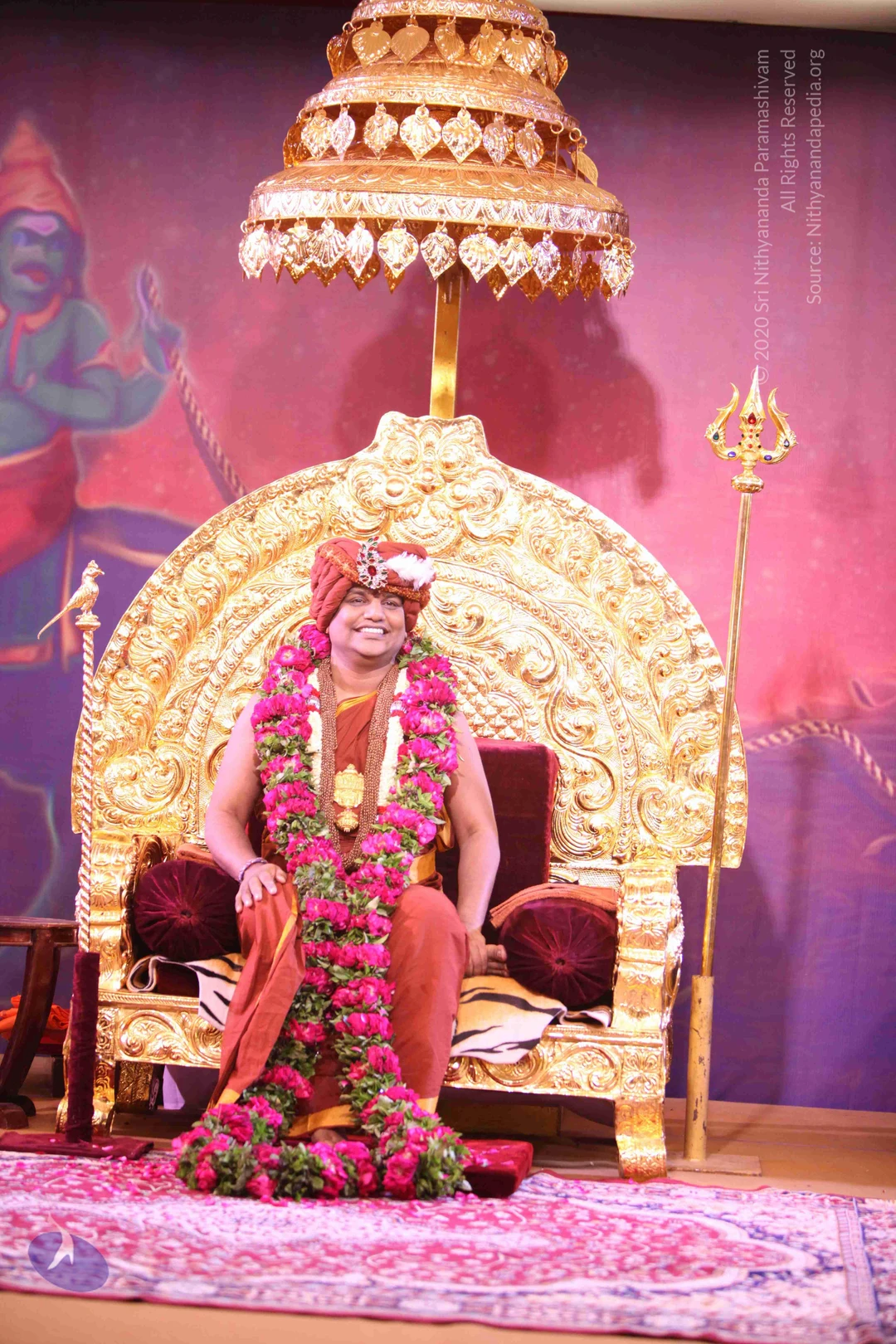
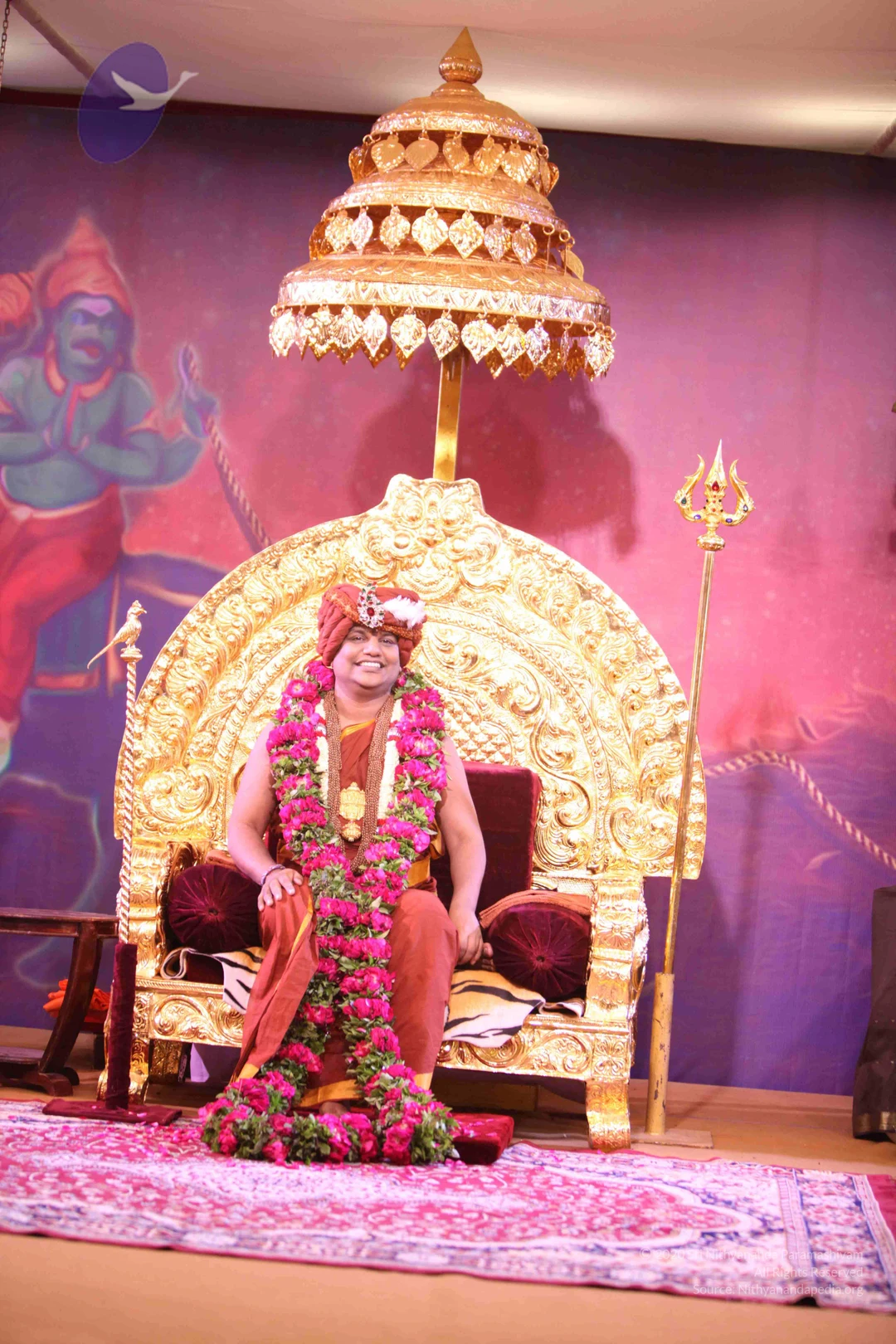
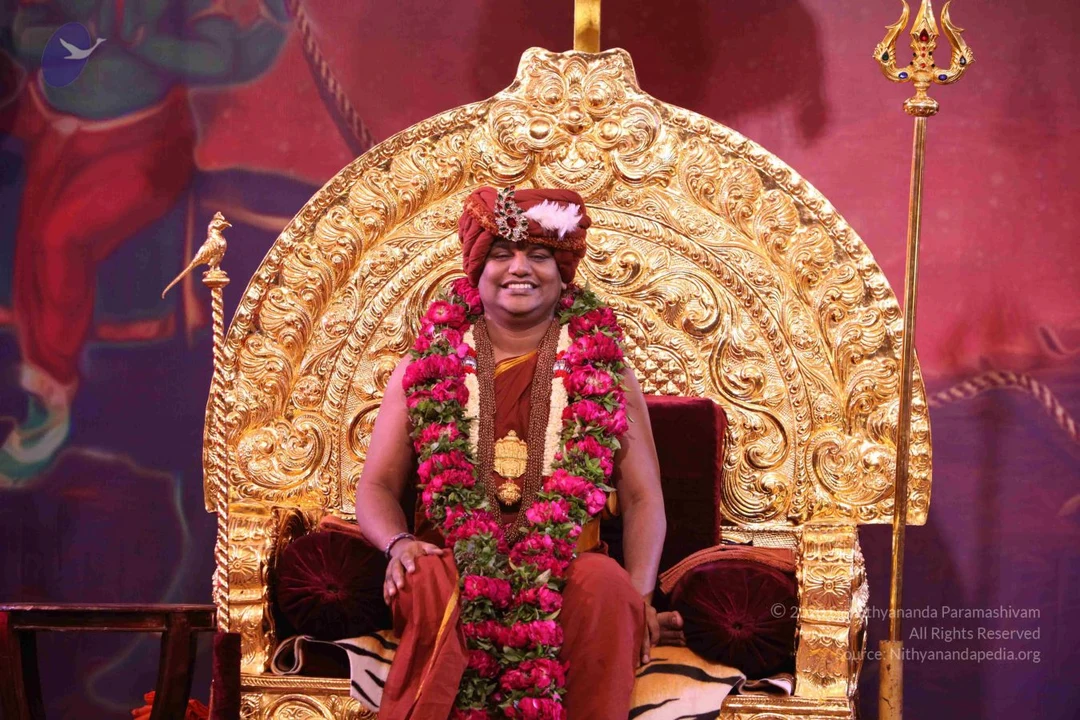
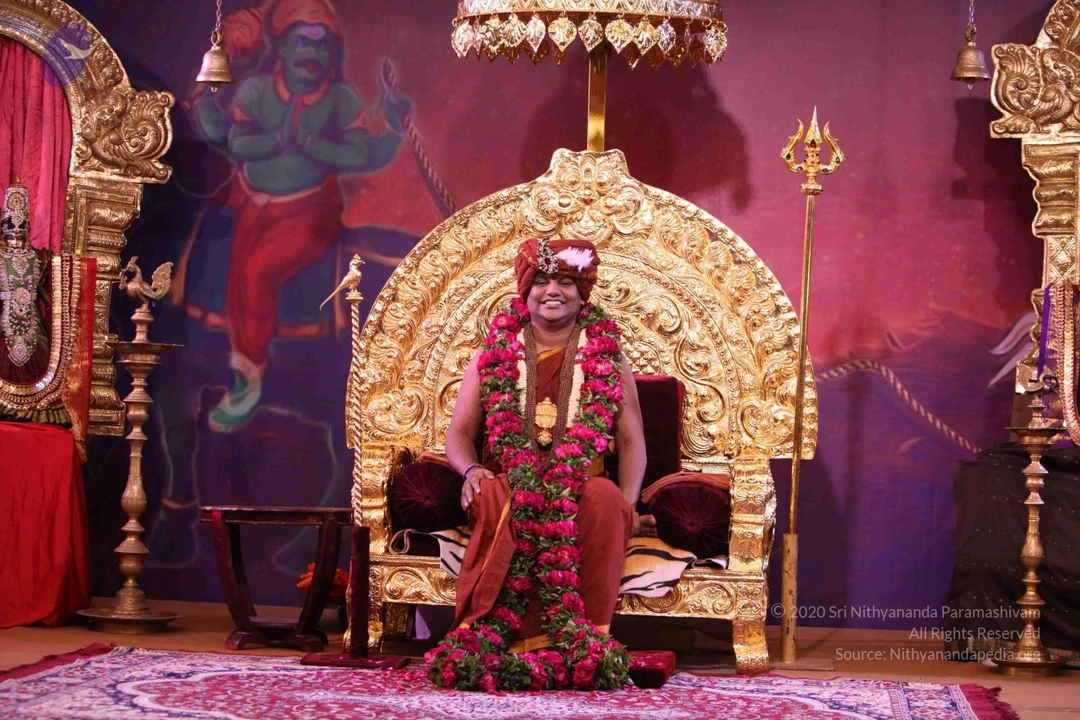

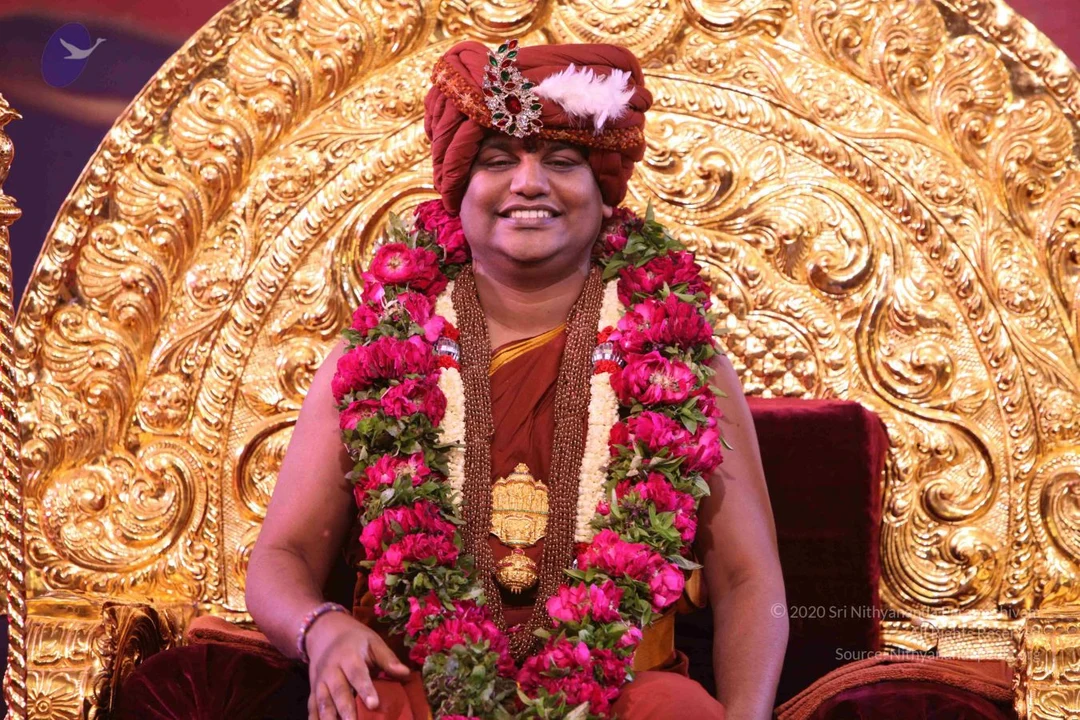
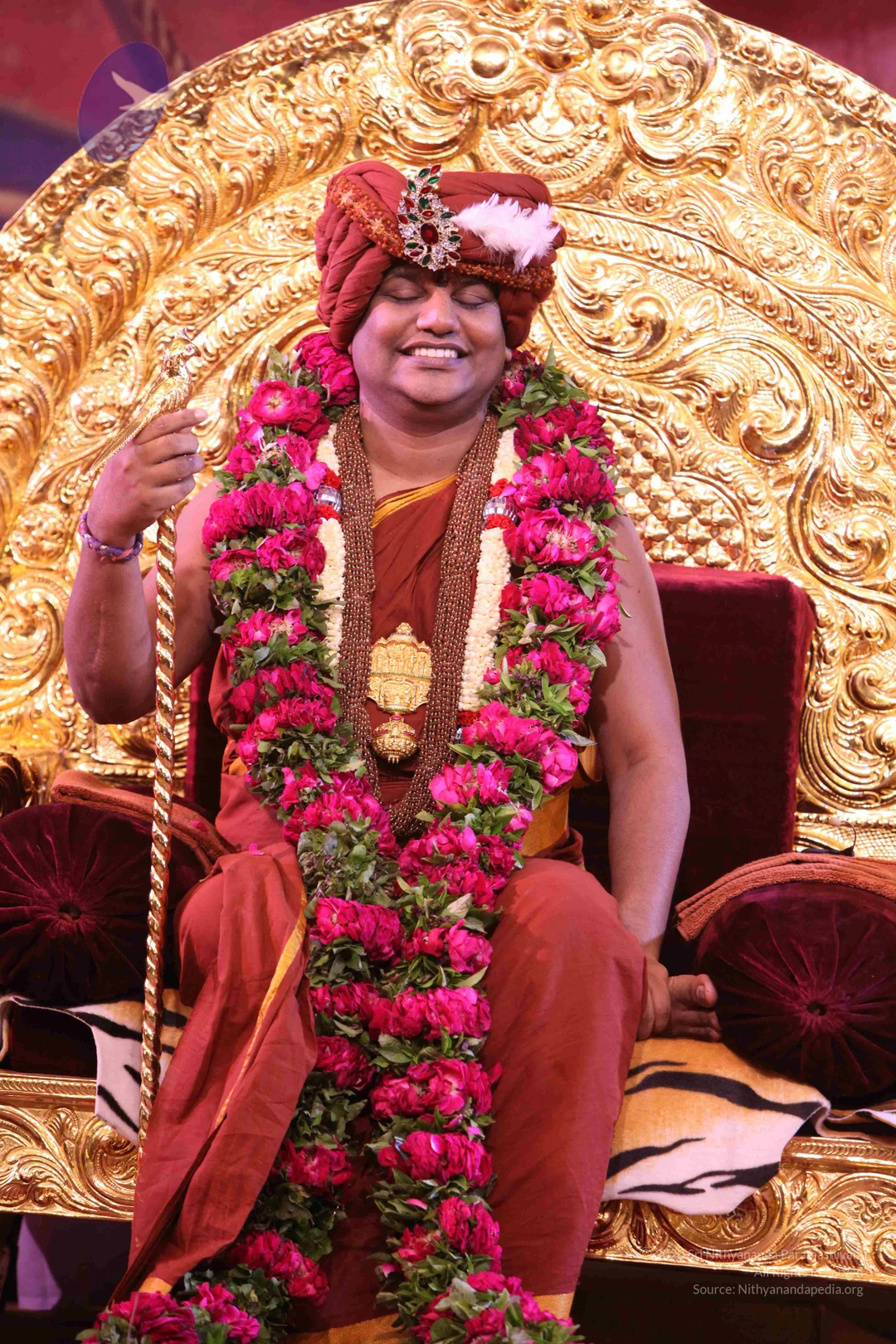
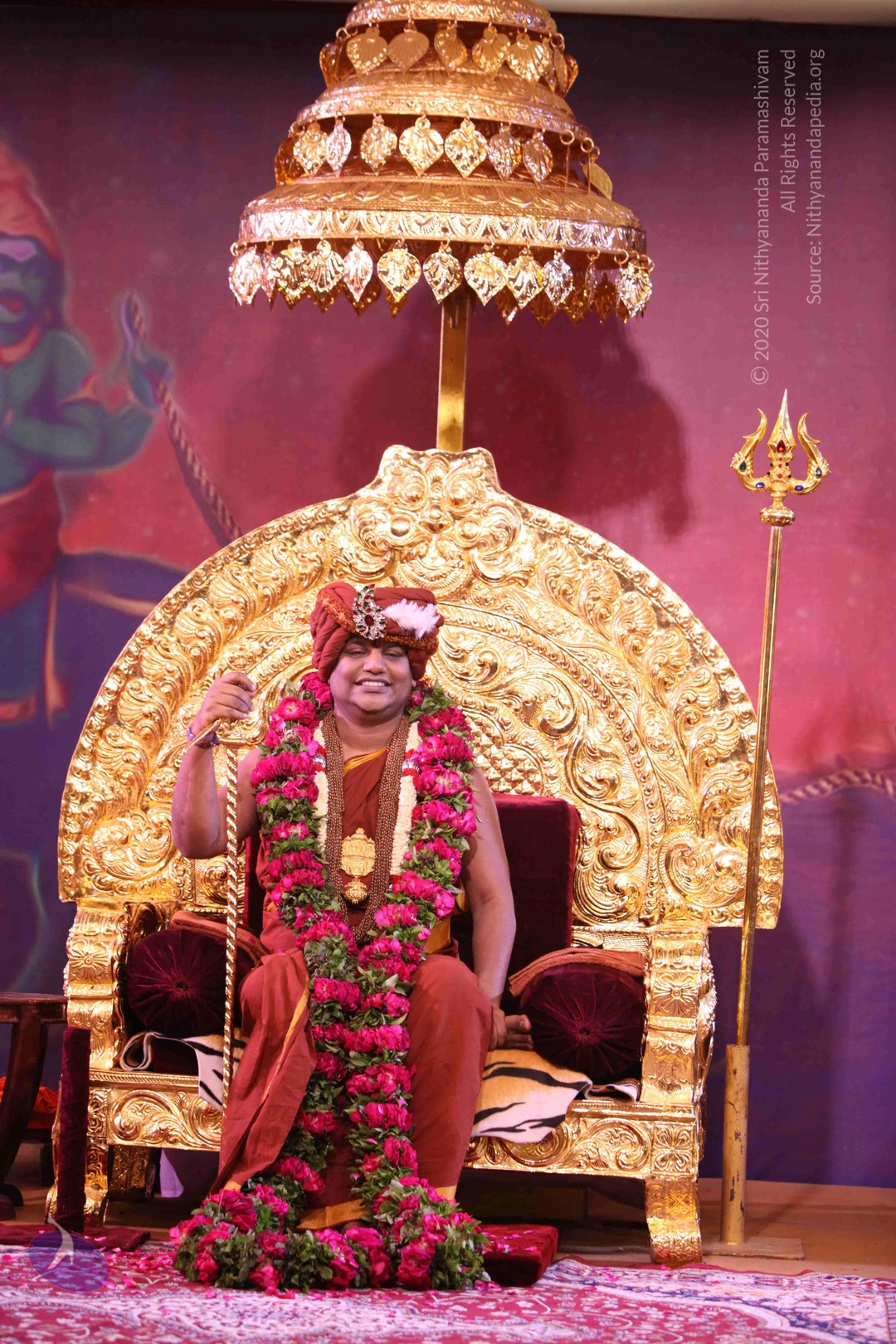
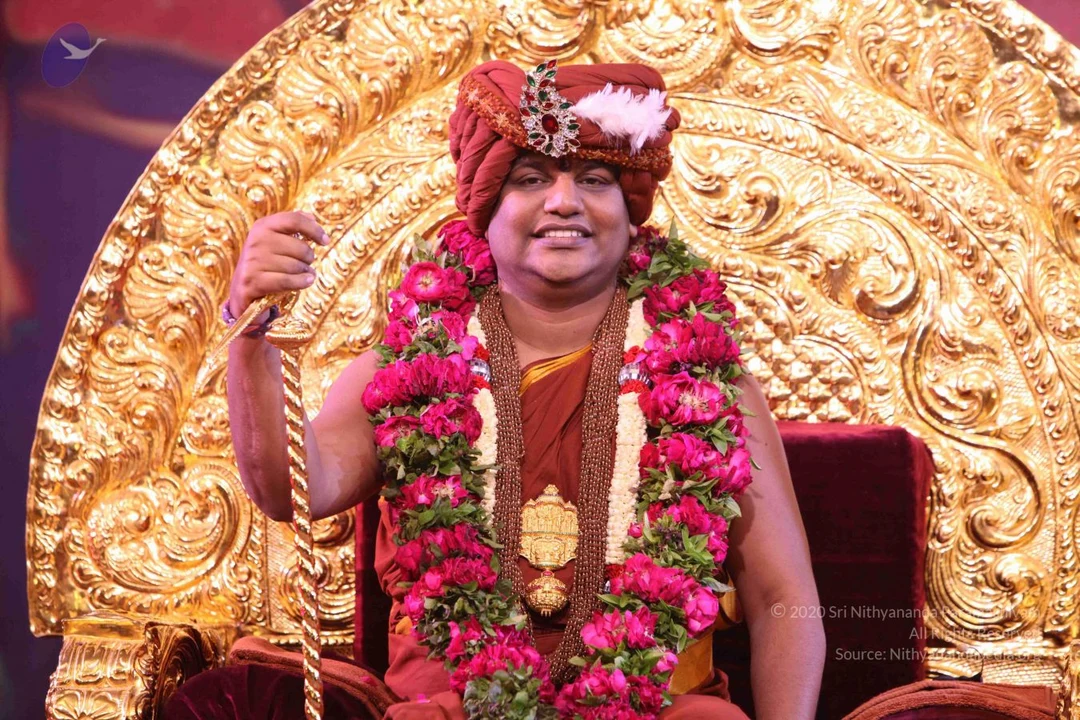
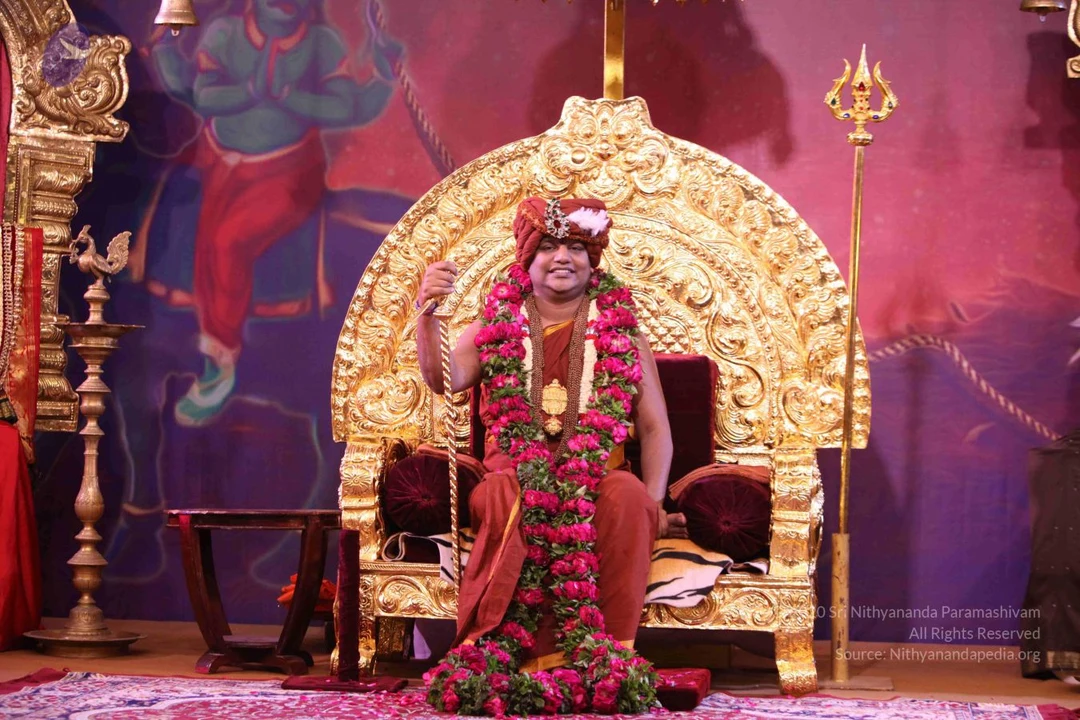
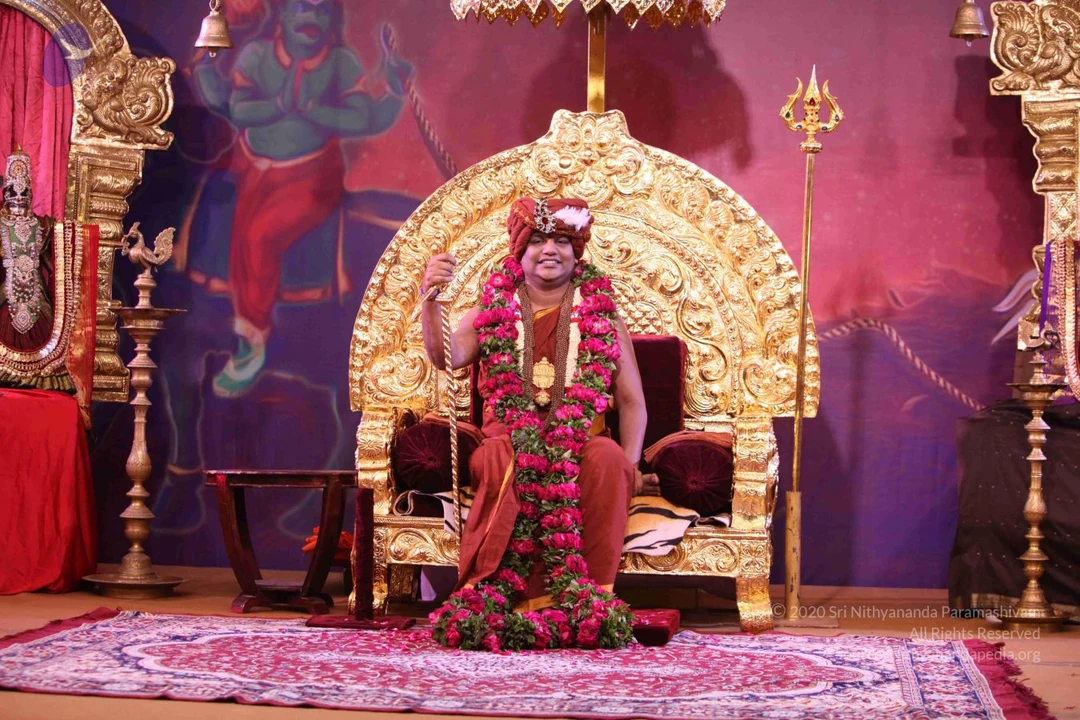

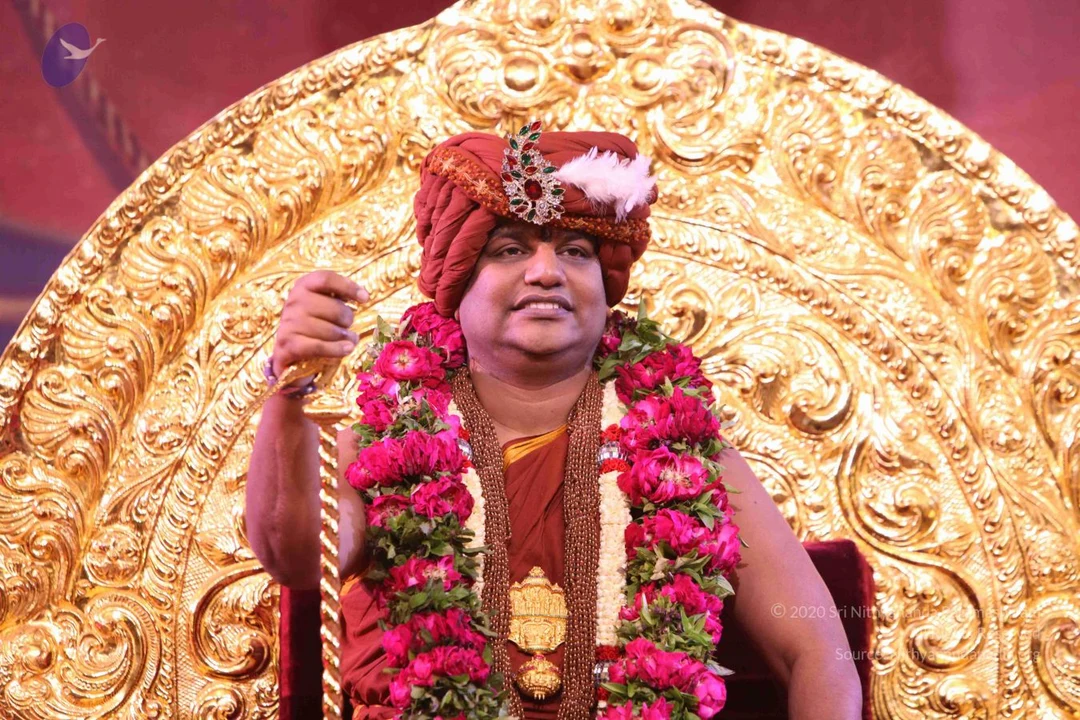
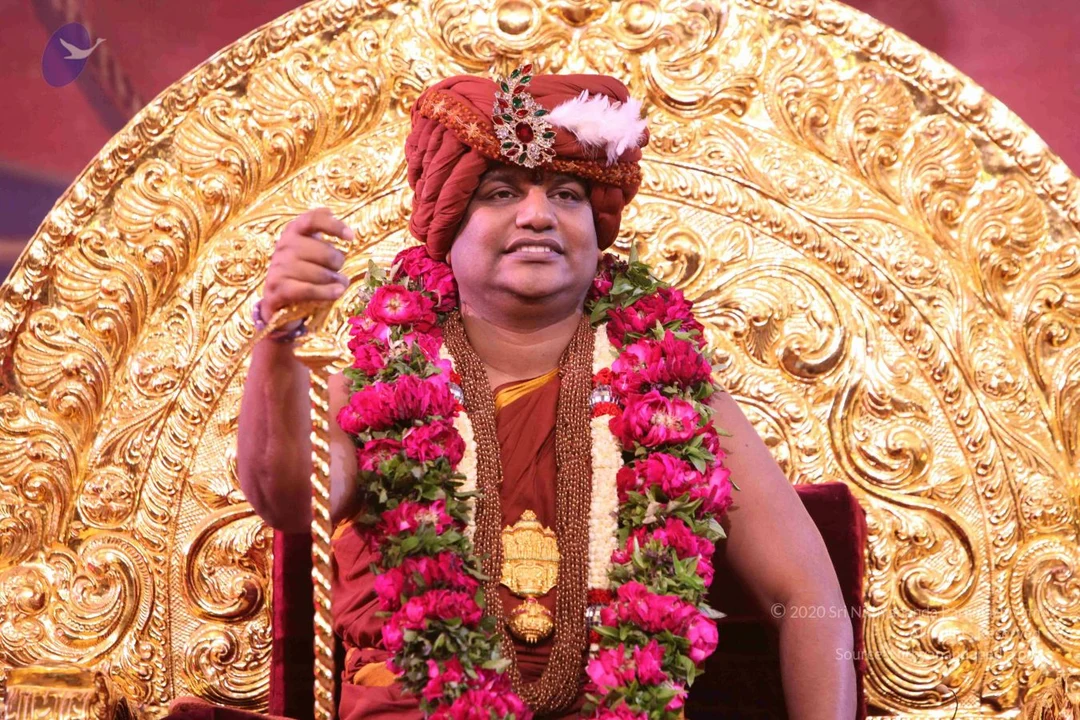
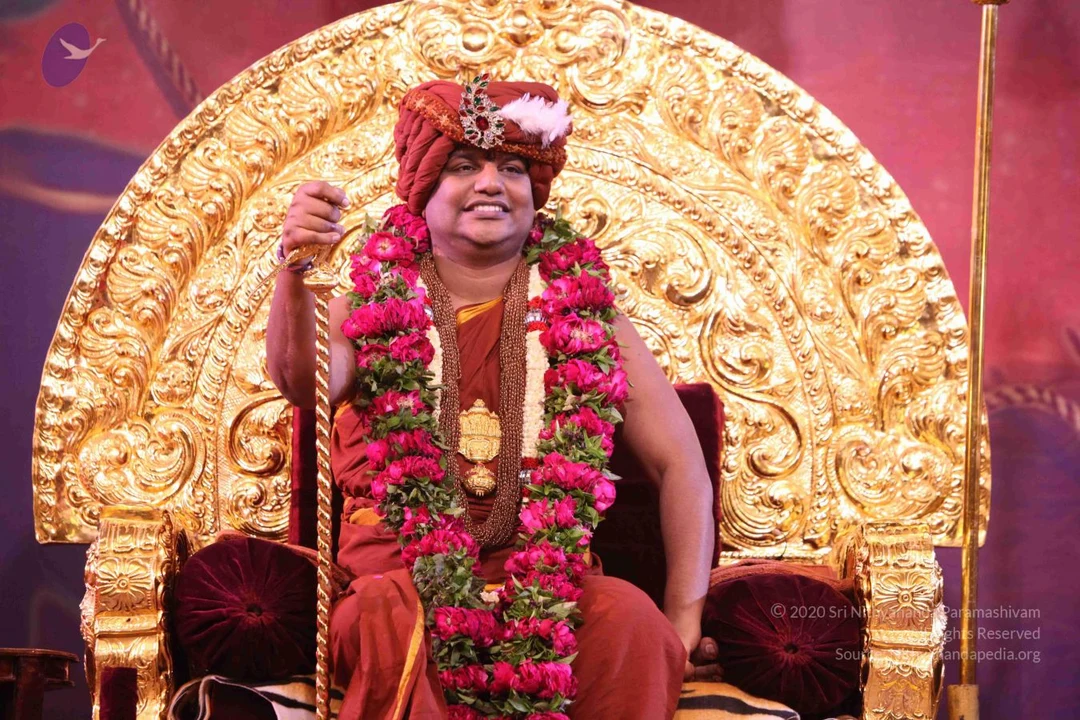
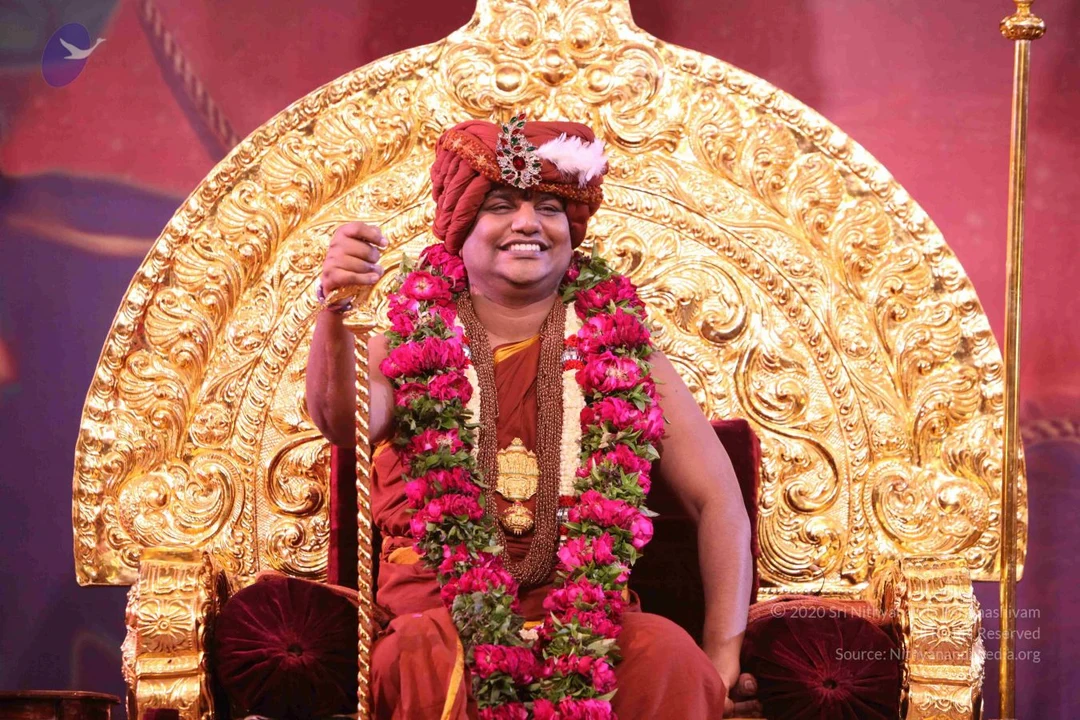
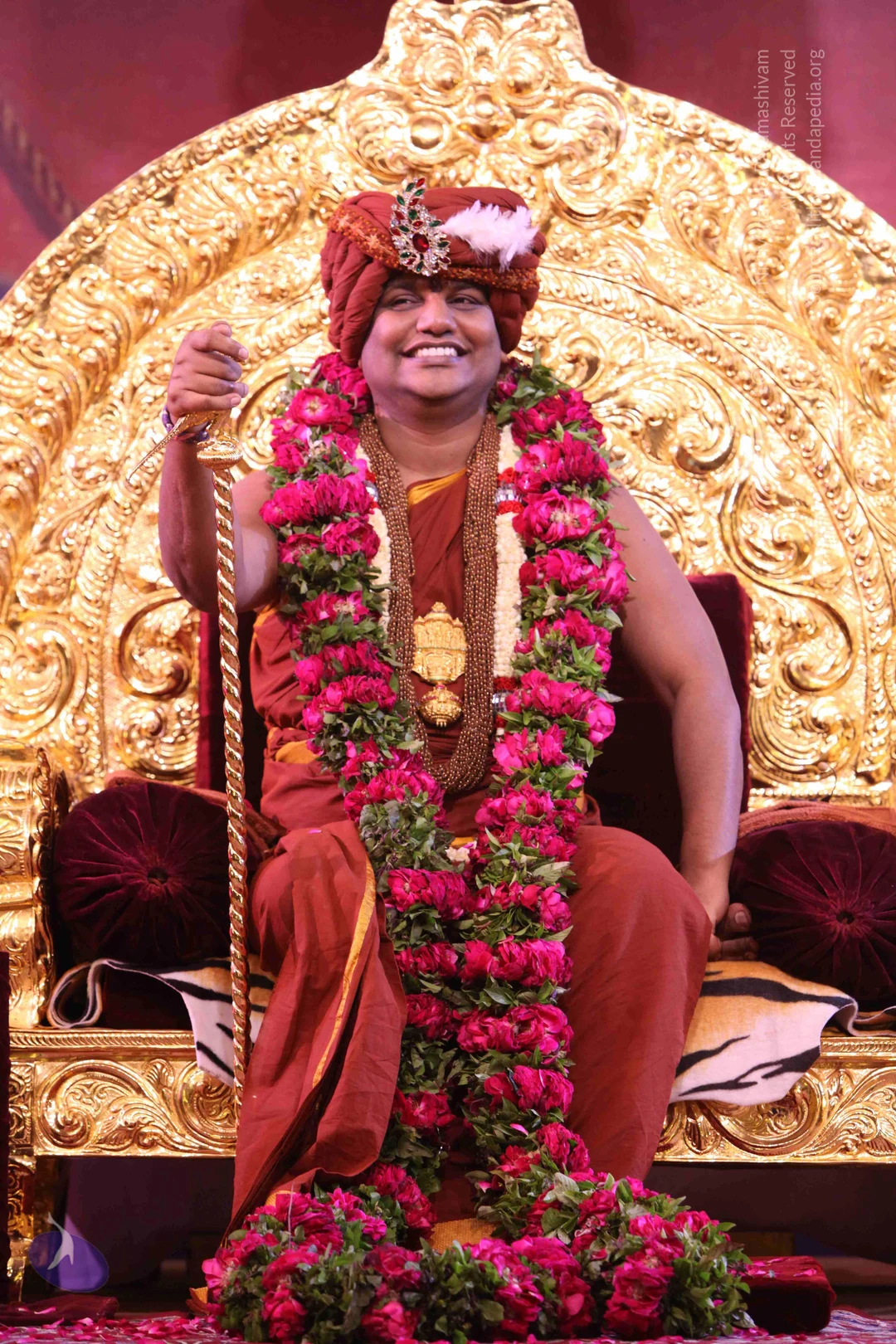
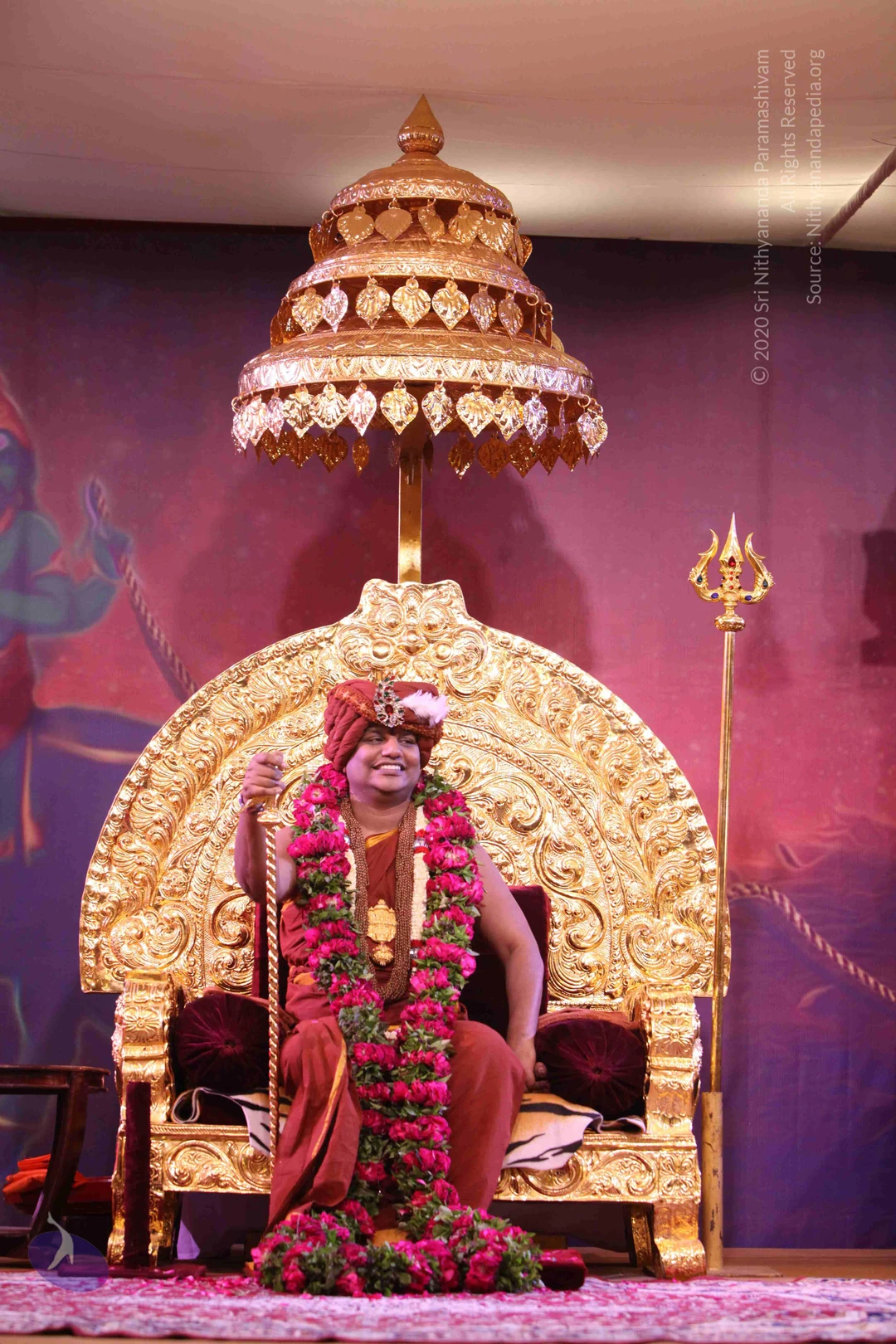
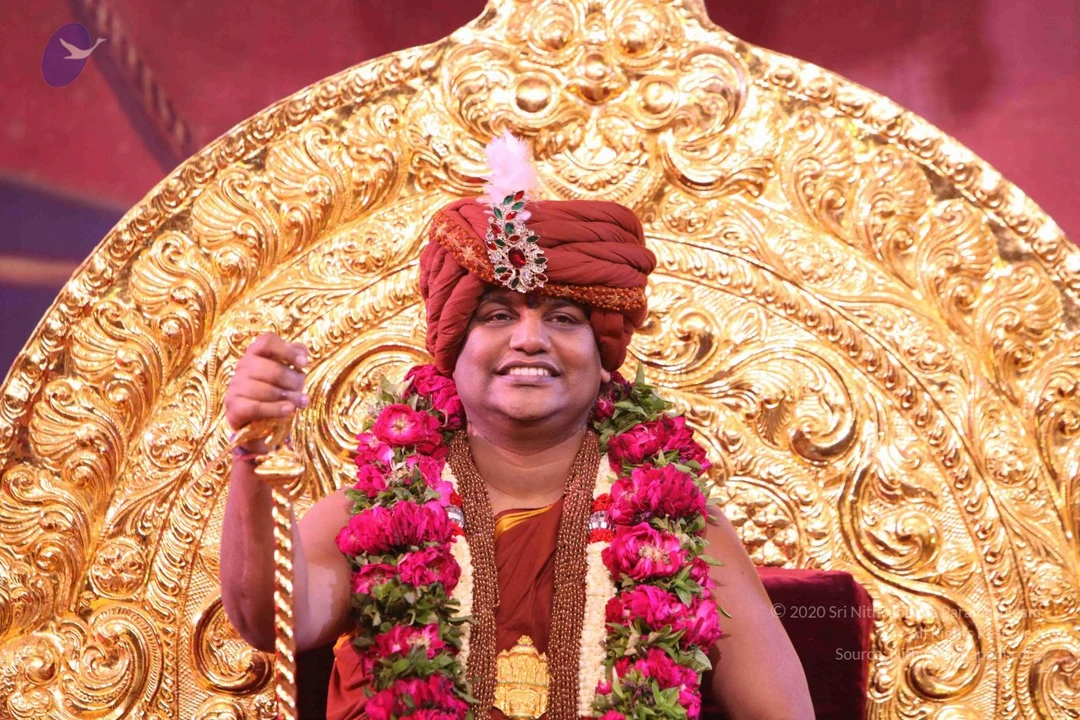
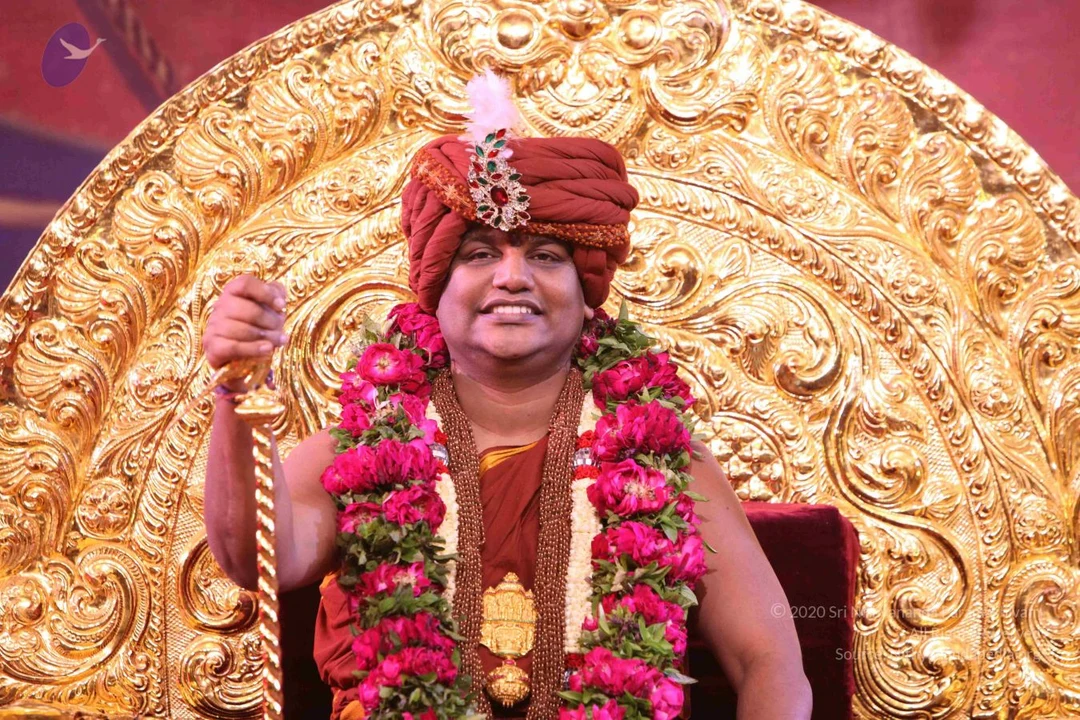
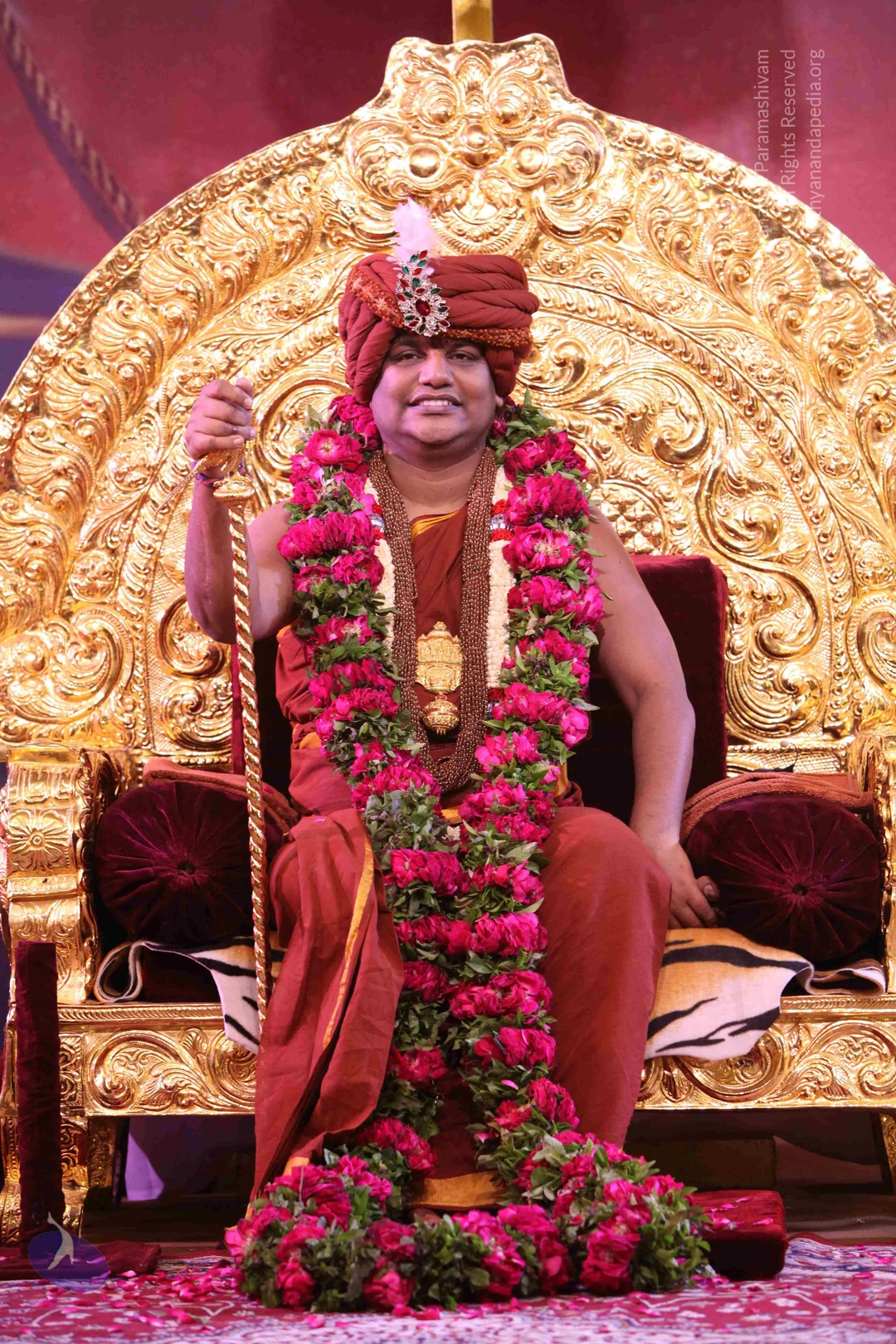
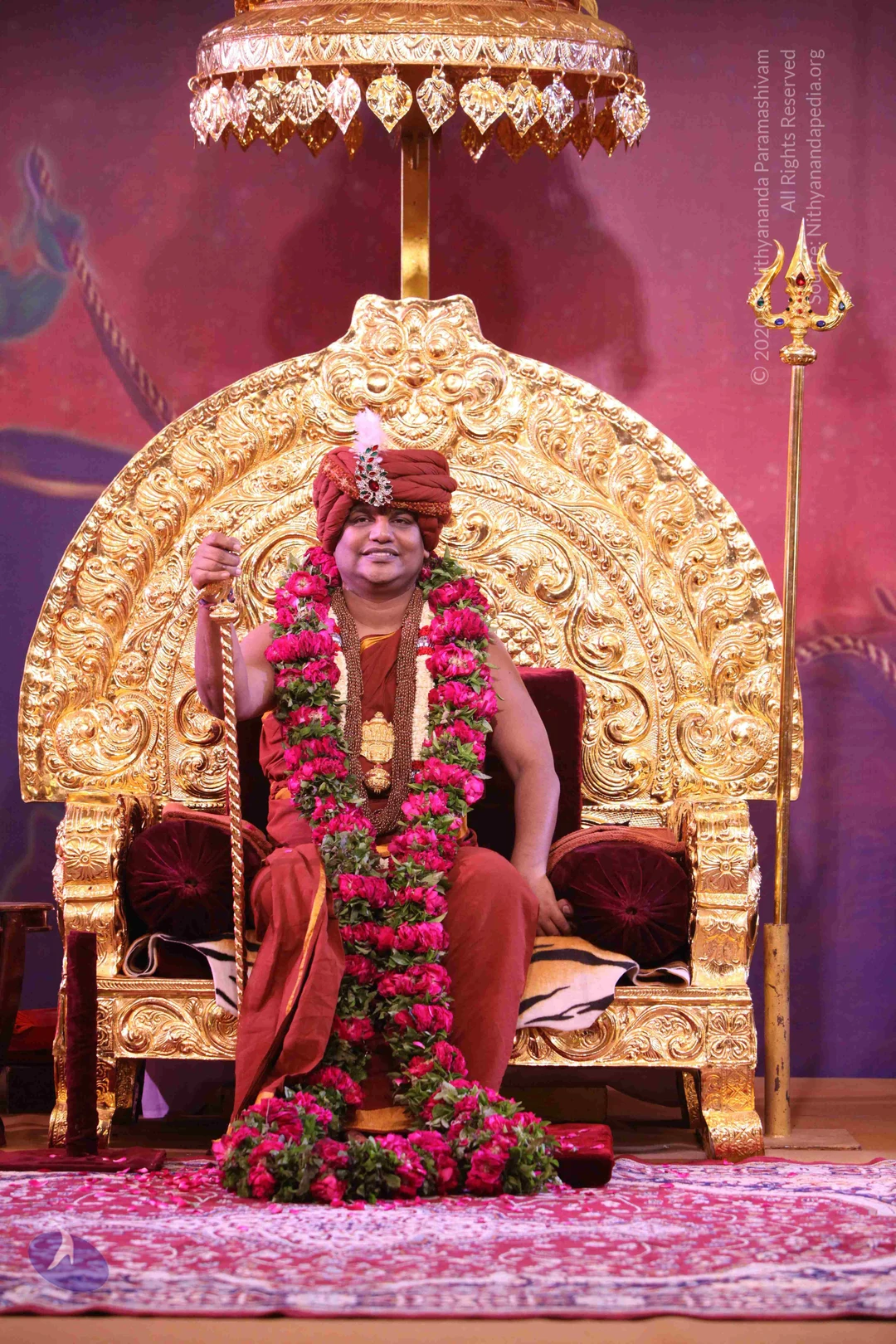

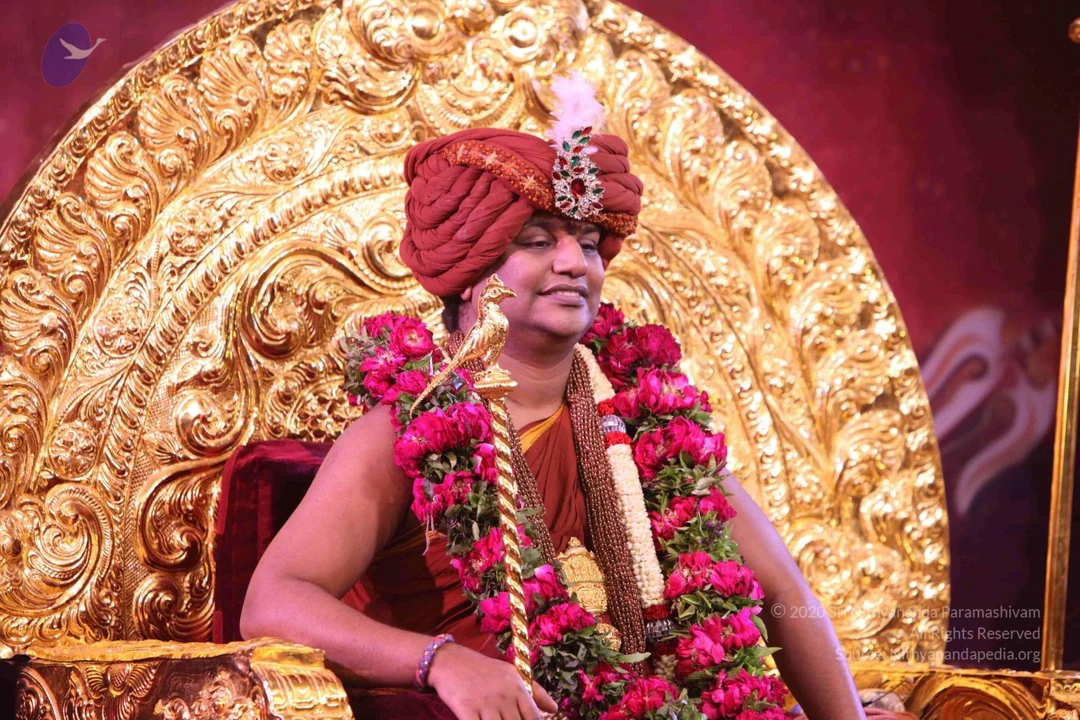
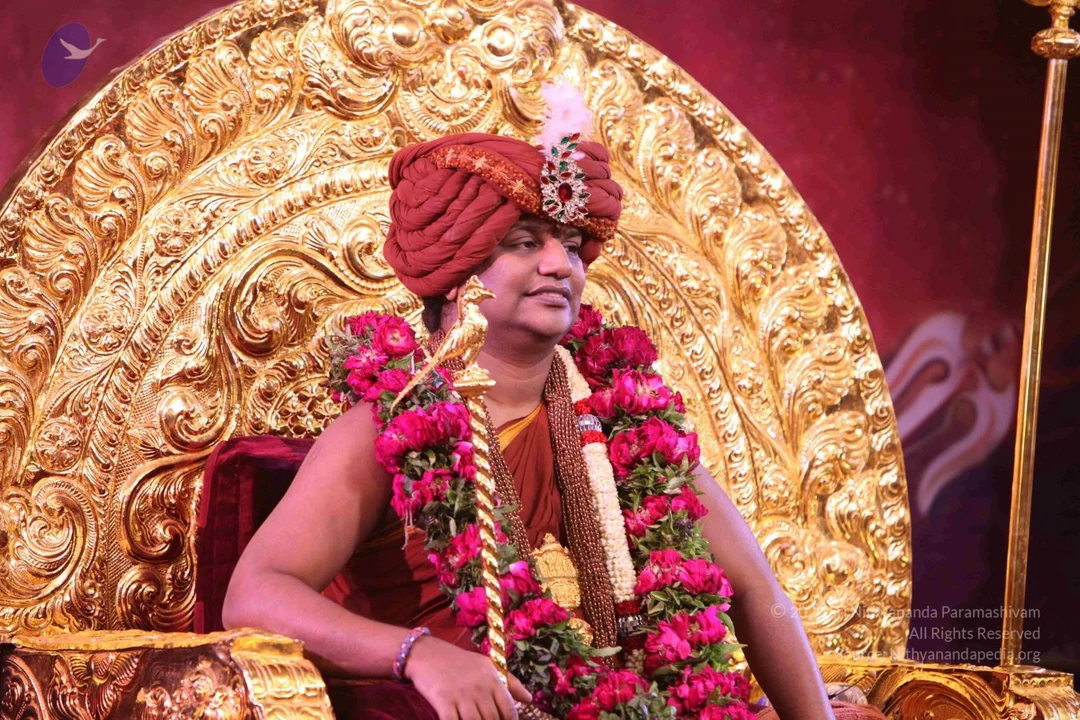
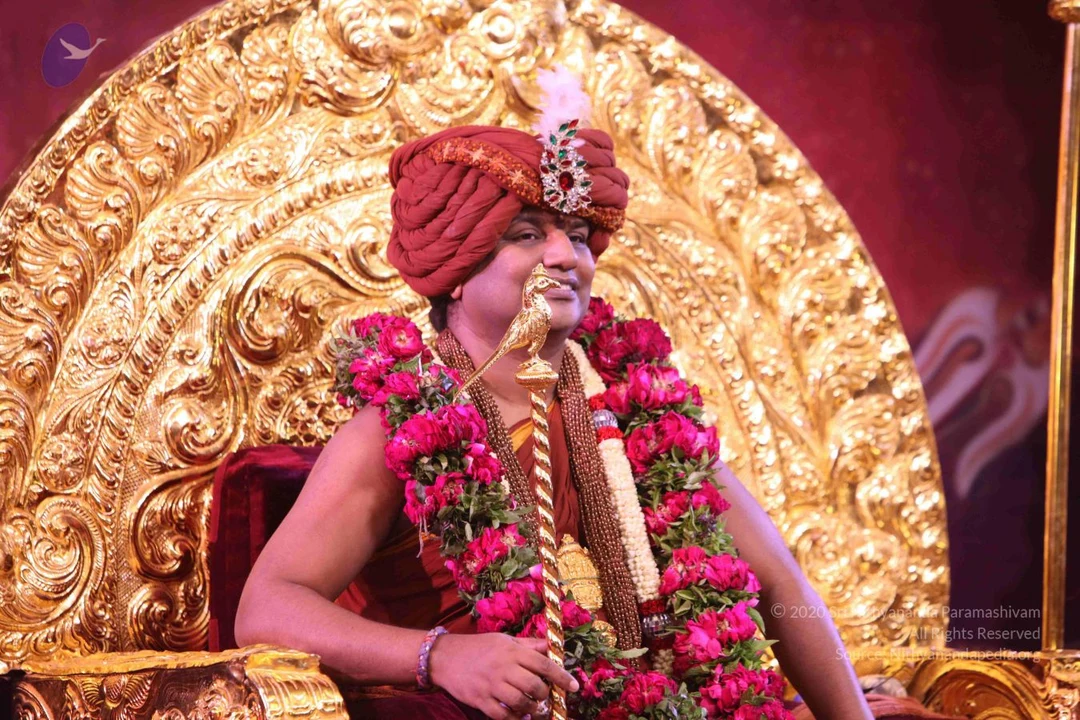
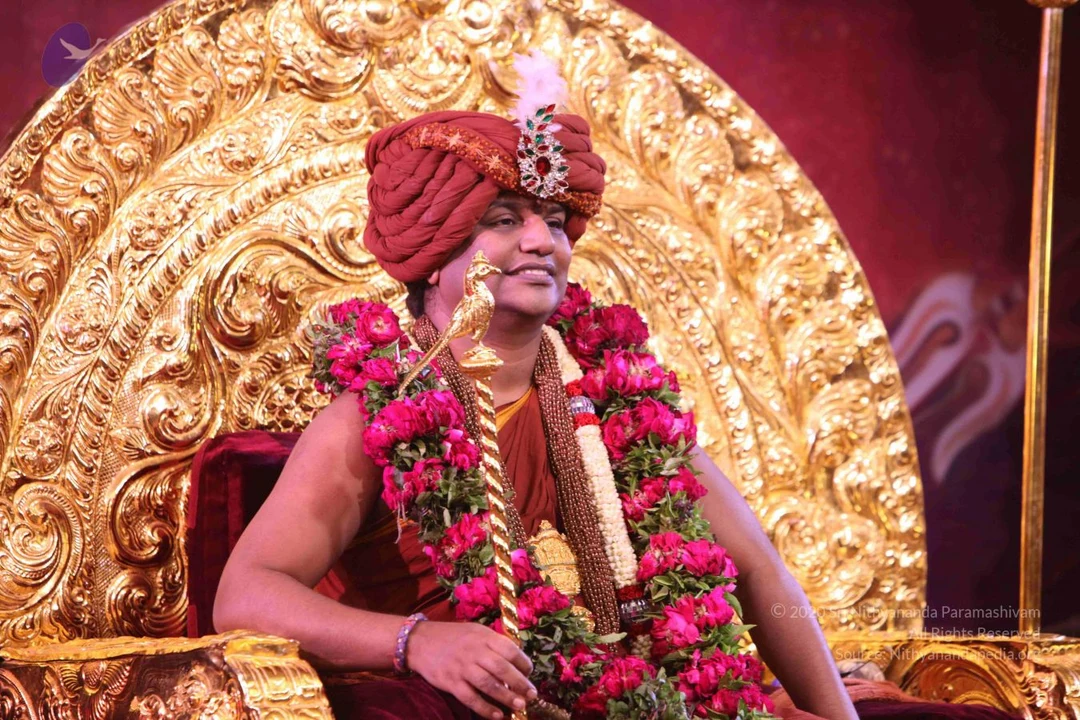
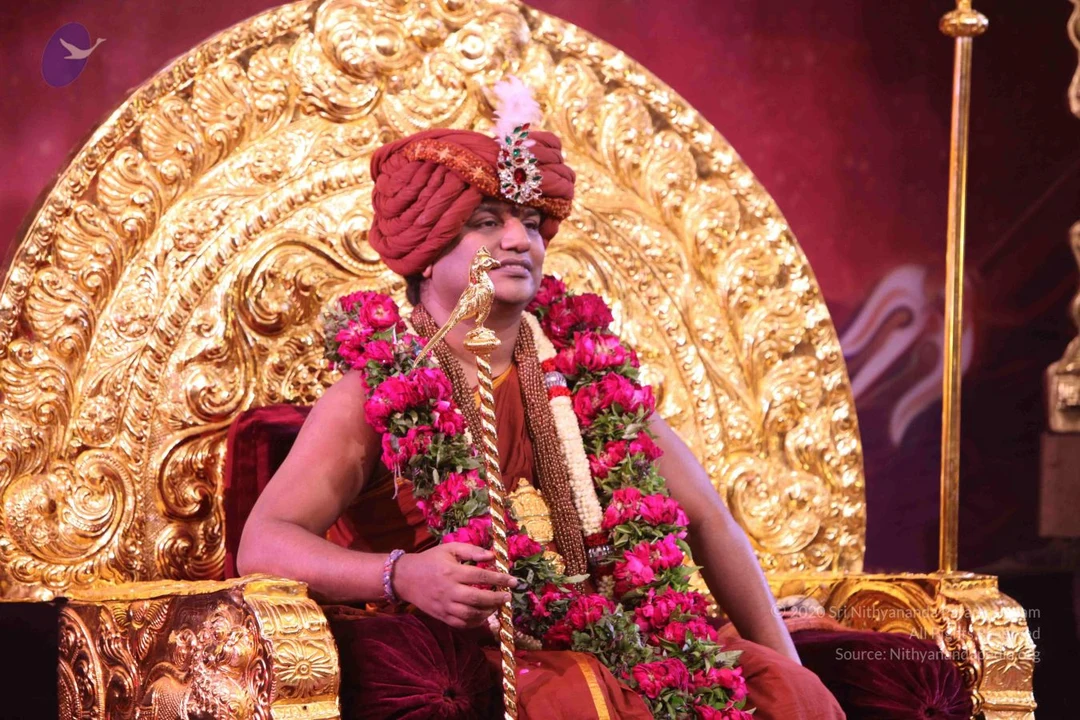
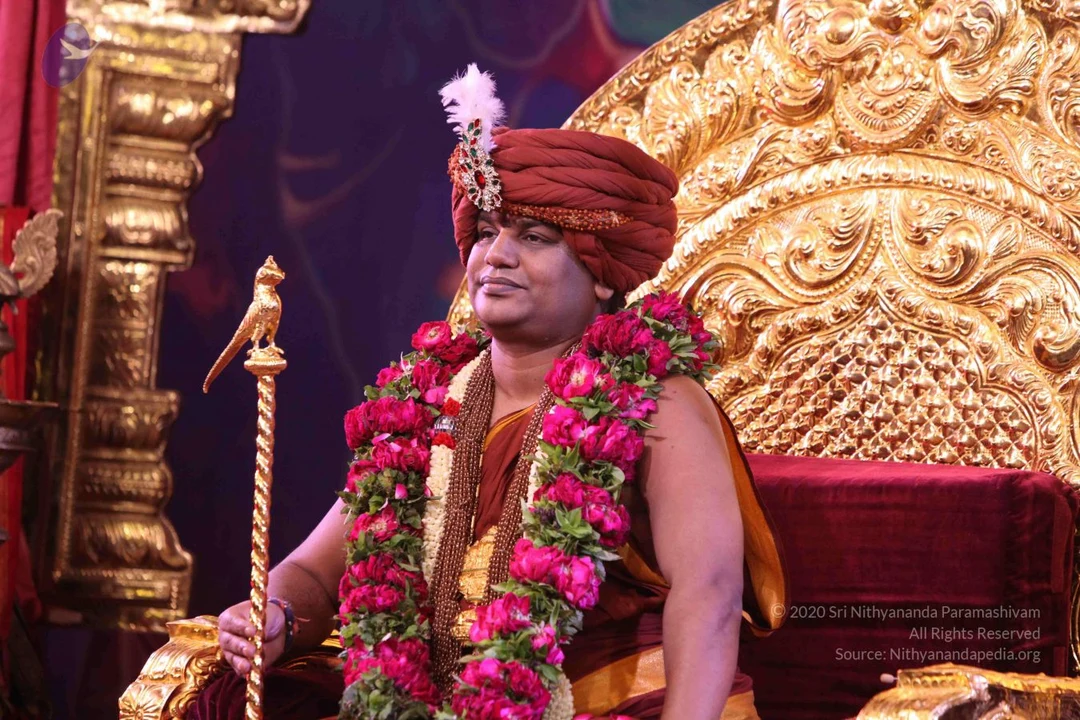
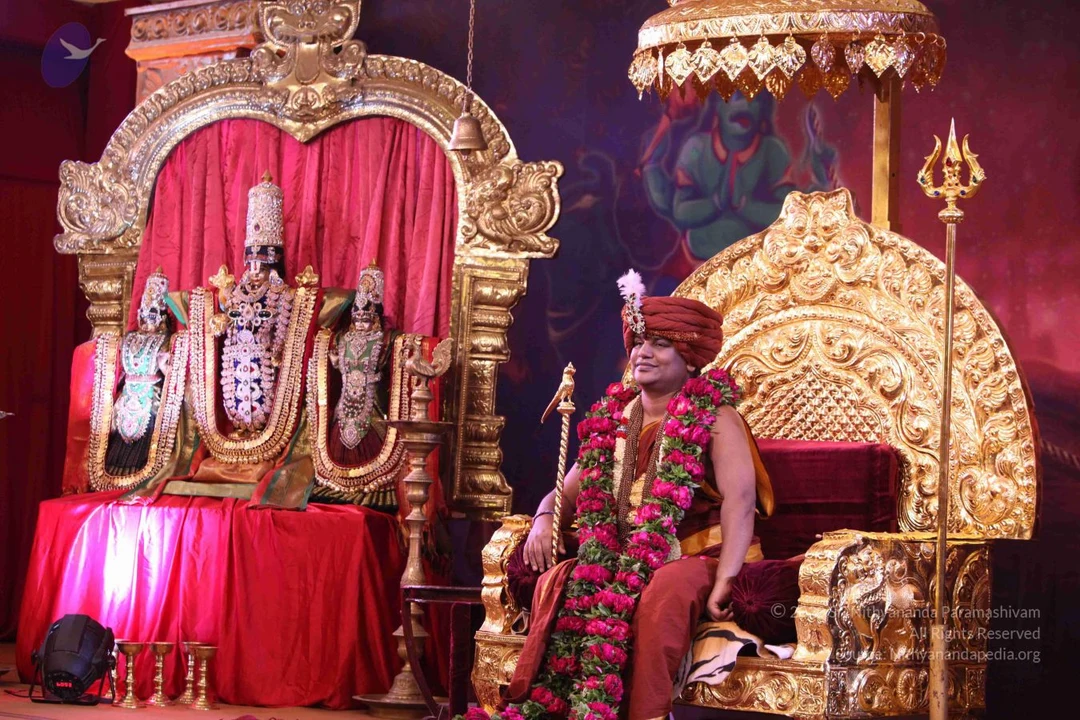
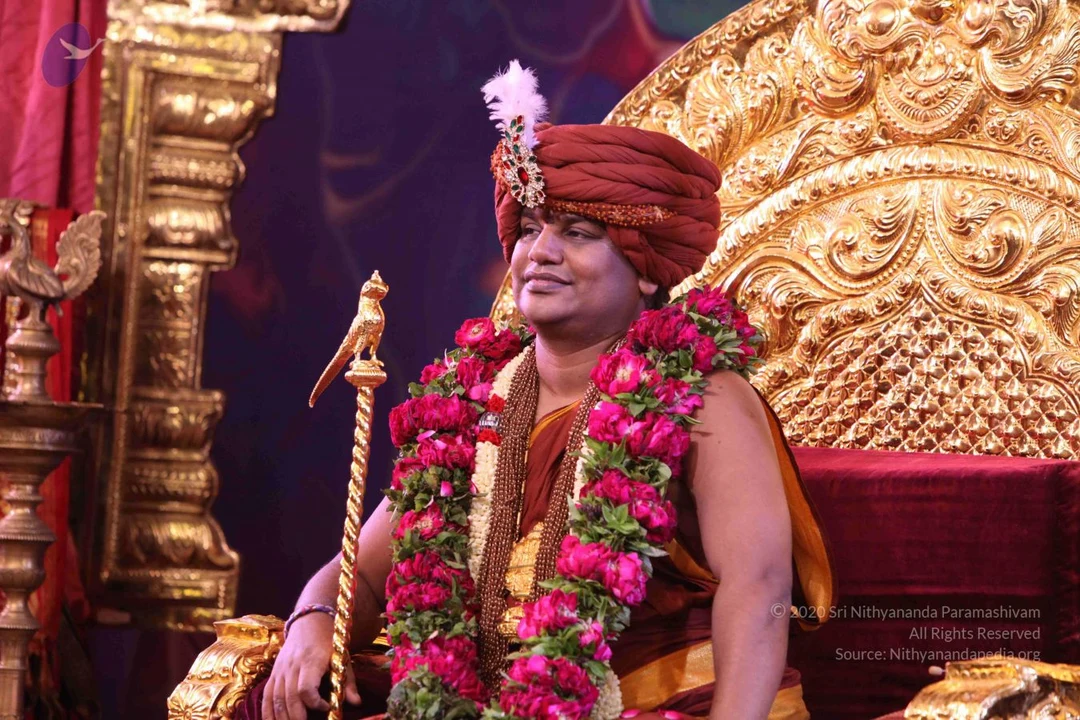
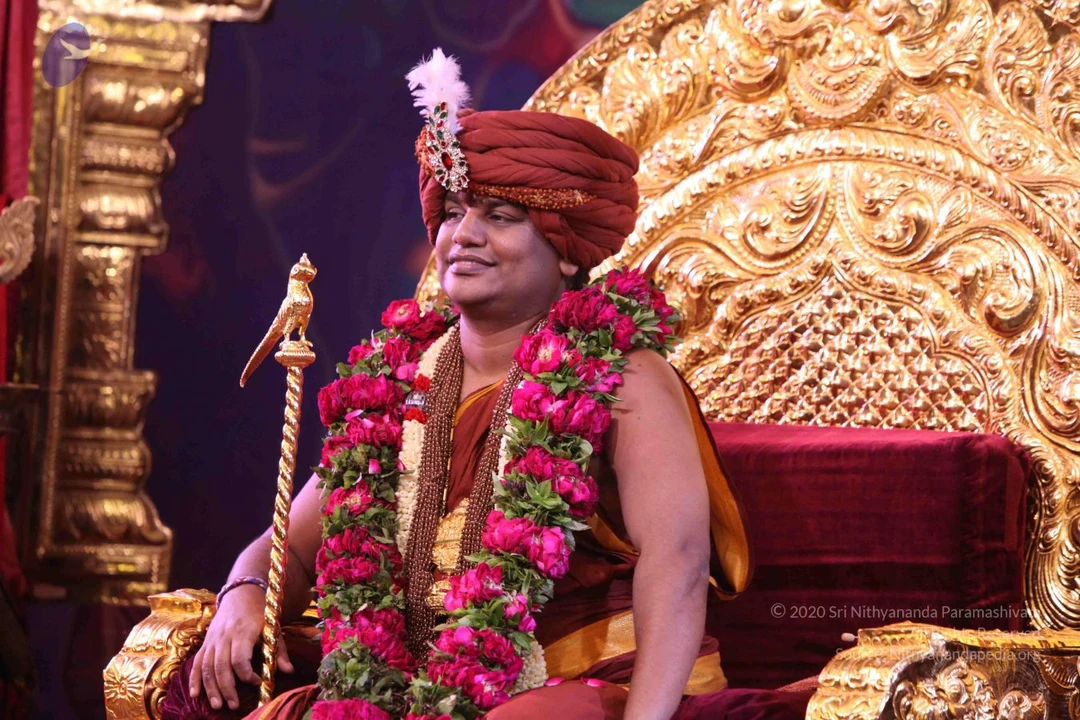
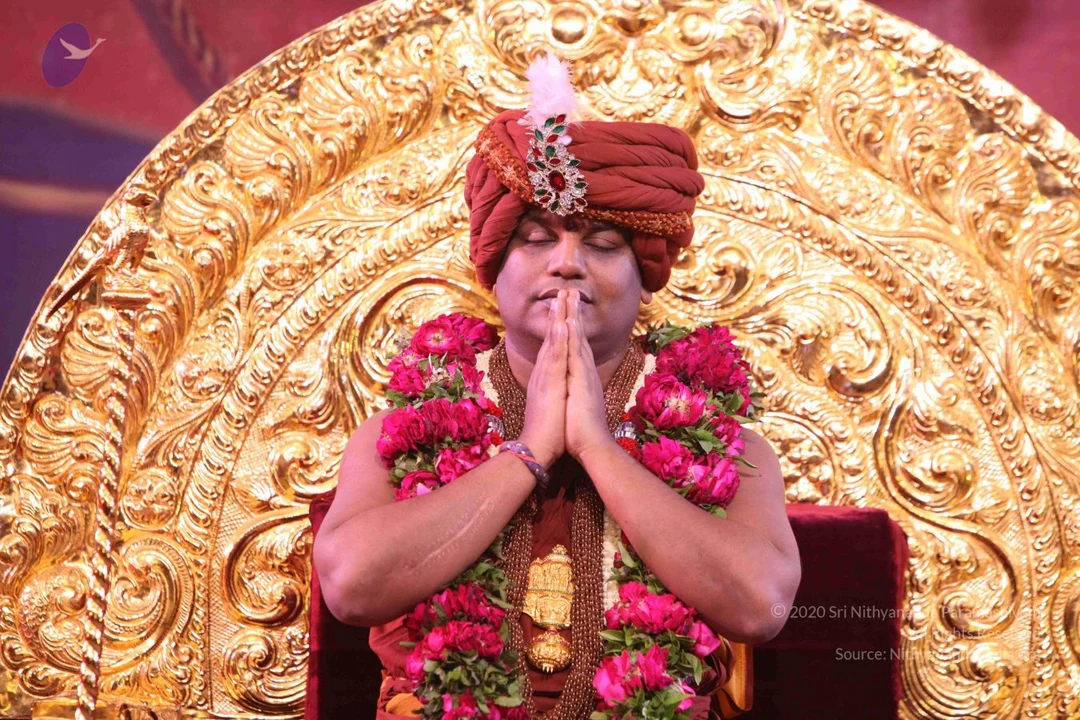
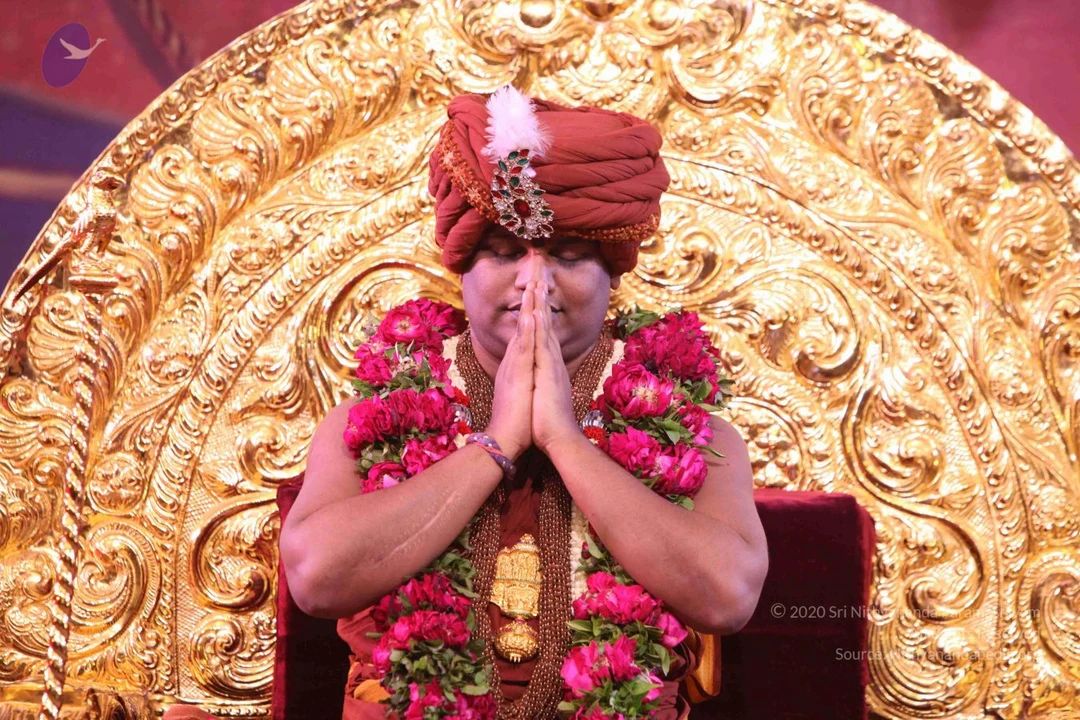
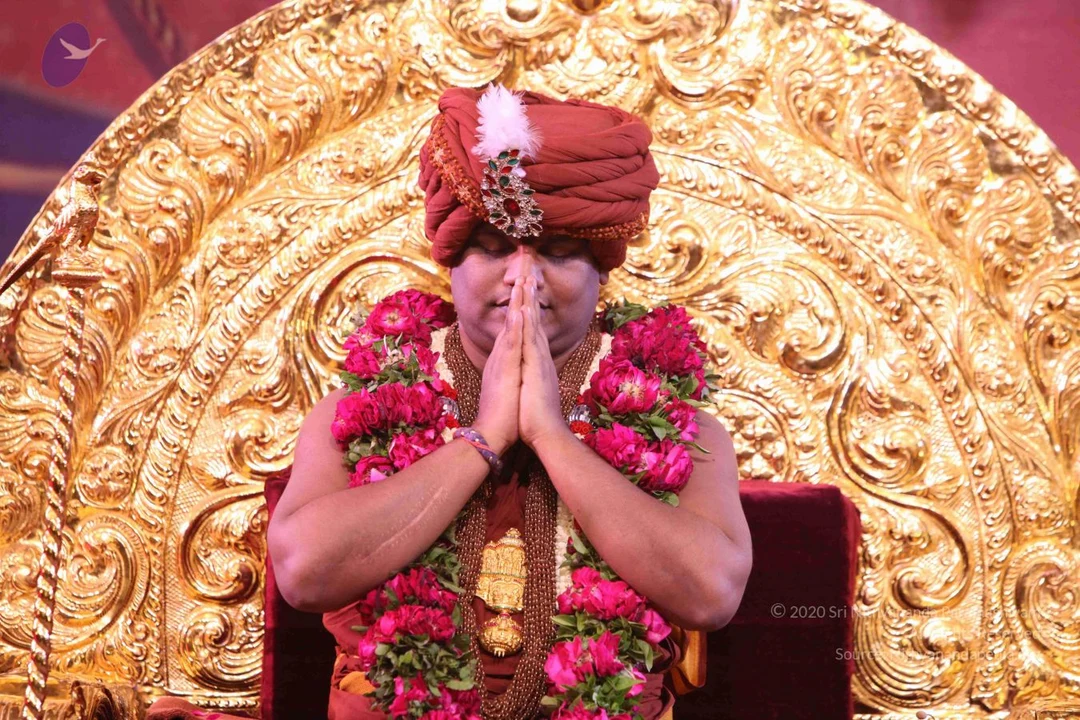
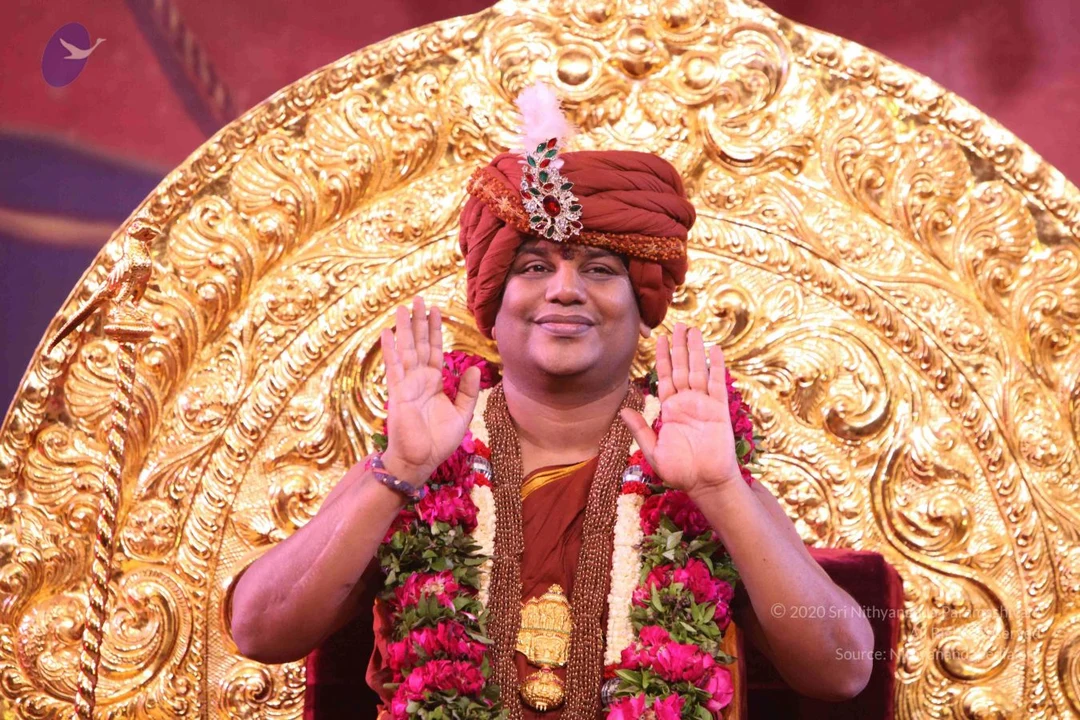
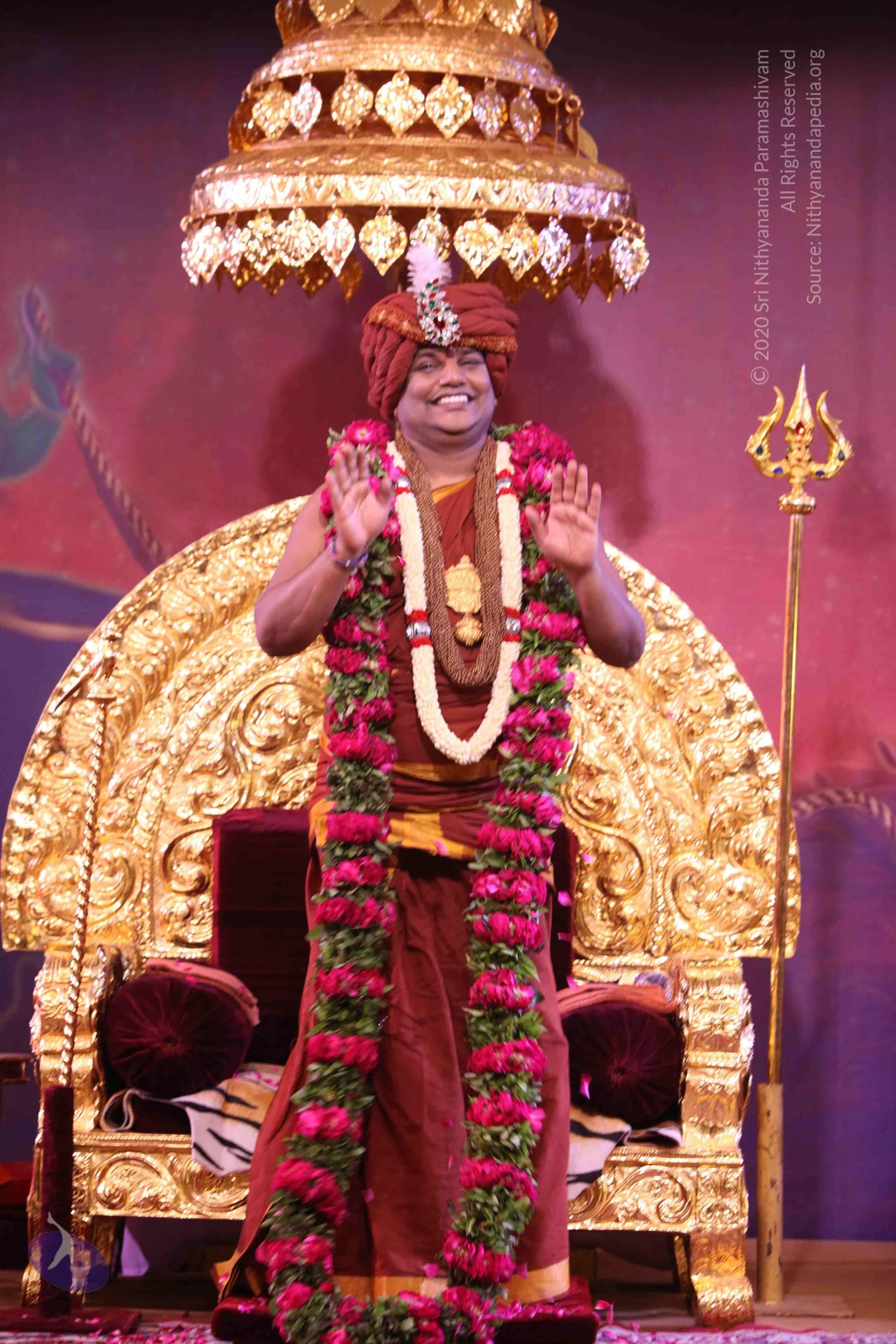
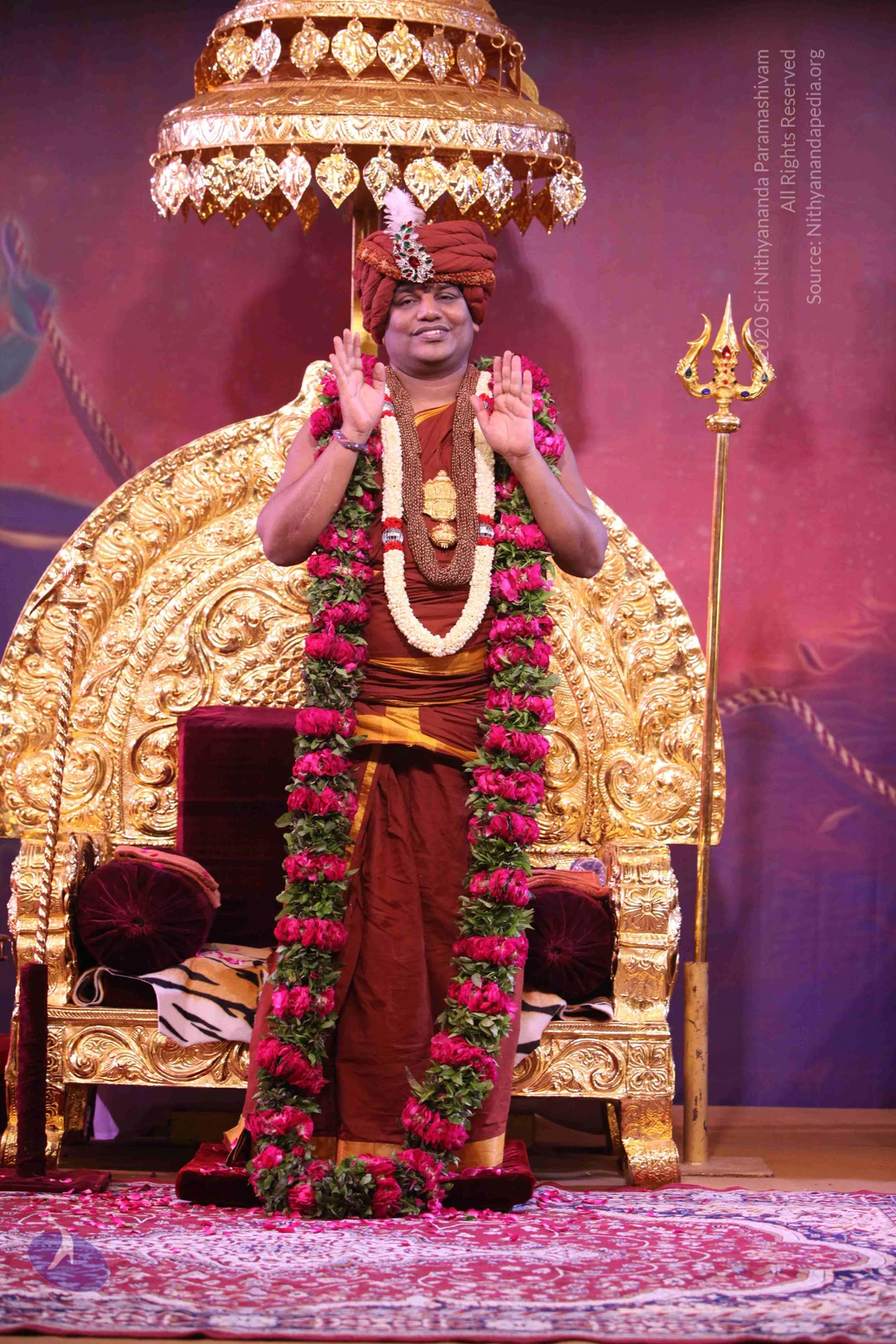
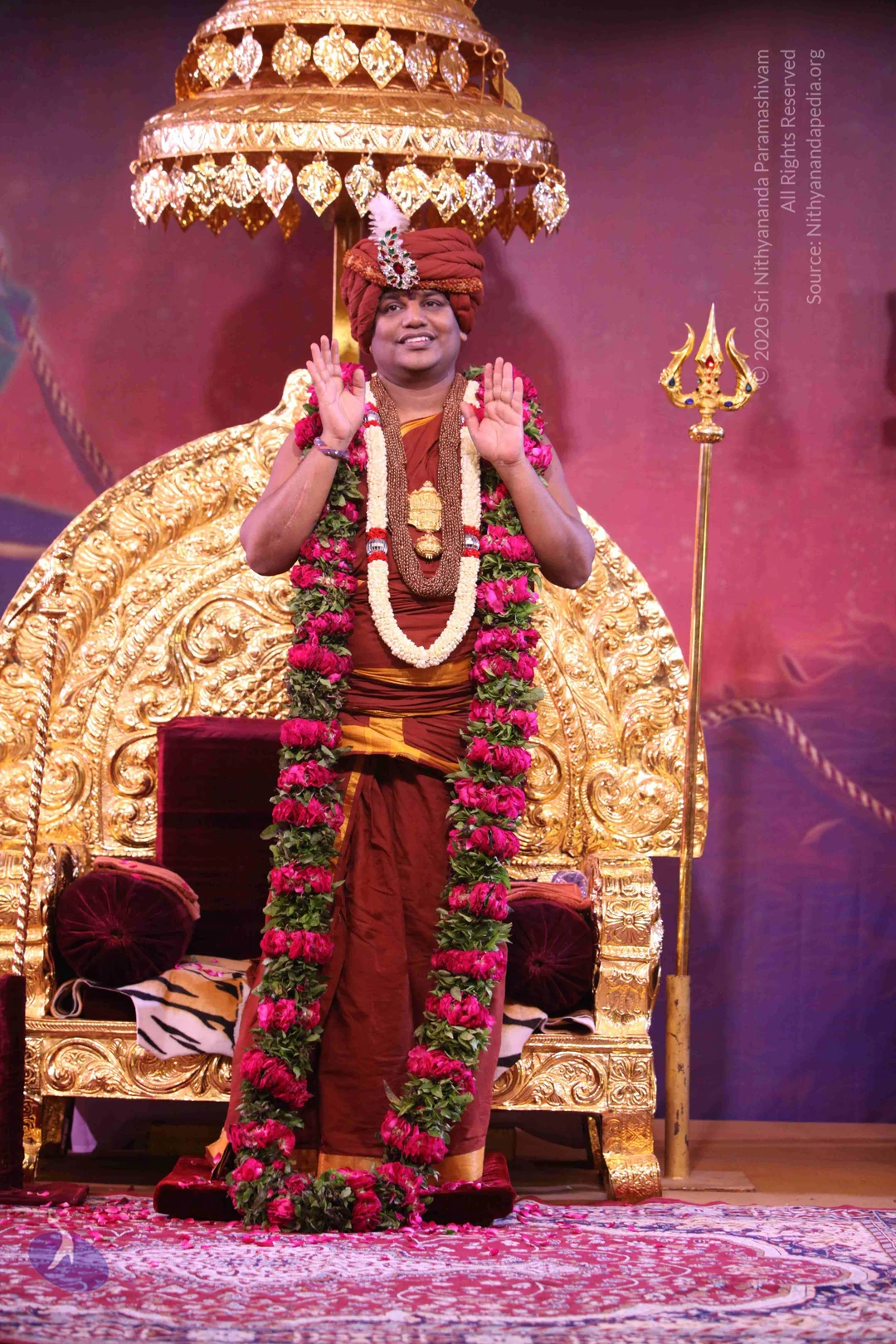
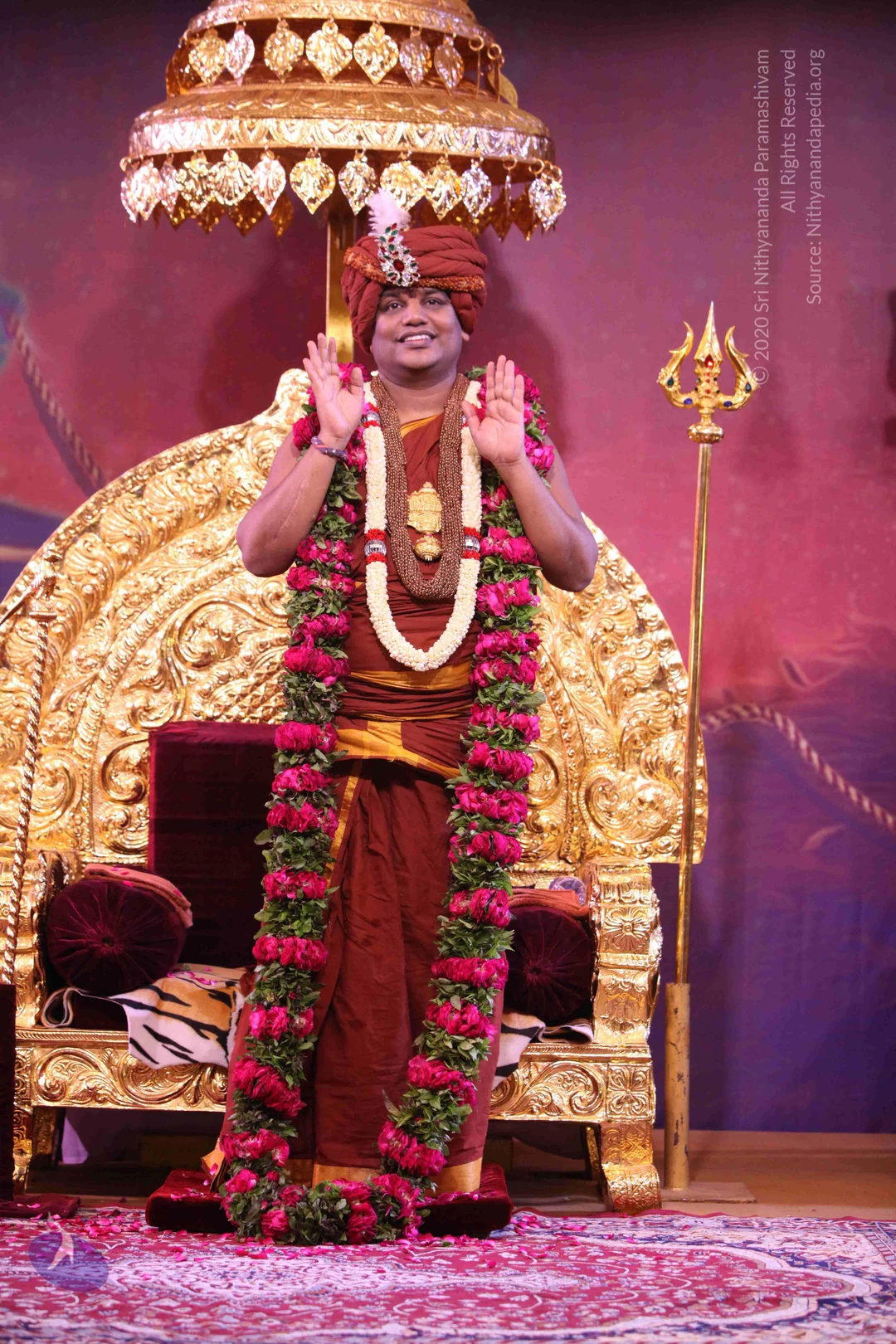
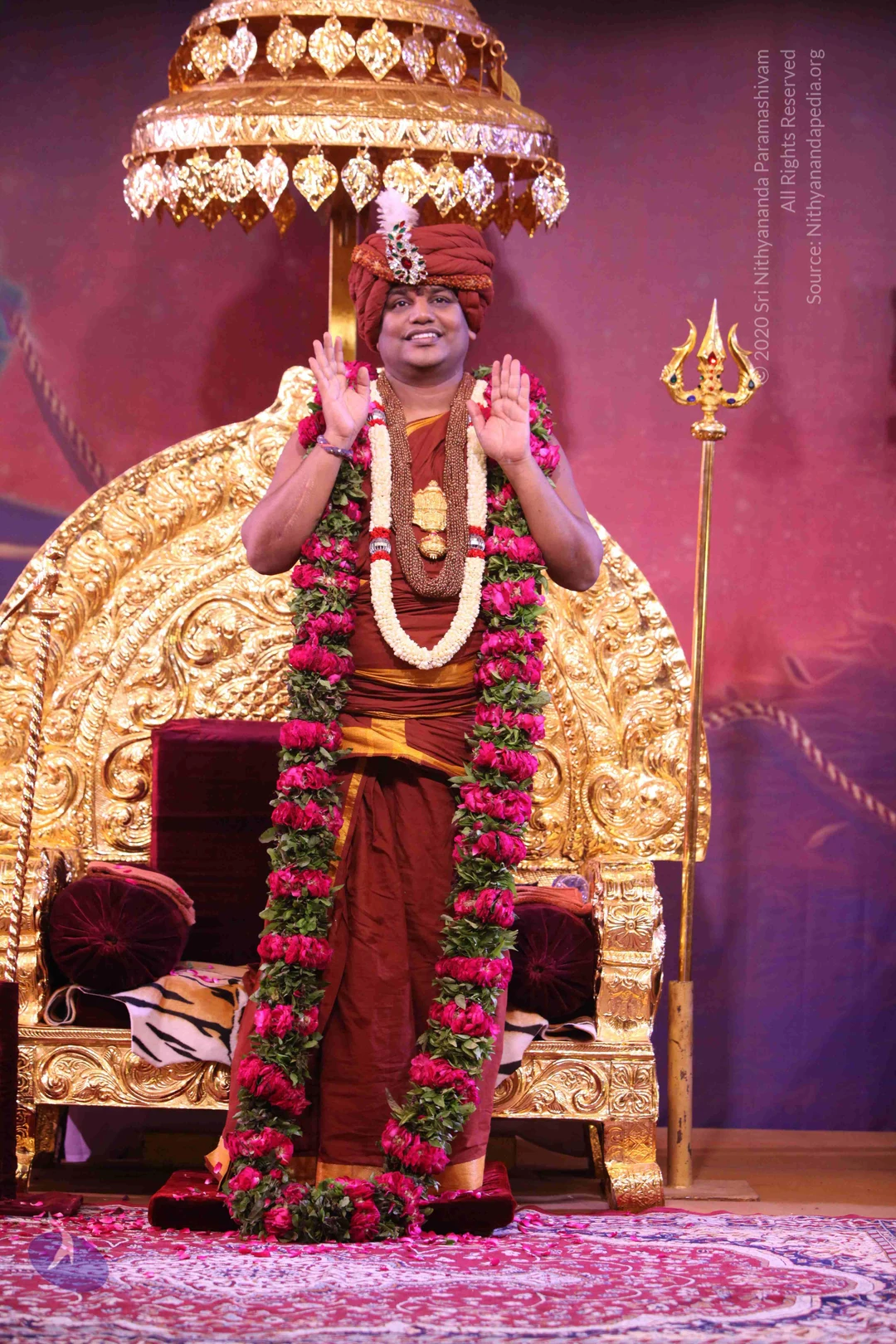
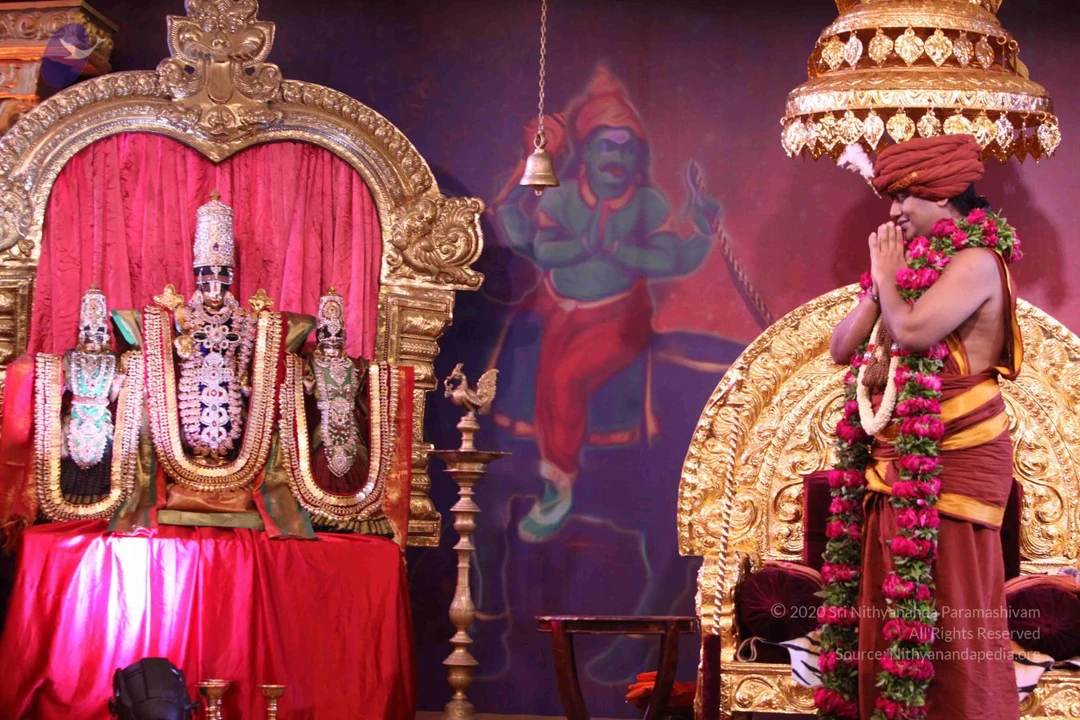
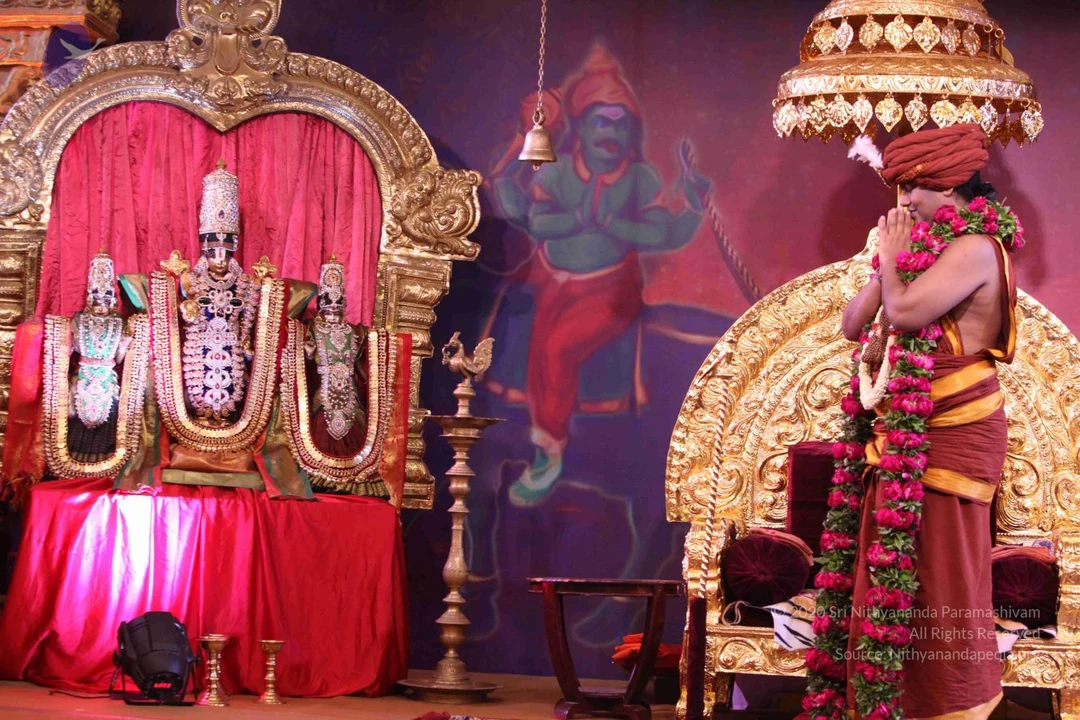
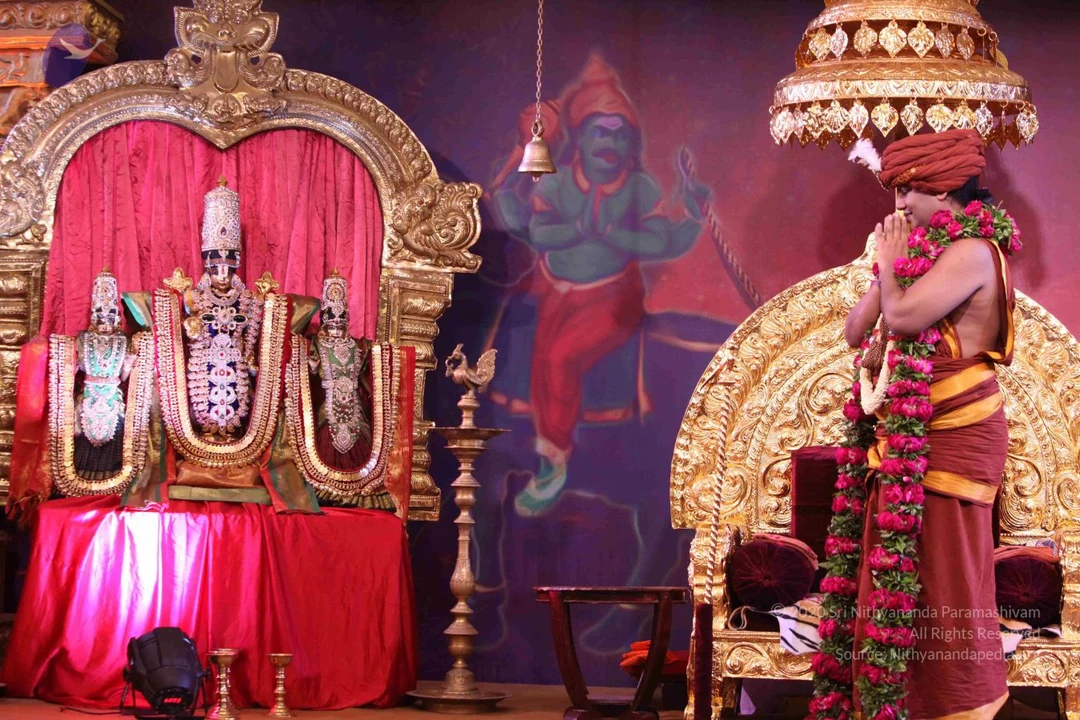
Volunteer-meeting-and-Darbha
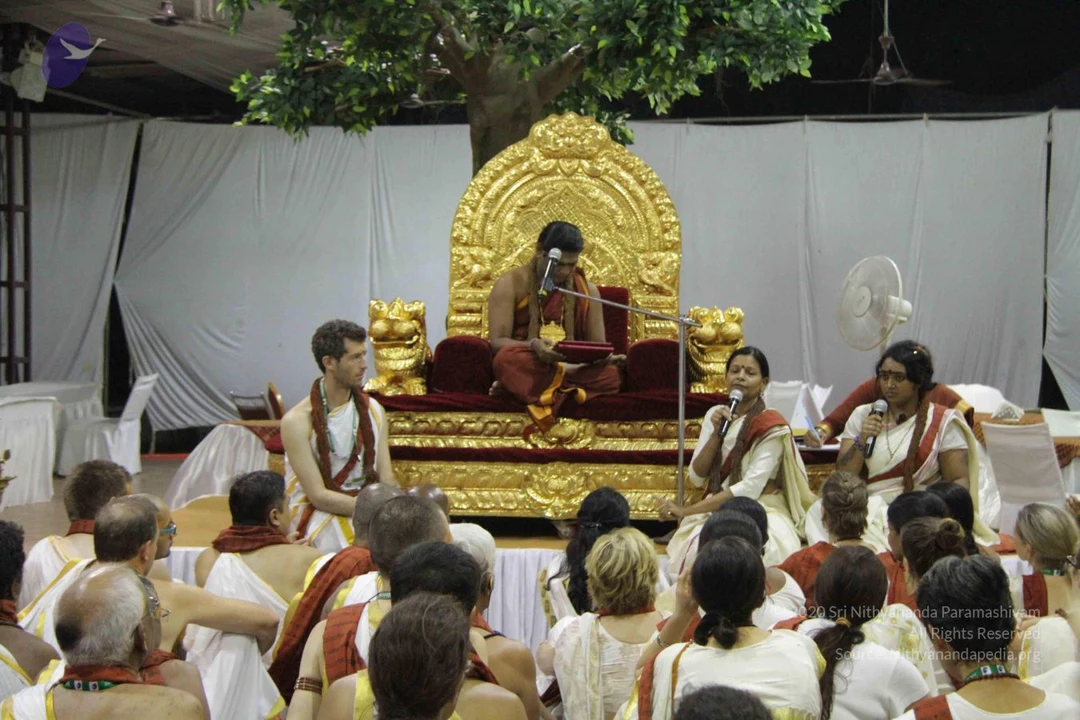
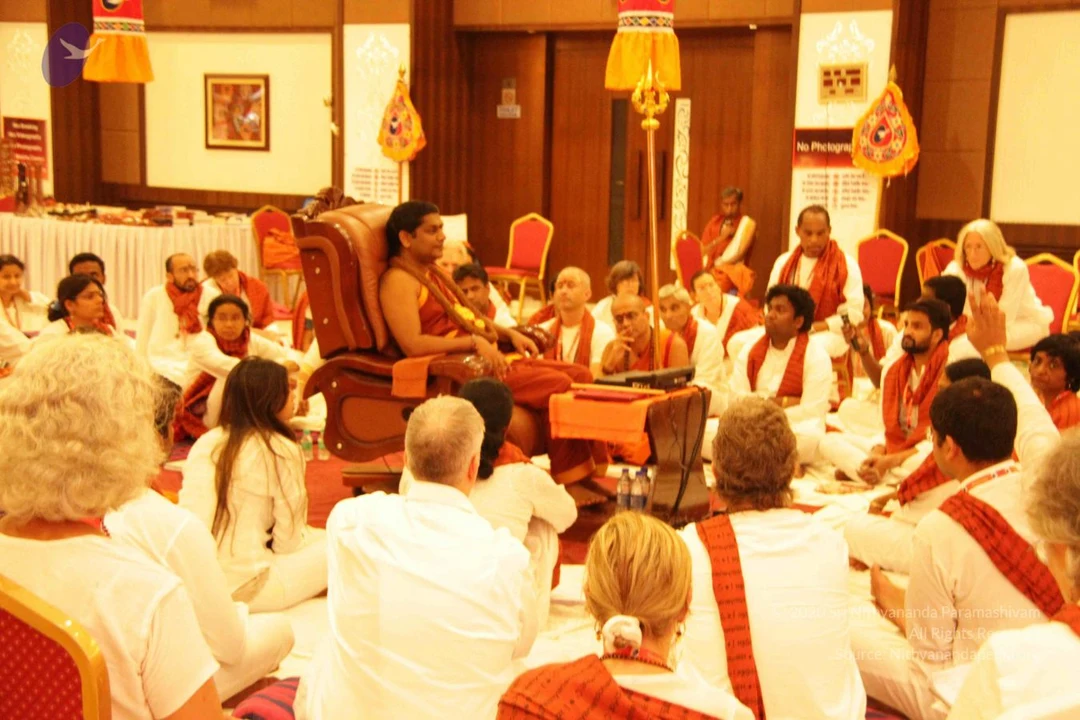
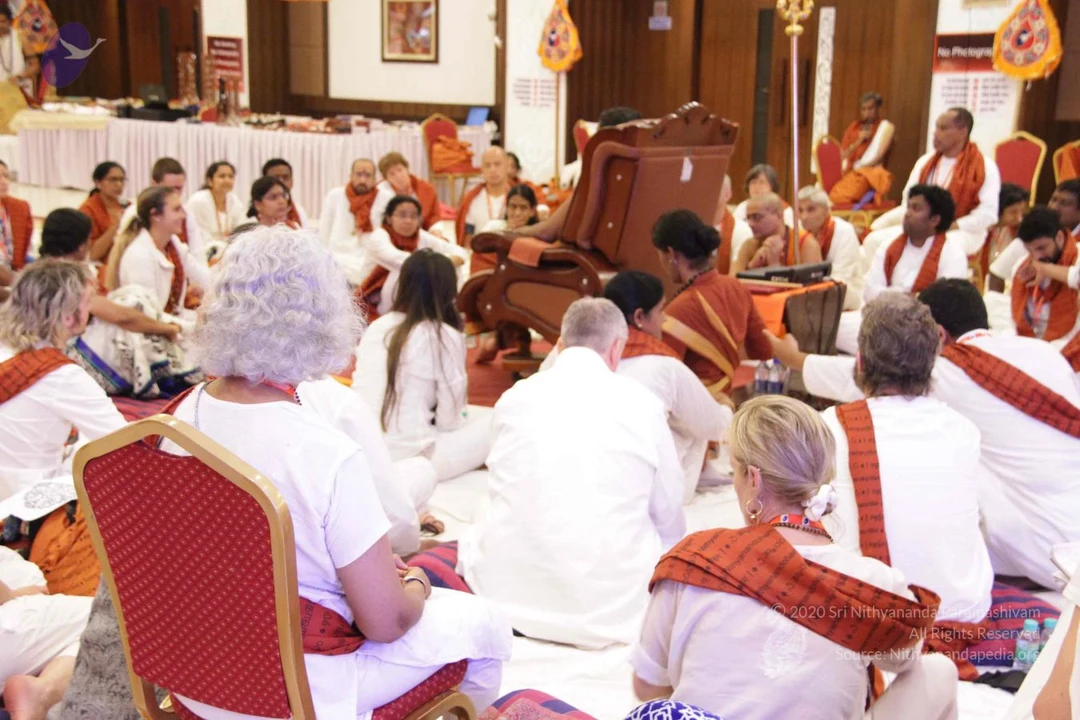
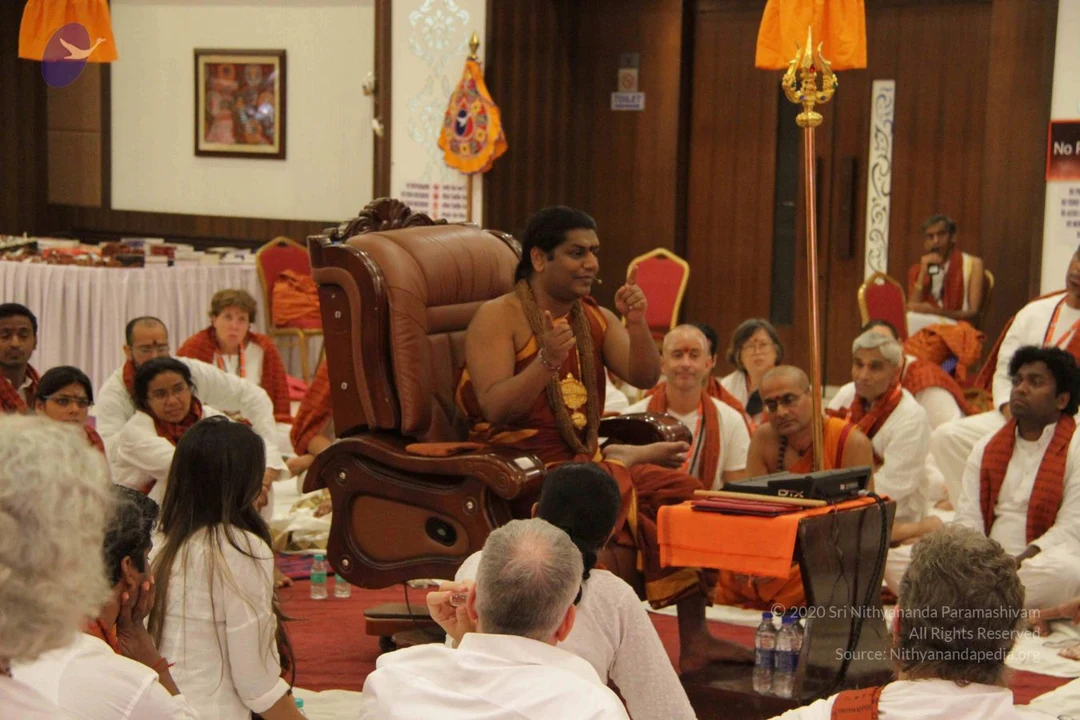
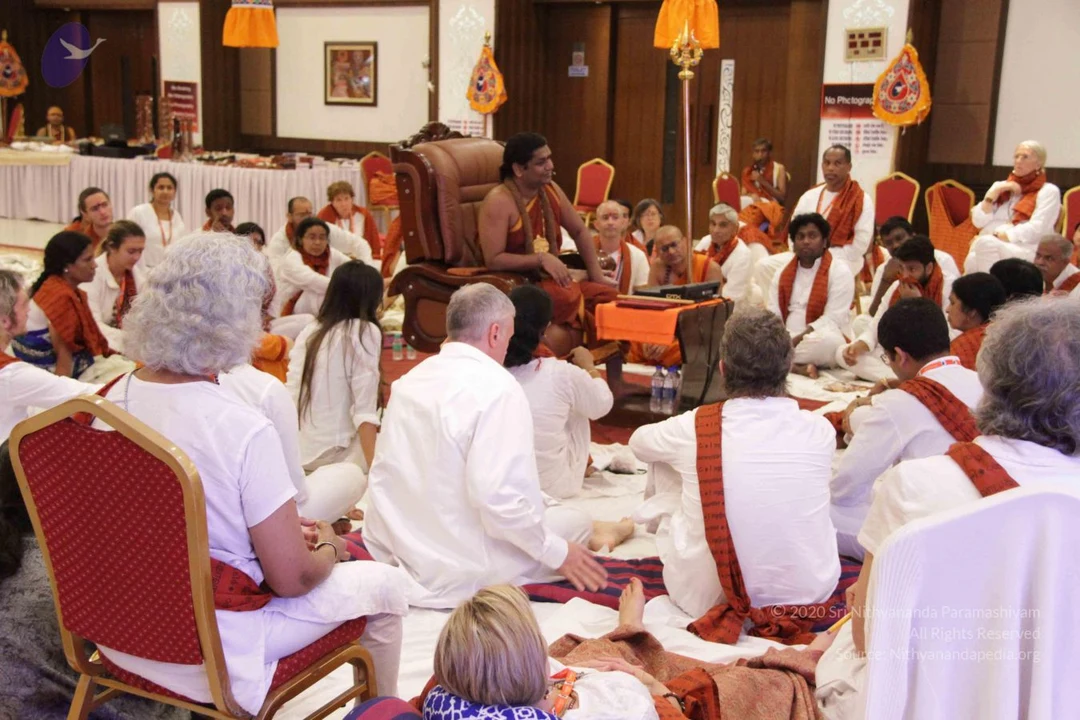
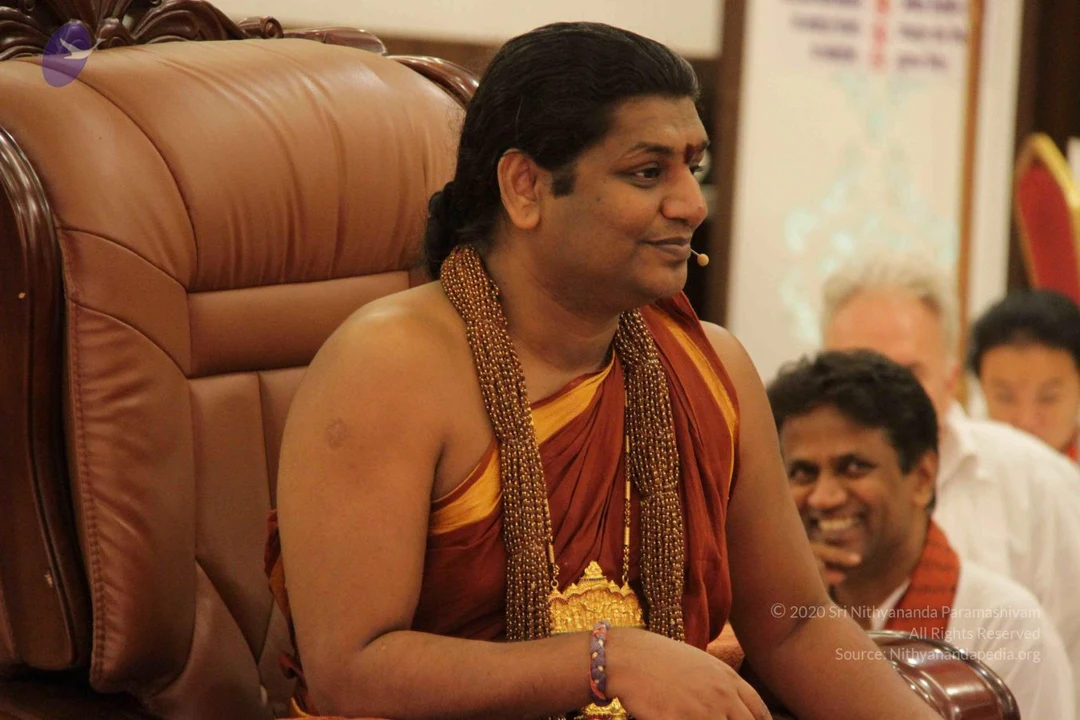
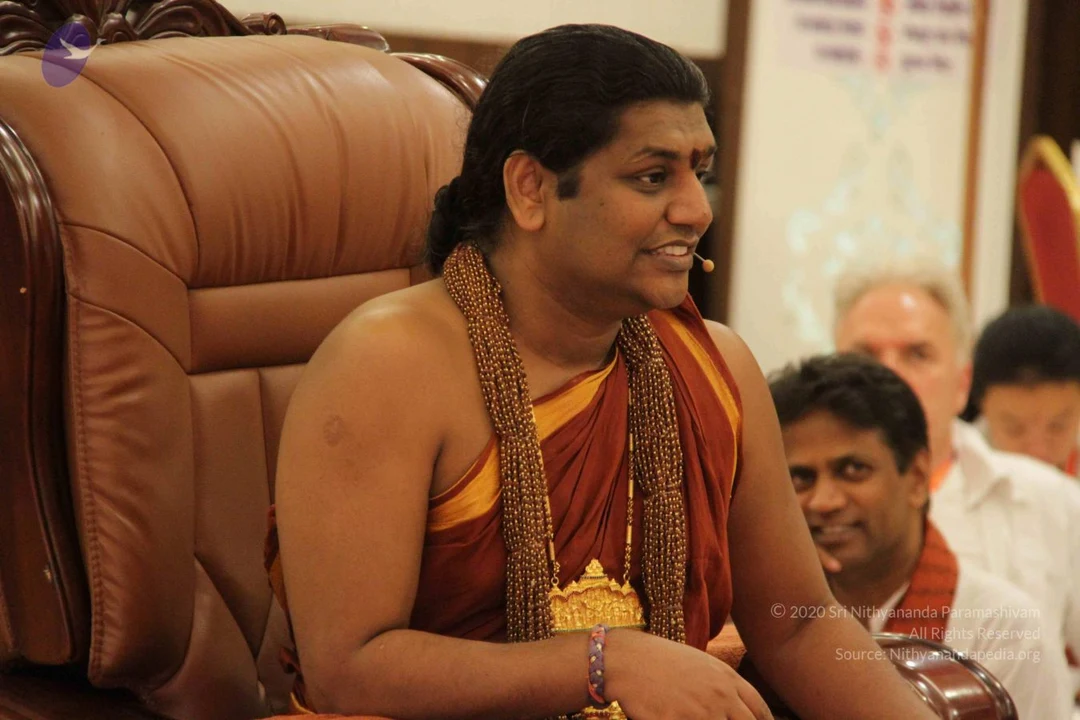

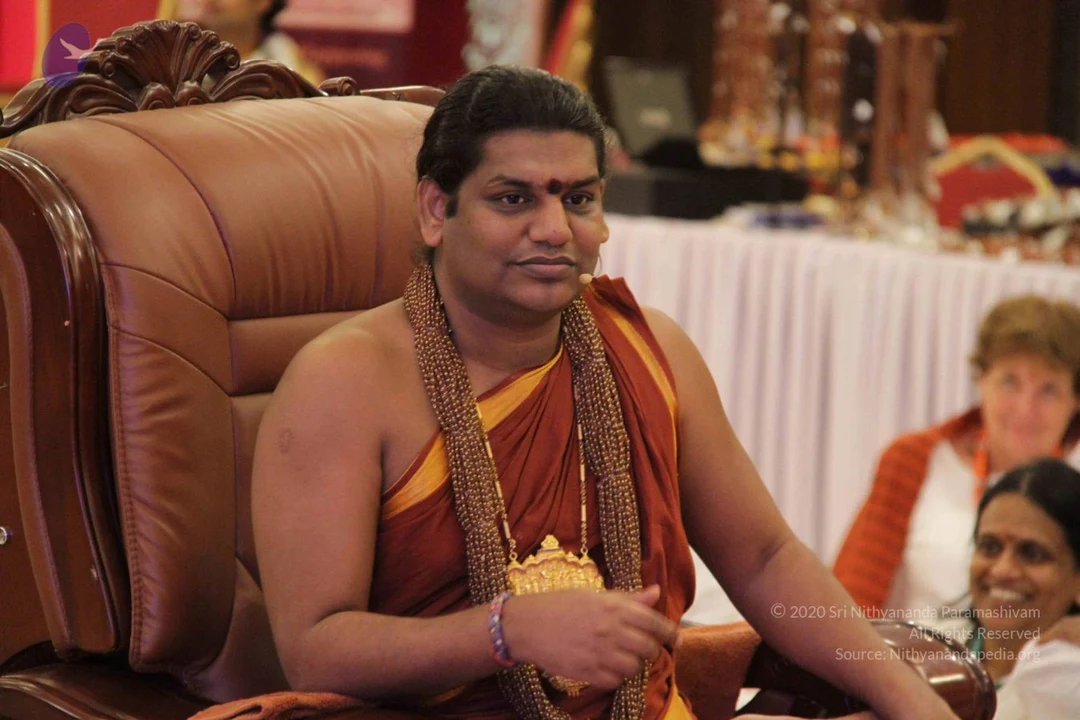
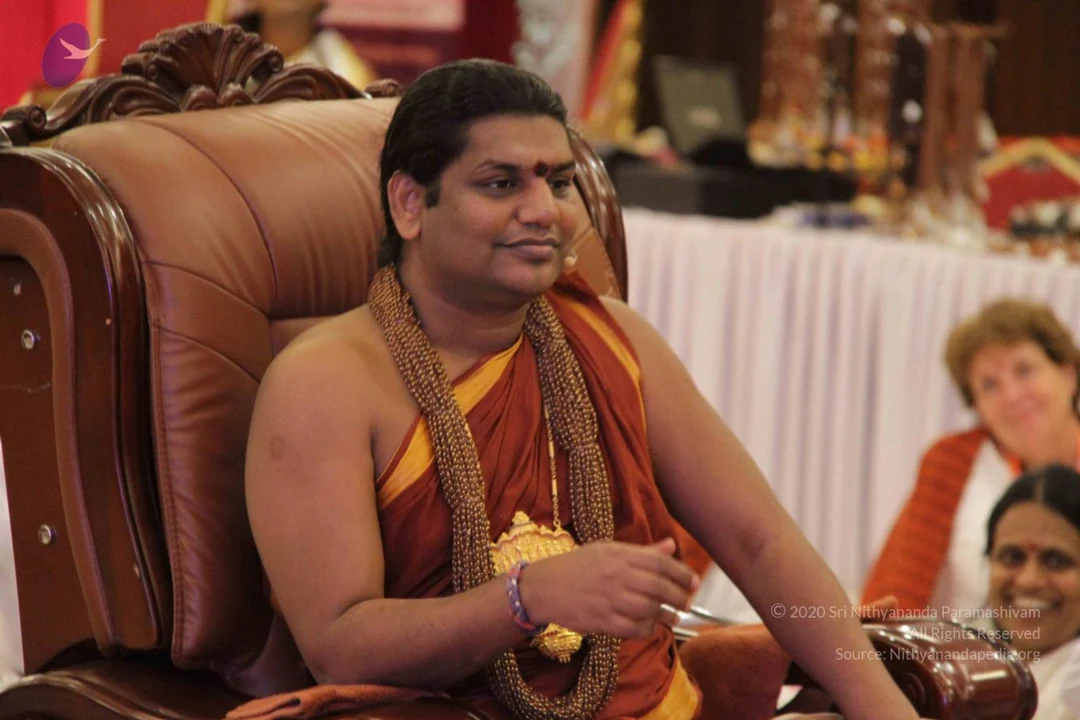
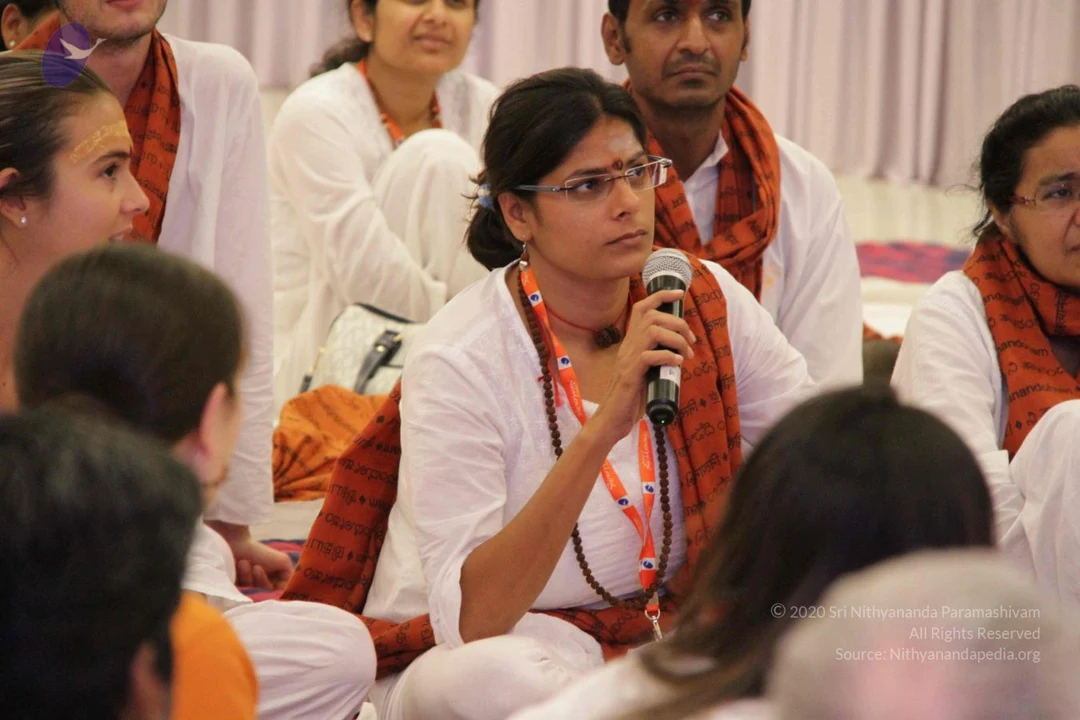
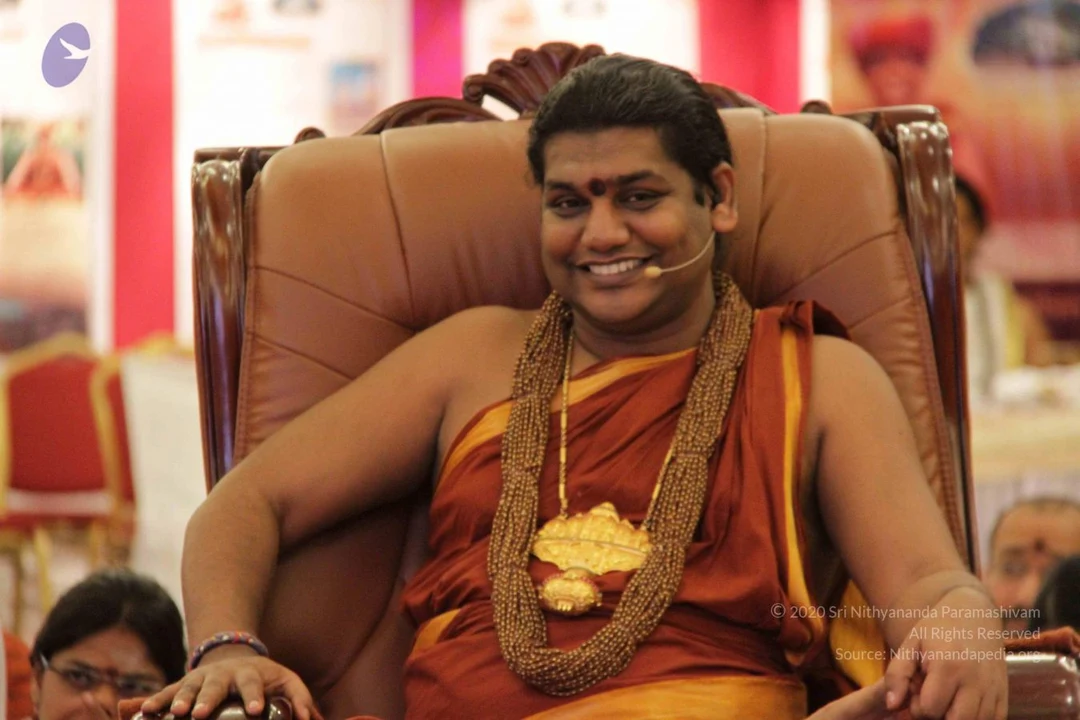
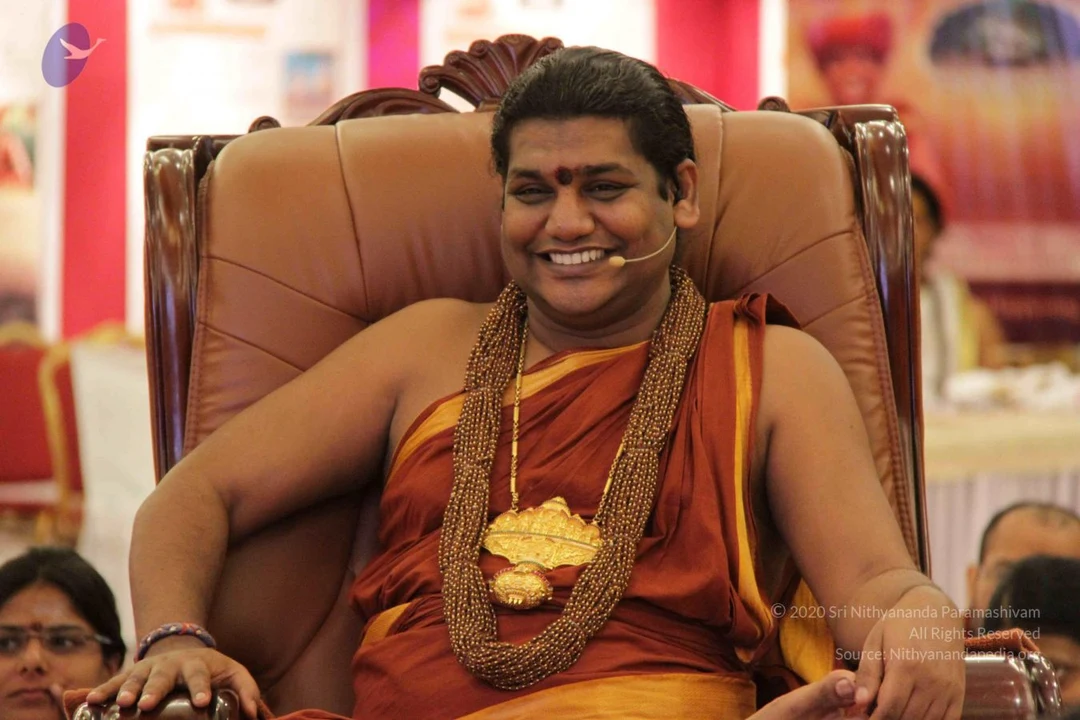
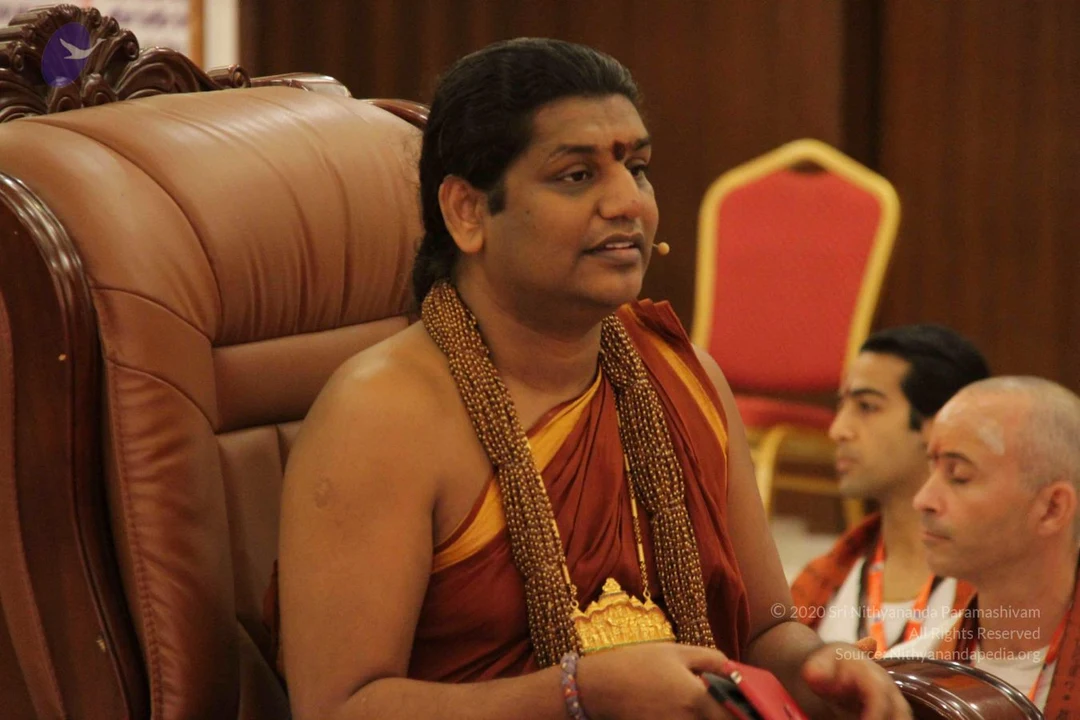
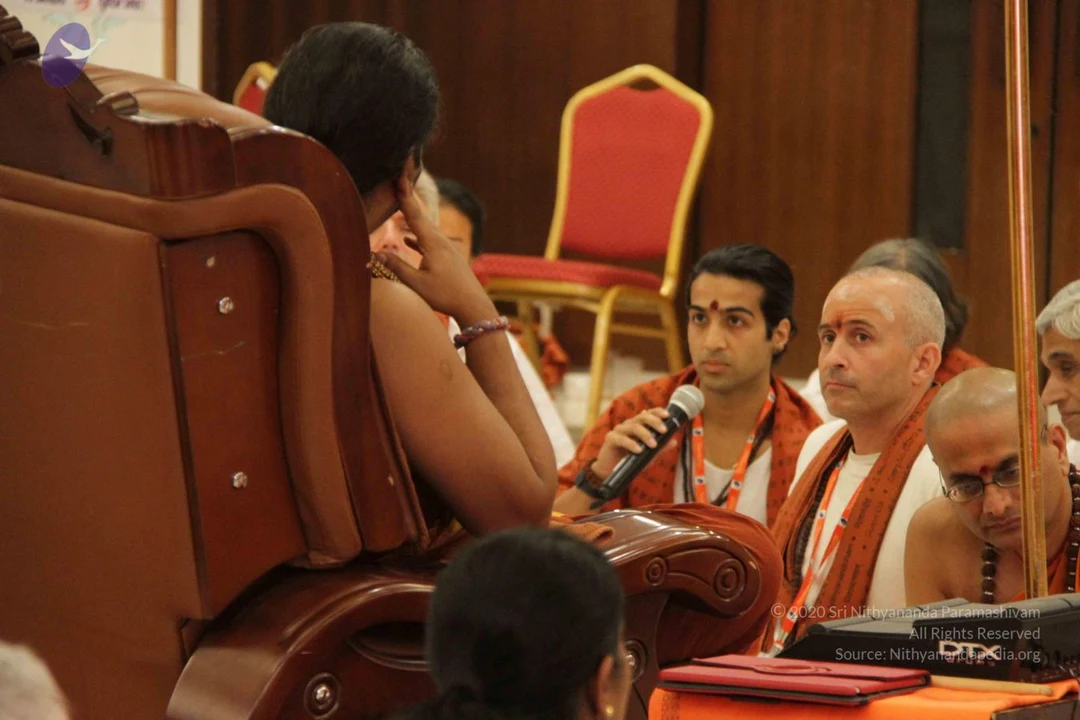
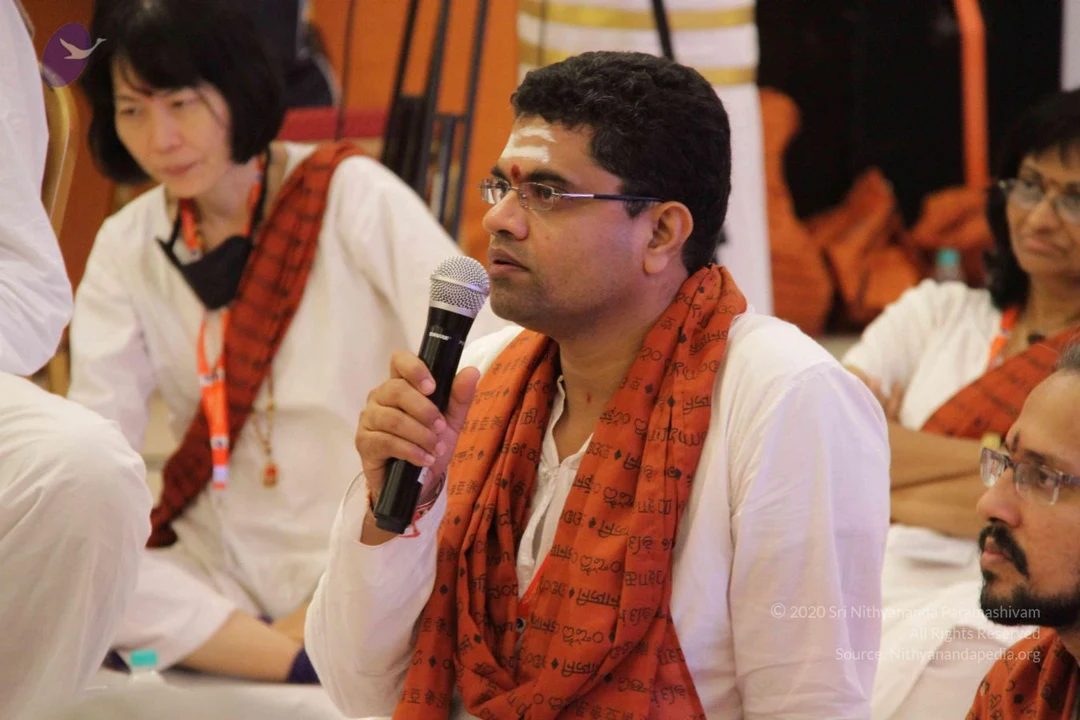
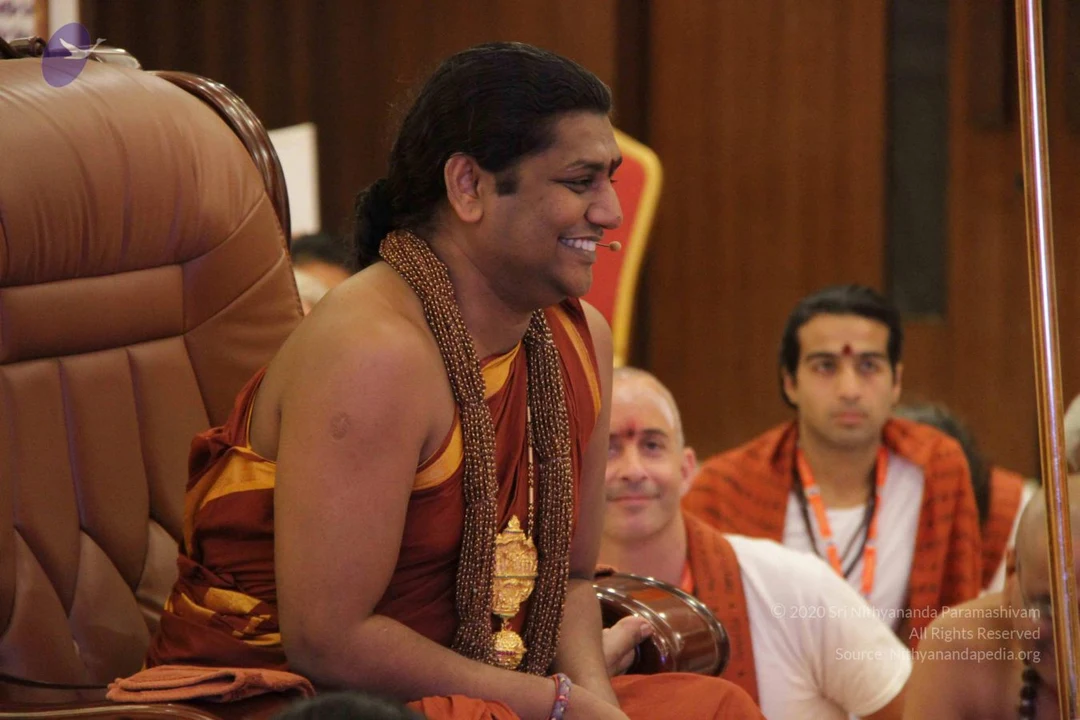
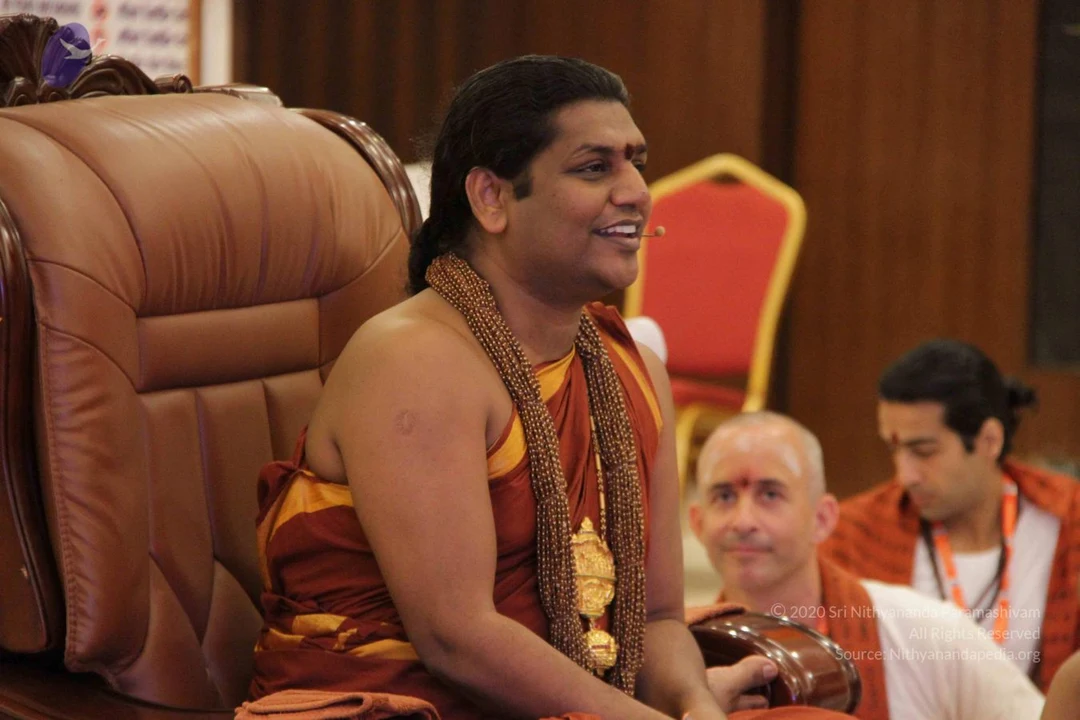
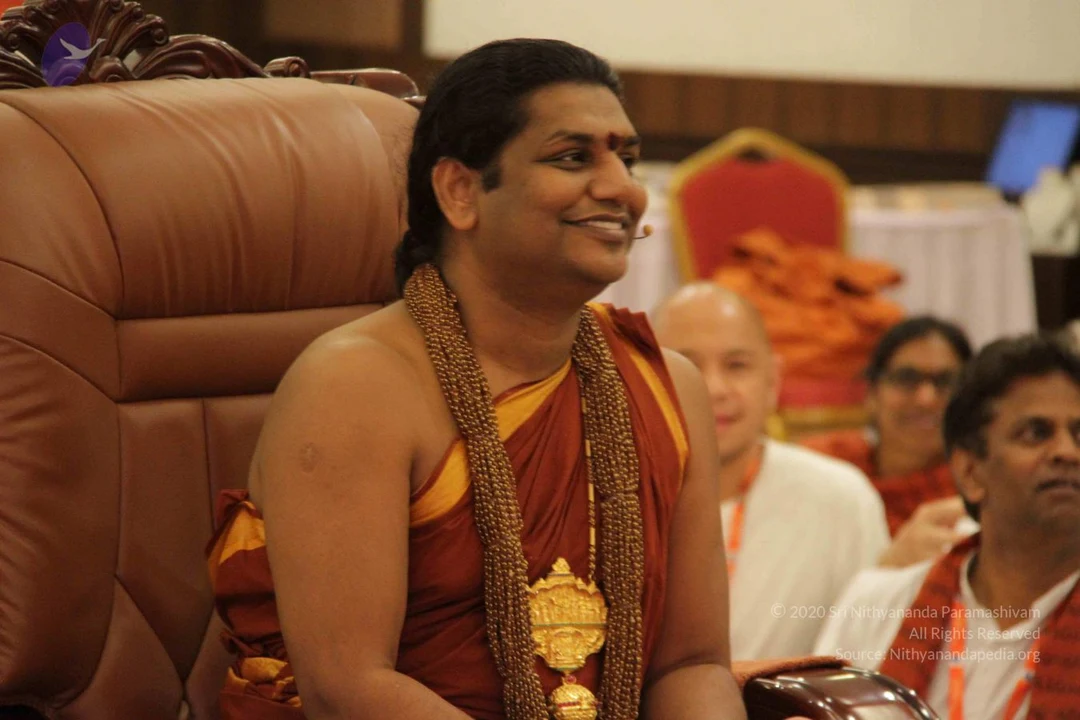
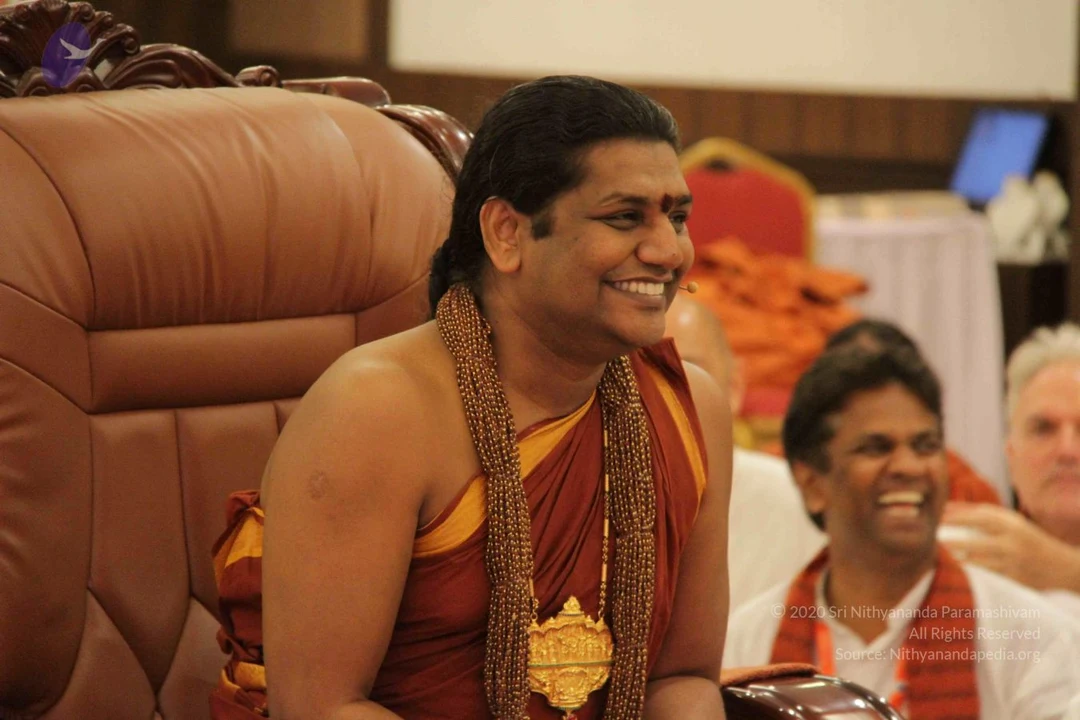
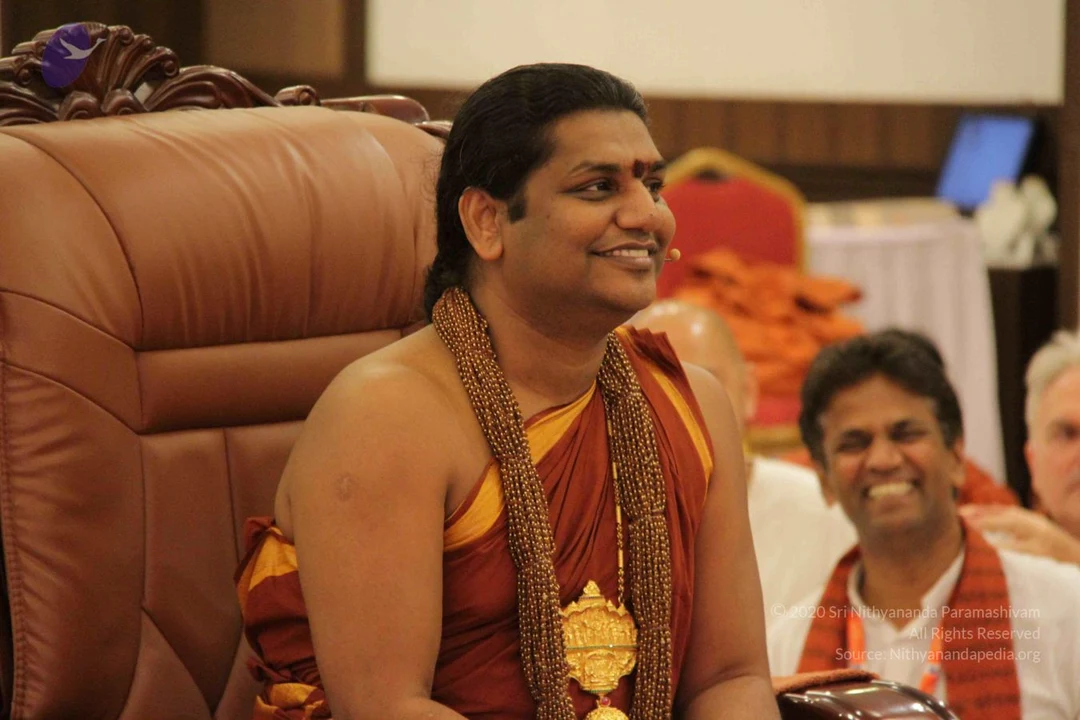
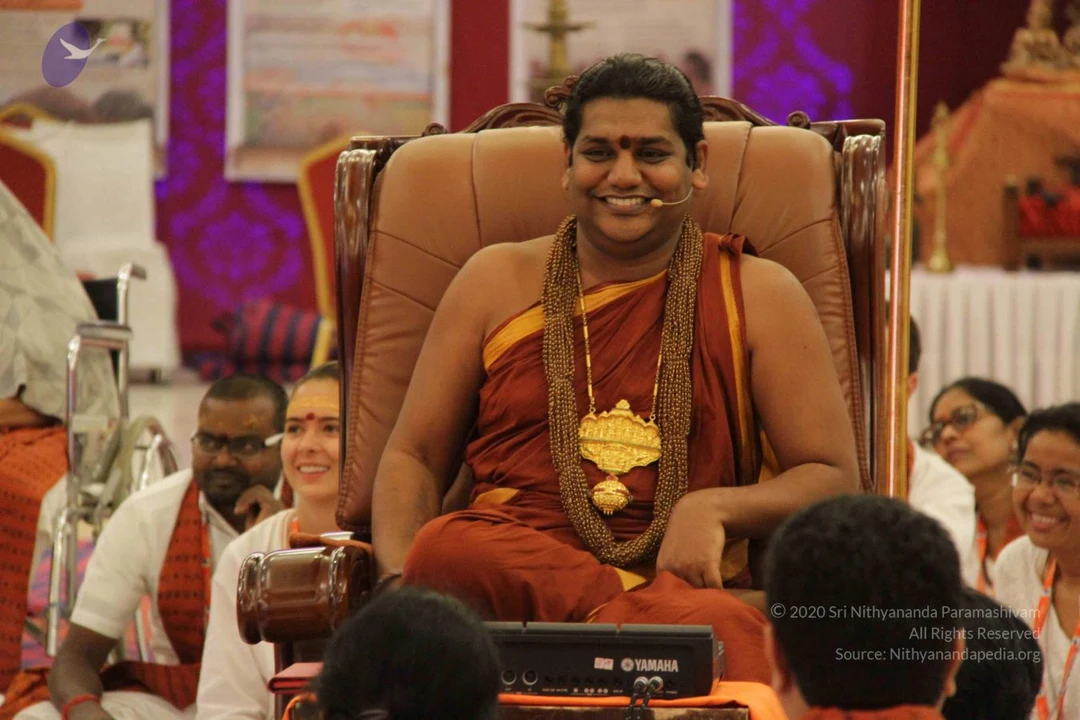
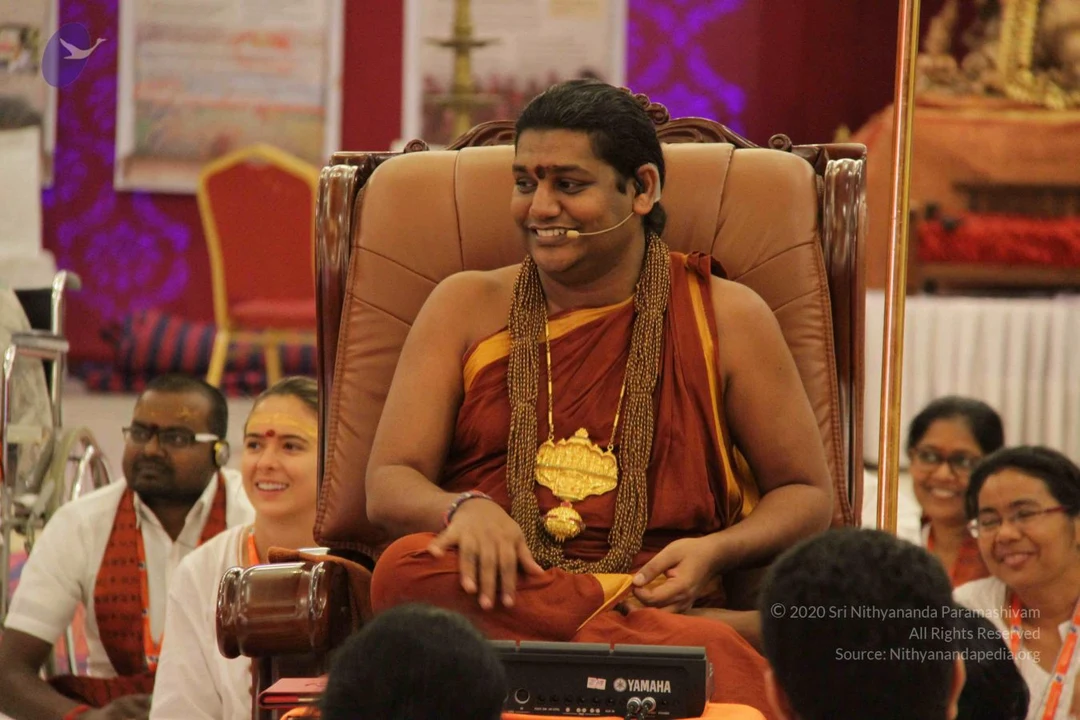
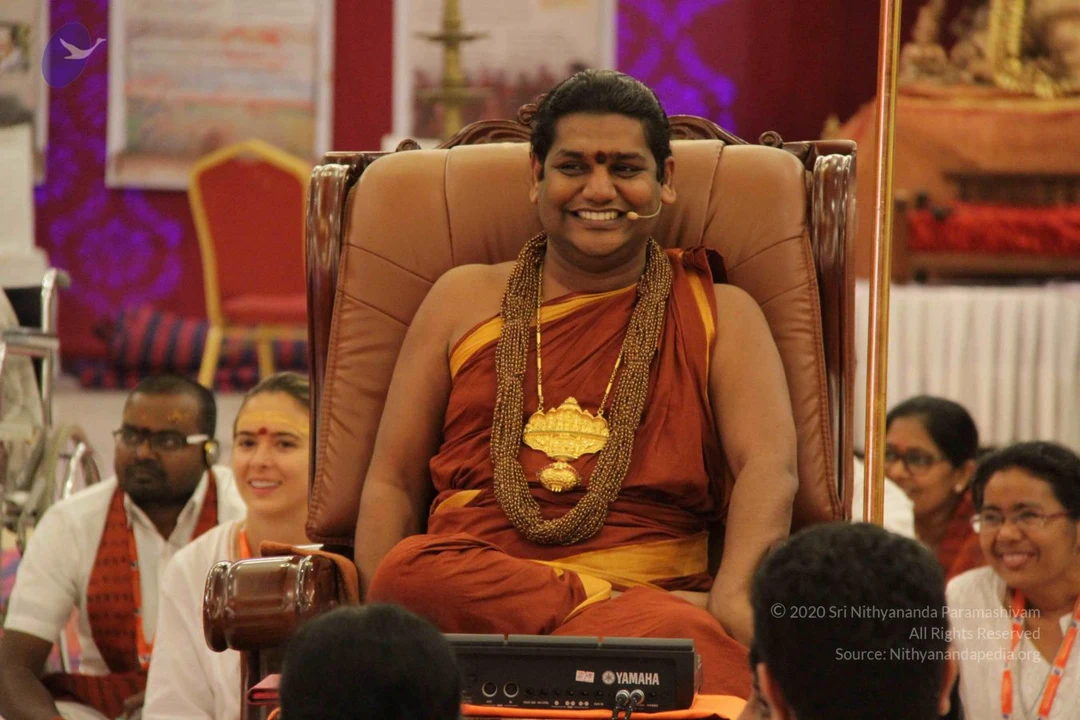
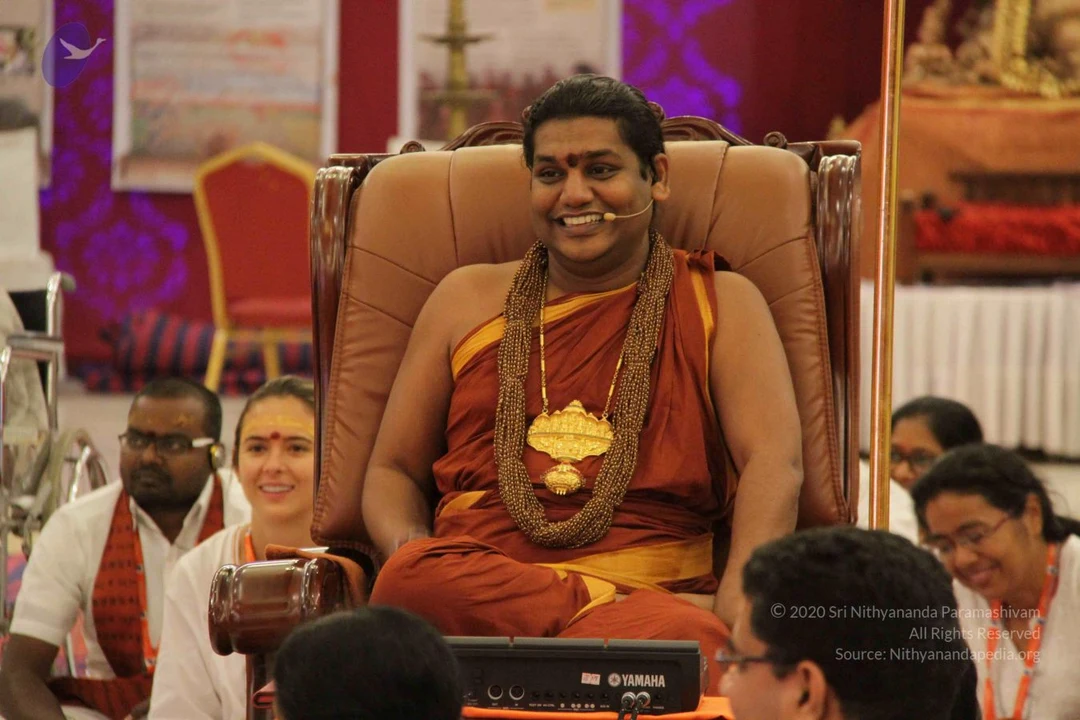
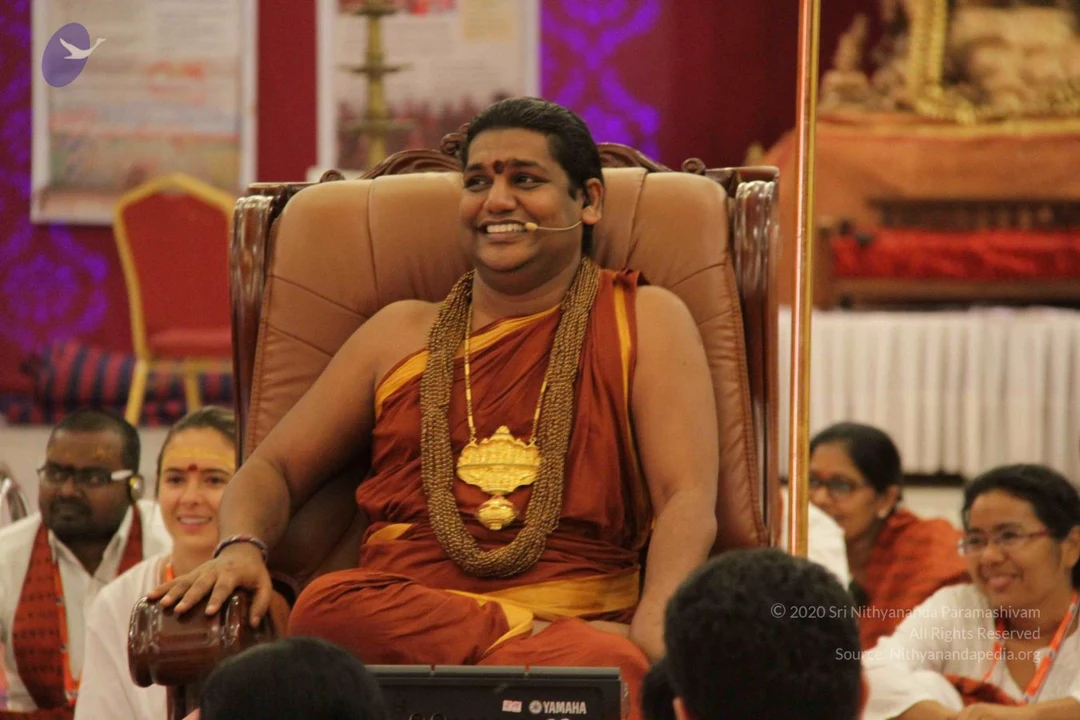
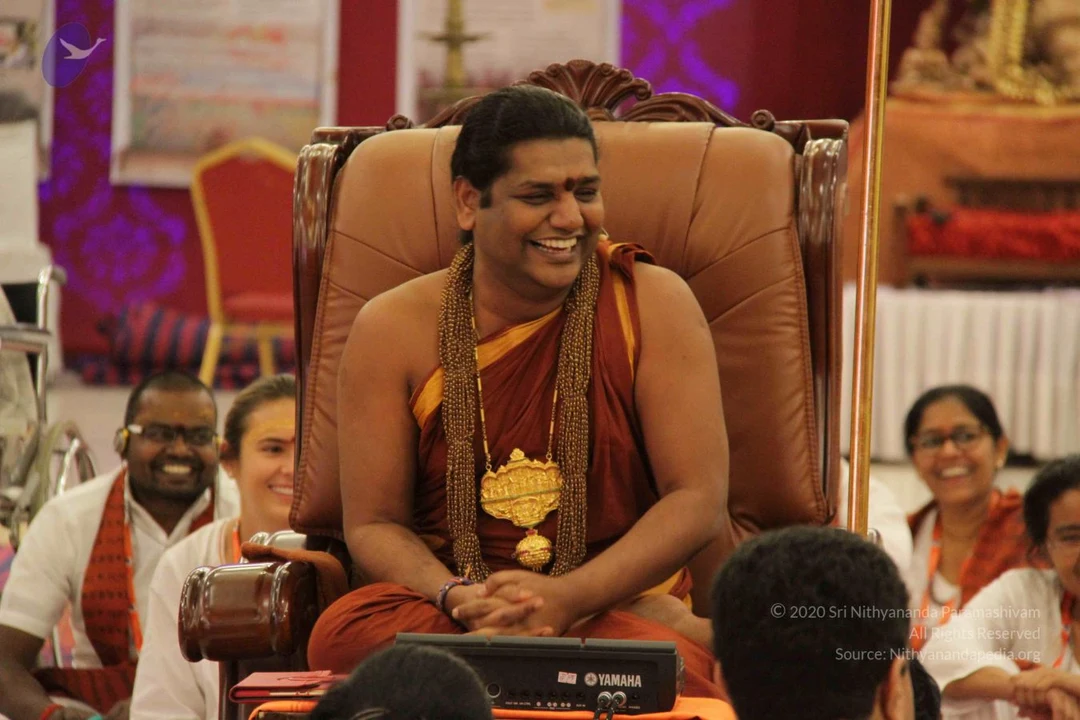
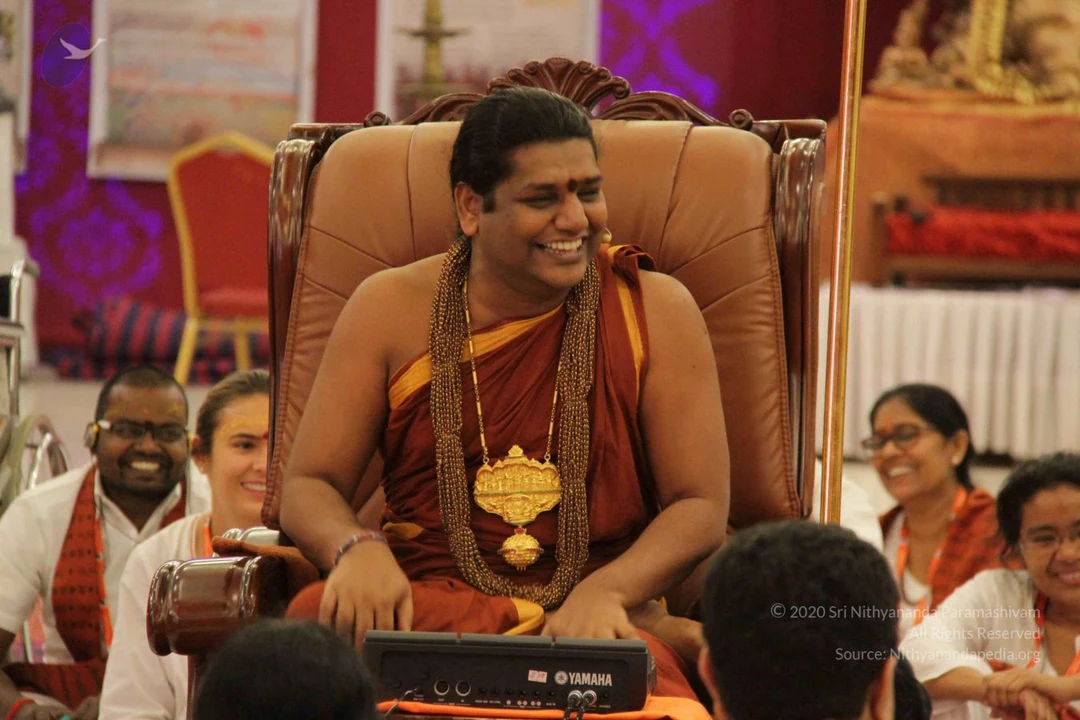
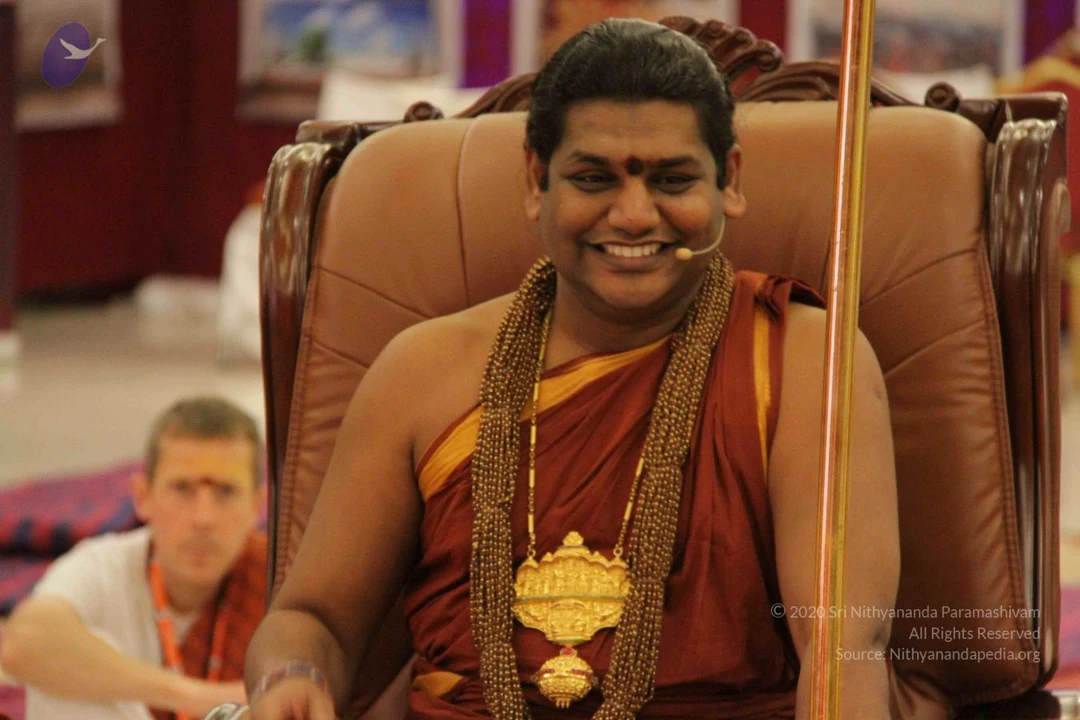
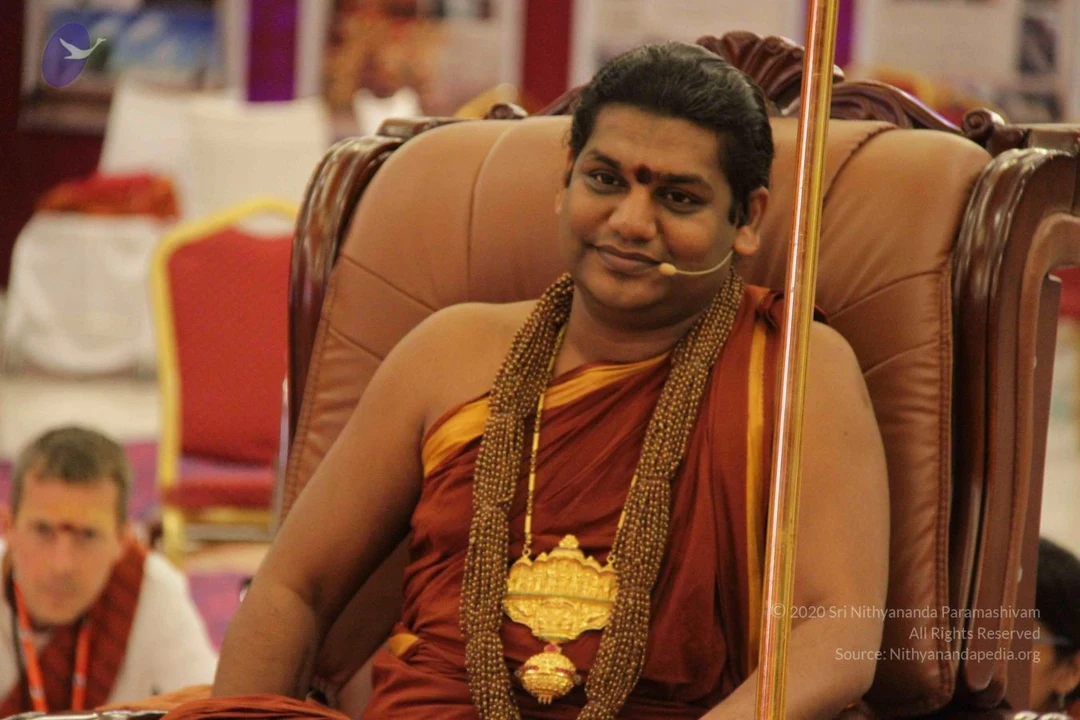
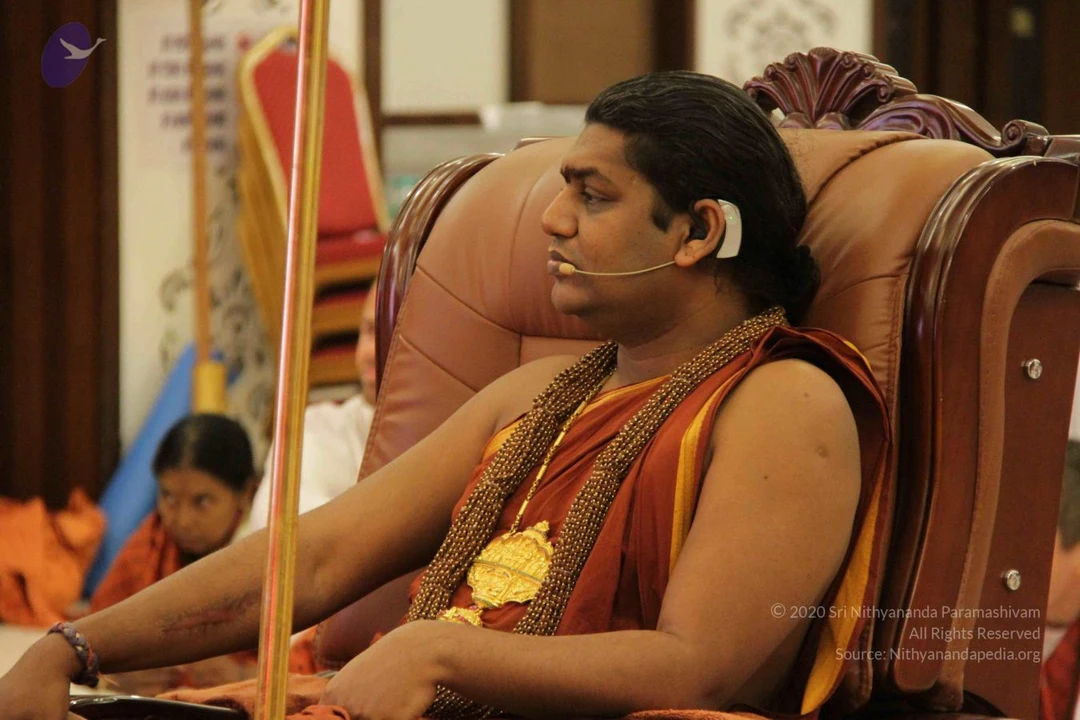
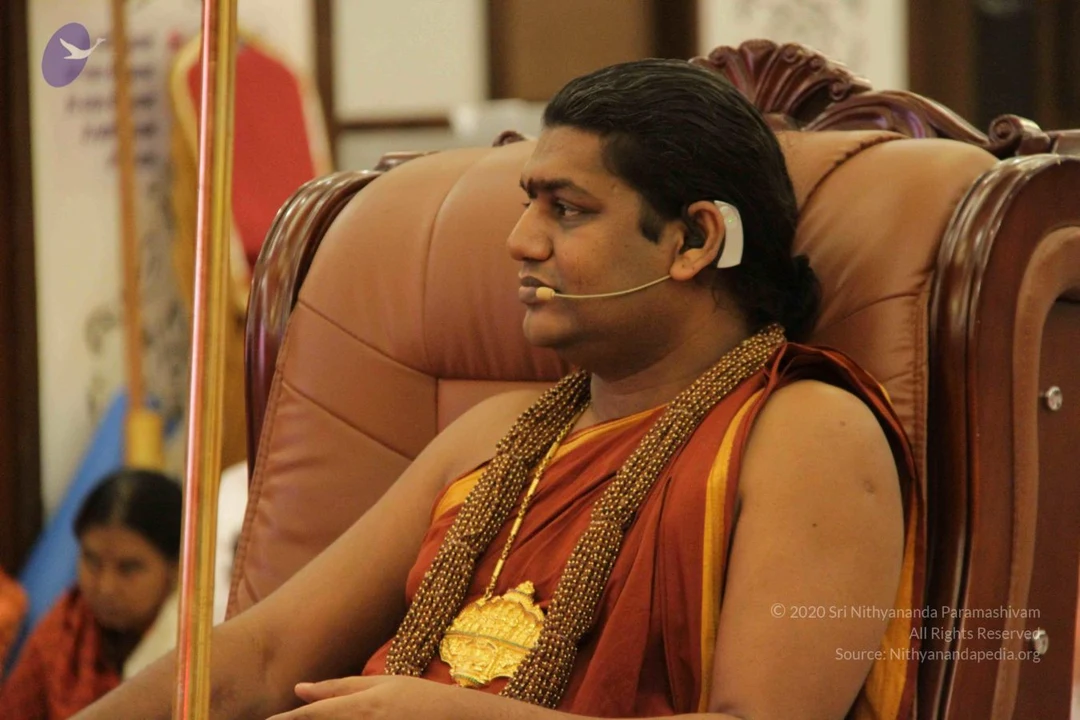
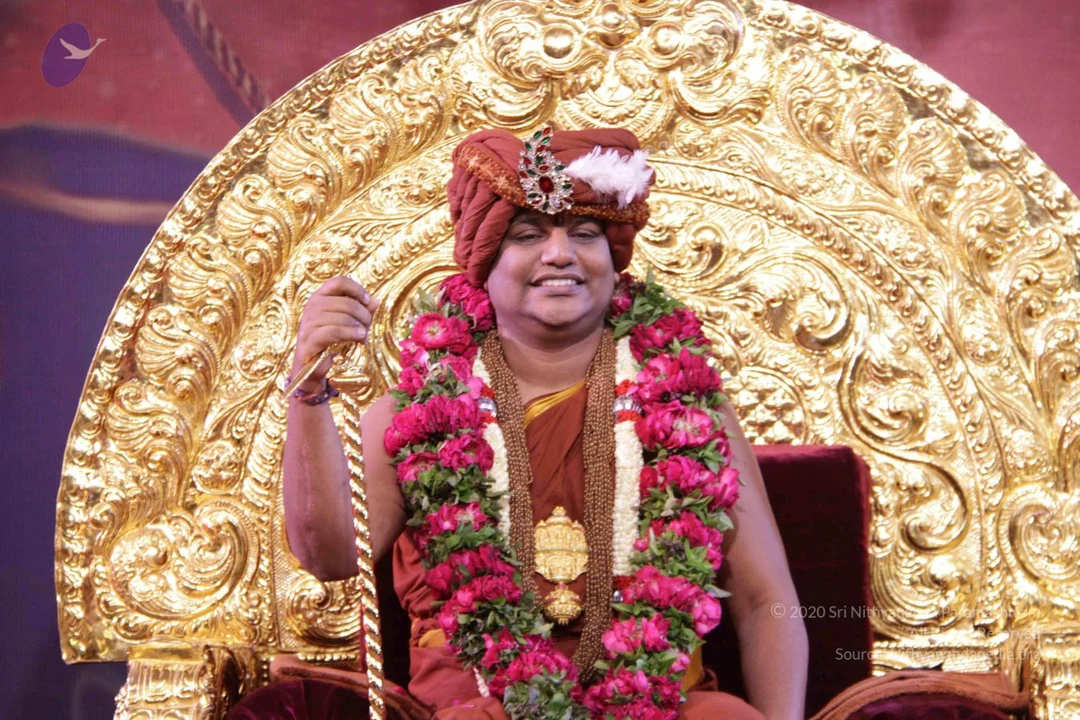
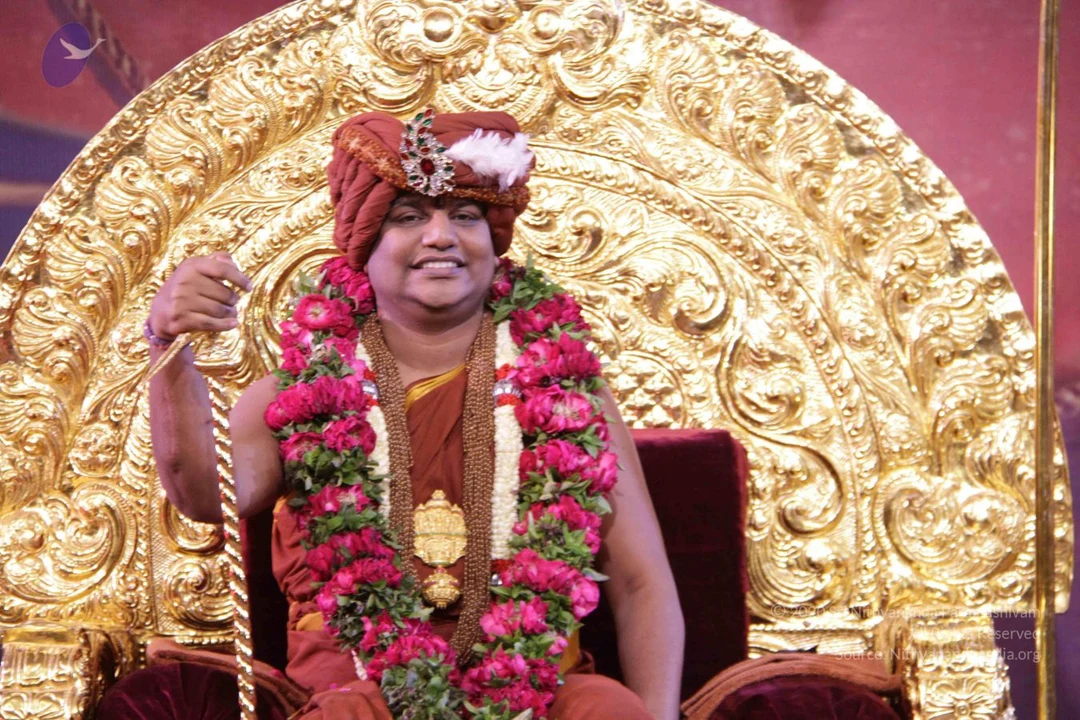
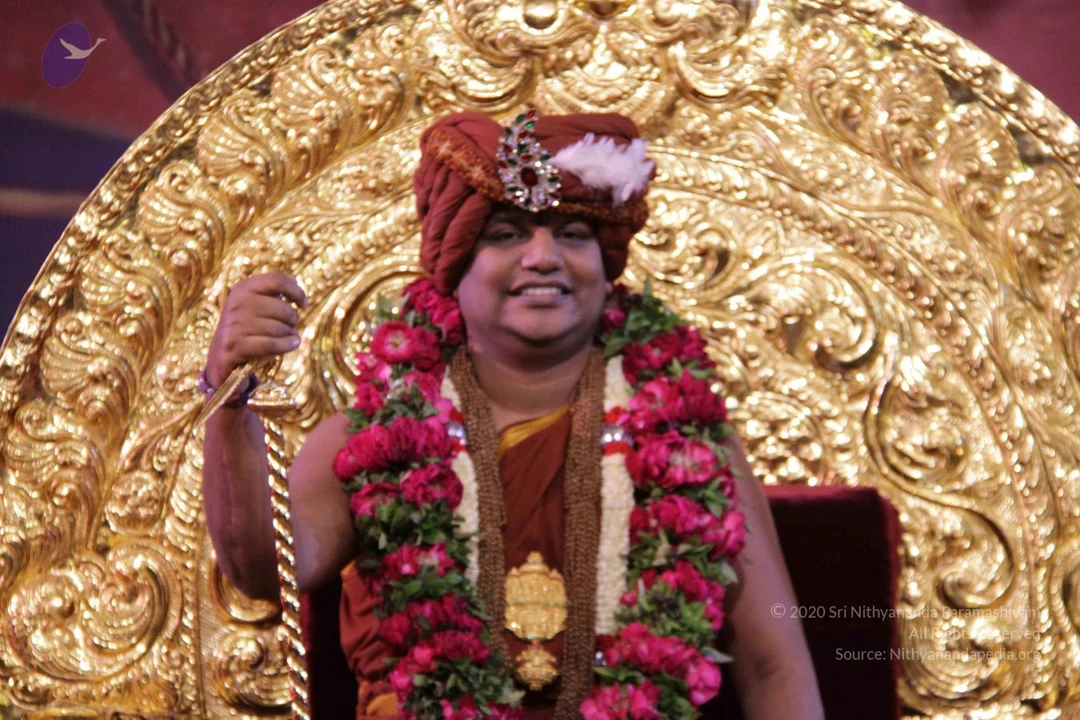
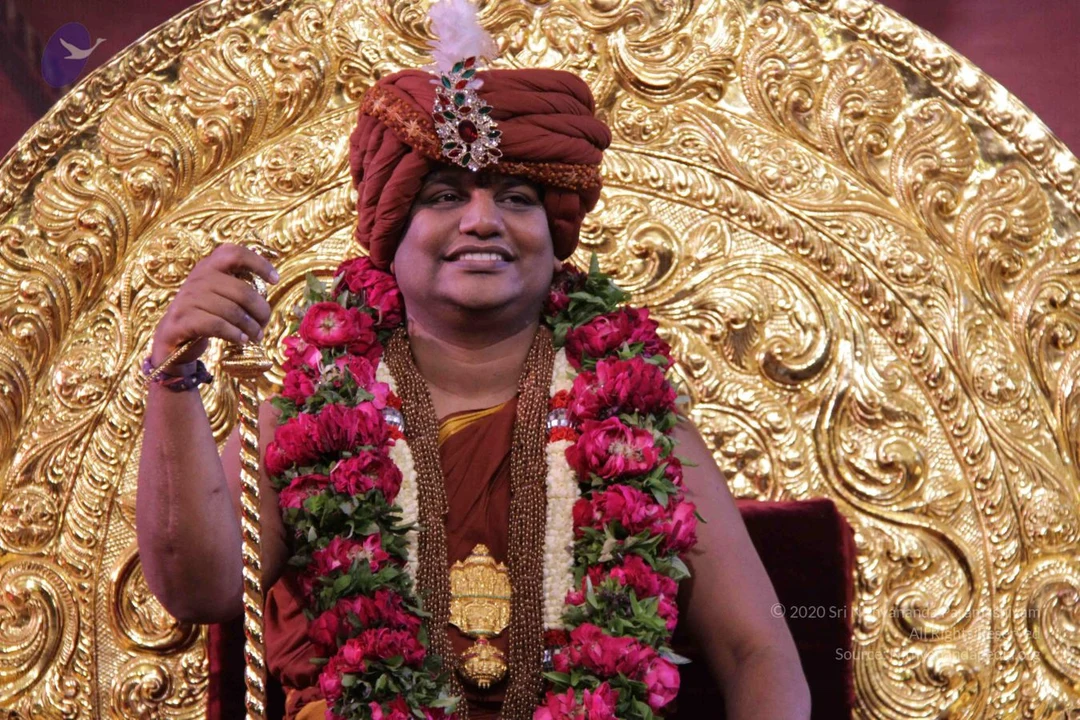
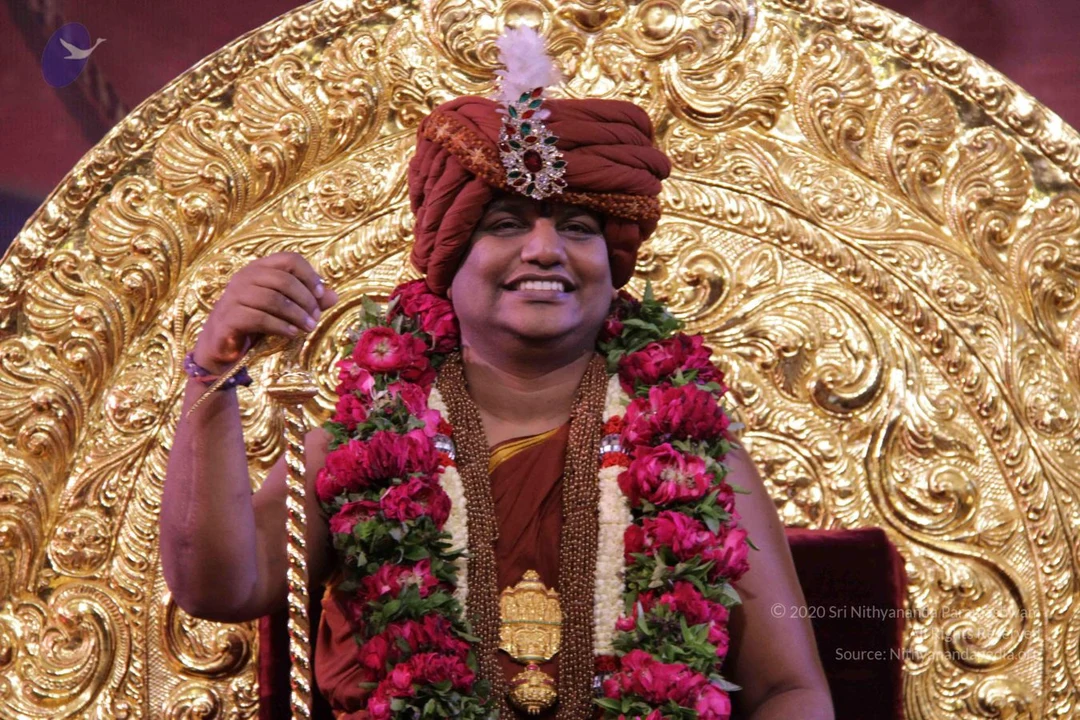
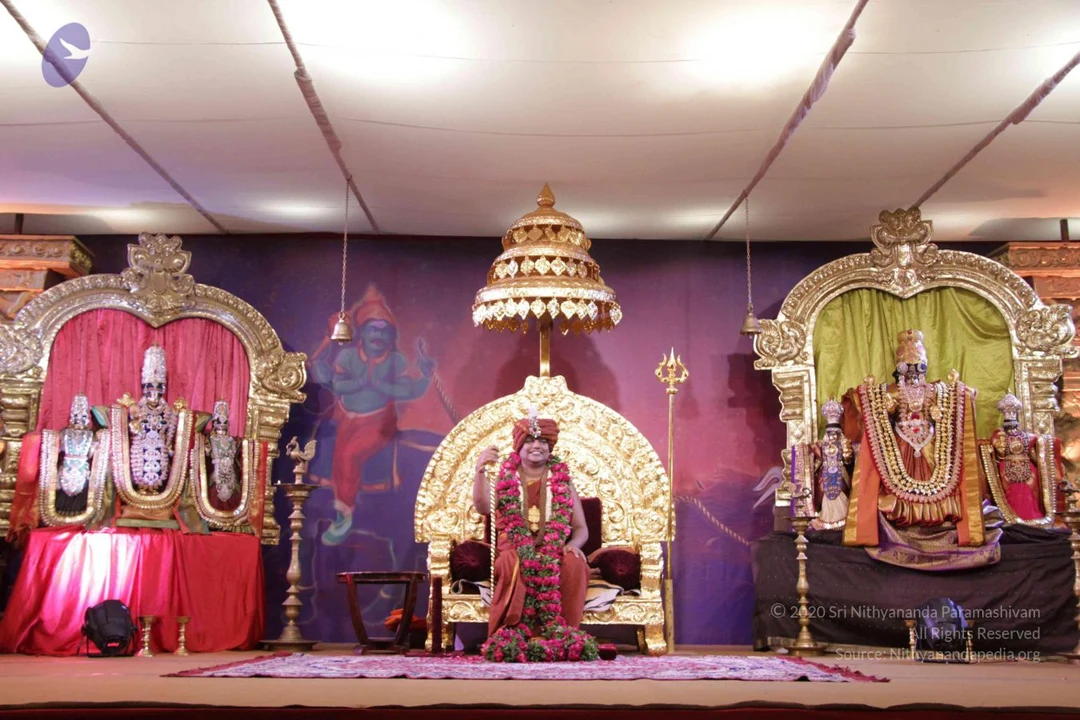
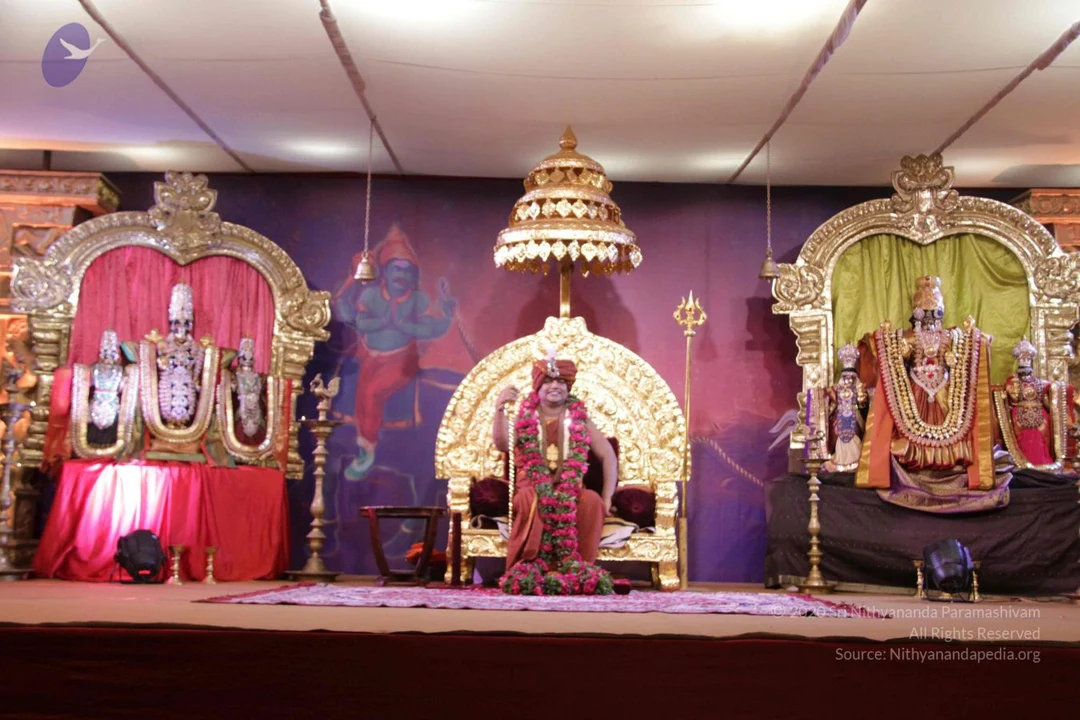
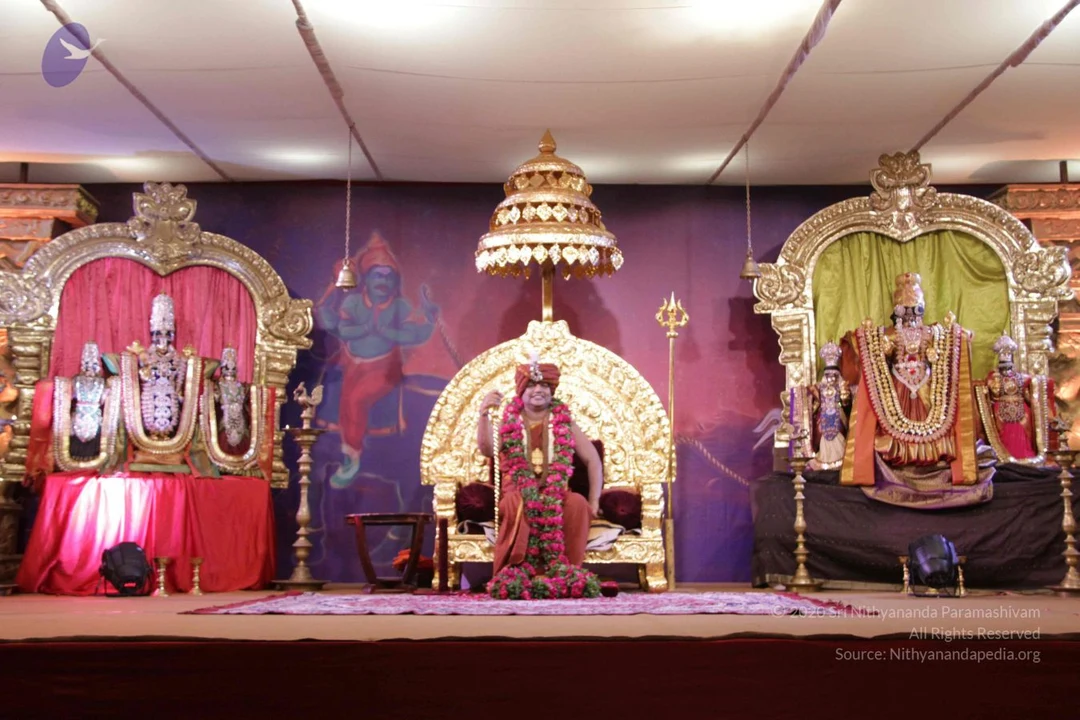
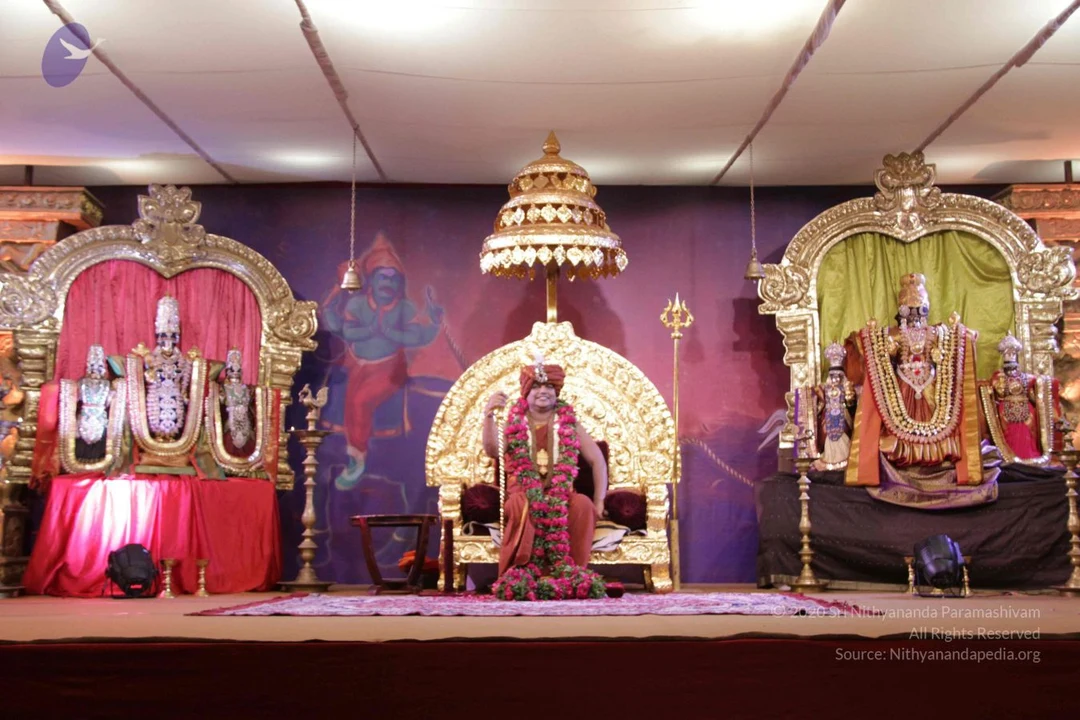
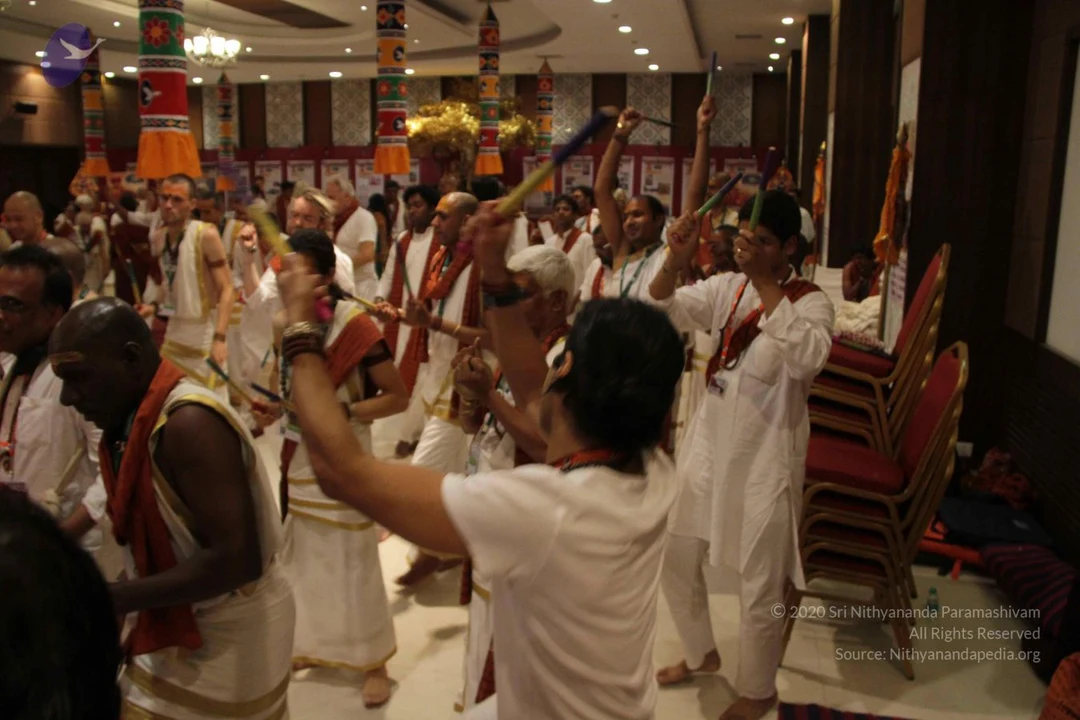

Photos Of The Day:
FB-photo-of-the-day
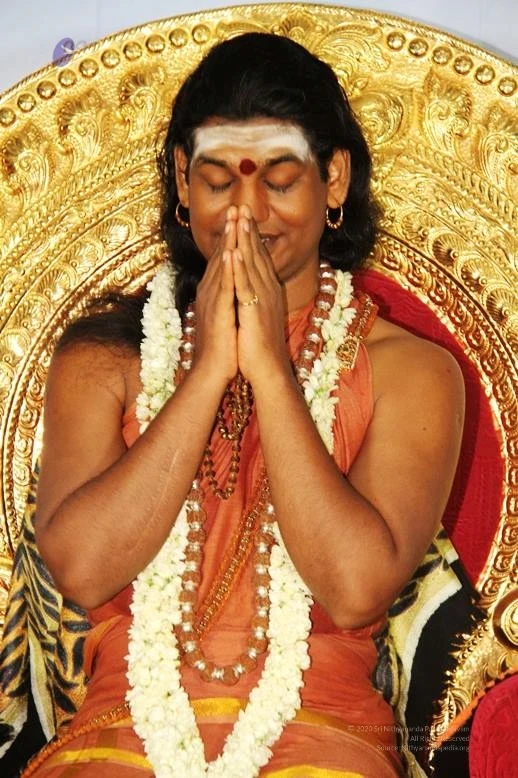
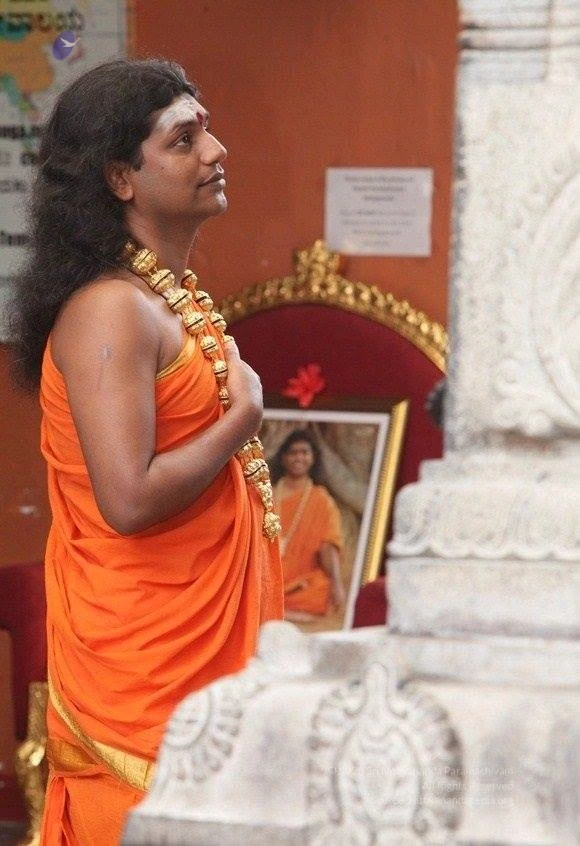
1-Morning-Satsang


2-Shivoham-Volunteer-Meeting-and-Darbha


3-Volunteer-Meeting-and-Darbha


Photos from this day
View all 295 photosPhotos From The Day:
11 photosSource gallery
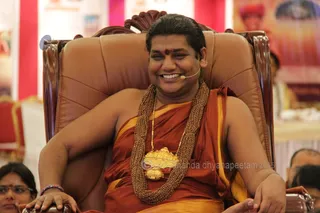
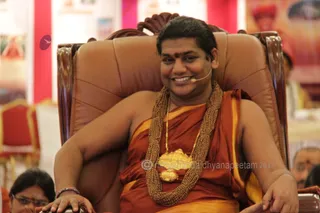
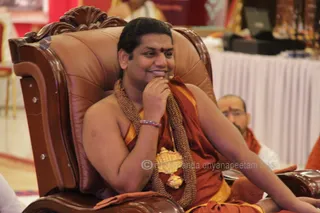
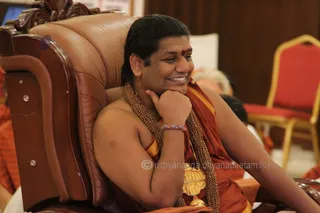
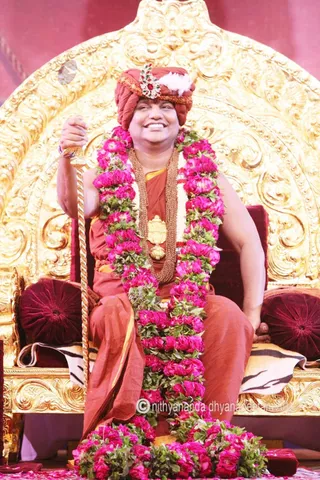
Morning-satsang
83 photosSource gallery
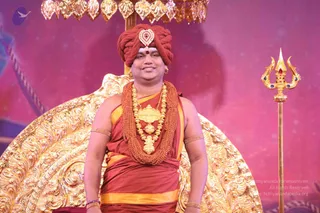
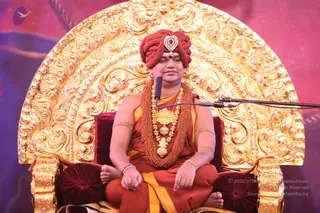
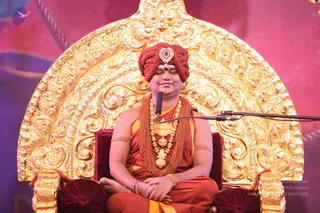
Shivoham-volunteer-meeting-and-Darbha
62 photosSource gallery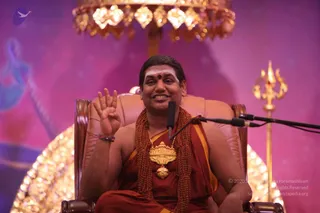
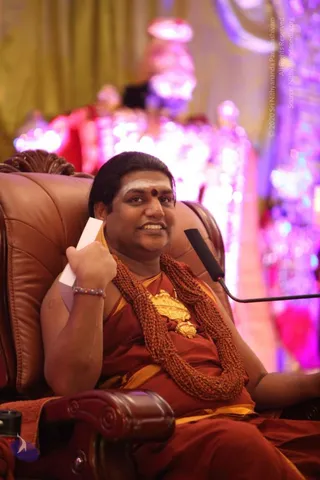
Volunteer-meeting-and-Darbha
58 photosSource gallery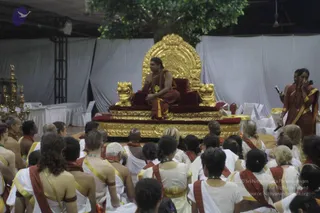
FB-photo-of-the-day
7 photosSource gallery

October 16 2015
74 photosView all