Skip to content
Sunday

16 October 2016

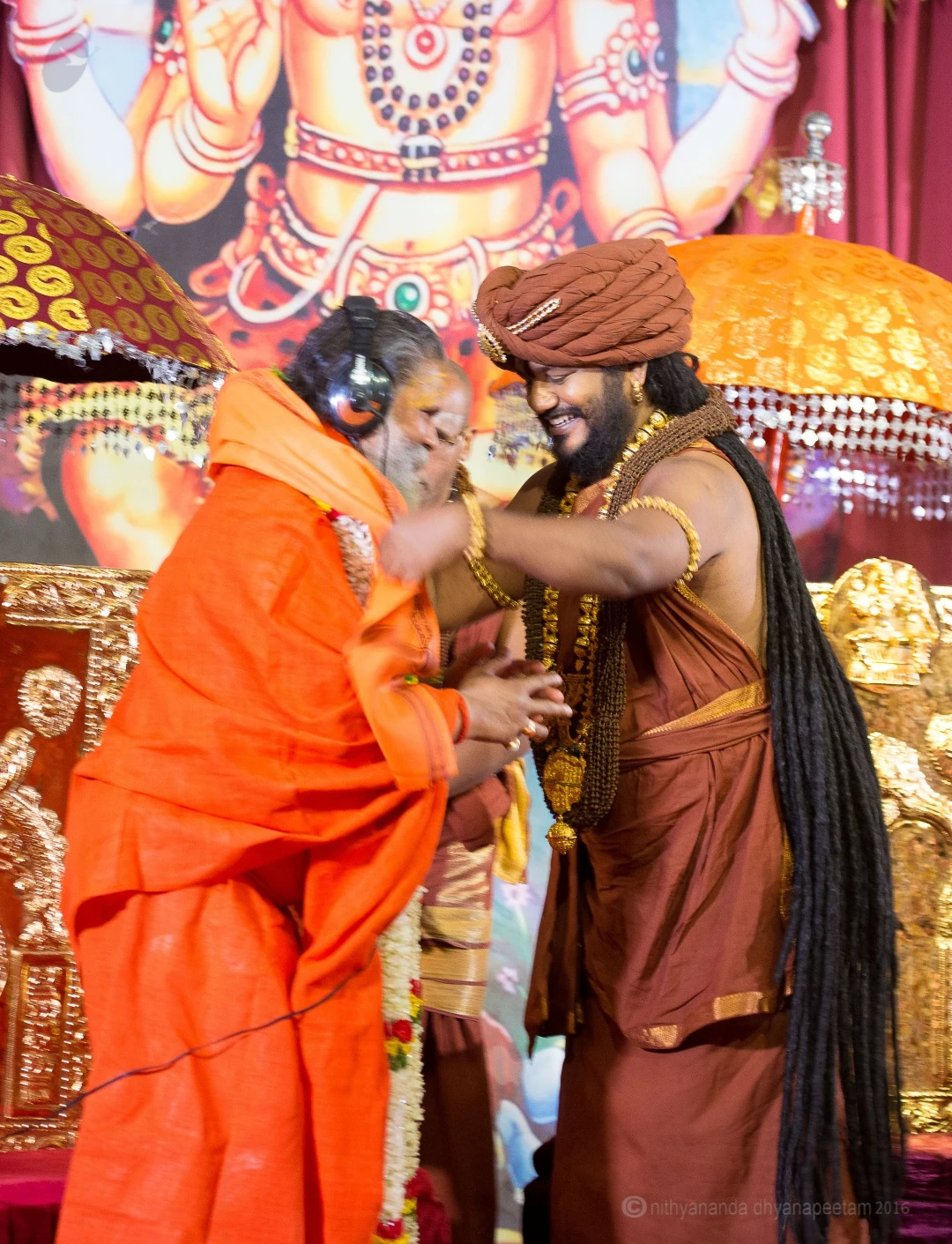
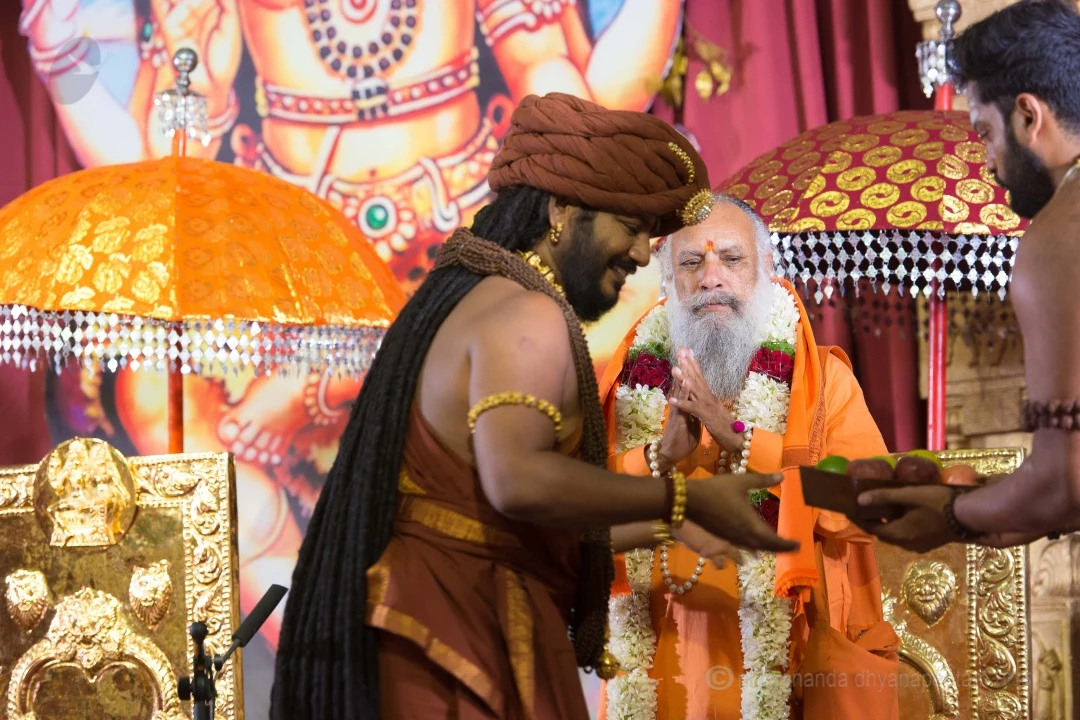
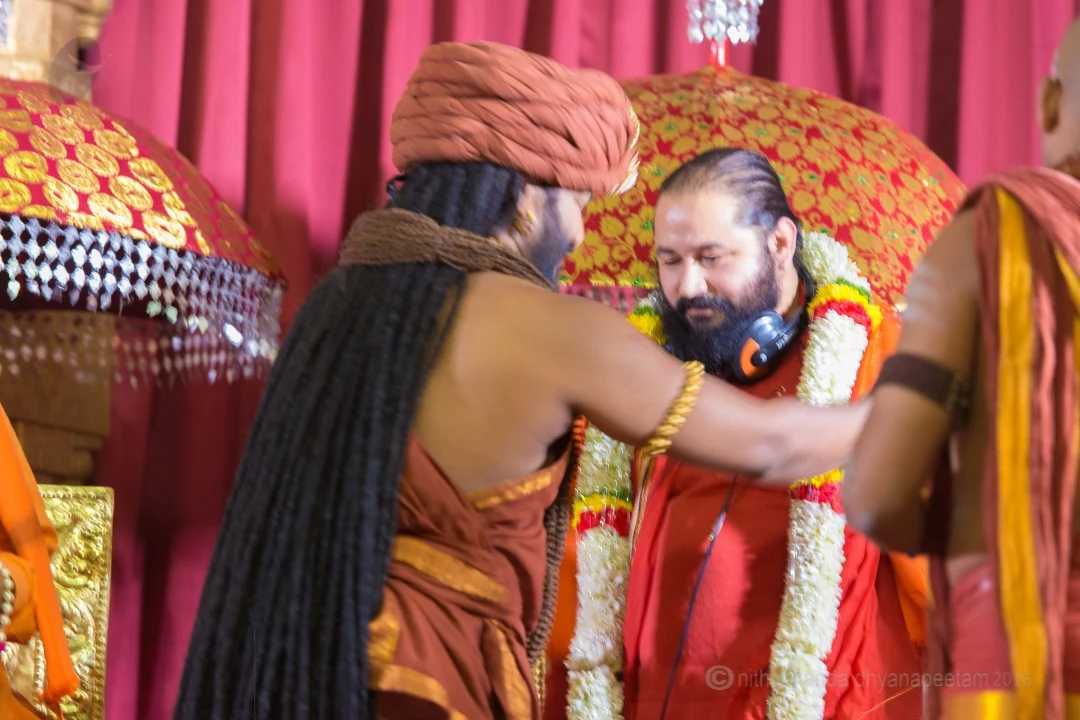
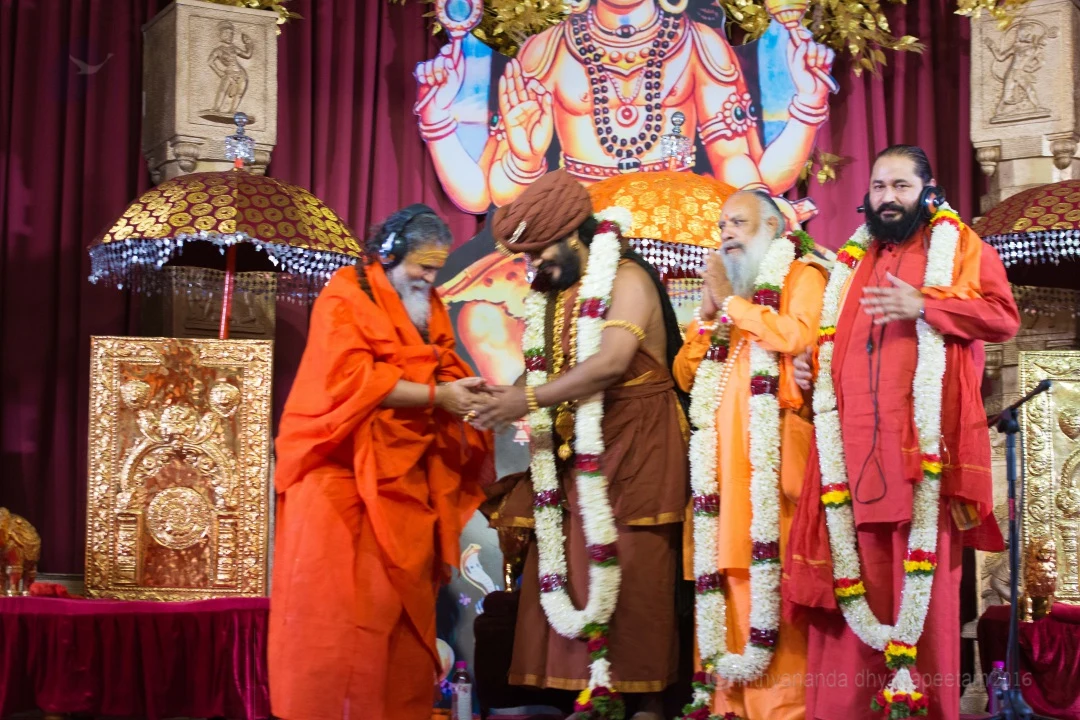
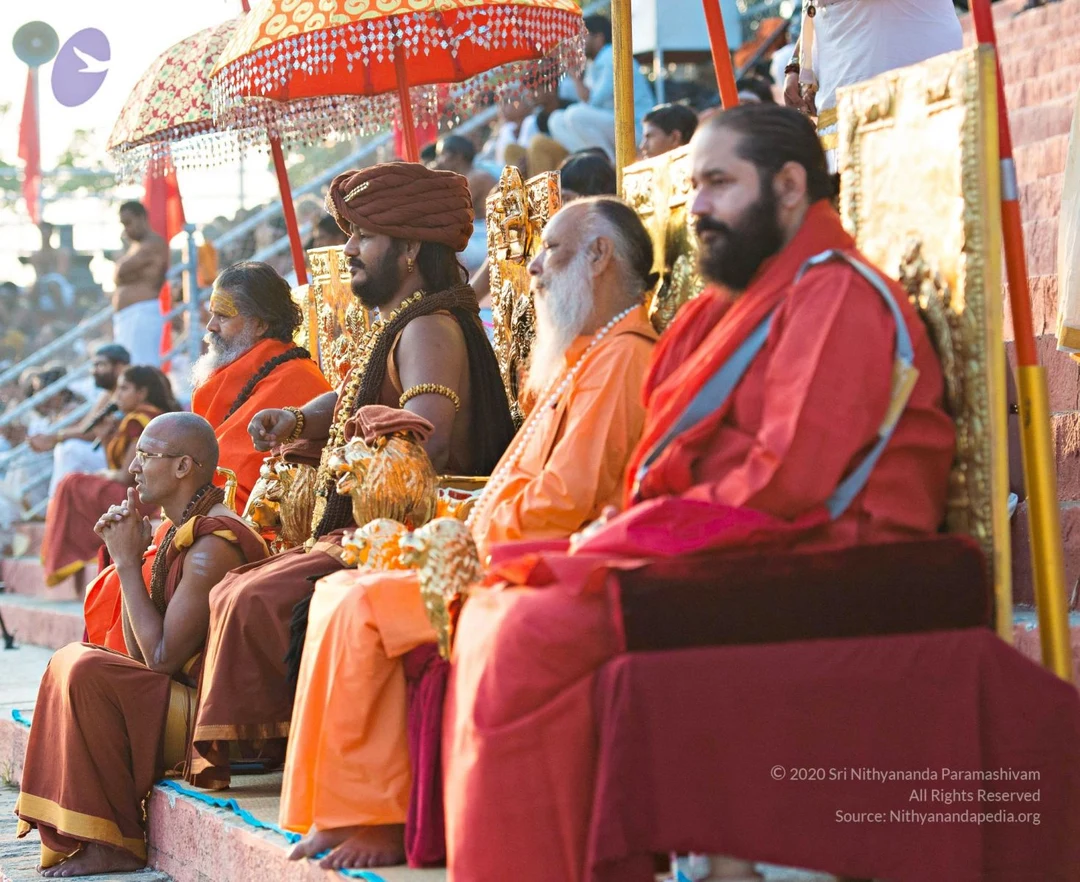
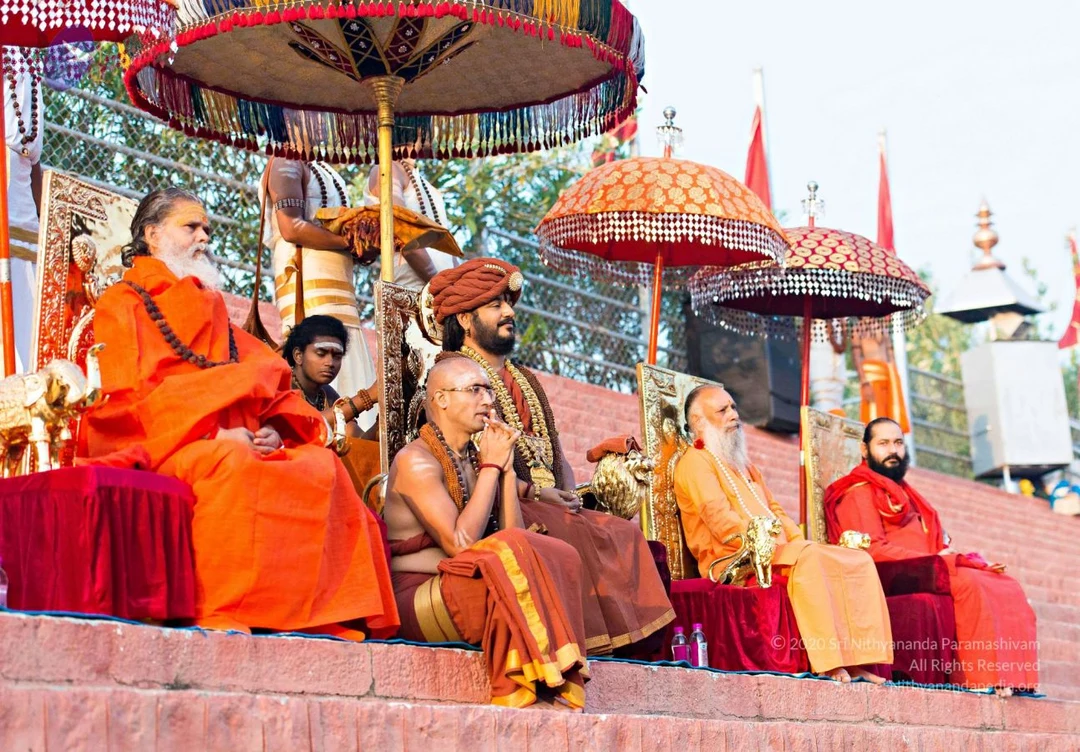
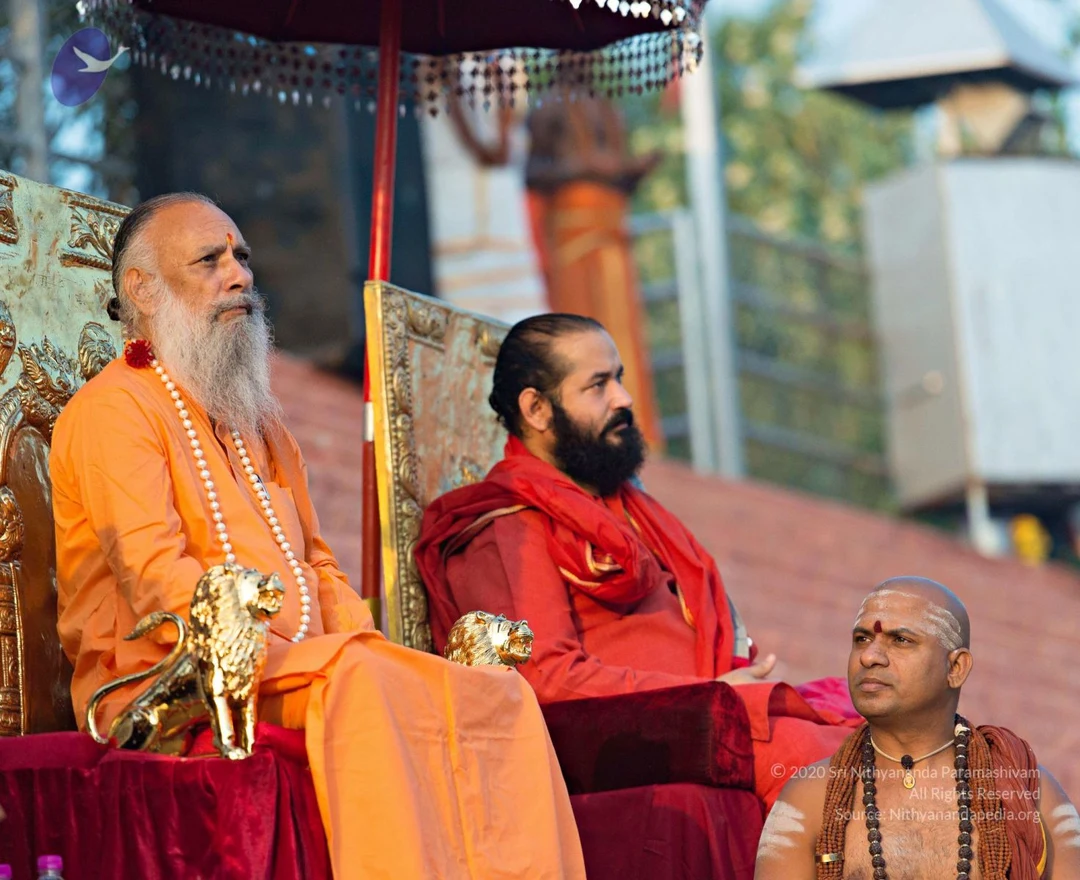
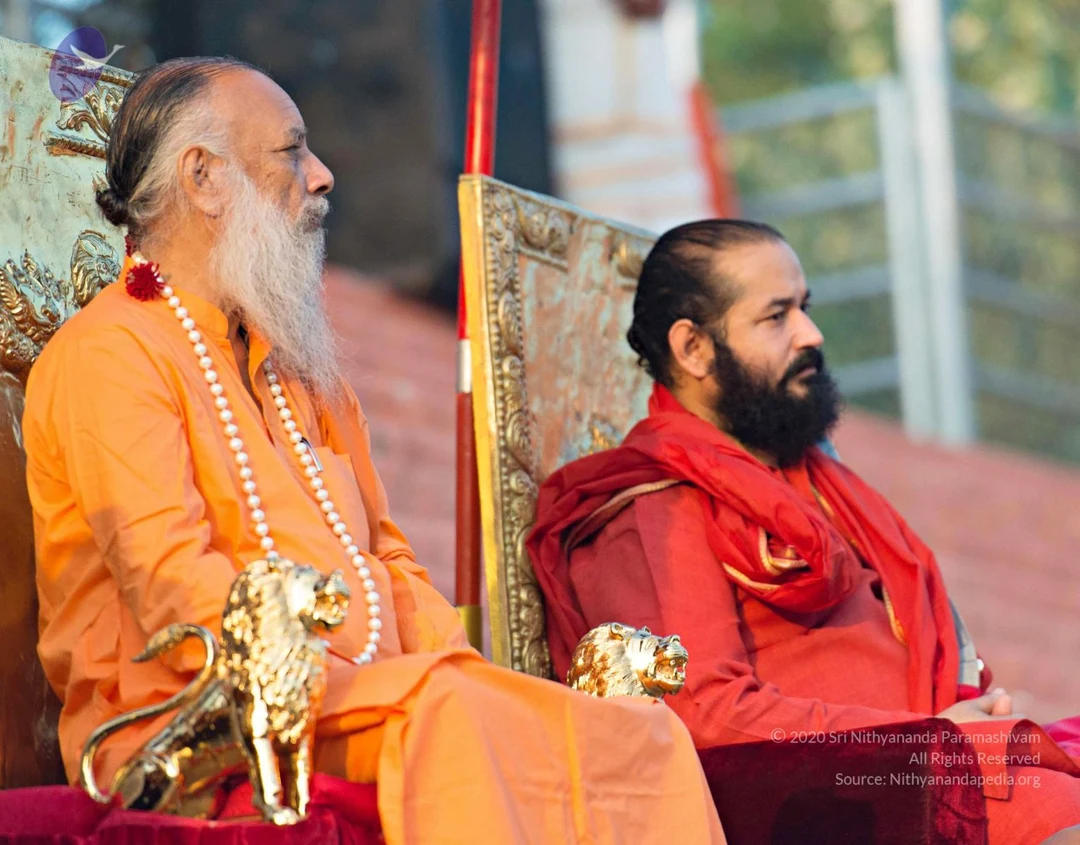
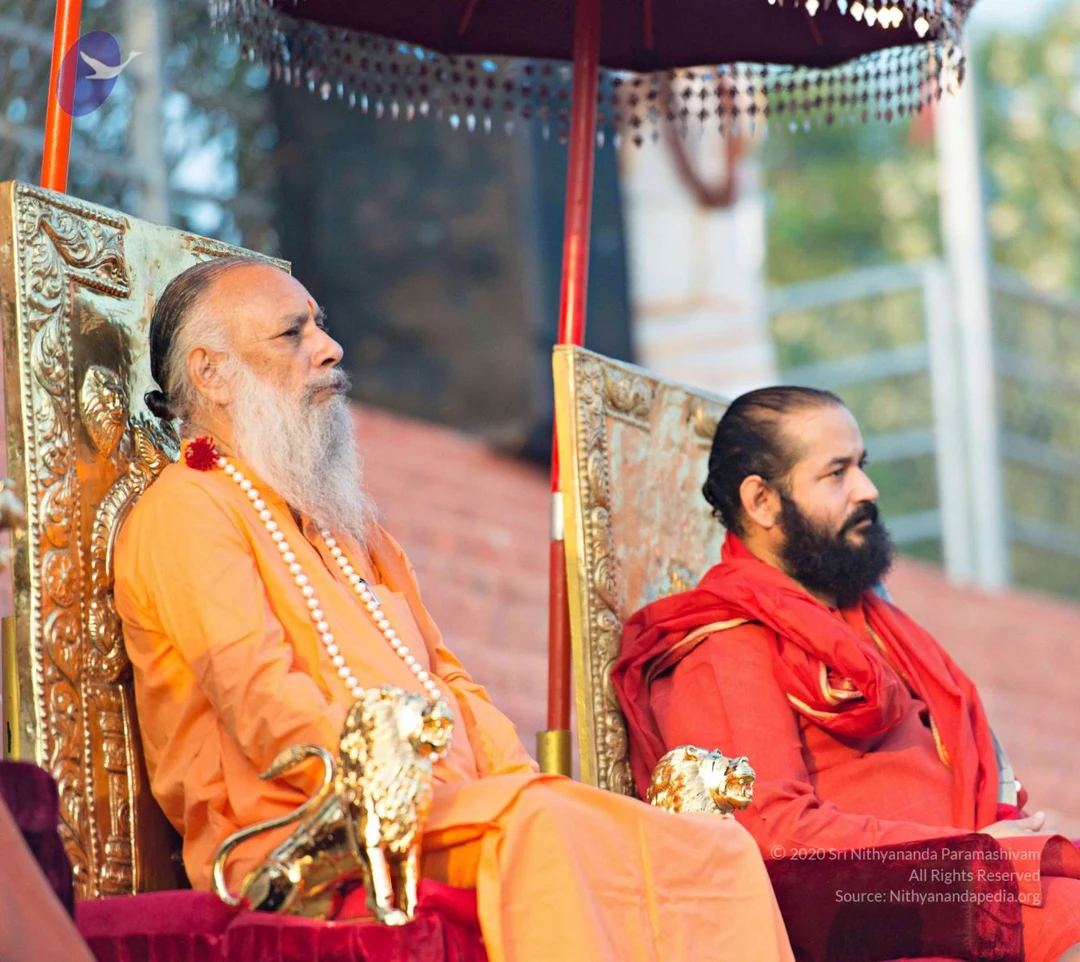
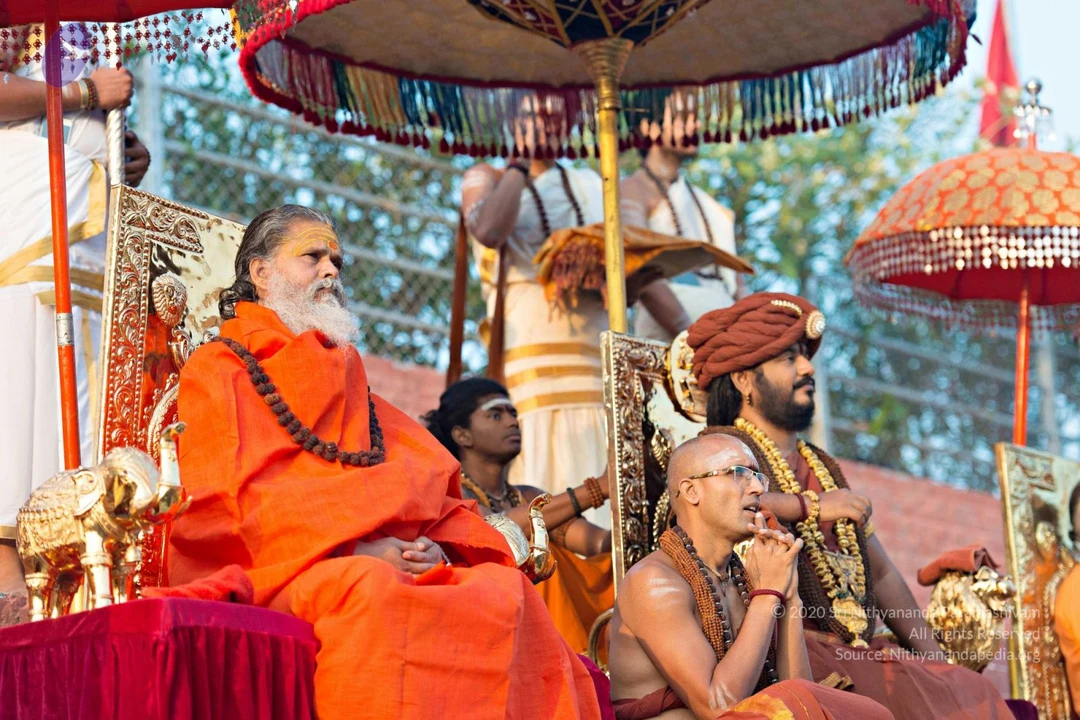
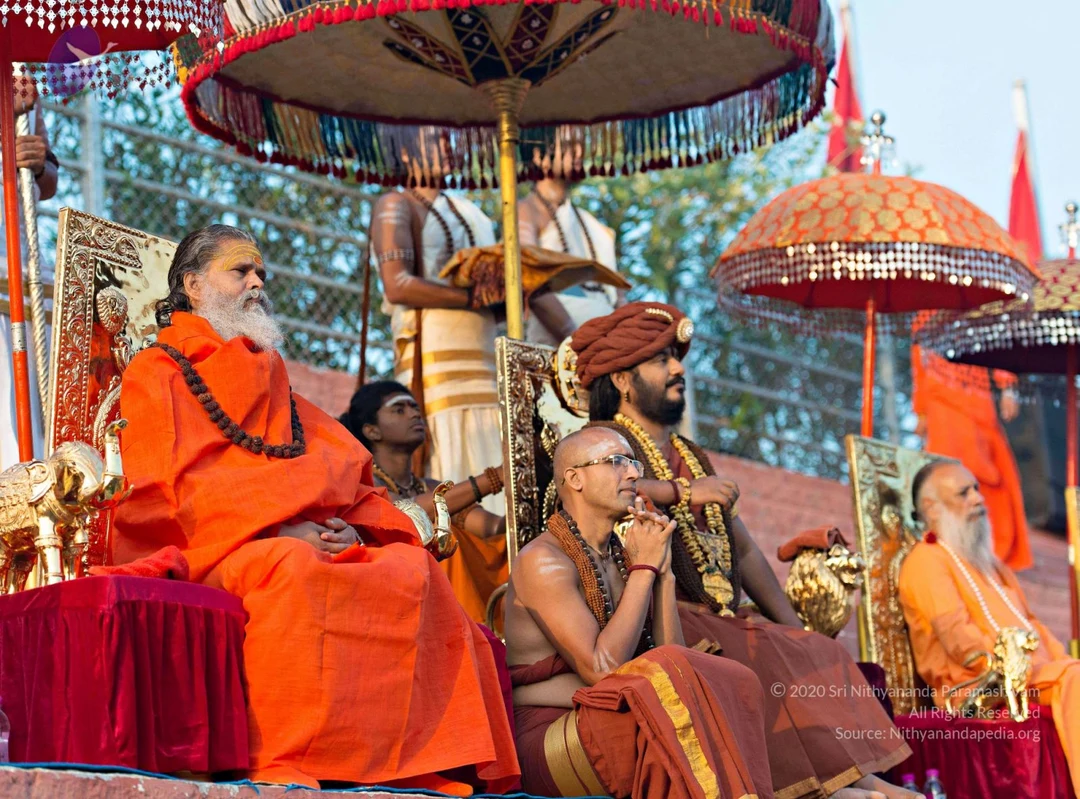
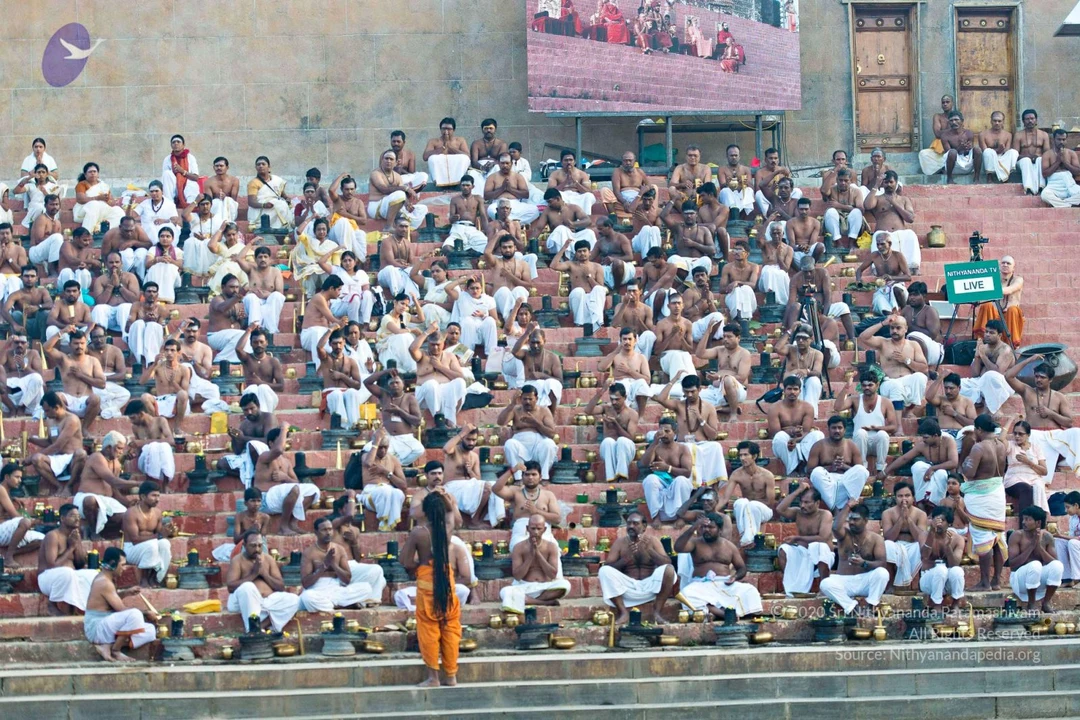
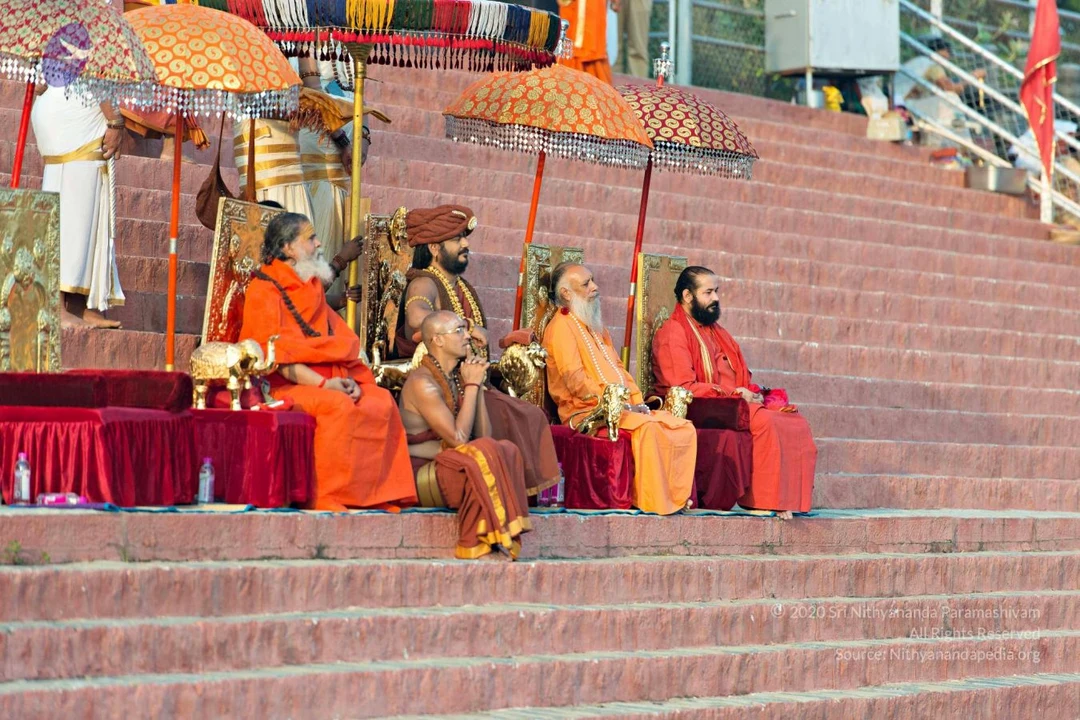
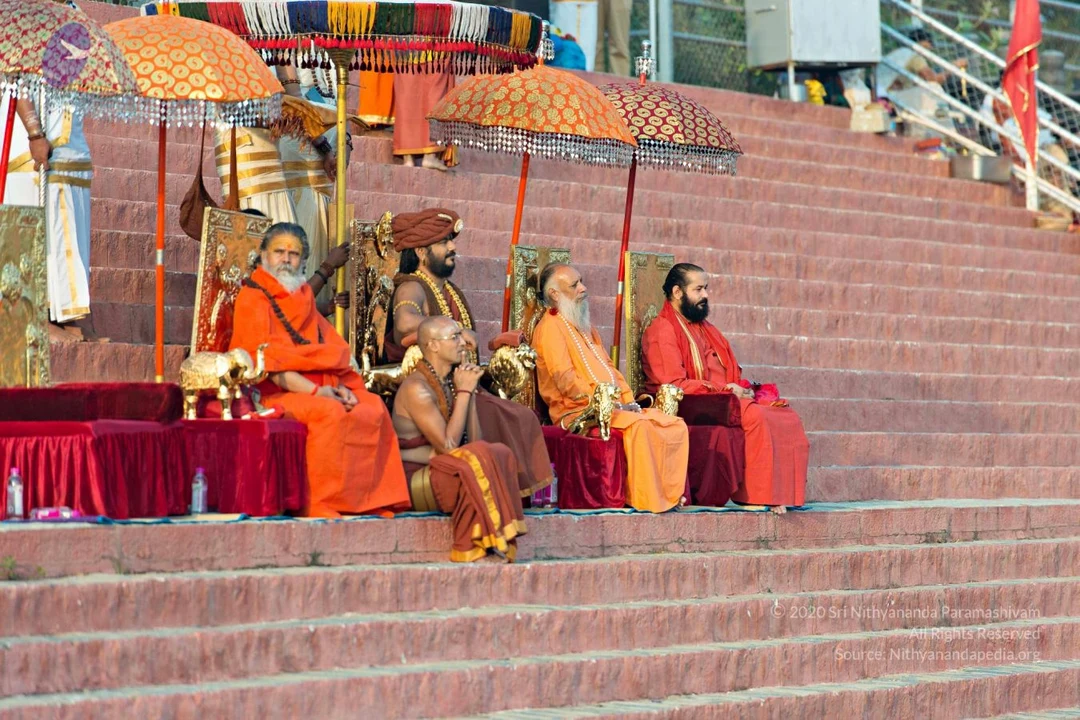
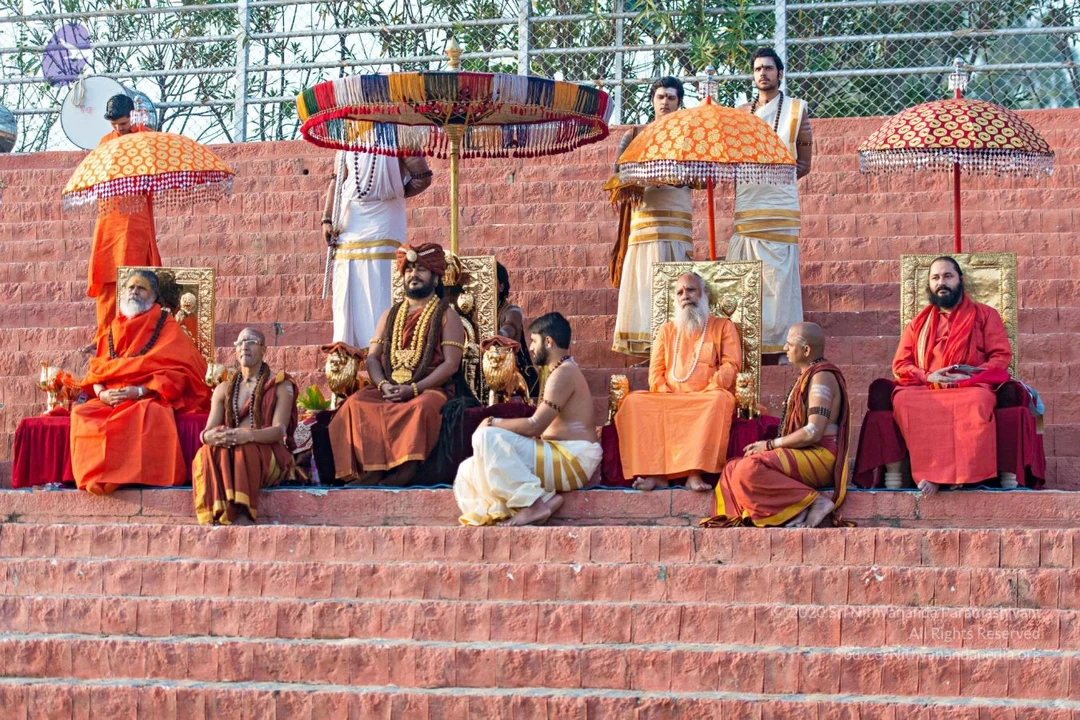
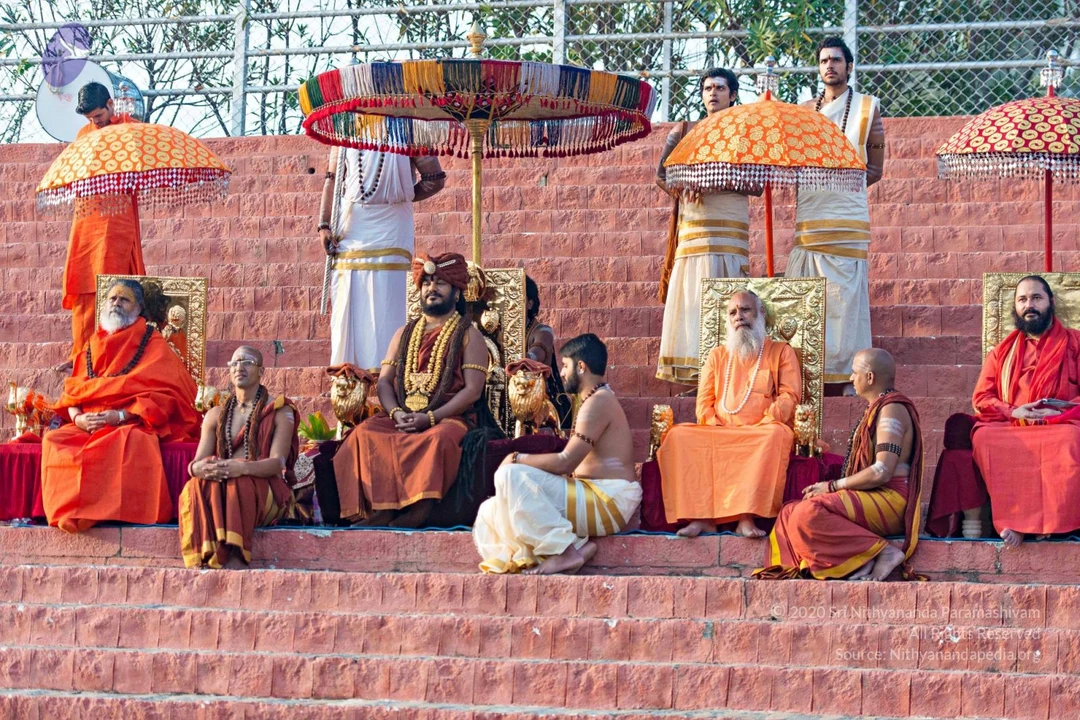
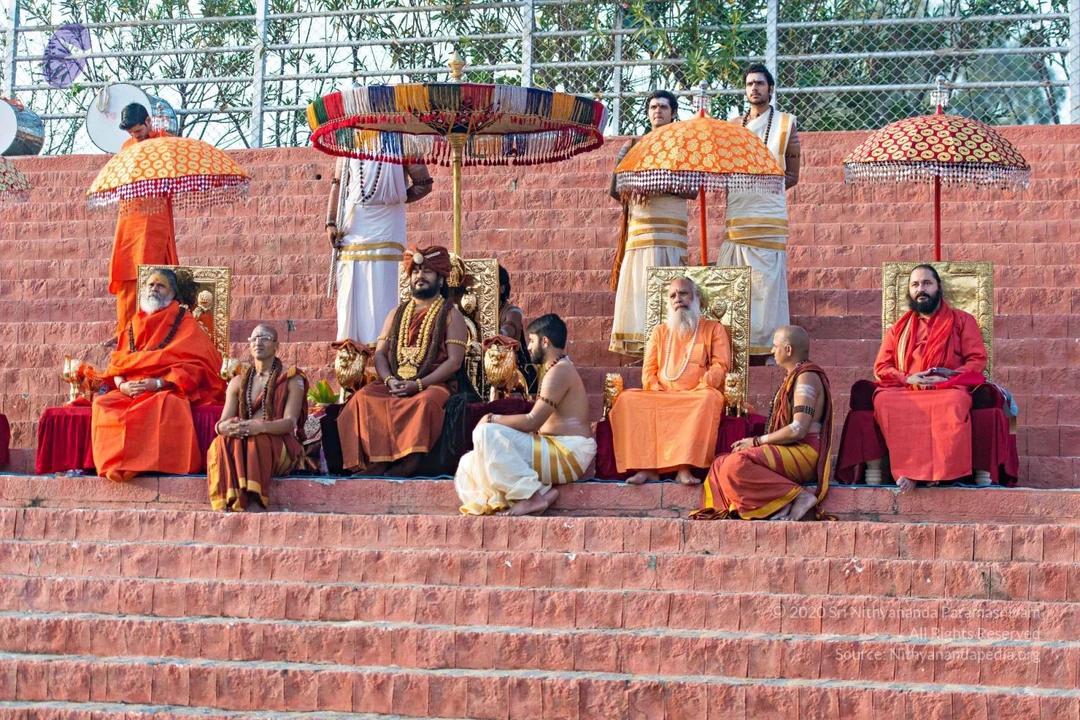
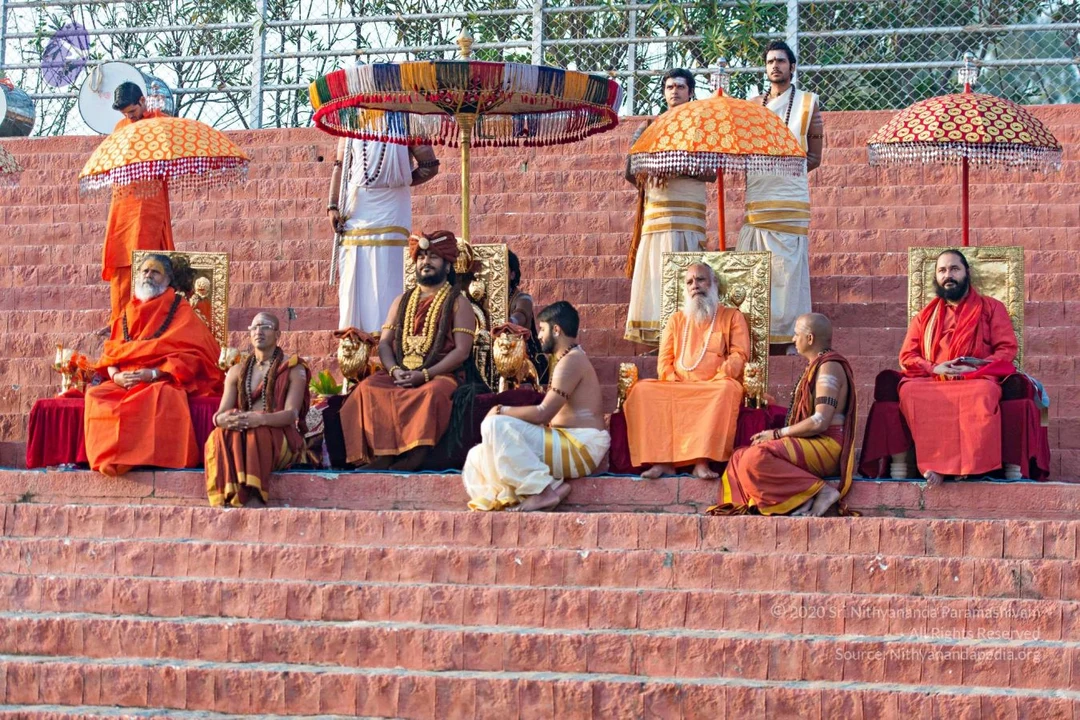
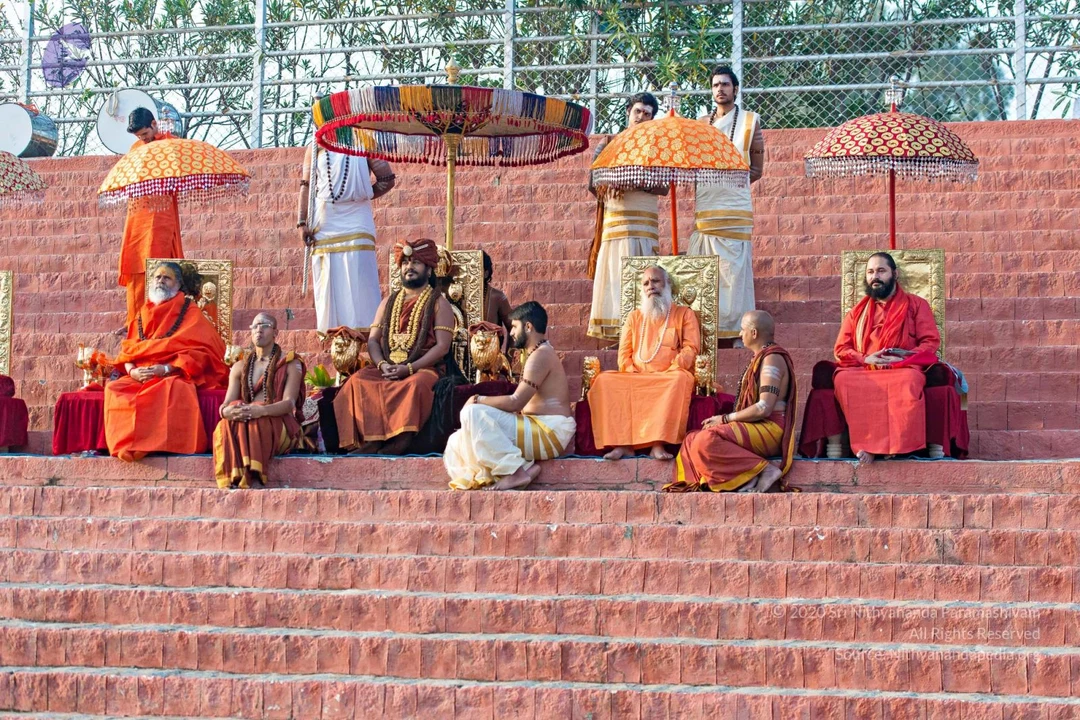
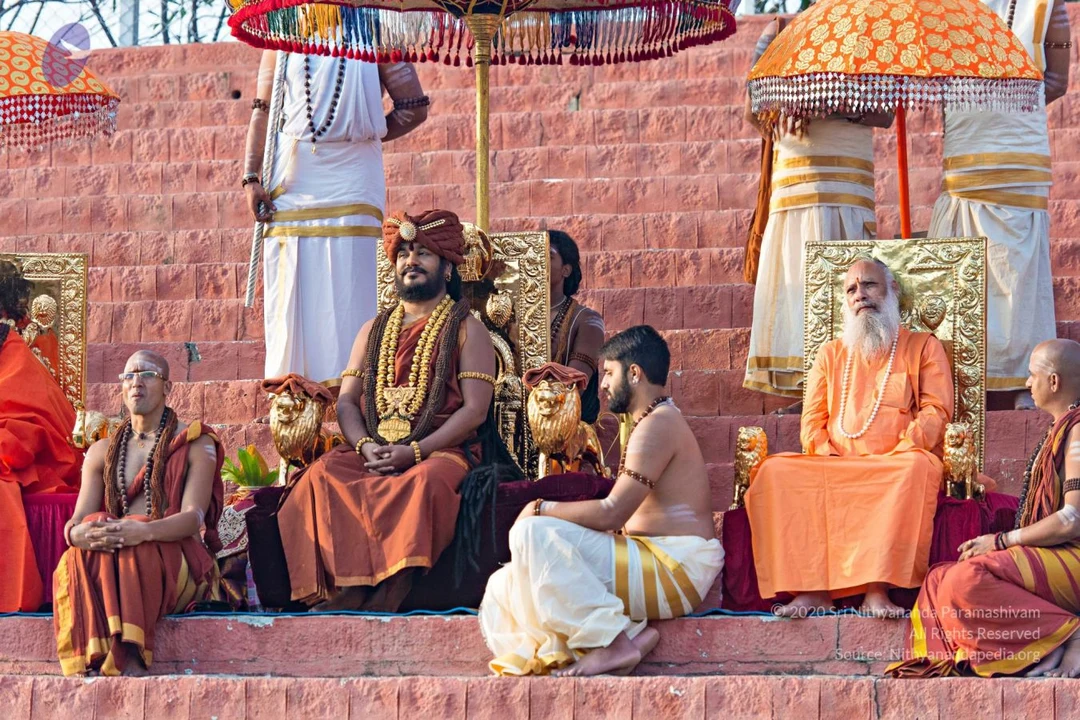
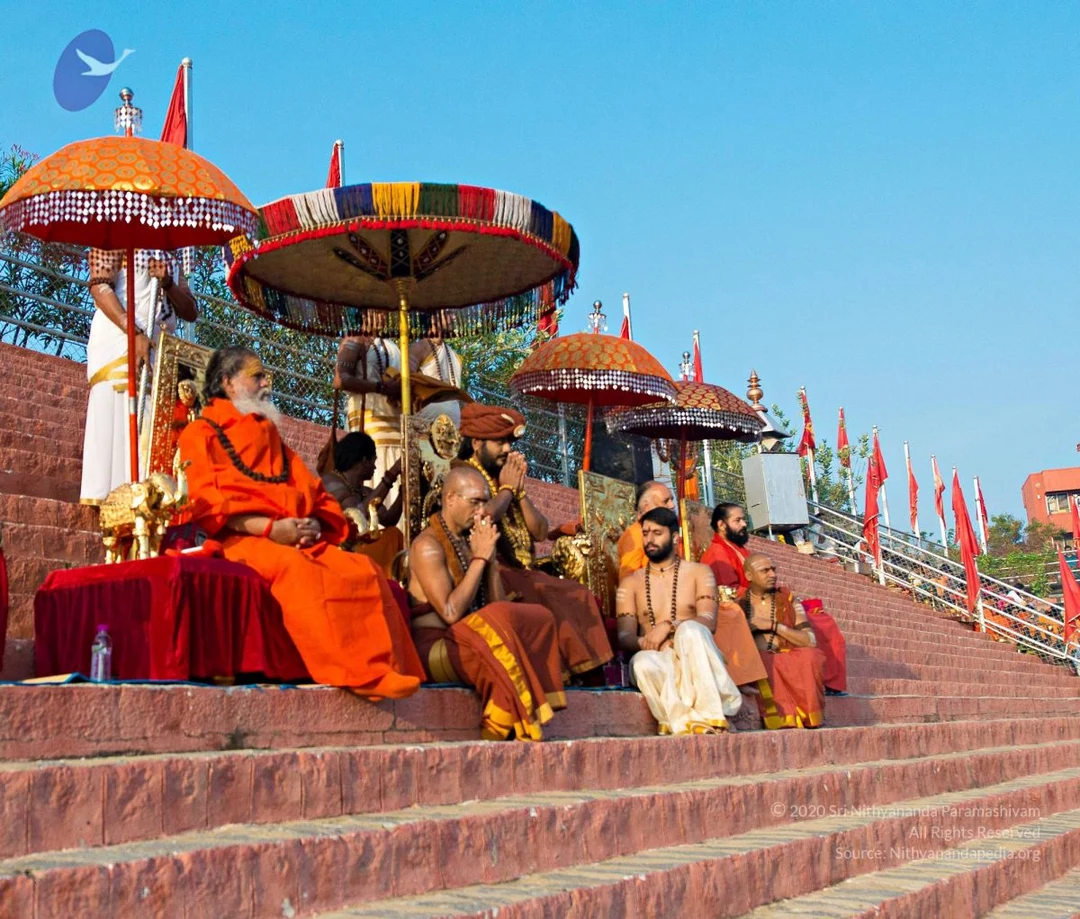
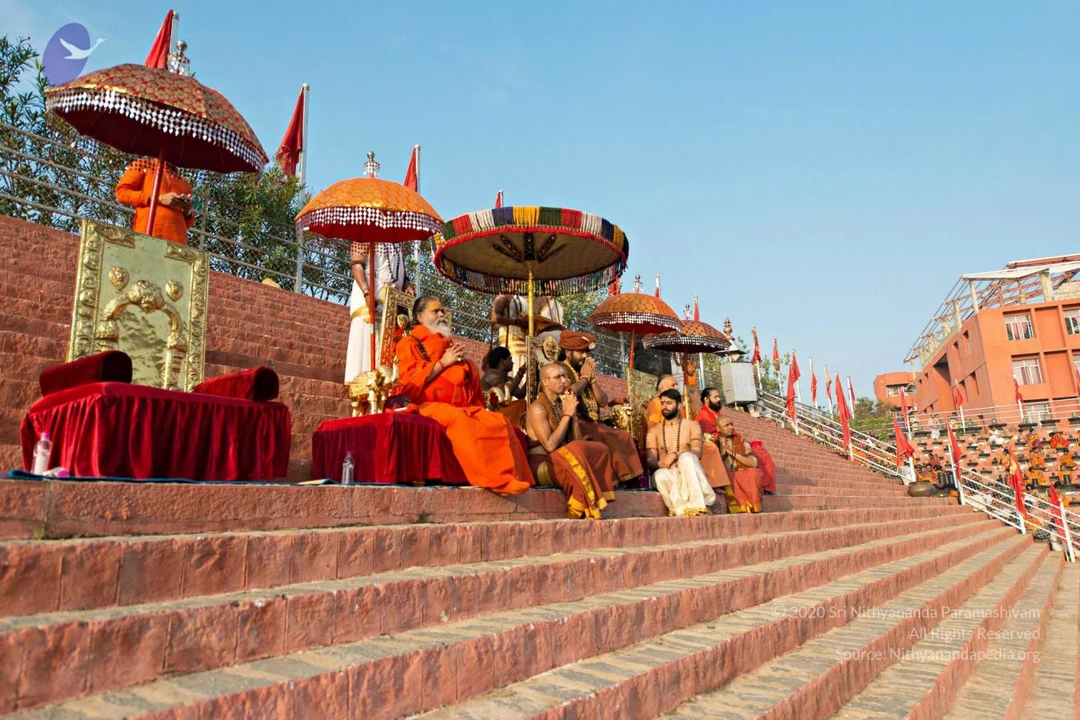
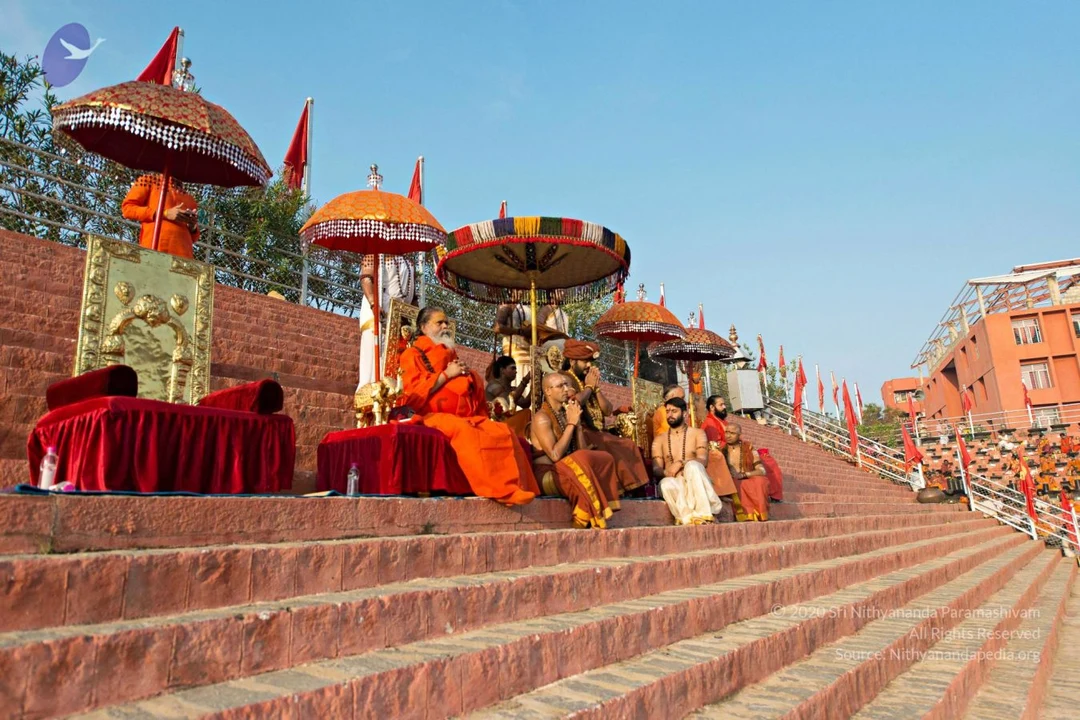
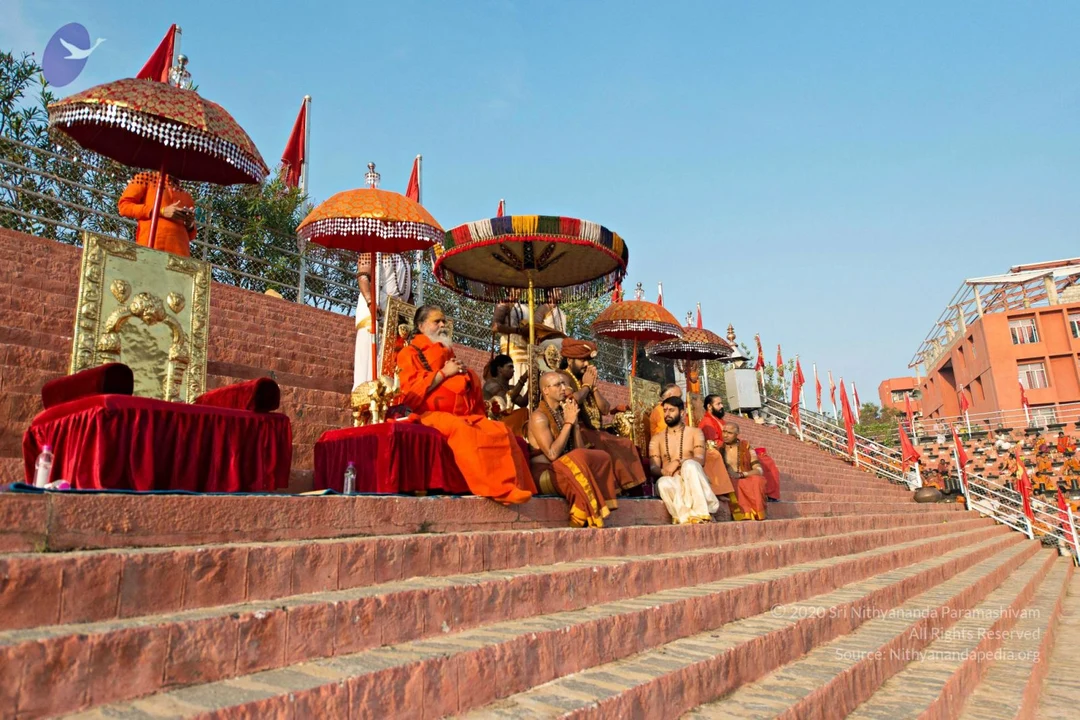
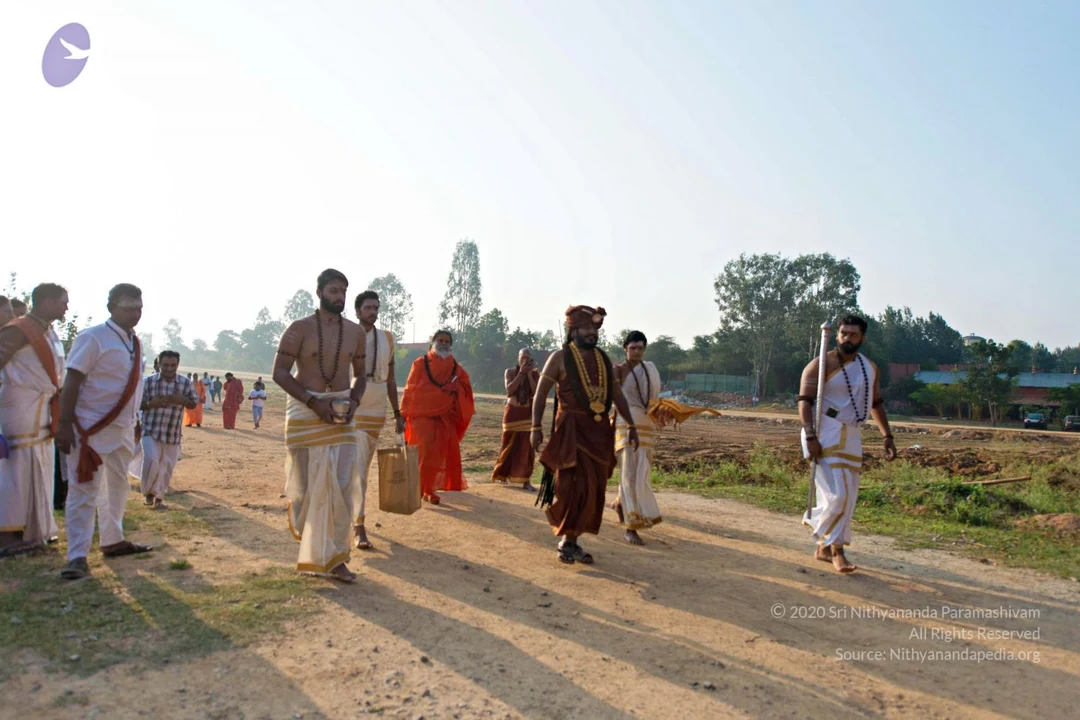
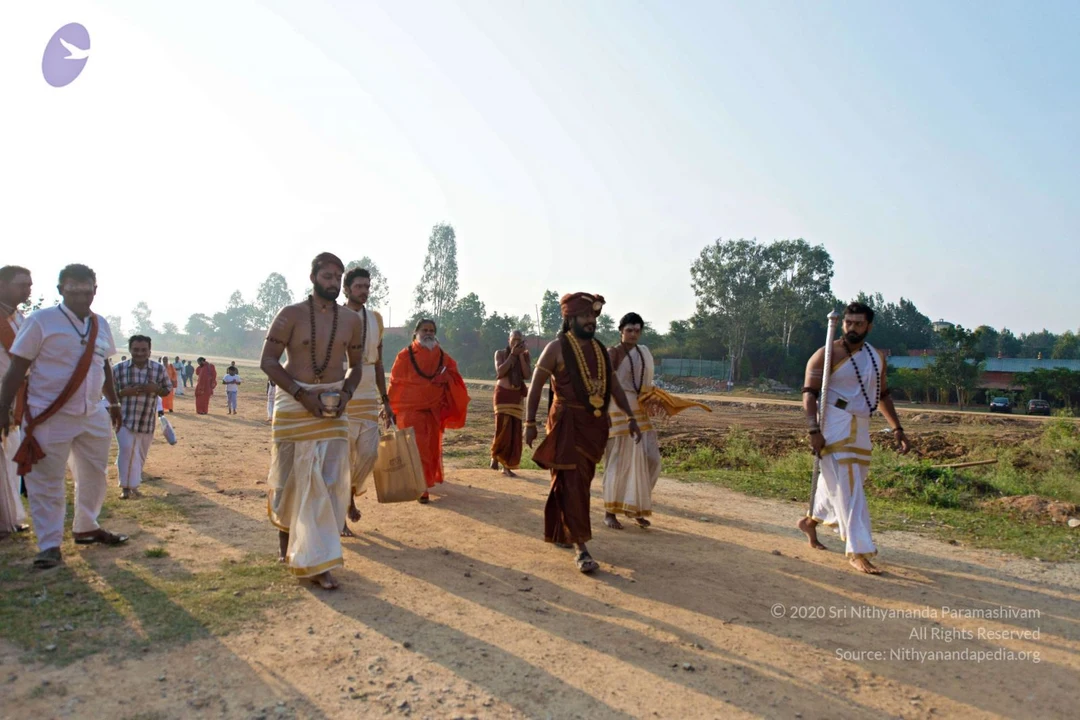
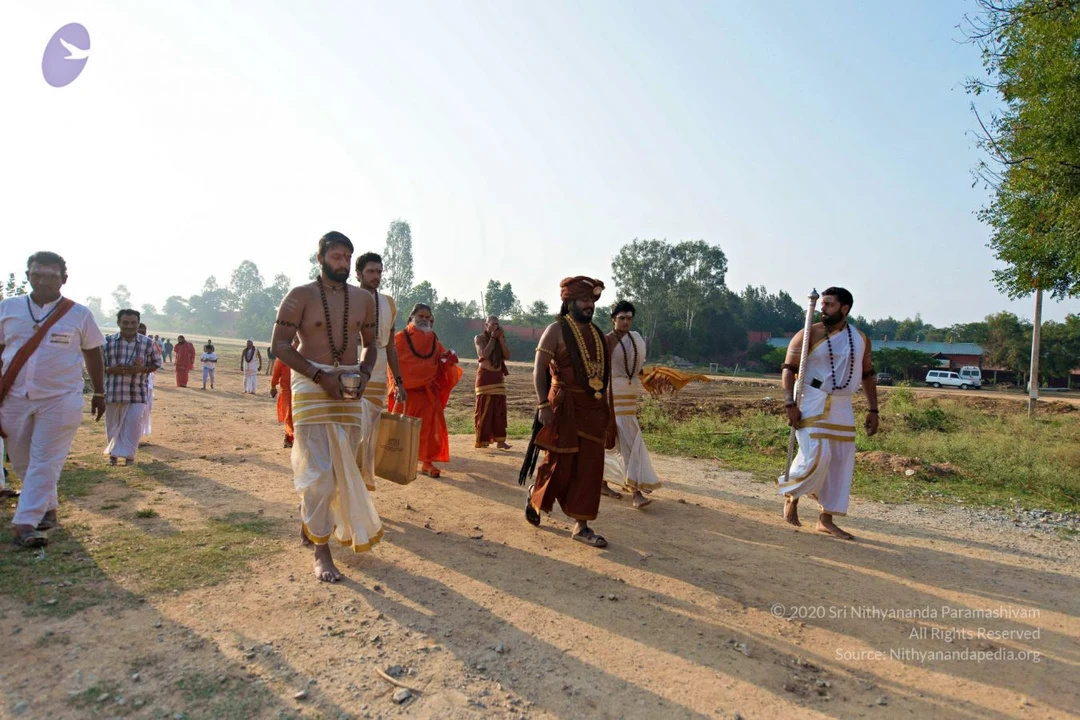
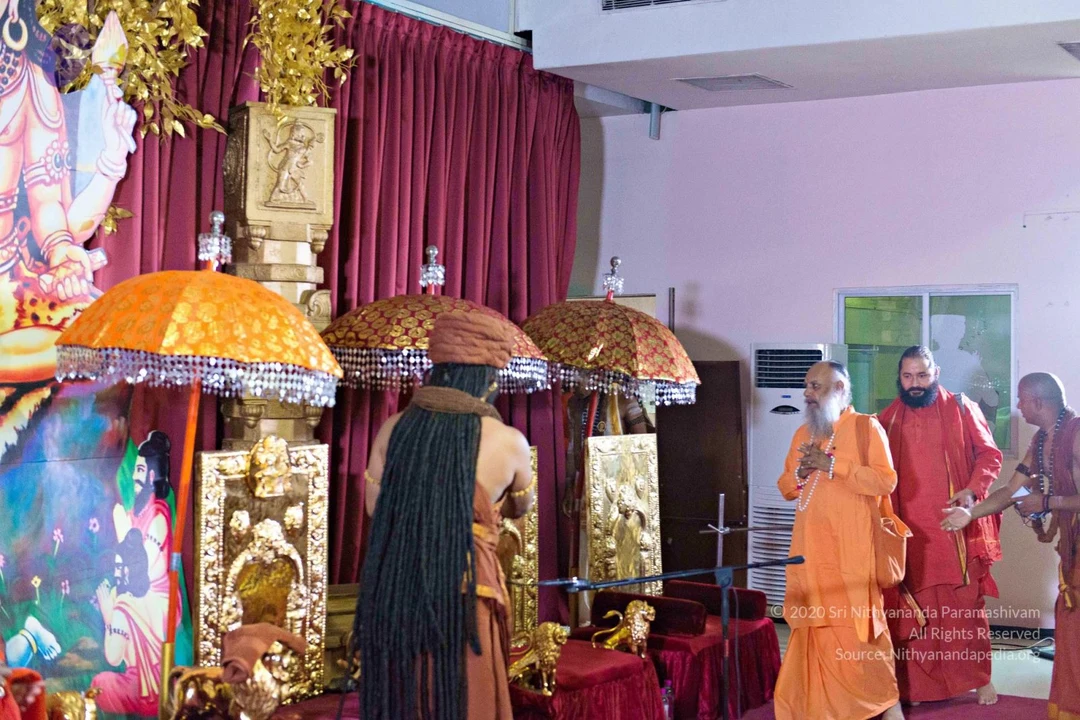
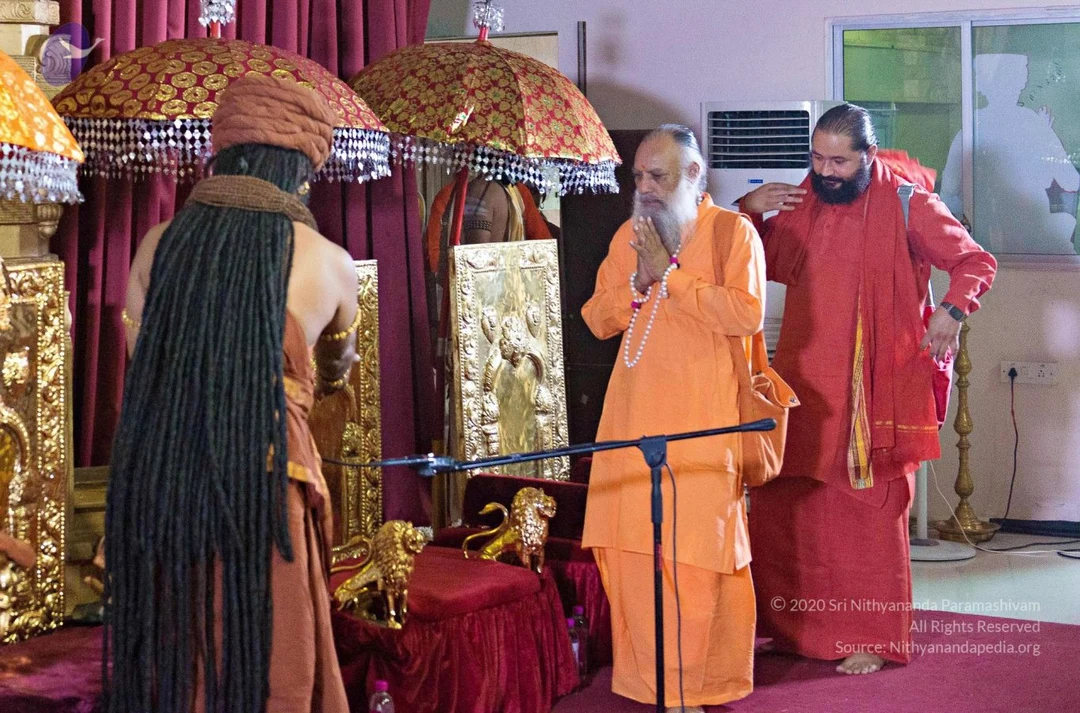
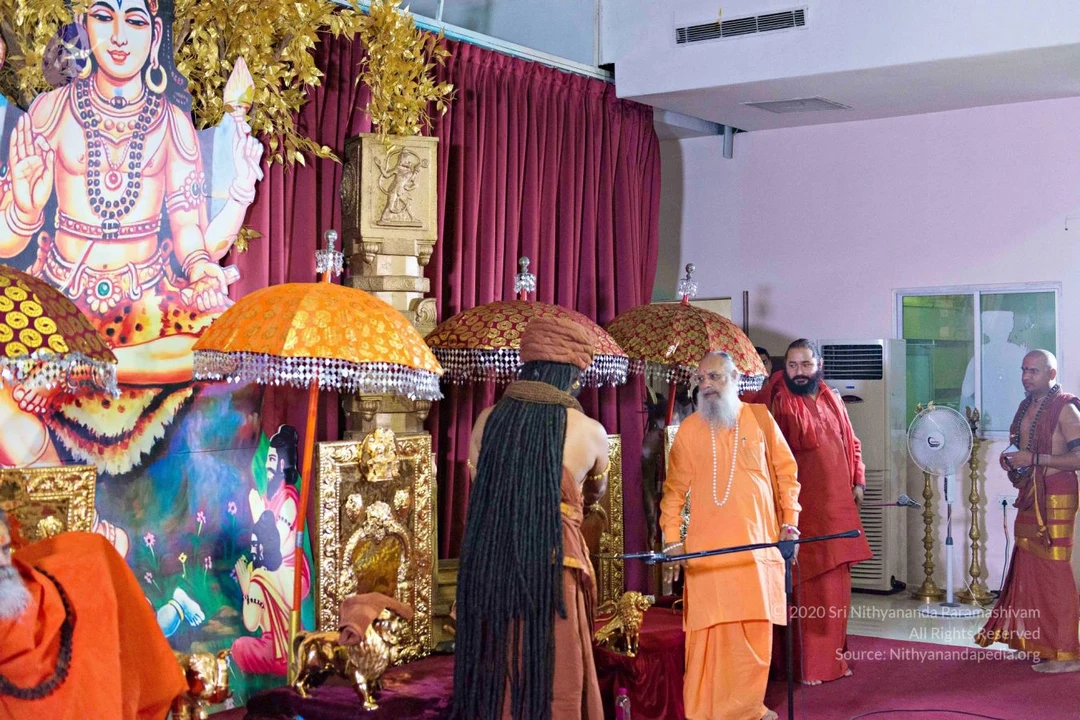
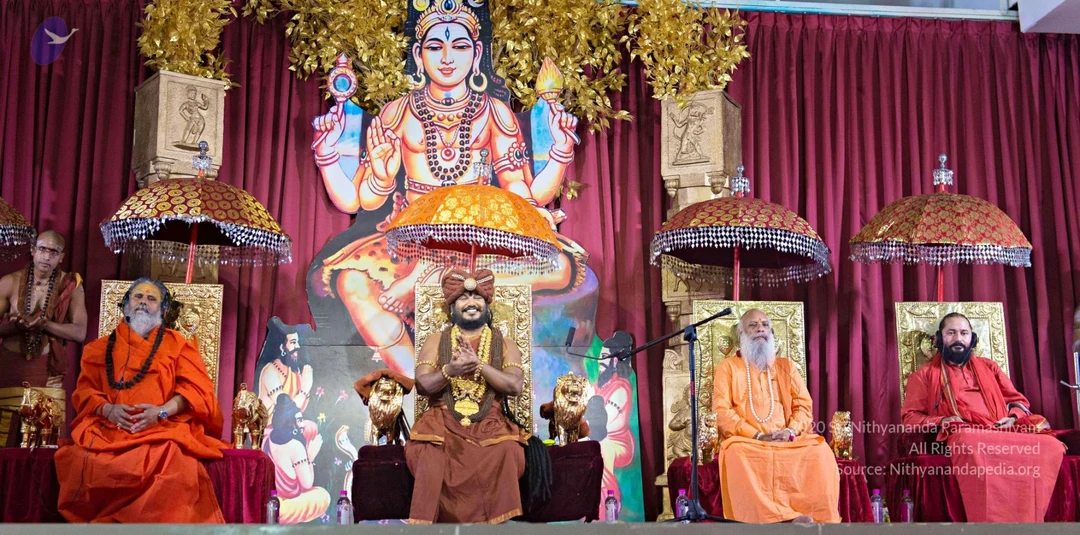
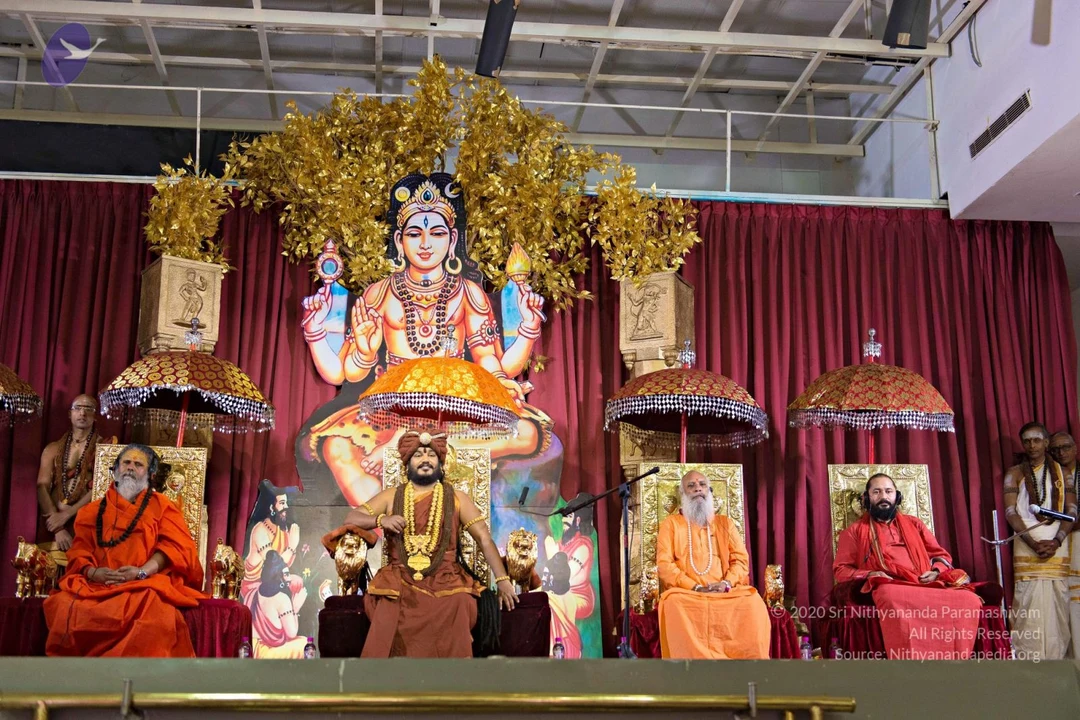
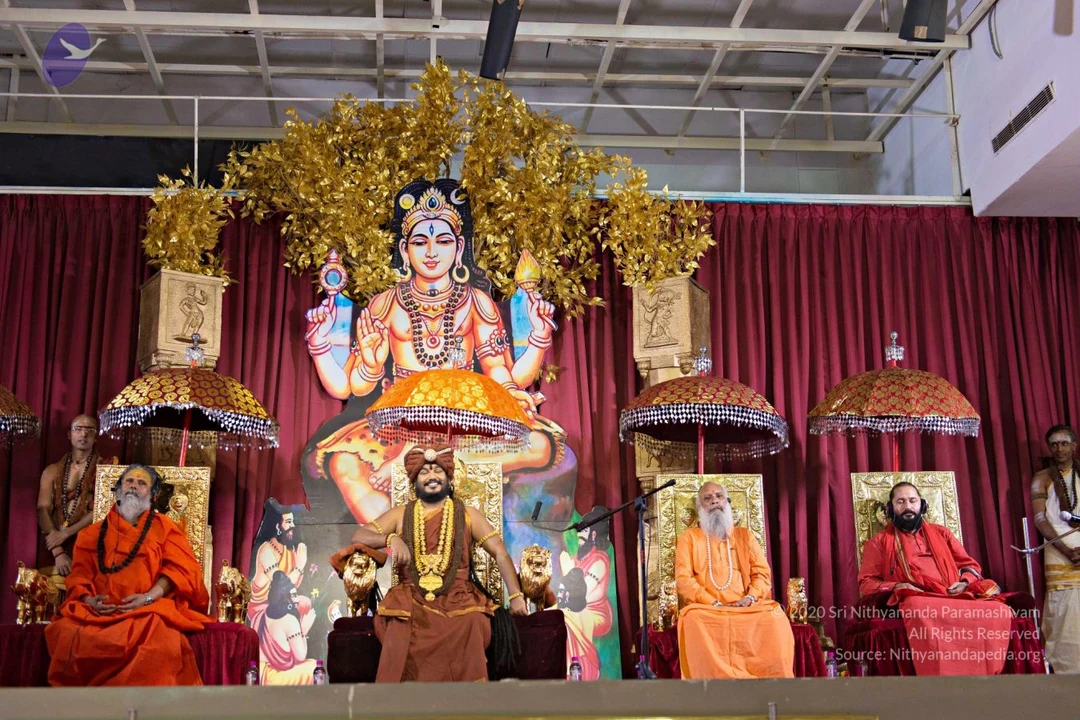
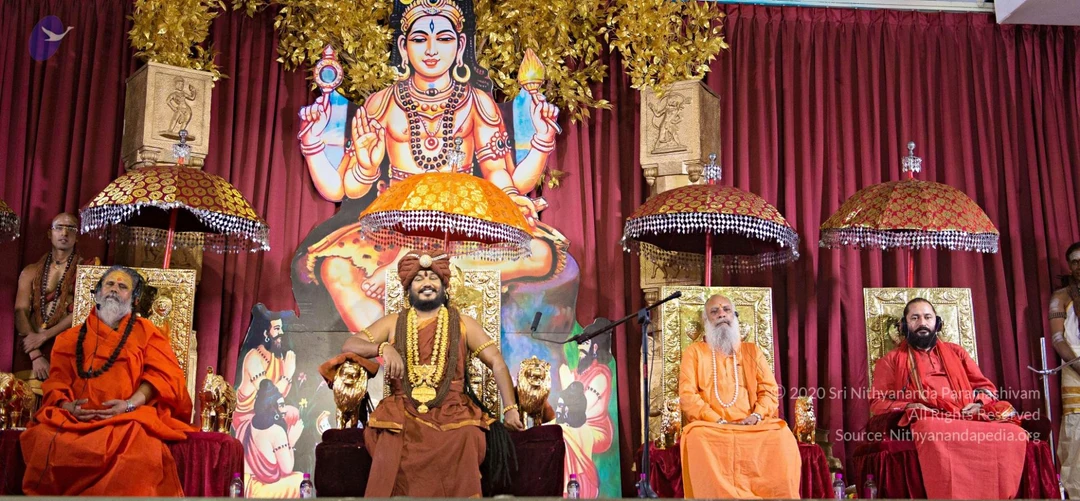
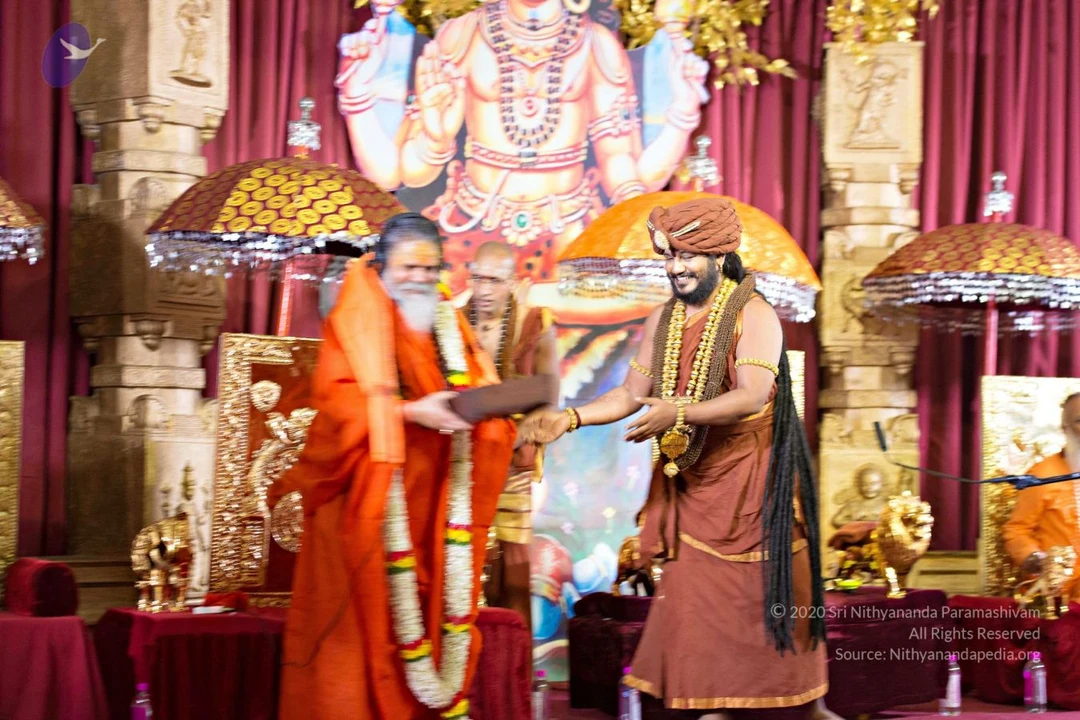
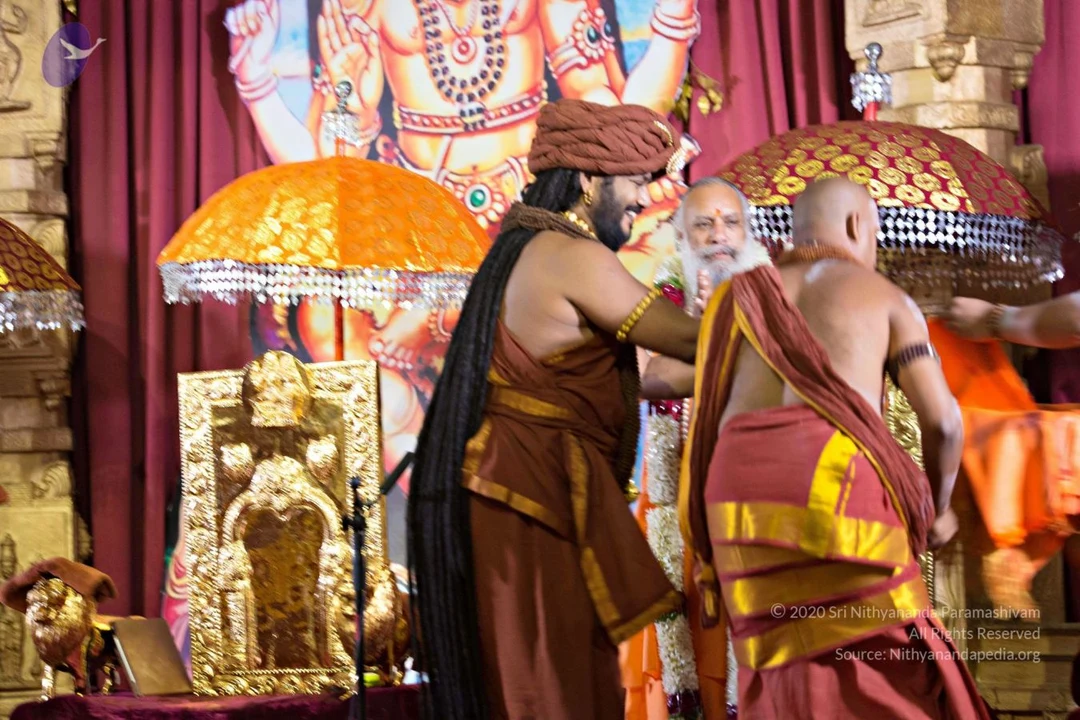
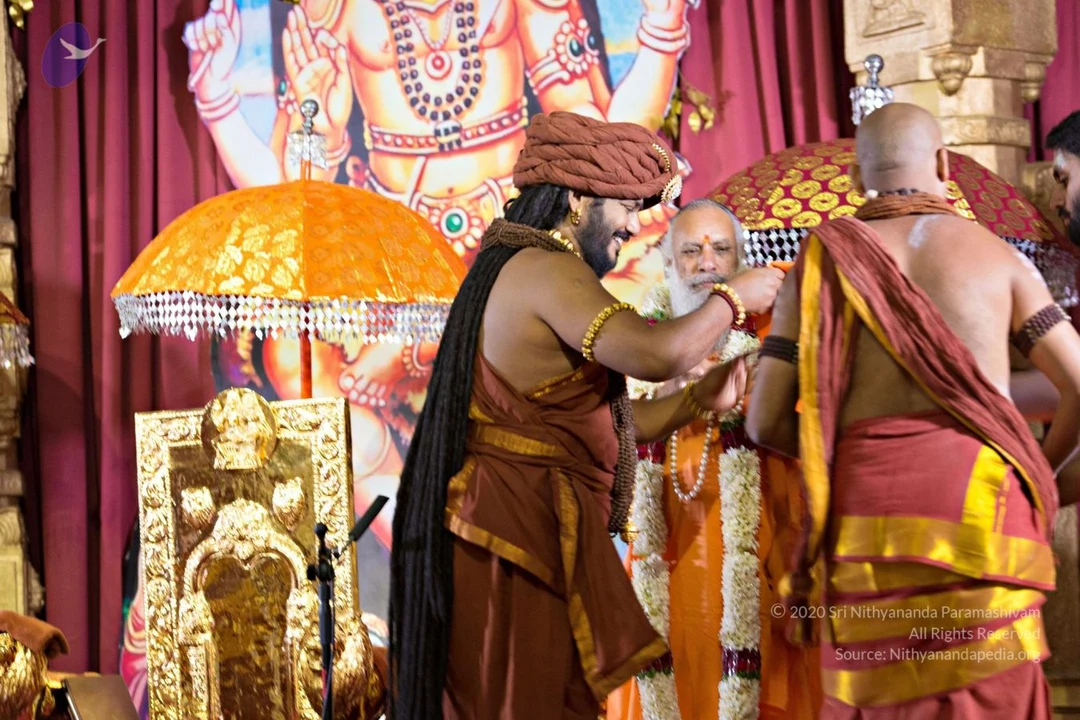
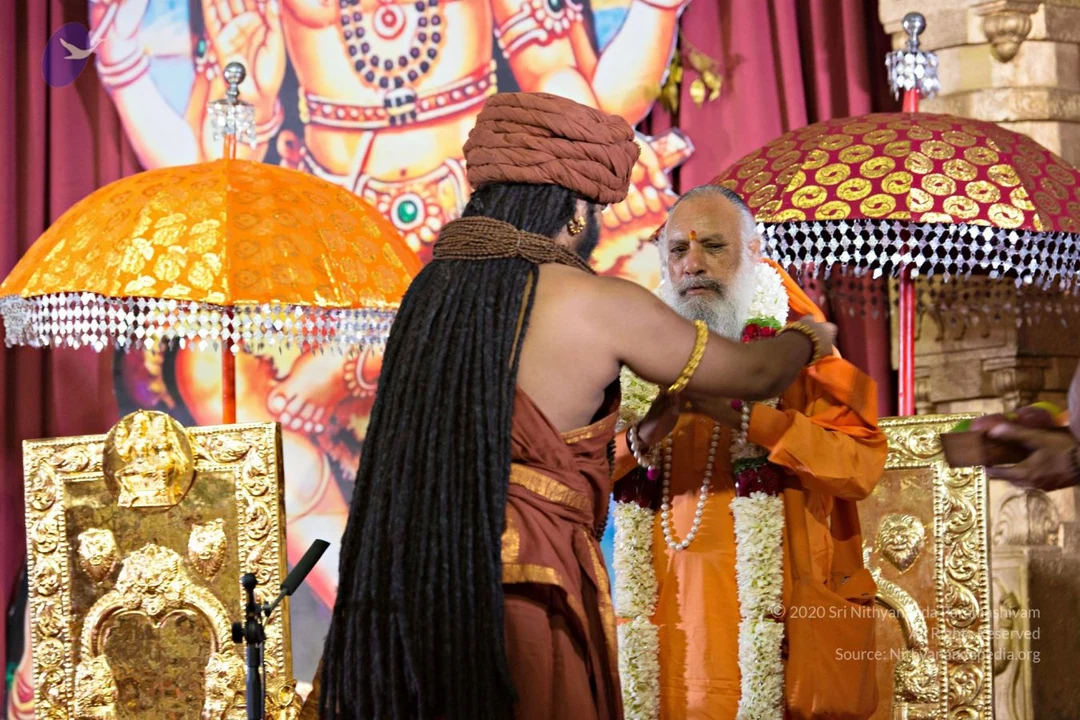
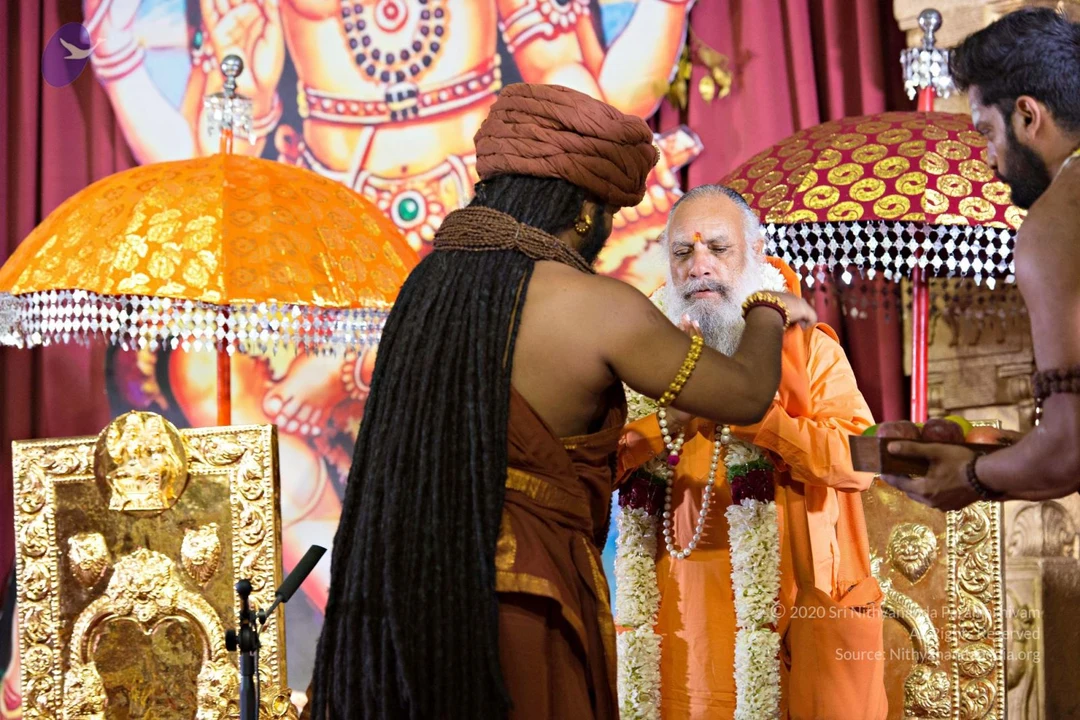
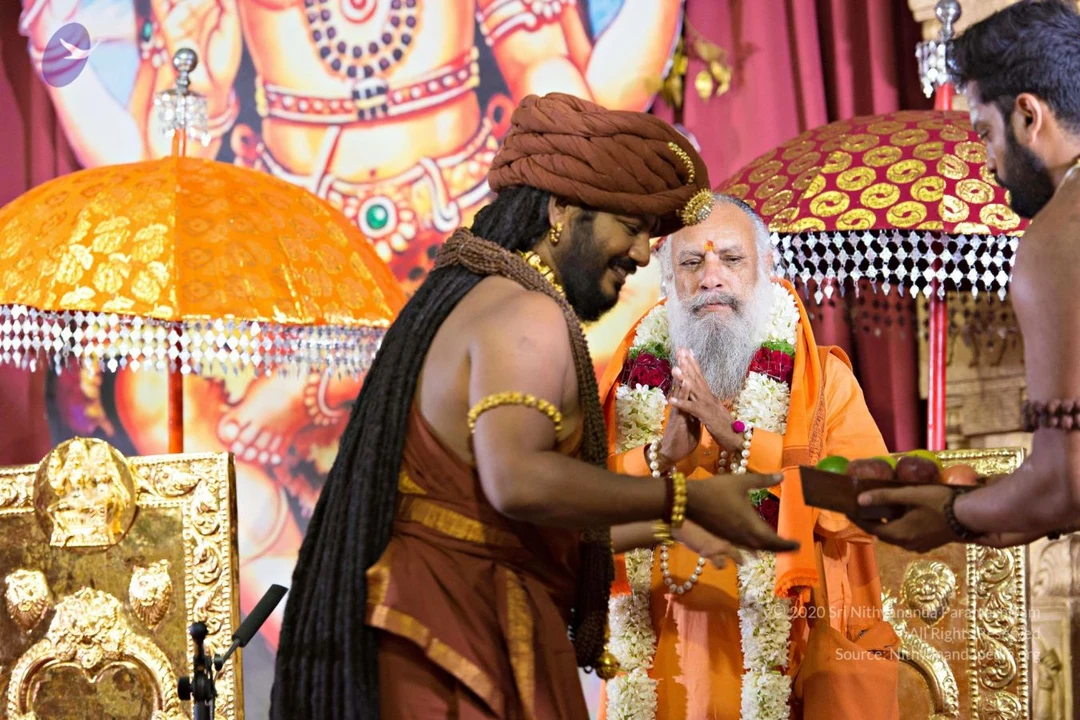
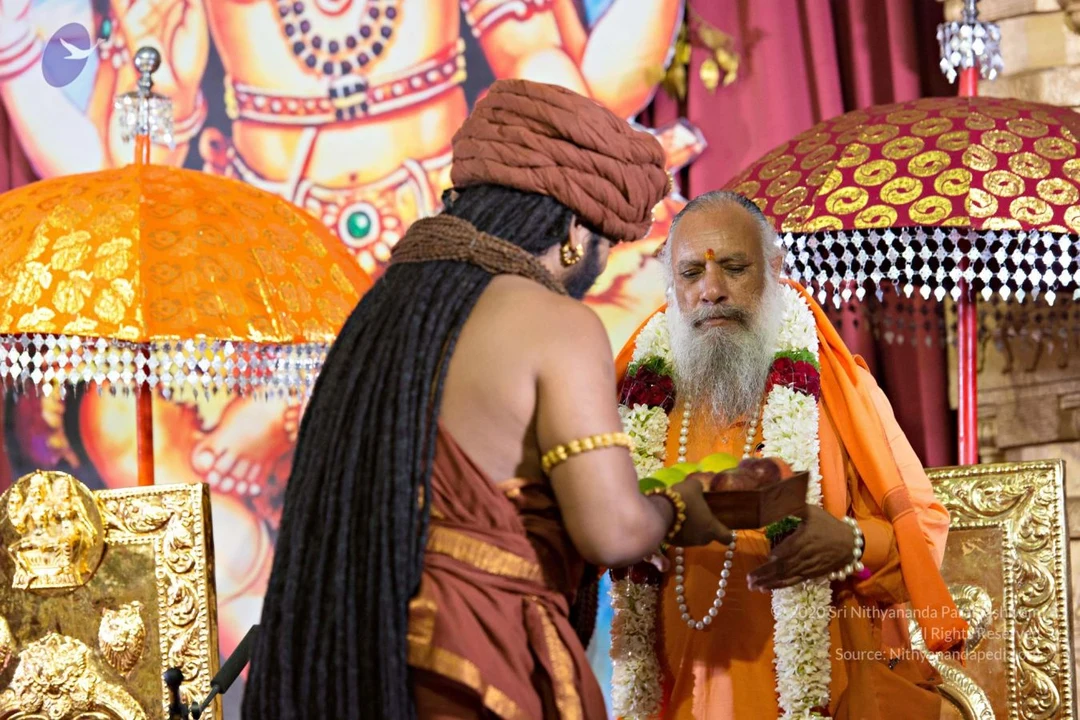
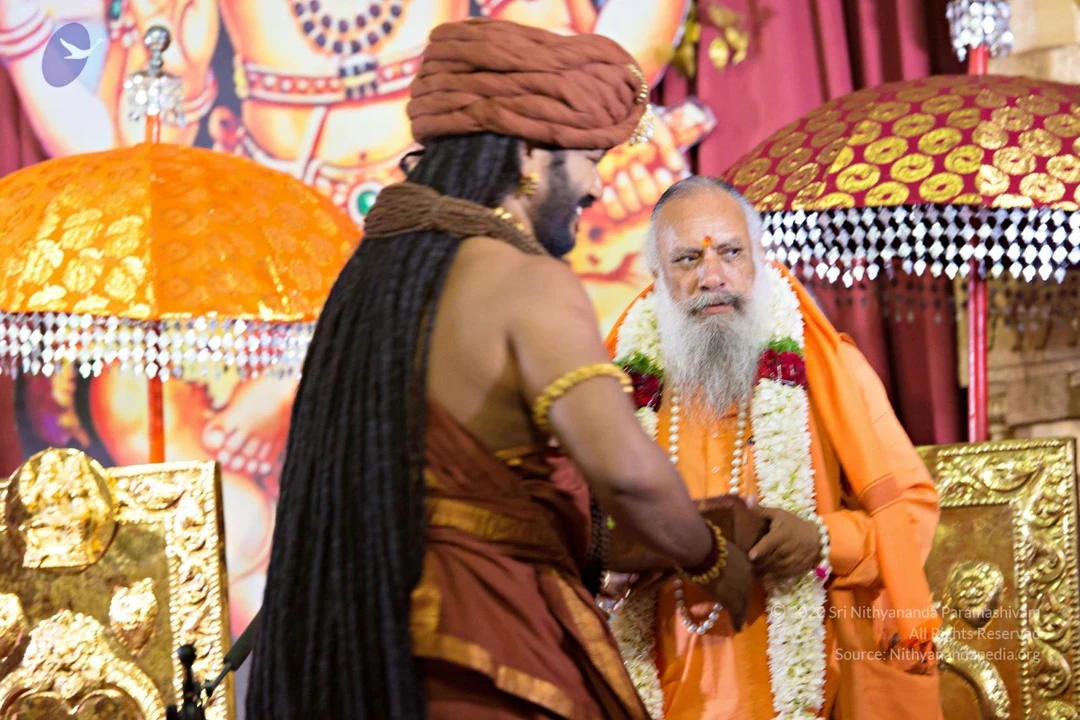
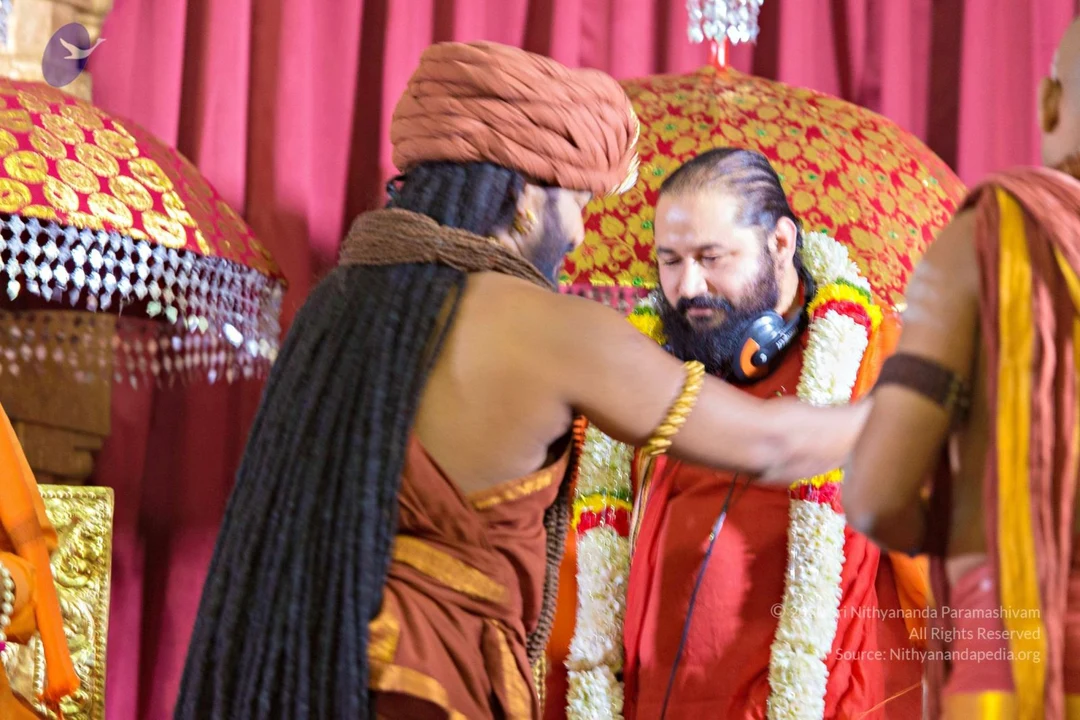
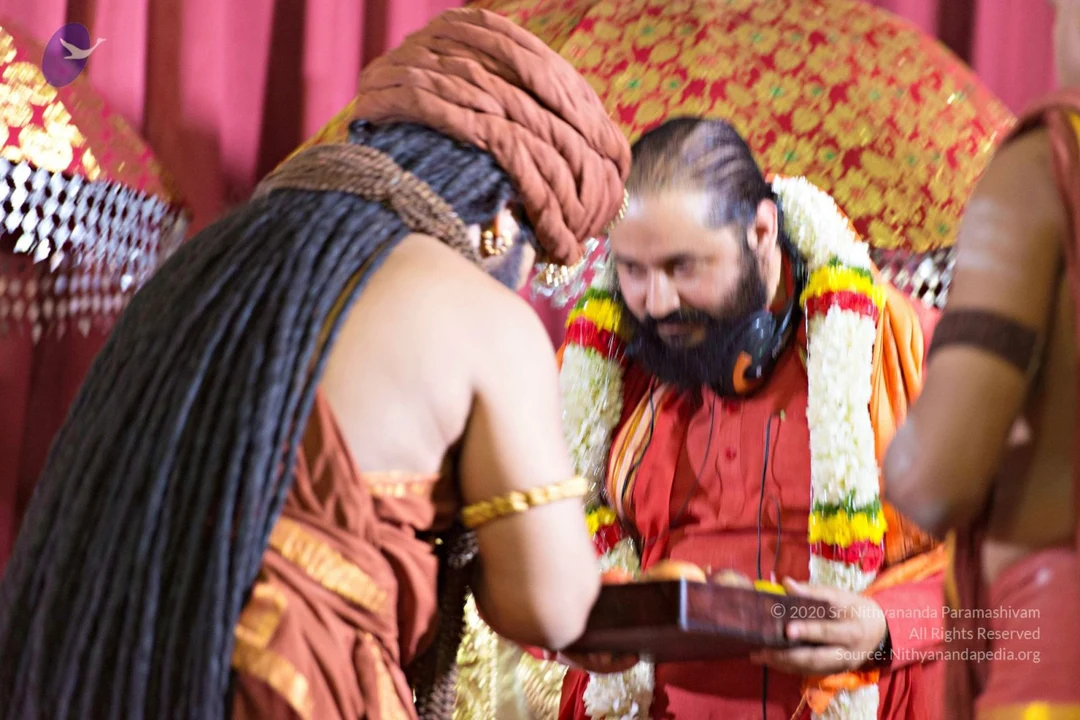
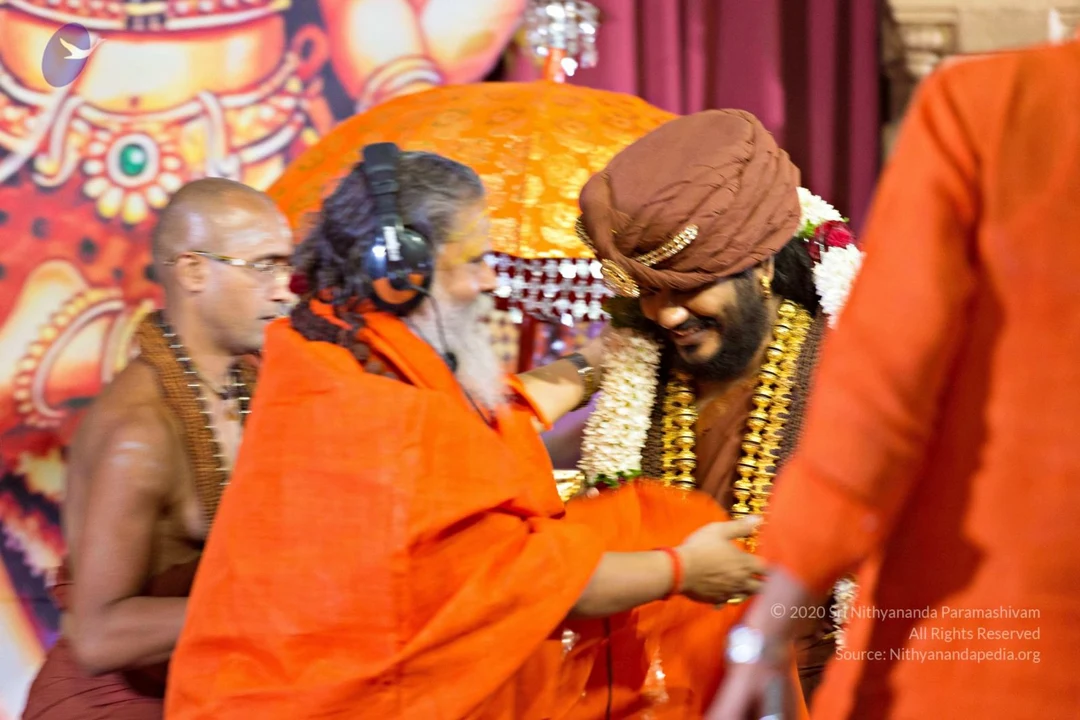
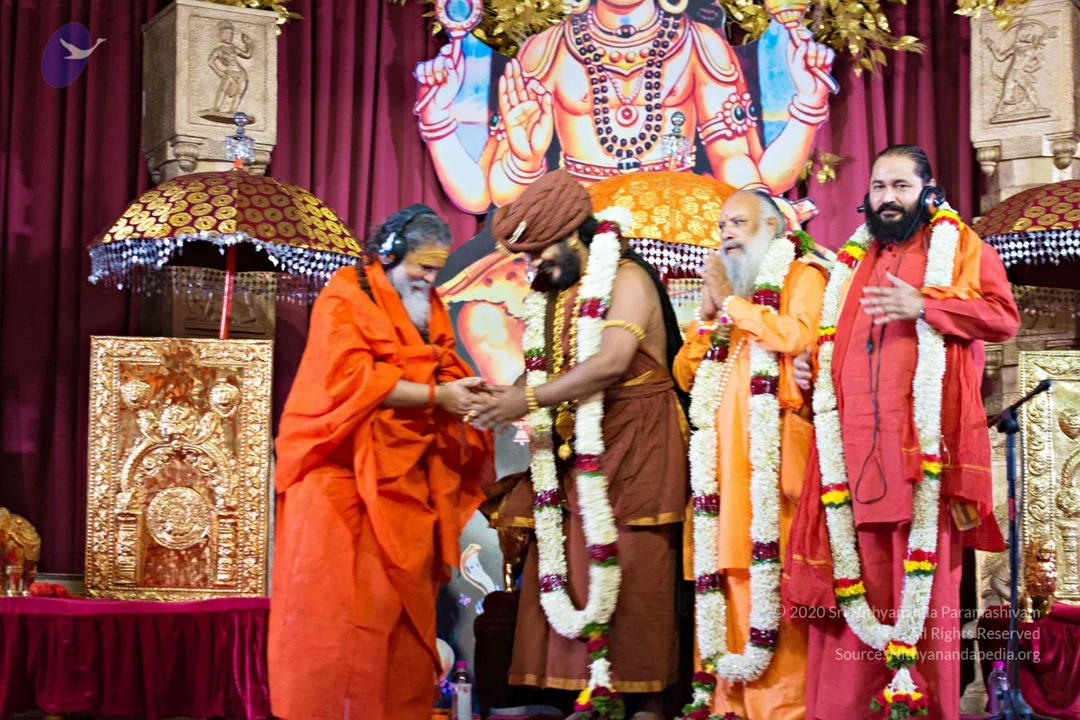
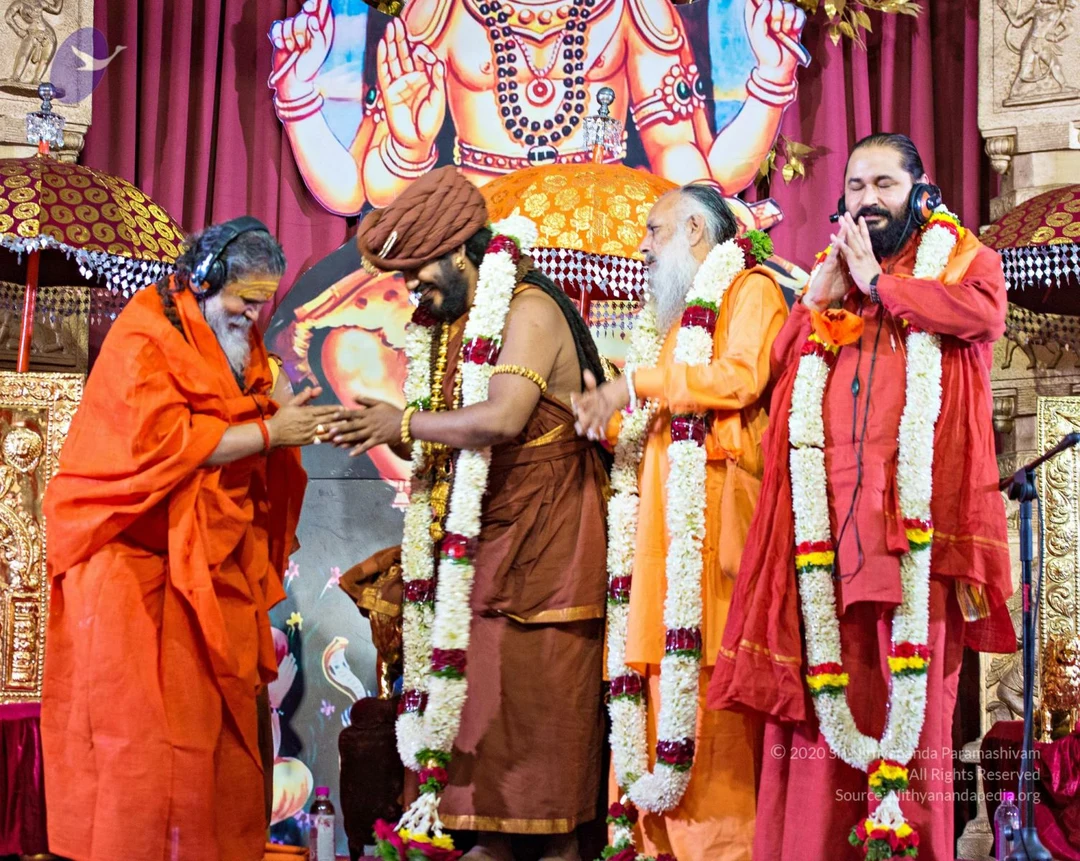
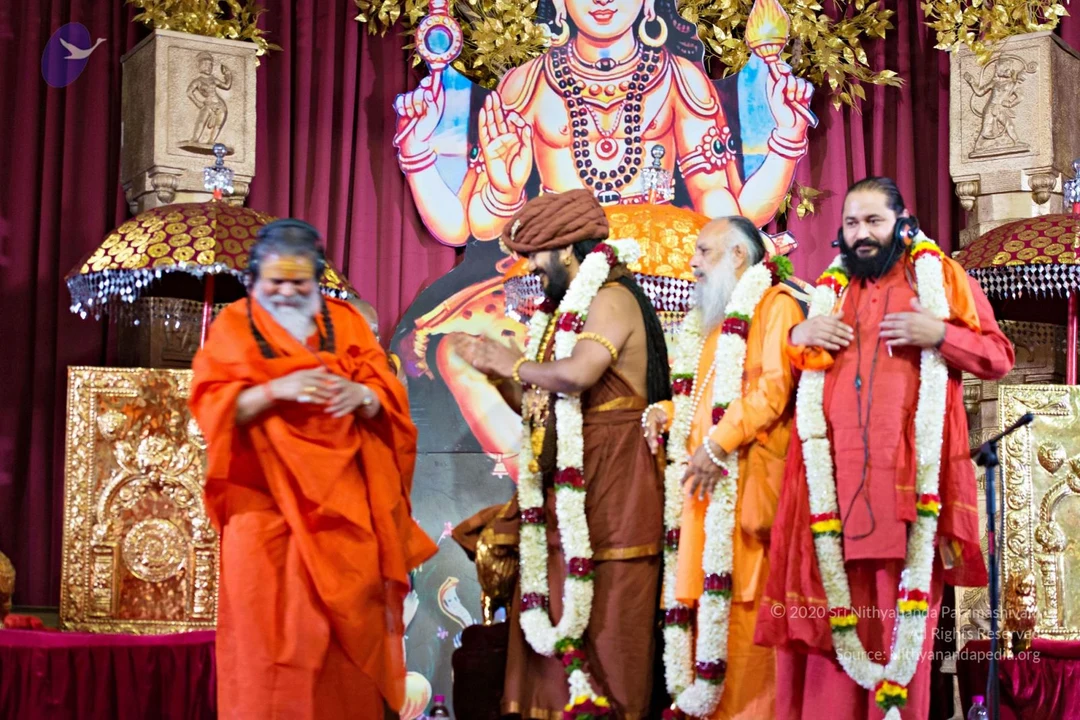
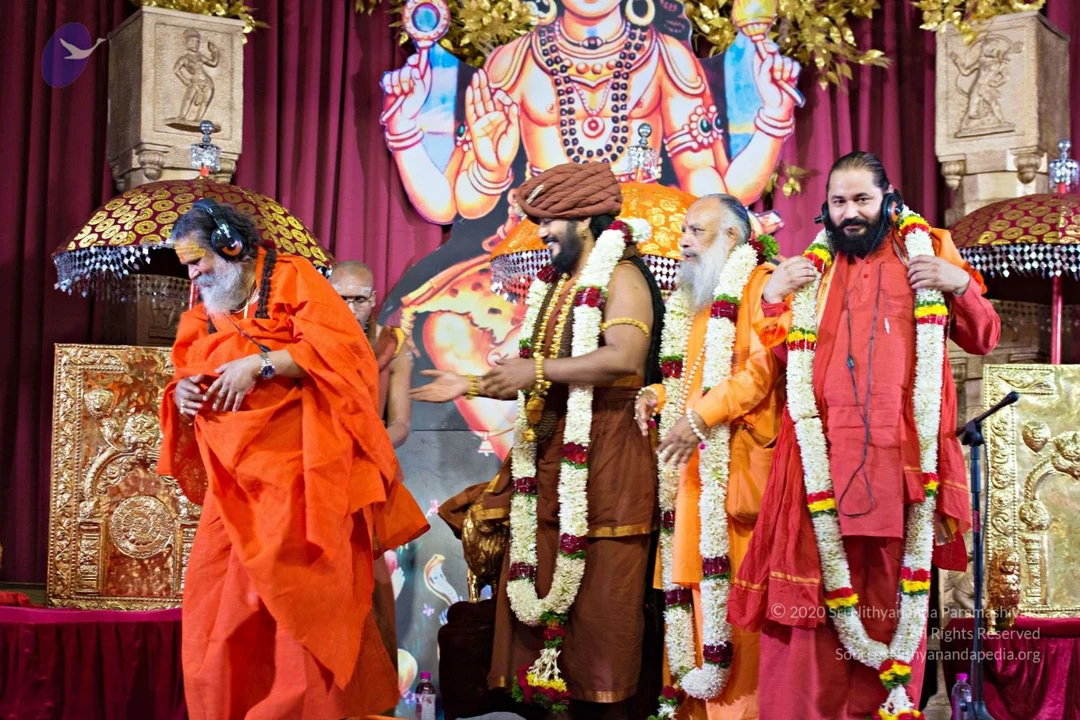
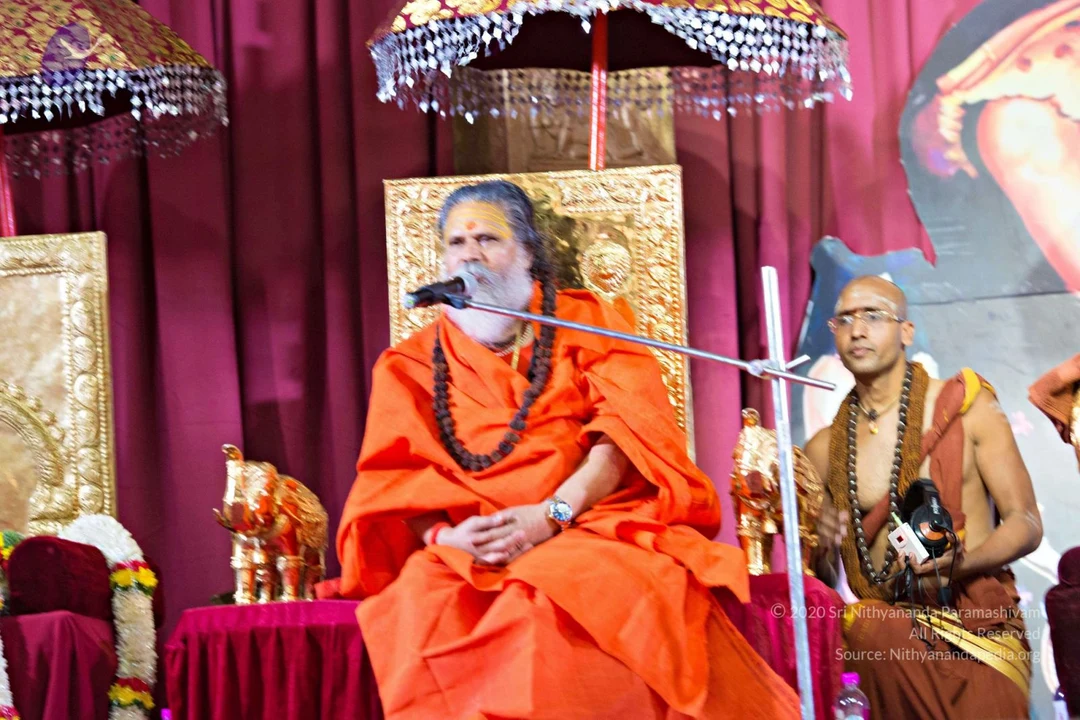
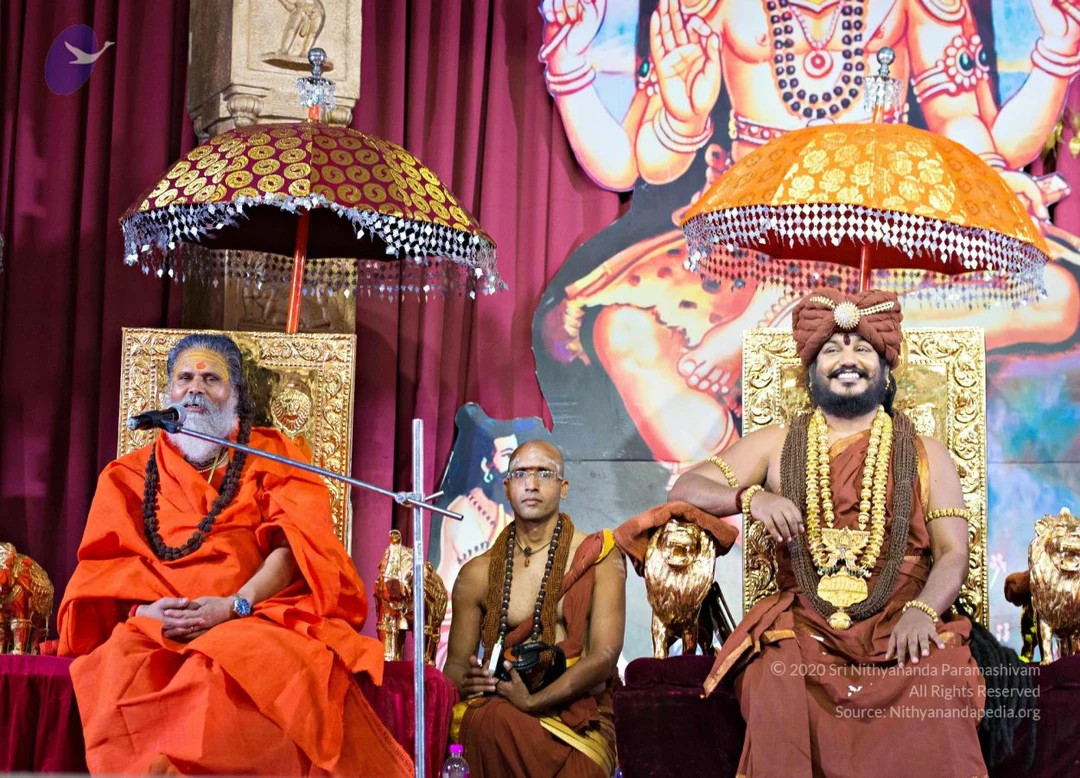
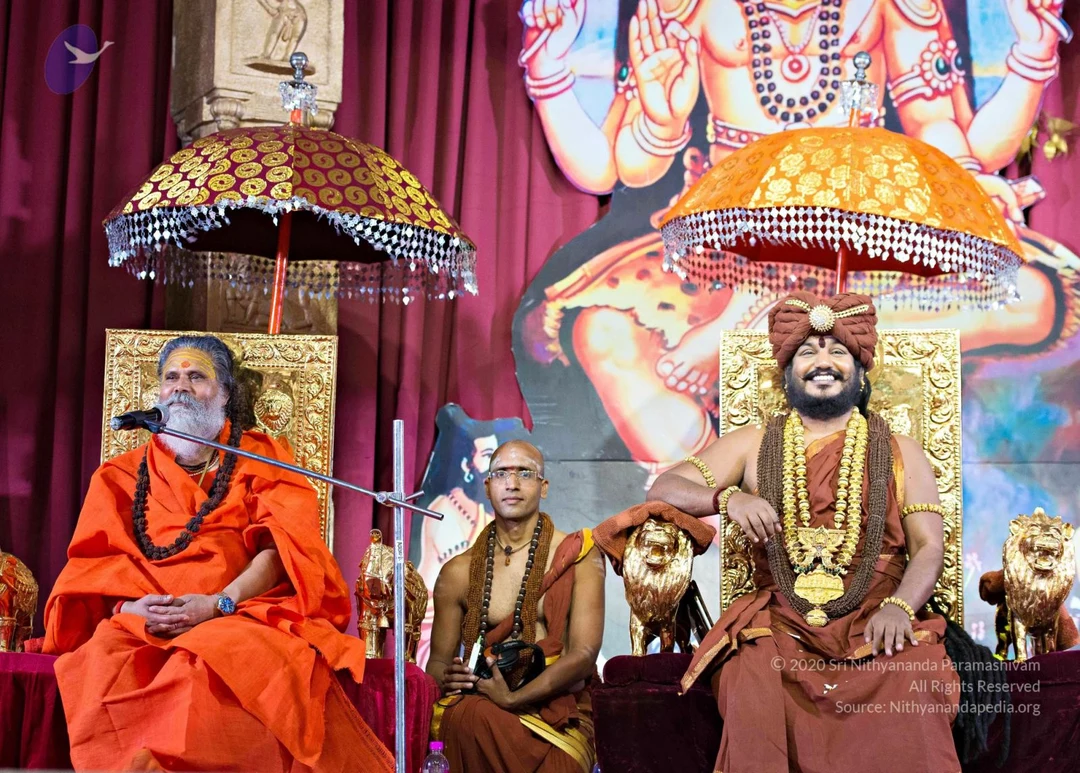
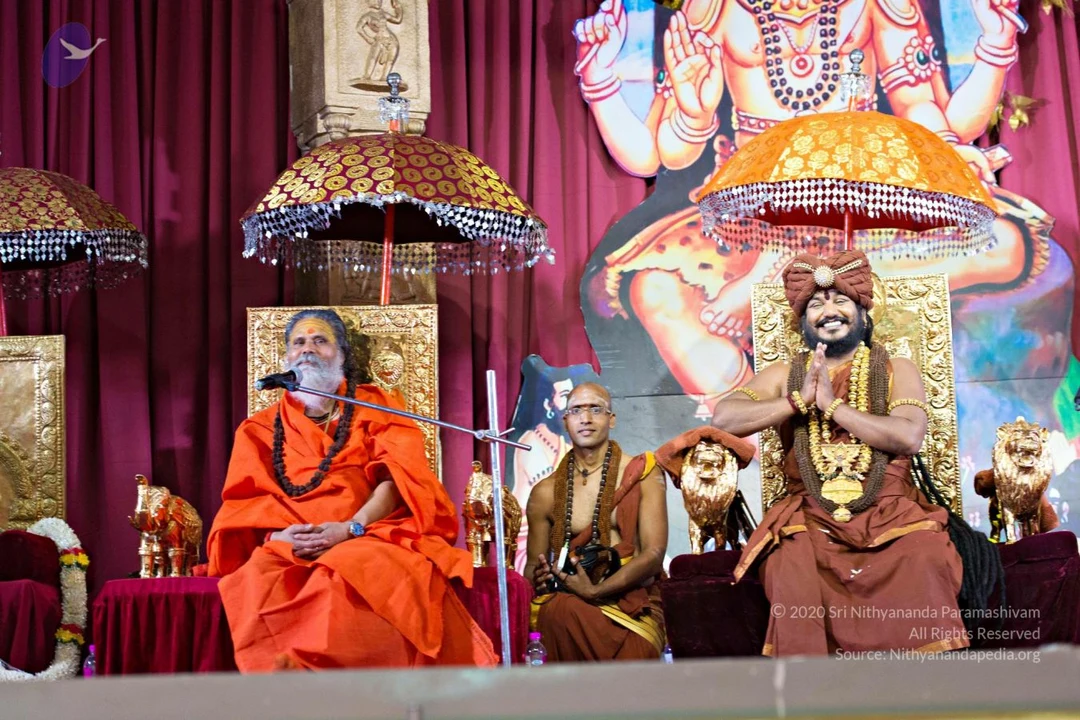
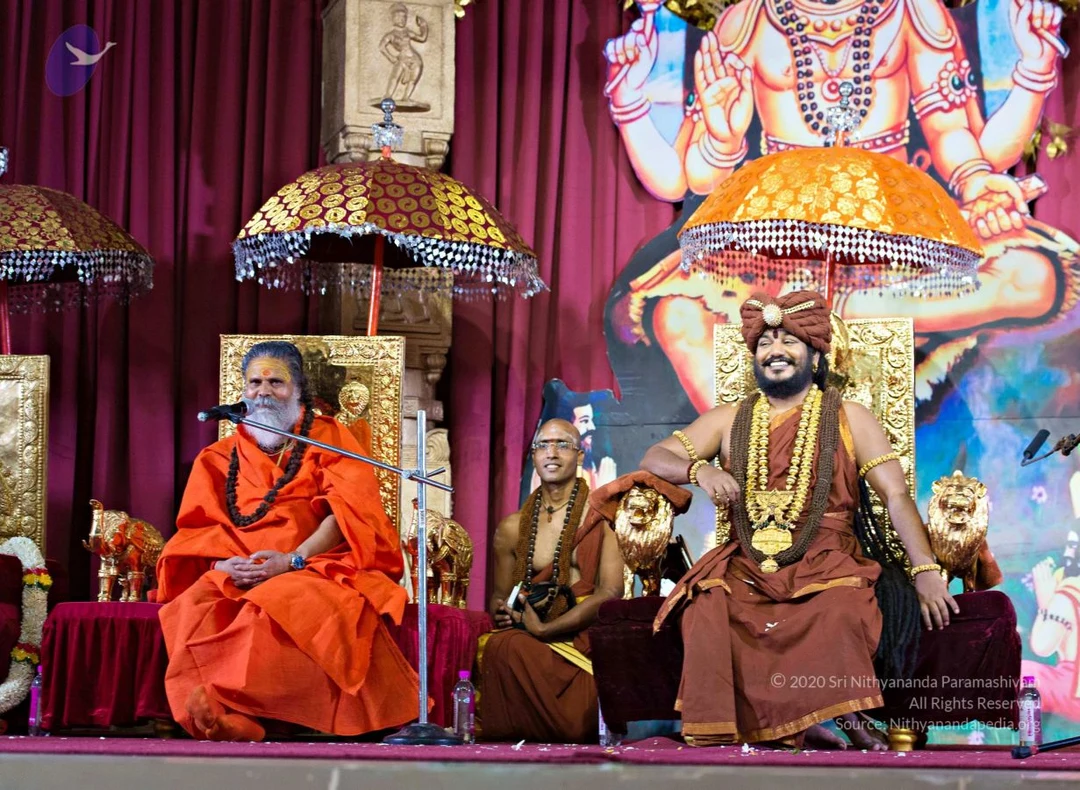
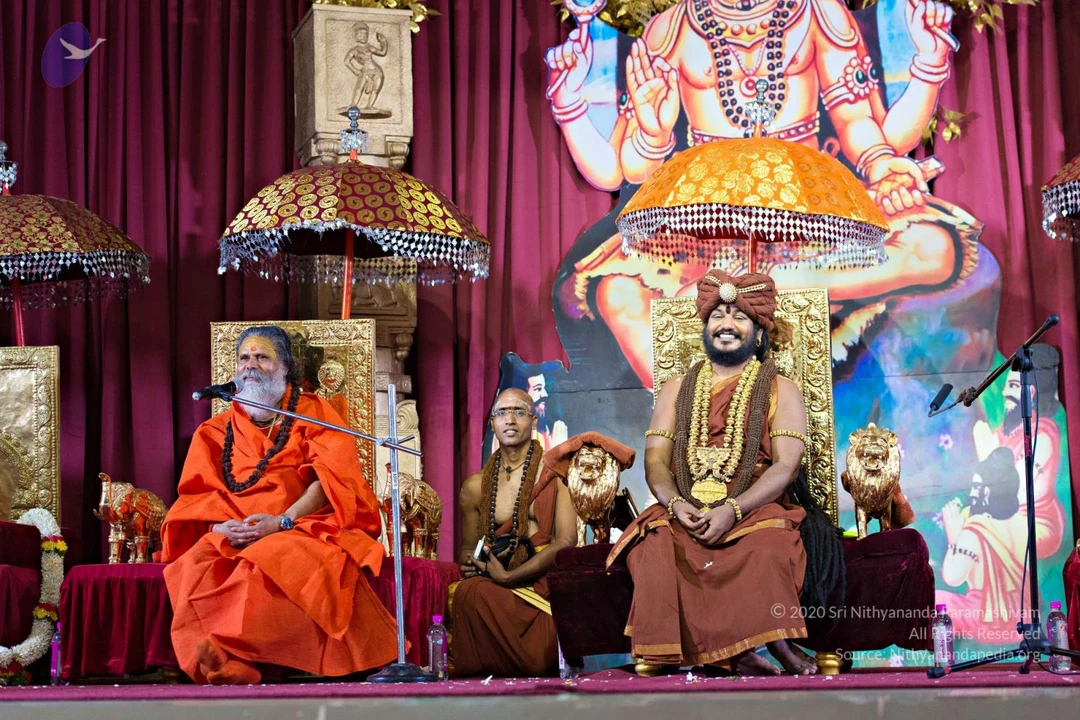
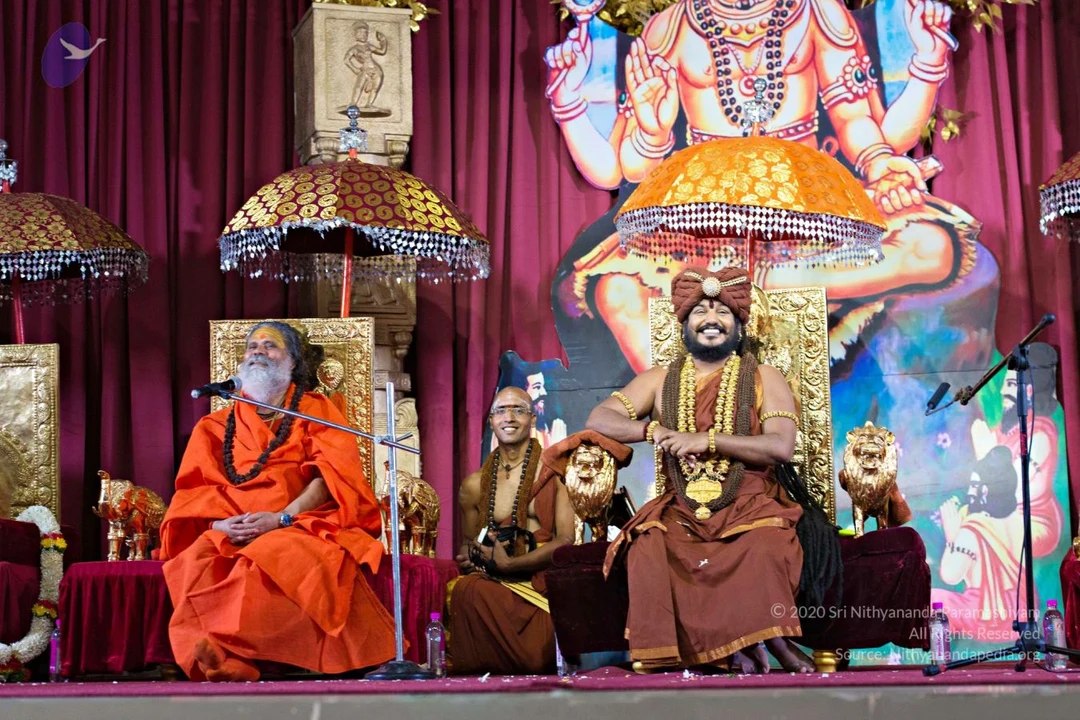
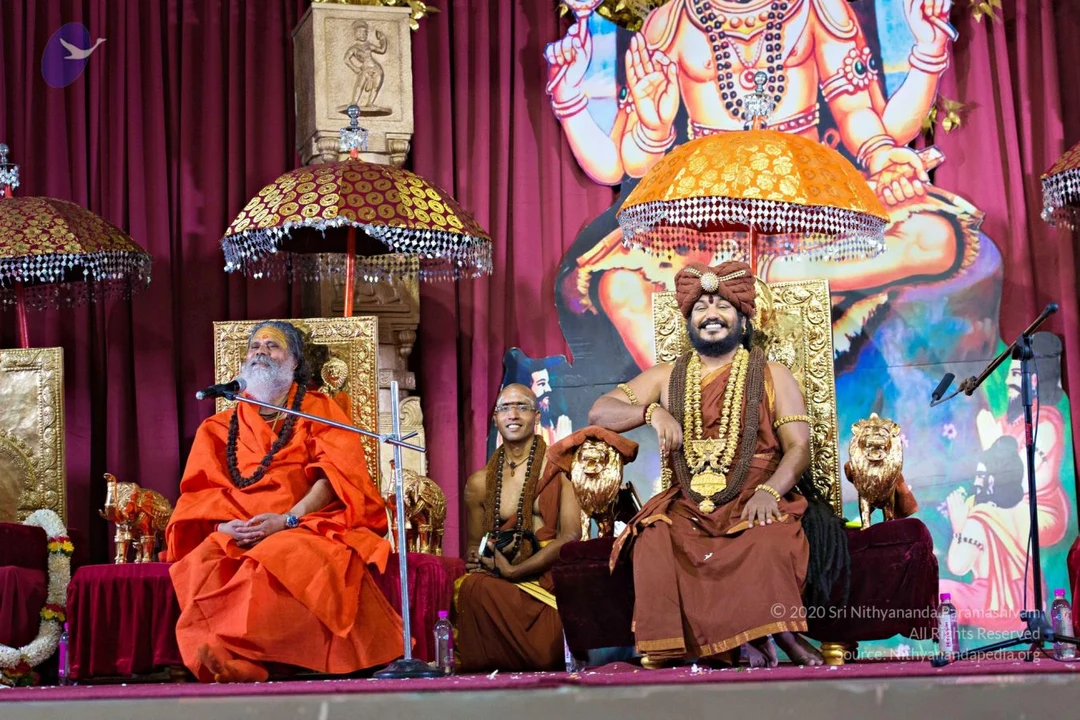
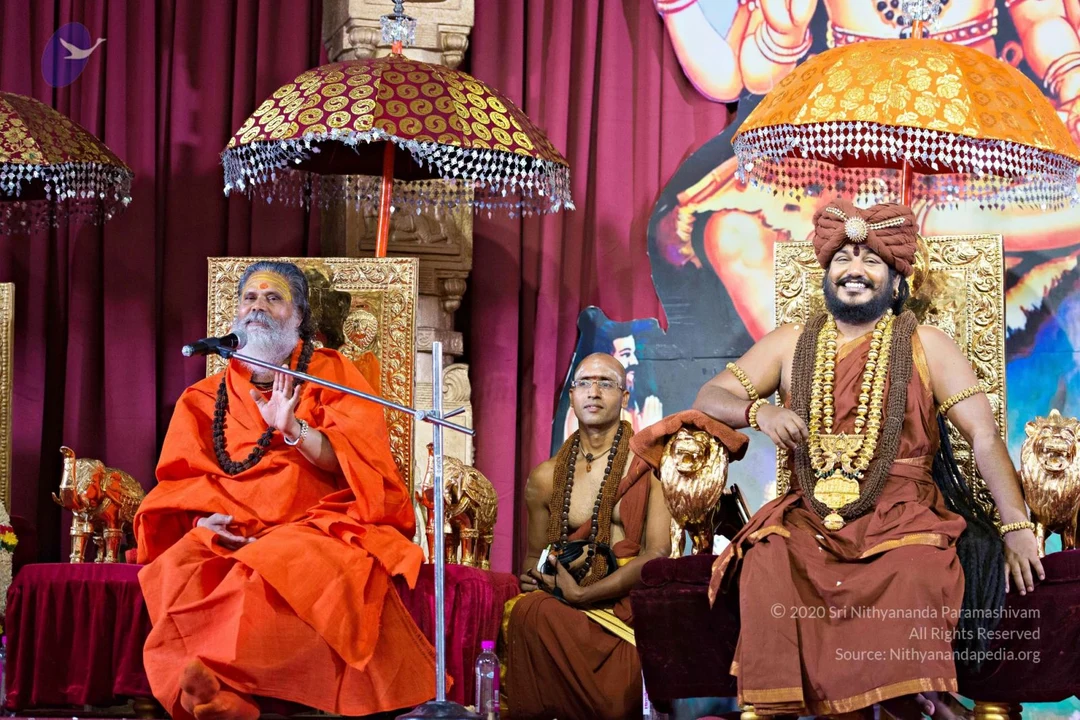
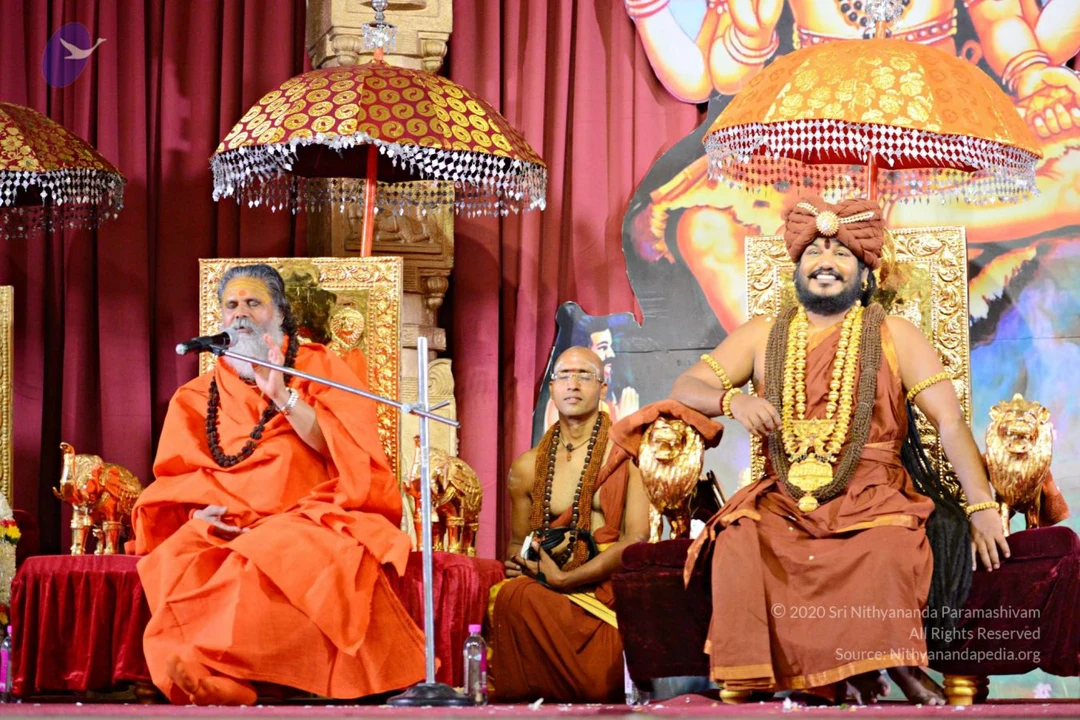
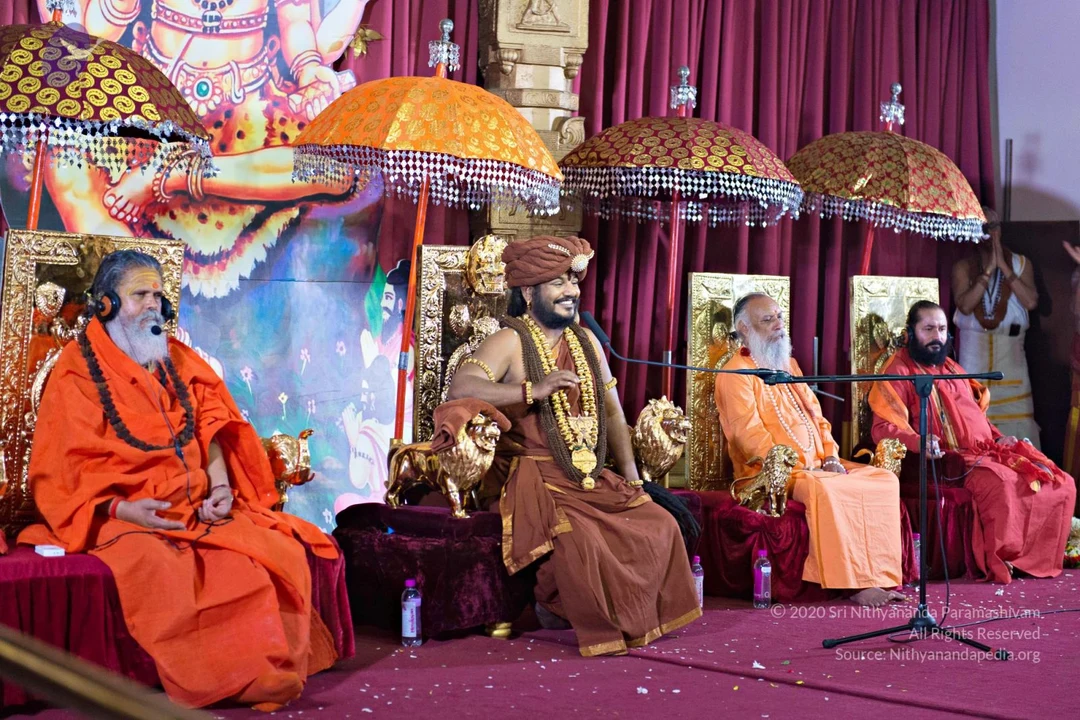
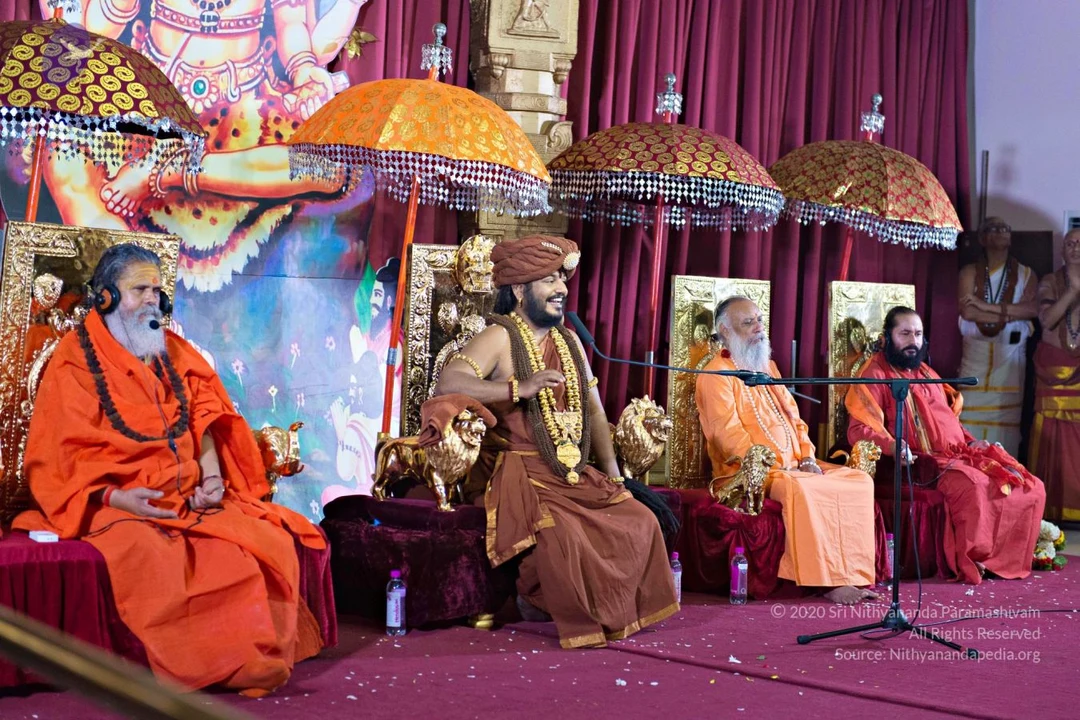
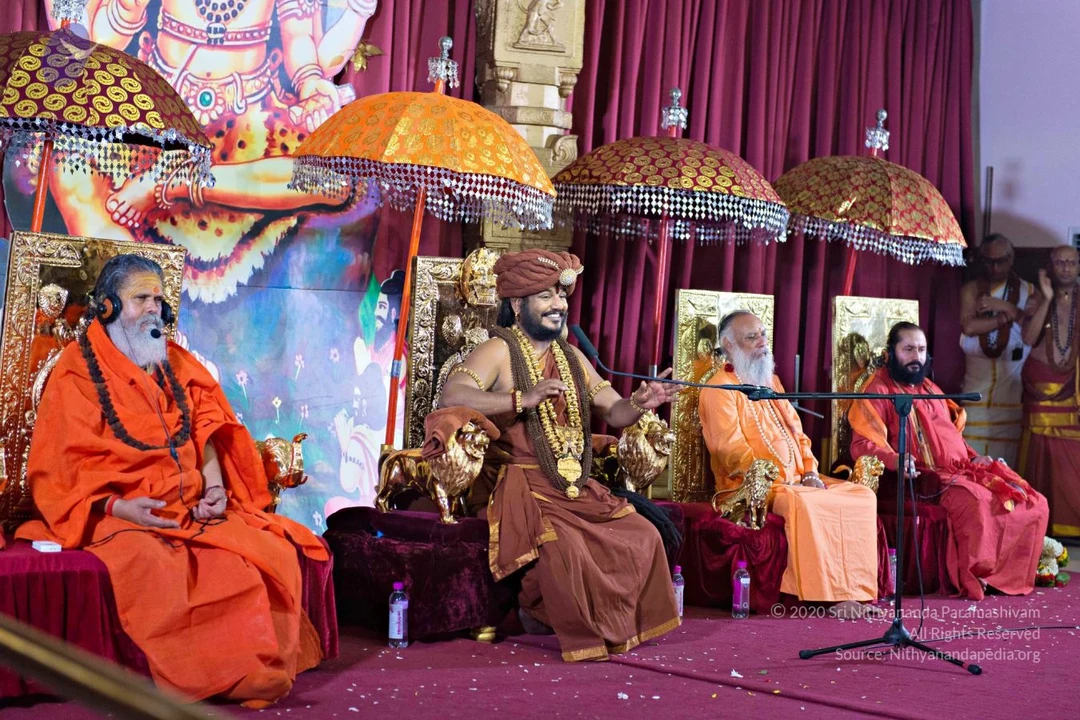
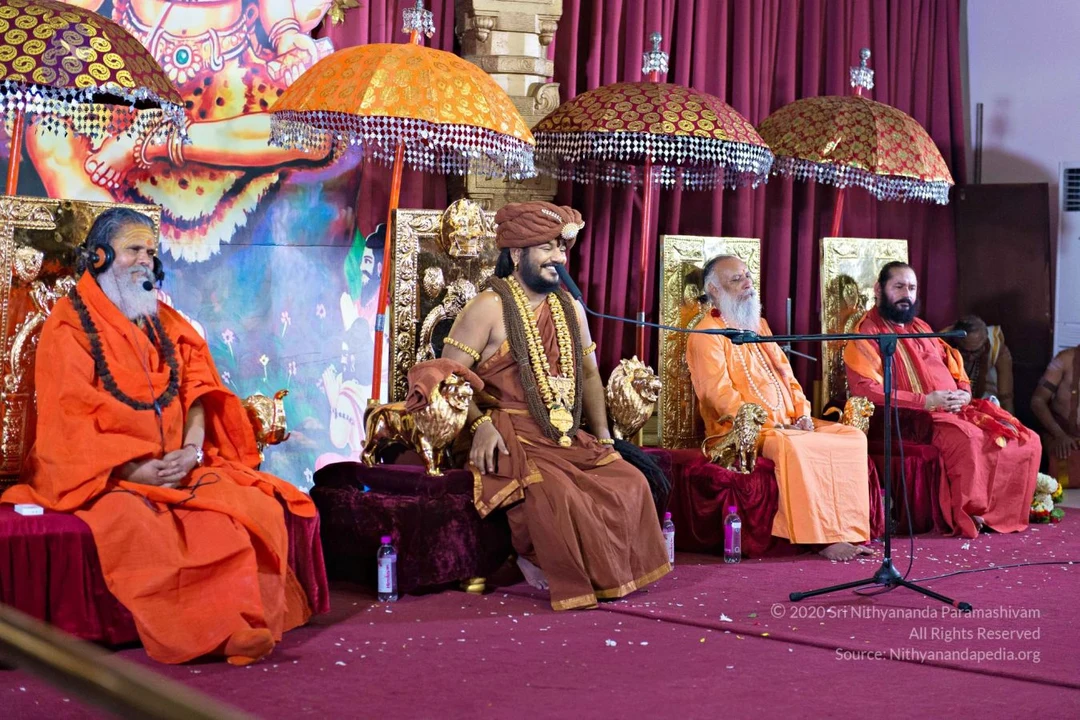
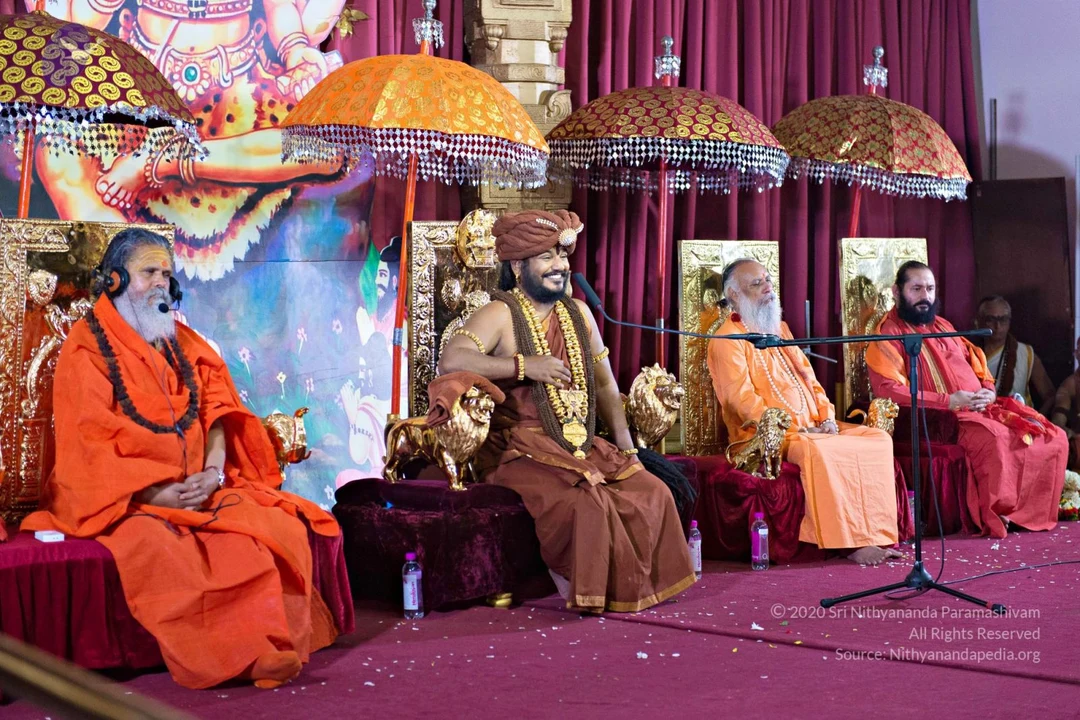
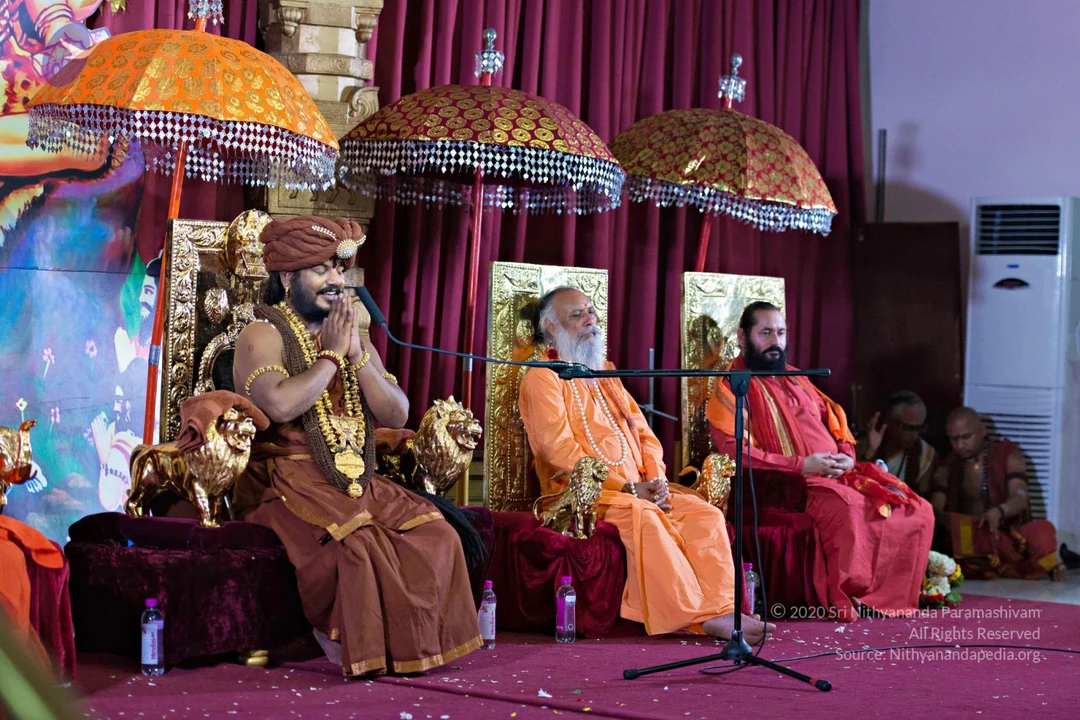
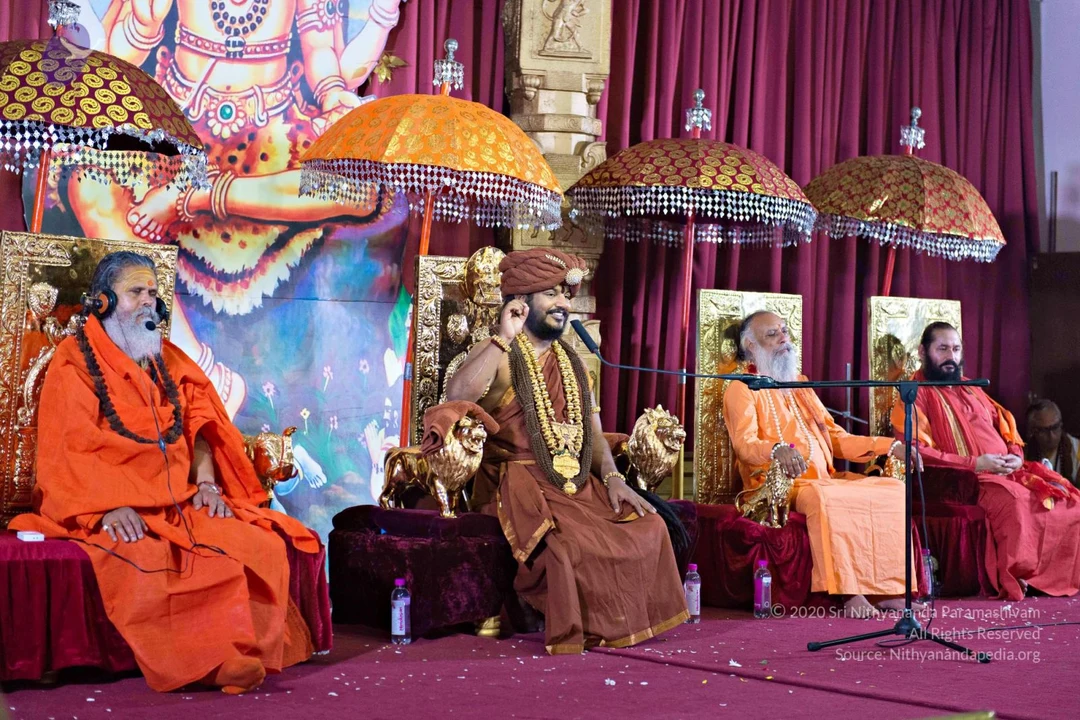
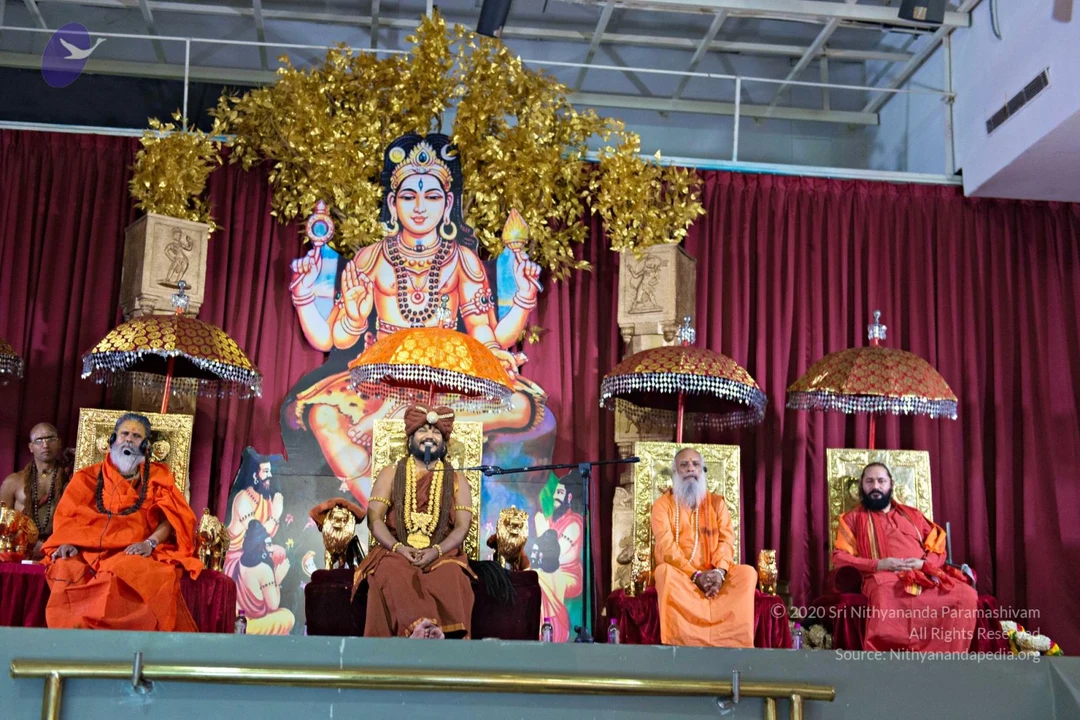
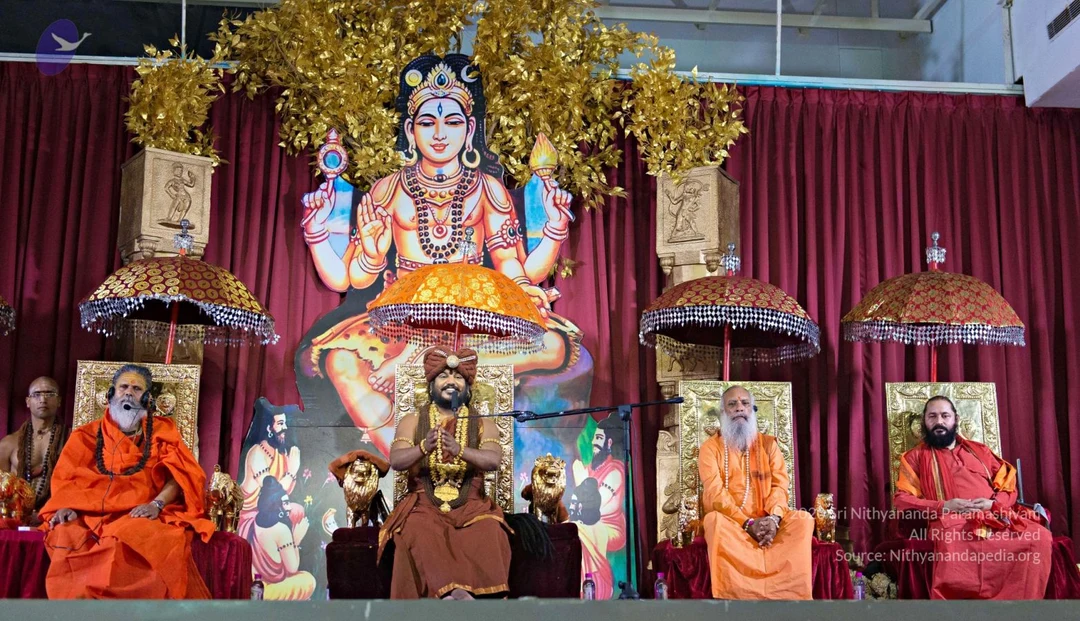
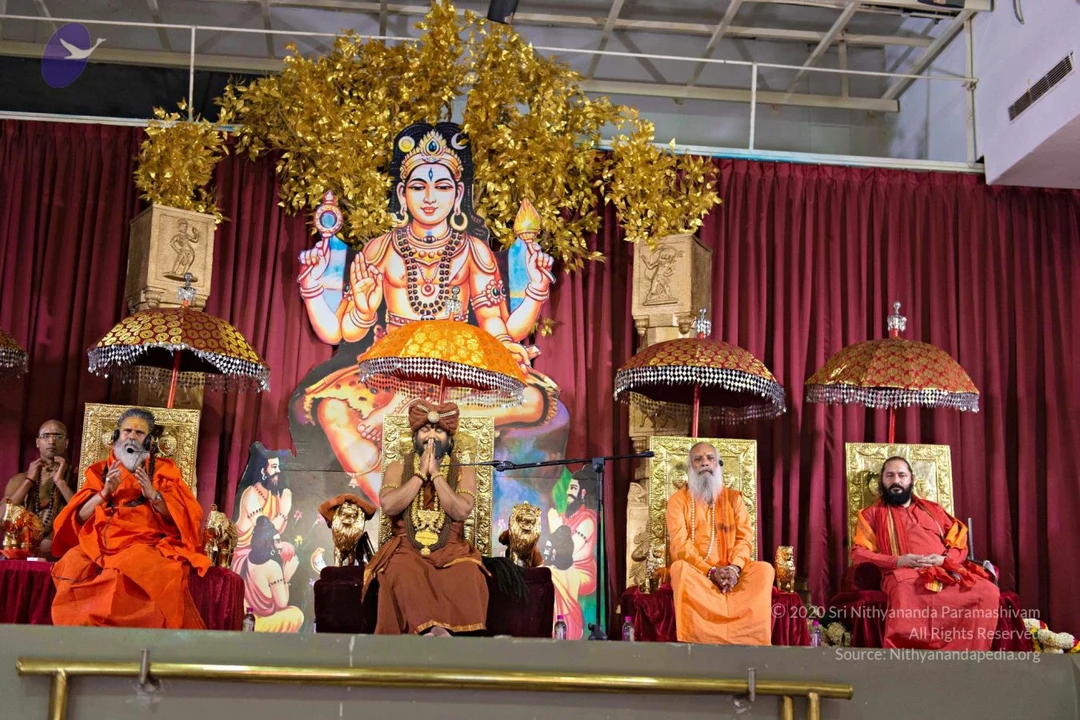
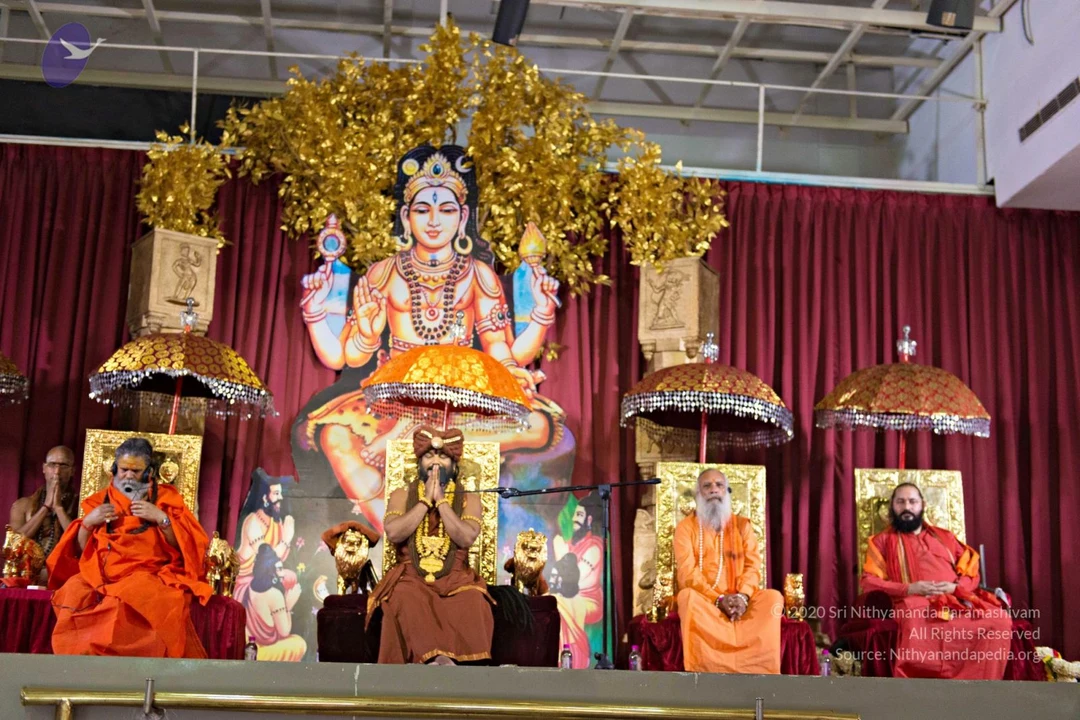
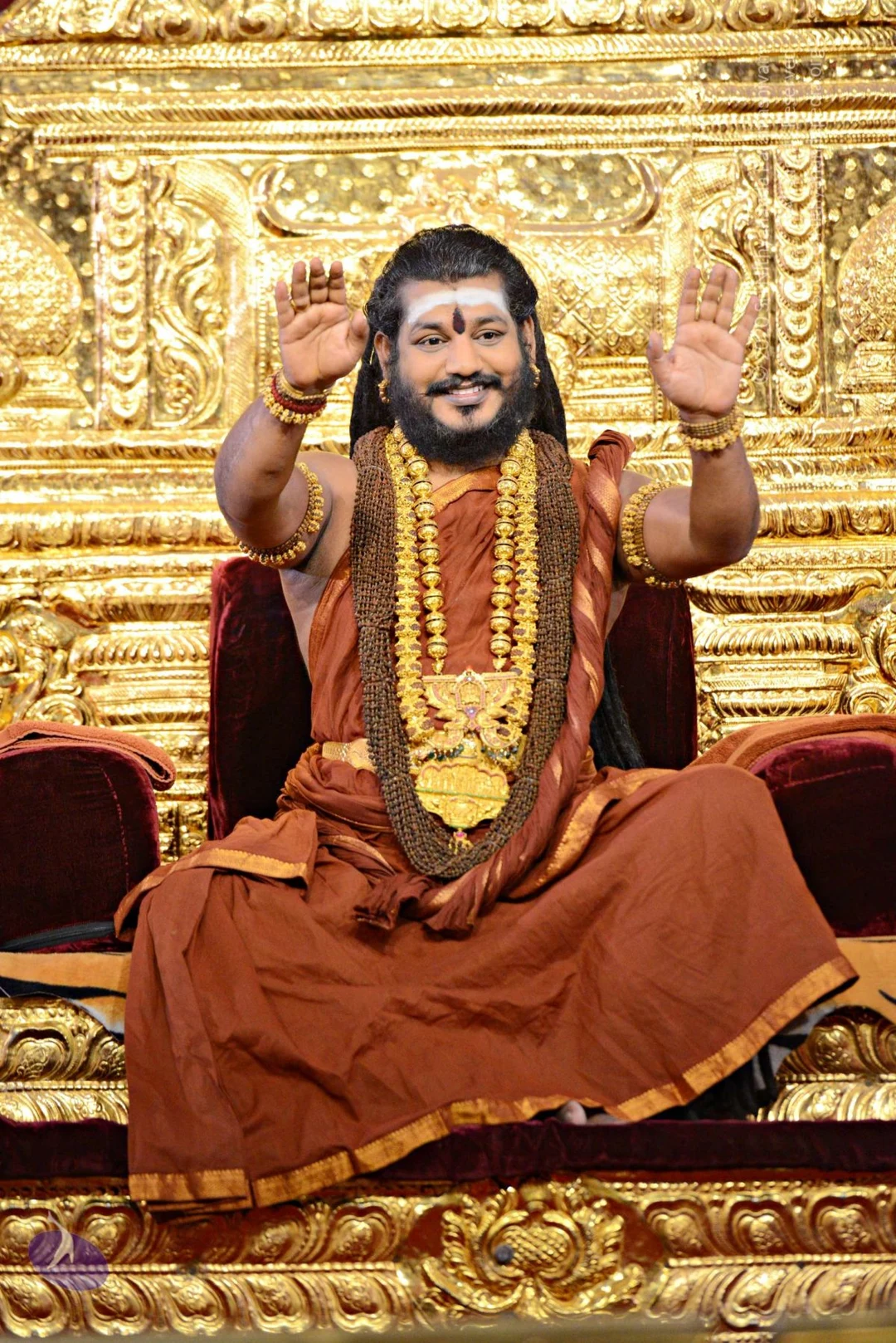
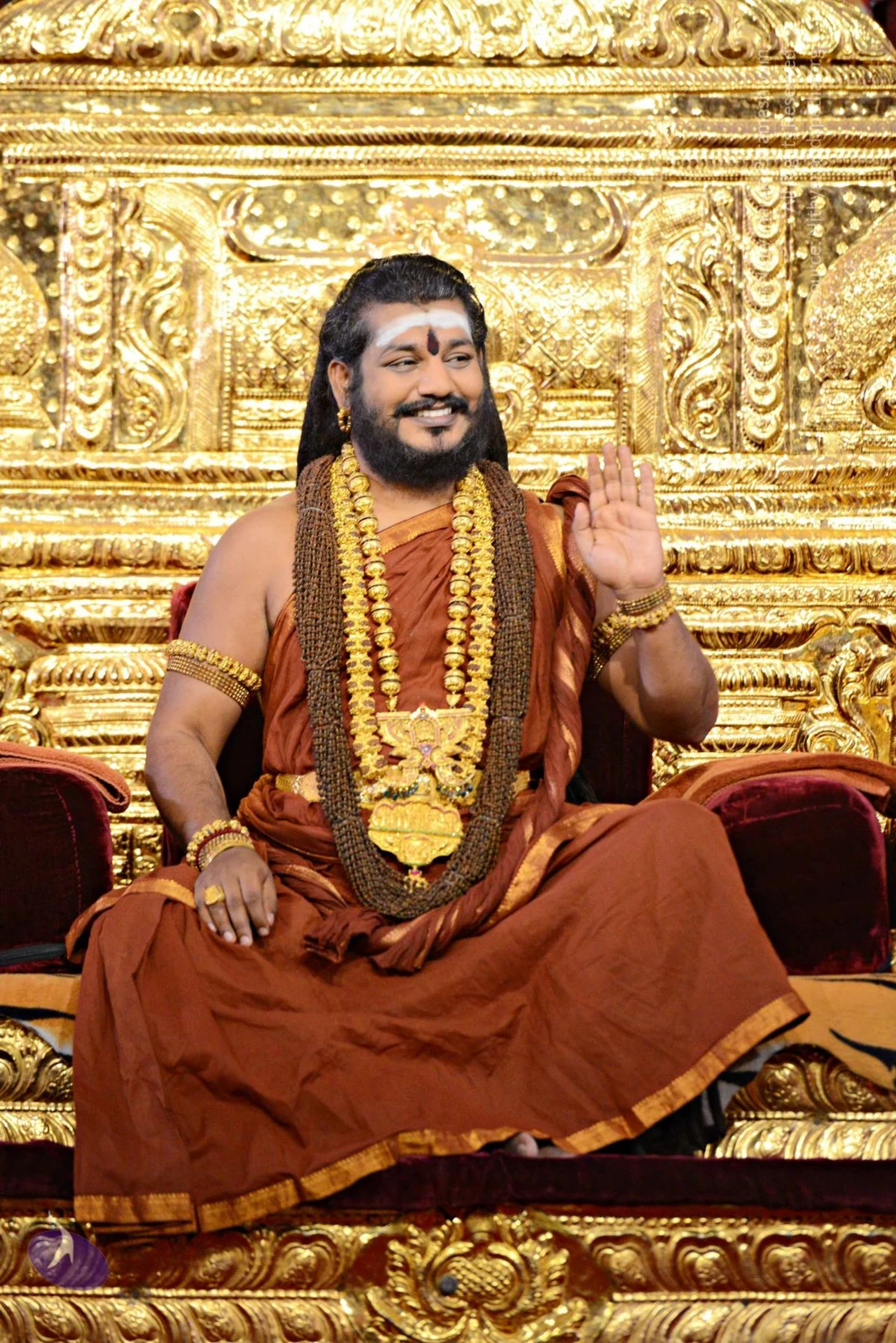
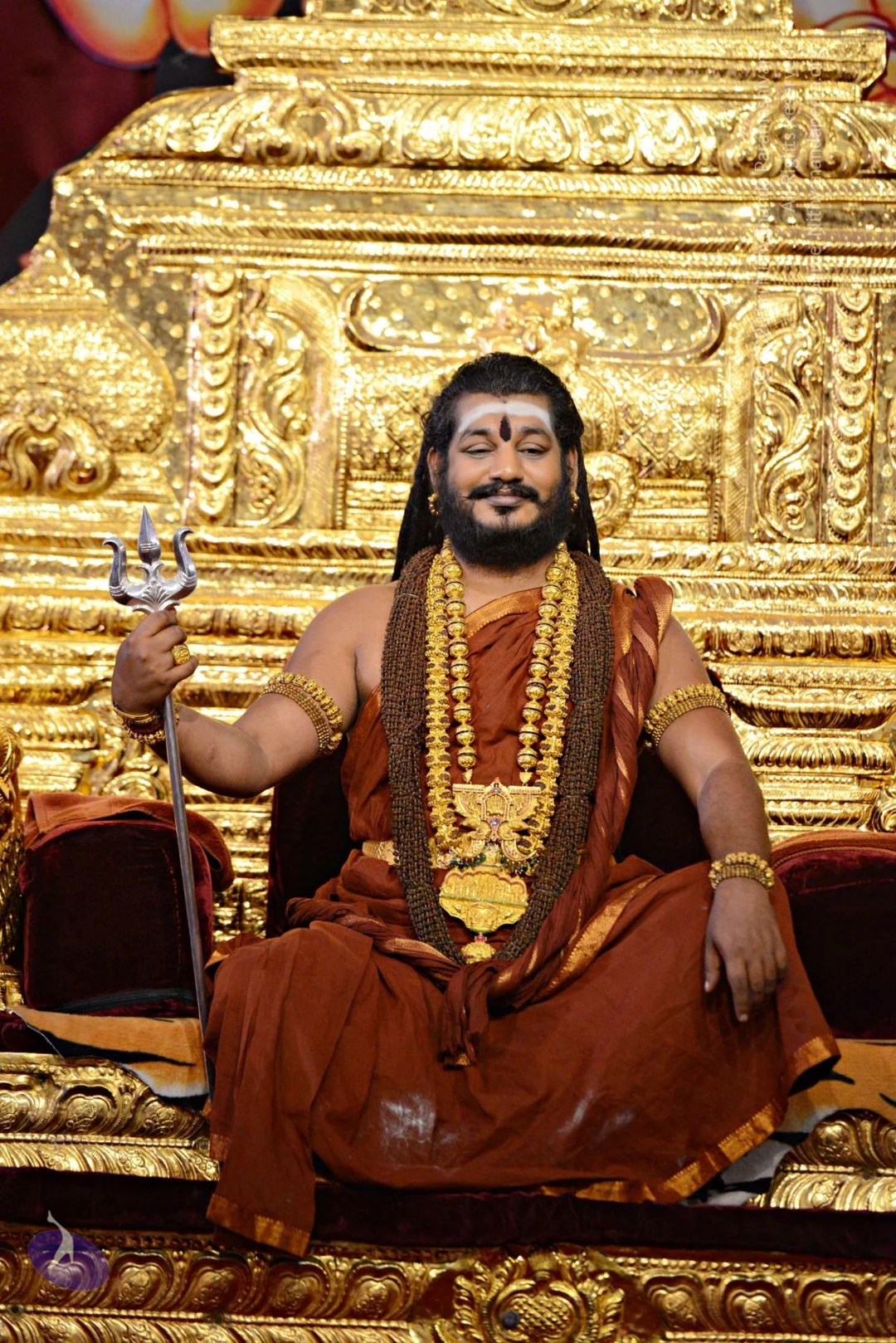
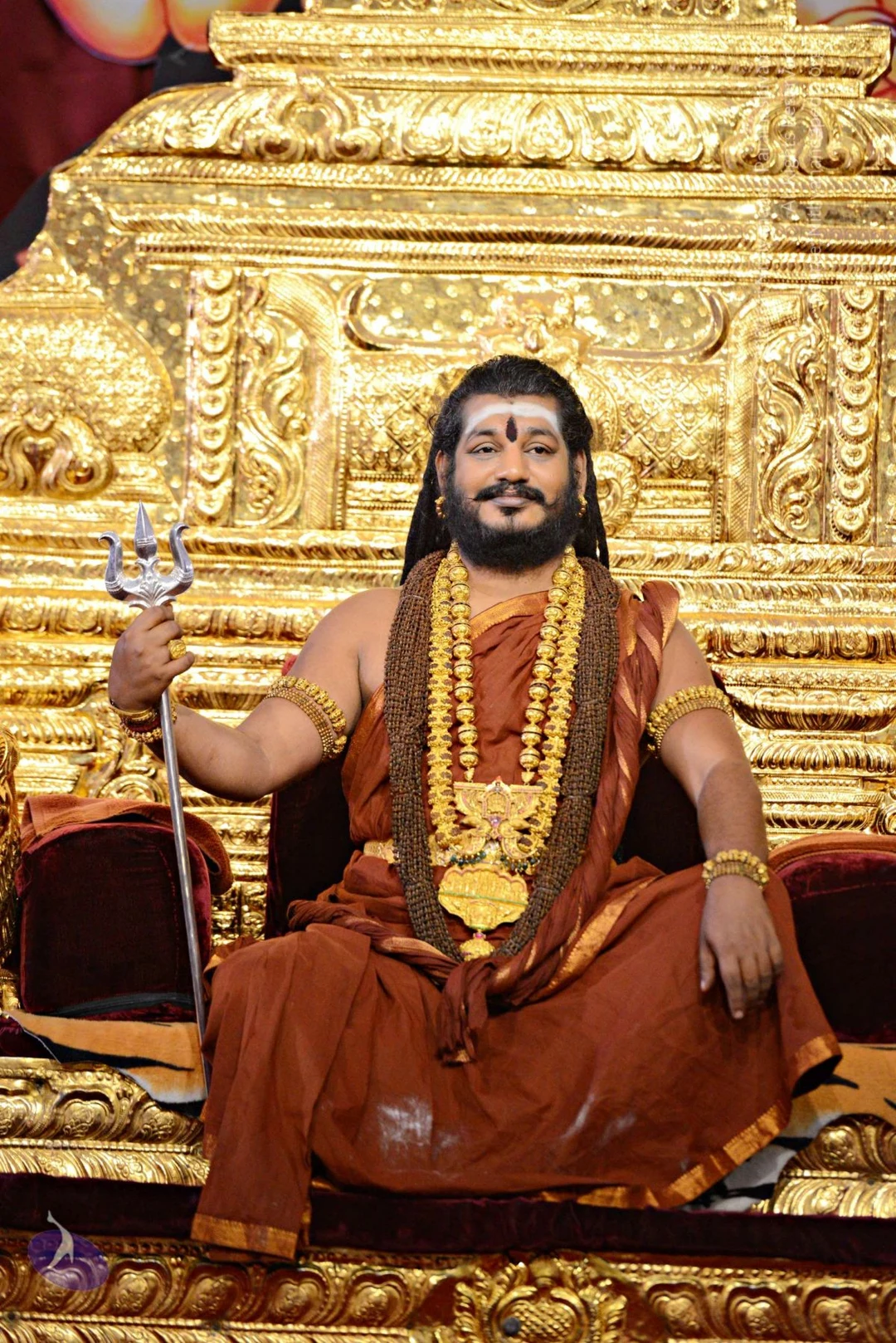
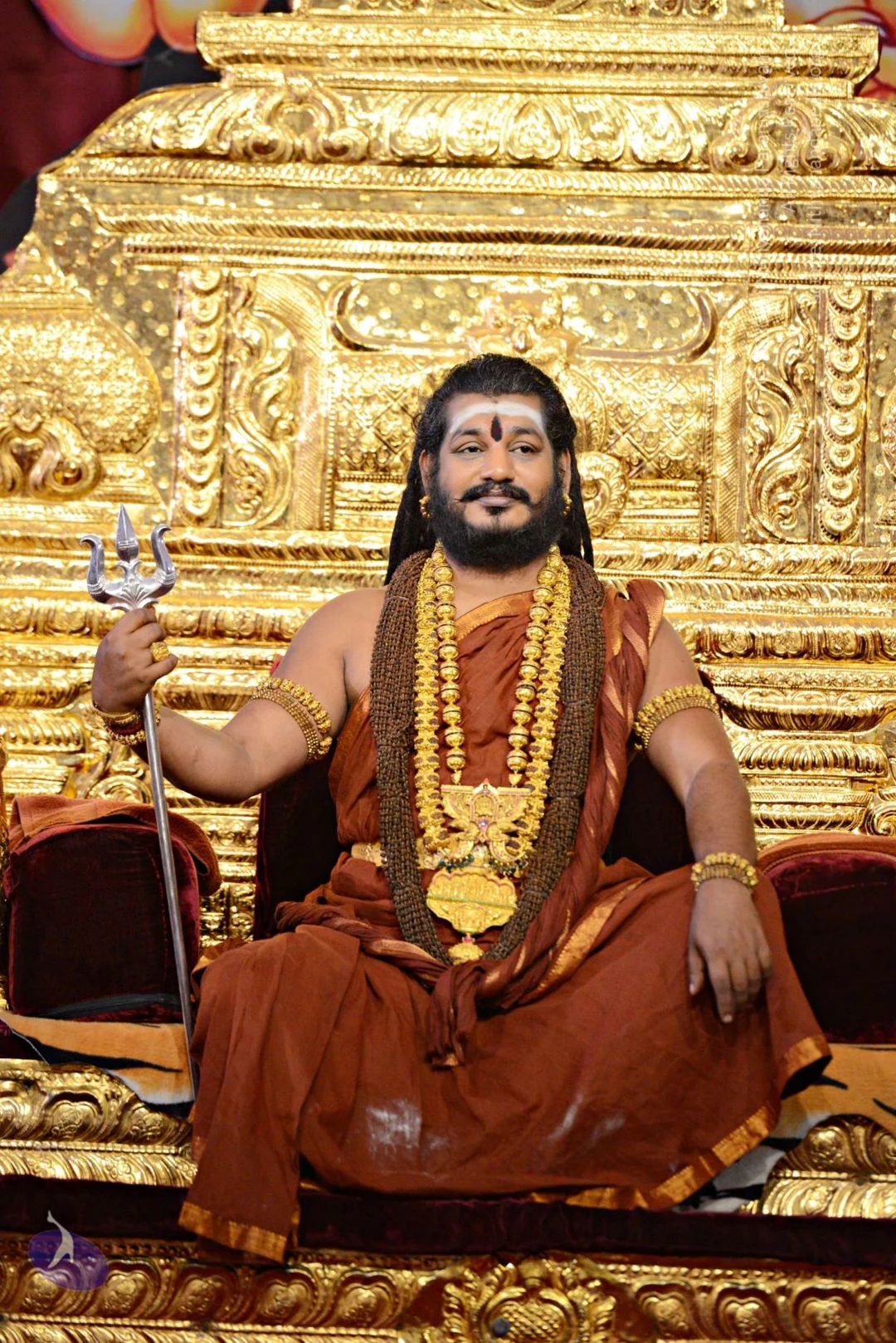
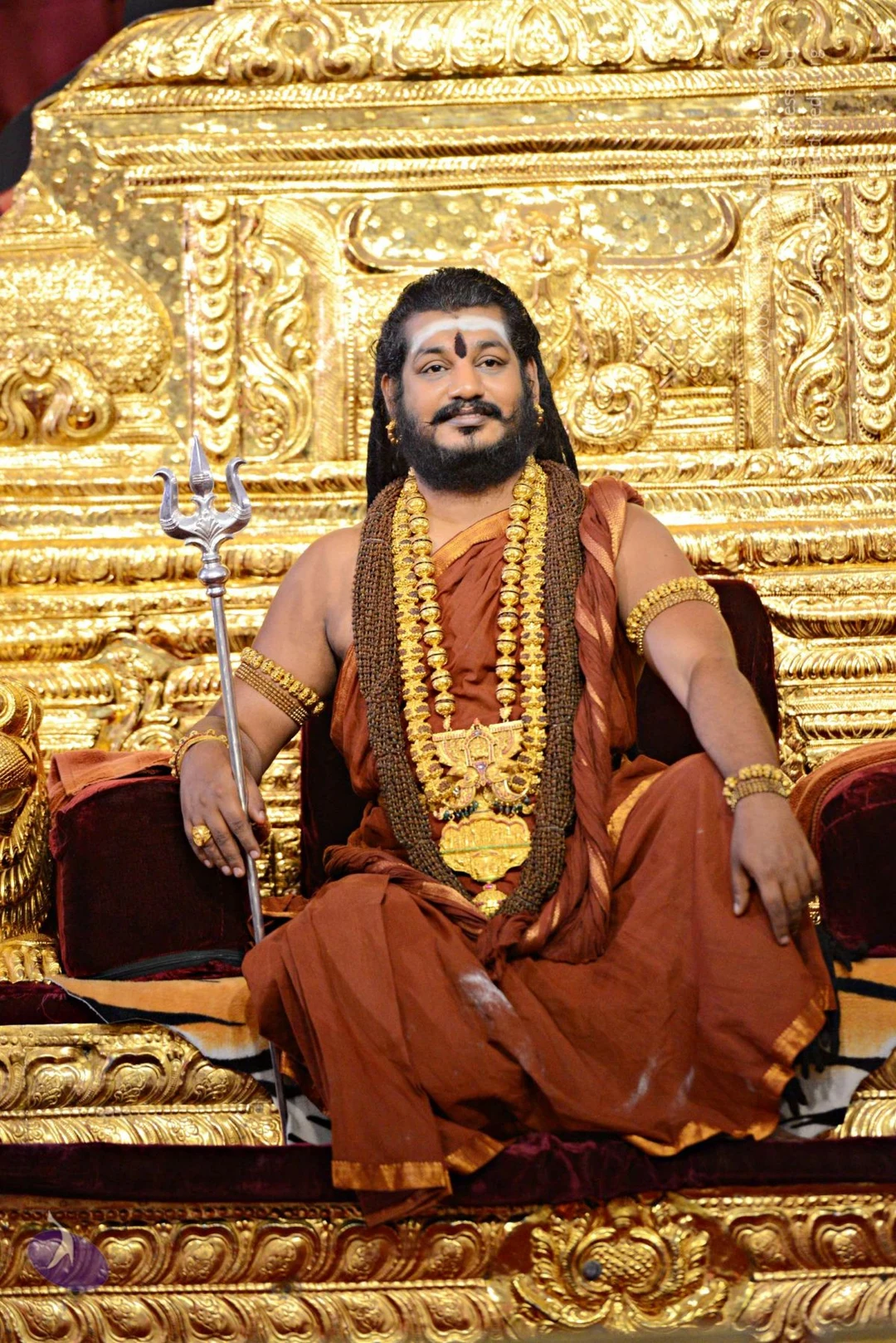
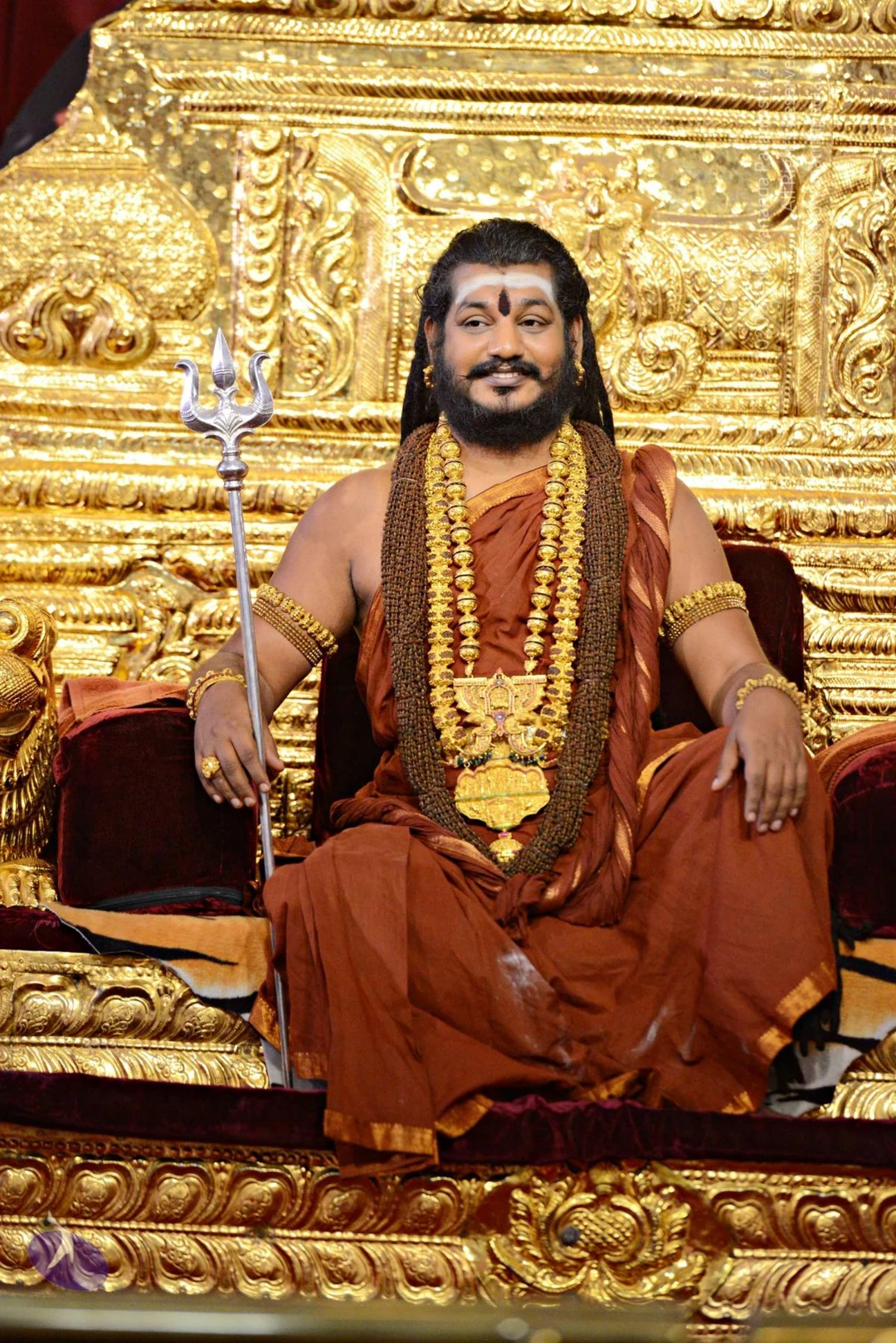
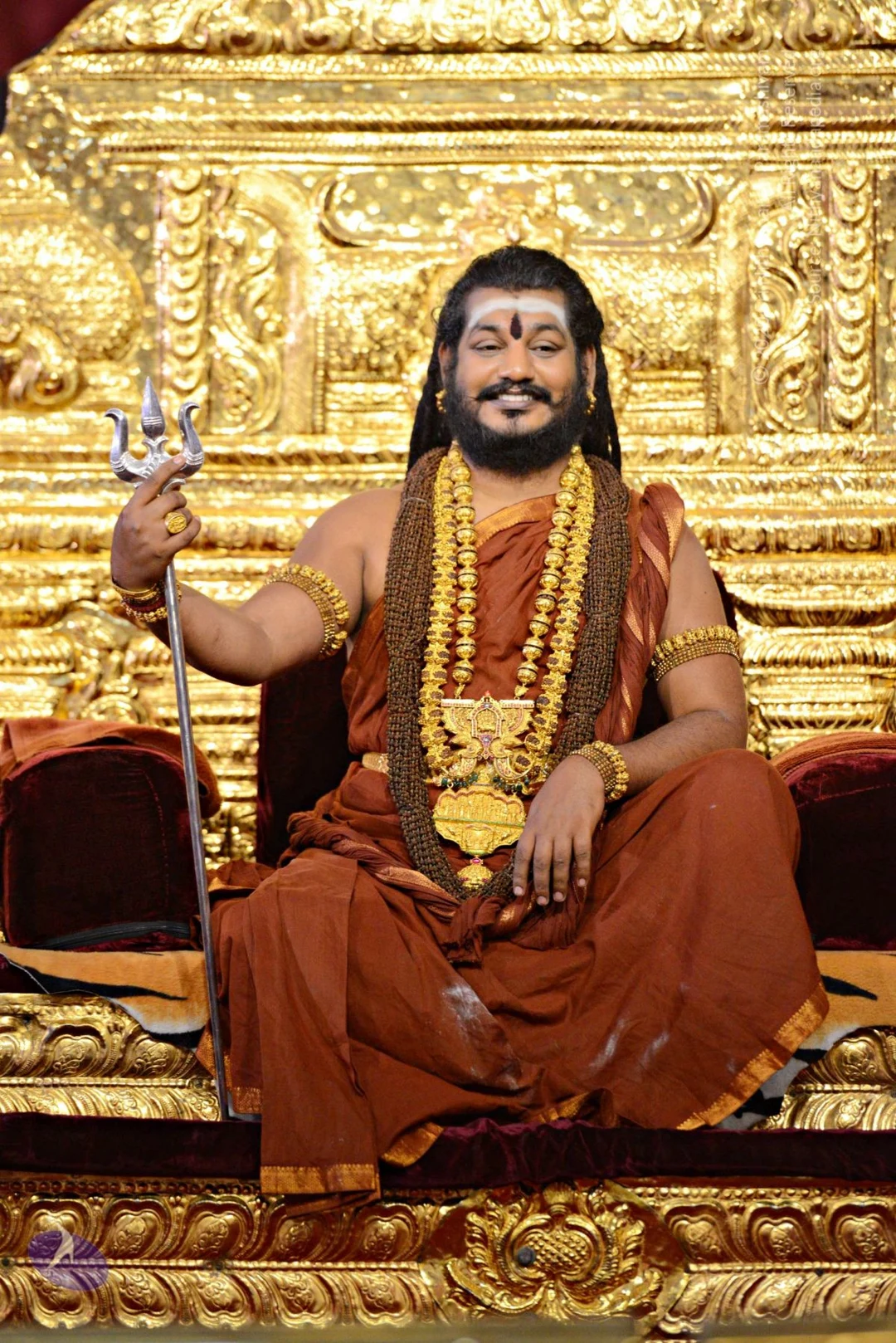
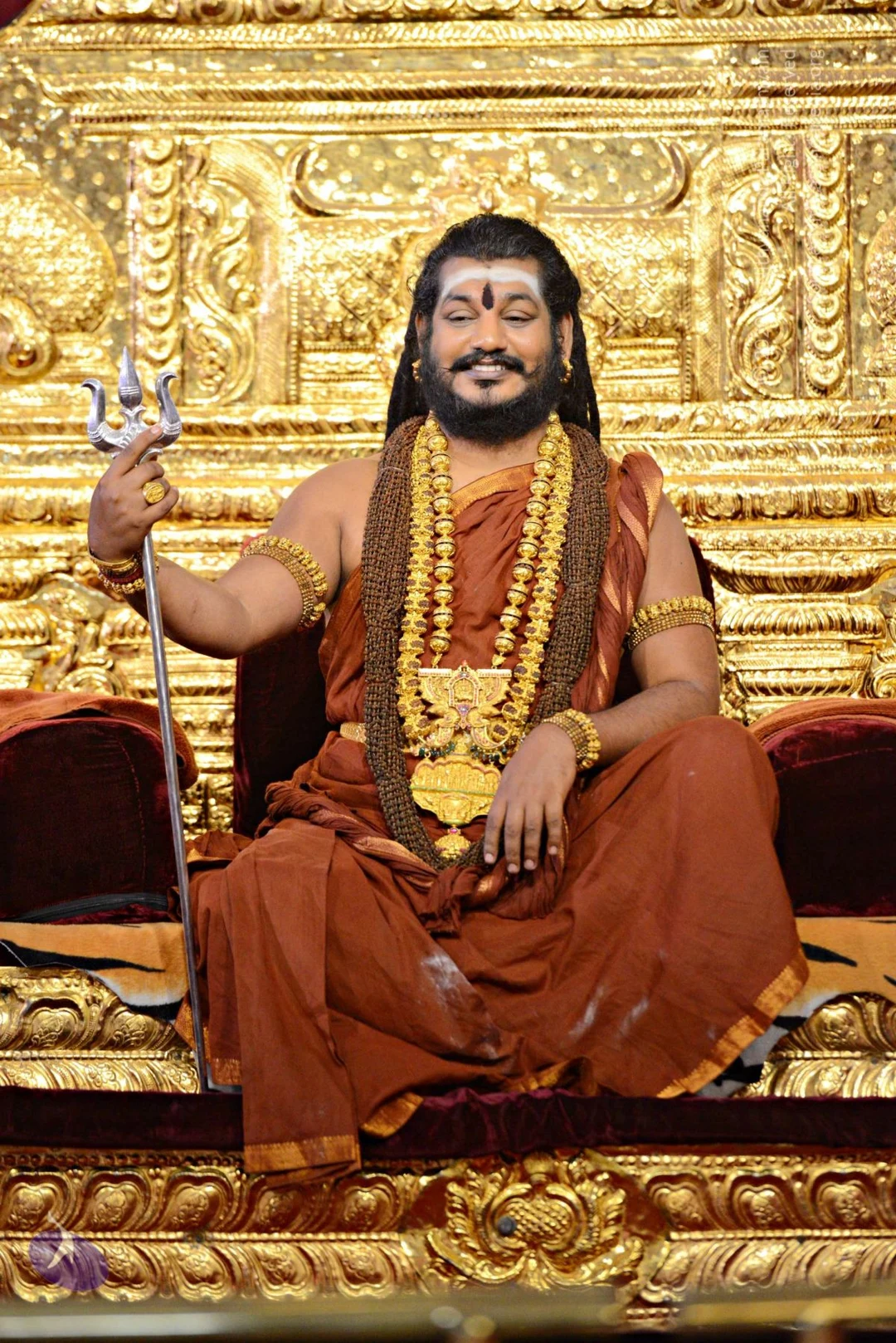
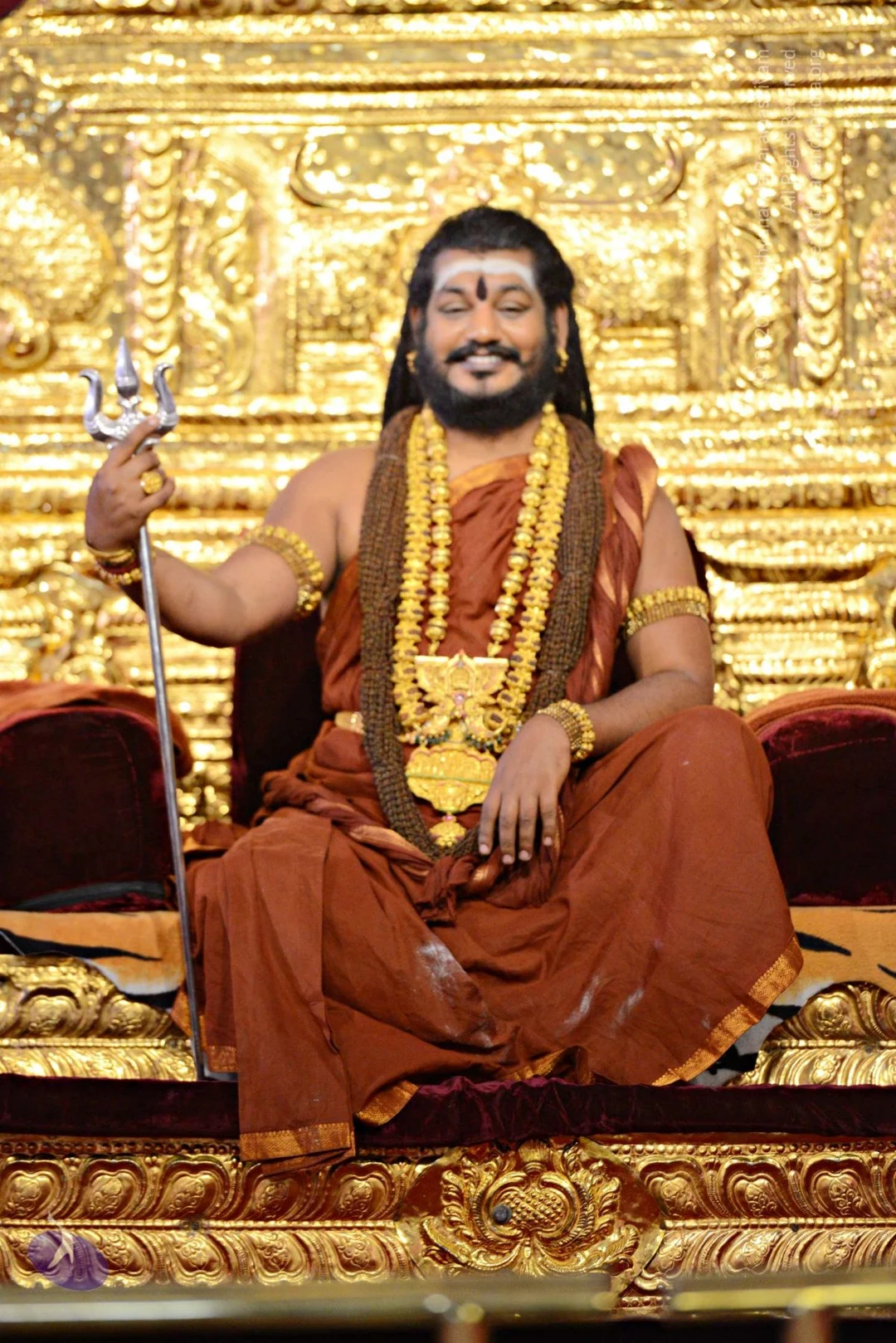
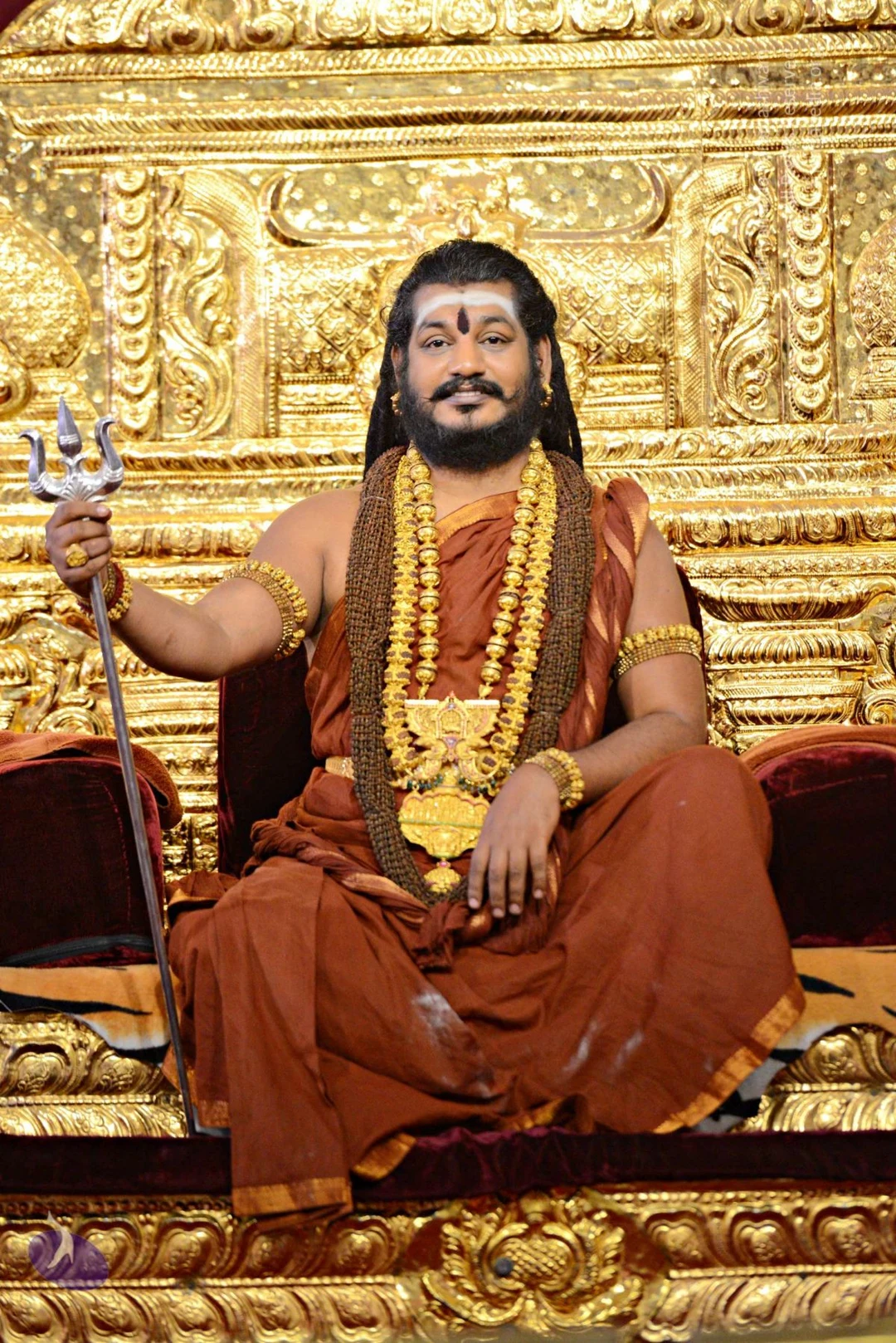
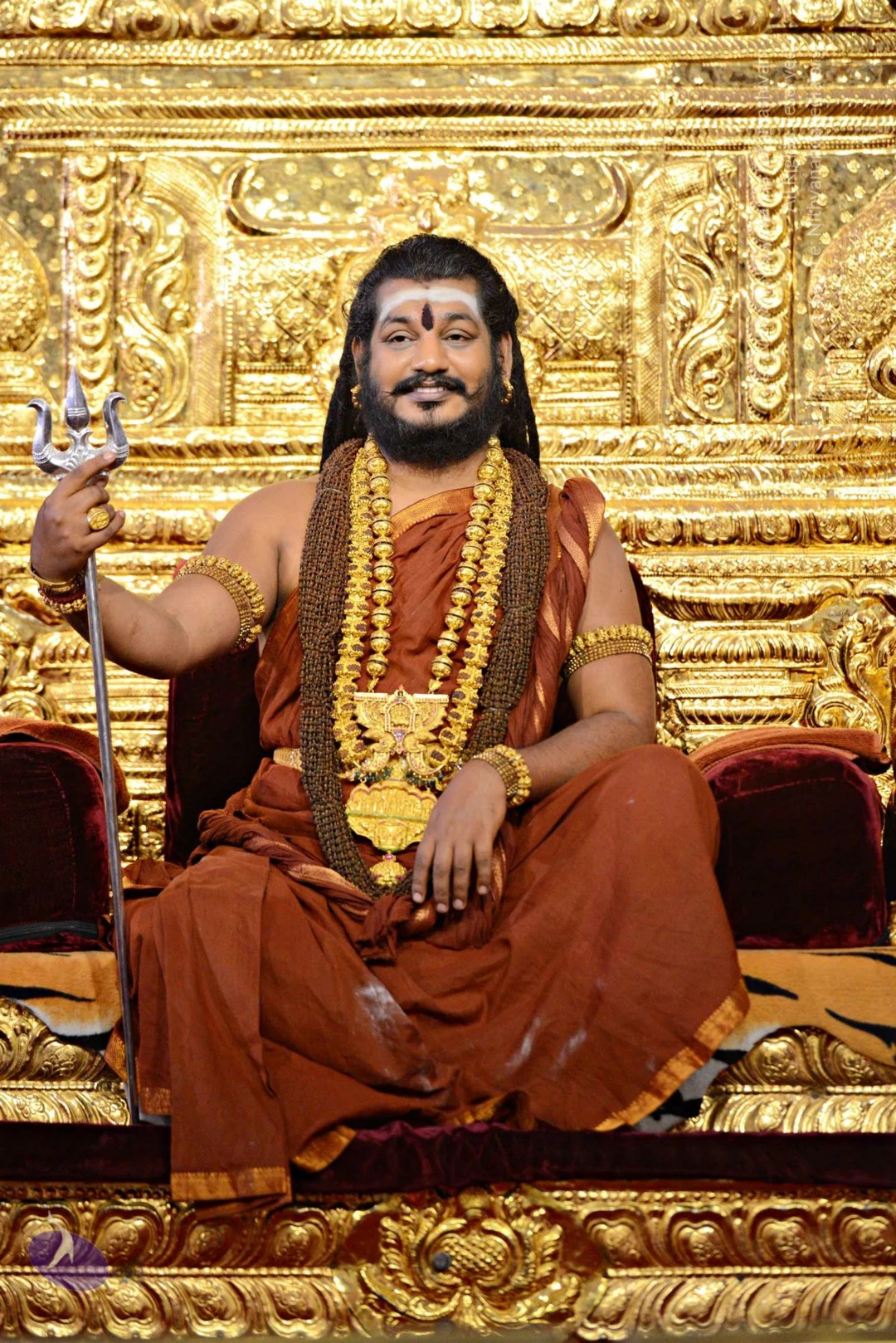
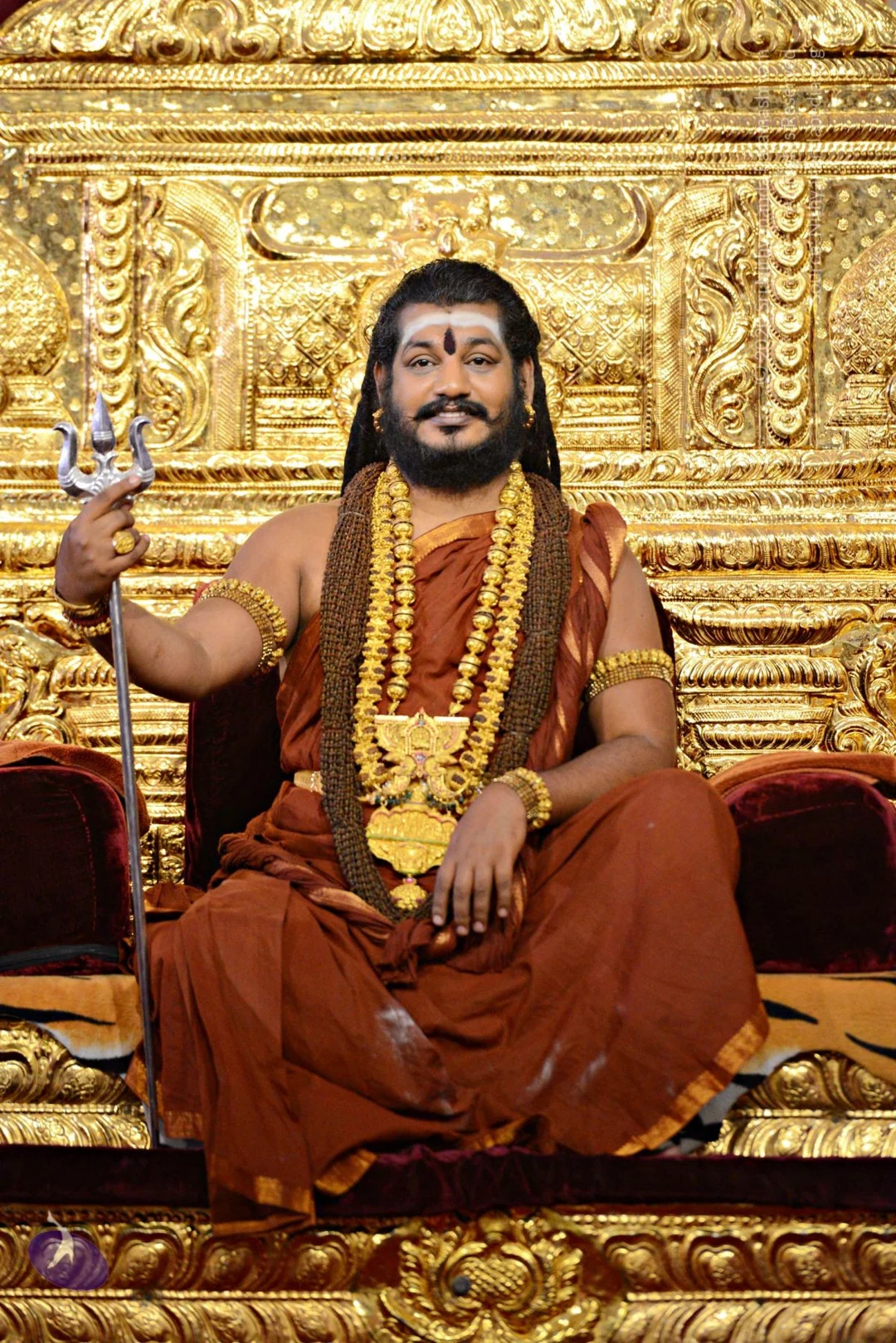
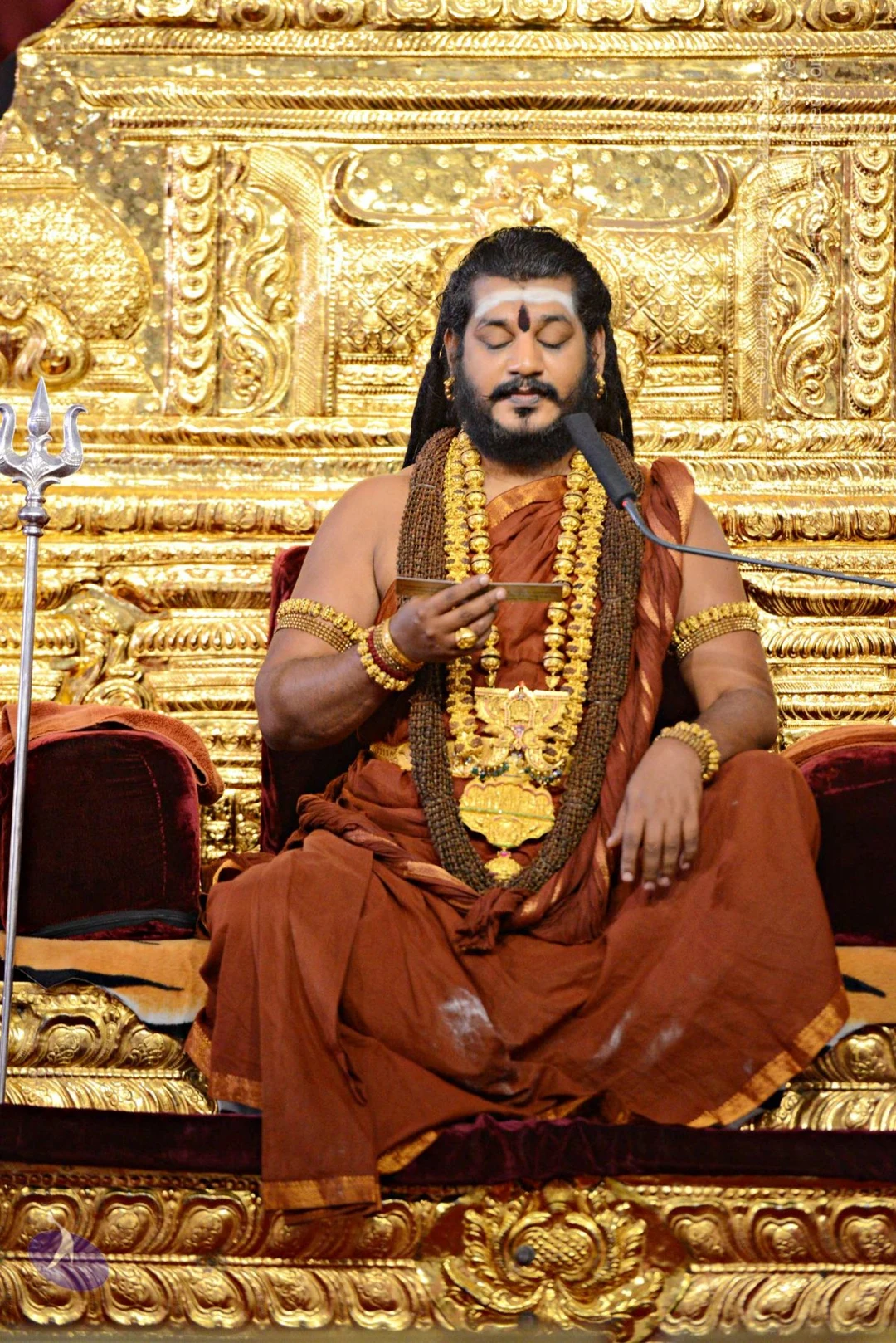
Leaders of Hinduism at Nityananda Peetham

Dated photos
718
Source pages
1
Media
2
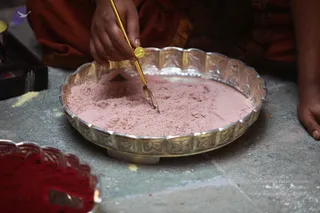
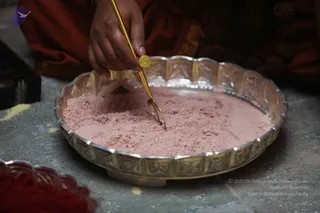
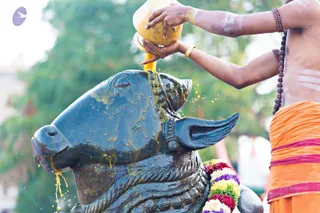
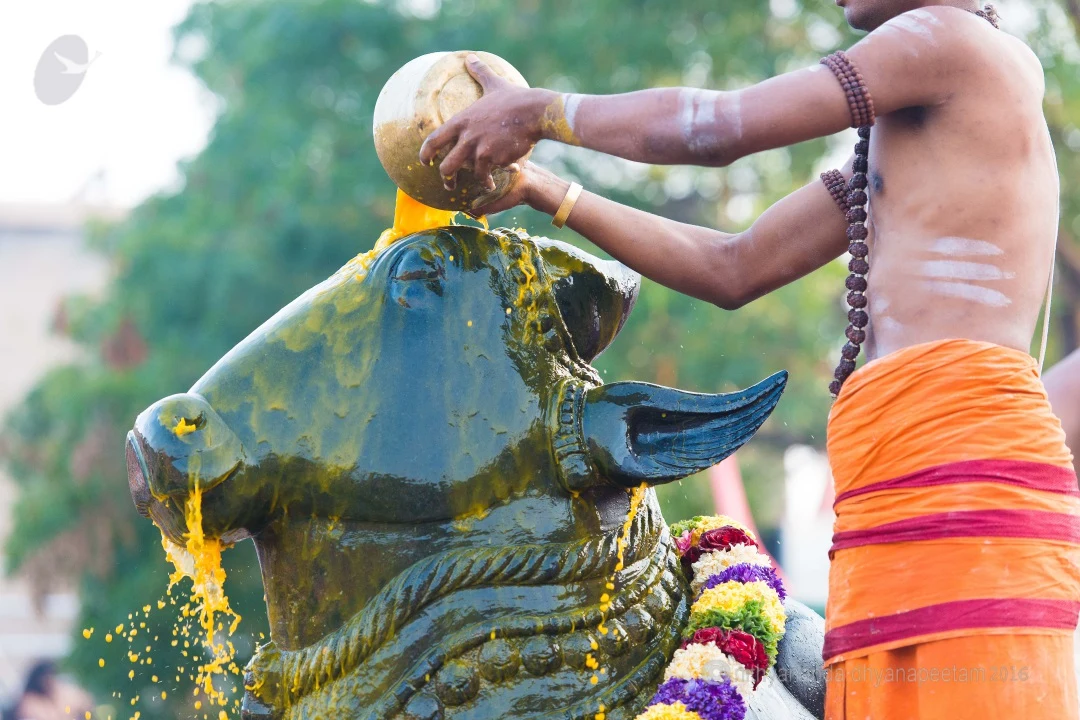
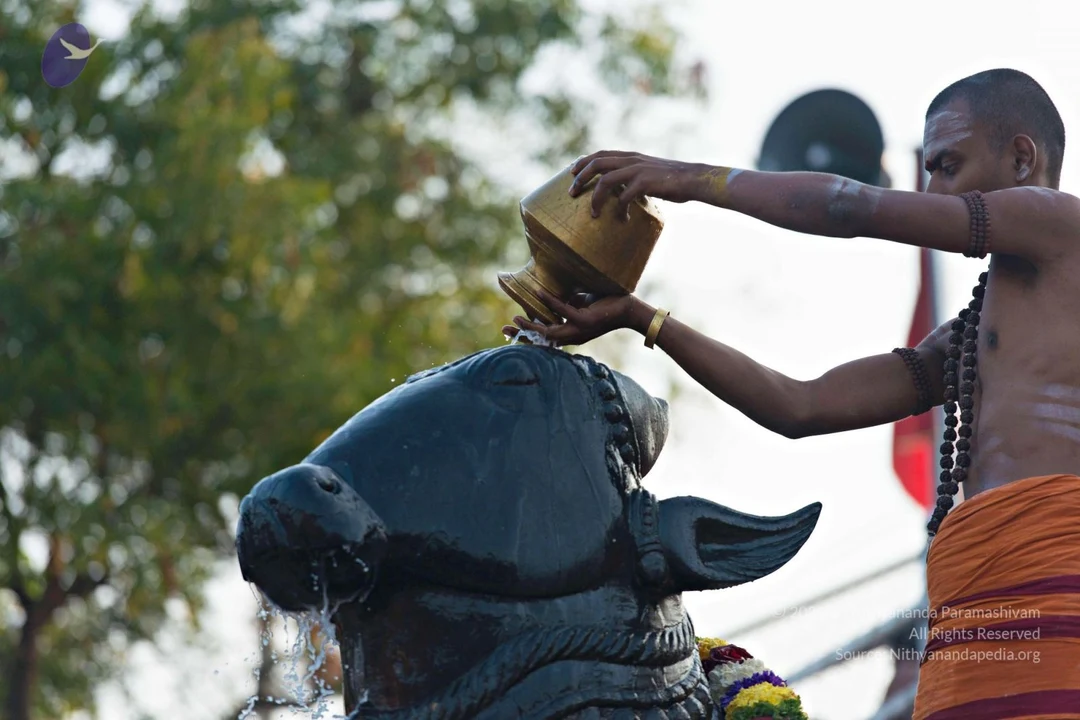
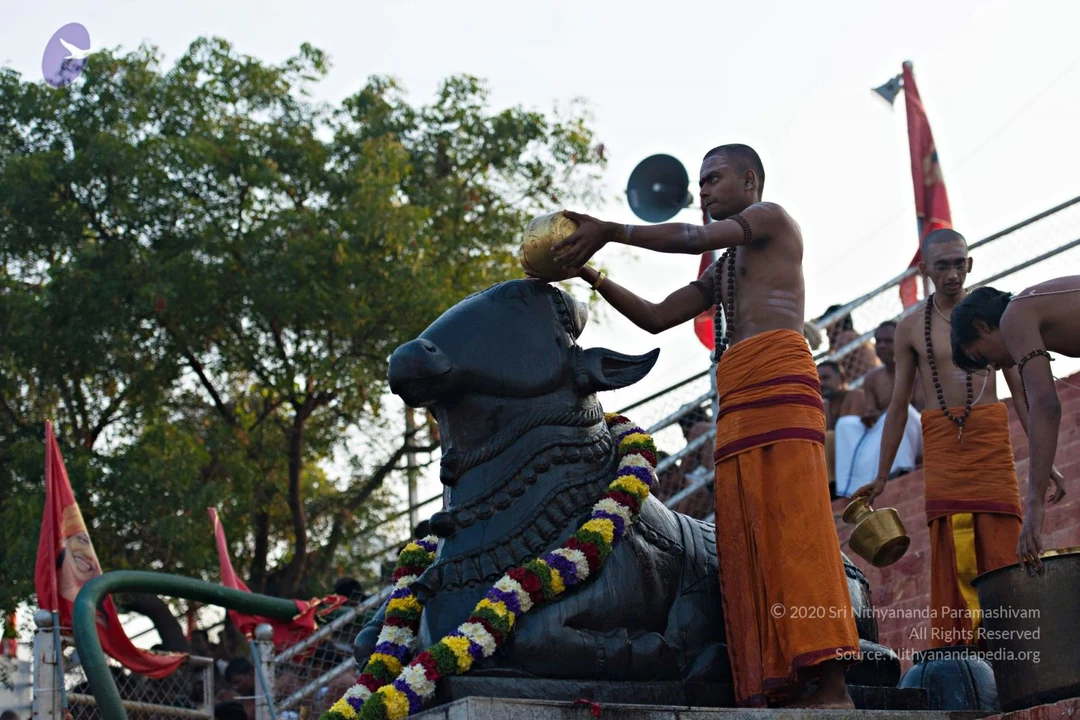
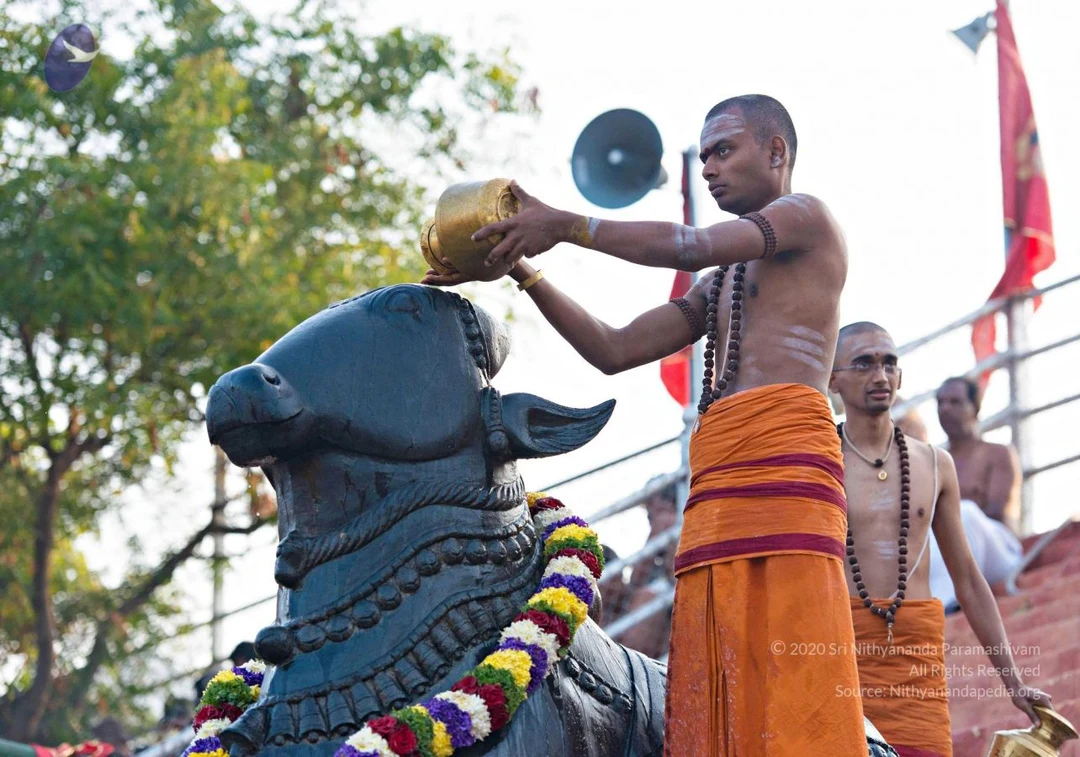
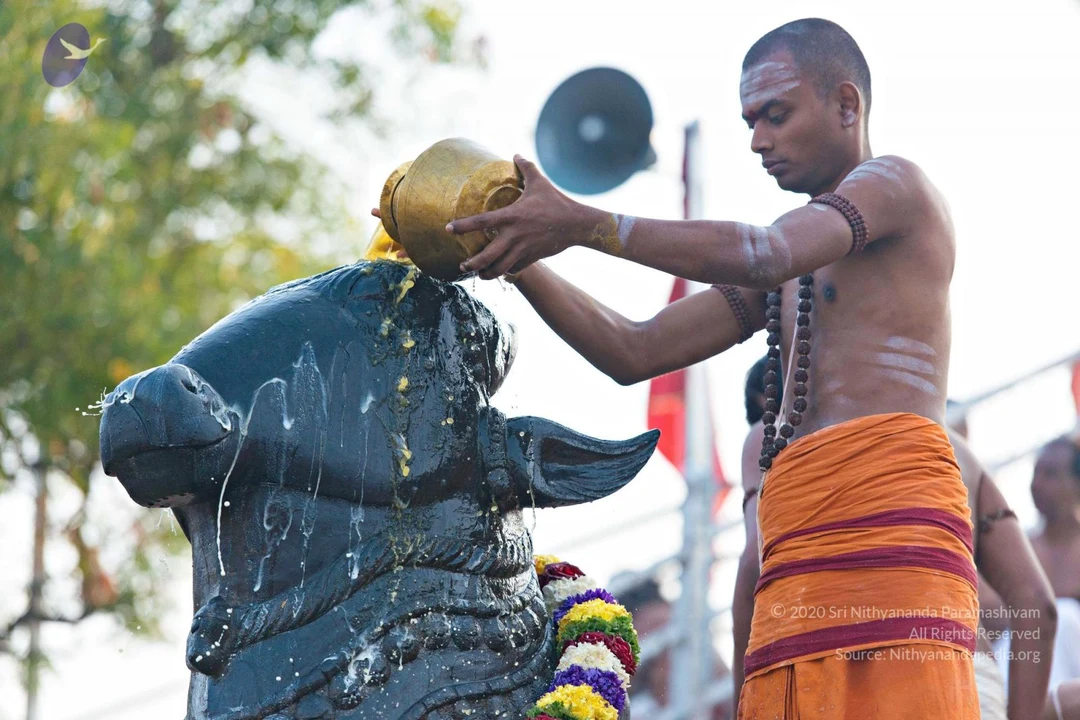
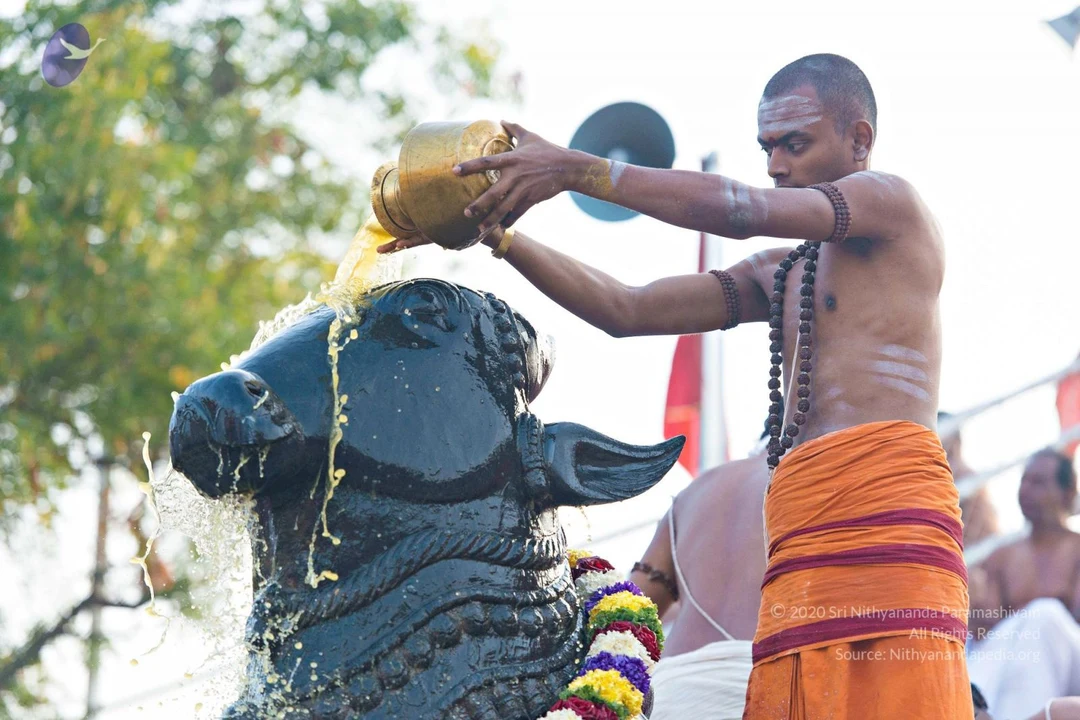
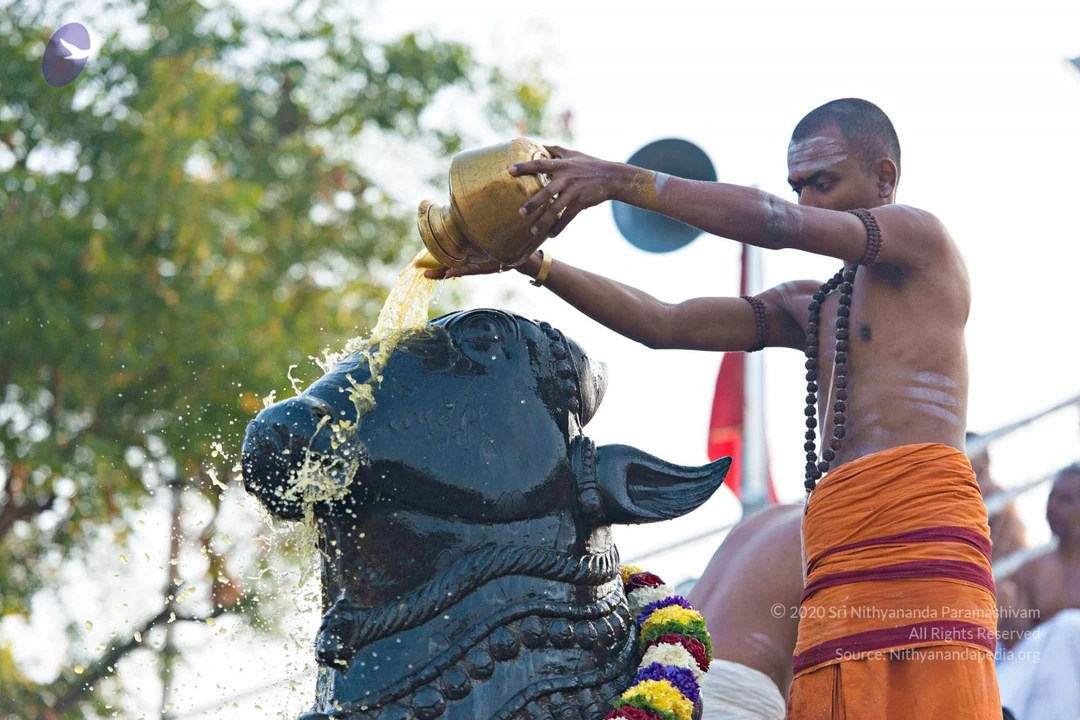
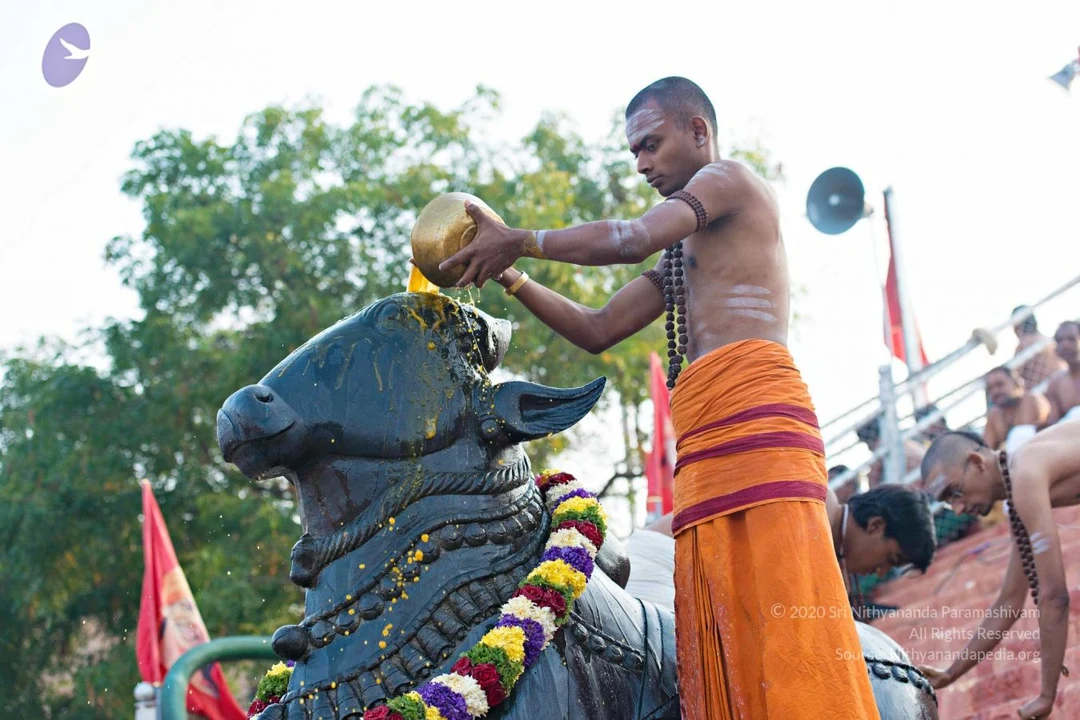
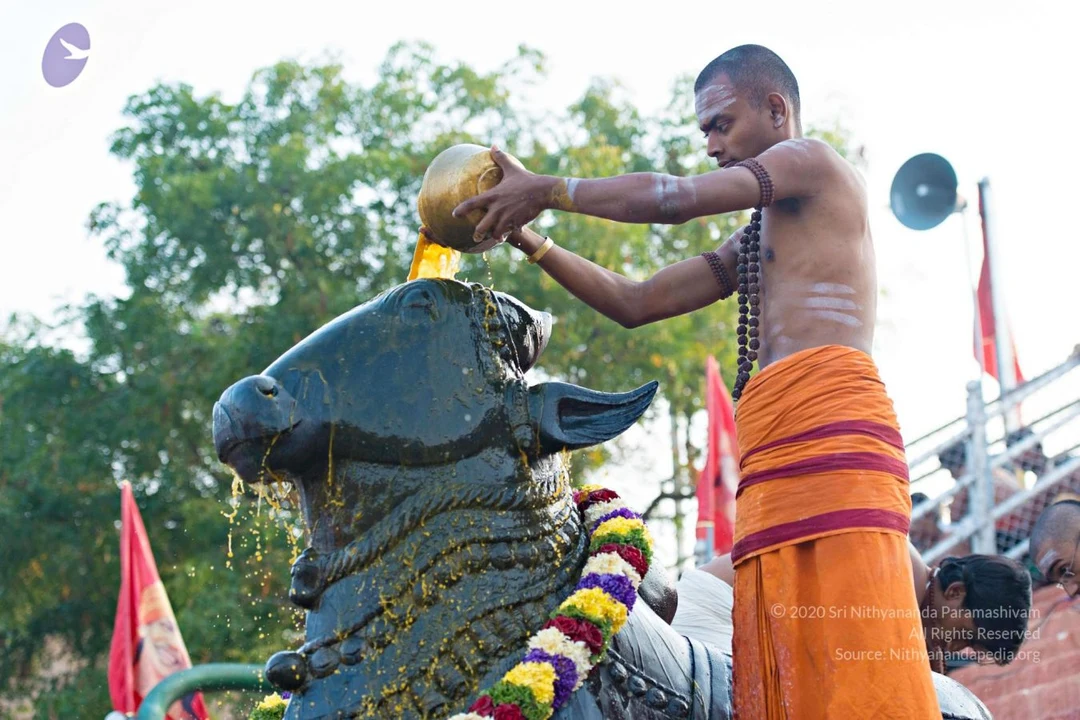
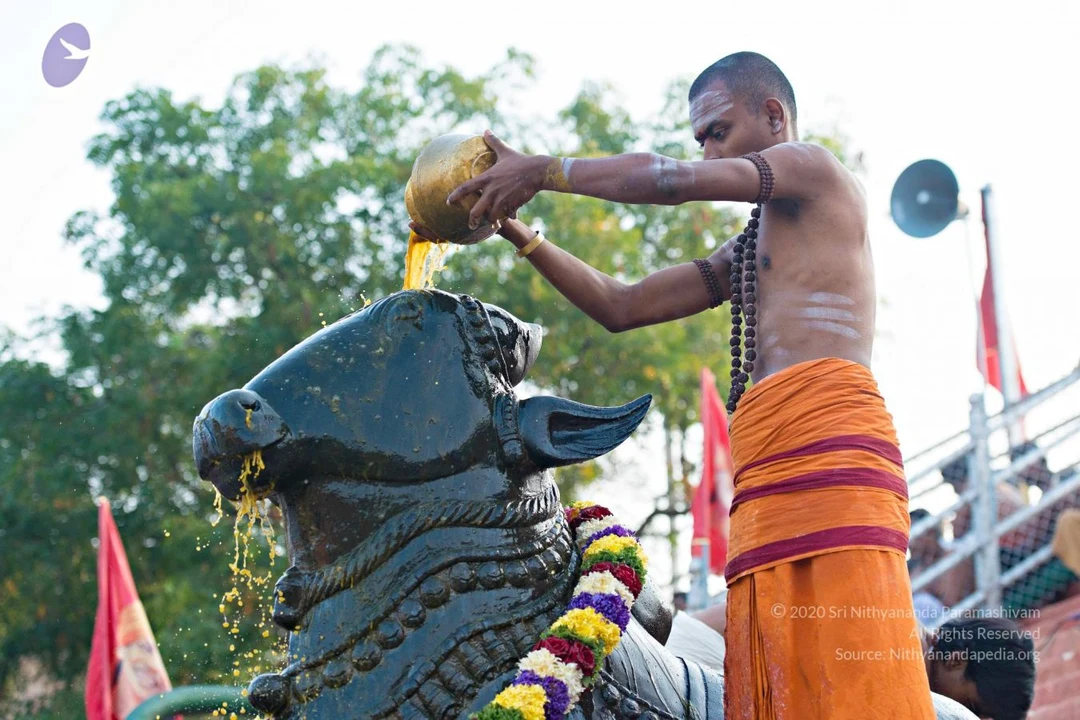
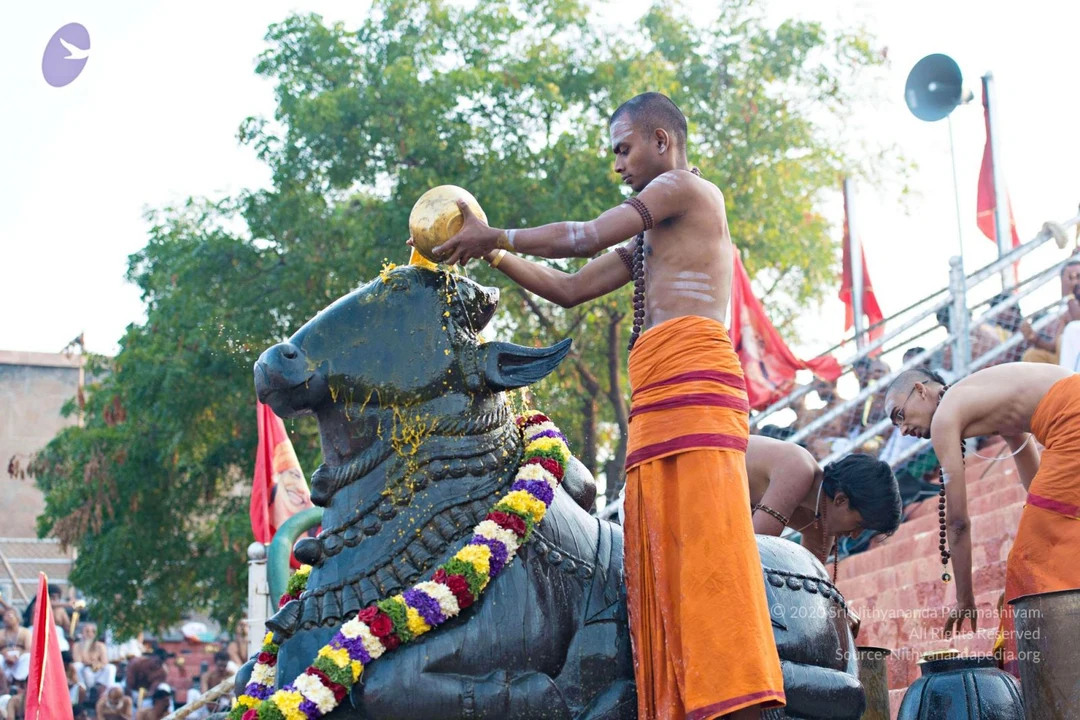
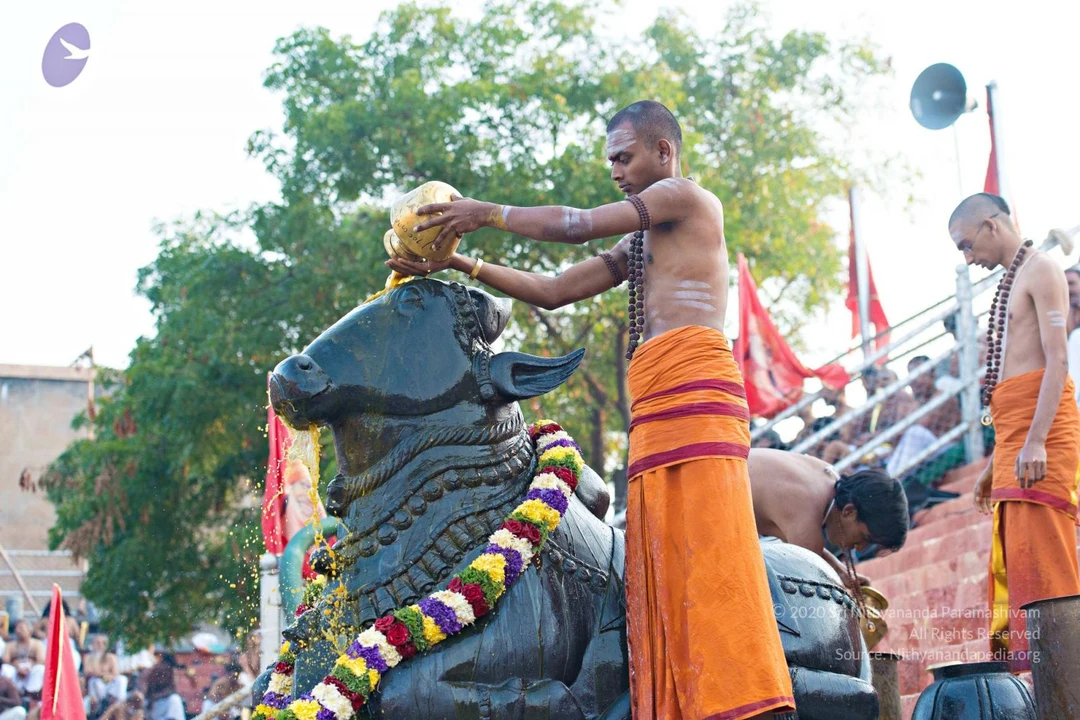
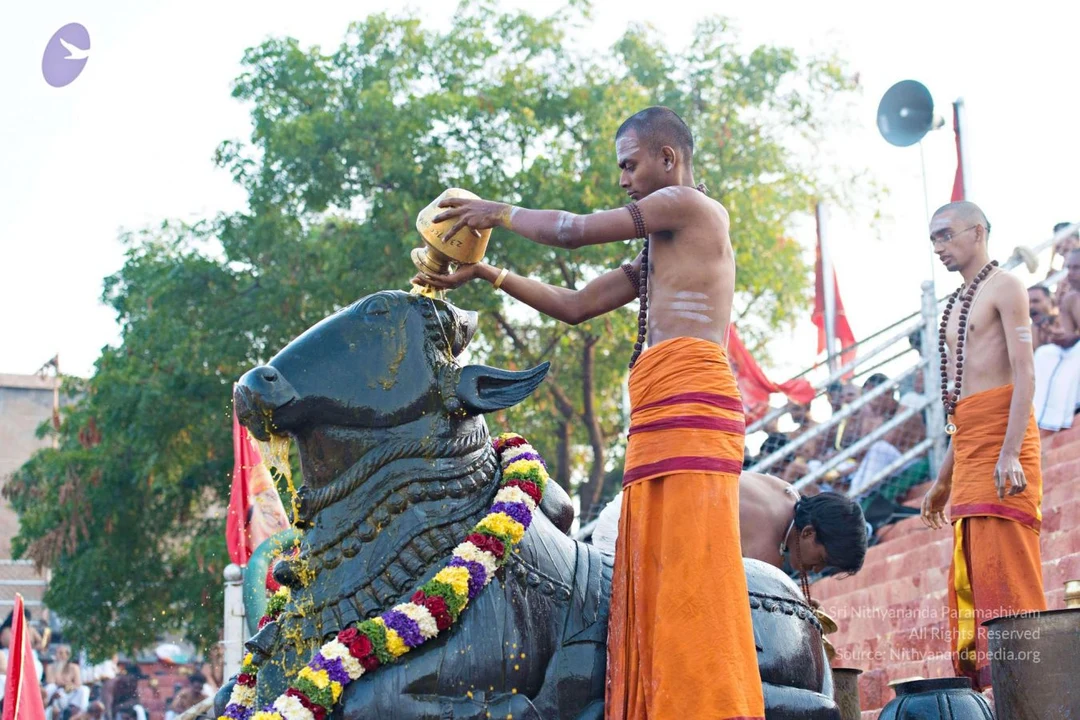
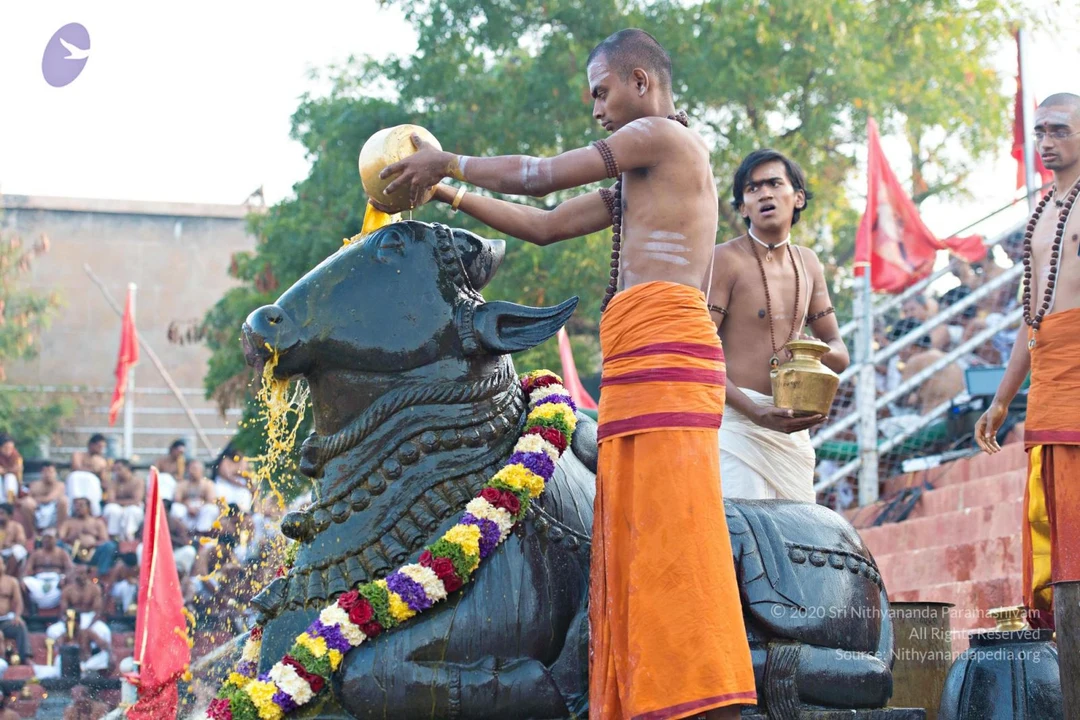
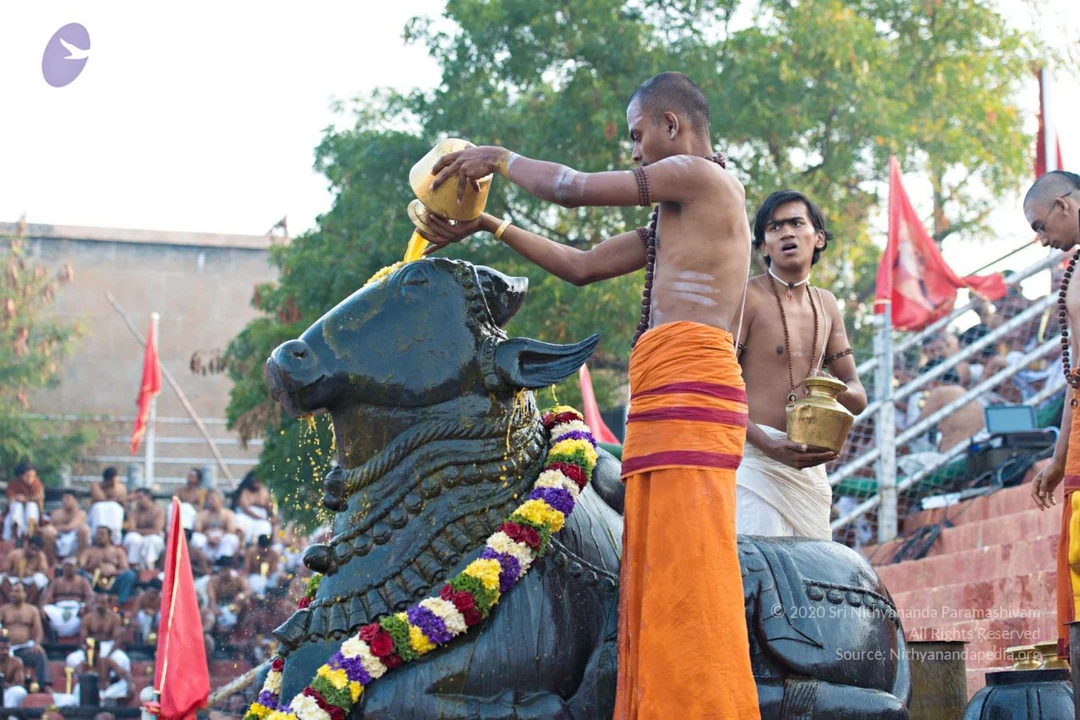
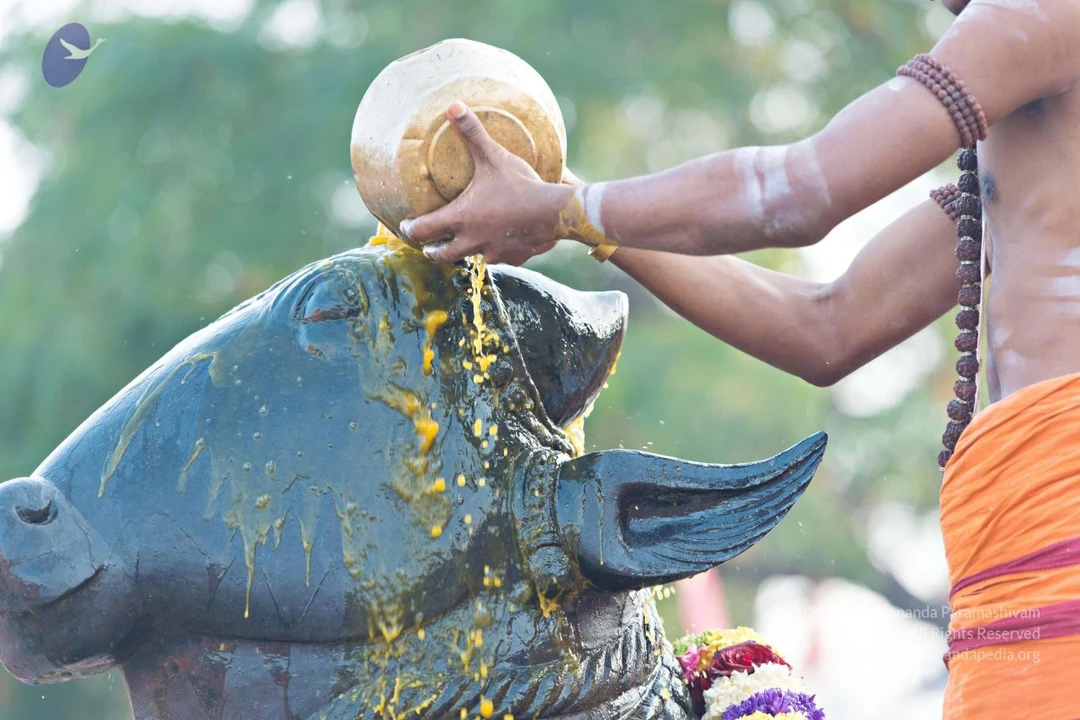
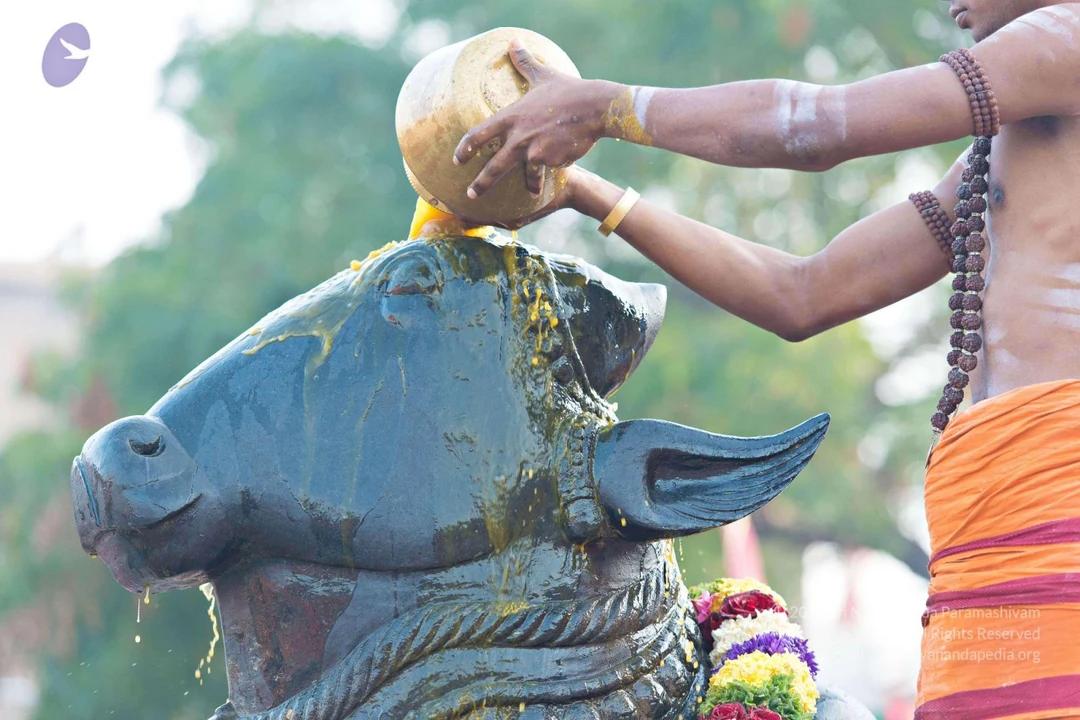
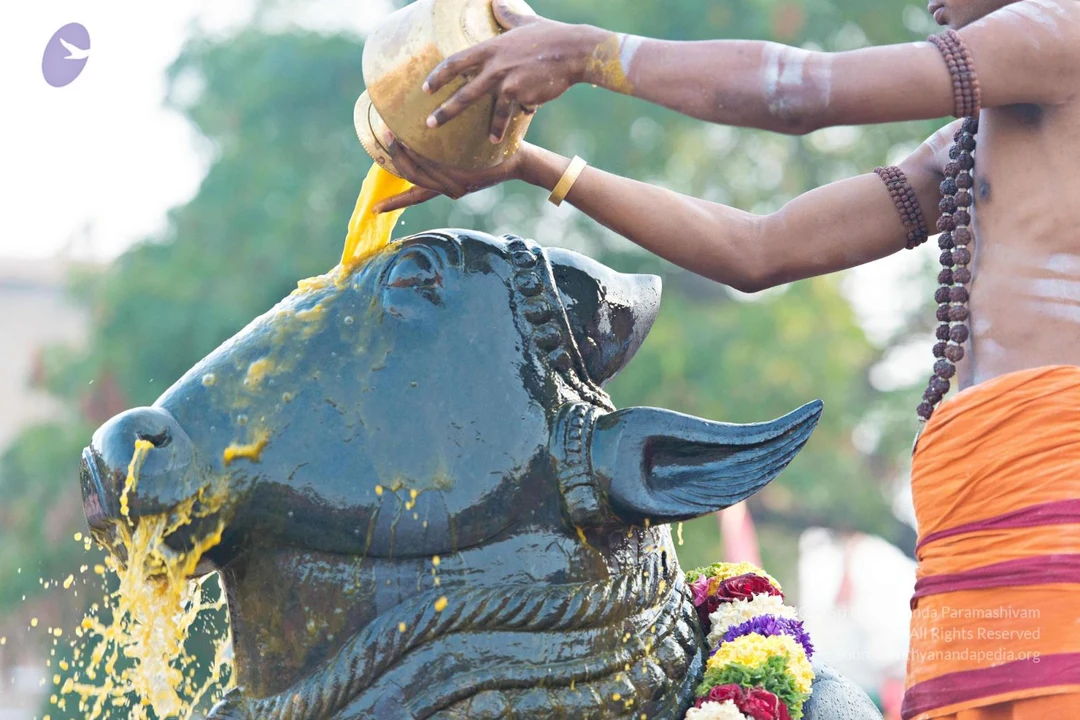
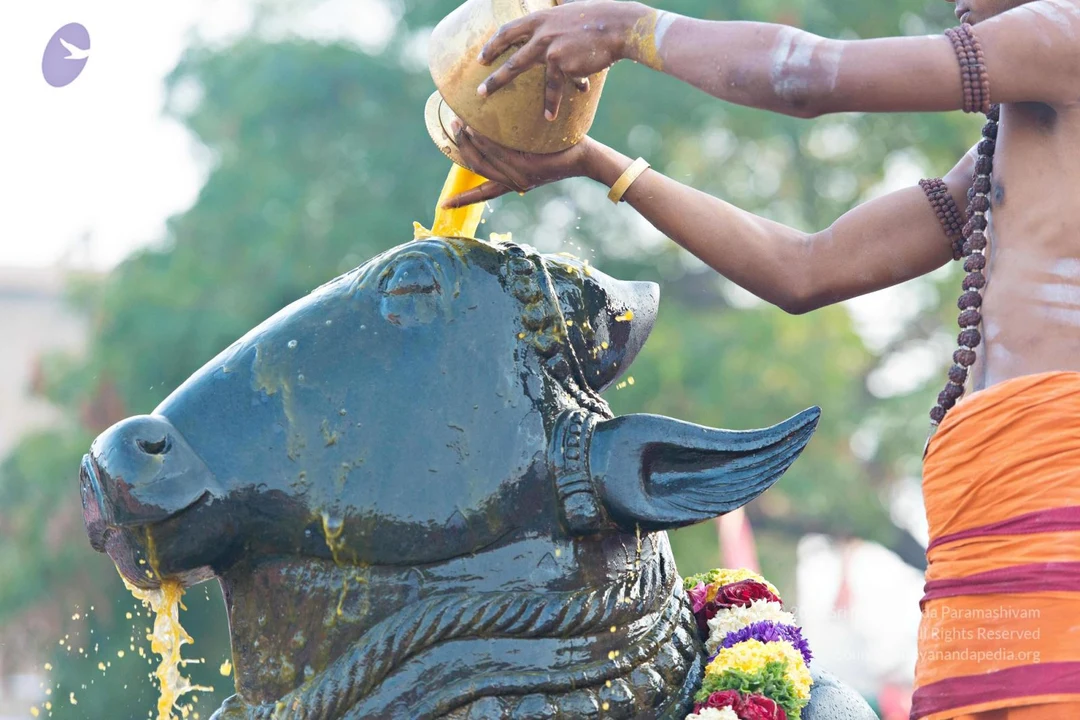
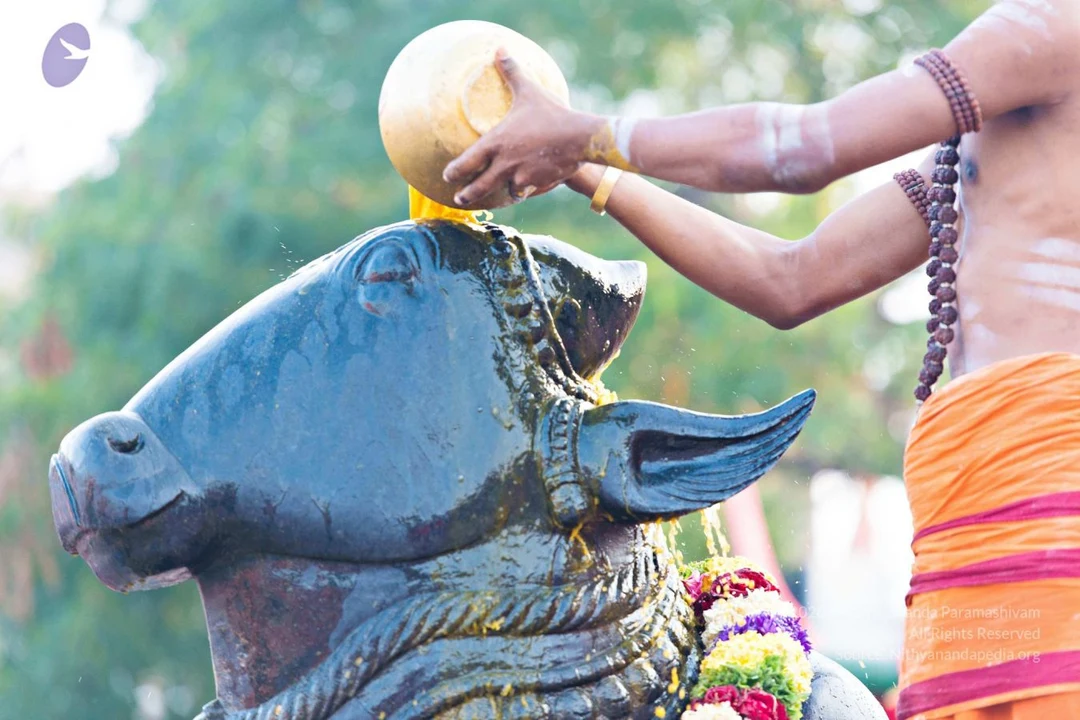
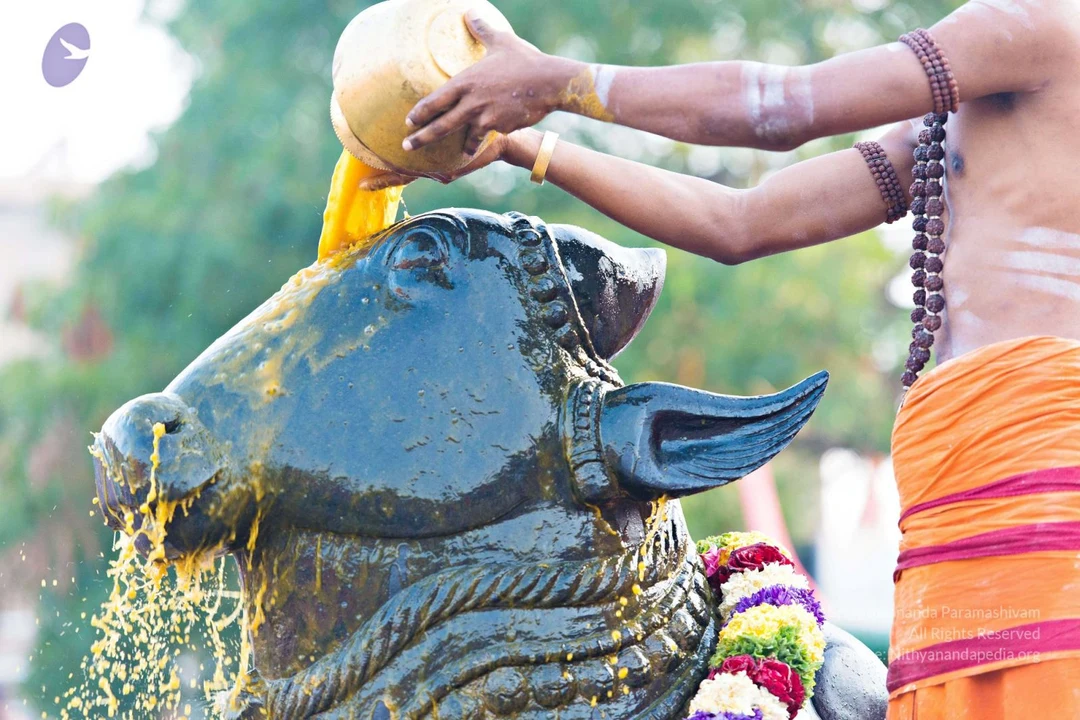
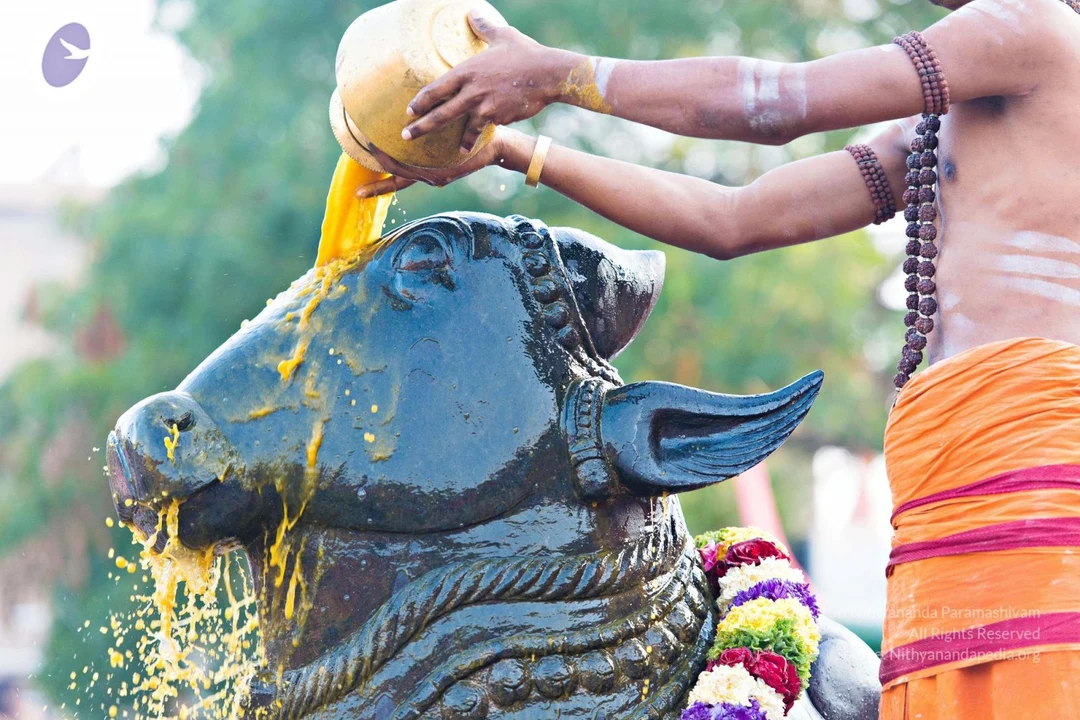
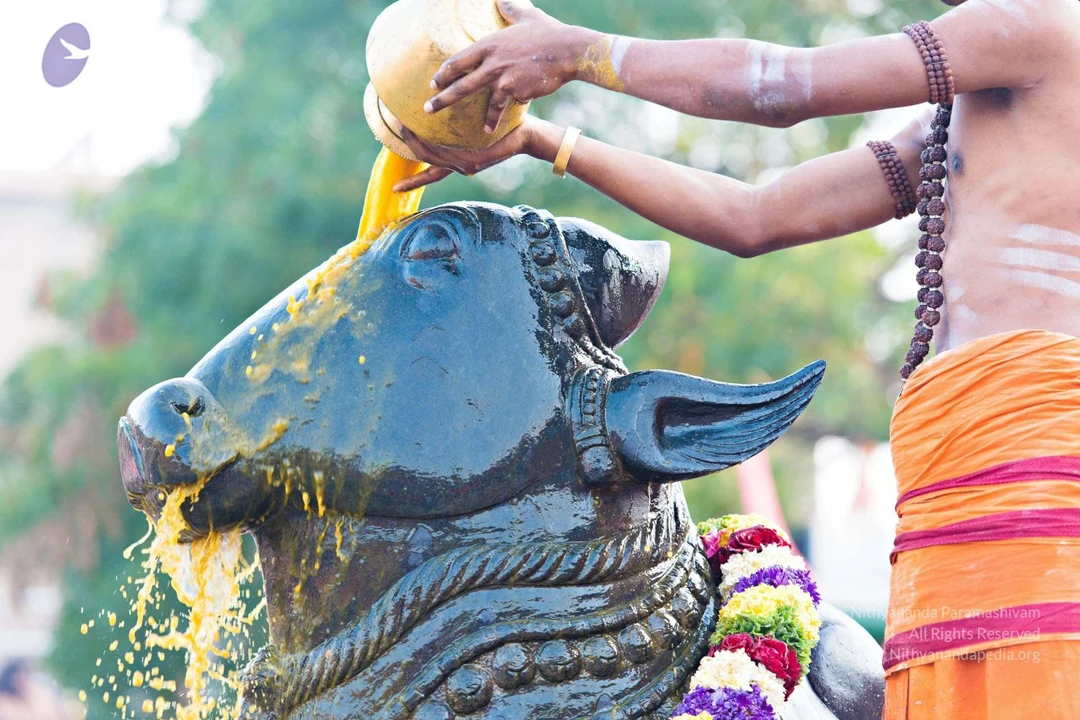
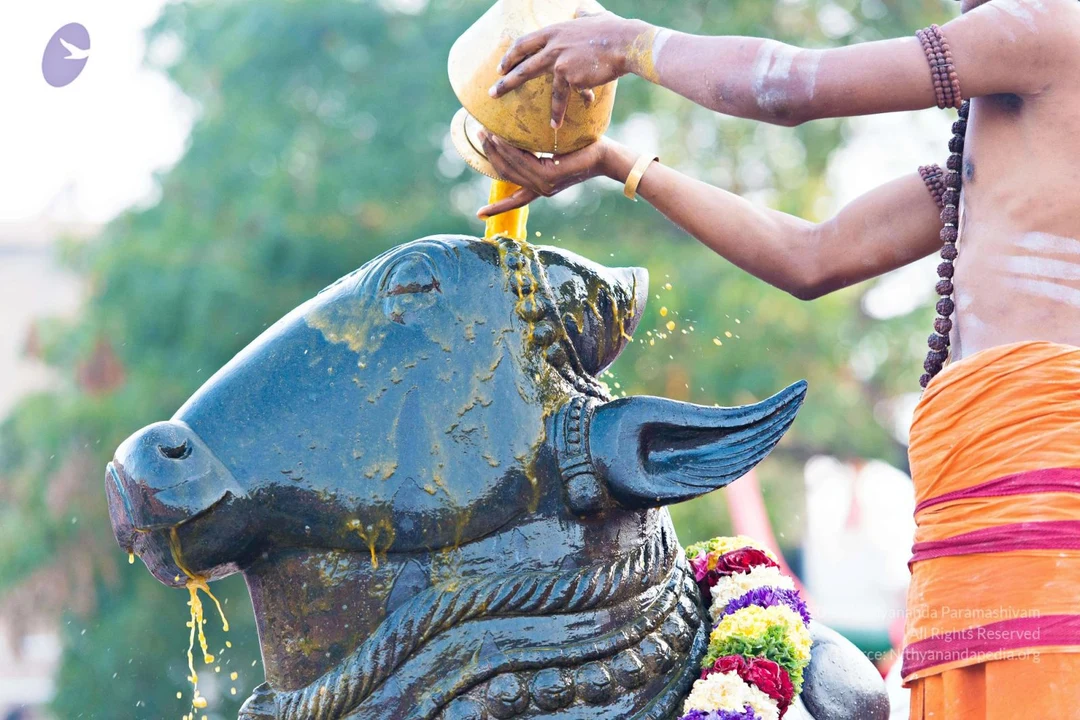
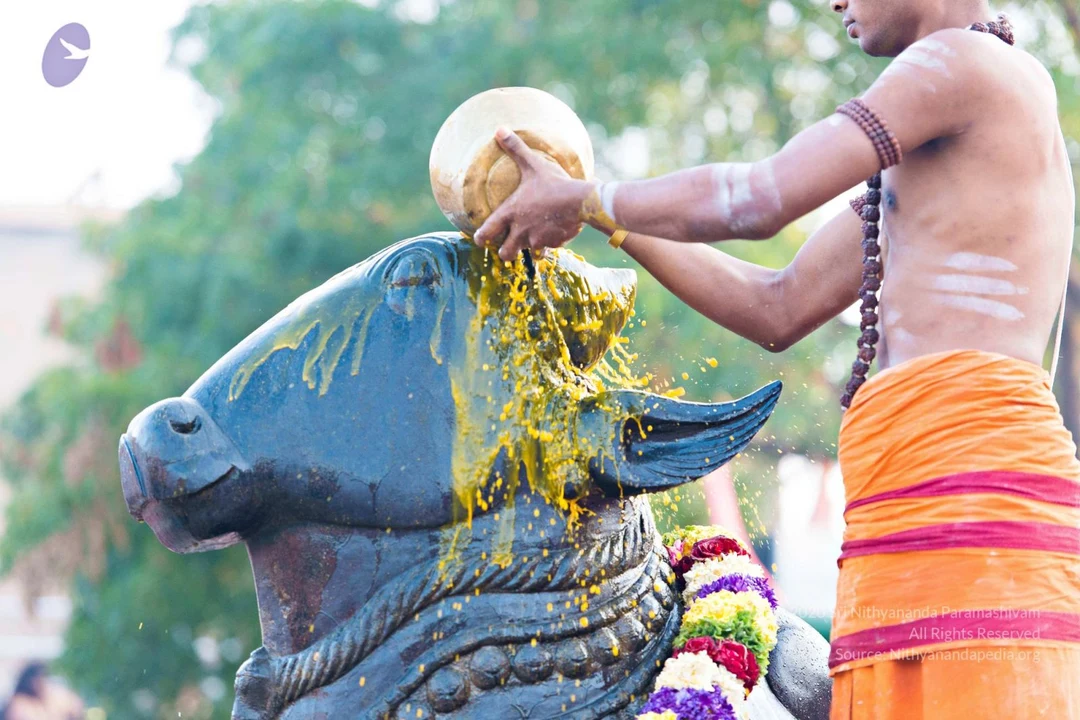
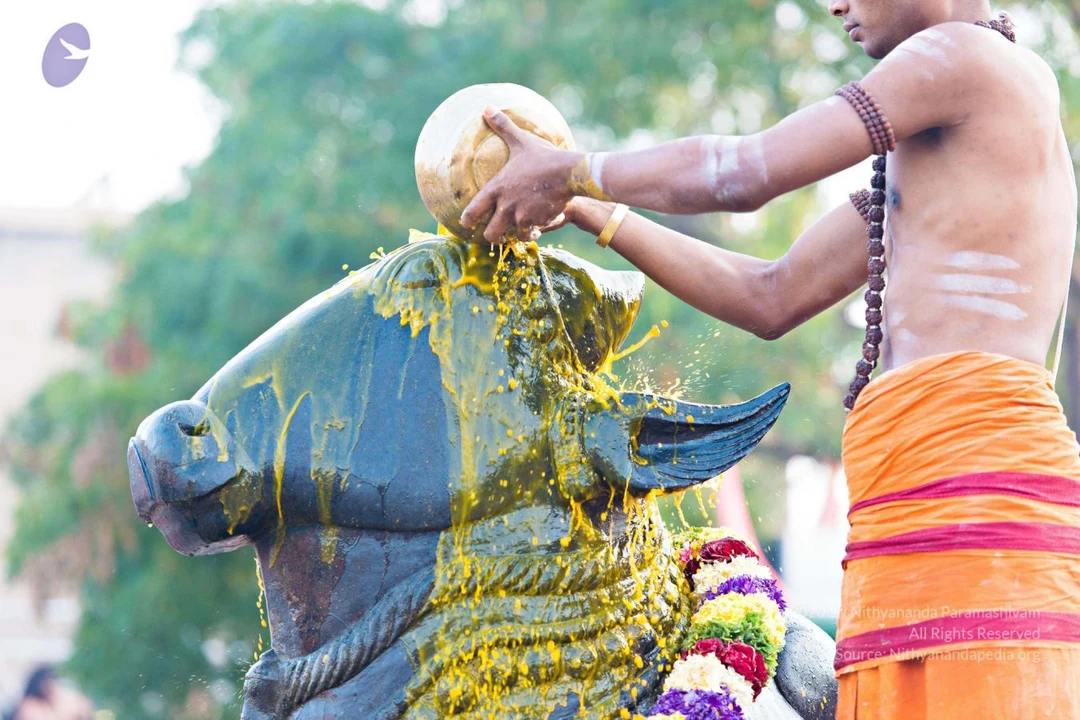
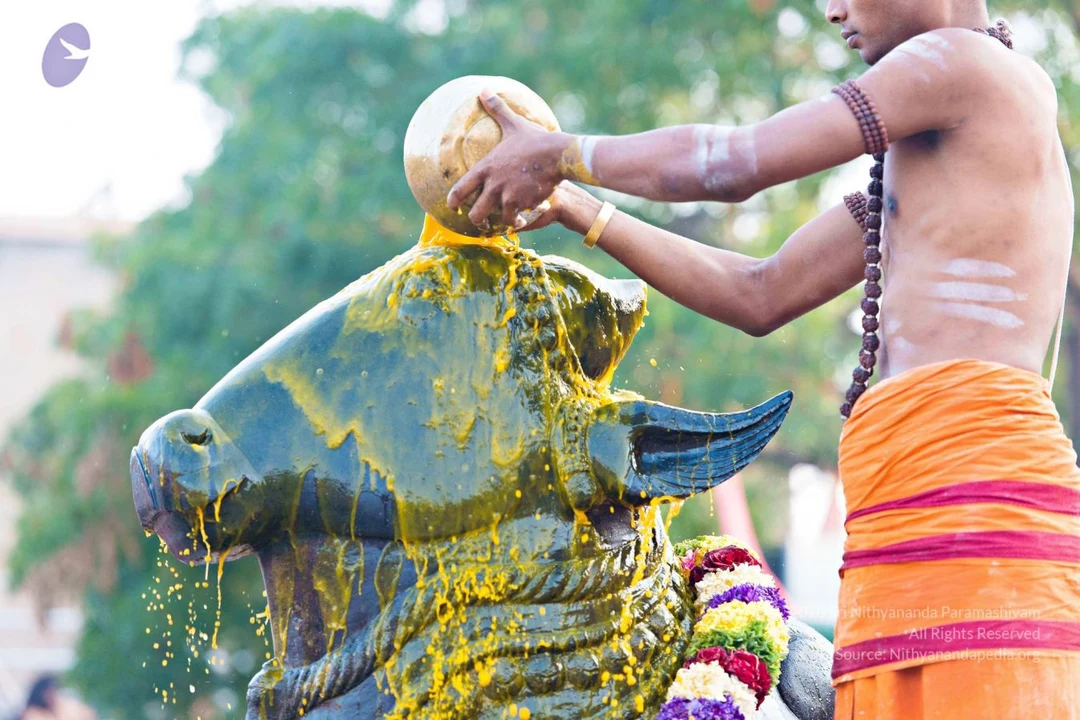
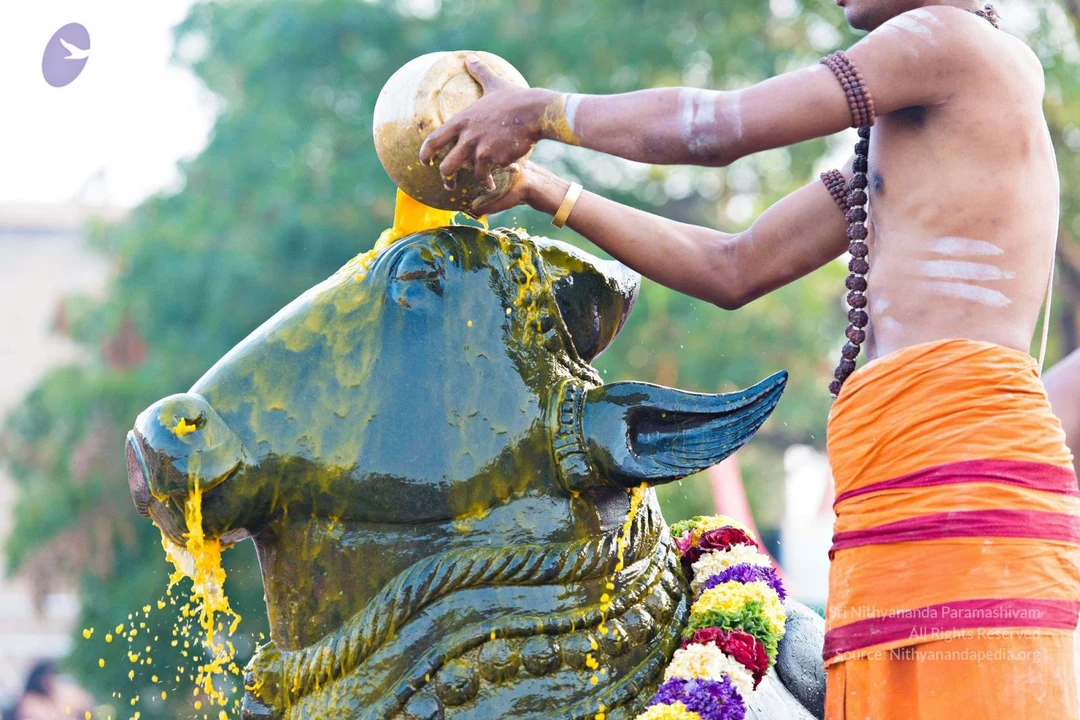
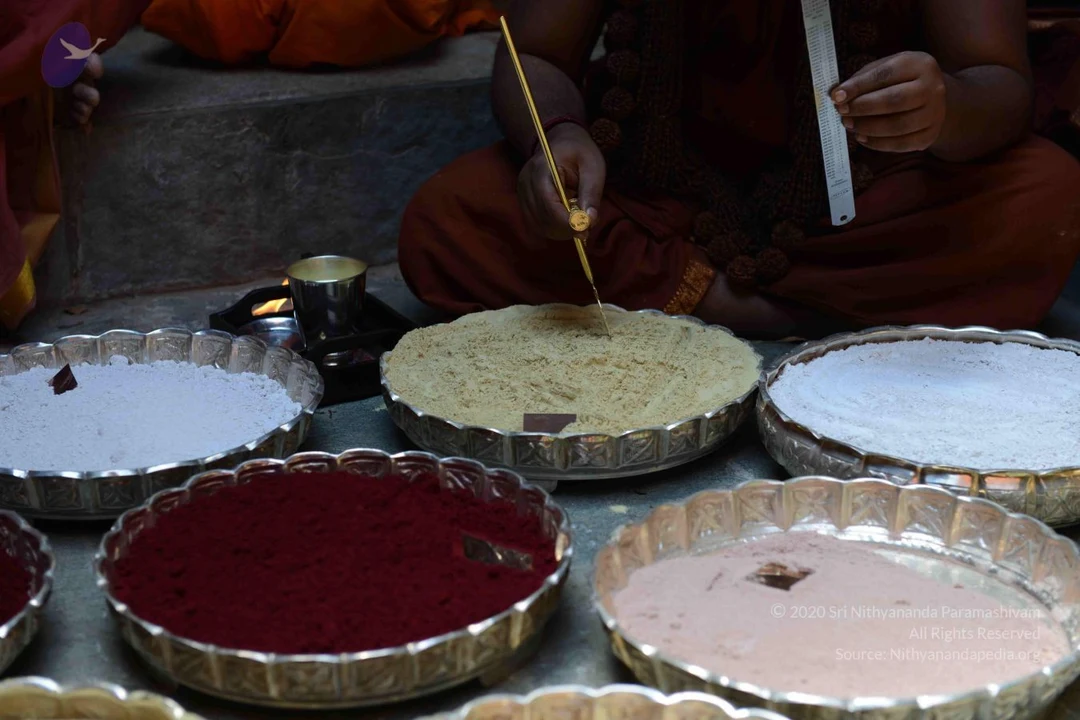
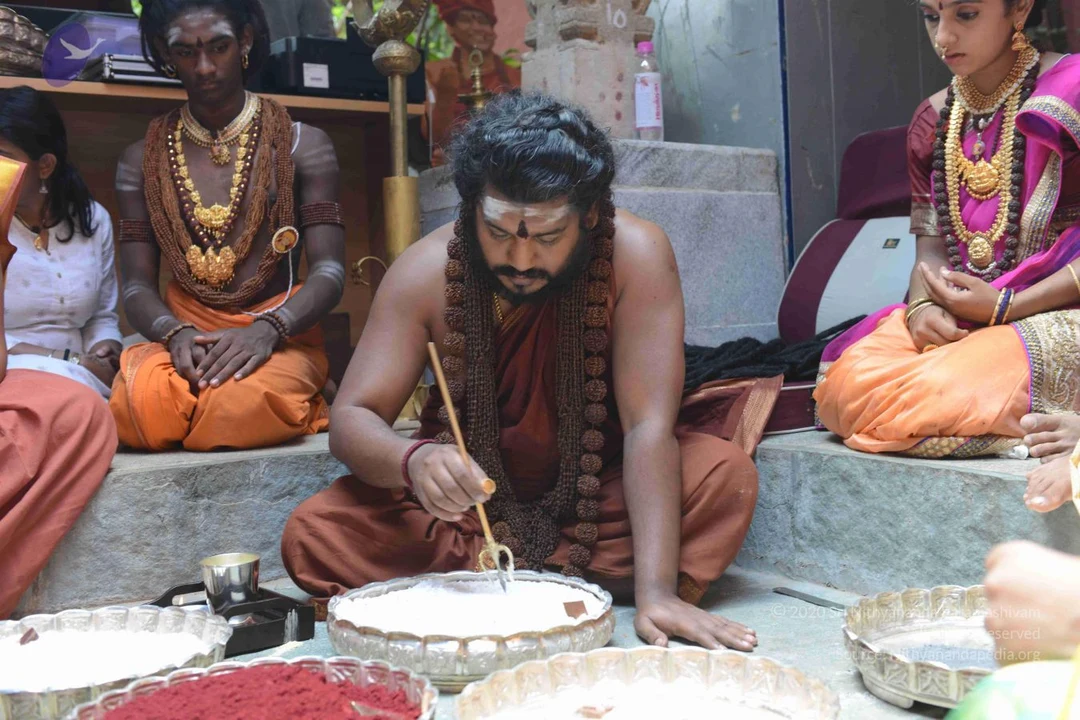
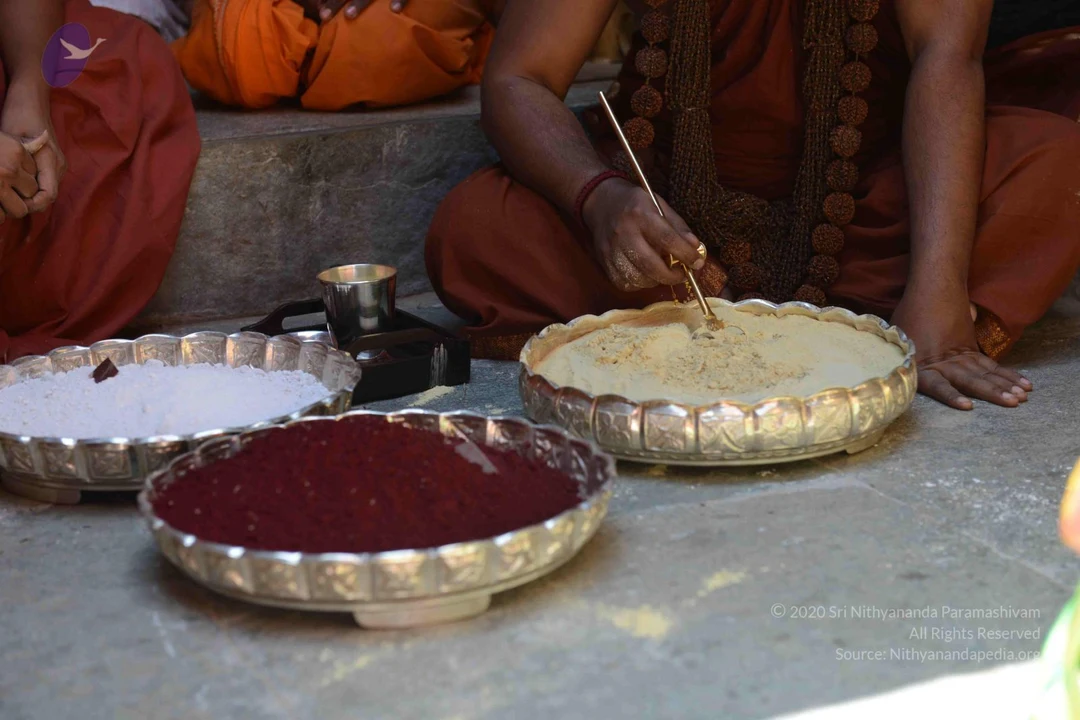
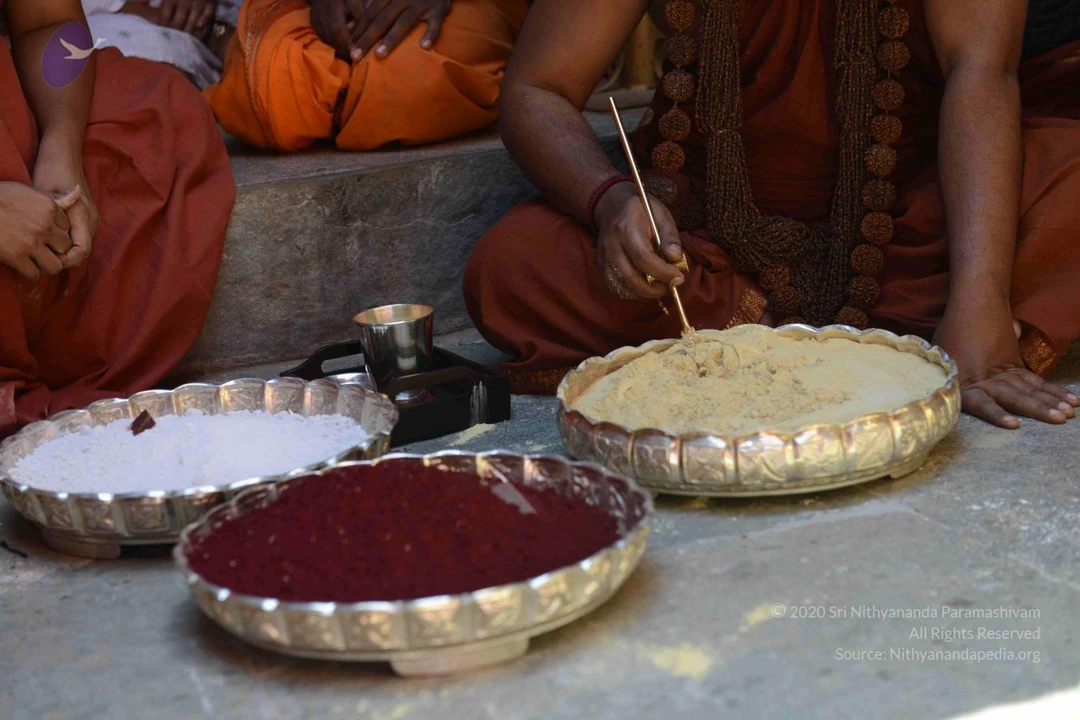
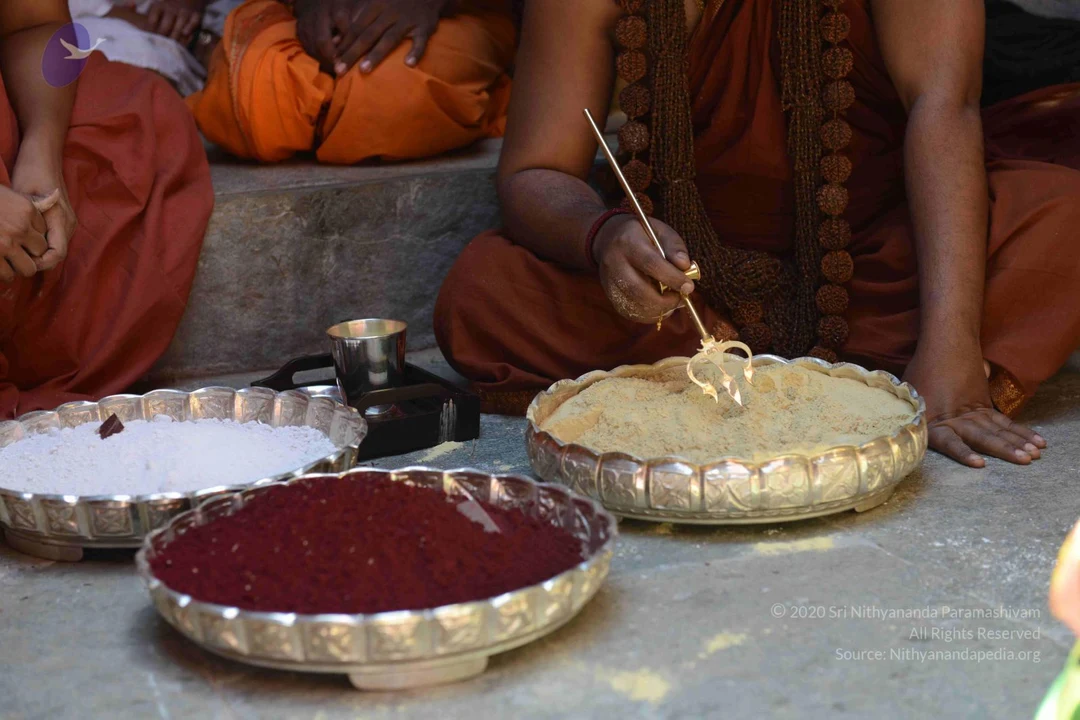
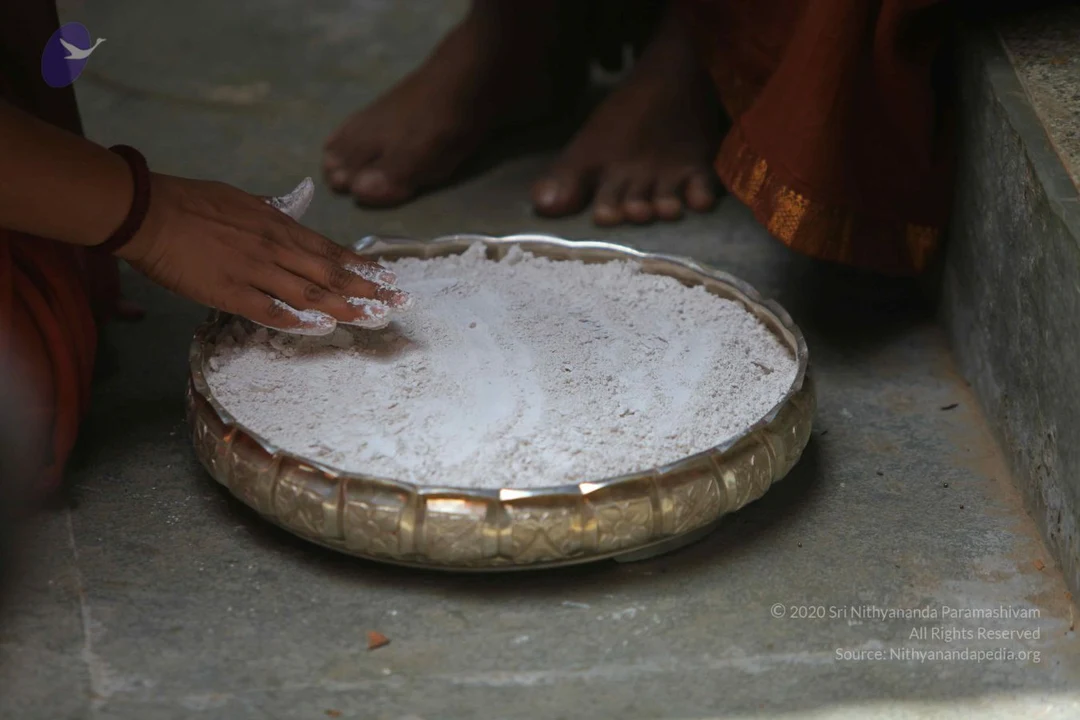
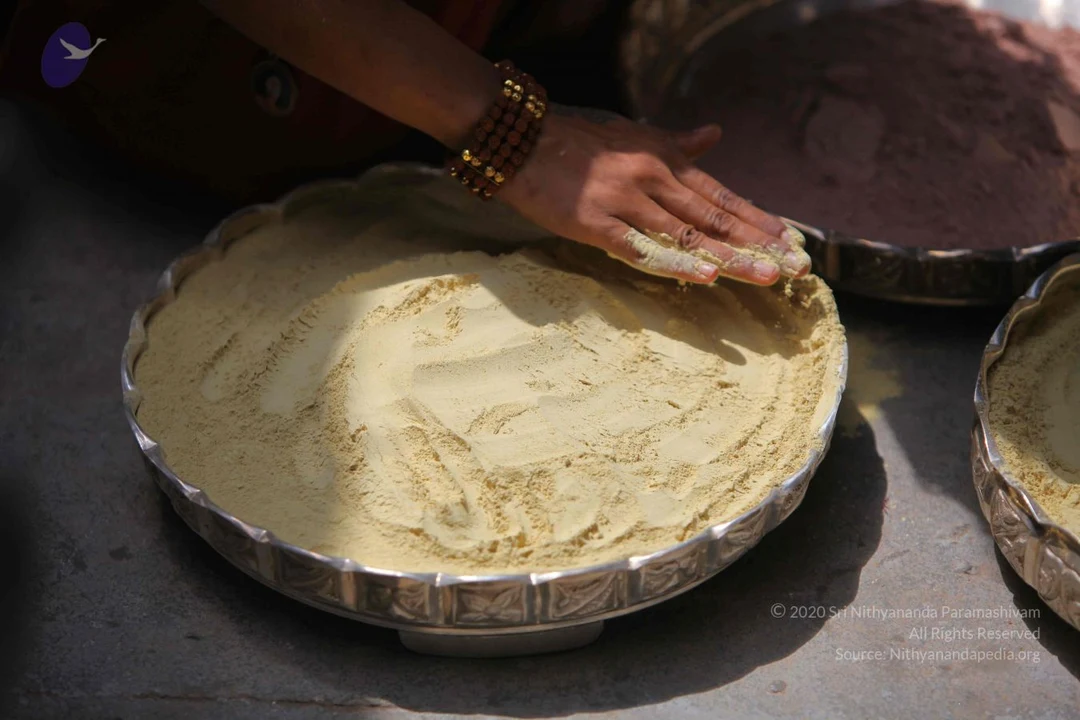
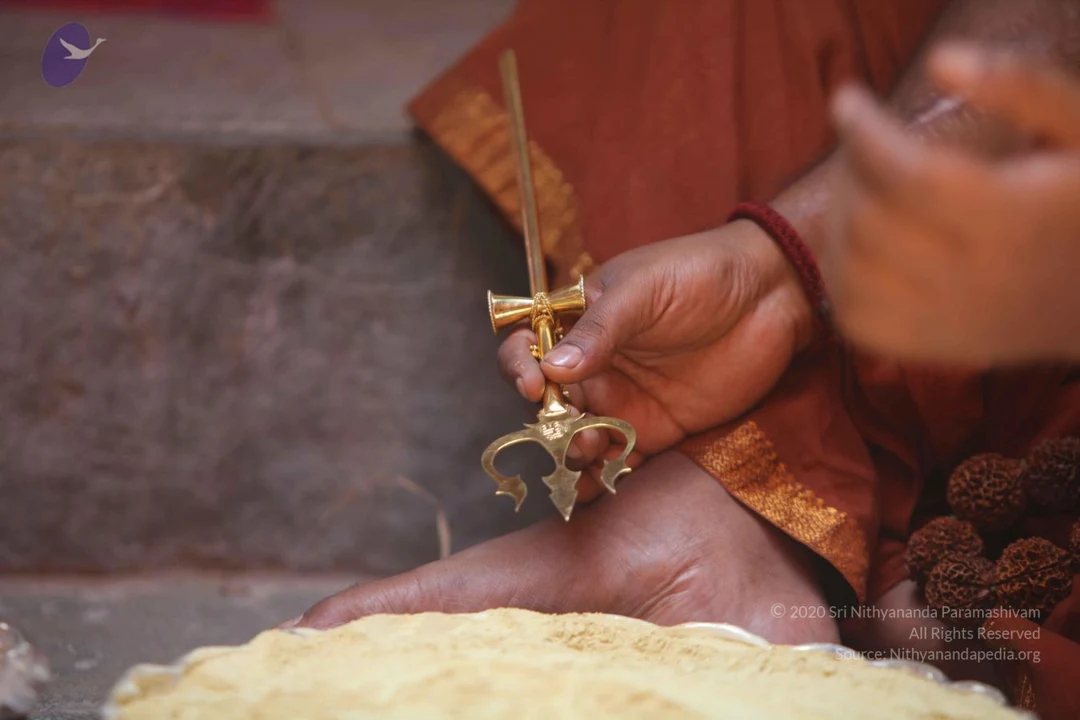
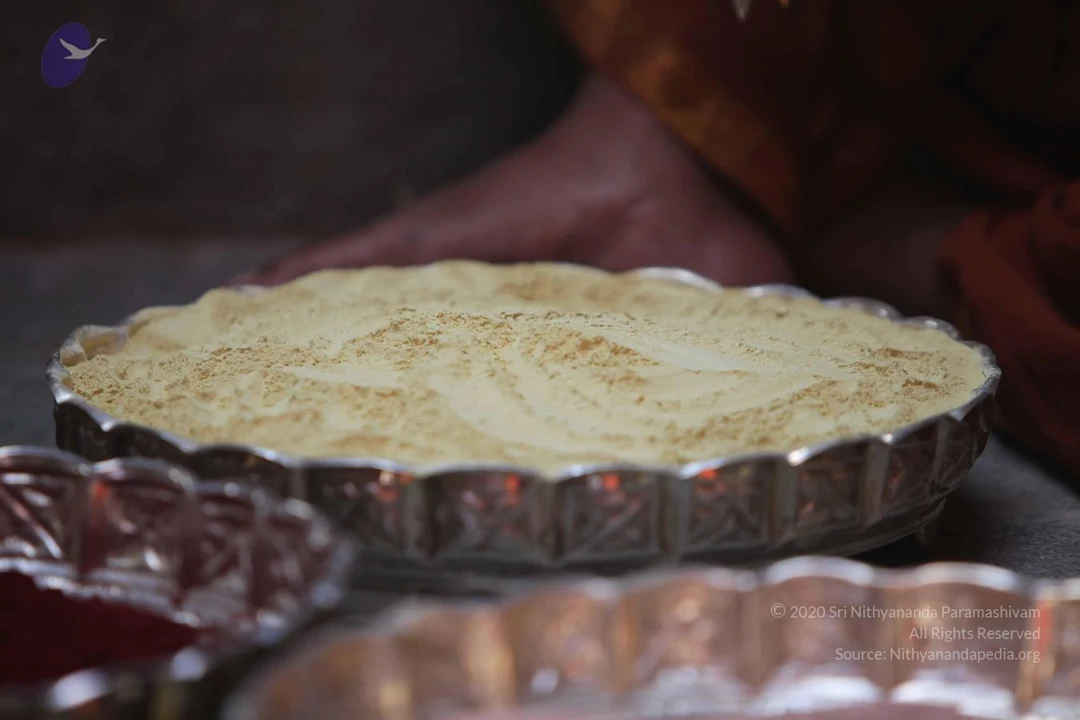
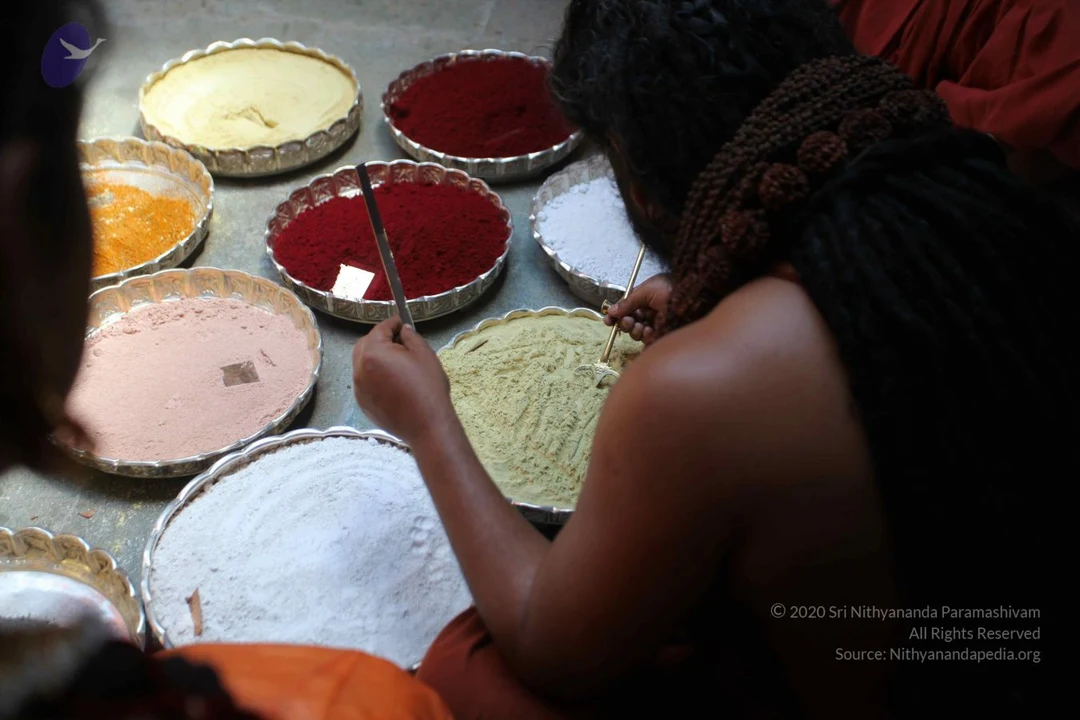
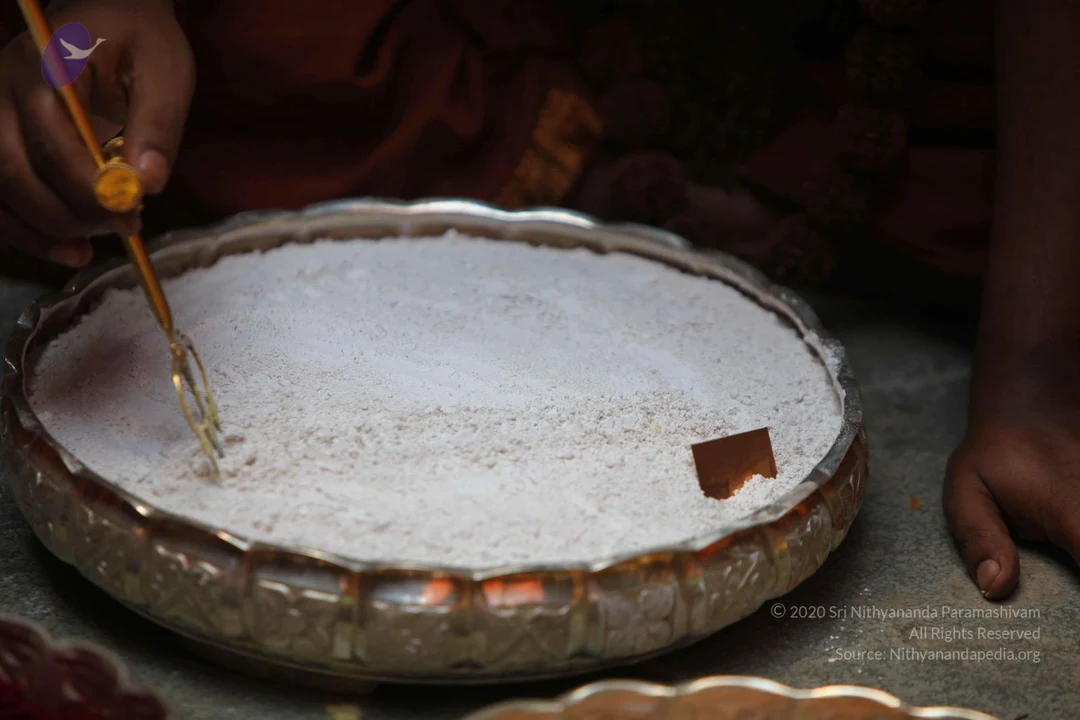
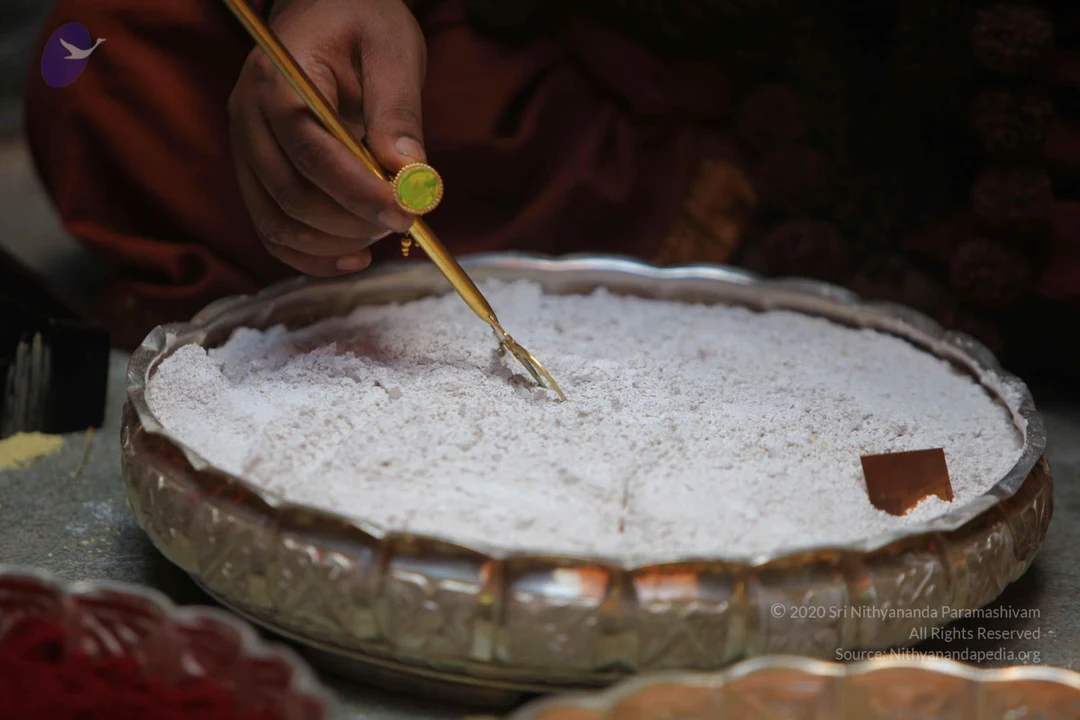
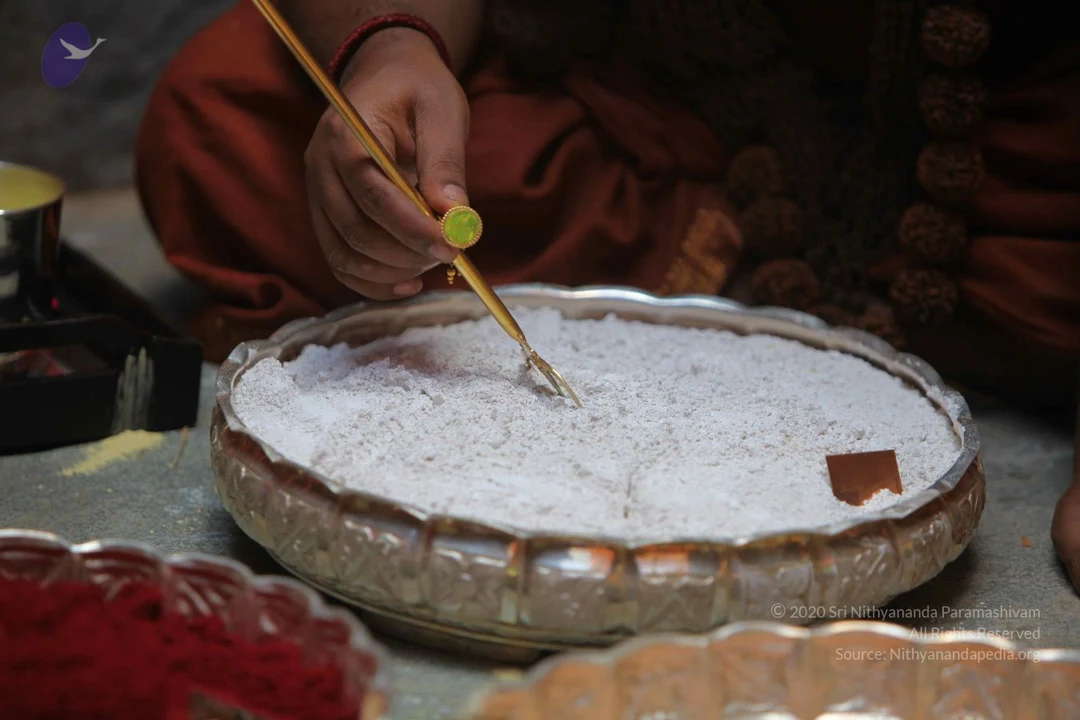
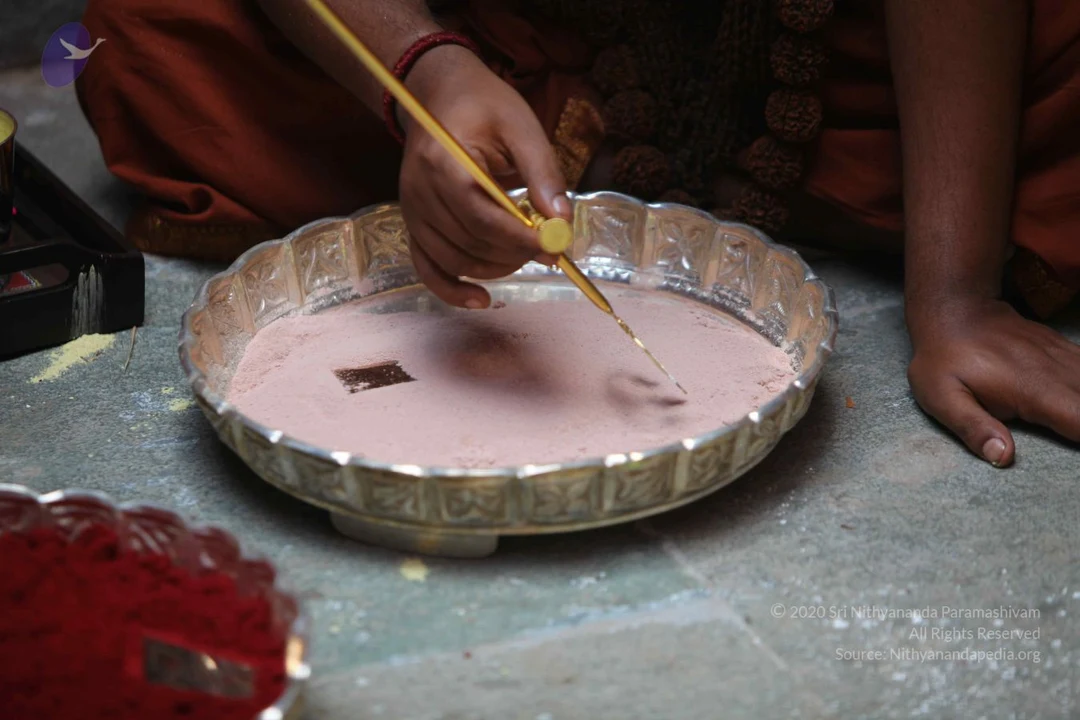
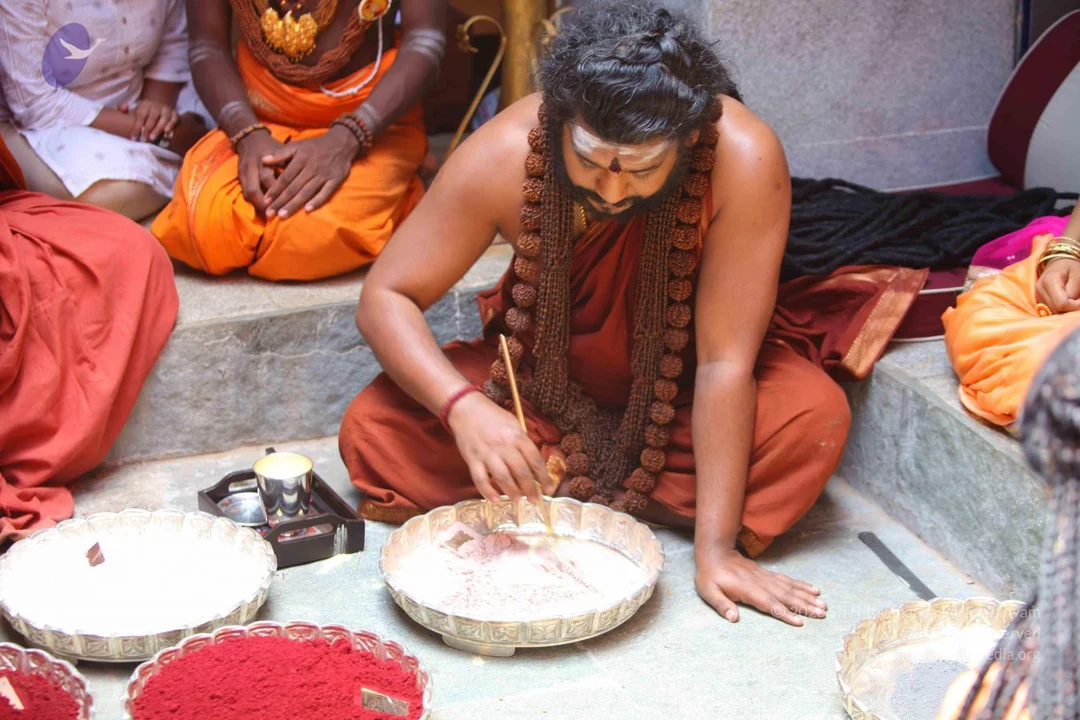
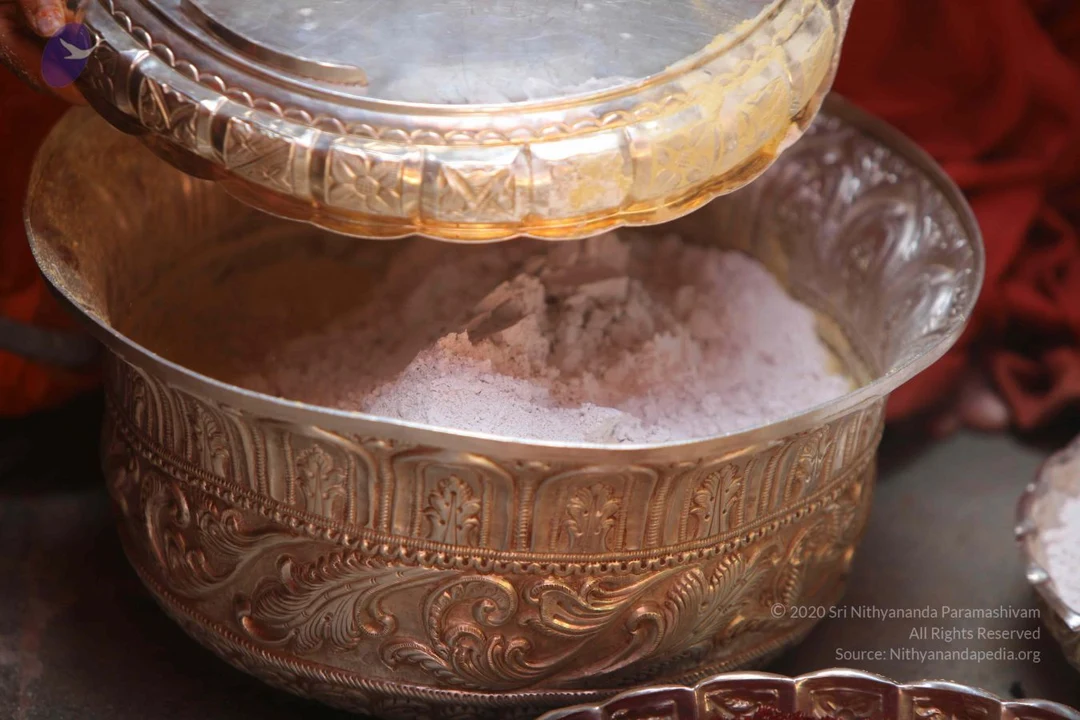
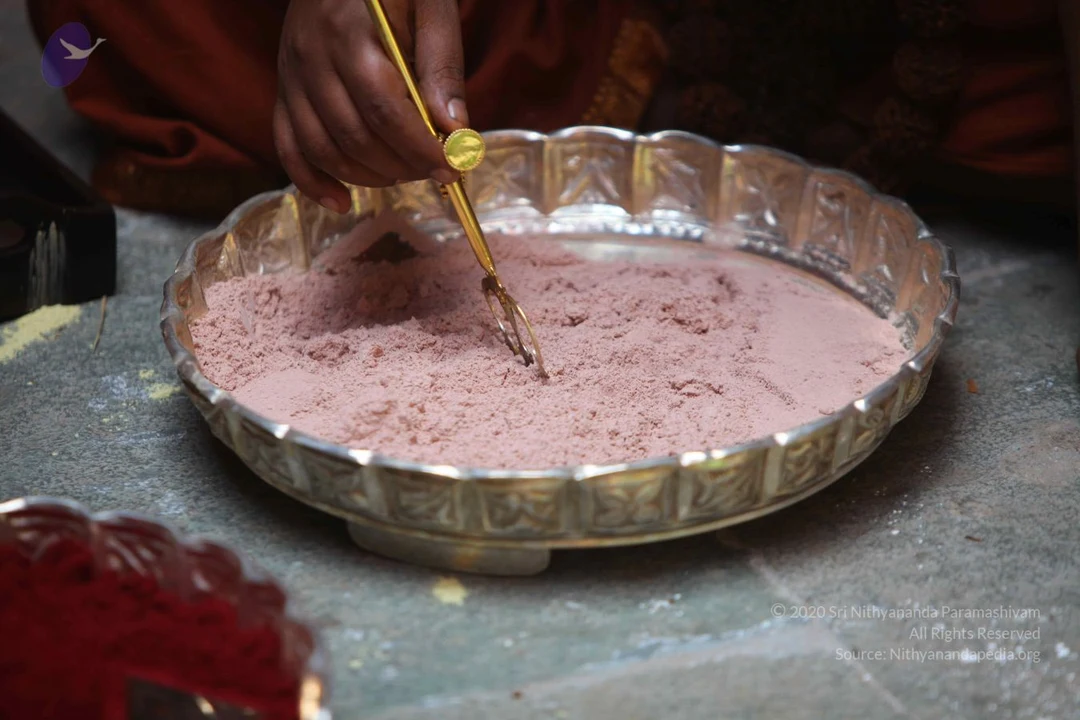
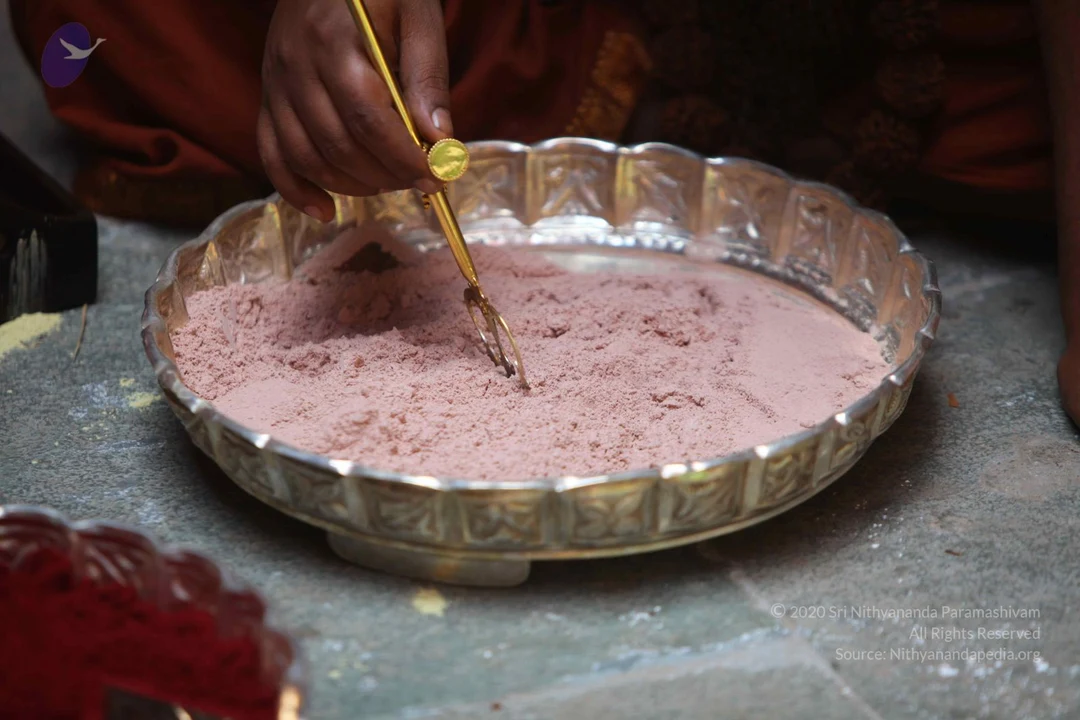
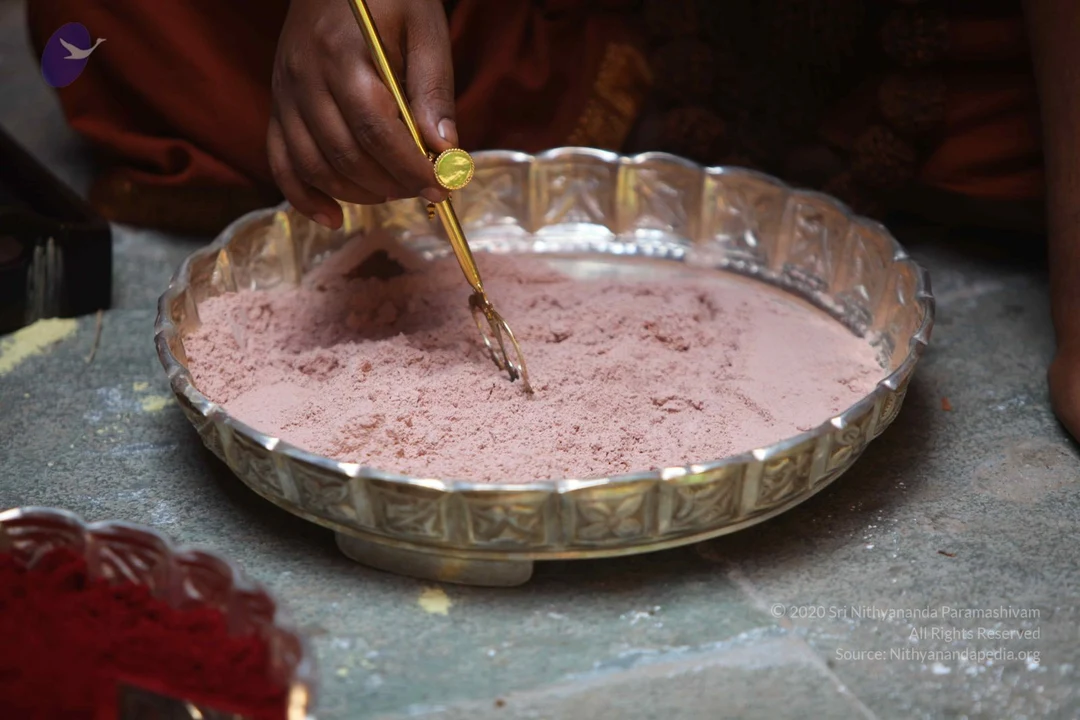
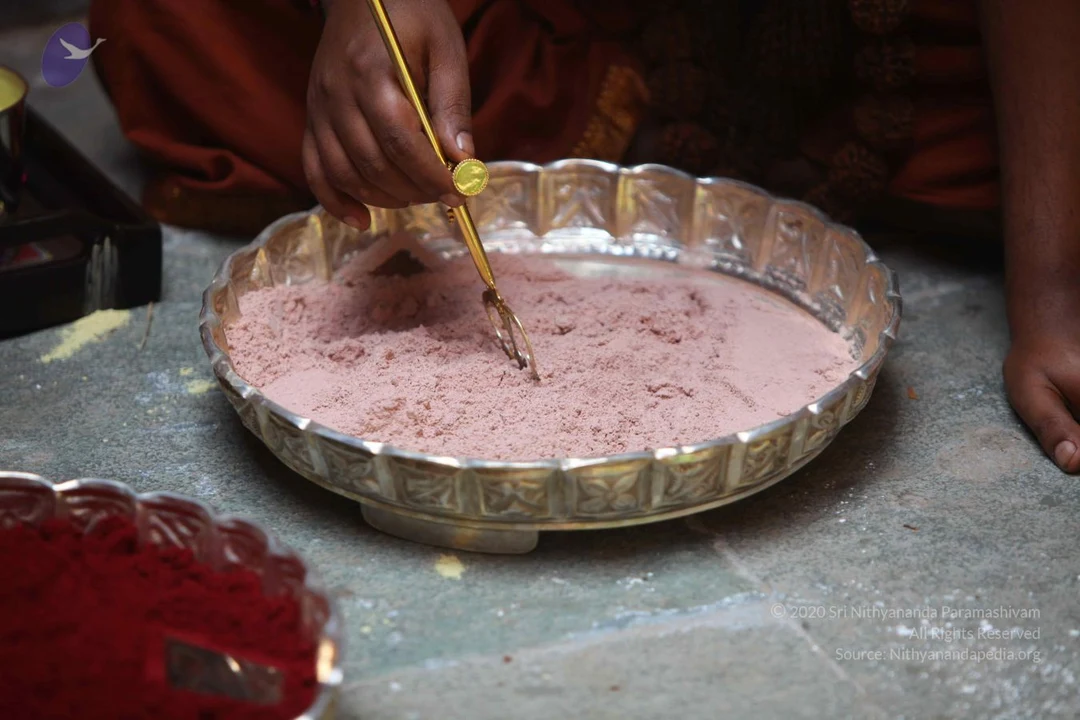
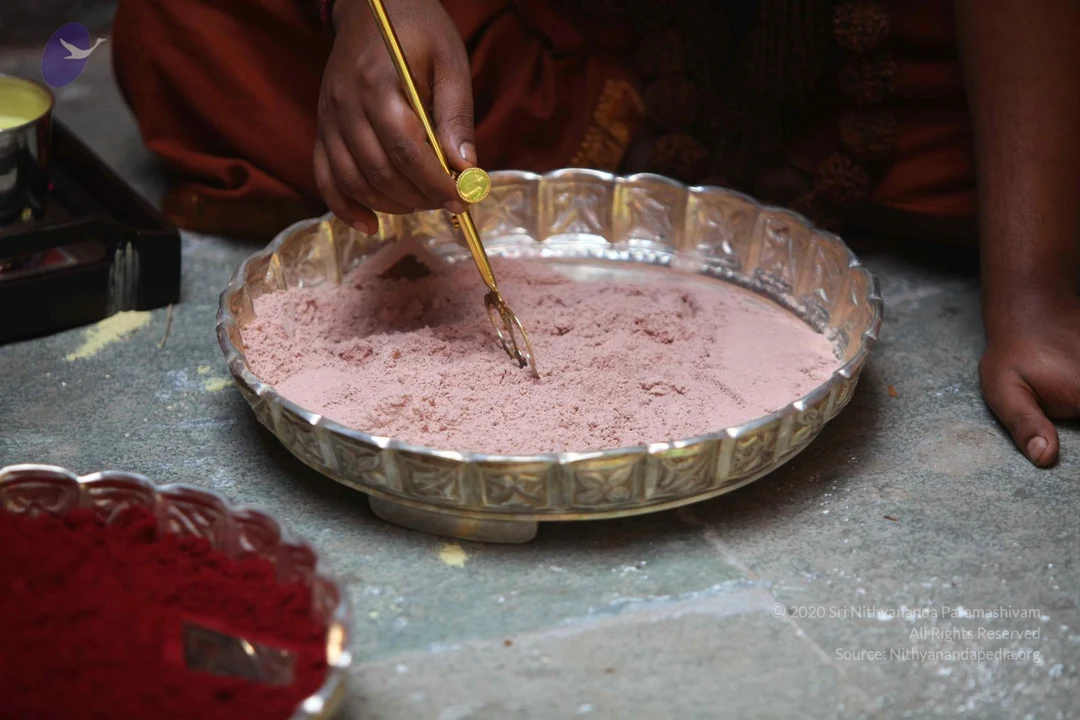
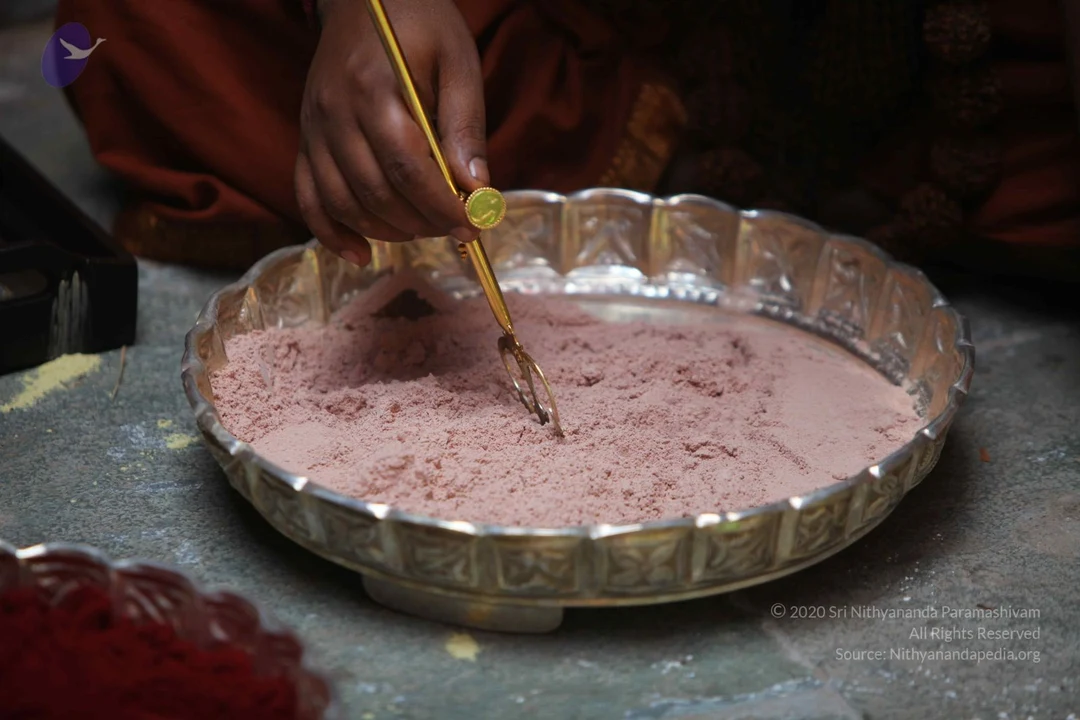
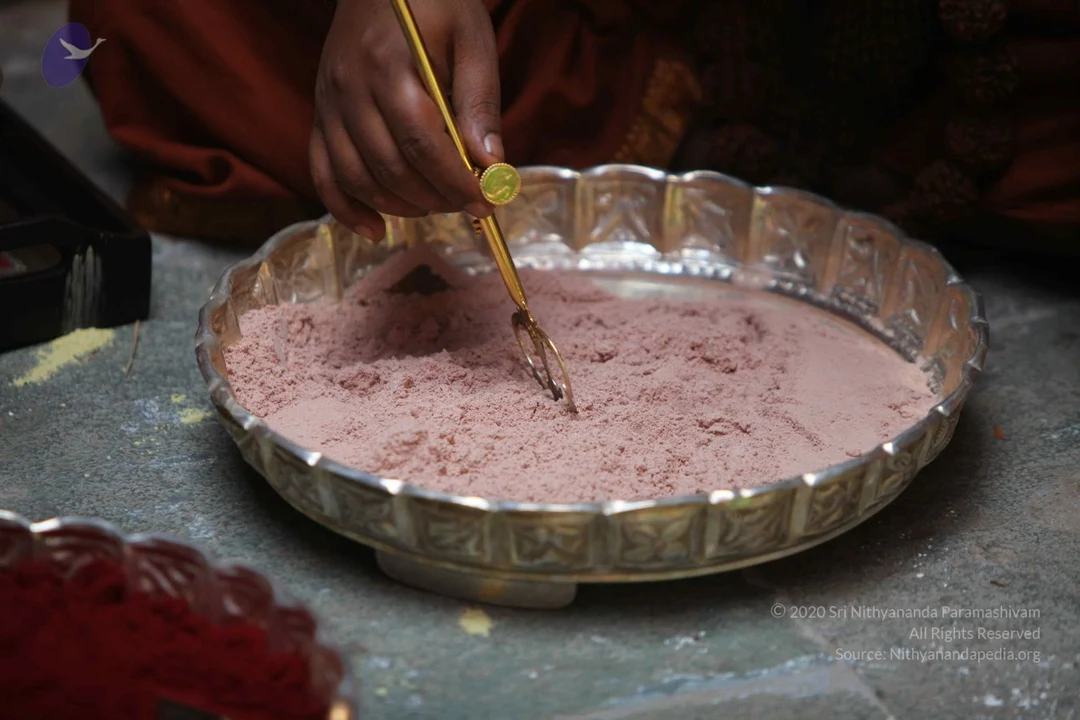
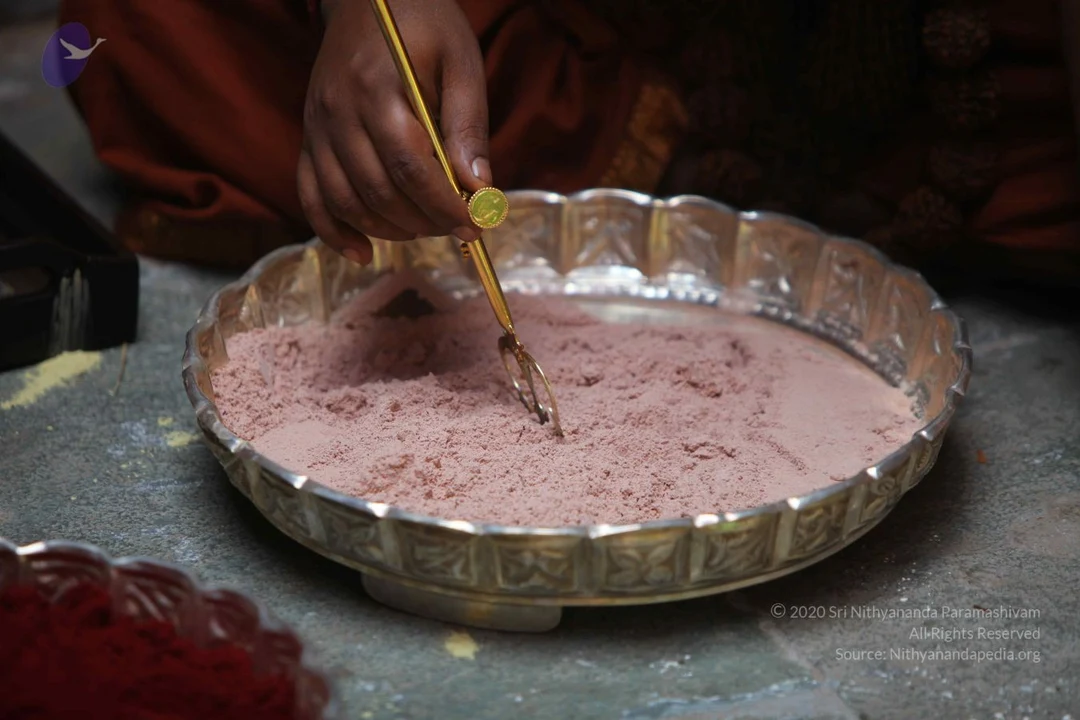
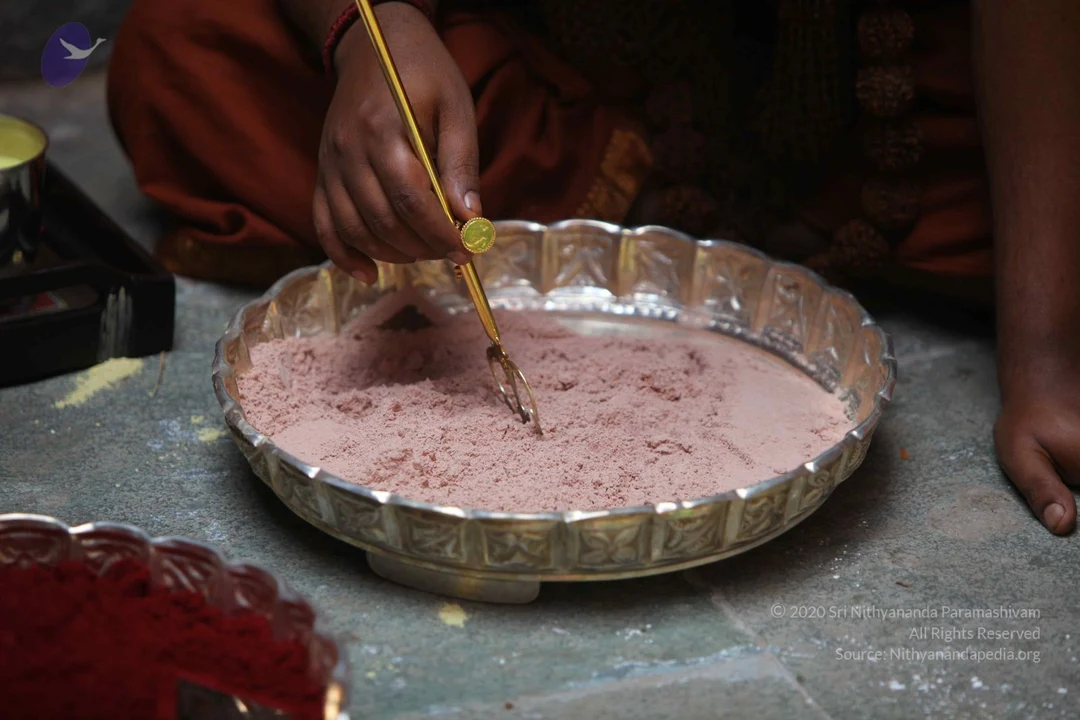
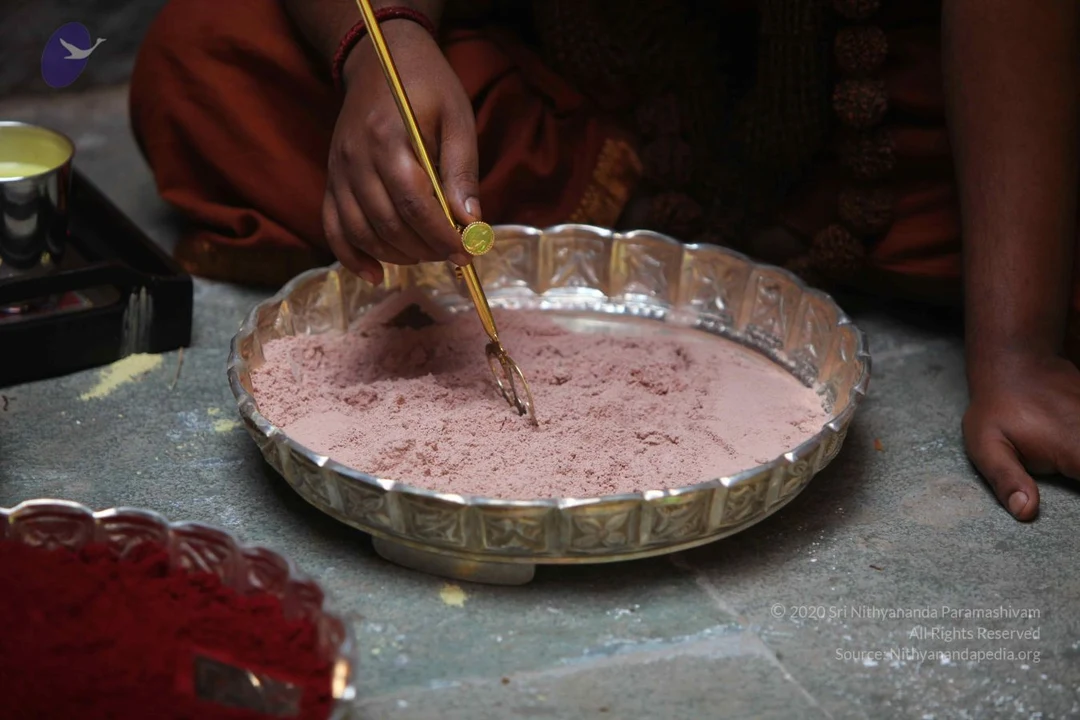
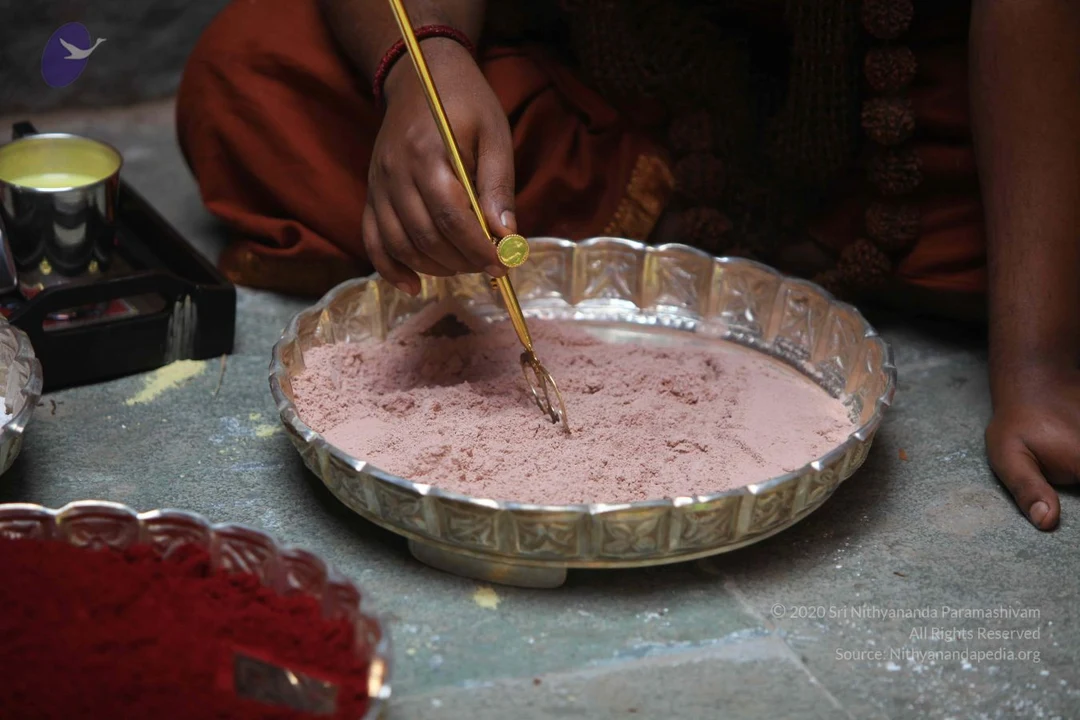
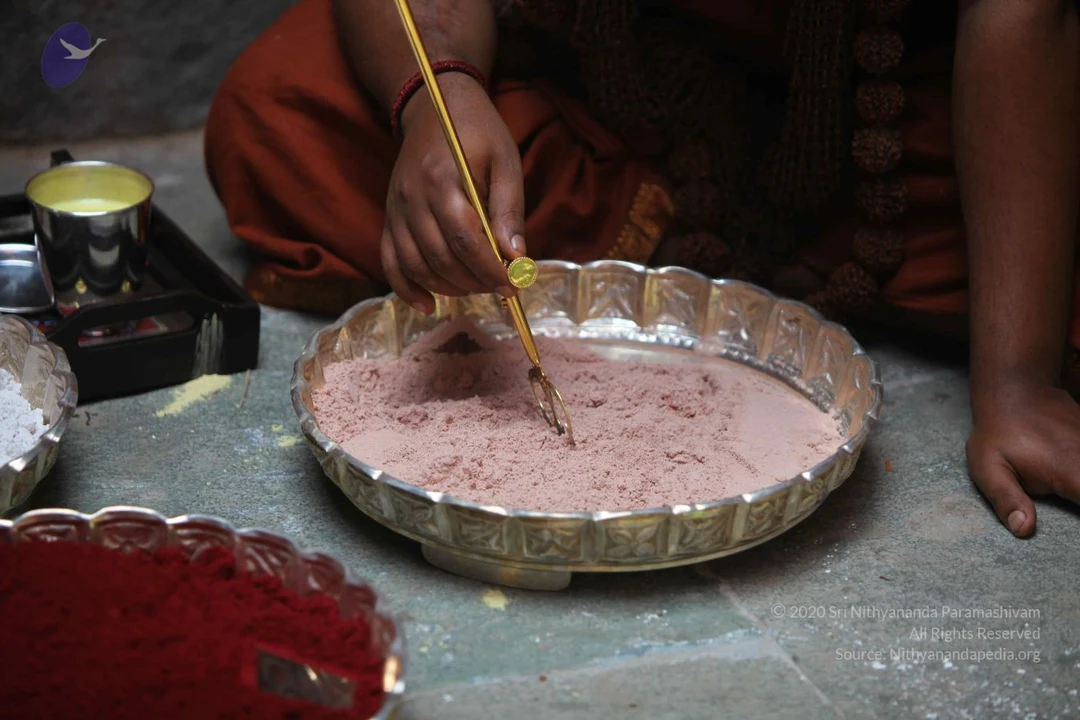
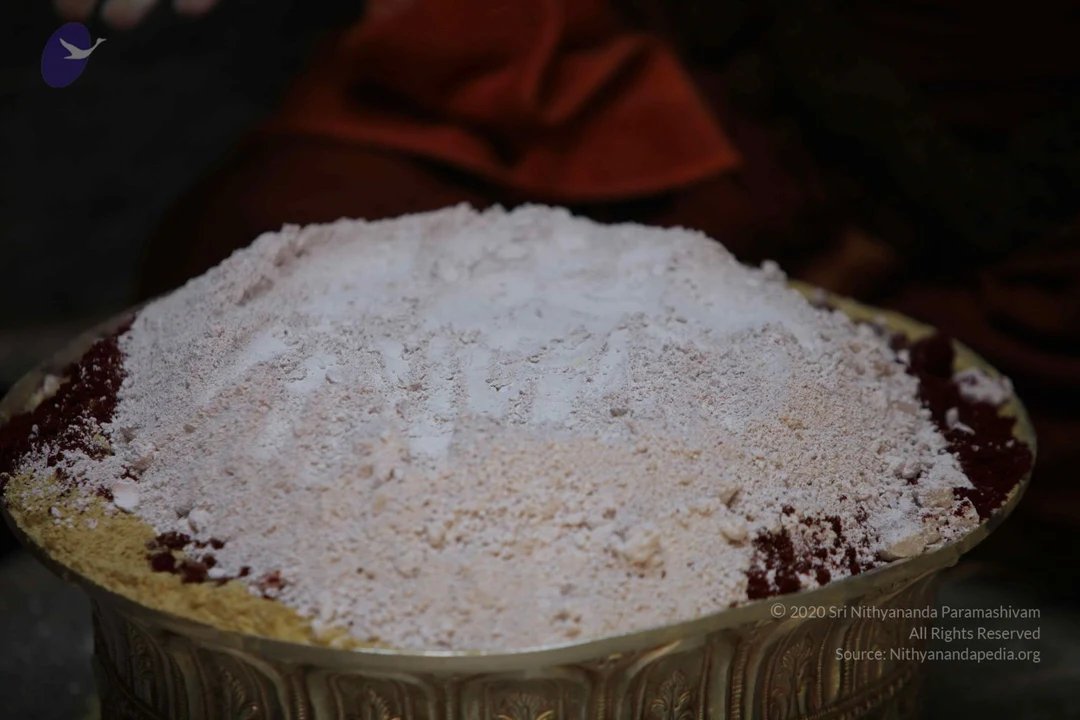
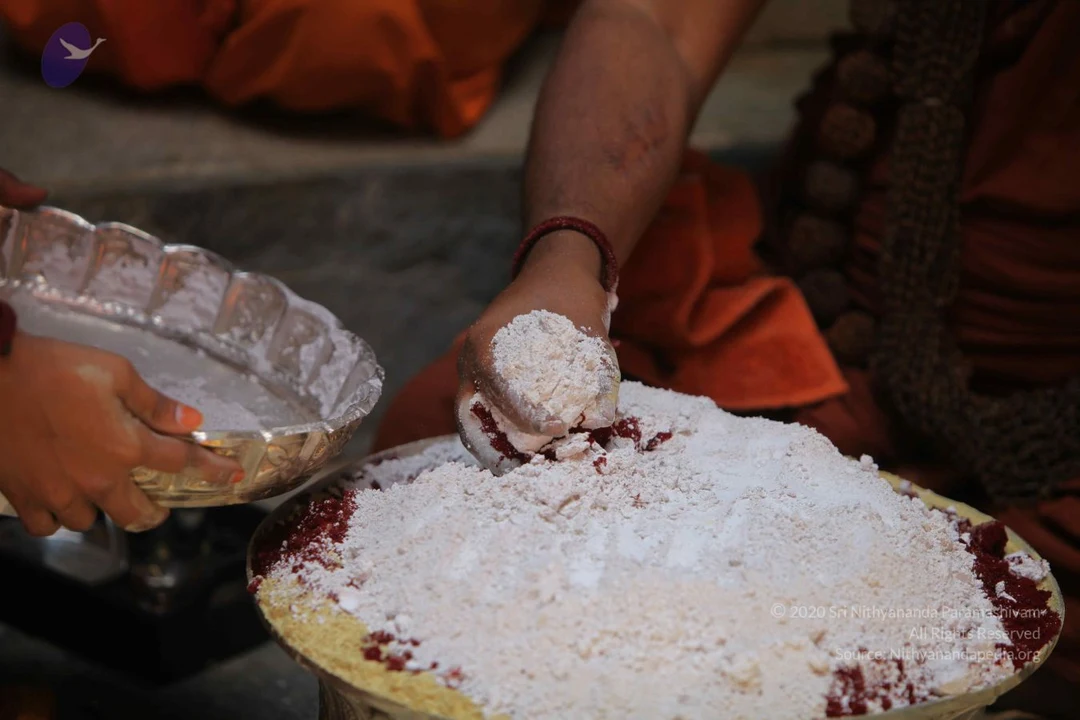
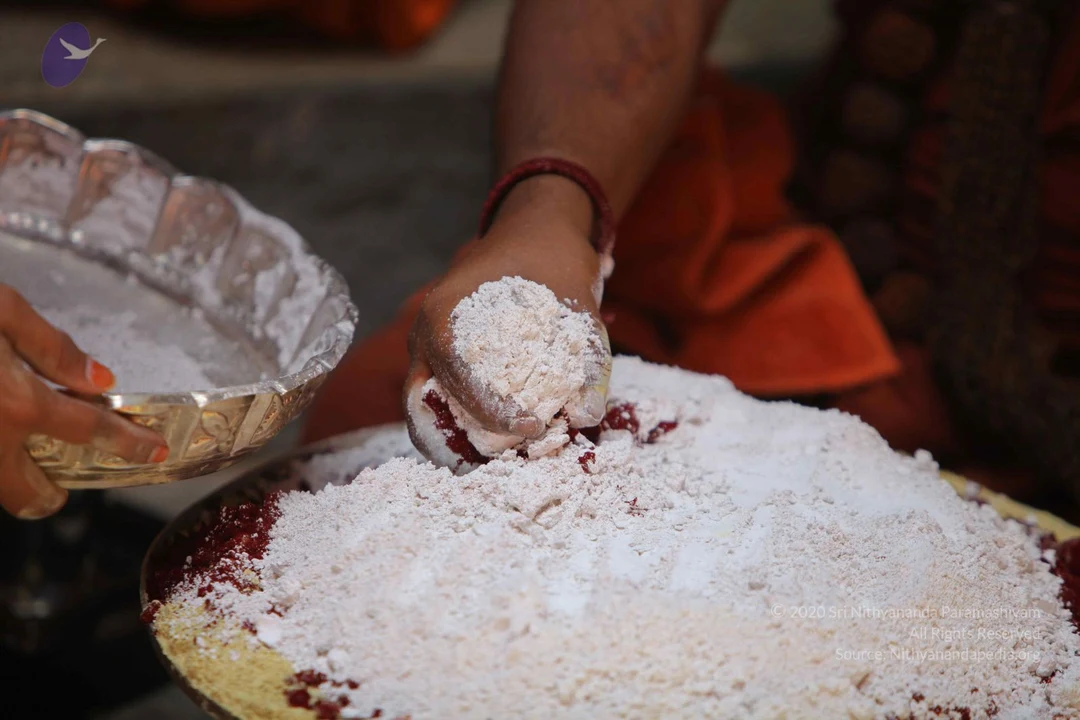
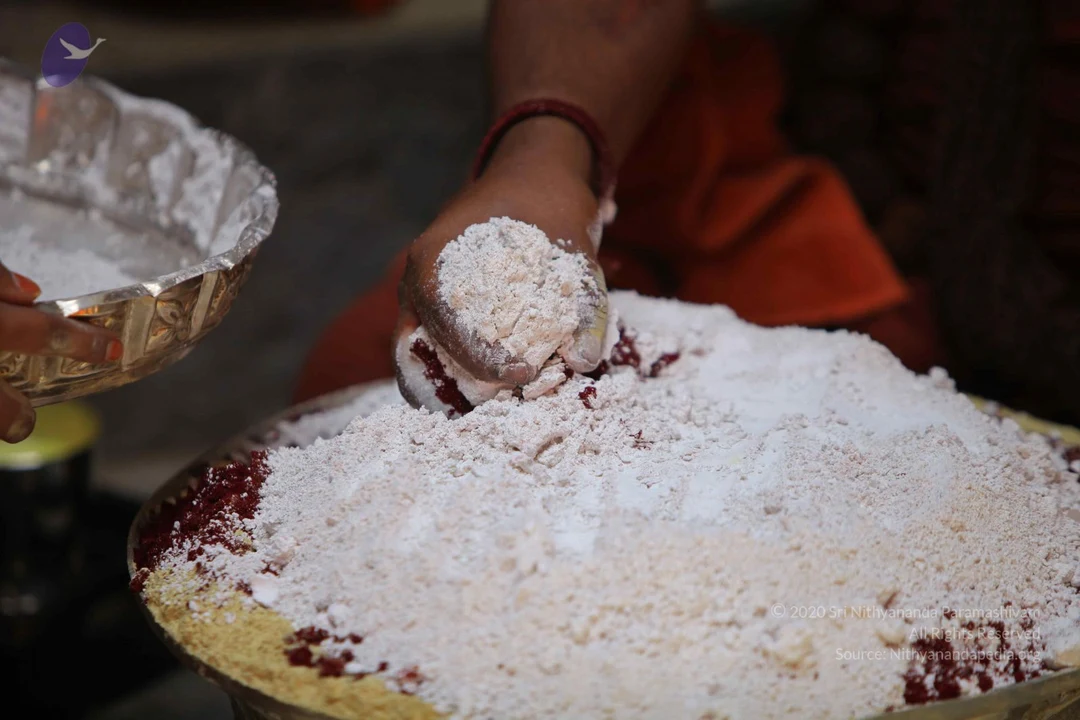
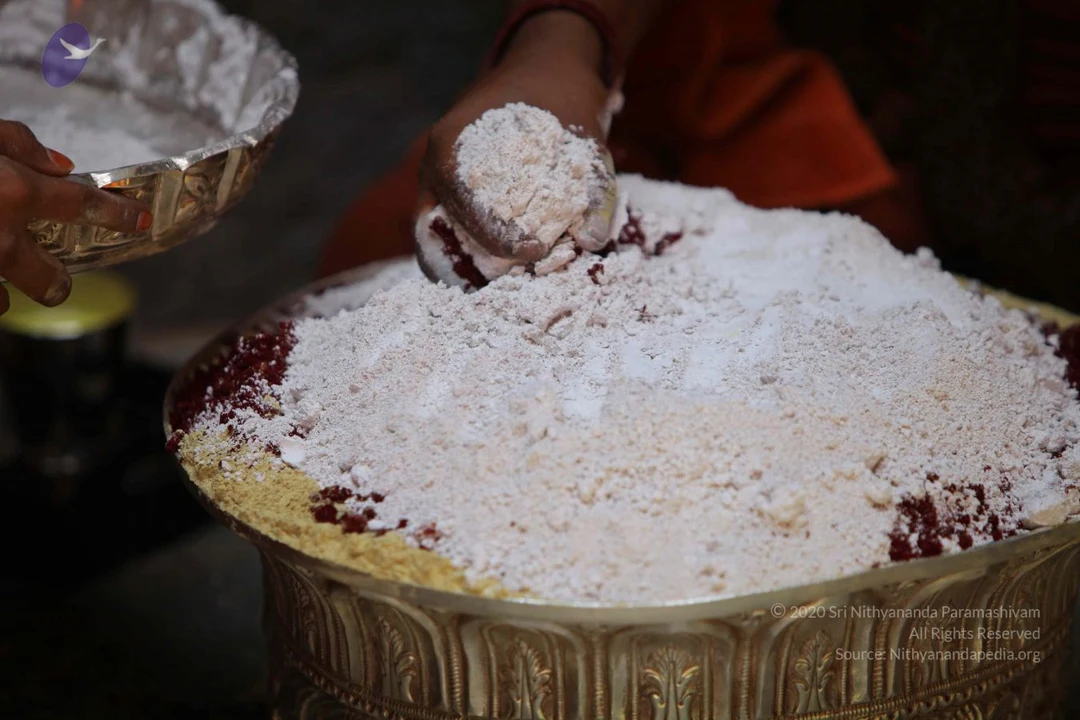
Close-up photo of a person's hand holding a gold-coloured stylus or small tool and drawing lines in a pink powder spread across a large scalloped silver tray. A reddish-orange powder sits in a second tray at the lower left, and a small dish stands at the upper left. The person wears a rust-red garment with a patterned border. The tray rests on a grey stone floor. This is a kumkum or powder-drawing preparation scene; no a person candidate is visible, only a hand and sleeve.Close-up photo of a person's hand holding a small gold-handled tong or spoon, stirring a silver-rimmed round tray filled with fine pinkish-mauve powder. The sleeve of an orange-red garment is visible at the top, and a red cloth or powder sits at the lower left. Only the hand and sleeve are visible, so no face or full person is shown, and no a person candidate is present.A close photograph of a black stone Nandi bull statue being bathed. A bare-chested man in an orange and red-striped dhoti pours liquid from a golden-yellow pot onto the bull's head, and yellow liquid runs down its face and snout. The Nandi wears a garland of red, white, yellow and purple flowers draped along its neck, and the man has white sacred markings on his arms and a brown rudraksha mala. The background is a blurred green tree. The scene suggests an abhishekam ritual.

October 16 2016

Original wiki page
Contents

Title

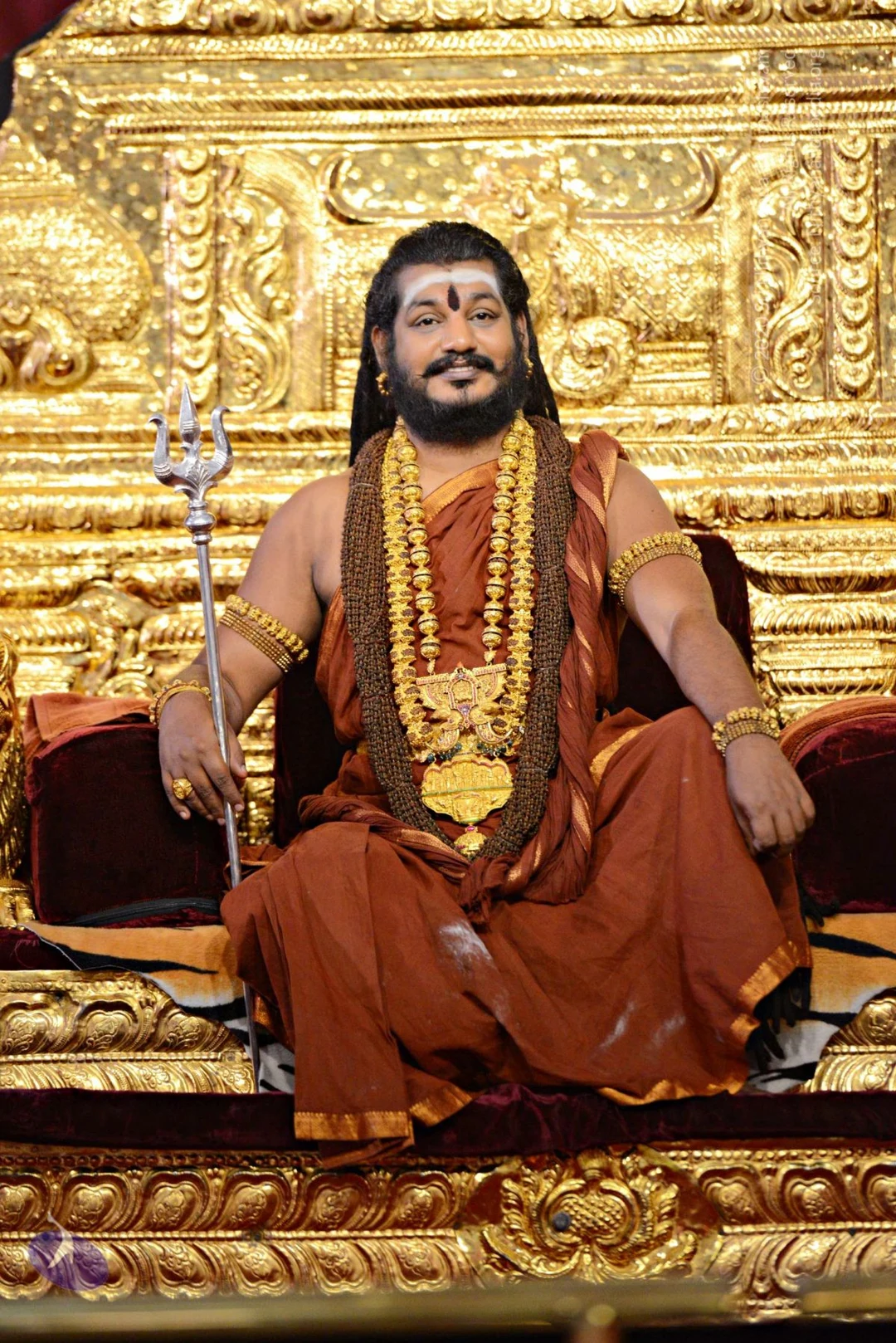
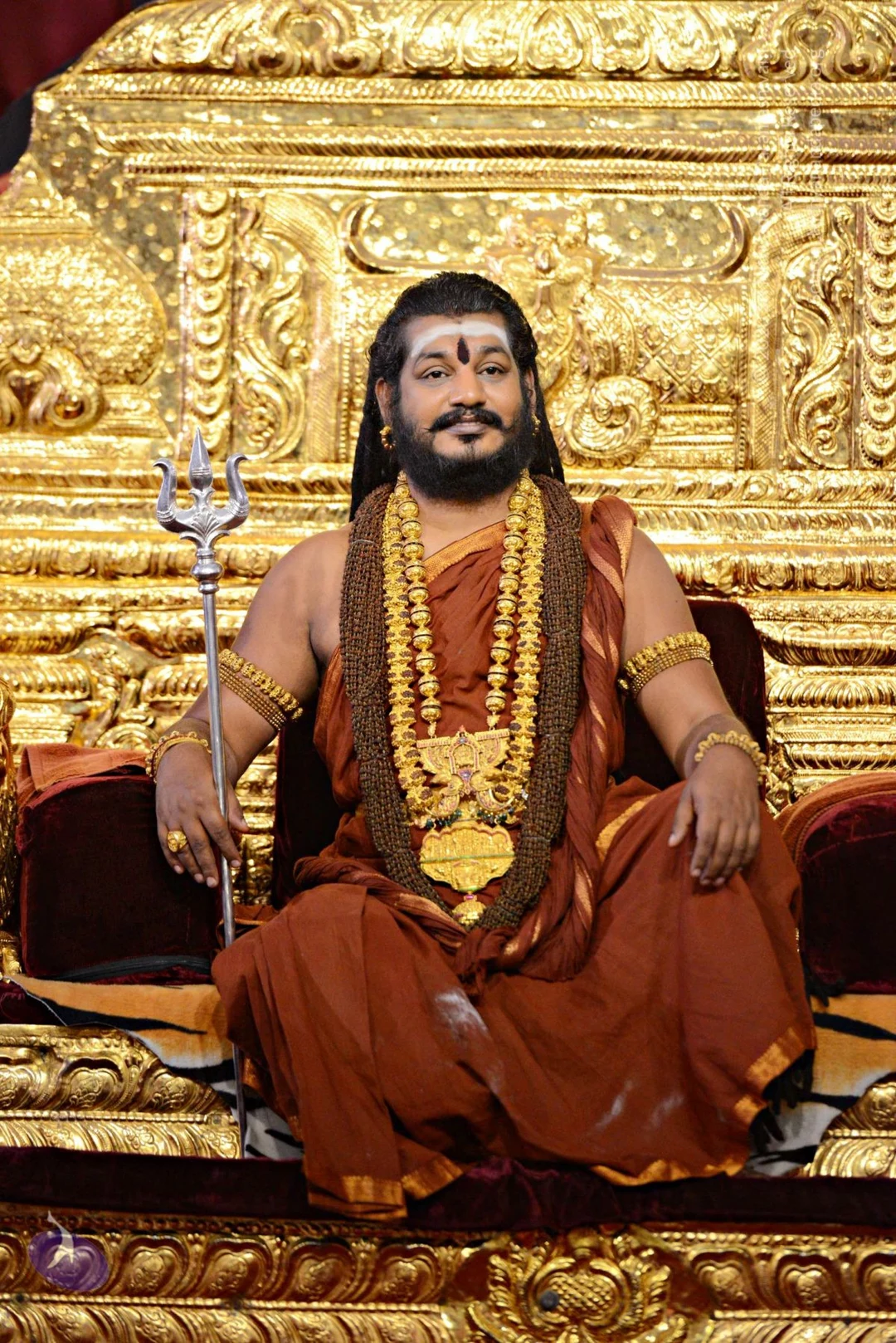
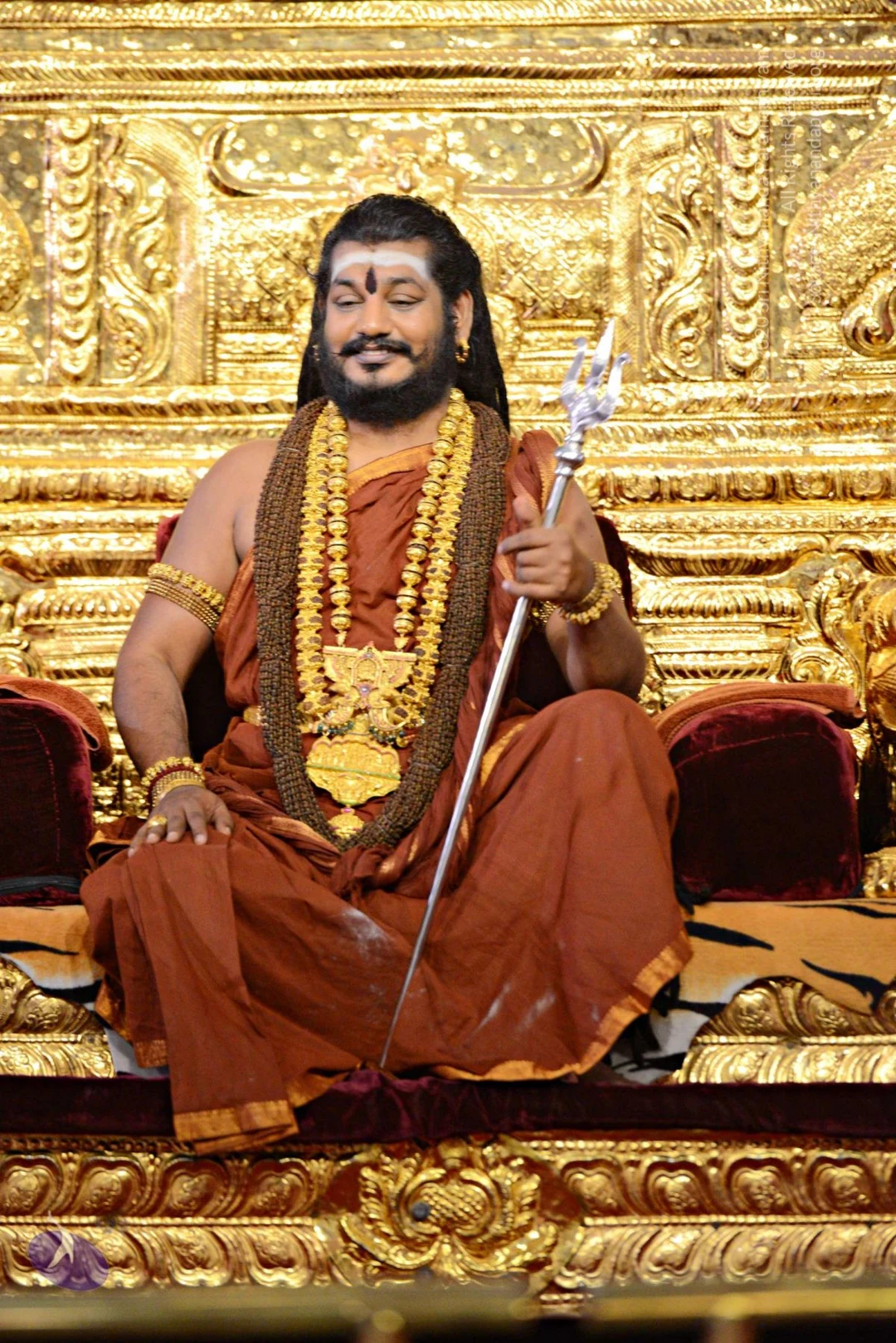
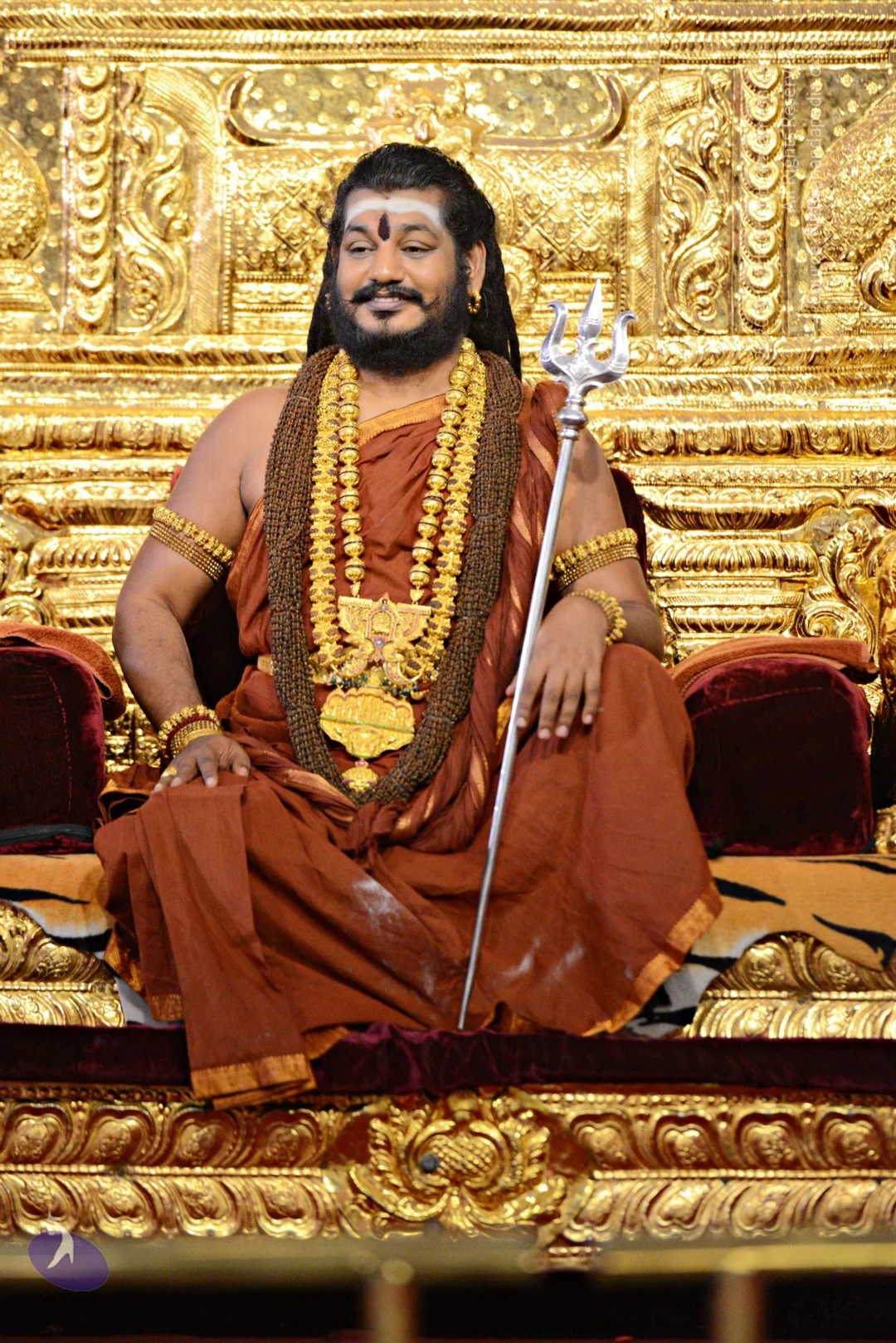
Leaders of Hinduism at Nityananda Peetham

Day's Event

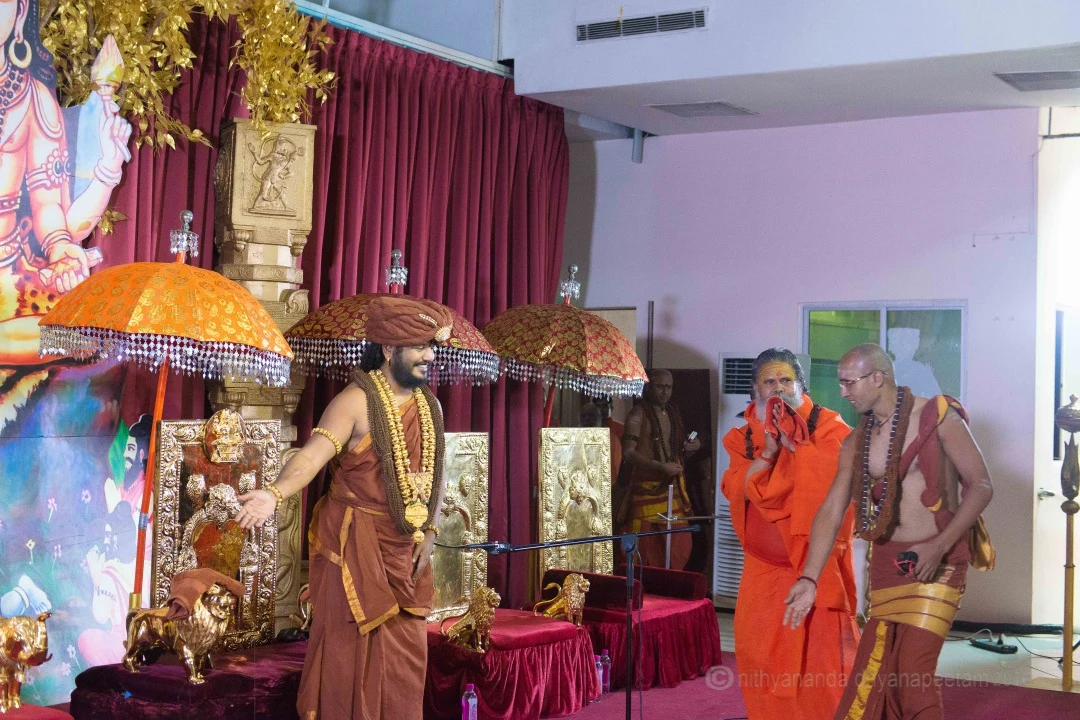
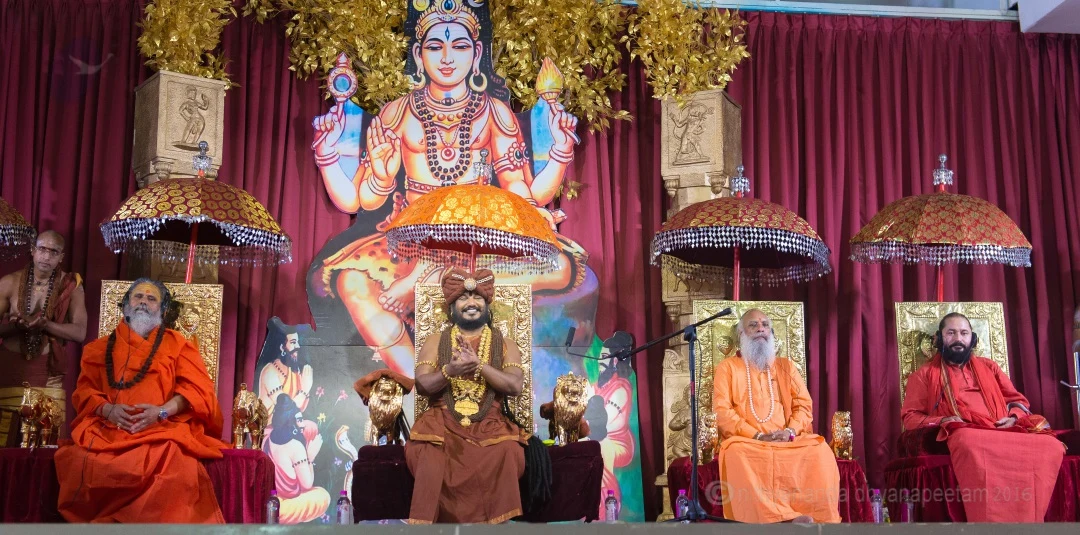
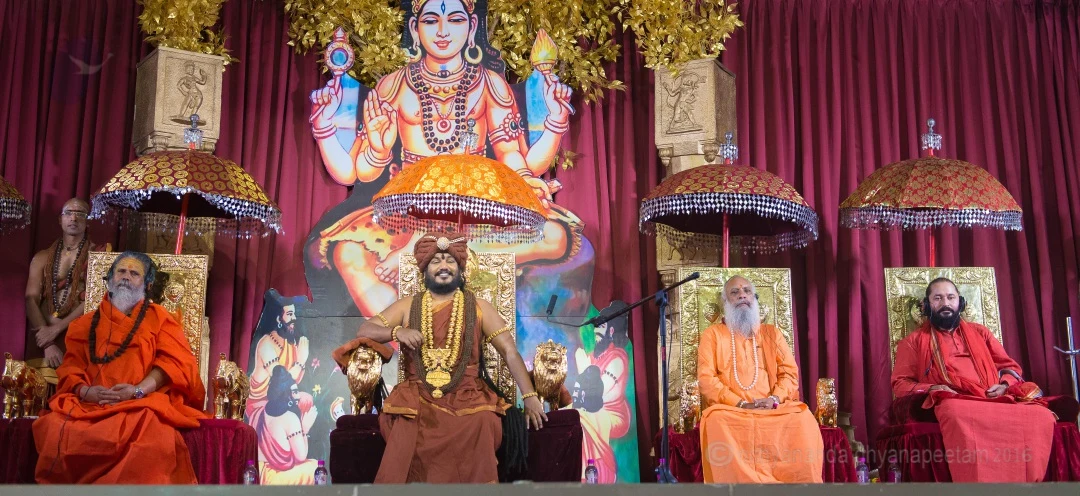
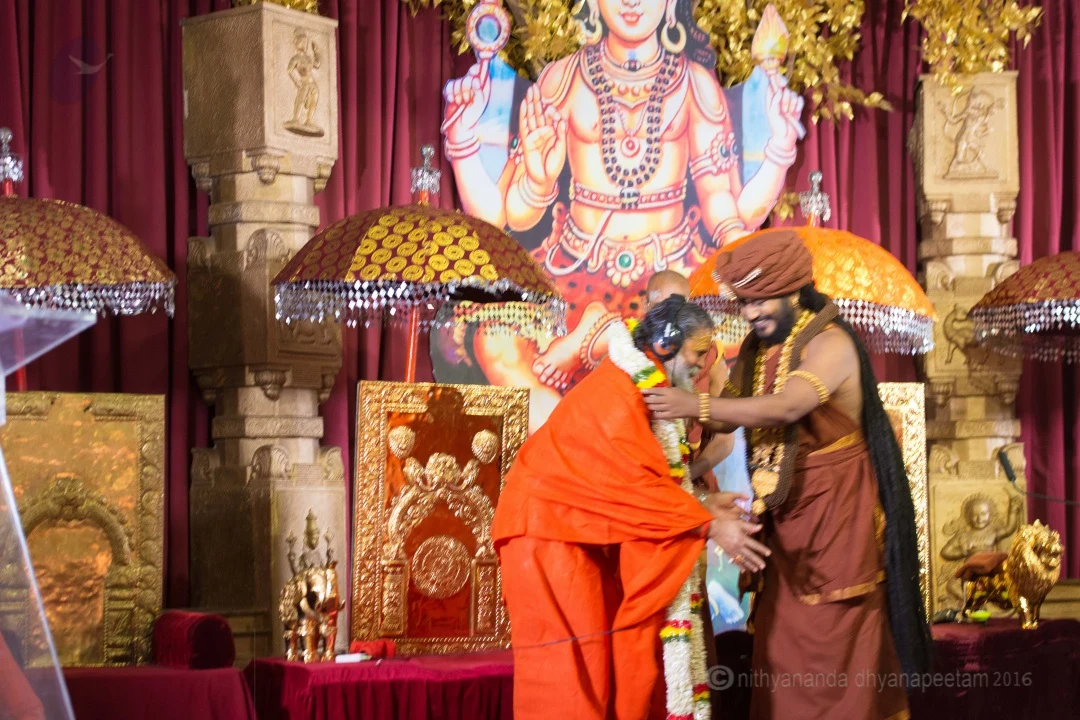
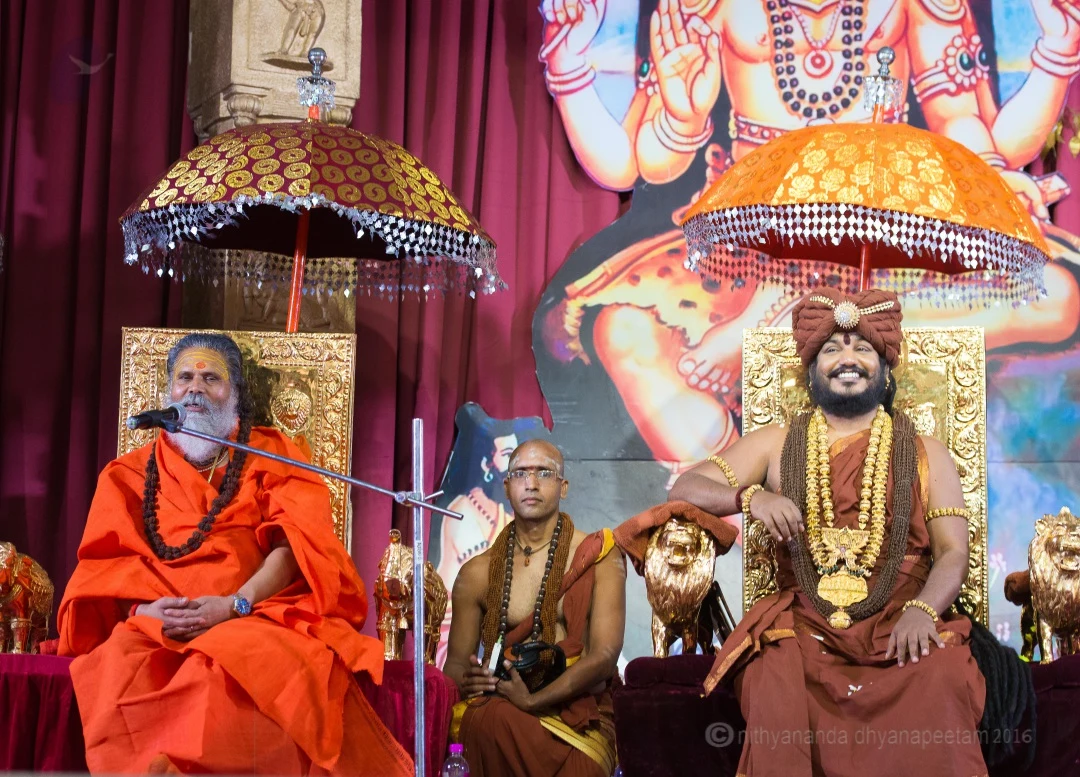
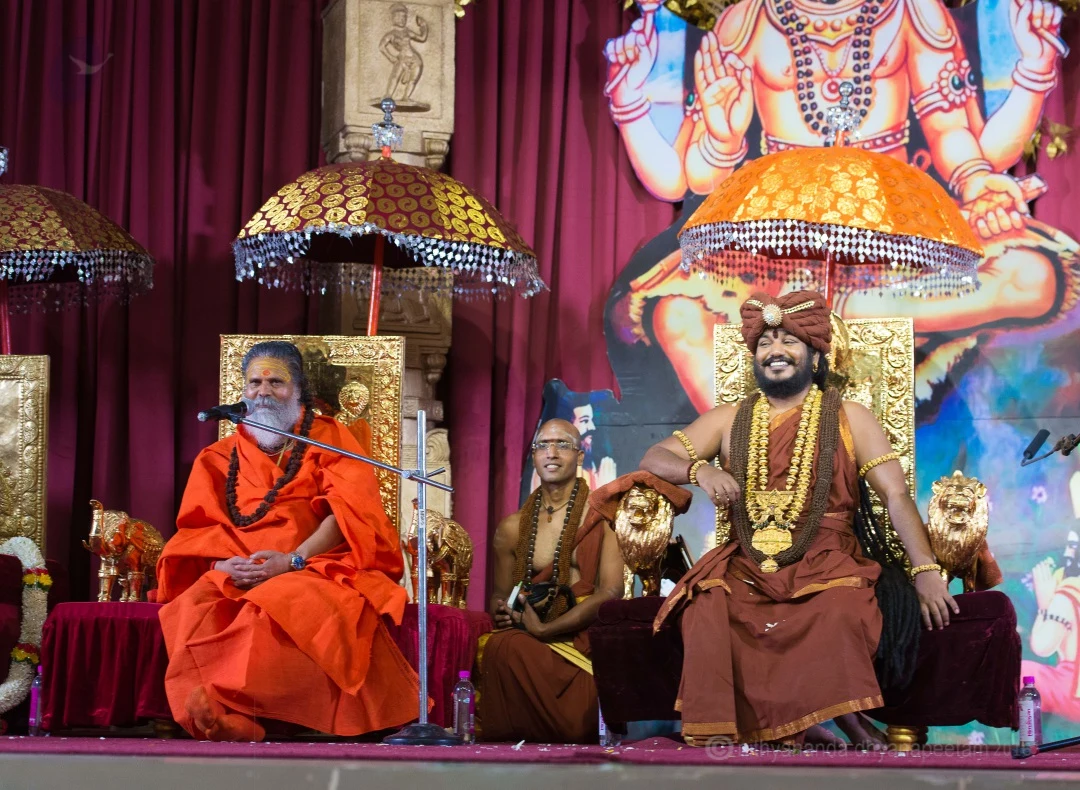
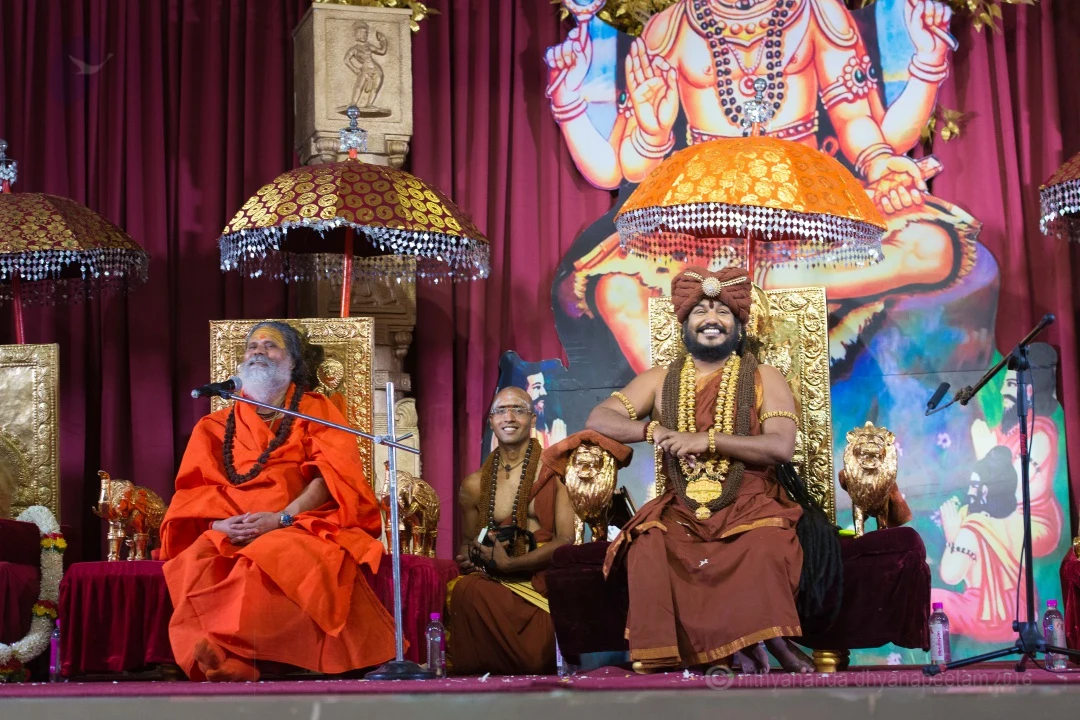
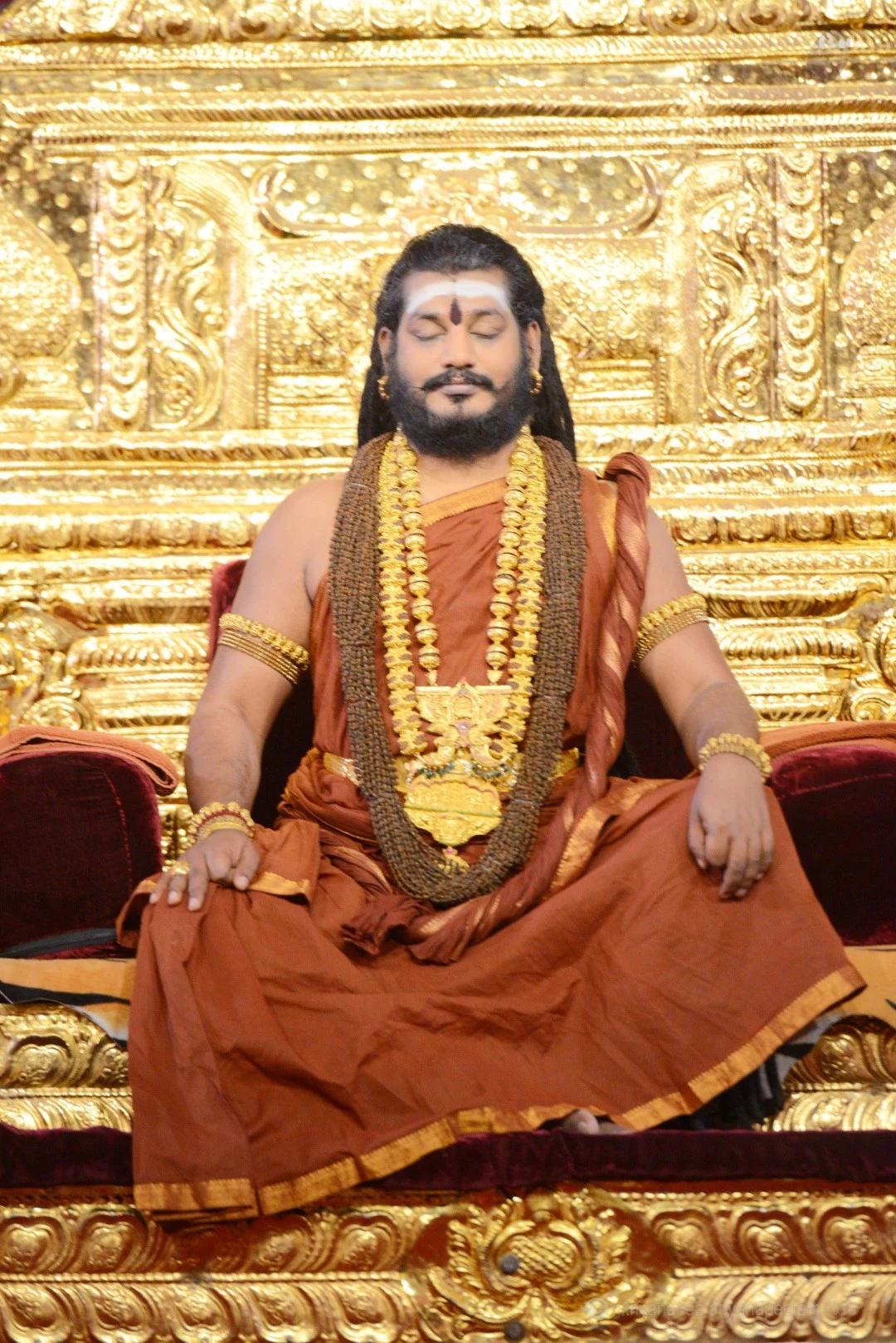
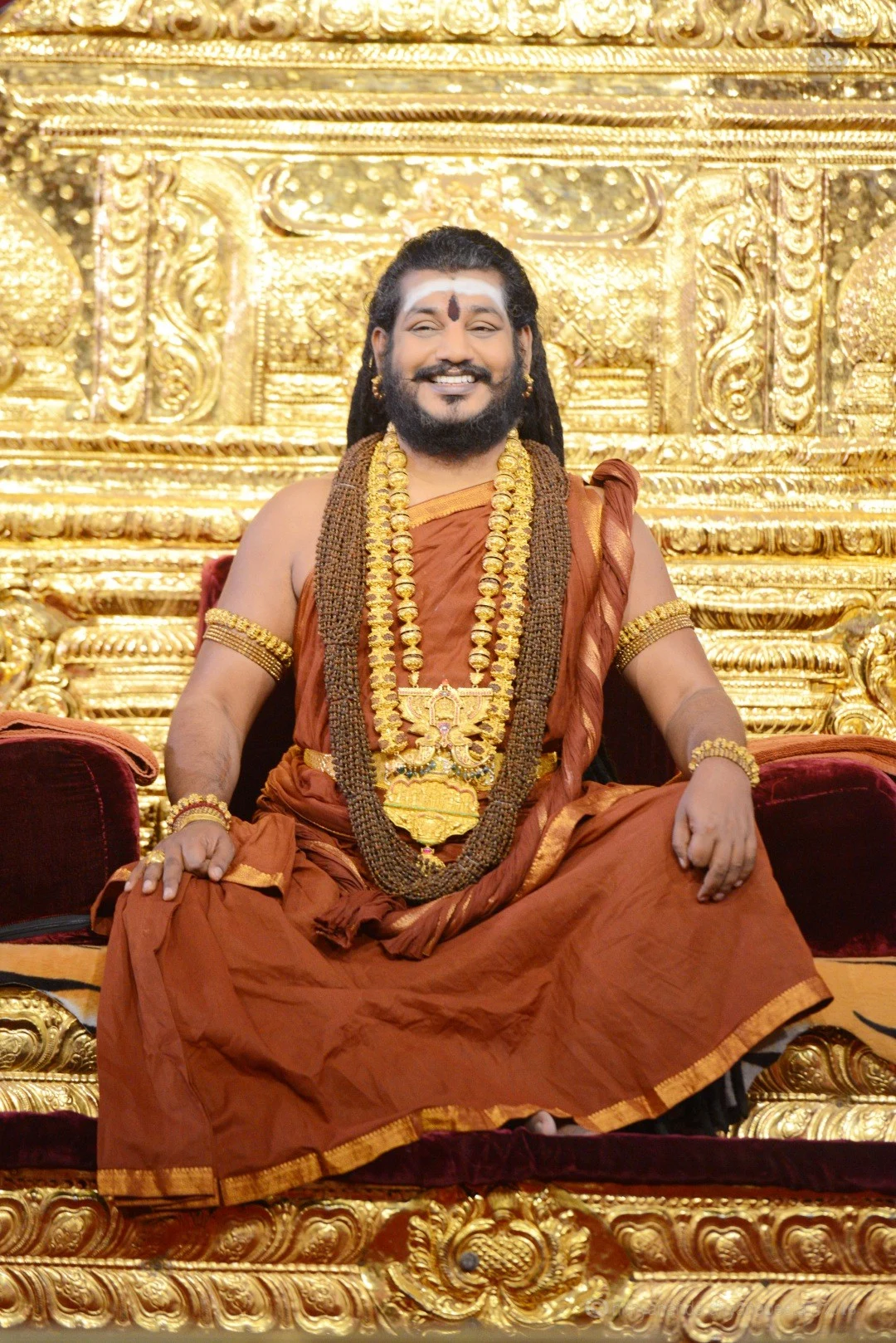
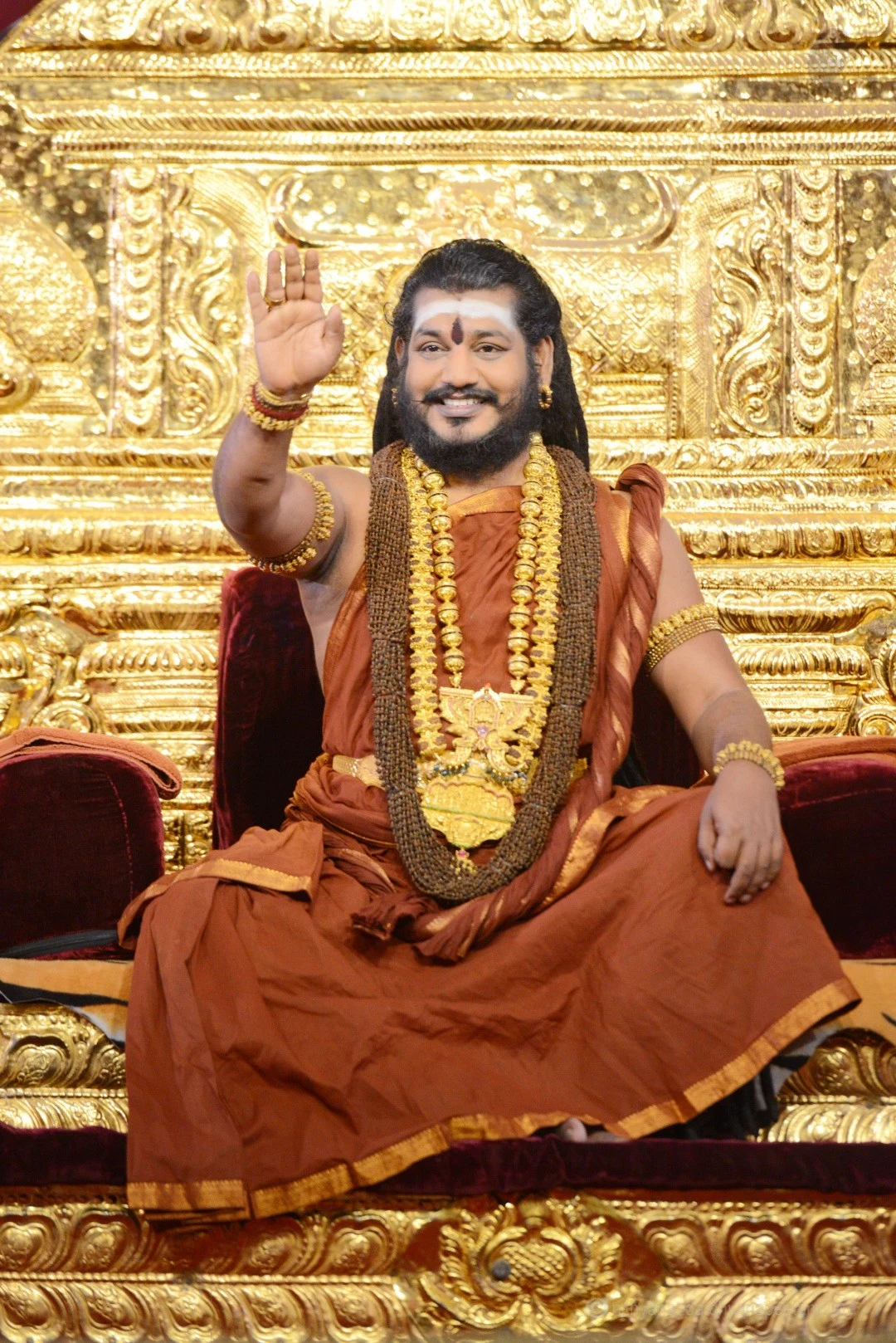
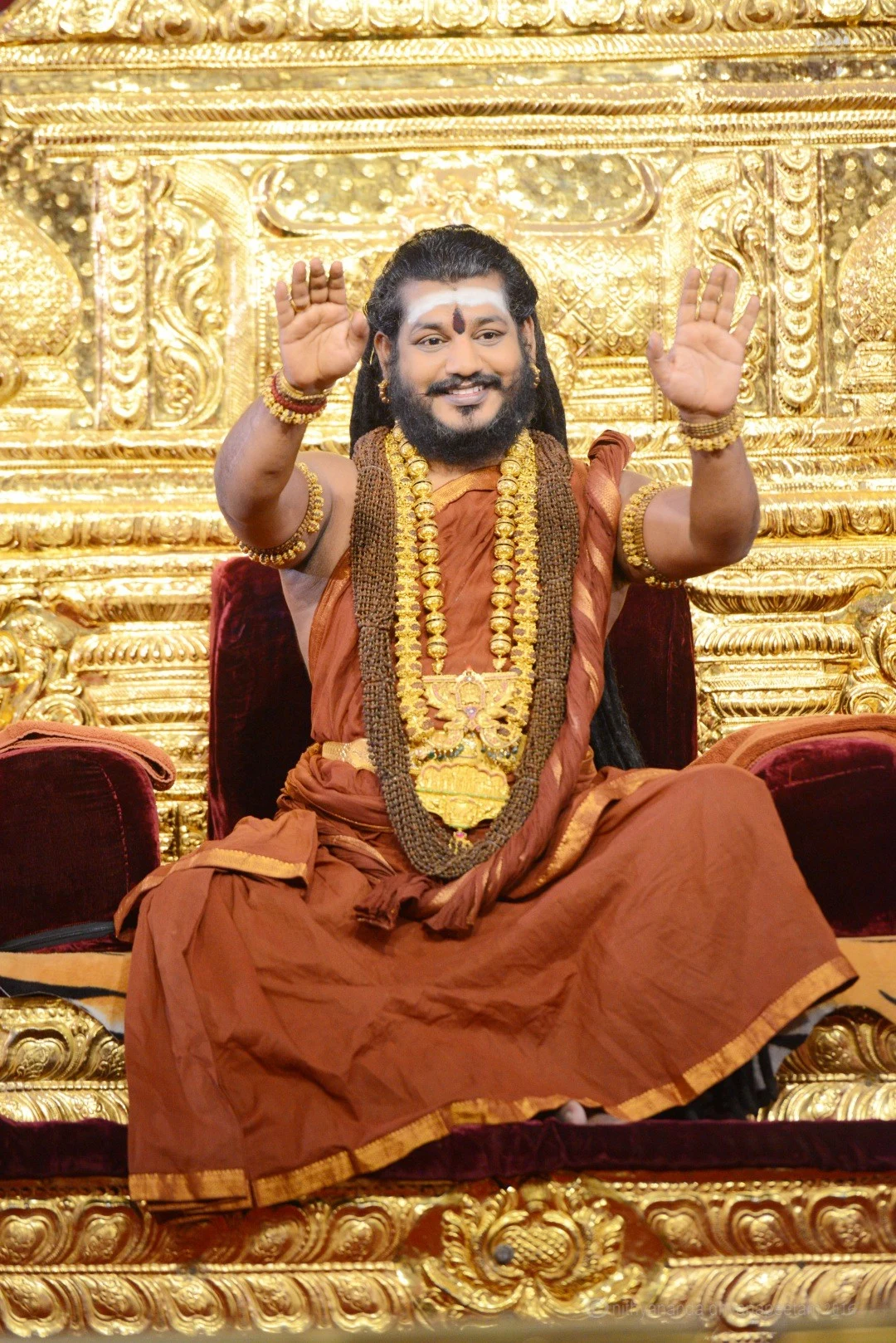
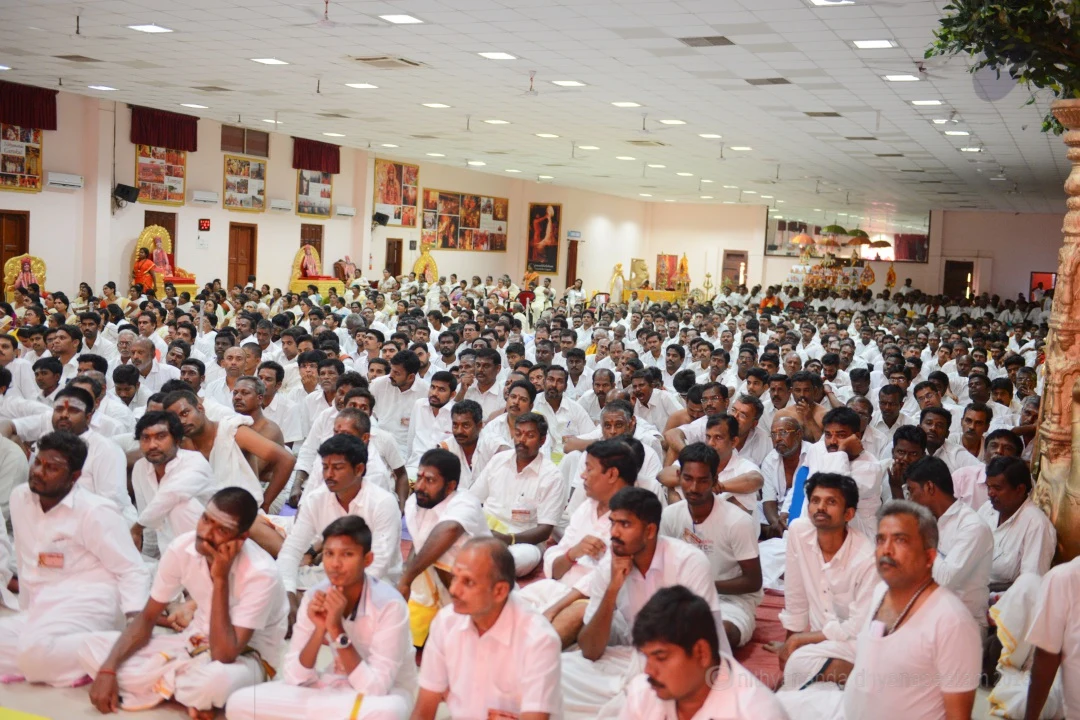
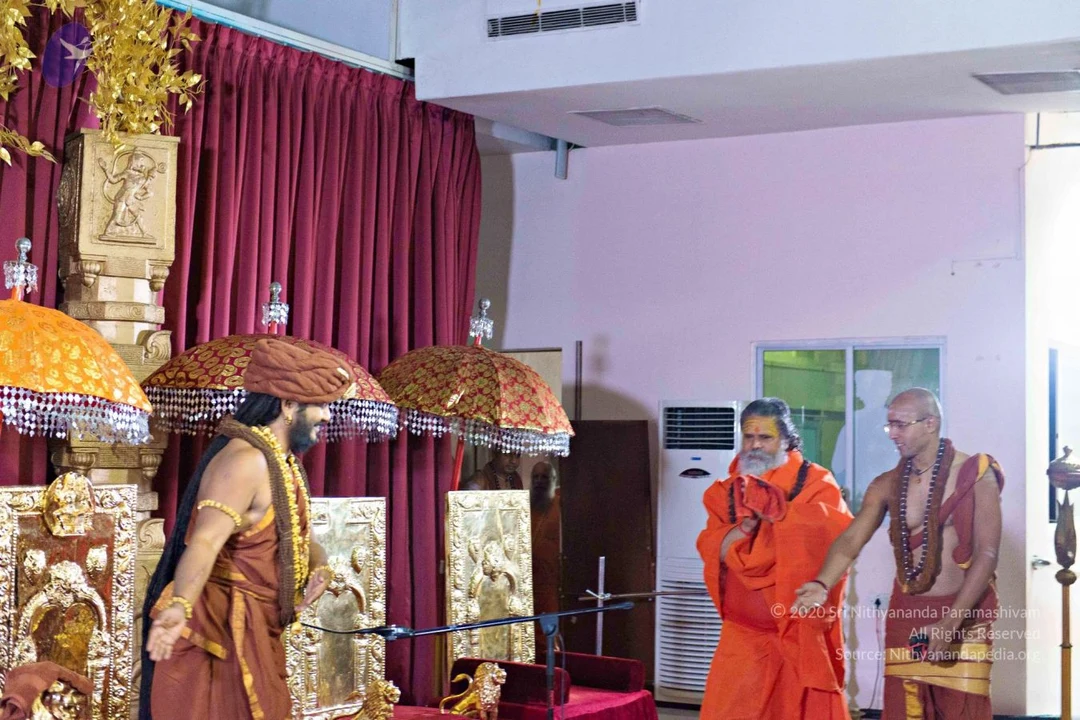
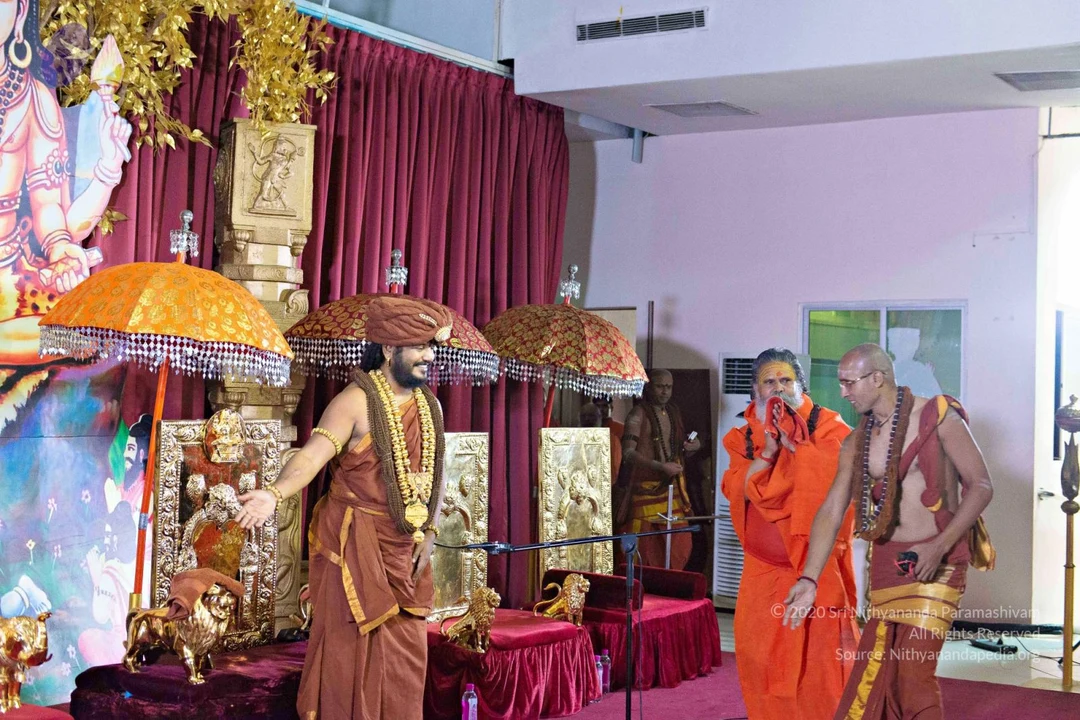
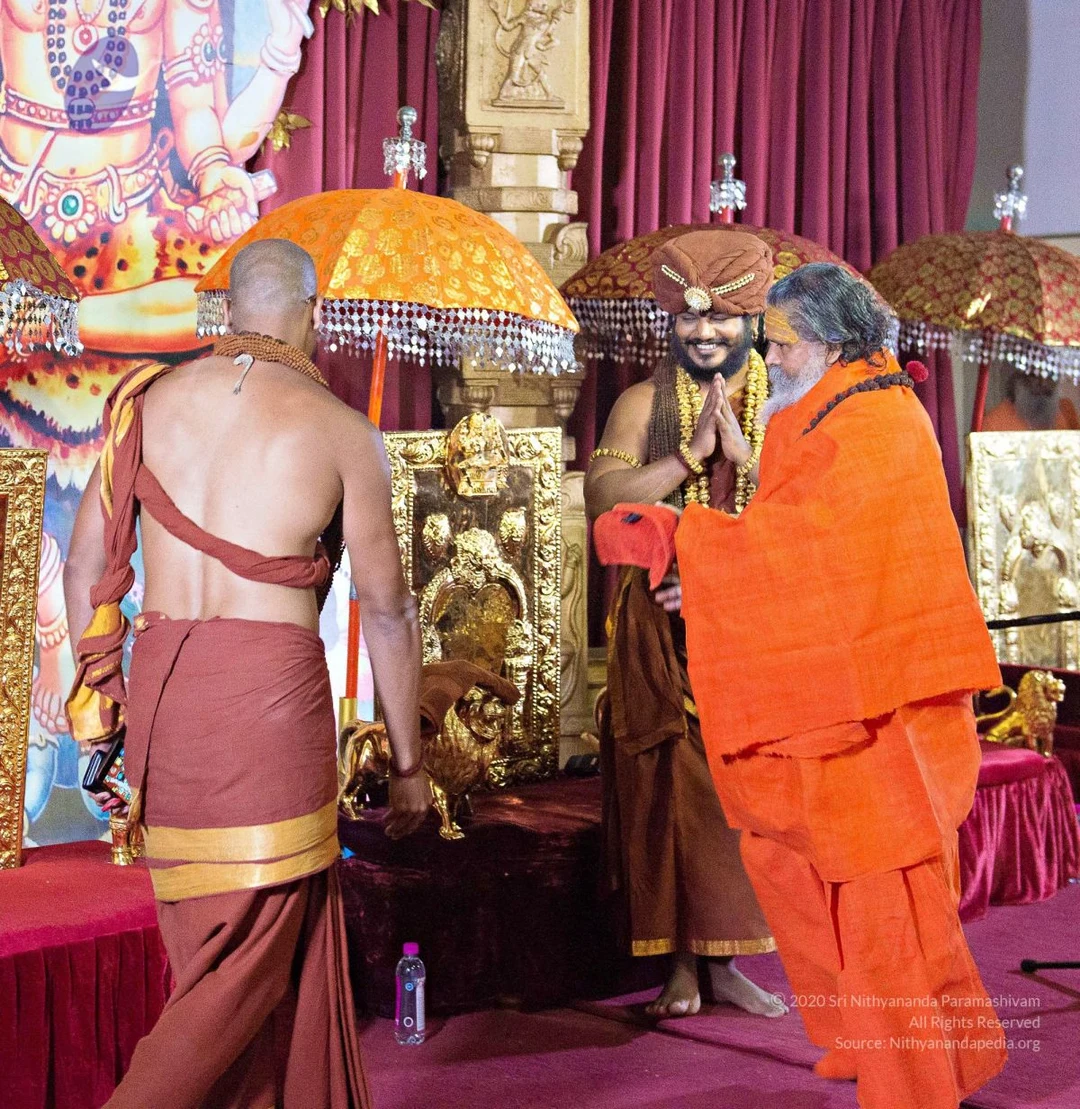
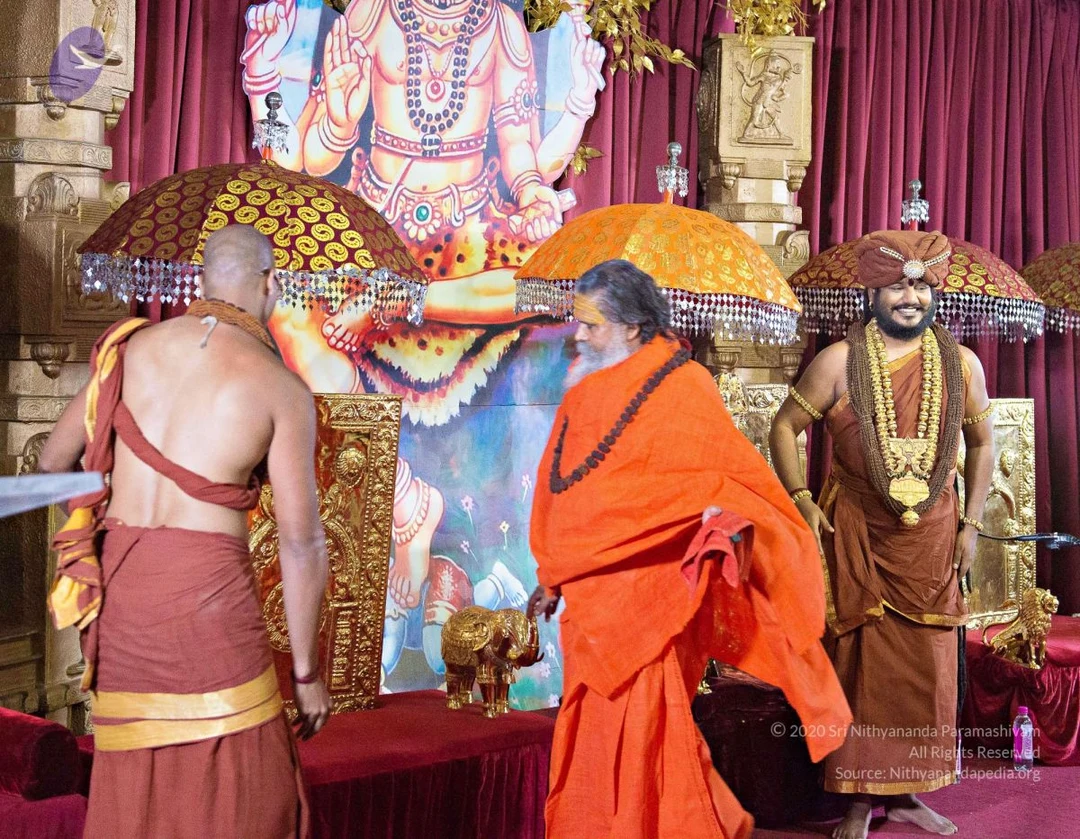
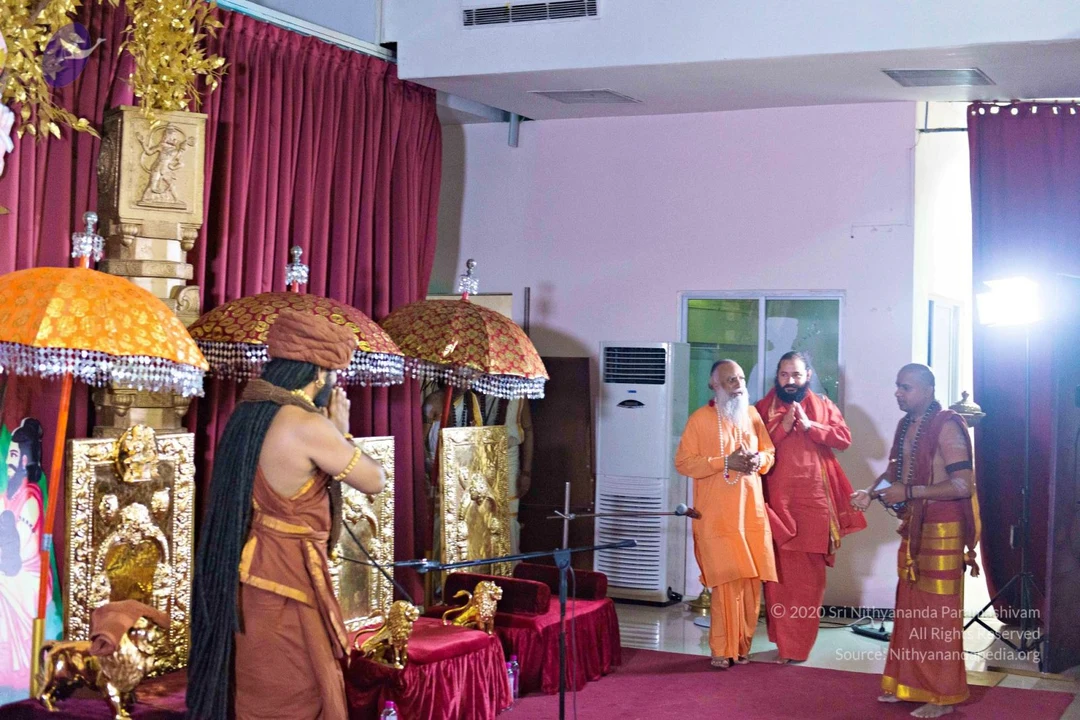
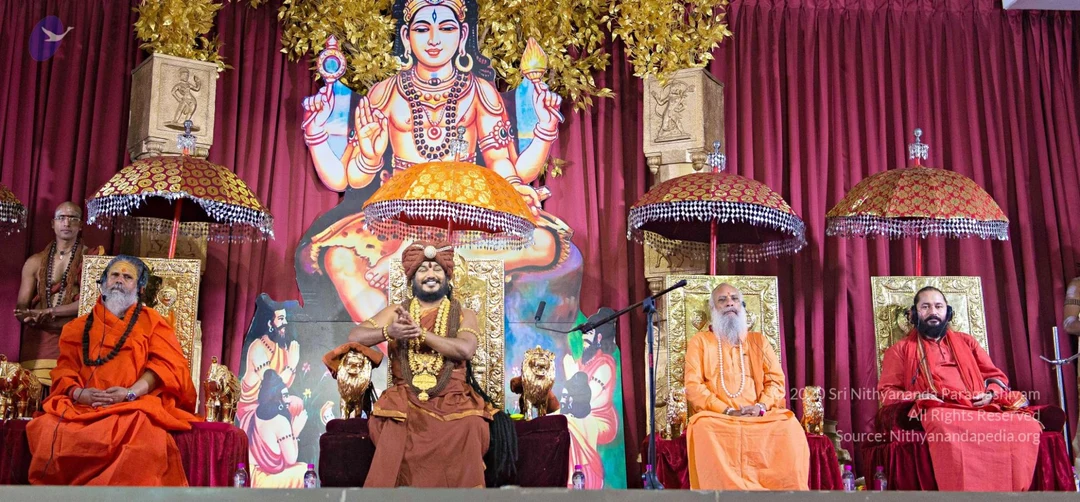
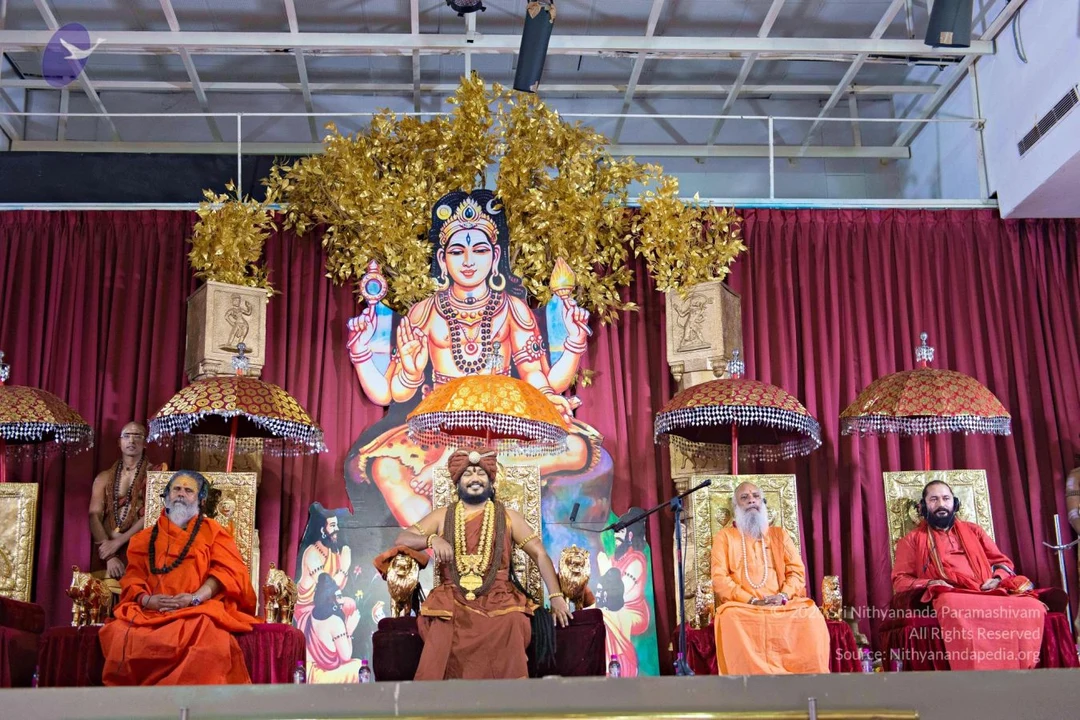
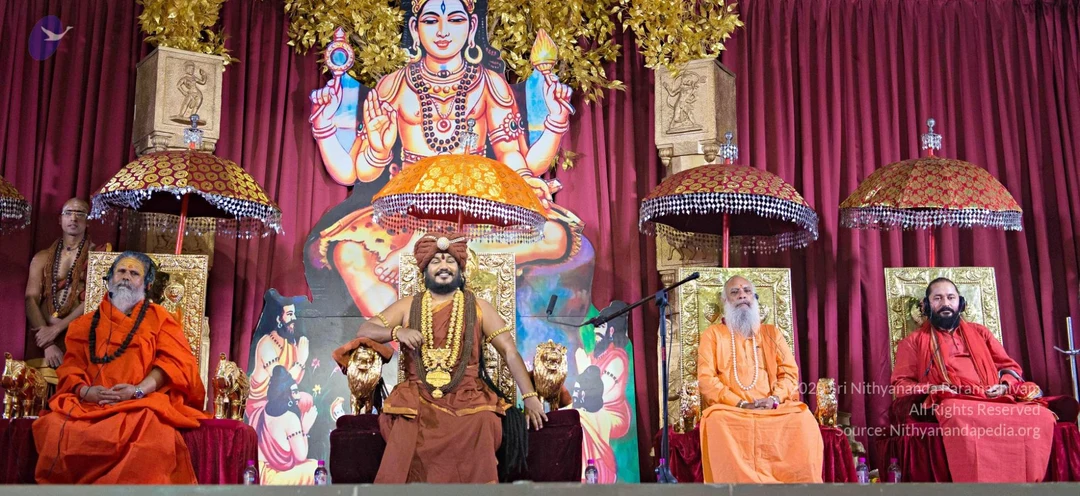
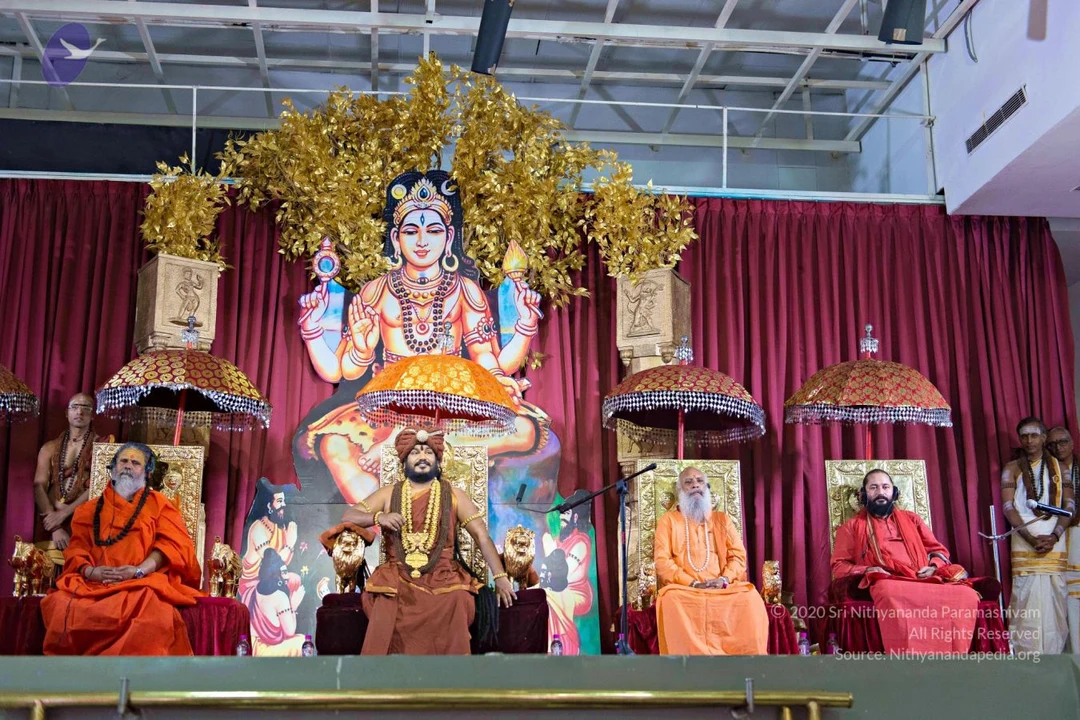
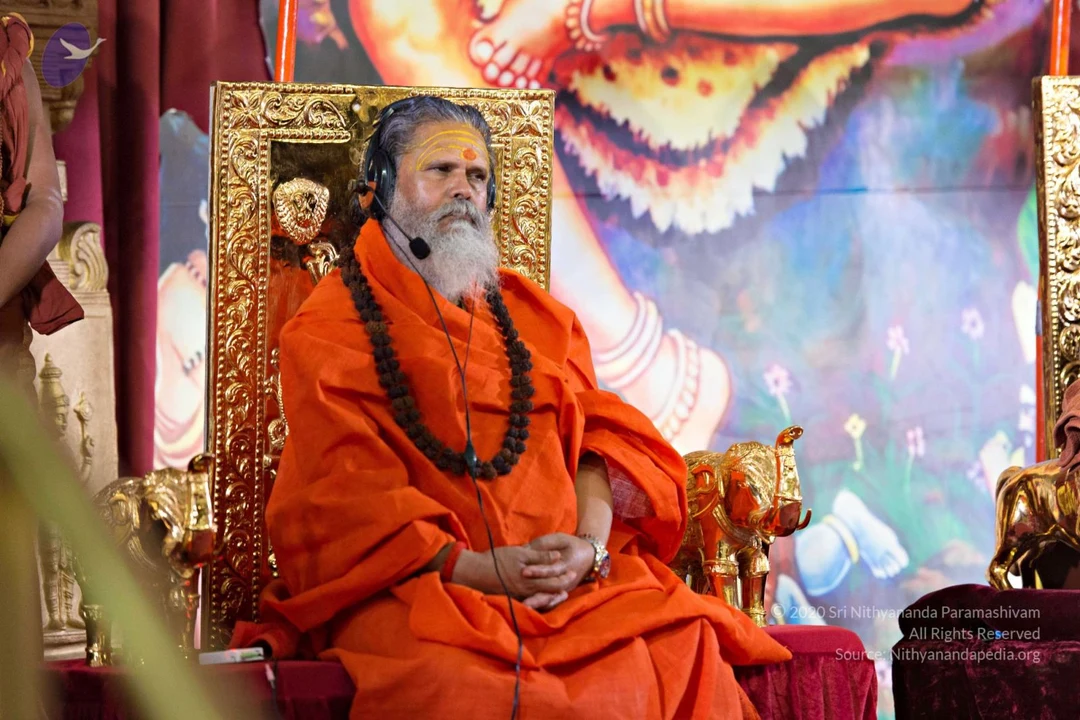
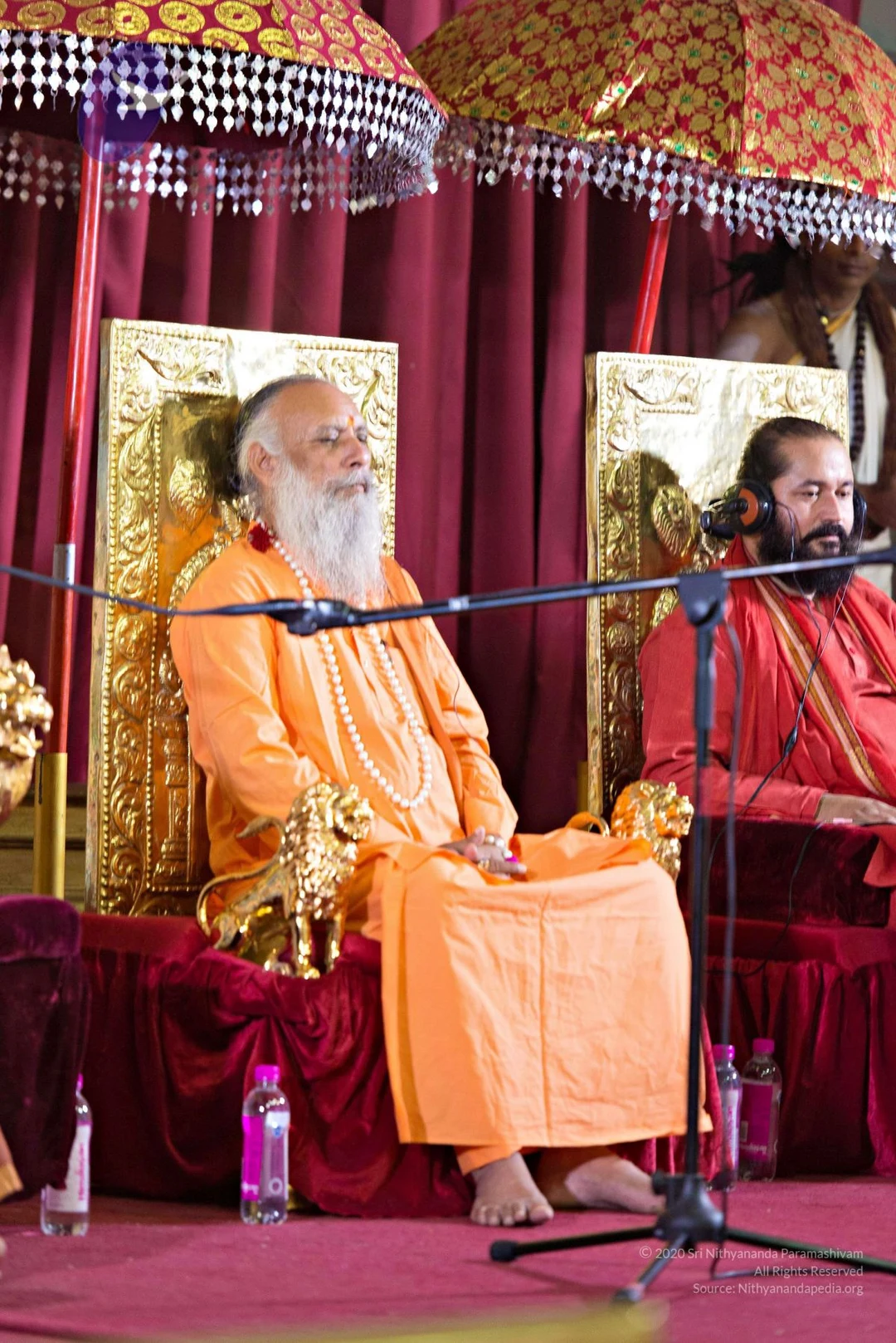
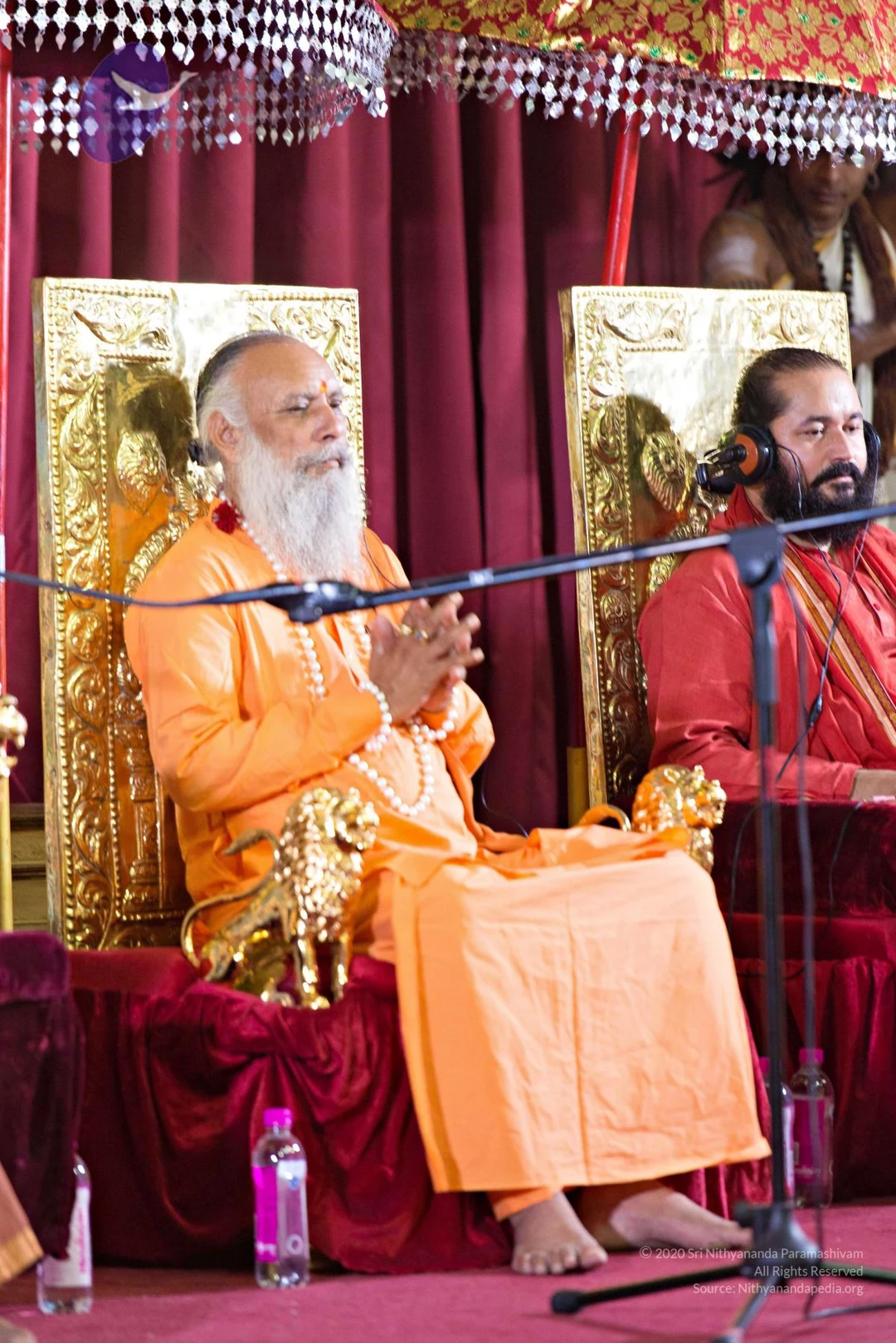
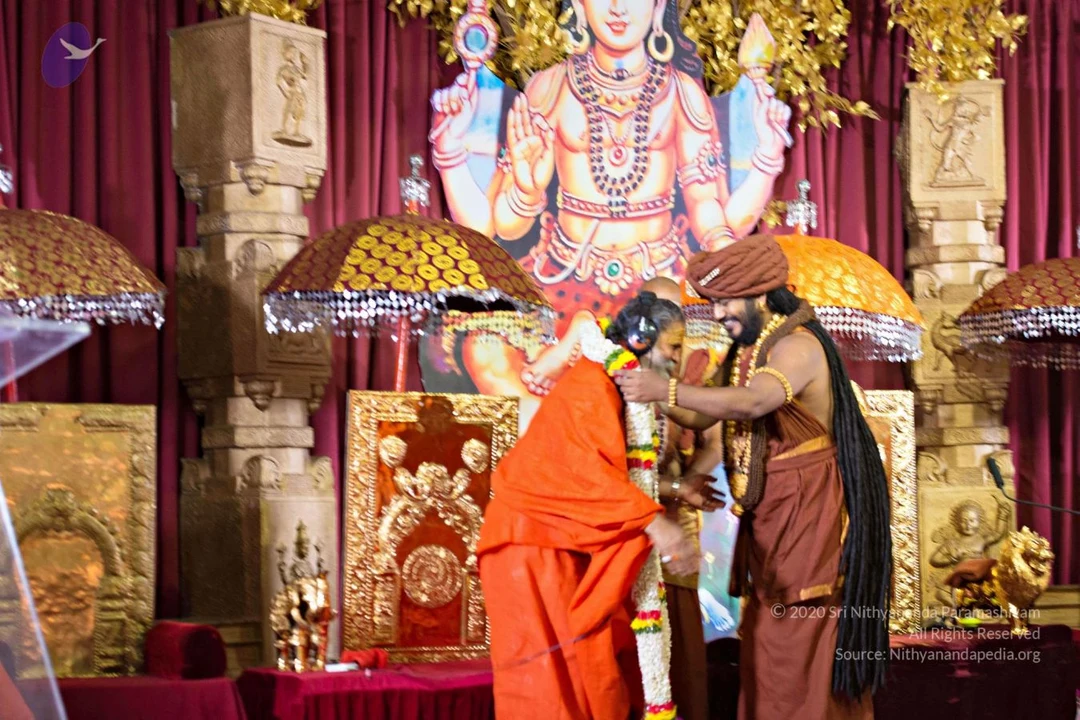
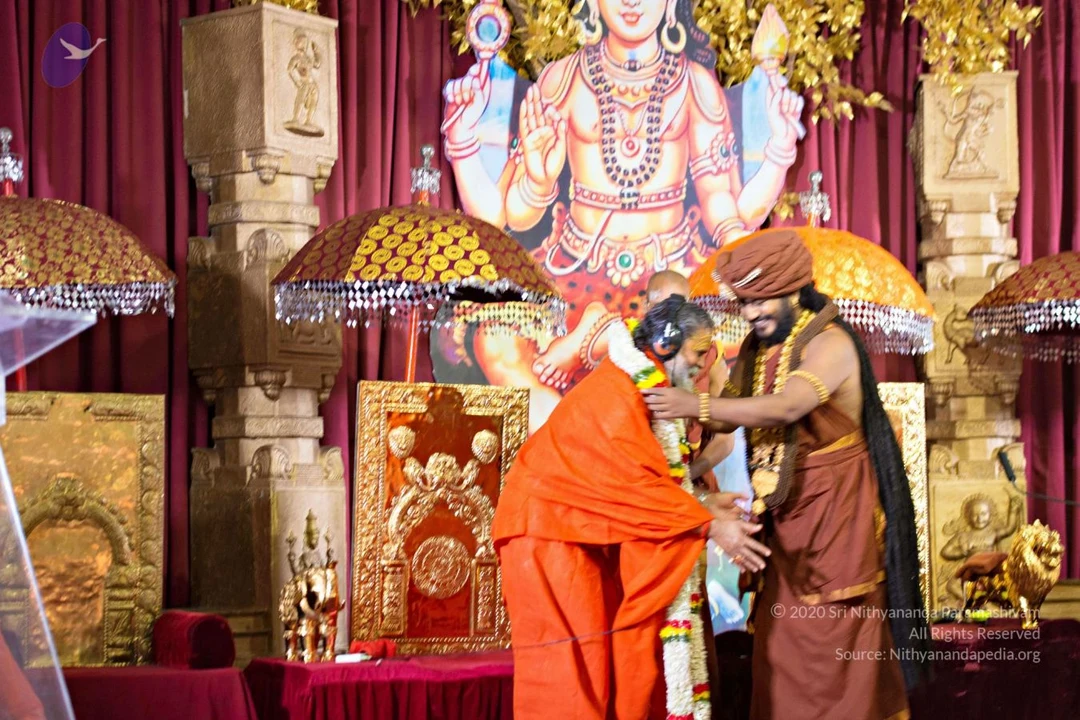
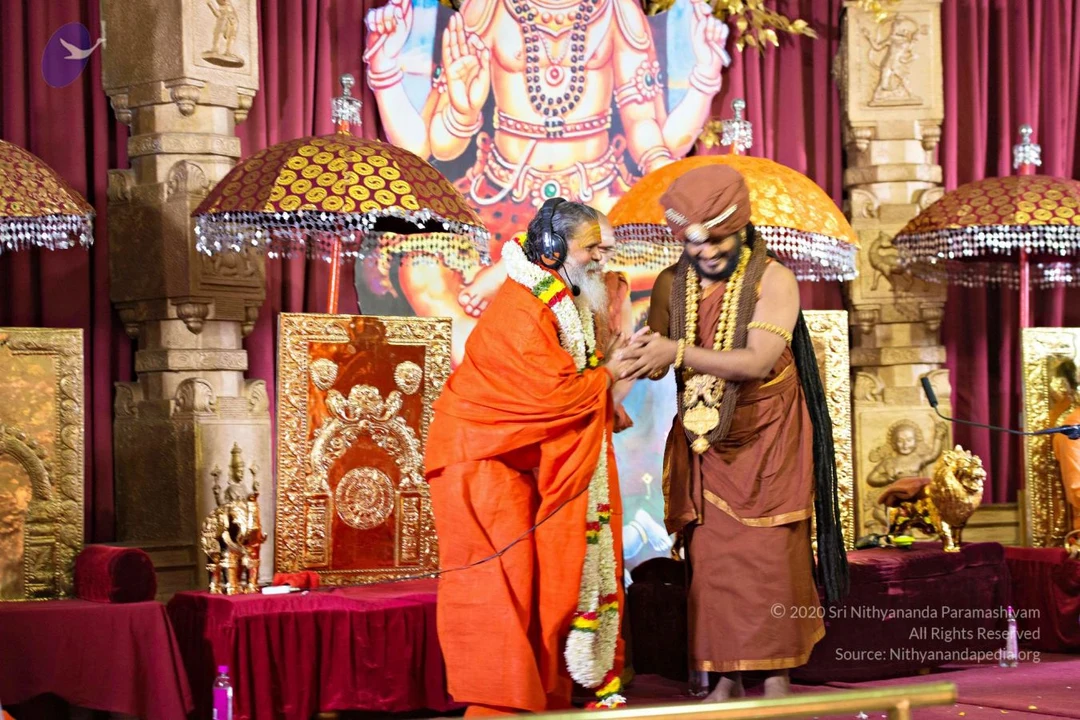
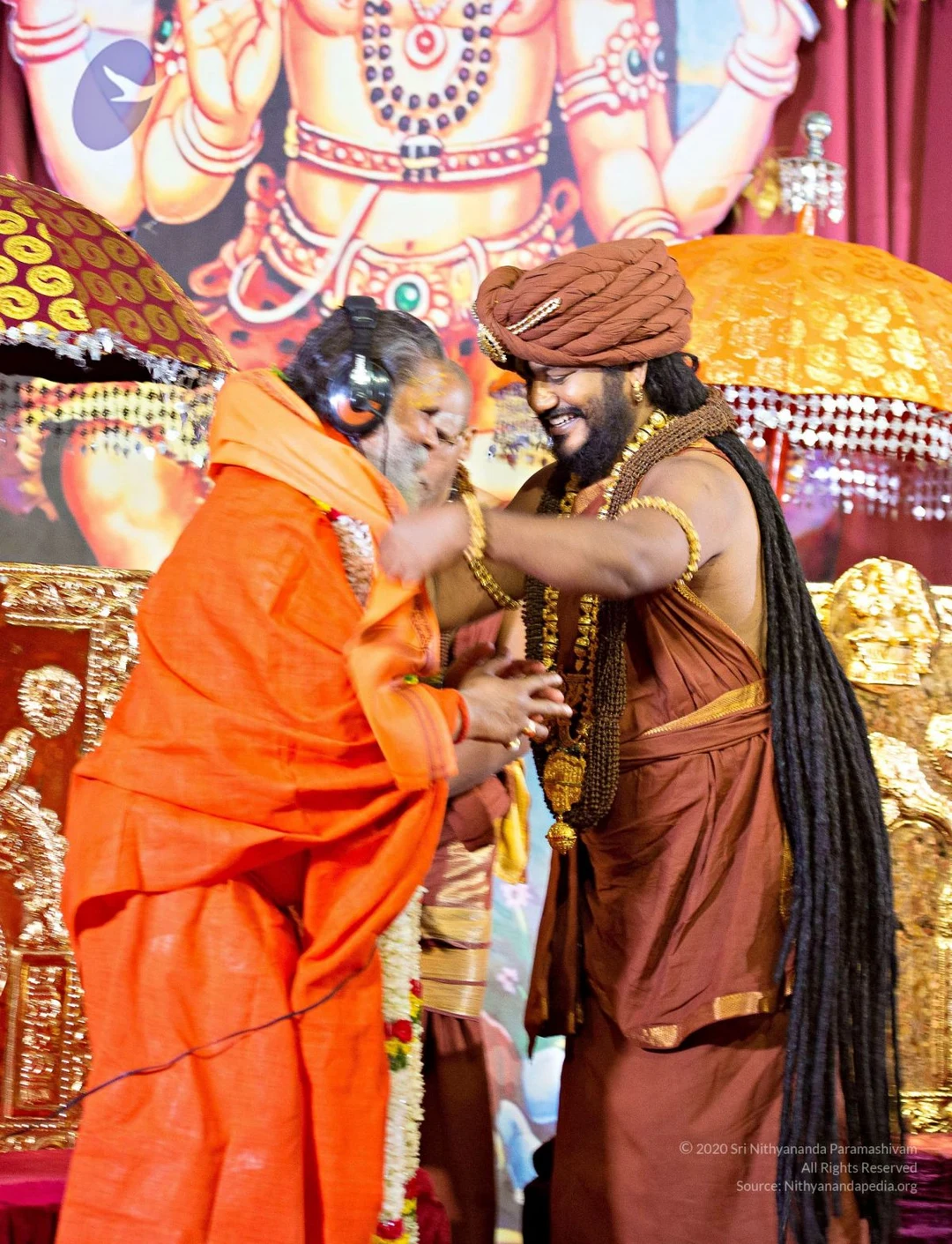
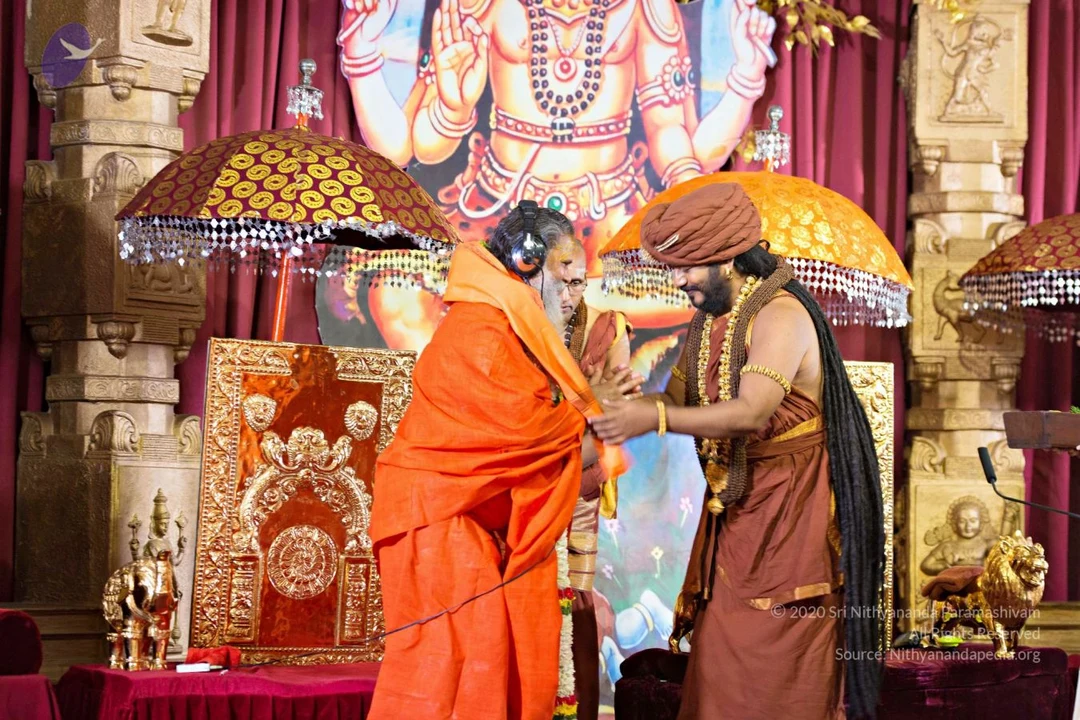
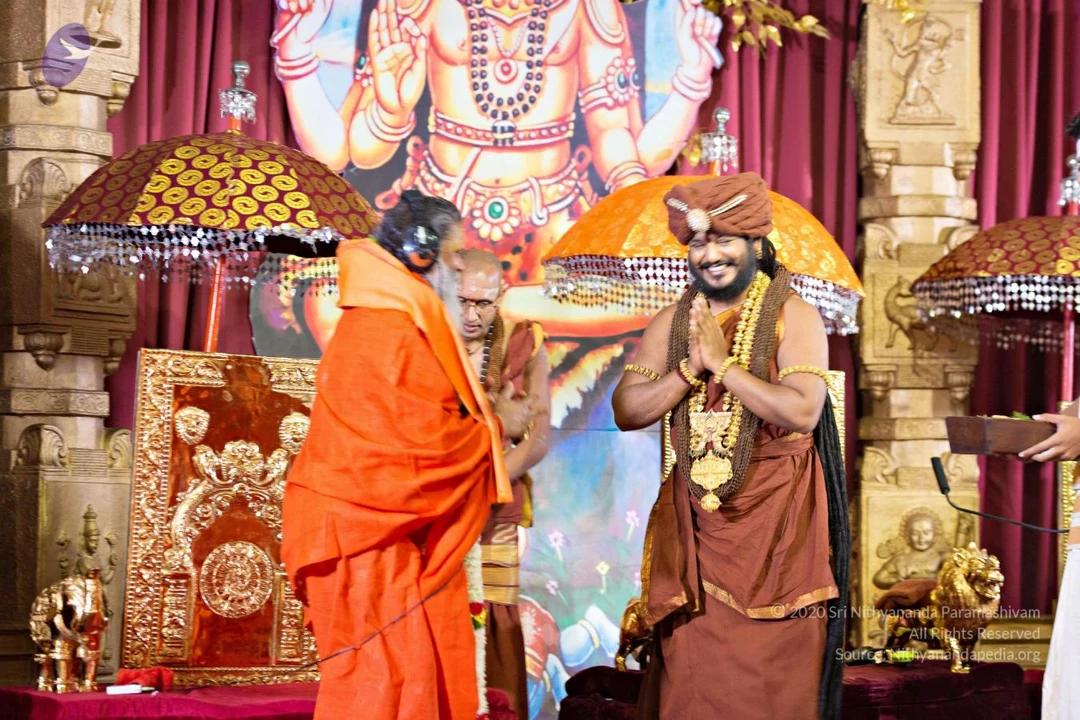
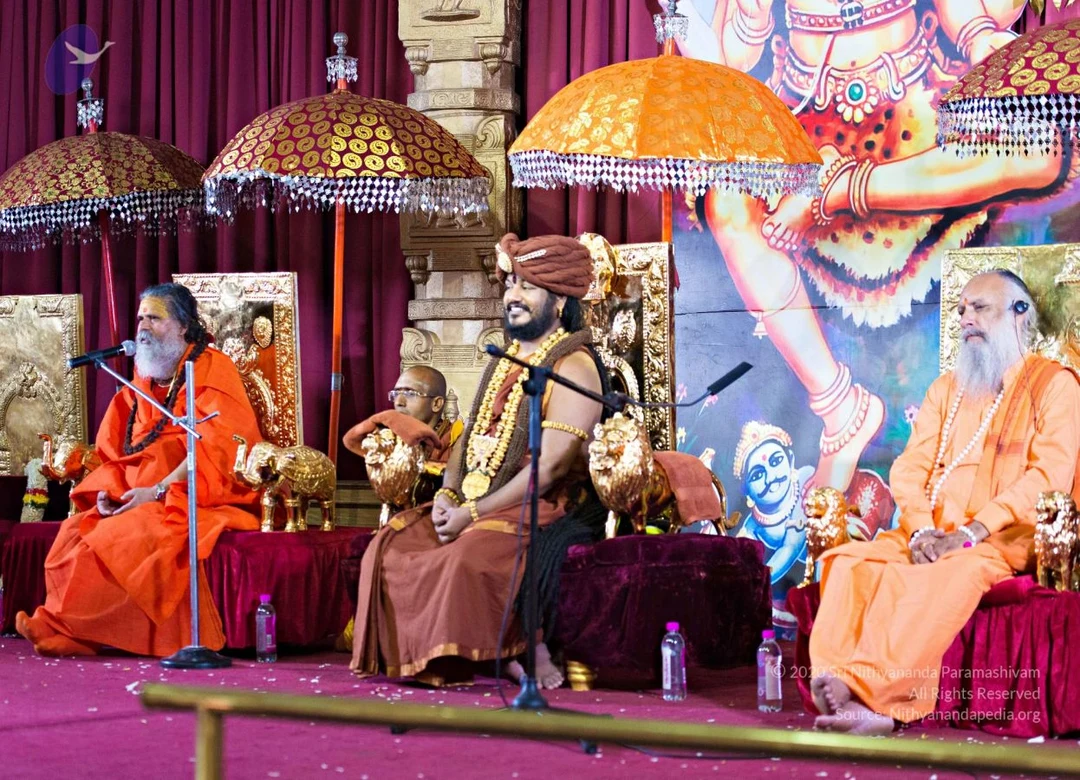
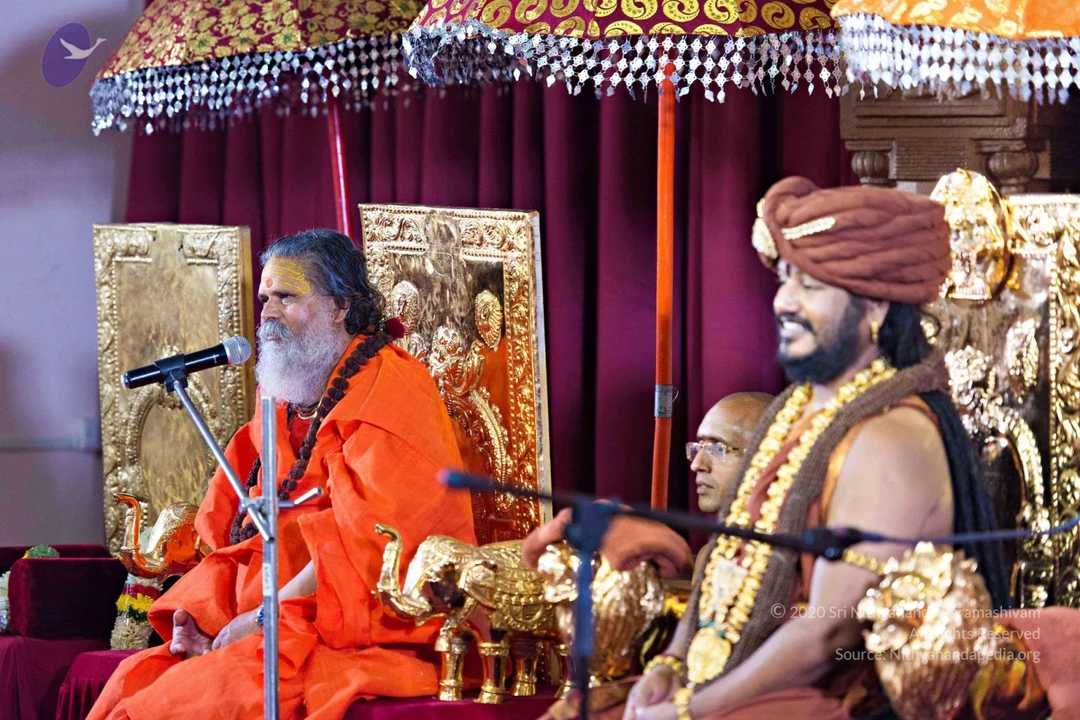
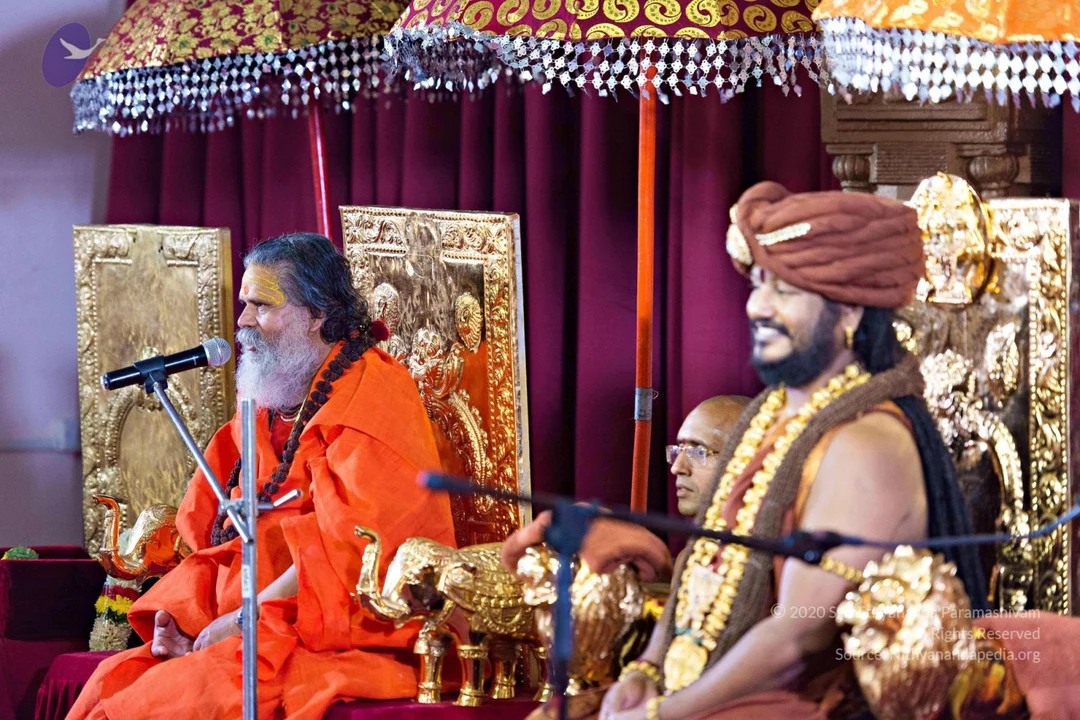
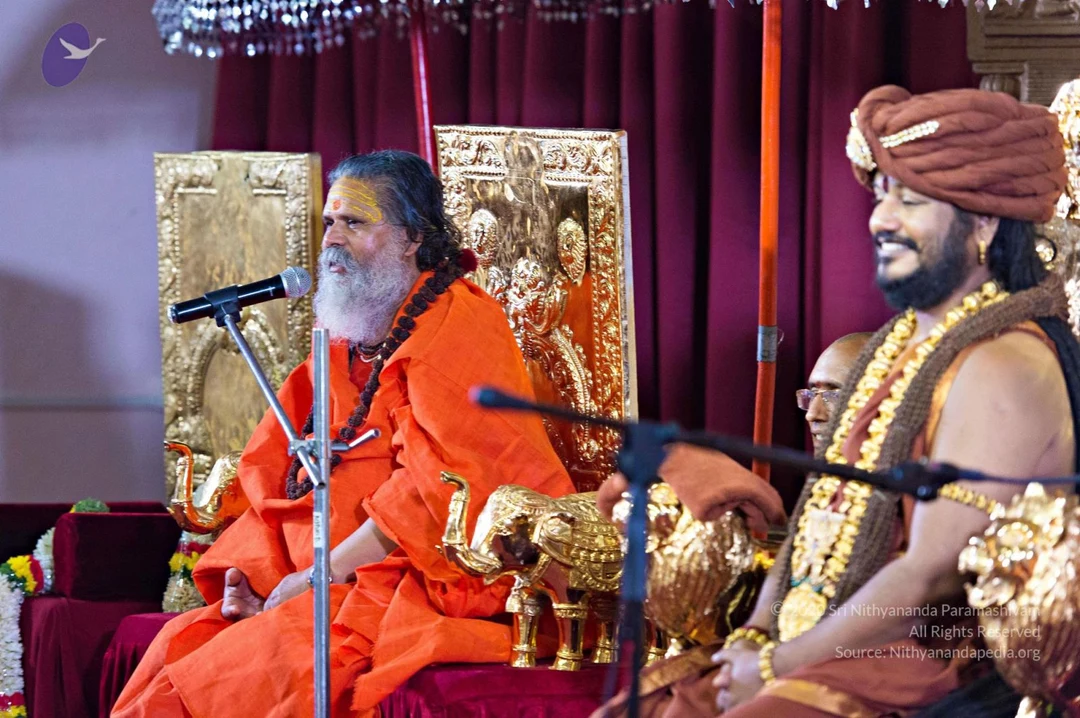
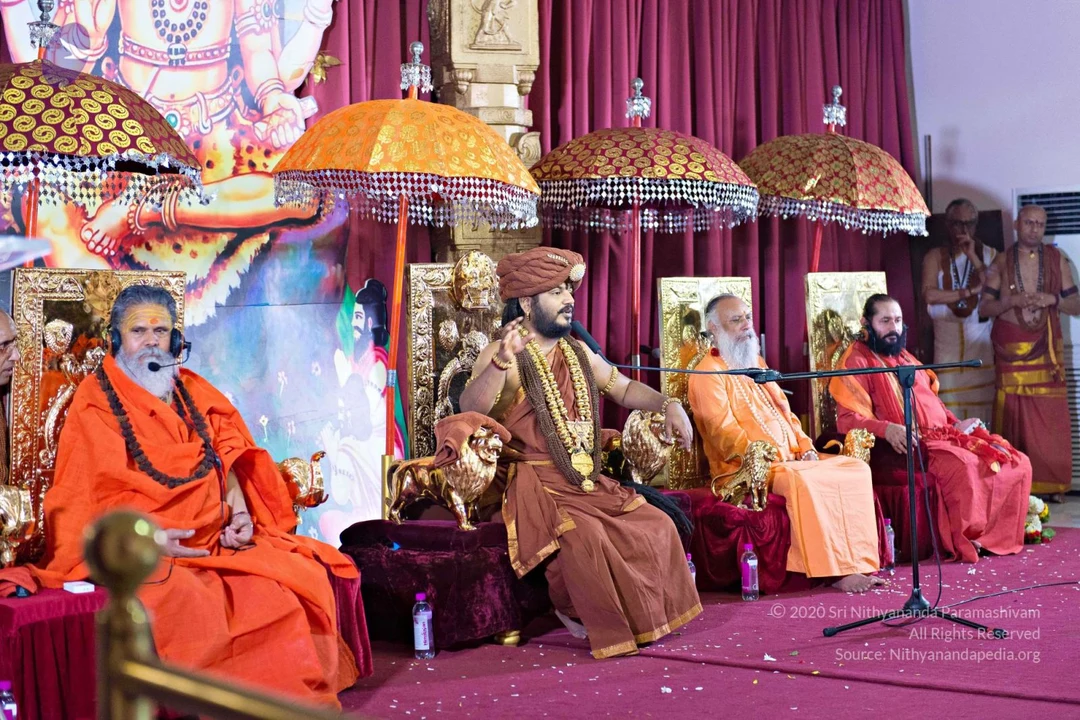
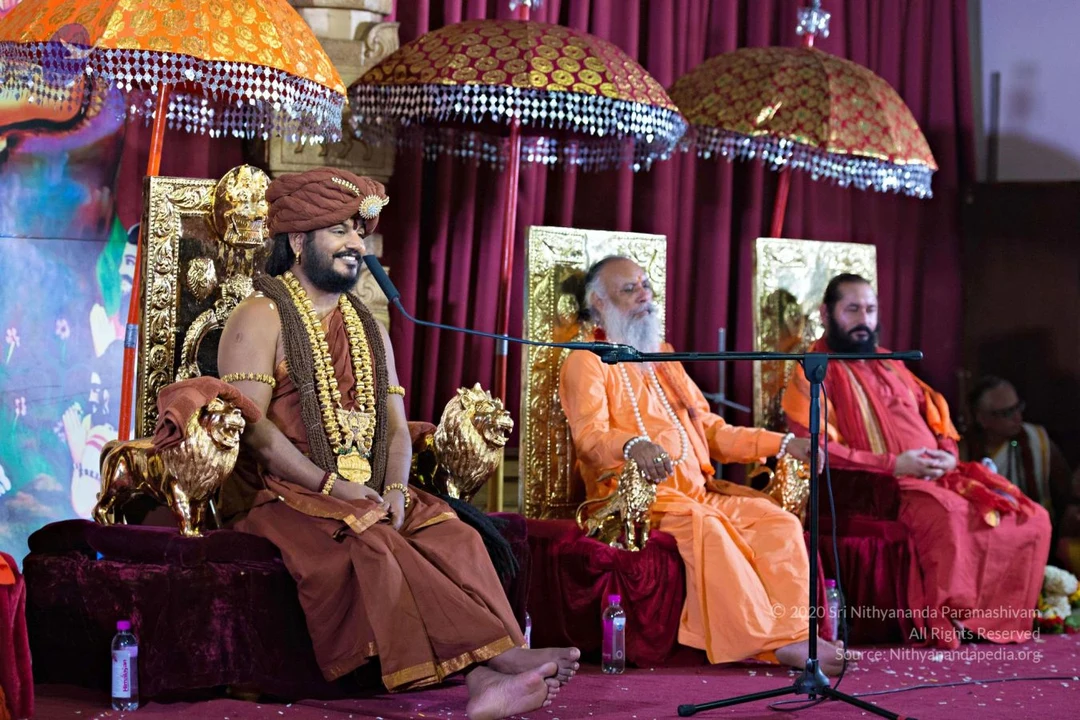
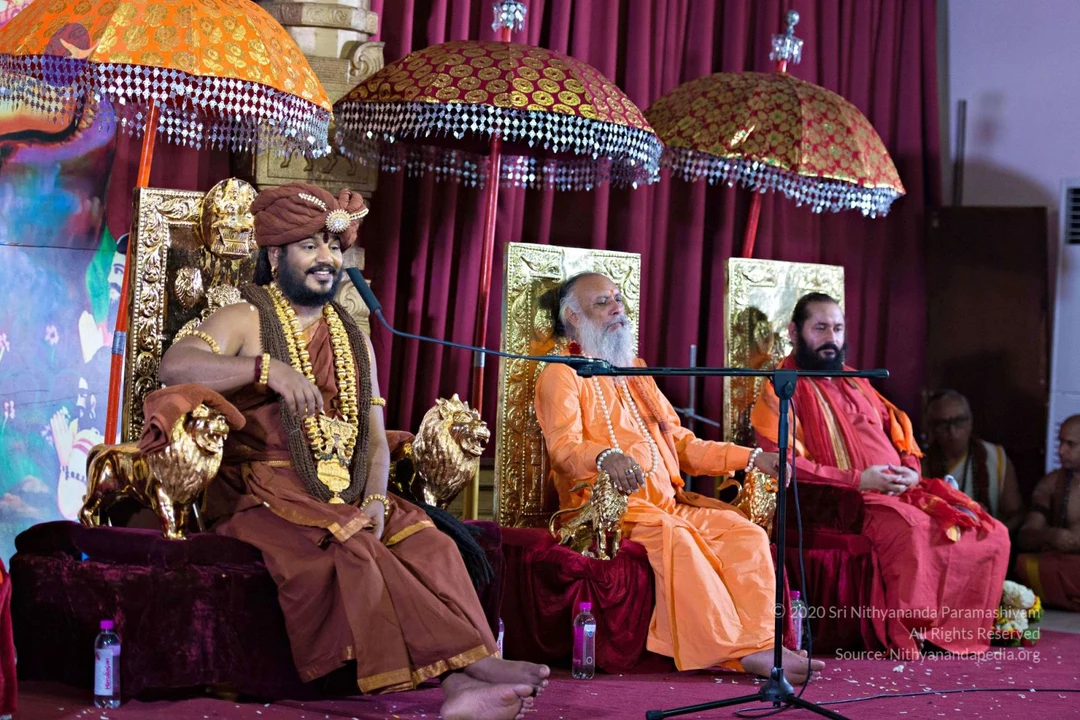
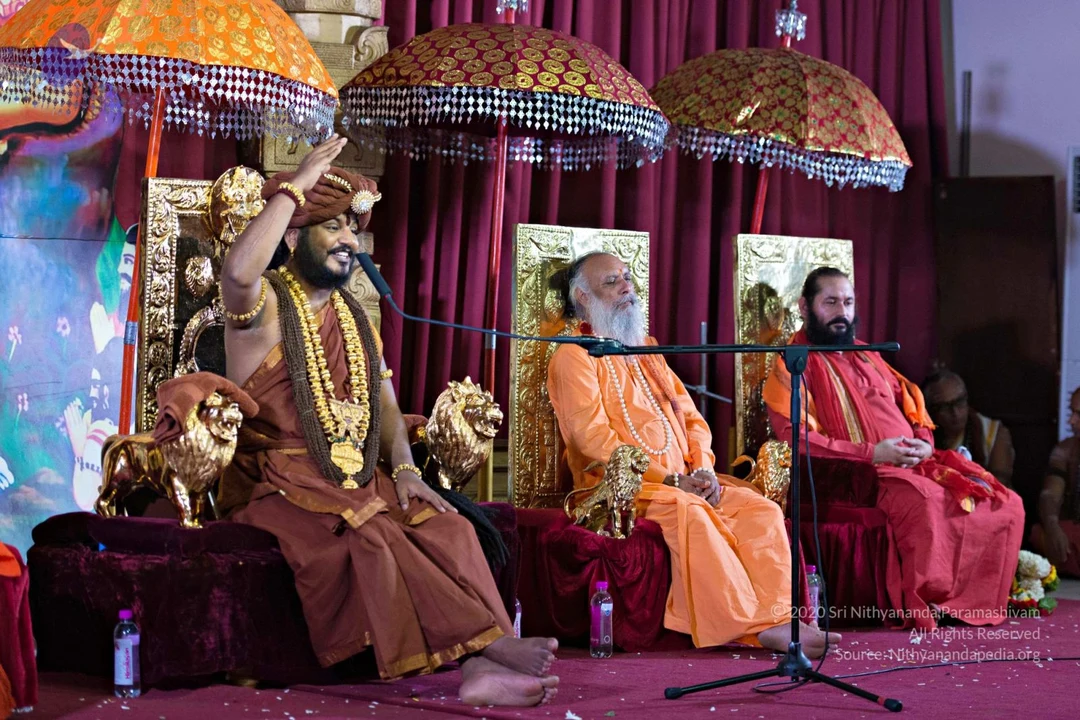
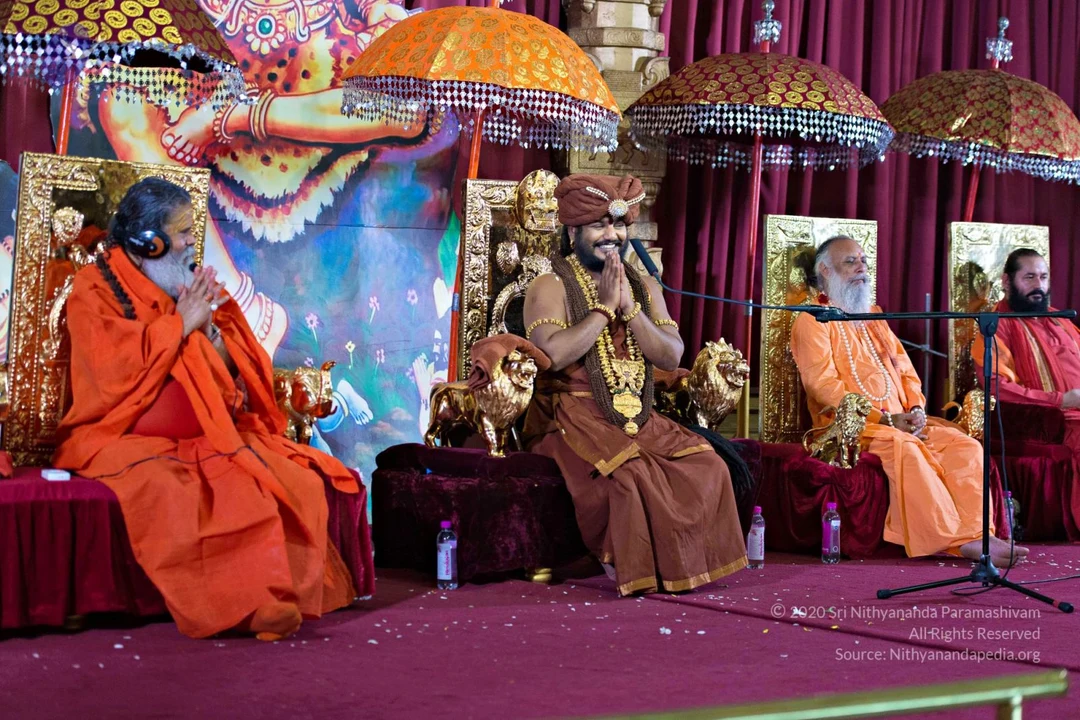
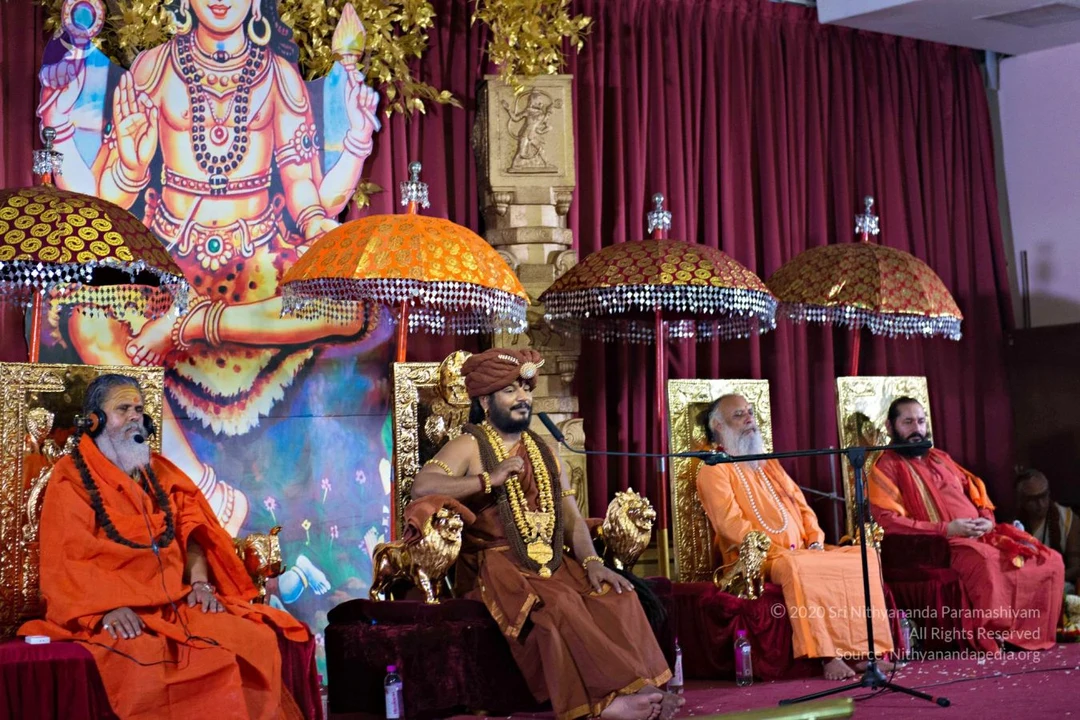
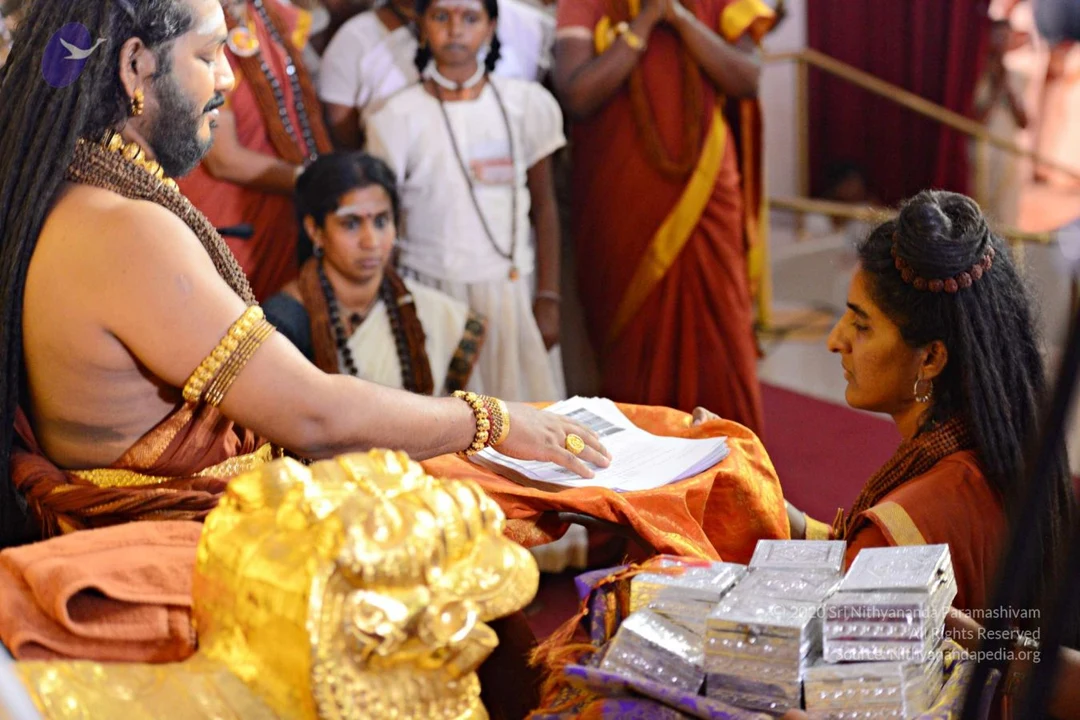
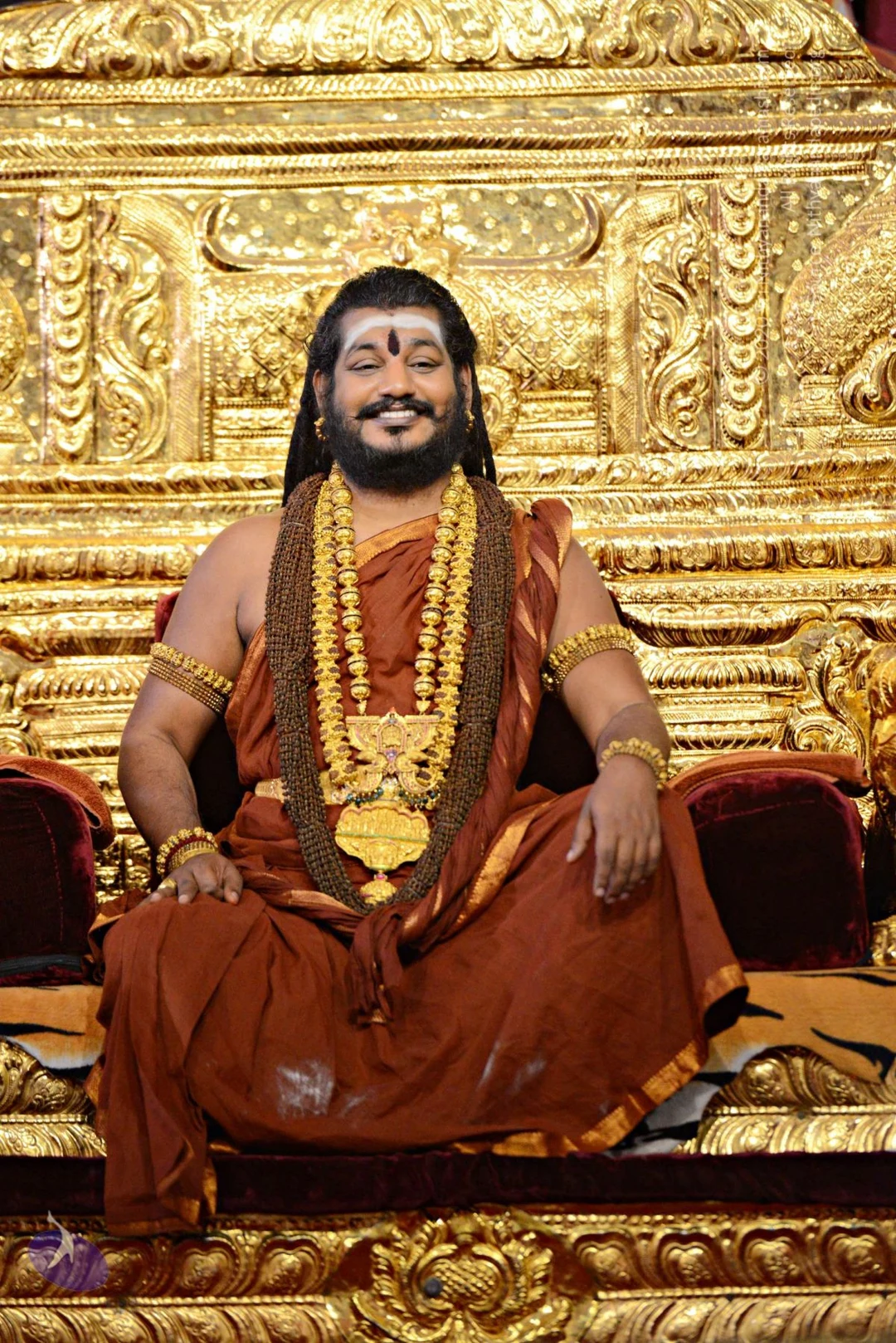
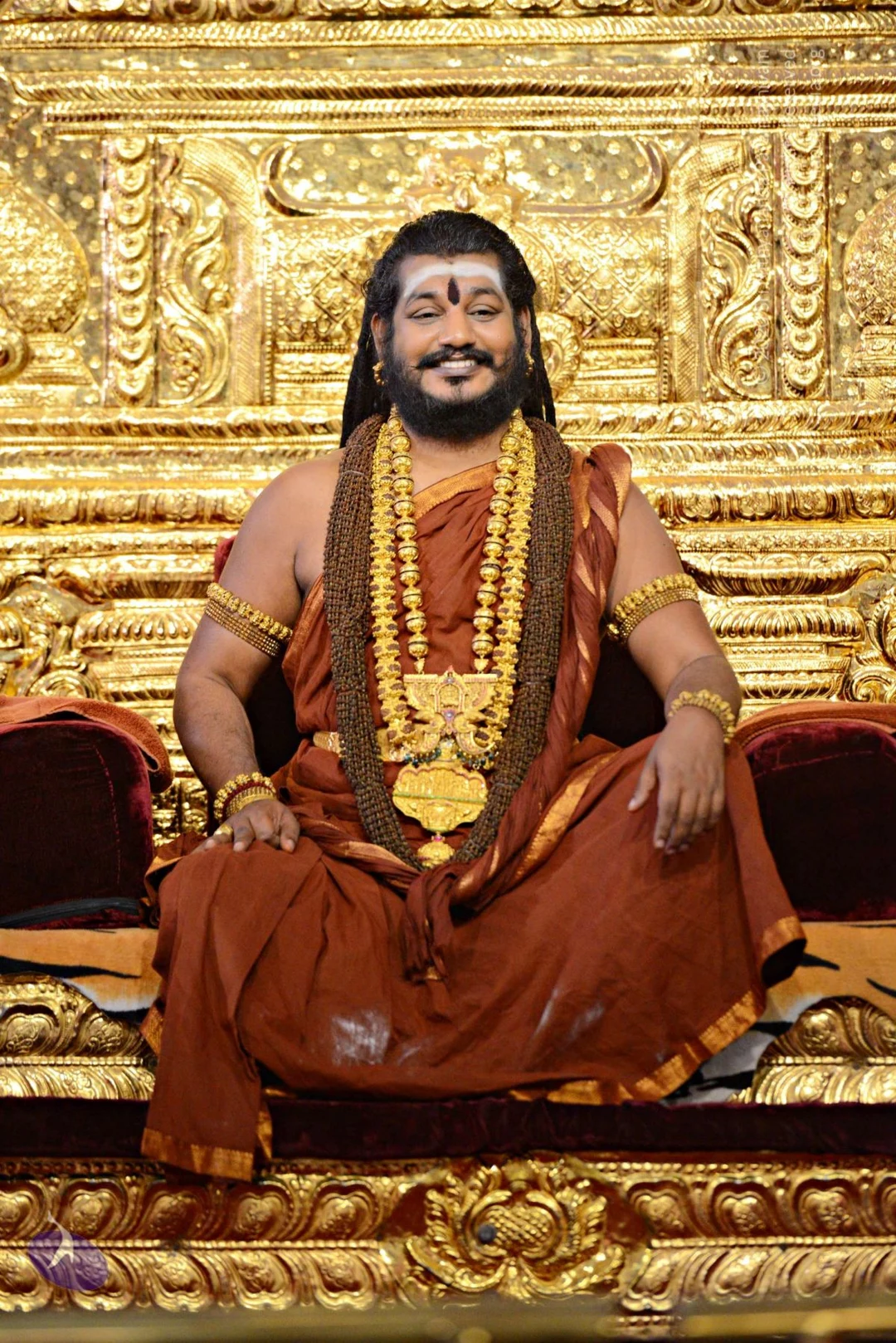
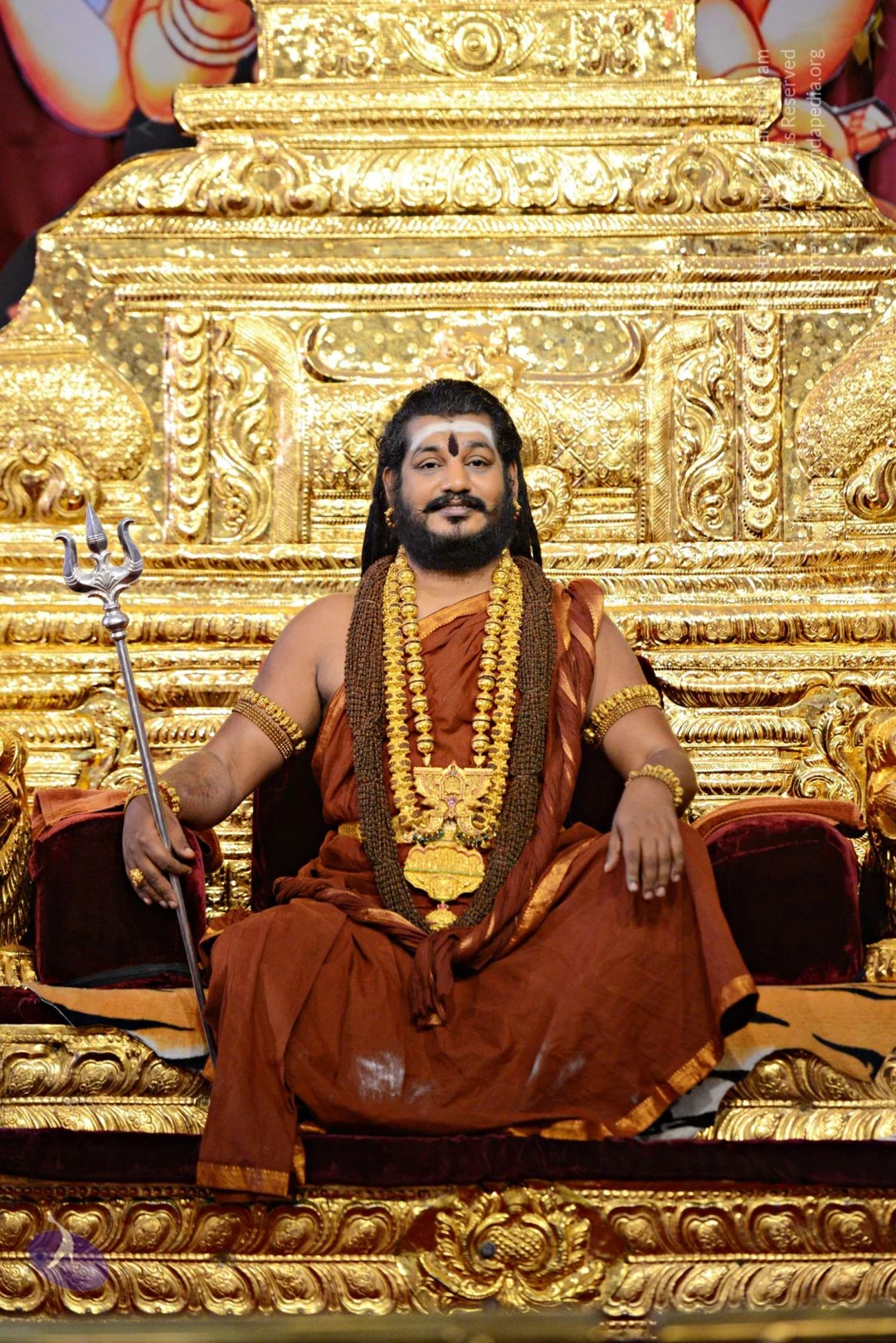
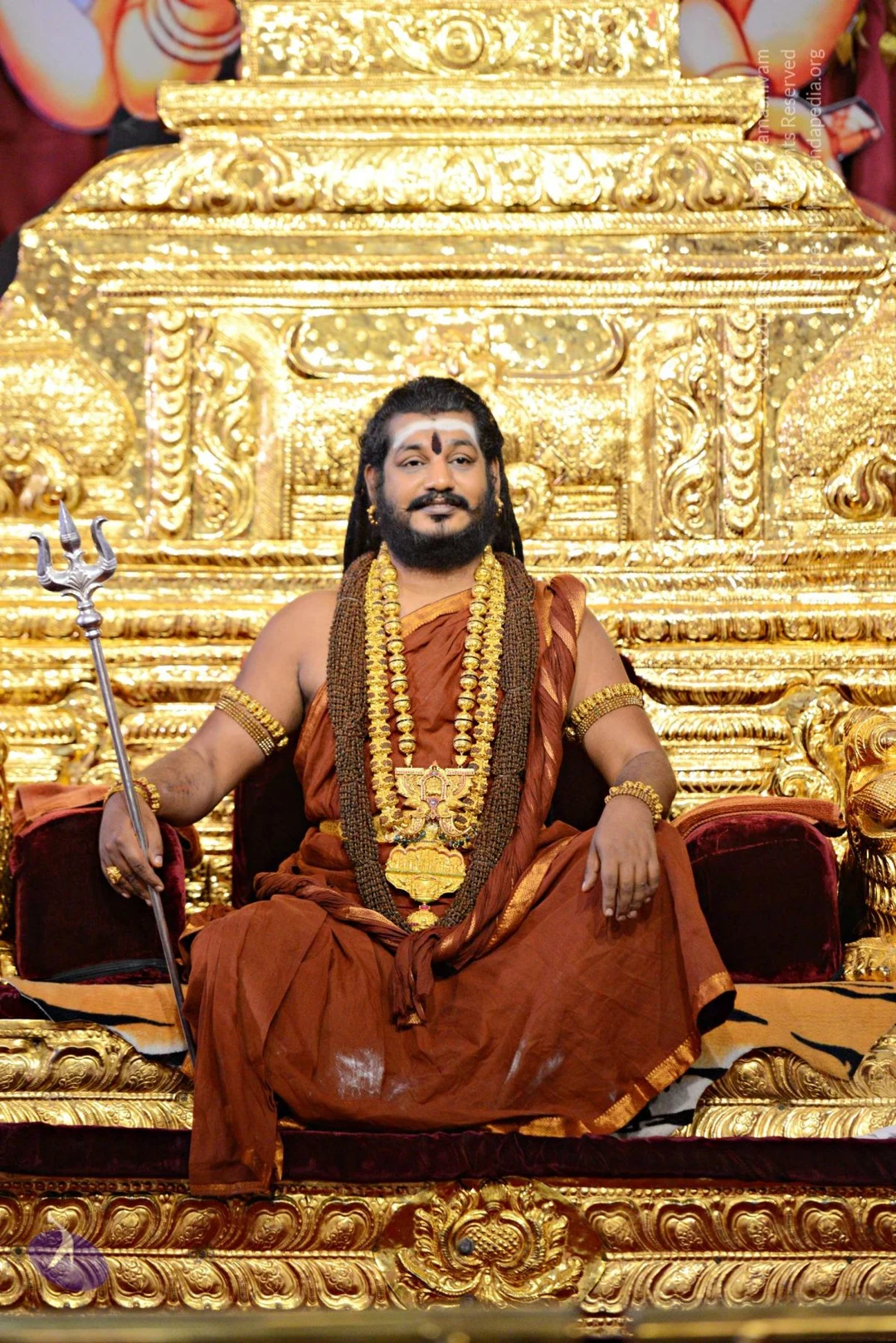
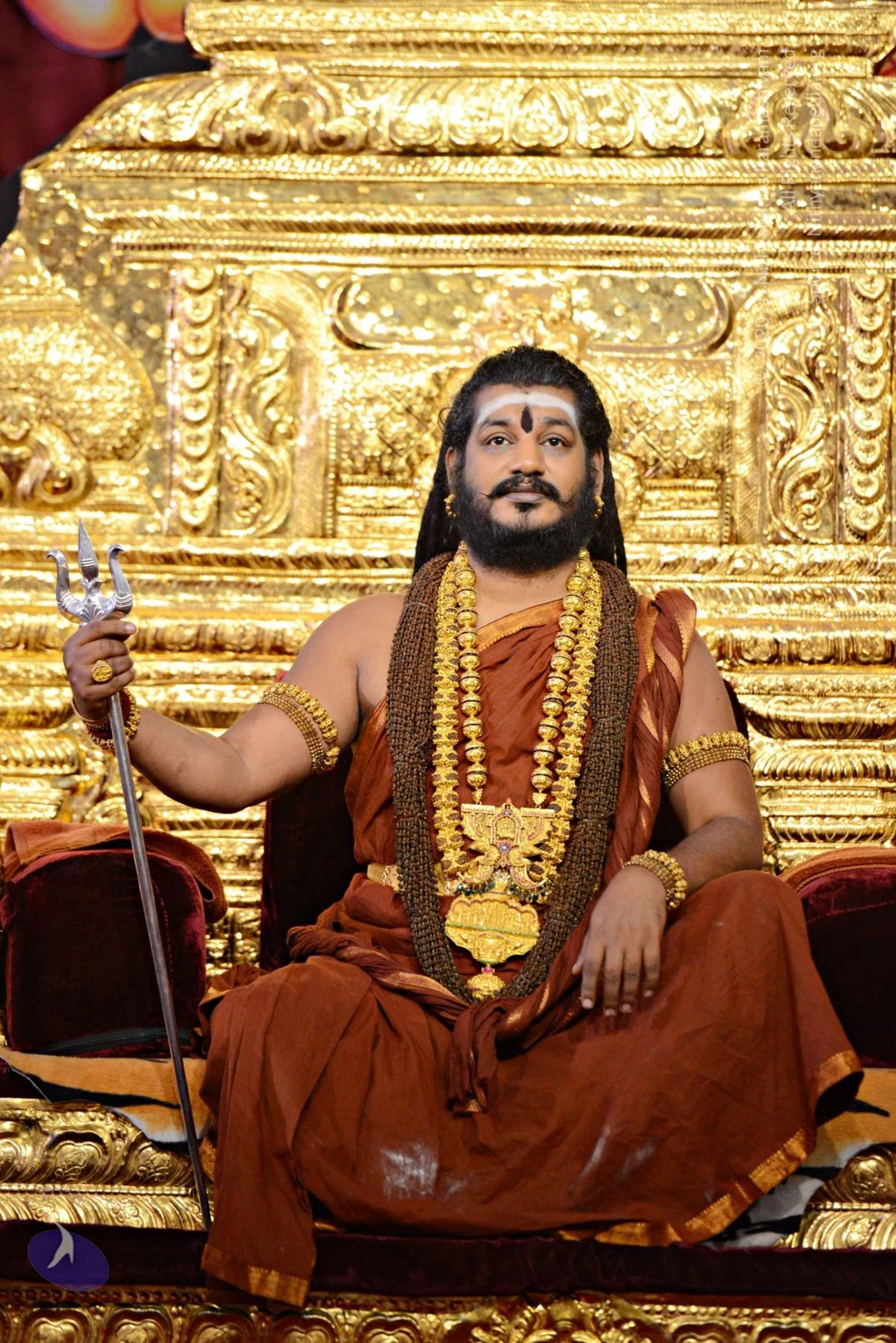
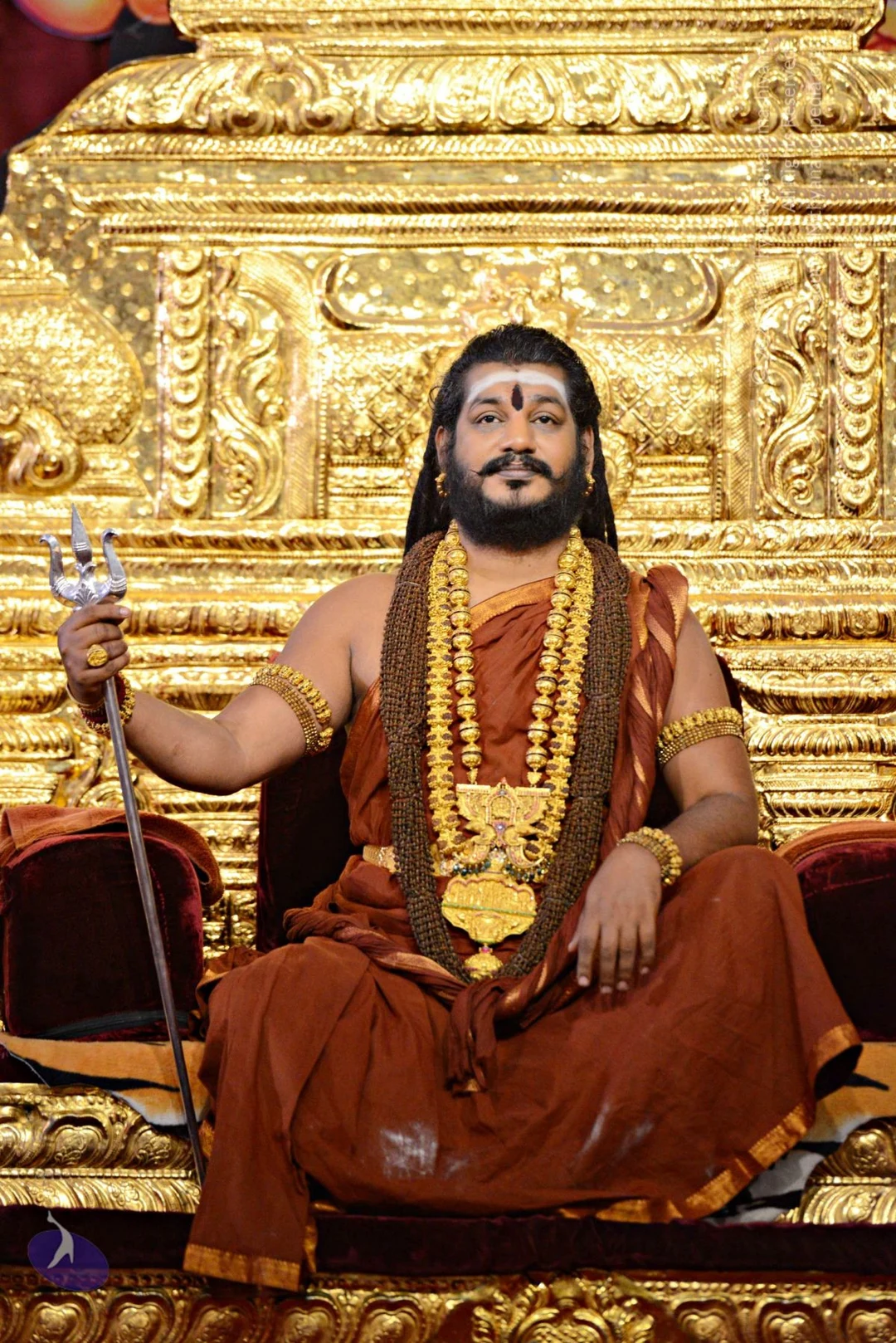
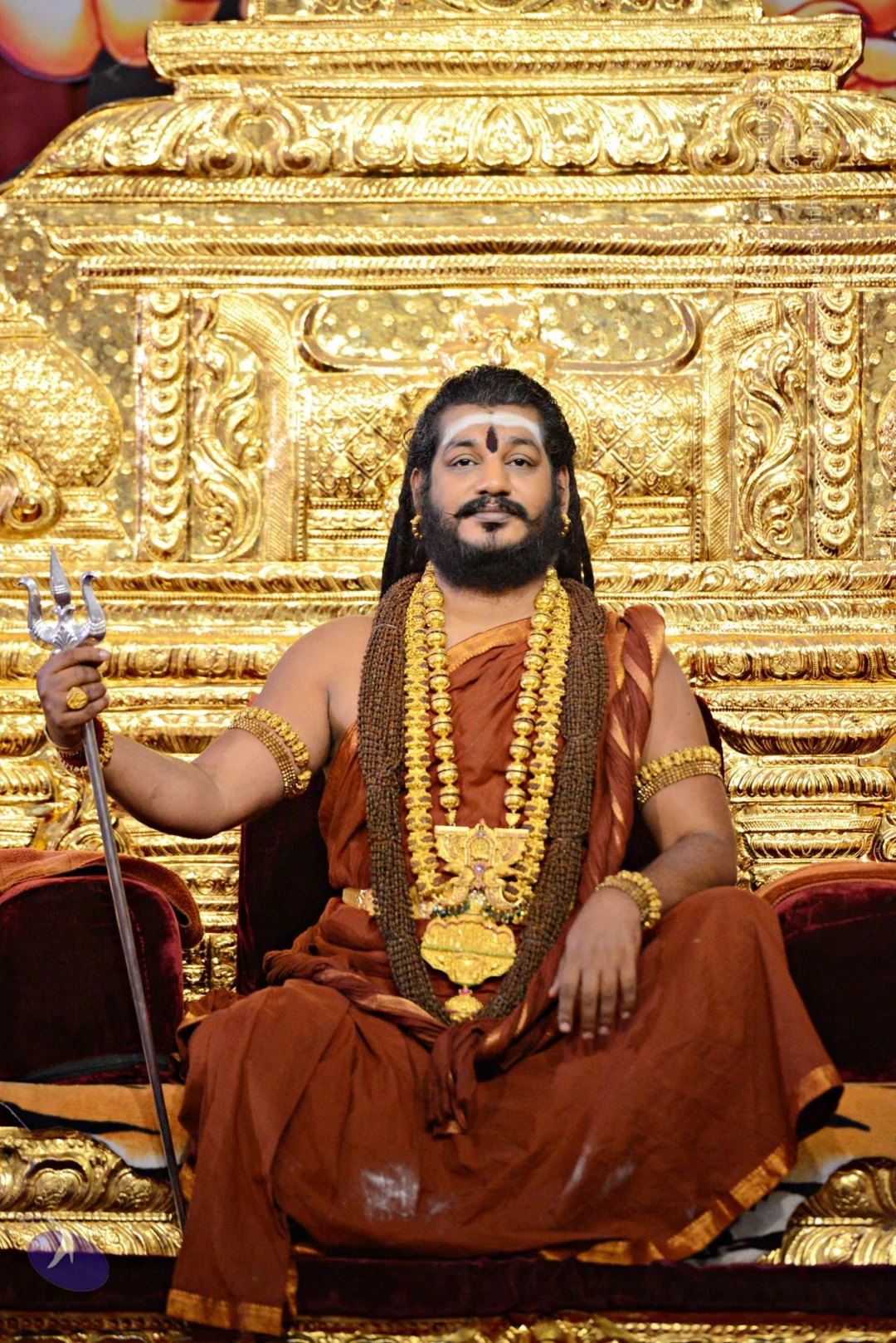
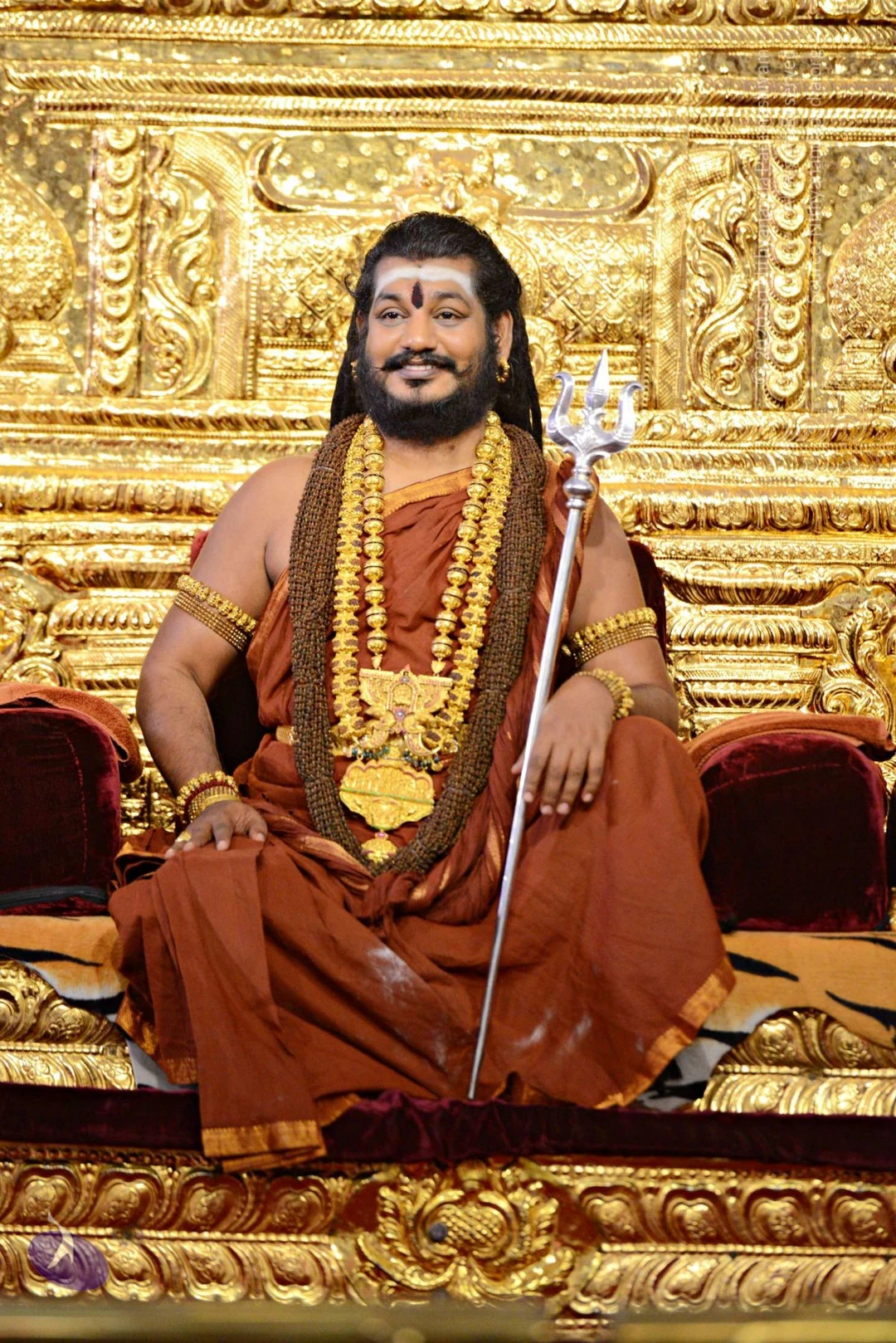
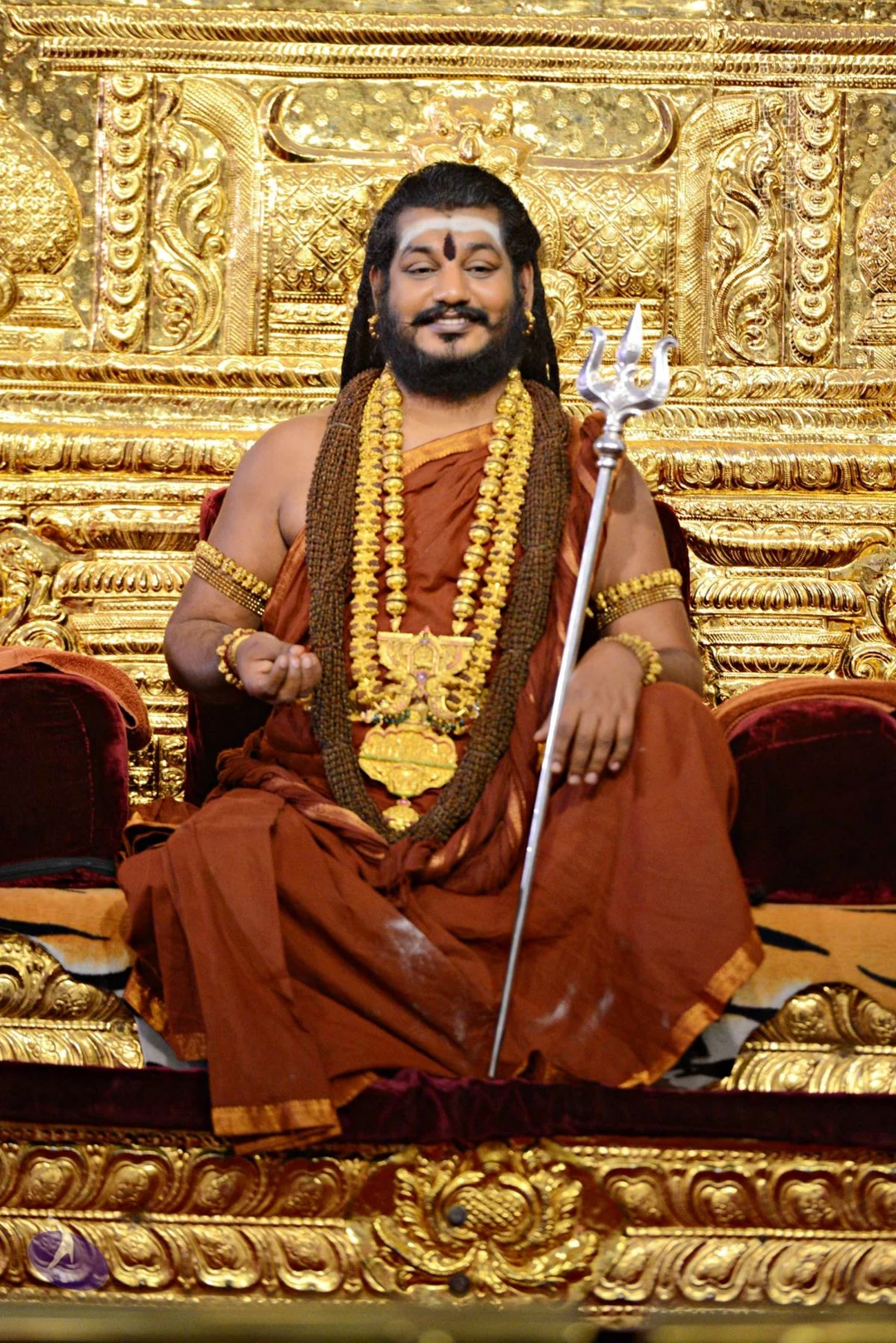
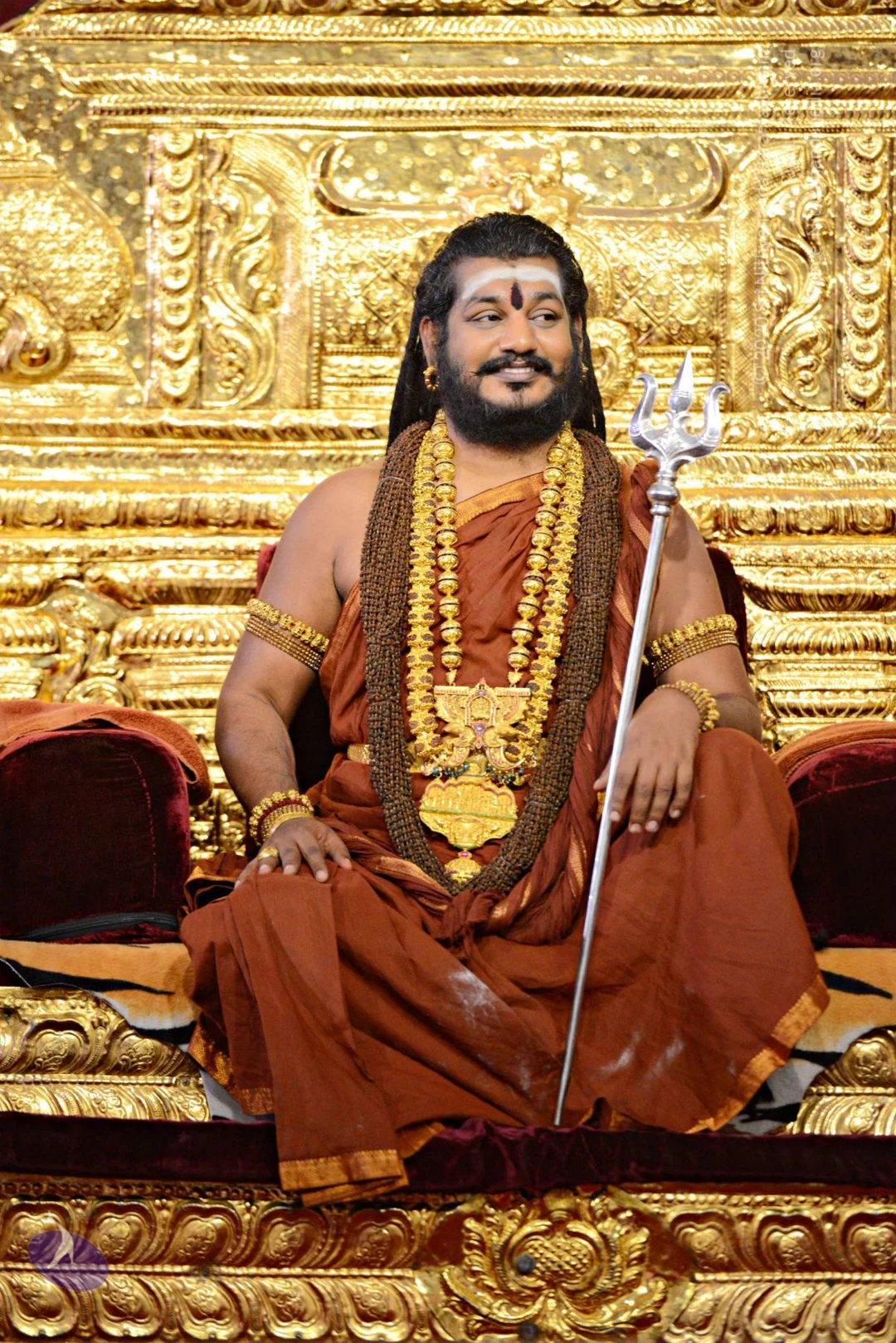
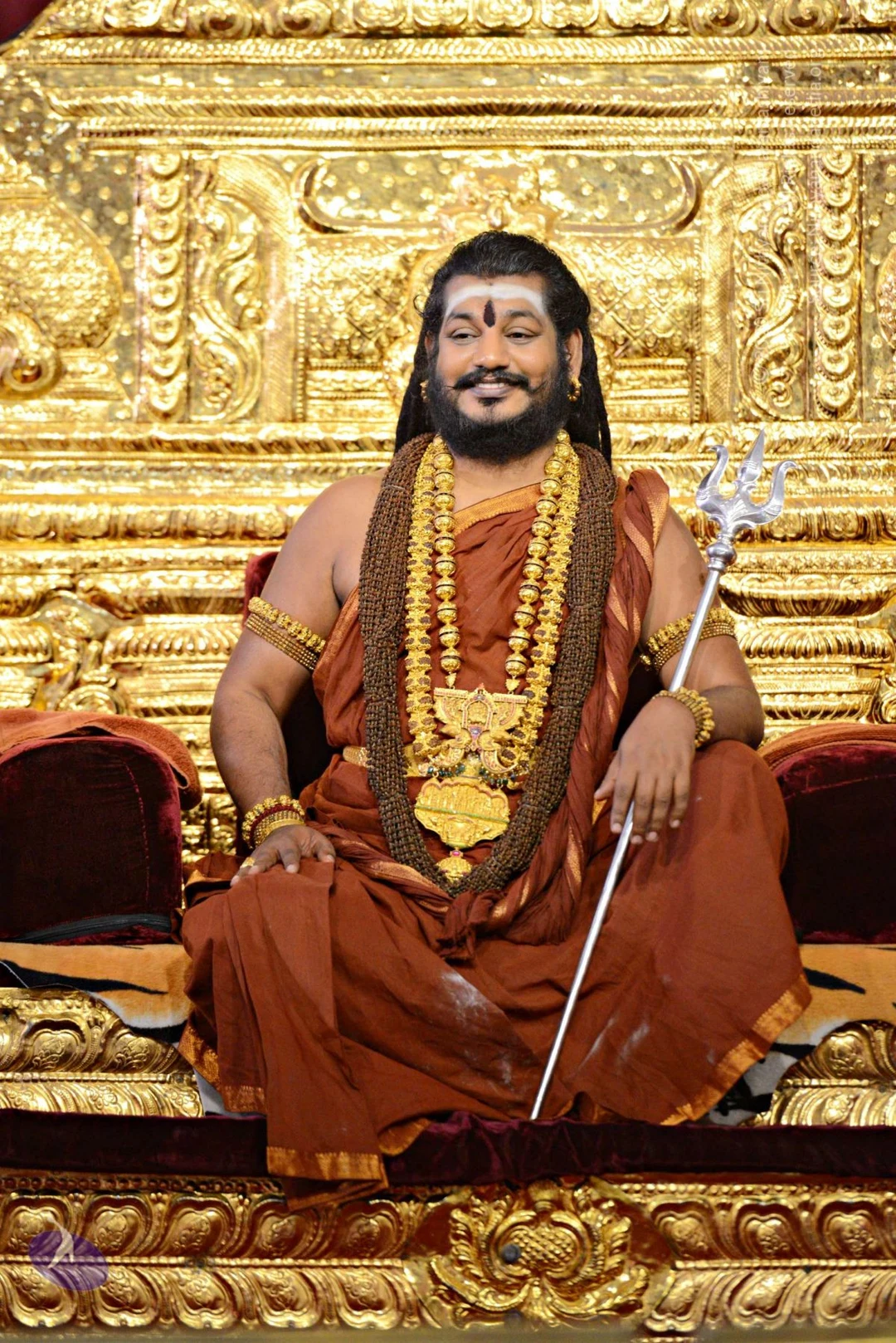
Honored Guests were present during today's LSP - Living Shuddhadvaita Process!

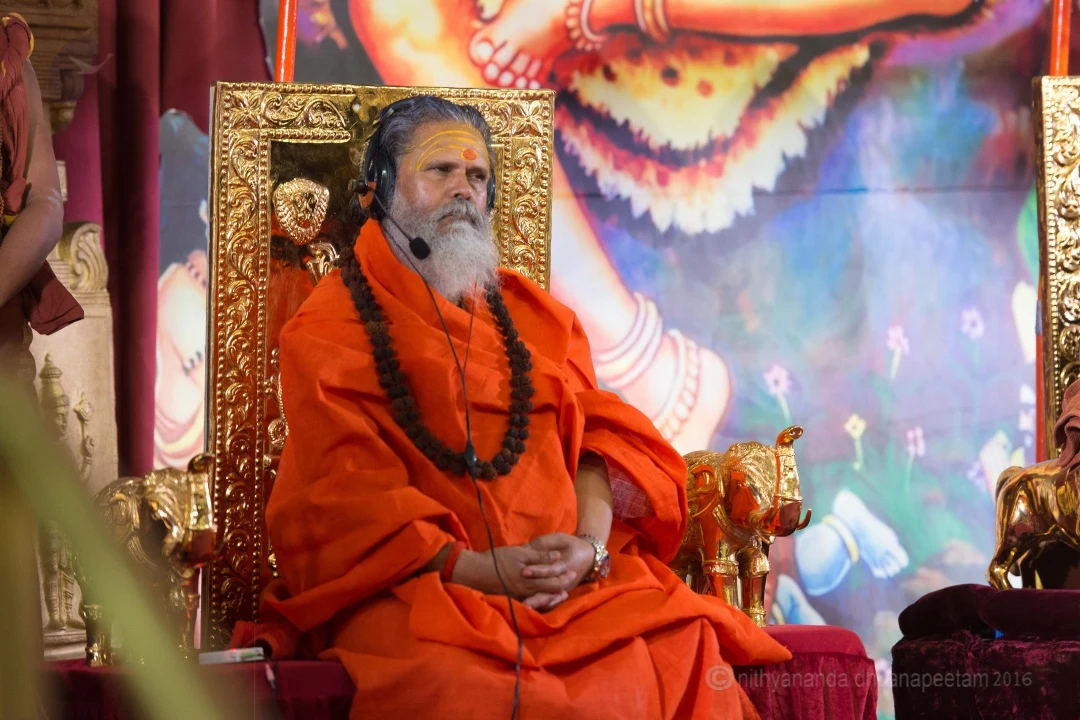
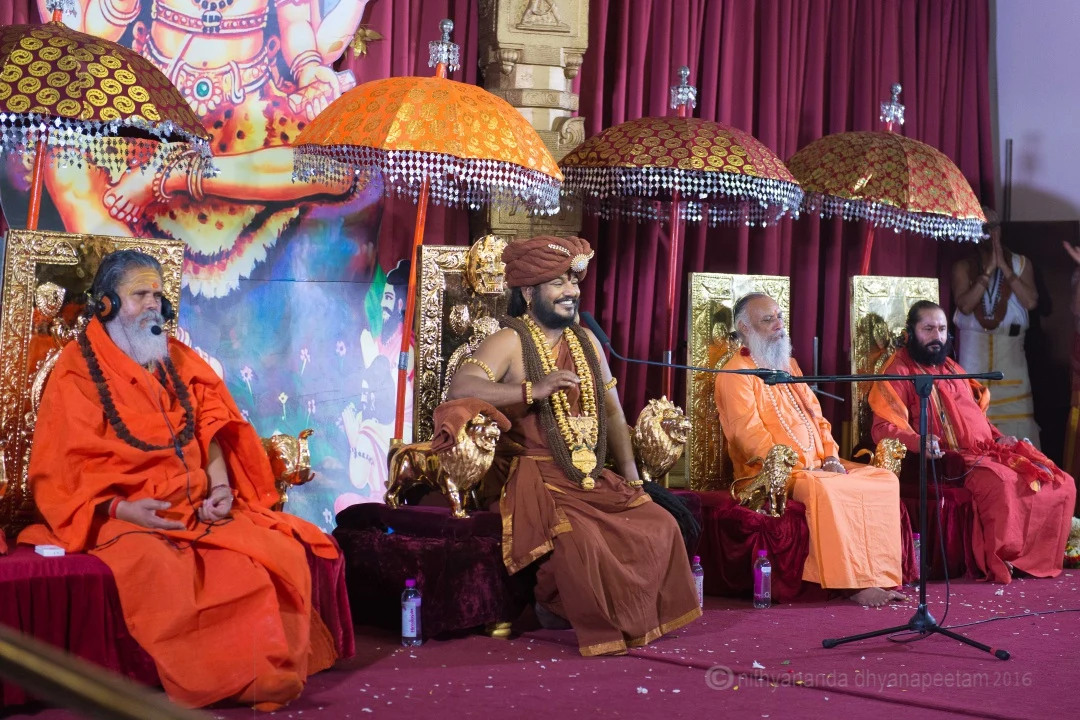
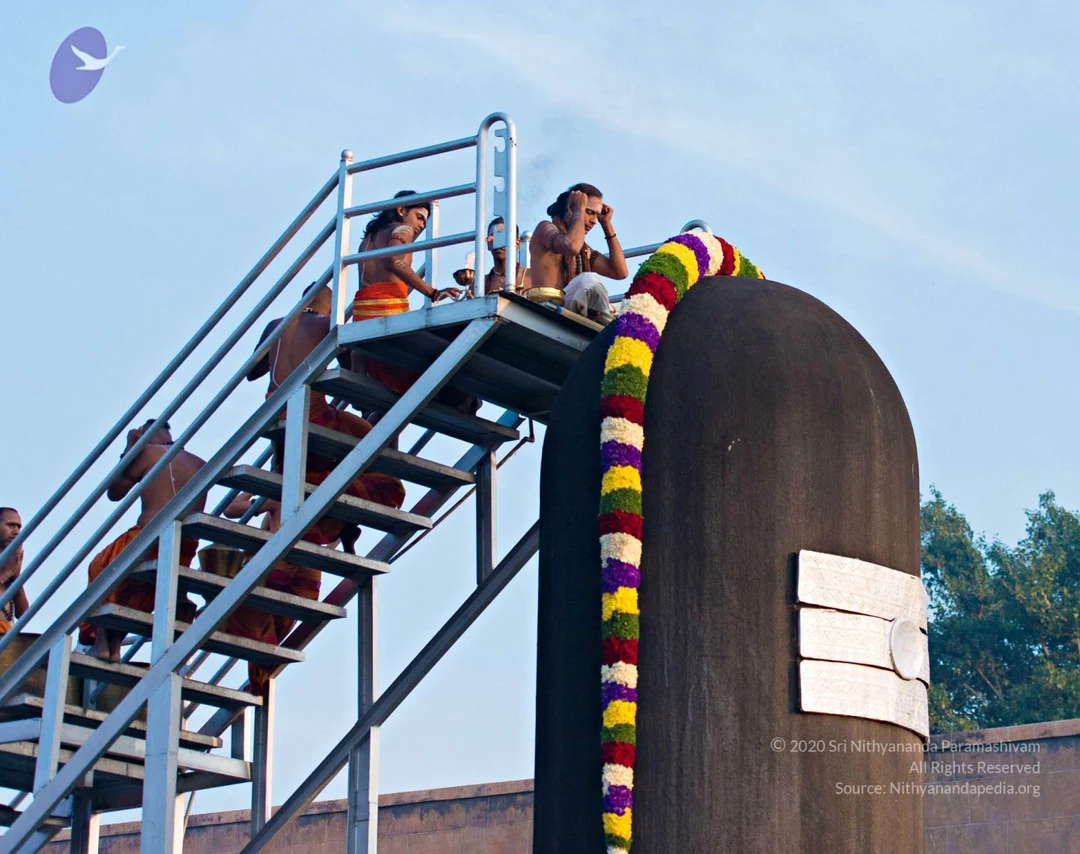
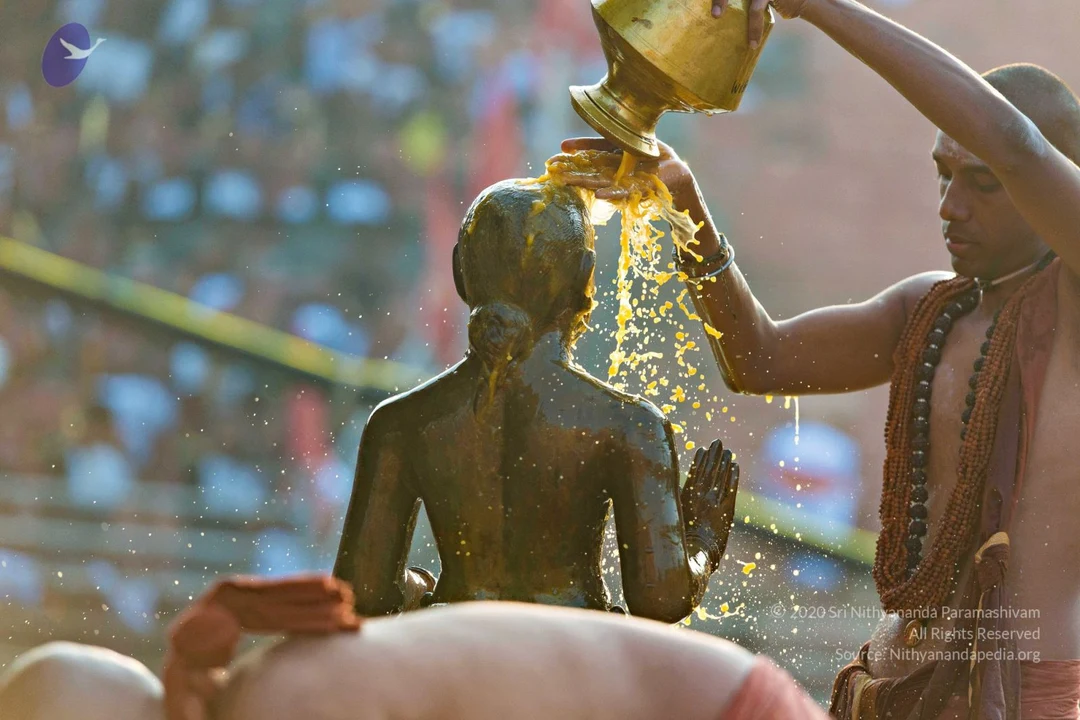
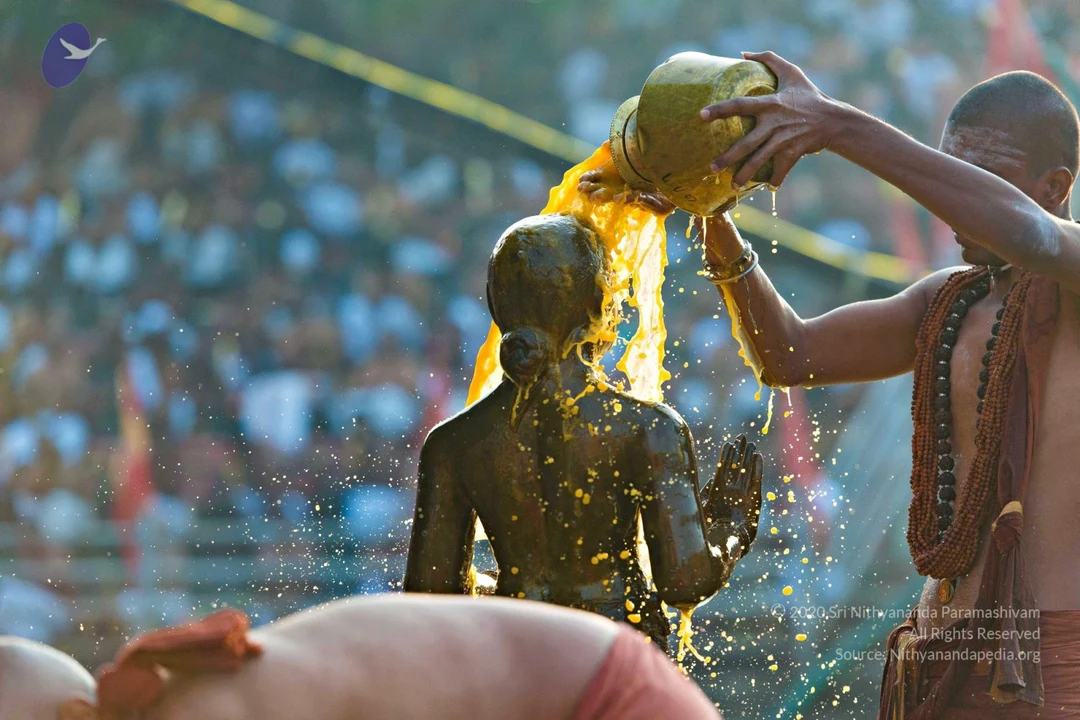
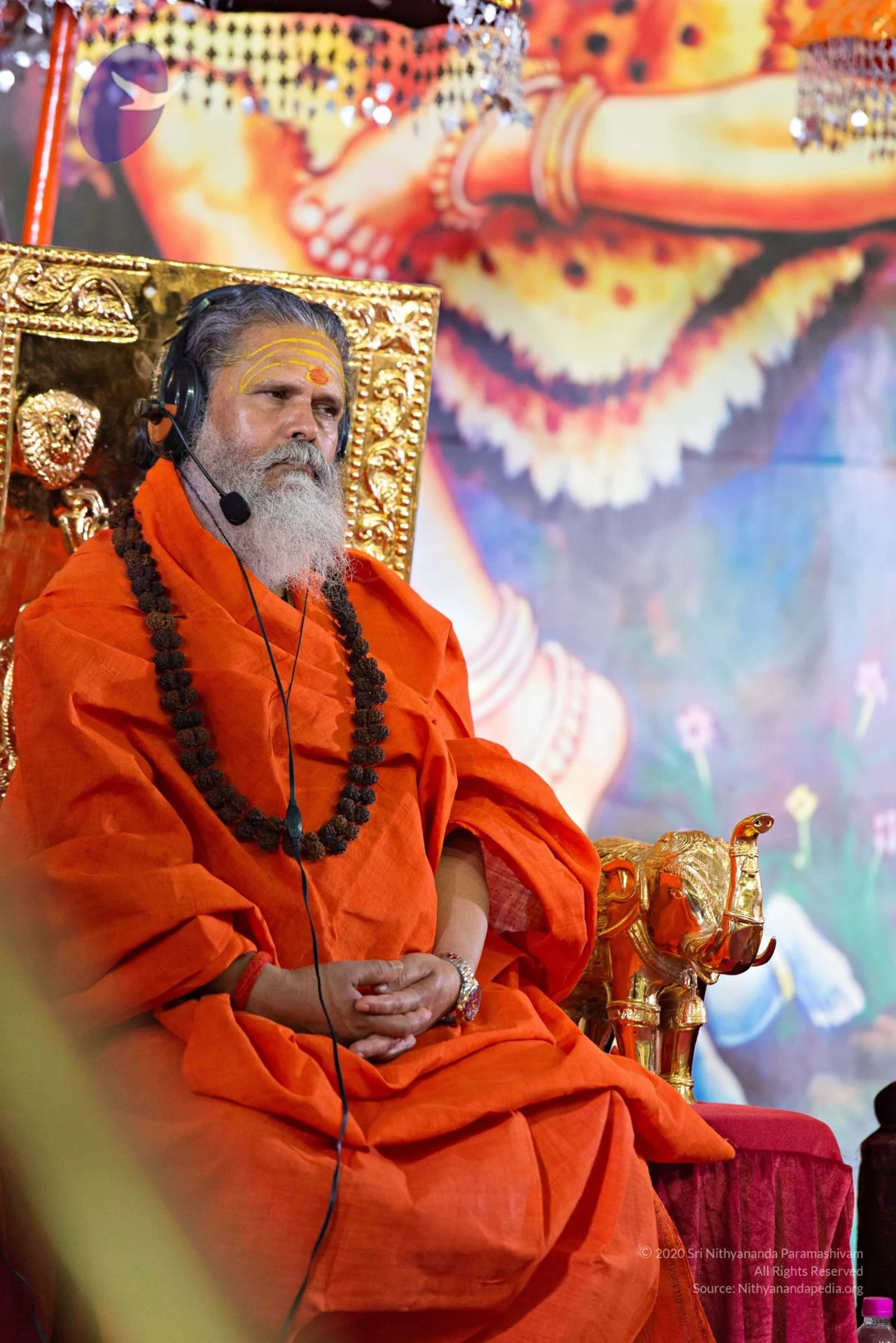
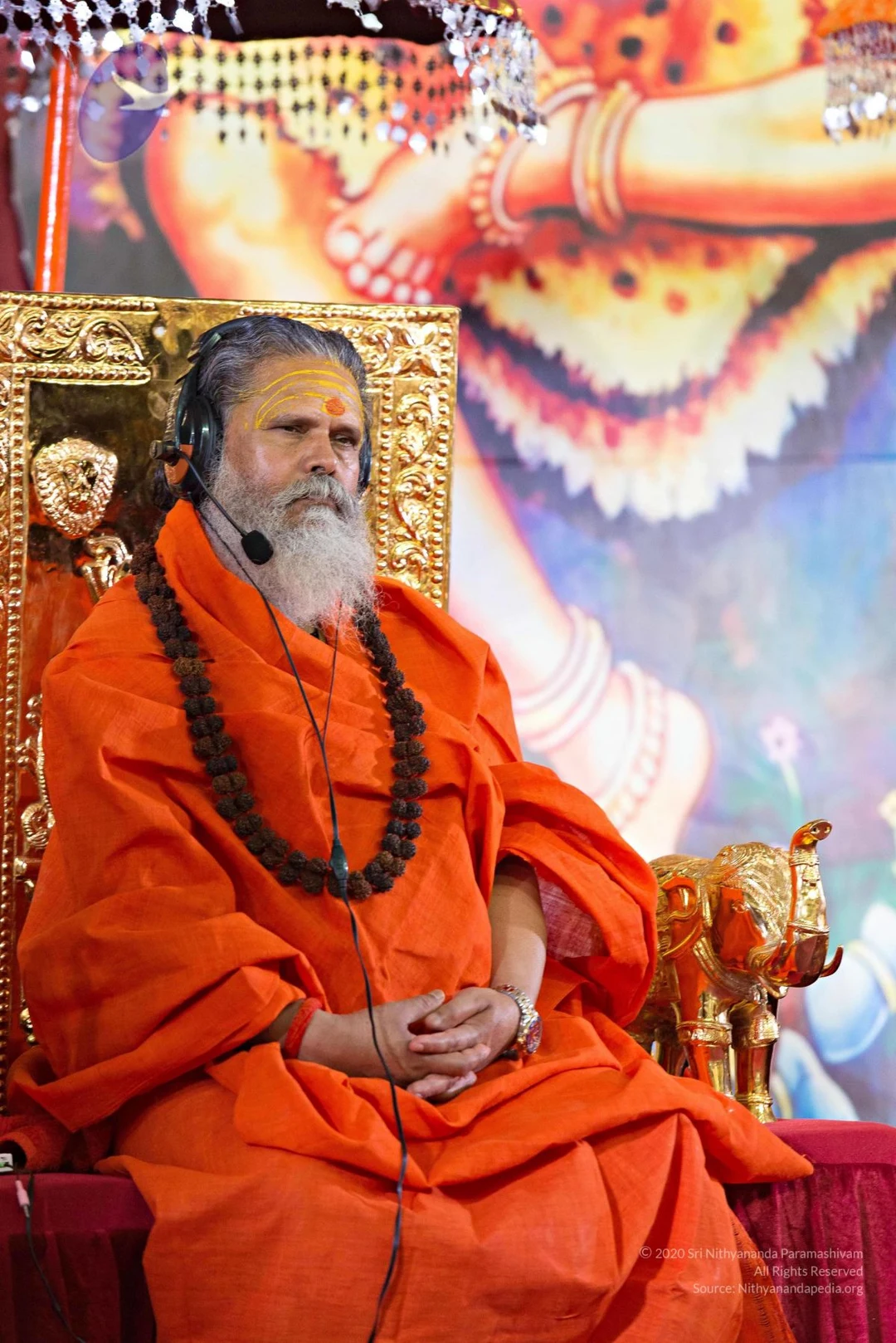
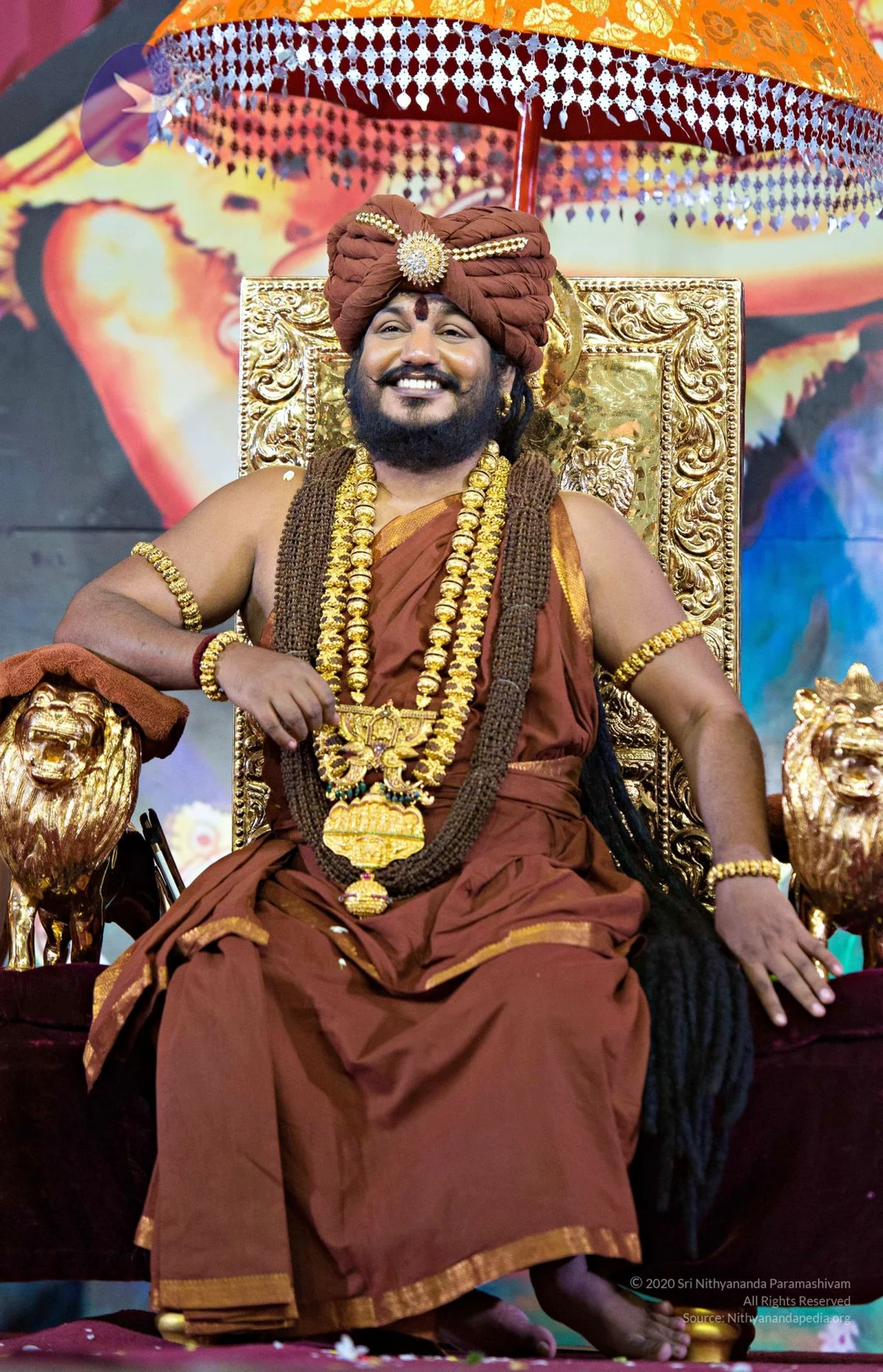
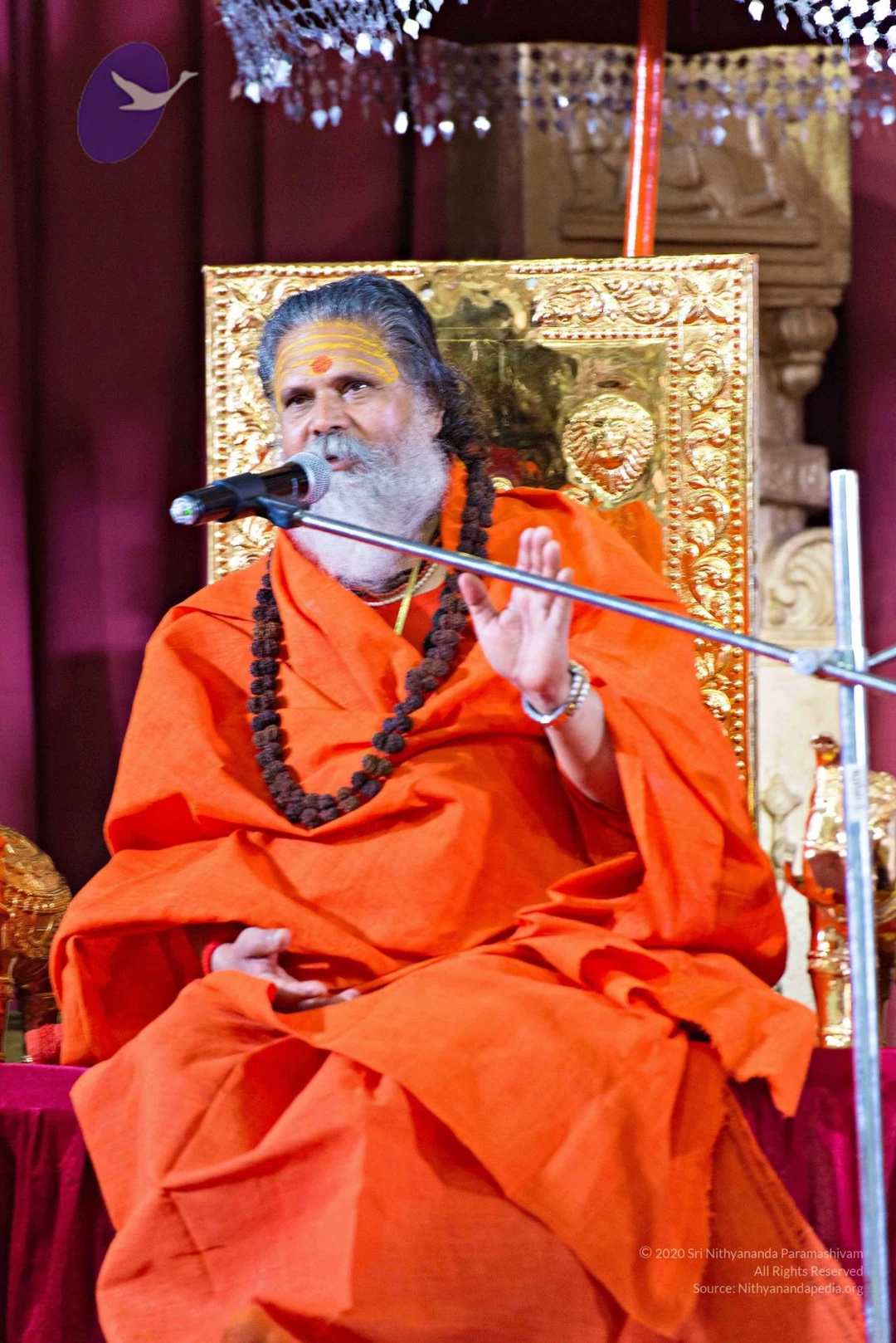
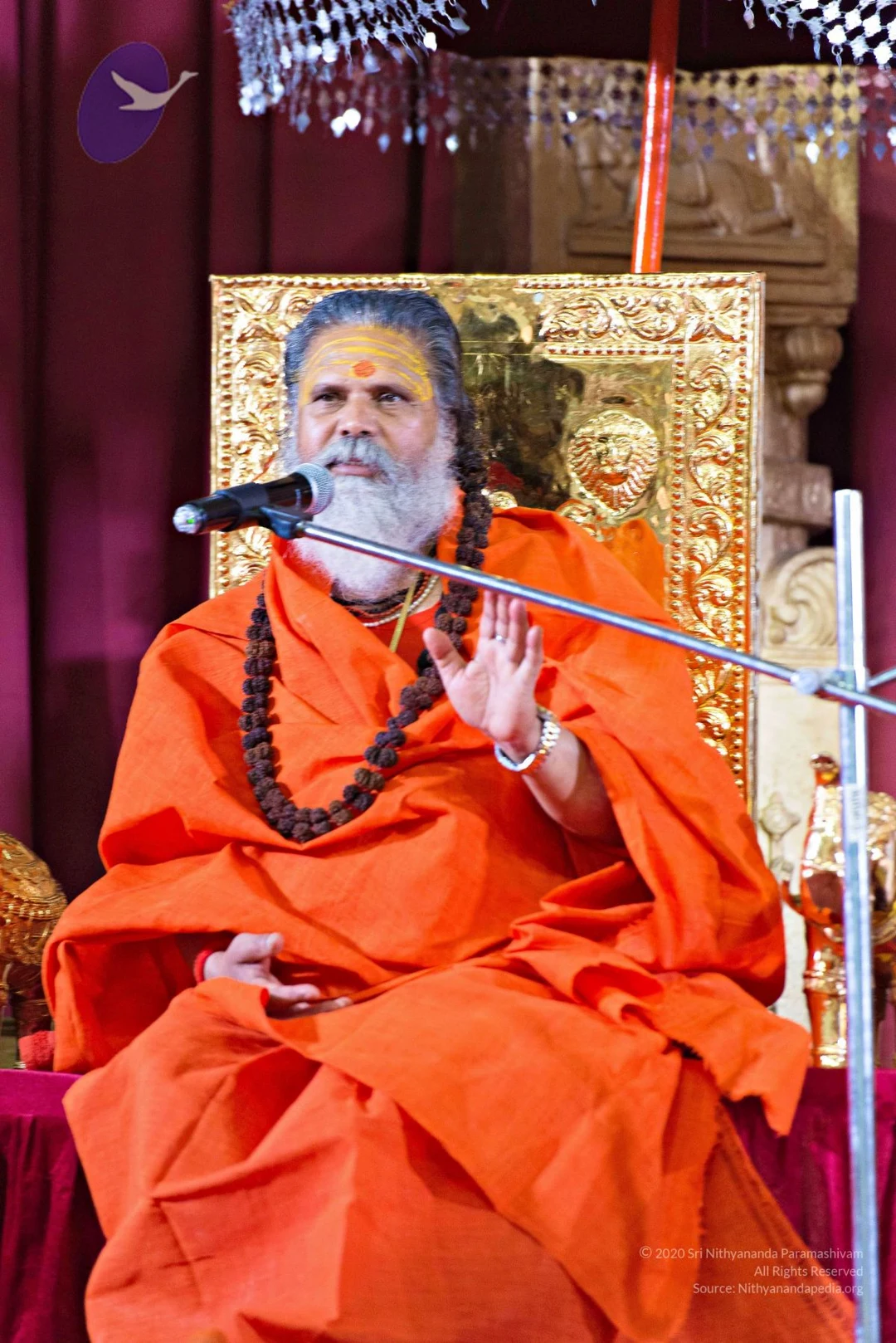
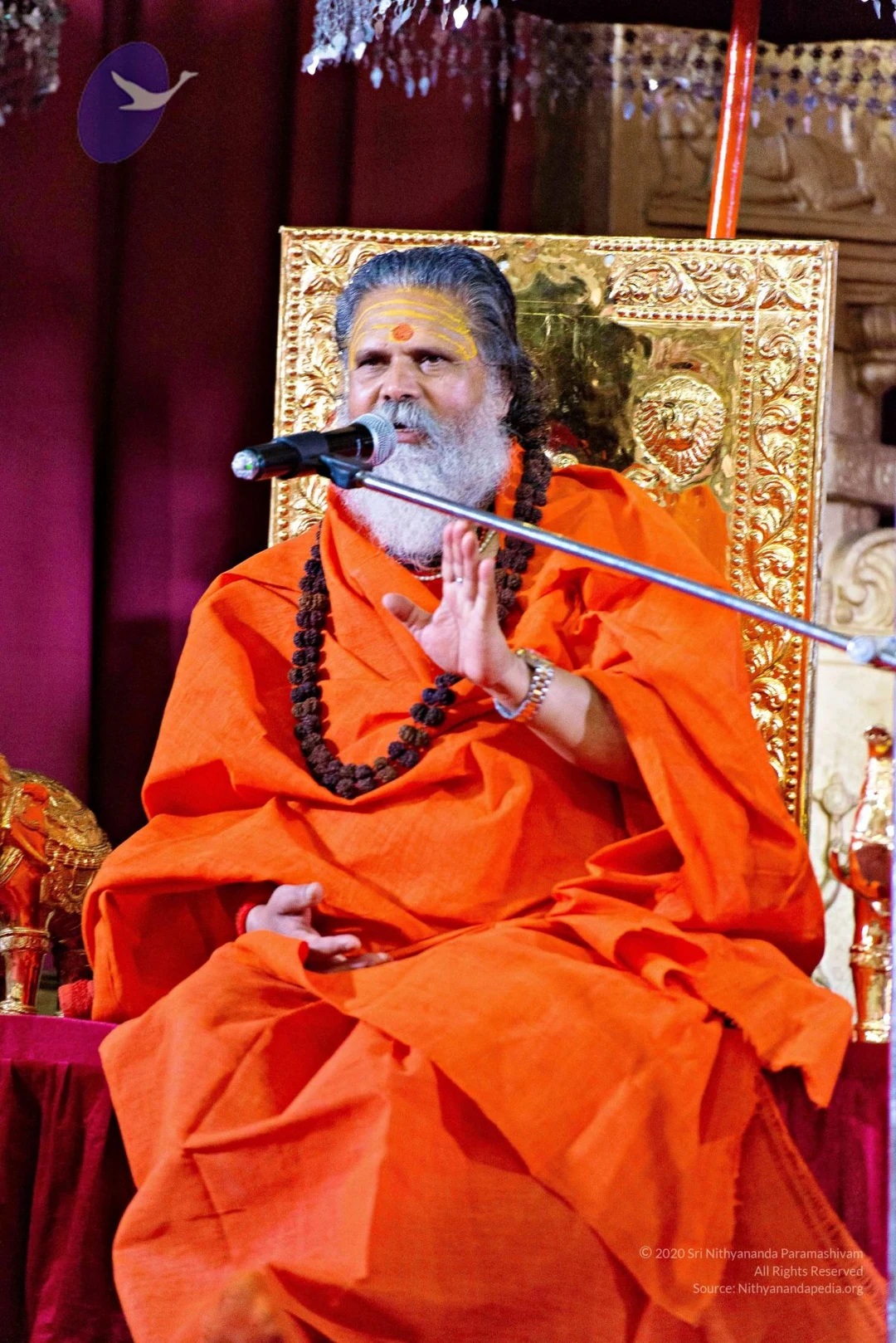
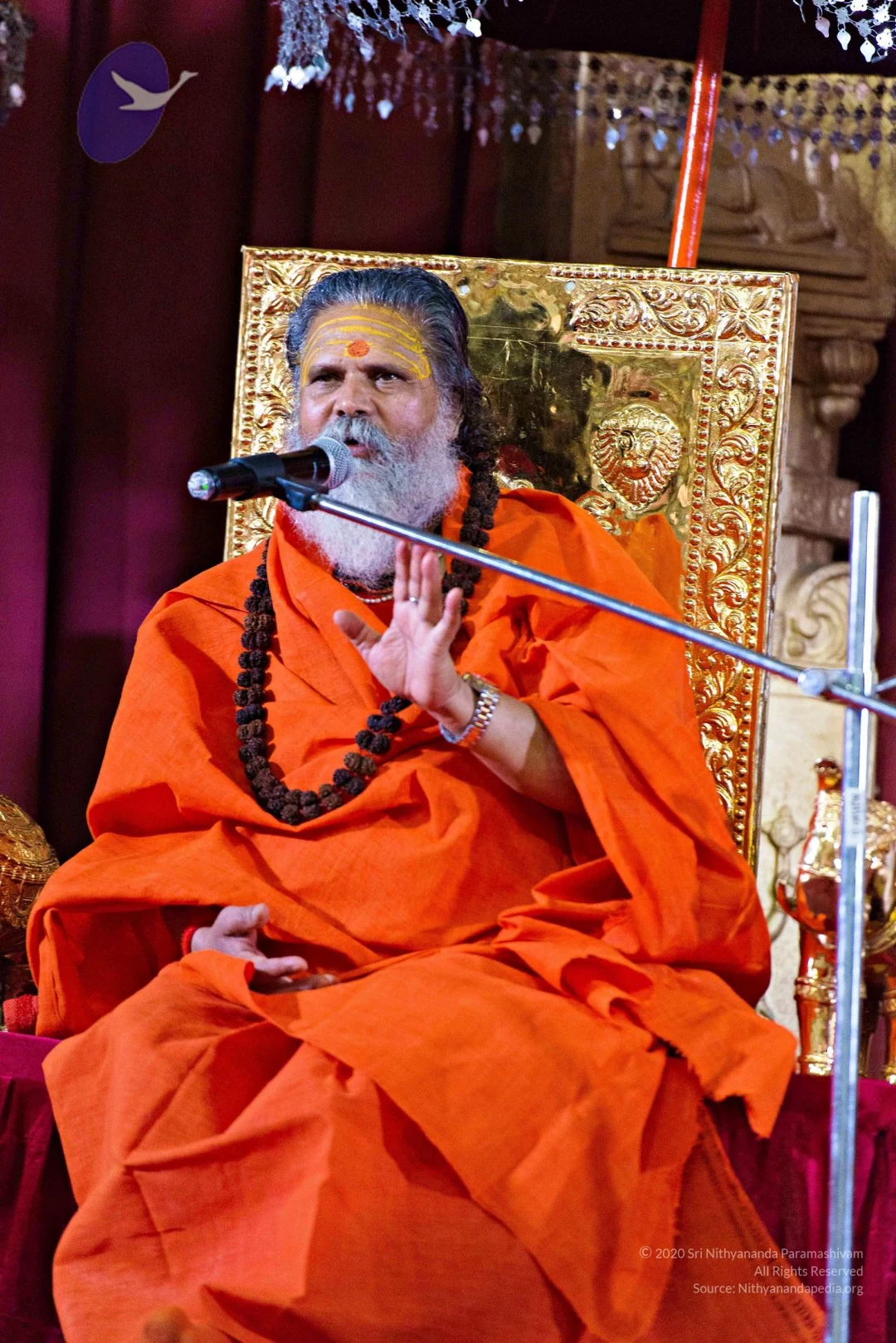
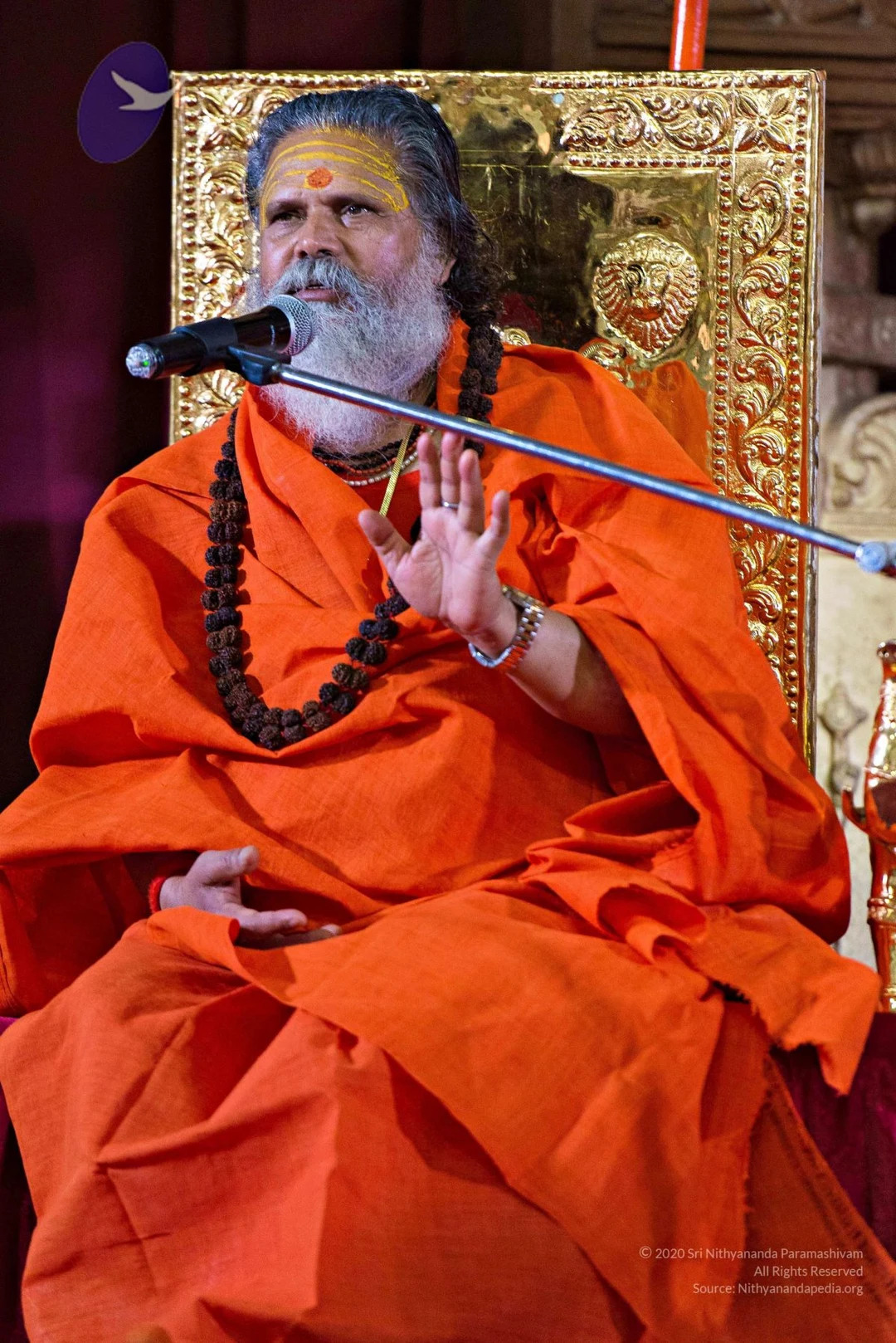
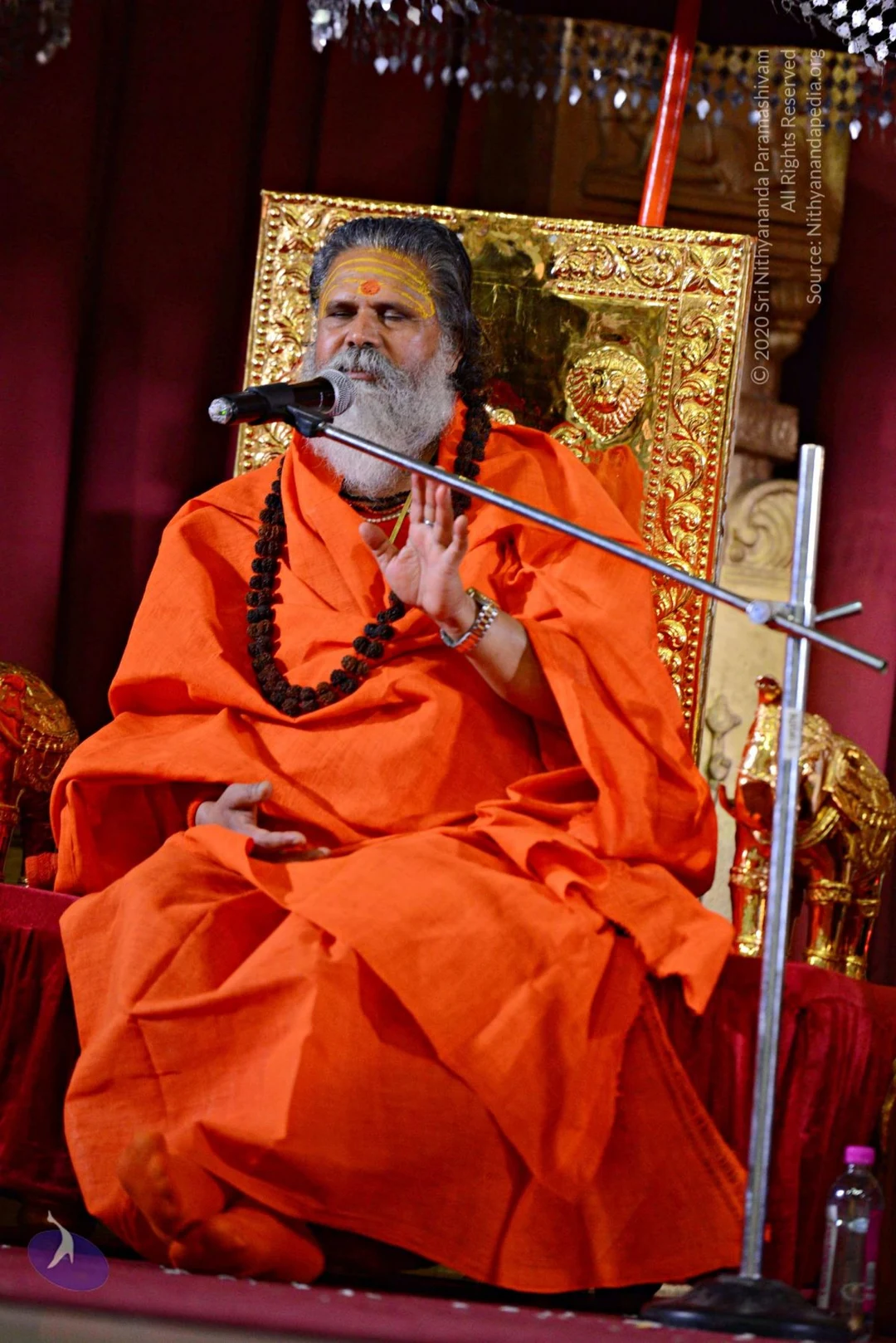
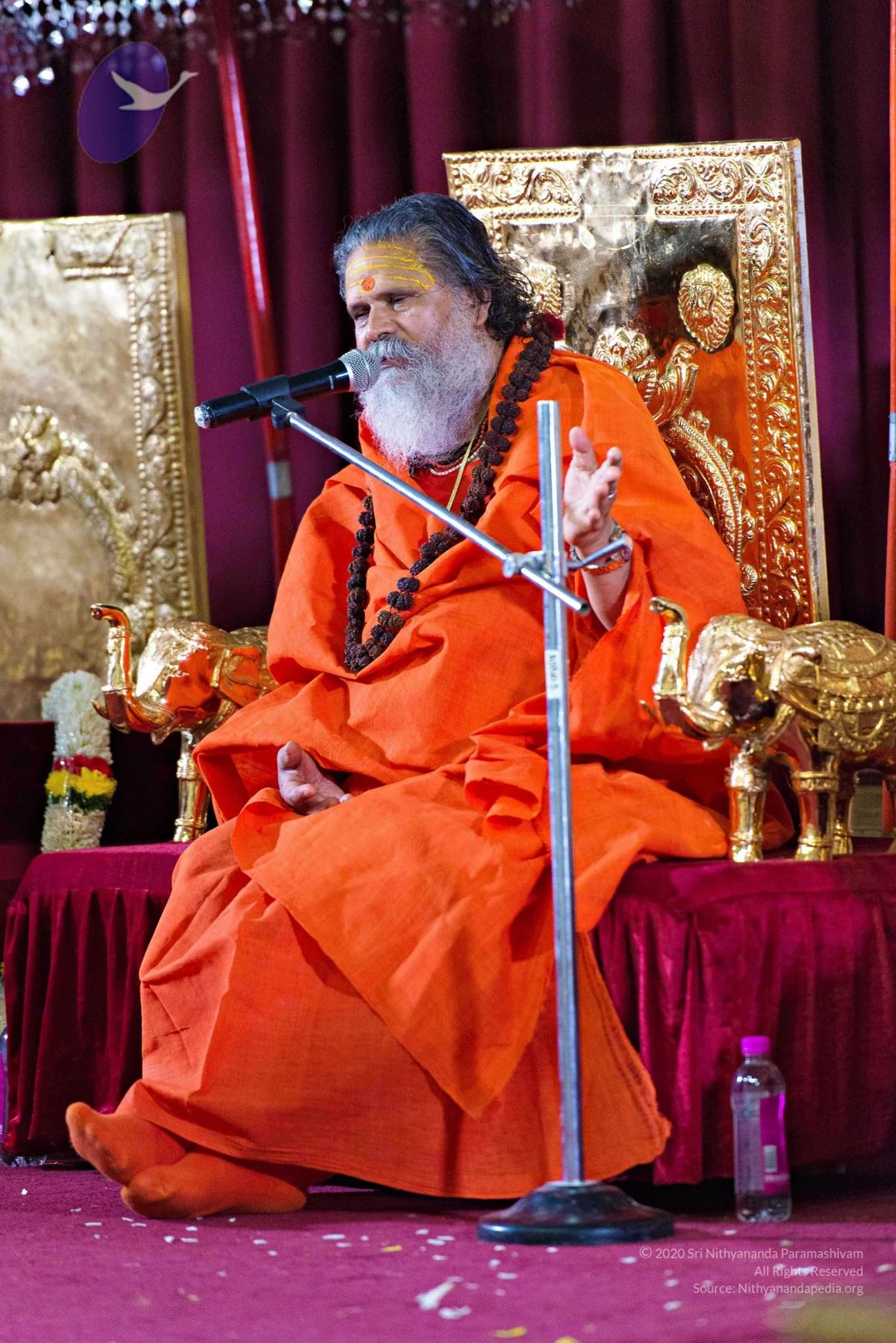
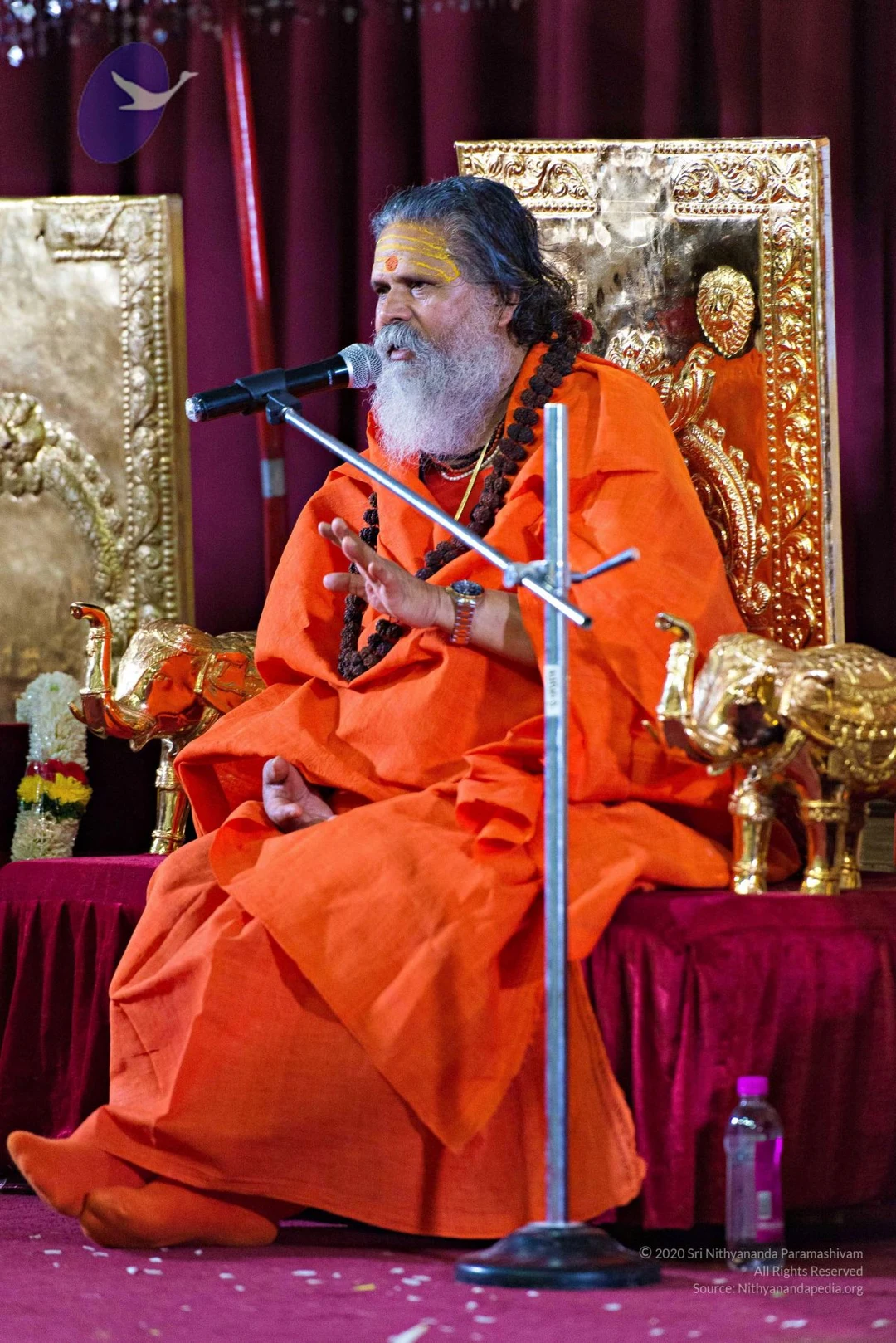
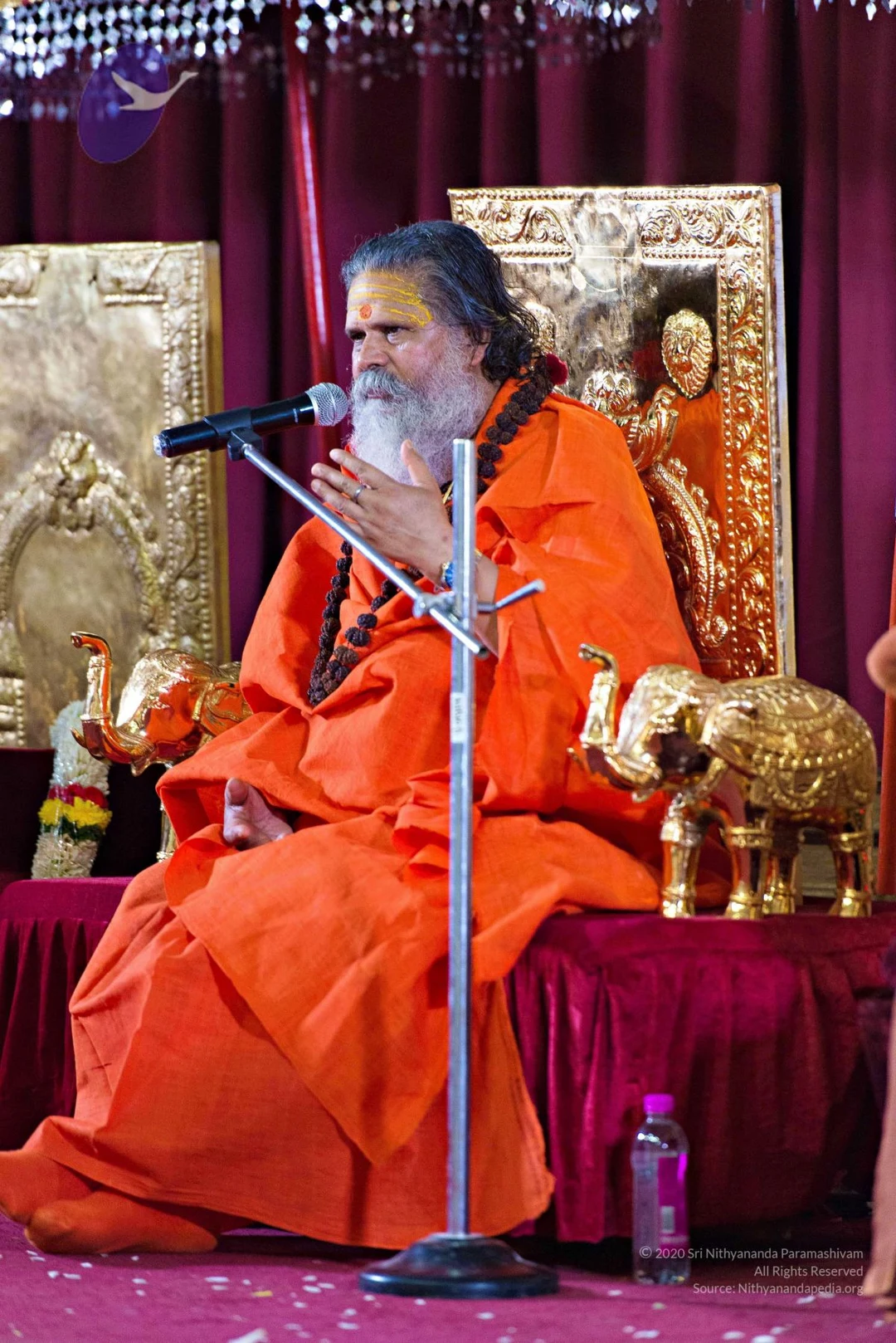
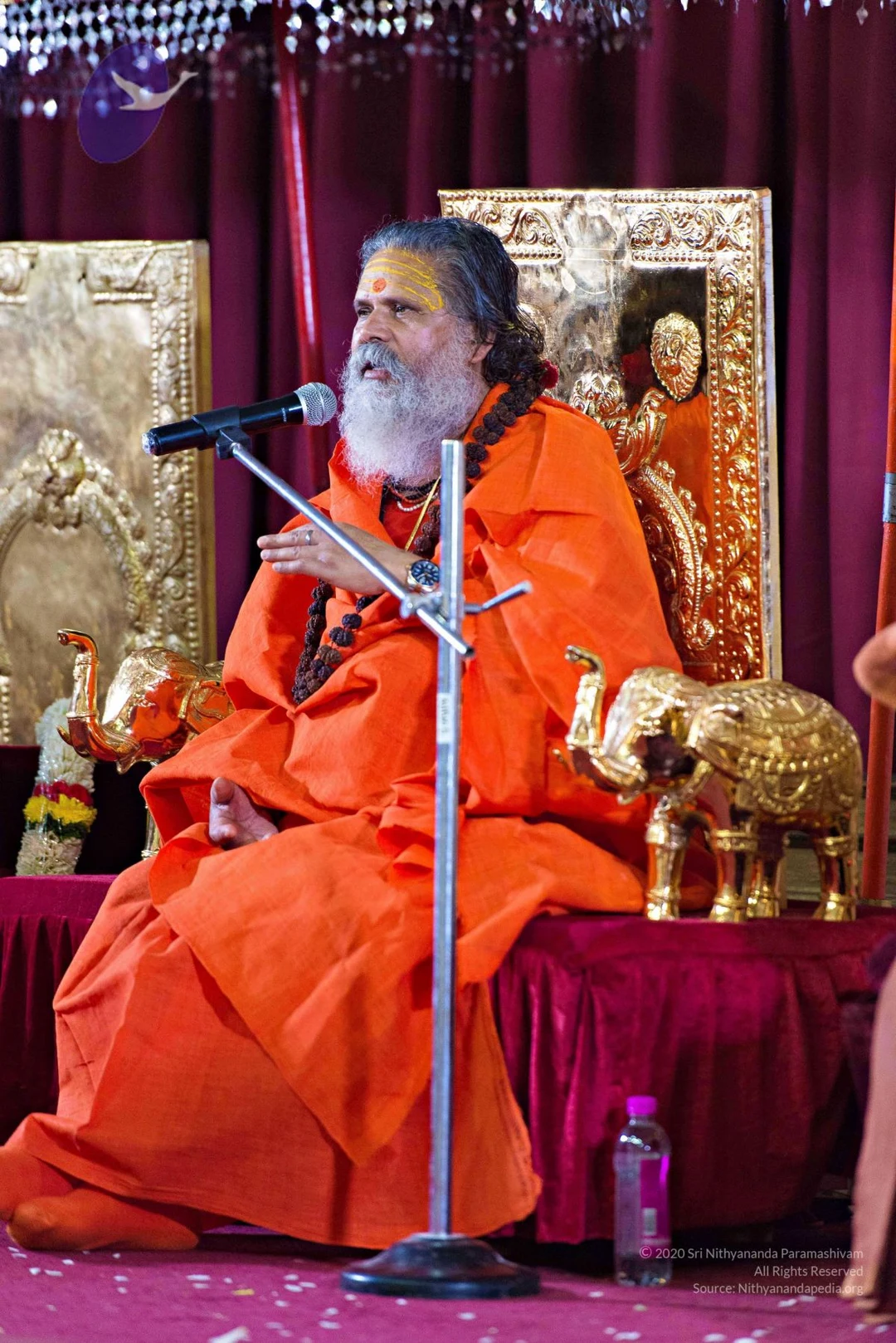
Mahant Narendra Giri Ji, defender of Sanatana Hindu Dharma, gave an inspiring talk and even said how His Holiness Paramahamsa Nithyananda's Rudra Abhishekam was the most impressive he has seen!

Niranjini Akhada is one of the 13 major Akhadas in the Hindu monastic tradition. The Pradhana Devata (presiding deity) of Niranjani akhada is Lord Karthikeya.

This akhada has the largest number of Sadhus amongst the 13 akhadas.

Niranjanai akhada boasts administering some of the most sacred and famous temples of India such as the famous Amarnath temple at Amarnath and Manasa Devi Mandir at Haridwar. Niranjani is one of the three main Shaivite akhadas. According to the Akhada tradition, the panch is the governing body of the akhada who administers and runs the akhada.

Mahant Narendra Giri Ji is not only a member of the panch of Niranjani akhada but also the President of Akhila Bharatiya Akhada Parishad. Akhada Parishad is the governing body of all the 13 akhadas in the Hindu Sannyas sampradaya. It organizes the Kumbh Mela which is the world’s largest gathering of humanity on the planet.

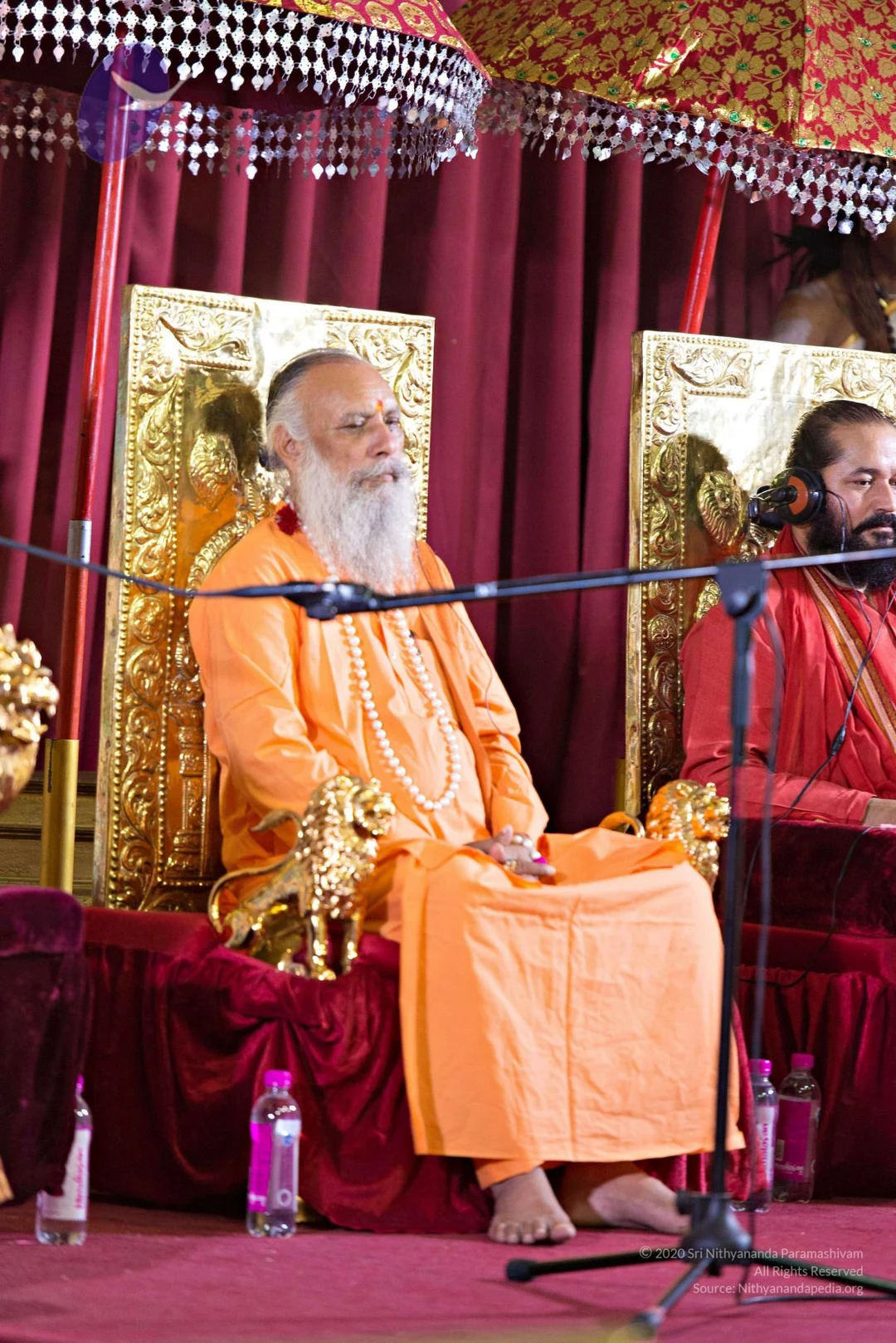
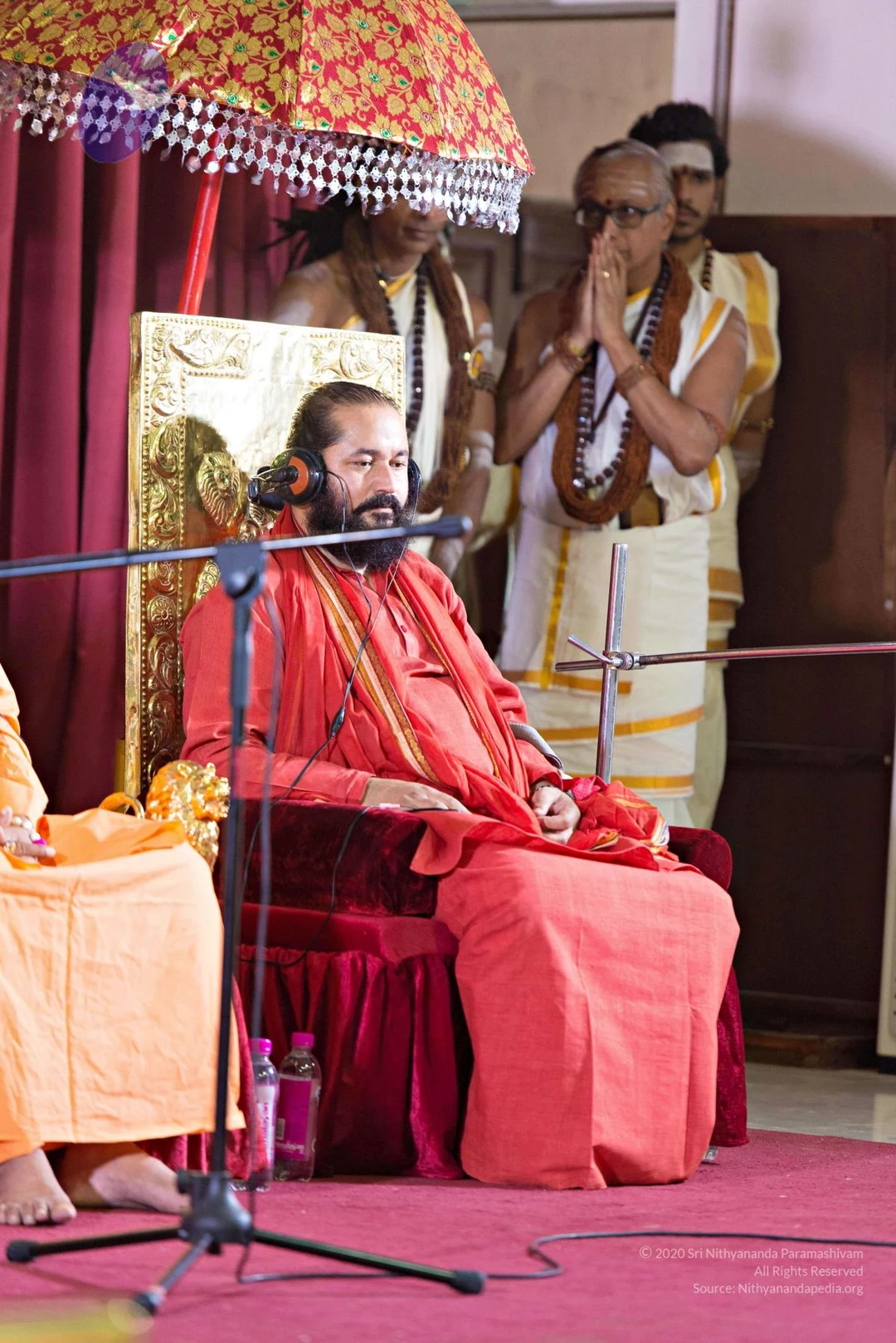
The other guests, also panch memebers of the Niranjani akhada, included Srimahant Dharamraj Bharati ji, head of Gujarat region, and Sachiv Shri Ashis Giri ji who is the Mahant of Varanasi and Allahabad.

Description:

During today’s morning Satsang, several important leaders of Sanatana Hindu Dharma visited with Paramahamsa Nithyananda, including Mahant Narendra Giri Ji. Mahant Narendra Giri Ji is not only a member of the panch of Niranjani akhada but also the President of Akhila Bharatiya Akhada Parishad. Akhada Parishad is the governing body of all the 13 akhadas in the Hindu Sannyas sampradaya. It organizes the Kumbh Mela, which is the world’s largest gathering of humanity on the planet. The other guests, also panch members of the Niranjani akhada, included Srimahant Dharamraj Bharati ji, head of Gujarat region, and Sachiv Shri Ashis Giri ji who is the Mahant of Varanasi and Allahabad.

Link to Video:

VideoAudio

Transcript

Sadāshiva samārambhām Shankarāchārya madhyamām | asmat āchārya paryantām vande guru paramparām ||

(19:05)

I welcome all of you with My love and respects.

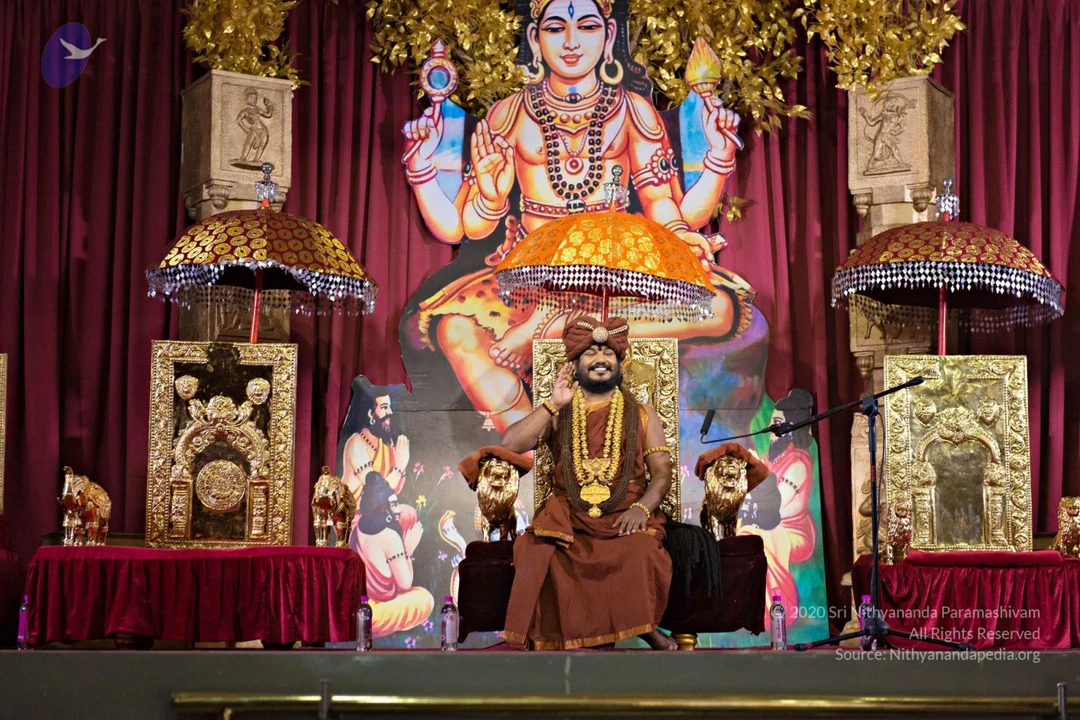
Today we have a special, different, Living Shuddhadvaita process. We have the honoured guests sitting with us. We have honoured guests sitting with us, literally the head of the Sanatana Hindu dharma. First I wanted to introduce, Sri Mahant Narendra Giriji Maharaj ; not only He is the member of the Niranjani Akhada Panch, he is also the President of the Akhil Bharathi Akhada Parishat, which is the governing body of all the 13 Akhadas of Hindu Sannyas Sampradaya.

Understand, how, even though there are many organizations in Christianity, Catholic church is the oldest and largest apex body of the Christianity, same way even though there are many organizations in Hinduism, Akhada Parishat is the oldest and largest organization - apex body of Hinduism. Swamiji Narendra Giriji Maharaj is the head of the Akhada Parishat - Literally Pope of Hinduism.

(20:52)

All the Dasanaami Sampradaya - Puri, Giri, Vana, Teertha, Aranya, Bhaarati, Indra, Saraswati, all the Dasanaamis, Bairaagis and Vaishnava Akhadas - all the 13 akhadas come under Akhada Parishat which has more than 10 lakh sannyasis, and 1 lakh ashrams and temples. All the major temples - Kashi Annapoorna temple or Amarnath, Mansa Mandir, the Kolhapur Mahalakshmi, all the major temples of India, Mahakaaleshwar, all of them come under these 13 akhadas, which comes under the whole Akhada Parishat. So understand Akhada Parishat is the largest and oldest apex body of Hinduism. Narendra Giriji Maharaj is head of the Akhada Parishat. He is literally Pope of Hinduism.

10 lakh sannyasis are under Him. The moment He gives any statement or instruction or guidance, 10 lakh sannyasis gather to execute it. And we do have today Sri Mahant of Dharmaraj Bharatiji, Sri Mahant of Niranjani Akhada. He is head of the, all the Niranjani Akhada branches in all over Gujarat. All over Gujarat, many mutts and temples, Niranjani Akhada has. Maharajji is the head of all the branches of Niranjani Akhada. Sachiv Sri Ashish Giriji Maharaj is the Mahant of Varanasi and Allahabad. He looks after all the temples, properties Niranjani Akhada has in Allahabad and Varanasi. In that area, the famous Kamakhya temple is managed by Niranjani Akhada, and that is managed by Maharajji - Ashish Giriji Maharaj.

(23:43)

Literally today we have the whole Panch, of course we do have Swami Ravindra Puriji Maharaj, Sri Mahant Ravindra Puriji Maharaj from Niranjani Akhada. But he is in the room doing his morning pooja. He heads all the Haridwar temples and branches of Niranjani Akhada which has a huge Manasa Mandir. If you have gone to Haridwar, from Har ki Pauri you can see a temple on the hill - that Manasa Mandir is under the Niranjani Akhada. Niranjani Akhada has a college - Sannyas College and many institutions. A large property, half of the Haridwar belongs to Niranjani and the remaining half belongs to Nirvani. Only very few people are outside us; in the whole Haridwar, half is for Niranjani and half is owned by Nirvani and outsiders have only small, small petty shops. And Haridwar... yes this is the temple - the Manasa Mandir belongs to Niranjani Akhada

Sri Mahant Ravindra Puriji Maharaj is the head of the Niranjani Akhada in Haridwar and thousands and thousands of large temples, ashrams, monasteries are run by all the 13 Akhadas, lakhs of sannyasis, so Akhada Parishat forms the backbone structure of the whole Sanatana Hindu Dharma. Today the whole panch of the Niranjani Akhada is here to grace all of us. I invited them to come and spend few days here, because I am spending continuously time in Bengaluru Aadheenam, preparing for Sadashivoham 2016. I invited all the Sri Mahants and Panch of Niranjani Akhada to come and spend few days here, so they have come as honoured guests and graced us today. We will also be having a larger all the sachiv, Sri Mahants, Mahants and the whole Niranjani Akhada coming after Diwali, there will be one more larger meeting happening in Nithyananda Peetam, Bengaluru Aadheenam

We are working together to make lot of good things for Sanatana Hindu Dharma and future strategy planning to raise the Santana Hindu Dharma all over the world. Maharaj is not only, literally Pope of Hinduism, he is very active and very responsible for spreading Sanatana Hindu Dharma, very active. And I tell you, people who are so active, intense, sincere like Naga sannyasis and the Akhada Parishat and akhadas, still Hindu Dharma is alive. Hindu dharma is alive, just because of akhadas and the naga sannyasis and Akhada Parishat, of course under the able guidance of Sri Mahant Narendra Giriji Maharaj. It is not just little work, its lot of thinking, meditating, tapas, strategy planning, reaching out, that is why all the other religions are in the mode of sunset, dwindling down, Sanatana Hindu Dharma is in the mode of sunrise, going up, up, up all over the world.

Understand the countries where other religions are rooted, if you ask the Church going ratio, it is hardly 2%. In India the temple going ratio is 97%. Understand I can give you 1000 ways to make you understand, how Sanatana Dharma is being taken to the next level by the Akhada Parishat, under the able guidance of Sri Mahant Narendra Giriji Maharaj and all the sadhus, sants of Niranjani Akhada. So I welcome all of them with My love and respects today. We are honoured and Maharajji, I welcome you on My behalf and on behalf of the Nithyananda sangha globally, all over the world.

(29:22)

I think today seeing all the sadhus, listening to their words and blessings is enough LSP for all of you ☺ and we also have lot of preparations to be done. Already the Koormasana is getting established for the Nithyananda Sabha to be built. We are planning the Nithyananda Sabha to accommodate 3,000 participants and 500 volunteers. It is almost 50,000 sq feet carpet area and the supporting mechanism – kitchen, dining hall and the welcome centre and temple yagashala, all, is getting ready for 5000 people to use at a time. And a huge, huge establishment is happening; preparation for Sadashivoham. I welcome all of you to come and experience Sadashivoham. All the spiritual alchemy products are also getting ready for Sadashivoham. So today’s LSP process is My invitation. Get ready to come and celebrate, experience Sadashivoham 2016. Next weekend we also have a special LSP process - “Decoding the Maya Matrix”. I will be decoding the Maya Matrix in the next Living Shuddhadvaita Process, next Sunday, next weekend. I request all the participants to finish watching ‘The Matrix’ - Part 1, Part 2, Part 3. Please finish watching ‘The Matrix’ – Part 1, Part 2, Part 3 and come back. I will be helping you to decode. Understand the Maya Matrix and the whole session will be about Maya Matrix, understand. So watch The Matrix 1, Matrix 2, Matrix 3 movie. All the 3, it is based on Hindu concept of

asato mā sadgamaya tamaso mā jyotirgamaya, mṛtyor mā'mṛtaṃ gamaya

So these 3 statements are the essence of this Matrix movie 1, 2, 3. So please watch it and come. I will answer all your questions and decode the Maya Matrix. So this is the assignment for all of you, for this week.

(32:54)

Understand, the essence of this LSP session, I welcome all of you to experience Sadashivoham 2016 and watch ‘The Matrix’ all 3 parts and come. Next week, I will be decoding the Maya Matrix on Sunday. Next LSP process I will be decoding Maya Matrix. The next week, ‘Decoding the Maya Matrix’ webinar will be open to all. Open to all, welcome all your friends, family, everyone, gather all over the world in all our ashrams, branches, Aadheenams, Temples and Gurukuls and Vidyalayas, Universities. So I welcome every one of you.

With this, I bless you all. Let’s all radiate with Integrity, Authenticity, Responsibility, Enriching, Causing, Living Shuddathavaitha Saivam Sadashivoham, the eternal bliss, Nithyananda. Be blissful!!

Chief Guests:

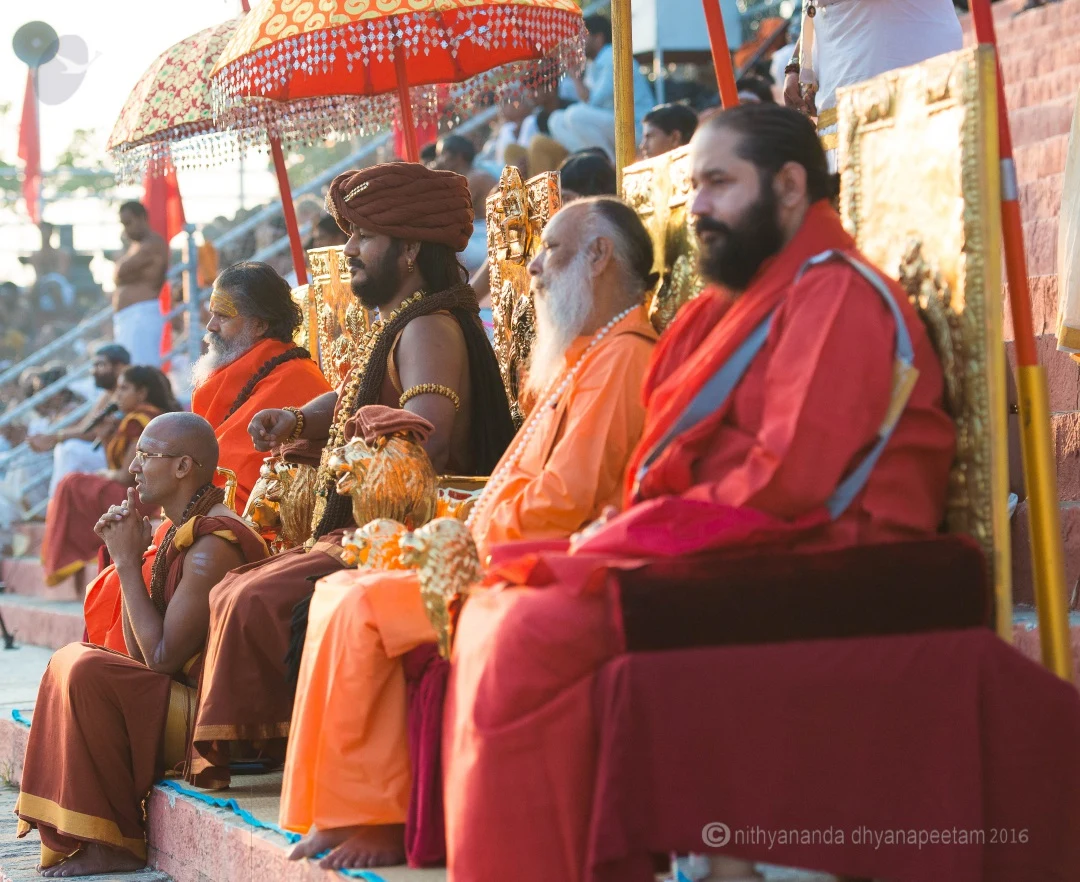
-Mahant Narendra Giri Ji a member of the panch of Niranjani akhada but also the President of Akhila Bharatiya Akhada Parishad. -Panch Member of the Niranjani akhada Srimahant Dharamraj Bharati ji, Sri Mahant of Niranjani Akhada and head of Gujarat region. -Panch Member of the Niranjani akhada Sachiv Shri Ashis Giri ji who is the Mahant of Varanasi and Allahabad.

Photos From The Day:

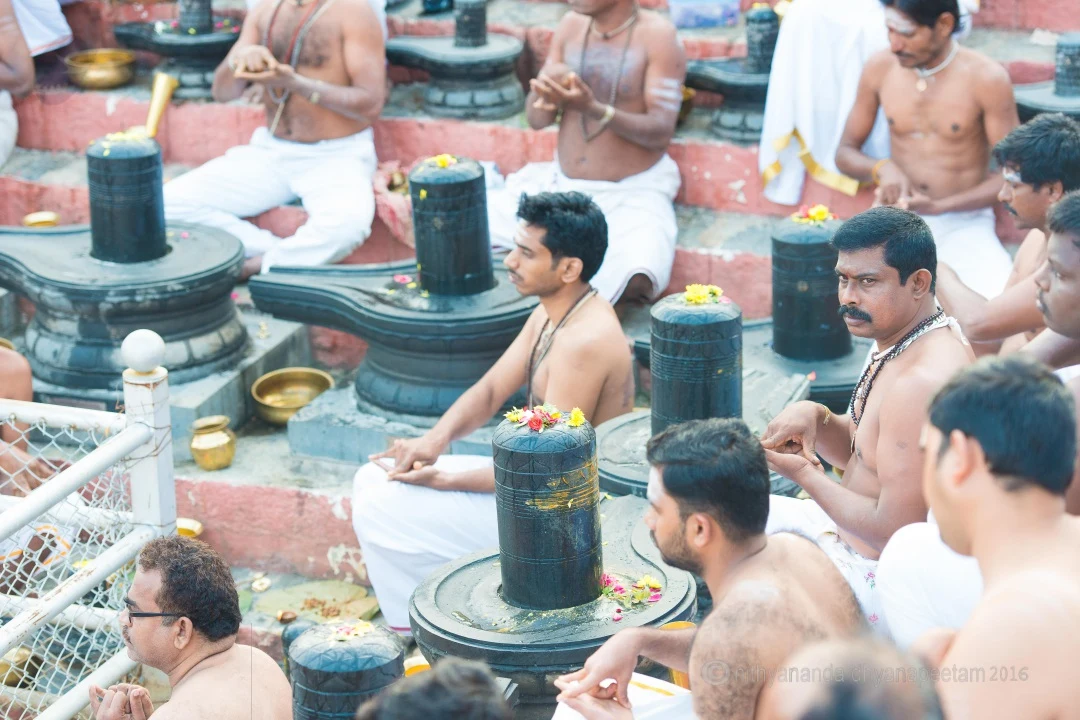
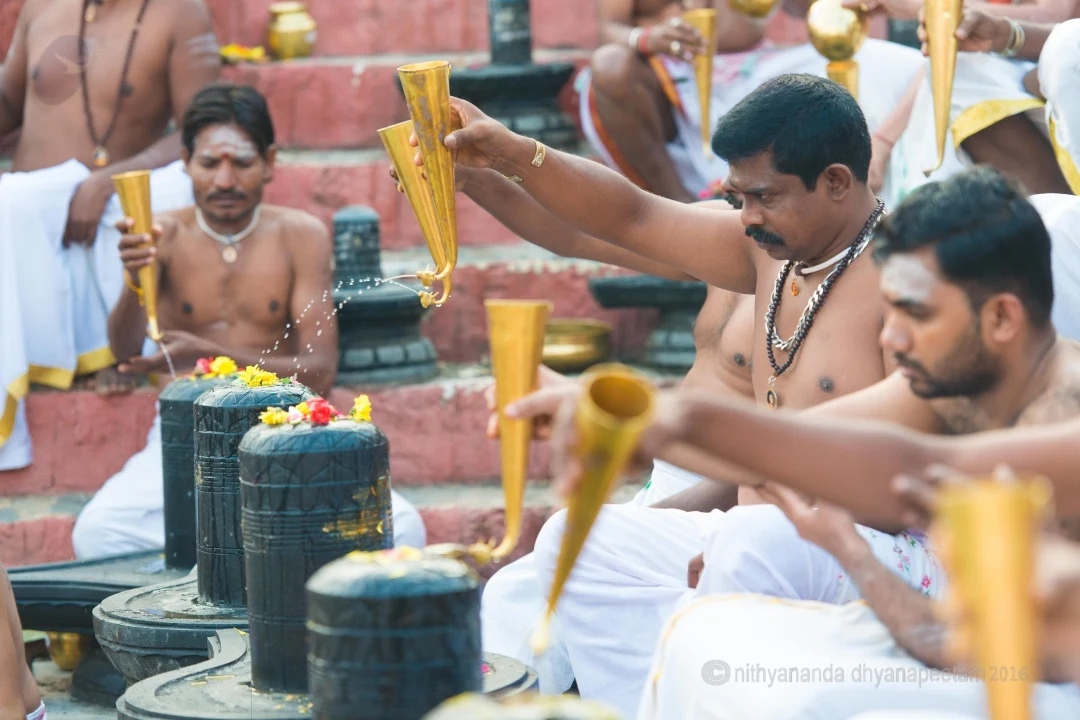
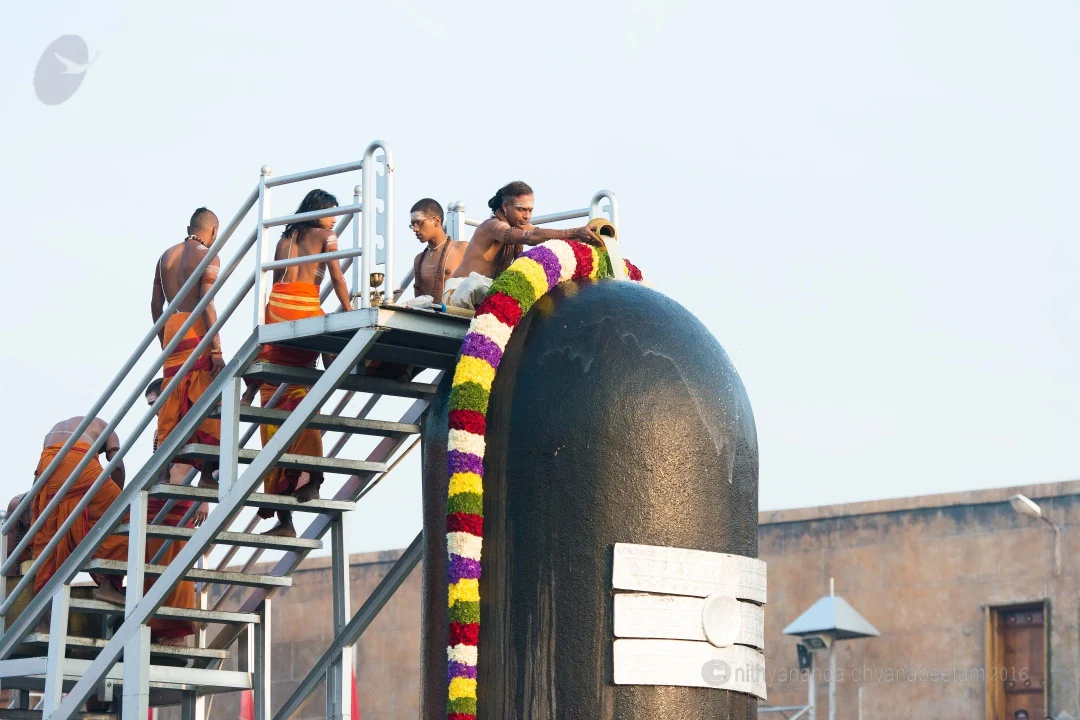
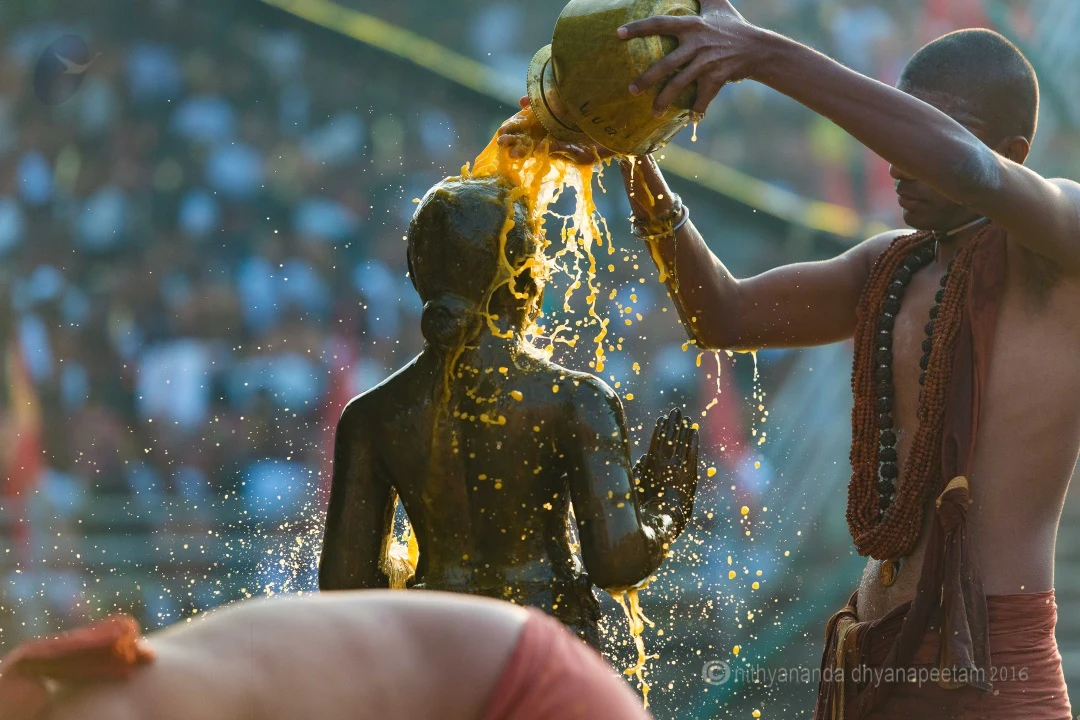
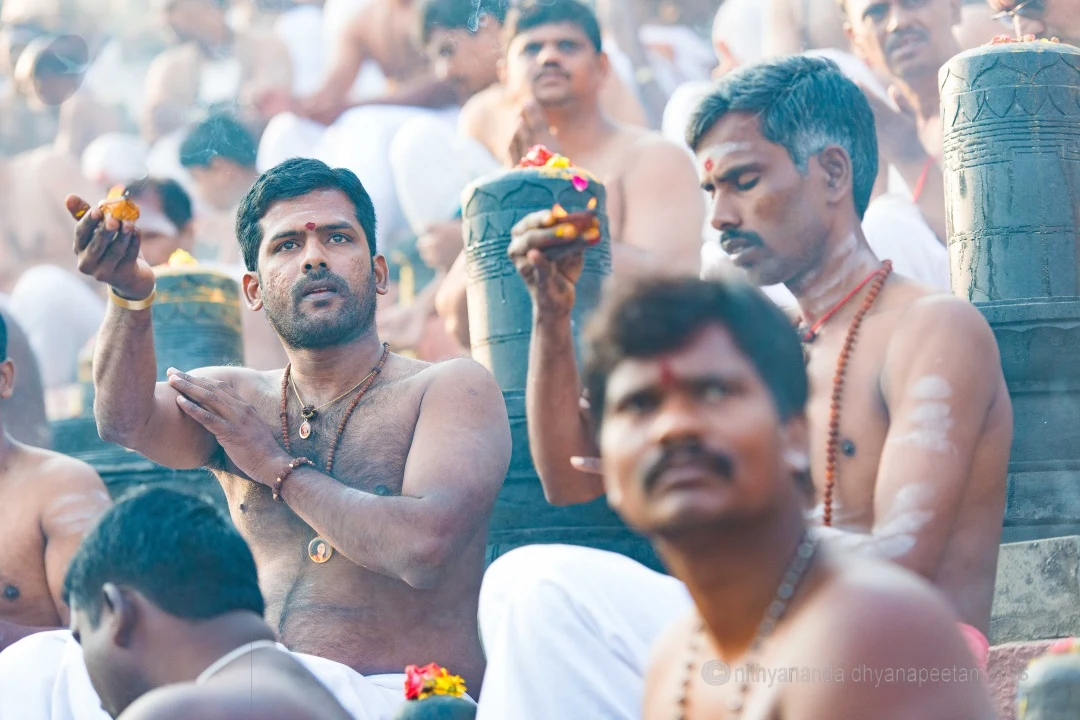
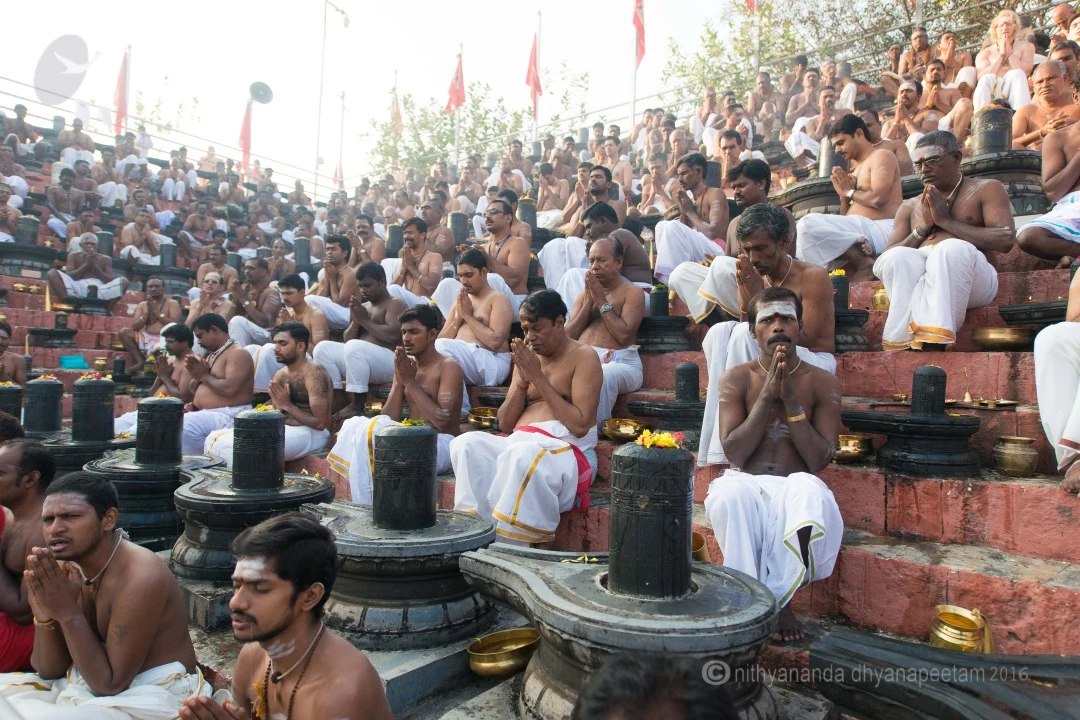
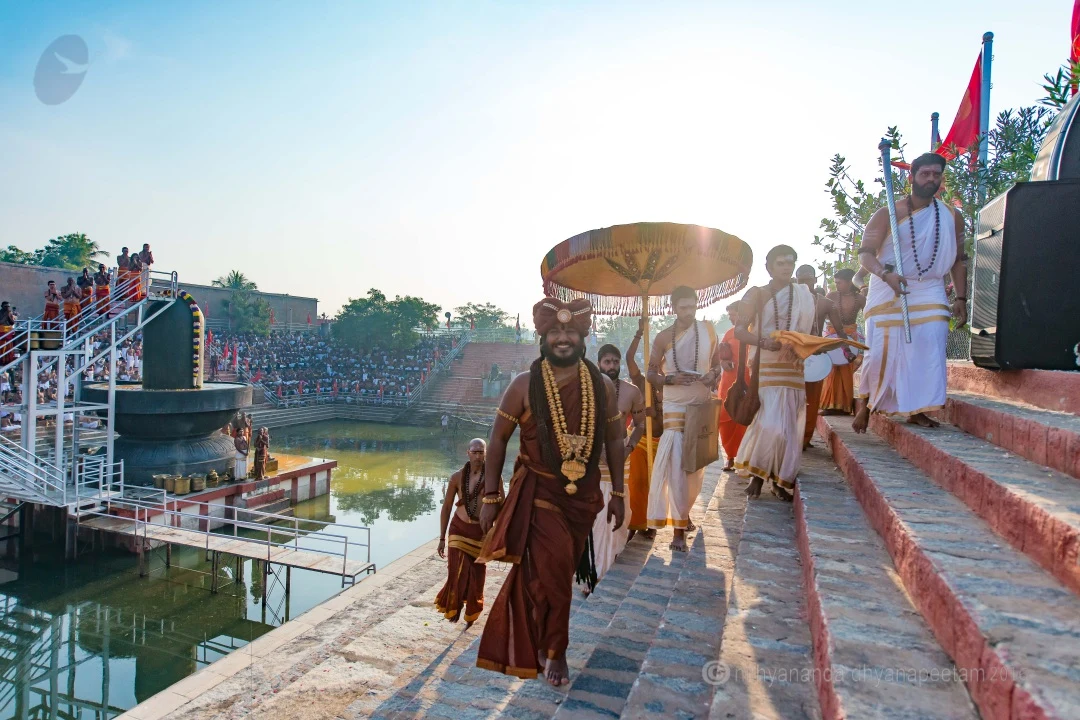
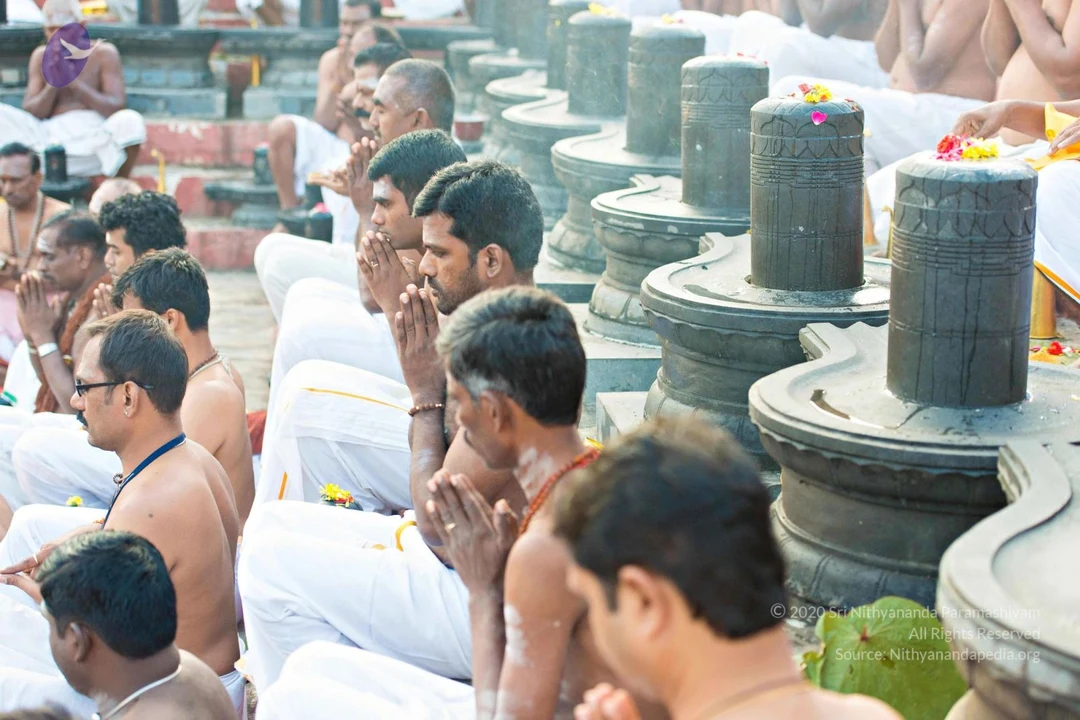
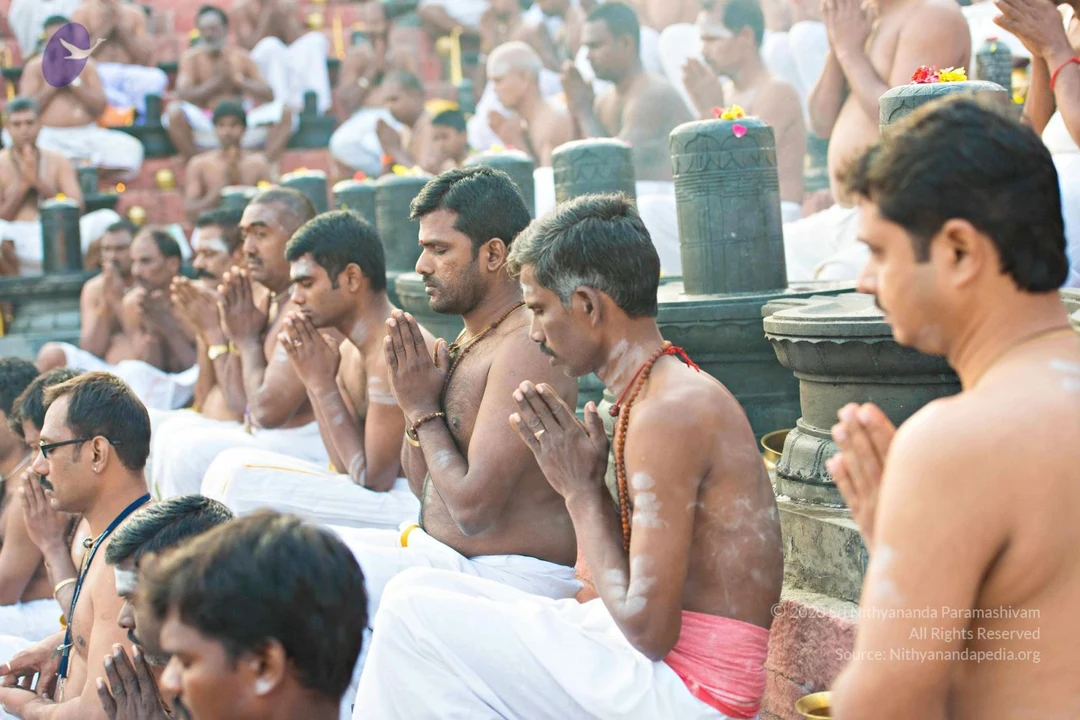
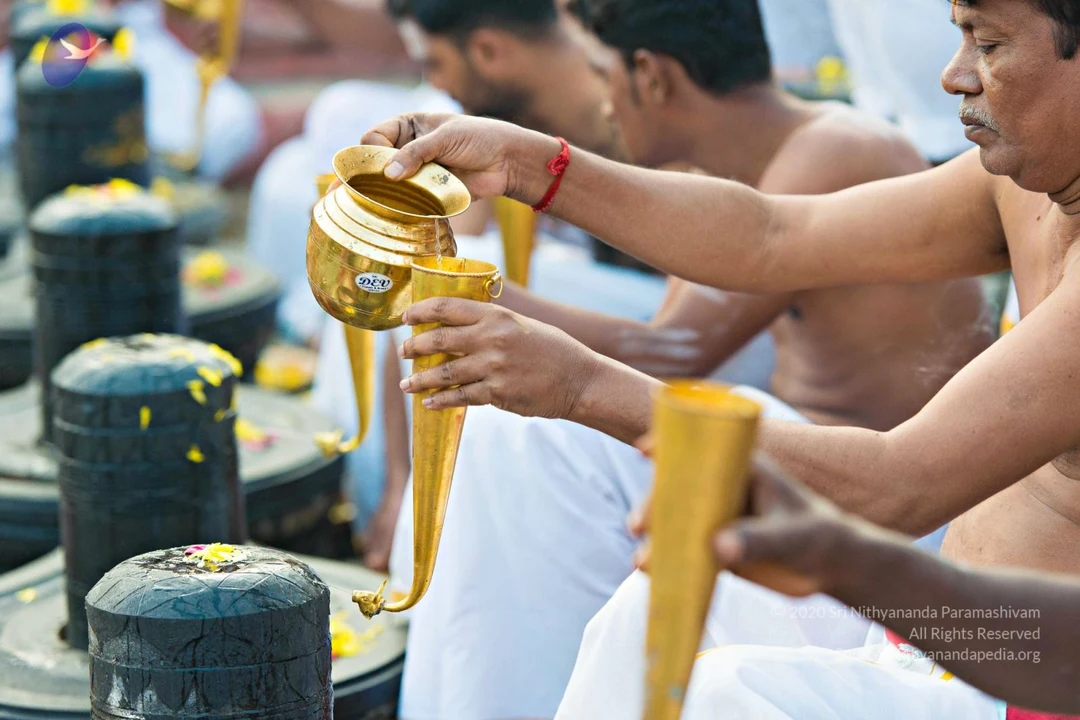
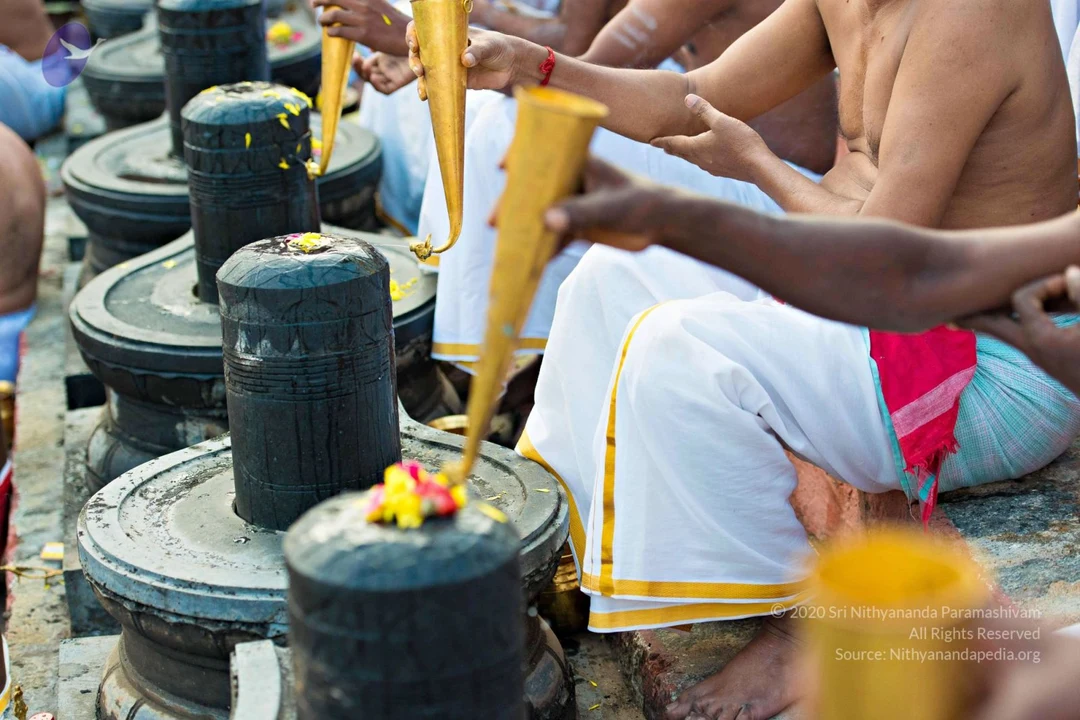
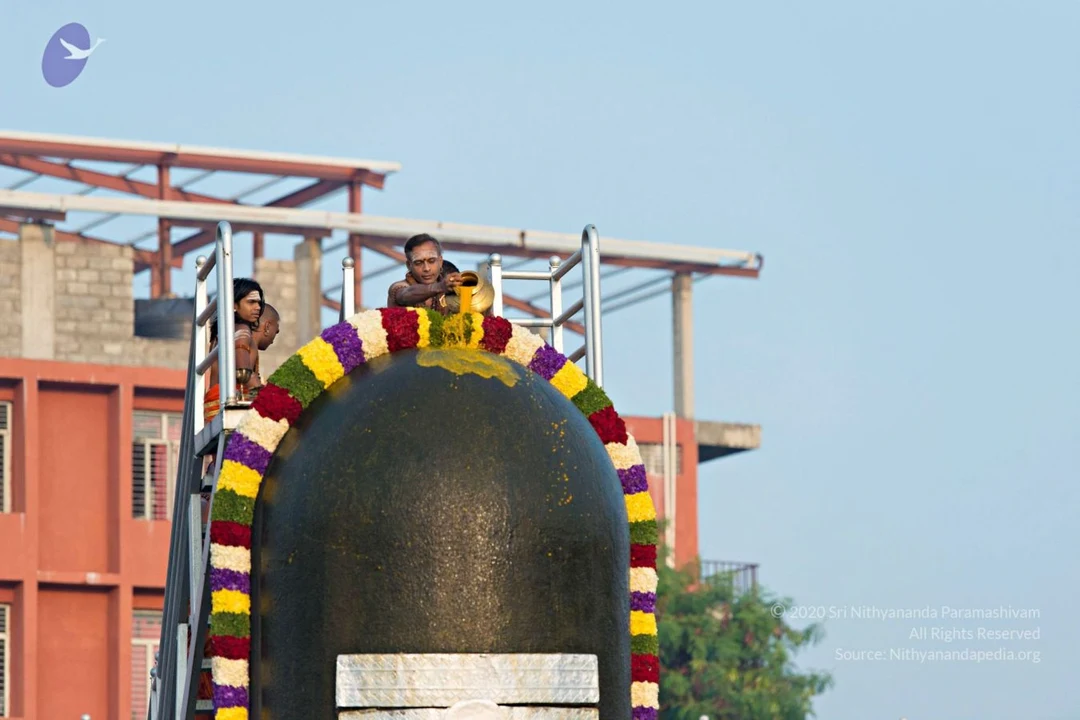
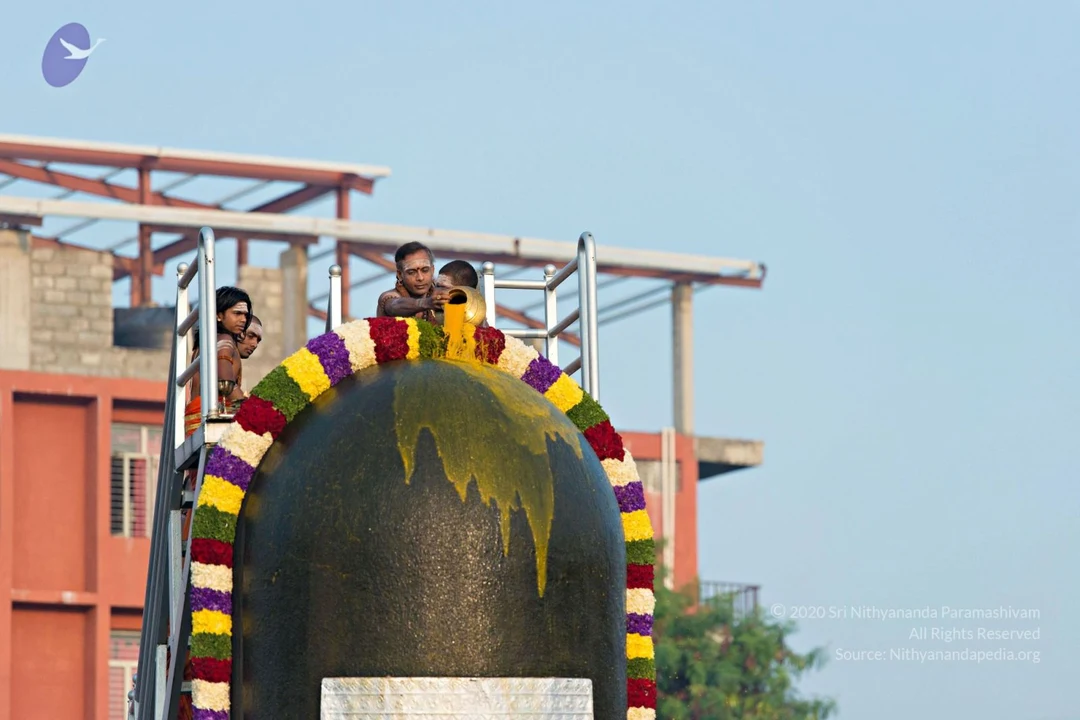
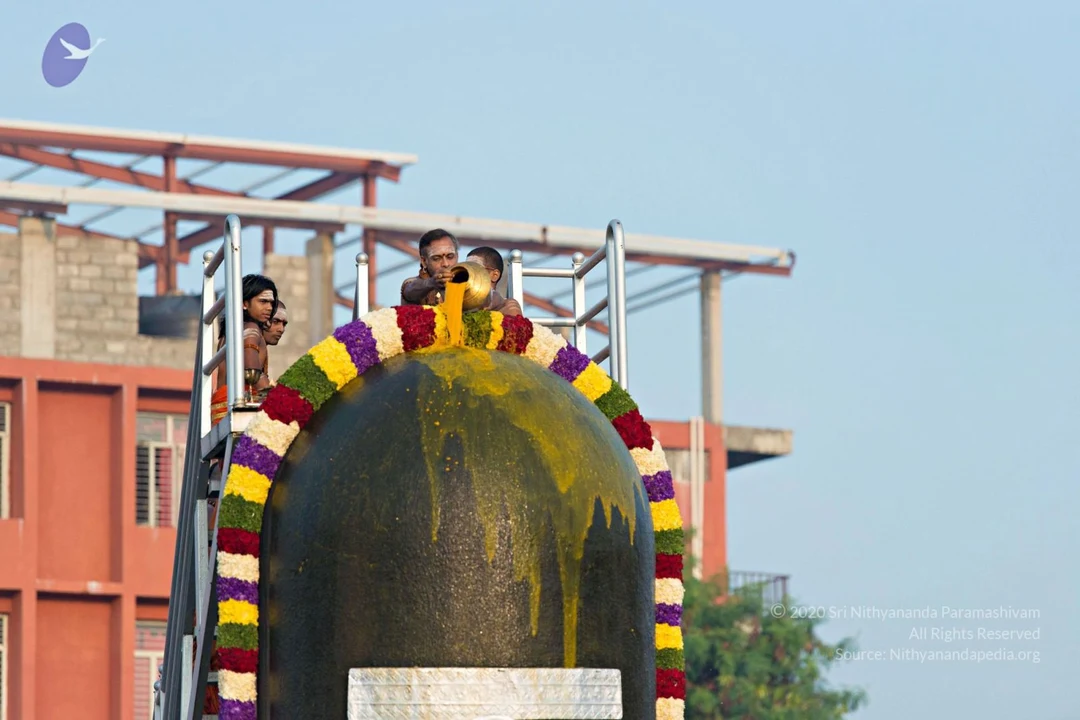
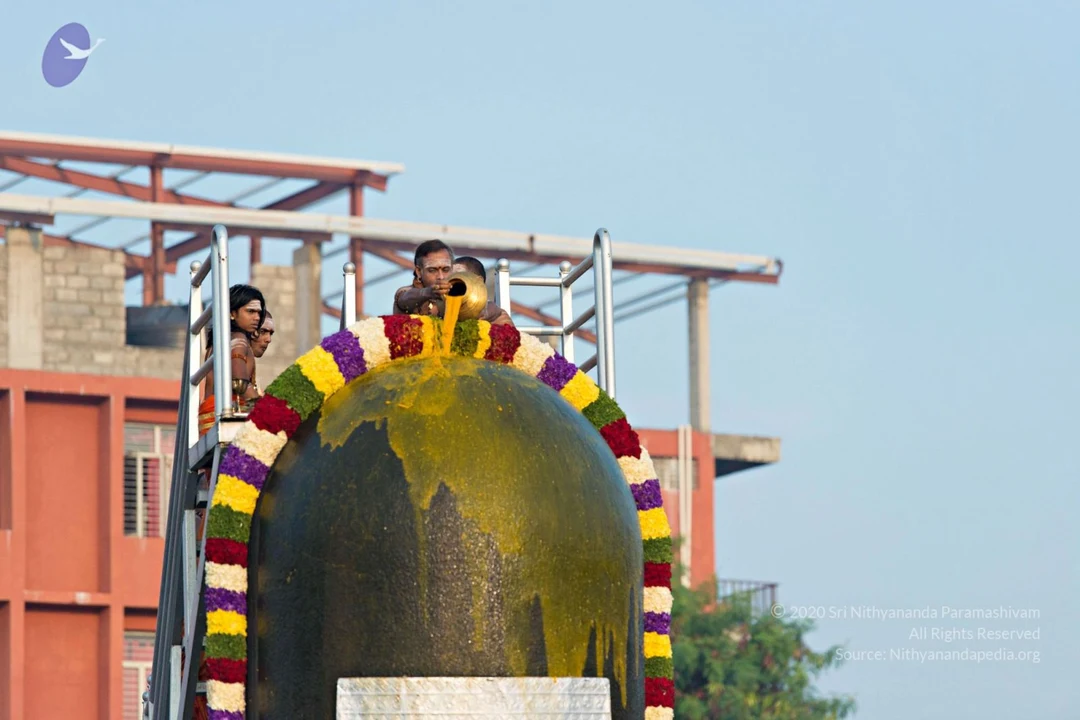
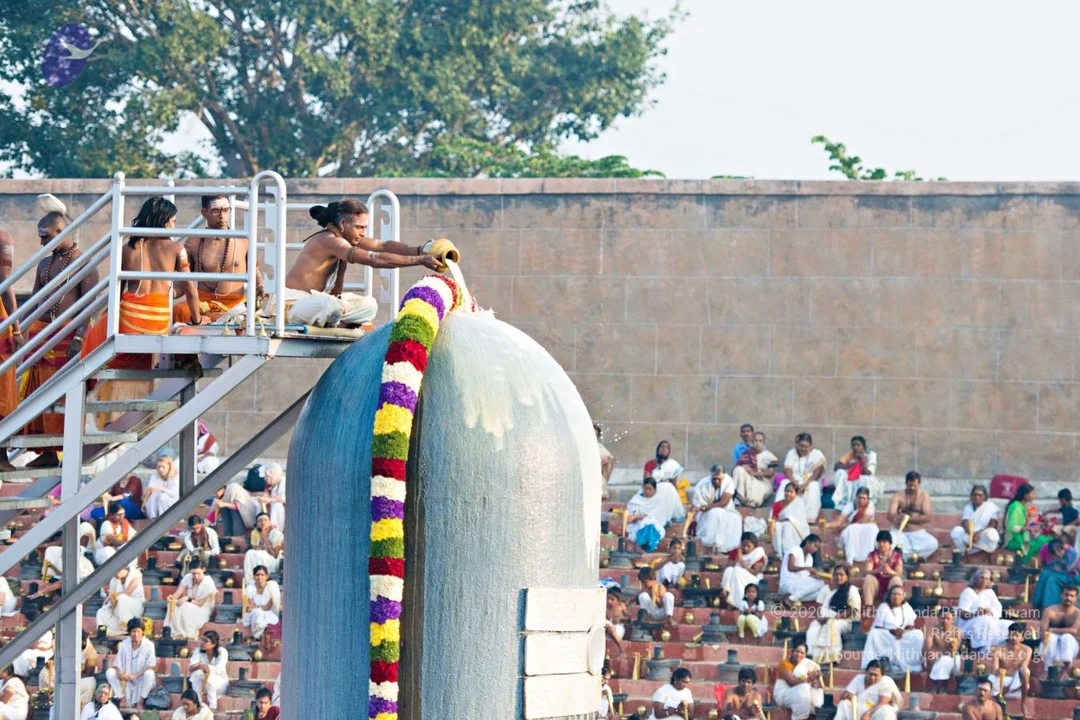
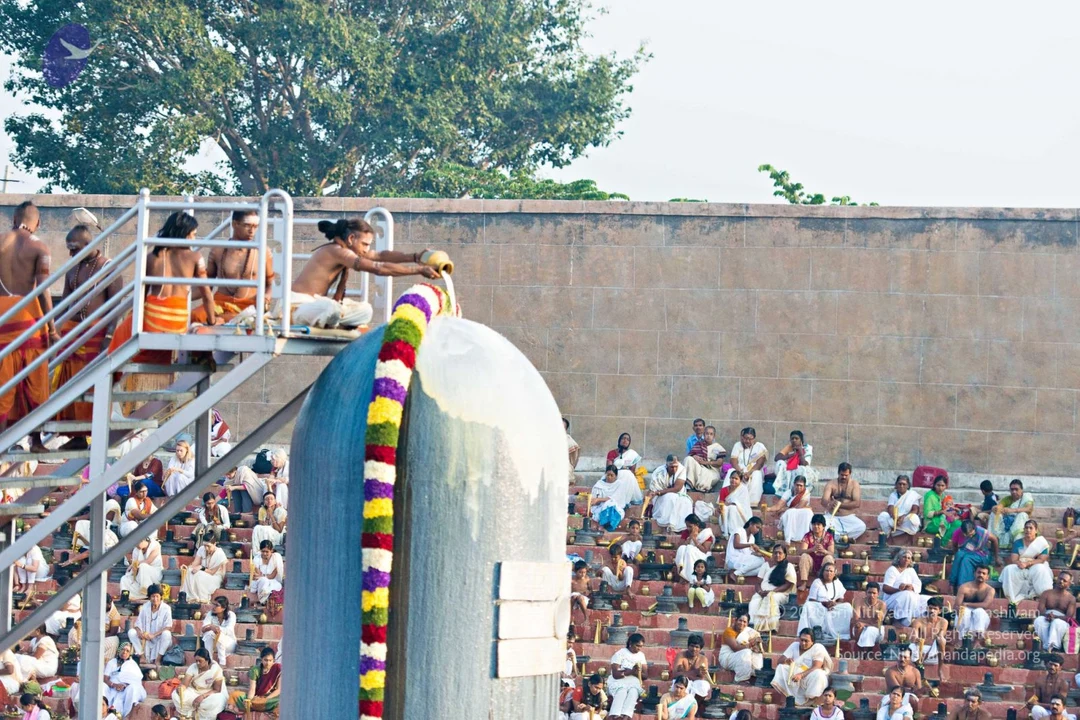
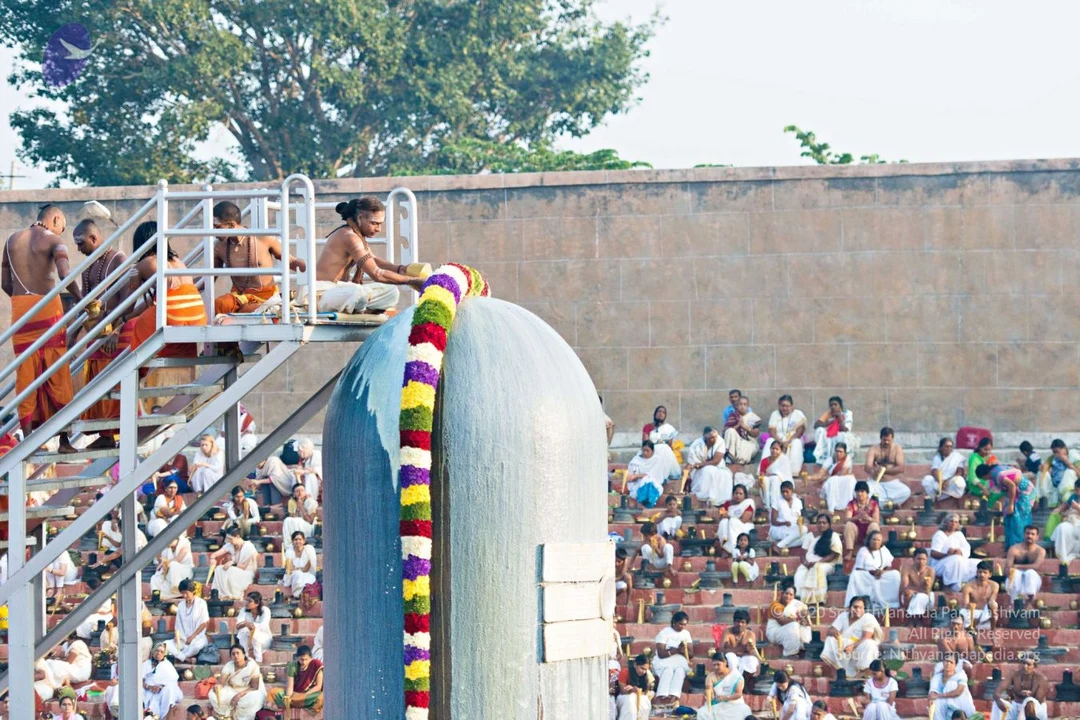
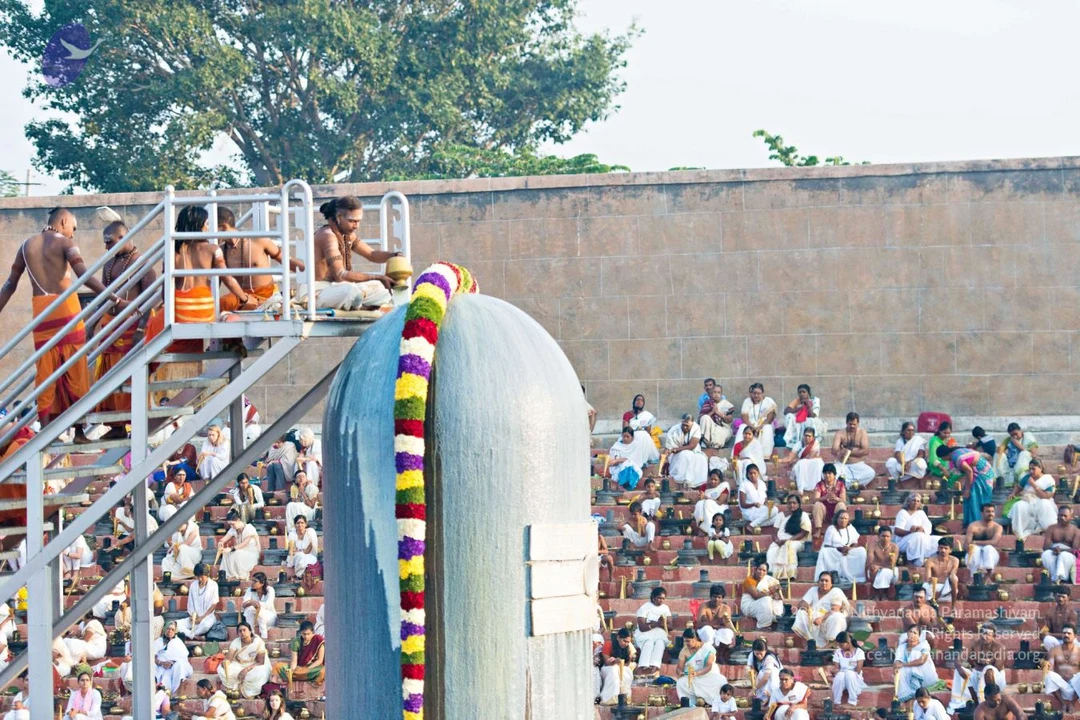
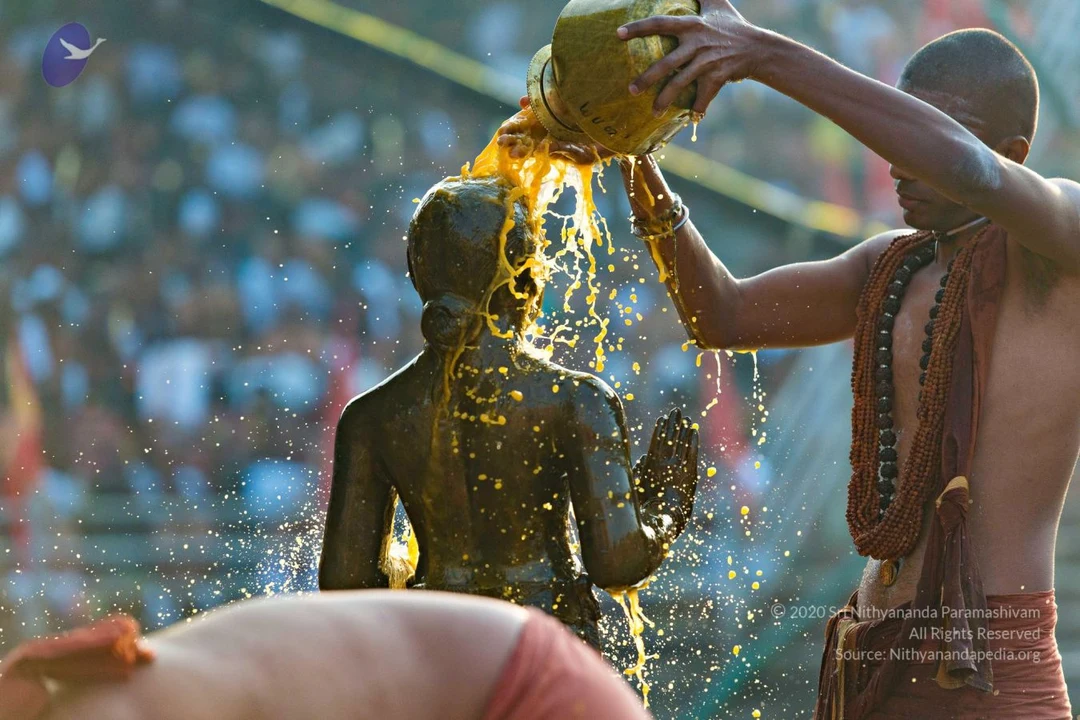
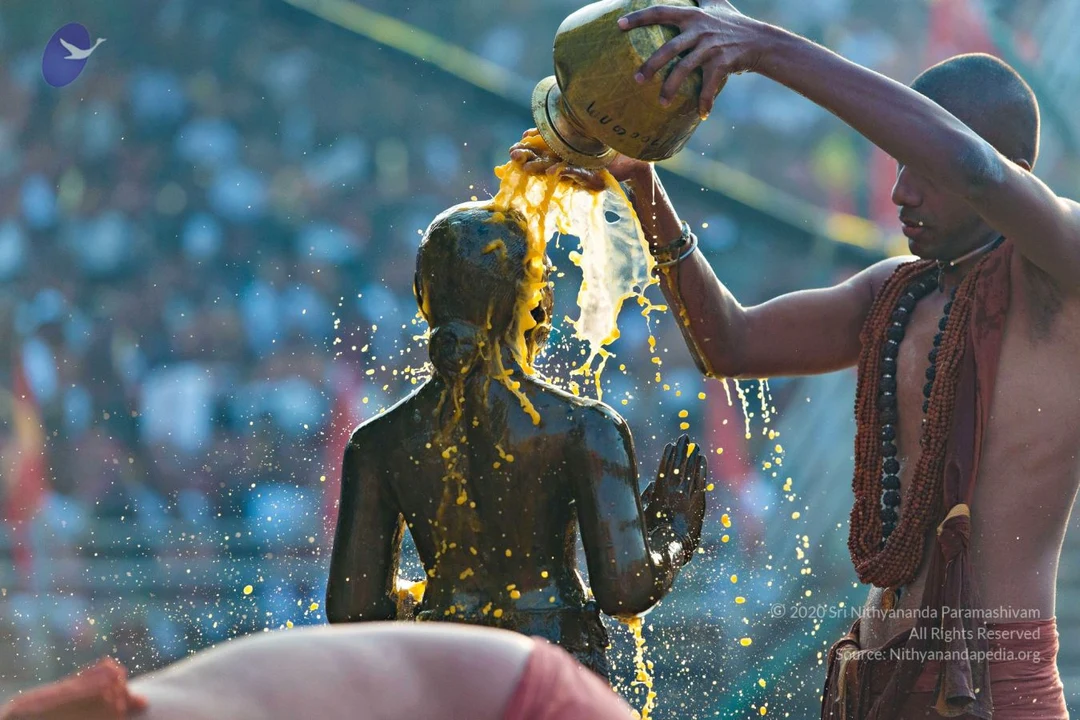
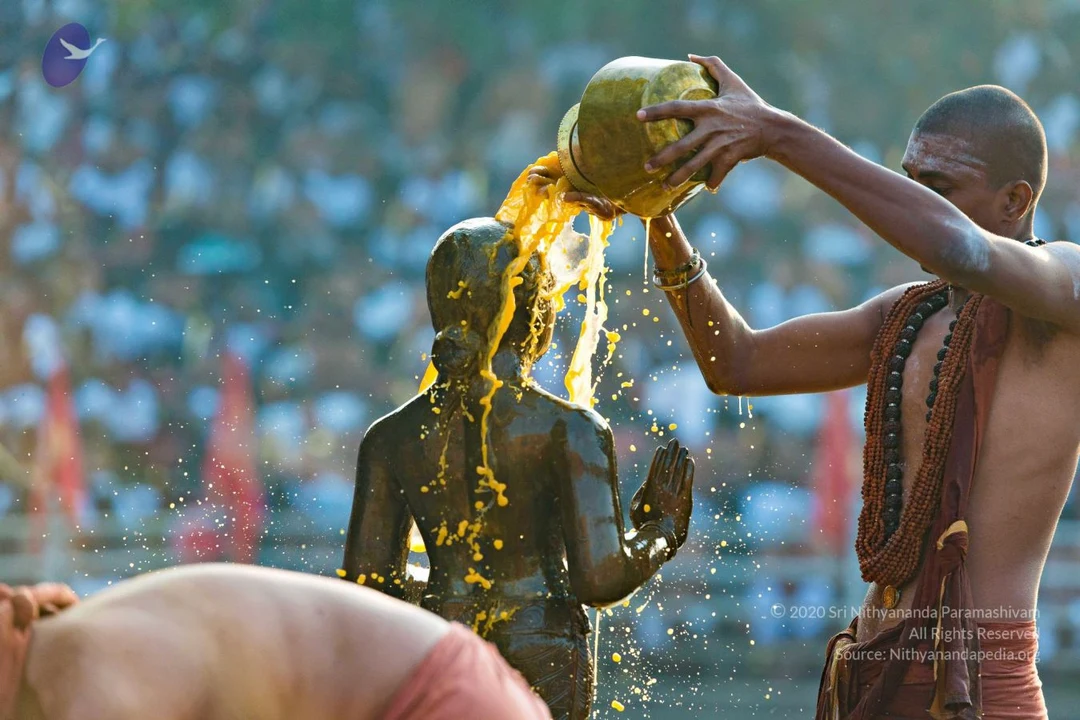
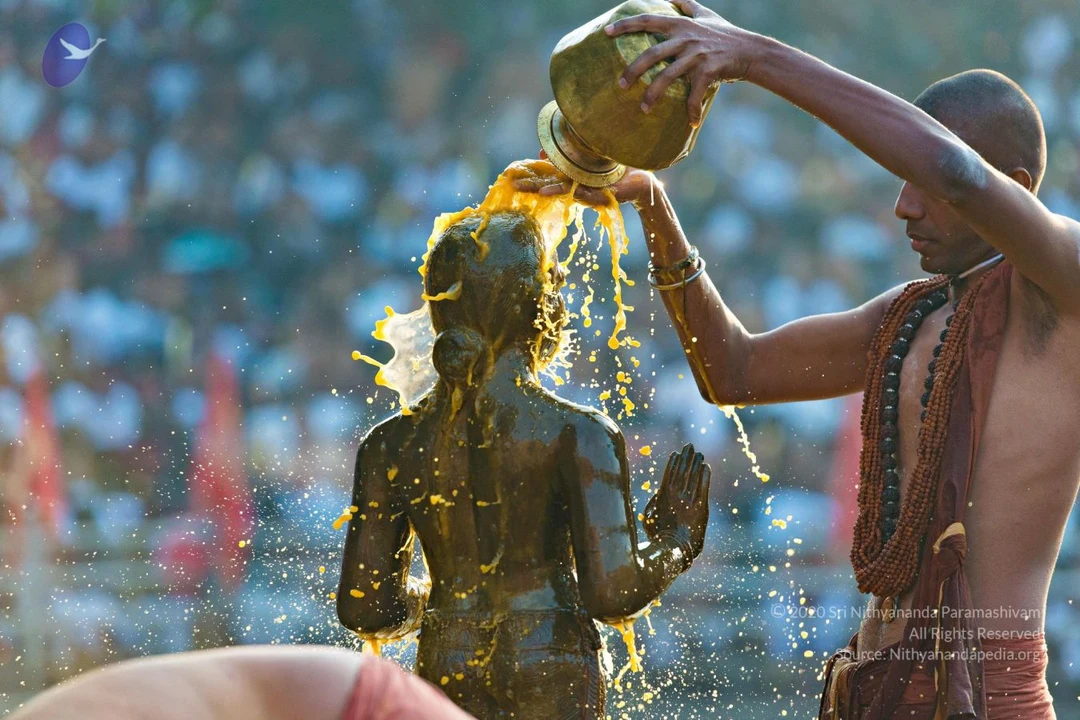
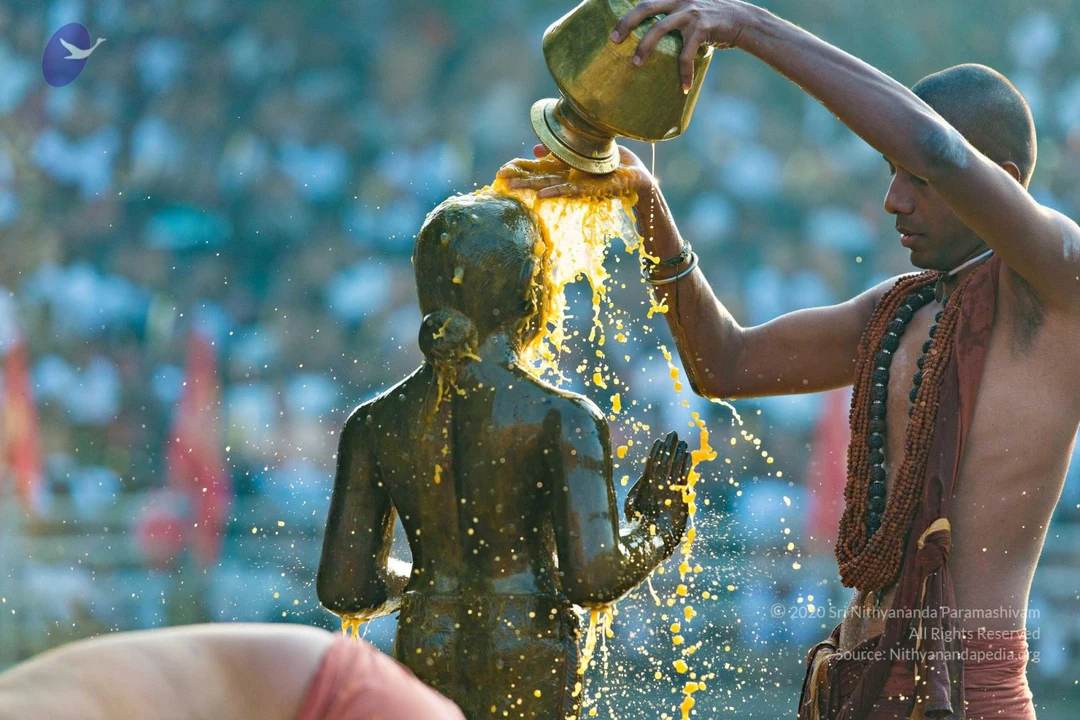
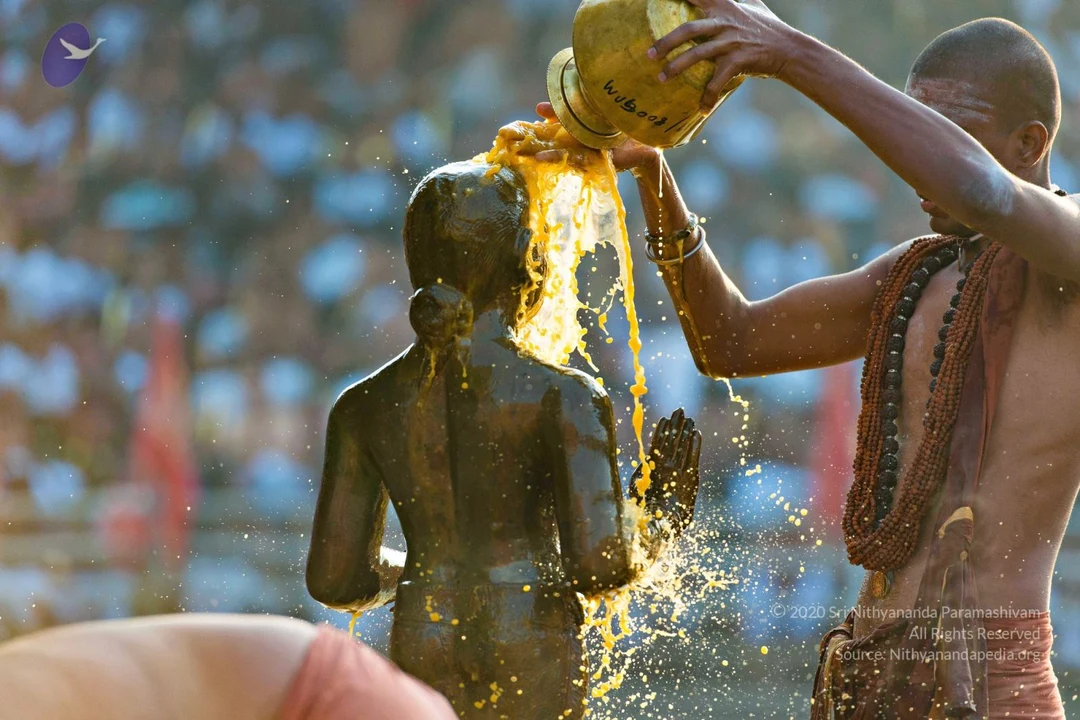
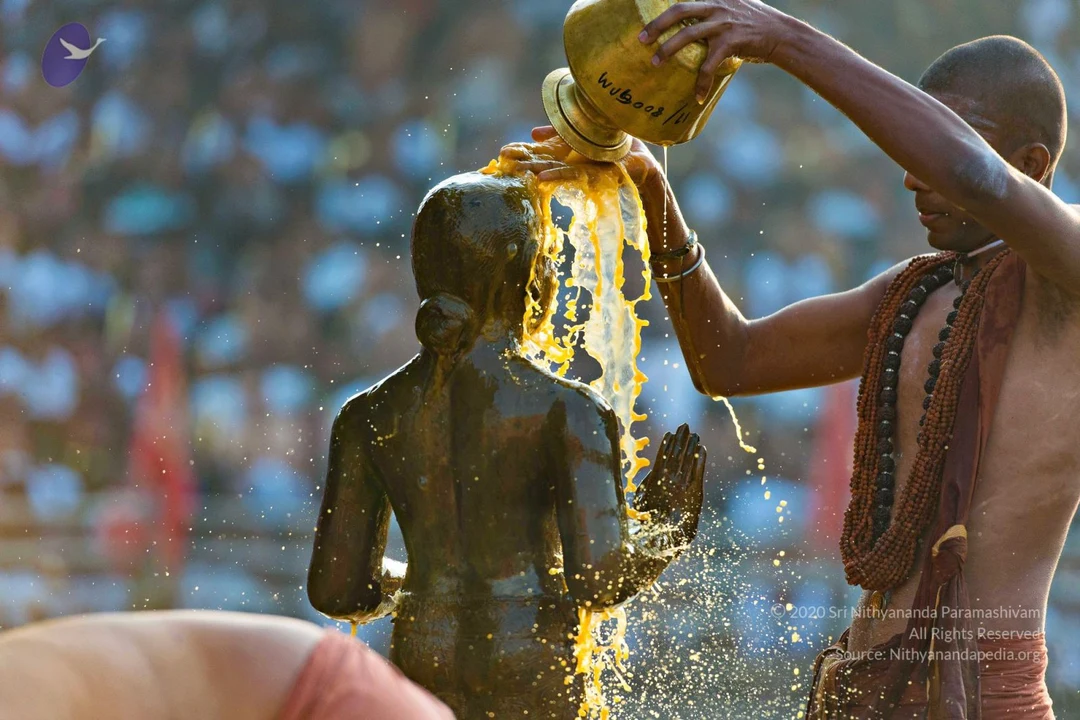
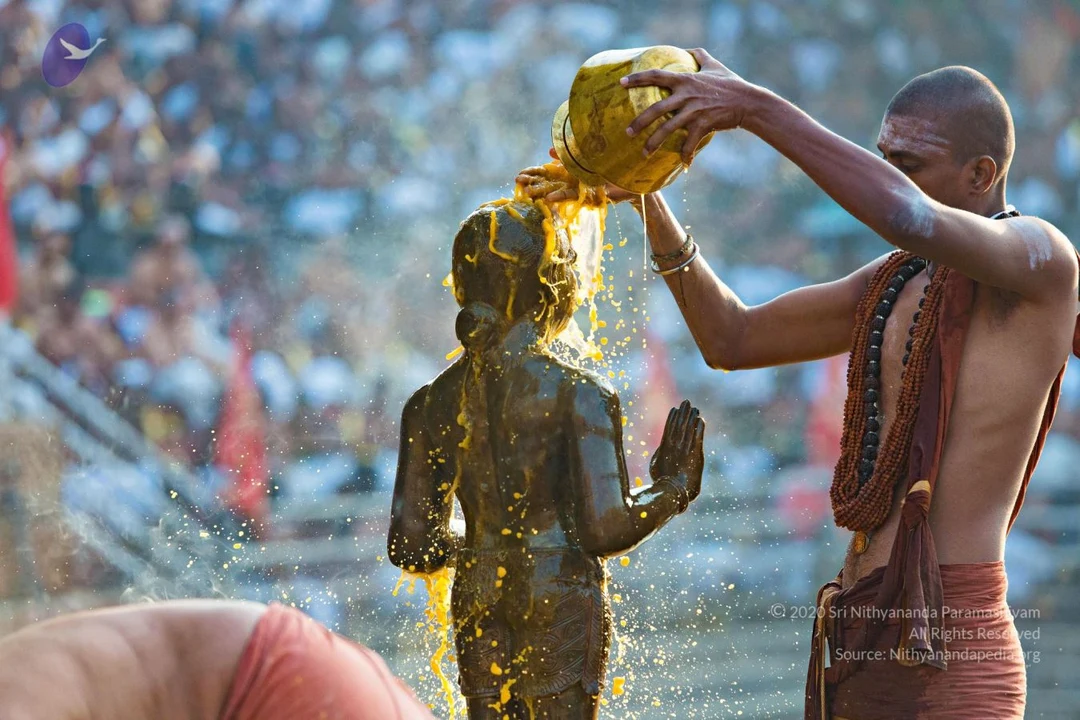
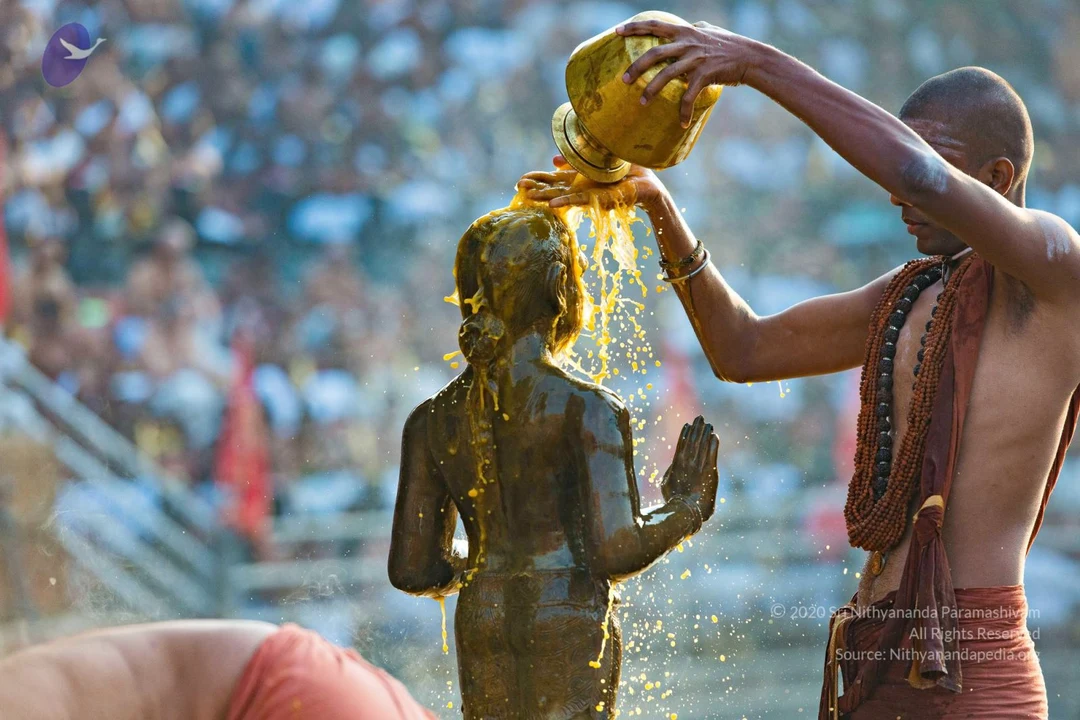
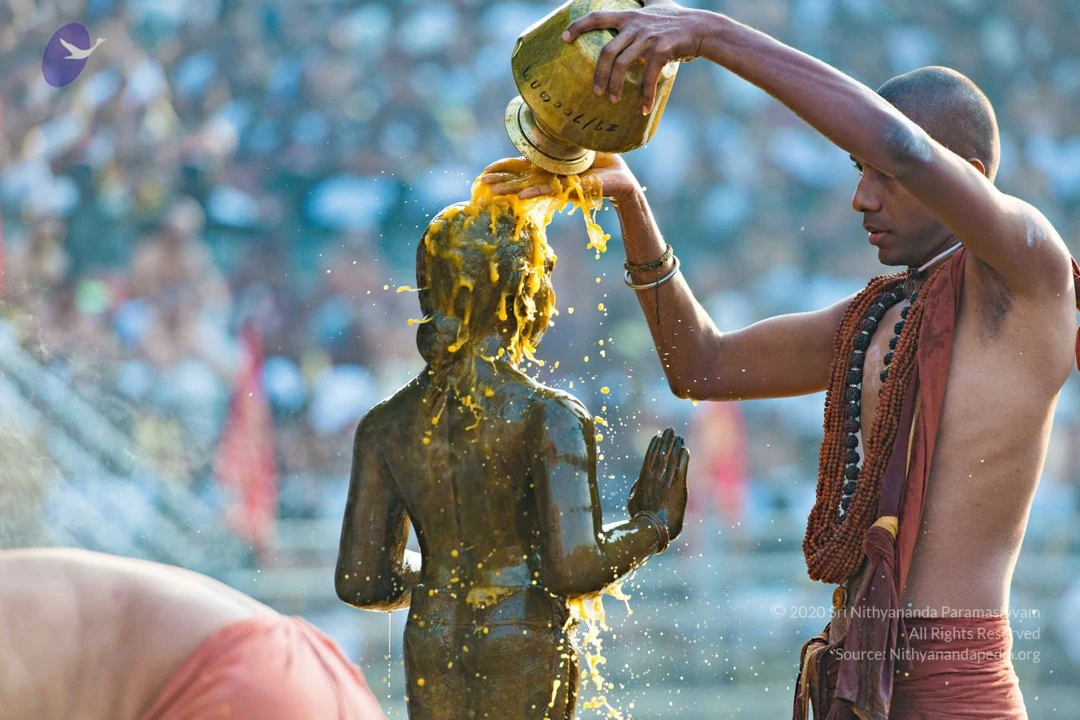
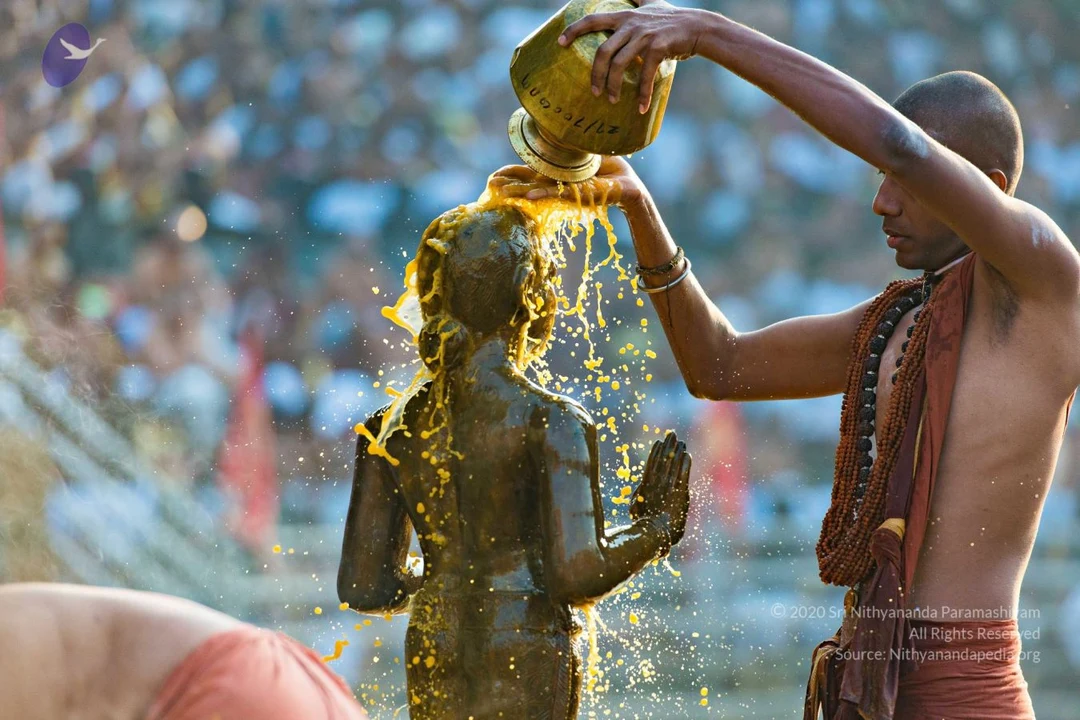
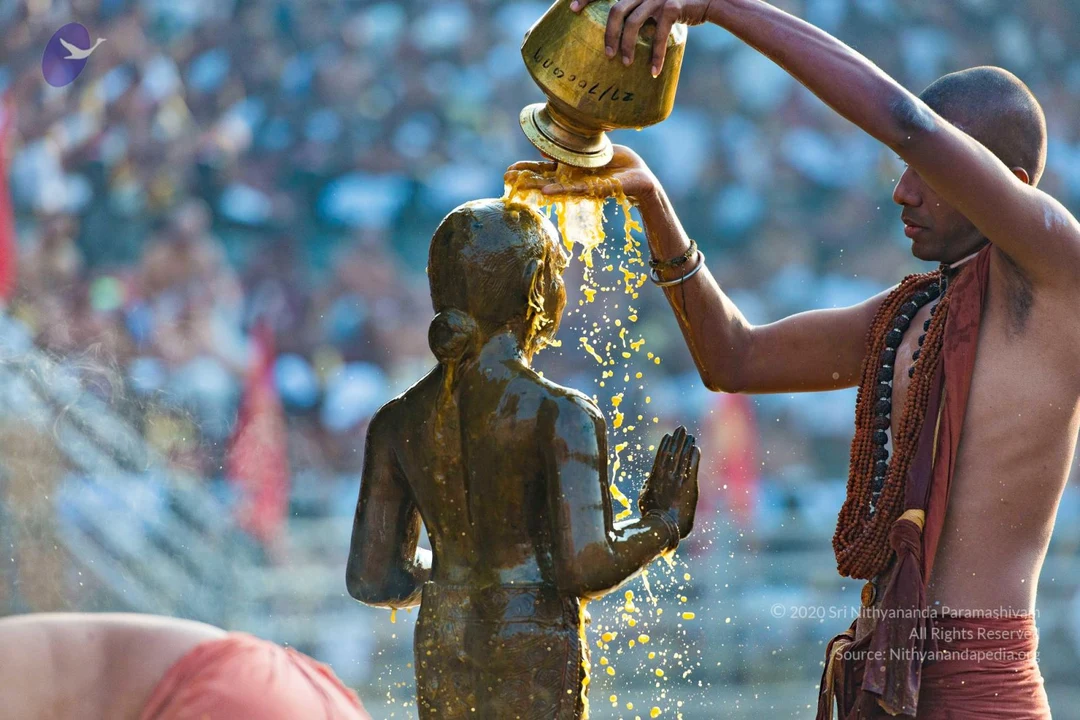
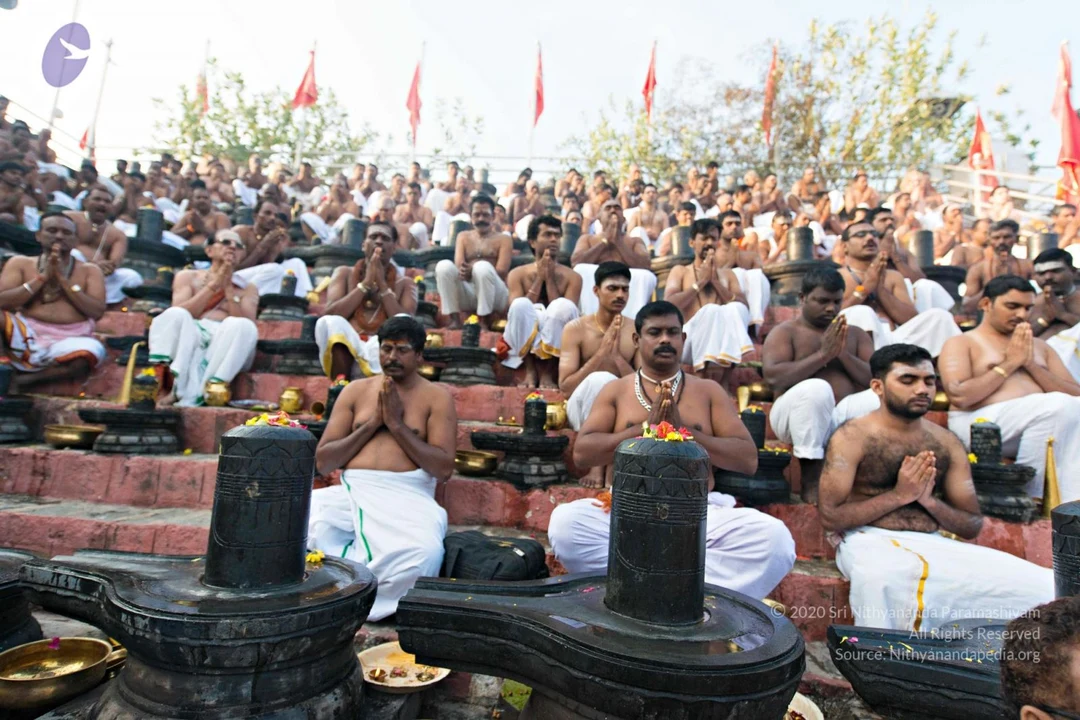
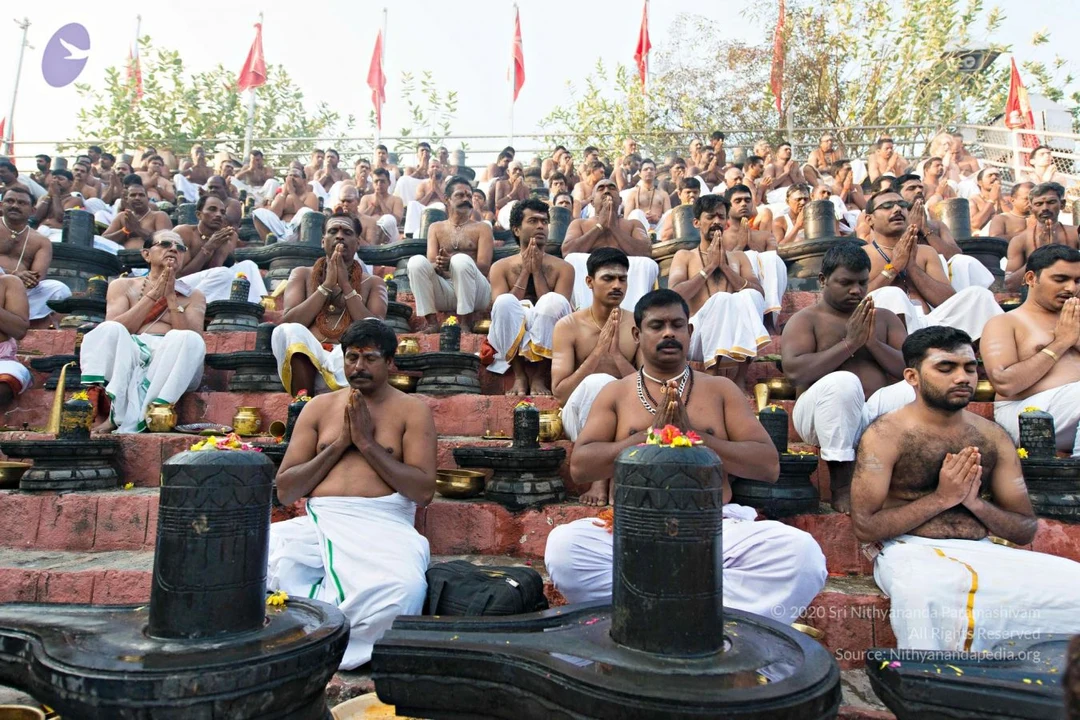
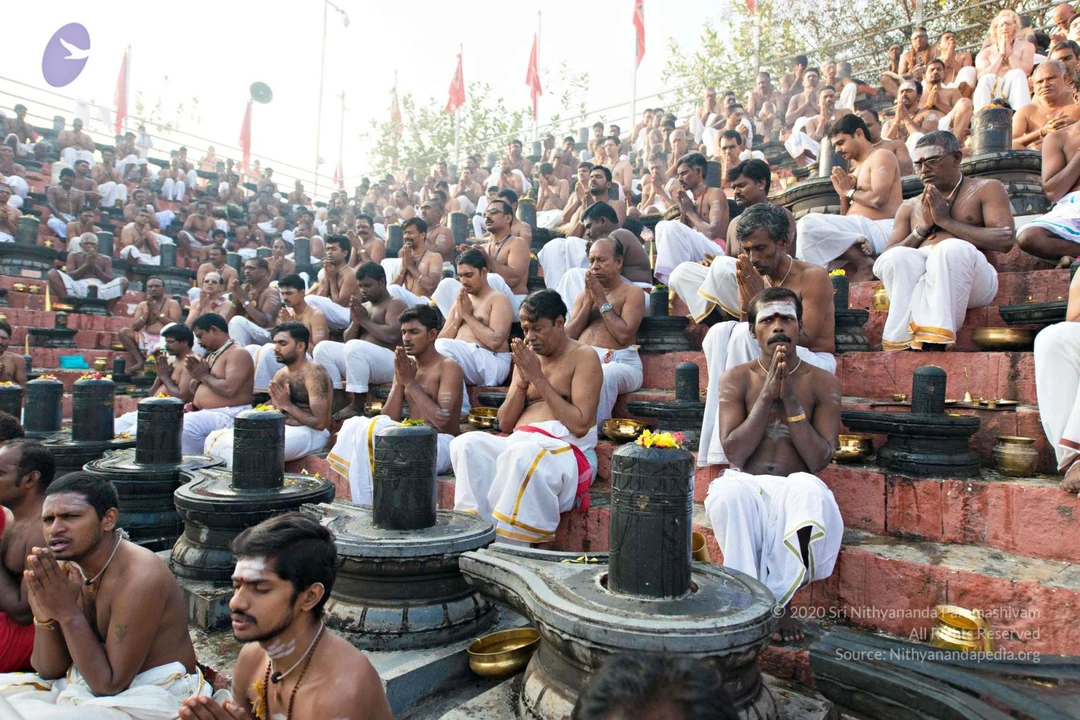
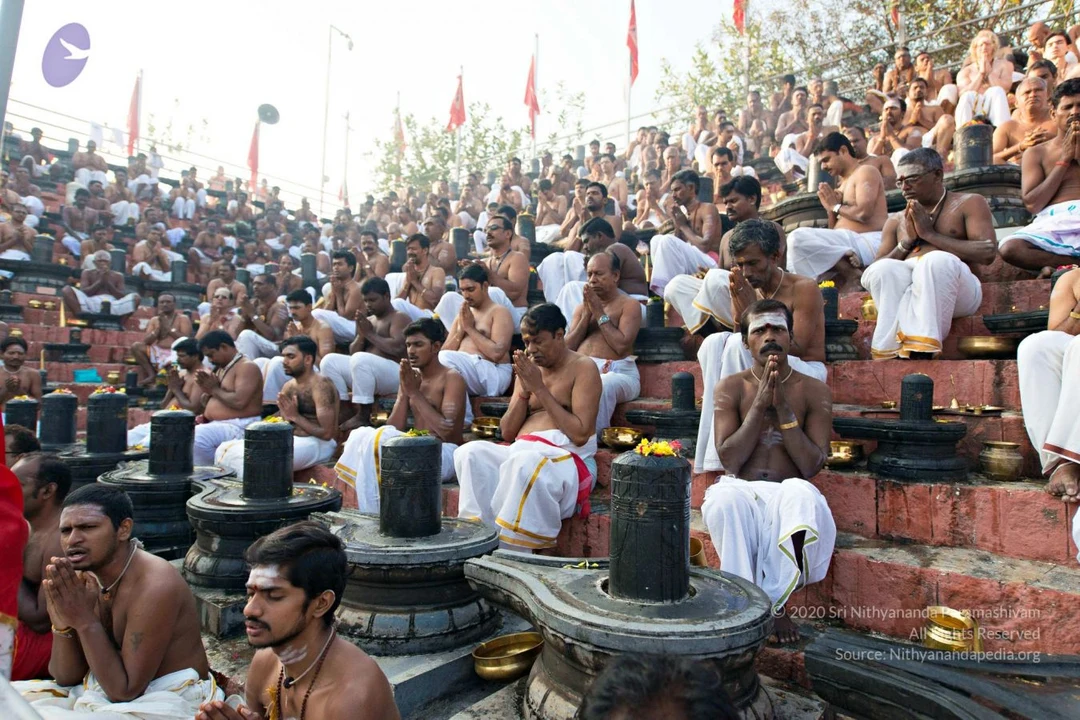
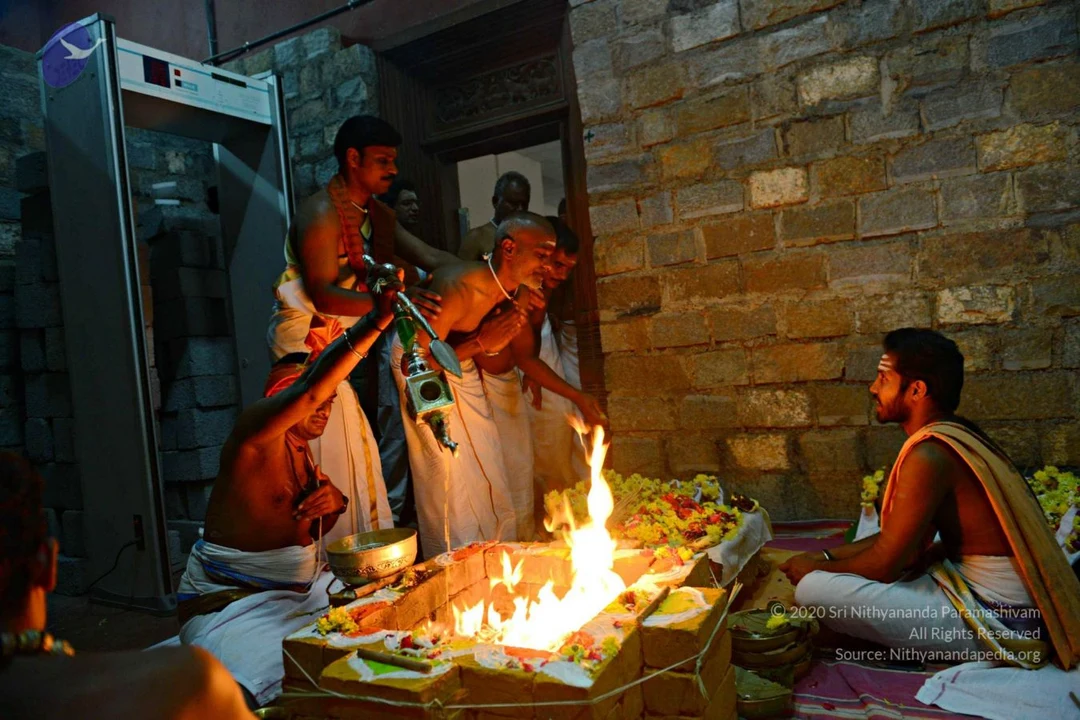
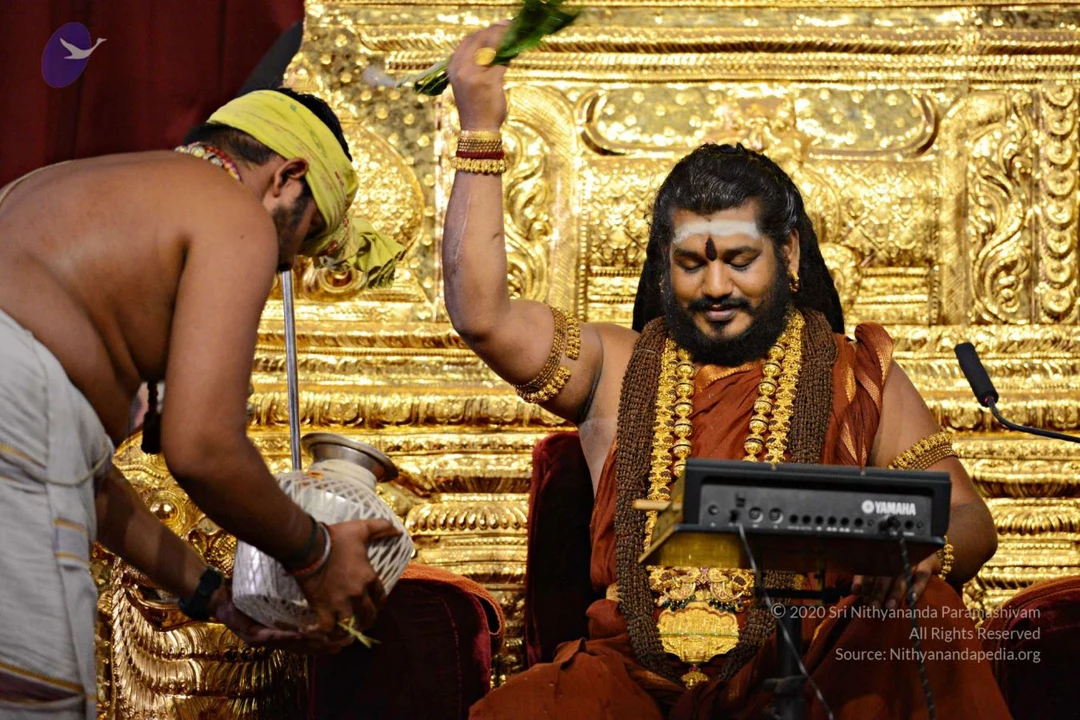
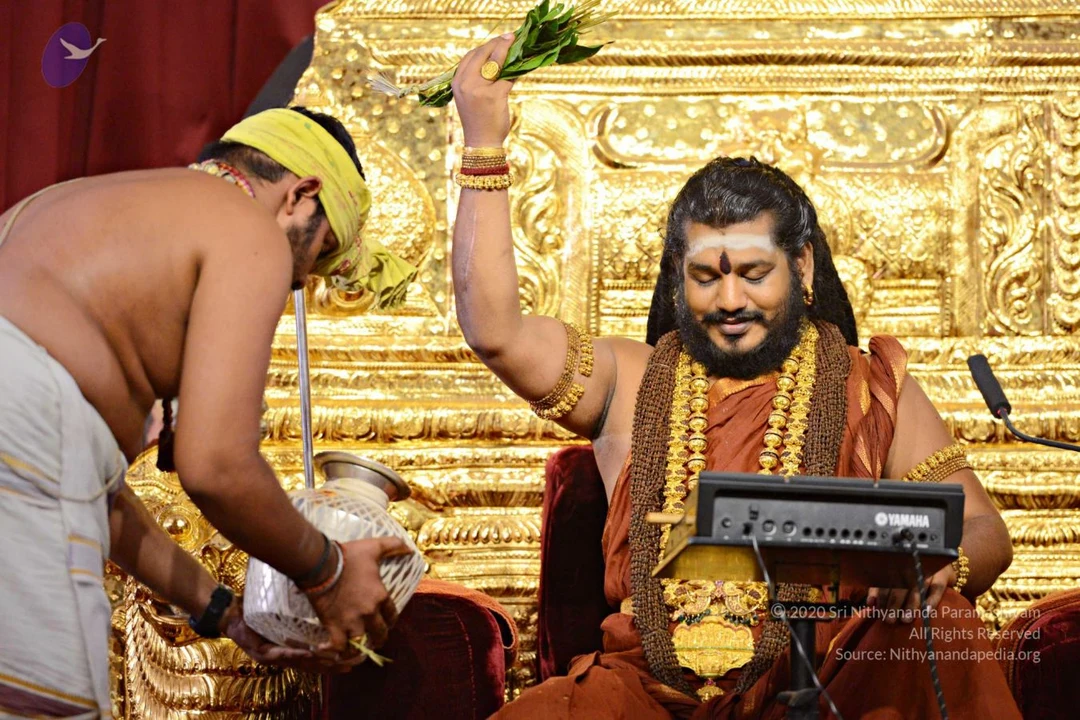
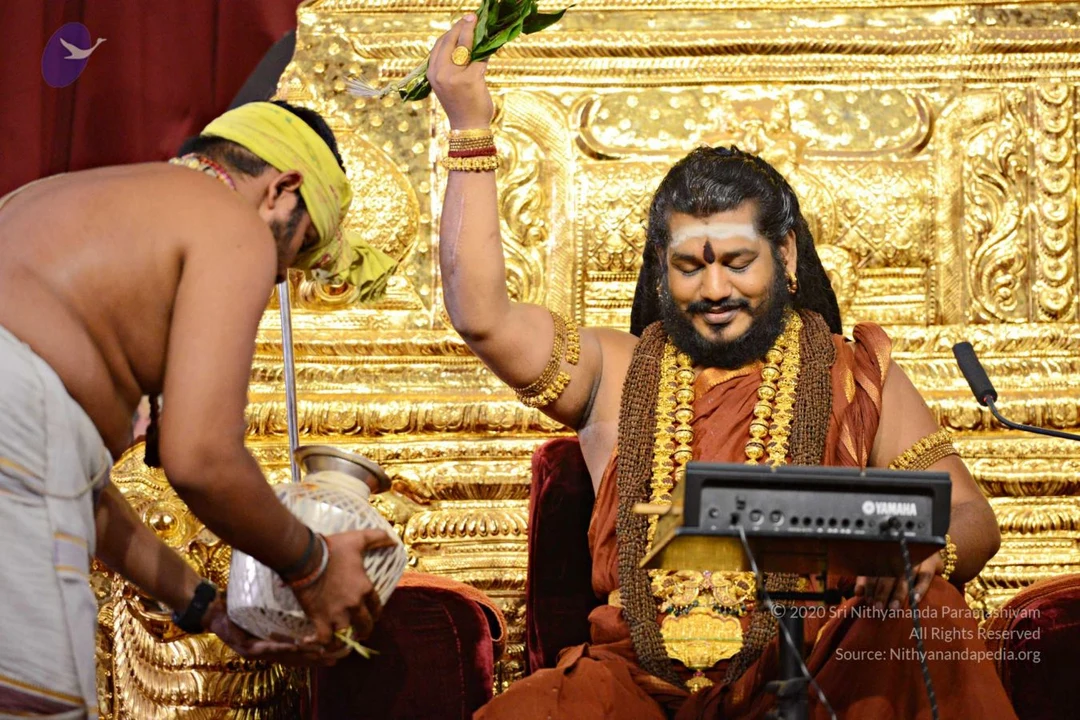
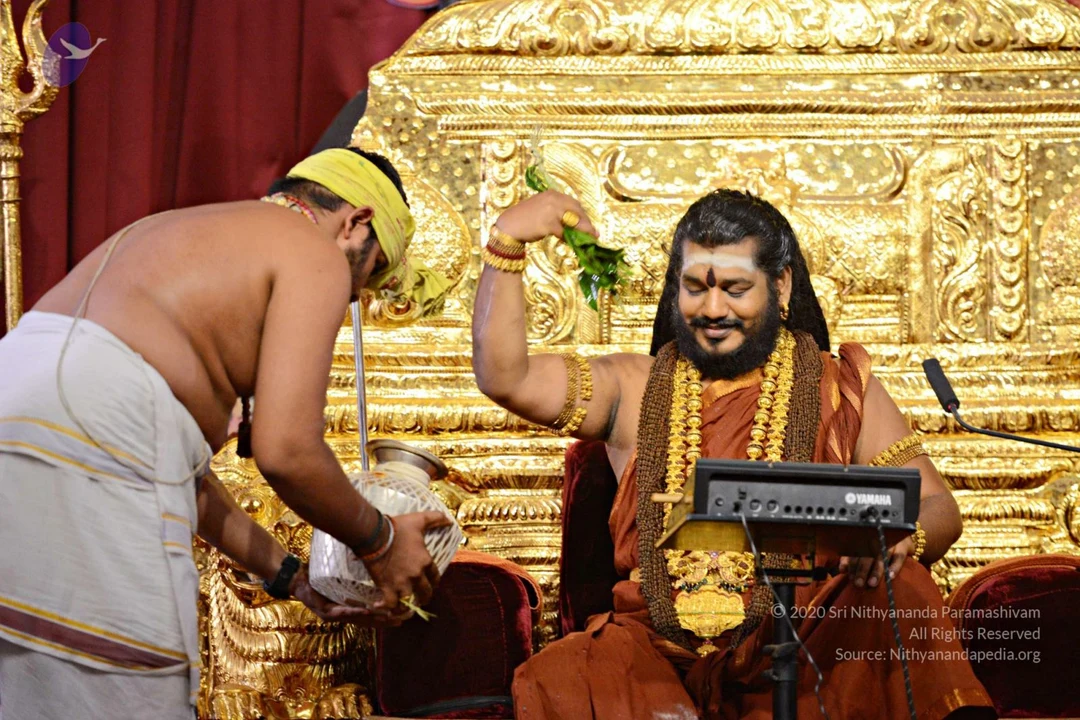
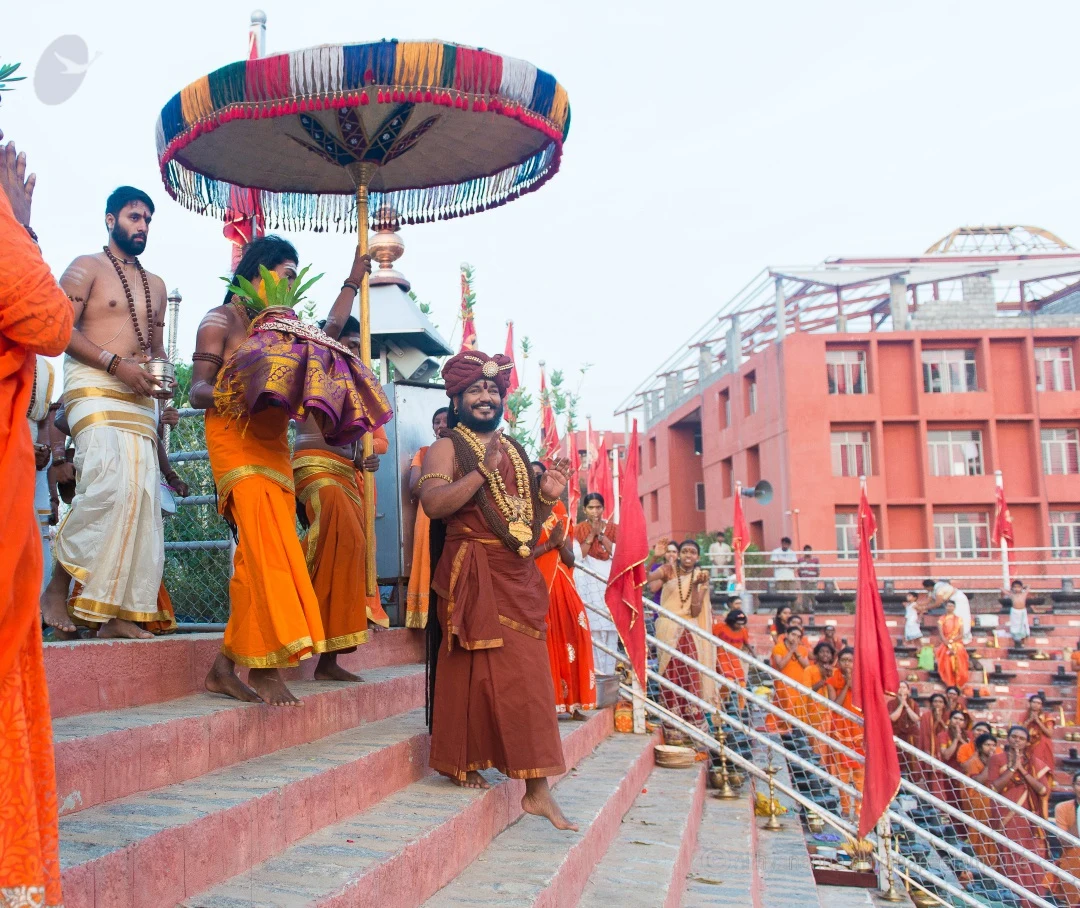
Rudra Abhishekam
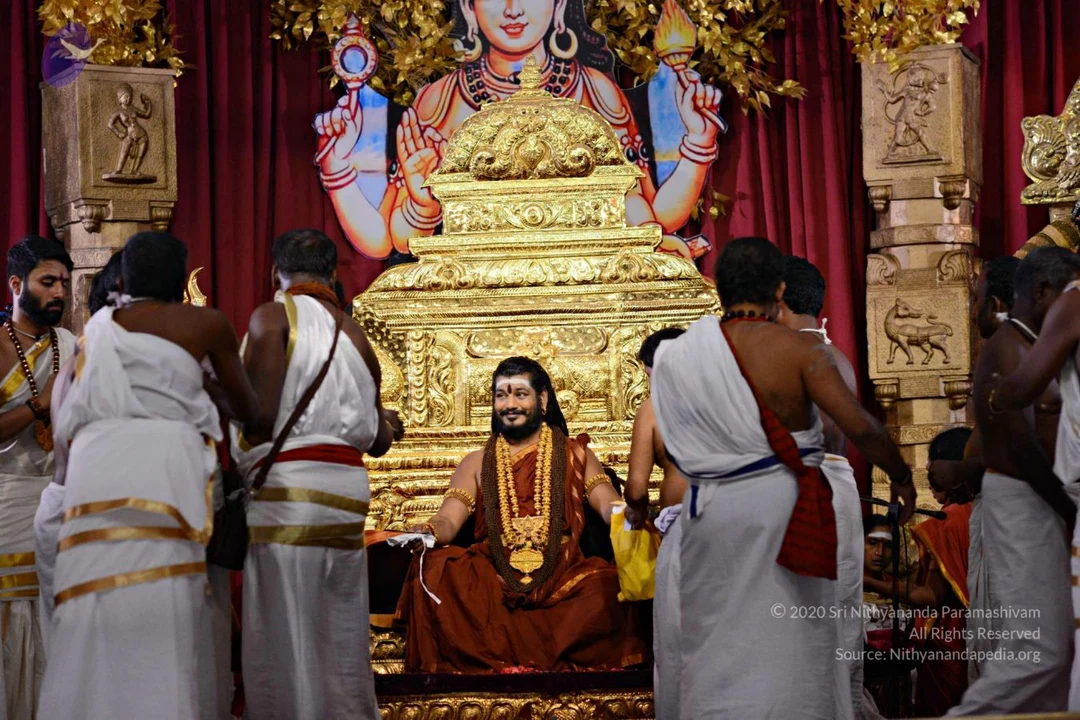
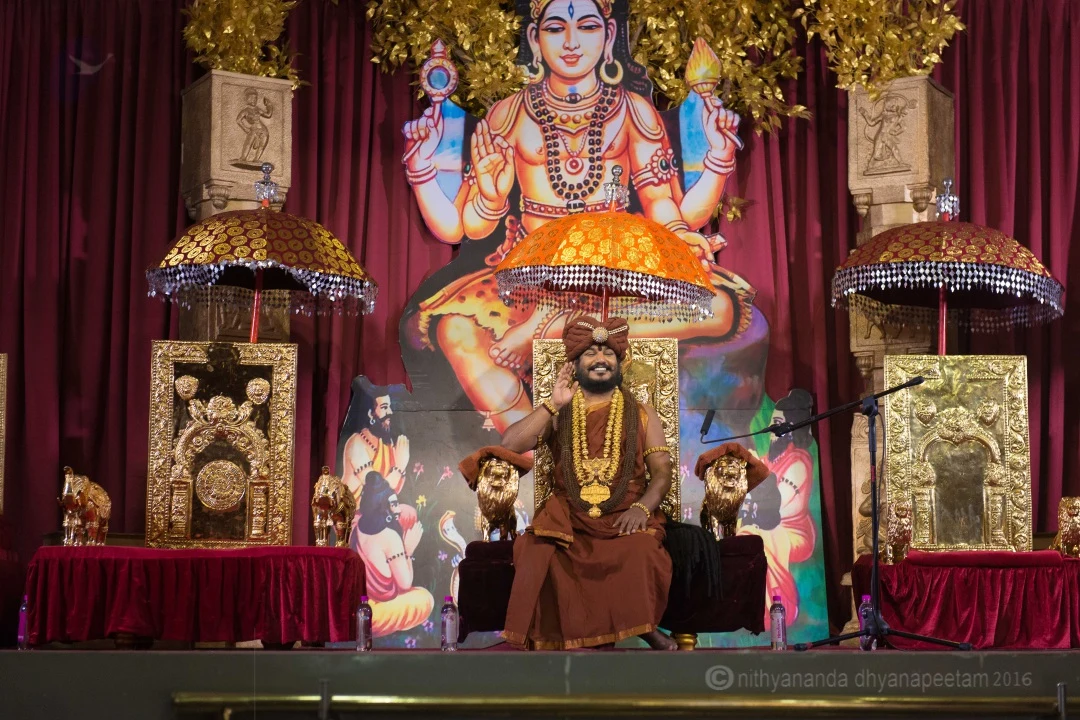
Nithyananda Satsang - LSP Process - and Kirtan
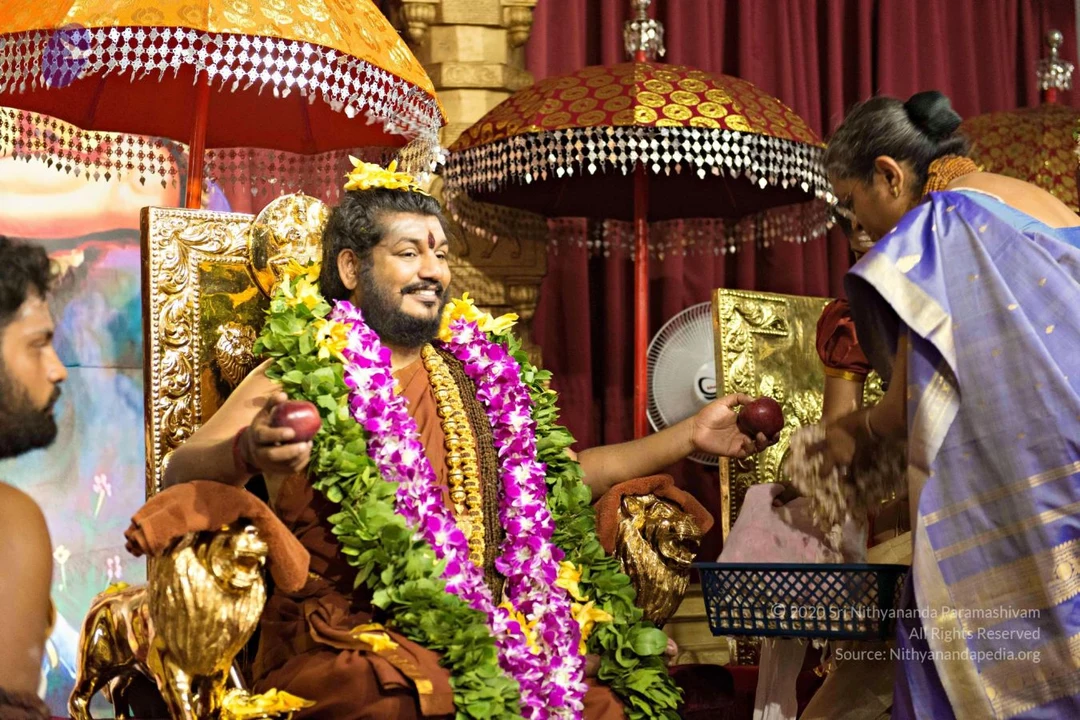
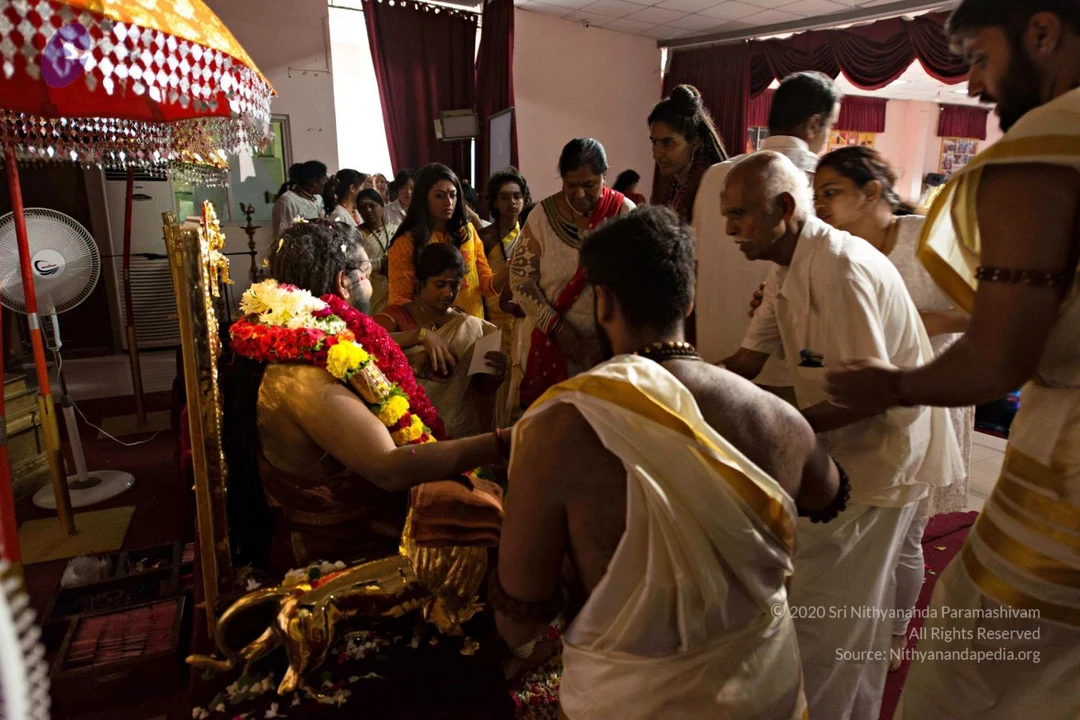
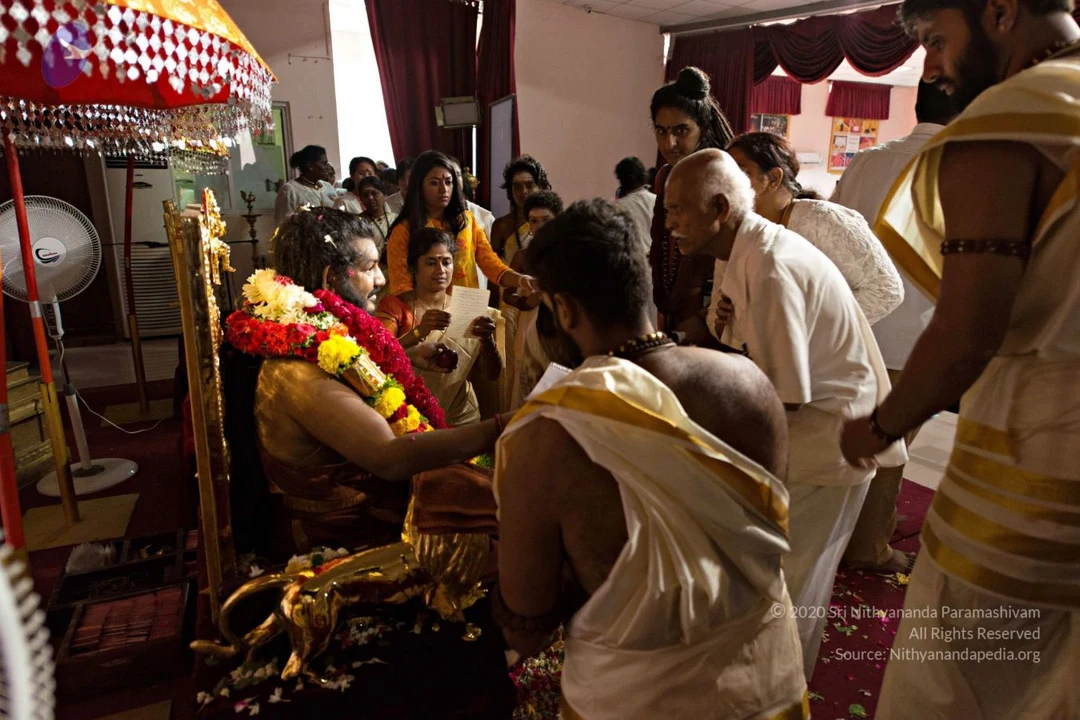
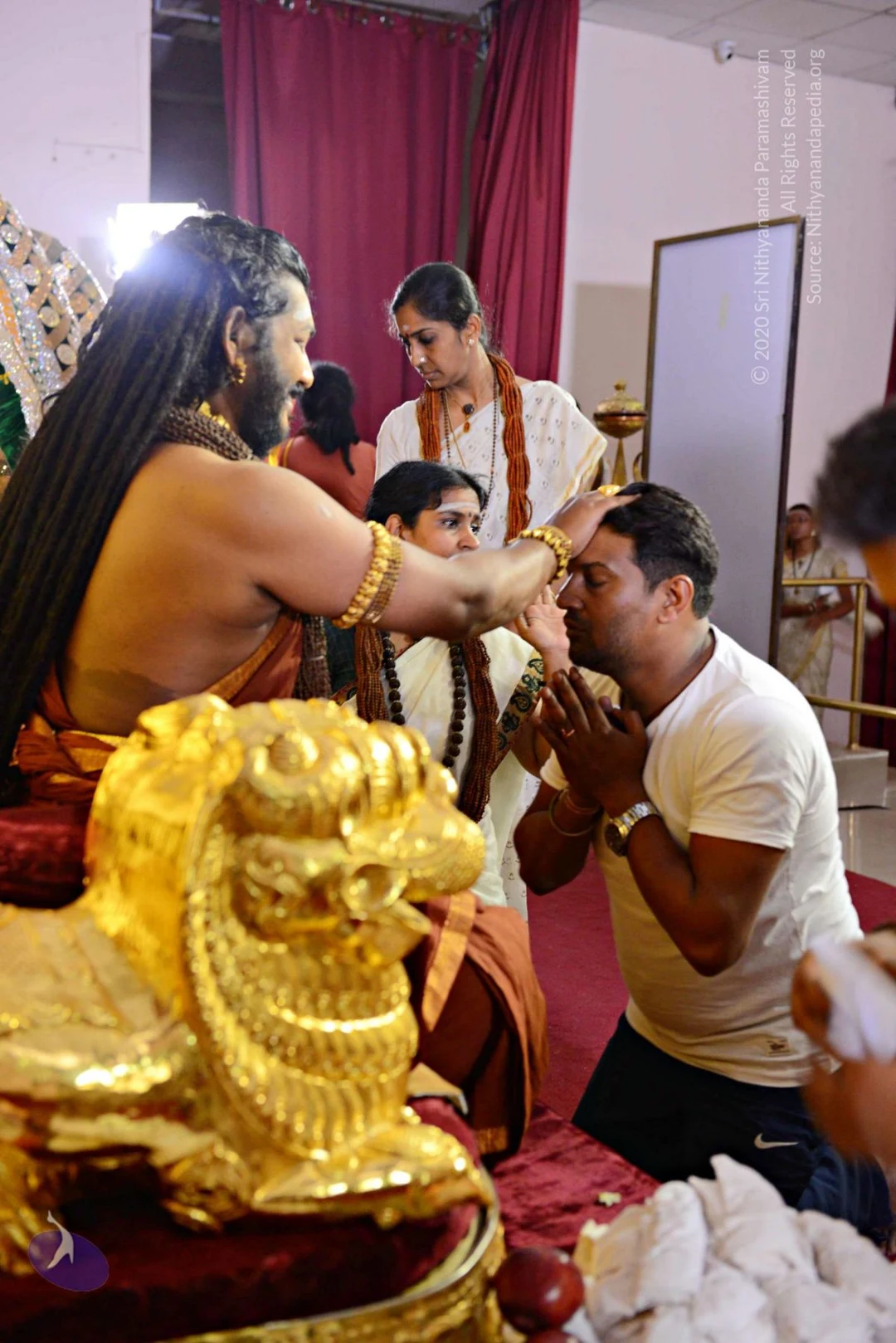
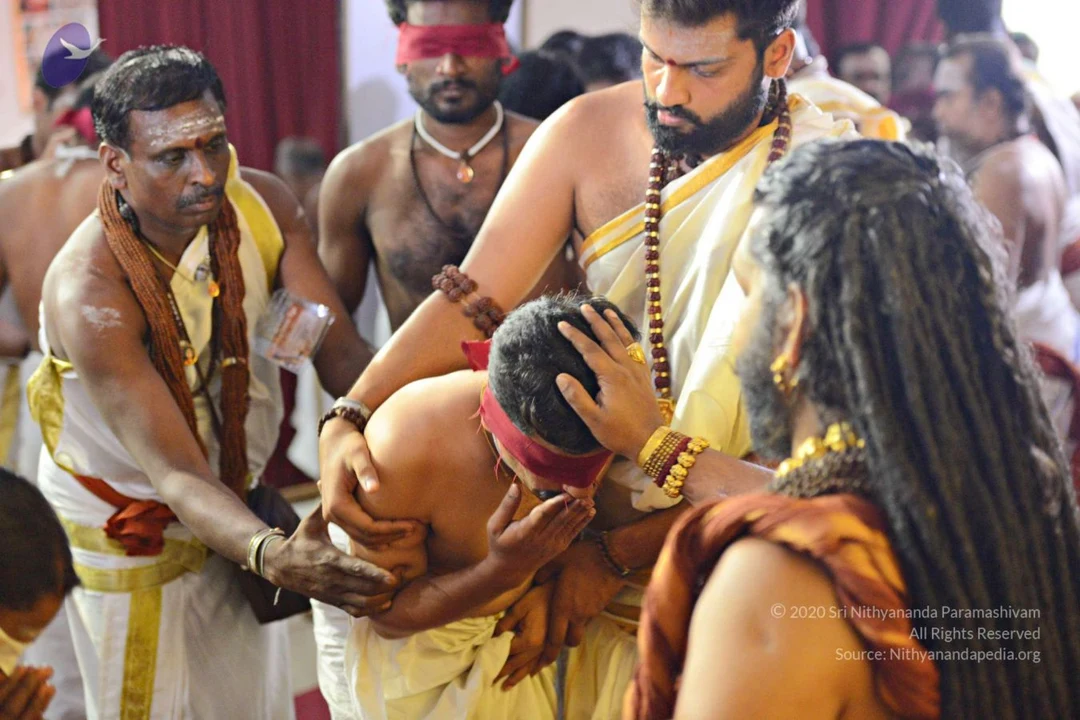
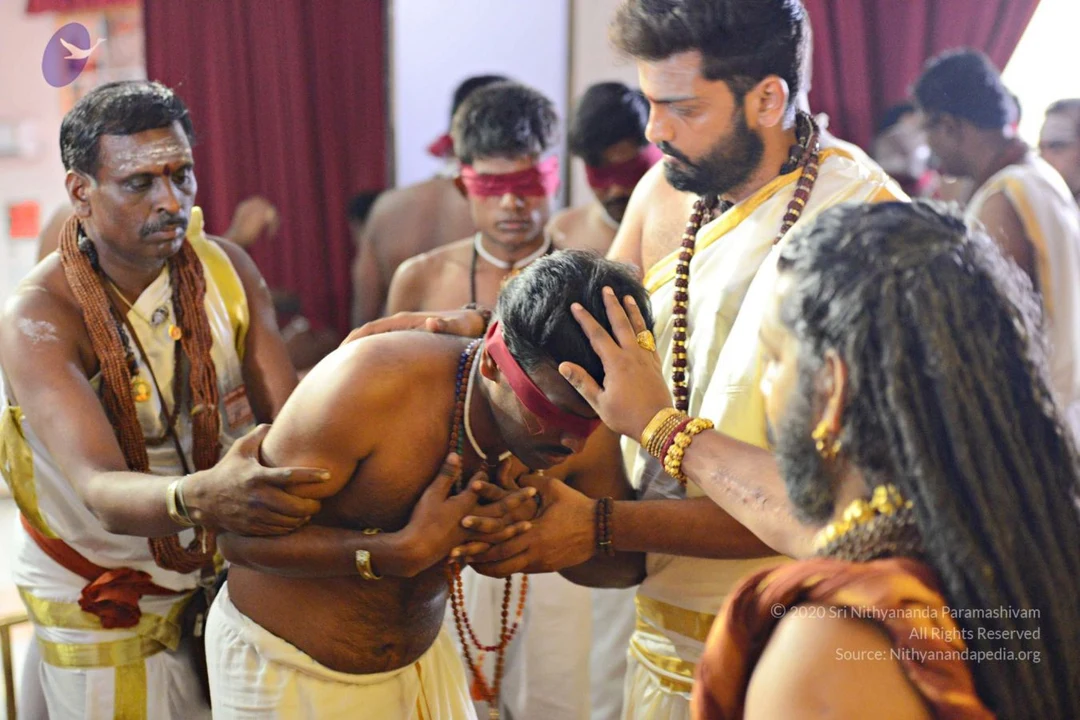
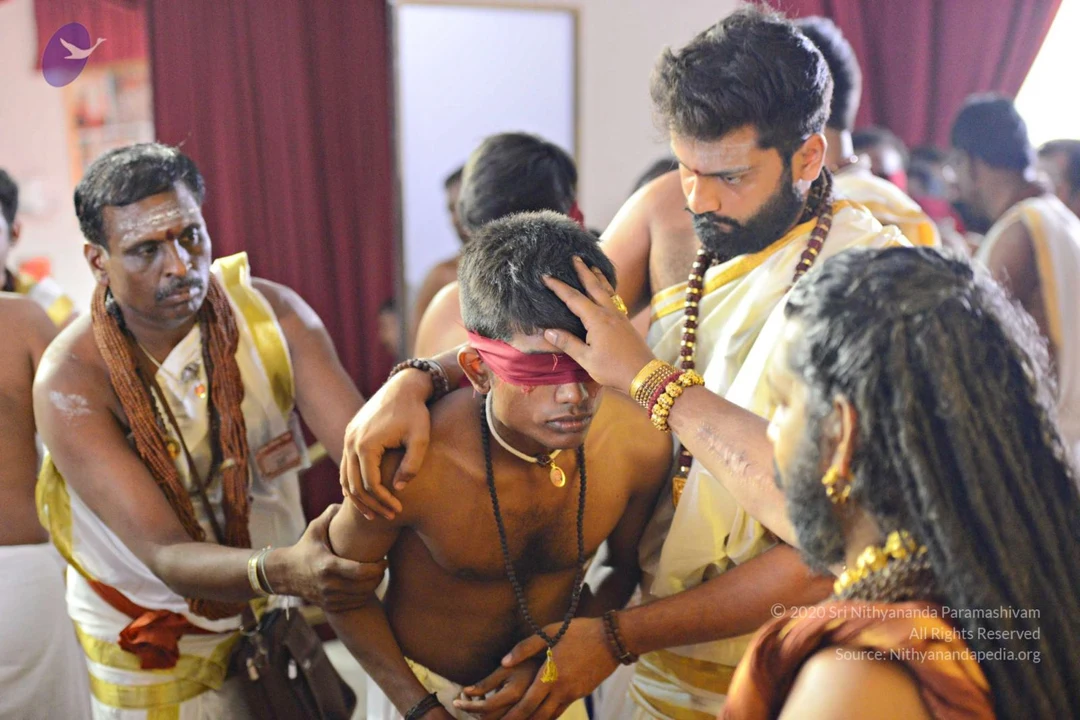
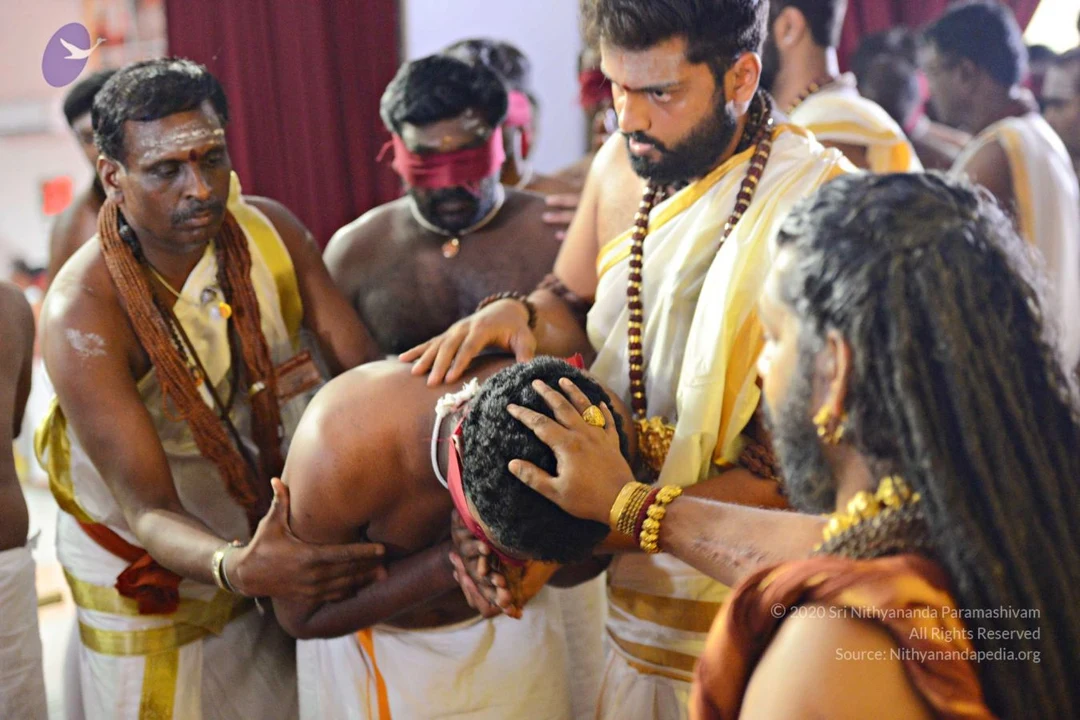
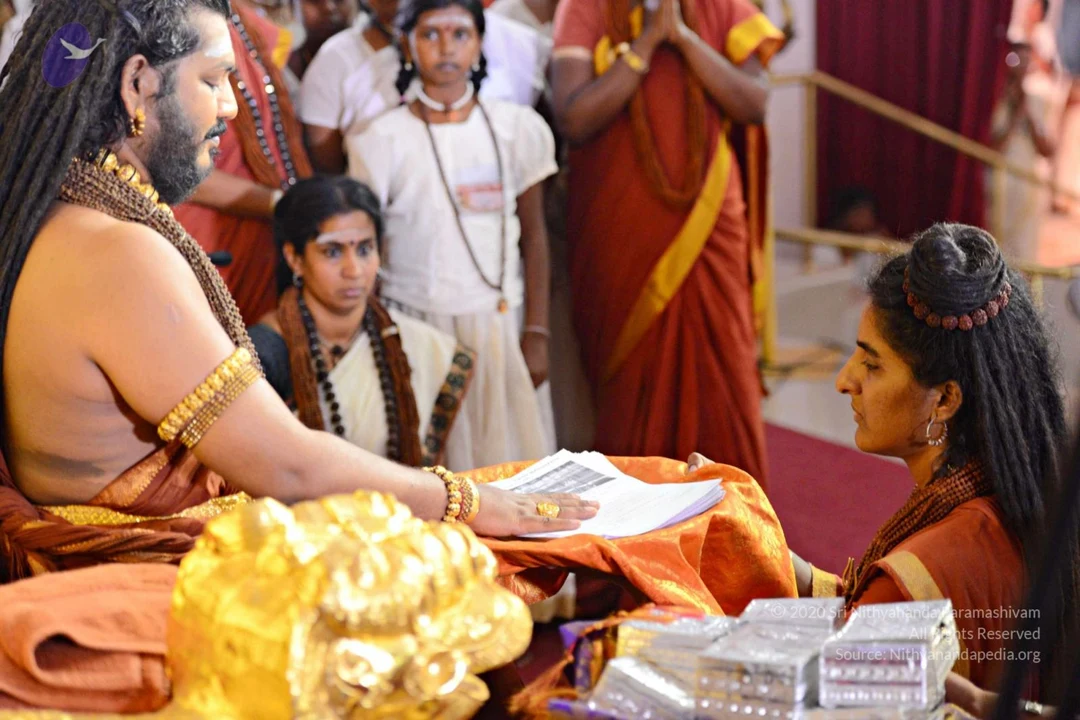
Kalpataru Darshan and Shiva Deeksha
Photos Of The Day:

Rudrabhishekam
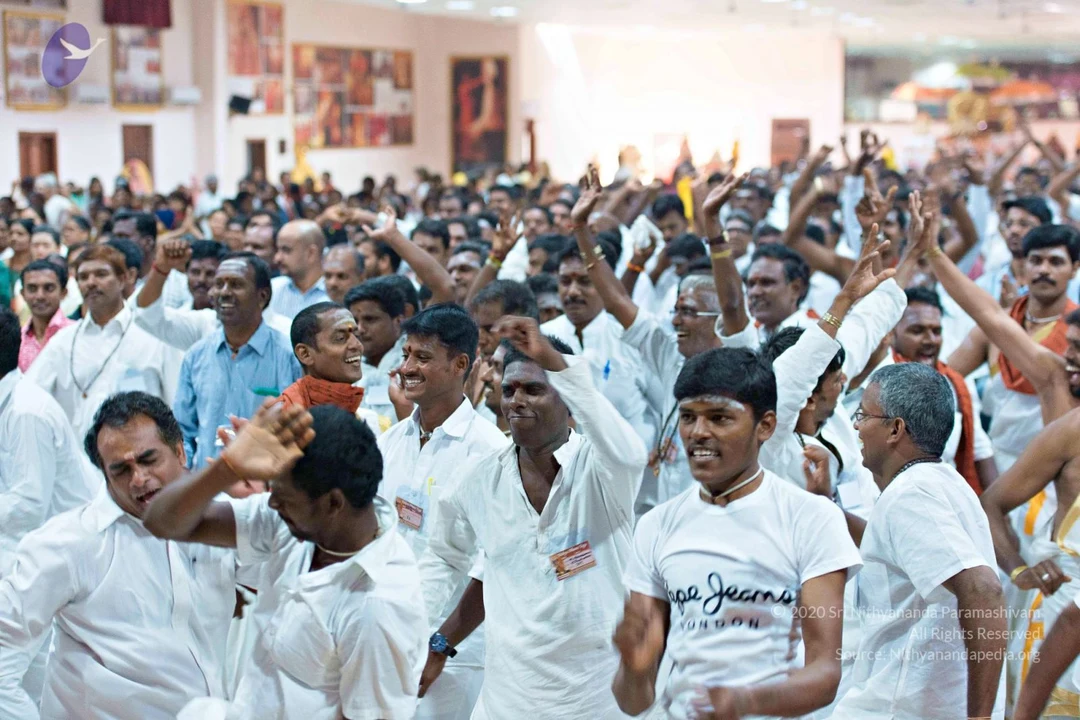
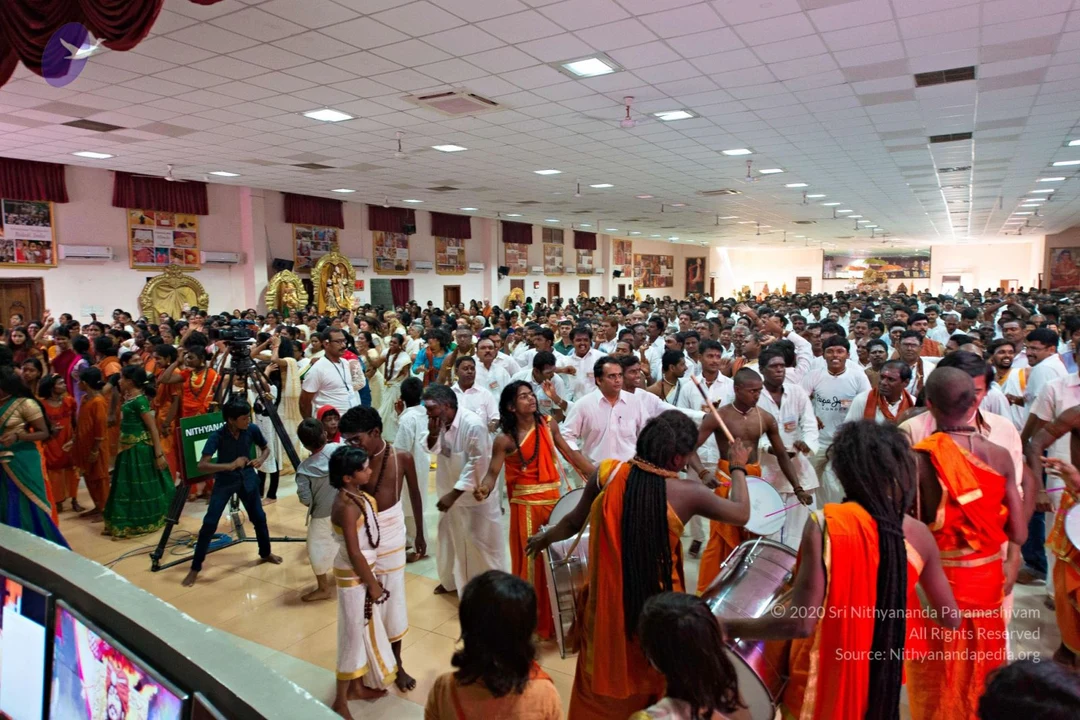
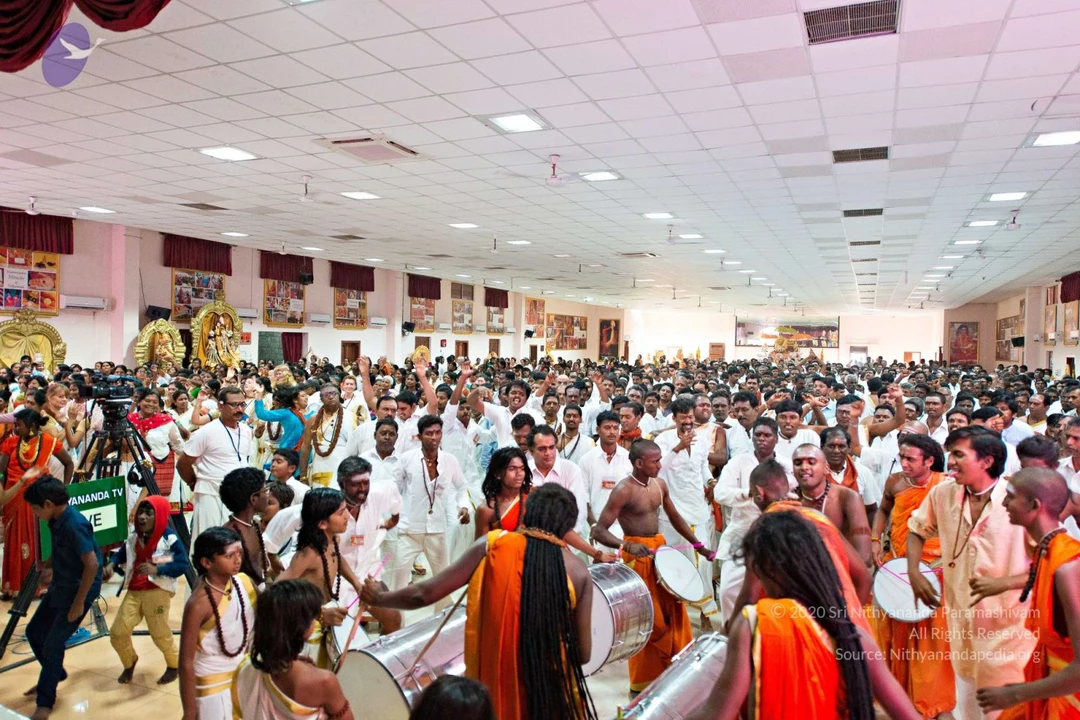
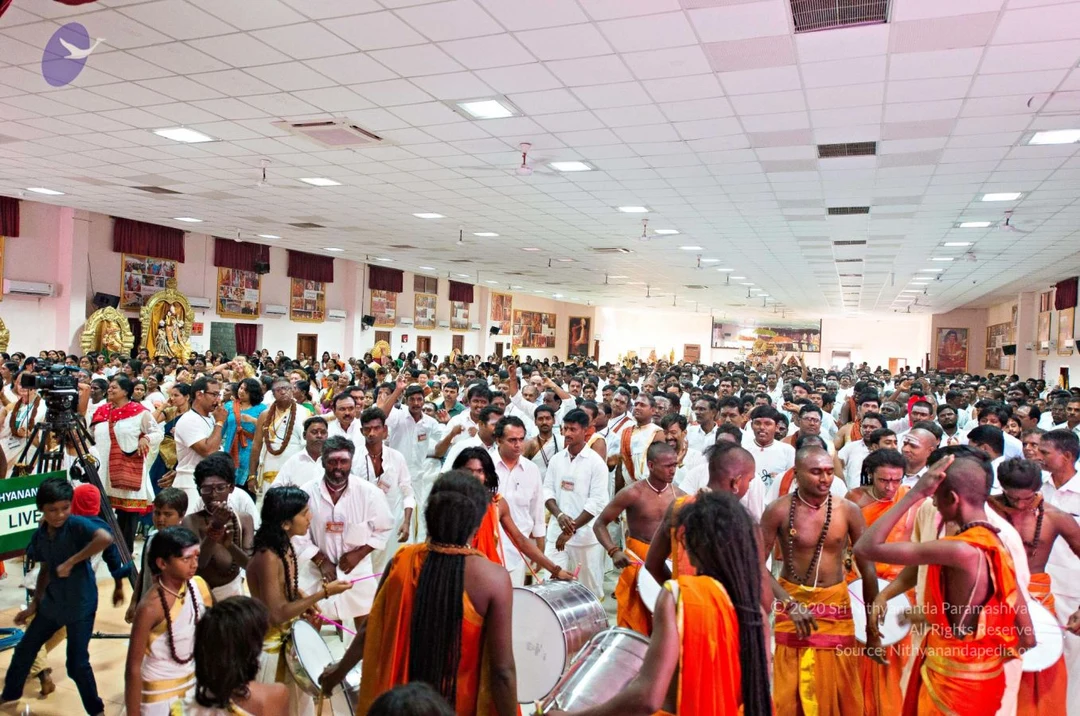
Living Shuddhadvaita Process

Kalpataru Darshan

Shiva Deeksha

ALCHEMY-PROCESS

ALCHEMY-PROCESS-PRODUCTS

ALCHEMY-PROCESS-COURTYARD

,

Photos from this day

View all 718 photos

Rudrabhishekam
132 photosSource gallery
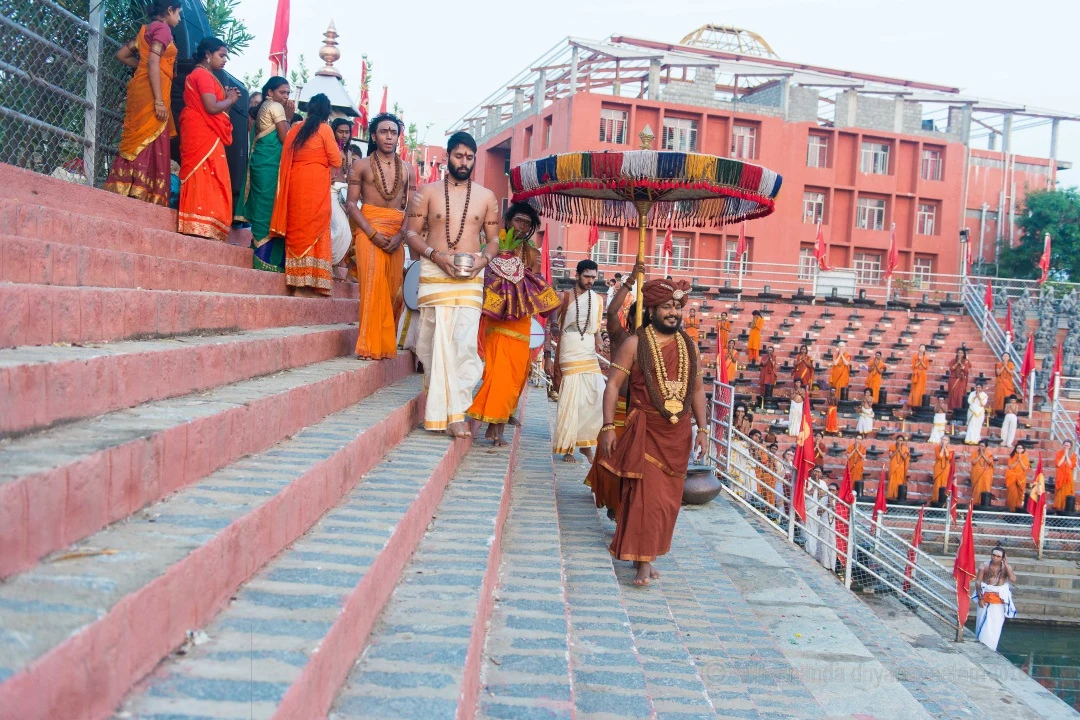
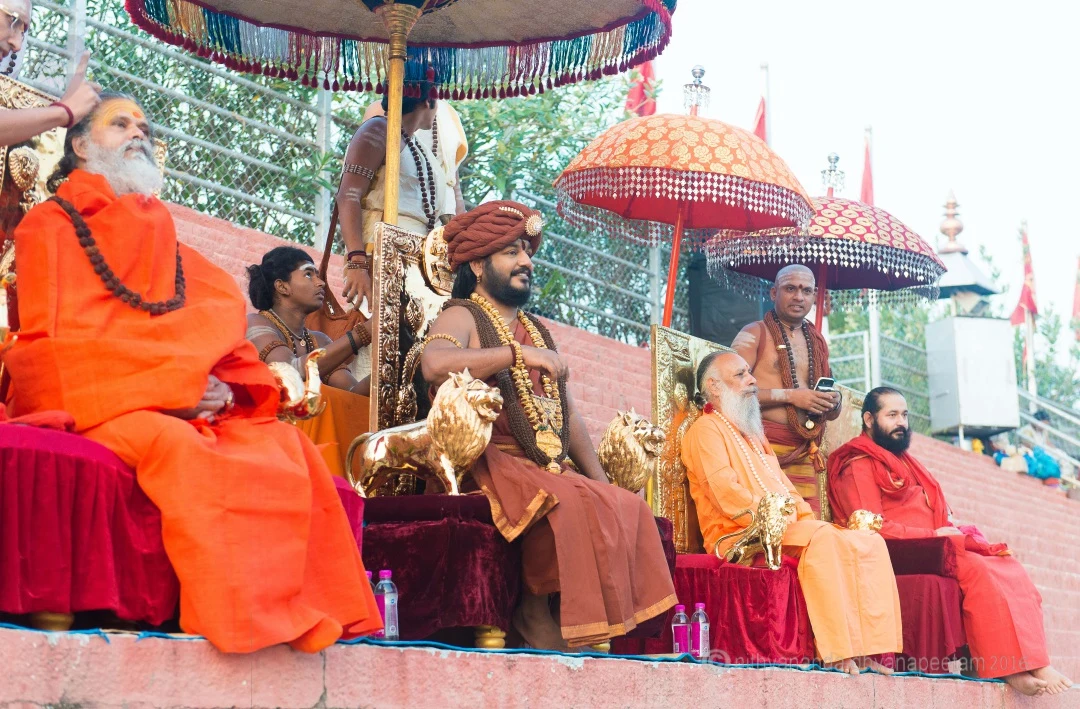
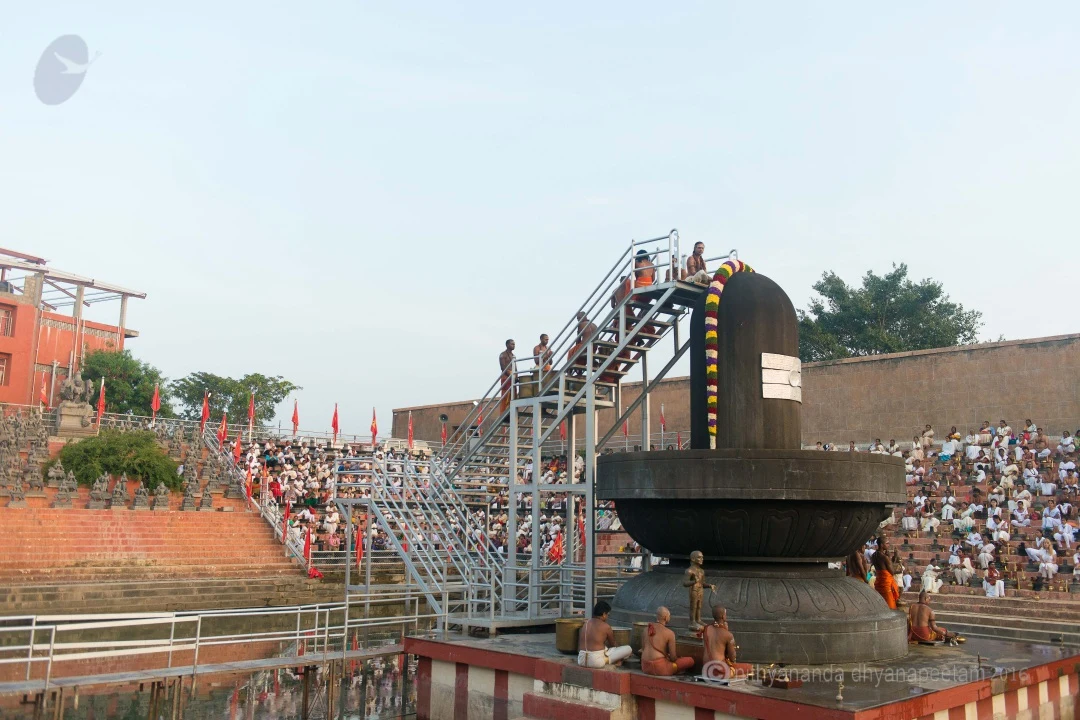
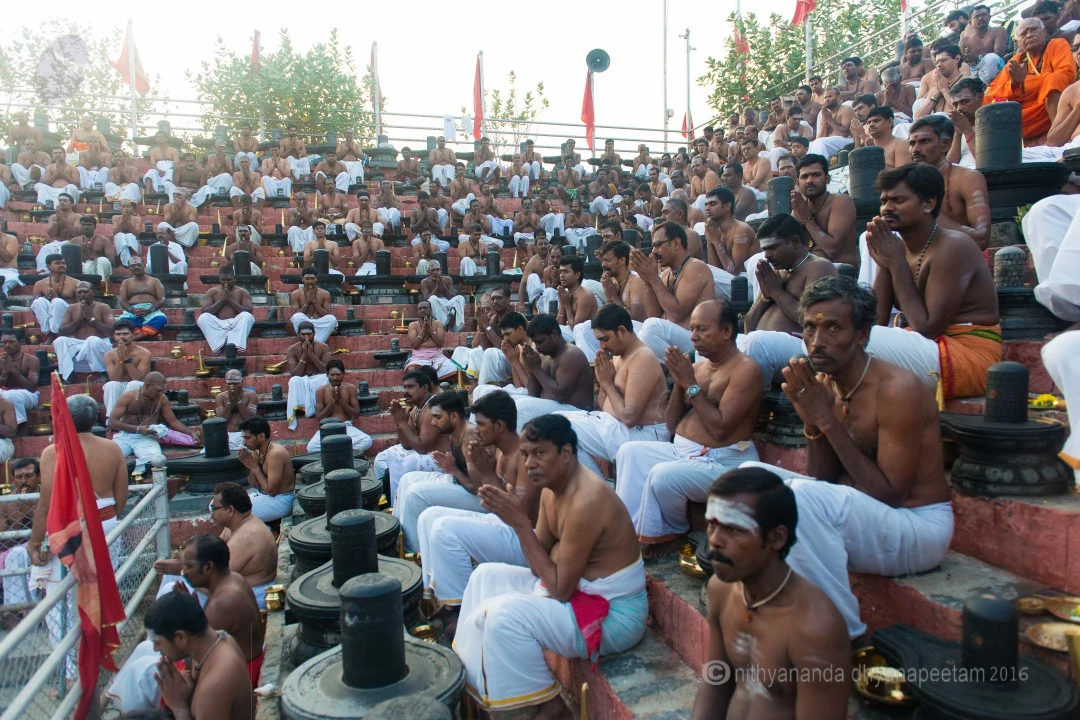
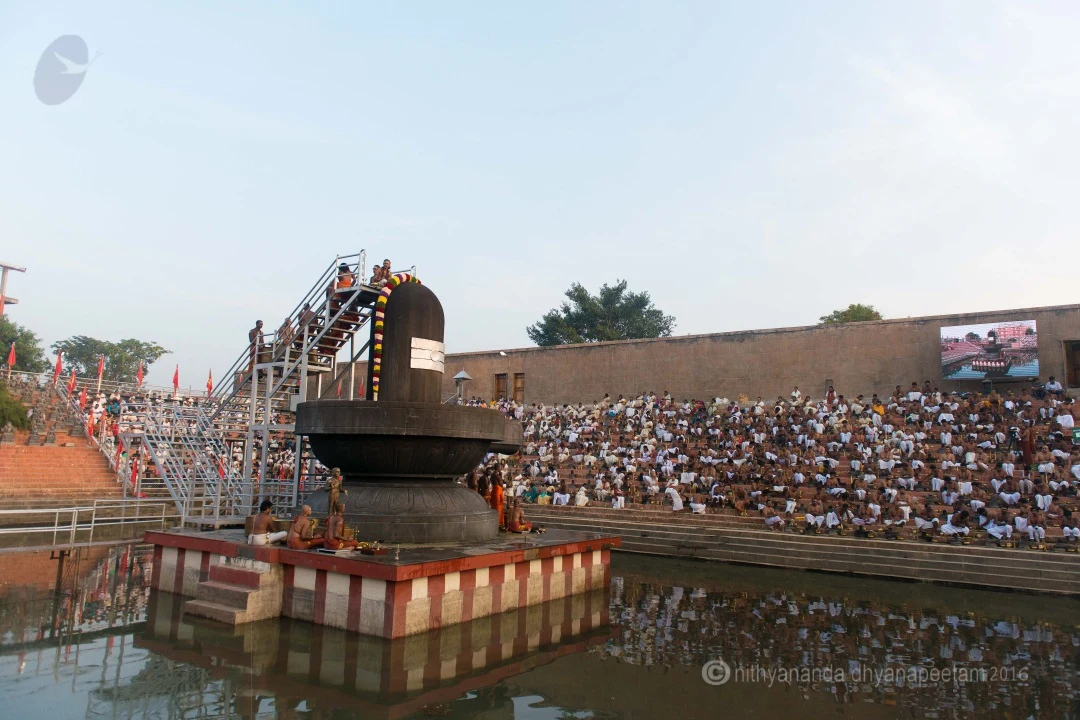
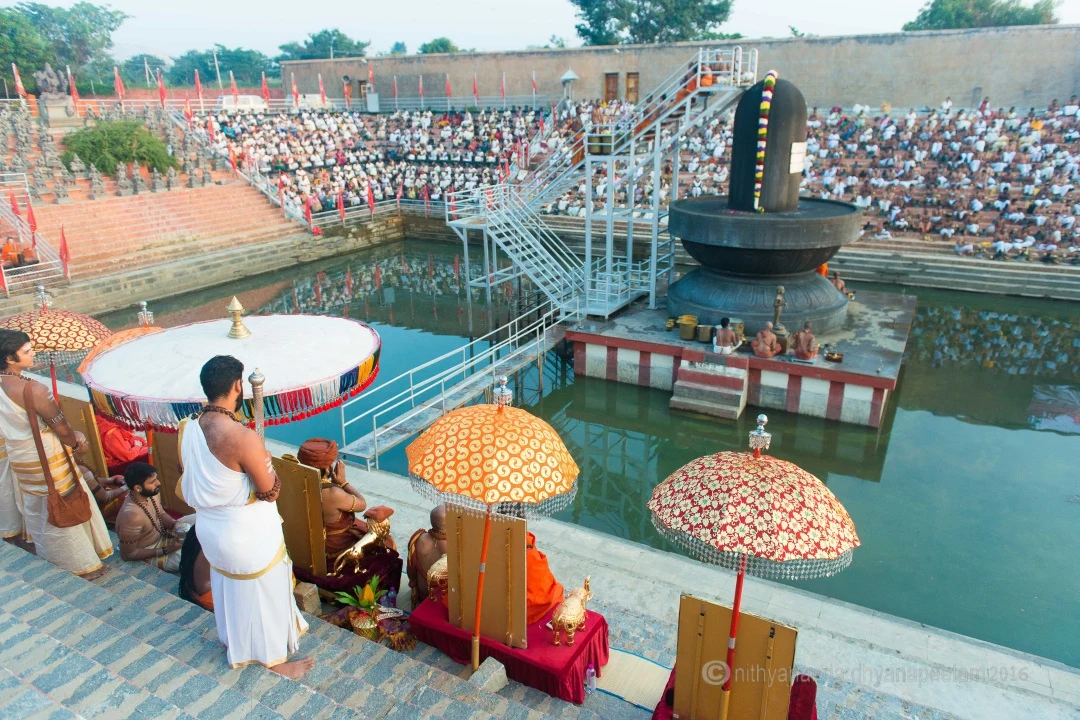
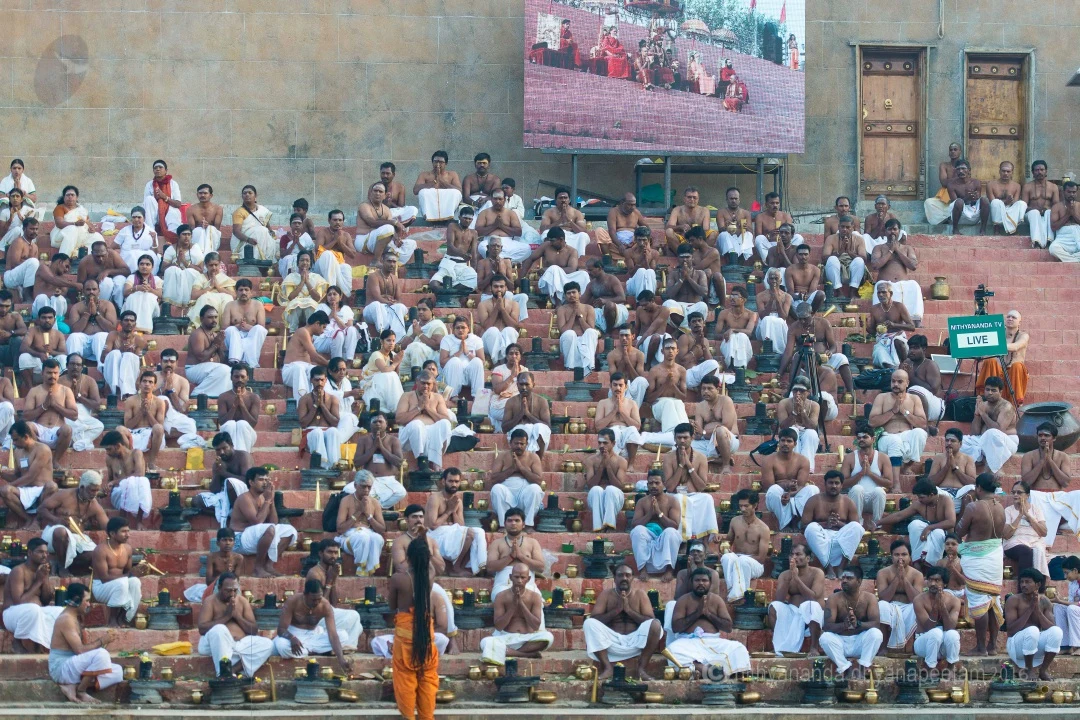
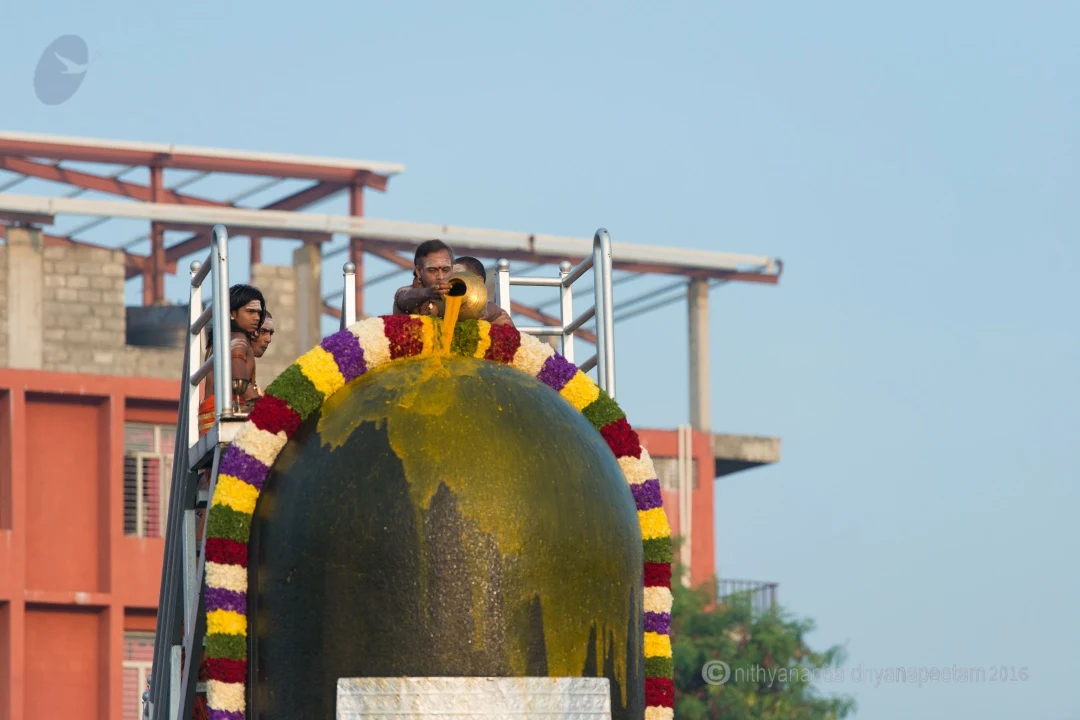
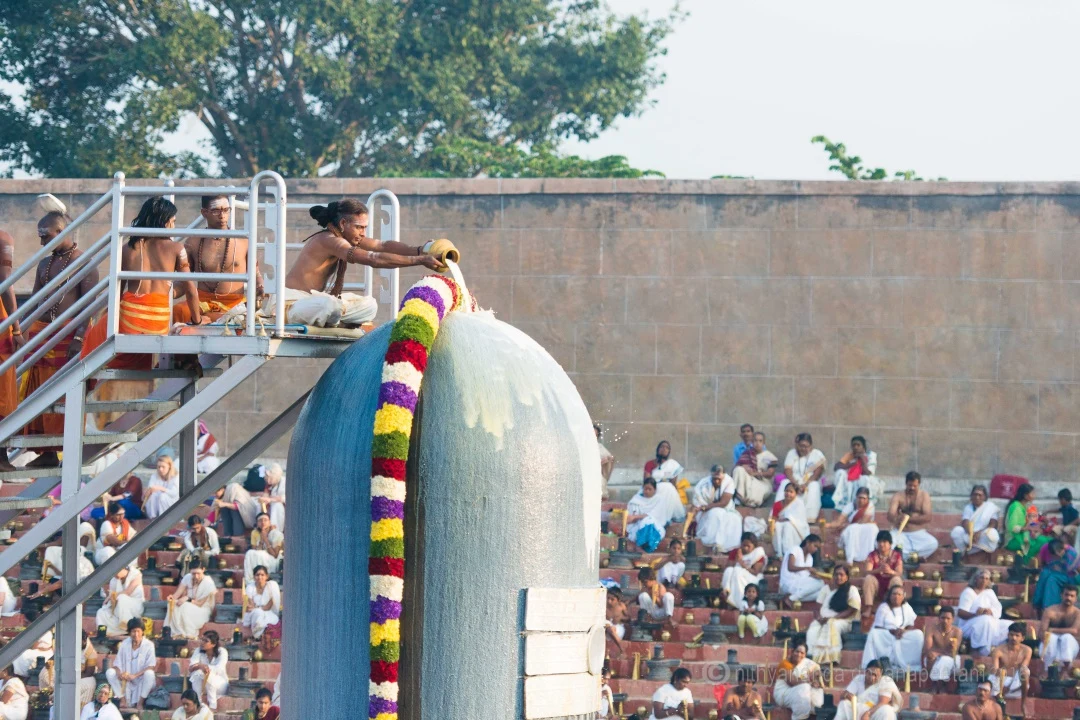
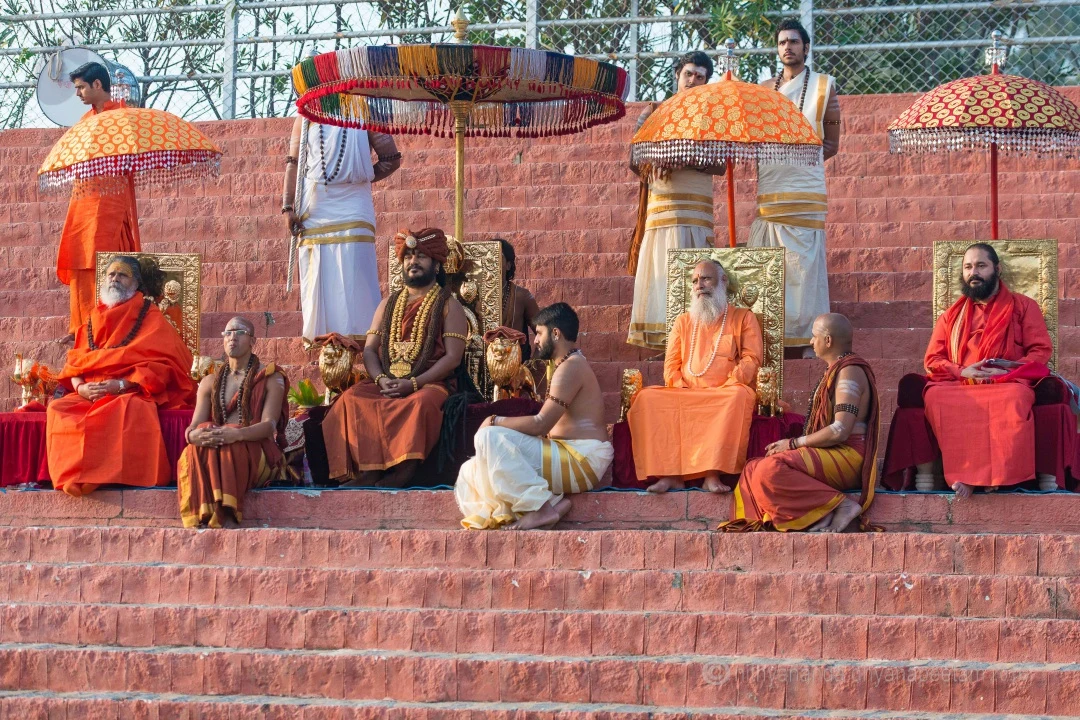
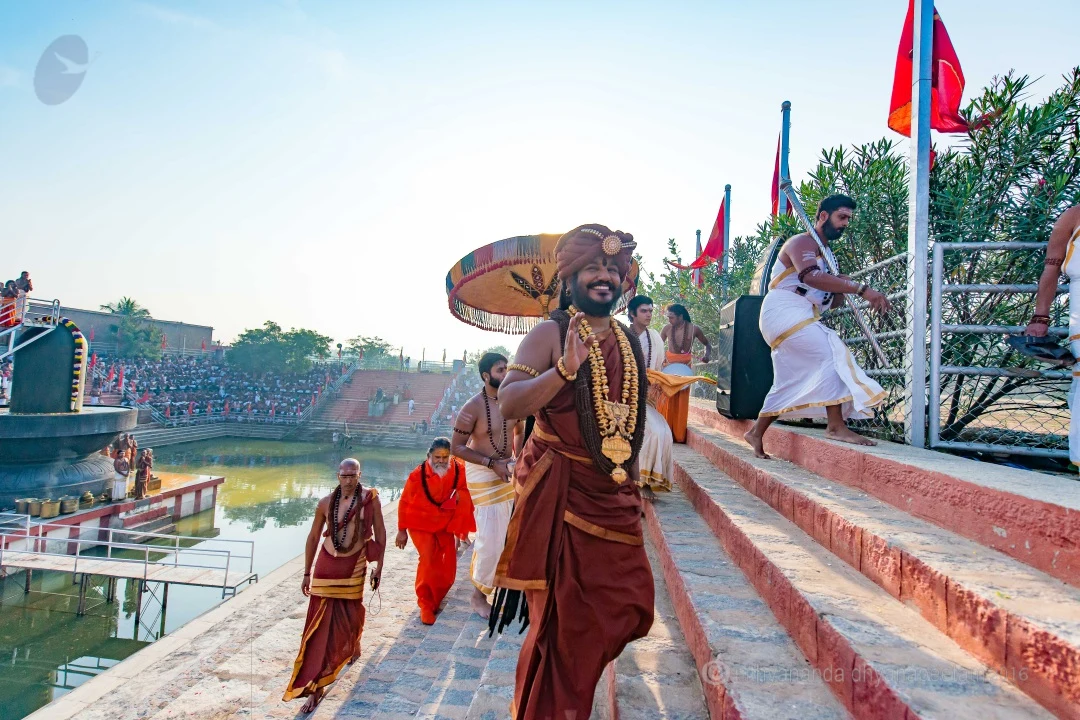
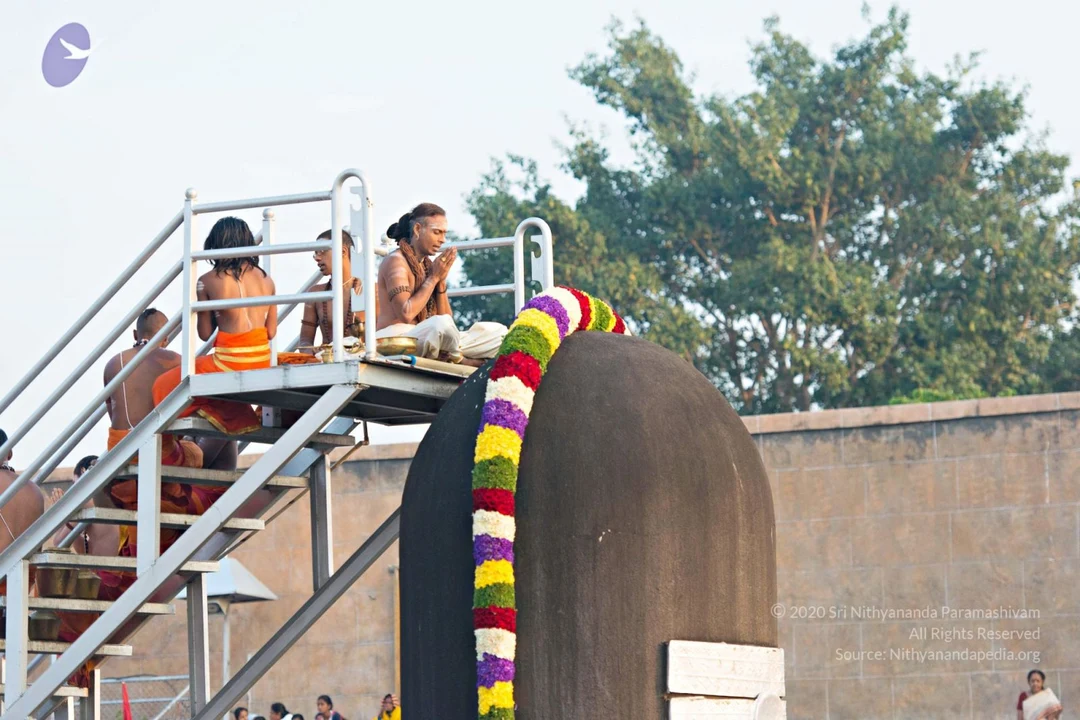
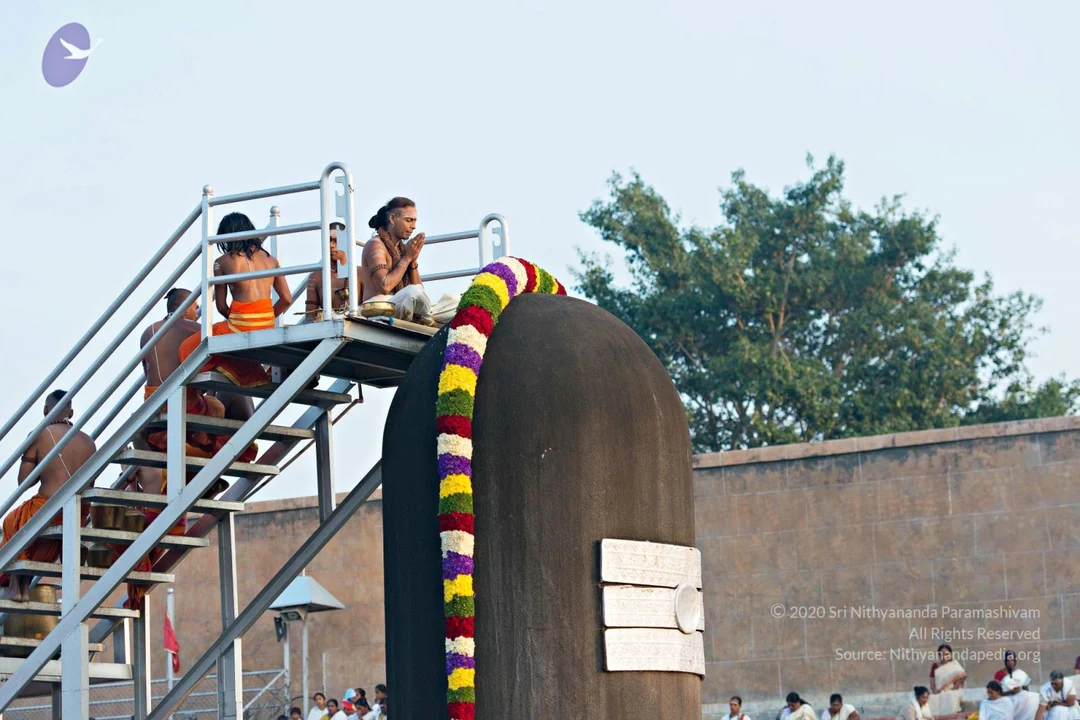
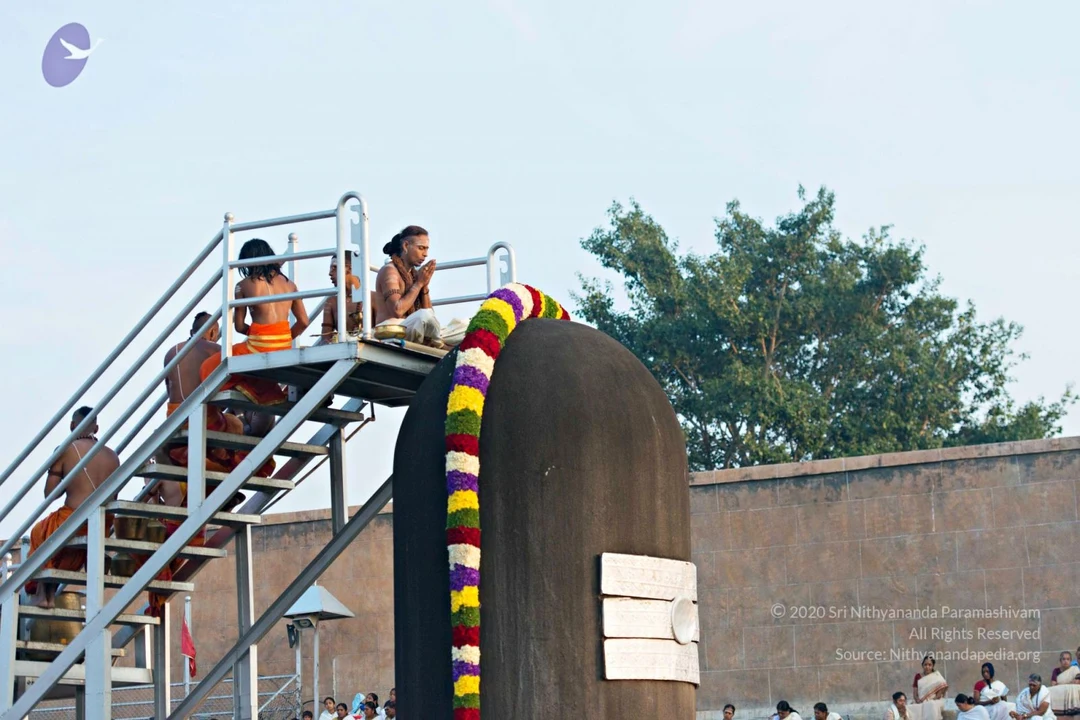
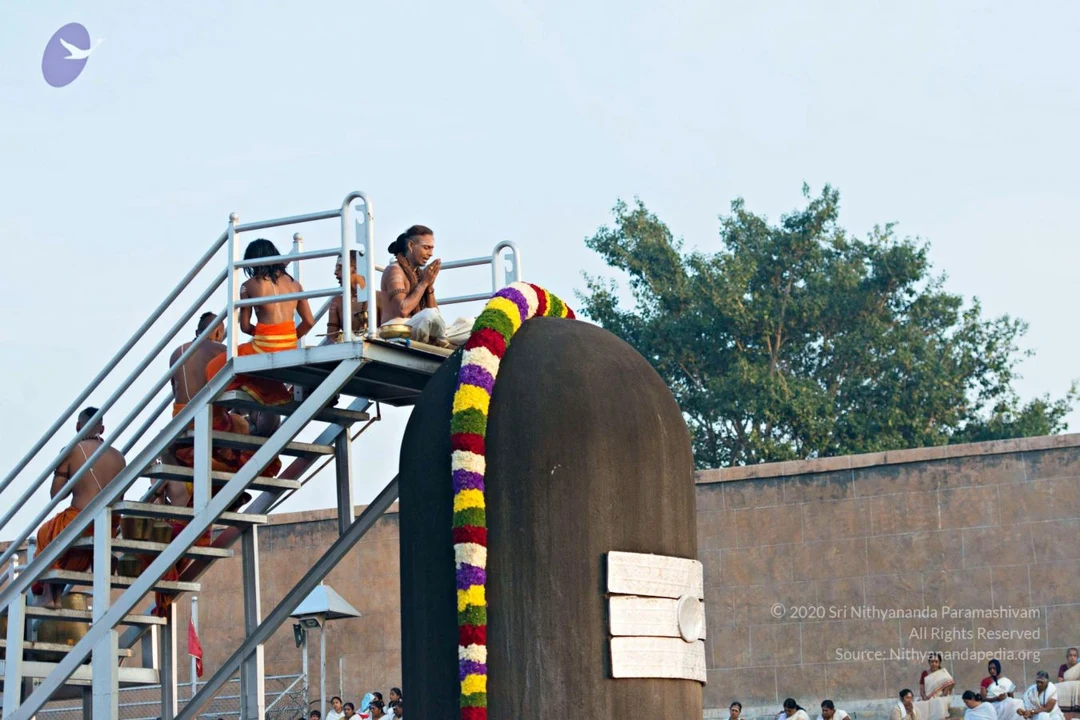
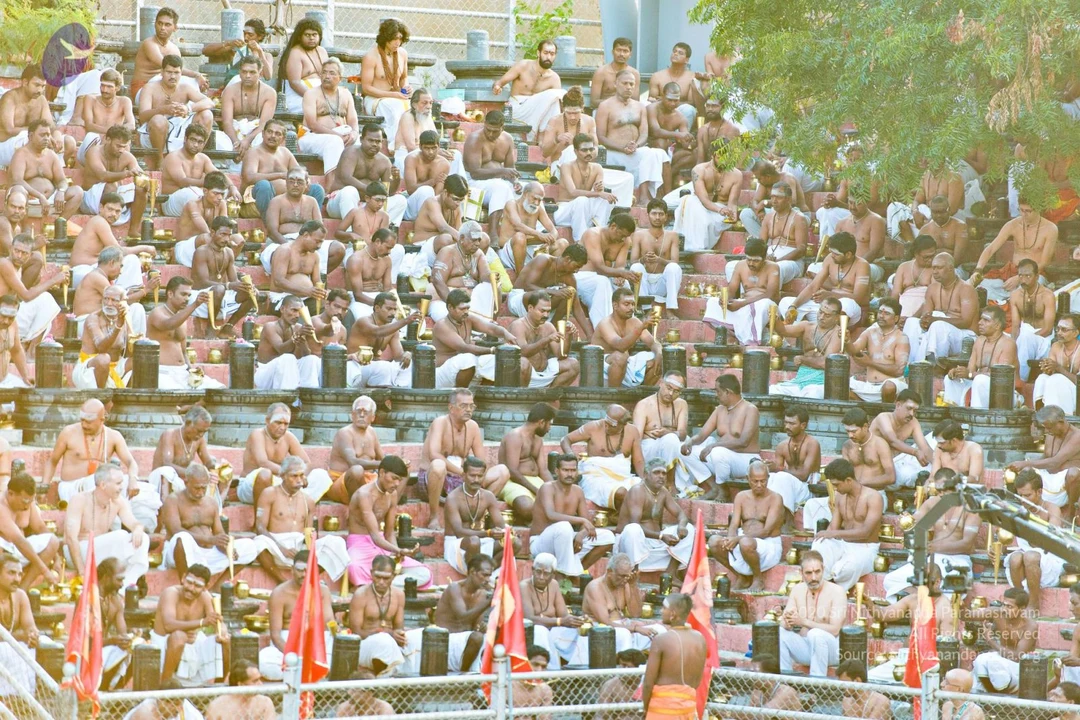
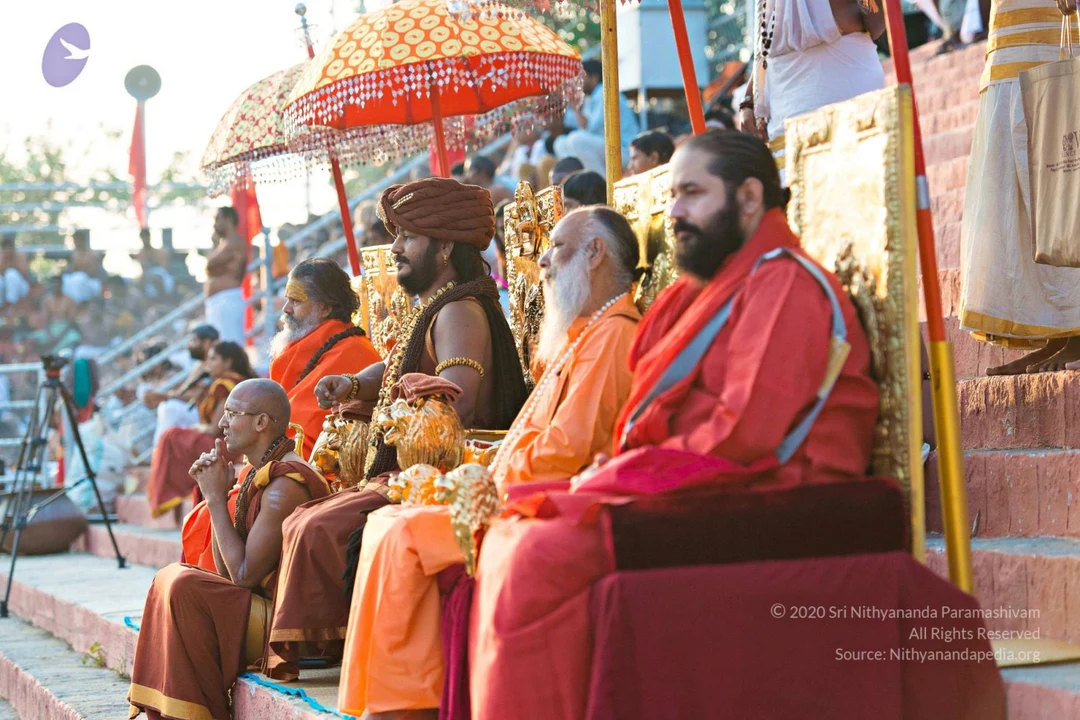
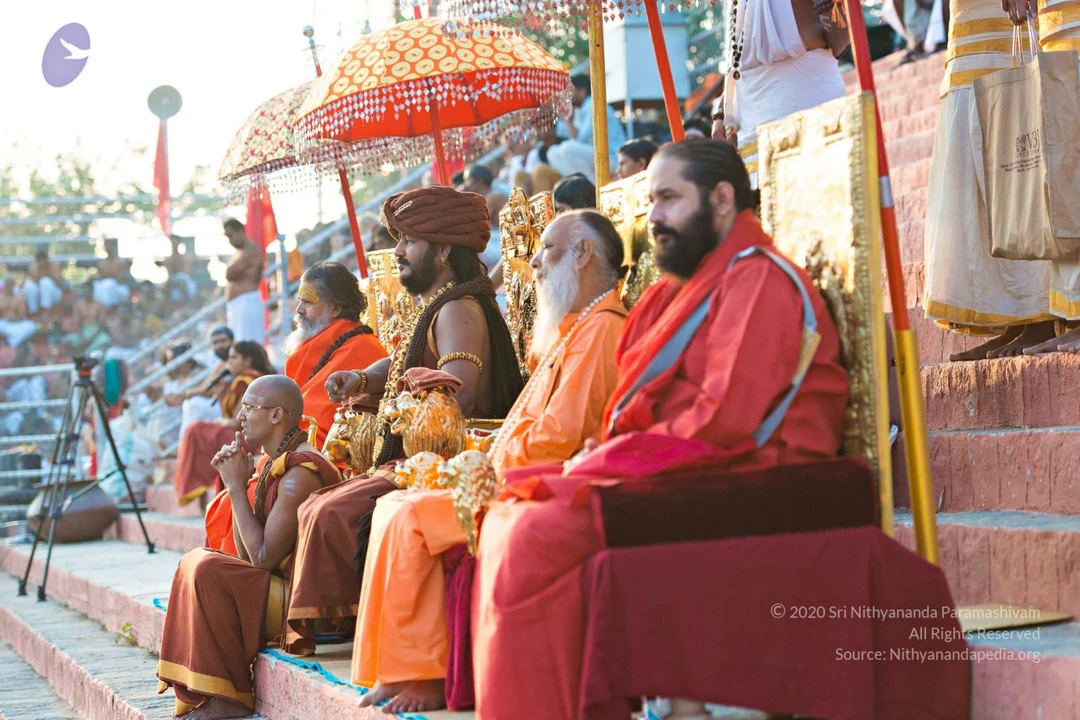
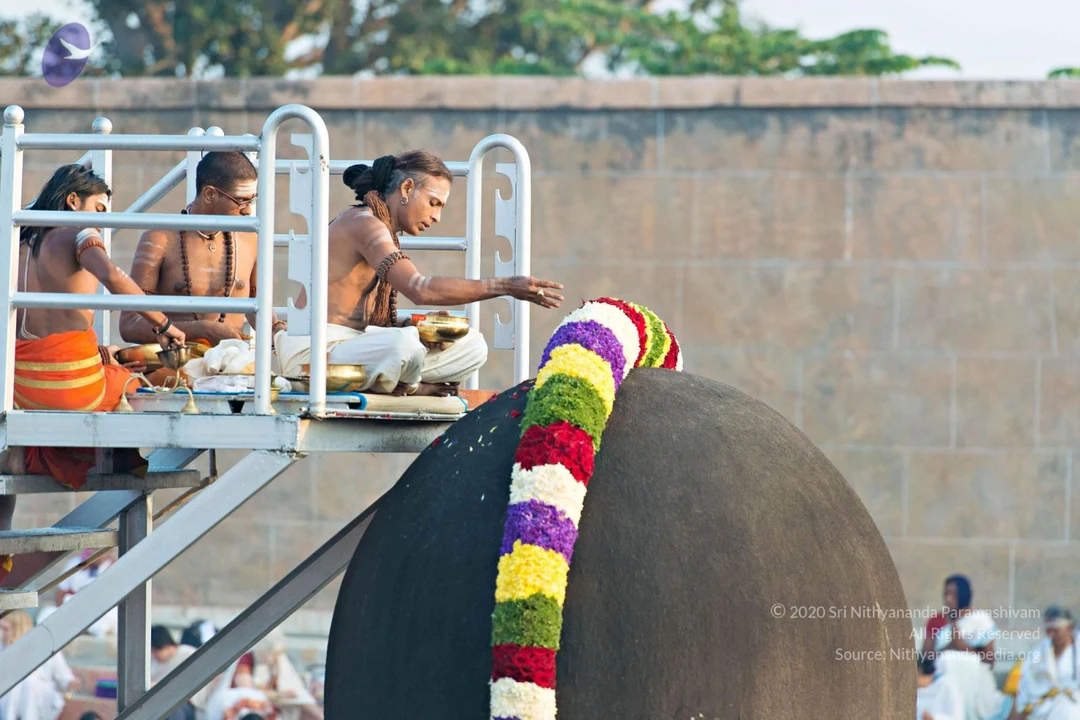
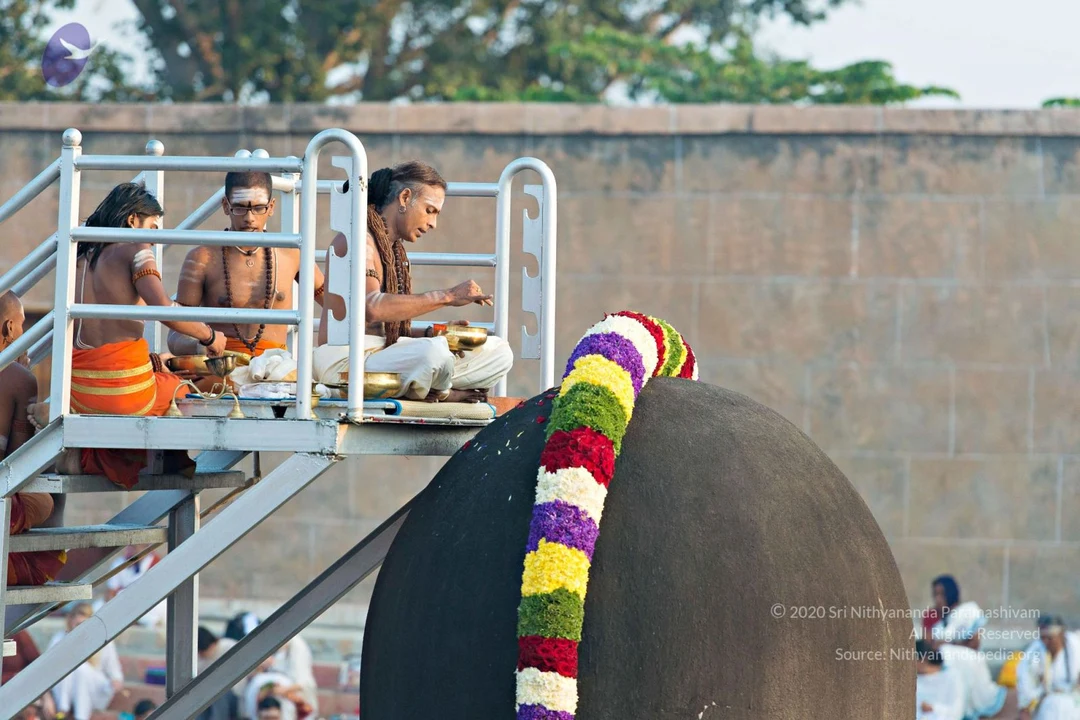
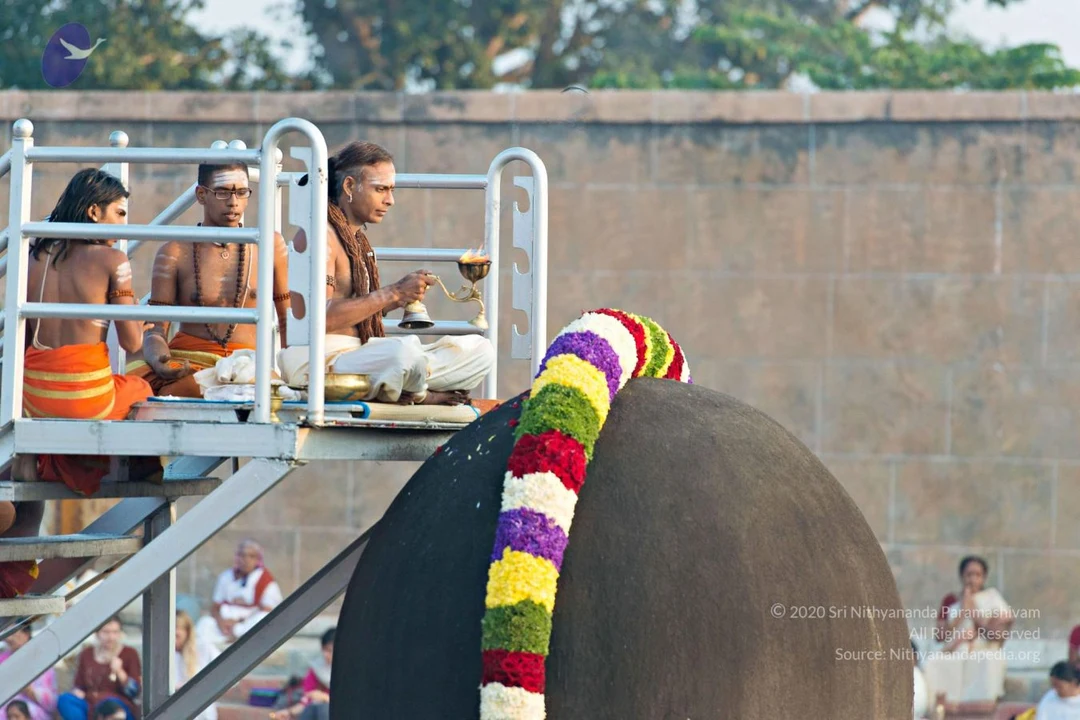
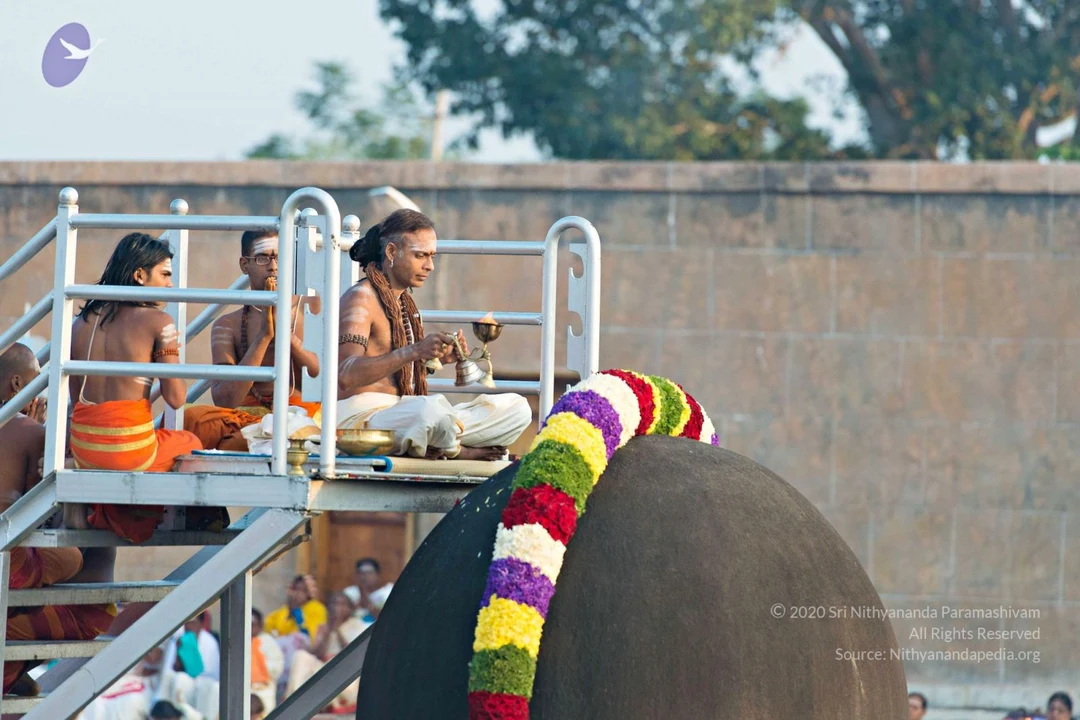
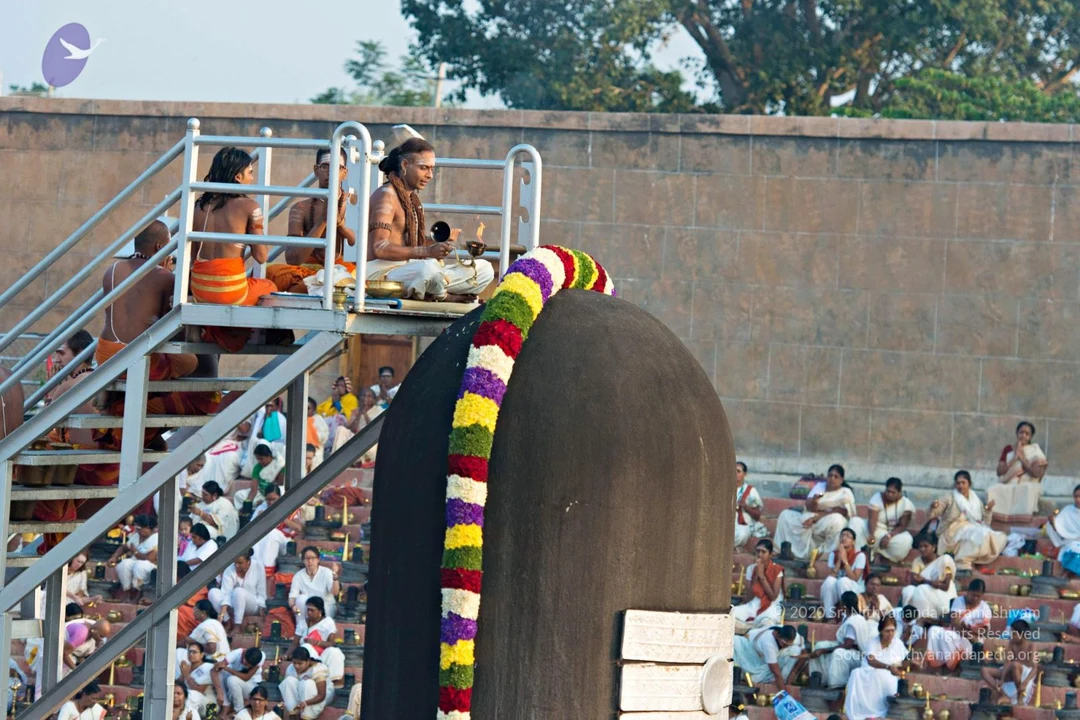
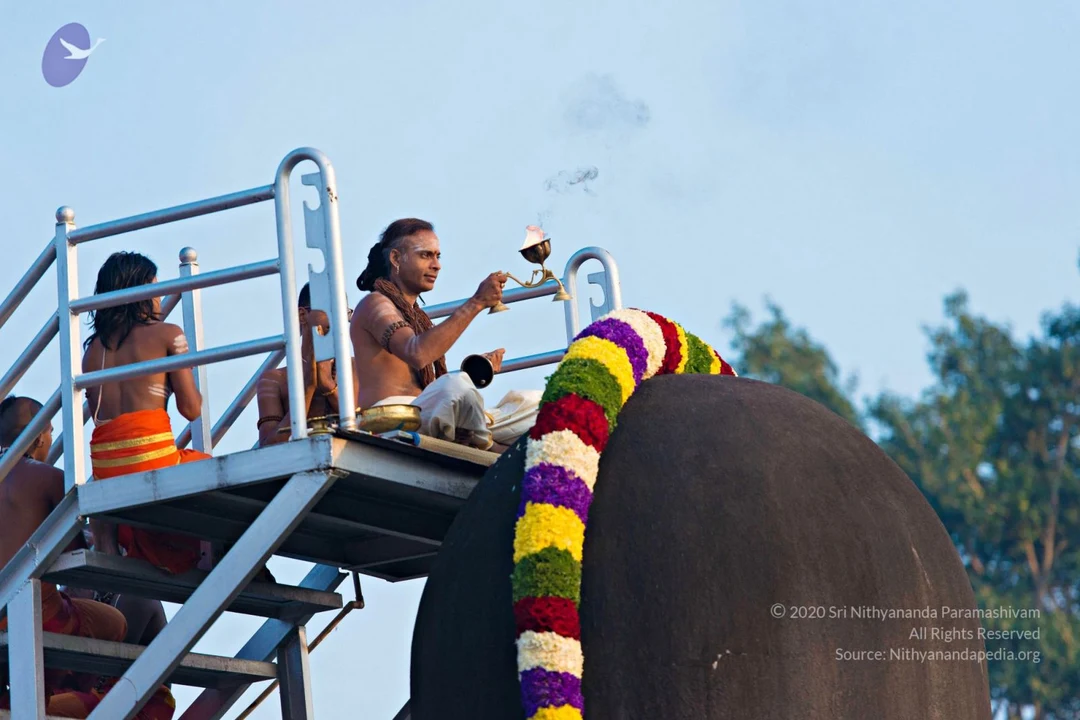
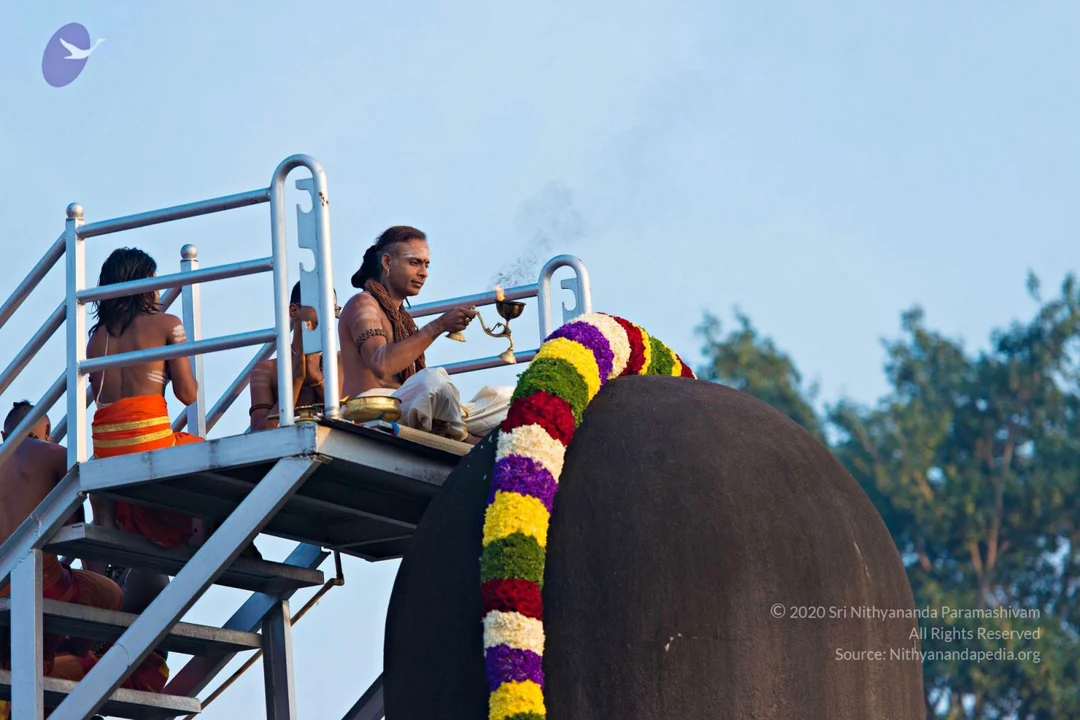
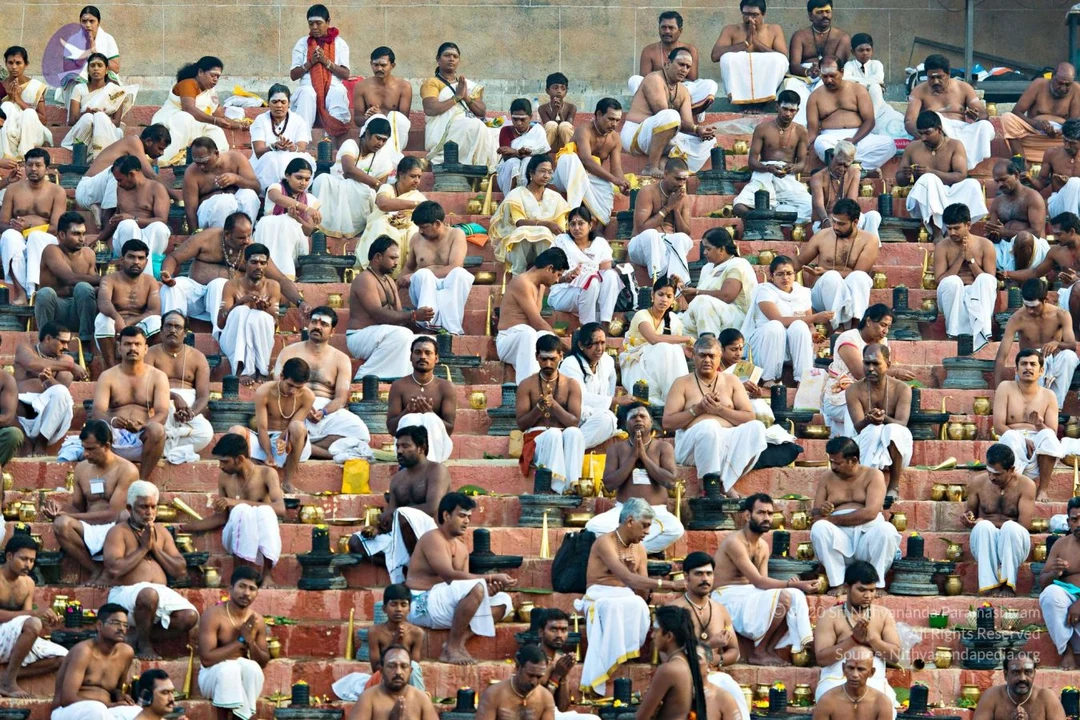
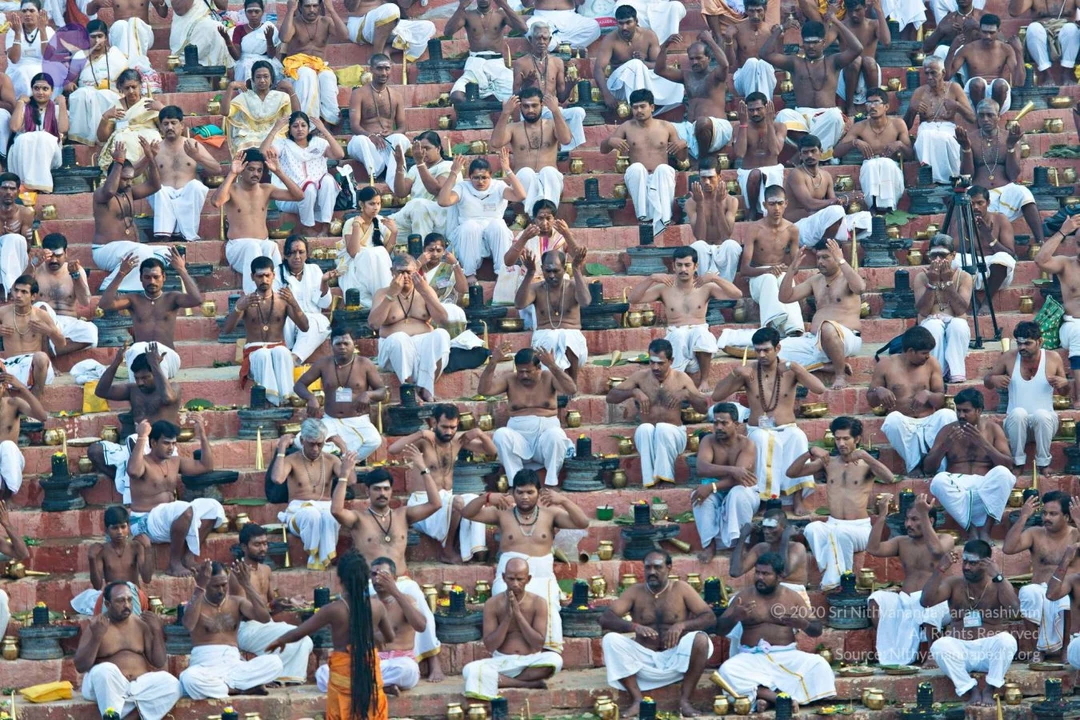
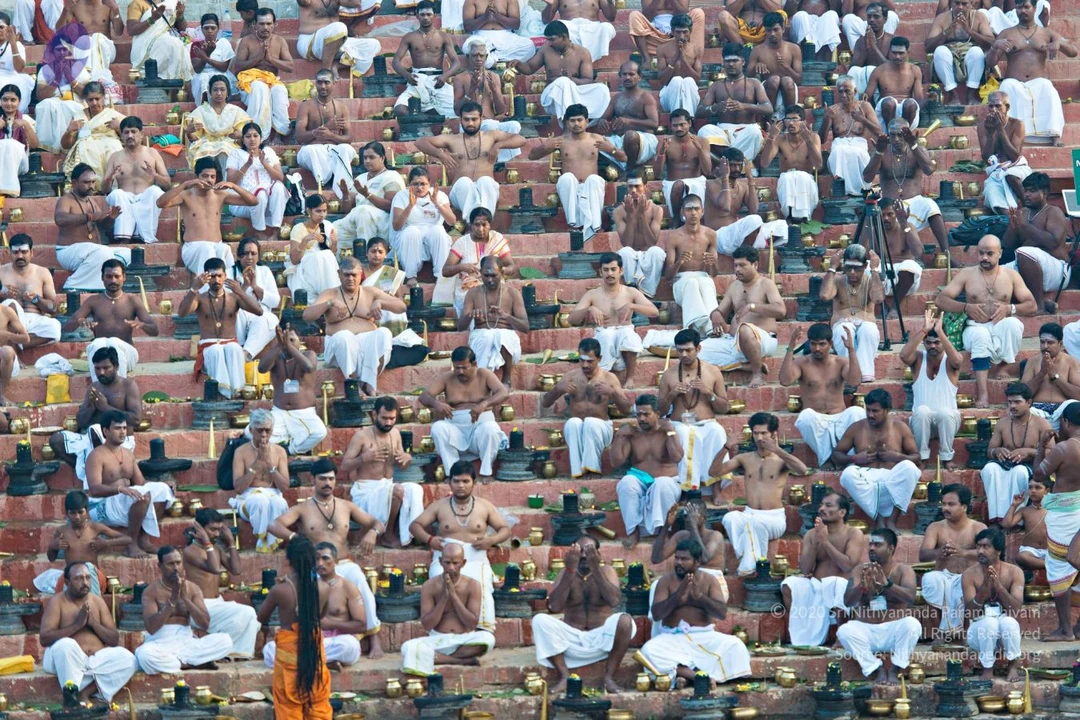
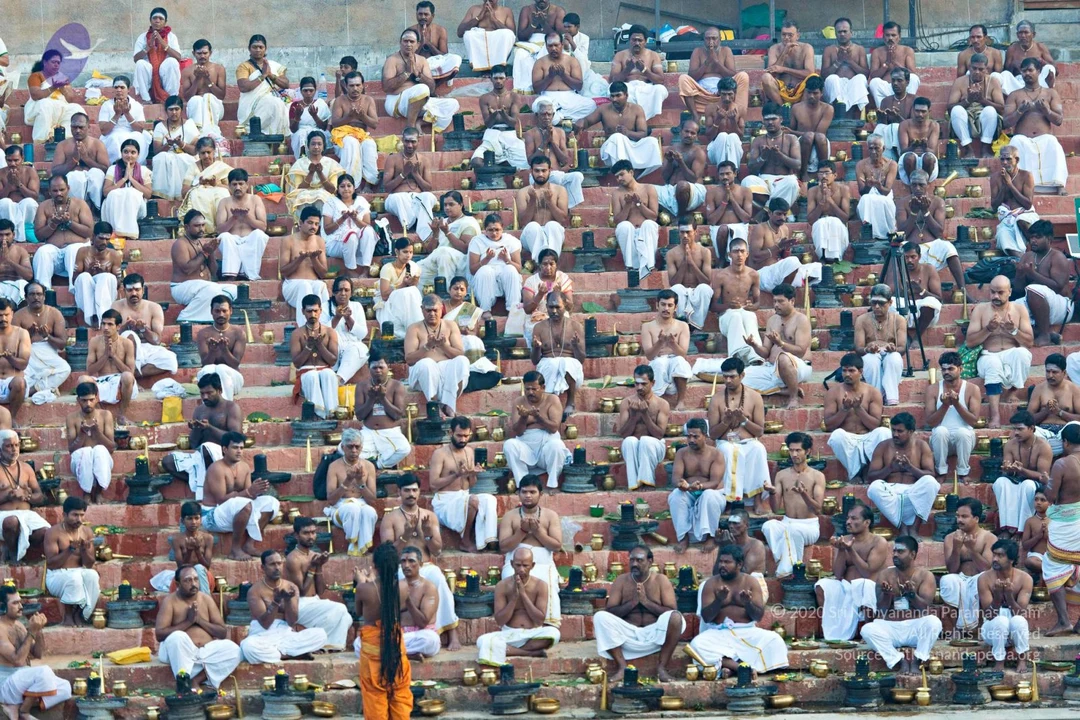
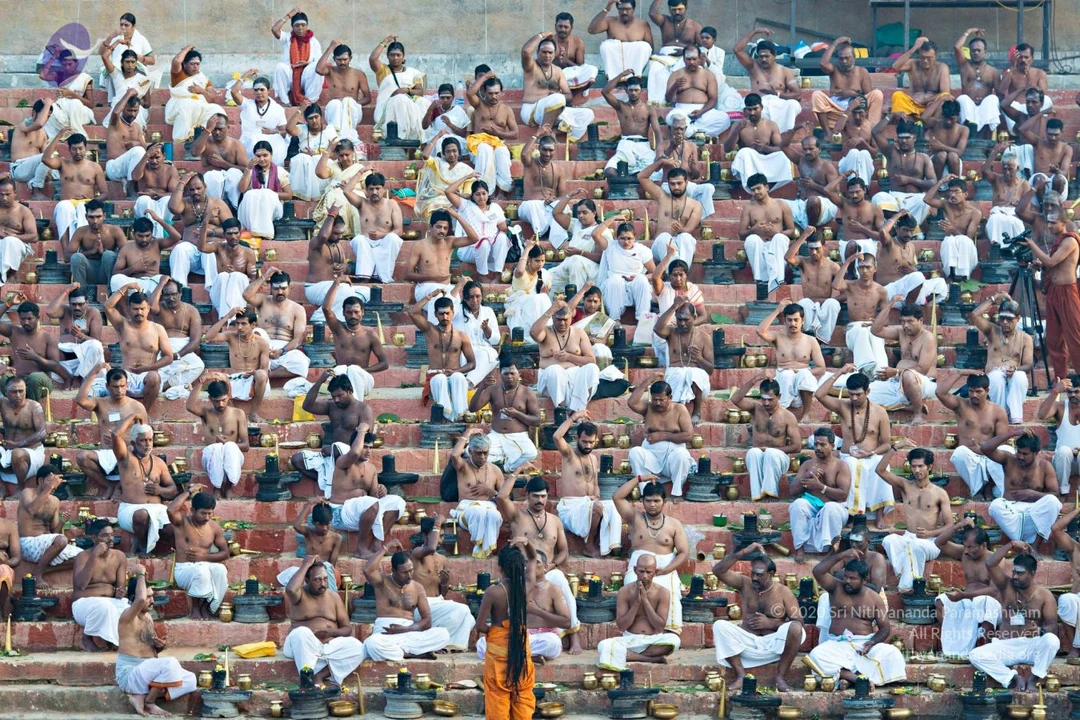
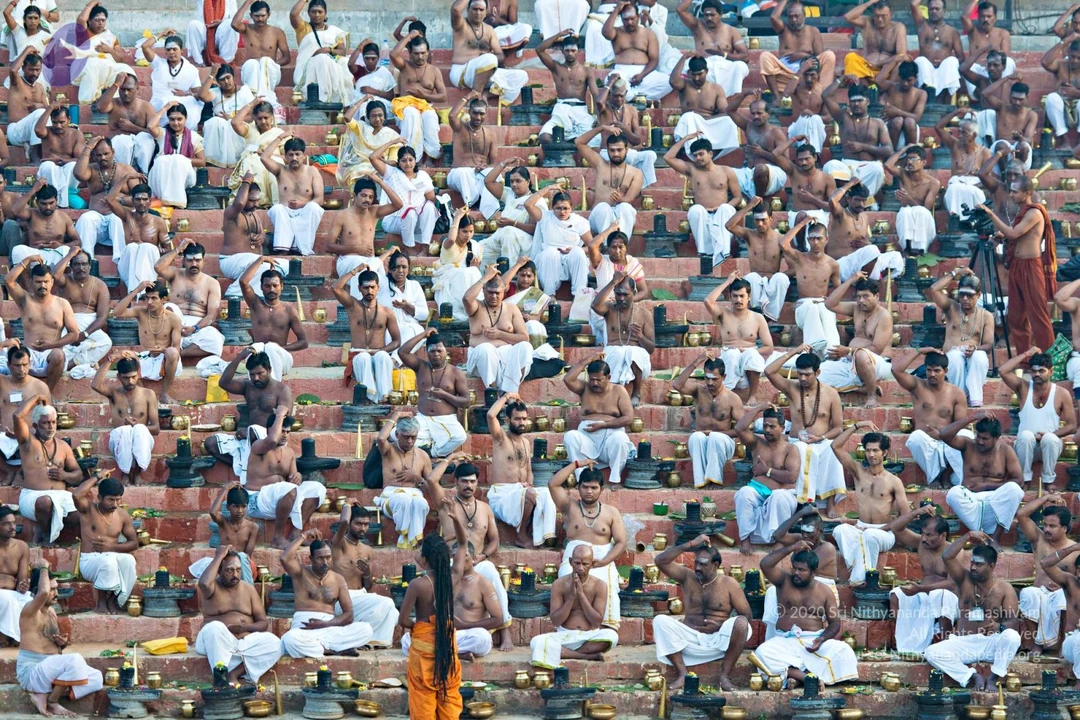
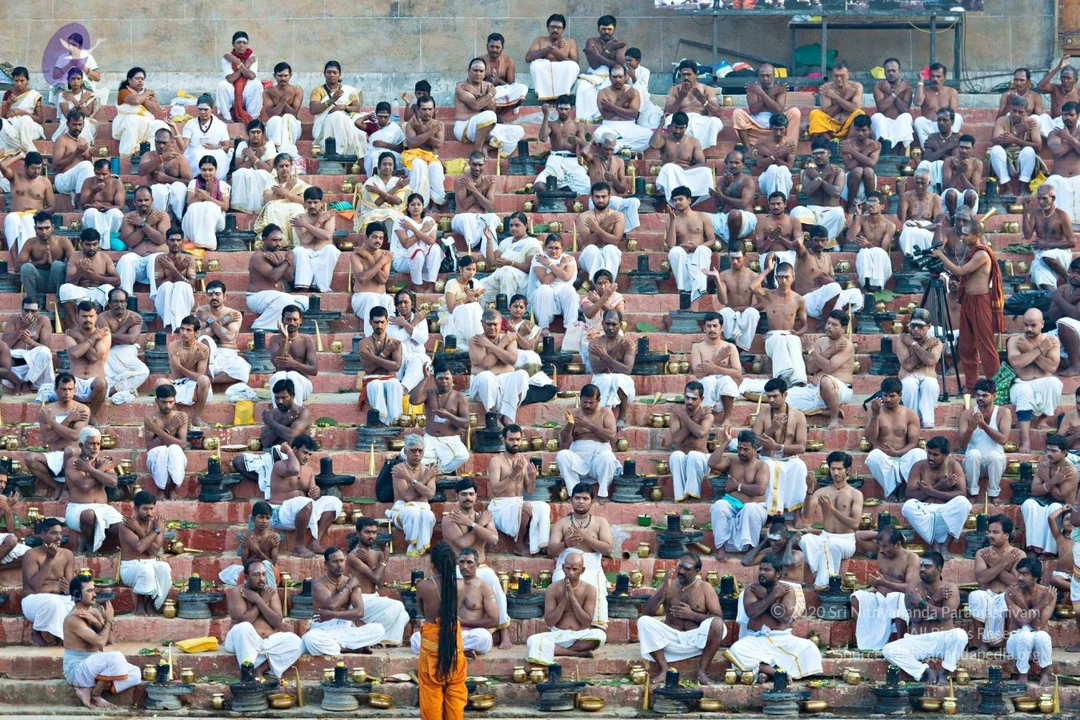
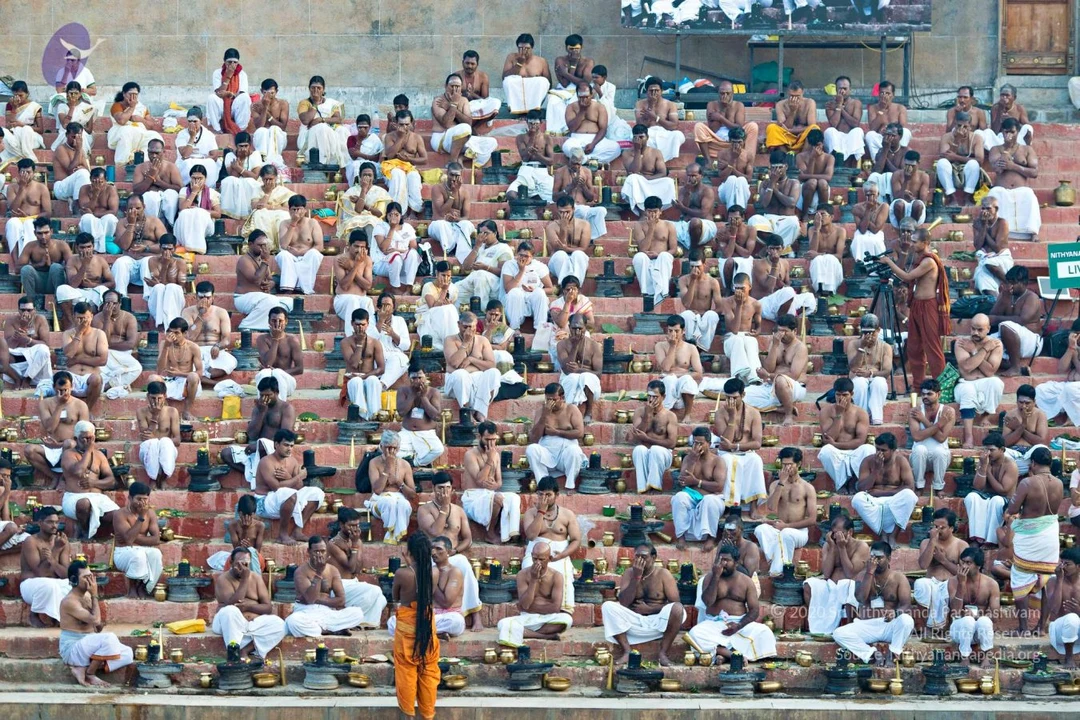
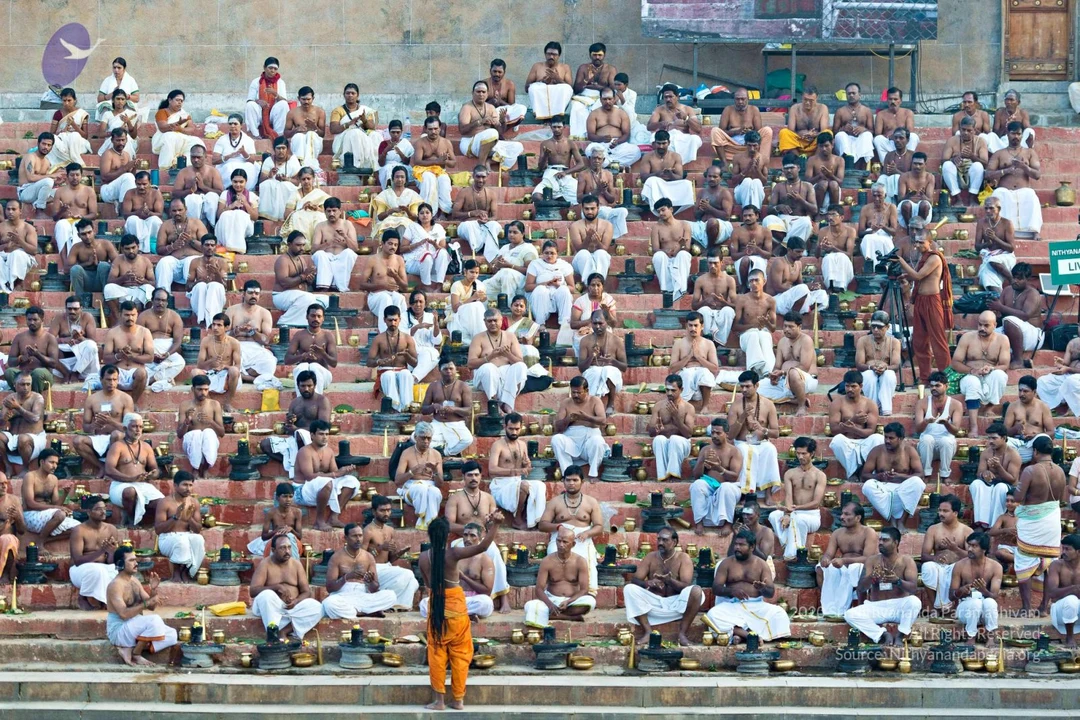
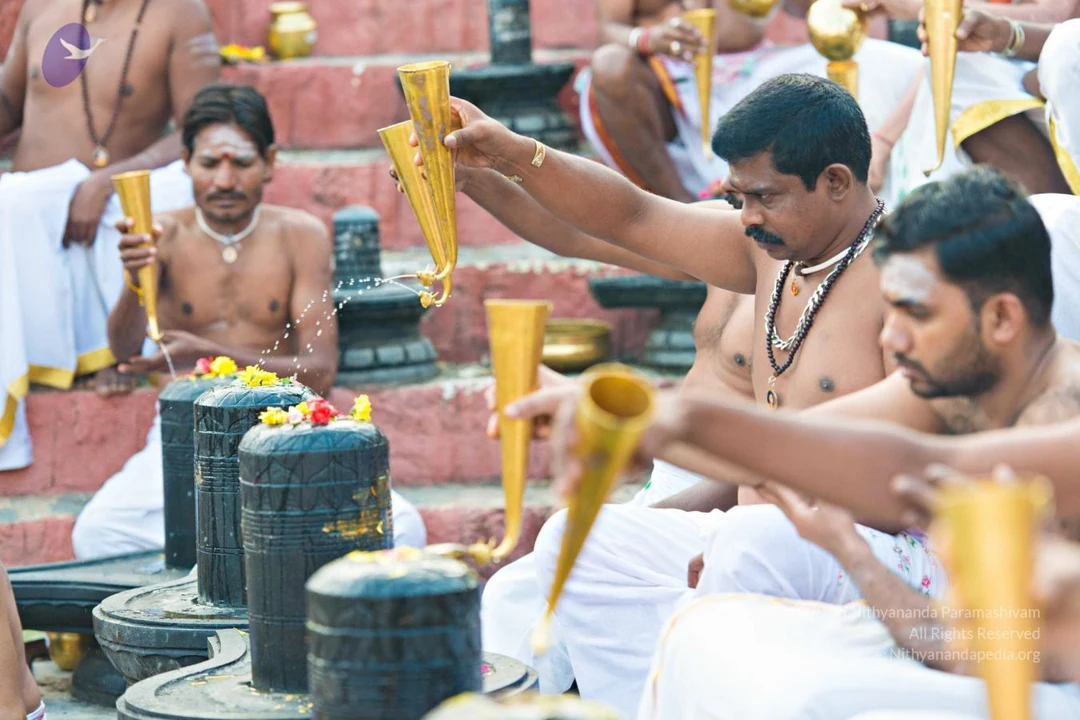
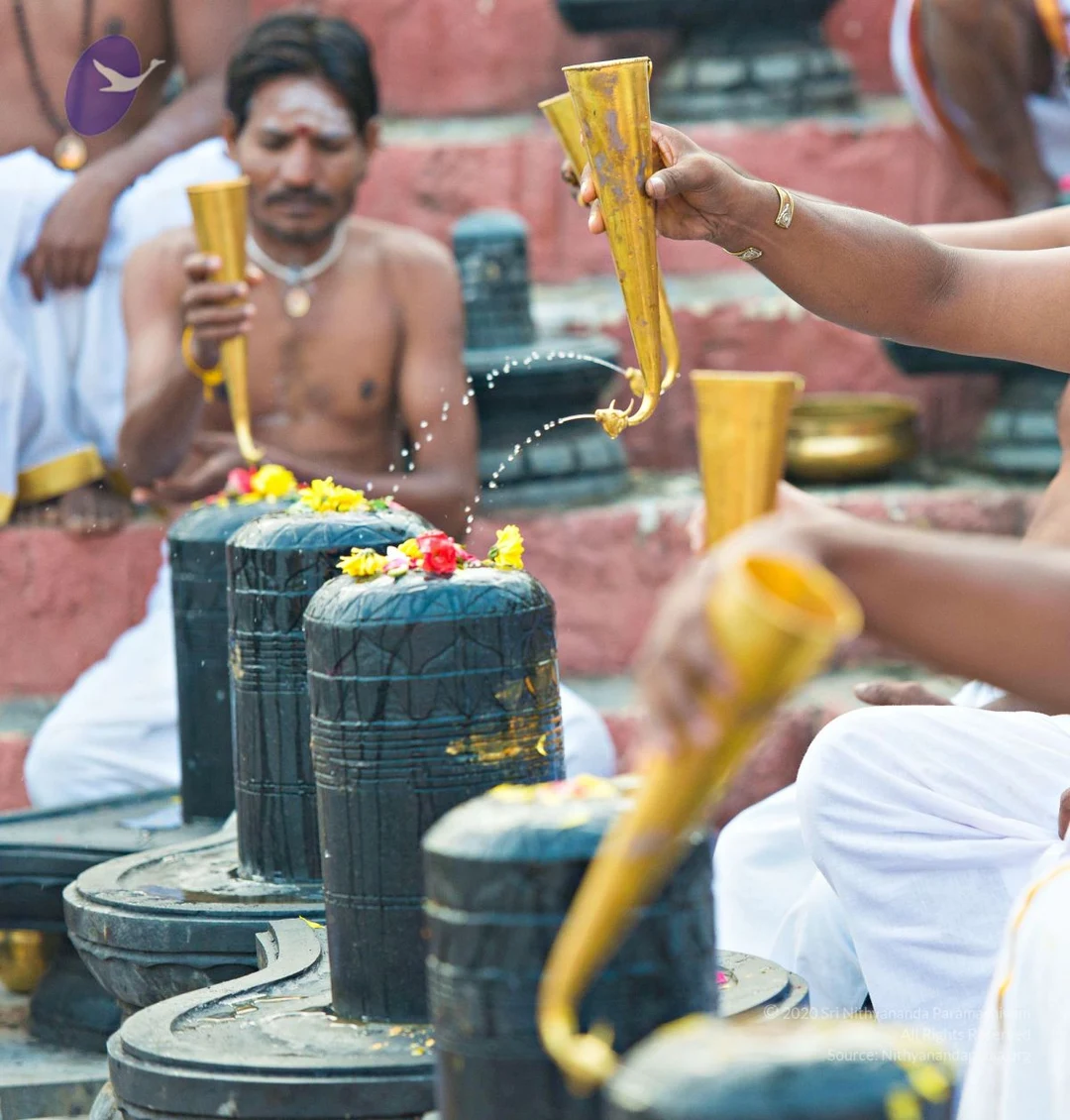
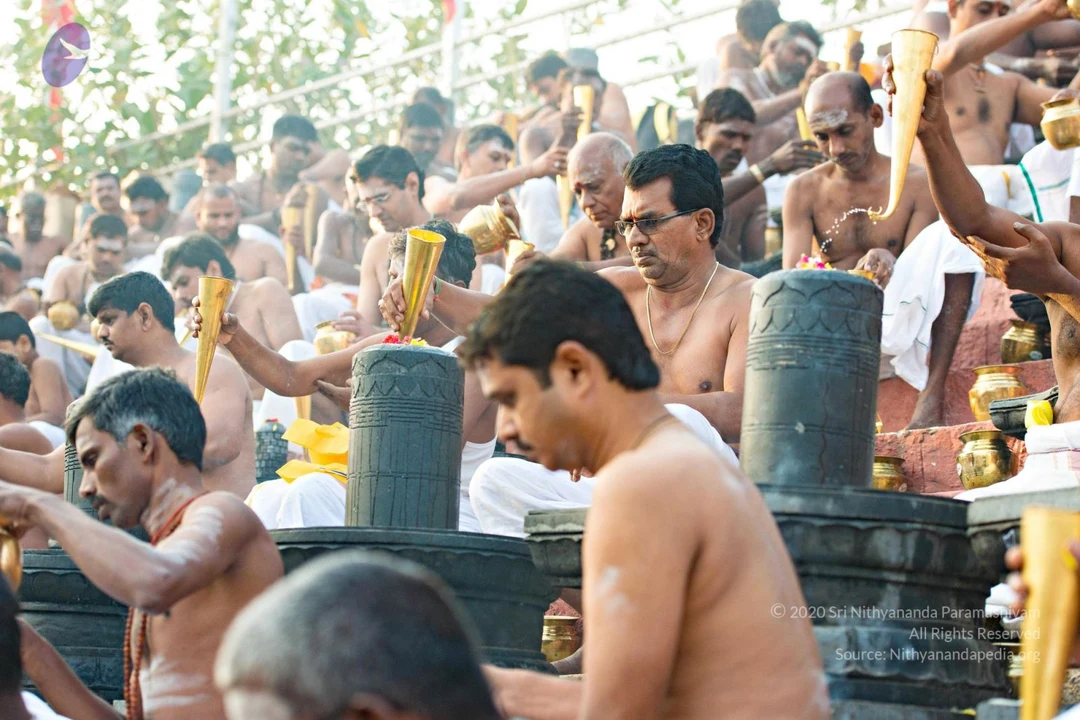
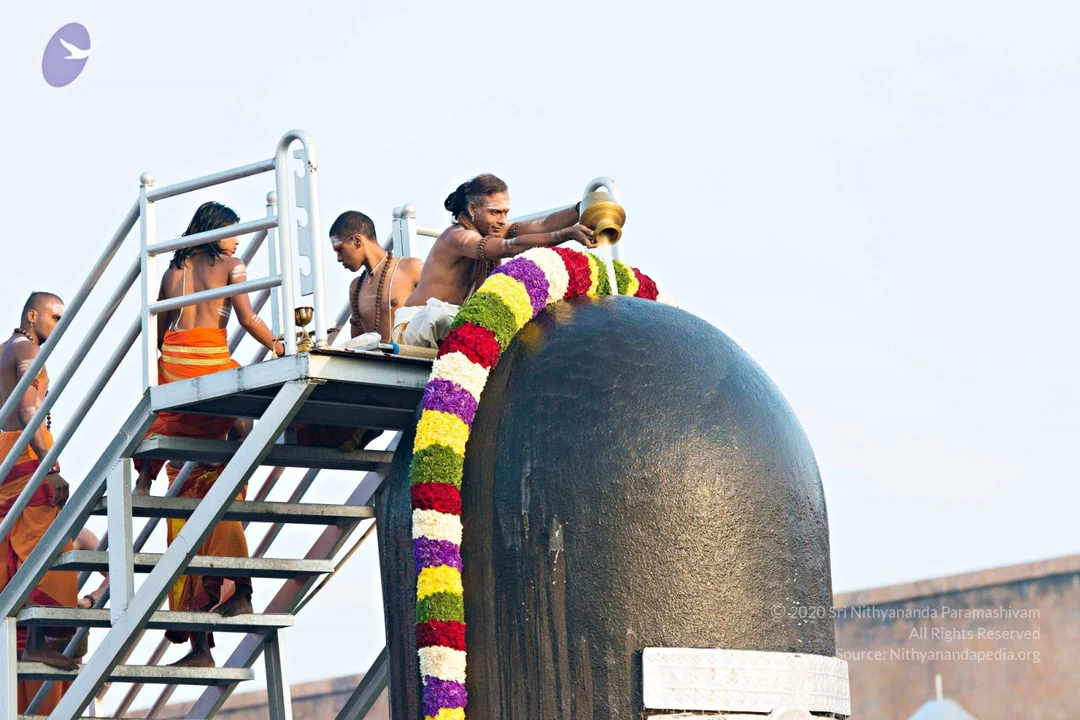
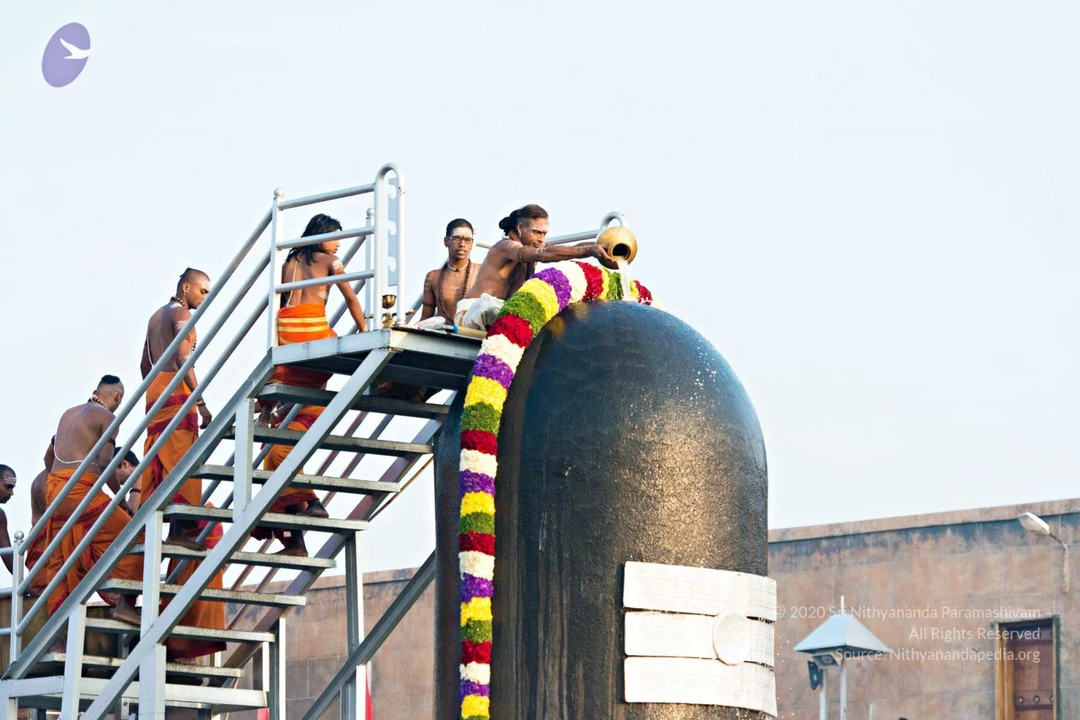
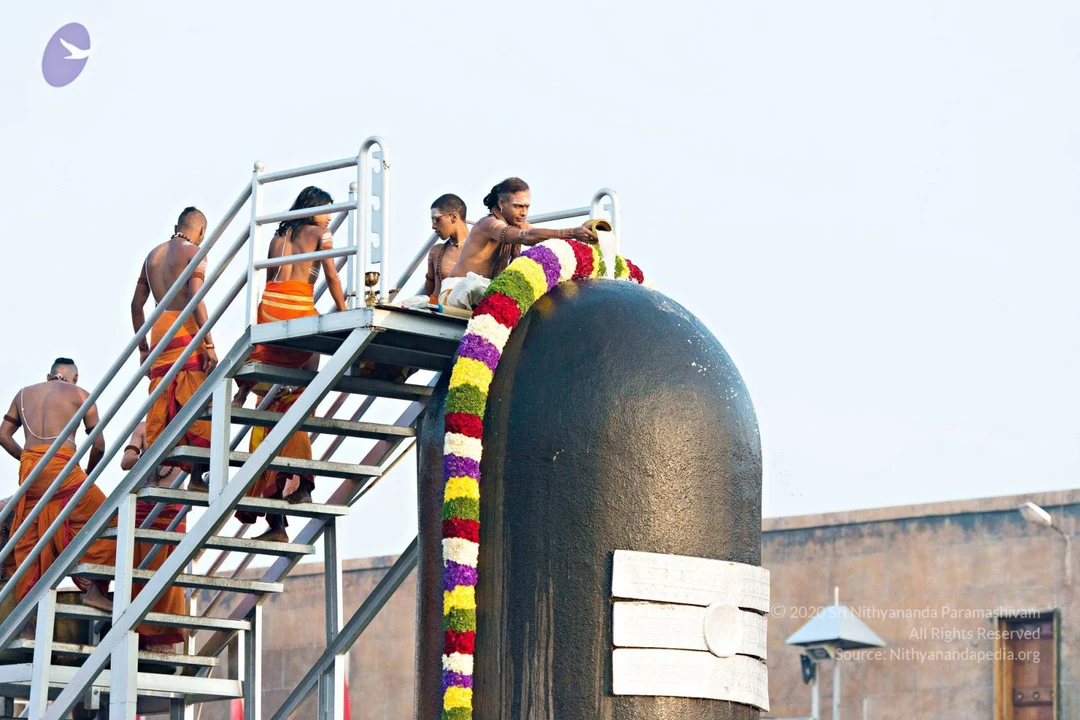
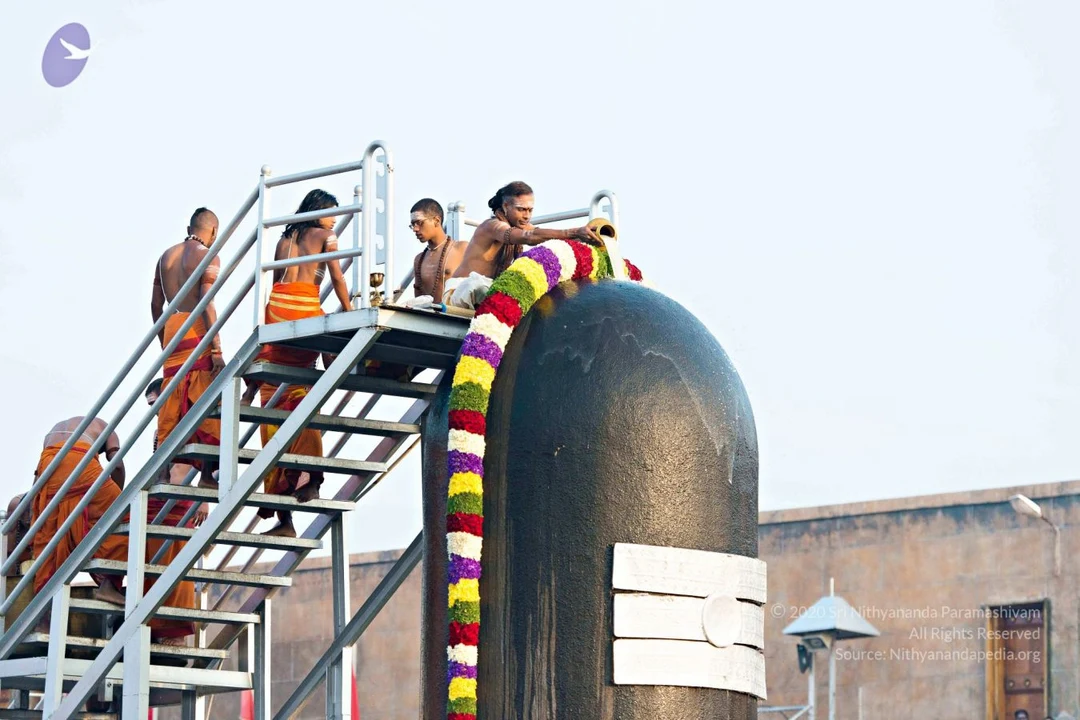
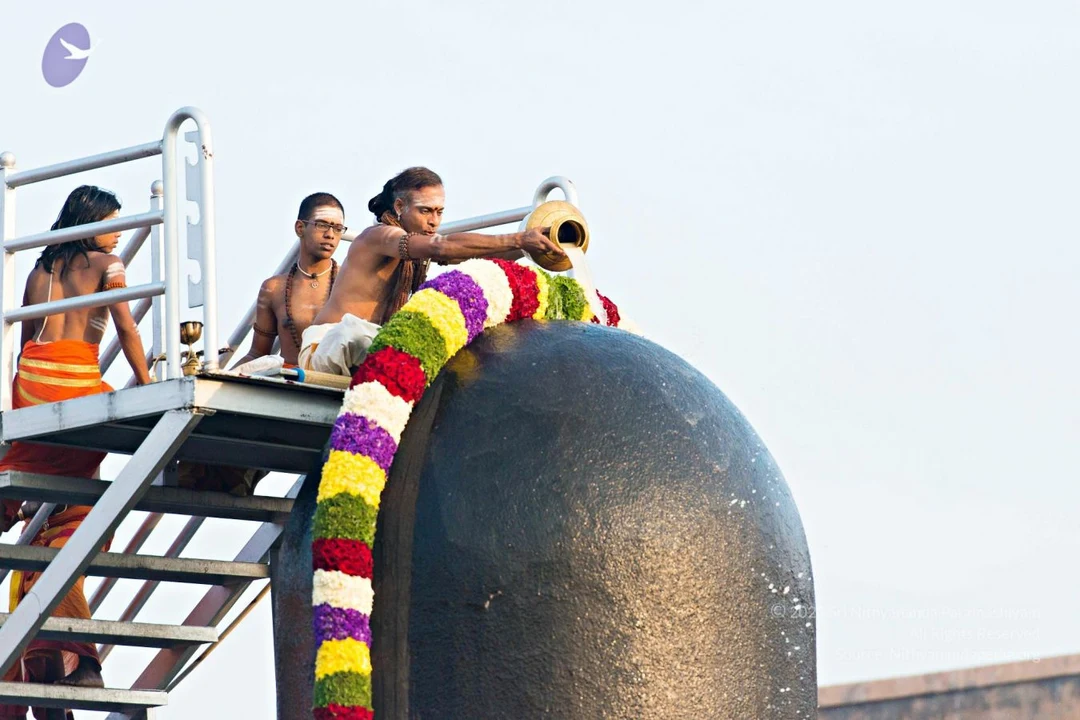
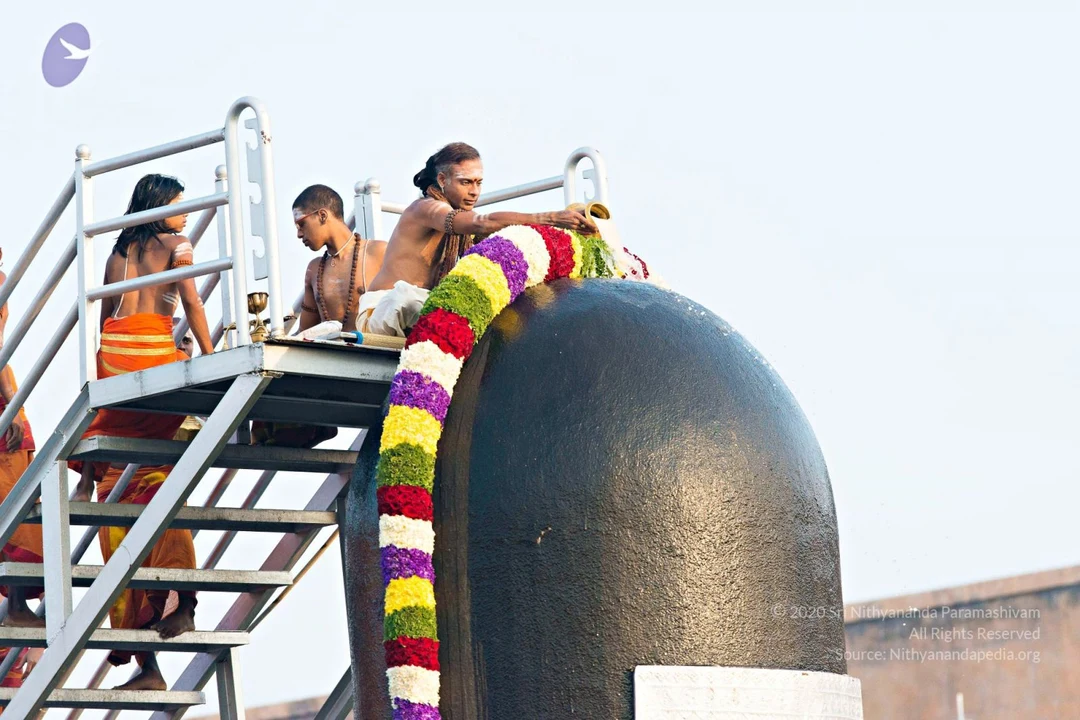
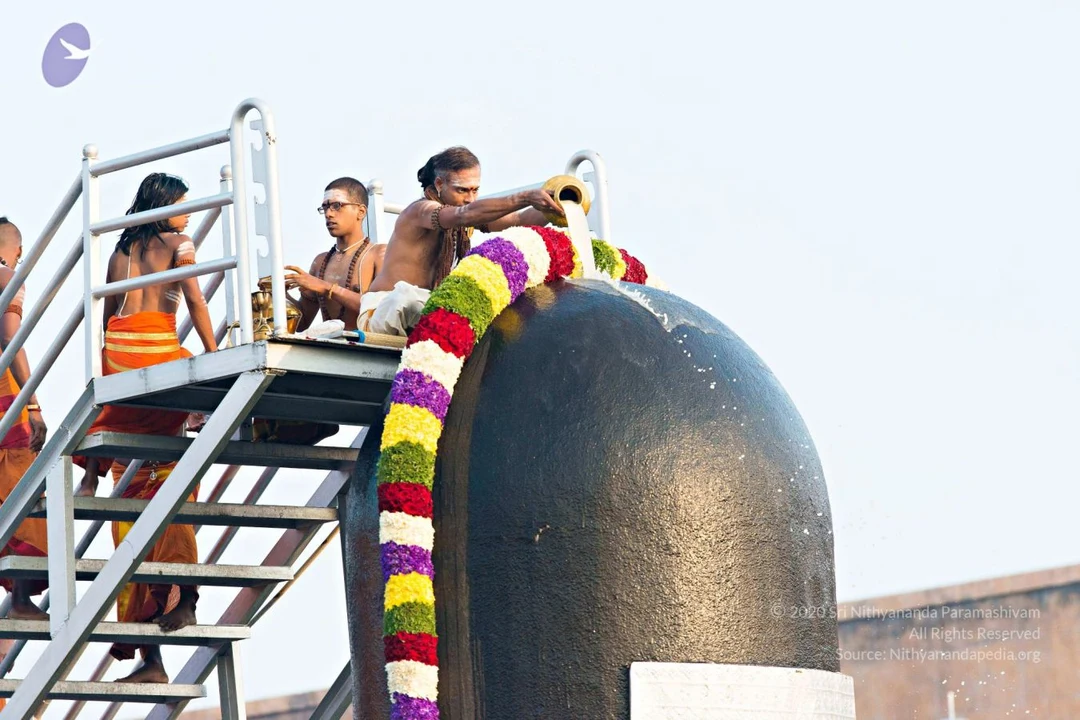
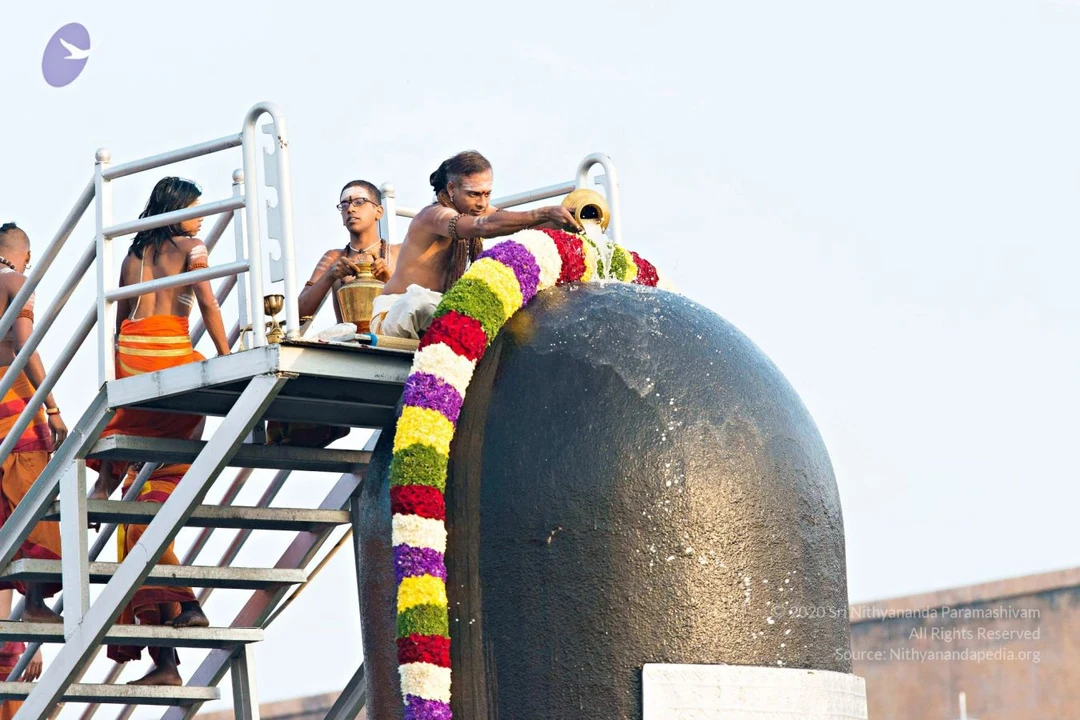
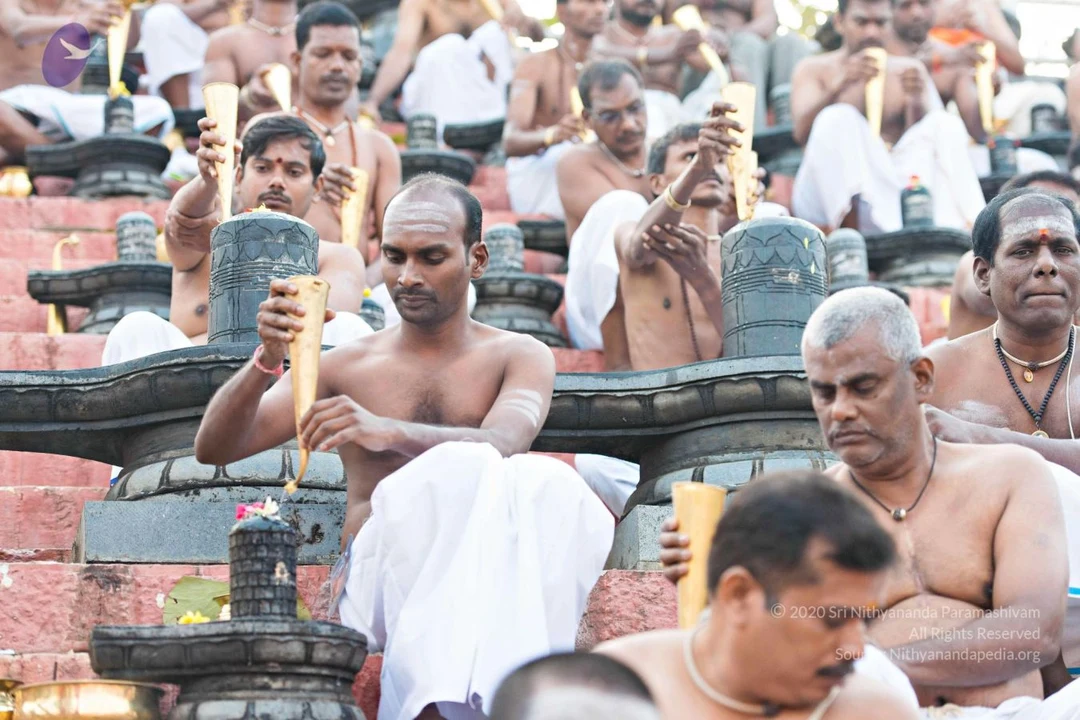
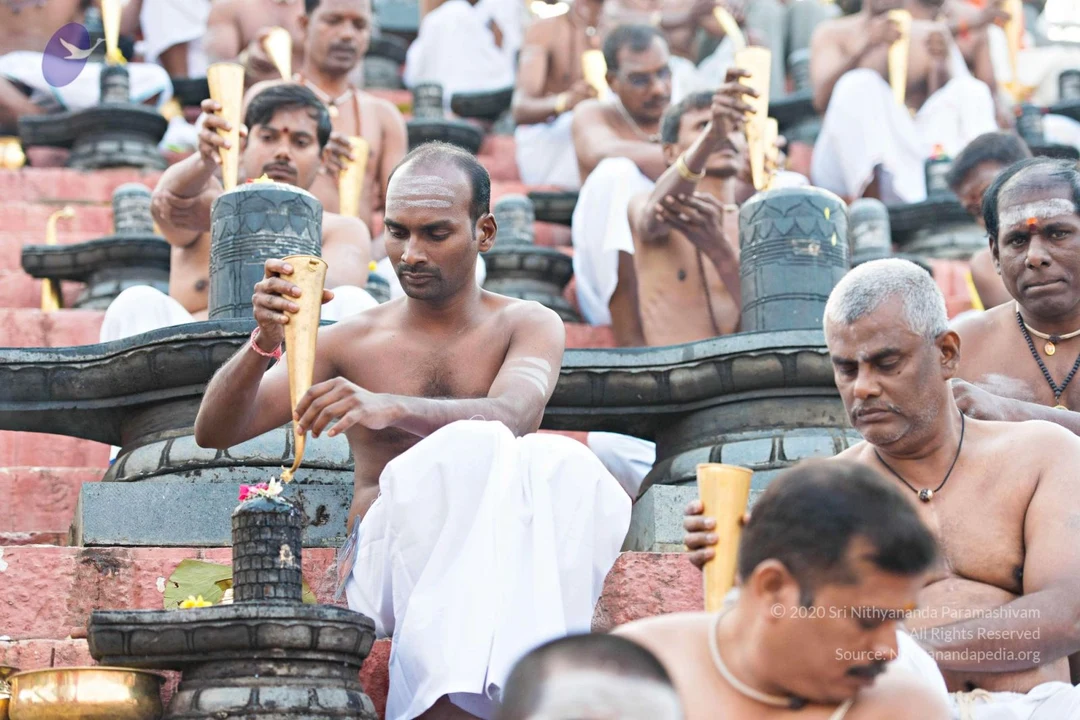
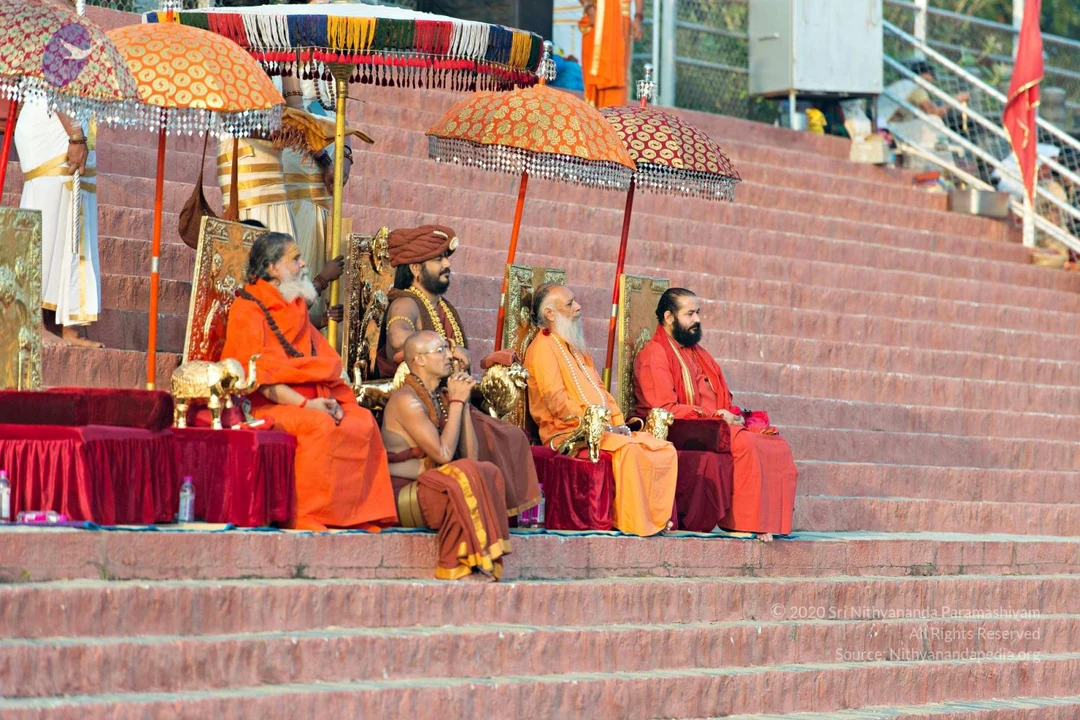
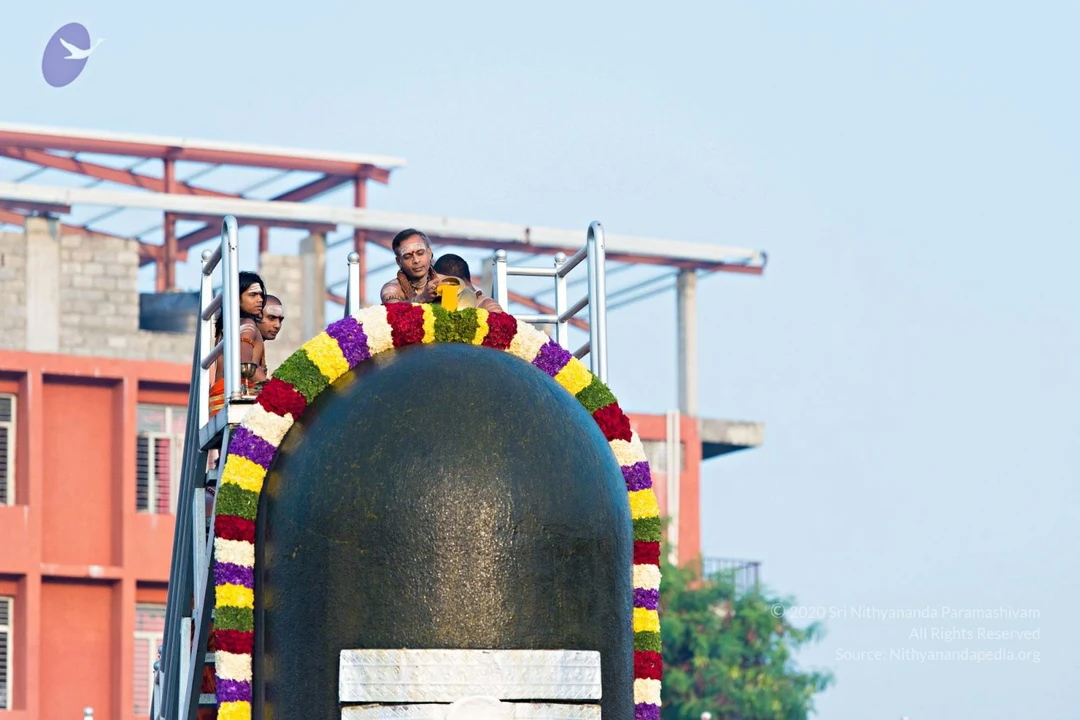
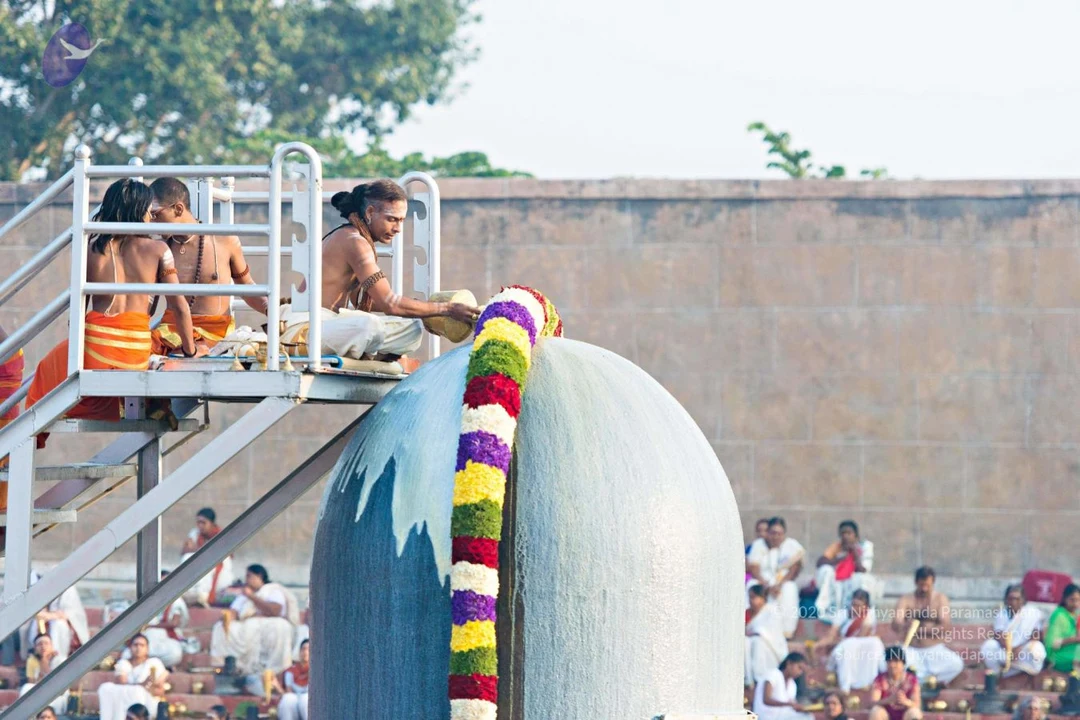
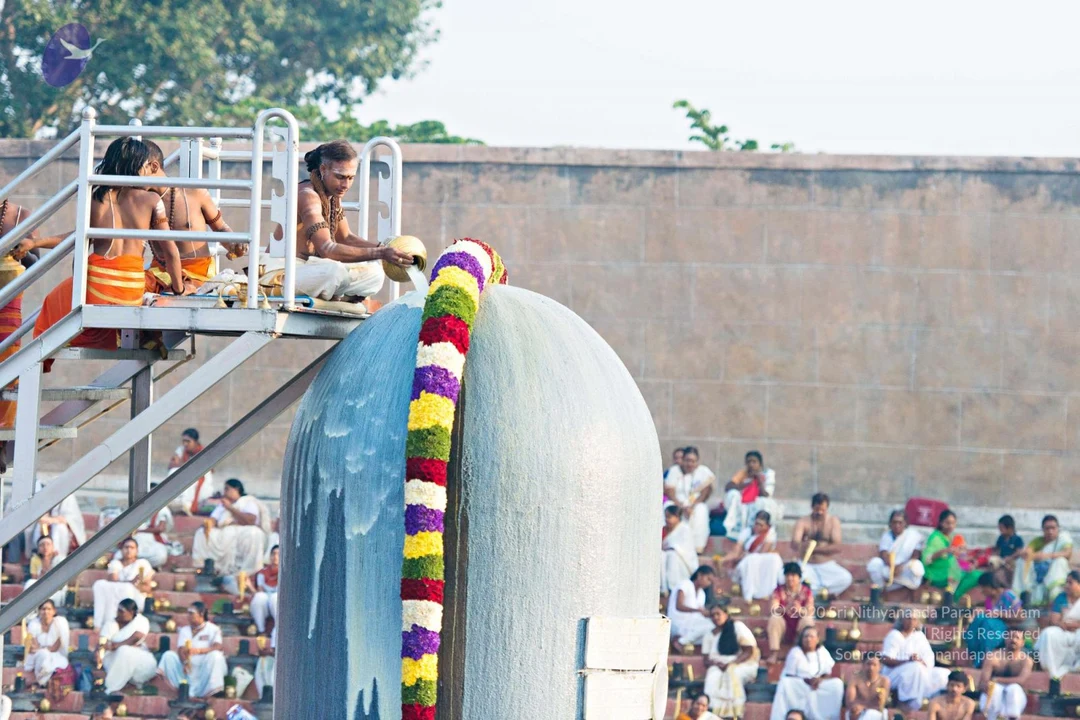
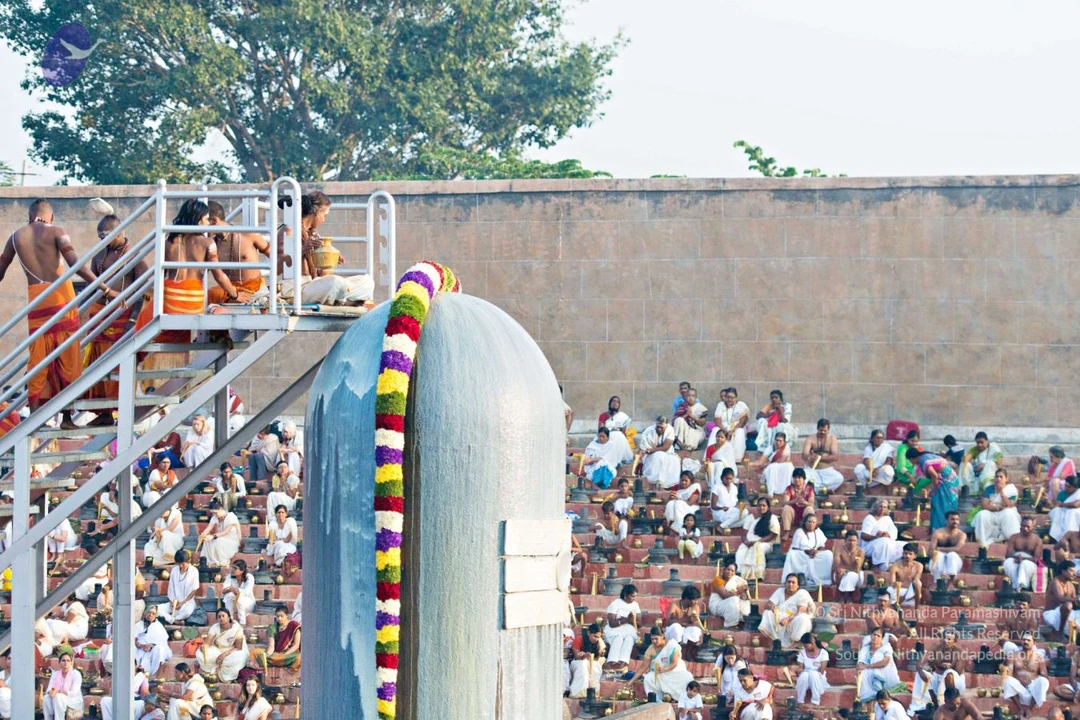
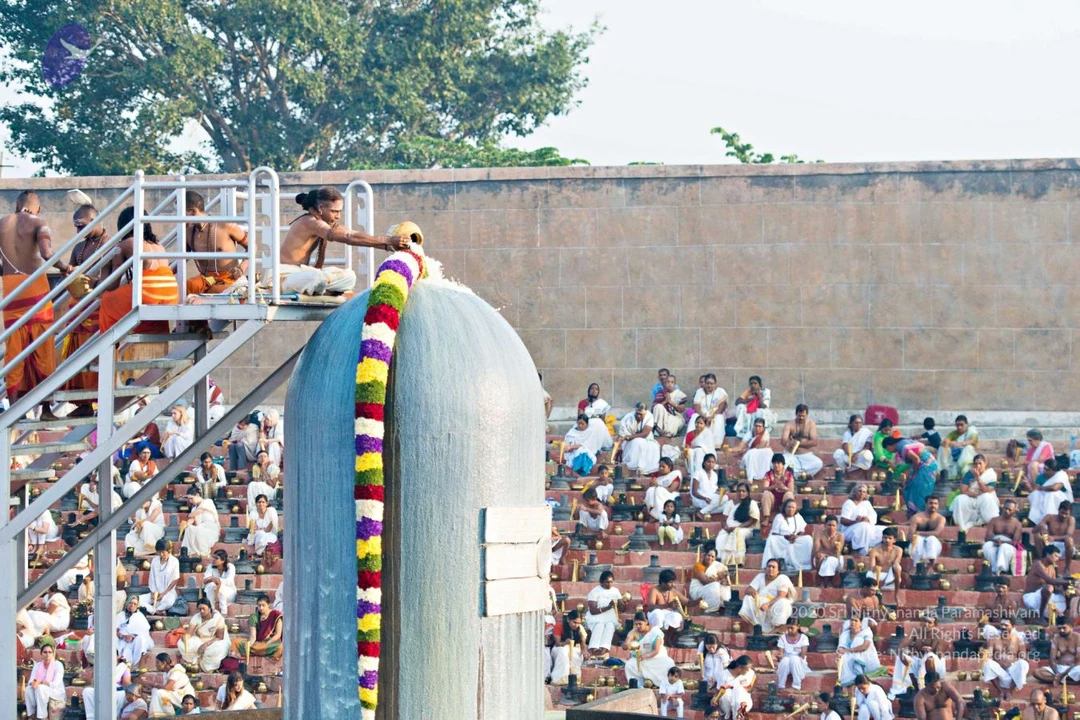
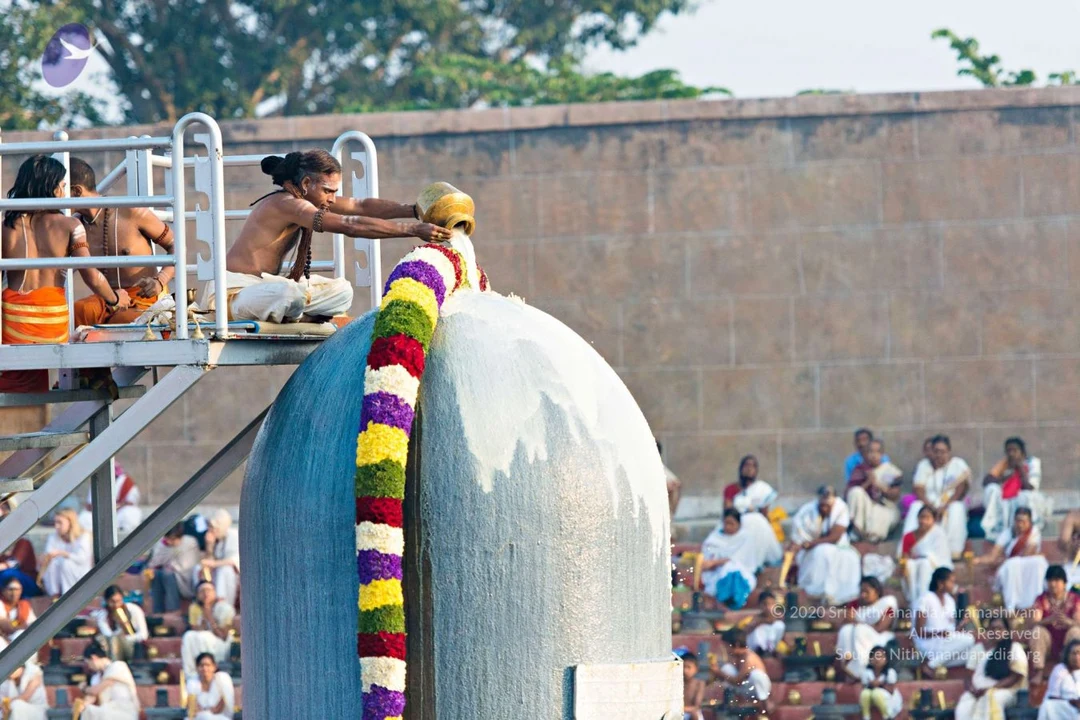
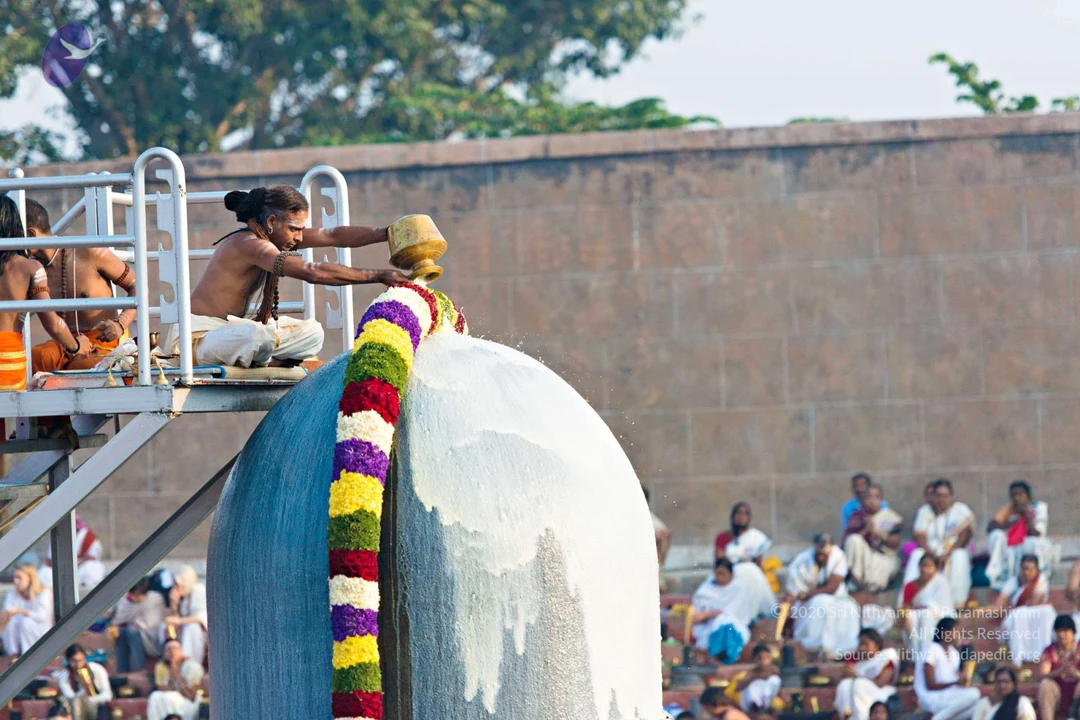
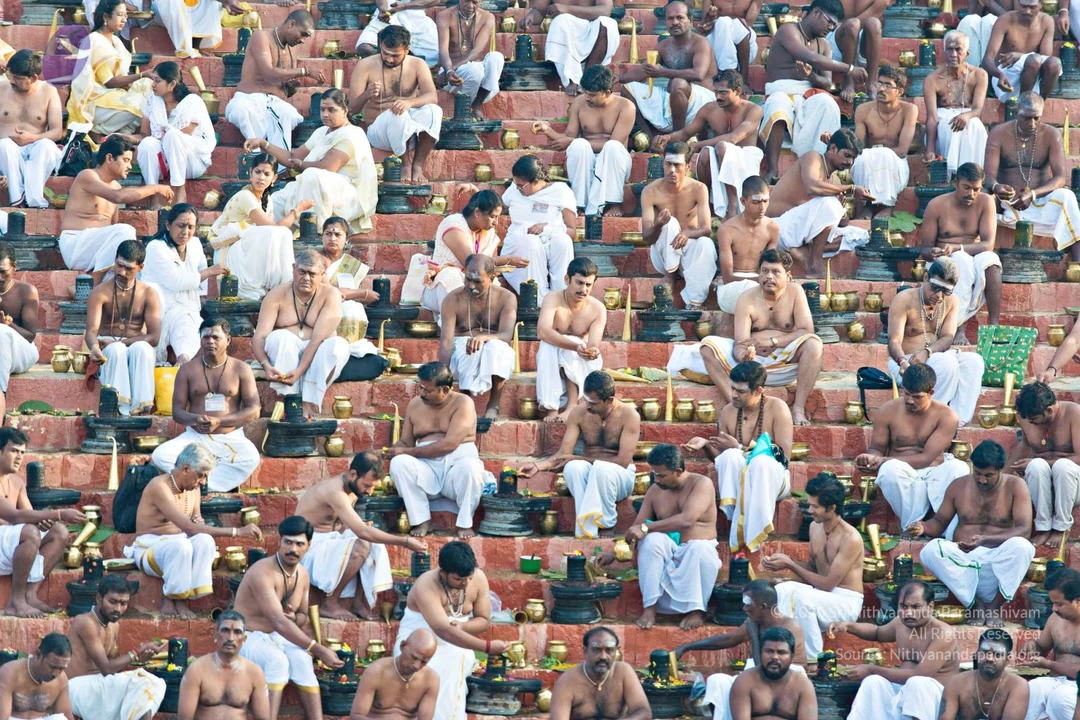
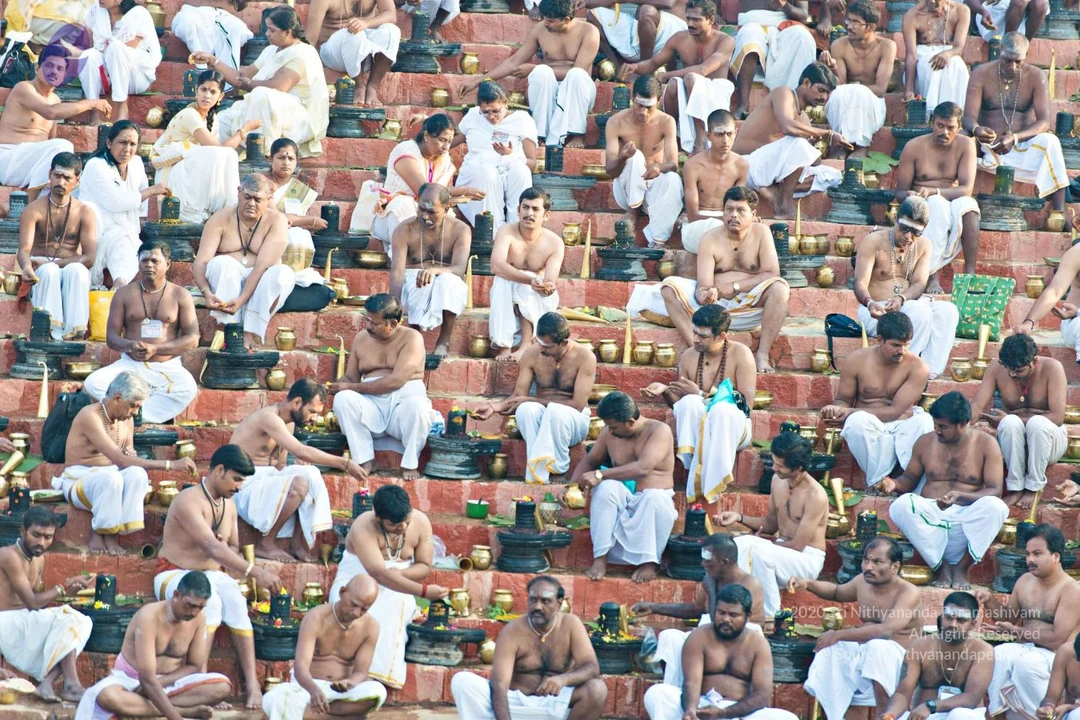
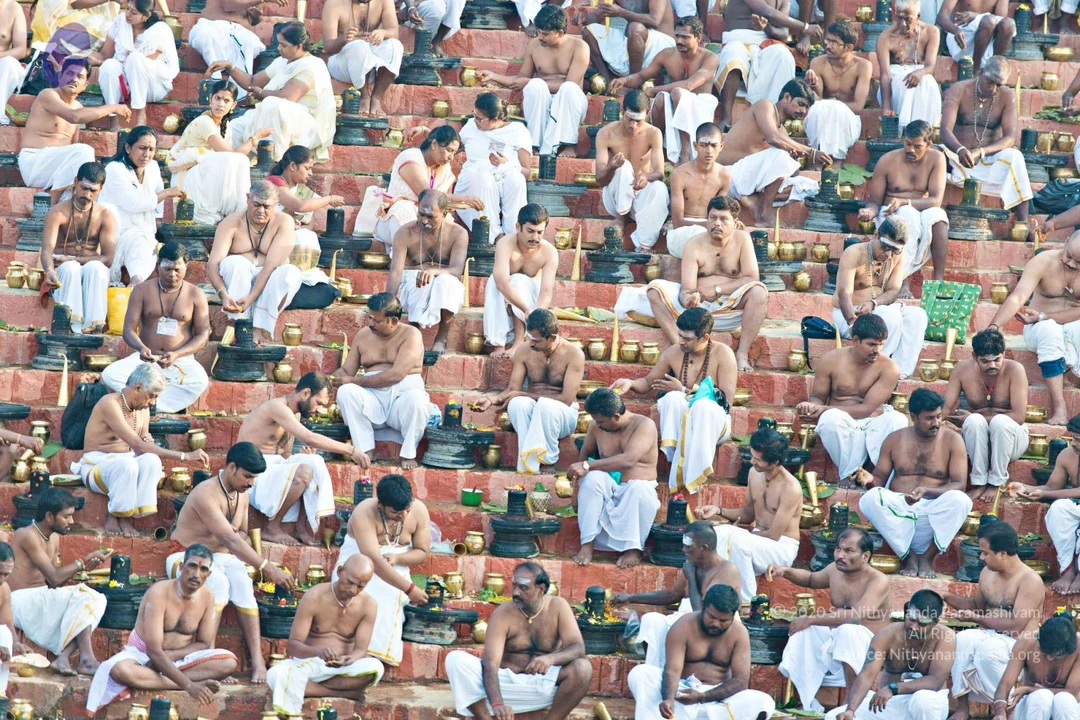
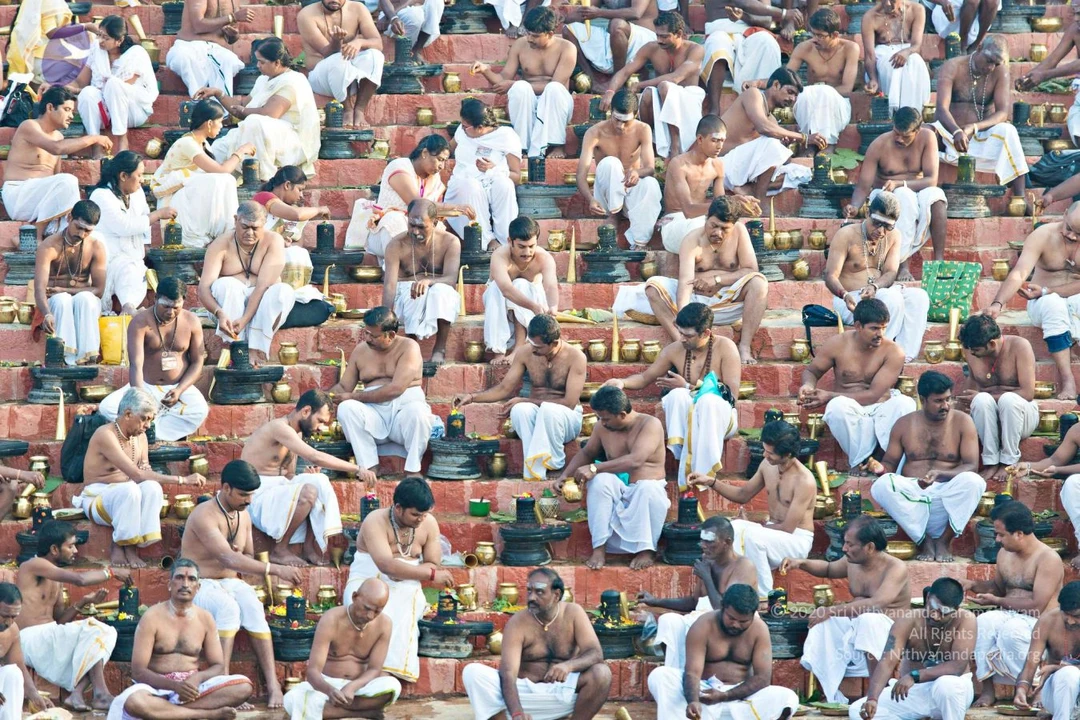
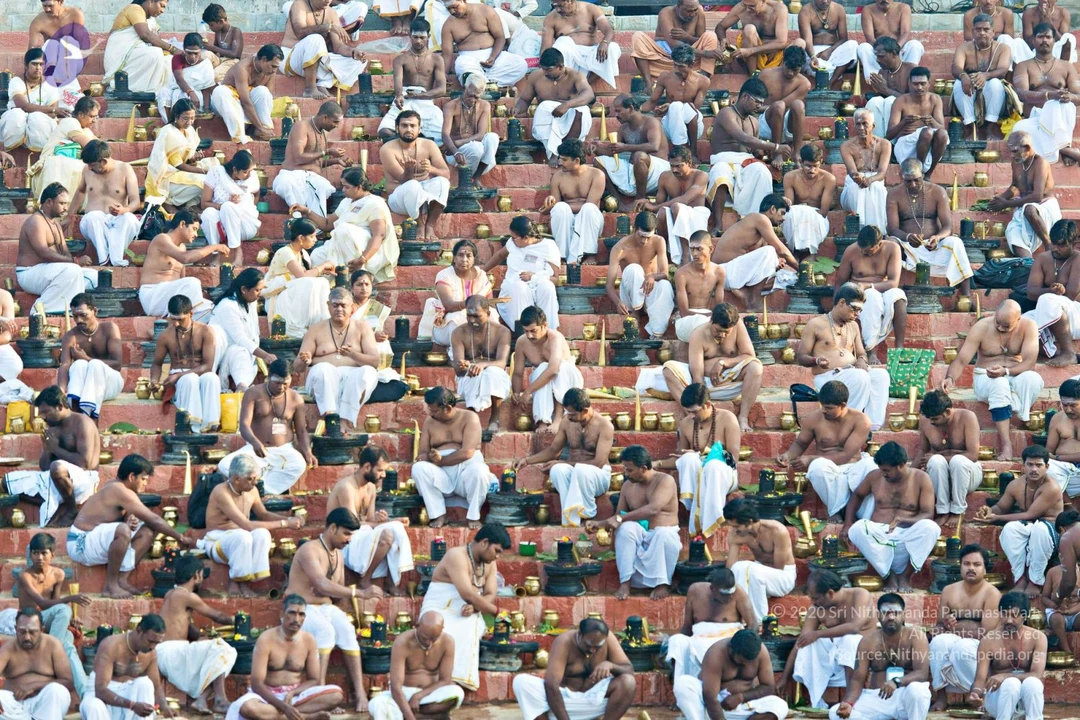
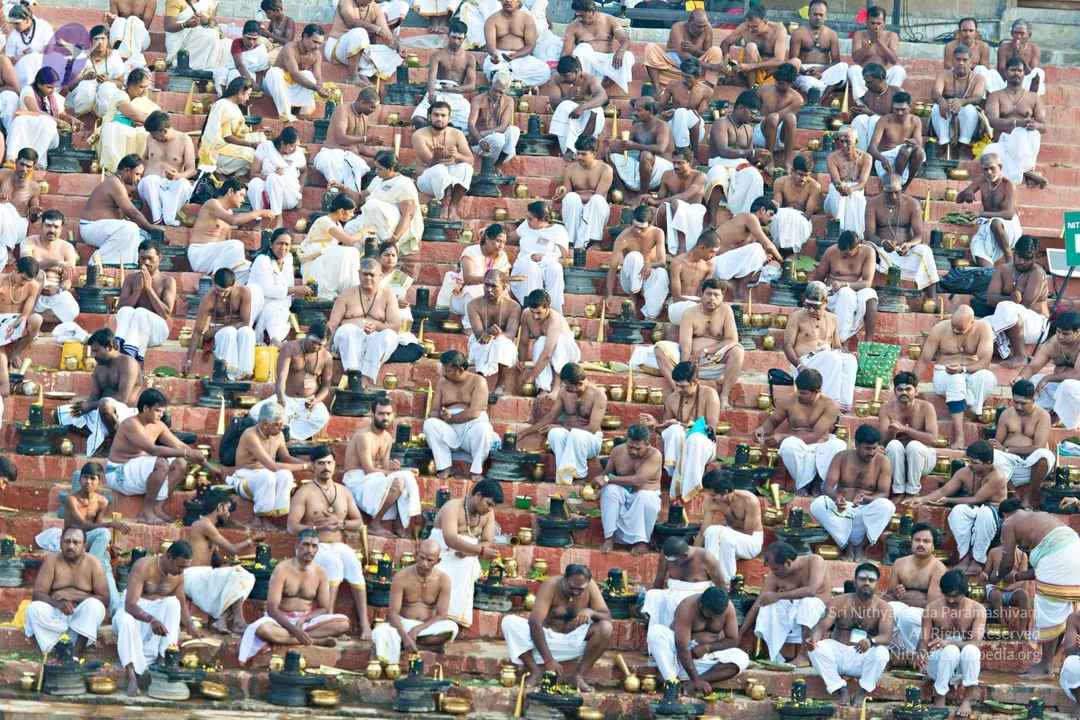
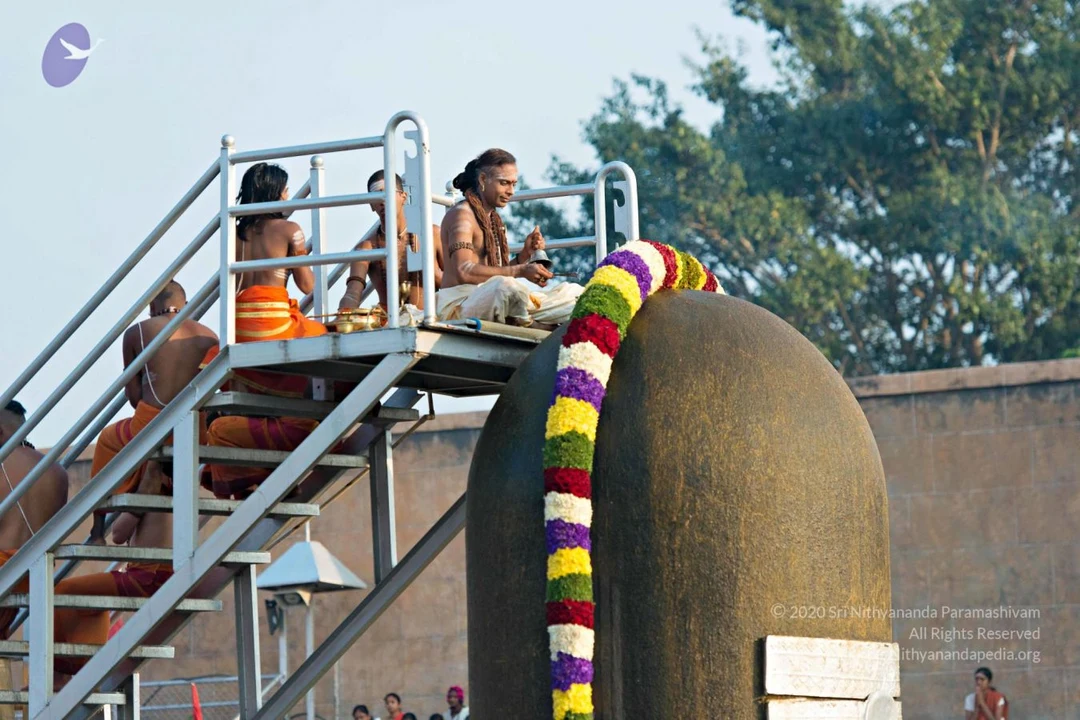
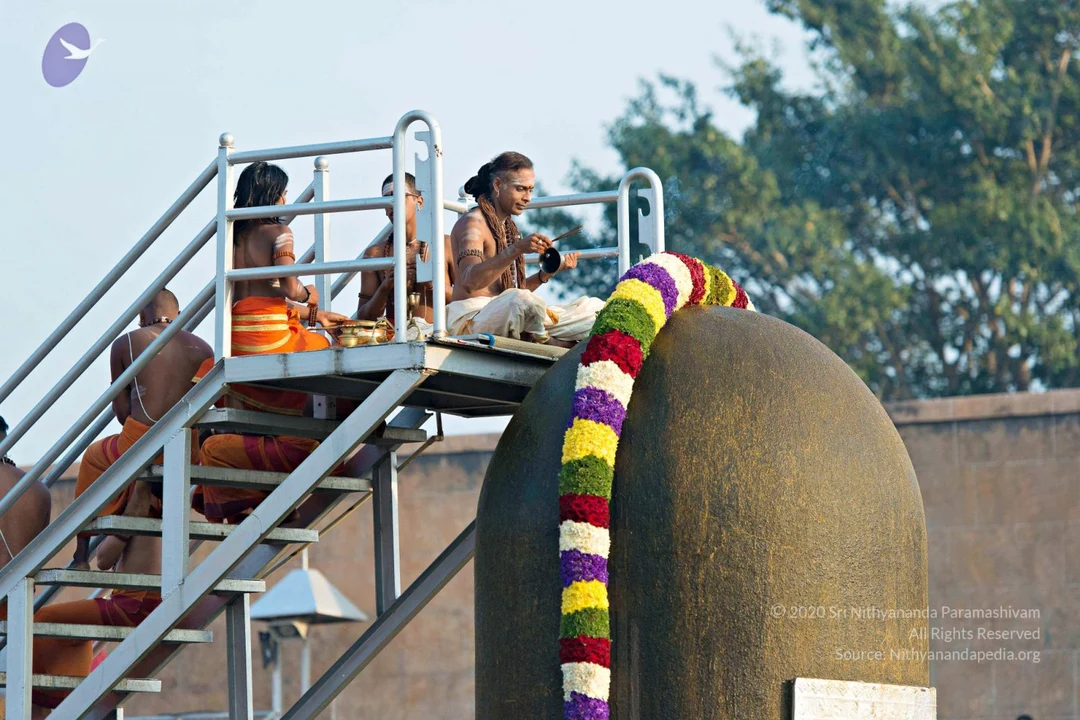
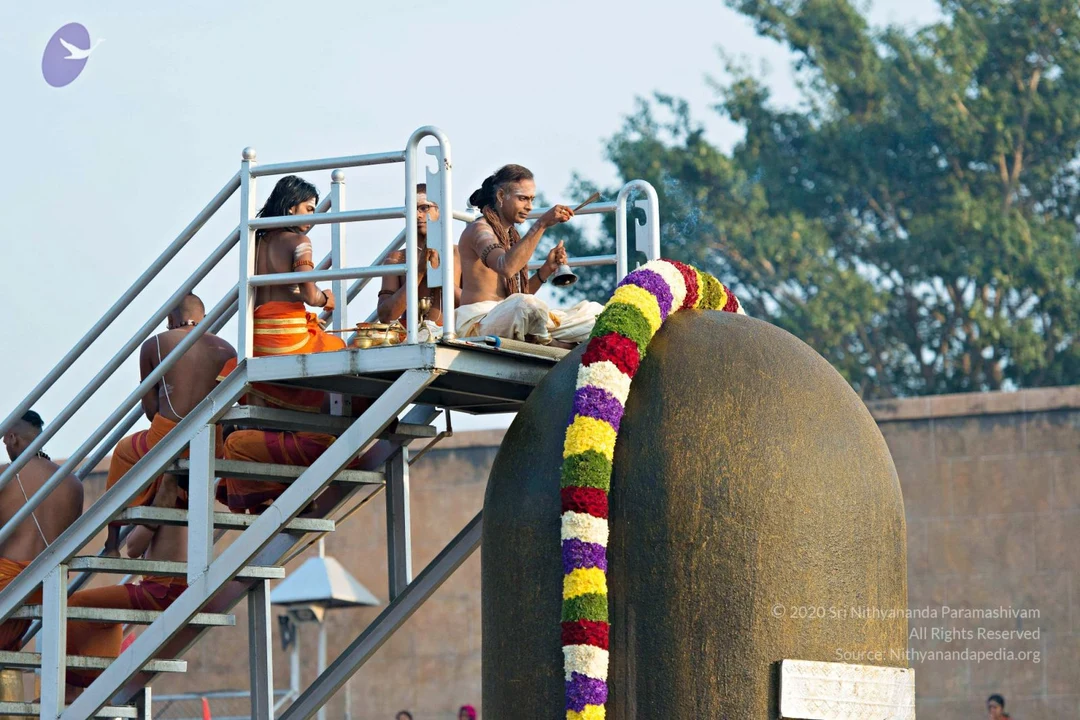
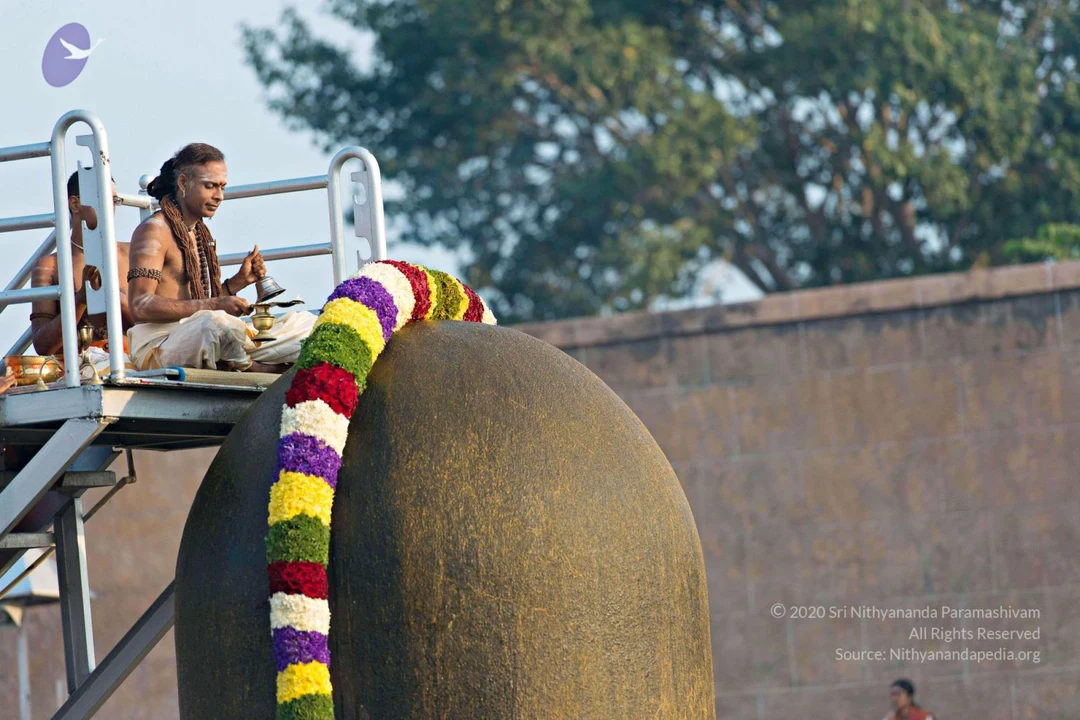
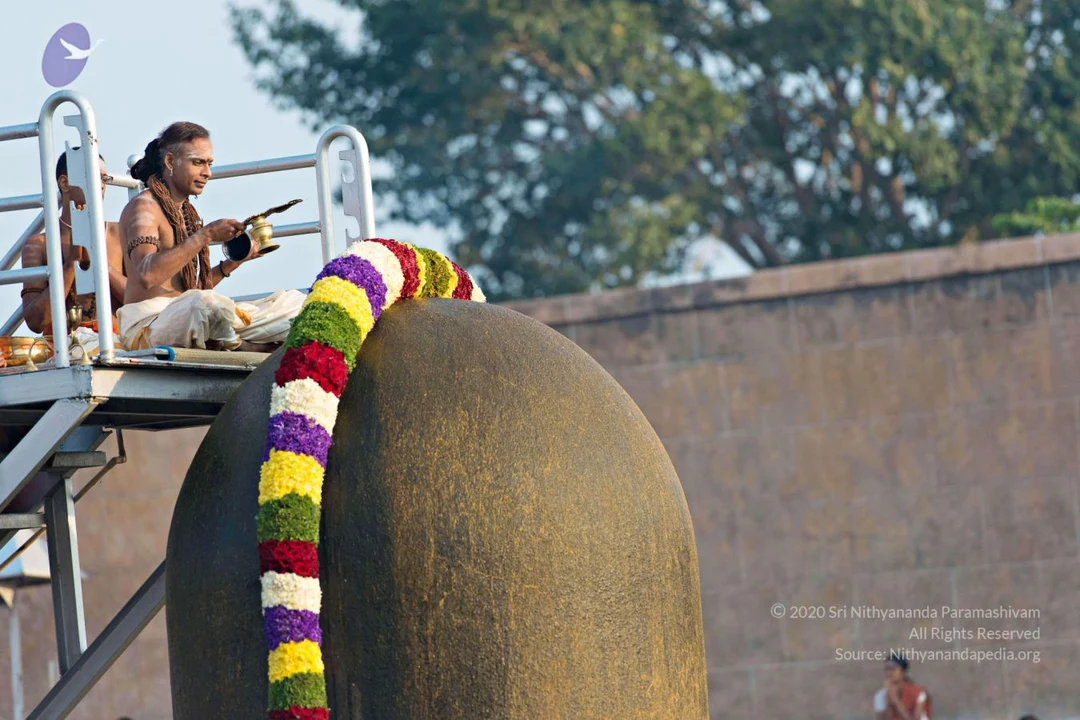
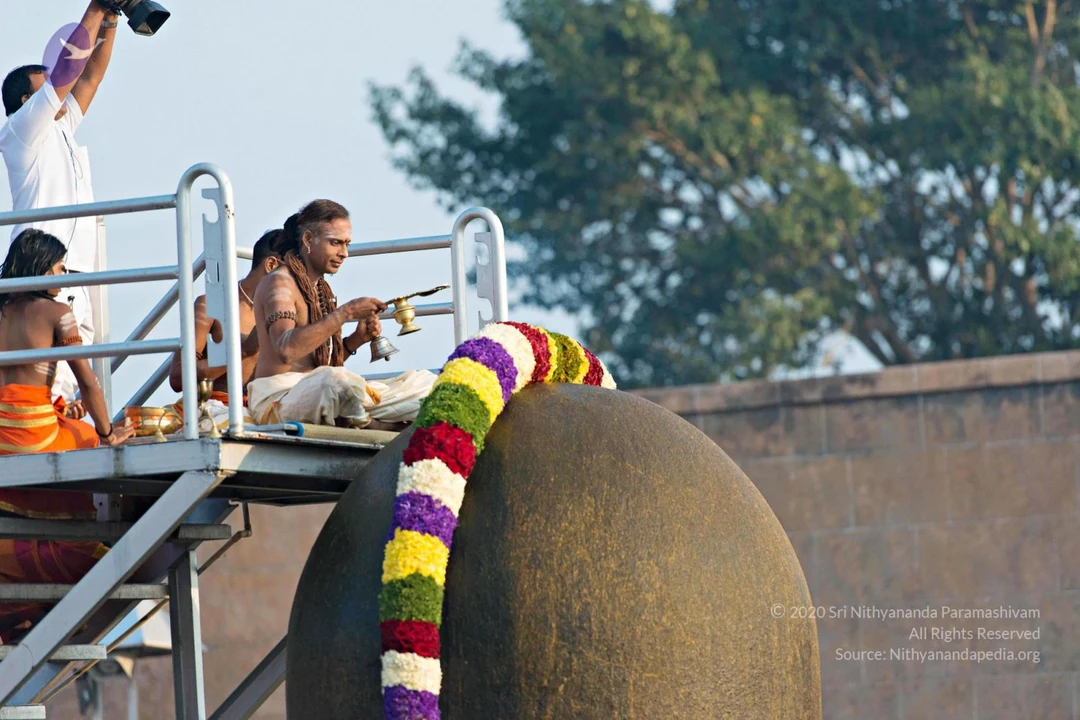
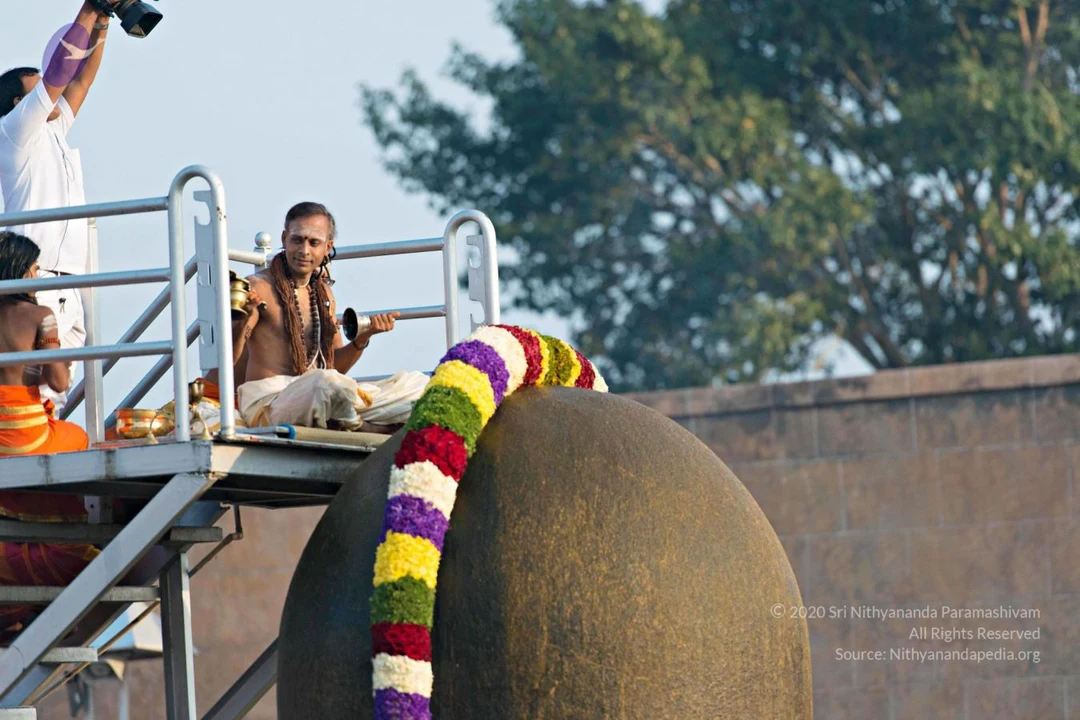
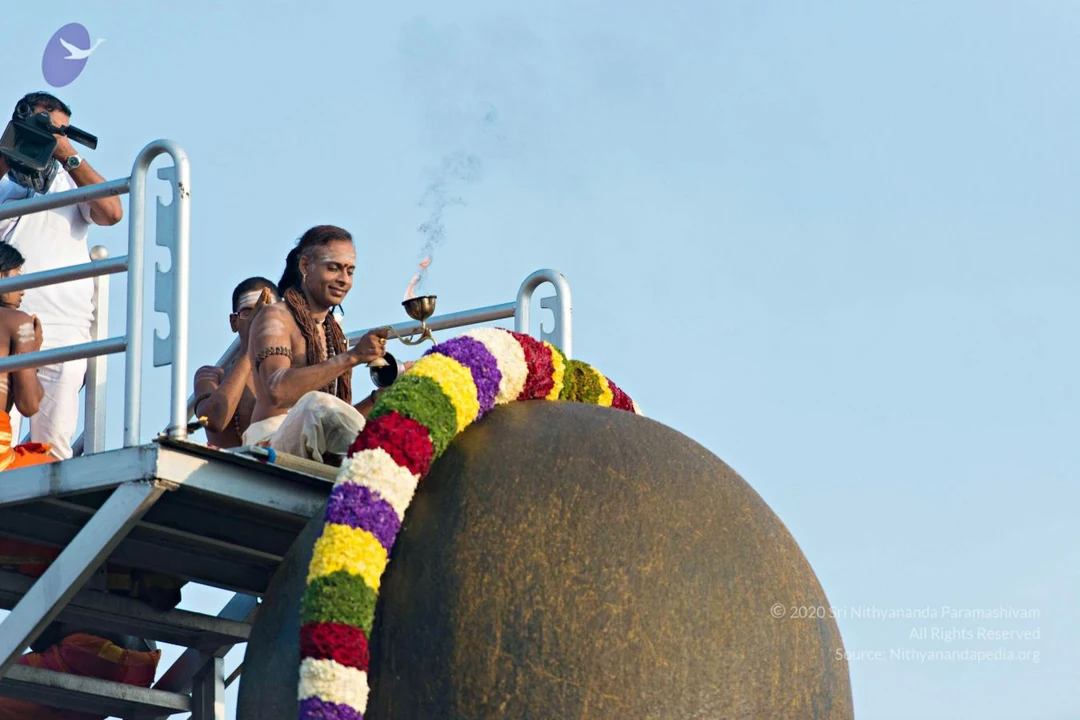
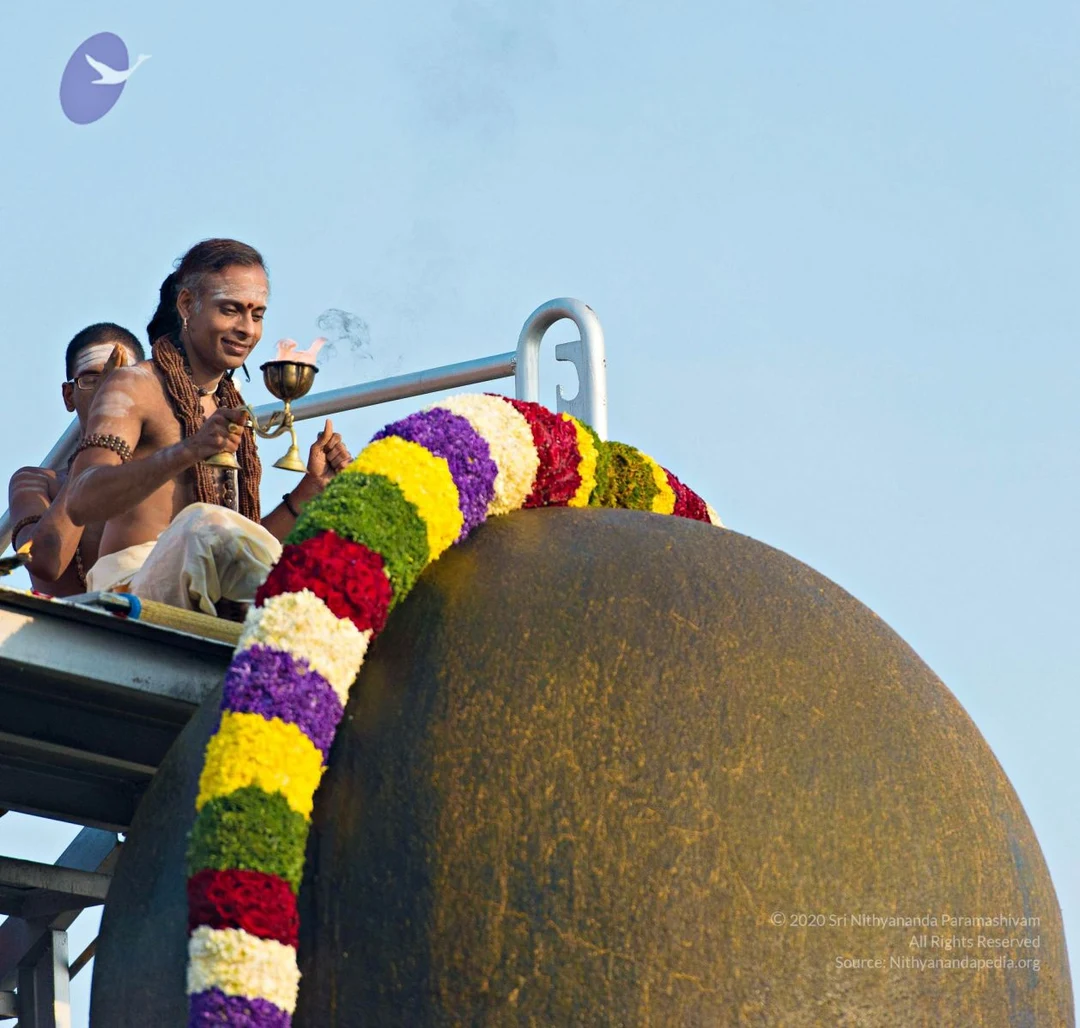
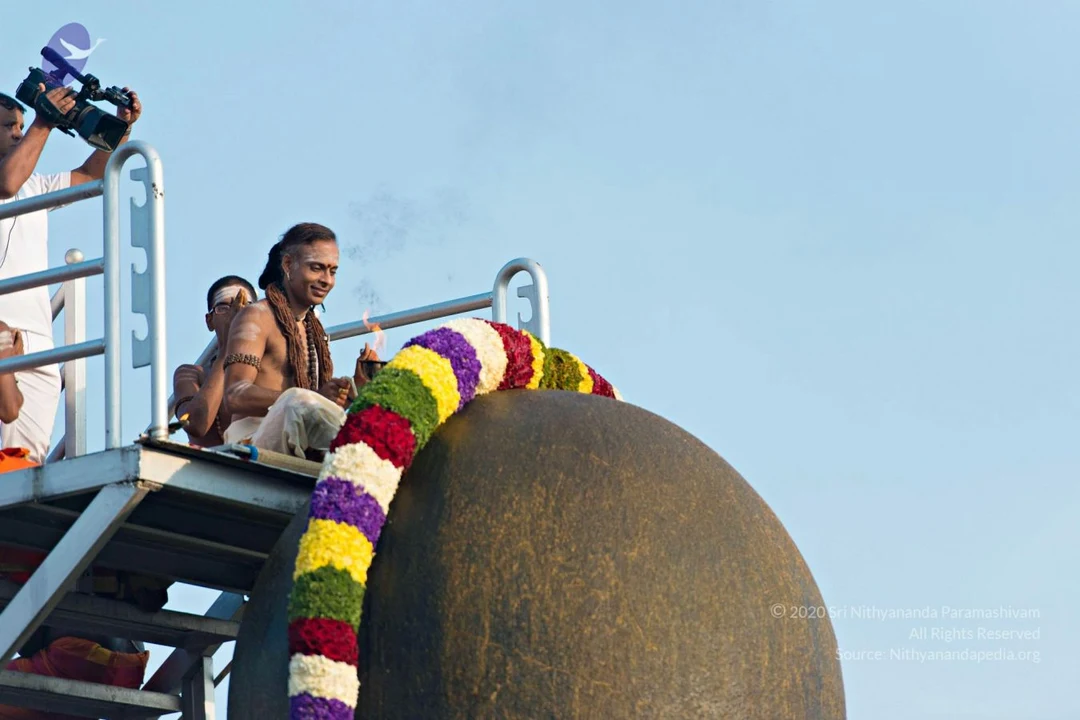
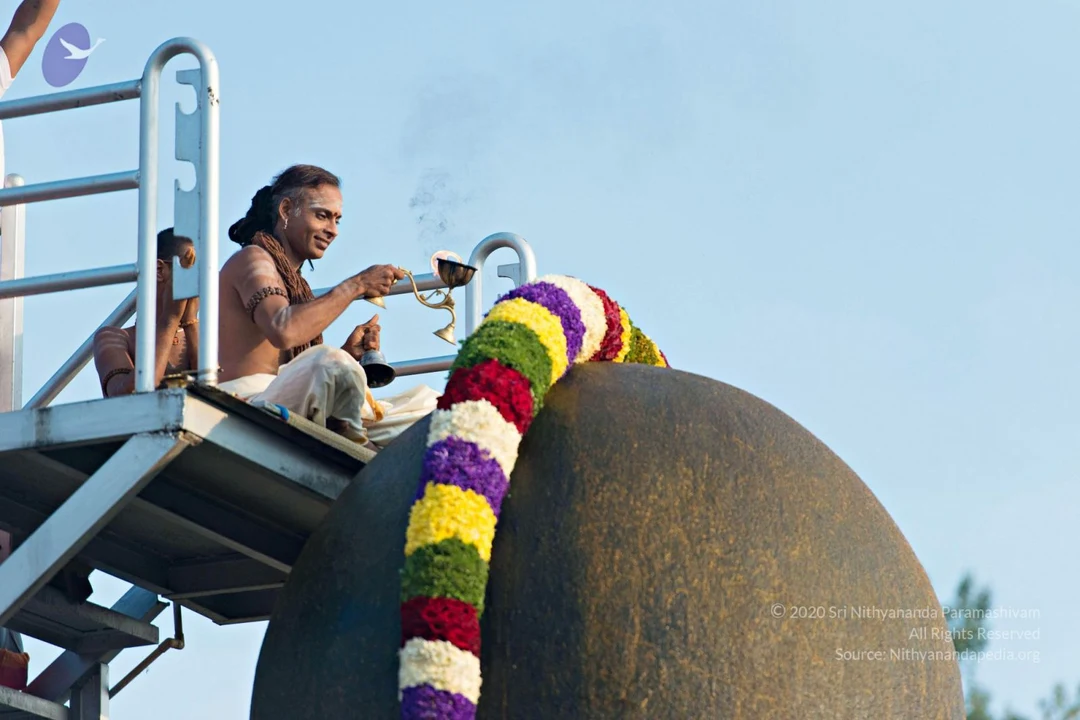
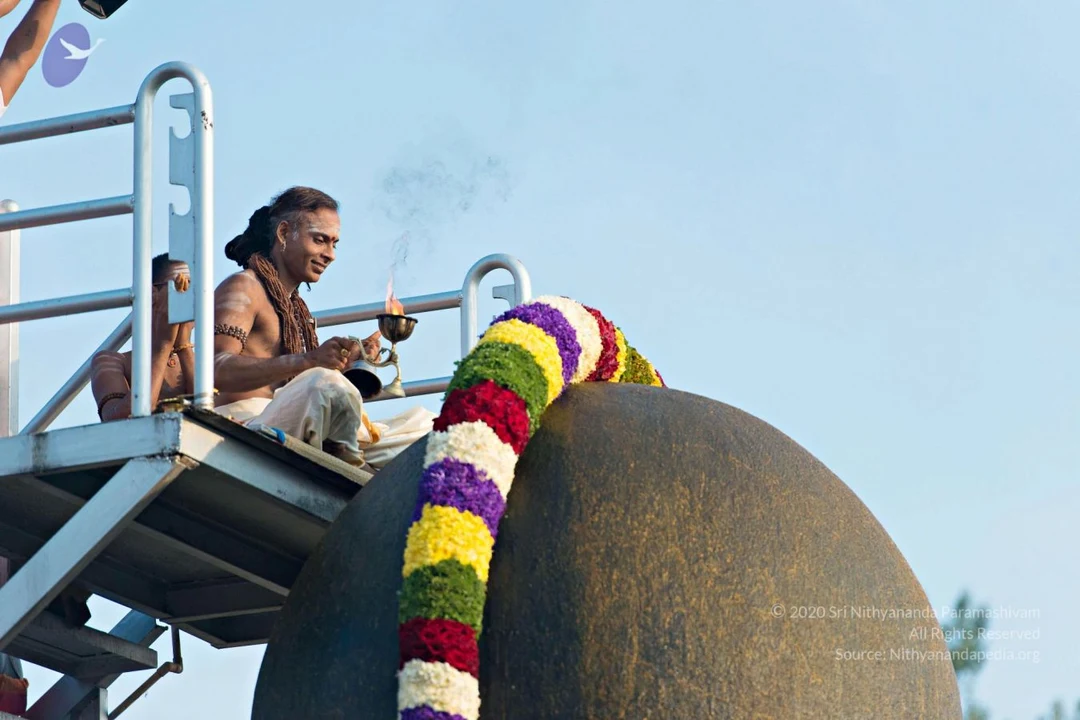
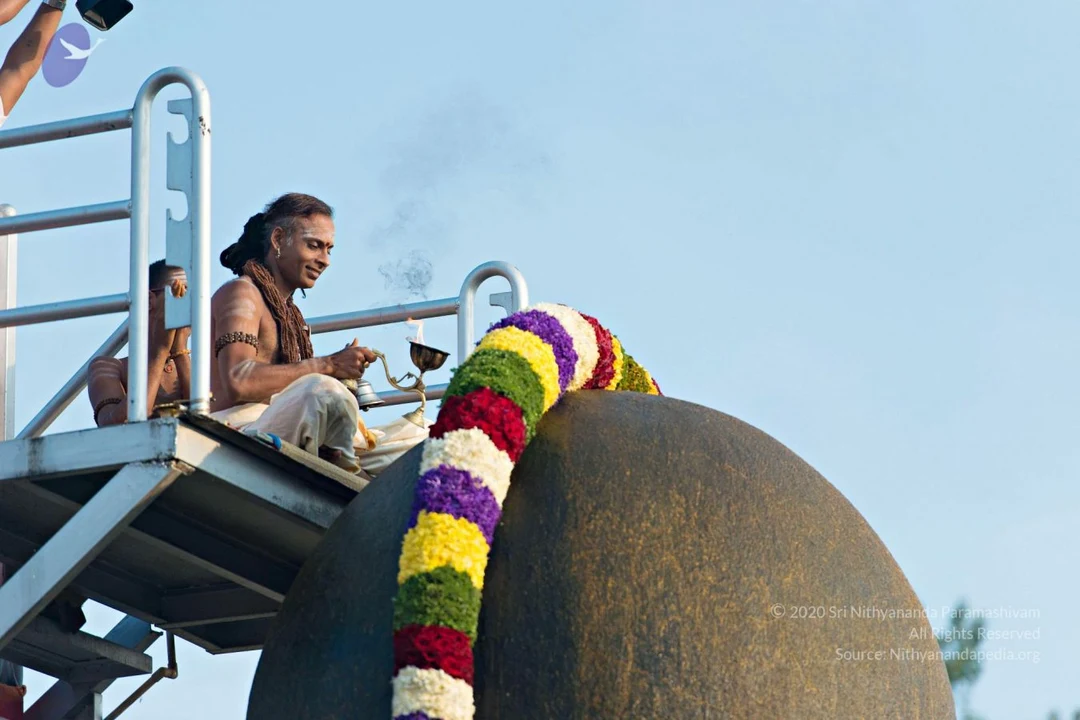
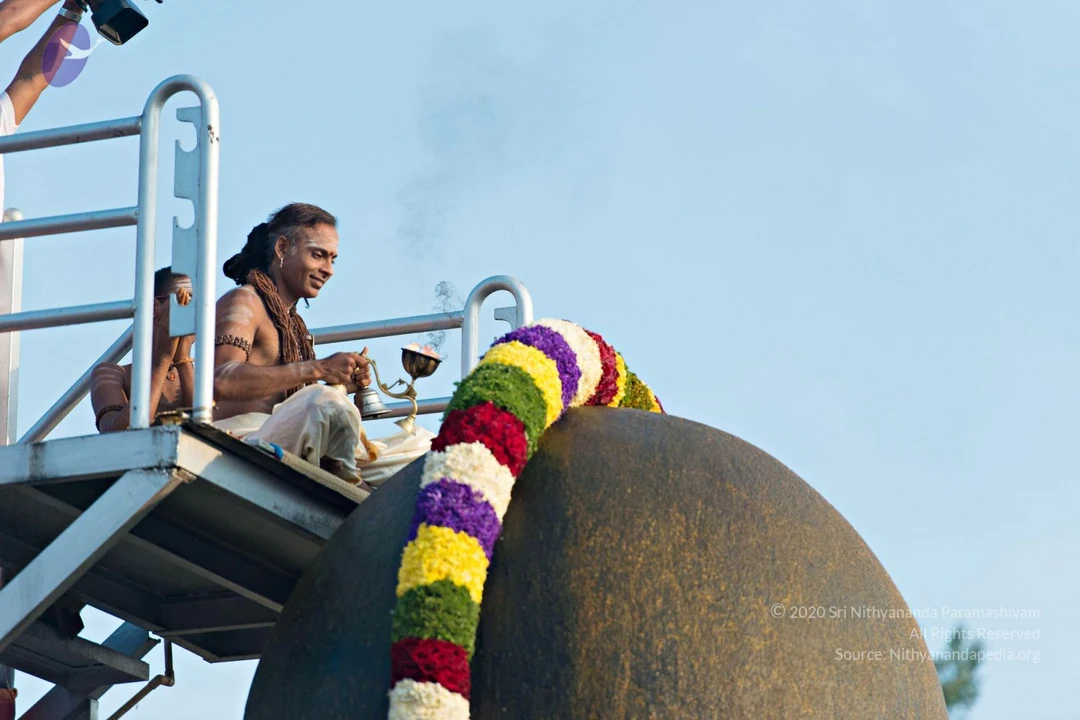
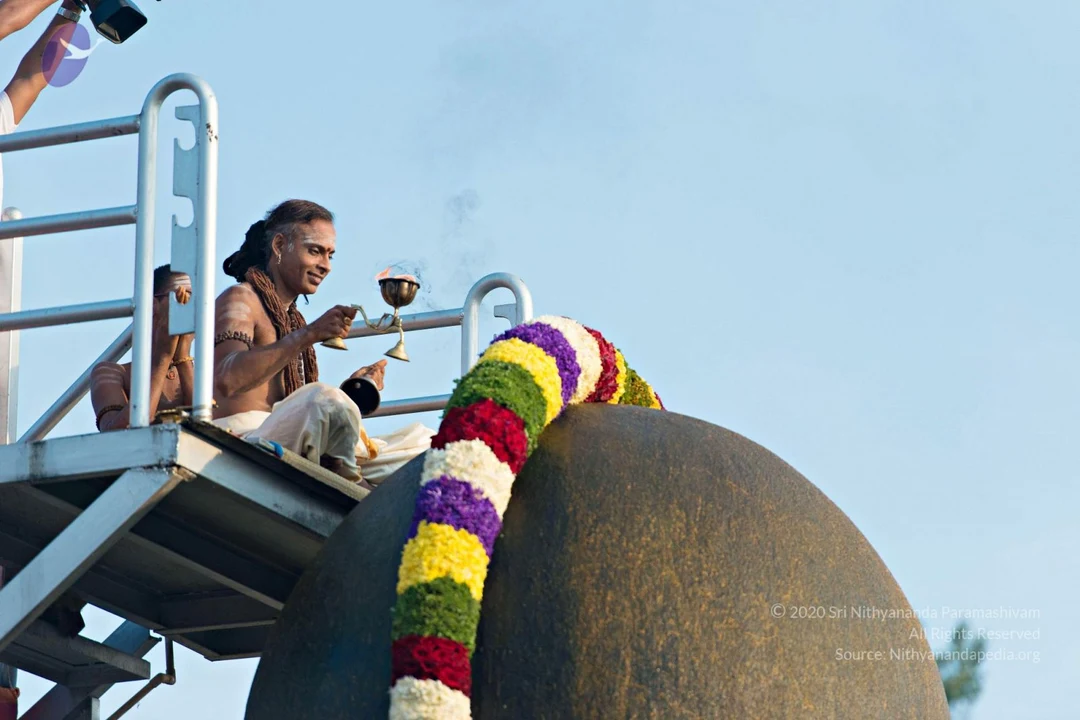
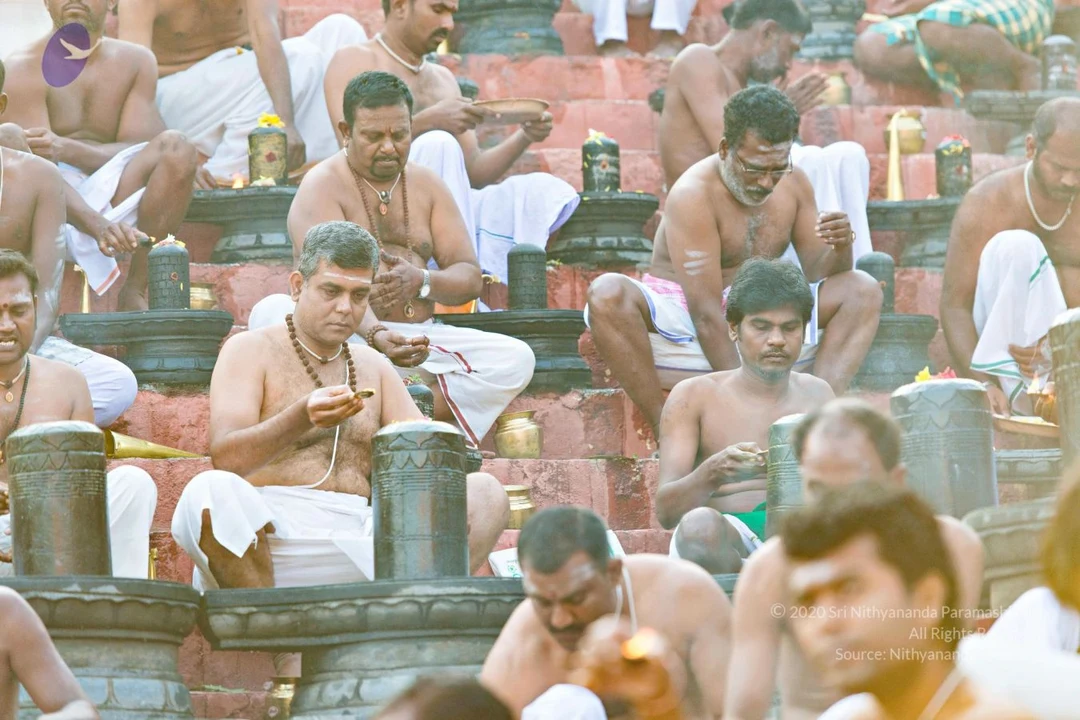
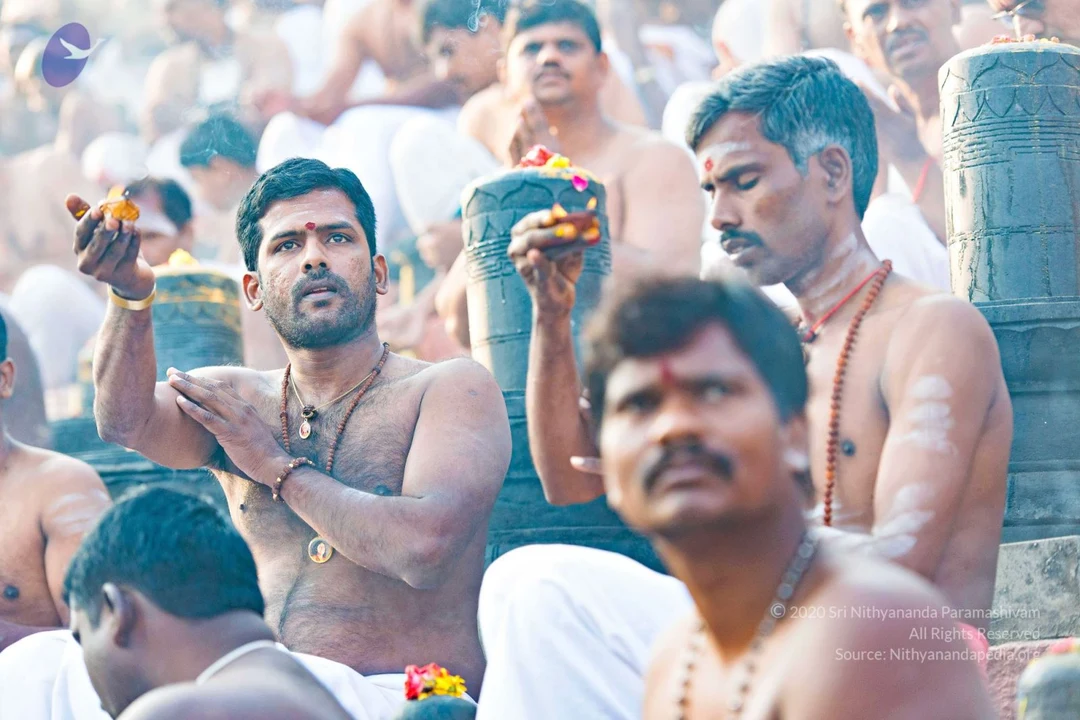
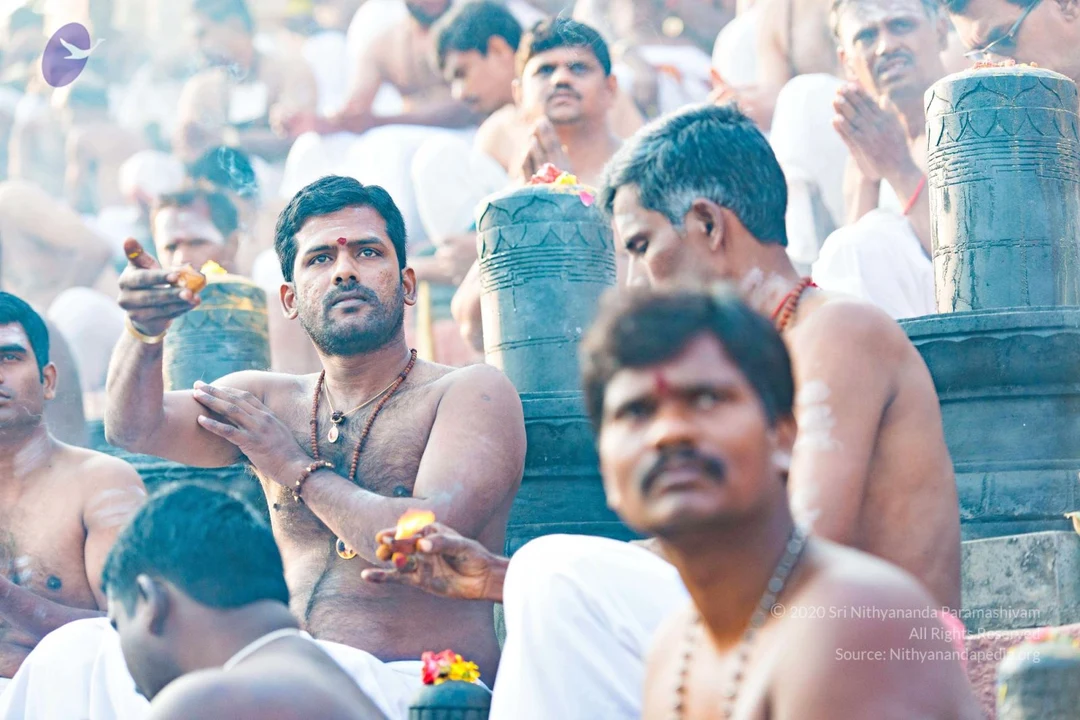
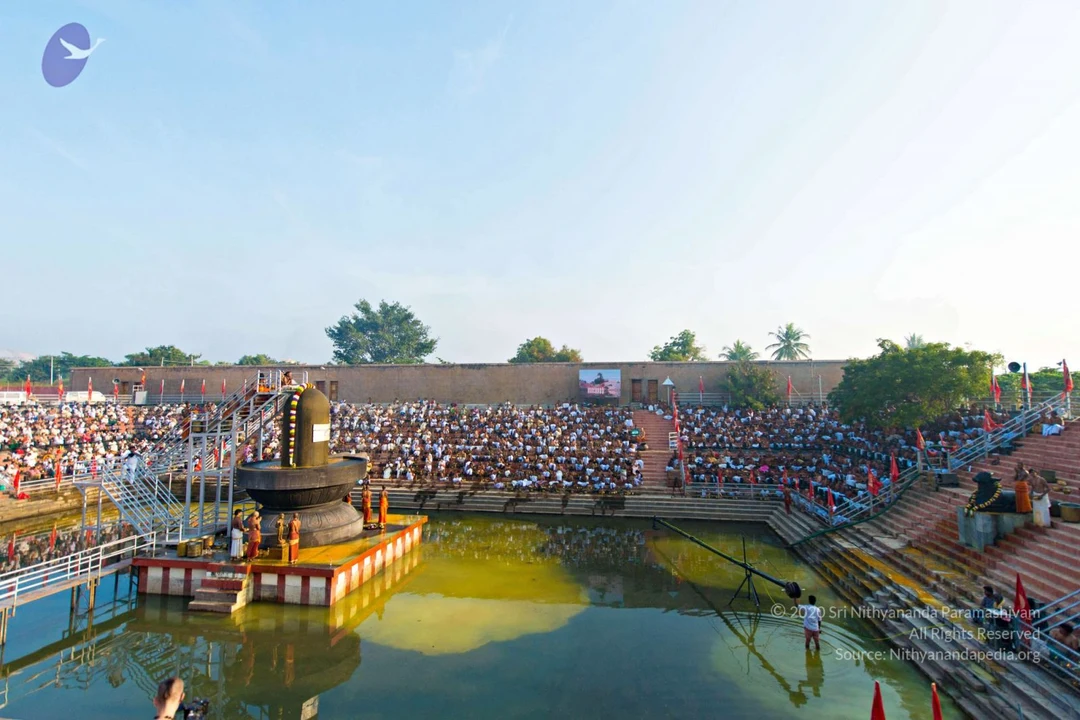
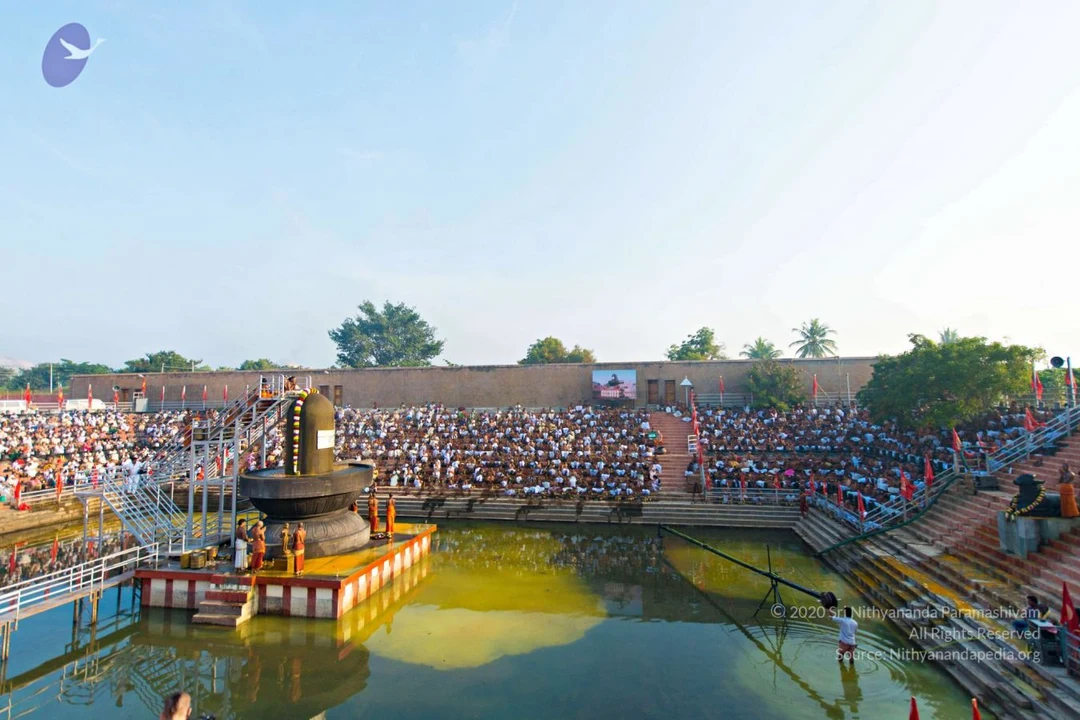
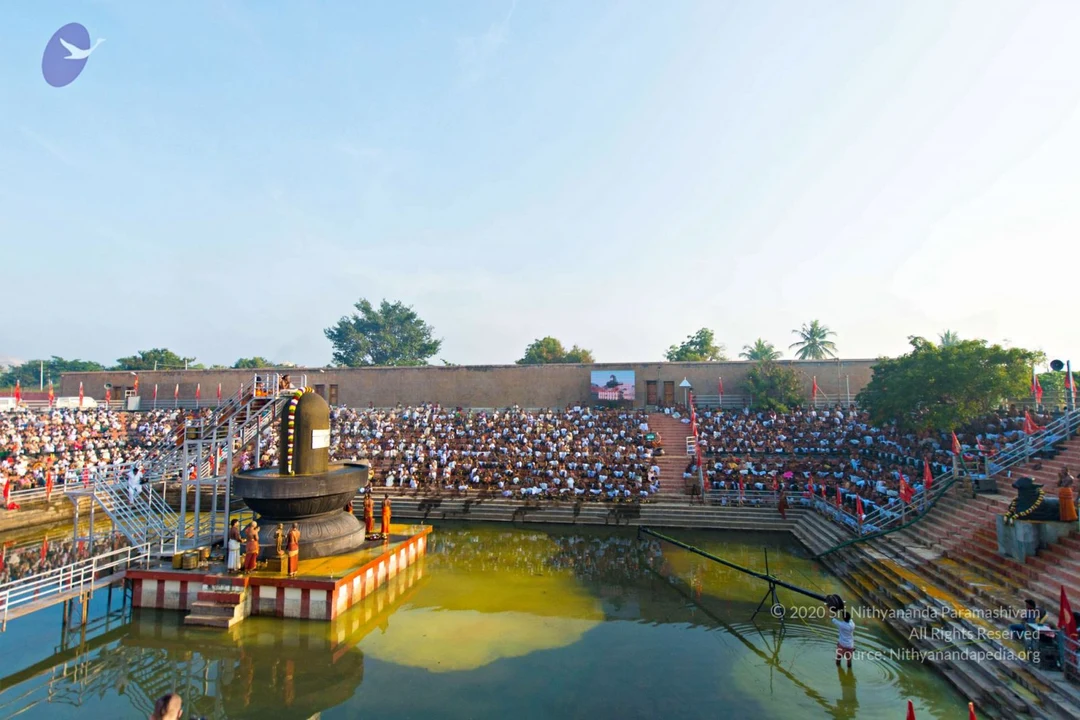
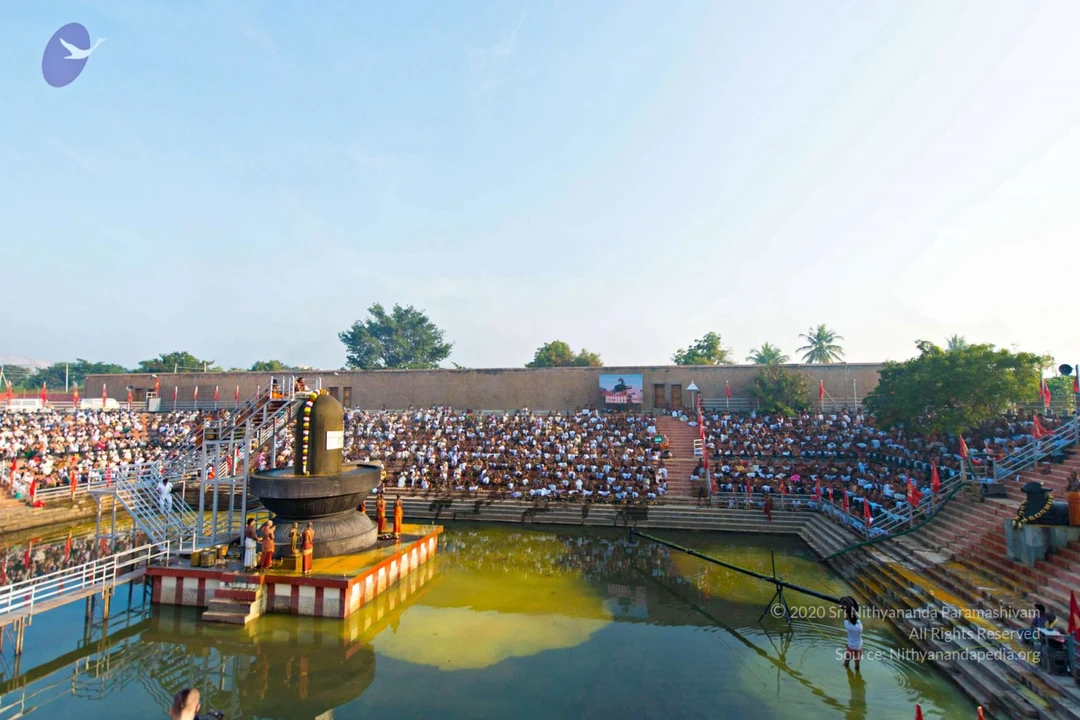
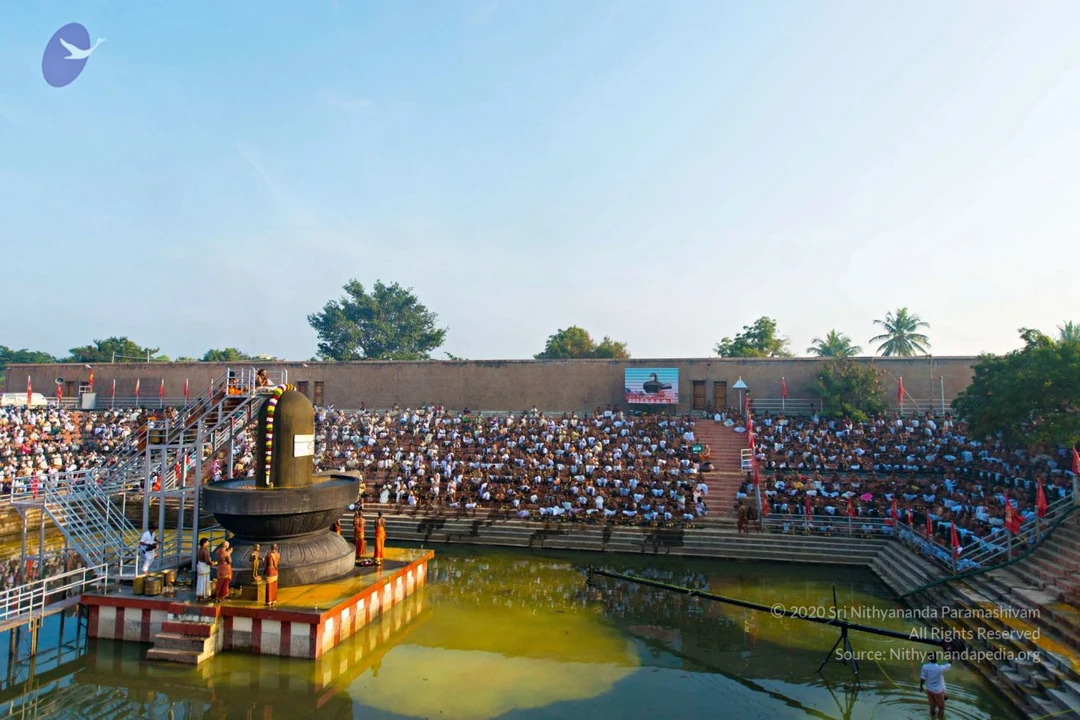
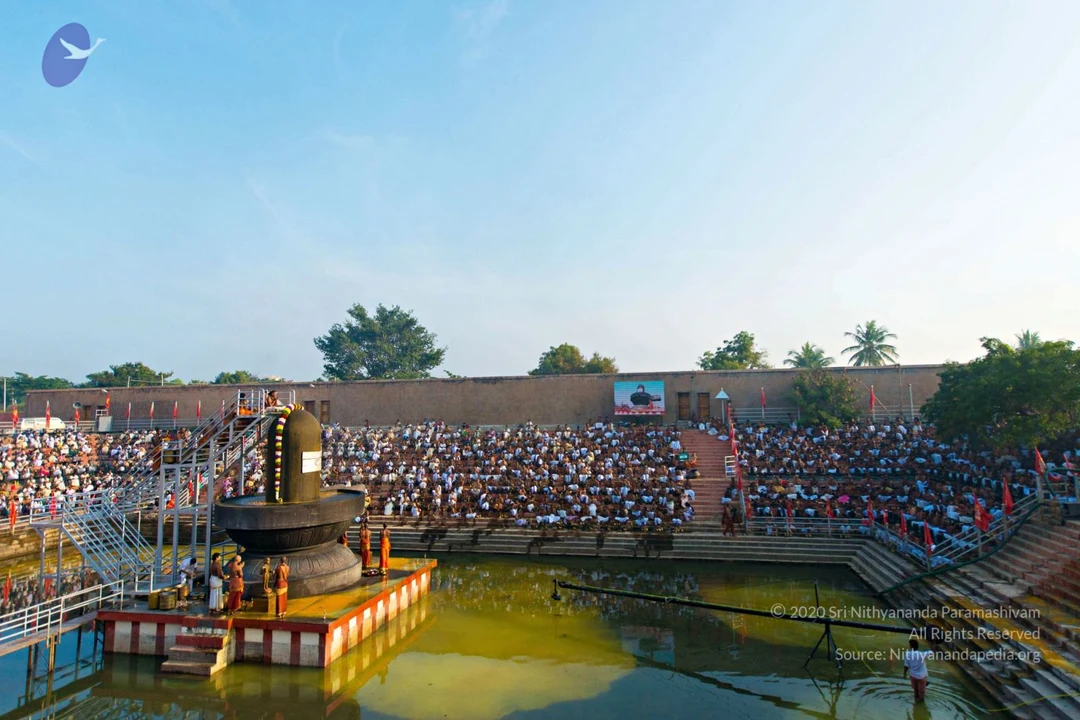
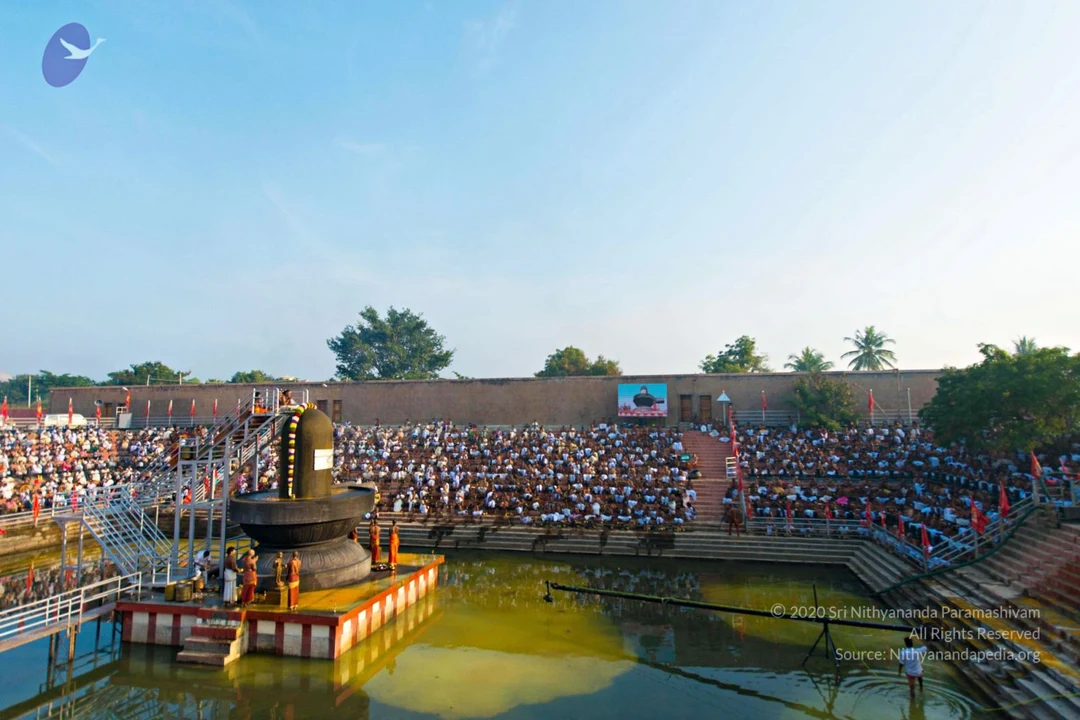
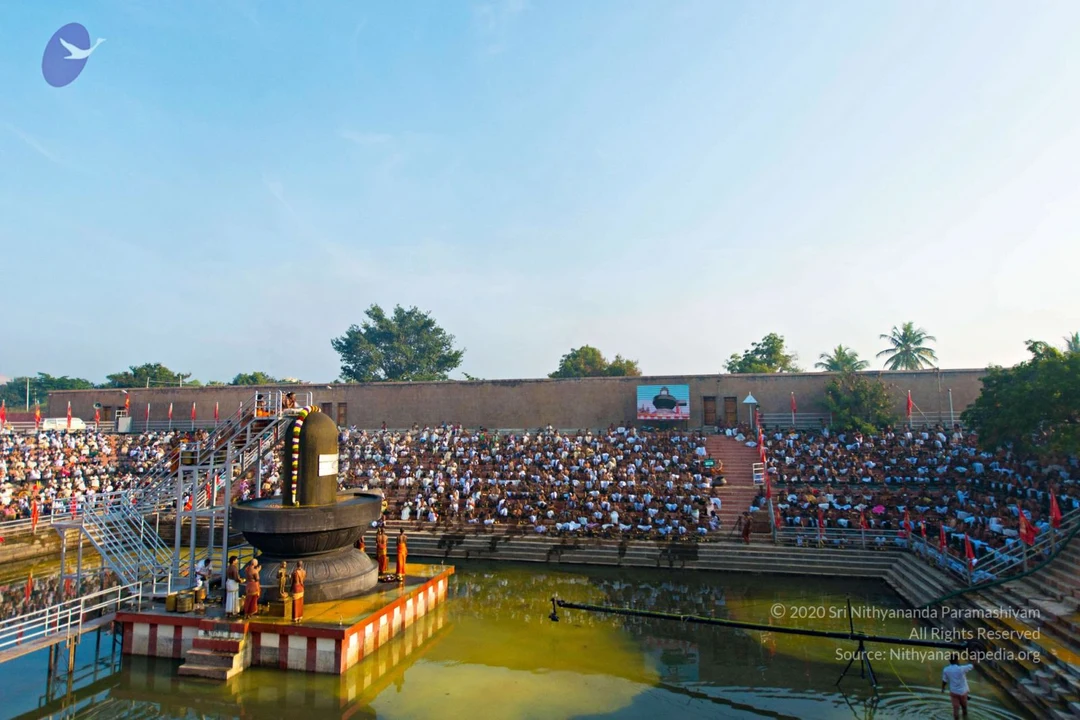
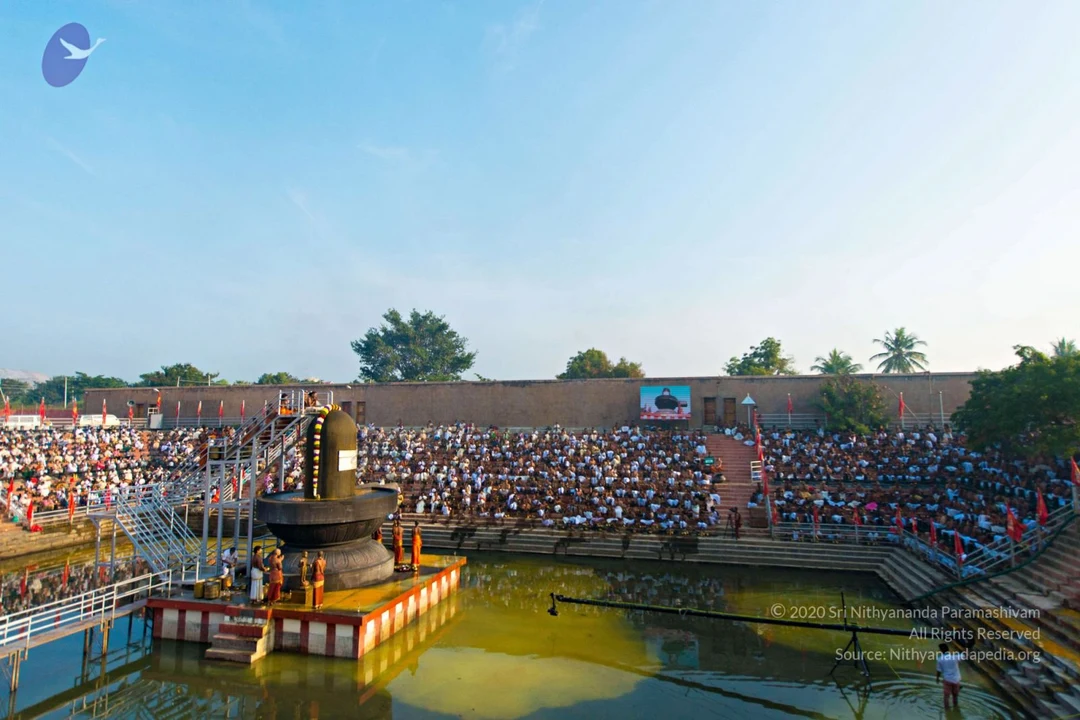
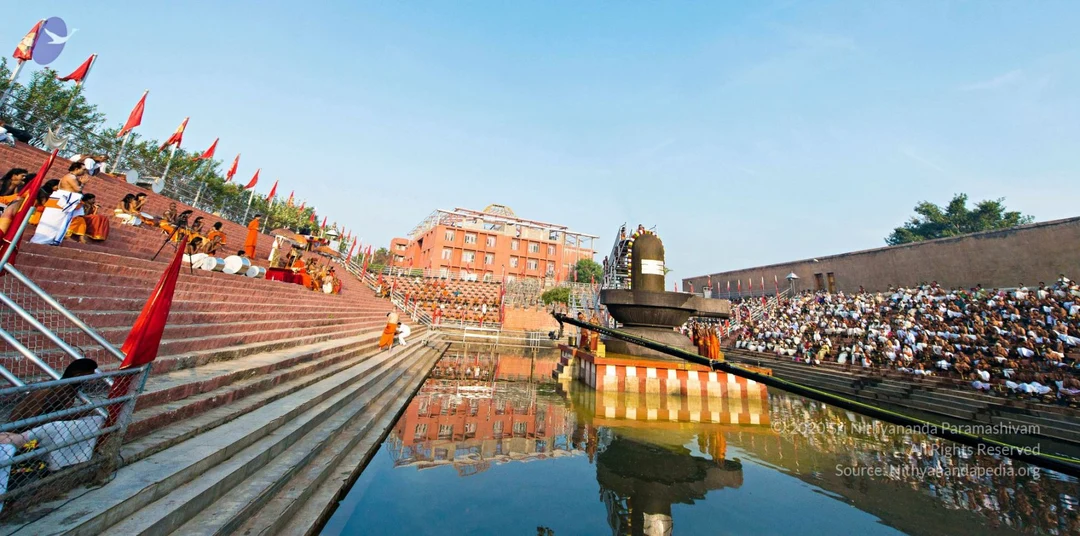
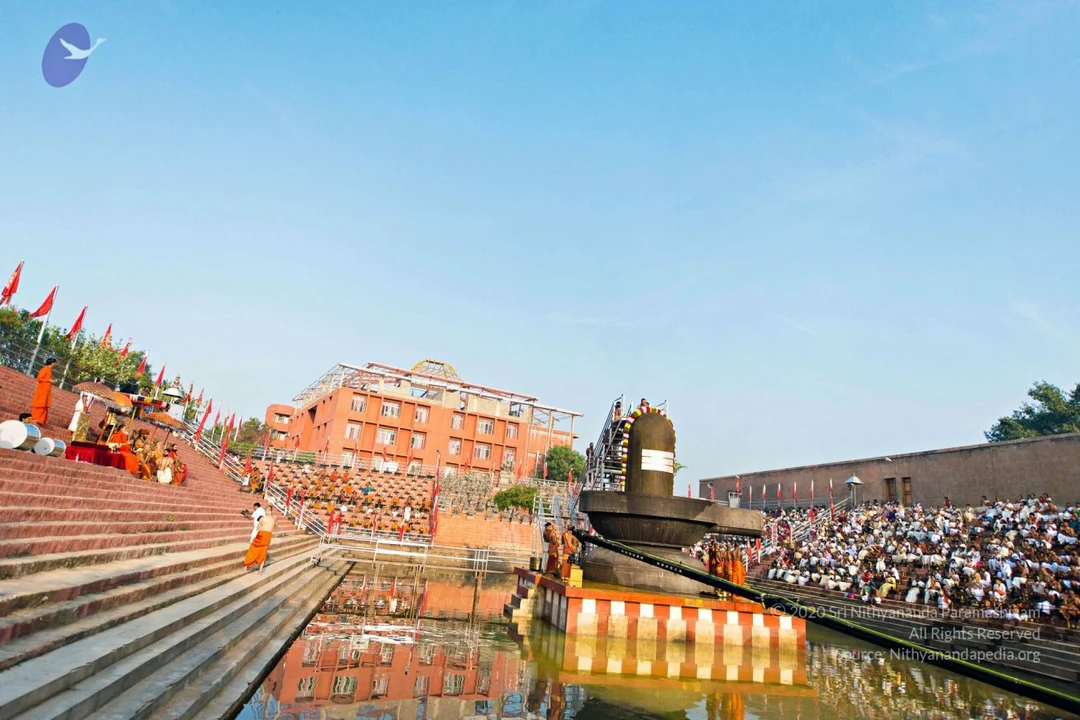
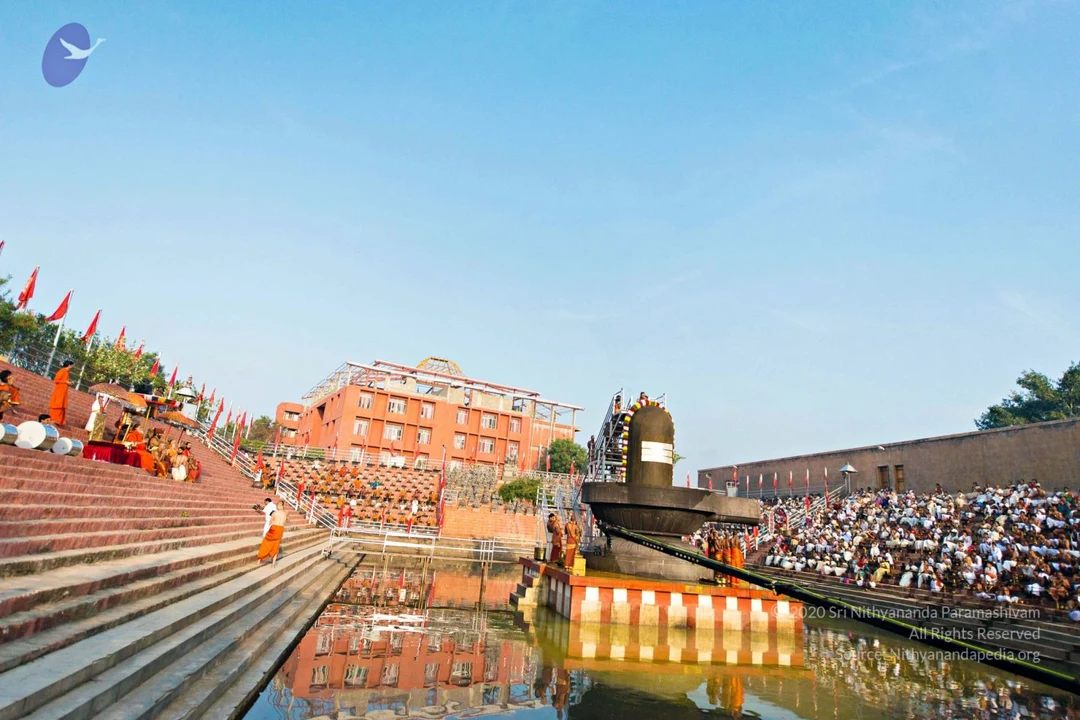
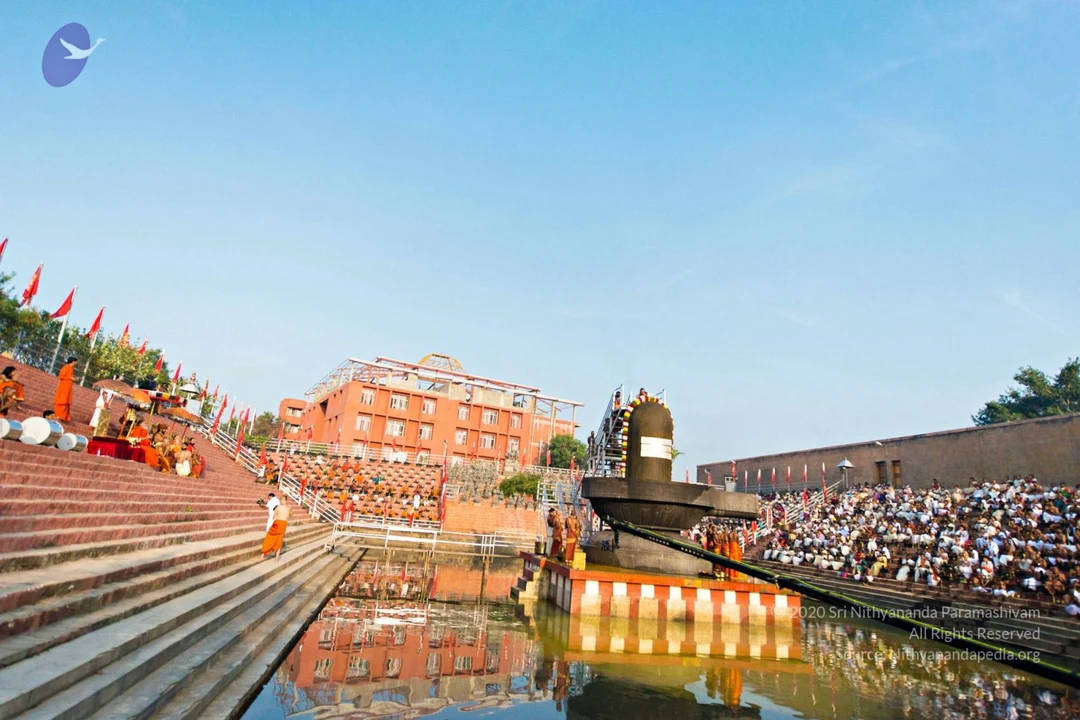
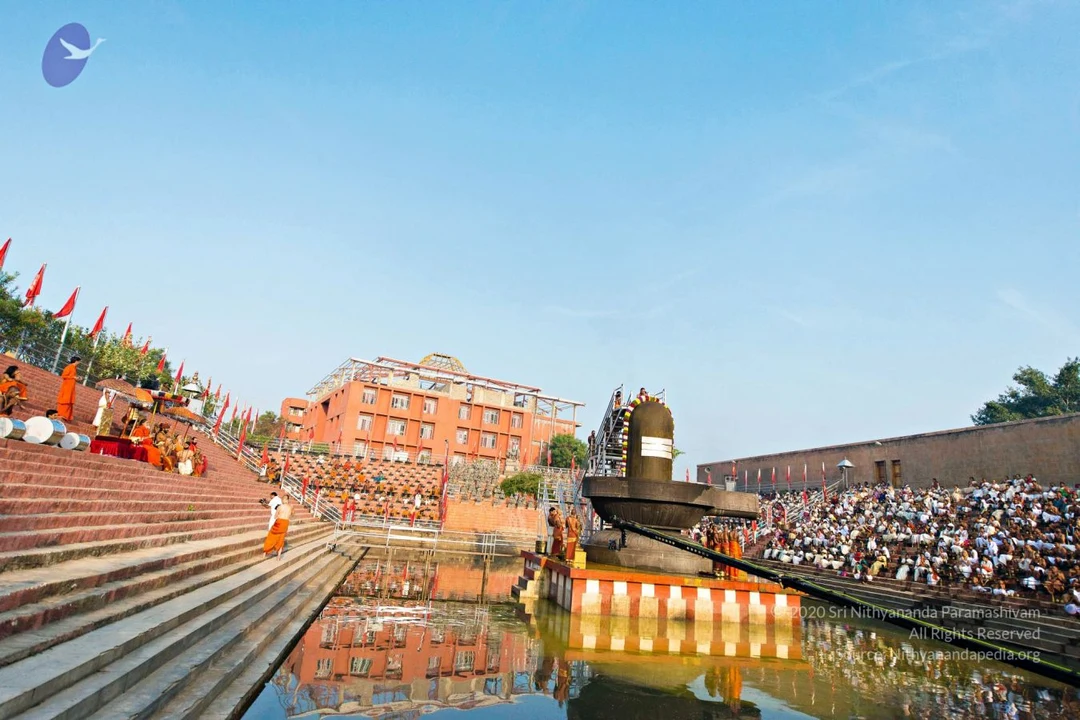
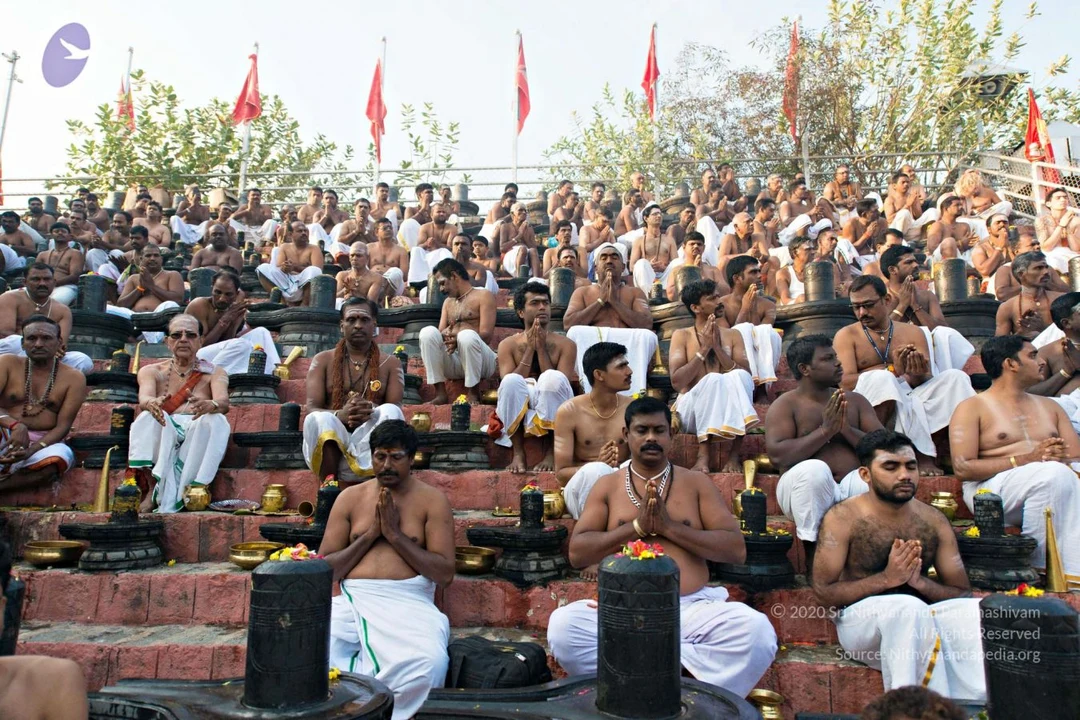
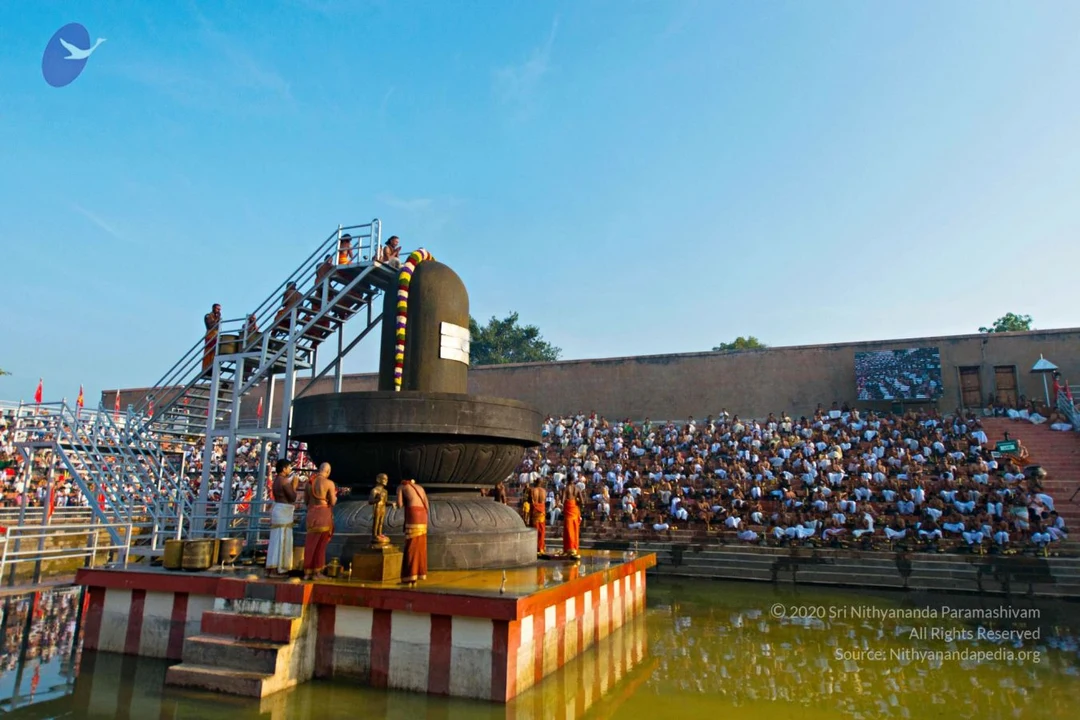
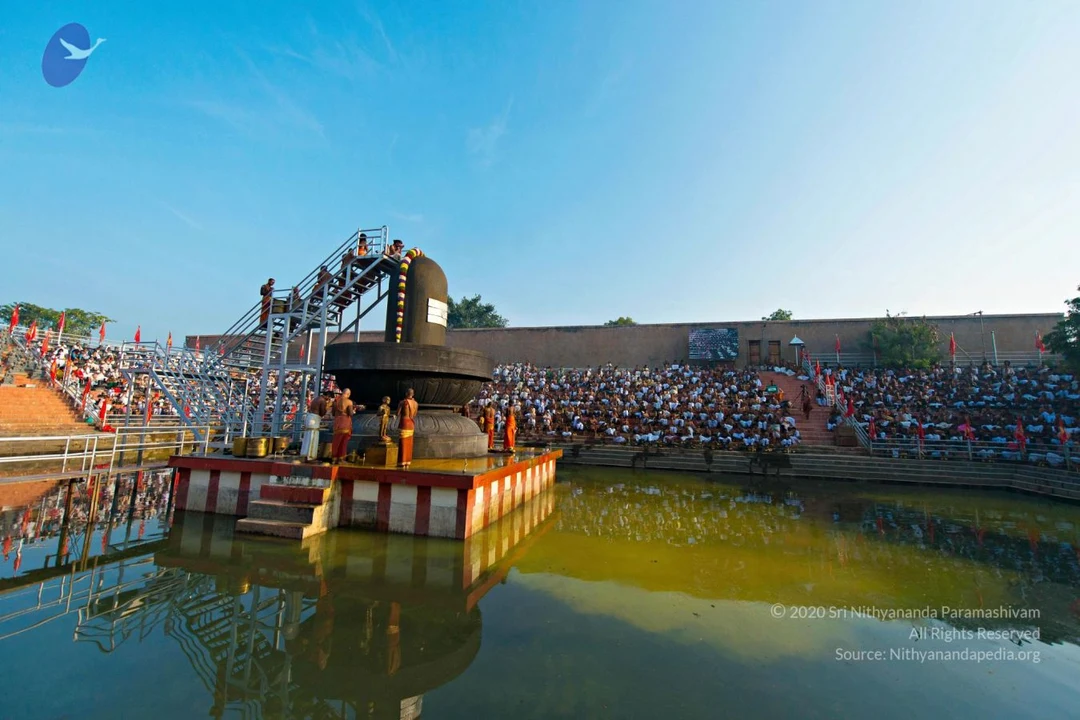
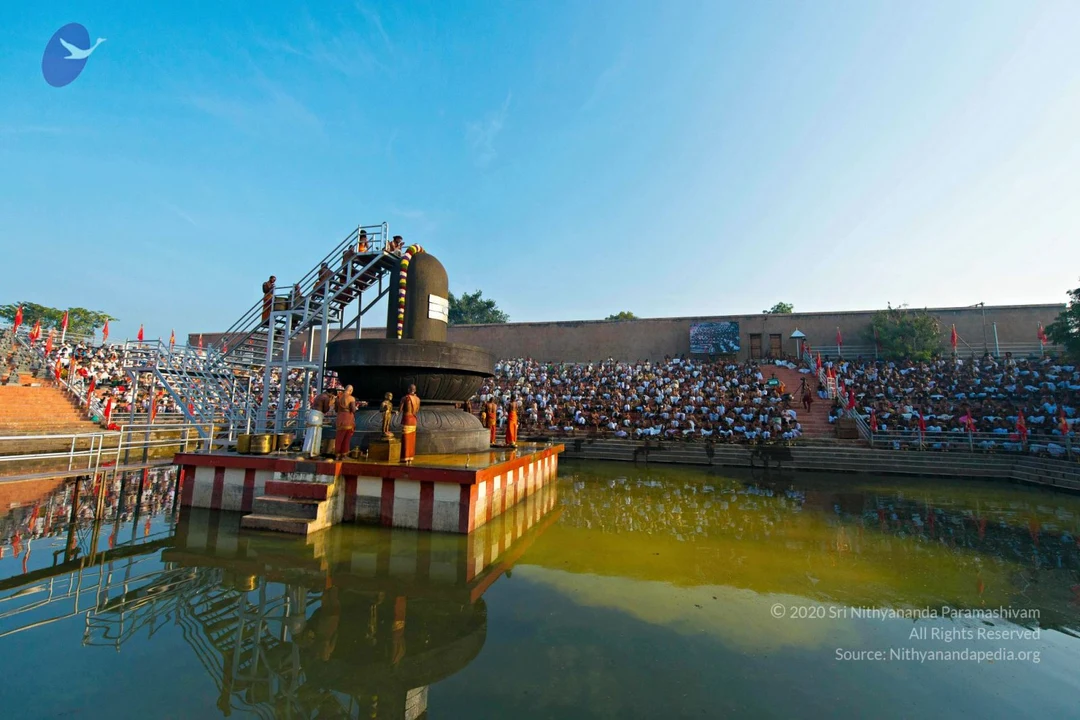
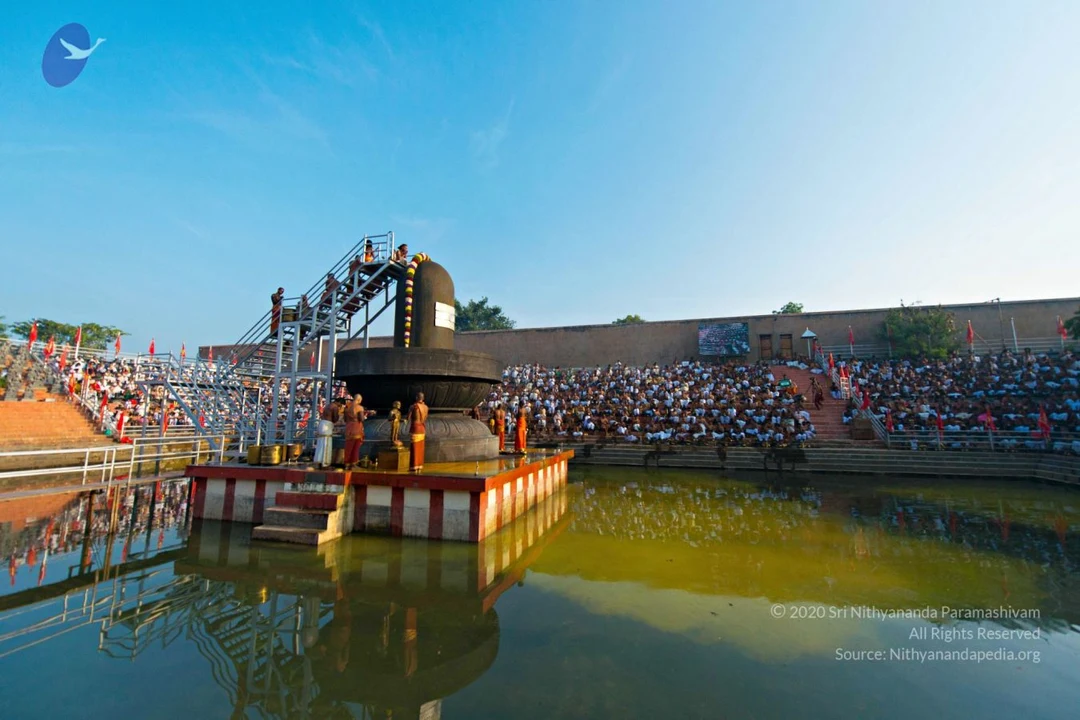
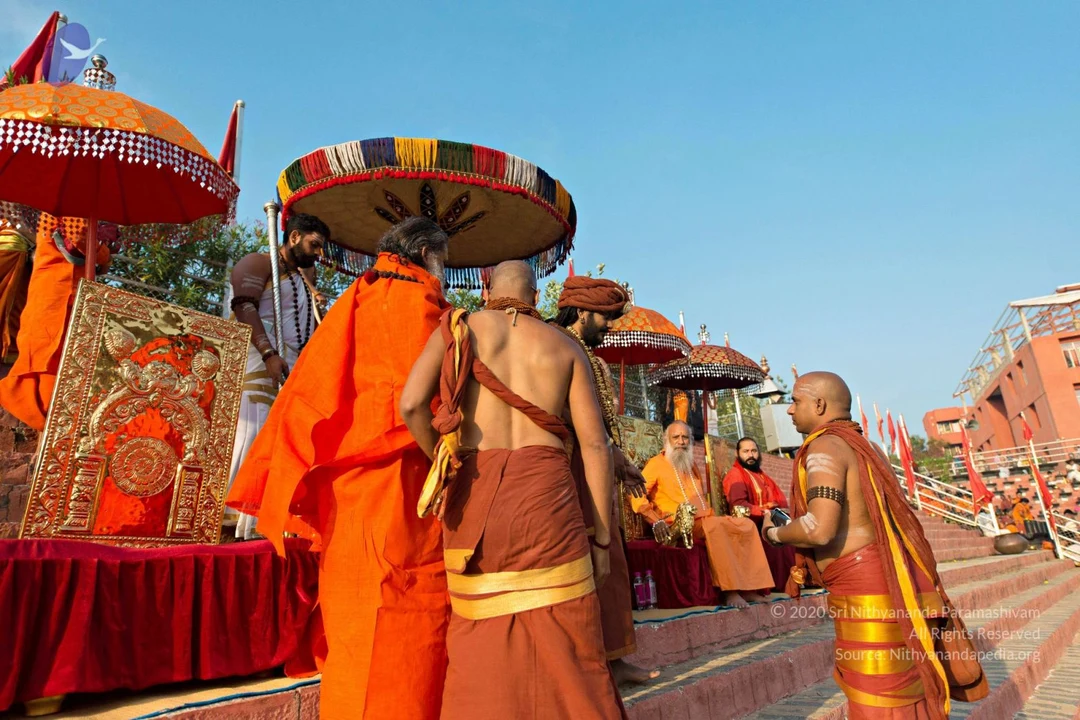
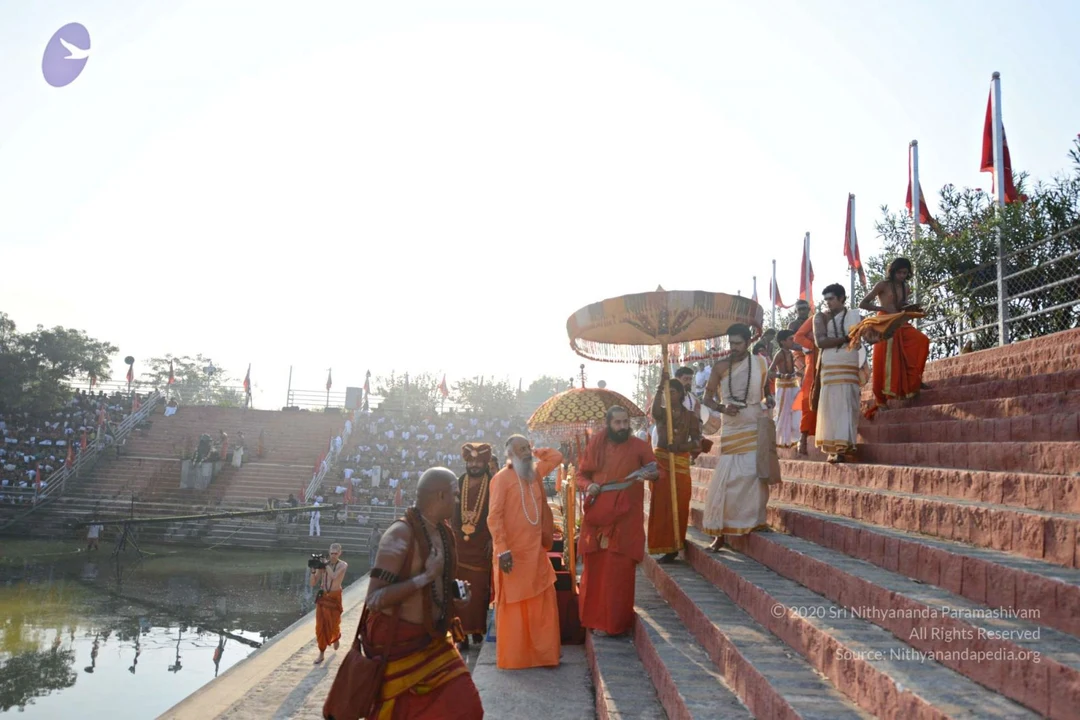
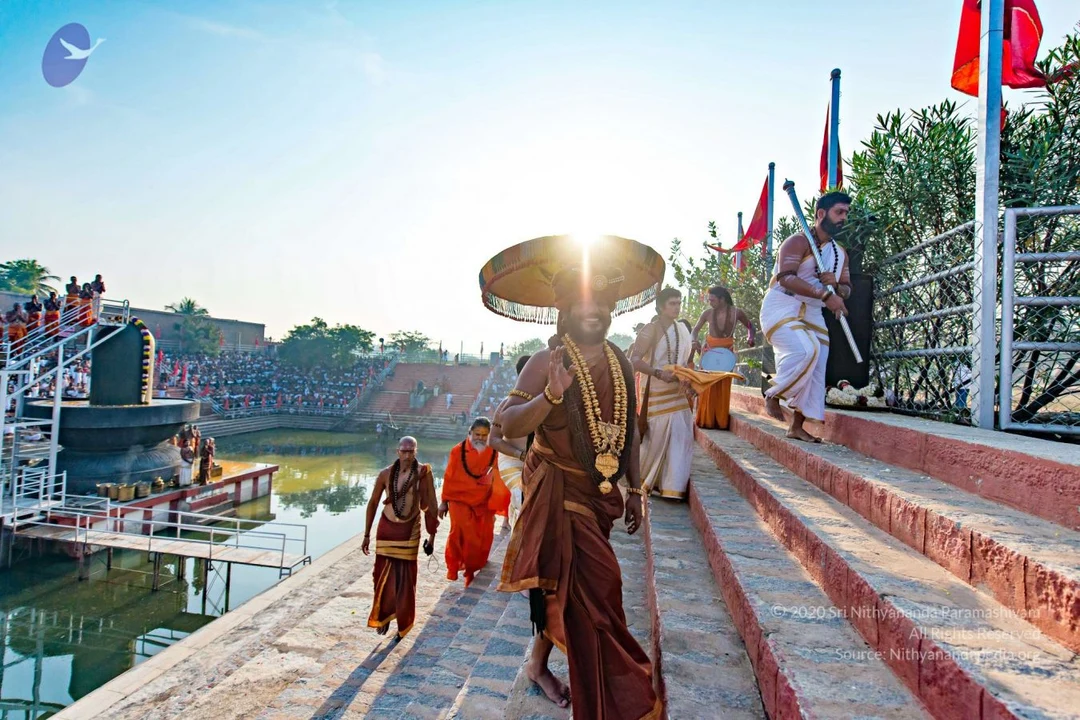
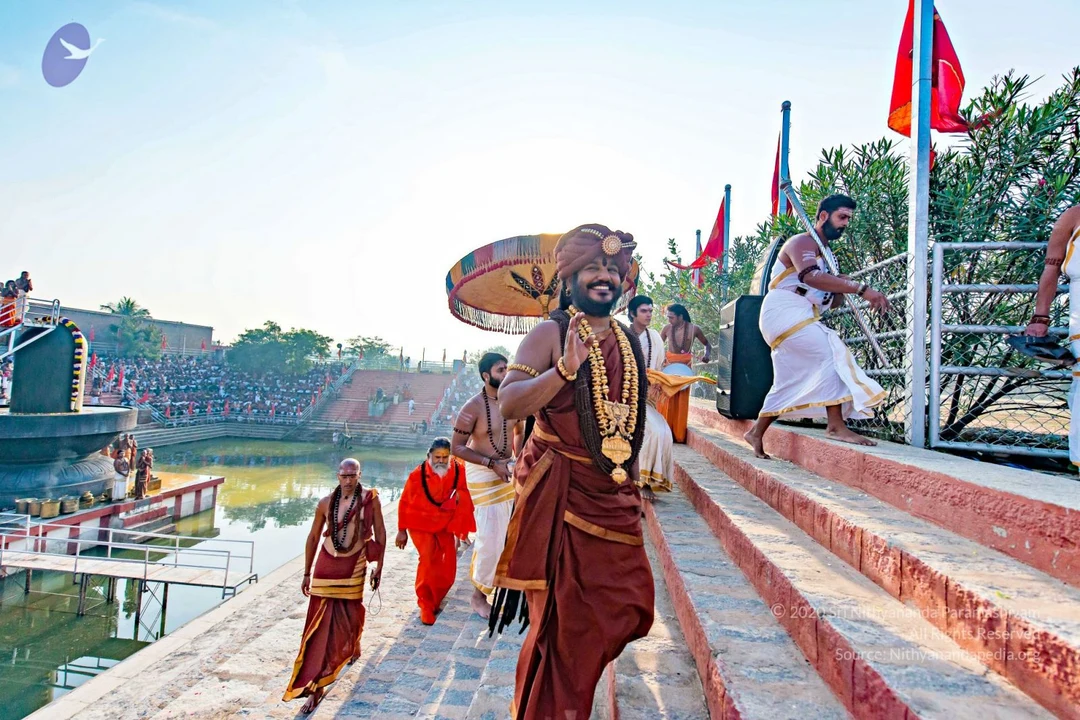
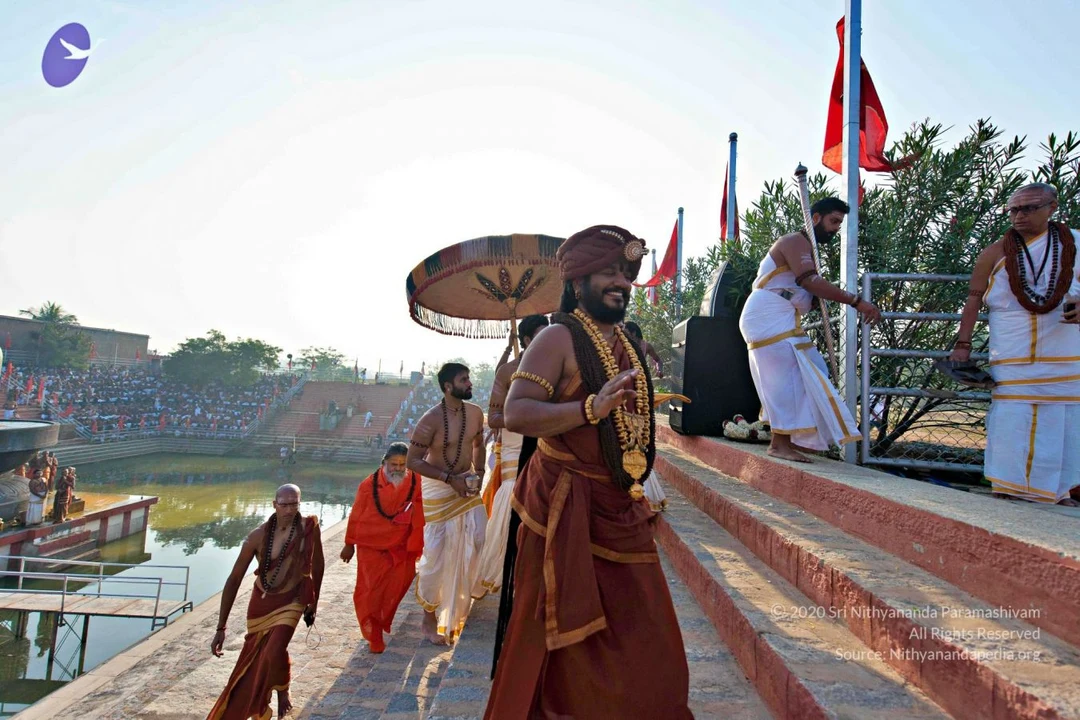
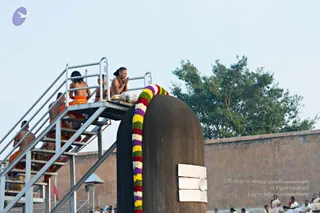
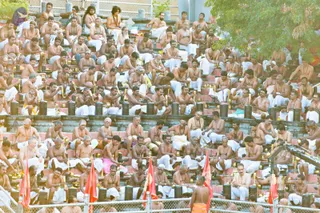
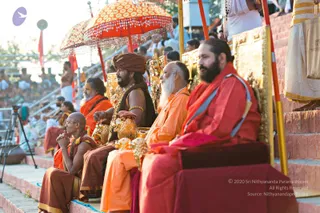
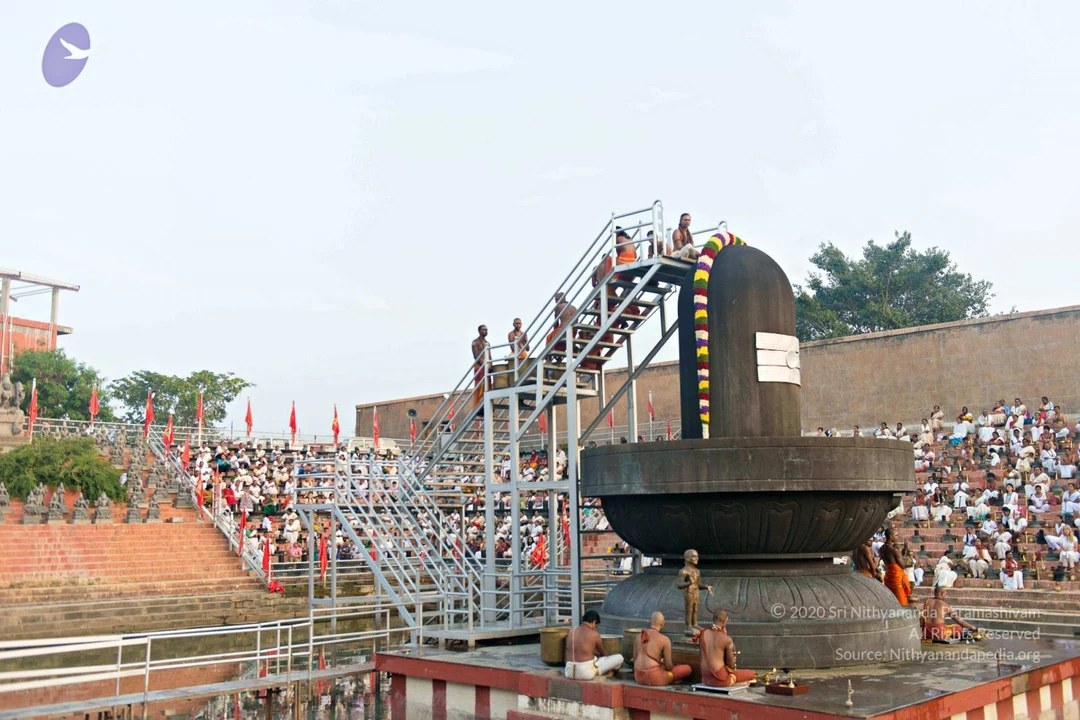
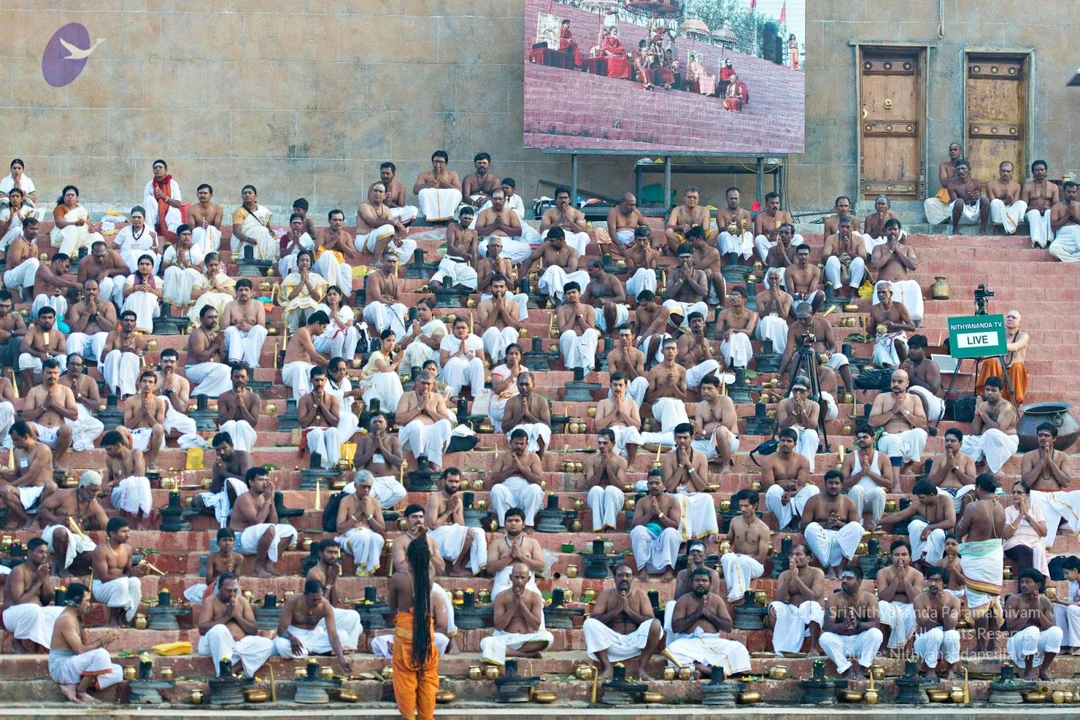
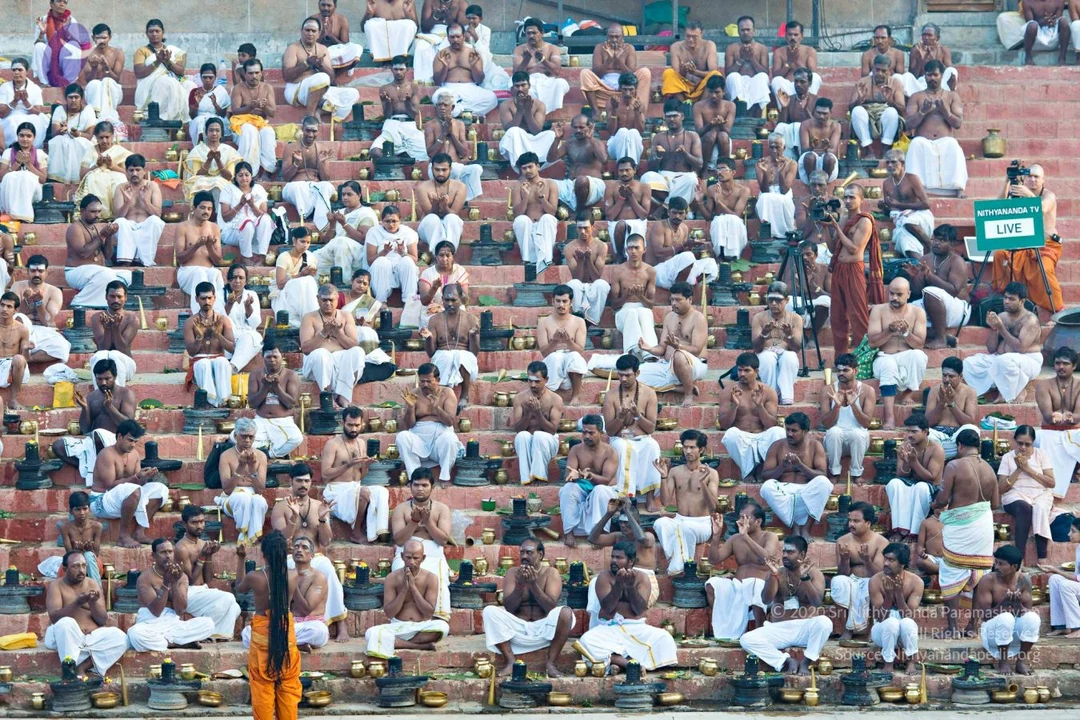
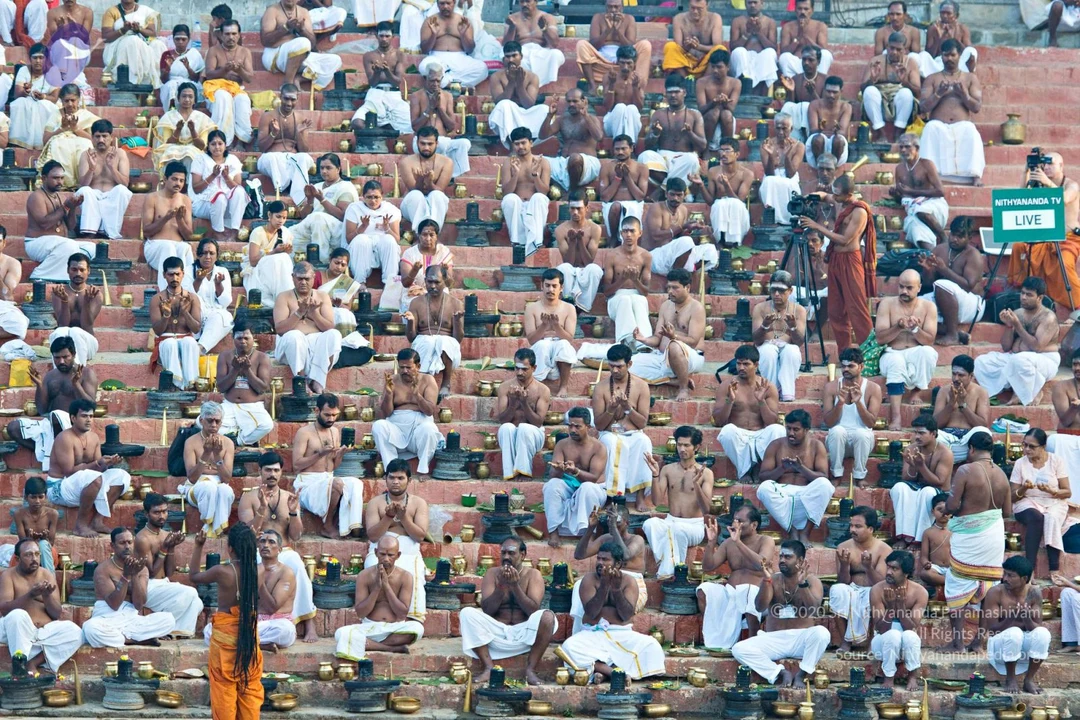
A large dark stone Shivalinga rises on a circular pedestal at a tiered outdoor ceremonial site, with a multicoloured flower garland draped over its upper part and a white horizontal marking on its face. A metal staircase with a railing climbs to a platform beside the linga, where several men in saffron and orange robes stand. On the lower platform, three men sit in front of the pedestal: one bare-chested in a white dhoti, and two in saffron/orange garments. A small brass figure stands near the base, and brass vessels and lamps sit on the platform. Seated white-clad devotees fill the stepped seating on both sides, and red flags line the grounds.Outdoor photo of an abhishekam at a large black Shiva lingam wrapped with a multicolored flower garland of red, yellow, purple, green and white blooms. On a raised white metal platform reached by steel stairs, several shaved-headed priests in saffron and orange dhotis sit with offering vessels. The foremost priest, bare-chested with tilak and a rudraksha mala, sits cross-legged with palms joined in prayer. Behind them stand trees and a tan wall, and a few onlookers in the lower right corner.A photograph of a large dark stone Shivalinga draped with a multicolour flower garland of yellow, orange, red, purple and white blossoms. A metal staircase with railings leads up to a raised platform where several bare-chested men in orange and saffron dhotis sit; one central man with a topknot and sacred thread holds his palms together in namaskar, and a wall behind shows a bare-chested figure seated nearby. Below, white-clad devotees sit on the ground at the base of a tall beige wall, under a pale sky and tree.Outdoor abhishekam scene at a large dark black stone Shivalinga draped with a multicolored flower garland in red, yellow, green, white and purple. On a raised metal platform reached by steel stairs, shirtless priests in orange-saffron dhotis stand and sit, one with hair tied up in a topknot pressing palms together in prayer beside a brass plate. Several other priests stand on the steps. Below, a seated crowd in white clothes watches from behind a low wall under a pale sky and green trees. The central figure is not visibly identifiable as a person from appearance alone.A large outdoor ritual gathering of men seated in rows on red-and-grey stone steps, many bare-chested or in white dhotis and shawls, with brass lamps and small containers placed on the steps. Red and saffron flags are planted among the rows, and a metal fence and green tree frame the scene. The image is a photograph; the crowd is too large to count precisely, and no single figure is clearly identifiable as a person.Outdoor photograph on riverside ghat steps at sunset, with a row of seated sannyasis under ornate red and gold umbrellas. Foreground left, a bald man in rimless glasses and rudraksha mala, wearing orange-brown robes, sits with hands folded. Next, a man with a brown turban and long dark hair, wearing a gold necklace and bangles and brown robes, sits on a gold throne. Center, an elderly white-bearded man in orange robes and pearl necklace sits beside a bearded man in red robes, who sits on a dark red cushioned seat with gold-carved armrest. Behind them, a few devotees in white and saffron stand on the steps and a red banner flies. Gold throne frames and red poles frame the scene.
Living Shuddhadvaita Process

86 photosSource gallery
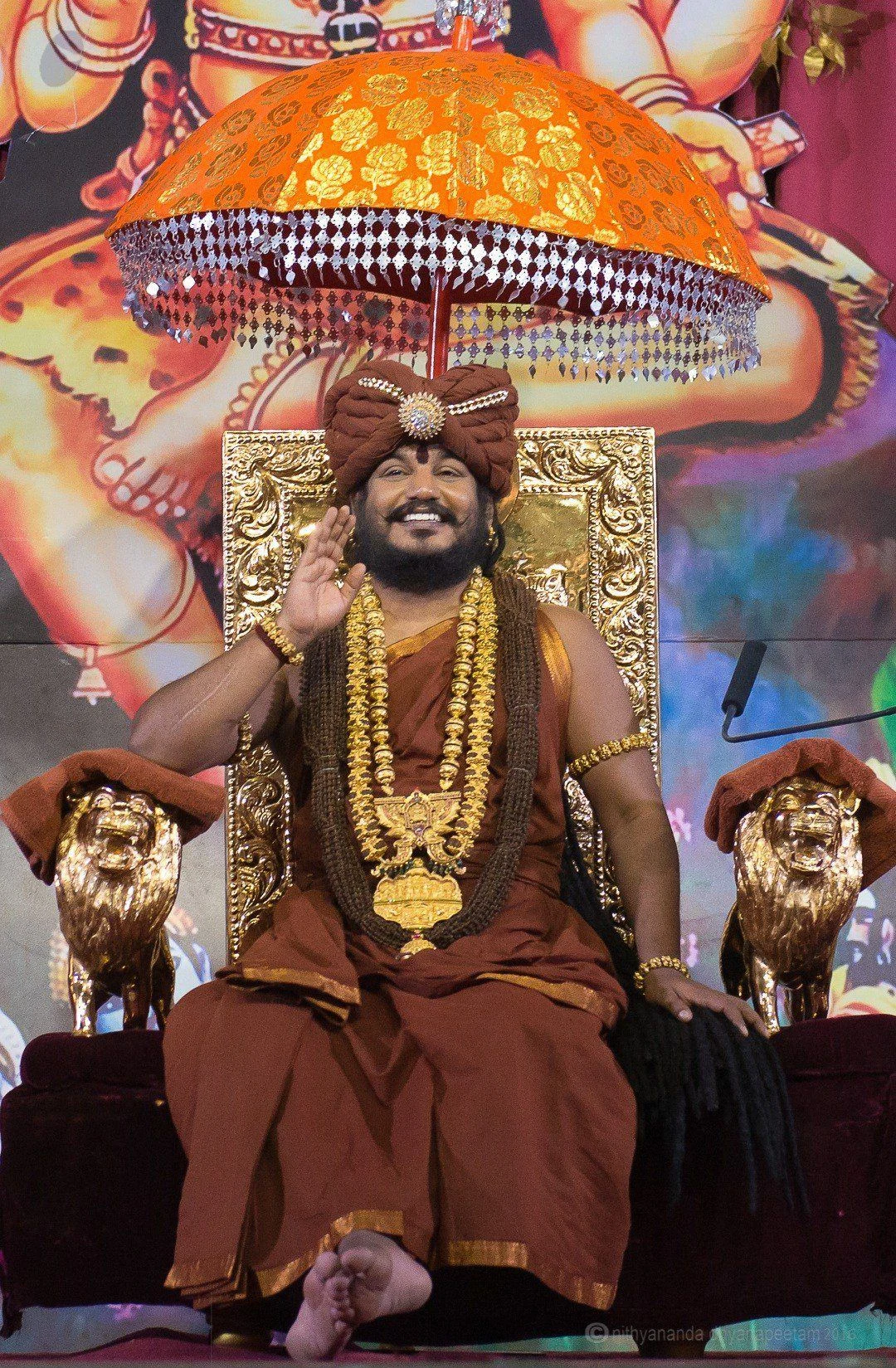
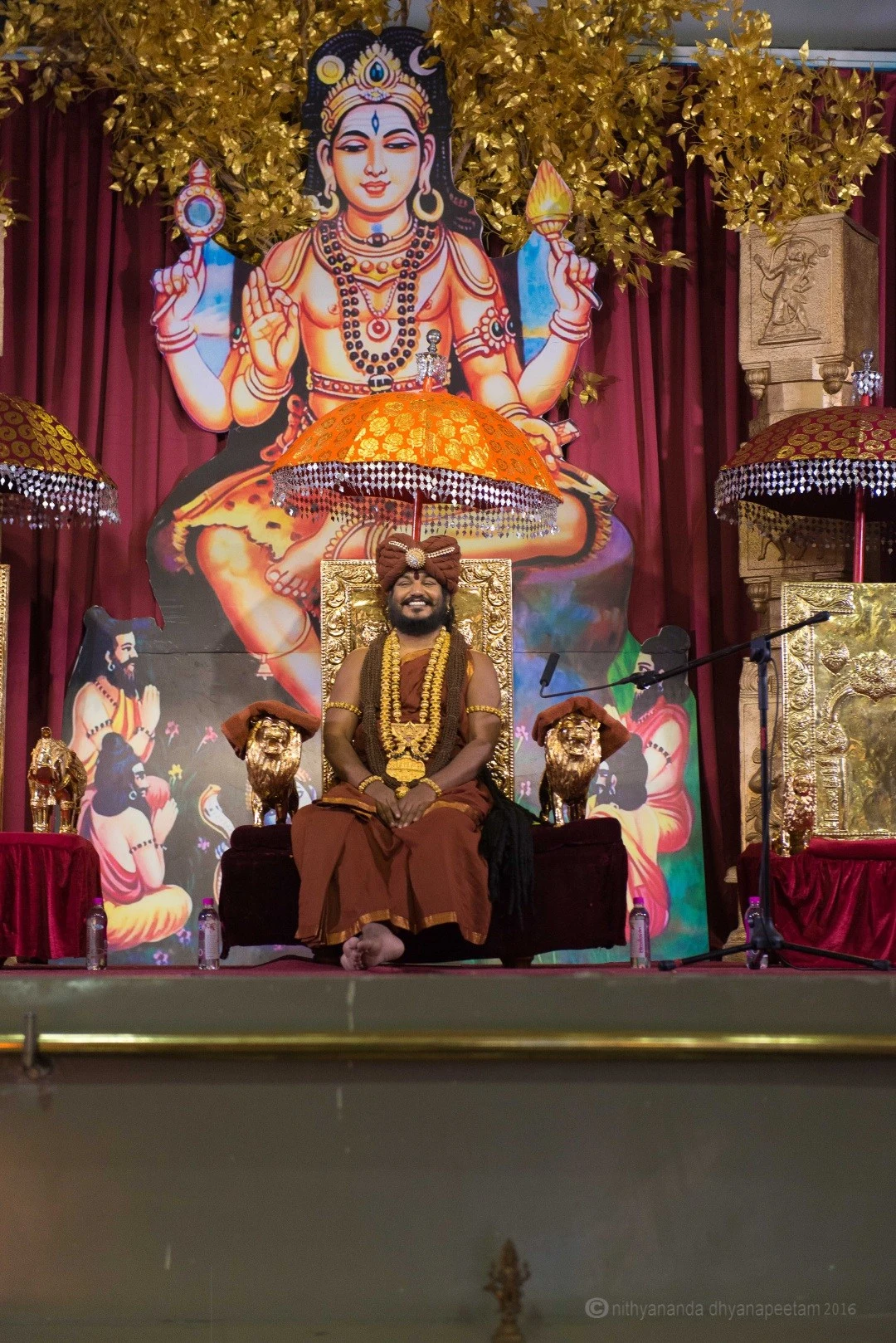
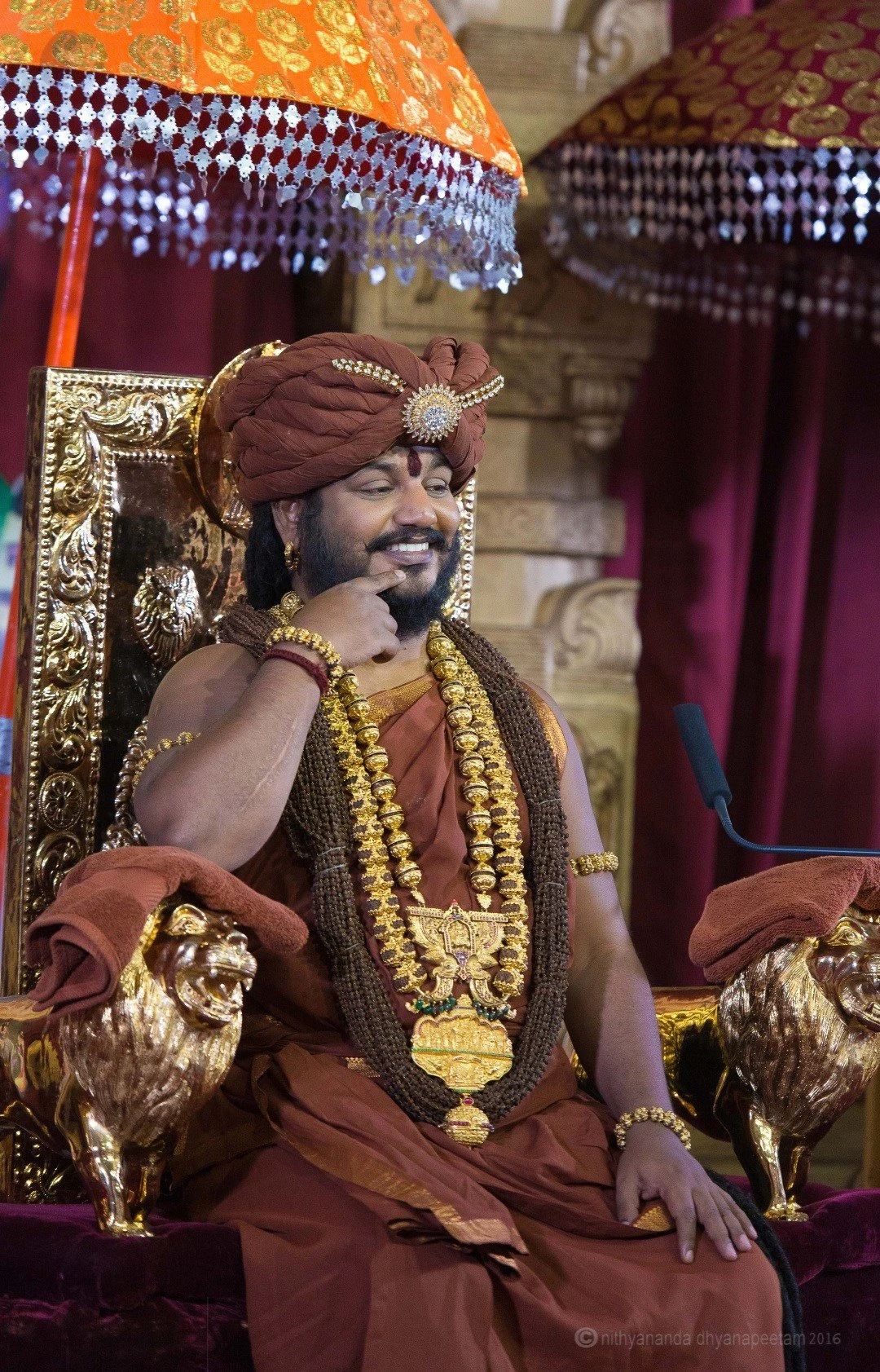
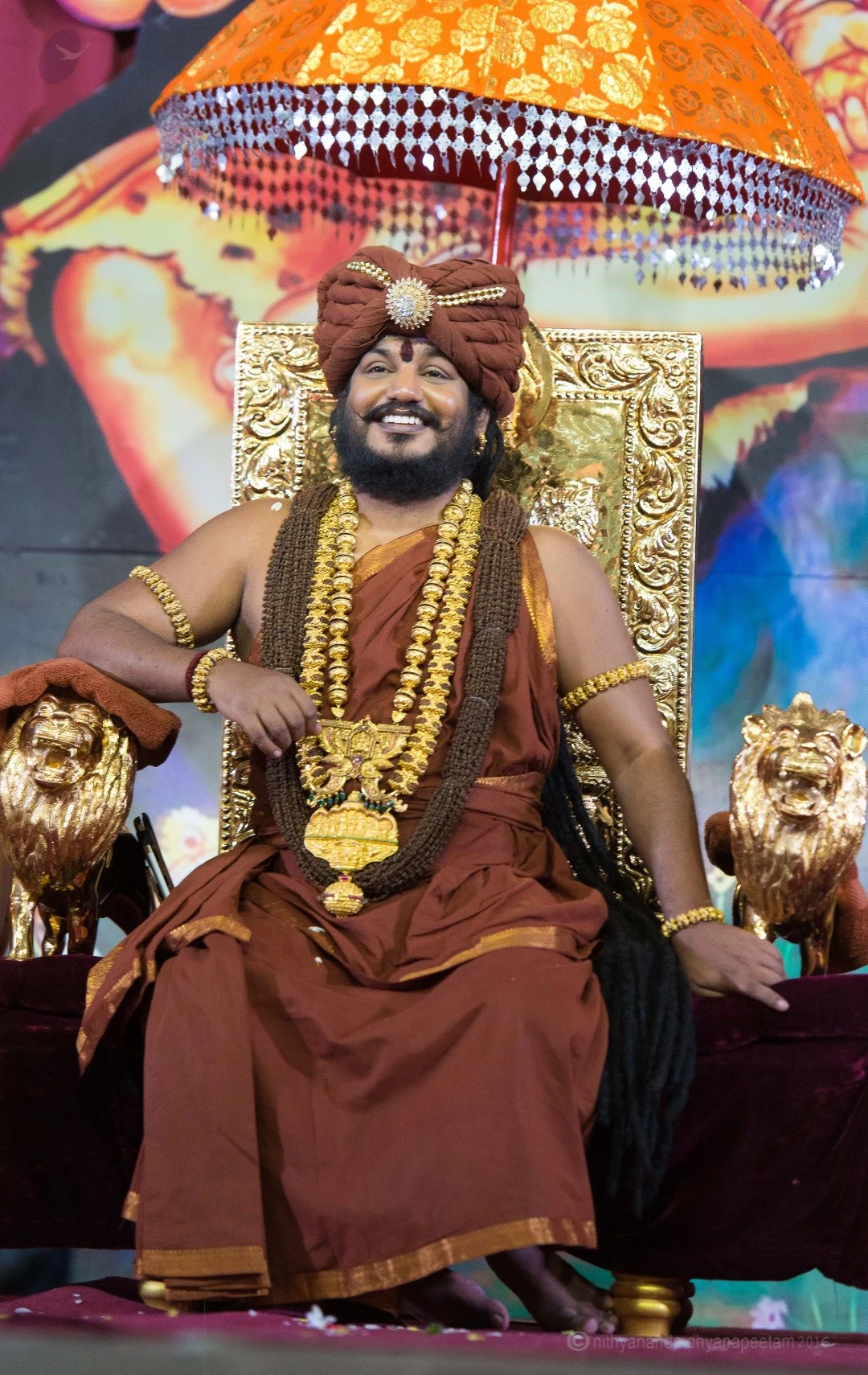
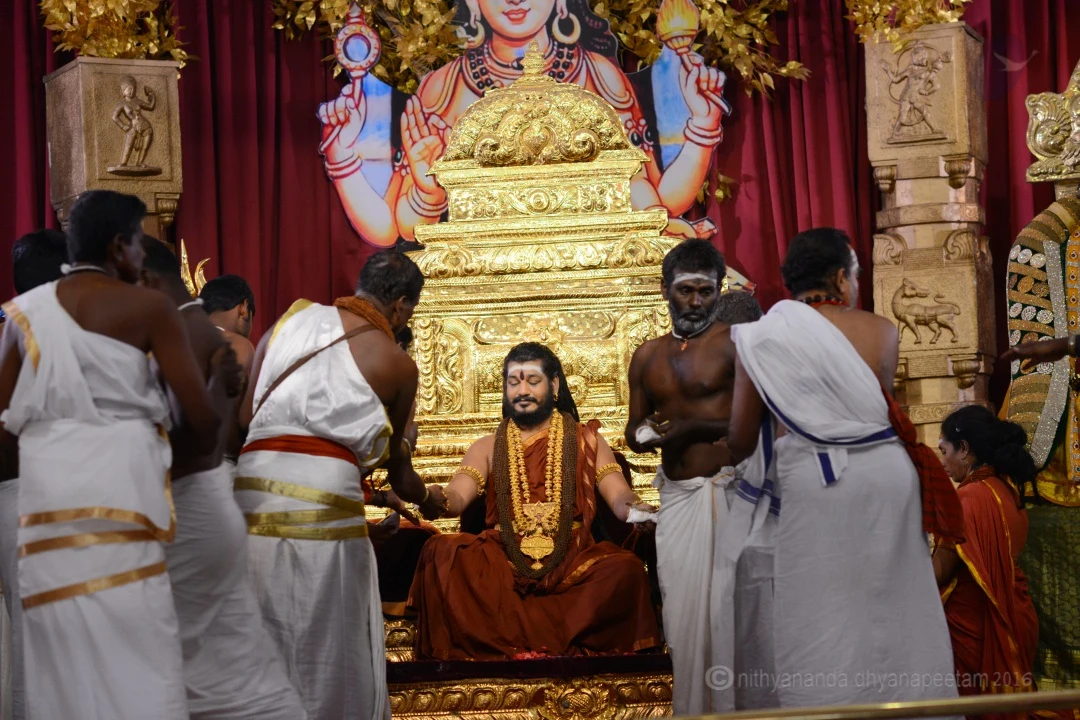
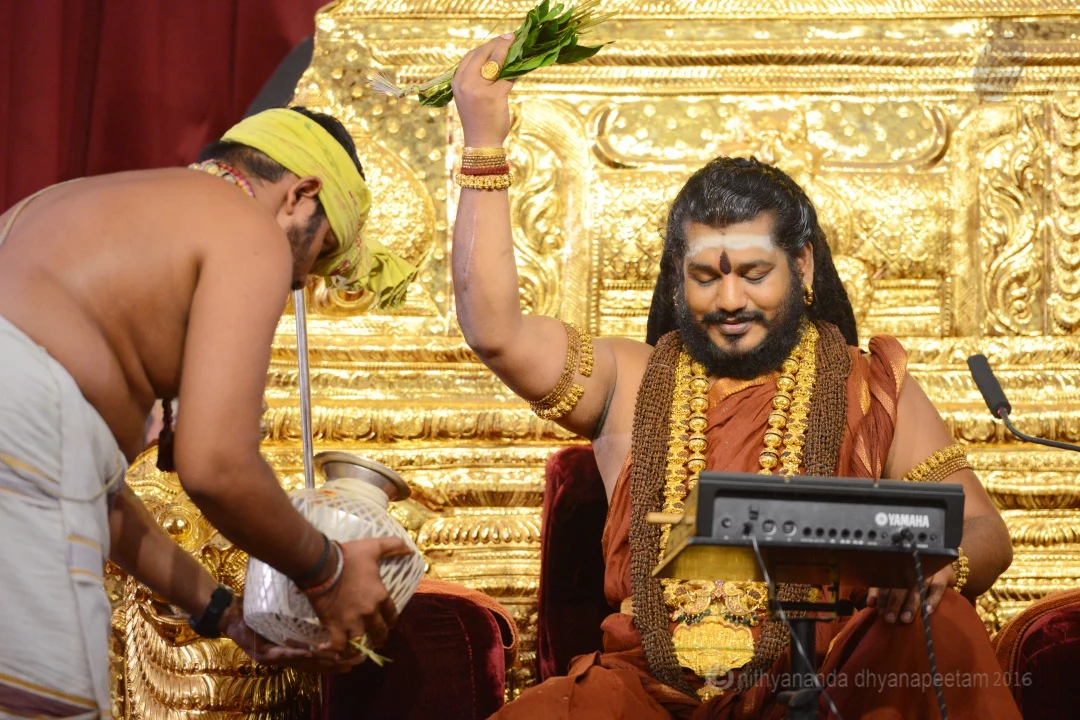
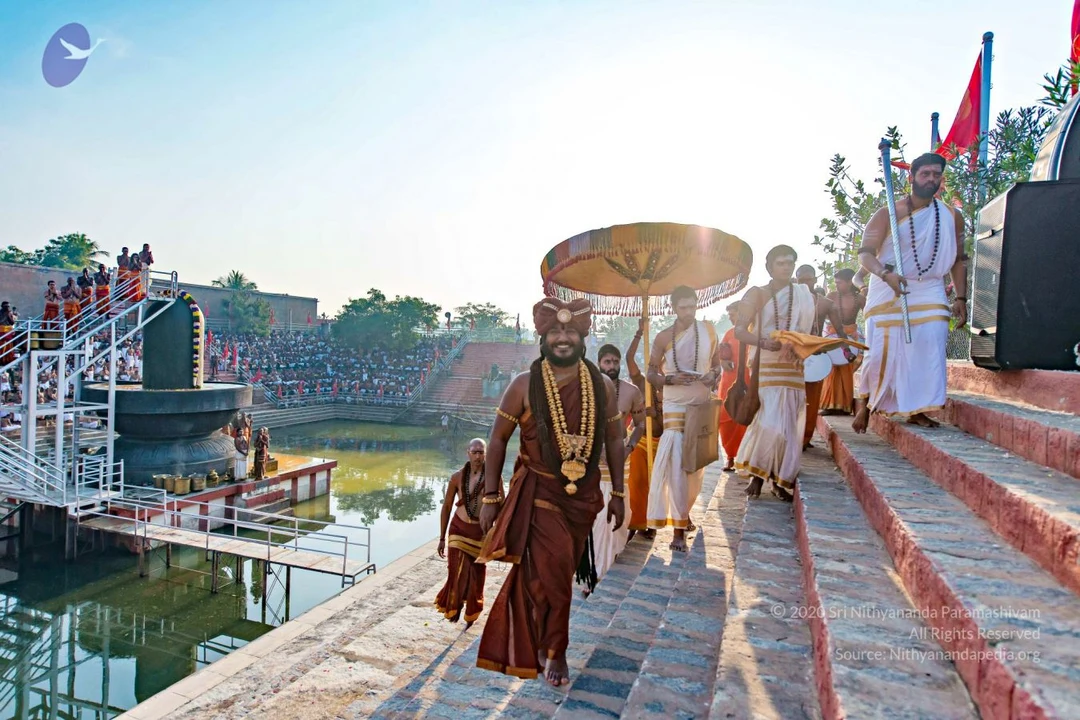
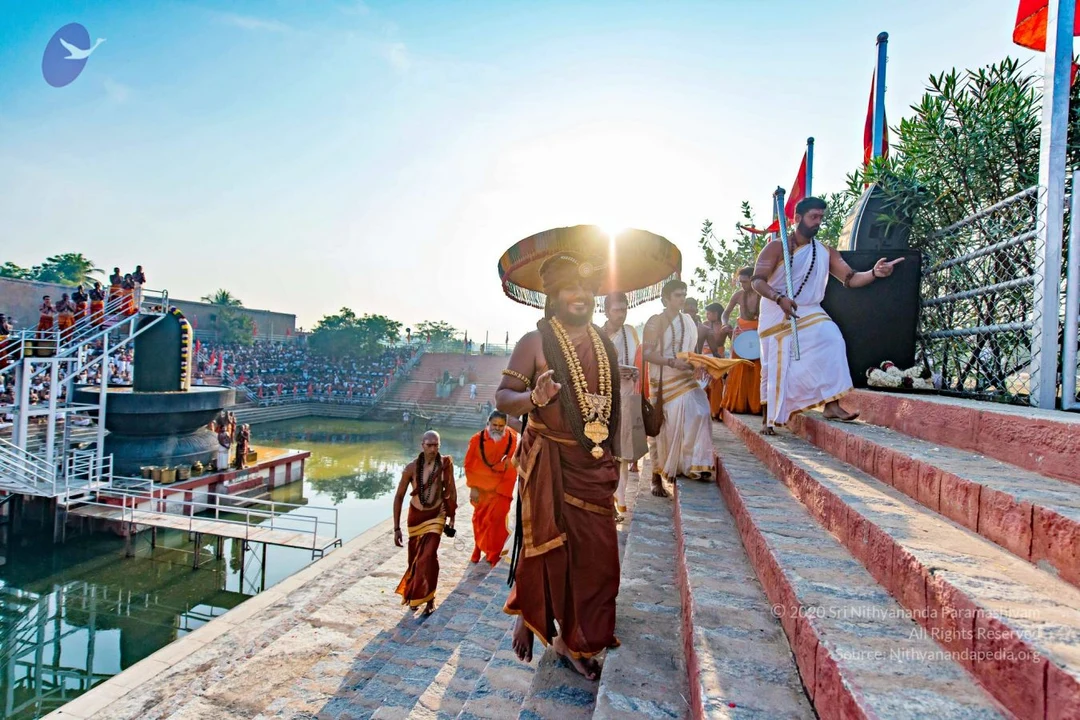
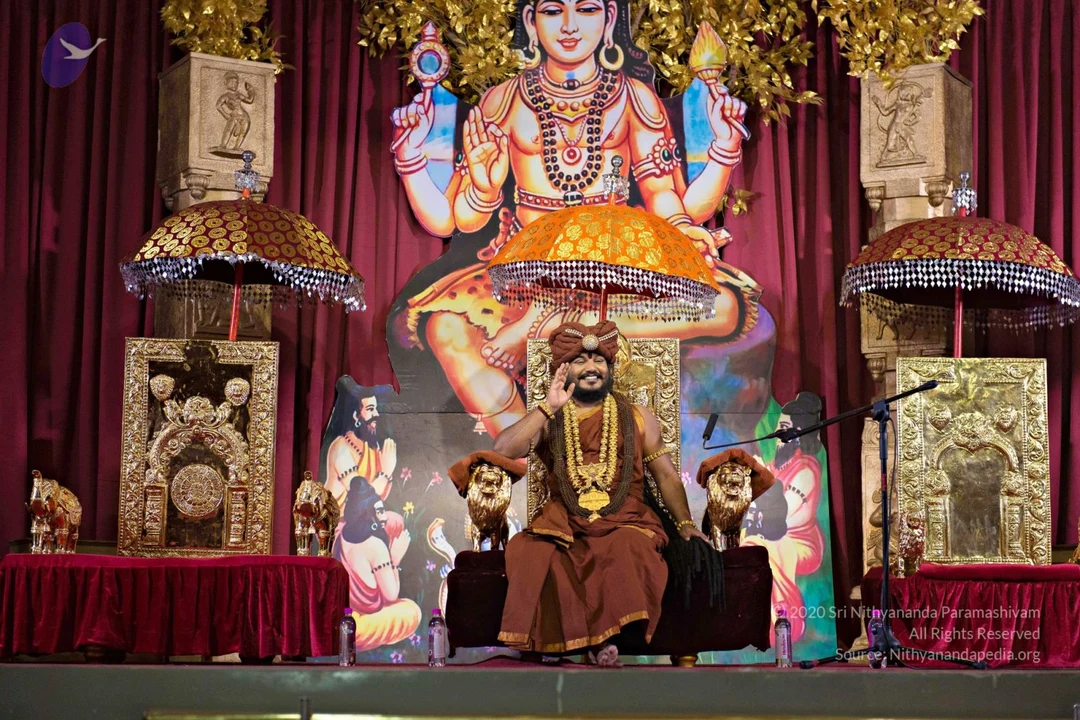
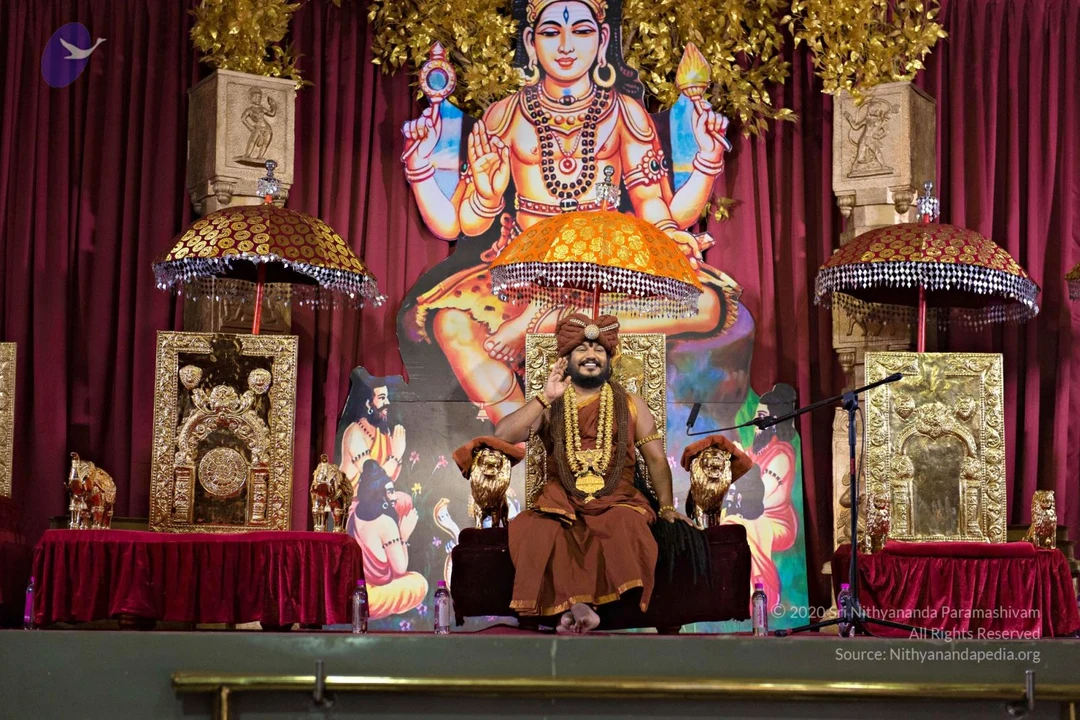
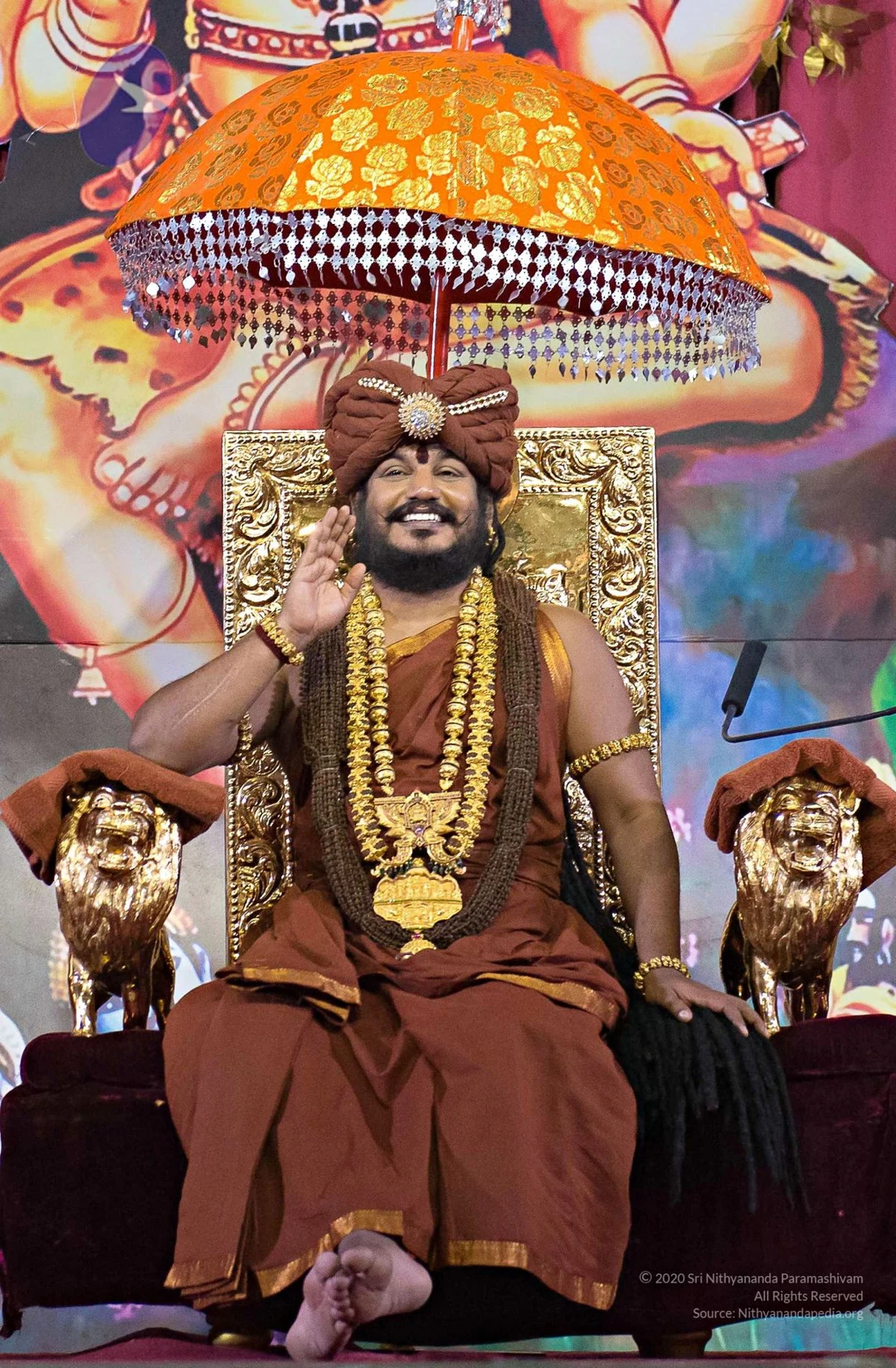
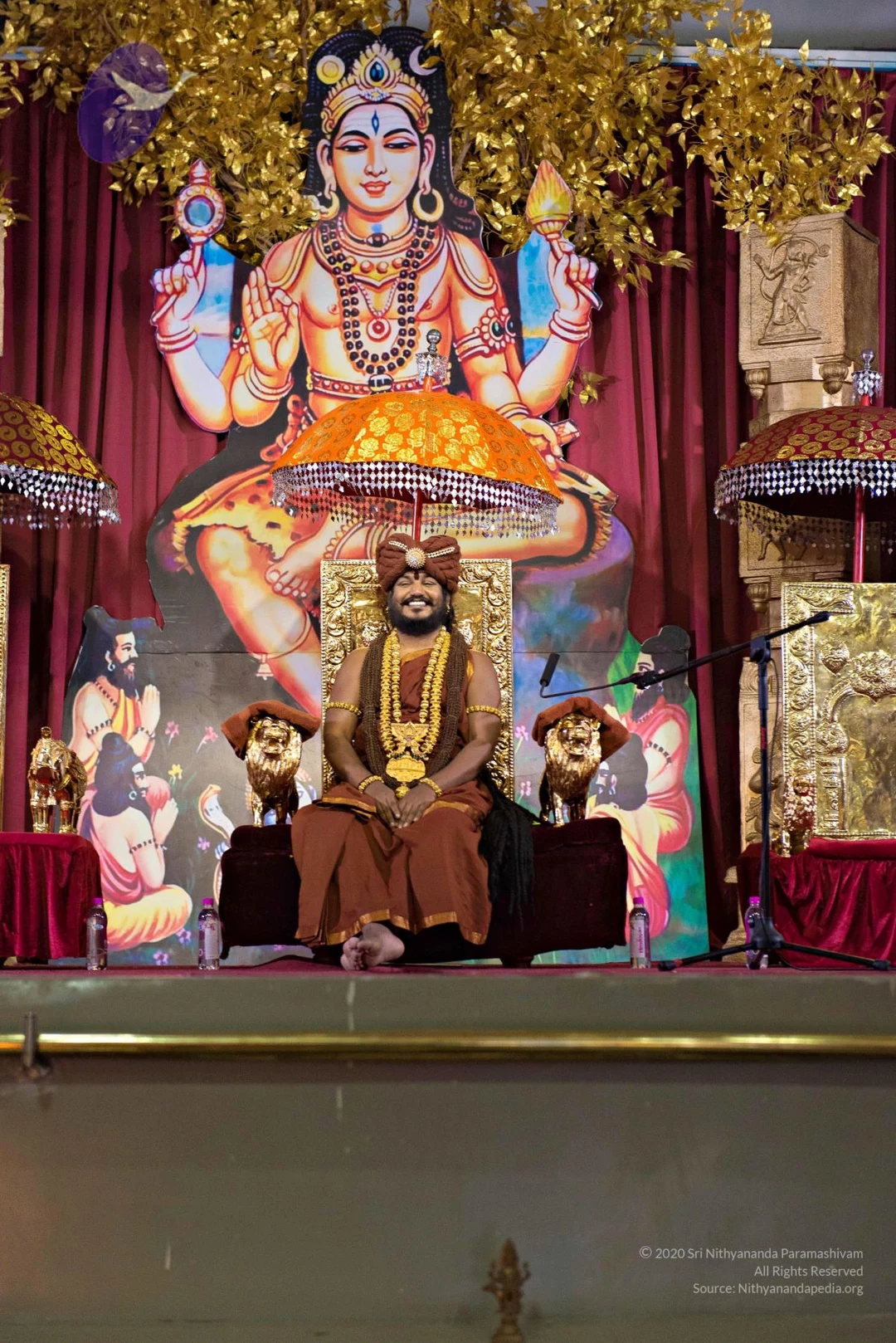
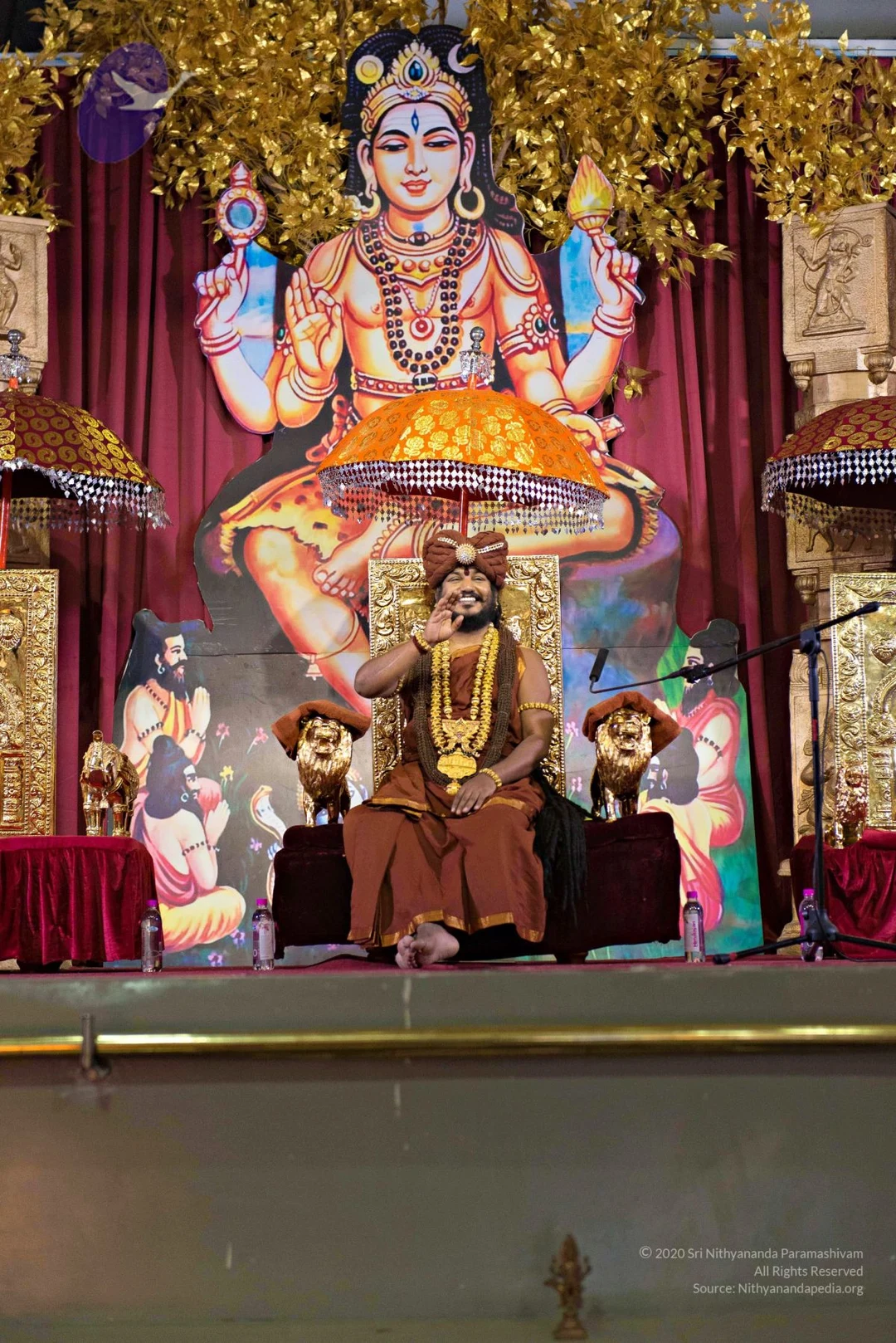
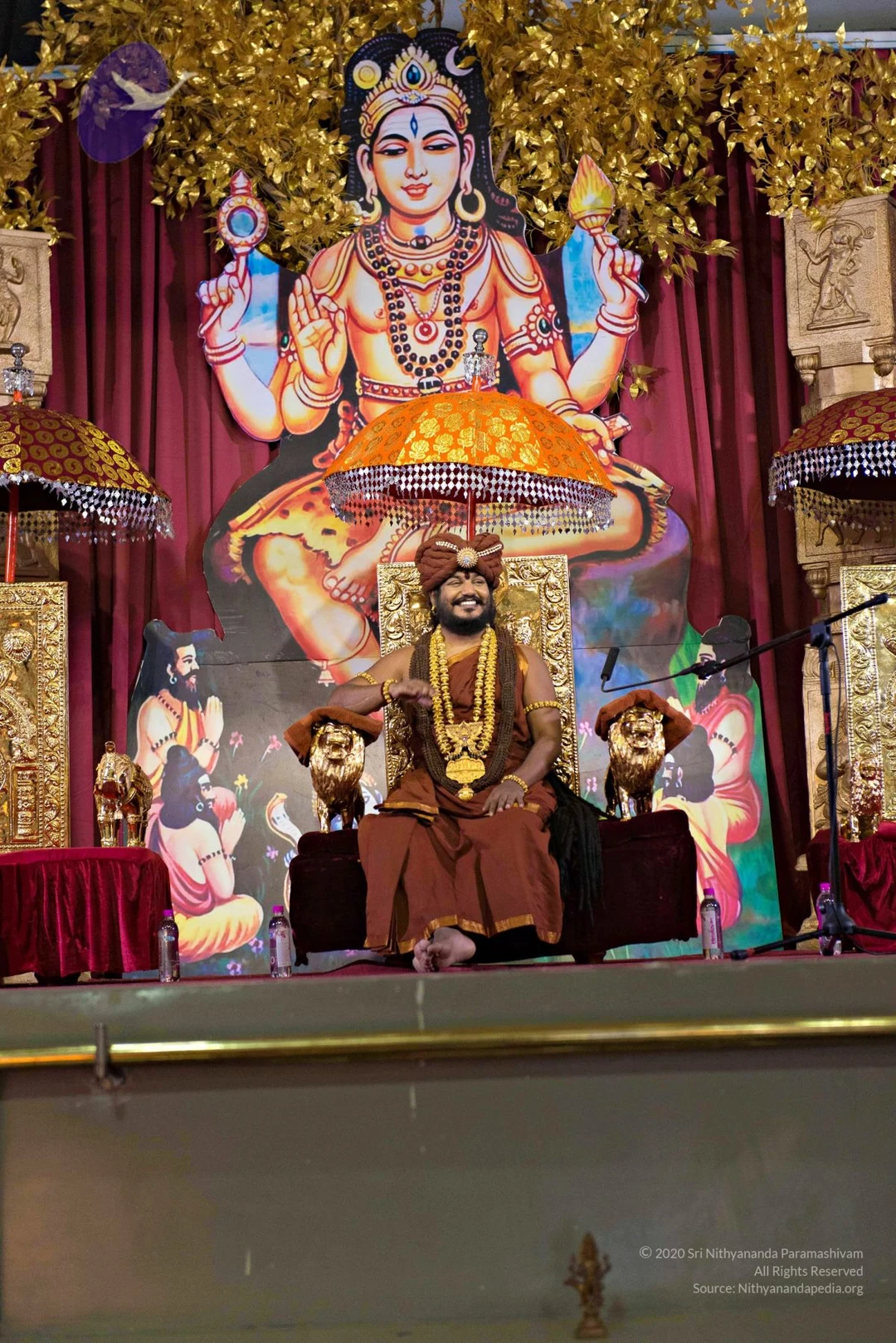
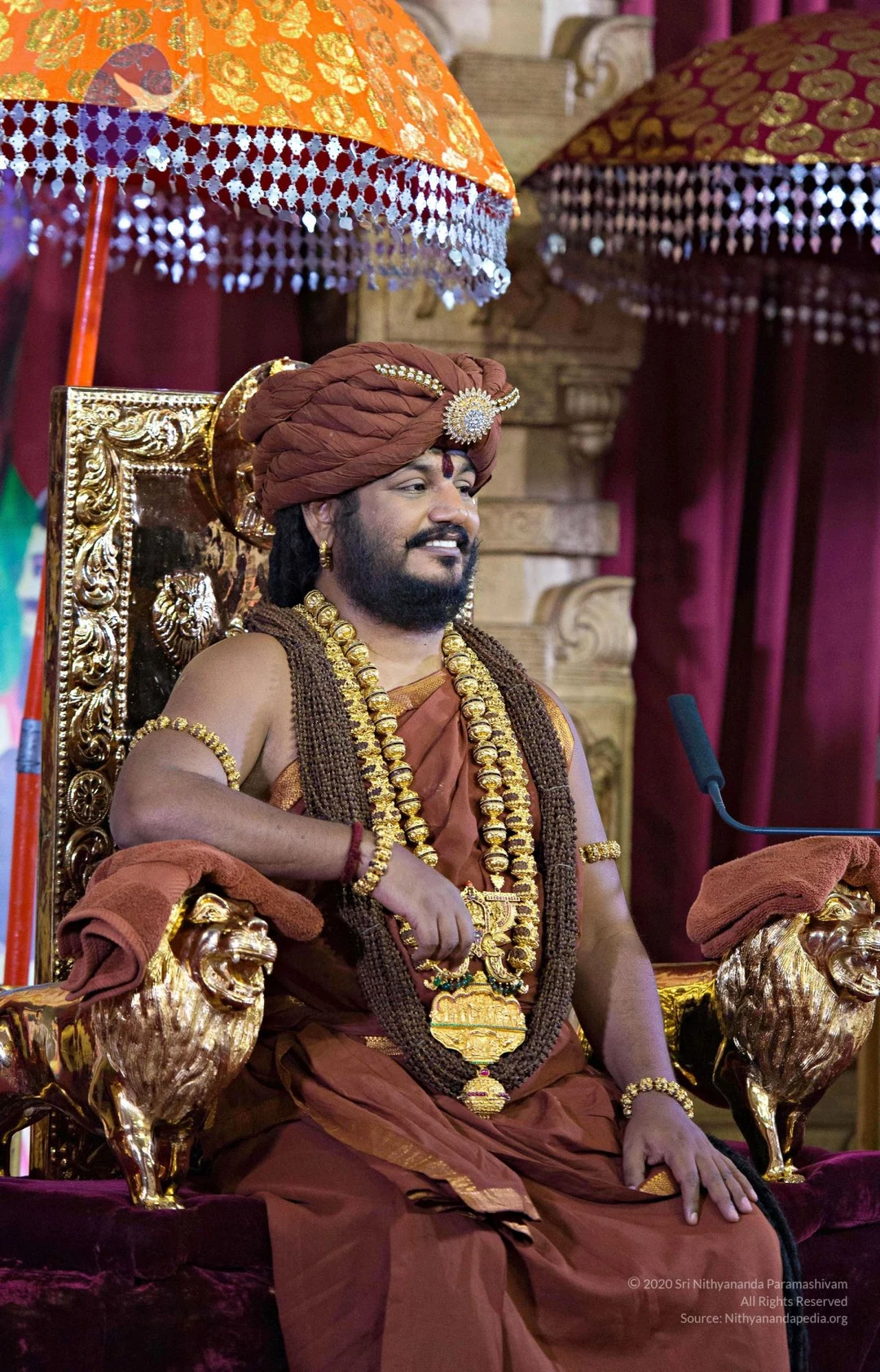
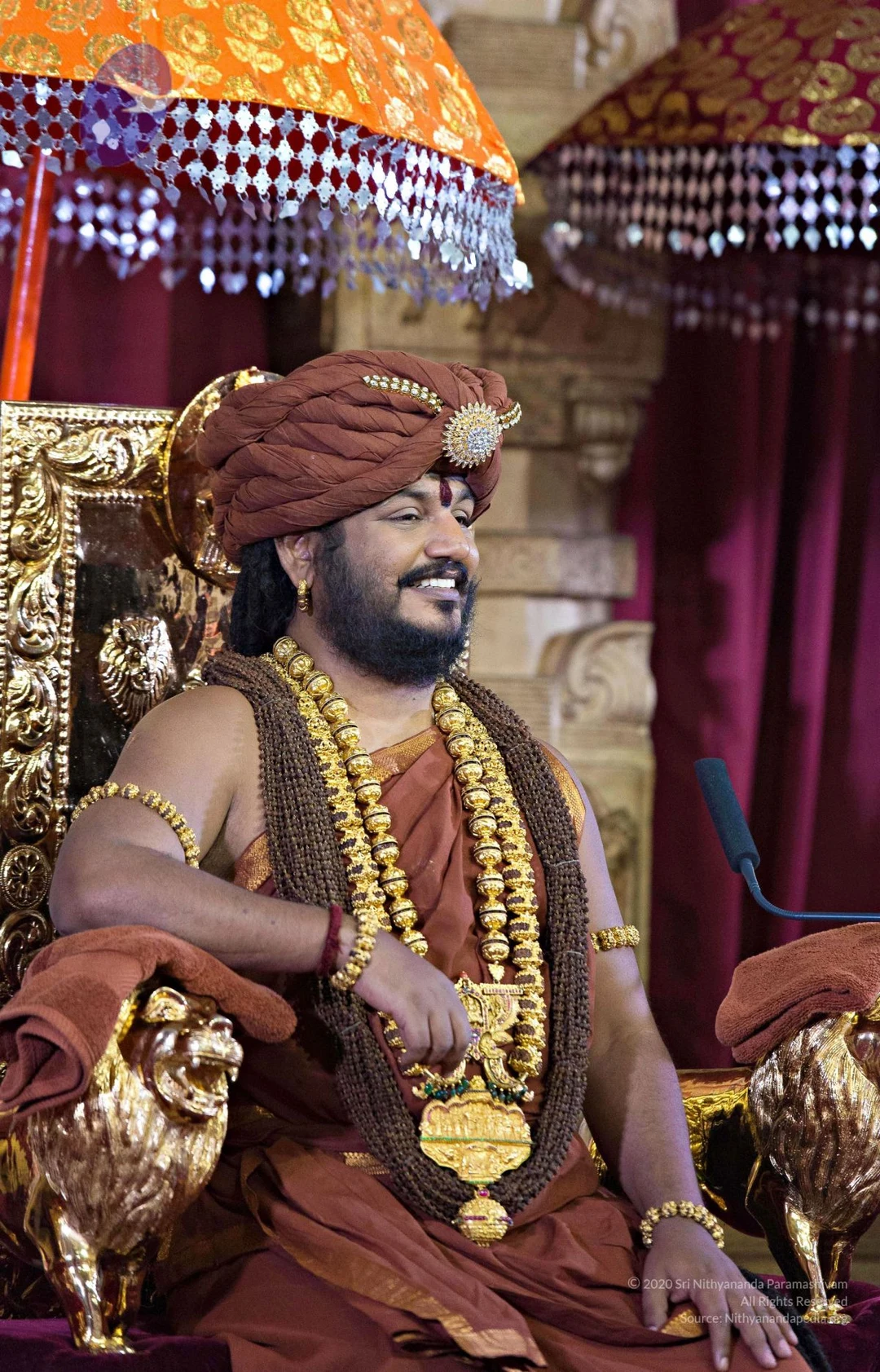
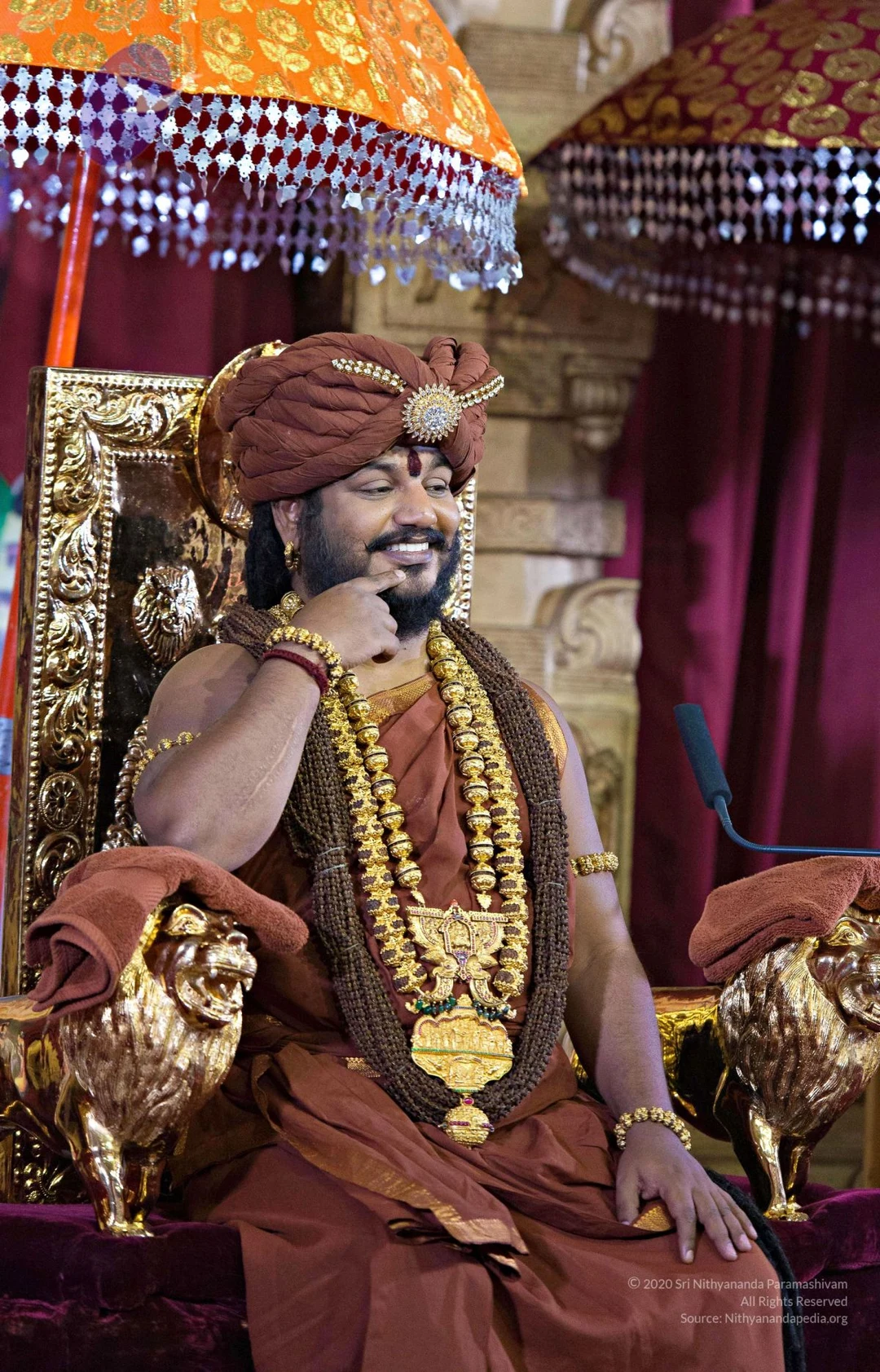
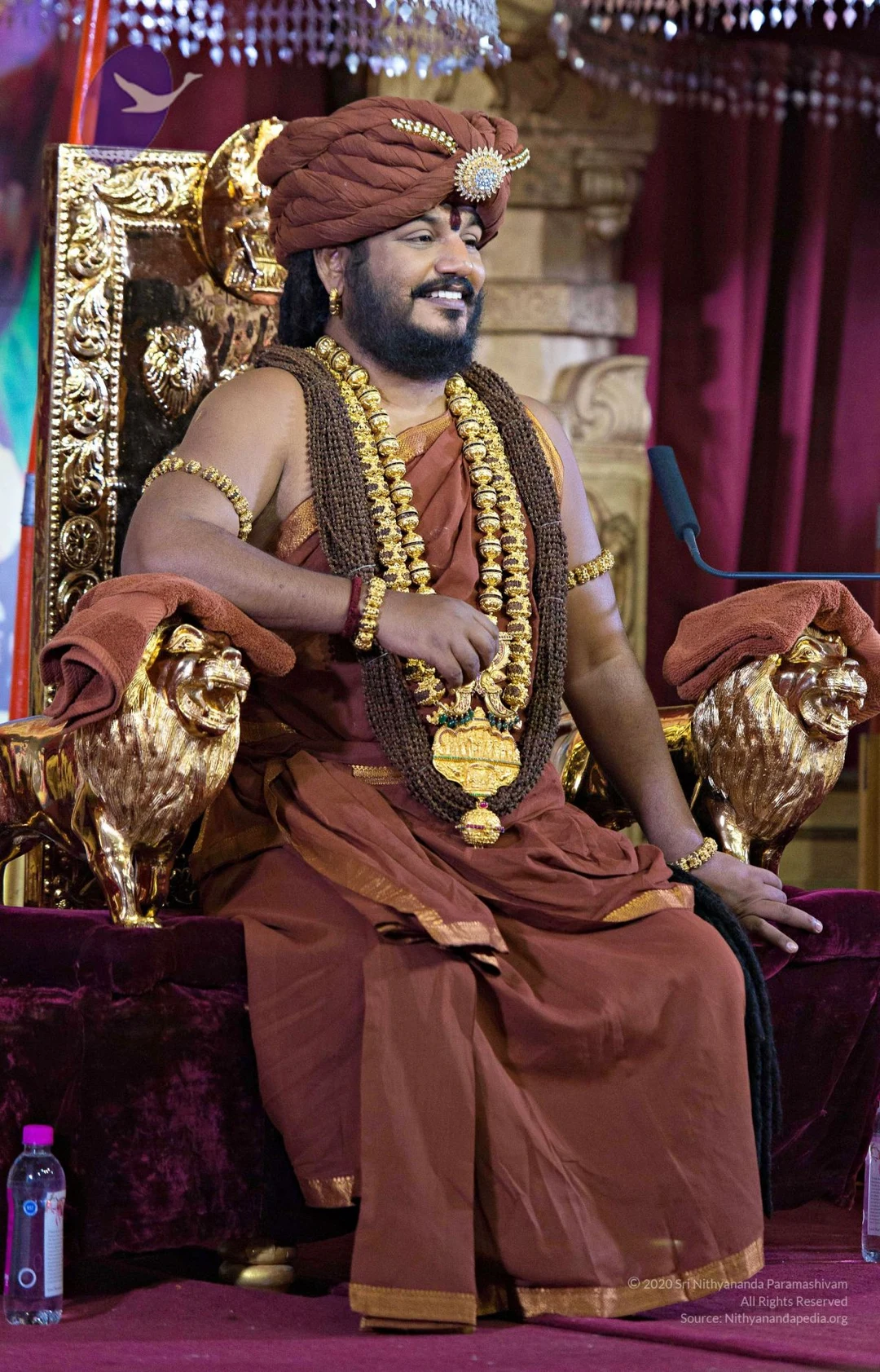
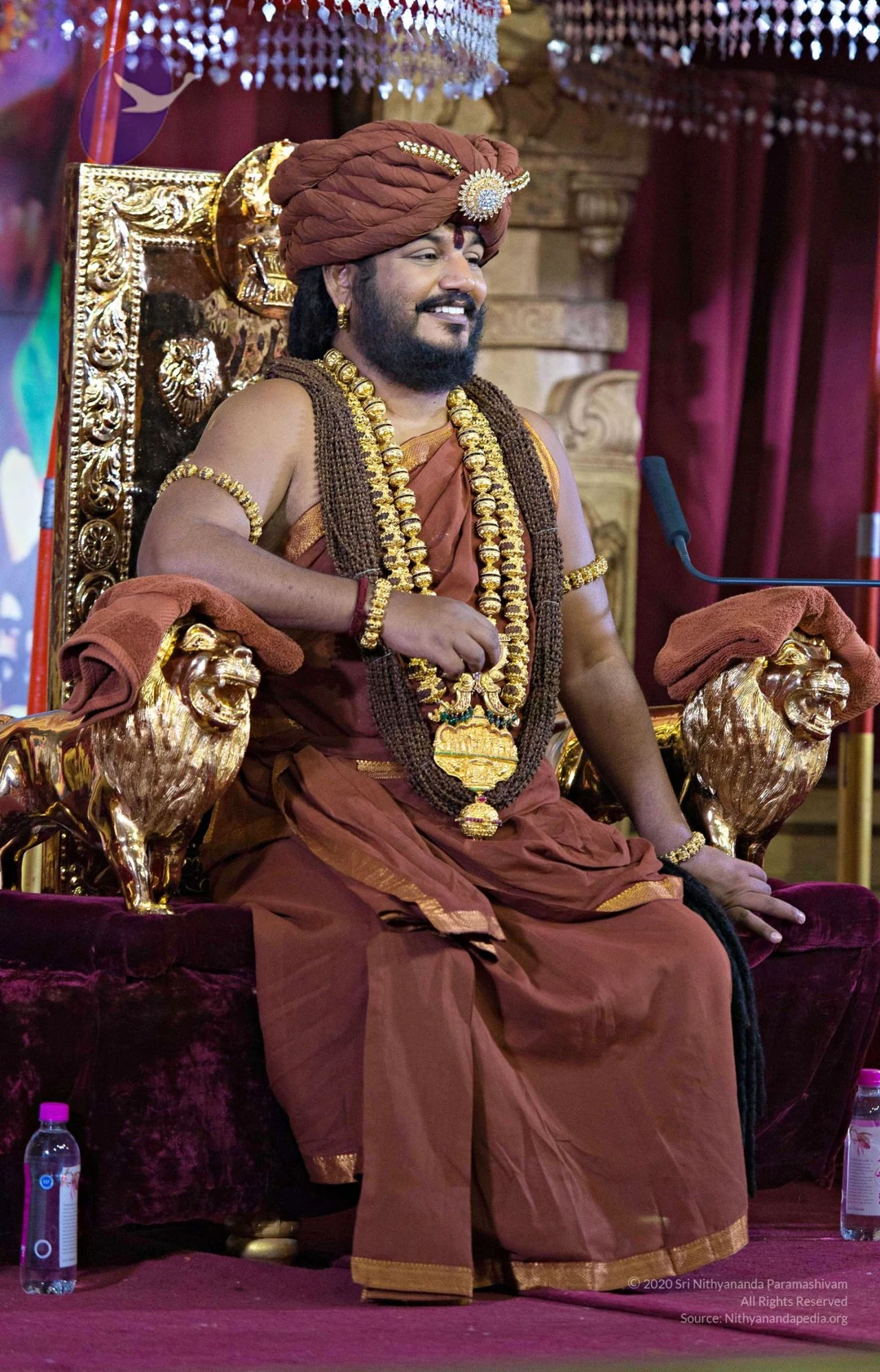
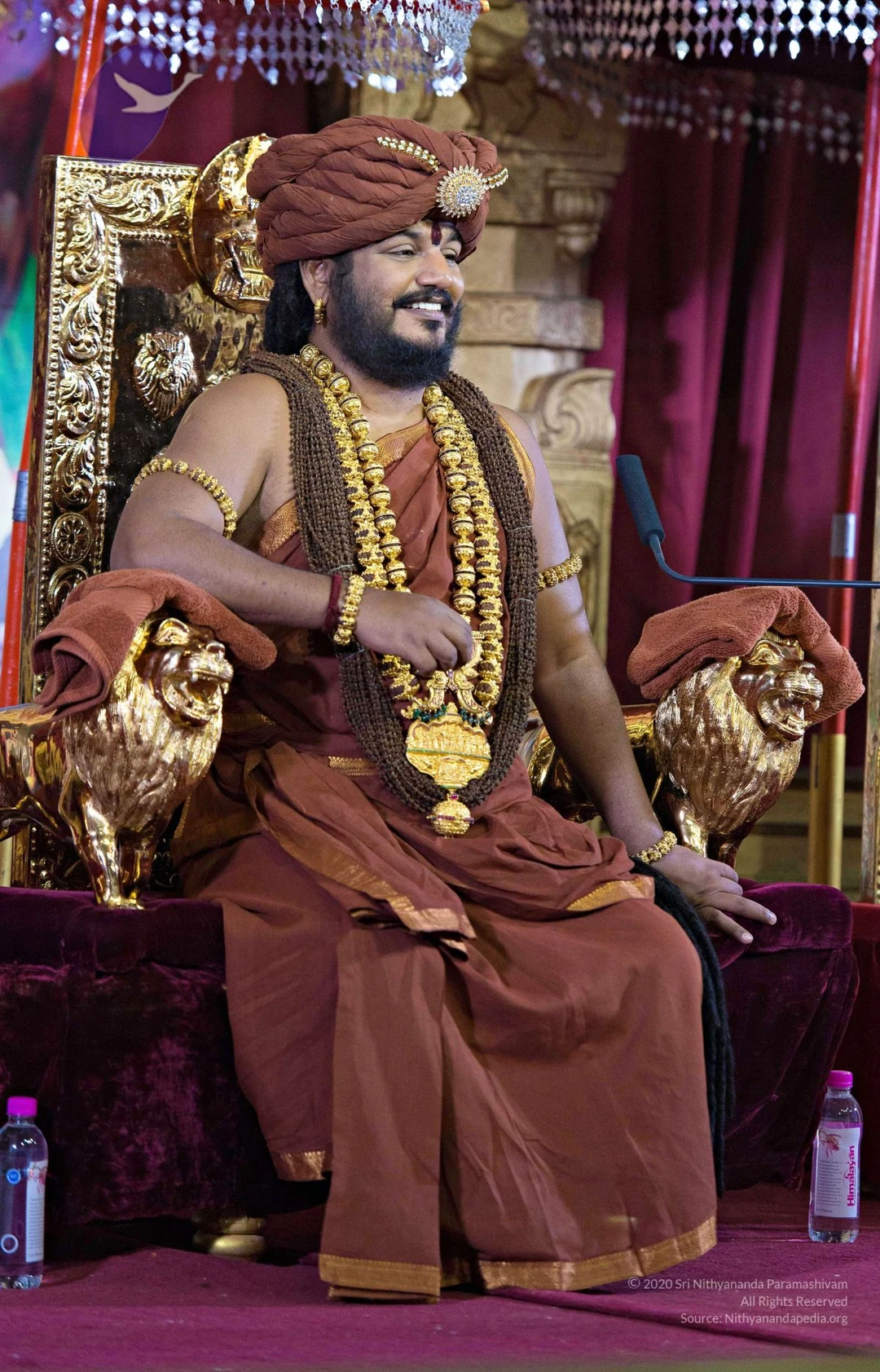
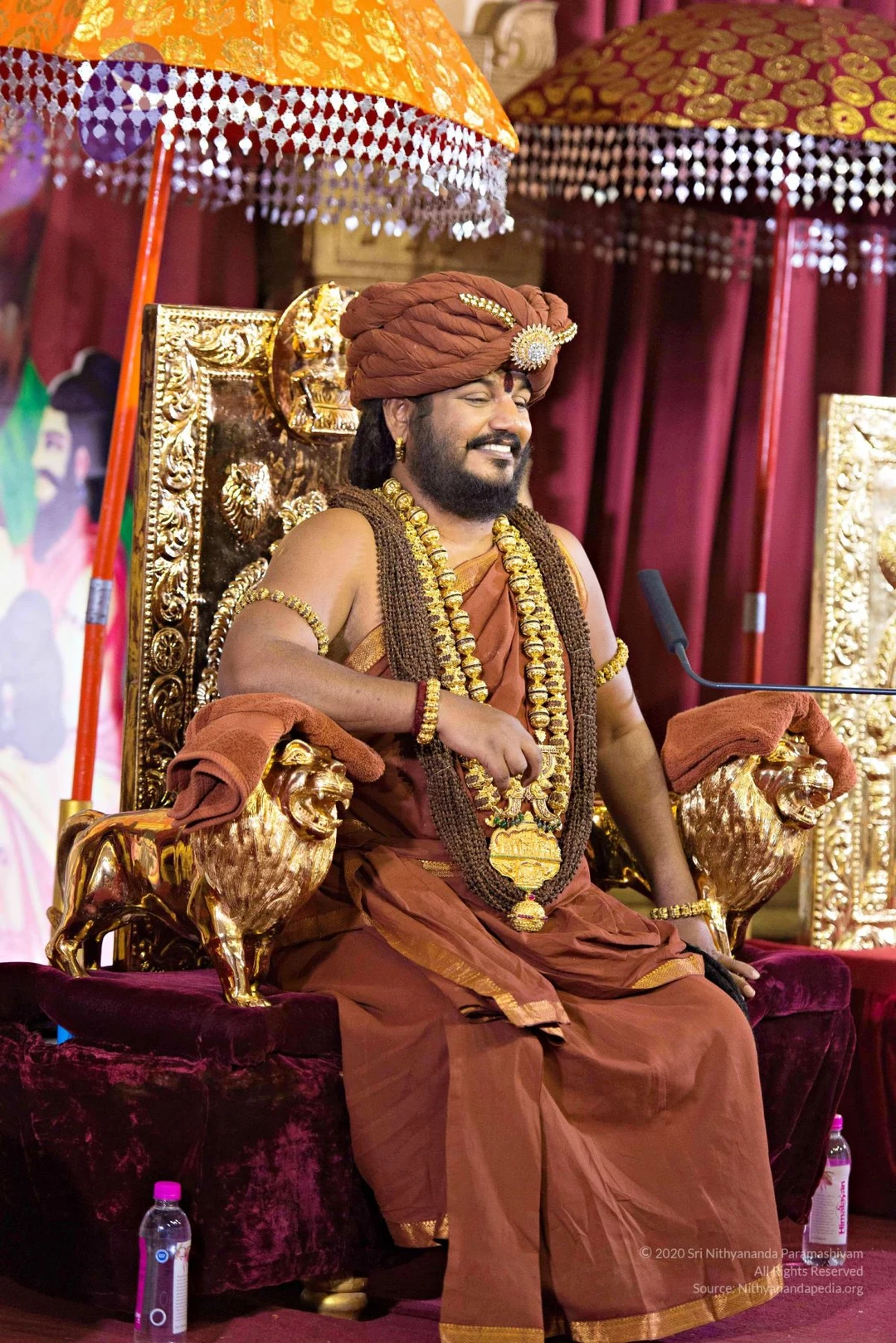
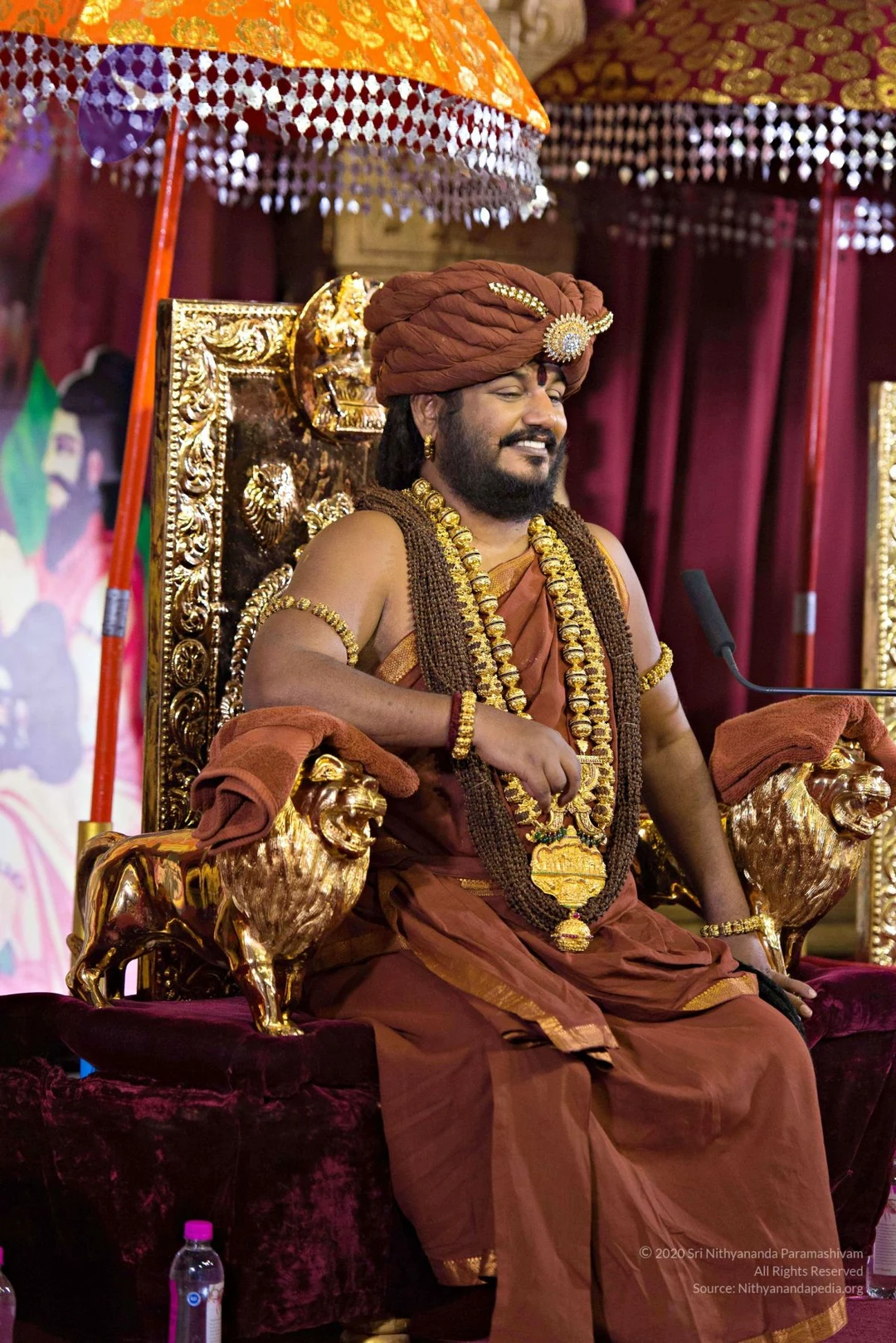
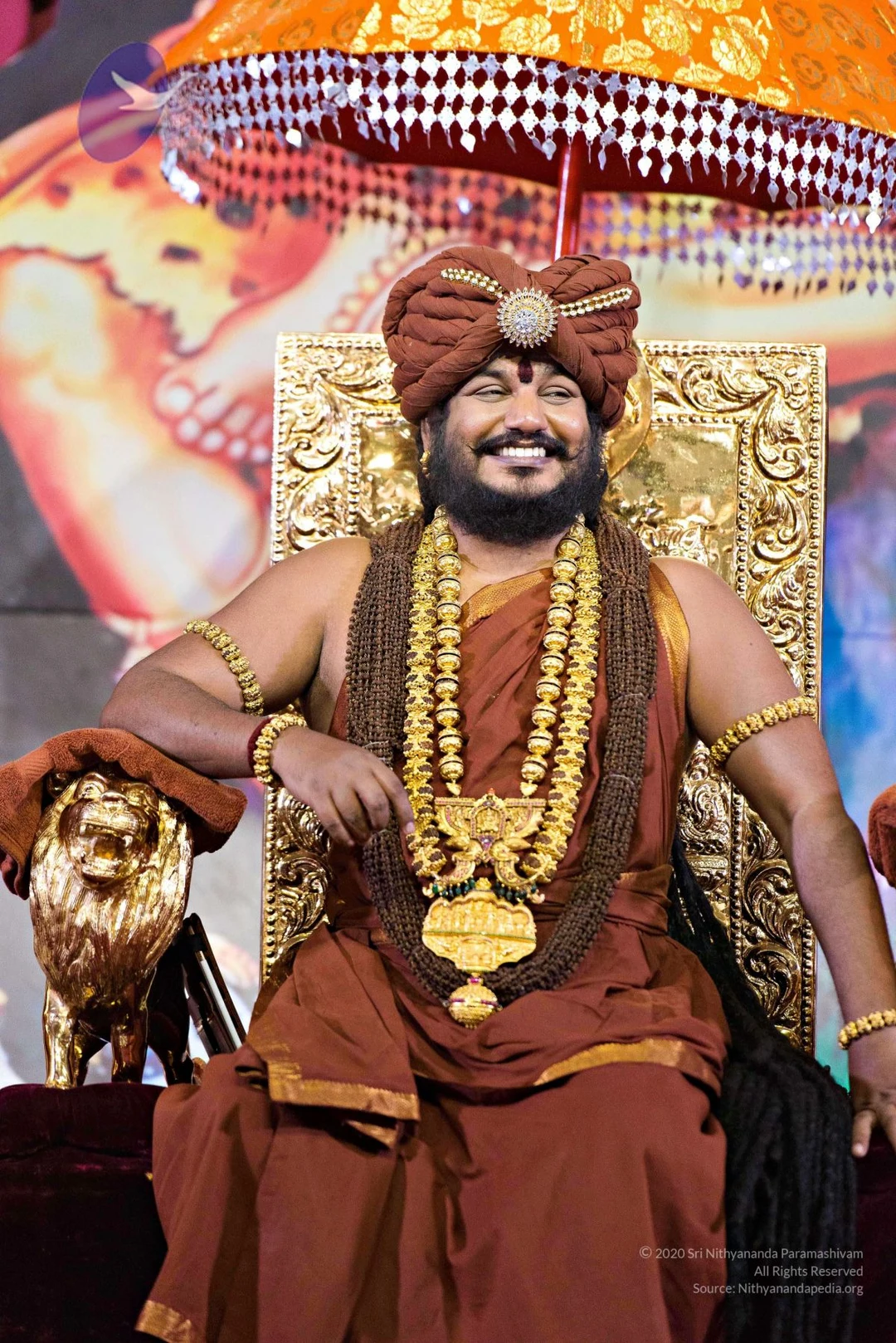
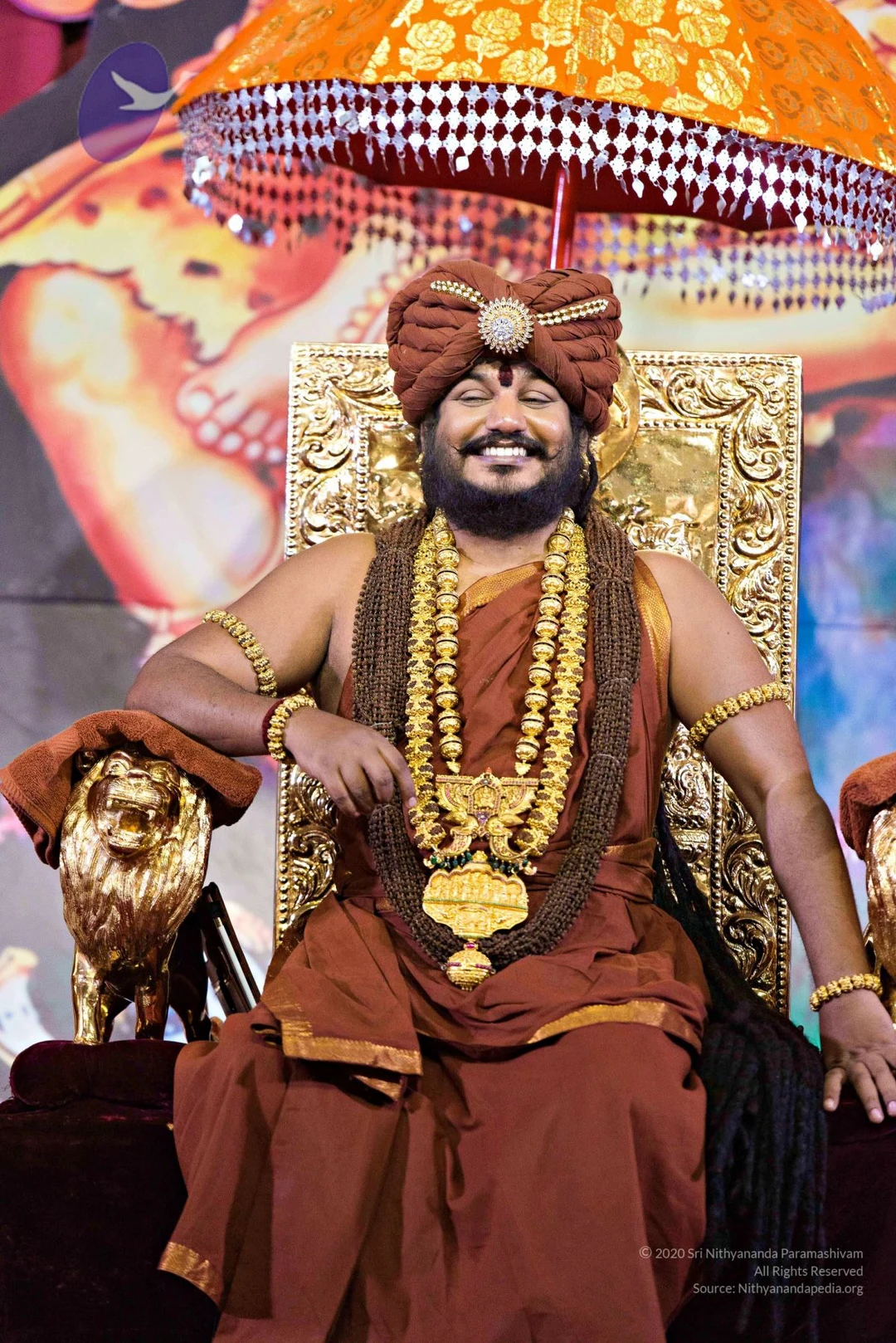
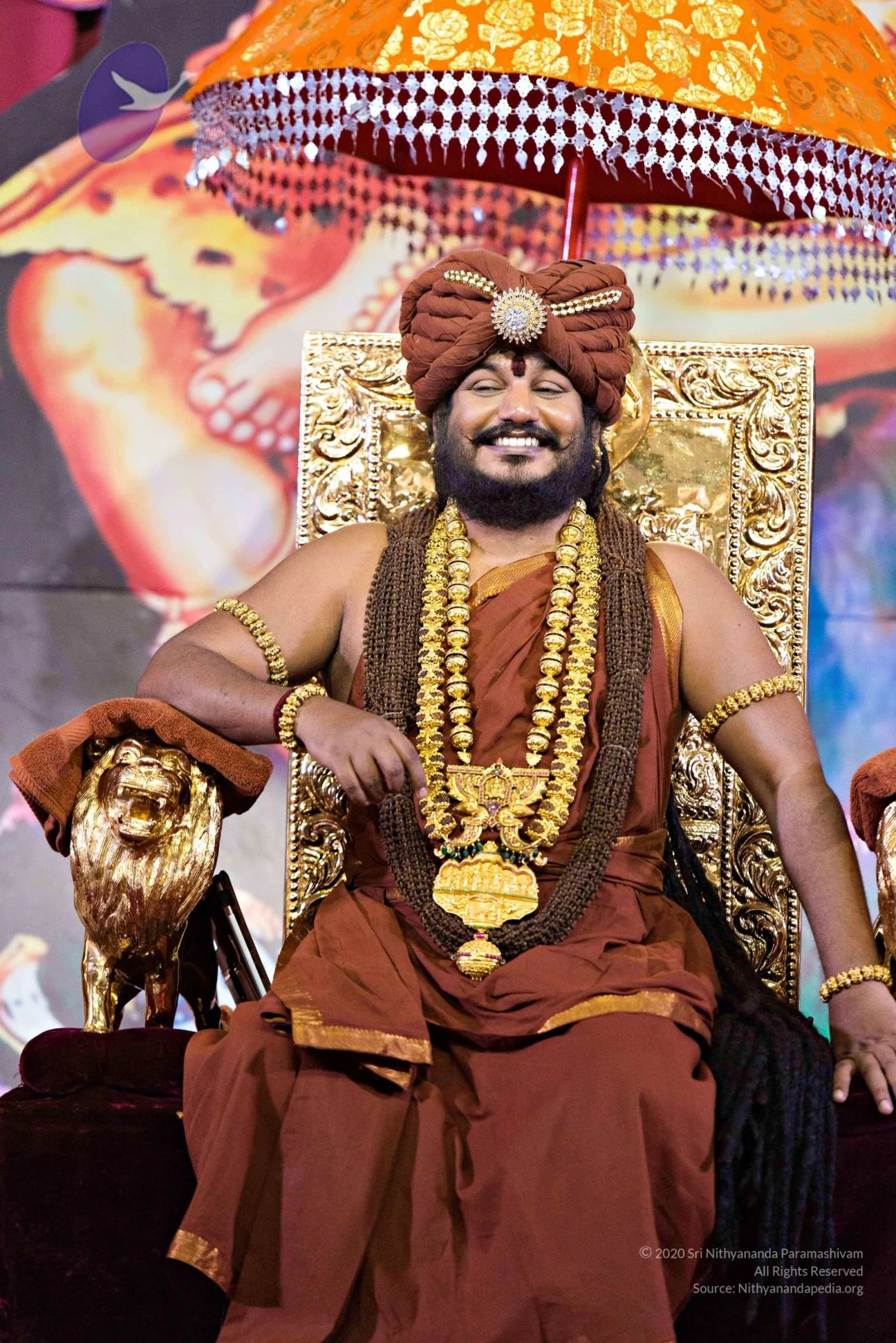
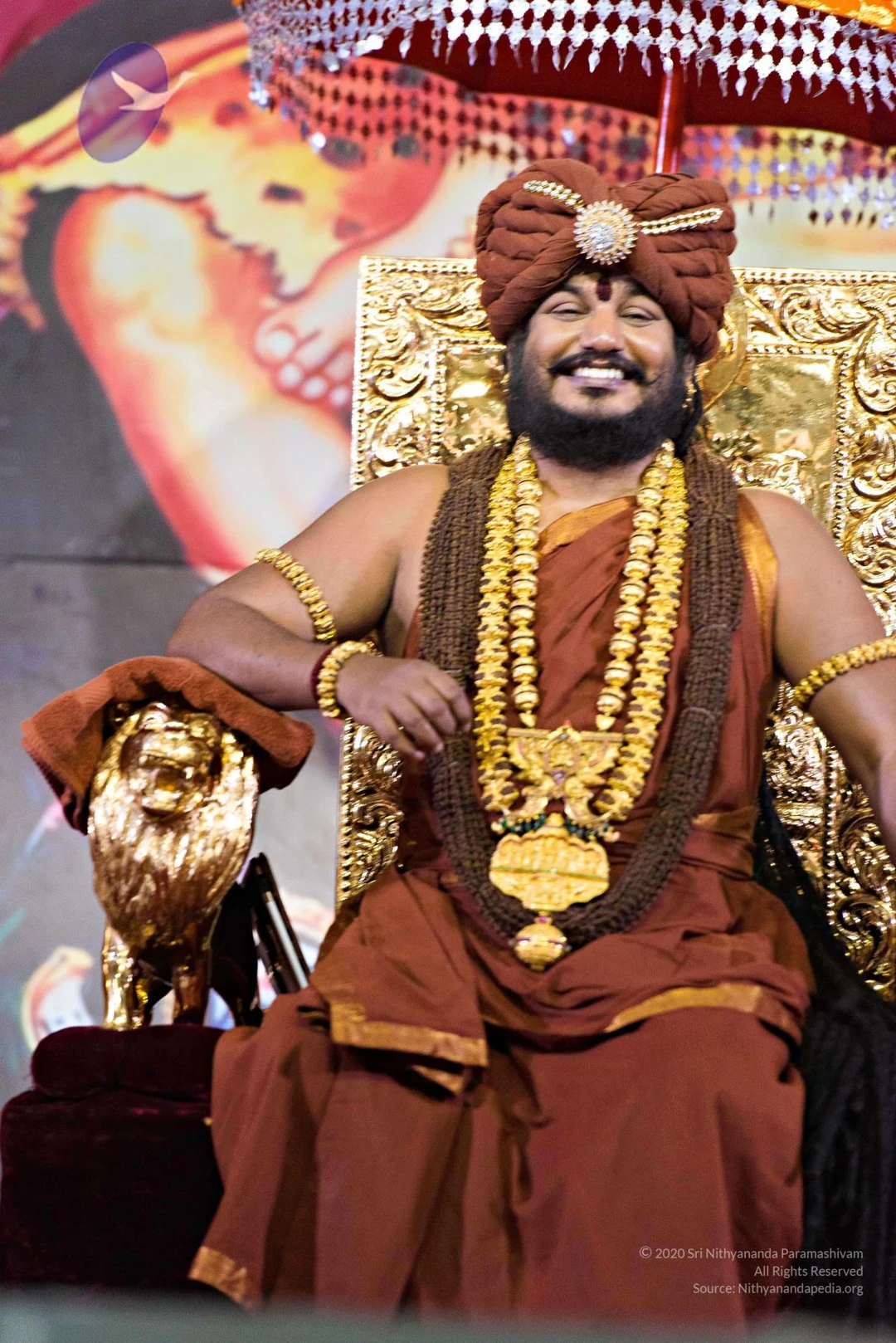
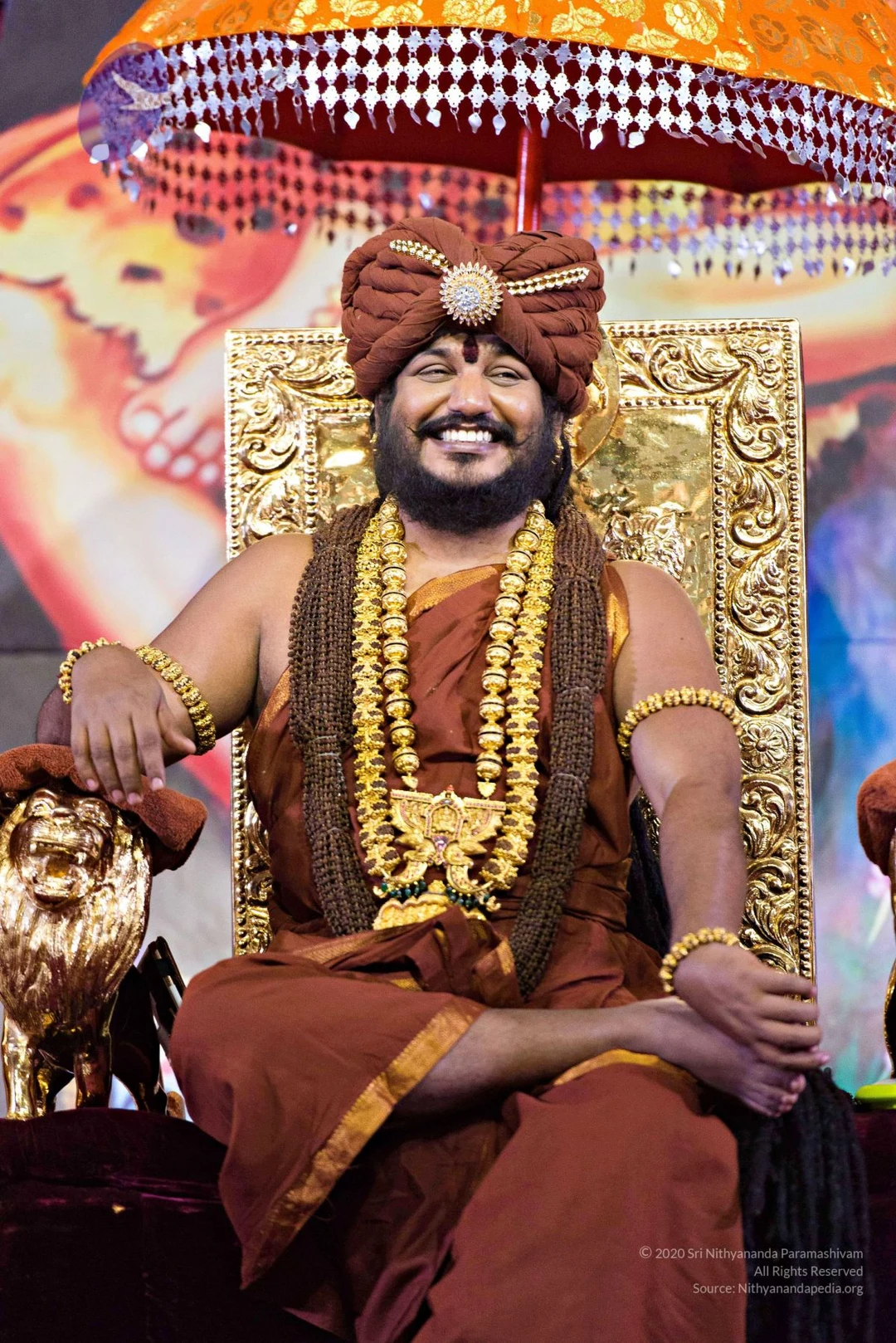
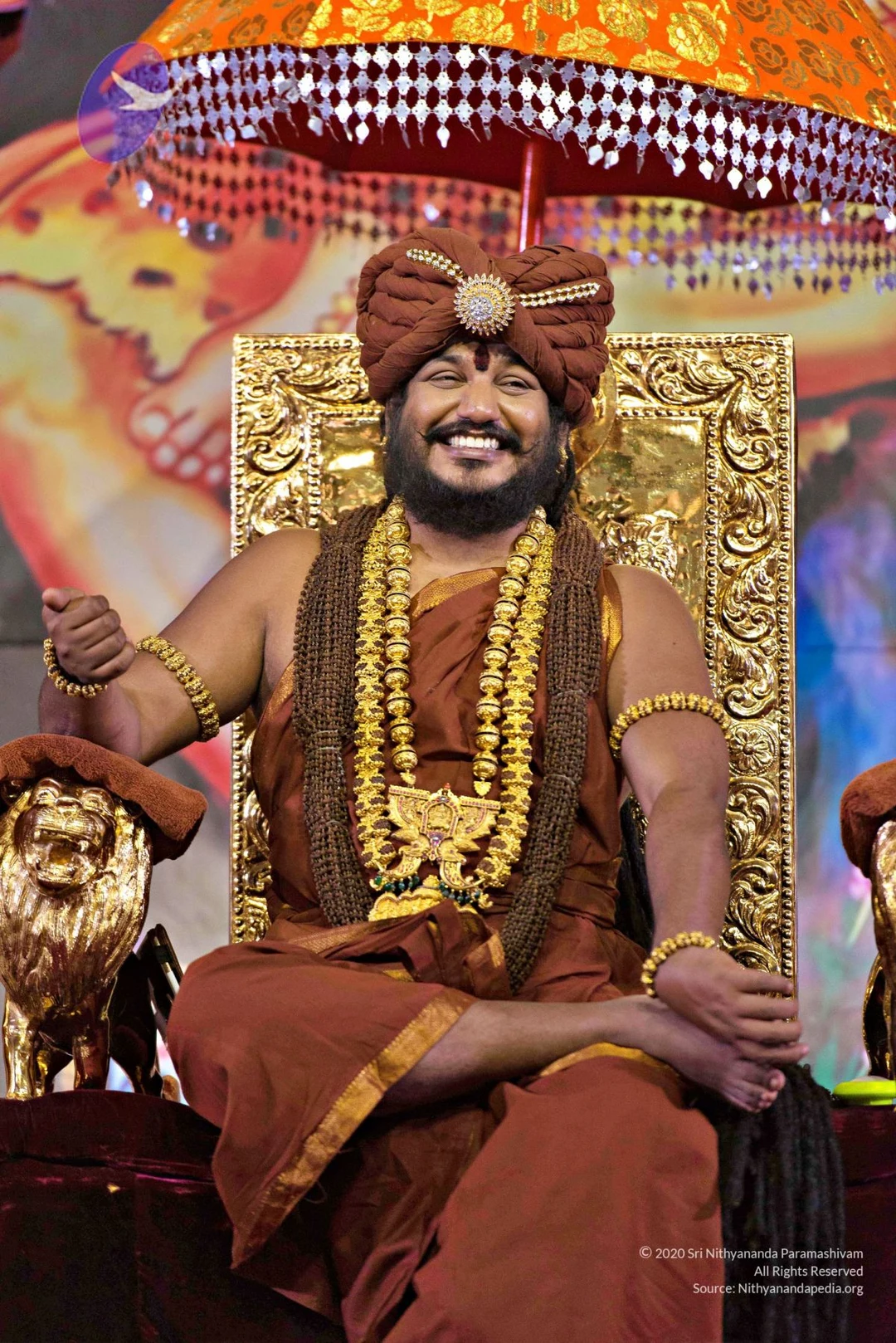
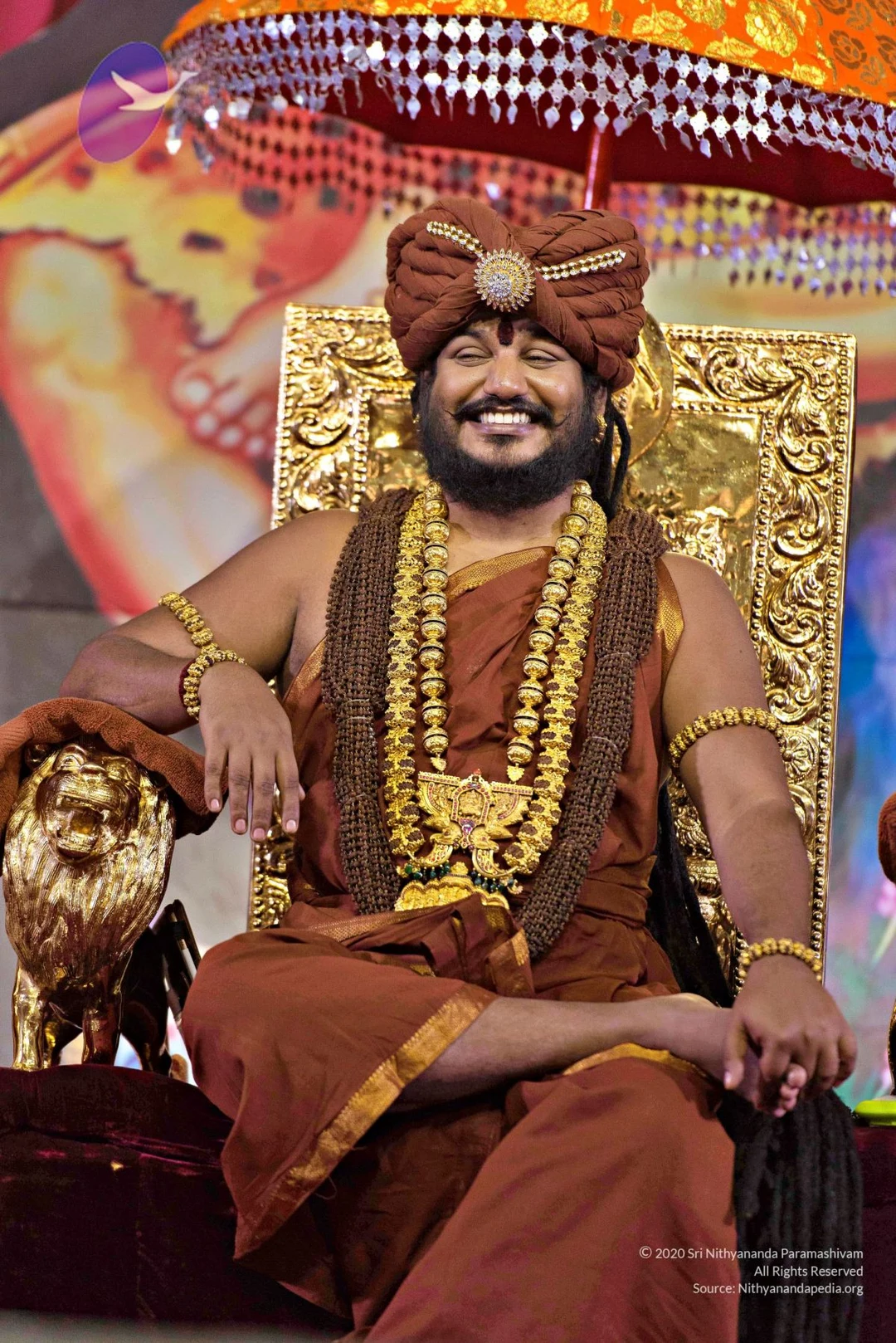
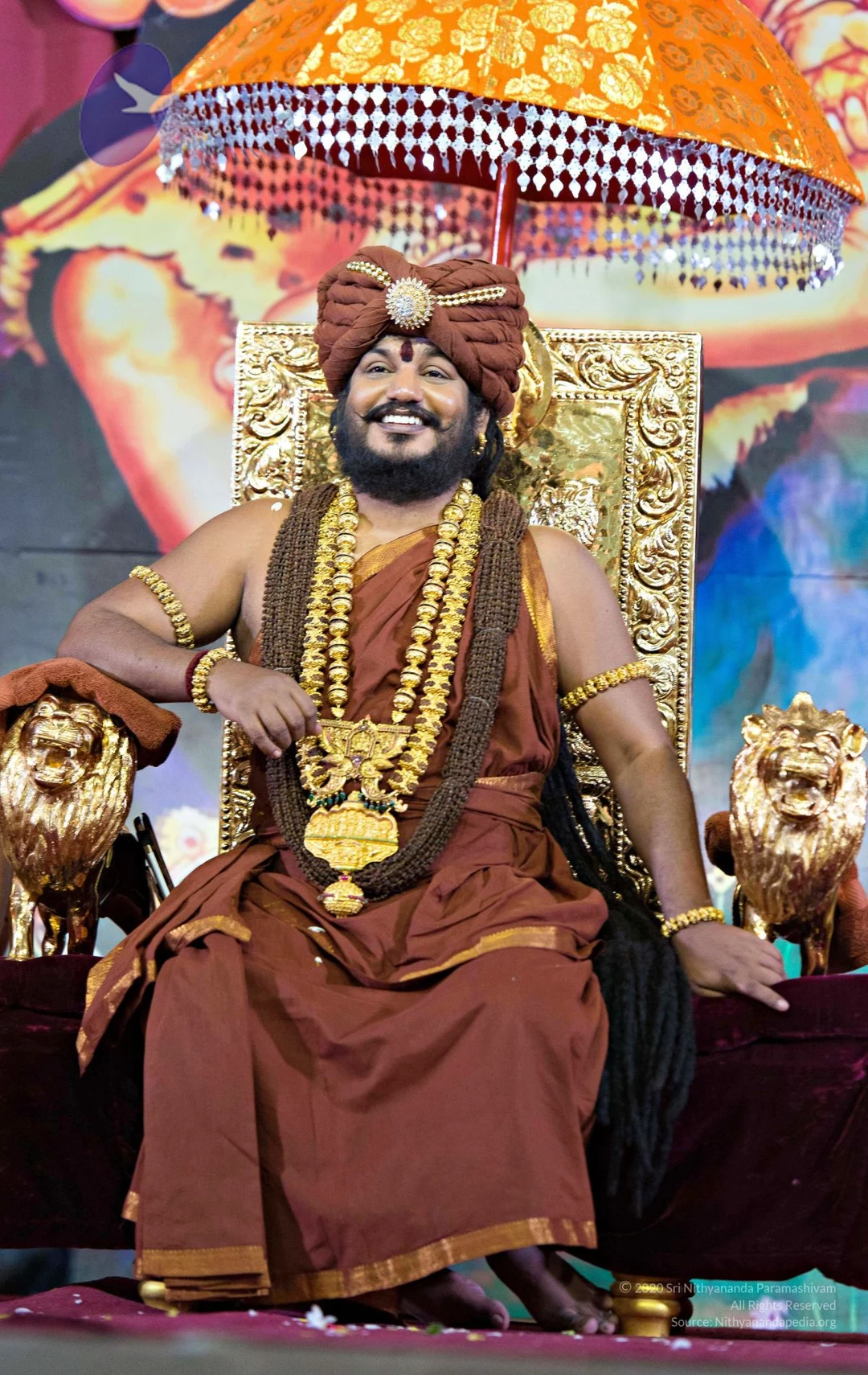
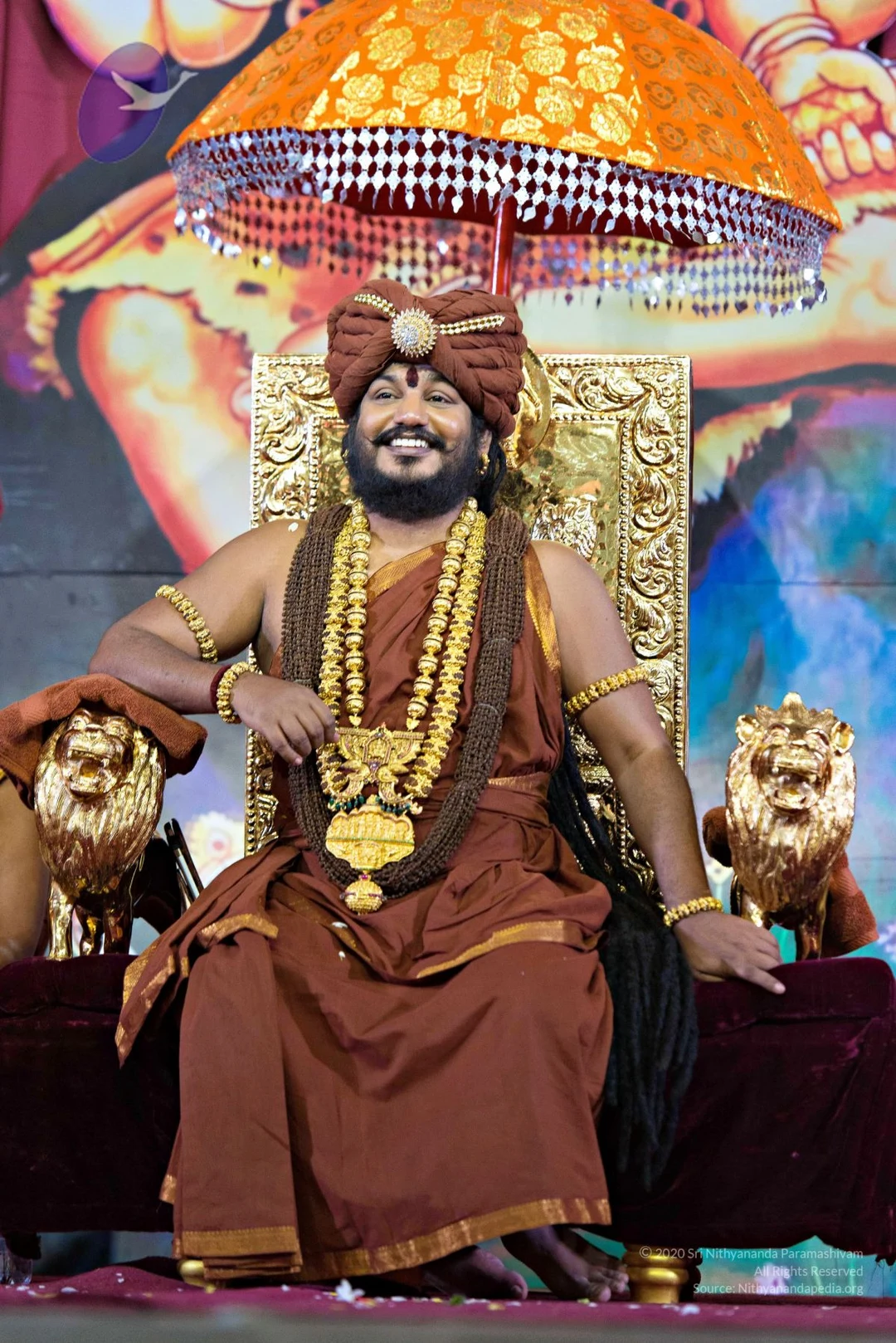
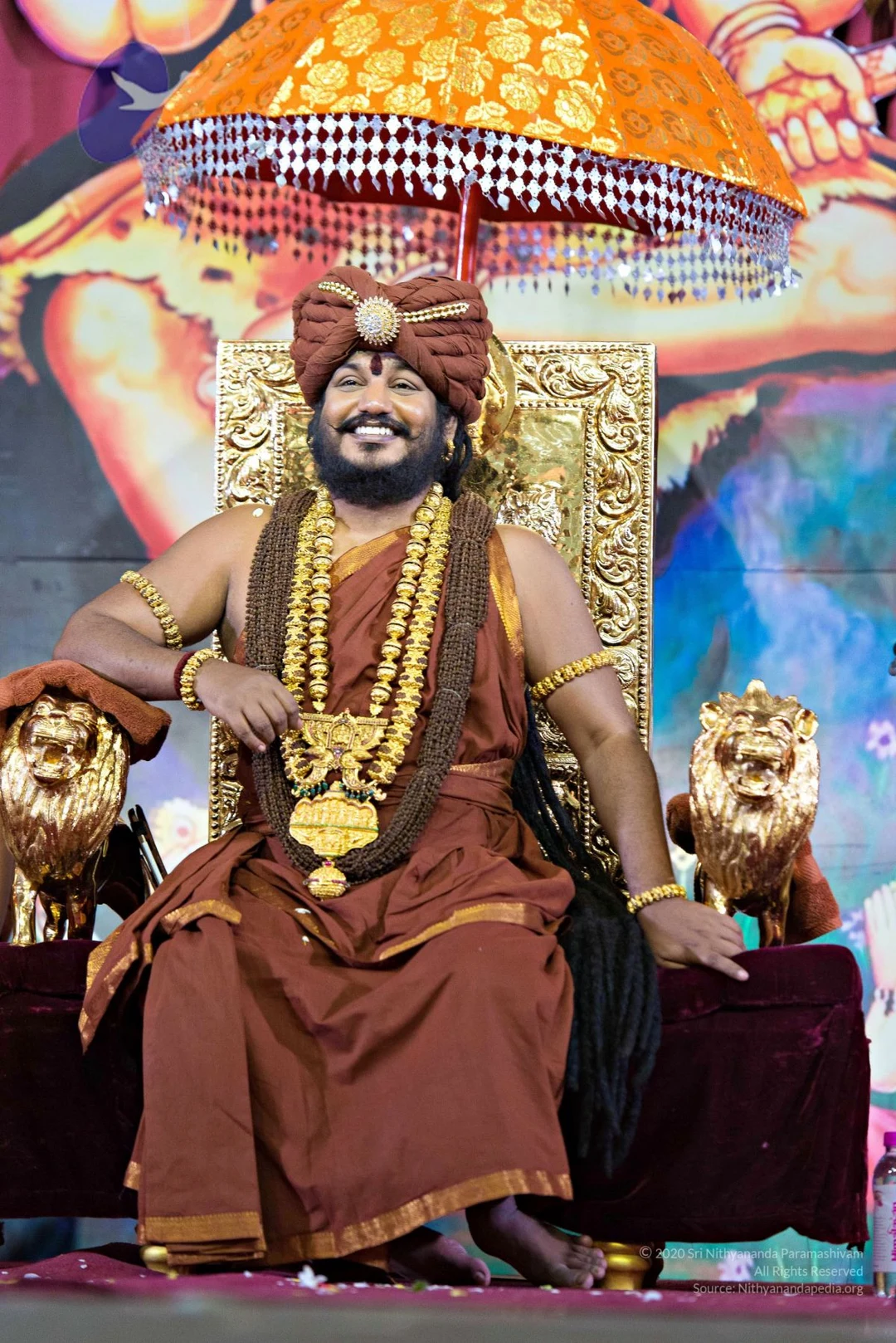
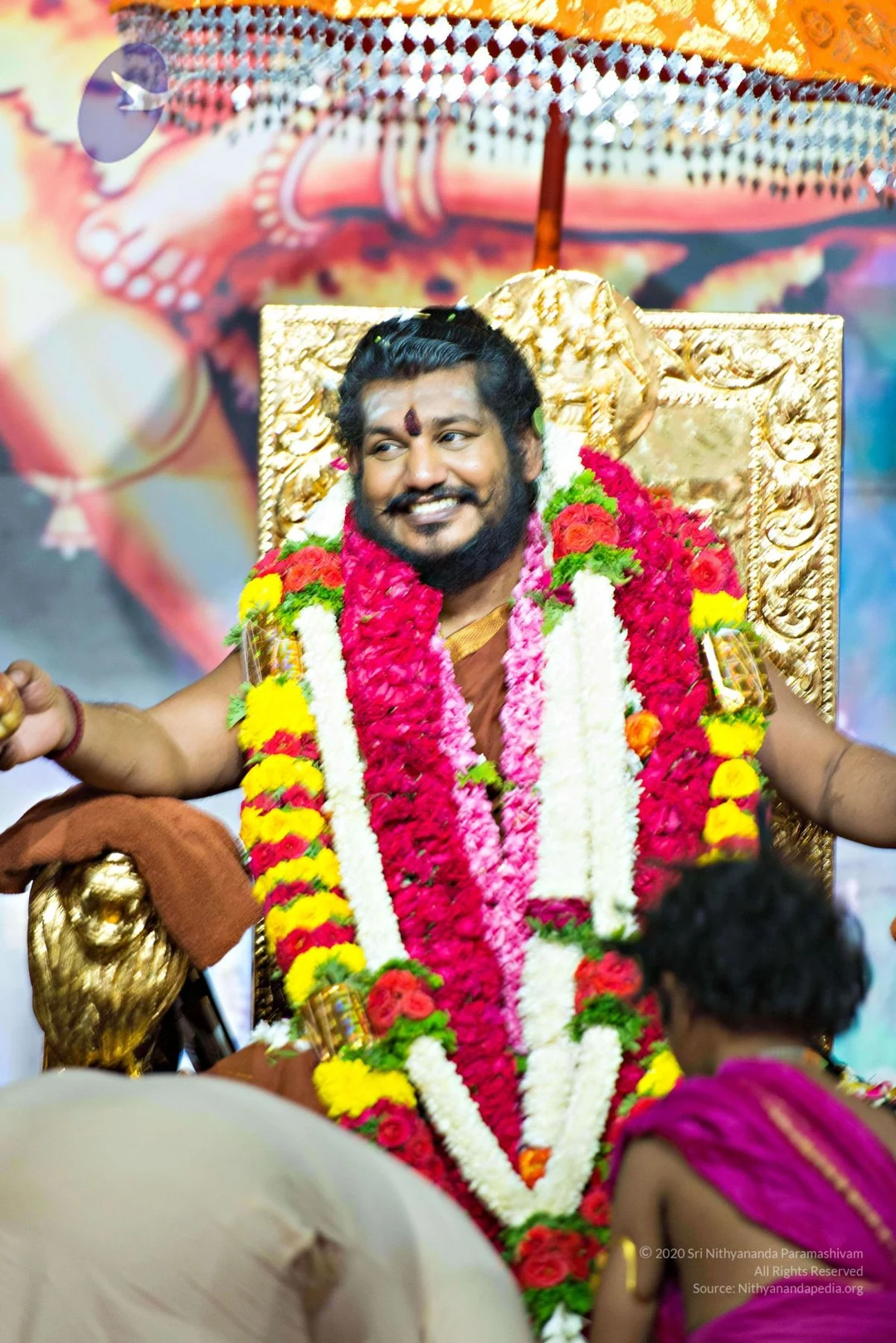
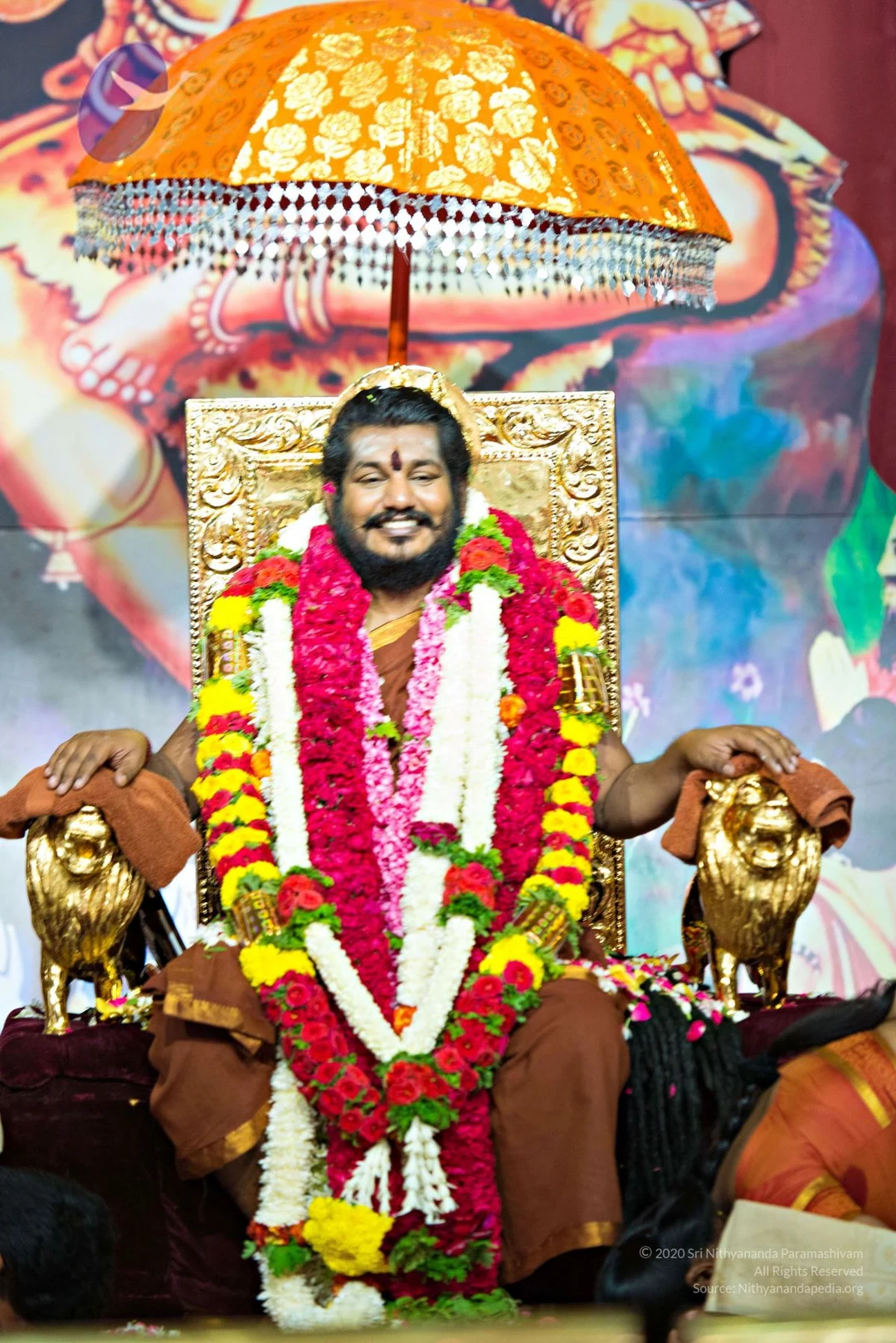
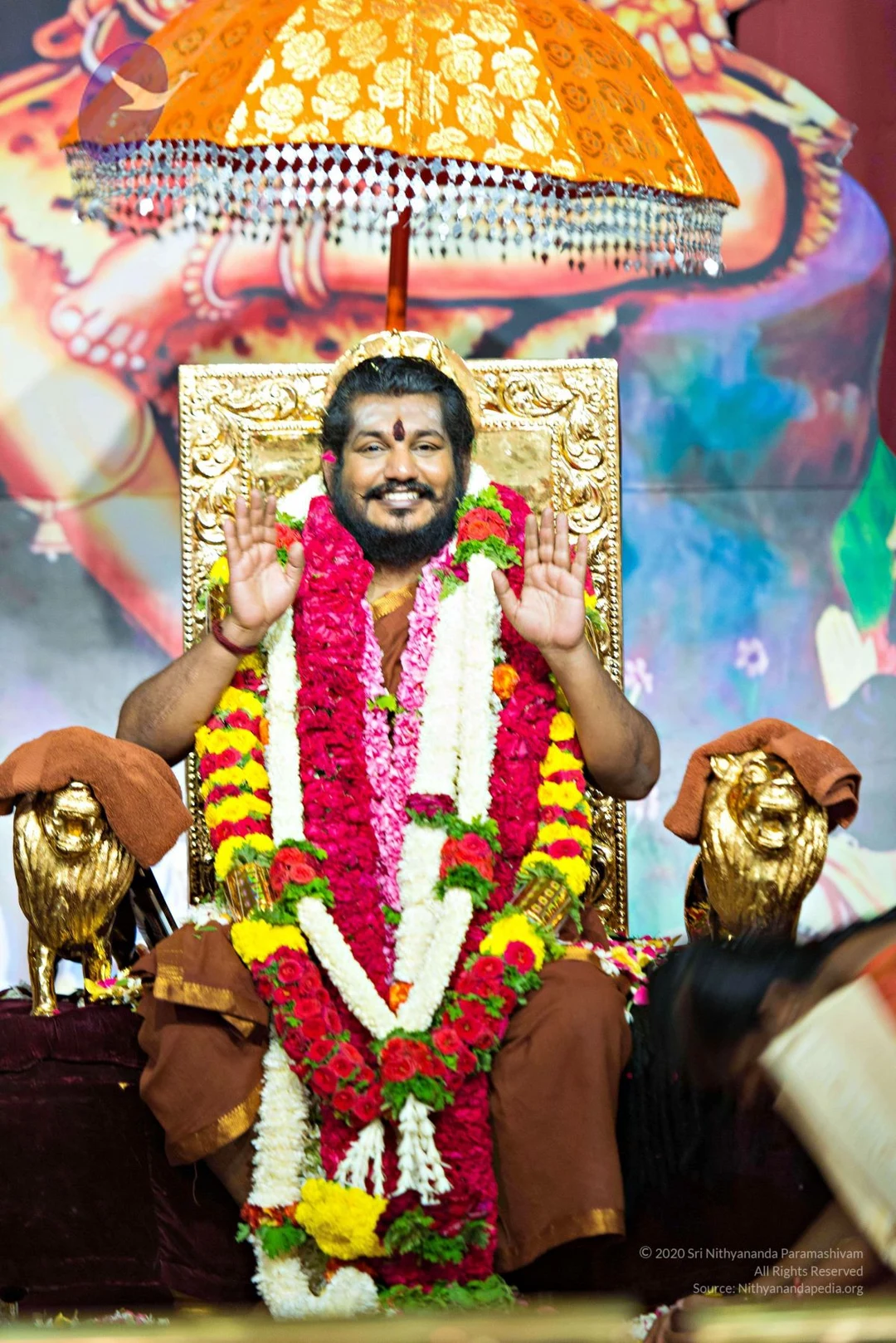
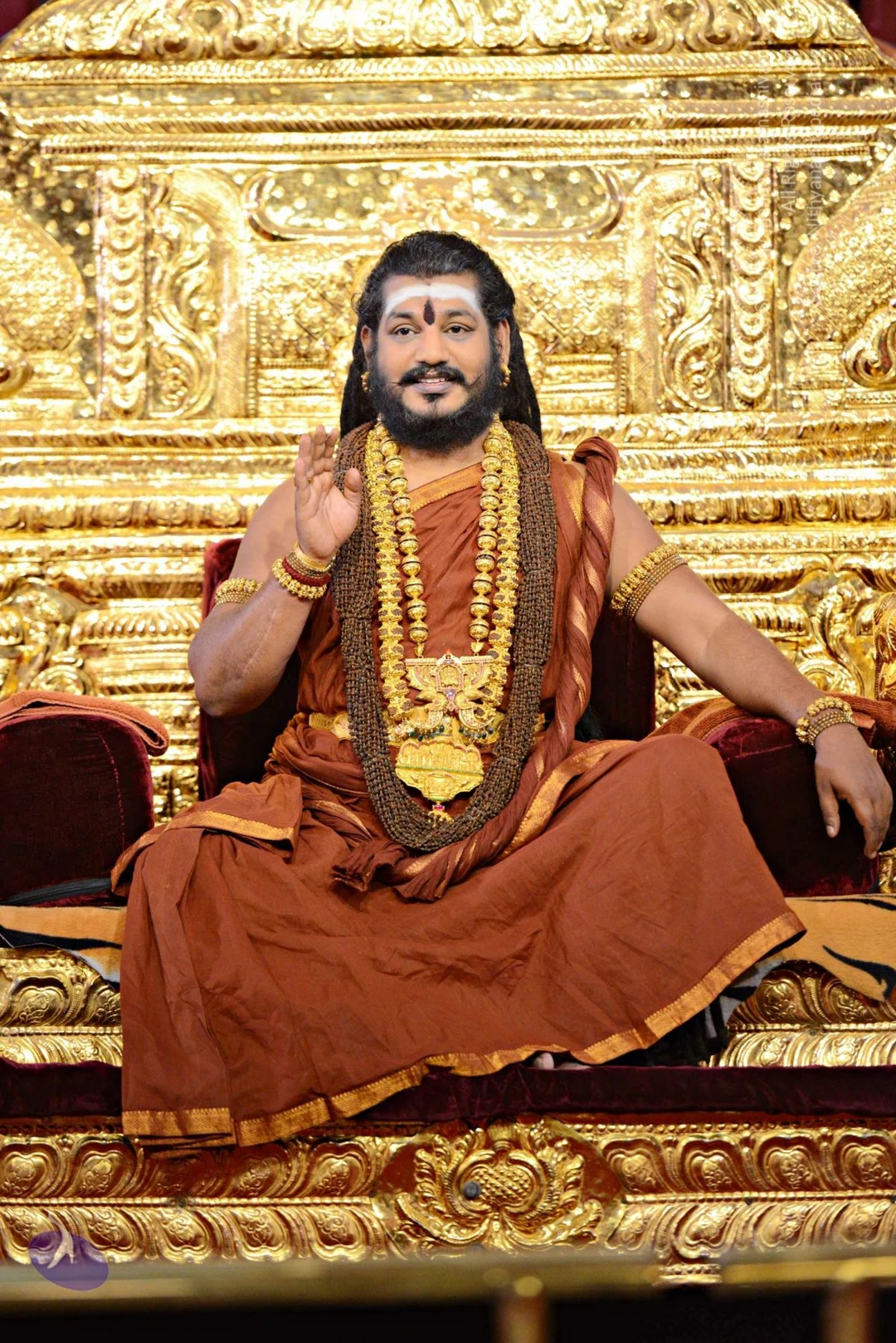
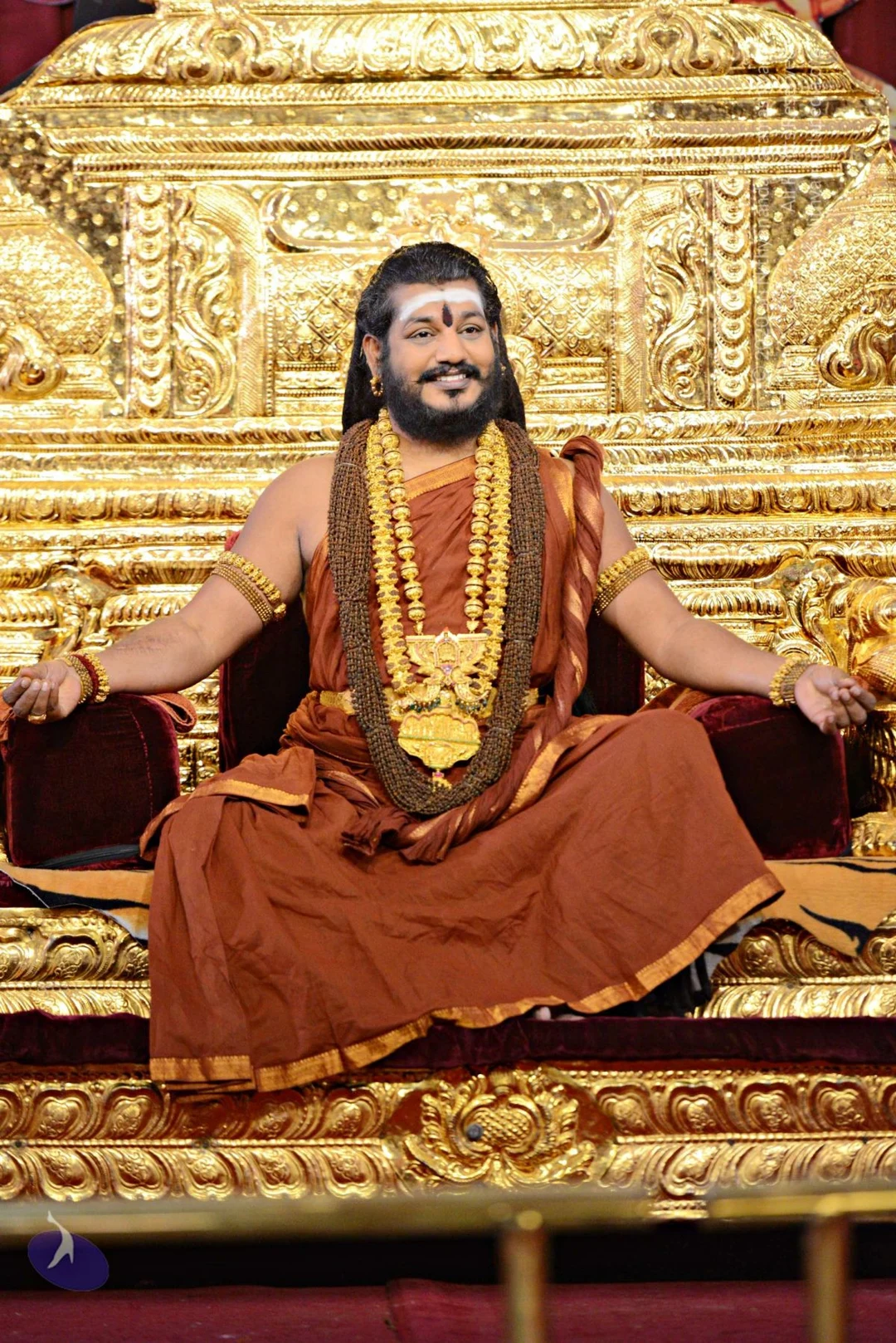
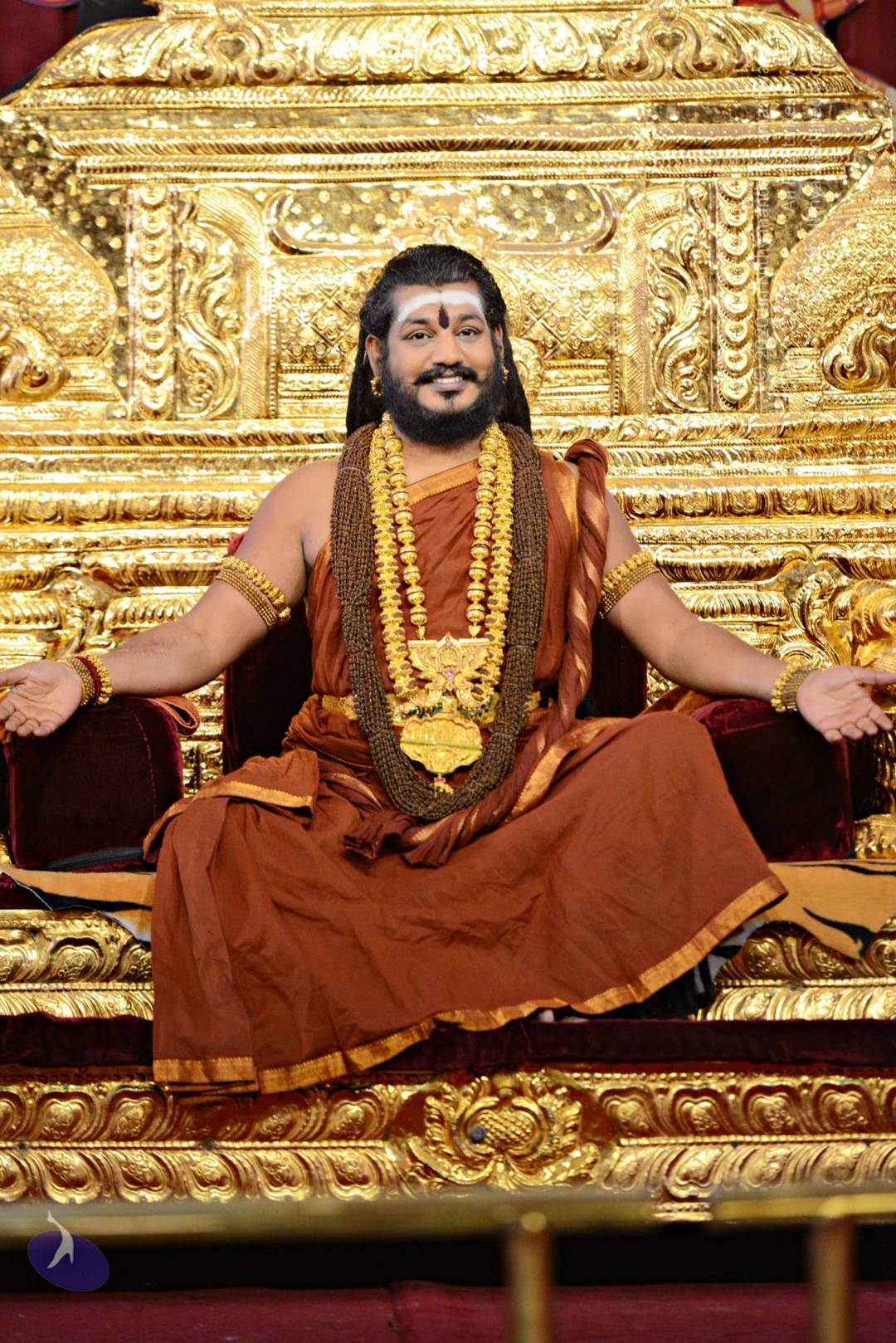
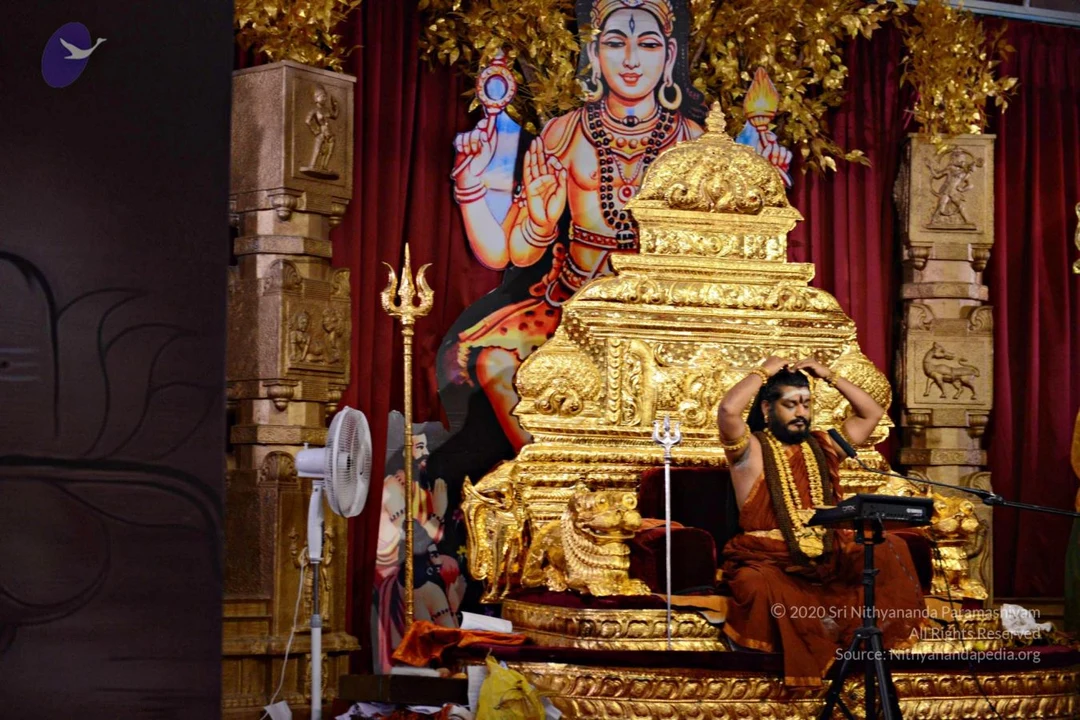
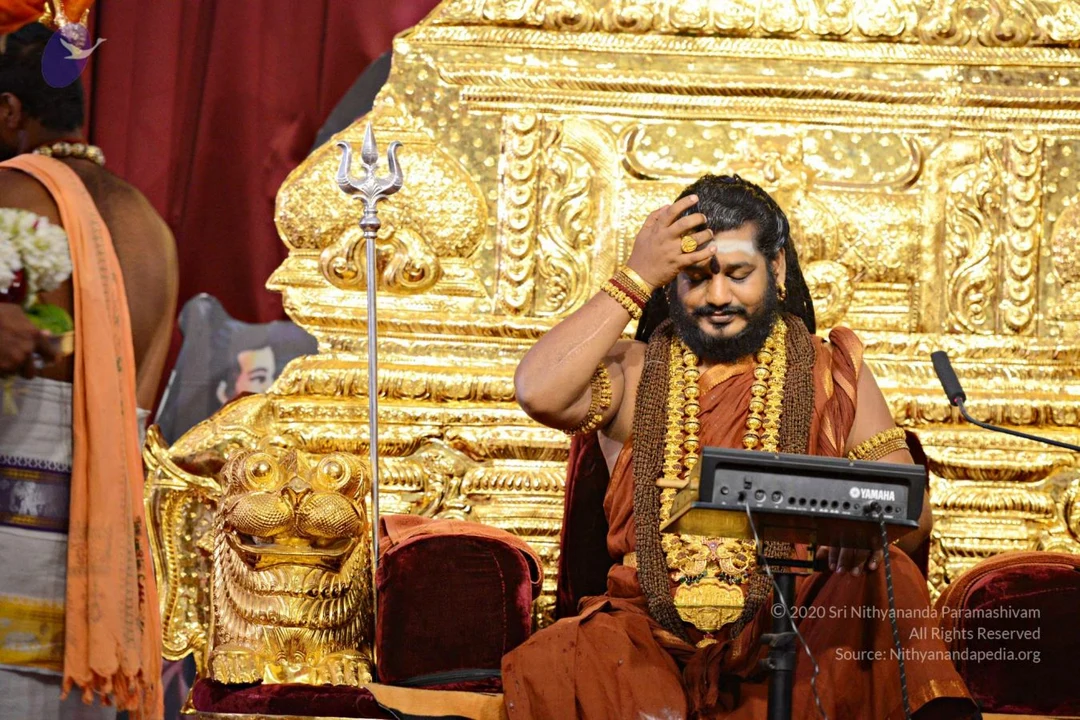
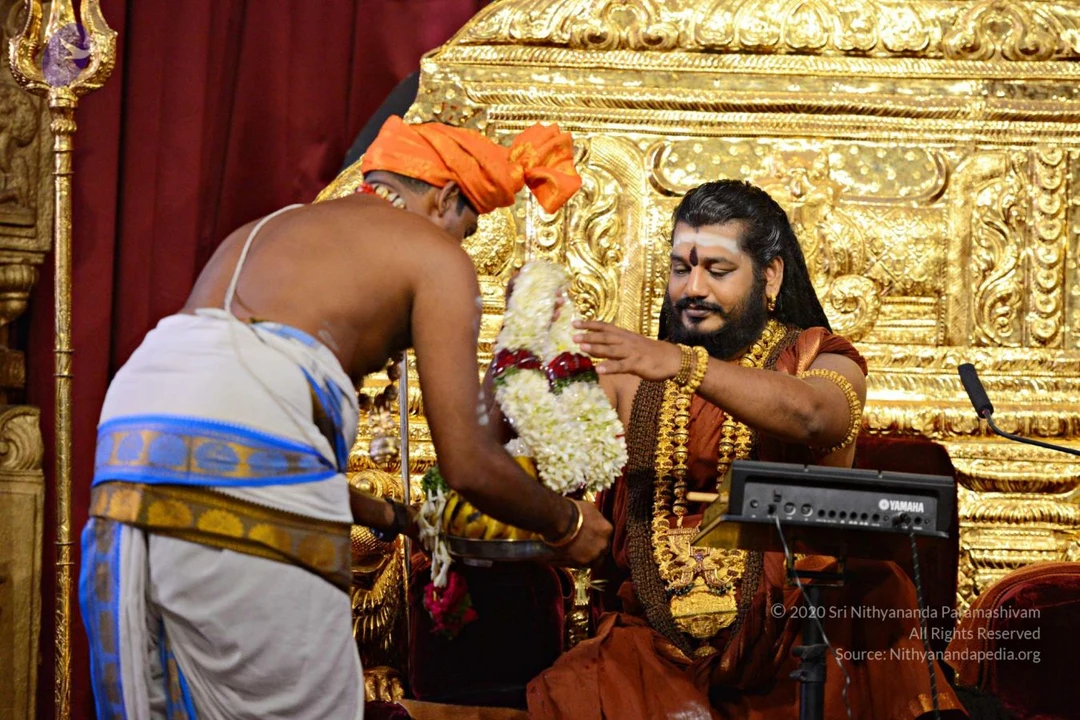
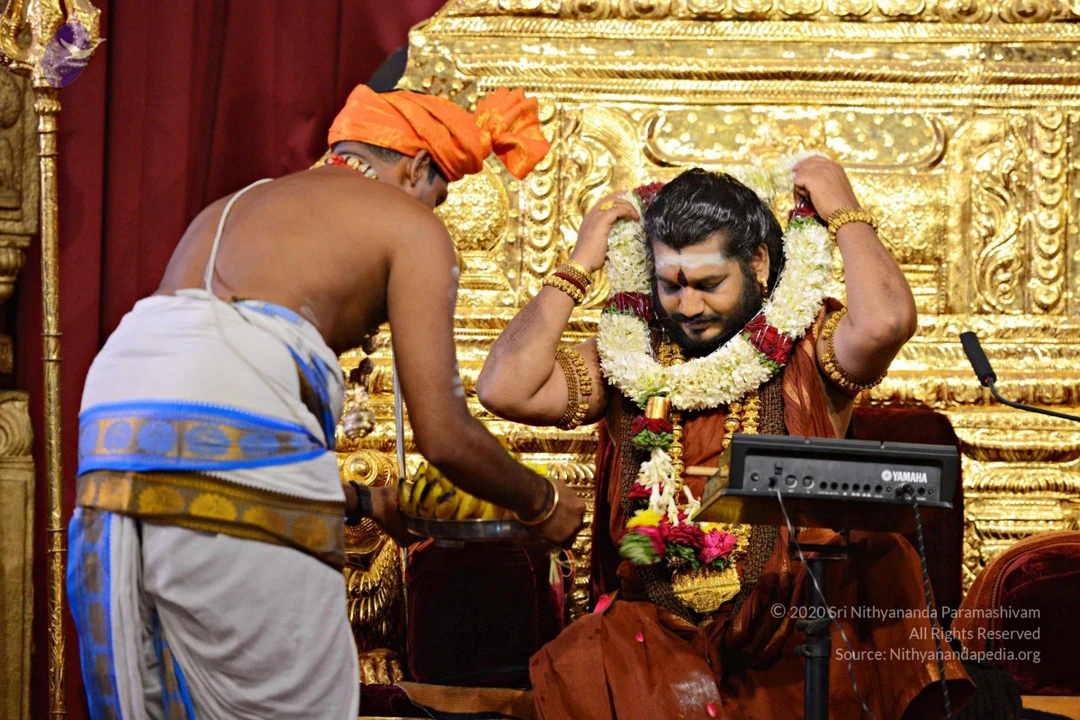
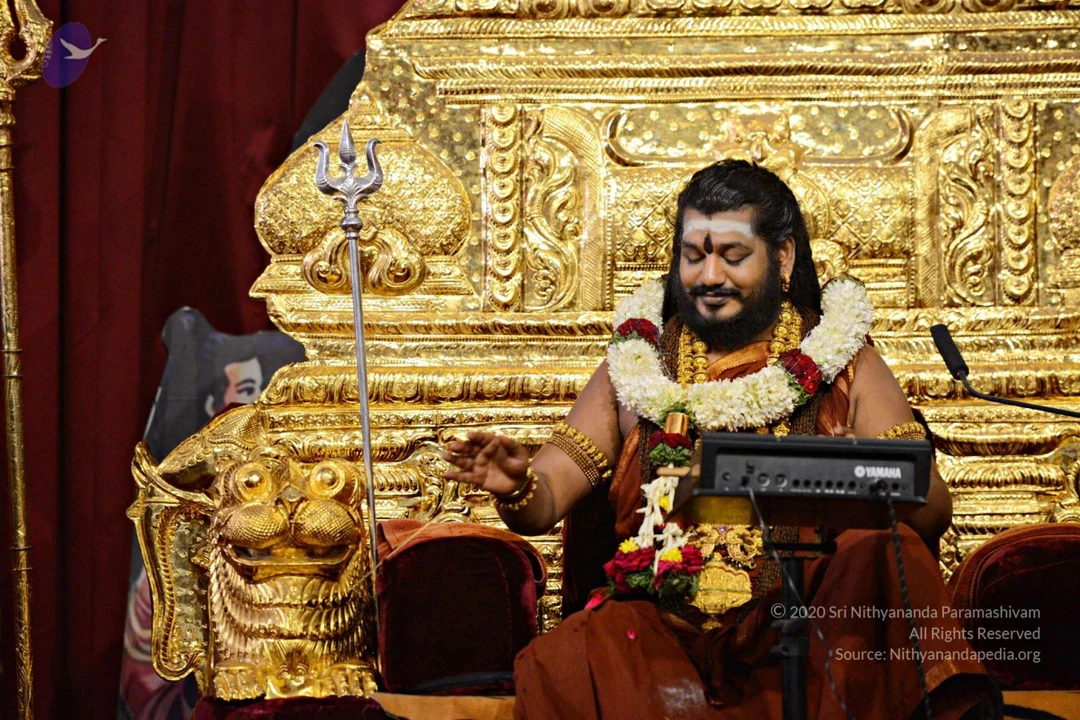
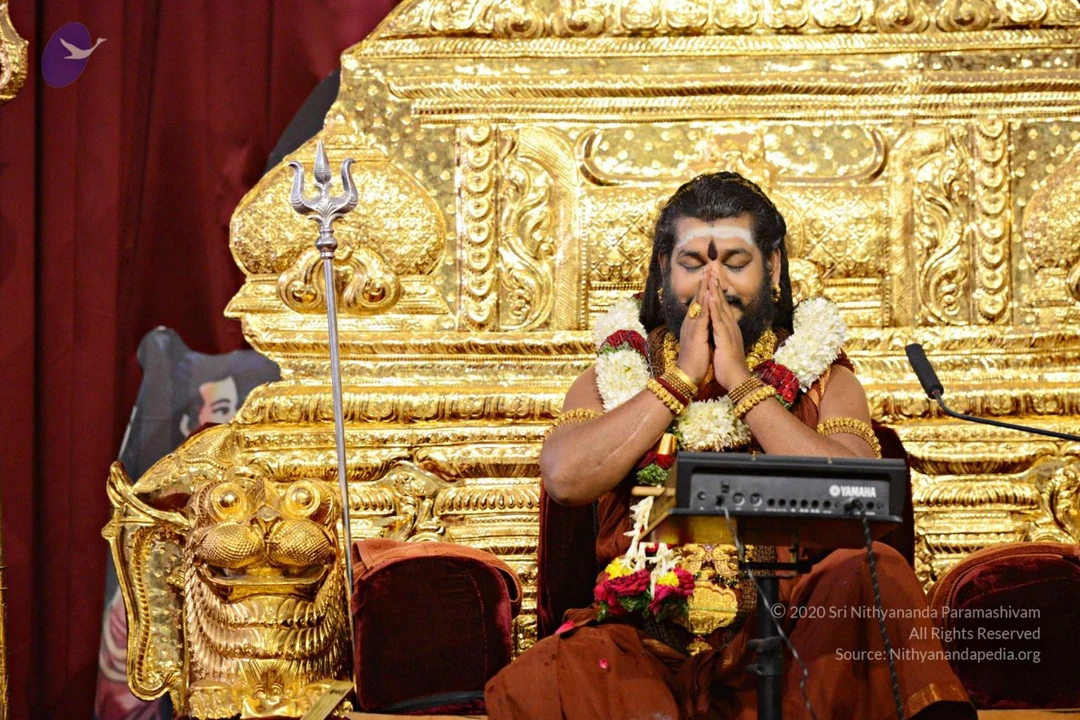
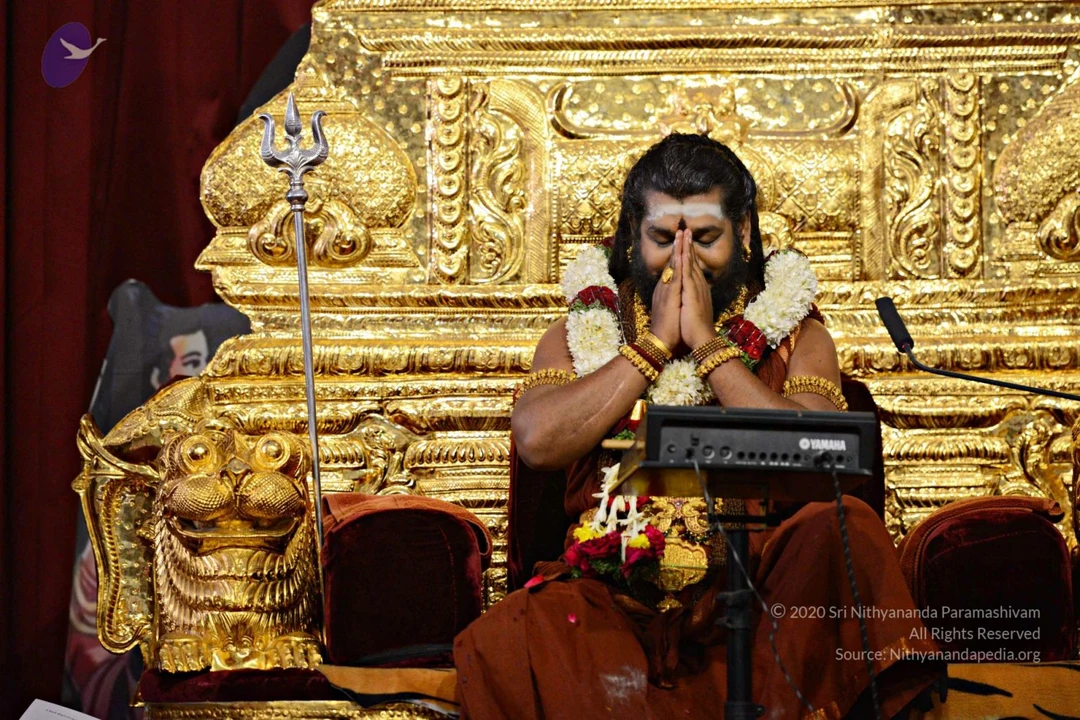
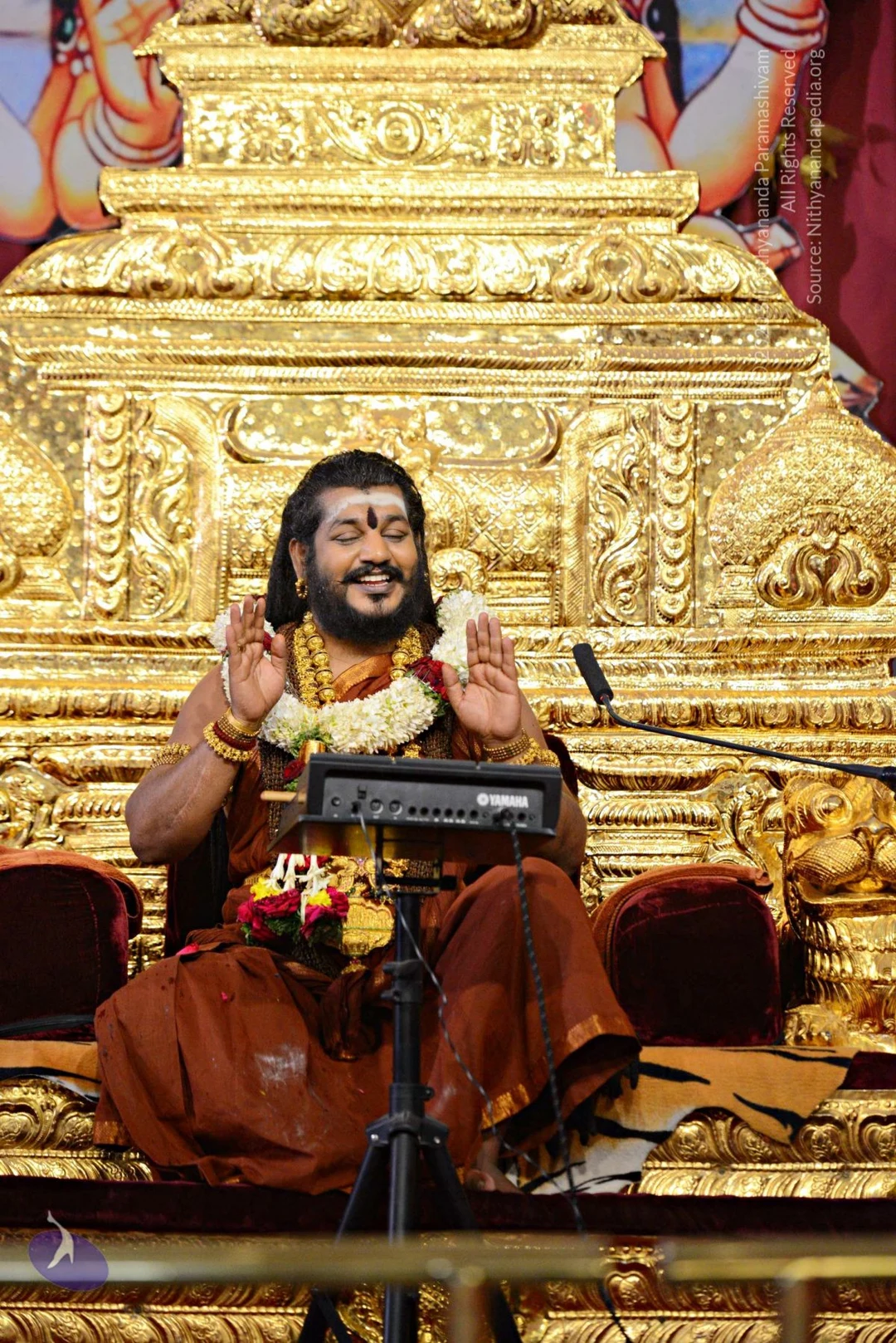
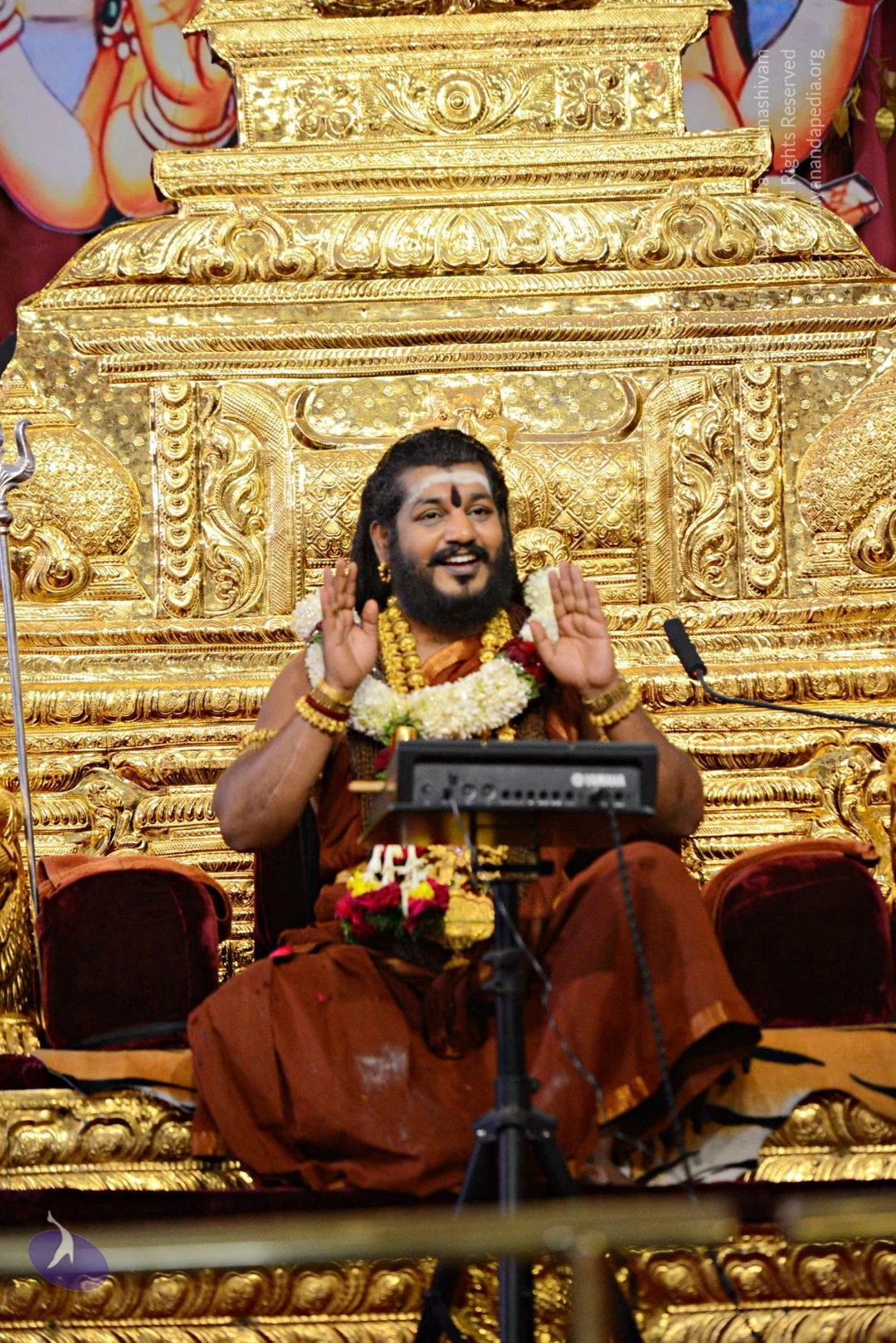
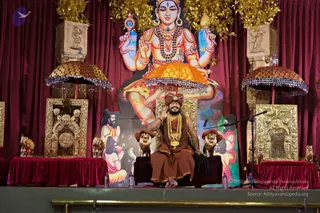
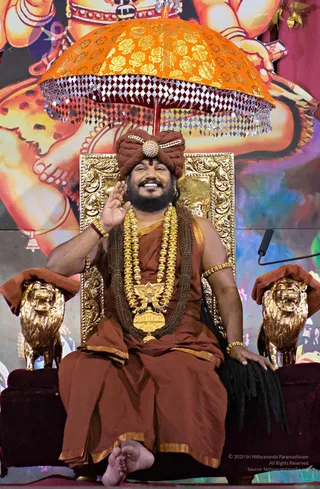
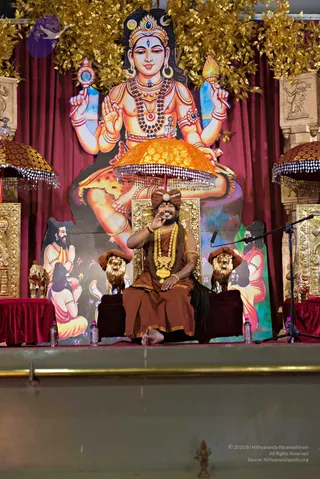
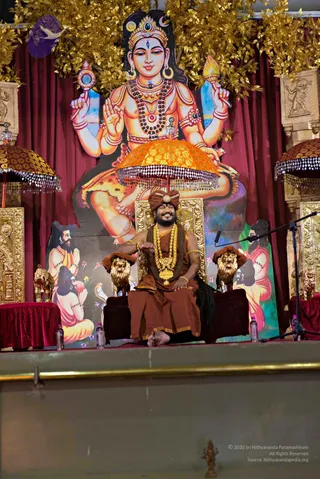
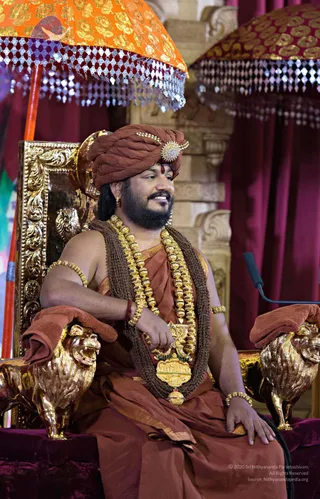
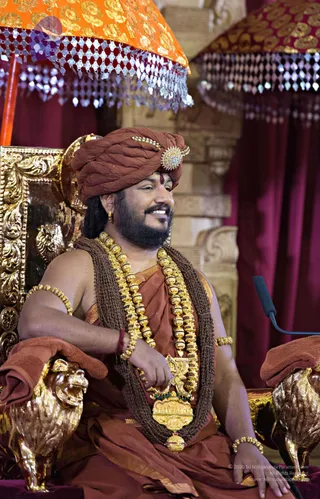
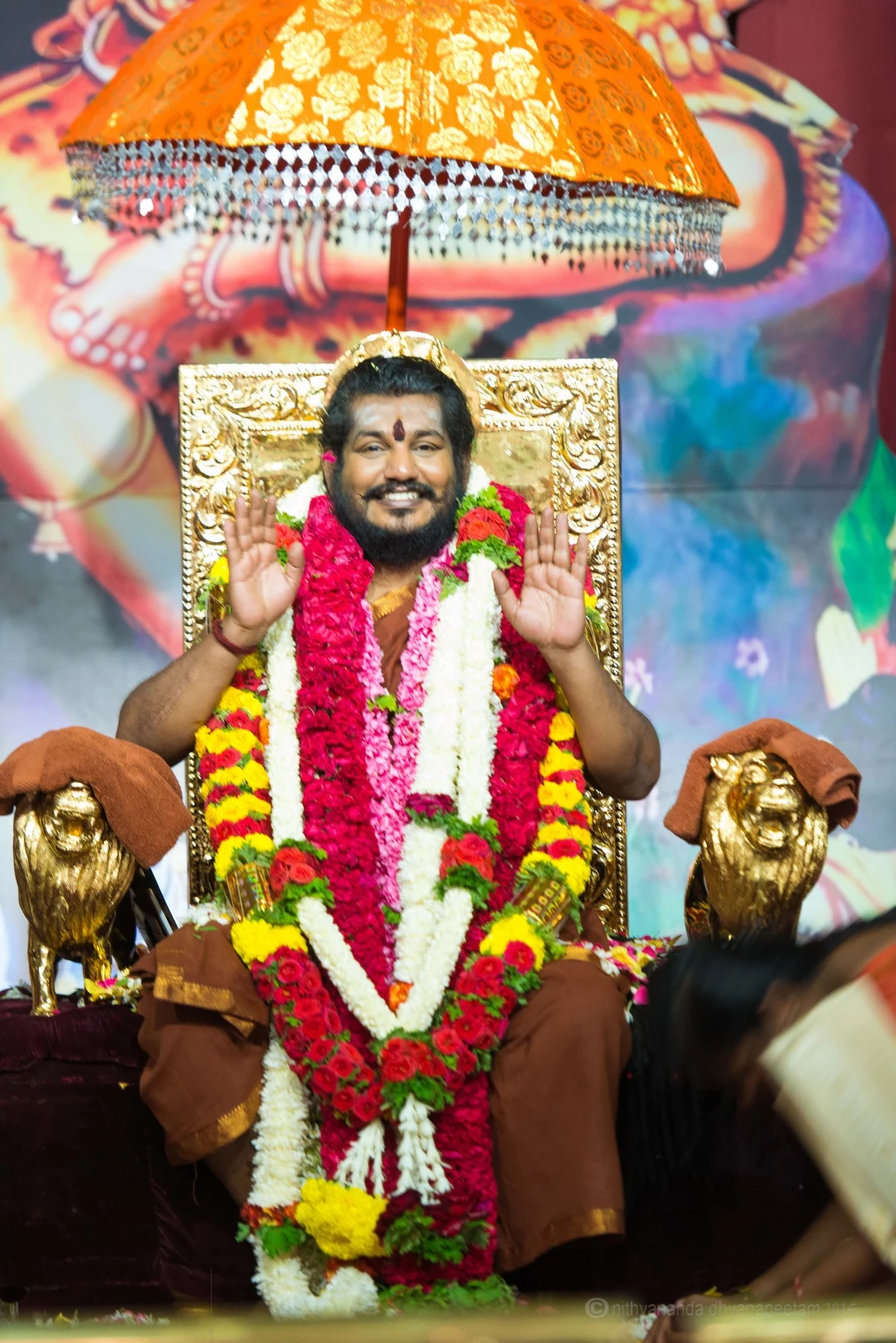
A photo of a seated man on a raised stage, wearing a saffron-orange wrap, a rust-coloured turban, a rudraksha mala and a heavy gold ceremonial necklace, raising one hand in greeting. He sits on a dark velvet throne flanked by carved lion figures and gold-framed panels, under golden parasols with red fringe. Behind him a large painted deity figure with multiple arms holds ritual objects, and red velvet curtains frame the stage. Water bottles and a microphone stand are at the front edge. Visible people: one.A bearded man in a maroon turban with a jewelled brooch sits smiling on an ornate gilded throne with lion-armrests, raising one hand in greeting. He wears a maroon sannyasi-style robe with gold border, a rudraksha mala and layered gold necklaces with a large gold pendant, plus gold armlets and bangles. An orange brocade umbrella with sequined fringe is held above him. Behind is a large colourful painted backdrop of a deity figure. a person: the seated man in the turban and gold regalia, shown in person on the throne.A seated man in a saffron-brown robe and matching turban sits on a golden-framed throne with lion-shaped armrests under an orange and gold umbrella on a stage. He wears a long garland of marigolds, a dark rudraksha mala and a gold pendant, and raises one hand in greeting while smiling. Behind him, a large painted image of a four-armed deity murti with a crown, rudraksha beads and a trident-like raised hand fills the backdrop, flanked by red curtains and gilded floral decoration. Water bottles sit at the foot of the stage and a microphone stand stands at the right.A photograph of a bearded man in a rust-orange robe and matching orange turban seated on a gold-framed throne under an orange canopy on a raised stage. He wears a thick rudraksha mala and a heavy gold garland with a large gold pendant, and his hands rest on his lap. Golden lion figures flank the throne. Behind him is a large painted backdrop of a four-armed deity with a crown and crescent, holding a drum and a flame, with gold foliage above and red draped curtains. Two red-and-gold parasols stand at the sides, and water bottles and a microphone stand sit on the stage edge.A bearded man in a rust-brown turban with a jewelled brooch sits on an ornate gilded throne with carved lion-head armrests draped in brown cloth. He wears a rust-brown shawl and dhoti, layered gold necklaces, a dark brown rudraksha mala across the chest, and gold bangles, with a red tilak on his forehead. An orange and red embroidered canopy with beaded fringe stands behind him, and a microphone is at right. Maroon drapes and carved stone pillars form the backdrop. Appearance-based identification: Swamiji (probable), seated on the throne with rudraksha mala, gold ornaments and turban.A smiling bearded man in a rust-brown turban with a jewelled brooch sits on an ornate gilded throne with carved lion-head armrests, draped in a rust-brown robe and layered brown rudraksha malas with heavy gold beaded necklaces, a gold pendant, gold armlets and bangles. A red tilak marks his forehead. Above him hang an orange canopy and a red canopy with silver bead fringes against red curtains and carved stone pillars, with a microphone stand at right.

Kalpataru Darshan

12 photosSource gallery
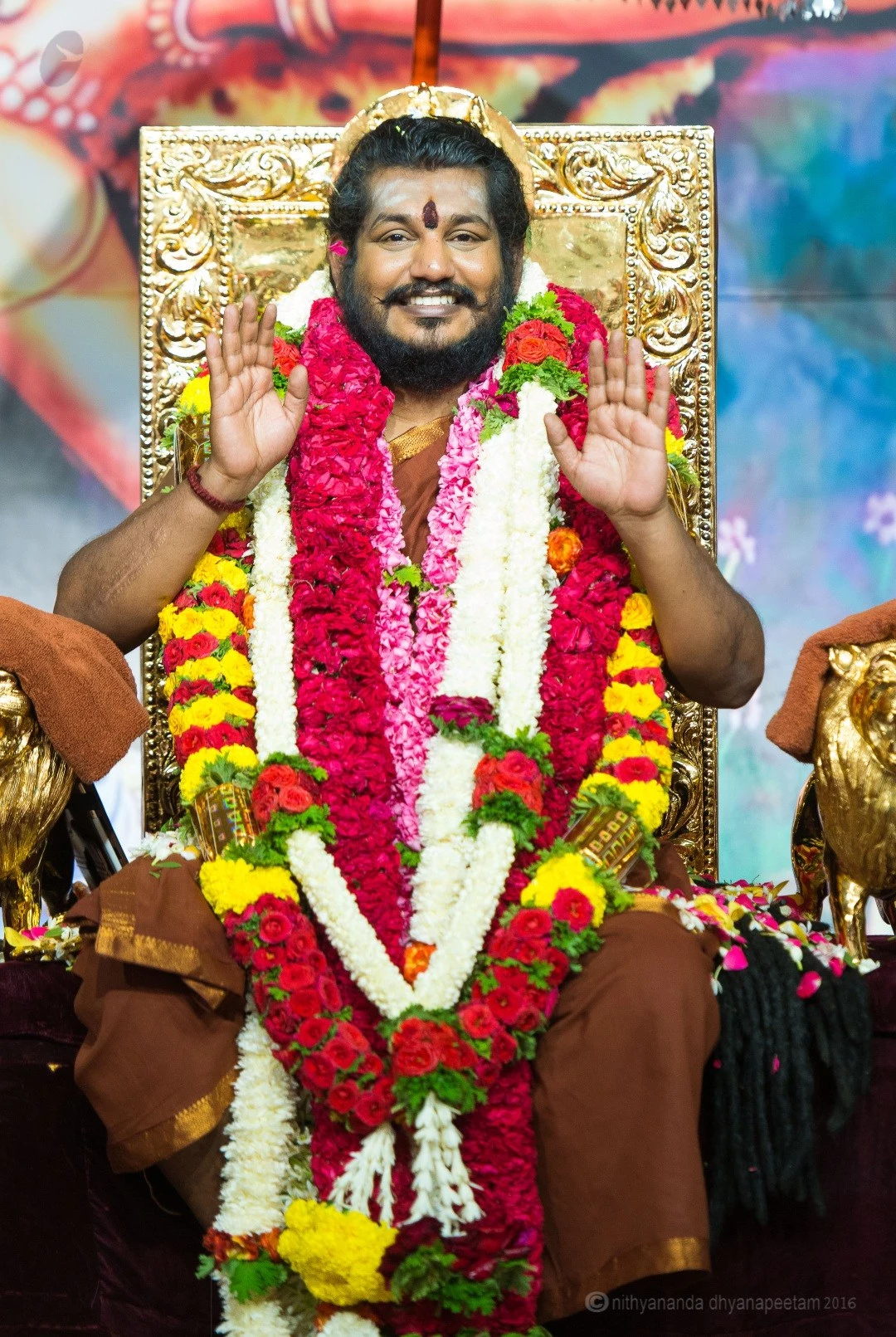
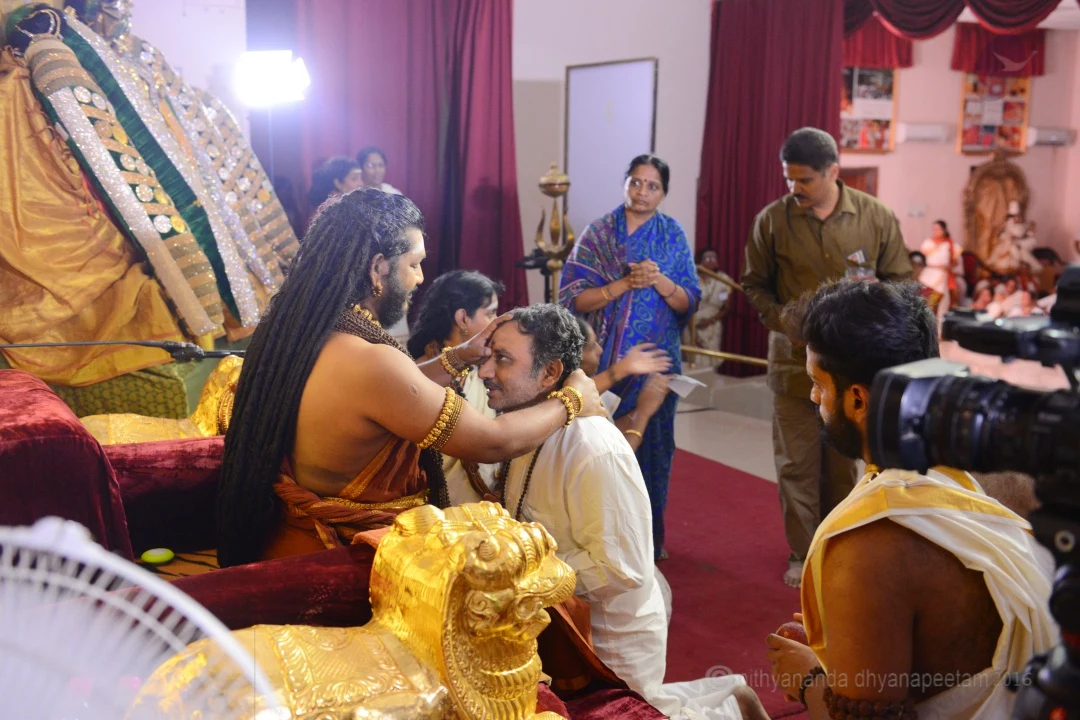
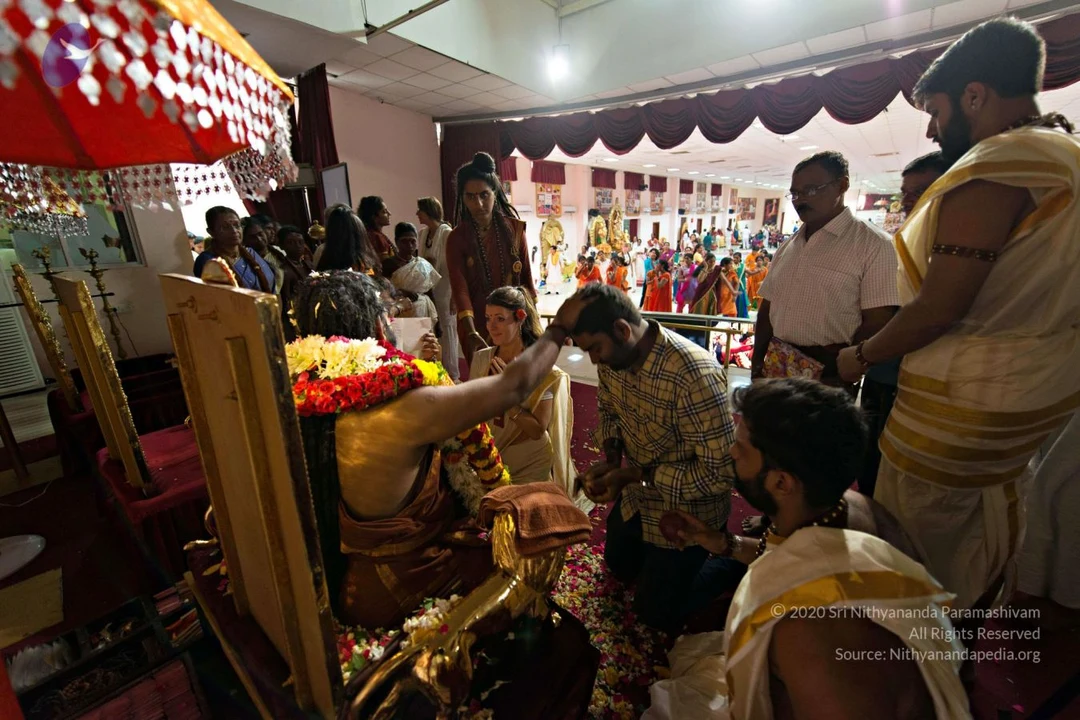
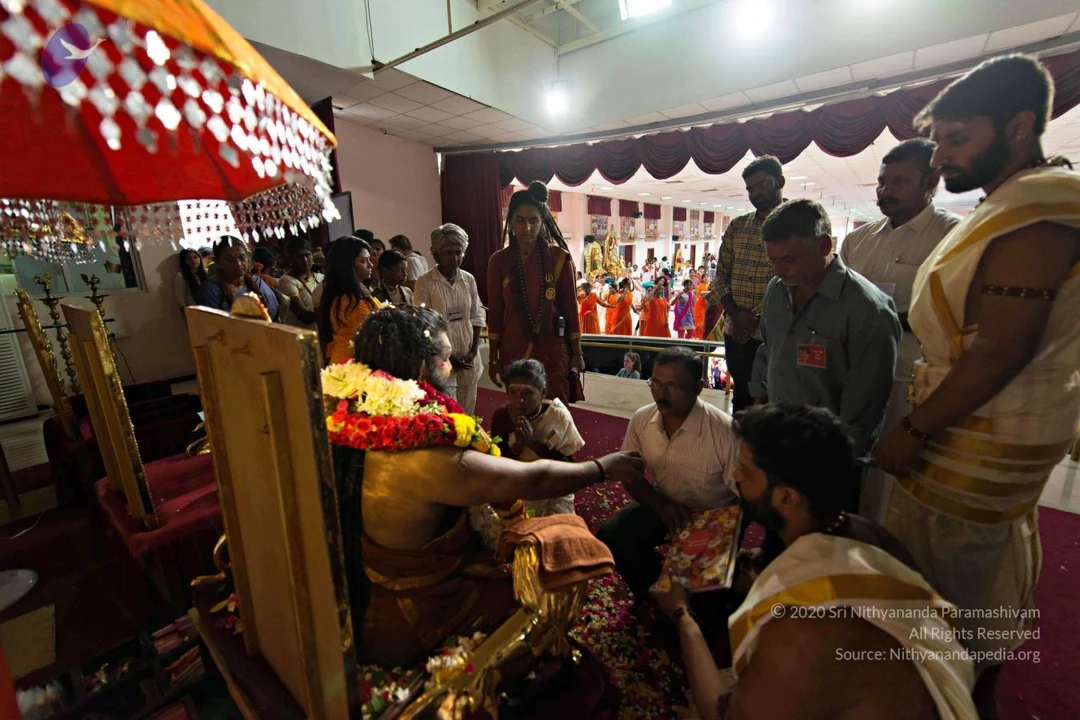
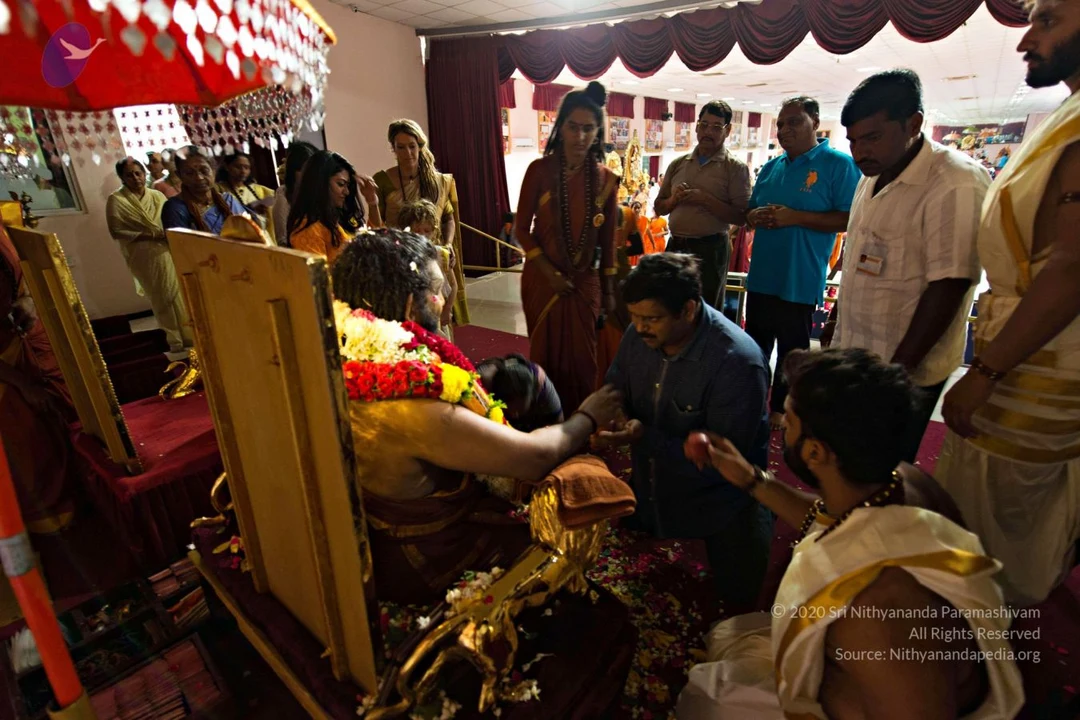
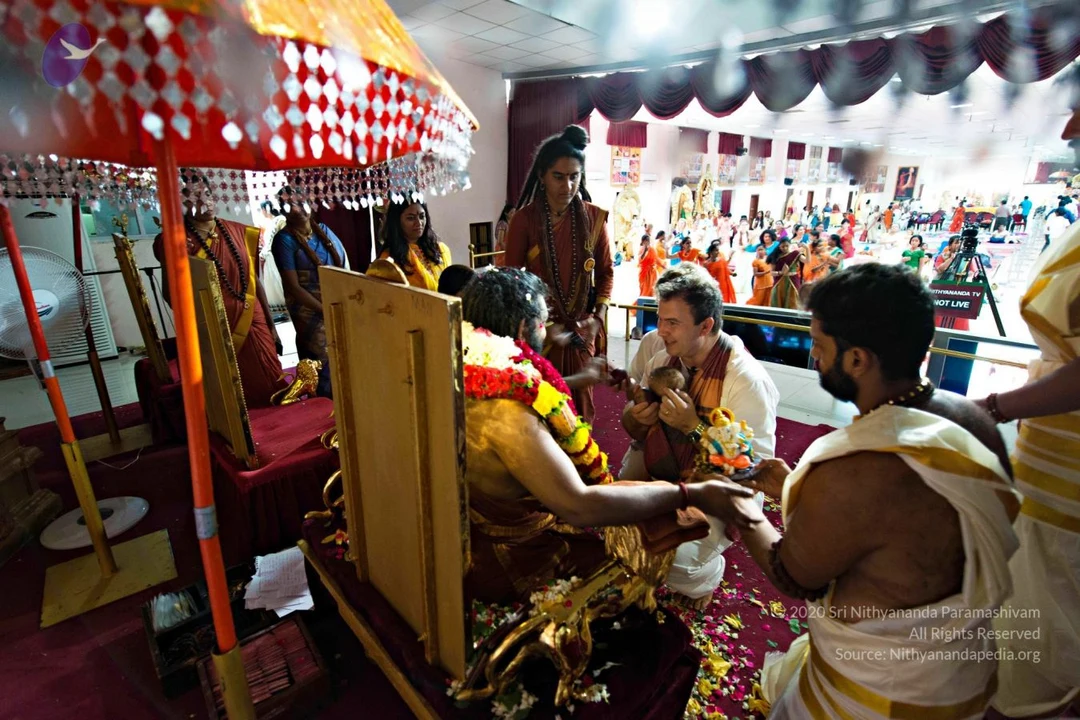
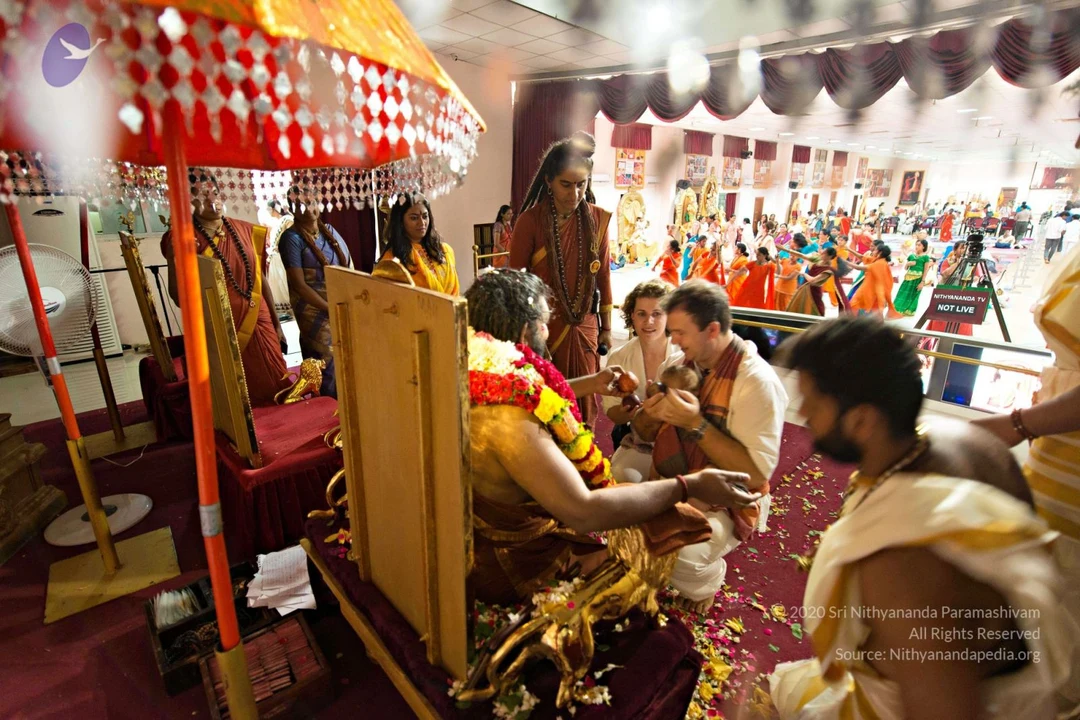
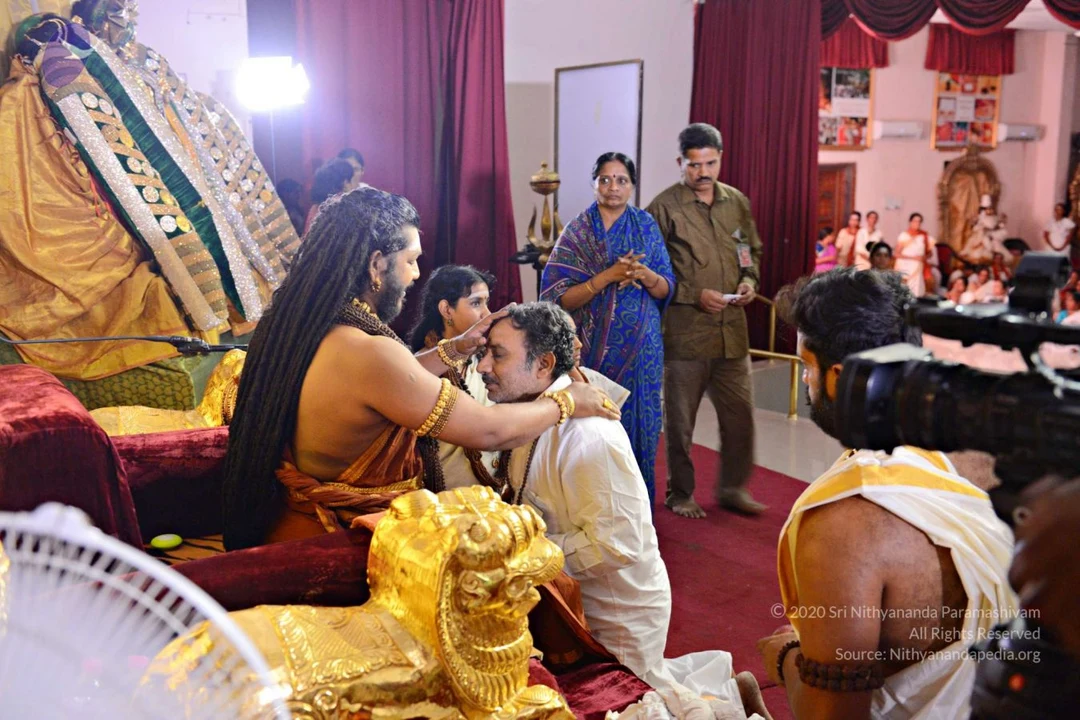
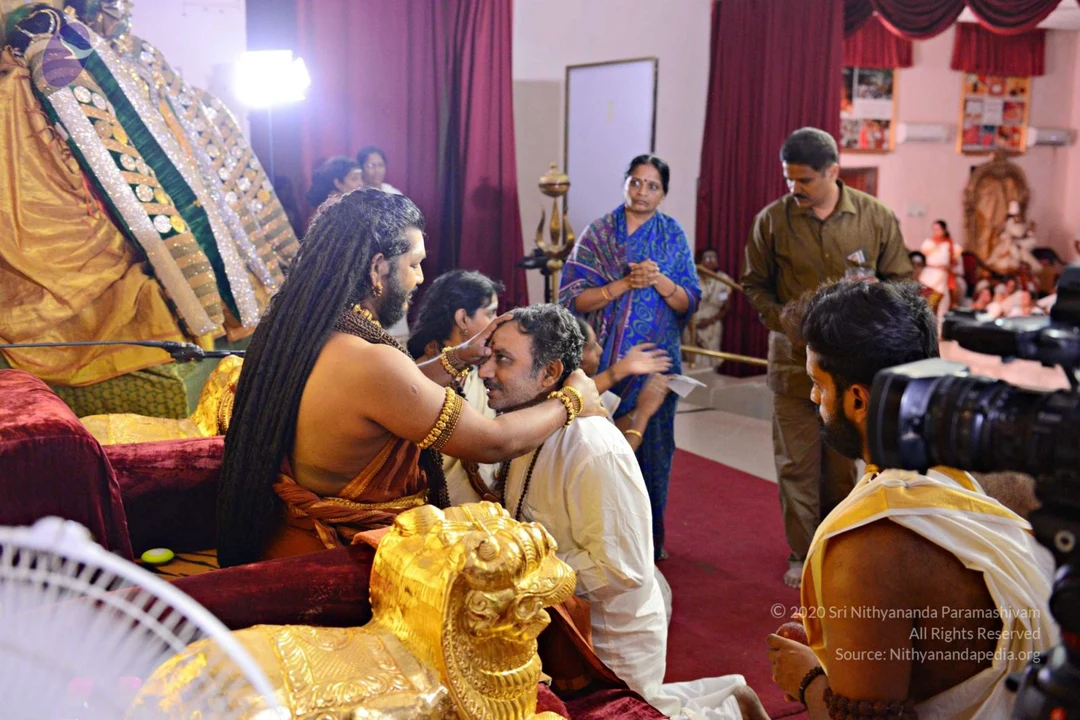
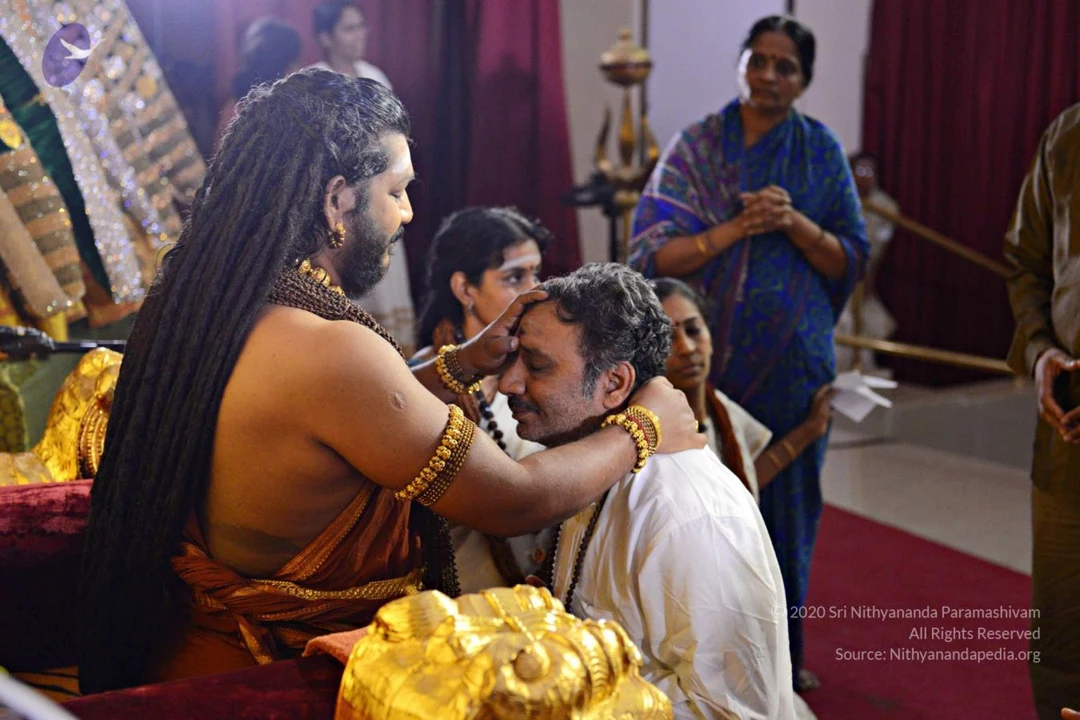
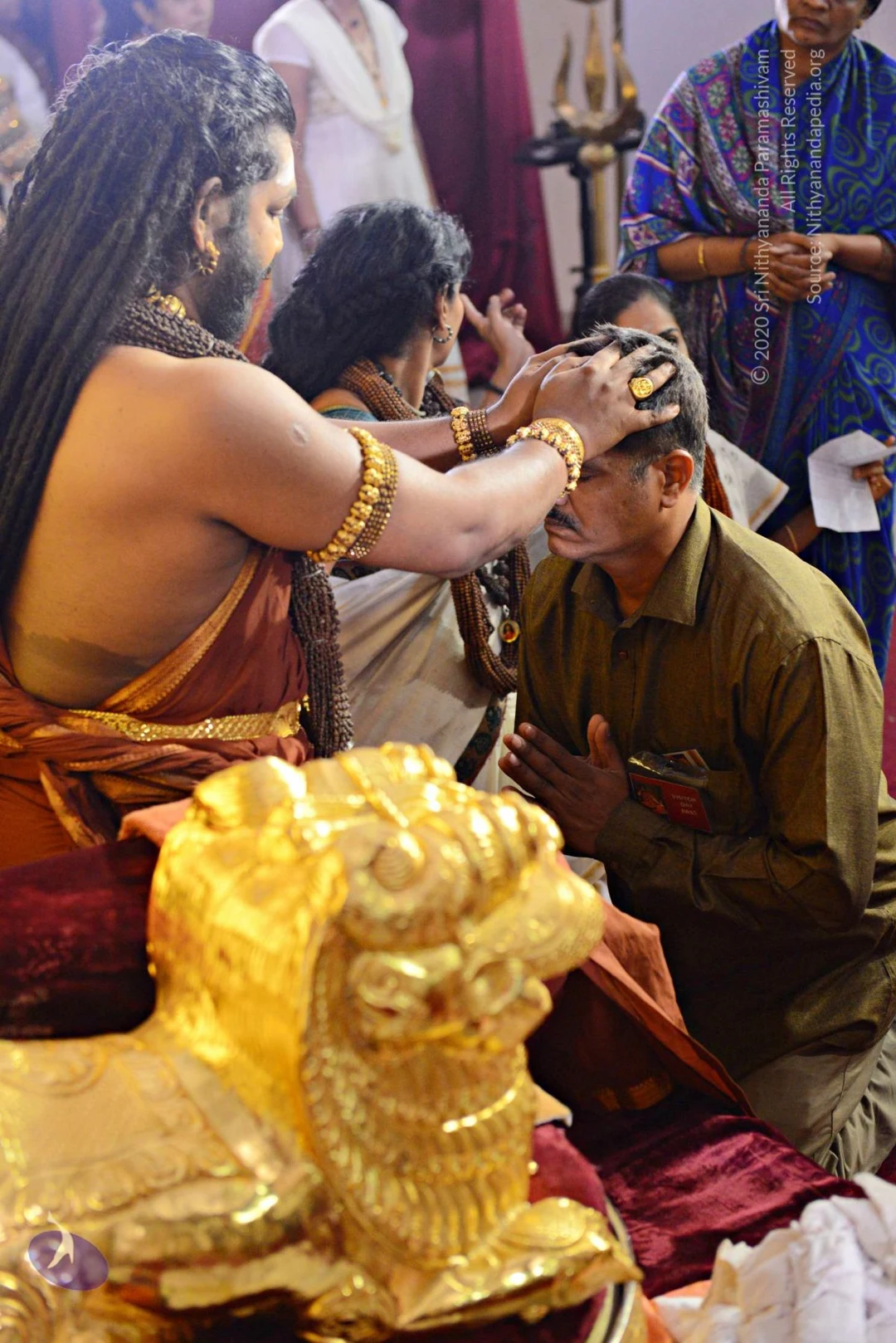
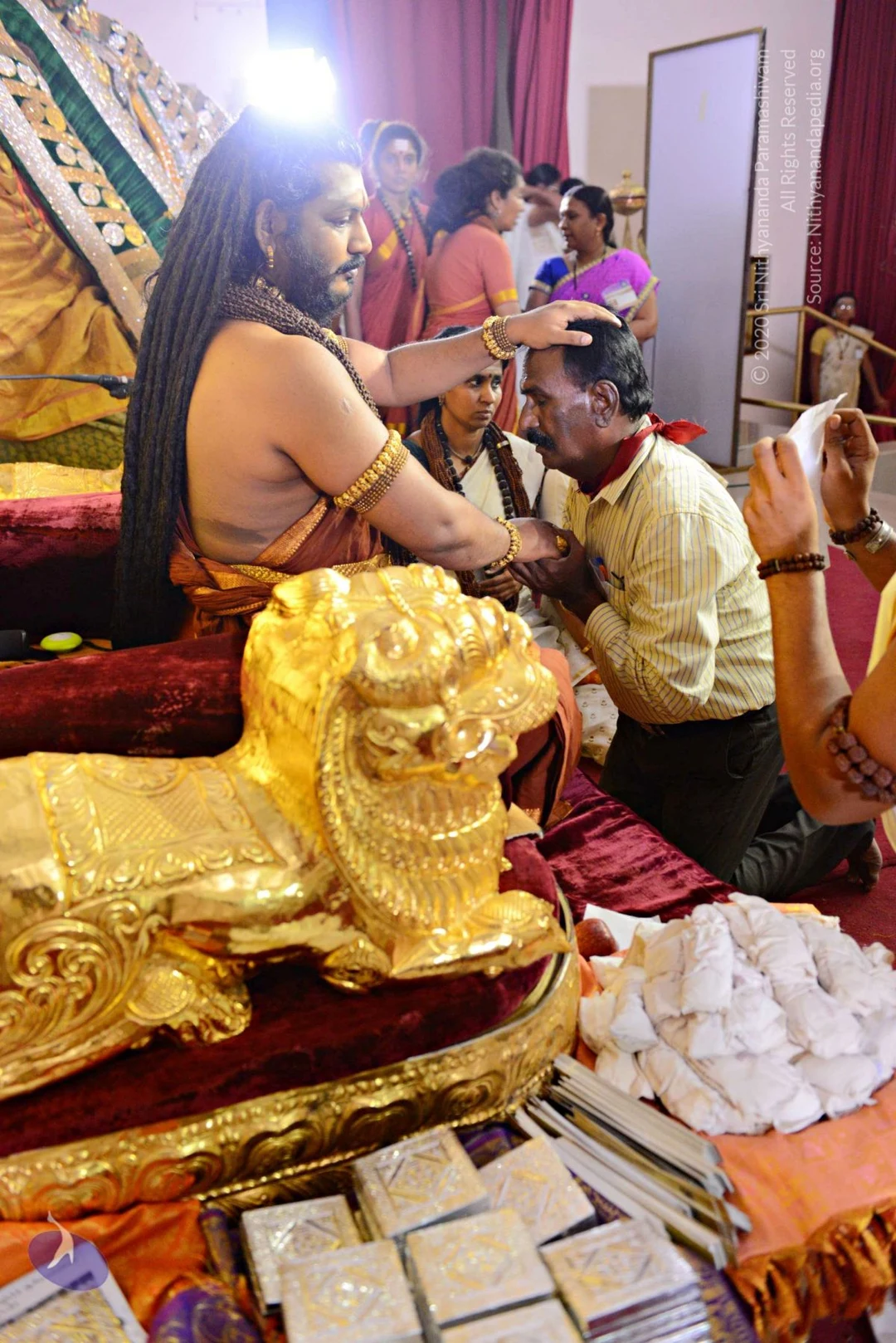
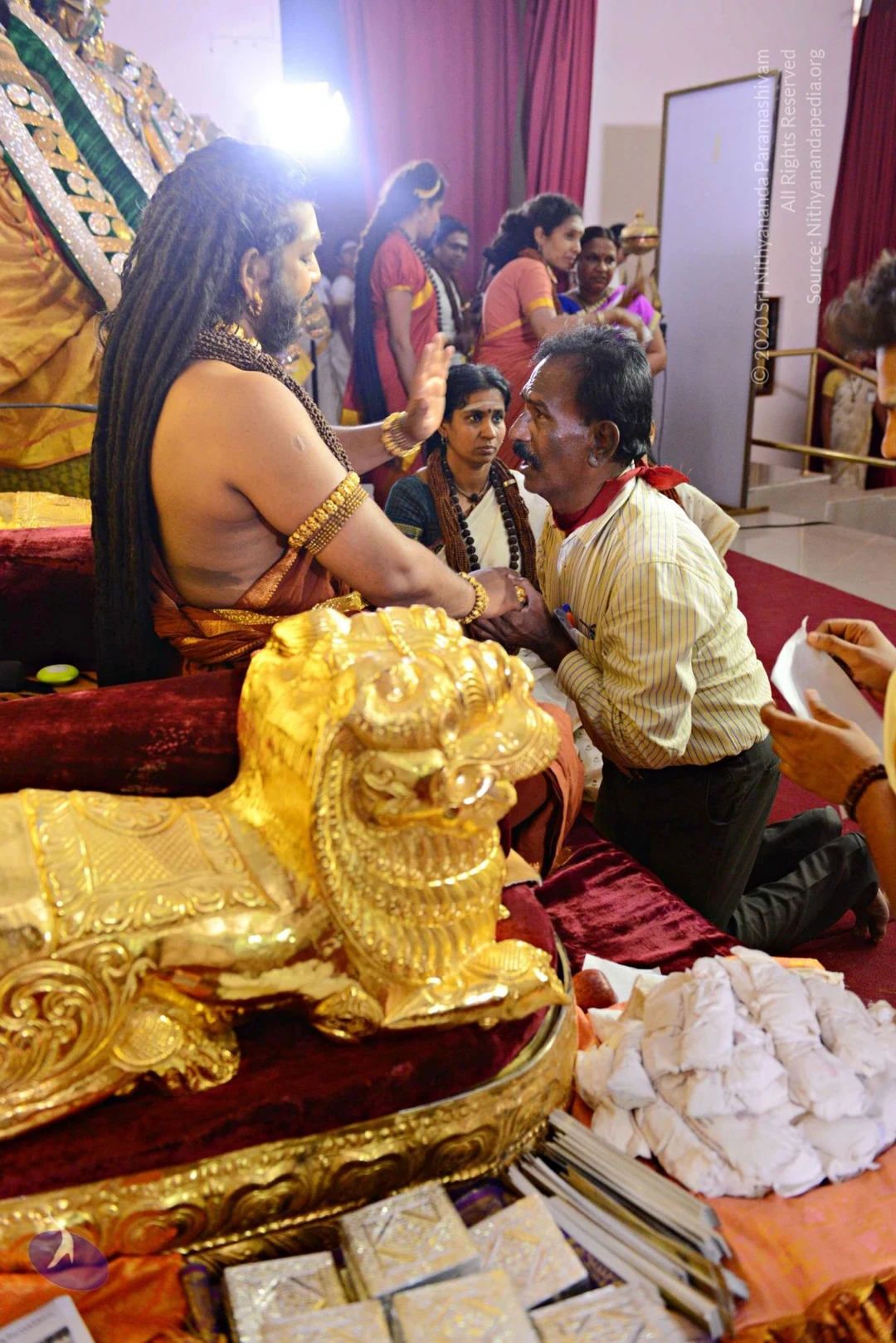
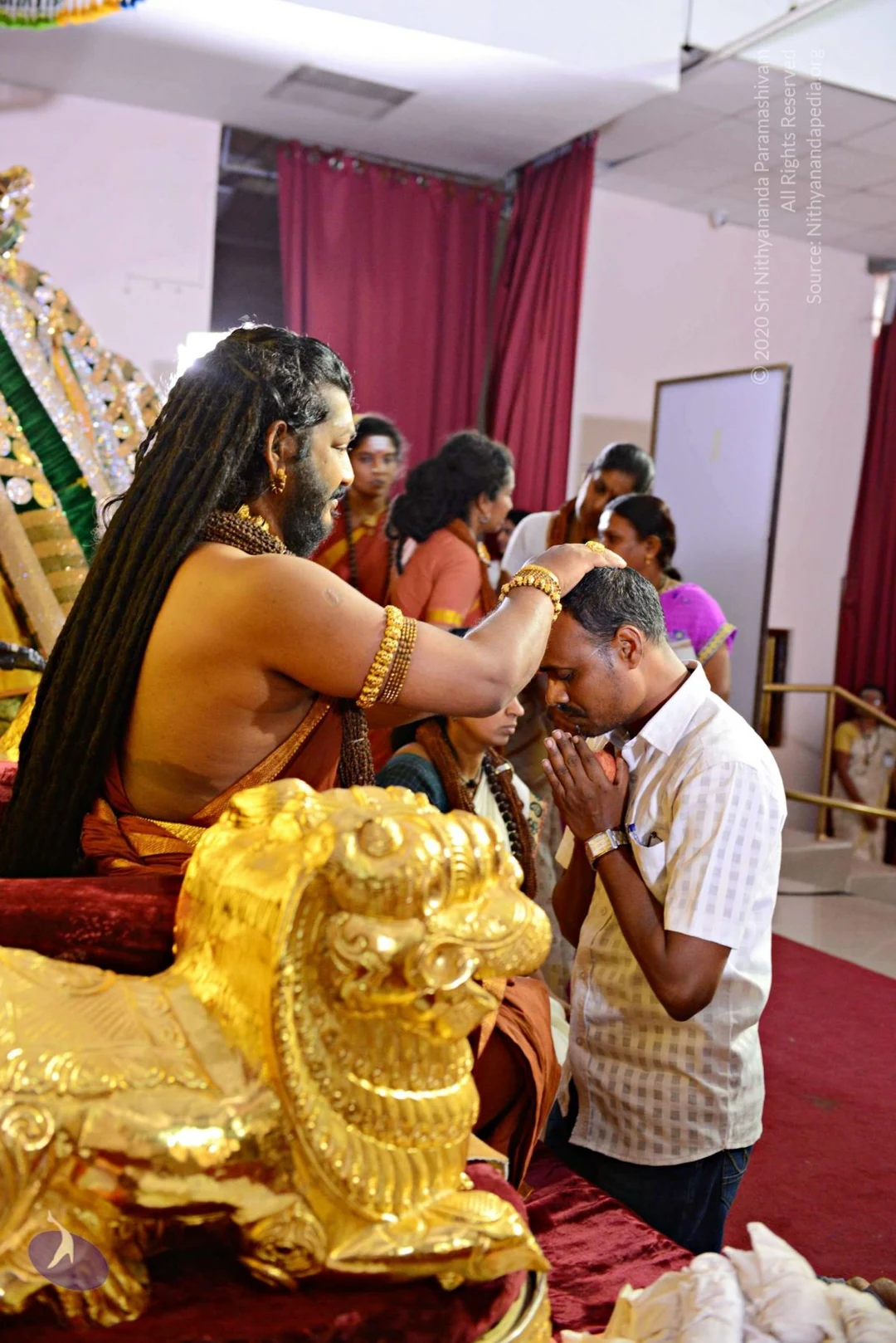
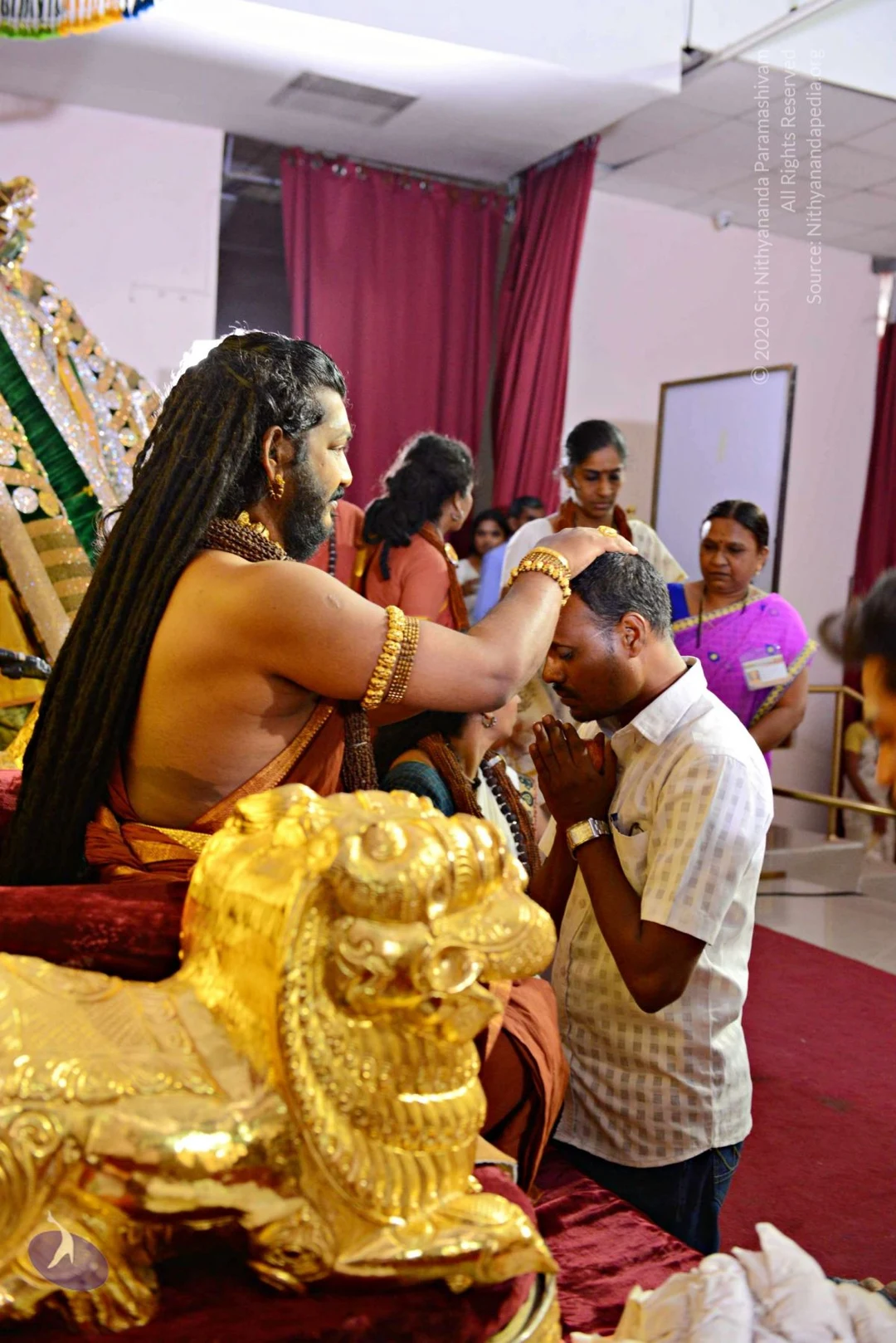
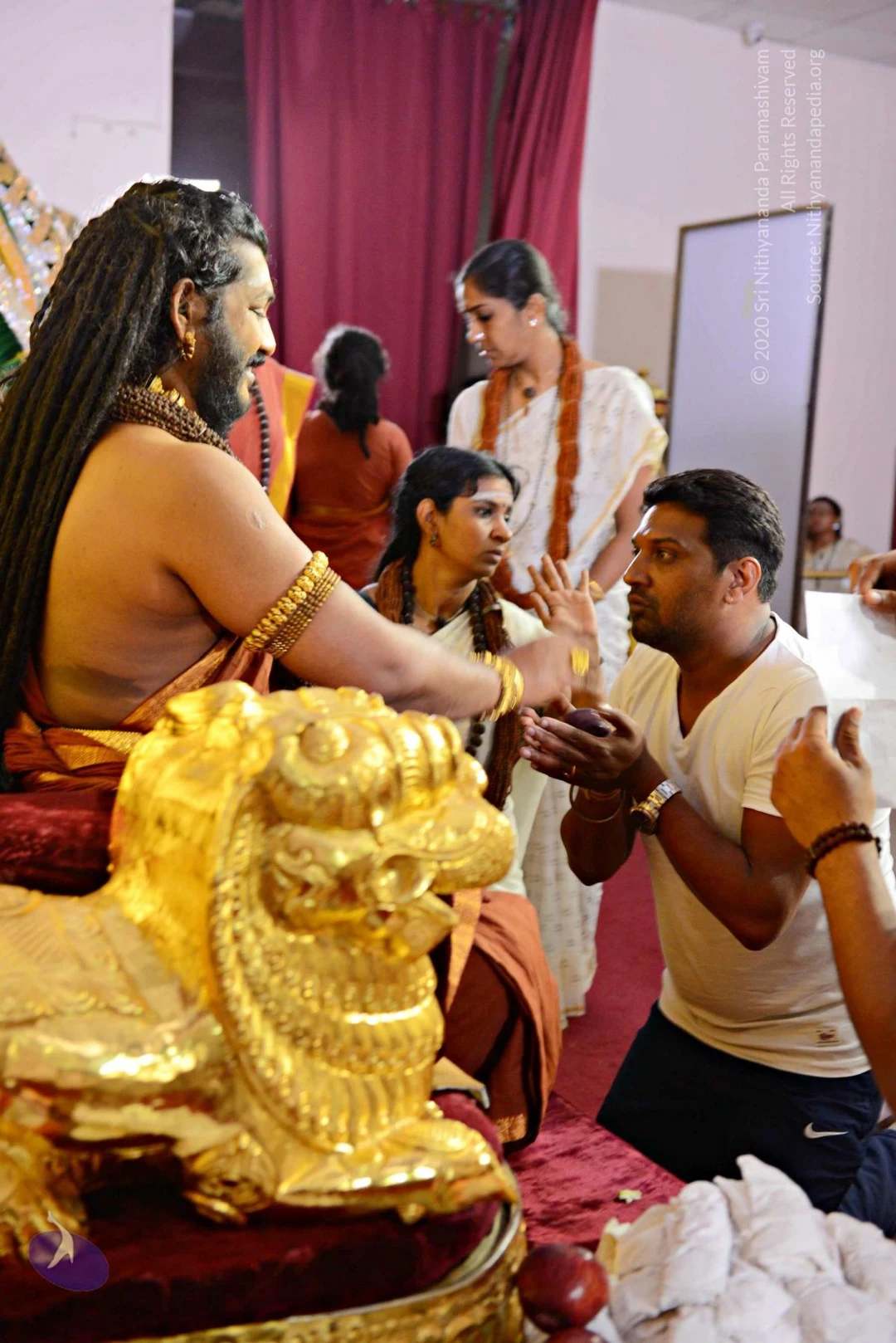
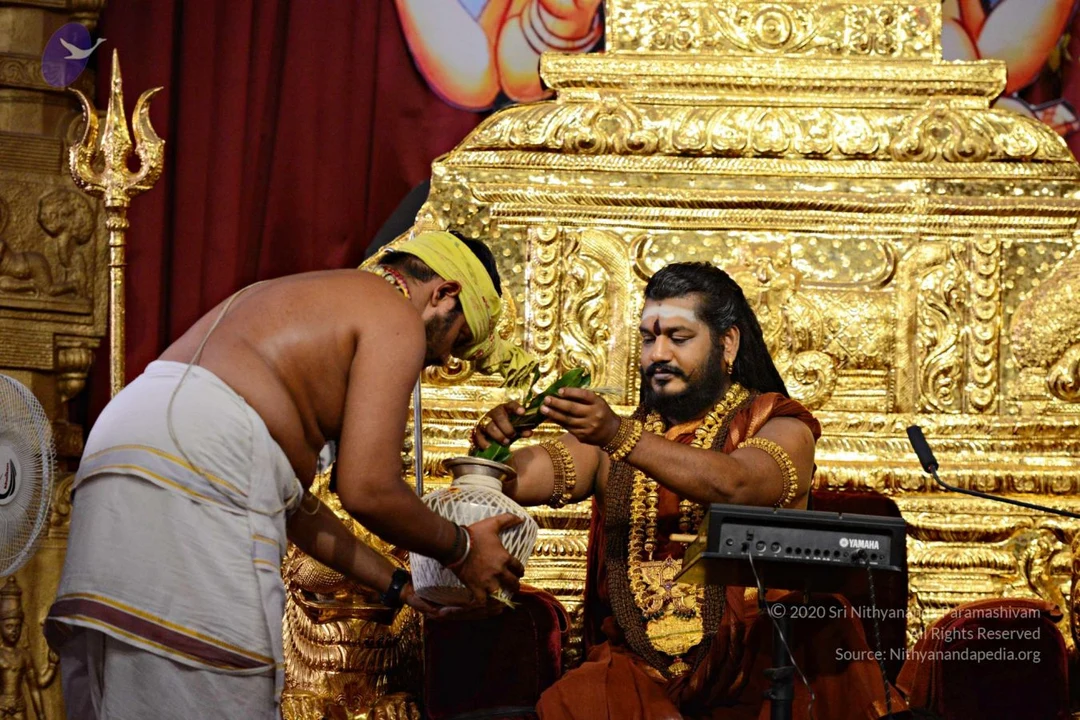
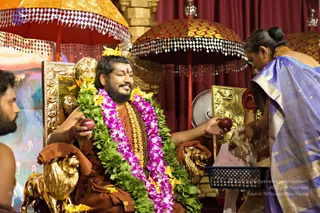
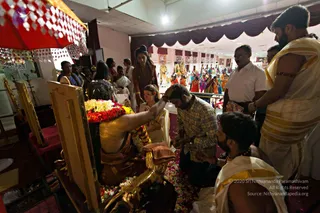
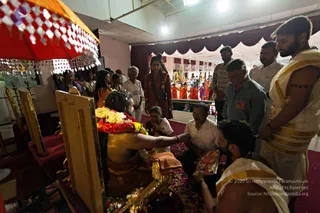
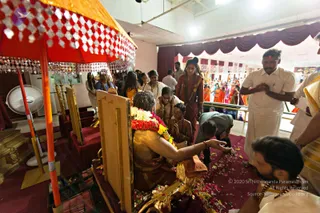
A seated man in ochre-brown robes sits on an ornate gold throne with carved lion armrests, wearing a long green and purple flower garland and a gold necklace, with a yellow flower crown on his head. He holds a red apple in his right hand and smiles while a woman in a lavender silk sari with gold border, hair in a bun, offers him a second red apple from a basket. A red and gold ceremonial umbrella stands behind the throne and a man in white is partially visible at the left edge. Swamiji (probable) appears in the centre: the long swept-back hair, ochre robes, gold necklace and floral garlands match the presentation cues. The setting is a decorated stage with a red curtain.Inside a hall with maroon drapes, a seated figure with long dark hair and a golden-brown garment, wearing a large garland of red and yellow flowers, receives devotees on a gilded throne-like seat beside a red and gold ceremonial umbrella. A bare-chested man in a white dhoti with a gold border stands at the seat's side, and a gold-and-white clad attendant holds a folded cloth. Several women in saris, one in orange, another in a white sari with a red border, stand close, and an older bald man in white kurta waits with a pen-like object. Flower petals lie on the red carpet, and a standing fan and oil lamps are nearby.A ceremonial scene inside a hall with maroon curtains and a red-and-gold canopy at left. A man with long hair, a bearded face and an orange-gold garment sits on a golden throne decorated with a lion-shaped base, wearing a large garland of red and yellow flowers while a devotee in white kneels before him. Around him a woman in an orange-yellow sari holds a small object, another woman in a cream sari reads from a sheet of paper, and a bald elderly man in white bends forward. Men in white dhotis with gold borders and rudraksha malas stand behind, and flower petals are scattered on the red carpet. Some people appear to be attending a ritual or honouring of a guest.A seated figure with bare upper body and a saffron-brown cloth, wearing a large marigold and red flower garland, receives a ritual anointing at a gold-framed wooden seat or peetha. A man in a checked shirt kneels beside him, and a man in white dhoti with gold border and rudraksha beads sits at the lower right. Behind them, a woman in a white sari and red bindi and a standing woman in red and gold stand near a red umbrella with hanging beads. Many devotees in colourful saris and dhotis fill a hall with red curtains and gold deity figures in the background.A photograph of a ceremony in a hall with red and gold drapes. In the foreground, a long-haired figure with a flower garland and tilak sits on a gold-trimmed seat, his back to the camera, while a man in a striped shirt and a child with folded hands approach to receive blessings. A man in white dhoti with a gold border kneels at lower right holding a book. Standing devotees in white dhotis and orange-clad sadhus with rudraksha malas stand behind, and a red canopy edged with crystals frames the left side. Roughly a dozen people are visible.Photograph of a ceremonial reception in an ashram hall with red and gold canopy overhead. A seated figure on a gold-framed throne with a red and yellow floral garland faces away from the camera, arm extended. Before the throne, a man in white dhoti and shirt stands with palms joined, and a person in grey shirt bows low onto a red carpet strewn with petals. Nearby, a young boy in white with a rudraksha necklace folds his hands, and a standing figure with long matted hair, saffron-toned robes and a long rudraksha mala is visible behind. Gold ceremonial vessels and a fan are on the left. Red drapes and a crowd in orange and red saris fill the background.
Shiva Deeksha

103 photosSource gallery
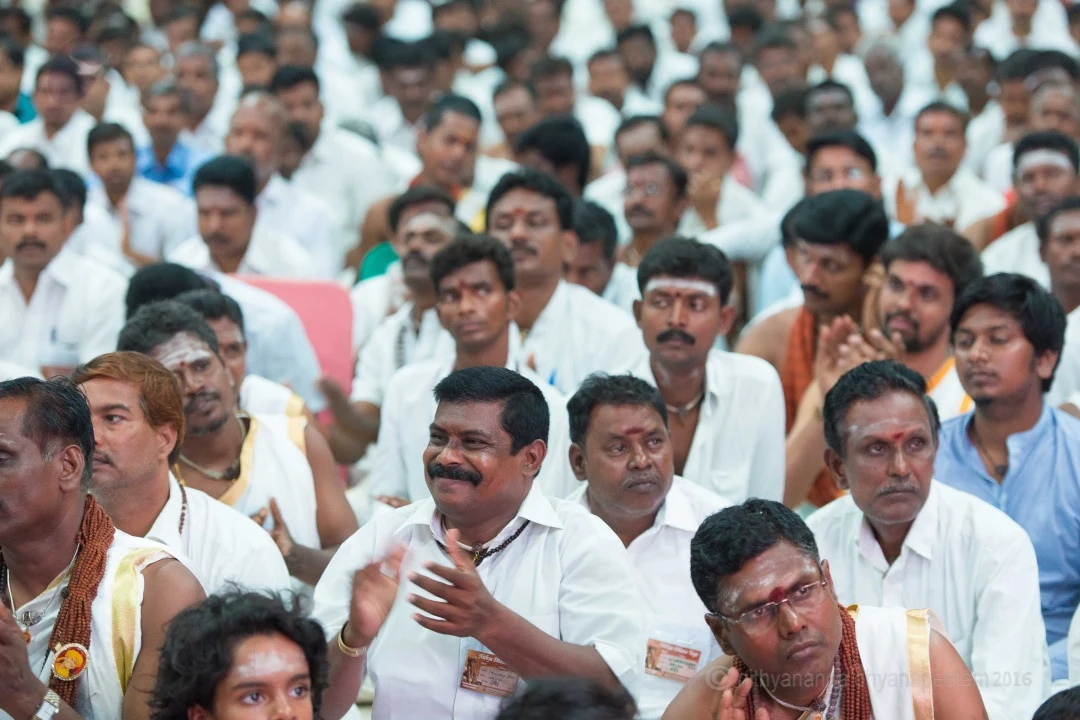
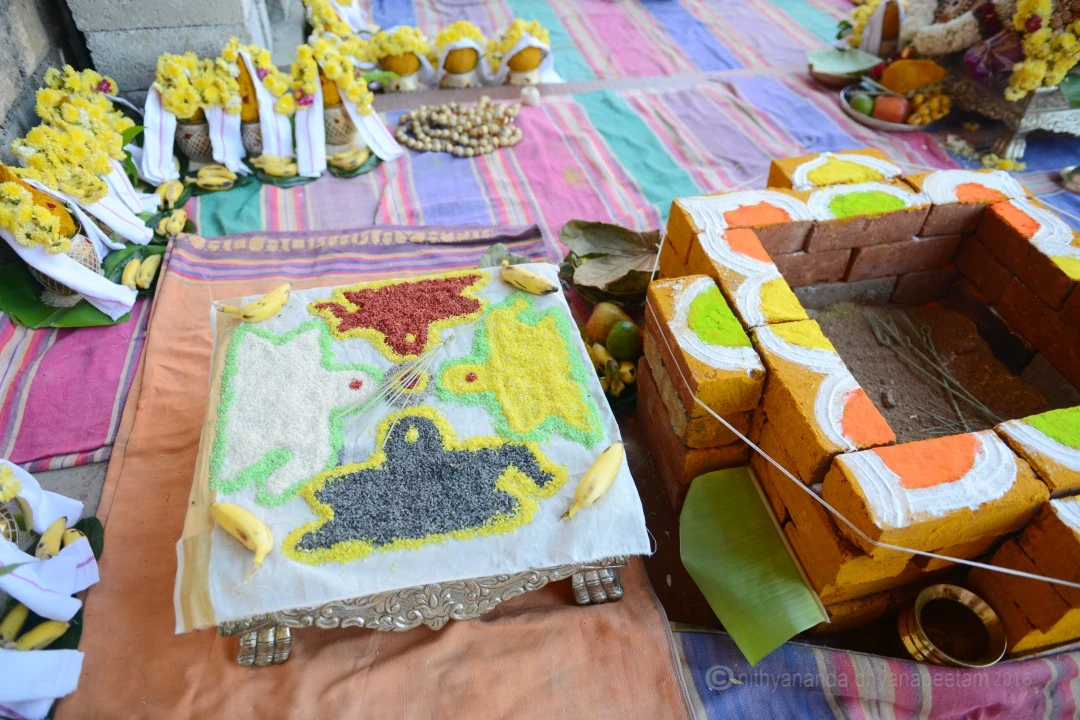
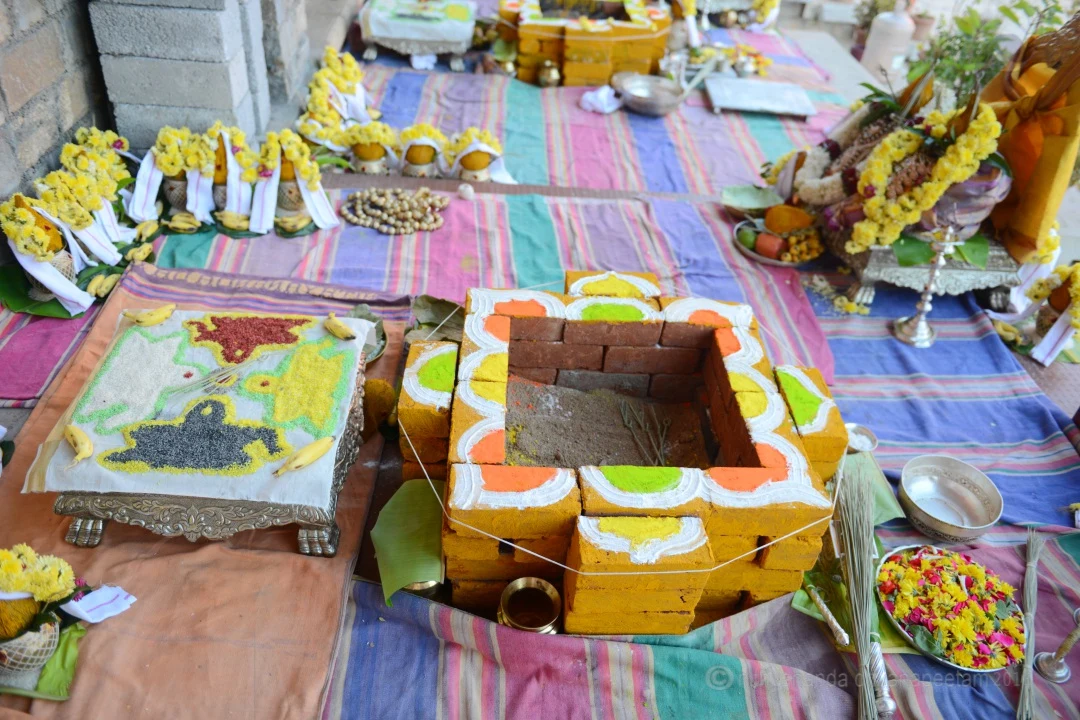
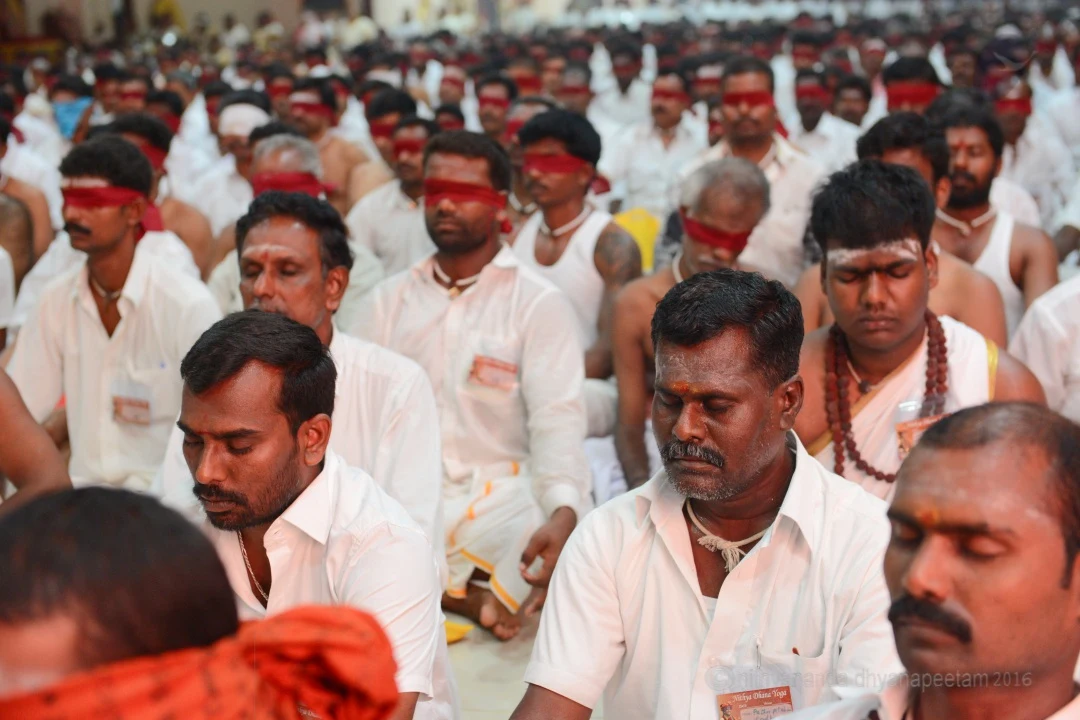
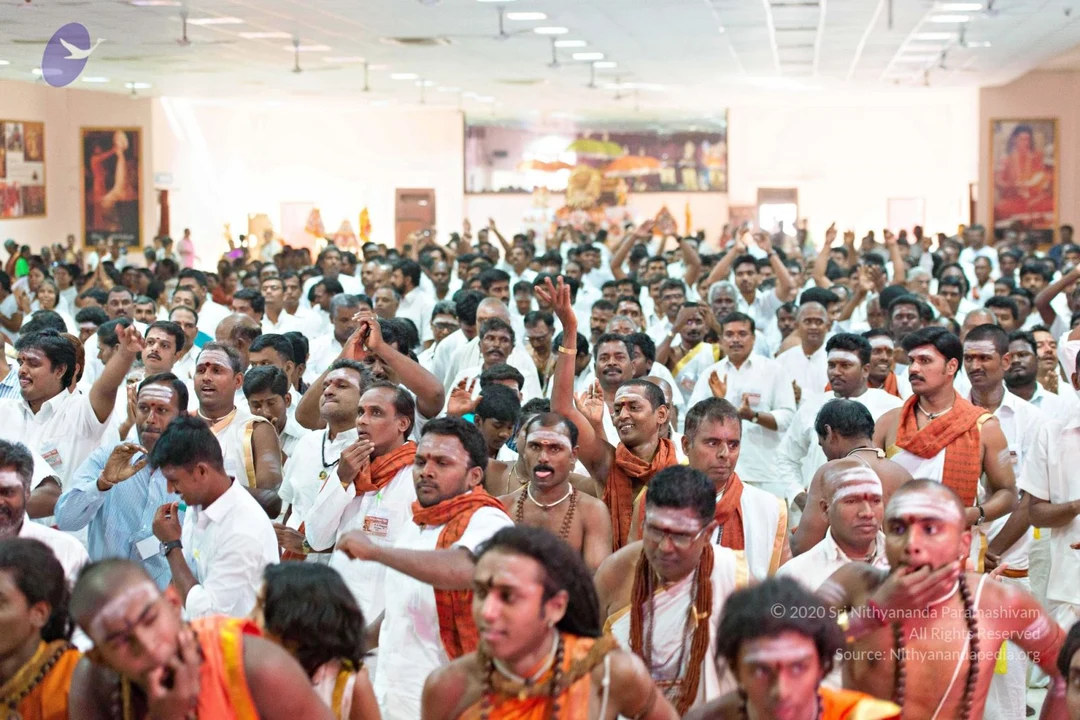
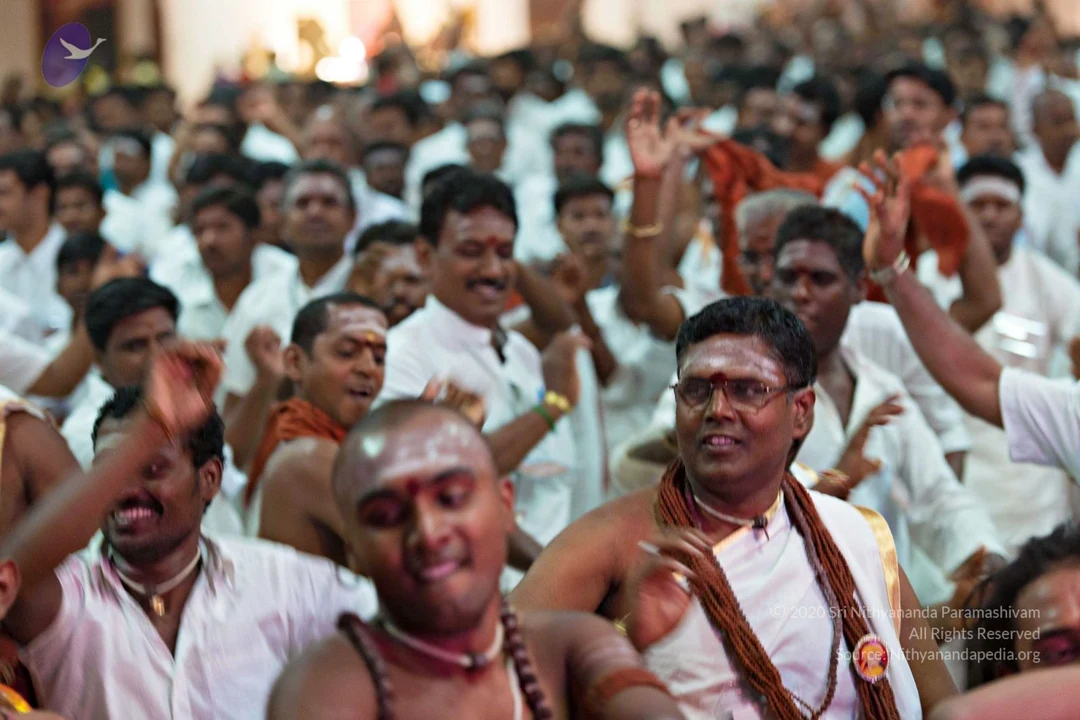
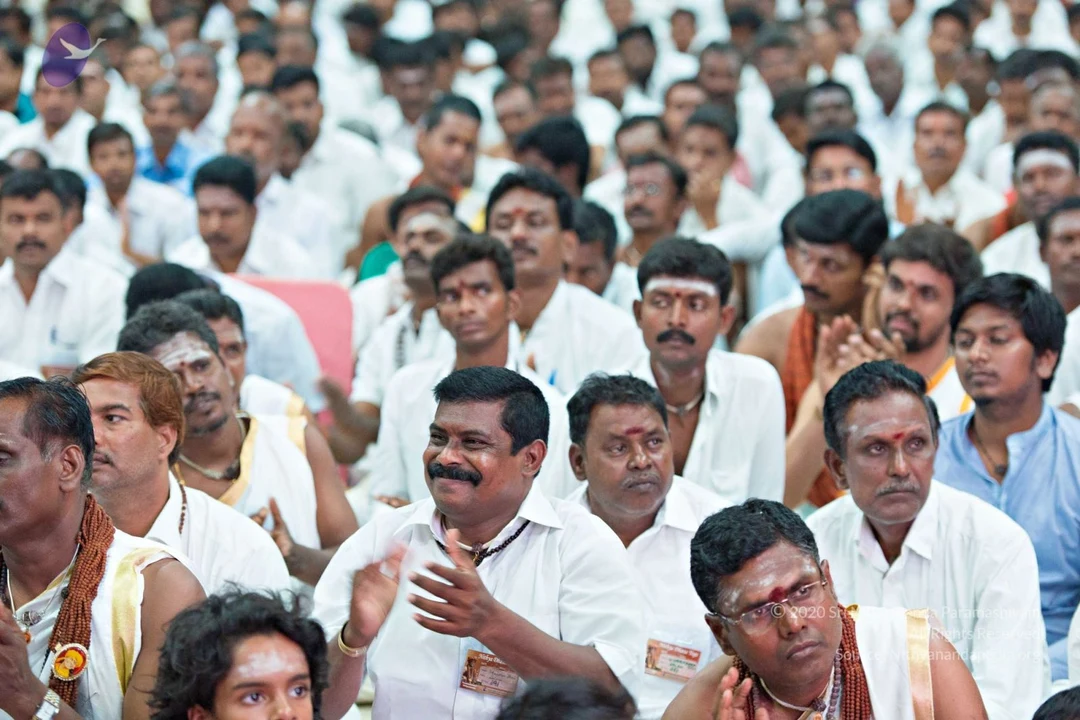
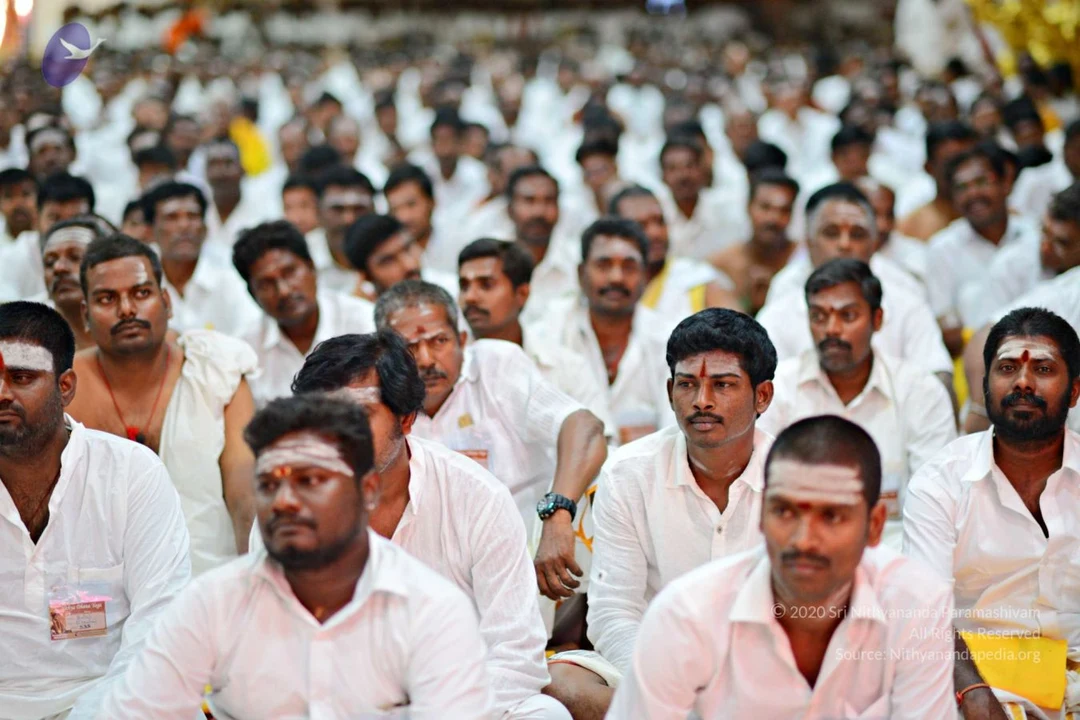
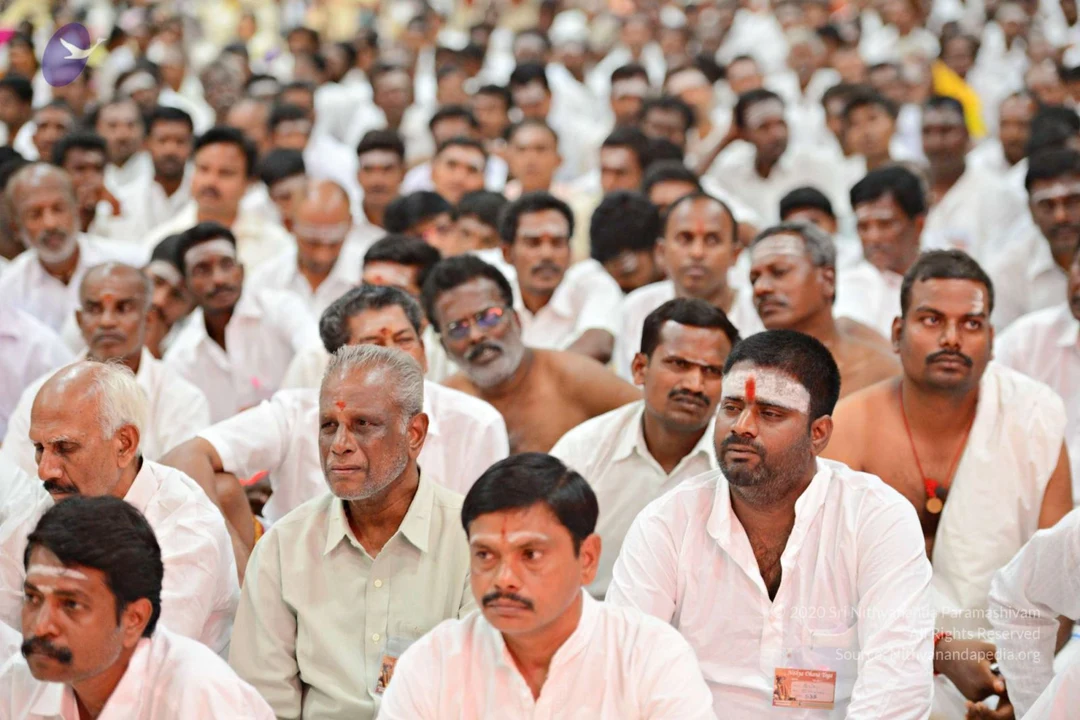
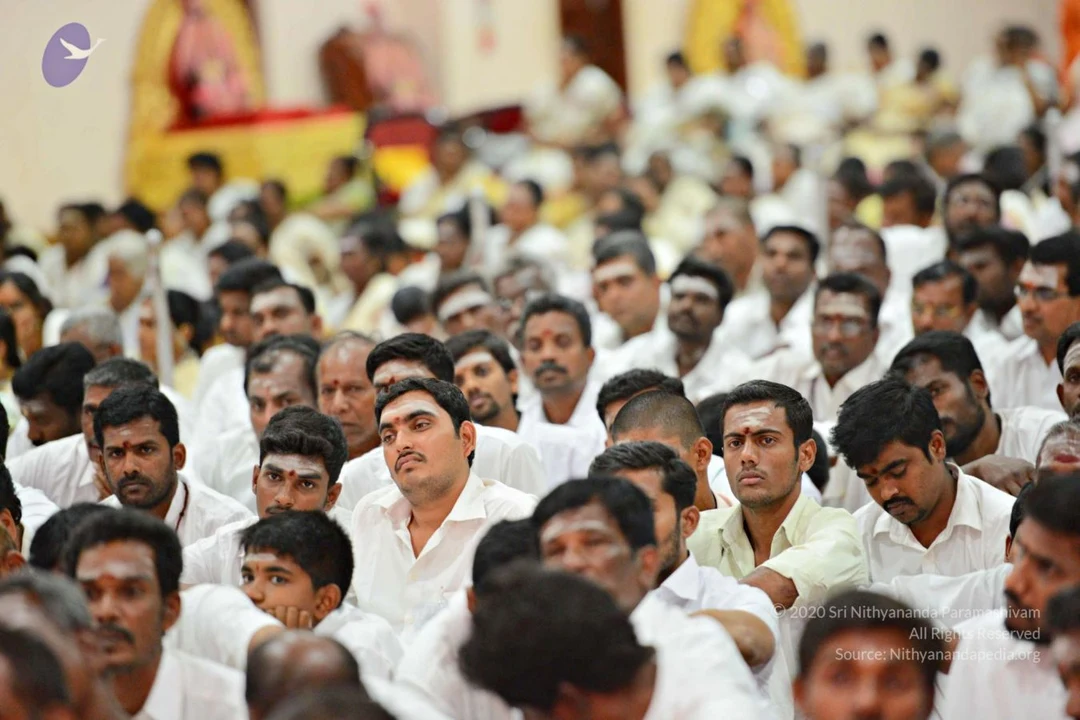
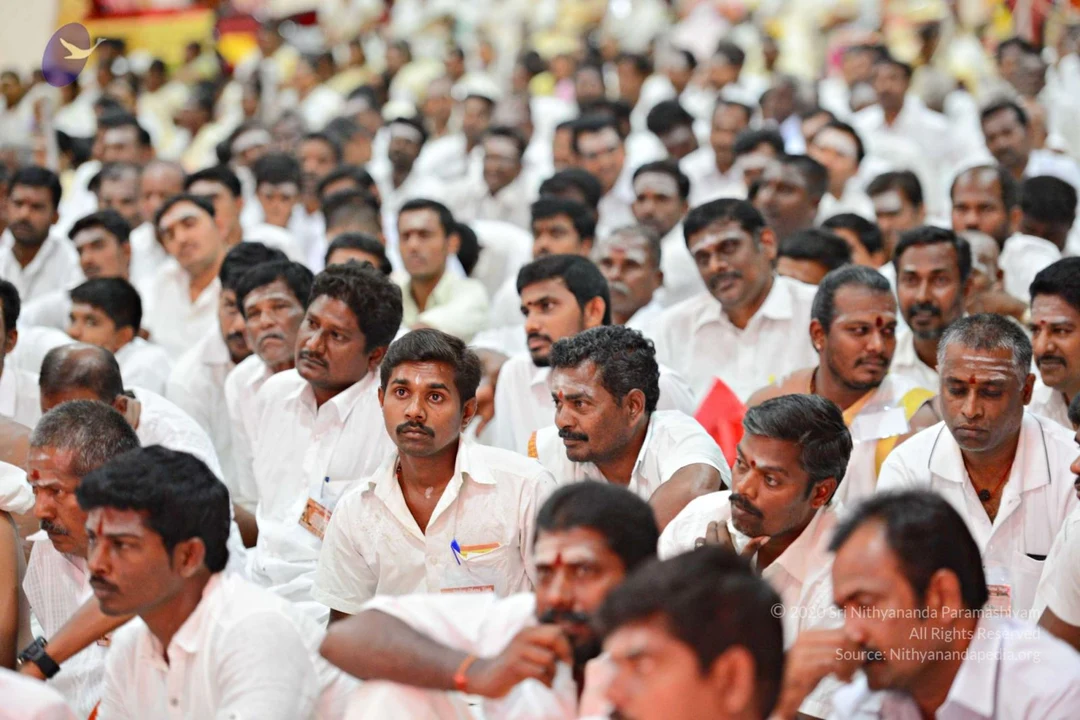
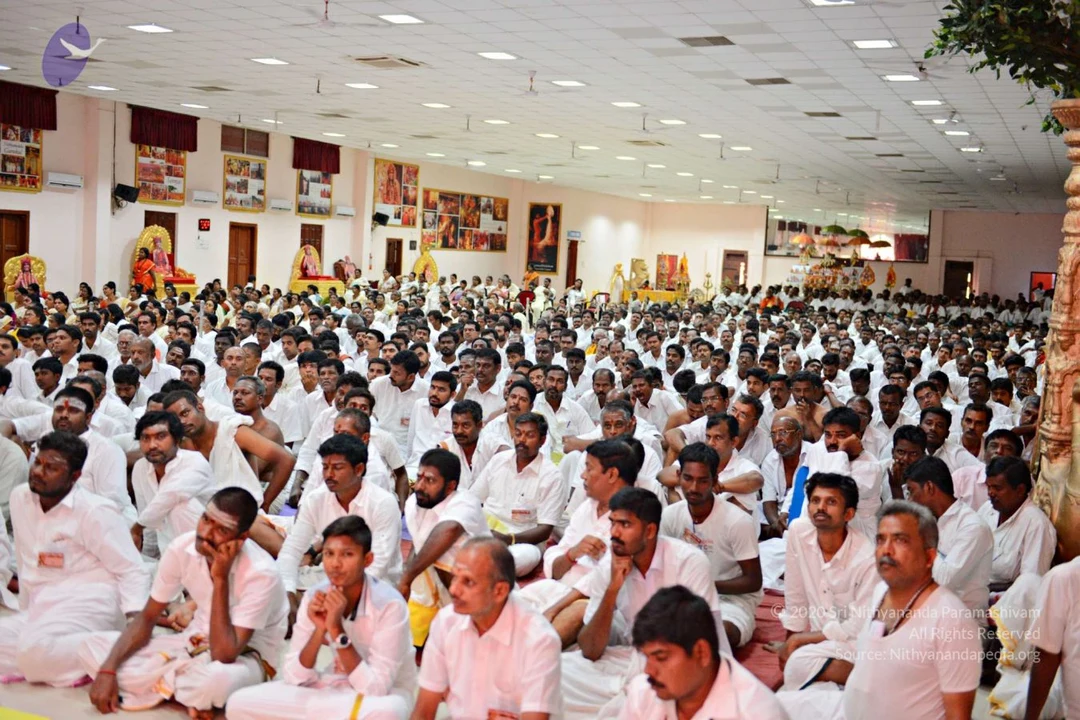
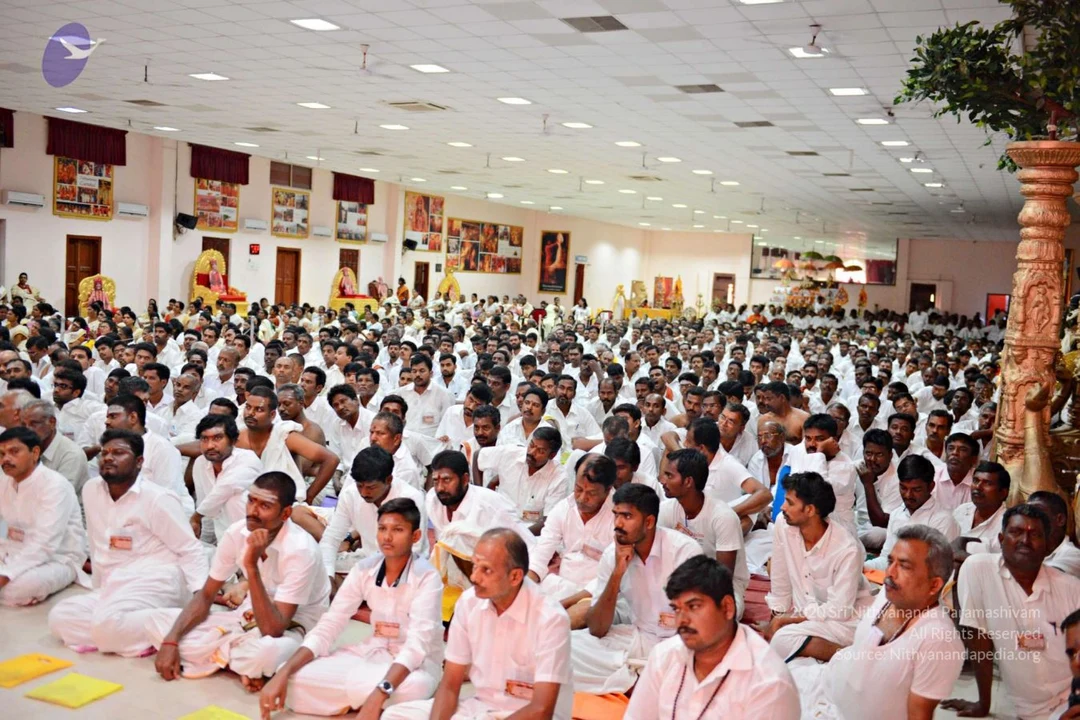
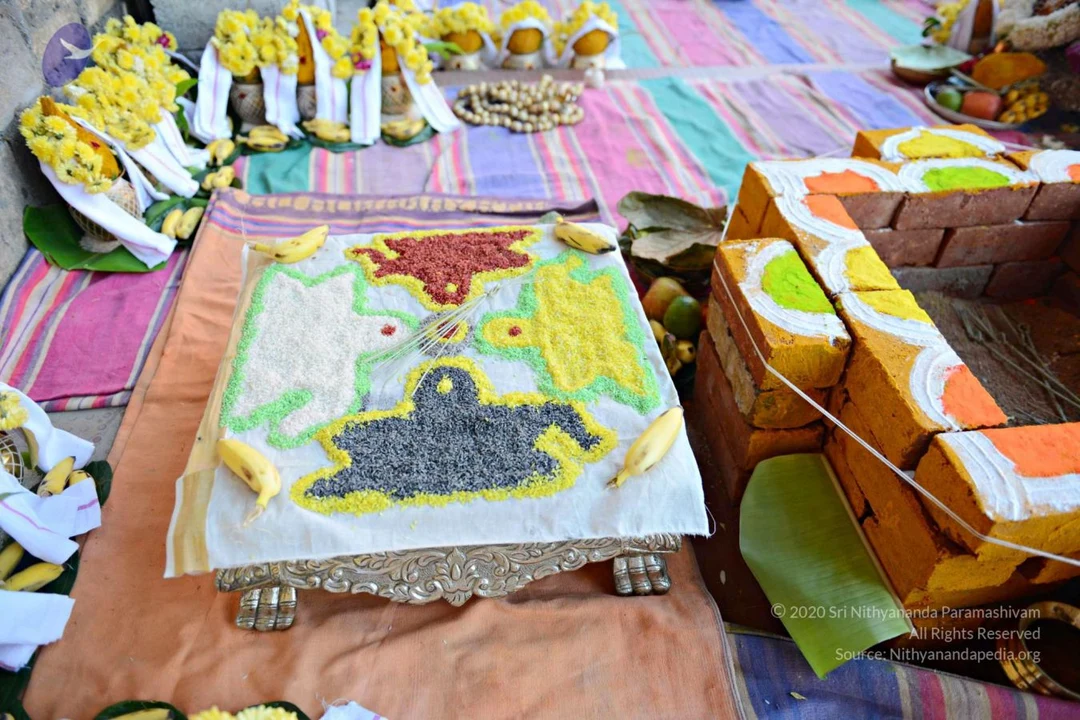
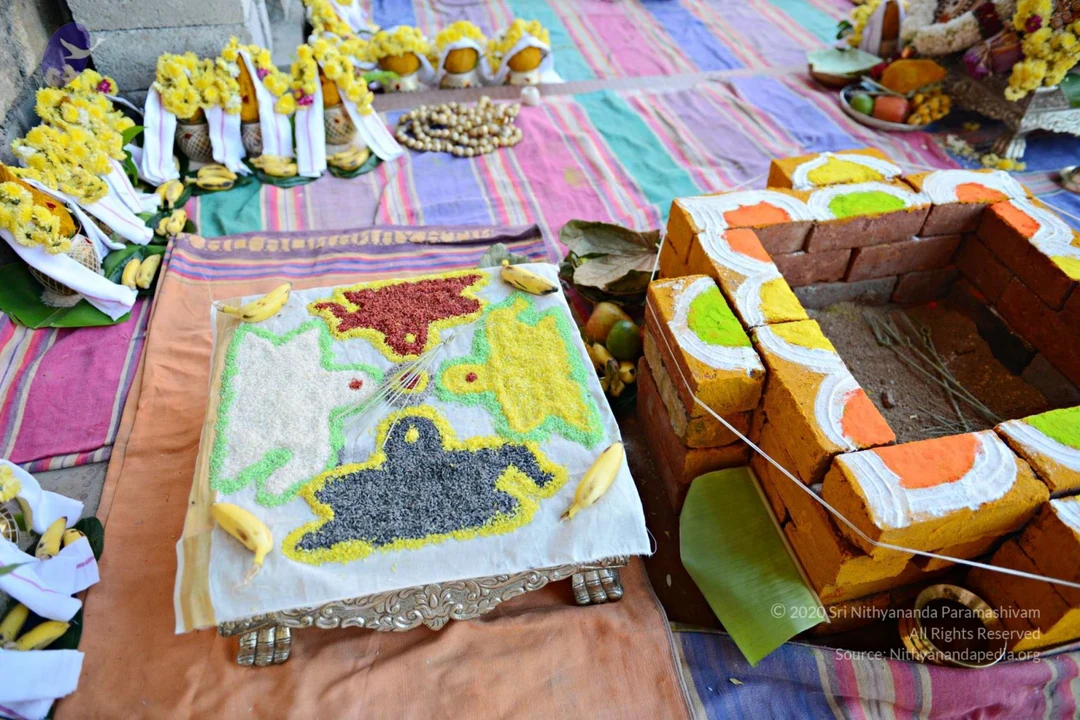
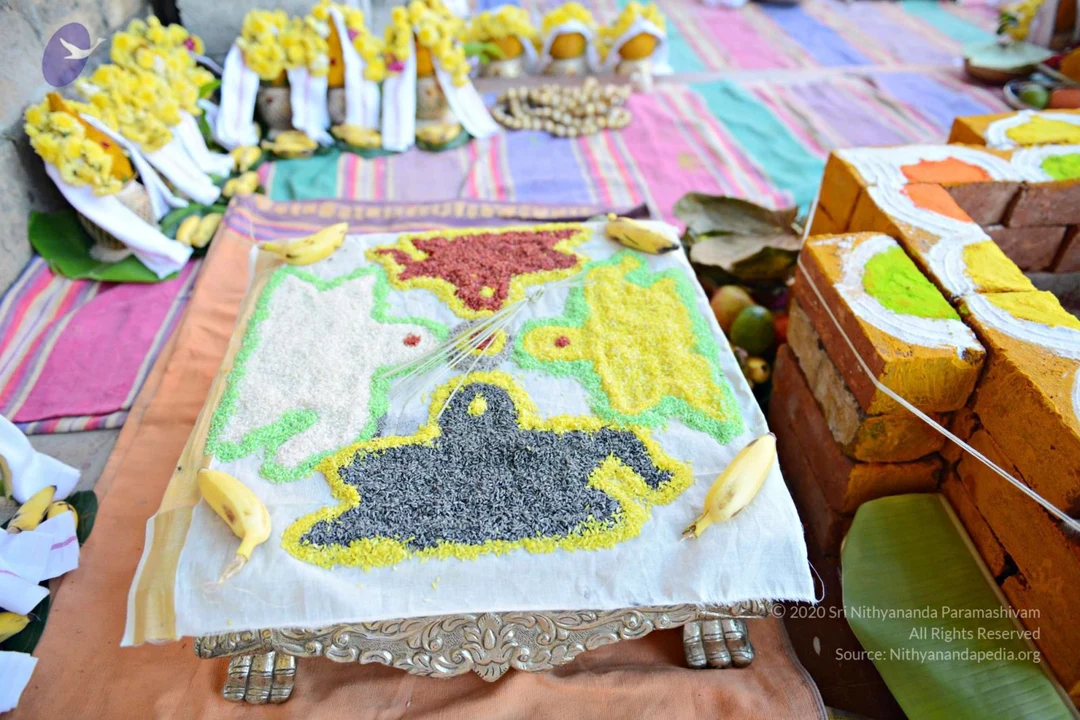
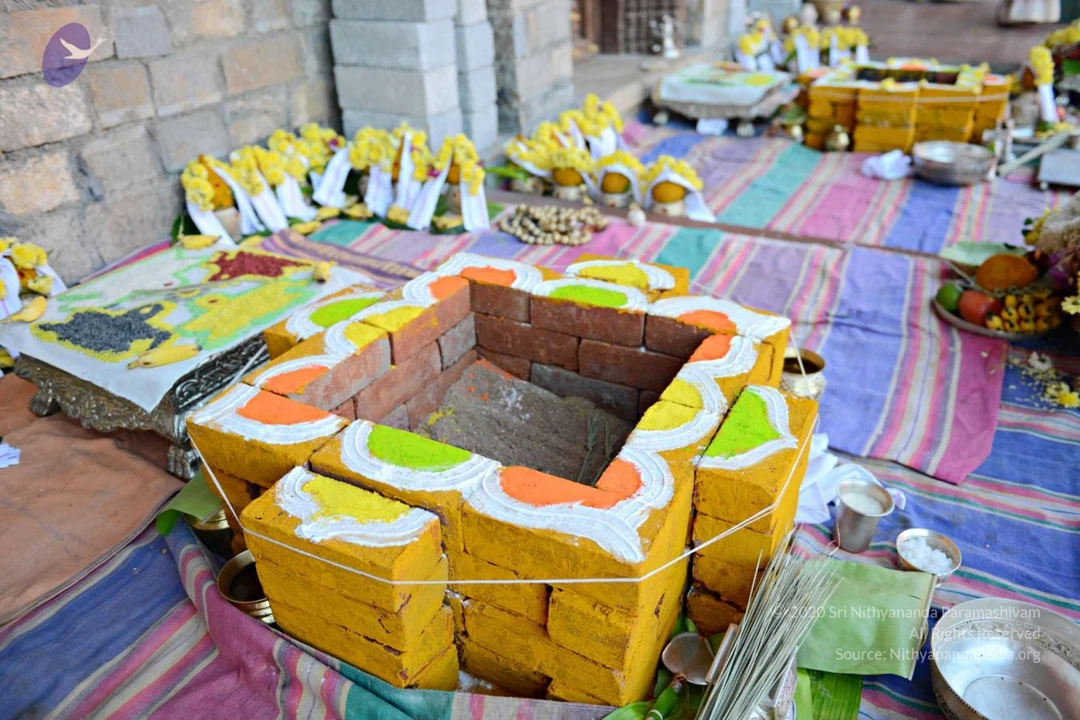
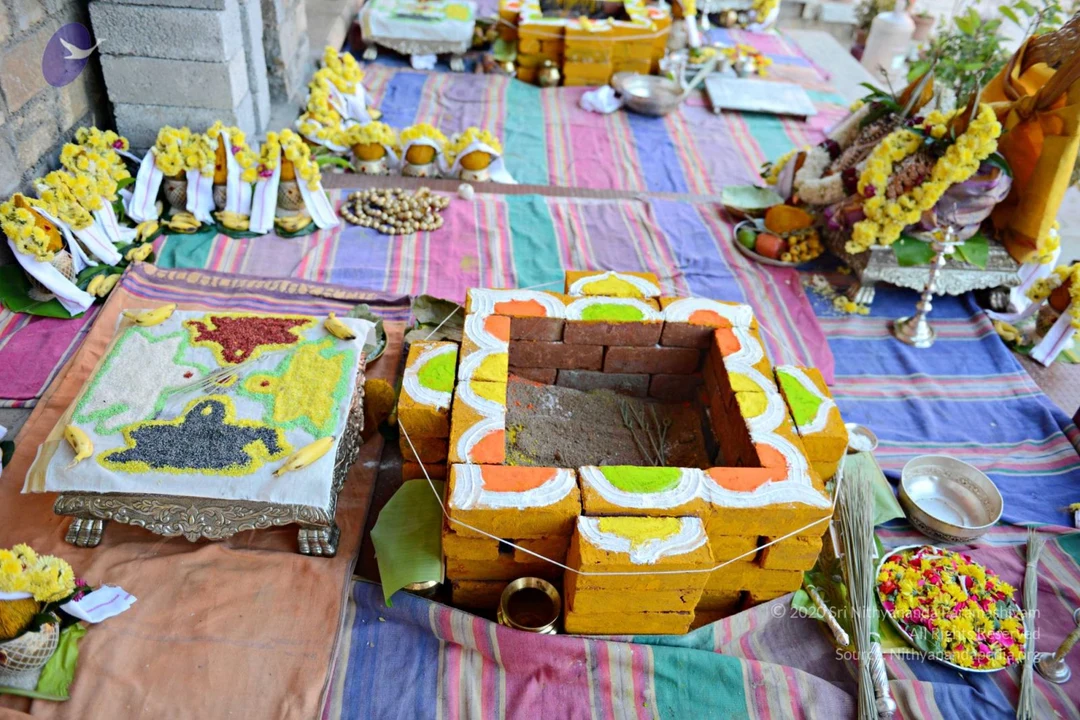
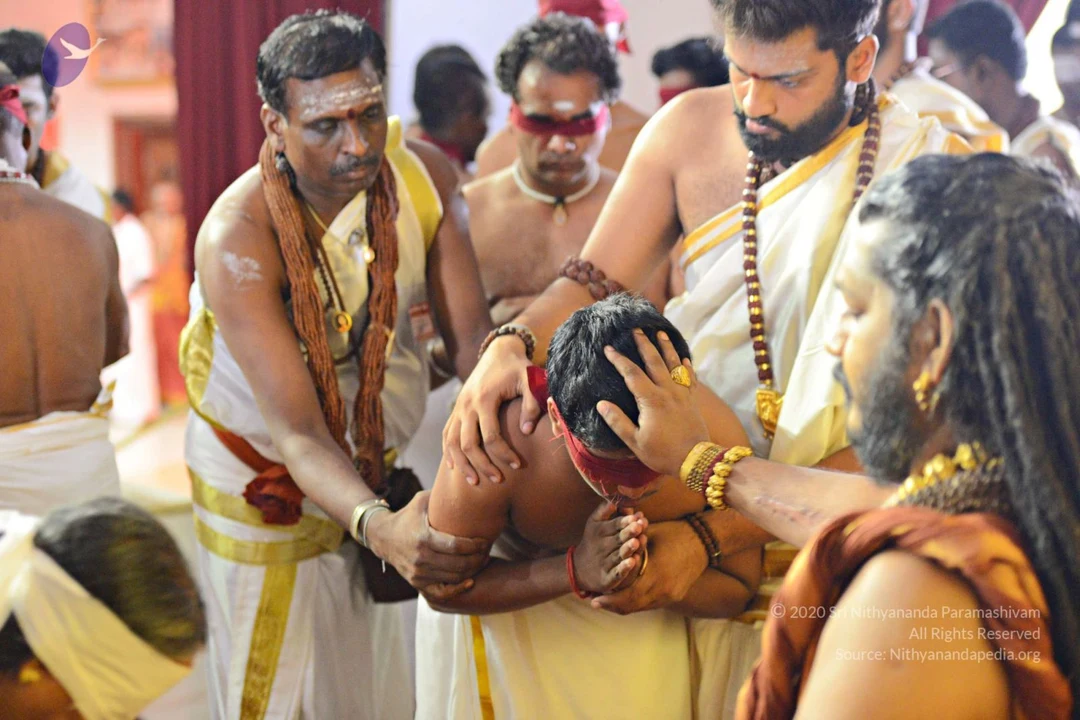
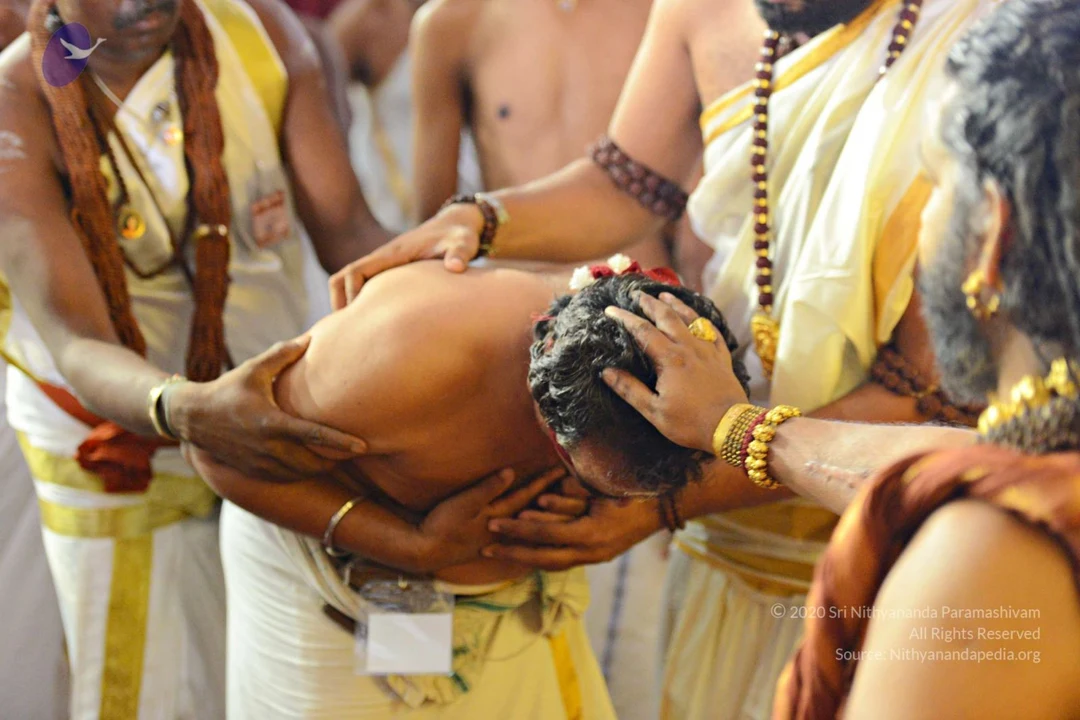
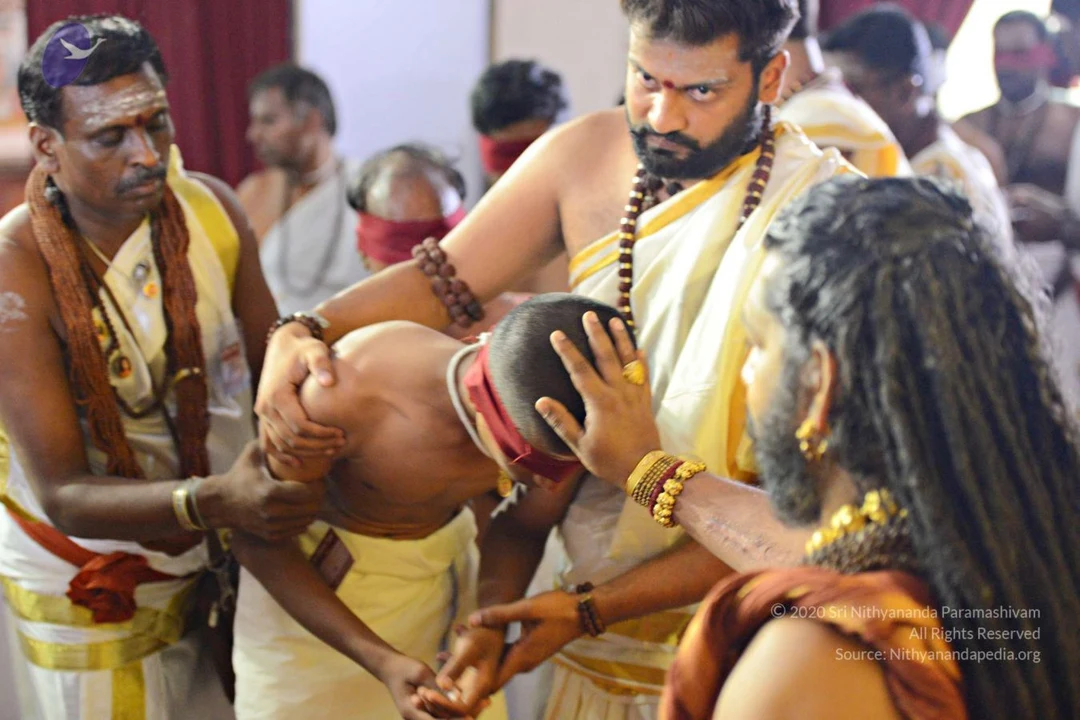
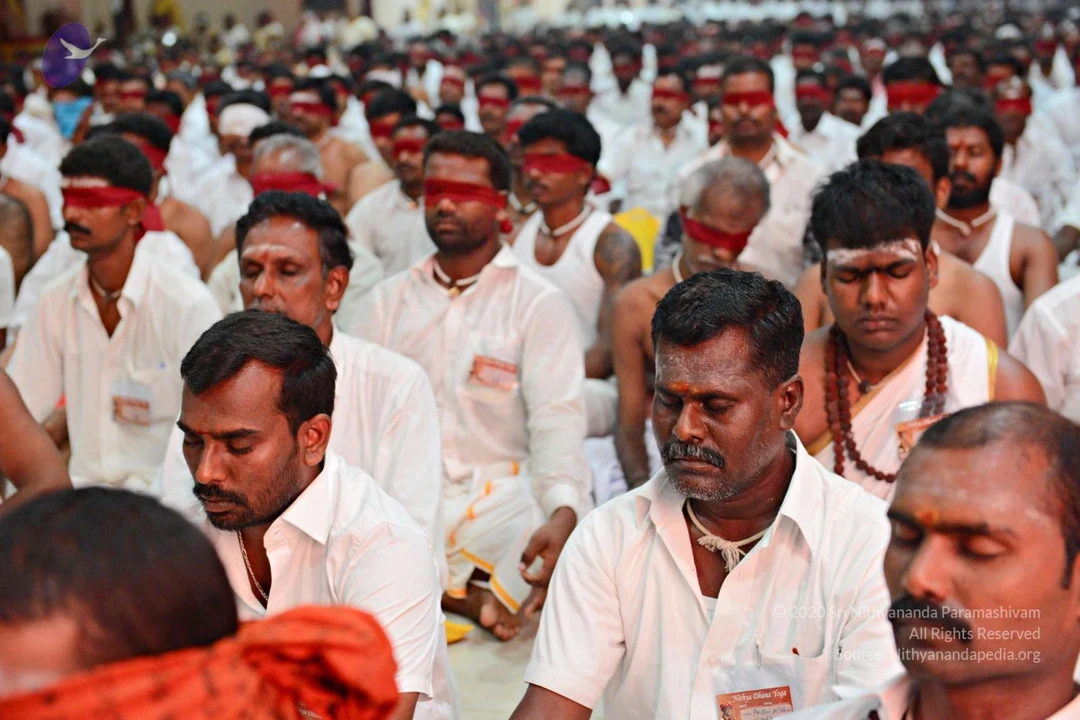
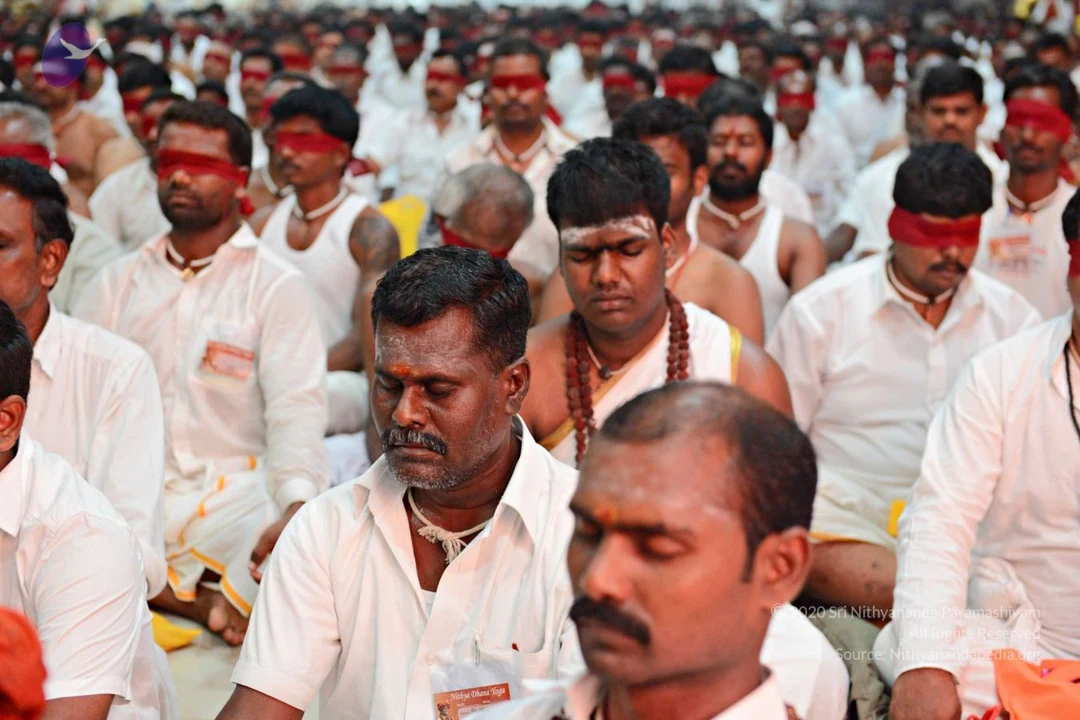
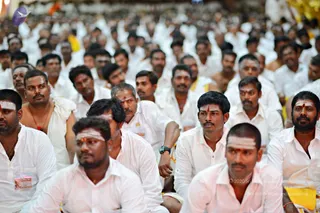
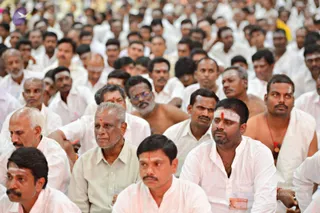
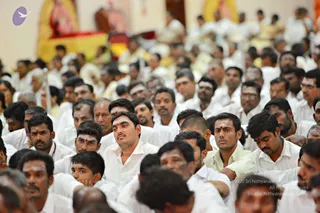
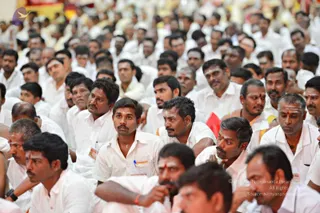
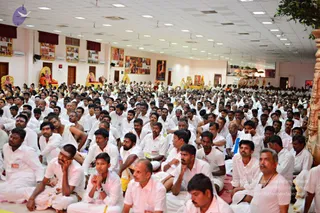
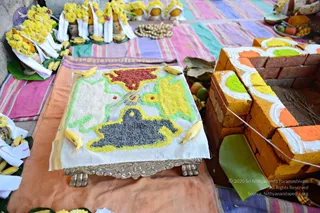
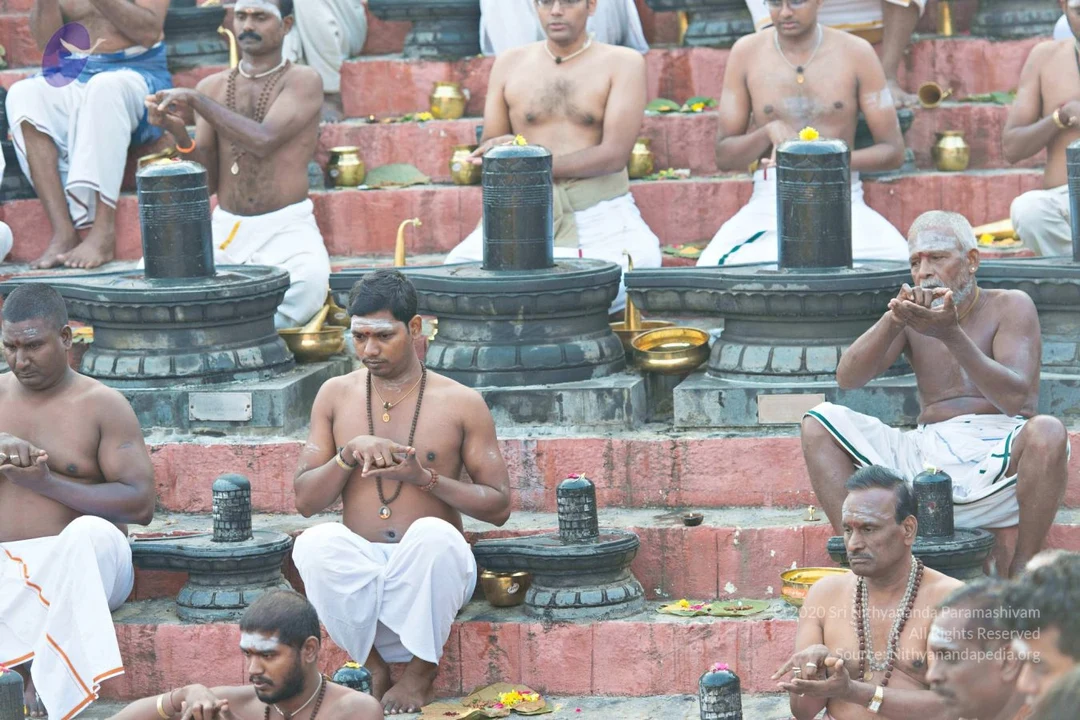
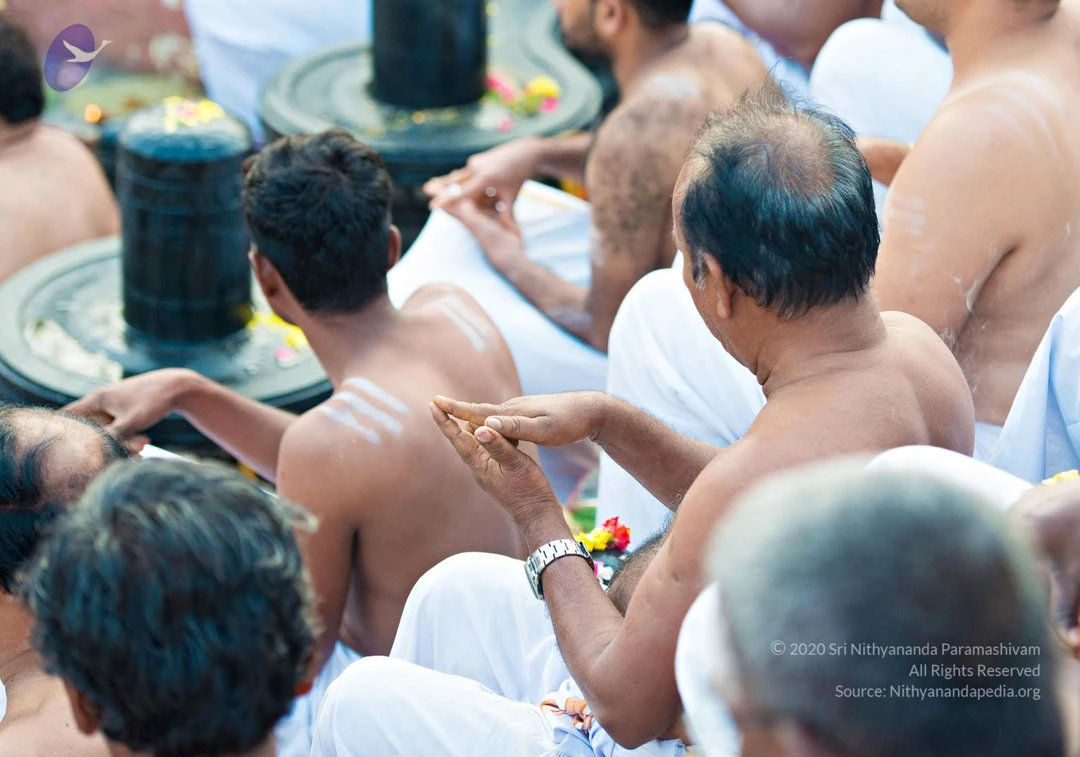
A large crowd of men seated closely together, most dressed in white shirts and dhotis with white and red tilak marks on their foreheads. Several wear name badges on lanyards; one nearby man wears a wristwatch and red sacred thread. The gathering is dense and fills the frame. No single figure is identifiable as a person in this crowd shot, and no one is clearly presented as the central figure.A large seated crowd of men in white dhotis and white shirts fills the frame at an indoor event. Many wear white or orange forehead markings (vibhuti/kumkum) and rudraksha malas. In the foreground a grey-haired man in a pale green shirt looks forward, and a man in a white shirt wears an ID badge on his chest. No a person candidate is visible among the seated devotees; there is no throne or stage figure in view.A large seated audience of men in white ritual clothes fills the hall, many with white and tan vibhuti or tilak marks across their foreheads. Foreground men look attentively forward, one young man in a pale yellow-green shirt sits at the centre, and a boy rests his chin on his hand at lower left. In the background an ornate golden and red deity murti or altar stands on a raised platform, with a pink and gold figure visible. The dense rows suggest a satsang or discourse. No identifiable a person appearance is clearly visible among the seated devotees.A large seated audience of men fills the frame, dressed almost entirely in white shirts and white dhotis, many with white vibhuti or sandalwood-paste tilaks and red kumkum marks on their foreheads. Several have short hair and moustaches, and some wear red or orange threads on their wrists. Faces are turned toward a stage out of view. Nobody in the foreground is clearly identifiable as a person, so no candidate is confirmed. A red flag is visible at the upper centre among the crowd.Large indoor hall filled with hundreds of seated men dressed in white shirts and white dhotis, sitting cross-legged on the floor in rows facing the front. Several have white and grey tilak marks and some wear rudraksha malas. At the far end, a raised stage area has ornate golden thrones and deity murti displays, with a decorated pillar at right. Walls carry framed religious pictures and a tall plant stands in the foreground corner. Ceiling lights are visible. The scene suggests a large satsang or teaching gathering.A ritual setup on a striped cloth with a square white cloth placed on a brass pedestal stand. Its surface holds coloured grain patterns in red, yellow, green and black arranged in geometric shapes, with banana pieces placed around the edges. Behind it, a brick structure is decorated with yellow, white and orange paint, and a row of small kalasha-like pots wrapped with white cloth and garlanded with yellow flowers sits along the top left. Fruit, a rudraksha-style bead mala and banana leaves lie nearby. No people are visible.

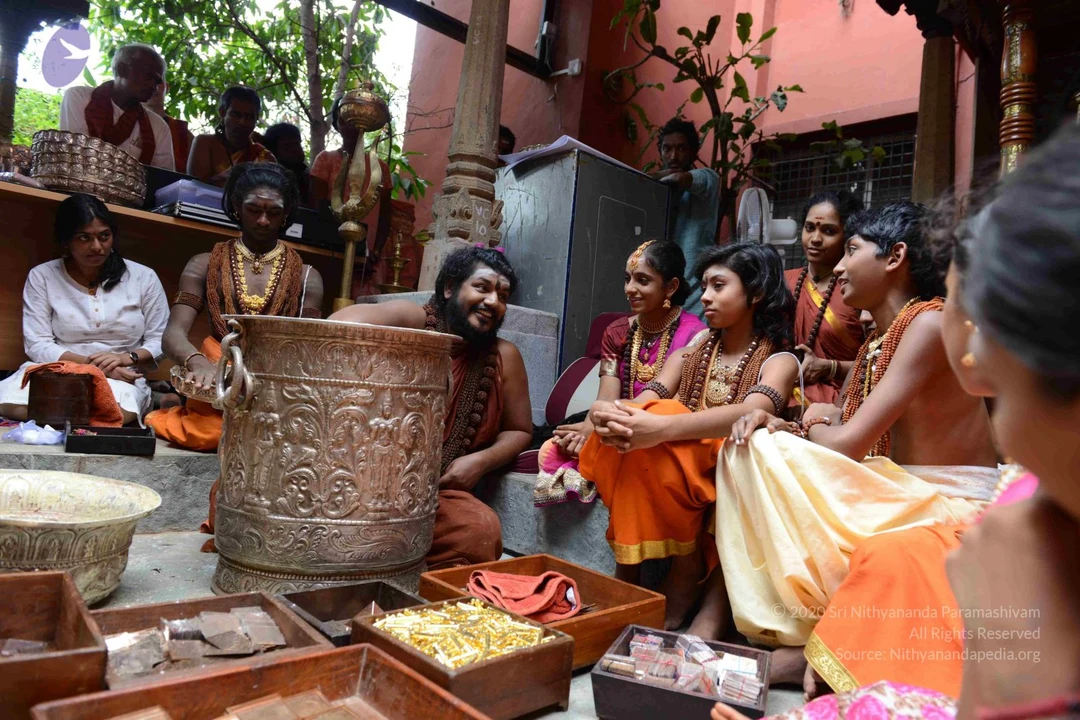
ALCHEMY-PROCESS

50 photosSource gallery
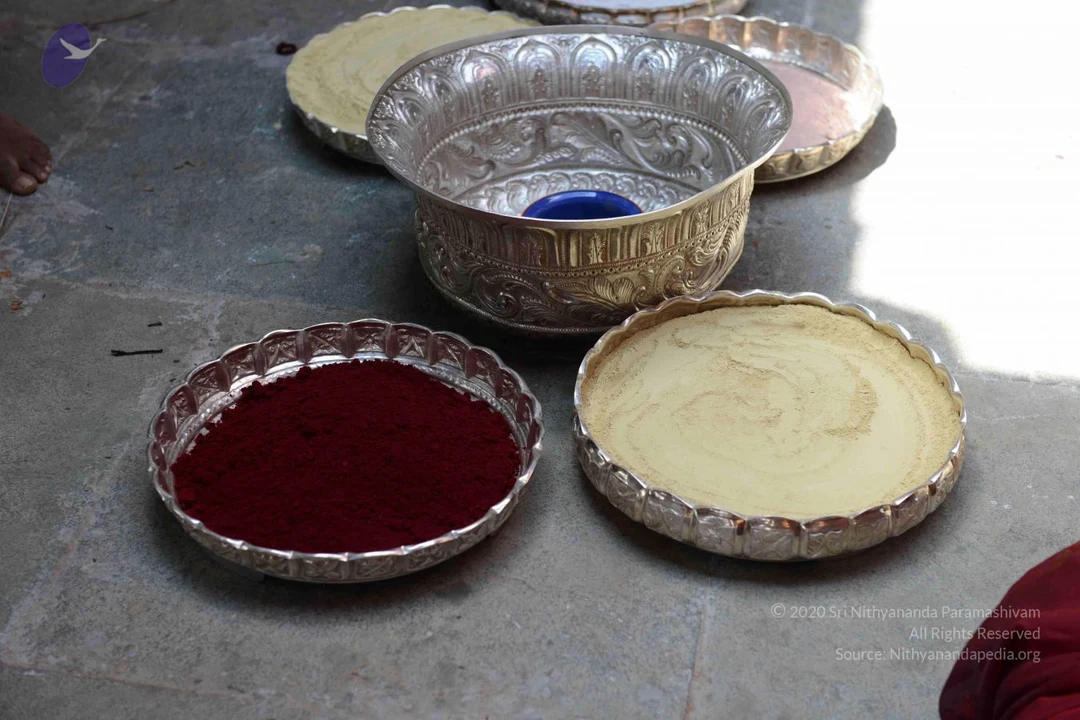
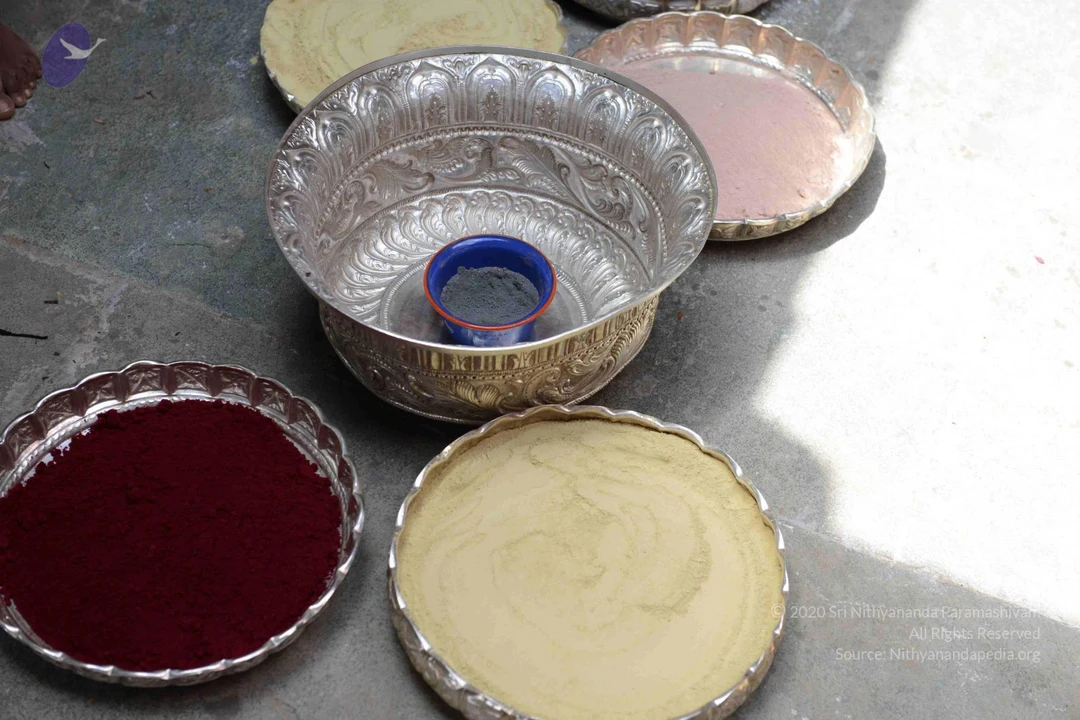
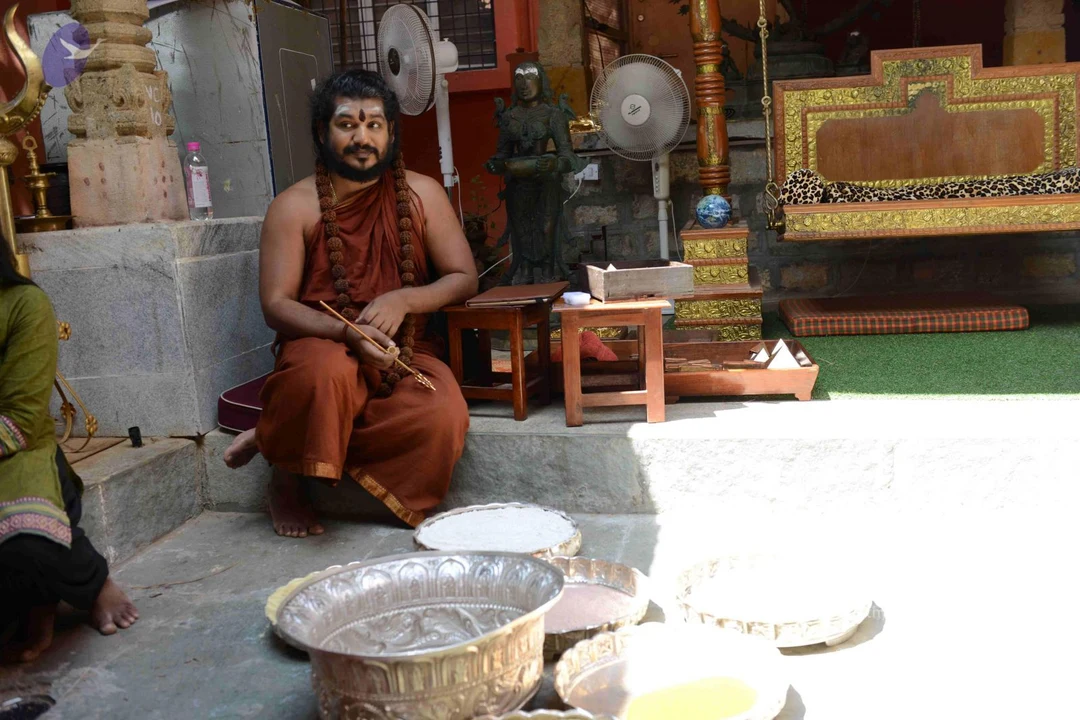
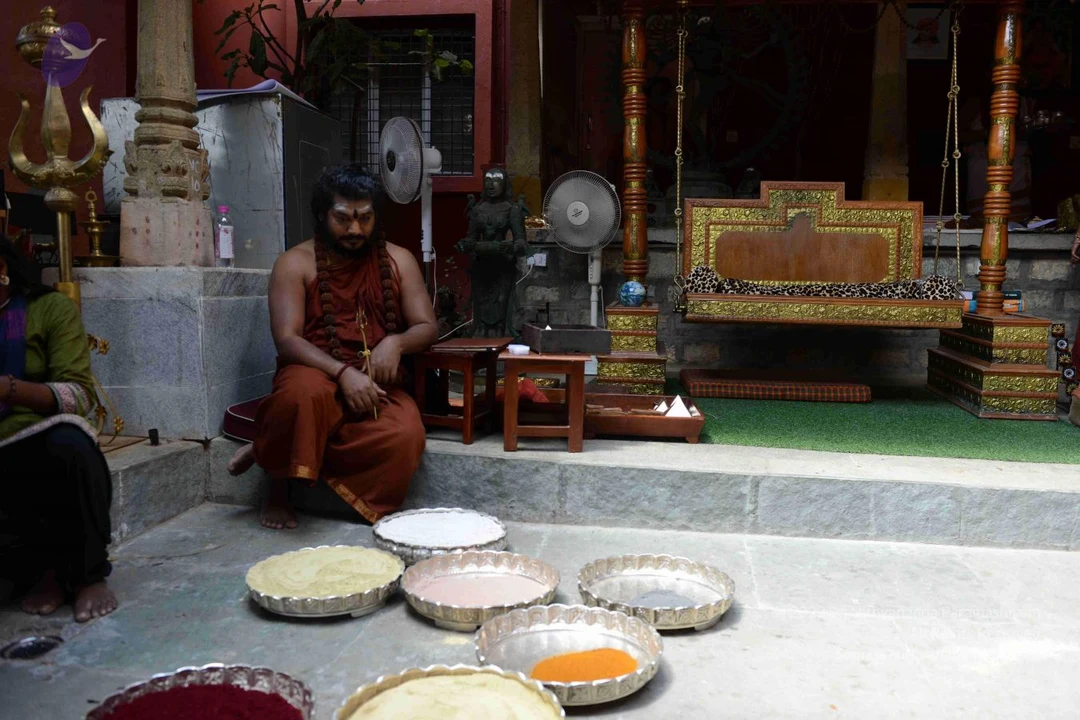
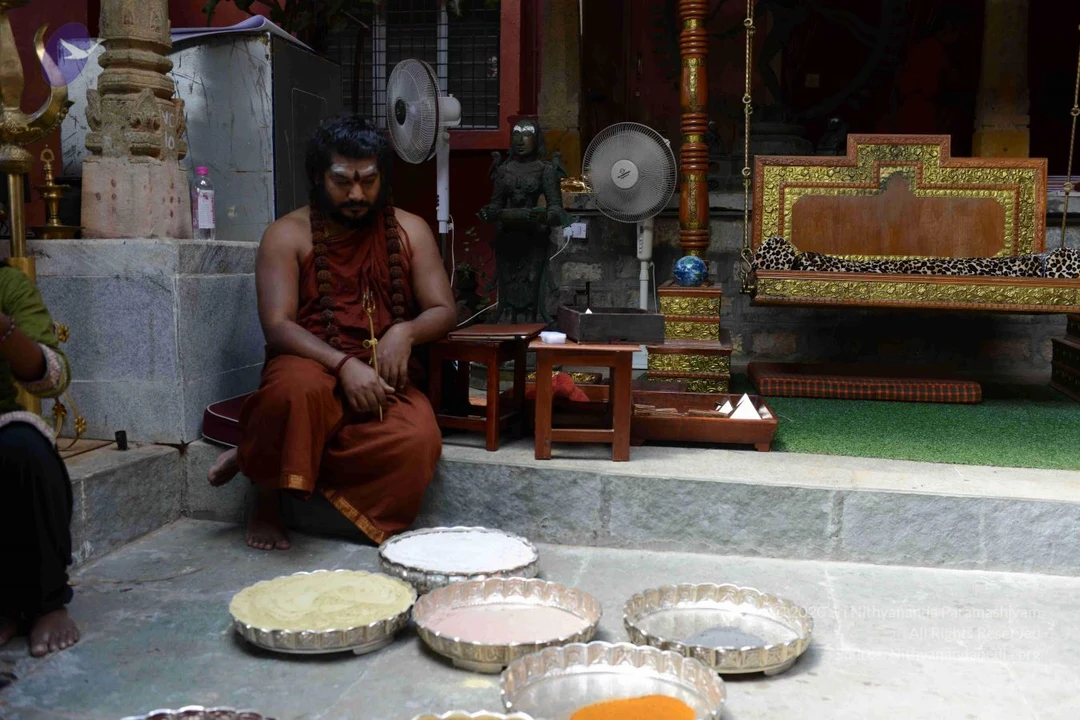
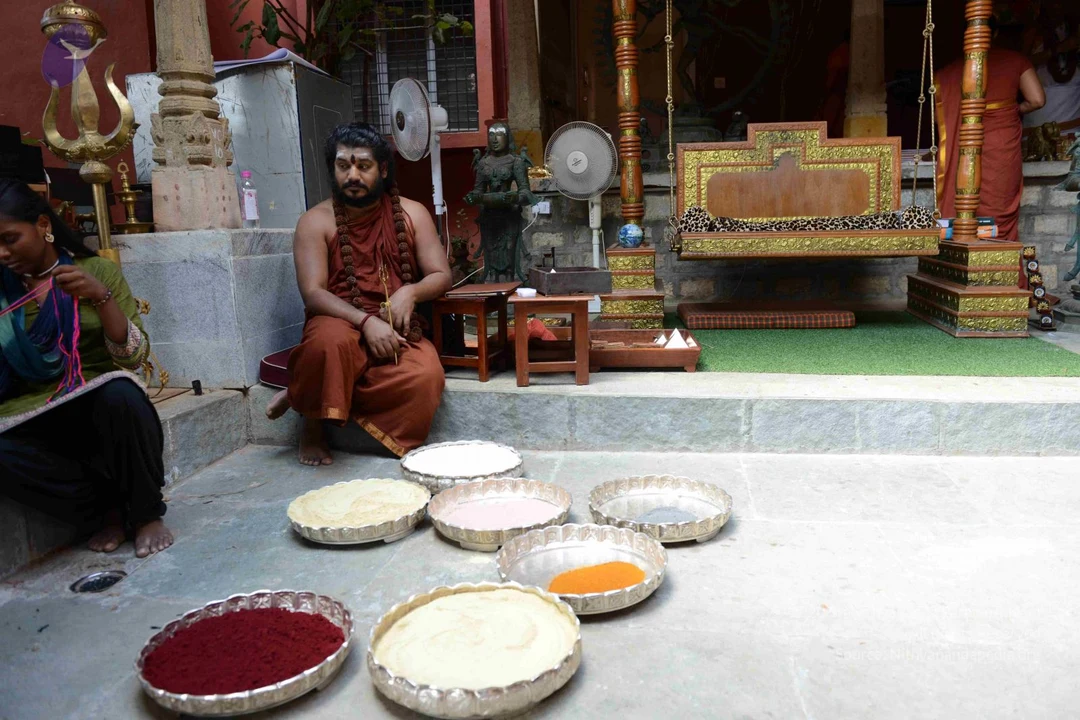
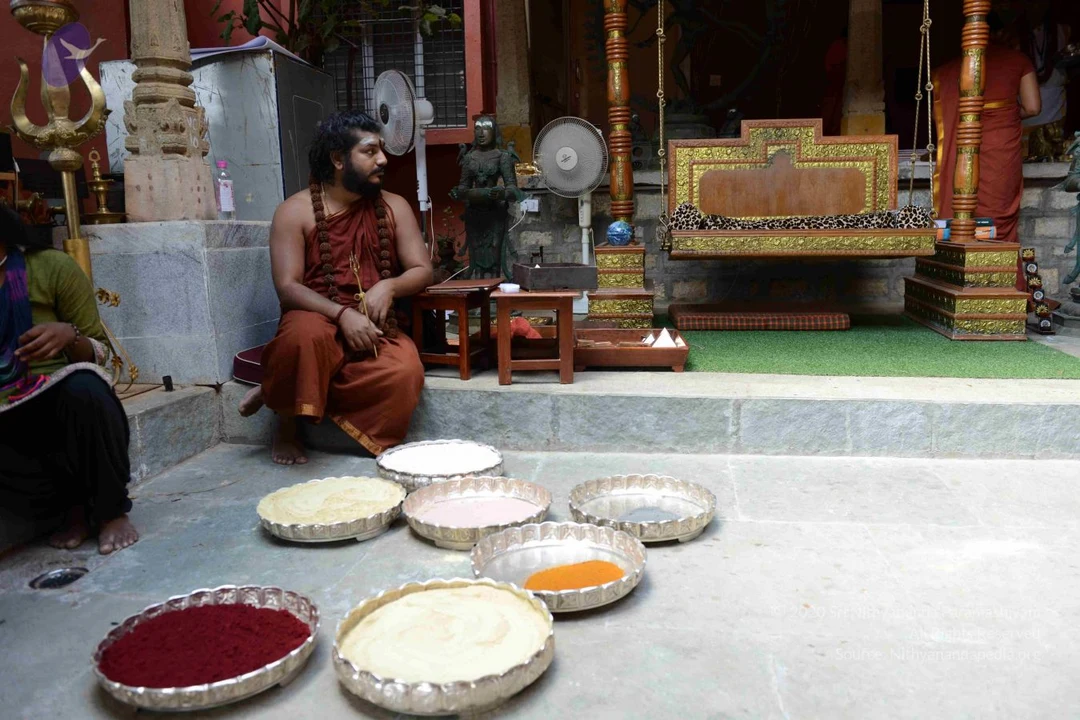
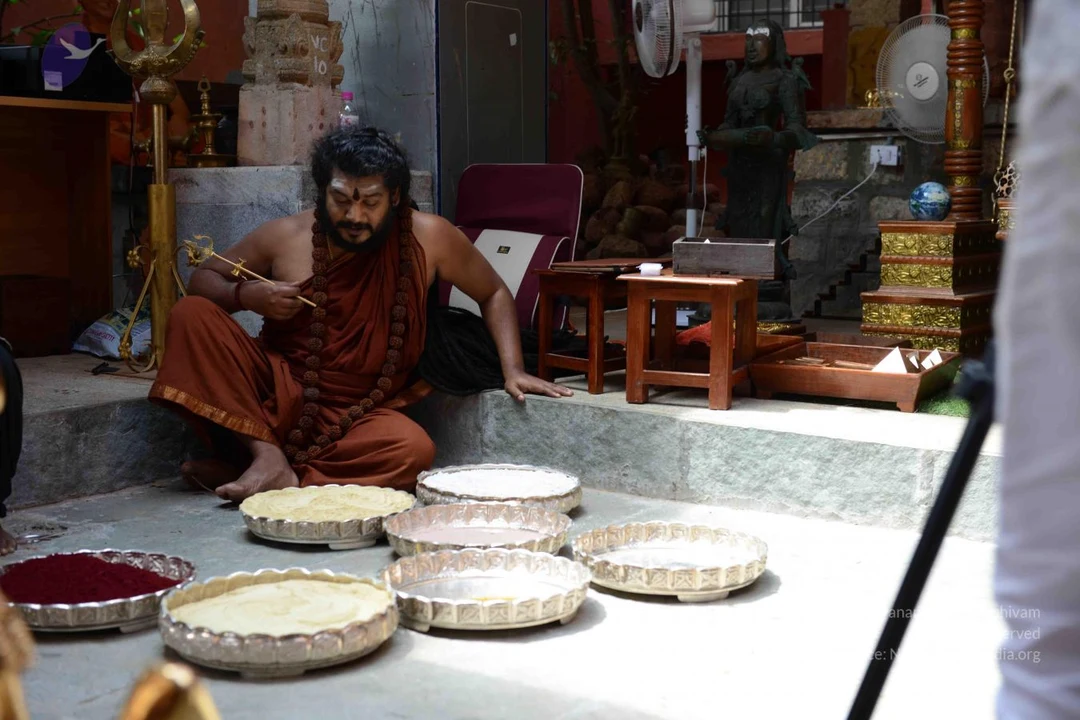
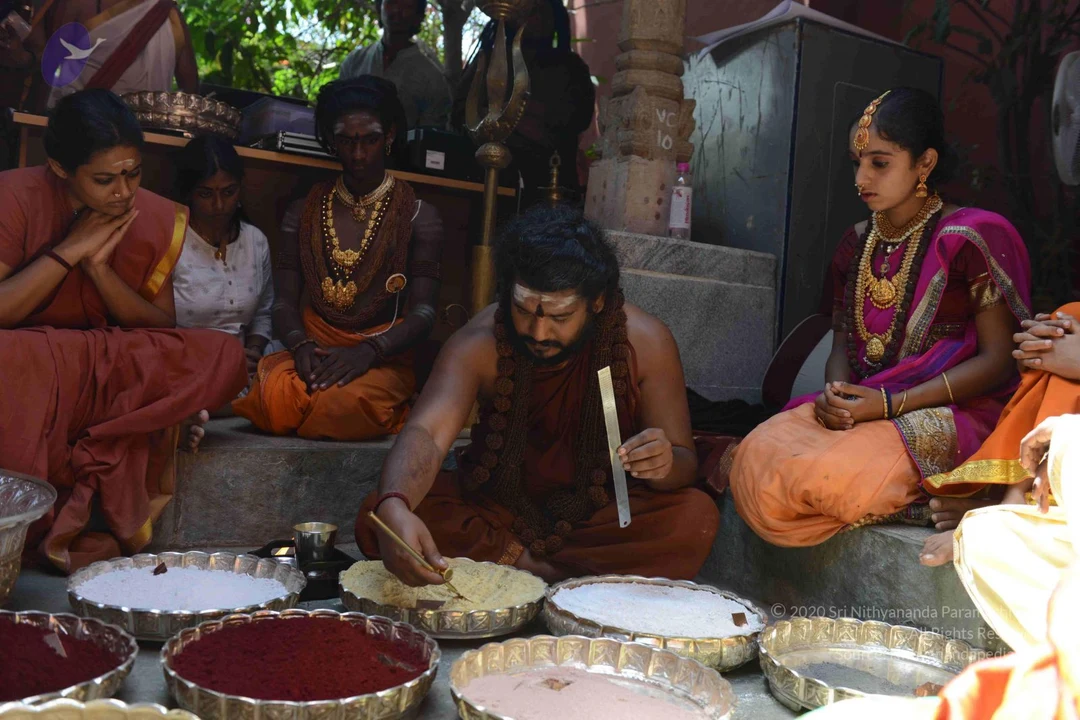
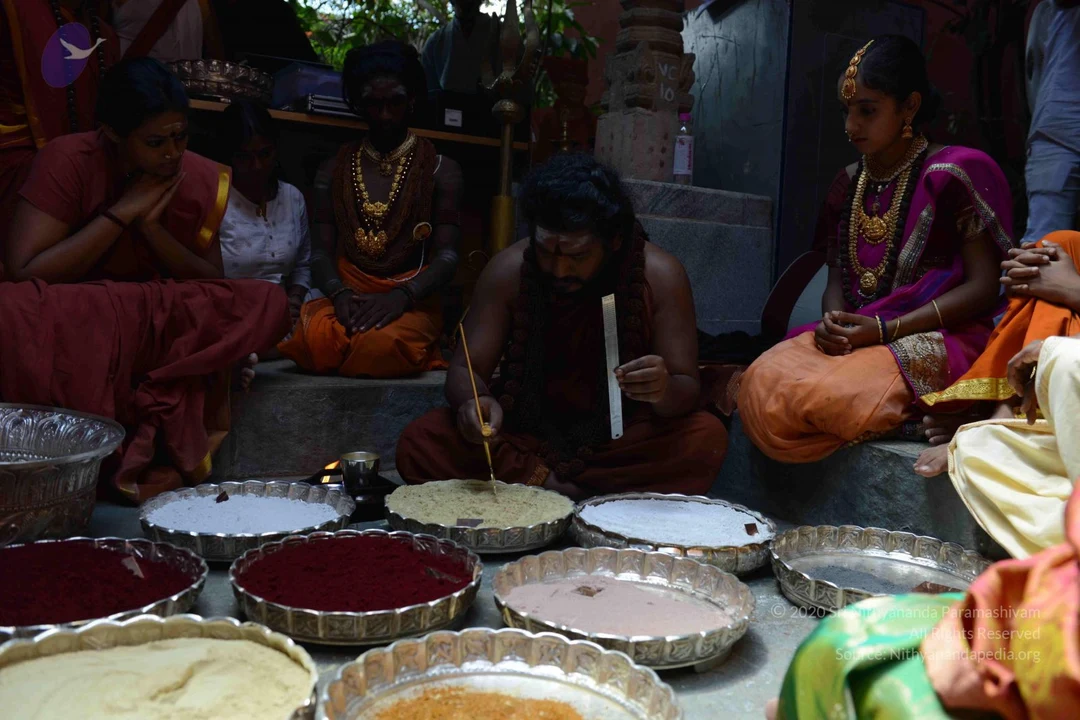
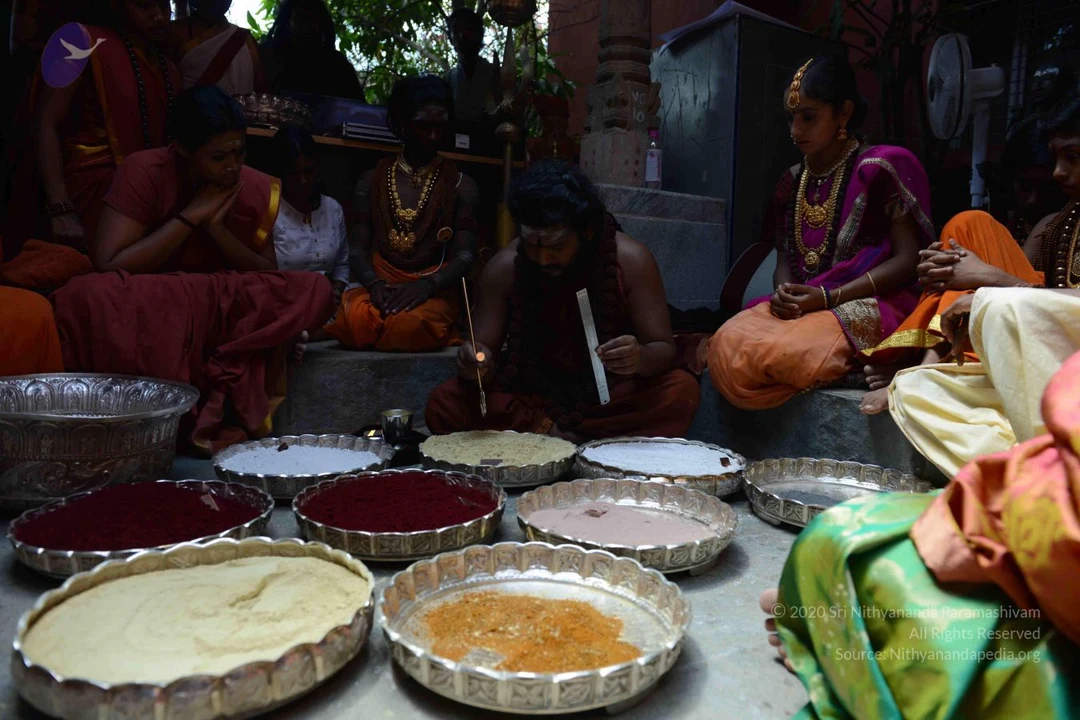
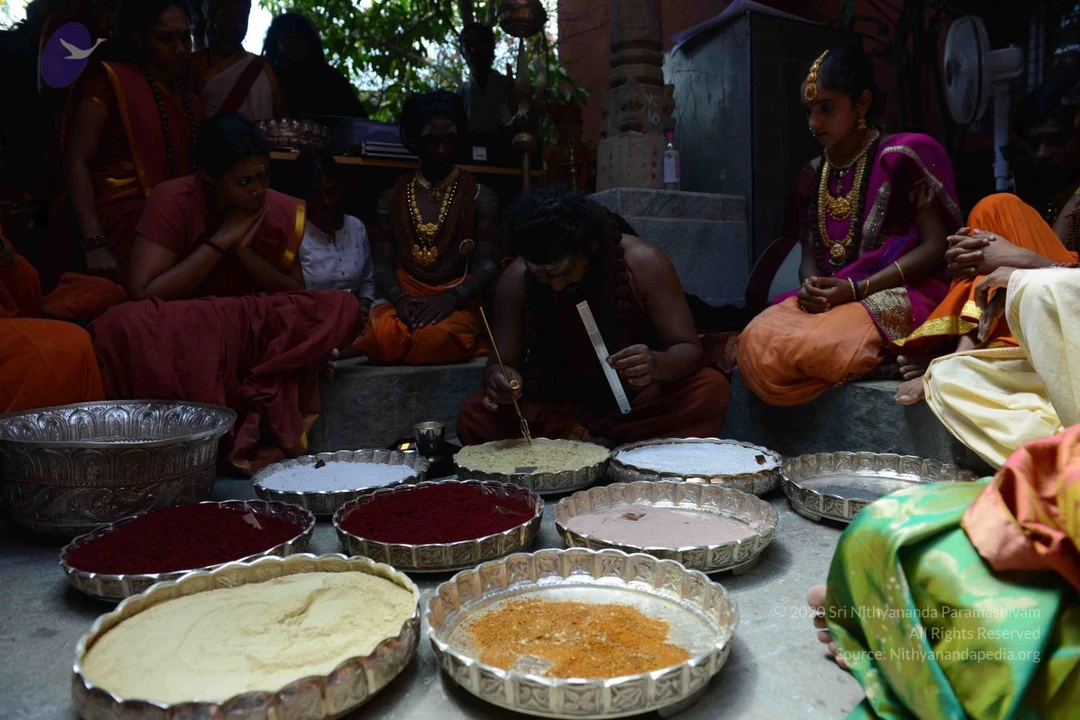
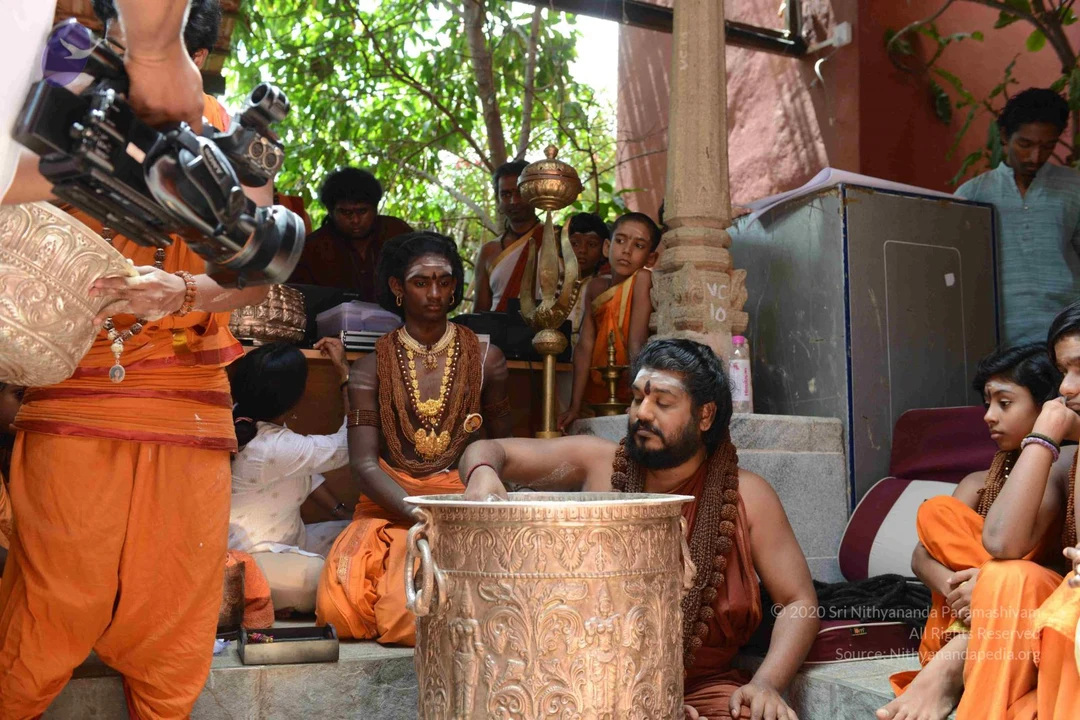
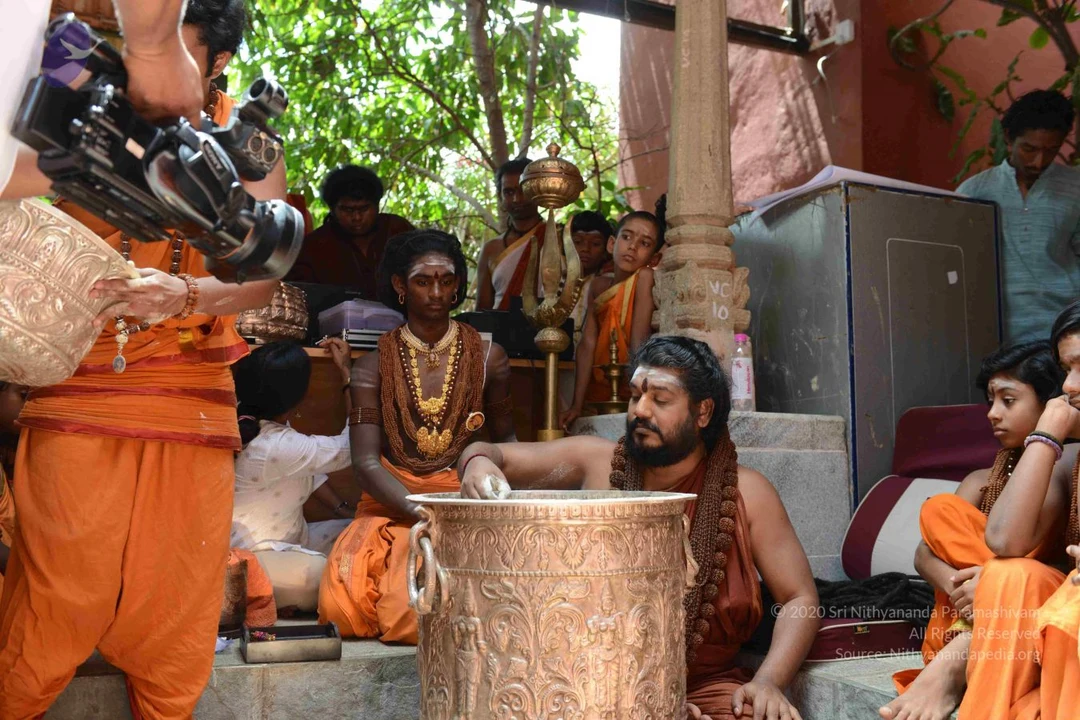
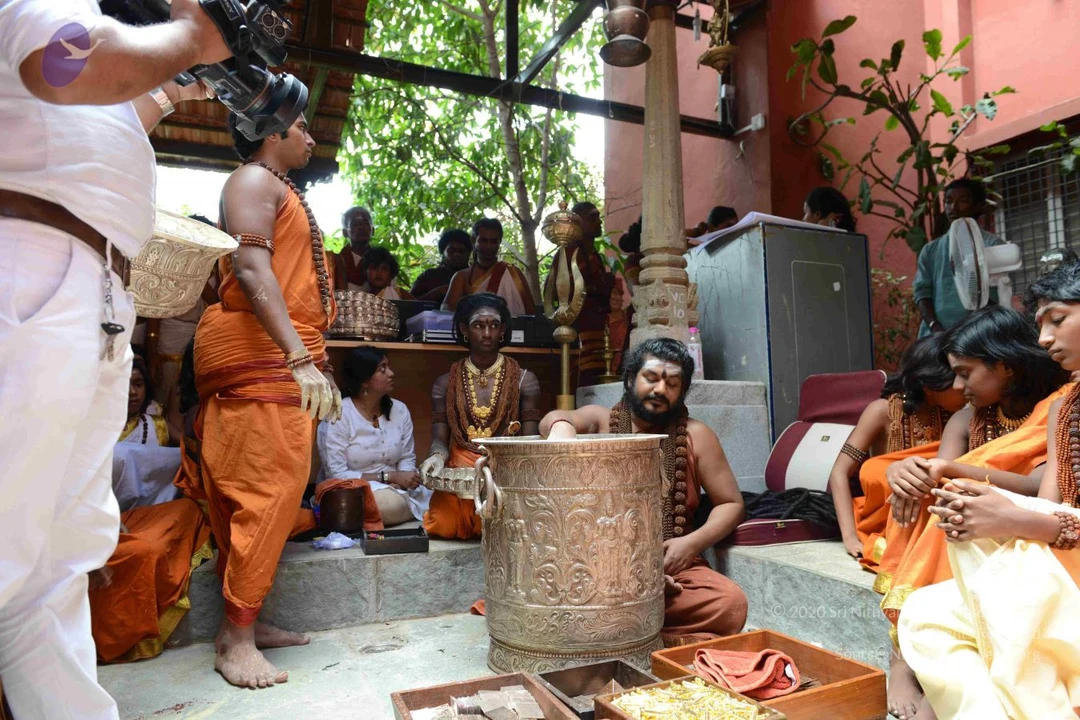
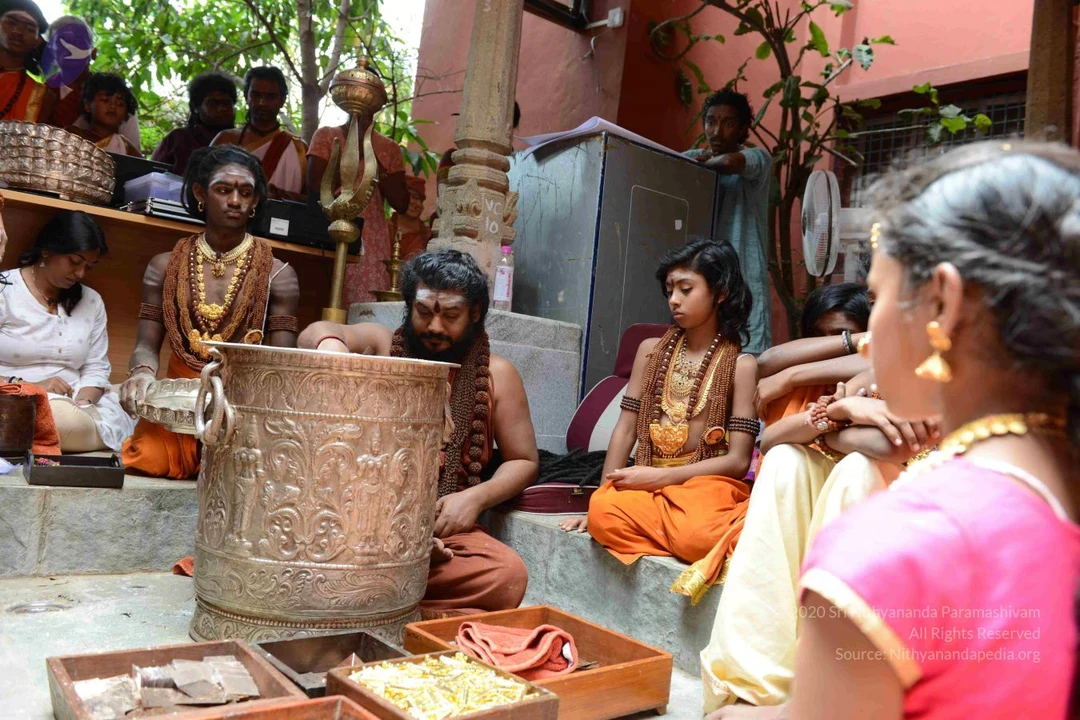
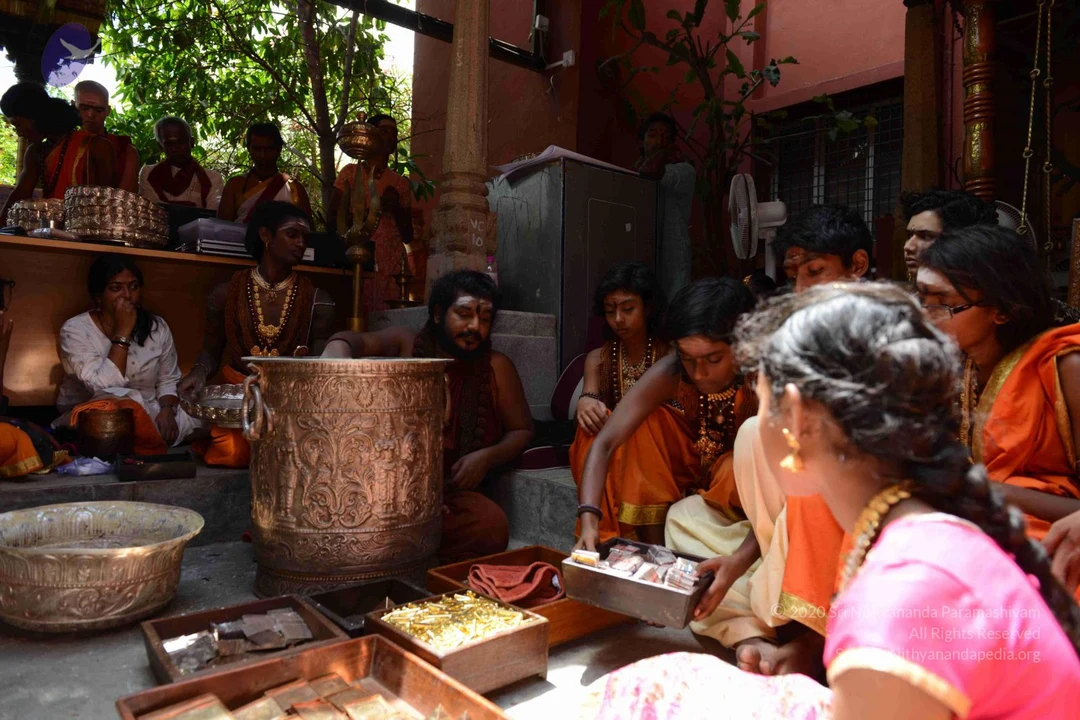
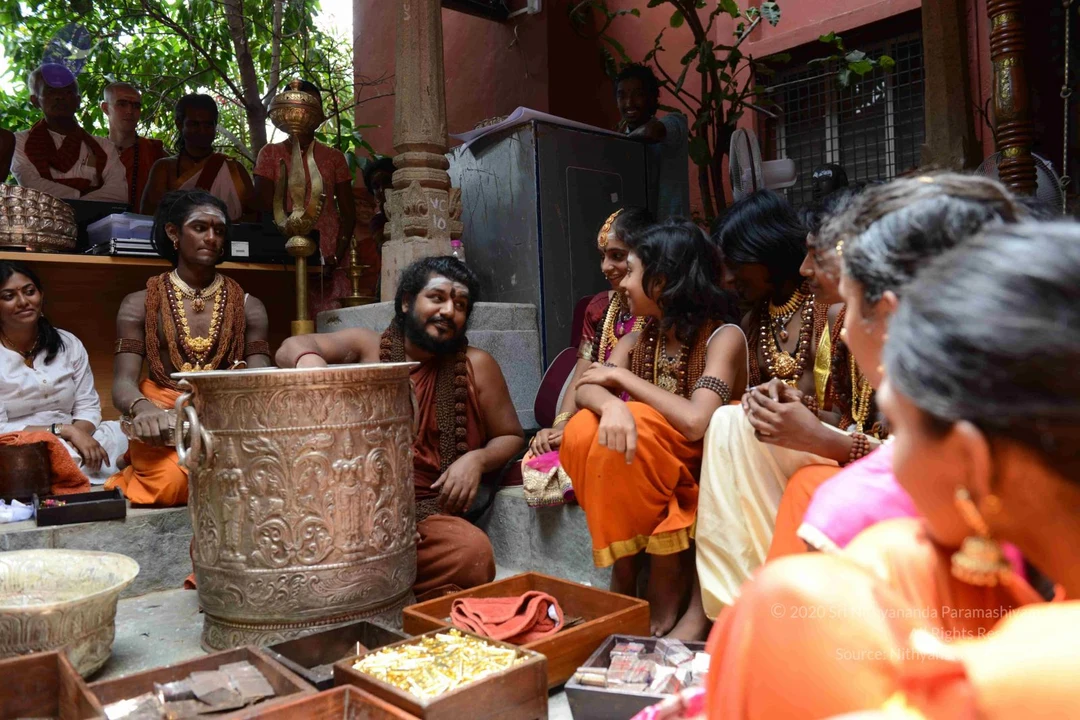
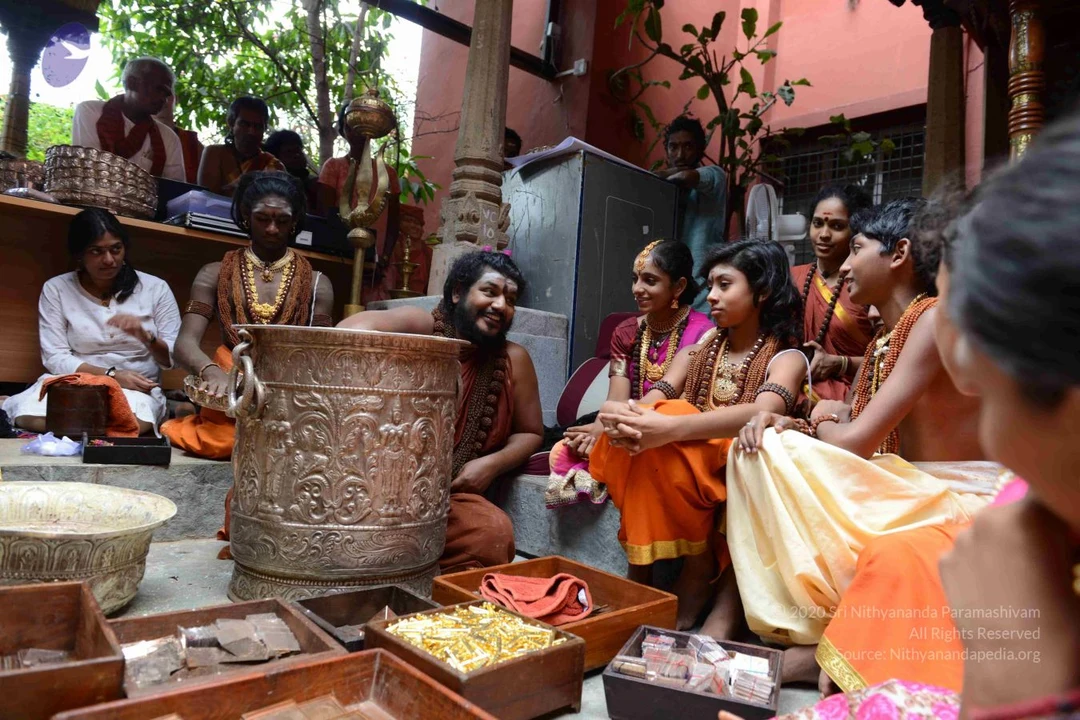
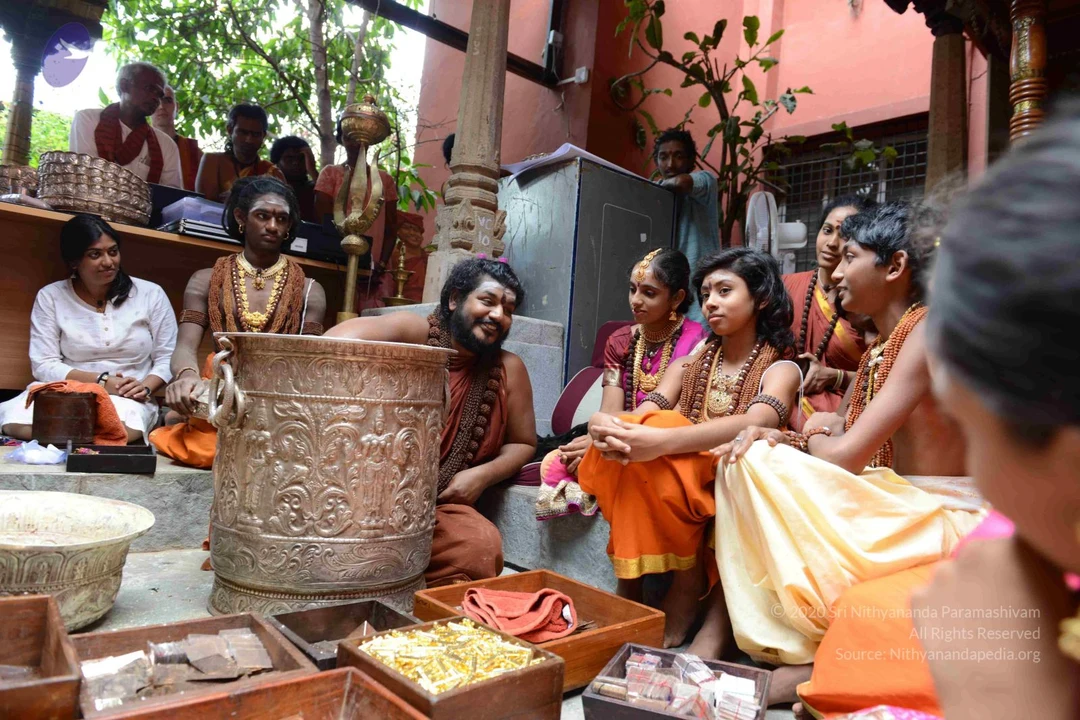
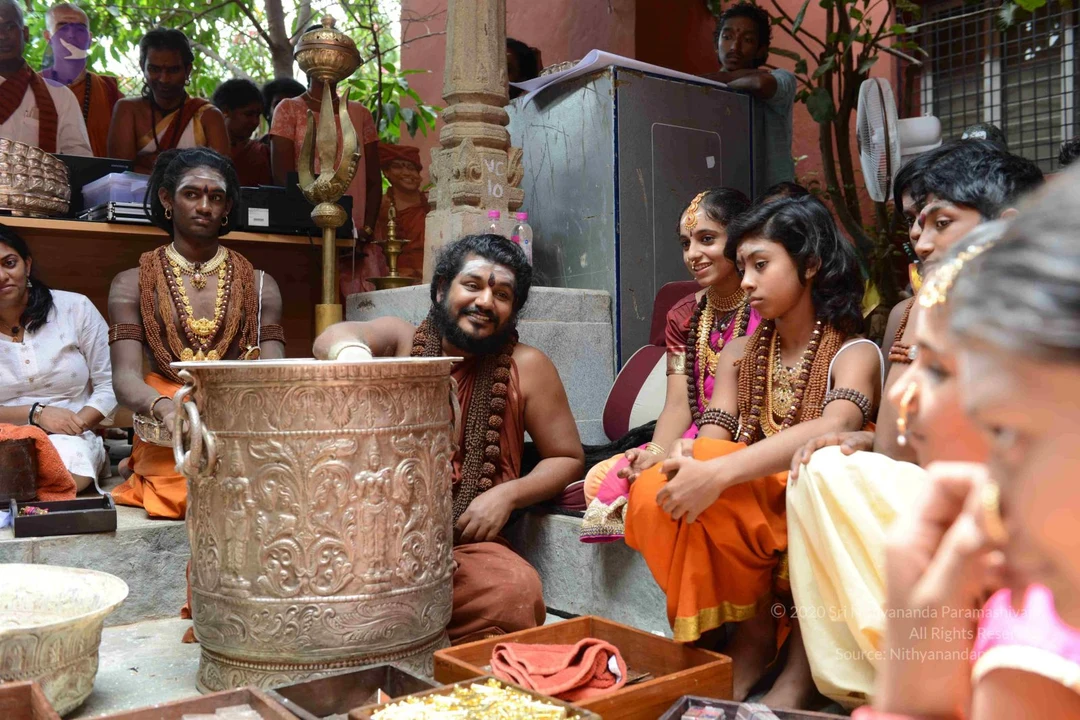
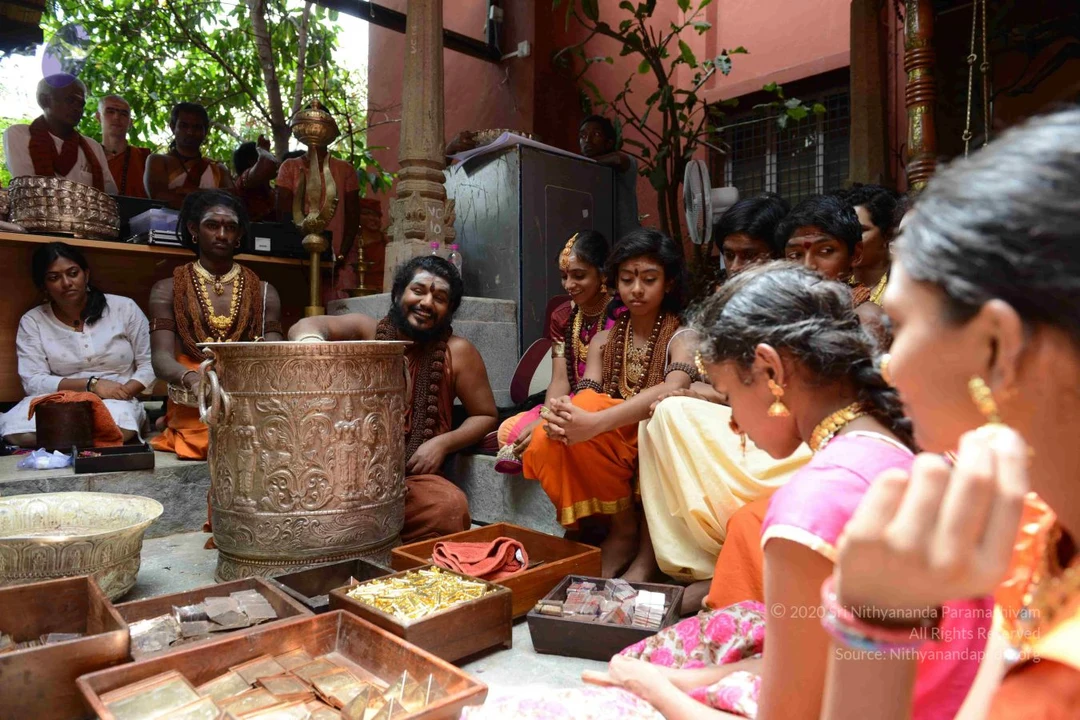
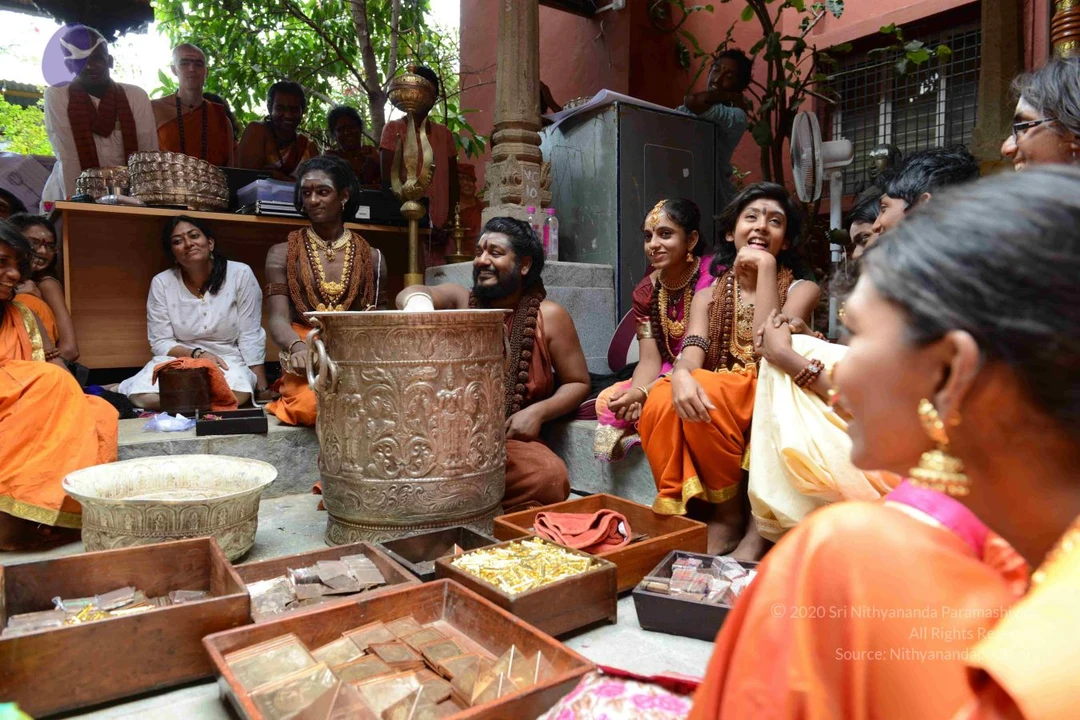
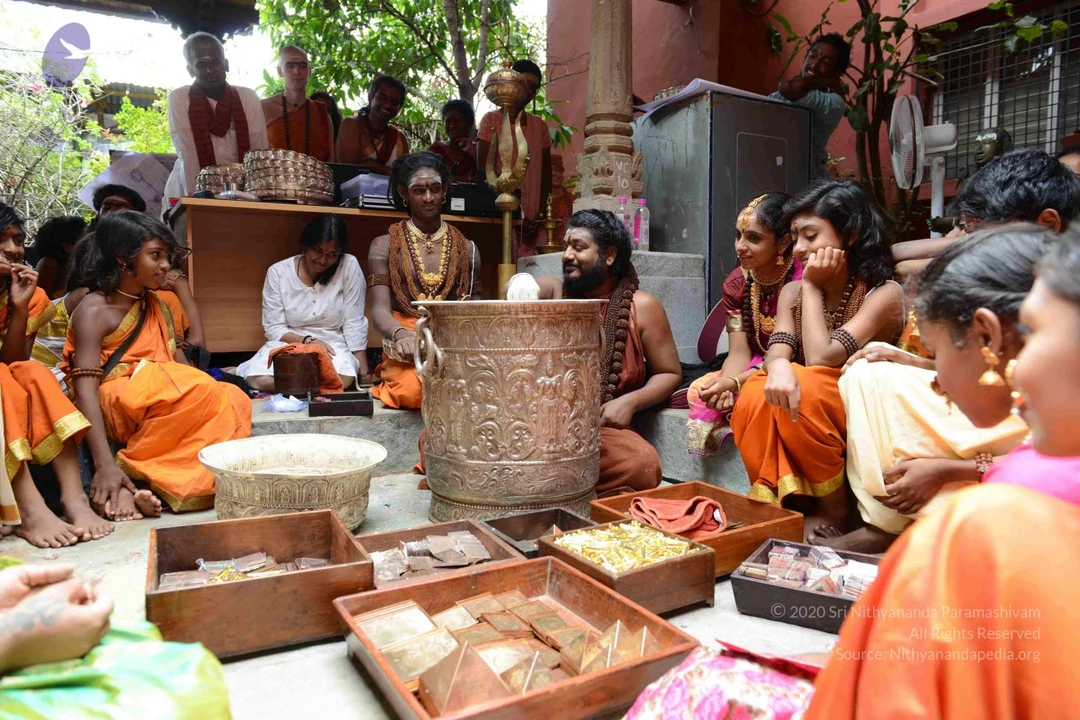
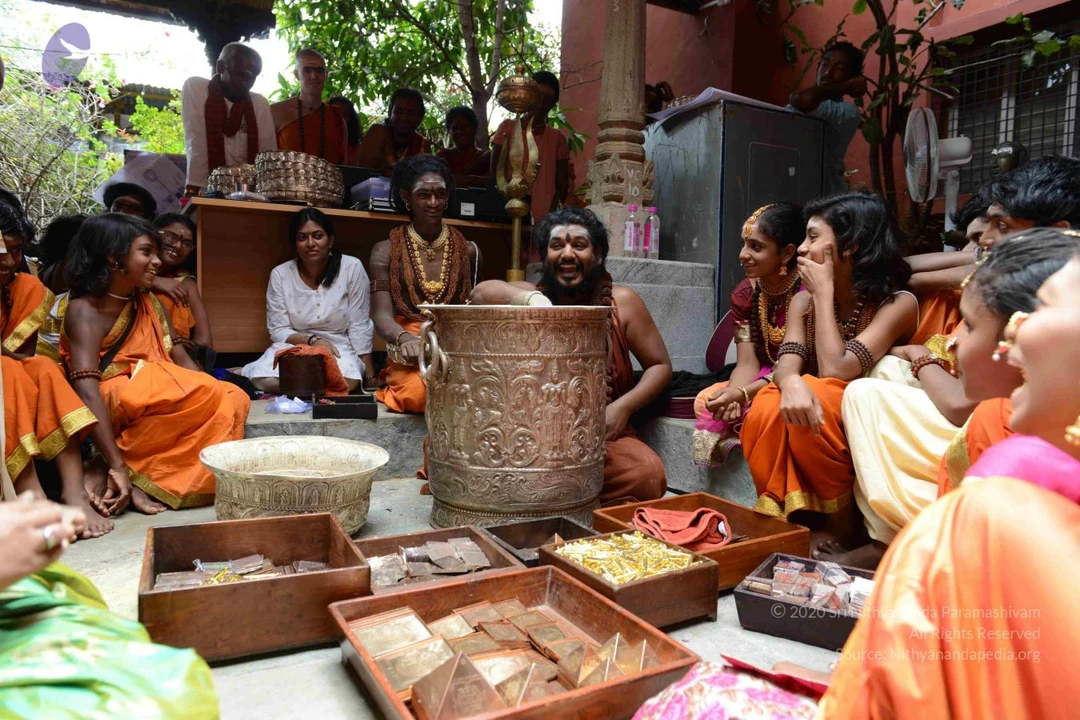
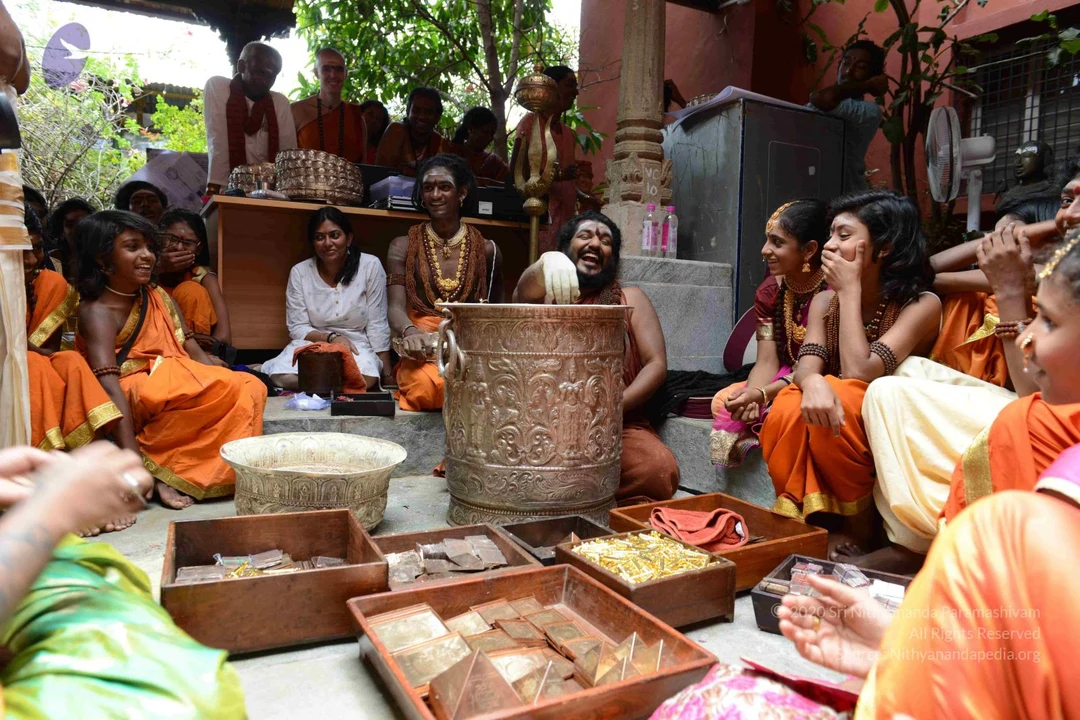
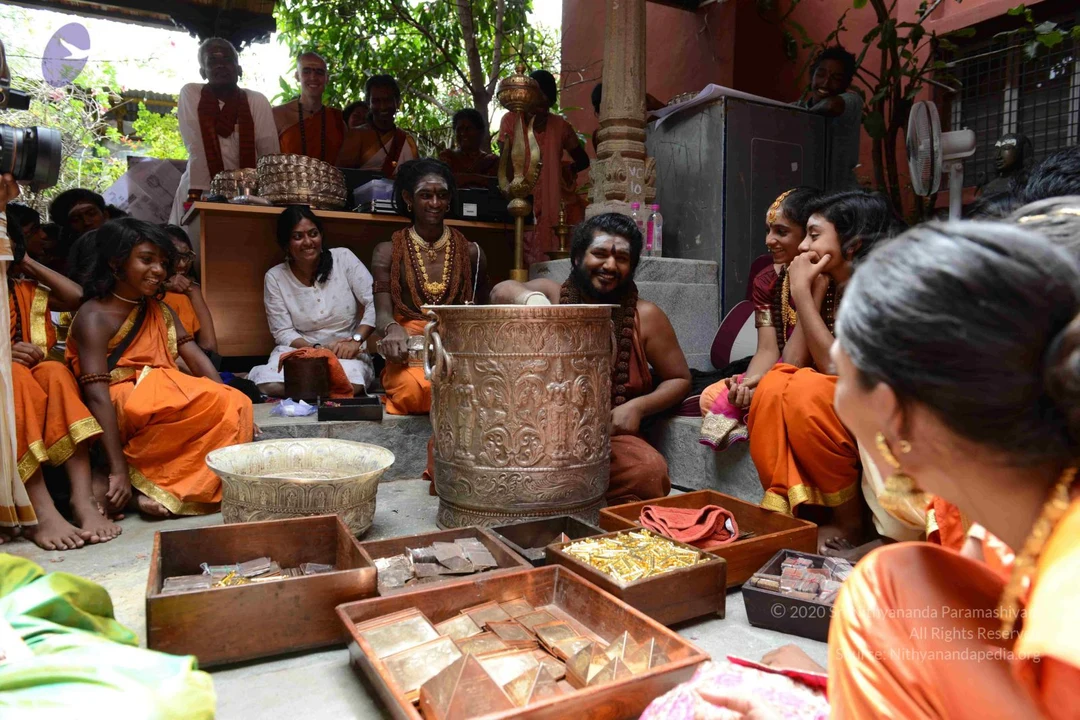
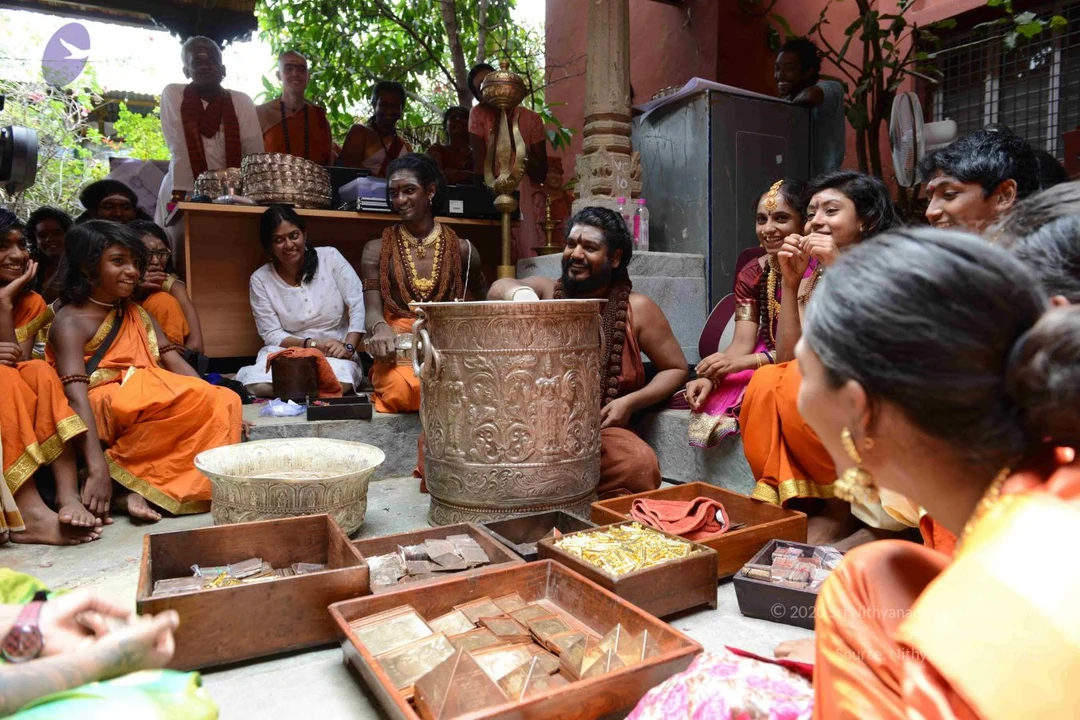
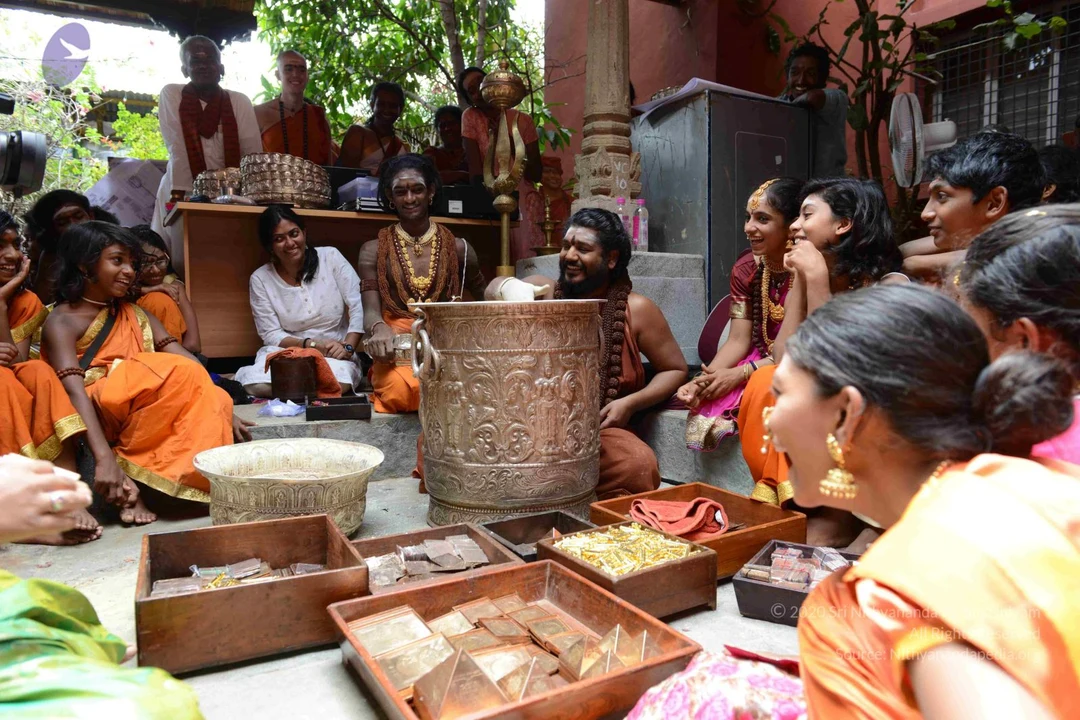
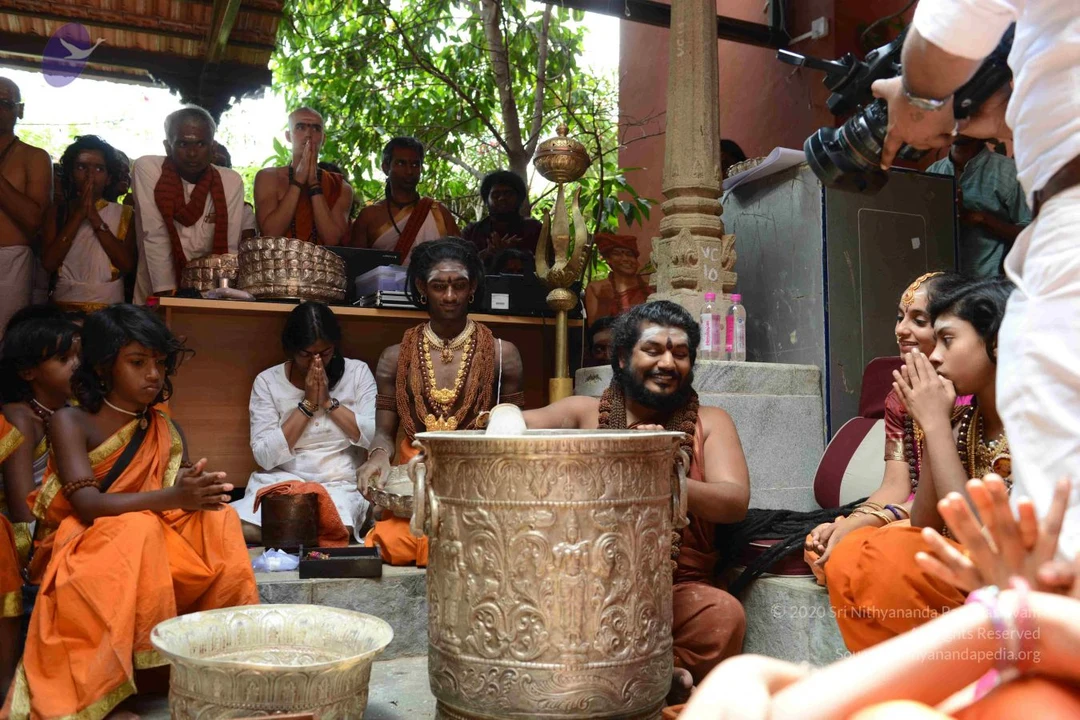
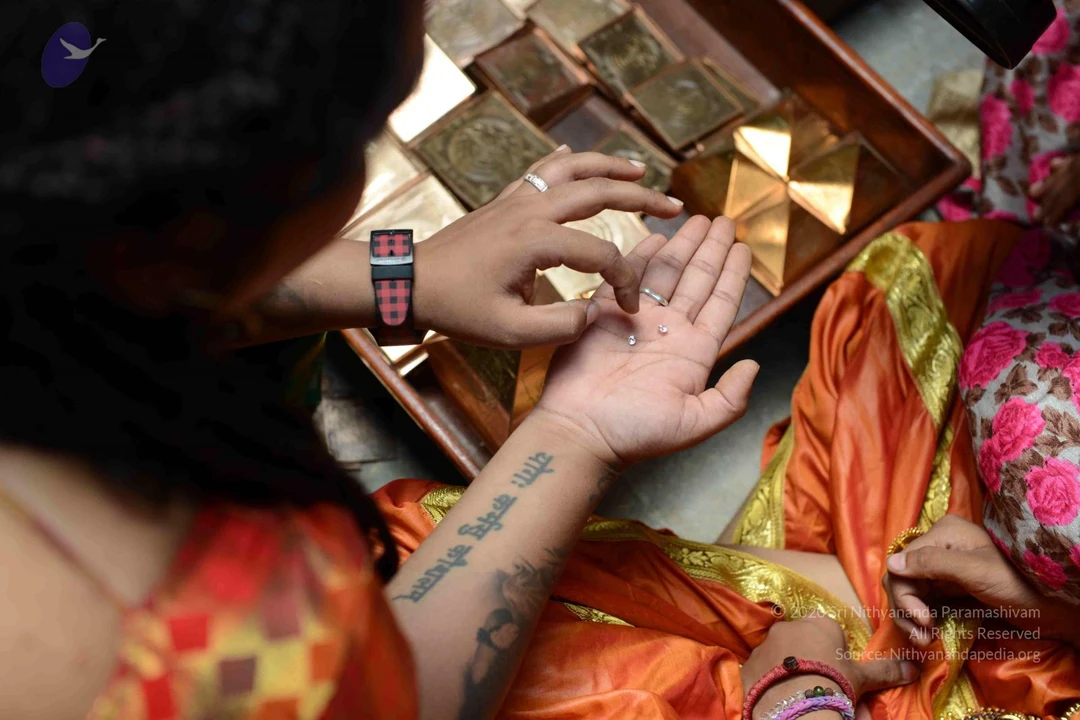
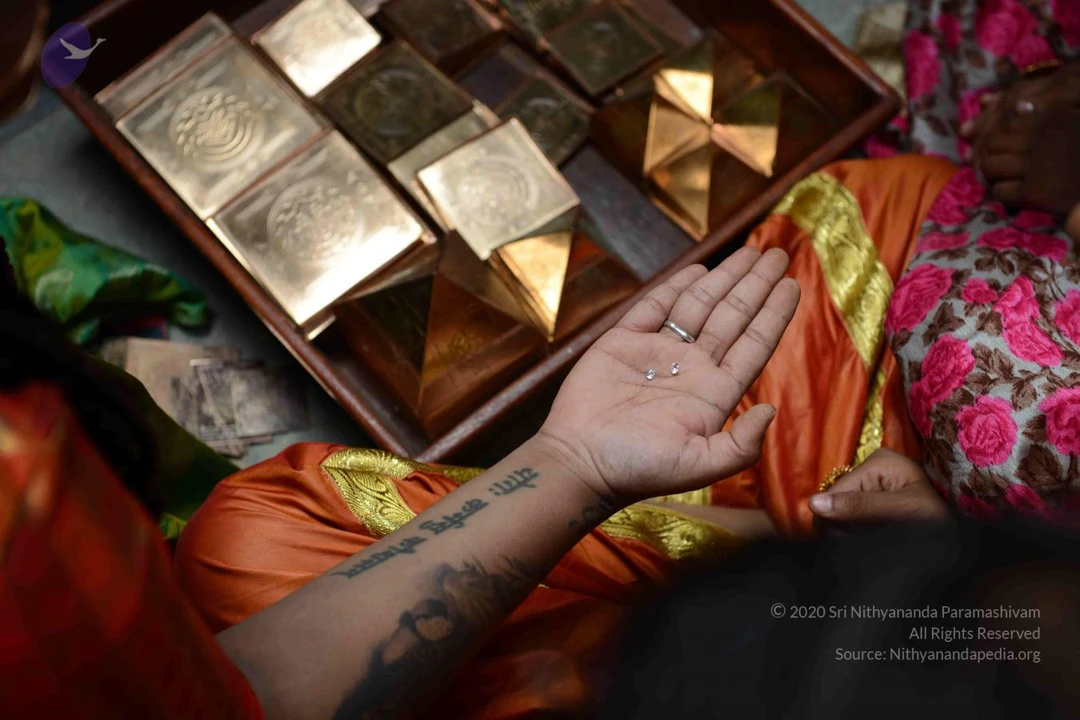
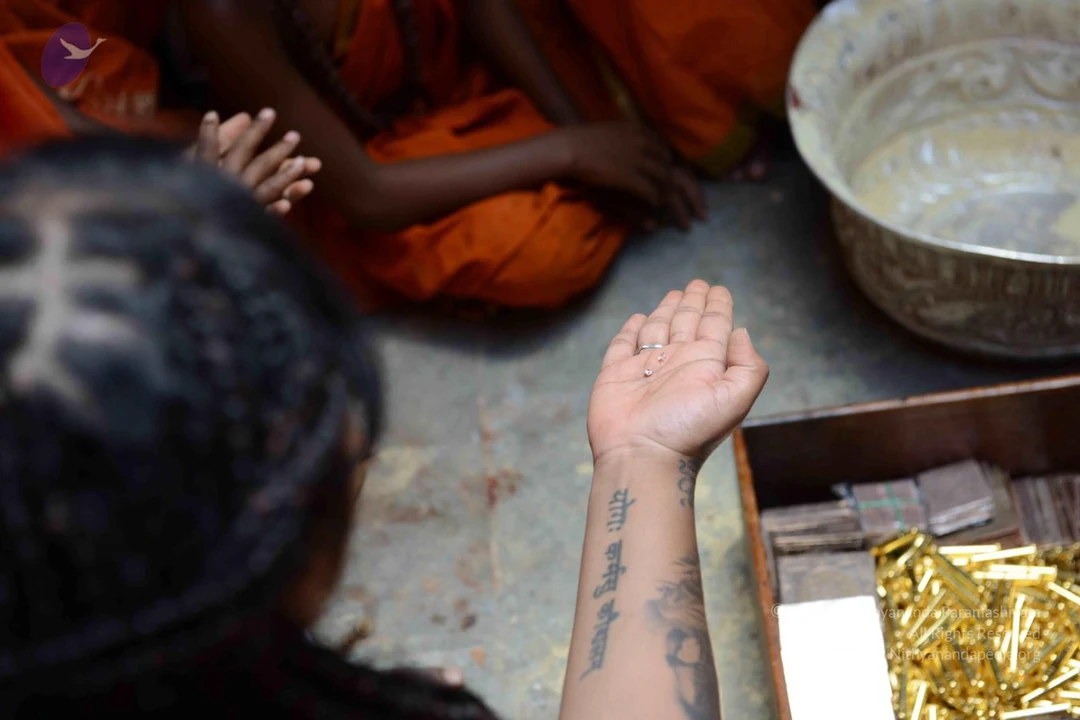
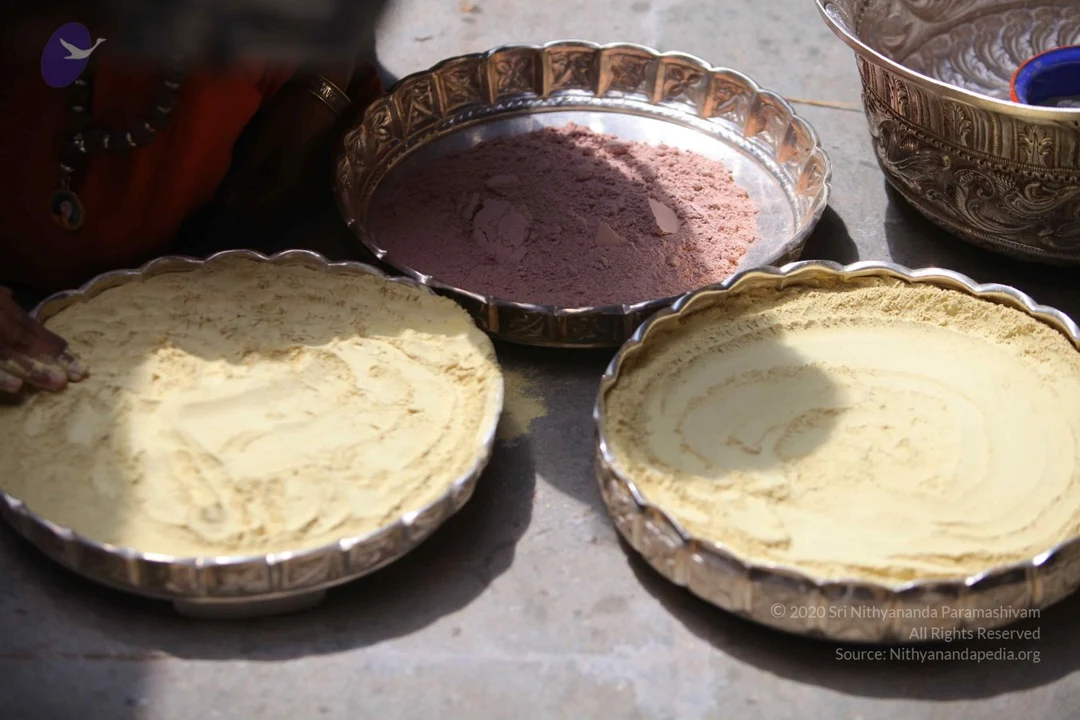
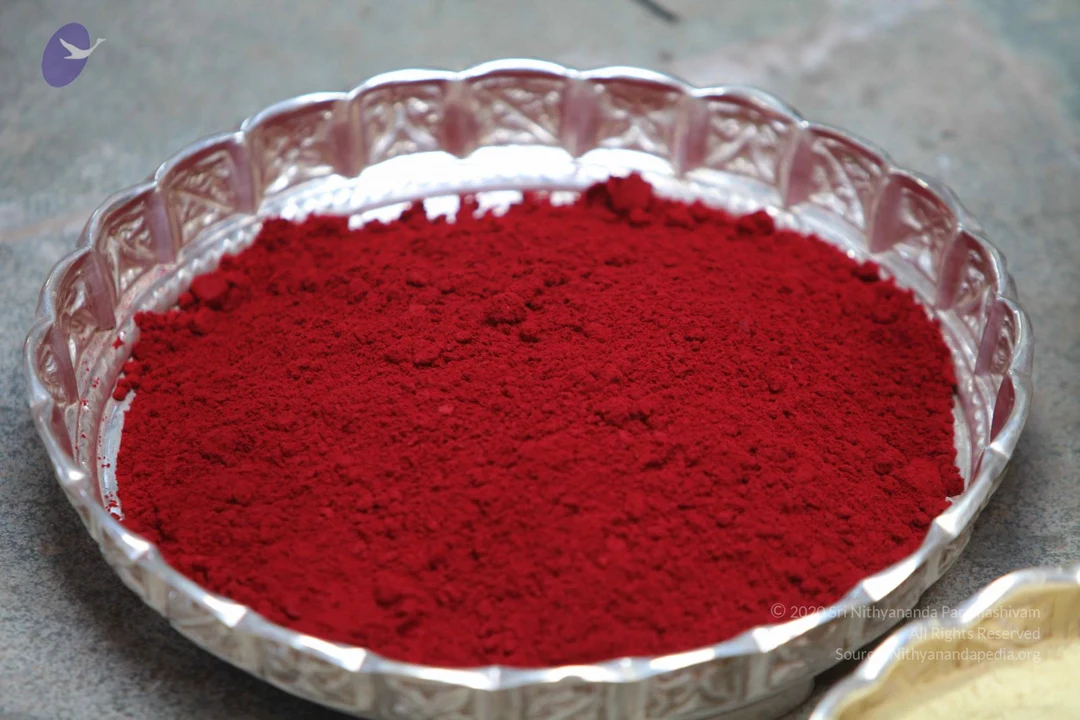
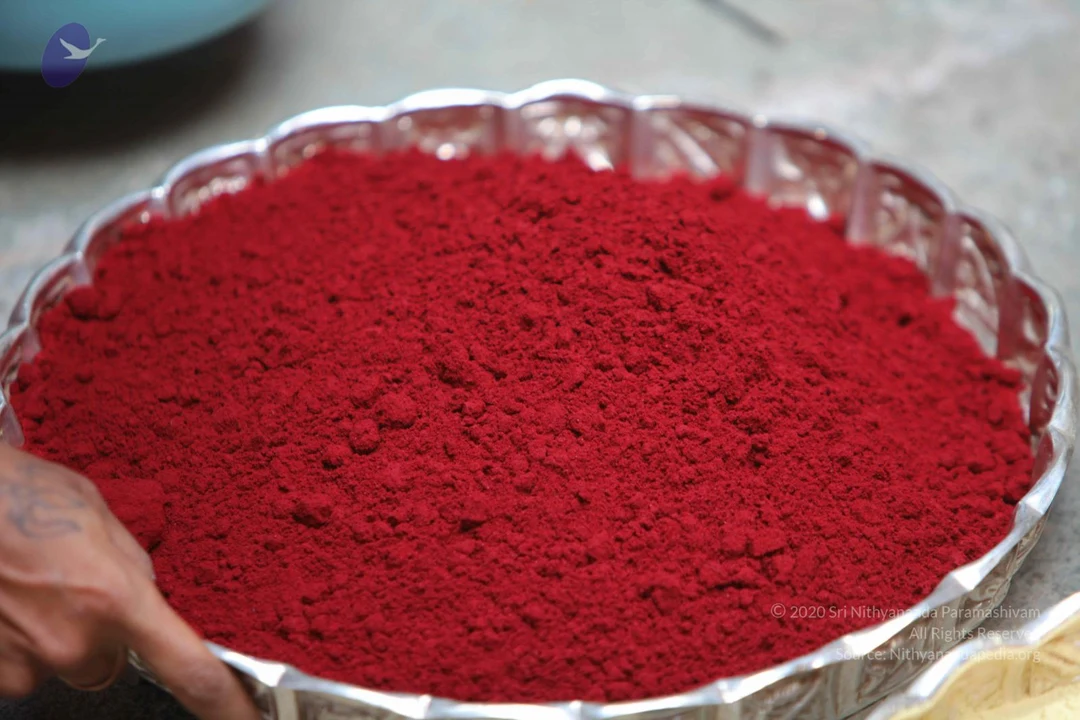
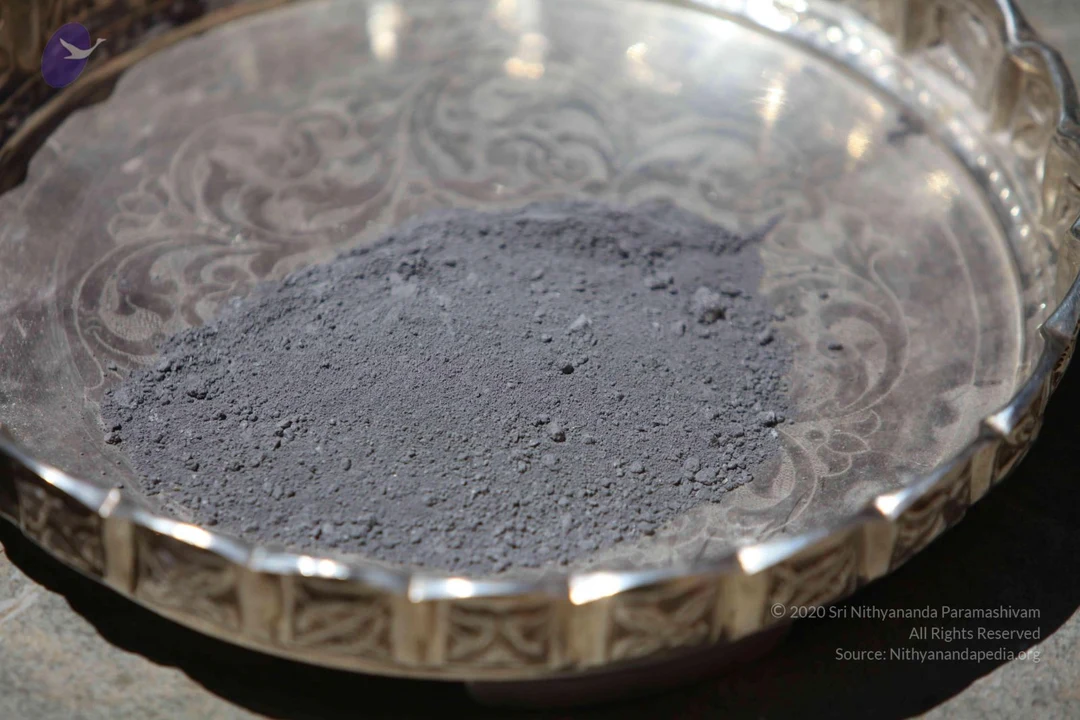
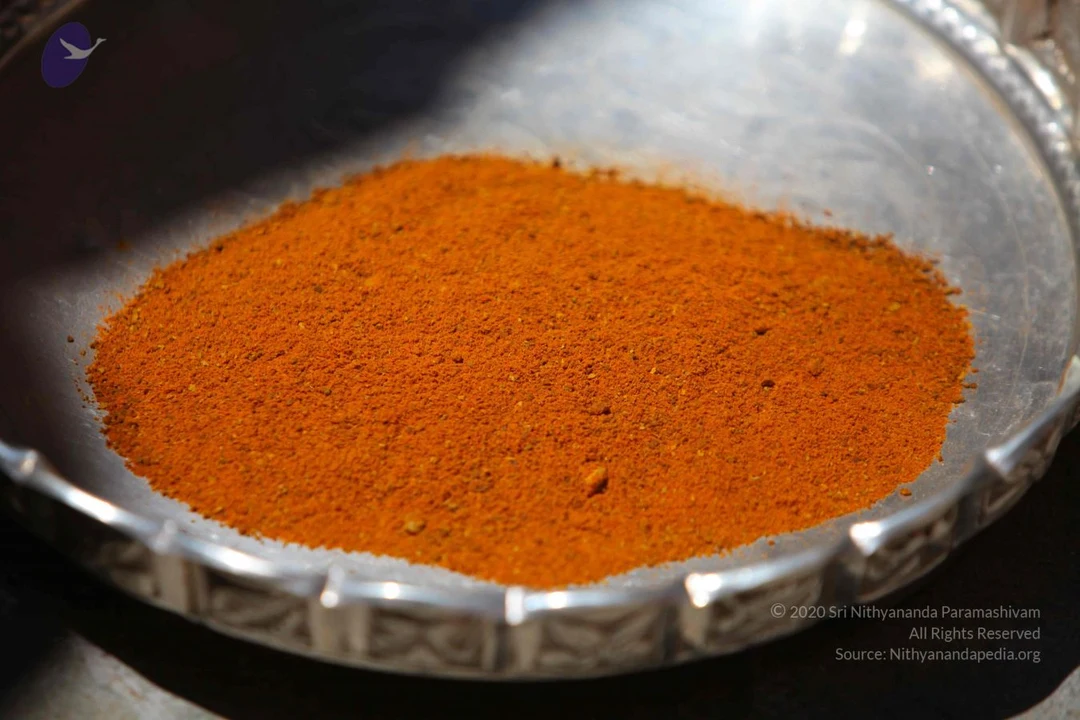
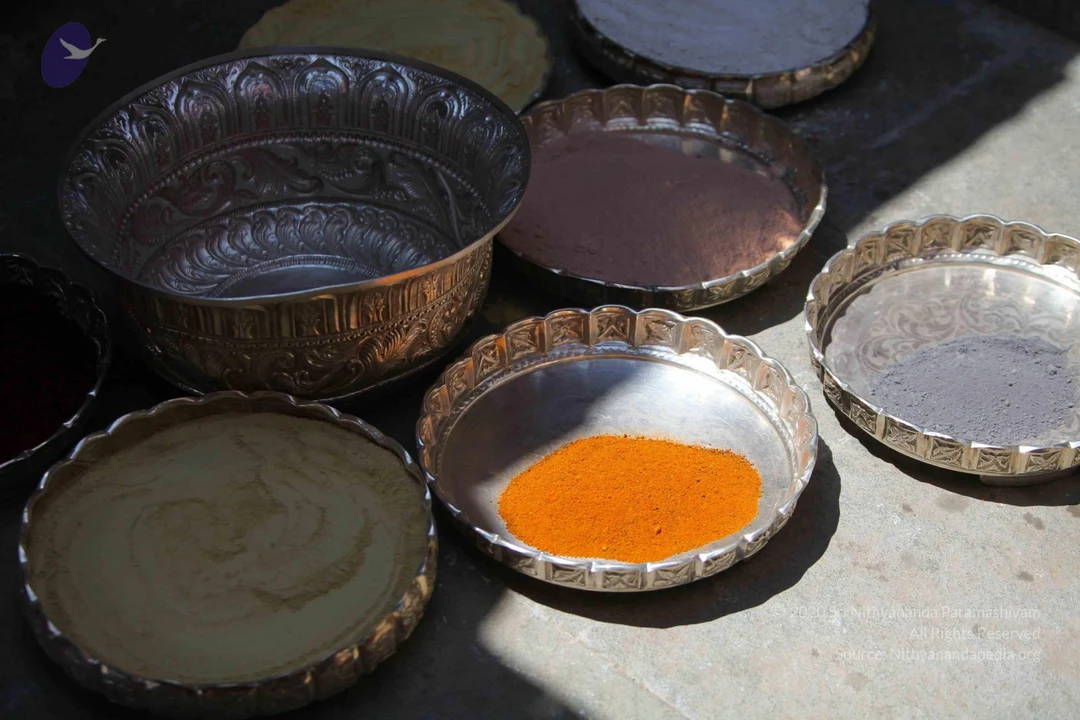
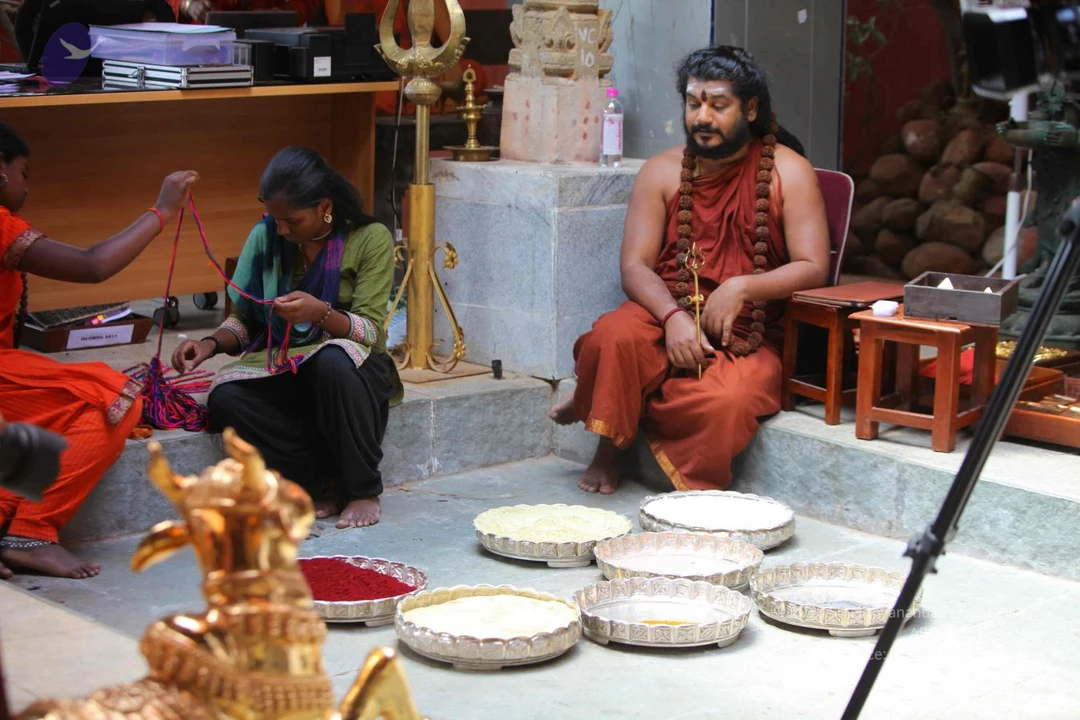
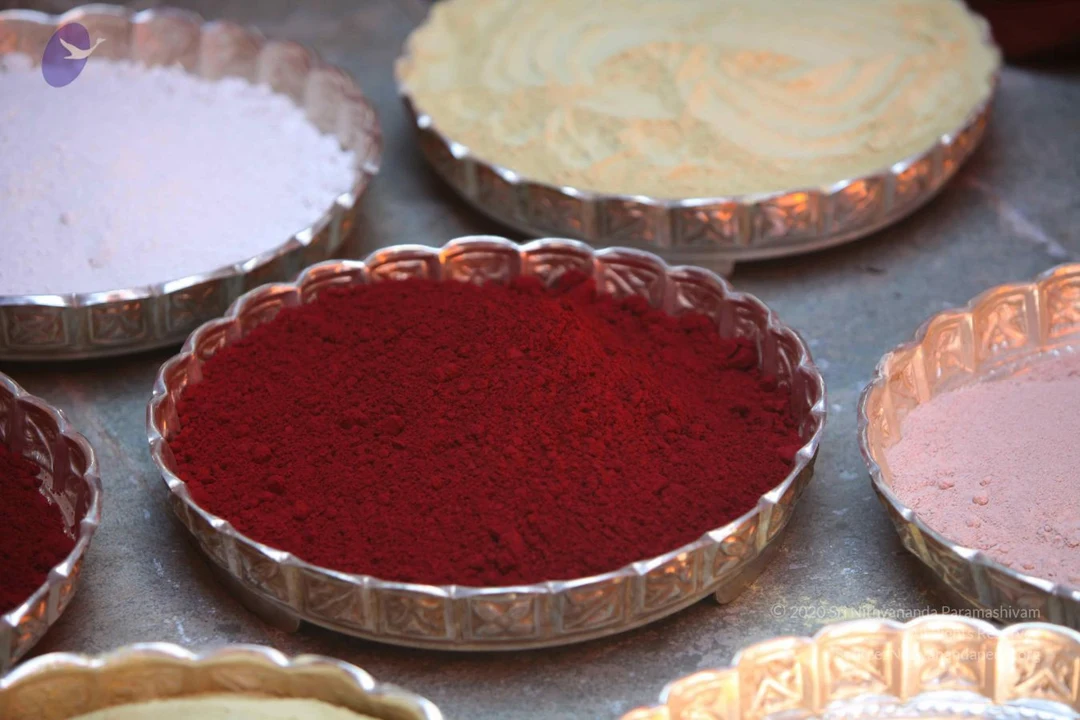
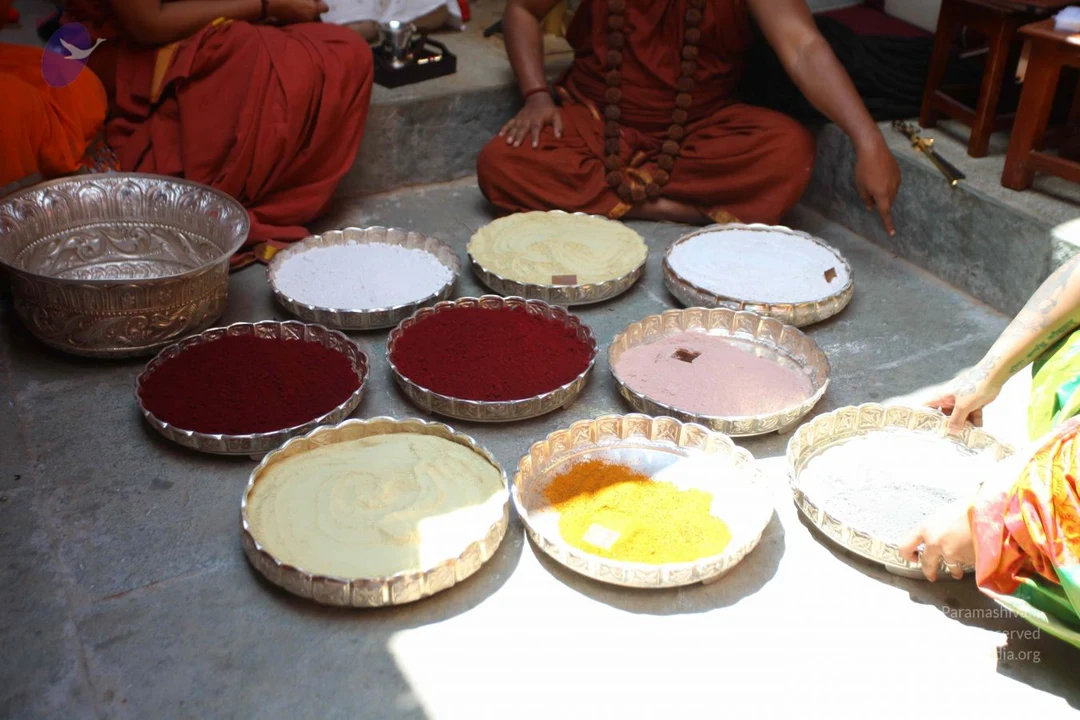
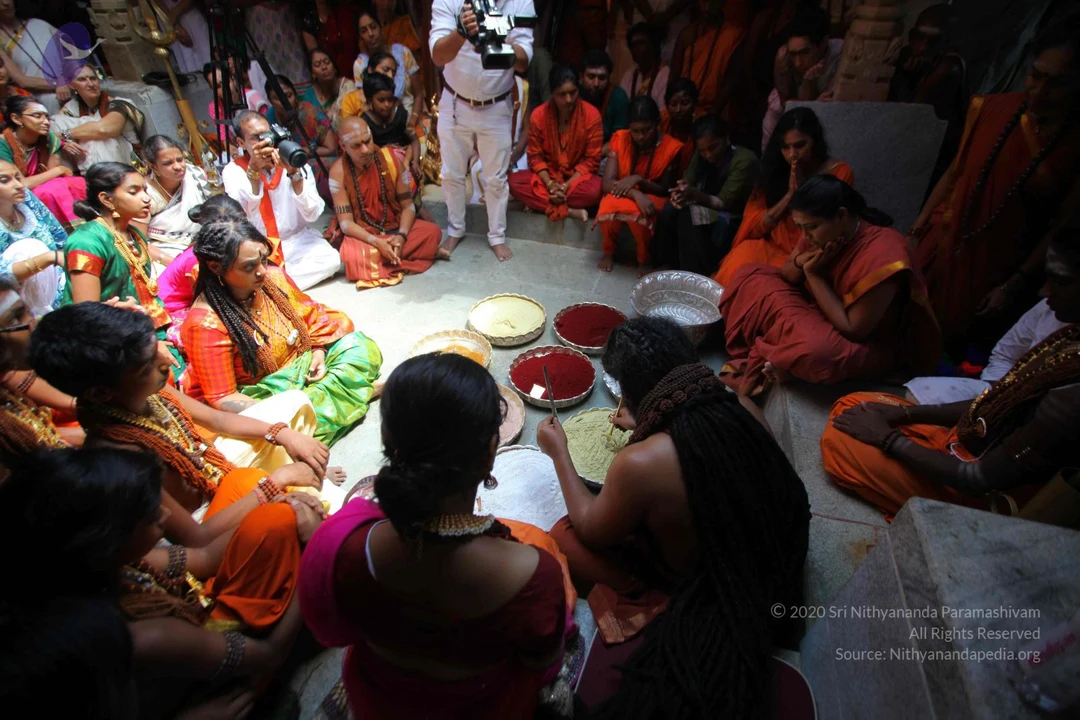
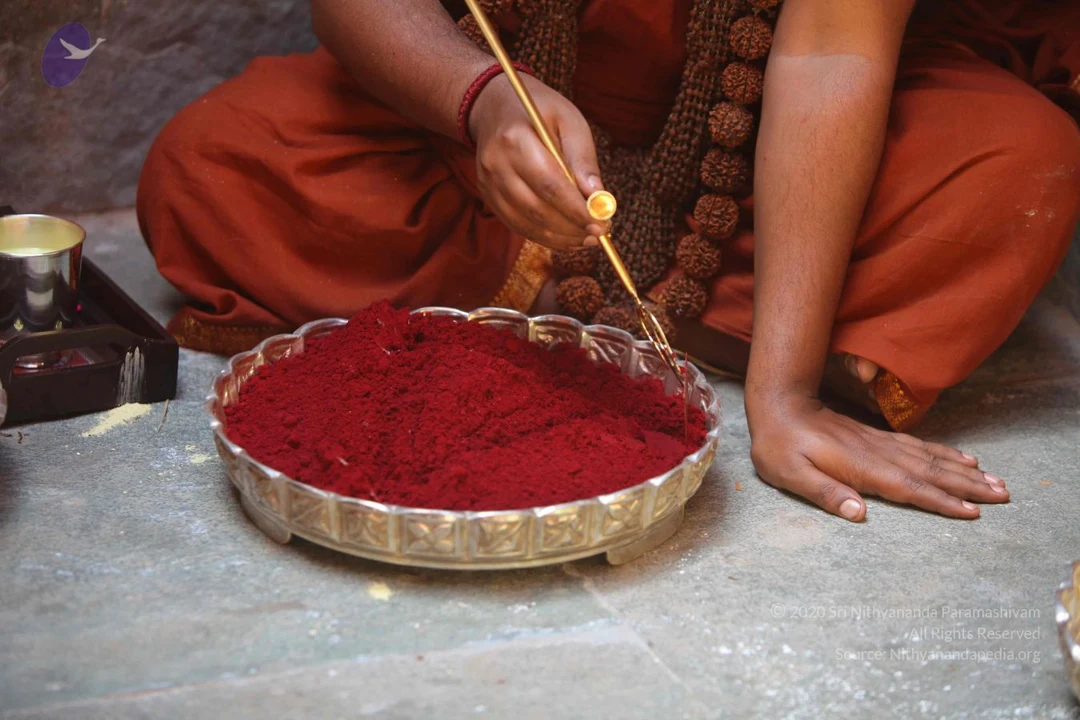
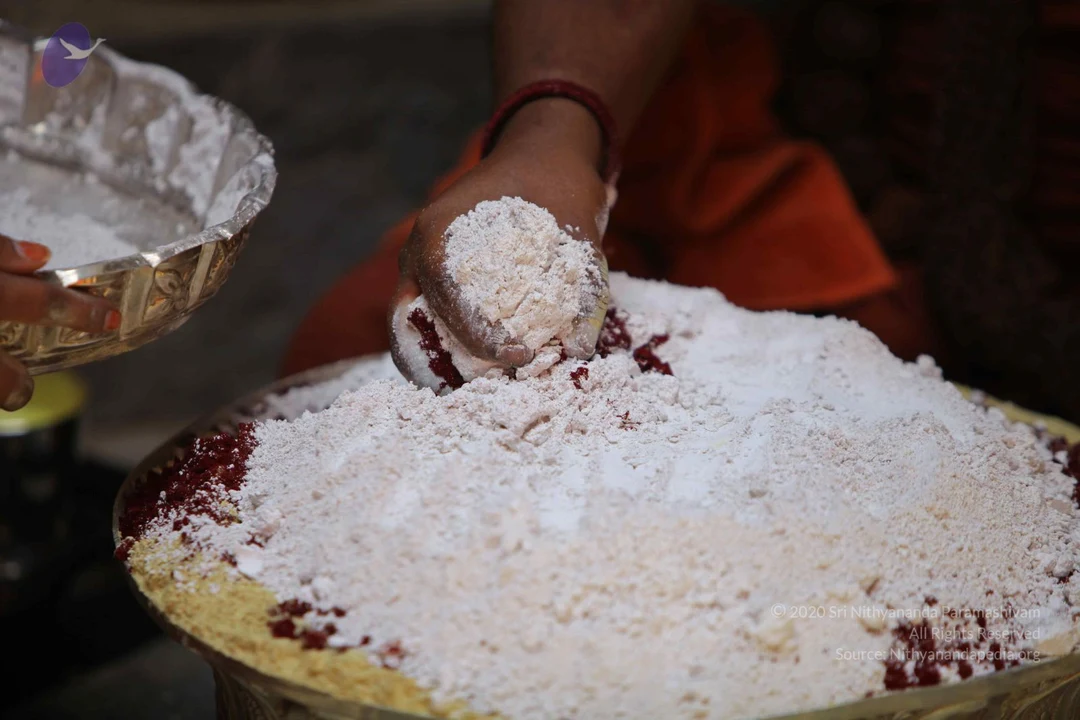
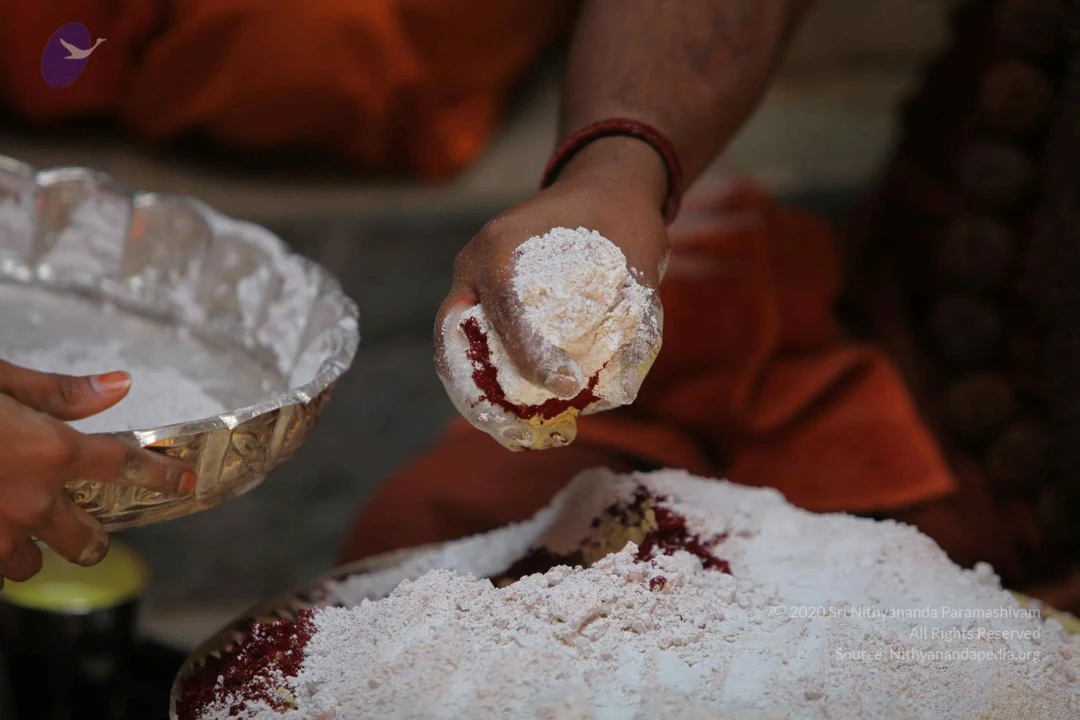
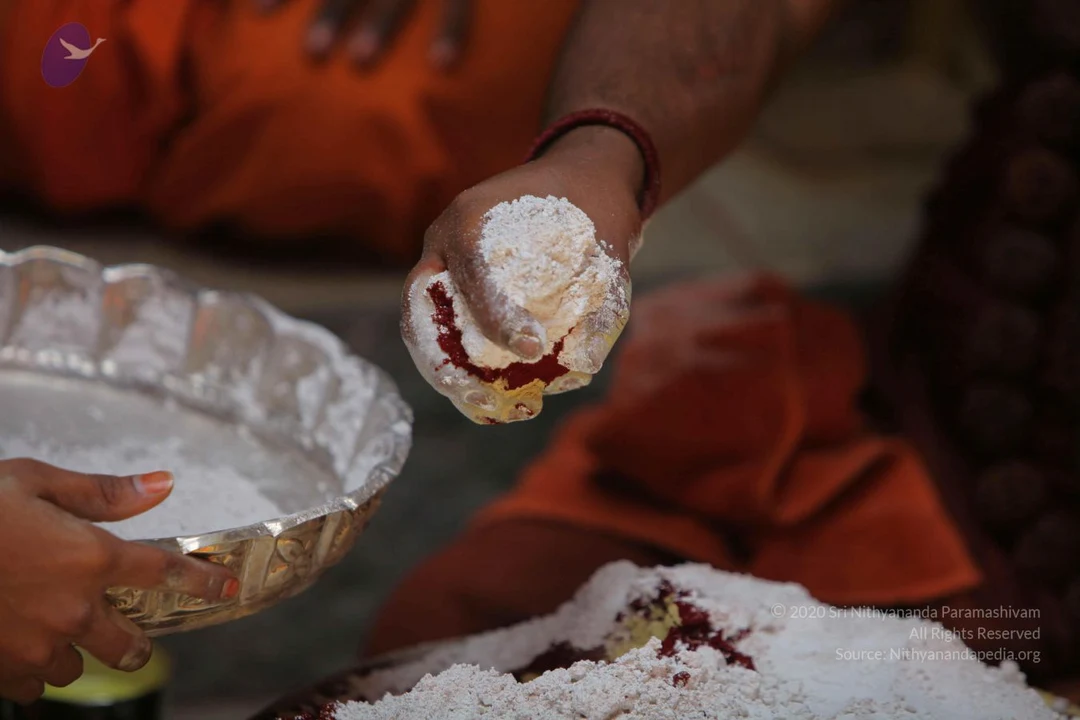
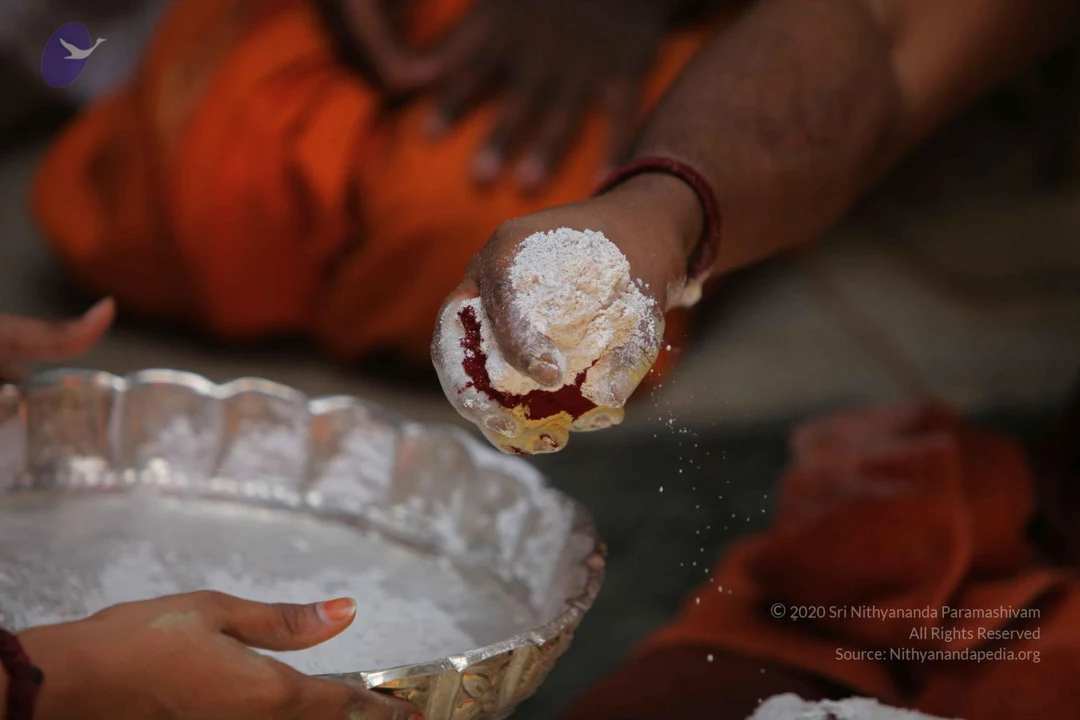
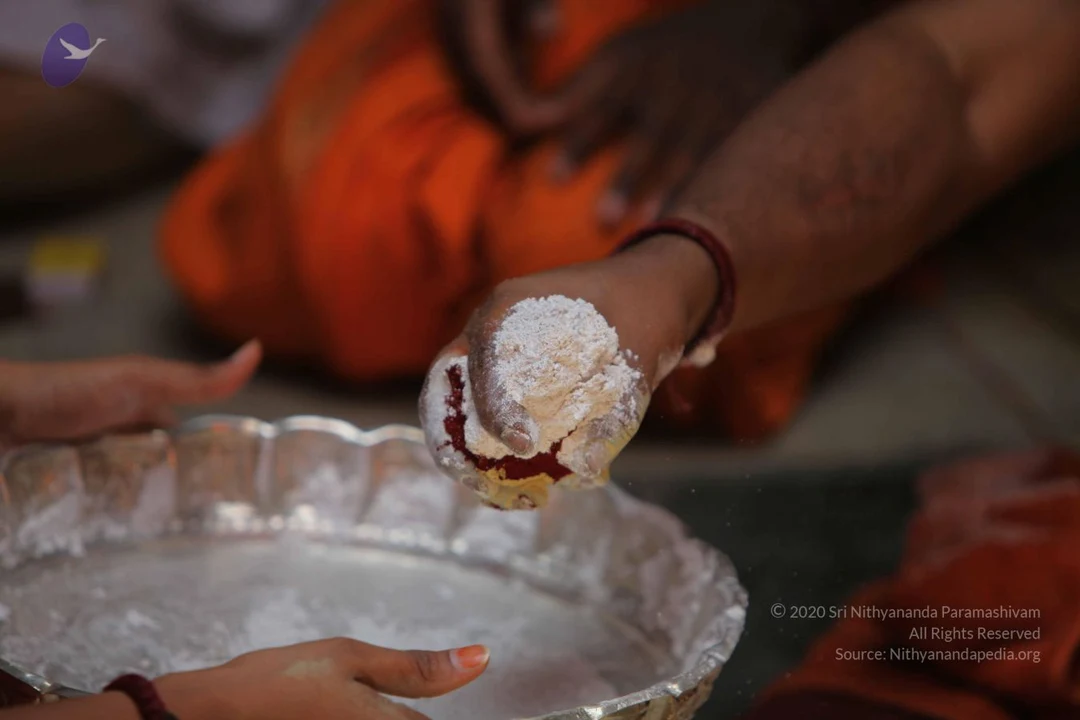
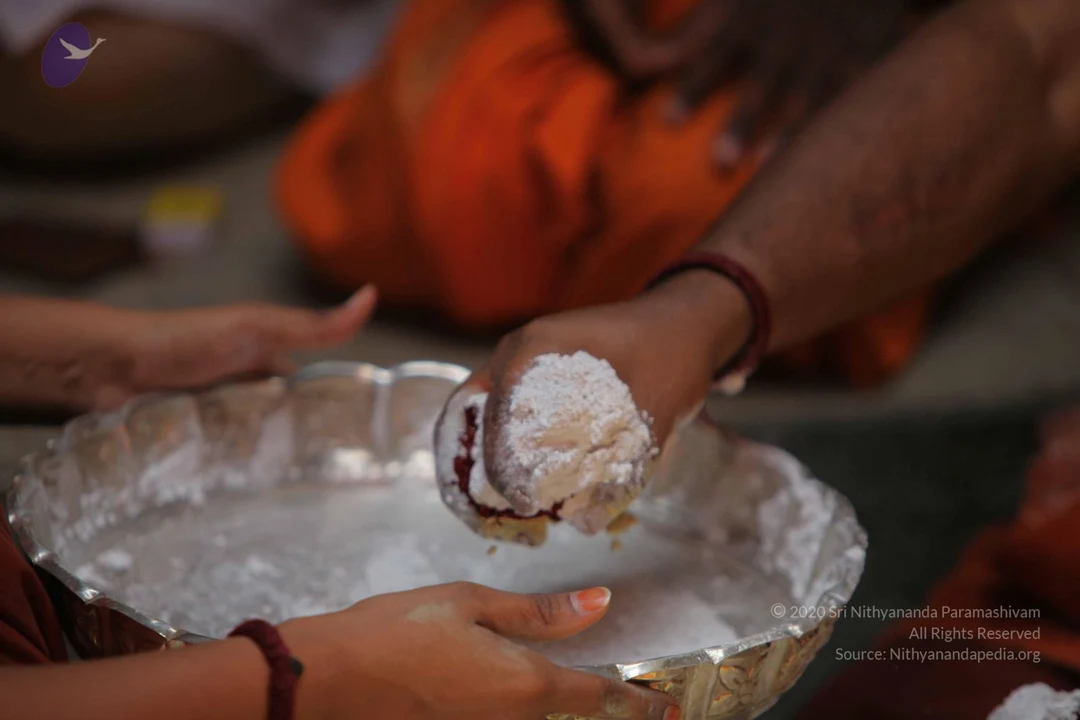
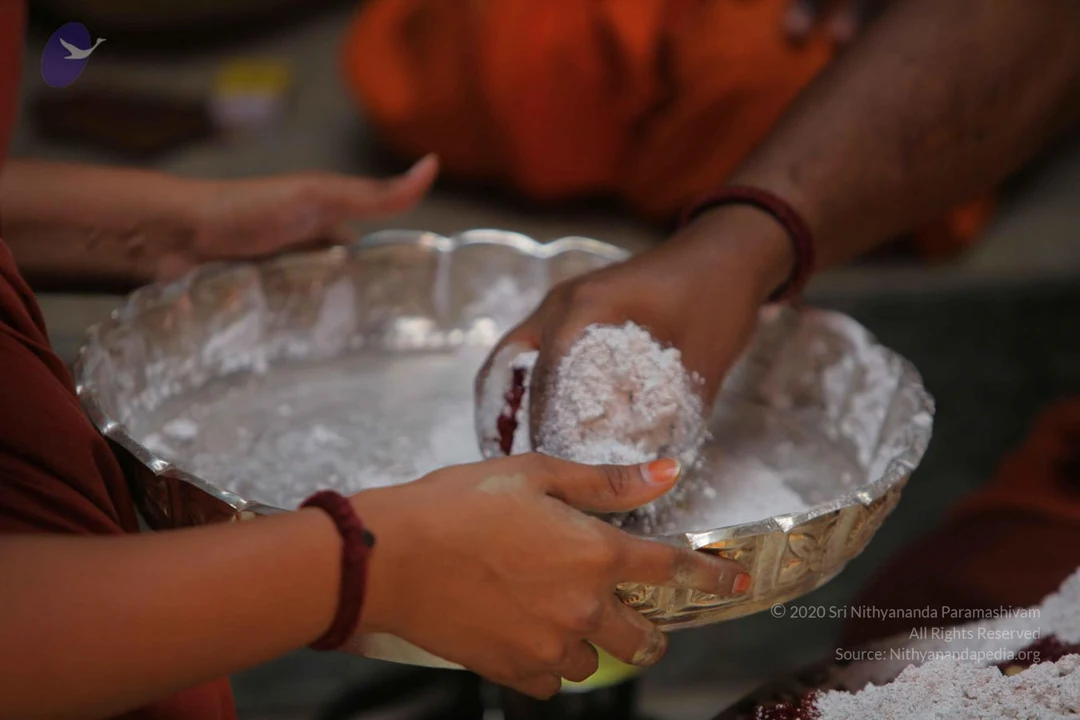
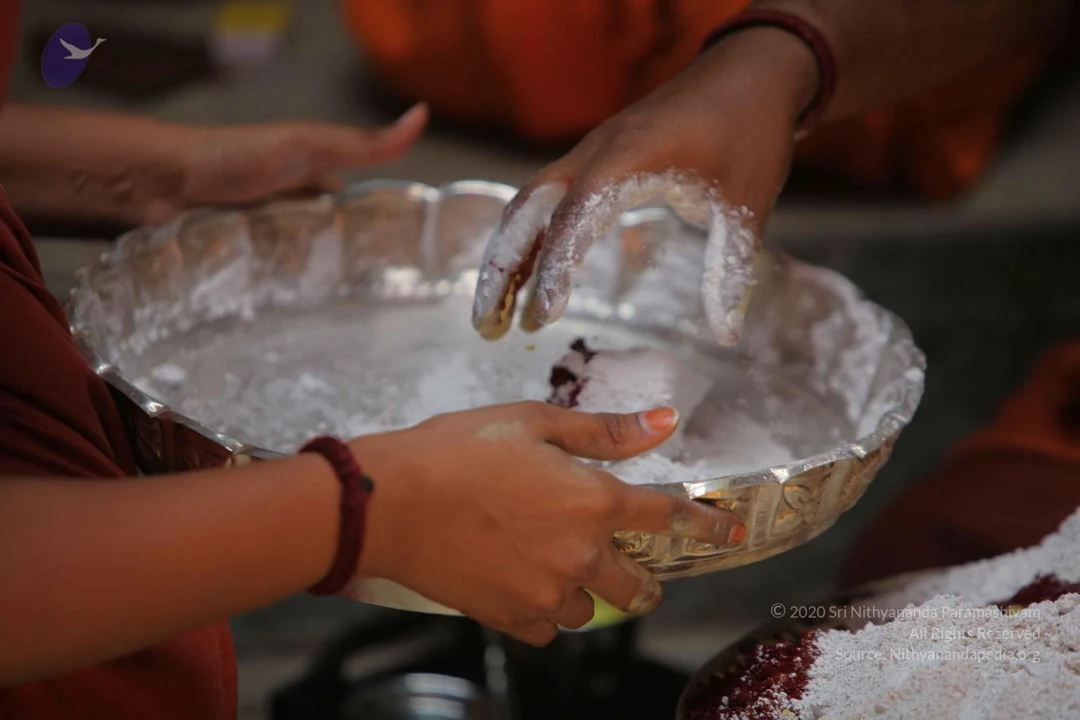
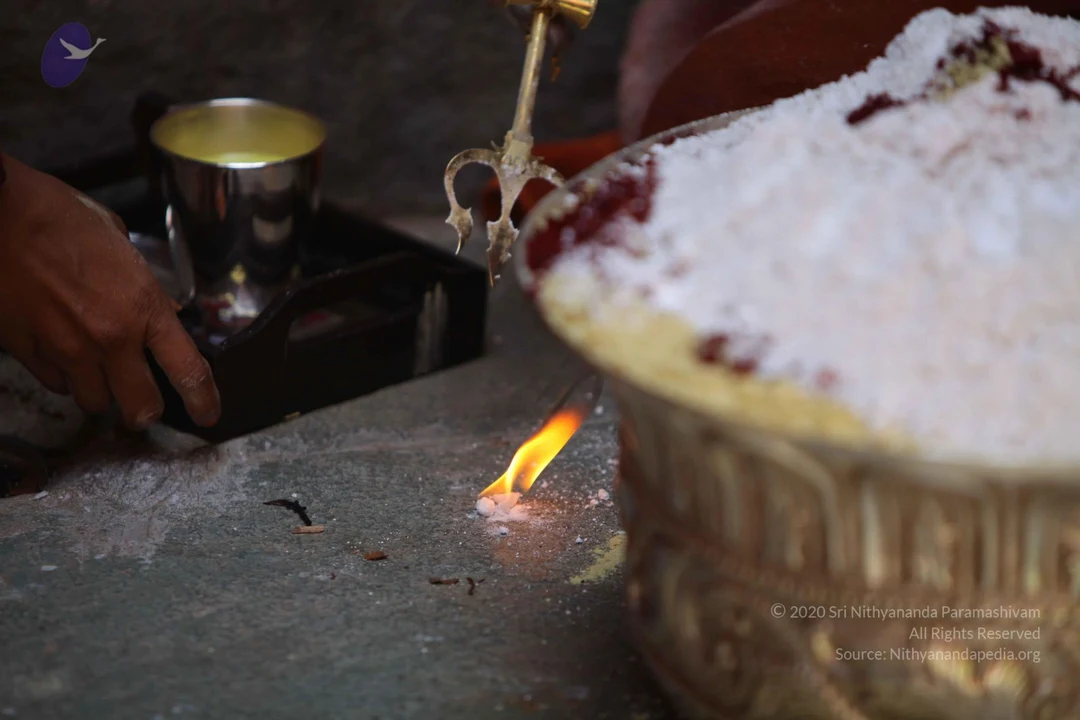
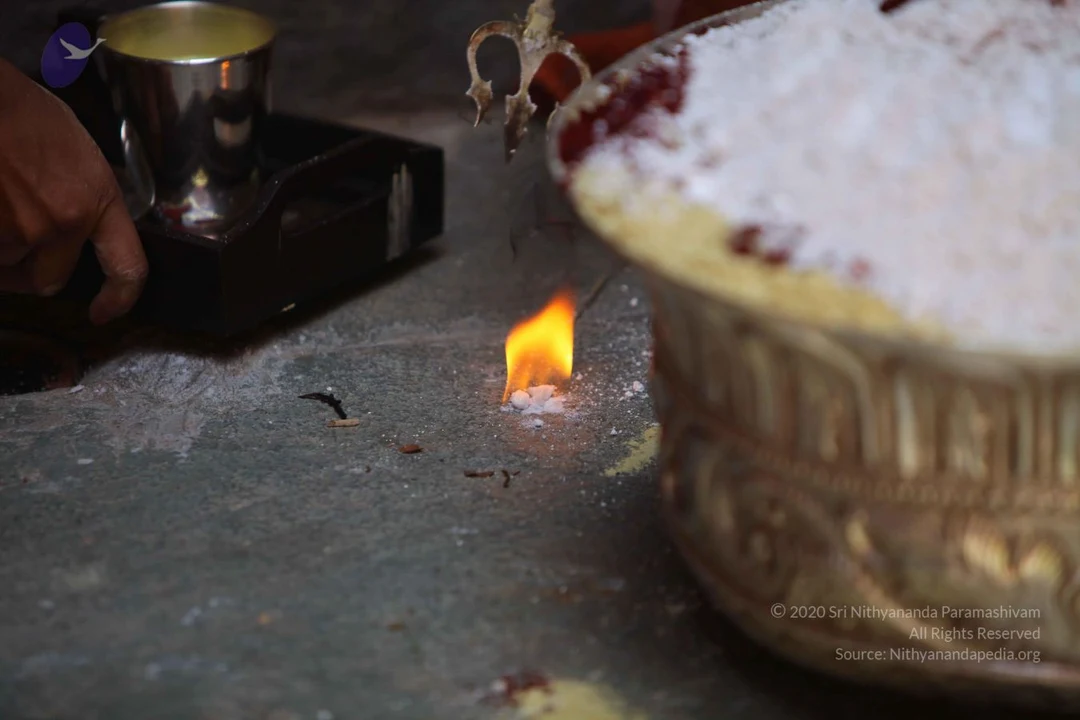
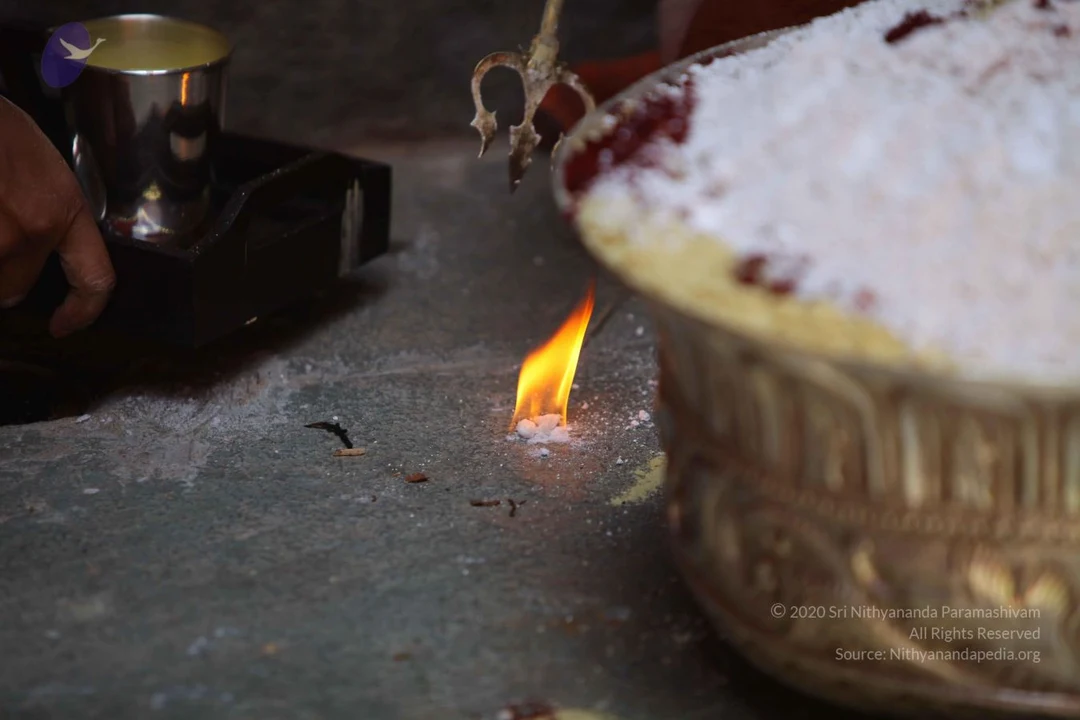
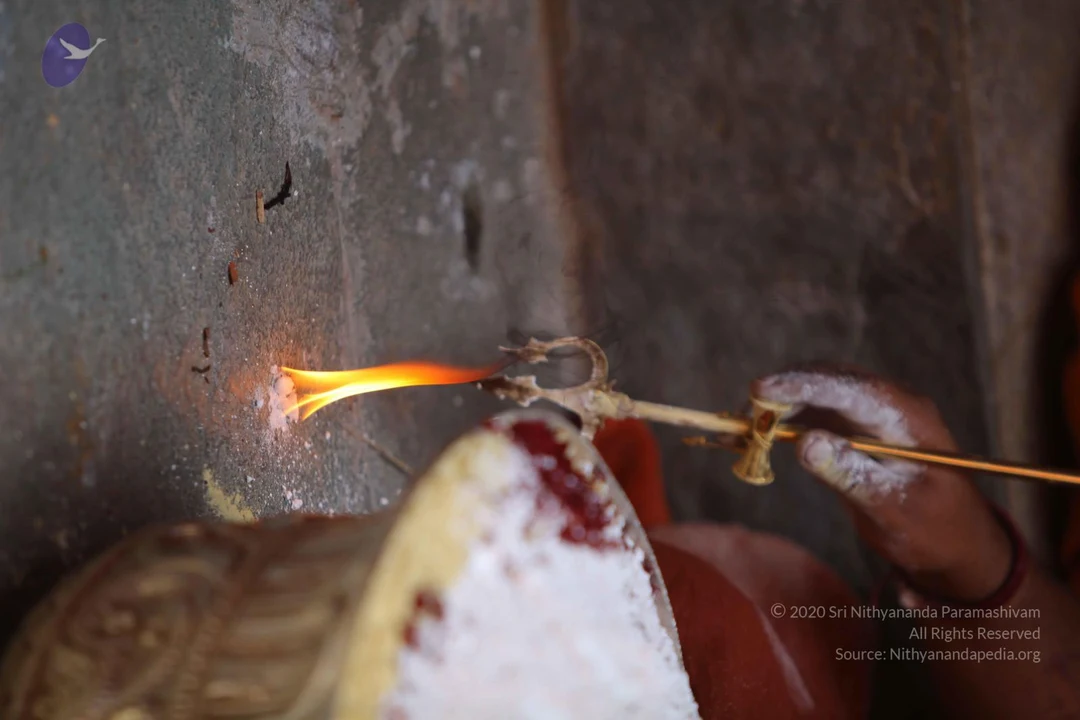
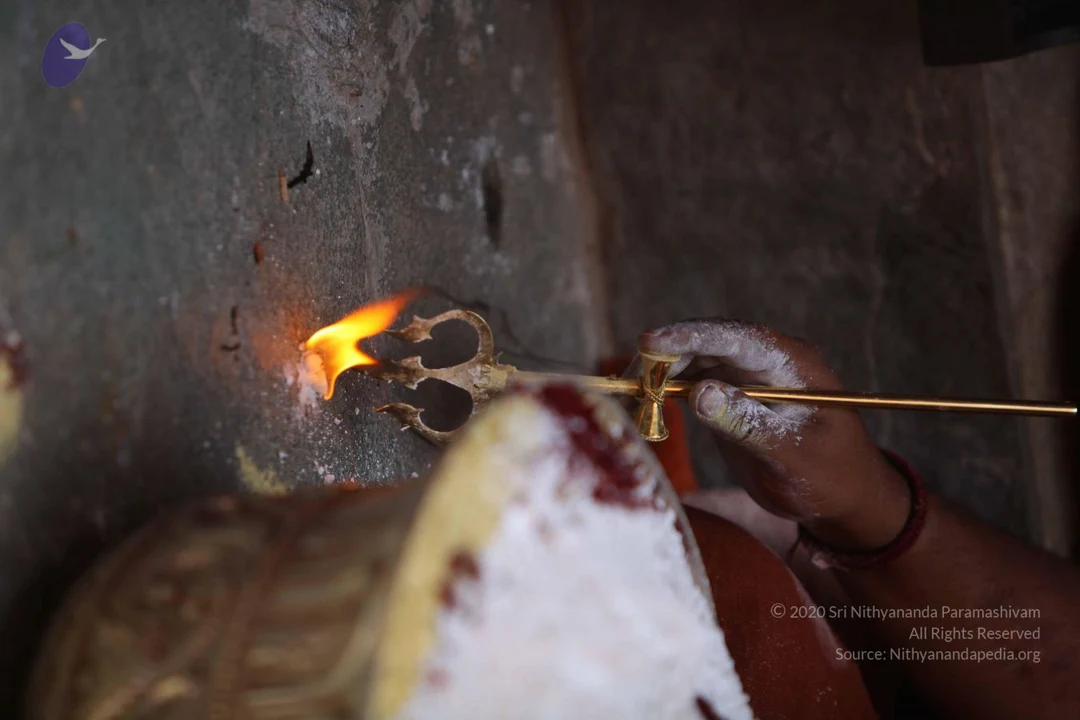
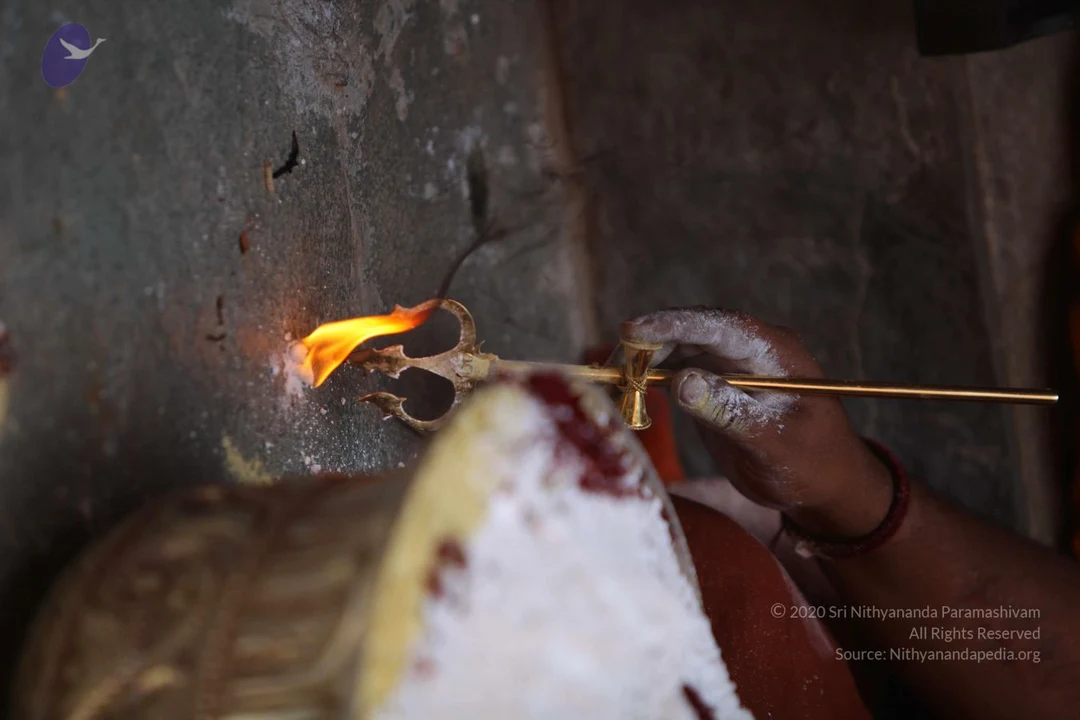
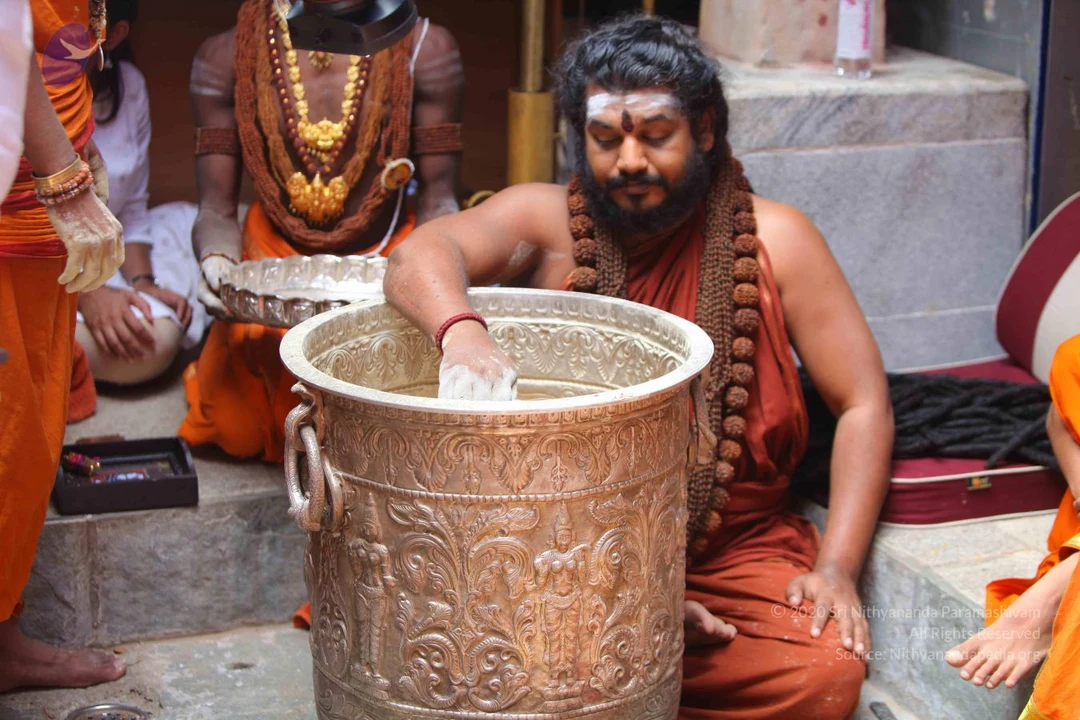
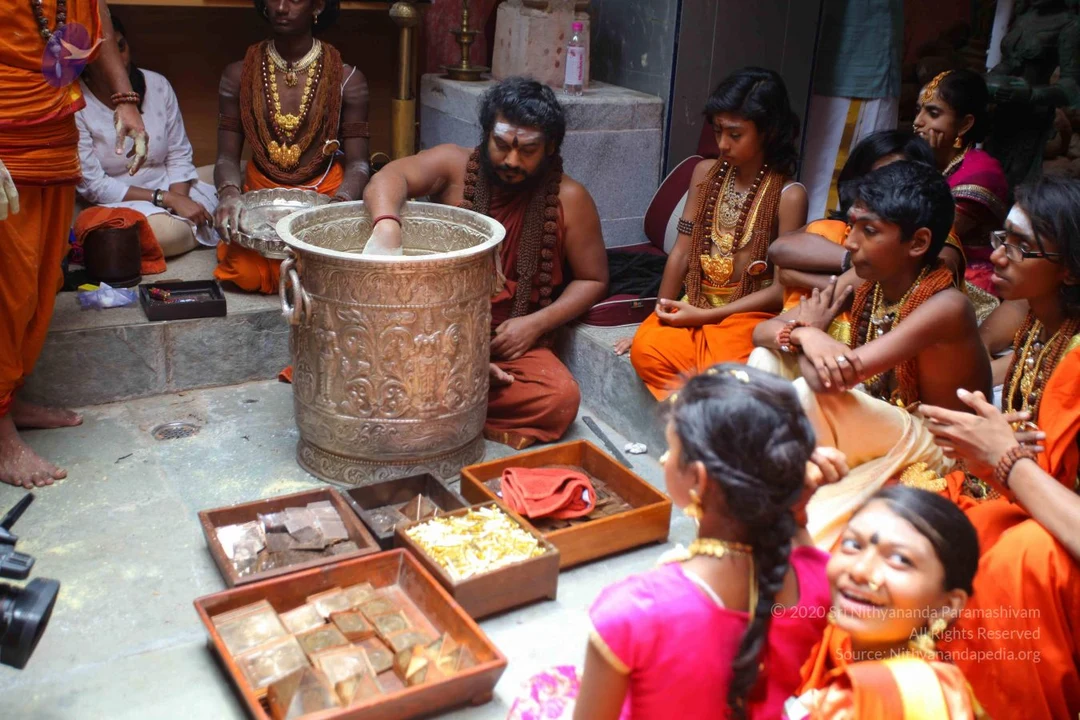
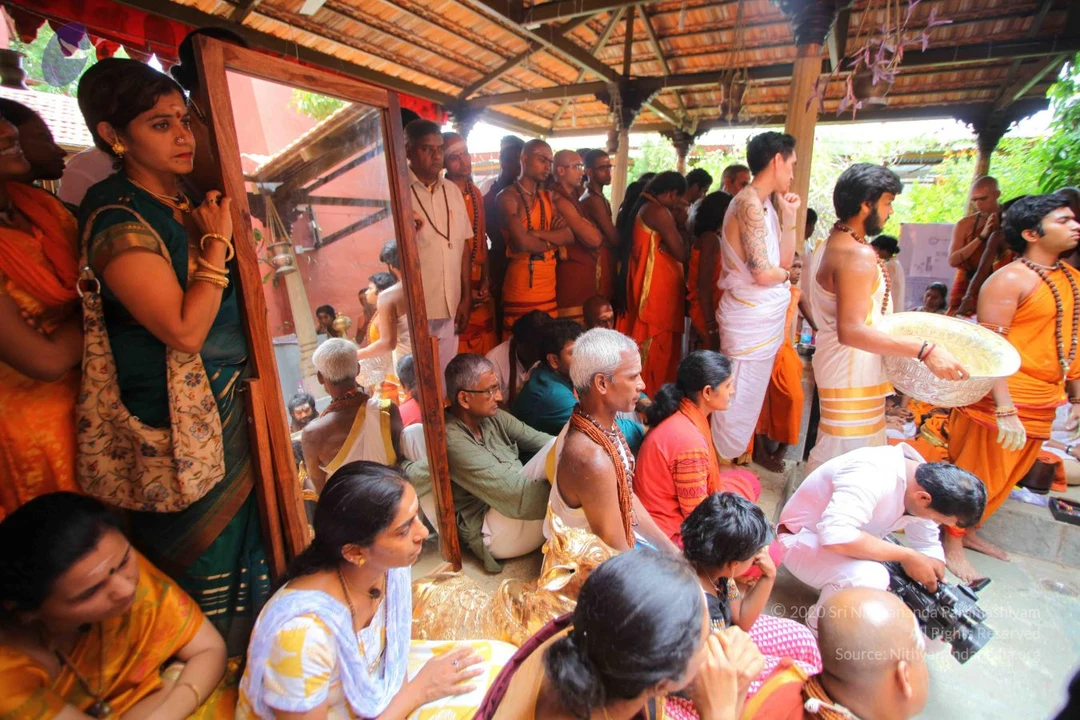
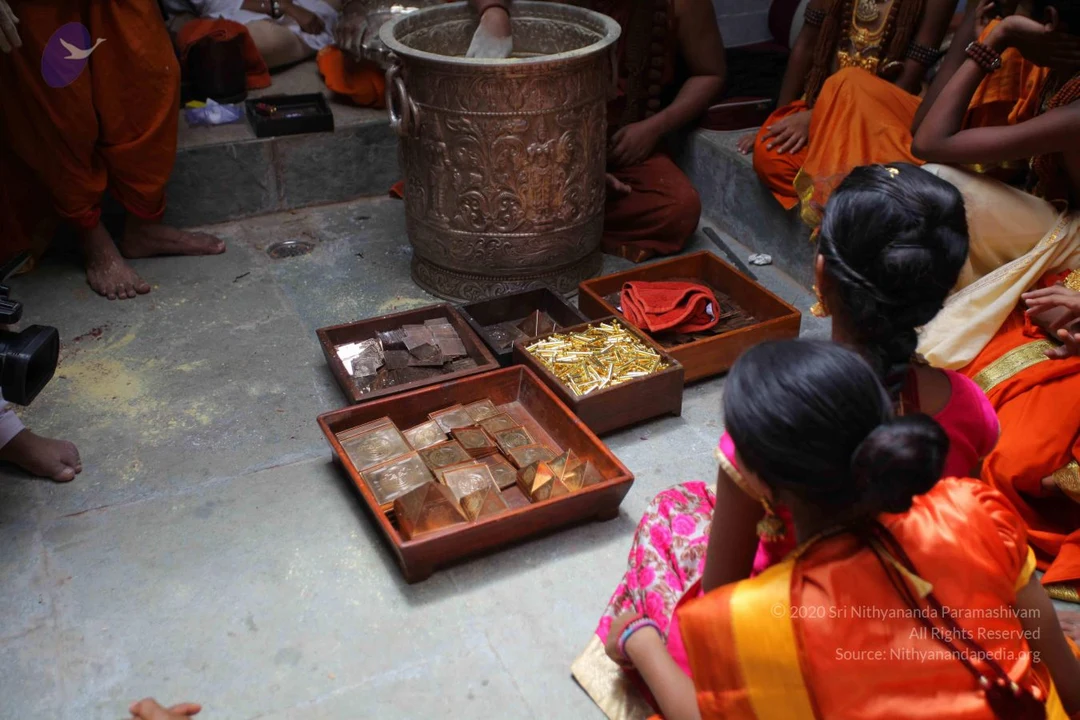
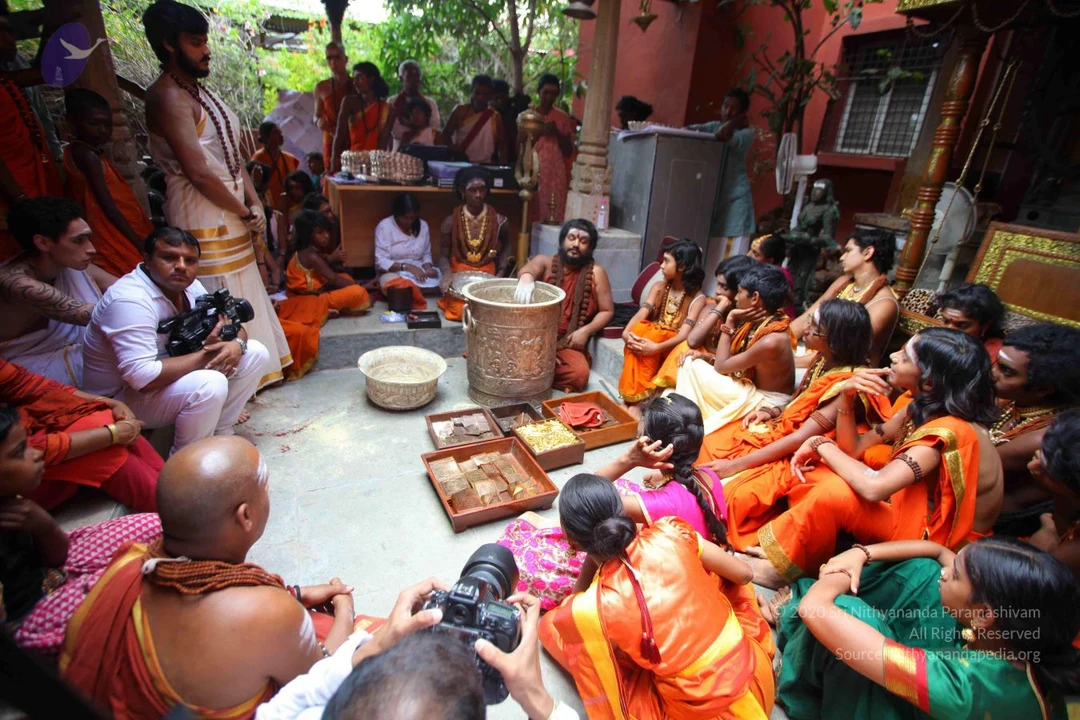
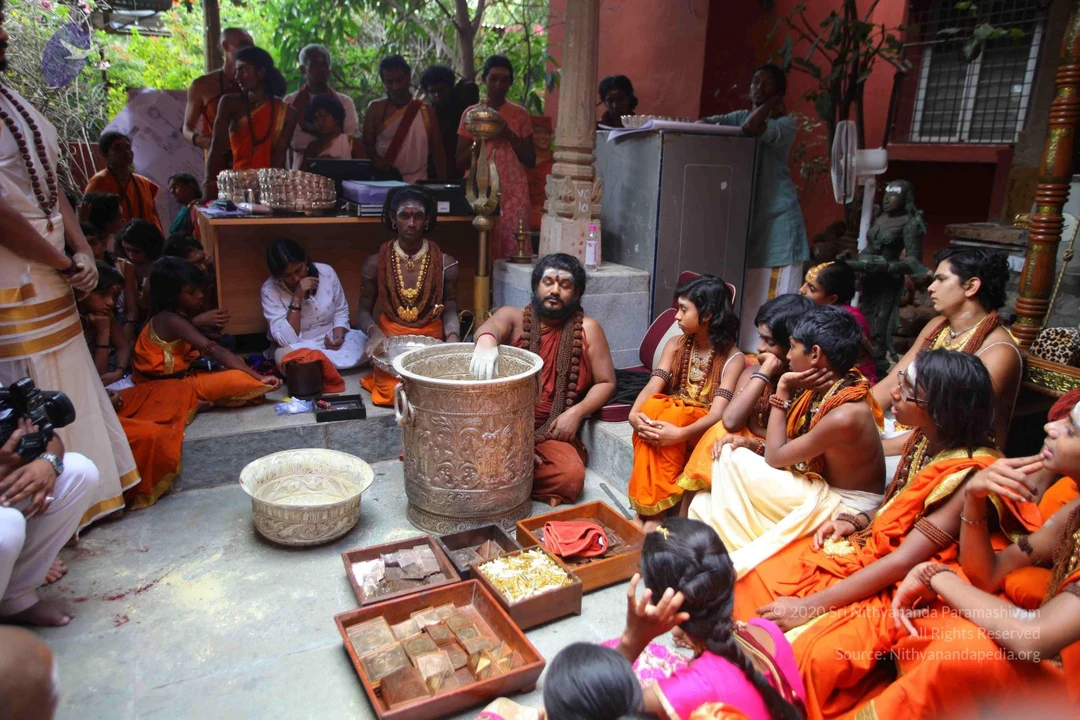
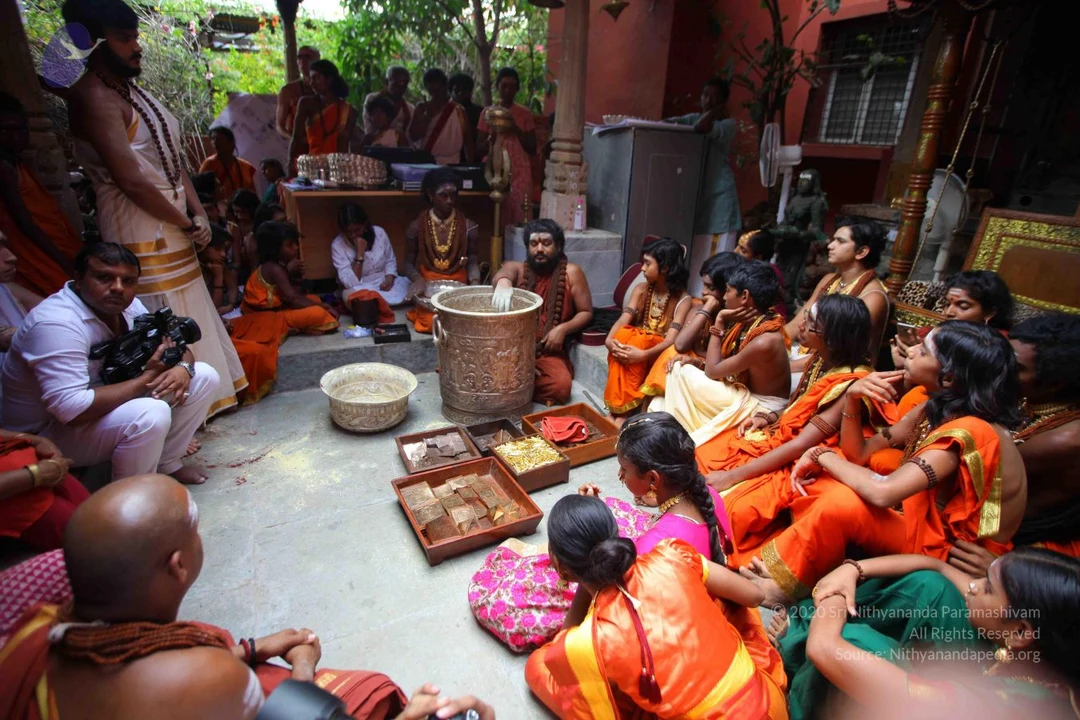
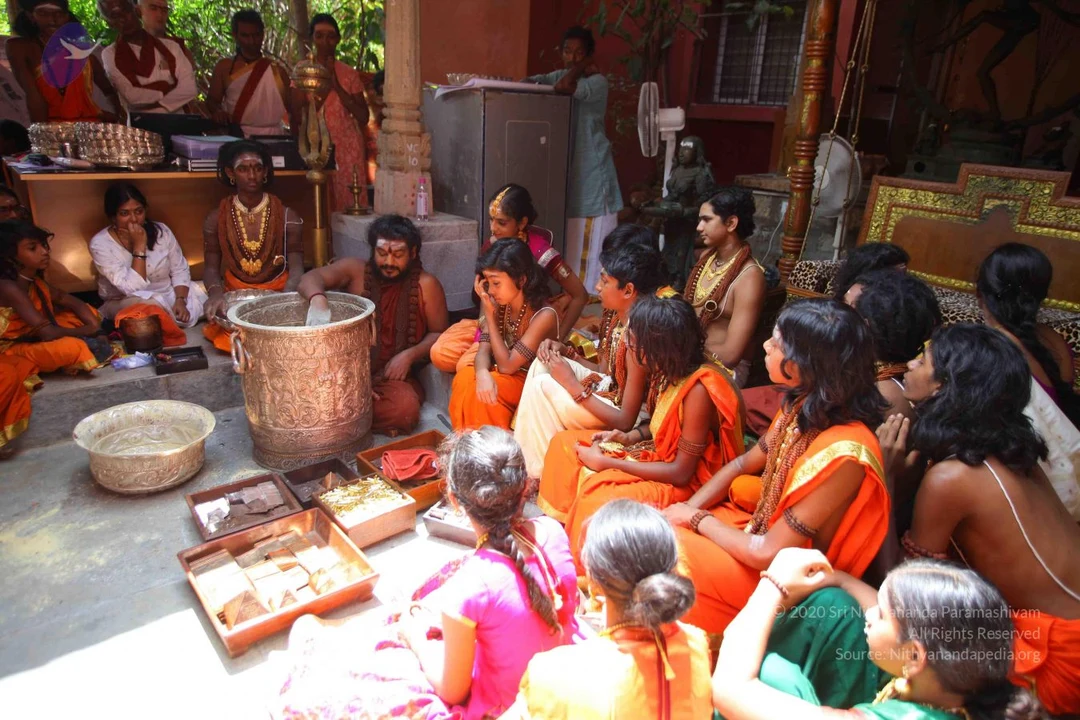
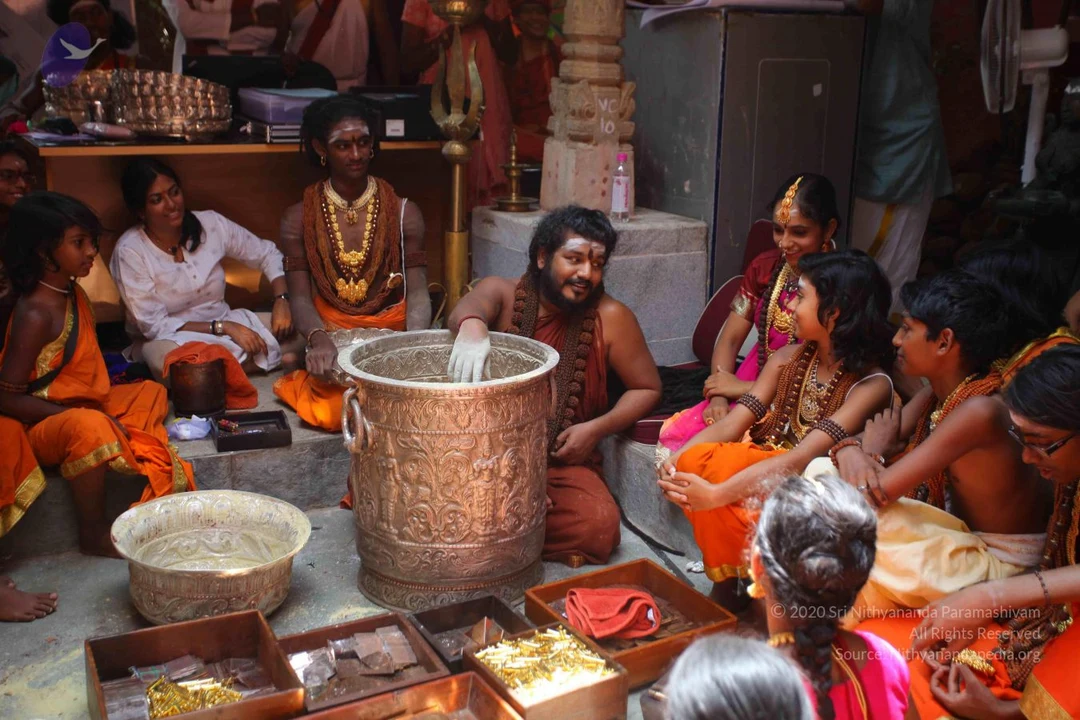
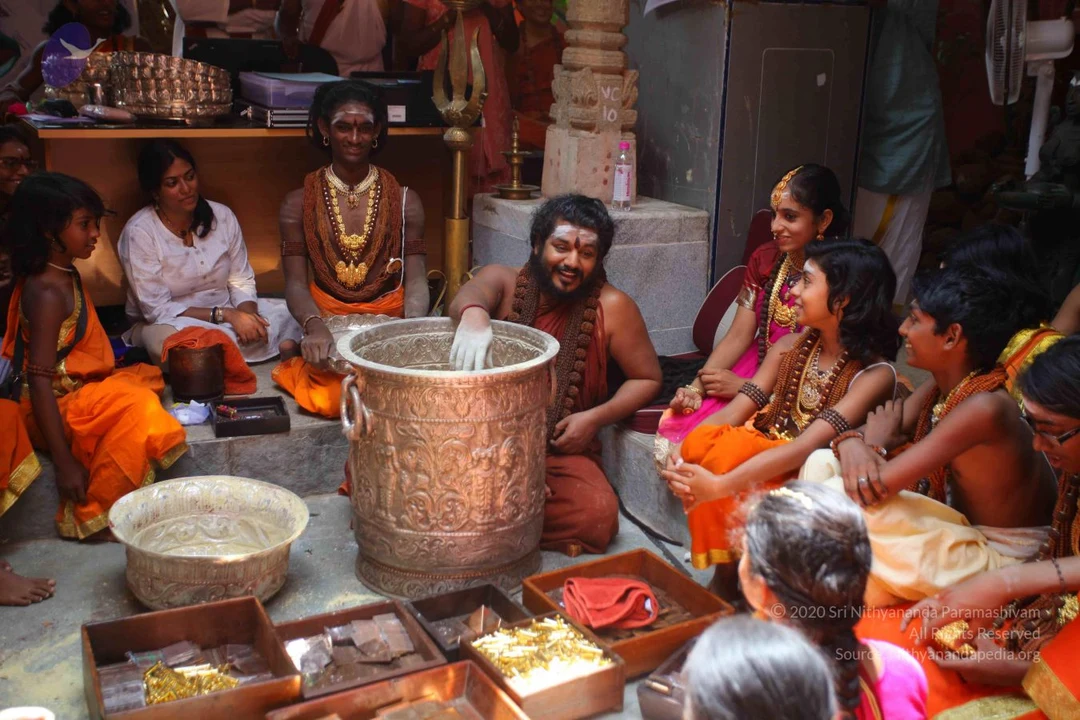
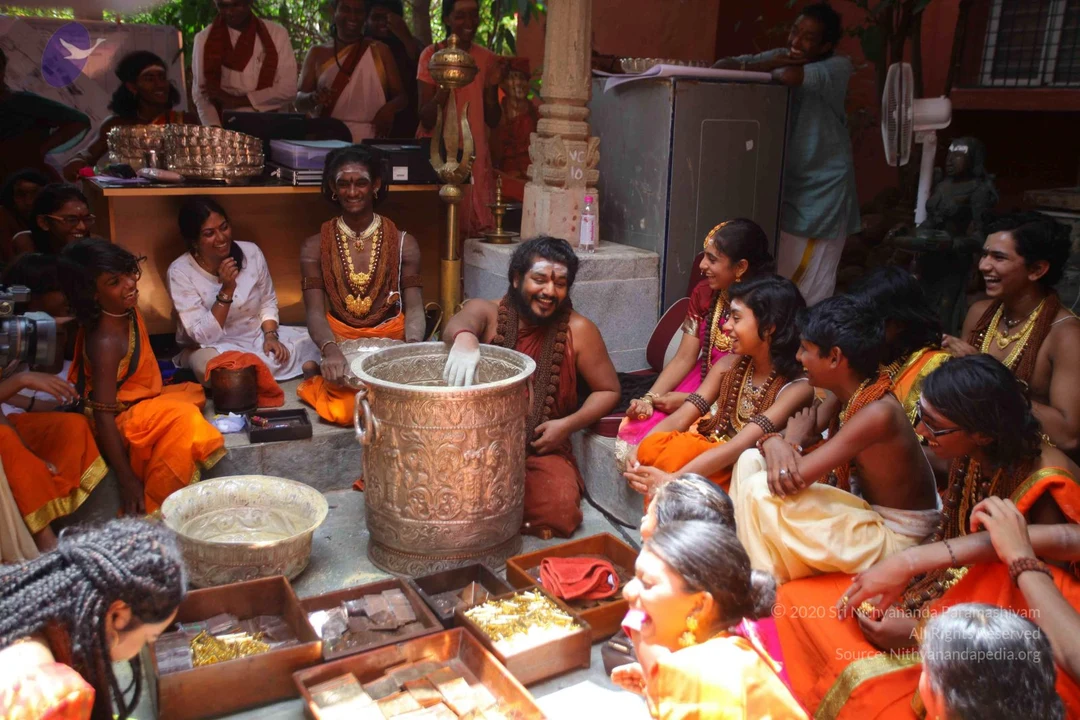
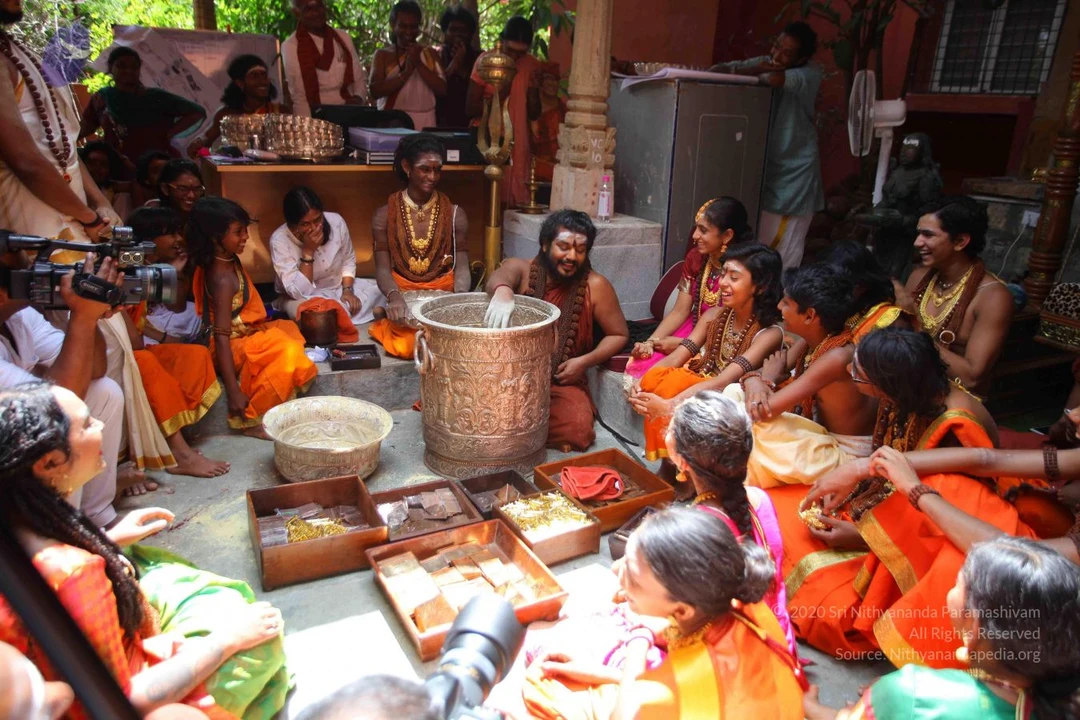
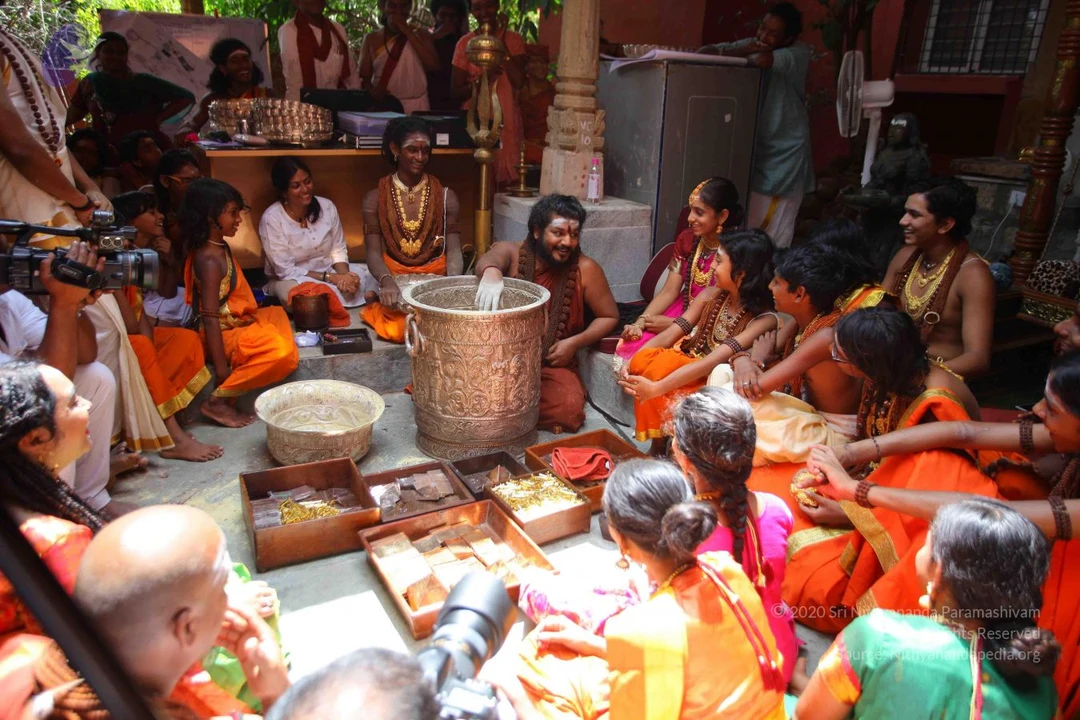
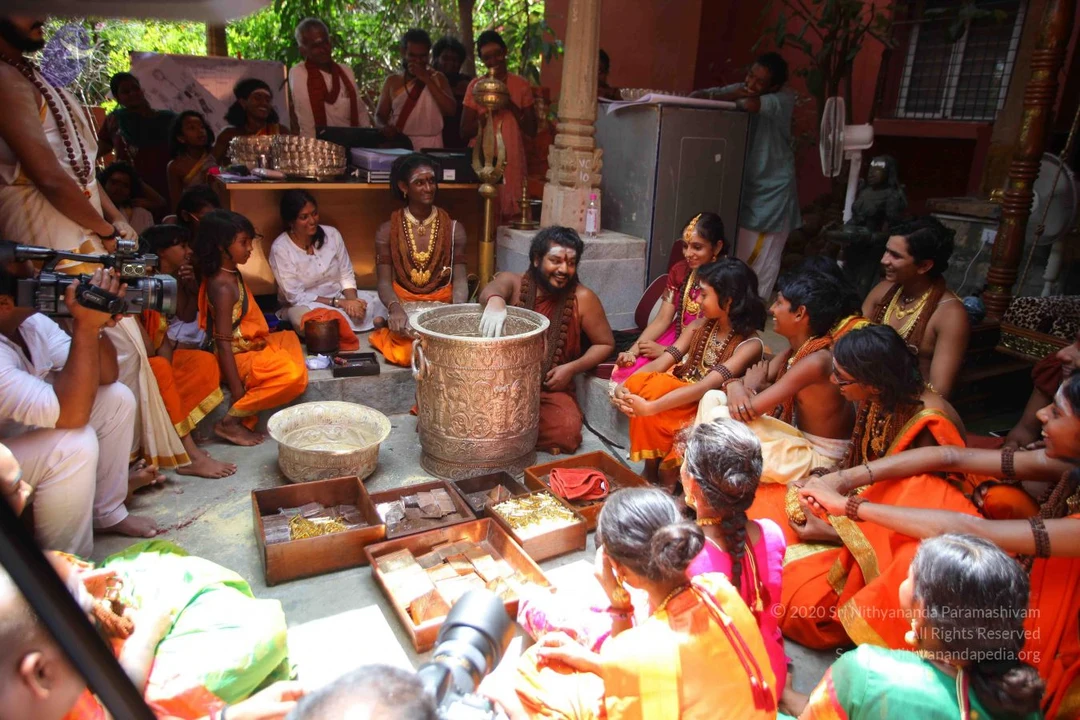
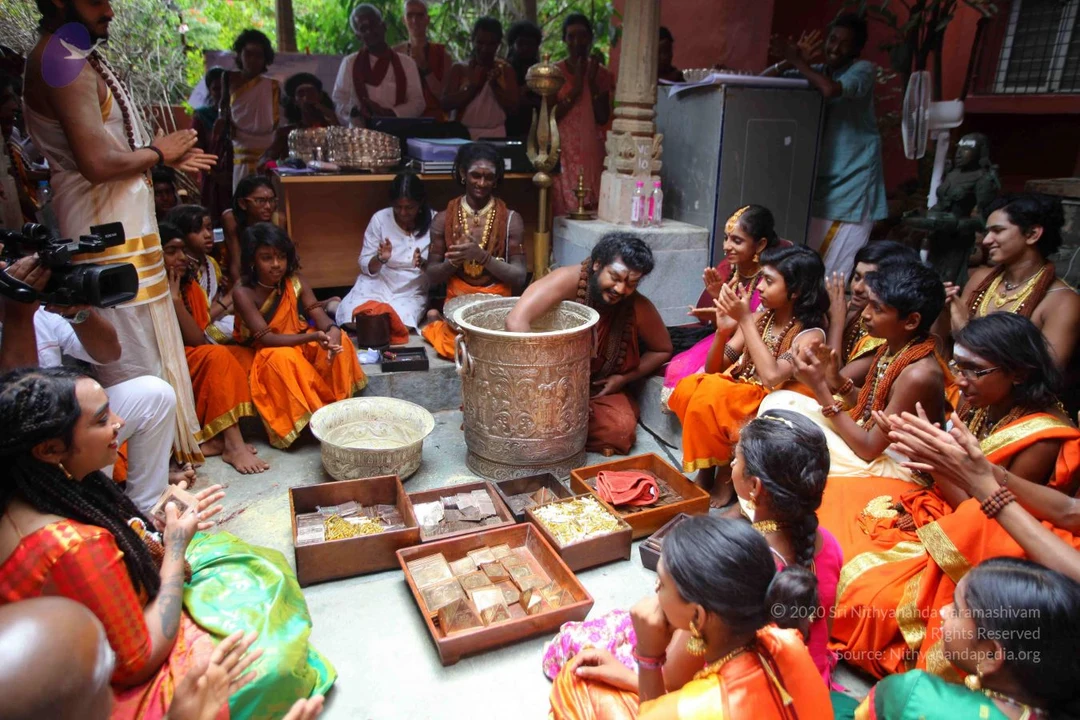
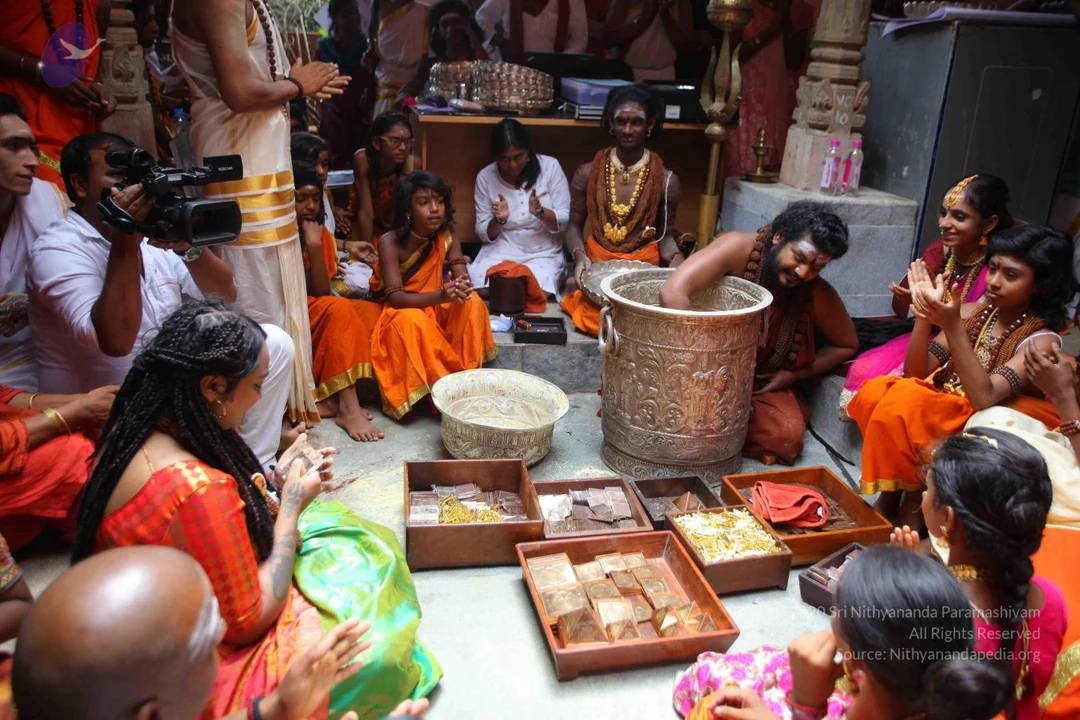
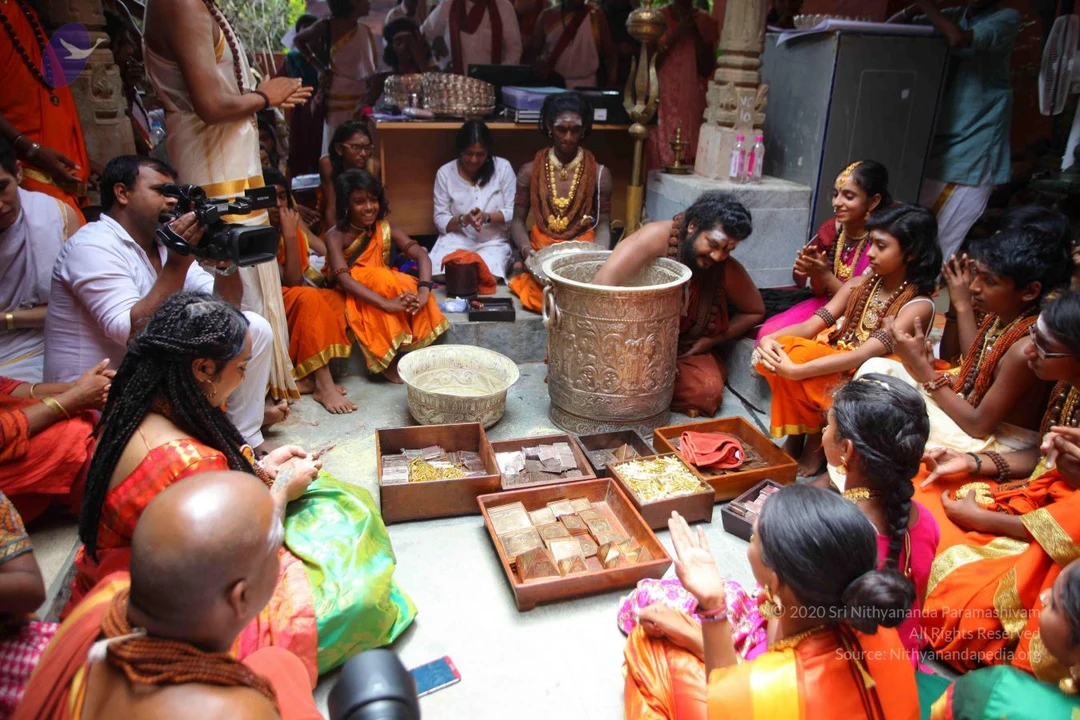
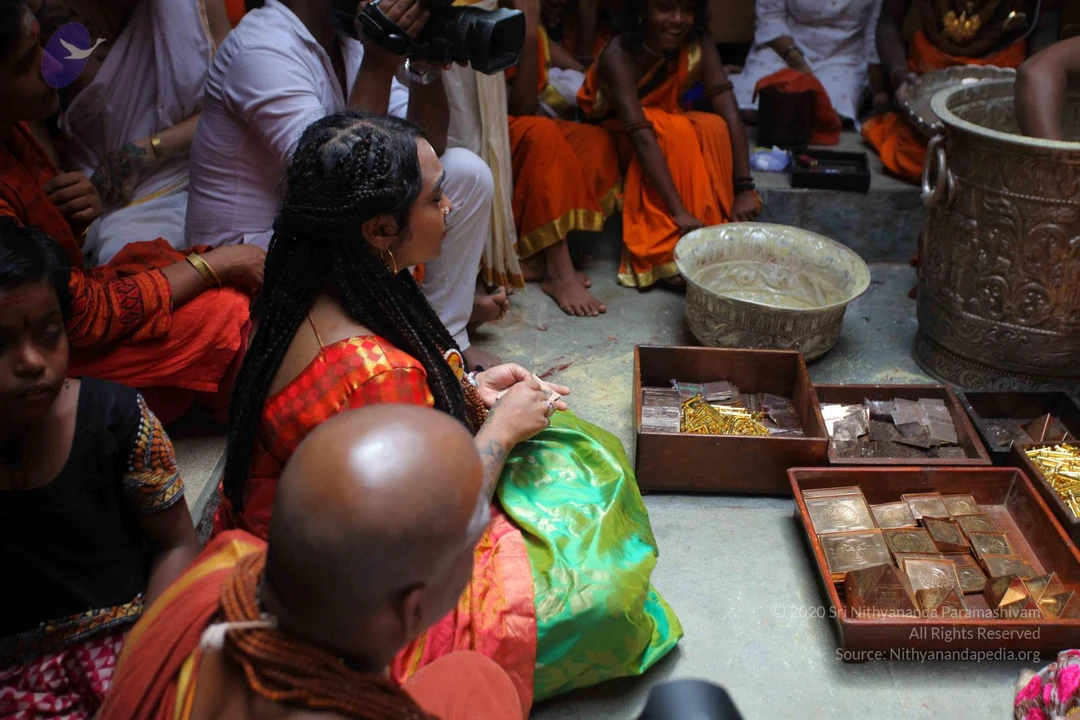
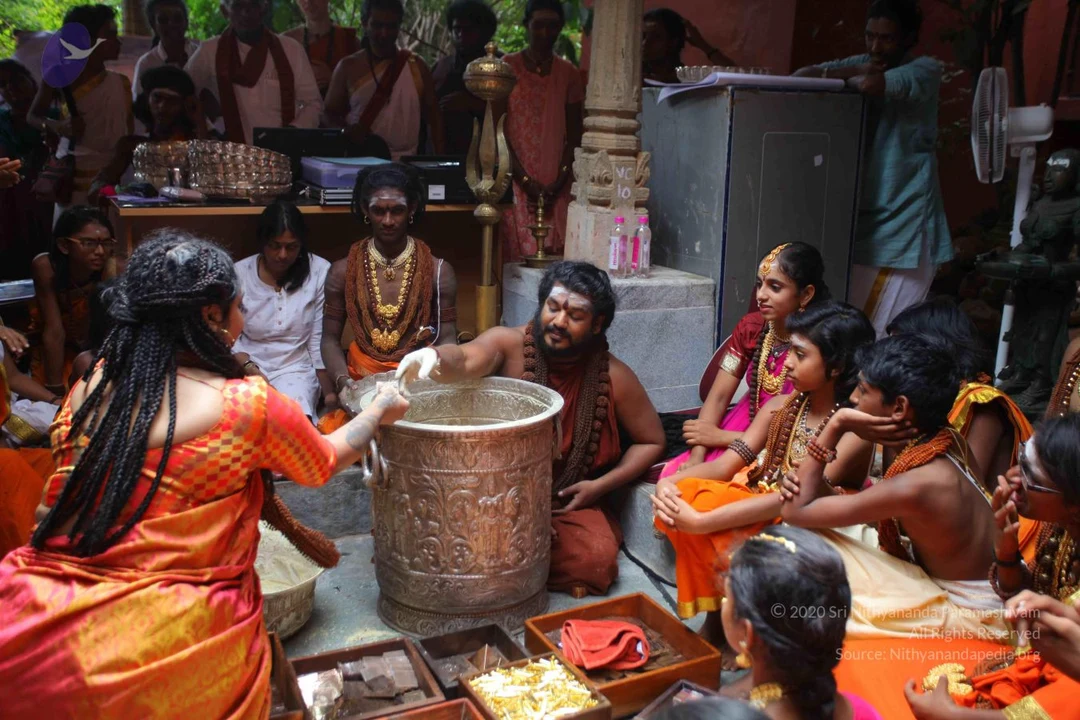
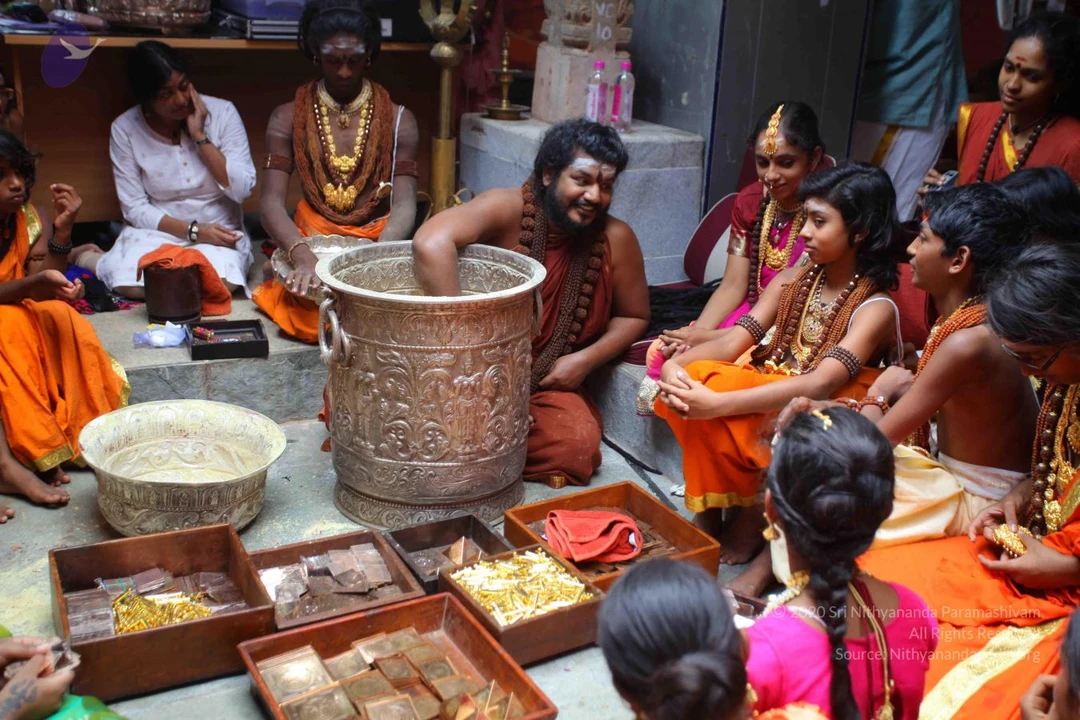
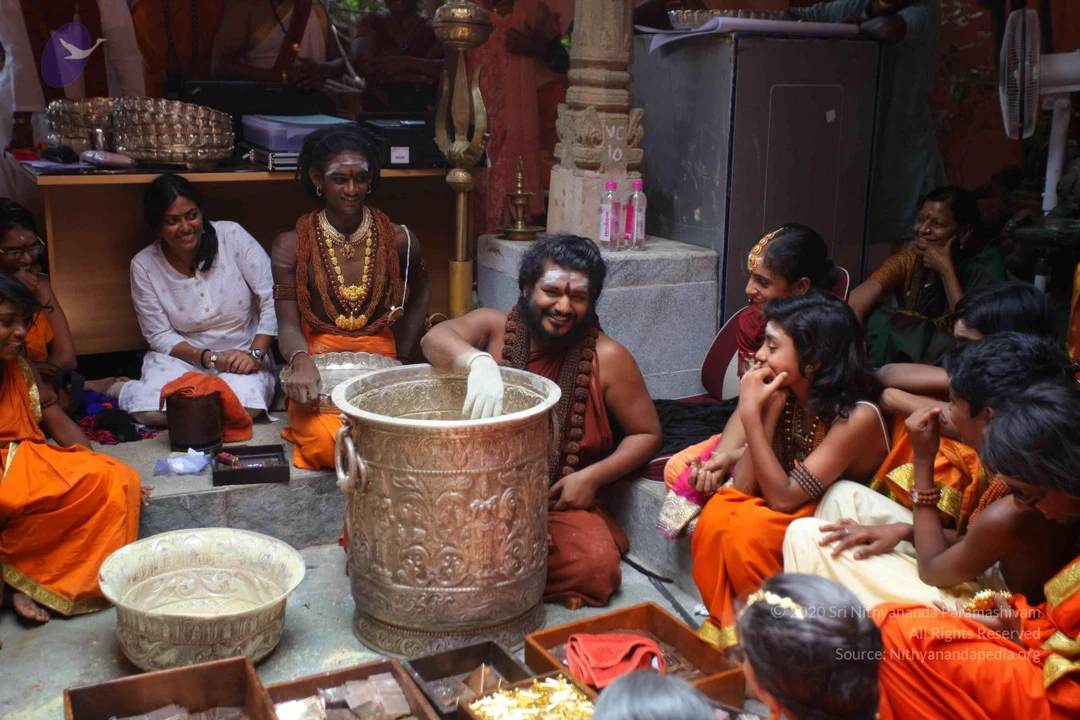
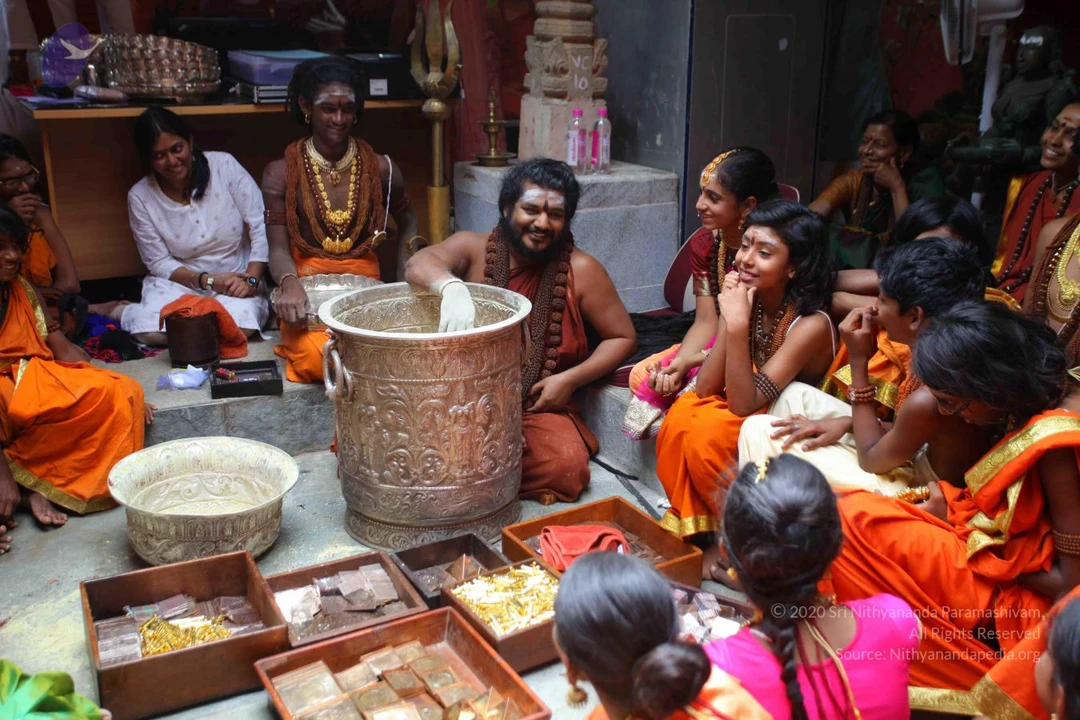
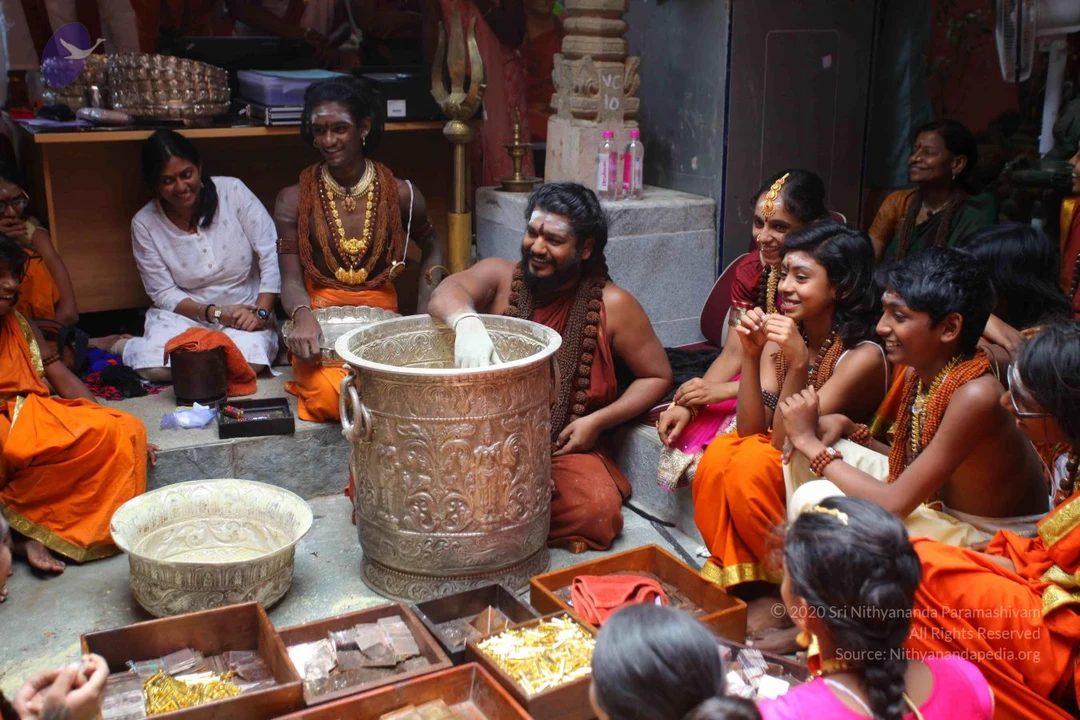
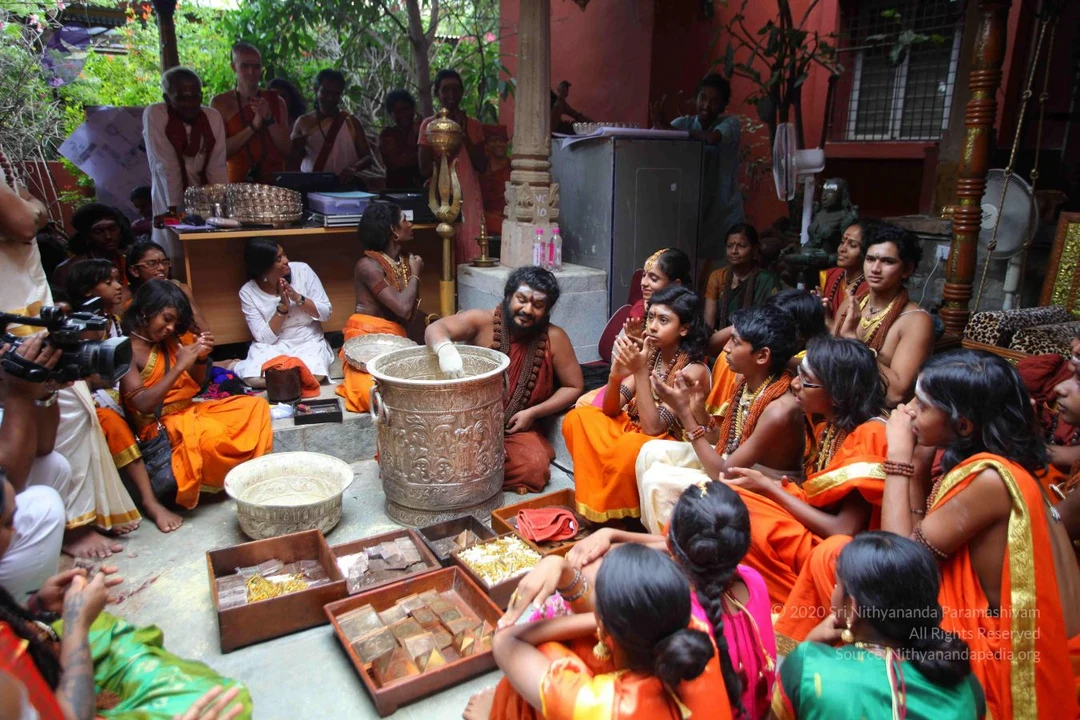
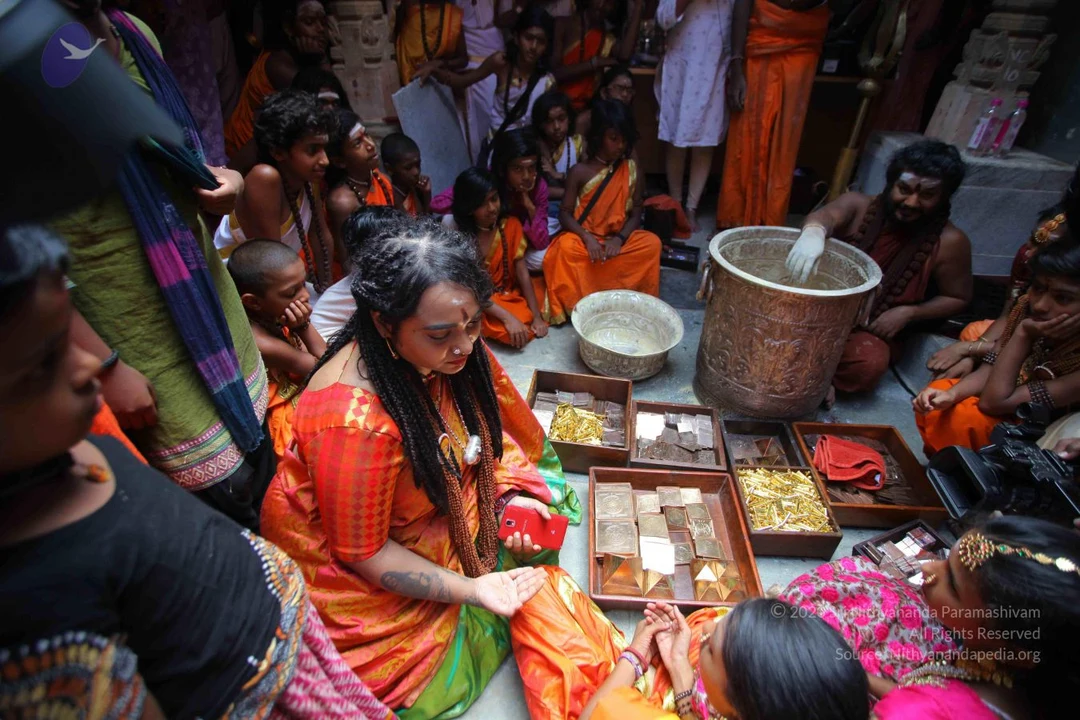
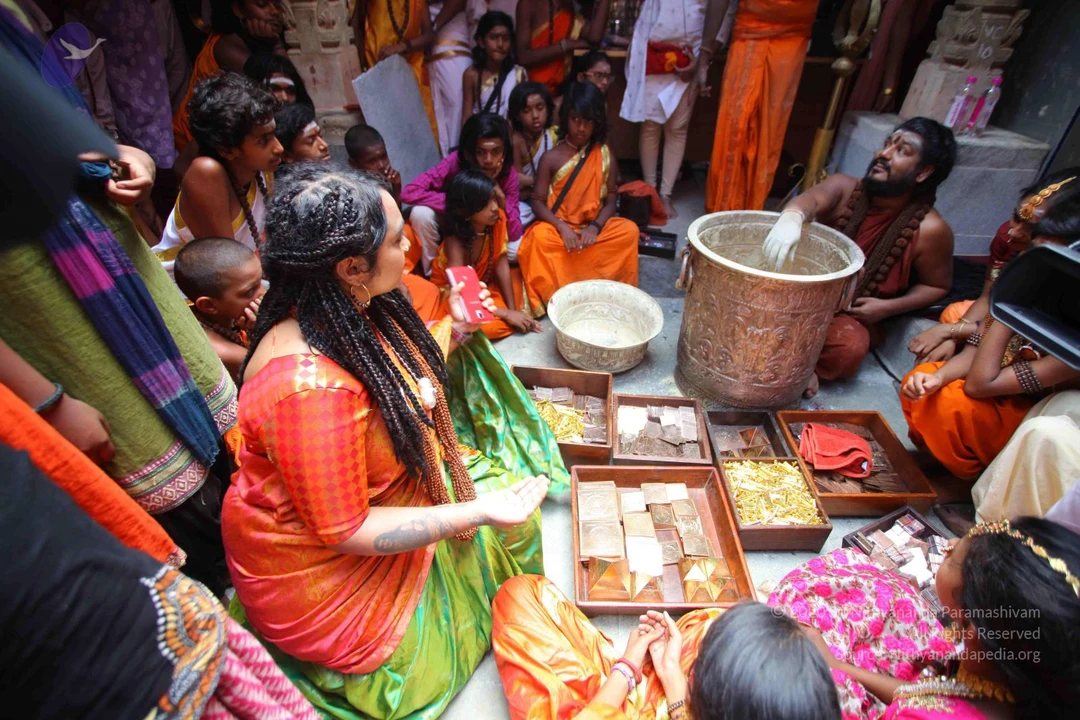
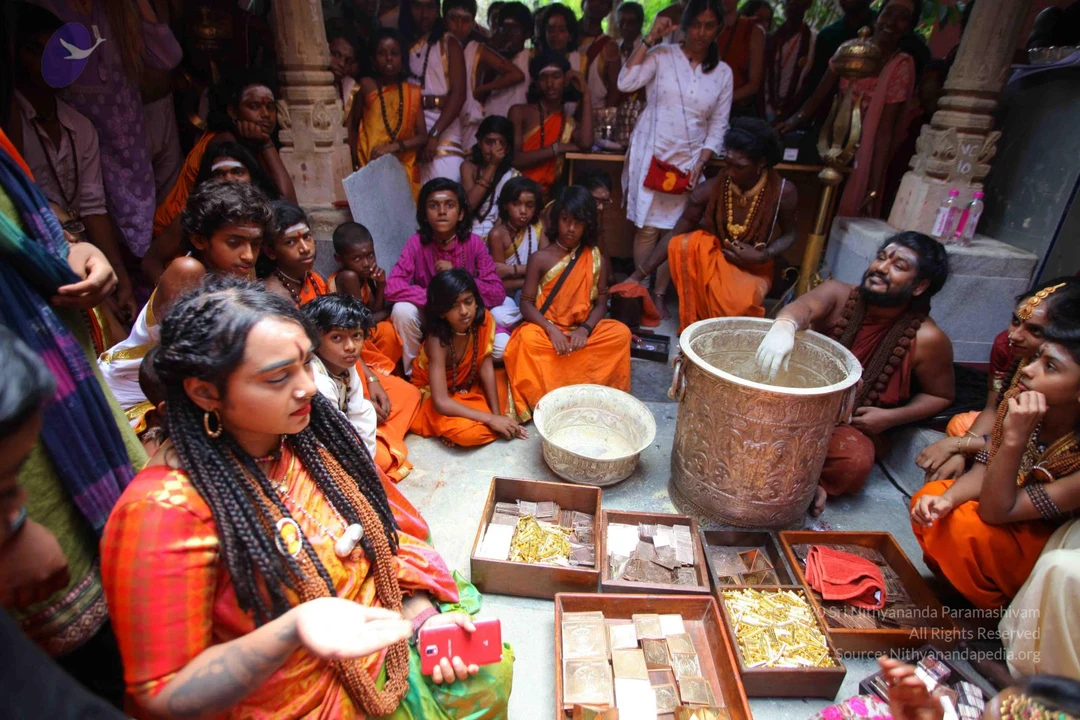
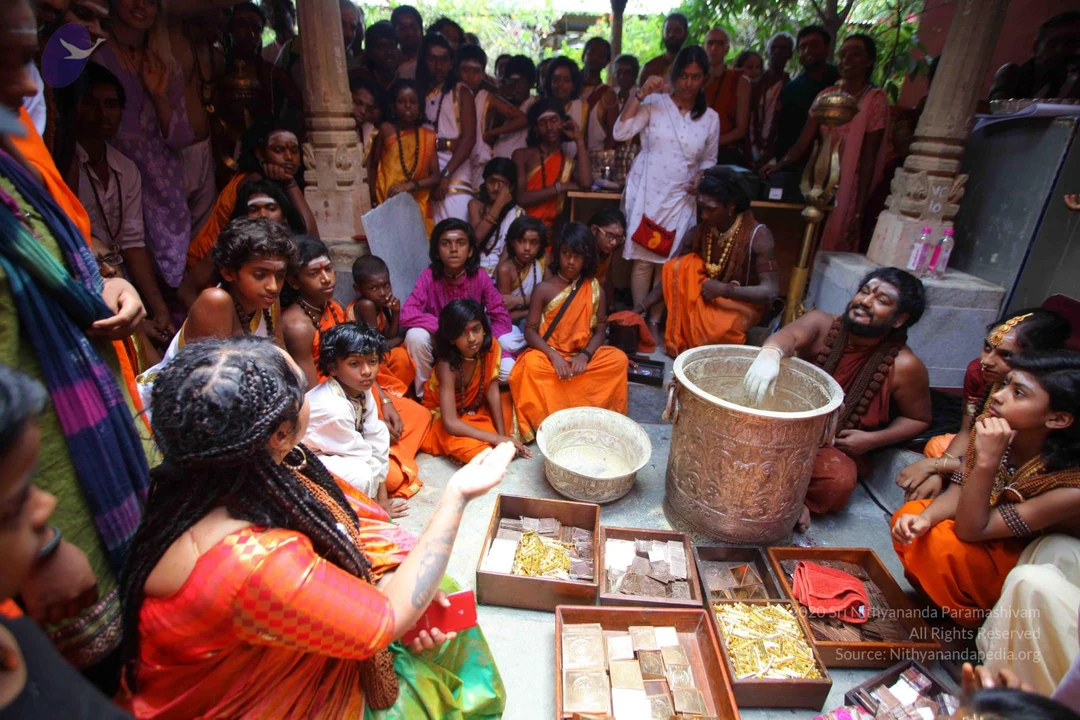
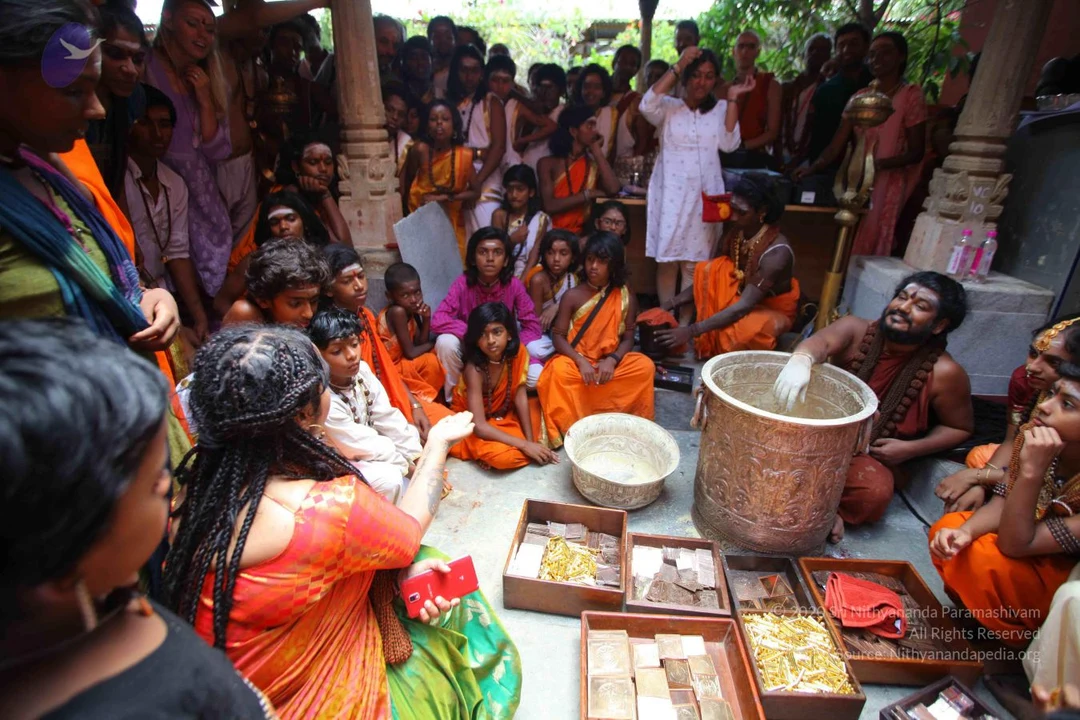
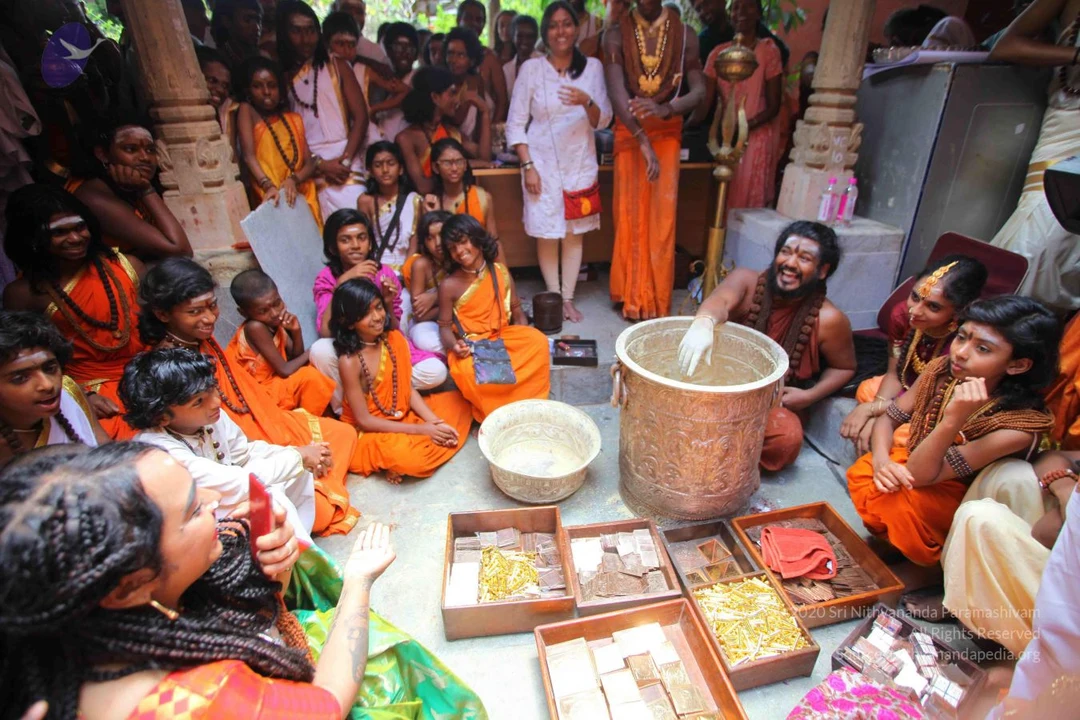
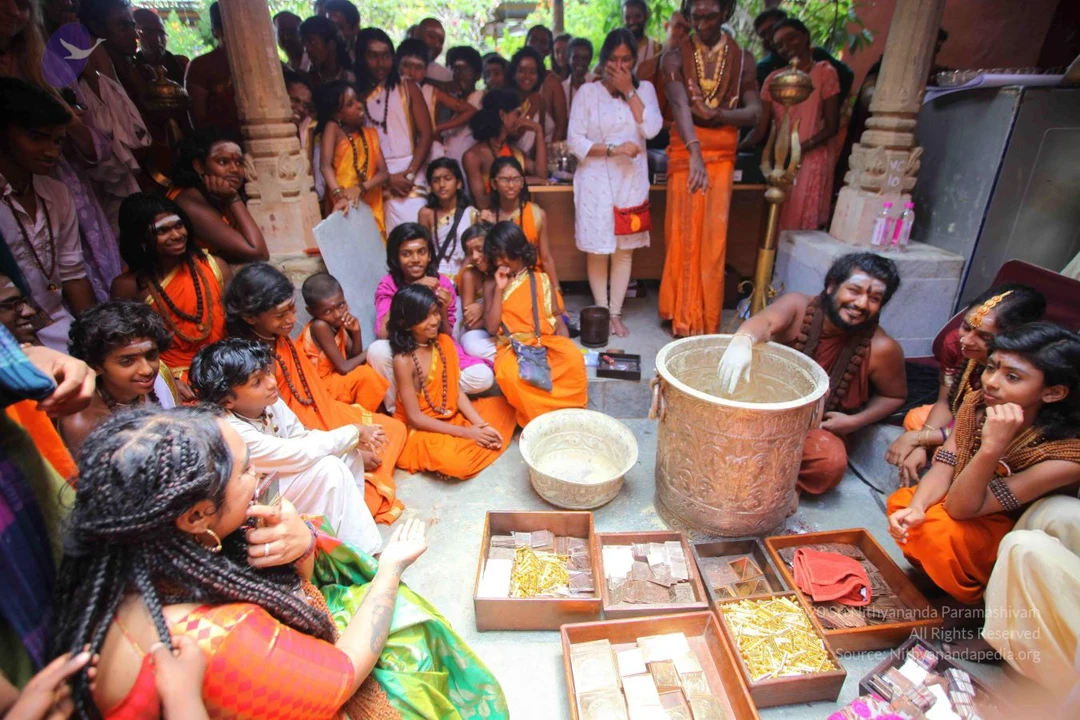
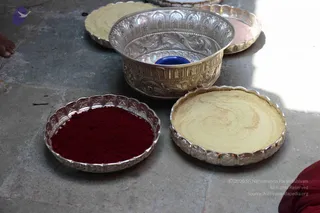
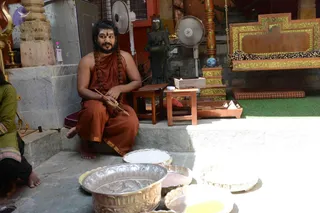
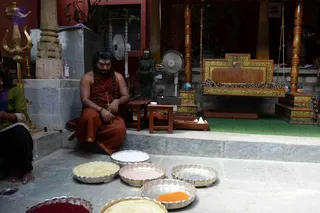
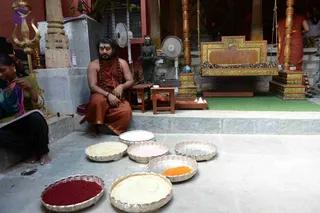
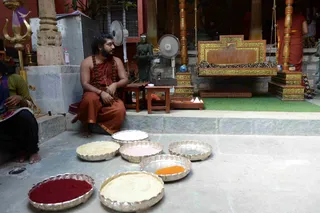
Photo of ritual preparation on a grey stone floor: silver-rimmed trays hold a deep red powder (kumkum) and a pale yellow-cream powder (turmeric or sandalwood-like), beside a large ornately engraved silver bowl with a blue glass insert. Partial bare feet appear at the left edge and a red cloth at the bottom right. No people's faces are visible.Overhead-style view of ceremonial powders arranged on a grey stone floor. A large ornate silver bowl with repoussé floral and petal patterns sits centrally, holding a small blue cup filled with grey powder. Surrounding silver-rimmed scalloped trays hold deep maroon-red powder at lower left, pale cream powder at lower front, and pink and pale yellow powders at the upper edge. A bare foot appears at the upper left corner. Sunlight falls across the right side. No people are shown other than the partial foot, and no deity or person is depicted.A bearded man with long dark hair sits on a stone step wearing an orange-red robe with a gold border and a long rudraksha mala across his chest, holding a thin wooden stick in his hands. A forehead tilak is visible. In front of him are large polished brass and silver-toned bowls, one holding a white powdery substance and another filled with yellow material. Behind him stands a dark bronze standing deity murti on a stone base, a gold-trimmed wooden swing with leopard-print cushion, electric fans, a small wooden table and a red cushion, in a stone-walled courtyard. A woman in a green top is partially visible at the left edge.A seated man in an orange-saffron dhoti and bare upper body wears a long rudraksha mala and a tilak on his forehead, holding a small stick as he sits on a stone step. In front of him, several round silver-rimmed plates hold coloured powders: white, pink, yellow, and orange, with a red powder plate at the lower edge, arranged as for a ritual preparation. Behind him, a wooden swing with gold-patterned panels and a leopard-print cushion stands beside gold-wrapped pillars, with a bronze deity murti and a trishul to the left. A woman in a green top sits at the left edge.A photograph of an outdoor temple courtyard with a seated man in orange robes, bare-chested with a rudraksha mala and a bindi, sitting on a stone step beside a row of silver plates filled with coloured powders, including red kumkum, orange, pink, white and yellow powders. A woman in a green sari sits at the left edge threading garlands. Behind them stands a gold-trimmed wooden swing and a bronze standing figure, with a golden trident leaning on a pillar and a ceiling fan on a stand. A man in orange robes is partly visible at the right edge.A photograph of a sadhu seated cross-legged on a stone step in an ashram courtyard, wearing an orange-brown dhoti and shawl with long dreadlocked hair and a beard, a rudraksha mala across his chest. In front of him are several round silver-rimmed trays holding powders in red, orange, yellow-white and pale pink. Behind him stand a green-bordered wooden swing with gold trim and a bronze deity murti, with a trident and brass lamps at the left edge. Another robed person stands at the right, and a woman in a green top sits at the left.

ALCHEMY-PROCESS-PRODUCTS

50 photosSource gallery
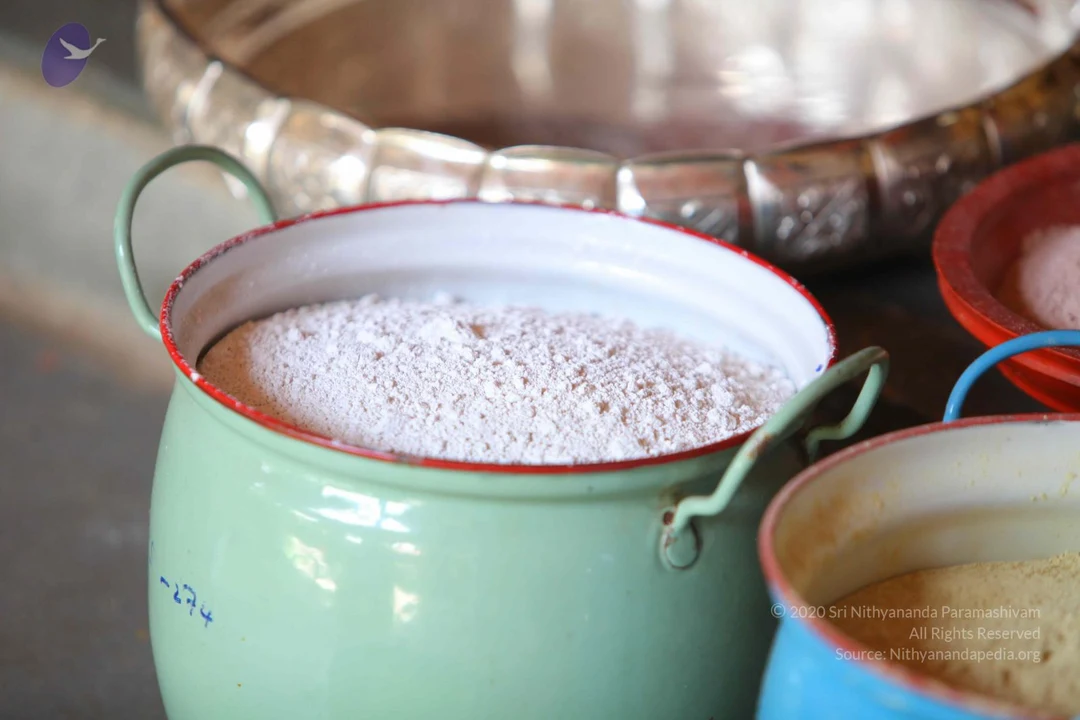
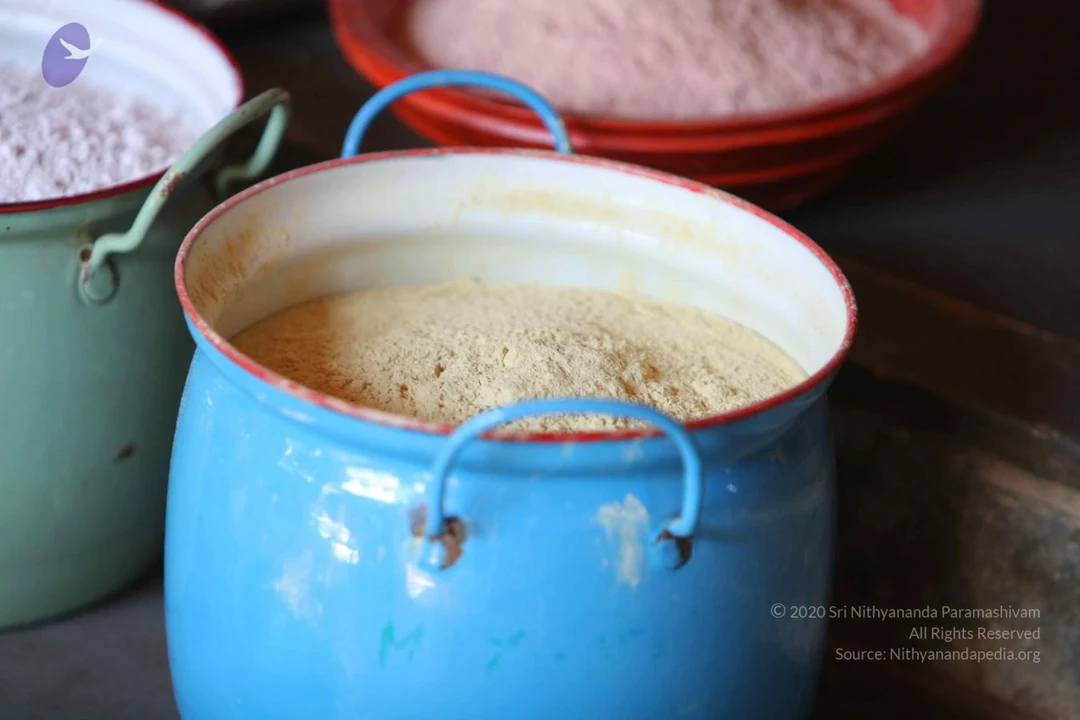
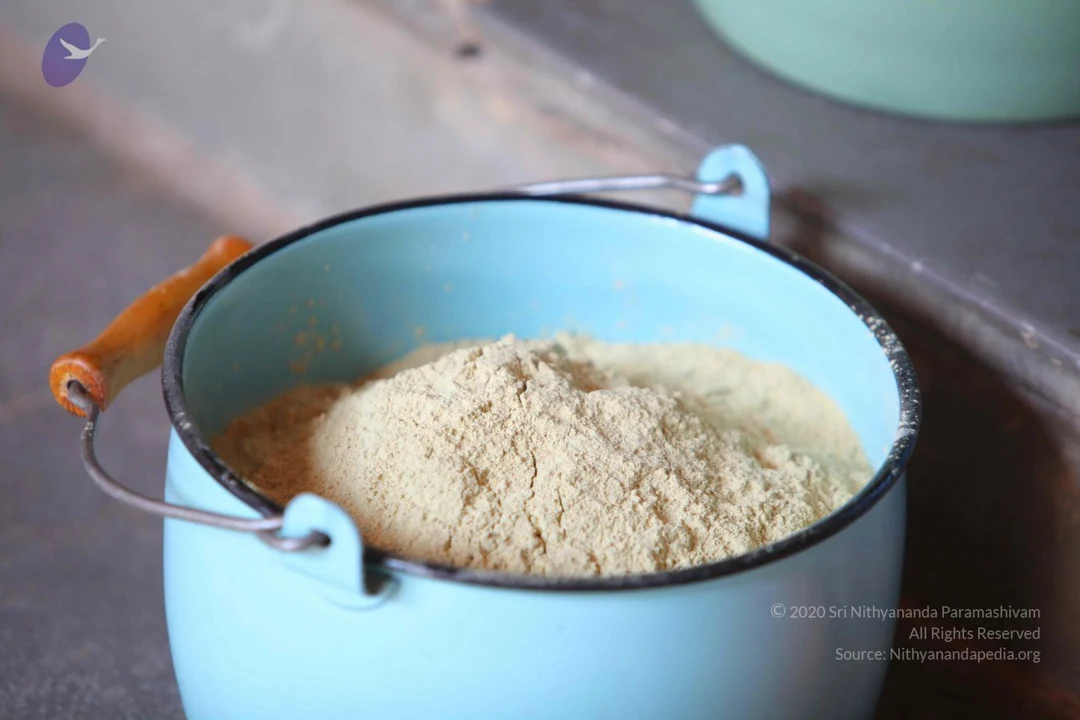
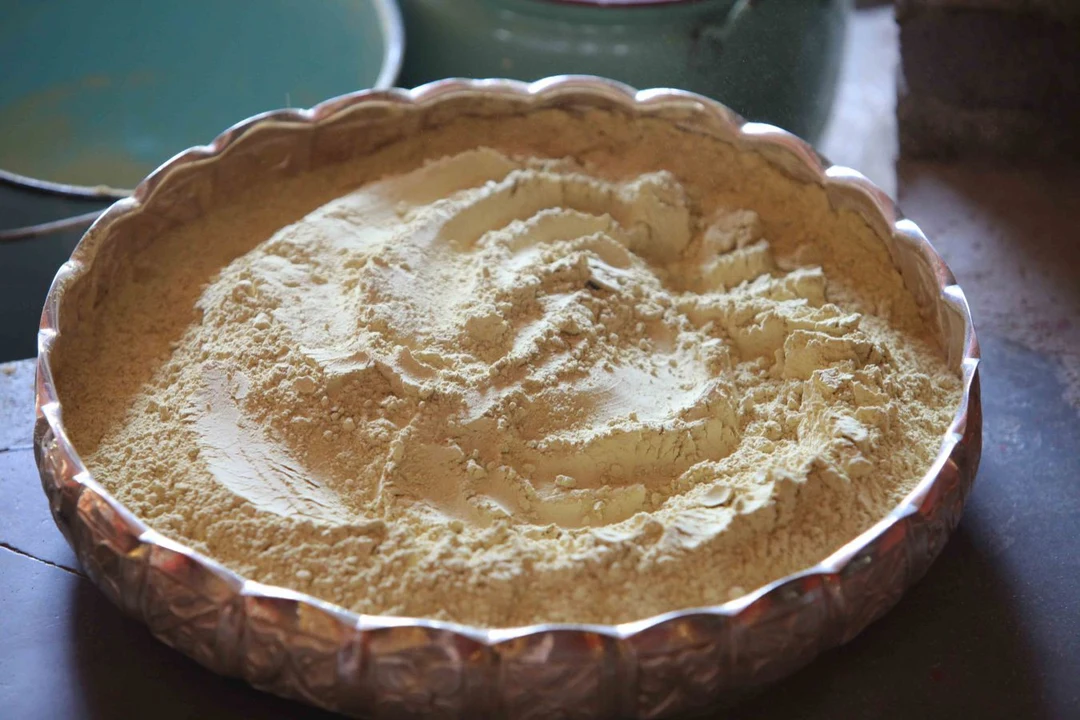
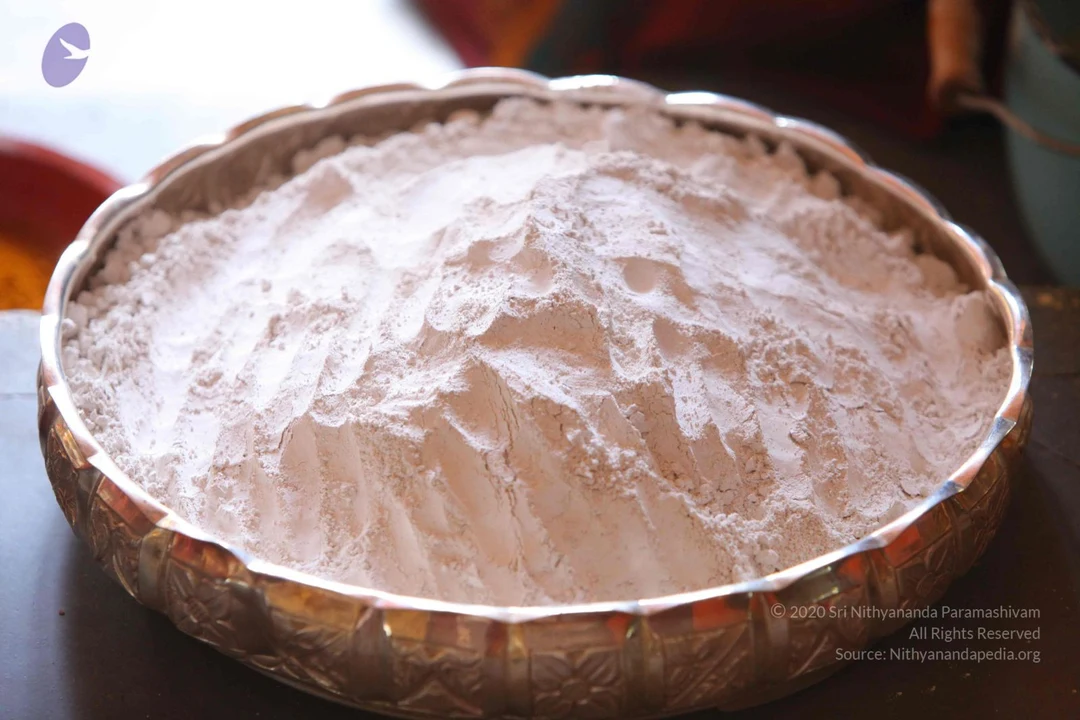
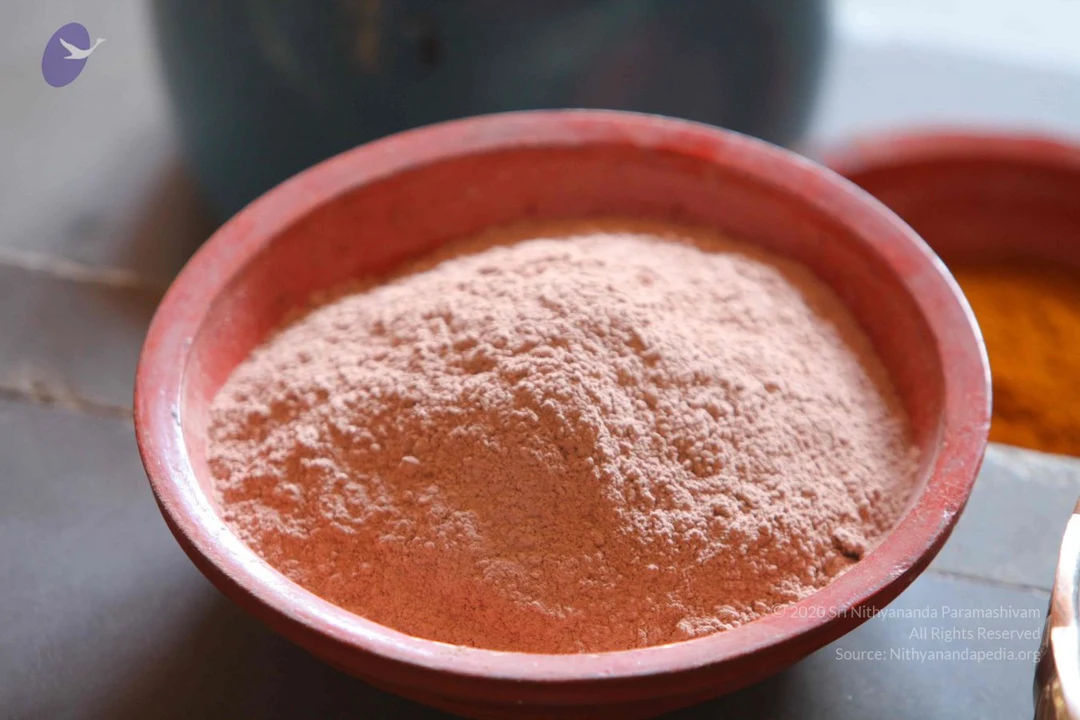
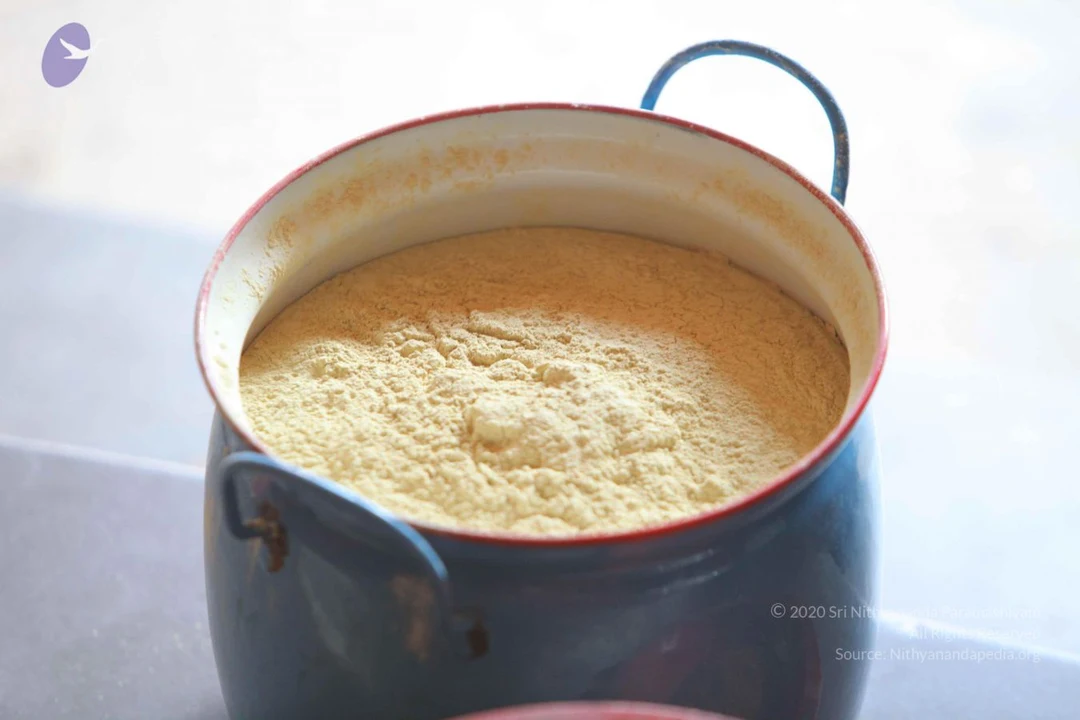
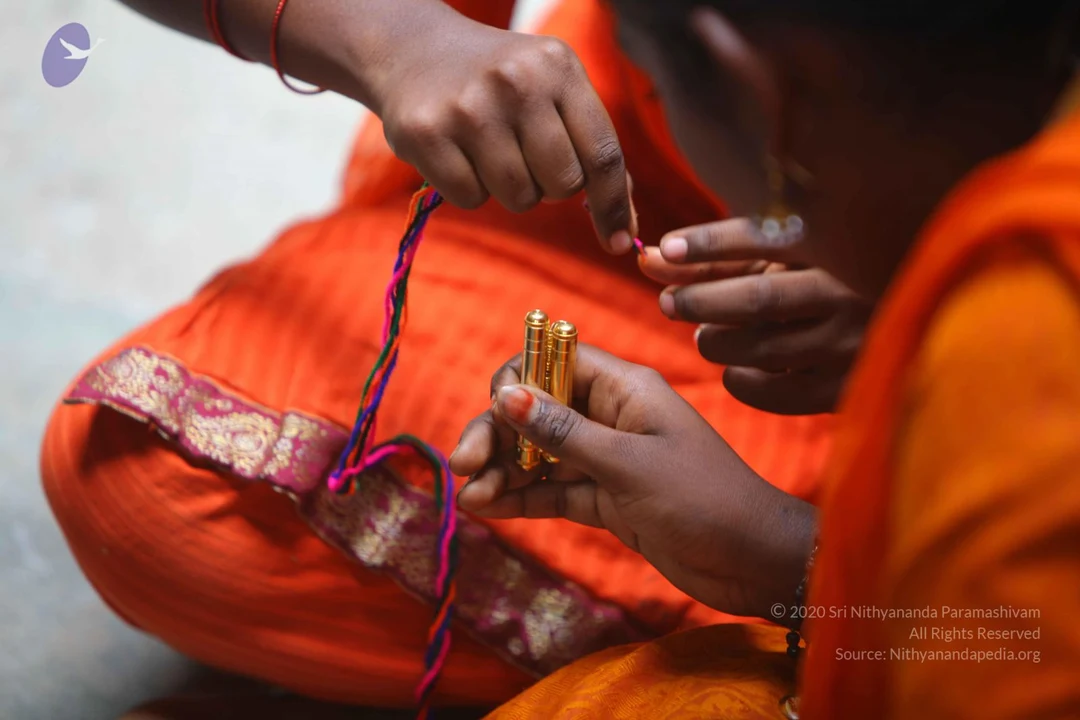
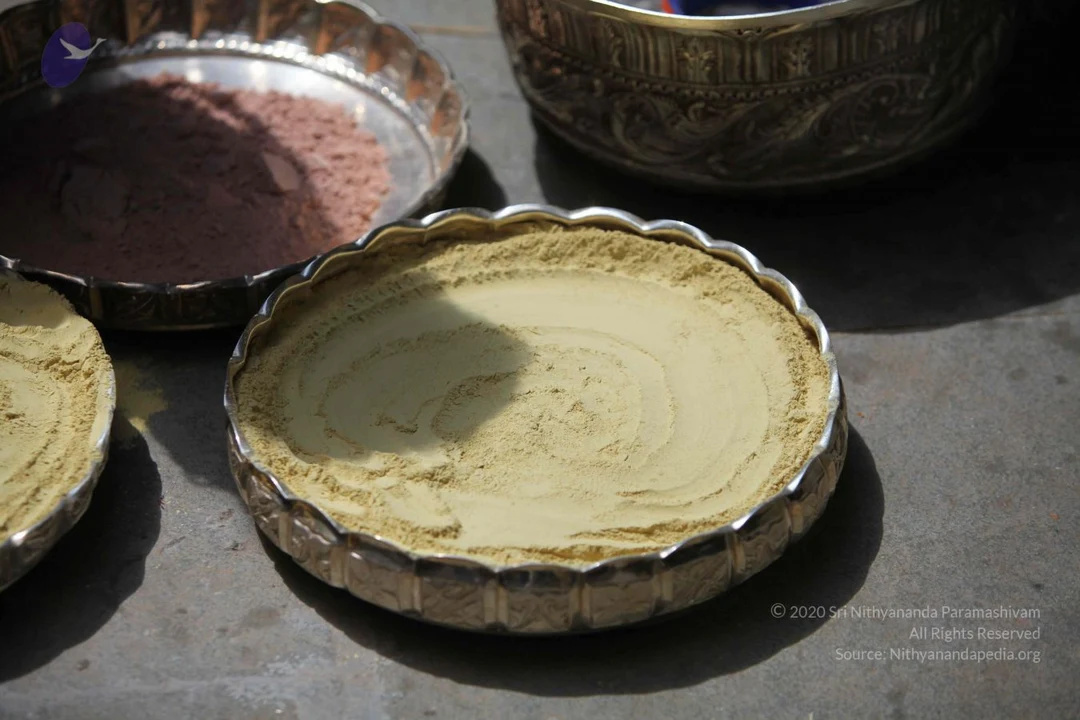
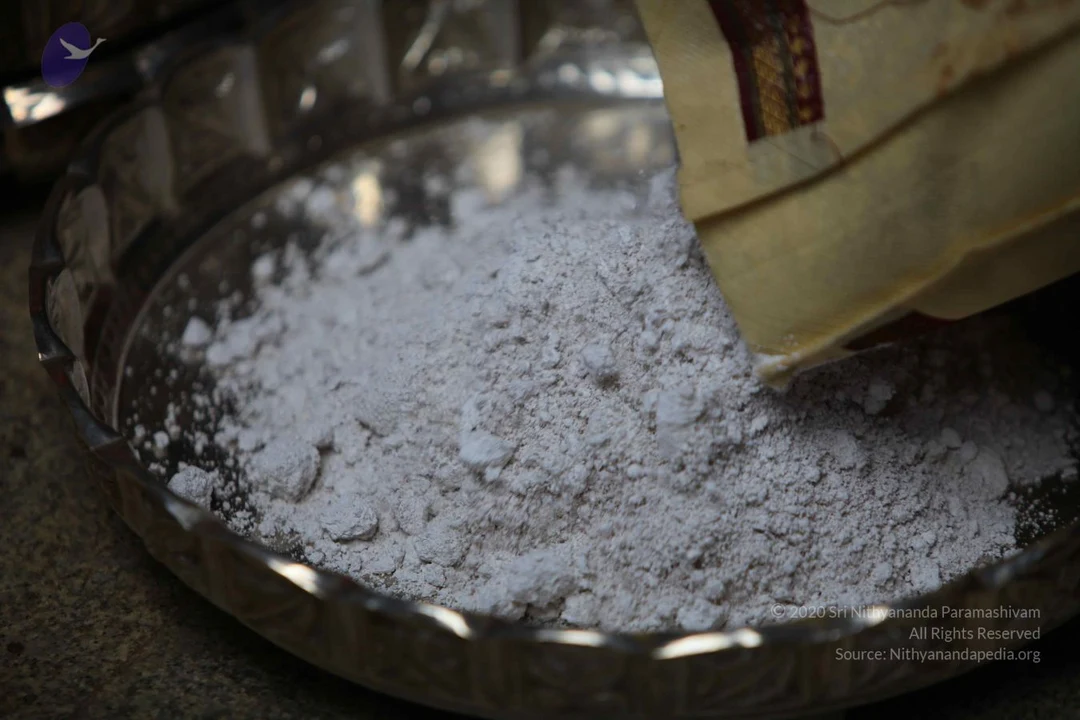
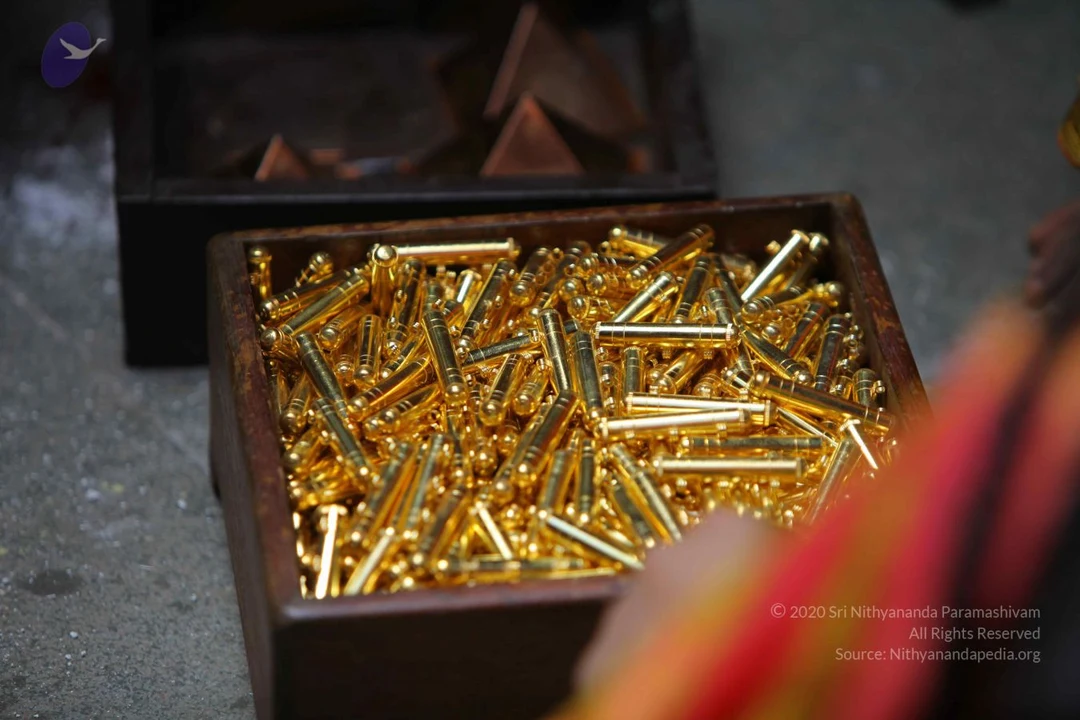
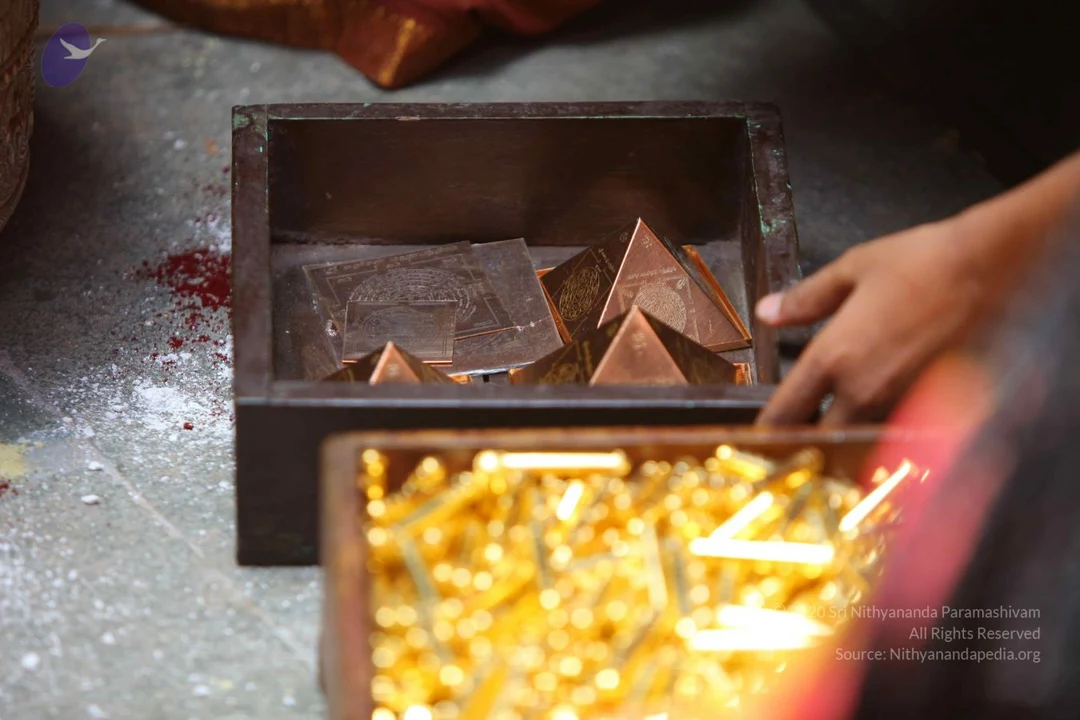
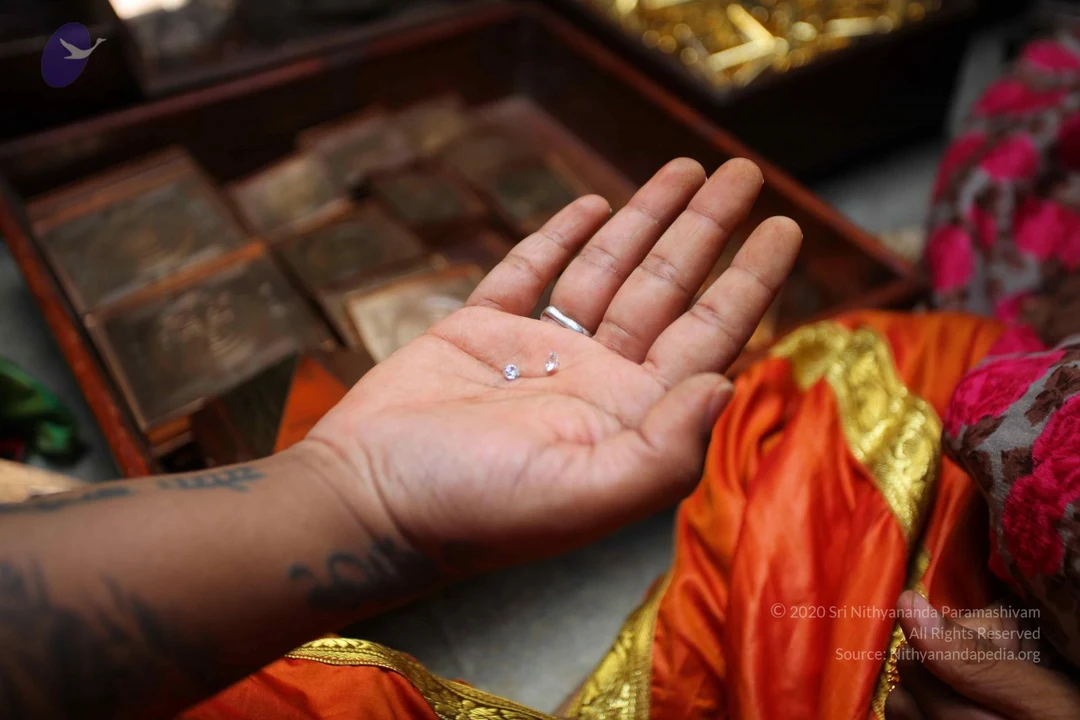
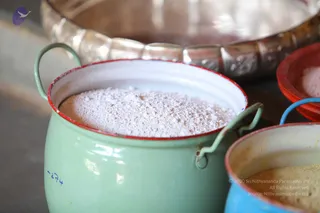
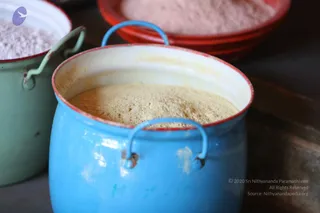
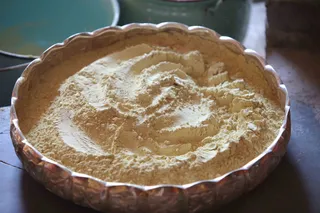
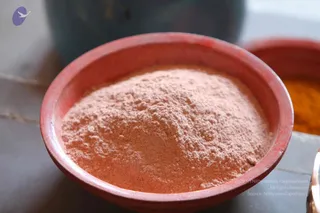
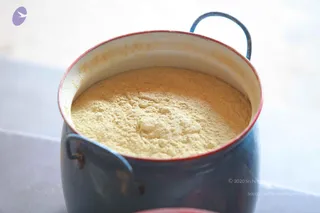
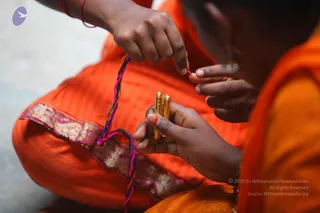
A close-up photo of enamel pots filled with fine powders. In the foreground a mint-green enamel pot with a red rim holds a heap of pale pinkish-white powder, with a blue handle loop visible at the right edge. Beside it a blue-rimmed pot and a red bowl contain powders in ochre and pink tones. Behind them a large polished silver or brass tray sits on a surface. No people are visible.Close-up photograph of enamel pots filled with powders on a wooden surface. In the foreground, a blue enamel pot with red rim and handles holds a fine pale beige powder. Behind it, a mint-green enamel pot and a red enamel bowl hold pinkish-red and off-white powders. No people are visible; the scene shows ritual powders such as kumkum and turmeric-like material in containers.Close view of a large ornate metal tray with scalloped, embossed rim holding a heap of fine pale yellow-beige powder, shaped into swirling mounds with a central depression. Two blurred pale green and teal metal vessels sit at the top edge of the frame on a dark surface. No people are visible. The powder resembles ground turmeric or sacred ritual powder used in temple preparations.Close-up photograph of a terracotta-red bowl filled with fine reddish-brown powder. A dark blue-grey vessel sits blurred in the background on a grey stone surface. No people are visible.Close-up photograph of a blue enamel pot with a red rim and a loop handle, filled with fine pale yellow powder. Only the pot and powder are visible; no people are present.Close photo of two people in orange clothing seated on the floor. One person, wearing an orange garment with a pink and gold brocade border, holds two small gold cylindrical objects in one hand while the other hand threads or ties a multicoloured braided cord of red, pink, green and purple strands. A second person's hand, adorned with a bangle, reaches in from the right, and red thread is visible on the wrist of the left arm. The soft focus and warm orange tones dominate the frame.

ALCHEMY-PROCESS-COURTYARD

67 photosSource gallery
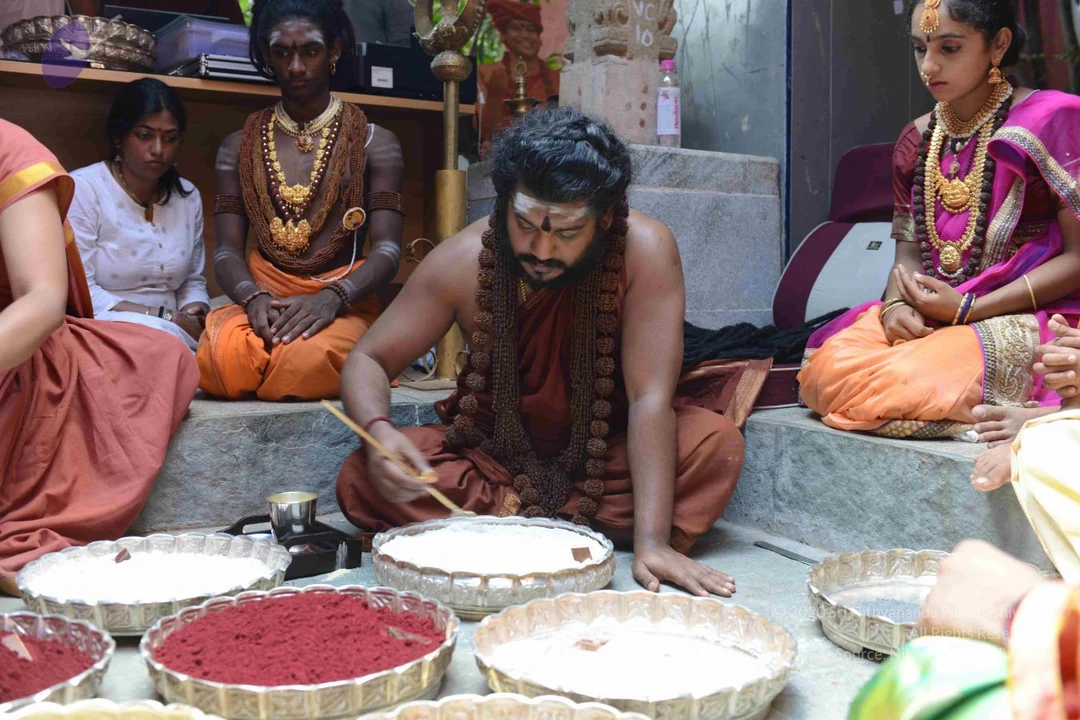
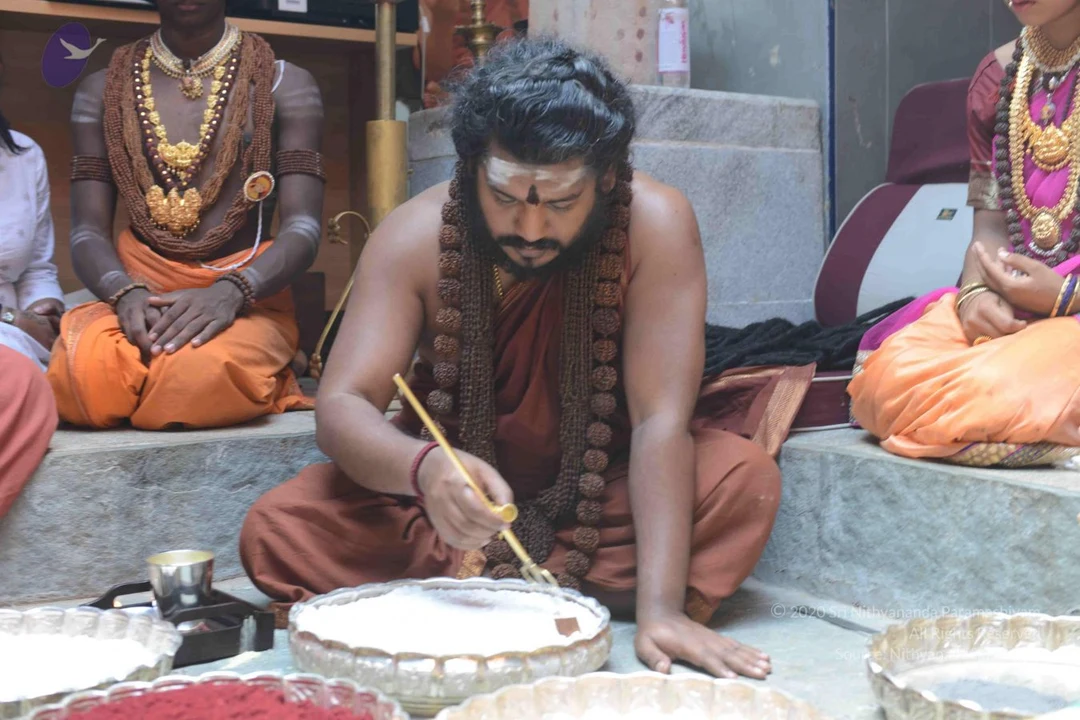
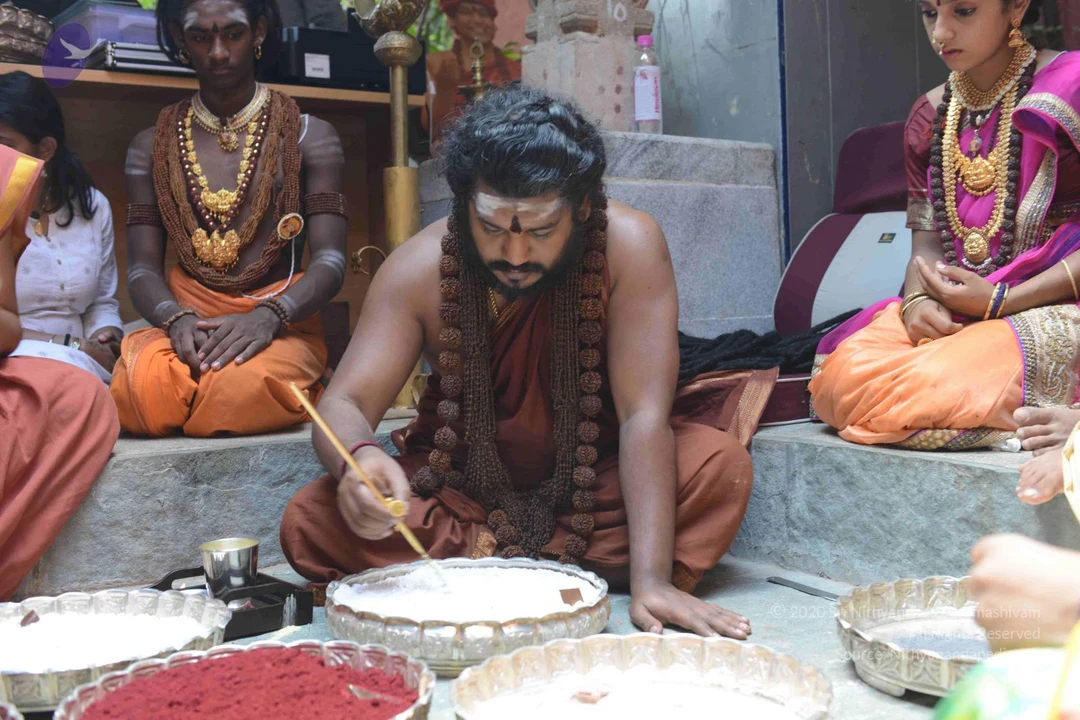
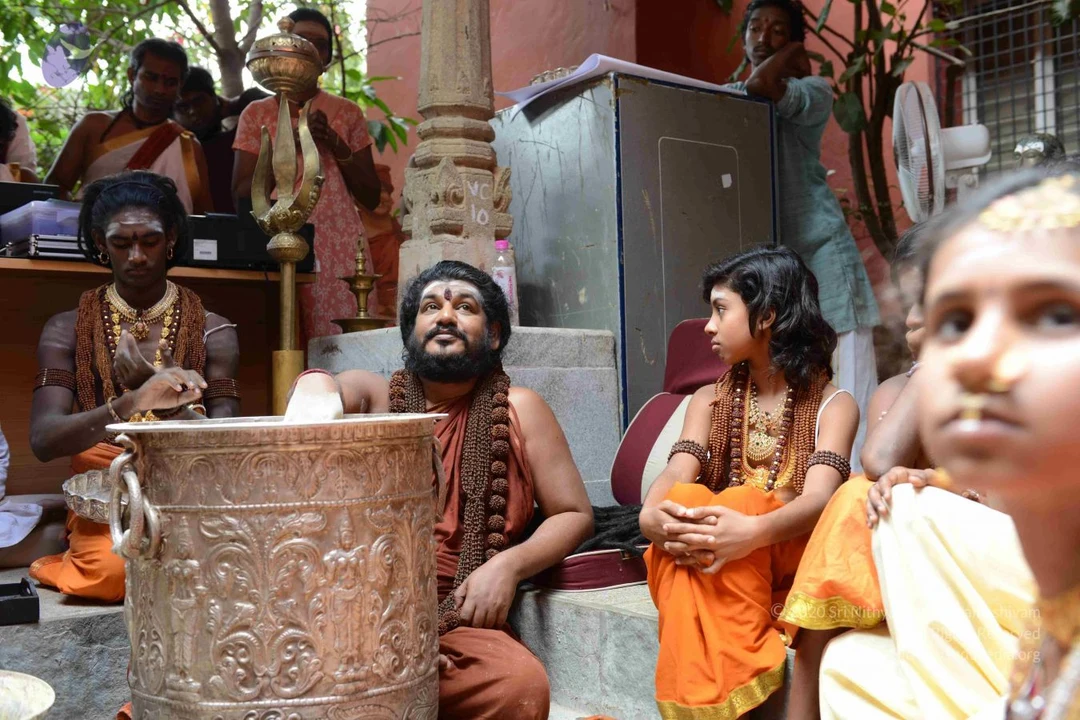
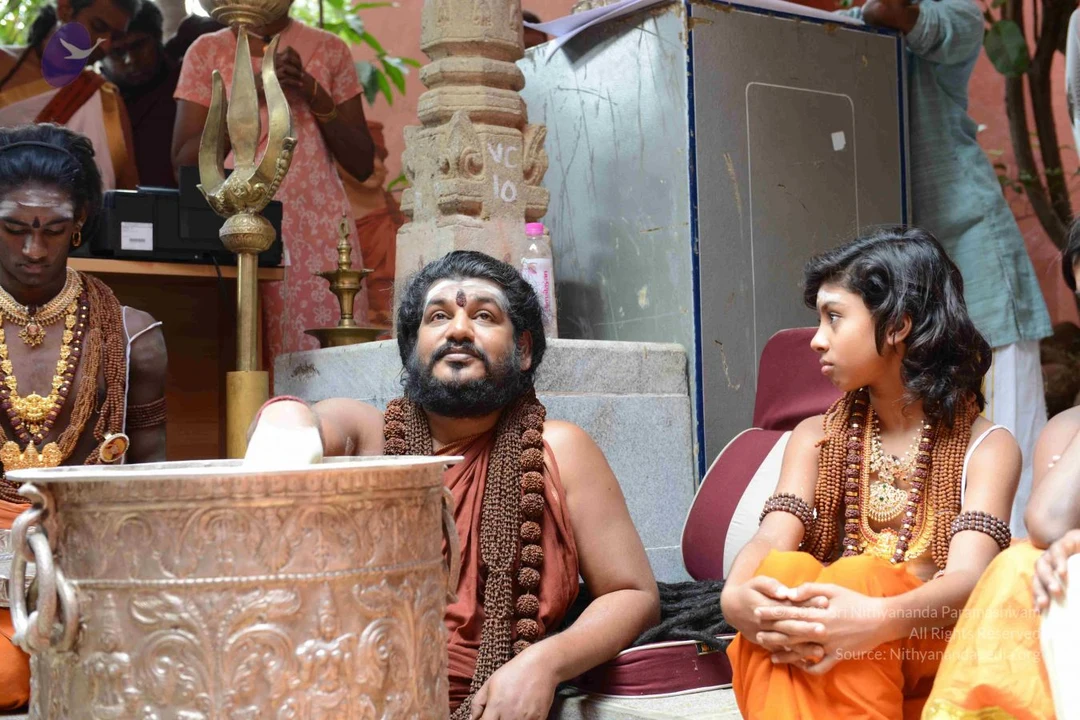
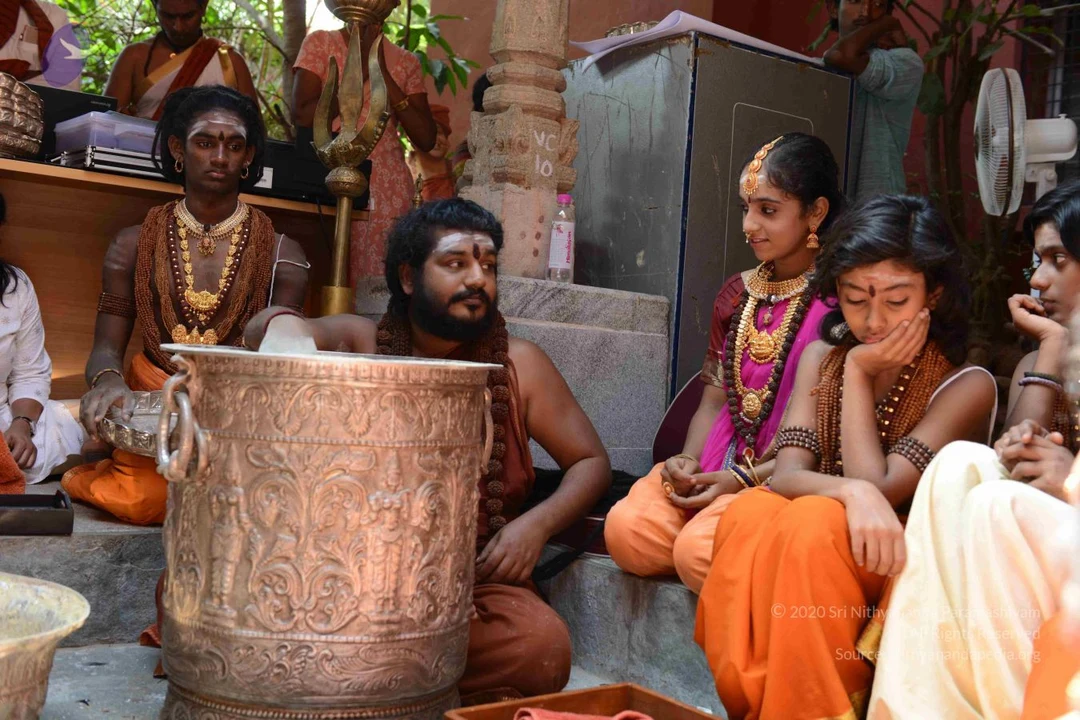
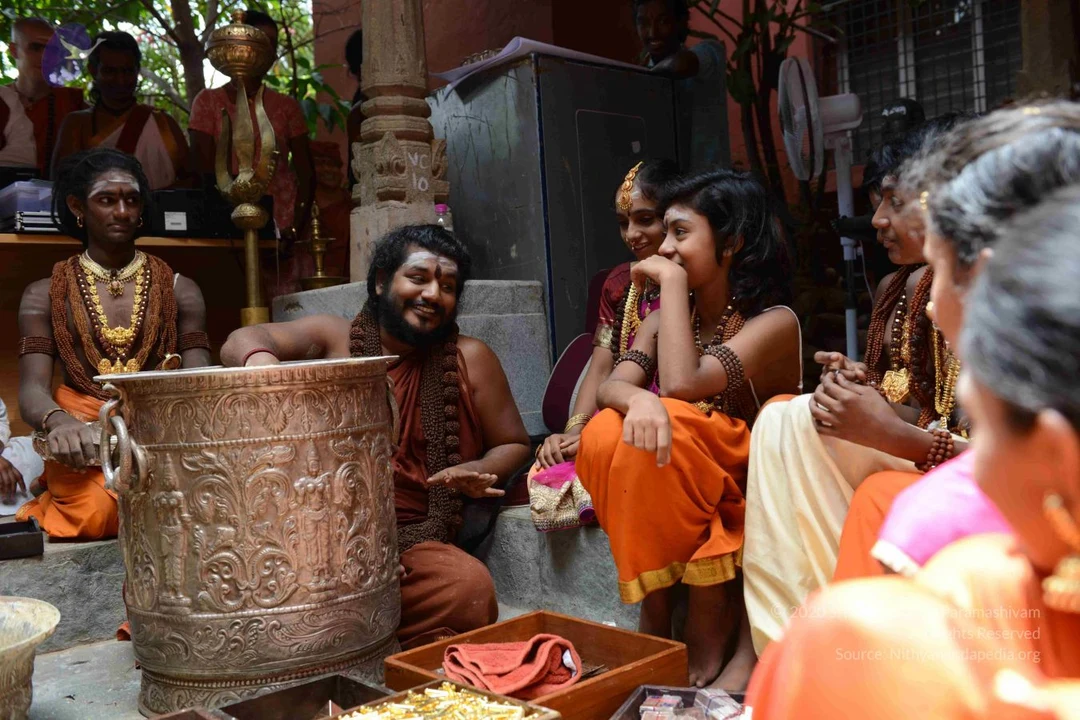
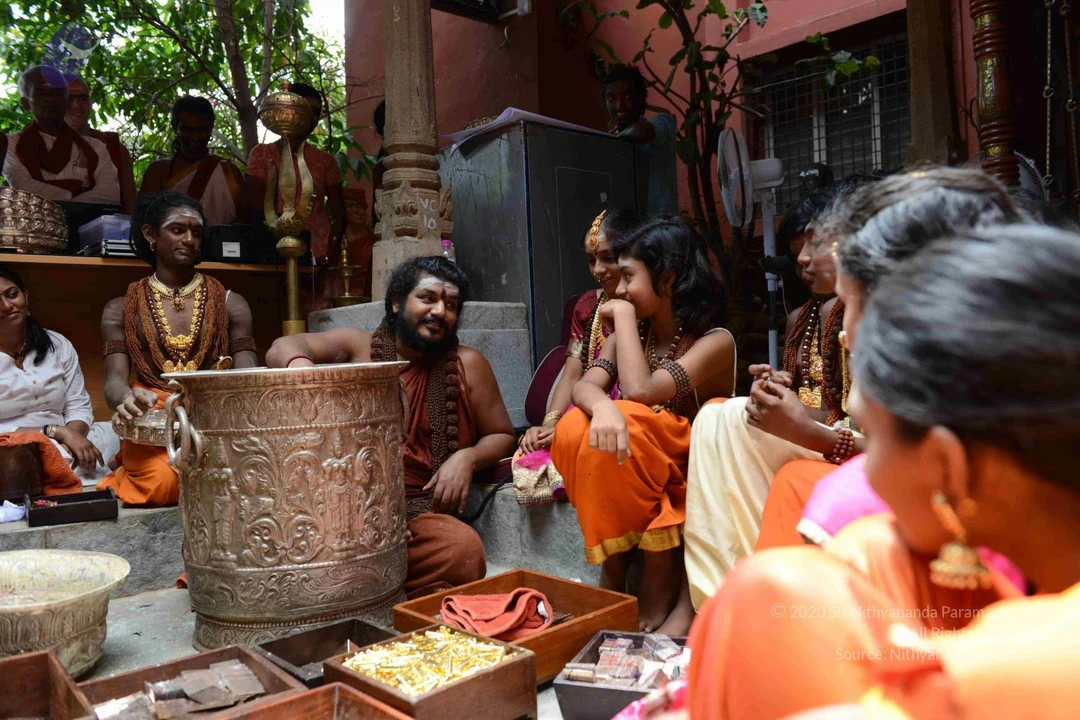
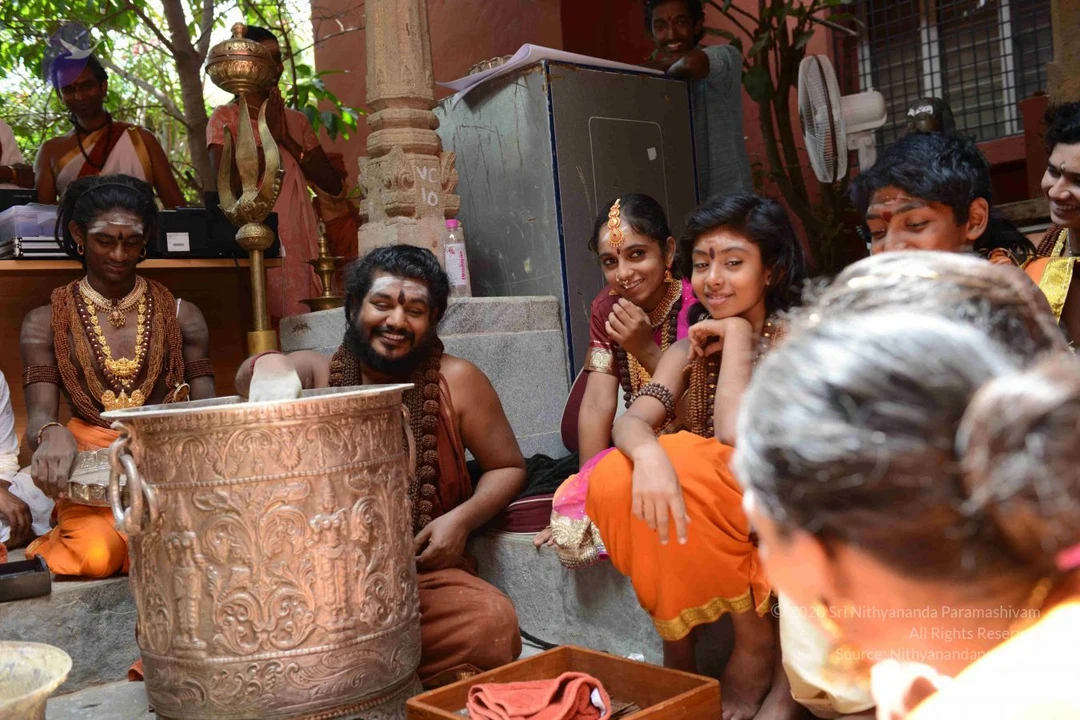
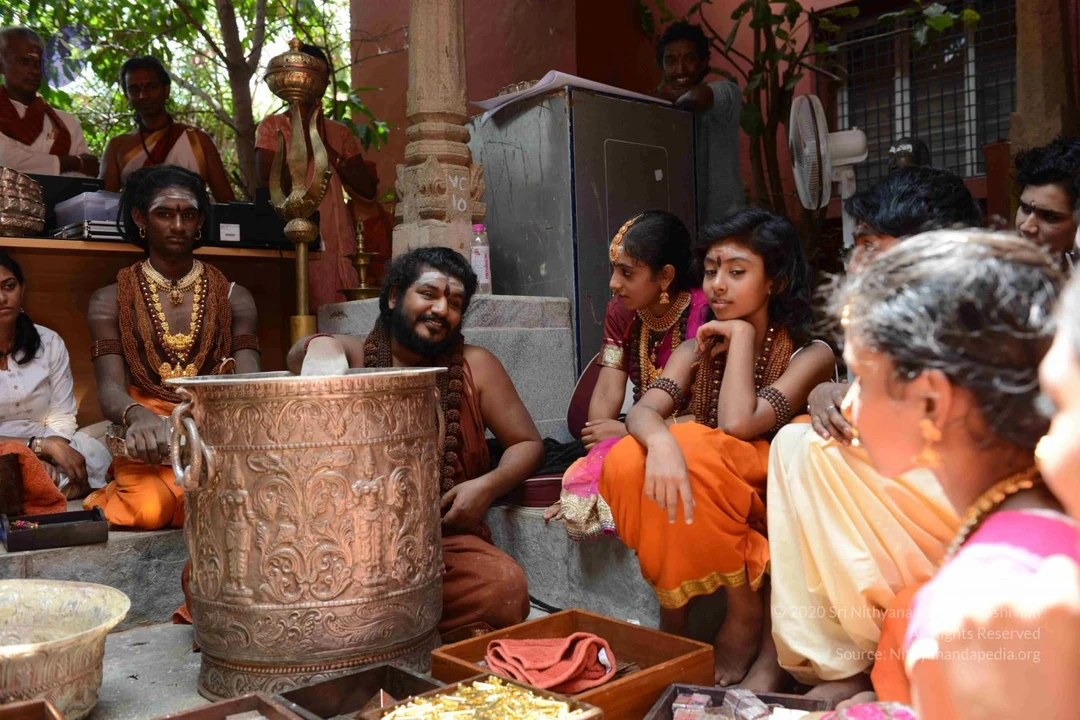
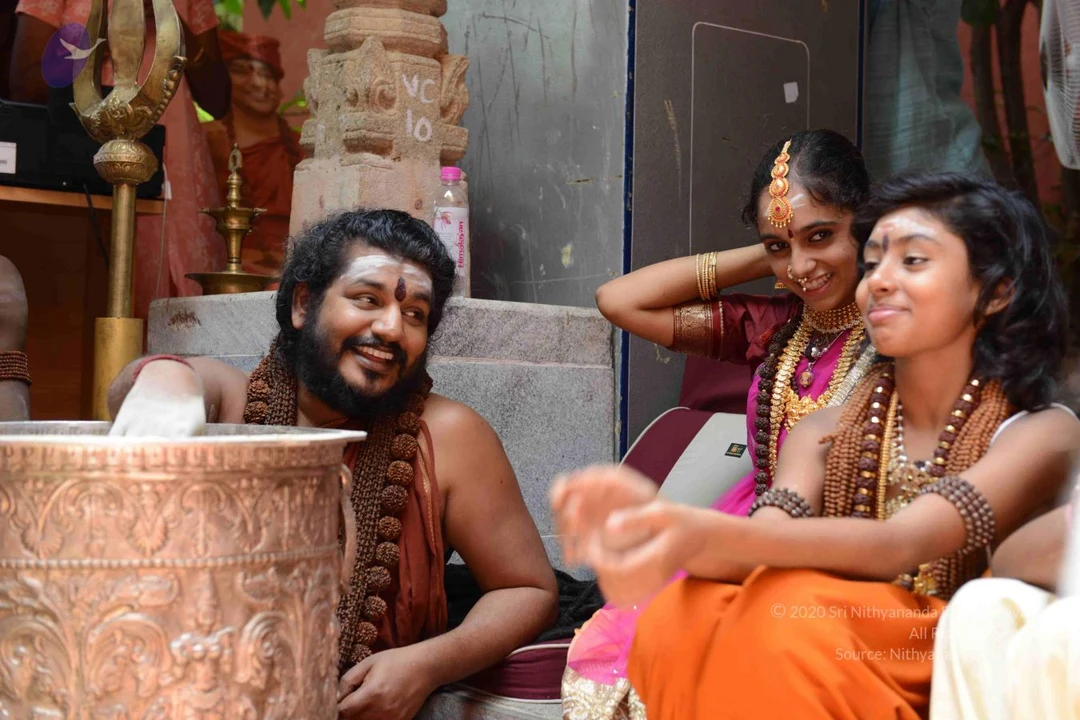
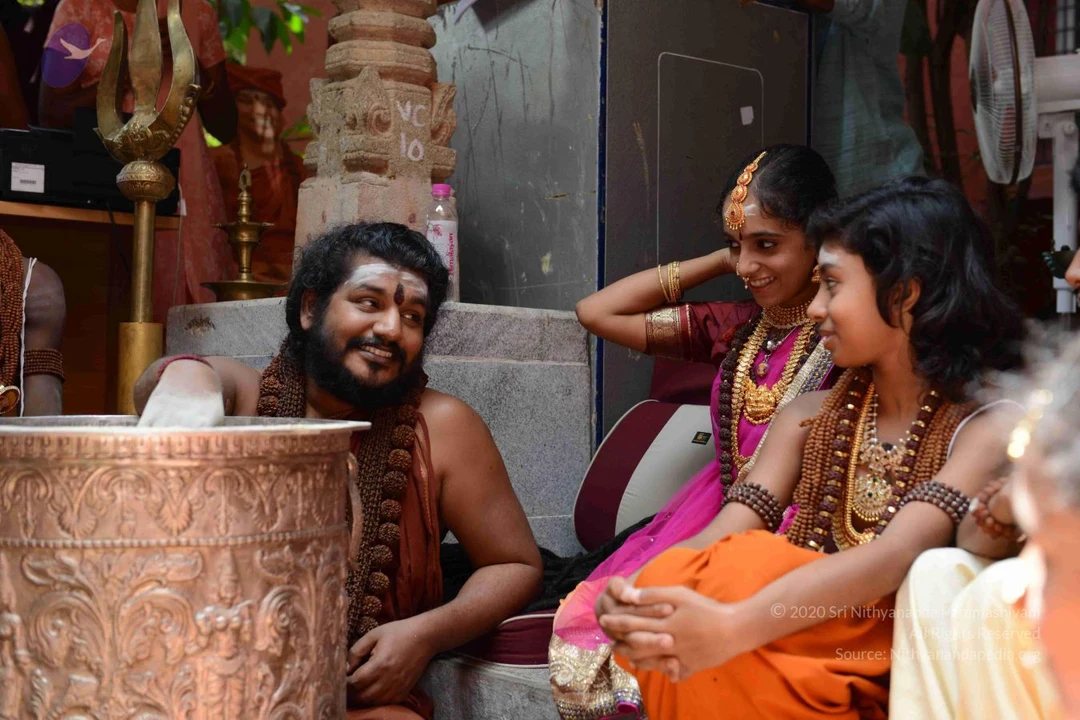
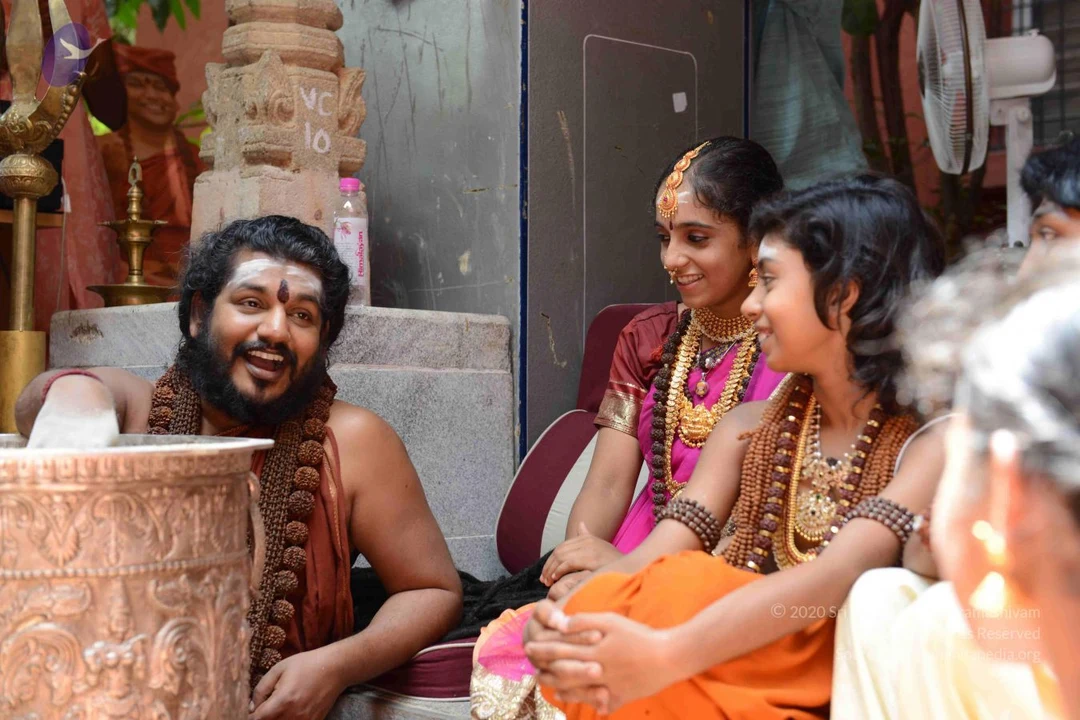
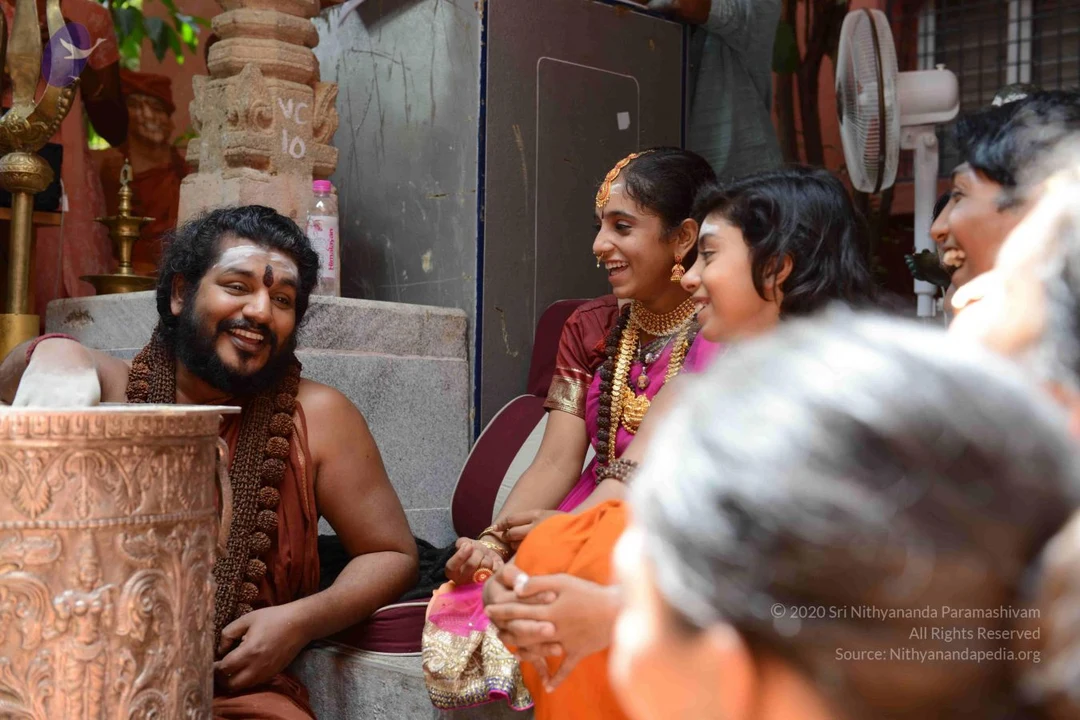
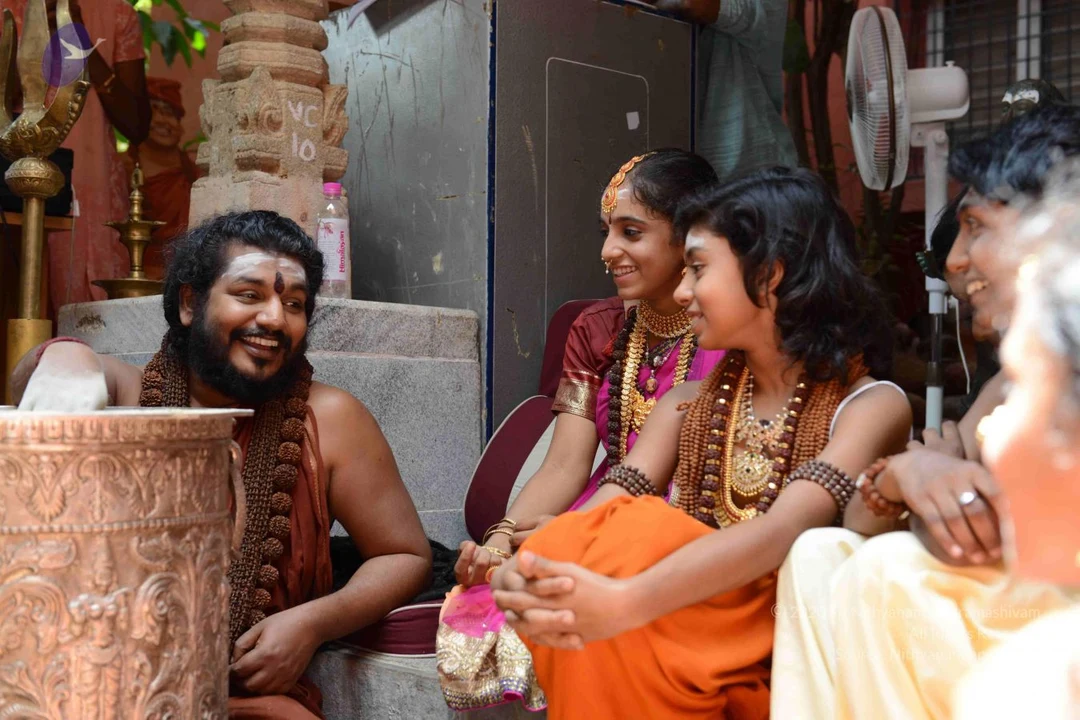
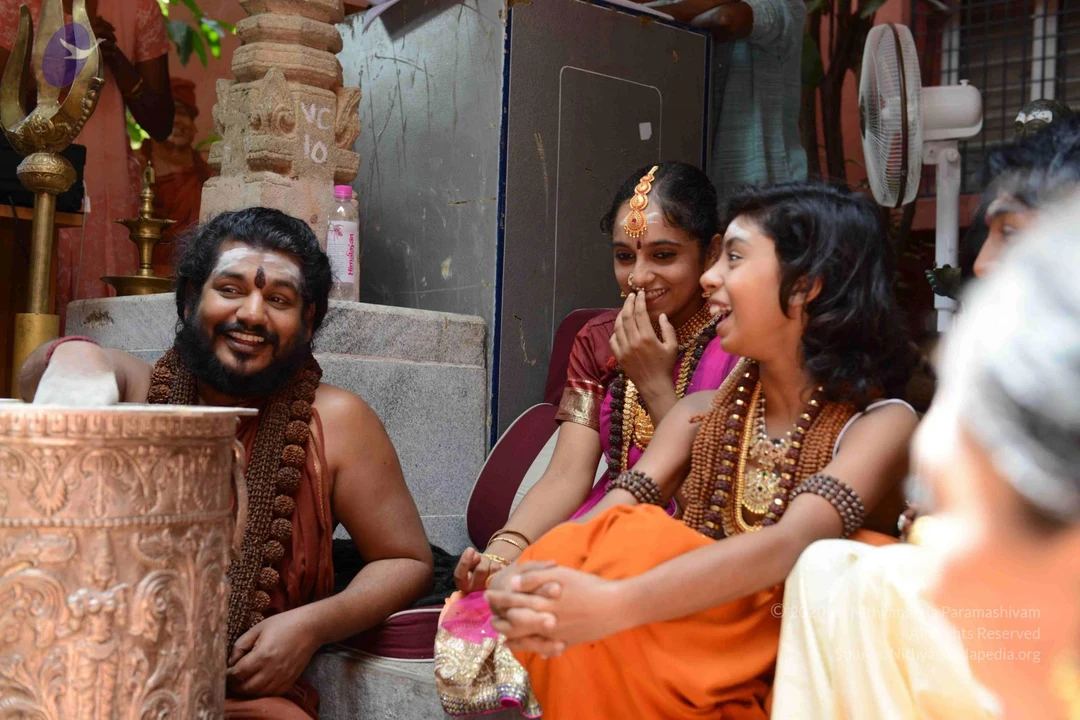
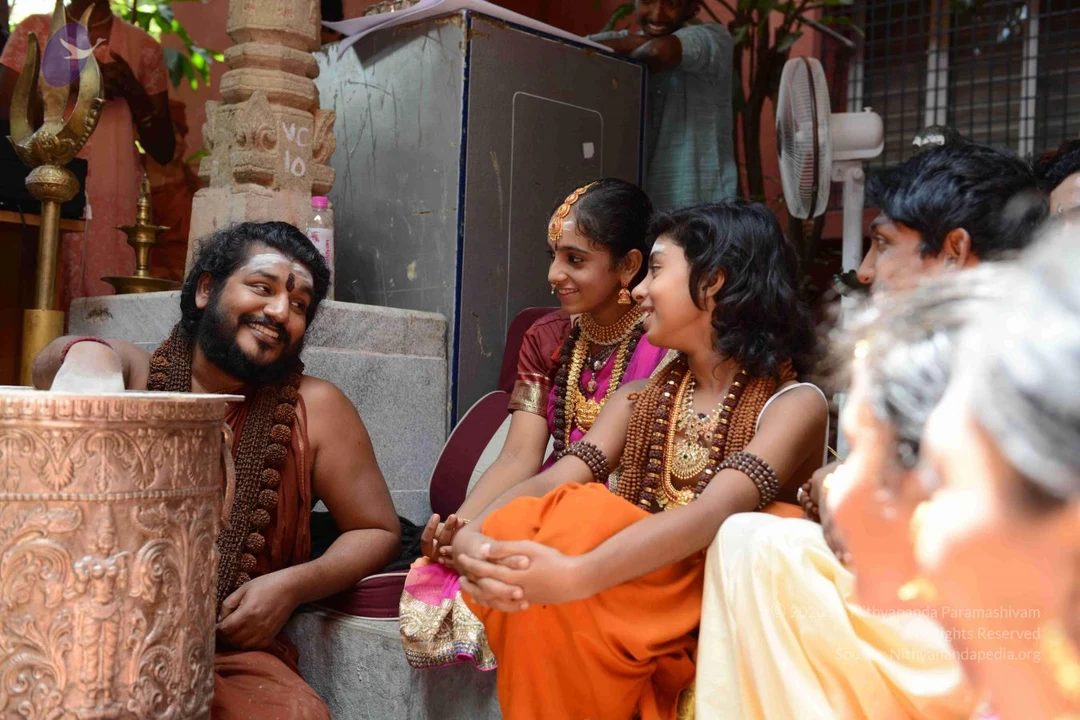
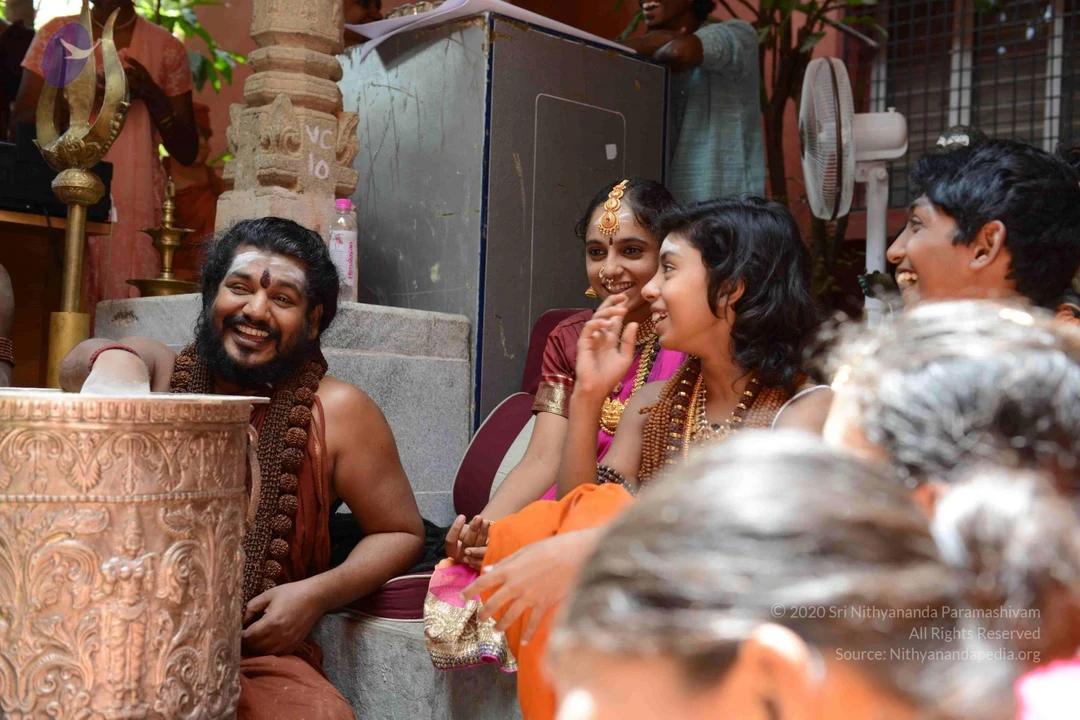
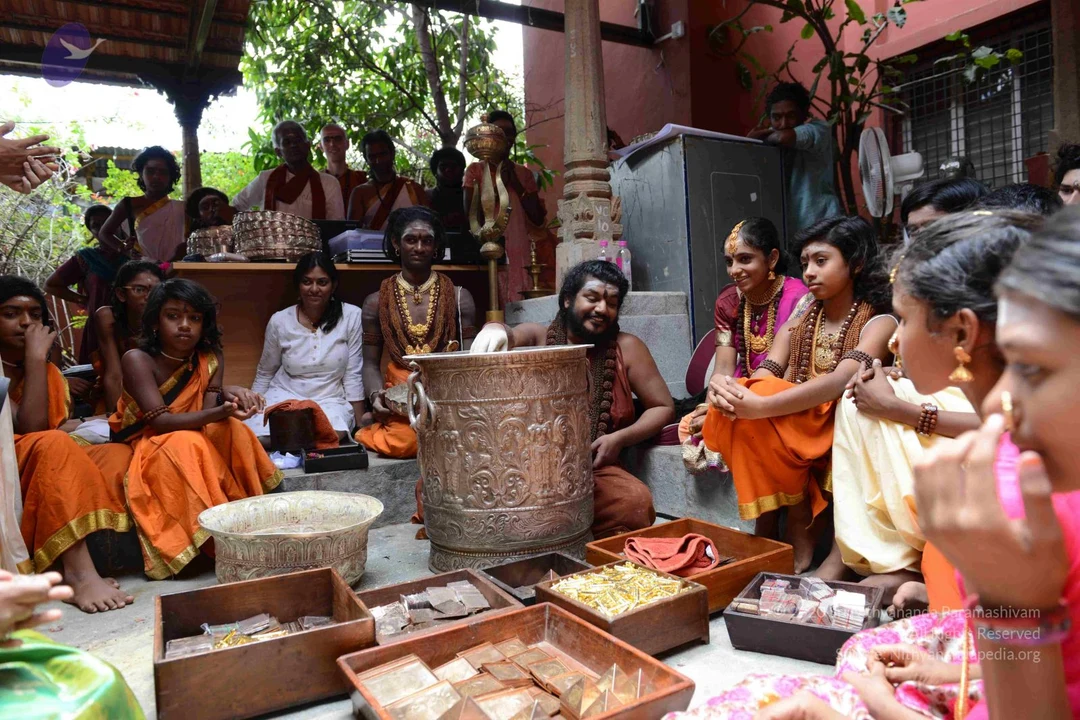
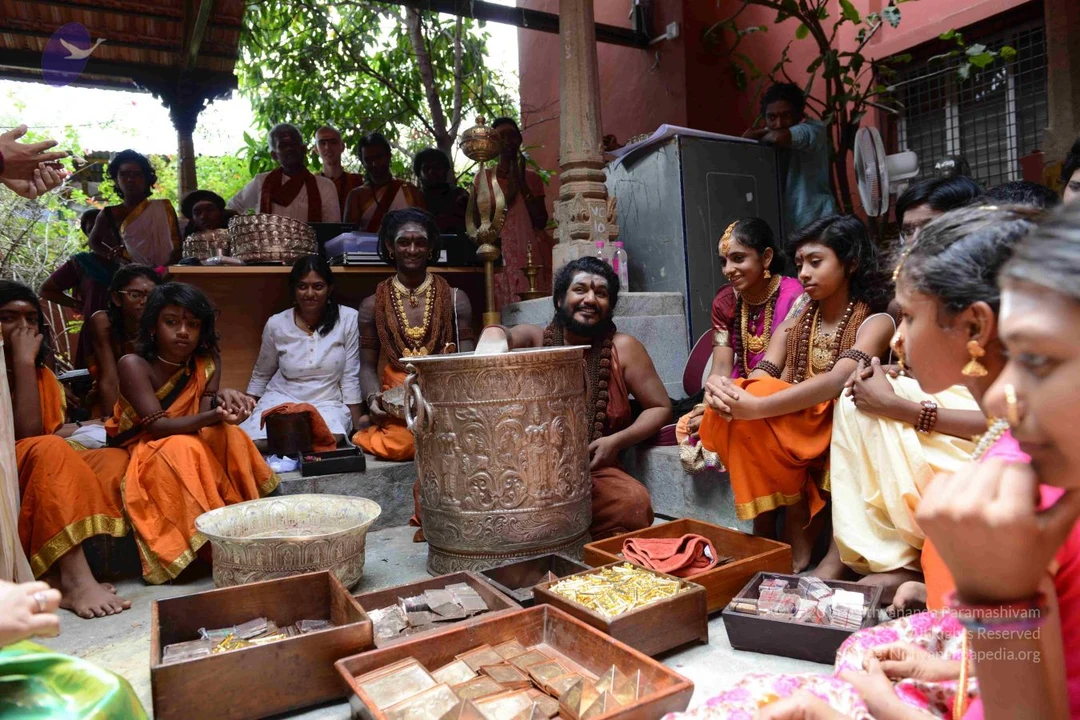
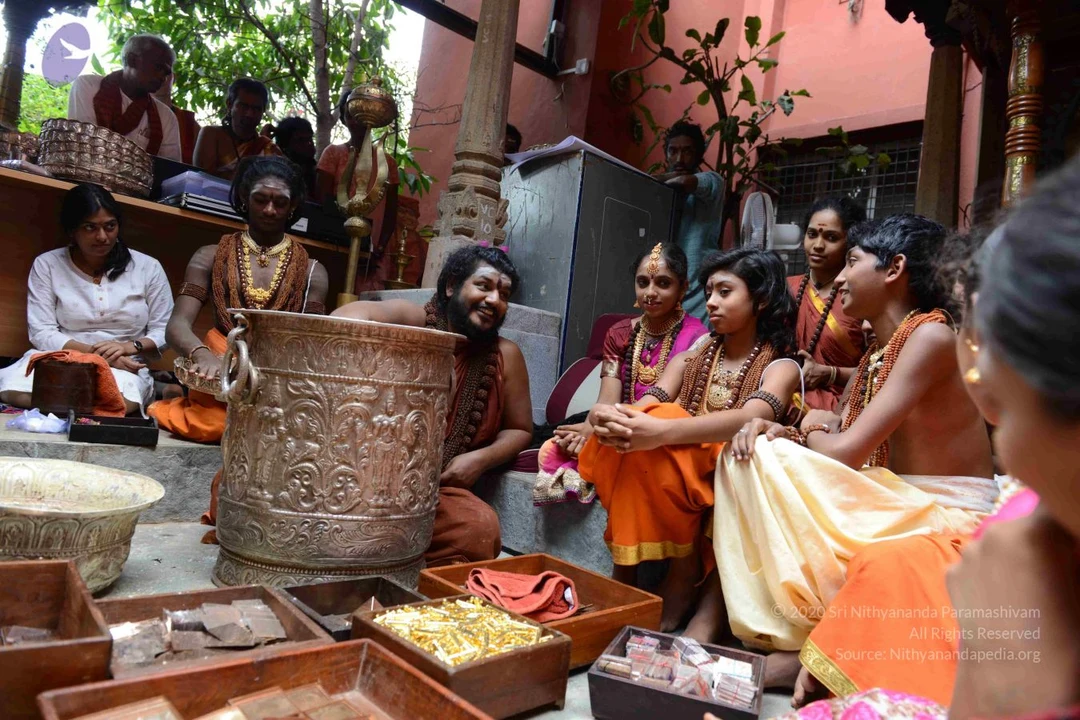
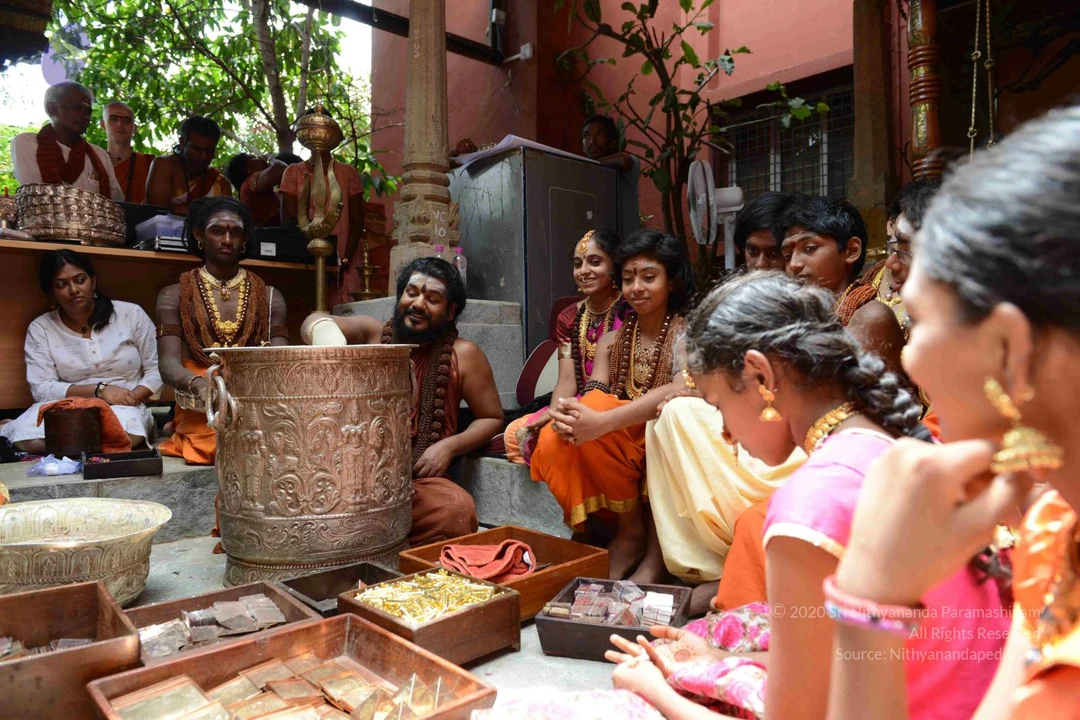
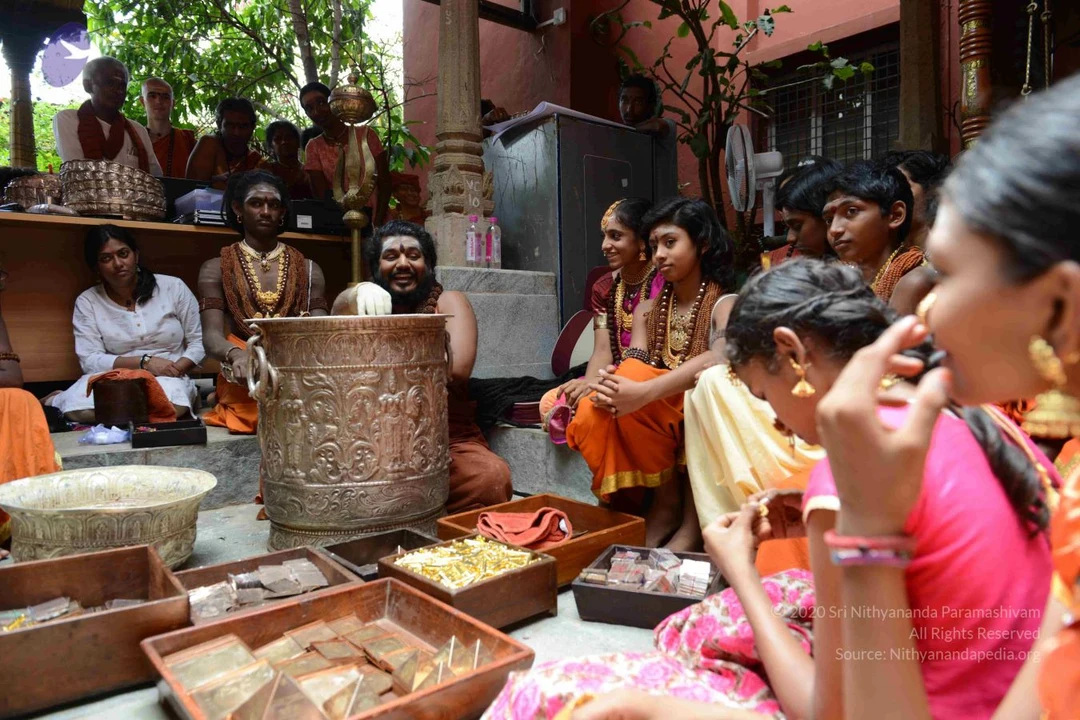
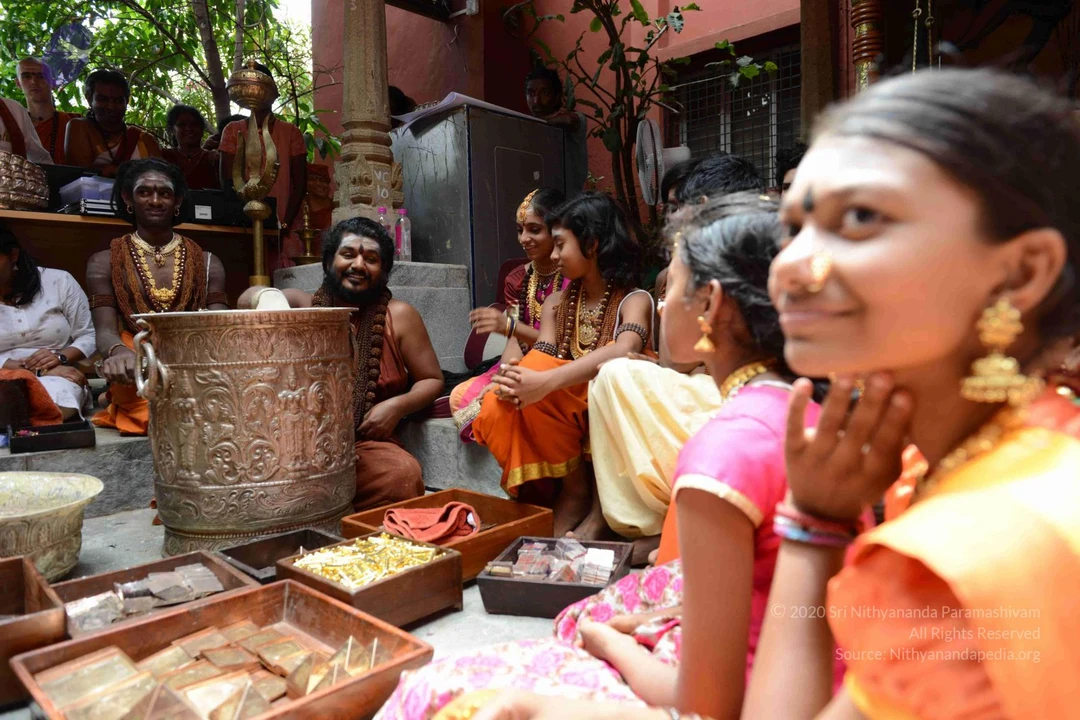
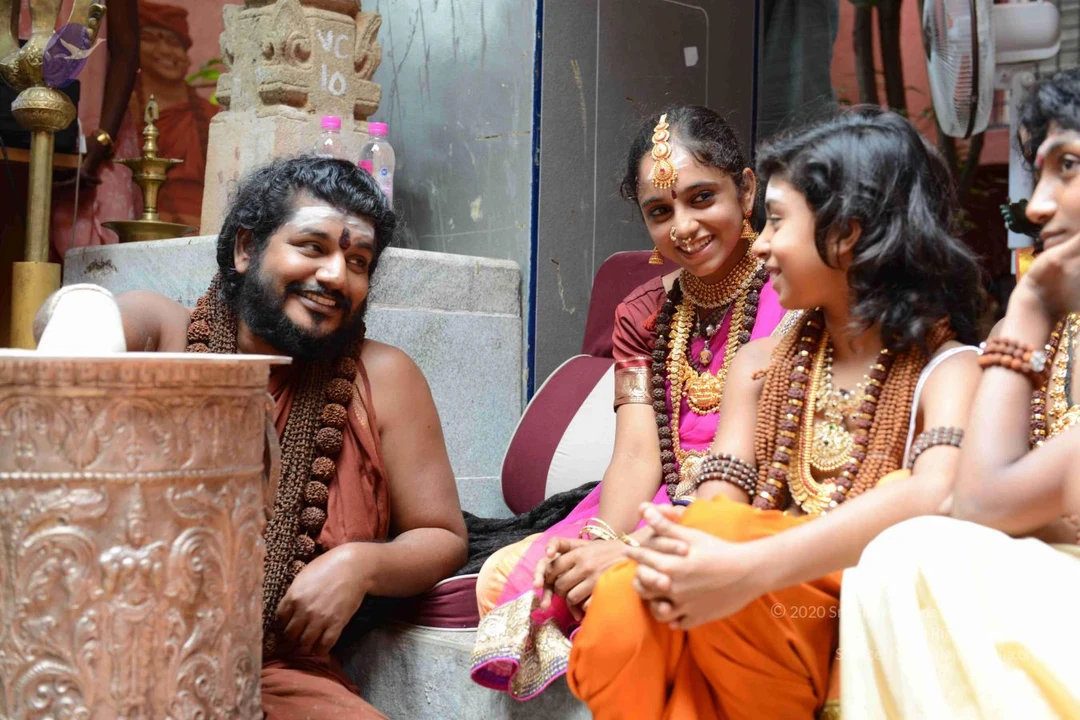
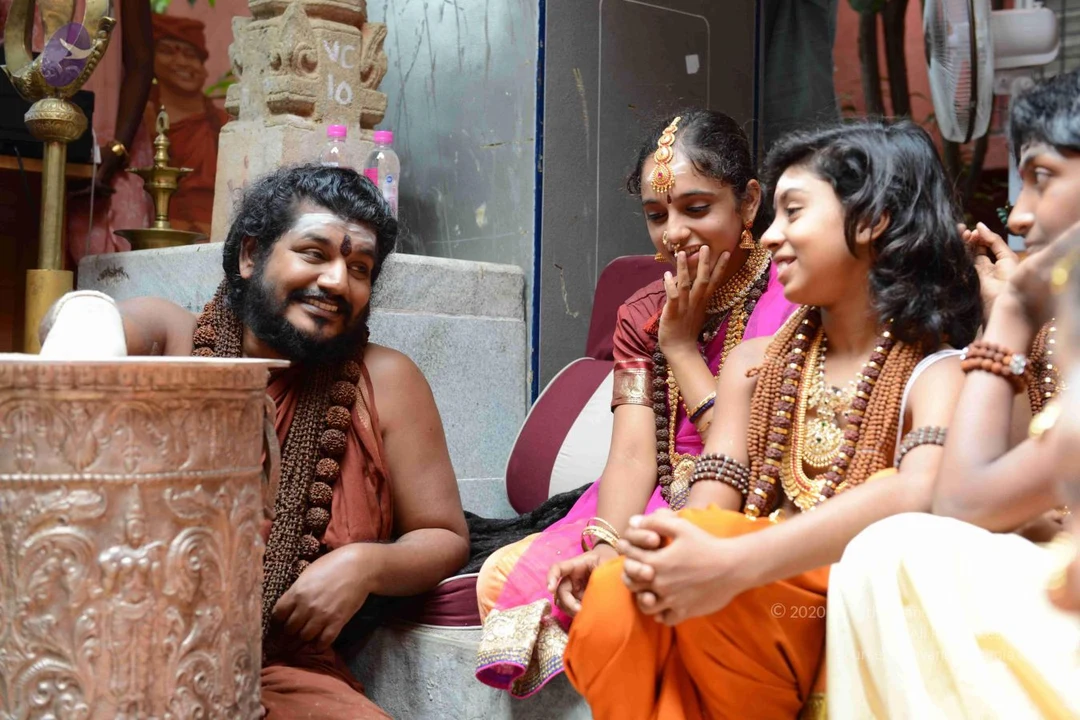
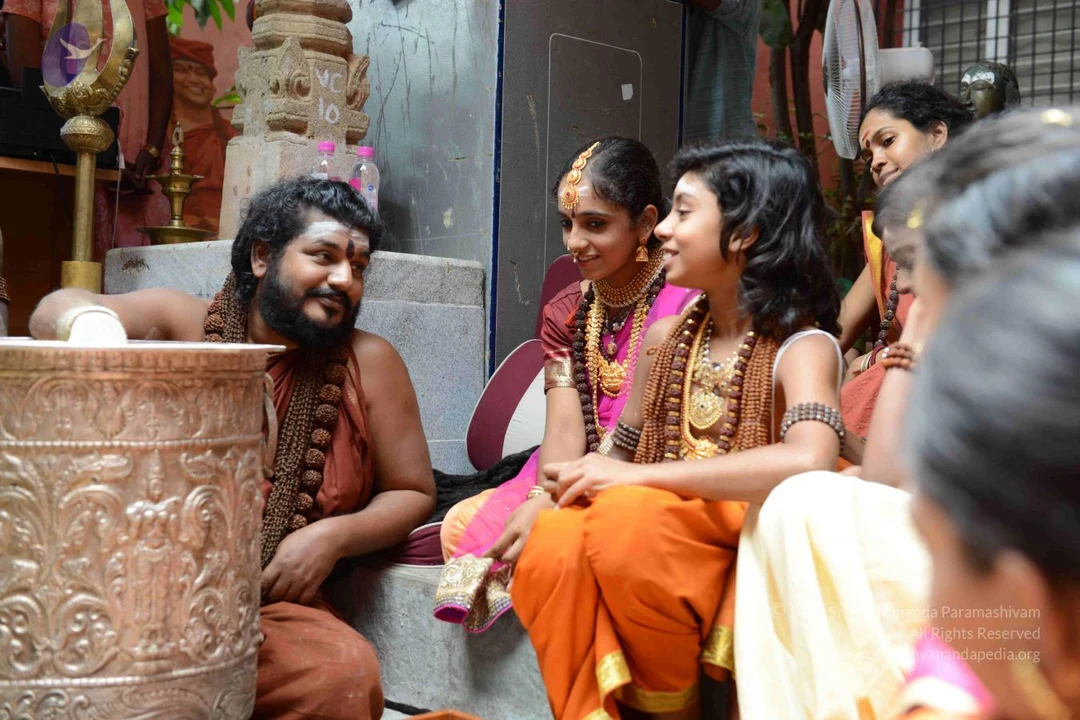
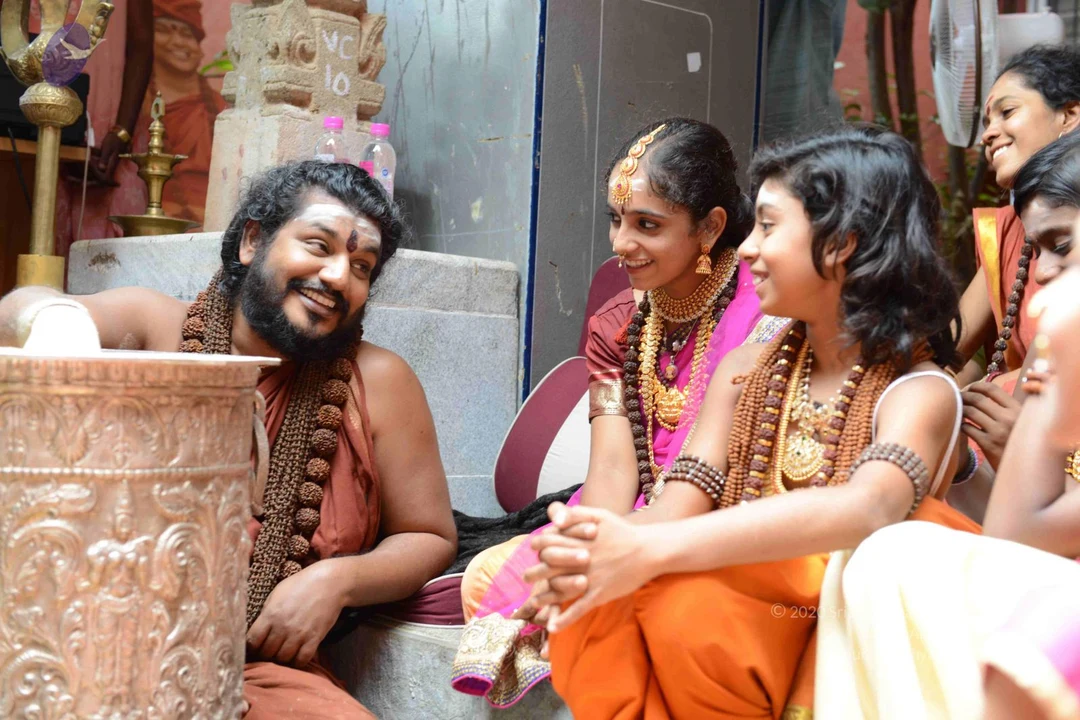
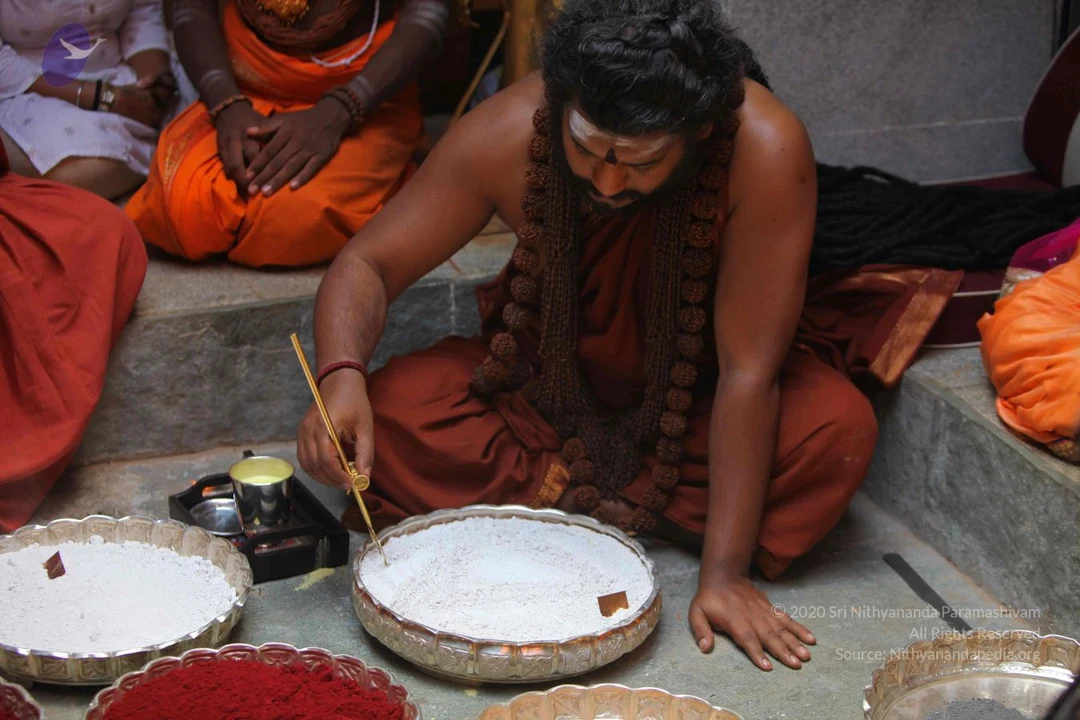
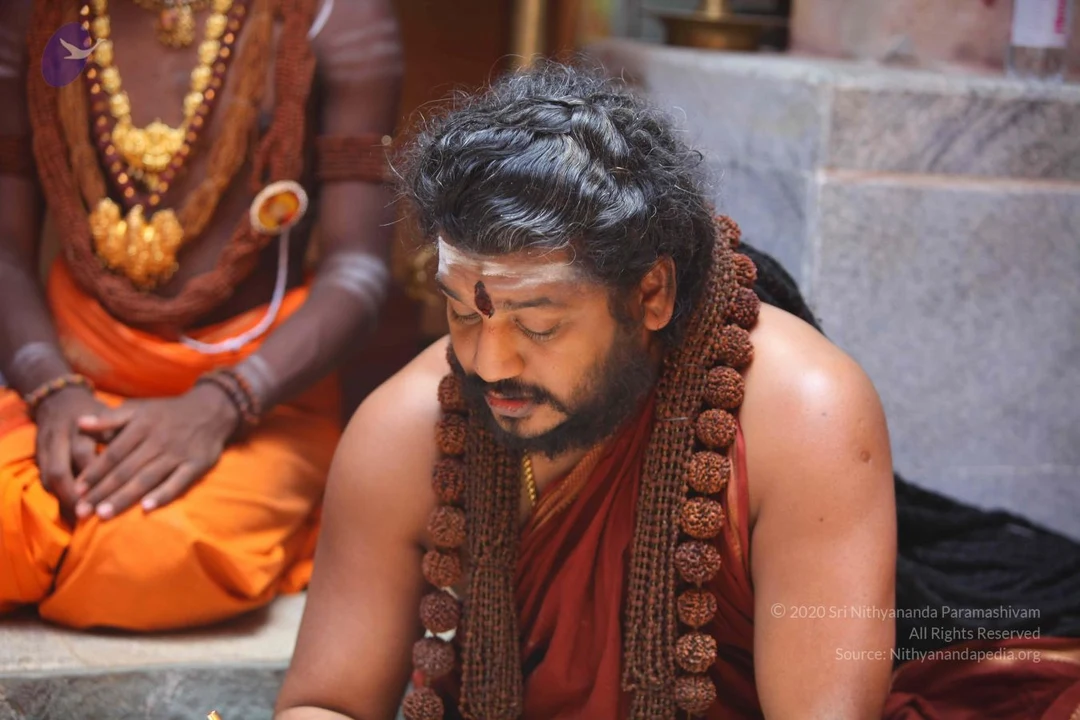
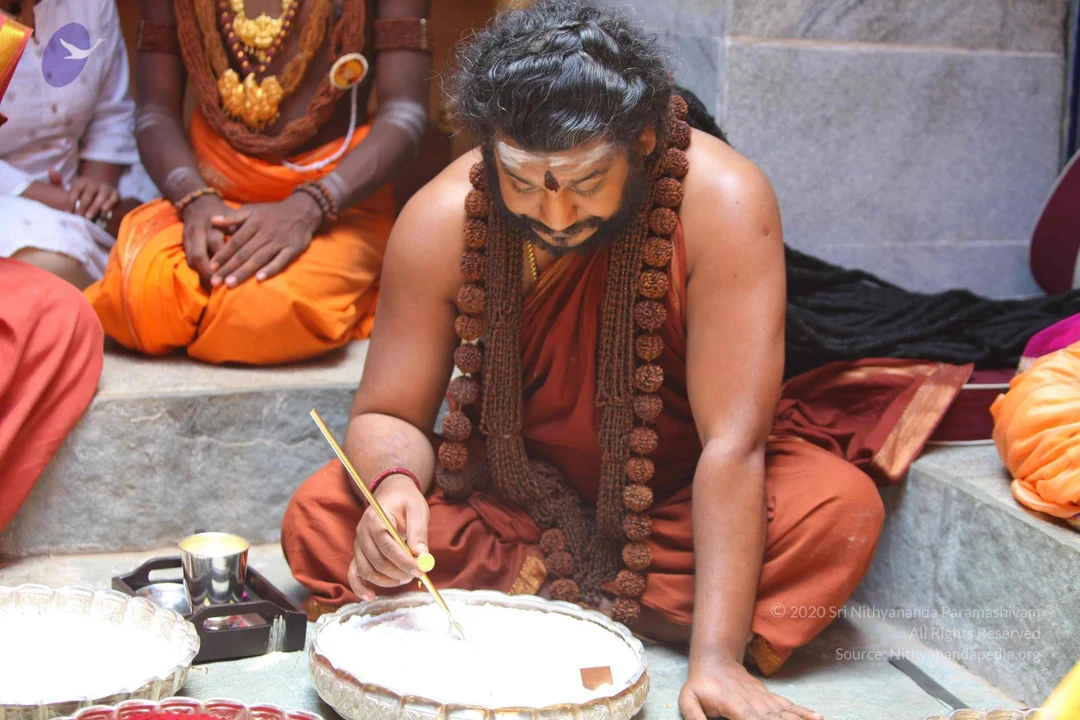
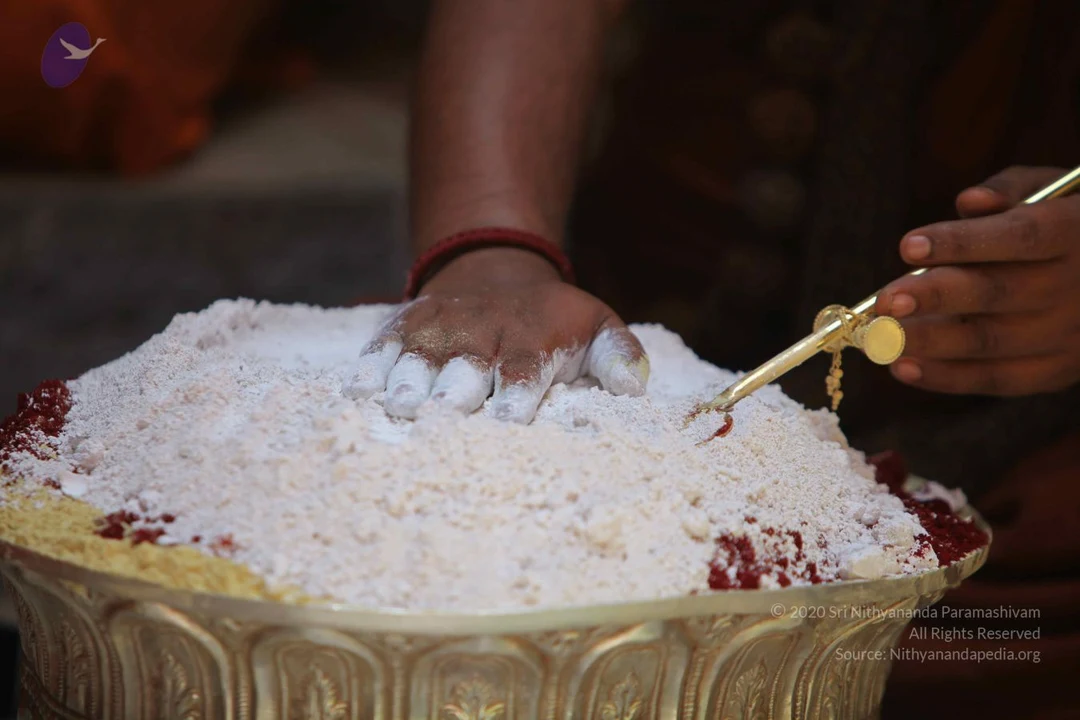
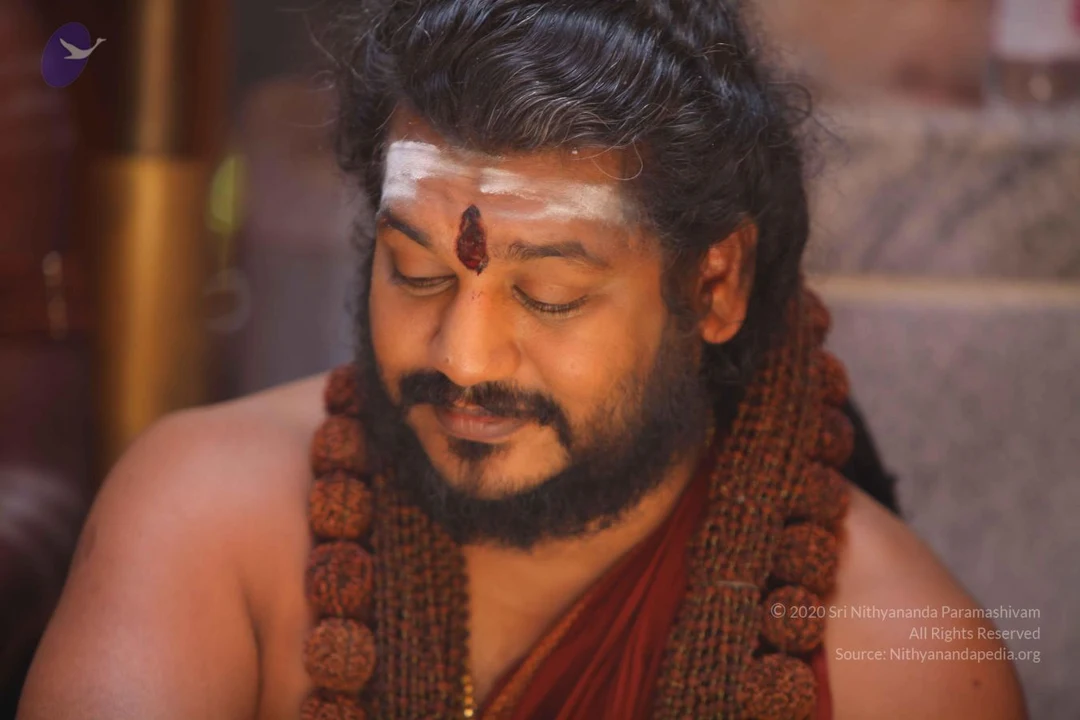
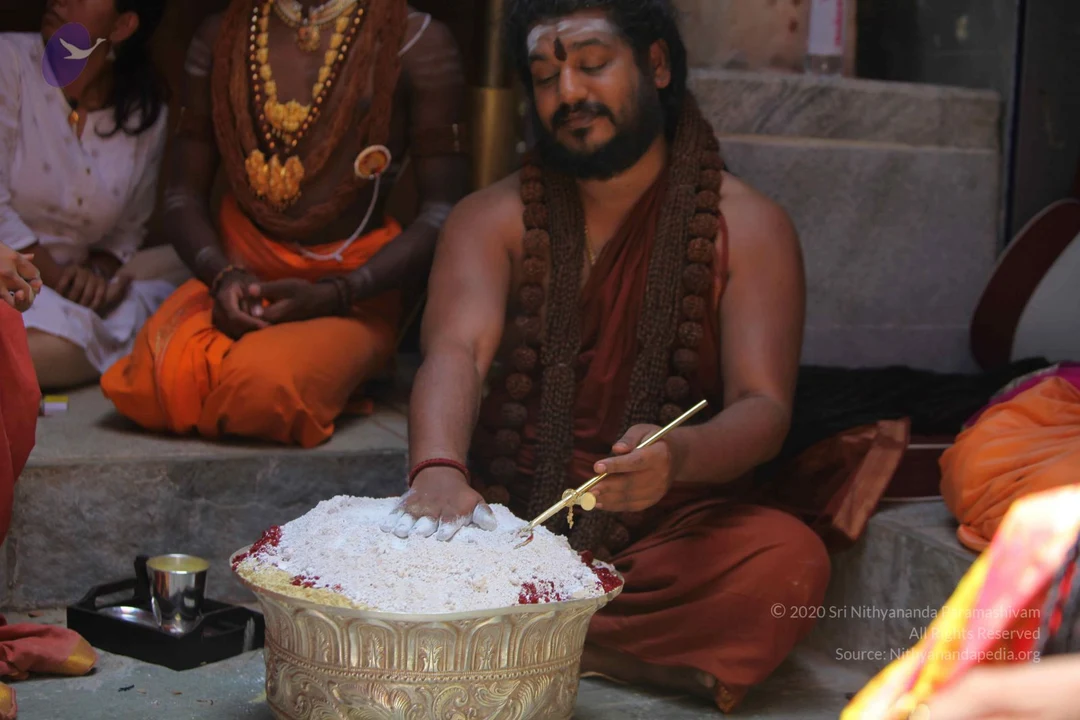
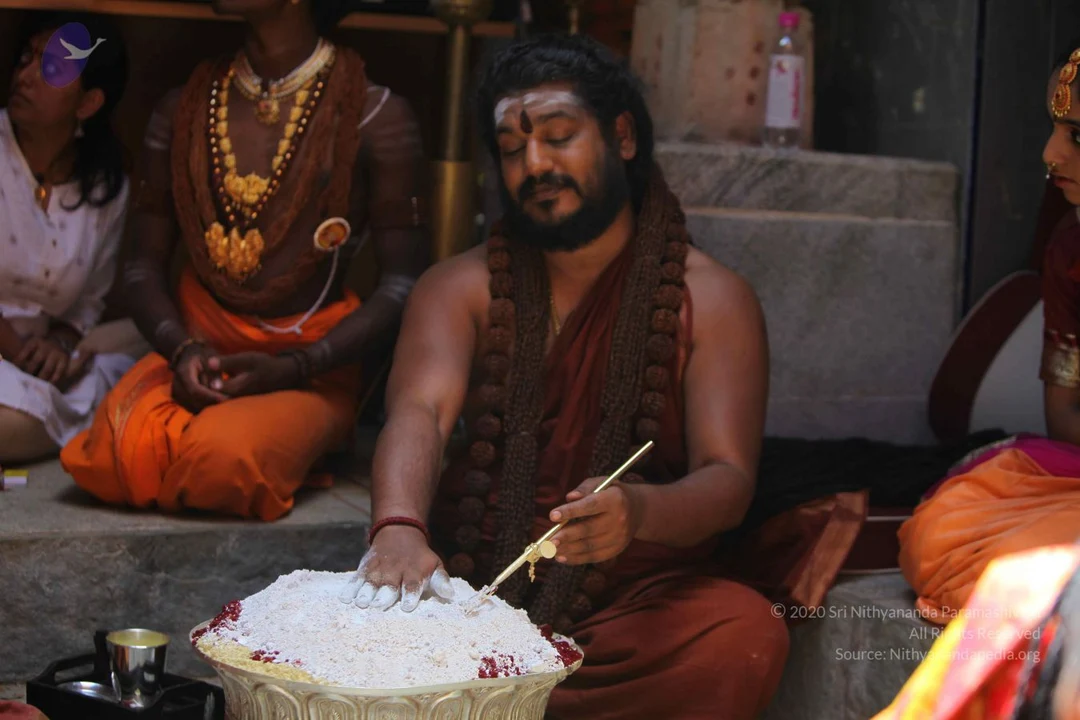
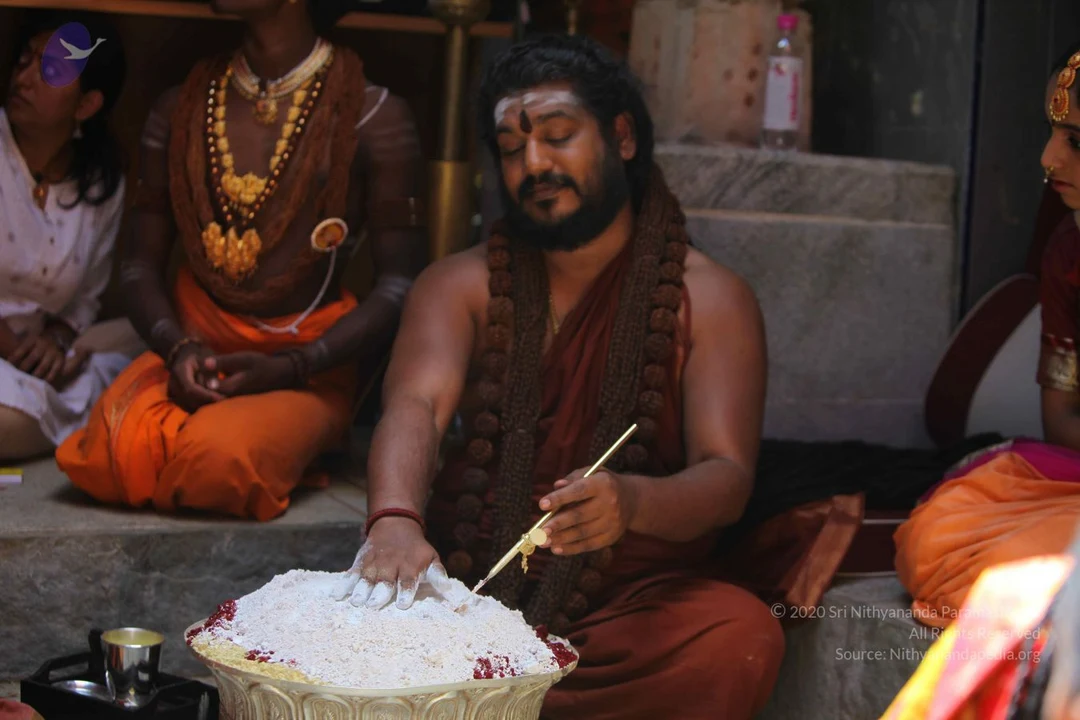
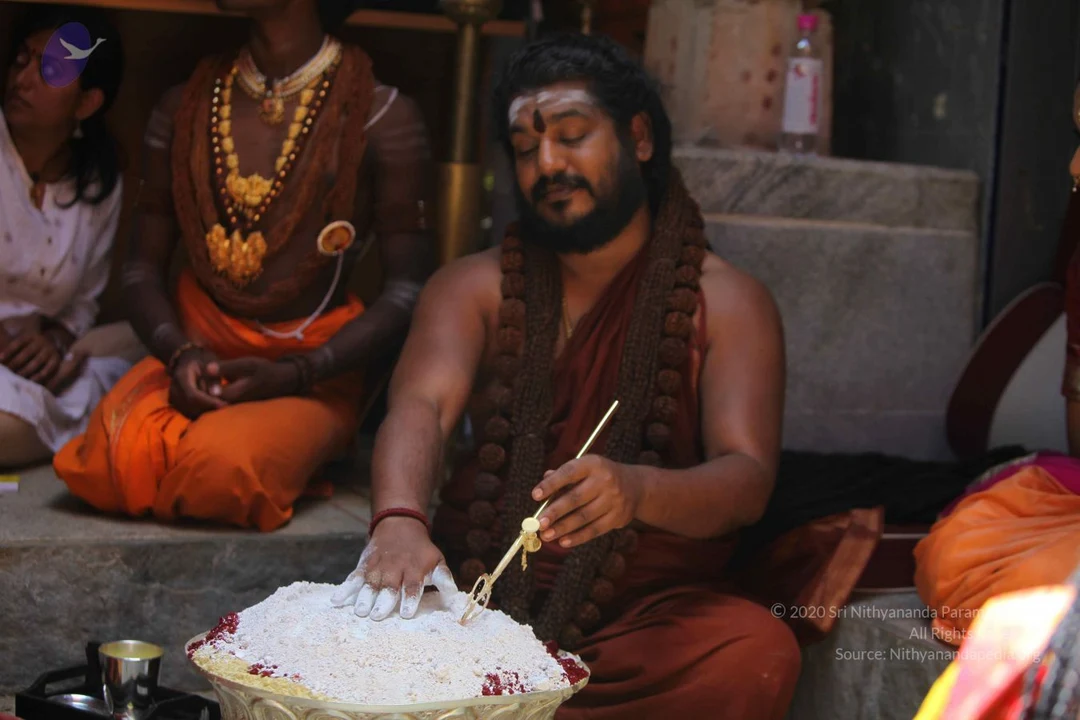
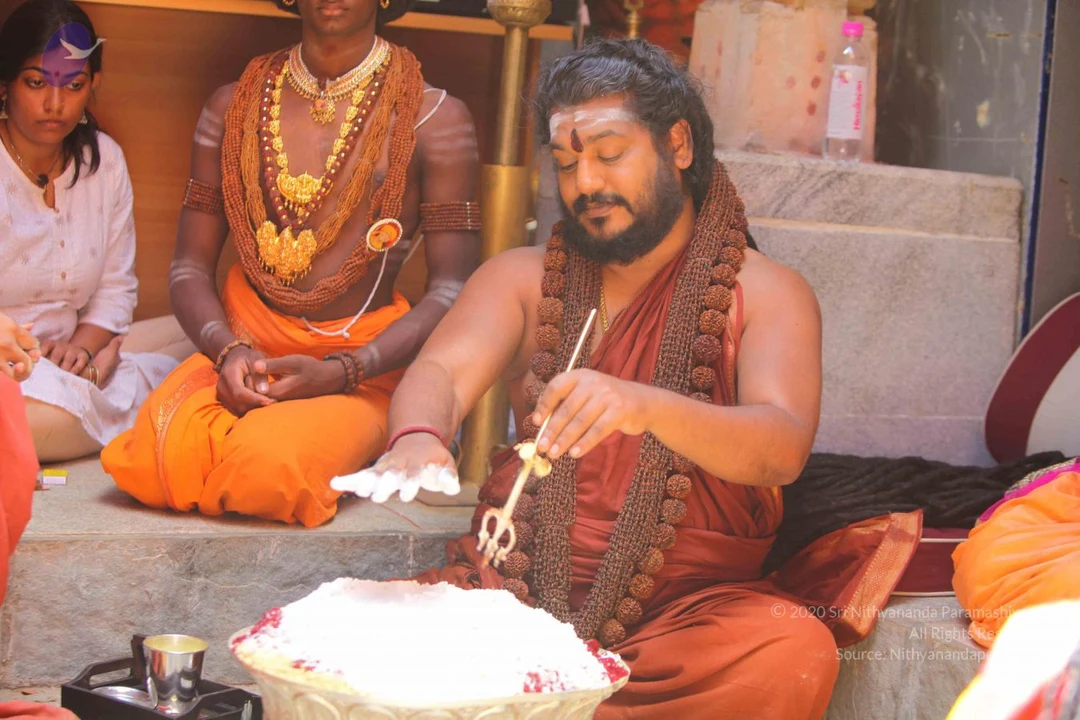
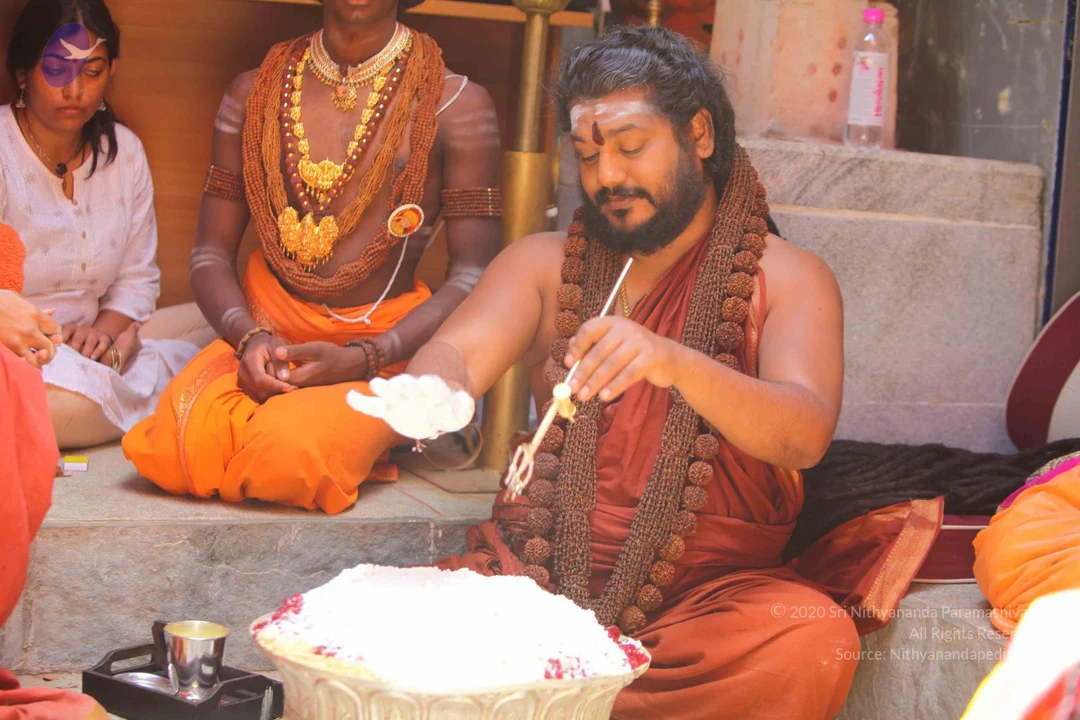
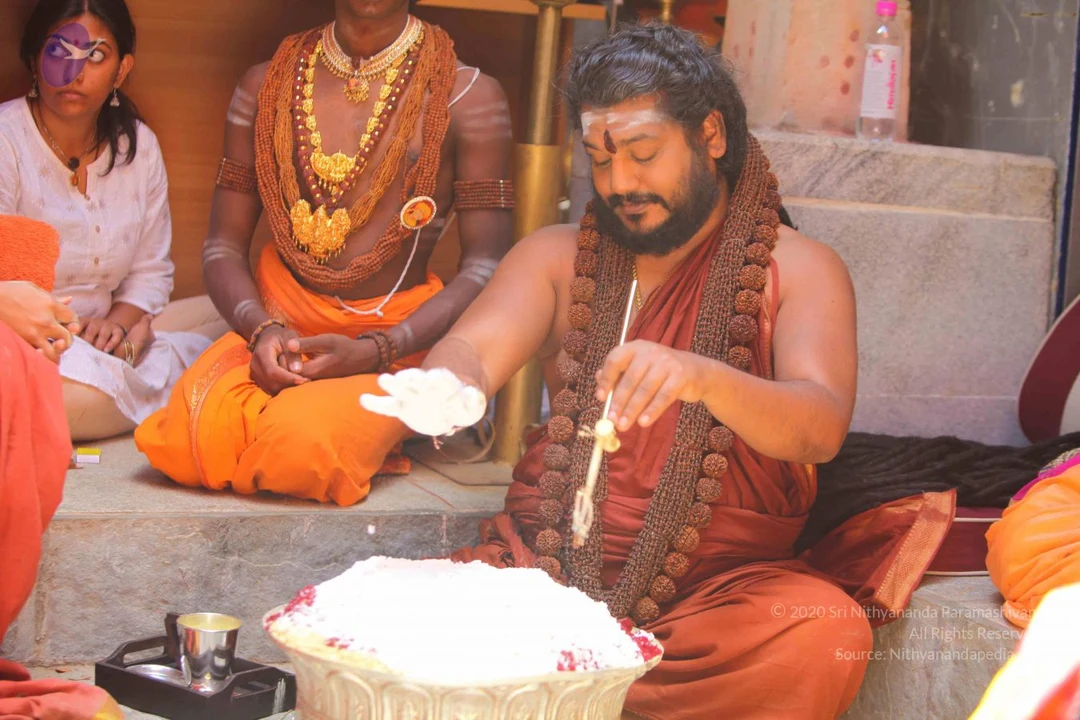
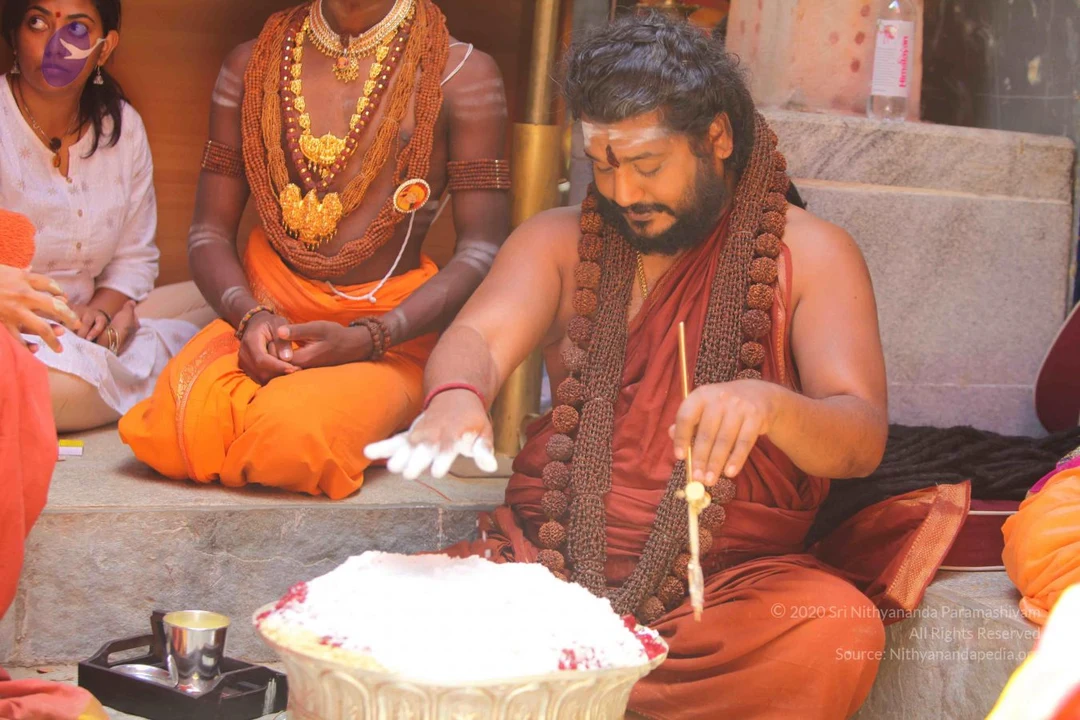
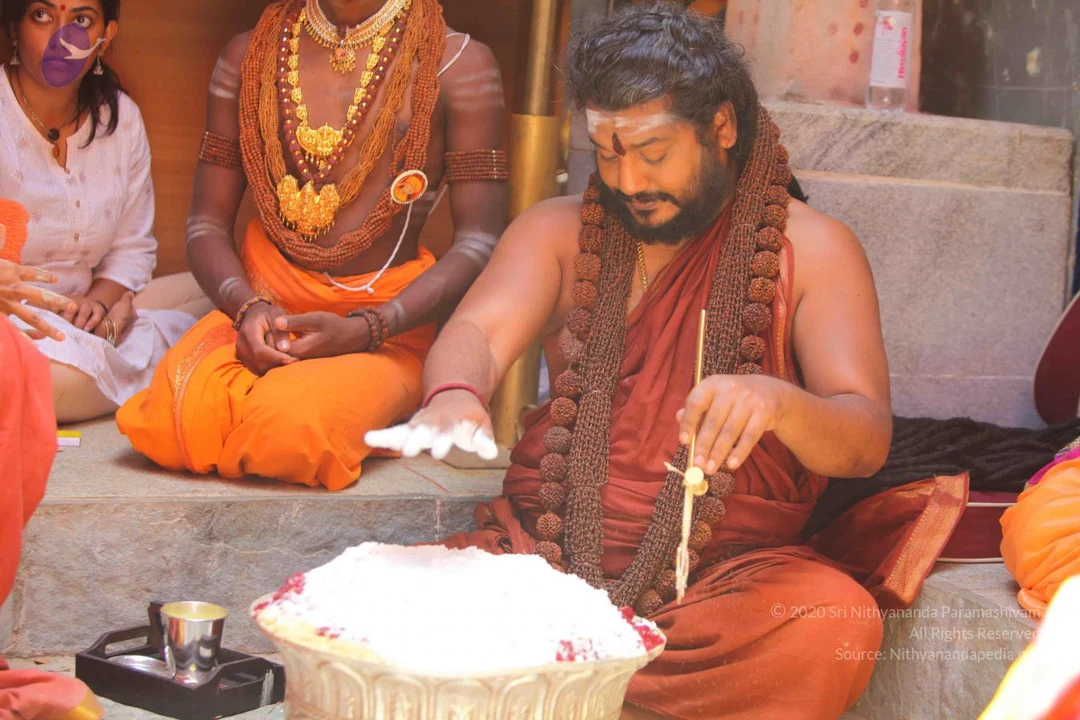
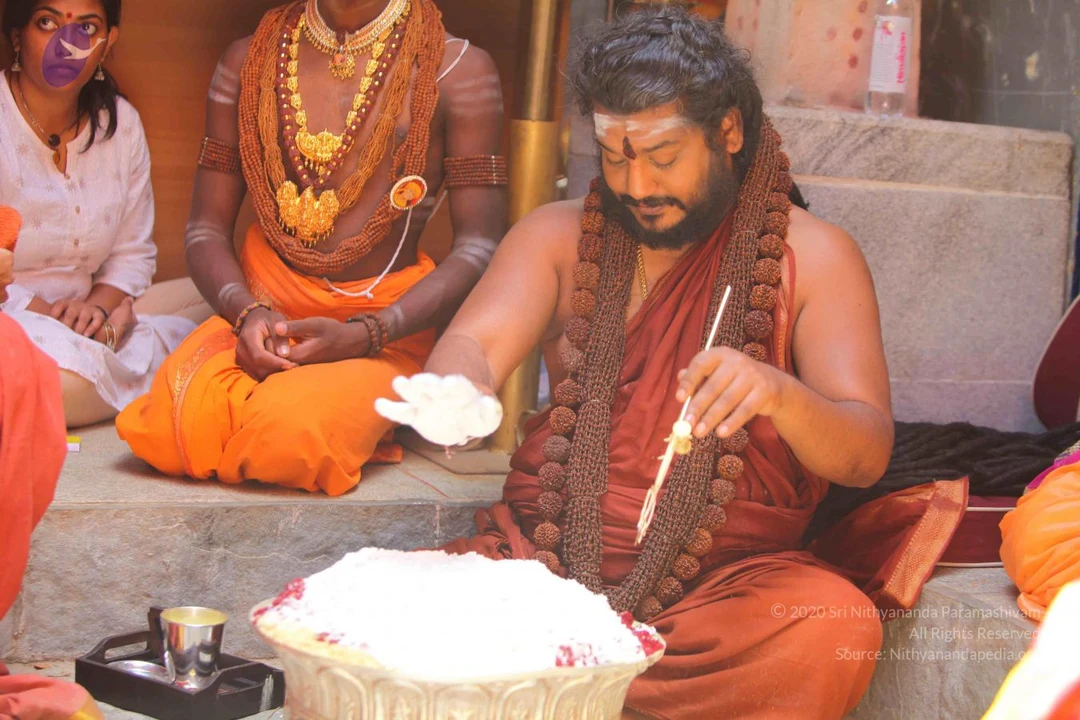
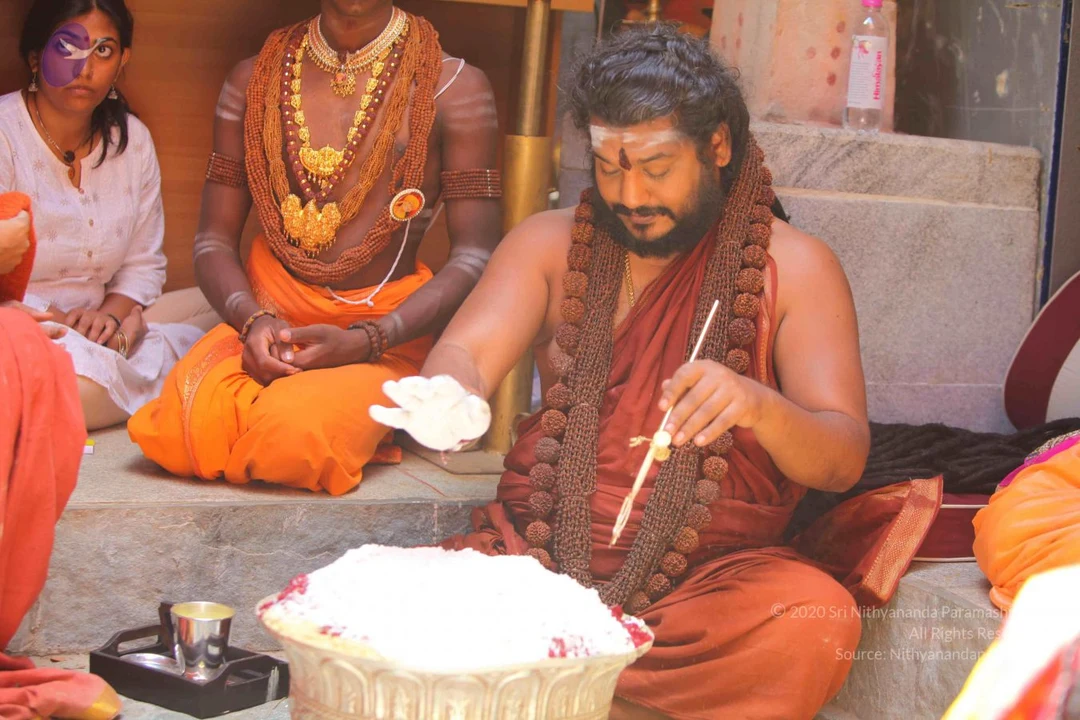
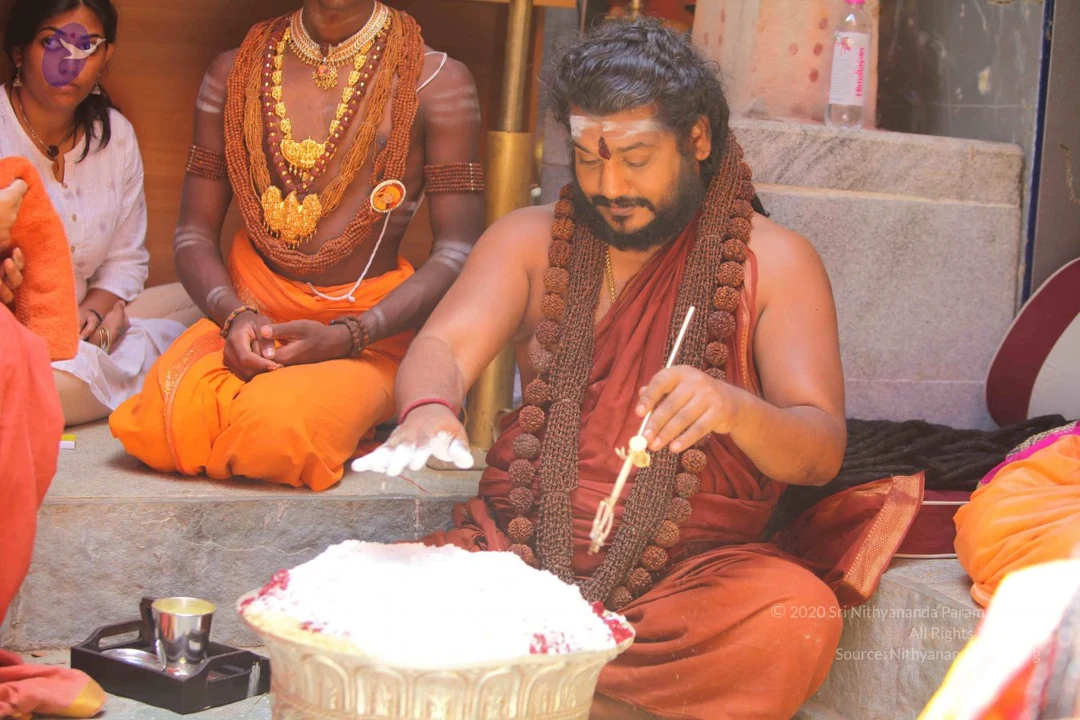
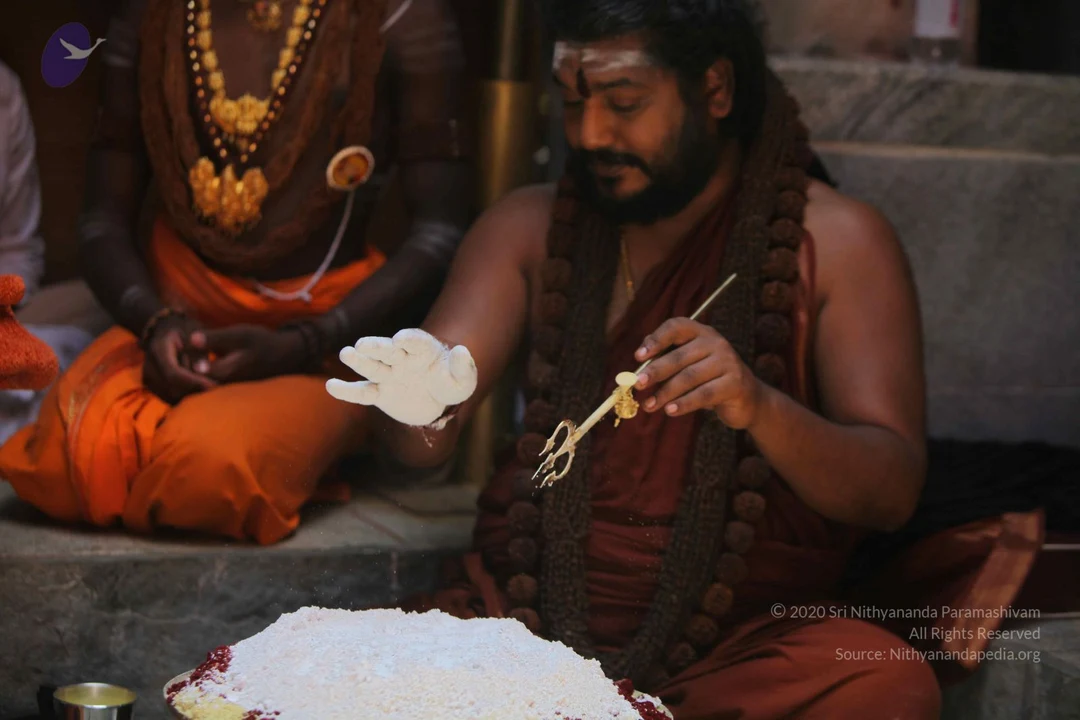
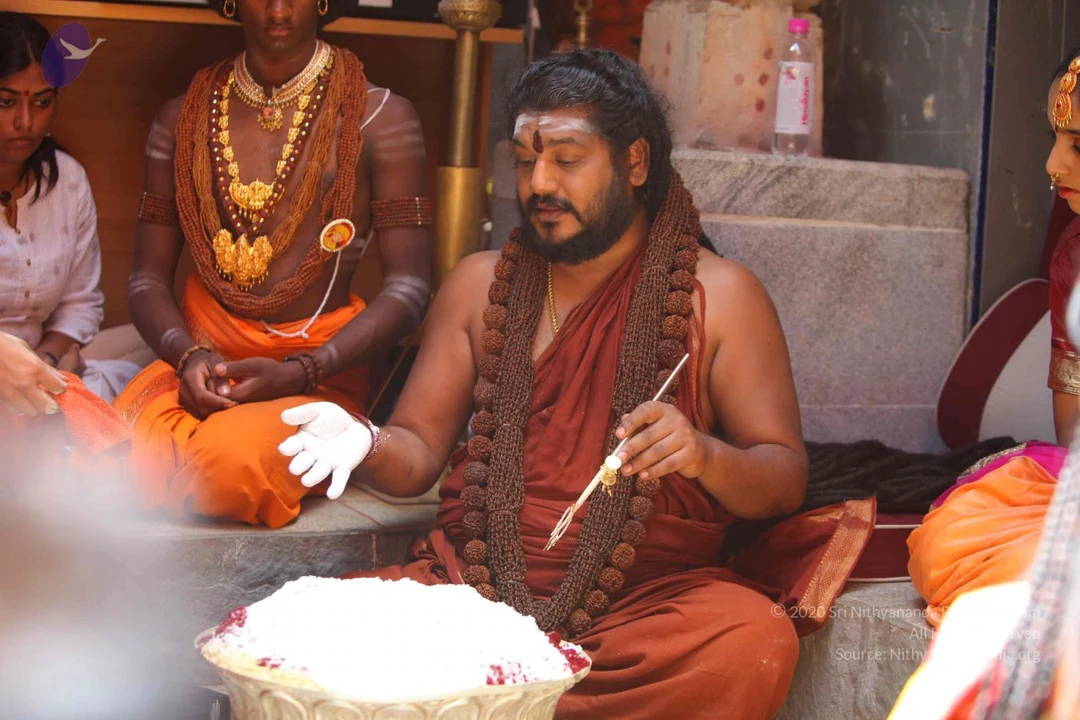
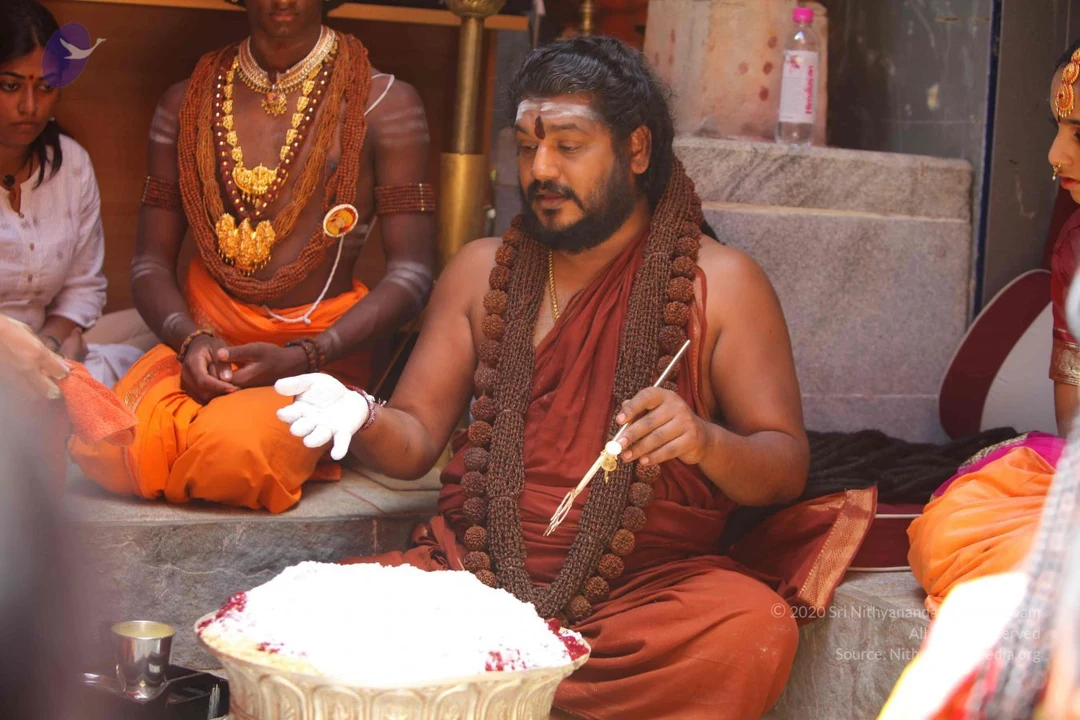
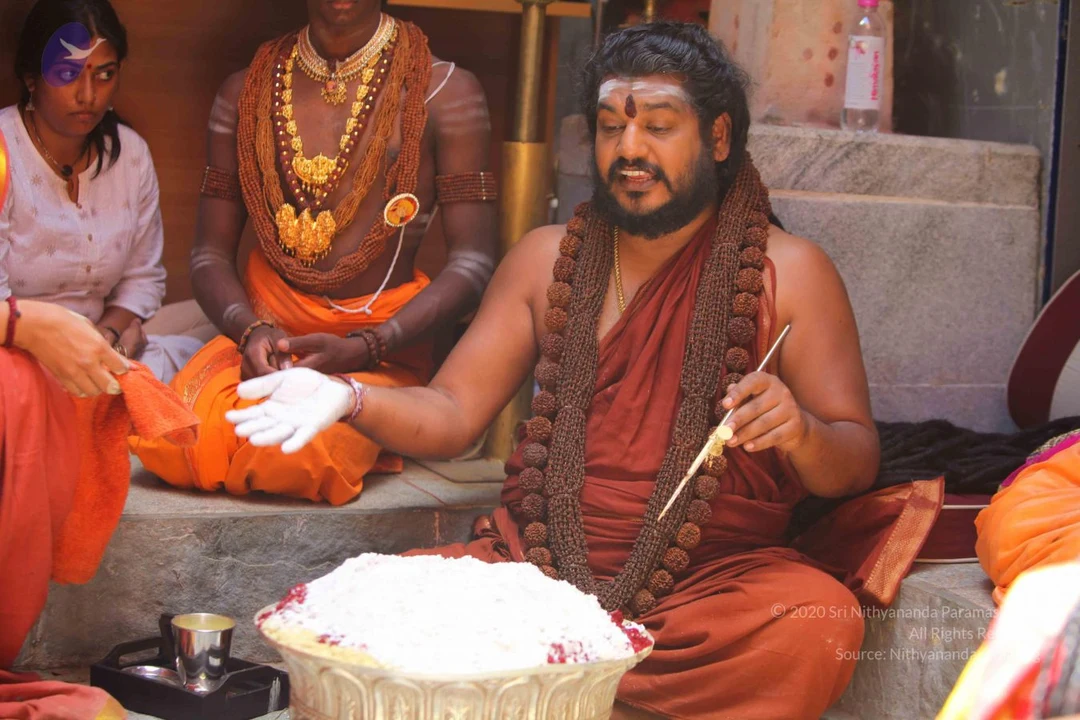
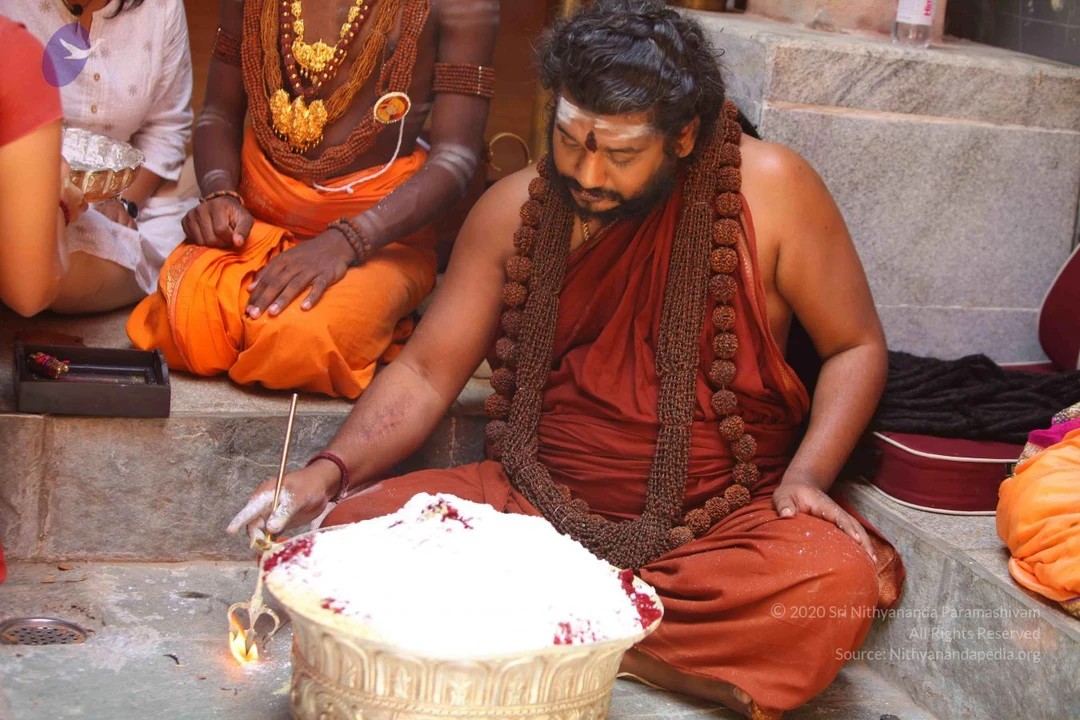
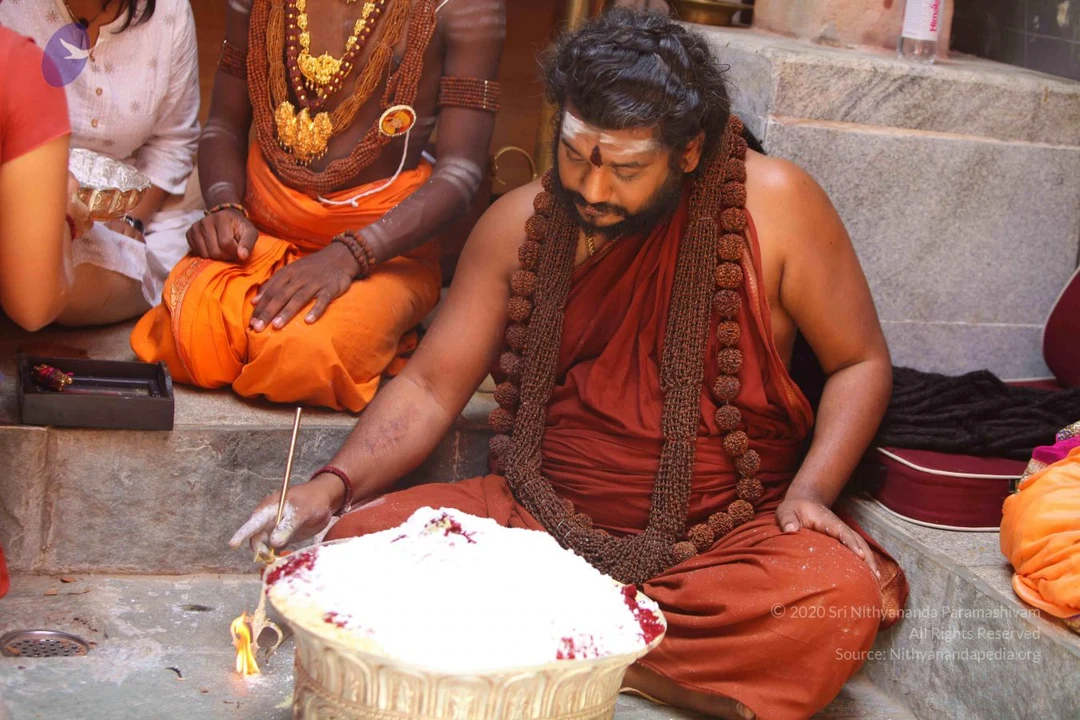
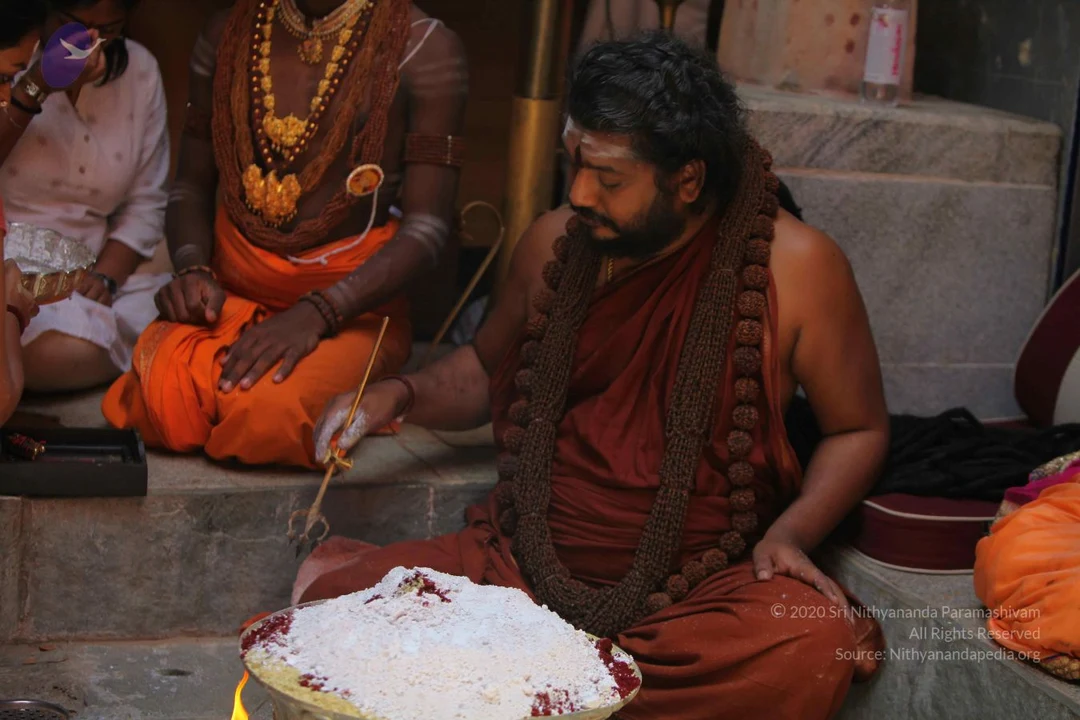
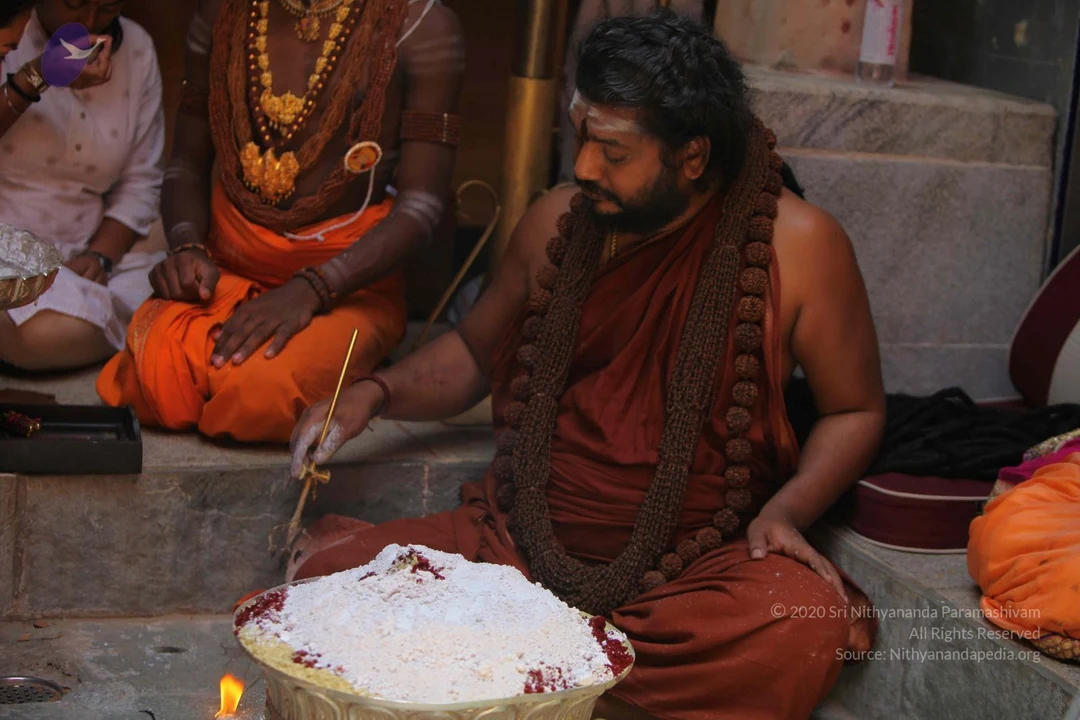
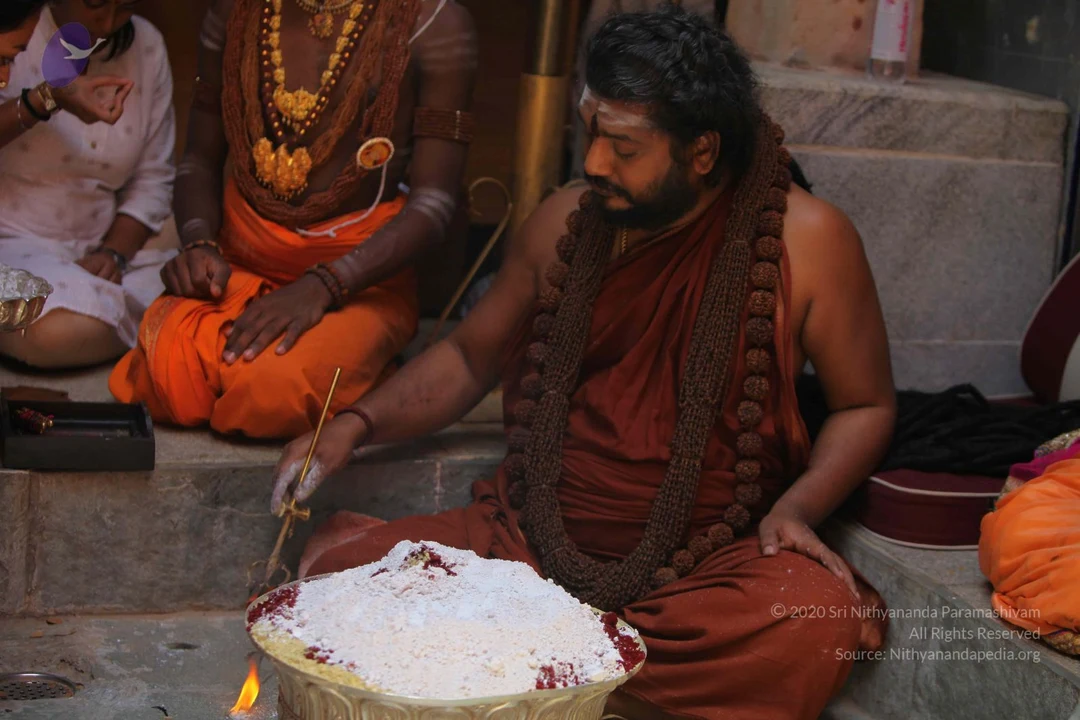
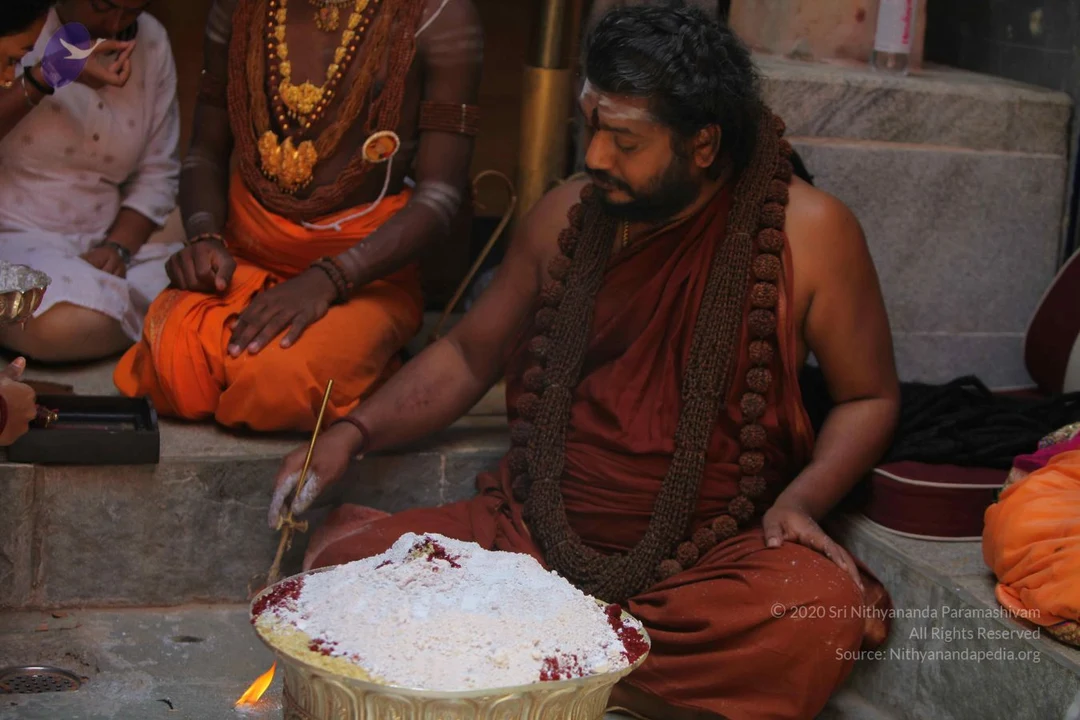
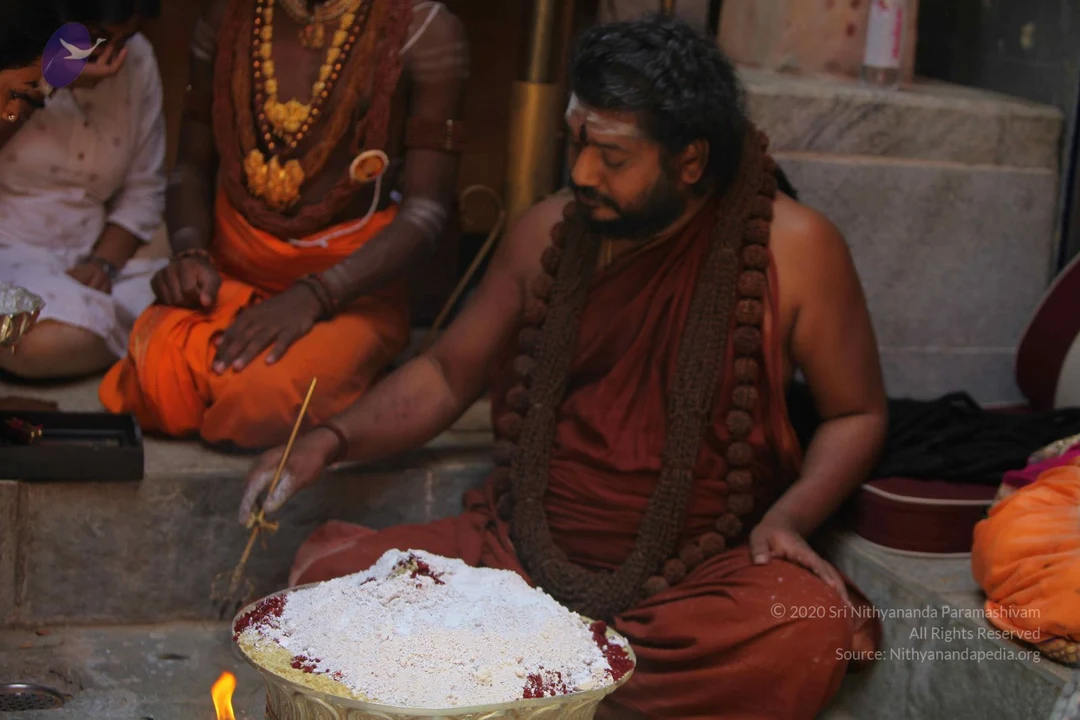
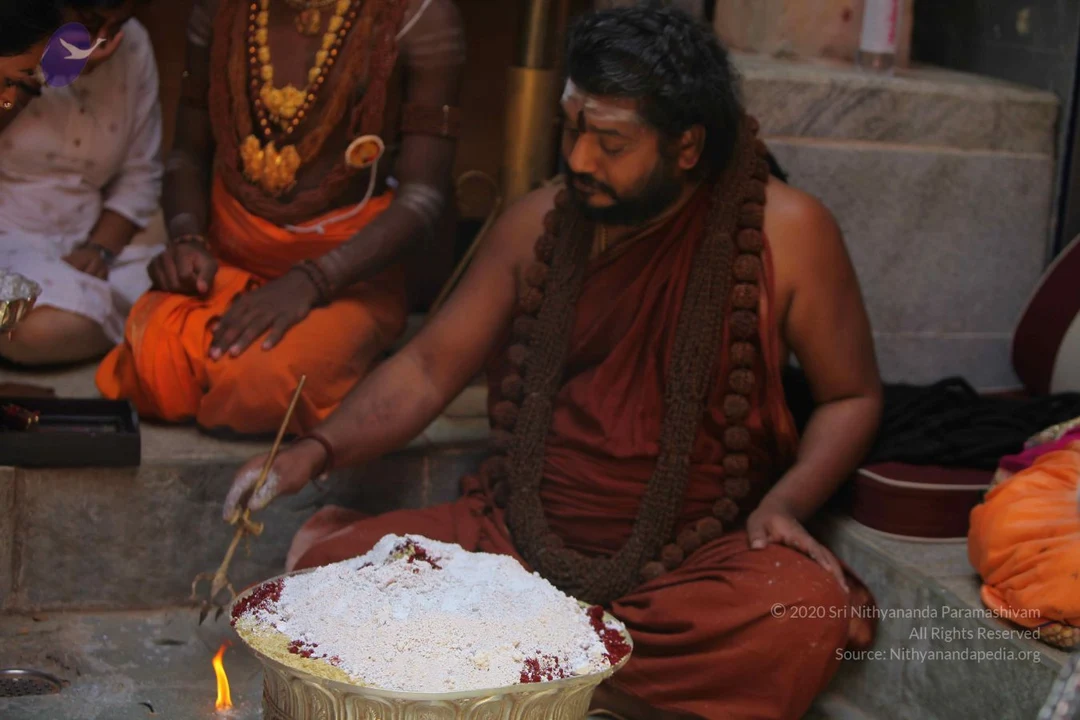
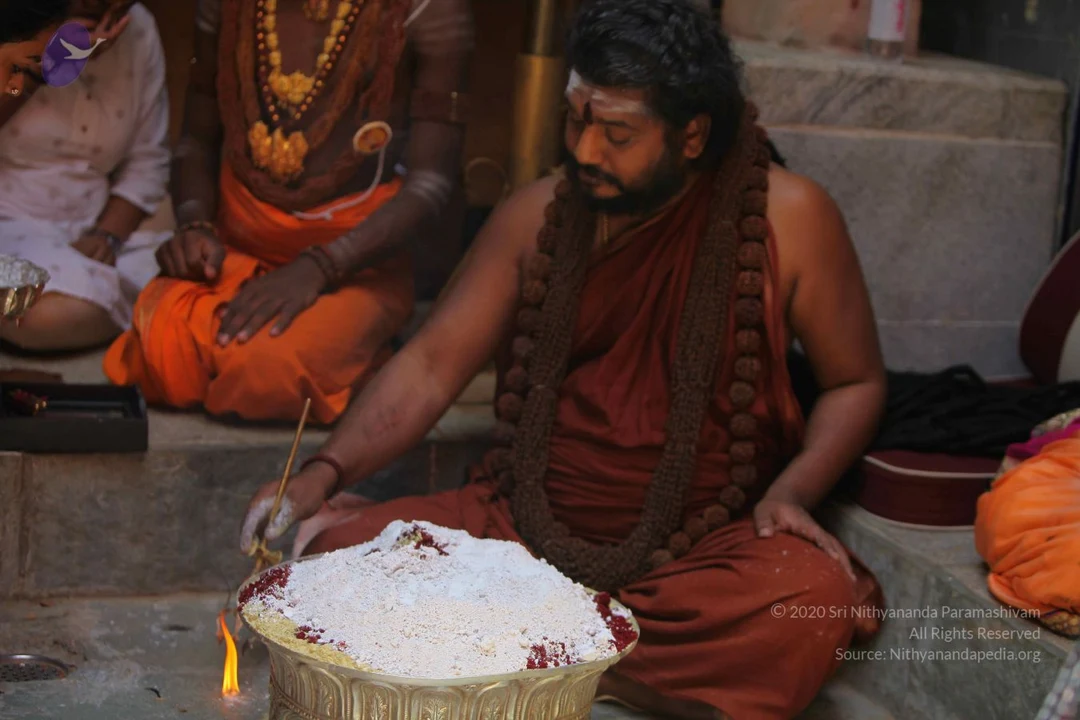
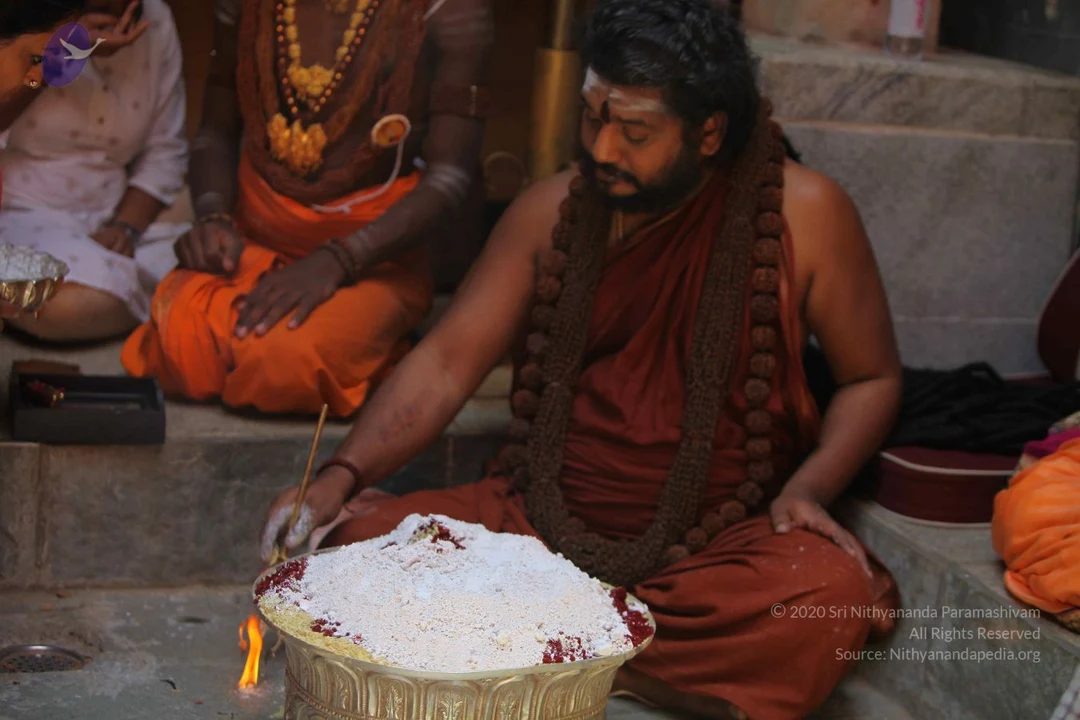
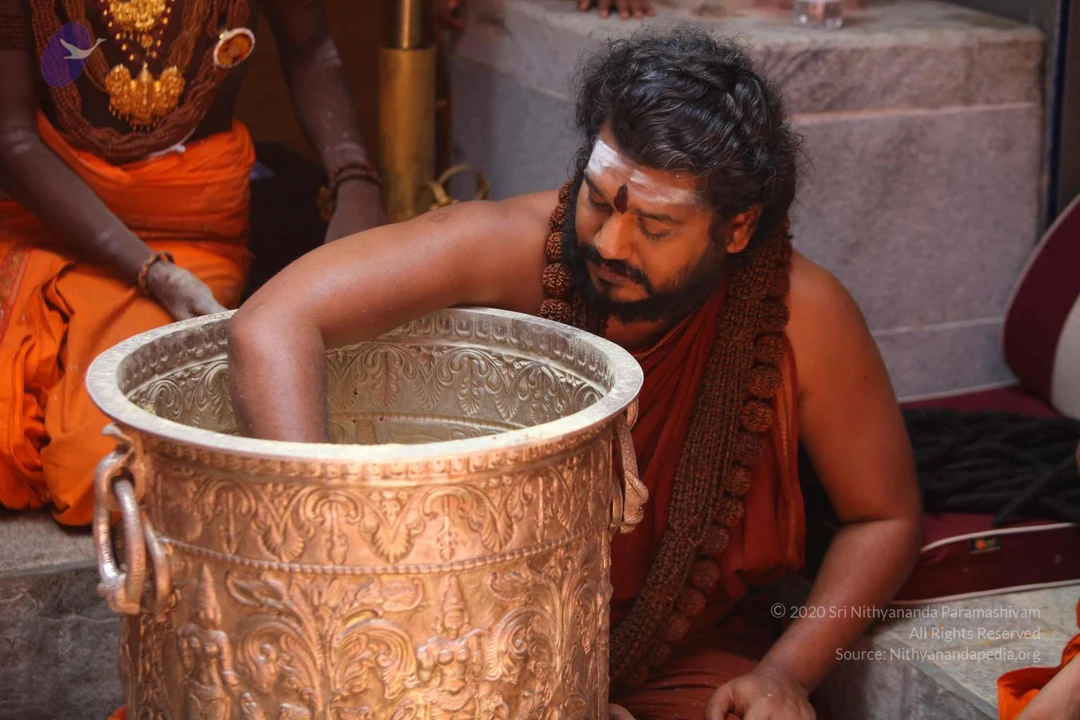
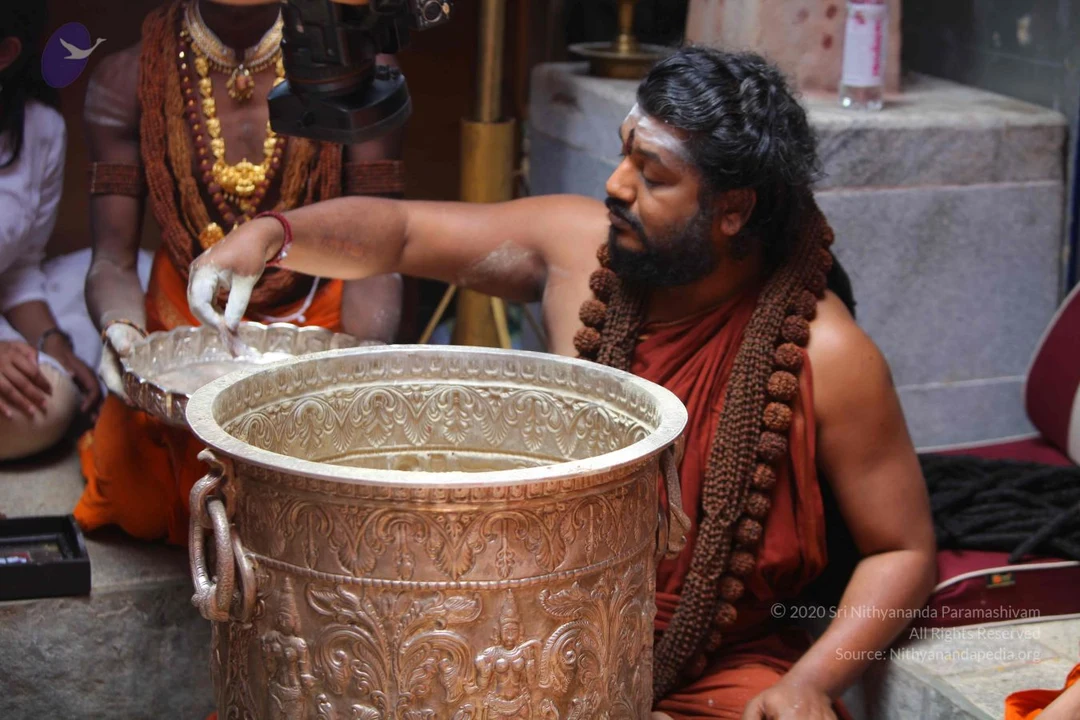
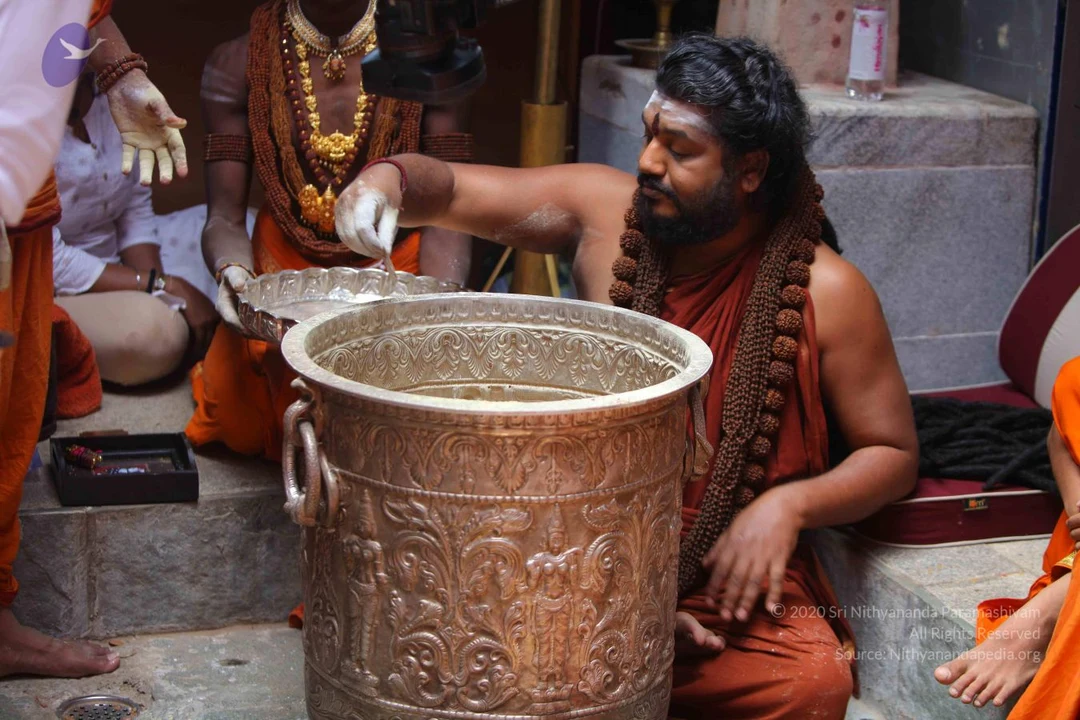
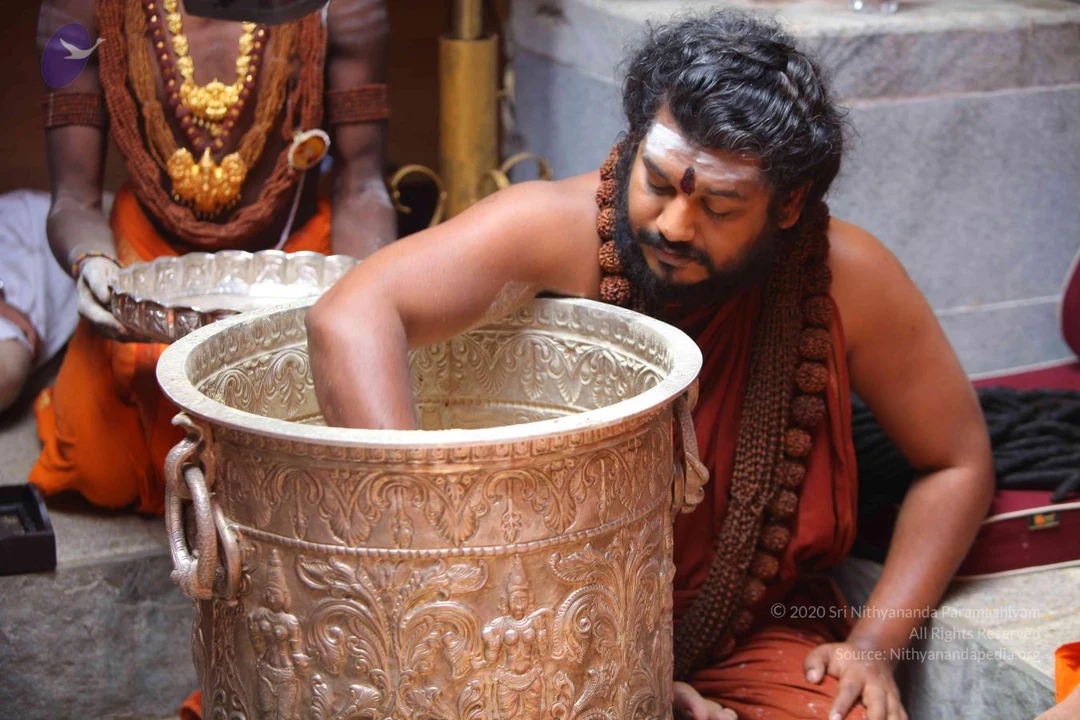
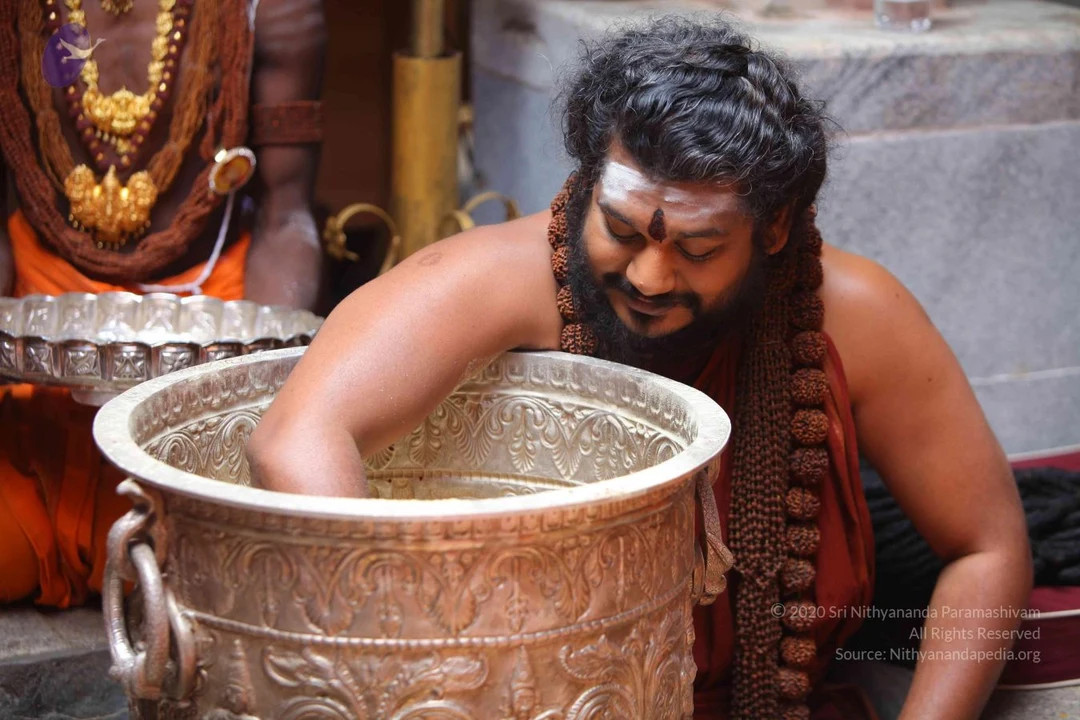
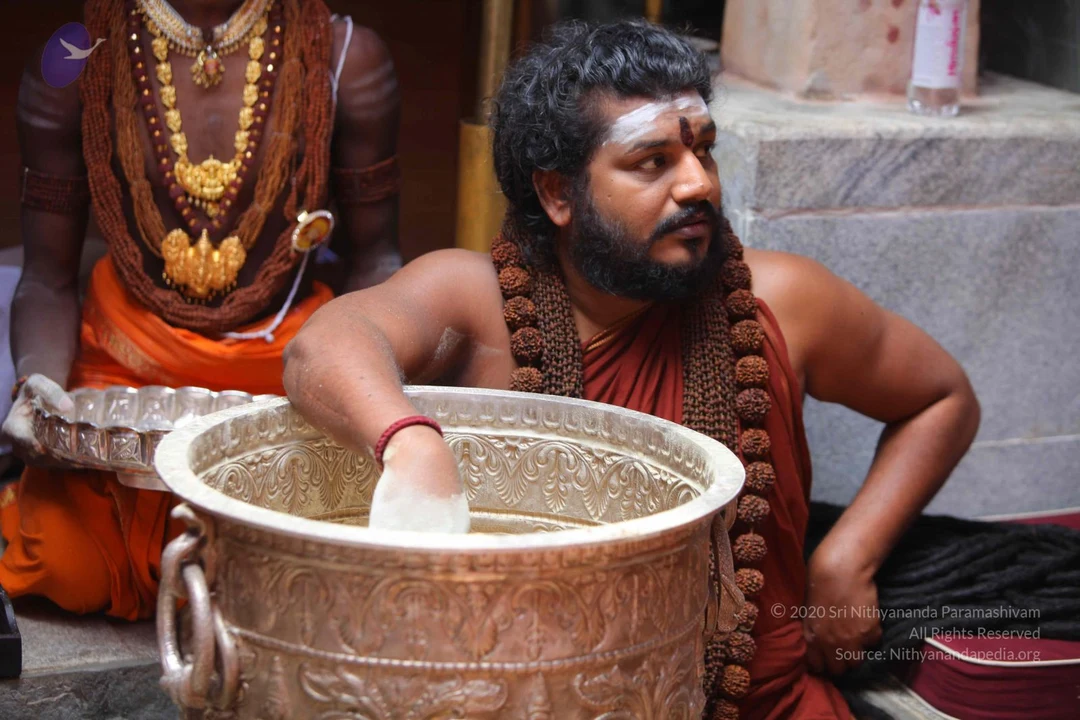
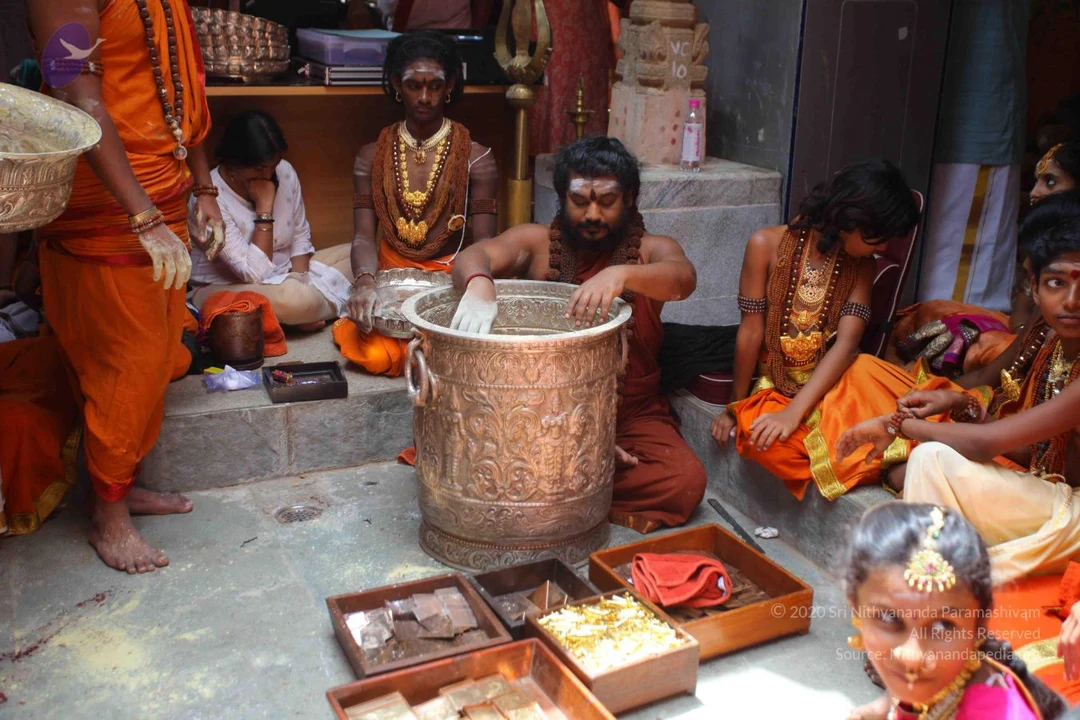
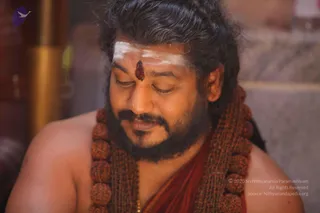
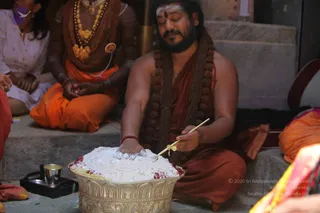
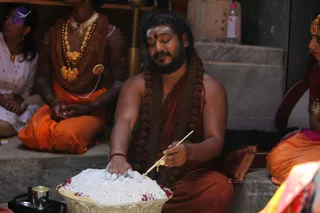
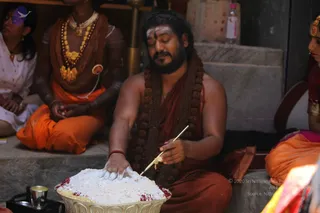
Close-up photograph of a bearded man with eyes closed and a gentle smile, seated with head bowed. He wears a white horizontal forehead mark with a red kumkum dot at the centre, a dark red-brown cloth draped over his bare shoulders, and a thick layered necklace of rudraksha beads. Behind him, blurred warm-toned surroundings suggest an indoor ritual setting. Swamiji (probable): long dark hair swept back, rudraksha mala and reddish-orange cloth, consistent with the page's reference to Swamiji at this event.A man with a short dark beard and a white tilak on his forehead sits cross-legged on a stone step, wearing a rust-red dhoti and a long rudraksha mala draped over his bare shoulders. He sits behind a large brass bowl heaped with white powder, possibly sacred ash or flour, with red-tinted edges, and he is scooping it with a small brass ladle held in his right hand while his left hand rests in the powder. Beside the bowl is a small brass cup on a black tray. Behind him, two women in white and orange-saffron saris sit with hands folded, one wearing heavy gold necklaces and a rudraksha mala.A seated man in a rust-red dhoti and wrap with a thick rudraksha mala draped over his bare shoulders and chest holds a gold ladle over a large golden bowl filled with white powder and red petals, performing a ritual offering. He has a horizontal tilak and a red bindi on his forehead, and a thin gold chain at his neck. Two women sit behind him: one in an orange sari with heavy gold necklaces and rudraksha beads, the other in white with a gold pendant. A small brass cup and a metal tray sit at the lower left, and a plastic bottle is visible in the background.A seated man in rust-brown robes and a rudraksha mala with a bare upper body holds a golden stylus over a large silver bowl of white powder, possibly ash or flour, with red flecks around the rim, as part of a ritual. Another man in ochre-orange garments and layered gold and beaded necklaces sits with folded hands beside him, and a woman in white sits at the left edge while another woman in a red-and-gold sari is at the right. A small brass oil lamp or vessel and a bottle sit in the background on a stone platform. The man in the centre has white tripundra and a red bindi on his forehead.A photograph of a ritual scene on stone steps. A bearded man in a rust-orange robe with a thick rudraksha mala and a white and red forehead mark sits with eyes lowered, holding a small silver-handled implement over a large bowl of white powder with red flecks. Behind him, a younger man in orange dhoti wears layered gold and beaded necklaces and a shawl, with white markings on his arms and chest. A woman in white clothing sits at left with a purple forehead marking. A small metal cup sits on a tray in the foreground, and a plastic water bottle stands in the background. Visible identity cues for the bearded man are a rudraksha mala and ritual markings, but the appearance is not conclusive; he is described as a ritual participant.A seated man in a rust-orange robe with a thick rudraksha mala draped over his shoulders performs a ritual, holding a small stick or ladle over a large bowl of white and pink offerings. He has a red tilak and white forehead markings, and a dark beard. Beside him a shirtless man in orange dhoti wears layered gold necklaces, beaded mala and white body markings, seated near a woman in white clothes with eyes closed. A small steel cup sits on a black tray in the foreground. Stone steps and a water bottle are visible in the background. The a person candidate, the man in the rust-orange robe, has a rudraksha mala and orange robes, but his appearance is not clearly distinctive enough to confirm.