
Thursday
6 November 2014
- Dated photos
- 35
- Source pages
- 1
- Media
- 4
November 06 2014
Original wiki pageTitle
Amazing secrets about Cambodia as a living Advaitha, enlightenment-based civilization
Description:
In today’s (06th November, 2014) morning Satsang, Paramahamsa Nithyananda reveals more amazing secrets about Cambodia as a living Advaitha, enlightenment-based civilization. At least a few million people radiated the power of enlightenment and Advaitha in the physical, mental, emotional, psychological and spiritual level. Watch this Satsang to hear more about how they had temples covered in gold, Angkor Wat is at least 3000 years old, they practiced all branches of Hinduism, and as they converted to Buddhism, conferred Mahadeva himself “Buddhahood”, worshipping Mahadeva’s deities as Buddha!
| Video | Audio |
Transcript:
Nithyanandeshwara Samaarambhaam Nithyanandeshwari Madhyamaam | Asmath Aachaarya Paryanthaam Vandhey Guru Paramparaam ||
I welcome all the devotees, disciples, samajis, satsanghis, Shrimahants, Mahants, Thanedars, Kotharis, sitting with us, visitors, viewers, devotees, everyone, all over the world.
Cities sitting with us in two-way video-conferencing having Nayana Deeksha: Oklahoma-Somanatham, Toronto-Kailaasa Aadheenam, Houston-Kalahasthi Aadheenam, San Jose-Madurai Temple, Hyderabad-Gupta Kashi, Seattle-Chidambaram Temple, Singapore-Singapuram, Colombo-Sri Lanka, Kuala Lumpur-Palani Aadheenam, Los Angeles-Arunachala Peetam, Warrington-UK, Indrani-New Jersey, Charlotte-Srisailam, Kathmandu-Nepal, Oman-Sivagangai, Singapore-Singapuram, Ohio-Prayag Temple, Guadeloupe-Rameshwaram.
I welcome all of you with my love and blessings.
Again, today, I am overflowing with temples. One of the wonderful thing I discovered yesterday, please understand, it is not just surprising, it was shocking for me, there were few Cambodian temples completely covered by gold! Please understand, there were few Cambodian temples, have been gold-sheeted! This is too much! Because those temples are not like any temples you see in India, small temples like Tiruvannamalai temple, Madurai temple, Srirangam temple, not like these small-small temples. What to do, I have to tell the truth! HAHAHAHA! They (the Cambodian temples) are not small temples like Chidambaram temple, Srirangam temple. Srirangam temple is 120 acres. It is too small in front of Angkor Wat temple. Whole Srirangam temple is less than one ‘prakaara’ (the outer courtyard built around a temple) of Angkor Wat temple! Just one ‘prakaara’! How much effort has gone into one ‘prakaara’ of Angkor Wat temple, whole Srirangam temple is smaller than that!
I did not get any reference Angkor Wat temple itself was gold-covered, but there are few temples at least bigger than Indian temples. See, the largest India’s temple is Srirangam temple. At least there are hundred temples in Cambodia larger than Srirangam temple. At least one-hundred – one-zero-zero – temples larger than Srirangam temple we have in Cambodia! First I did not believe, to tell you honestly. But then, the explorers even had a bits and pieces of the gold still stuck. Because the tree has grown on that temple, under the root of the tree, that gold part that robbers were not able to pull it out. They pulled out, they peeled all the other part gold (gold from the other parts of the temple). But some of the temples have been dilapidated by the large trees growing on it. So, whatever gold got caught under the roots of the tree, they were not able to peel it out or pull it out. So, these explorers carefully removing those layers, they are able to come to a clear conclusion the purity and the thickness of the gold-sheet used to cover the whole temple. I was actually wondering......
Cambodia had two traditions. One, the tradition of Devaraja; means, the king was representation of Gods, and they were following the Vedic tradition, the Upanishadic truths and the Vedic rituals. But, when the king got converted to Buddhism, he declared himself as Bodhisathva instead of Devaraja. That is when the whole civilization started collapsing. No, I am not against Buddhism. Such a beautiful religion! I love it! After all, it is a branch of Mahanirvani Peeta, our own Akhada tradition. But, it was too much centred on Sannyas, did not have any place for grihasthas (householders). So, large number of people, when they started becoming sannyasis, the other mechanisms like army to protect the country, the intellectual army to protect the ideology, all started getting slowly lost. And, I tell you, even in India, it is the period we spent under Buddhism, that is the time we were really weakened from inside. The will to live, will to survive got withered away as a collective consciousness, understand. The collective consciousness of India lost the will to survive, because, Buddhism is so much other-worldly. It is unfortunate, such large number of people becoming sannyasis, both physical army and intellectual army, both their will to survive withered away from internally.
Please understand, Vedic tradition always had a very innate capability to produce physical army and intellectual army, and both of them have been given a dharmic place in the Vedic tradition. Vedic tradition gave due recognition and dharmic place for intellectual Kshathriyas, intellectual army, and the physical army. ‘Shaasthra’ and ‘Shasthra’ (knowledge and weapons), for both, lot of recognition, acceptance, the dharmic authentification was provided. It is Raja Gurus, enlightened beings, who sat in the army camps every day, guided the kings when to start the war, what type of ‘vyuha’ (battle formation) to have and what type of spiritual assistance they require in the way of some religious rituals or giving them the courage, confidence, clarity, understanding, ideologically supporting them, giving them the moral boost. Enlightened beings always had a very important place, very important place even in the Indian traditional physical army, army with weapon or the intellectual army which intellectually protected our ideology.
When I see this vast Cambodian civilization, No, I should not use that word ‘Cambodian civilization’; ‘the Cambodian extension of Indian civilization’...... there also I saw these western historians have done the same cunning game, dating those temples to 10th century, 9th century, 12th century! I think these fellows don’t know anything beyond two-thousand years and they can’t think anything beyond six-thousand years. Only an Indian mind, Hindu mind can think about the ‘Yuga’ (a cycle of thousands of years) beyond the time. Only they have the brain to even understand, comprehend time. And moreover, this western historians, they have again a vested interested that they have to show everything is after them. They have to show that everything is after them. And whatever other reasons they have. They are again dating all these temples in a stupid way, saying that nine-hundred year, thousand year. We need to know, two-three conspiracies western historians are doing when they are trying to present Cambodia to the world, they are creating a new word – ‘Cambodian civilization’, ‘Khmer civilization’. It Indian civilization extended till Cambodia! Please understand, it’s a Vedic civilization! When I am seeing those temples, I can tell you from my own authority, from the authority of the Akashic Records, Angkor Wat temples are all at least three-thousand years old! Of course, now I will get you a proof also. I am not going to just tell it’s from Akashic Records, some of my whims and fancies. No! I can get you authentic proofs. I will get it! I am working on it.
The whole Cambodia, I can see very clearly based on the sculptures, carvings, the way the whole thing is presented, was not only living Advaitha, they were practicing all branches of Hinduism, all lineages of Hinduism, all sampradhayas of Hinduism – Shaiva, Shaktha, Ganapathya, Kaumara, Vaishnava, Saurya – all the major traditions of Hinduism. There are such beautiful planets, the ‘nava graha’ deities (Surya, Chandra, Mangala, Budha, Guru, Shukra, Shani, Rahu, Kethu), the ‘nava graha mandalas’, such an amazing Meenakshi deity, I found in some of the temples! All old temples are Hindu temples. In their original carvings in walls, nowhere you find anything Buddhistic. Later on, because king got converted to Buddhism, temples were also changed, forcibly the deities were removed and Buddha’s statues were put, Buddhist deities were put. And the funny thing, there are some temples where they put both! They don’t want to remove the old deity; so they put both! There are some temples where they attributed Mahadeva itself ‘Buddhahood’, and ‘Shiva Buddha’, they started worshipping Mahadeva’s deity itself as Buddha! But, all the permanent, large monuments, like the whole river-bed carving, everything, is dedicated to Hindu gods, to Mahadeva. But, I don’t want to get diverted into the small internal fight we had between Buddhism and Vedic tradition. That is our internal problem; we will solve it. But I wanted to concentrate only on these western historians trying to misrepresent and try to claim, first trying to claim those temples are very recent, second, trying to break the Cambodian civilization from Vedic tradition, not telling the truth it is just an extension of Vedic tradition. I am collecting lot of evidences from Akashic Records and the modern-day explorers, researchers, their works. There are some neutral explorers; they are presenting as it is without putting their interpretation or vested interest that it should be always shown after Christ era. I think they can’t think before Christ era, these western historians. That is why they put everything as after Christian era.
I think the kind of a temple..... Still I am searching for words when I visualize the Cambodian temples and try to present to all you guys. If I have to tell you in one word, describe in one word the Cambodian temples, it stands as a success symbol of at least few million people radiating the power of Advaitha in their intellectual, emotional, energy level, muscle-memory, bio-memory, and bio-energy, in all levels. At least few million people radiated the power of enlightenment and Advaitha in physical, mental, emotional, psychological, spiritual level! These Cambodian temples are just physical evidence and witness of that civilization which existed once upon a time. Otherwise, neither those physical power is possible, nor that kind of a extraordinary visualization is possible. As a sculptor, please understand, as a sculptor – I myself know carving – tomorrow I will give you some of the insights about these Cambodian temples as a sculptor. From that dimension I will present some of the facts about these Cambodian temples.
I bless you all! Let you all radiate with Integrity, Authenticity, Responsibility, Enriching and Causing eternal bliss, Nithyananda! Thank you!
Photos
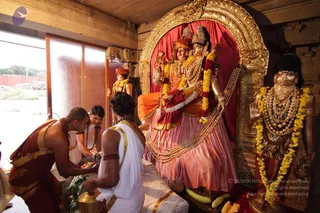
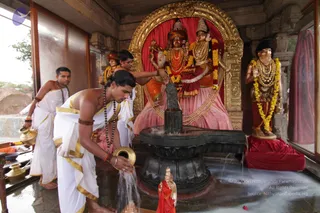
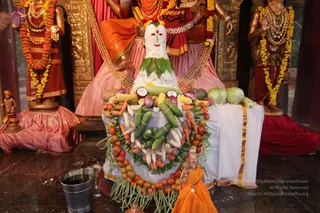
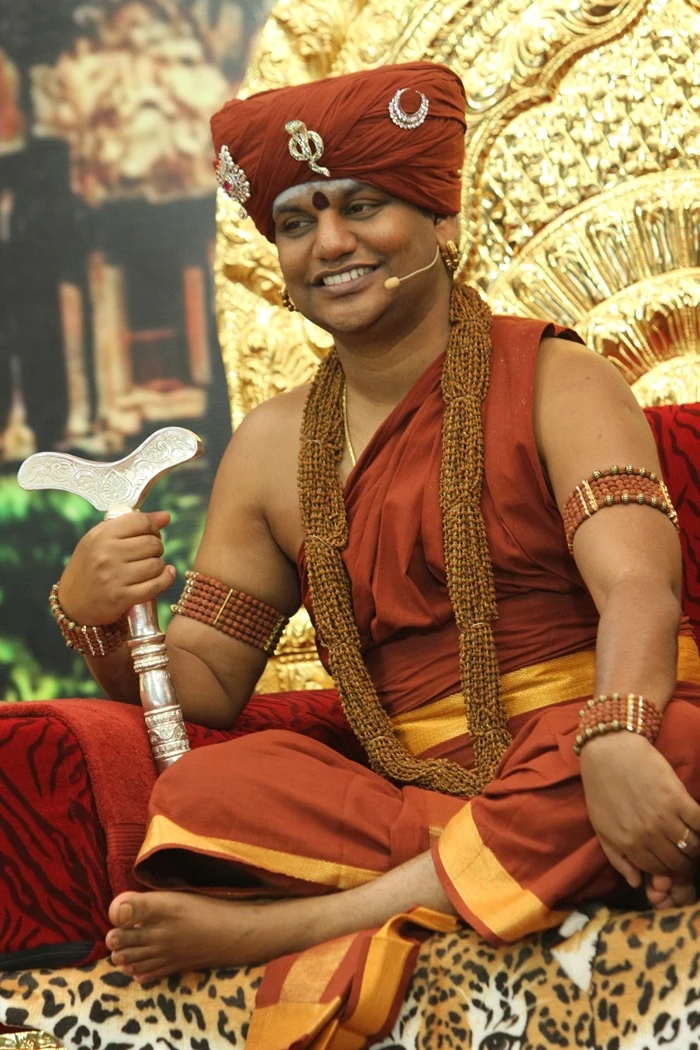
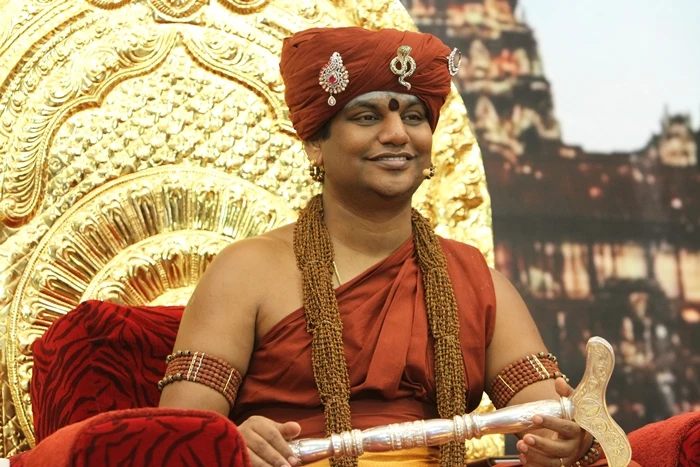
Annabhisekam | Pada Puja| Nithya Kirthan | Satsang | Kalpataru Darshan
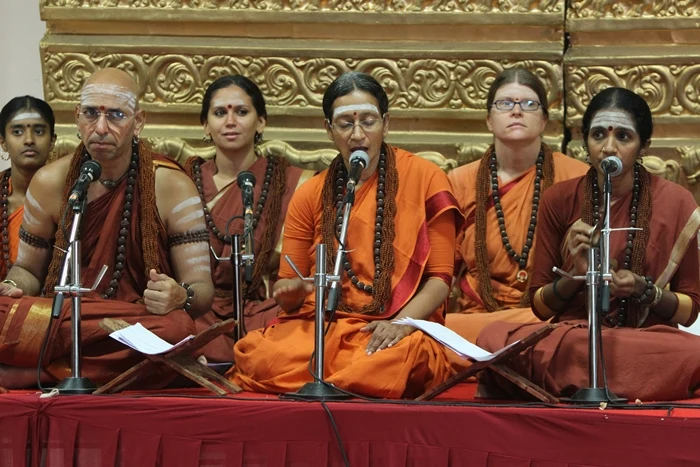
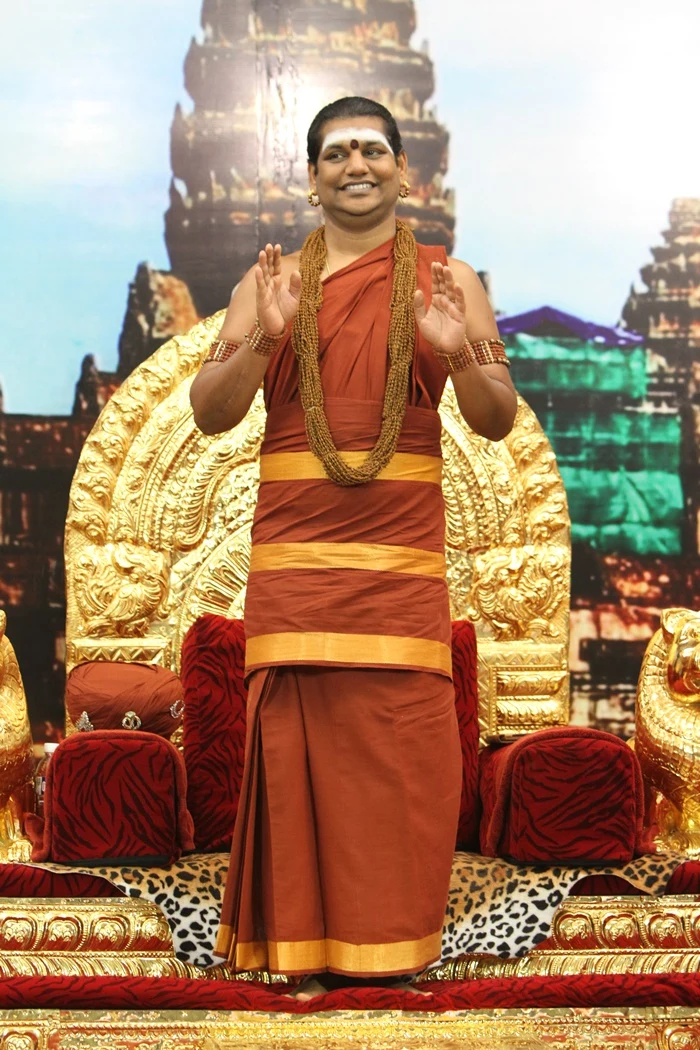
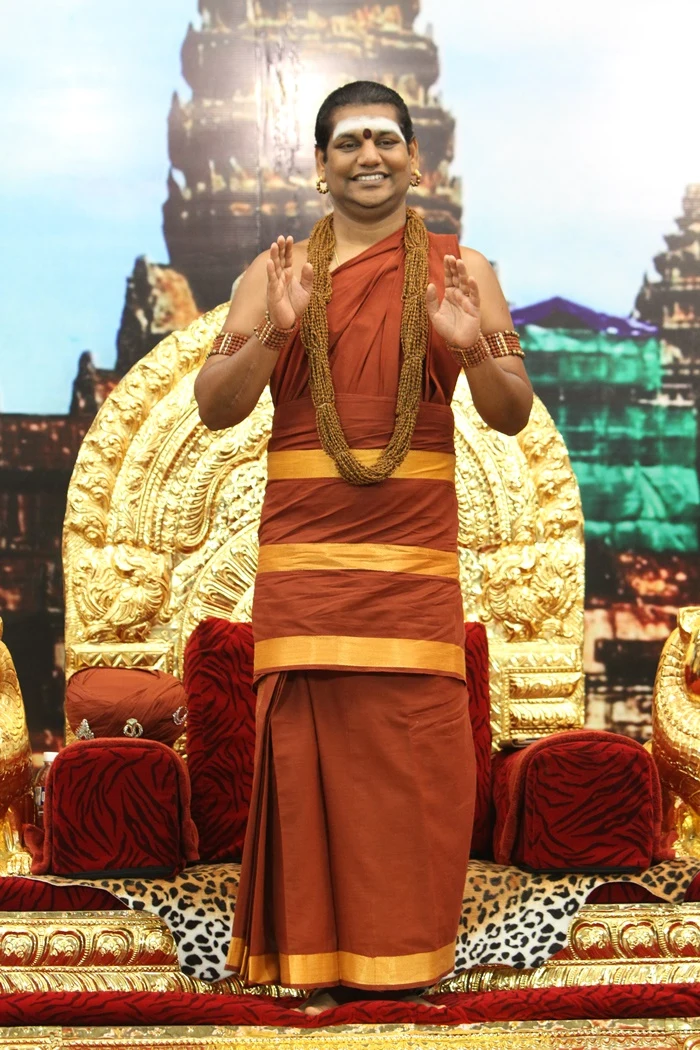
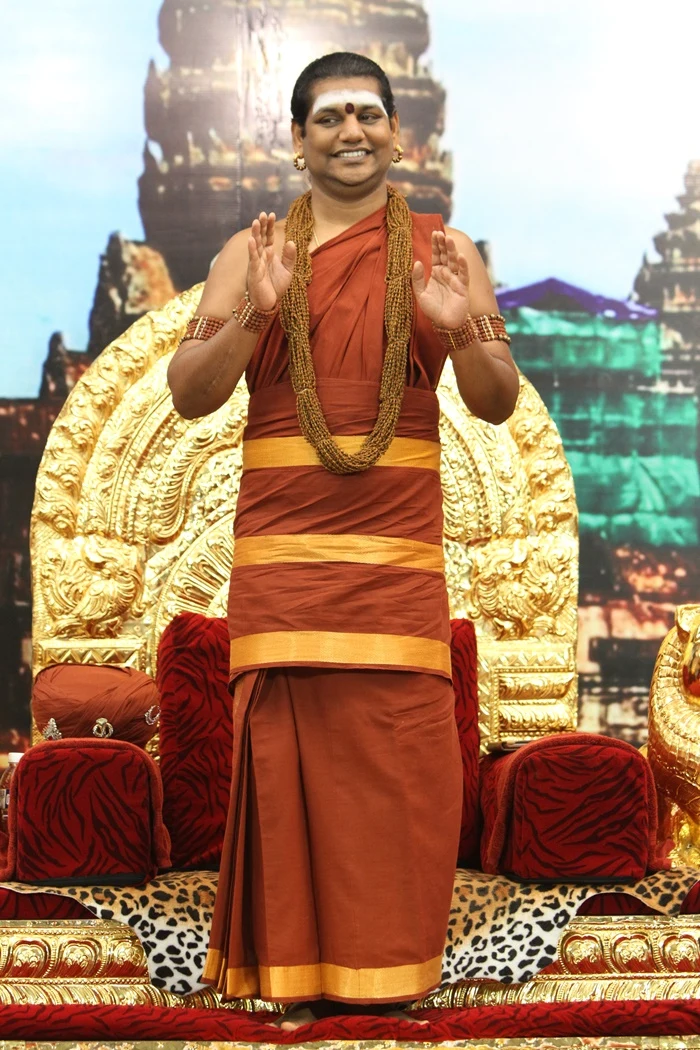
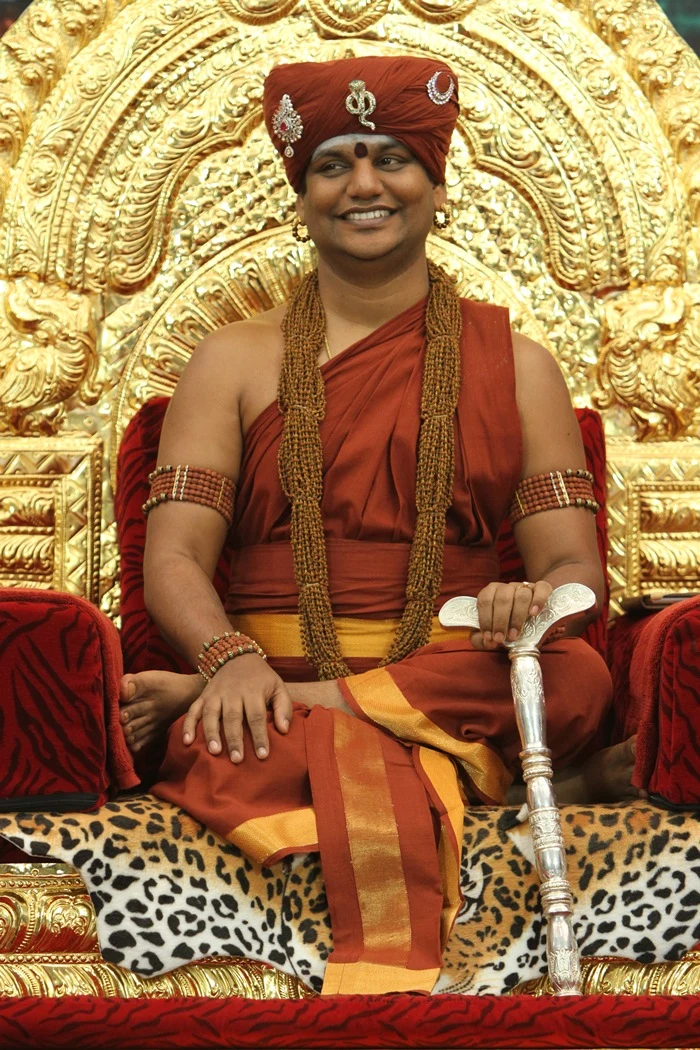
Nithya Kirtan
Nithya Kirtan sung in the presence of HDH Bhagavan Nithyananda Paramashivam
Nithya Kirthan - Devi Sureswari Bhagavati Gange
Sakshi Pramana:
Sharing from Nithyananda Teachers training
Link to Facebook Page:
https://www.facebook.com/ParamahamsaNithyananda/photos/a.321615927926264/736292993125220
Photos Of The Day:
FB-photo-of-the-day
Photos Of The Day:
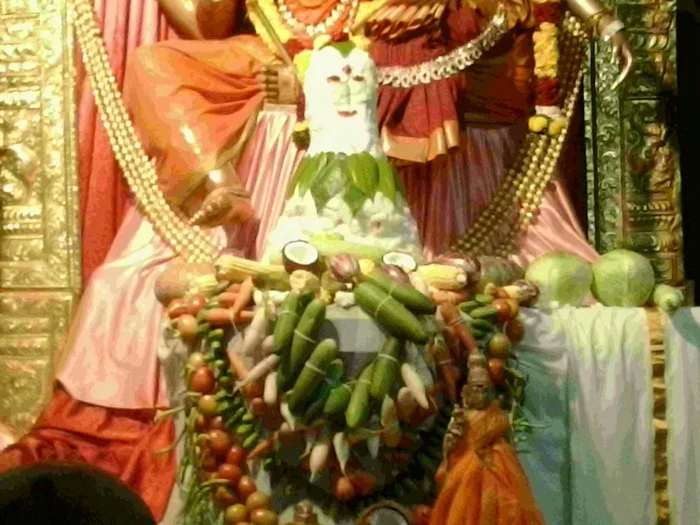
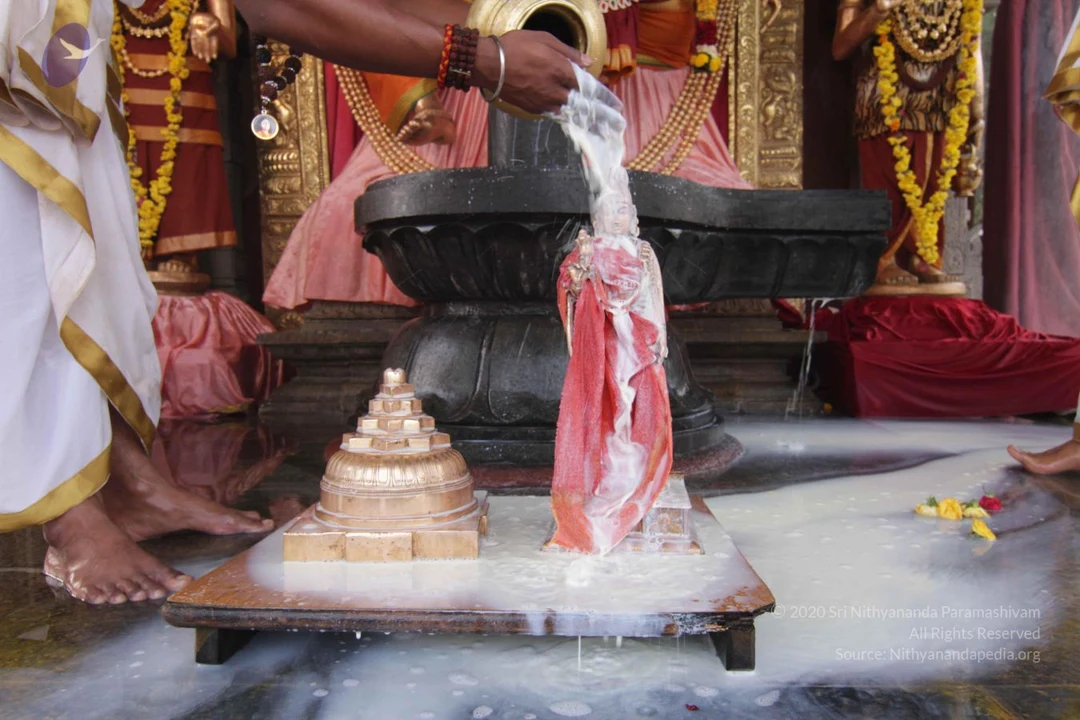
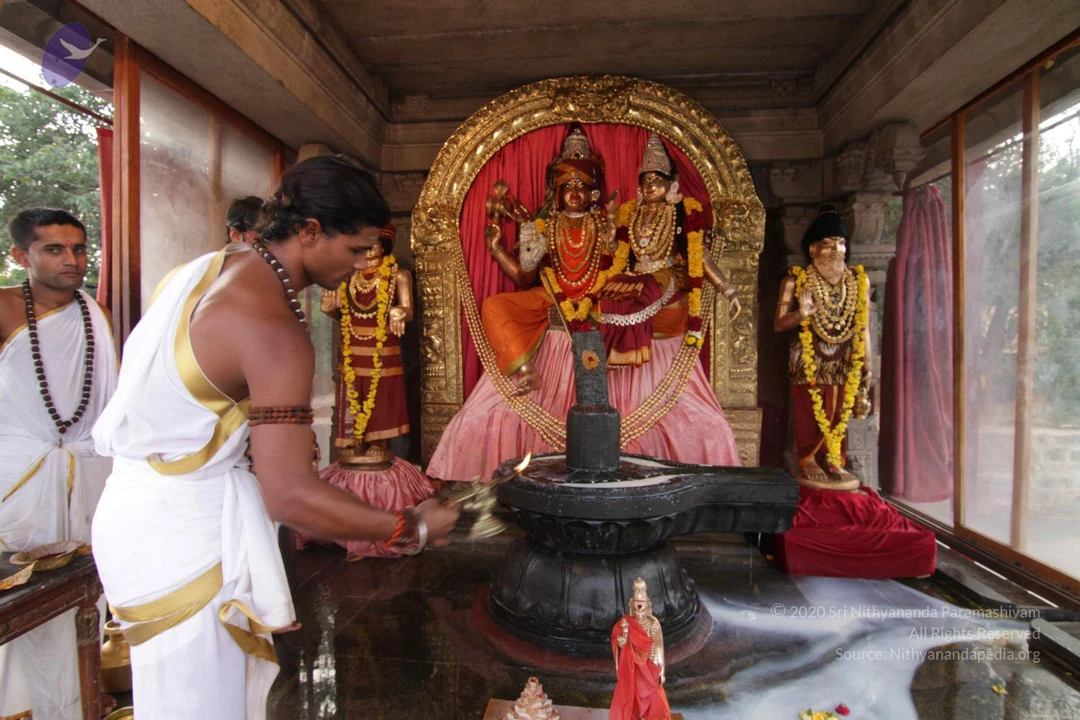
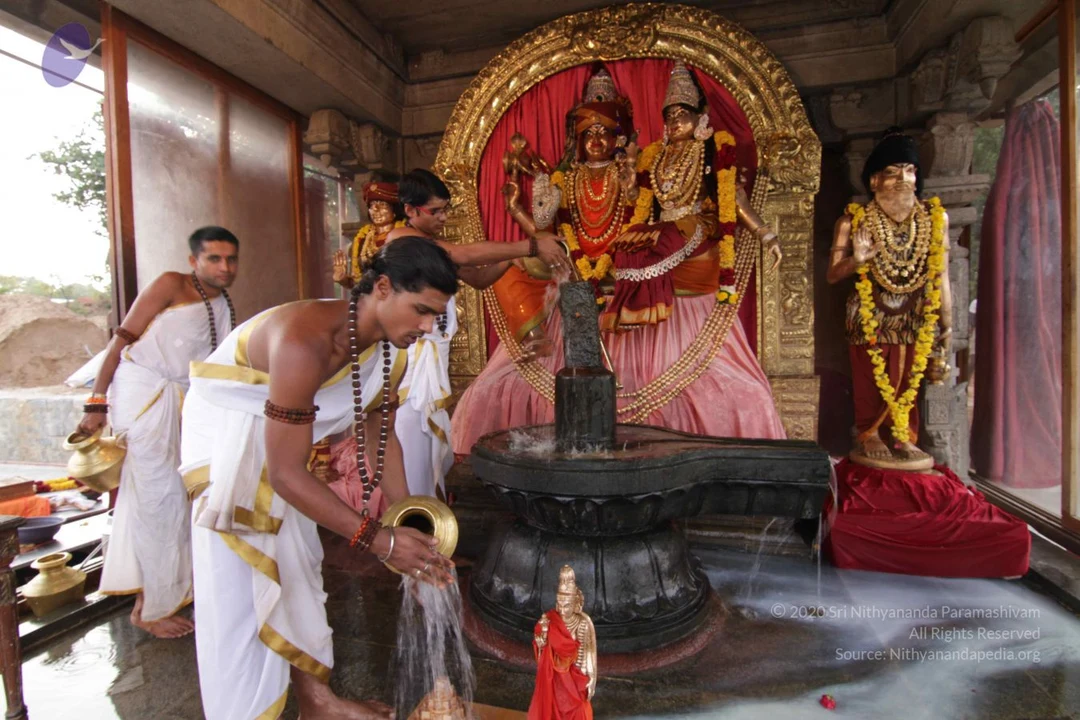
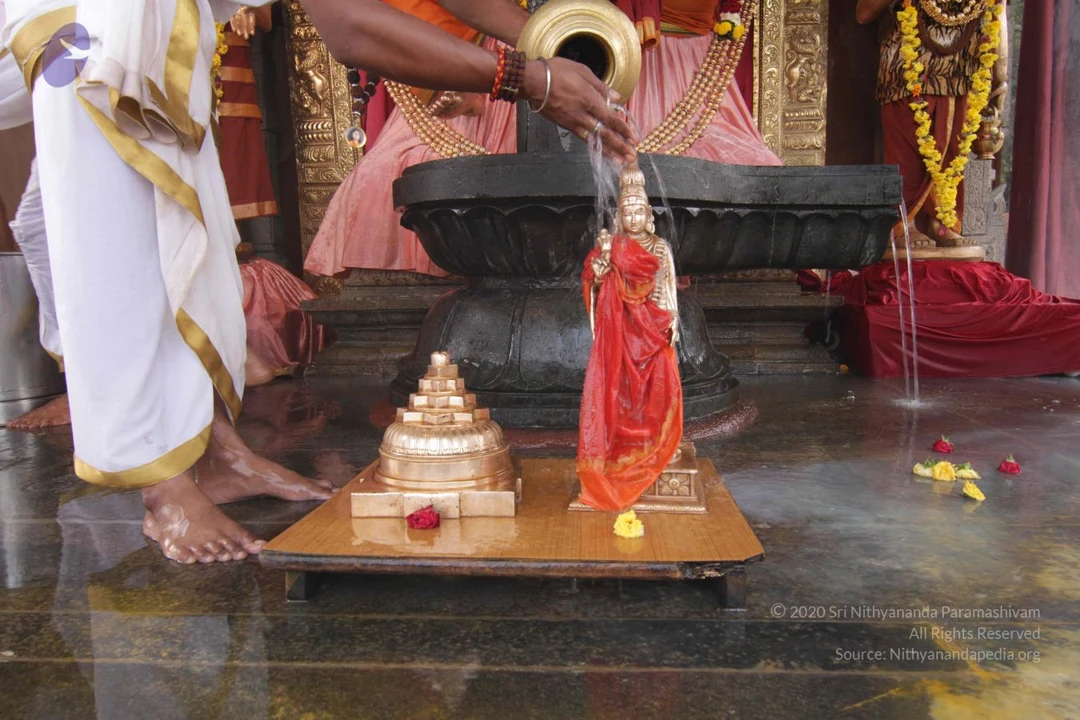
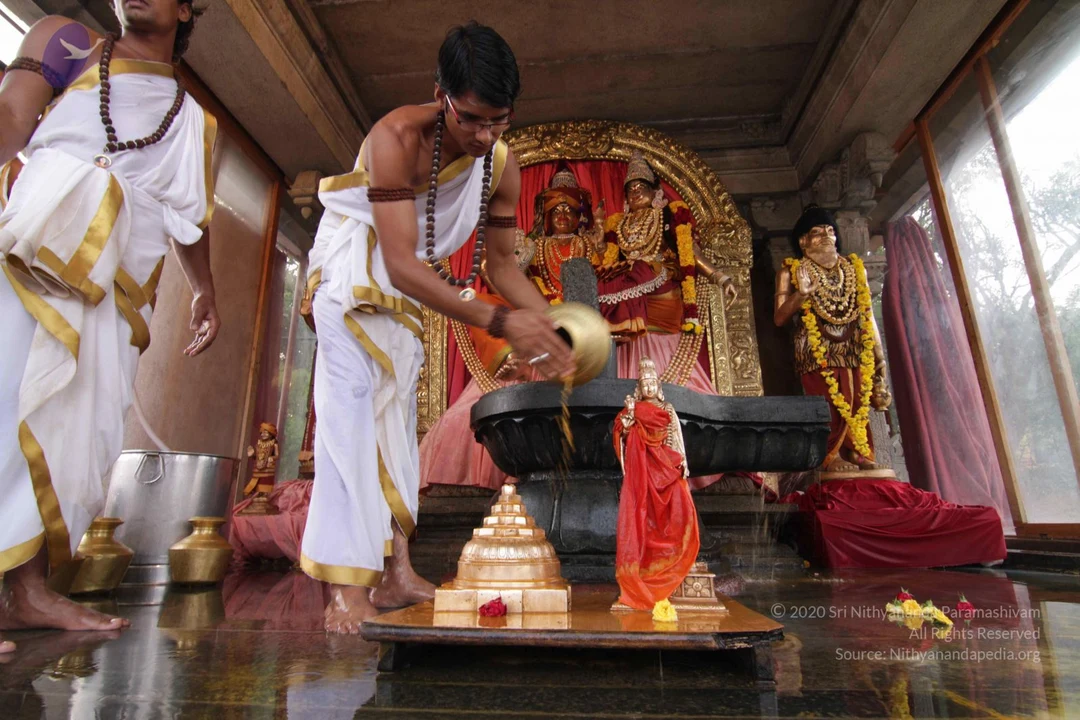
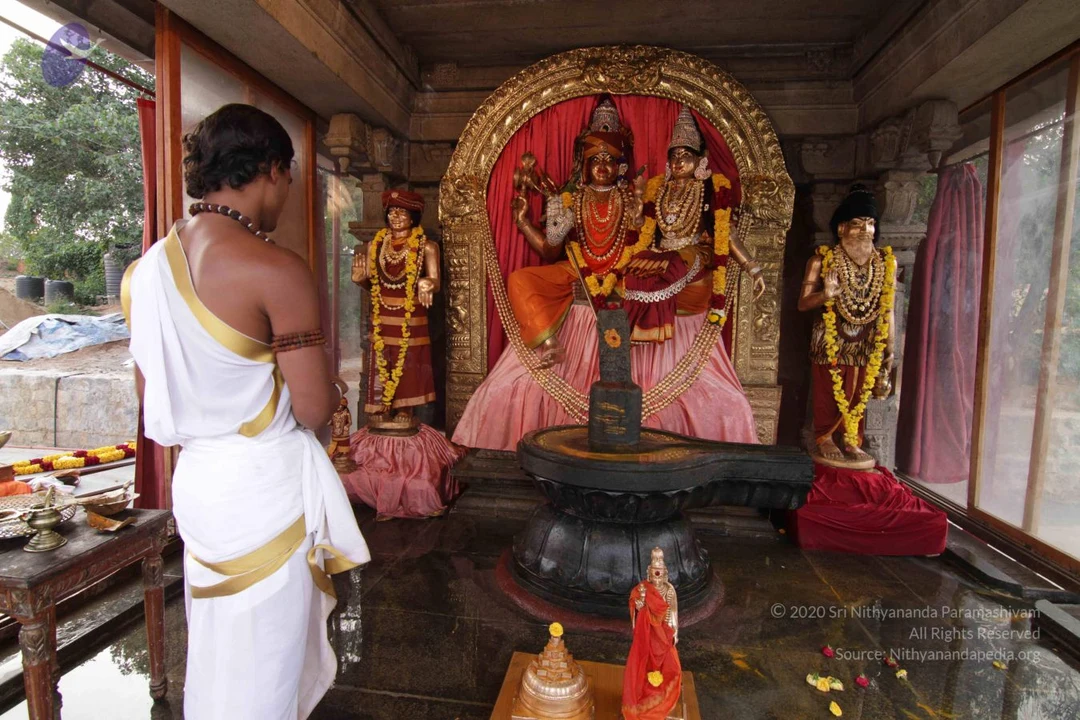
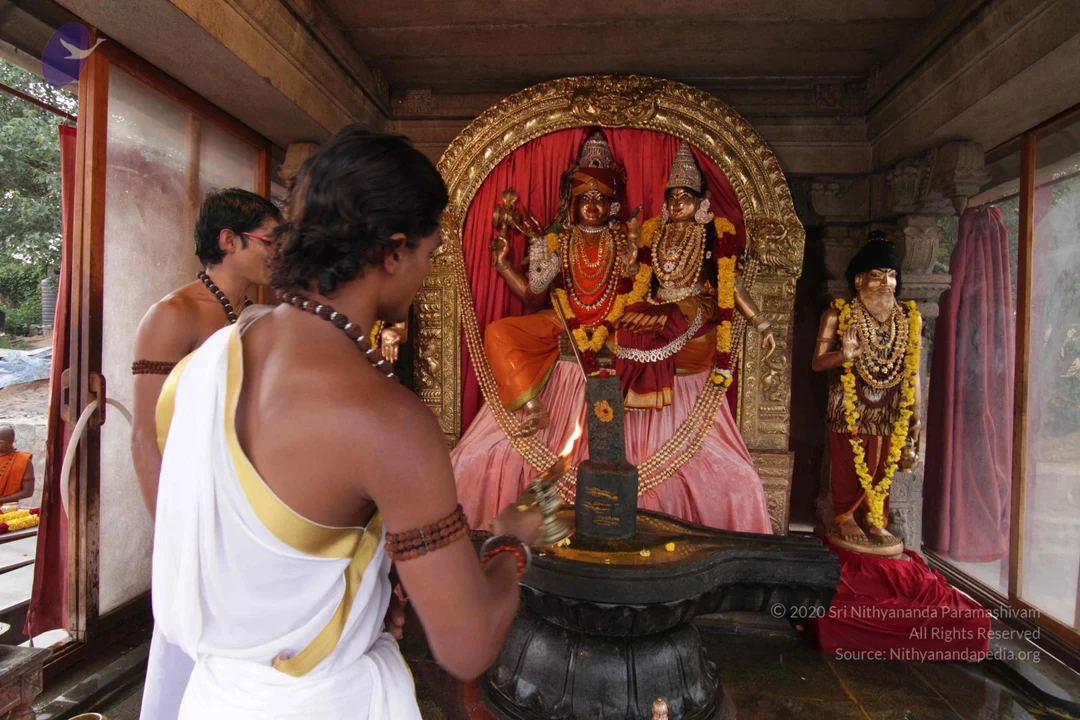
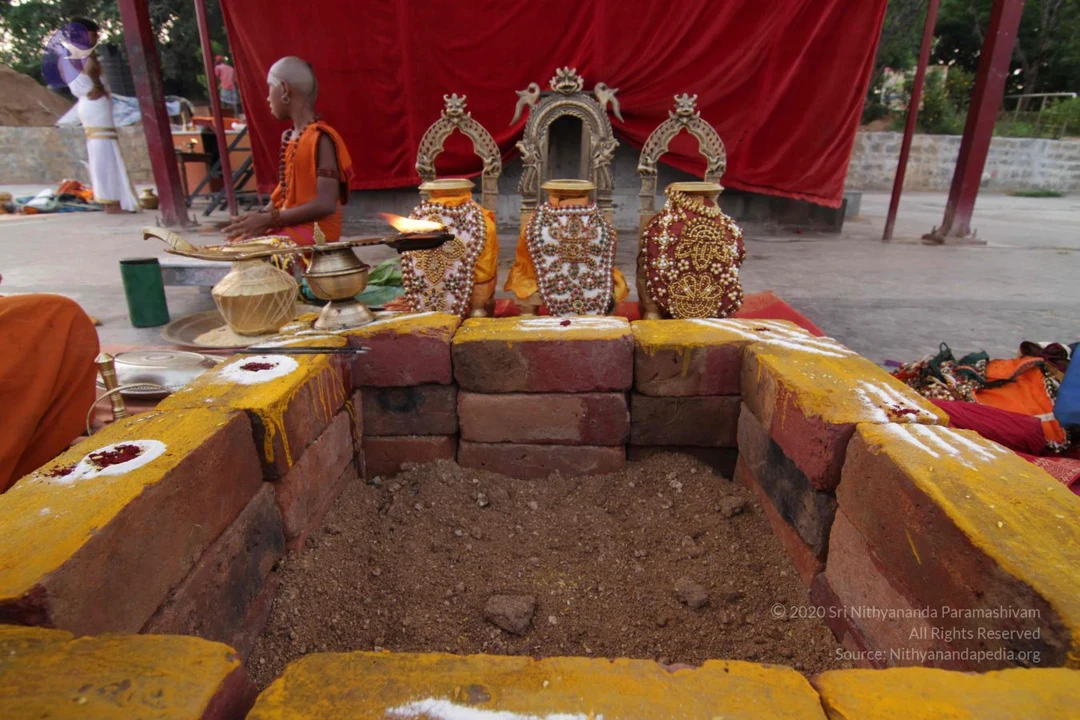
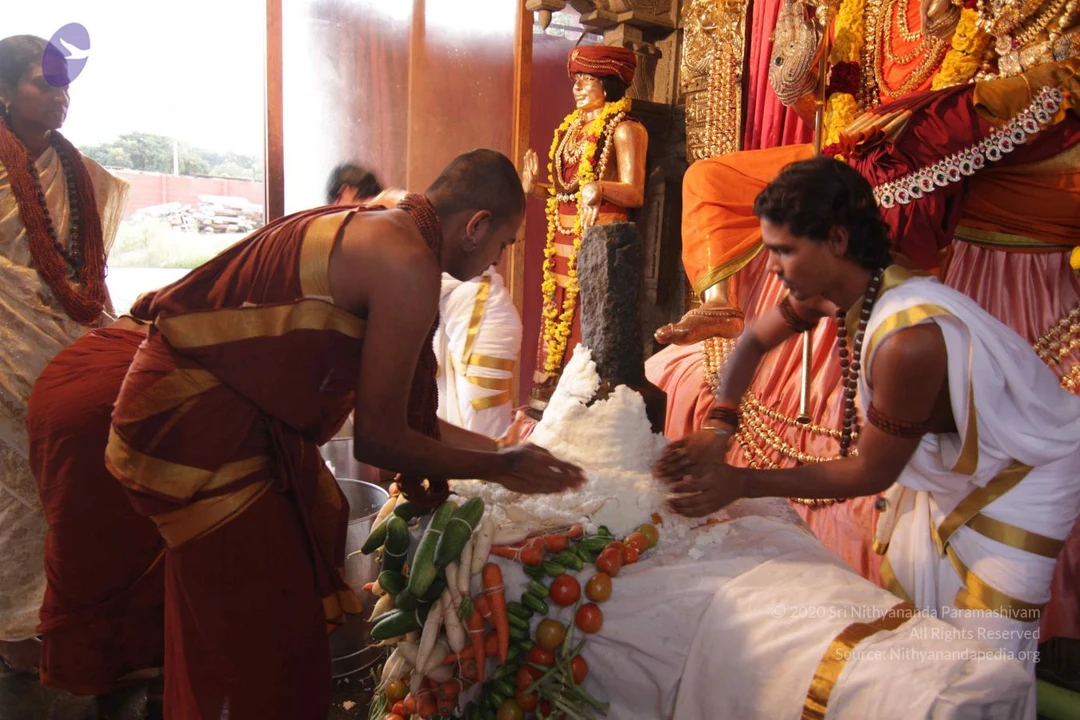
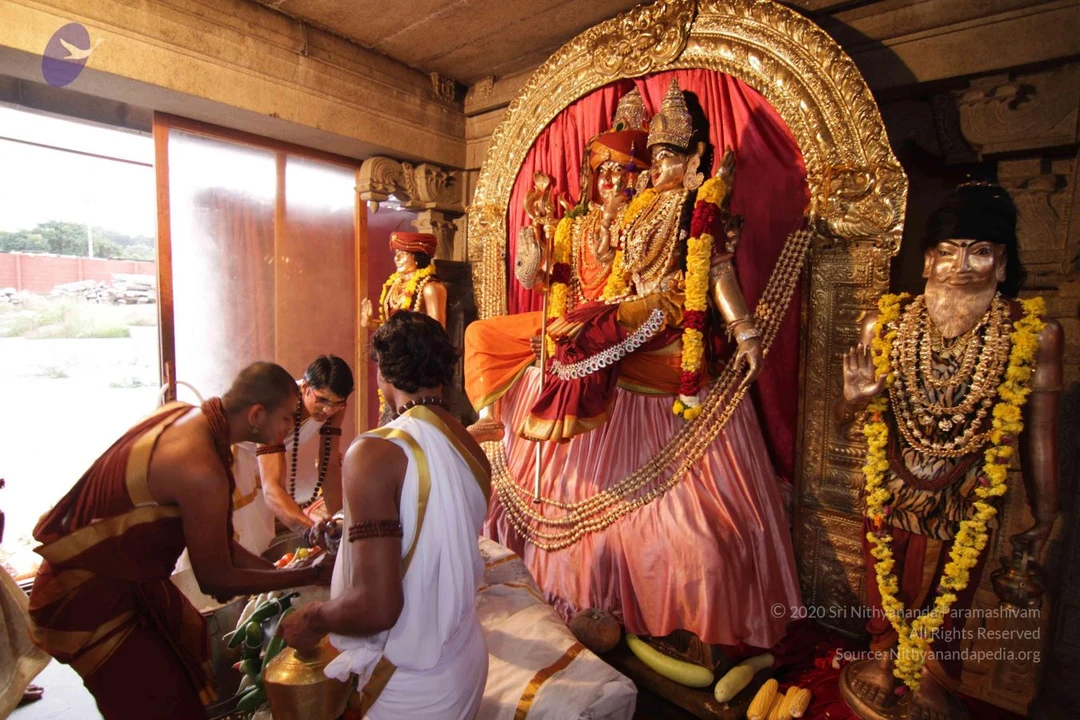
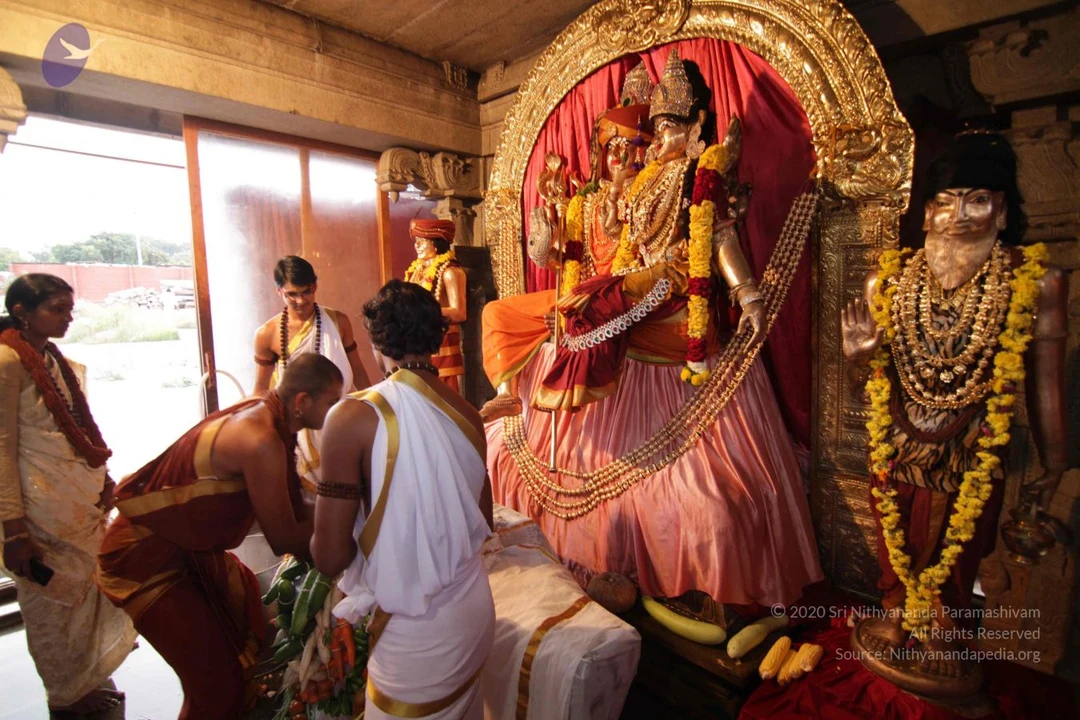
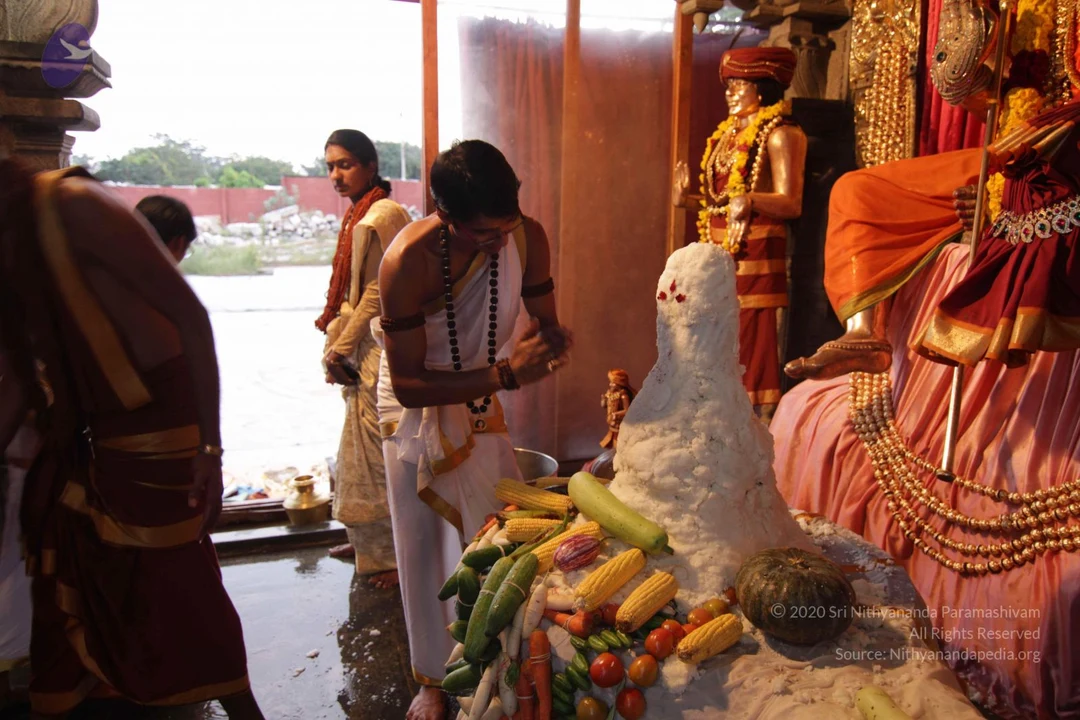
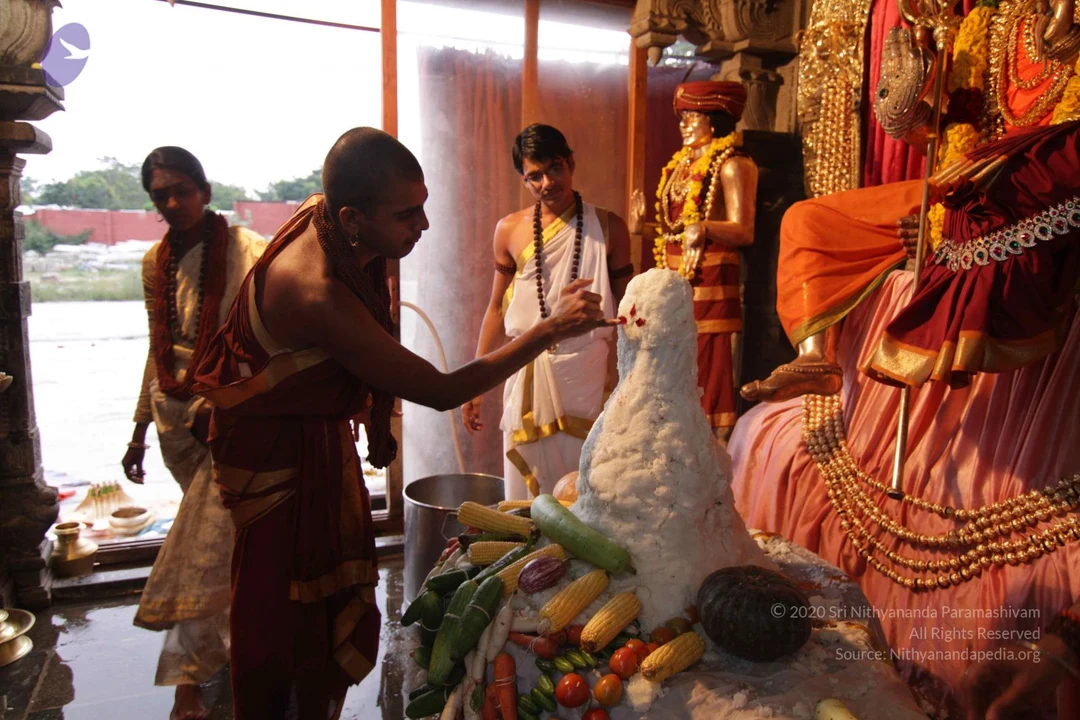
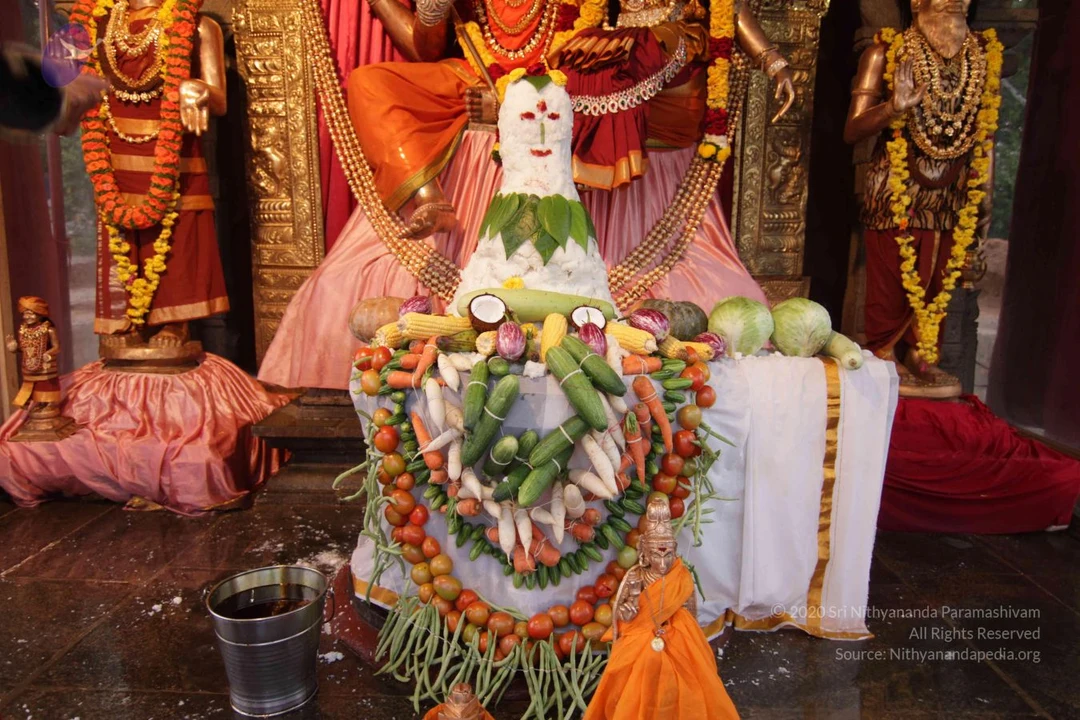
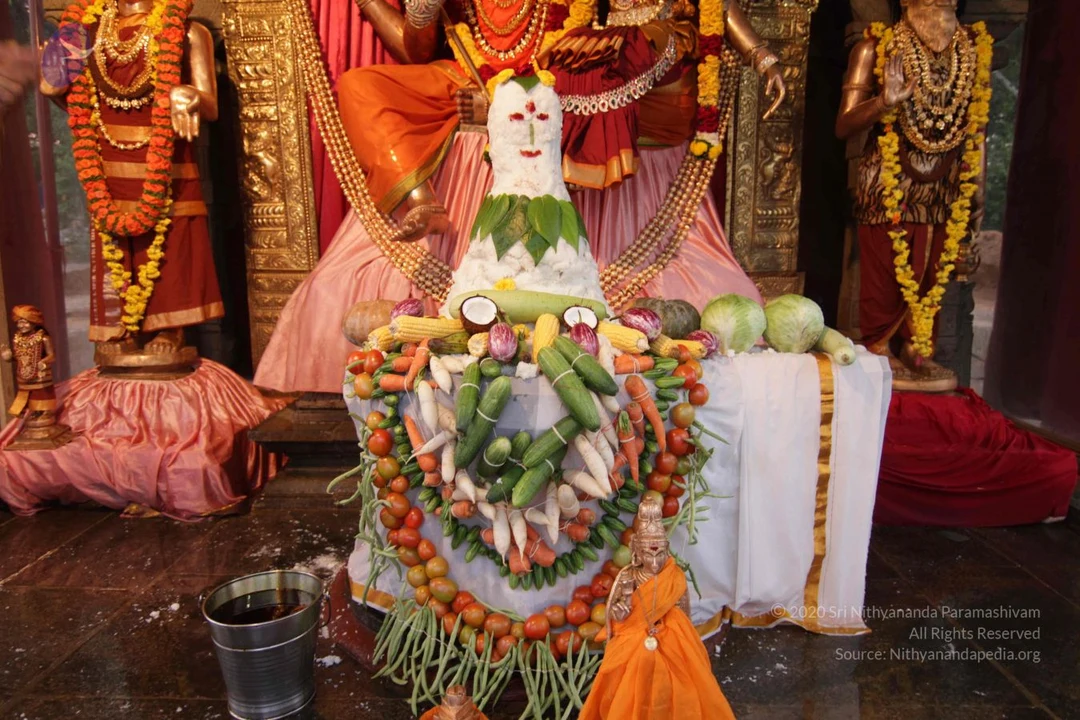
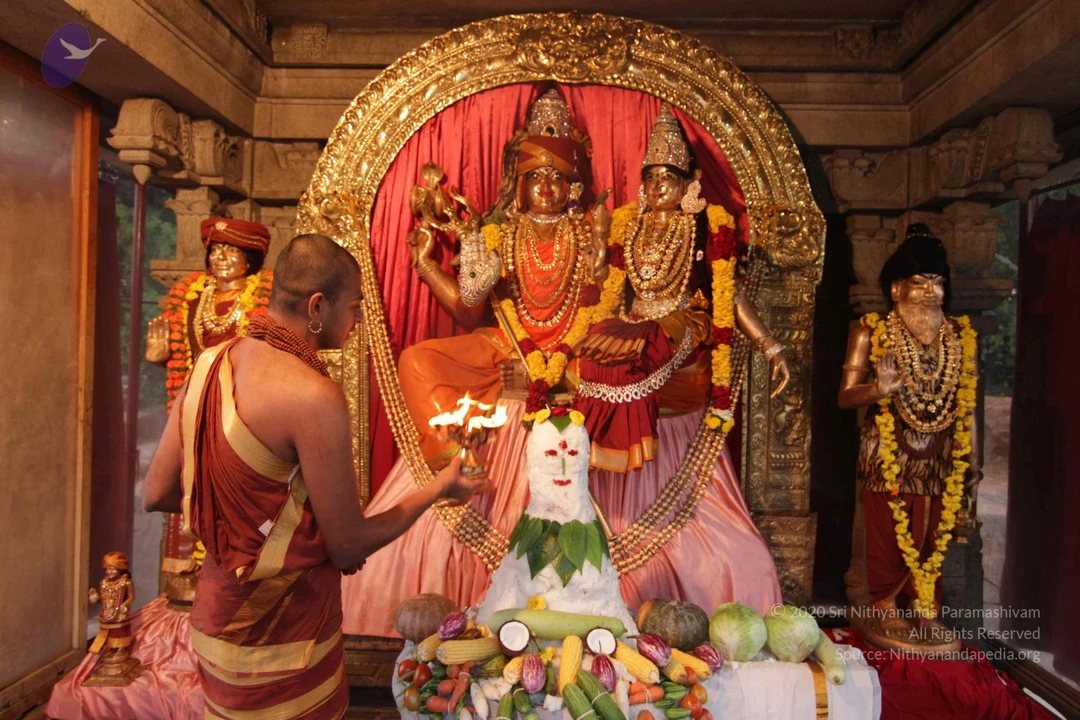
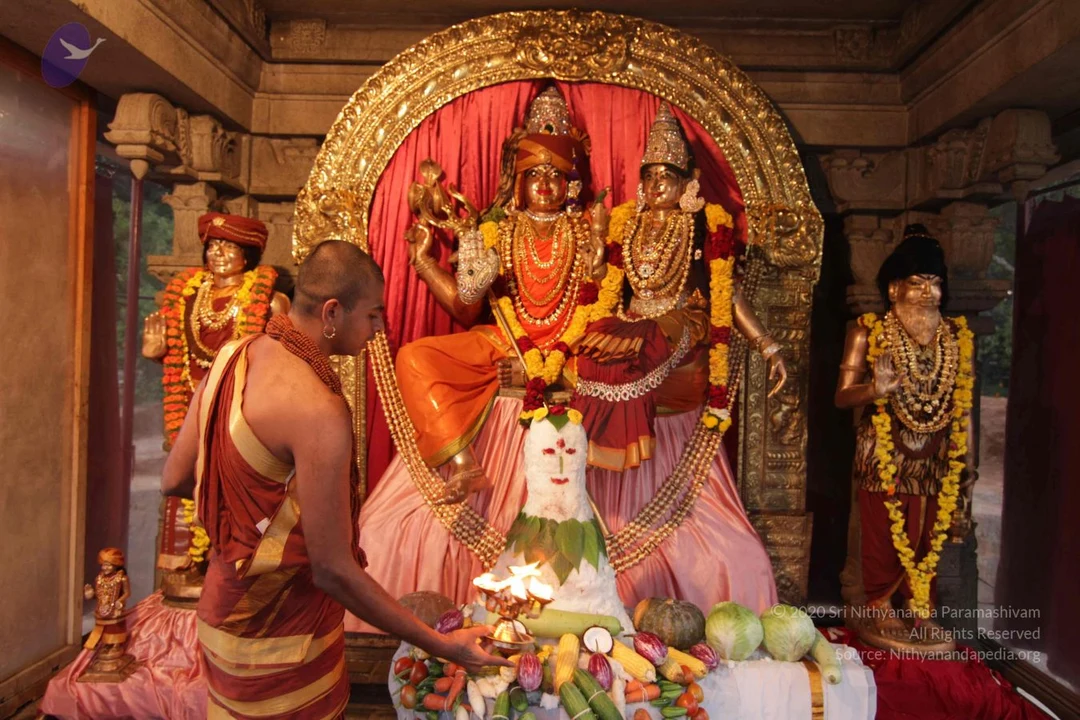
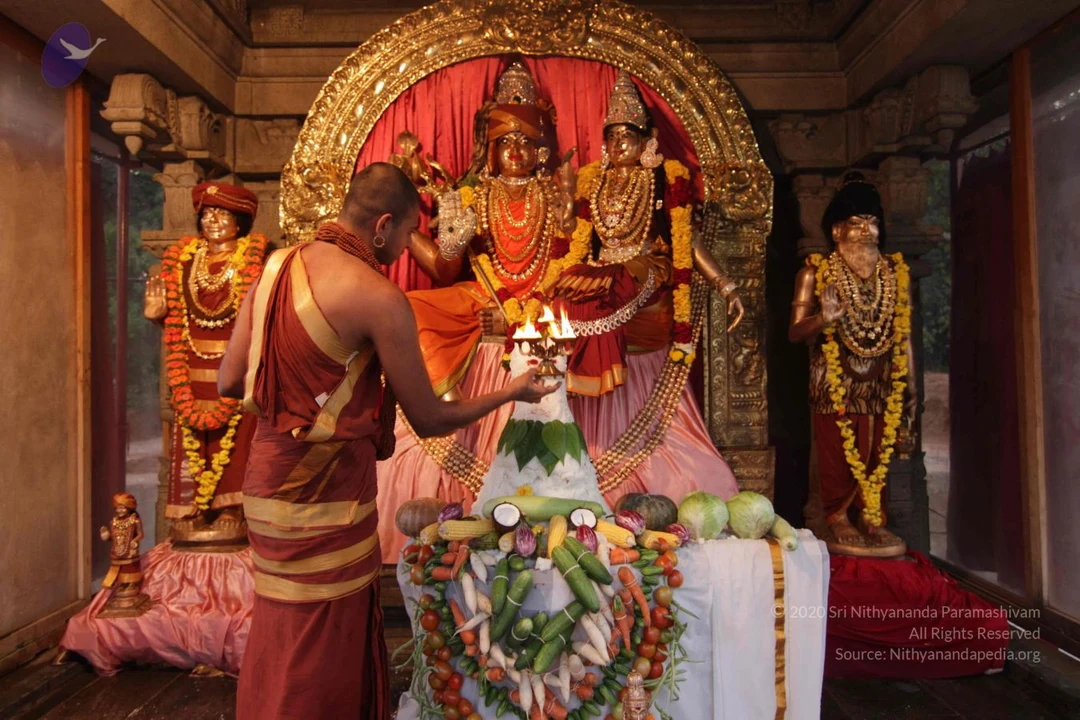
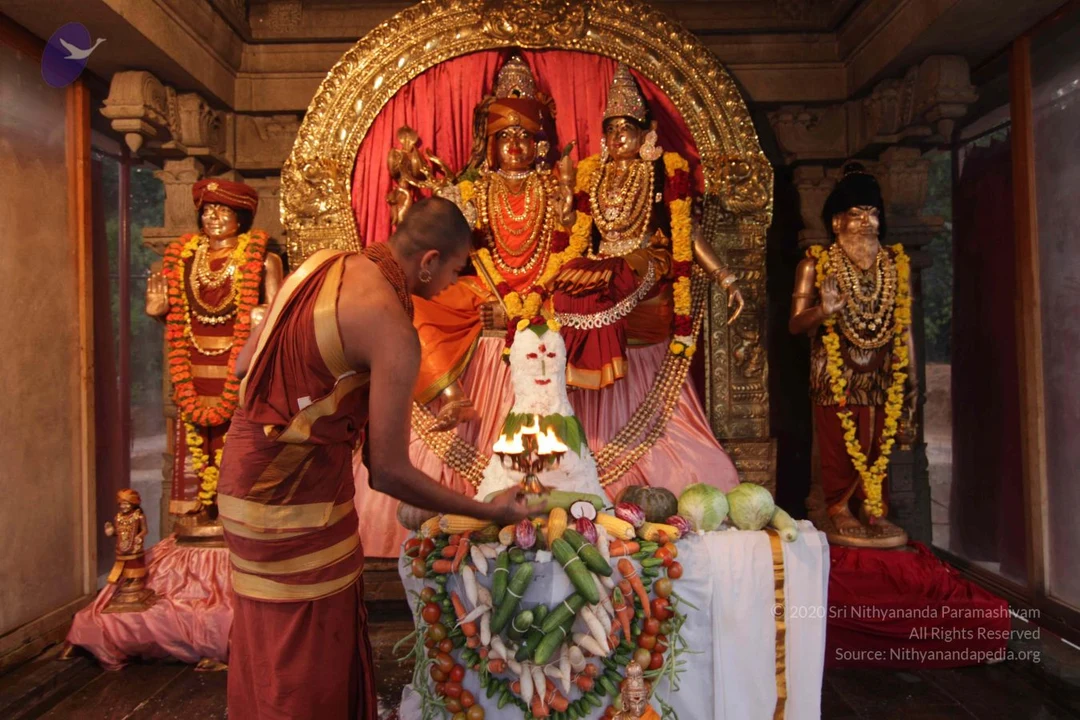
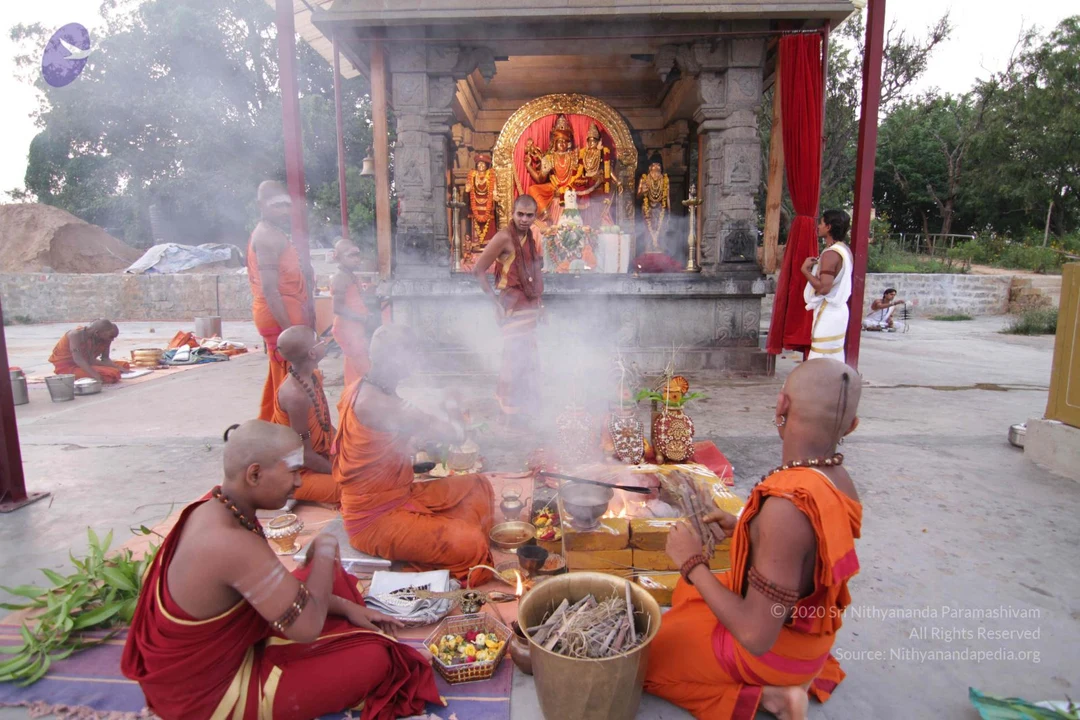
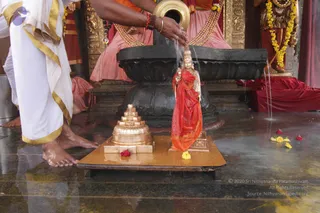
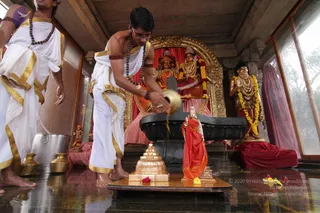
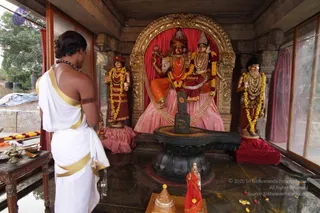
ANNABHISHEKAM

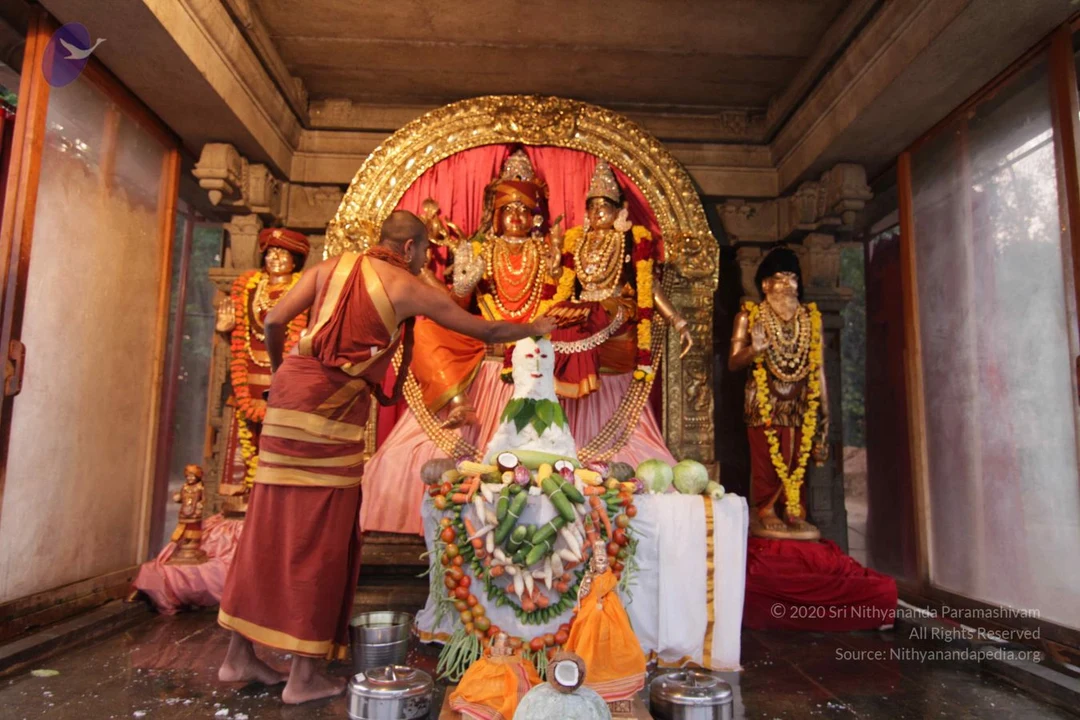
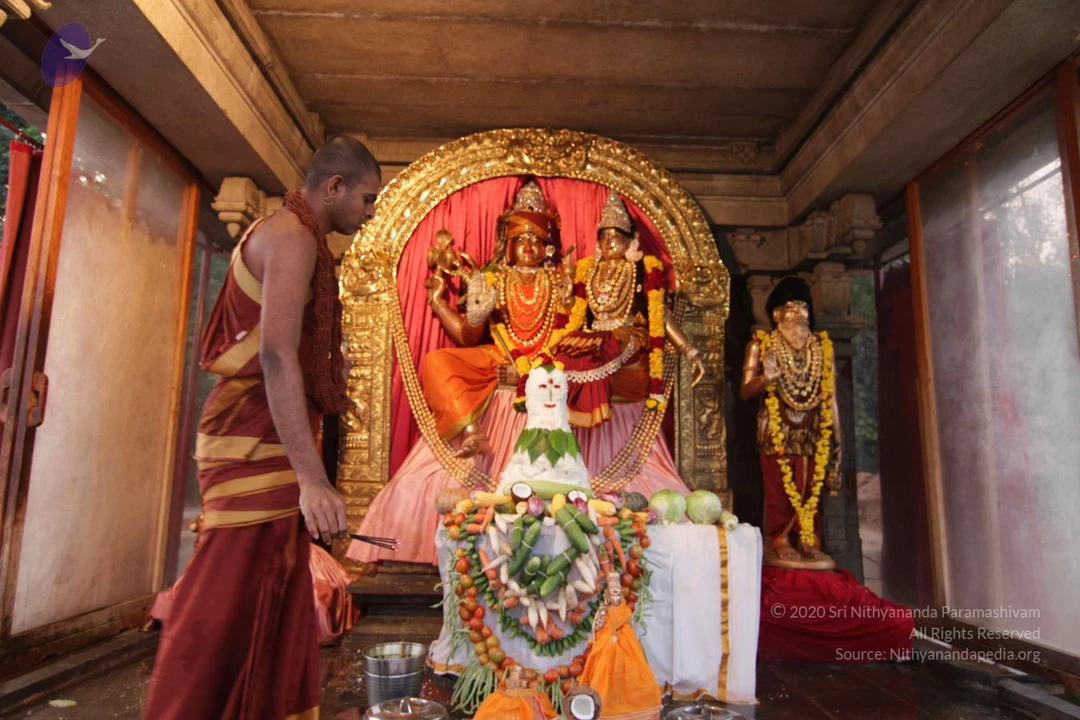
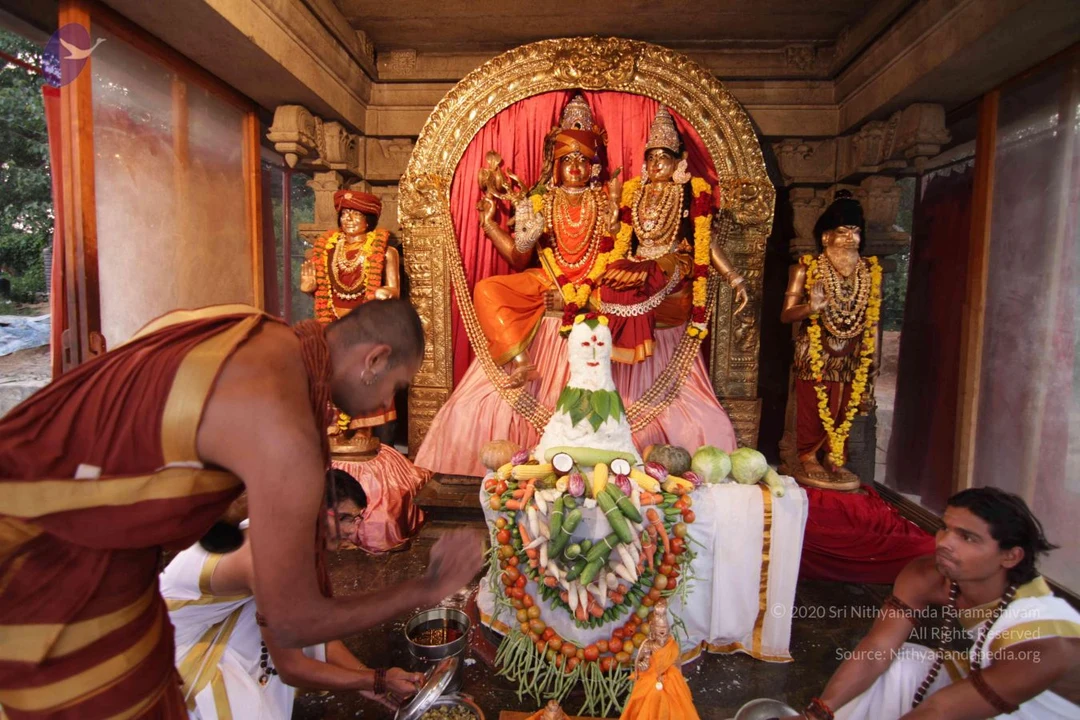
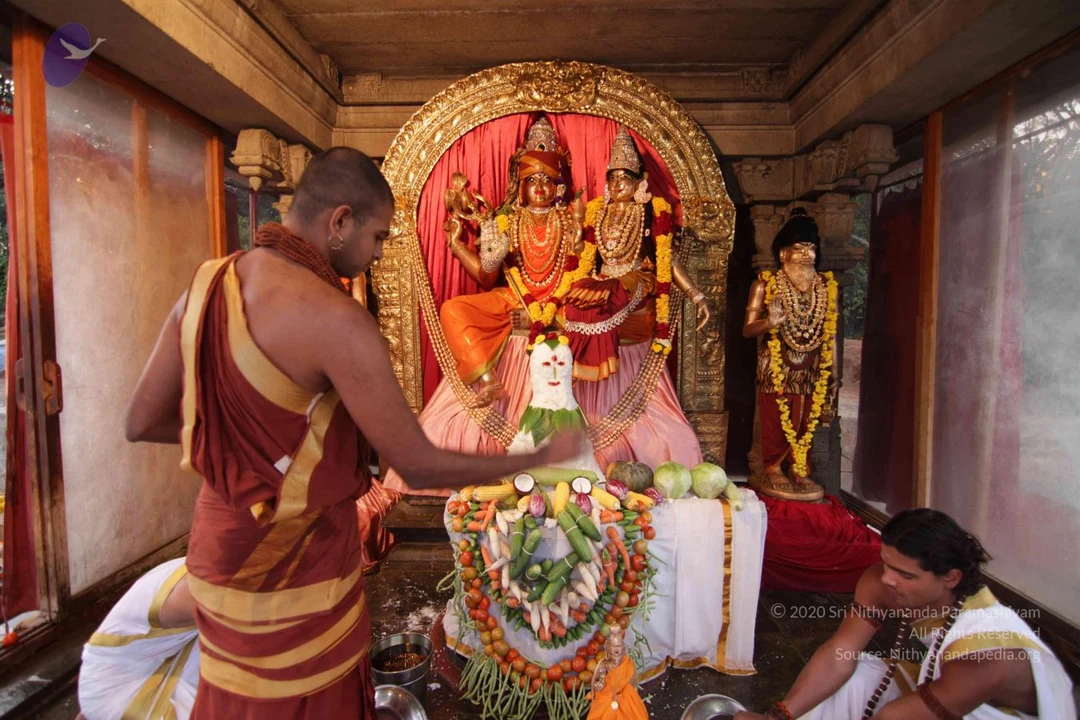
Photos from this day
View all 35 photosAnnabhisekam | Pada Puja| Nithya Kirthan | Satsang | Kalpataru Darshan
8 photosSource gallery
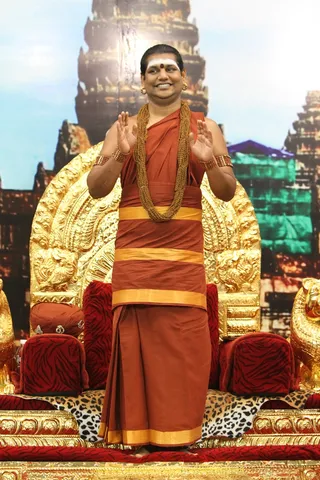
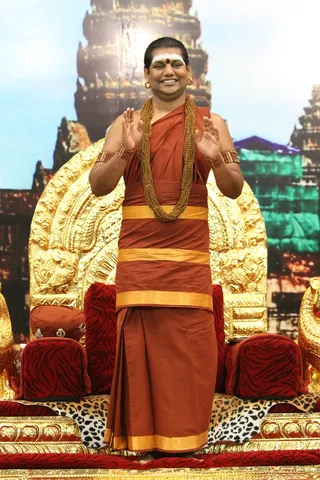
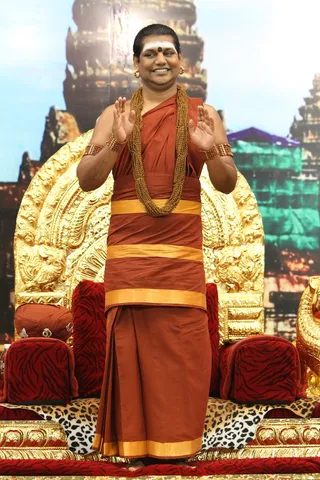
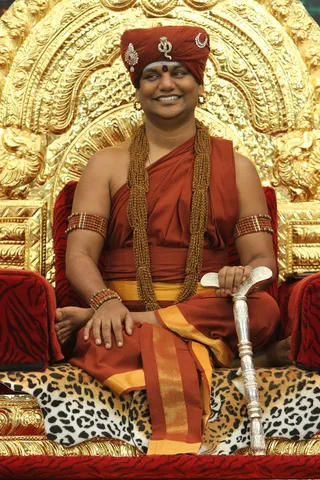
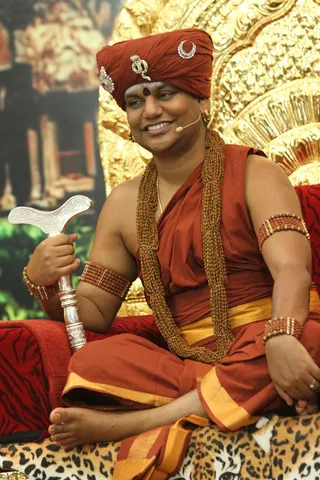
FB-photo-of-the-day
1 photoSource gallery
ANNABHISHEKAM
25 photosSource gallery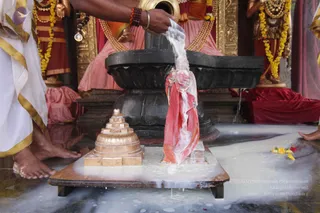
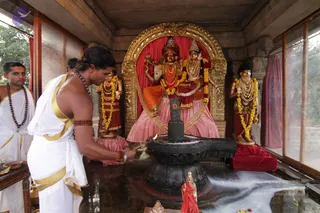
More photos
1 photoView all