Friday
14 March 2014
- Dated photos
- 601
- Source pages
- 1
- Media
- 2
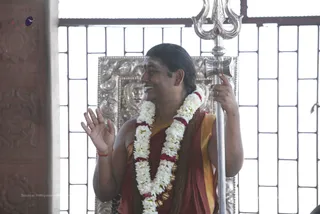
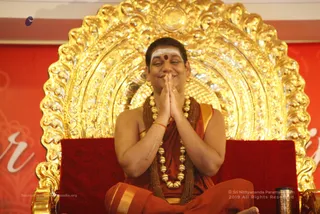
March 14 2014
Original wiki pageDescription:
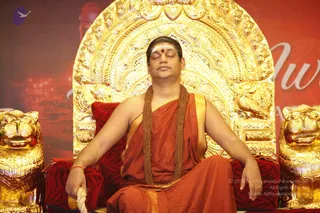
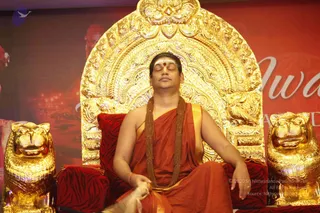
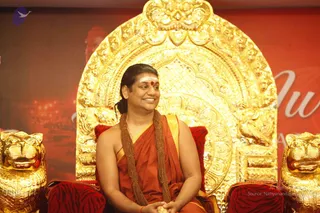
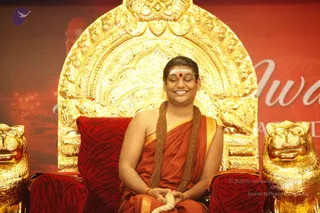
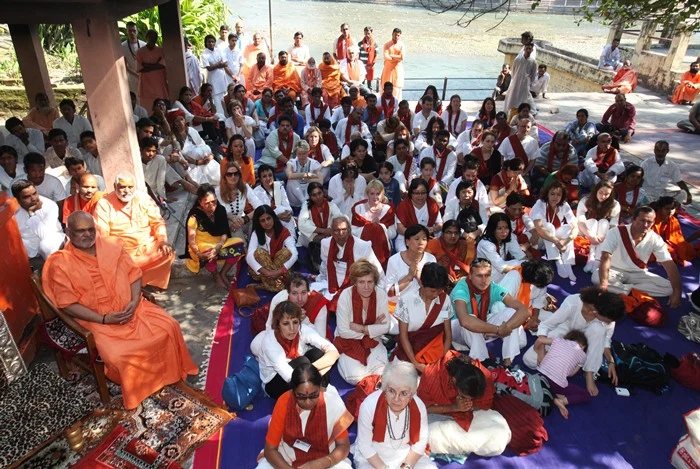
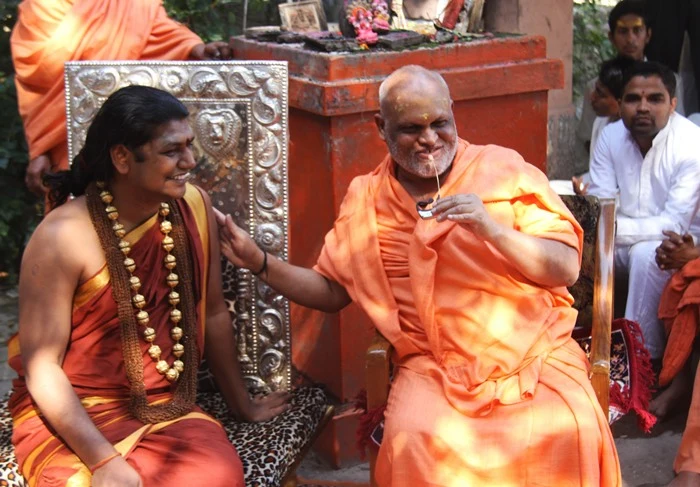
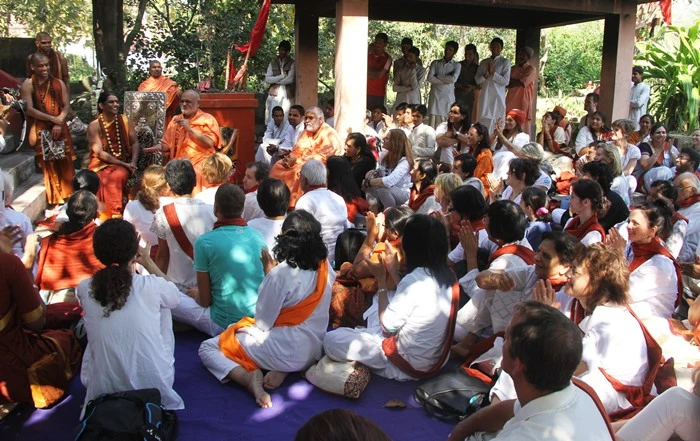
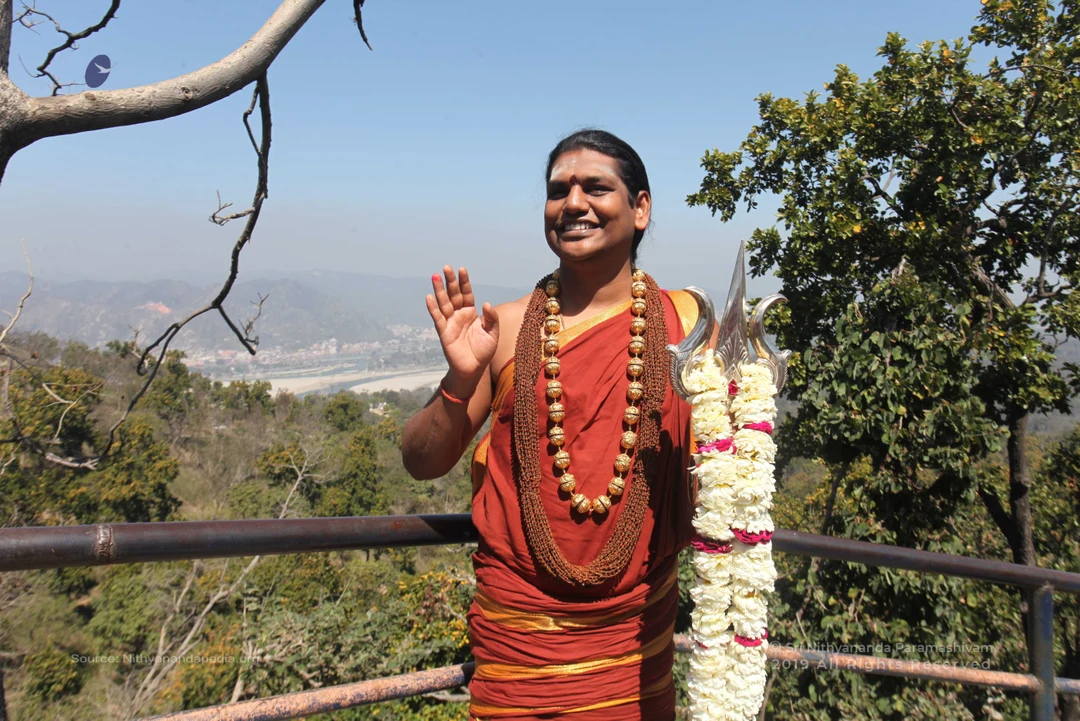
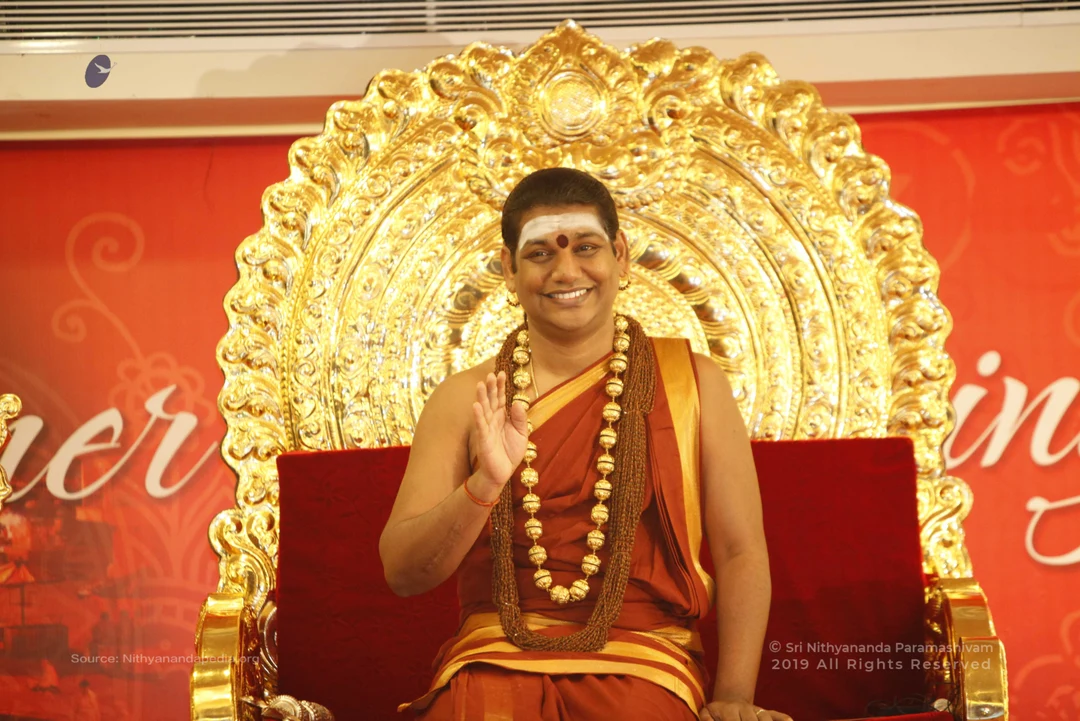
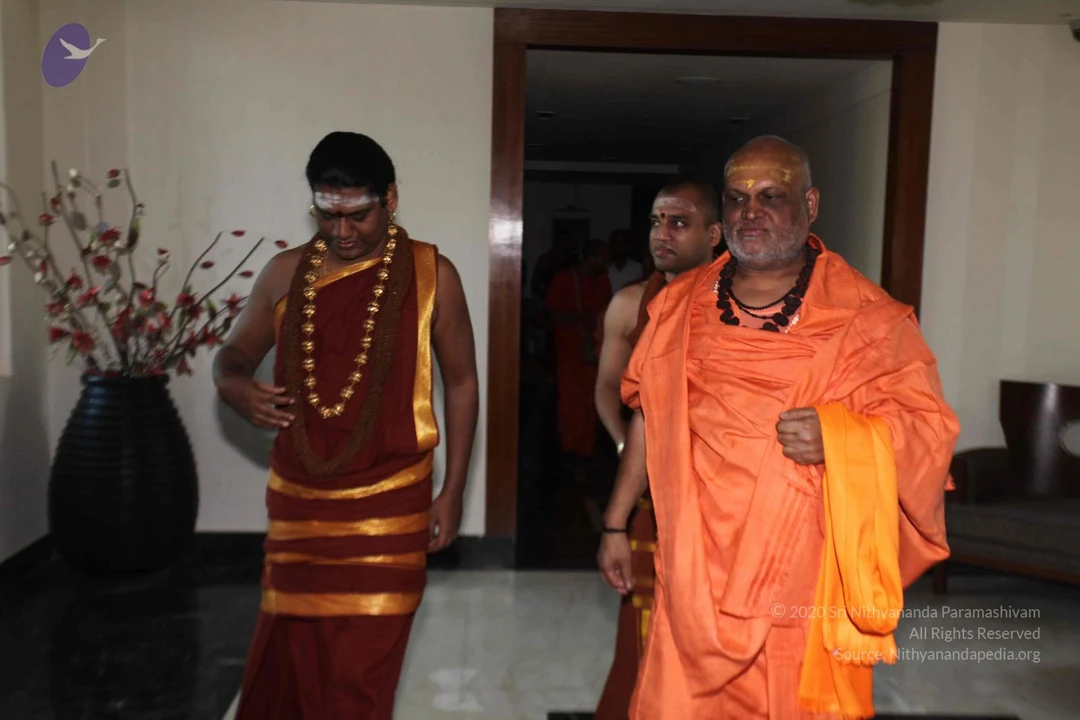
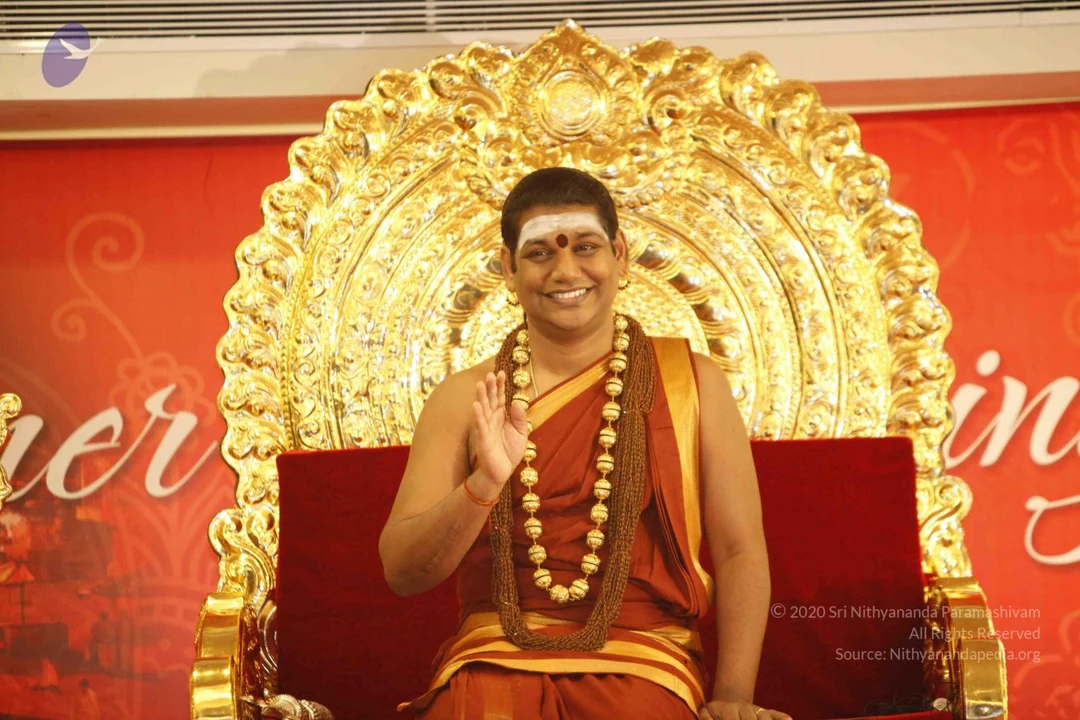
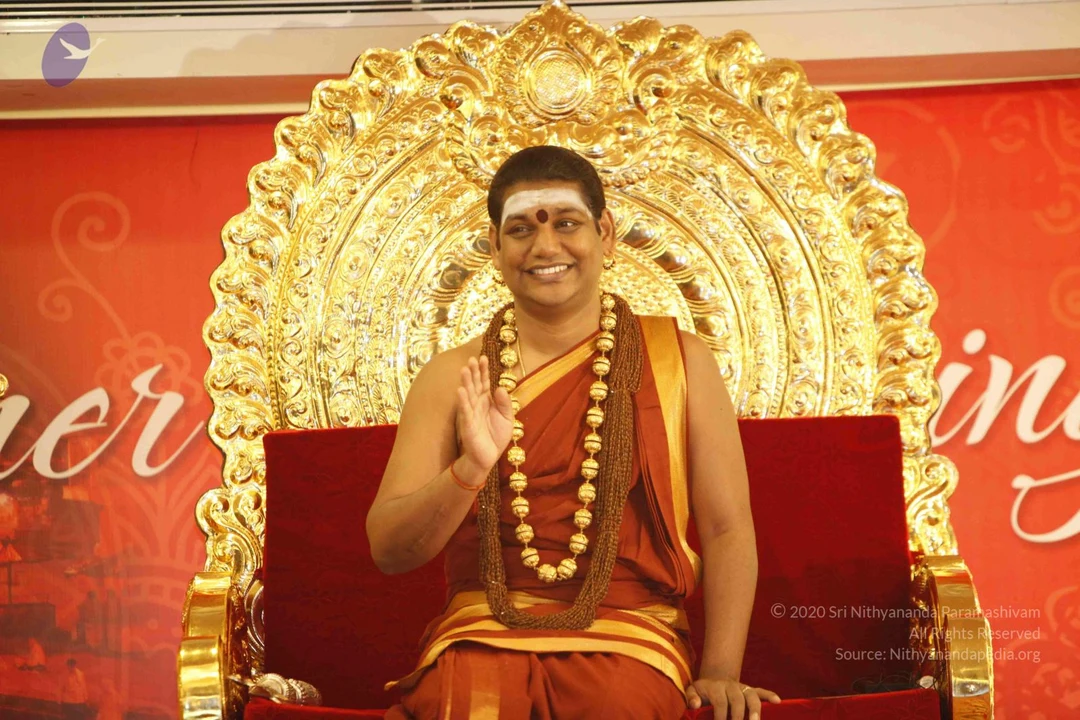
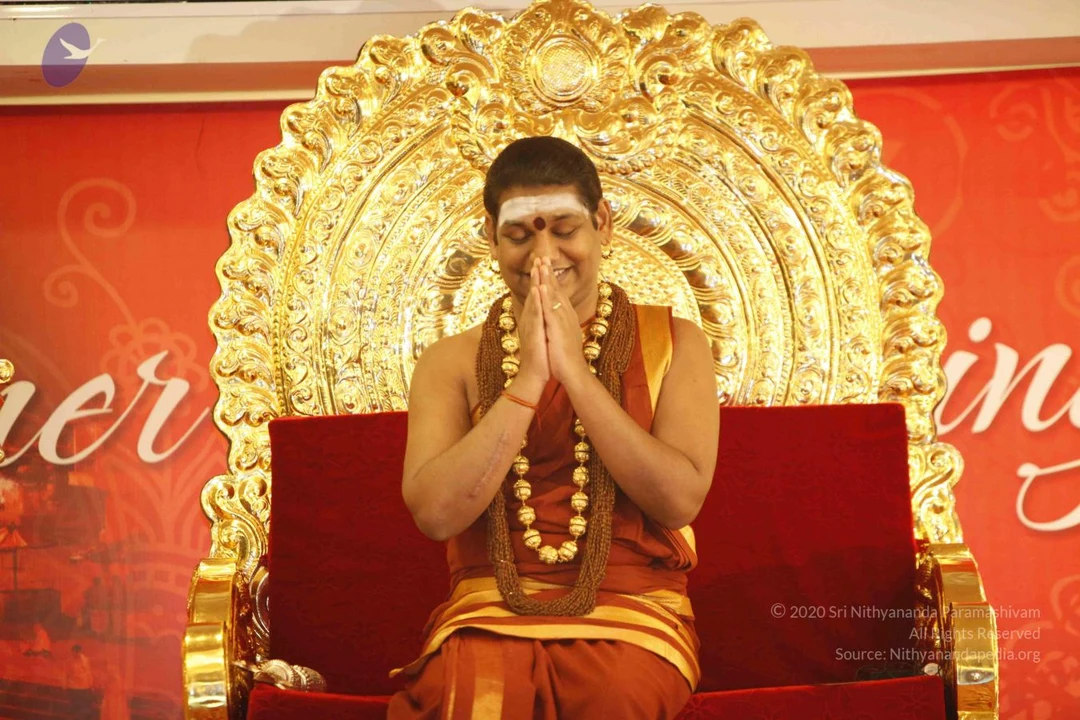
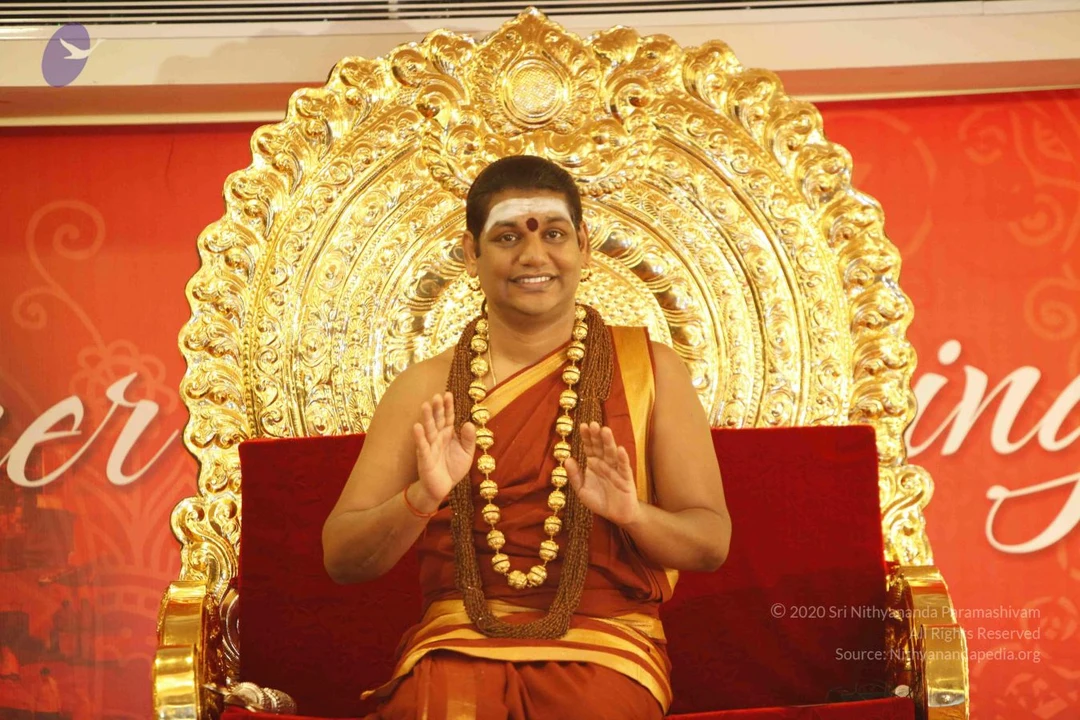
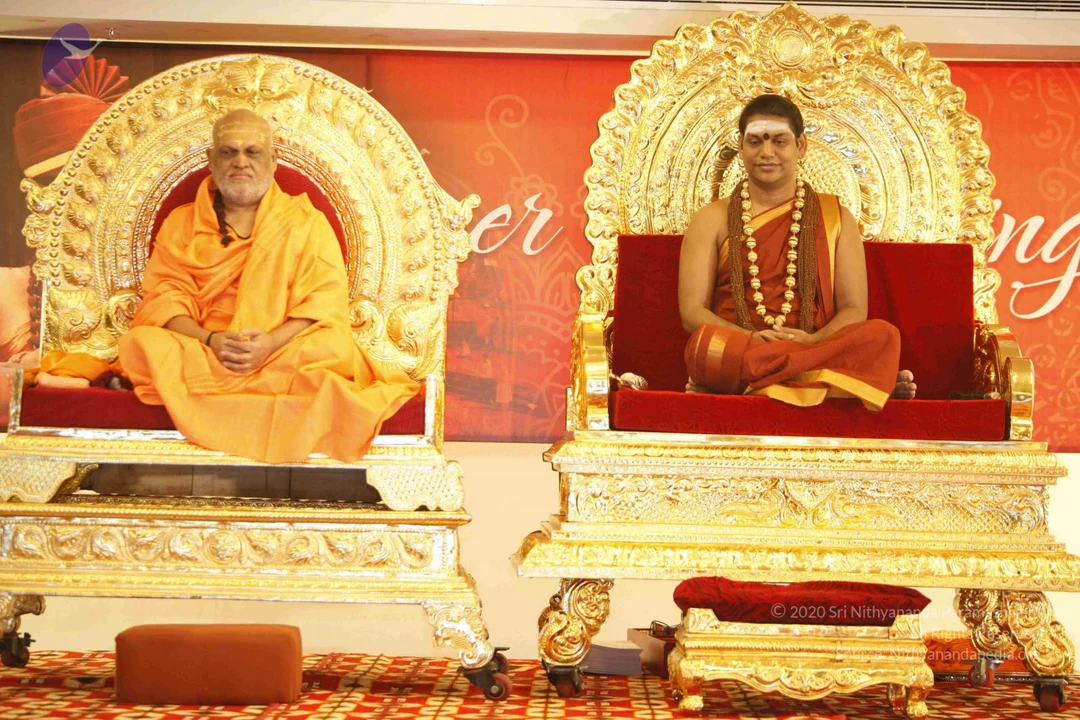
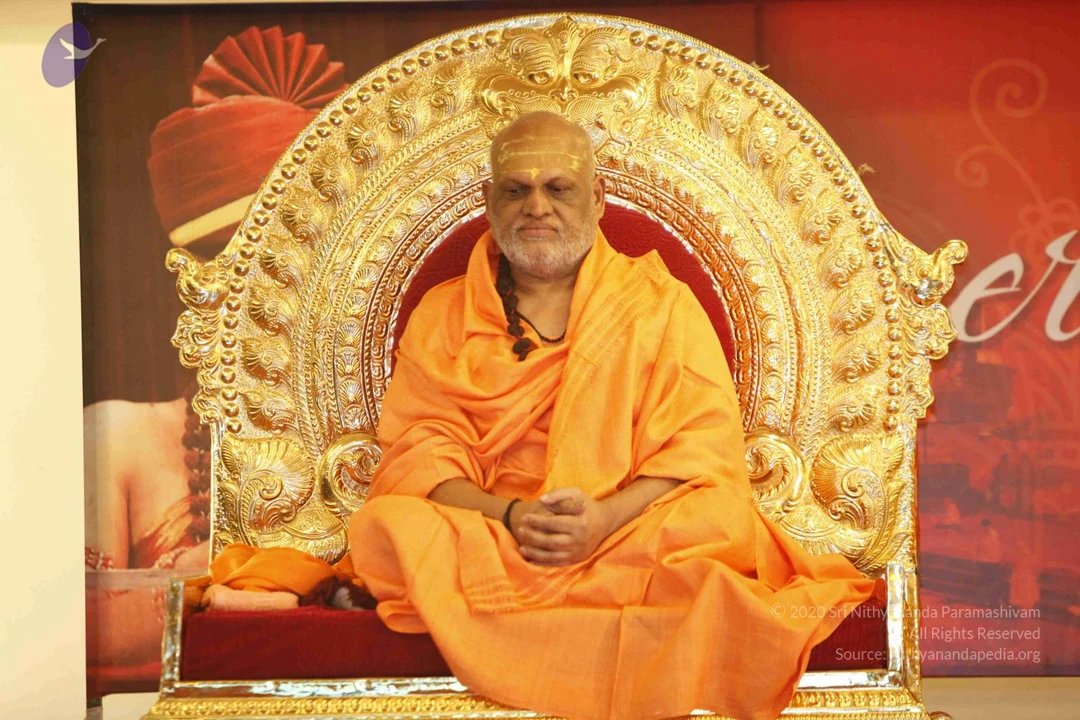
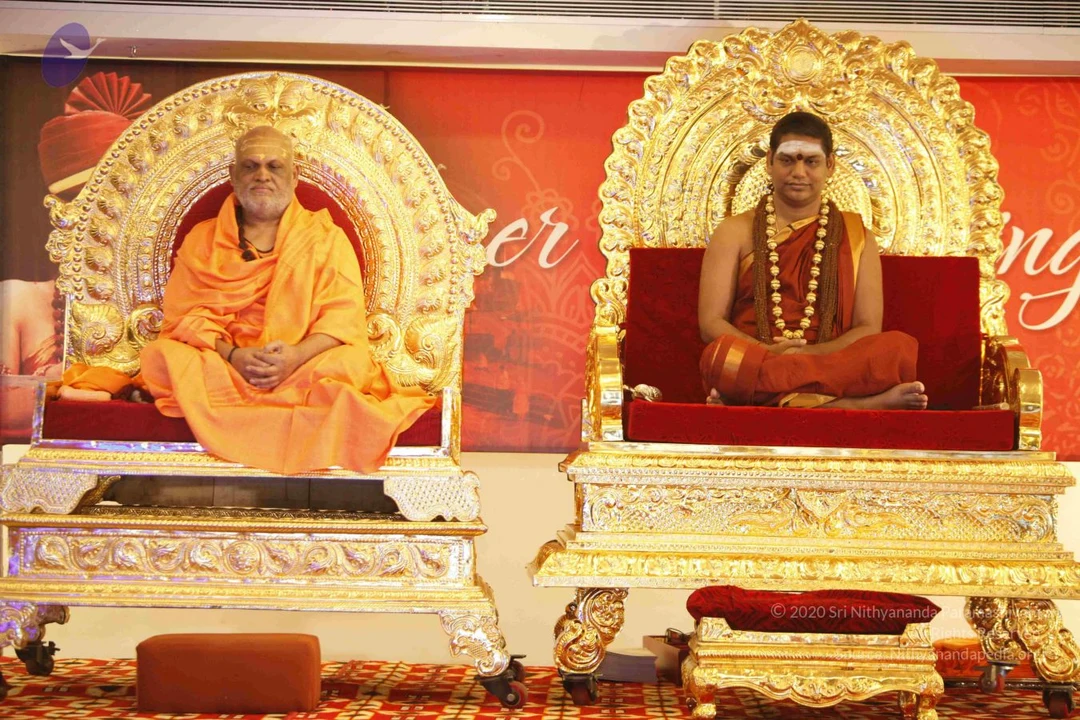
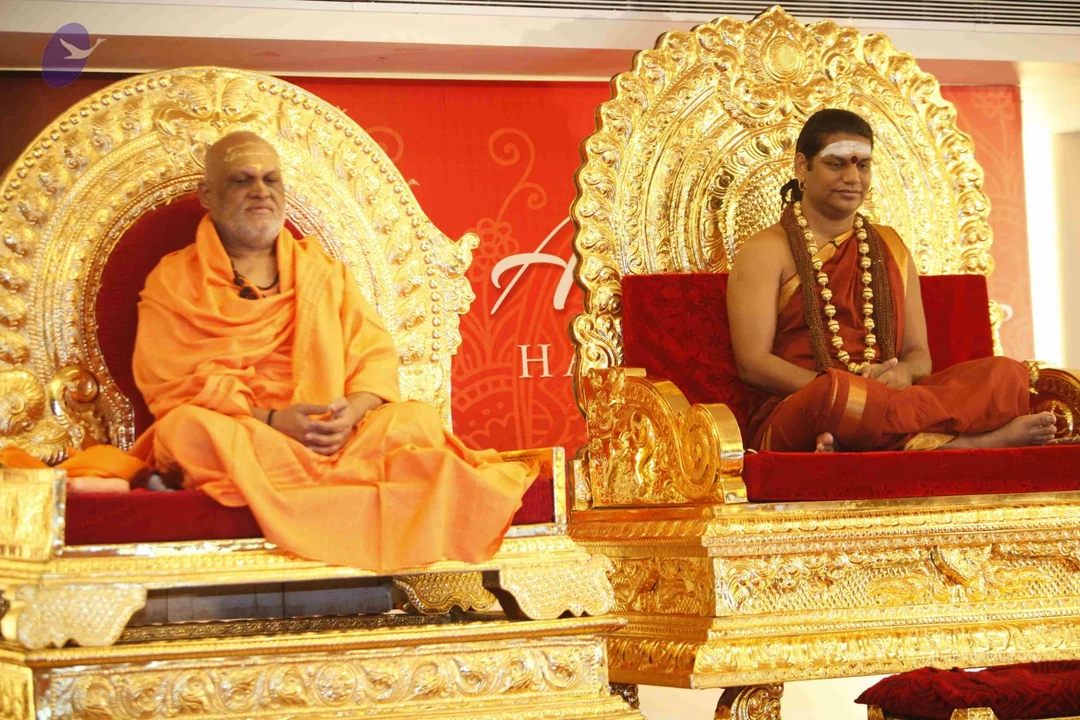
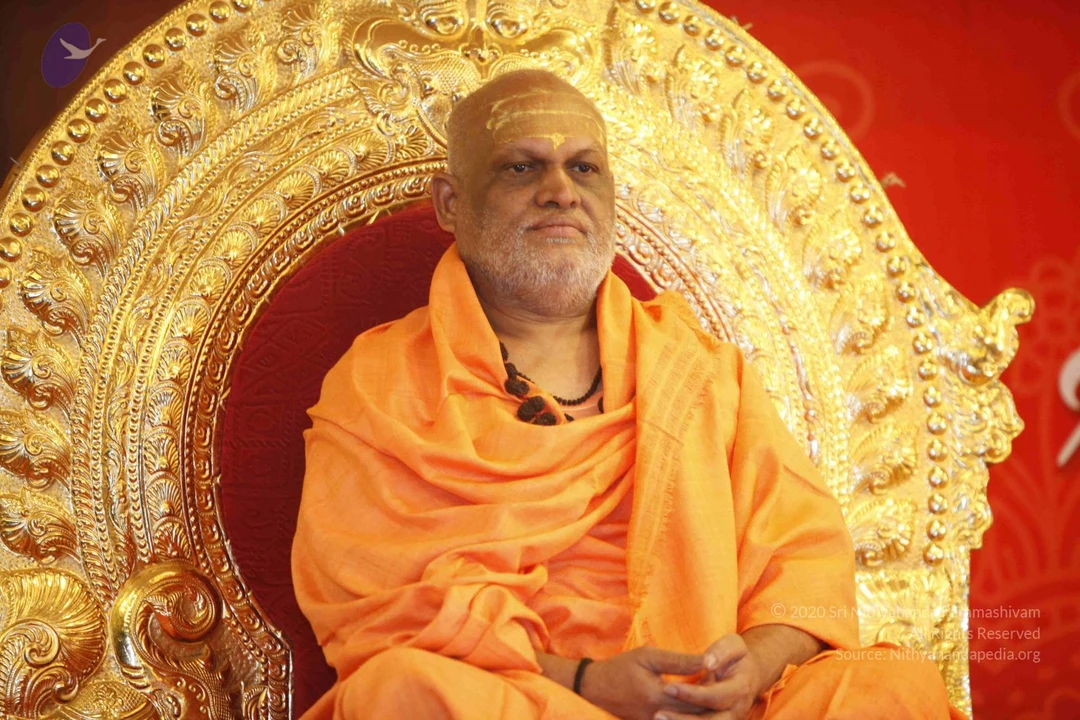
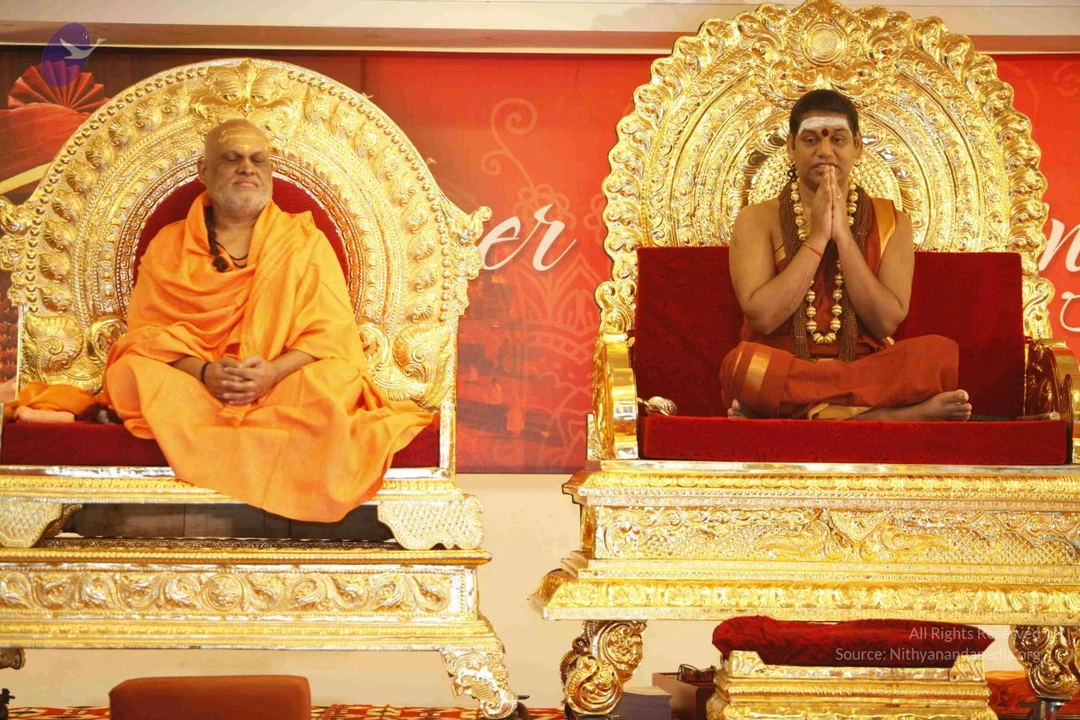
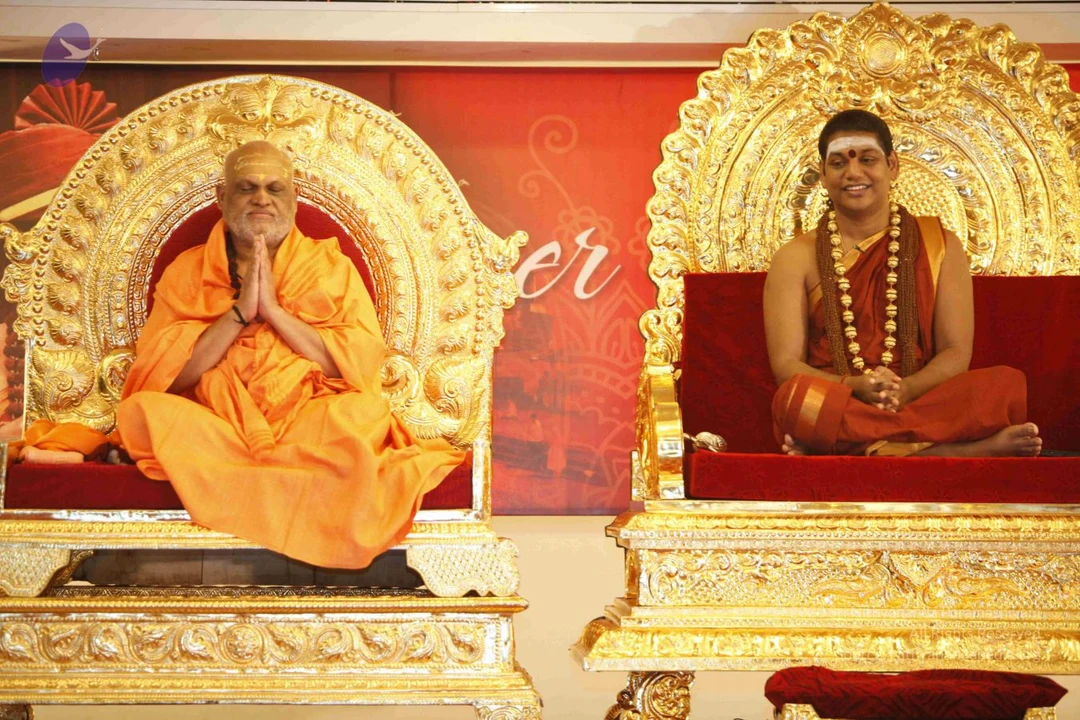
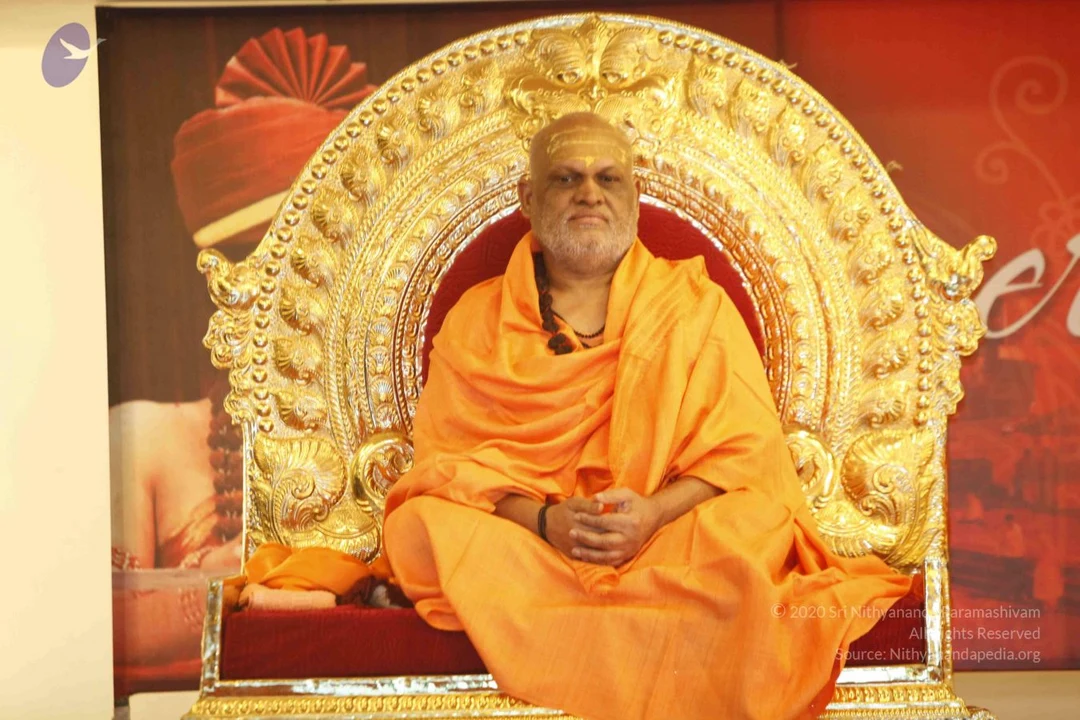
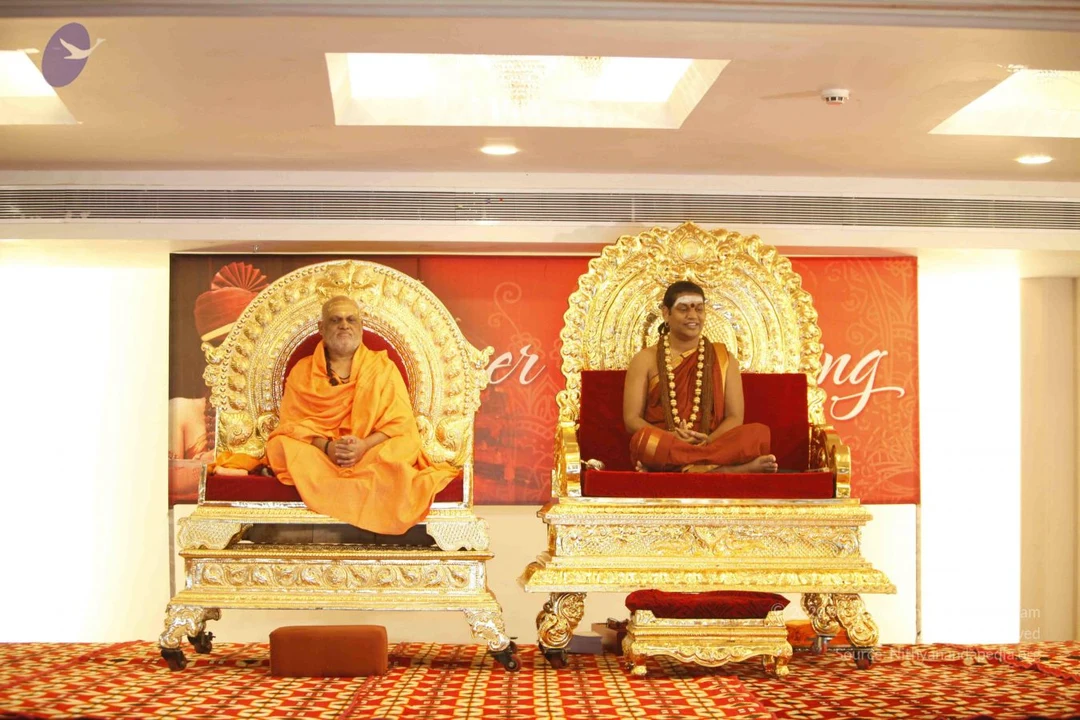
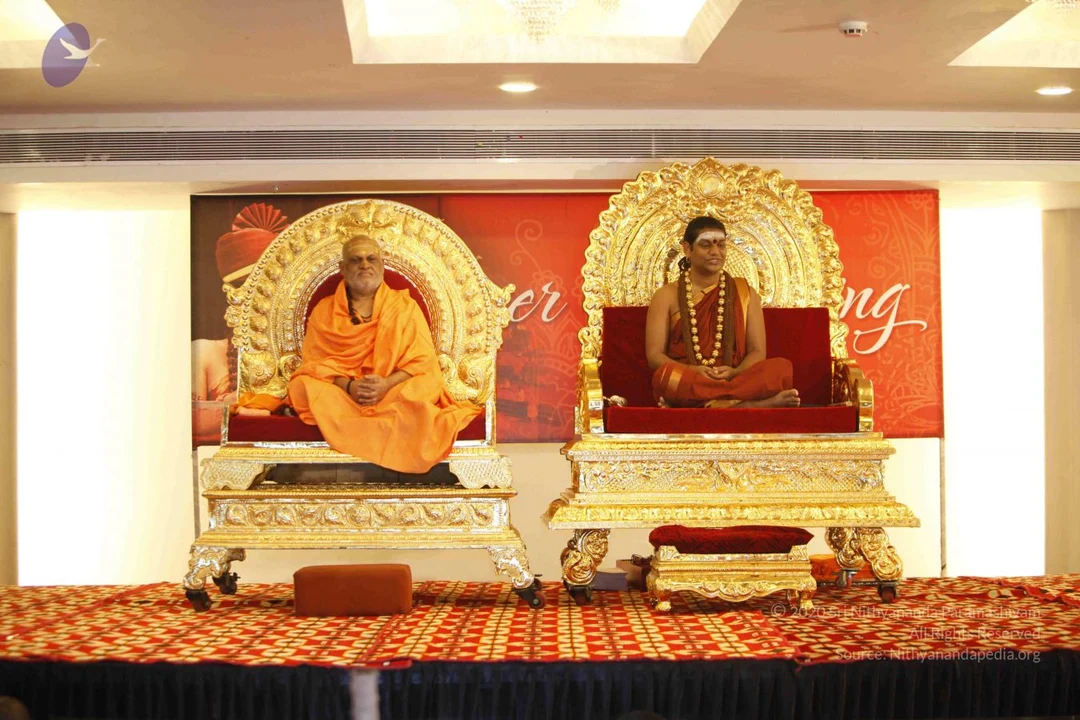
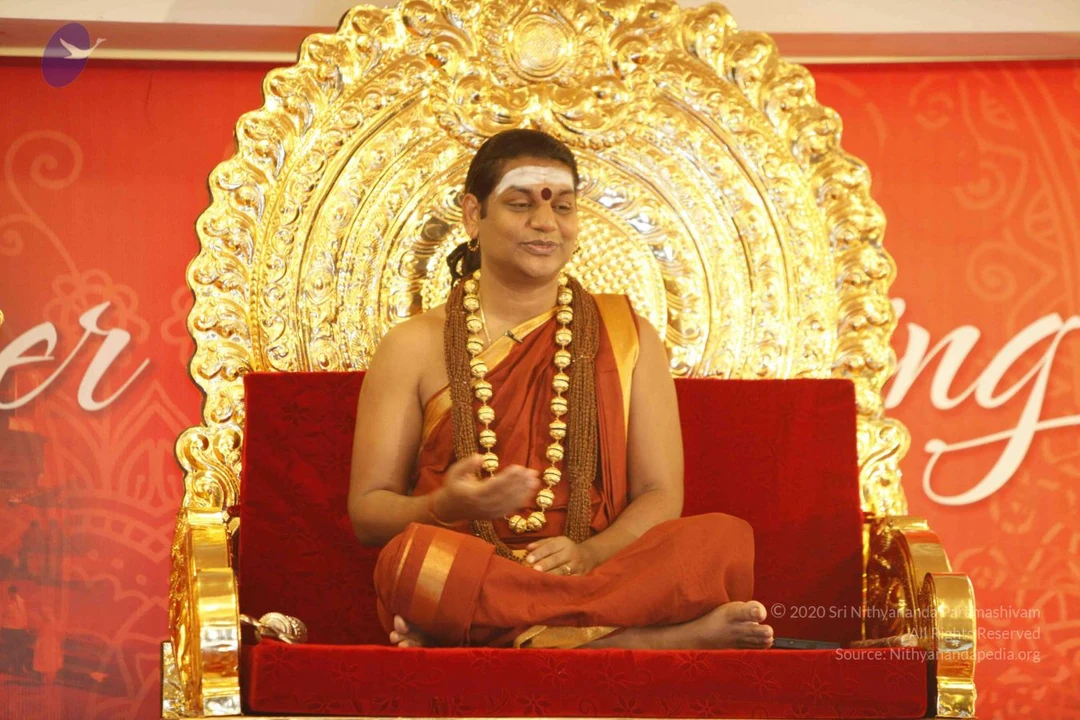
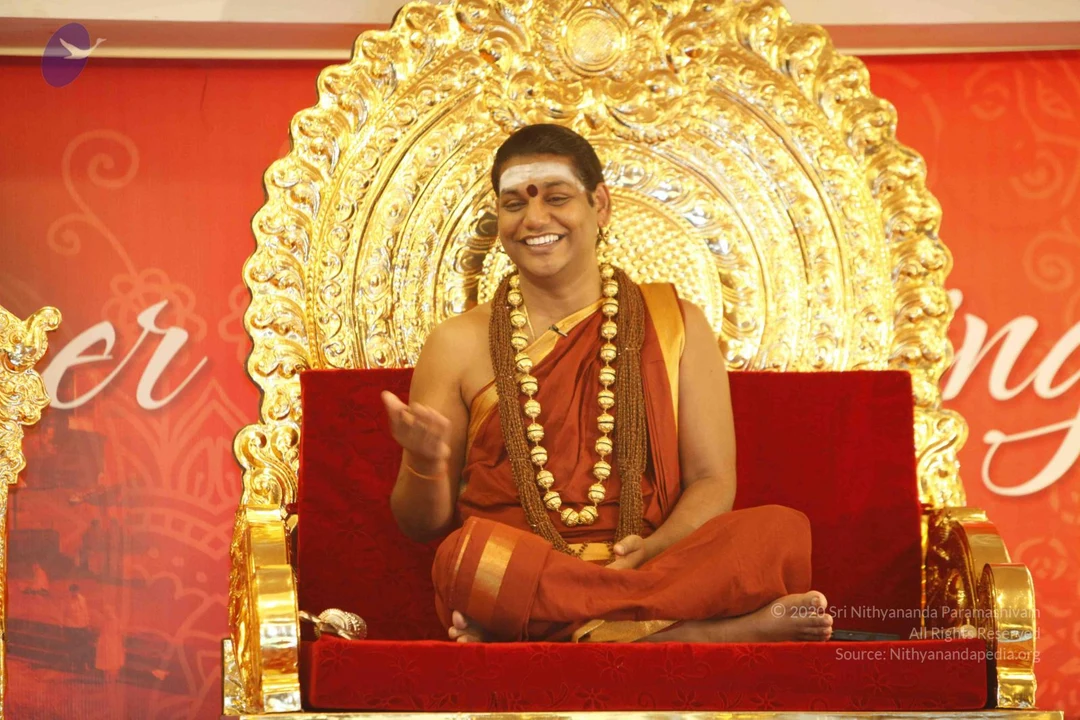
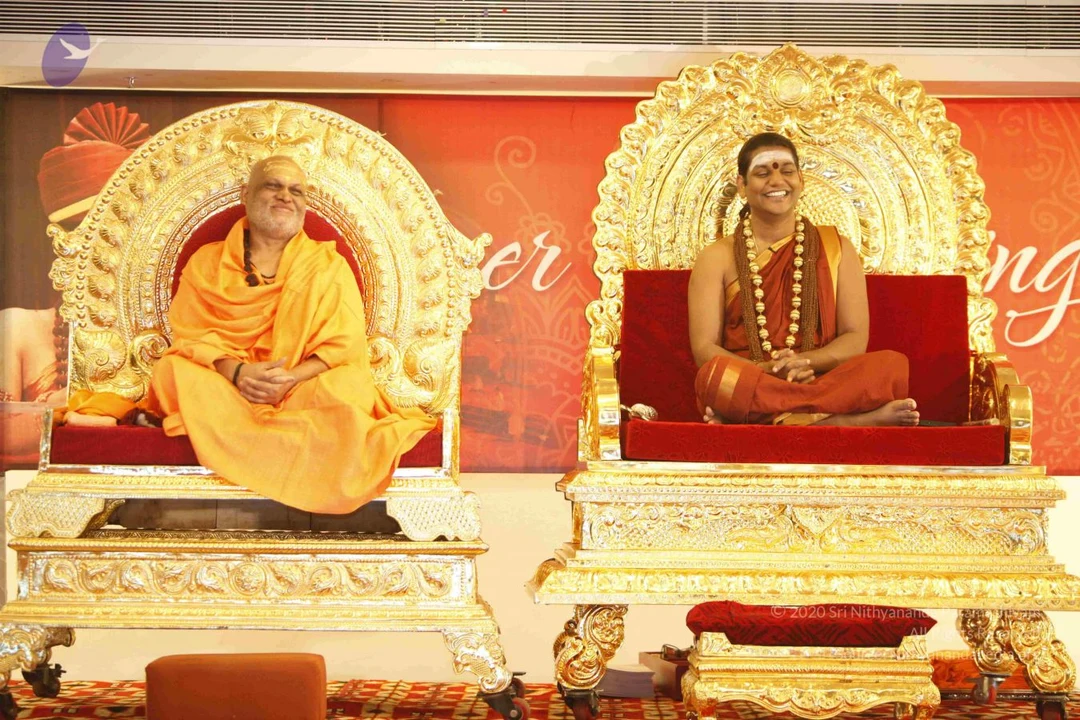
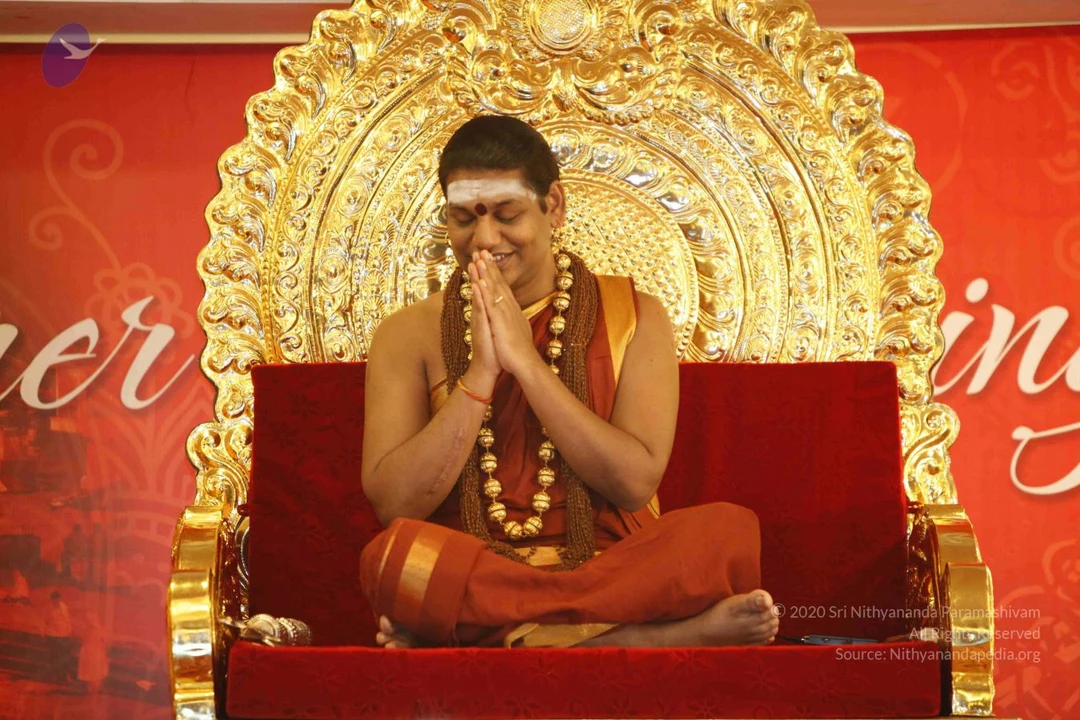
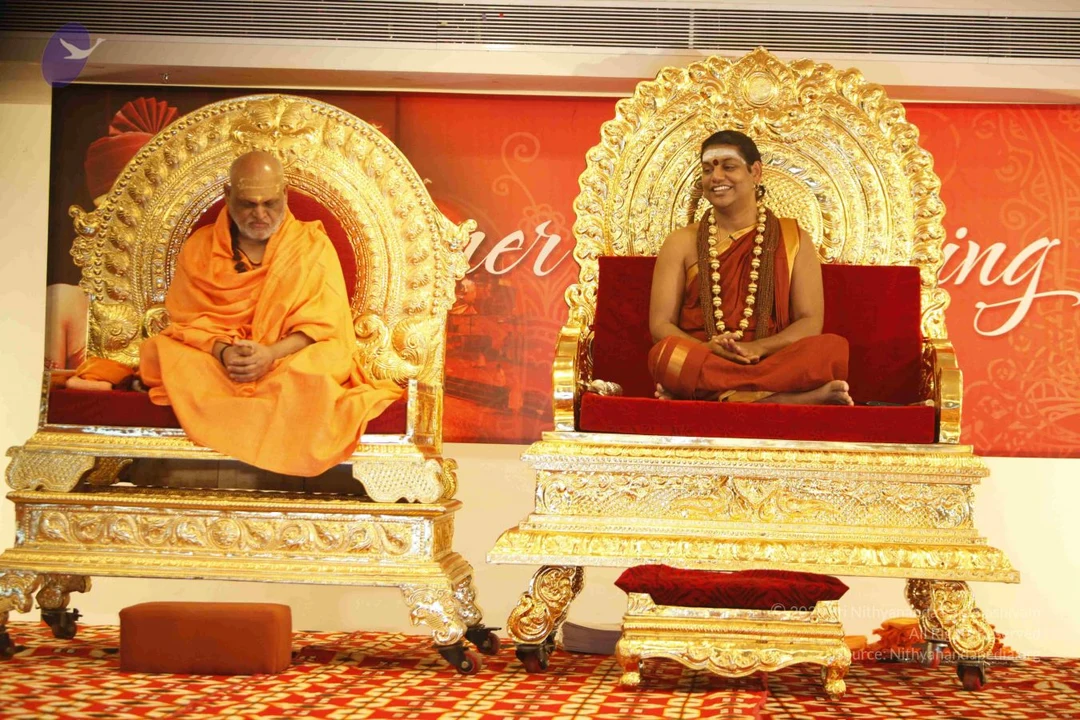
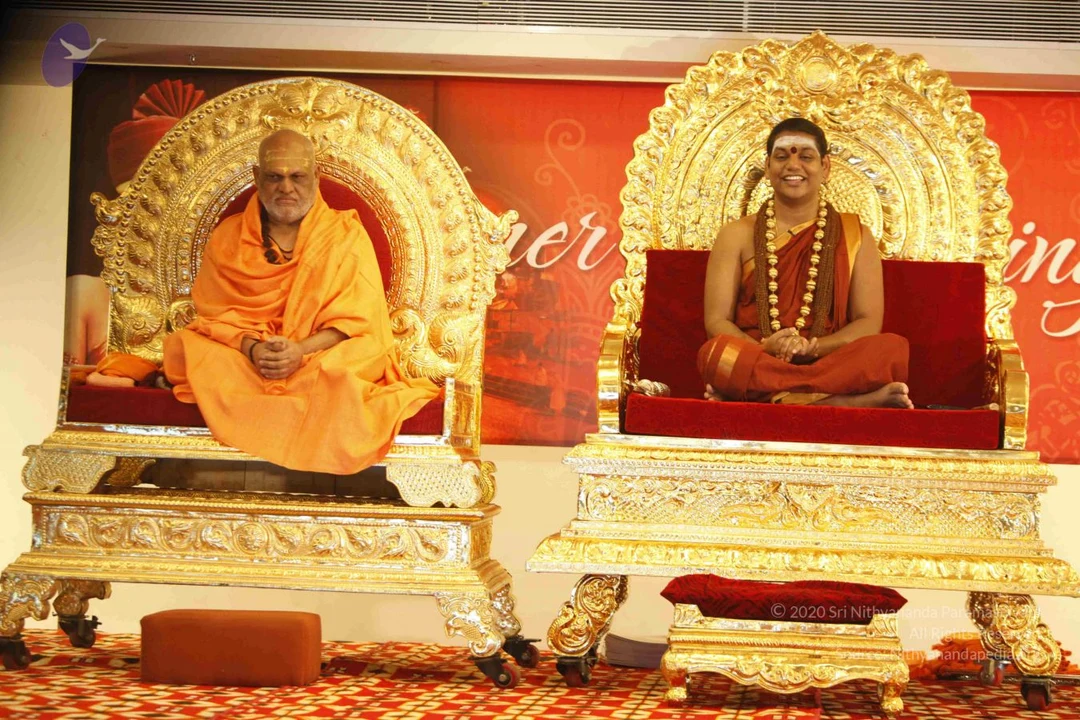
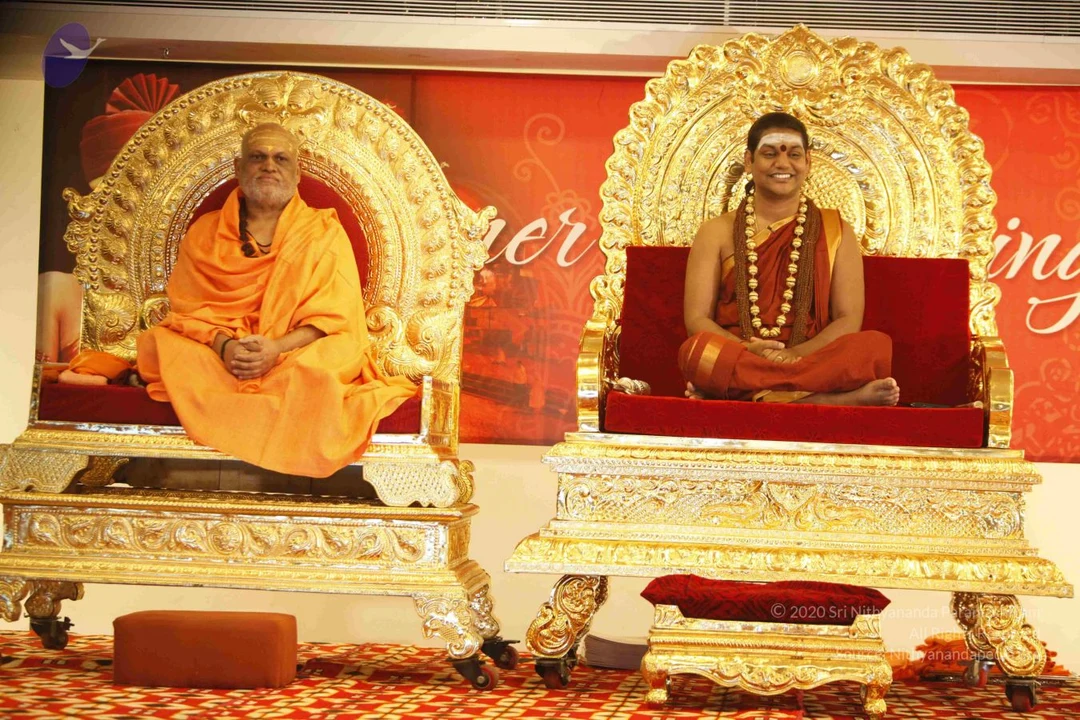
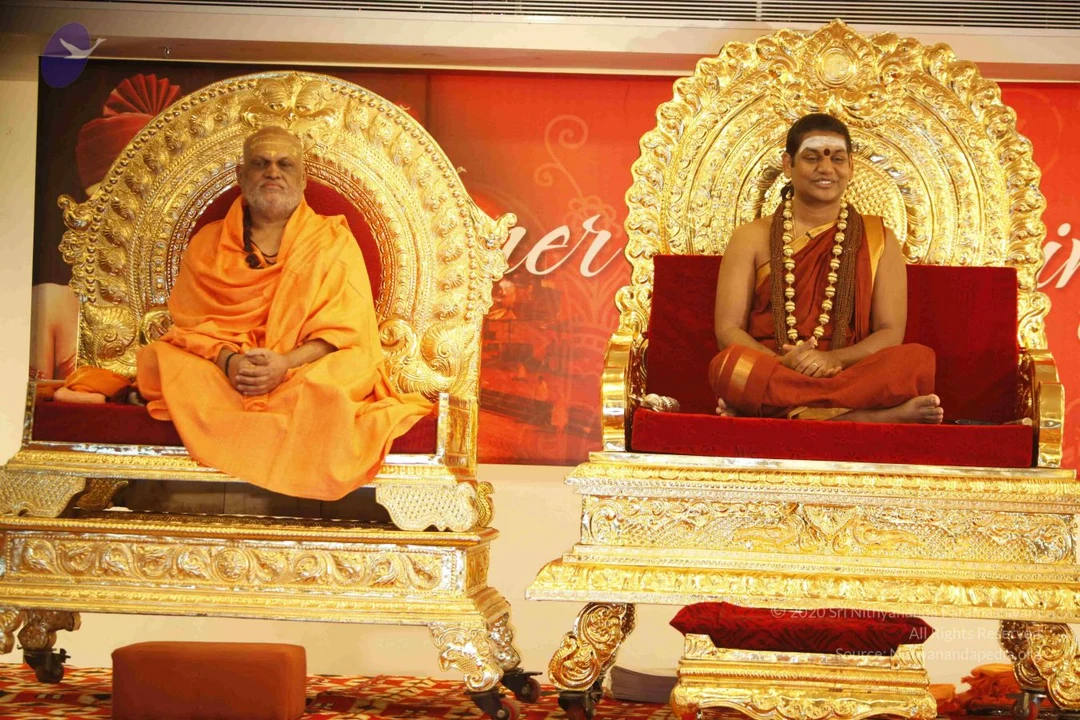
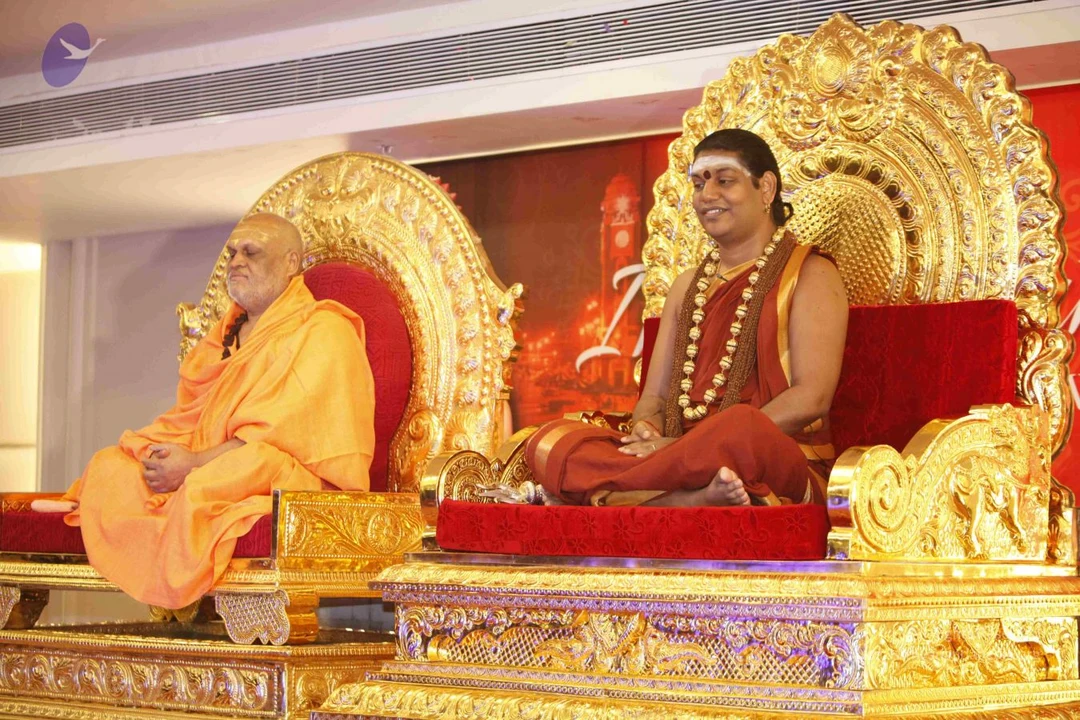
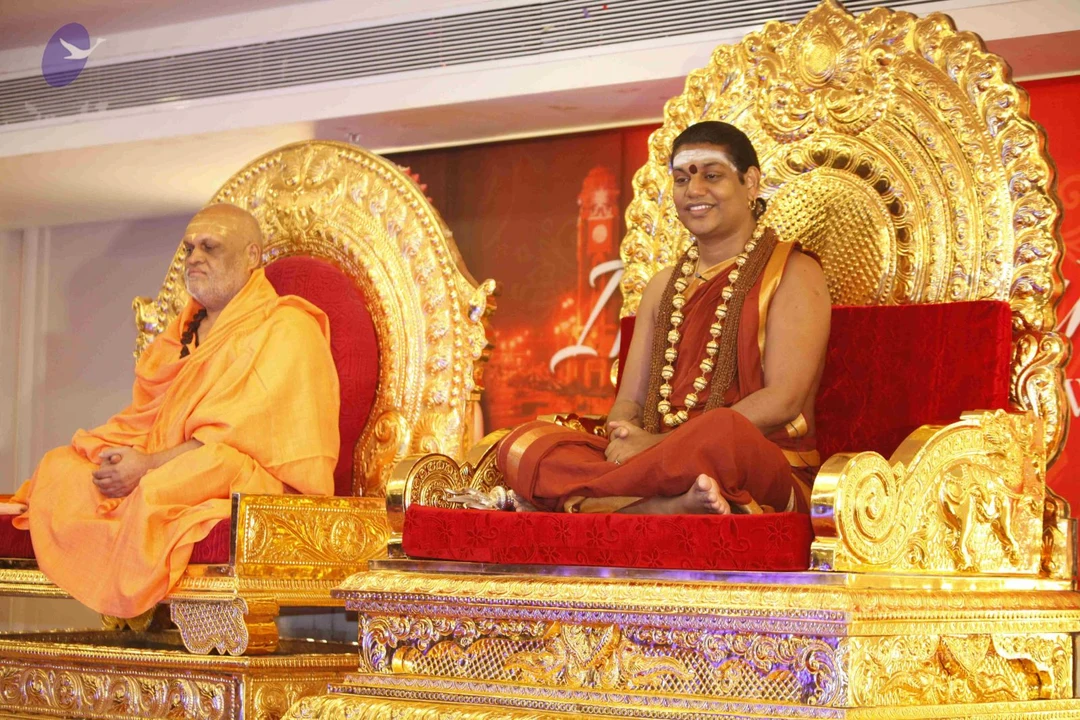
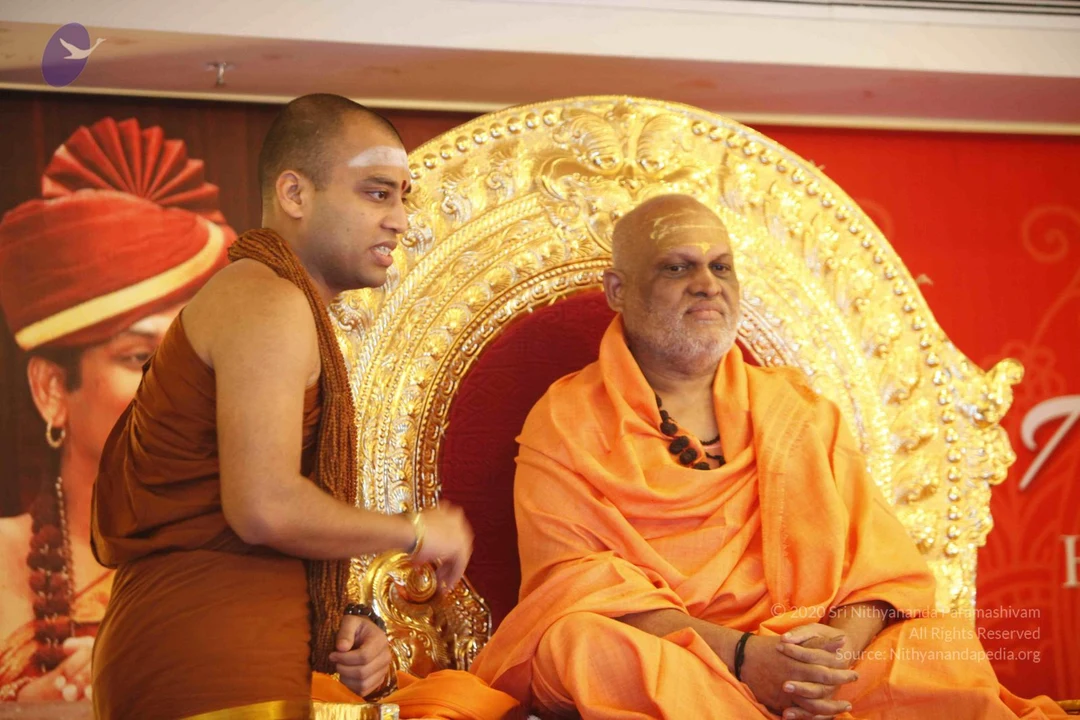
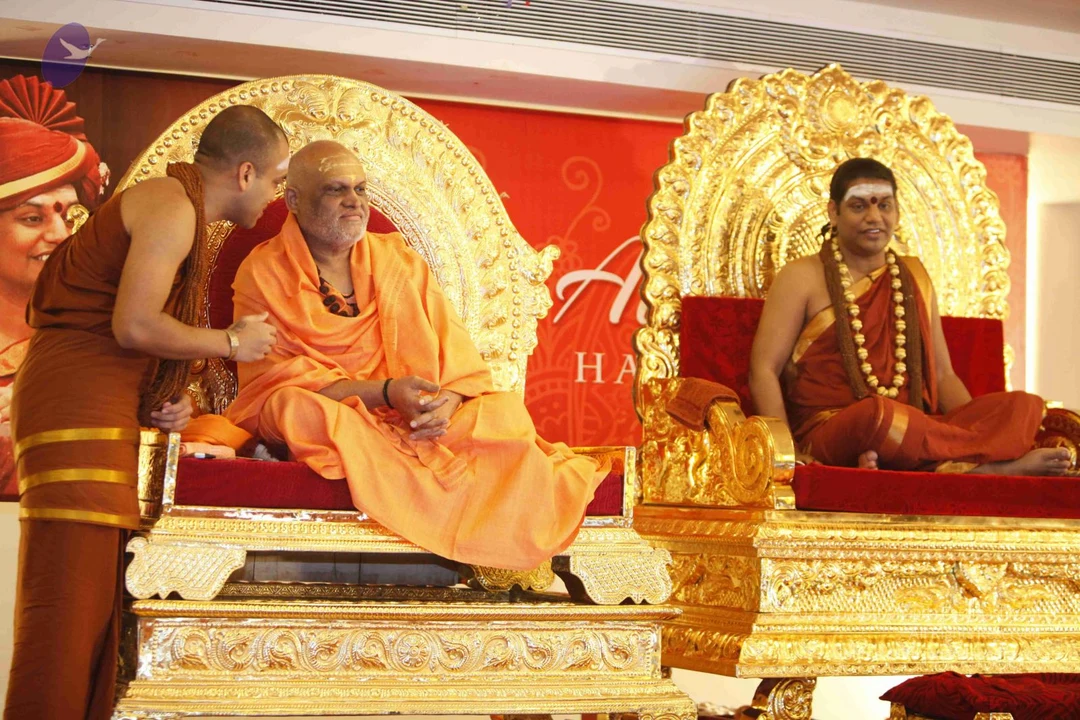
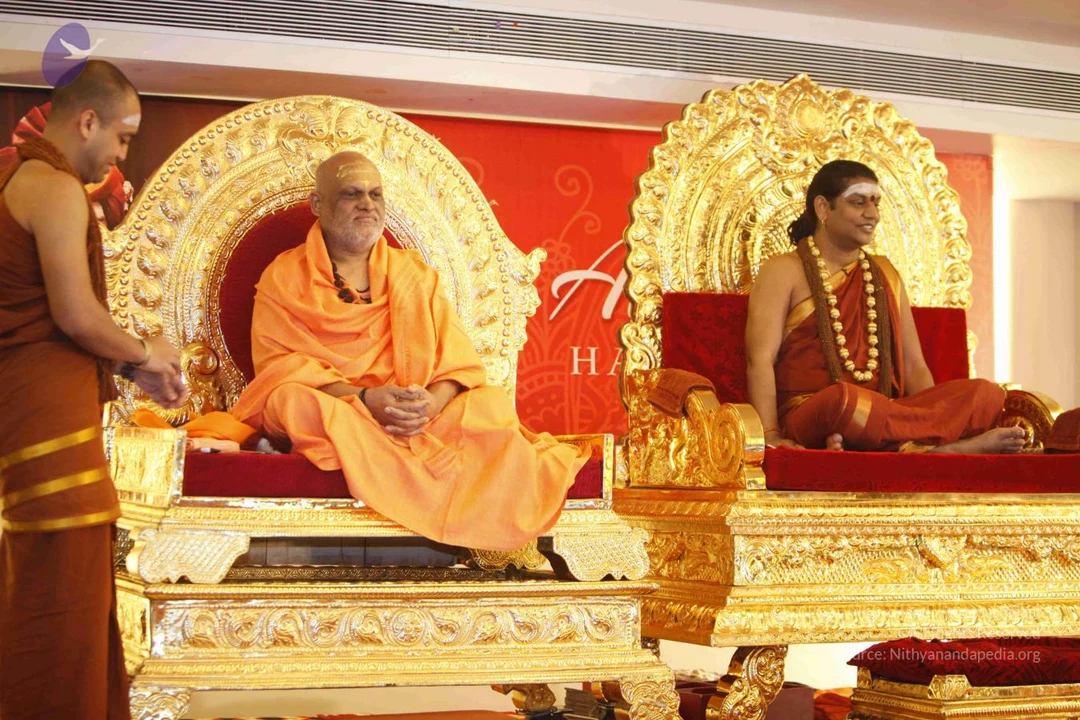
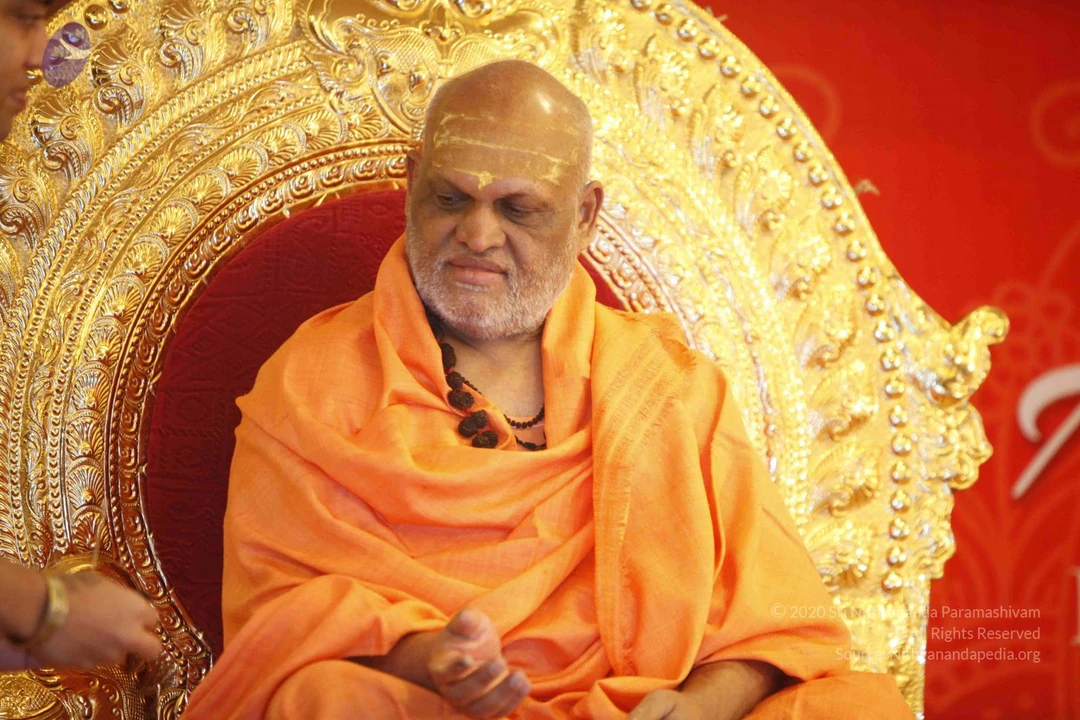
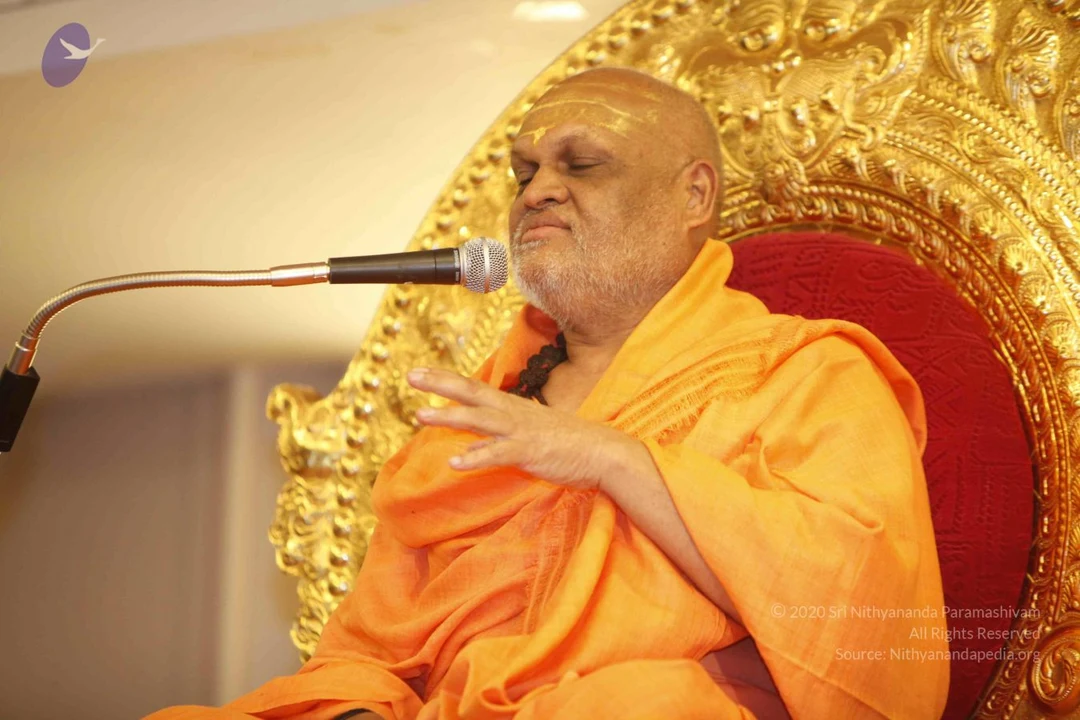
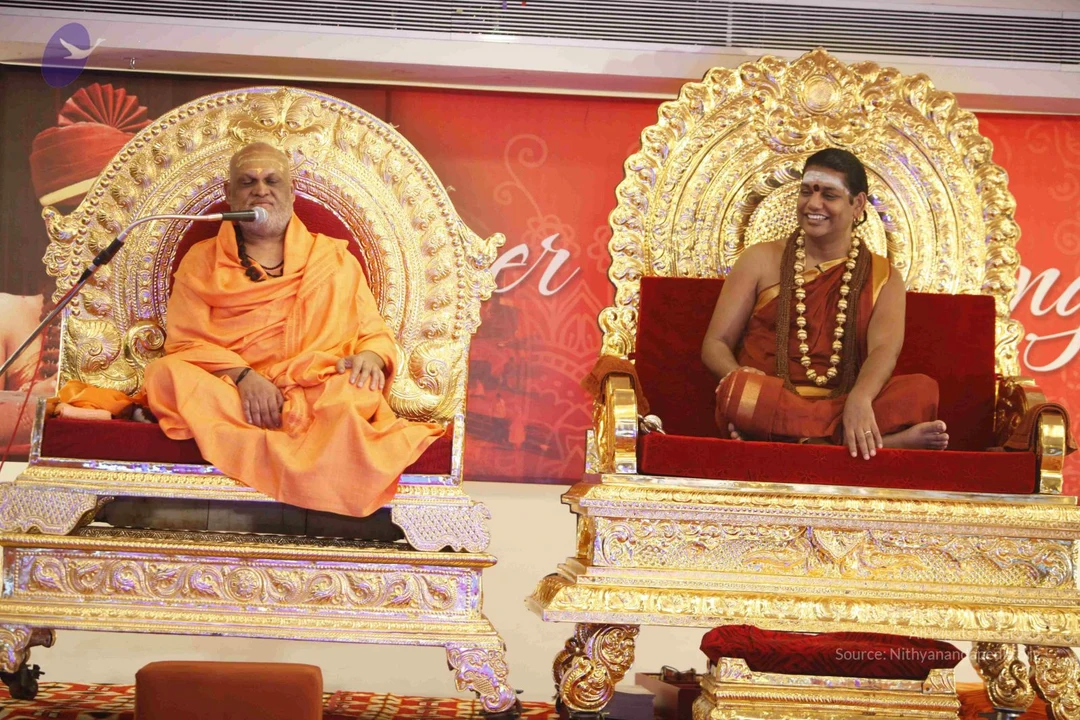
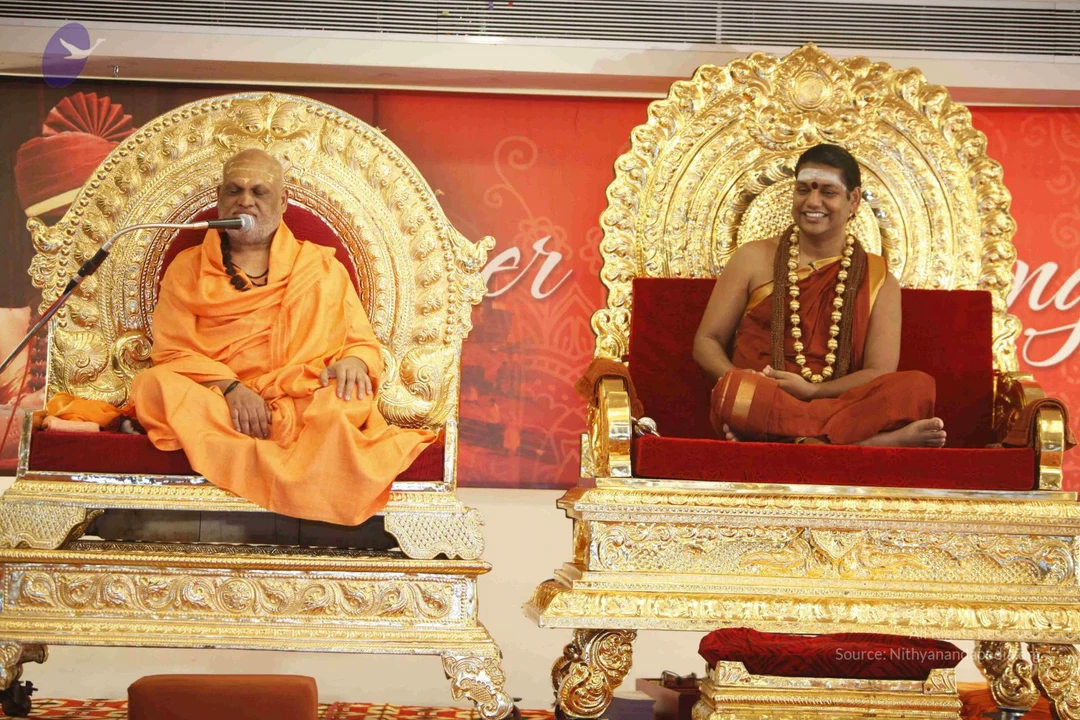
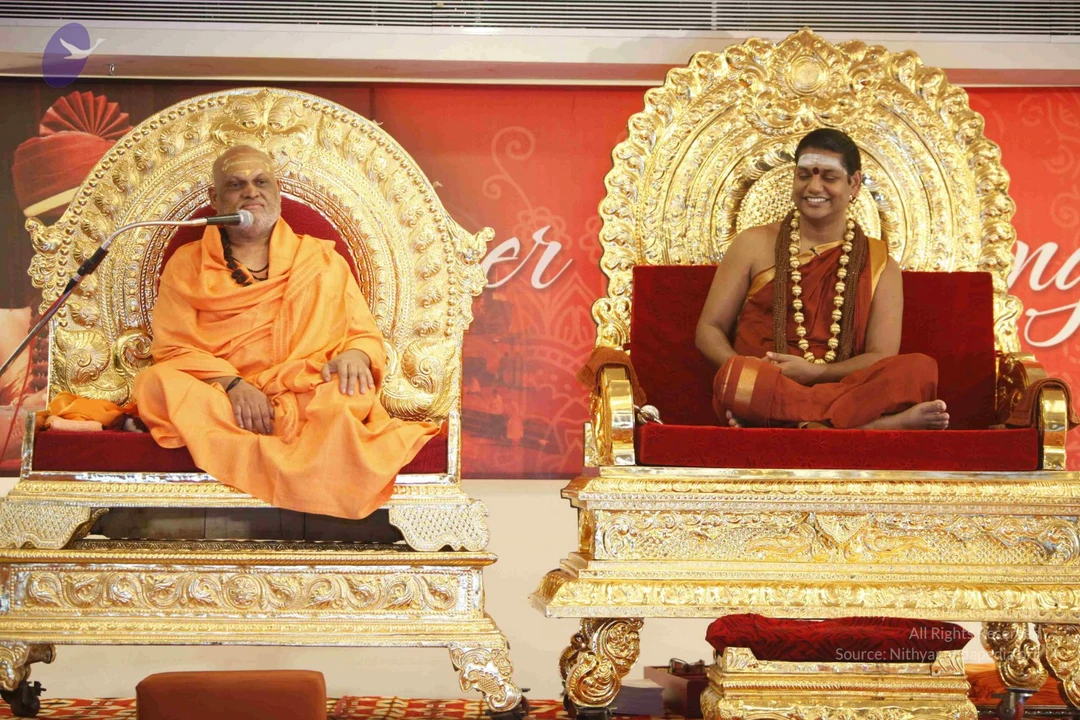
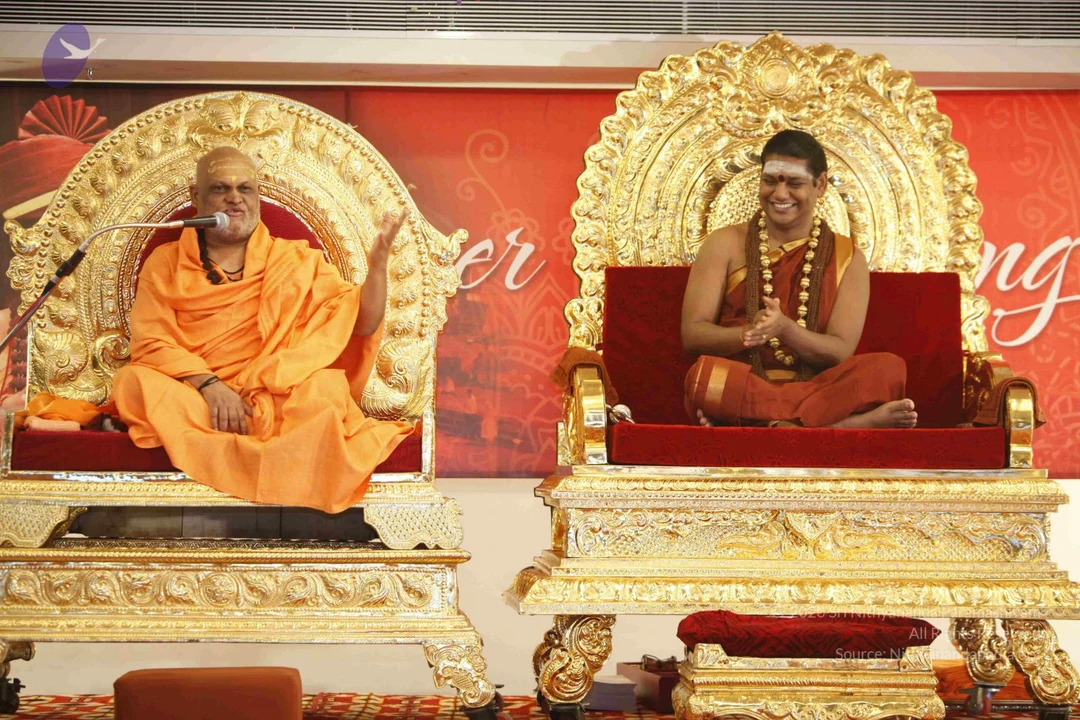
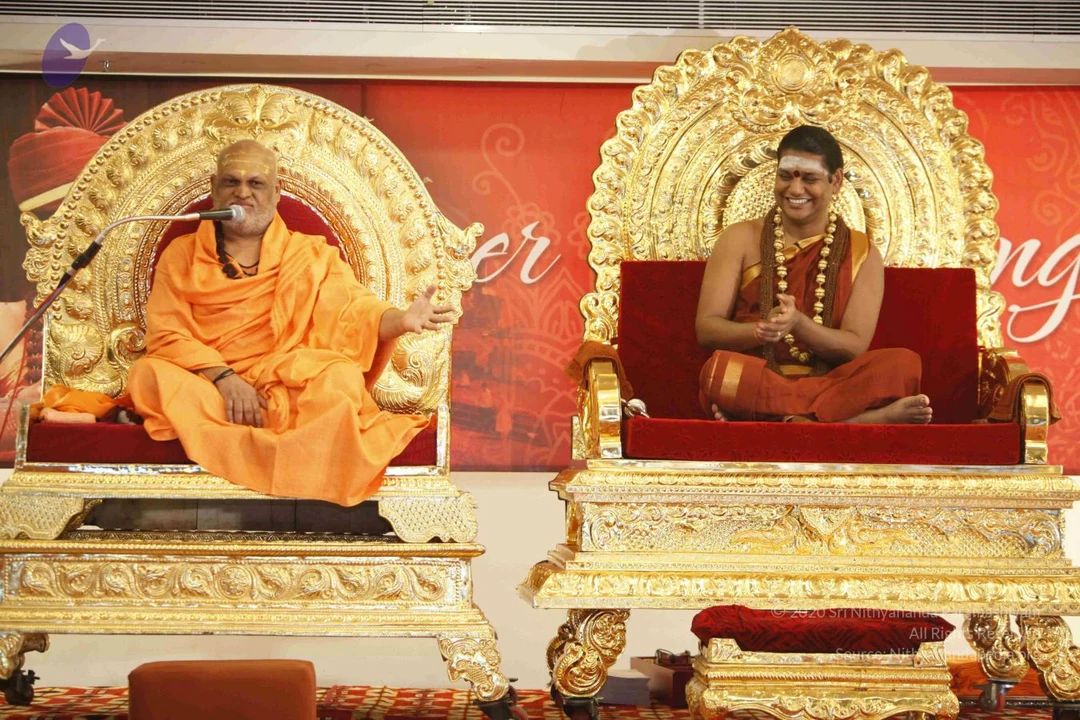
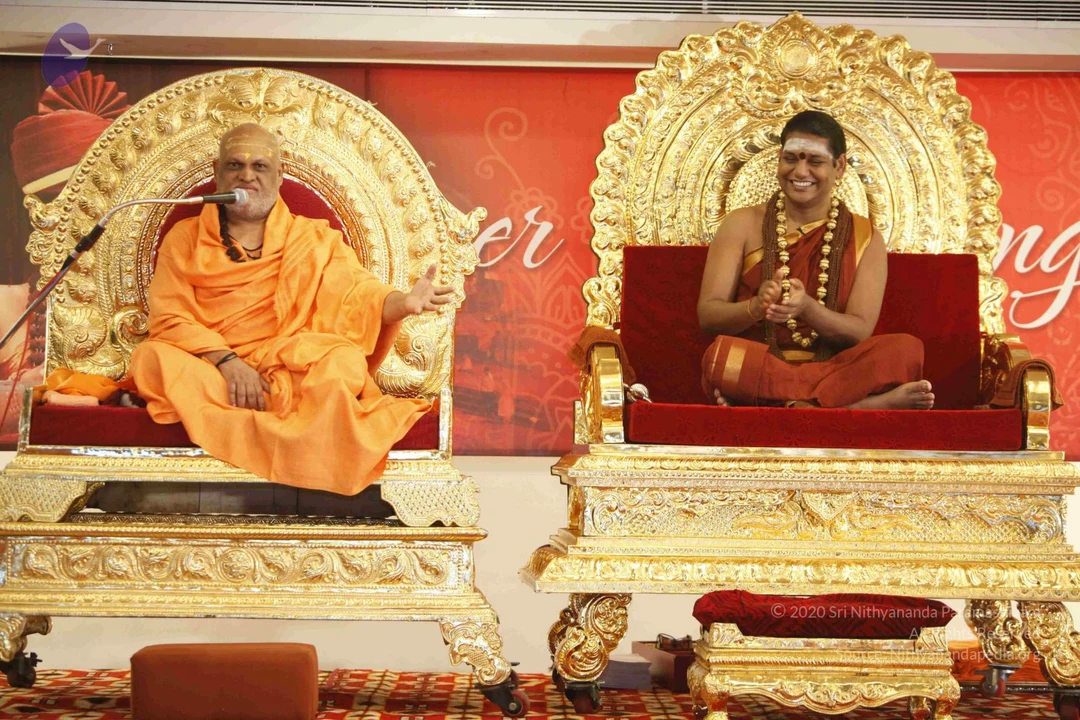
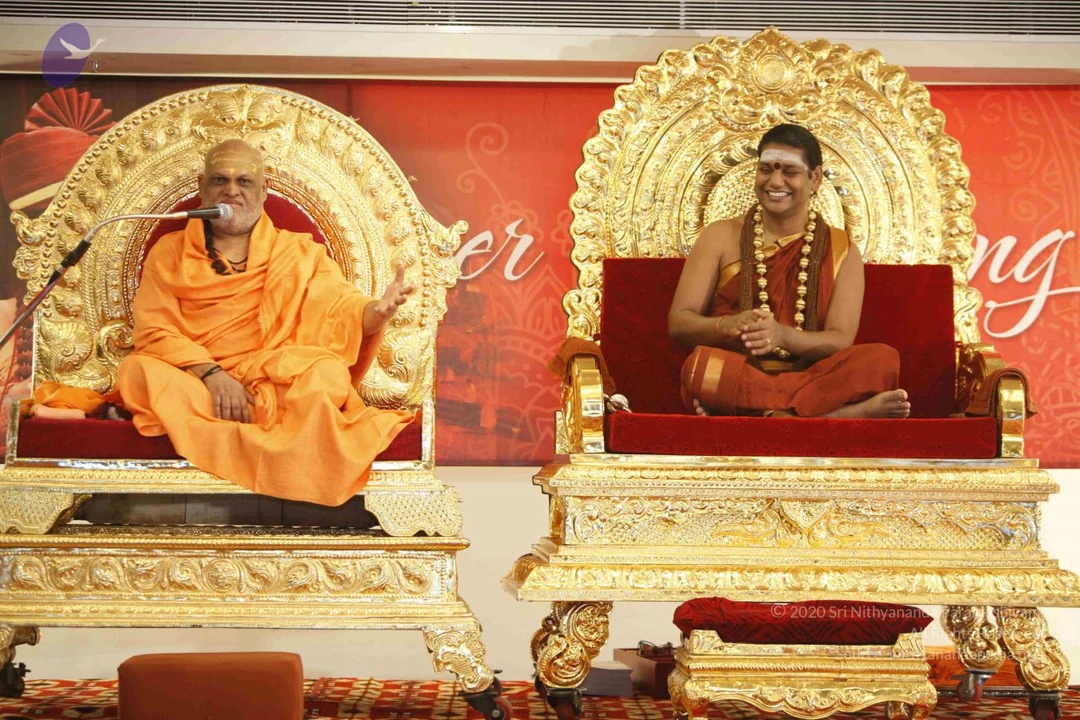
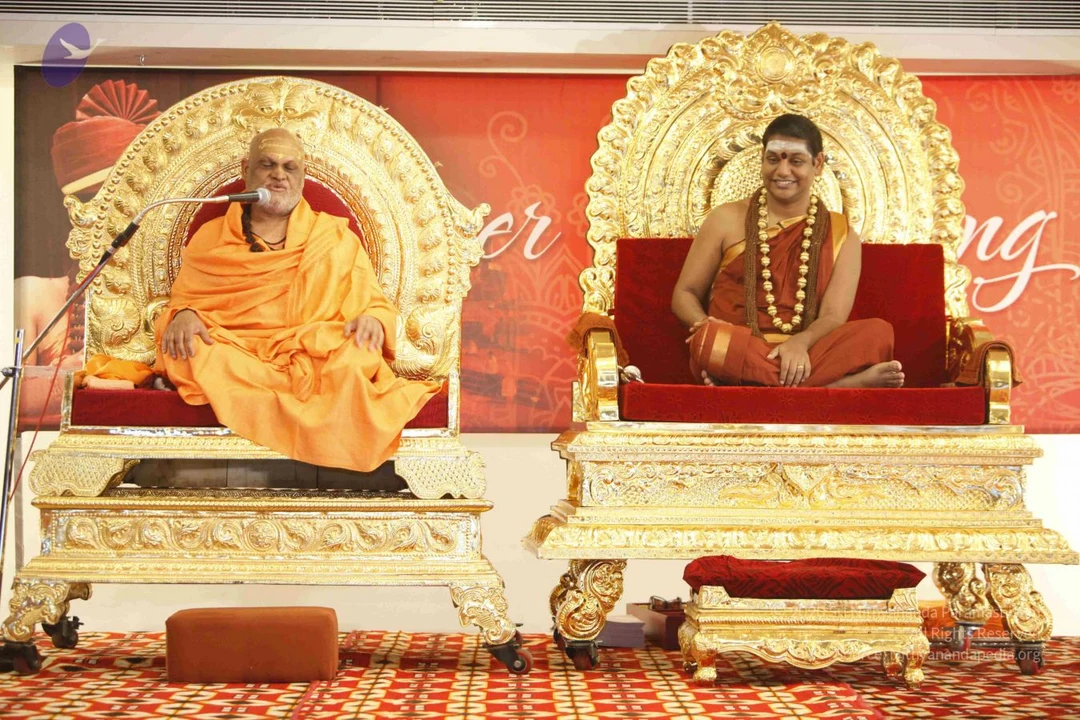
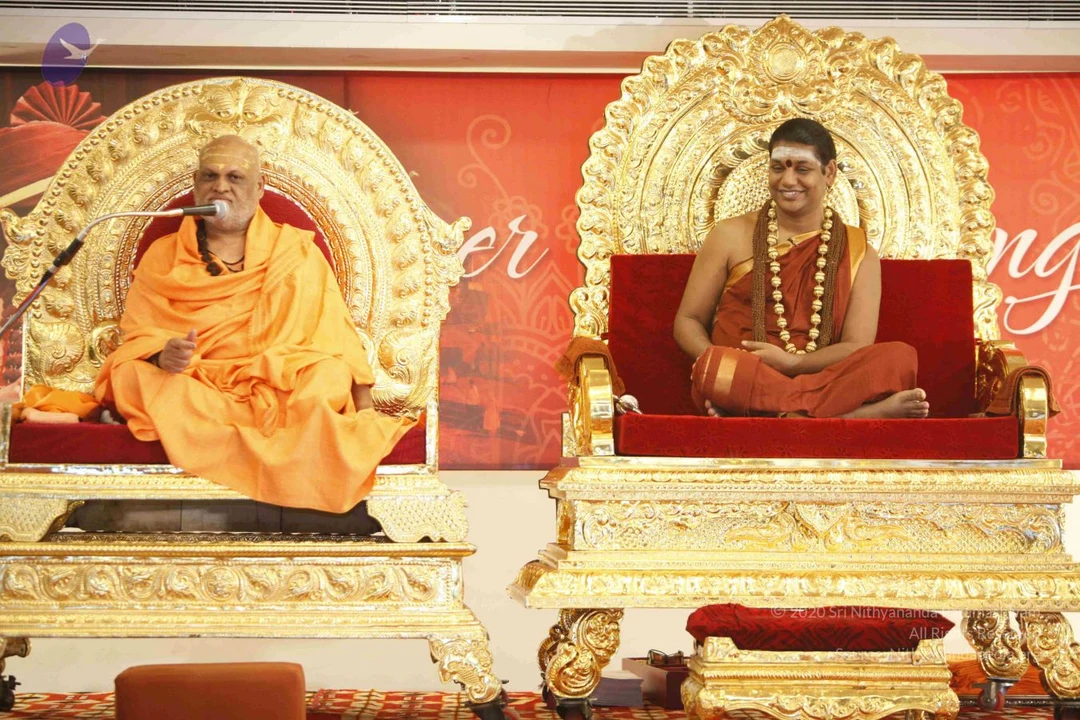
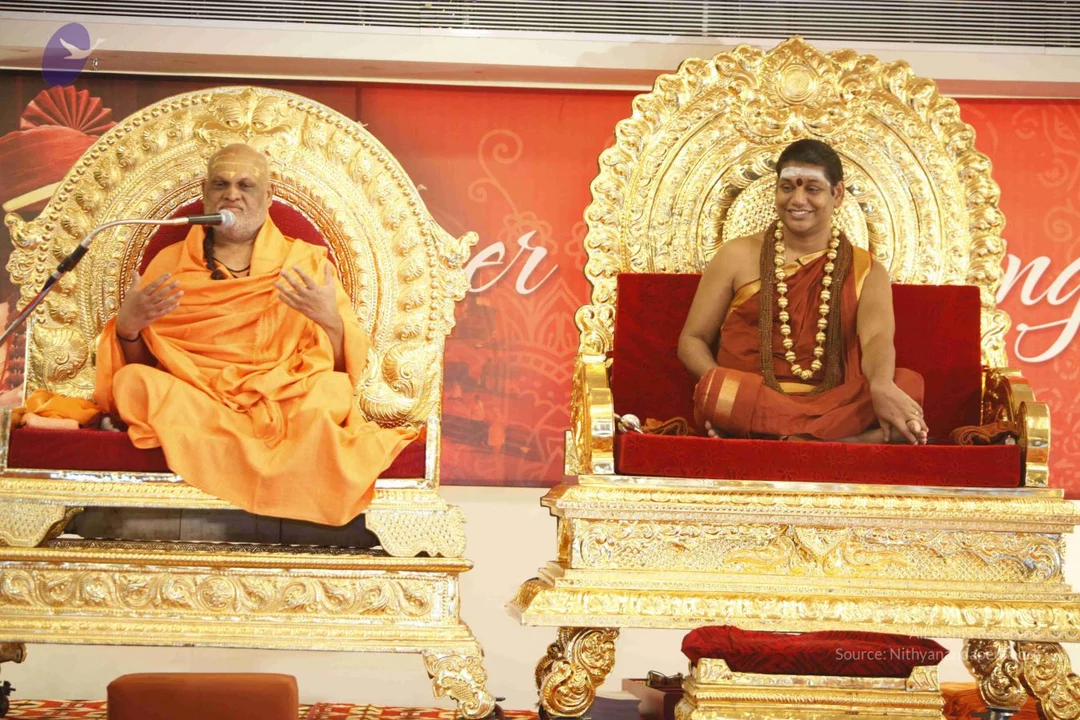
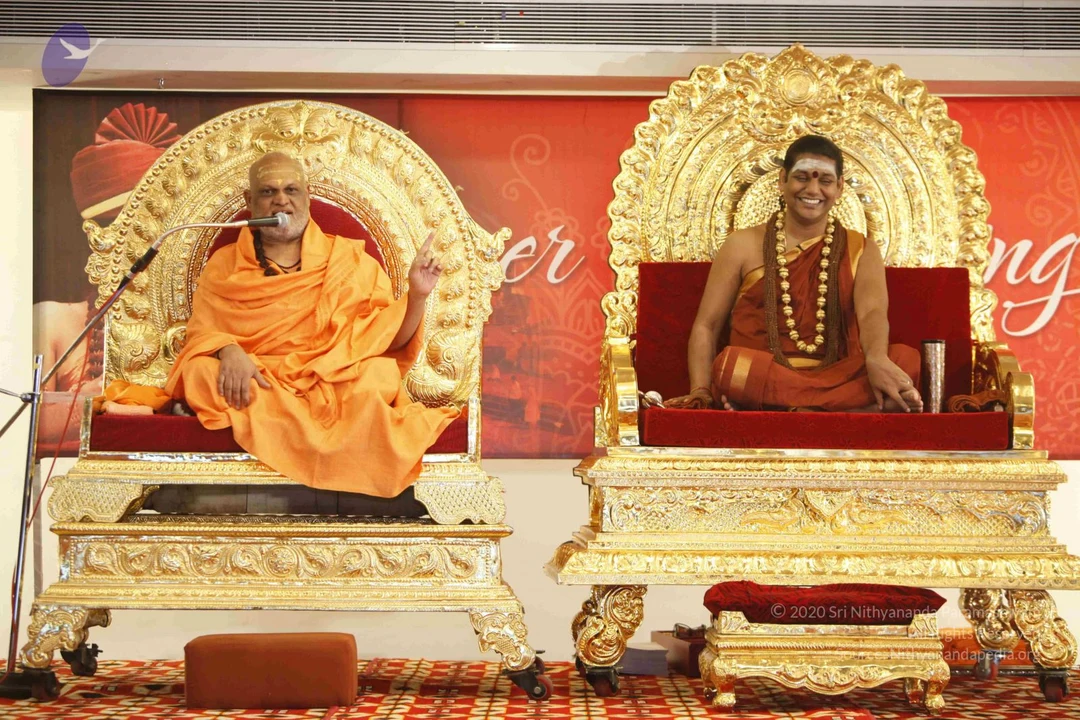
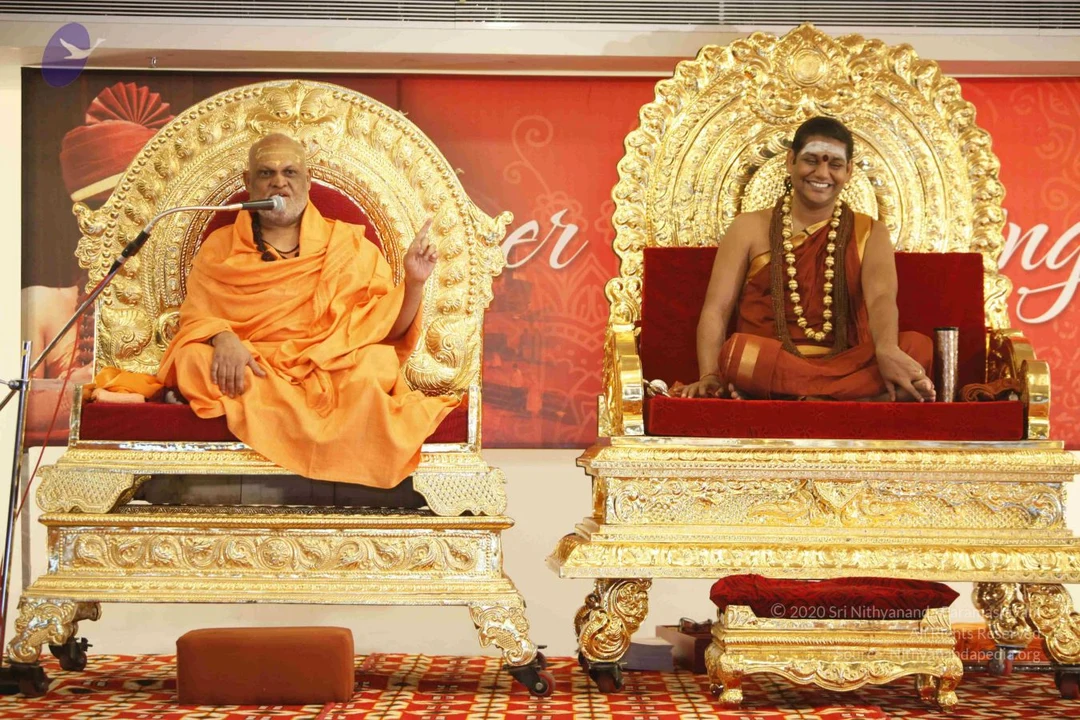
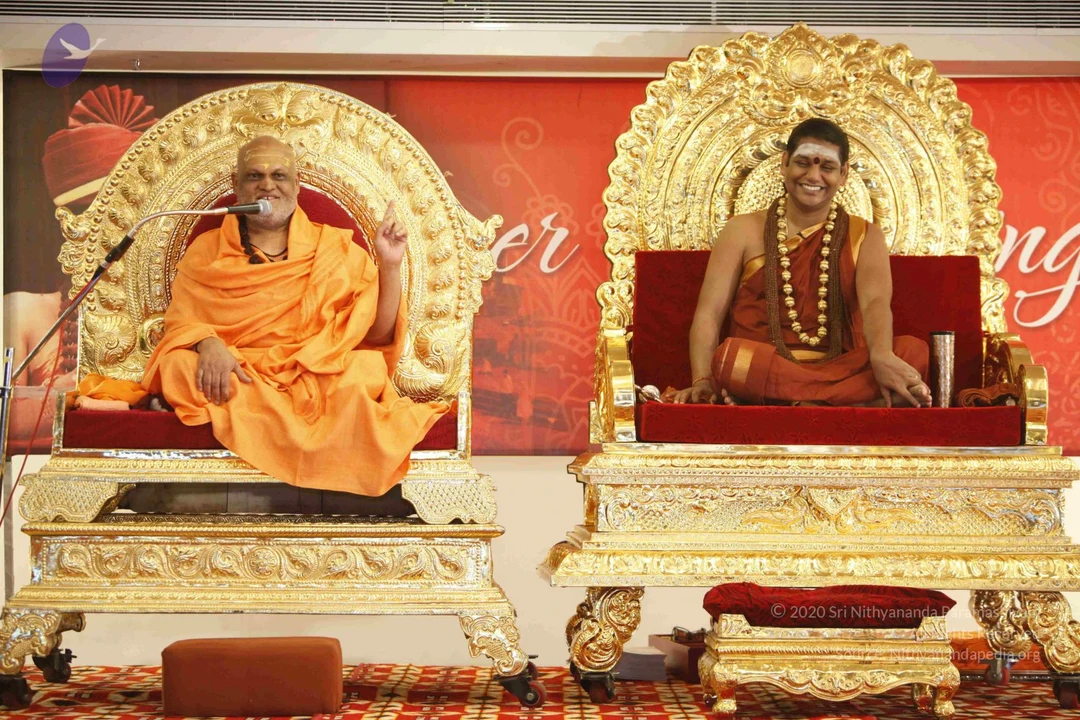
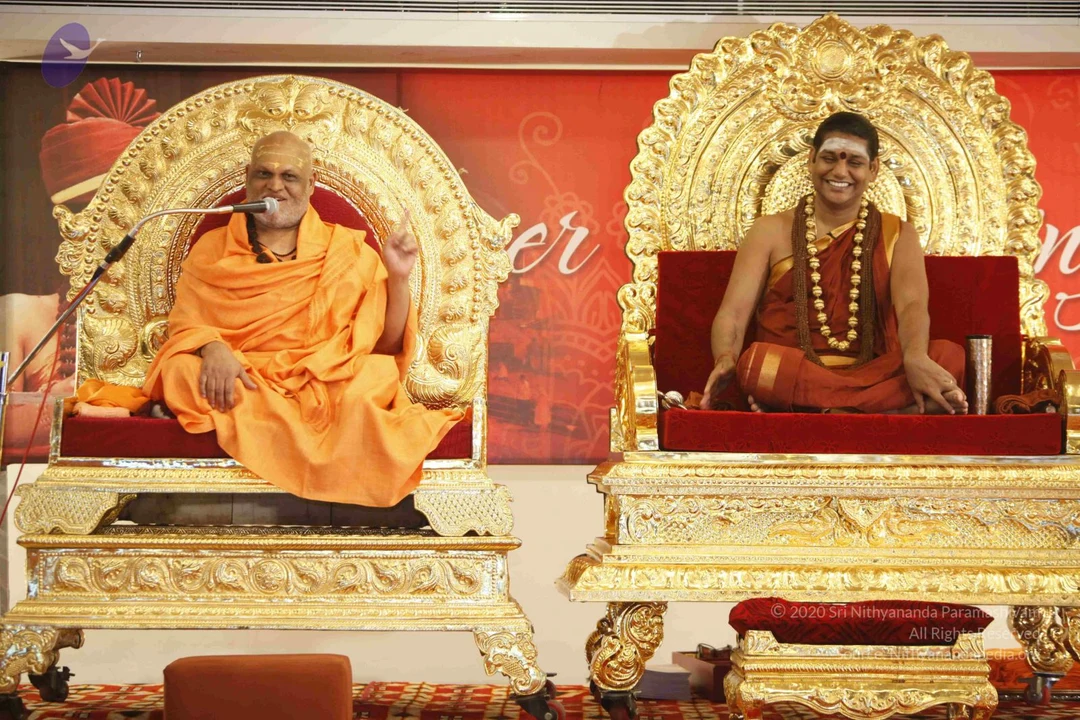
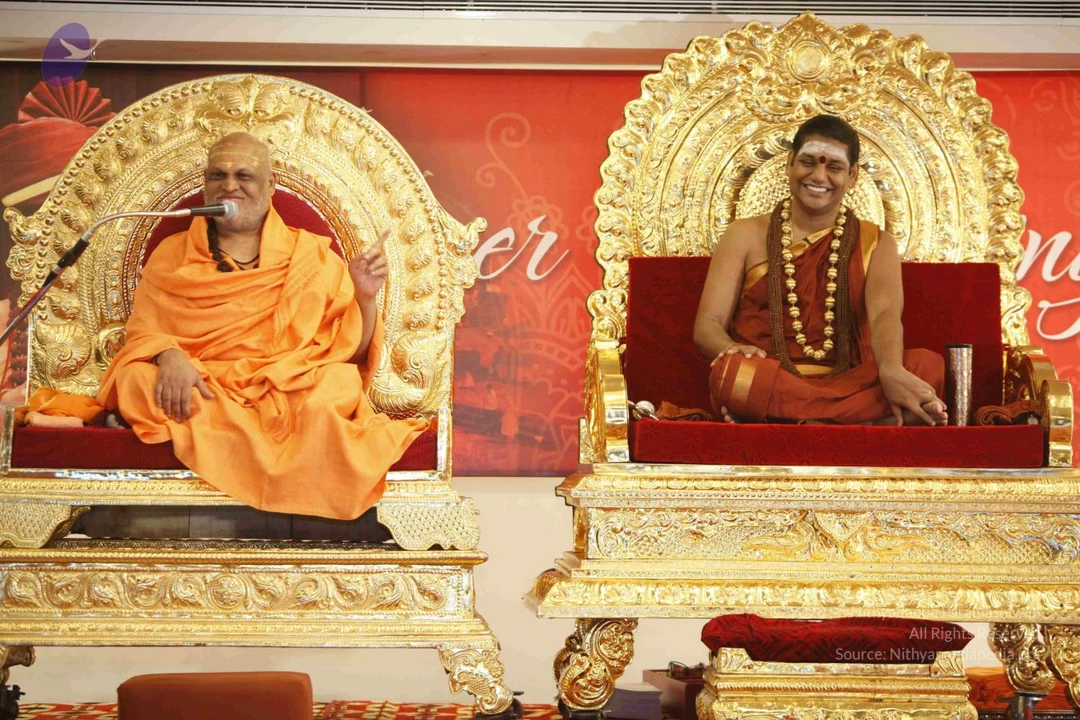
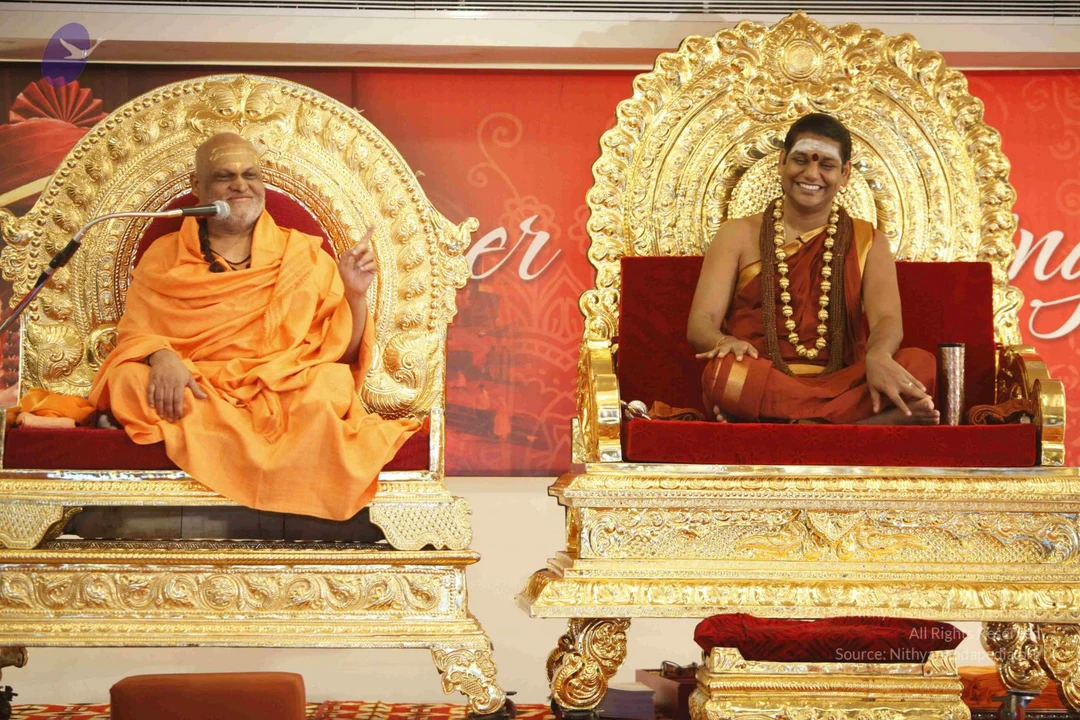
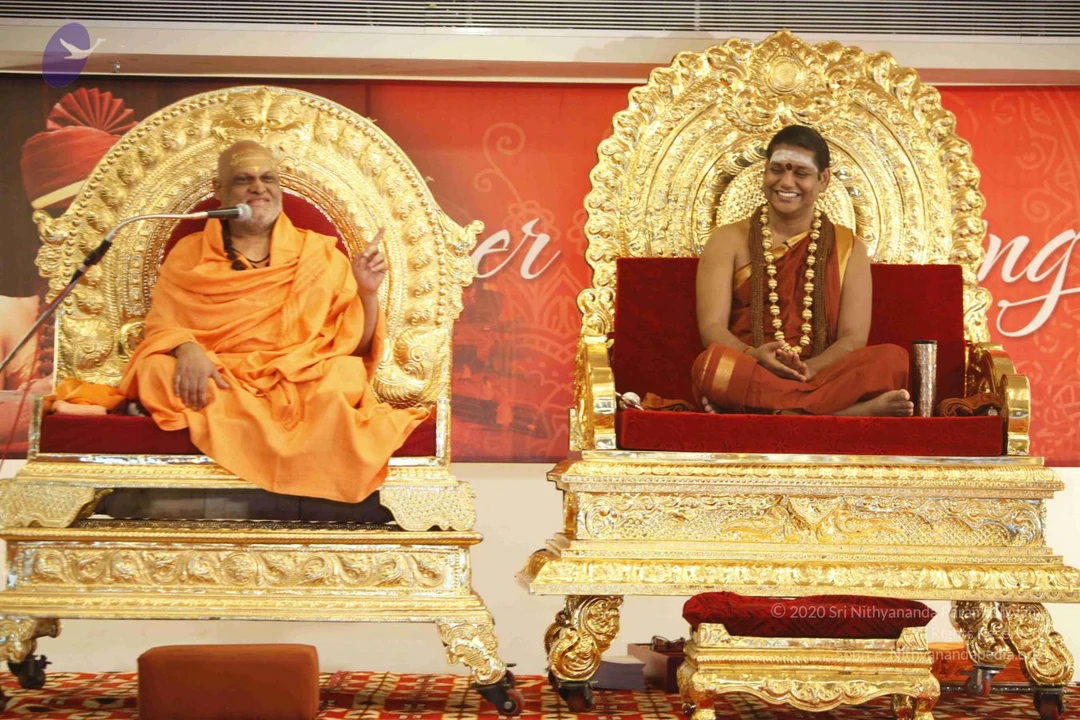
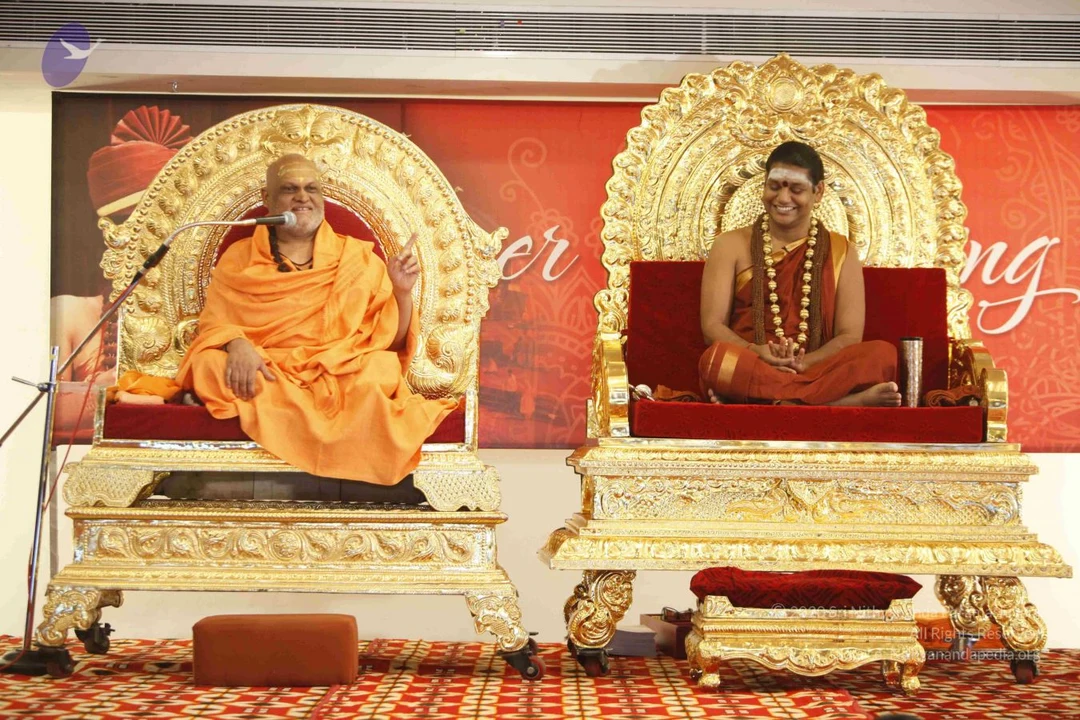
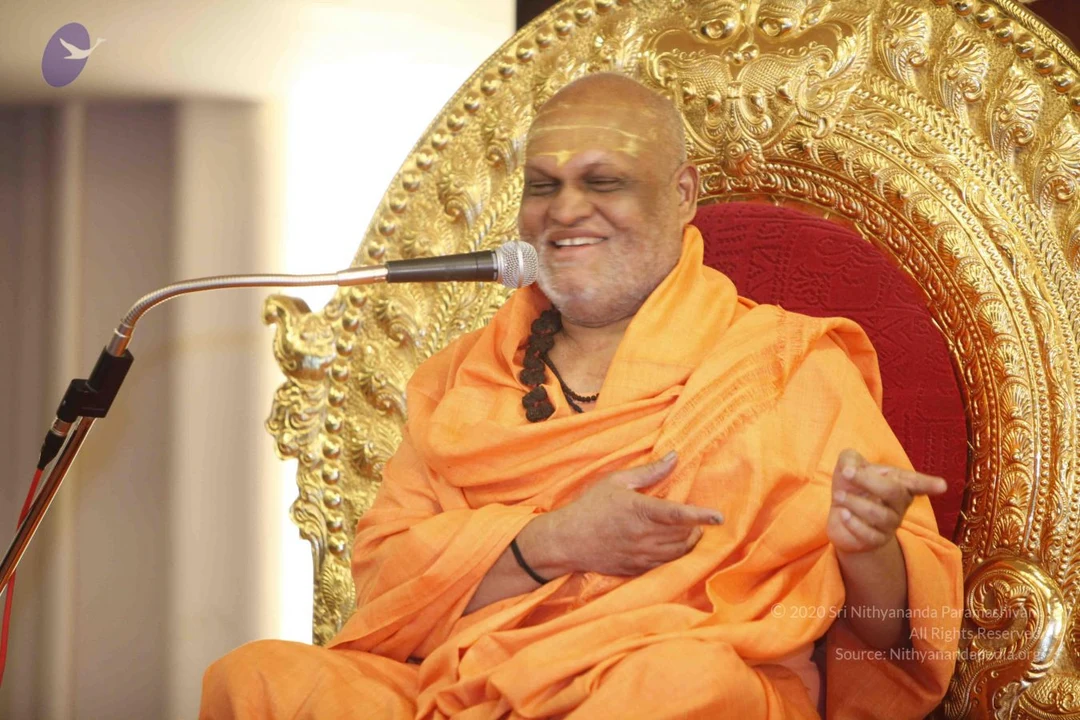
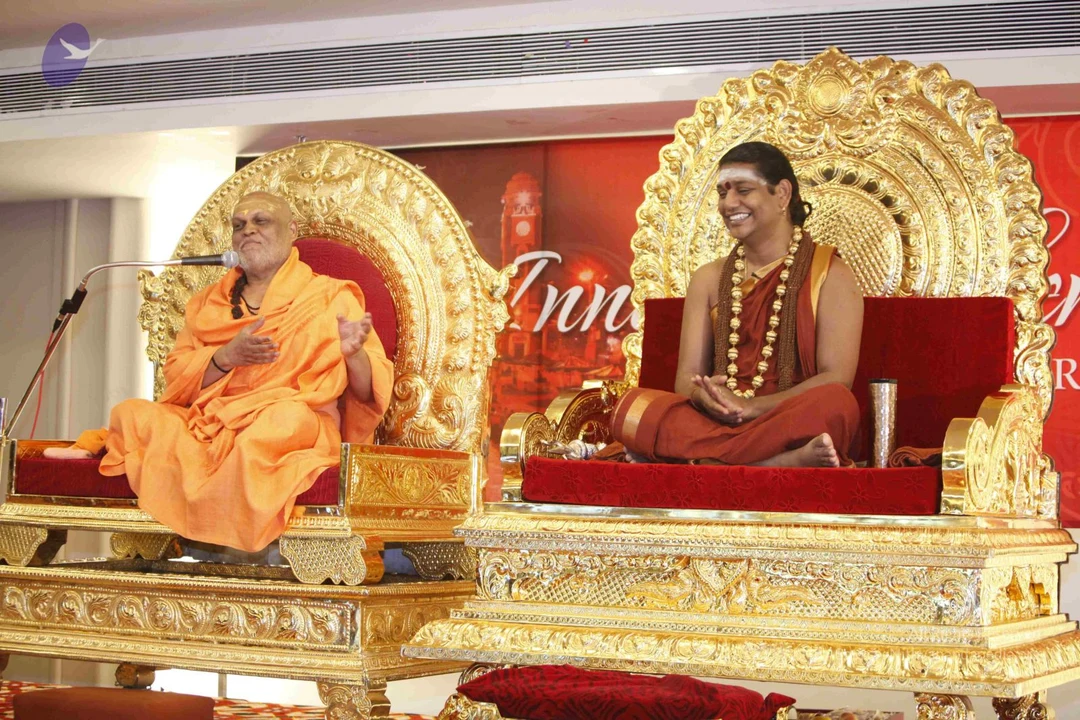
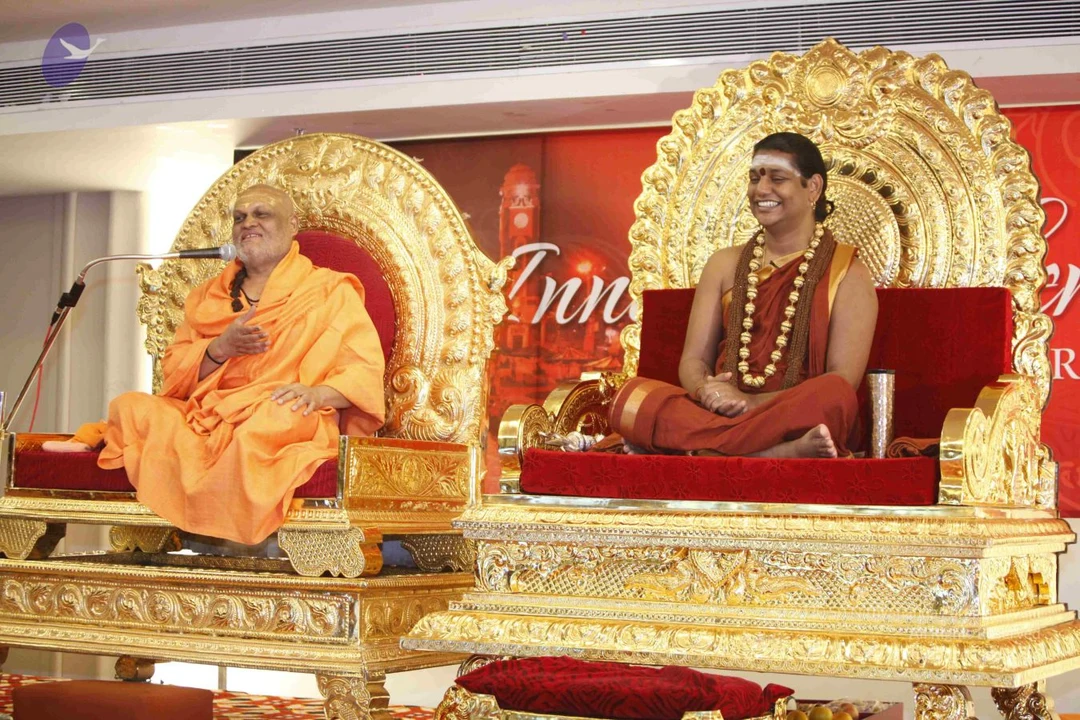
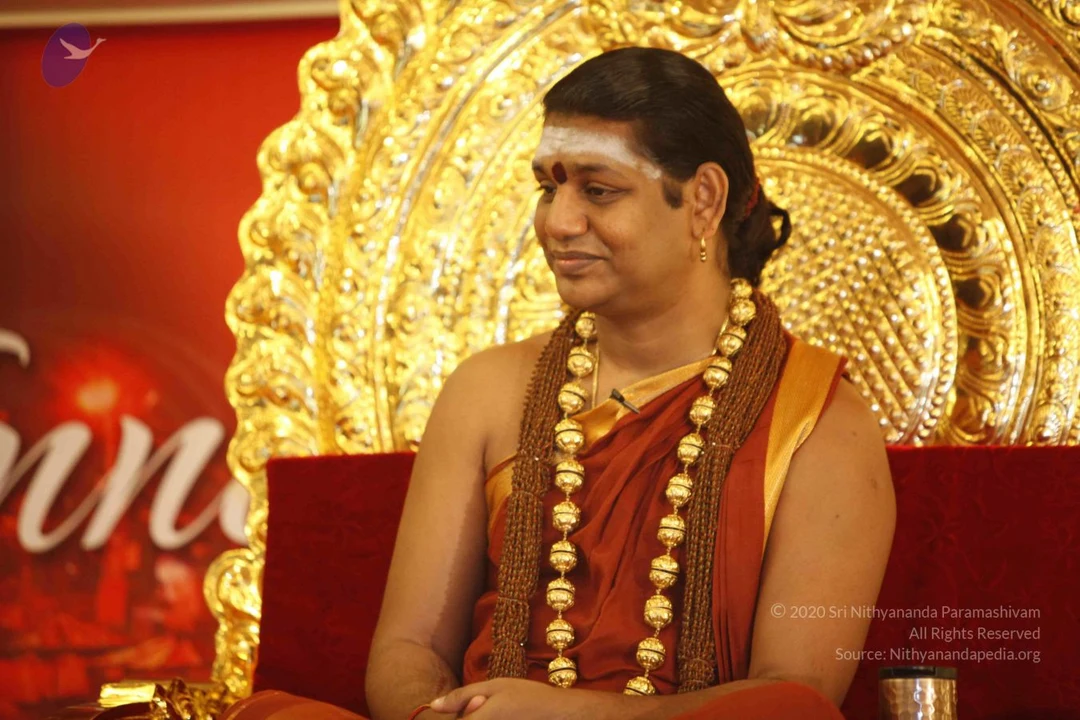
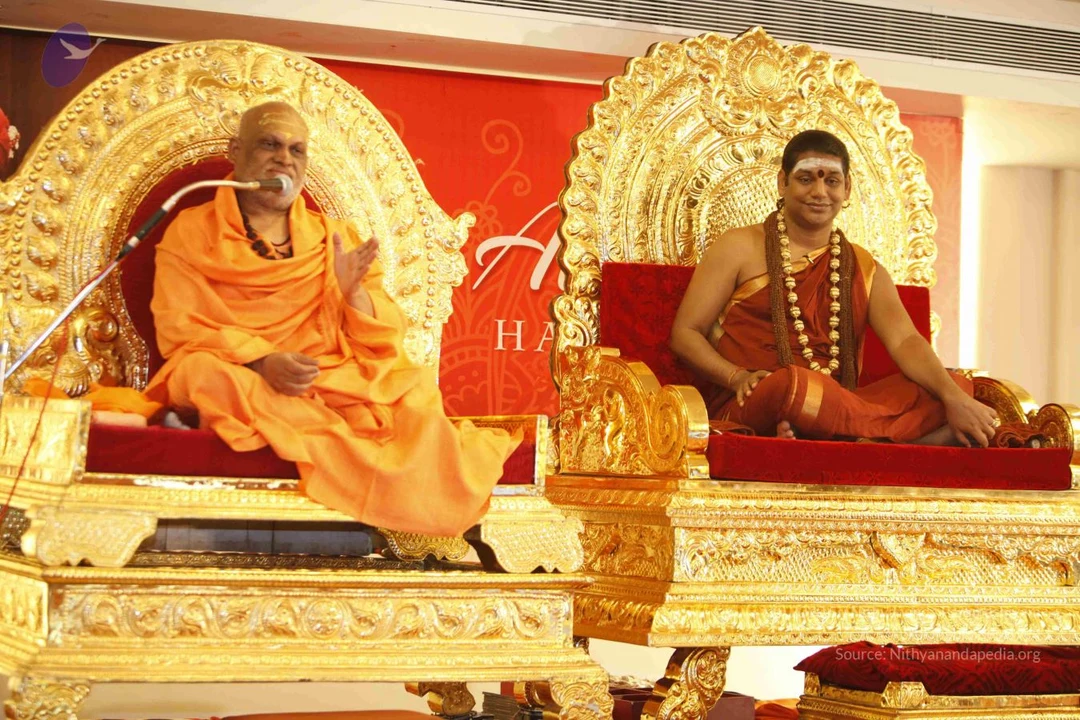
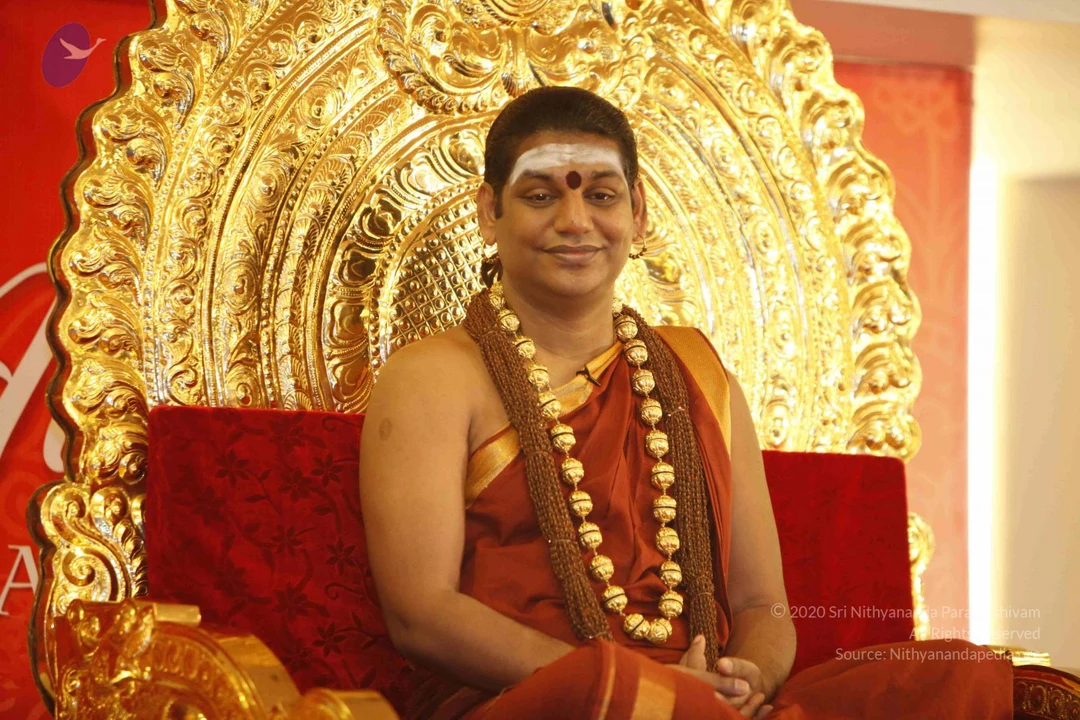
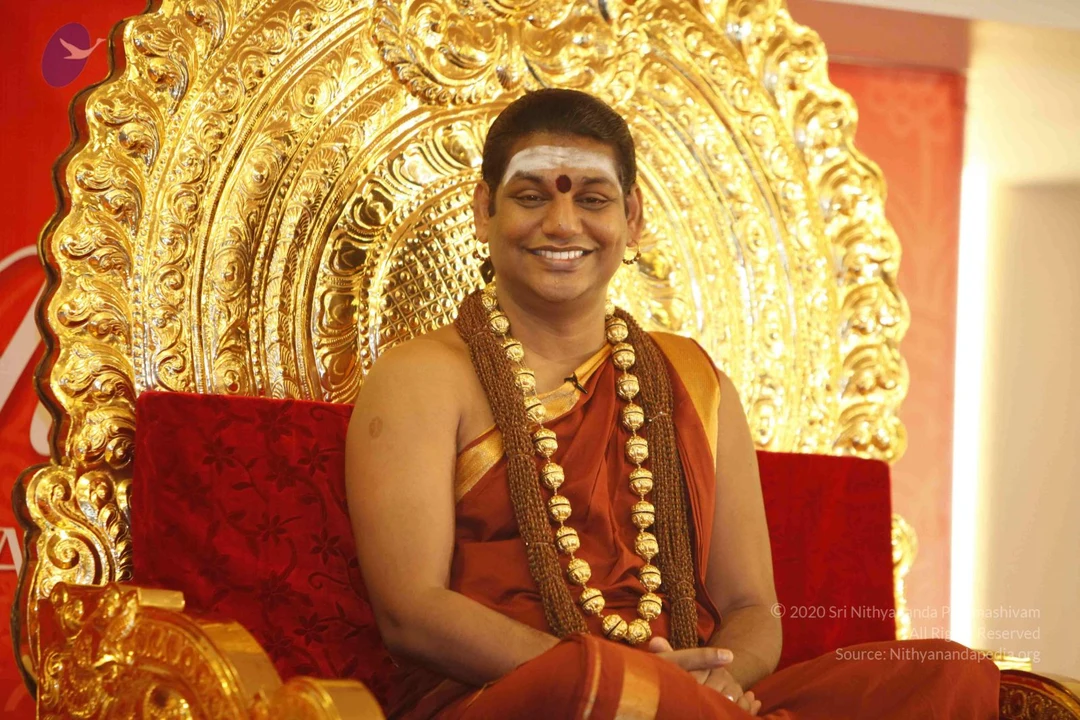
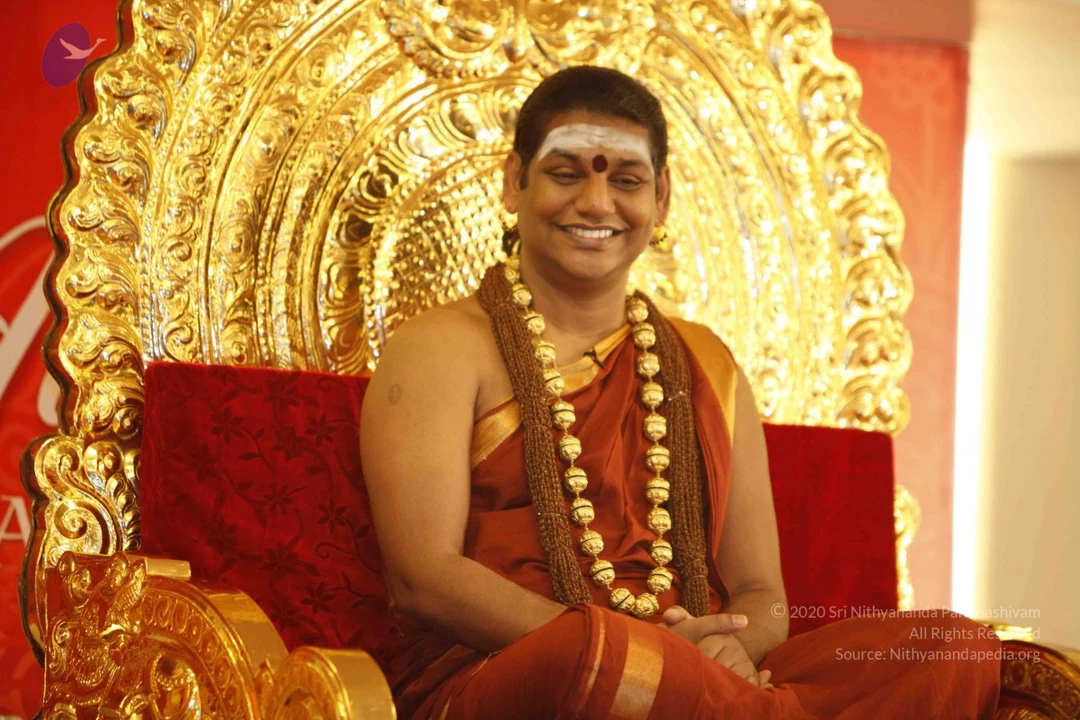
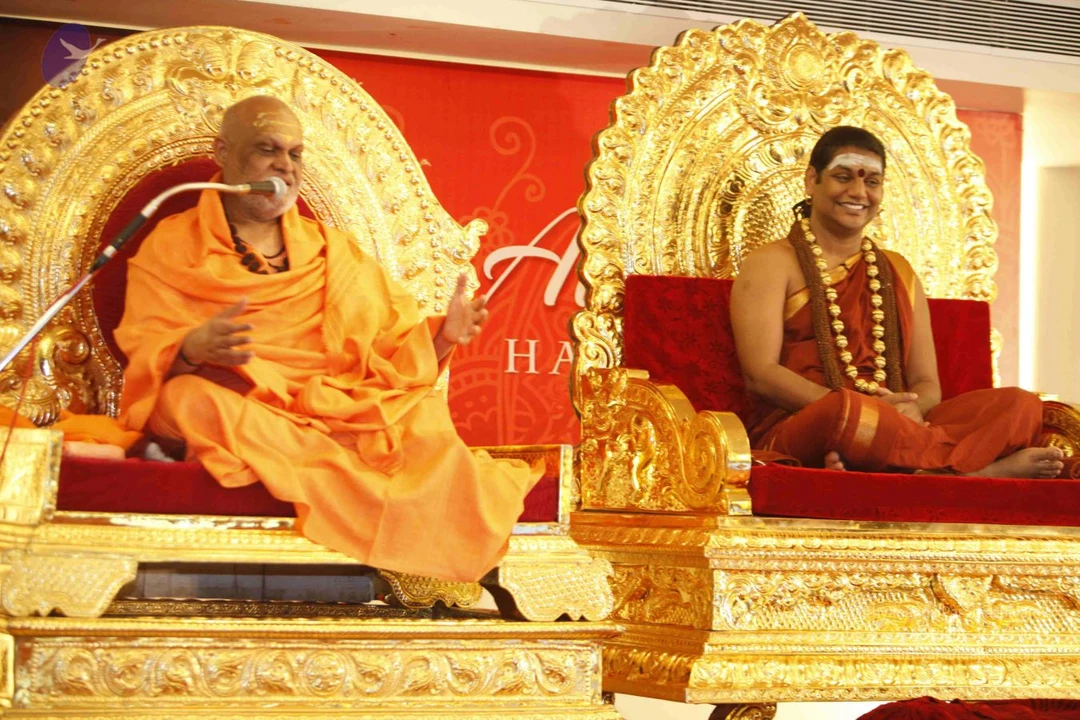
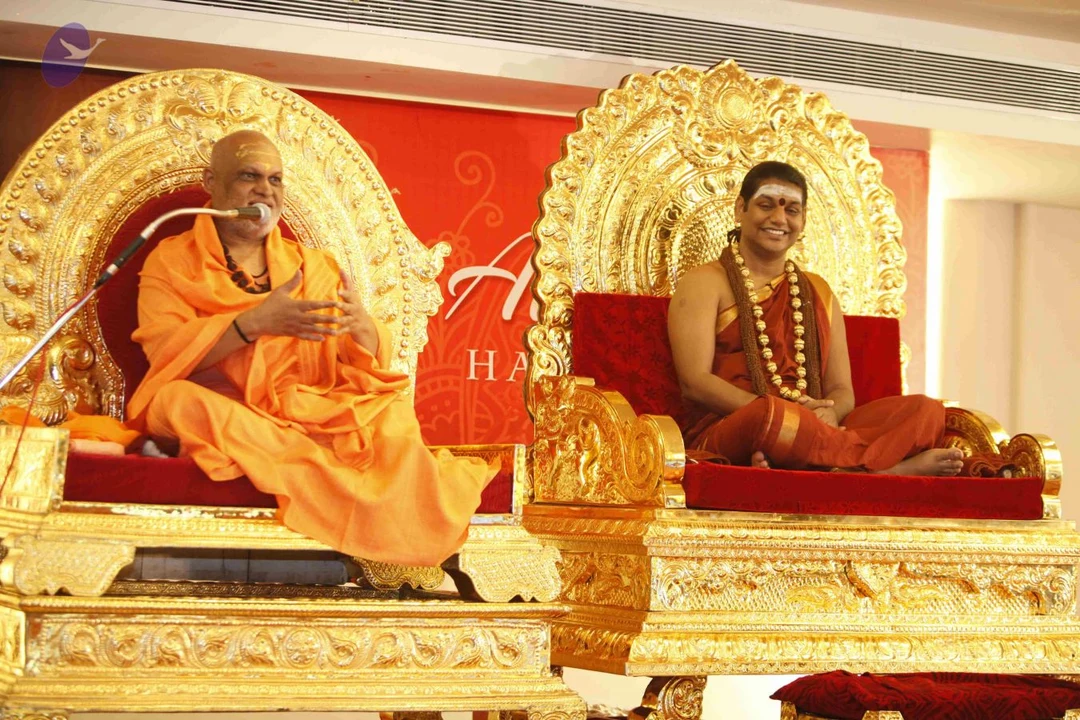
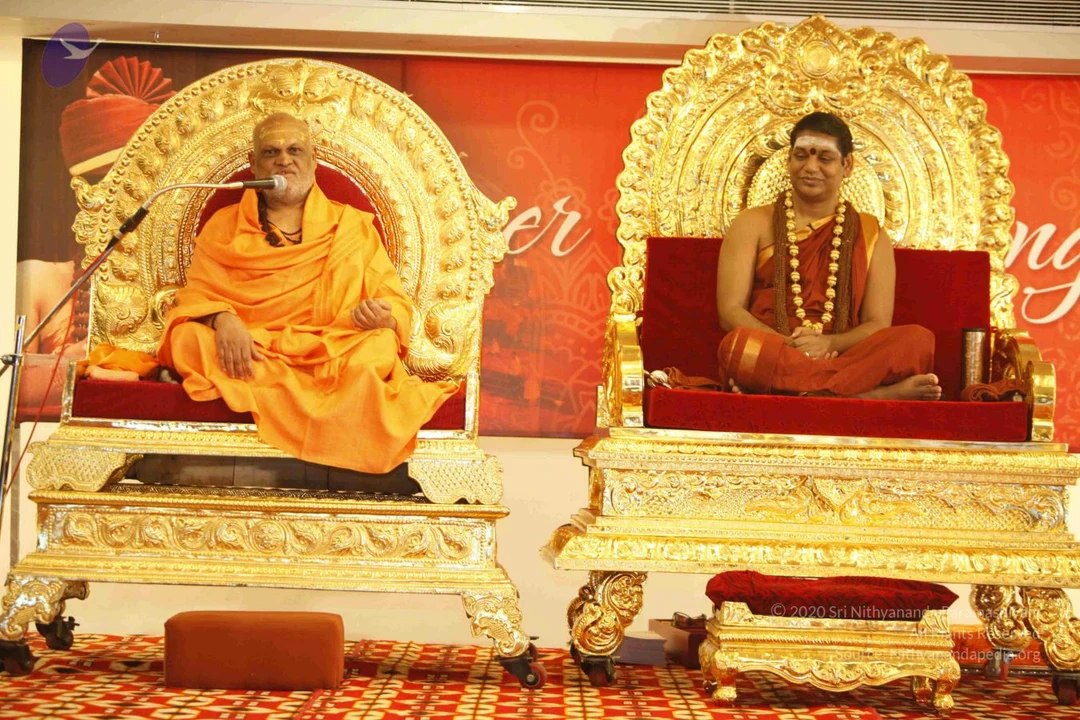
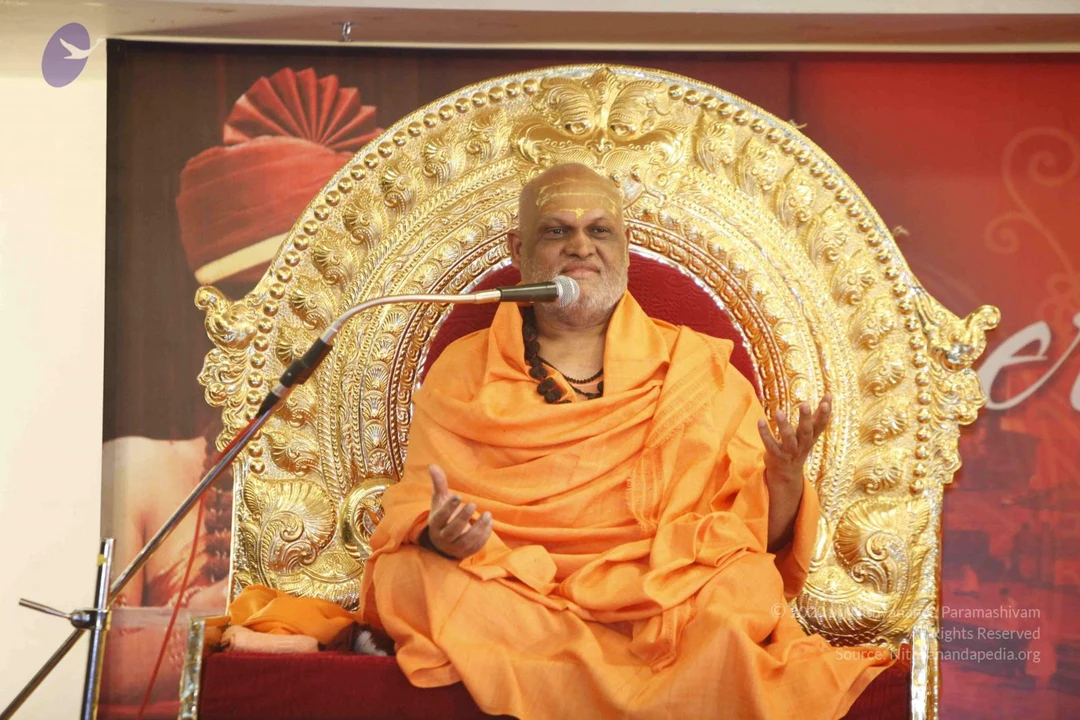
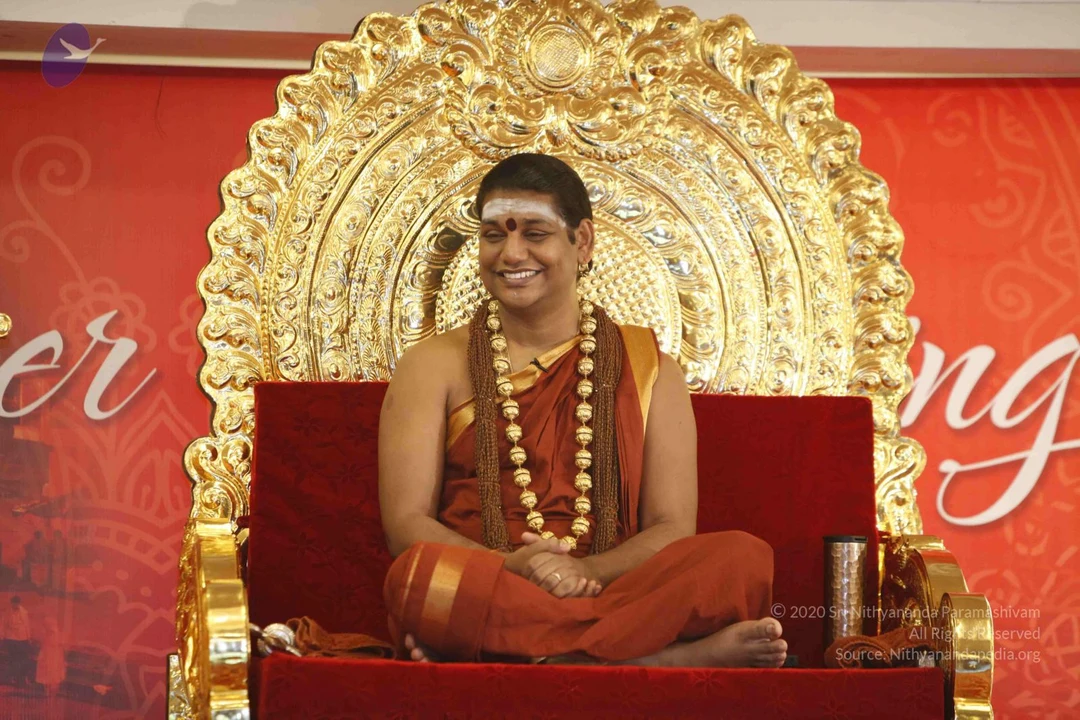
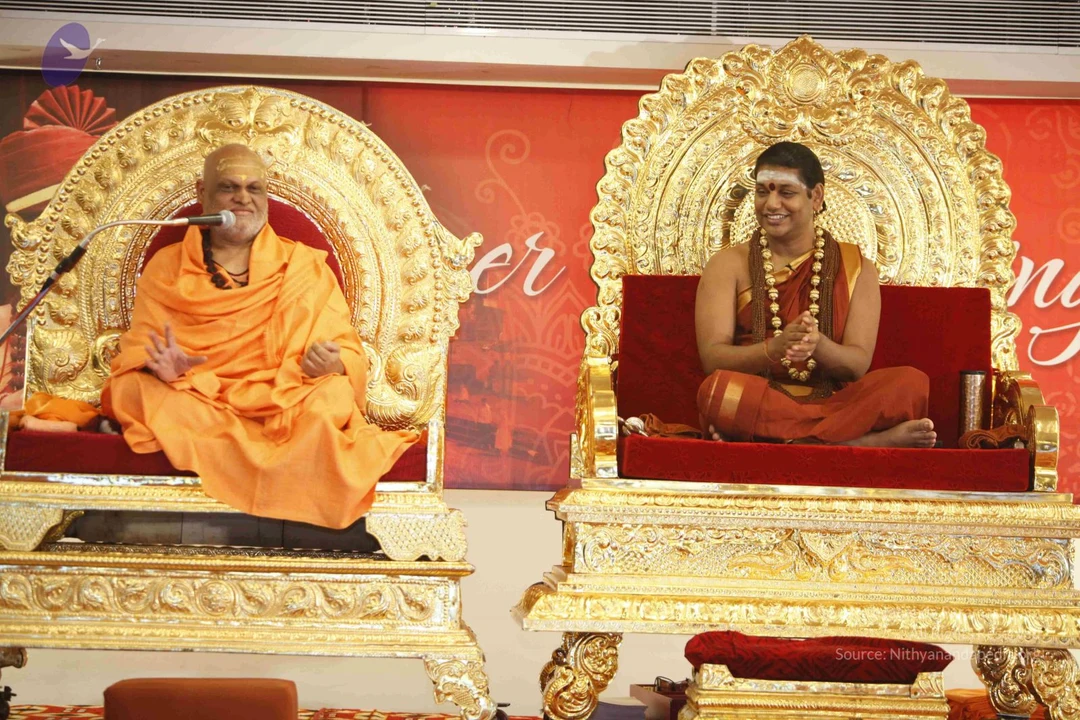
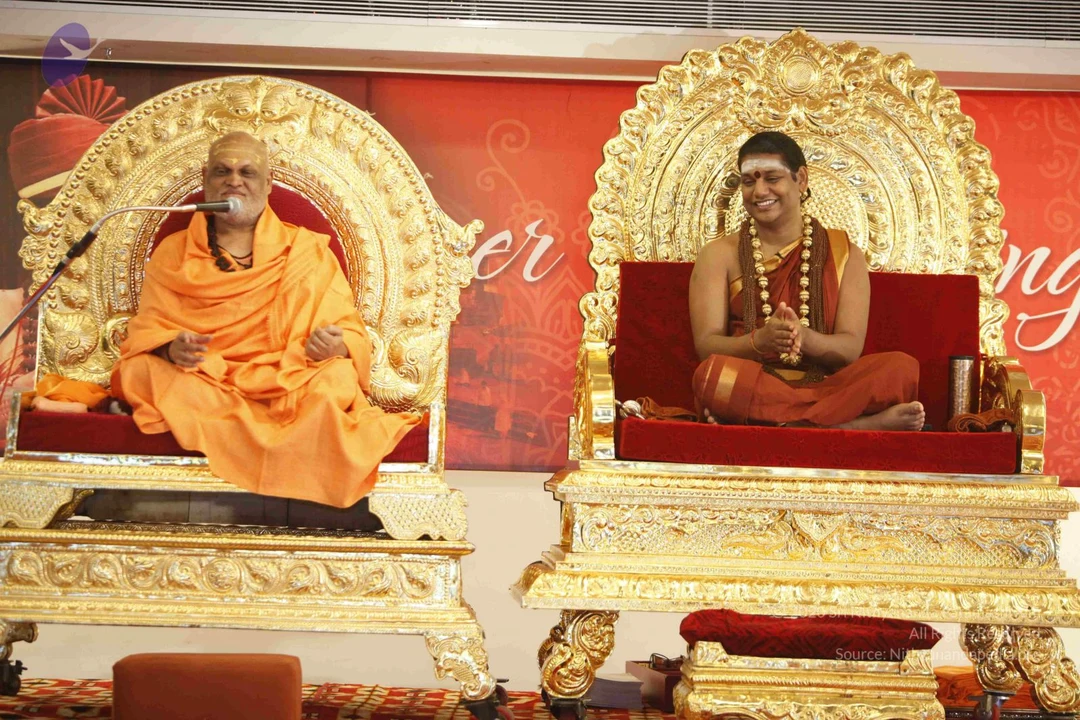
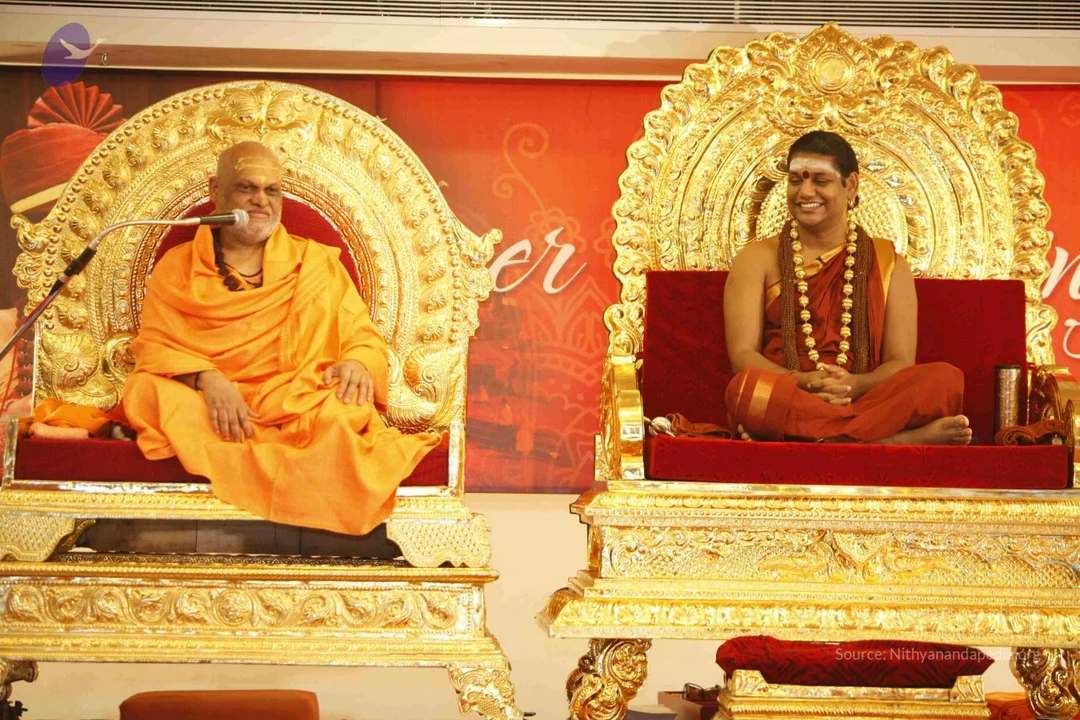
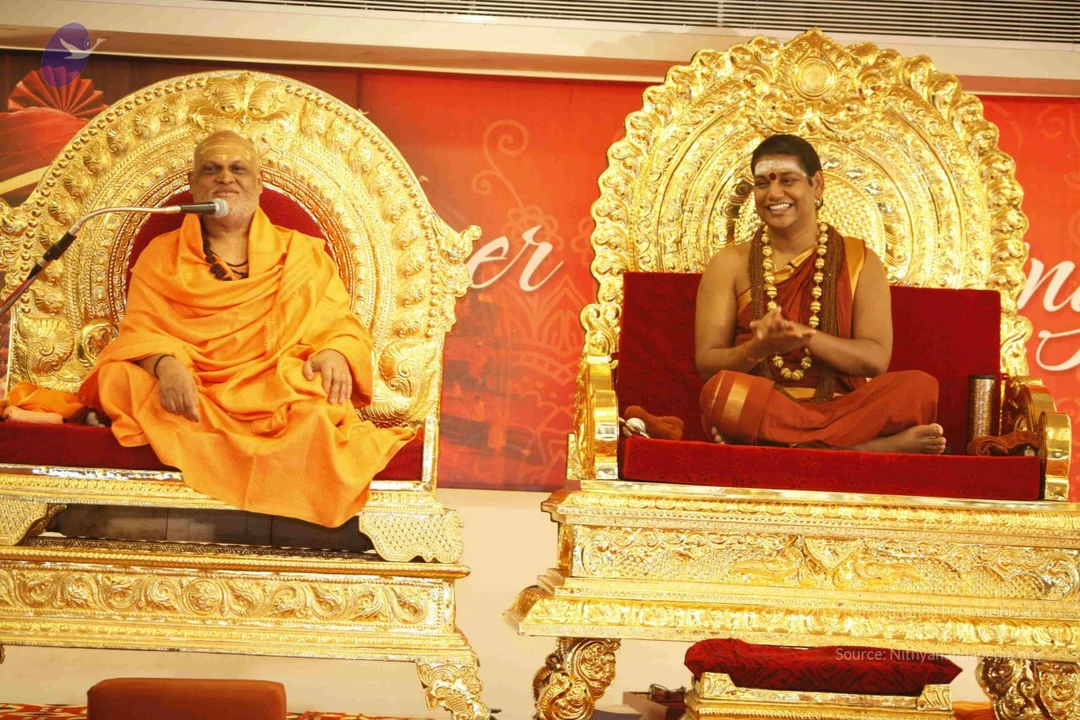
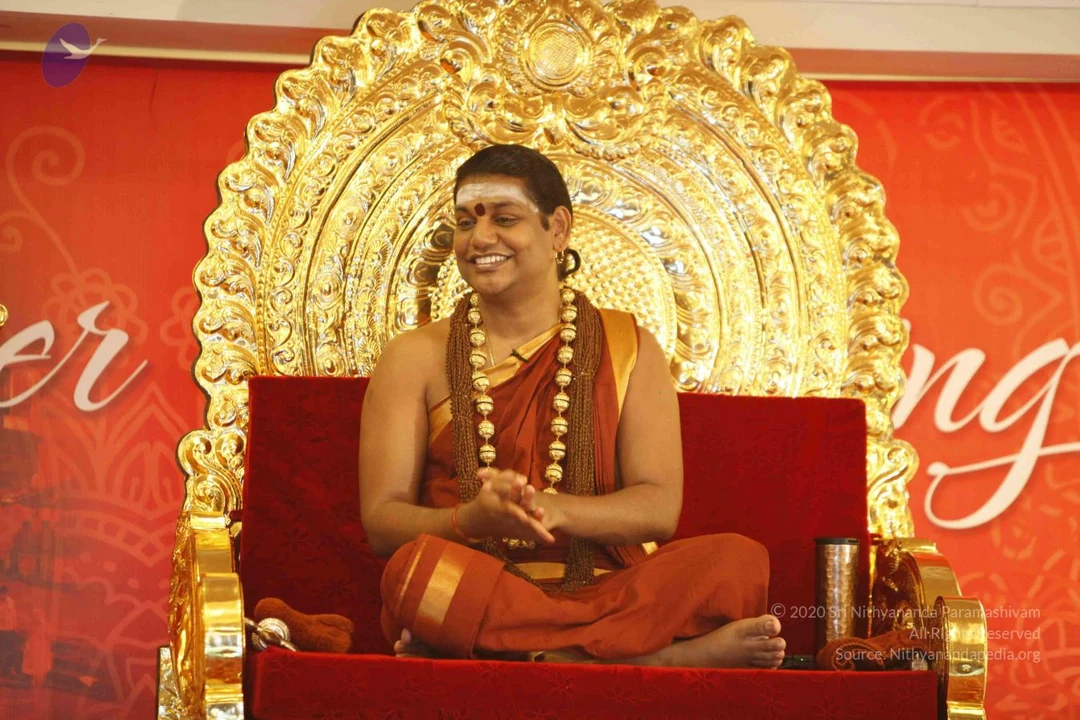
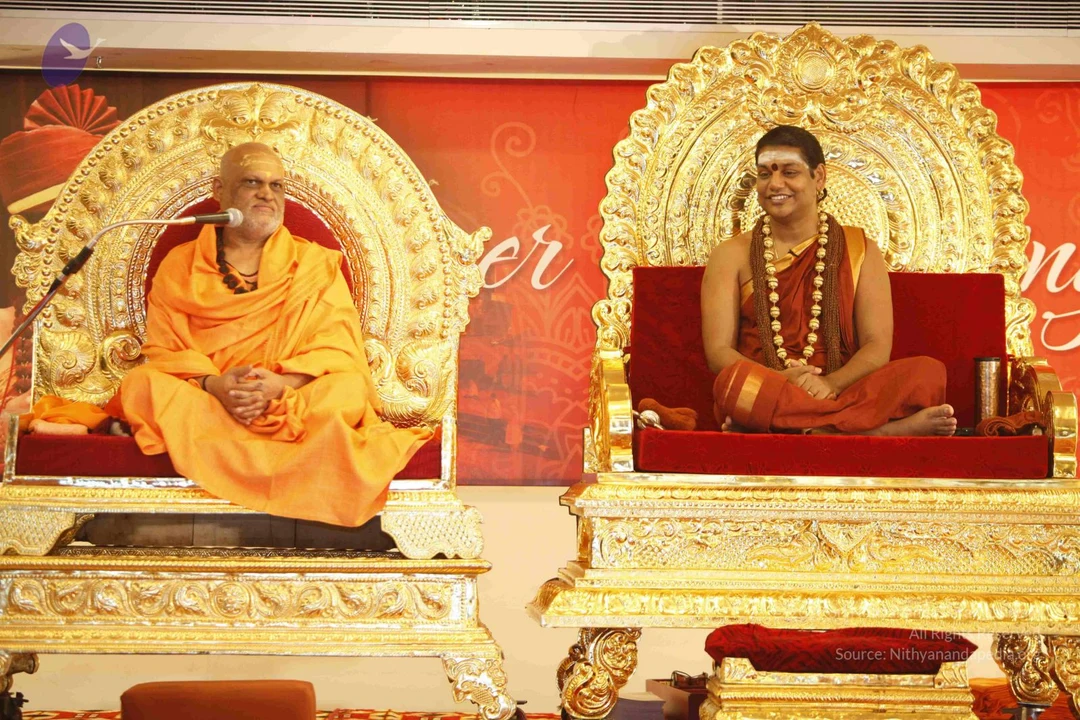
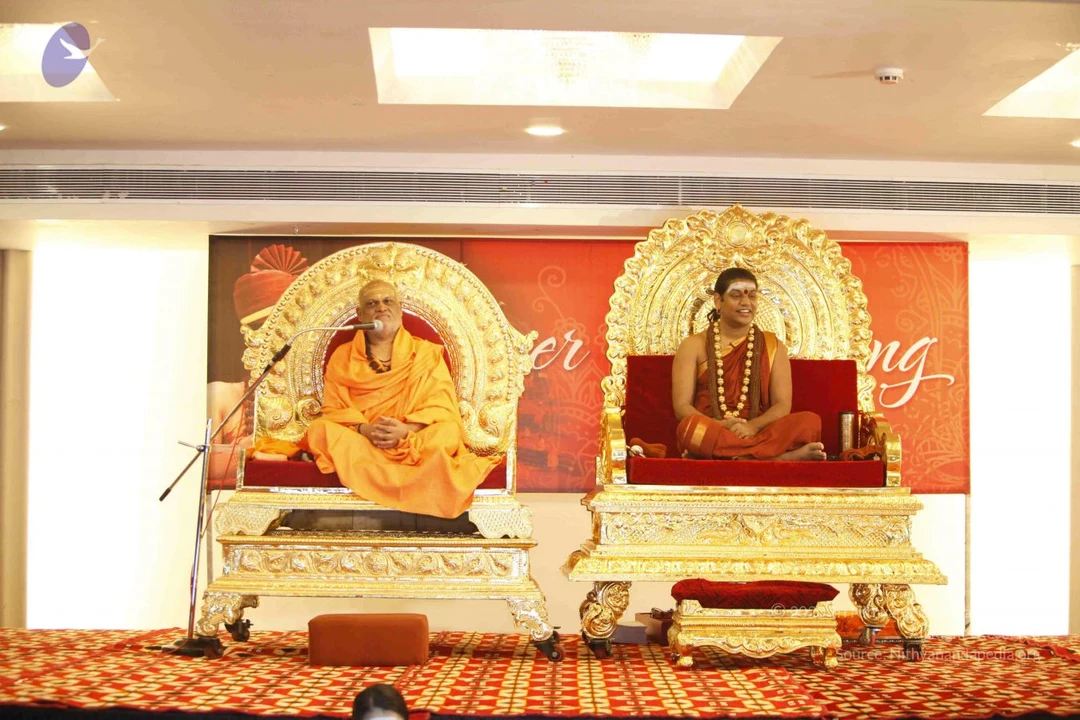
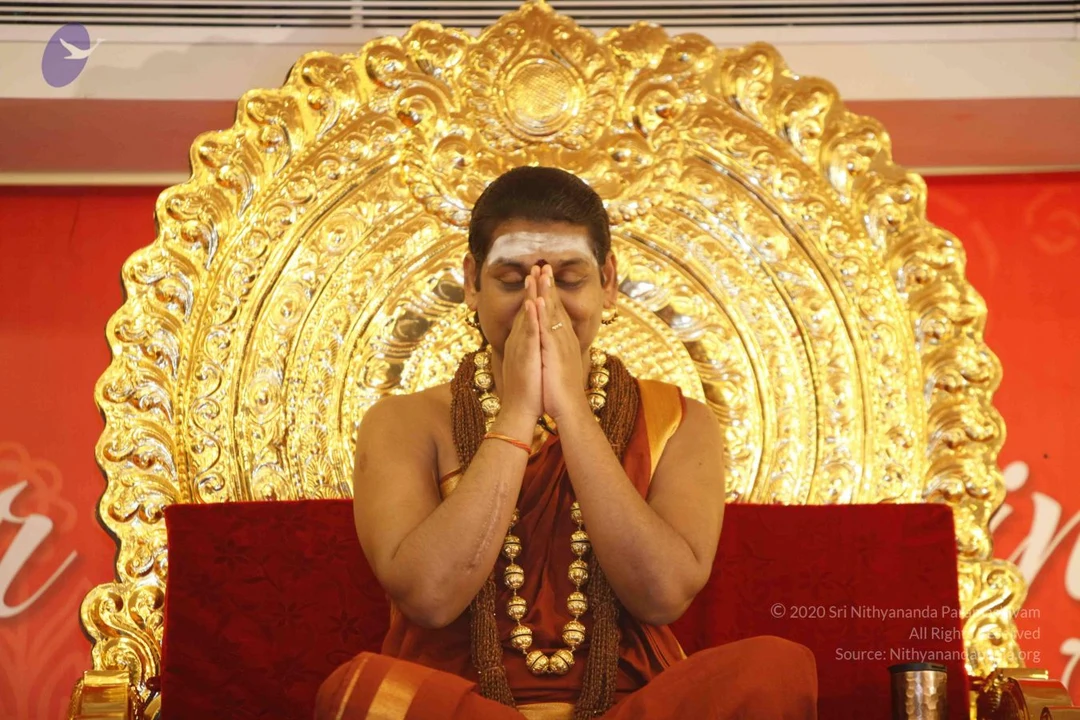
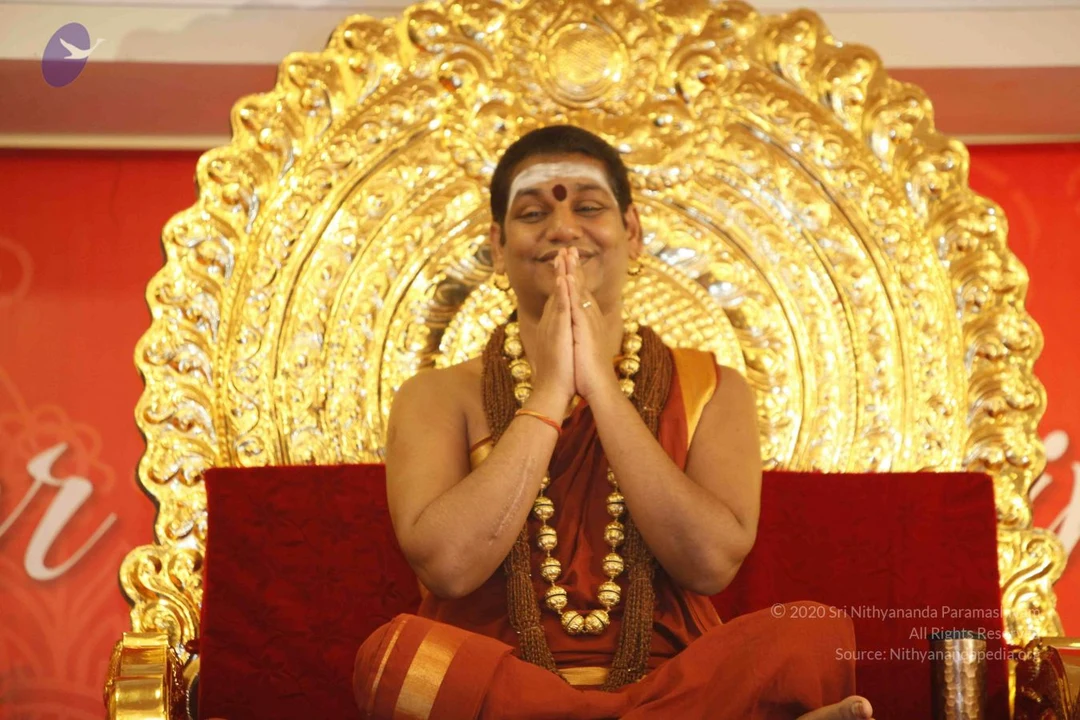
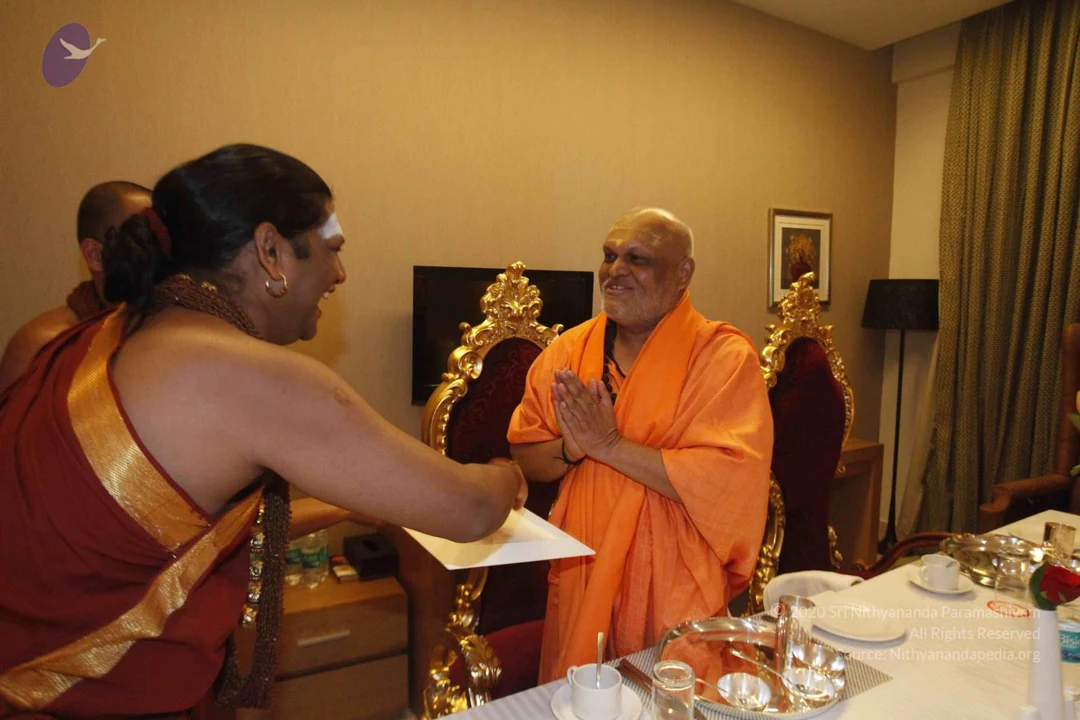
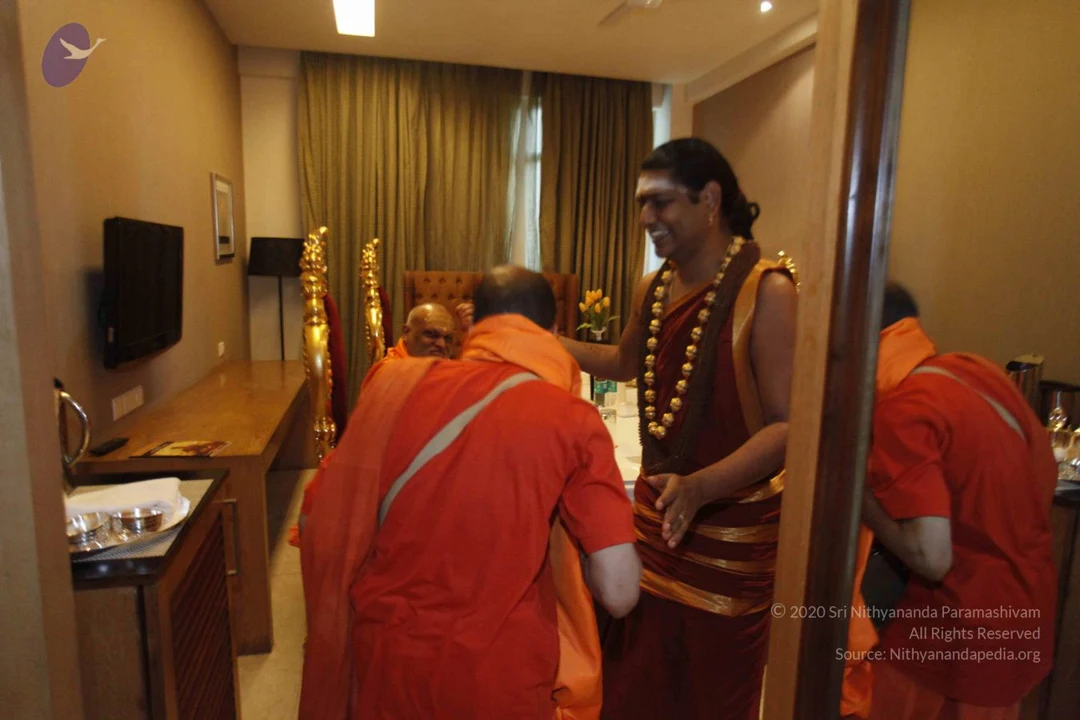
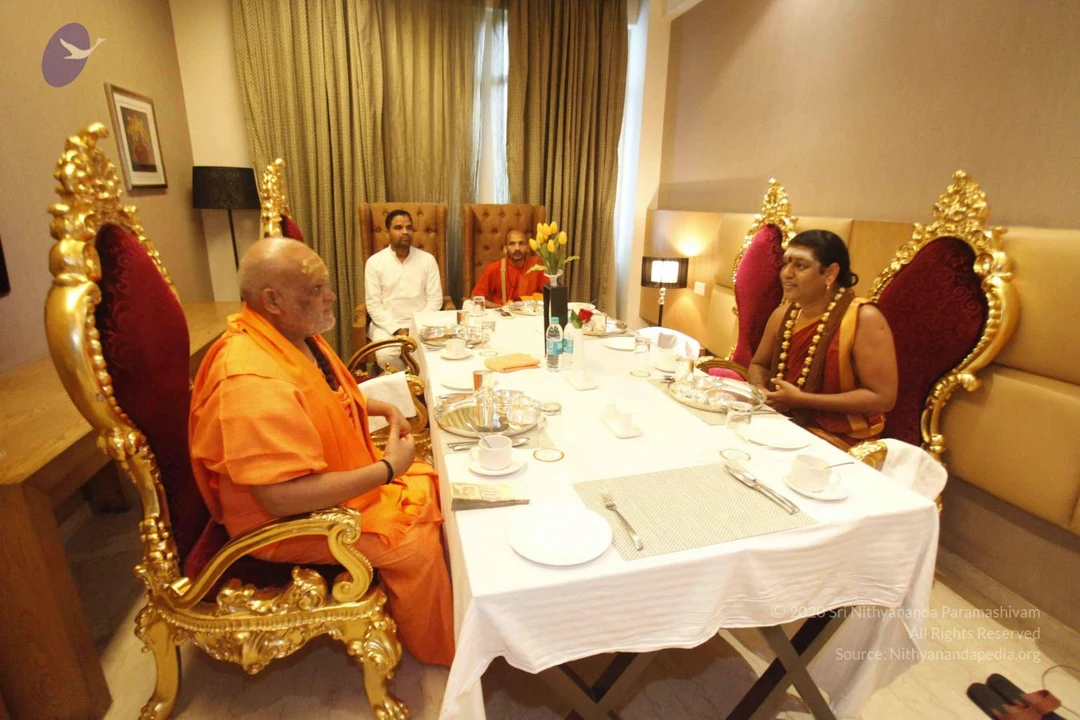
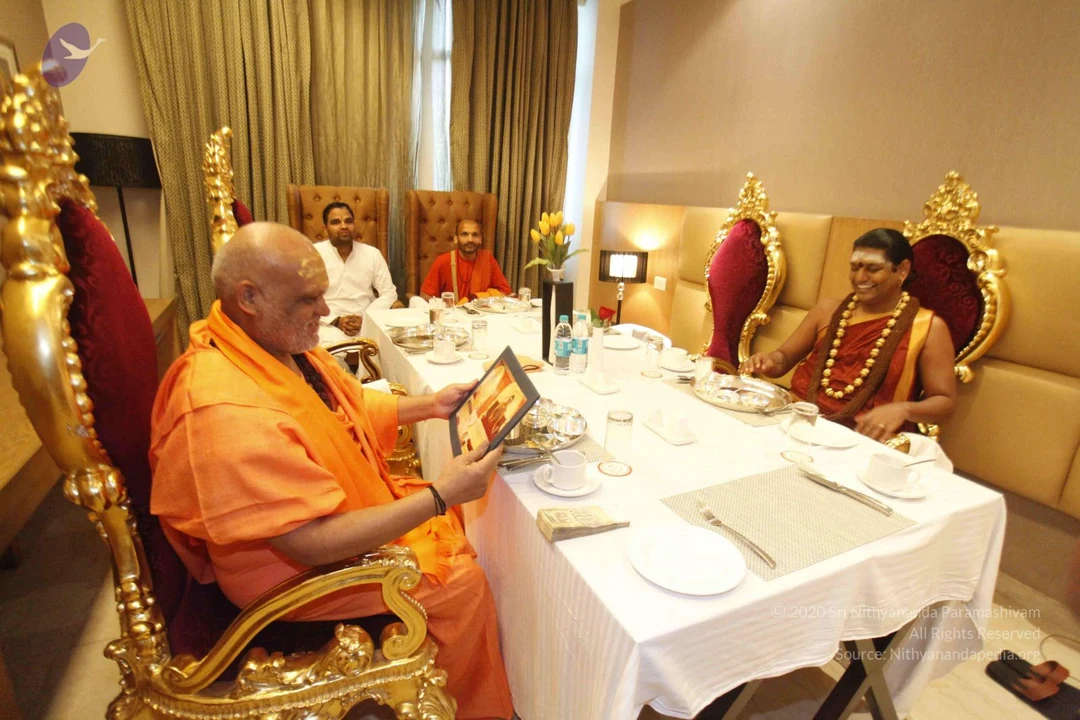
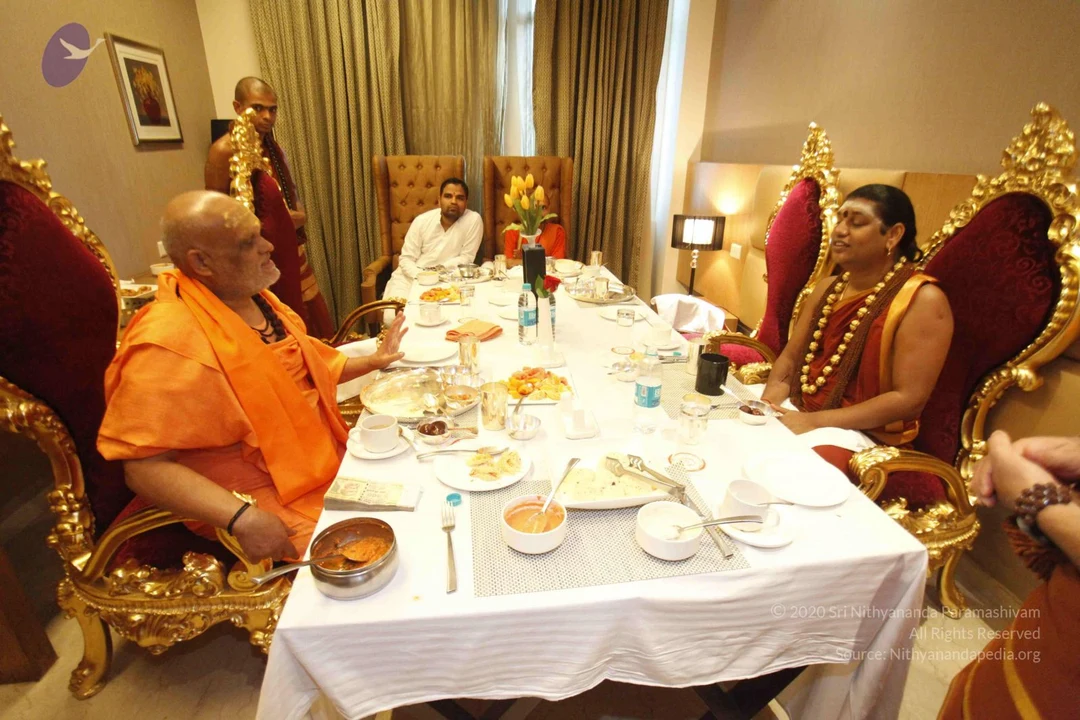
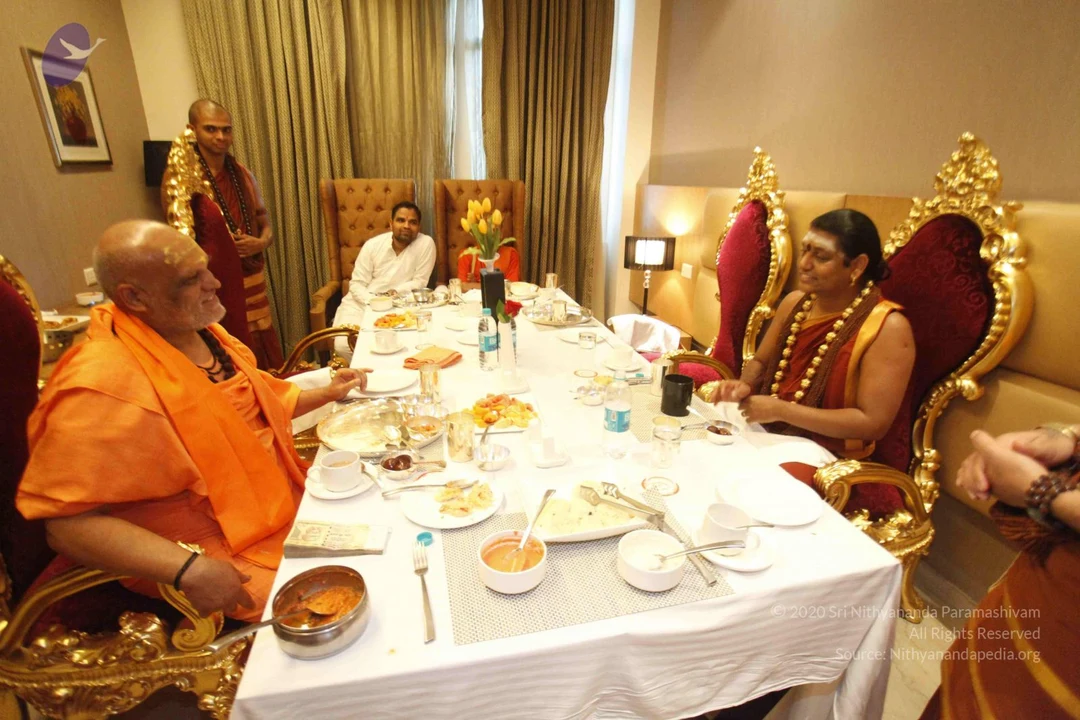
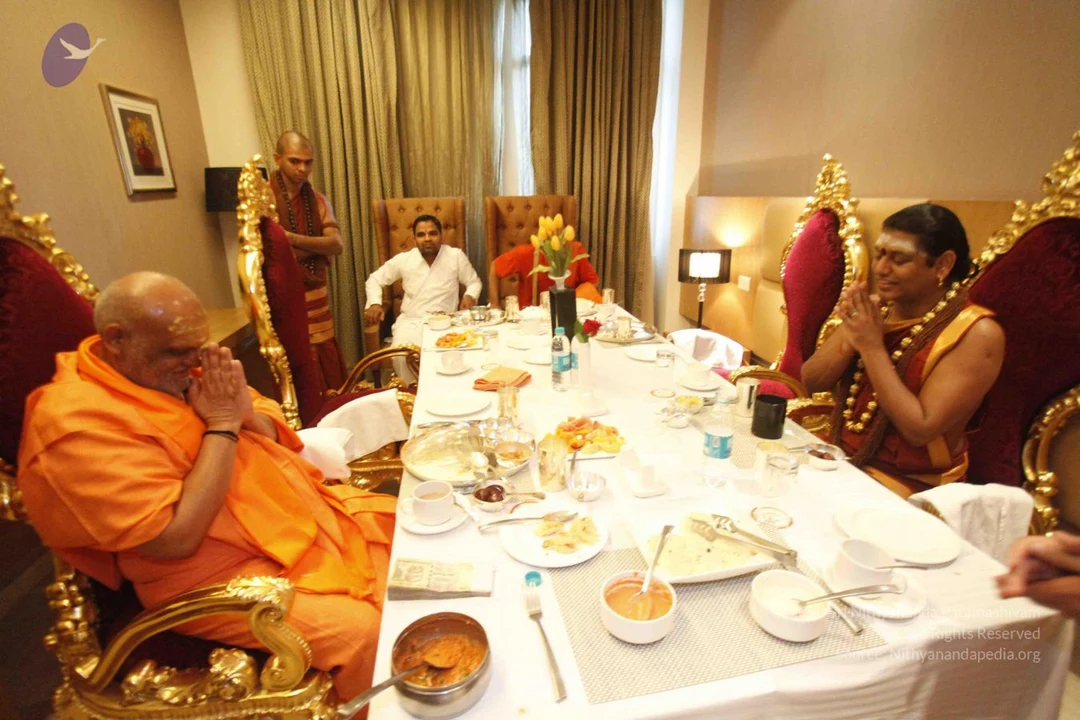
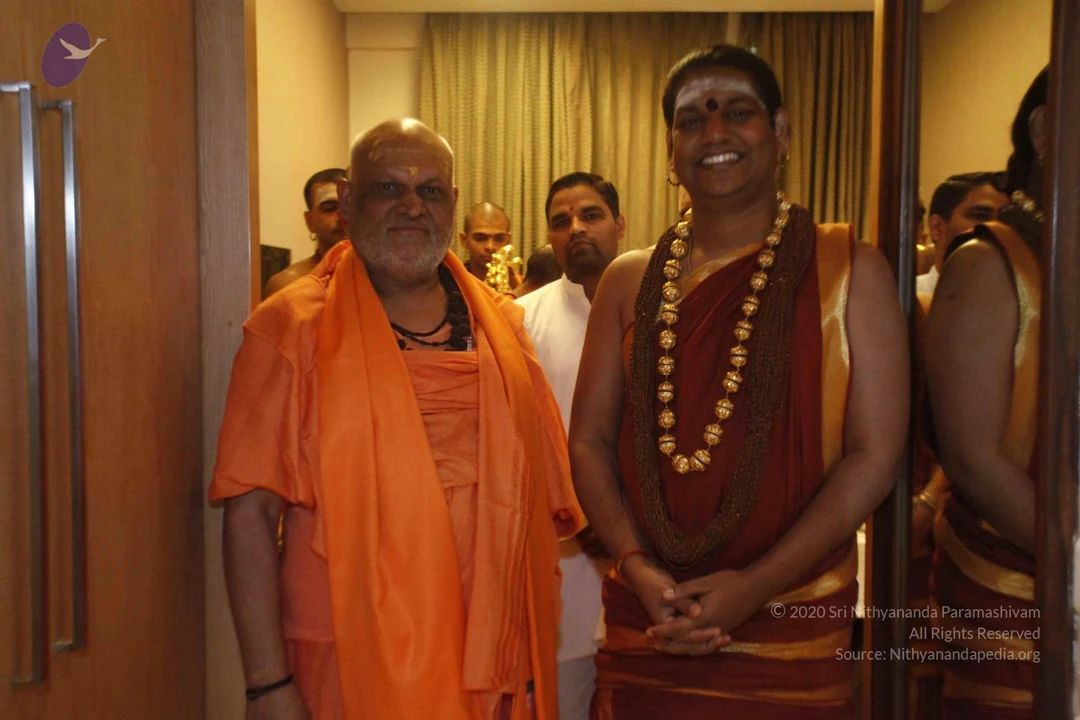
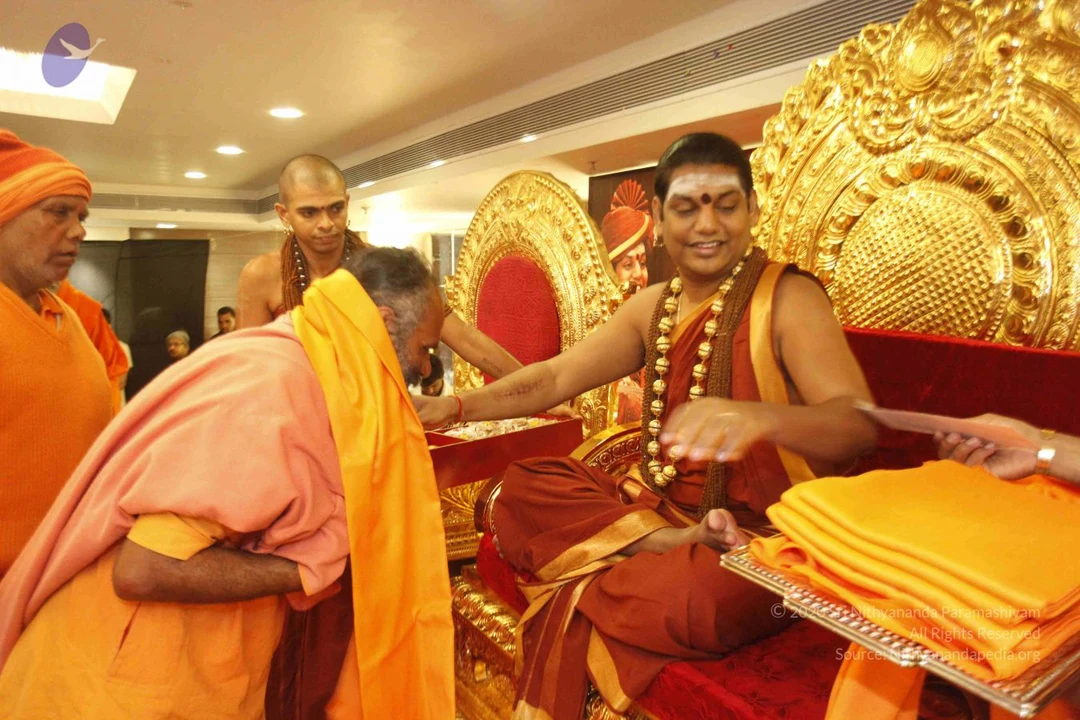
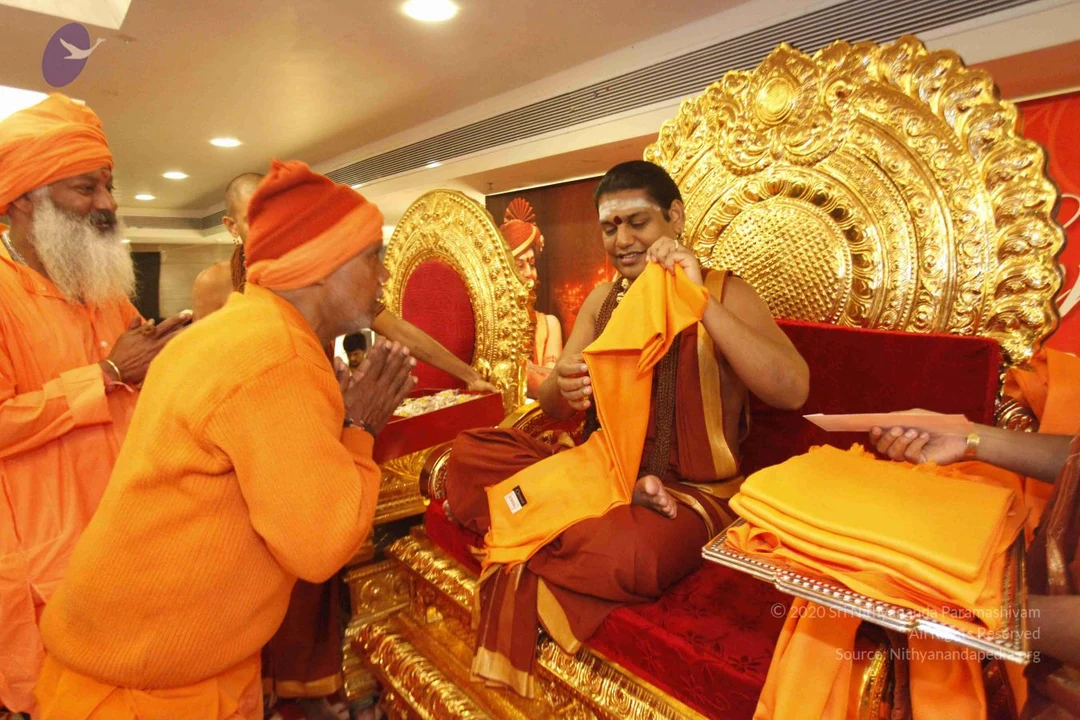
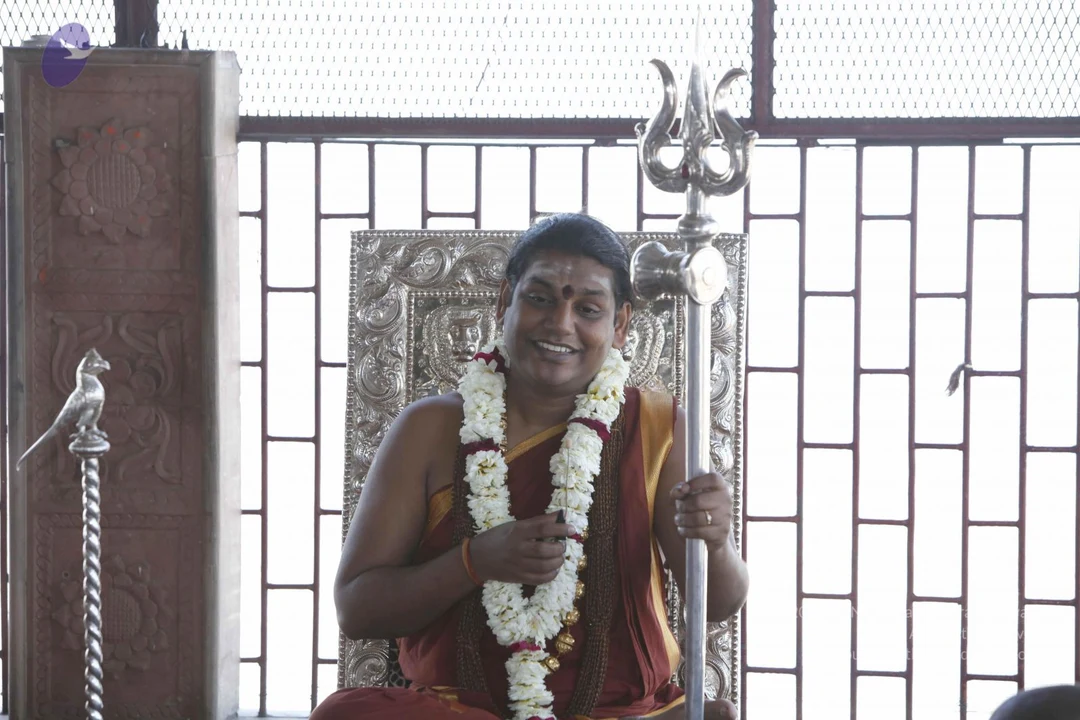
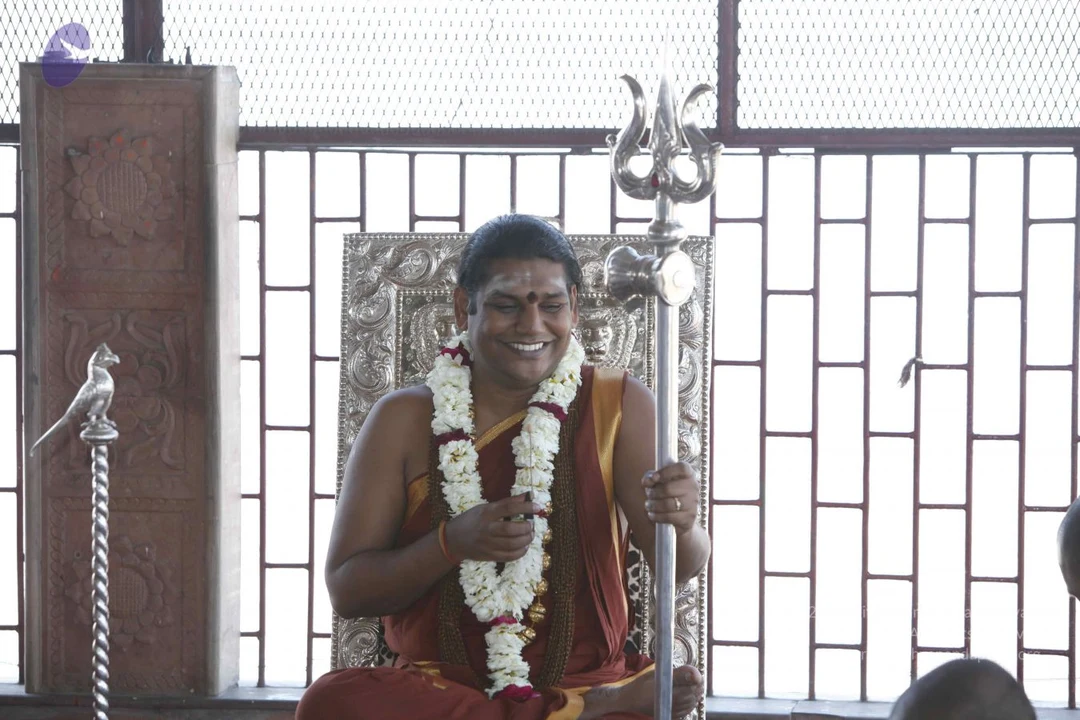
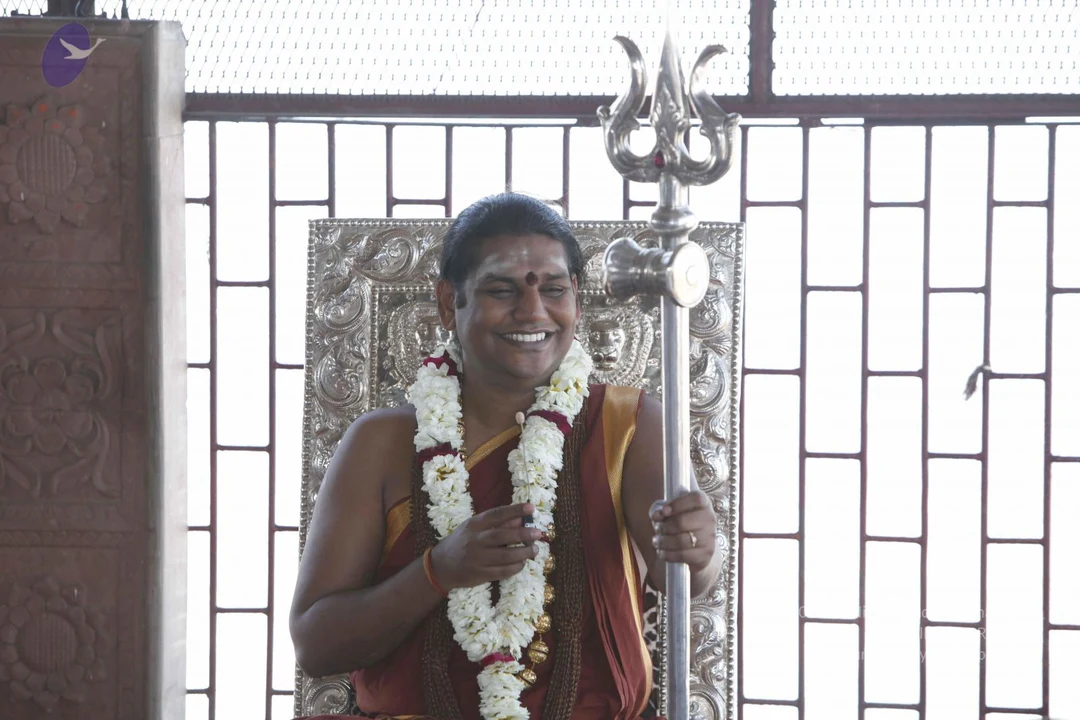
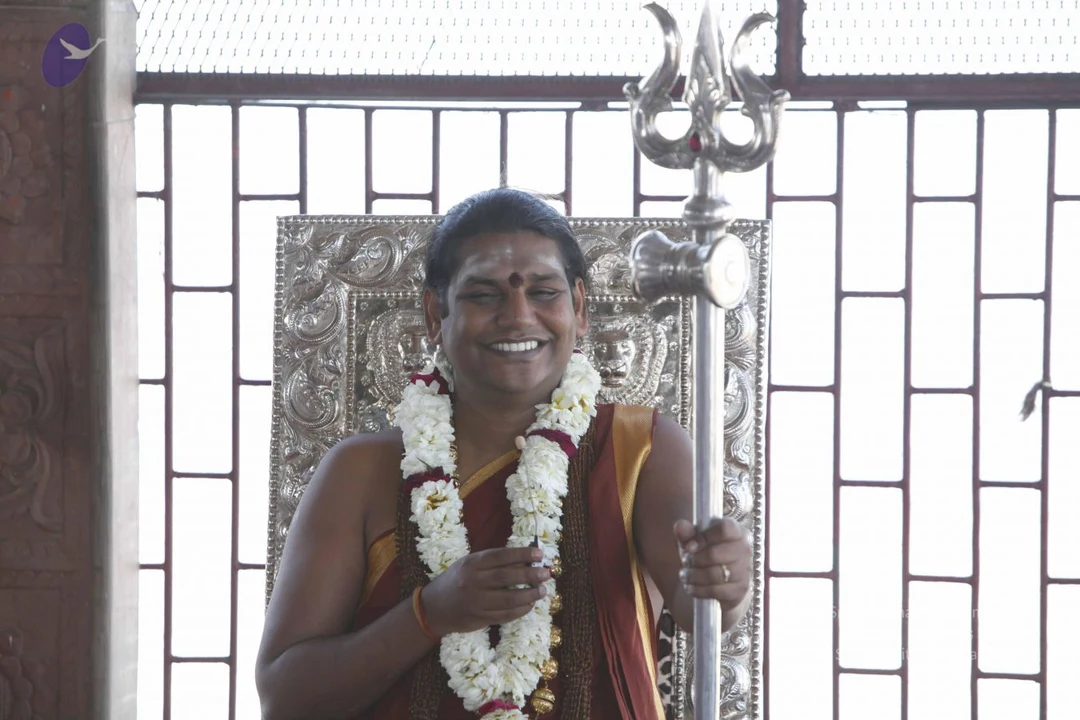
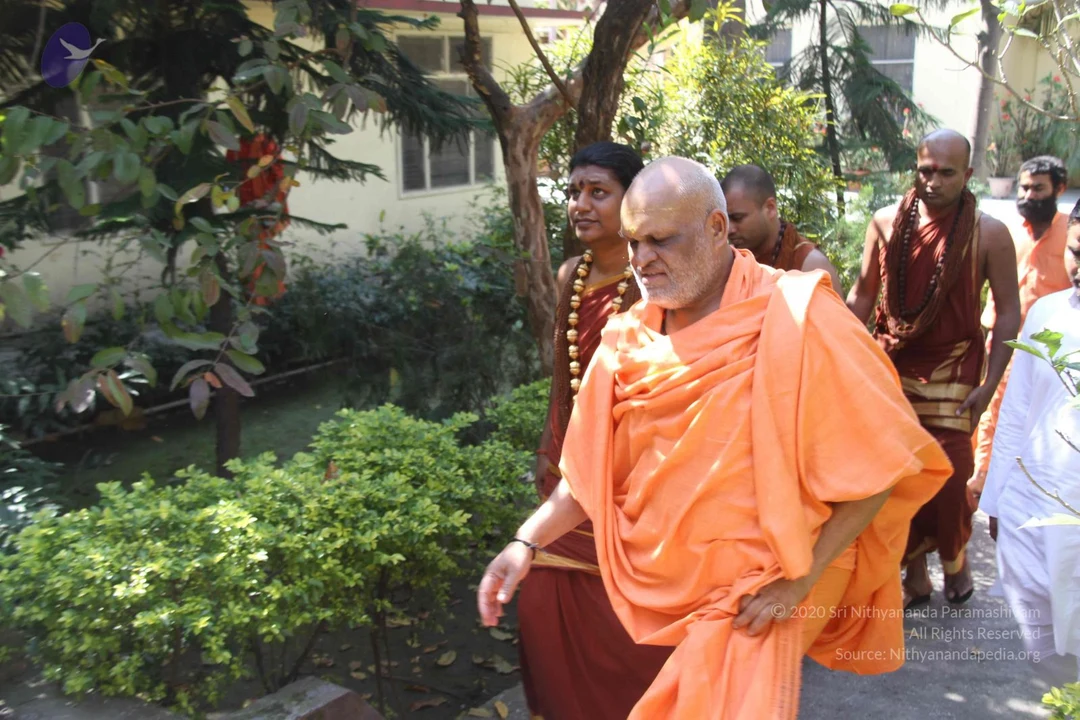
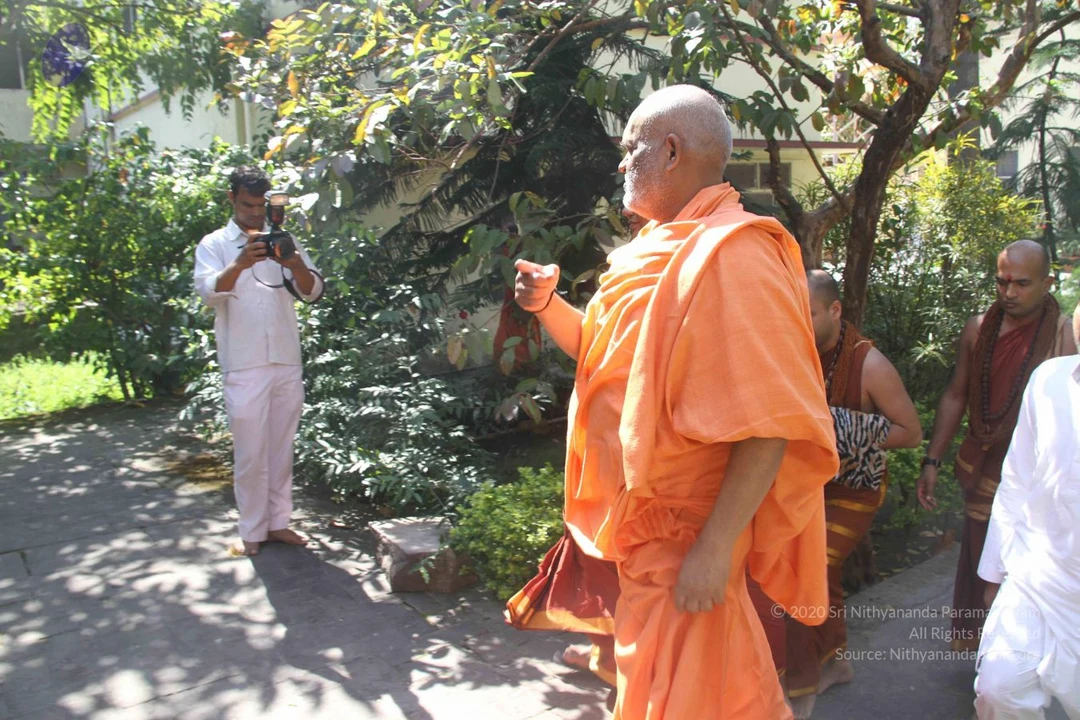
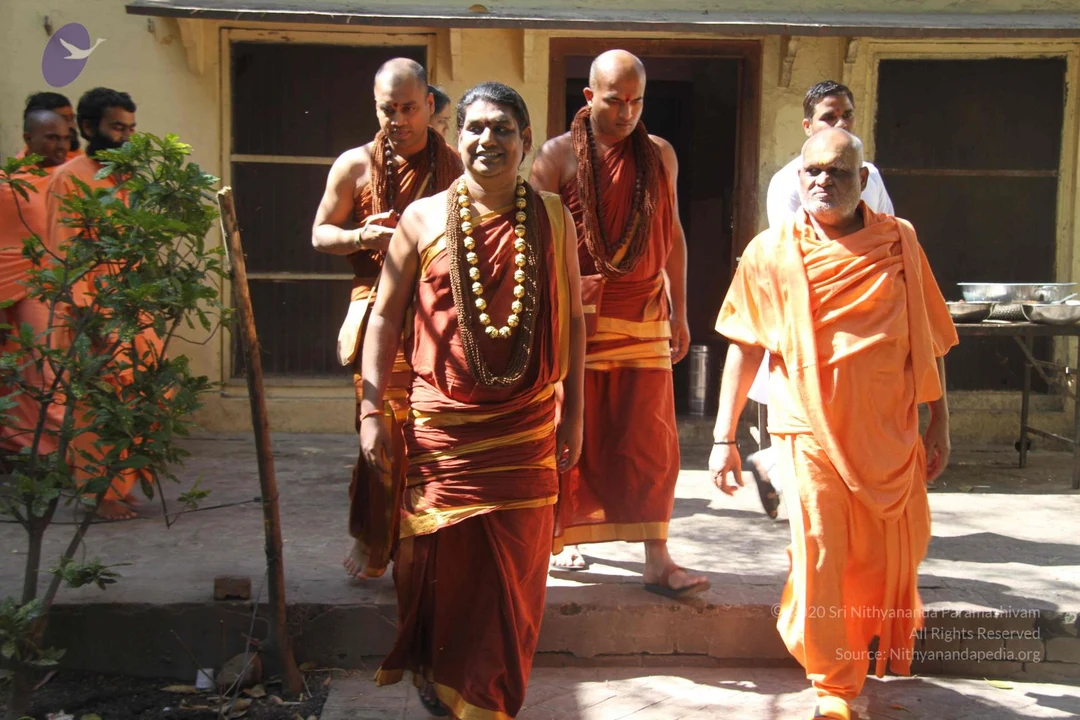
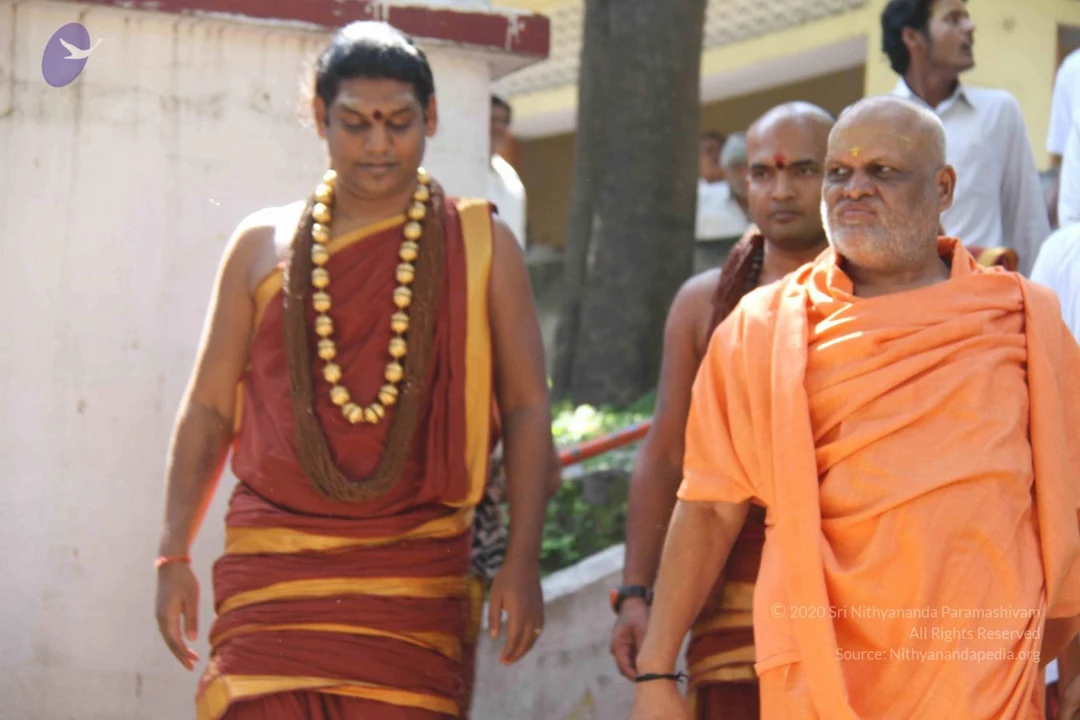
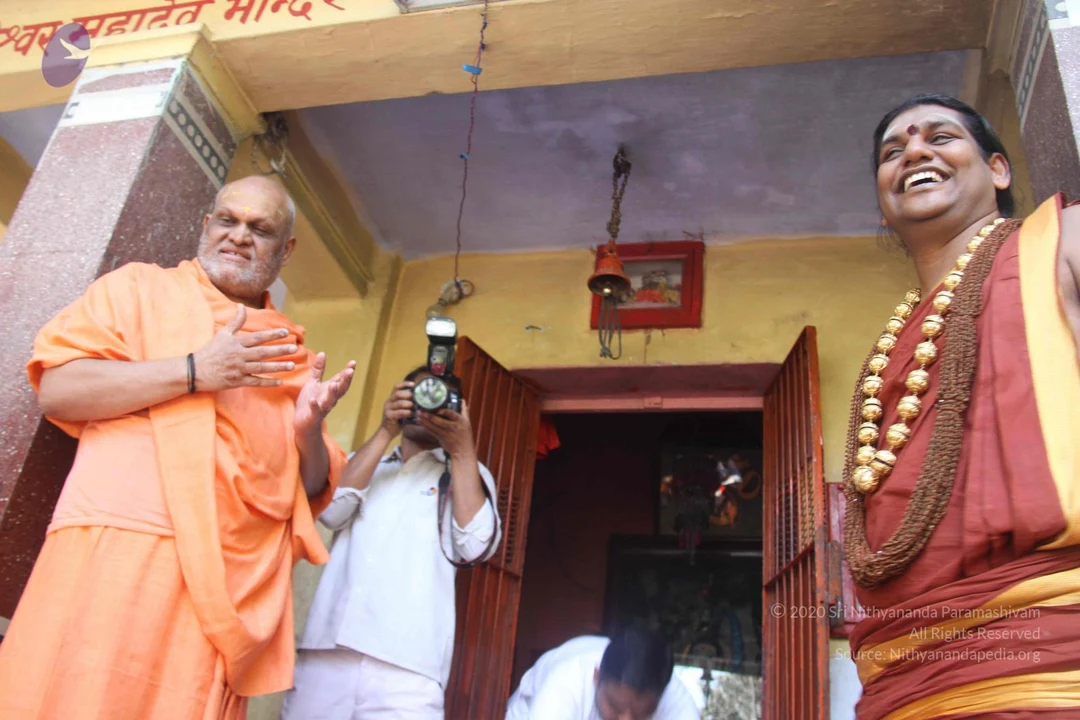
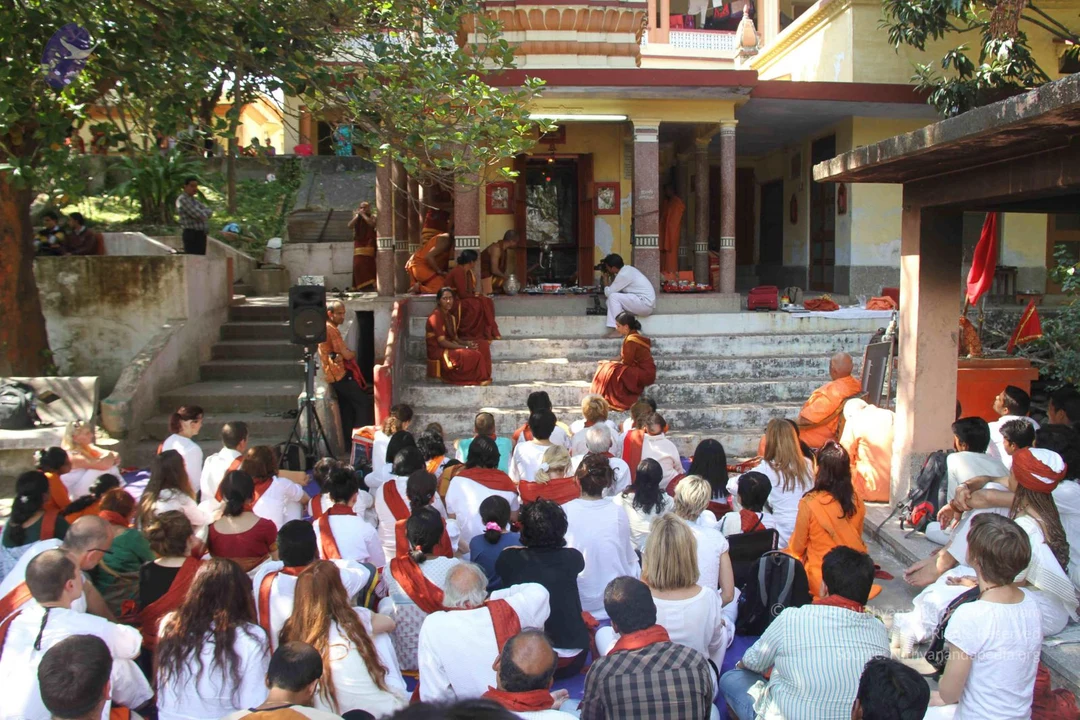
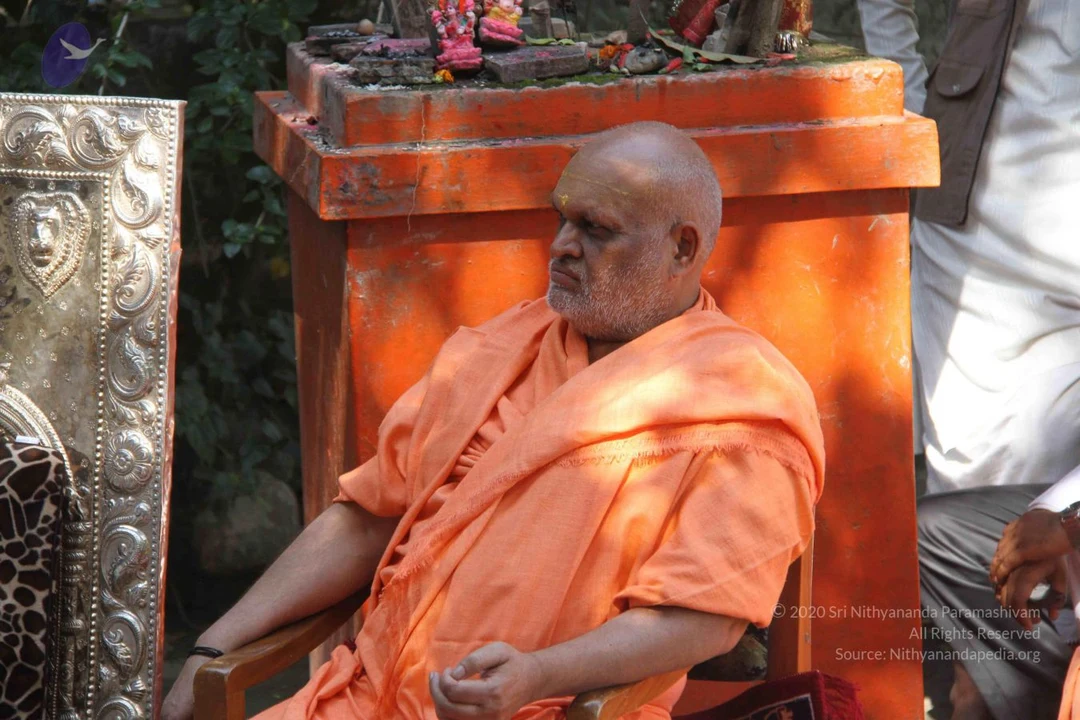
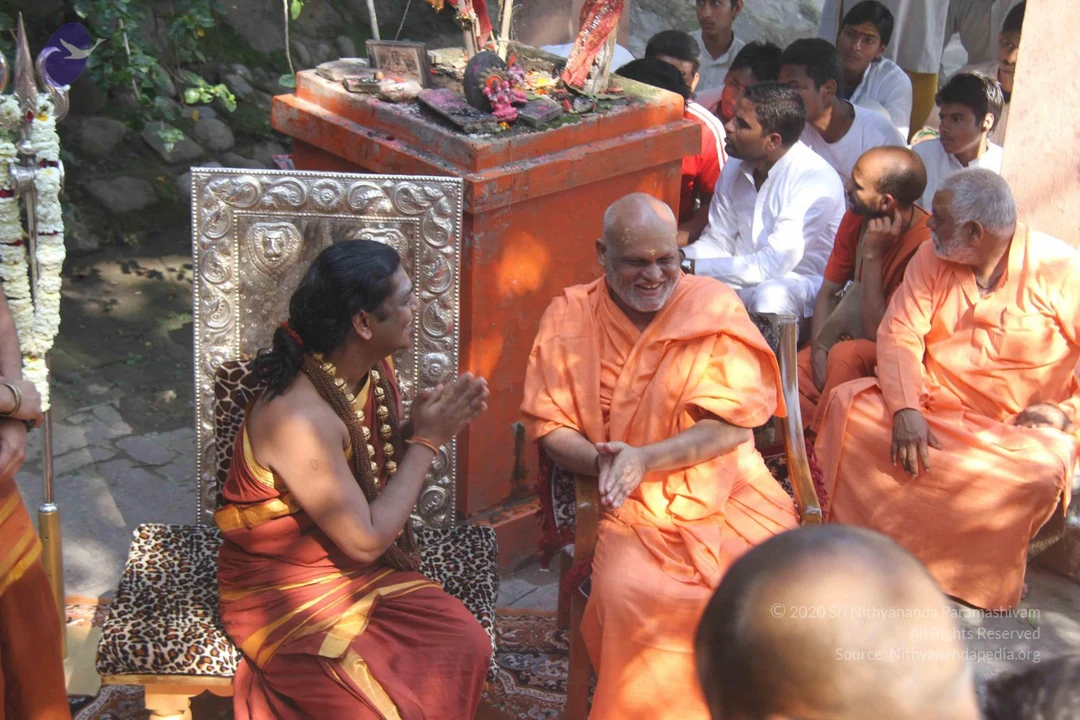
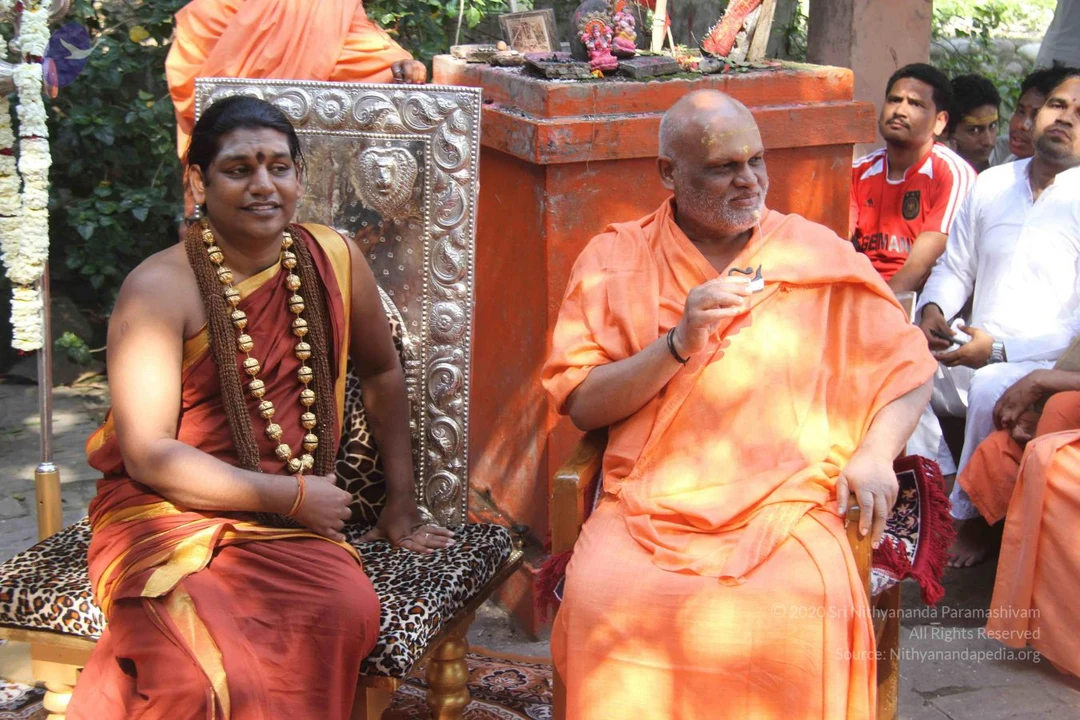
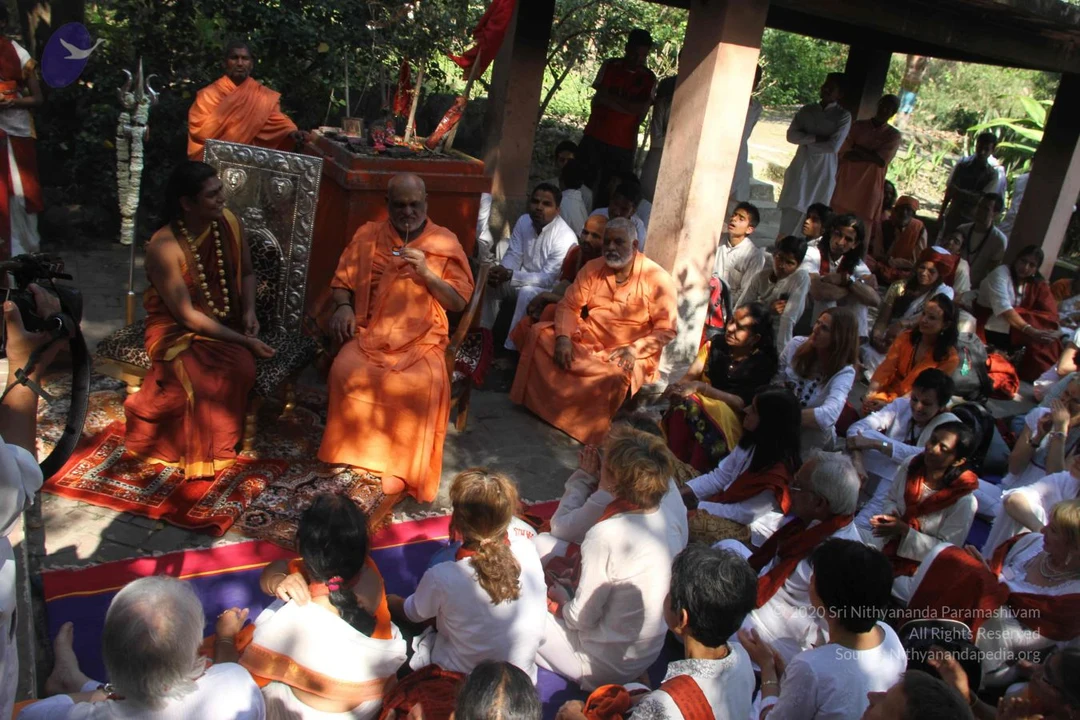
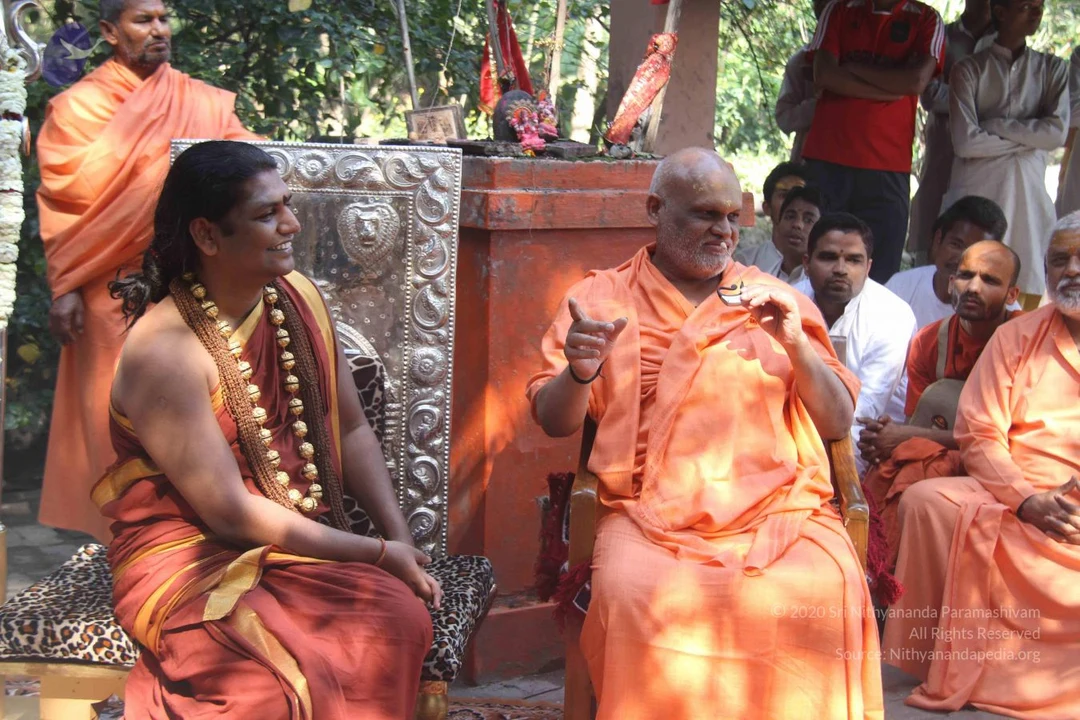
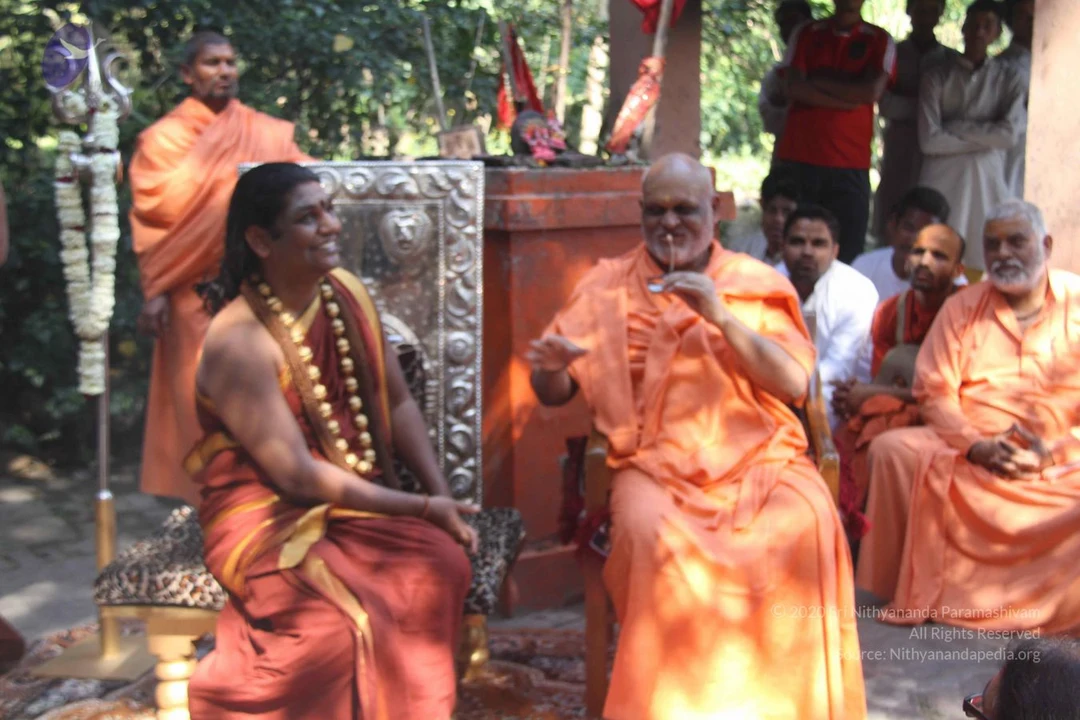
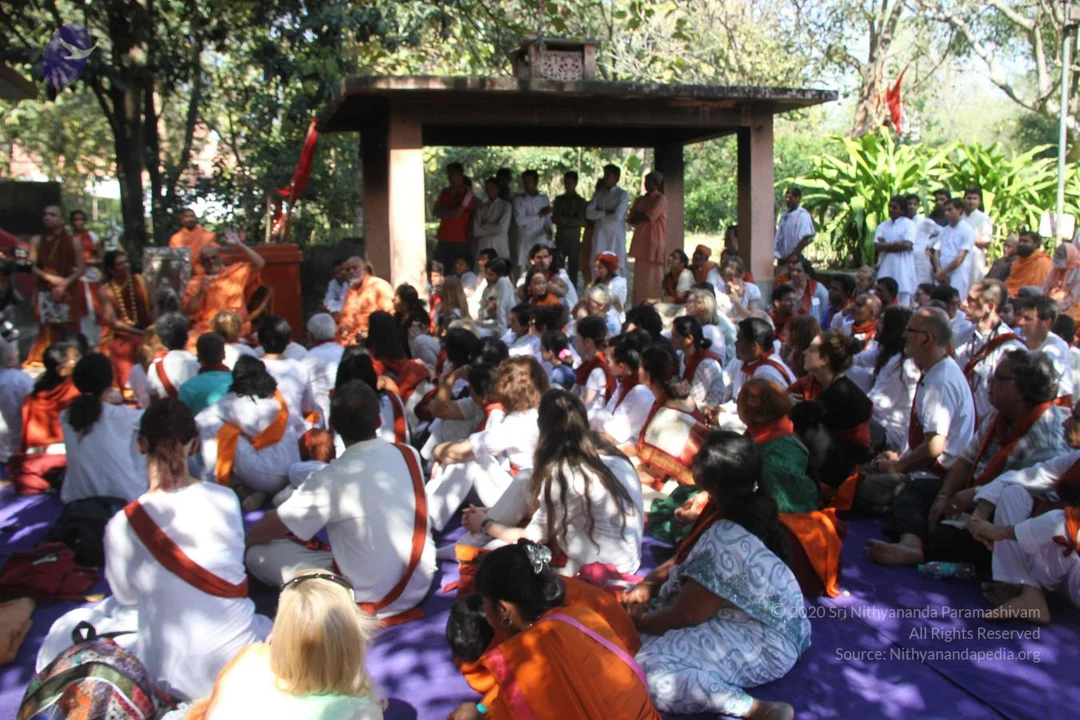
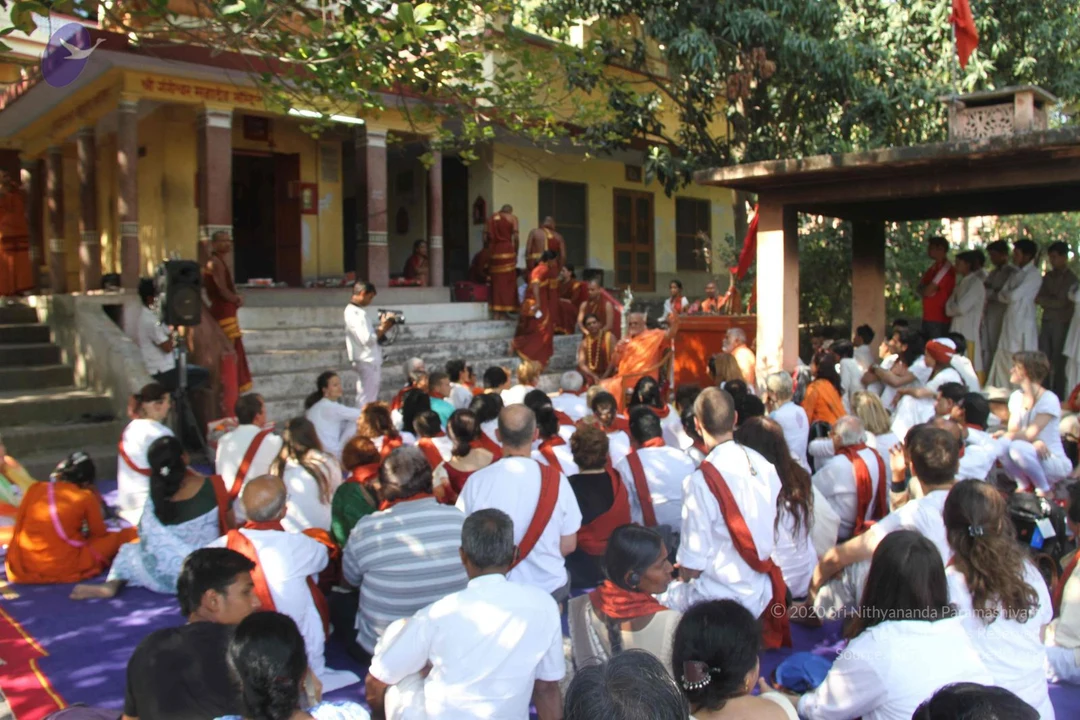
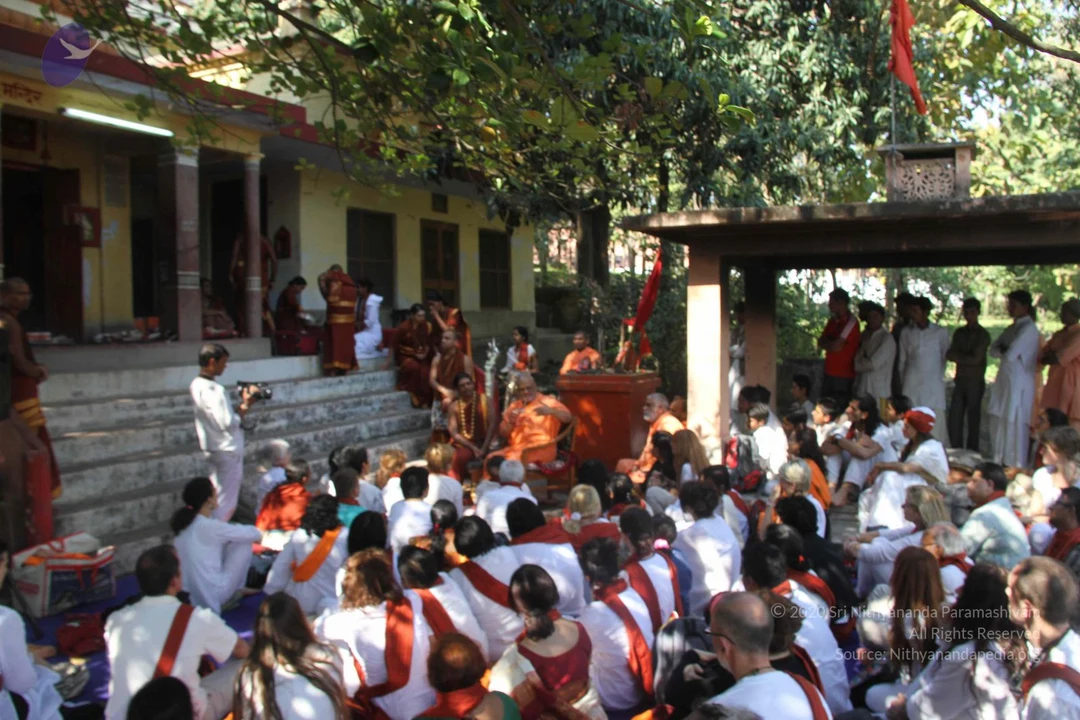
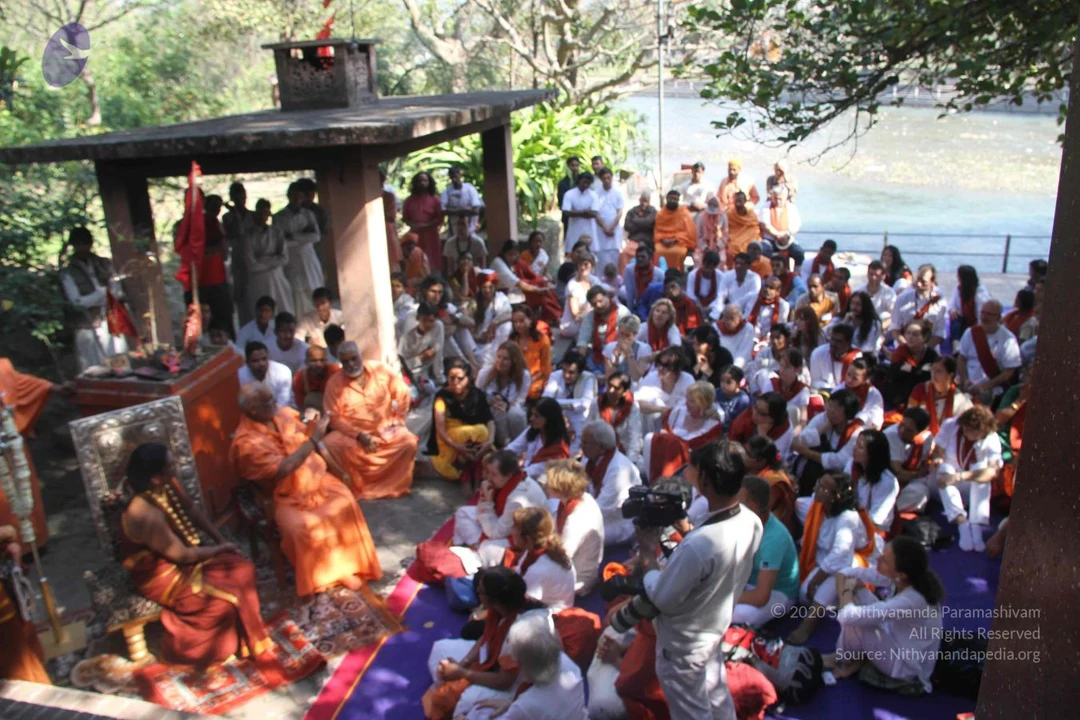
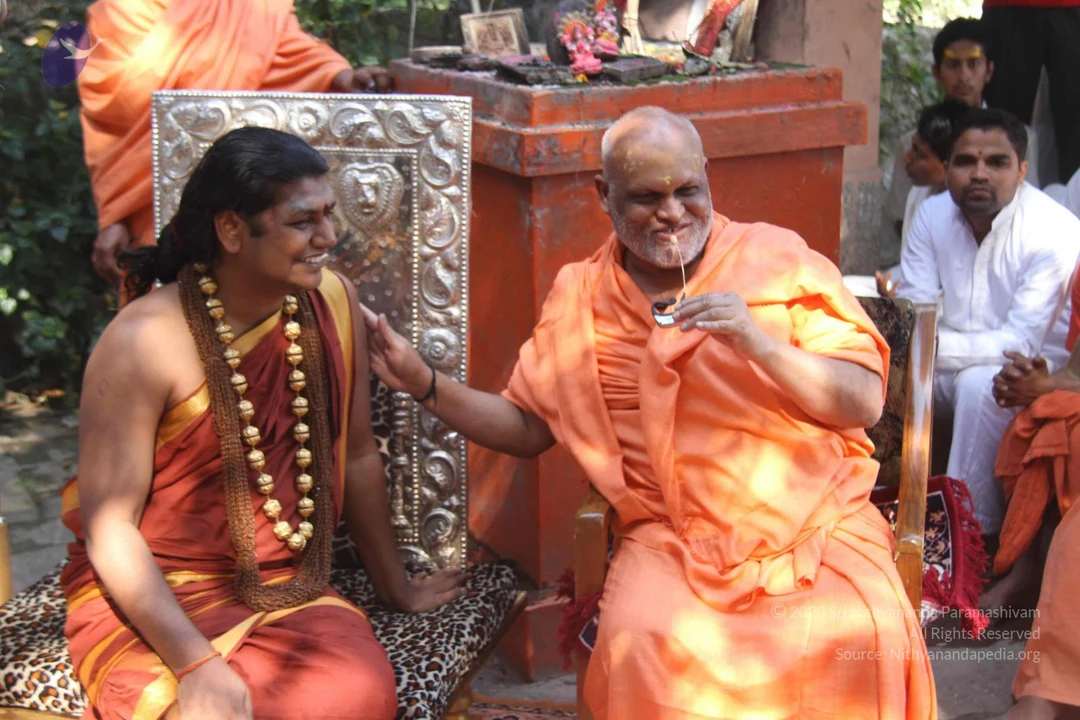
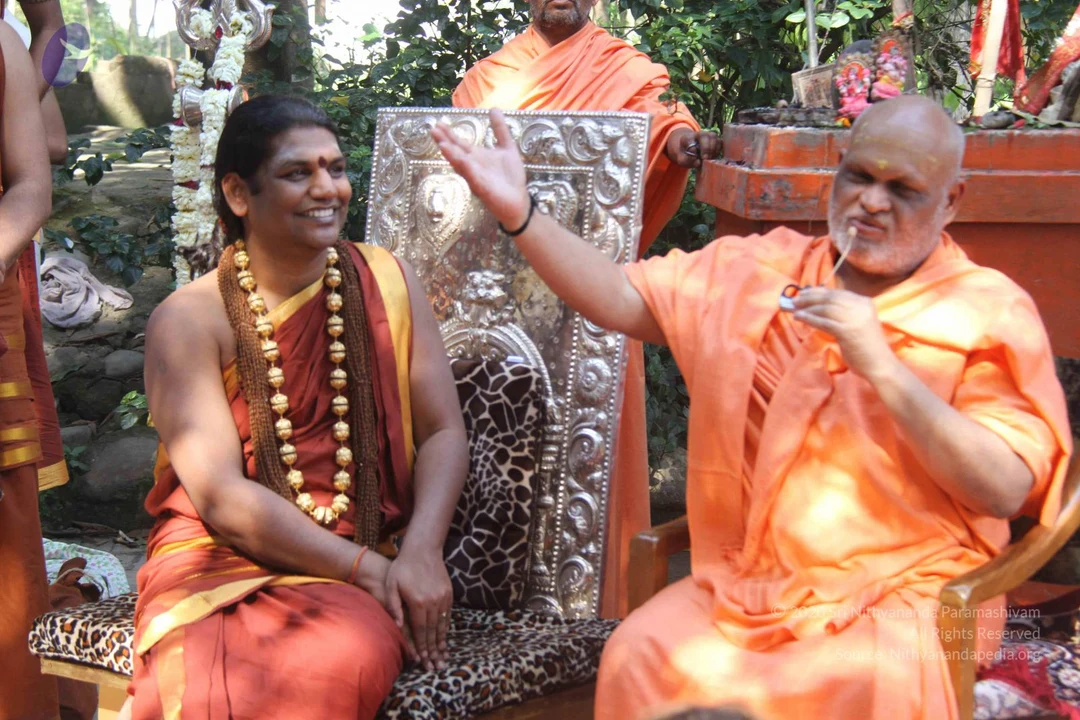
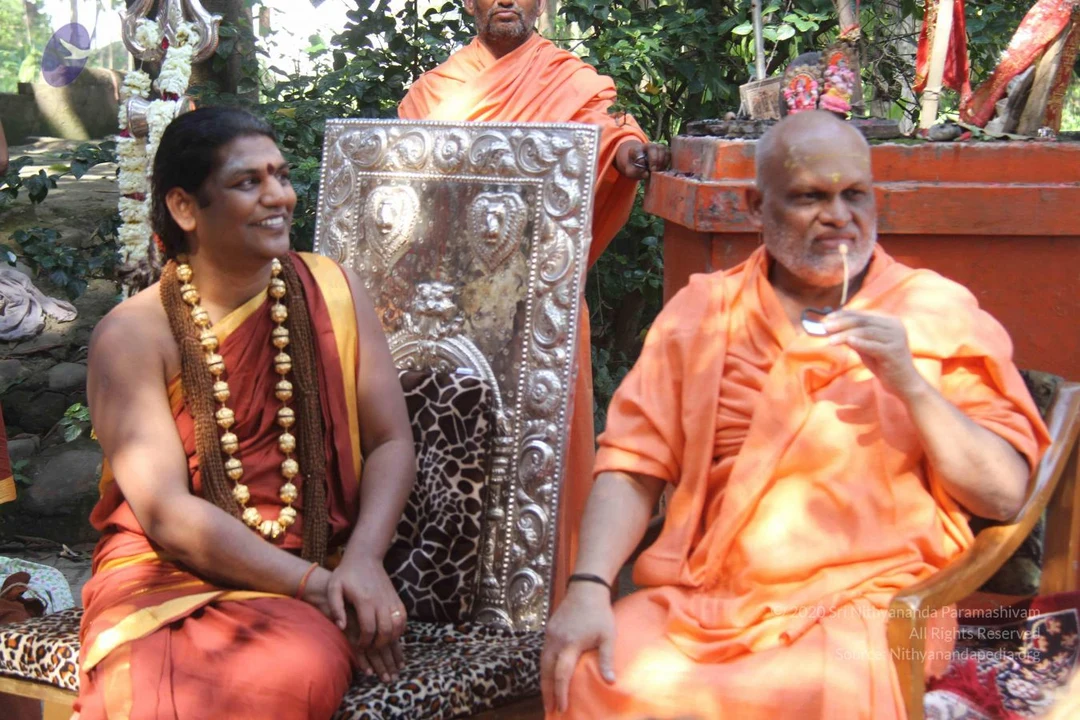
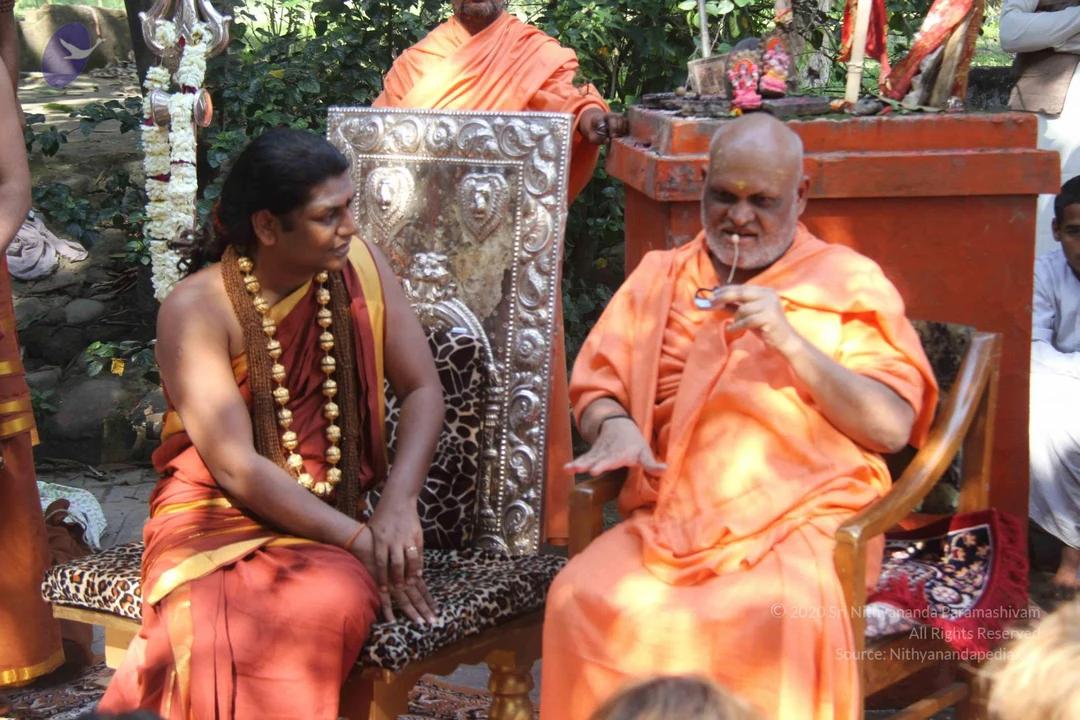
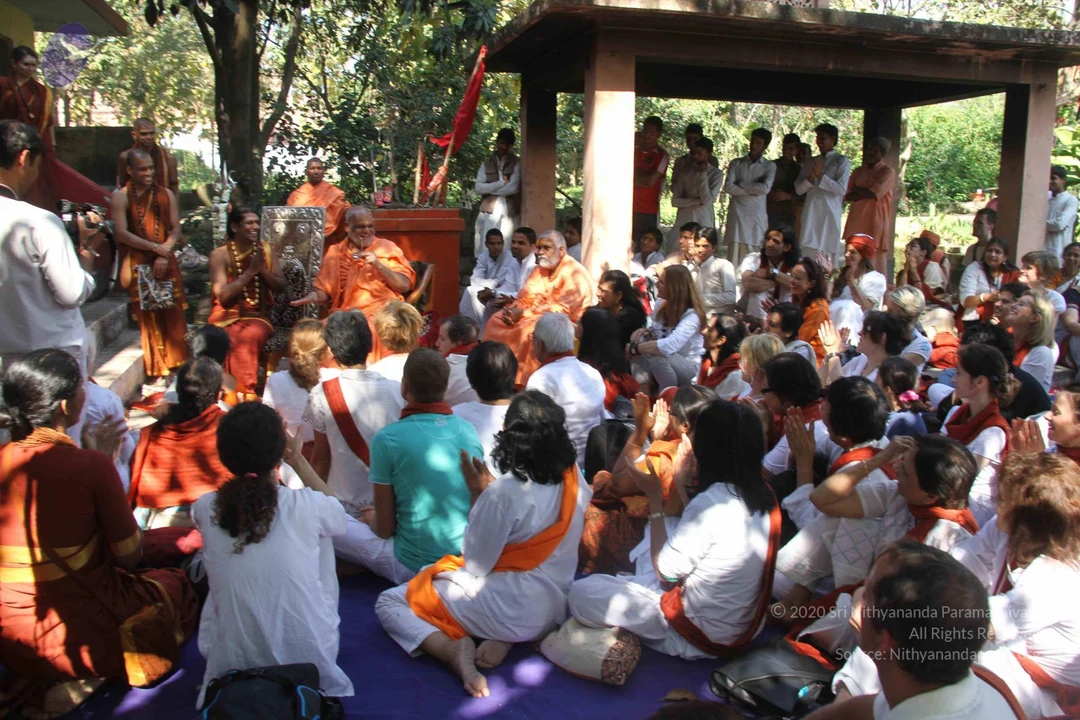
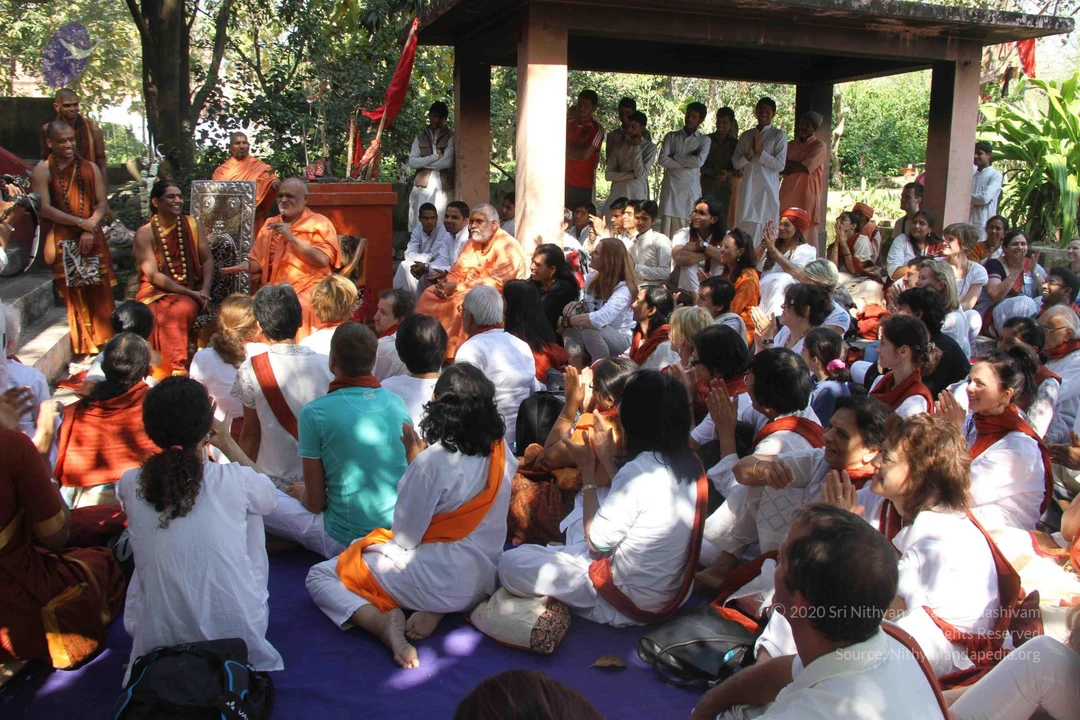
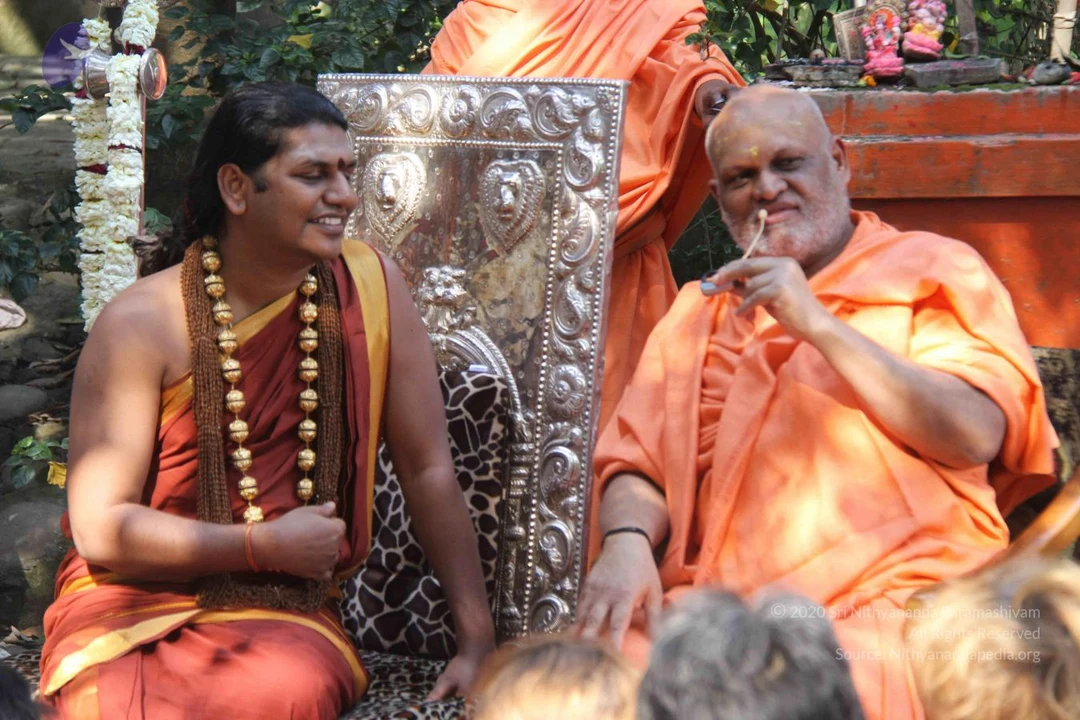
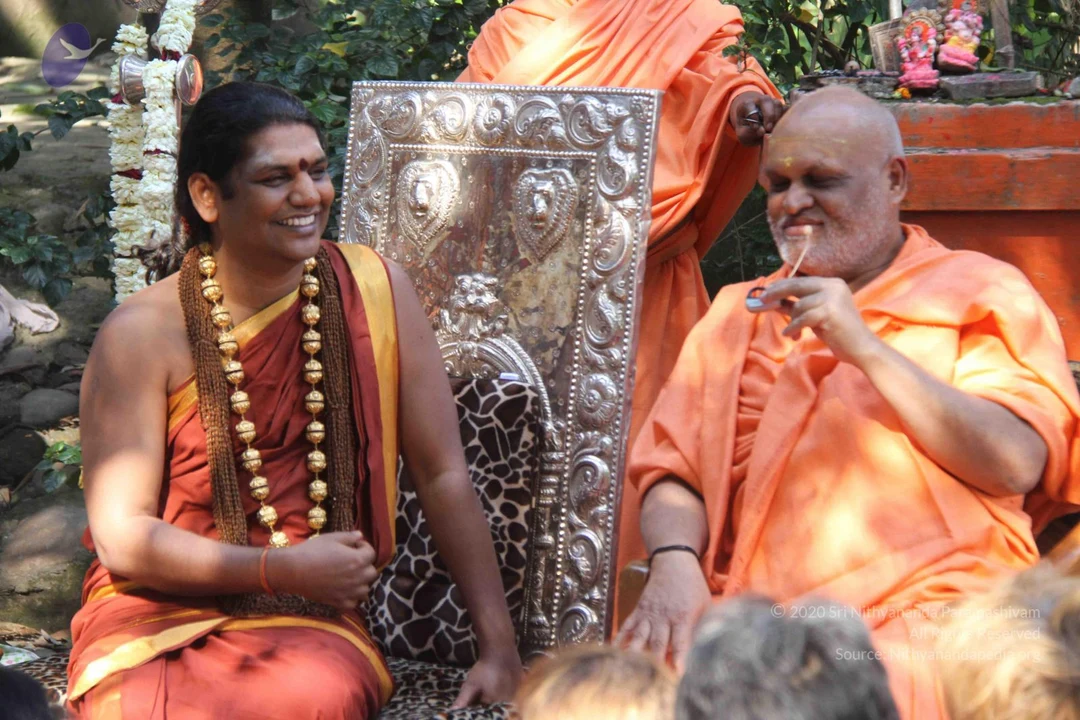
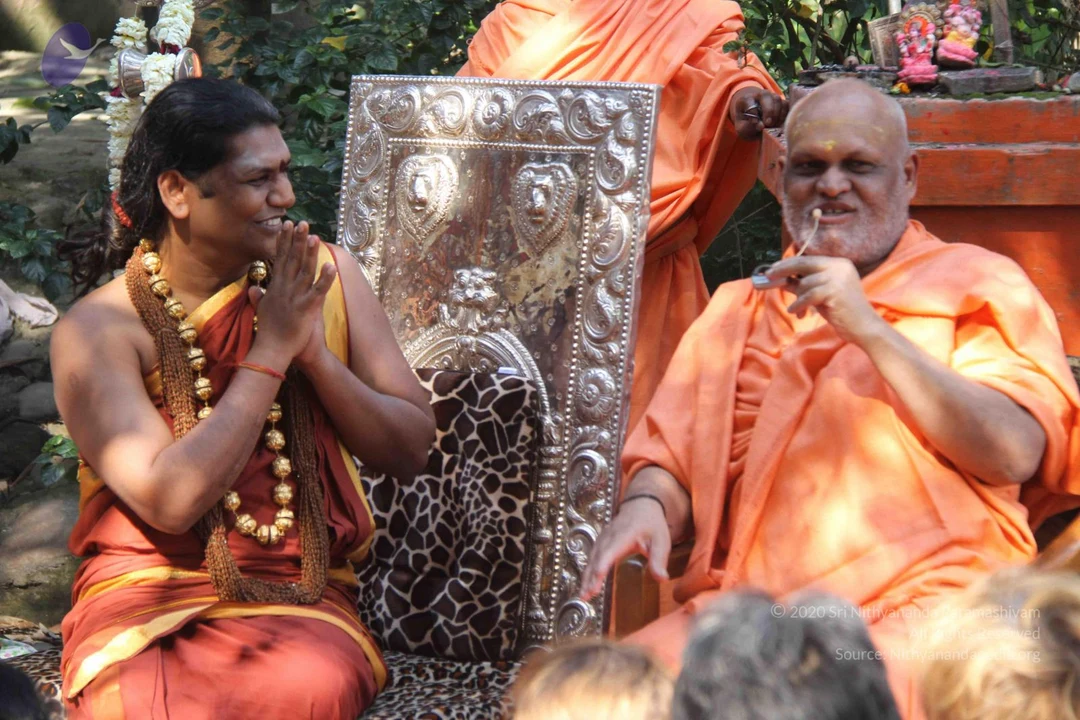
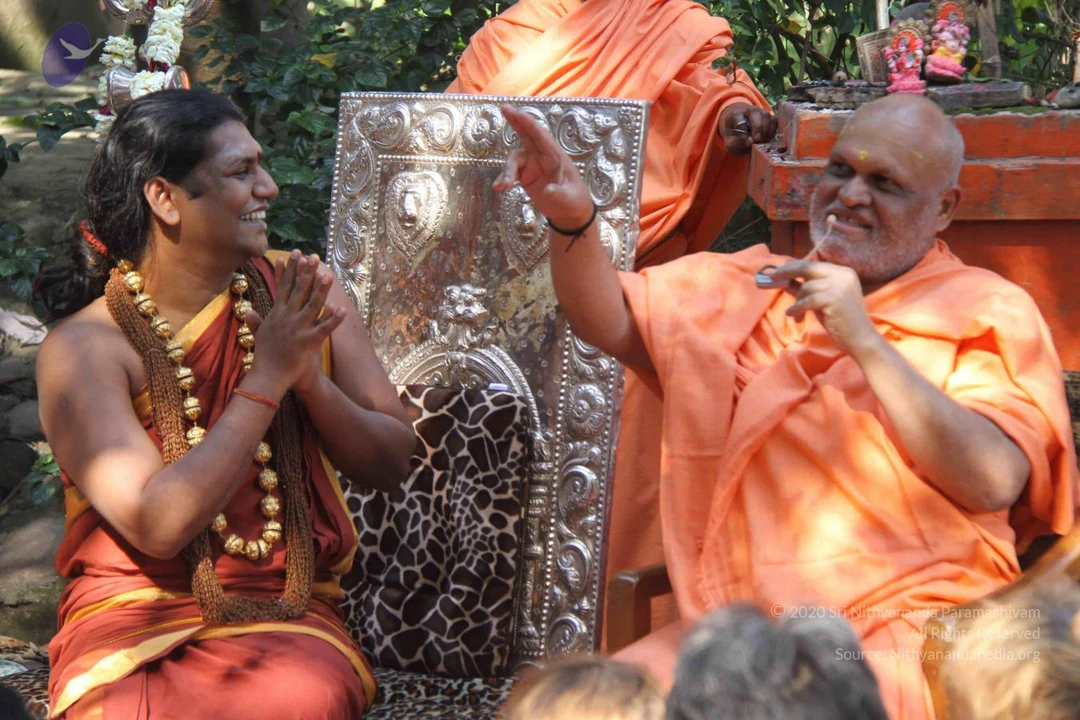
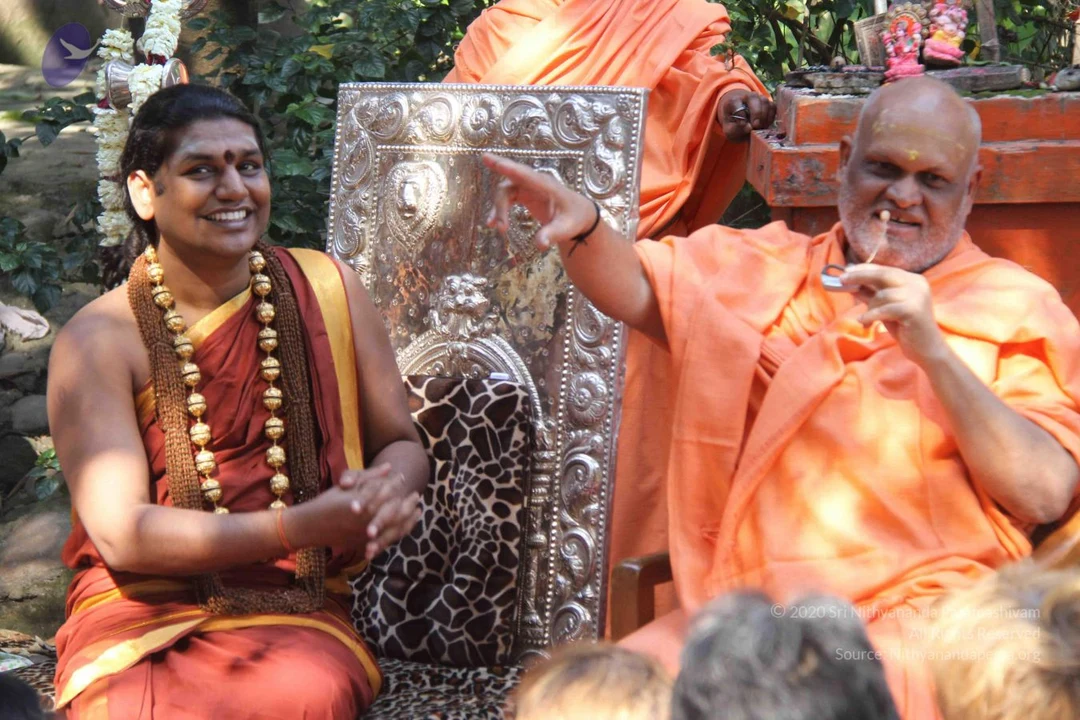
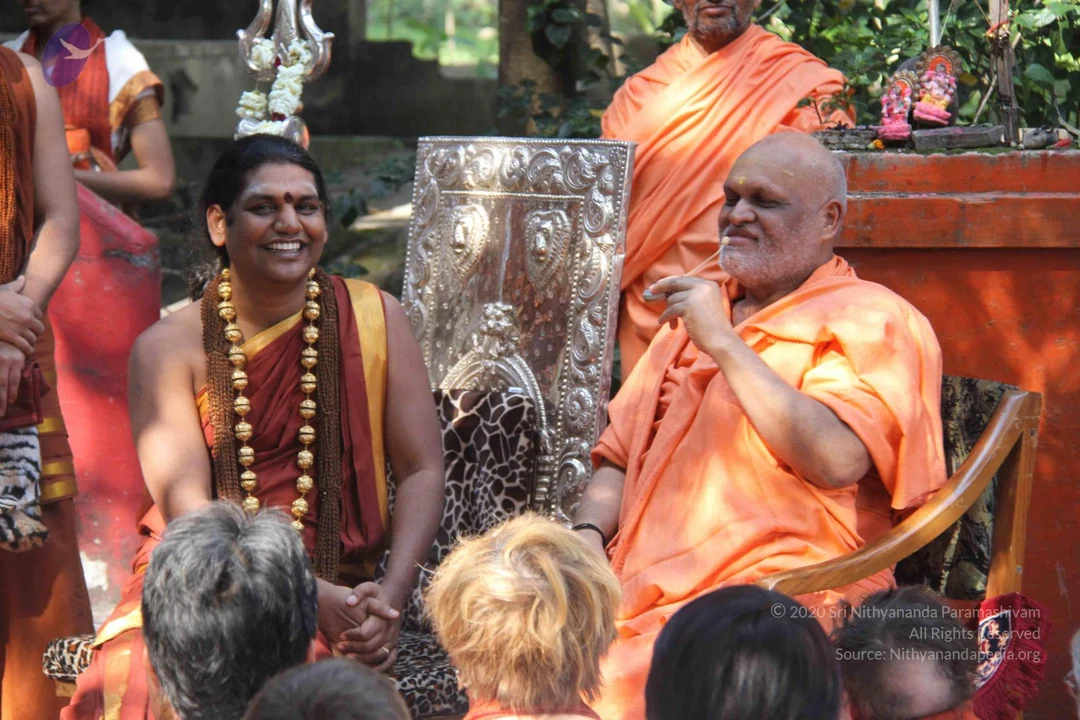
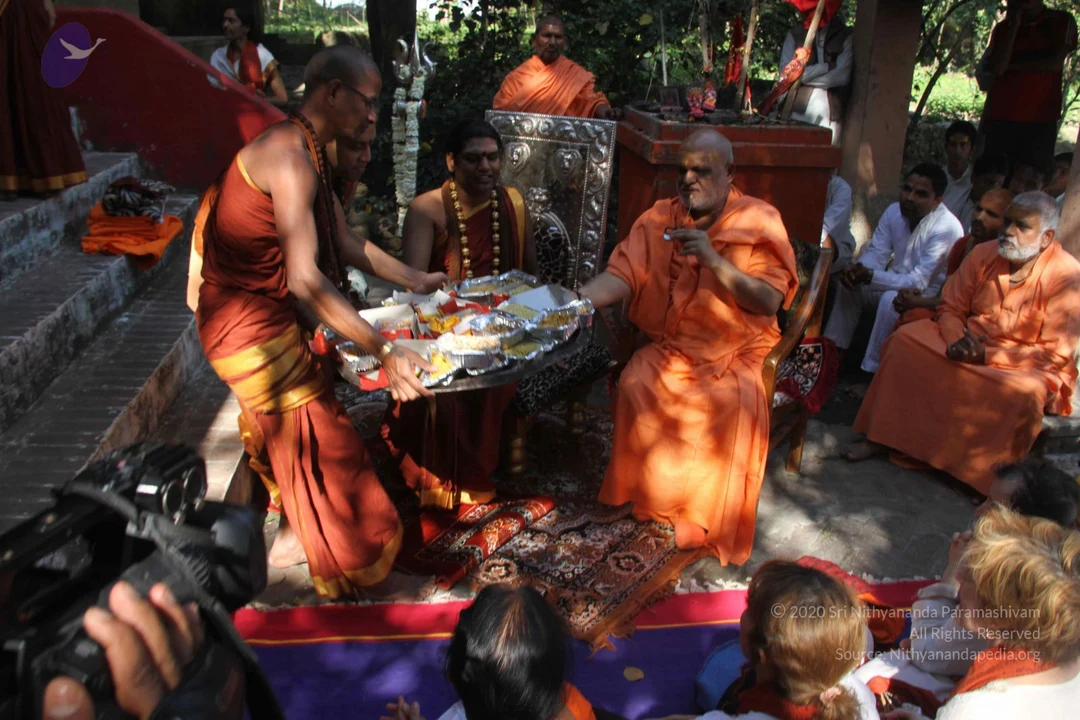
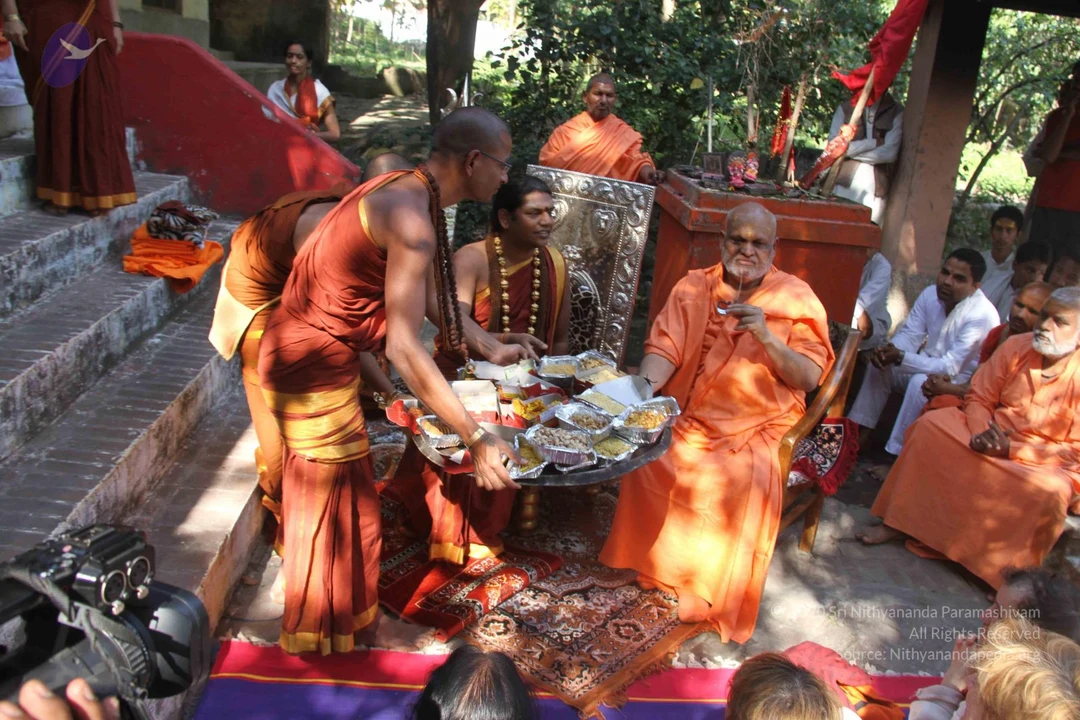
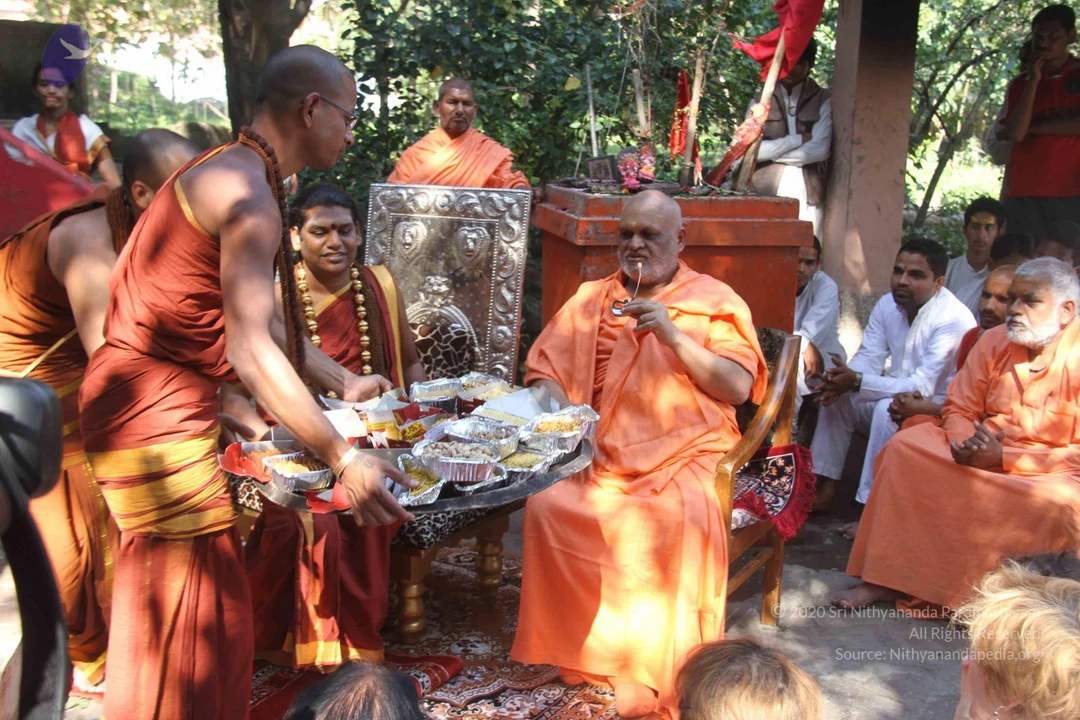
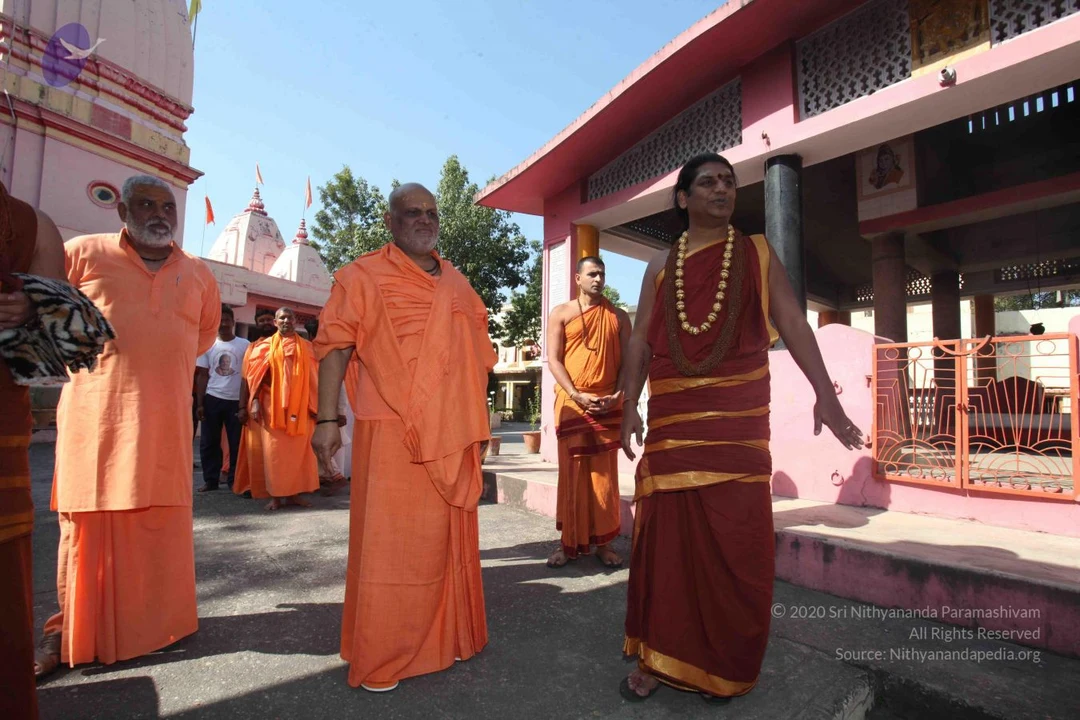
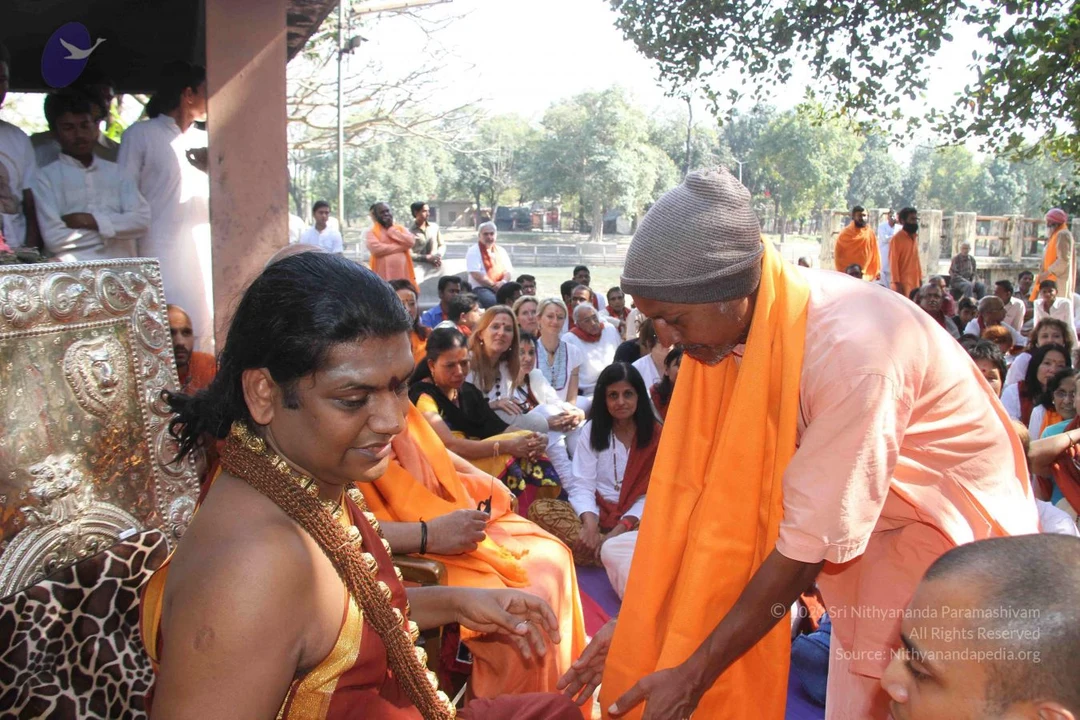
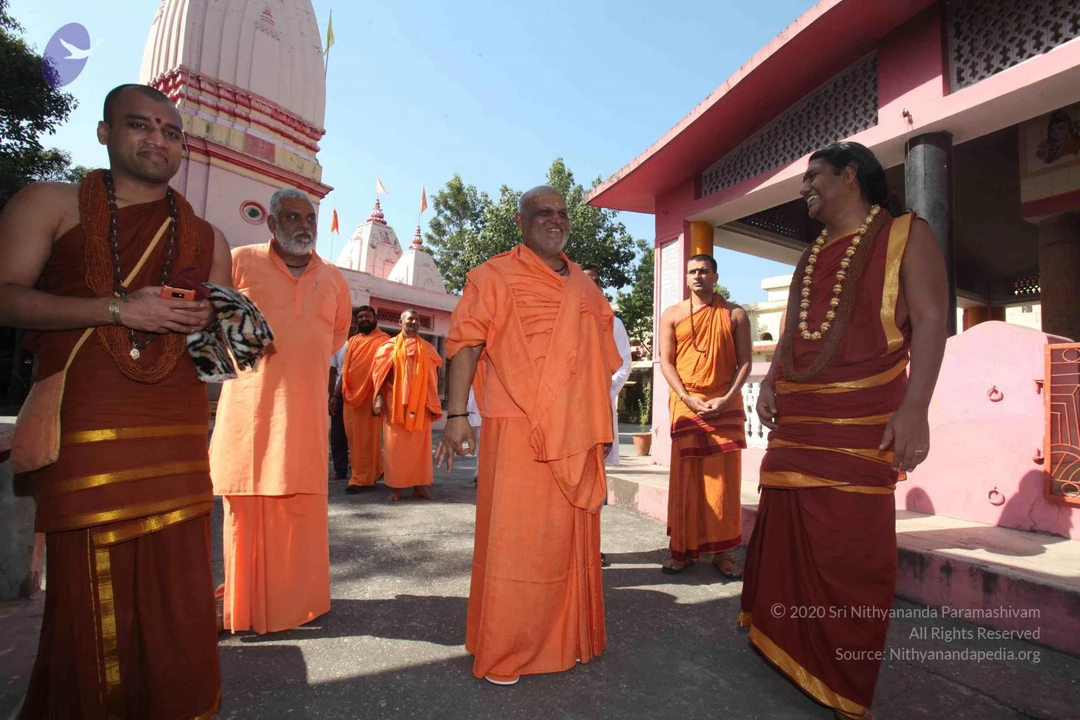
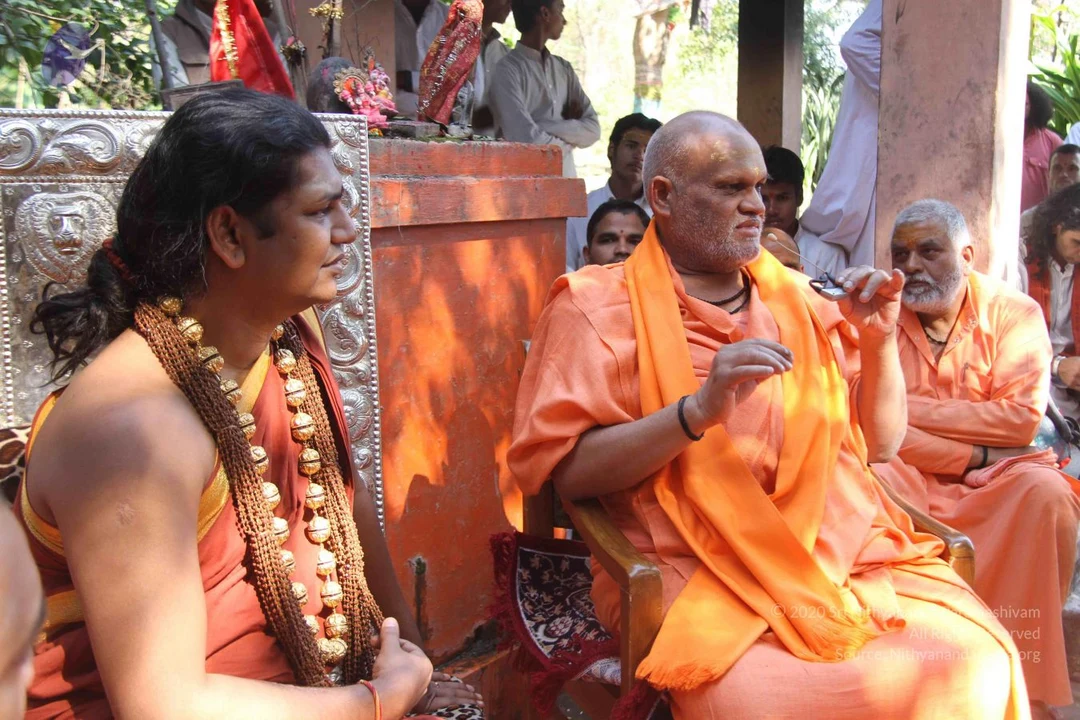
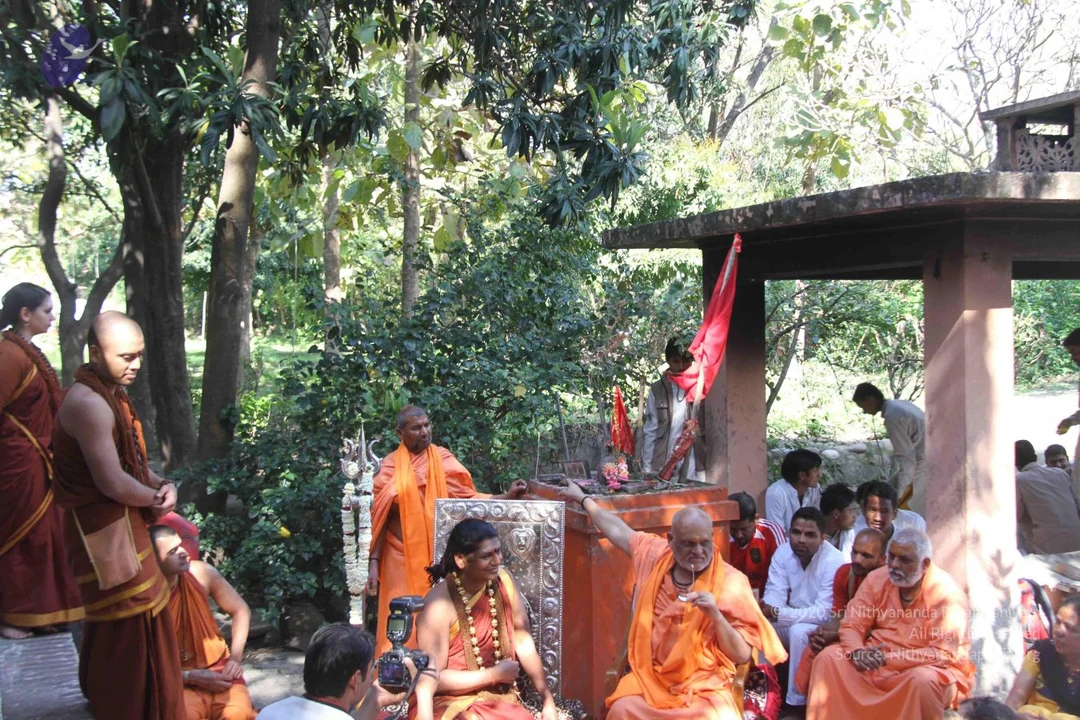
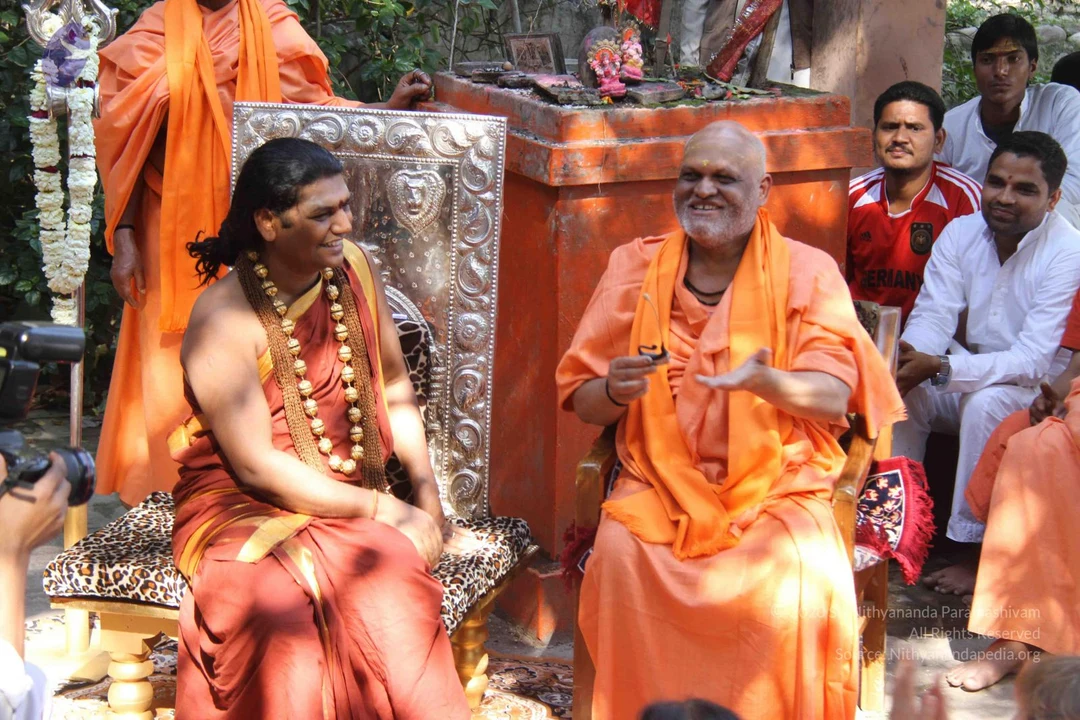
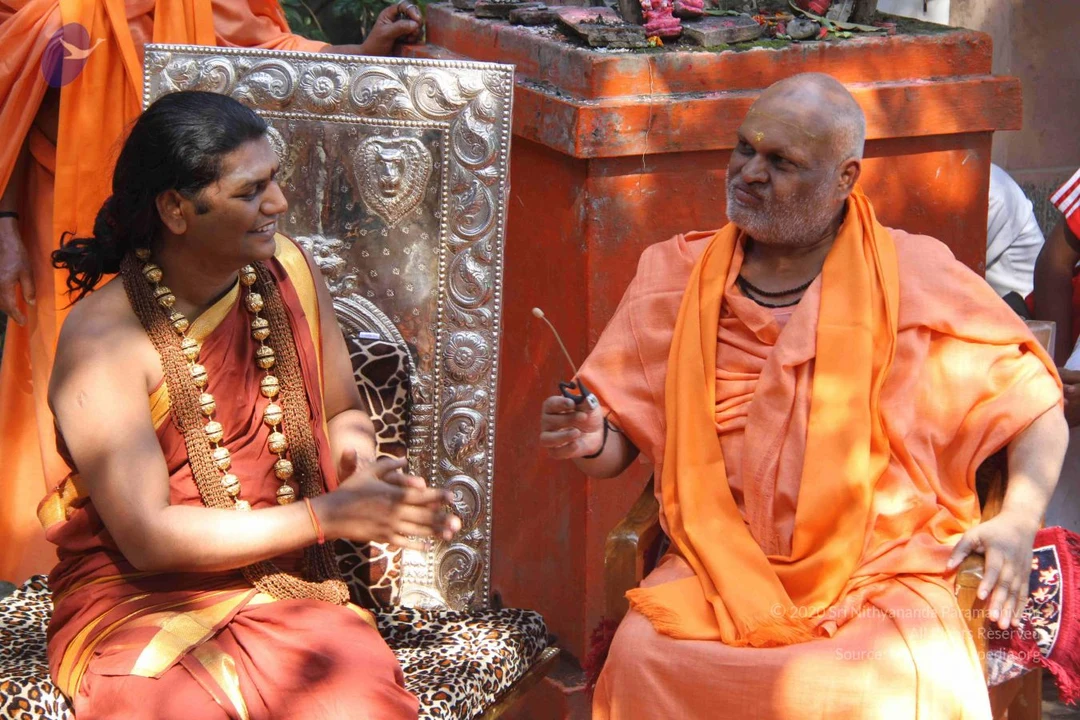
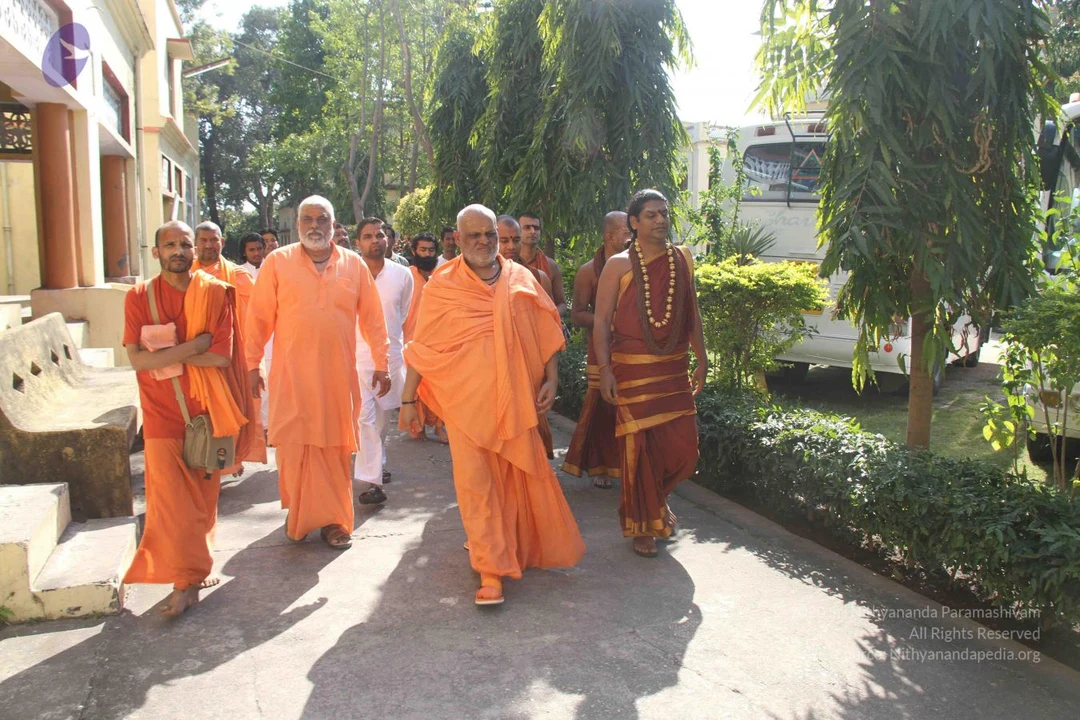
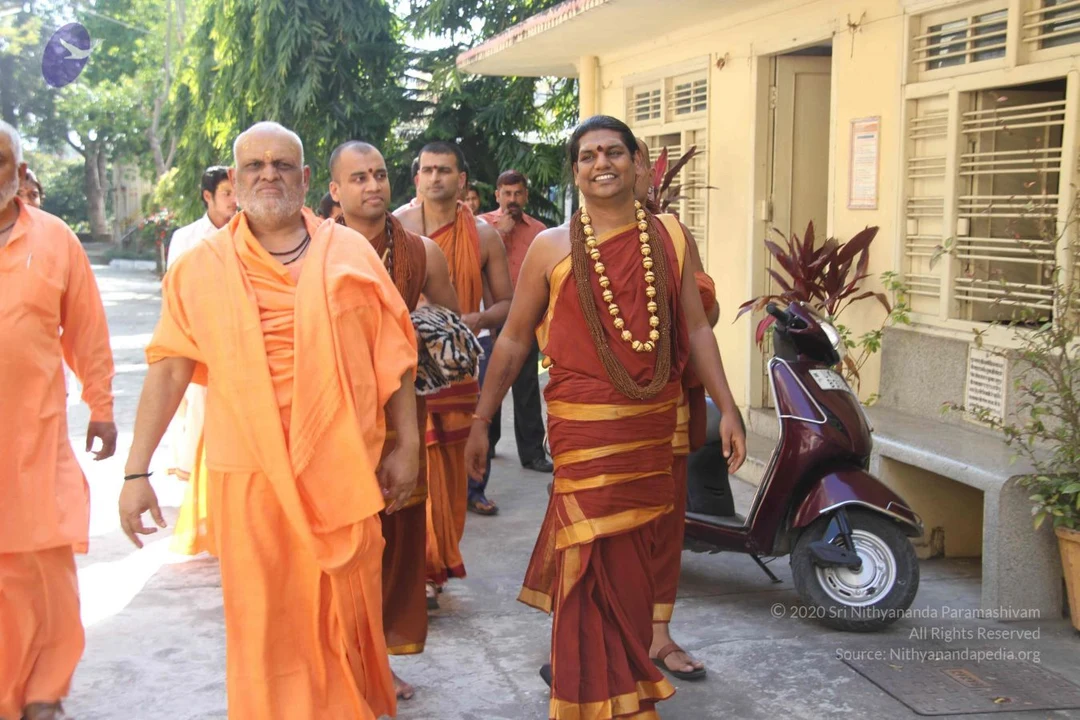
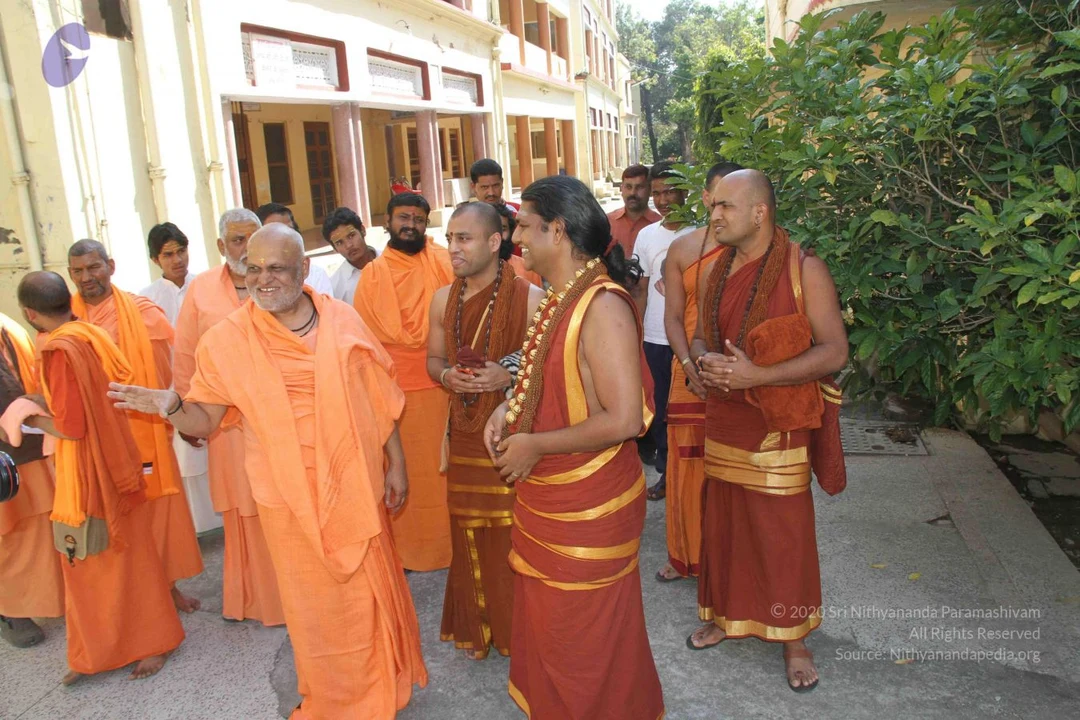
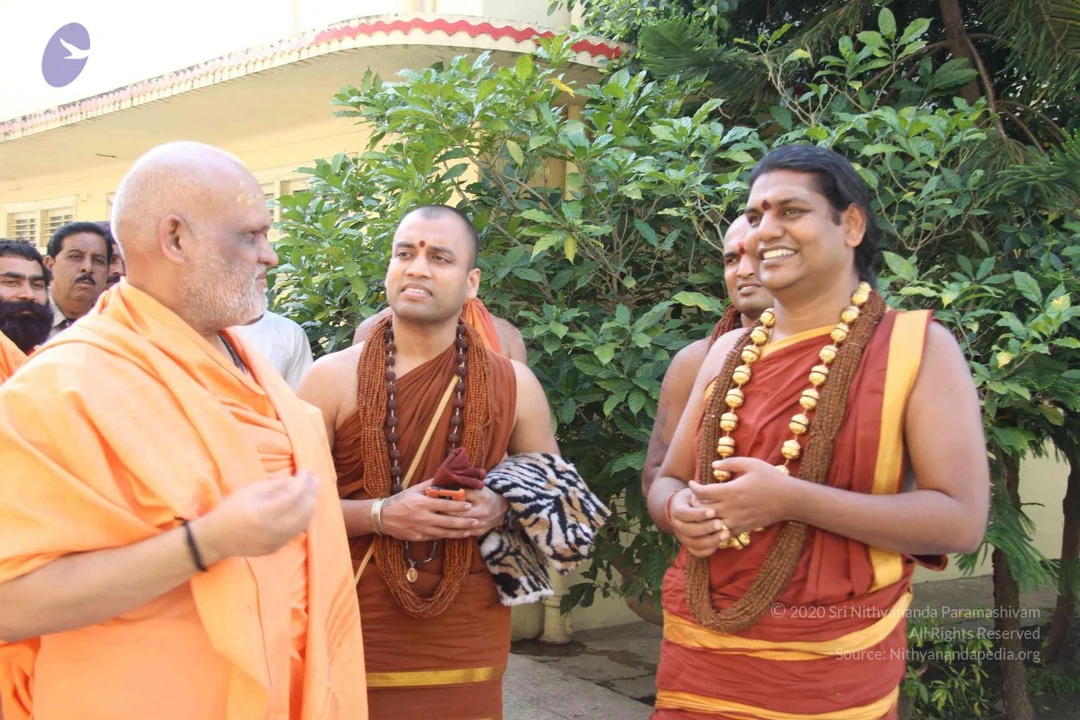
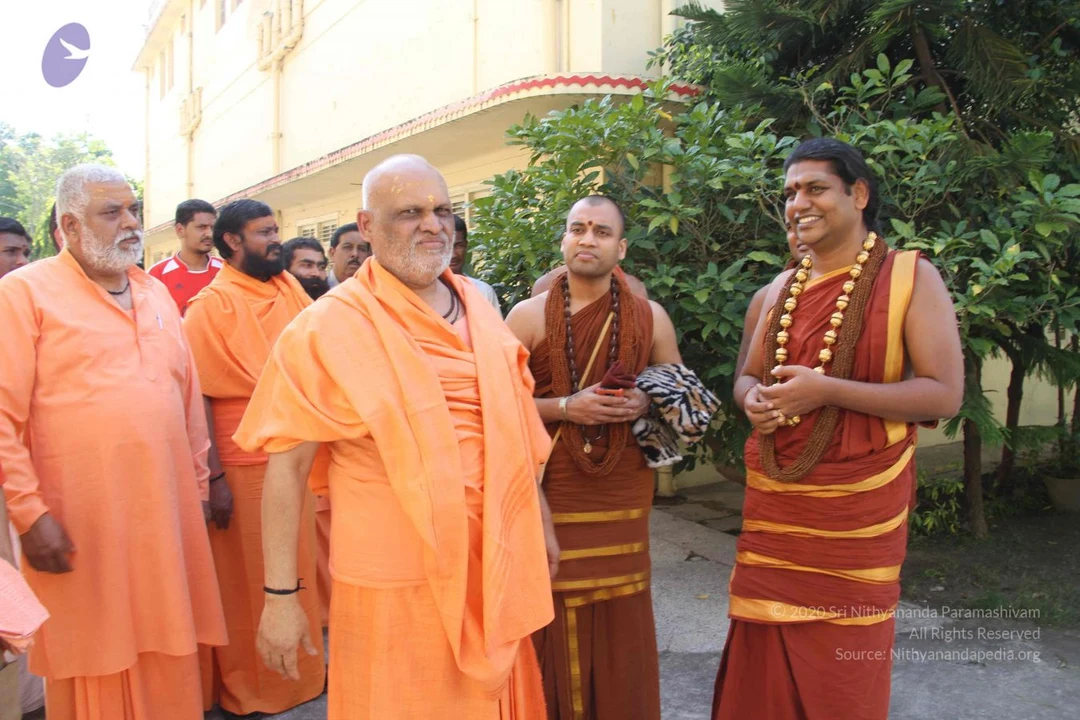
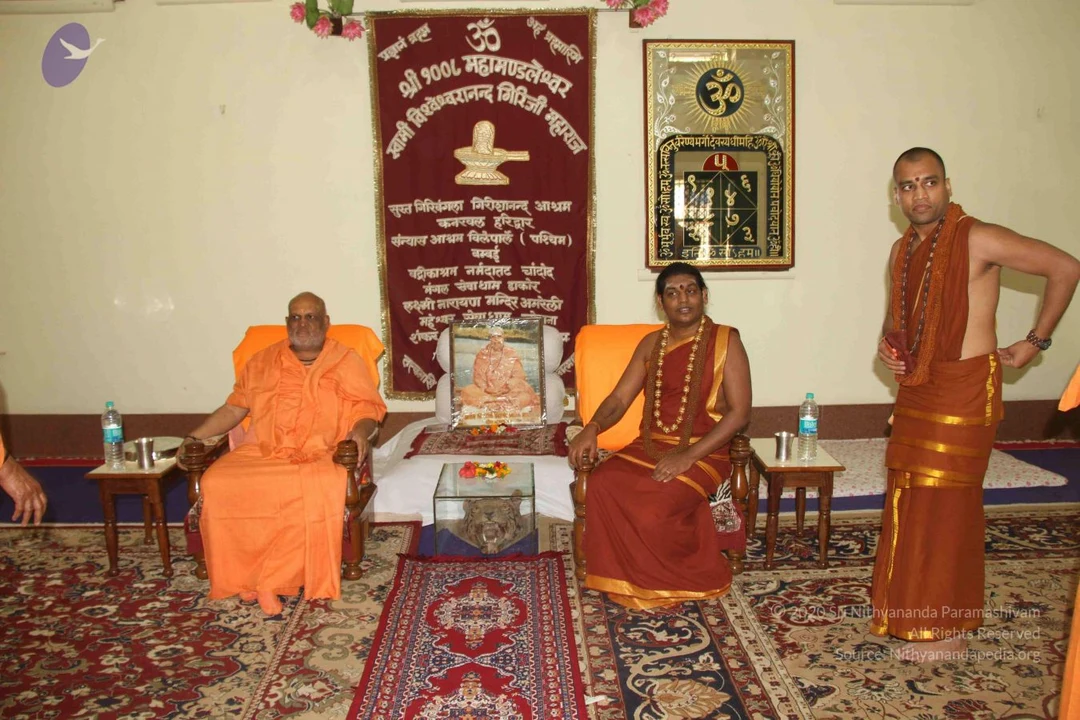
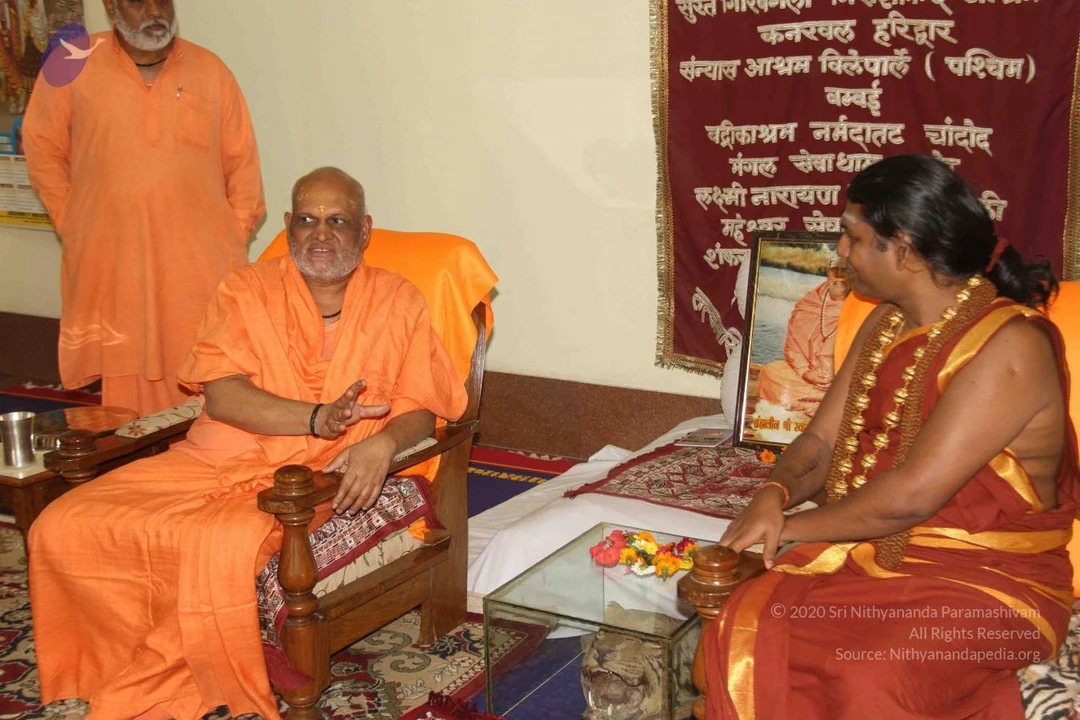
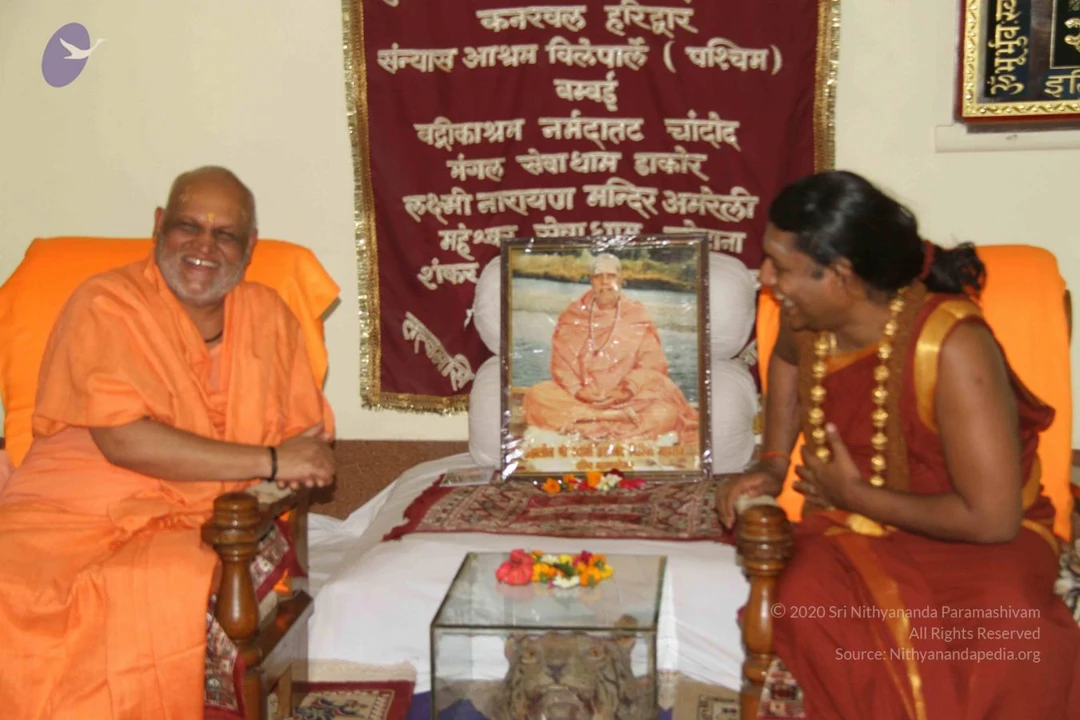
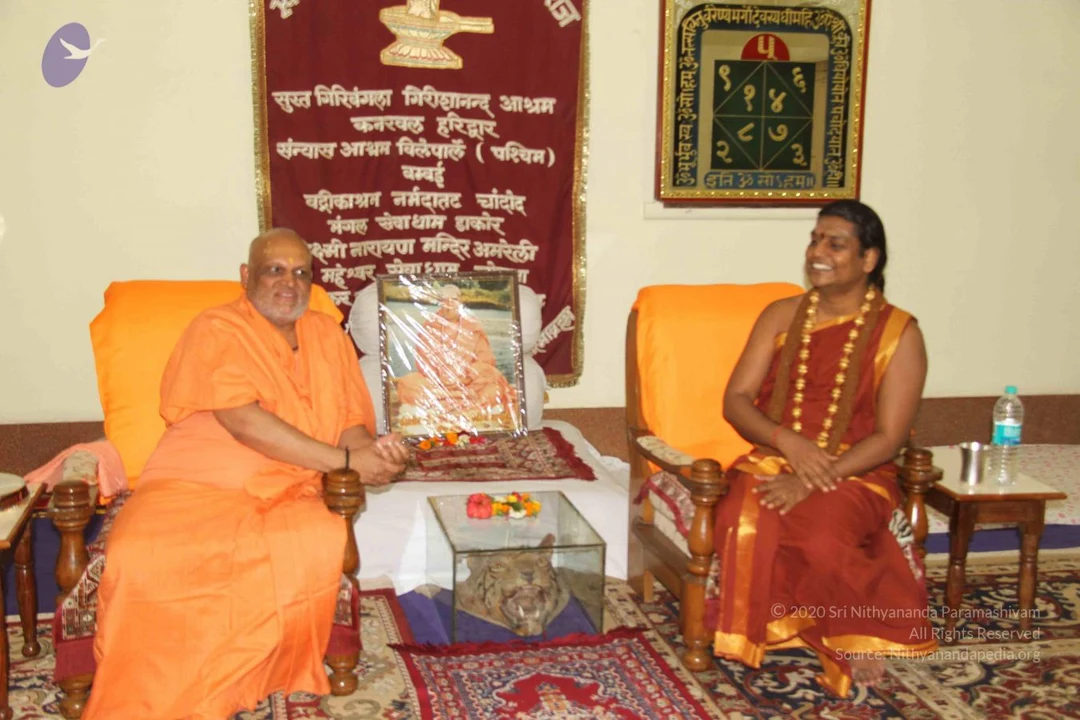
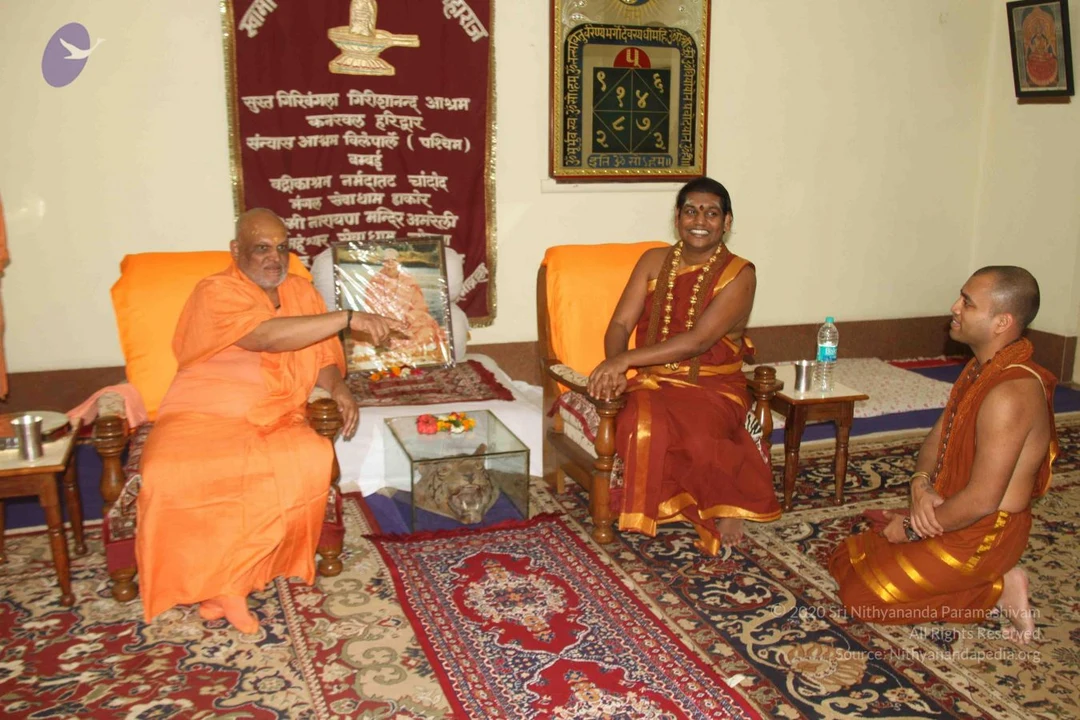
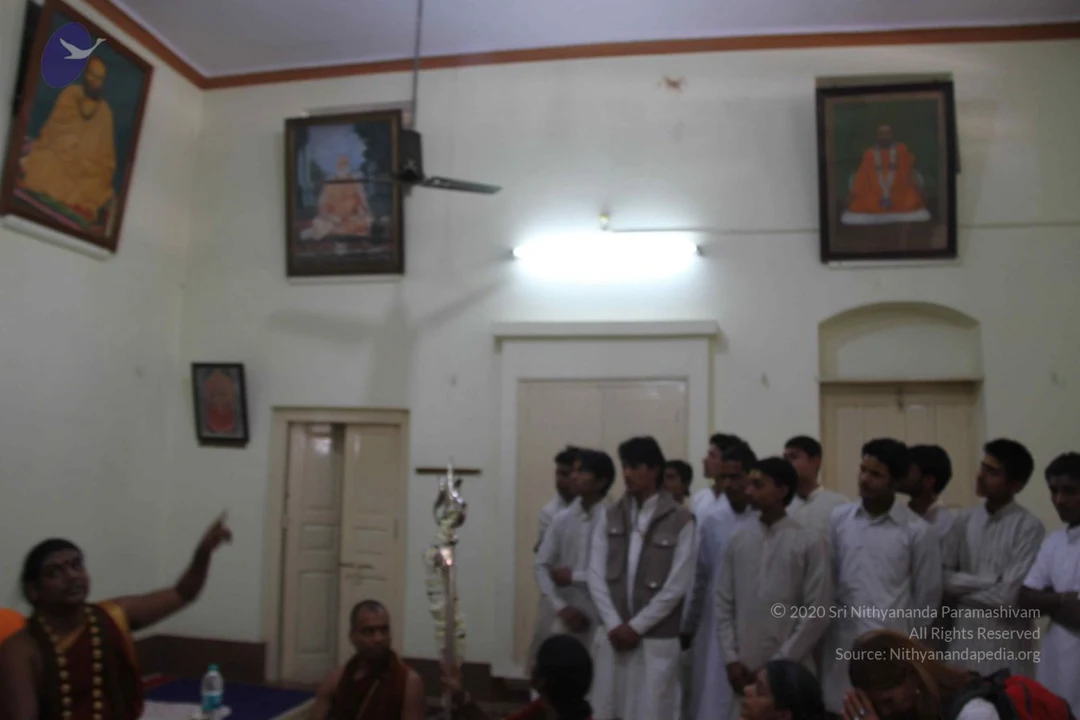
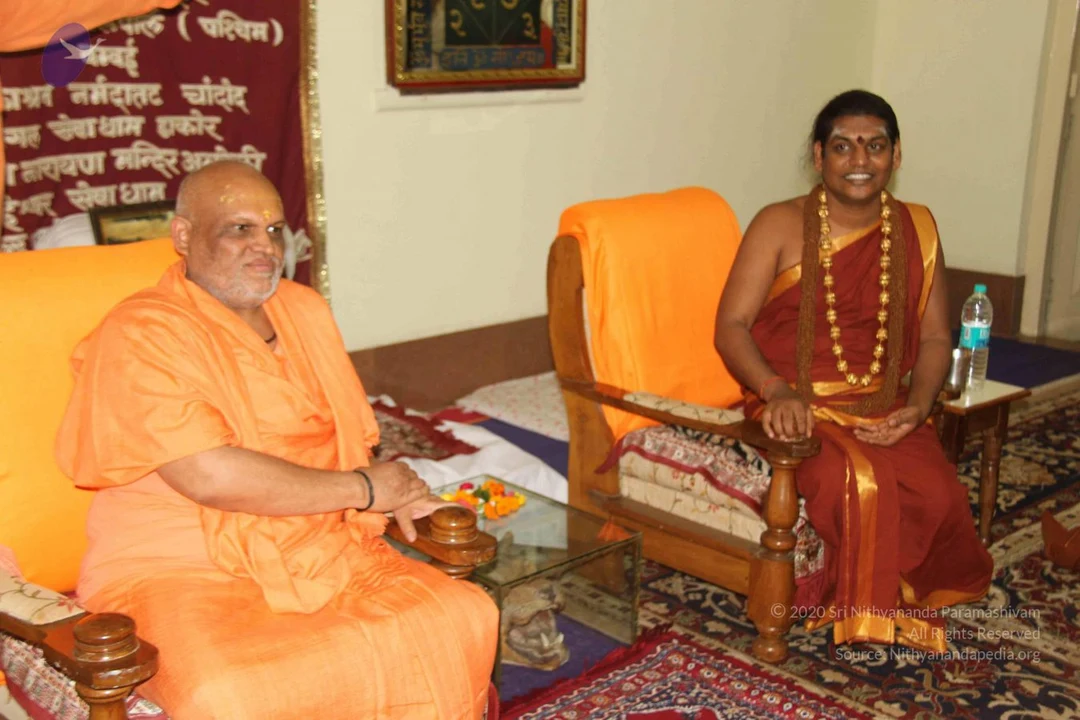
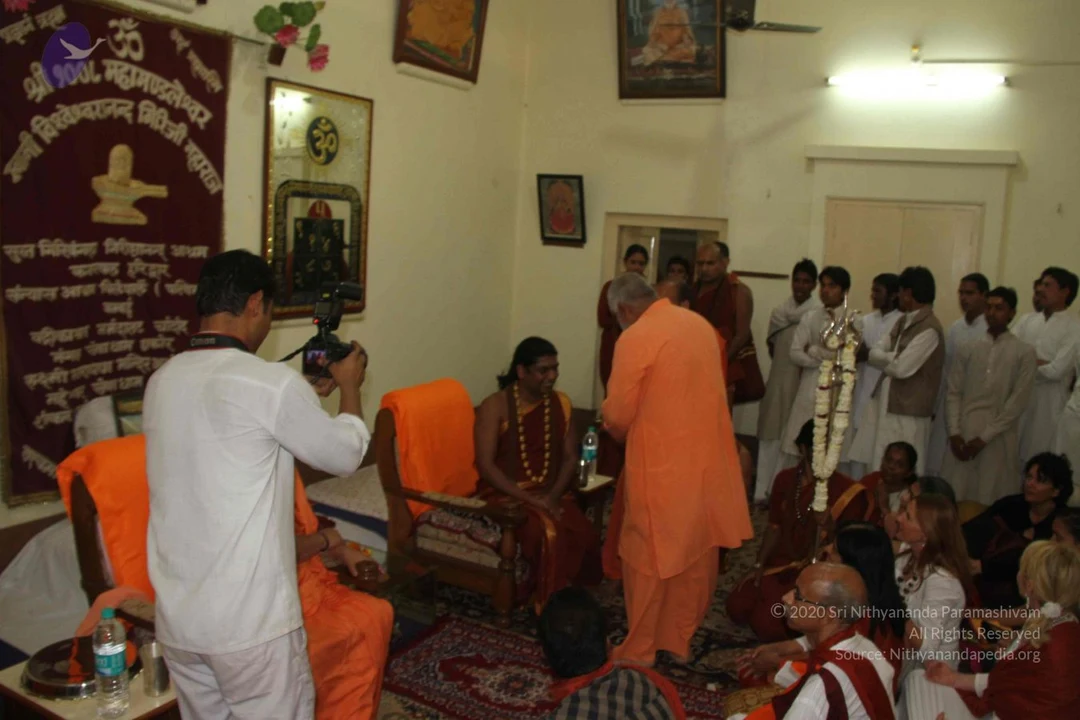
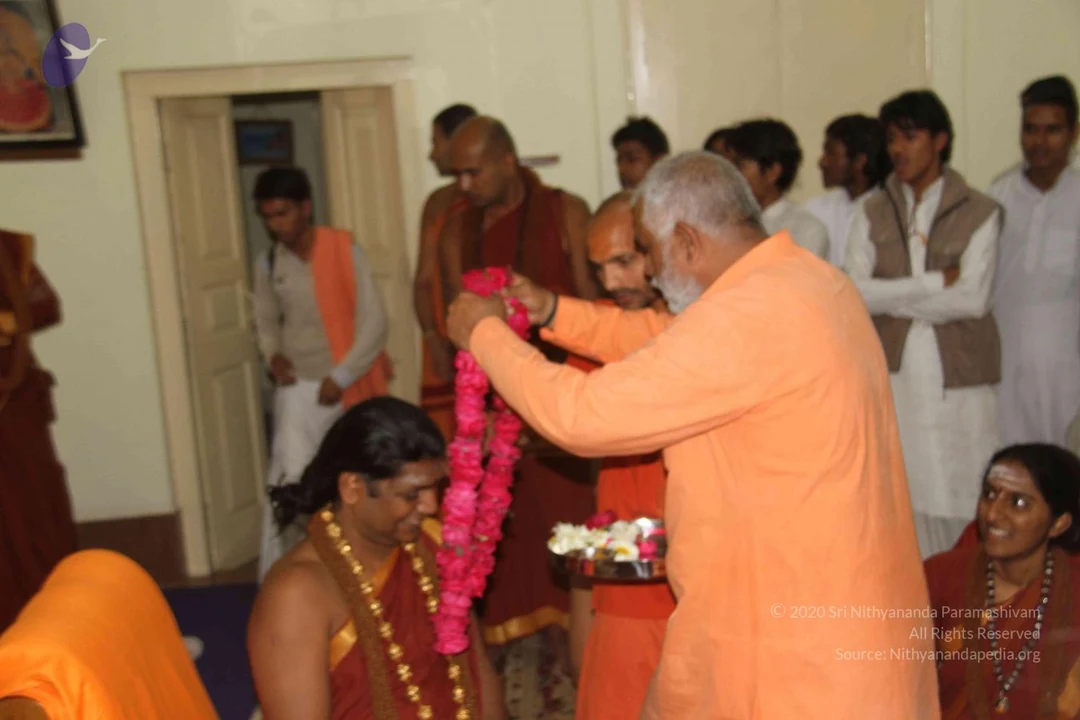
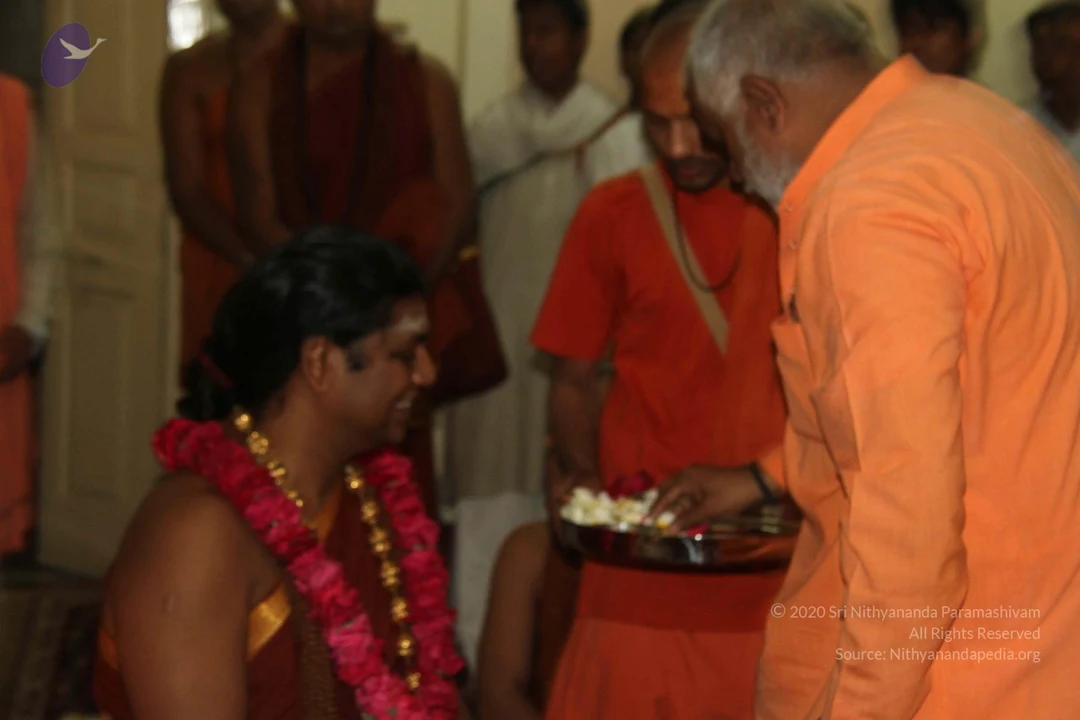
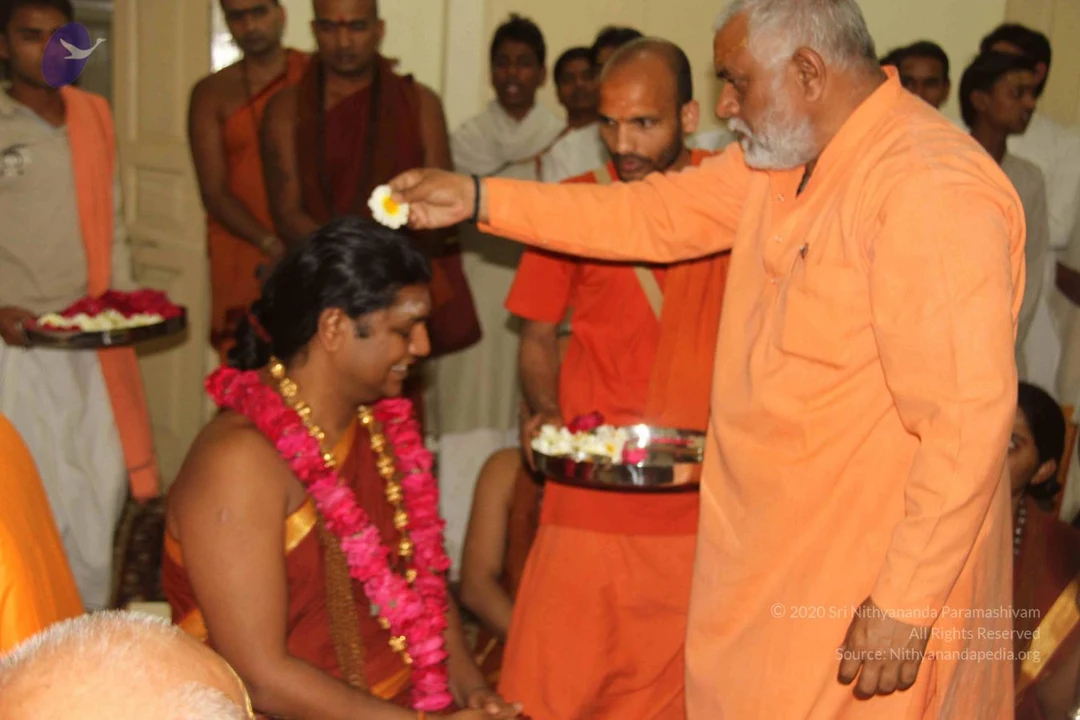
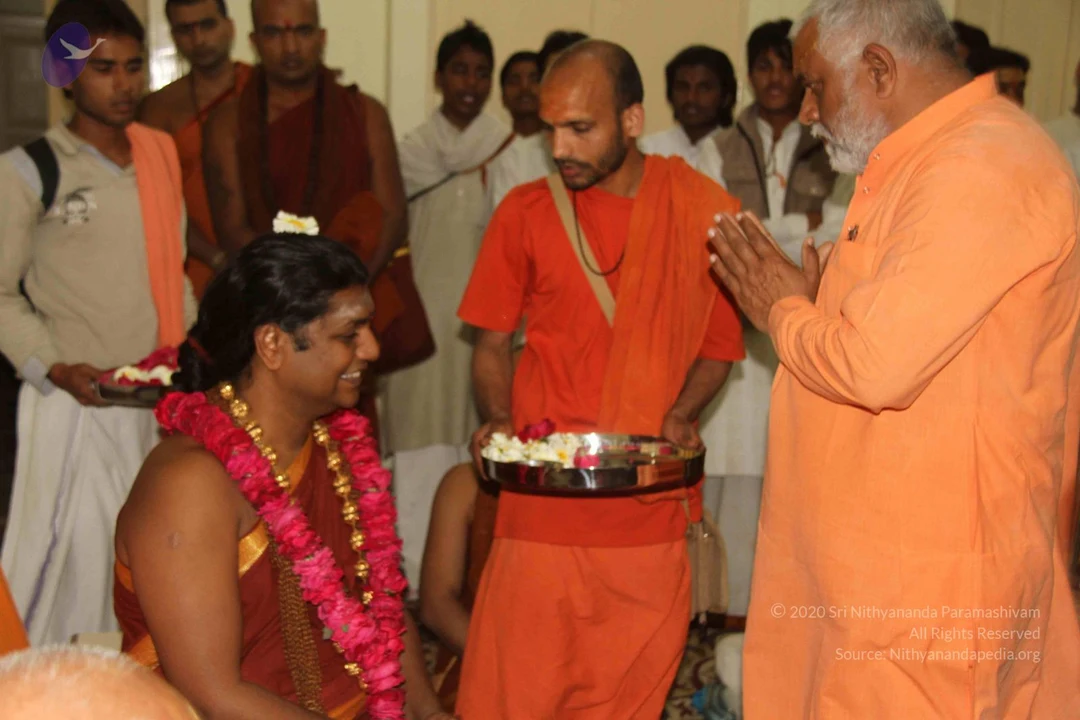
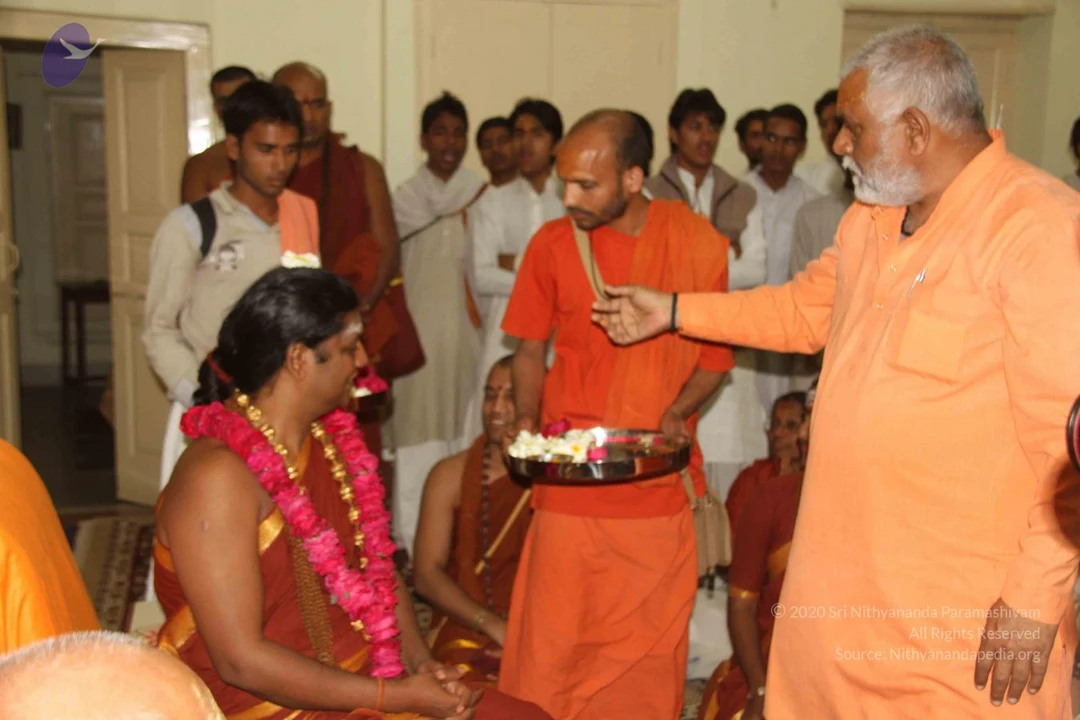
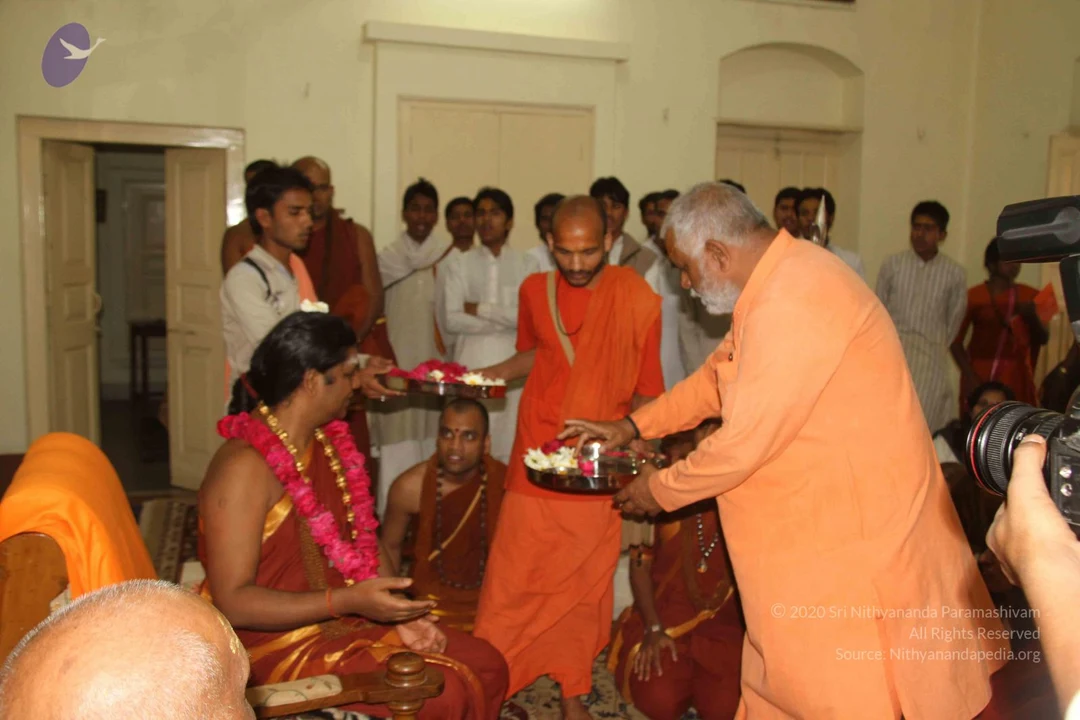
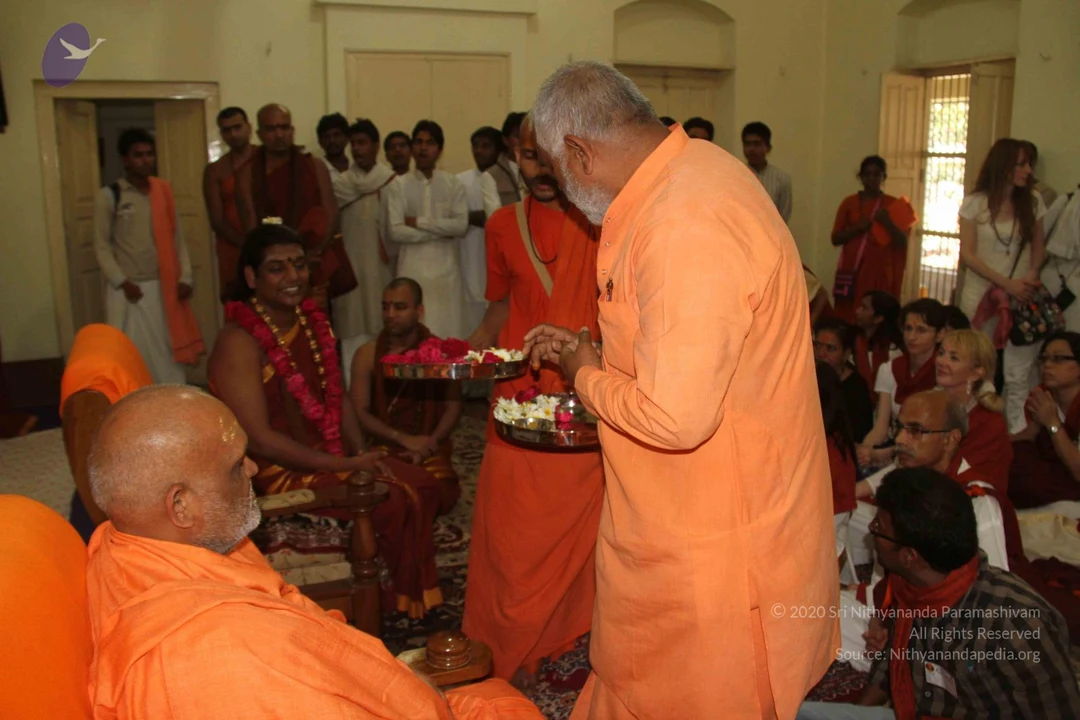
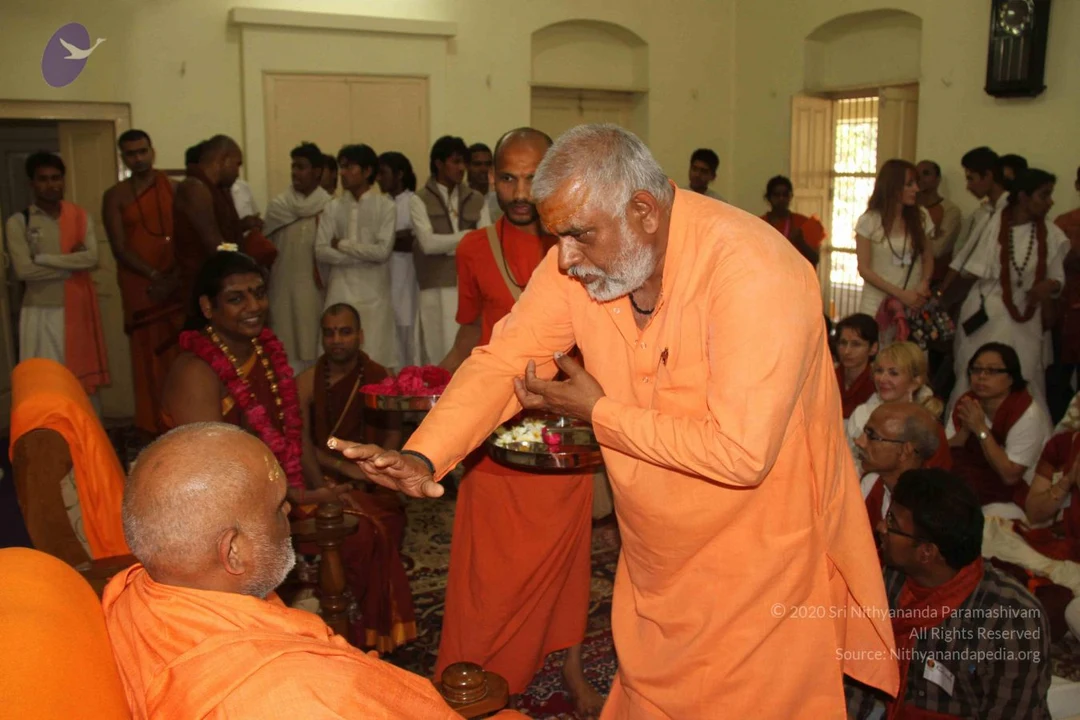
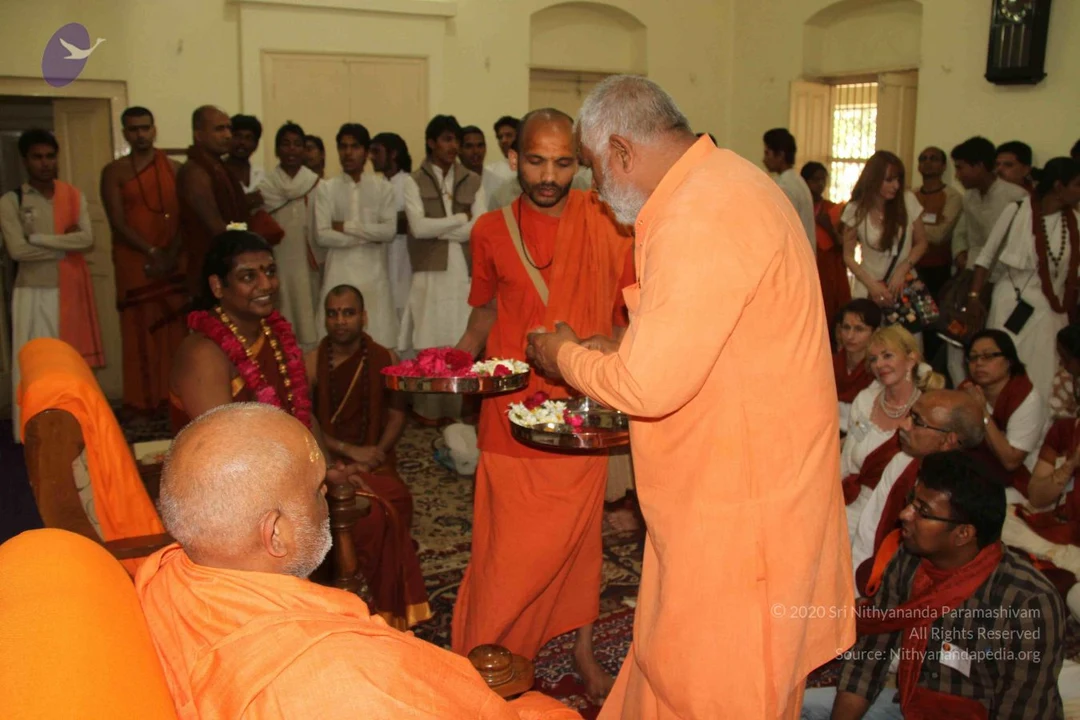
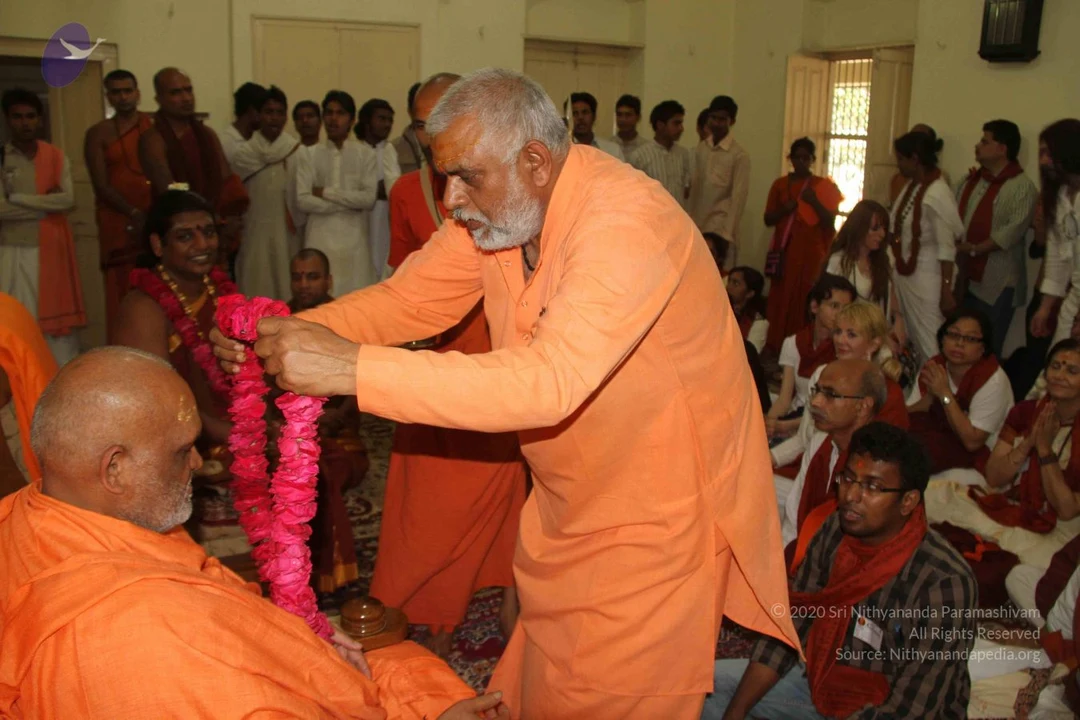
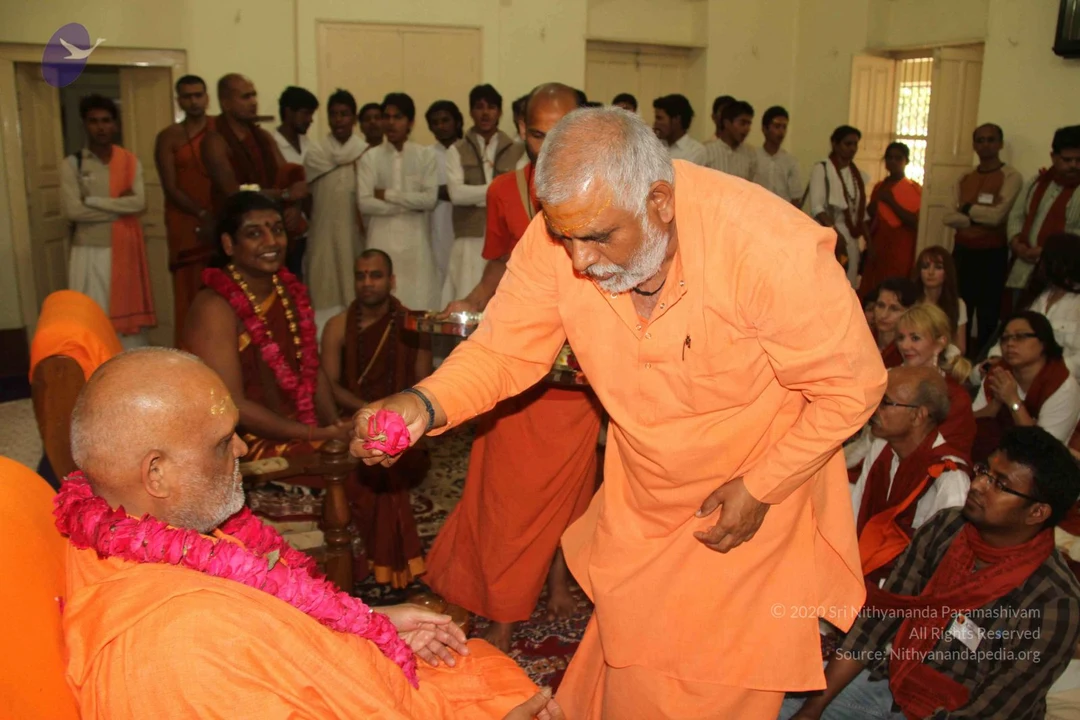
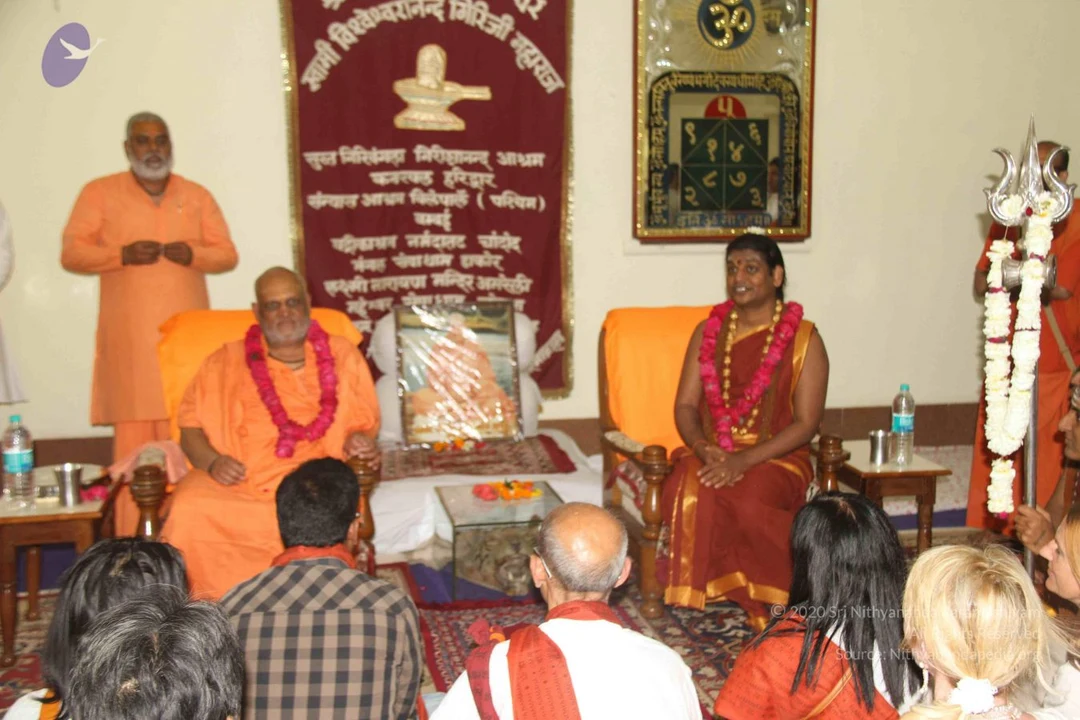
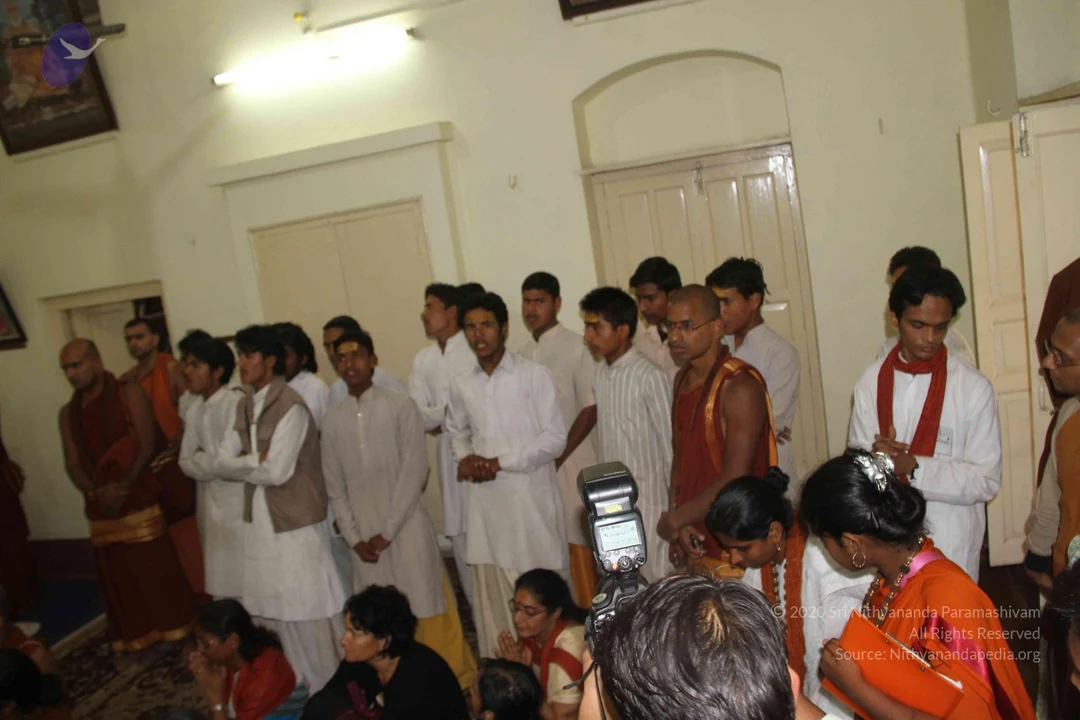
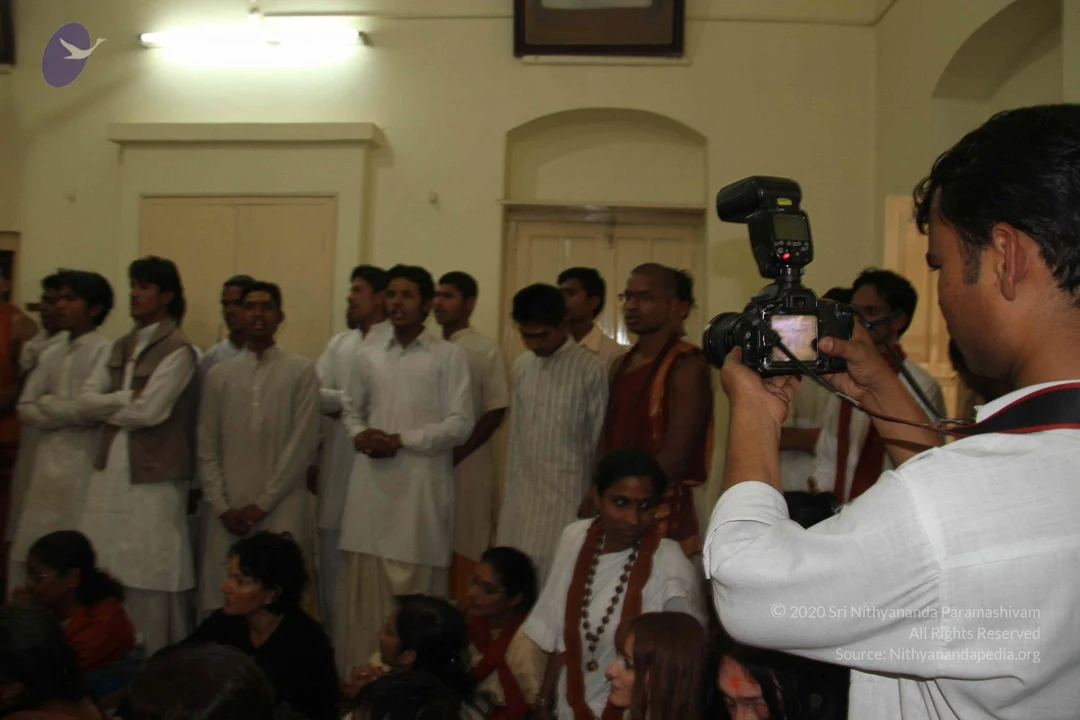
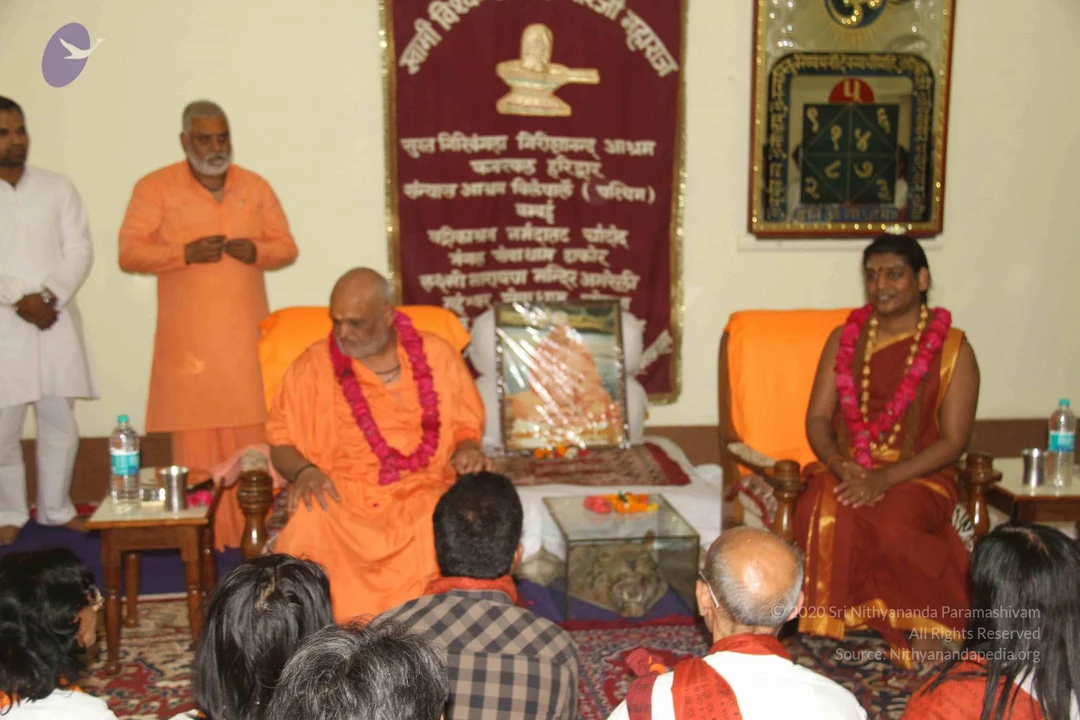
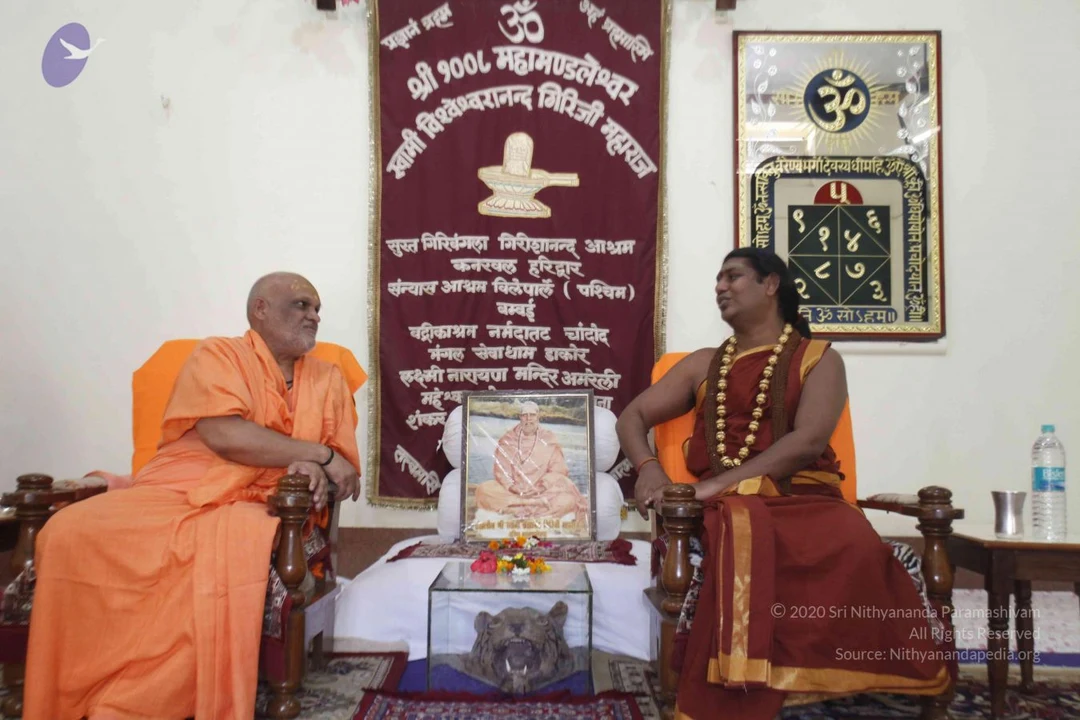
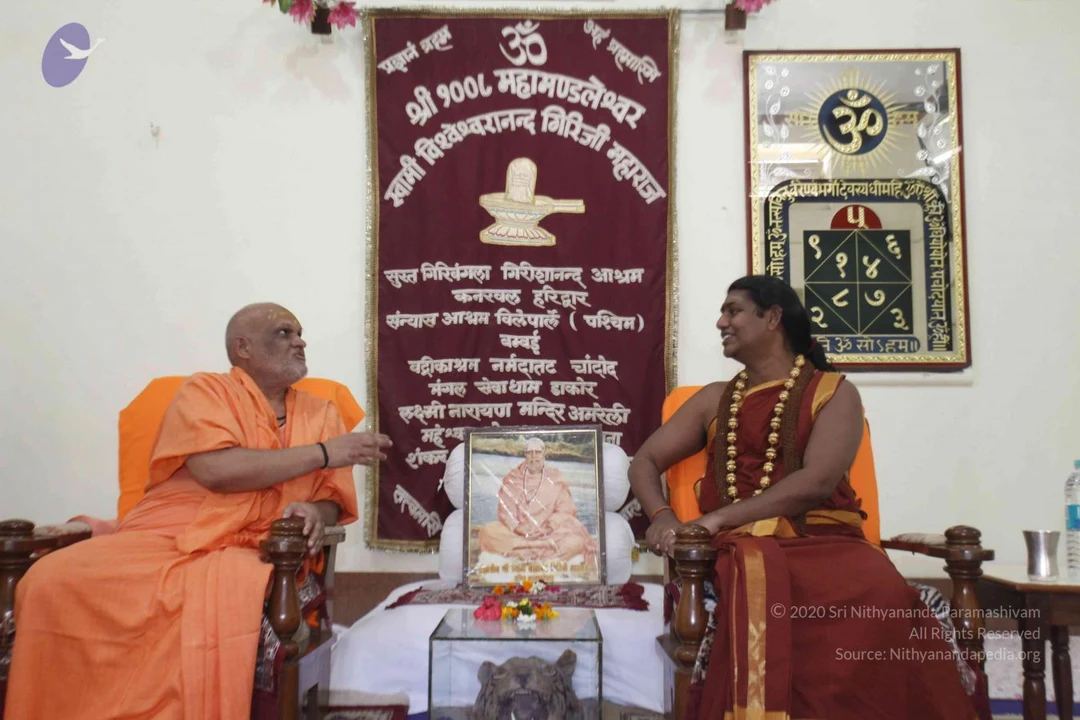
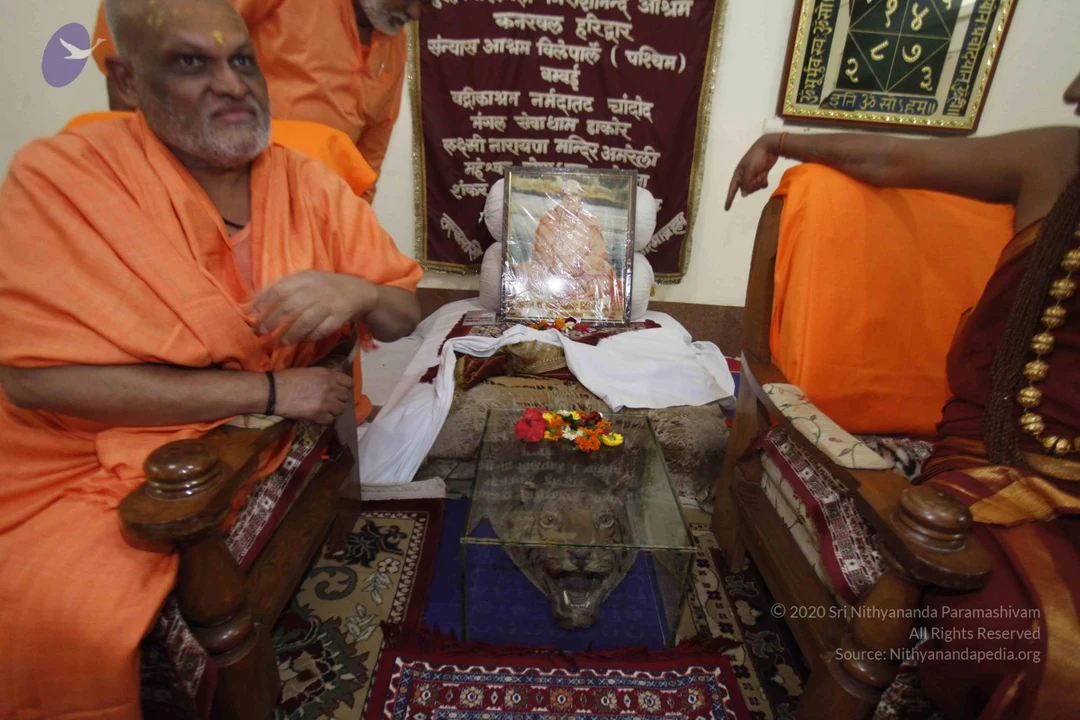
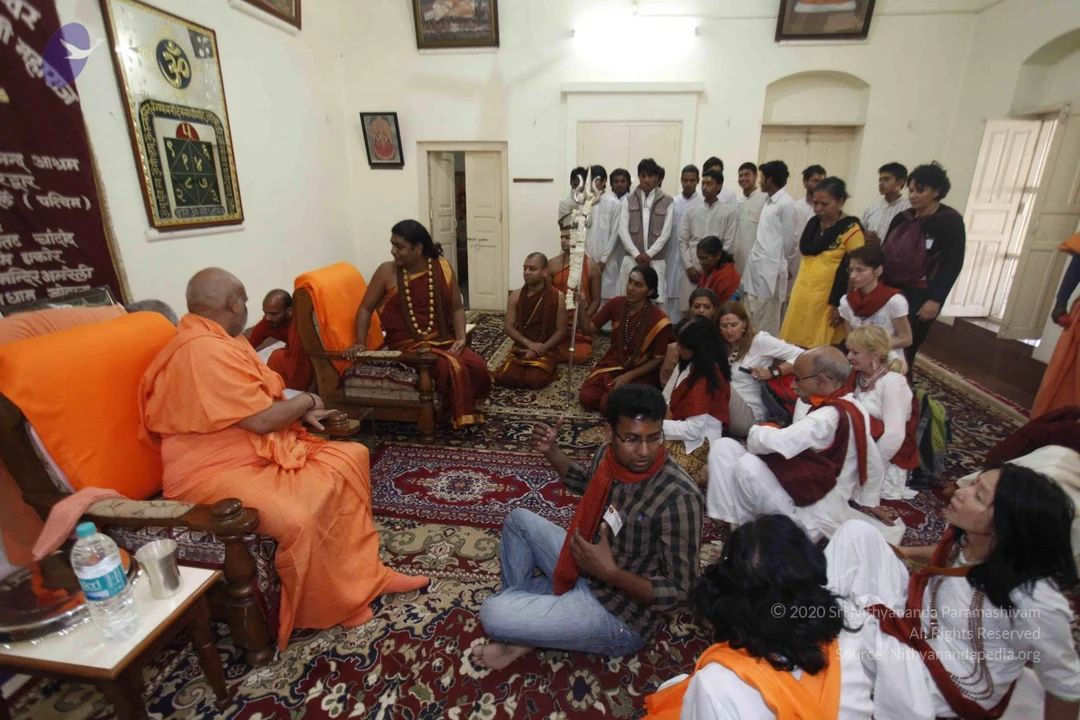
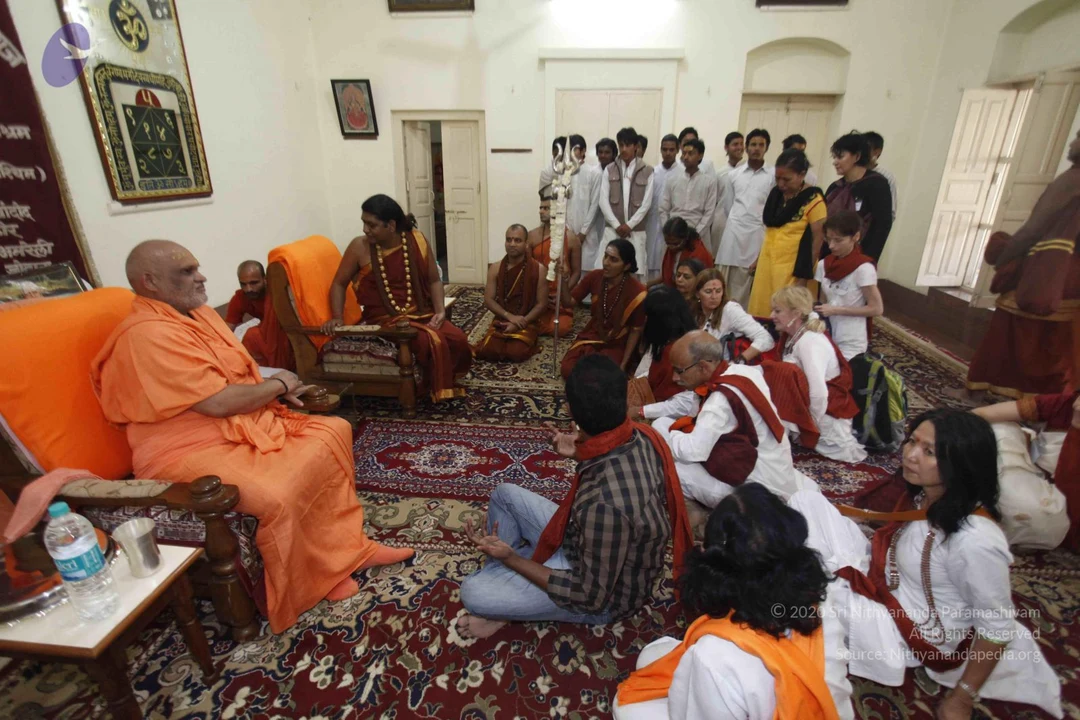
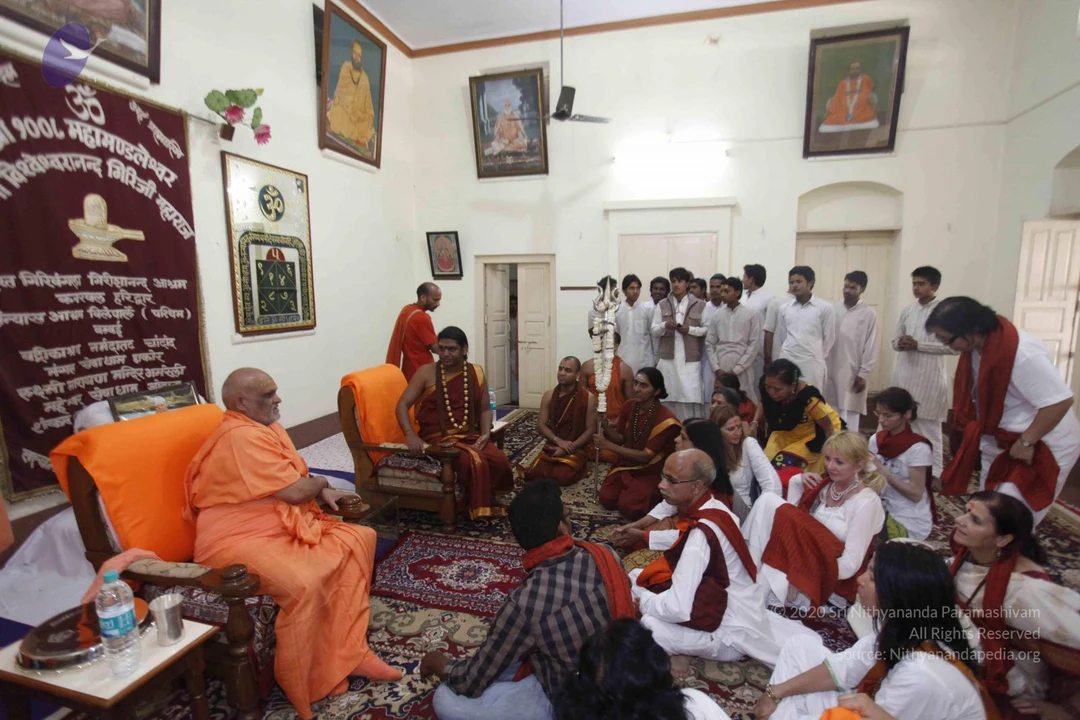
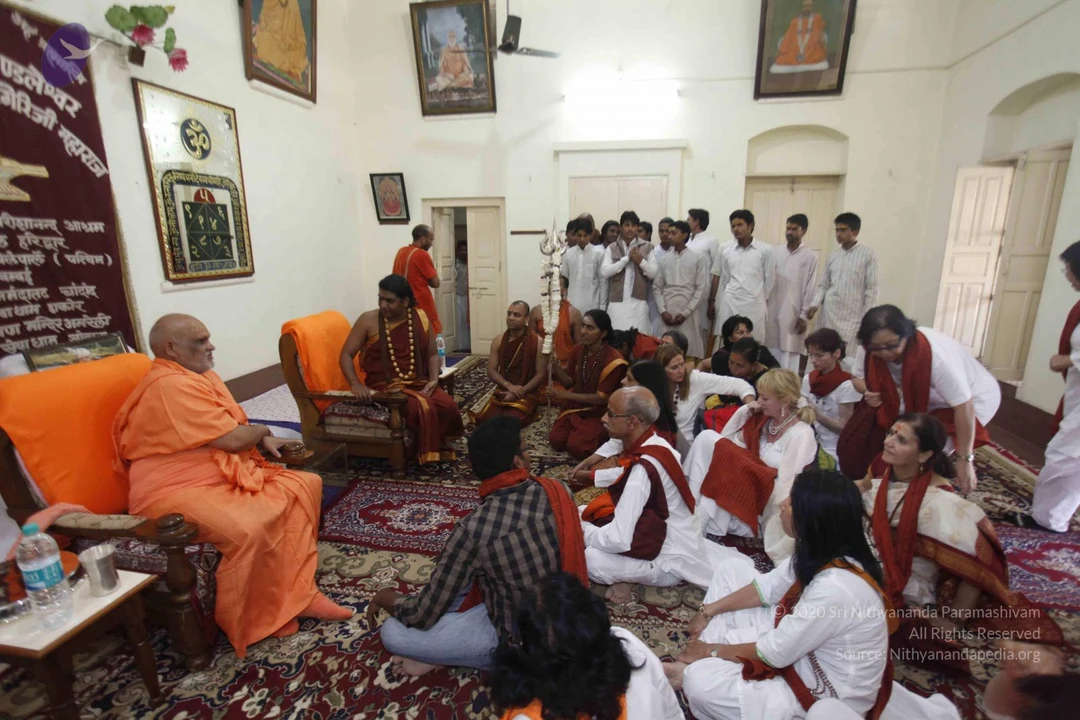
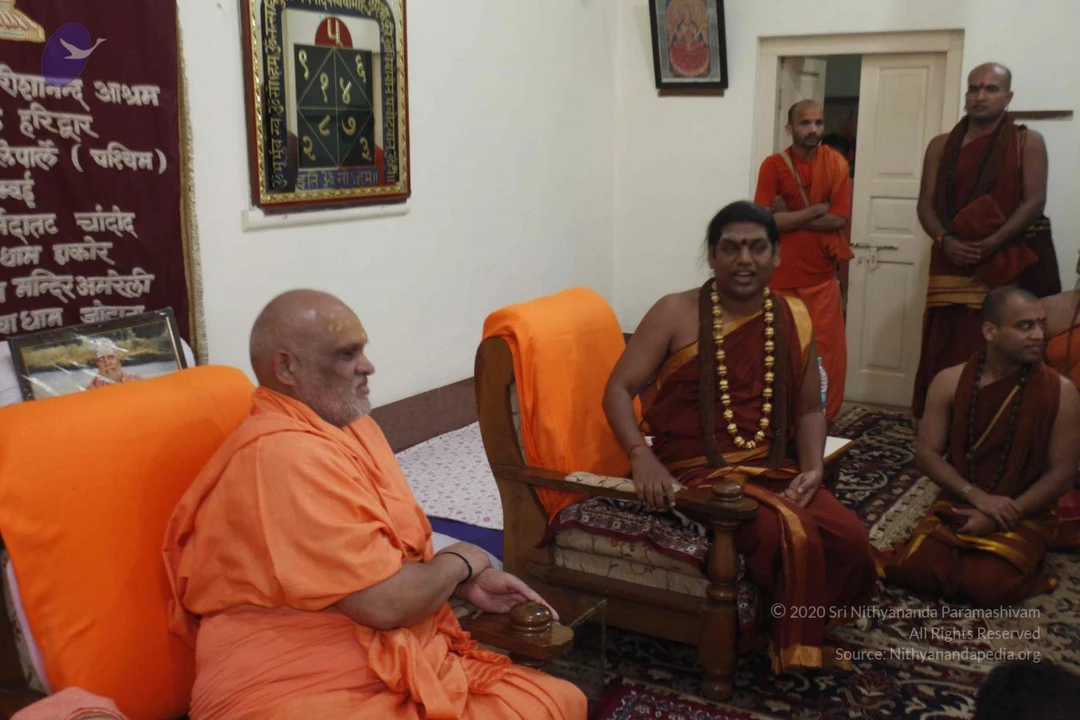
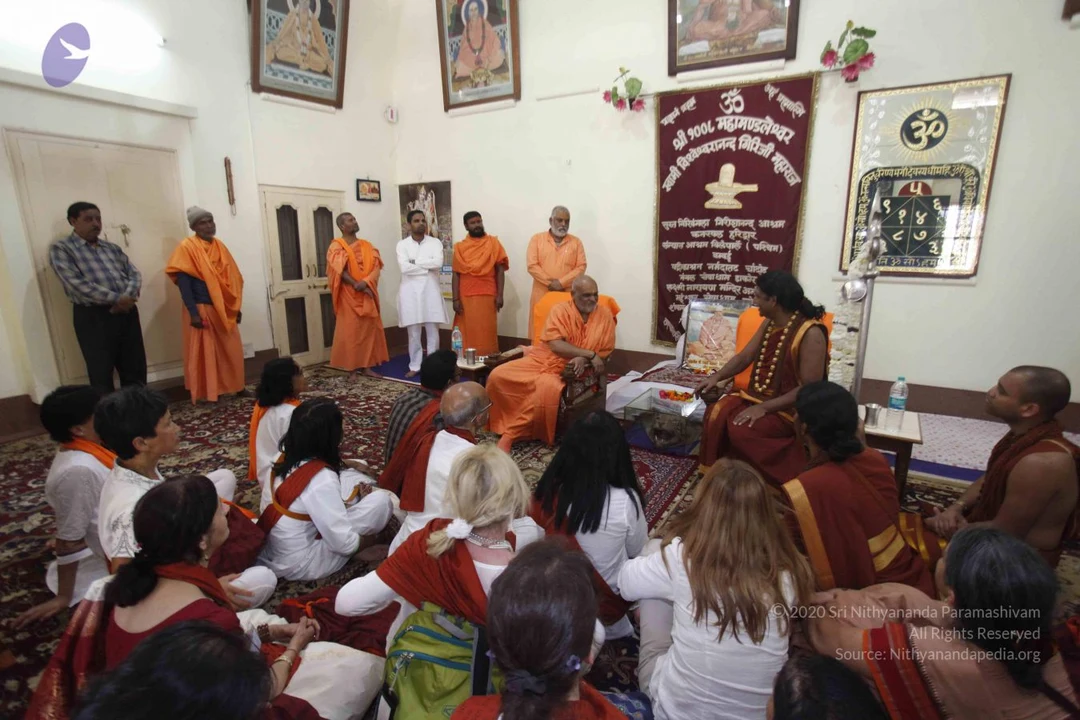
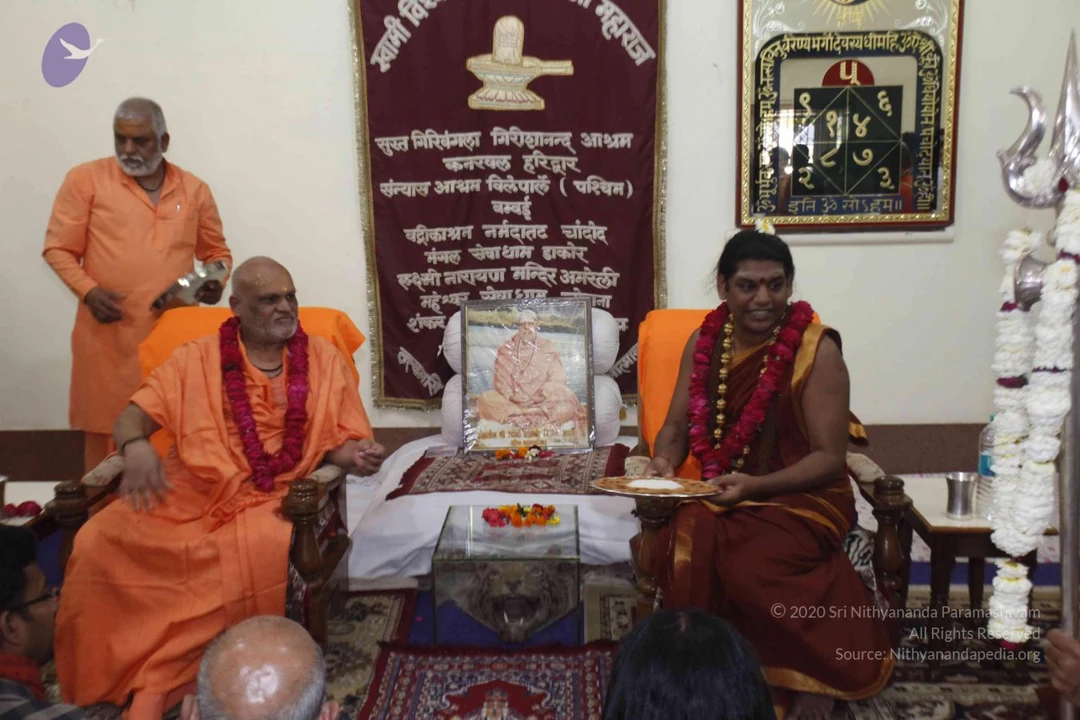
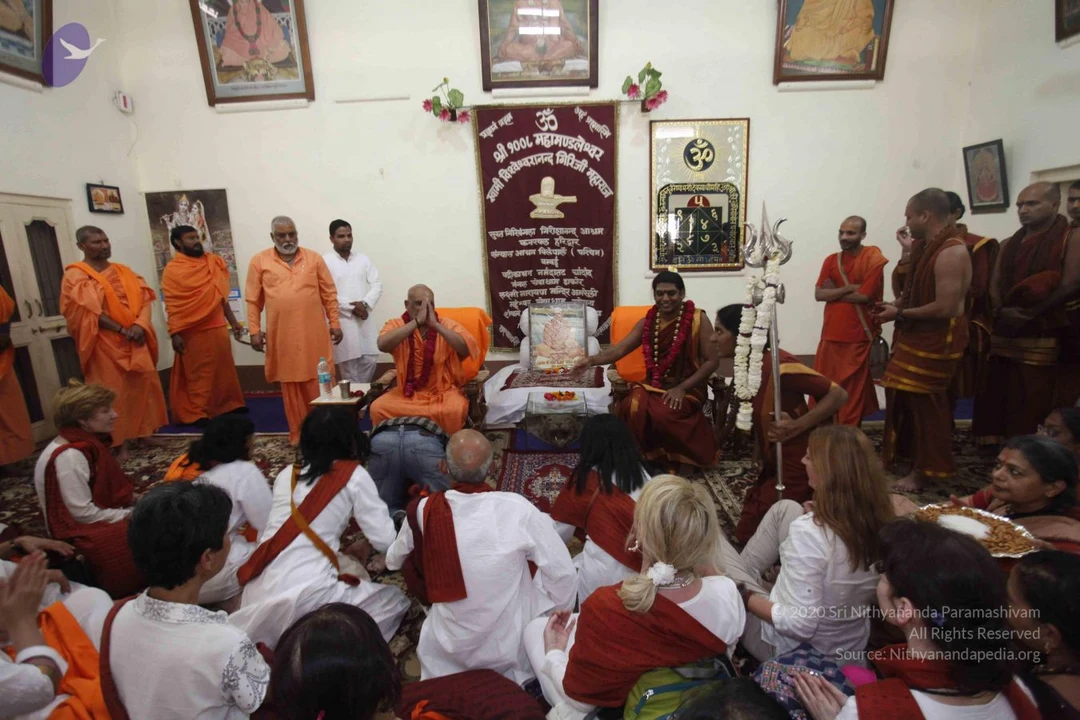
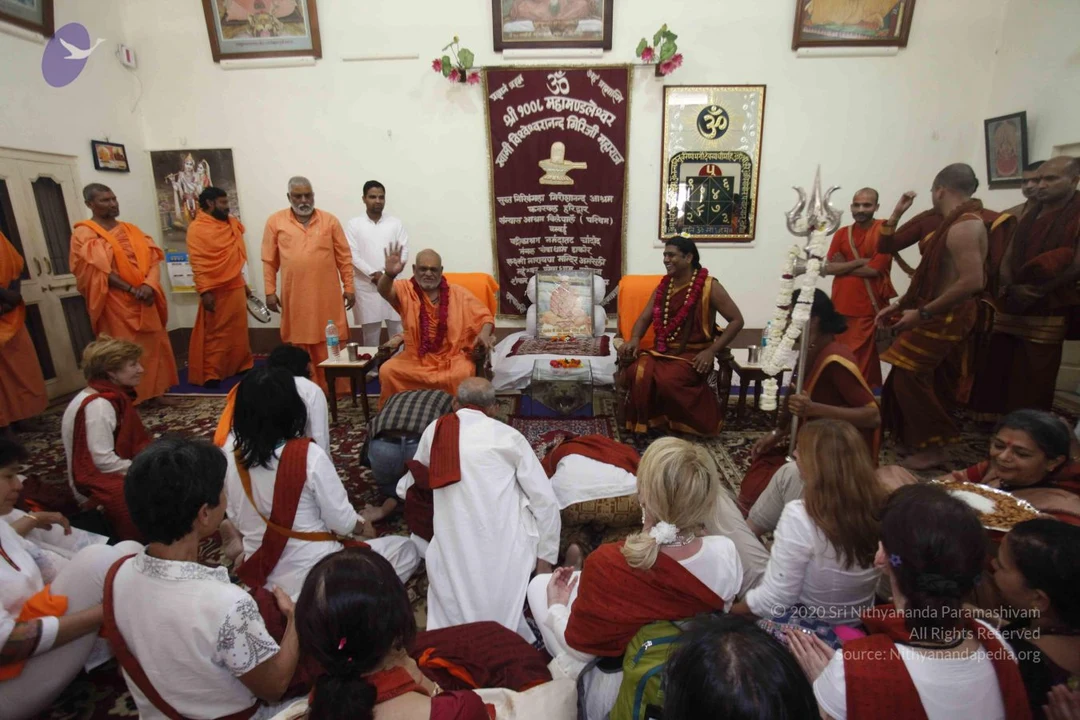
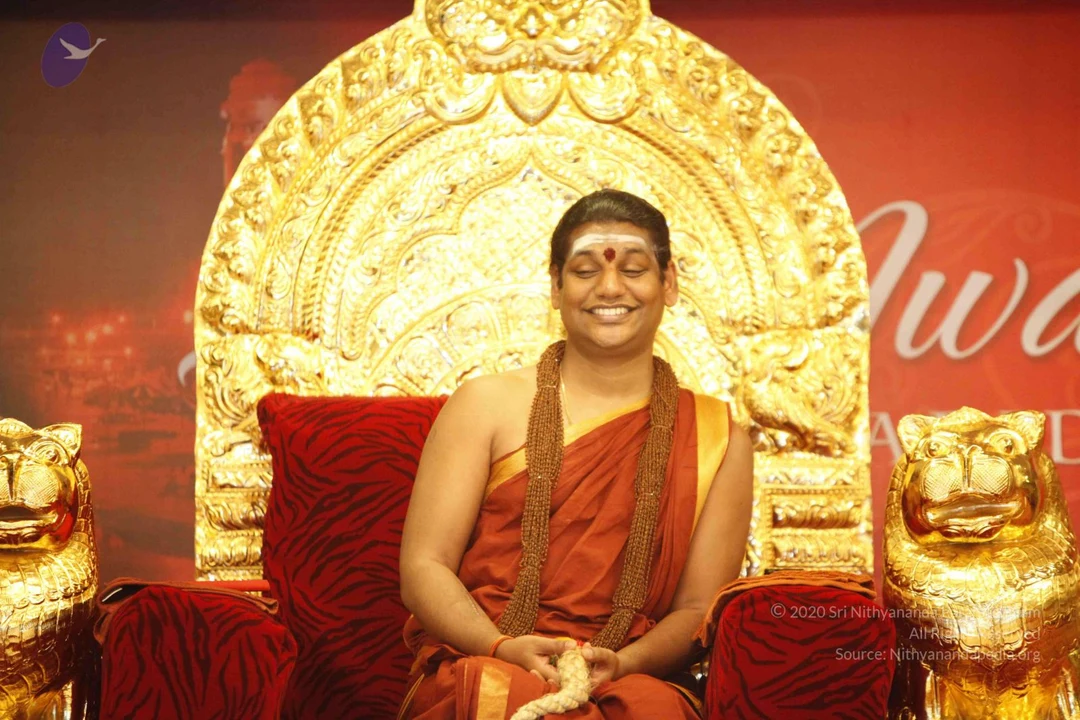
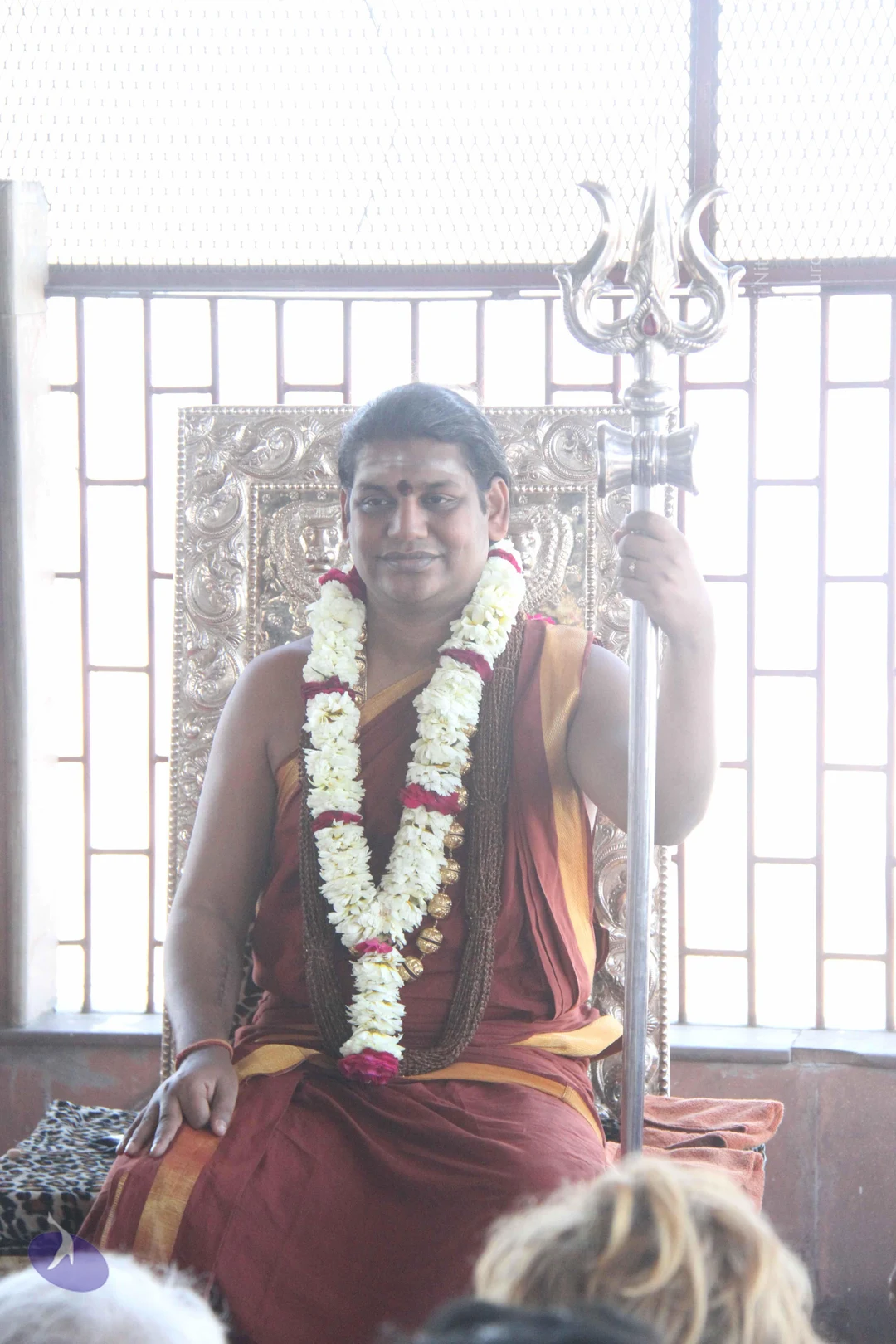
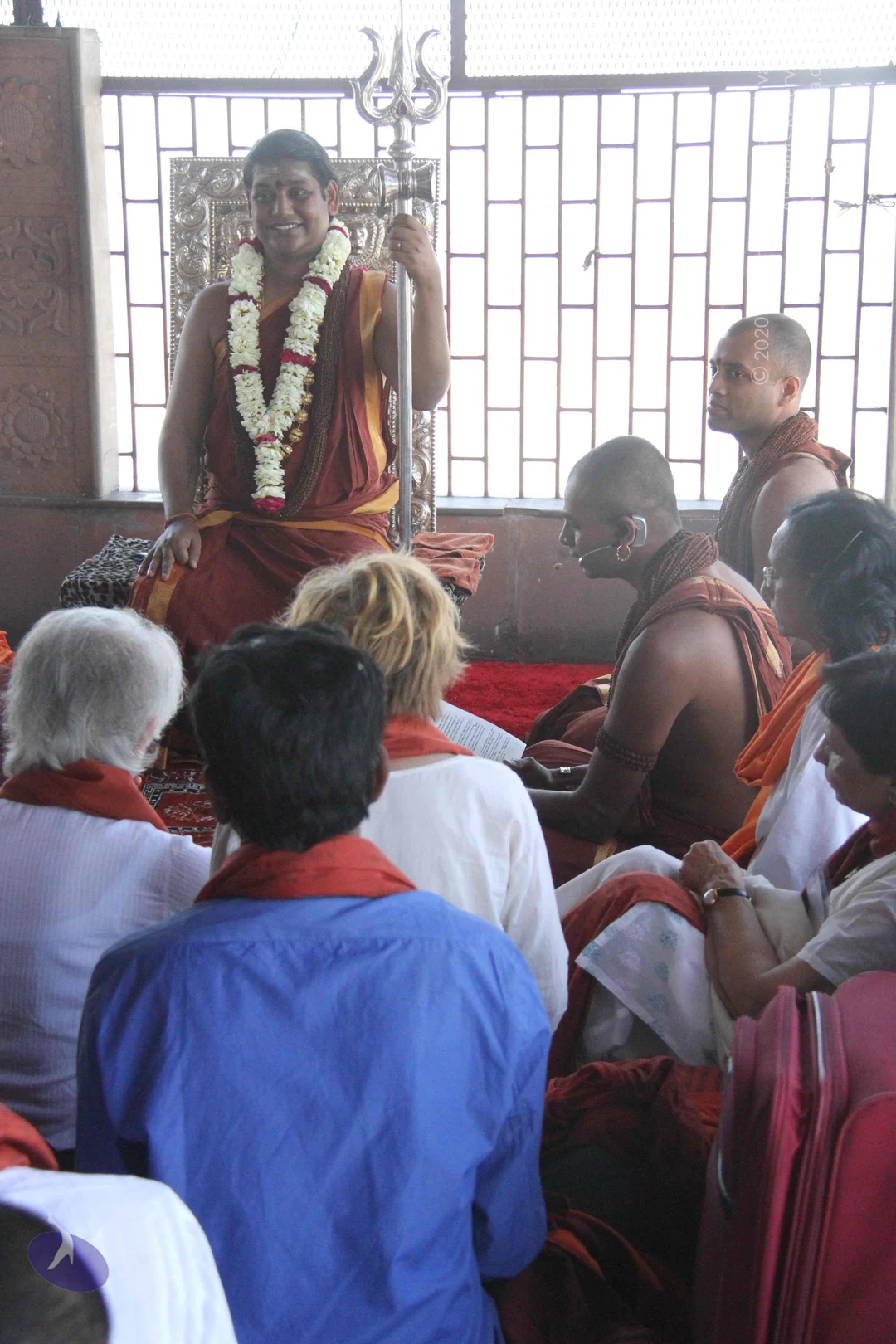
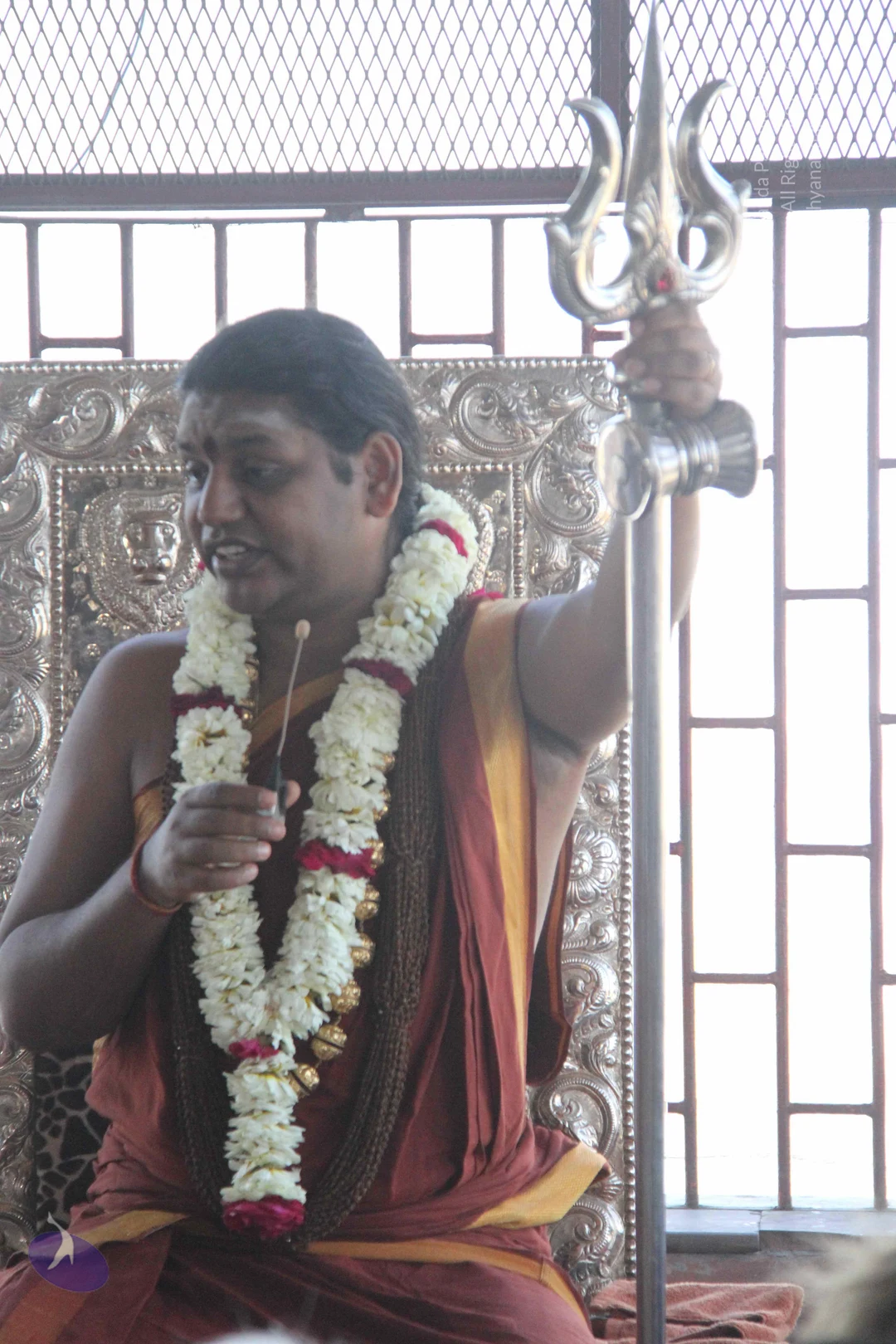
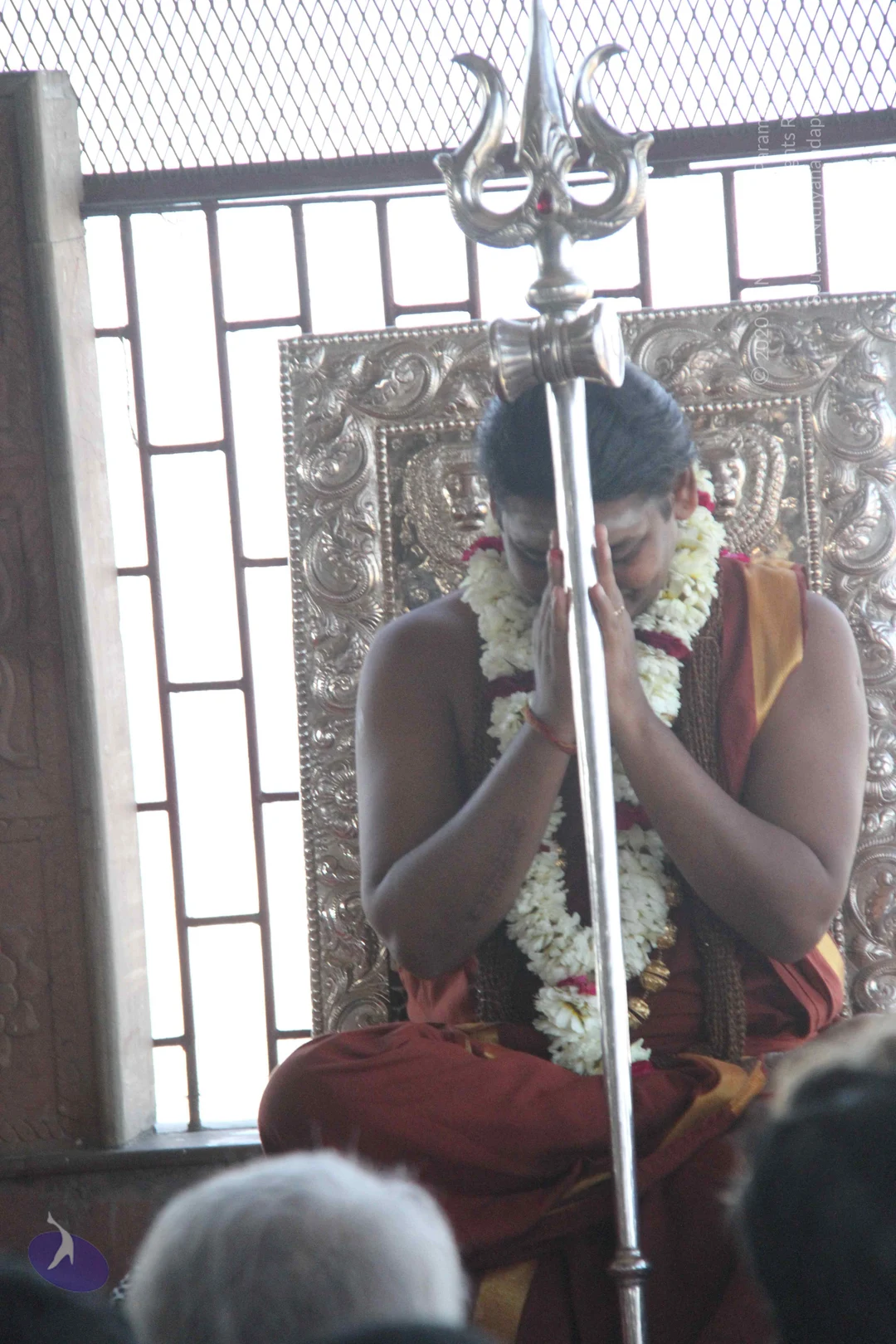
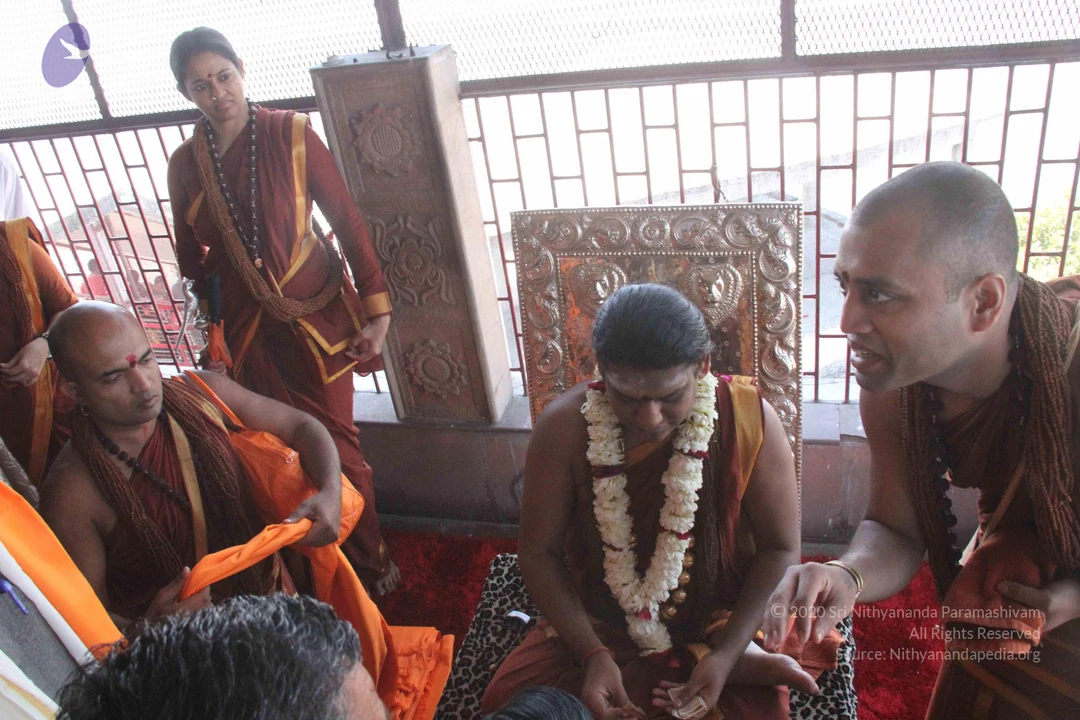
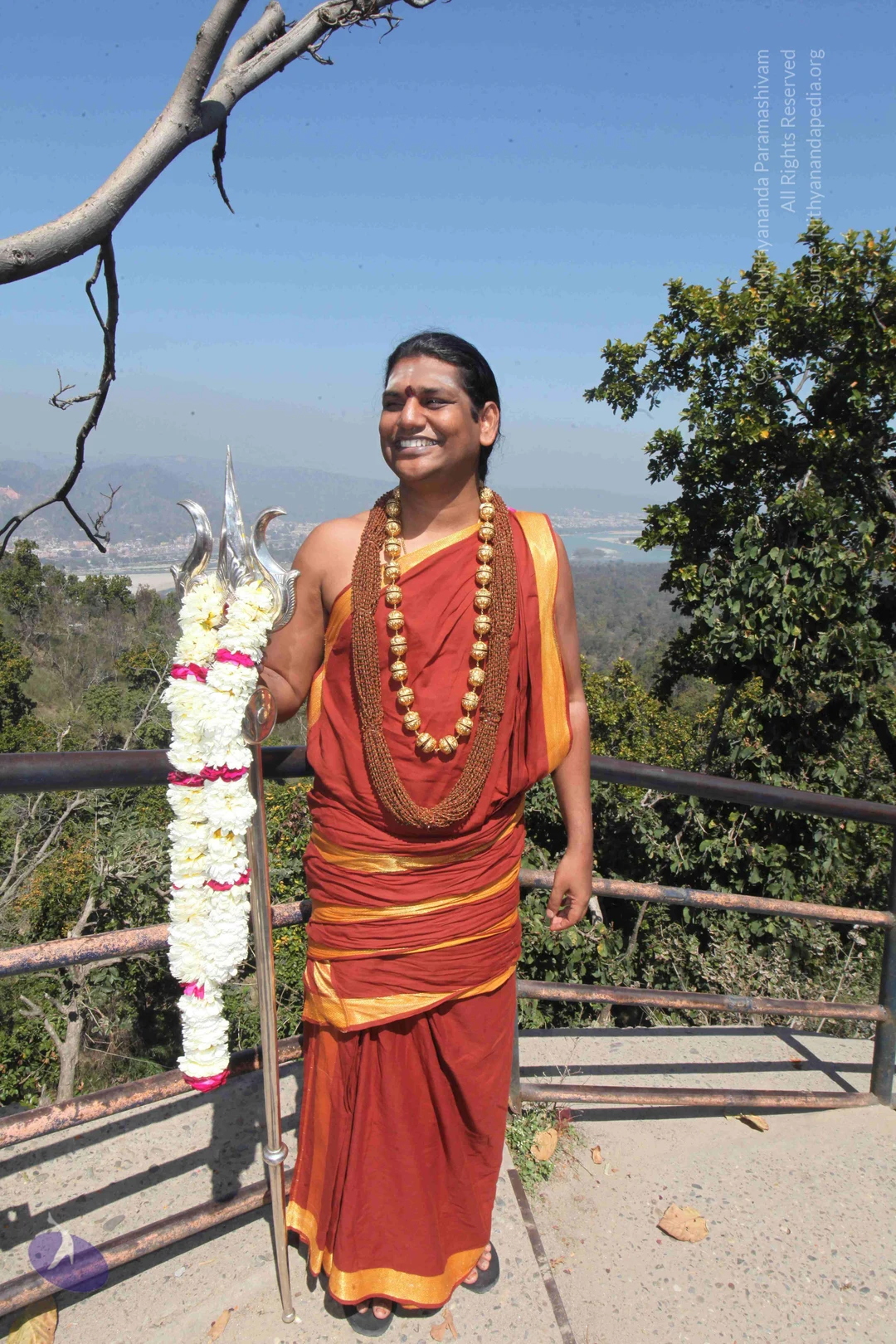
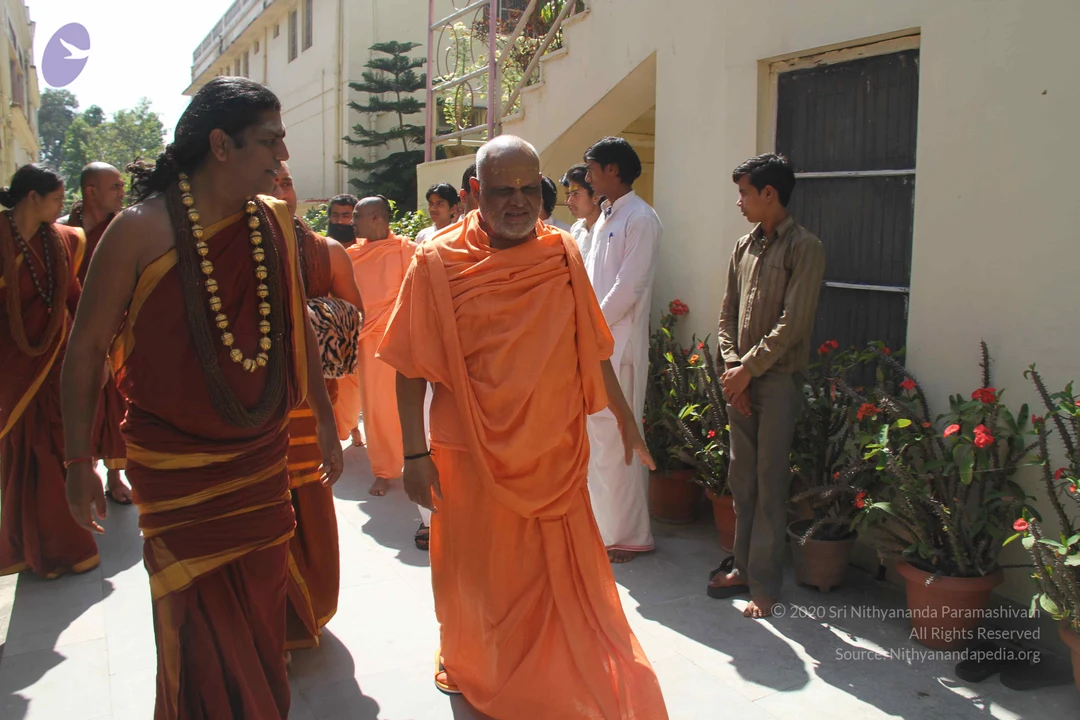
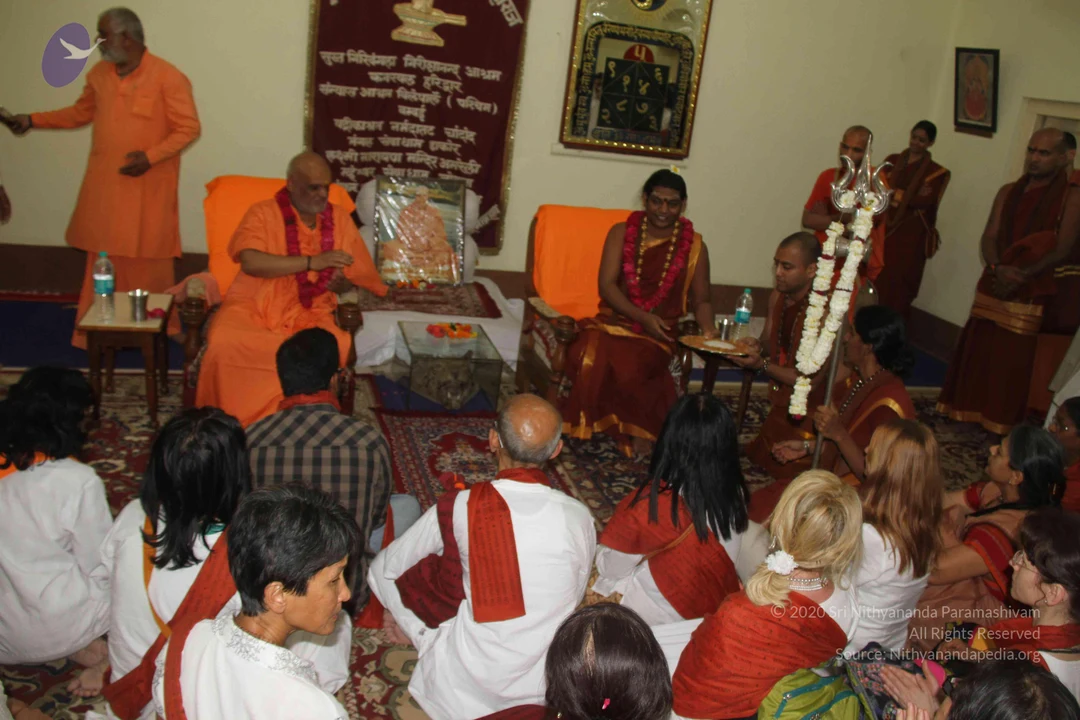
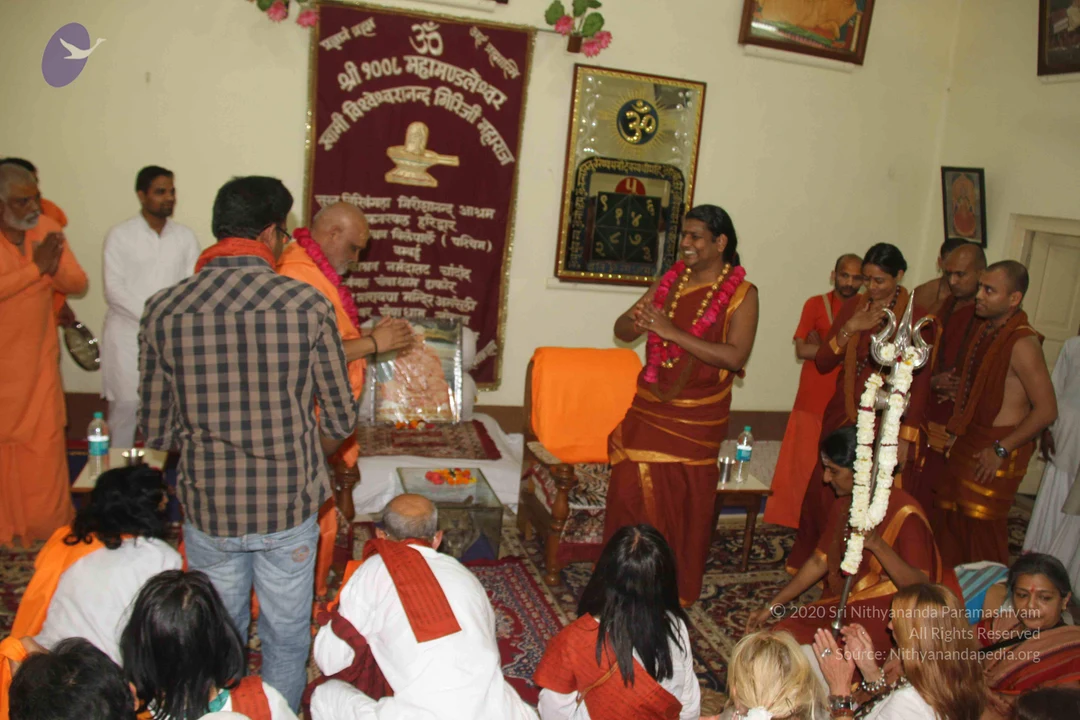
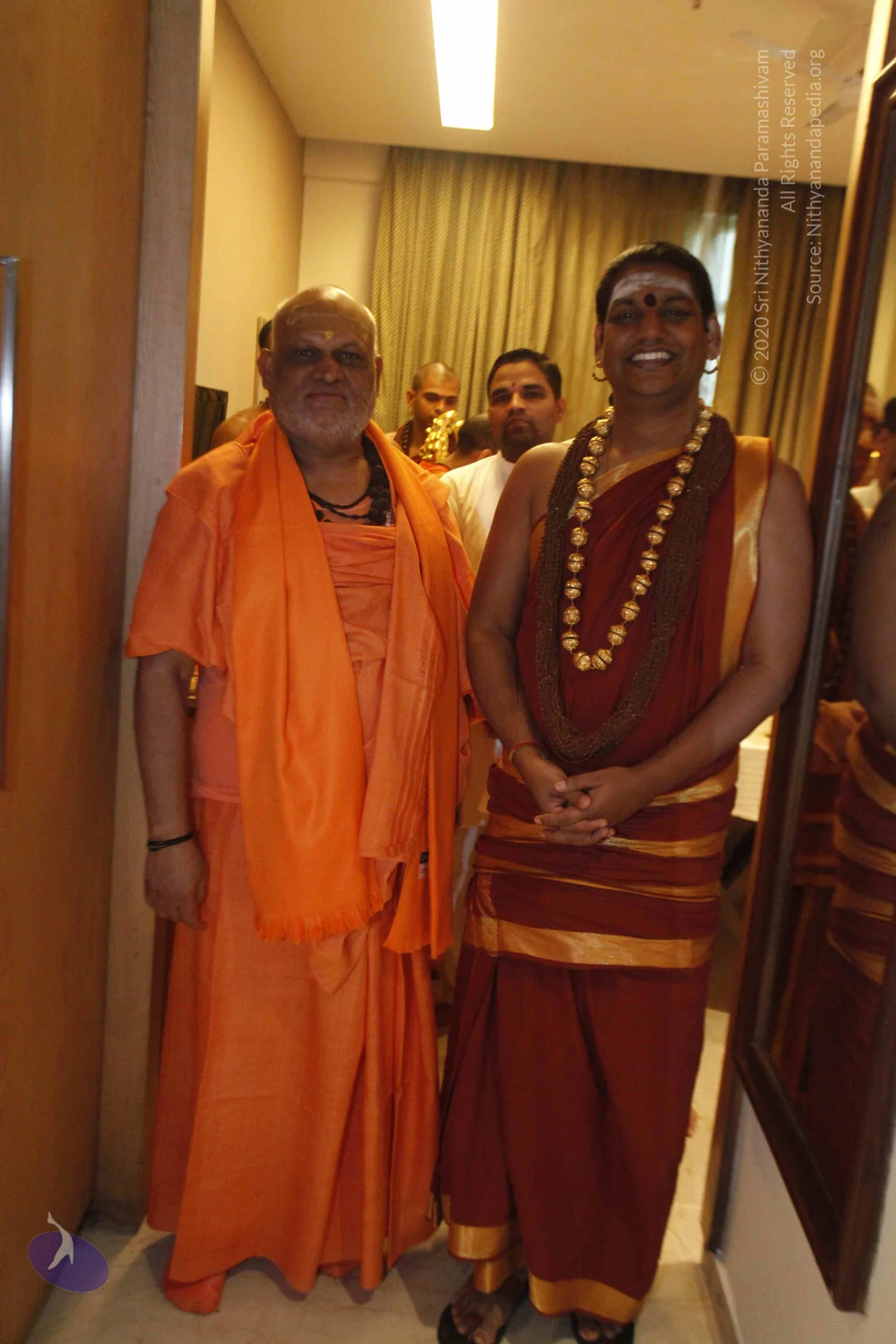
In today’s morning Satsang, Paramahamsa Nithyananda welcomes Mahamandaleshwar Vishweshwaranandaji Maharaj of Mahanirvani Akhada. Sri Sri Vishweshwaranandaji Maharaj addresses devotees gathered in Haridwar and around the world. He begins by illustrating a beautiful story from Paramahamsa Nithyananda’s parivrajaka days and later fondly mentions his own Guruji. Throughout his message, he strongly supports Paramahamsa Nithyananda’s mission, and explains the important work of Sanatana Hindu Dharma who has, for ages, helped human beings answer the question -who are we?
Link to Video:
| Video | Audio |
Transcript:
[00:18]
Nithyānandeśvara samārambhām Nithyānandeśvari madhyamām | asmat āchārya paryantām vande guru paramparām ||
Iss samay hamare sath upastith sabhi darshakon aur bhakton ka main prem evam aashirwad sahit swagat karta hun.
[00:48]
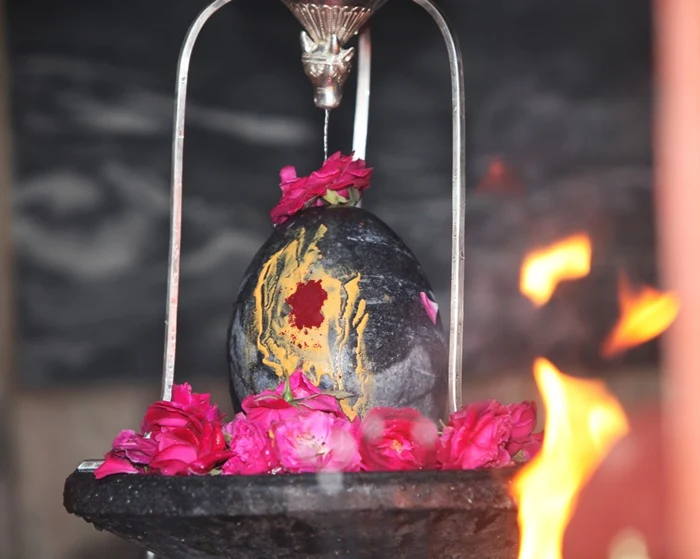
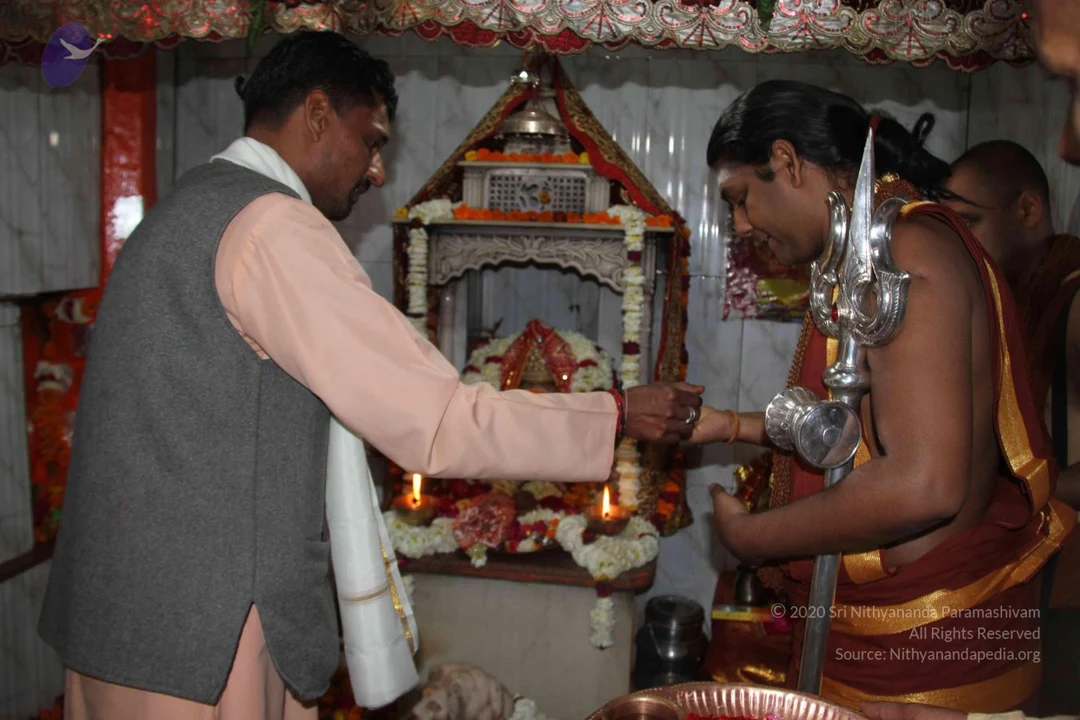
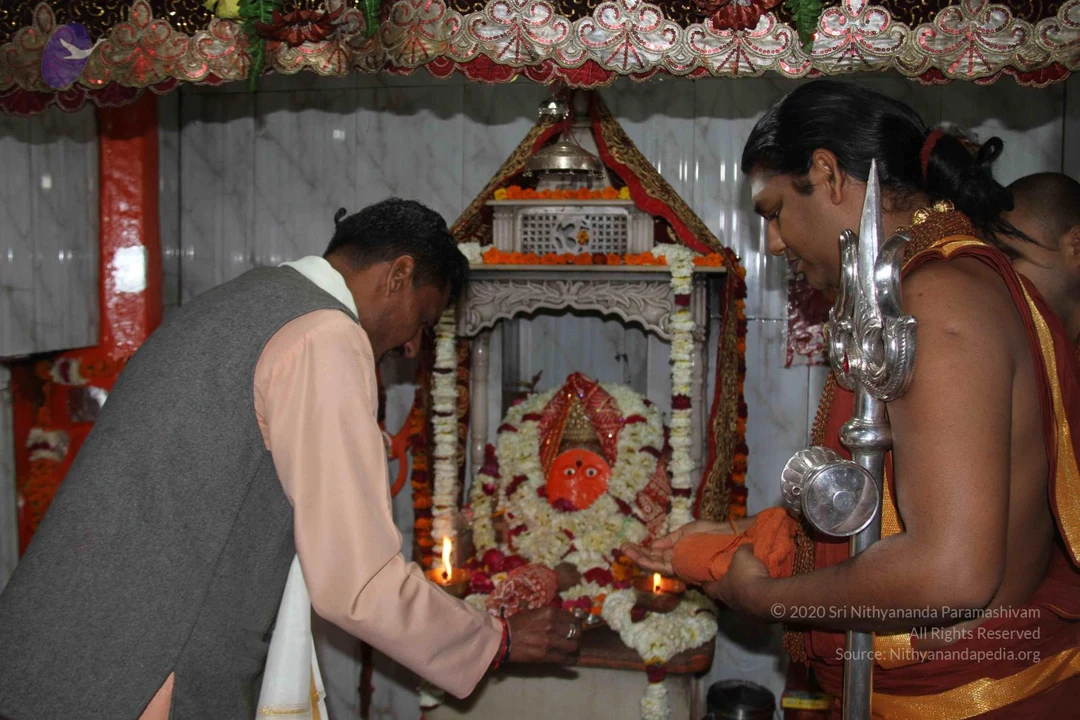
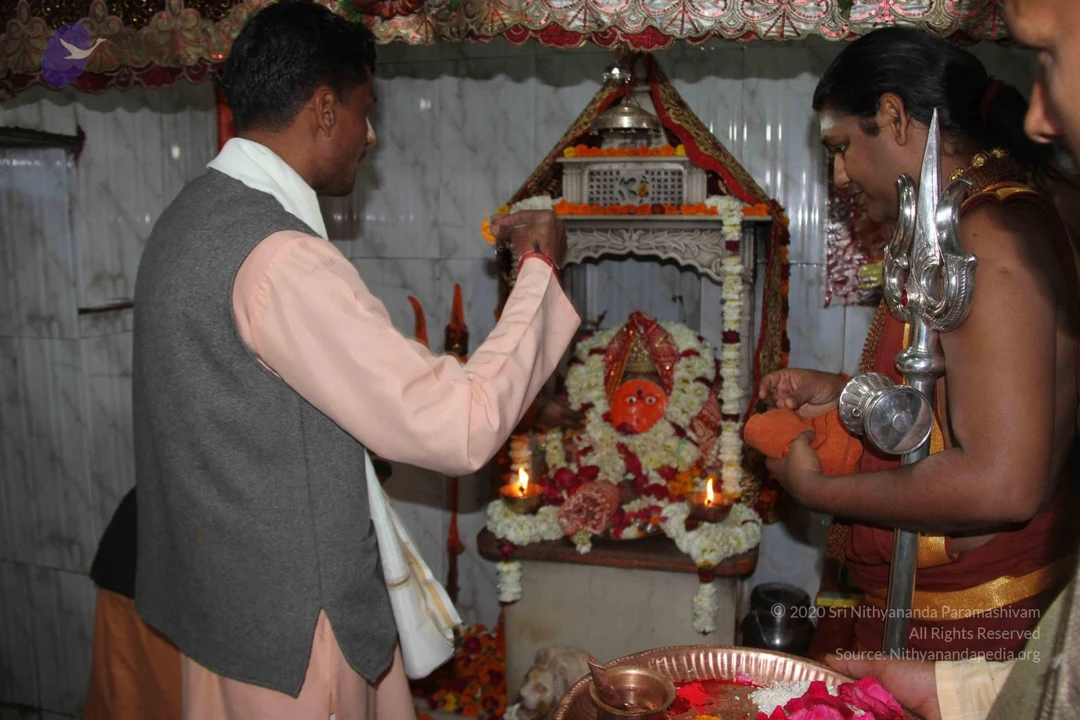
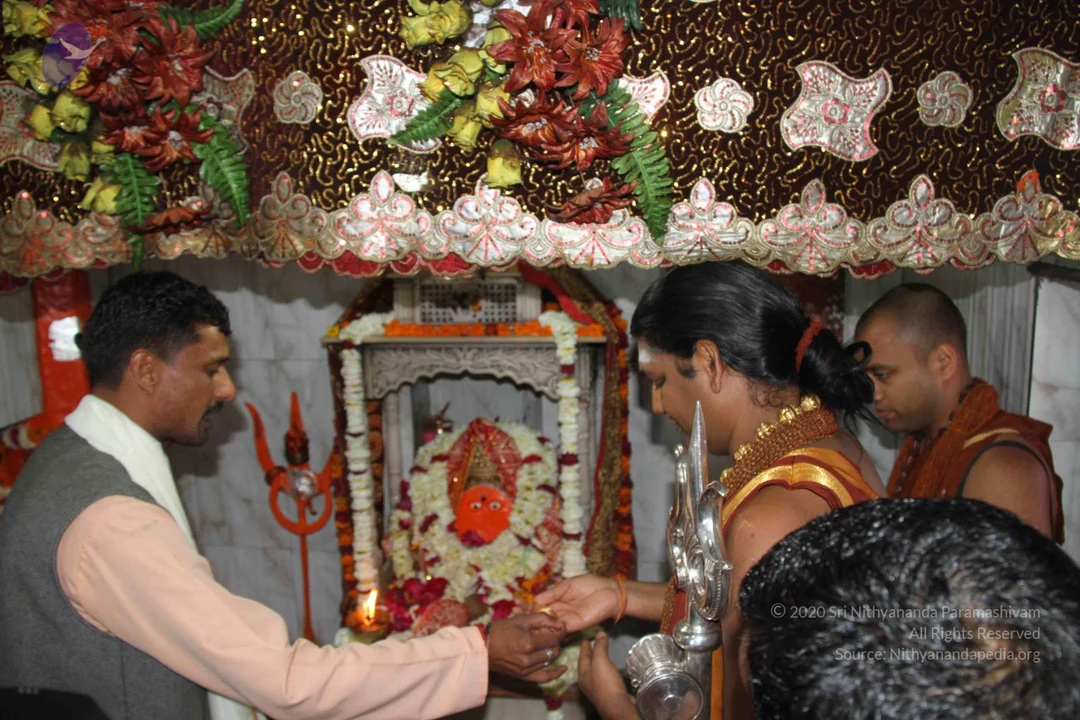
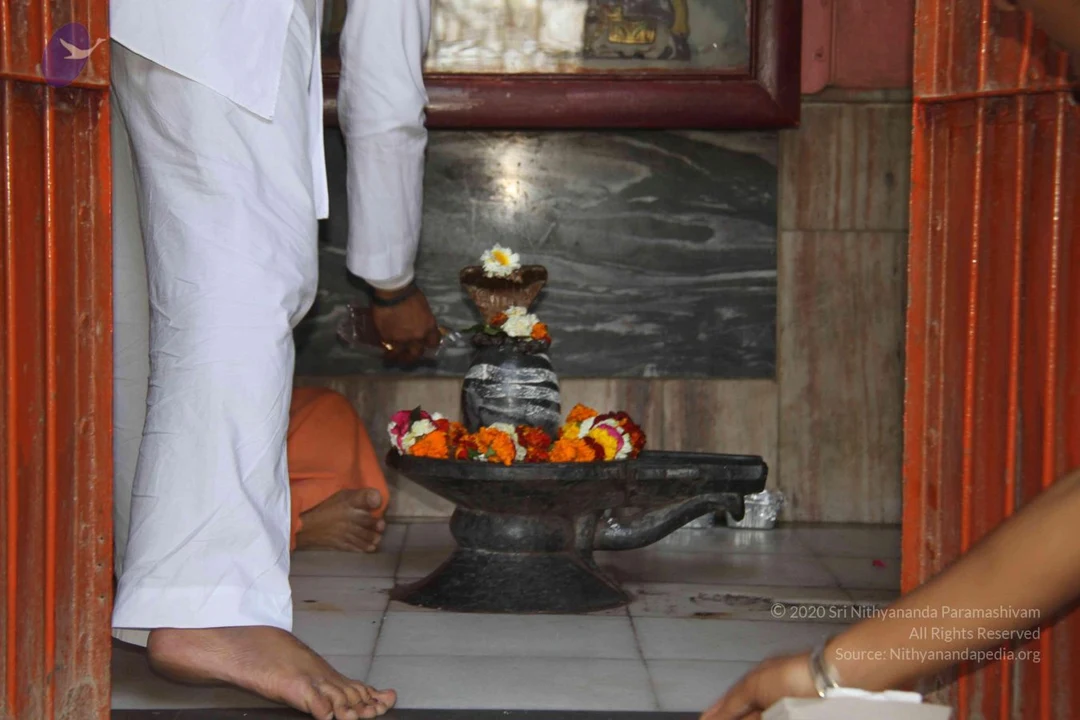
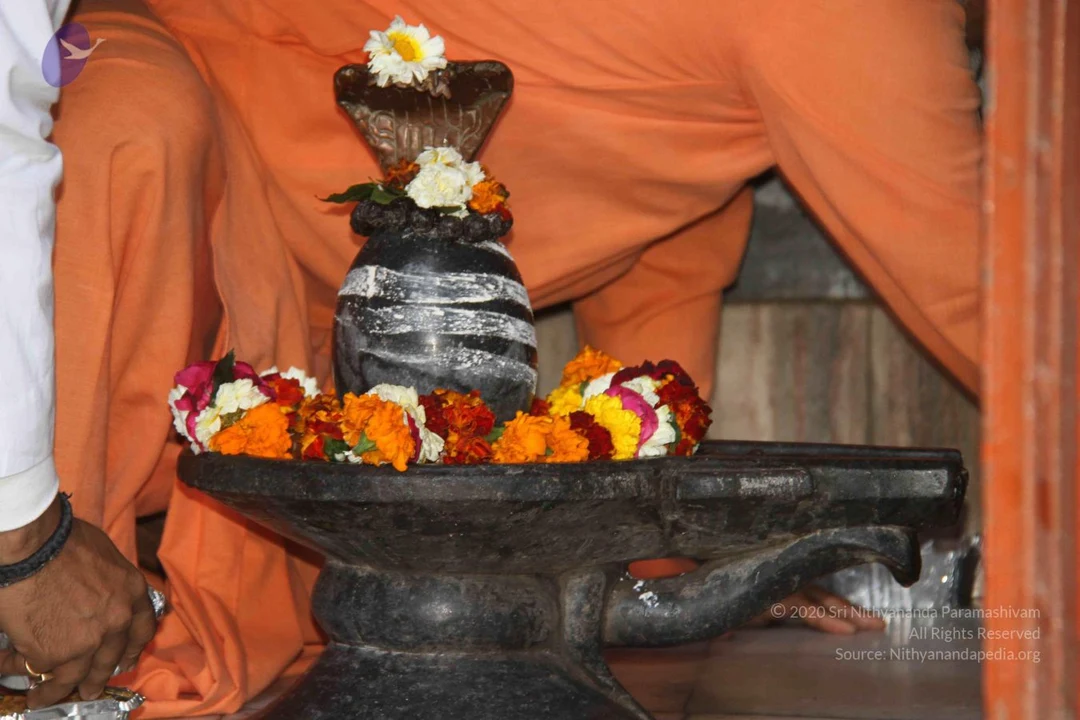
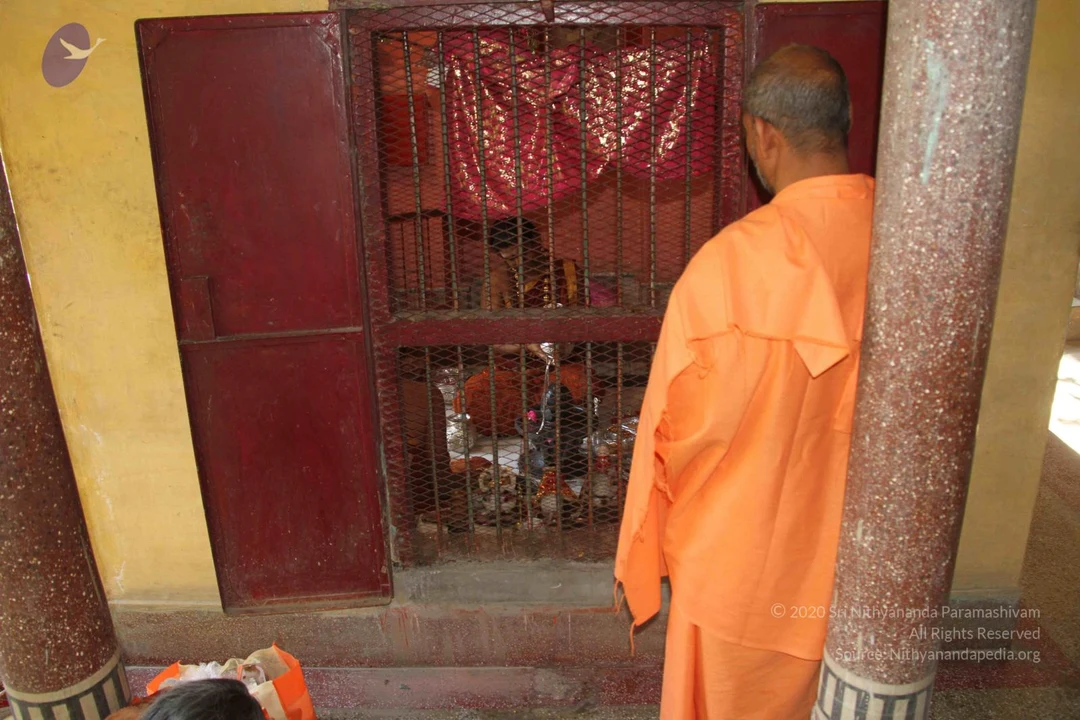
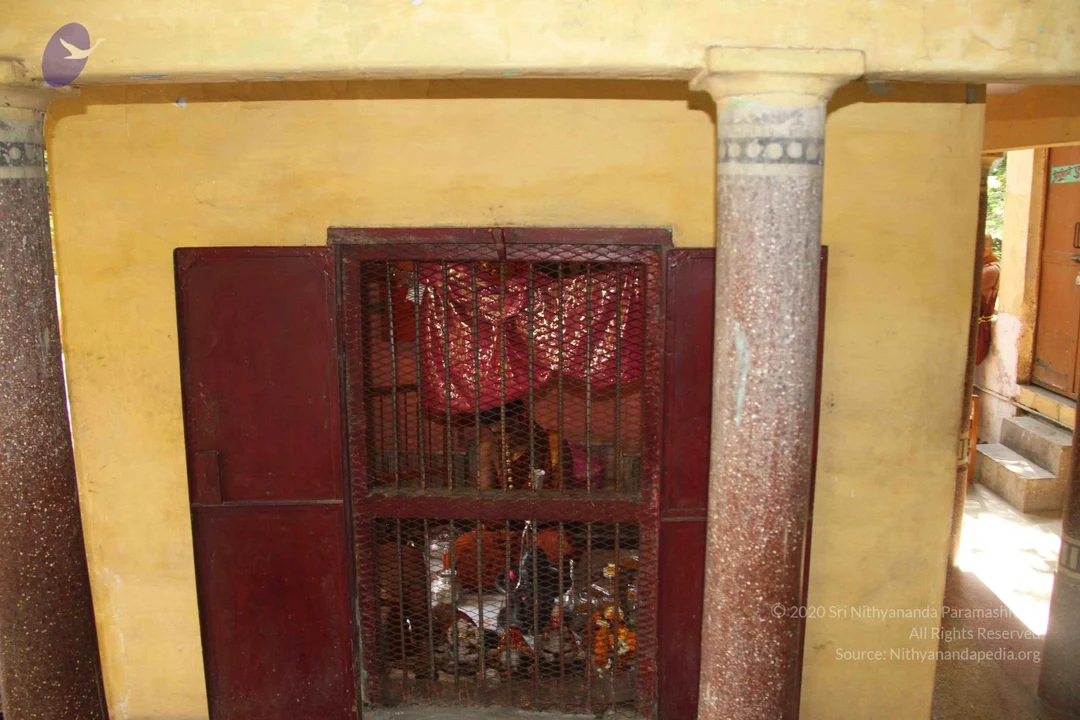
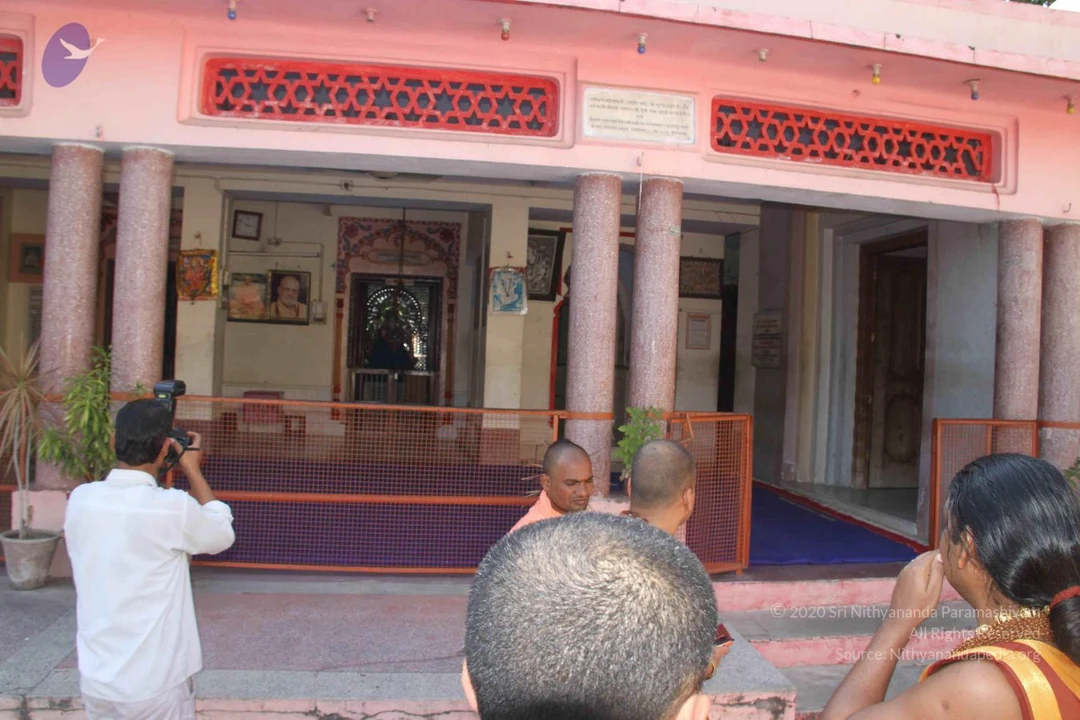
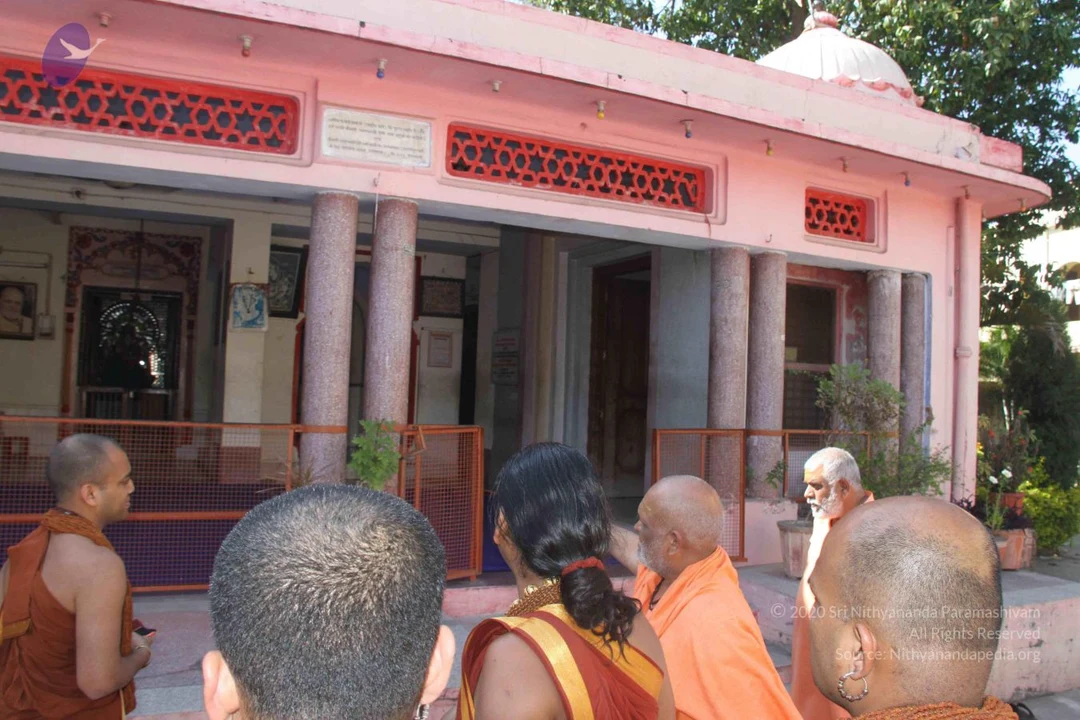
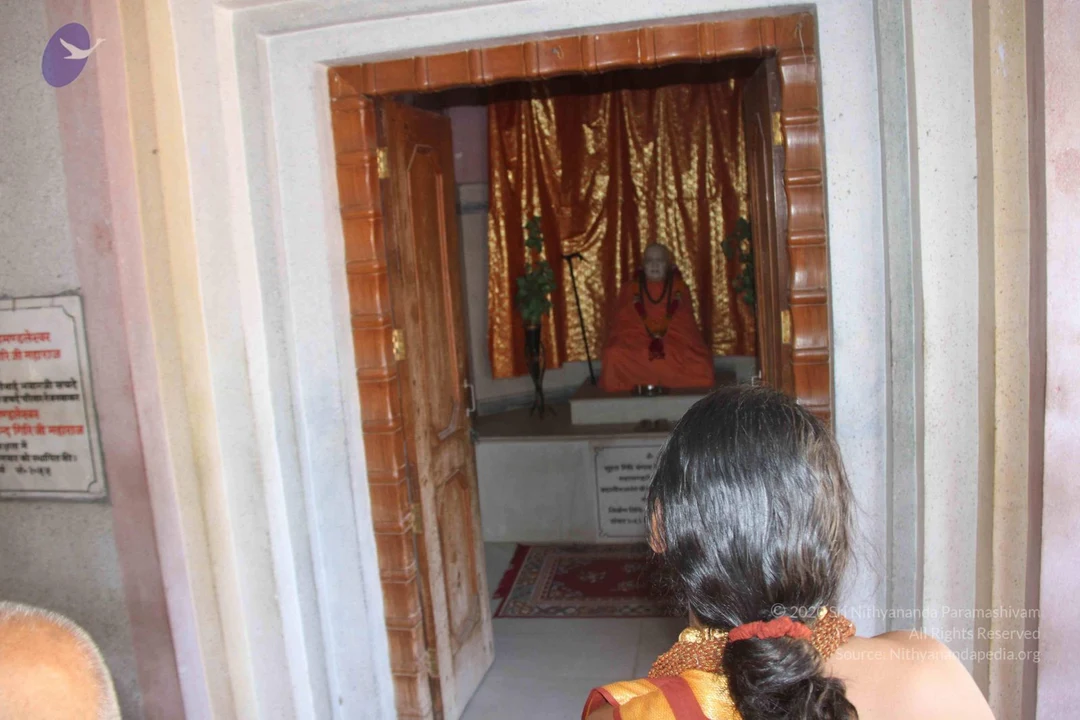
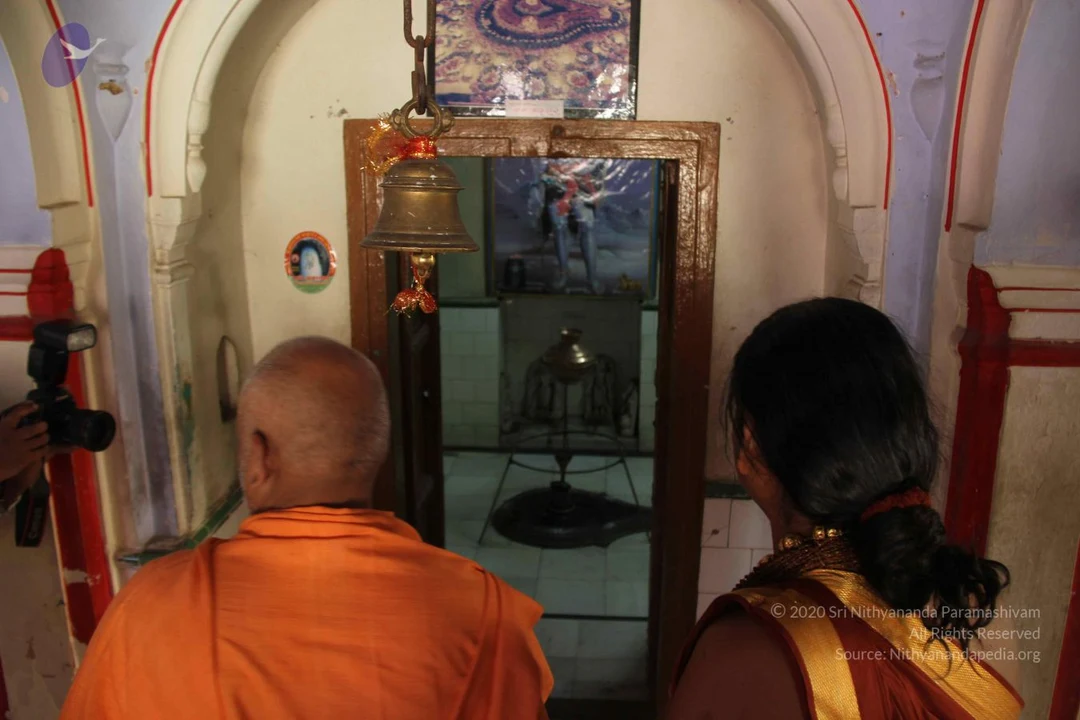
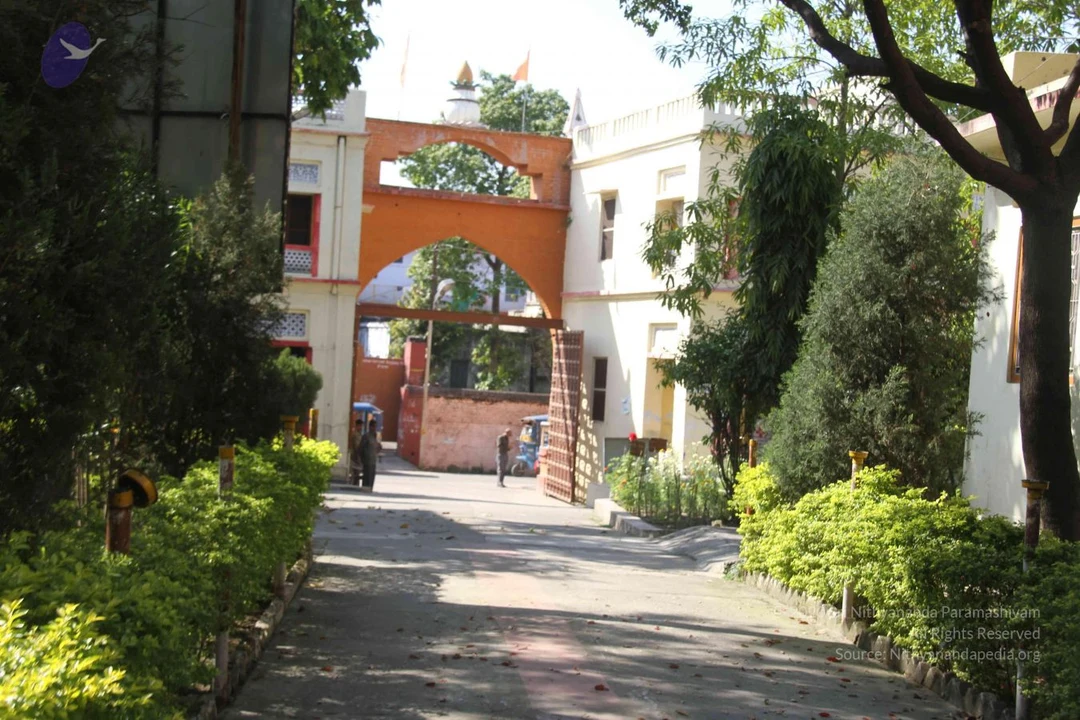
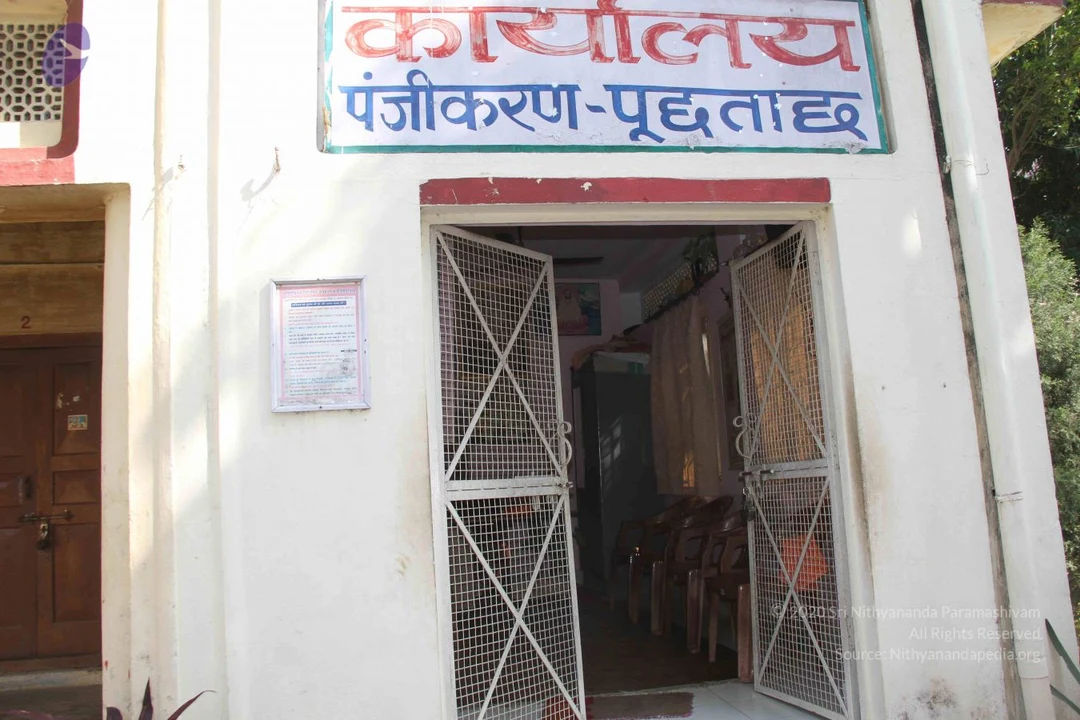
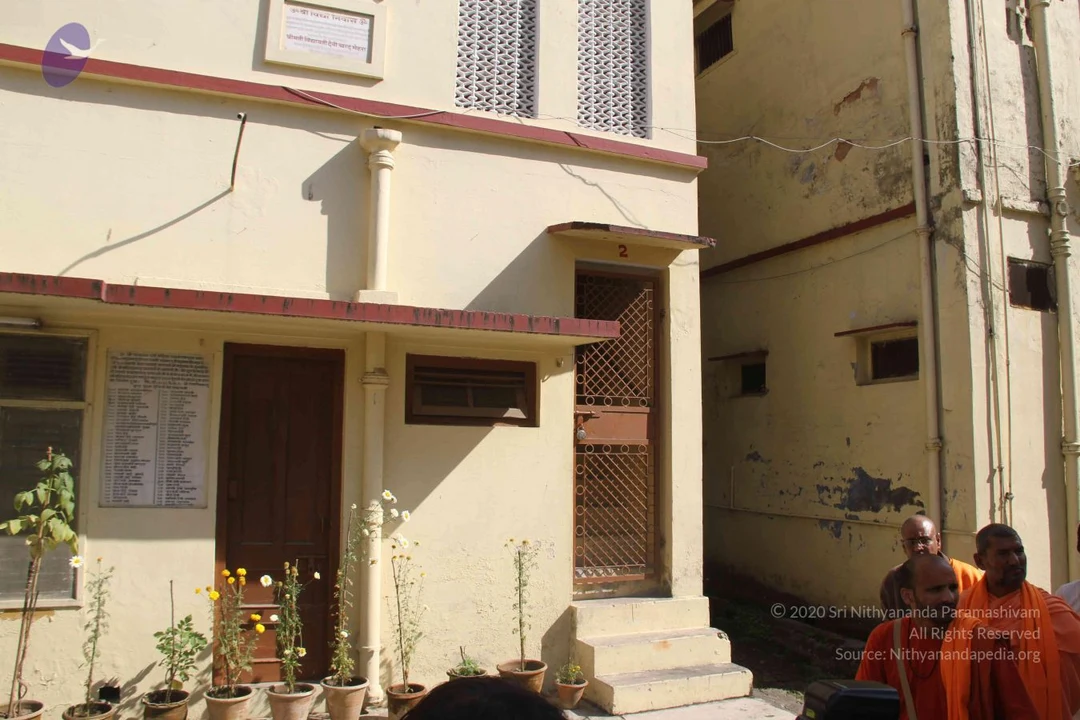
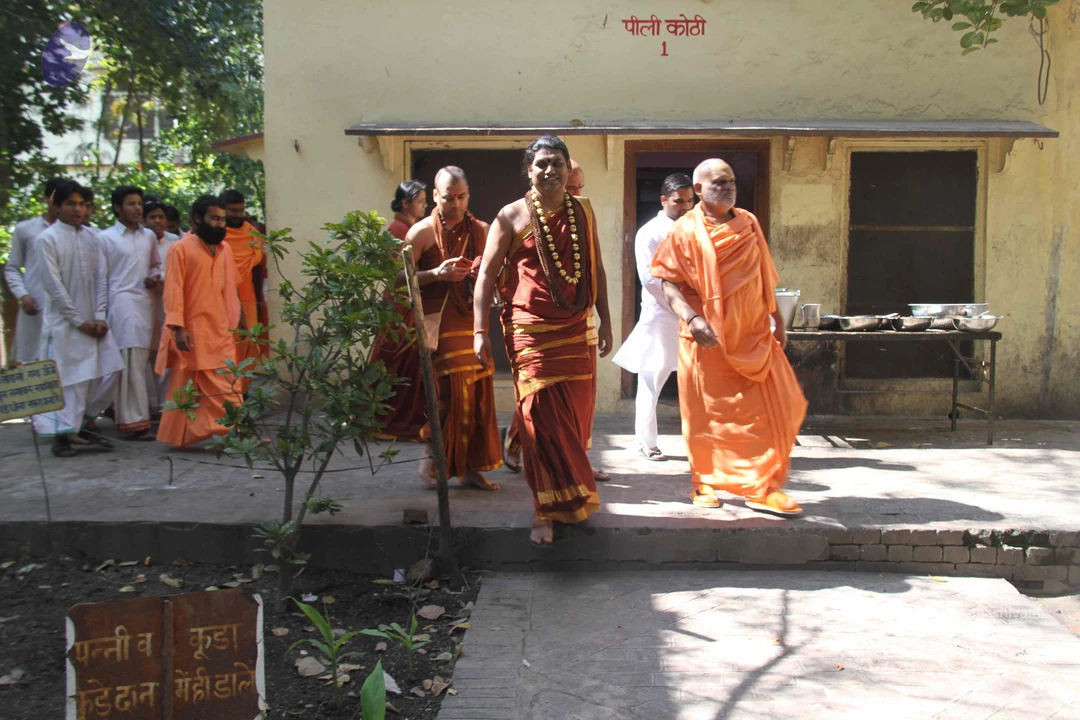
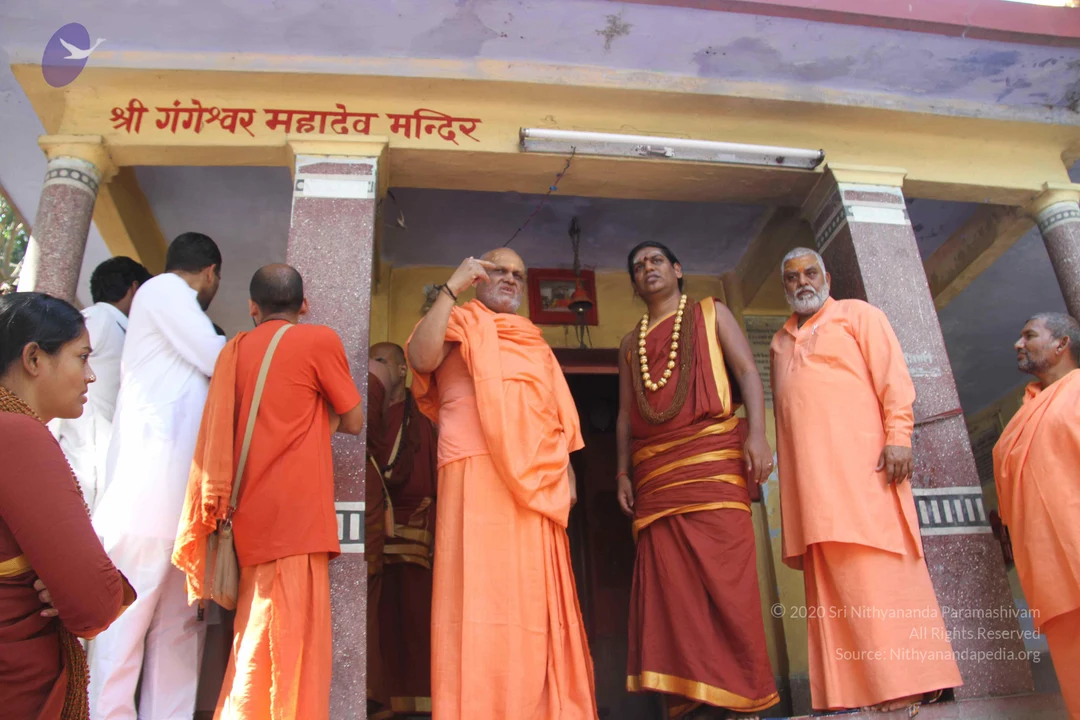
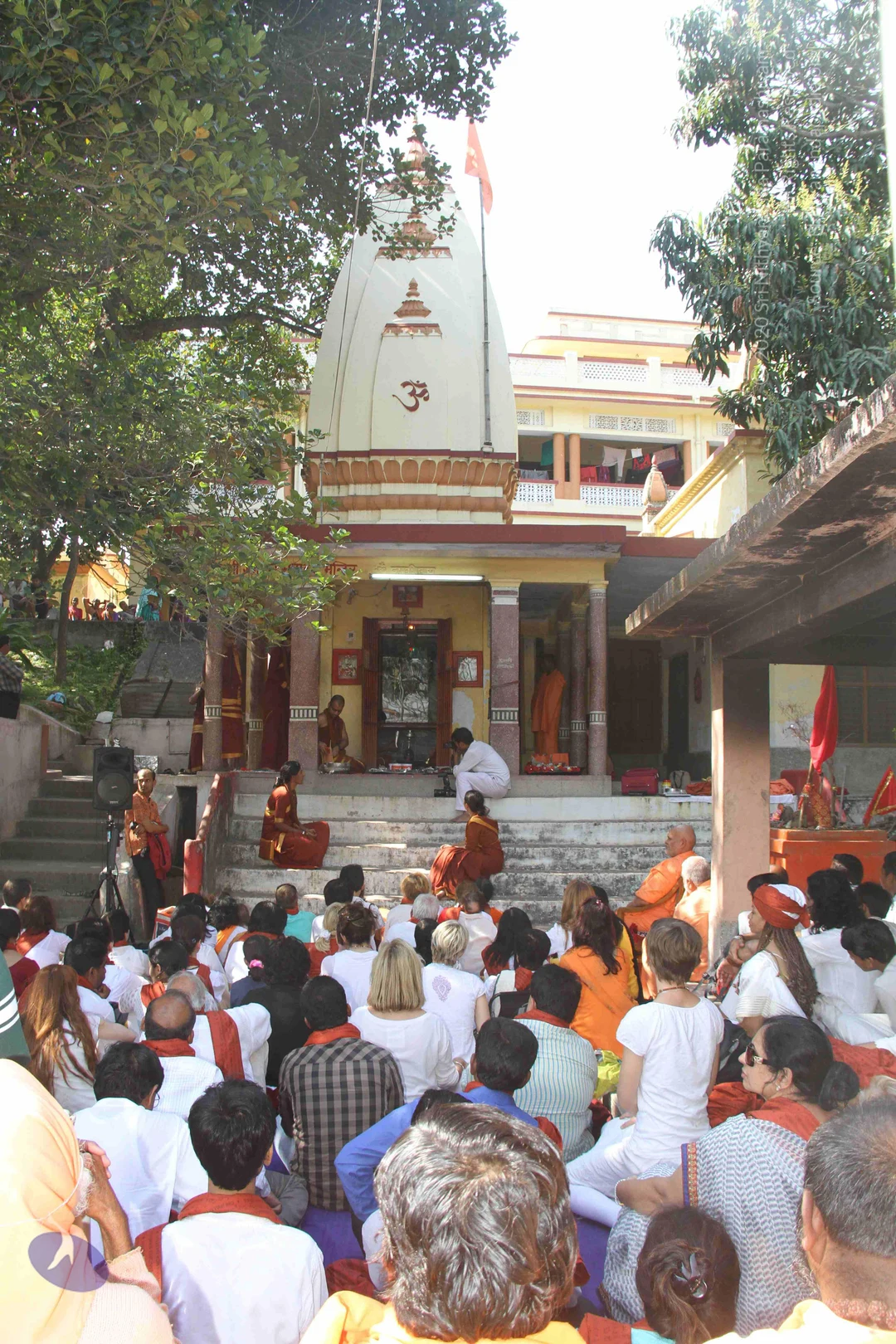
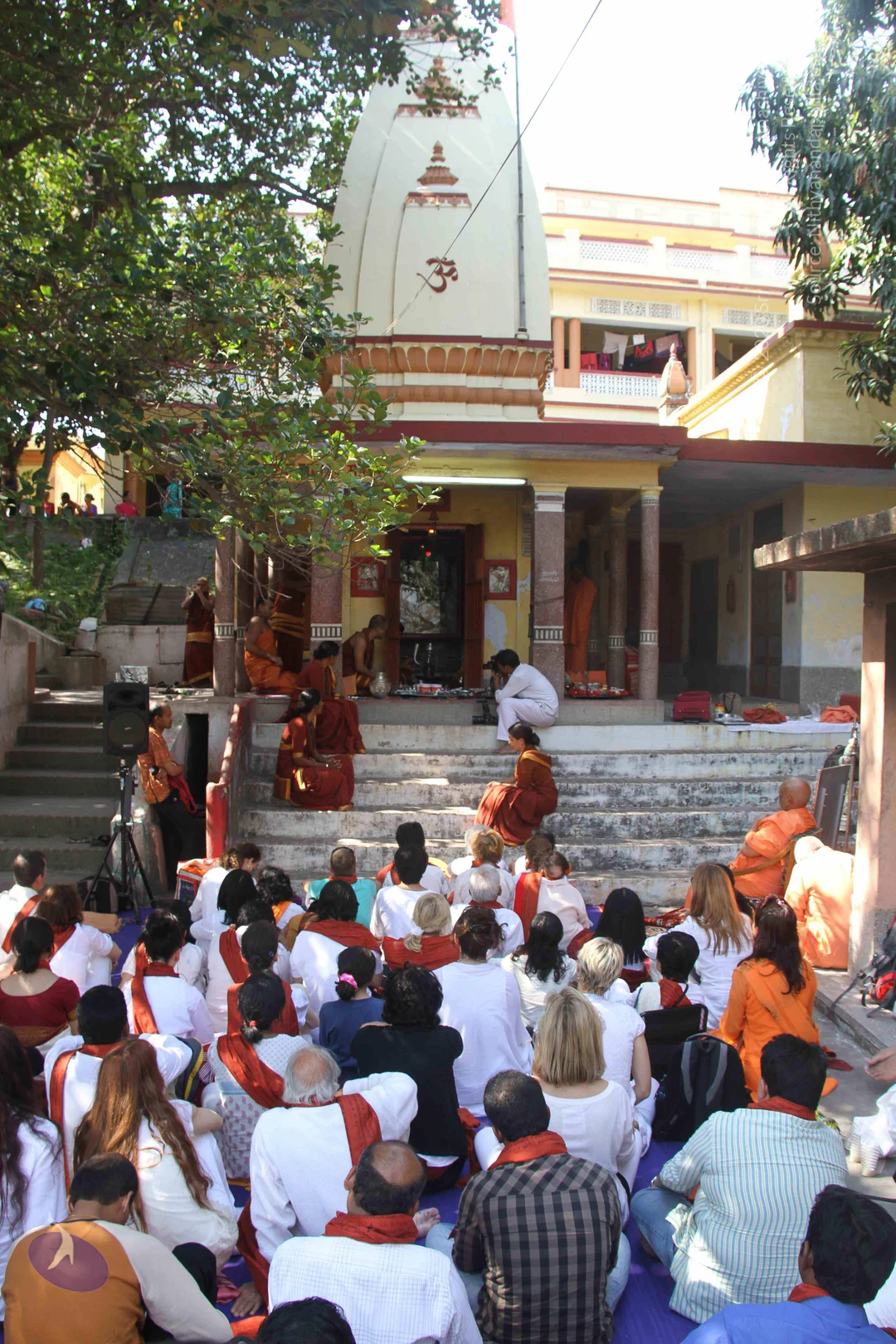
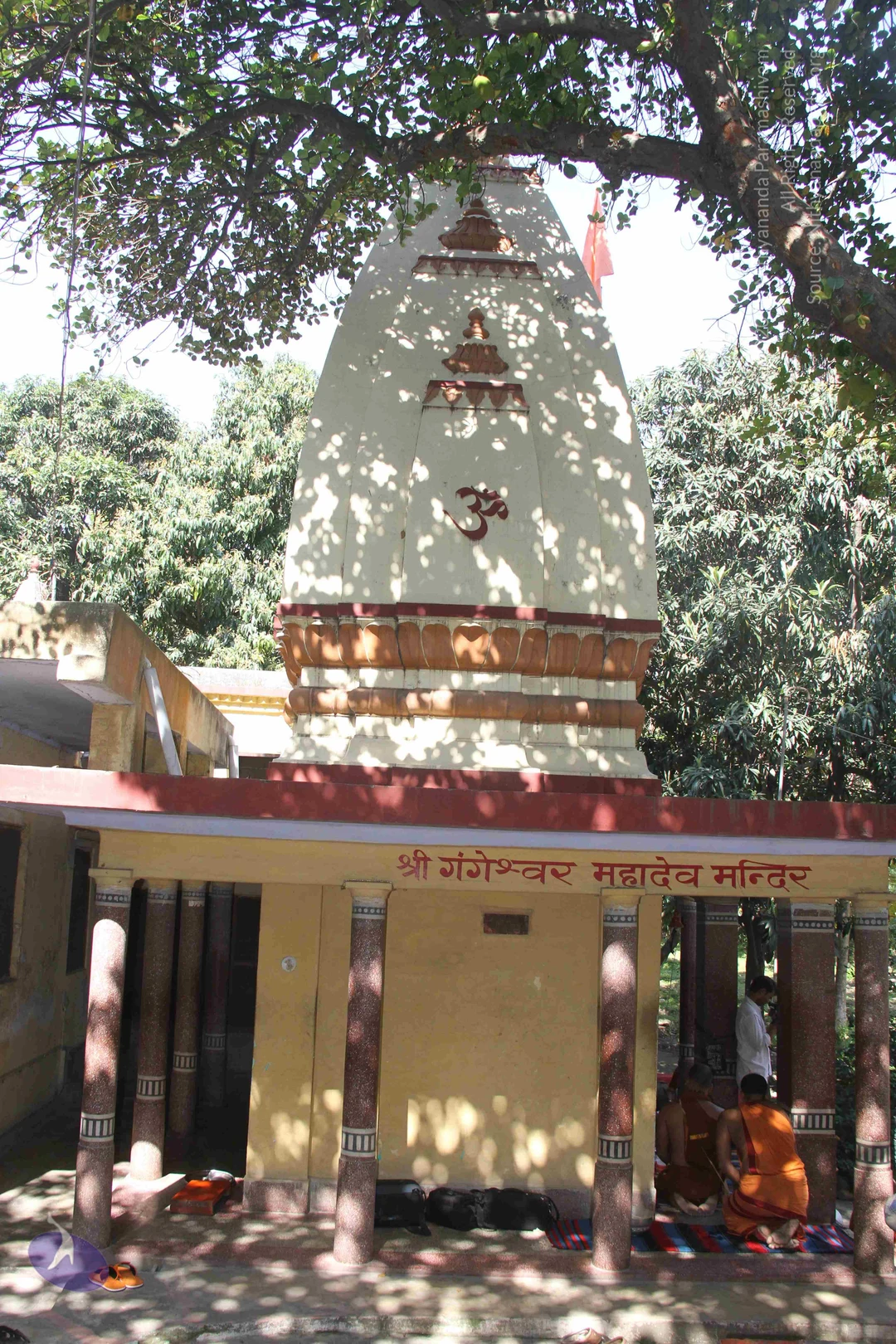
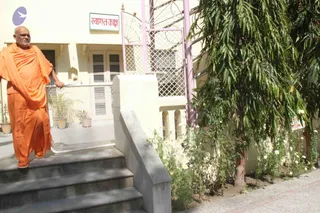
I welcome all the devotees, disciples, samajis, satsangis, and Shri Shri 1008 Shri Mahamandaleshwar of Mahanirvani Akhada, Shri Swami Vishveshwarananda Giri ji Maharaj. And Swamiji is the eleventh Mahamandaleshwar in the lineage of Sanyas Ashram Guris. Sannyas Ashram is headquartered in Mumbai. And also he is the President of the Suratgiri Bangla, Haridwar. He belongs to the Mahanirvani Akhada. And Suratgiri Bagala has a beautiful temple where Shankar Baba lives. All of you know about Shankar Baba. You don’t need an introduction. All of you know the story. And it is in the Swamiji’s ashram the Shankar Baba’s Temple is there, and Shankar Baba lives. There is a beautiful place. Because all of you know, I don’t want to elaborate on Shankar Baba’s thing.
[02:16]
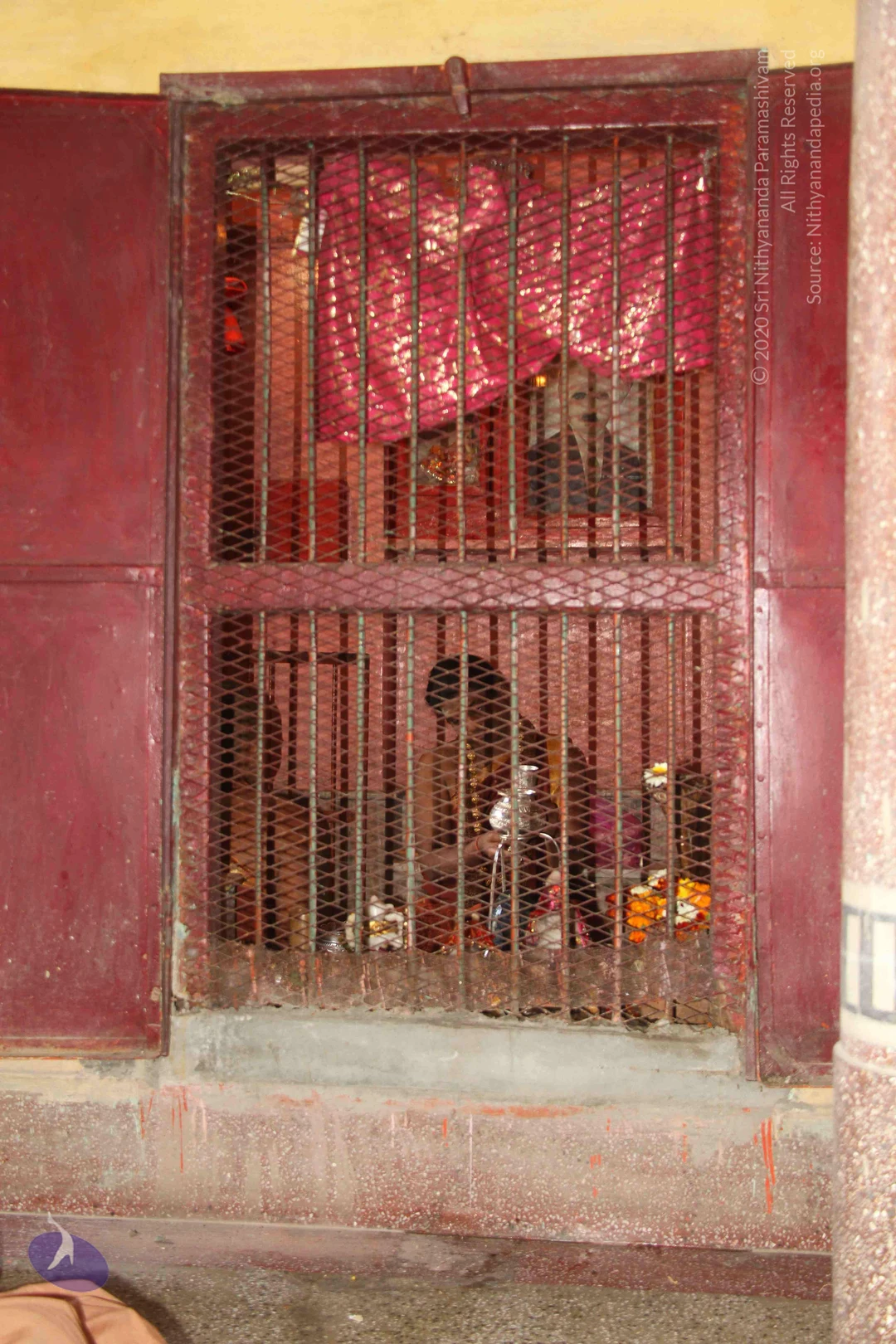
All of you may be aware that when I was doing tapas here in 1995, Shiva himself appeared as a sannyasi and gave food and medicine when I was not feeling well. And He had exactly was wearing certain pen which normally sadhus don’t use. And he told Me His address. When I went there and saw, I saw only this Mahadeva, Shankar Baba is wearing that pen. He also told Me his name is Shankar Baba. And Shankar Baba is in Swamiji’s ashram. So, in a way Swamiji’s ashram becomes our Guru Gaddi (Guru’s Seat), because Mahadeva lives there. And Swamiji has a beautiful, great Guru Parampara, amazing sadhus, unimaginable Mahatmas. And the whole place reverberates with so much of spiritual energy. And Swamiji has also expanded the organization so much and he has many branches now. And he is doing lot of good work by spreading Hinduism and Vedanta, and created many spiritual activities and religious activities. I welcome Swamiji for today morning satsang for coming here and gracing us.
[04:08]
And I welcome all the Centres, Mahants, Shrimahants, Kotharis, Thanedaar all over the world sitting. Cities sitting with us: Toronto-Canada, Kulim-Tiruttani, Ohio-Prayag, Guadeloupe- Rameshwaram, Phoenix-Kanchipuram, Nithyananda Nagara-Bidadi, Oklahoma- Somanatham, Toronto-Kailasam, Redondo Beach California, Seattle-Chidambaram, Charlot-Srisailam, Los Angeles- Arunachalam, San Jose-Madurai, Kuala Lumpur- Palani, New York-Varanasi, Singapore-Singapuram, Coimbatore Dhyanapeetam, Indrani-New Jersey, High Point-North Carolina, Houston-Kalahasti, Bala Sant Training Center-Bidadi, Santa Fe-New Mexico, Bangalore, Bogota-Colombia, Hyderabad-Gupta Kashi, Dakota Dunes, Toon Moon-Hong Kong, Nithyananda Nagaramu-Hyderabad, Port Washington-New York, and London-Kashi. I welcome all of you with My love and blessings. Today, first, I wanted to request Swamiji to bless us. SWAMI VISHVESHWARANAND GIRI JI MAHARAJ ADDRESSES THE GATHERING:
[05:40]
सह नौ भुनक्तु । सह वीर्यं करवावहै । तेजस्वि नावधीतमस्तु मा विद्विषावहै । ॐ शान्तिः शान्तिः शान्तिः ॥ oṃ saha nāvavatu . saha nau bhunaktu . saha vīryaṃ karavāvahai . tejasvi nāvadhītamastu mā vidviṣāvahai . oṃ śāntiḥ śāntiḥ śāntiḥ ..
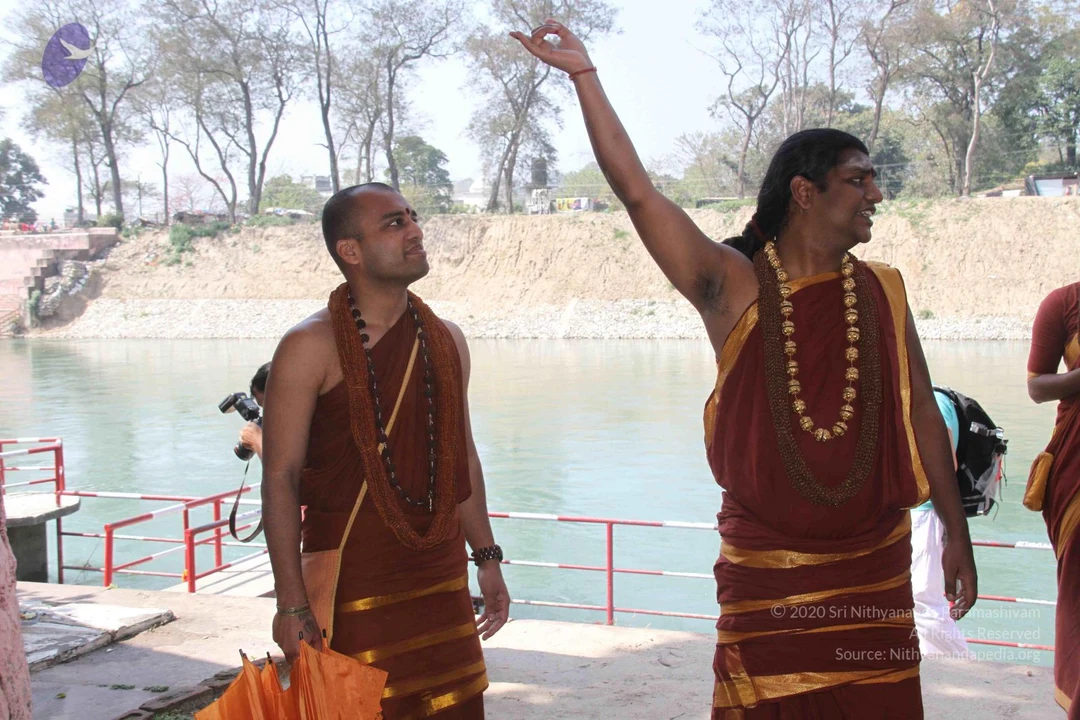
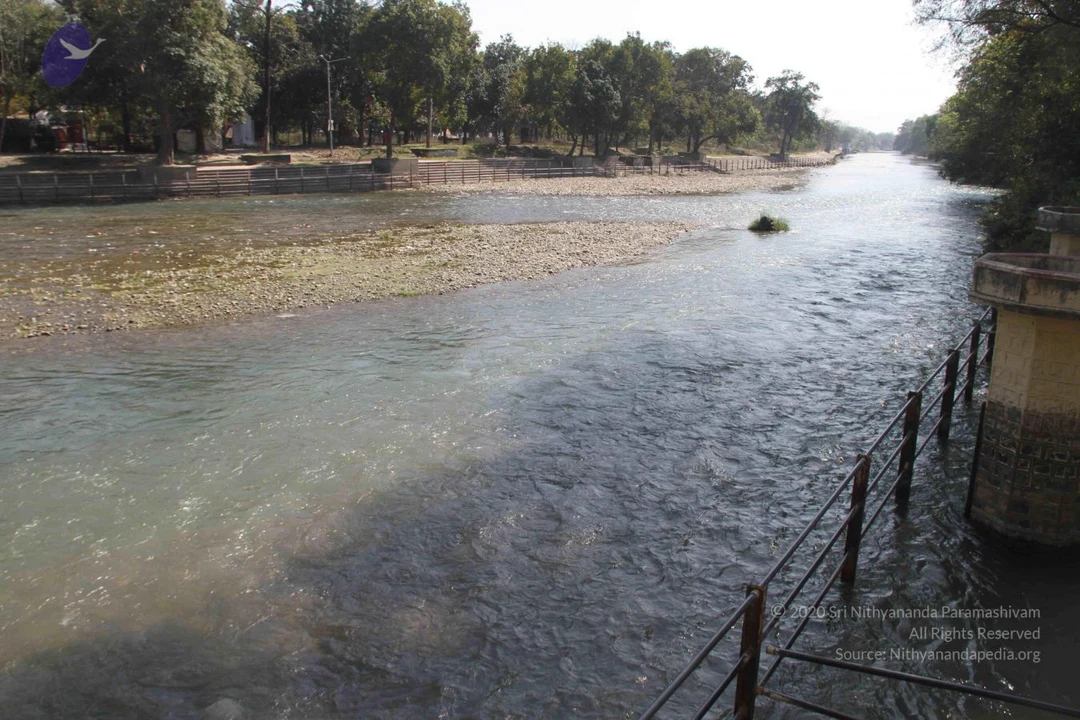
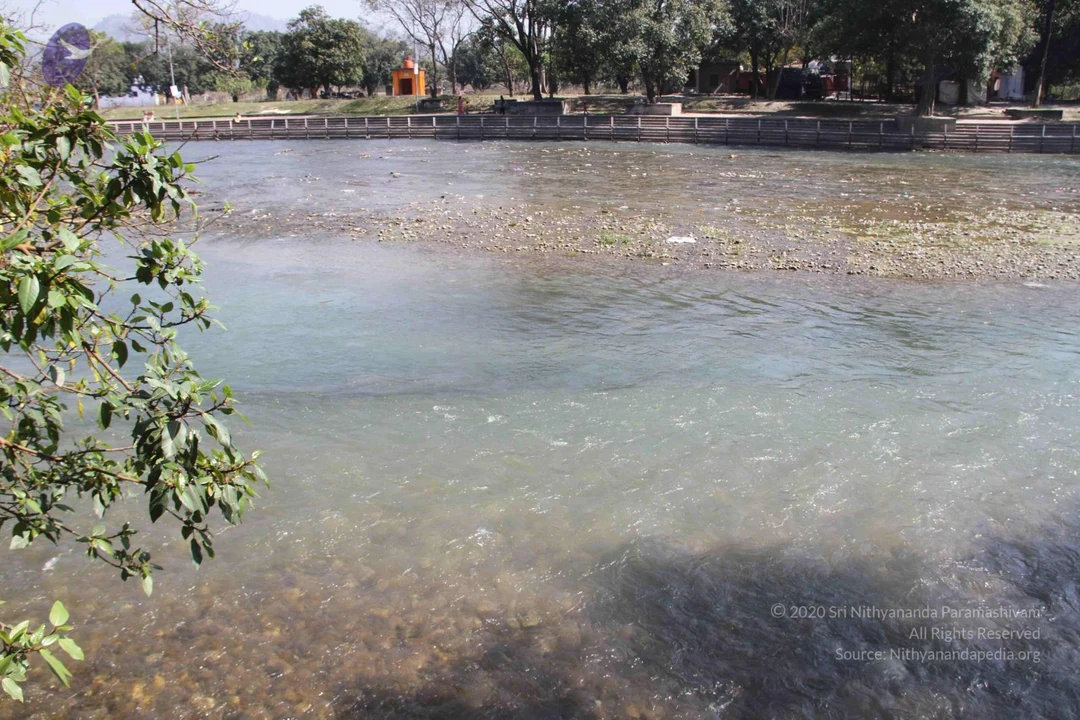
We are very lucky. We are standing in the Ganges river, holy river in Haridwar. We are sitting here with Mahamandaleshwar Swami Nithyananda ji Maharaj. We have very beautiful paramparas. We have tradition of Sanatana dharma. We are so lucky we can found something what you say as the Soul - Atman. Therefore, all of you here and everywhere in the world listening and watching to Maharaj ji, we have very good tradition. Maharaj ji, He met me few years ago in the Suratgiri Bangla. I got message some great saint come here and he want meet to you. So, it was afternoon I sit in my gaddi (seat). Swamiji came with big group of bhaktas, devotees. He sit just nearby gaddi and always he is traveling alone and He is finding something for you. He has already got all new things, new ideas, new saktis, He is finding in Himalaya.
[08:51]
So he told the story; He was not well in the Haridwar. He told Me, “I was alone traveling in the Himalayas....”. And, after that, he came to Haridwar. But His body was not good. He has got diarrhea and He was somewhere. He couldn’t get up for the bhiksha and some Mahatma came there and he gave some food, he gave some prasadam. After few days, two or three days, He was searching that Mahatma, where is that Mahatma? So many Mahatmas in the Haridwar. Nobody tell, ‘I don’t know him. I never see him.’ Still He was searching. So, who was that Mahatma? And, I think, Swamiji told me His Mahatma’s name was Shankar Baba. He gave address also. So, that Suratgiri Bangla. So He is searching, still searching, and He went to Suratgiri Bangla. Suratgiri Bangla is beautiful place. Not beautiful.....it is very powerful space. So many Mahatmas, they live there. And so many Mahatmas there was they do, they did tapasya in that place.
[11:03]
There is one story: Long before ago, hundreds… more than hundred years ago, someone just came there and he gave their children in the corner. And some Mahatmas there, they were staying in the other place, in the other corner. When they grew up and they went somewhere in the jungle, that is the Suratgiri Bangla. And there were so many Mahatmas was staying.... more than hundred Mahatmas was staying there in the Kutyas. And that is the place, Suratgiri Bangla. Swamiji told me, “I came here and I saw same Kamandal, same plate was there in that temple, same pen was there on the deity of Shiva.” So, He saw this is Shankar….this Shankar Baba. So, who can find this one? Swamiji says: Same cloth Maharaj ji. Swami Vishveshvaranand Giri ji continues: Same cloth, who can find this one? Who has clear heart; Who has analyzed who has give darshan of like that god Swayam Shankara! (Shankara himself) So, He (Swamiji) told me that story.
[13:05]
We know each other since few years. We are by body… by physical body we know each other since few years. But we have contact, we have relationship since so many years.... so many years. Because, body is coming and going – birth and death. But Soul, Atman is continue traveling, continuing traveling. We are finding where is the God, what is our Self. So, He (Swamiji) is also searching. And He searched....and He find. Because, now He is doing some work for this Earth, this universe. In the universe, many people they don't know what is the actual our destination. What we have to do, what we are doing, they don’t know. Just they know just we are one being; just we born in the some family, some caste, somewhere. They don't know what is the we are? Therefore soul- Athman we are calling Brahman. We calling Brahman. What is the Brahman? Who control all this universe or the Brahmand and we are still searching it.
[15:23]
Swamiji, just He is not sannyasi or Mahatmas just in this birth. He is traveling continue, He do sadhana. Bhagavan Sri Krishna says, बहूनां जन्मनामन्ते ज्ञानवान्मां प्रपद्यते | वासुदेव: सर्वमिति स महात्मा सुदुर्लभ: || 19|| bahūnāṁ janmanām ante jñānavān māṁ prapadyate vāsudevaḥ sarvam iti sa mahātmā su-durlabhaḥ Since long time He is doing this sadhana. And now, this time, He has some duty. What is the duty? He has everything what common man they kalpana, they dream ‘we can take this one, we can achieve this one.’ He has everything. But still He has one duty. So, who is the common man? Who is the common people? They also search, they also find themselves. Therefore, He is traveling all over India, all over the world, and He is giving the message; ‘Who are you? What is your duty? What you have to do?’ – all over India, all over the world.
[17:16]
And just like this man, these saints, they have so many hurdle, because in this world, in this universe, two types of the gendicends one called daiva and we call rakshasa - demons, devatas. So, sometime He getting some problems but inside He is clean. Inside He is no ignorance, therefore He is still, always give you His smile (in spite of all the obstacles created in his path by the demons)! Never He got disturbed. You watch Him every time. I am watching Him every time: Always He is happy! Always He is happy! When I saw Him in the Kumbh Mela, before that, always He is talking about satsang, about Vedanta, about yourself. Because His duty. Our duty. But He has big duty. We are also doing in our ashram… satsang in our ashram, but it is not so easy. He is coming from Bangalore, main ashram to Haridwar, and long time. I am also here from 1st March to till today. But he will here stay to 31st March. He has many, many ashrams. I am watching here,[nayana deeksha screens] many ashrams all over the world! He is giving message every day to them. You continue this tradition. Because this tradition is very valuable. This tradition has really what we are. So, therefore, Swamiji is doing his work as so many sages did this work. Since beginning of this Earth, beginning of this universe… we are telling in the Guru Parampara. || Sadāshiva samārambhām Shankarāchārya madhyamām | asmat āchārya paryantām vande guru paramparām ||
[Salutation to the lineage of Gurus which starts with lord Sadashiva, has Adi Shankaracharya in the middle, and continues up to my immediate teacher.]
[20:41]
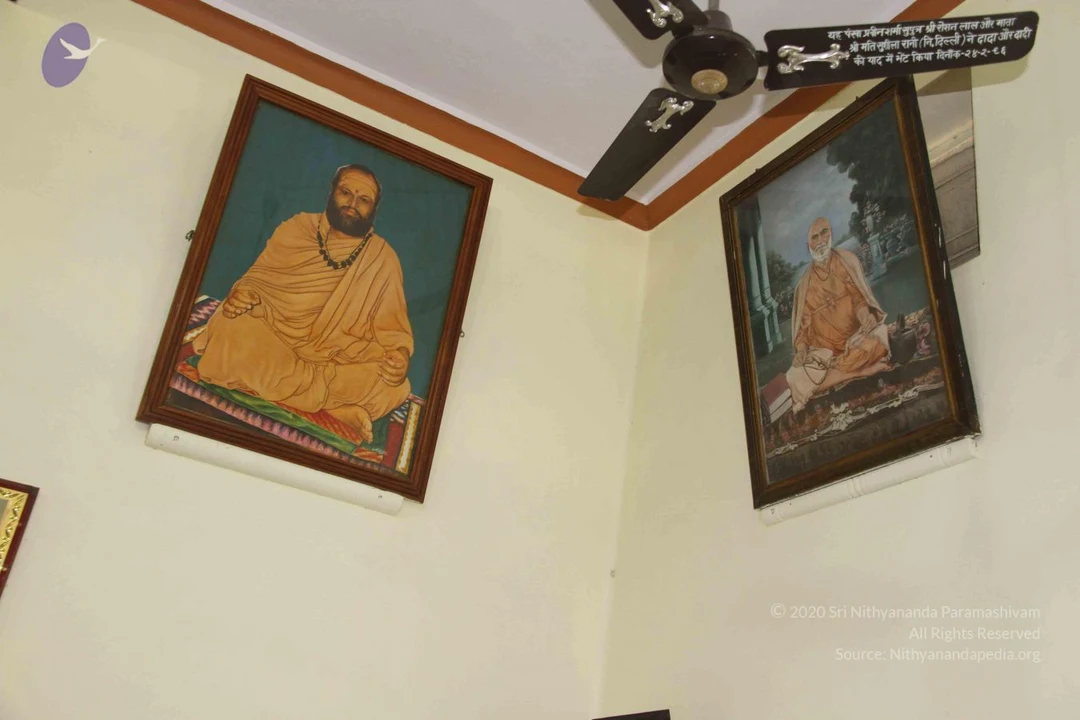
This long Guru Parampara and we are attached with directly God, directly Brahman, because this knowledge started from Sadashiva, Bhagwan Shankar, Bhagawan Narayan, and came by, just like Ganga coming from Gangotri still is going on, going on, going on, and not disconnect. Continue Ganga is flowing to ocean. Same like that our knowledge started from Brahman who is the Creator, Saviour and Destroyer. That is Brahma! So, this knowledge coming from there. And same that knowledge we gave, we say you, give lectures, swadhyay to other. My guruji was great saint. His guruji was great thinker. He think … he wrote many books on the Sanatana Dharma, Hinduism. And he was a great scholar of Vedantas. His guruji was. So, you can say it is a long tradition to up.. up to Brahman, up to God. So, same duty, Swami Nithyananda, Mahamandaleshwar… now we can call Mahamandaleshwar, because Sant Samaj, all saints we are getting together in the Kumbh Mela, and in the Kumbh Mela we gave this offer, present this Mahamandaleshwar Padh (title) to Swami Nithyanandaji. He is now Mahamandaleshwar of Mahanirvani Akada. And you are so lucky you are in His satsang, you are staying in the holy place, holiest place in the Haridwar, because Ganges… Ganga coming first time in this level in the Haridwar. This is the Sapta Rishis (the seven ancient rishis) sapta rishis were do tapasya here. So, really, we are so lucky we are in the Haridwar; and especially those were who was in the Haridwar, and also who is watching from all over the world, they are also lucky.
[24:39]
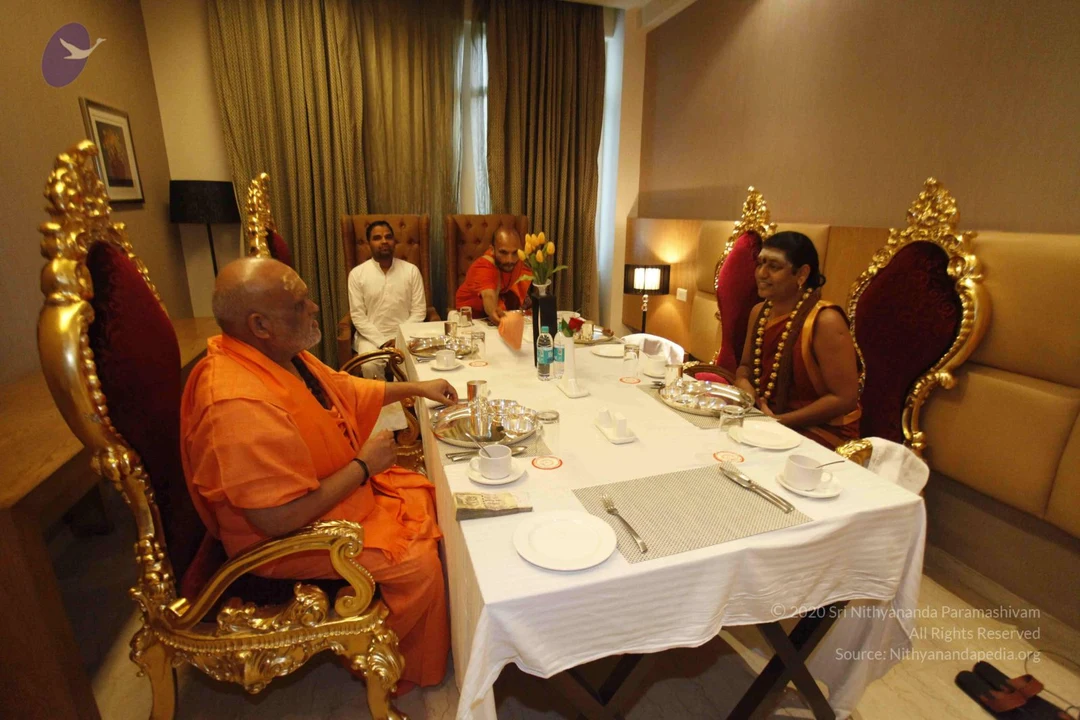
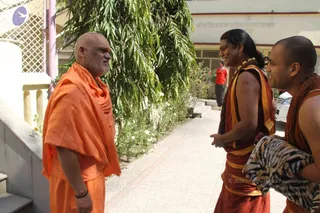
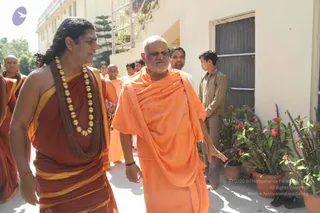
This is the message going to holy message, ‘Who are you? What we have to do’? So, really this is the great time, great pleasure, and great grace of Gurus, Paramatma, Brahman, God. We are getting something pure in the Haridwar. So, I am also very thankful. Yesterday we met in the Bhandara. So, Swamiji told me, “How long are you here in Haridwar”? I told, “I am leaving from Haridwar on the 15th tomorrow.” So, He told.. He tell me, ‘Swamiji, please come tomorrow here.’ I accept. Not accept… it was my duty. Because, He is just… He is not my just… He is my friend, He is in our Parampara. I didn’t know that at that time when He came to our ashram. Since that, He… vah maanthe hai ke yeh hamara guru sthan hai. Always He say, “This is My second Gurusthan”. Second, first in the Kolkata; and next, in the Haridwar. He is going little higher and higher. So very thankful to Swamiji. And also sometimes I am travelling in the western countries. So, last time also Swamiji told me, “Please go to my University in the Los Angeles.” Next.. next this year, so we have one programme in the Bombay and I will invite Swamiji. Please, You visit our ashram in the Kankhal with all of you. HDH: Sure Swamiji..
[27:41]
If you have time in the future, you can do program in the Bombay… good ashram. There also big temple; so many temple there, but main big Shivji’s temple, name is Kashi Vishwanath Mahadev. With Kasi Viswanath Mahadev one side is Adi Shankaracharya, other side is Lakshmi Narayan. Big hall and it is about in two-and-a-half acres and is there in the maidan ground. So, I request to Him, I give my invitation, please You come to the Bombay also. And we have about twelve other ashrams; five in the Gujarat, one in Madhya Pradesh, one in the other place, Varanasi. So, Swamiji is now… He is Mahamandaleshwar. Also, Swamiji is part of our ashram. So, we have to find out: What we are? What I am? So, therefore, this Sanatana Dharma gives many messages: Dharma, Artha, Kama, Moksha. We have great opportunities. We can join with dharma. We can earn money – Artha. Kama - we can get so many things what is in the world. And, finally, we can find Moksha (liberation). So, every human-being going on that way. So, we are also going same way. So, Swamiji will give some message, blessings to you all over the world. So, thank you very much. WITH THIS, SWAMI VISHVESHWARANAND GIRI JI MAHARAJ CONCLUDES HIS ADDRESS. AND SWAMIJI, PARAMAHAMSA NITHYANANDA, RESUMES HIS SATSANG.
[30:22]
HDH: We sincerely thank Swami 1008 Sri Mahamandaleshwar Vishveshwaranand Giri Ji Maharaj. And we sincerely thank Swamiji for being here. And, on behalf of Me and on behalf of Dhyanapeetam, we offer our humble respects to Swamiji for being here and blessing us. We also invite Swamiji to our Los Angeles University and to our US ashrams to visit us and bless us, grace us with his spiritual message and his presence.
[31:03]
So, with this, I bless you all. Let you all radiate with Integrity, Authenticity, Responsibility, Enriching and causing eternal bliss, Nithyananda. Thank You.
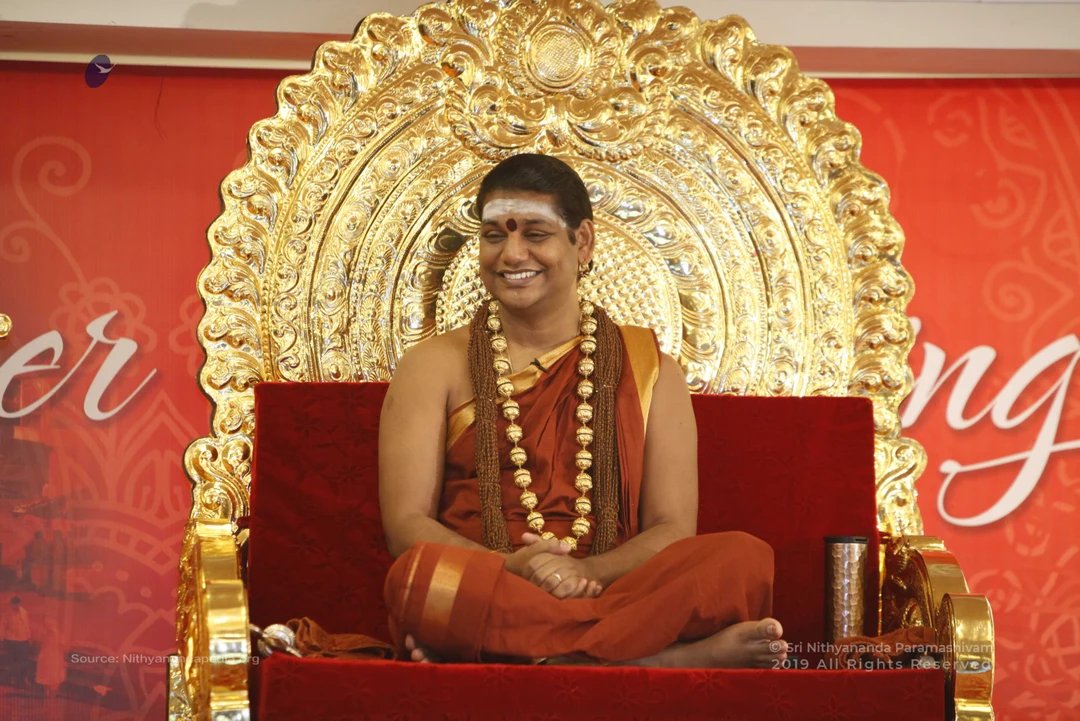
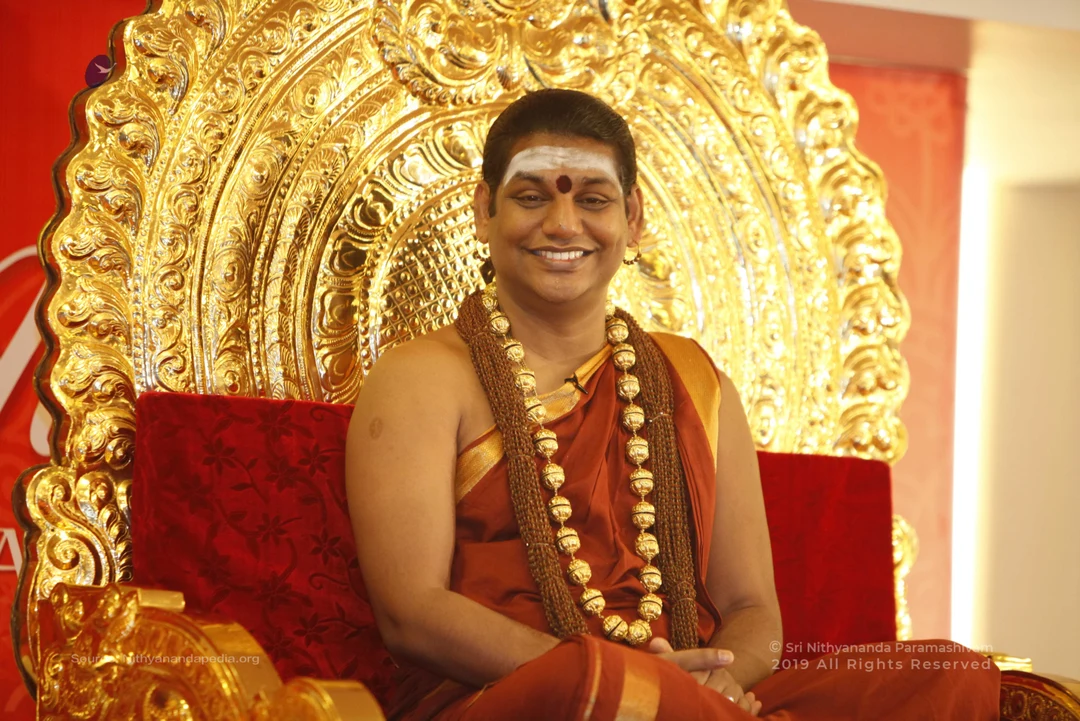
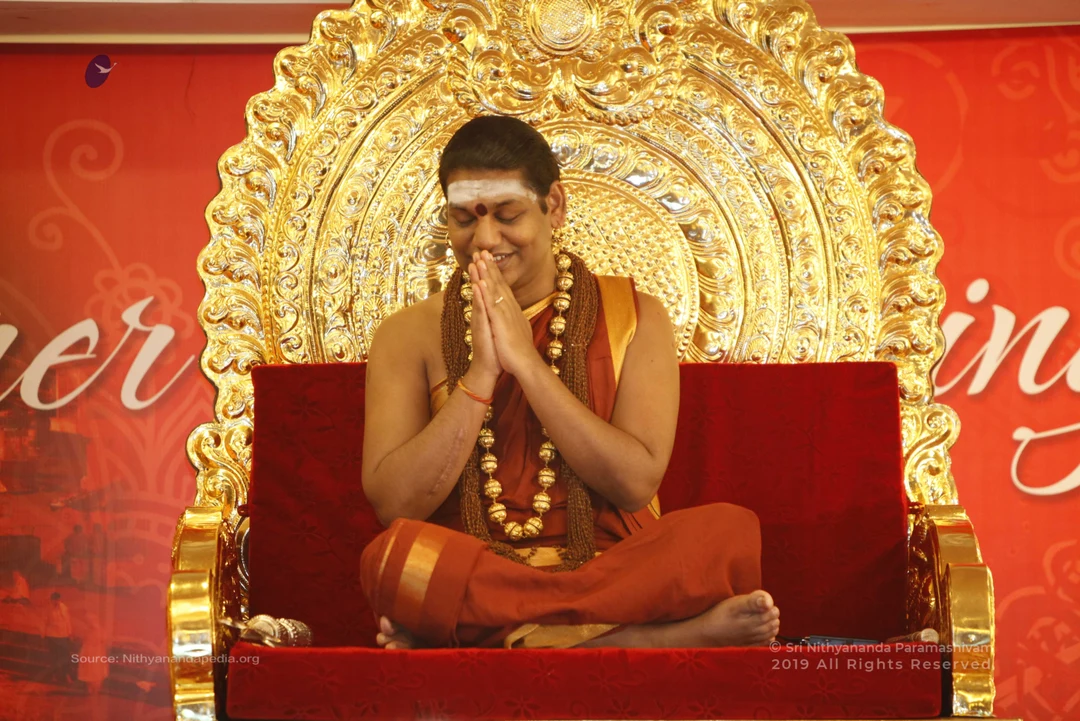
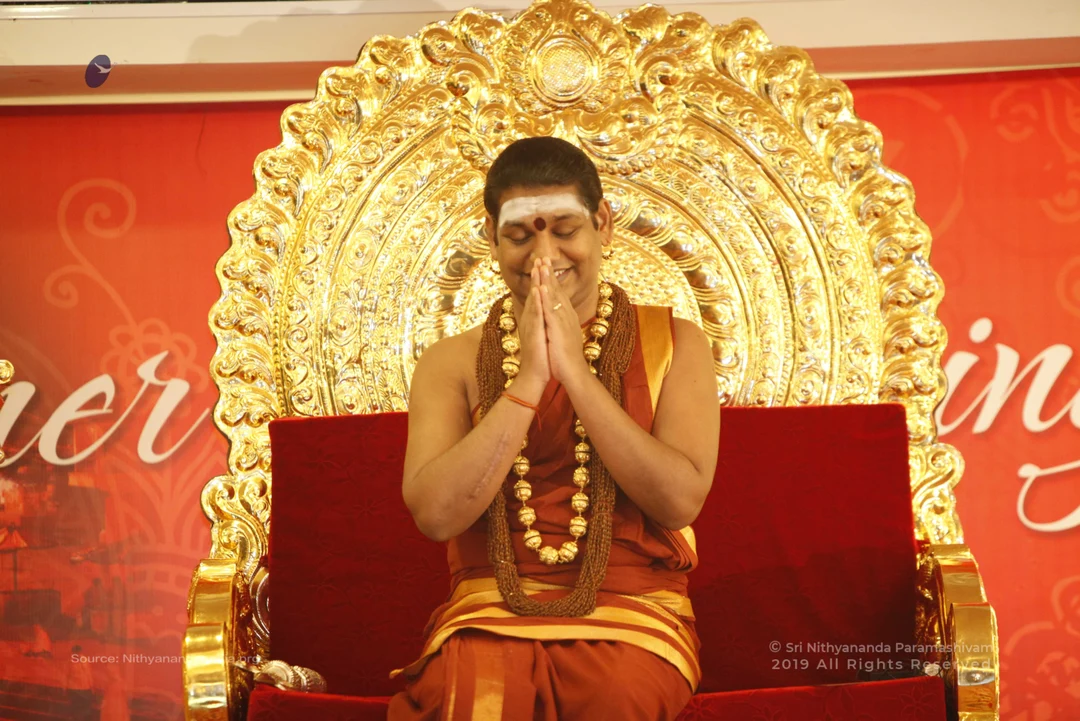
Photos
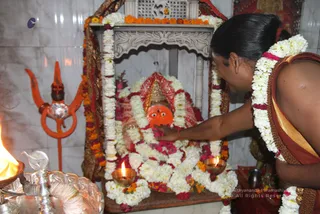
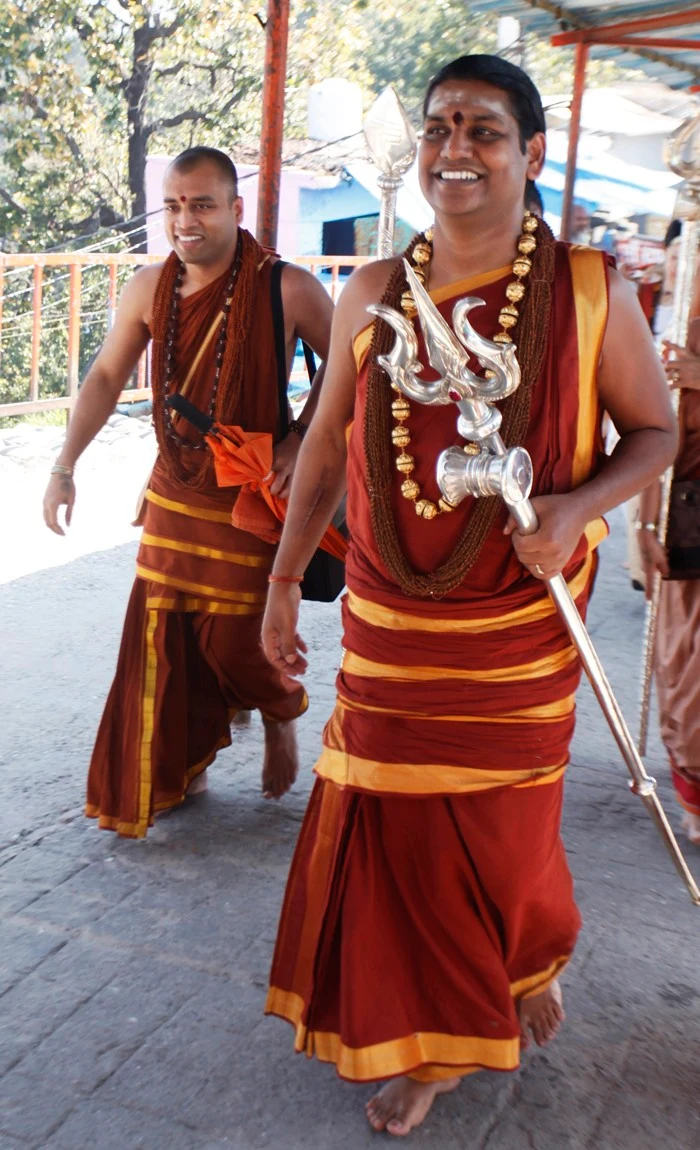
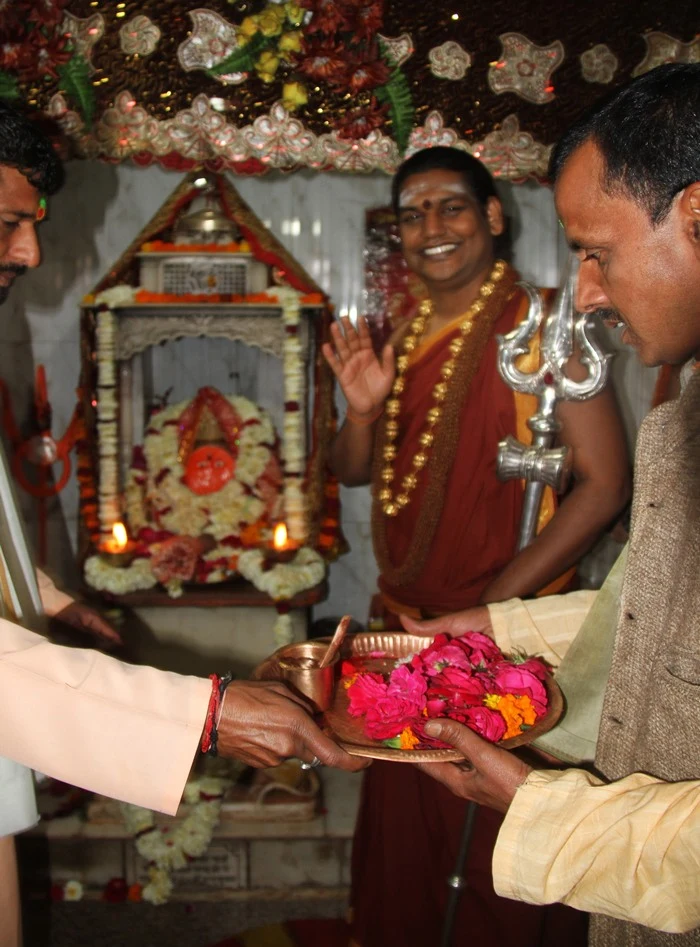
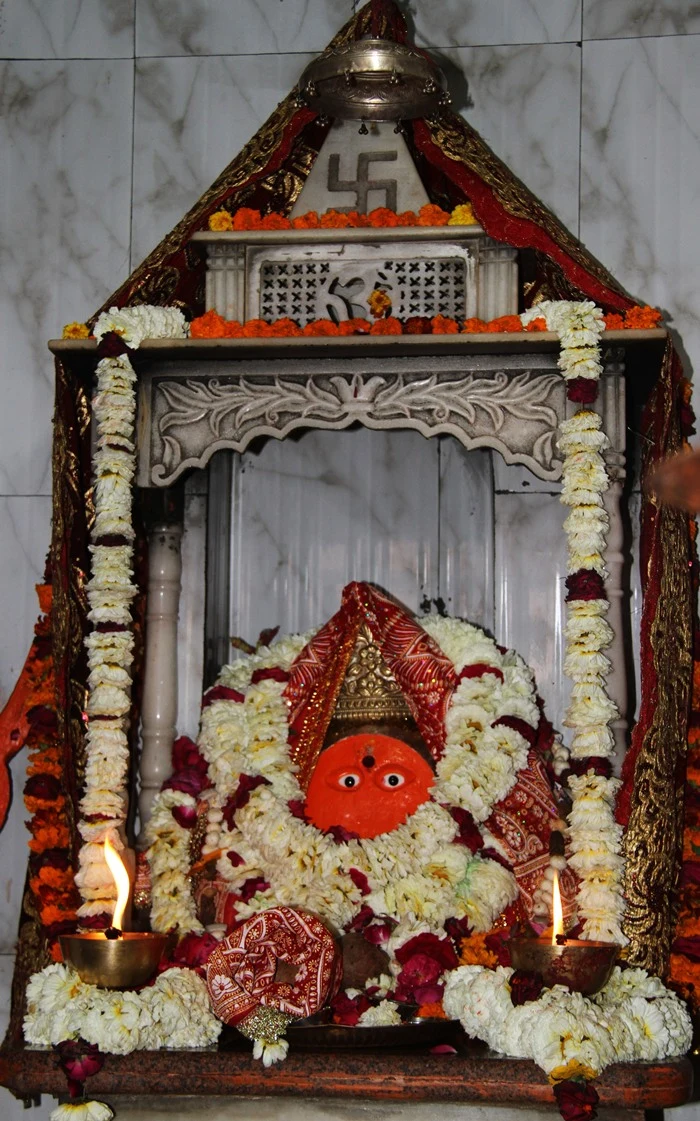
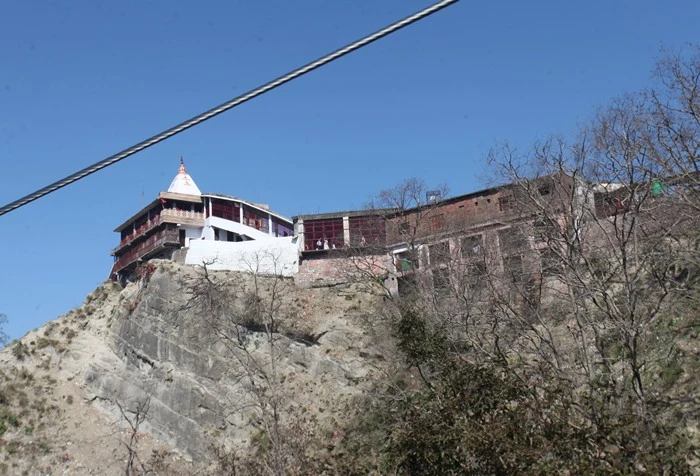
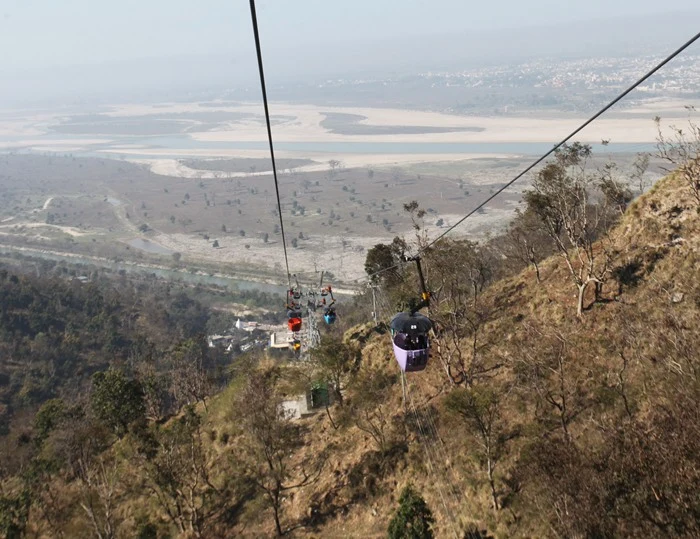
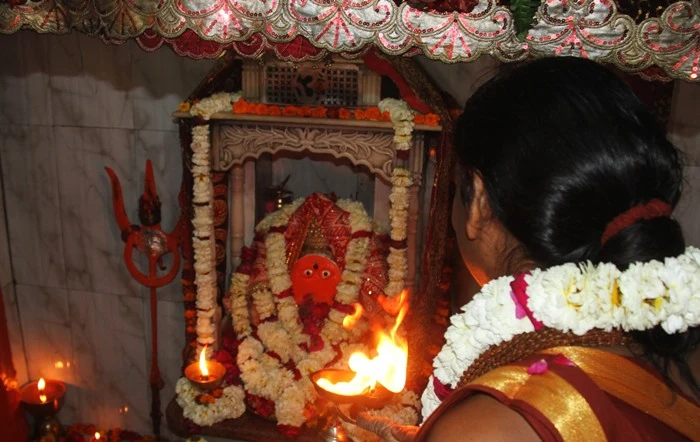
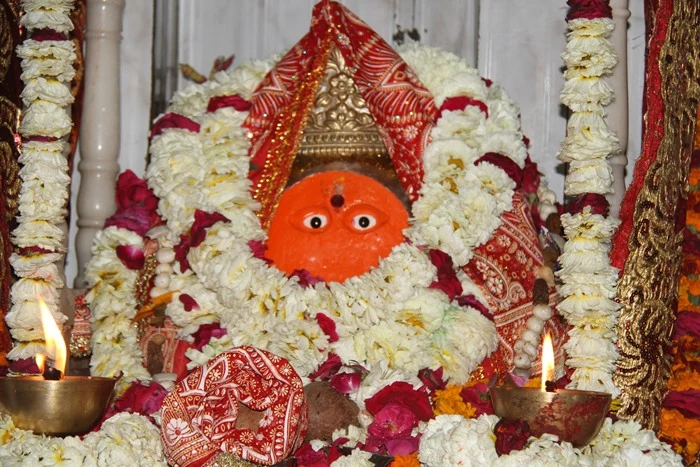
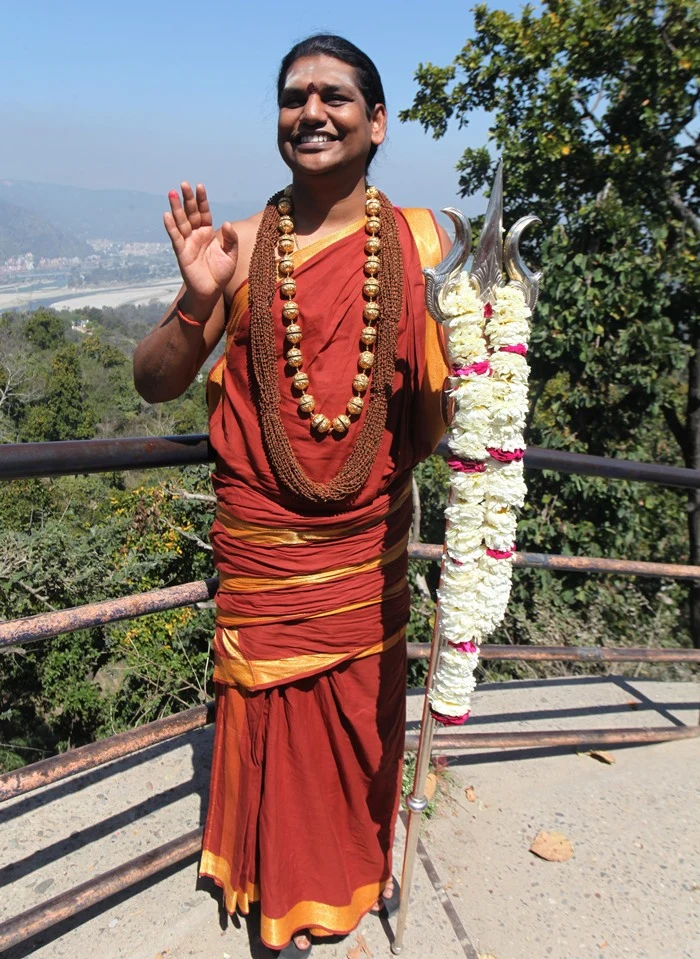
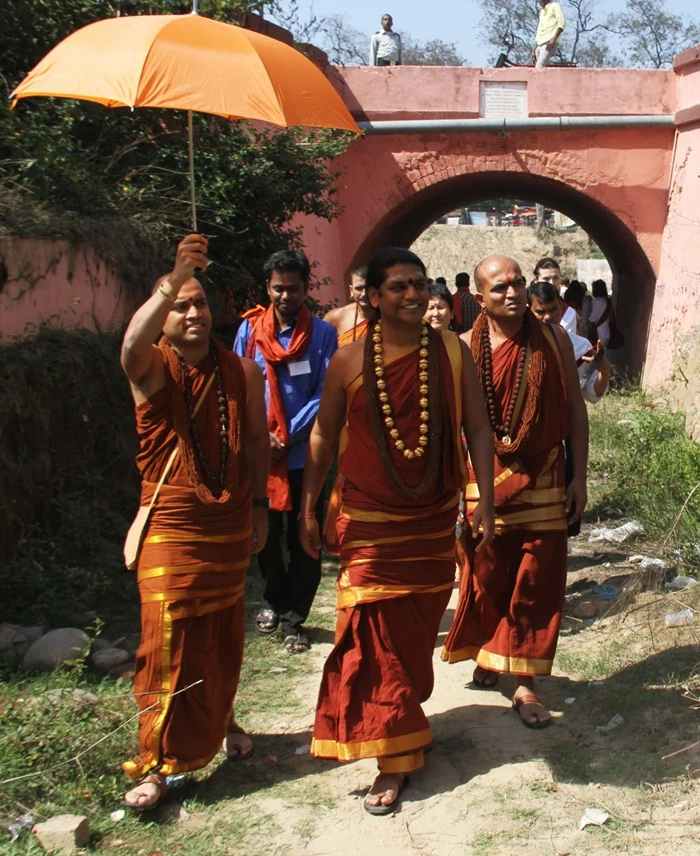
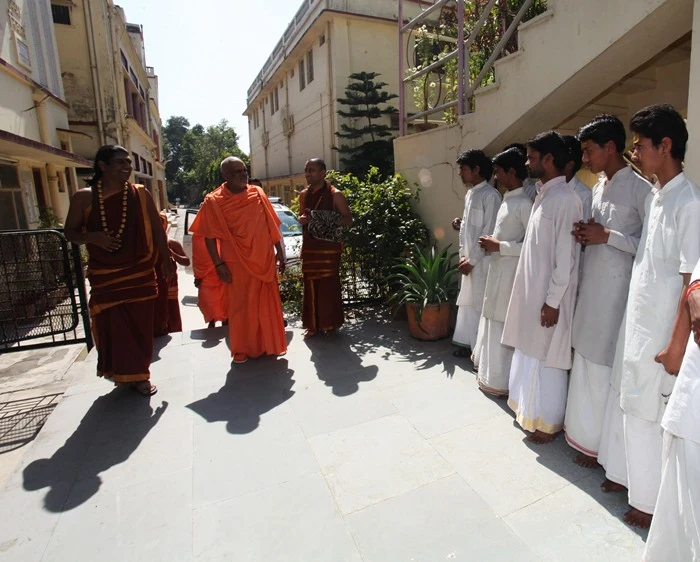
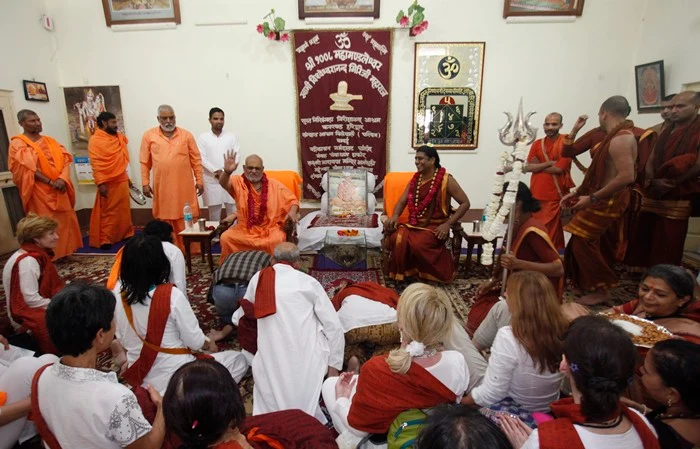
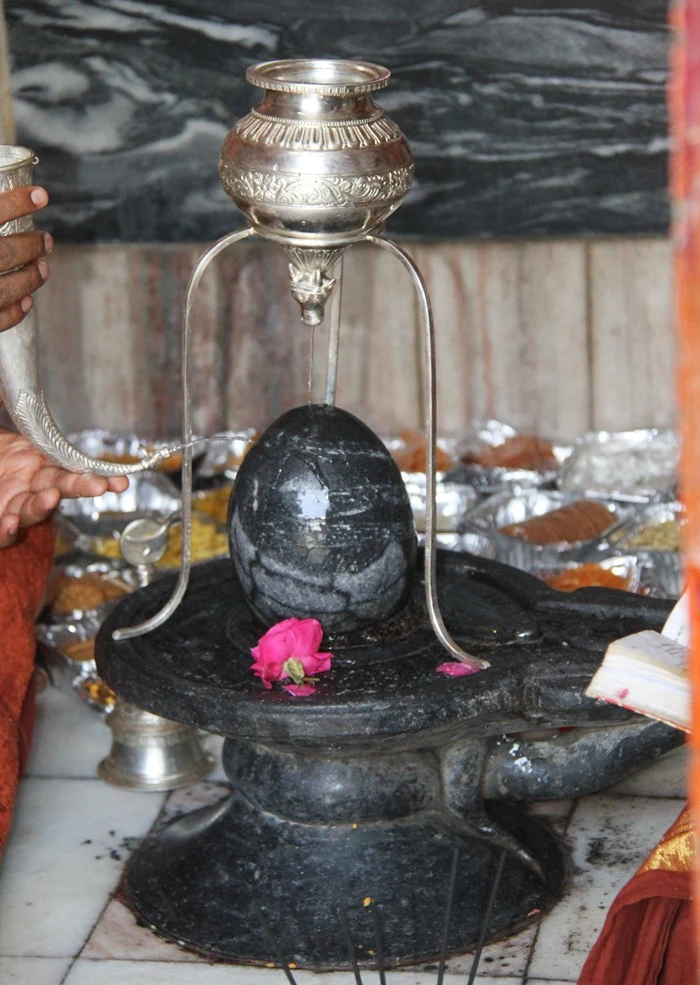
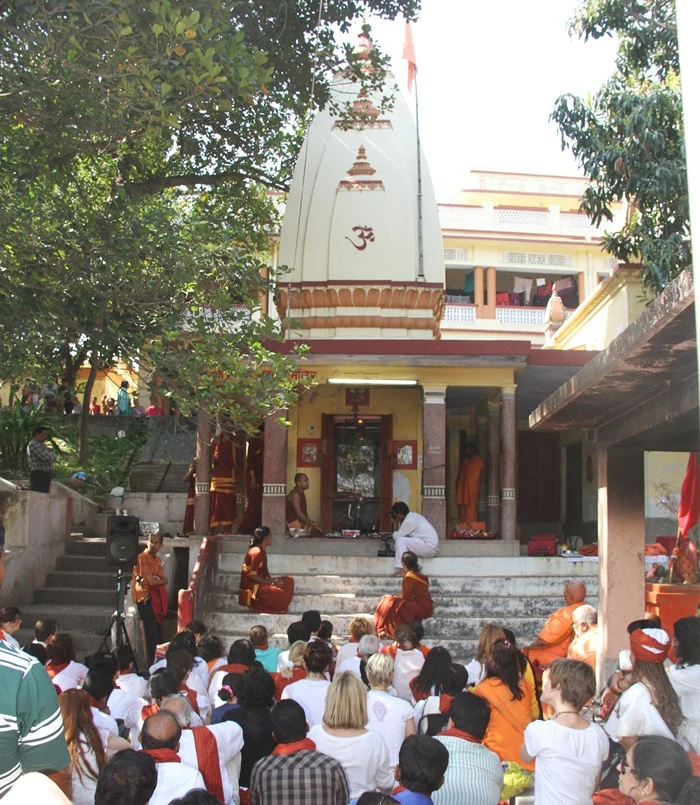
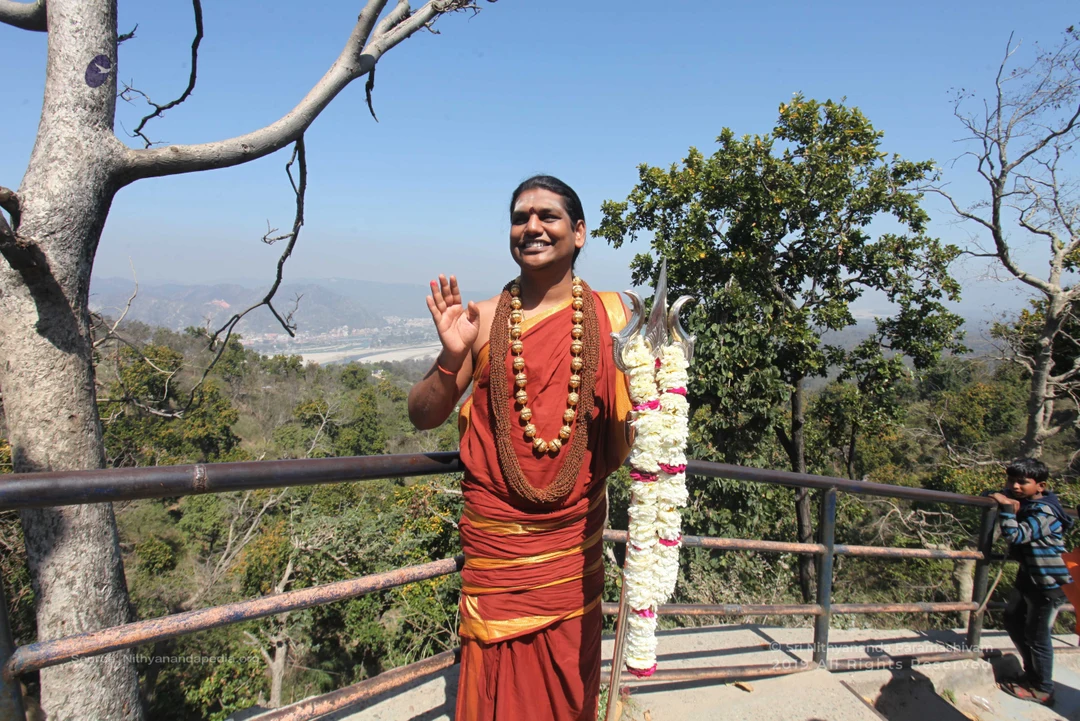
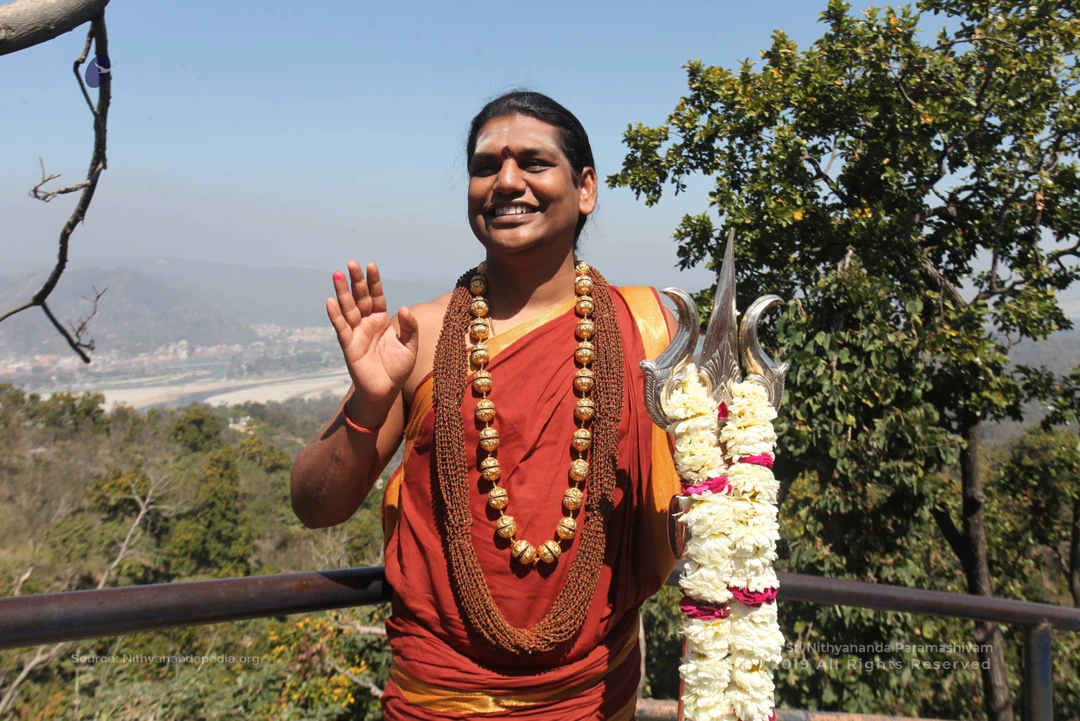
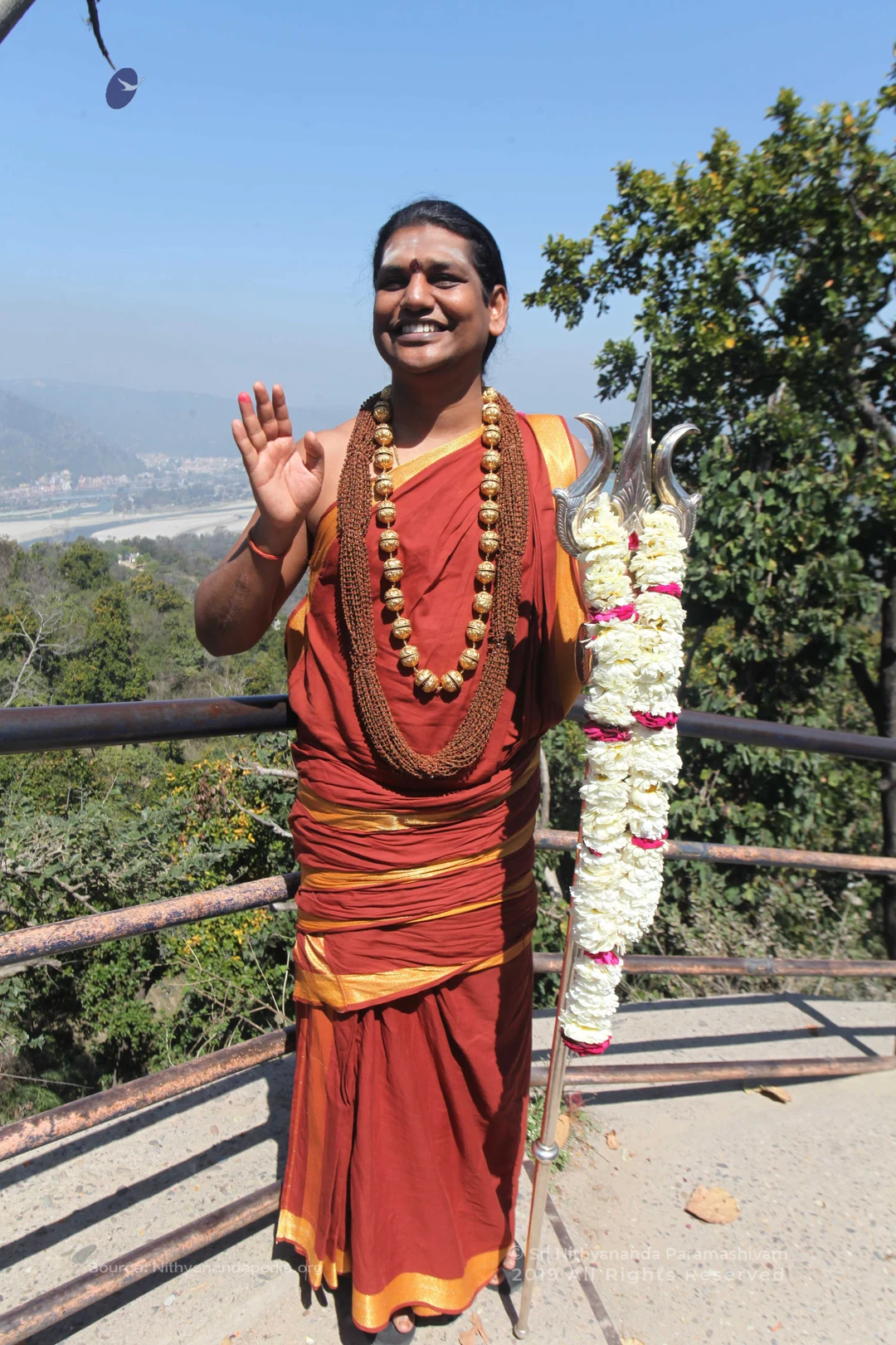
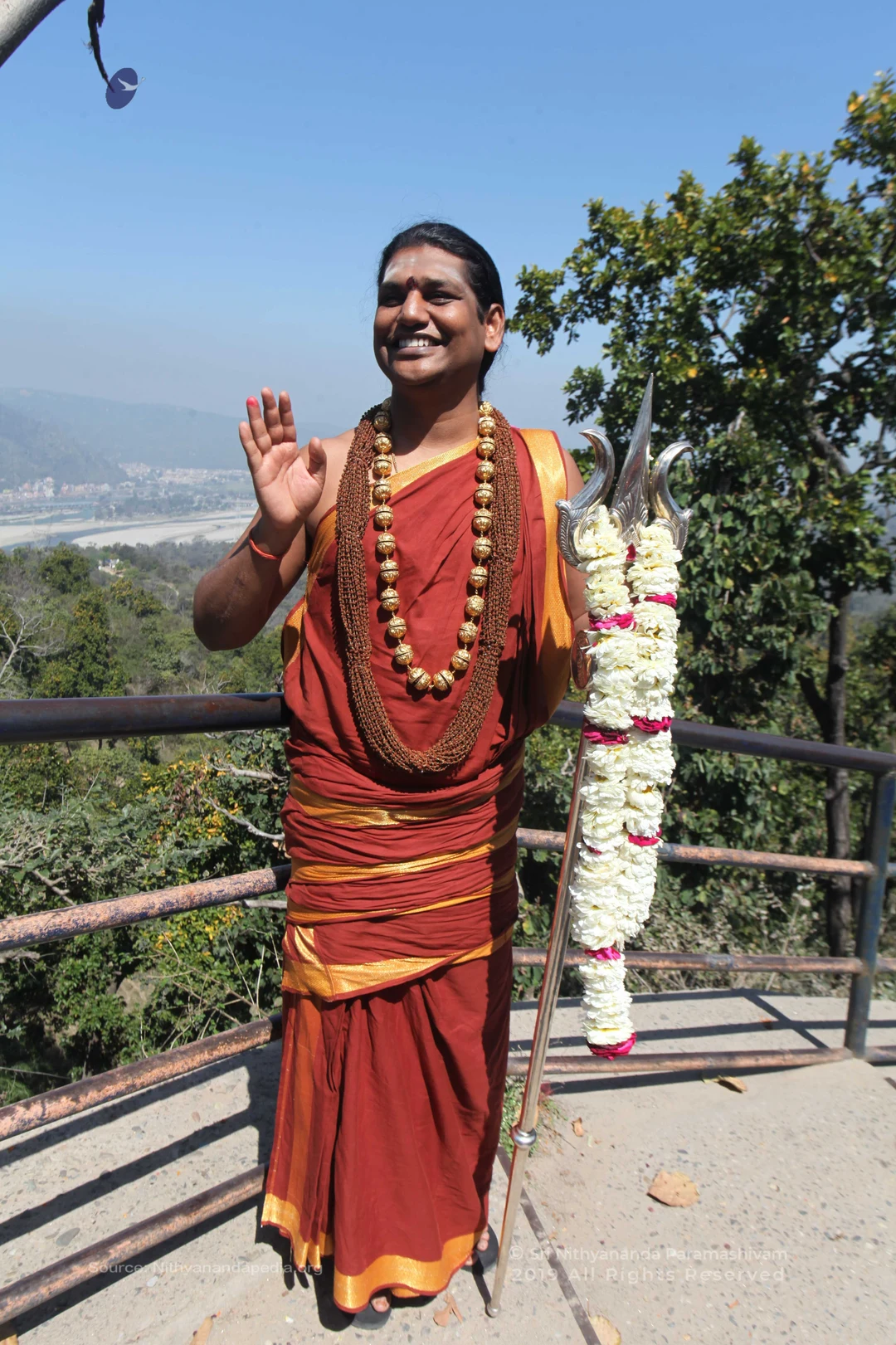
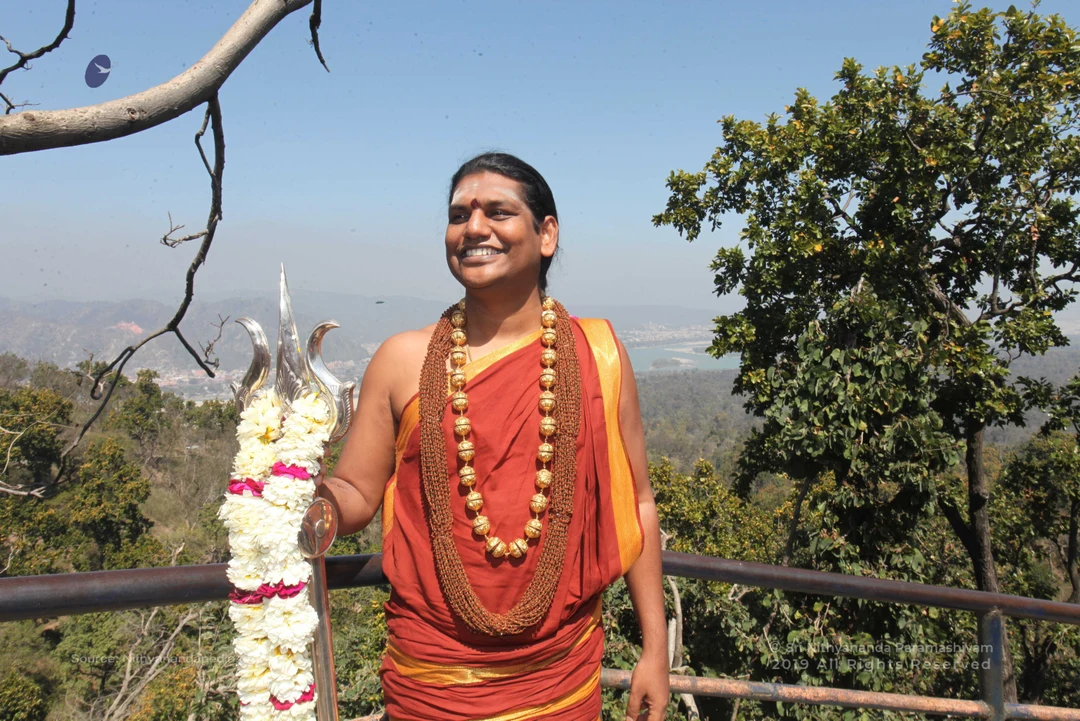
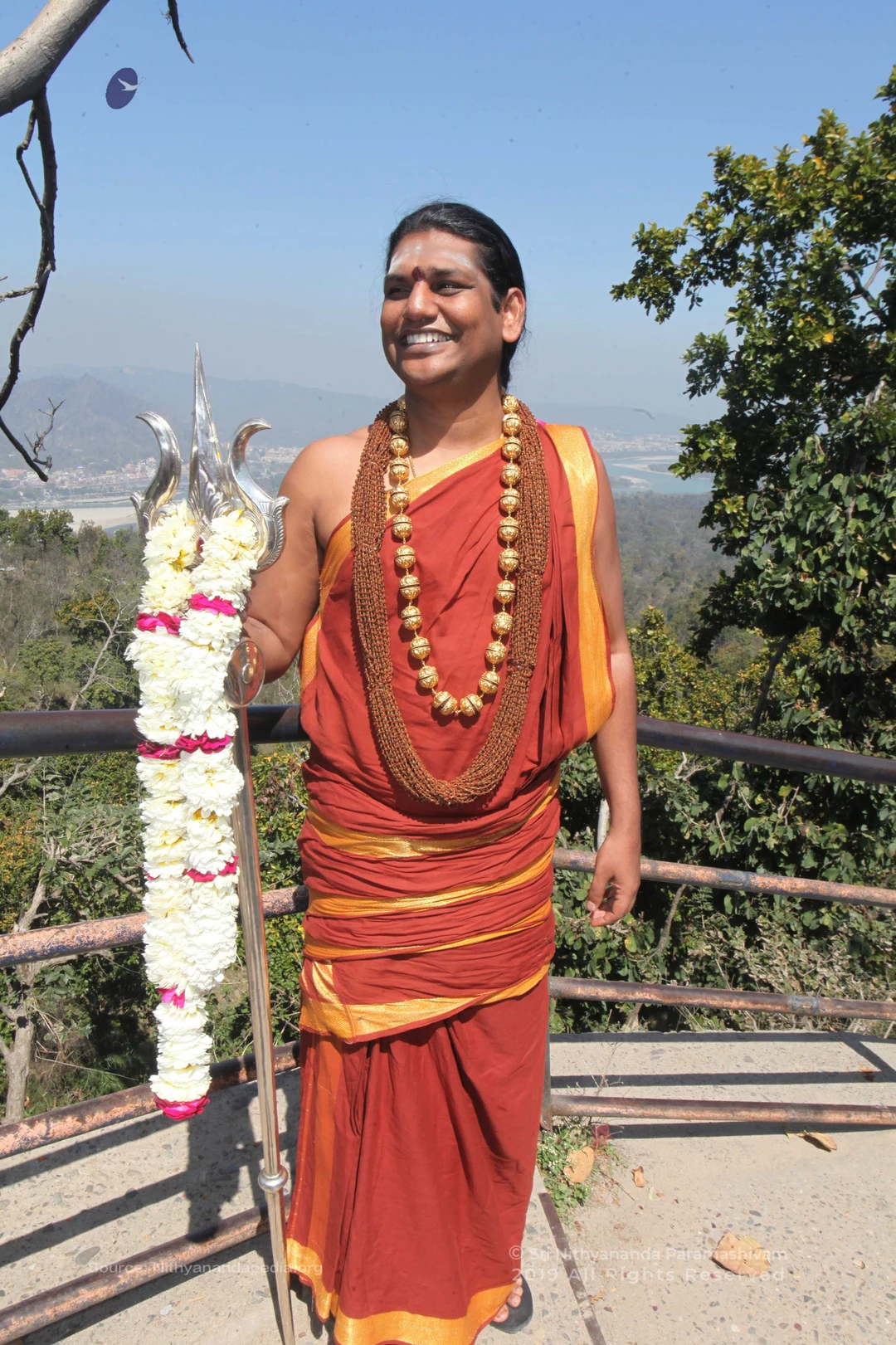
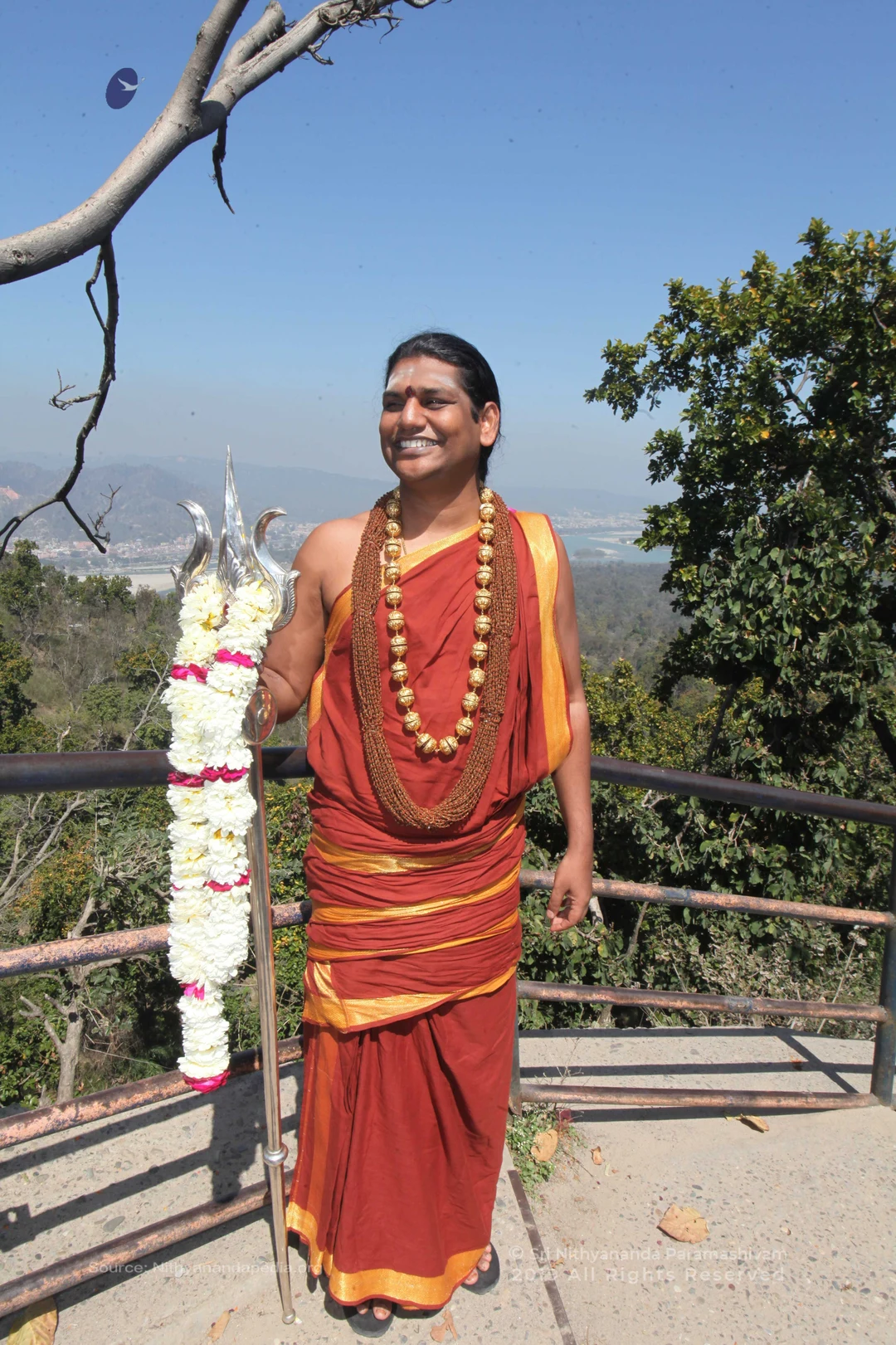
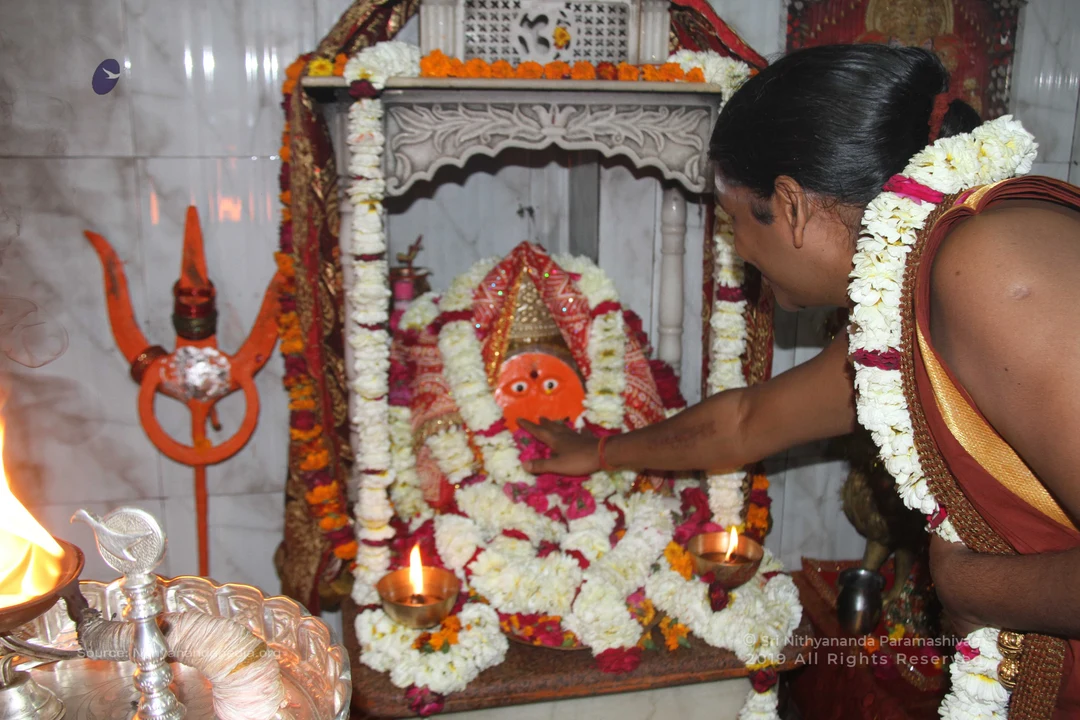
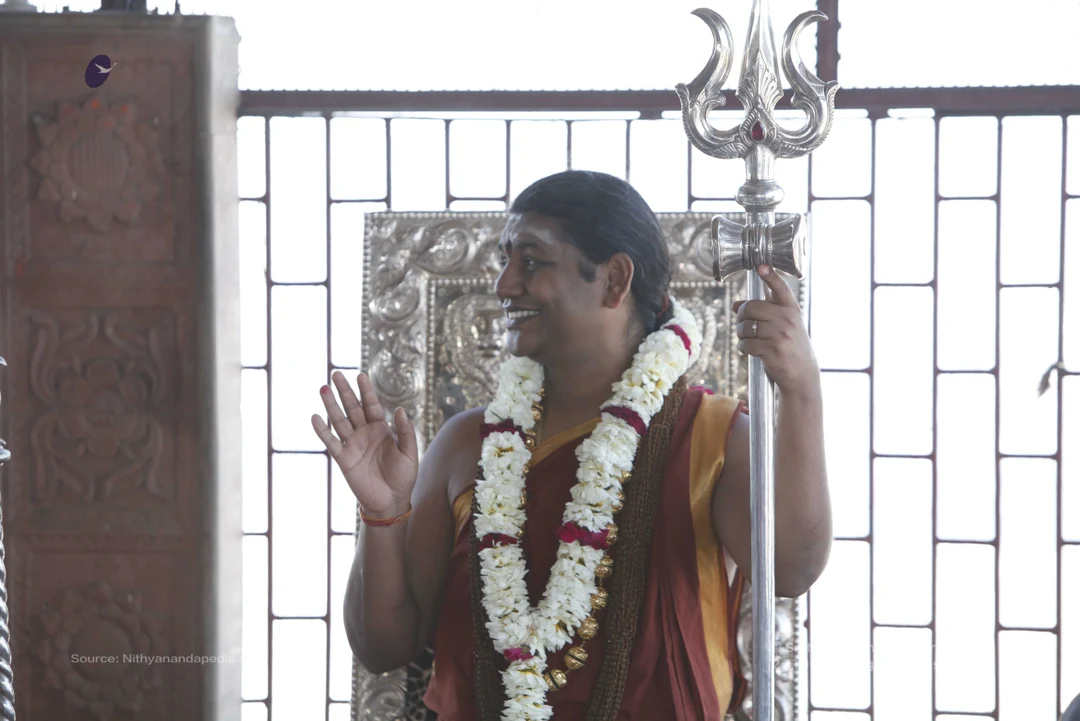
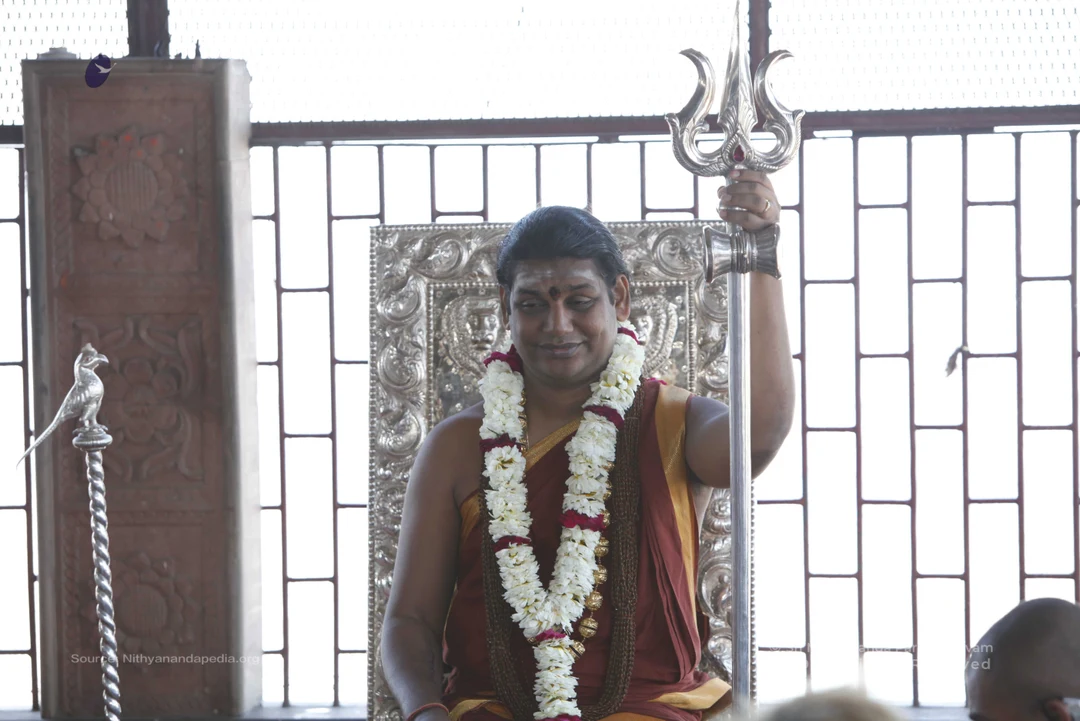
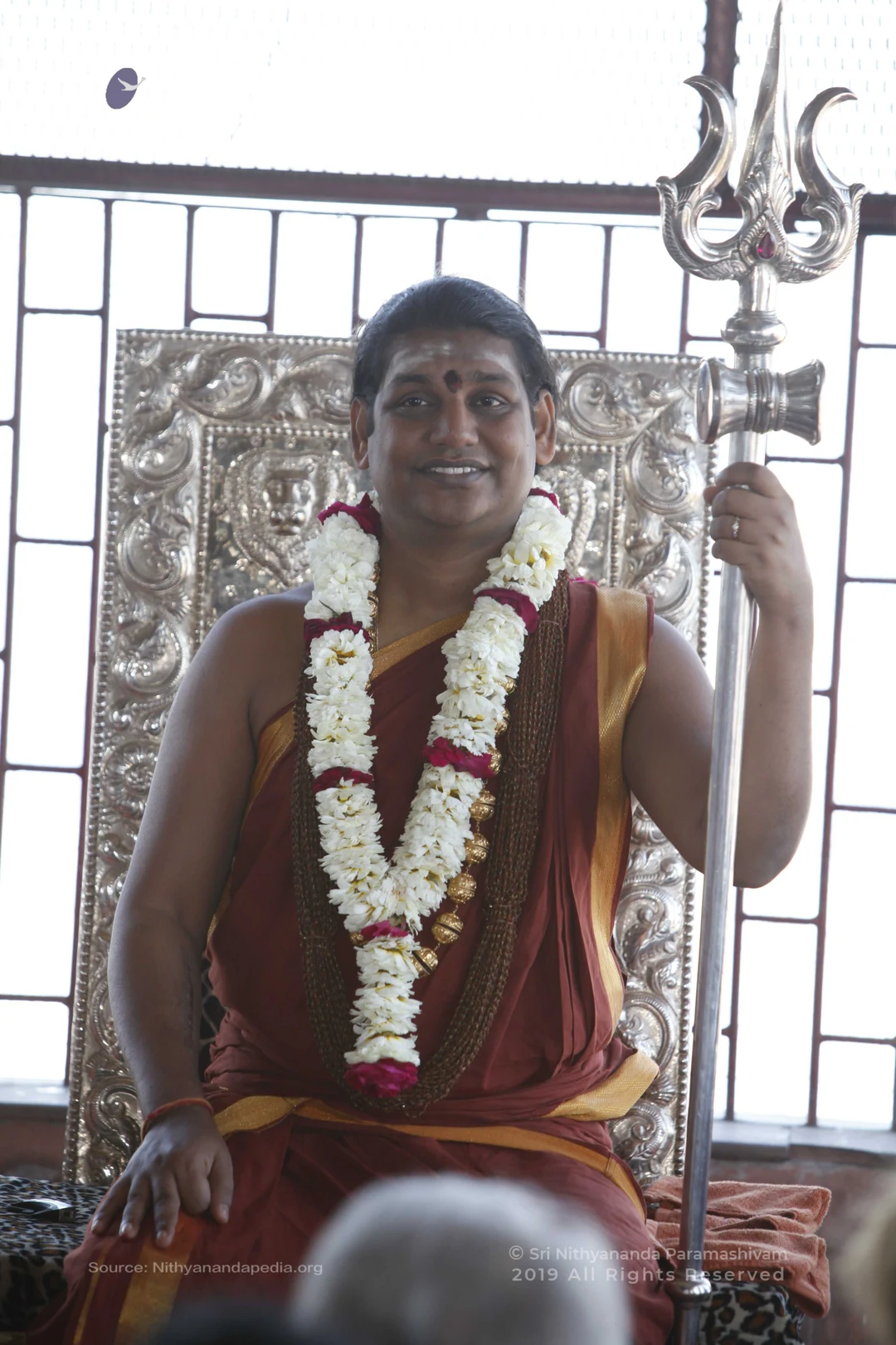
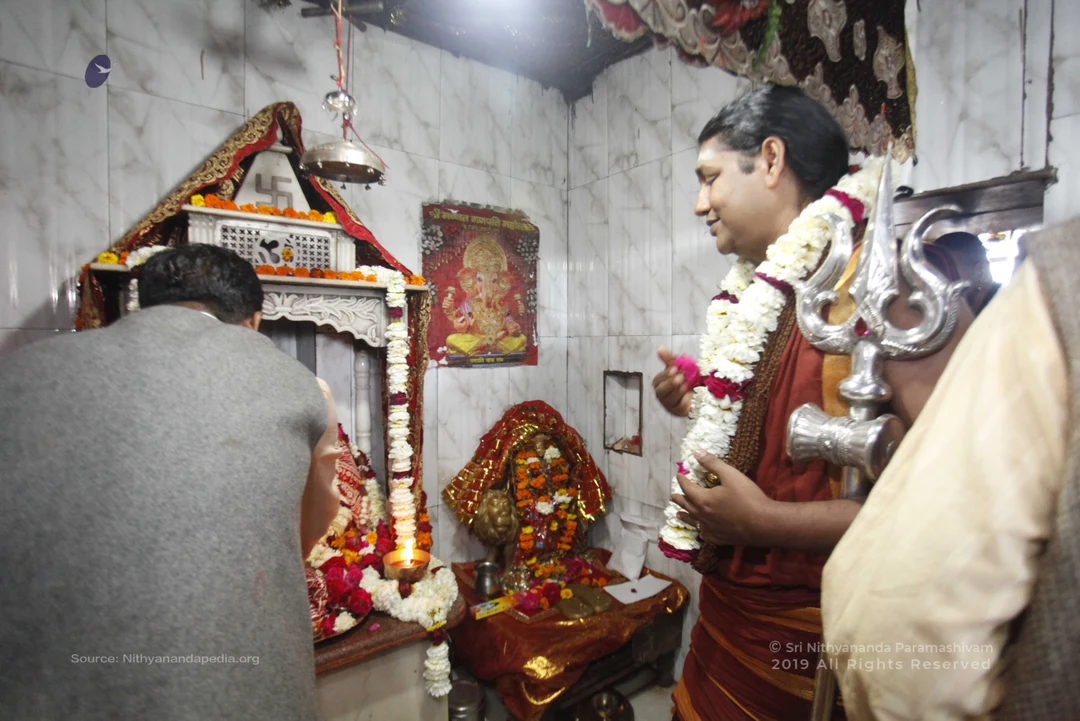
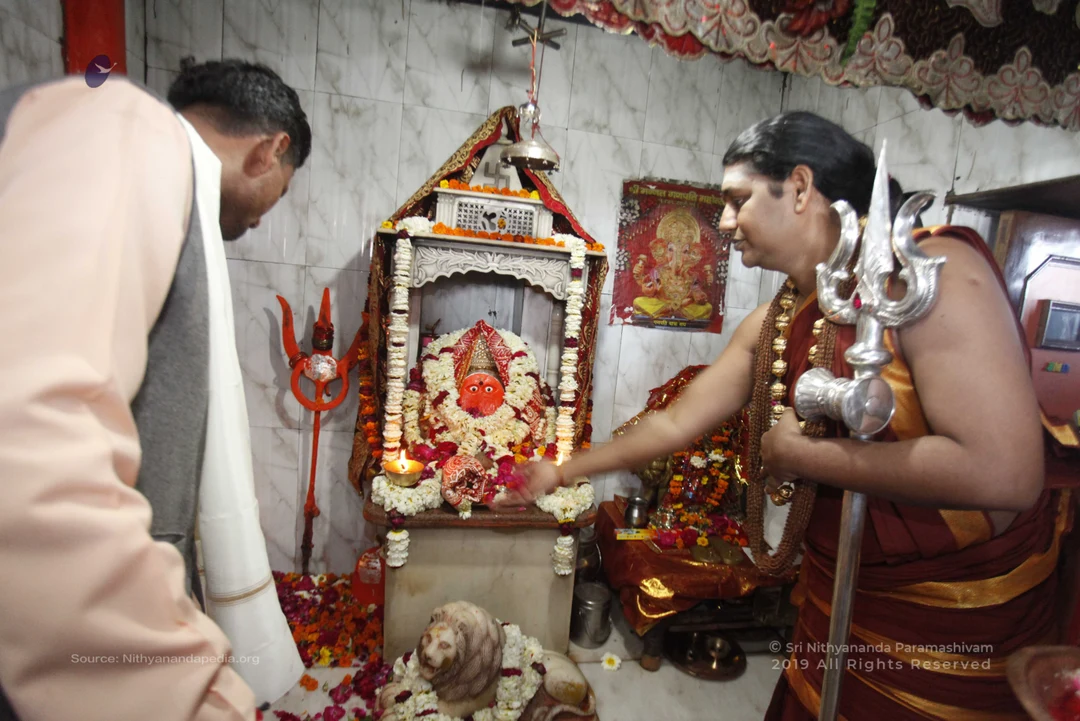
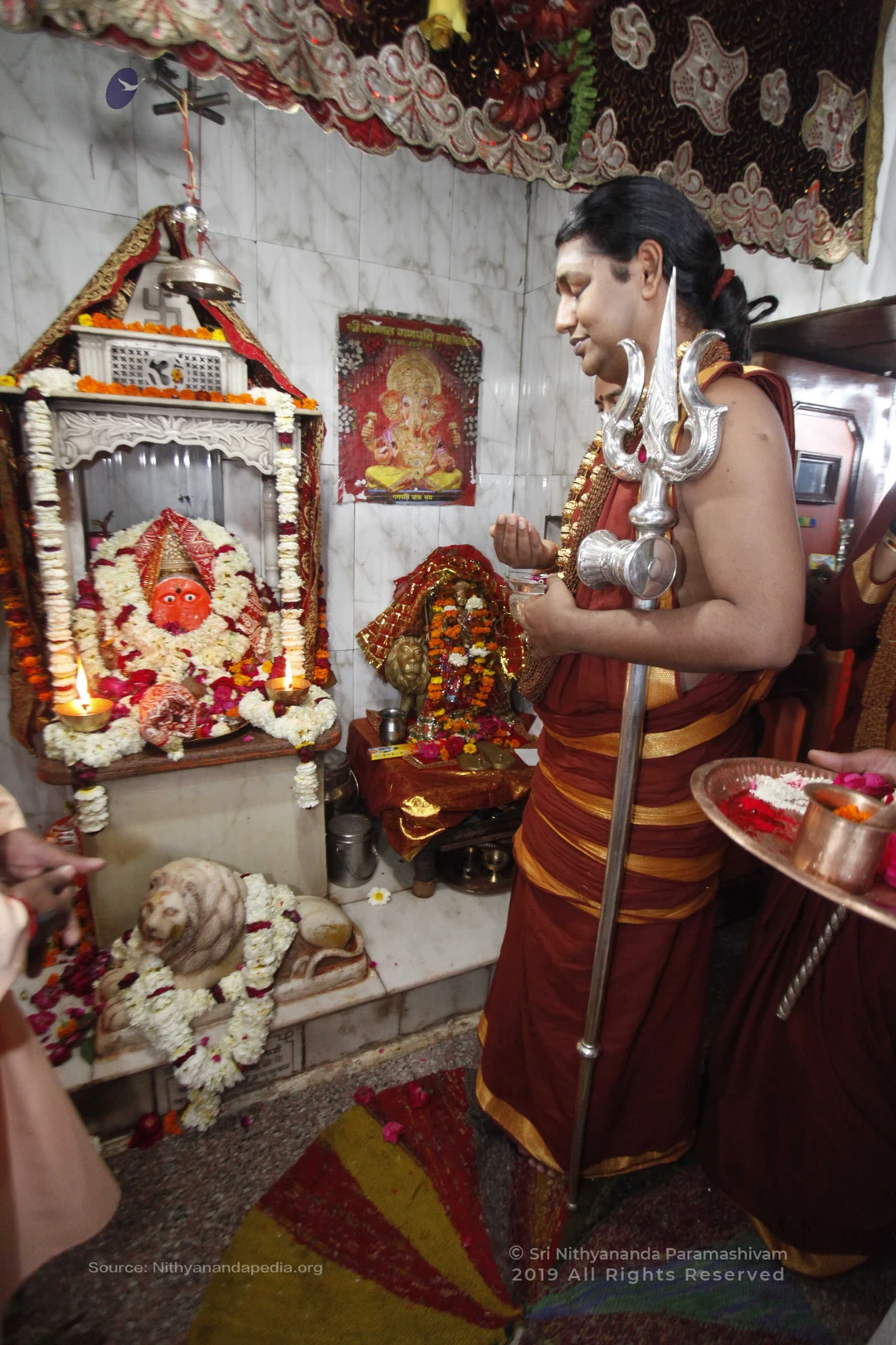
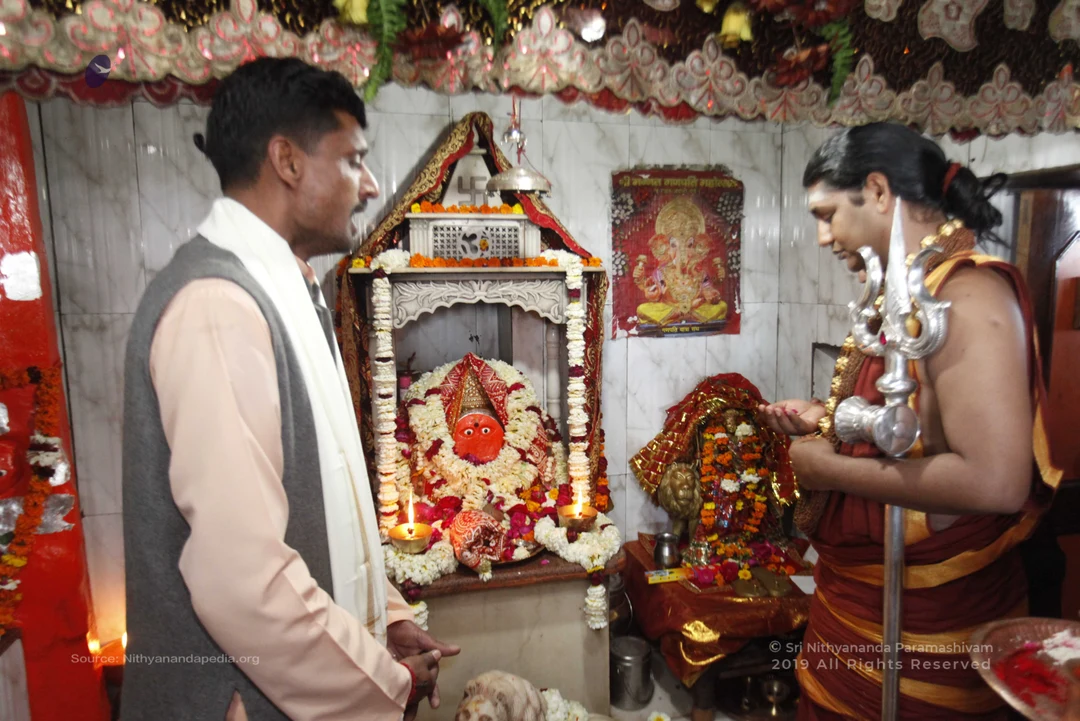
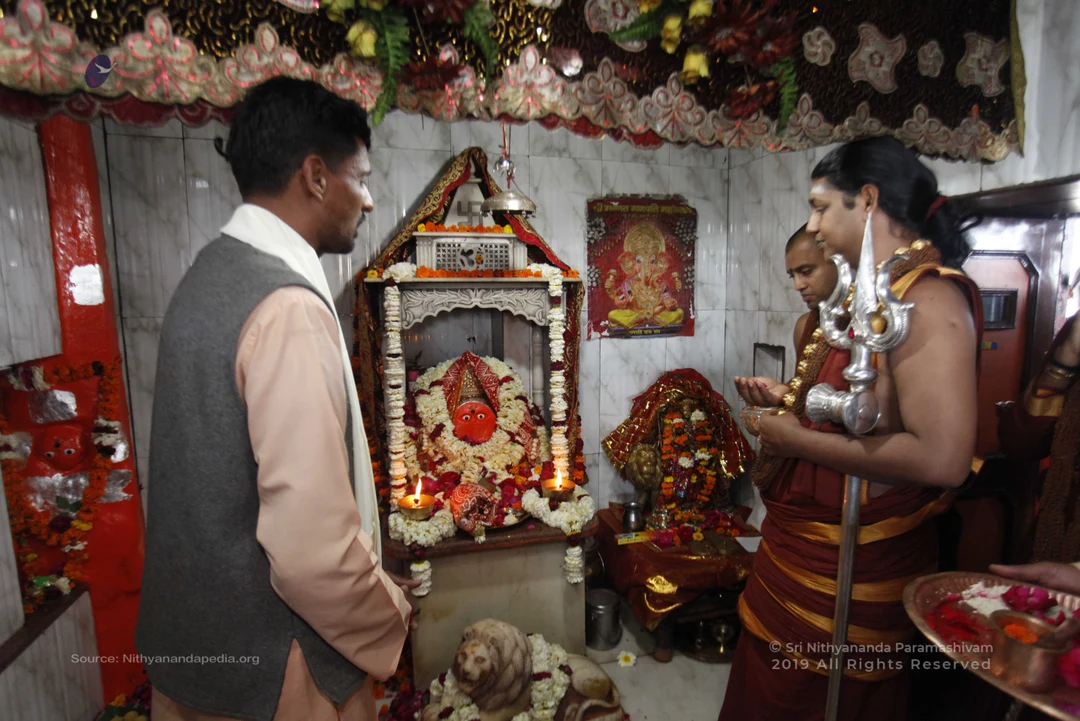
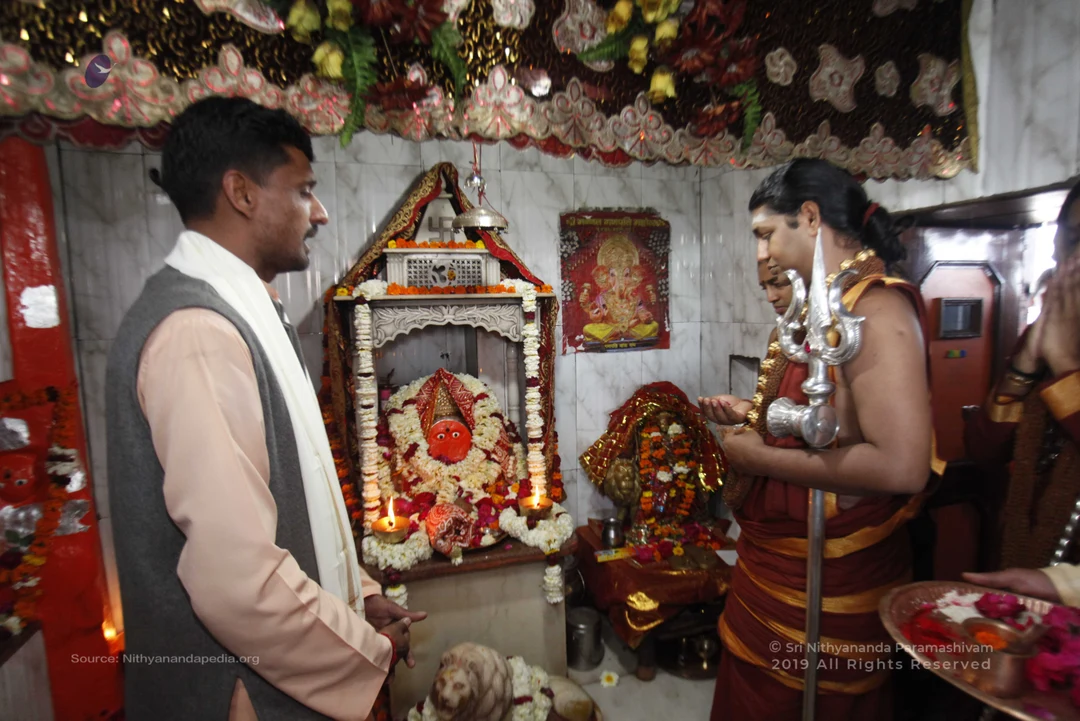
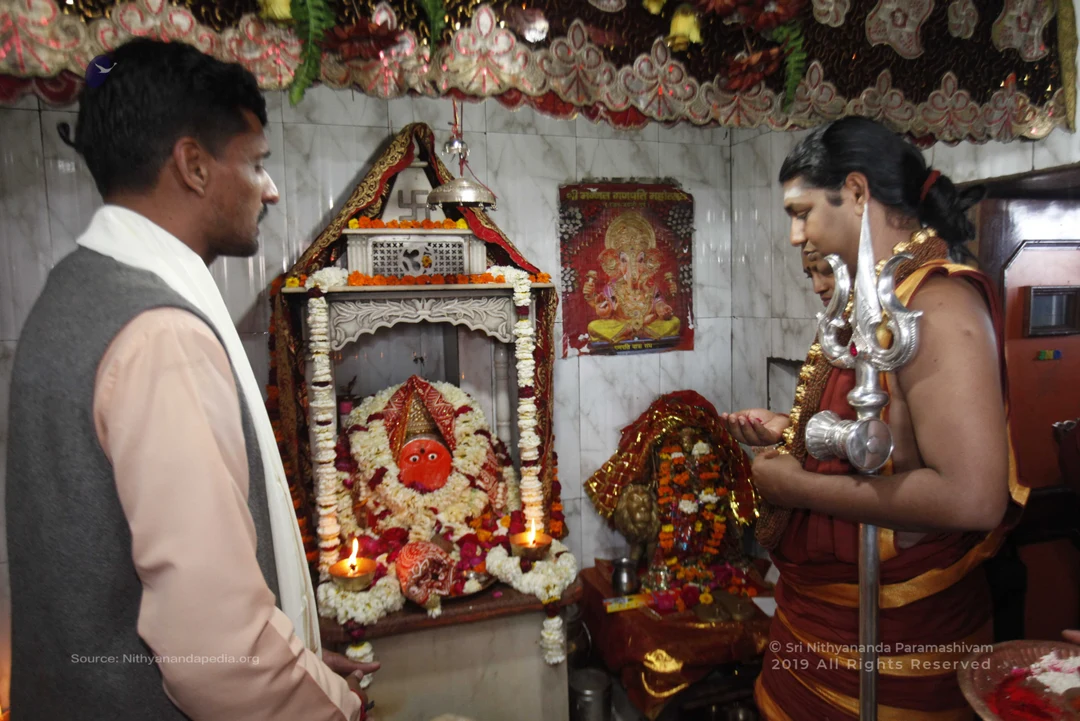
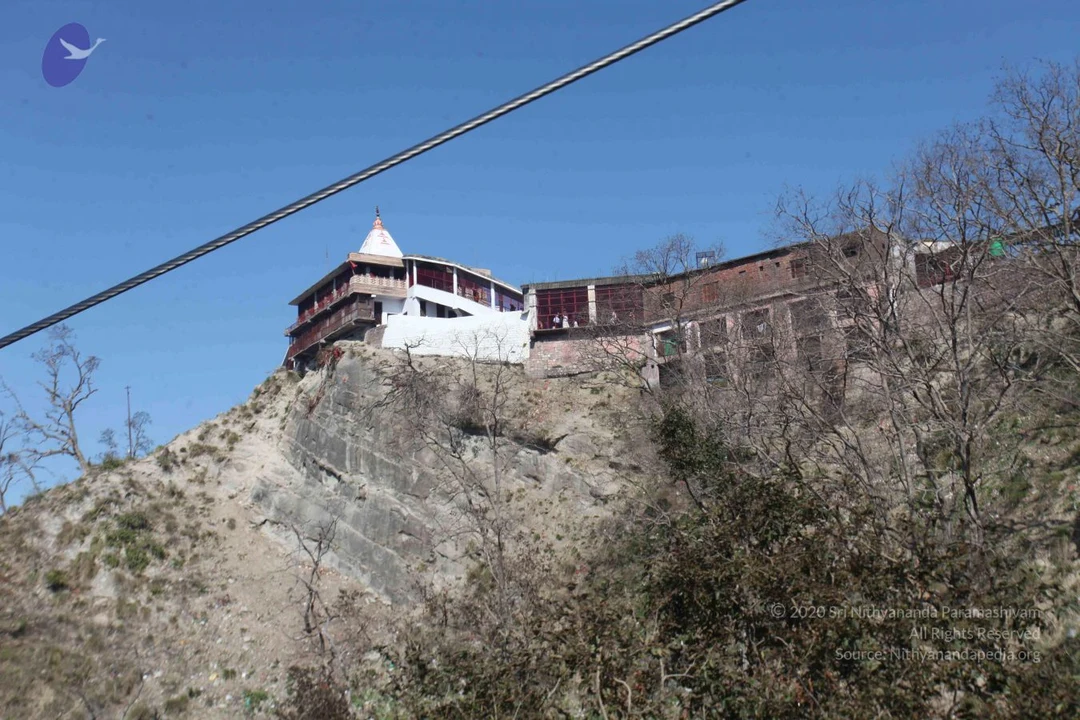
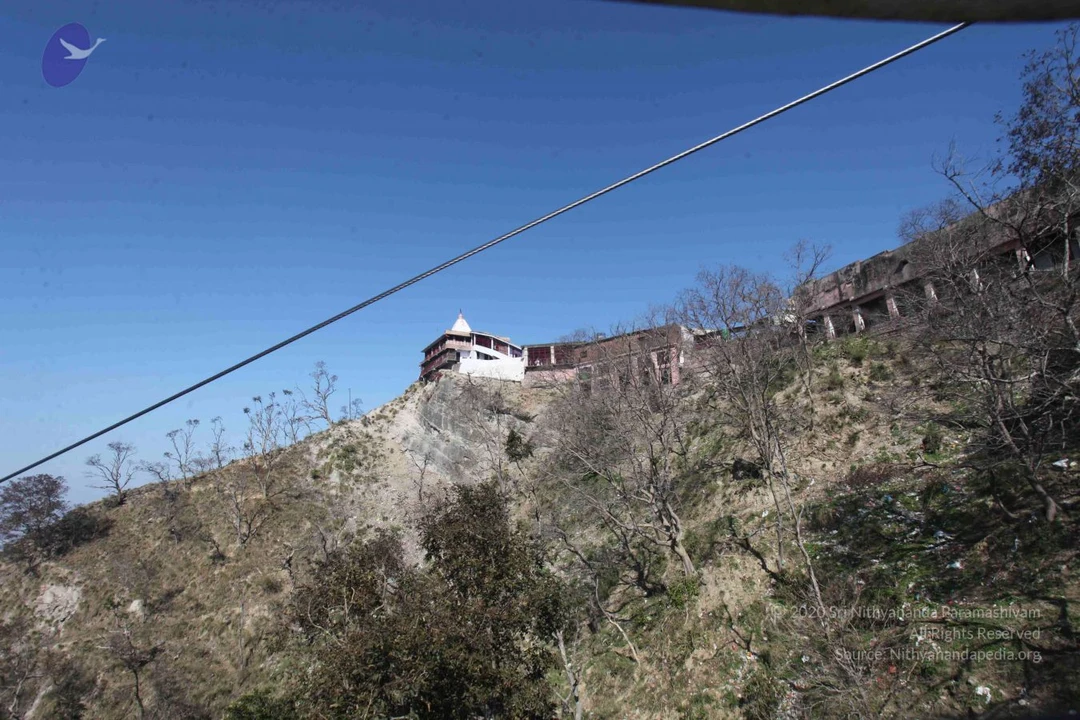
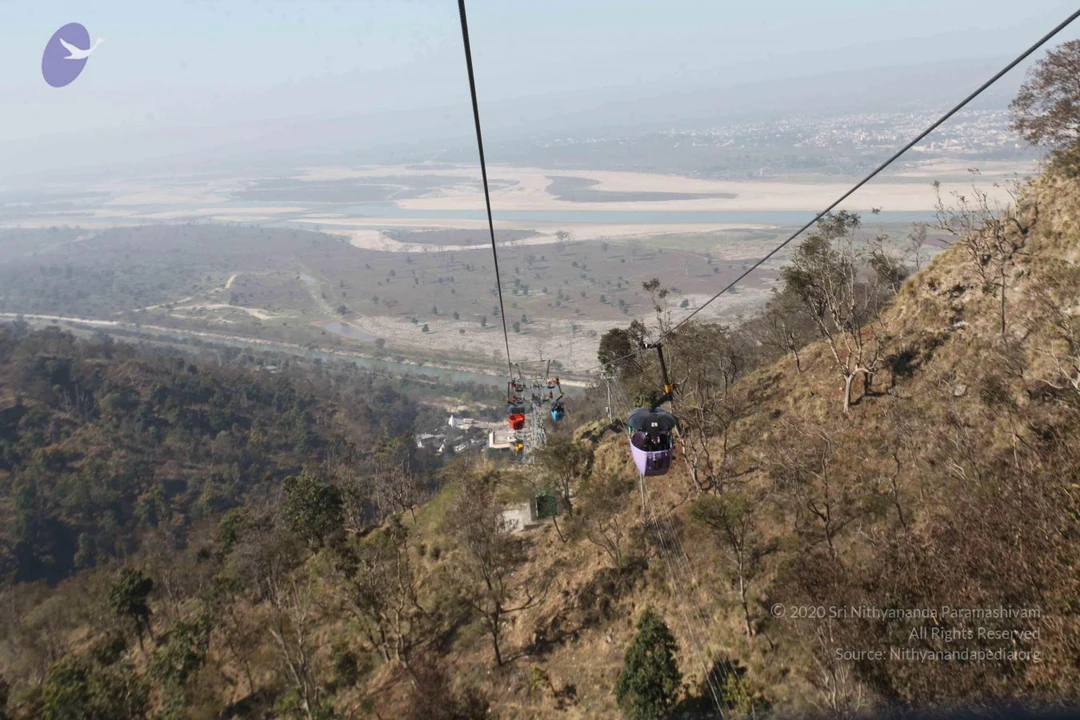
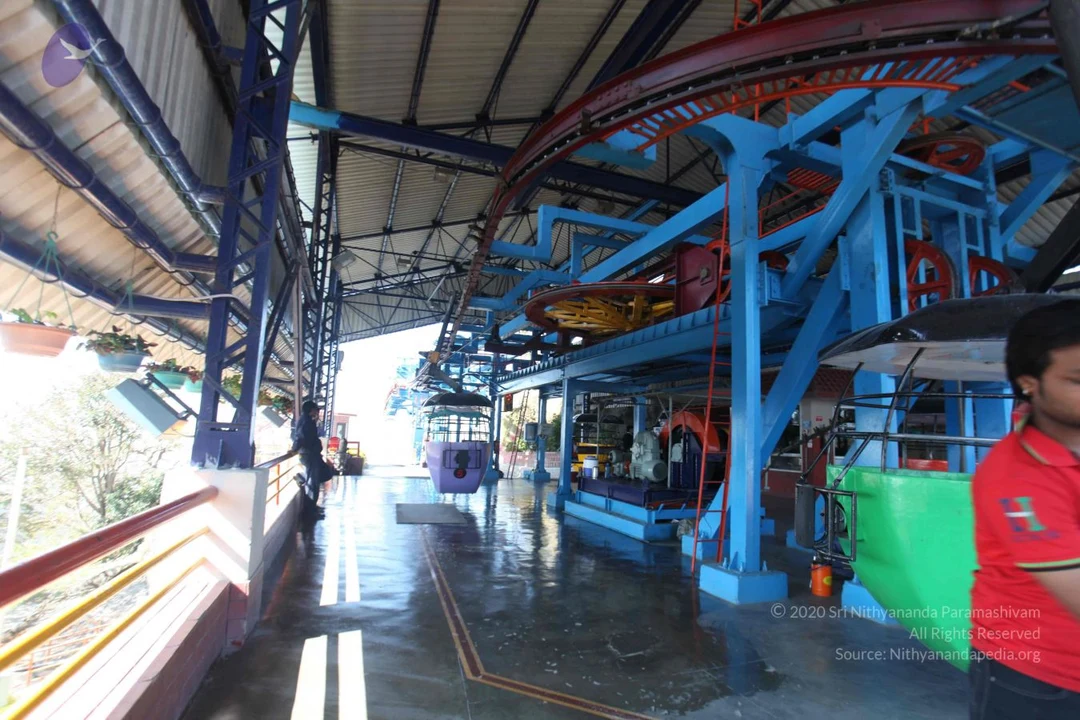
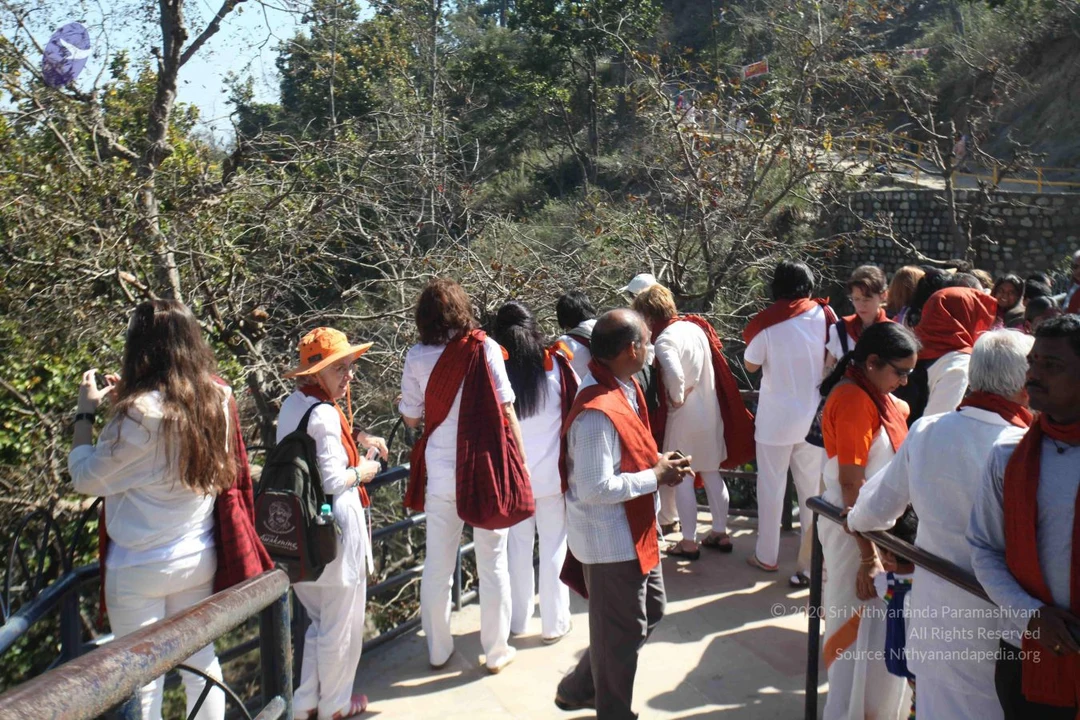
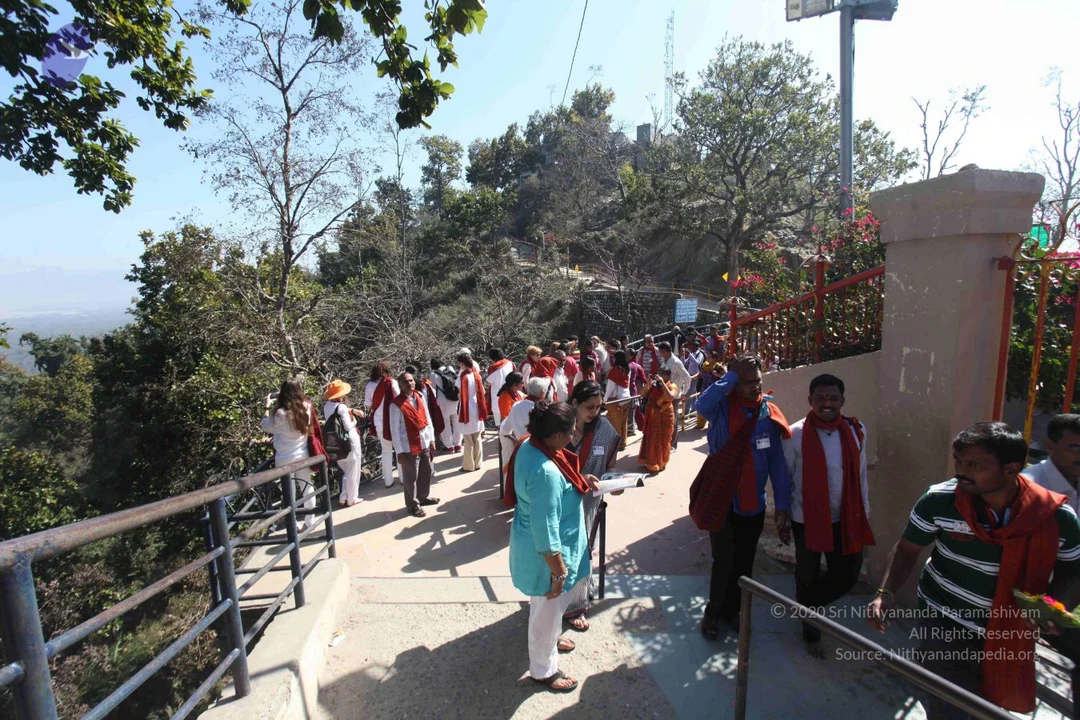
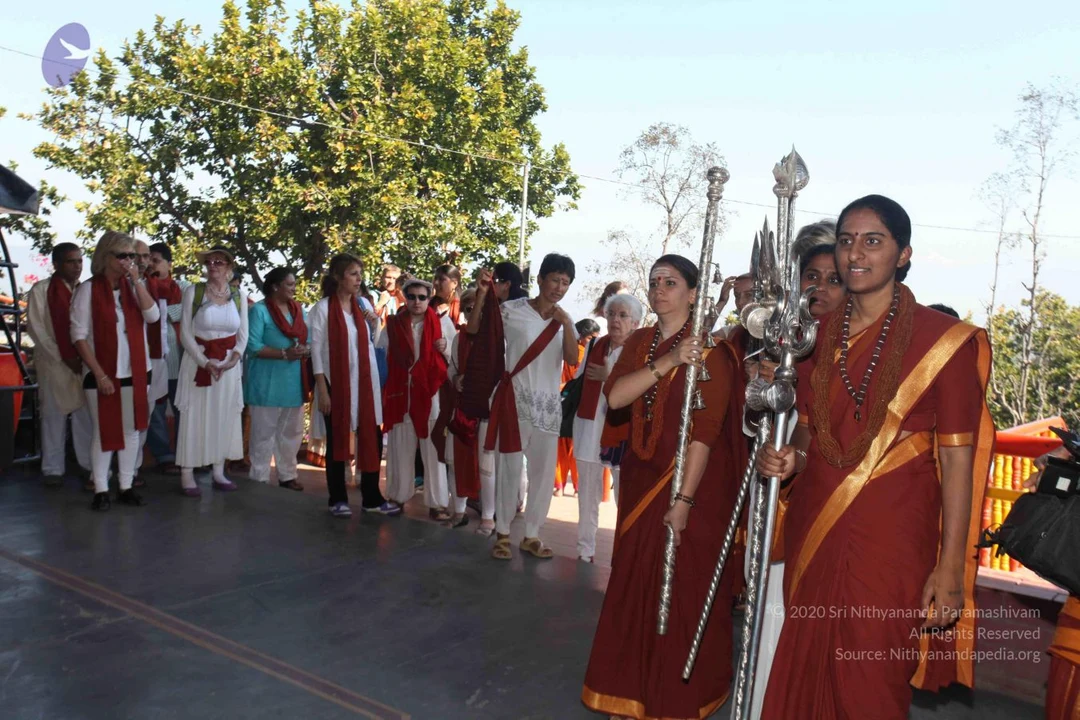
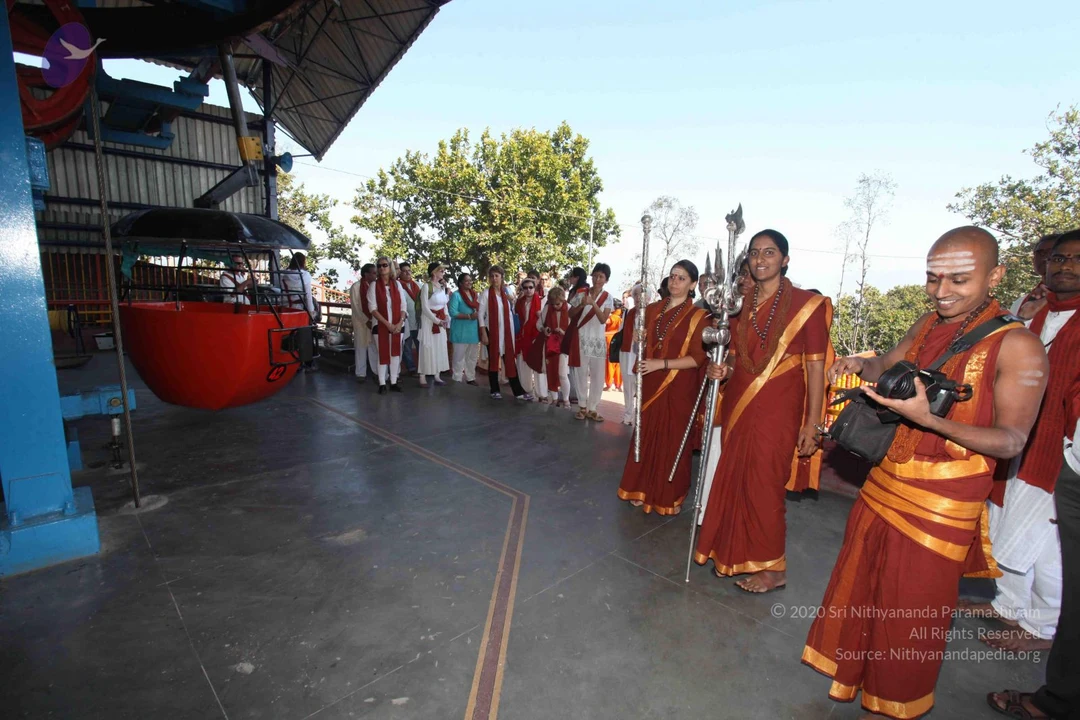
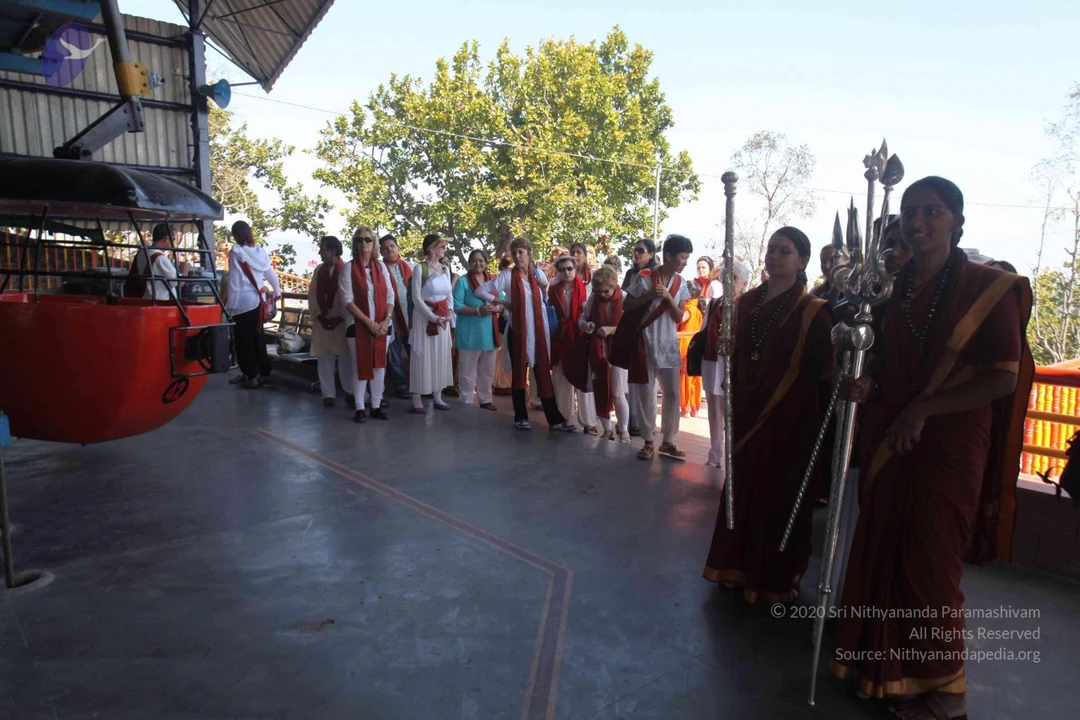
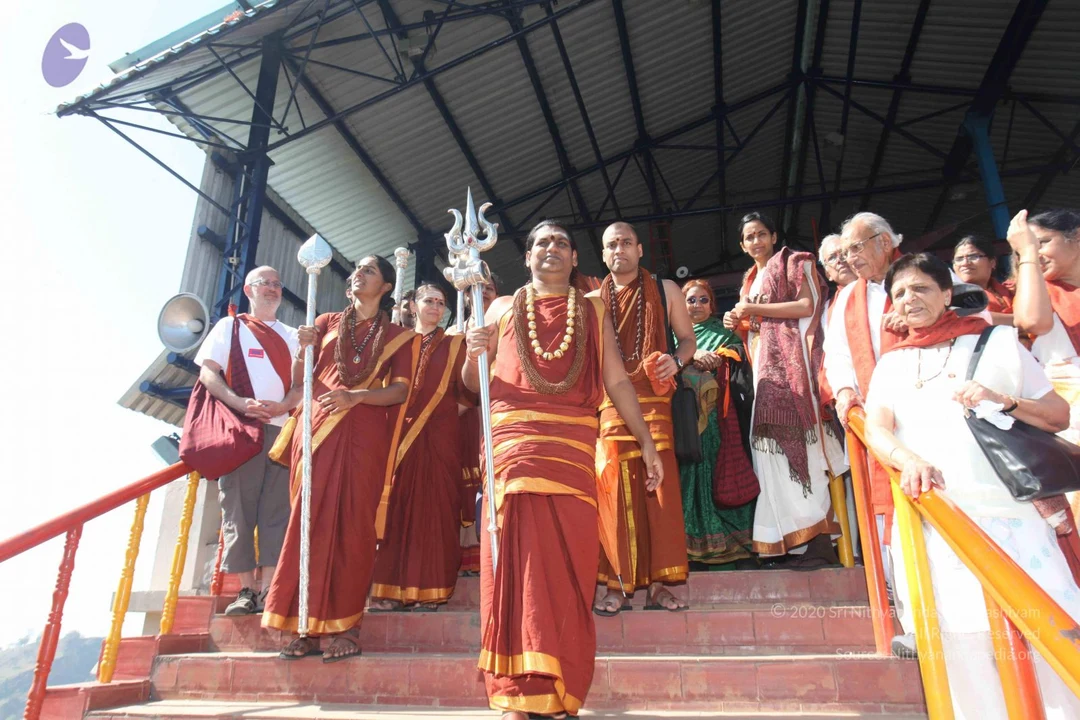
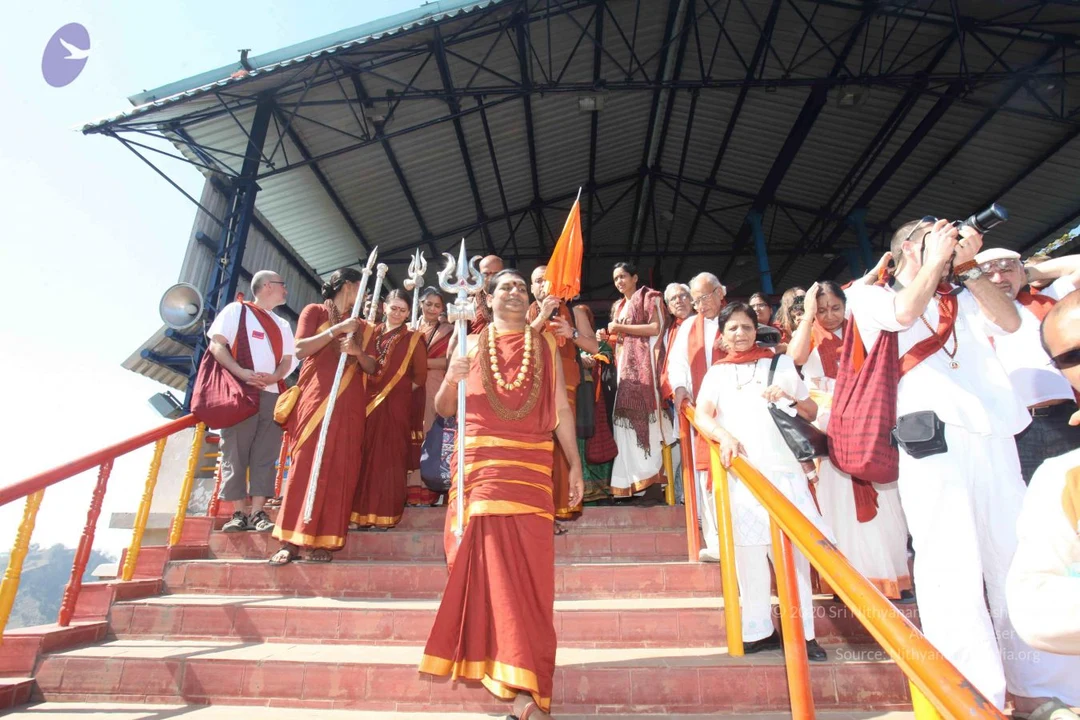
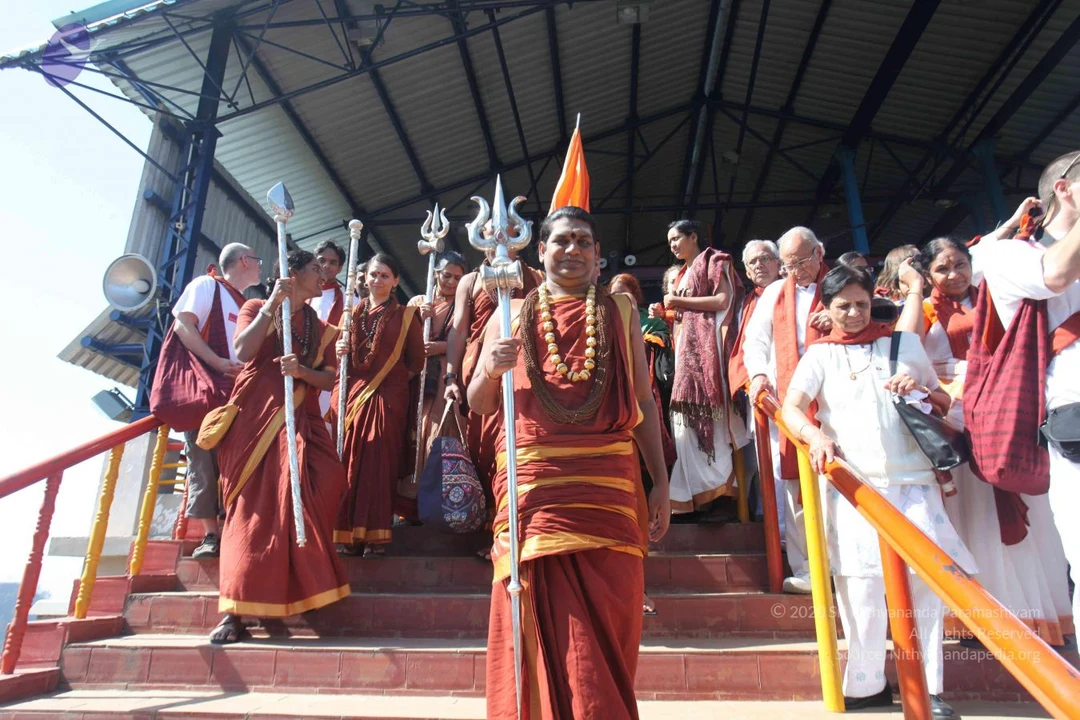
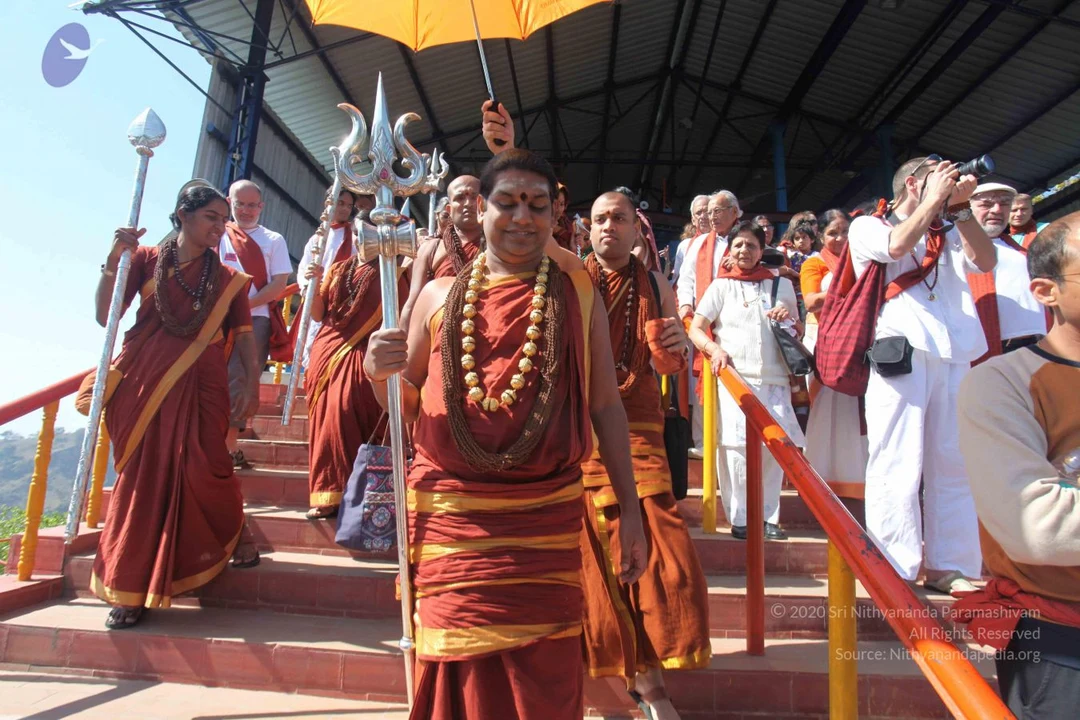
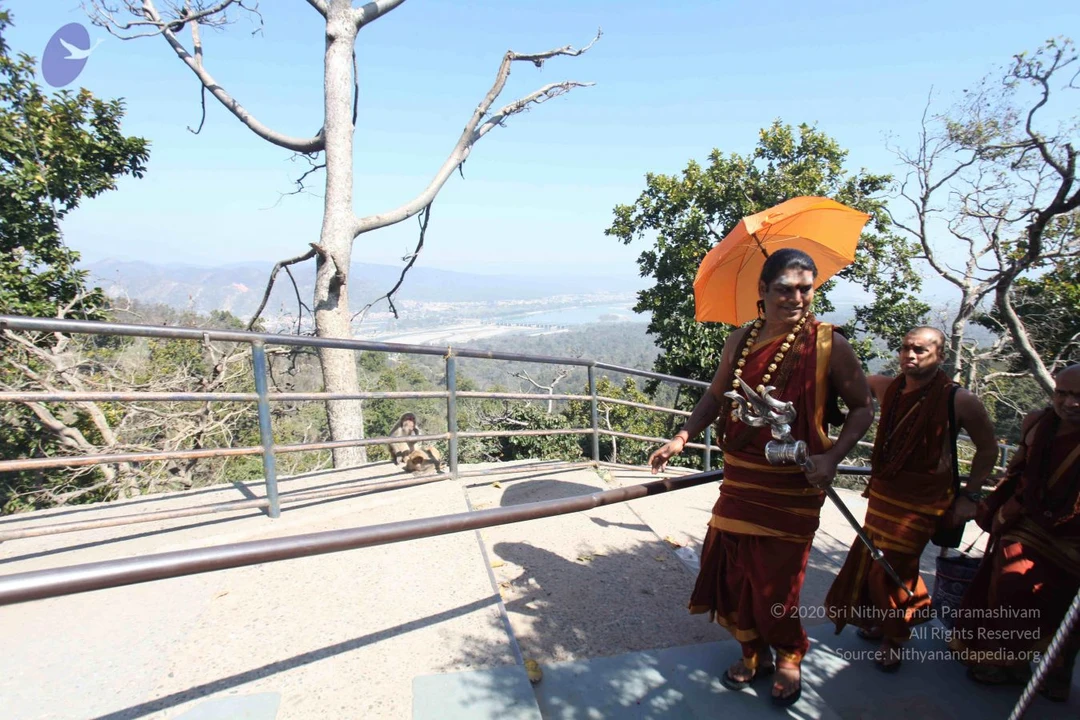
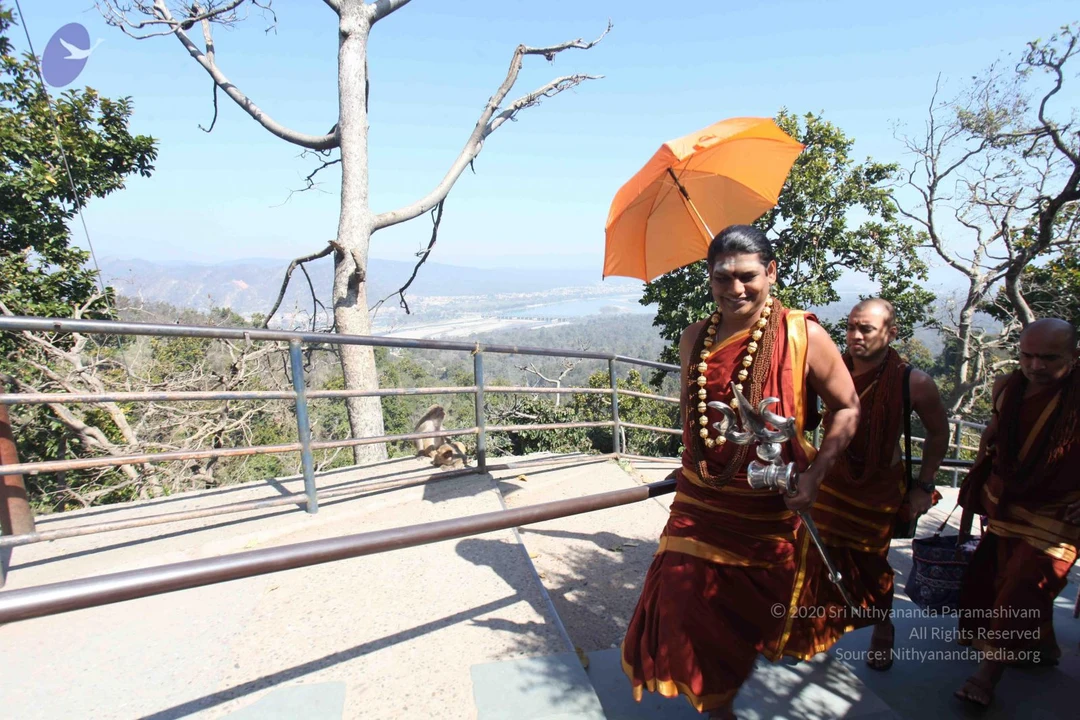
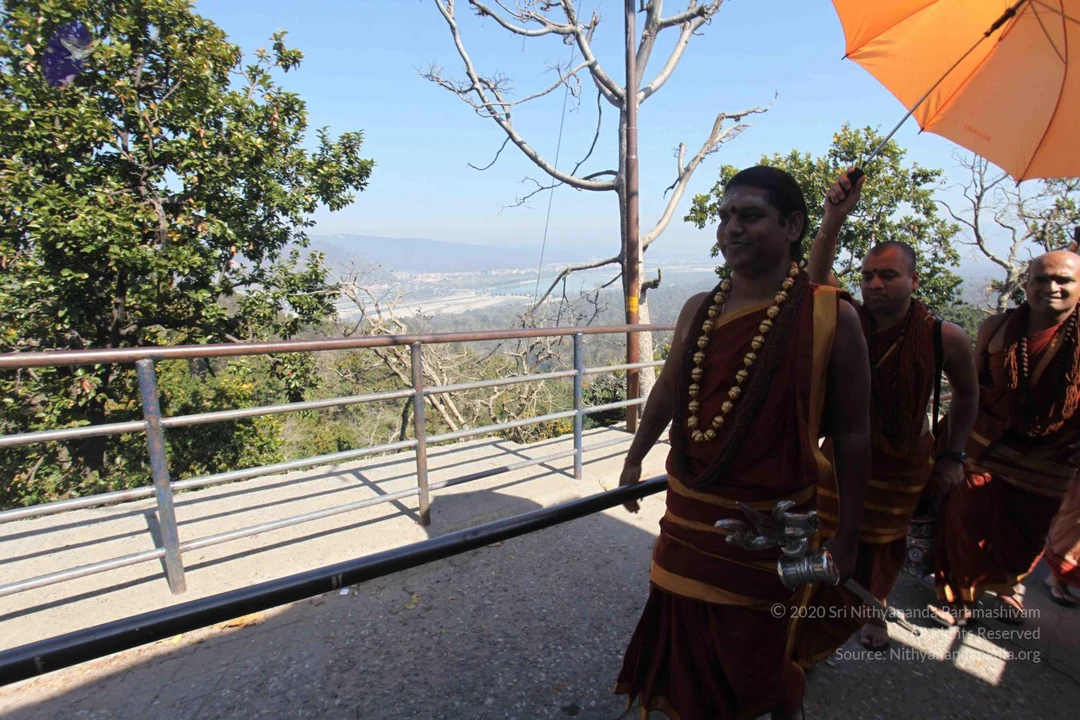
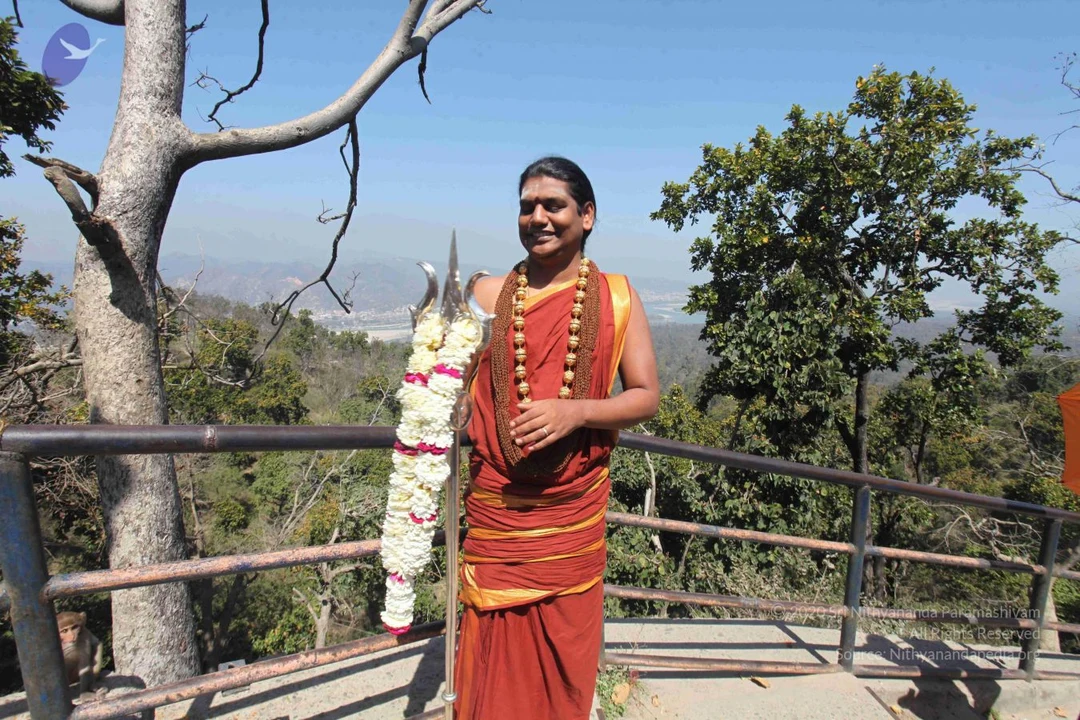
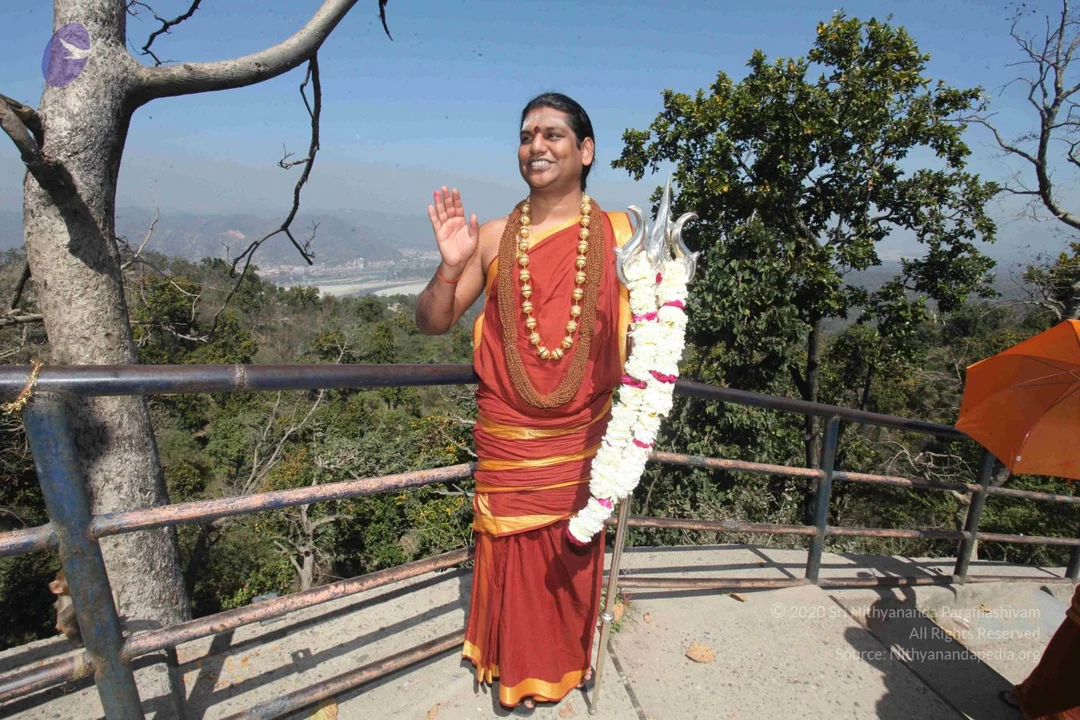
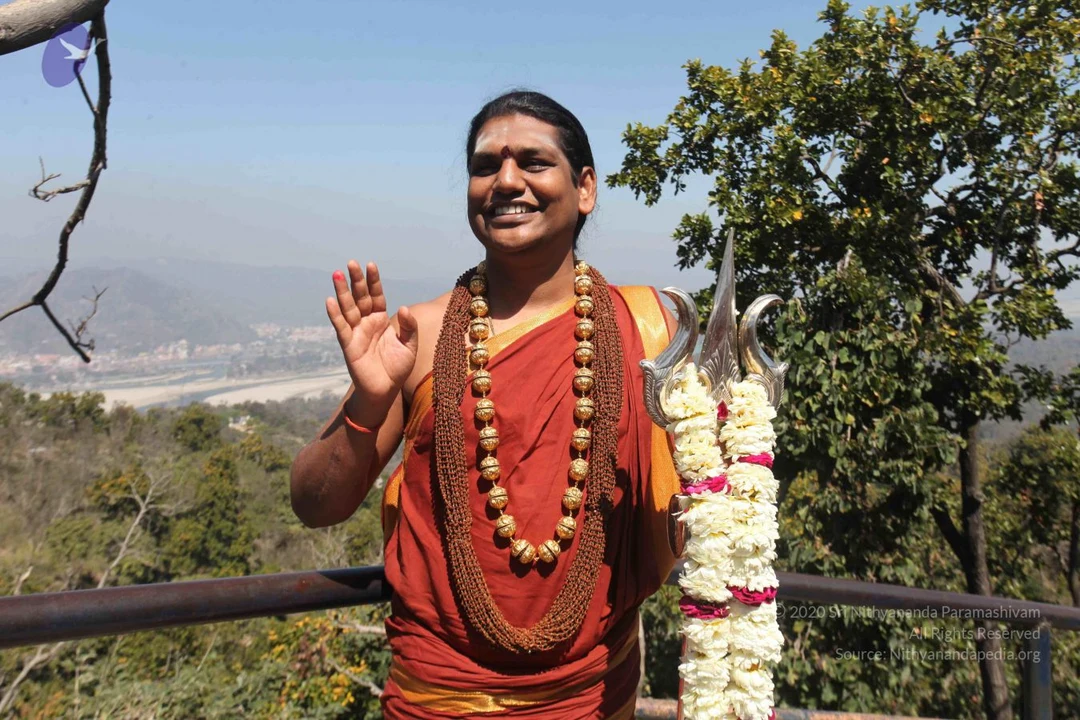
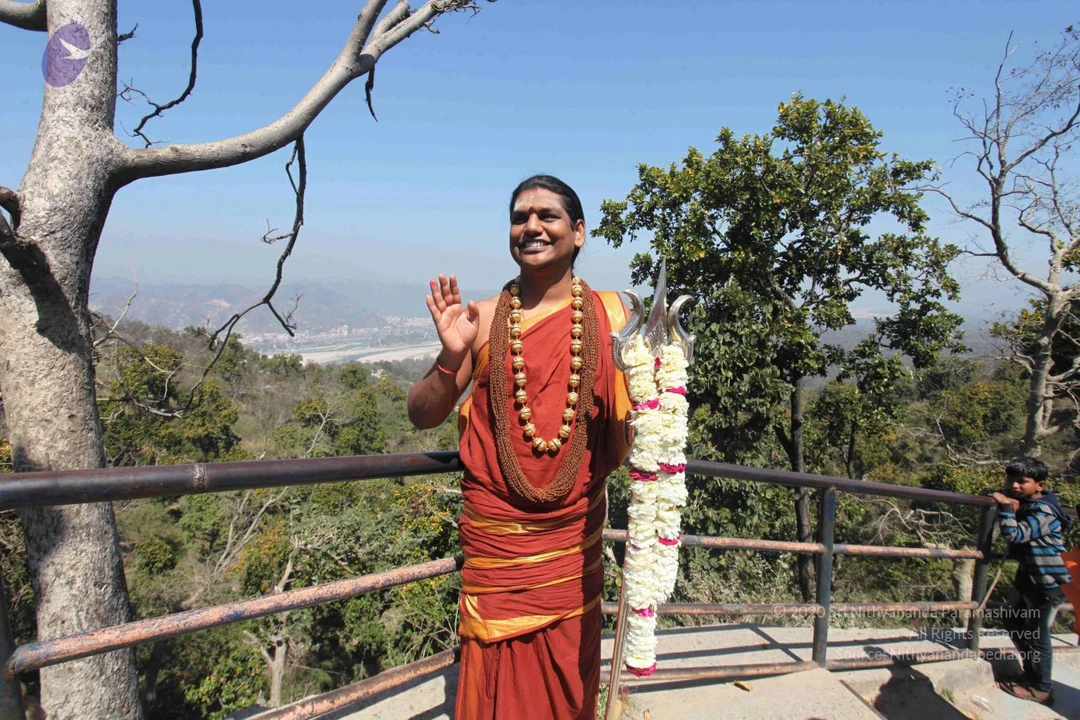
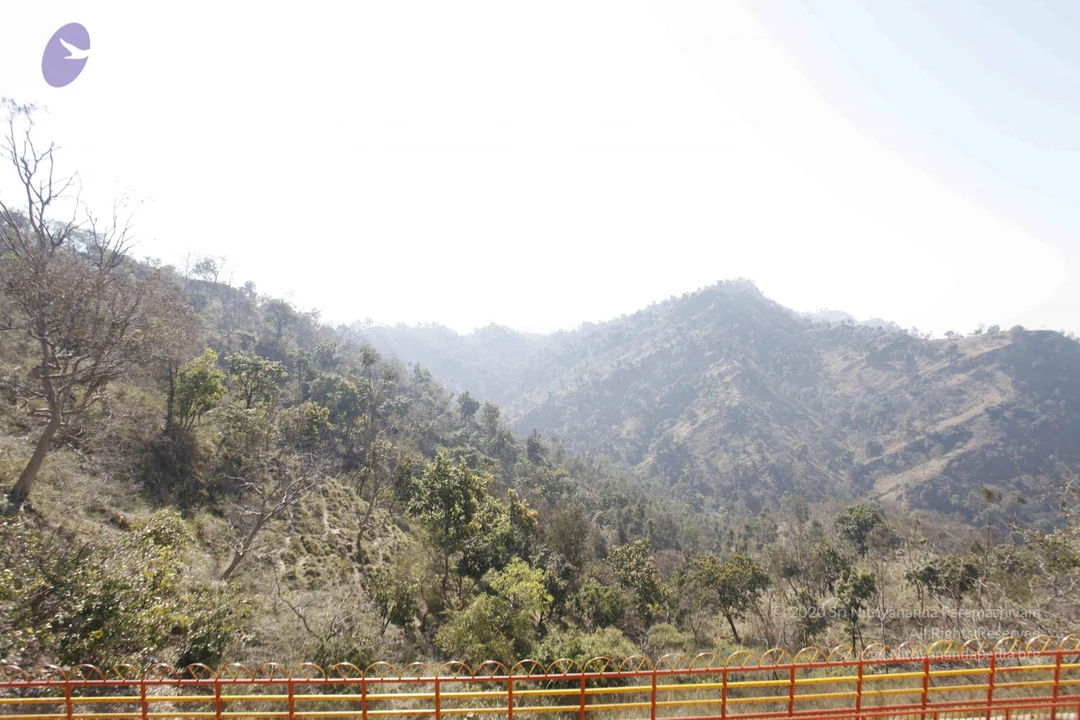
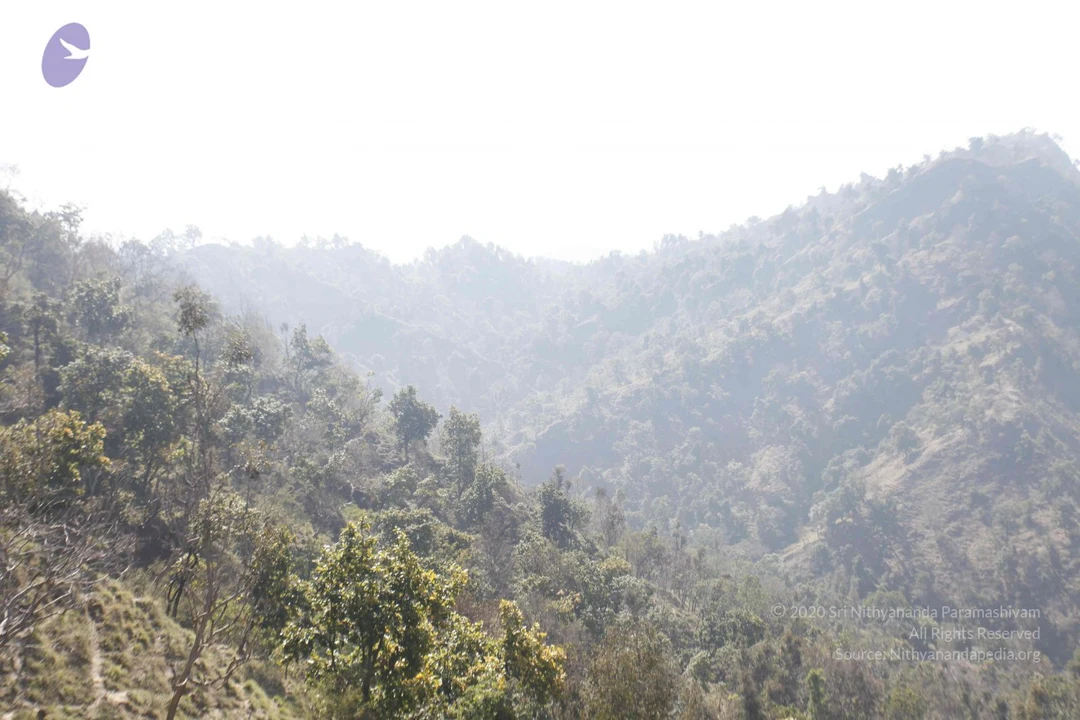
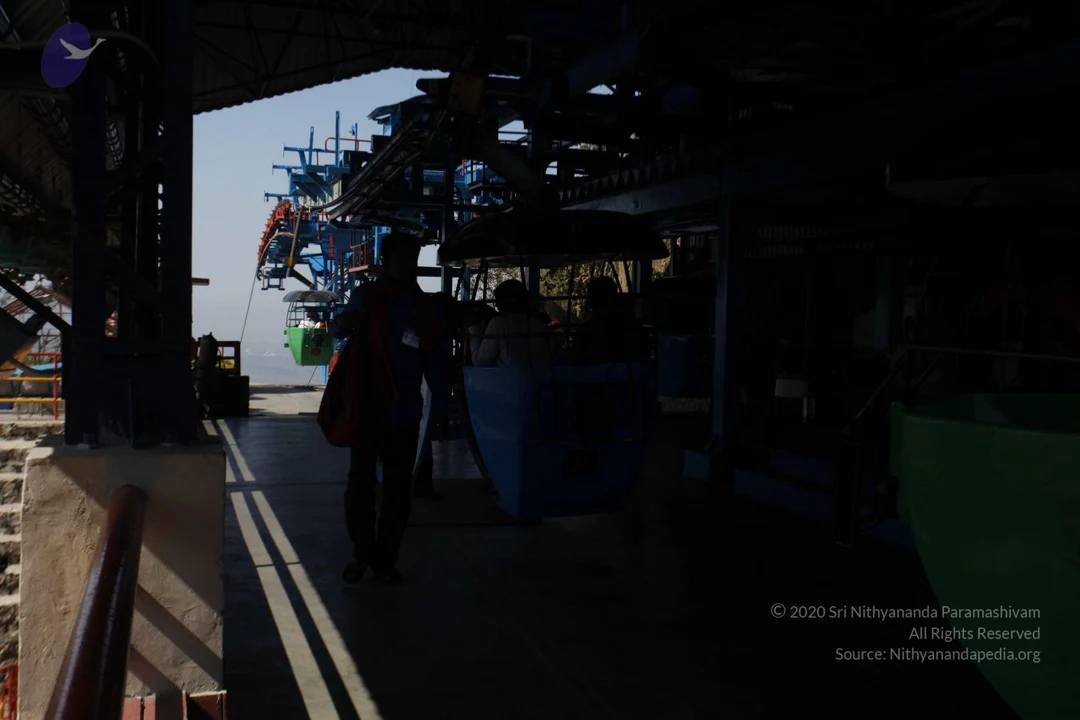
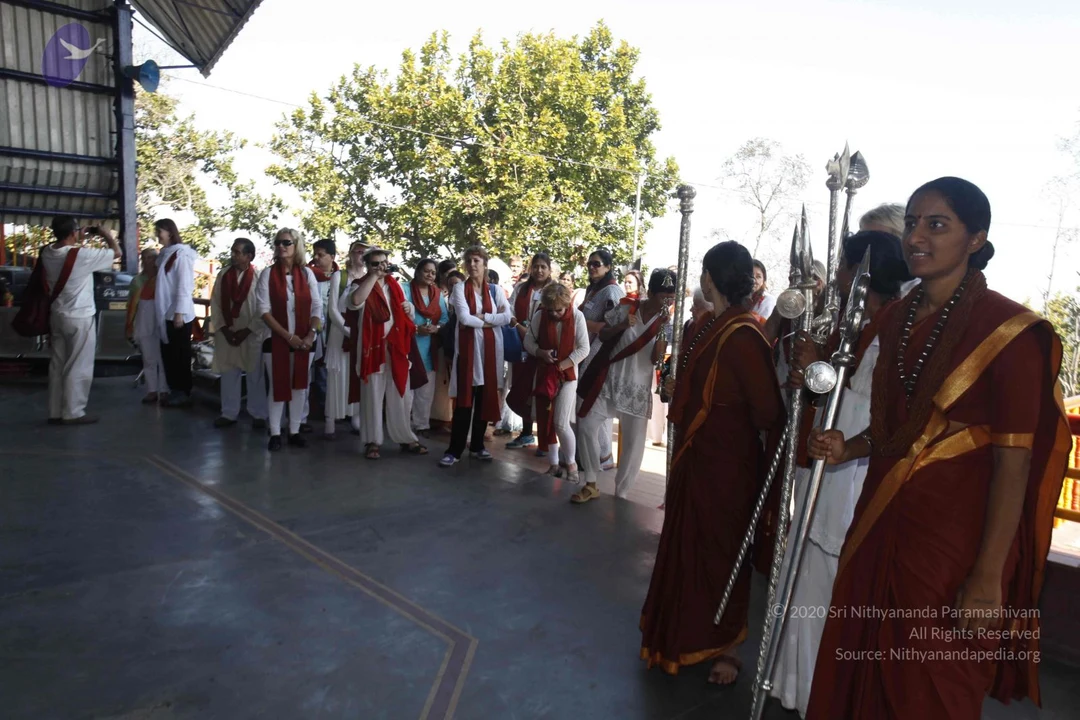
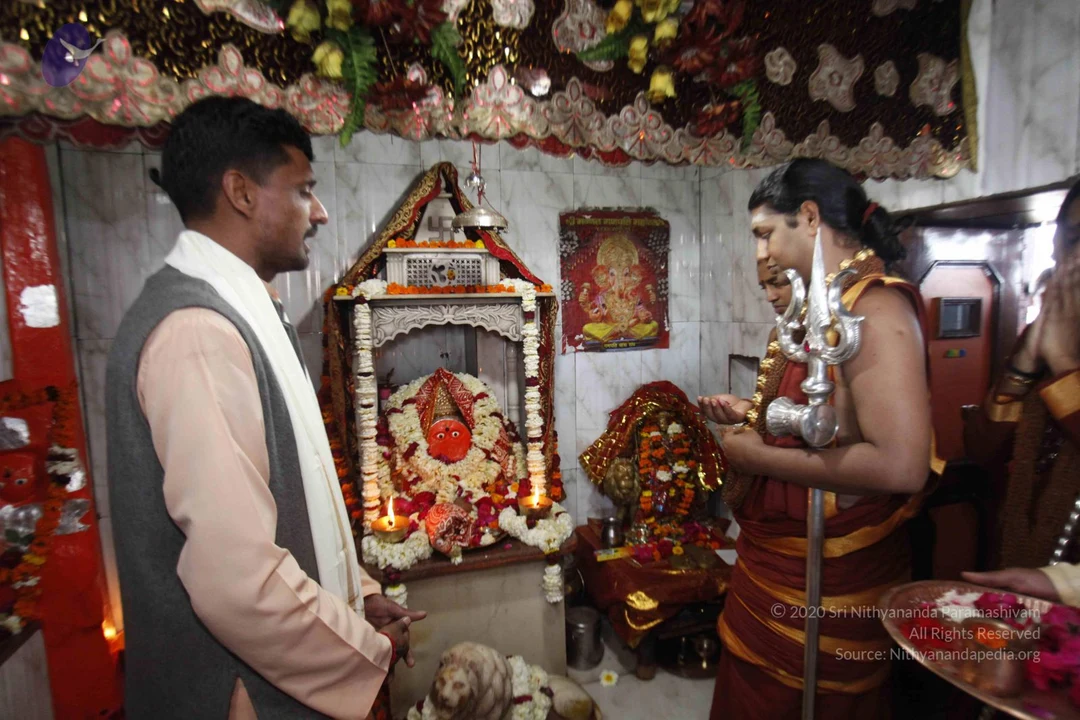
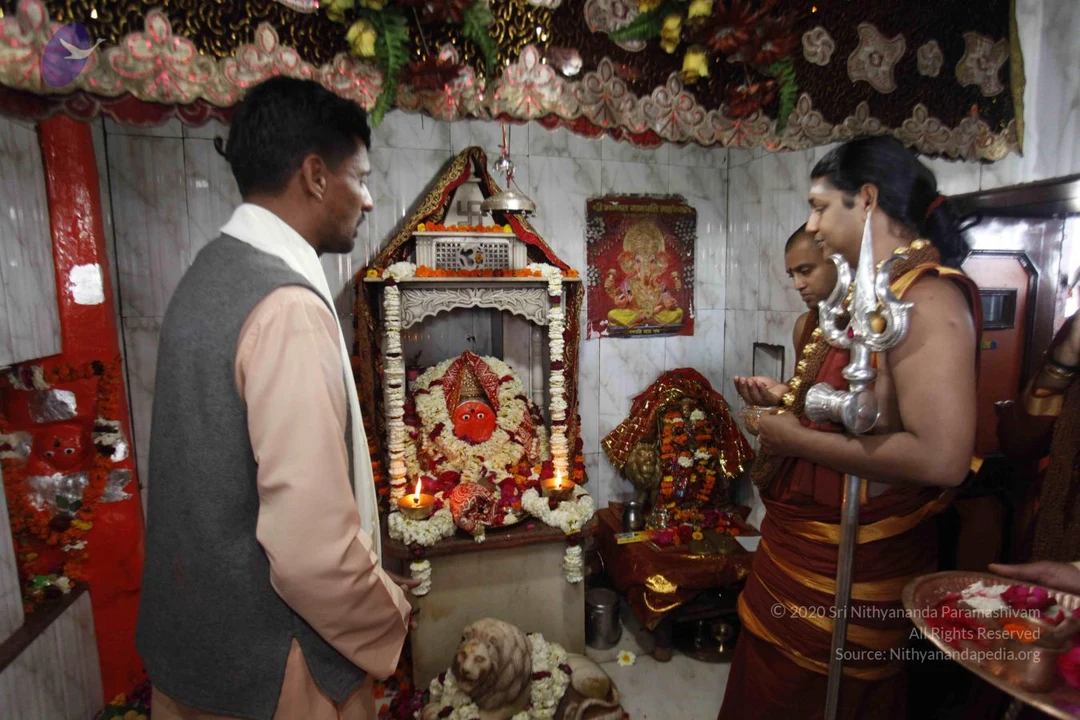
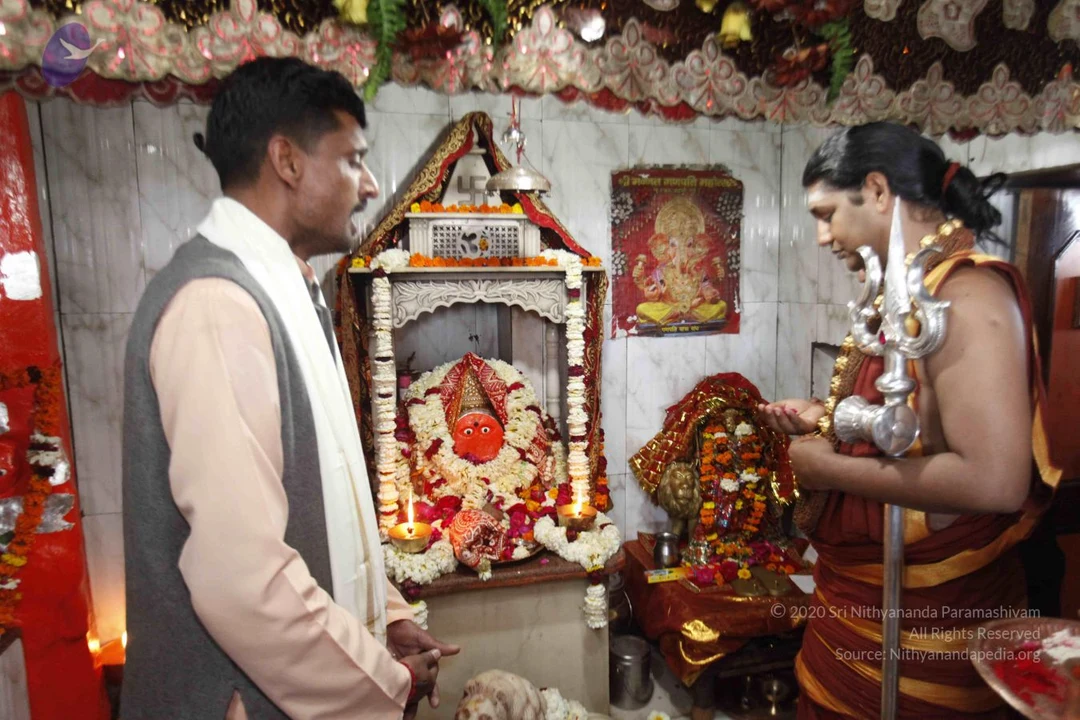
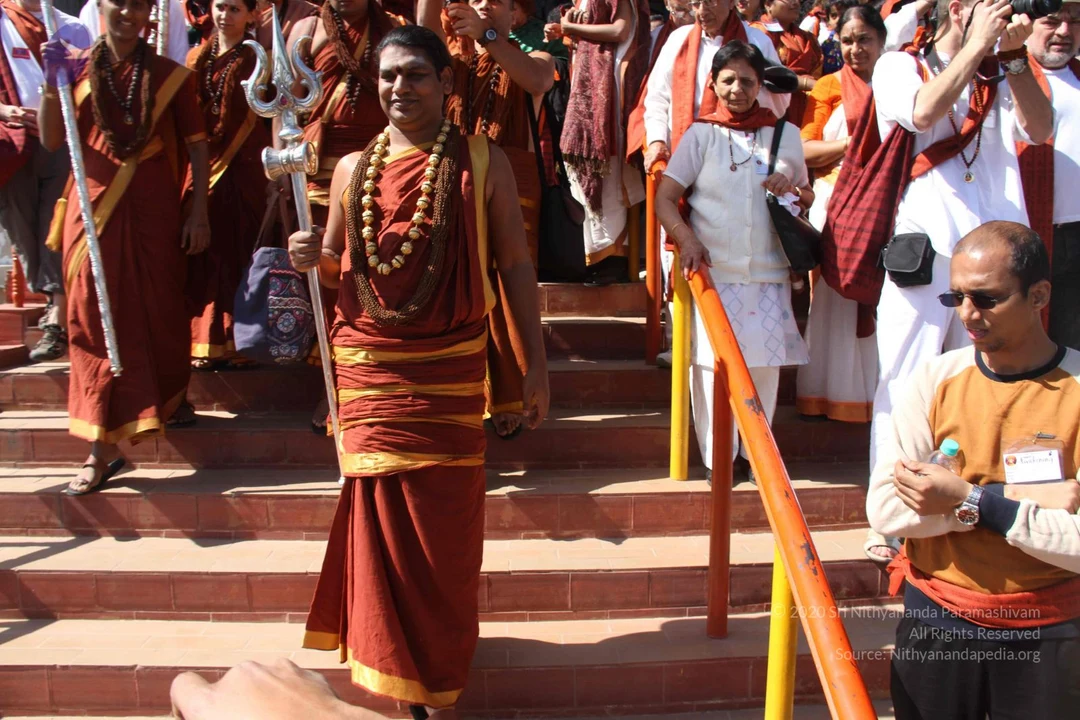
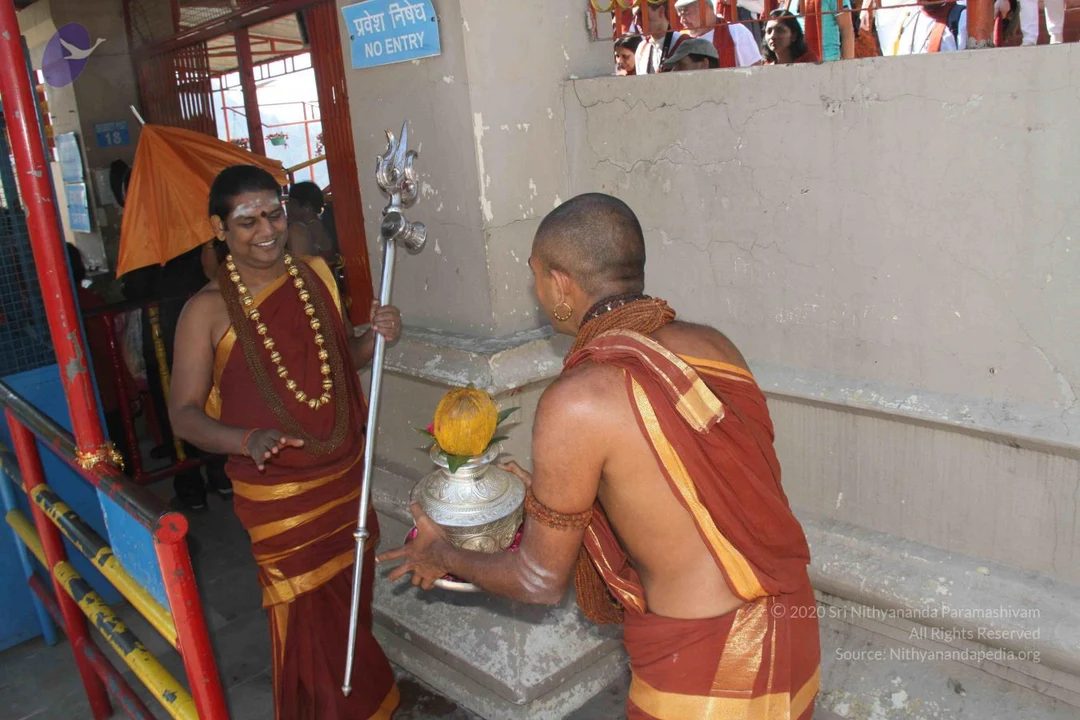
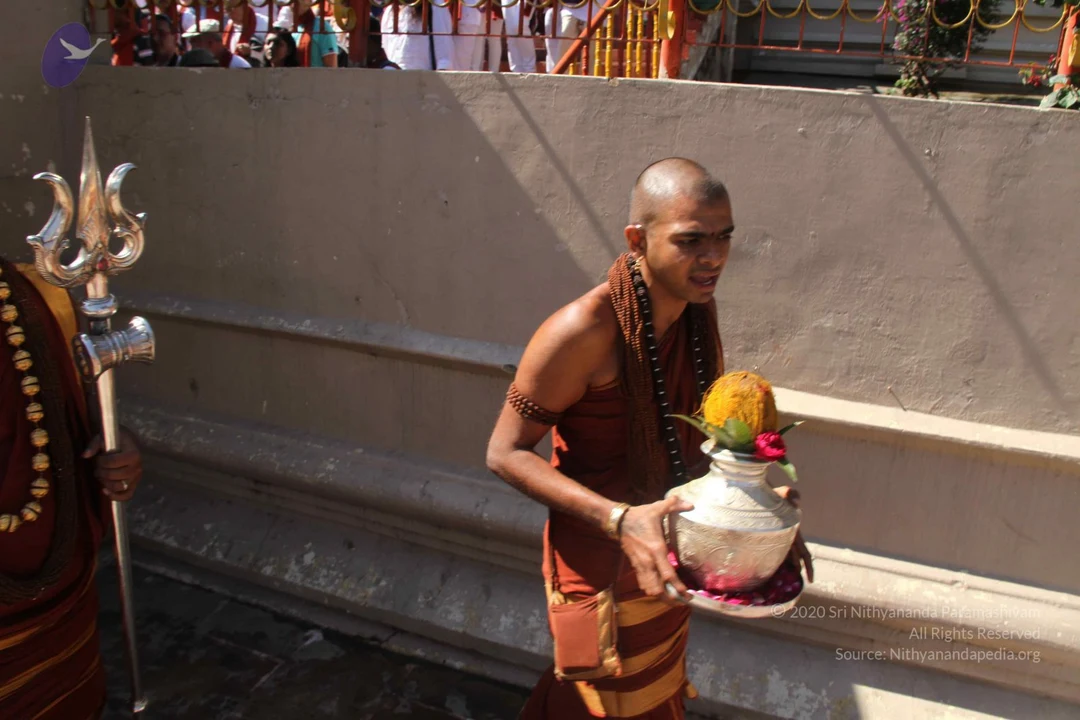
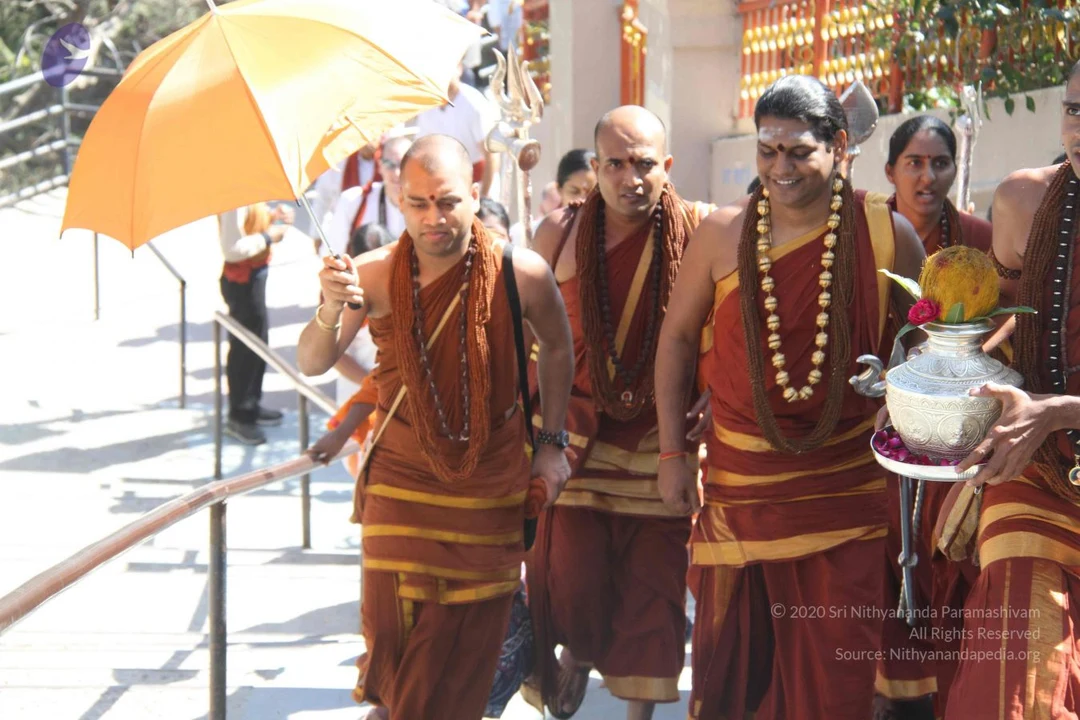
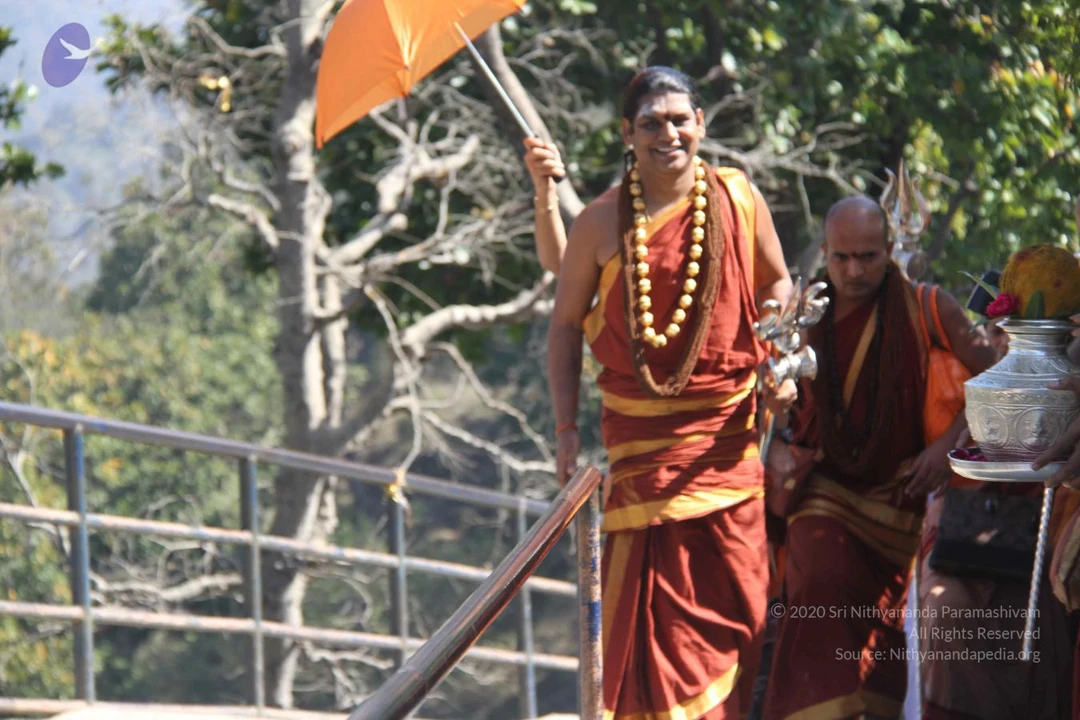
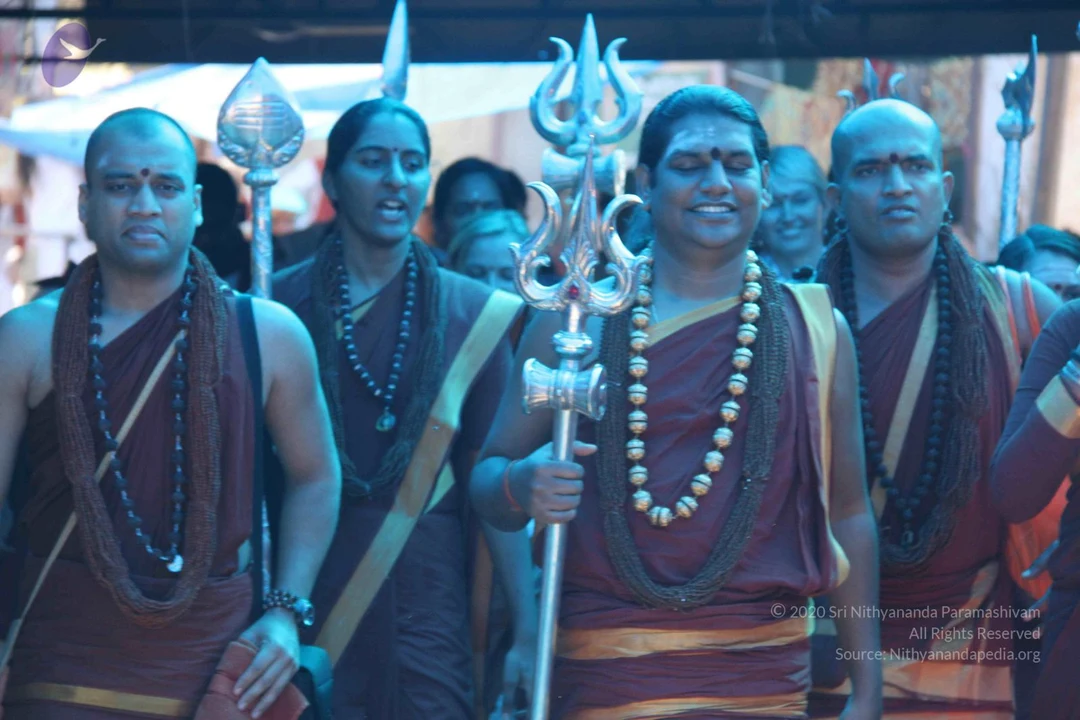
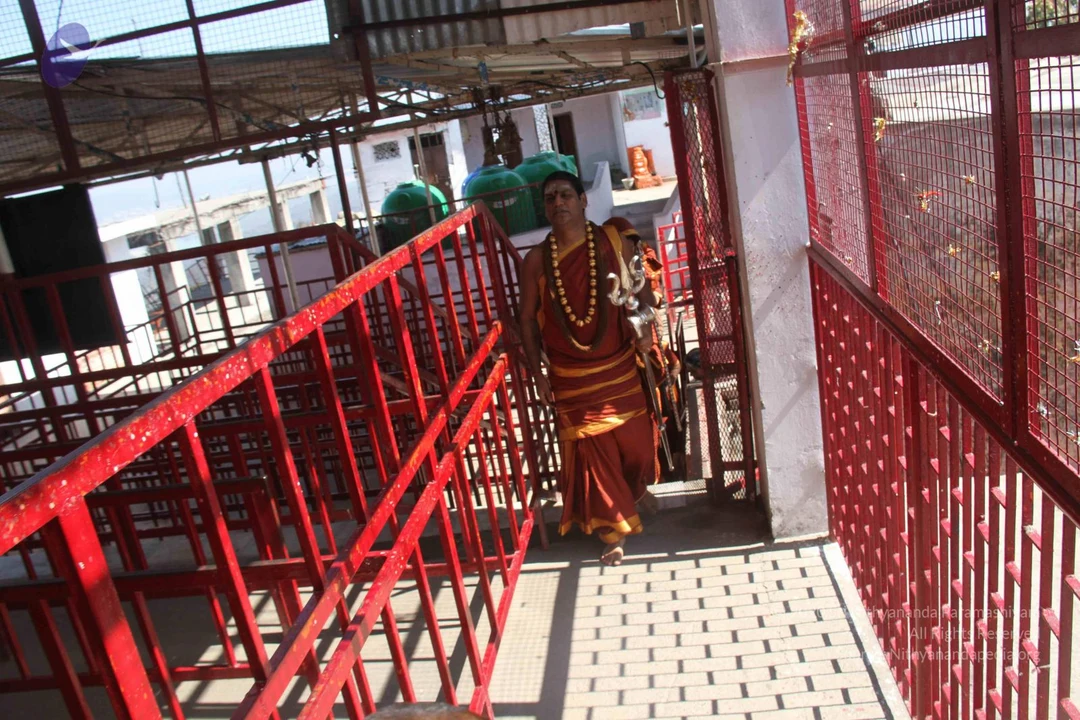
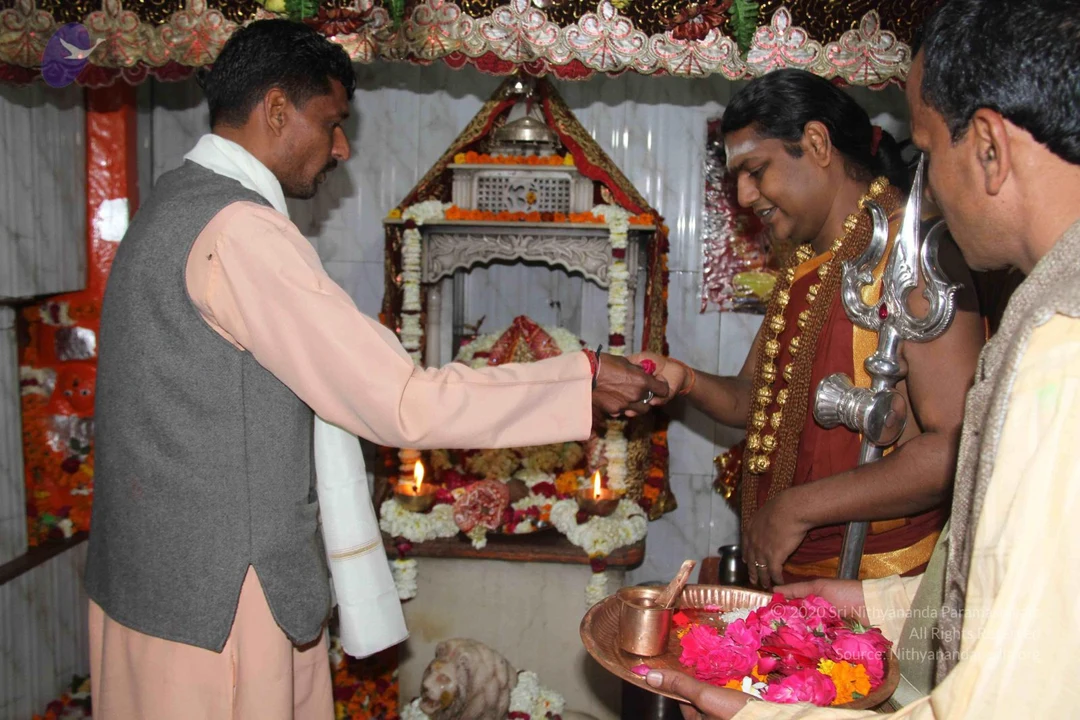
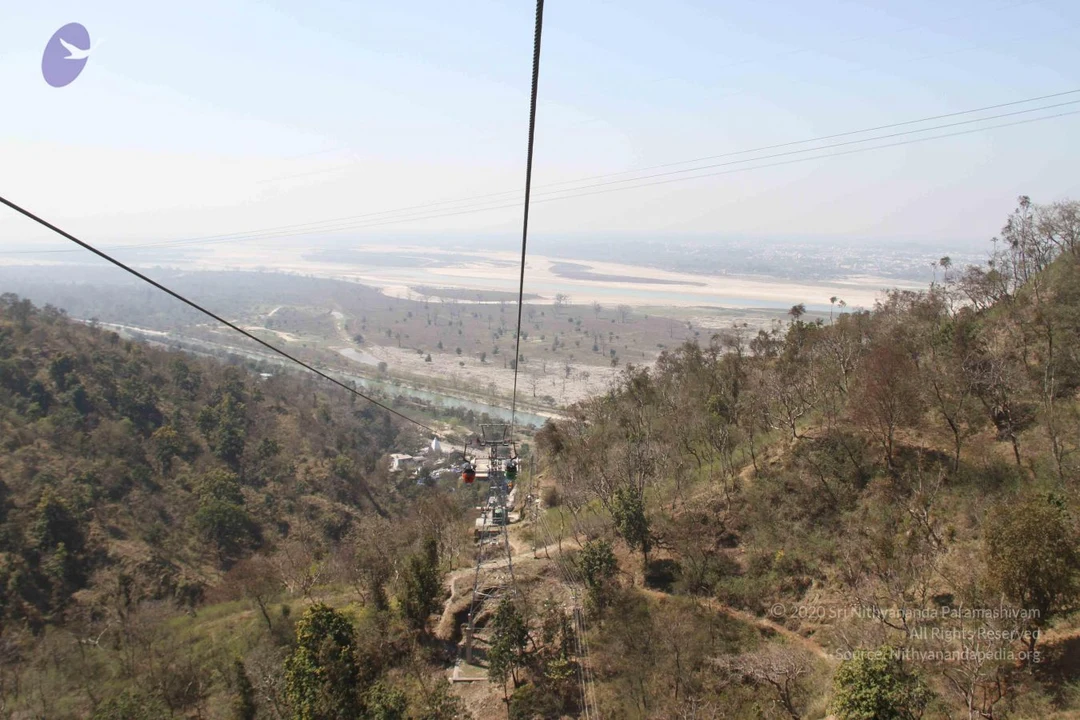
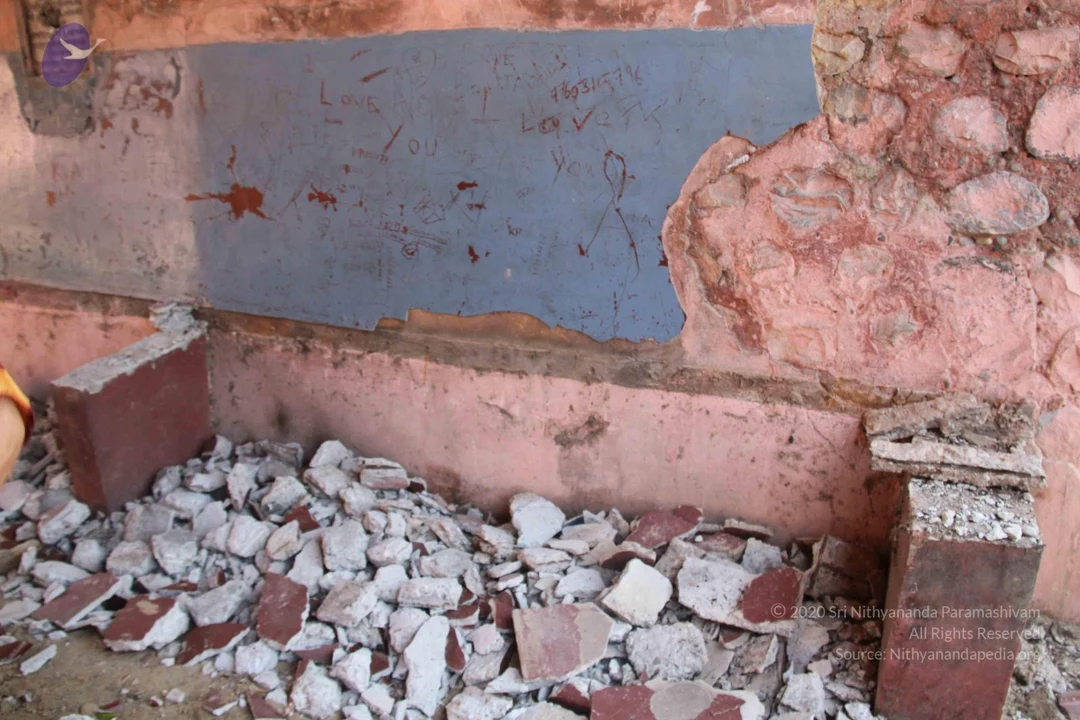
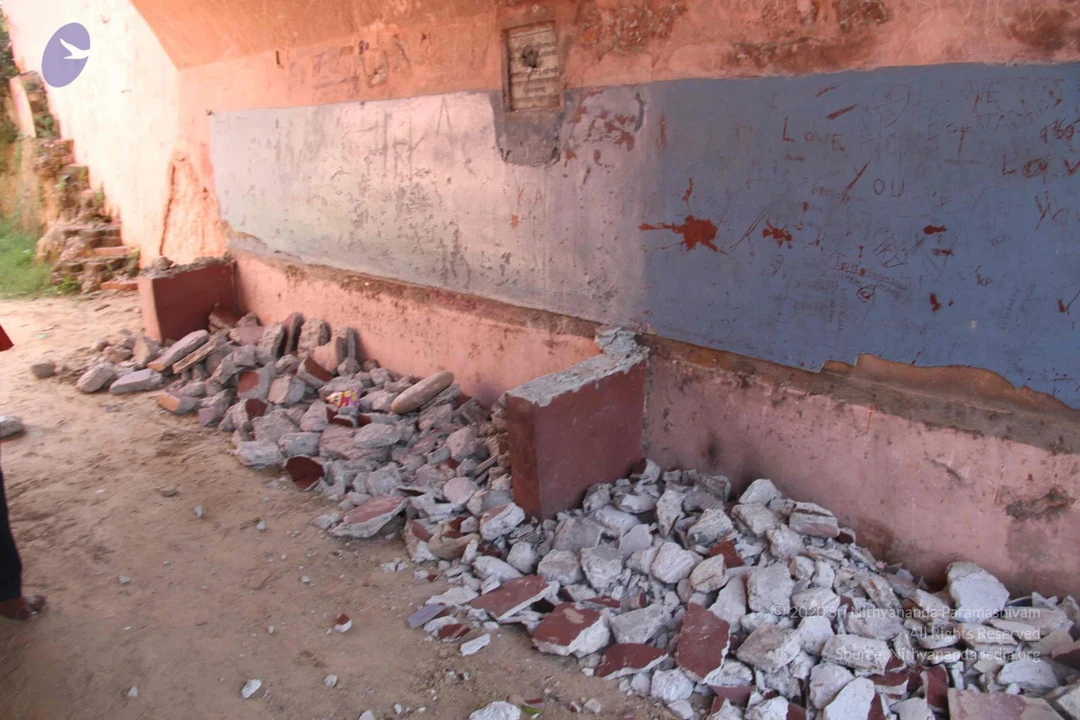
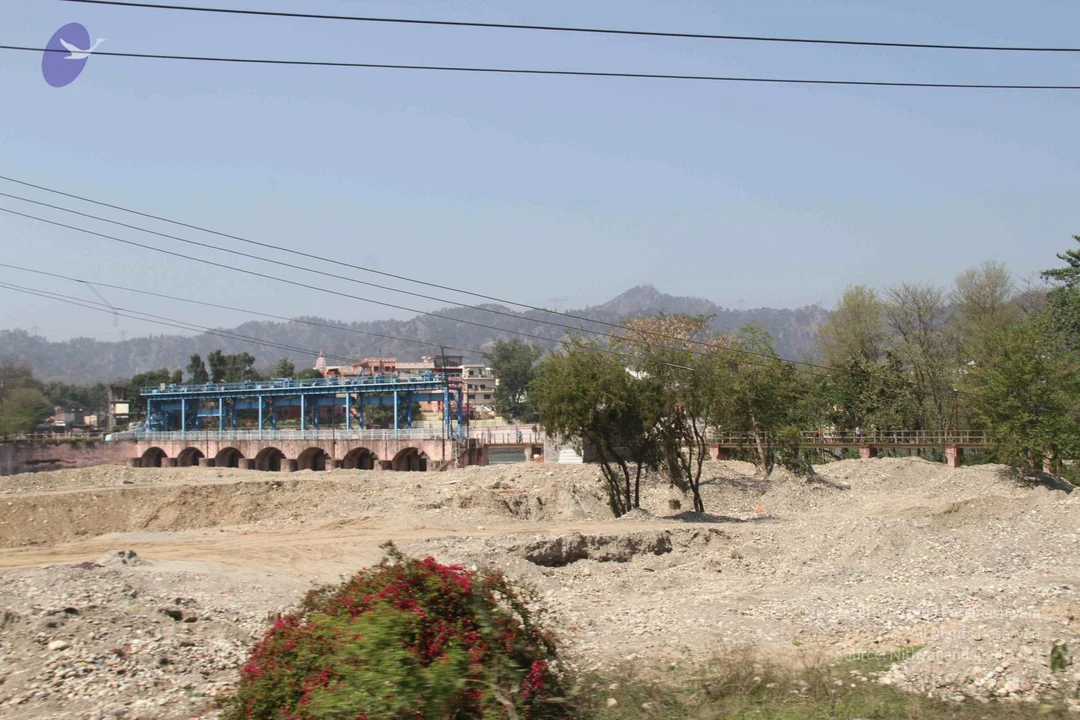
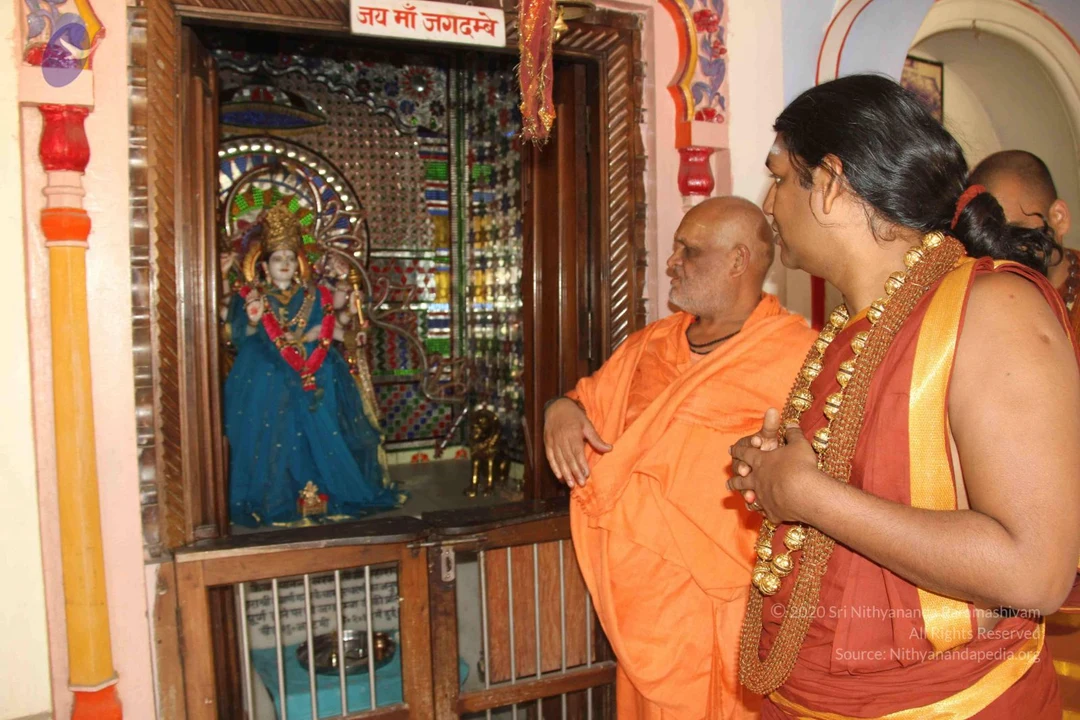
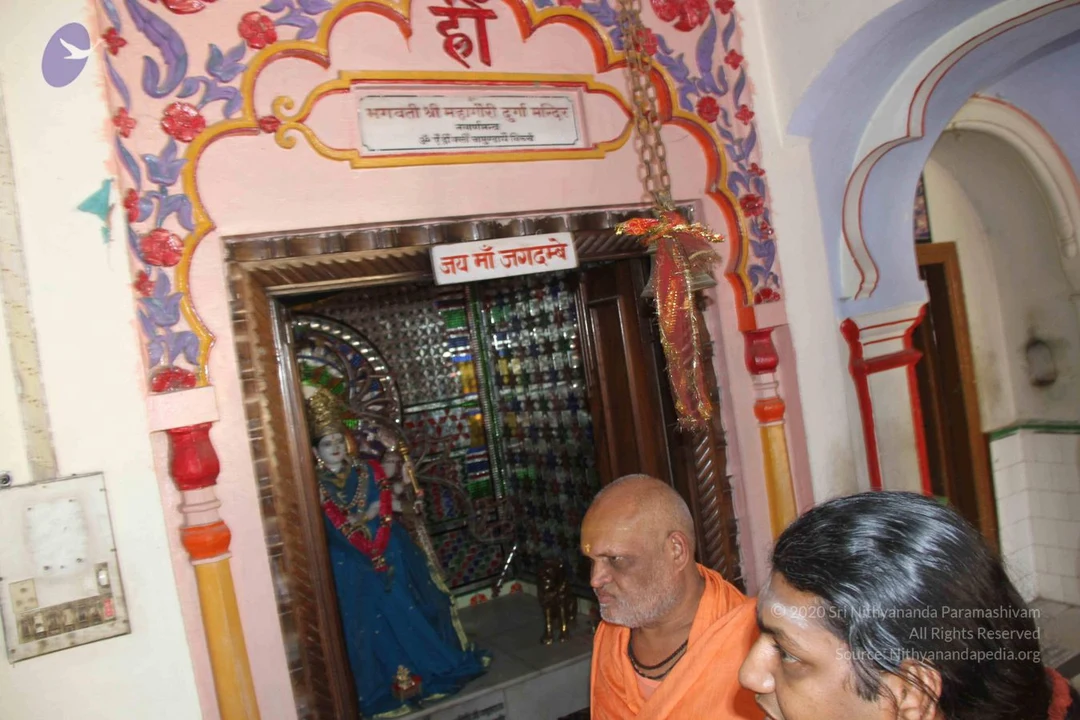
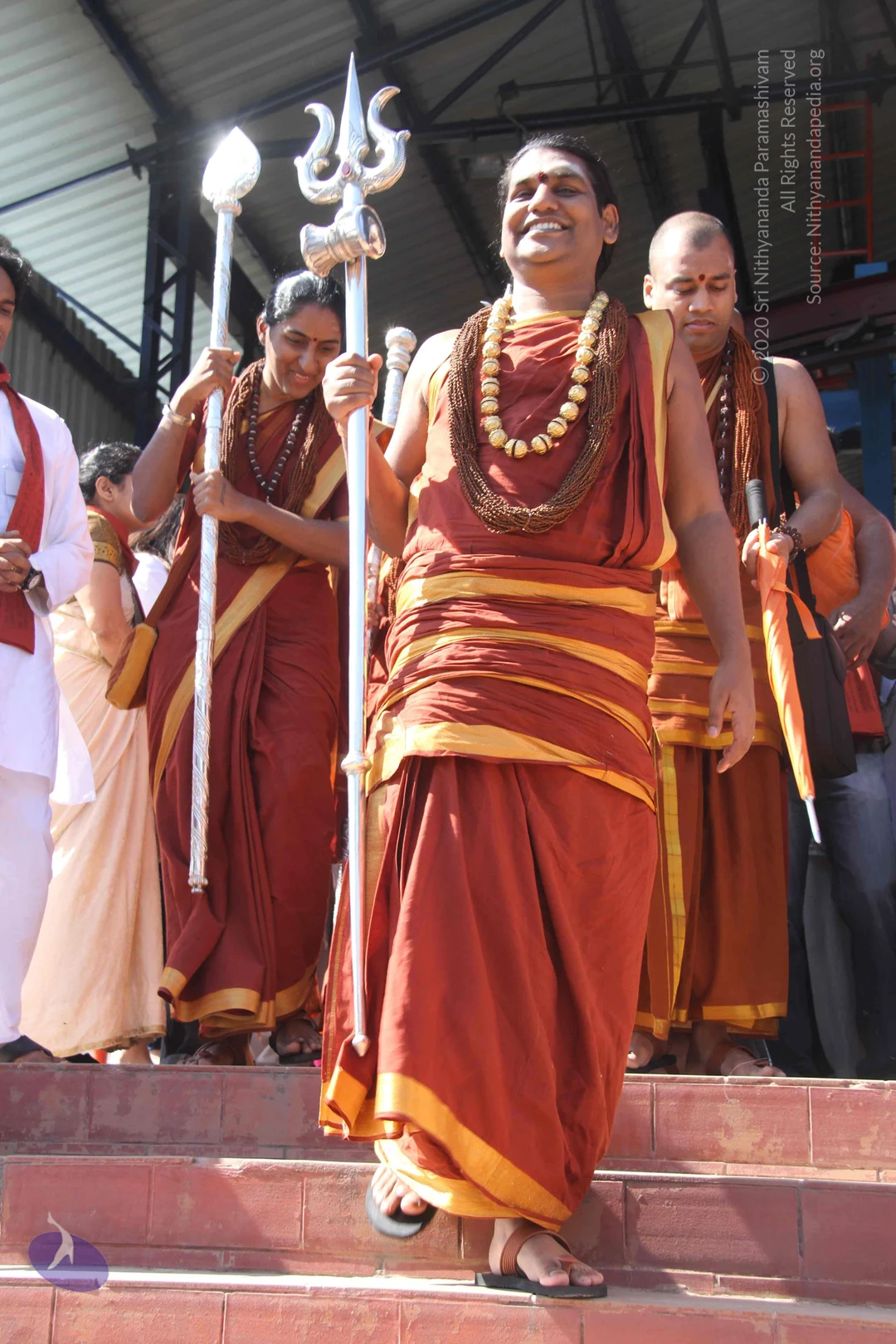
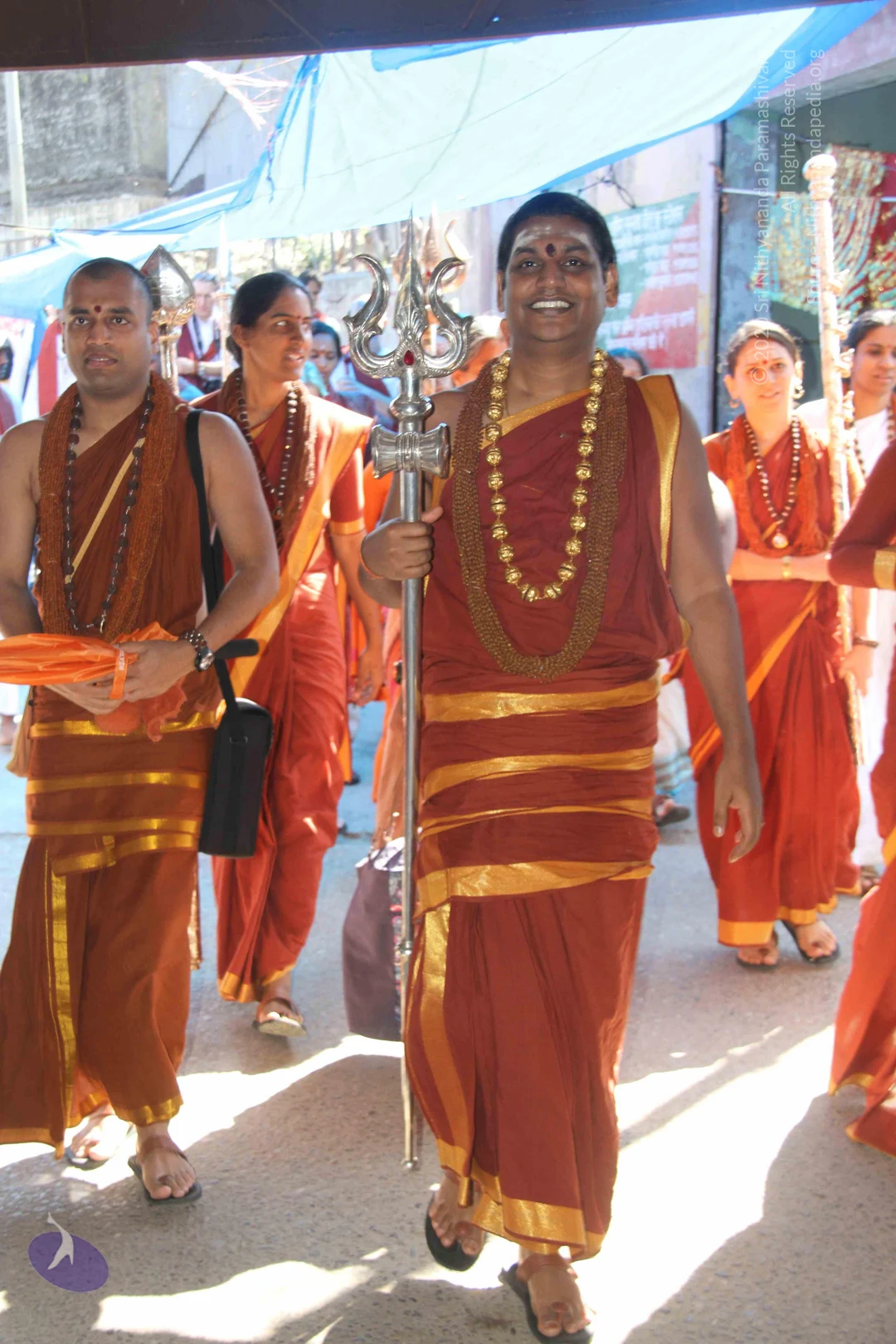
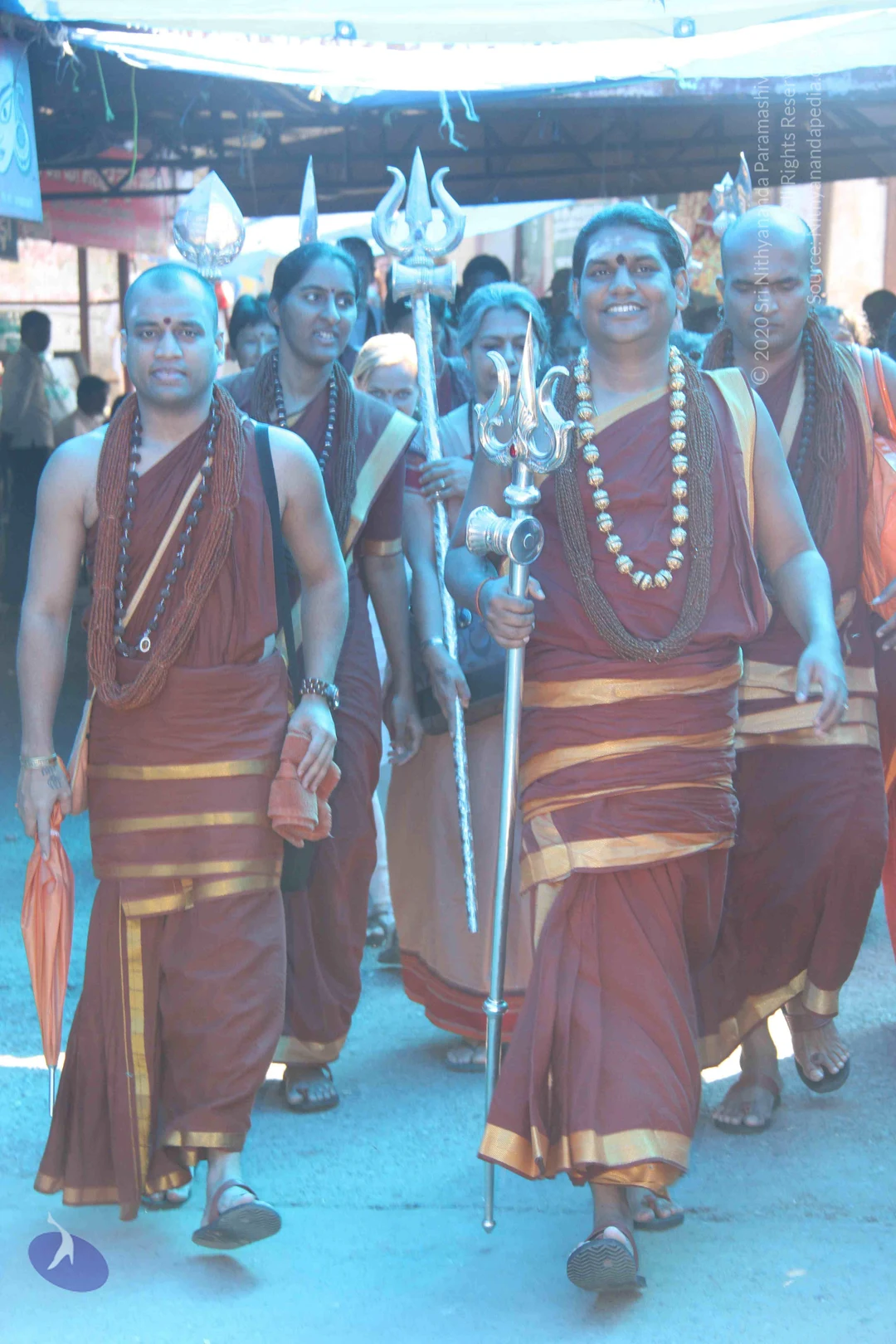
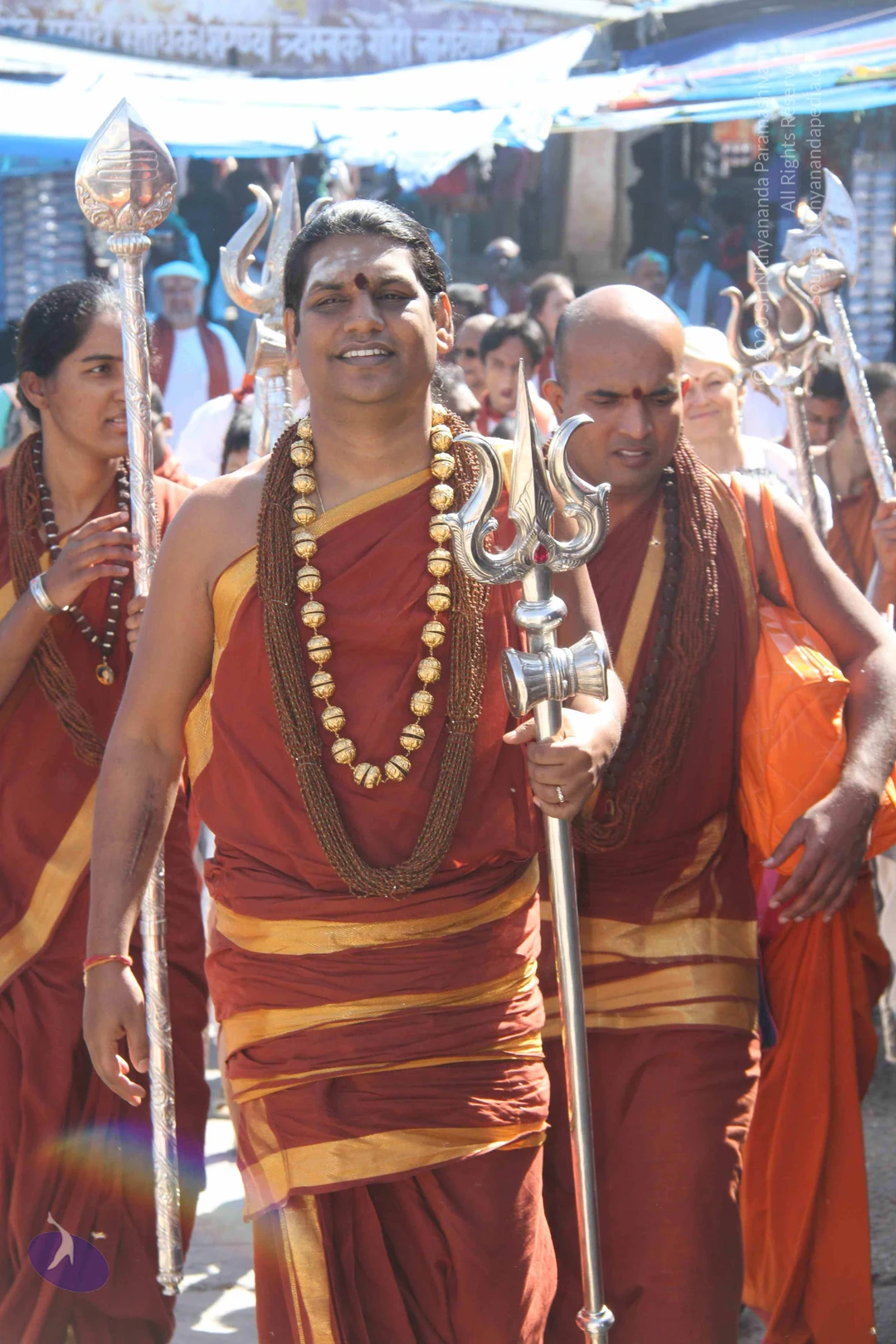
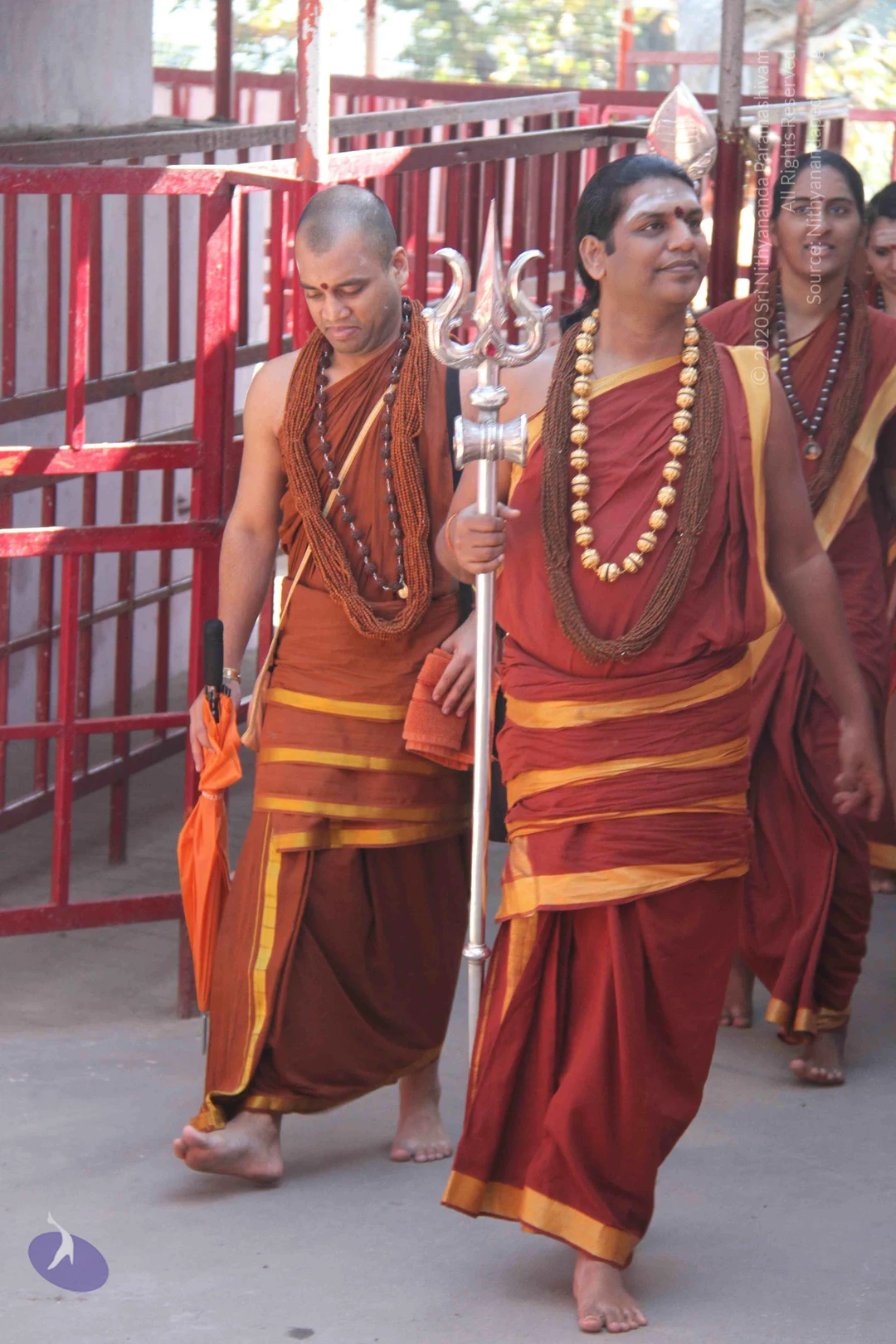
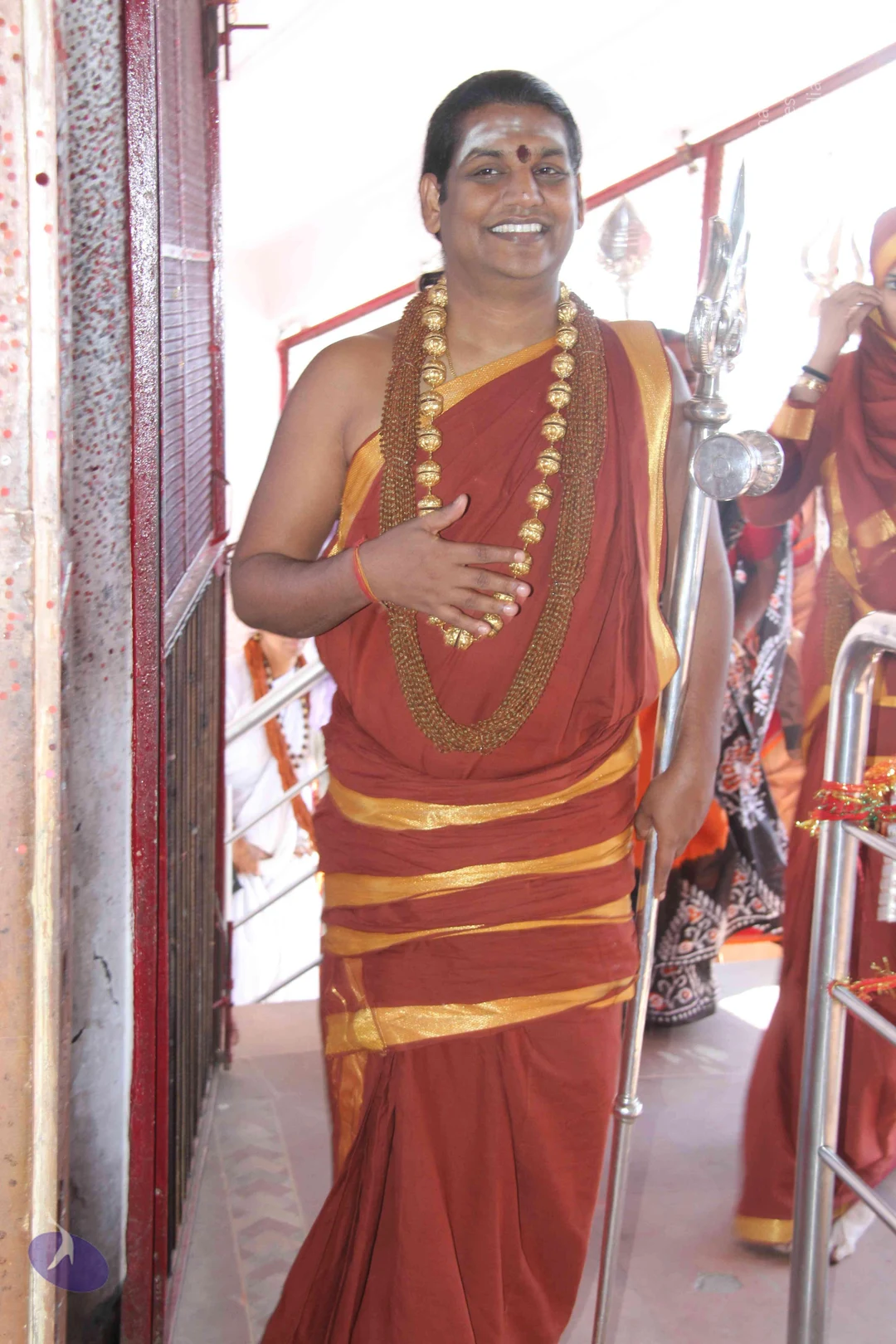
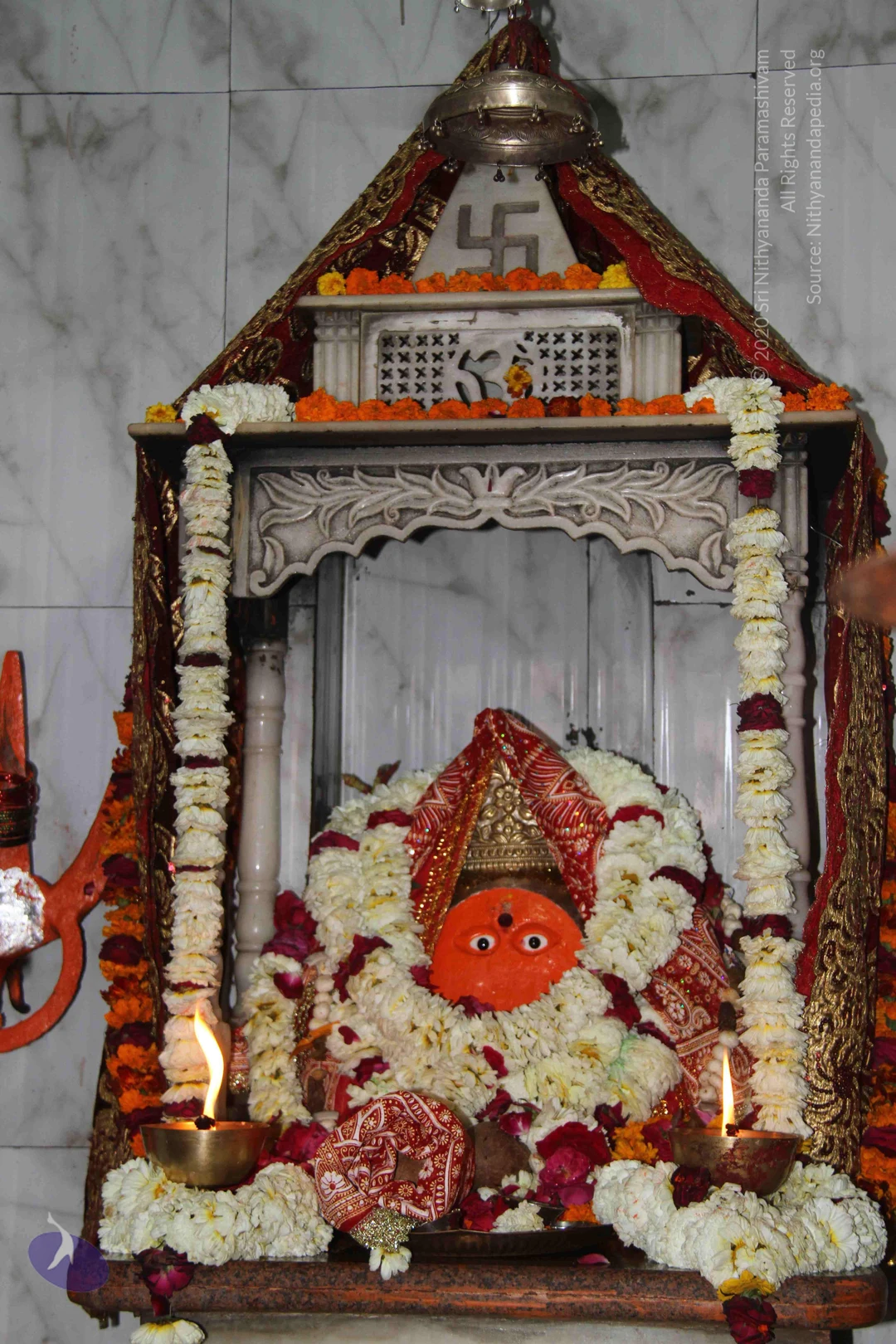
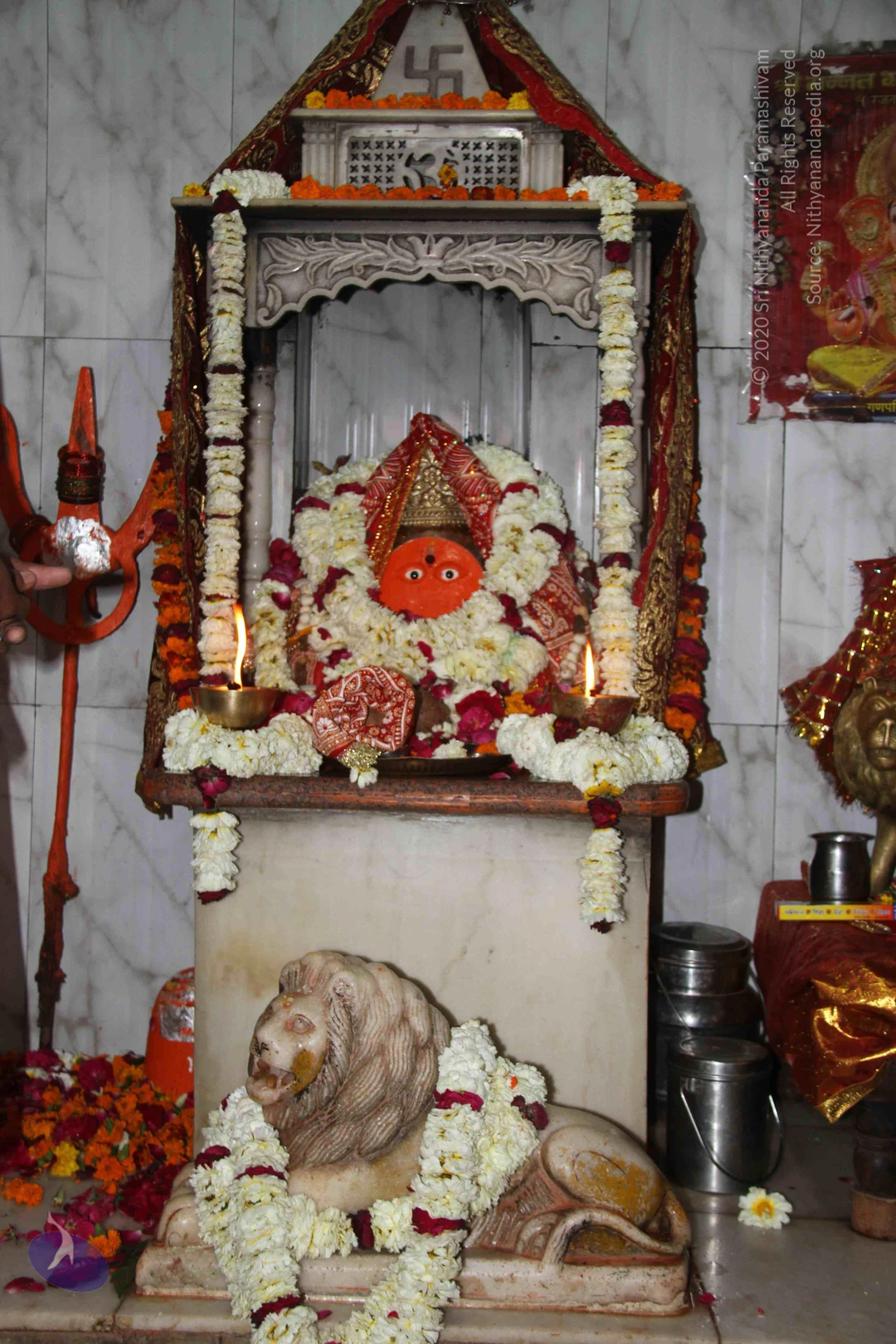
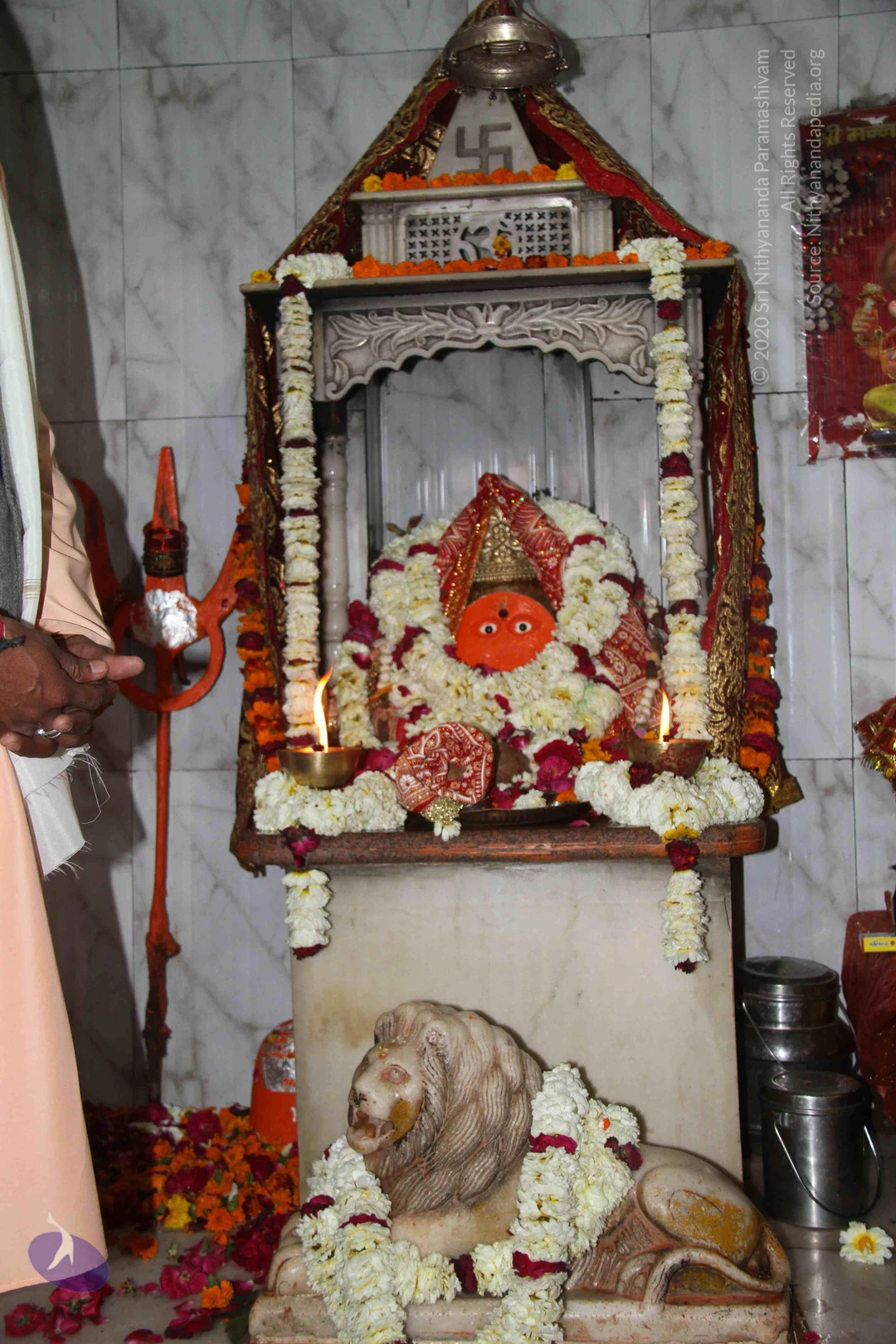
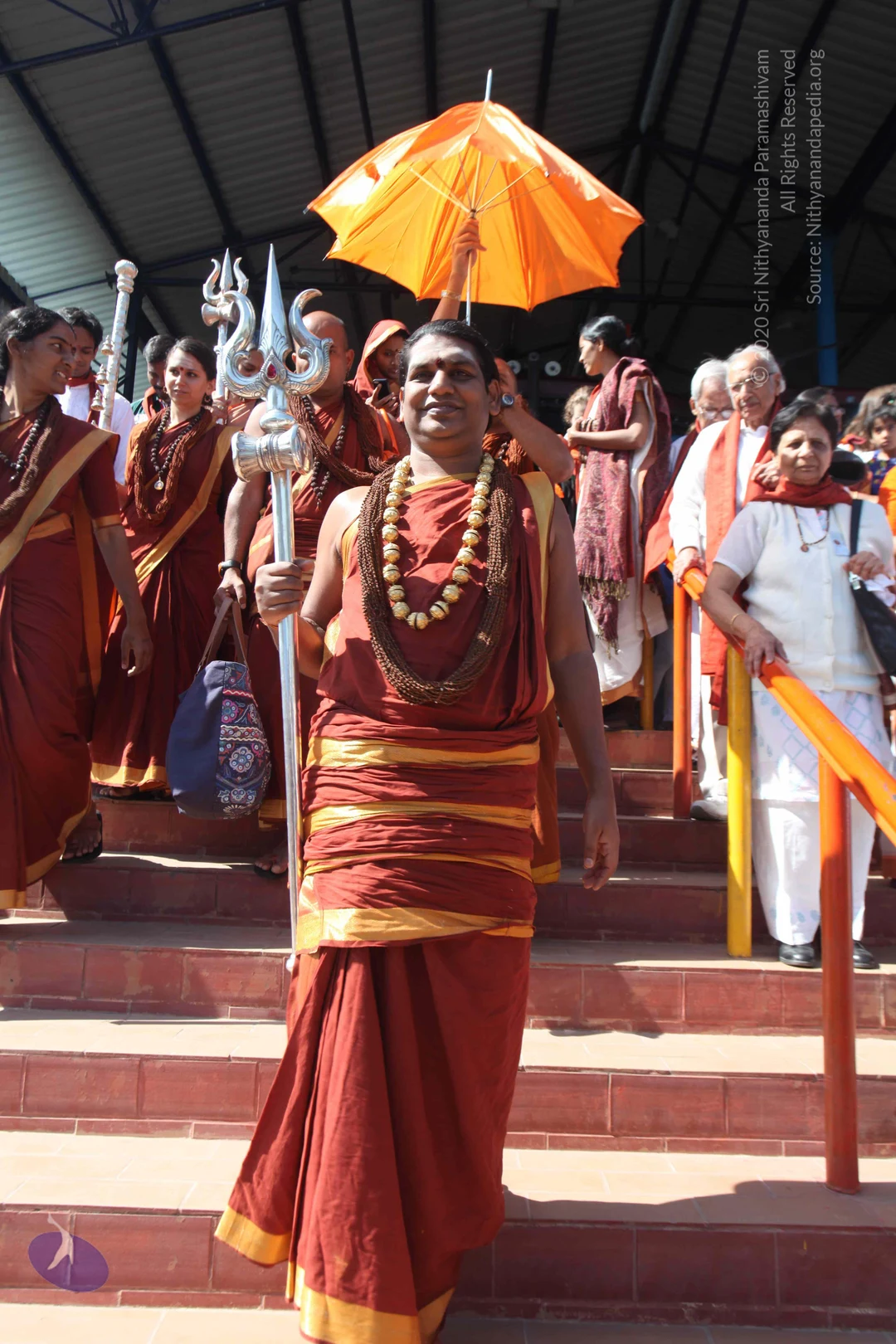
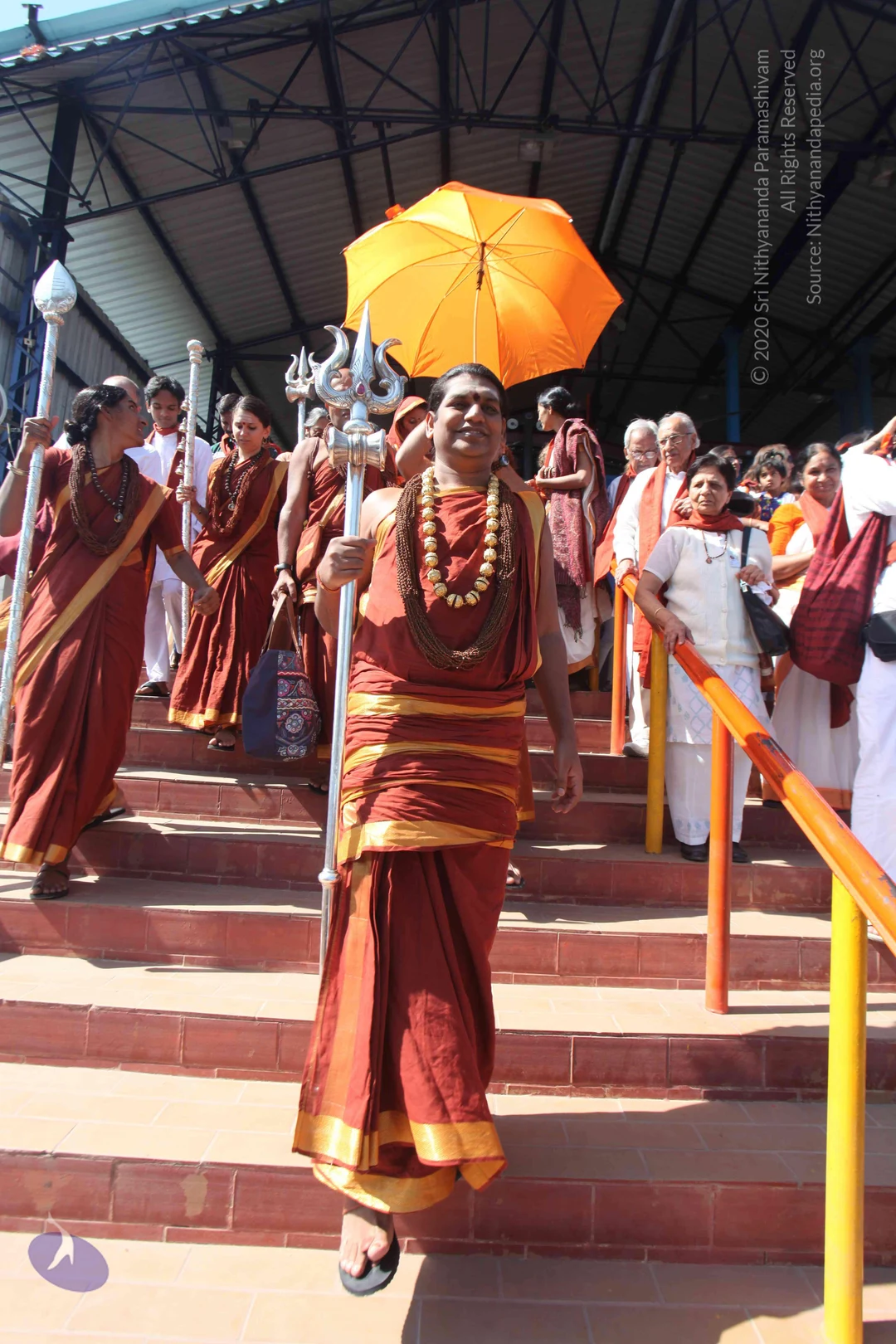
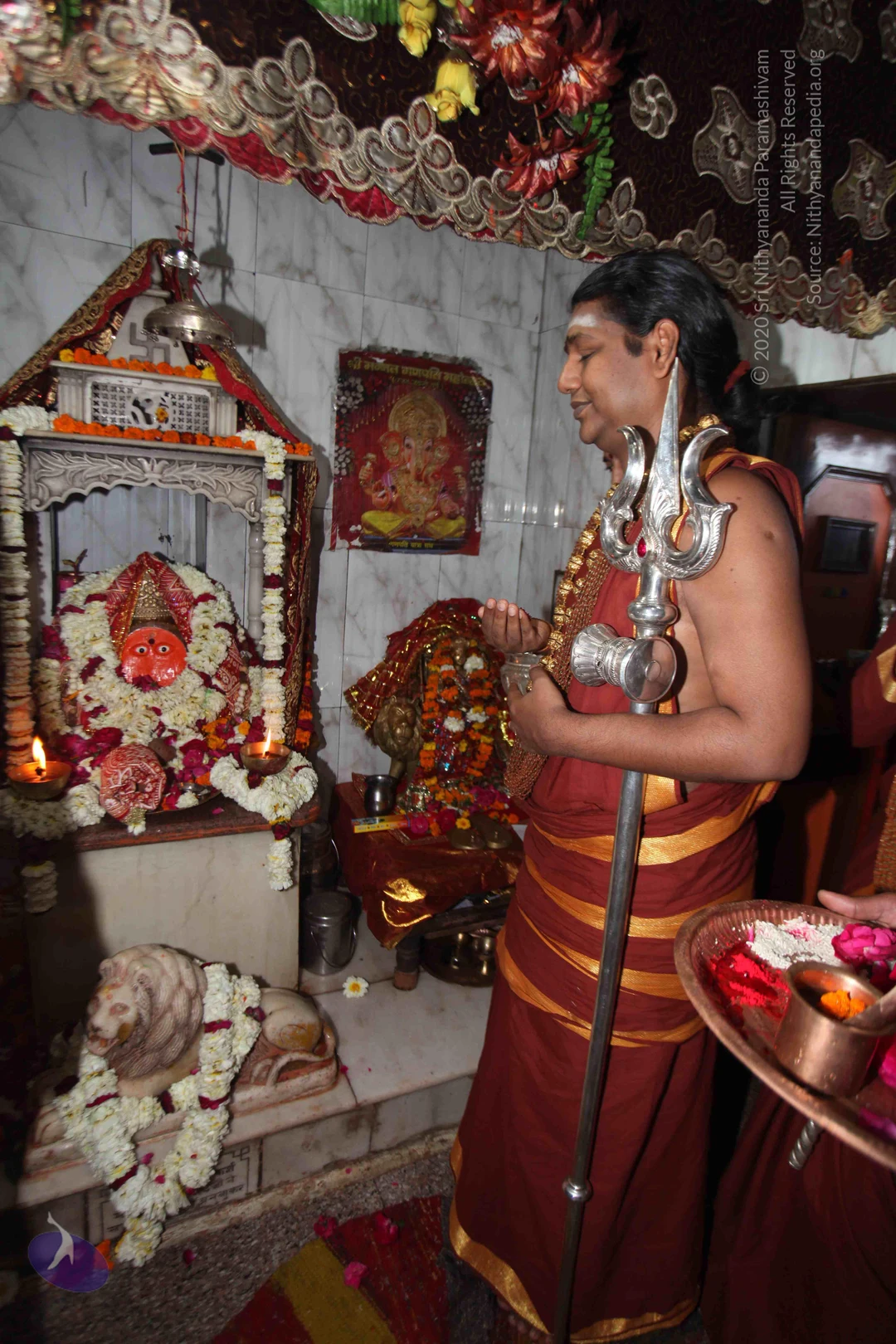
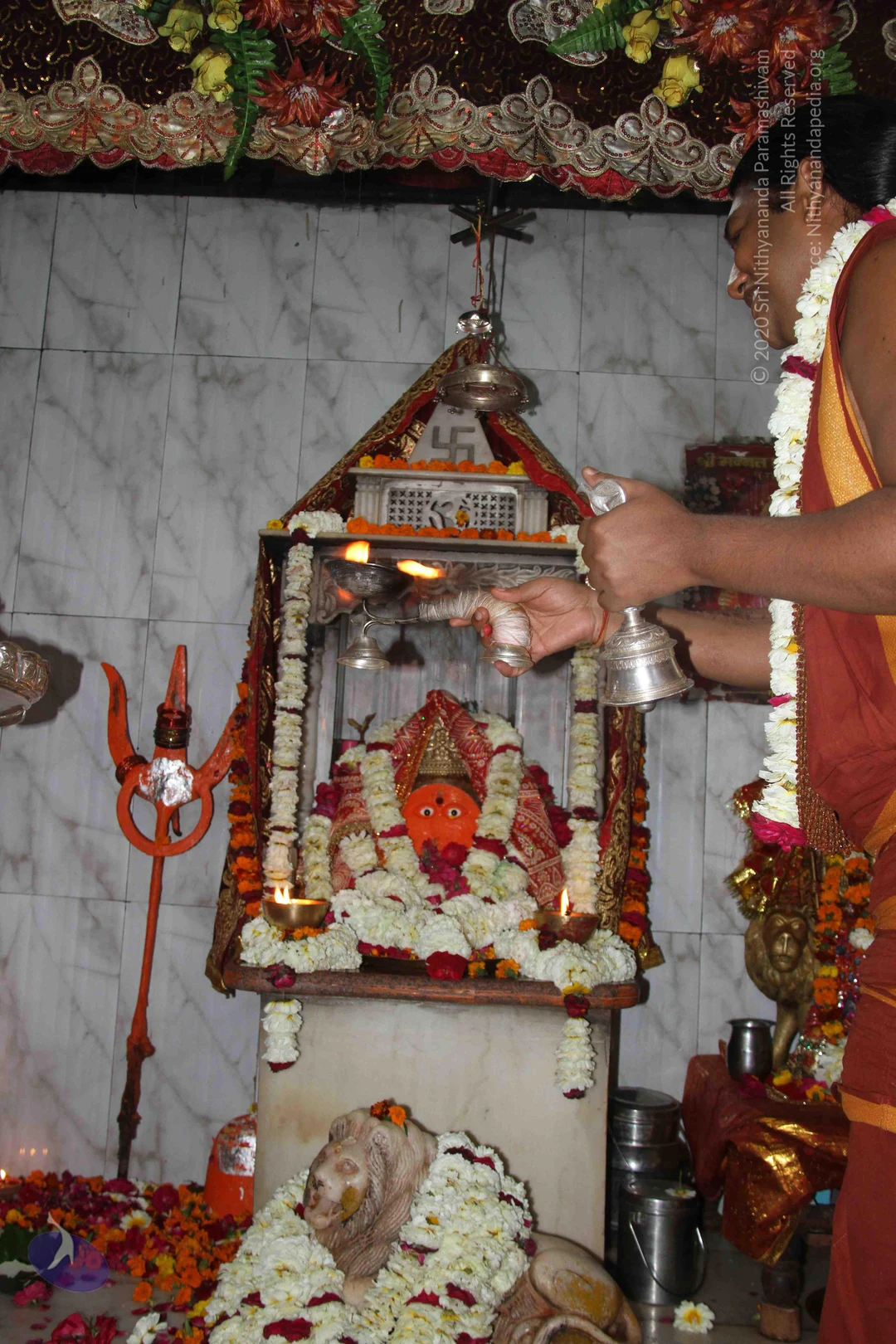
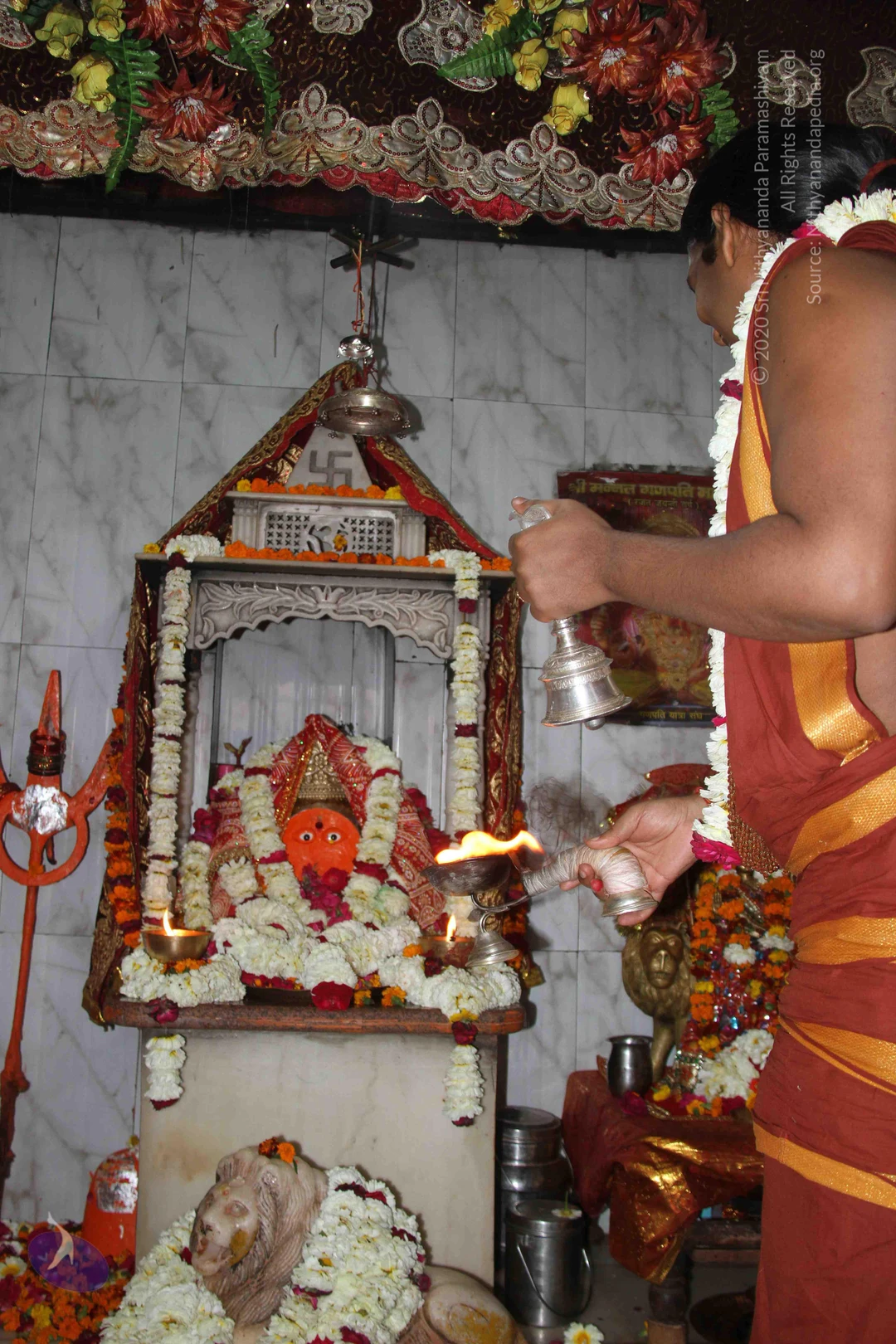
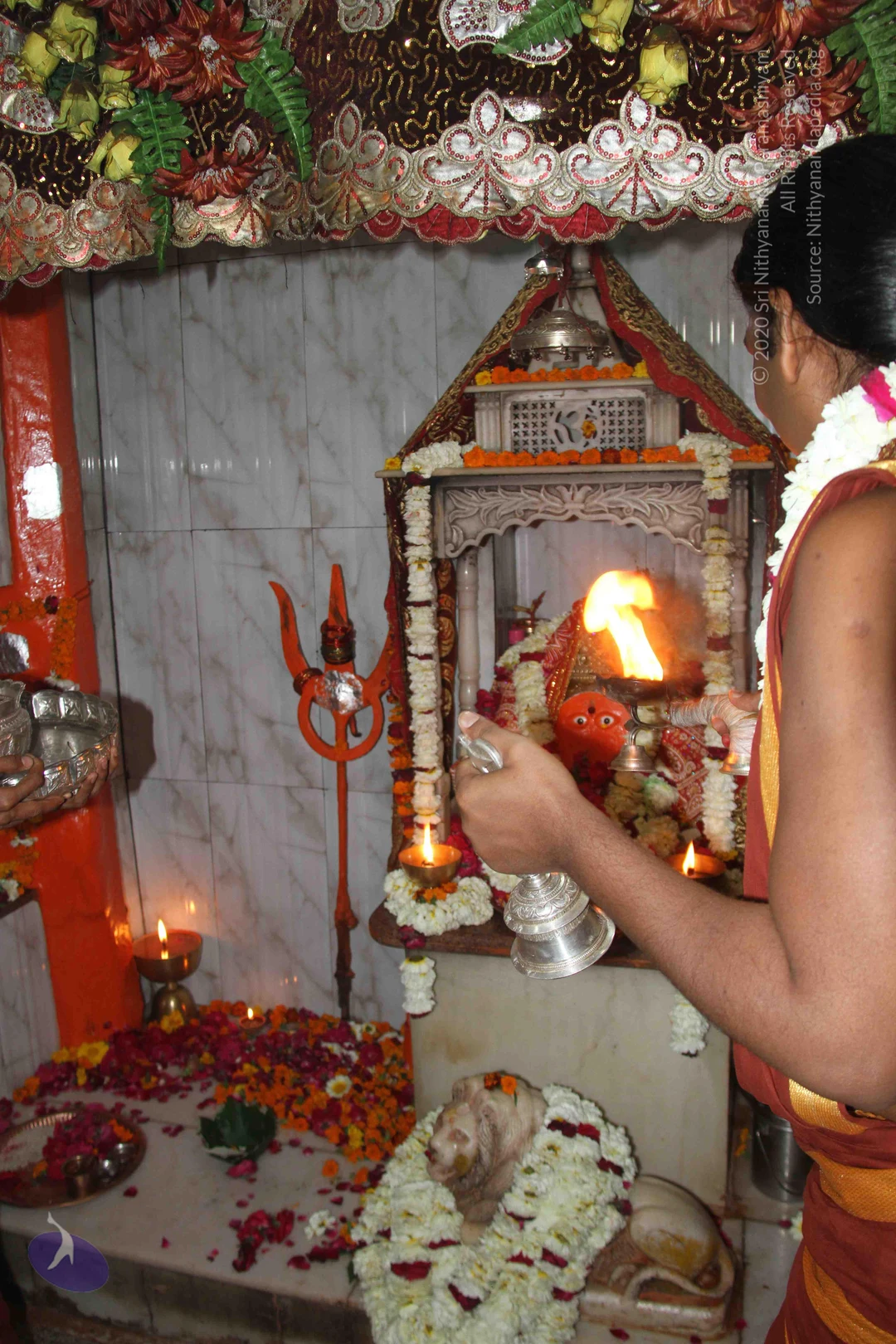
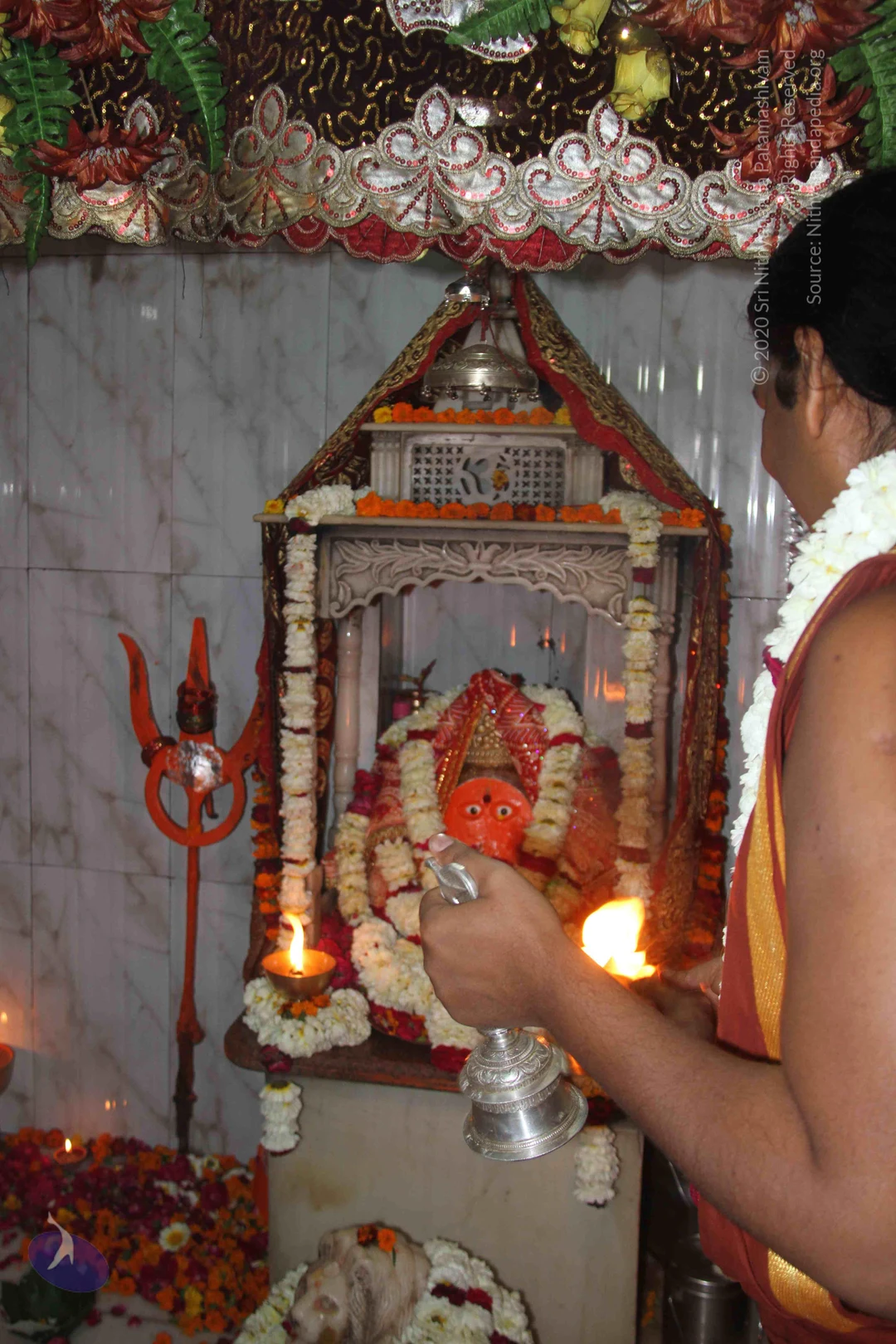
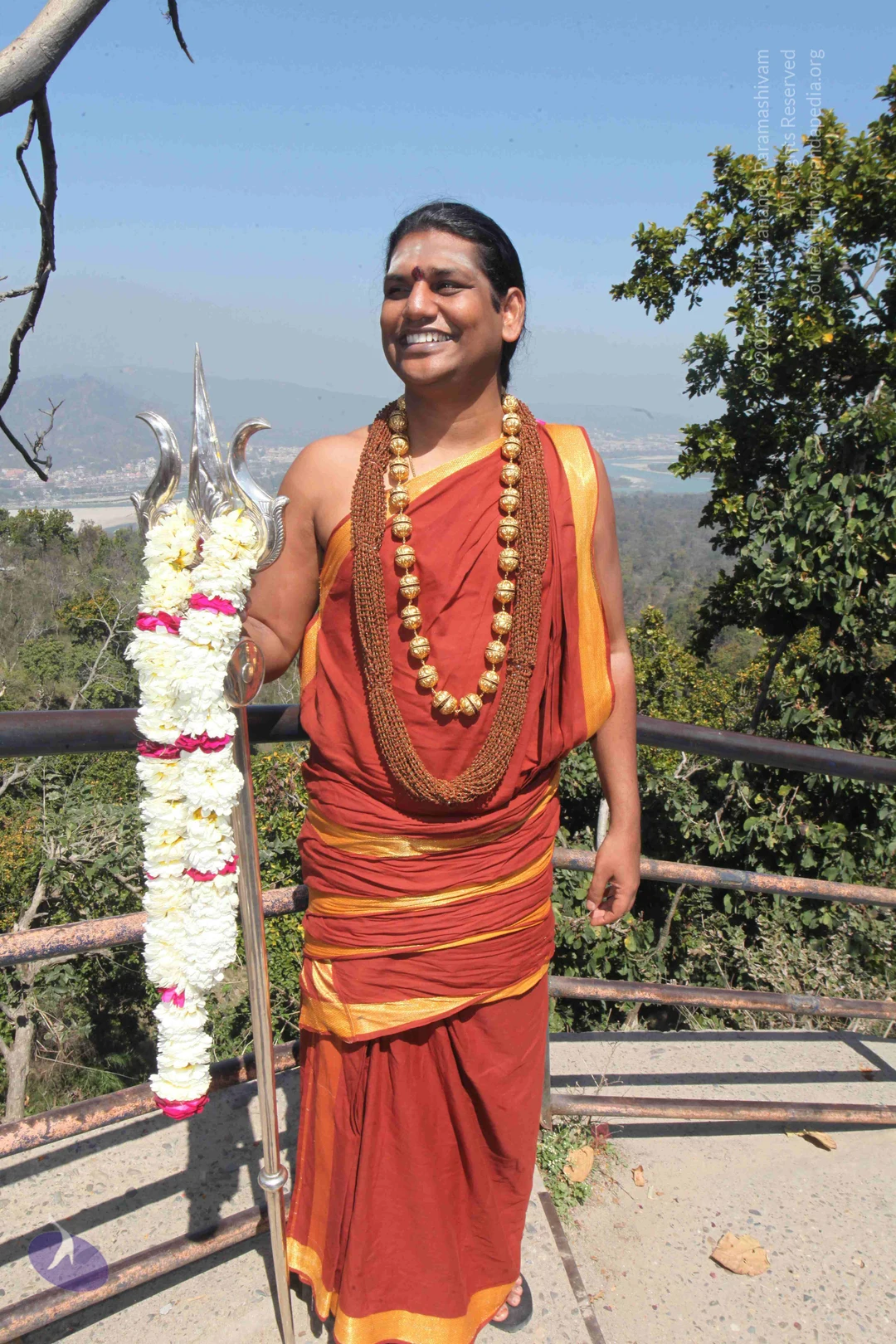
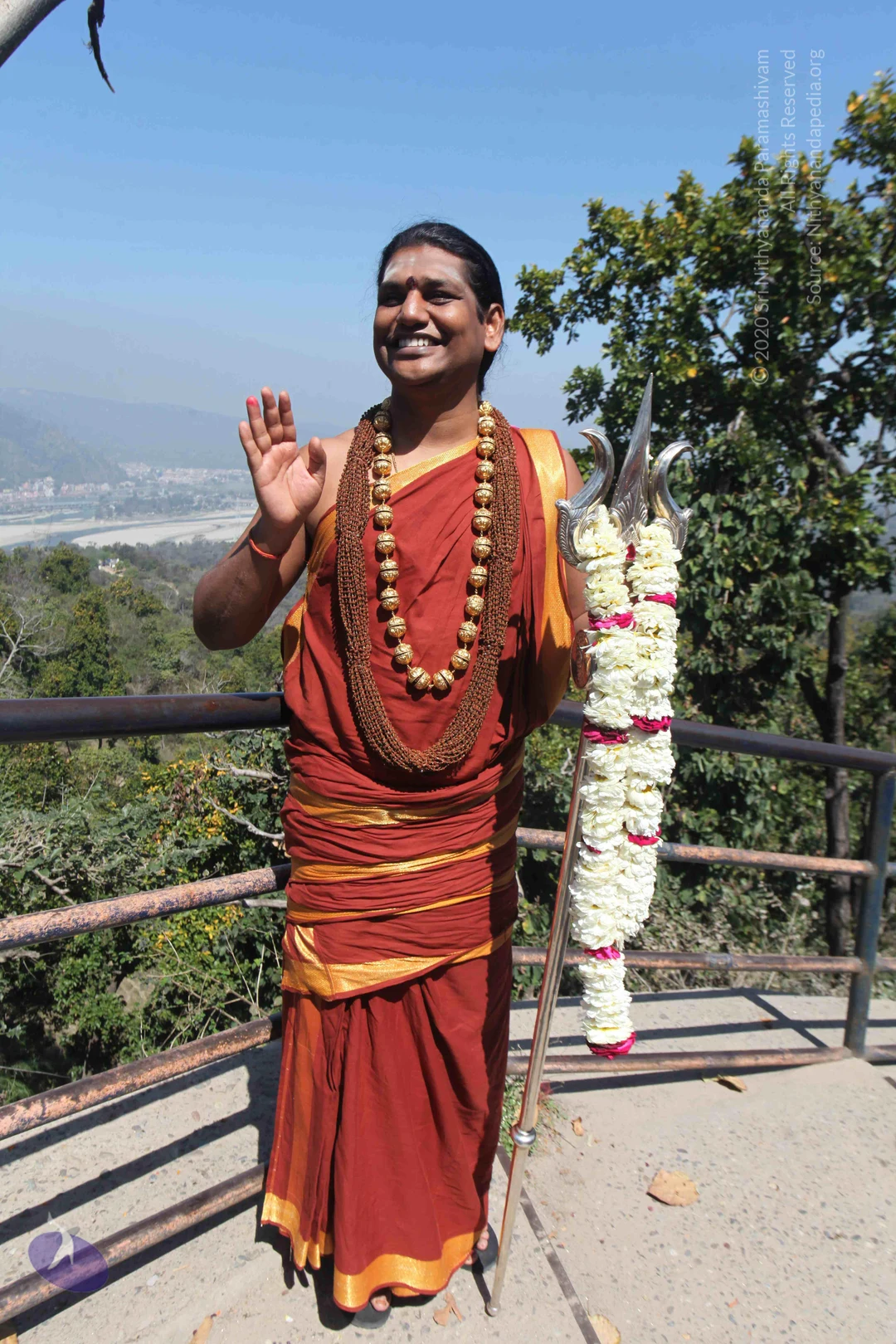
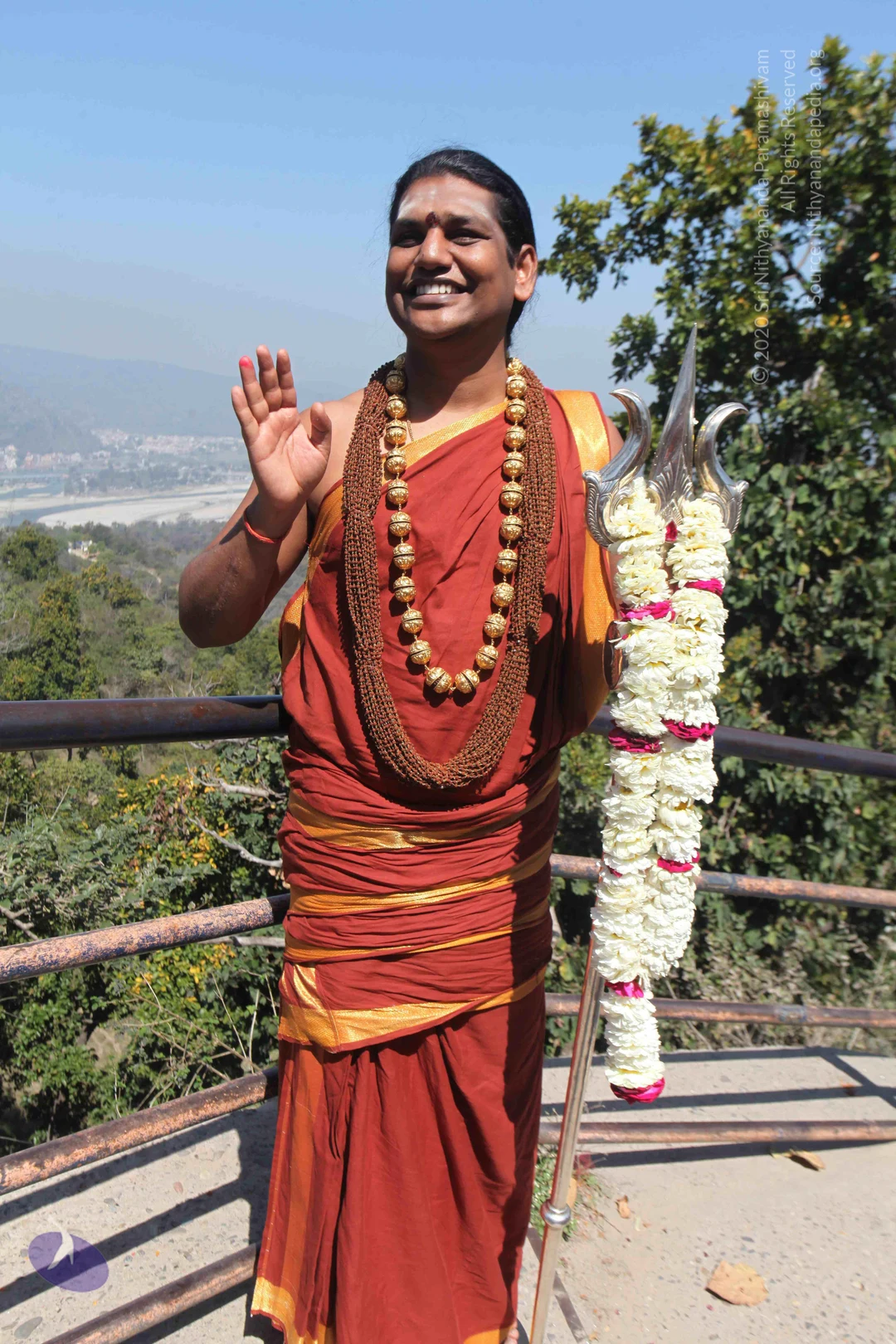
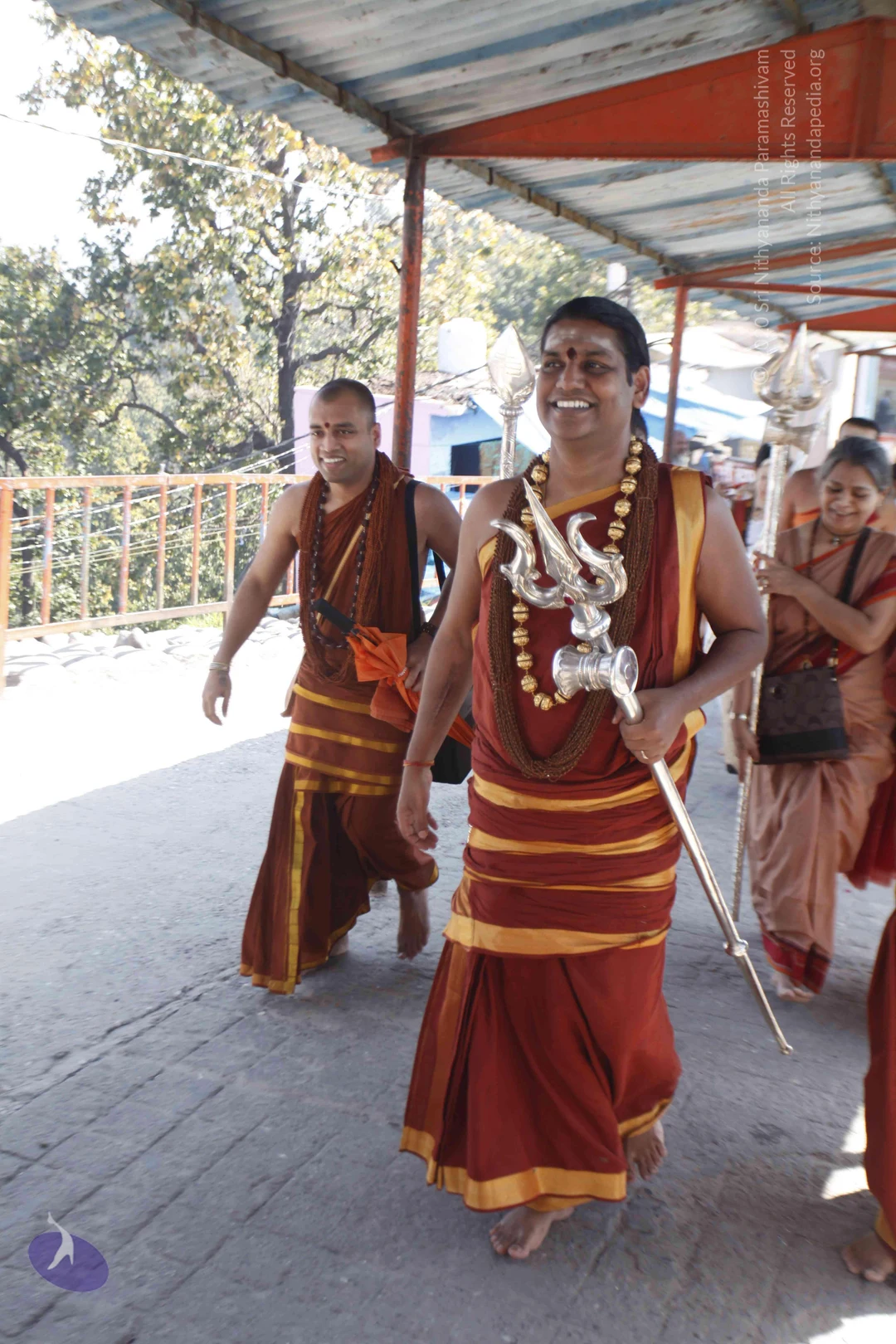
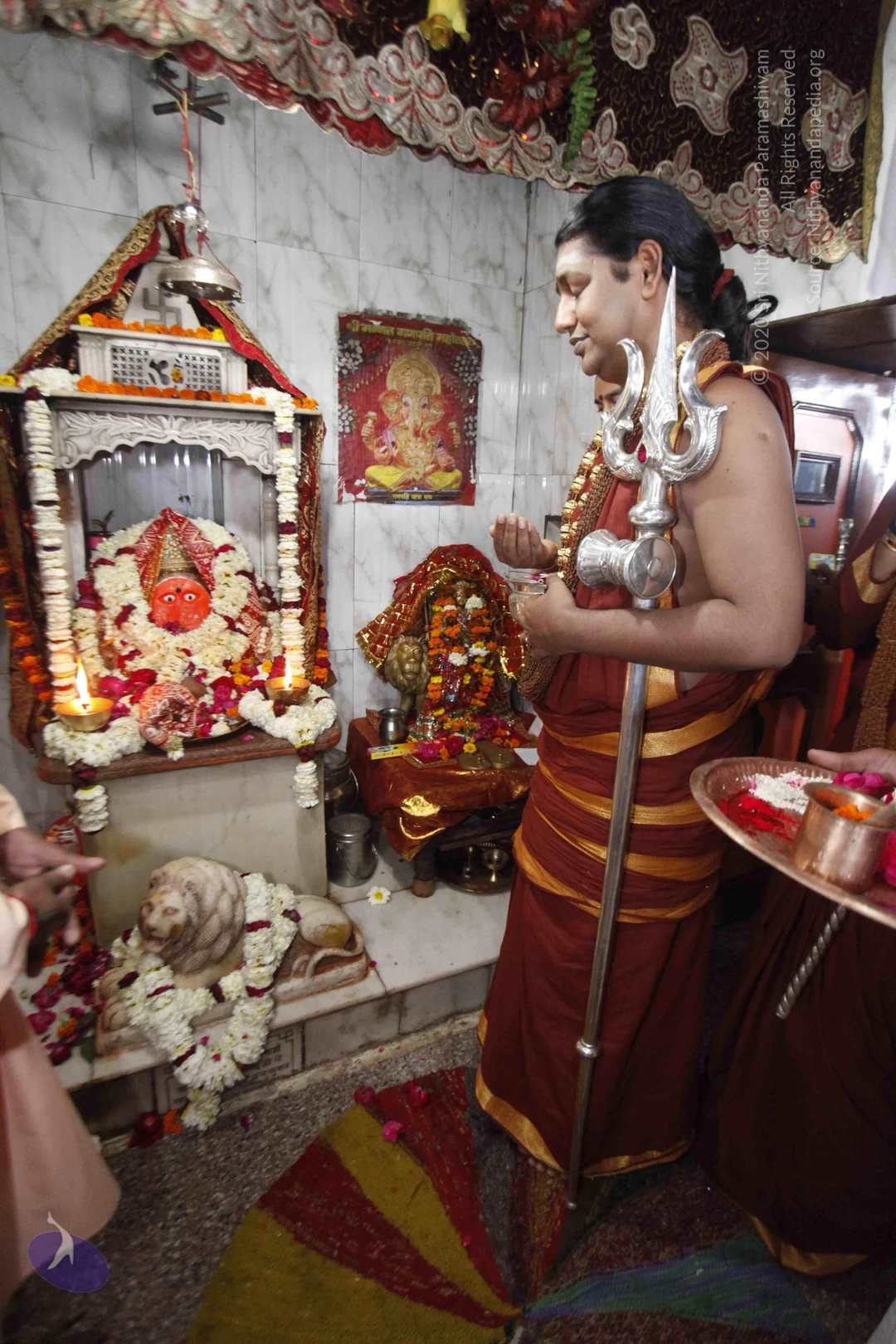
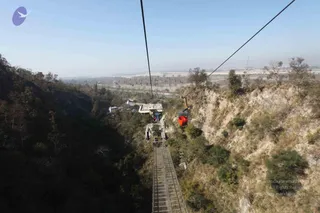
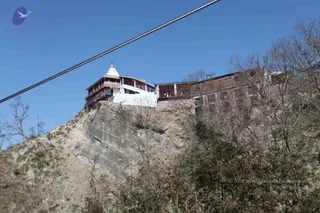
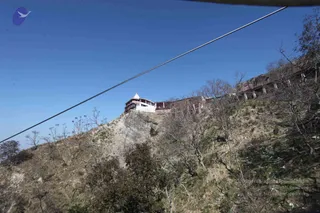
Temple Visit - Chandi Devi Temple
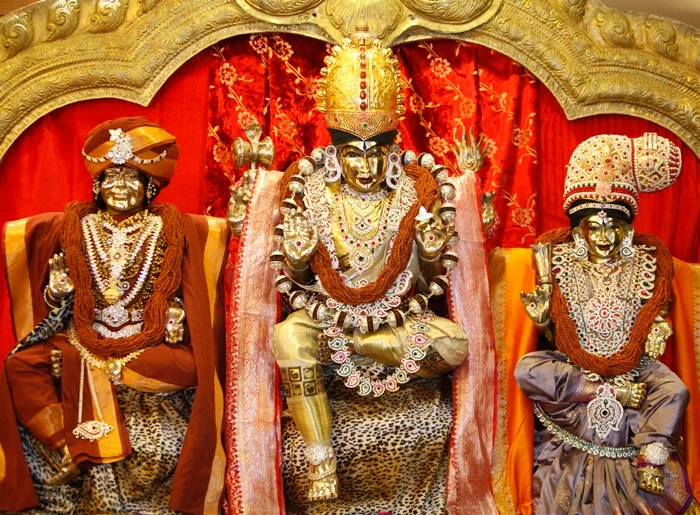
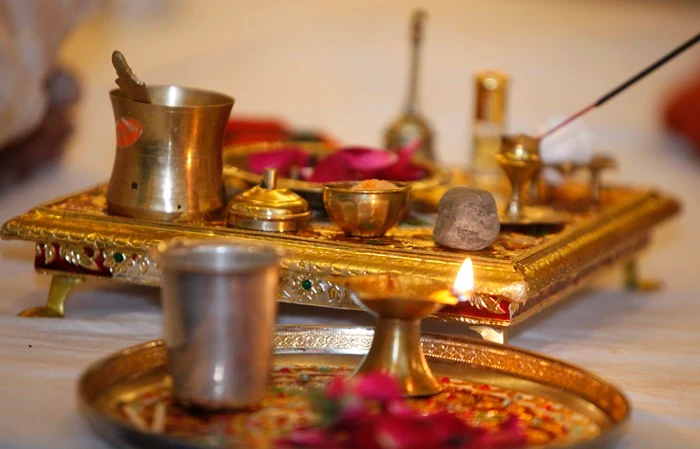
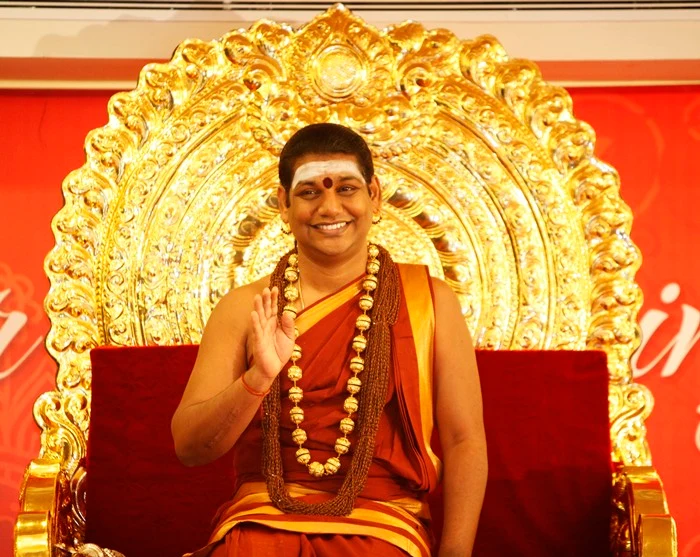
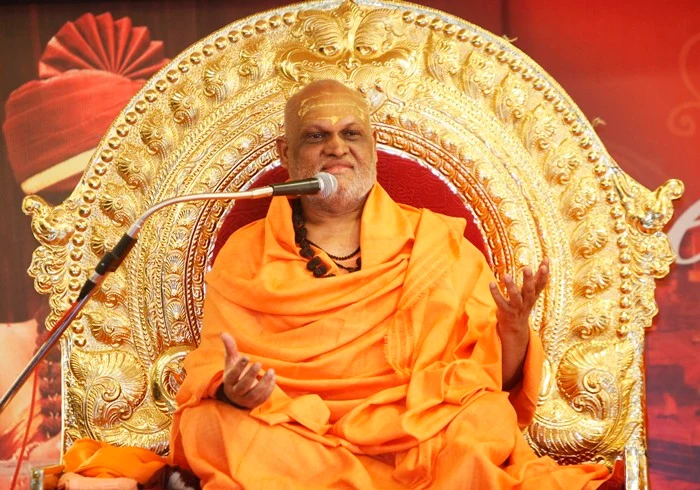
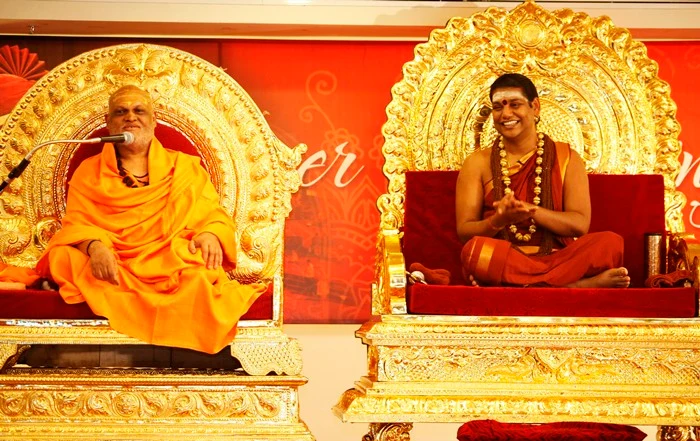
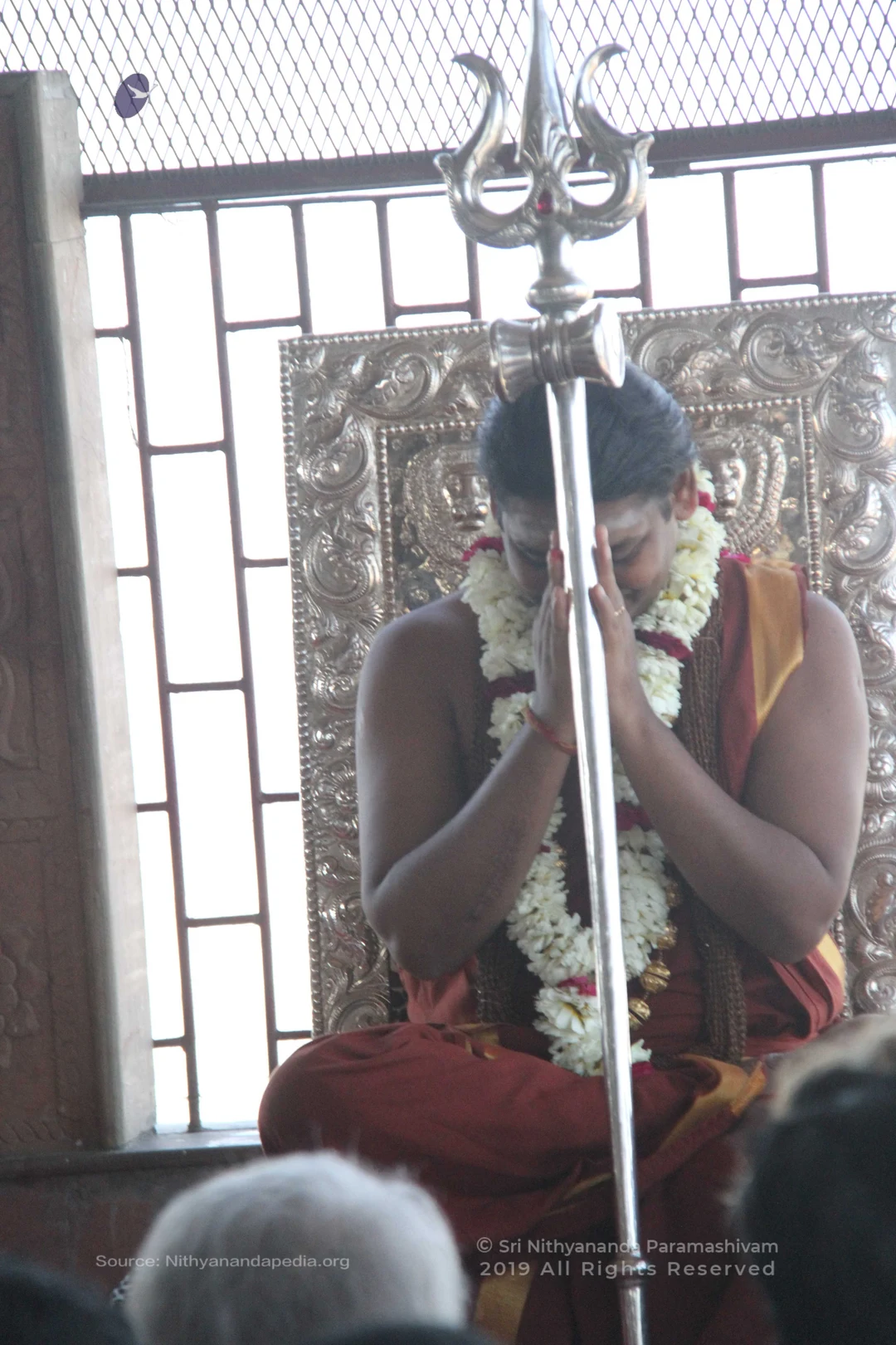
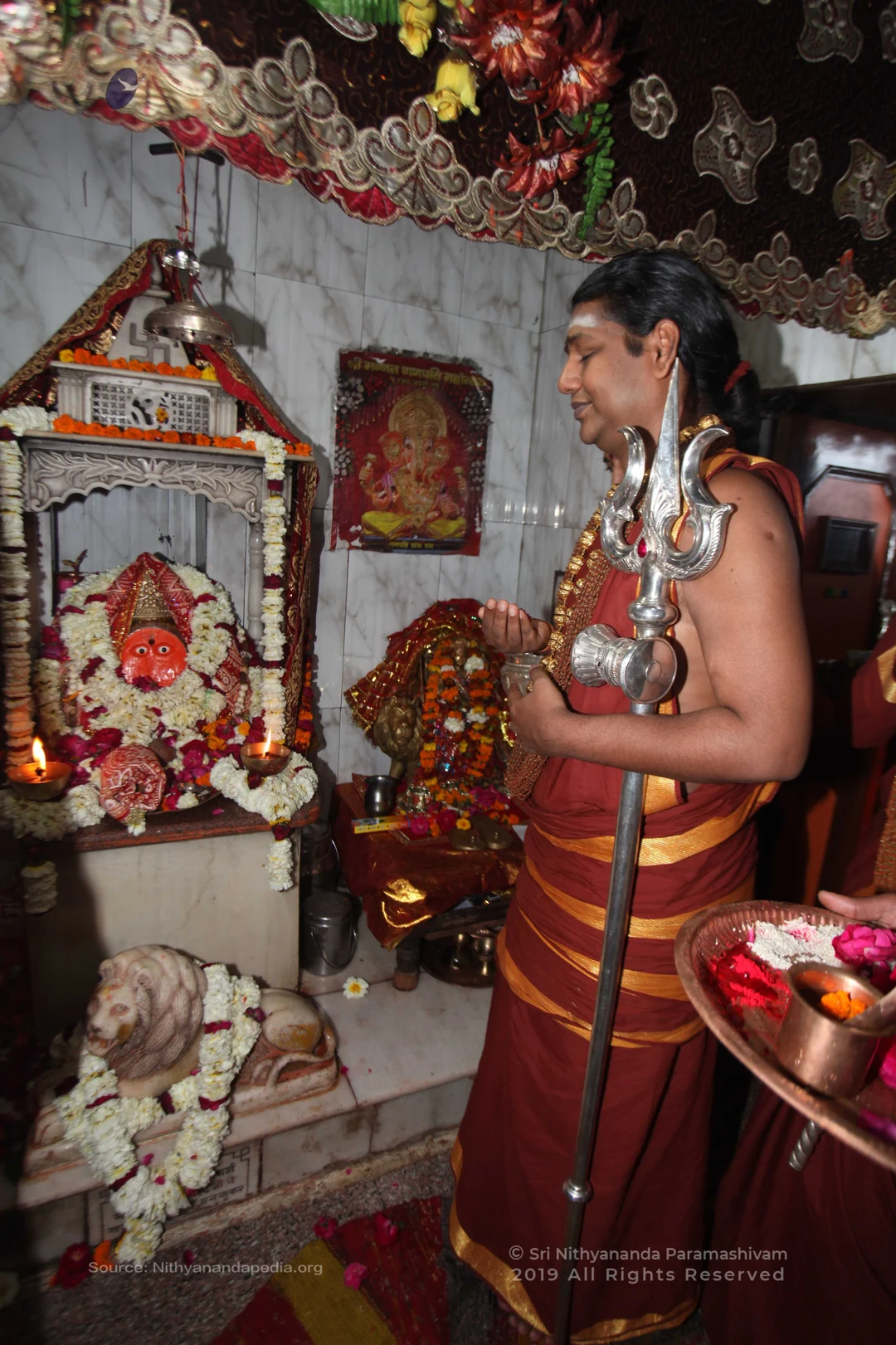
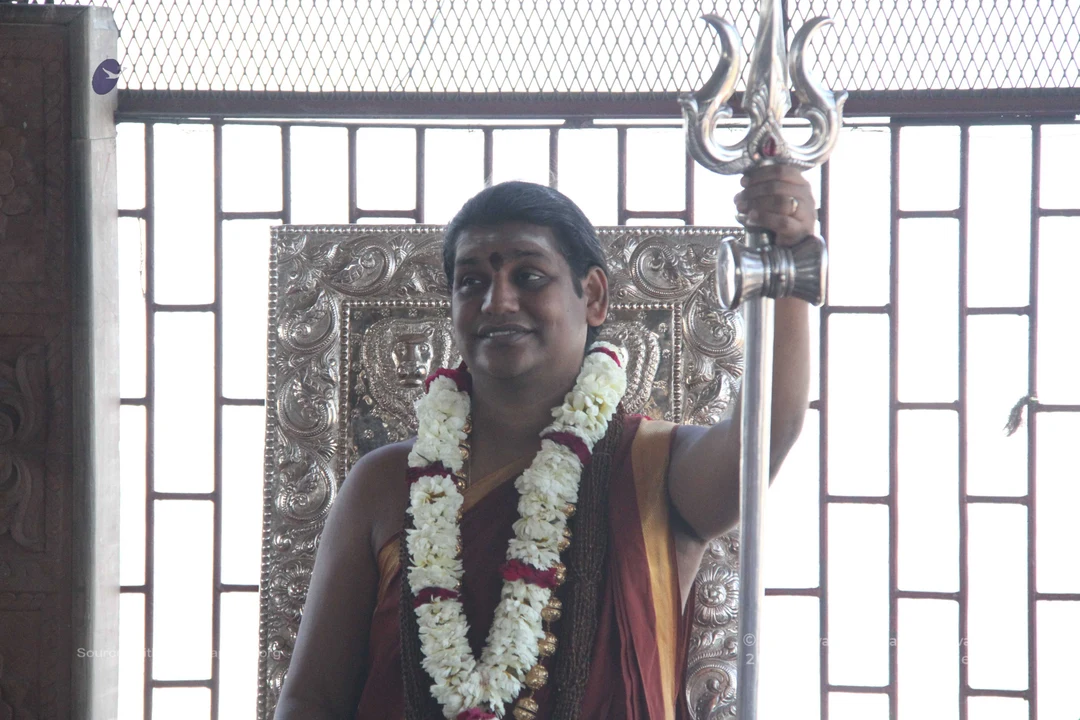
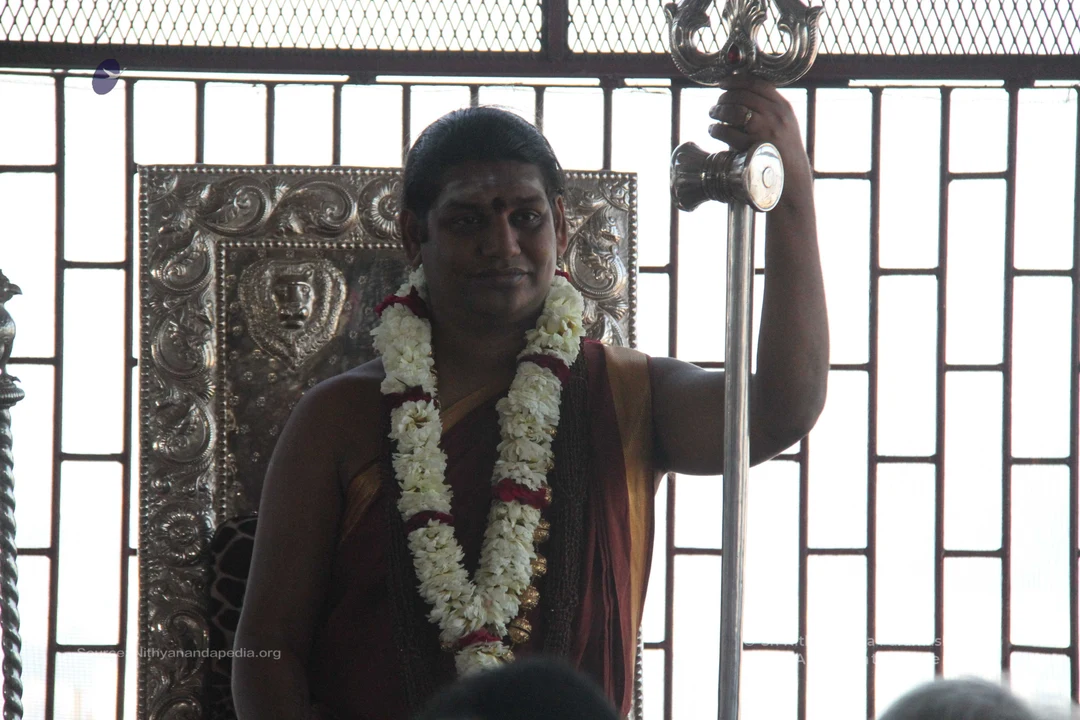
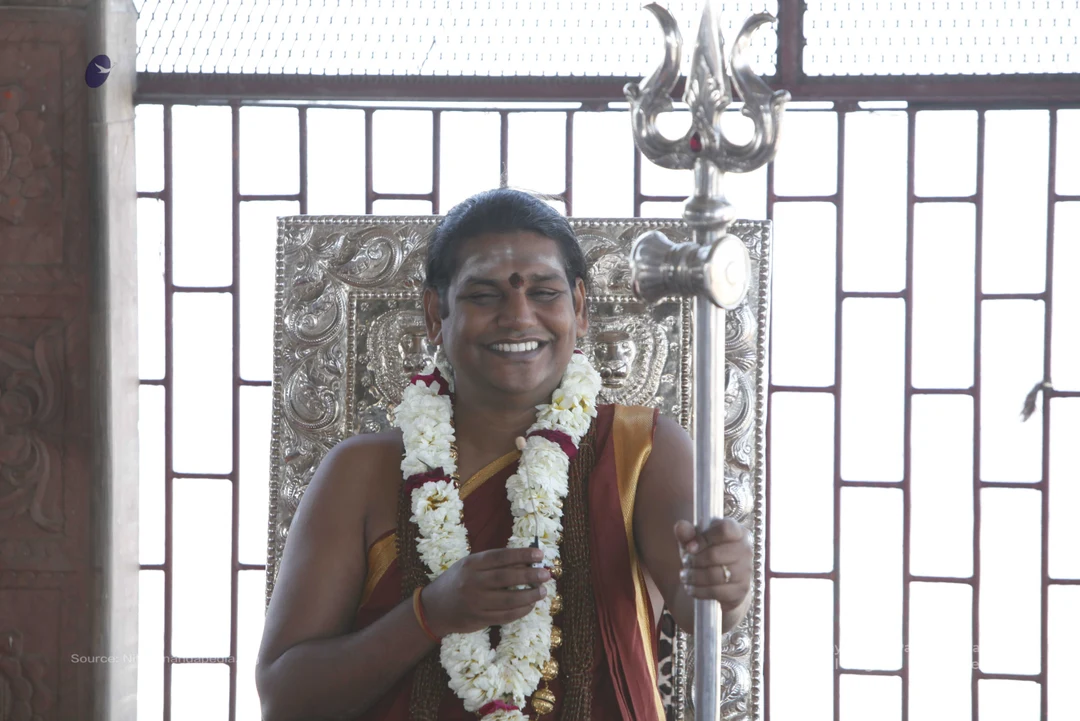
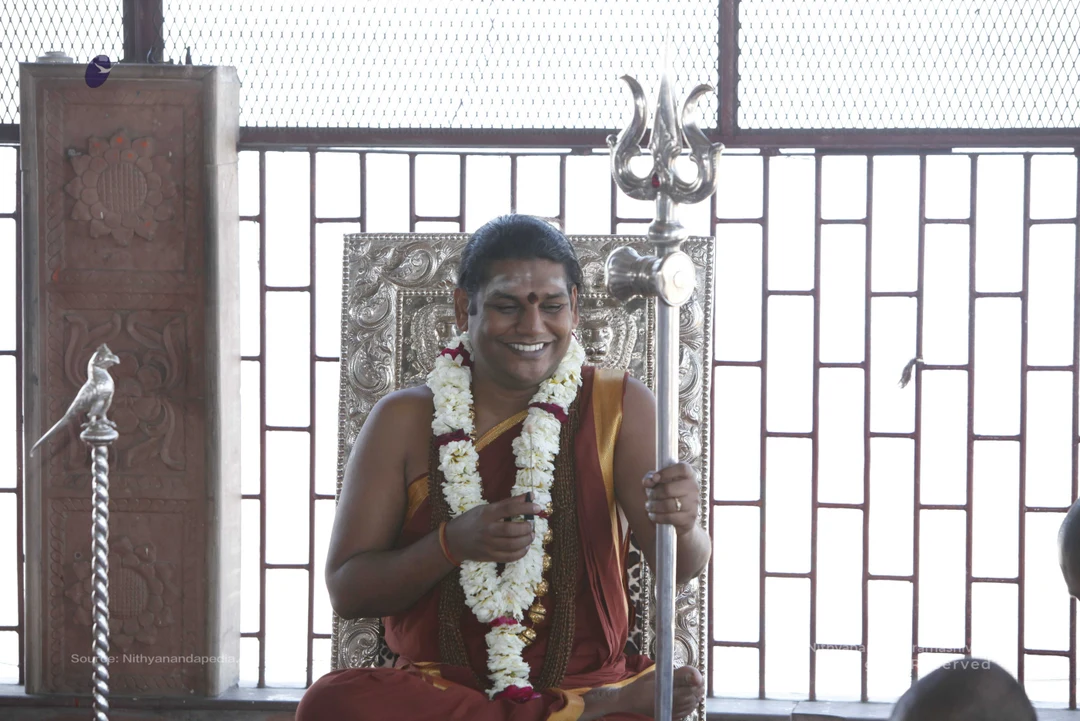
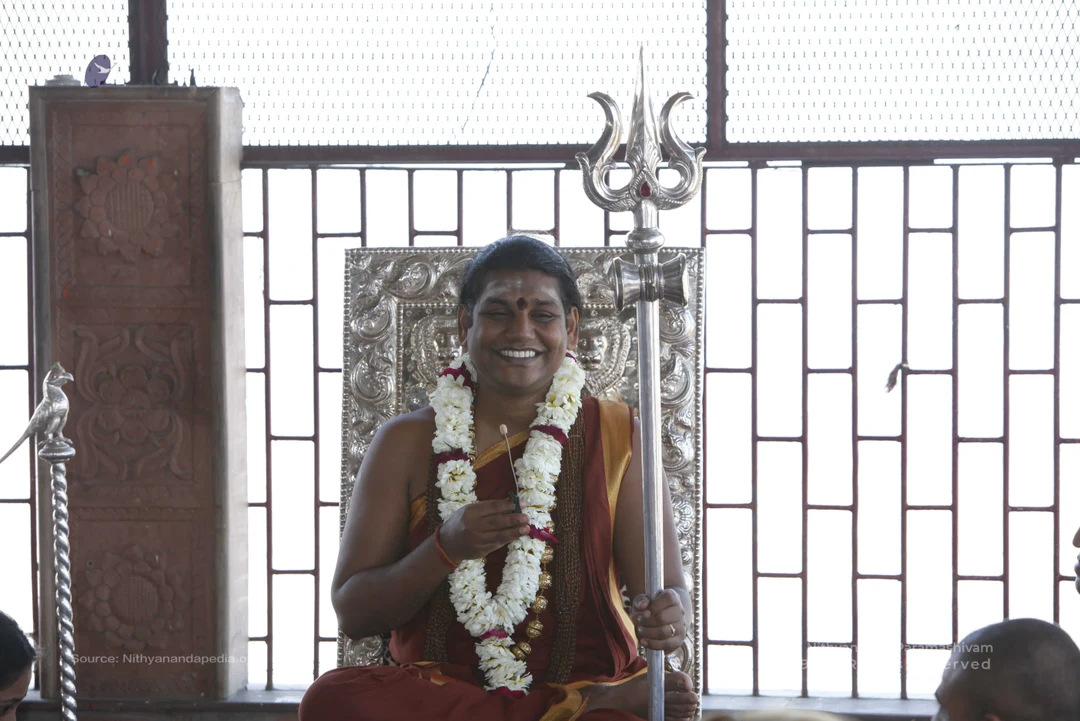
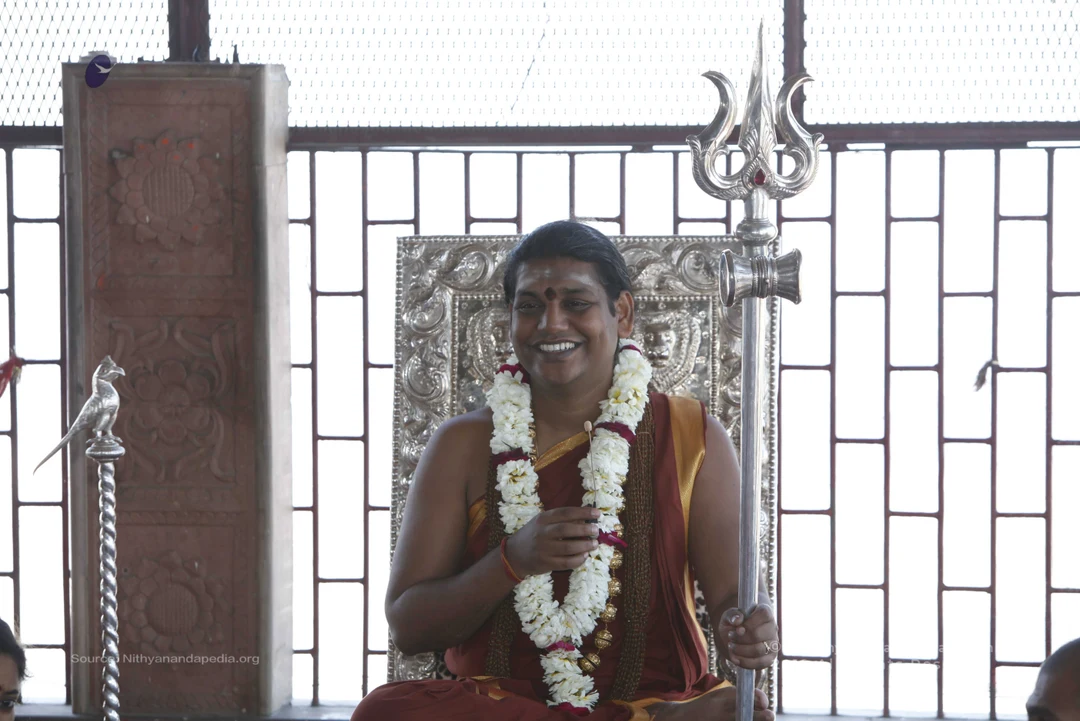
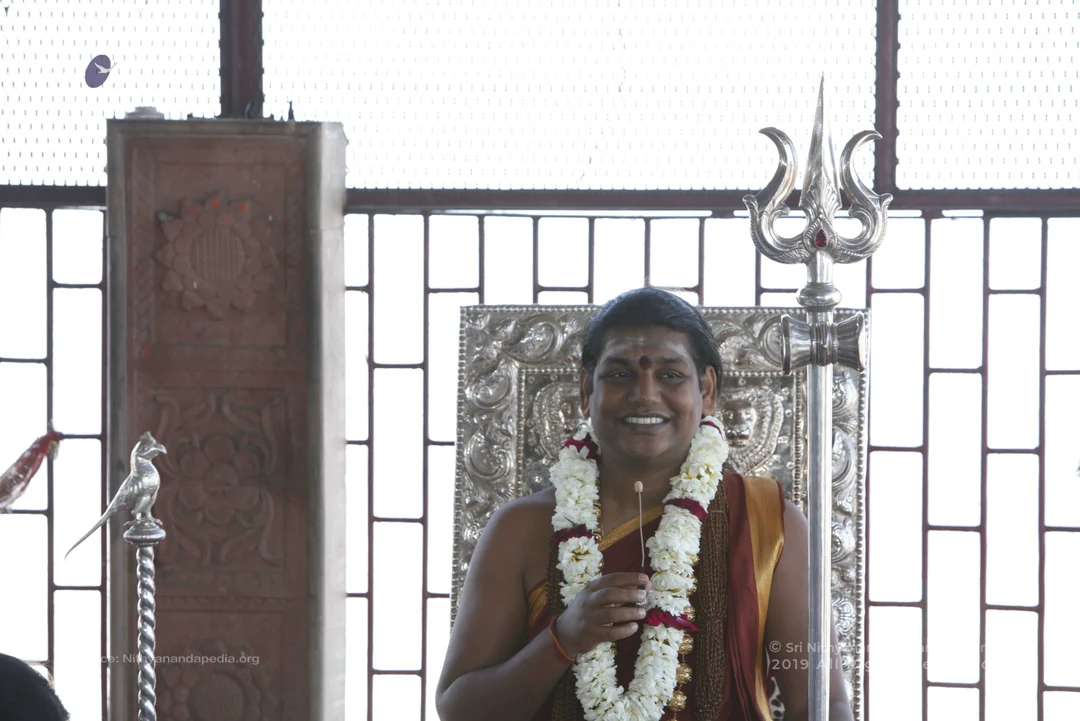
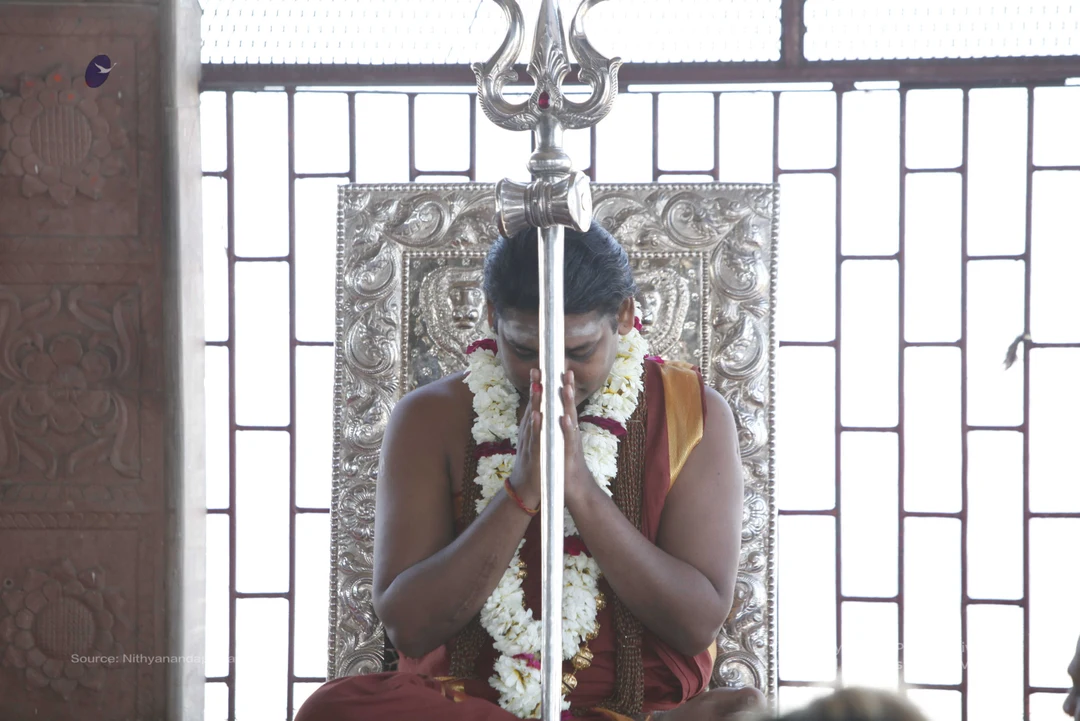
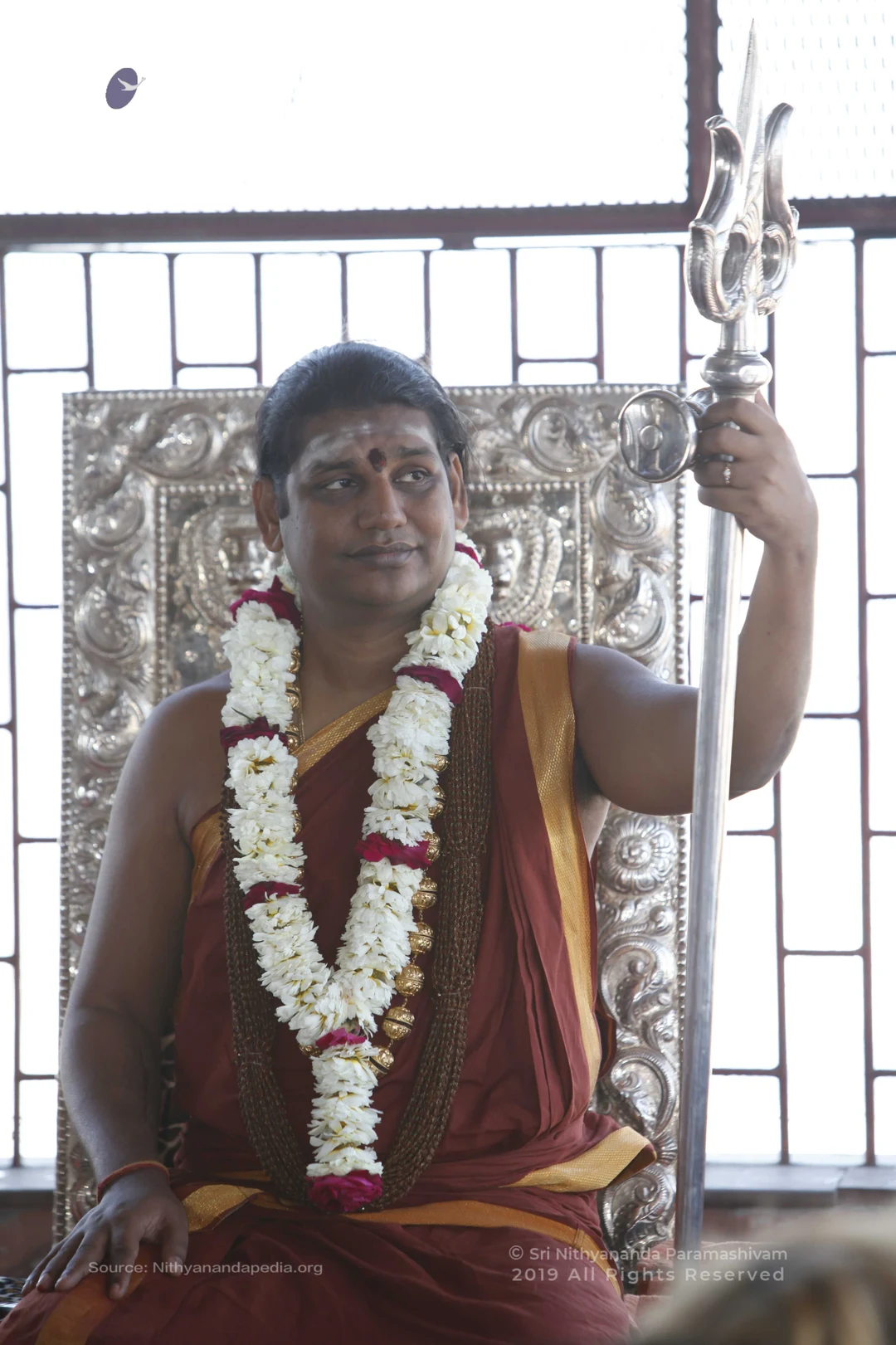
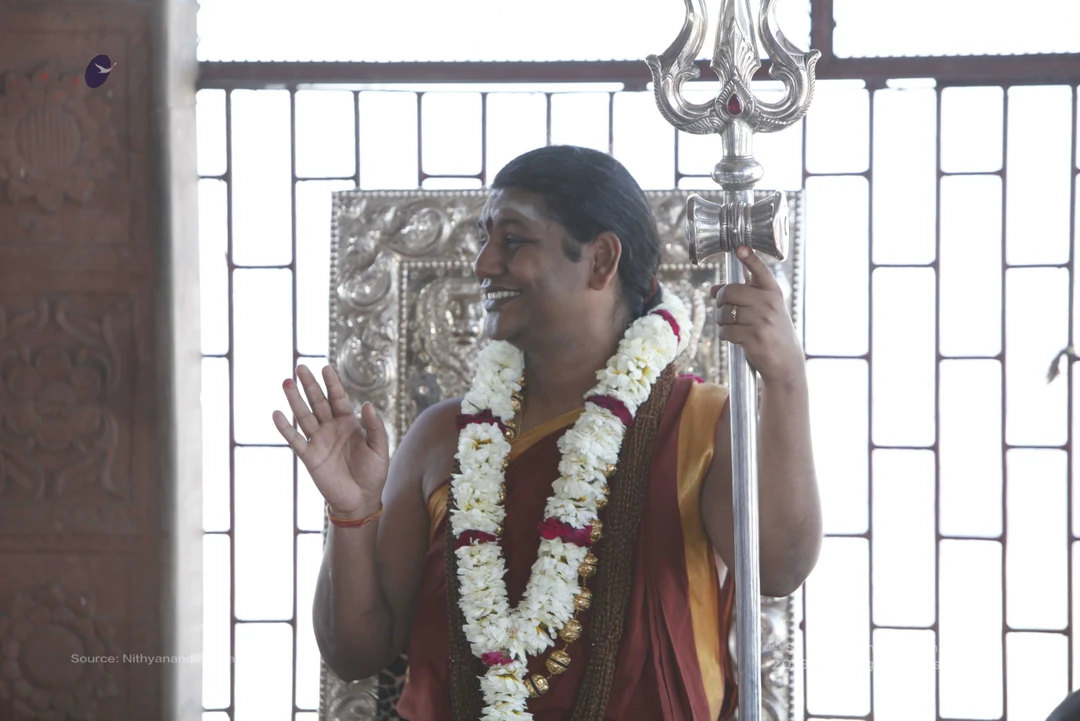
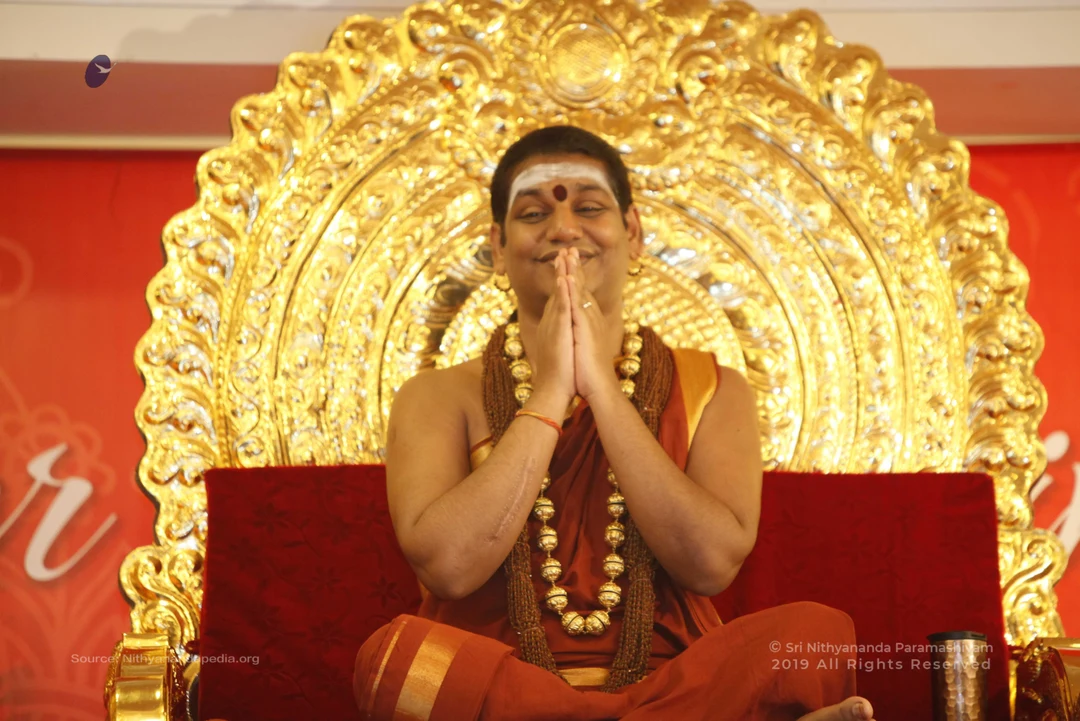
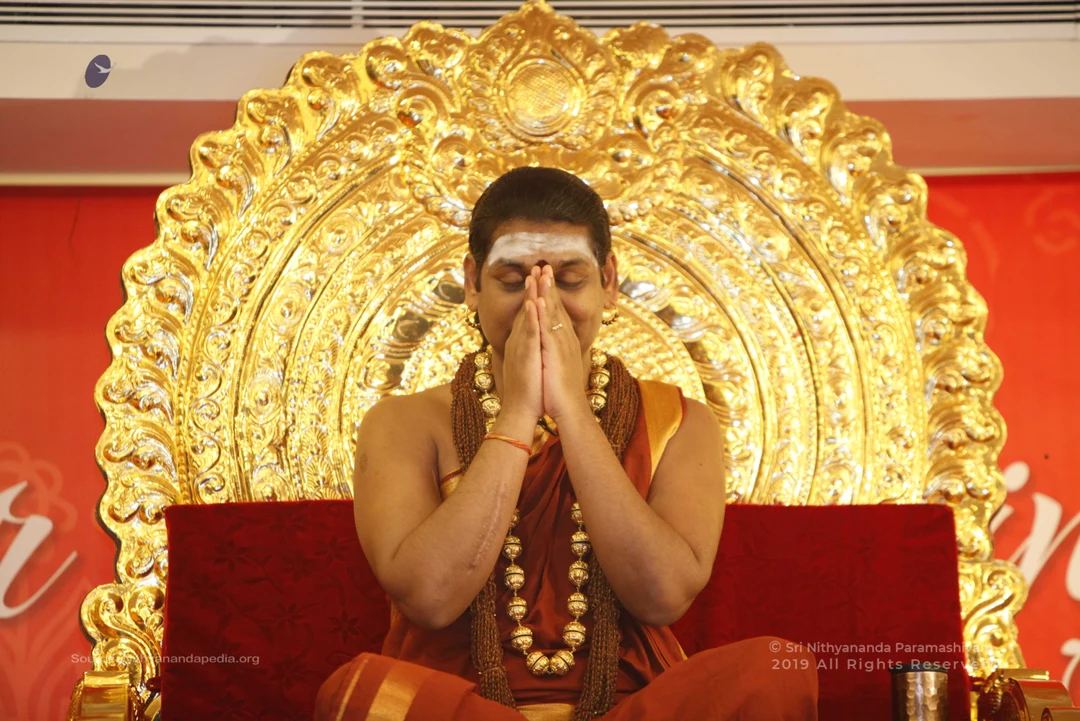
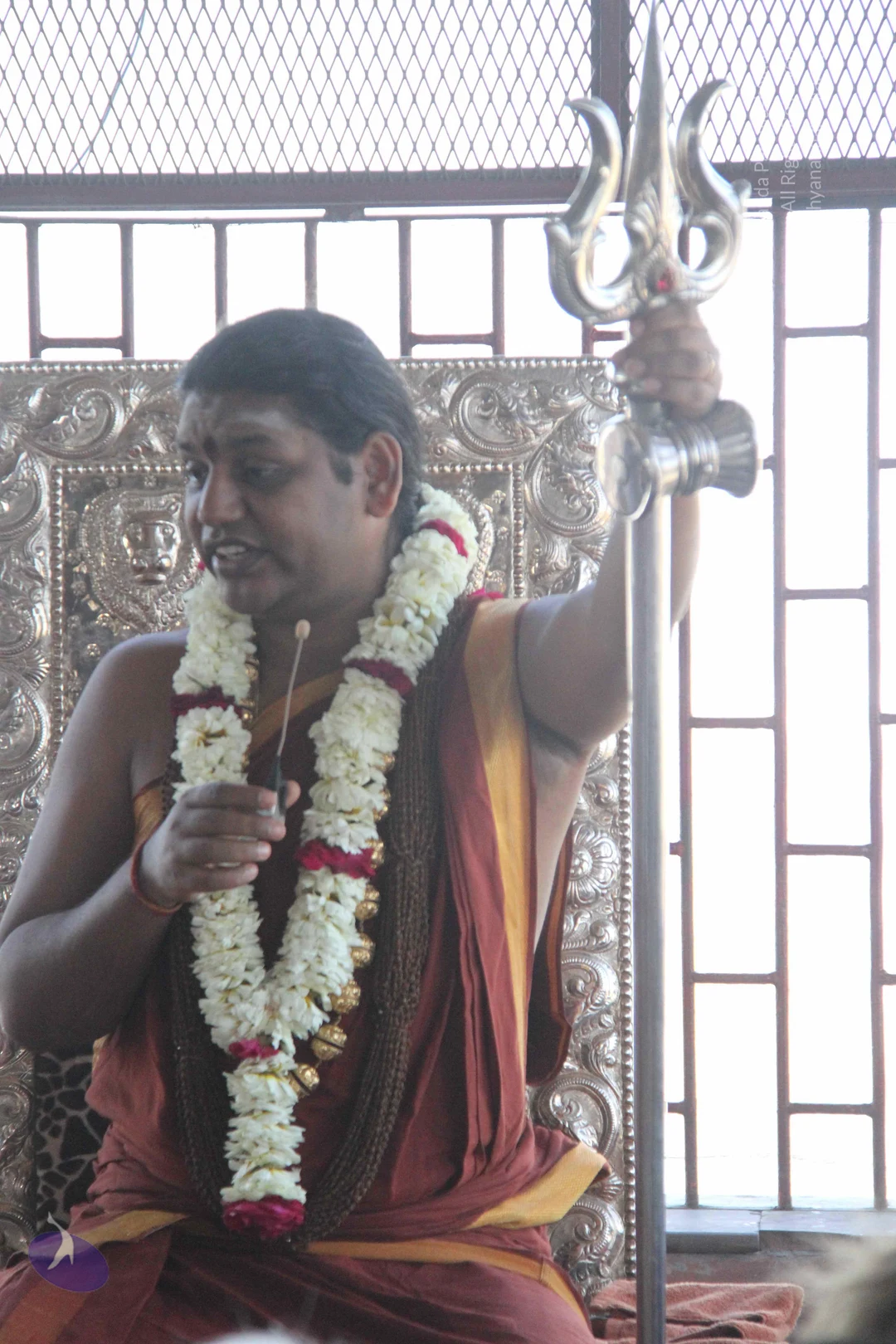
Nithya Satsang and Kalpataru Darshan
Tags:
Paramahamsa Nithyananda, Mahamandaleshwar Vishweshwaranandaji Maharaj, Mahanirvani Akhada, Sri Sri Vishweshwaranandaji Maharaj, Haridwar, Parivrajaka, Guruji, mission, Sanatana Hindu Dharma, human beings.
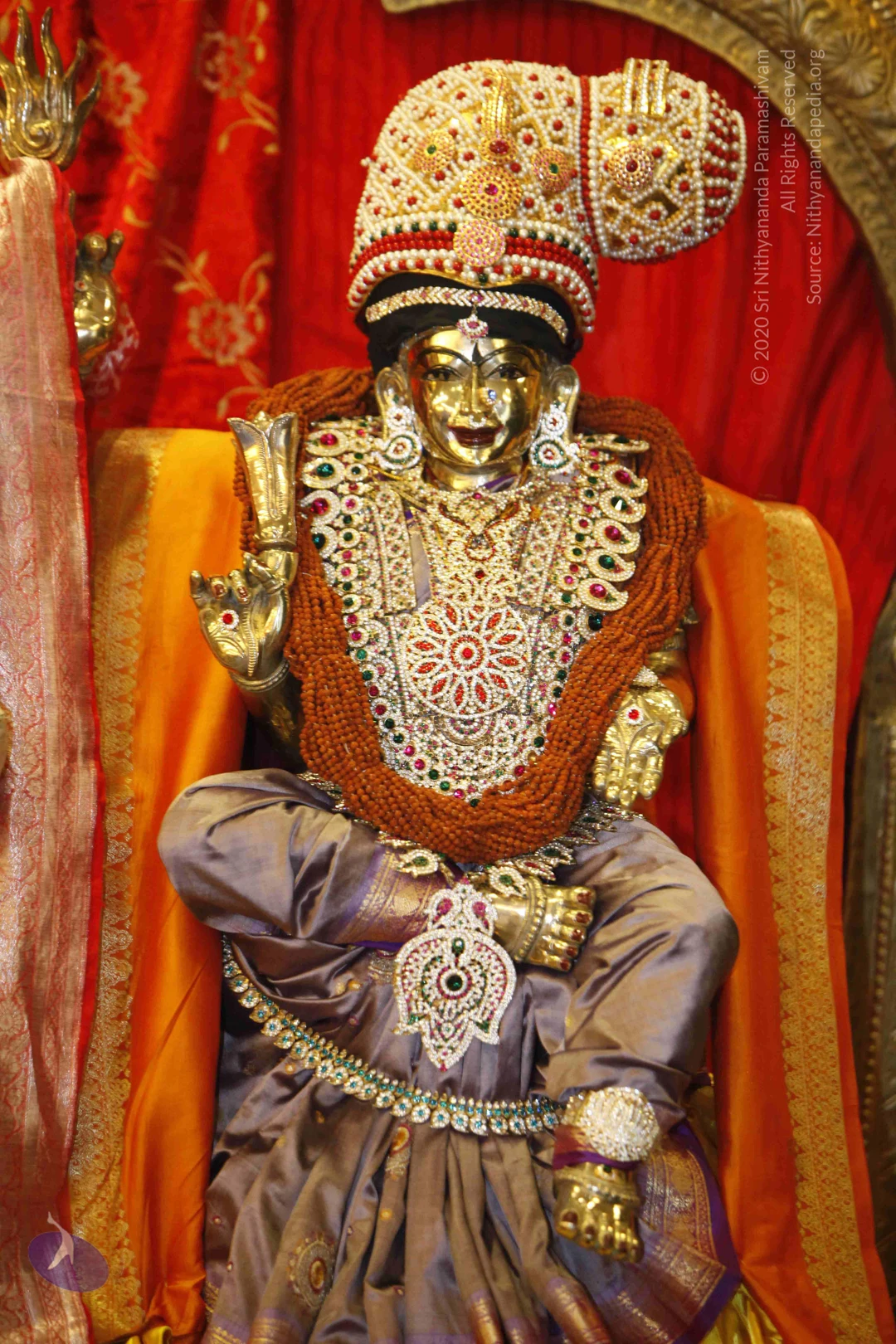
Photos Of The Day:
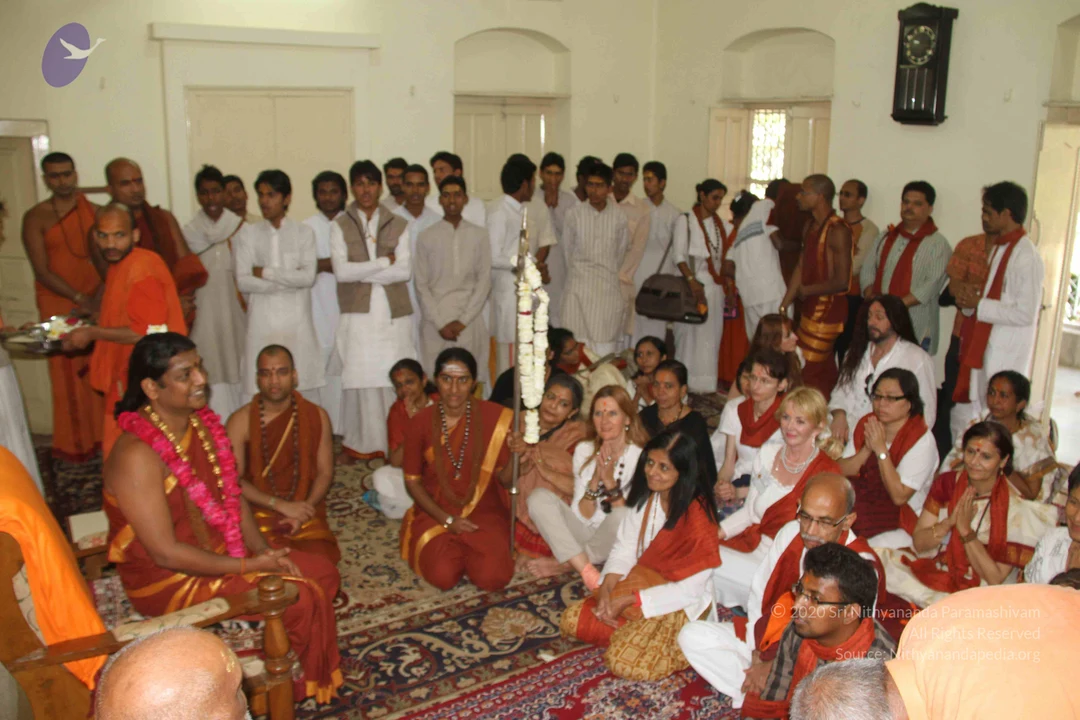
NithyaSatsang&kalpatharuDarshan

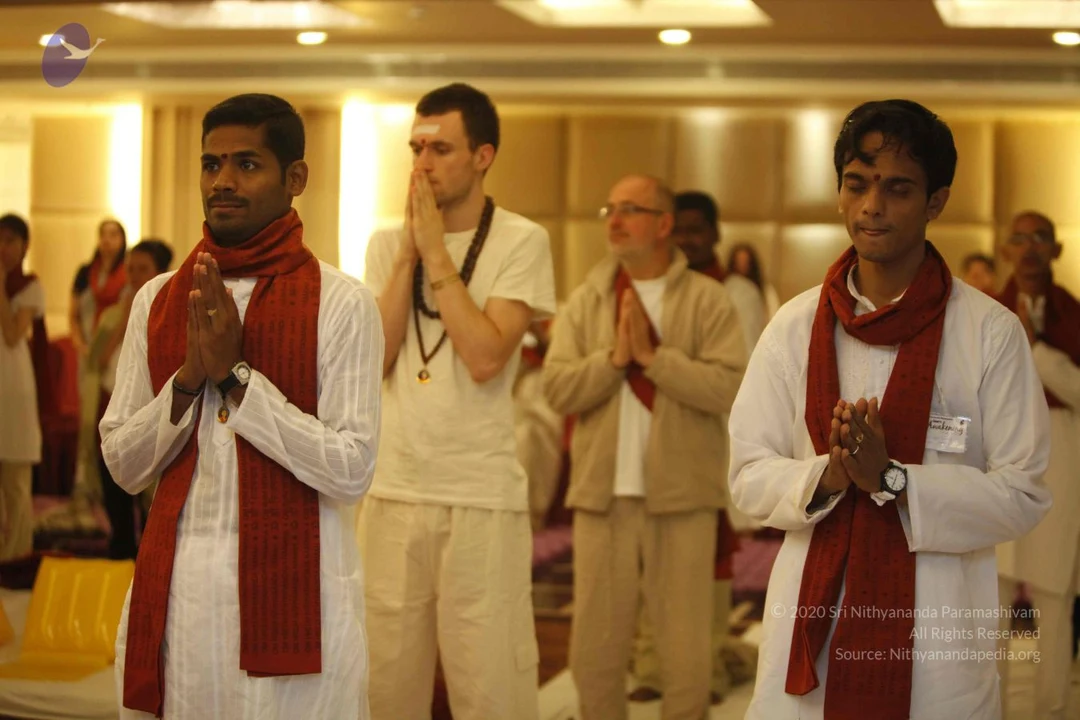
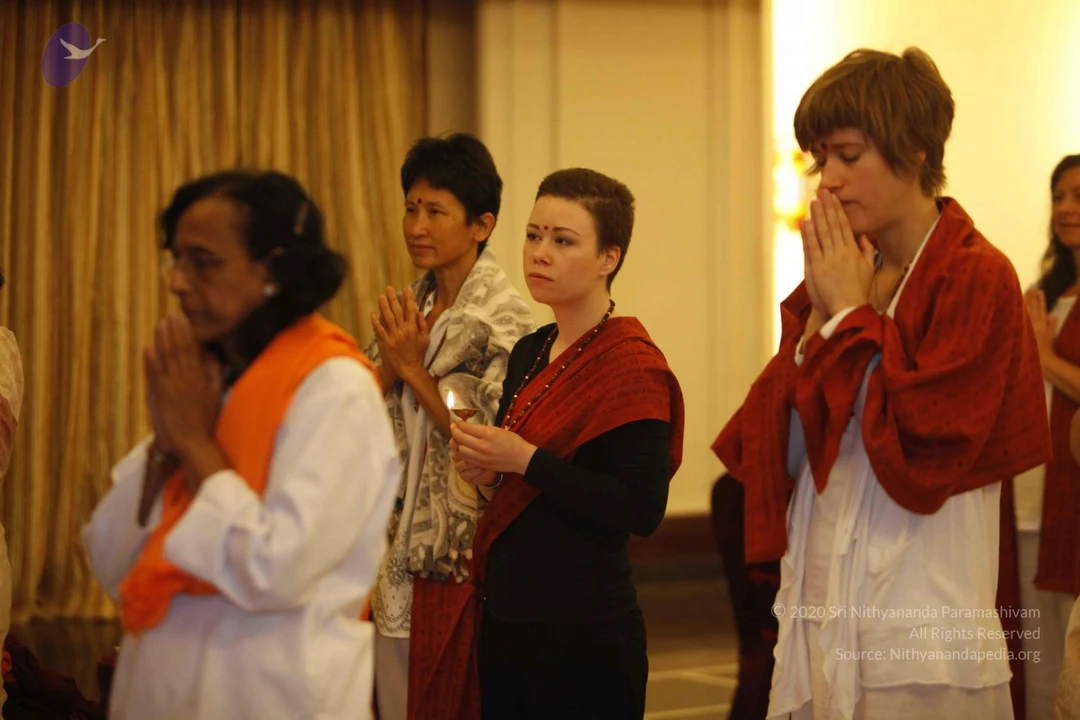
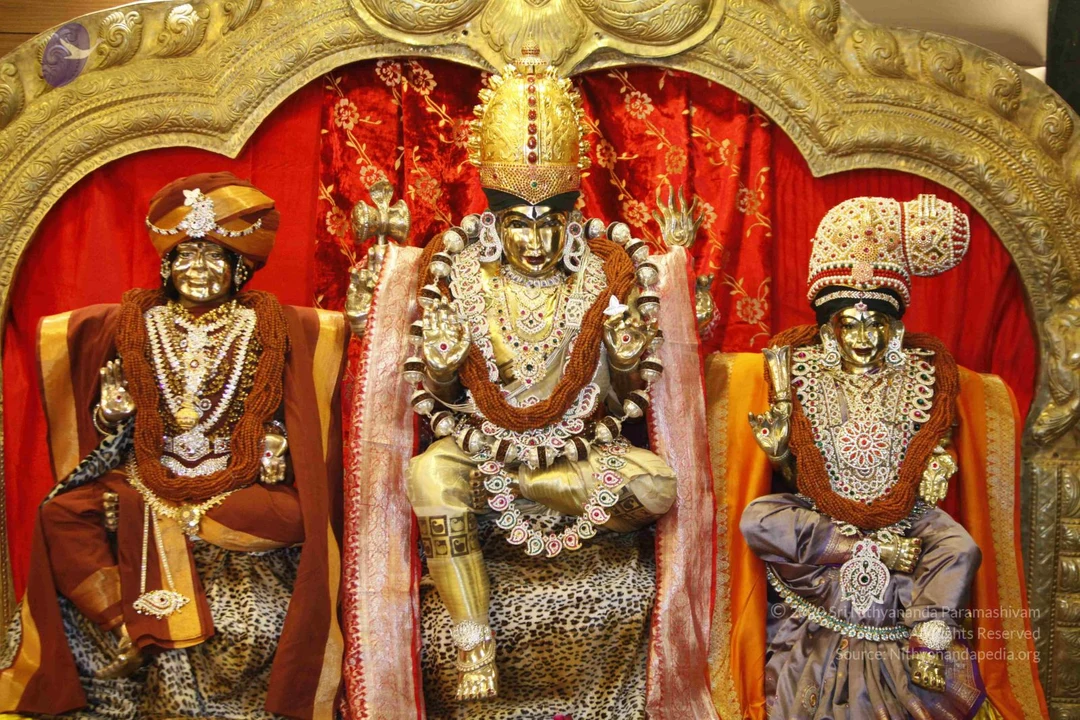
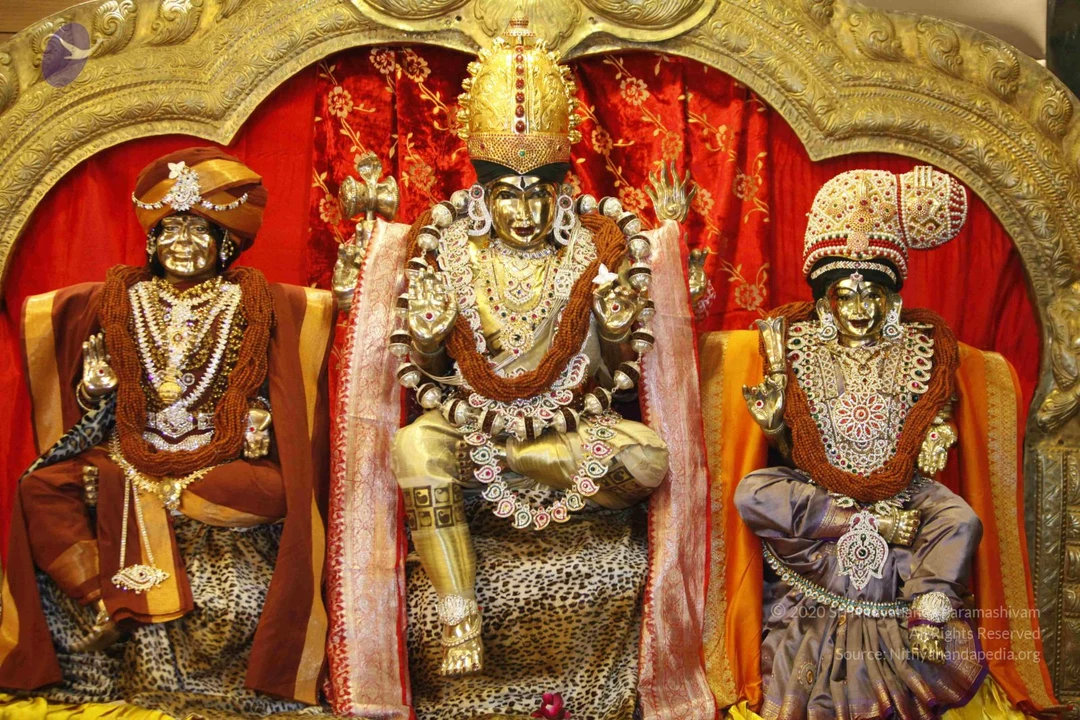
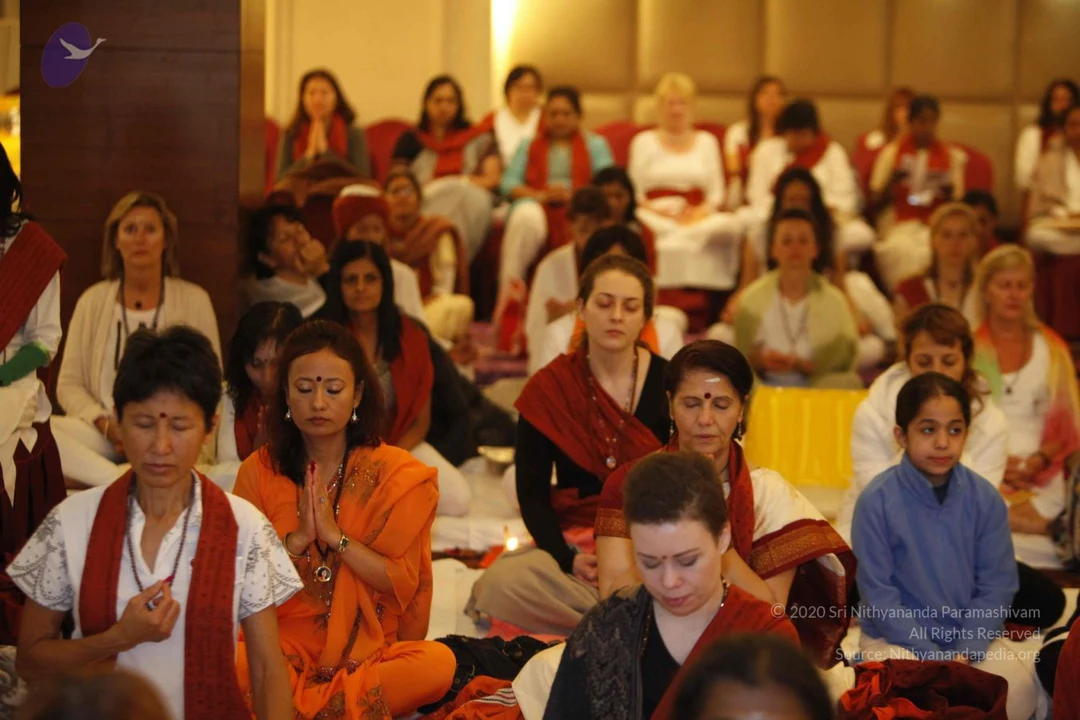
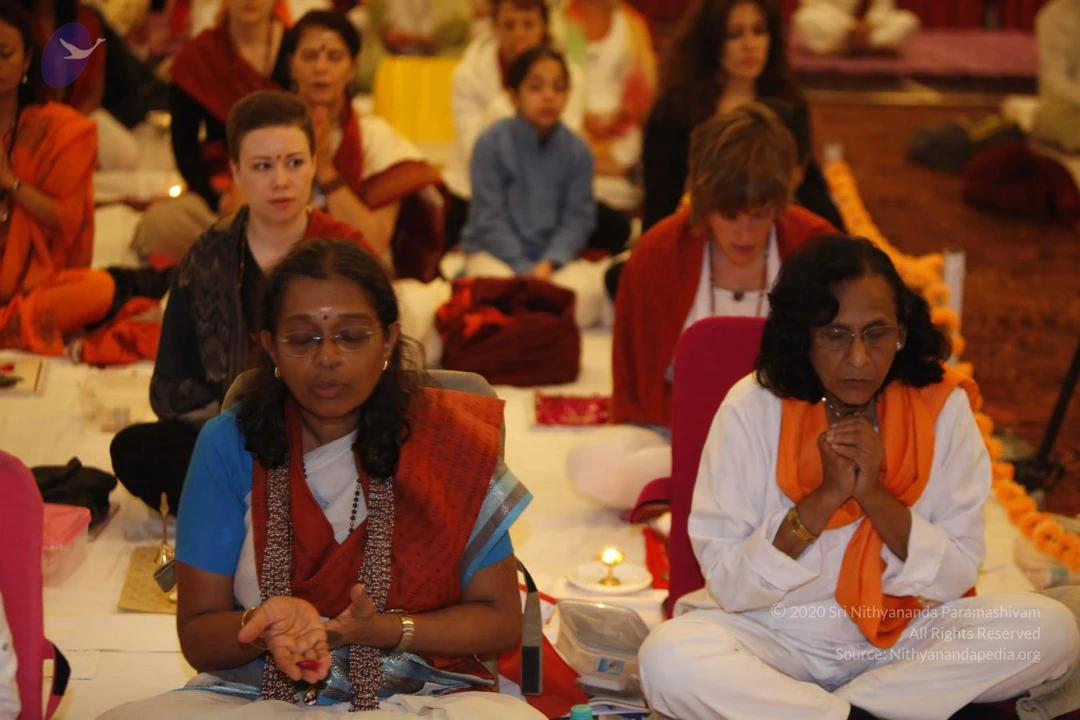
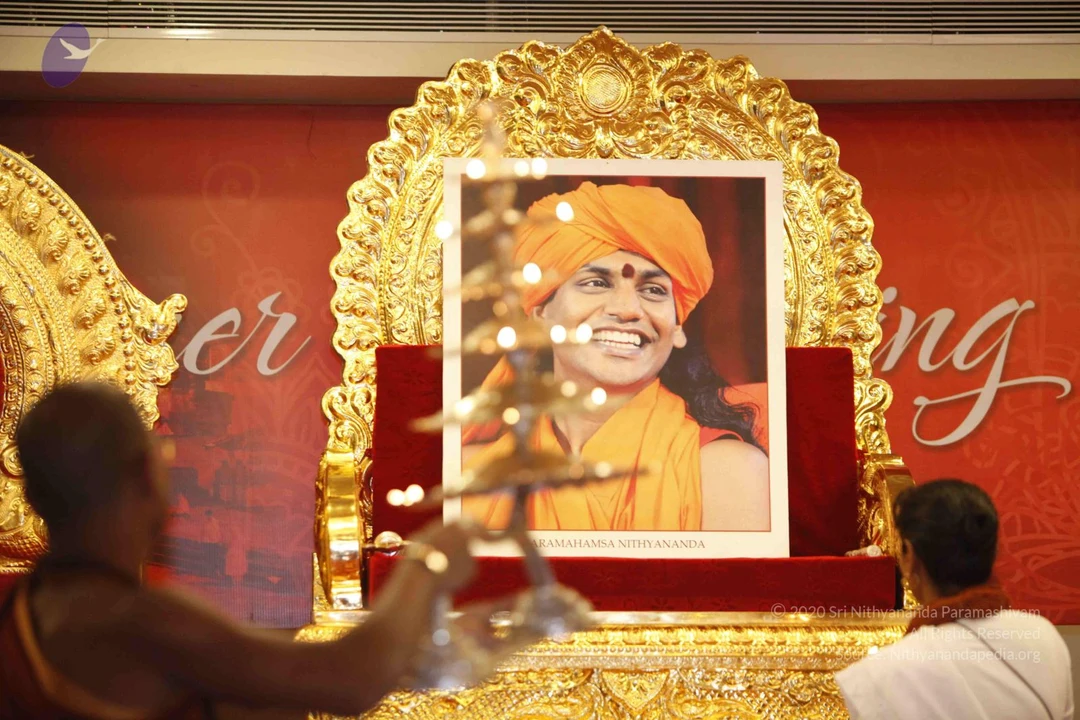
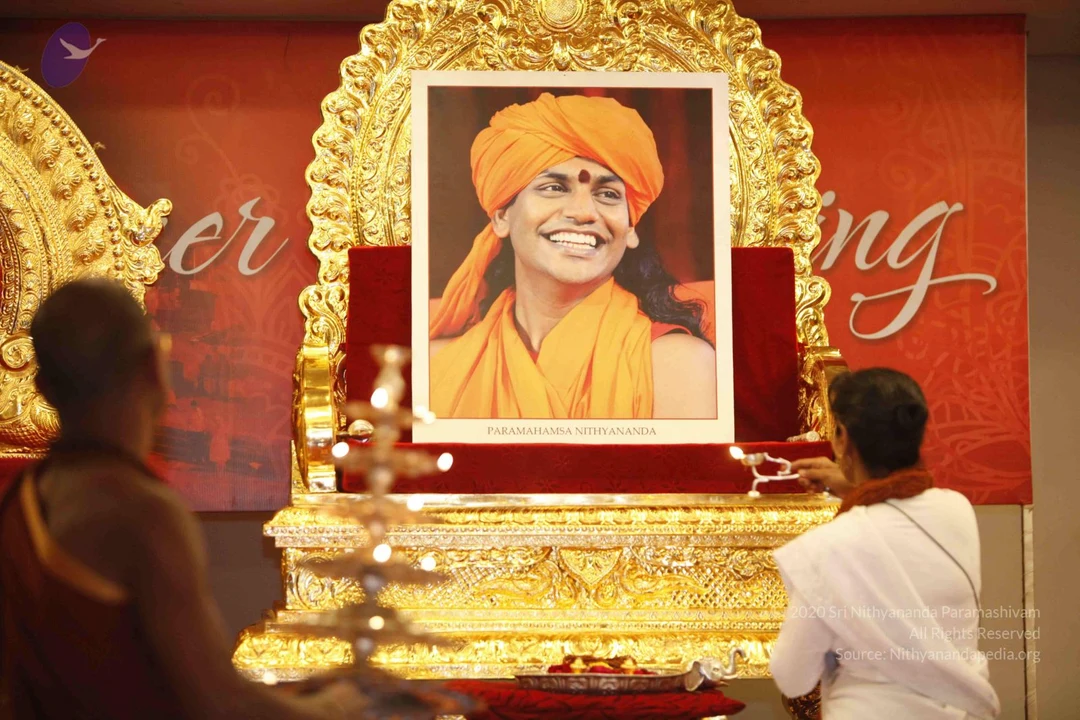



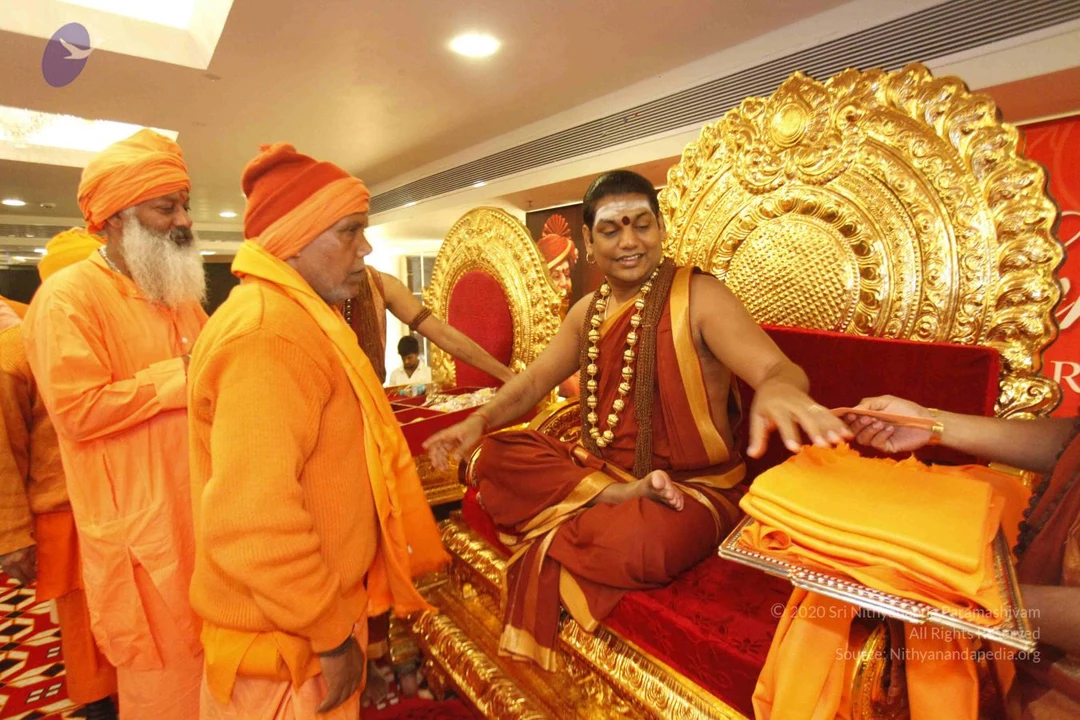
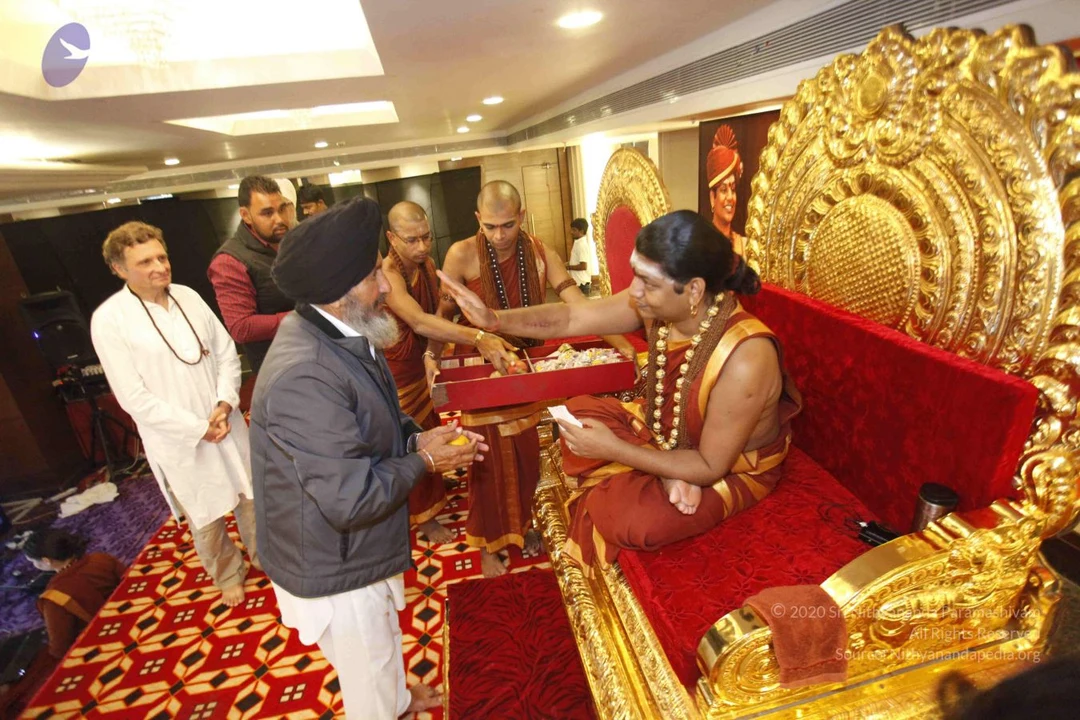
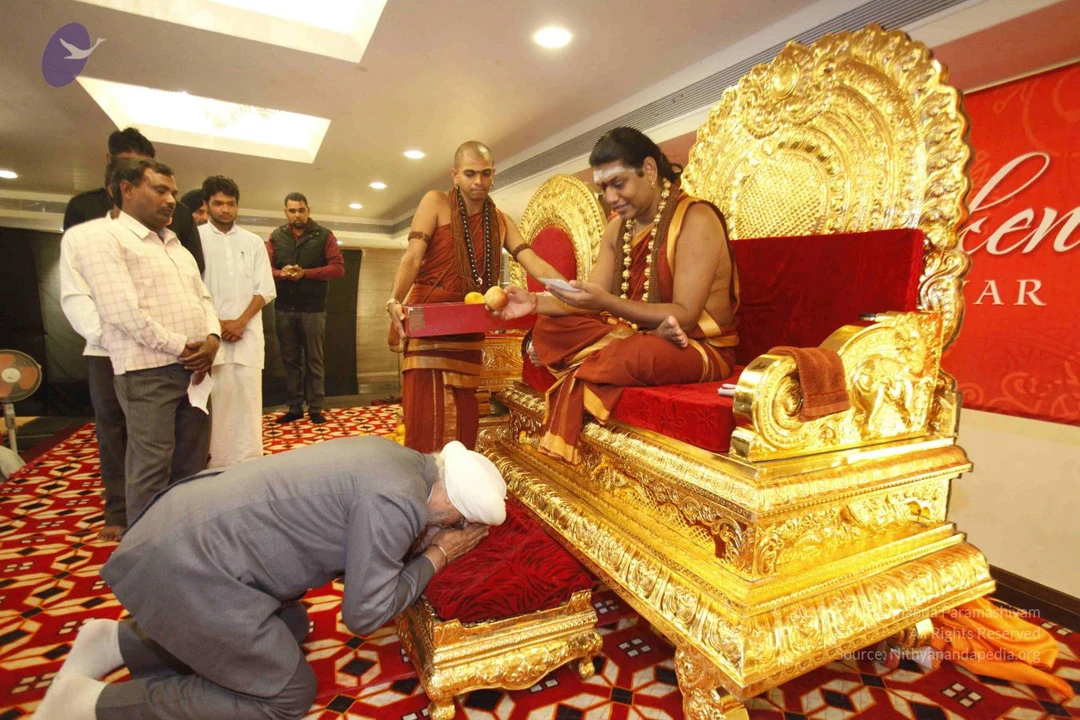
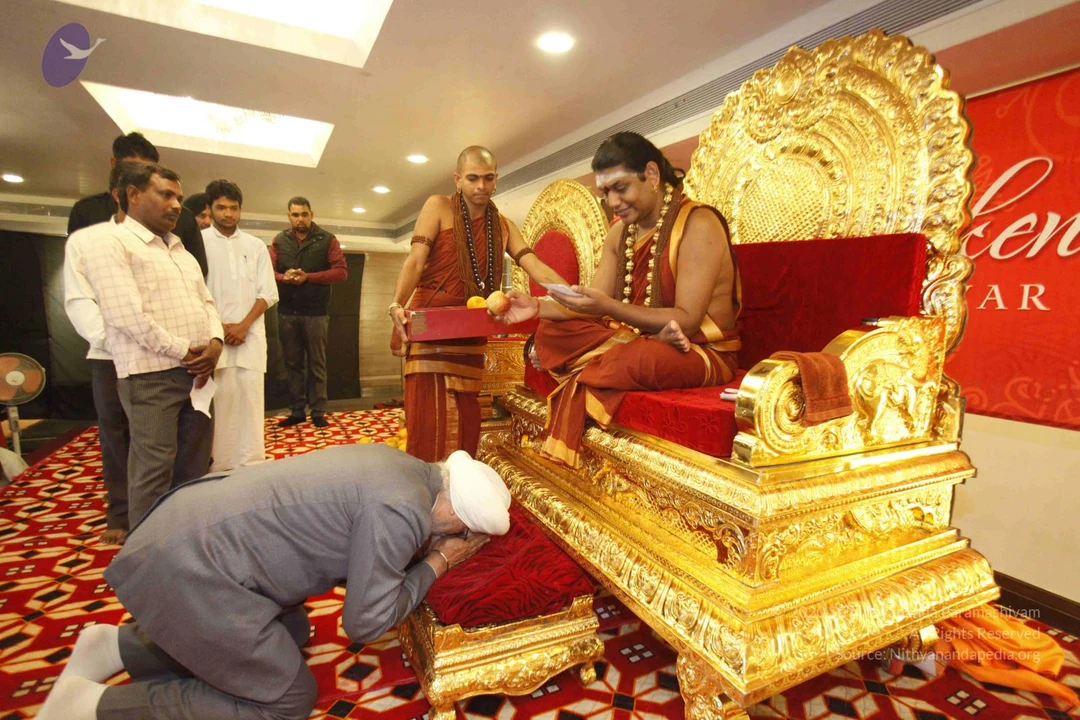
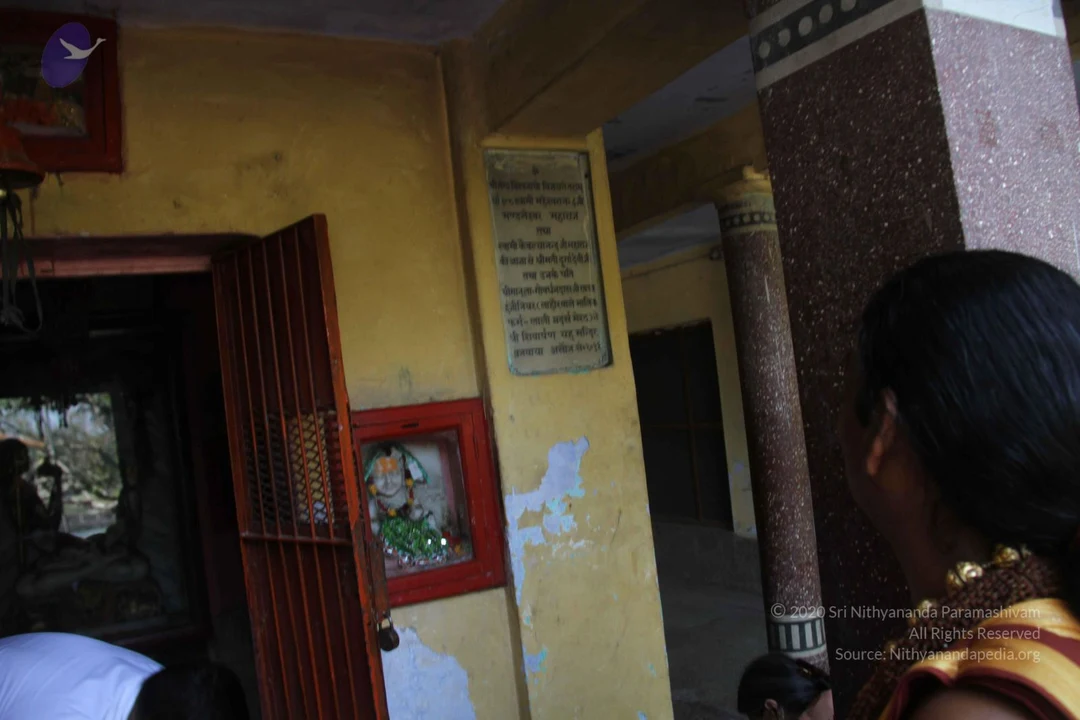
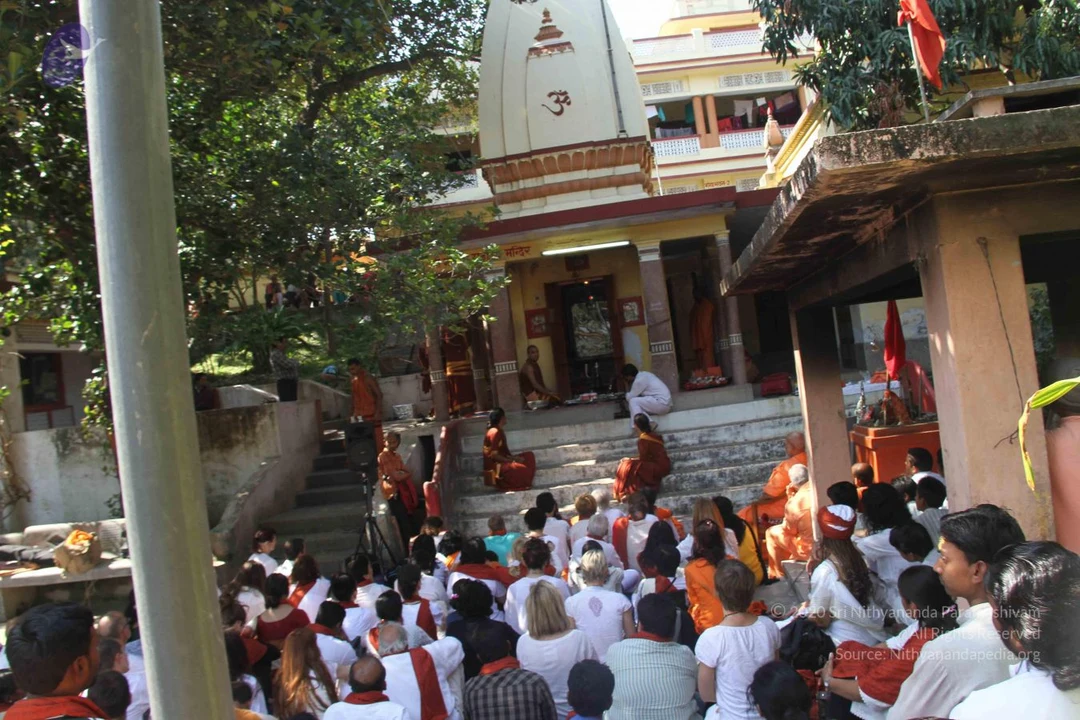
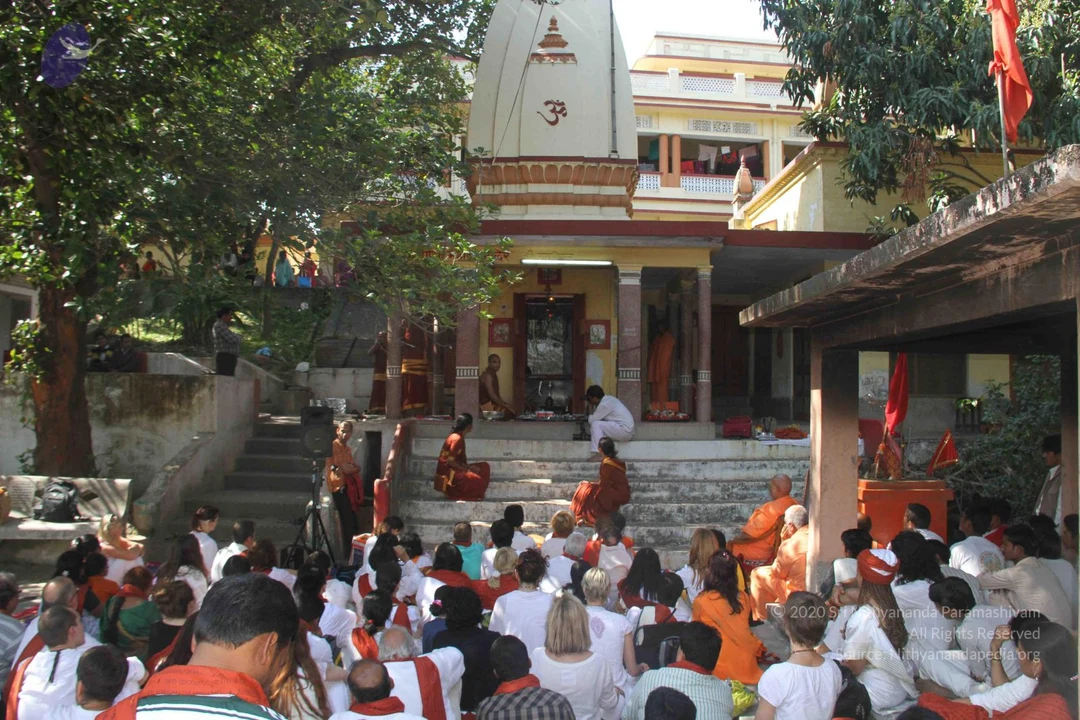
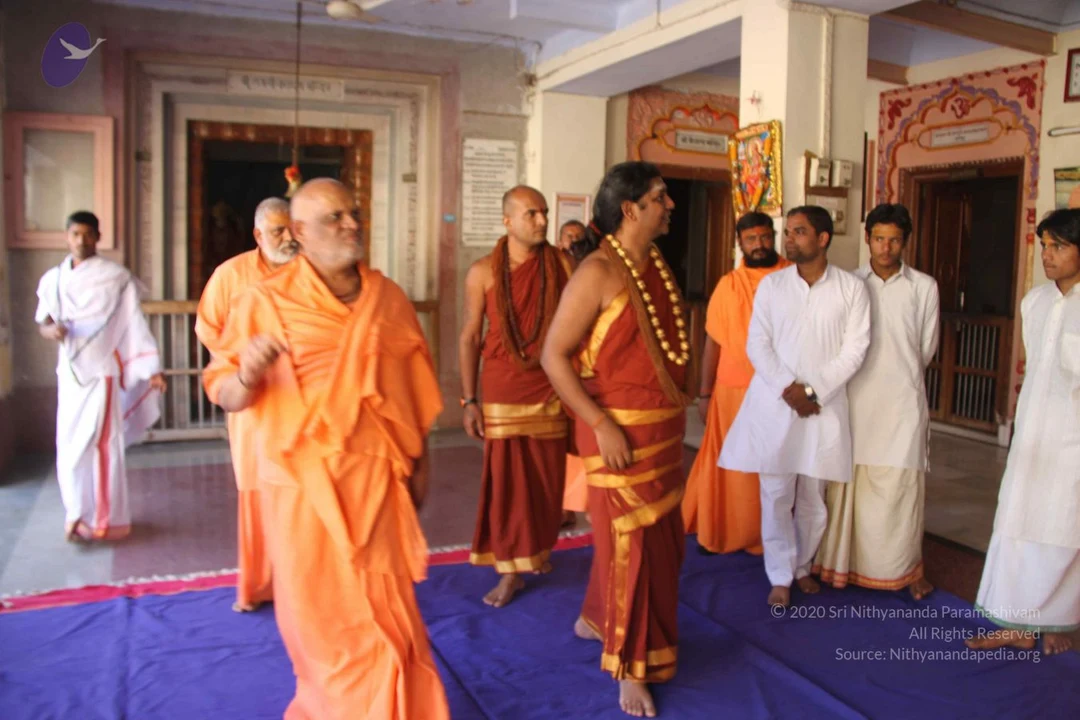
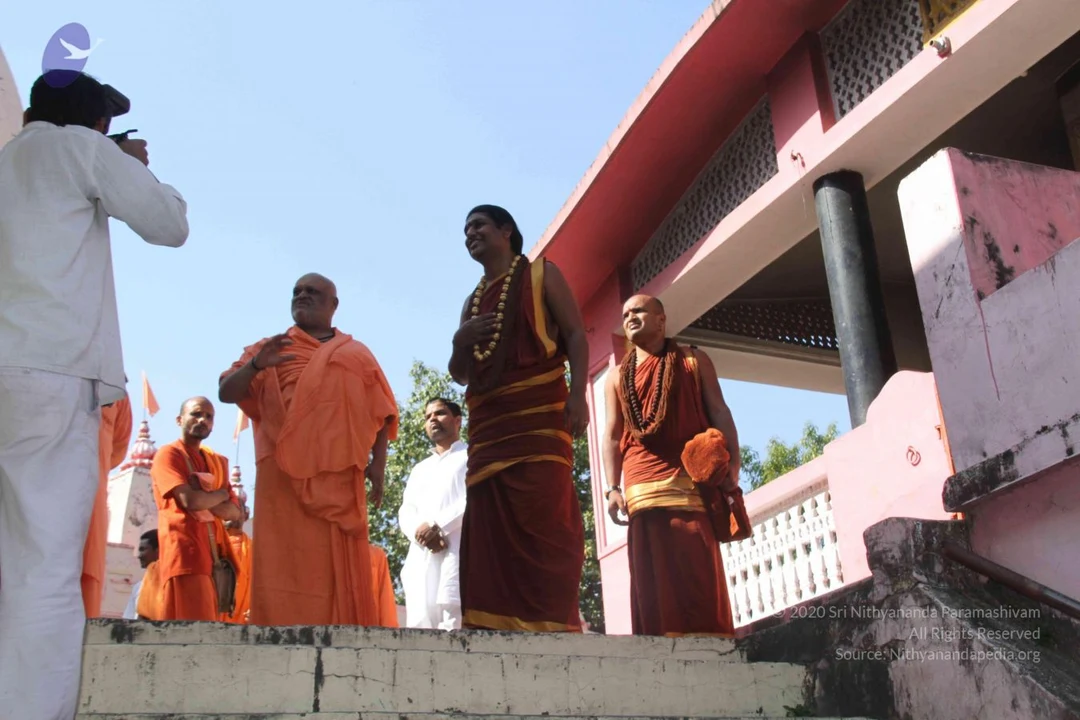
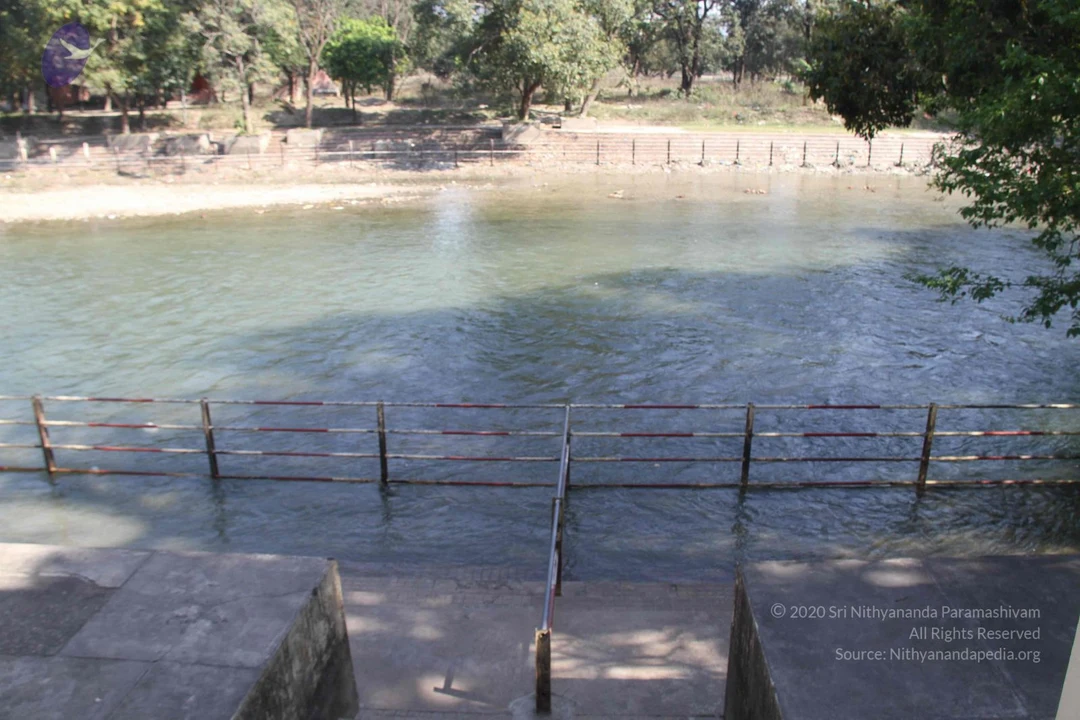
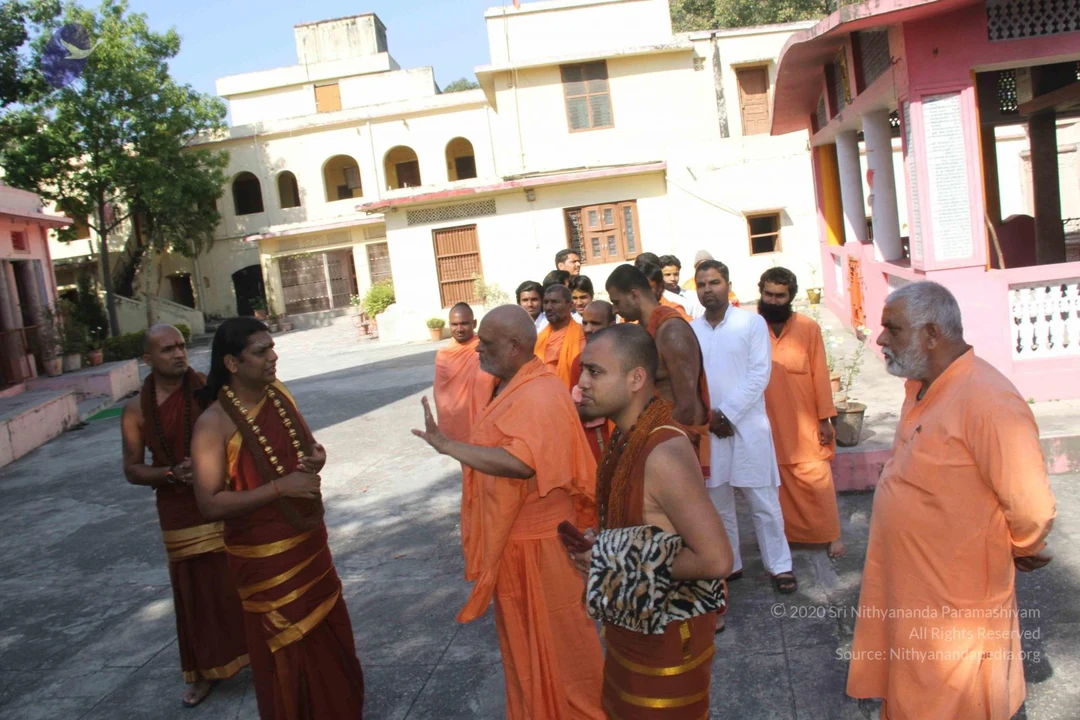
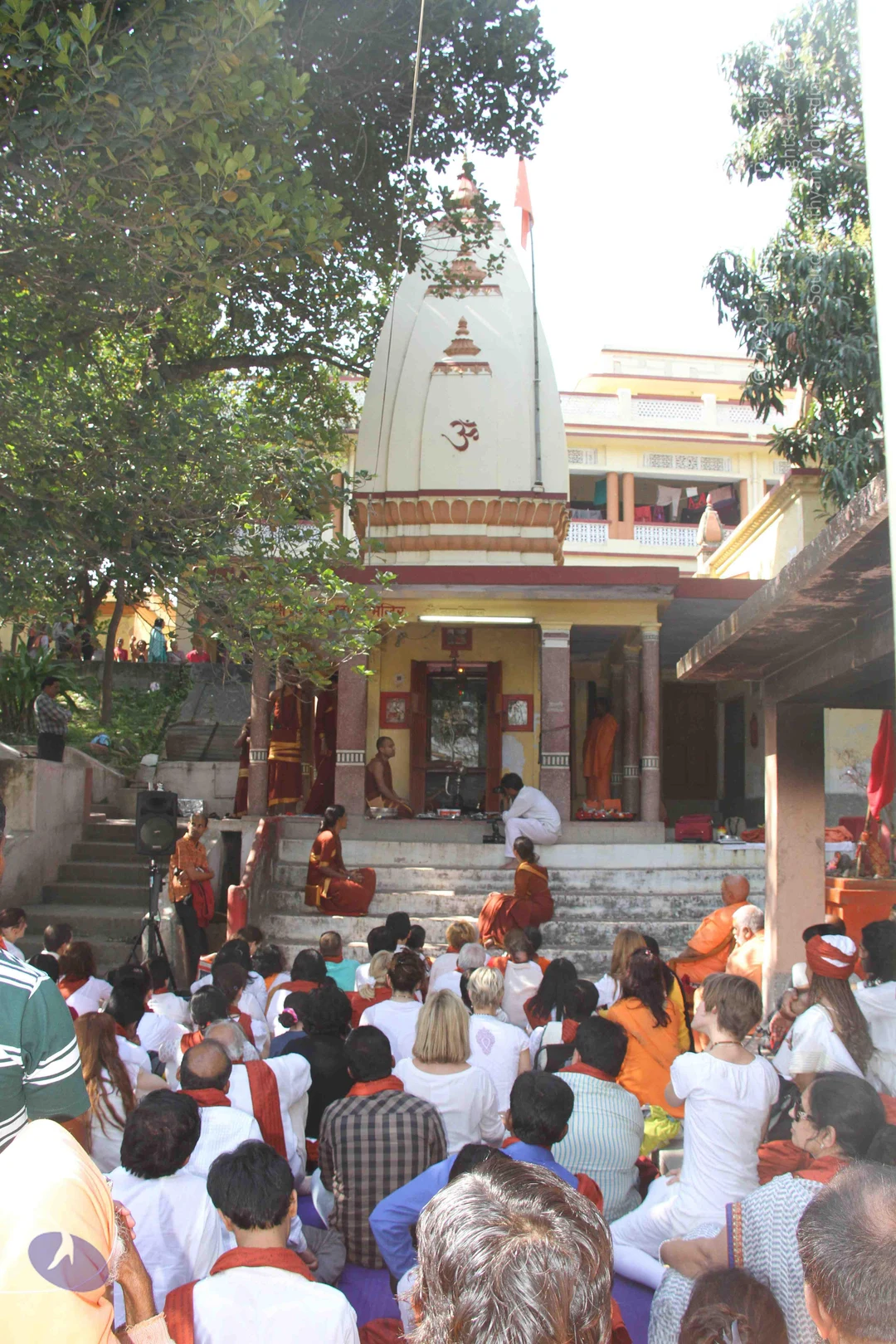
ChandideviTempleandSankarmahrajAshram

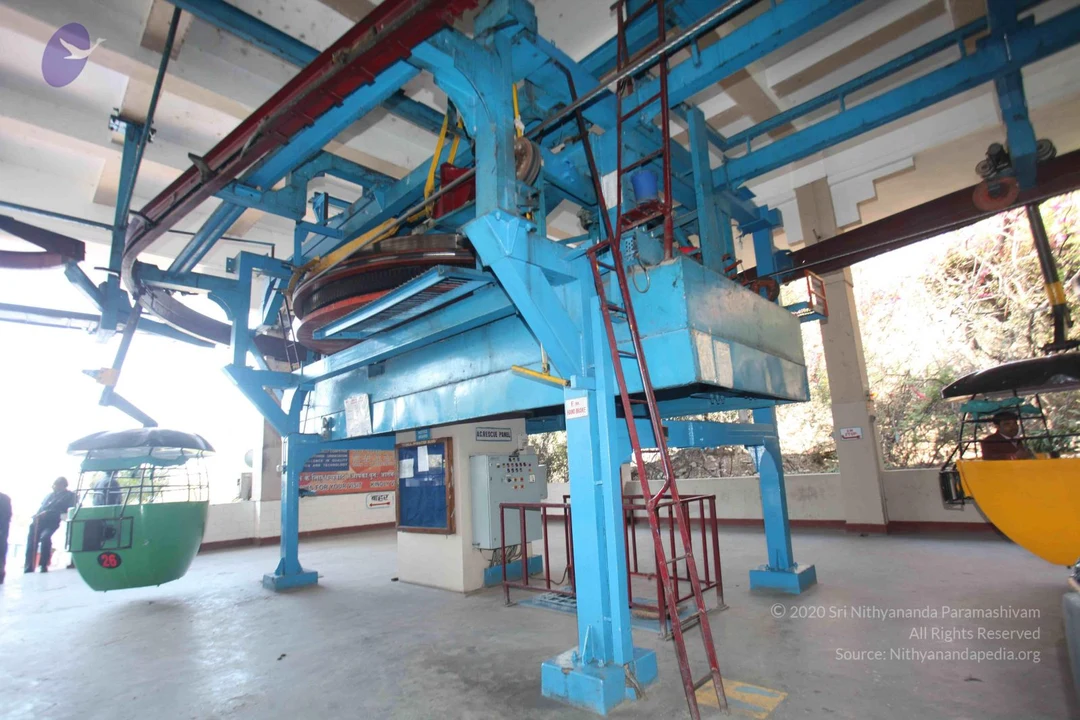
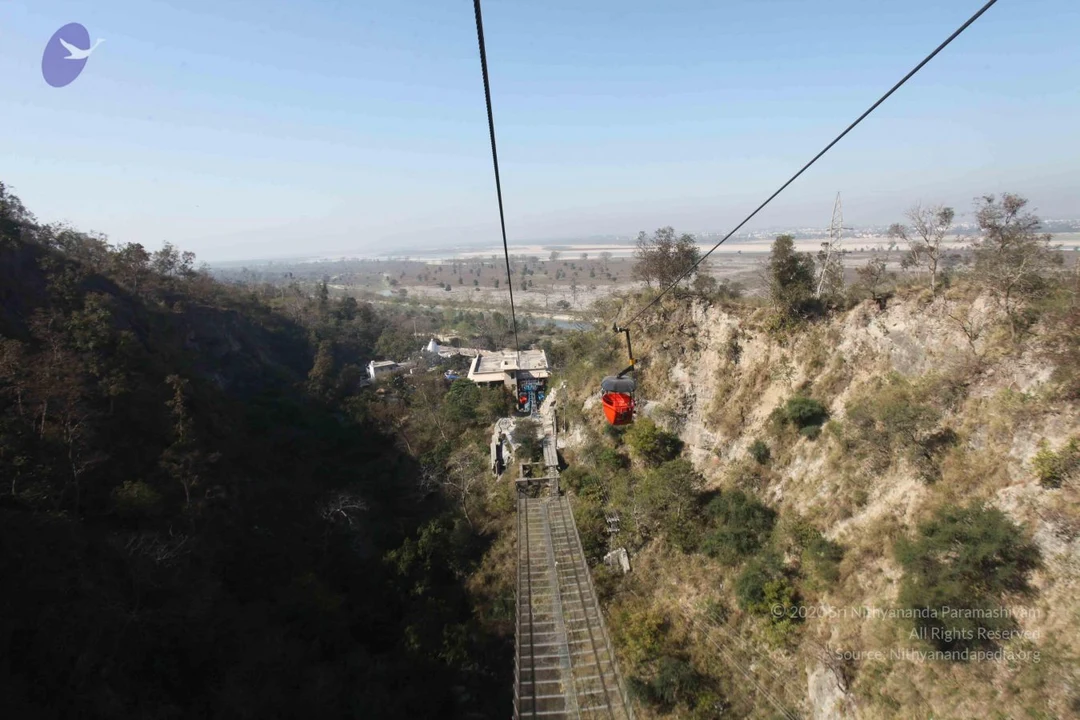
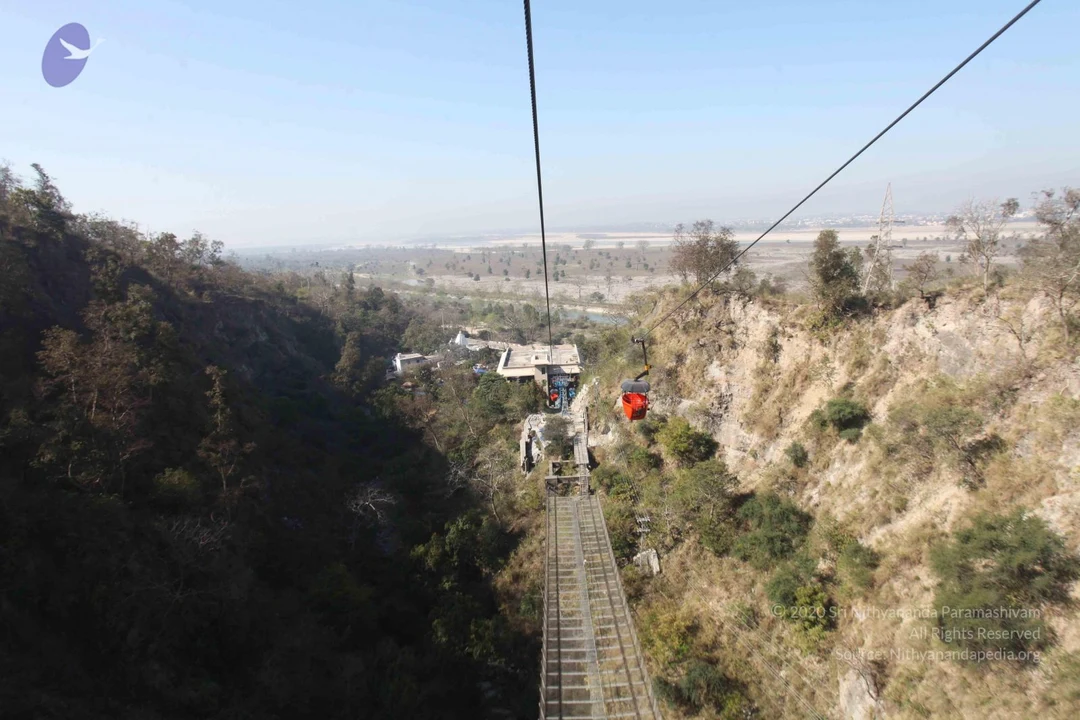
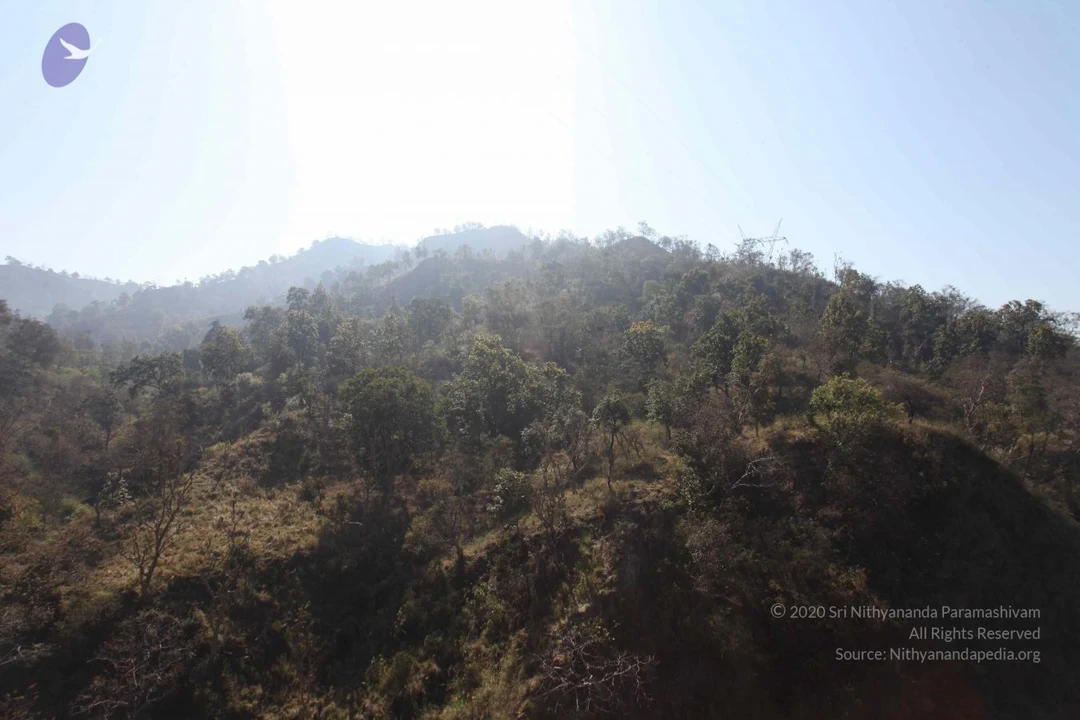
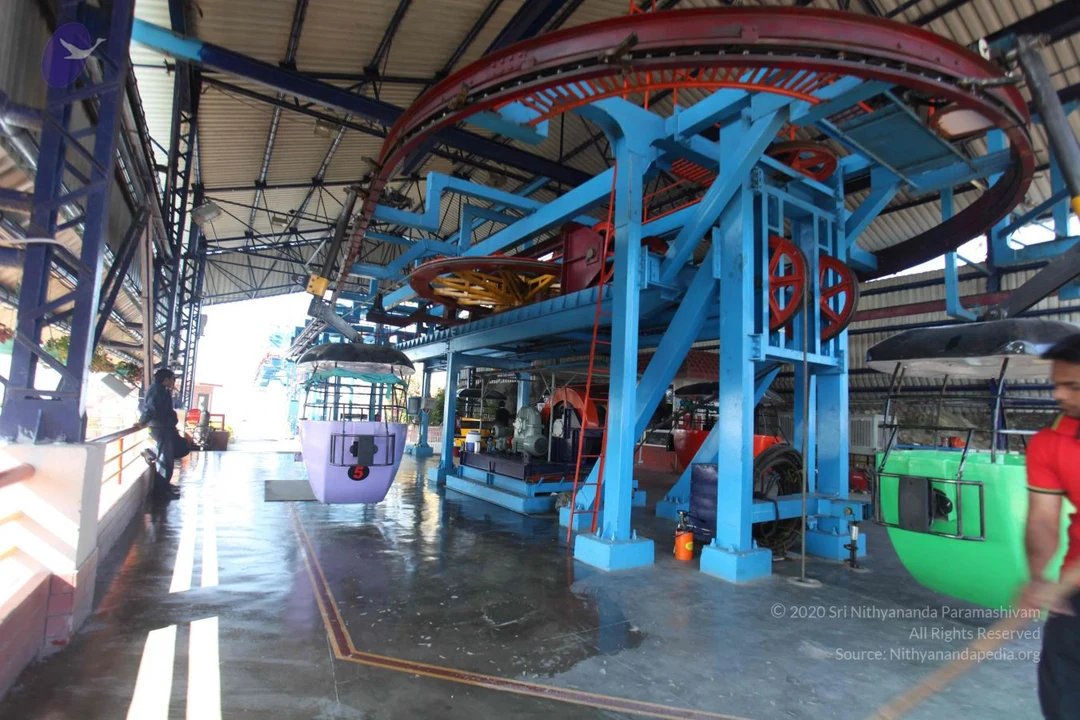
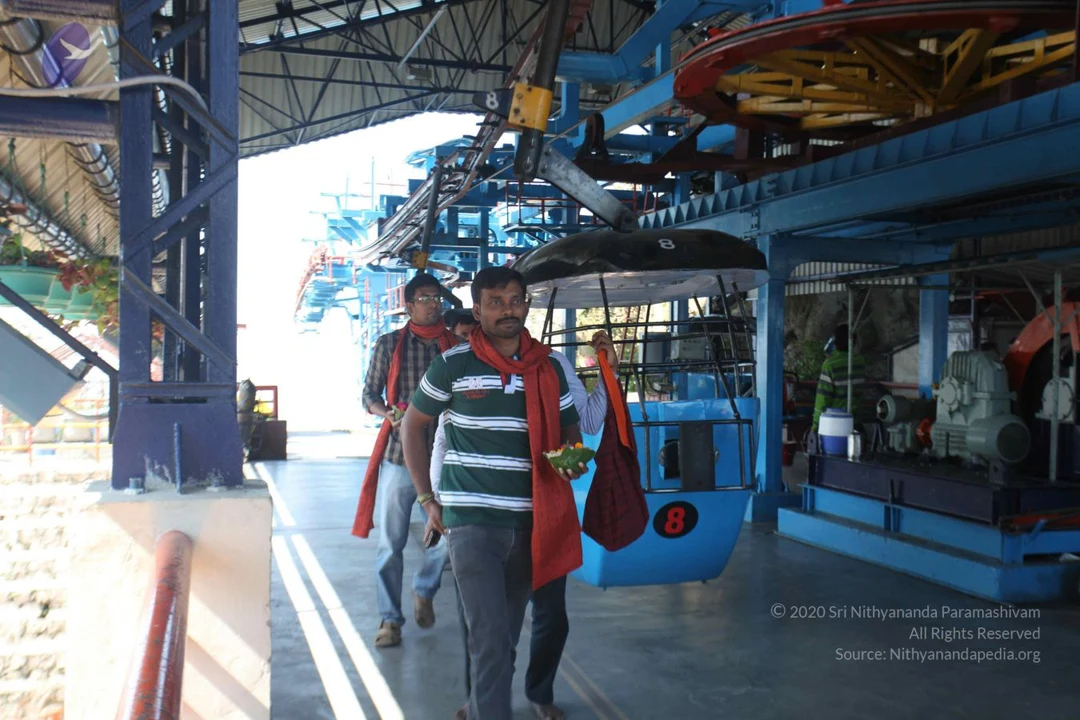
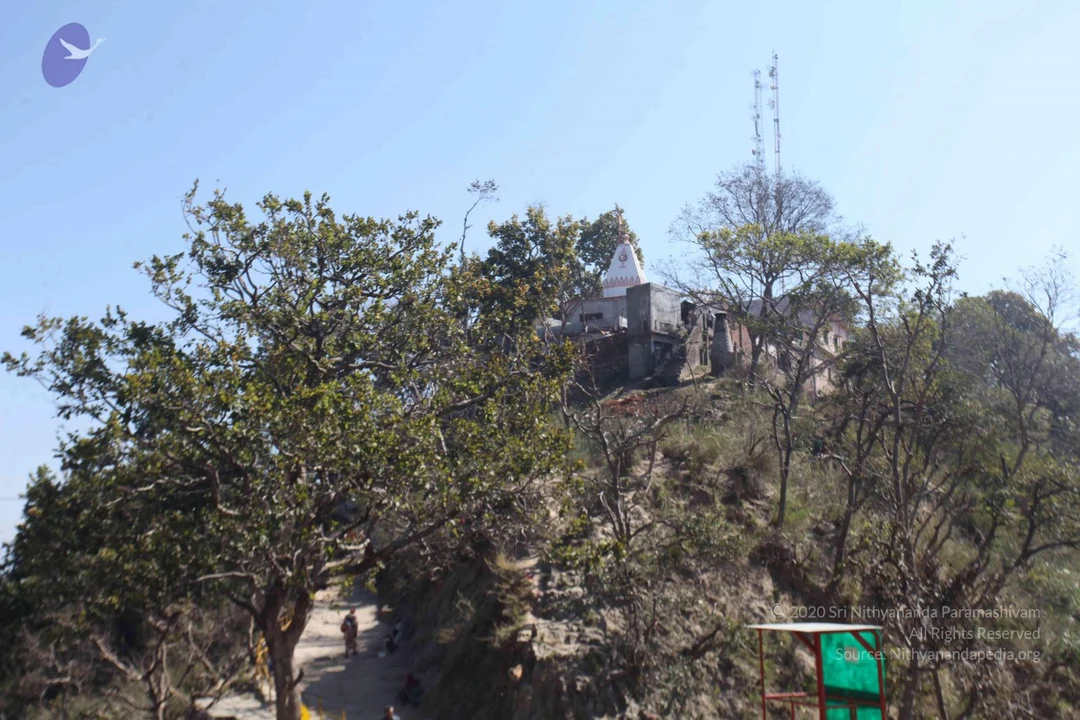
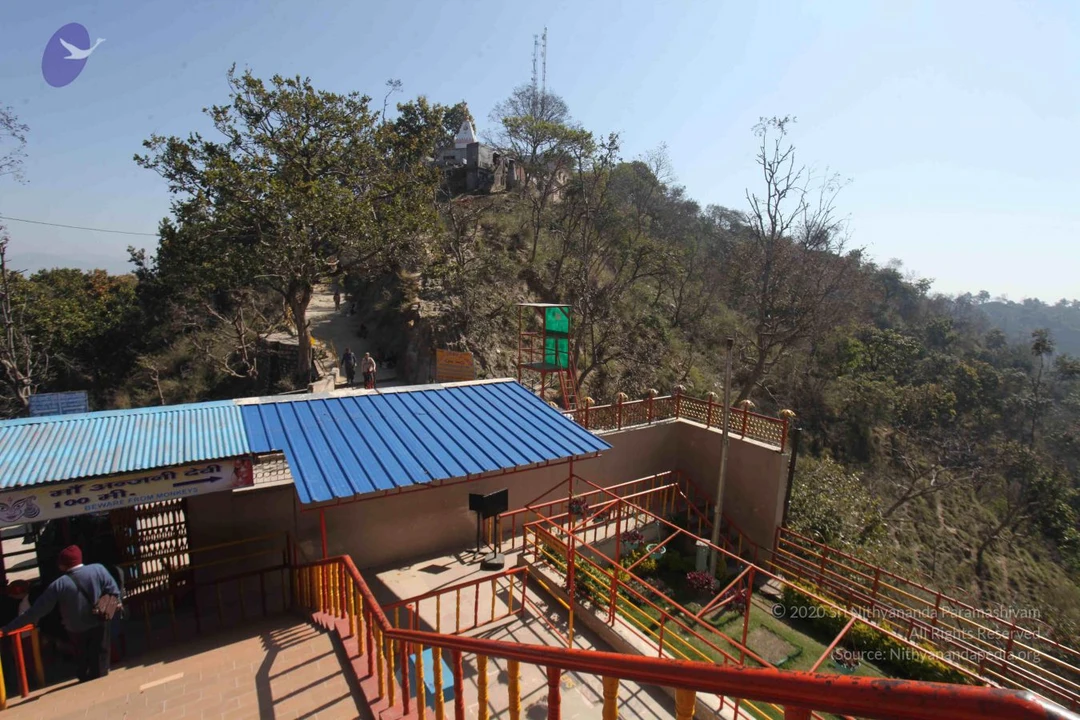
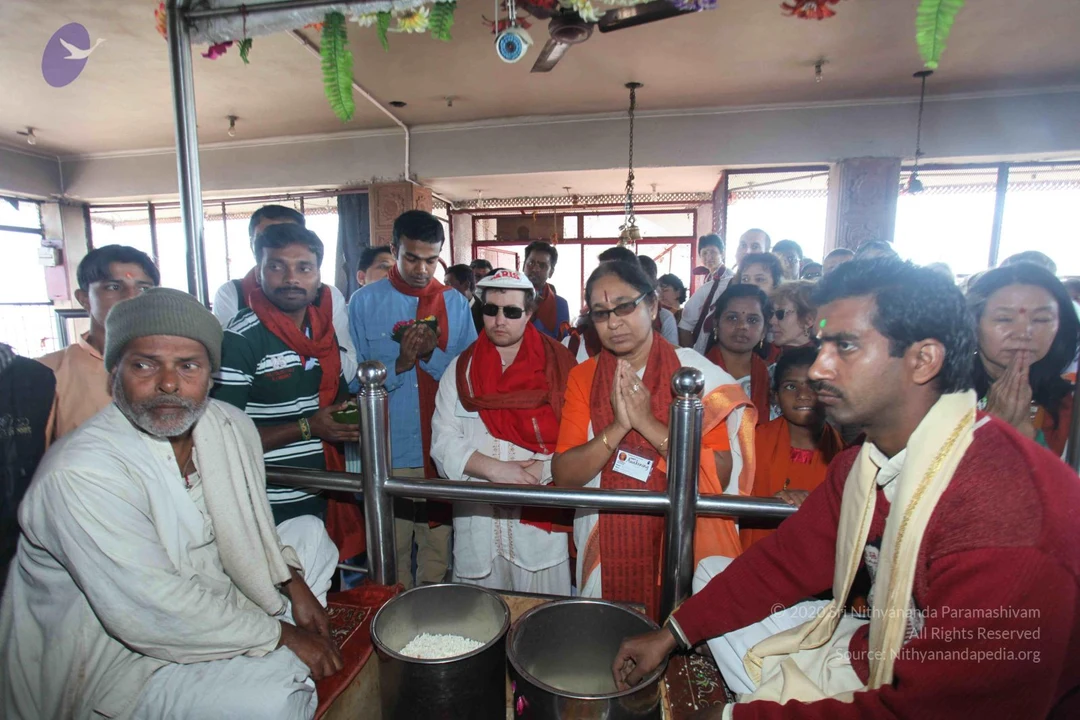
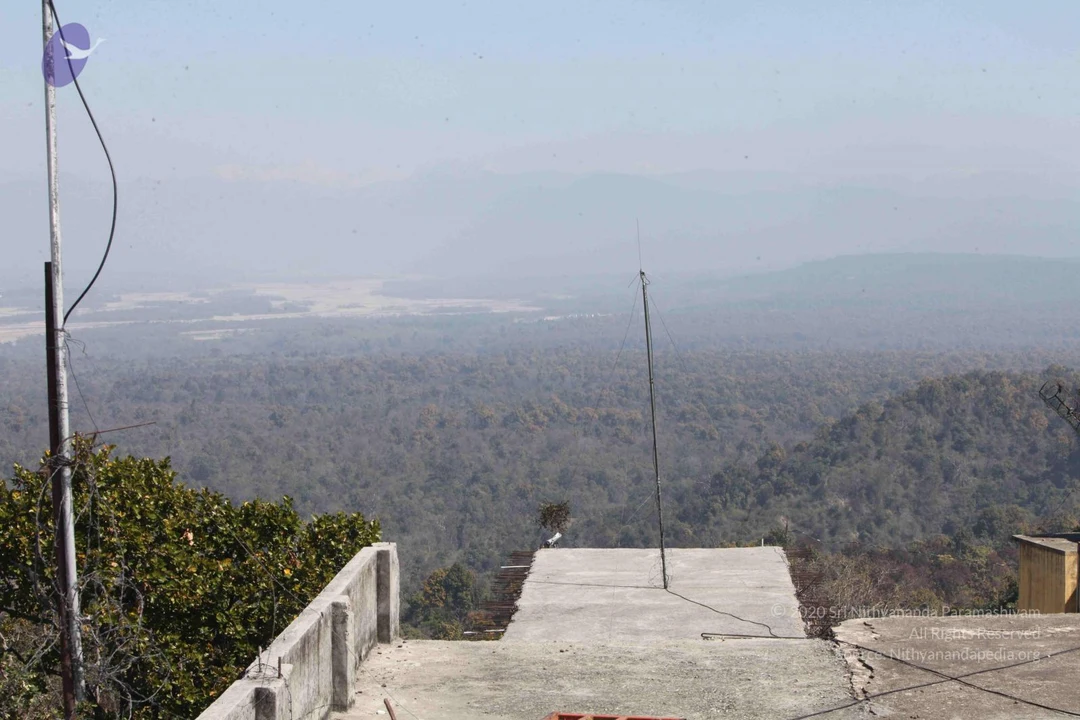
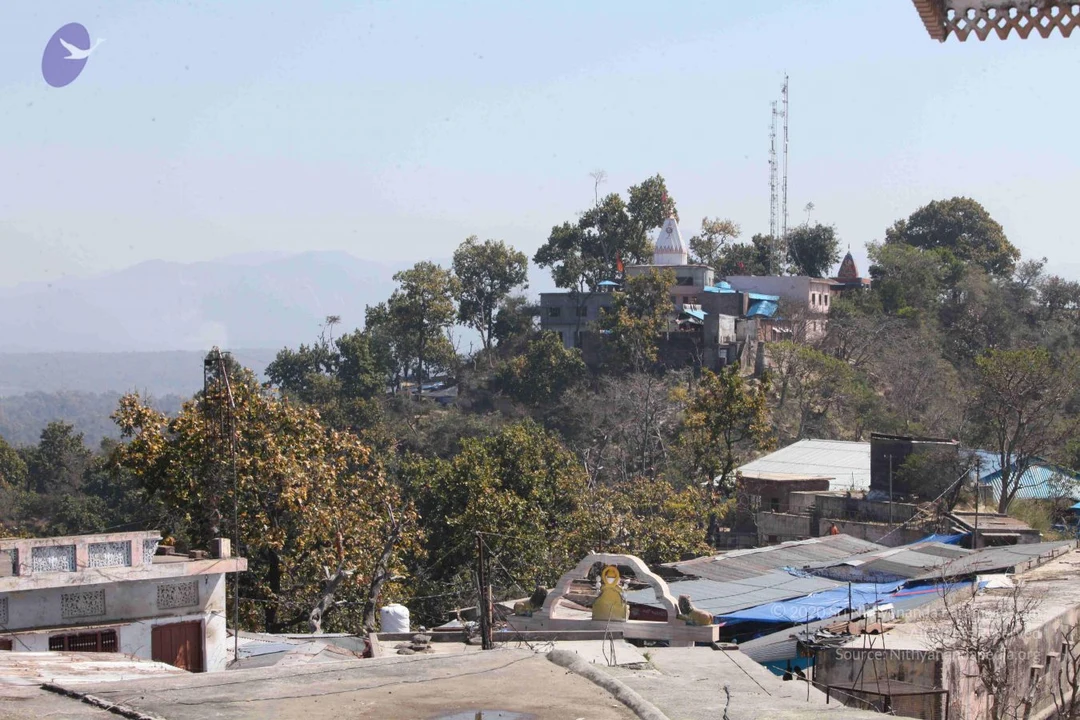
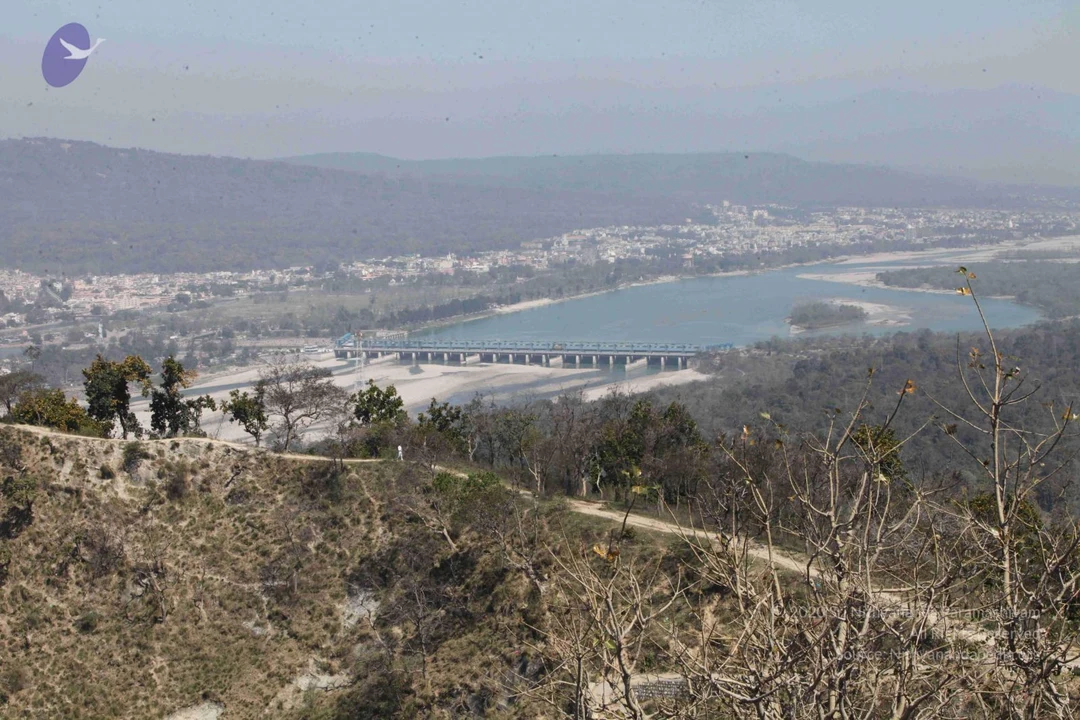
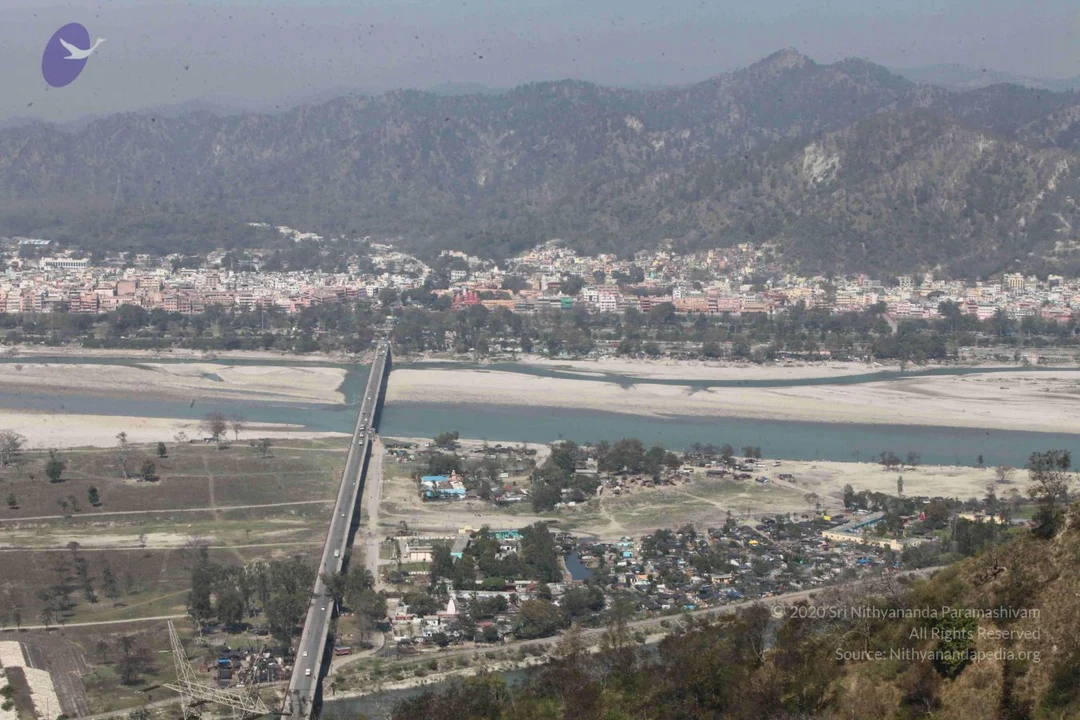
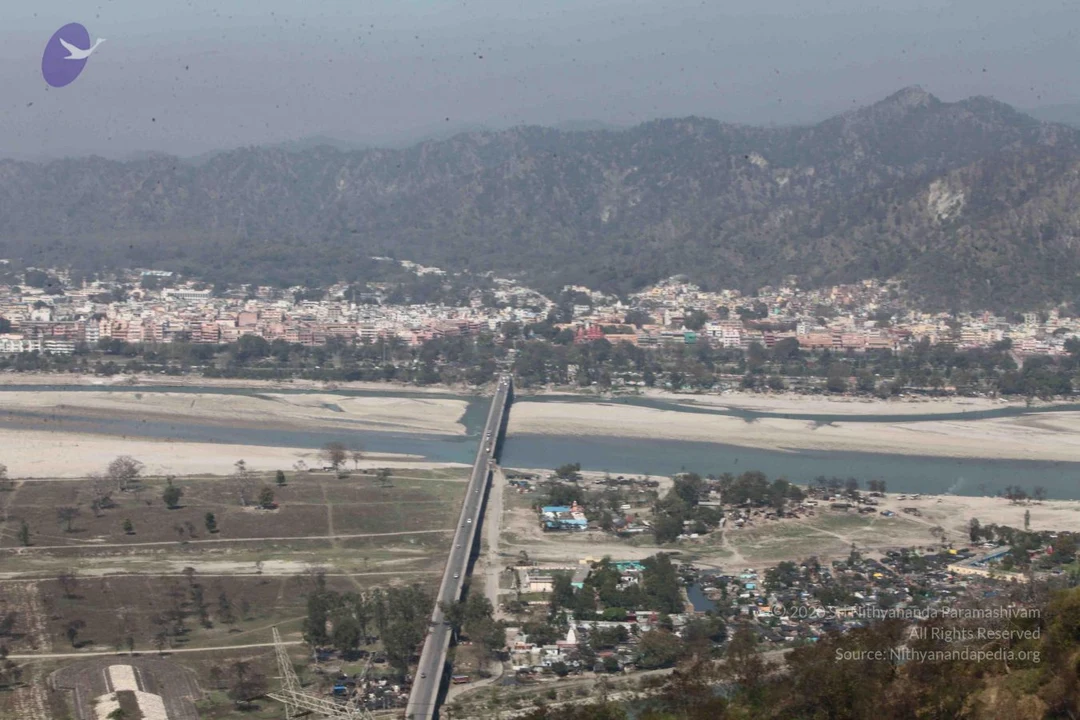
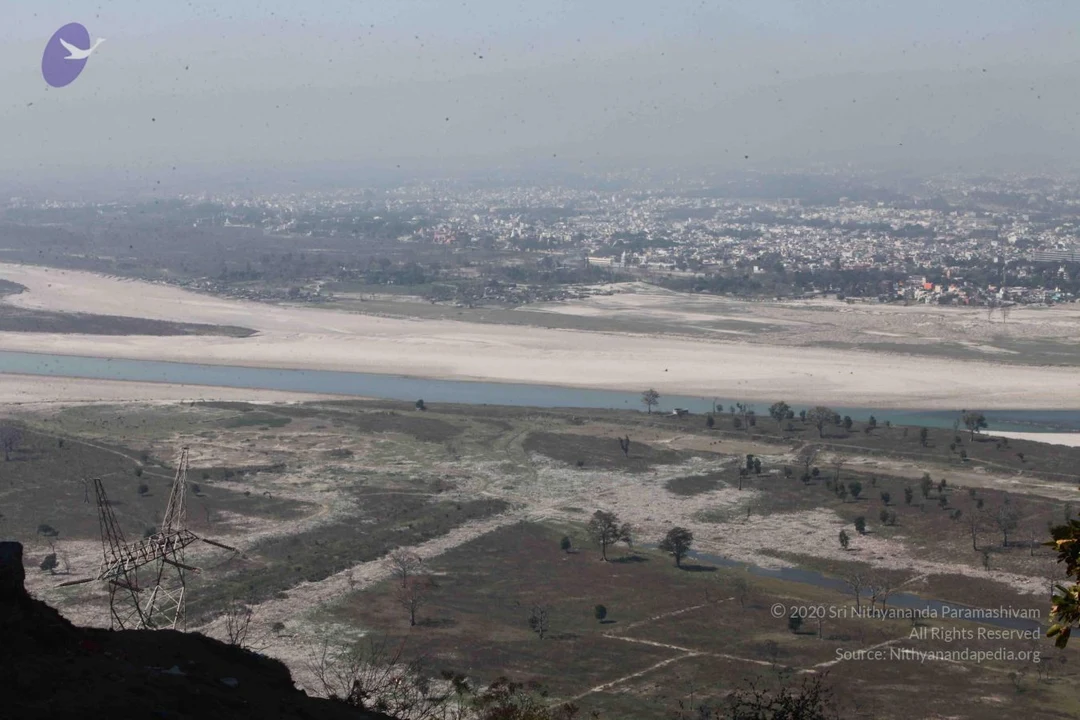
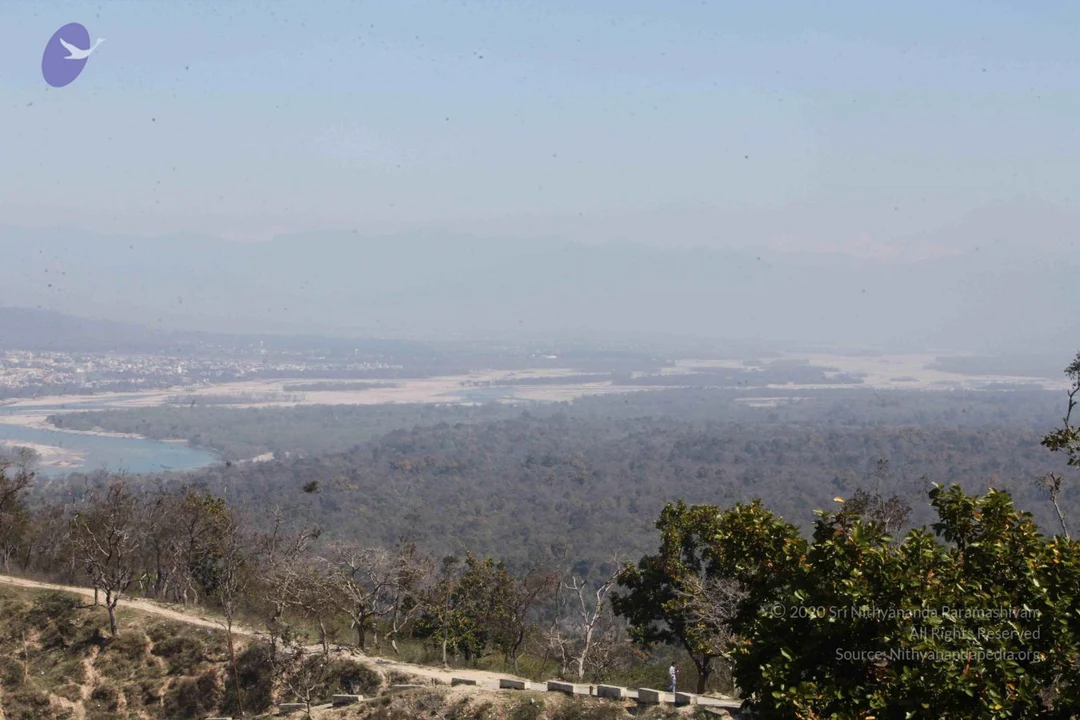
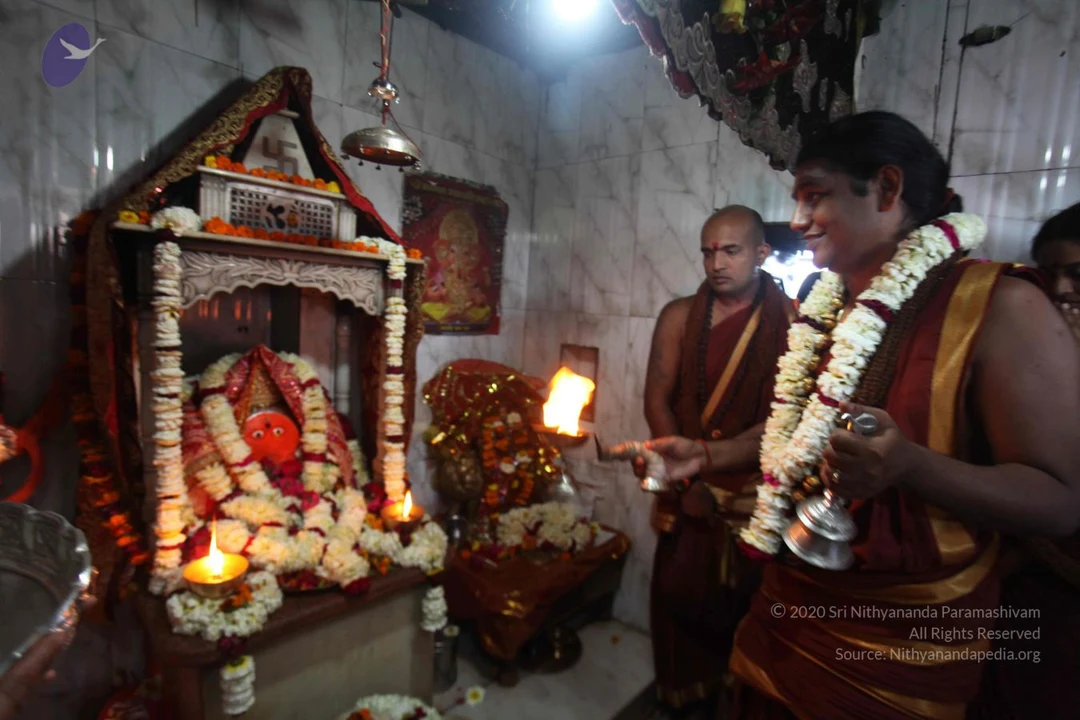
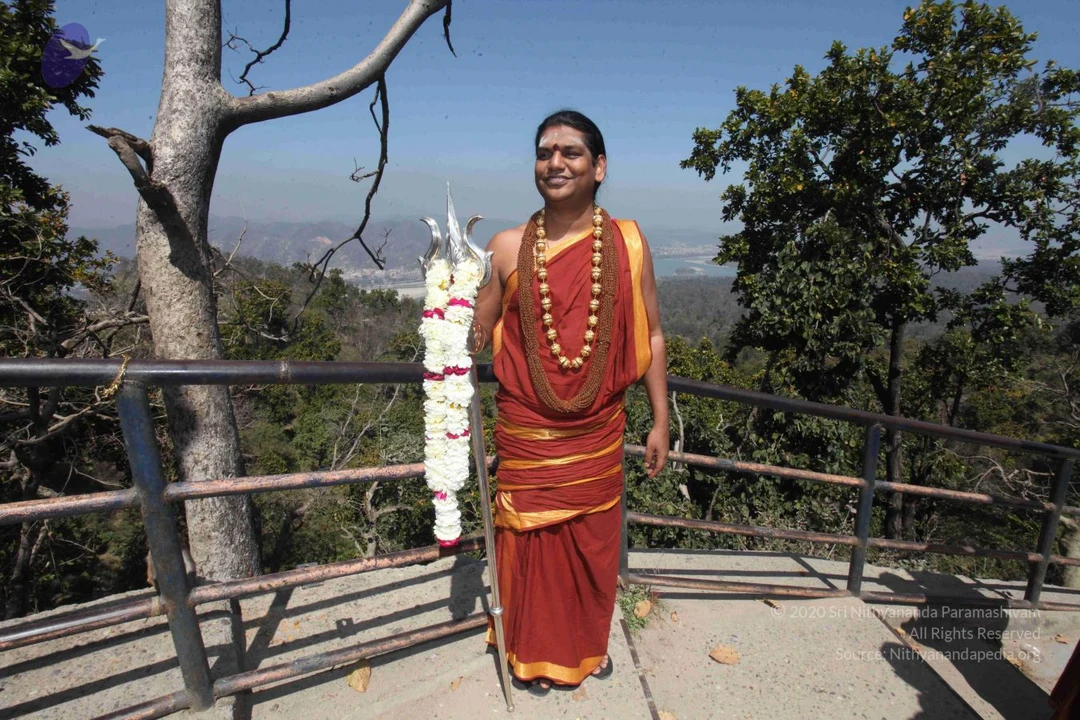
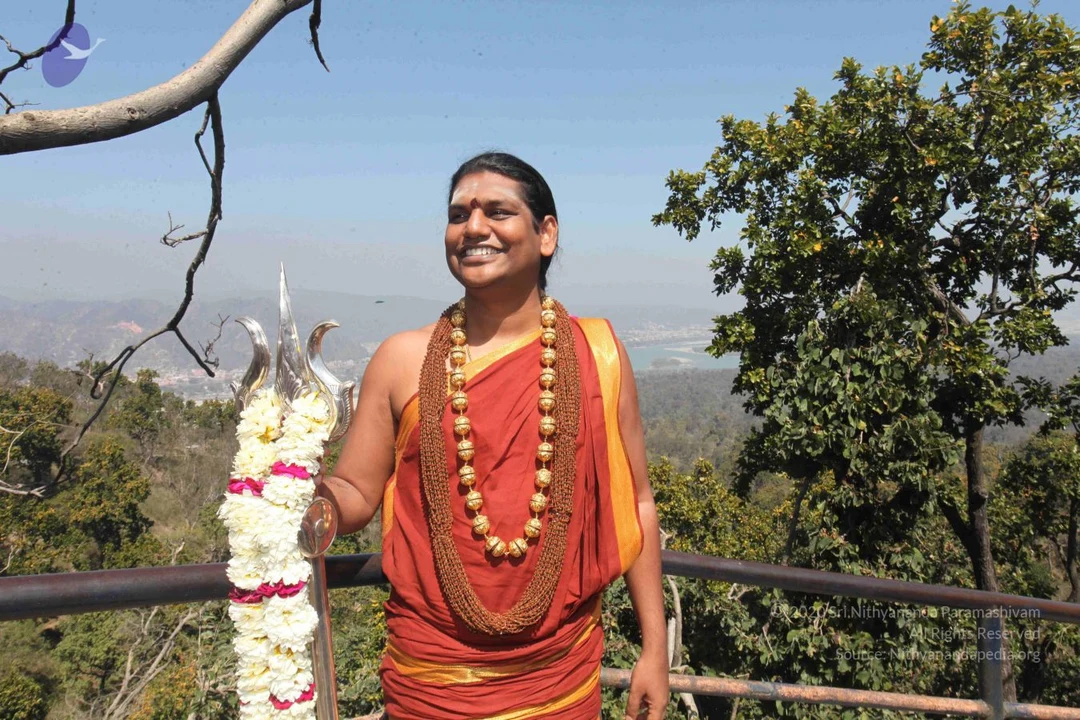
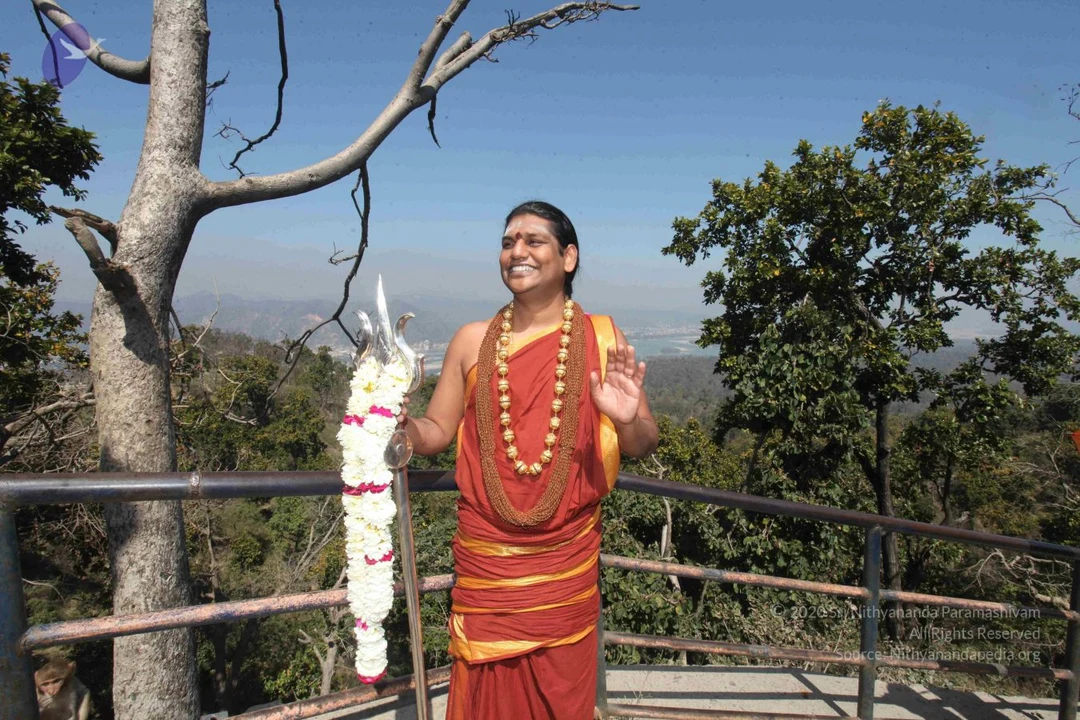
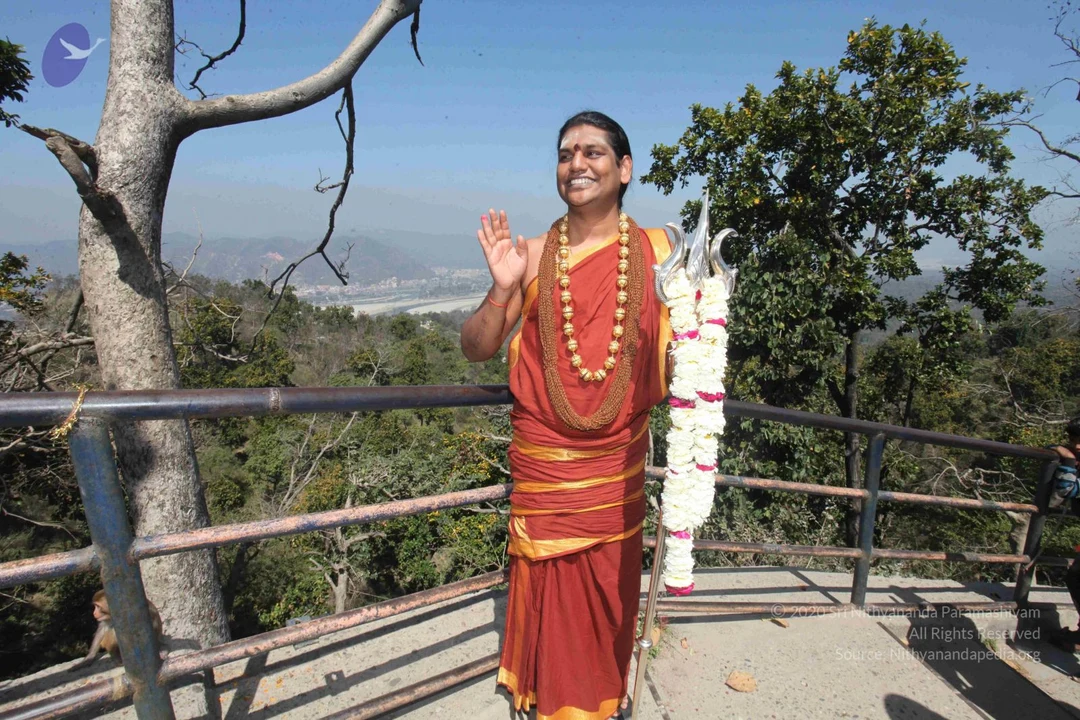
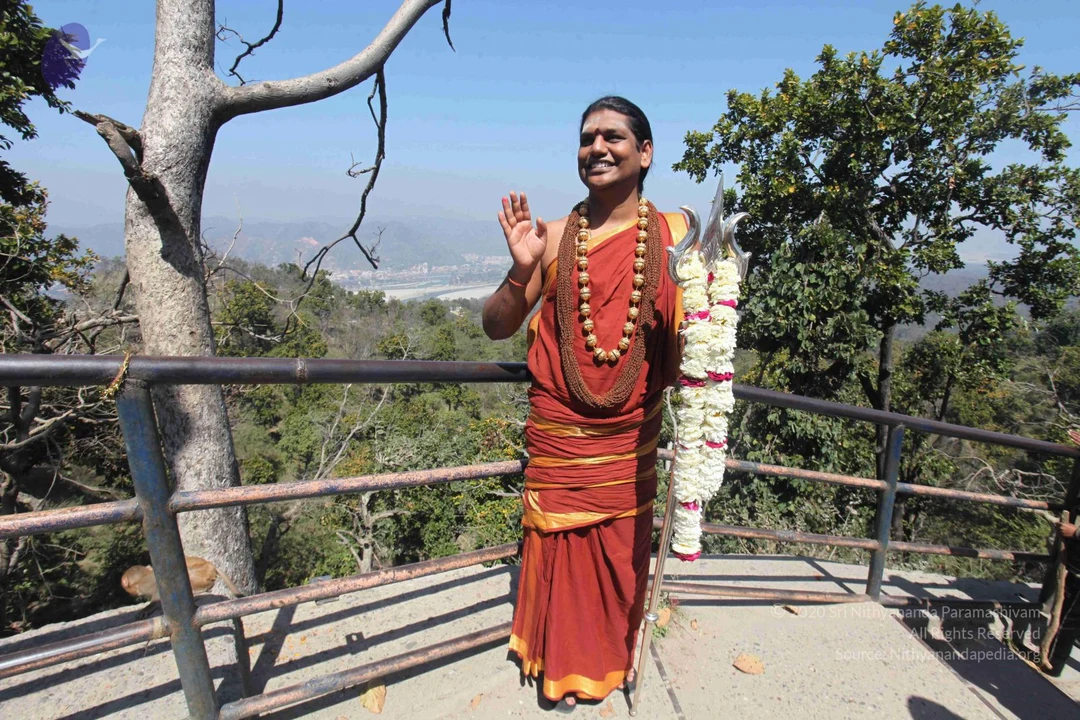
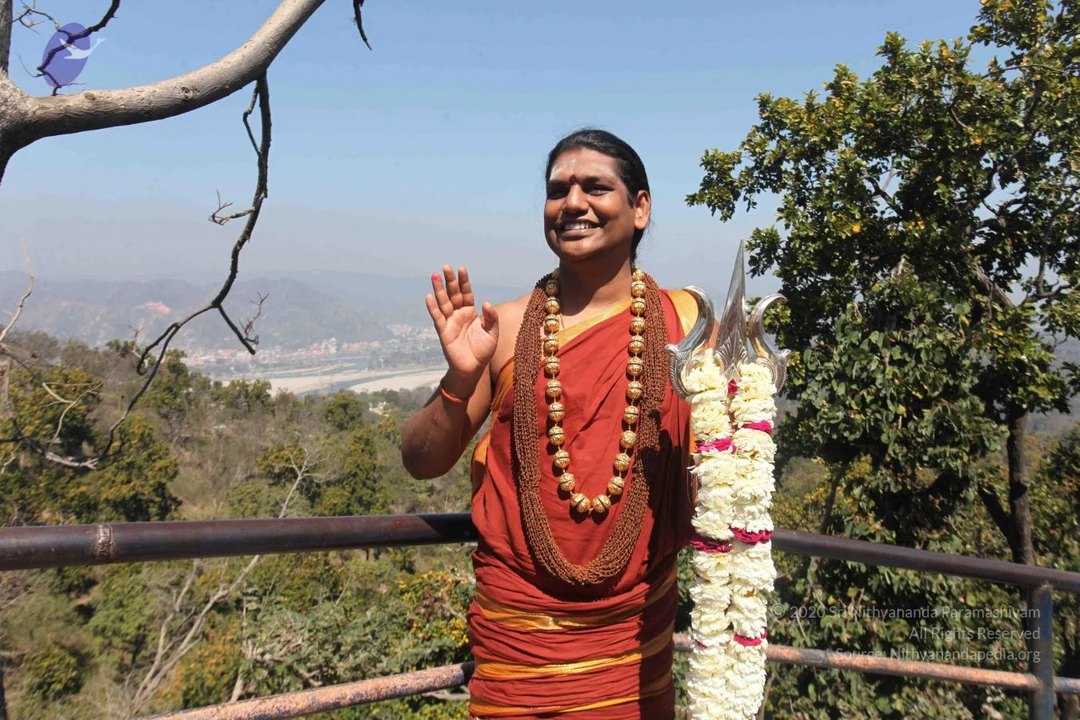
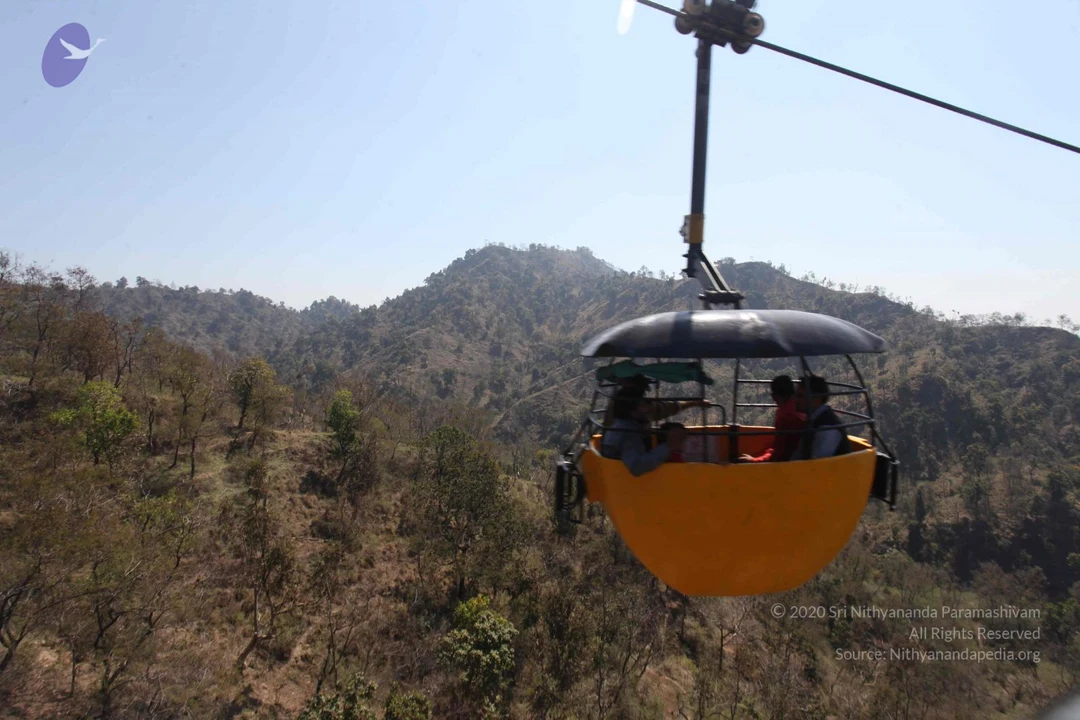
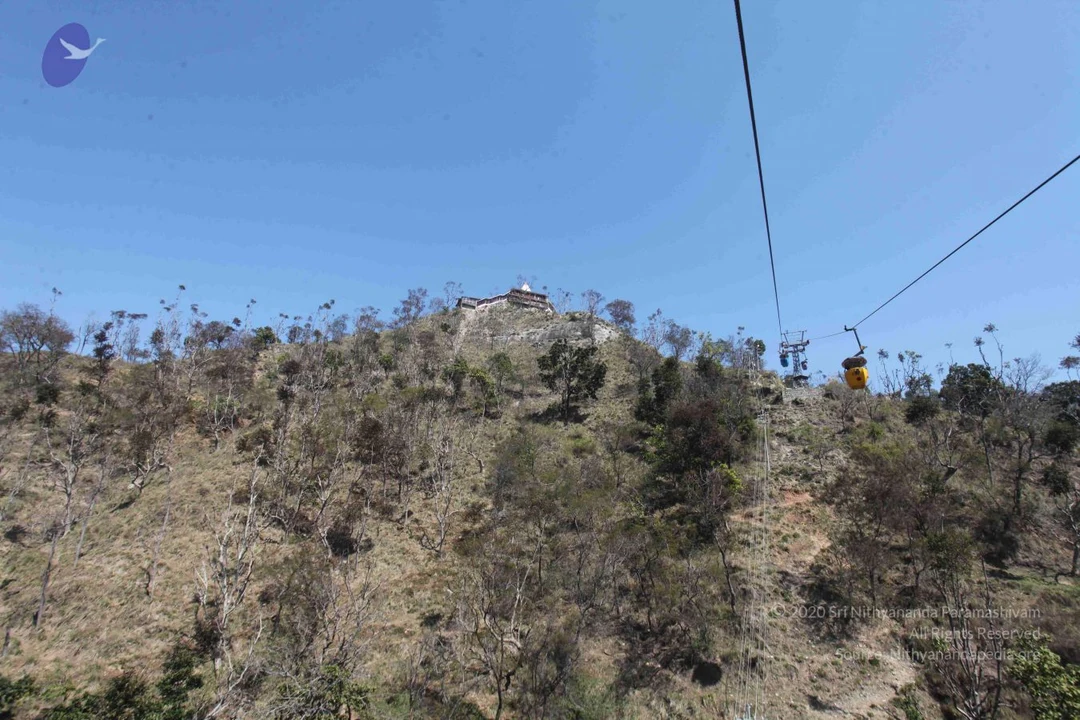
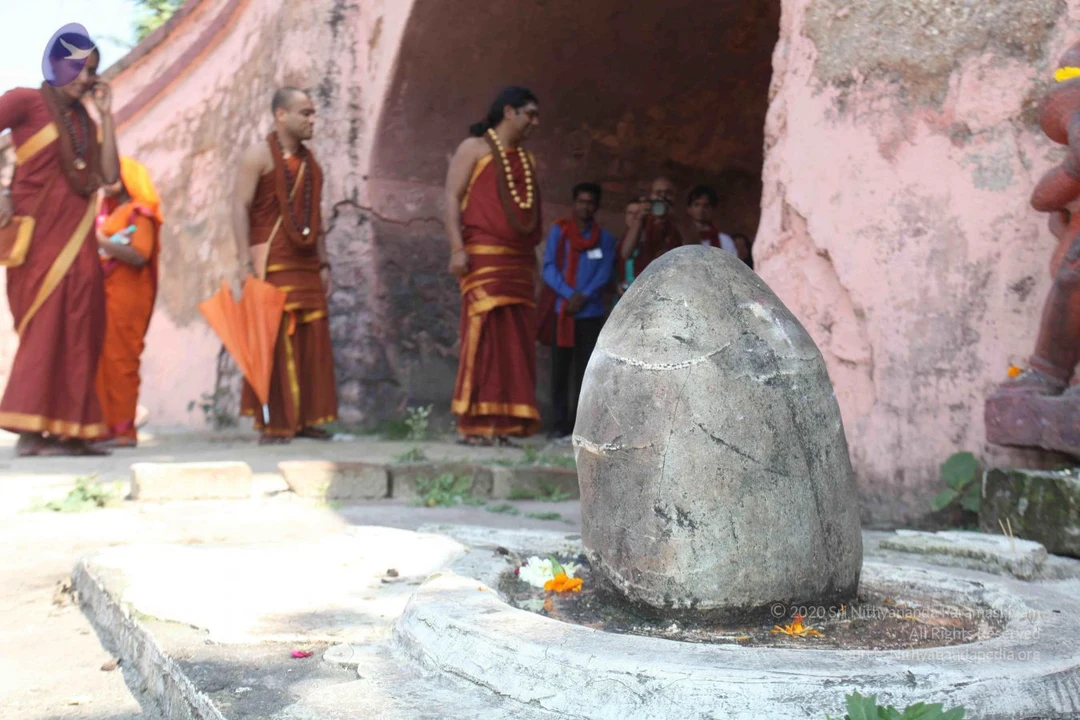

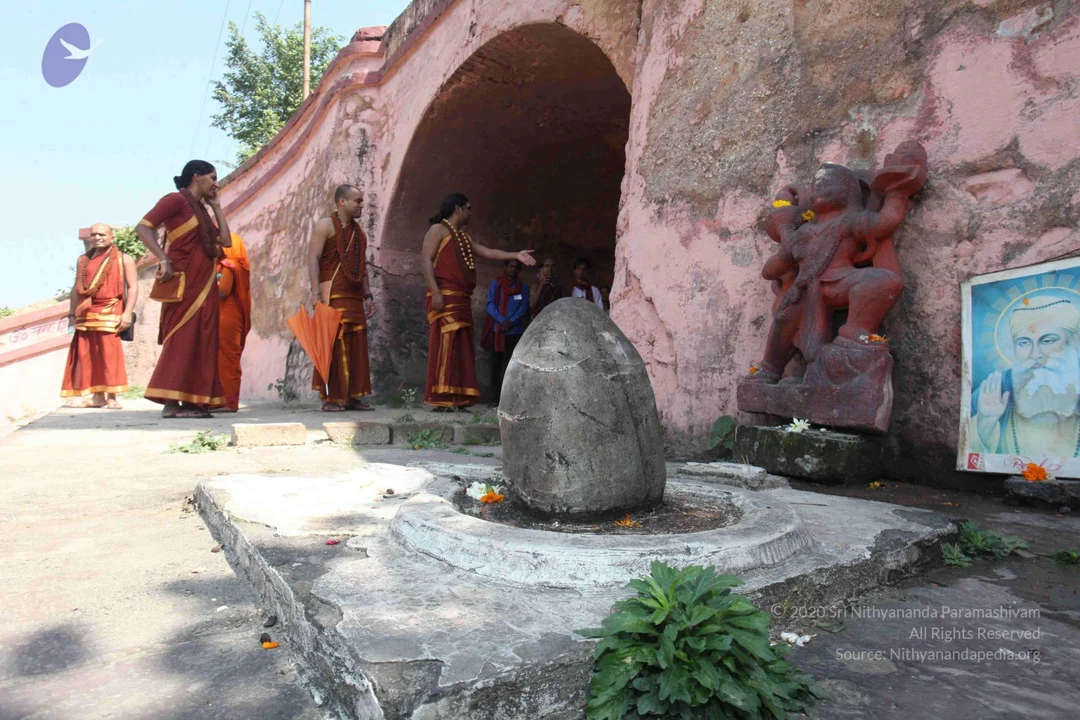
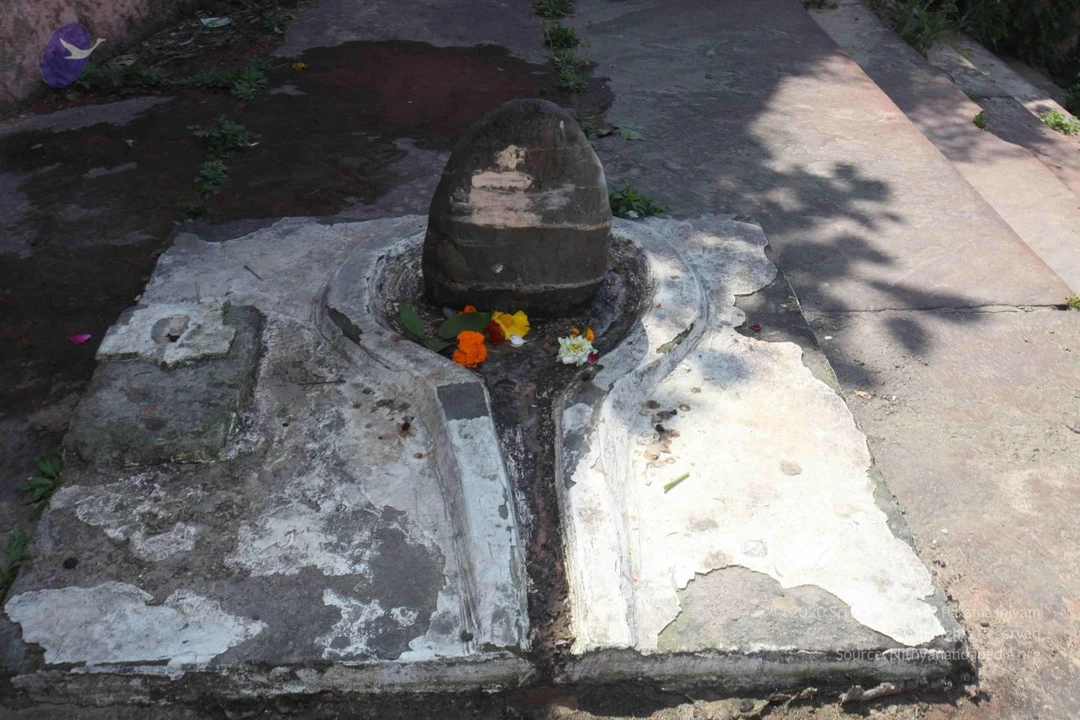
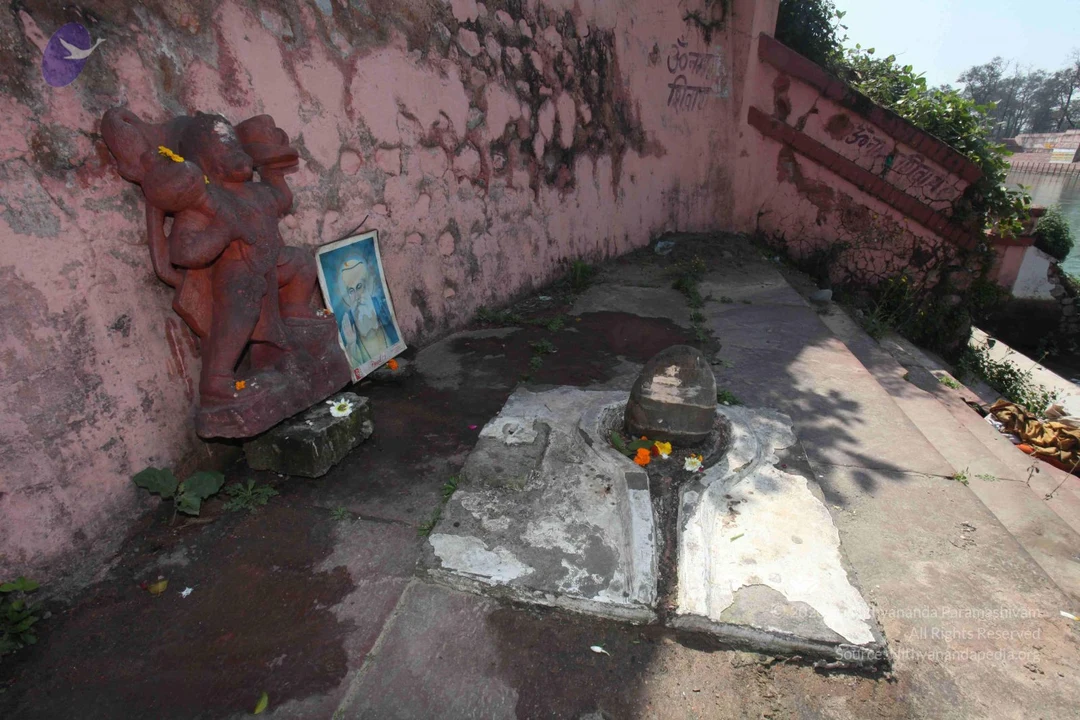
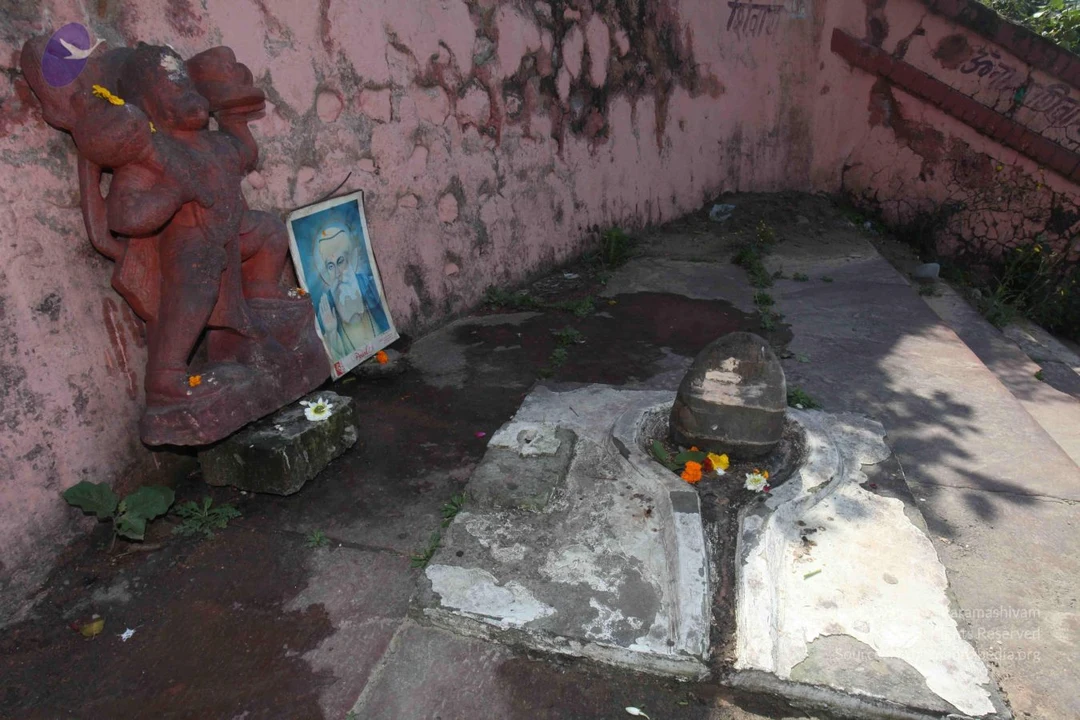
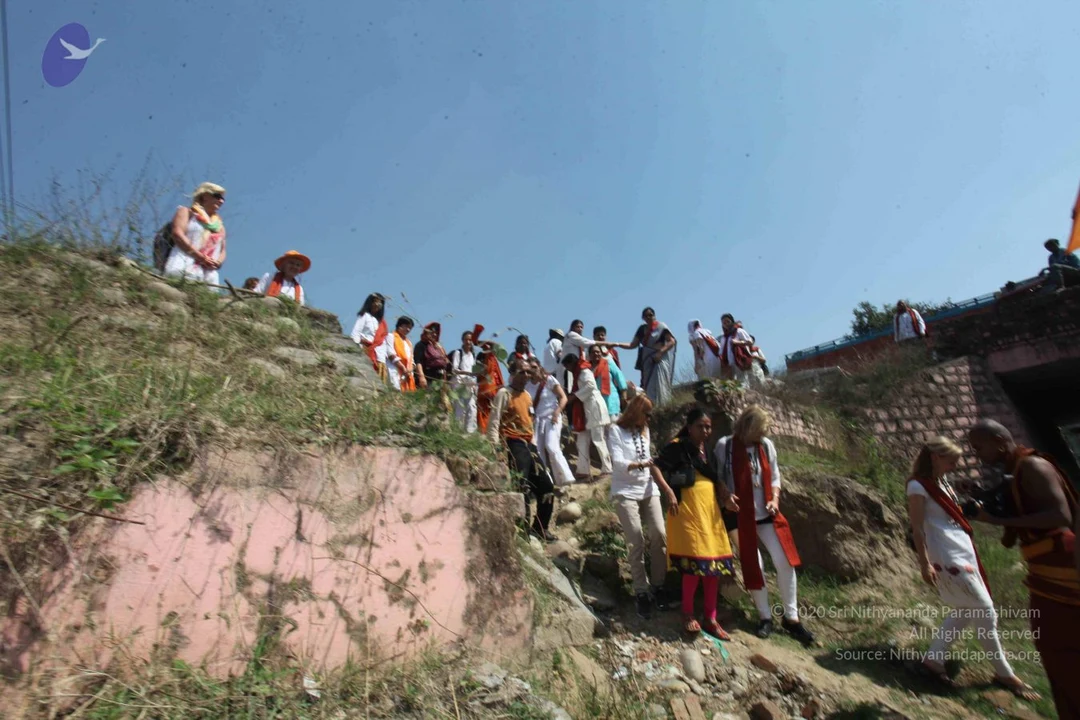
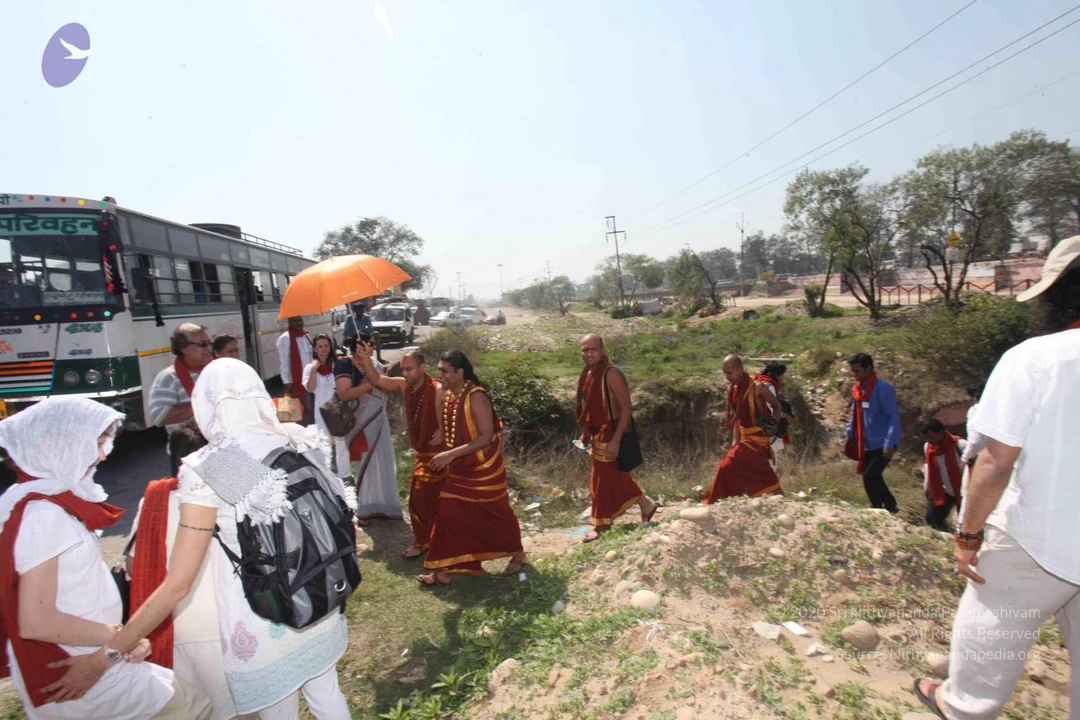
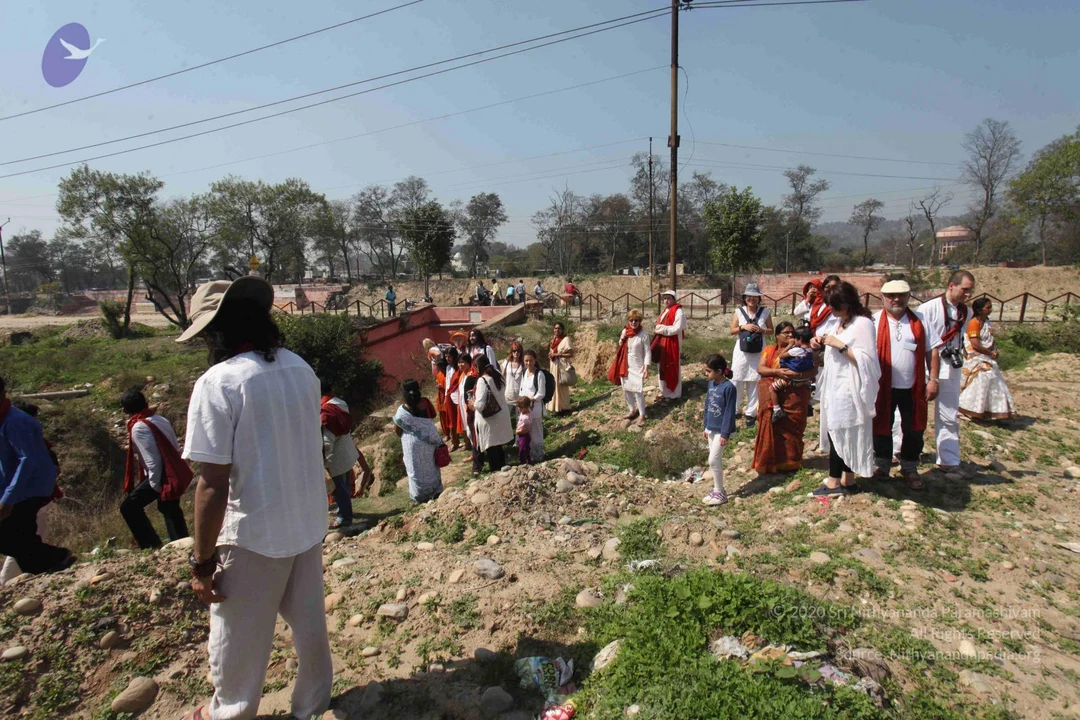
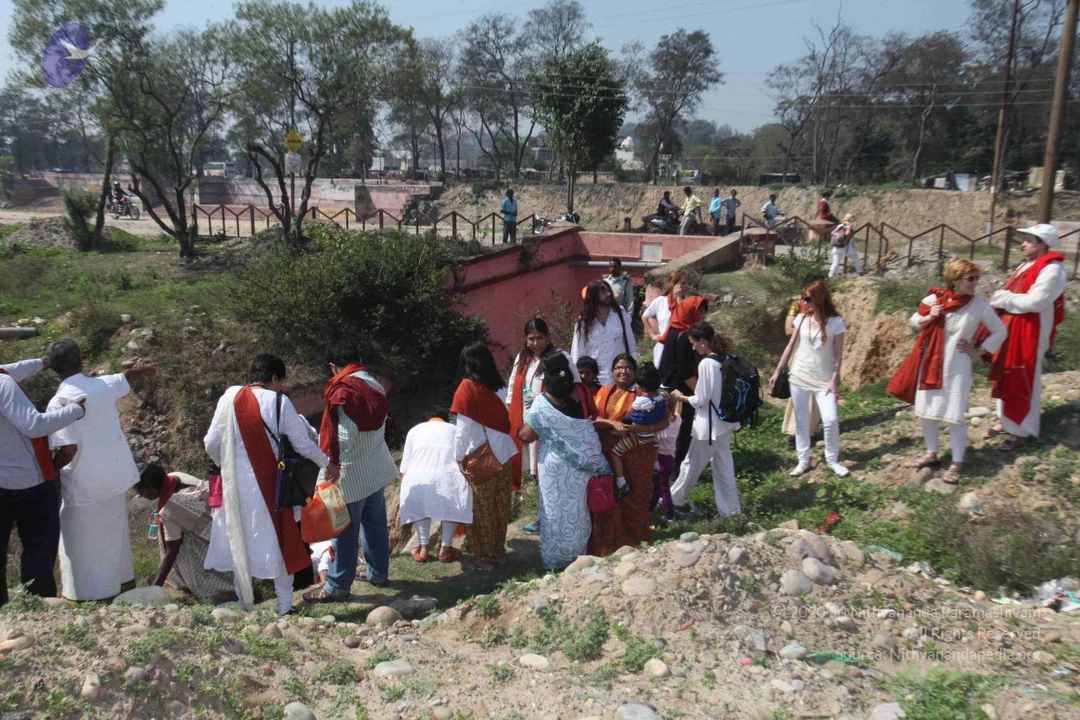
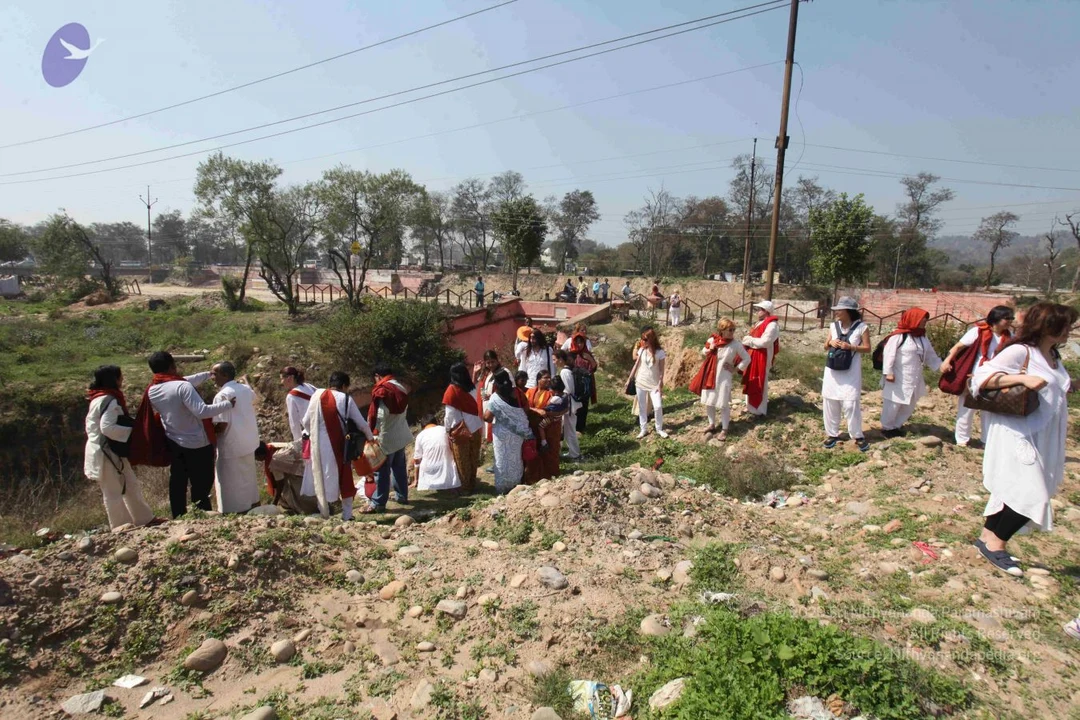
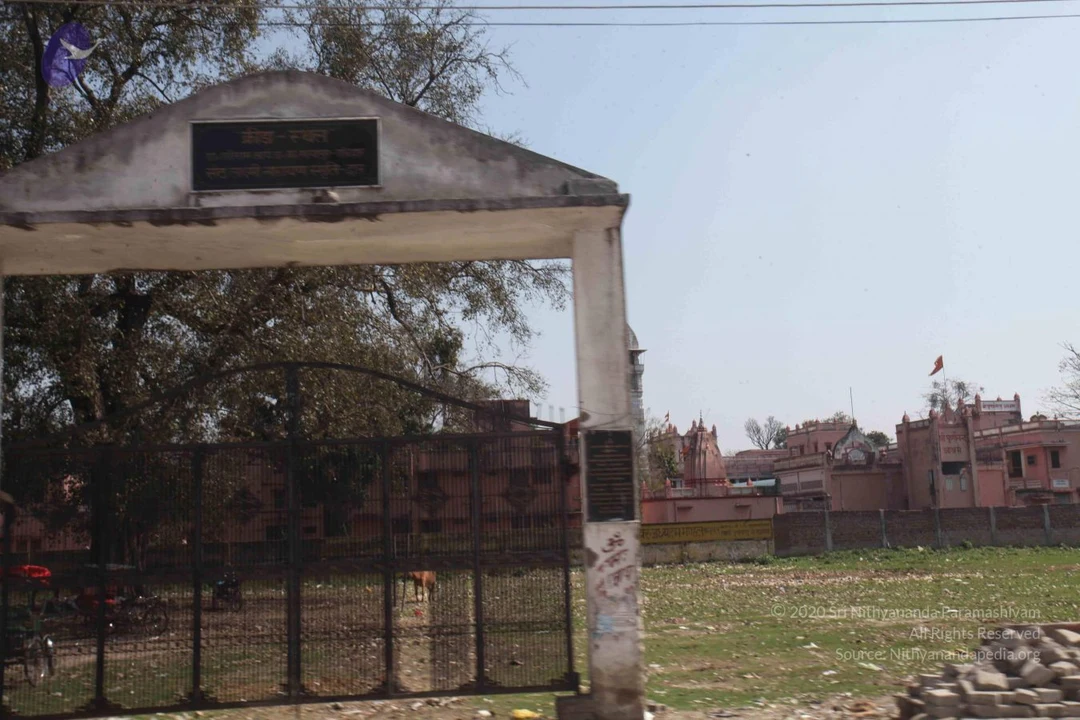
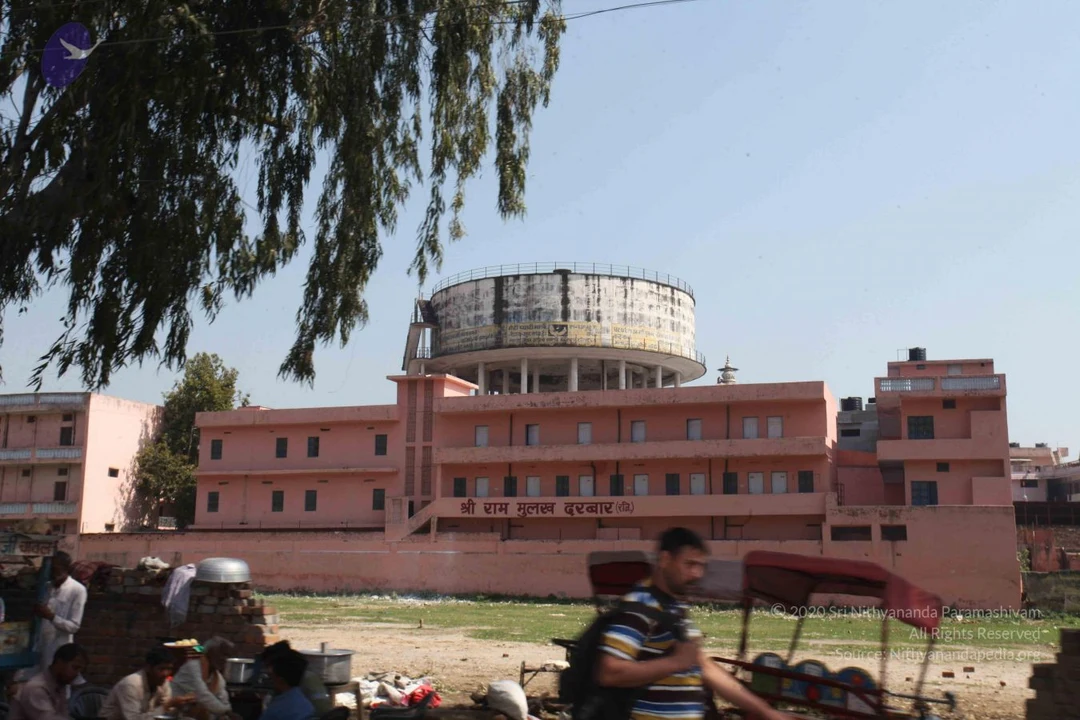
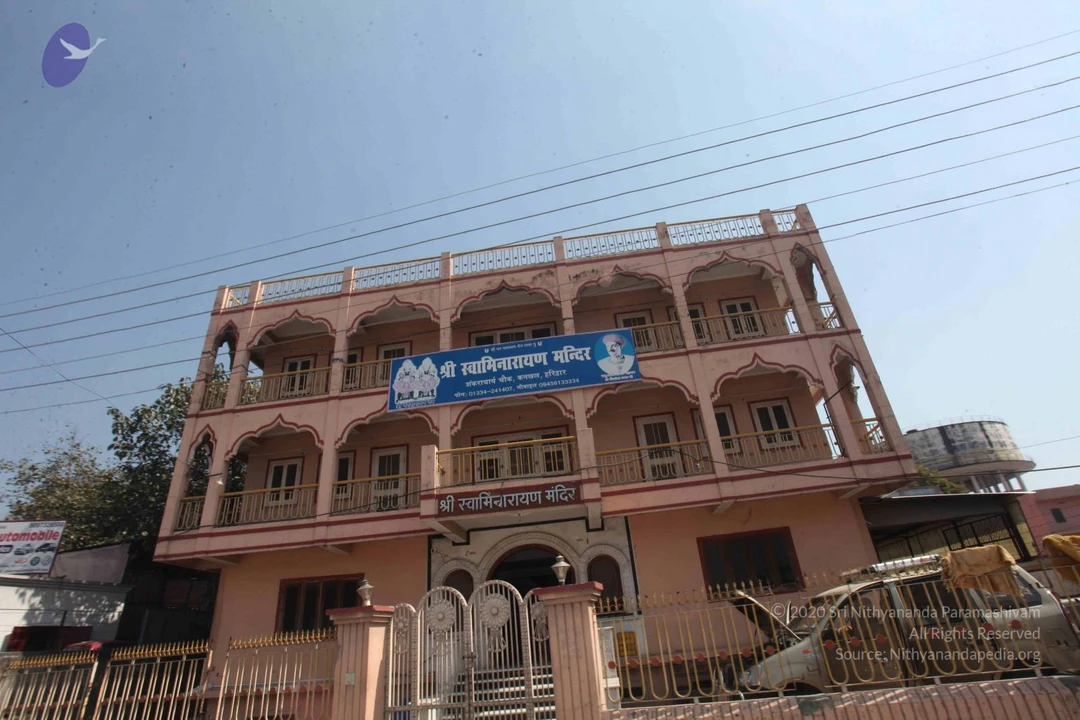
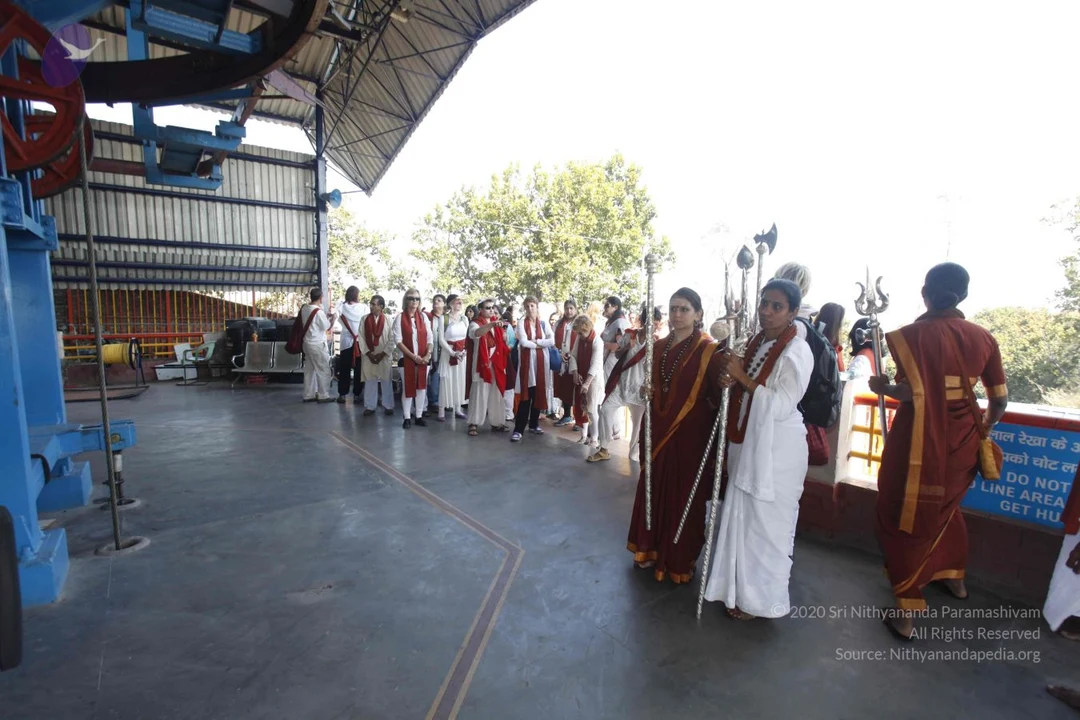
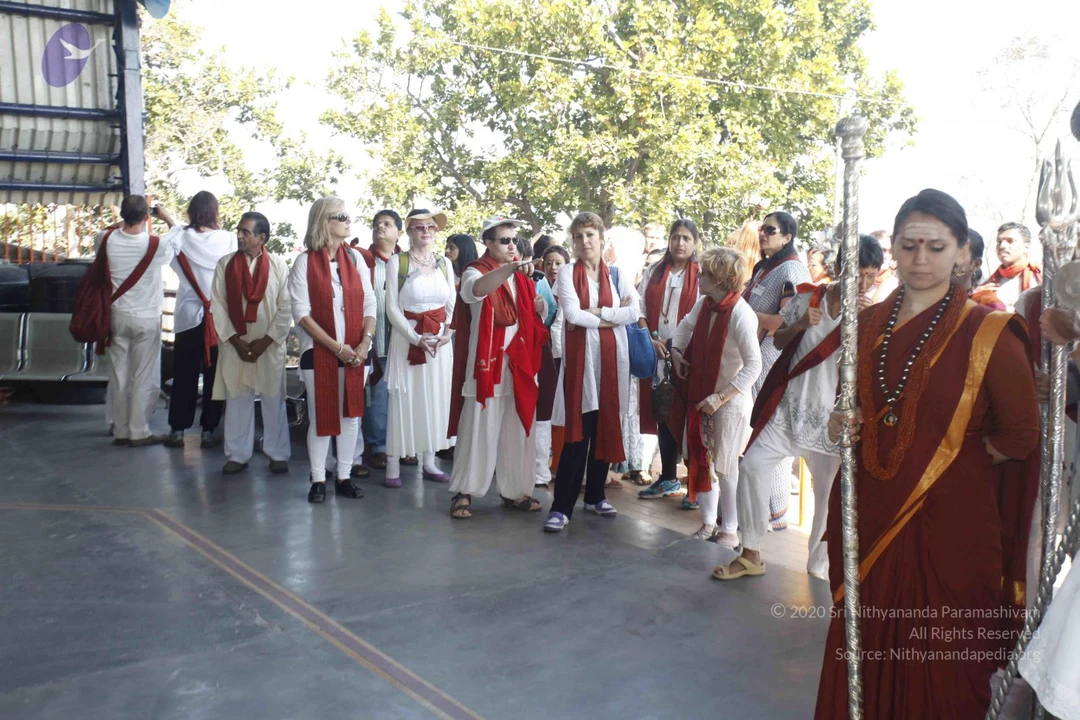
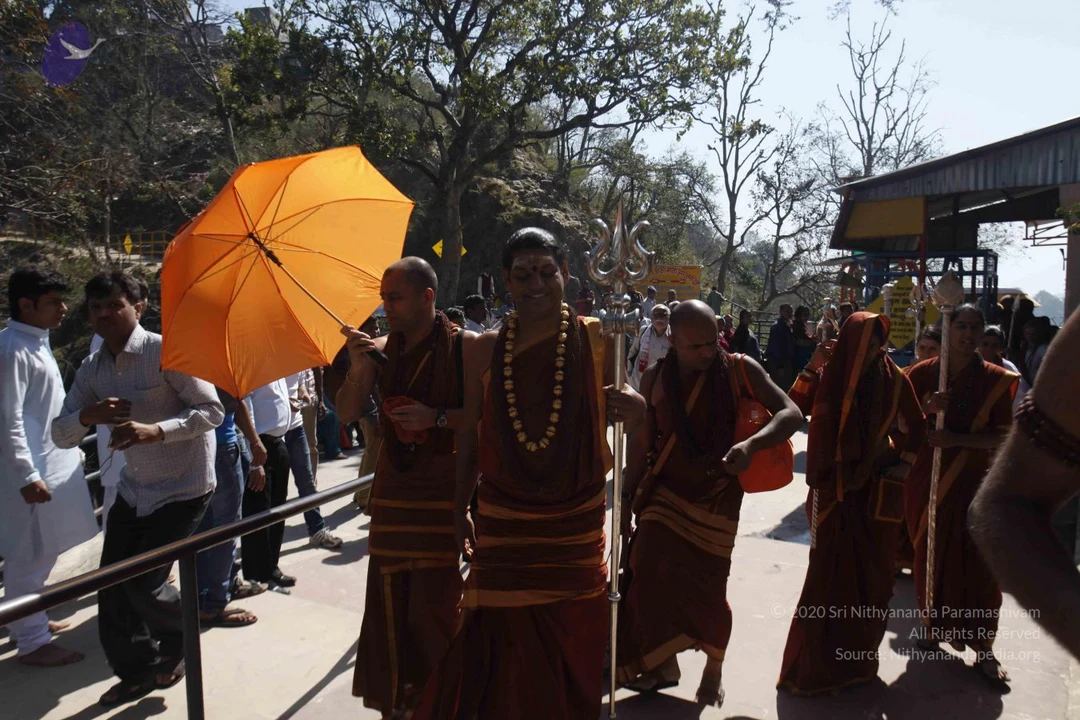
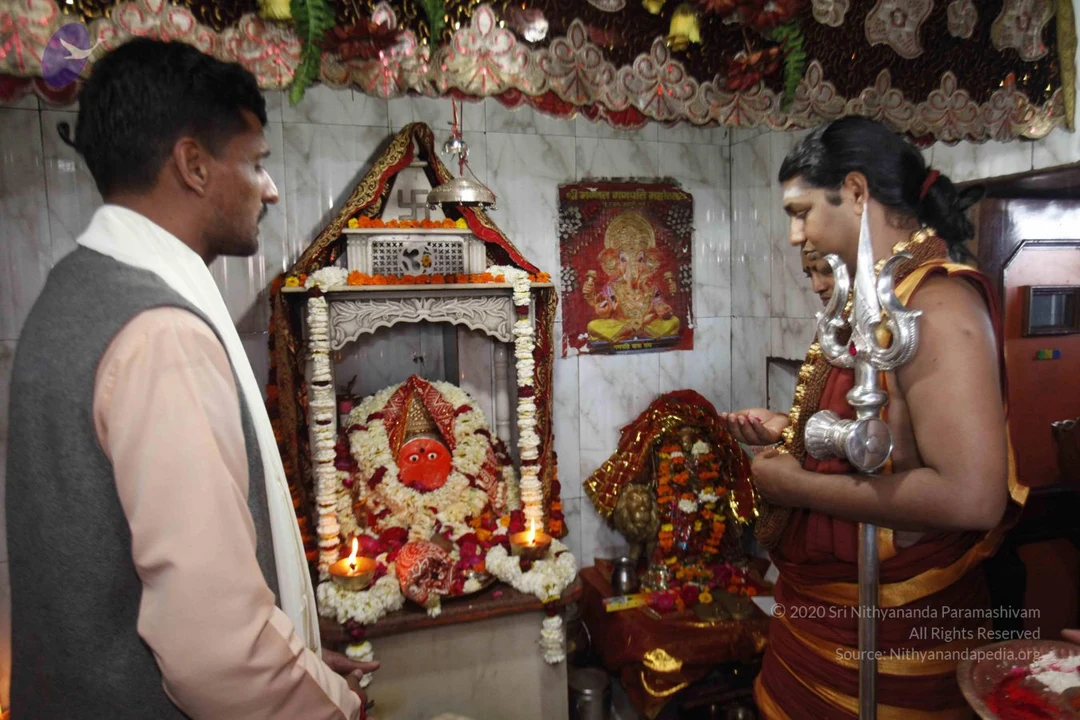

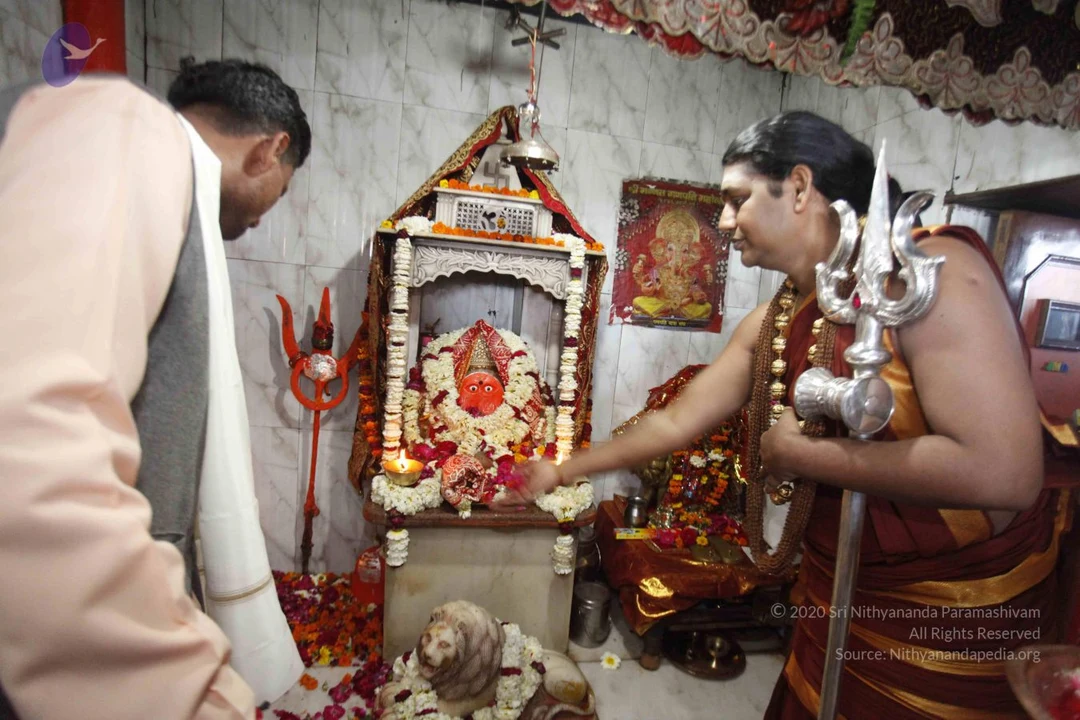
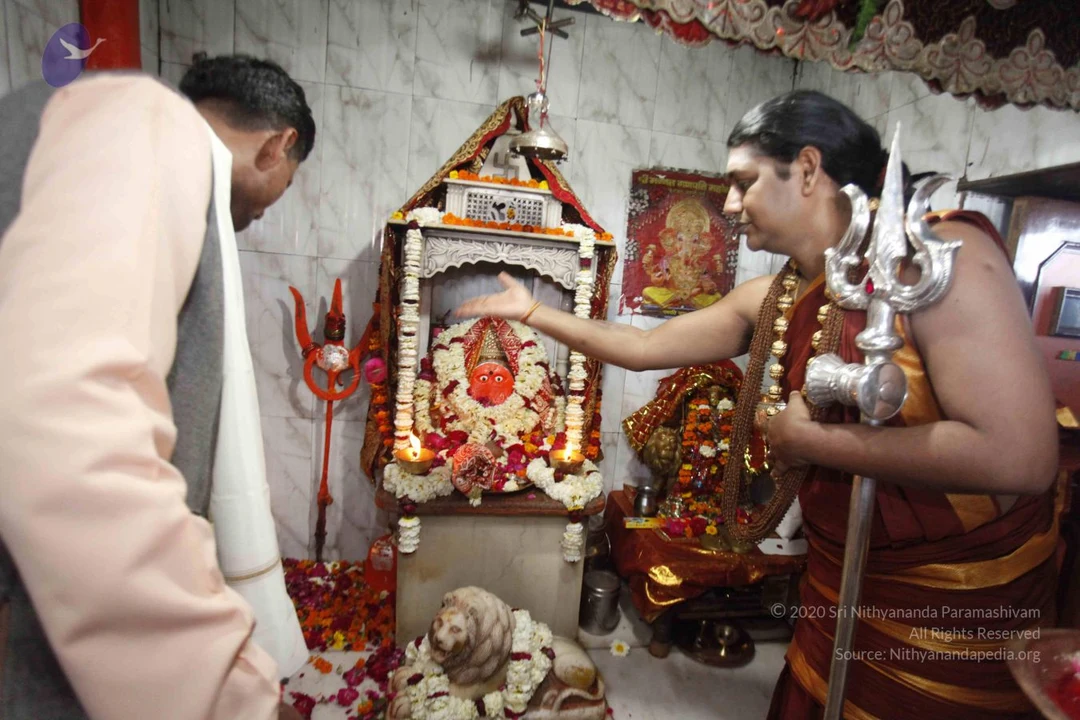
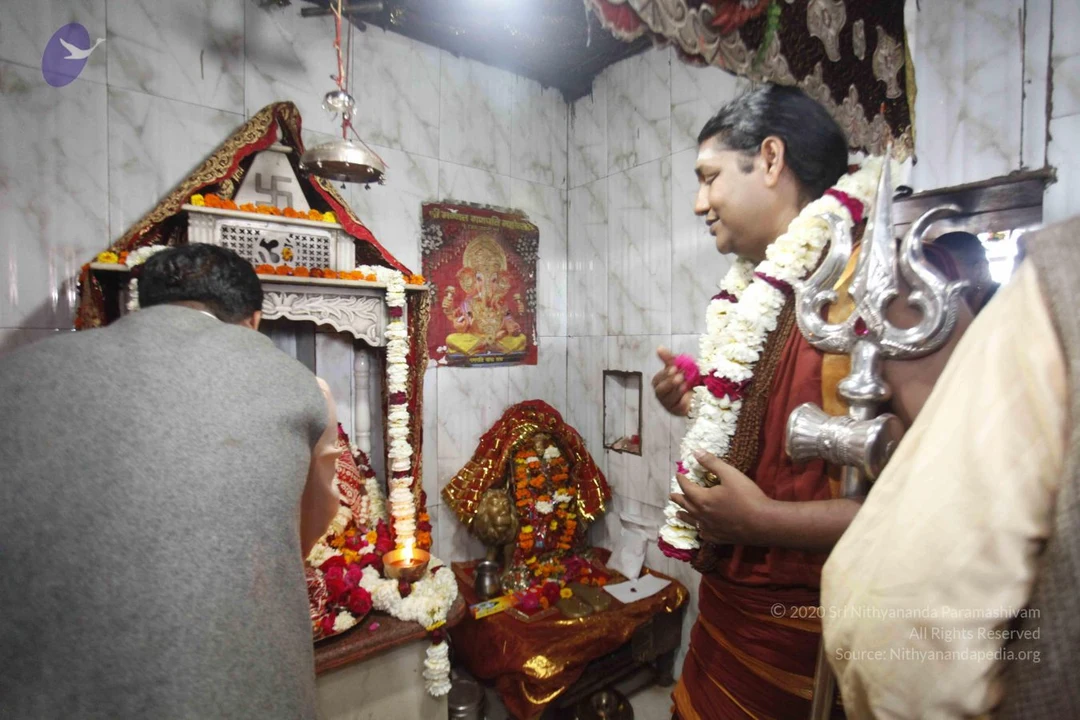
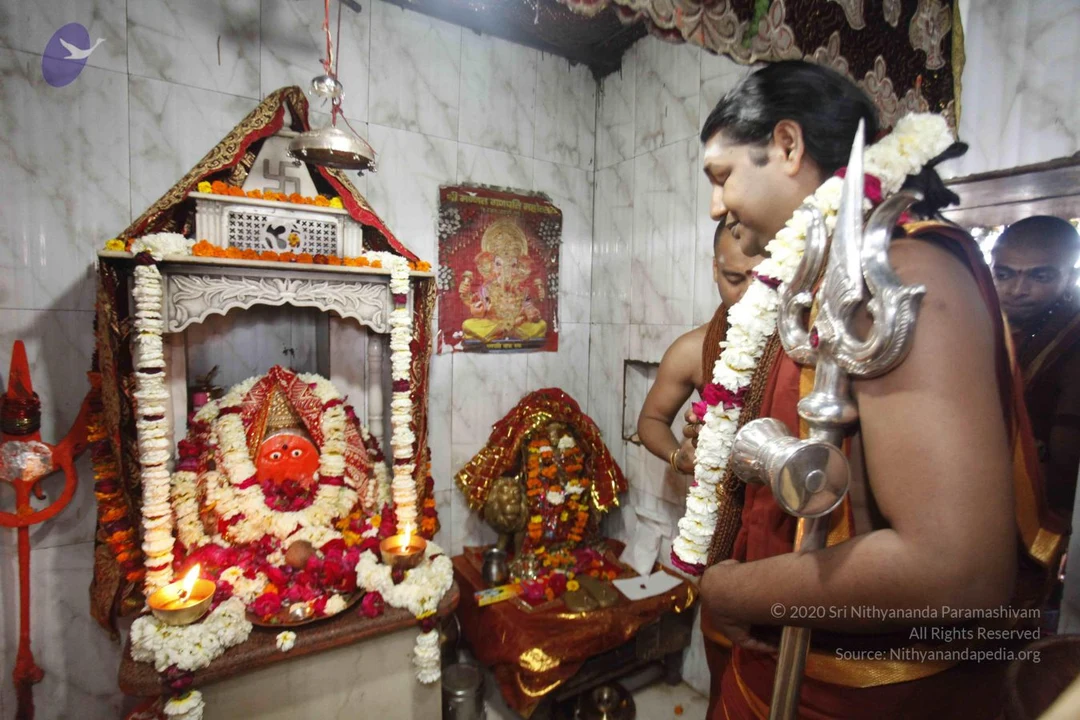
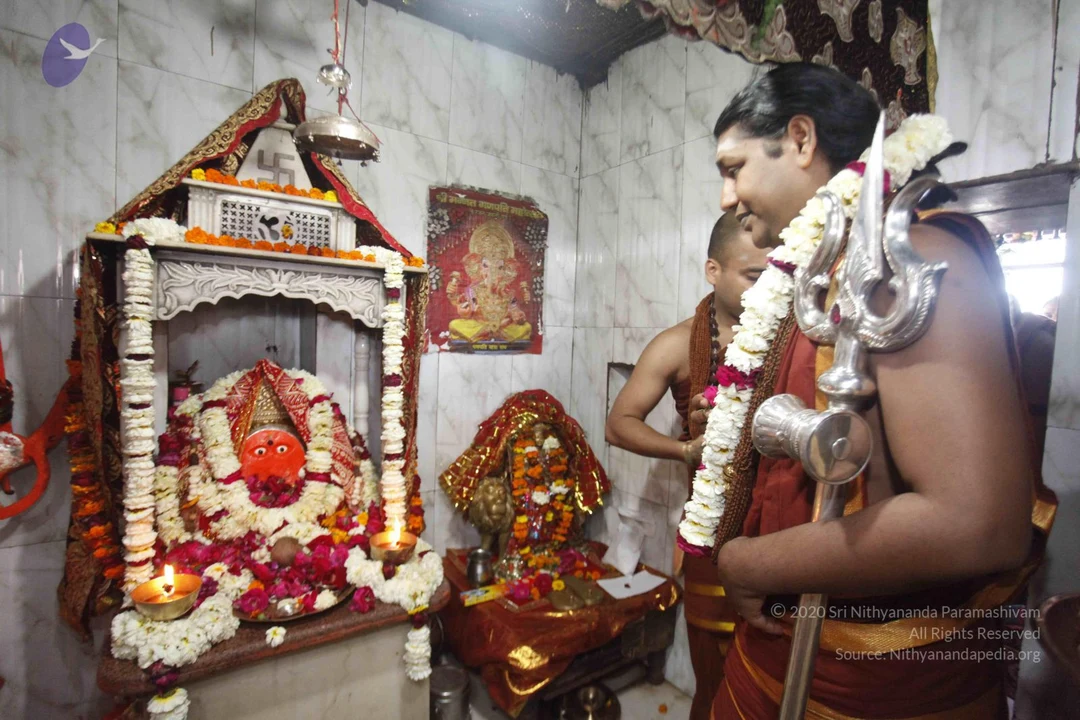
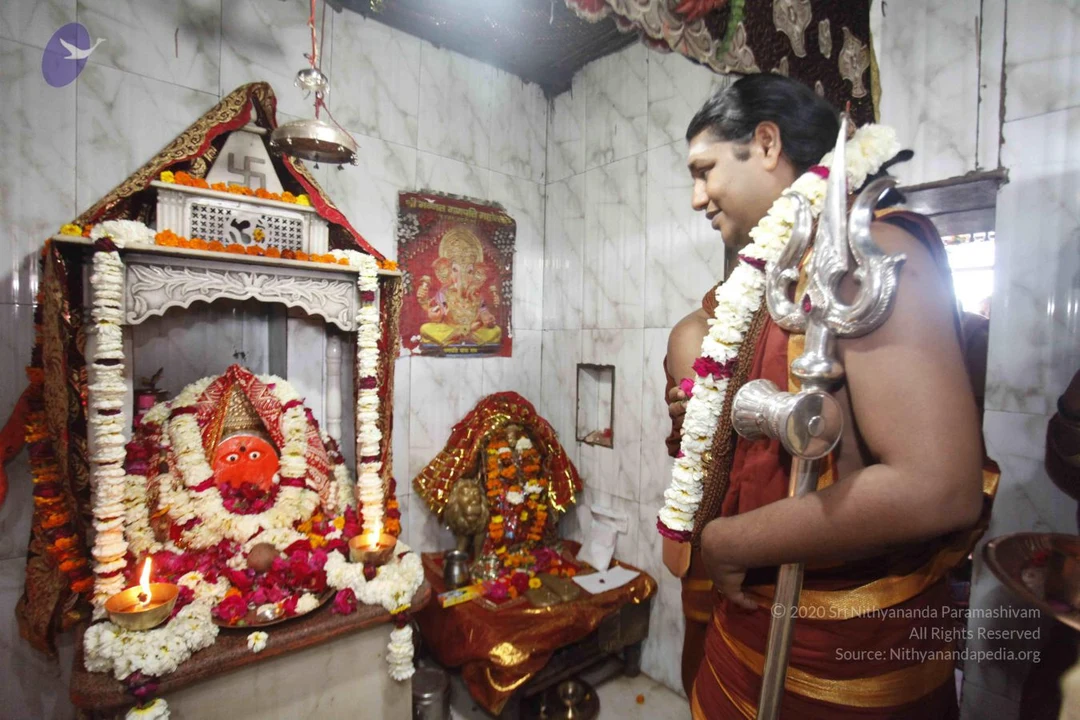
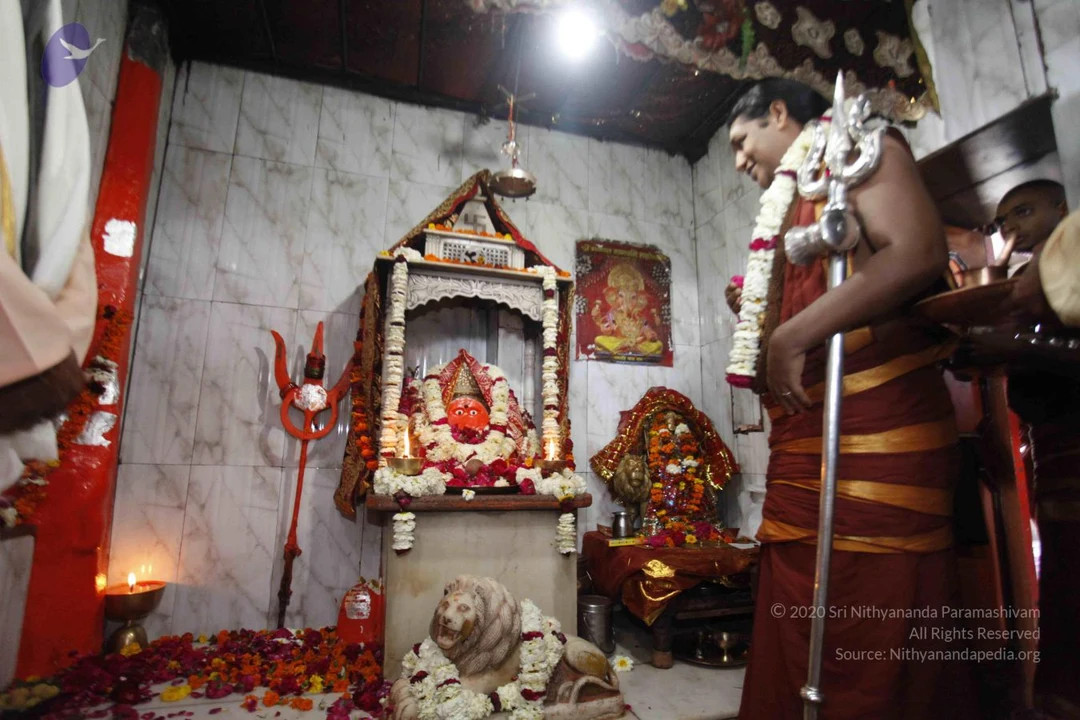
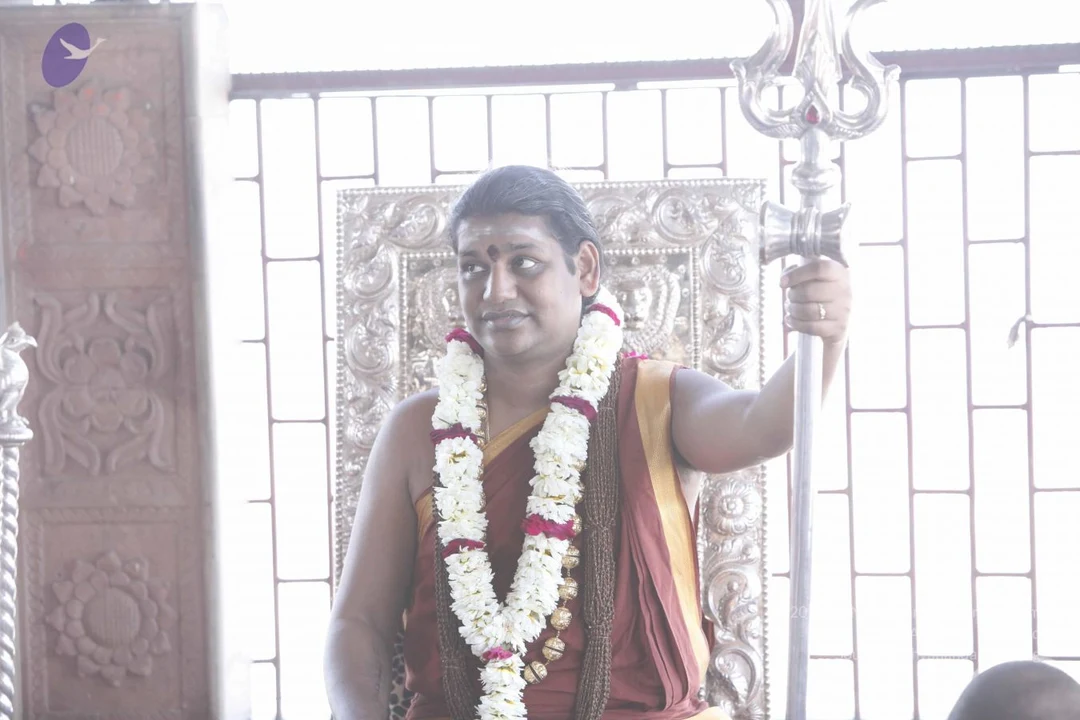
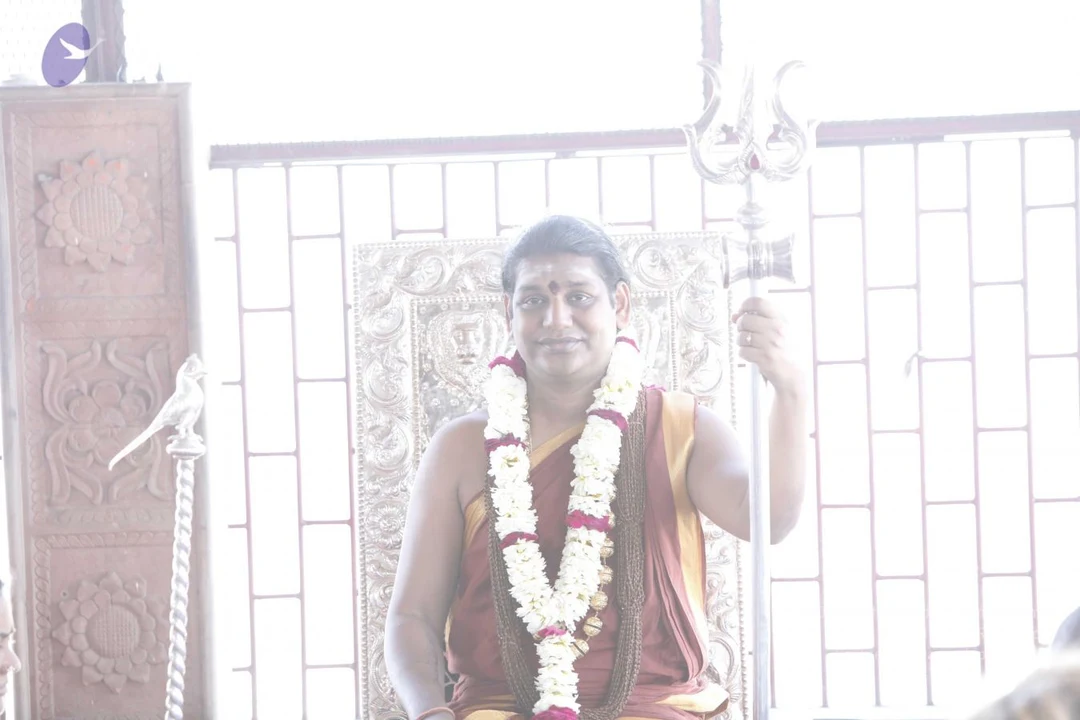
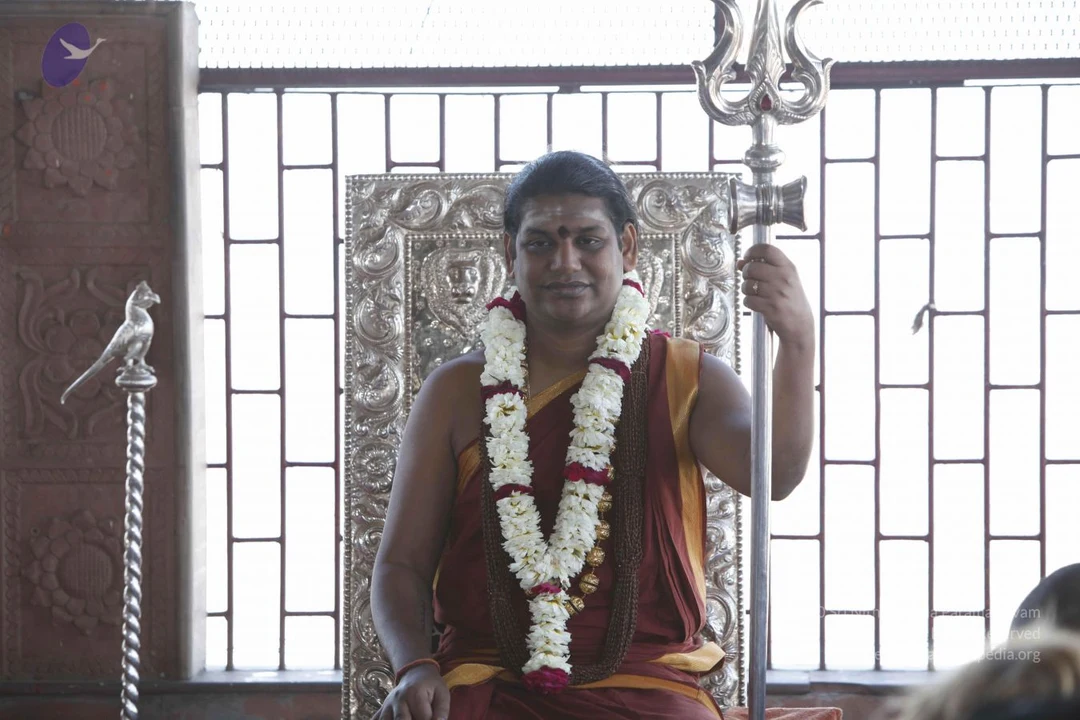
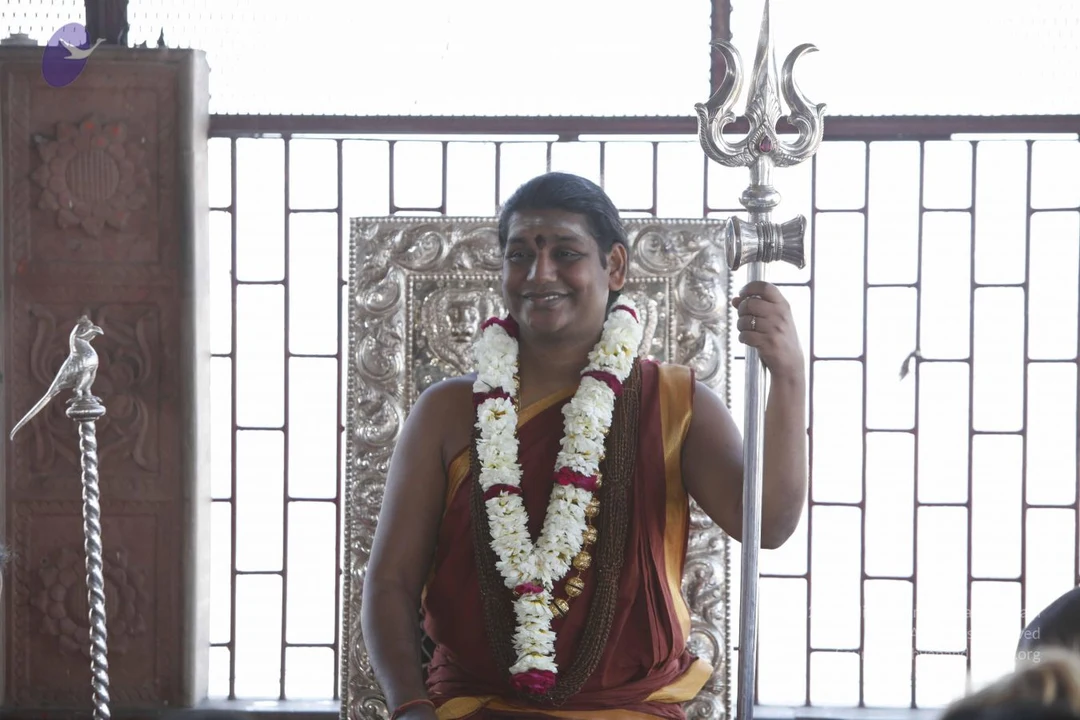
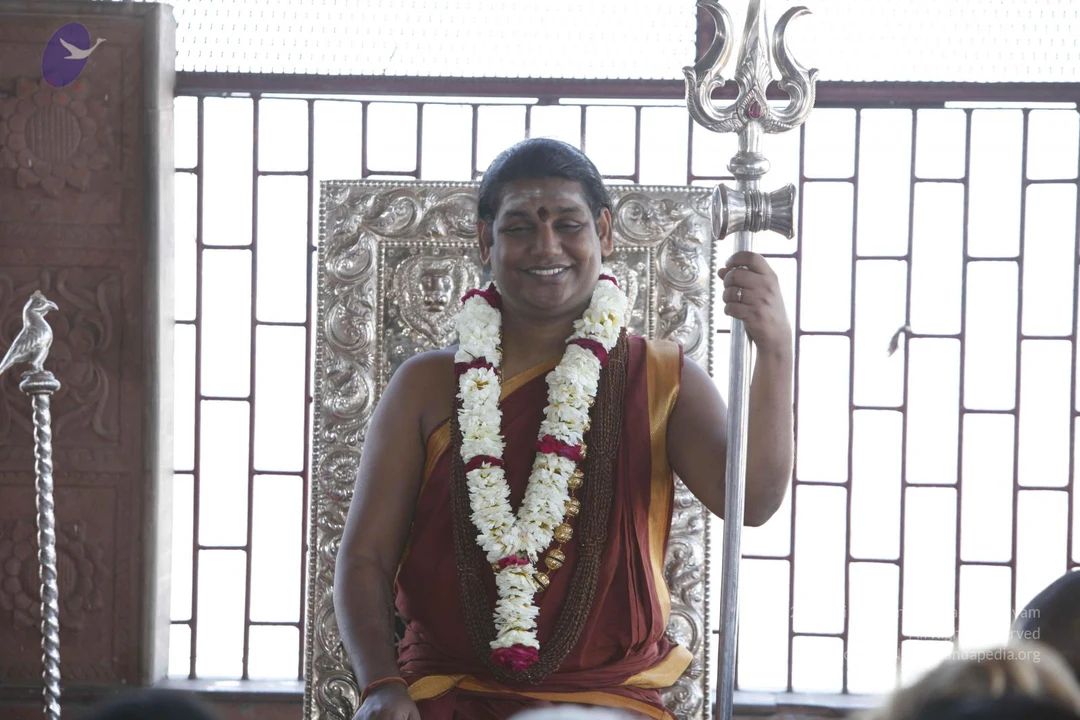
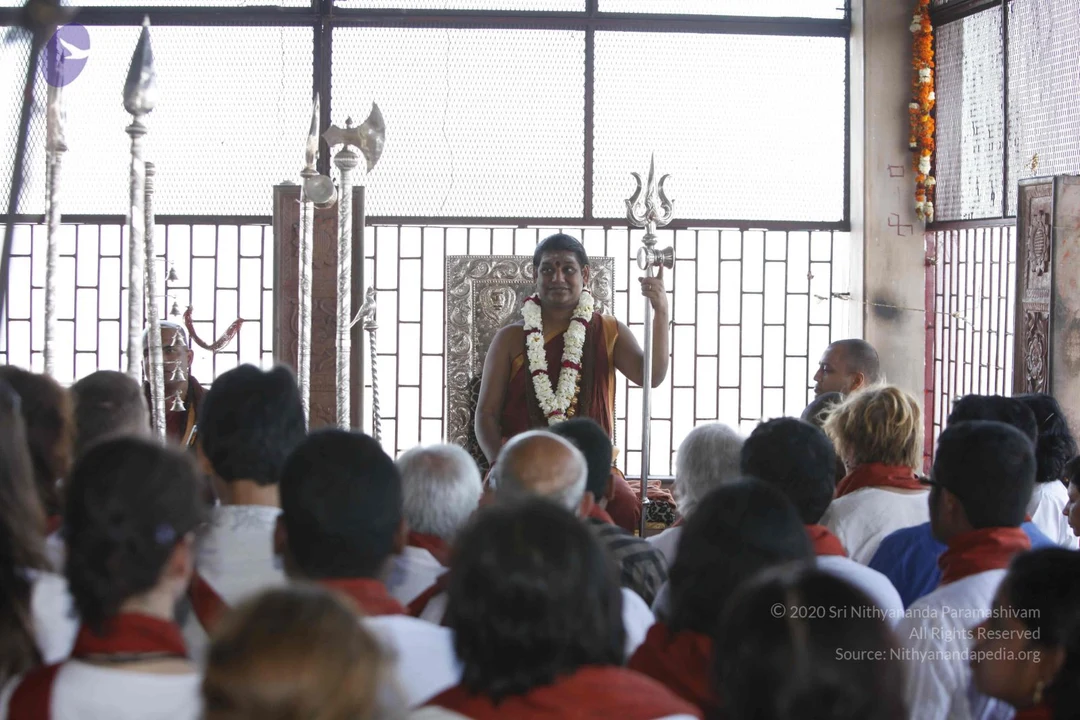
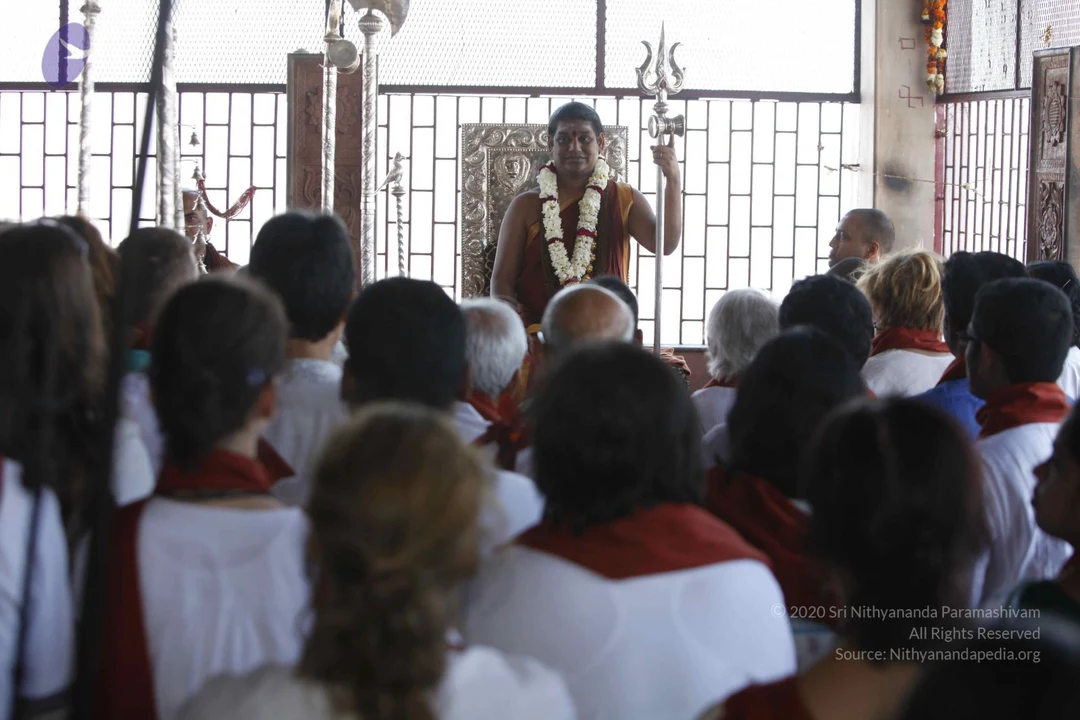
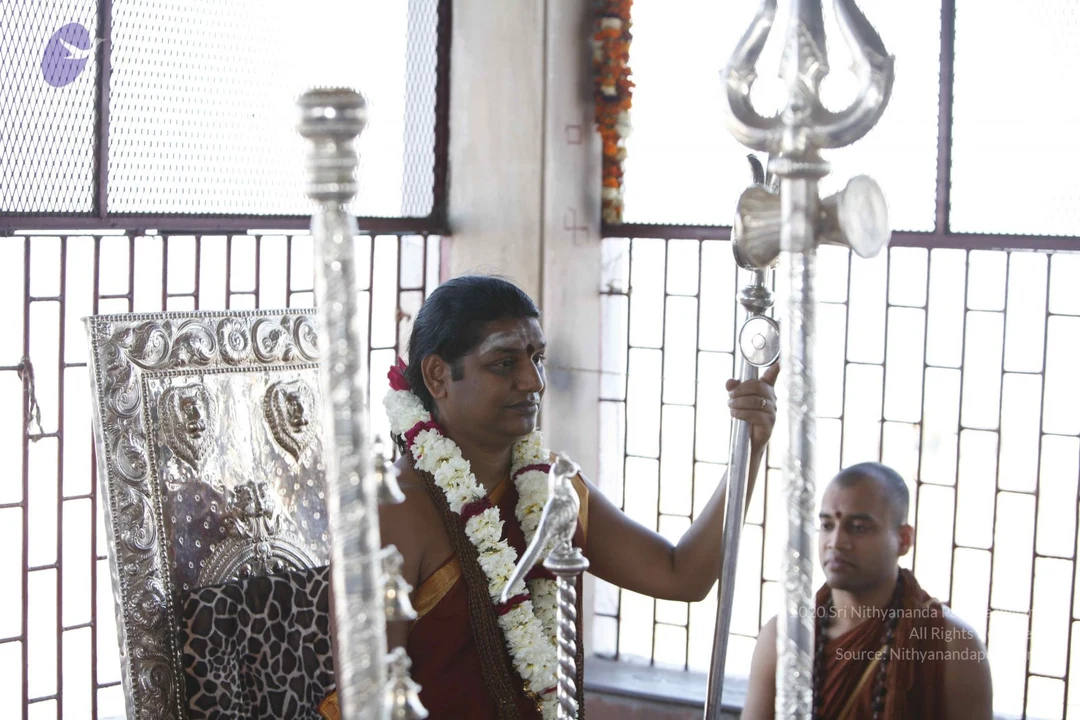
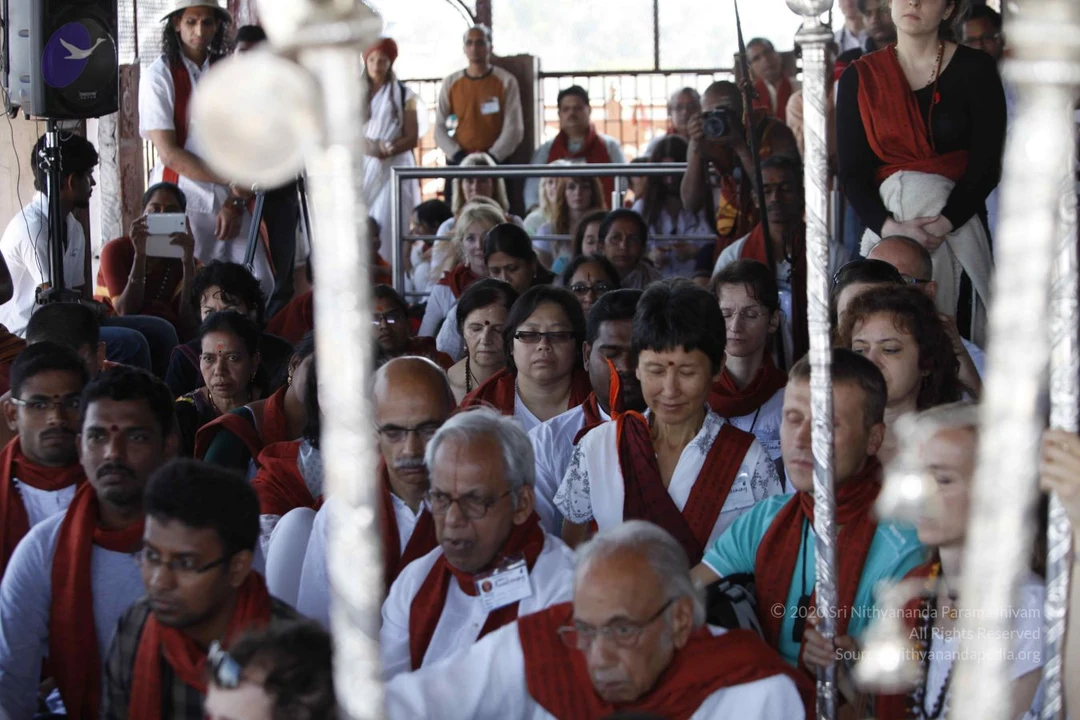
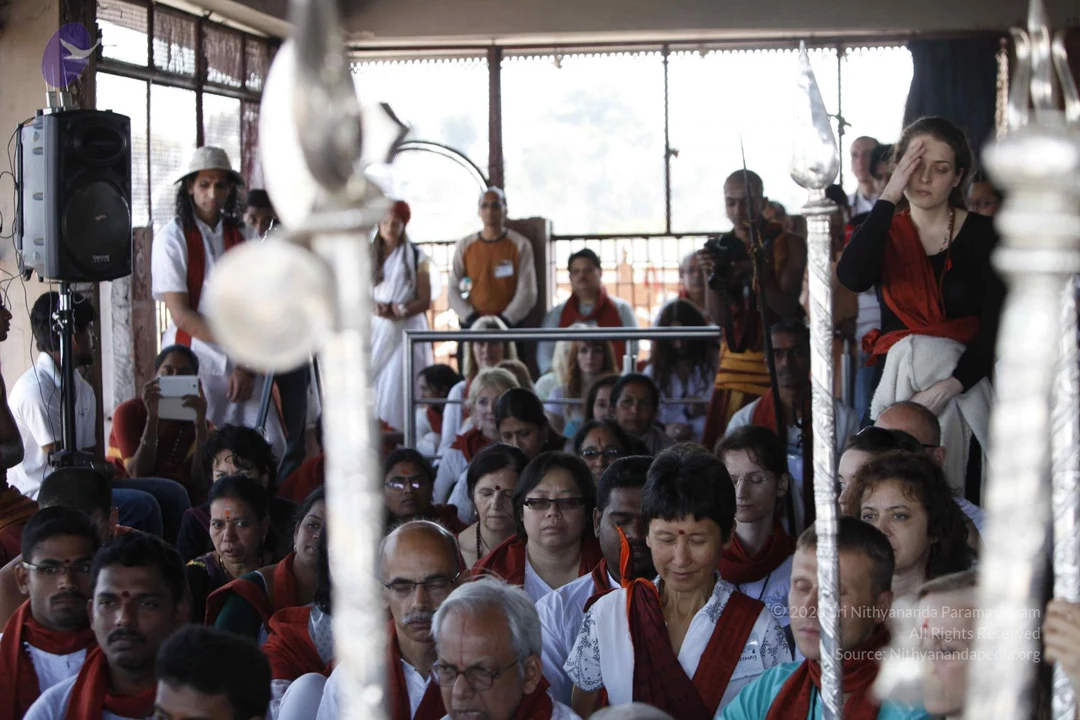
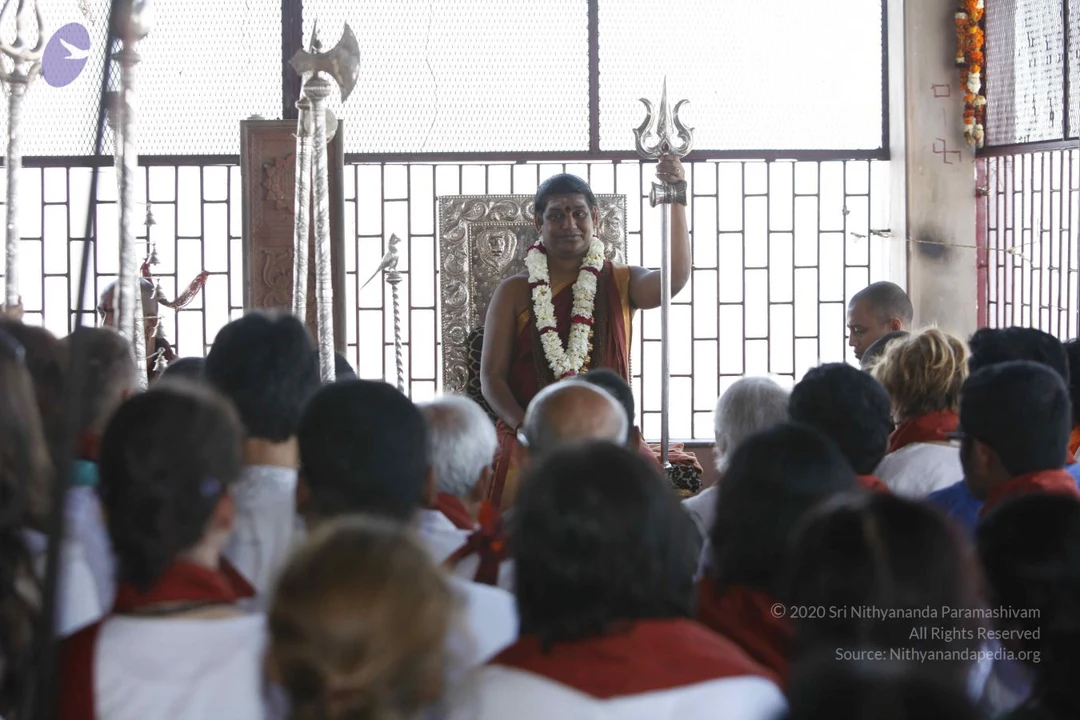
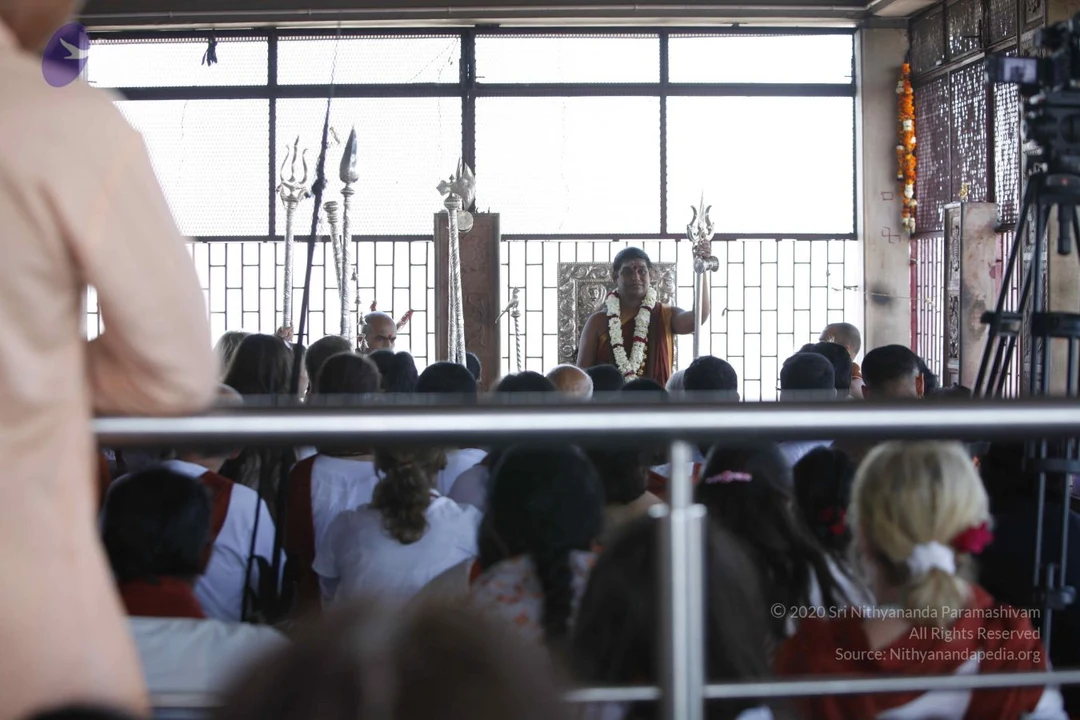
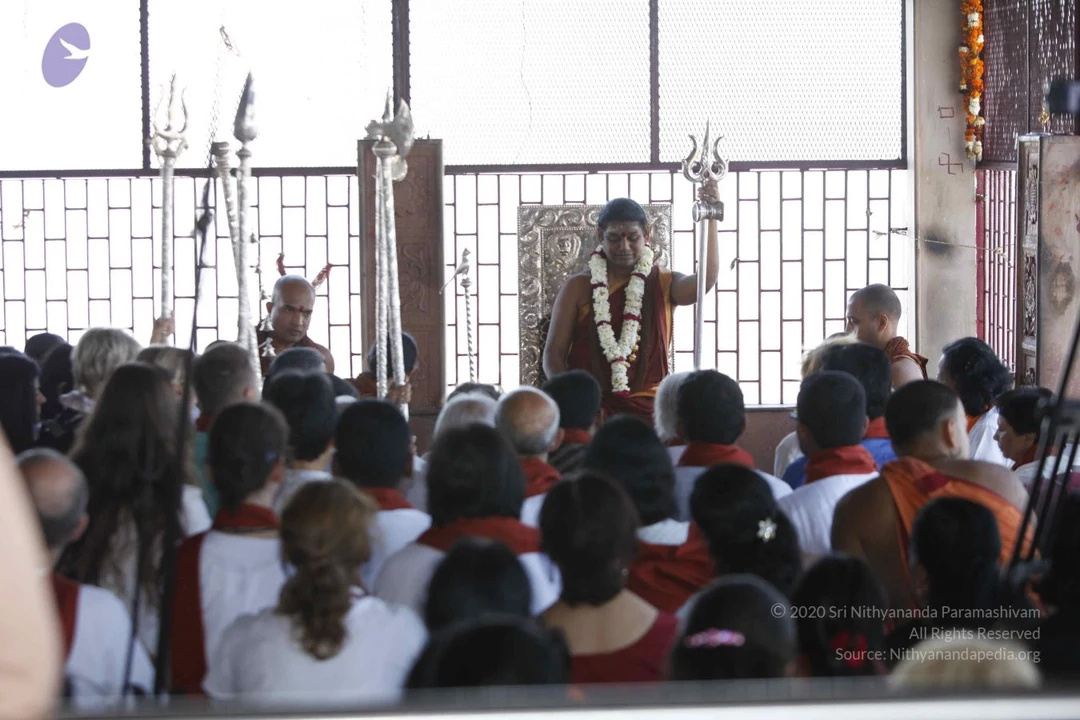
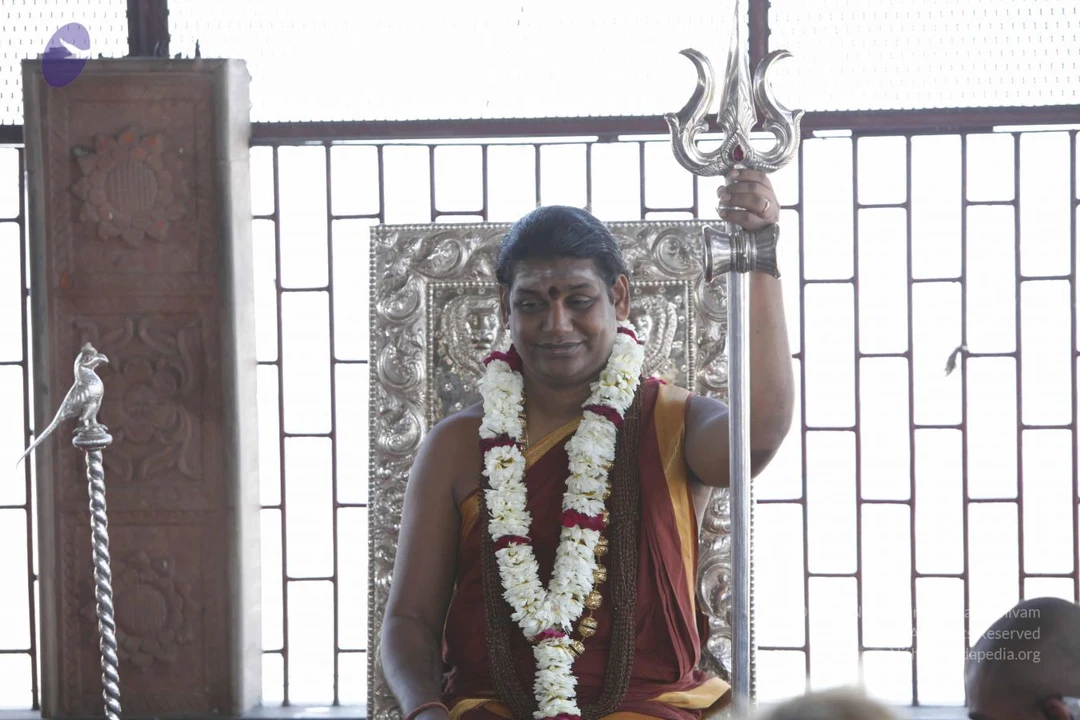
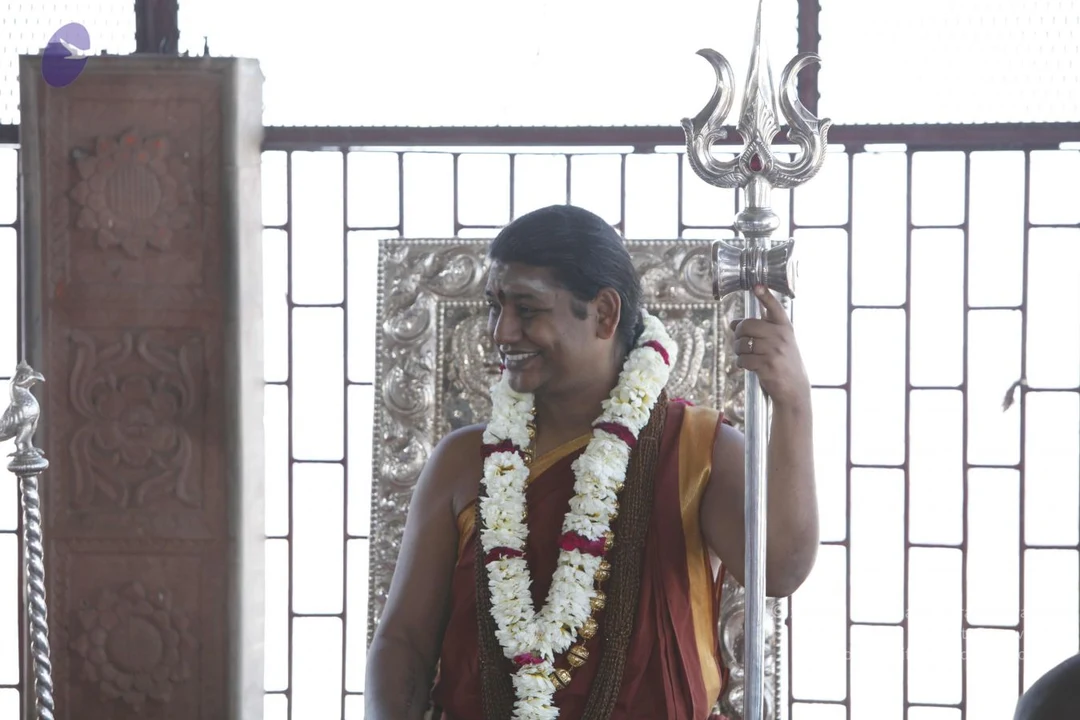
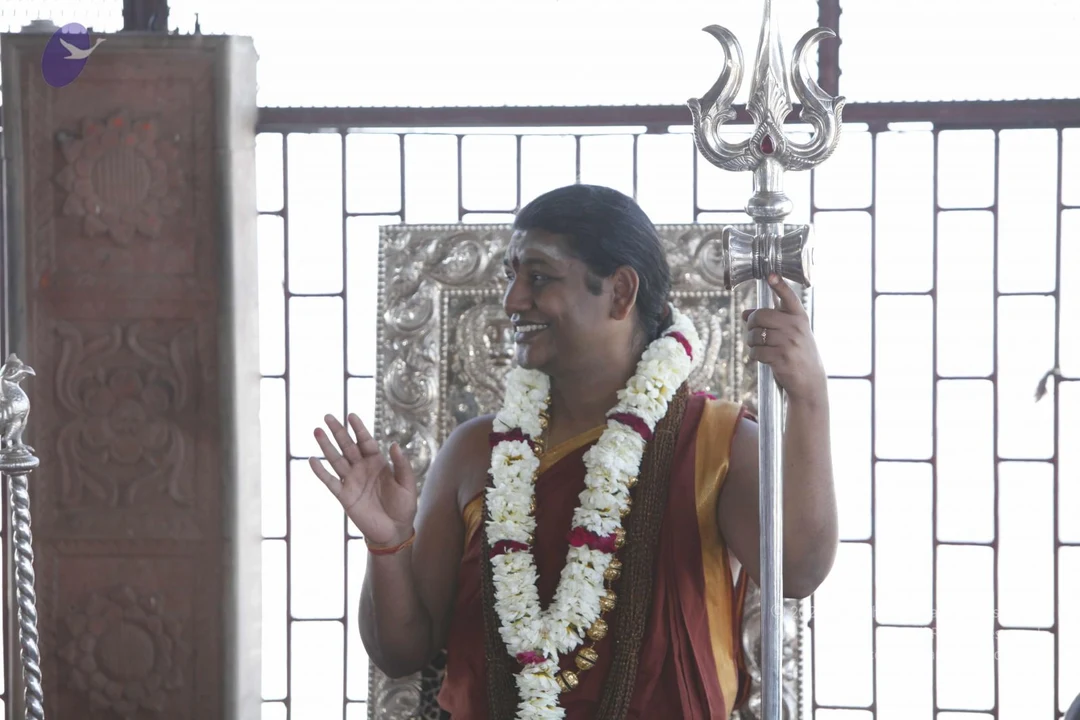
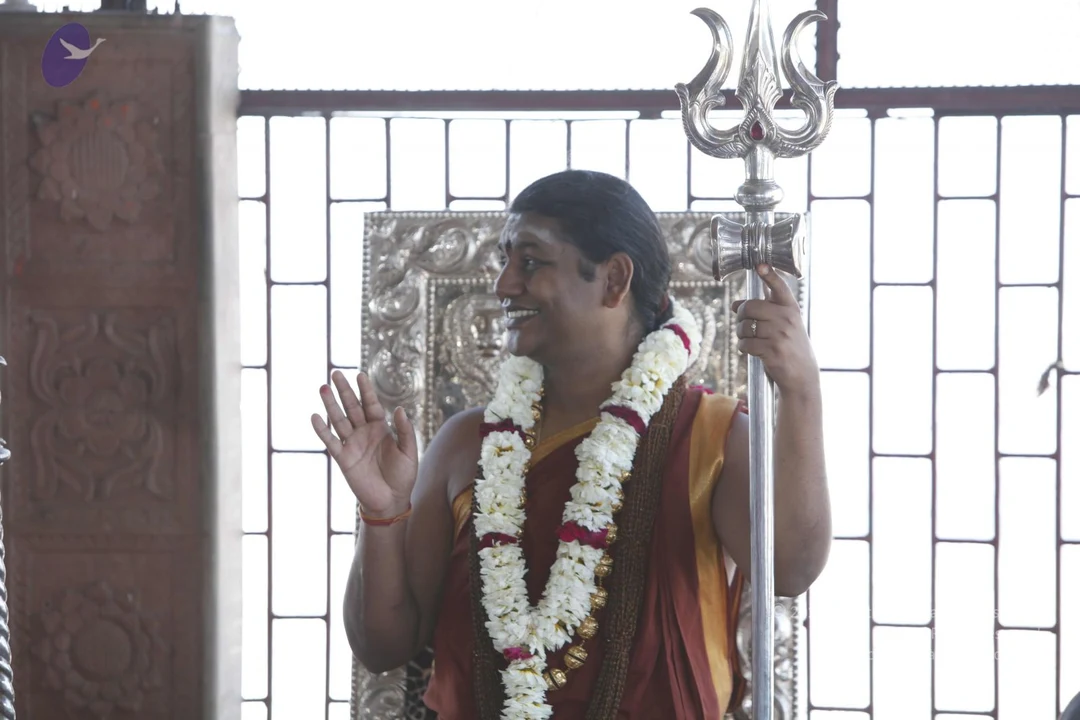
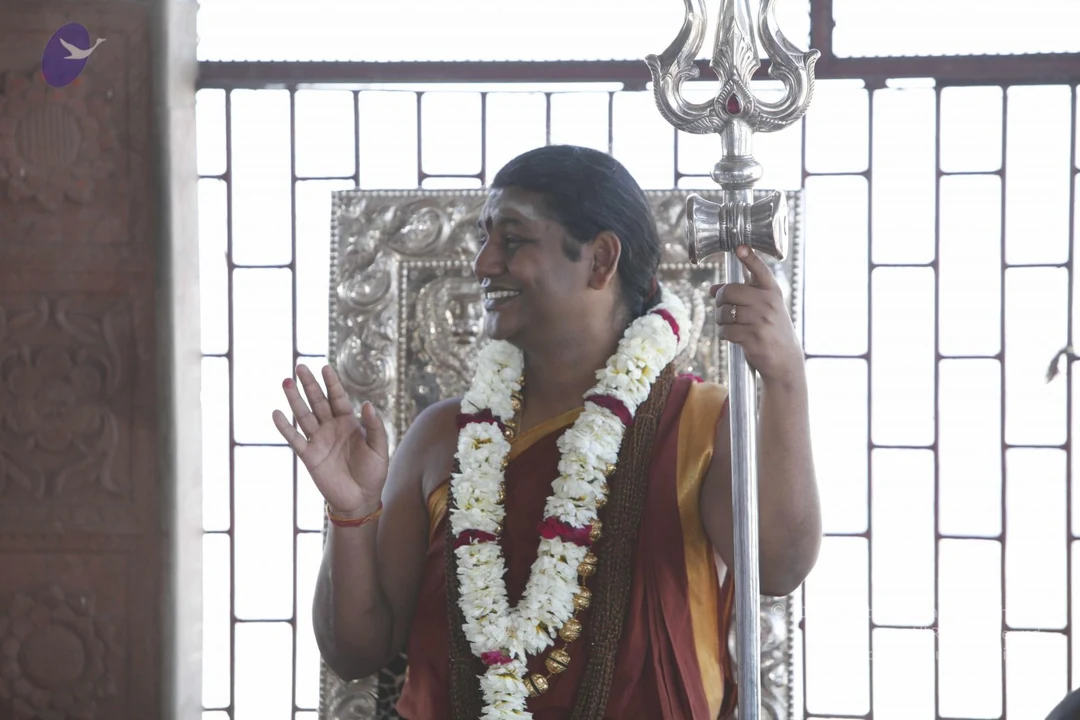
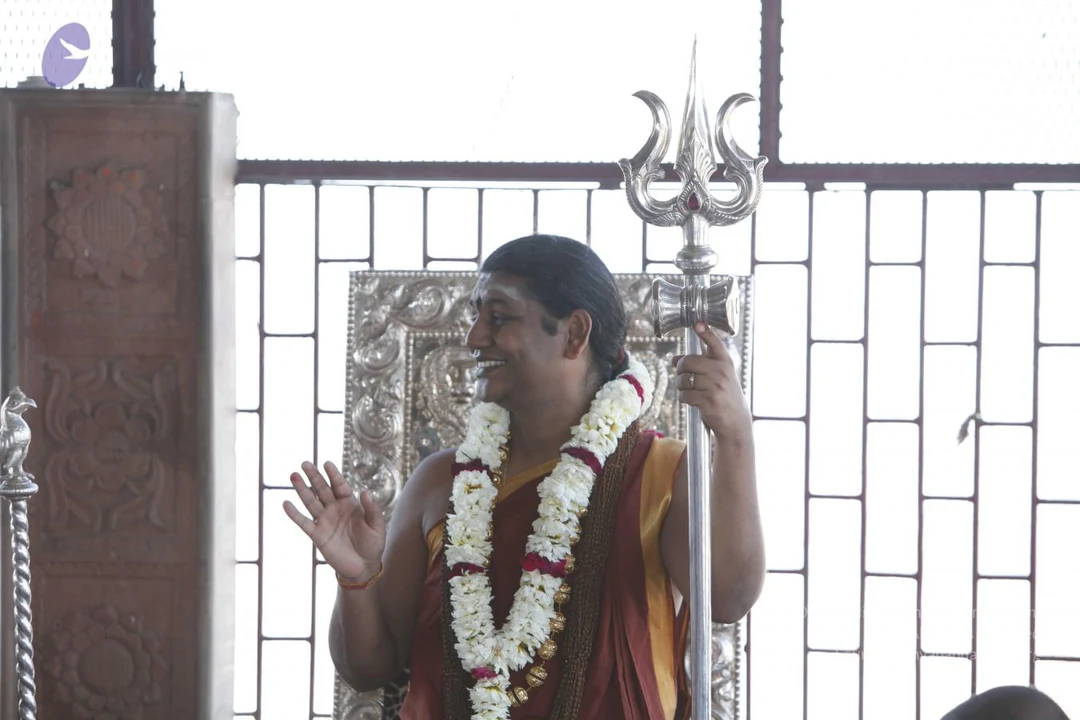
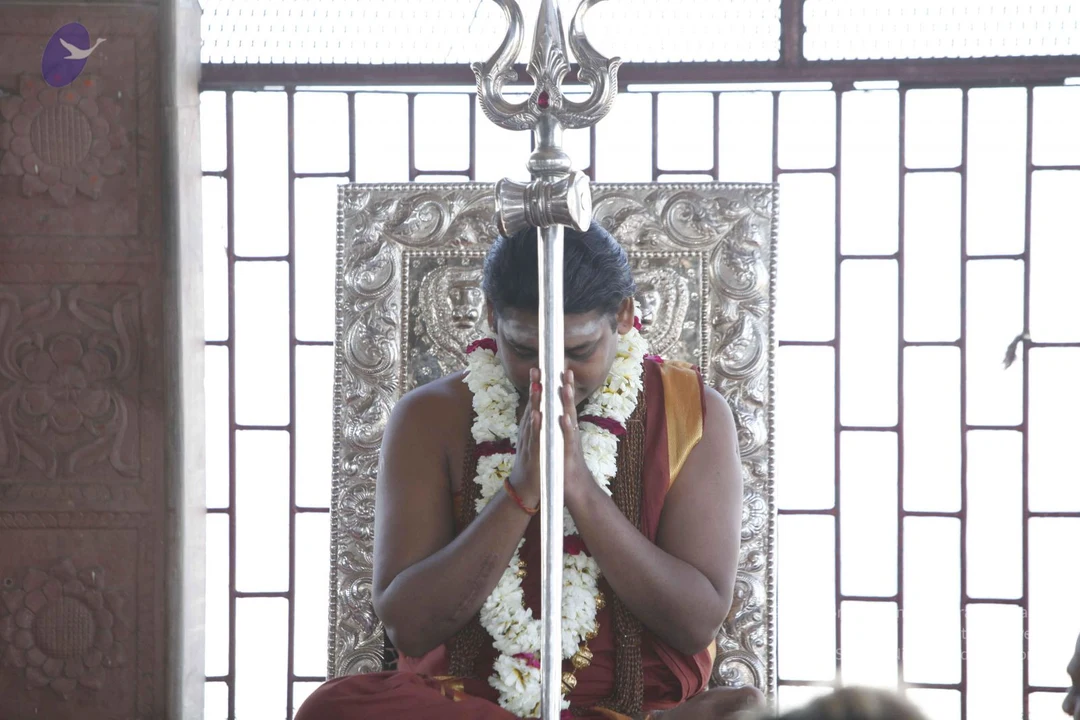
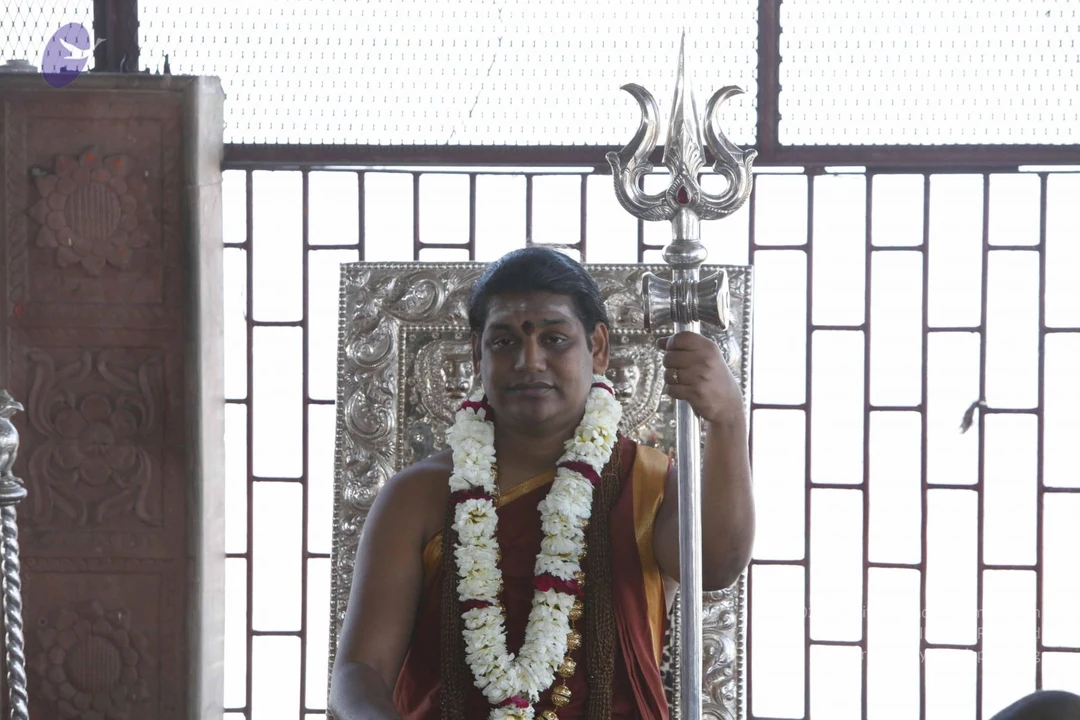
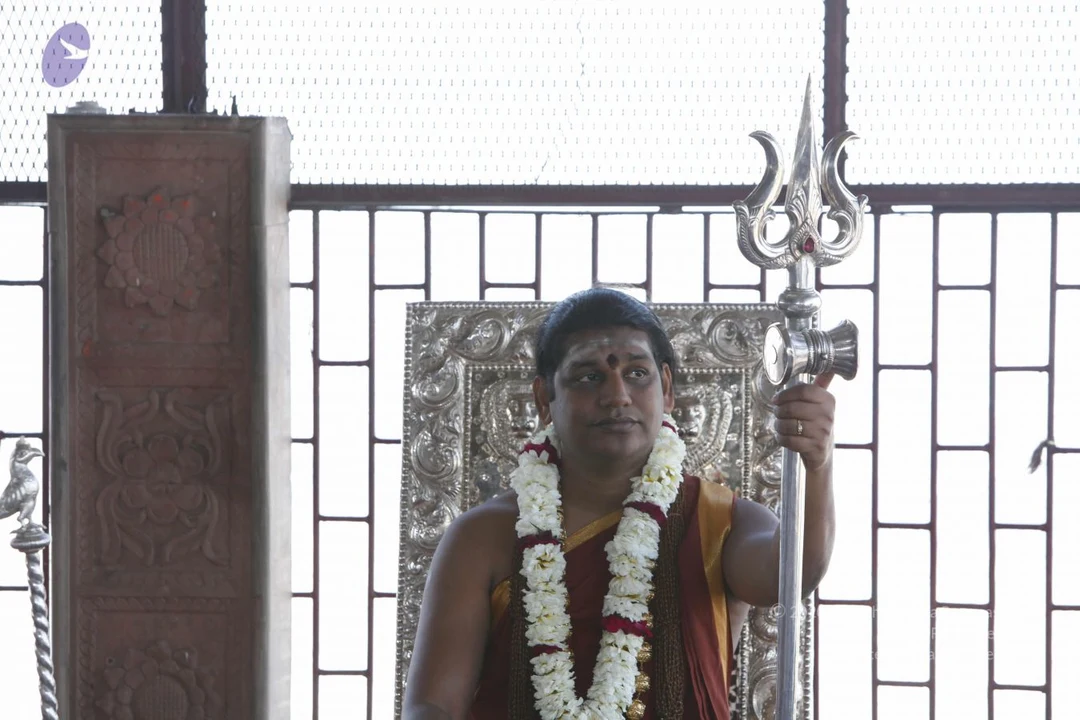
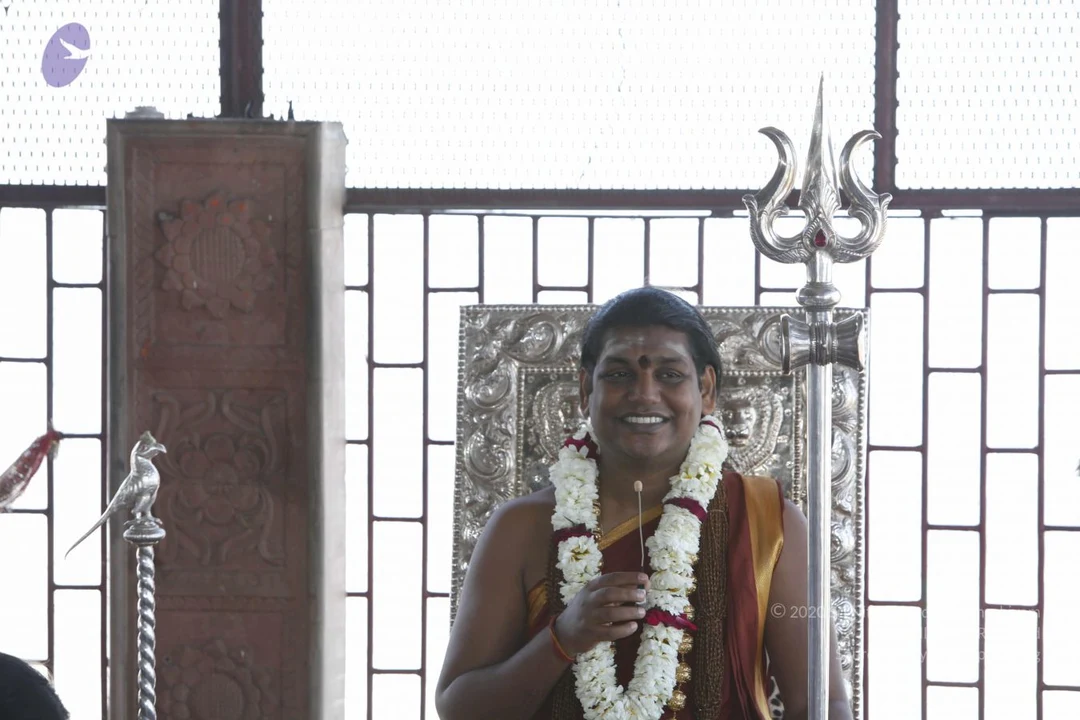
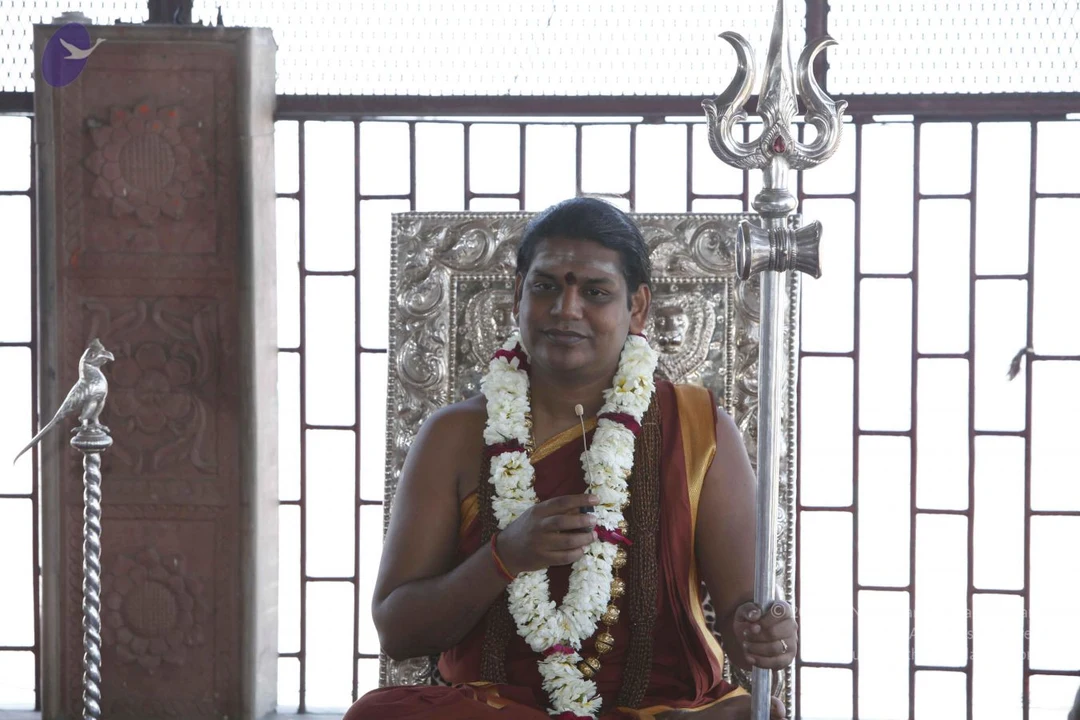
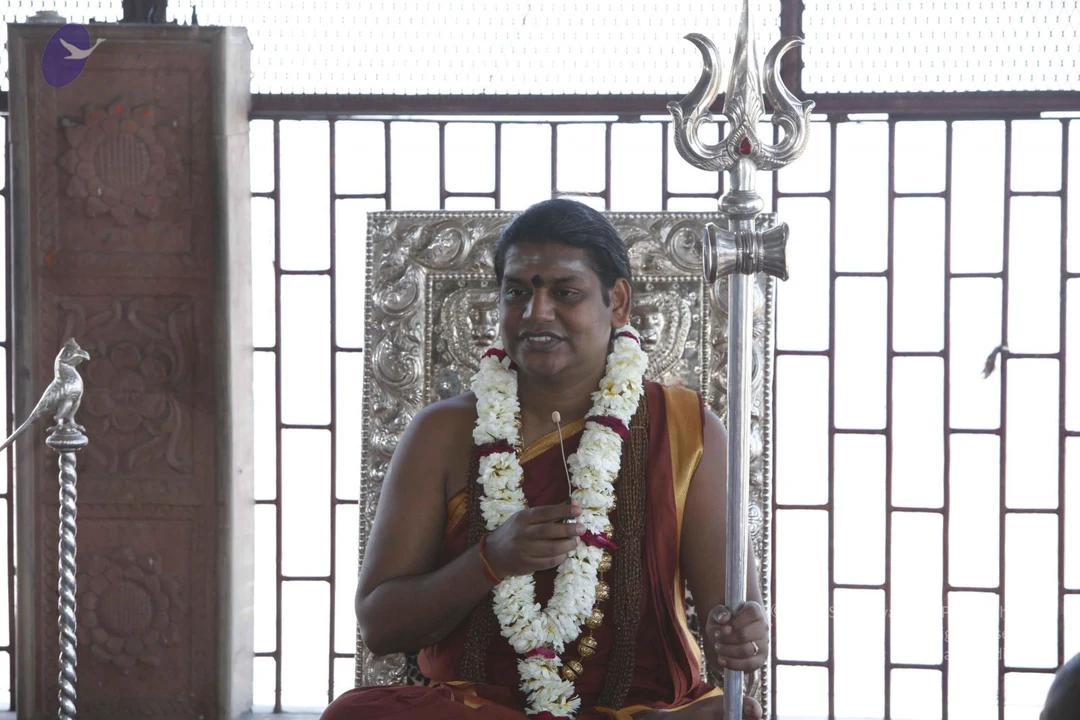
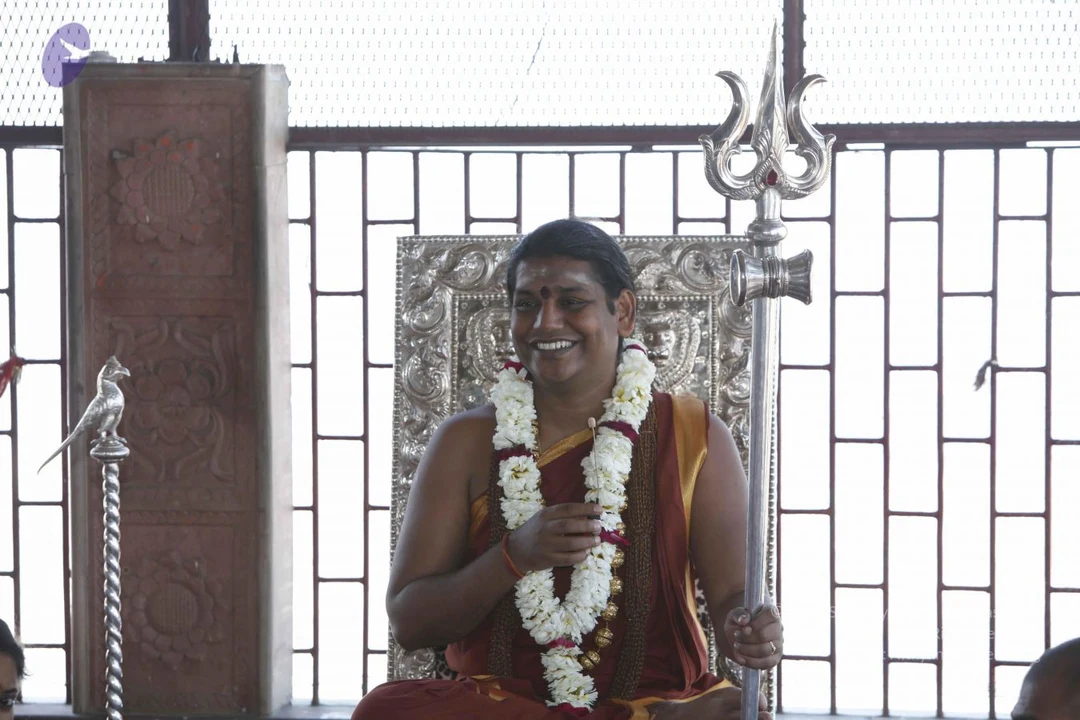
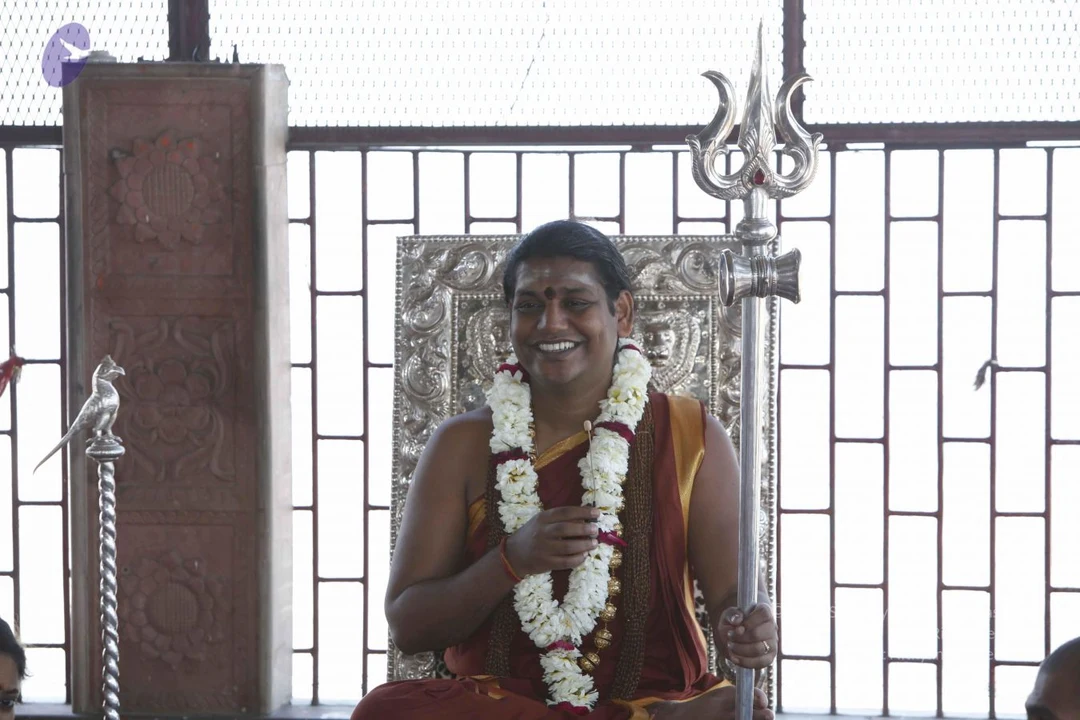
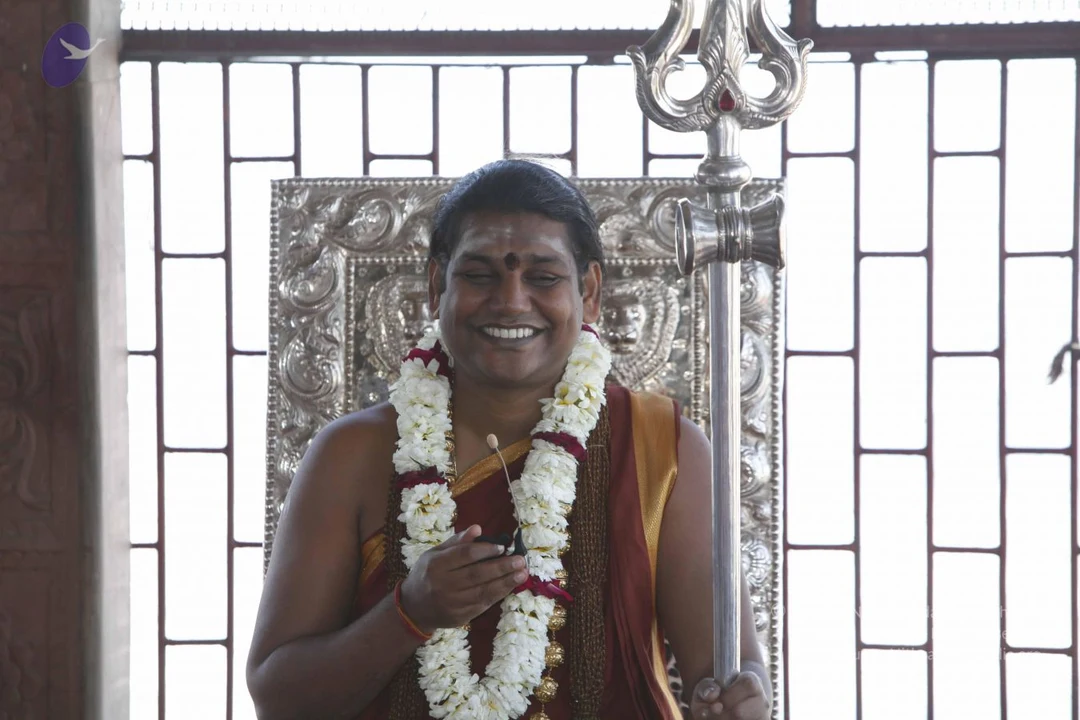
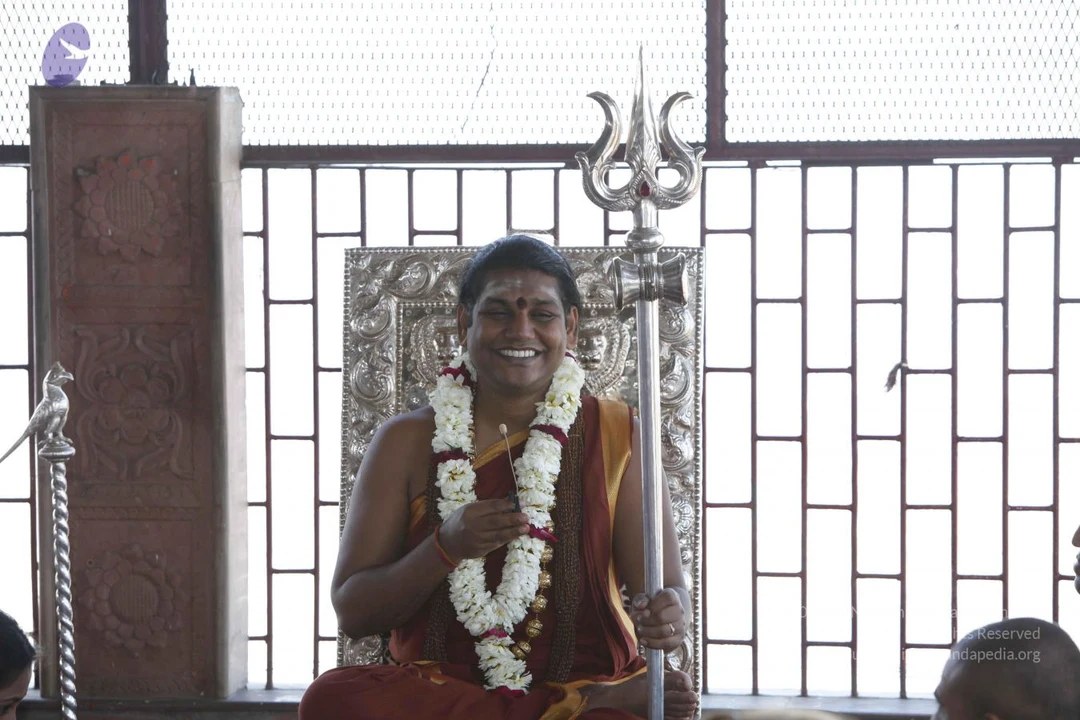
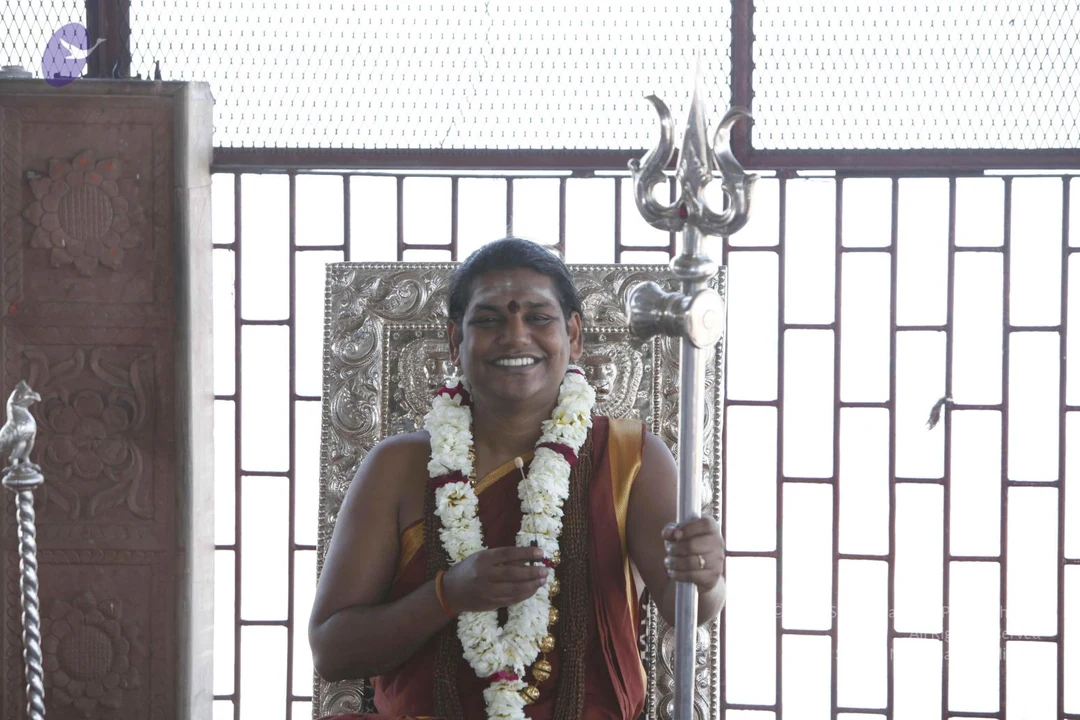
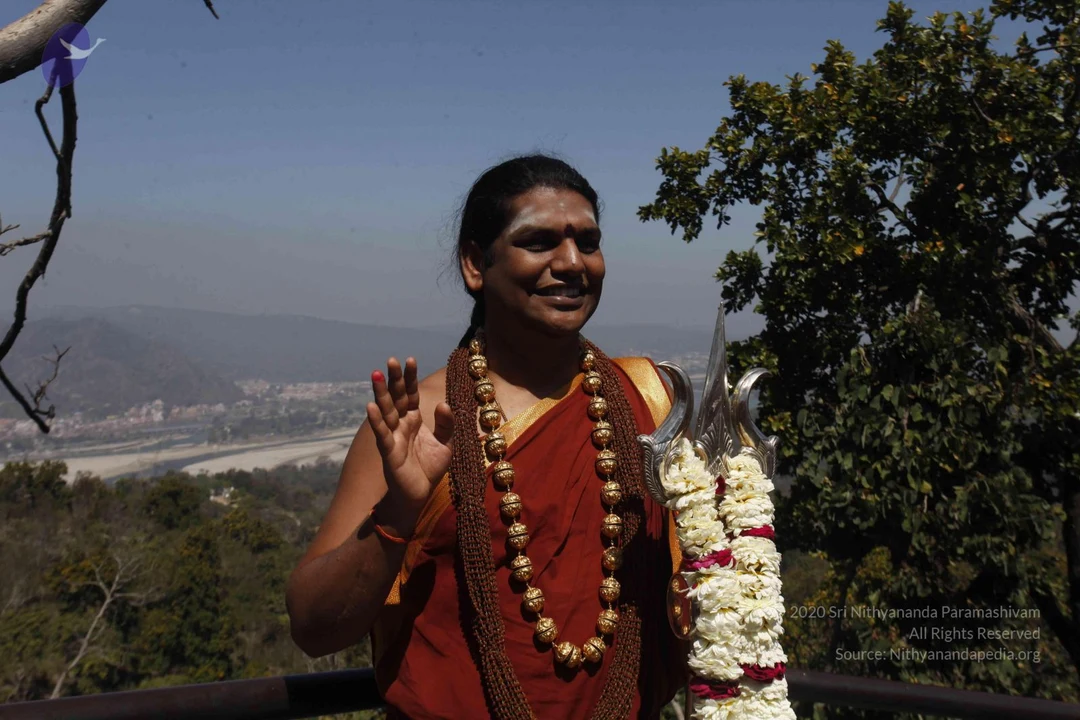
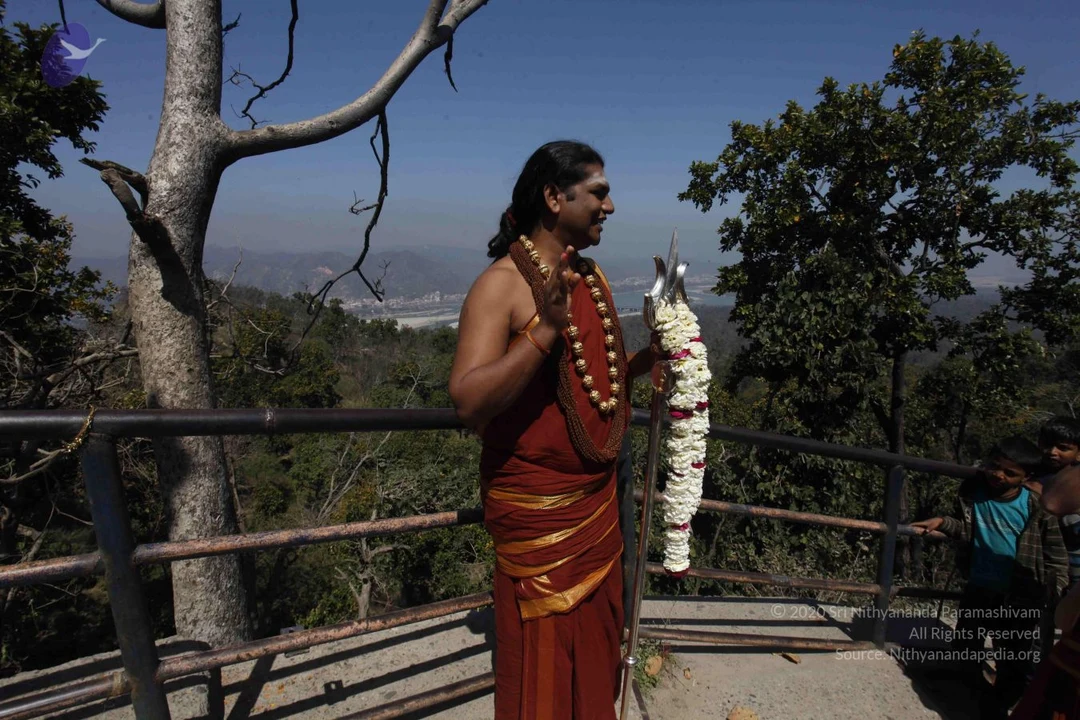
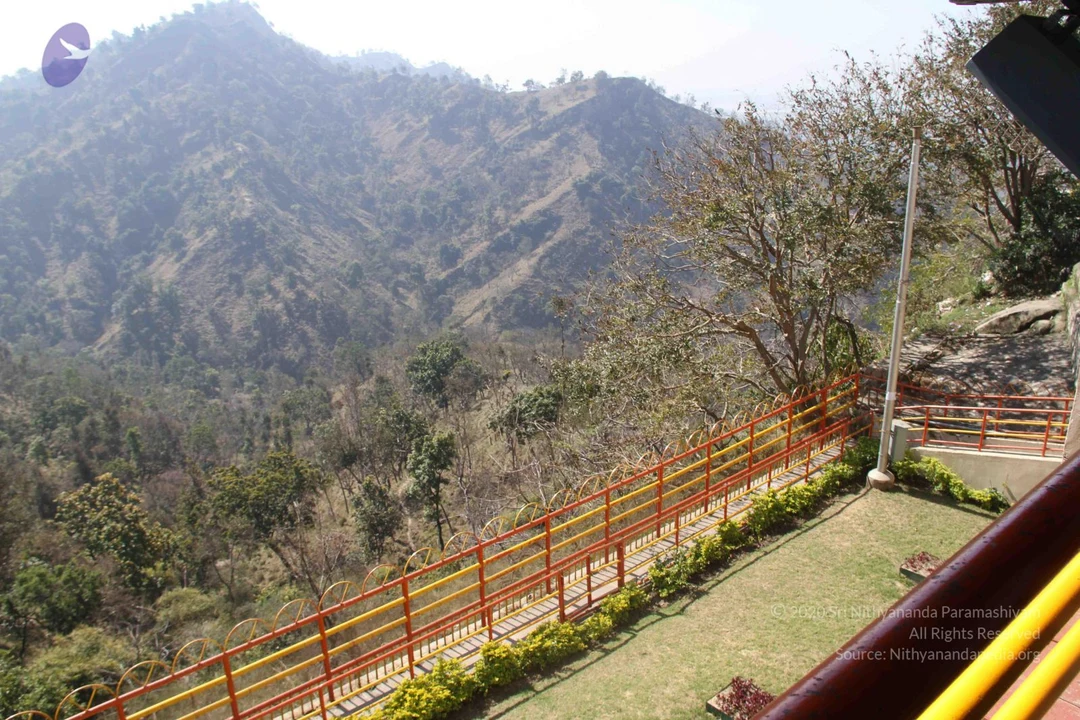

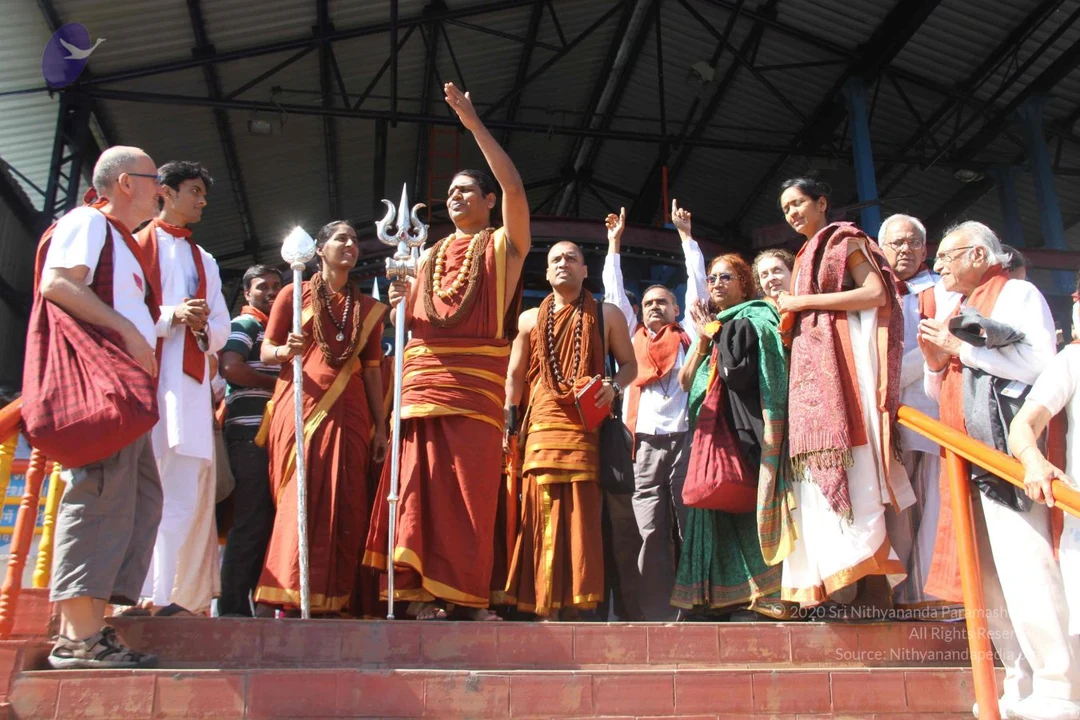
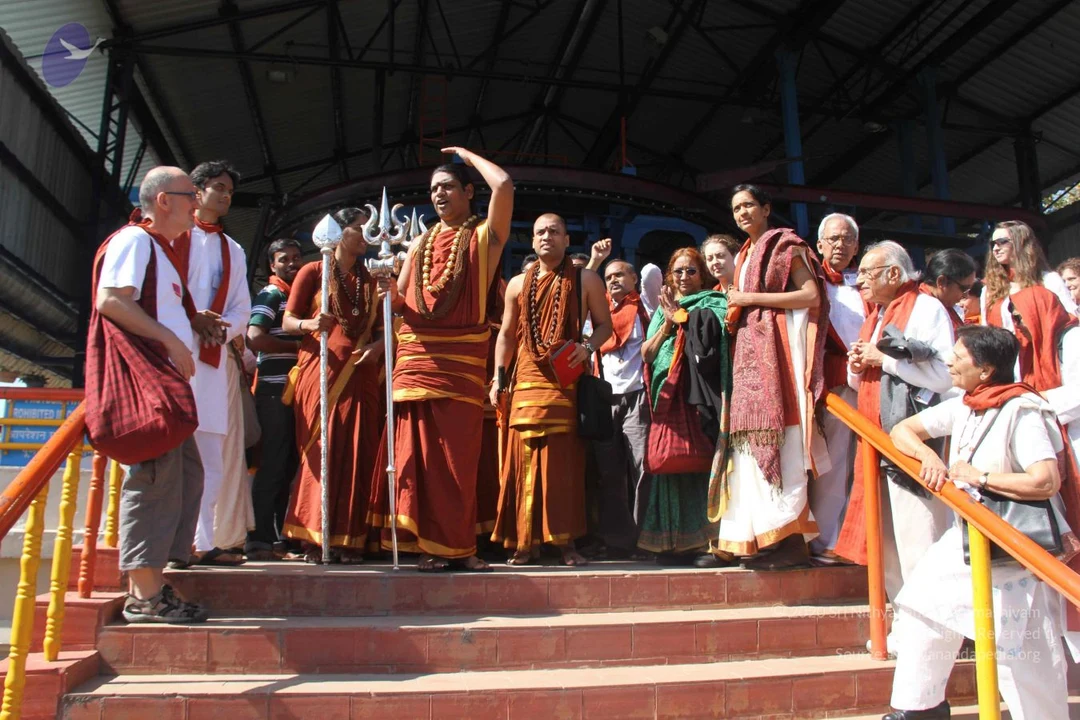
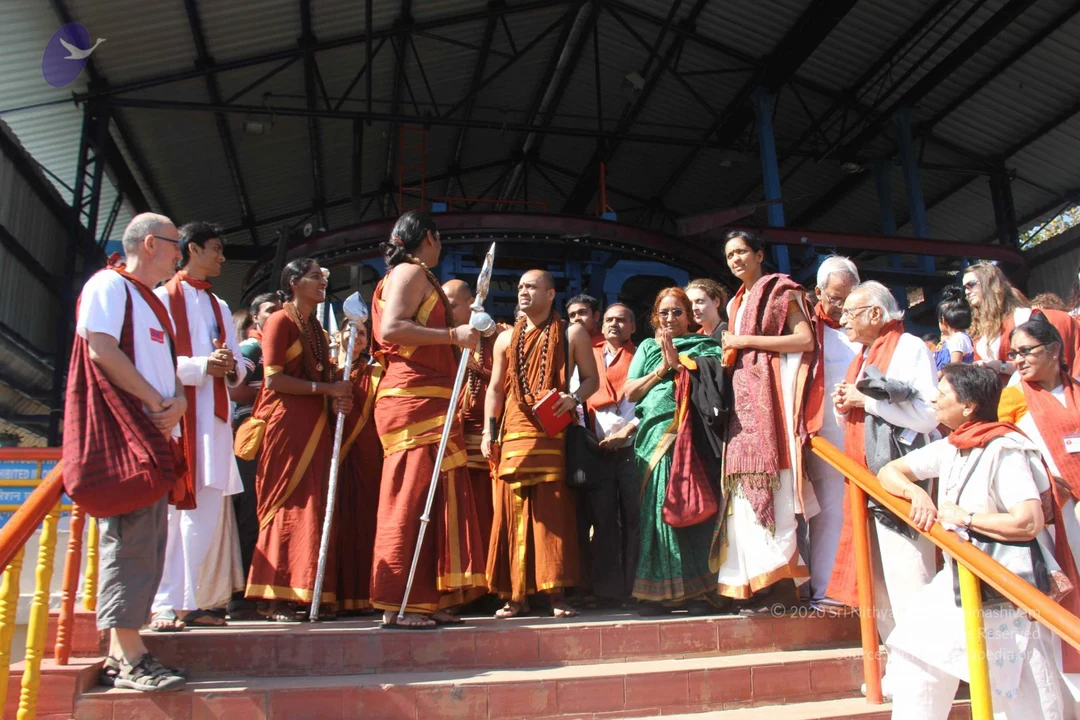
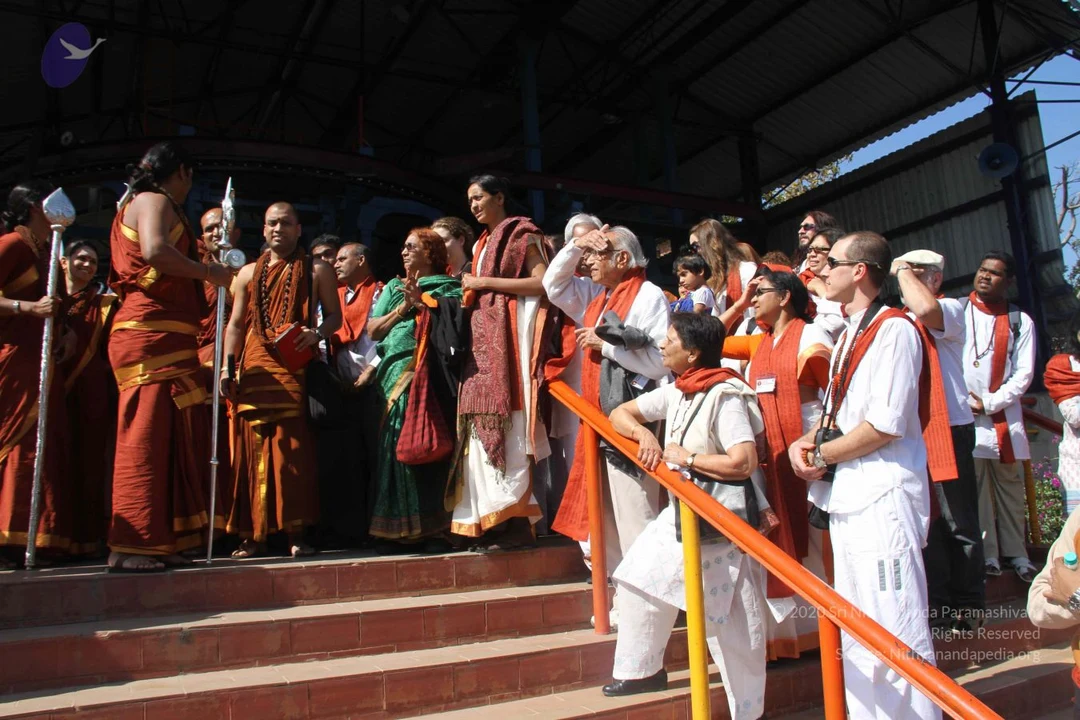
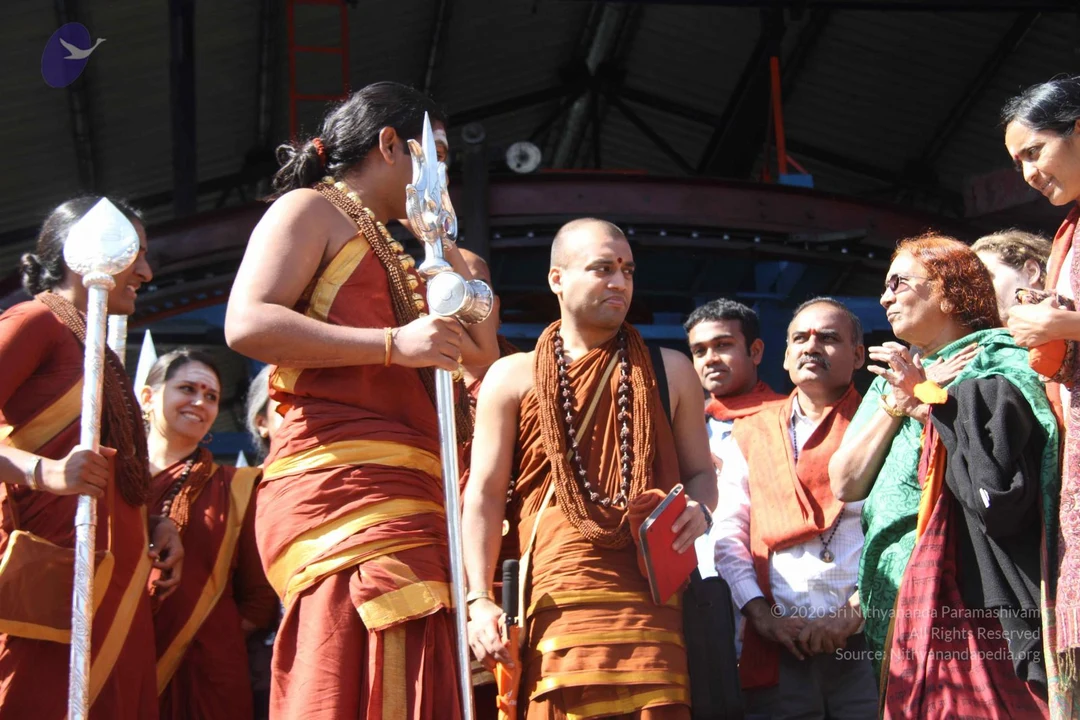
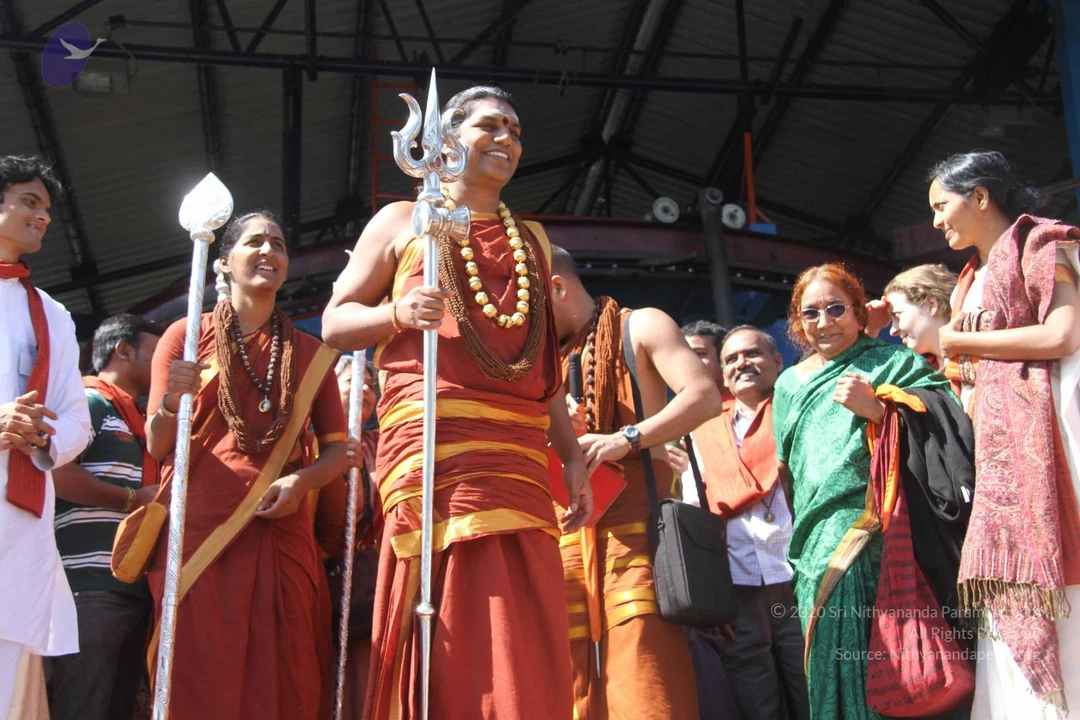
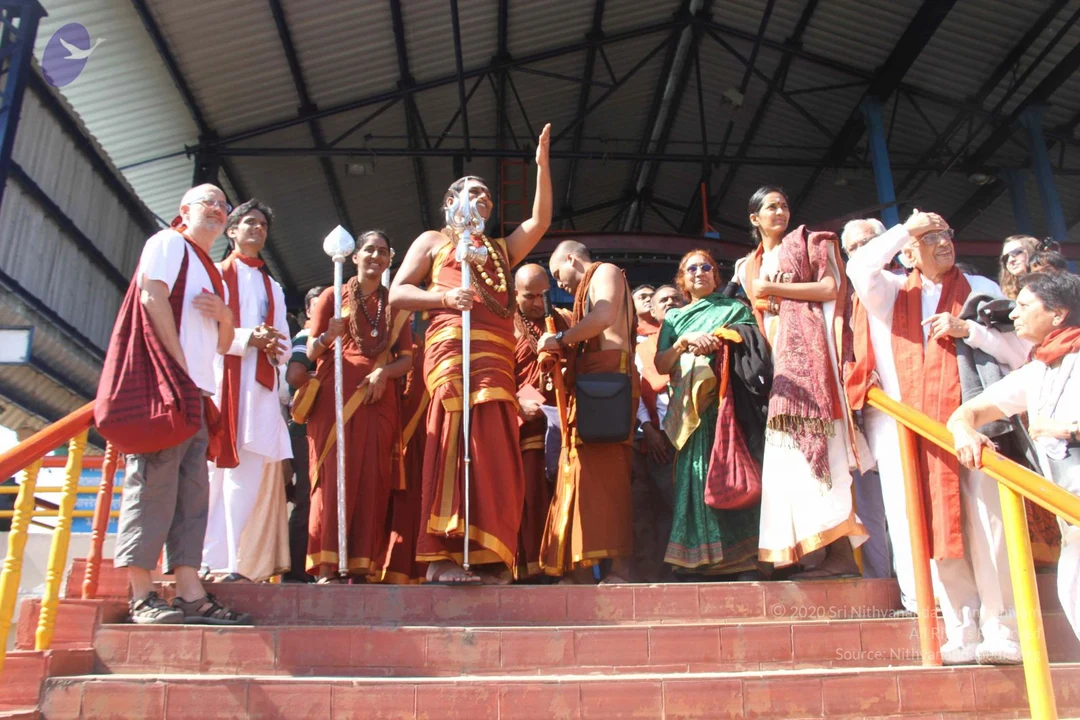
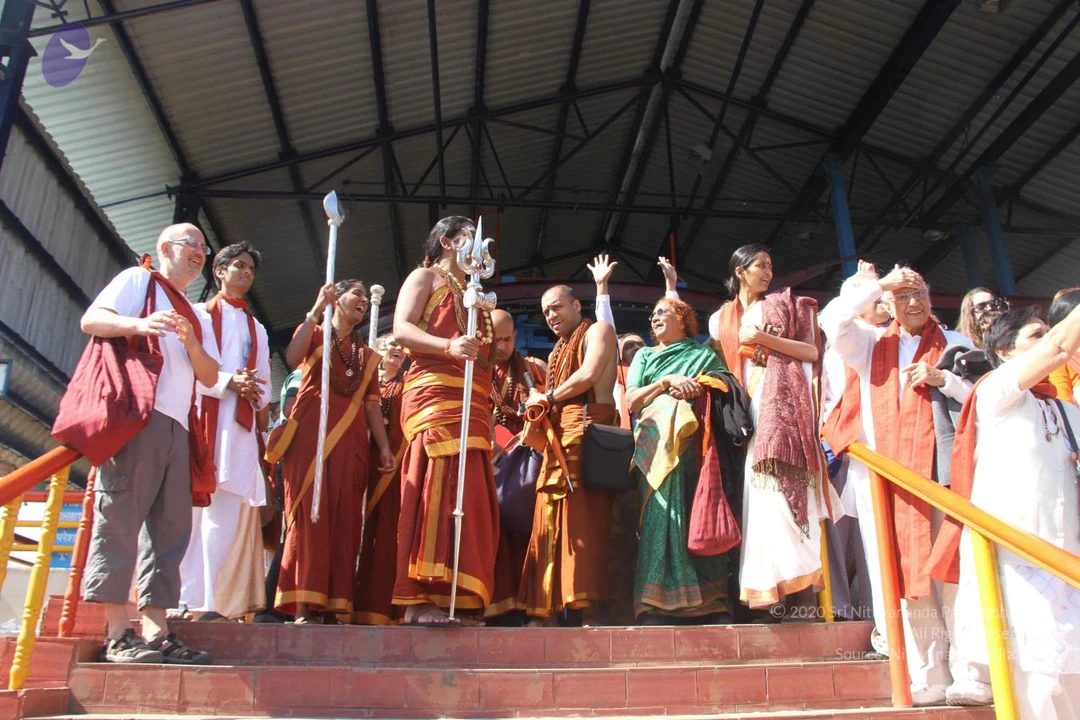
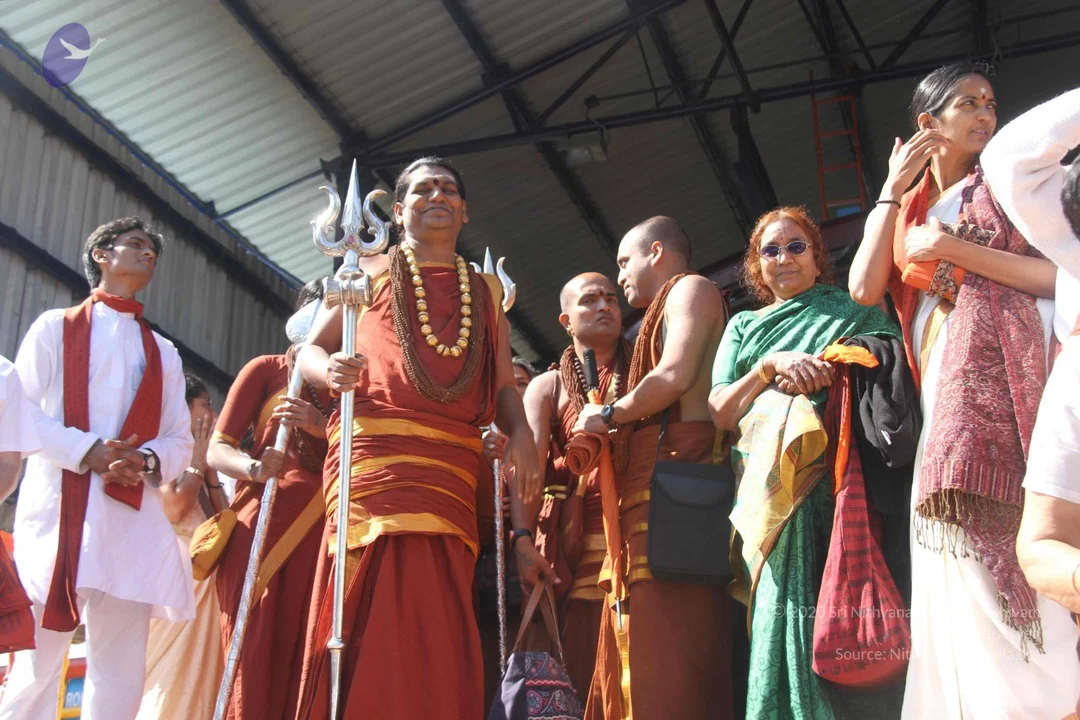
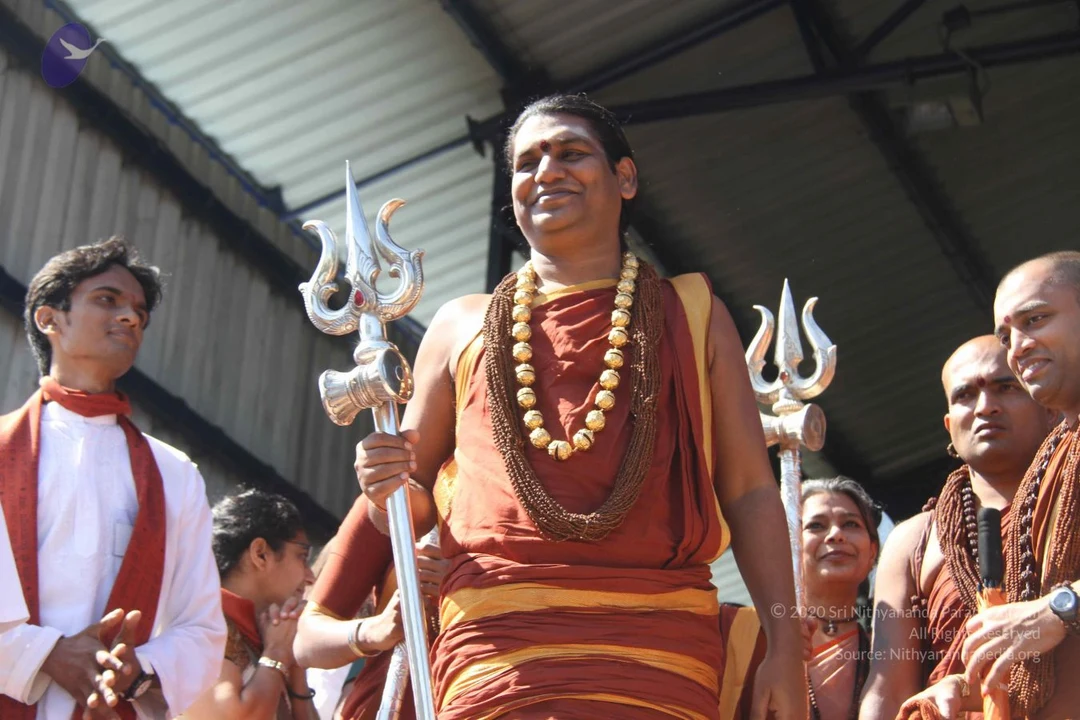

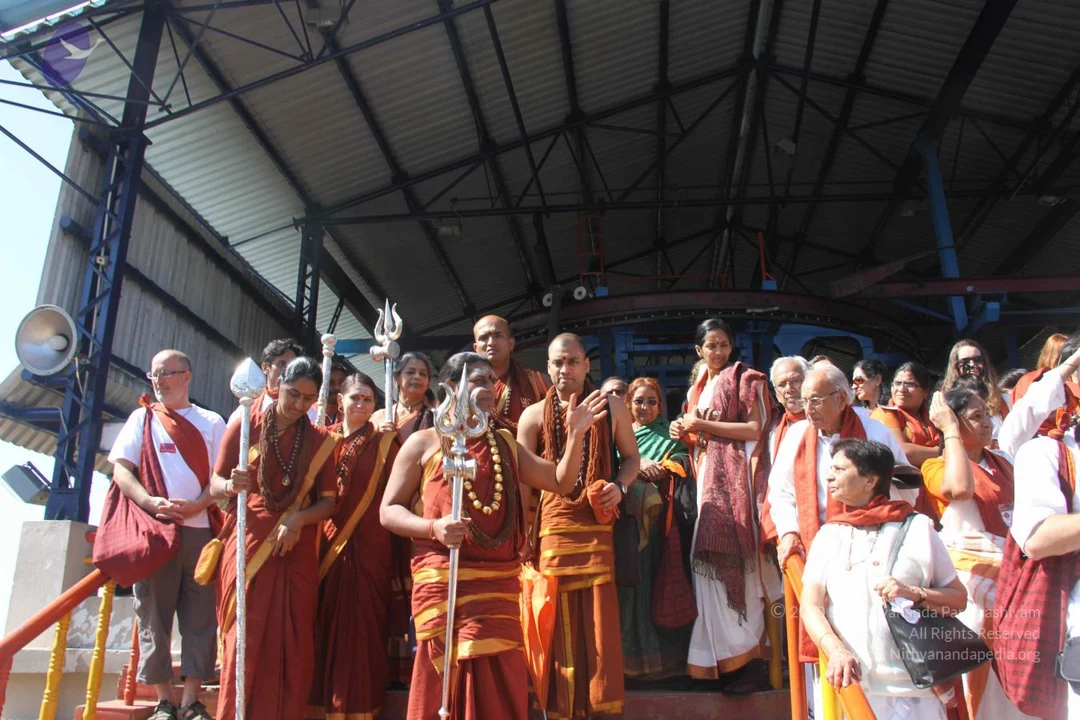
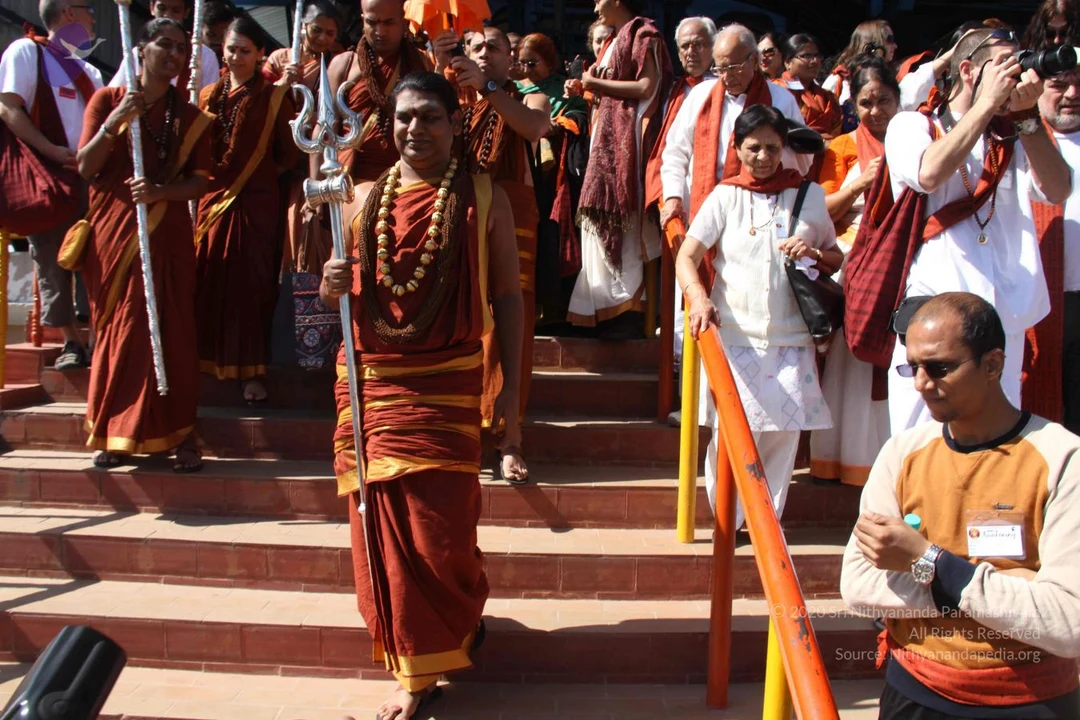

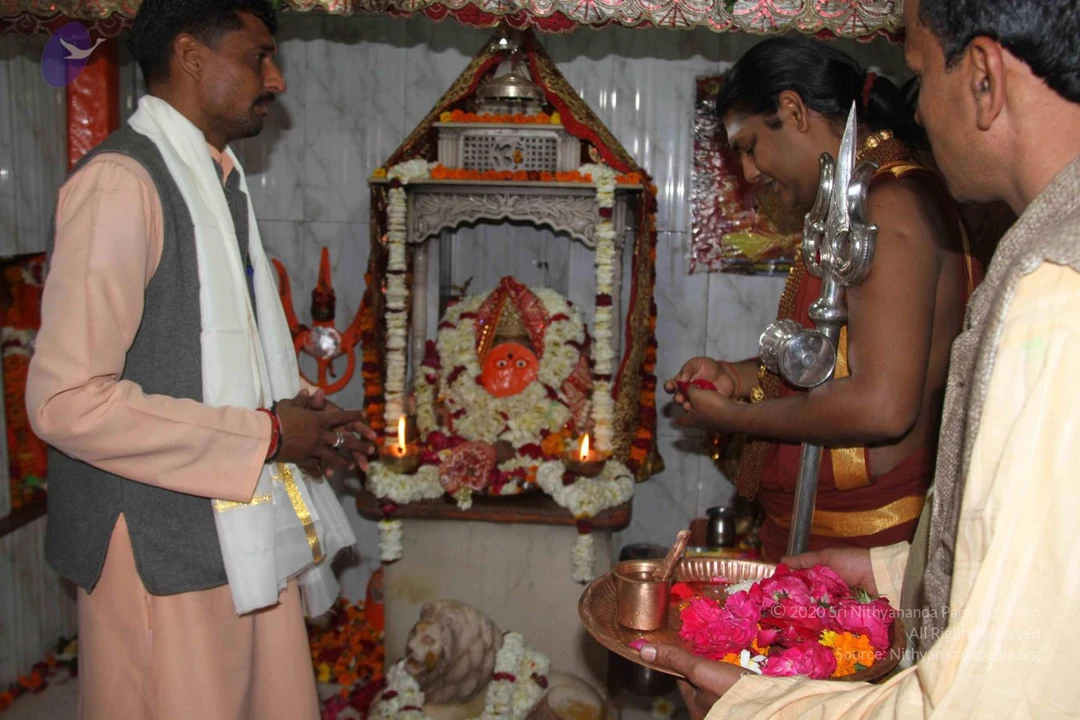
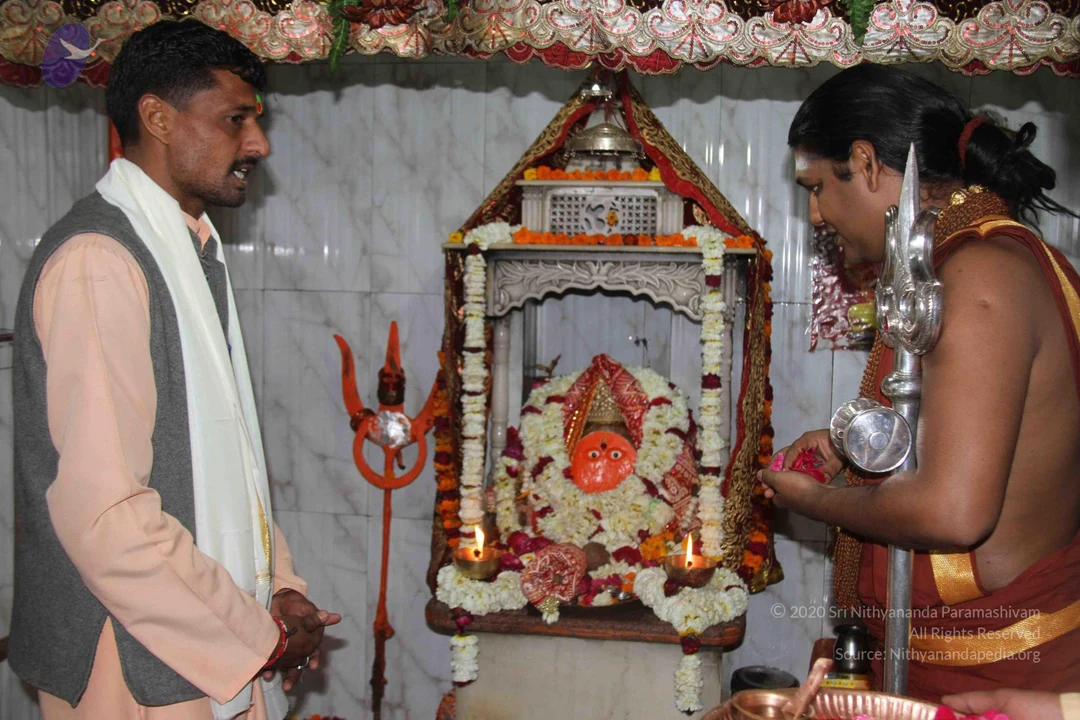
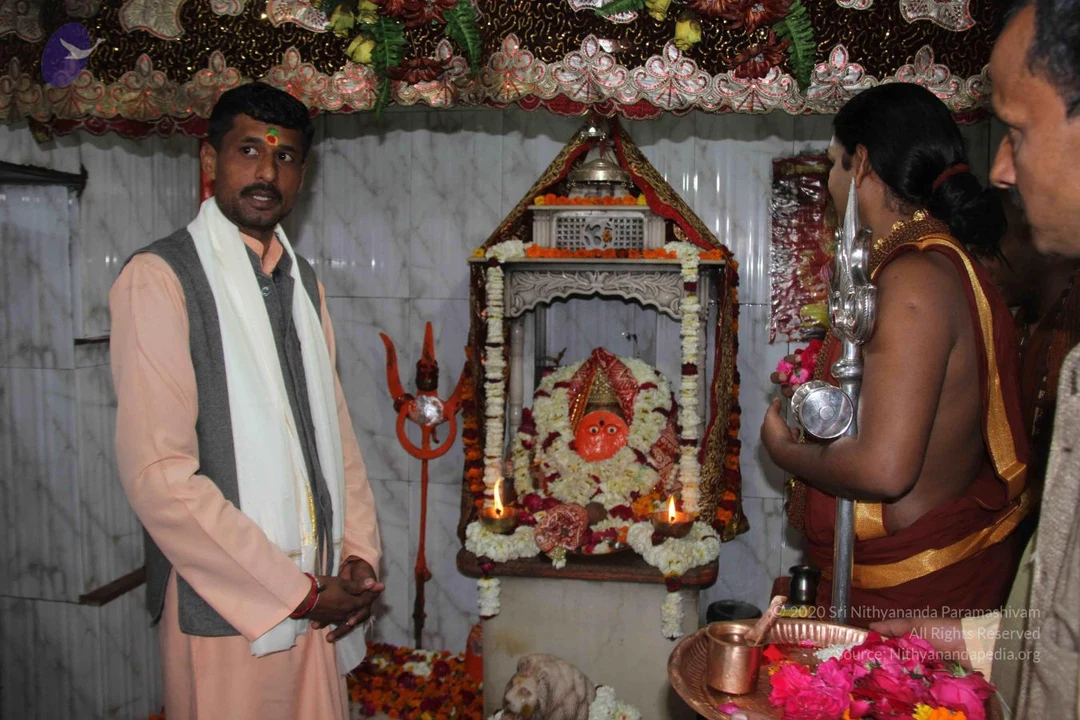
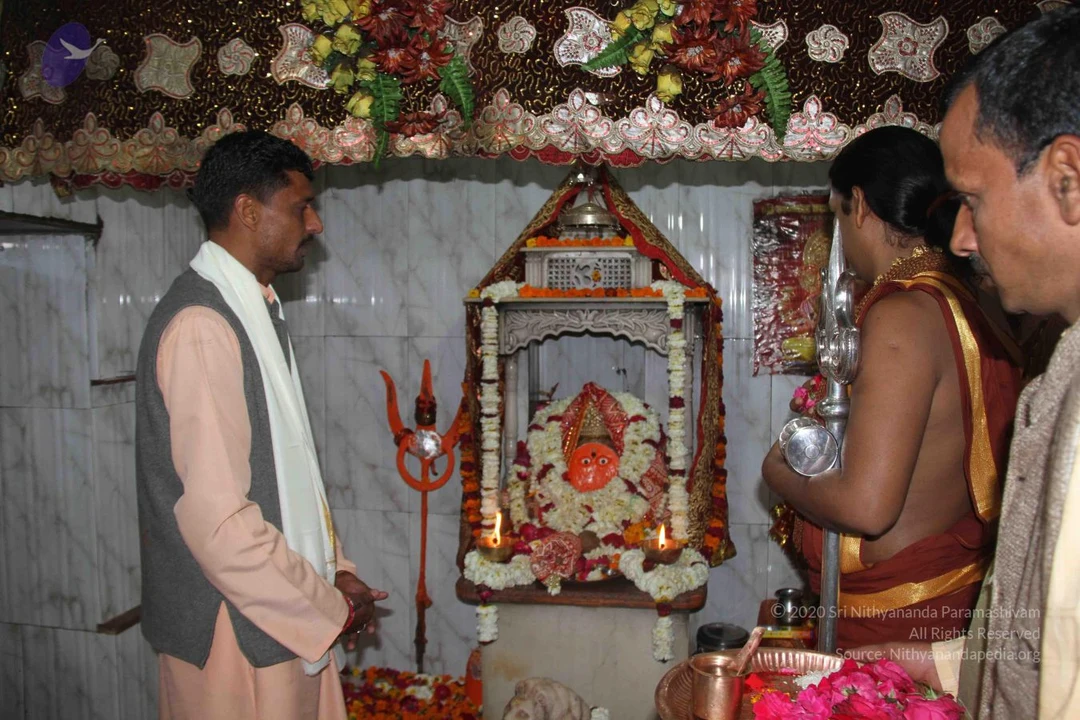
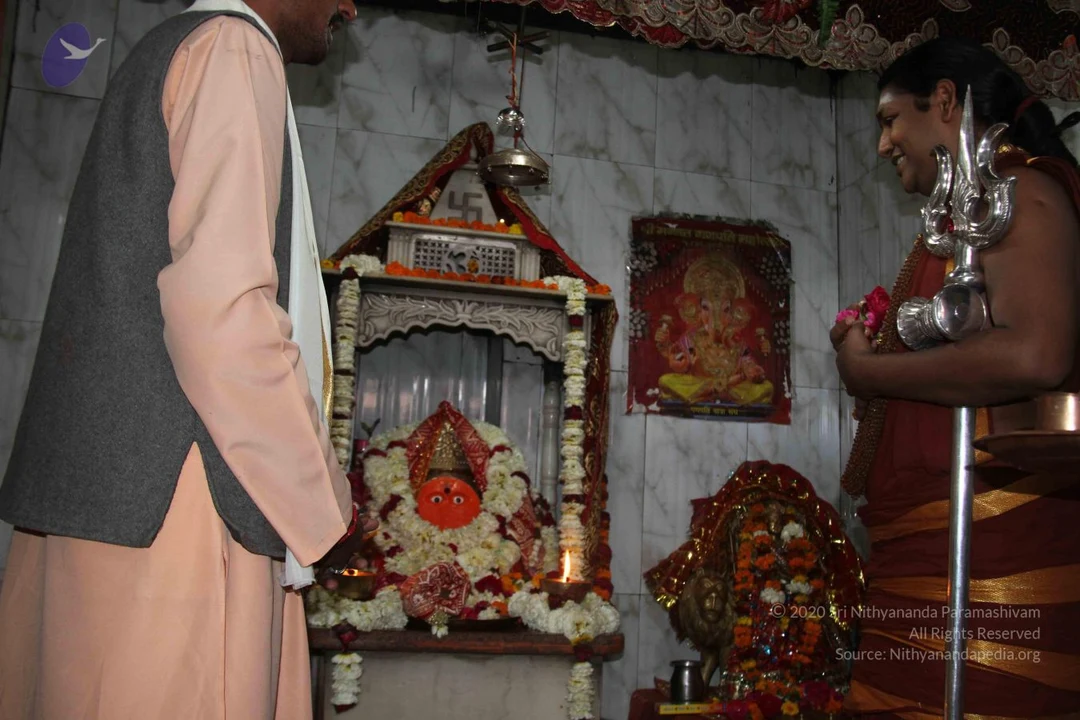
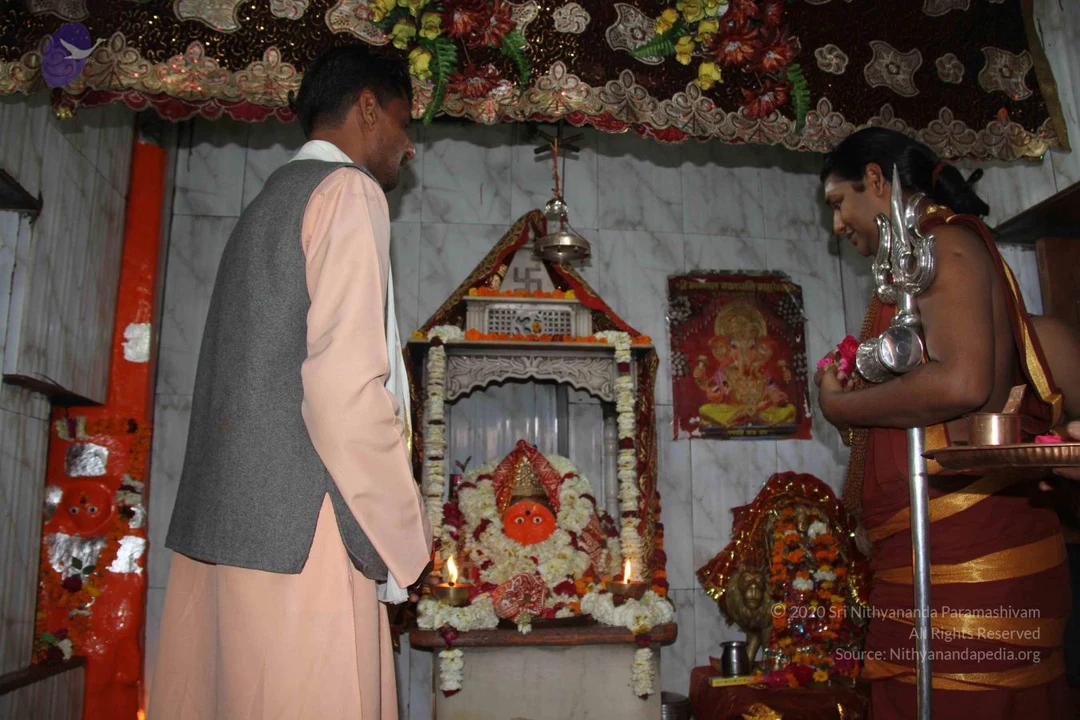
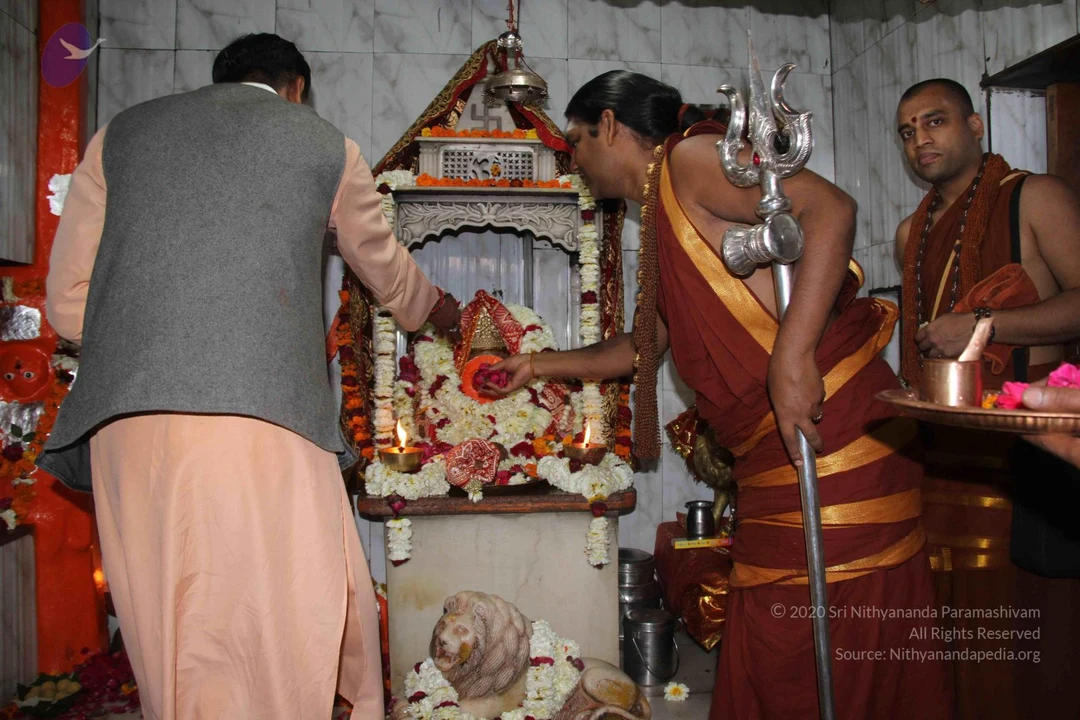
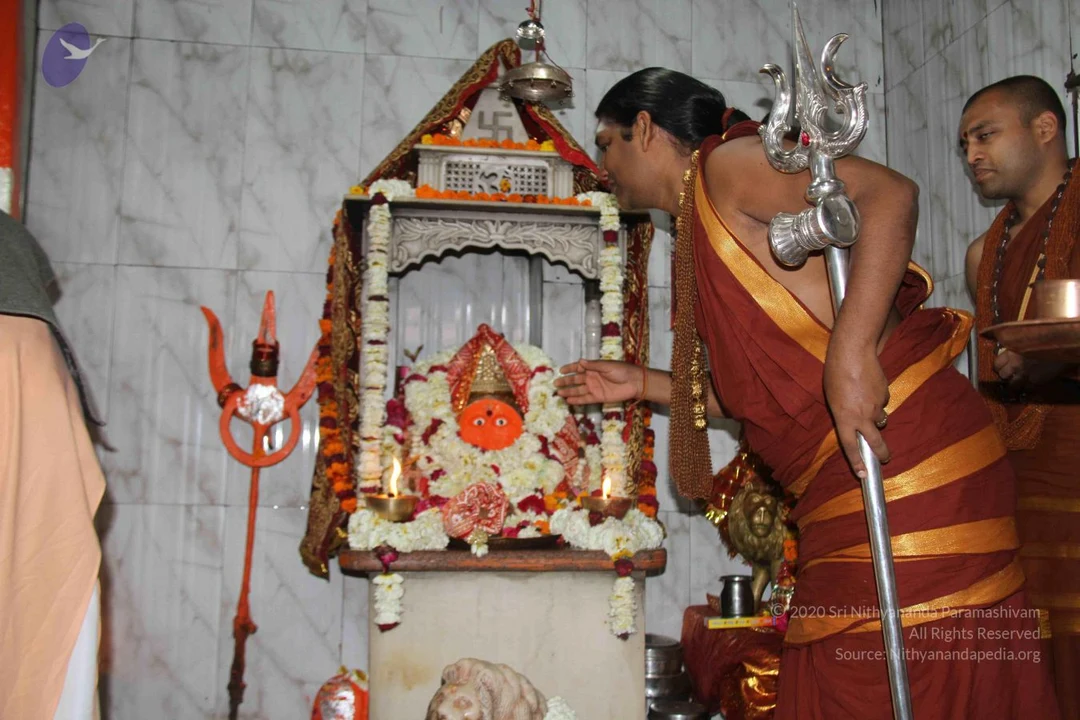
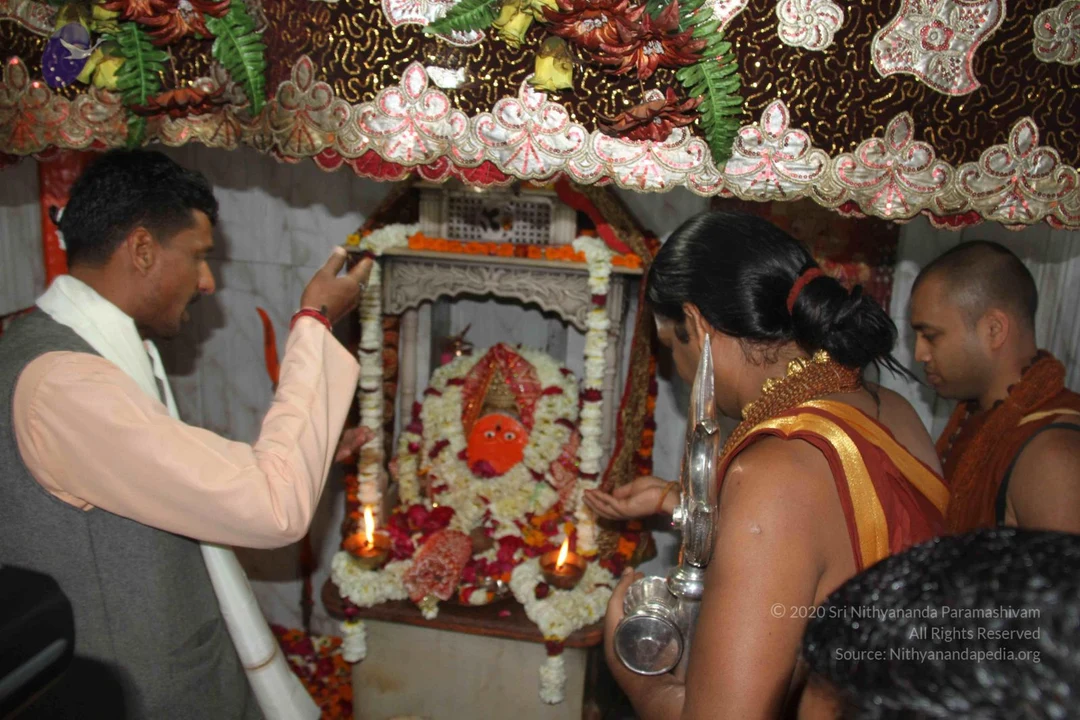
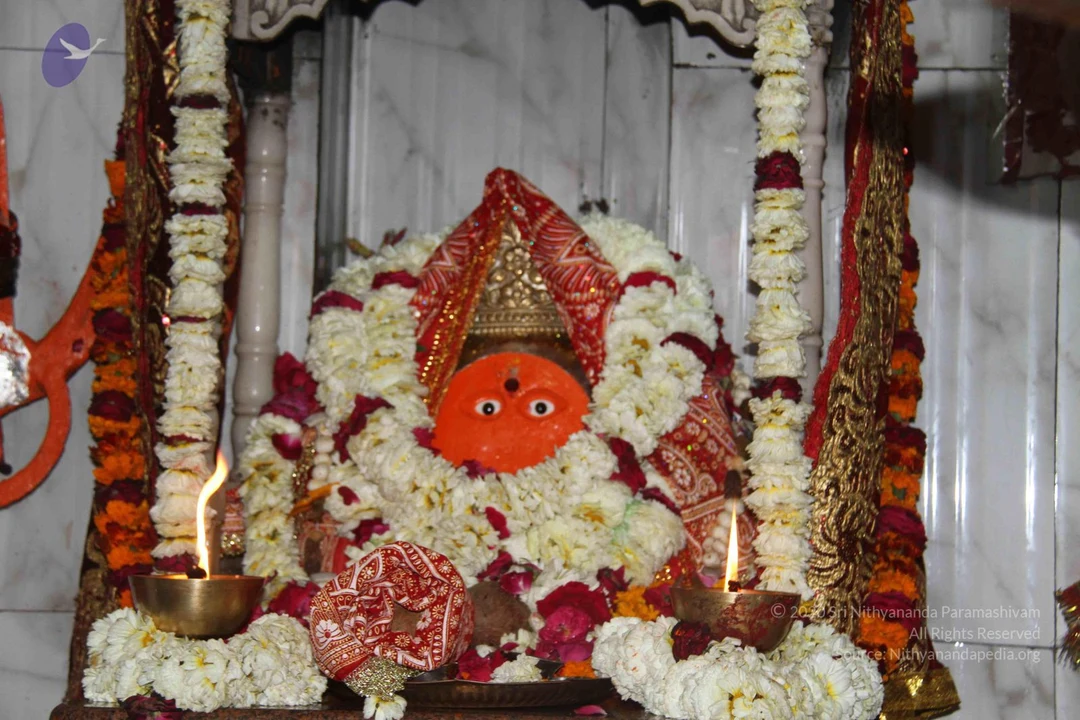
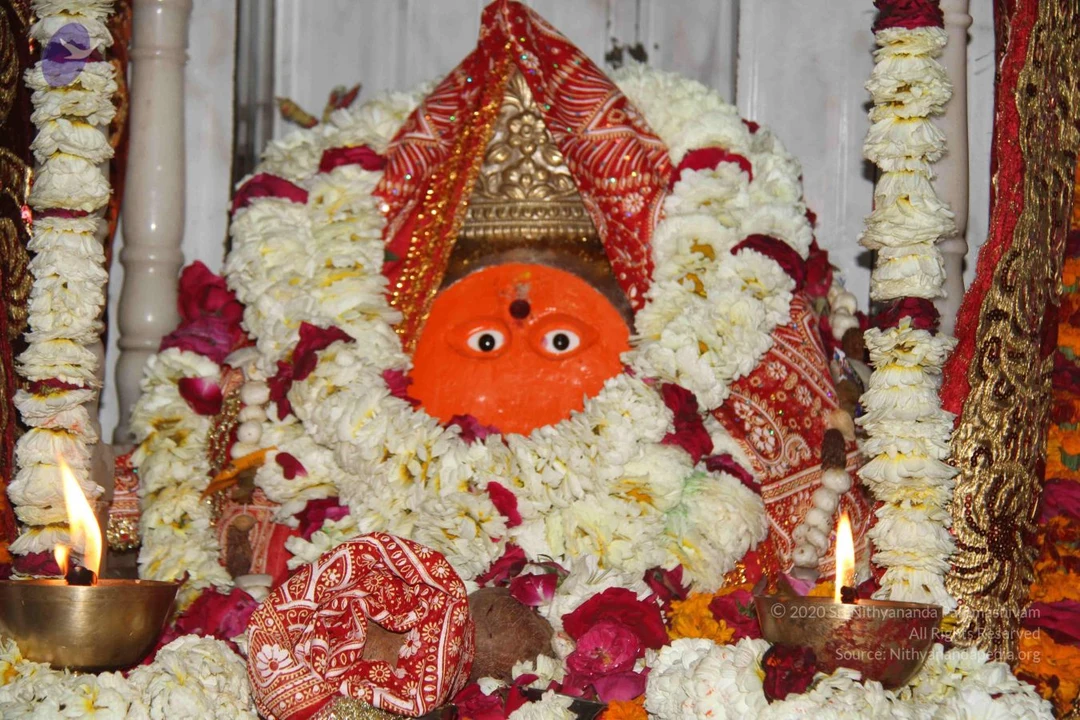
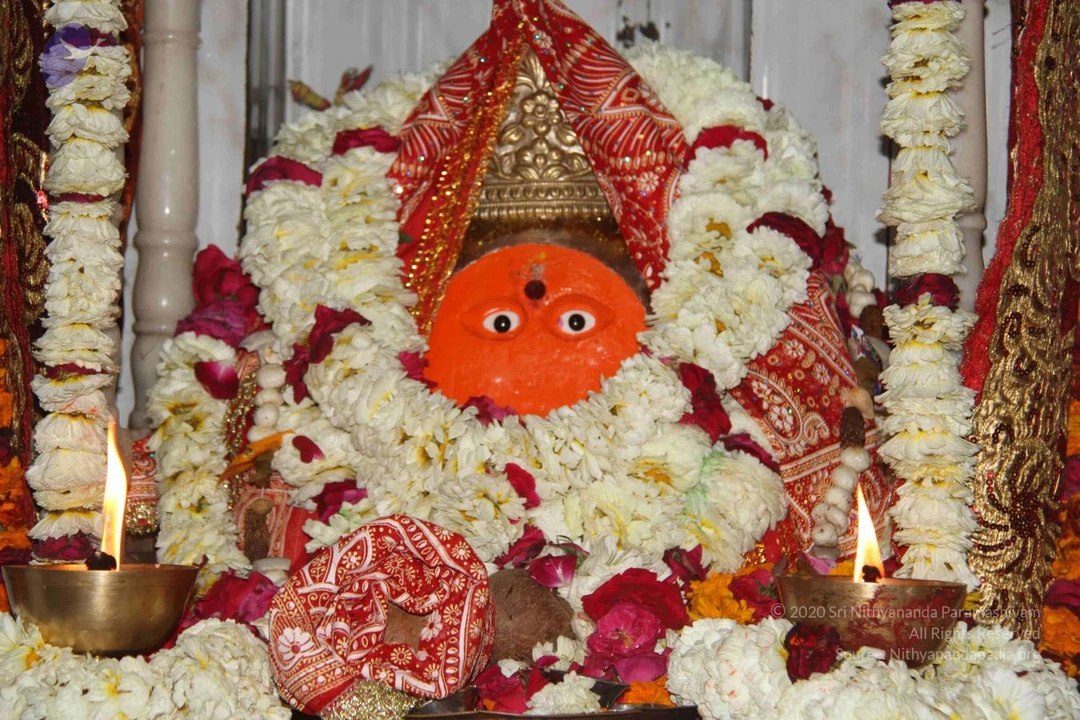
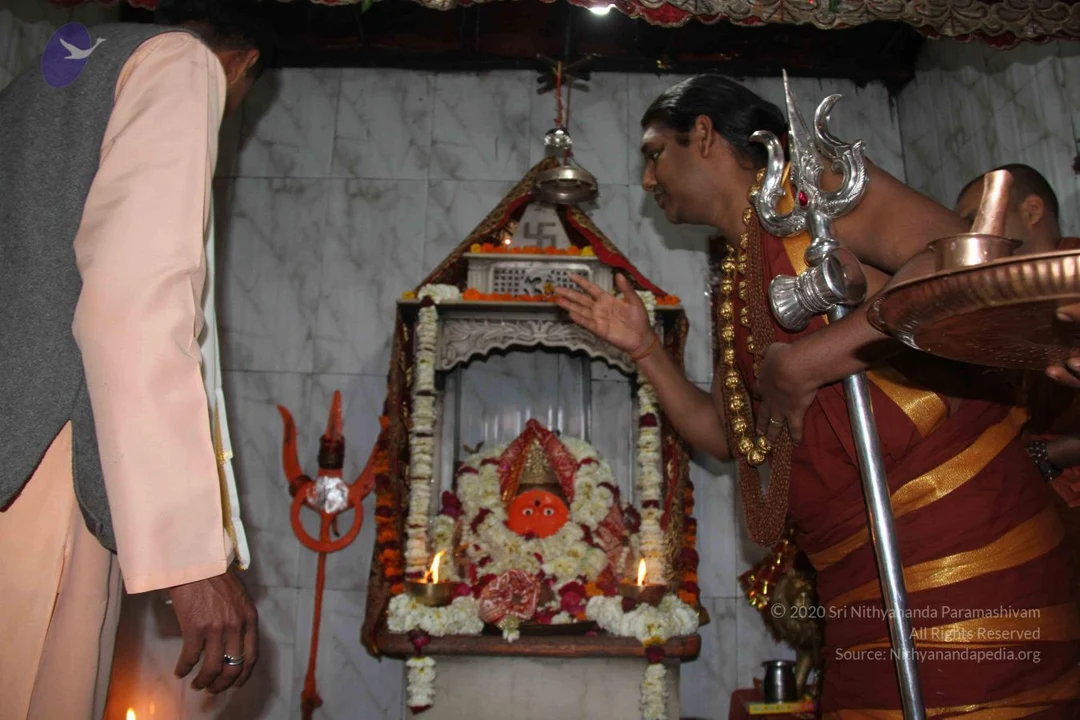
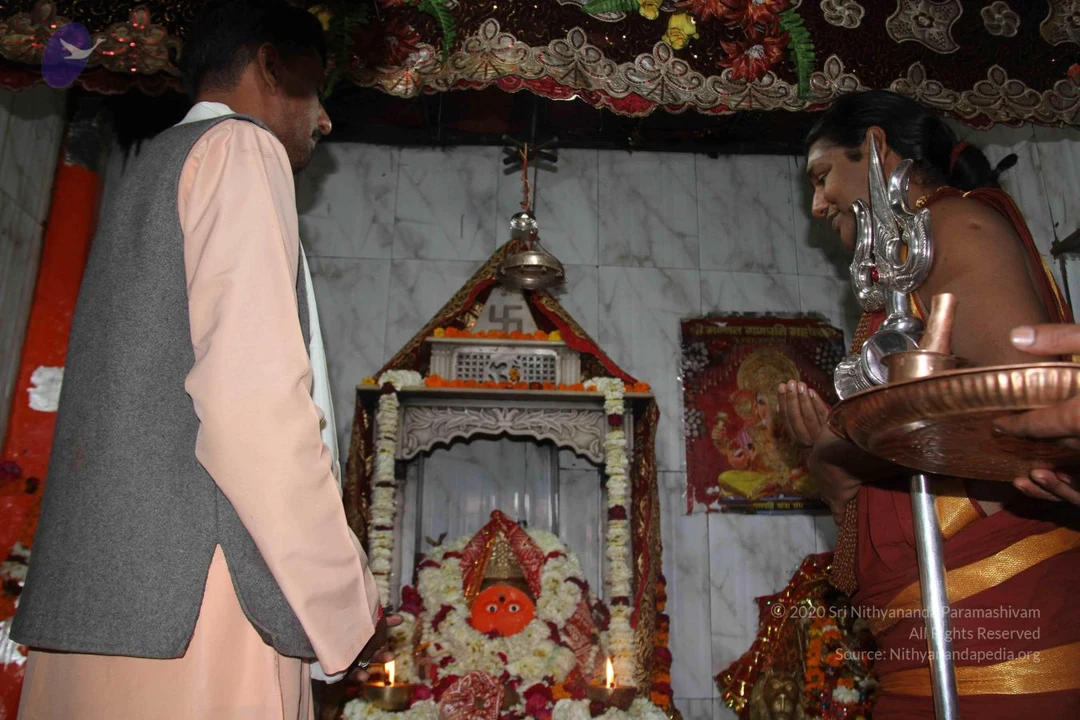
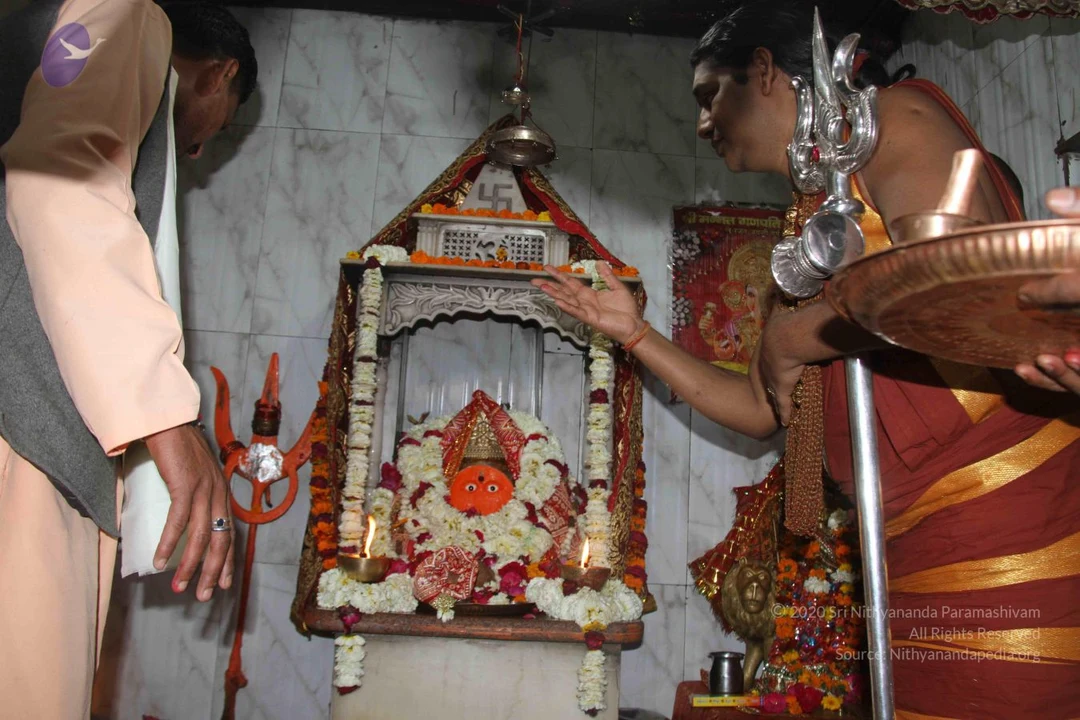
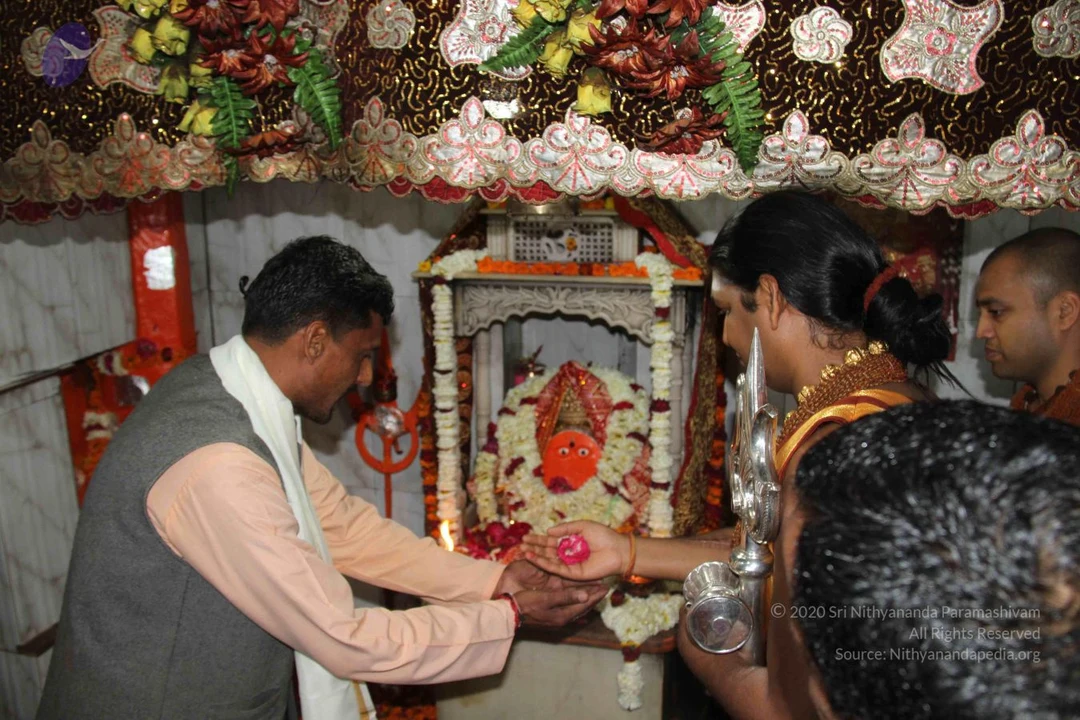
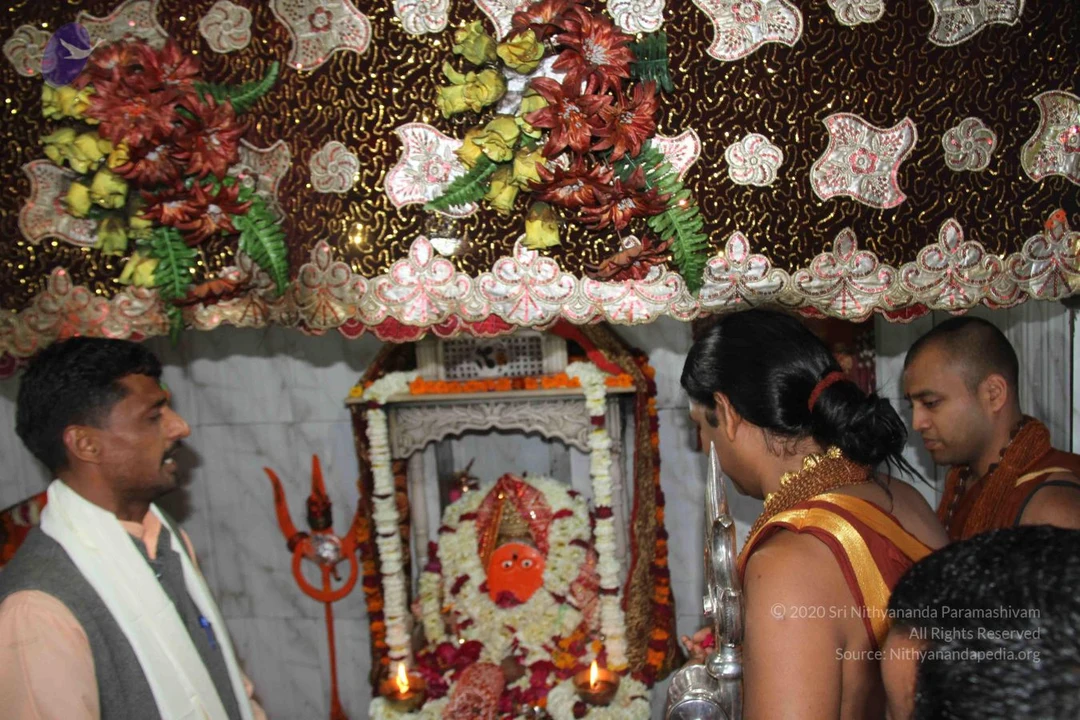
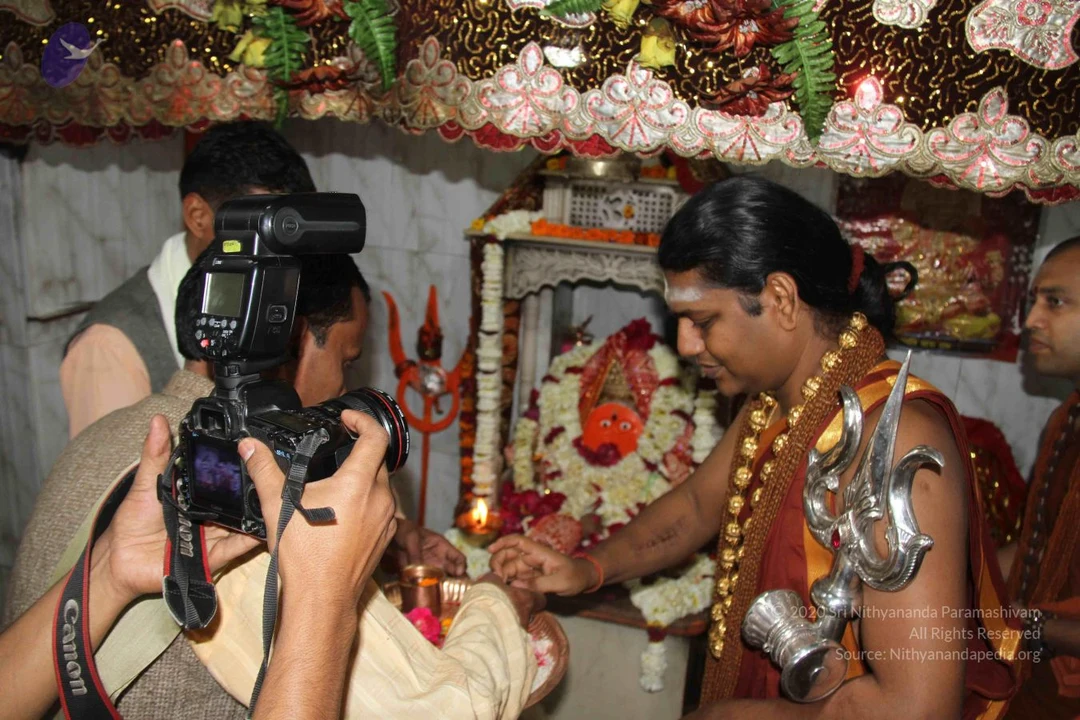
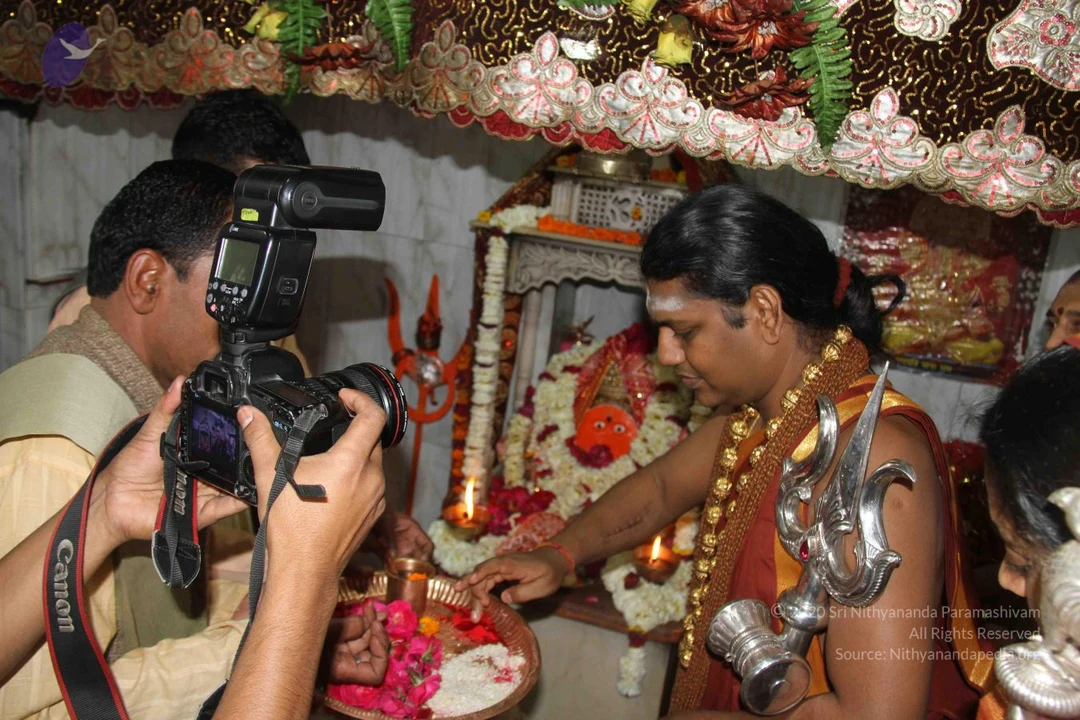
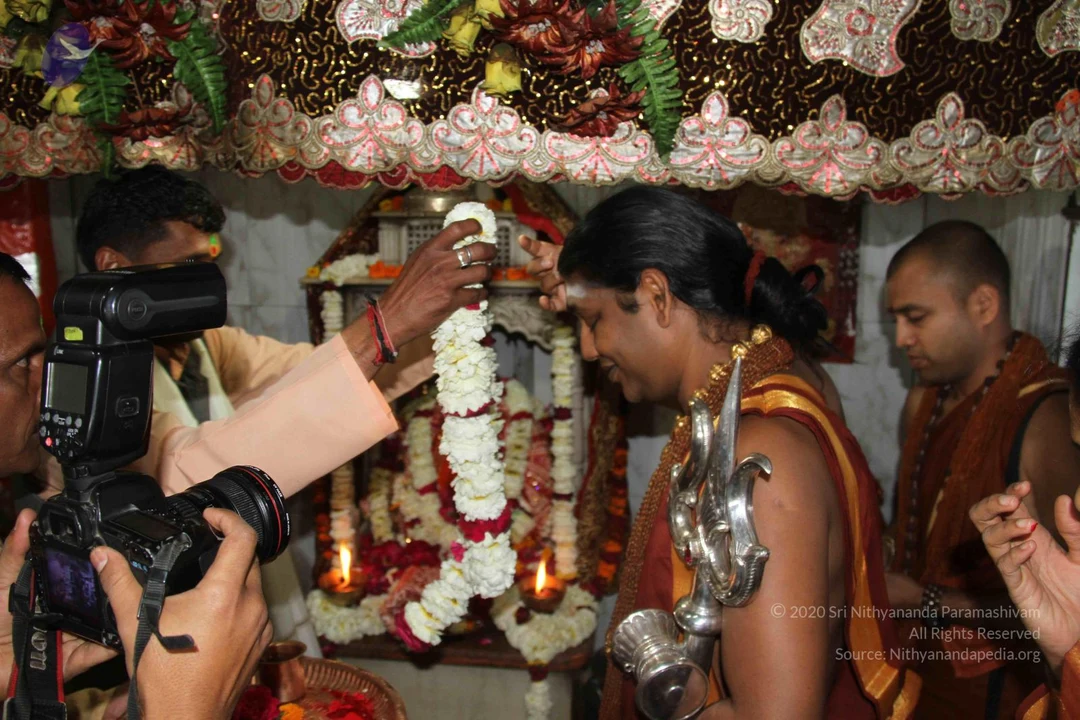
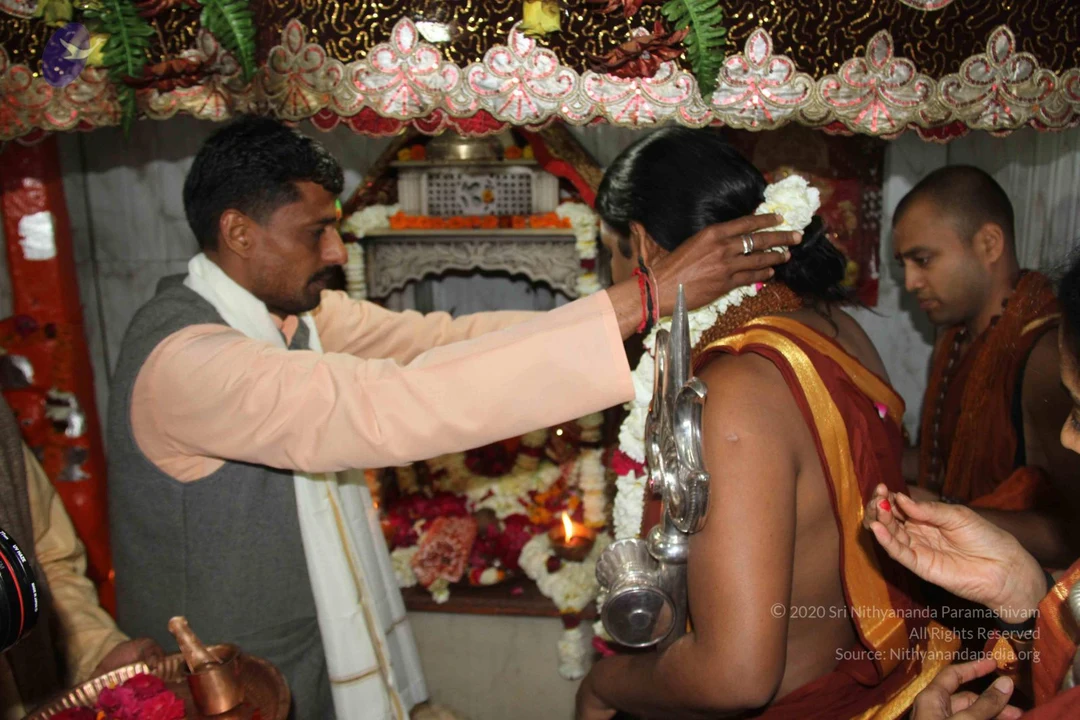
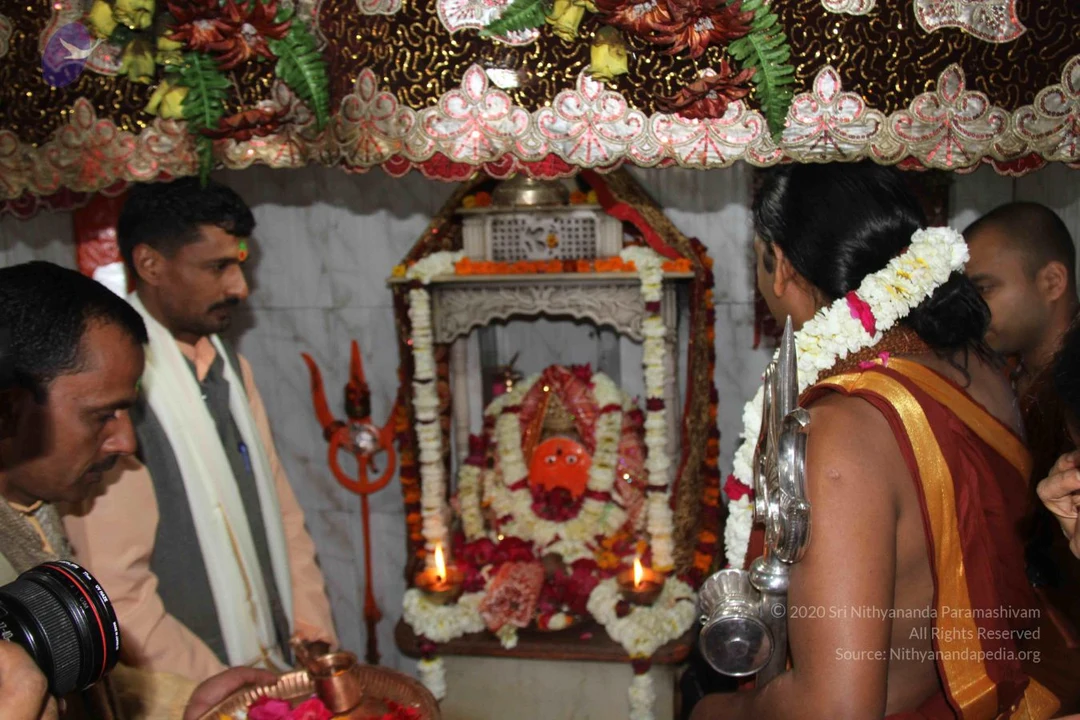
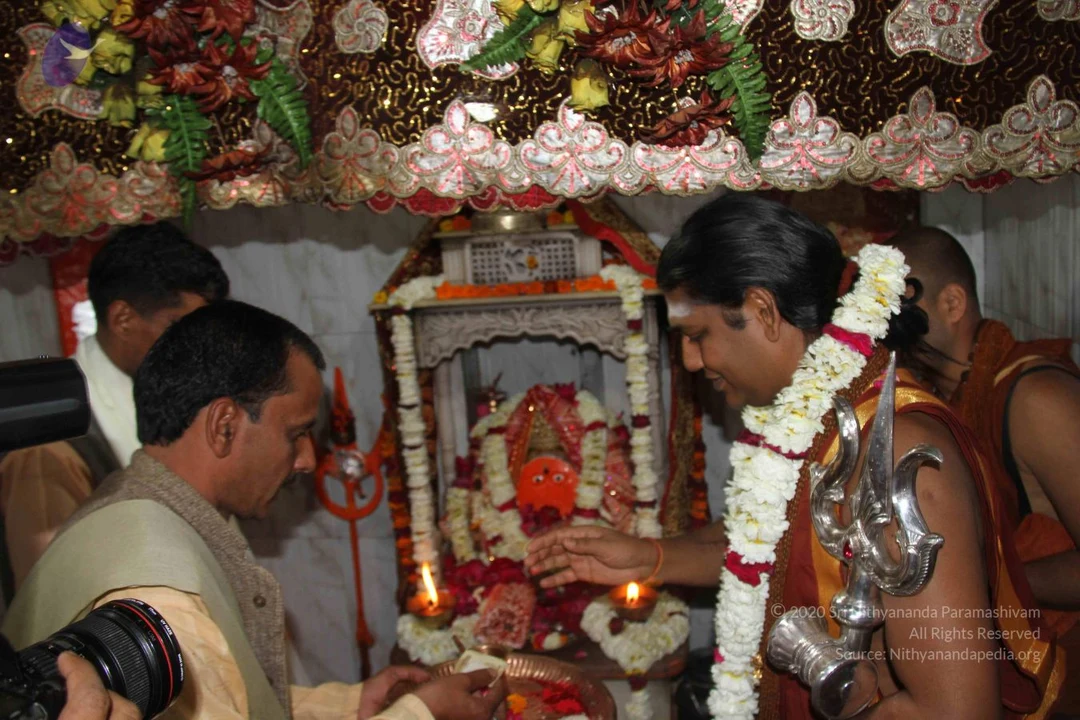
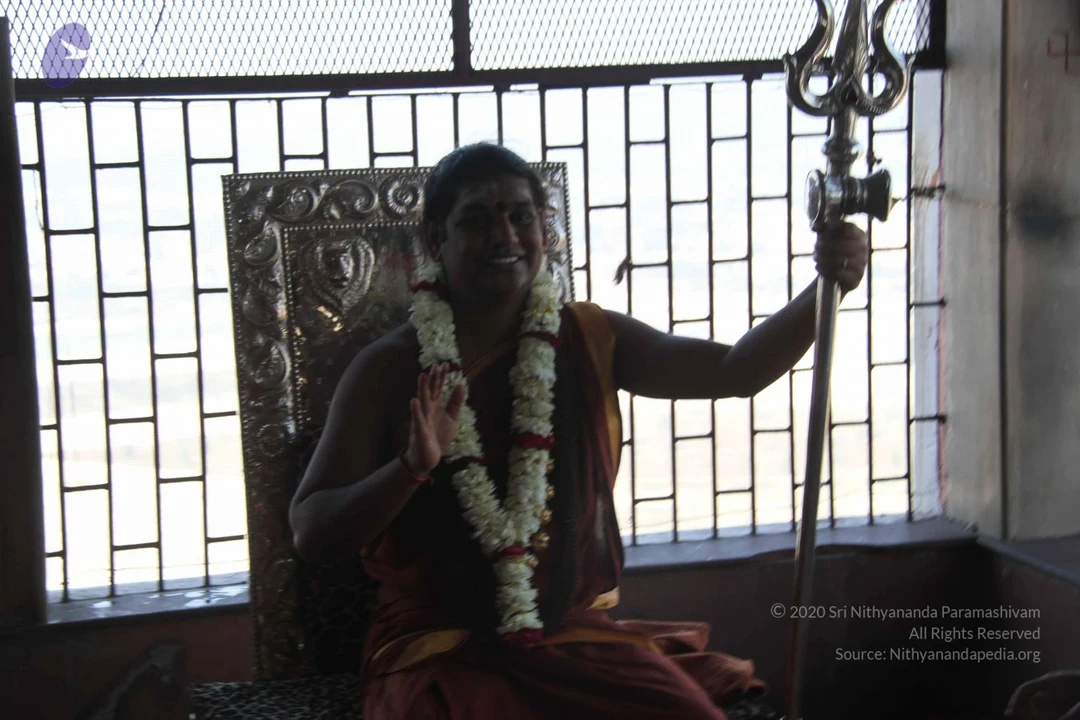
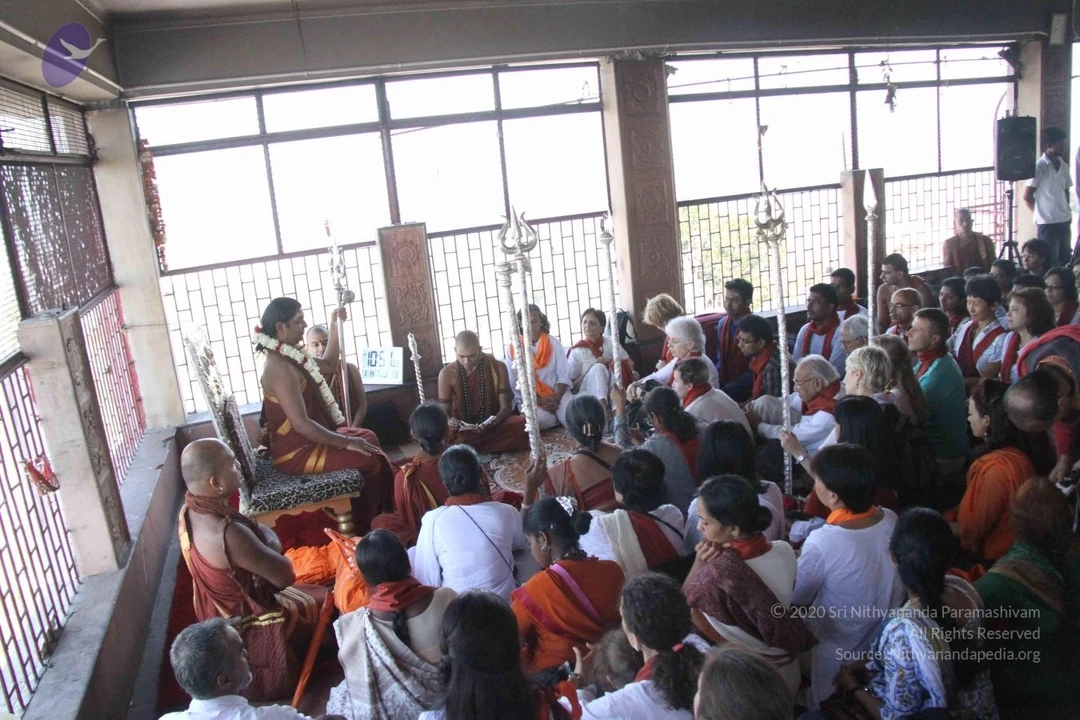
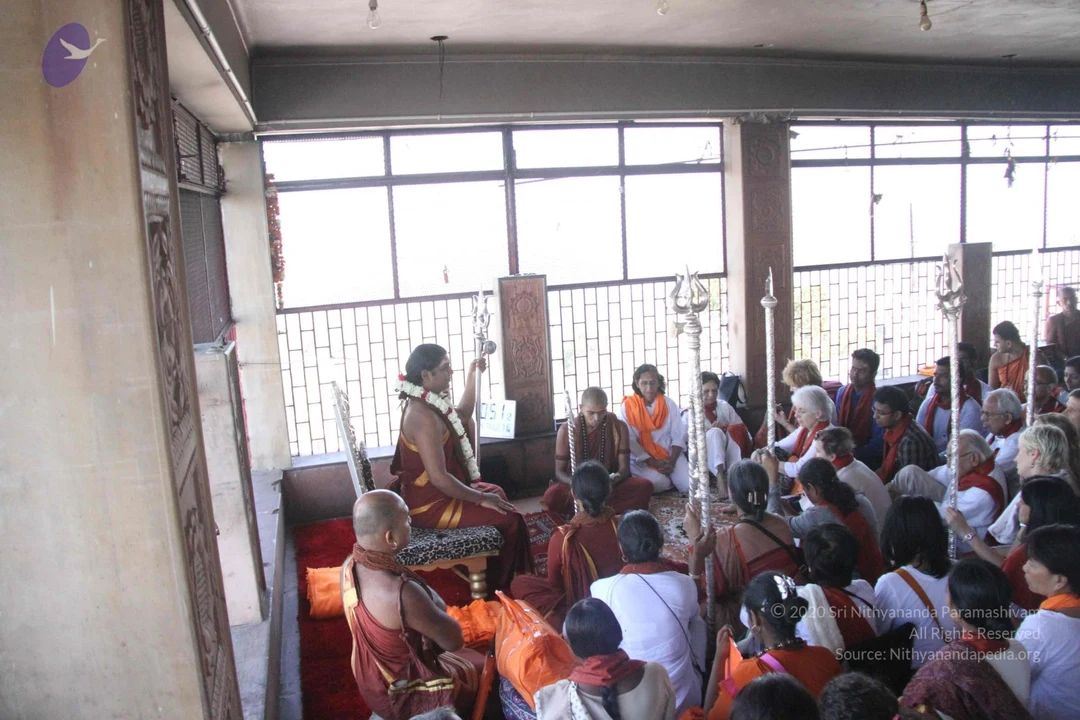
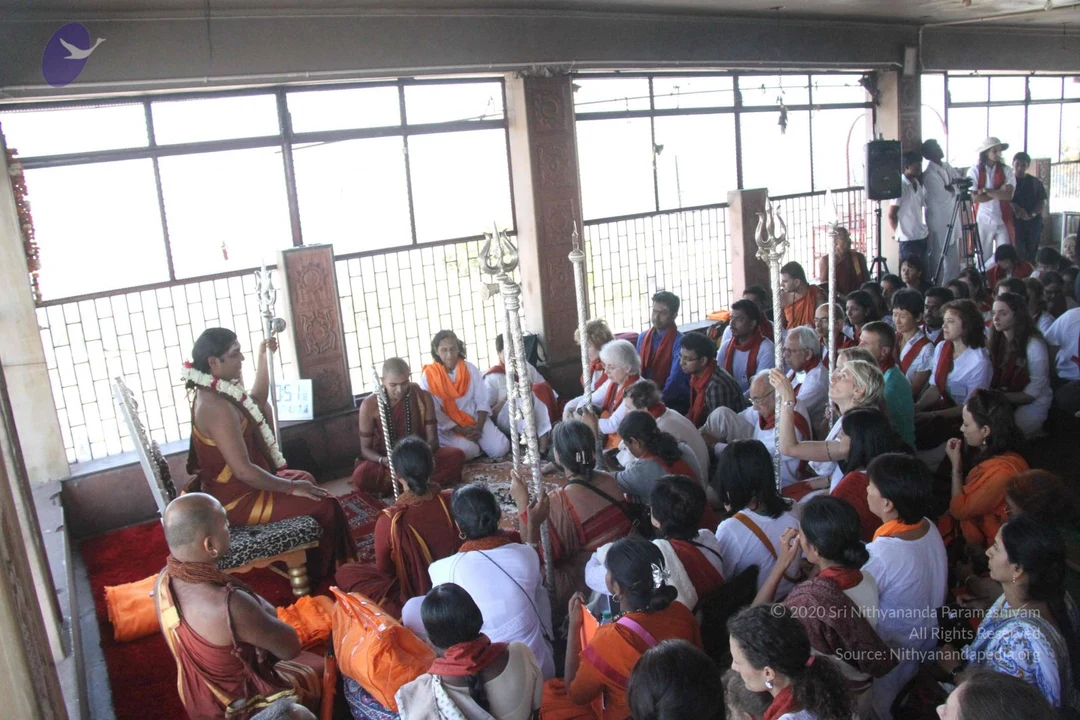
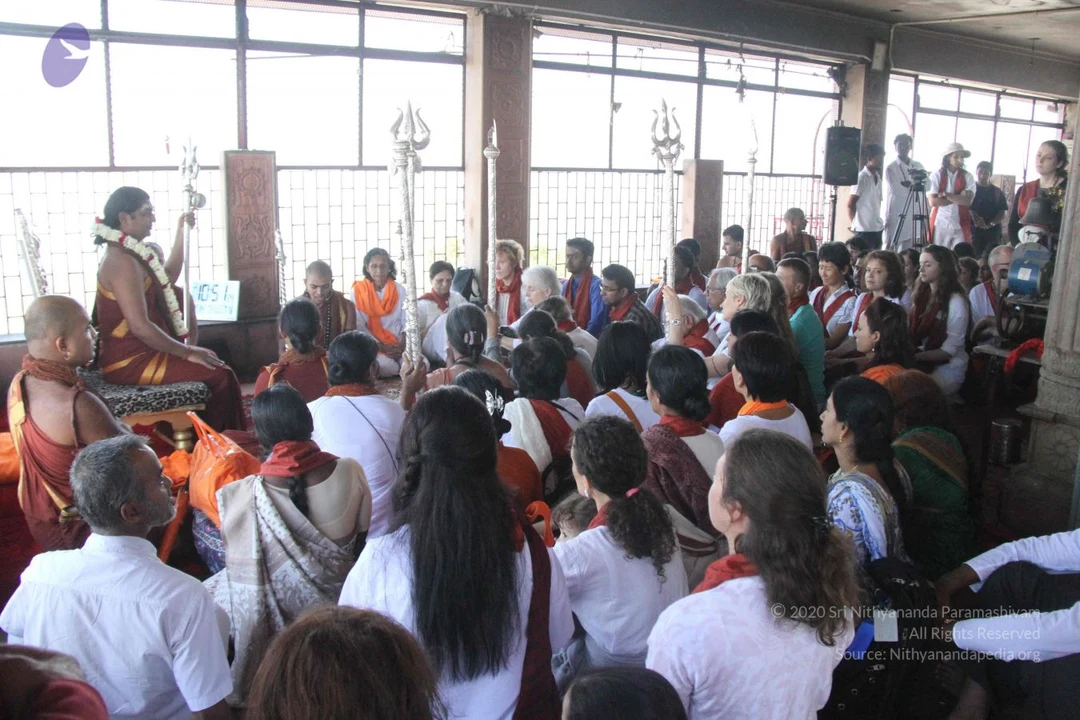
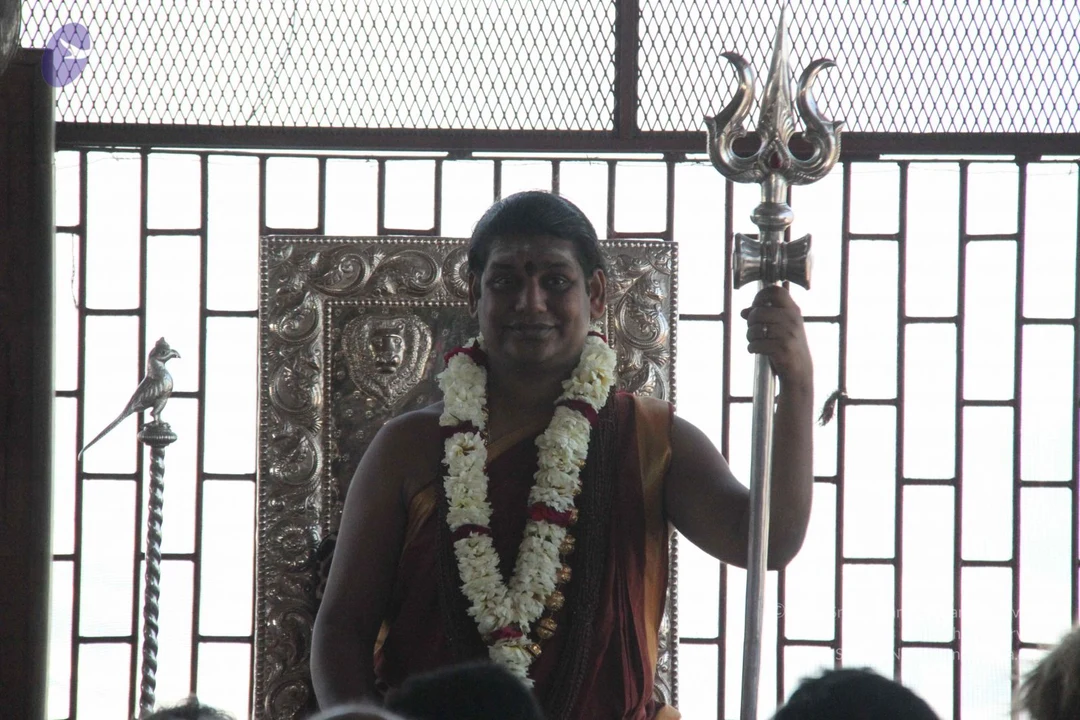
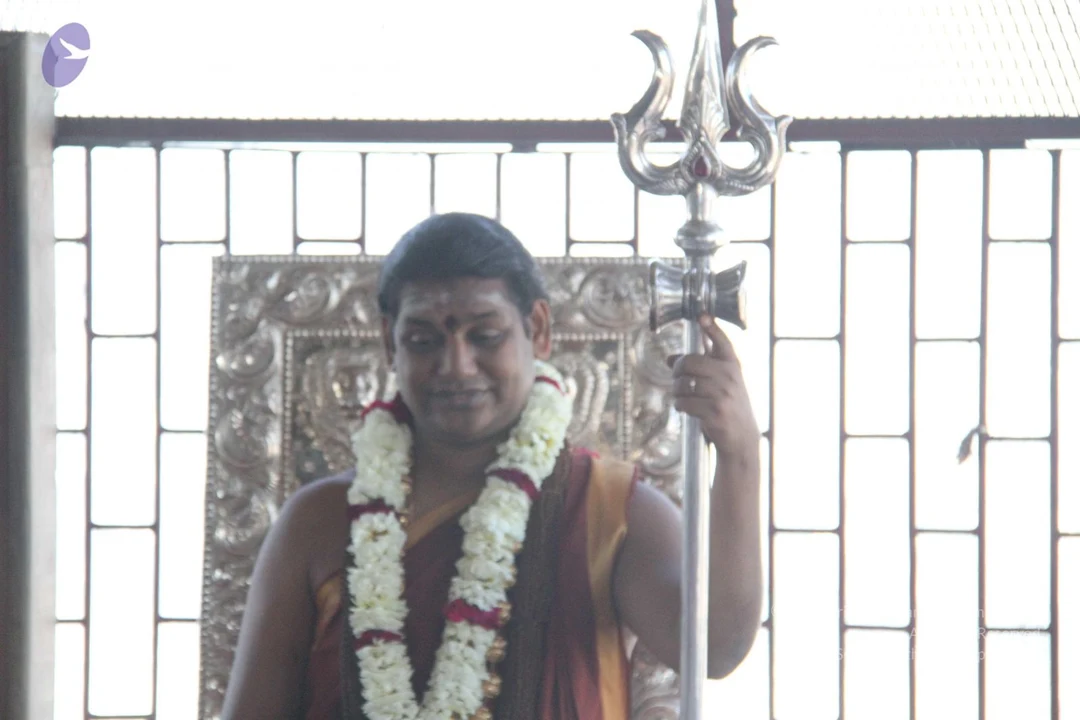
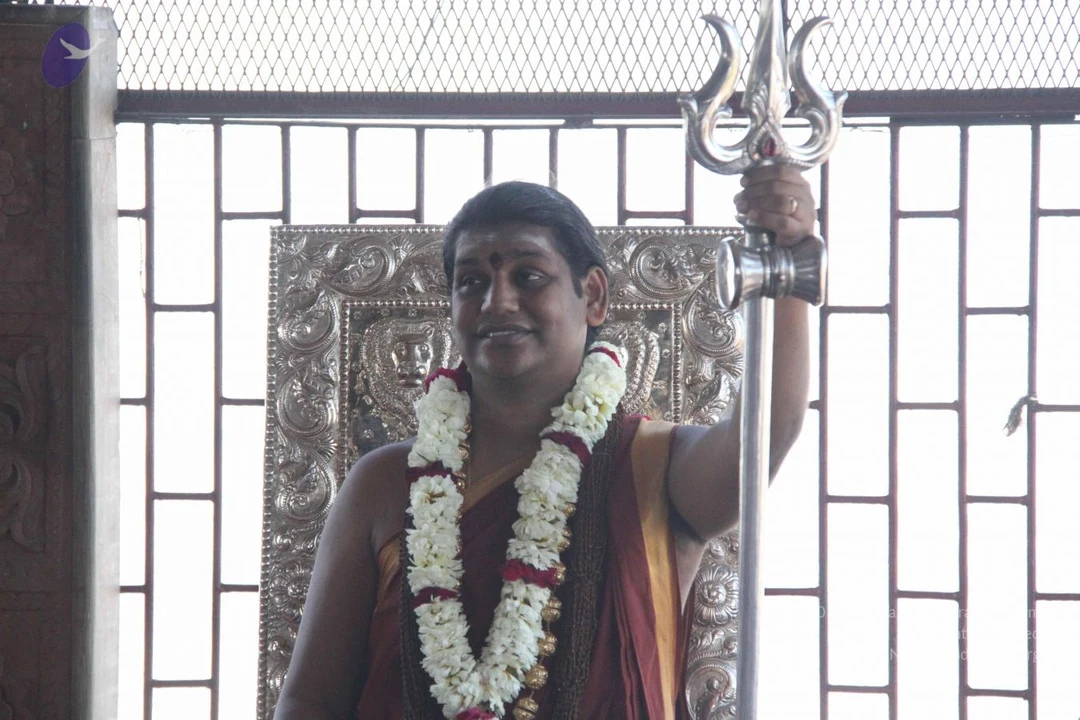
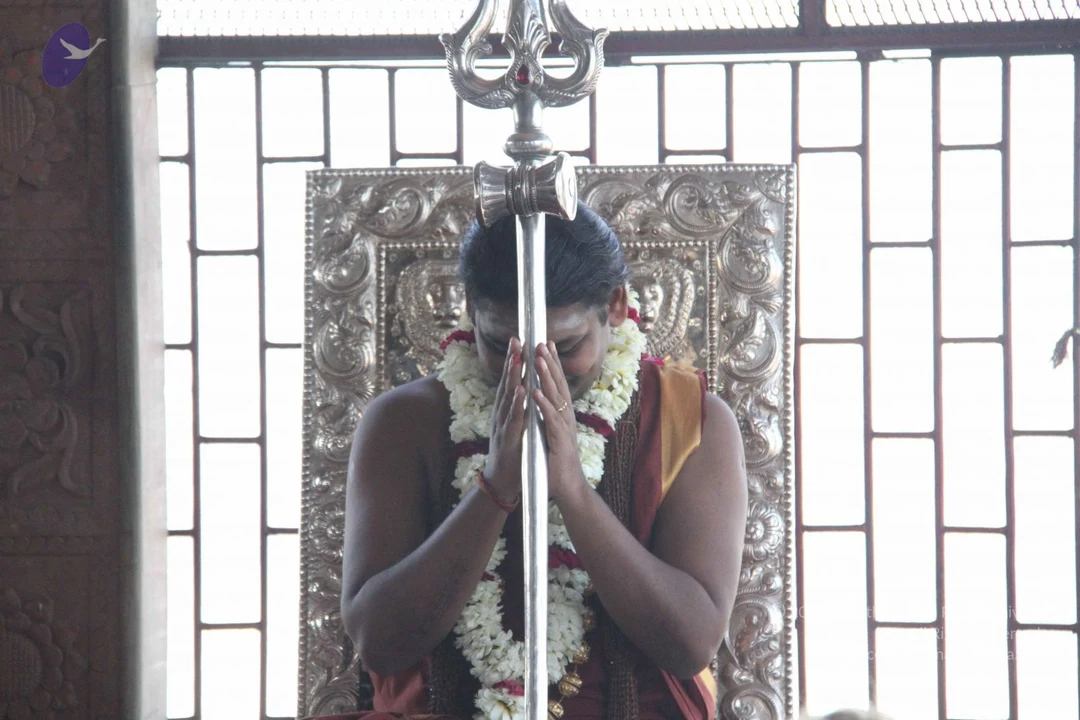
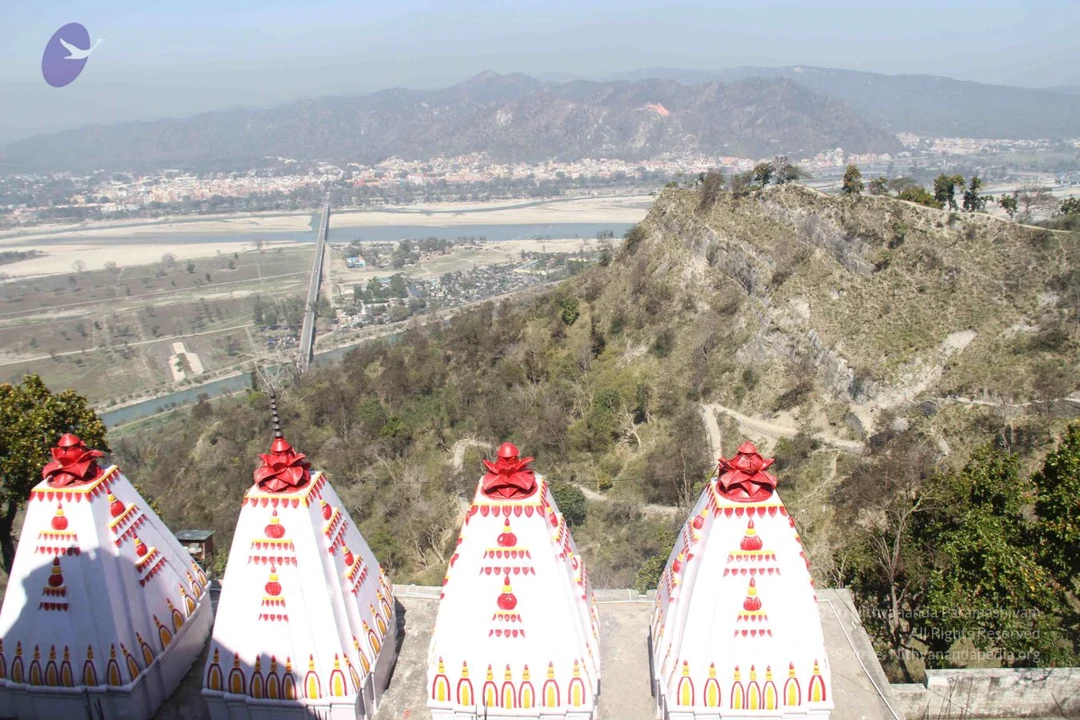
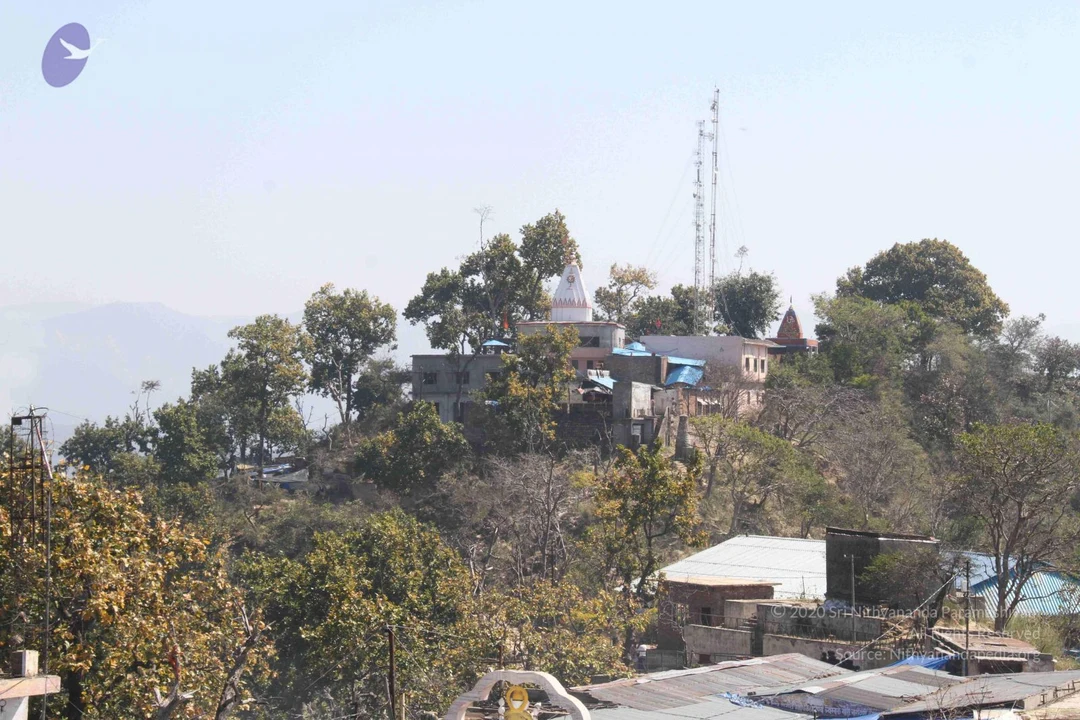
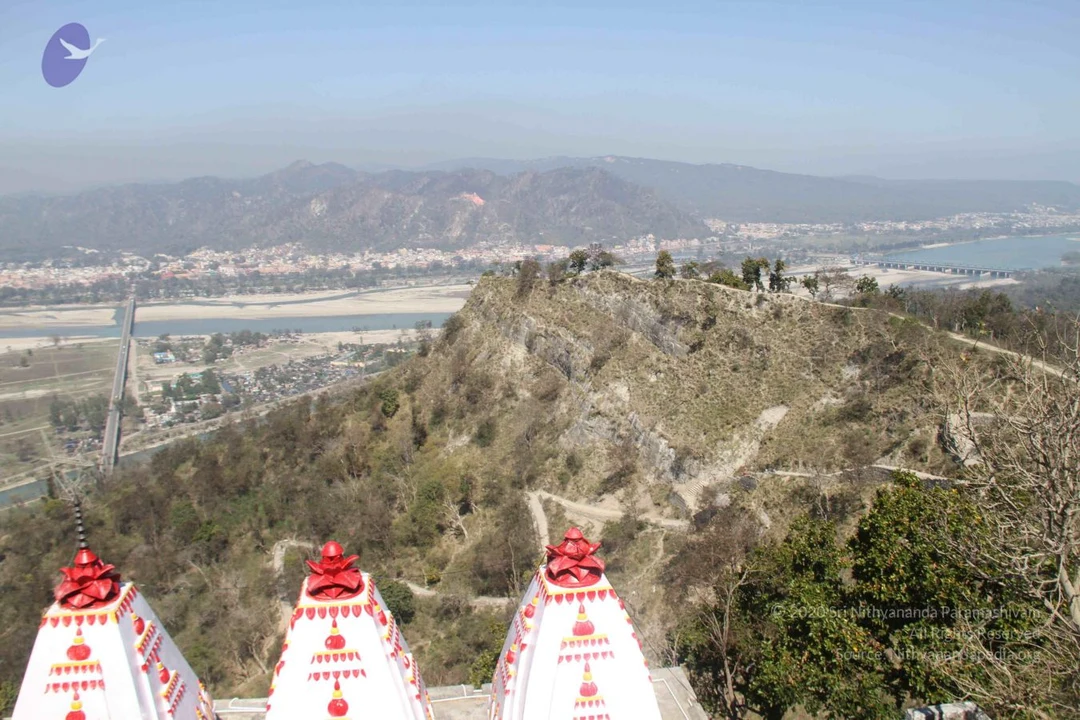
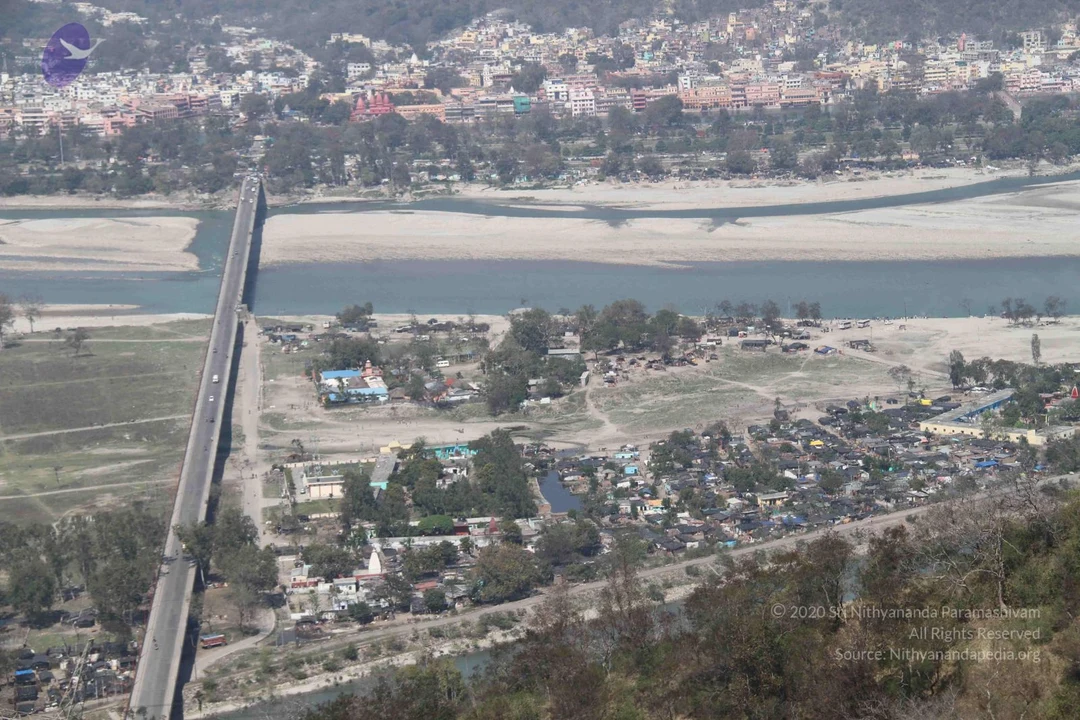
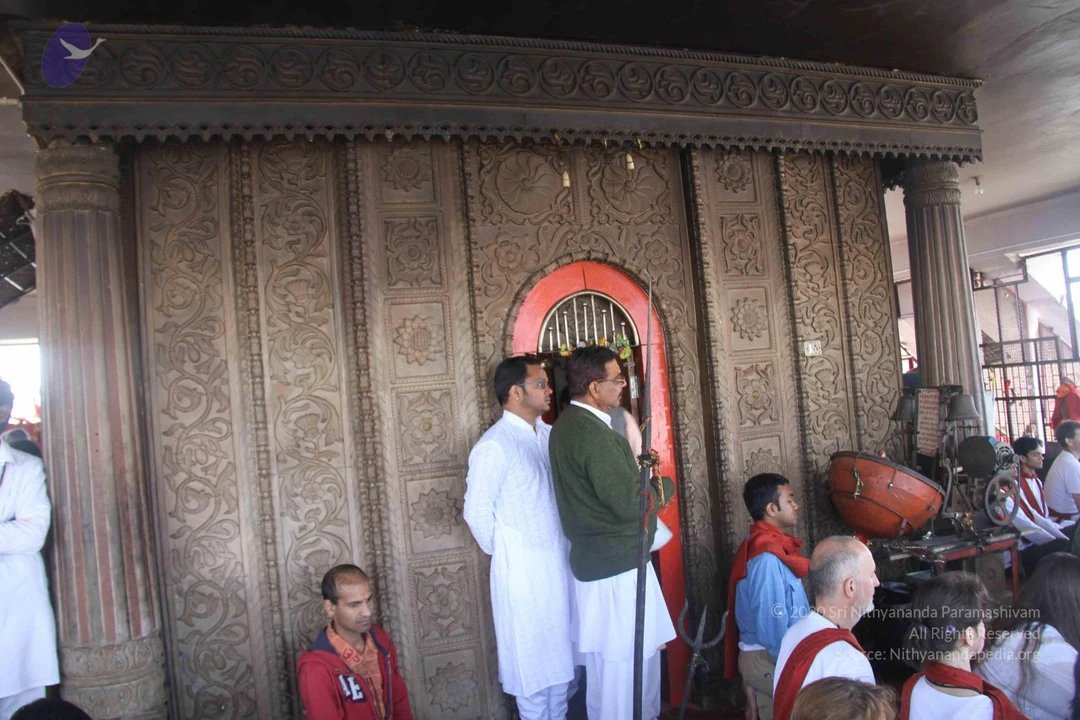
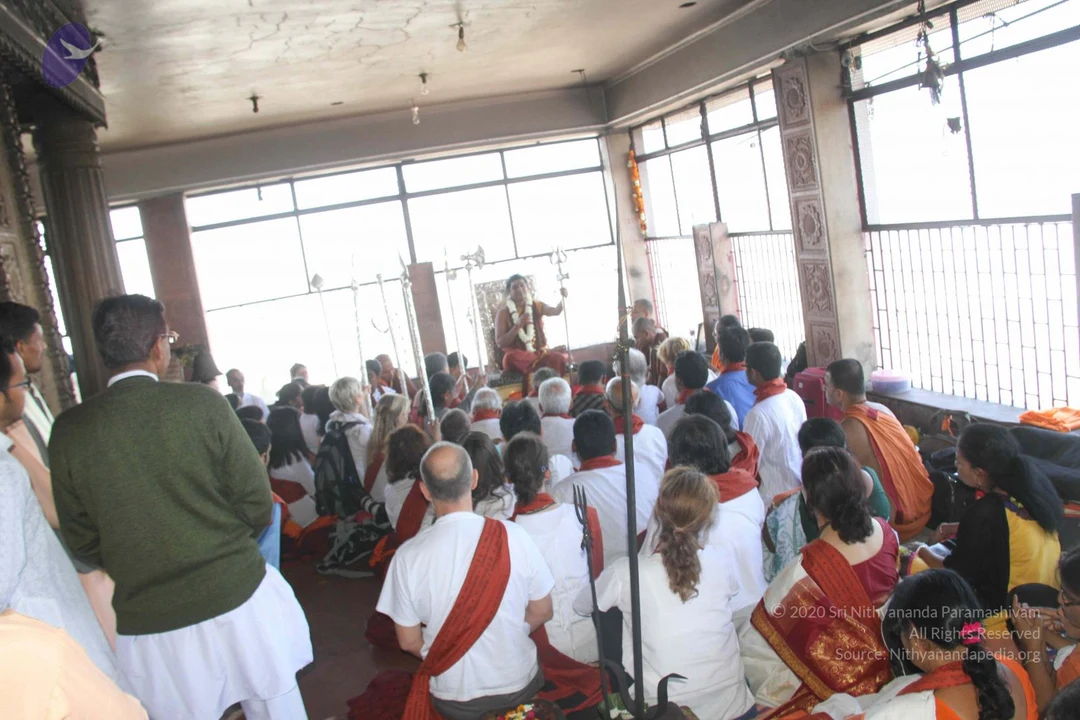
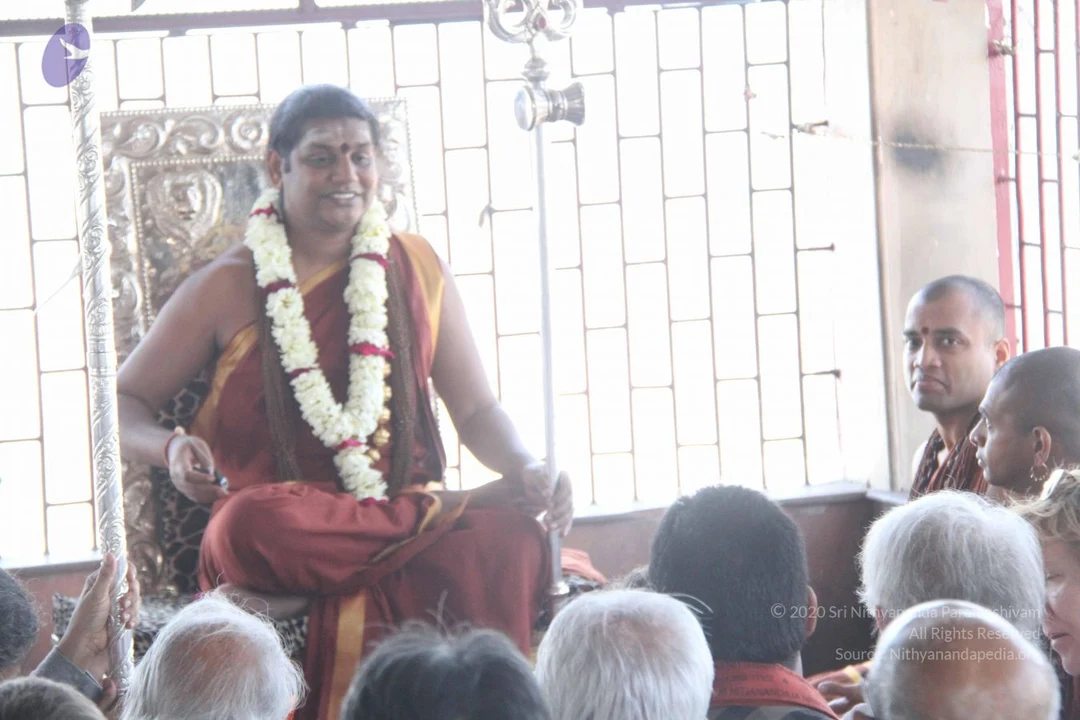
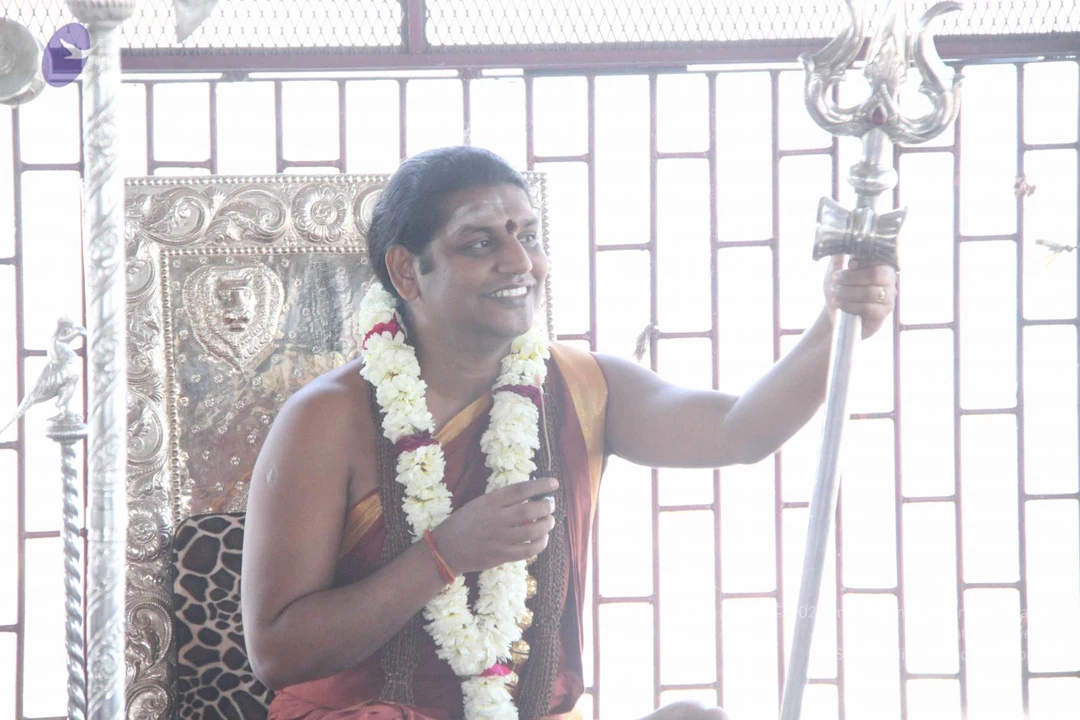
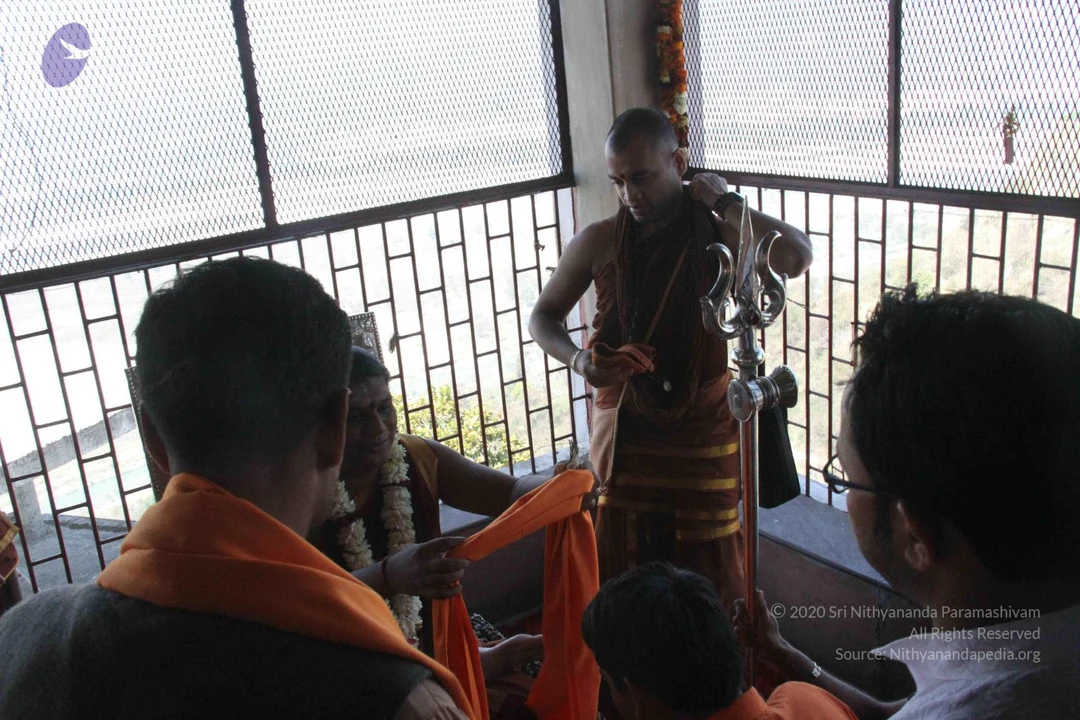
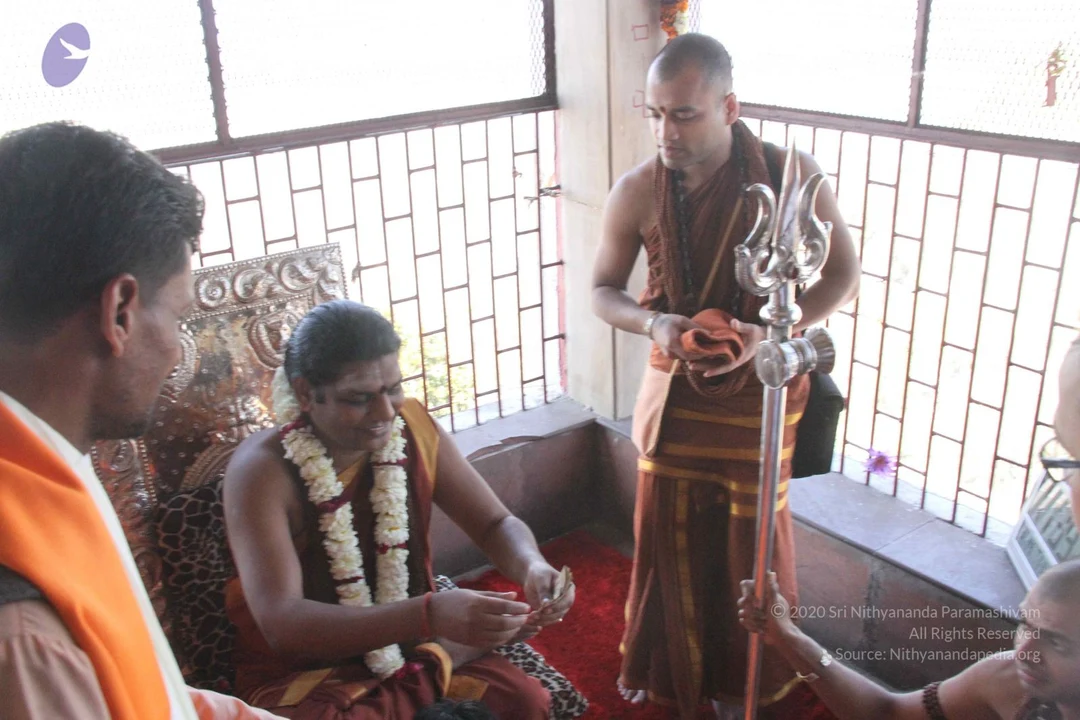
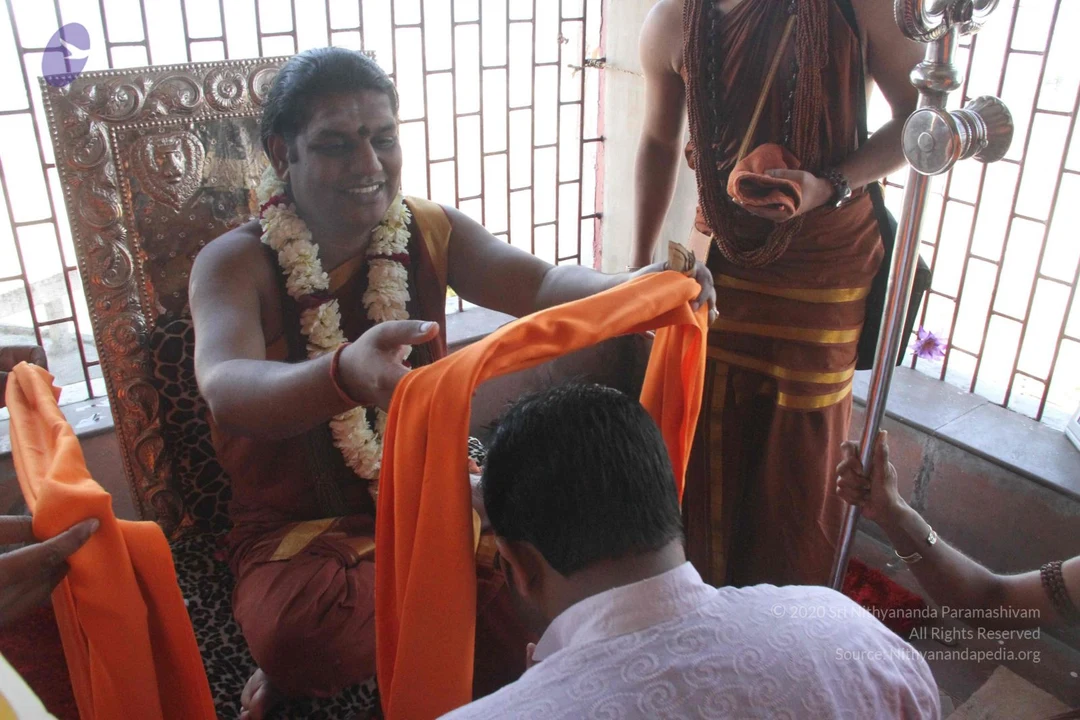
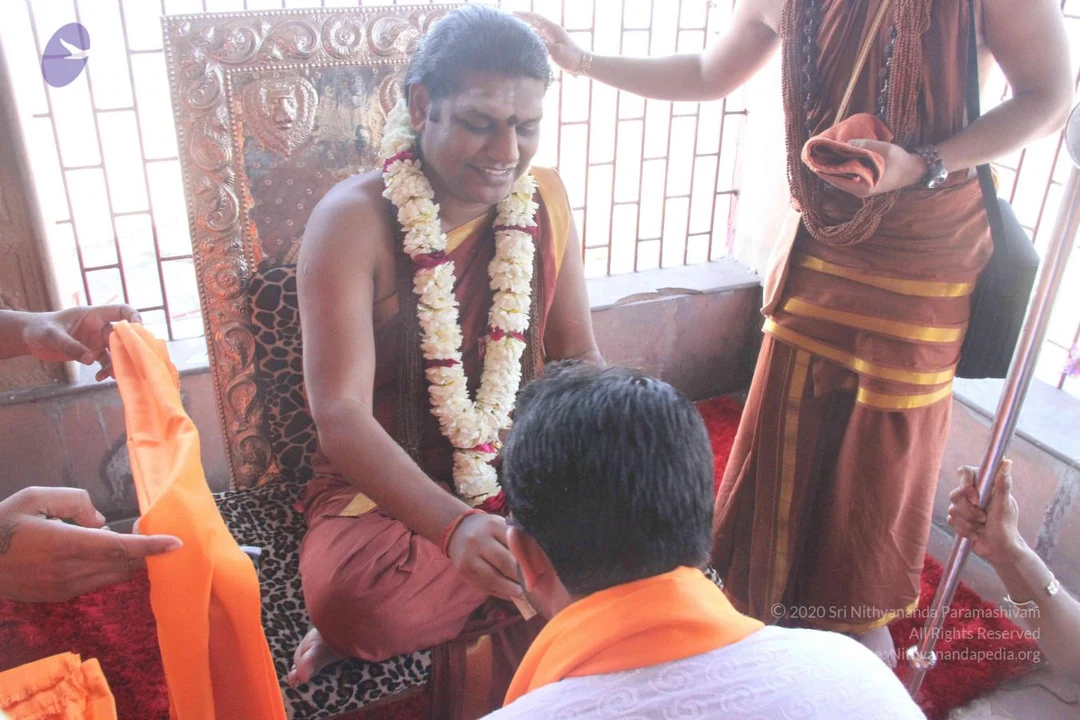
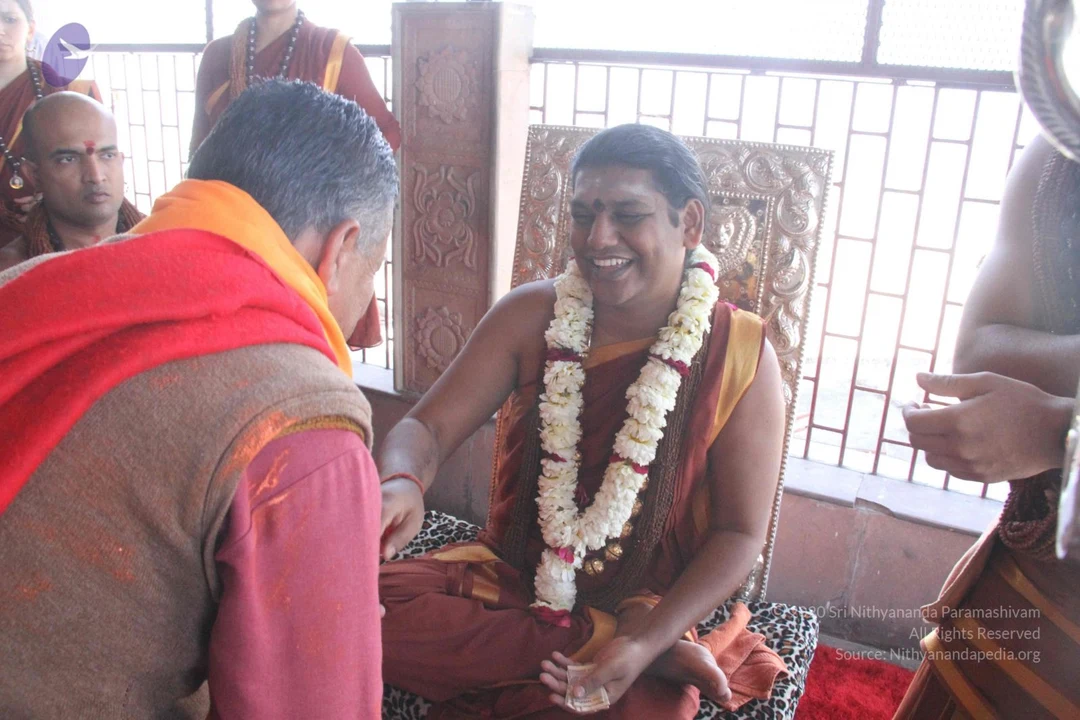
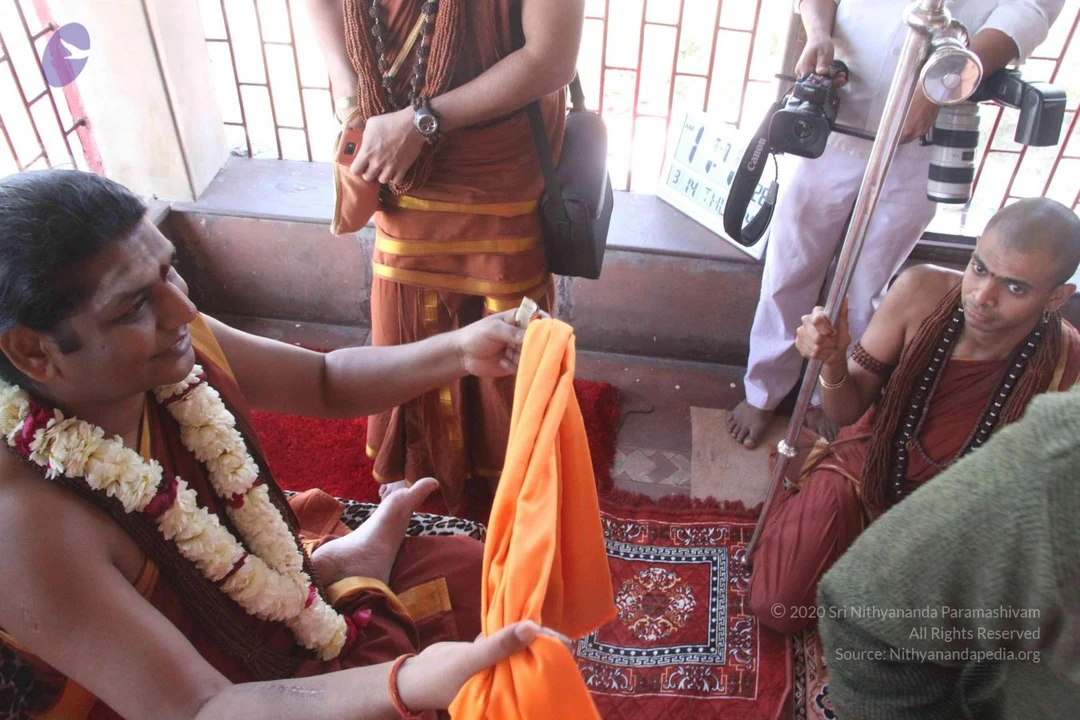
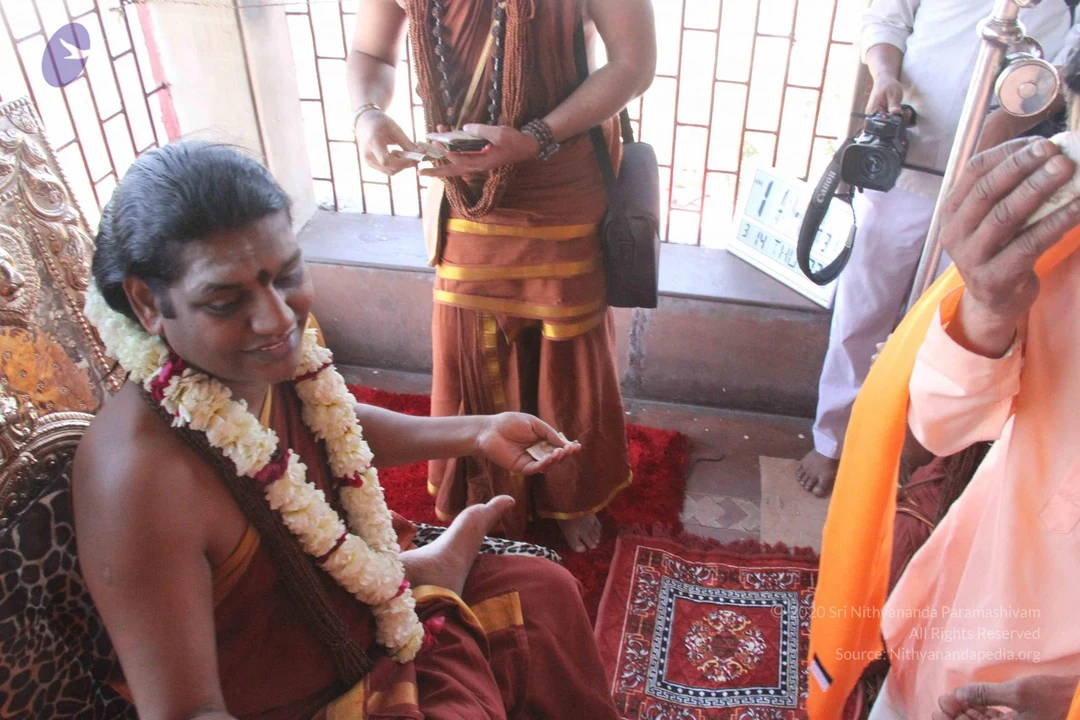
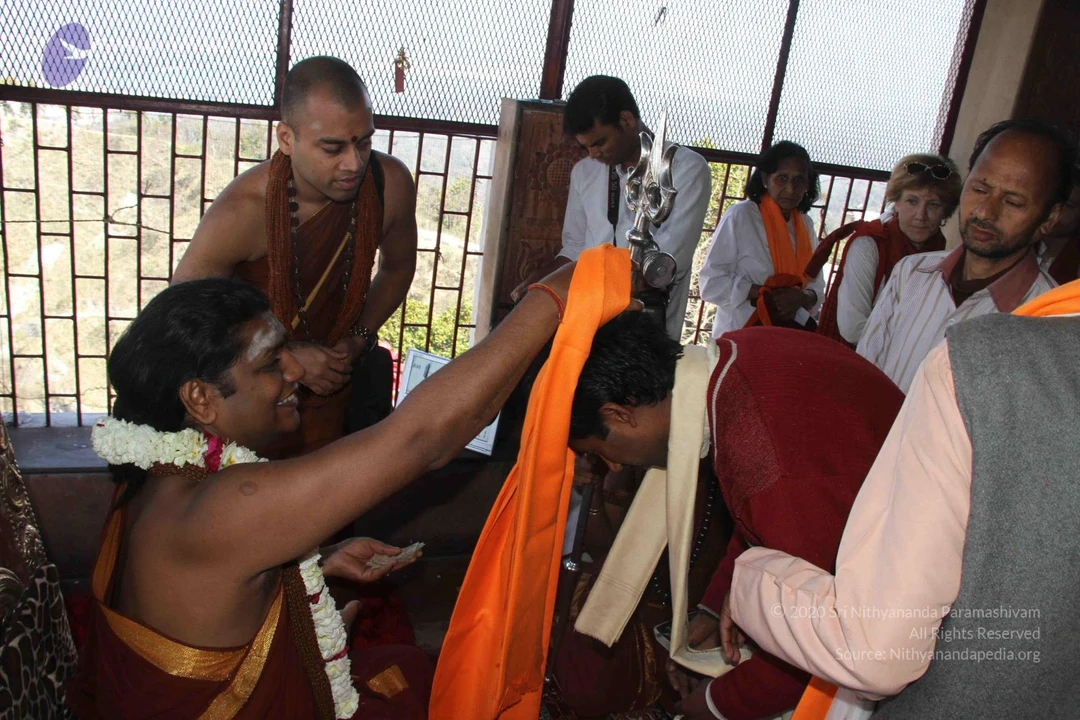
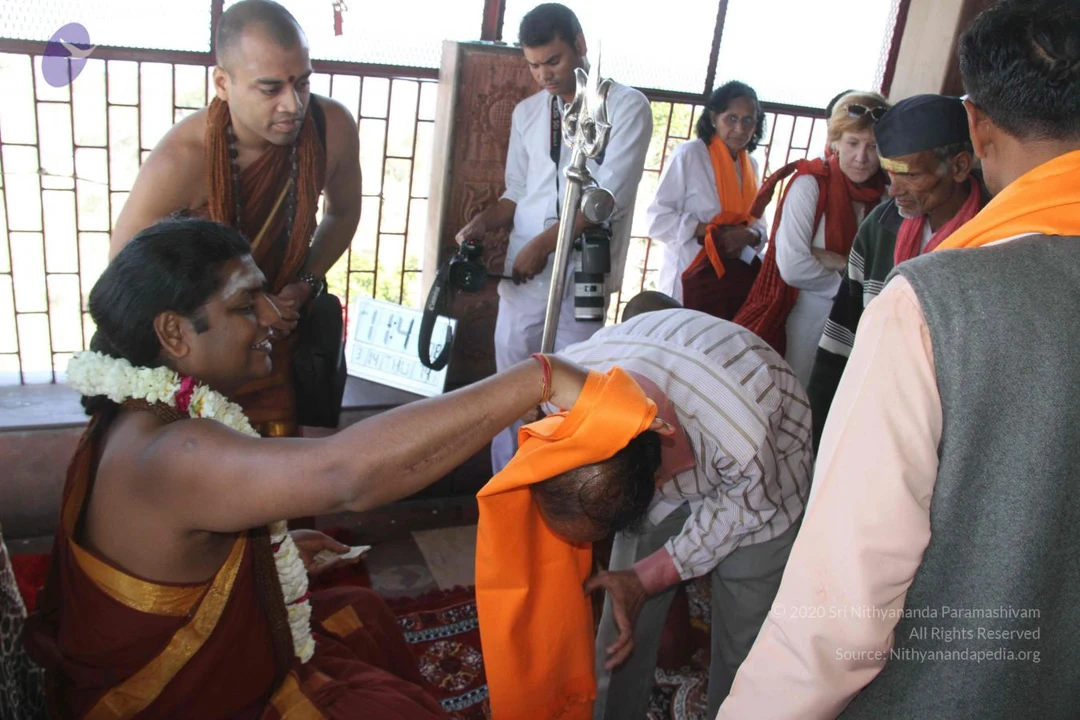
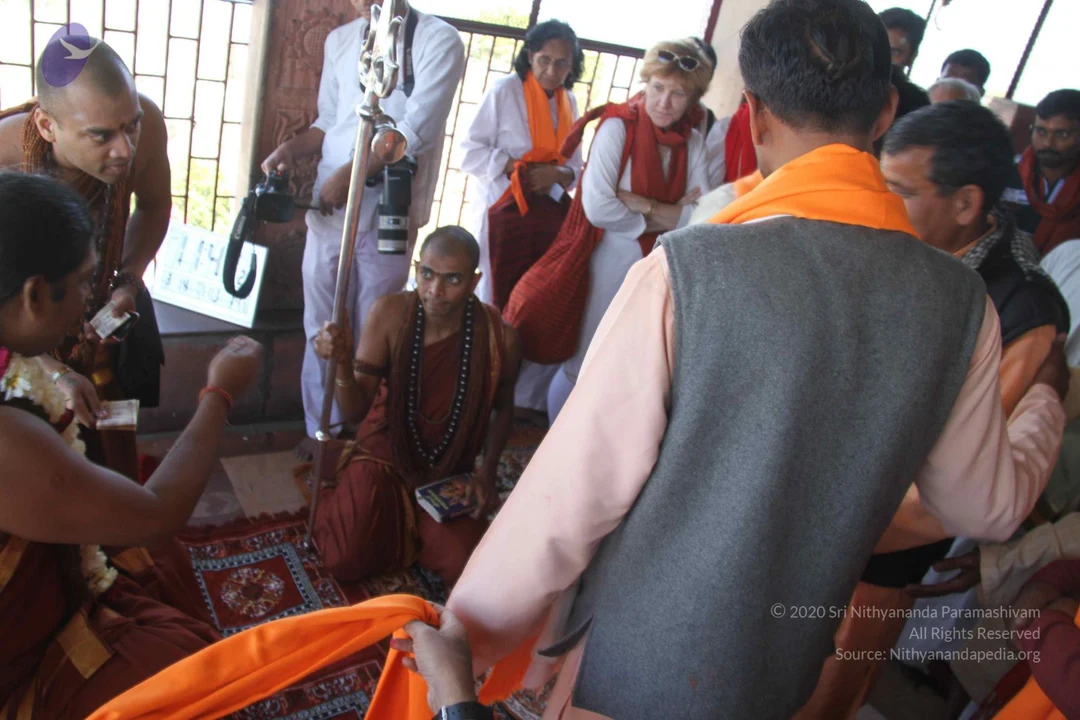
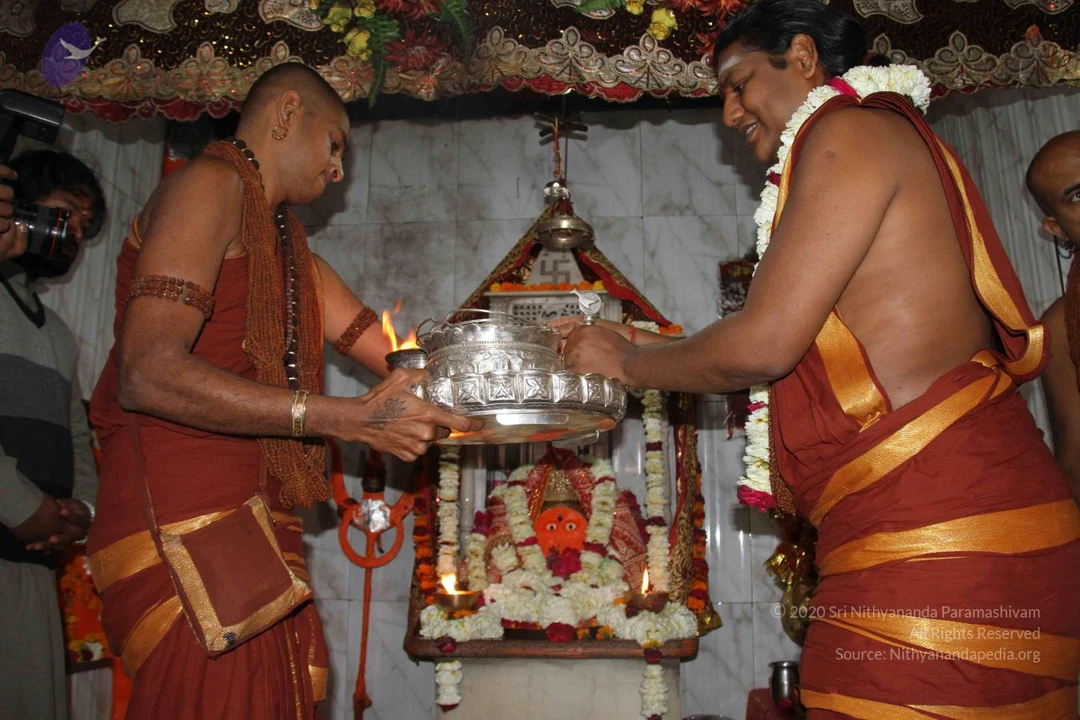
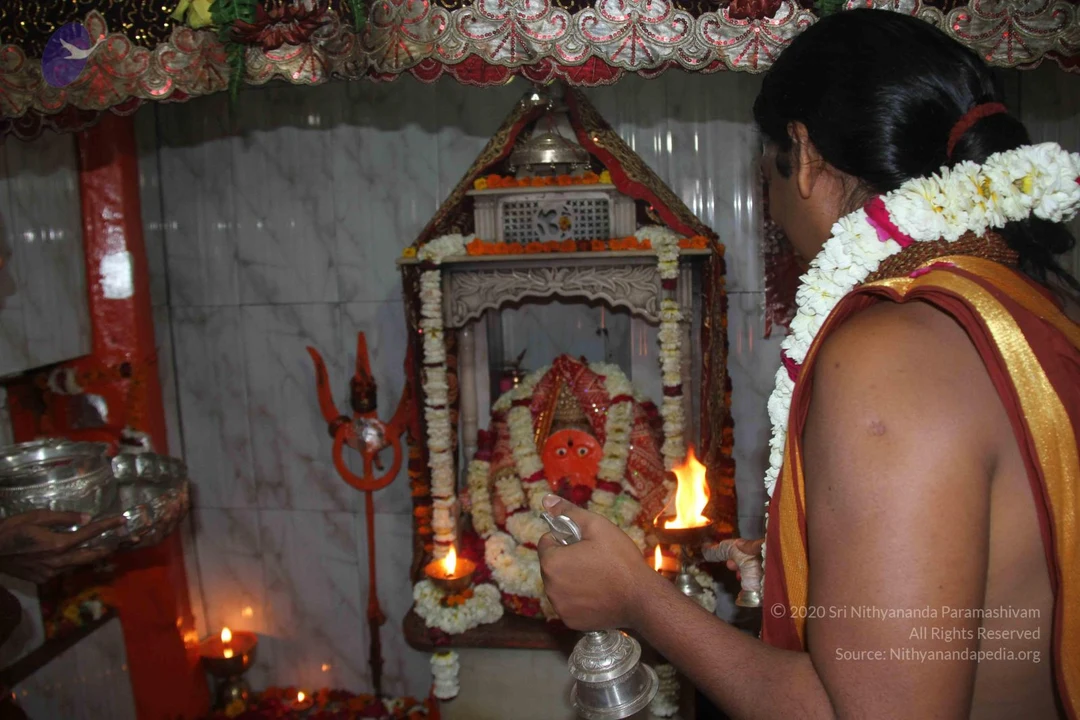
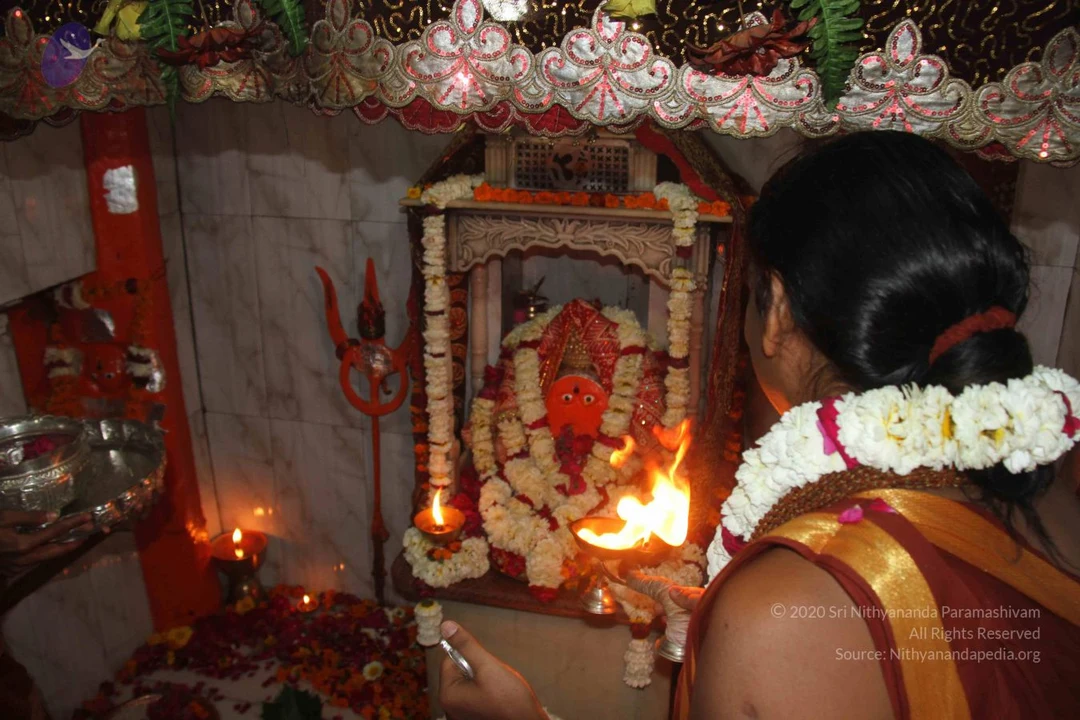
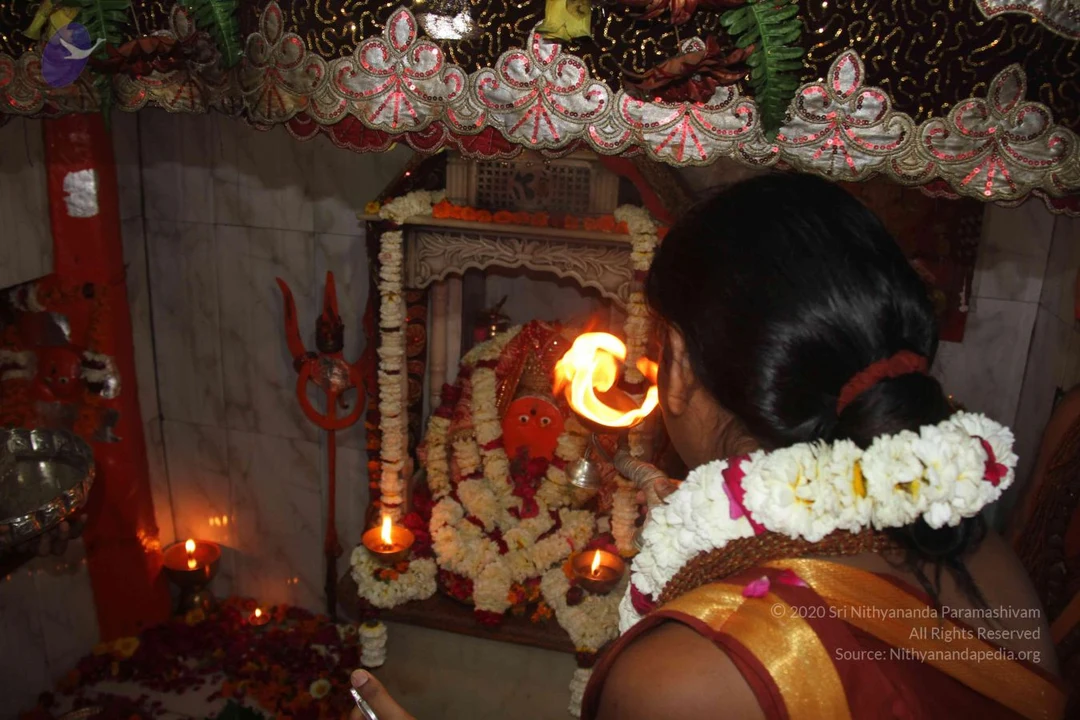
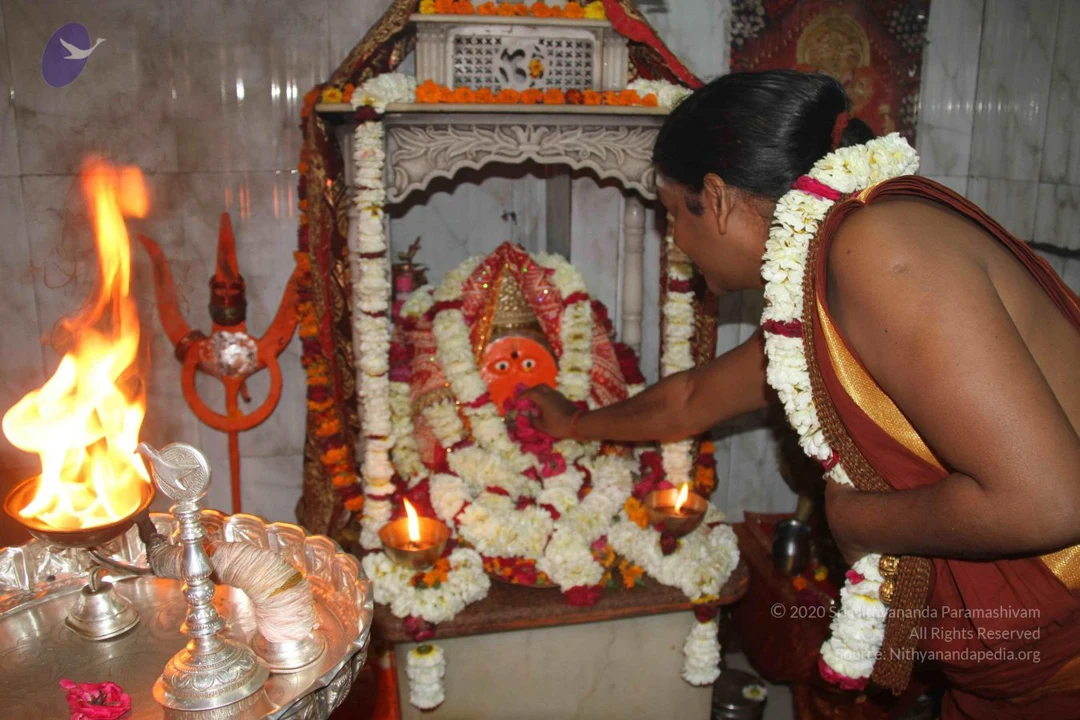
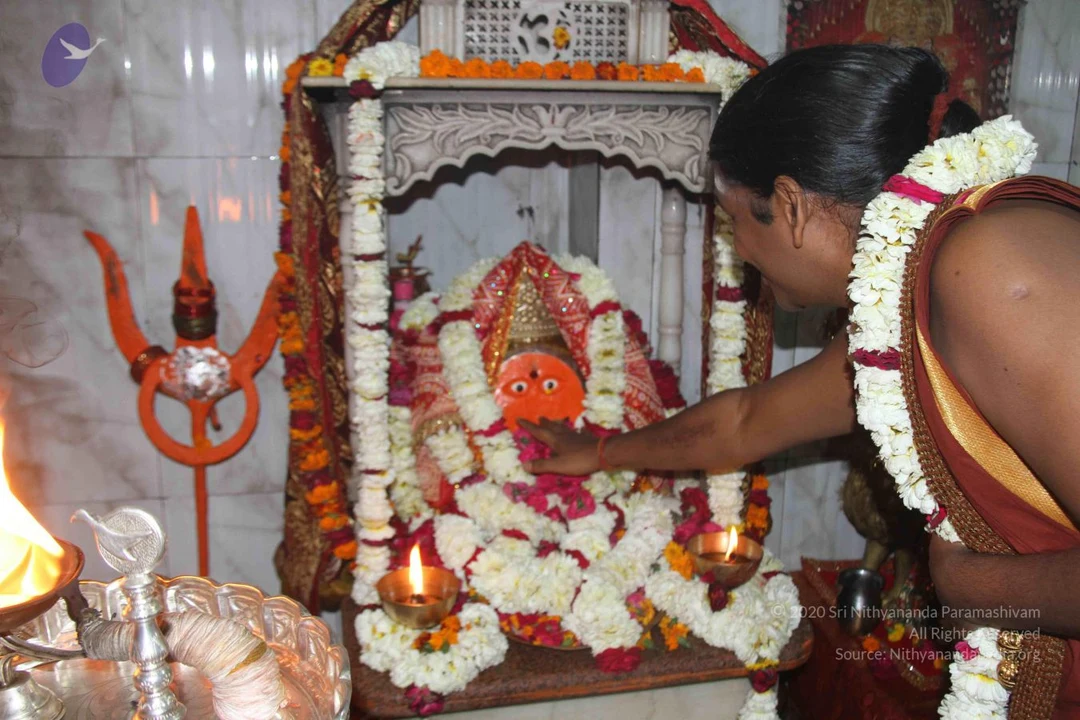
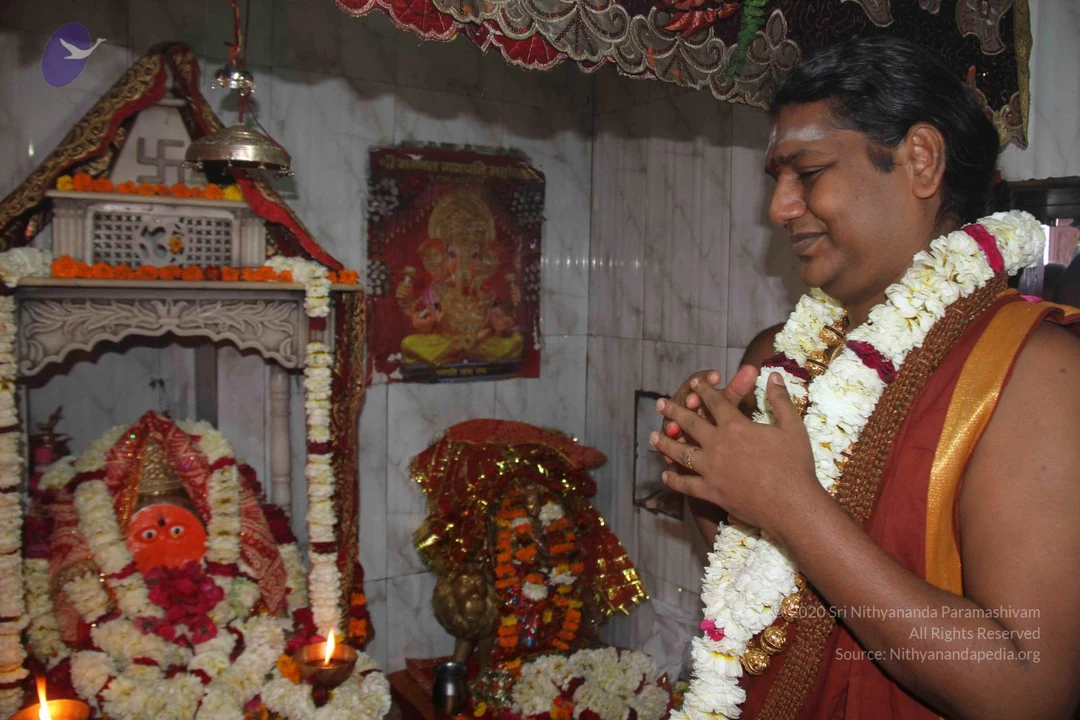
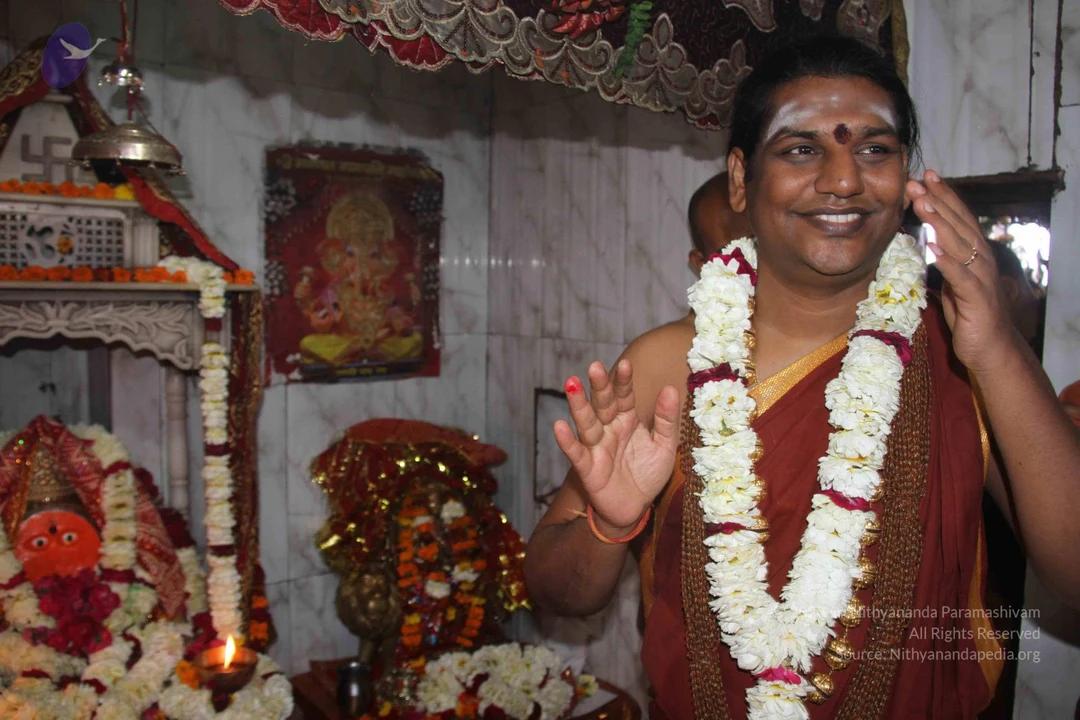
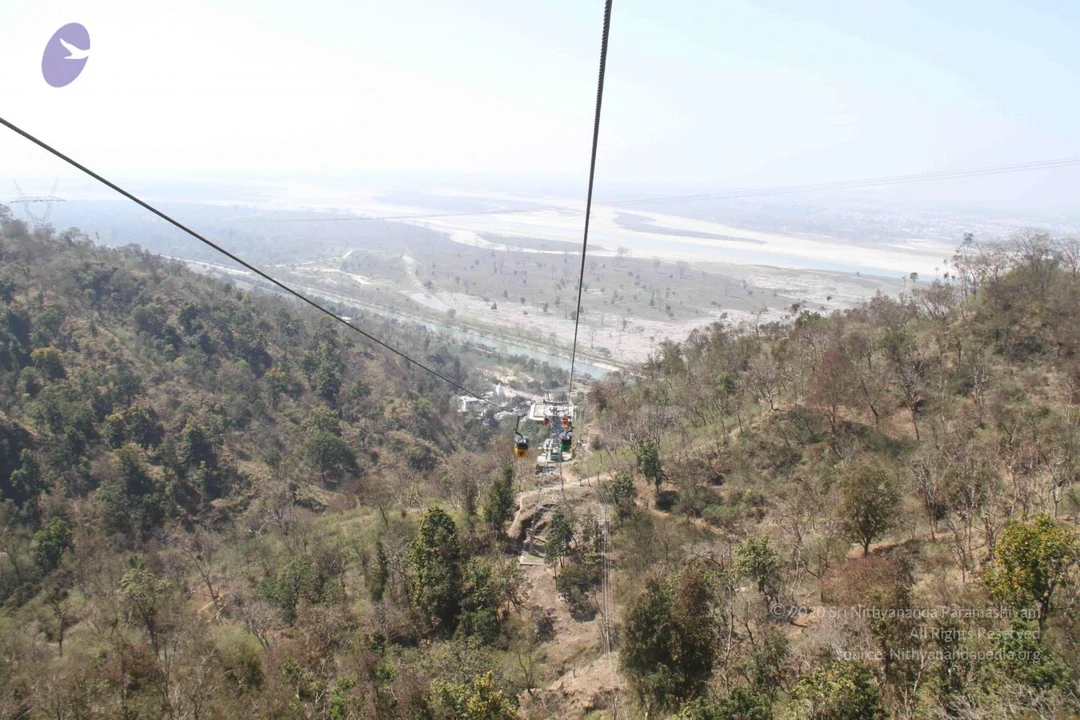
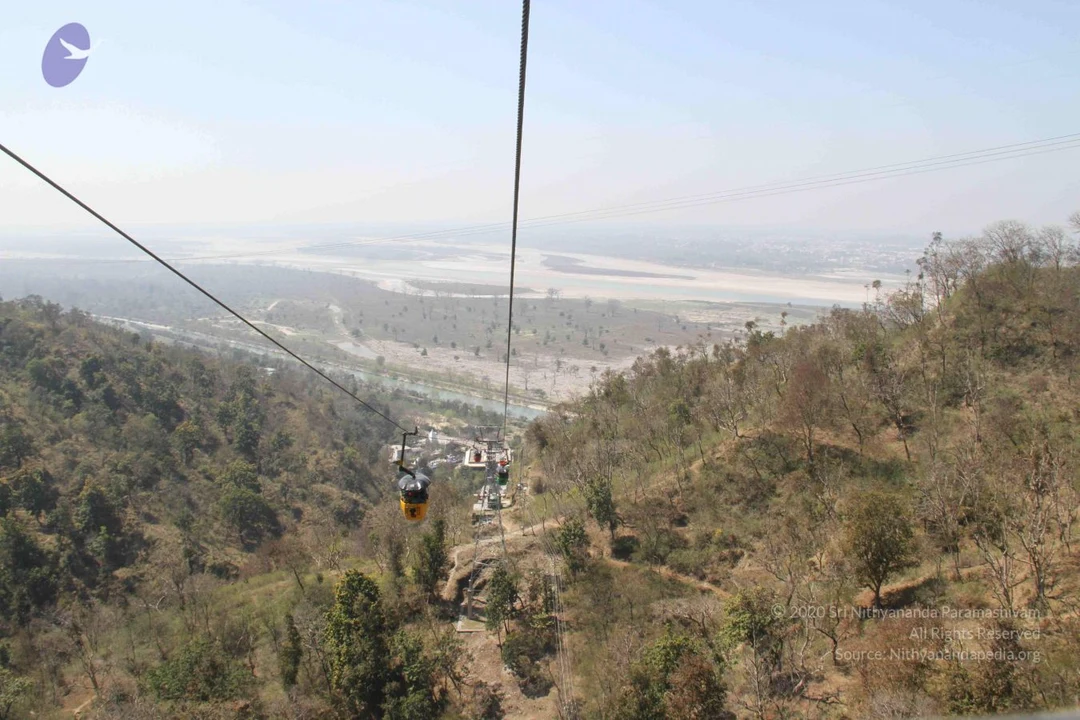
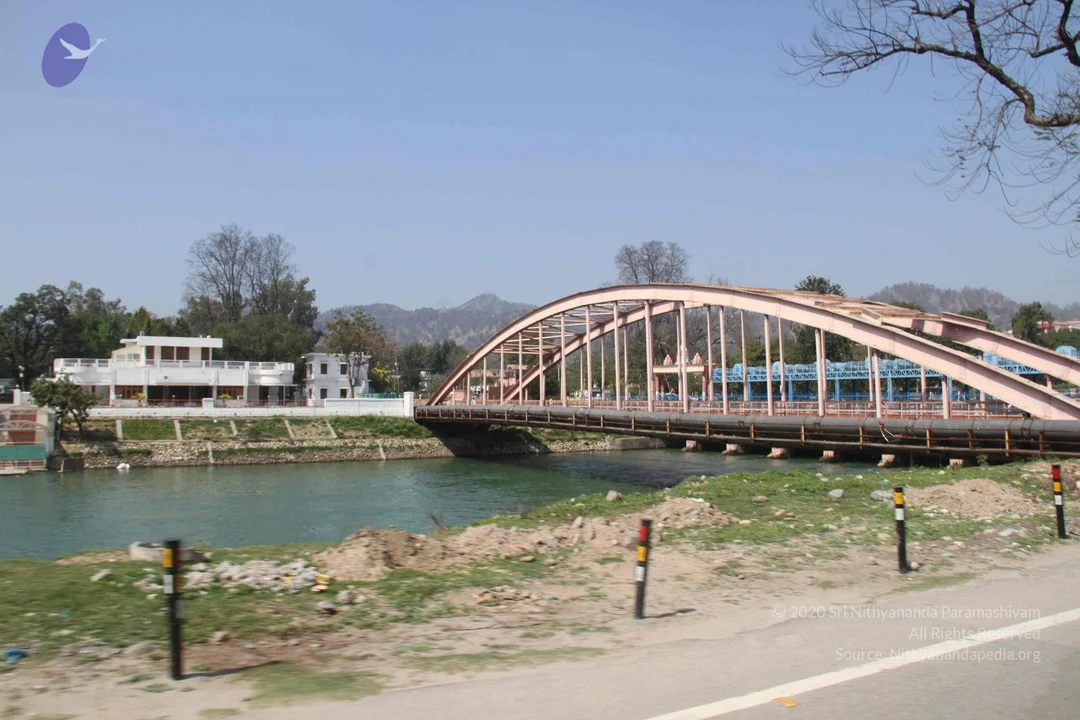
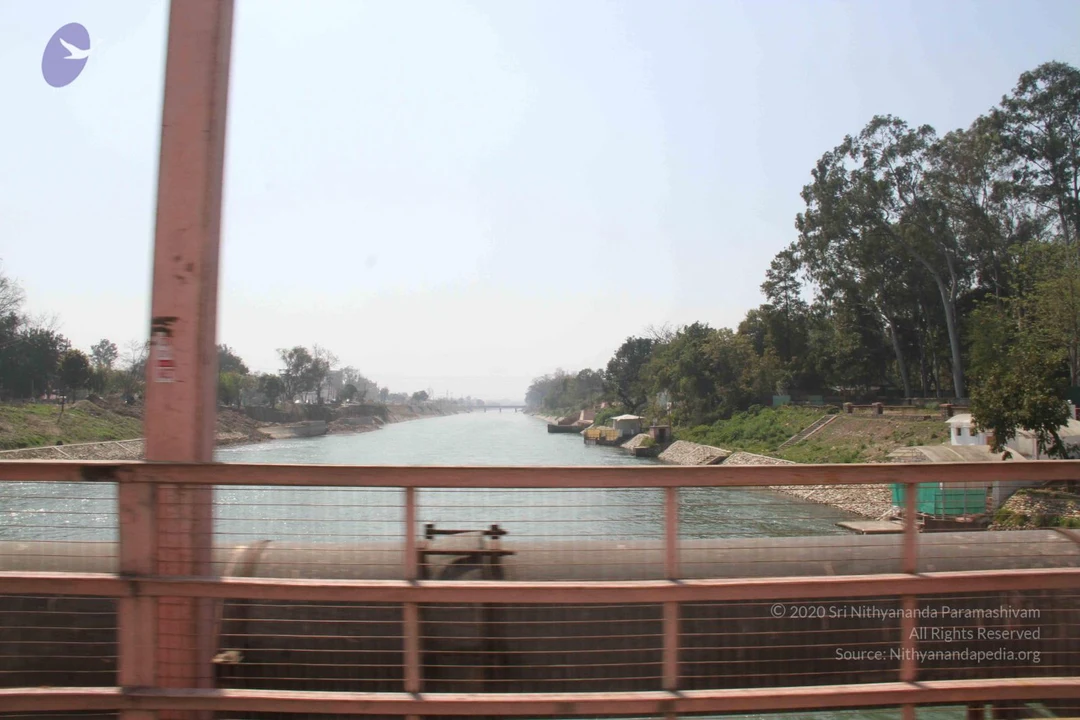
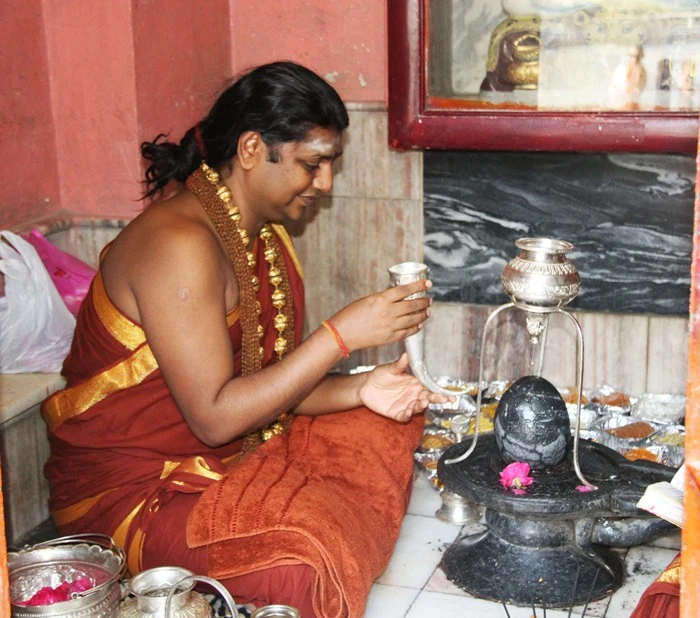
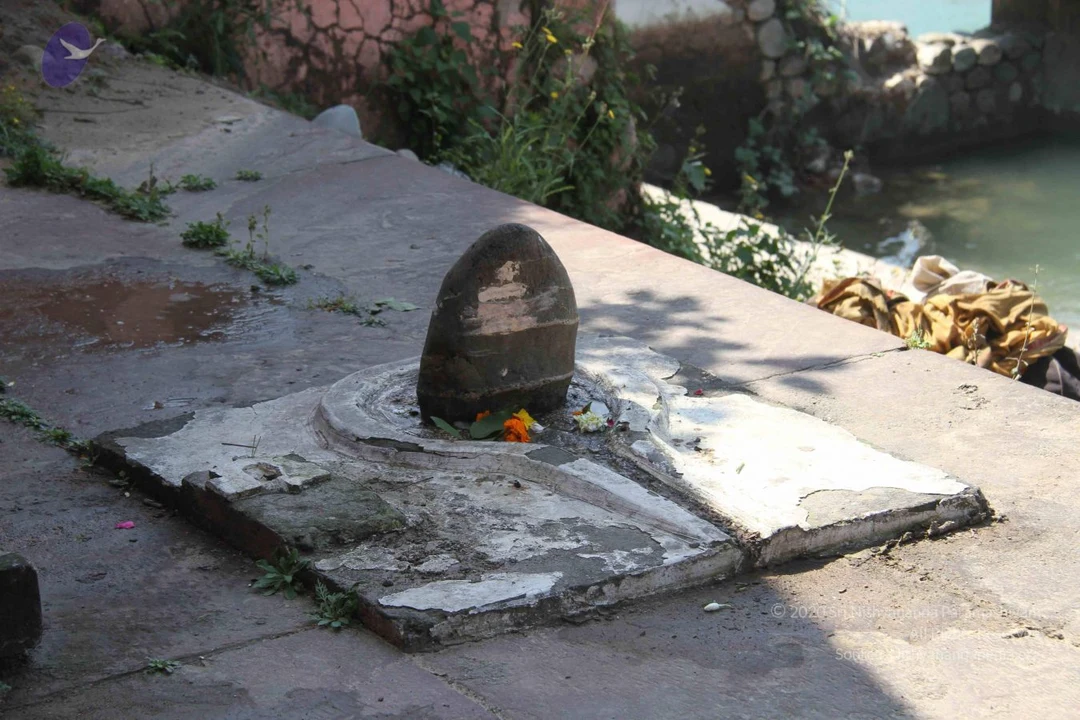
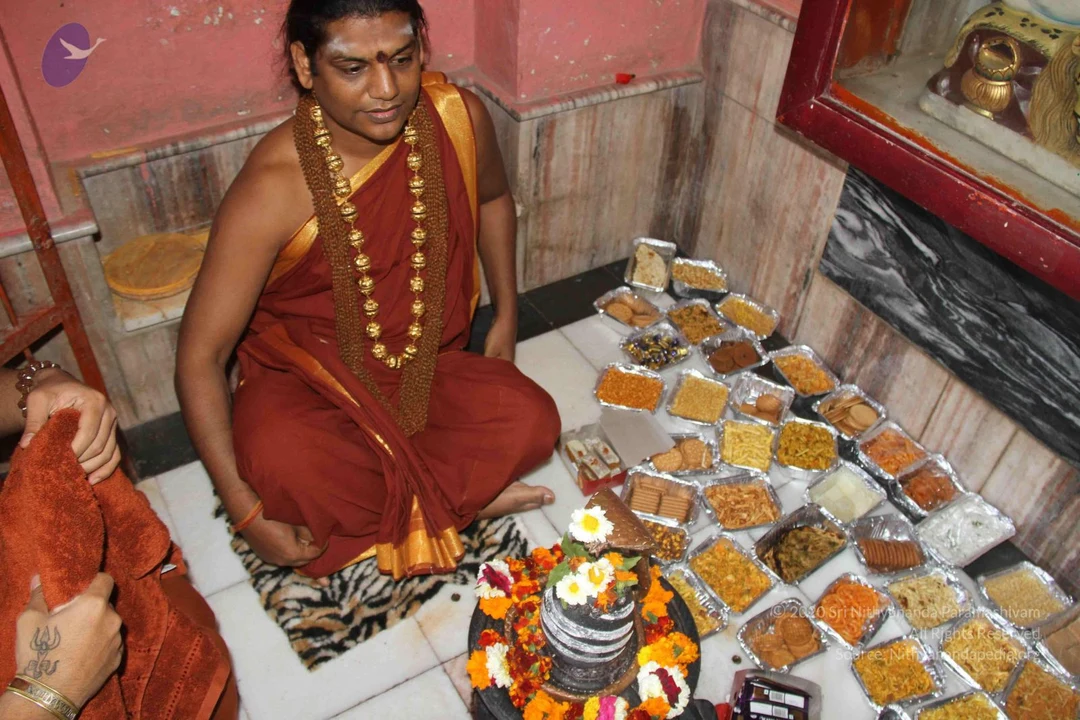
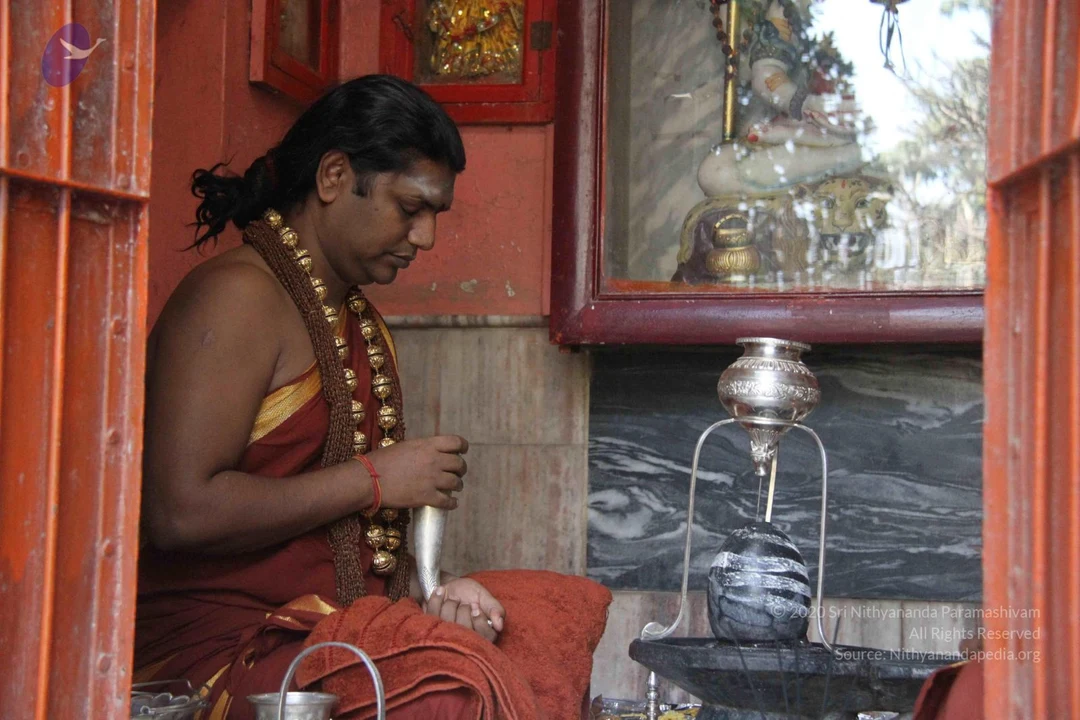
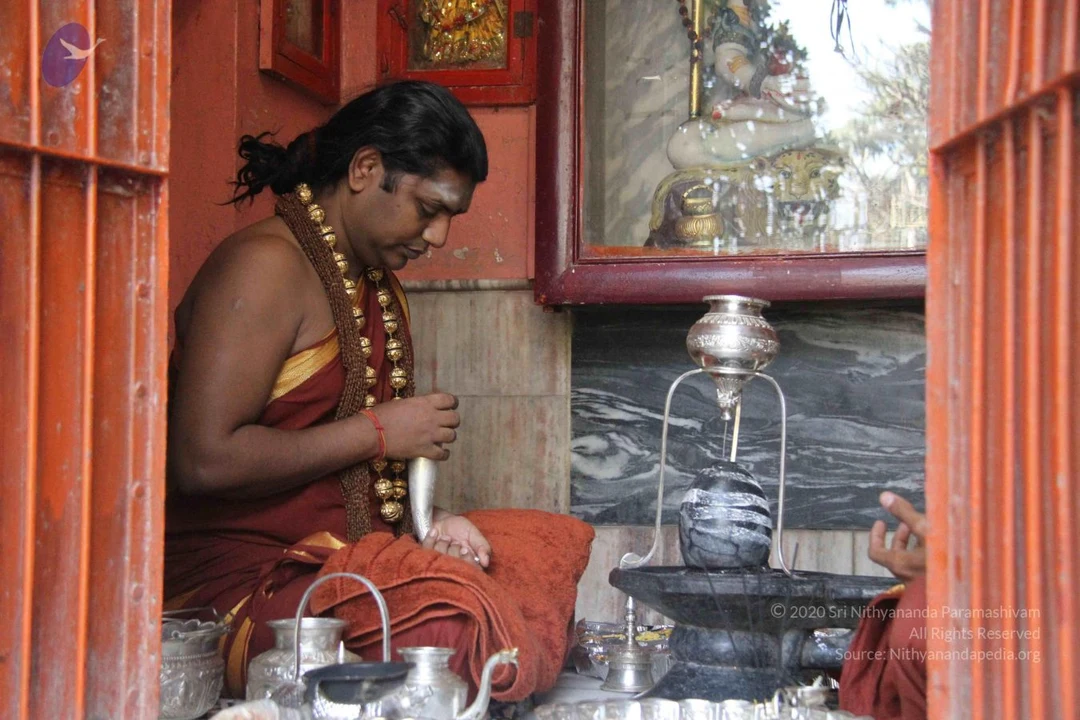
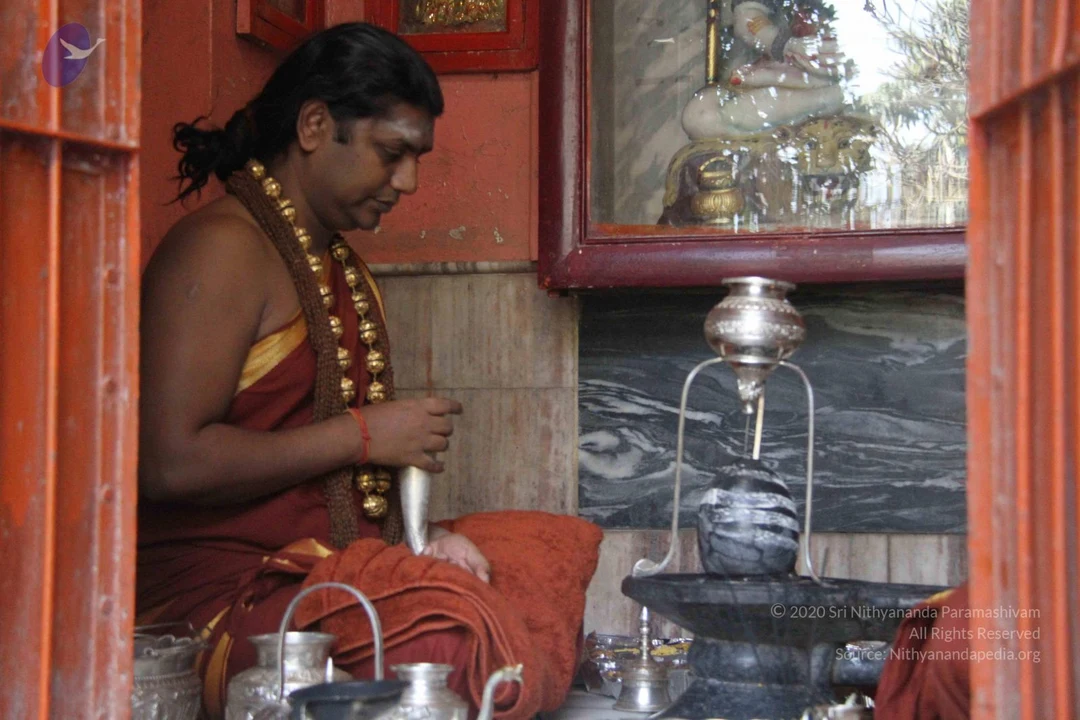
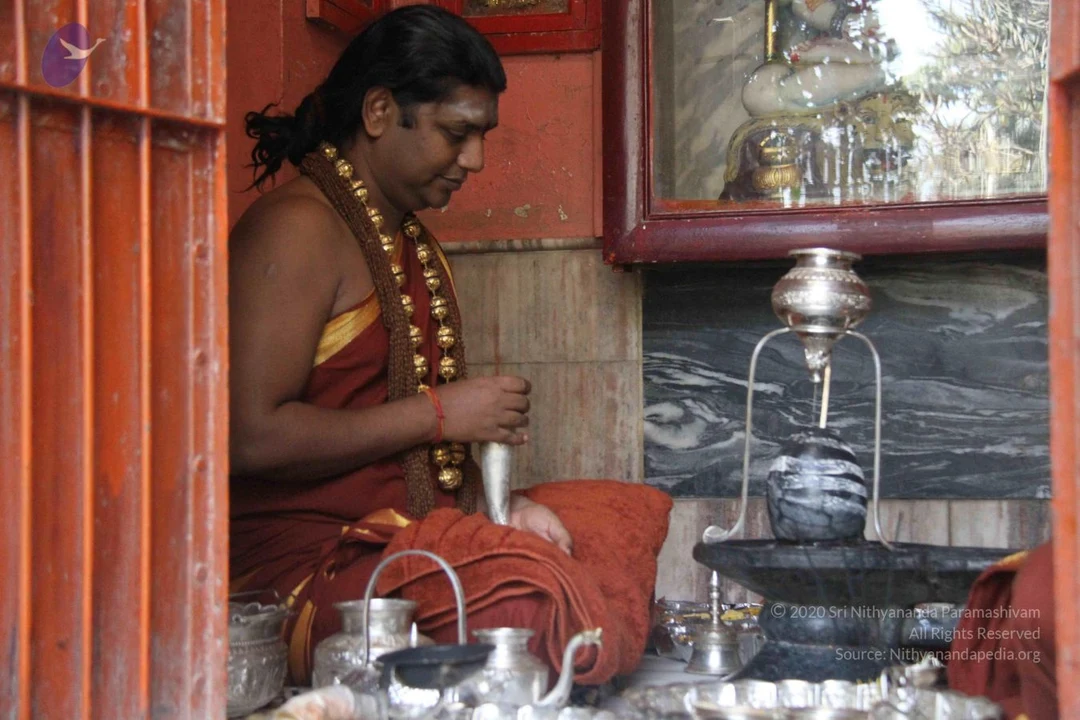
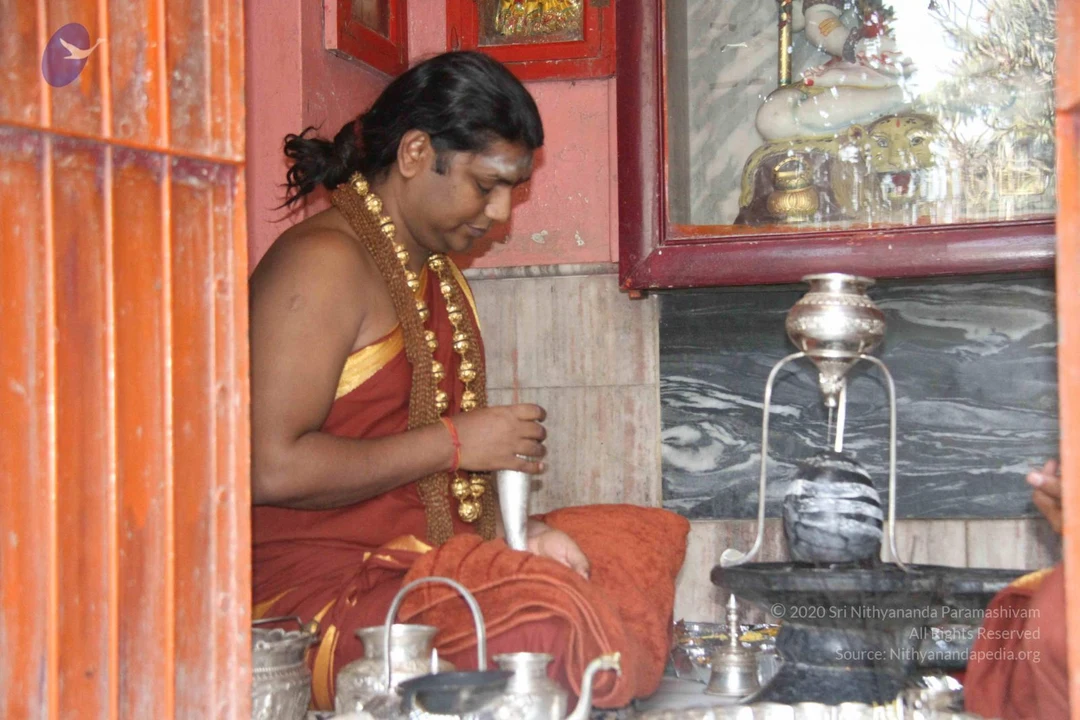
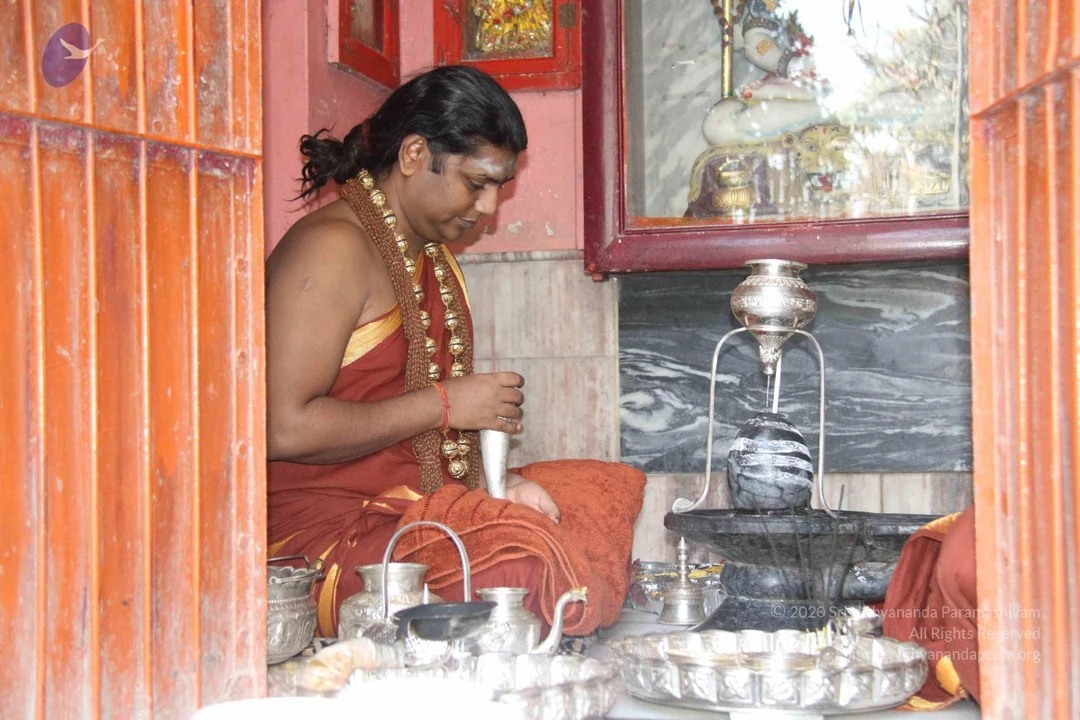
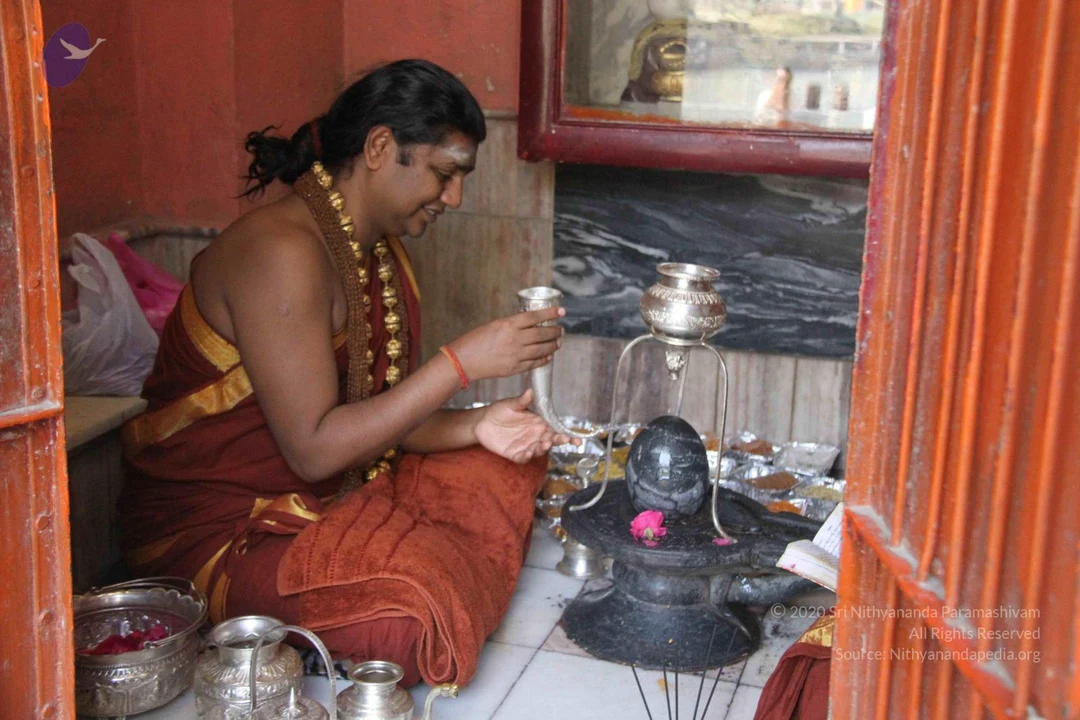
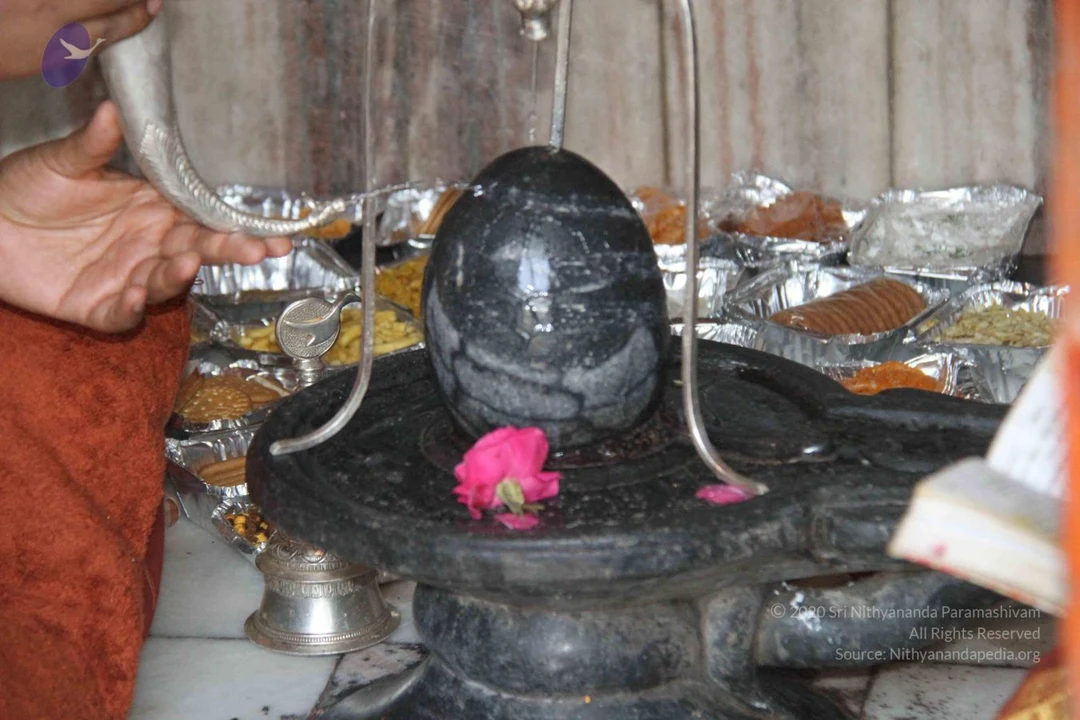
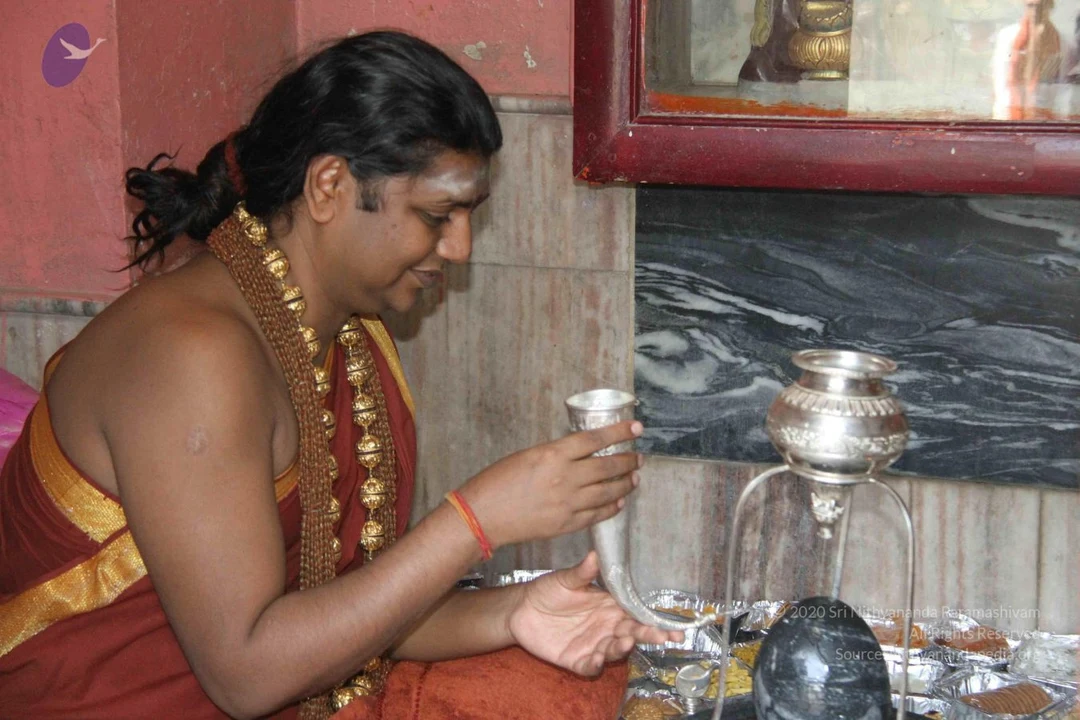
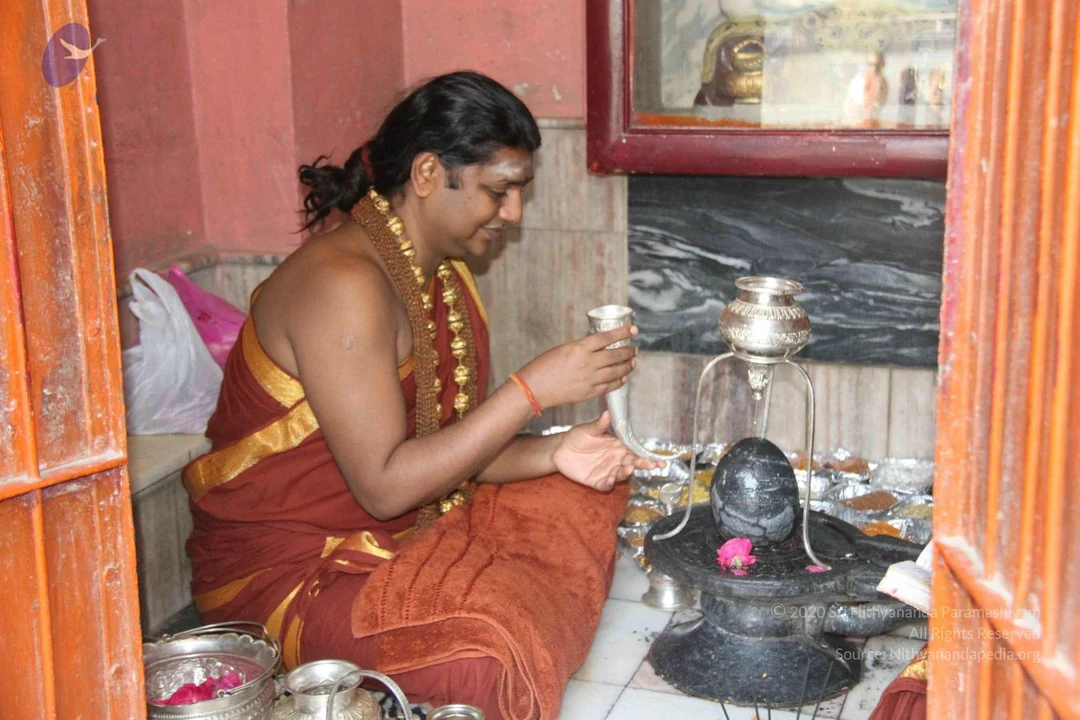
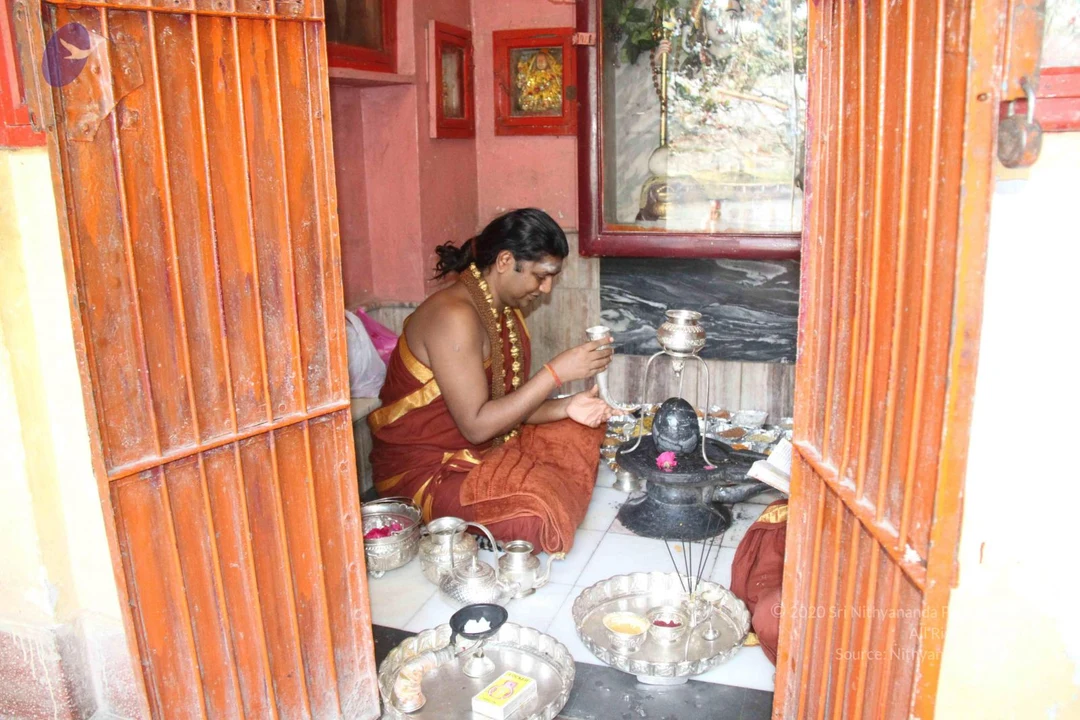
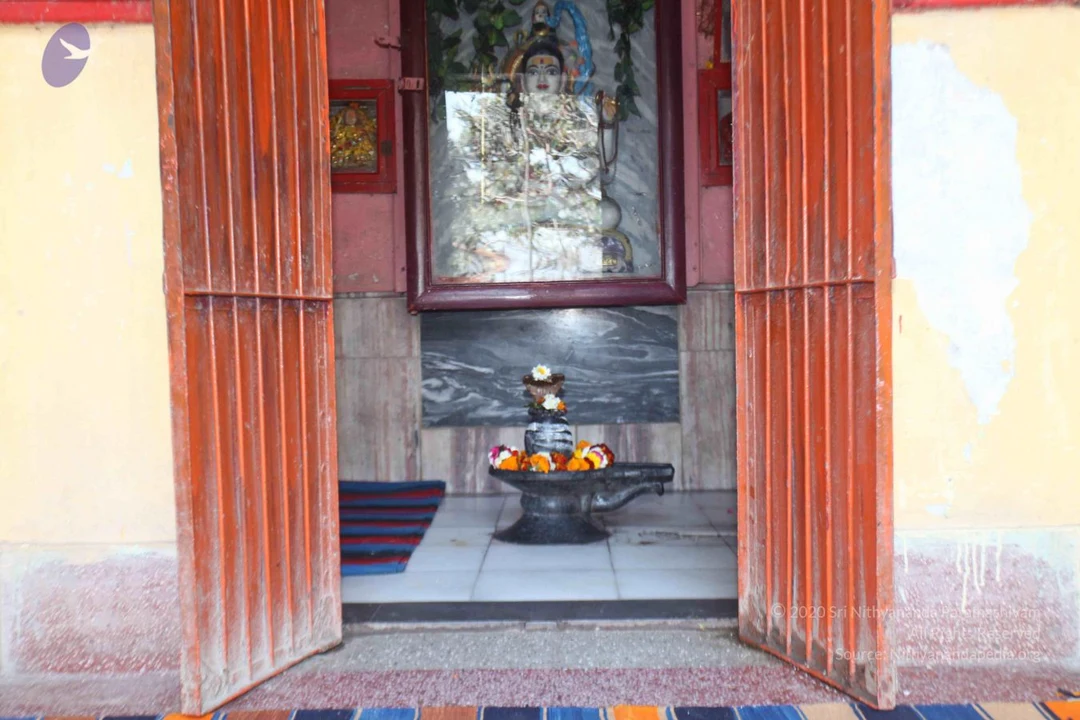
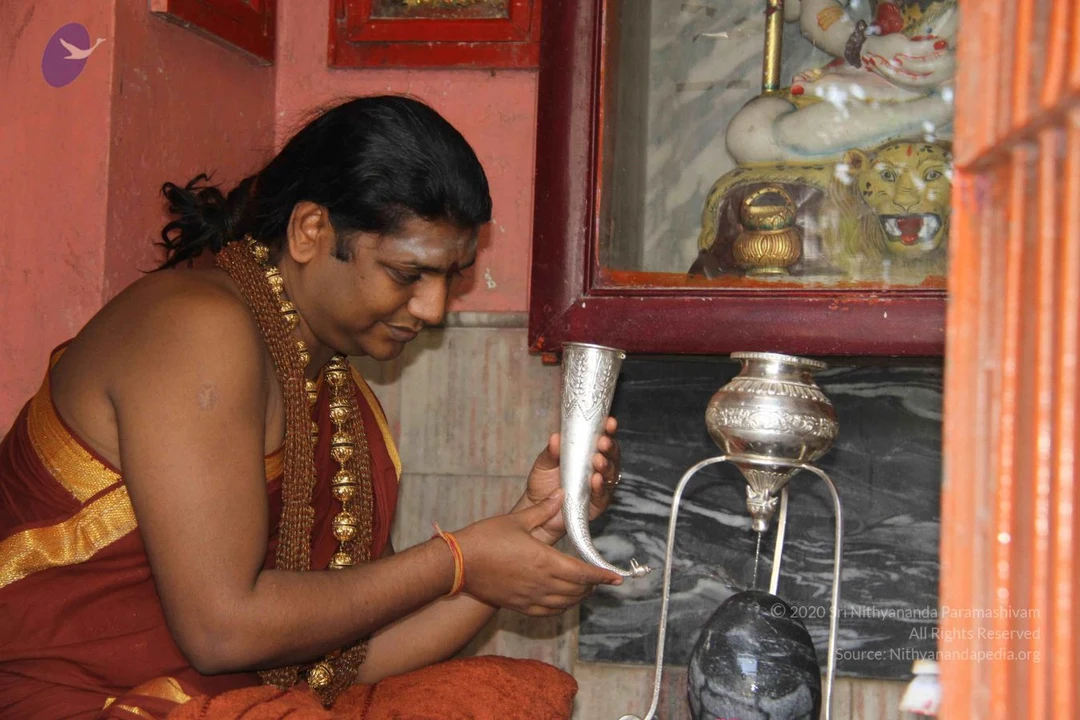
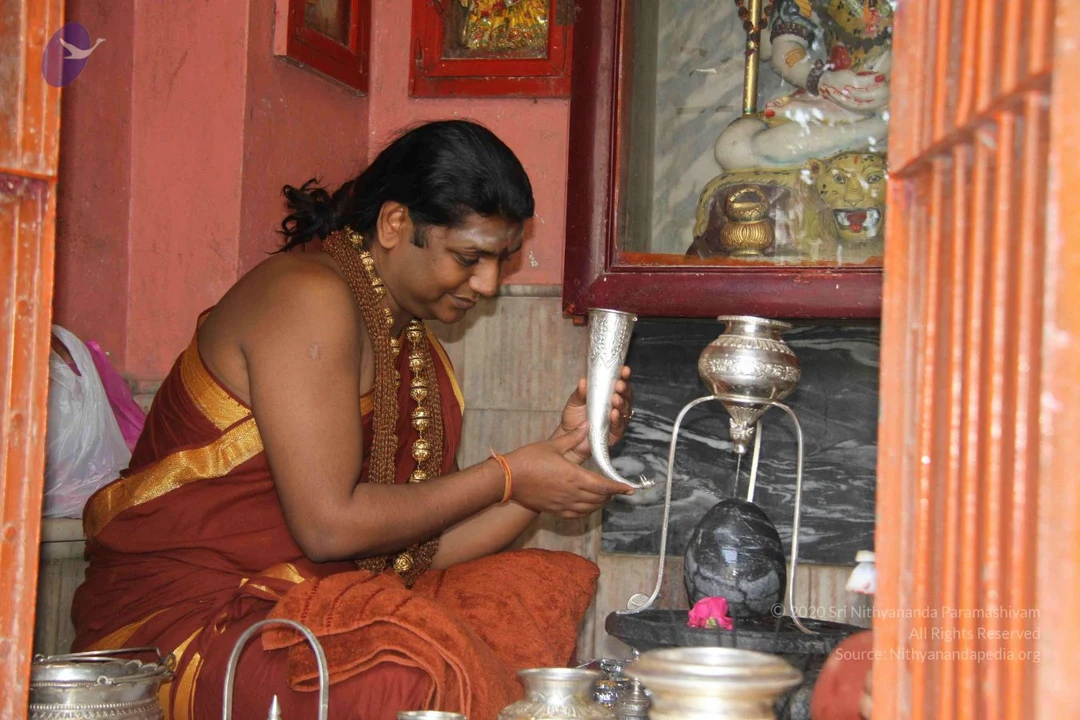
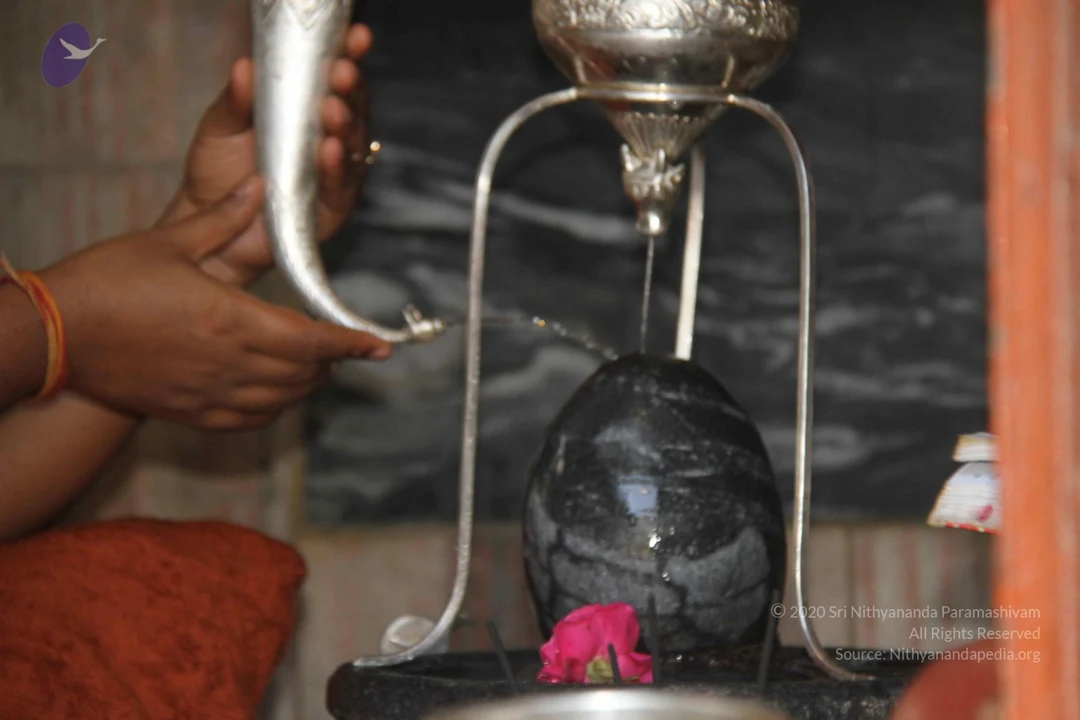
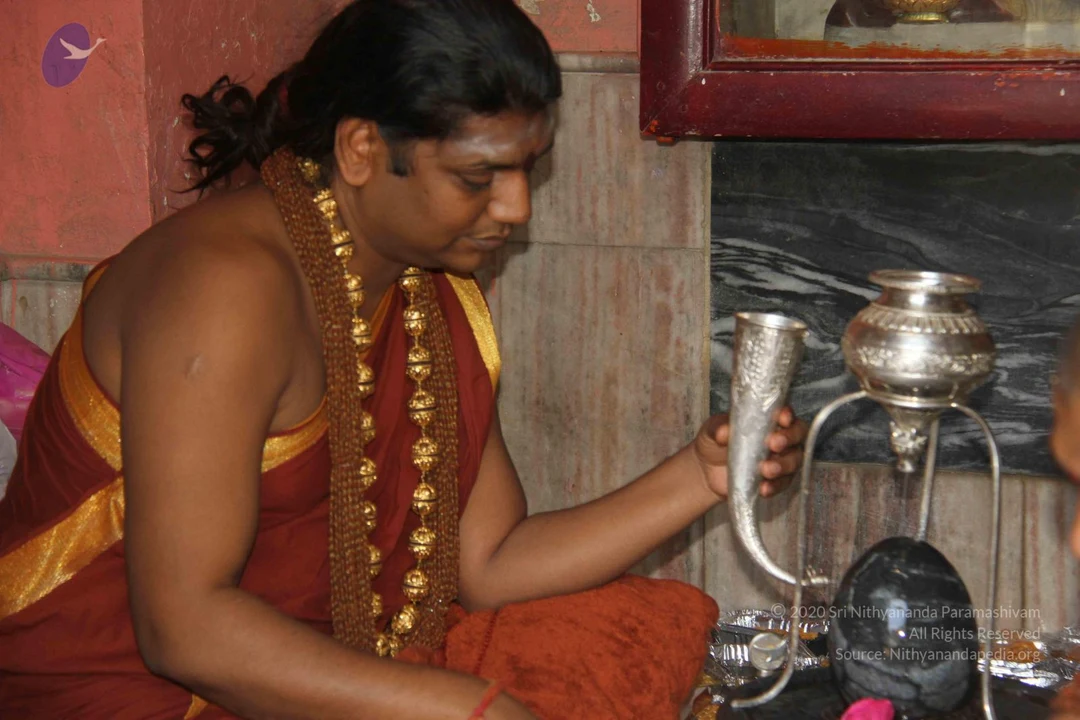
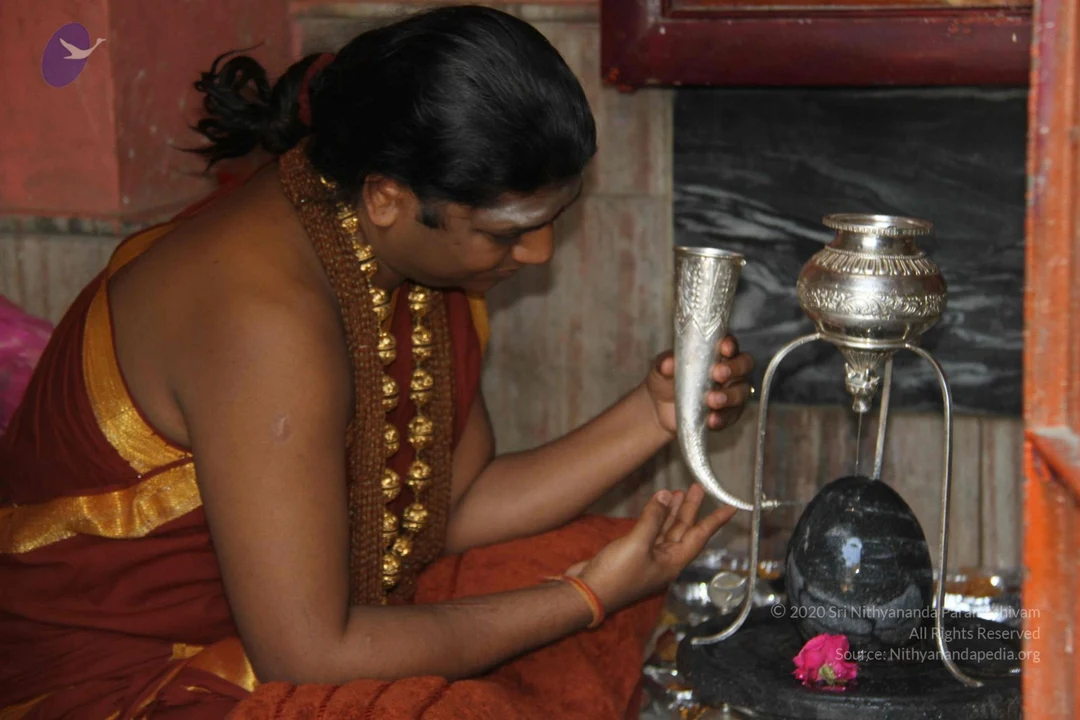
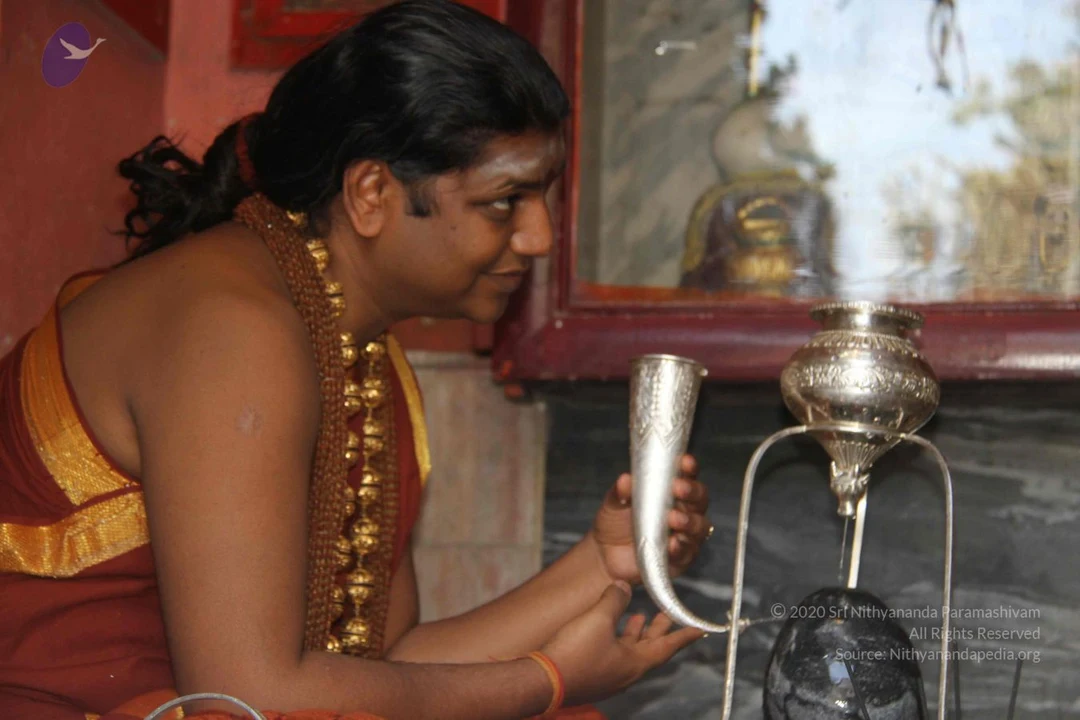
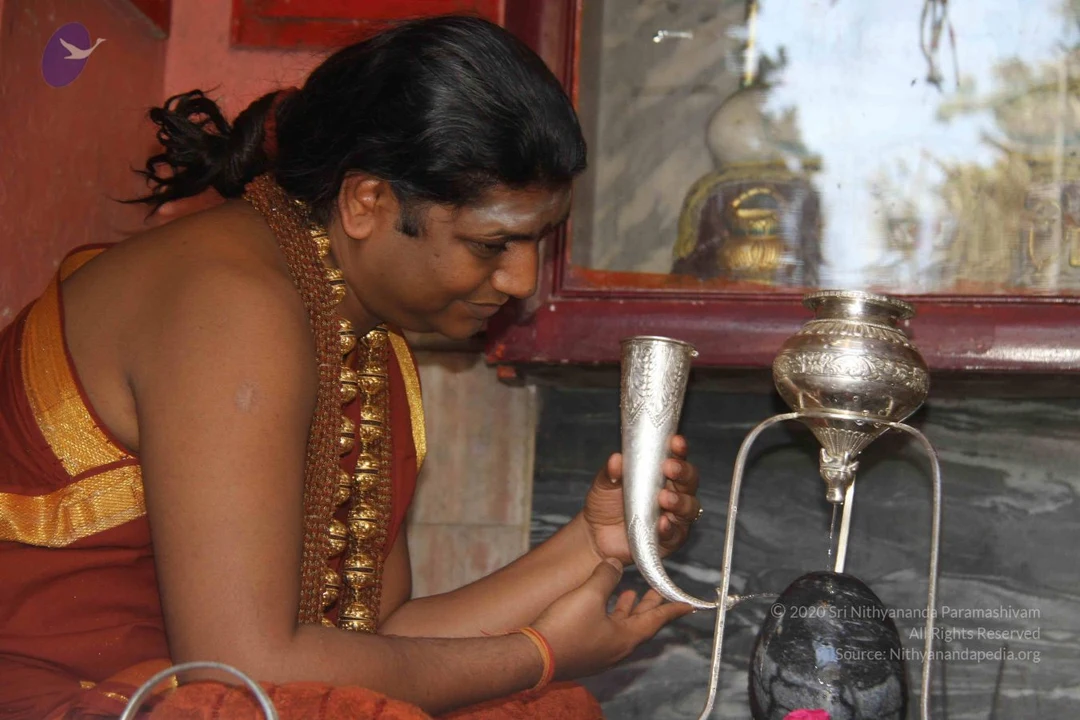
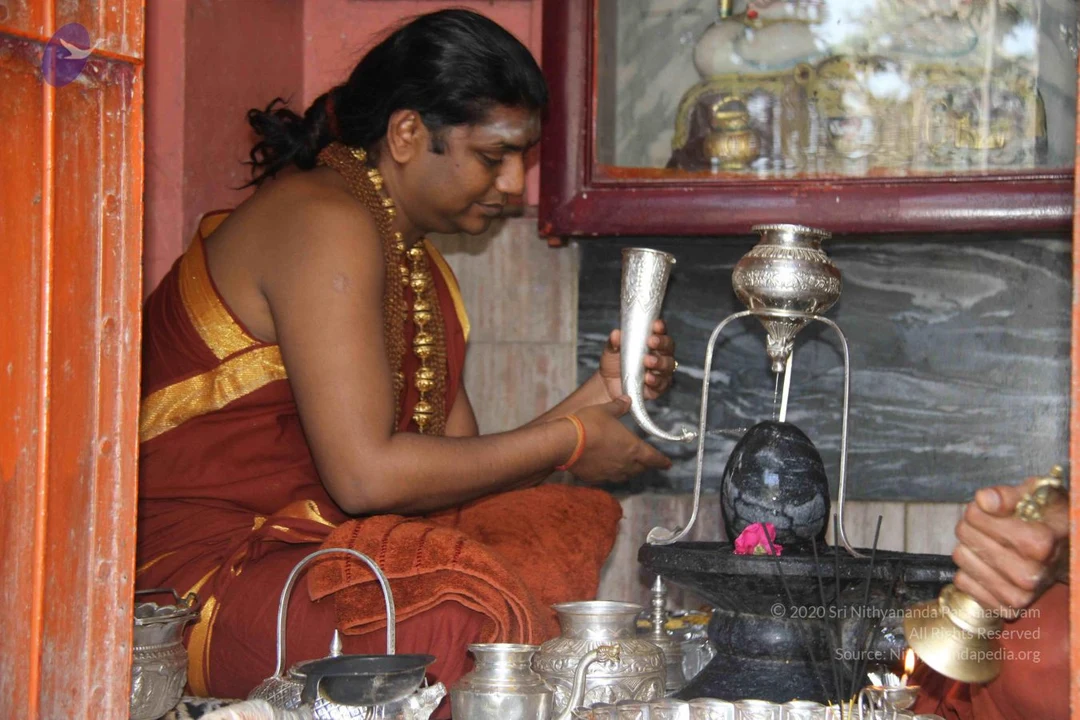
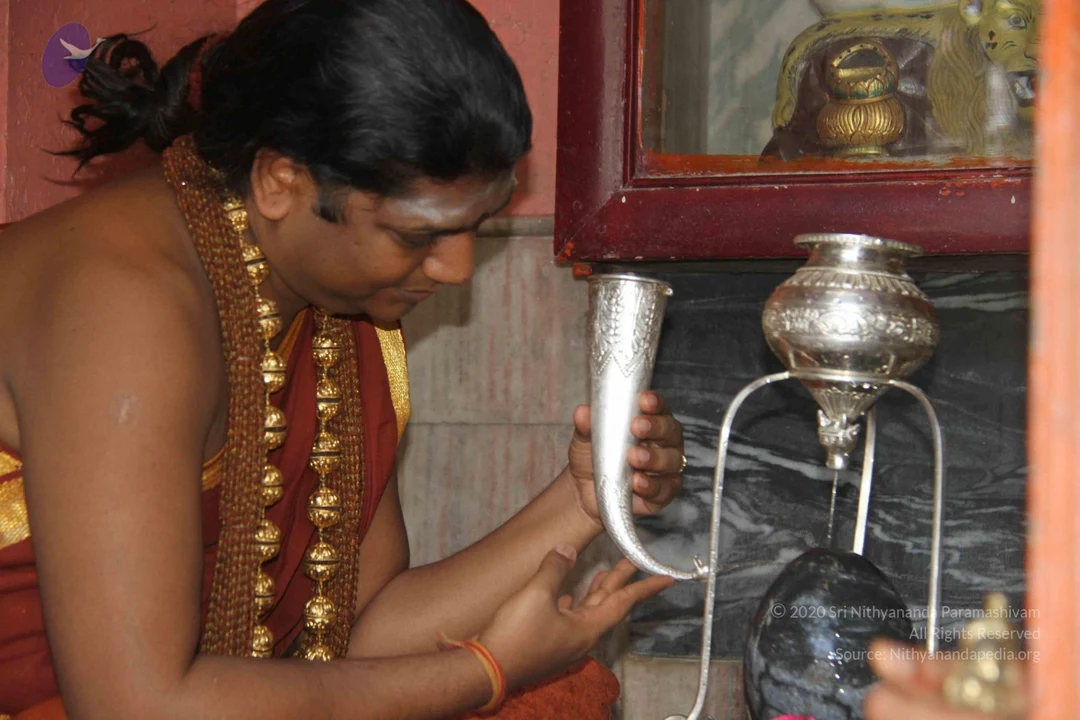
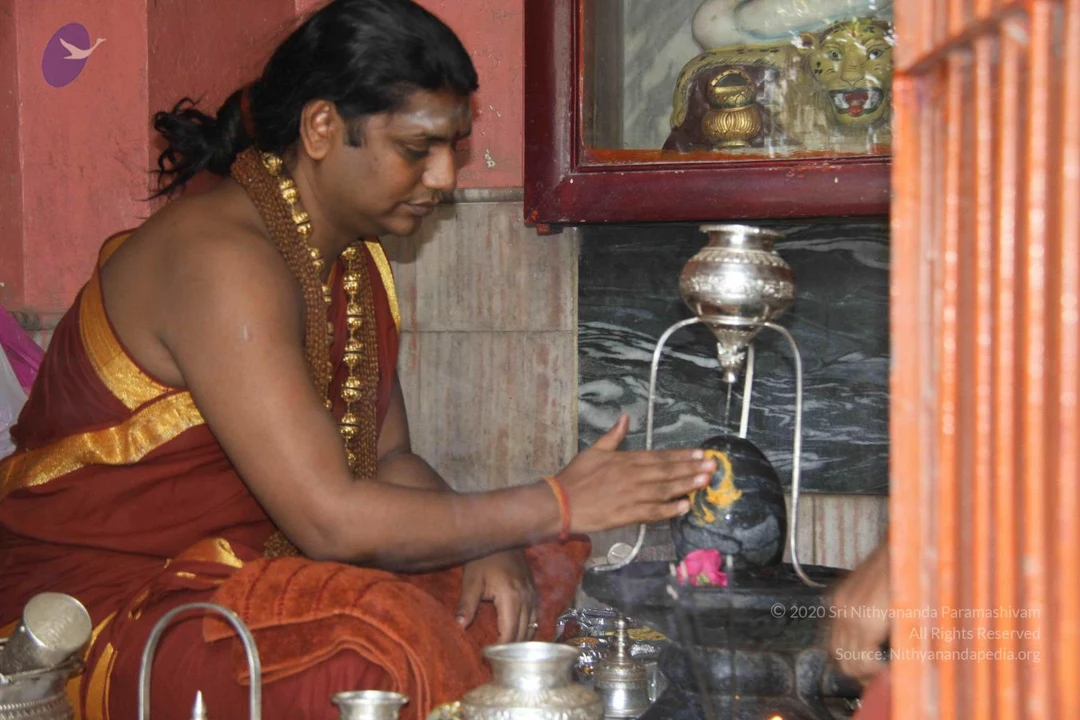
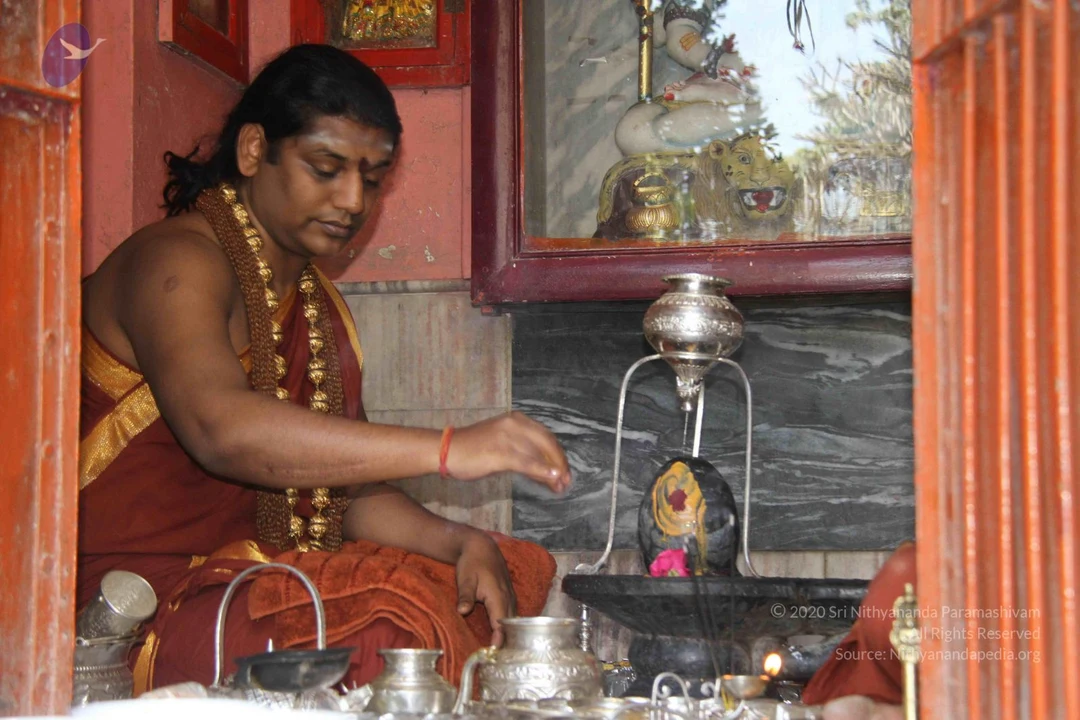
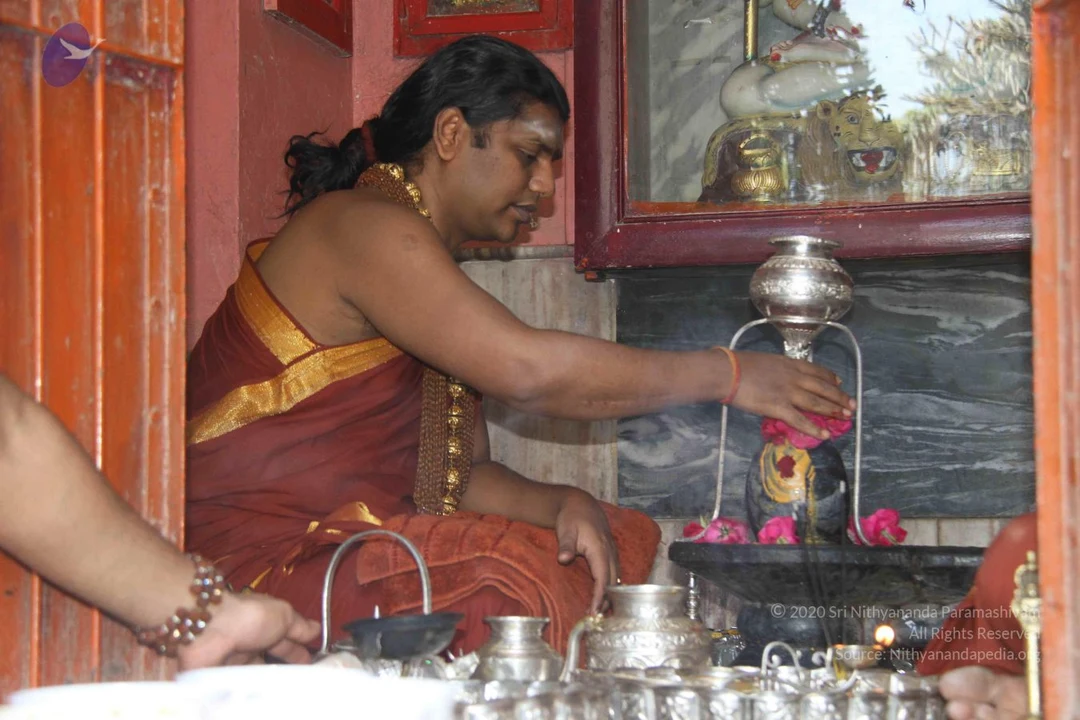
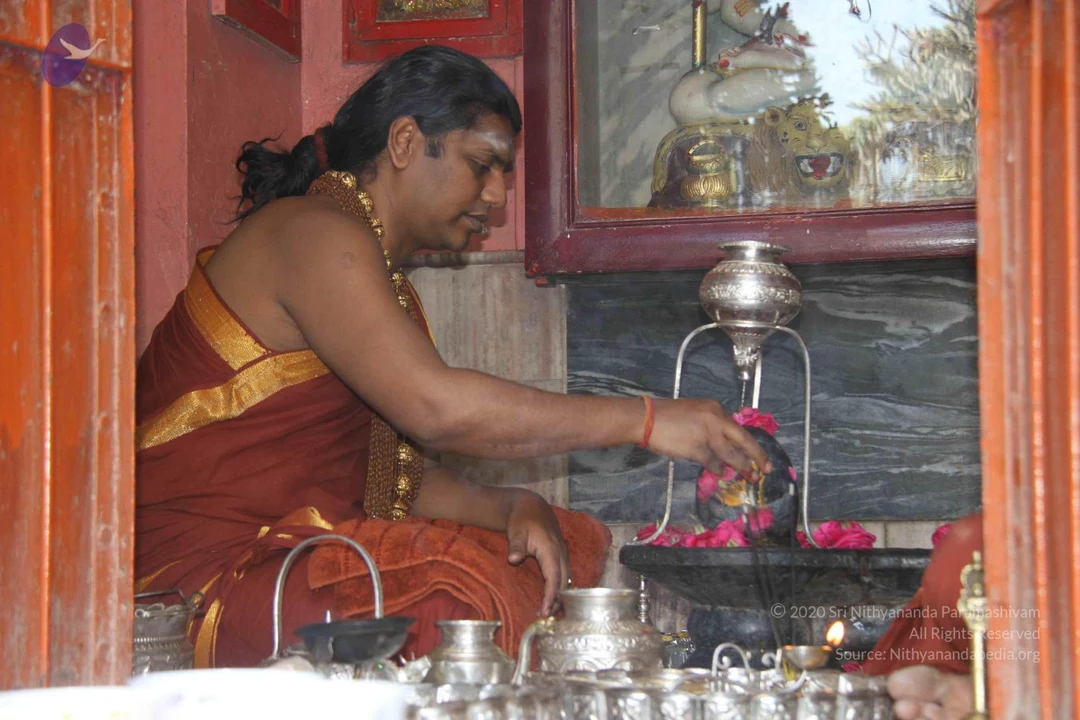
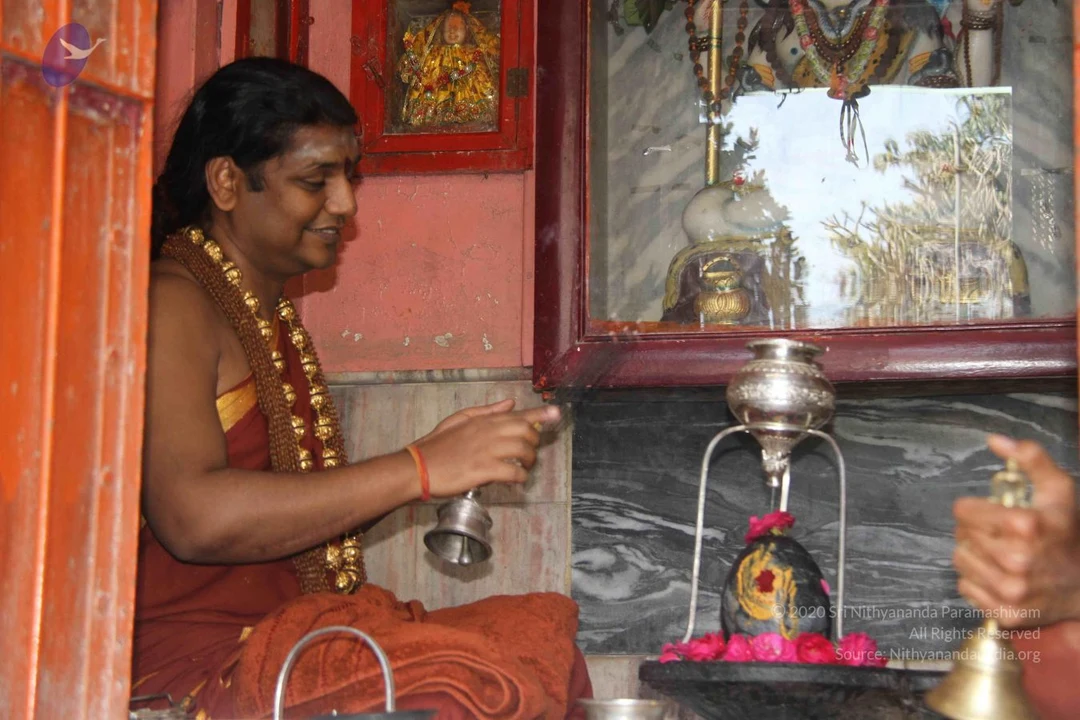
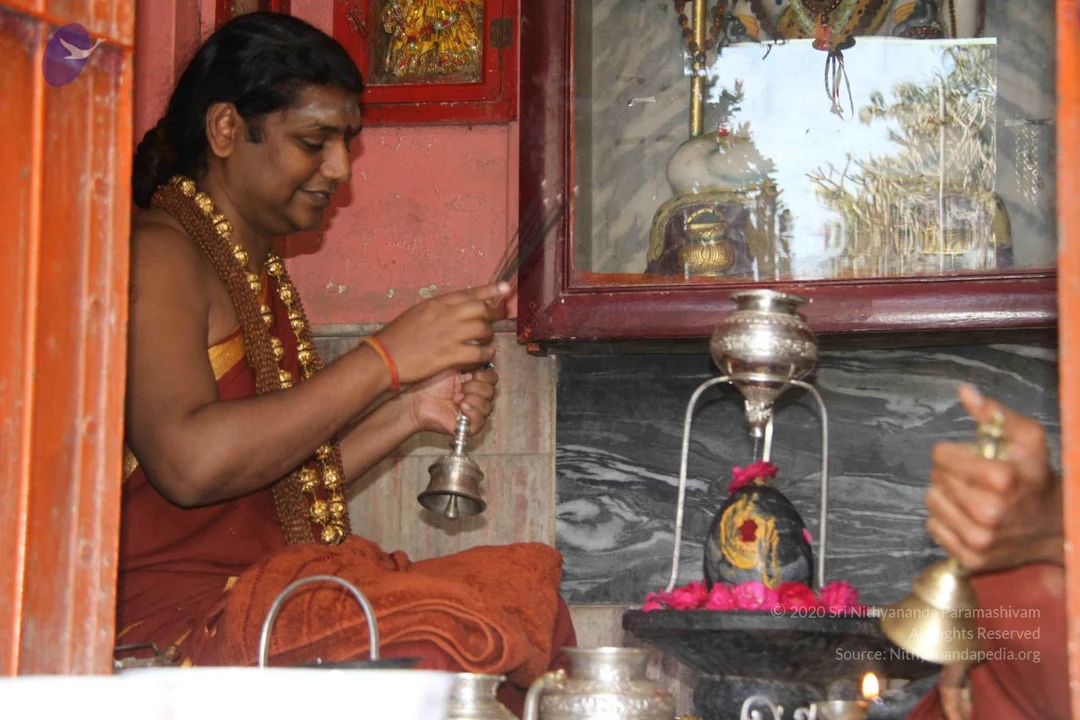
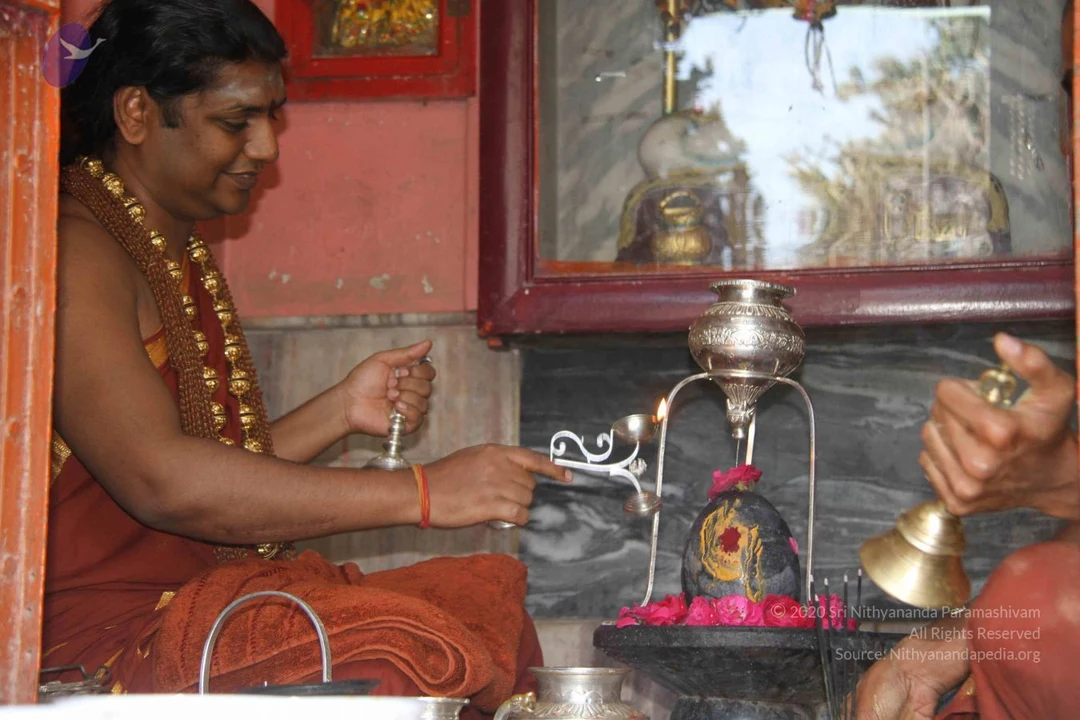
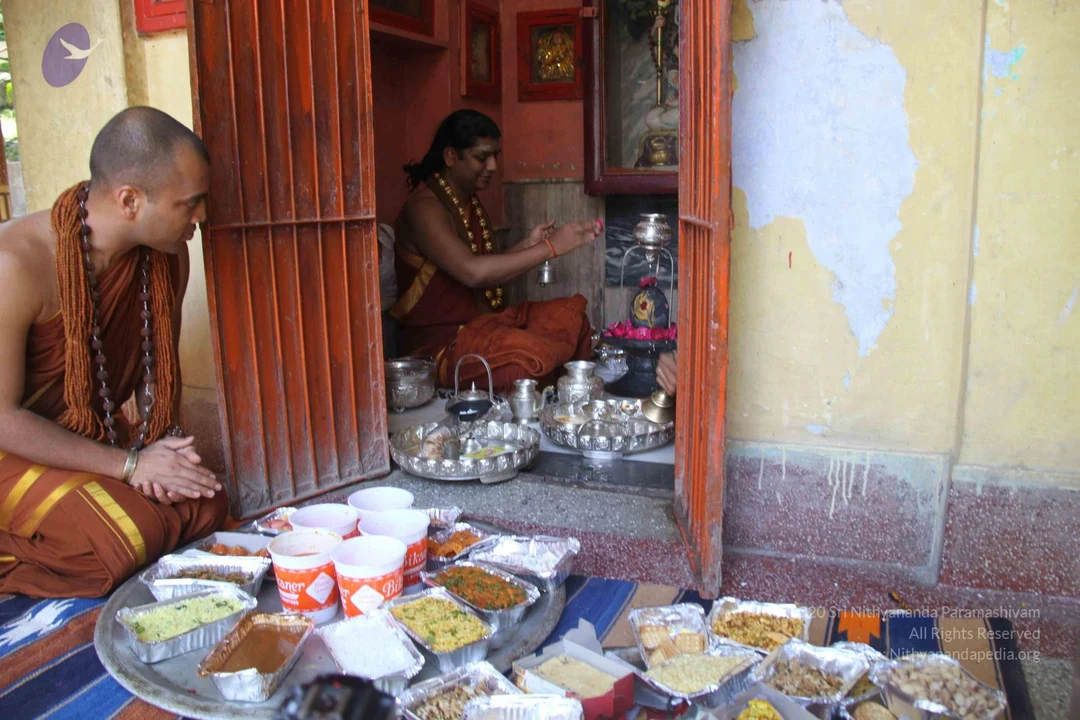
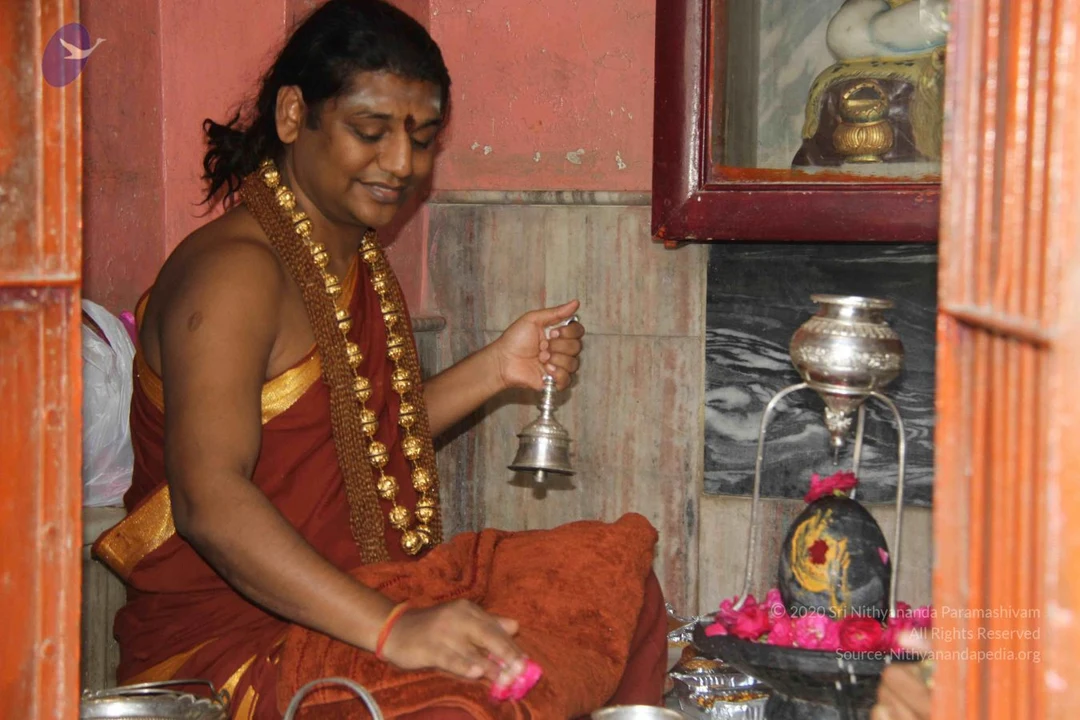
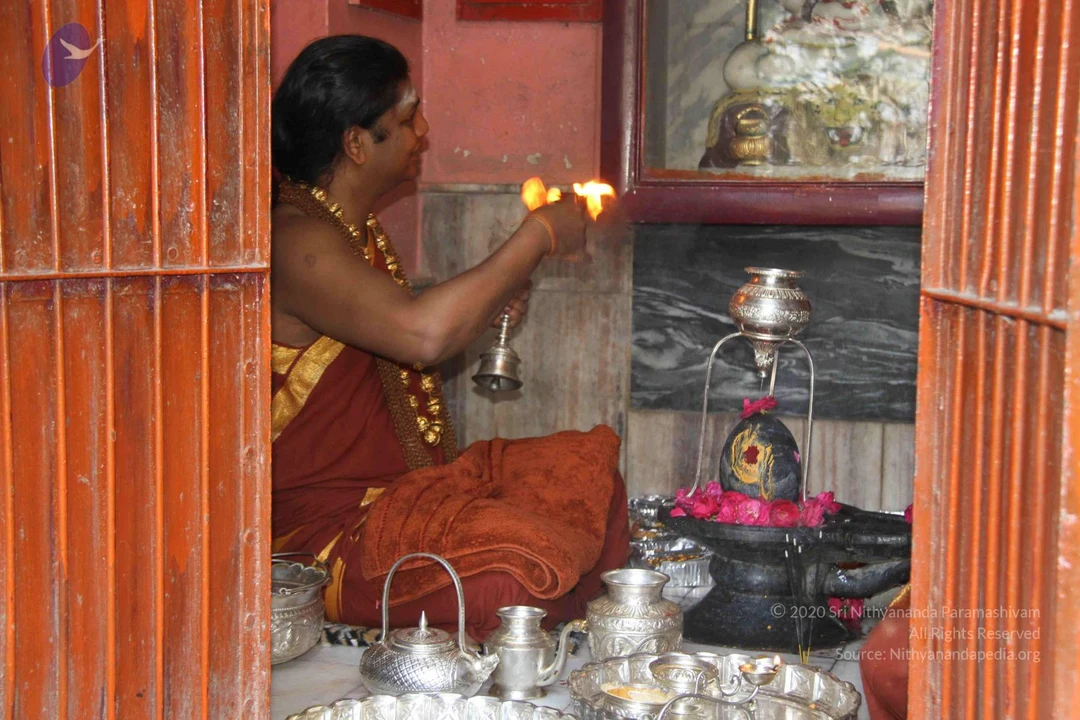
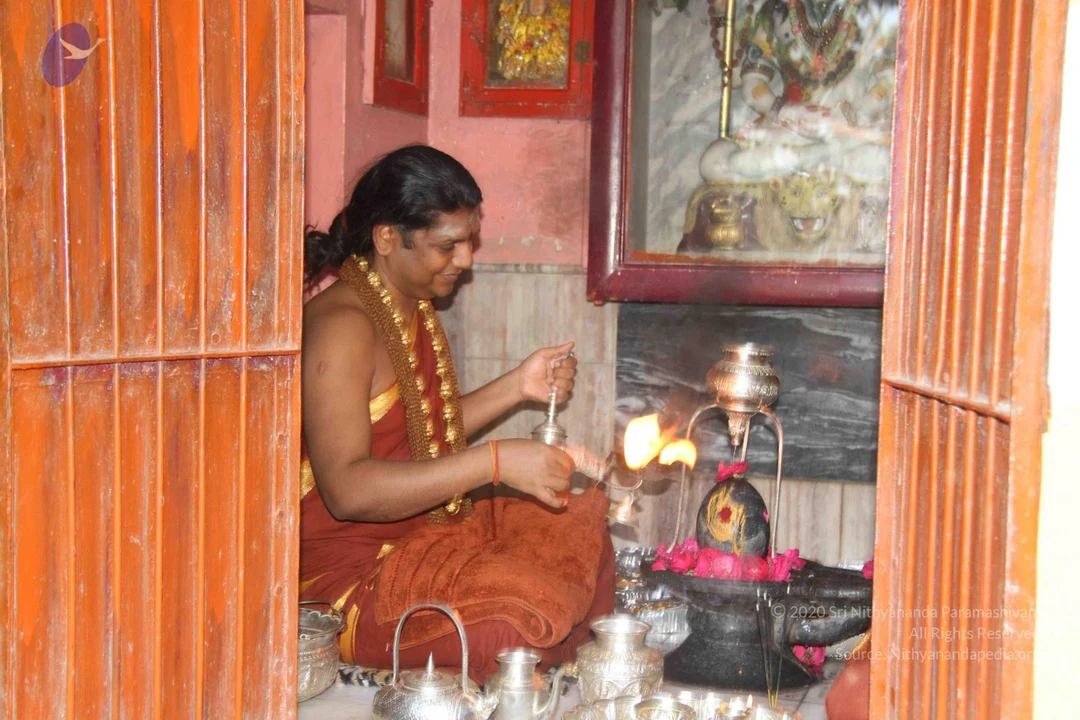
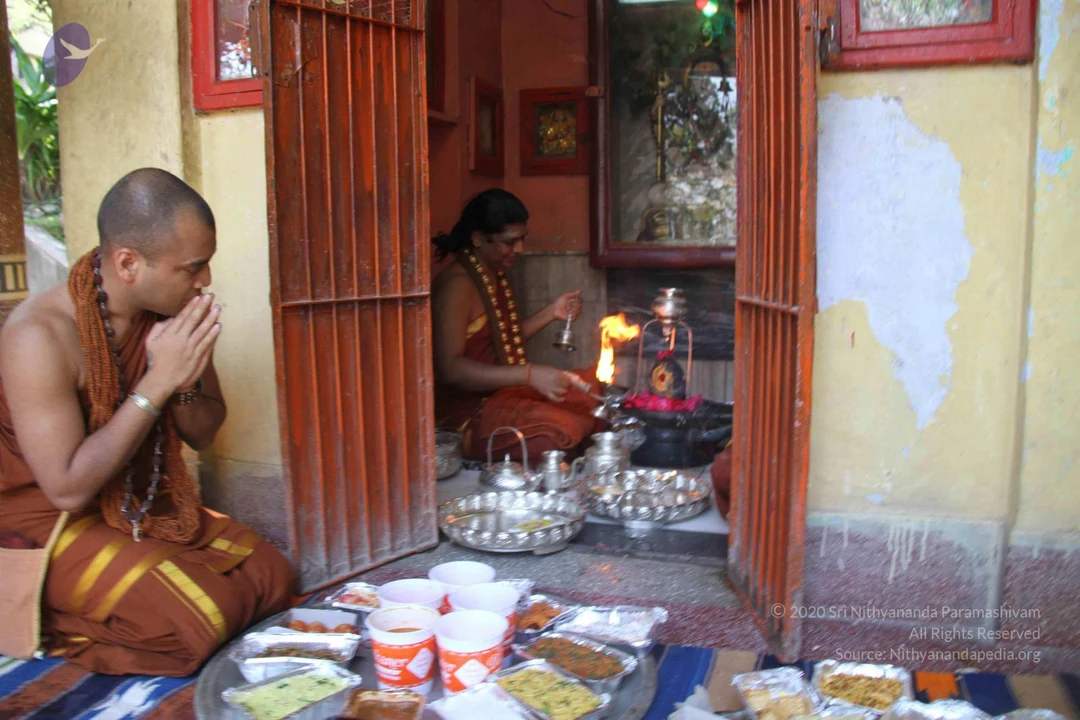
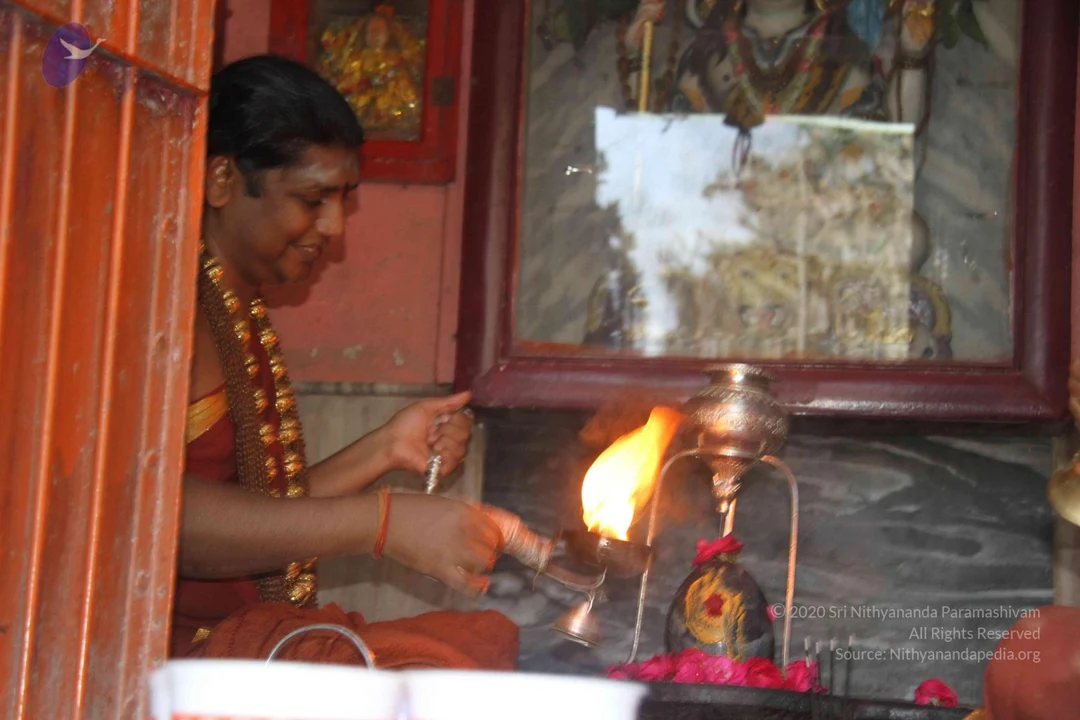
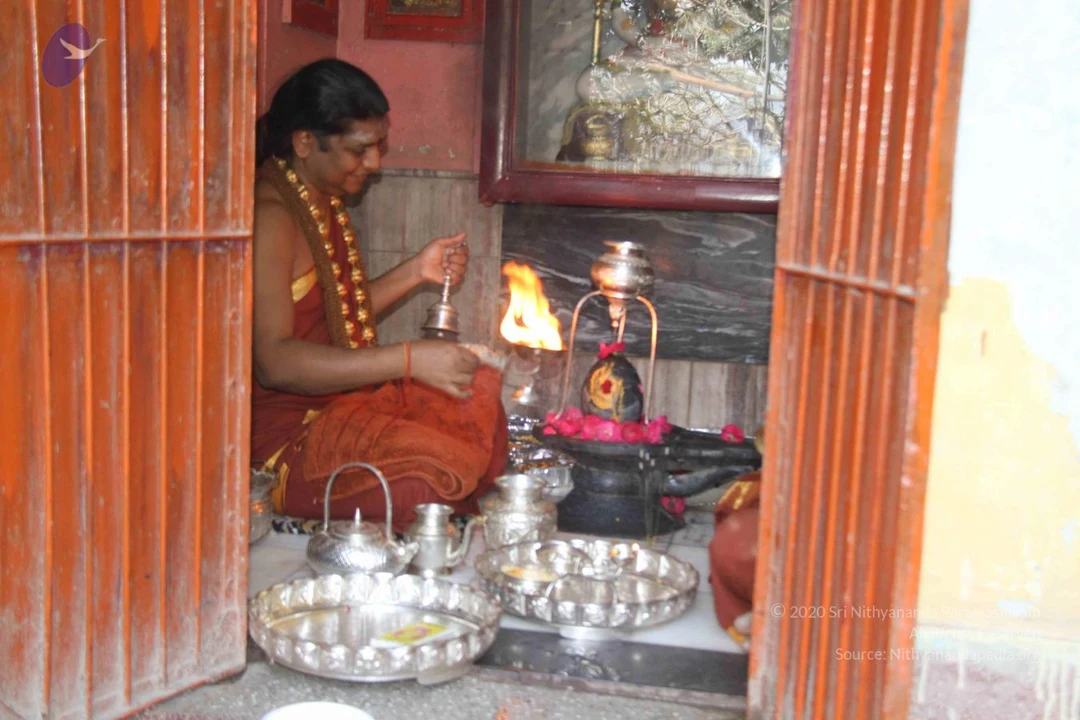
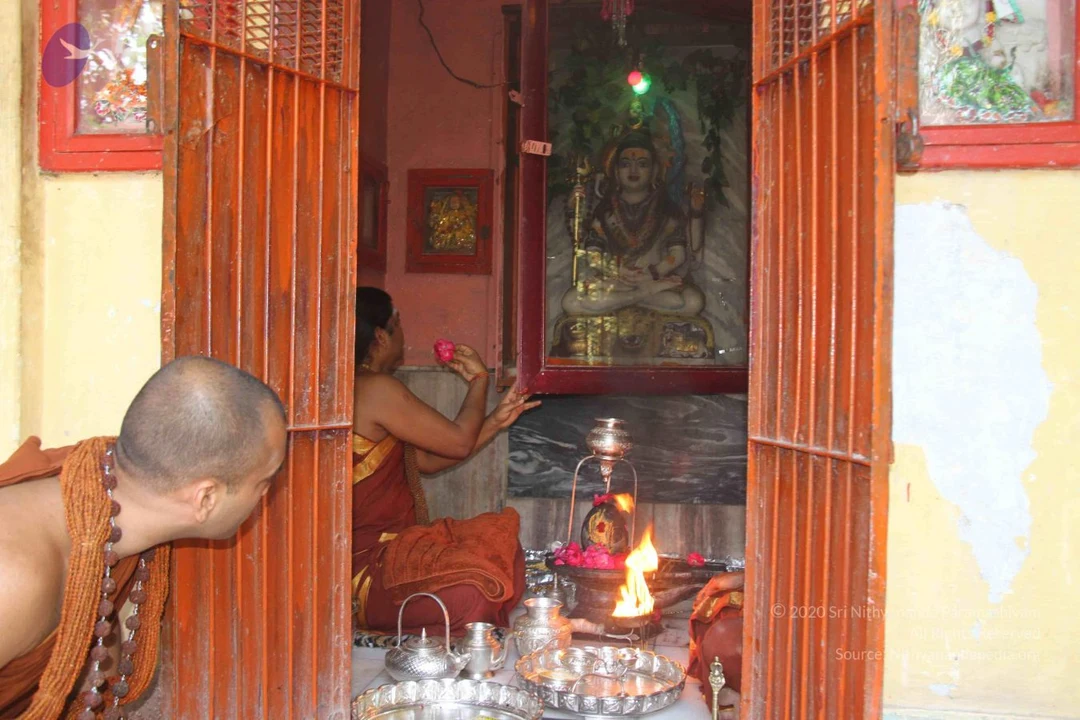
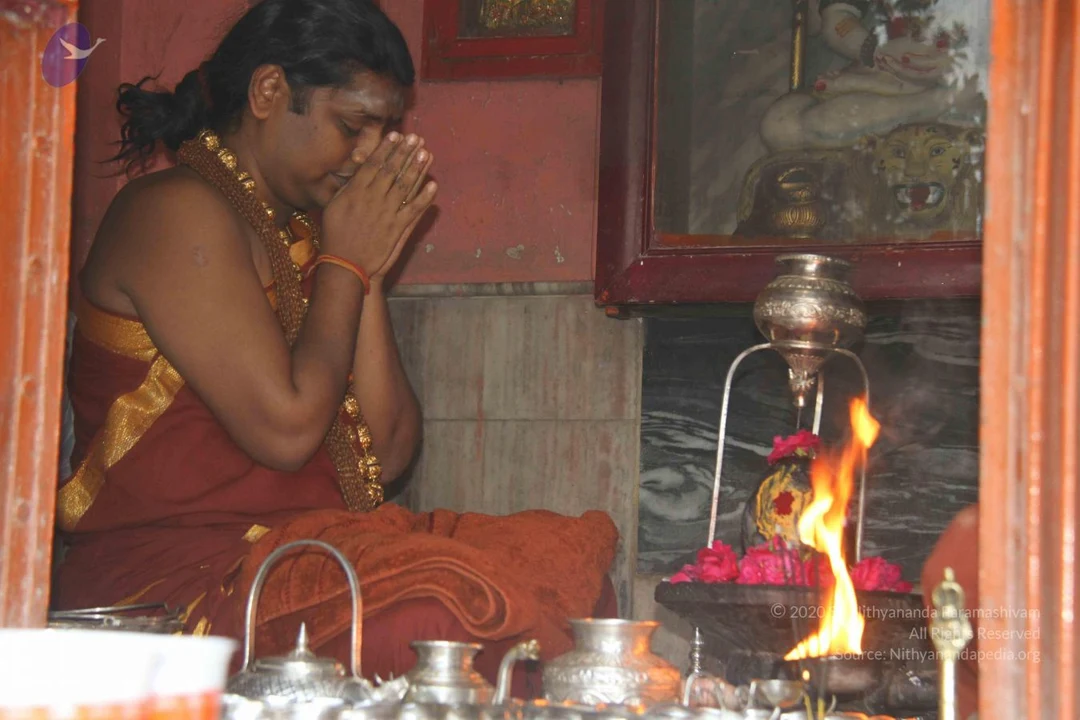
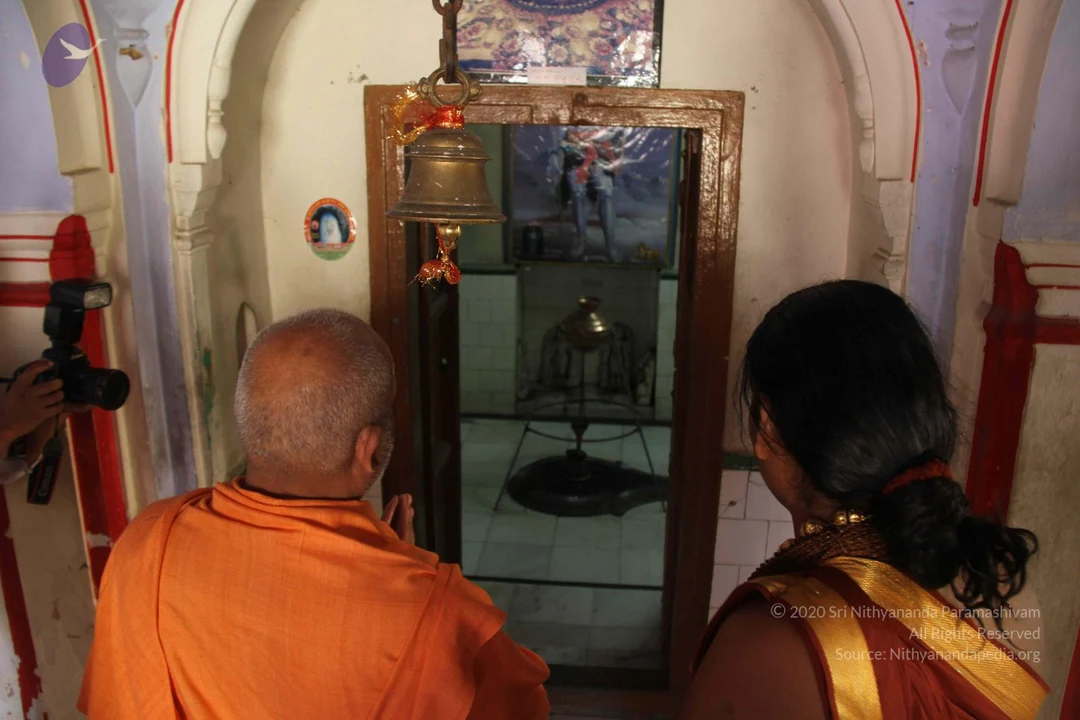
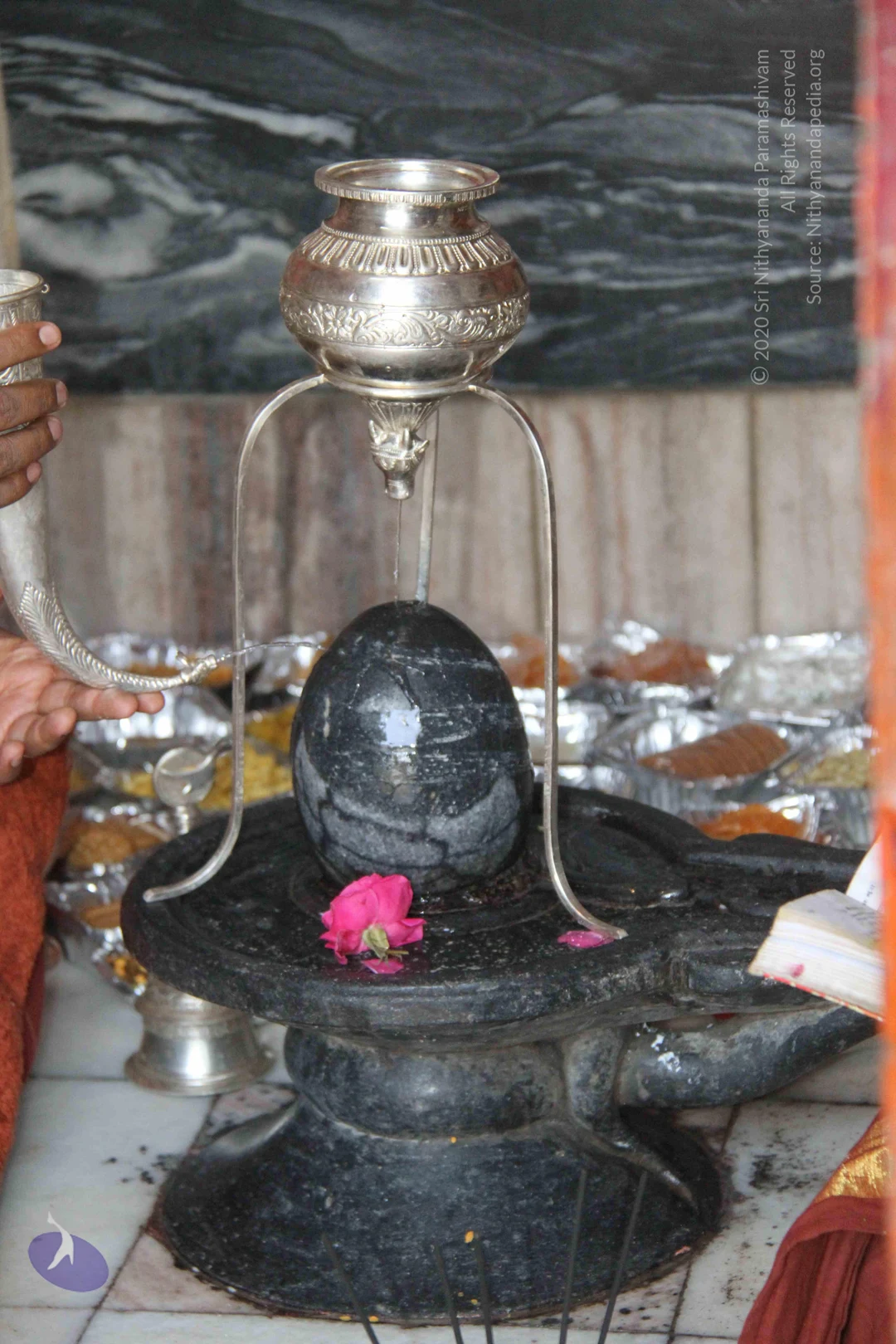
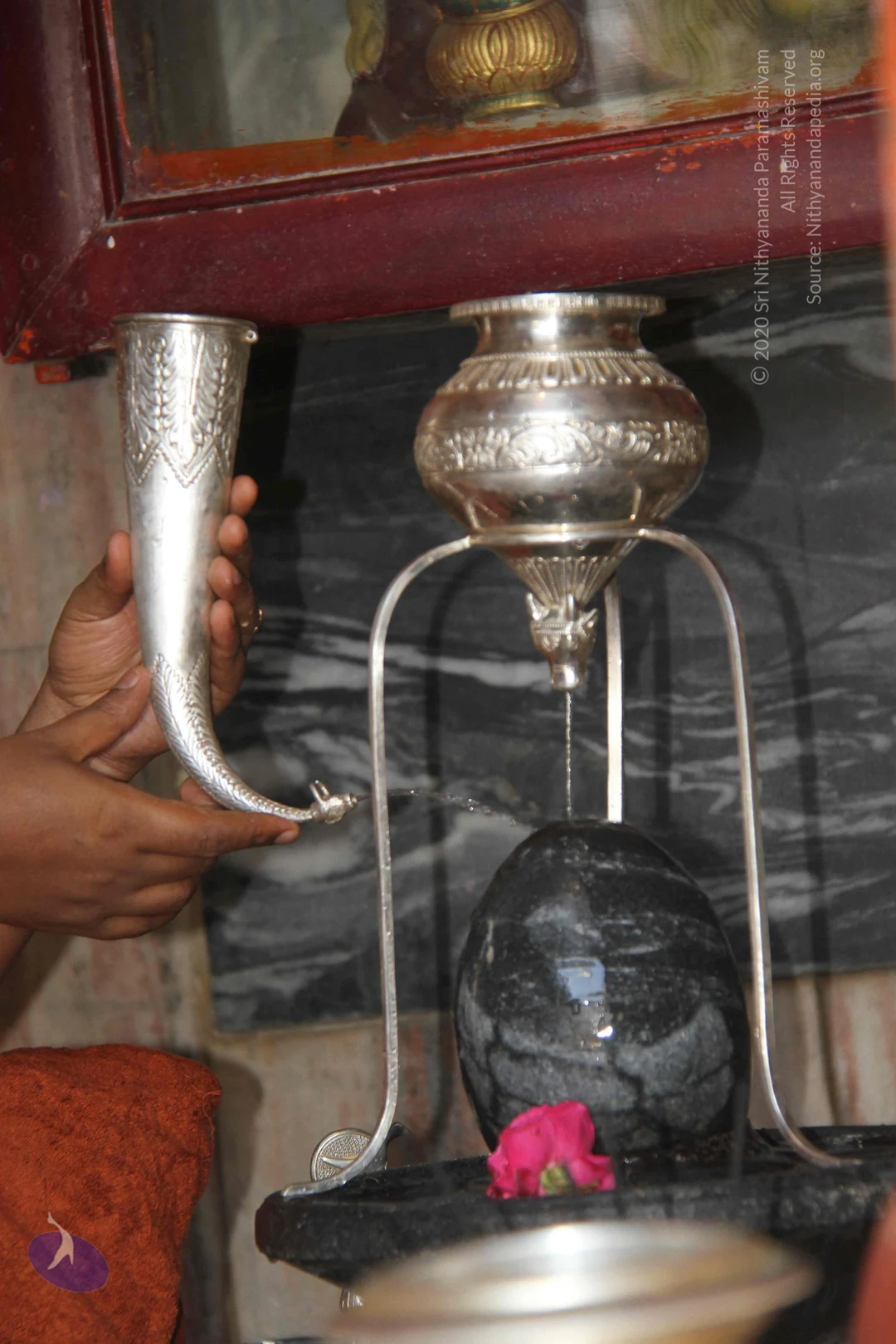
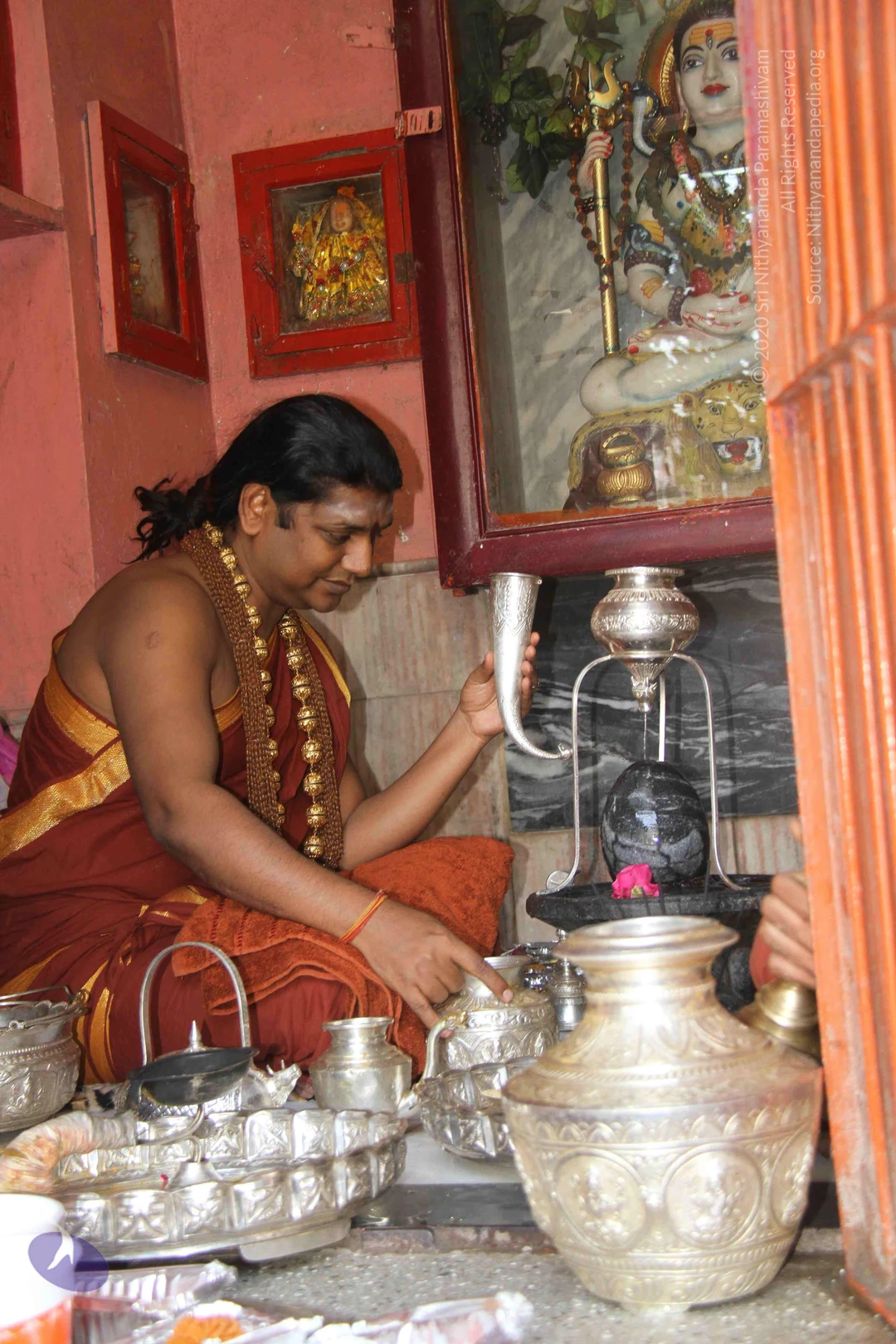
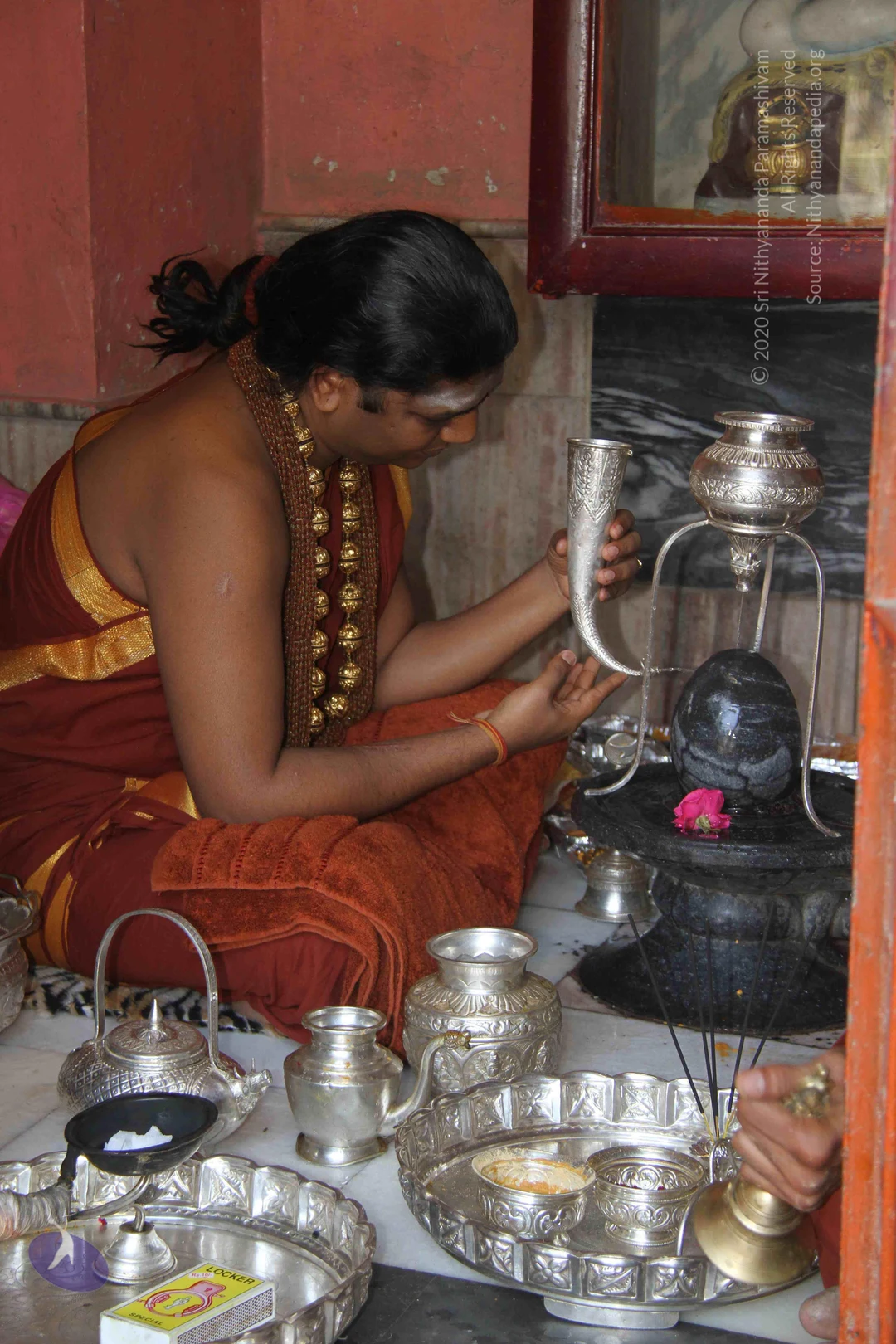
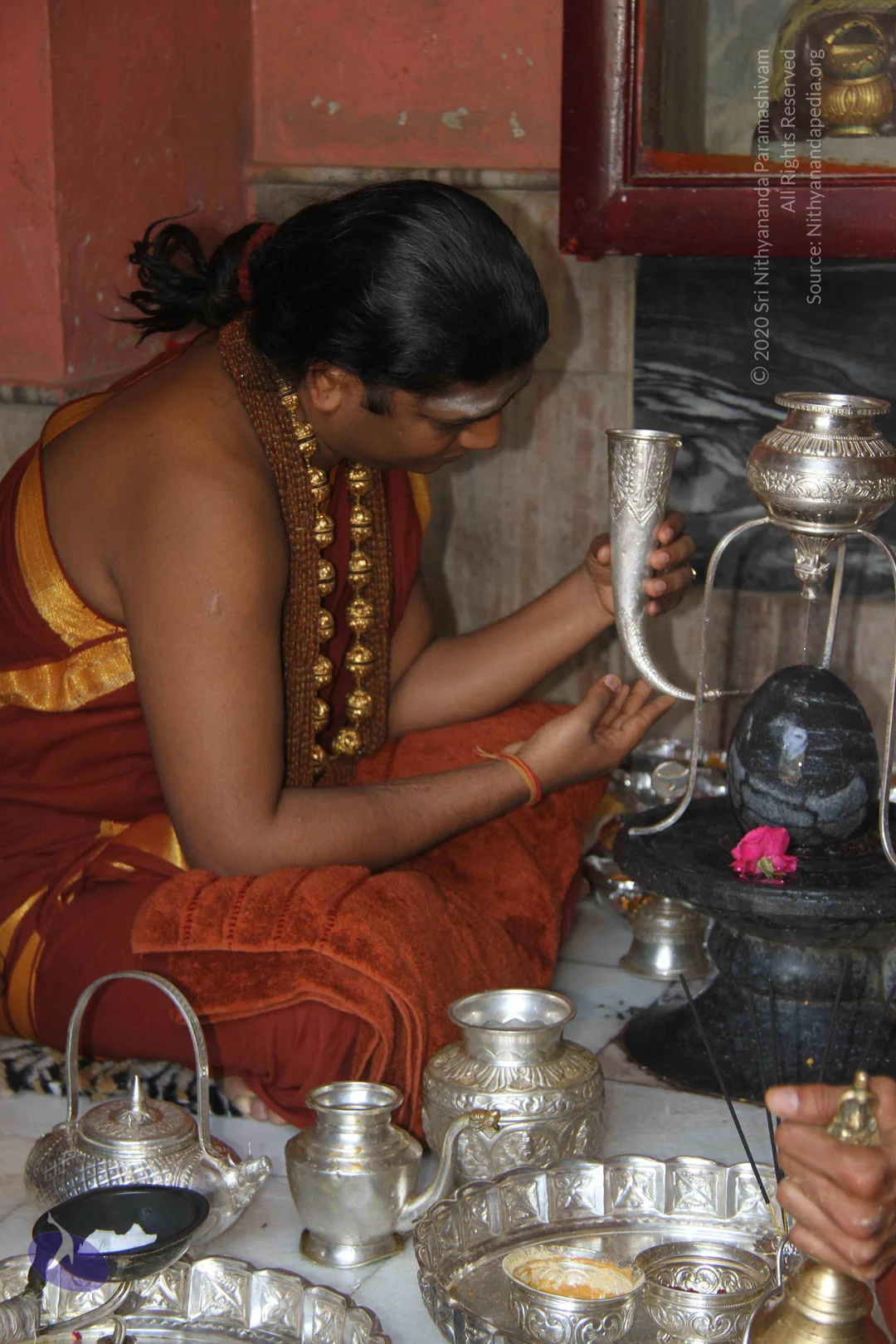
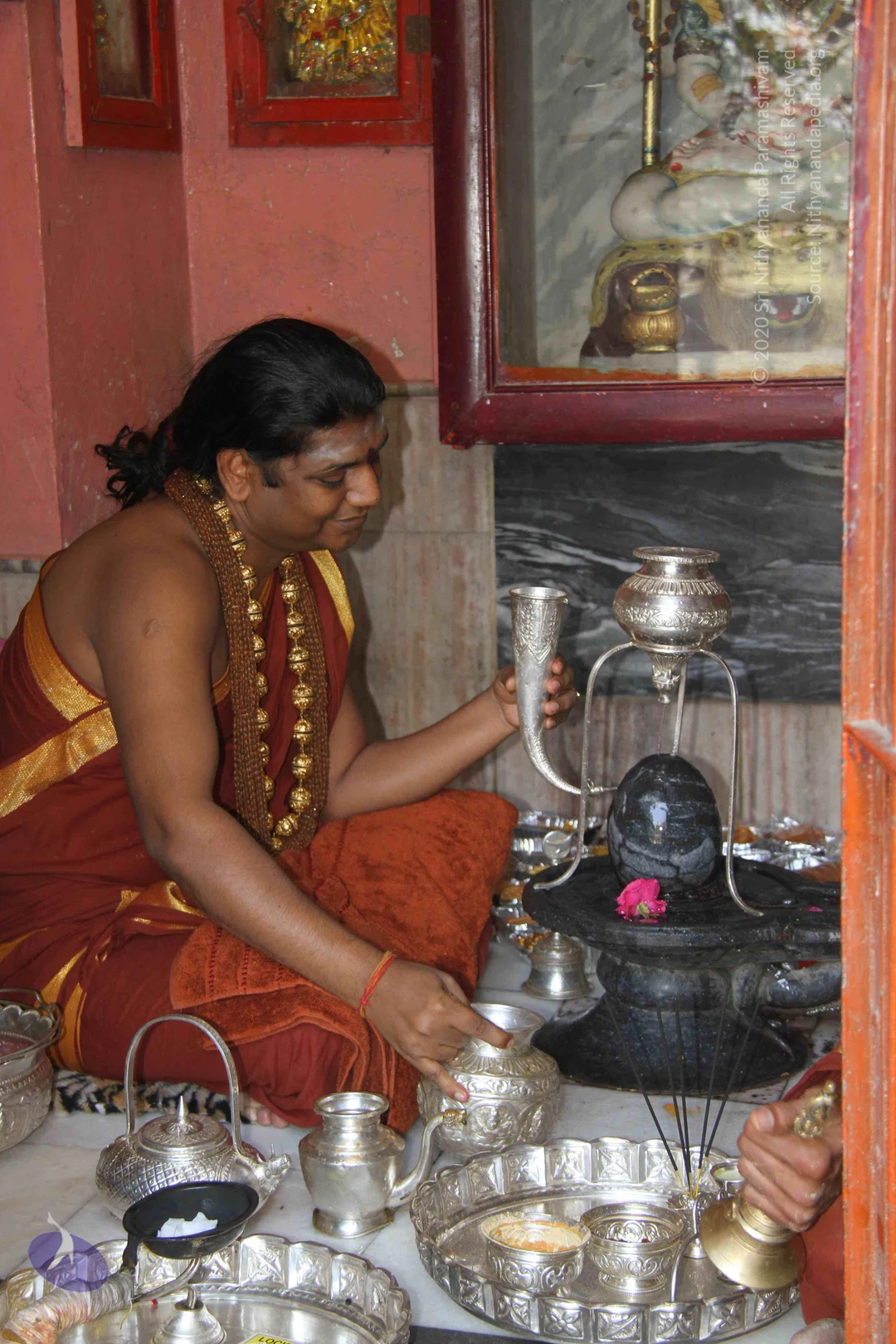
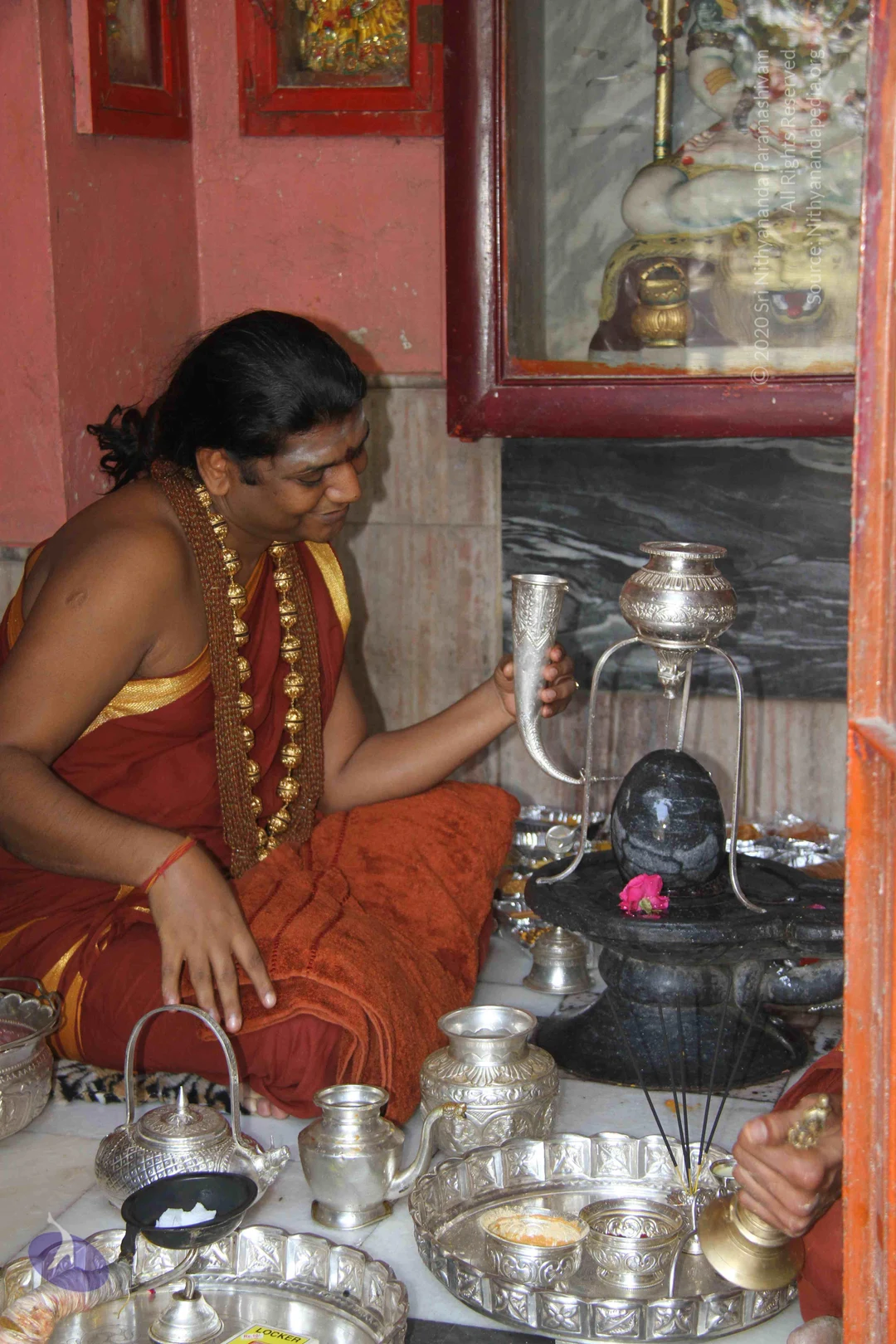
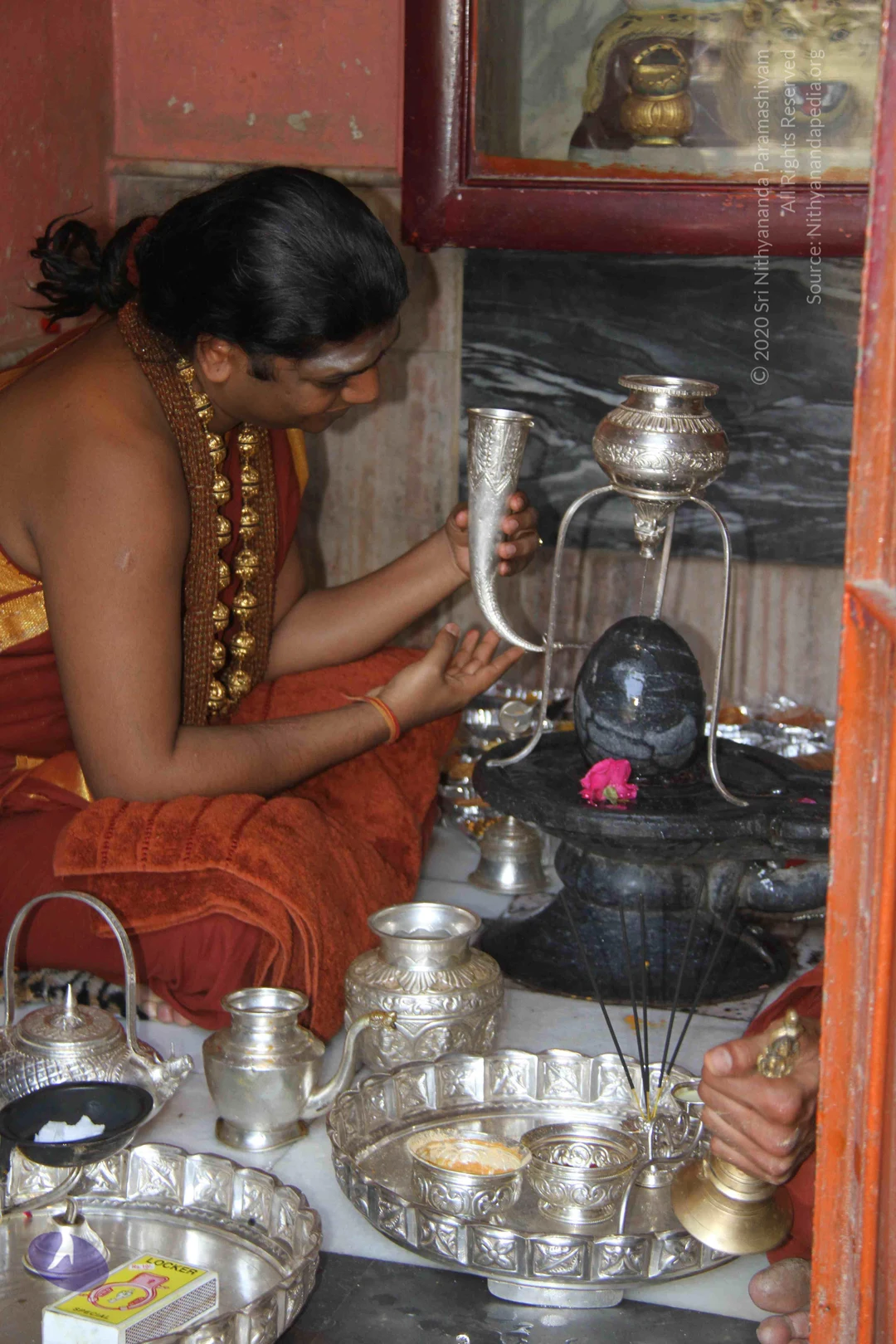
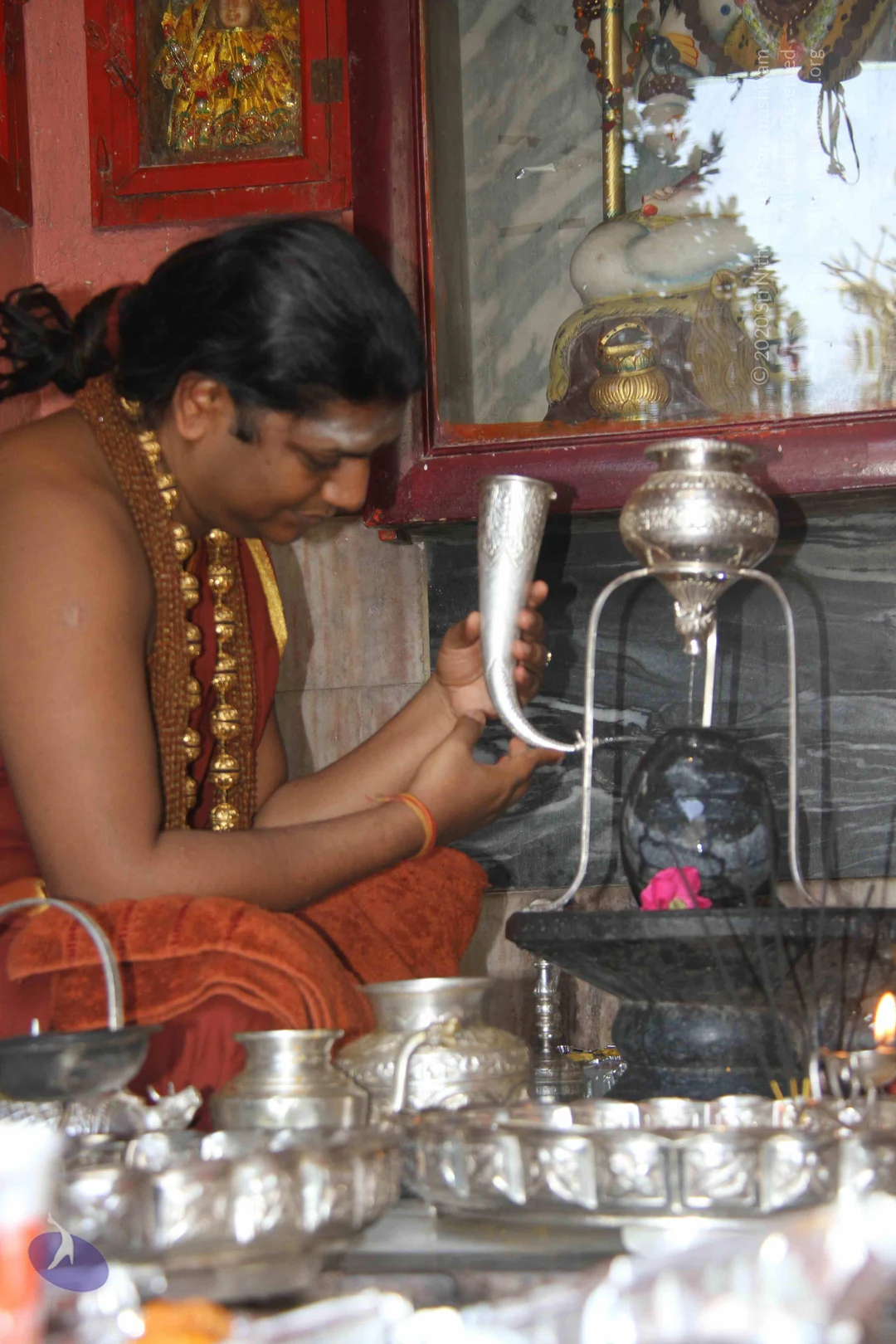
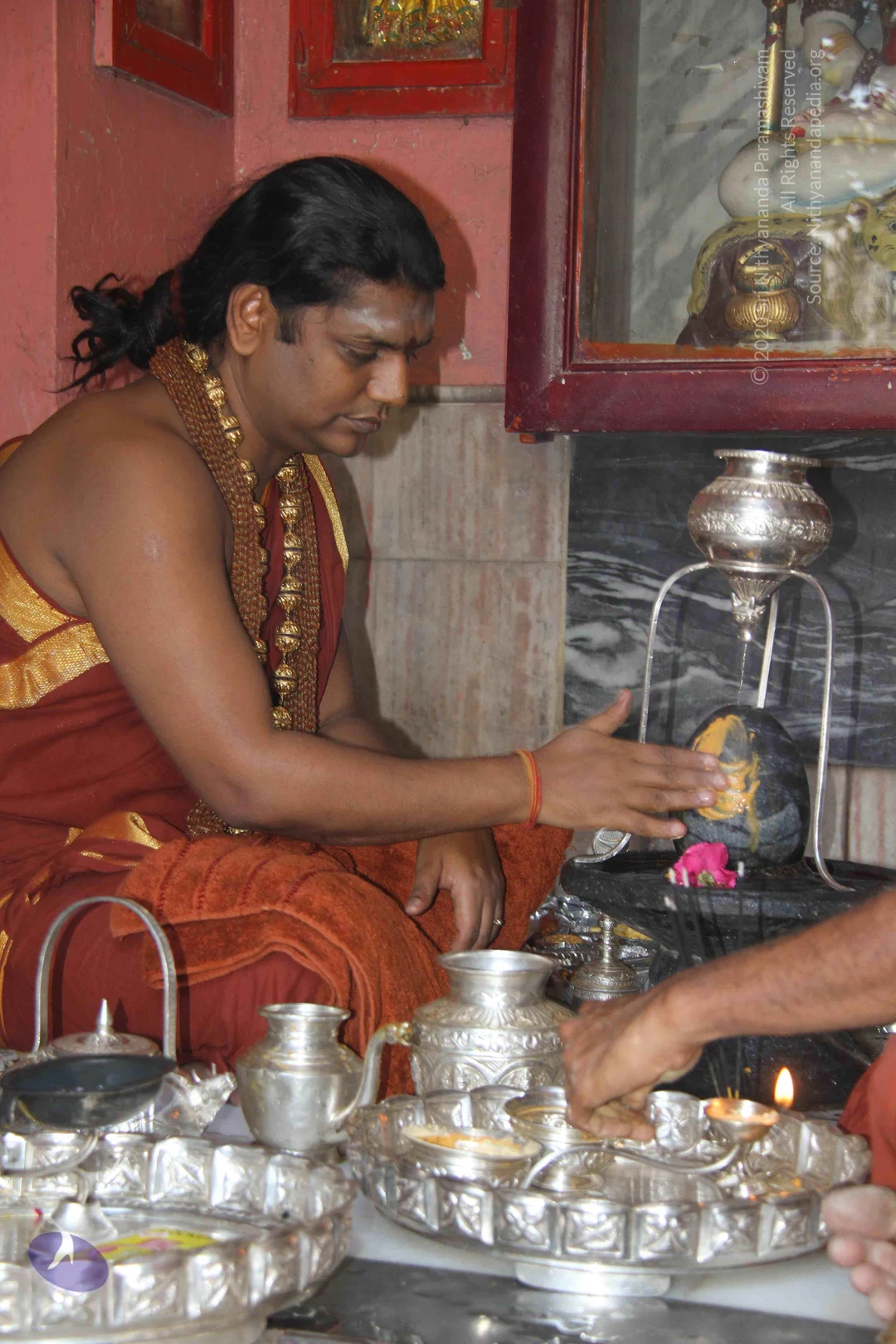
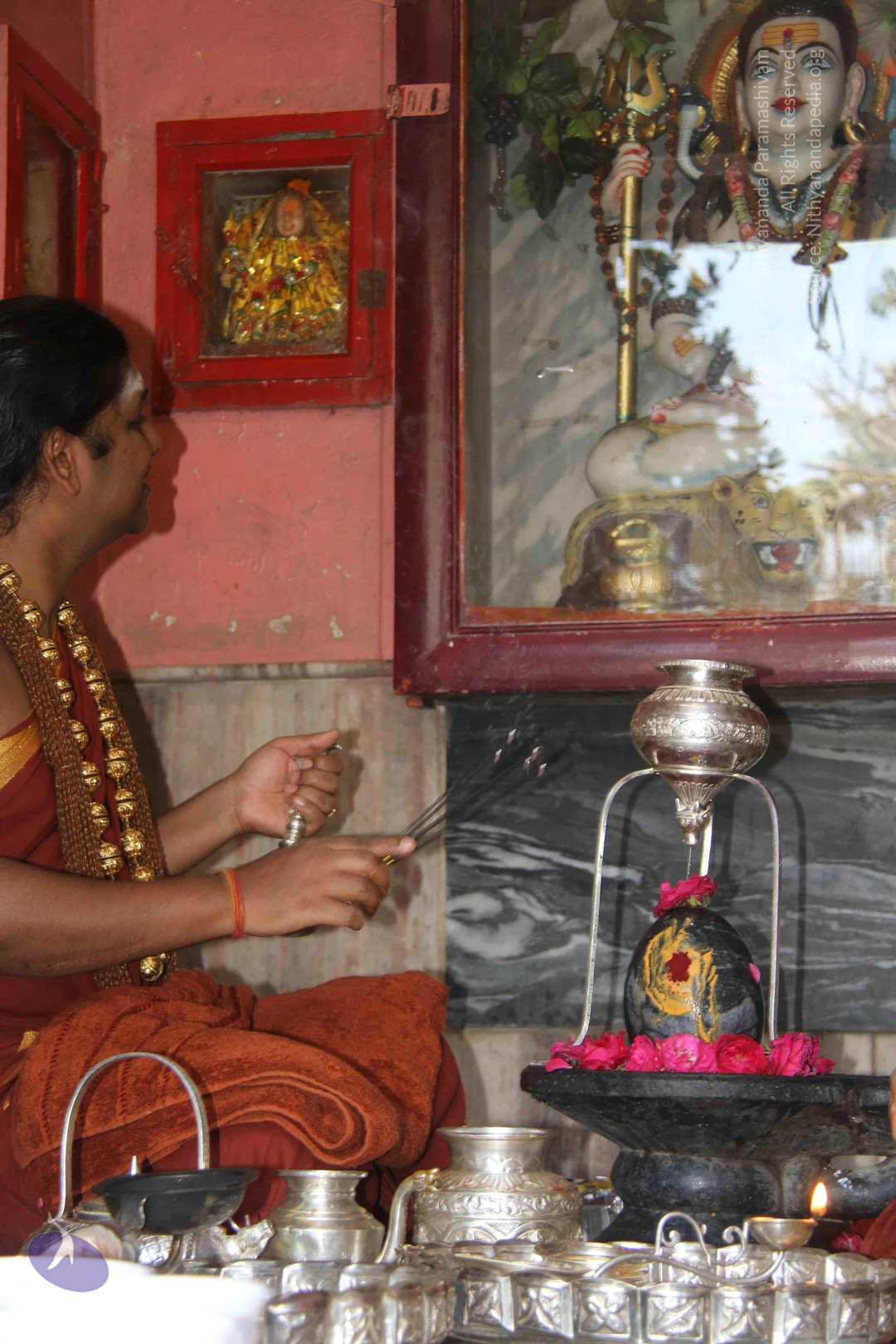
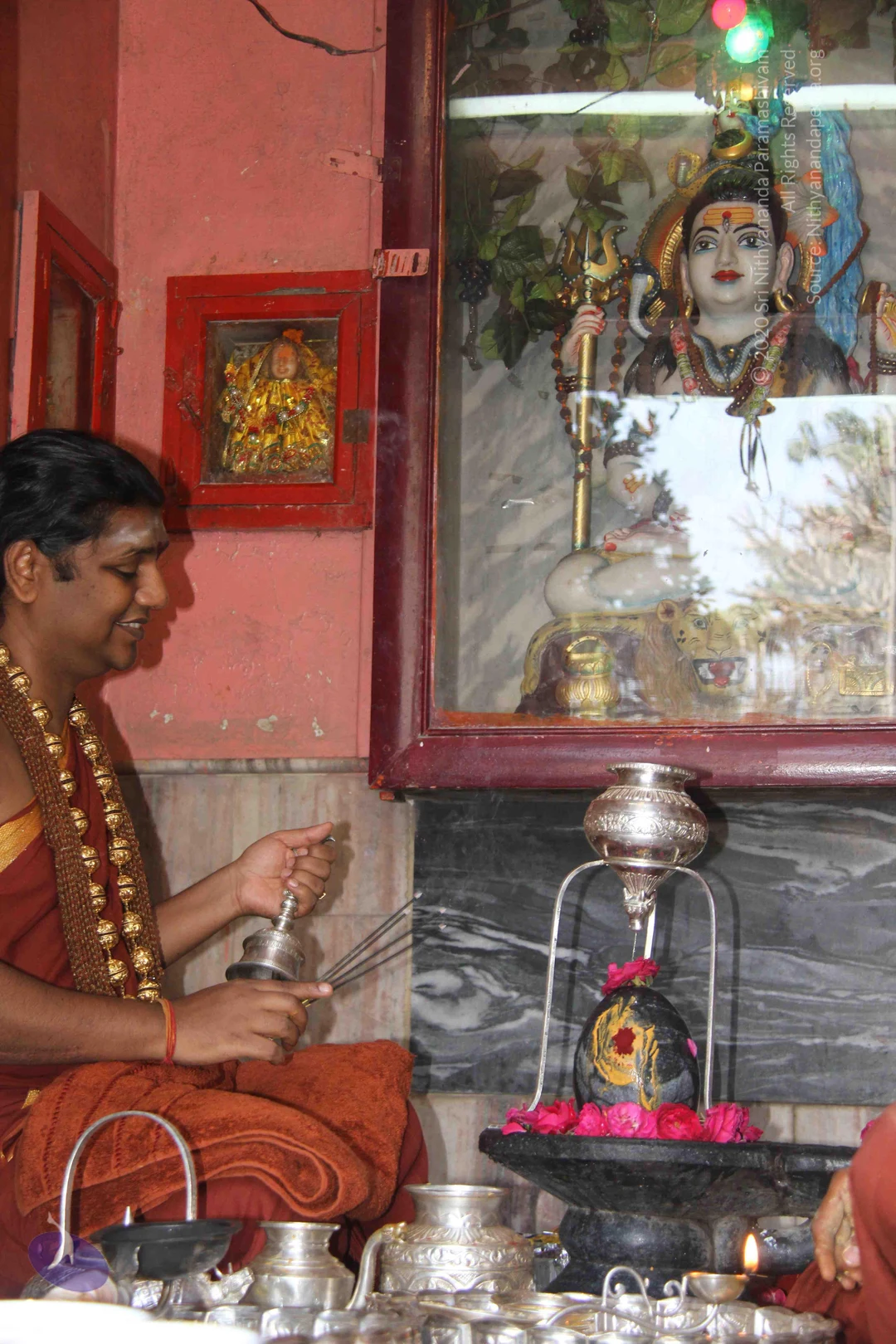
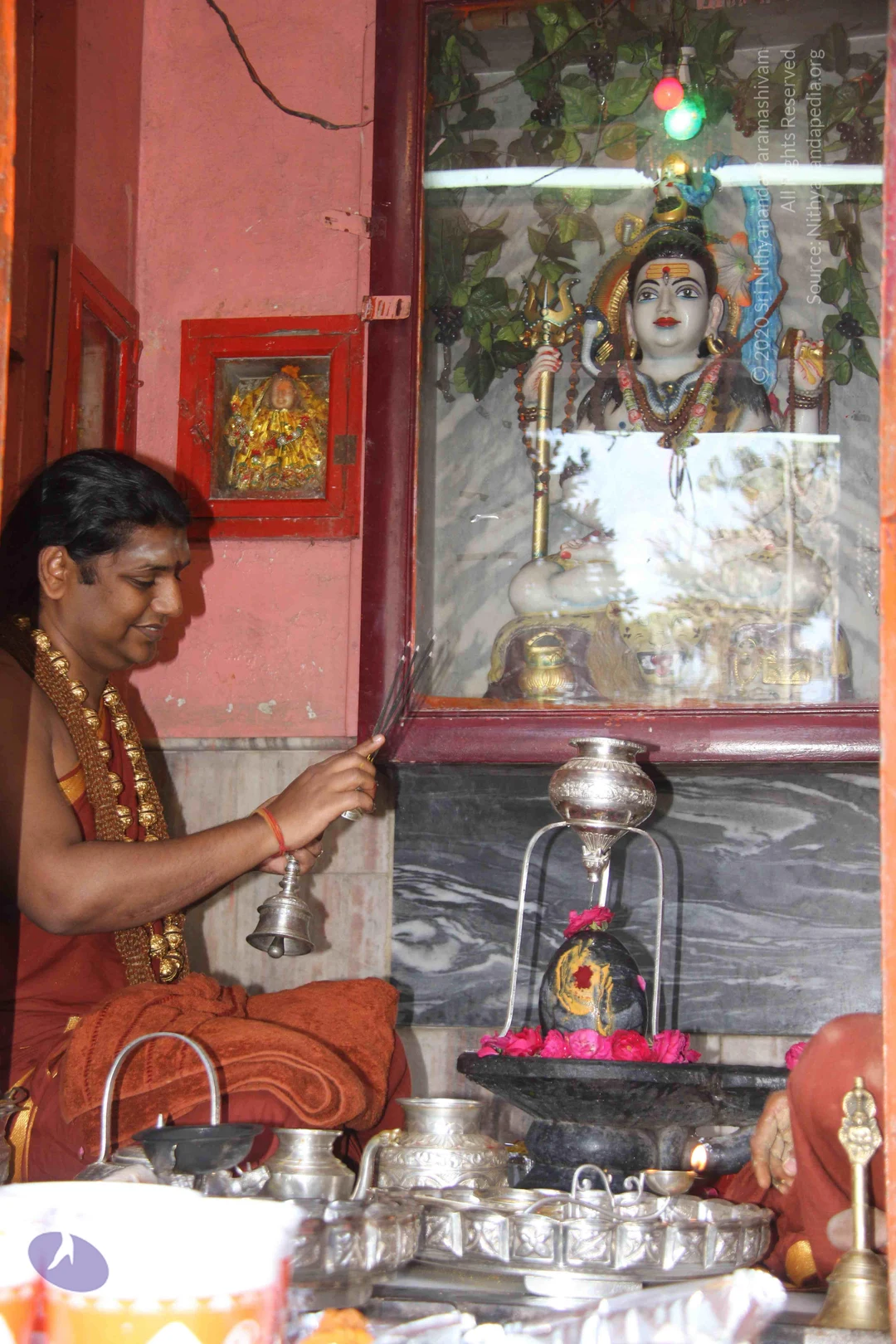
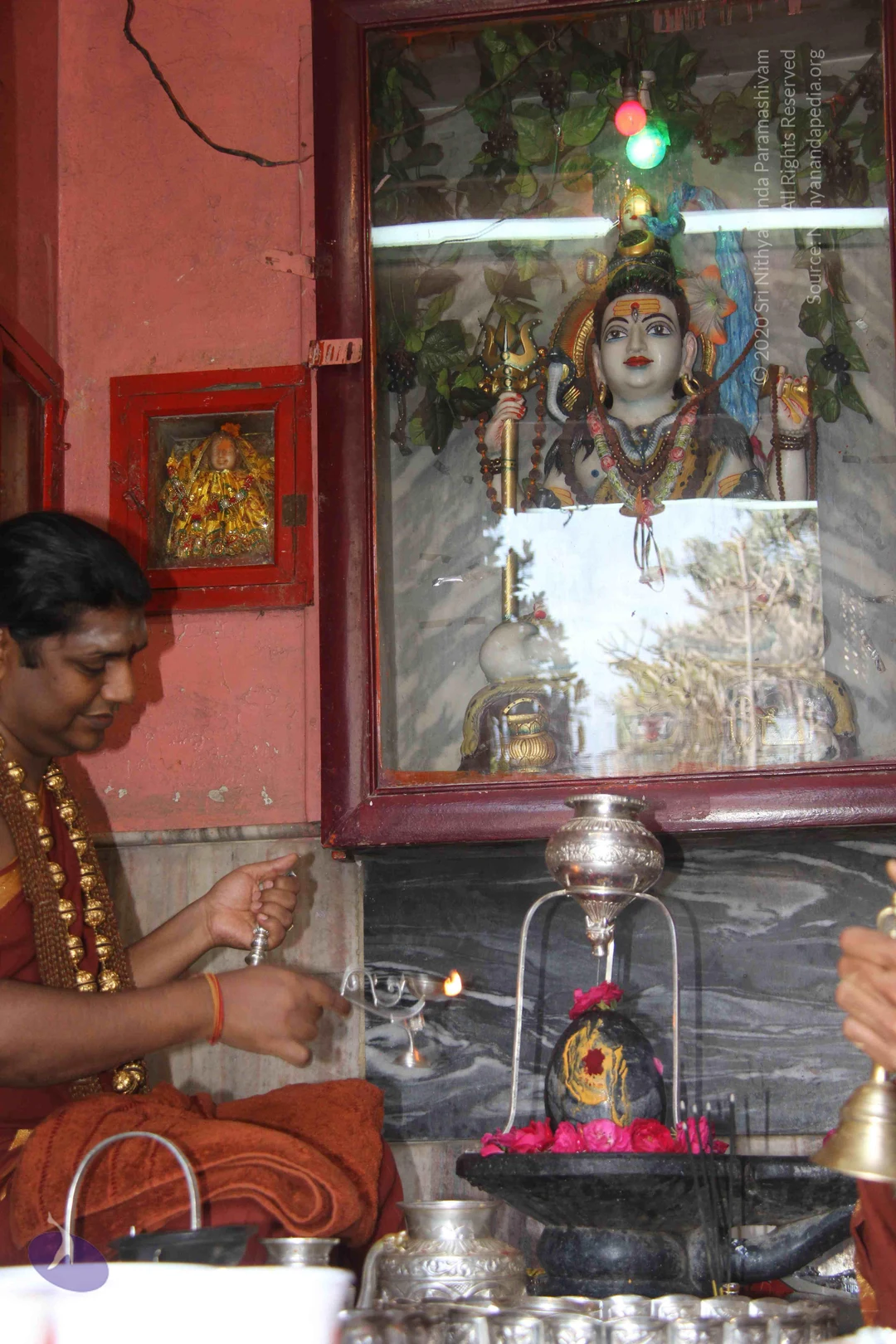
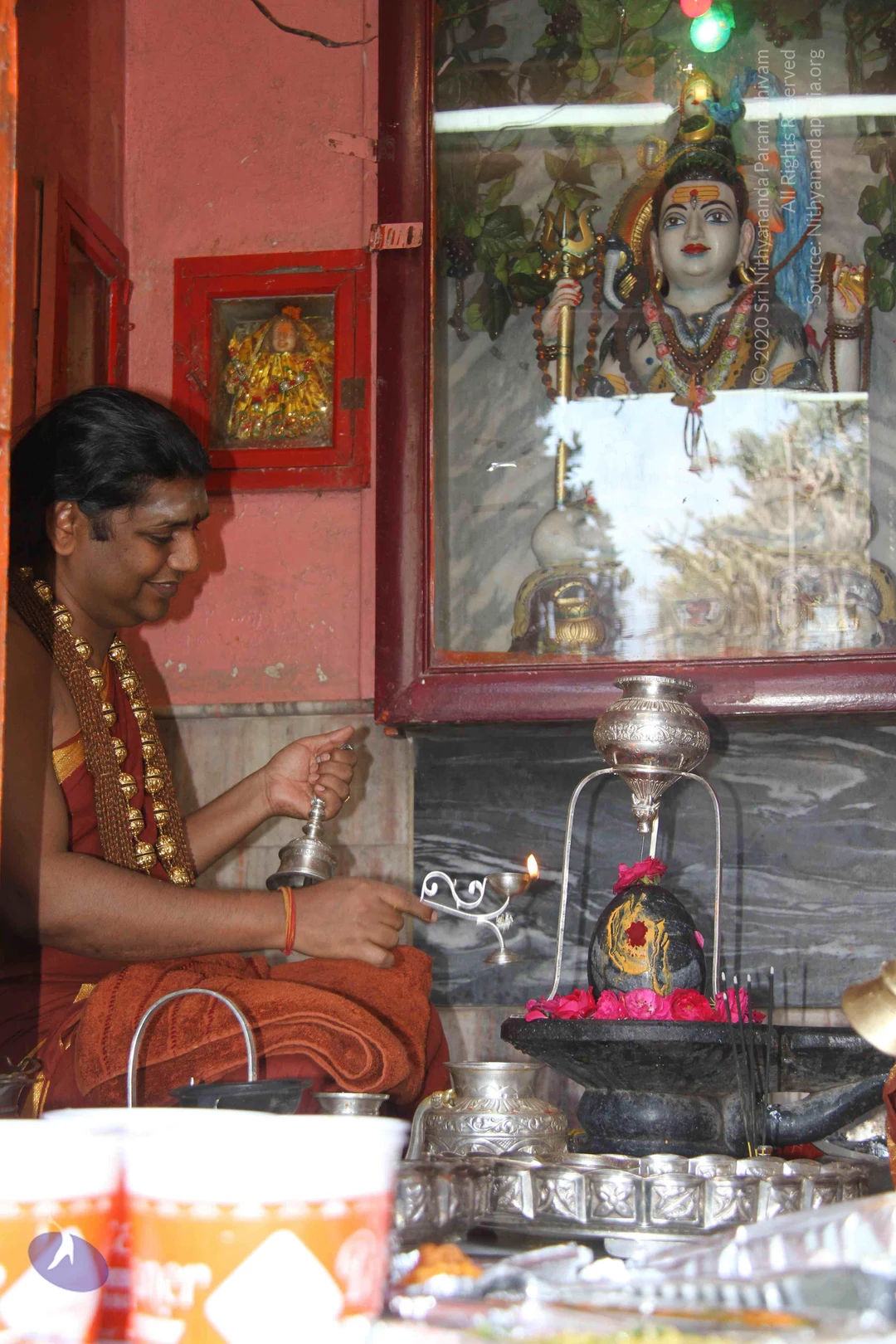
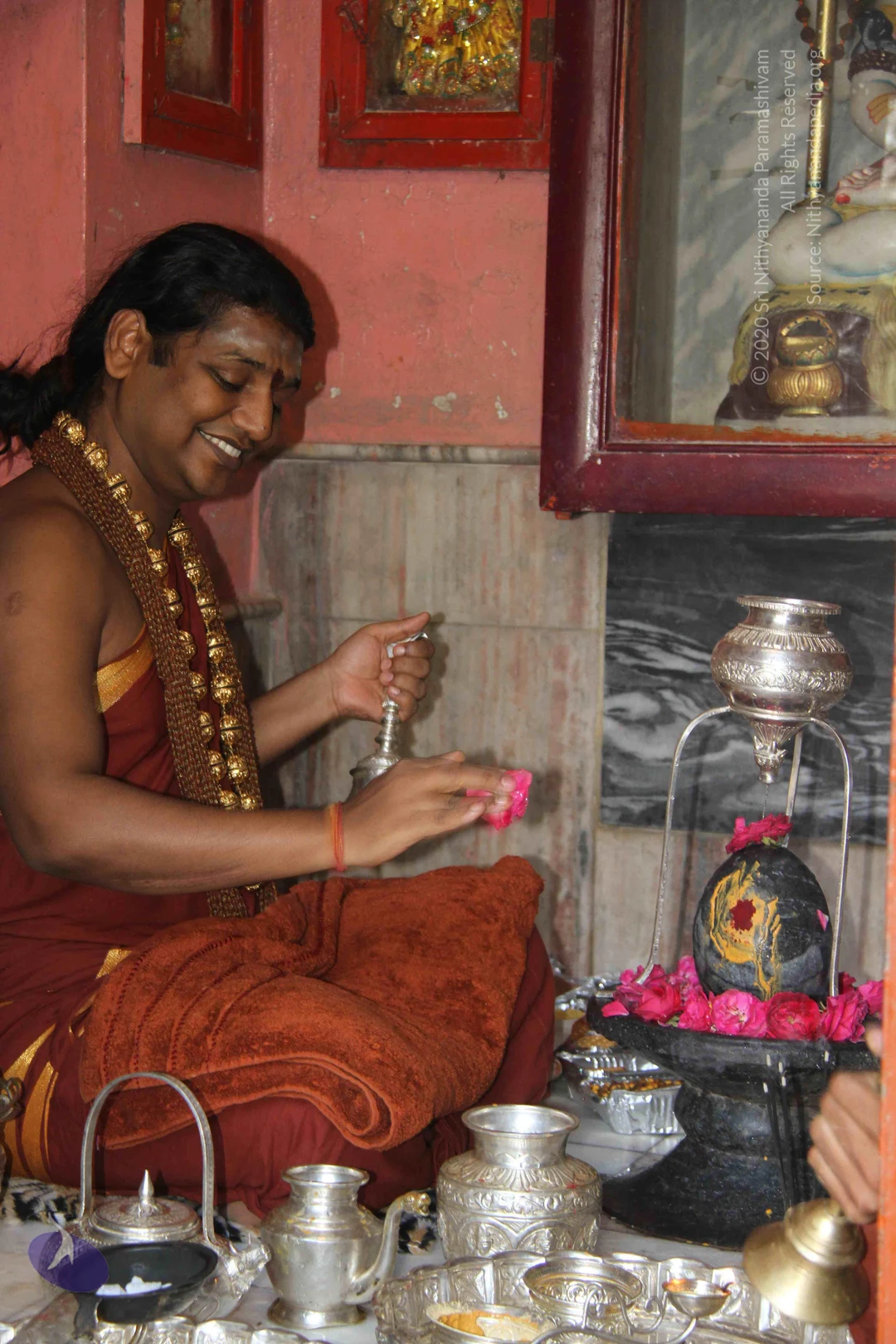
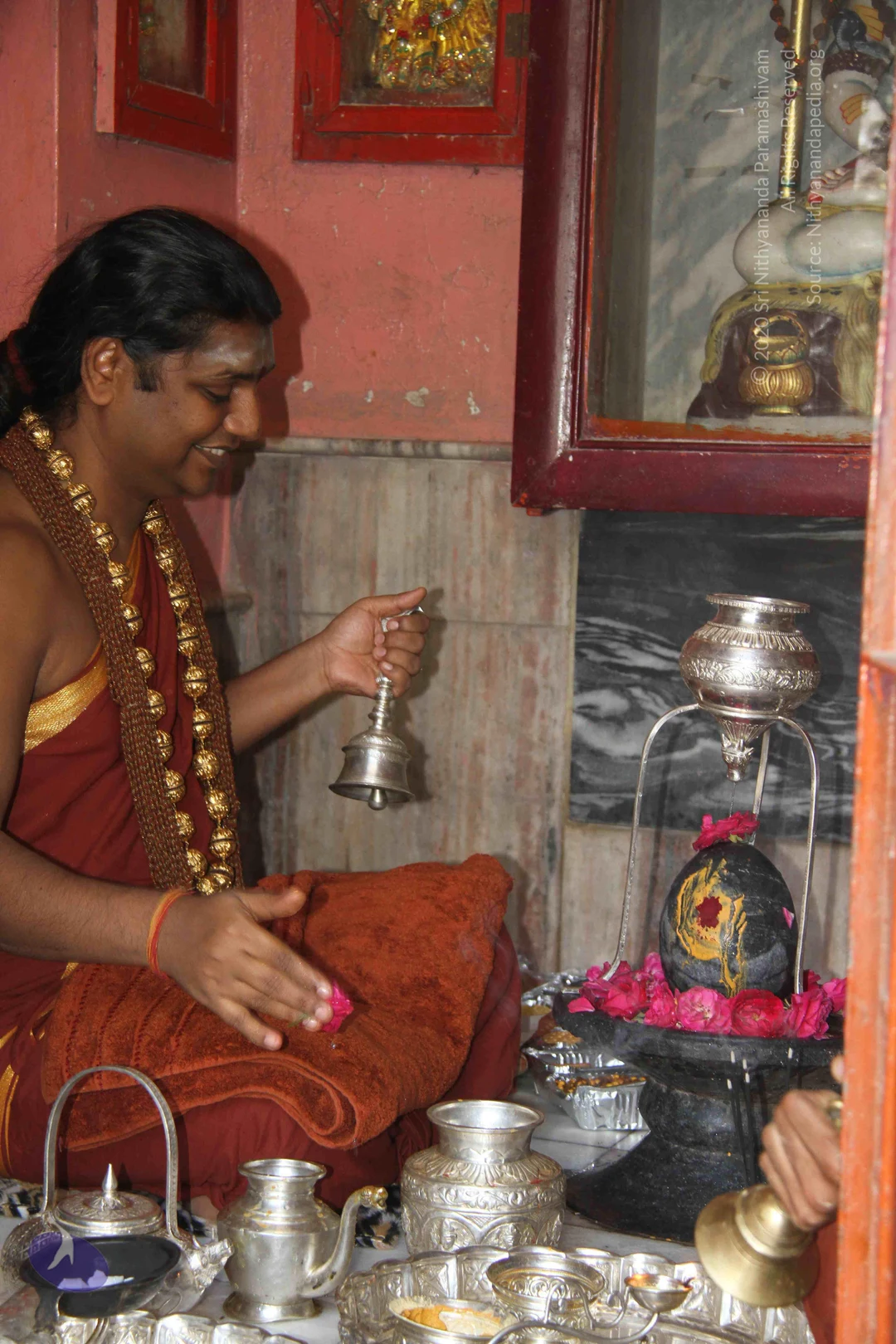
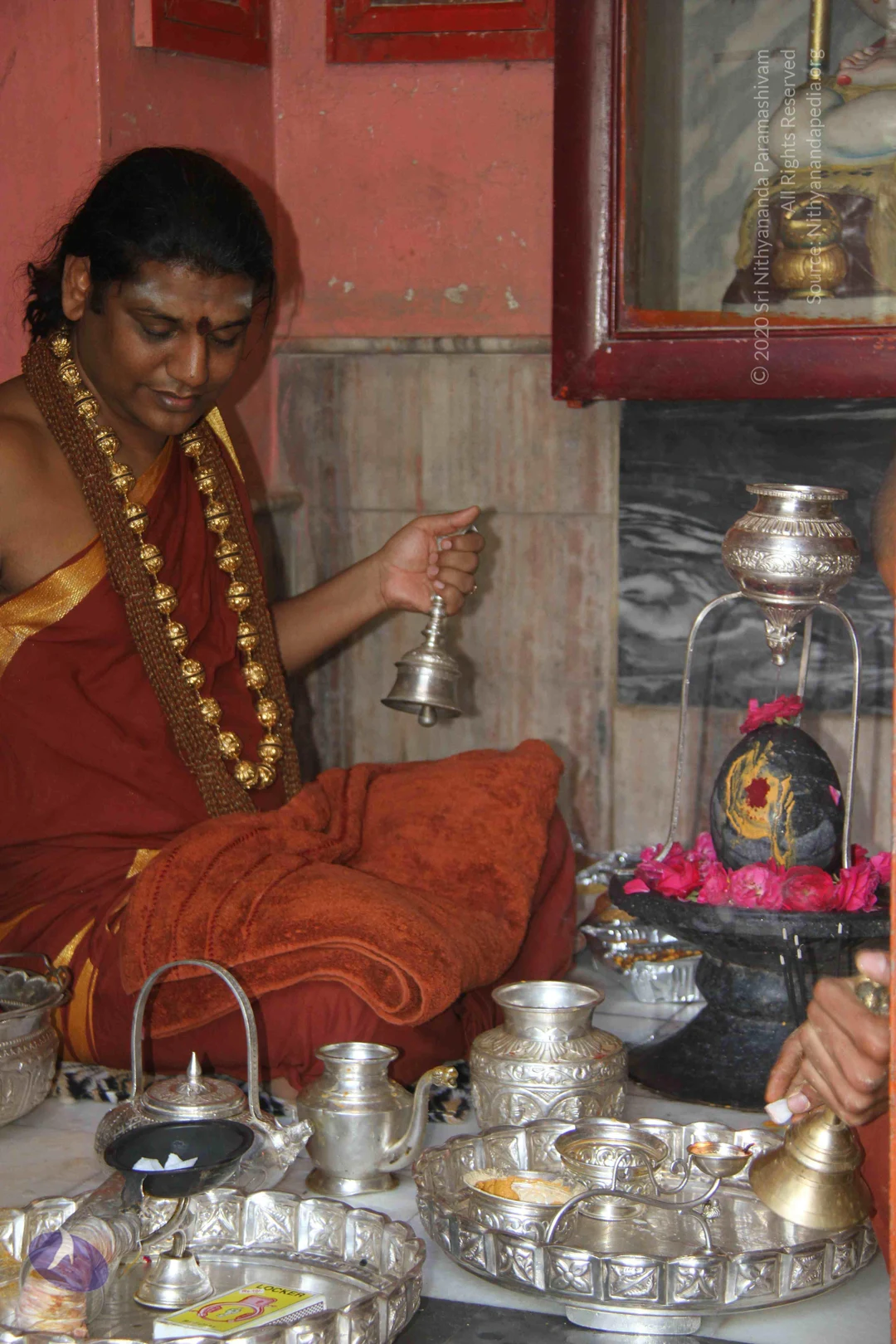
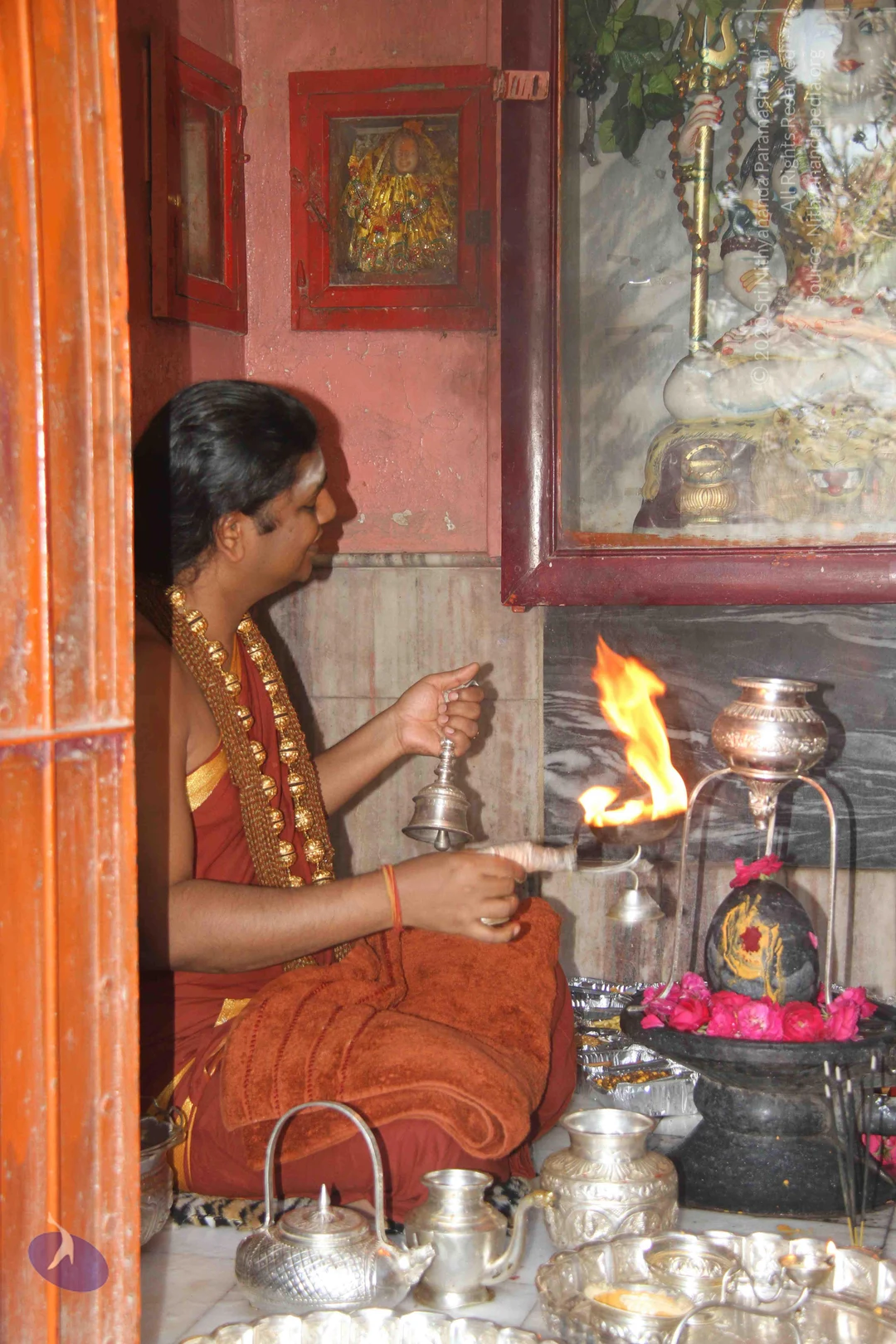
Swamijiwordhipping linga
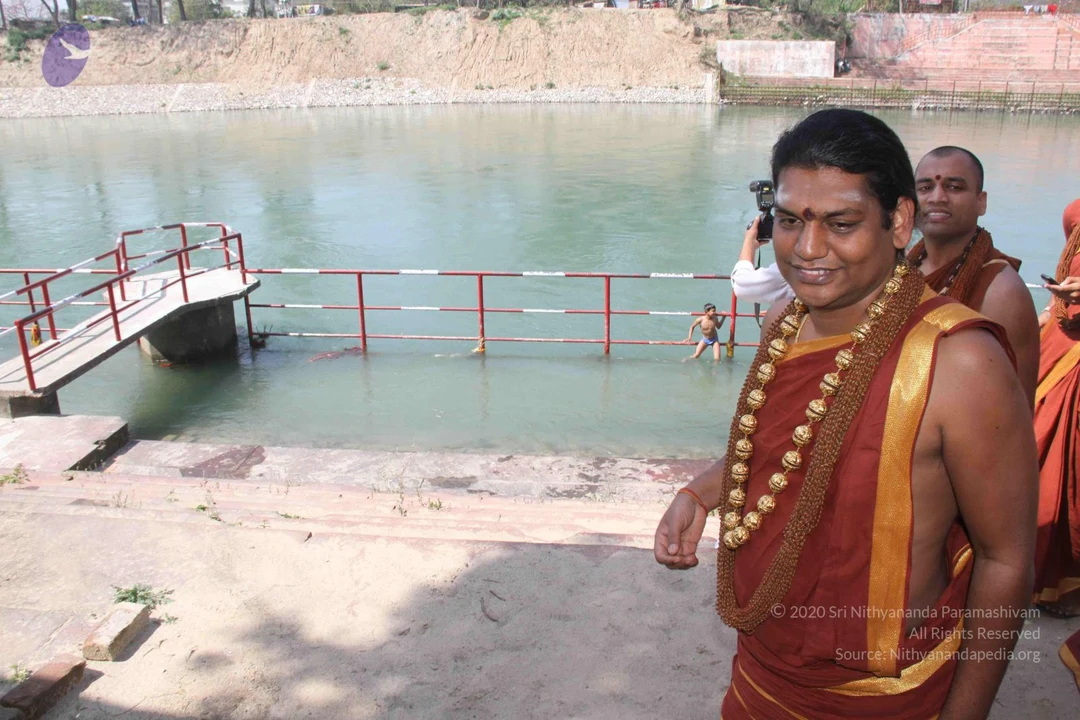
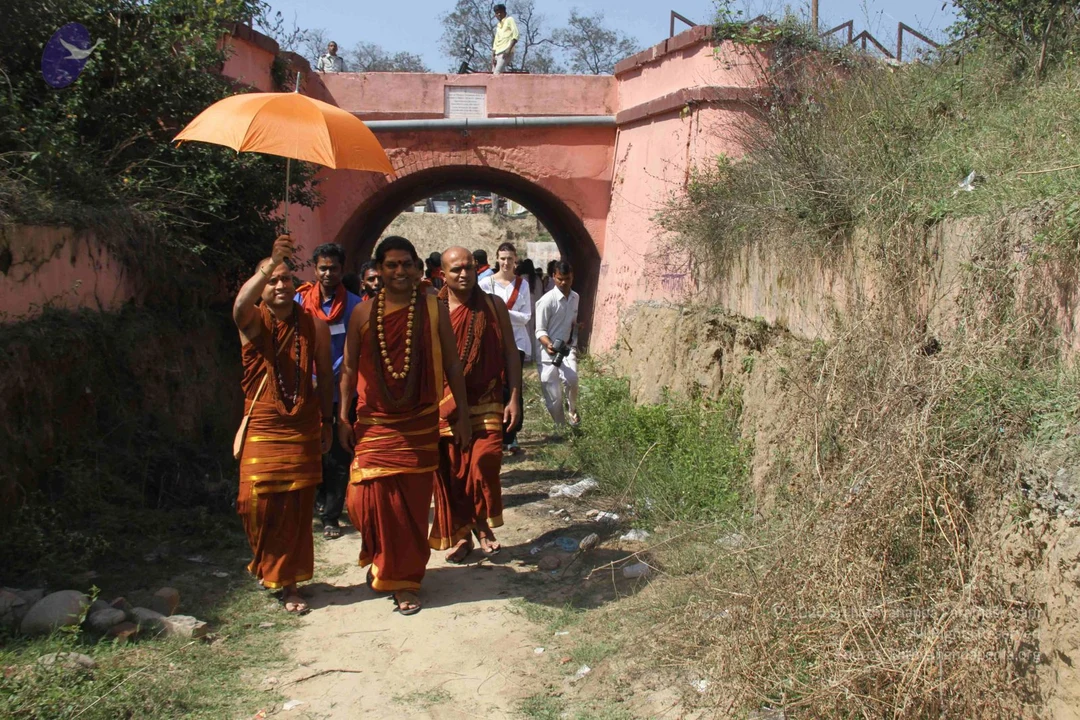
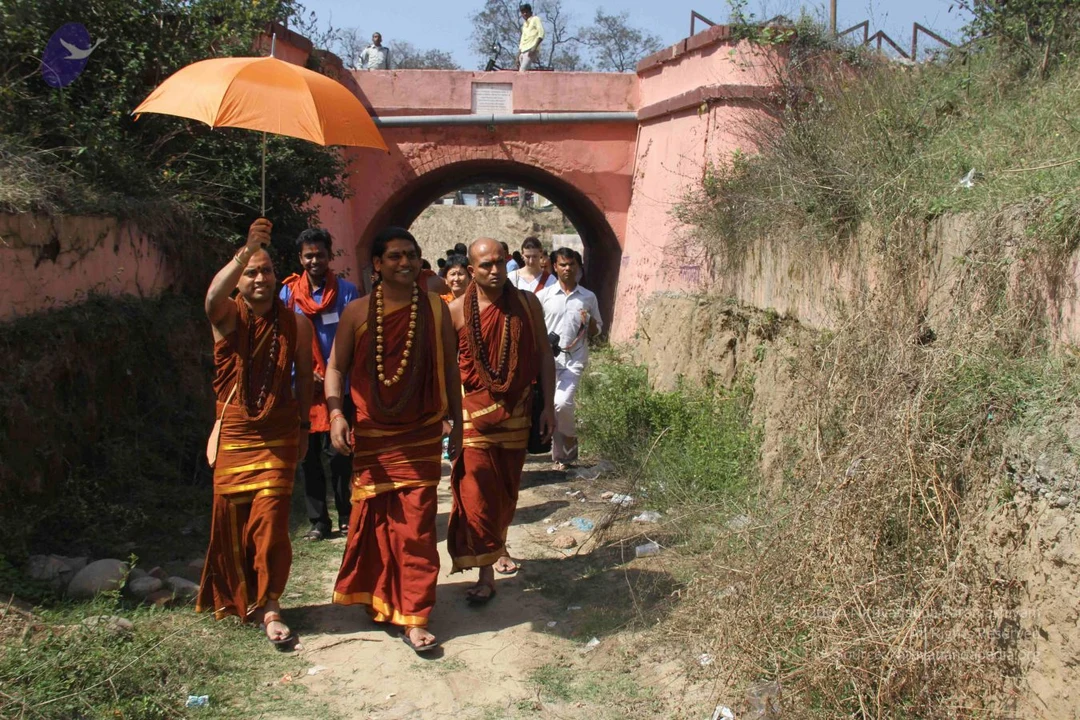
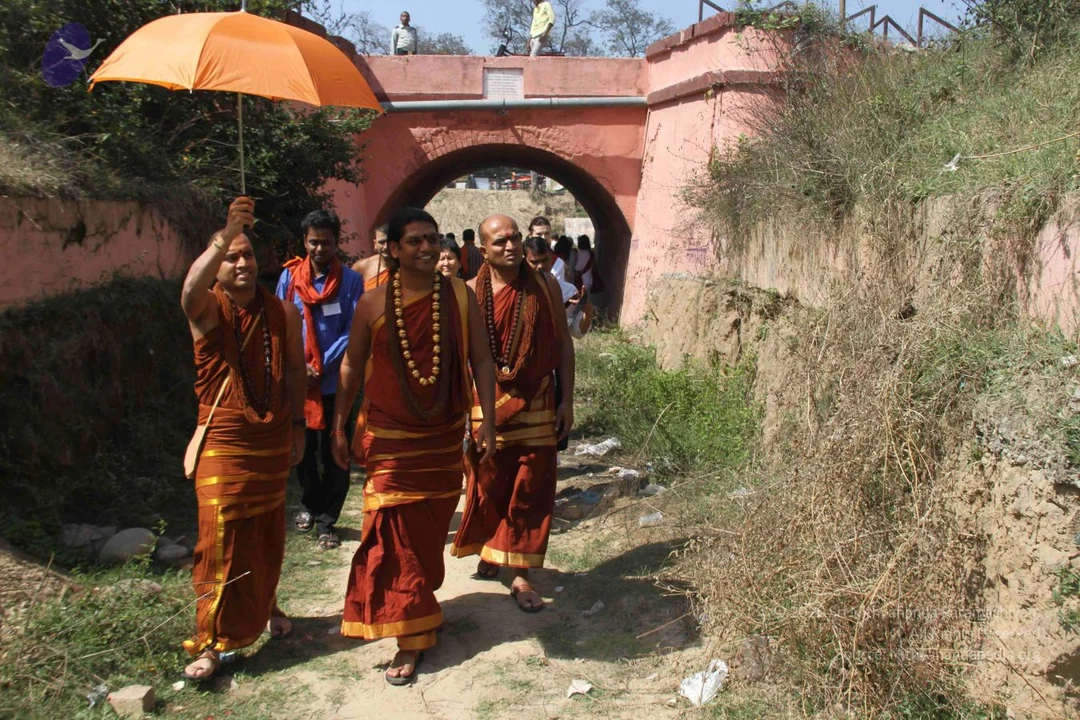
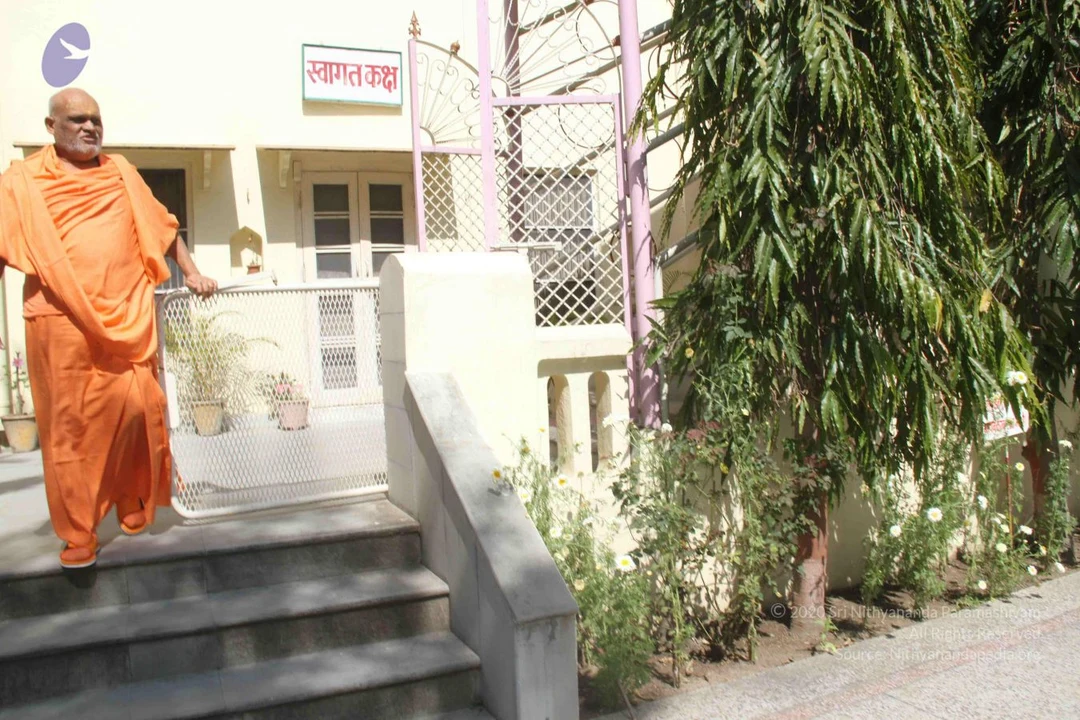
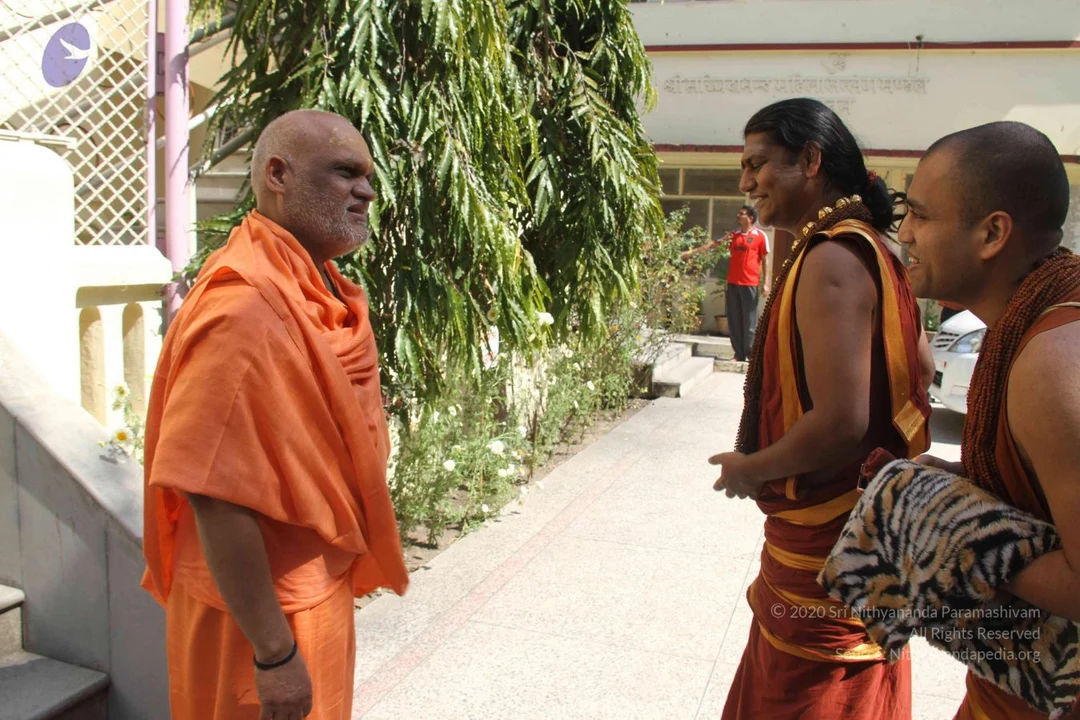
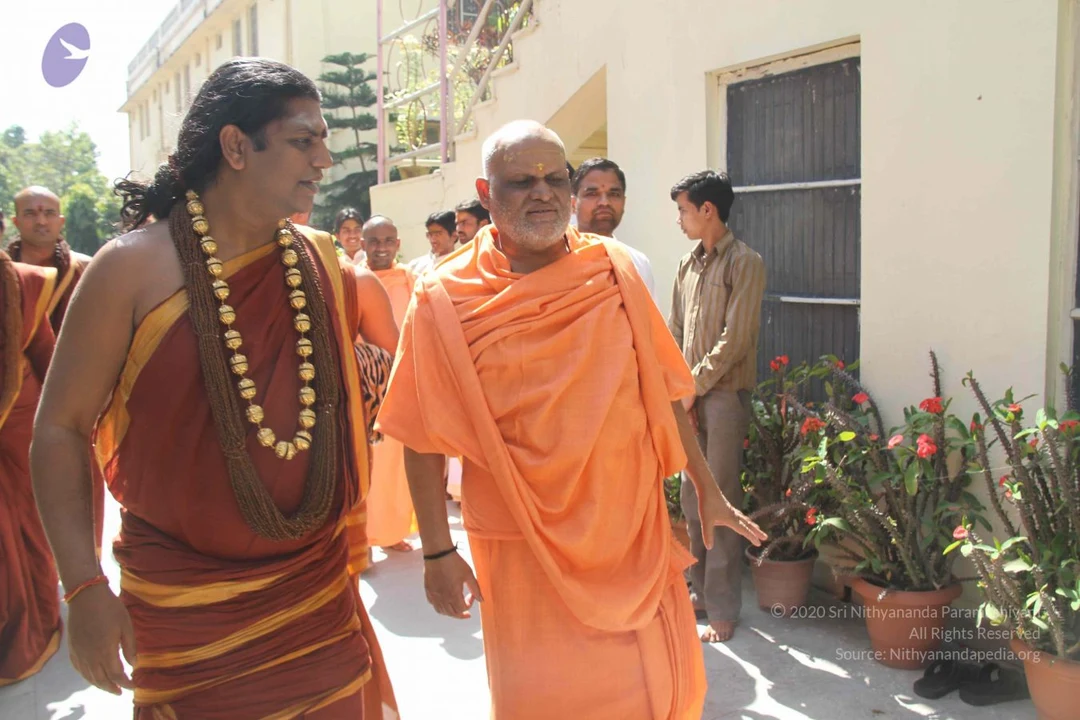
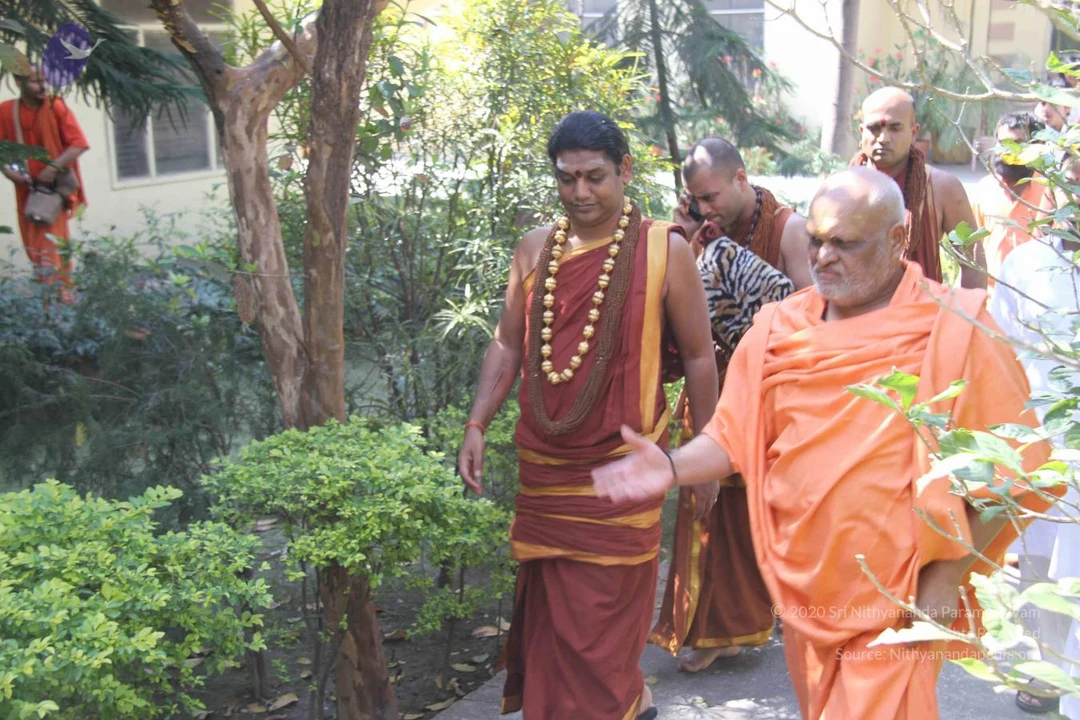
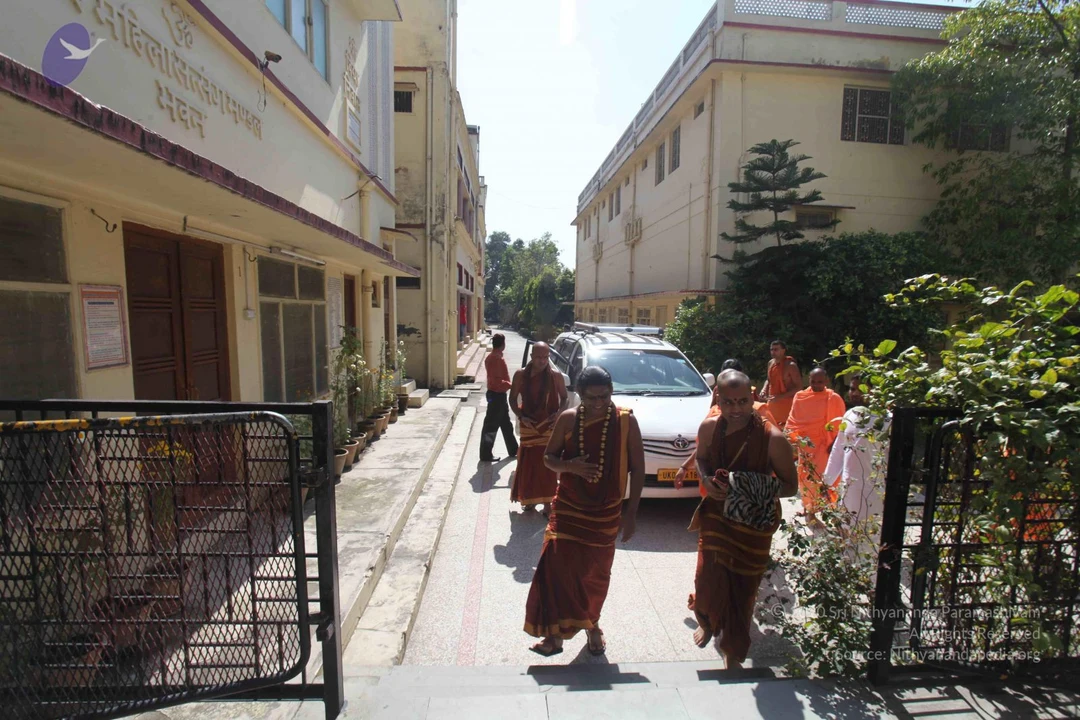
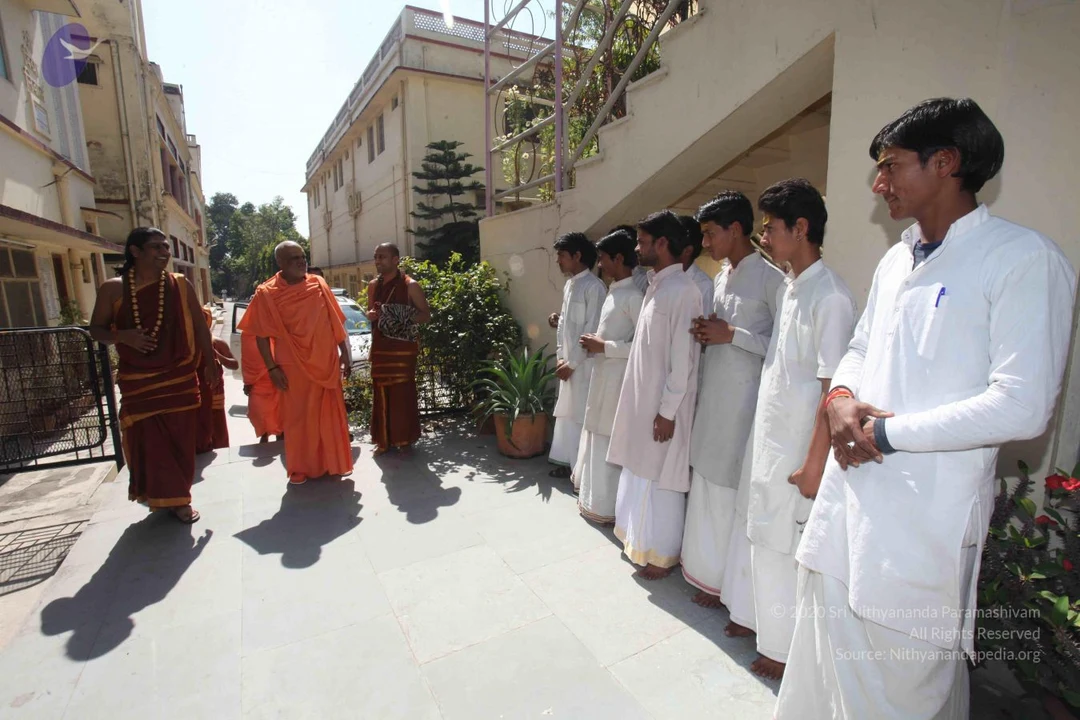
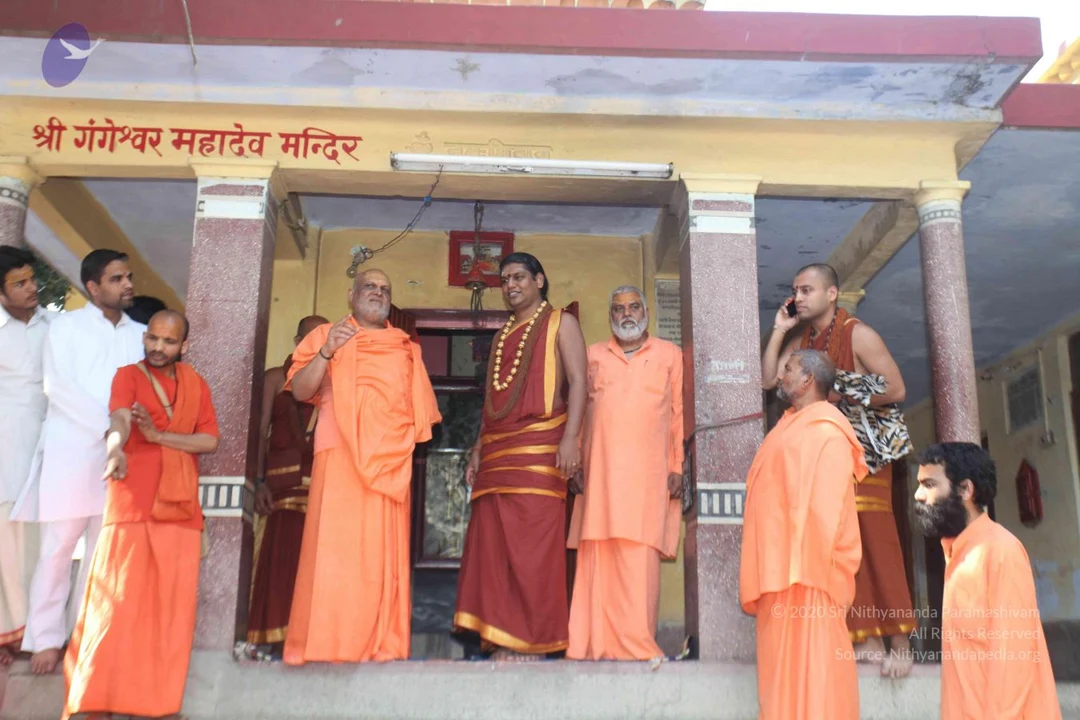
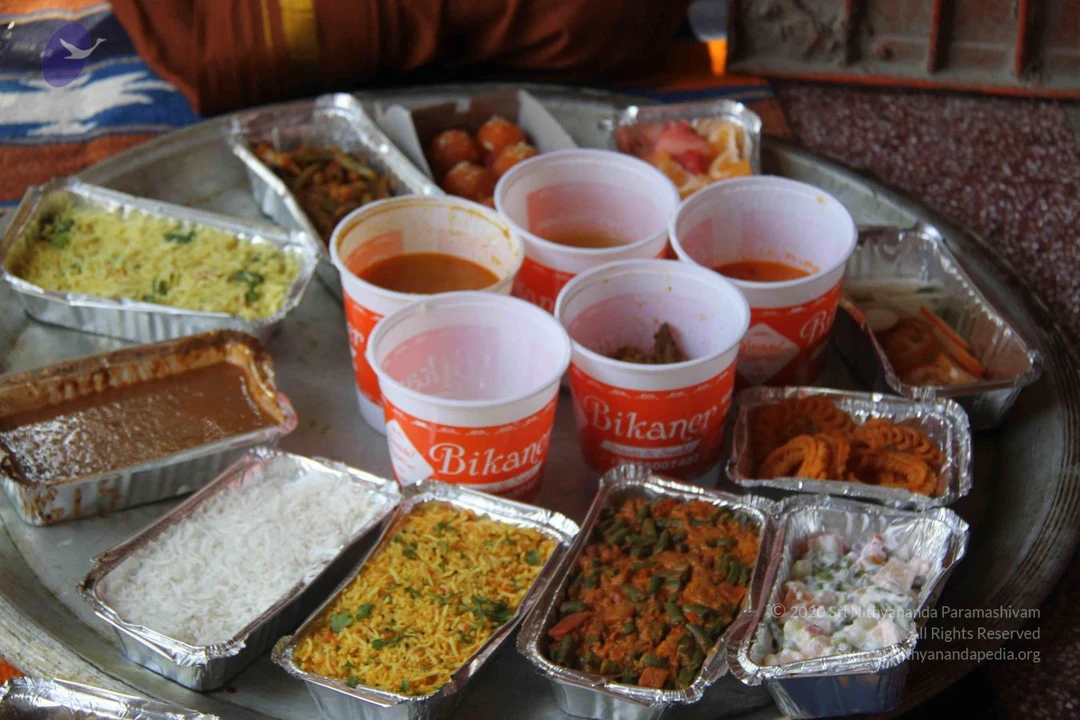
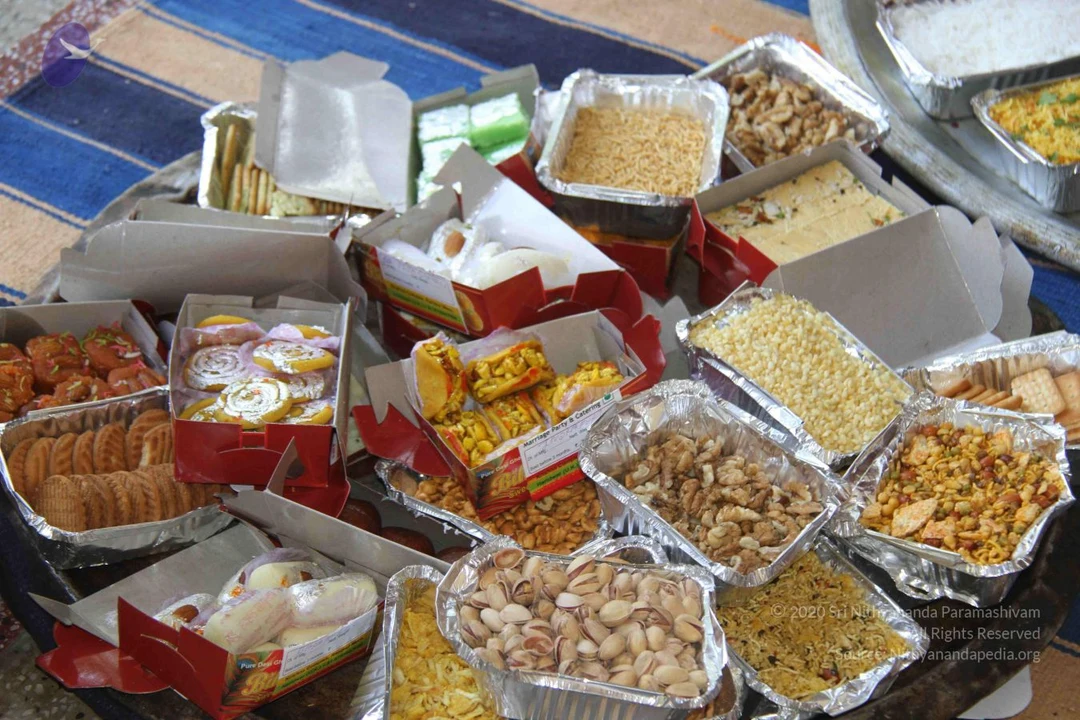
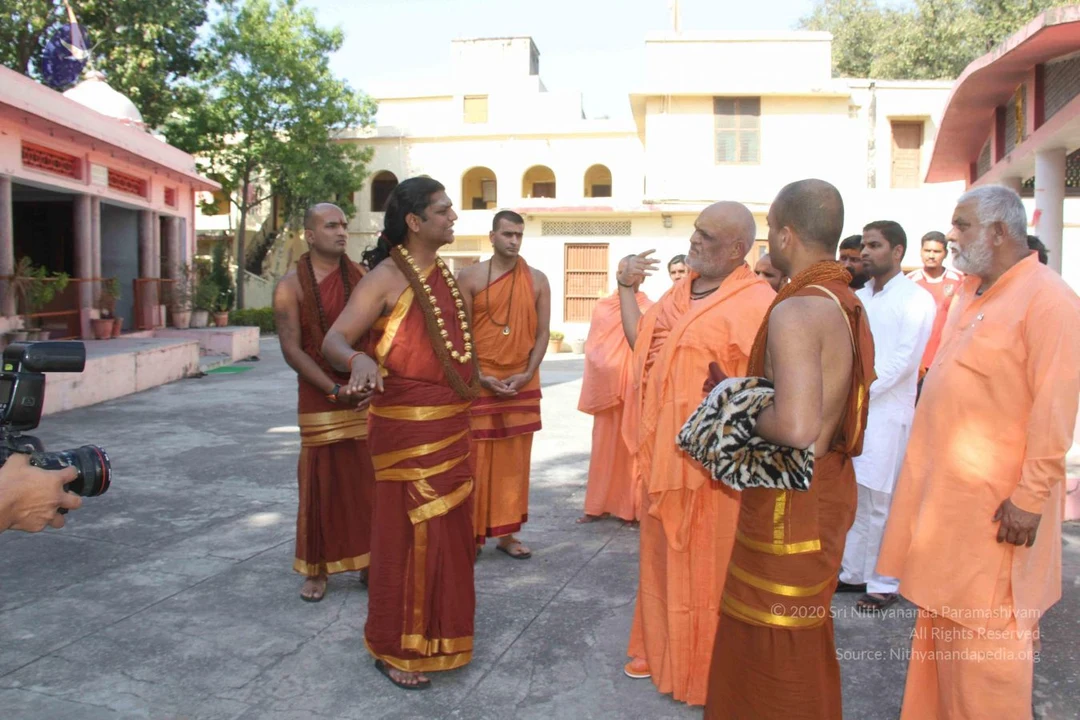
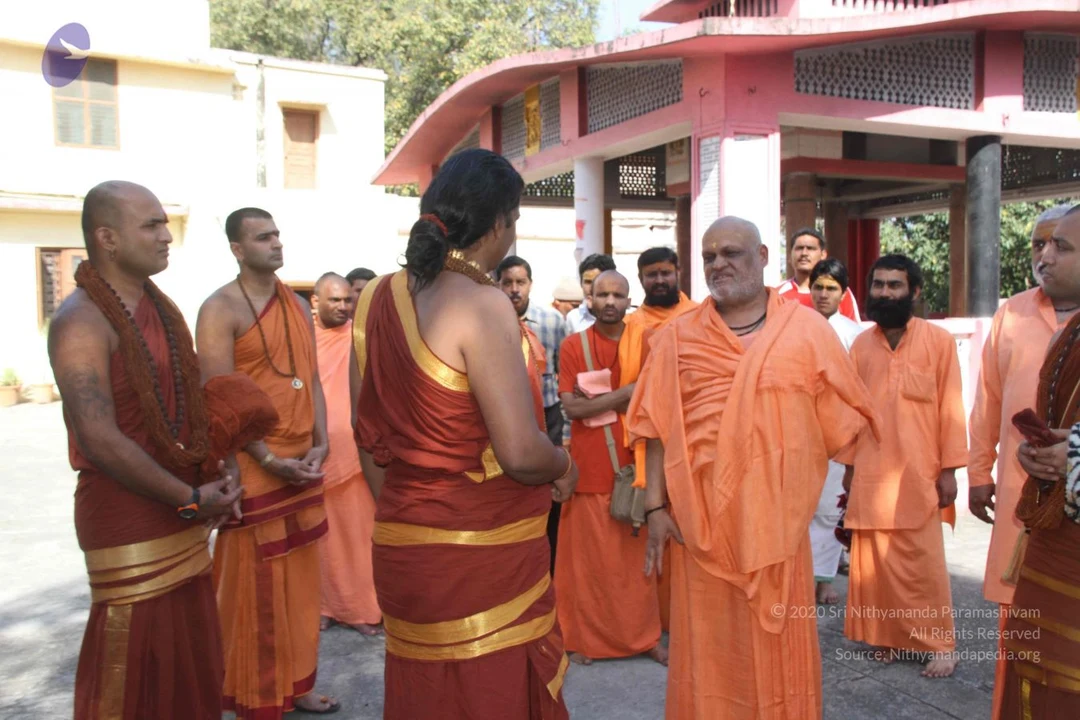
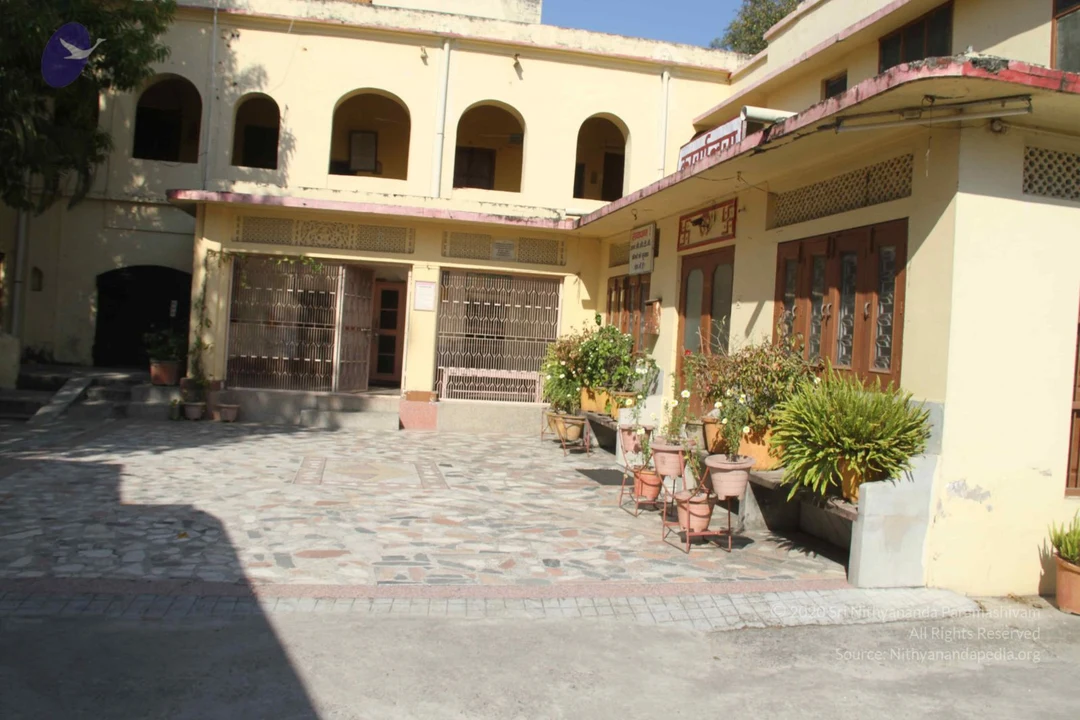
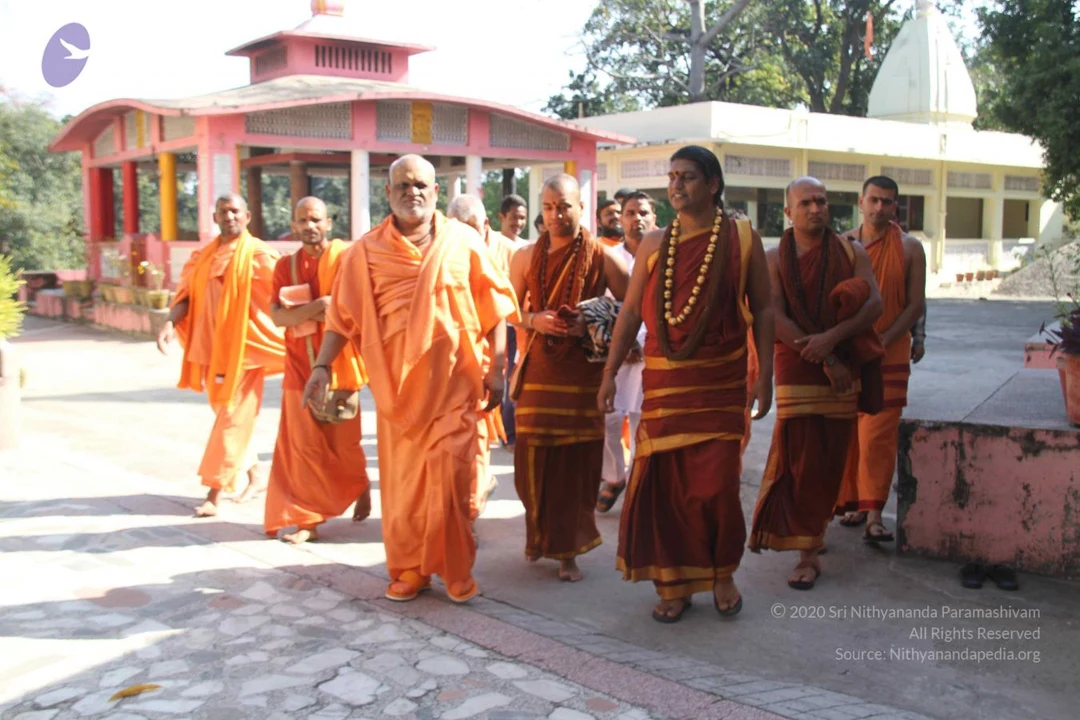
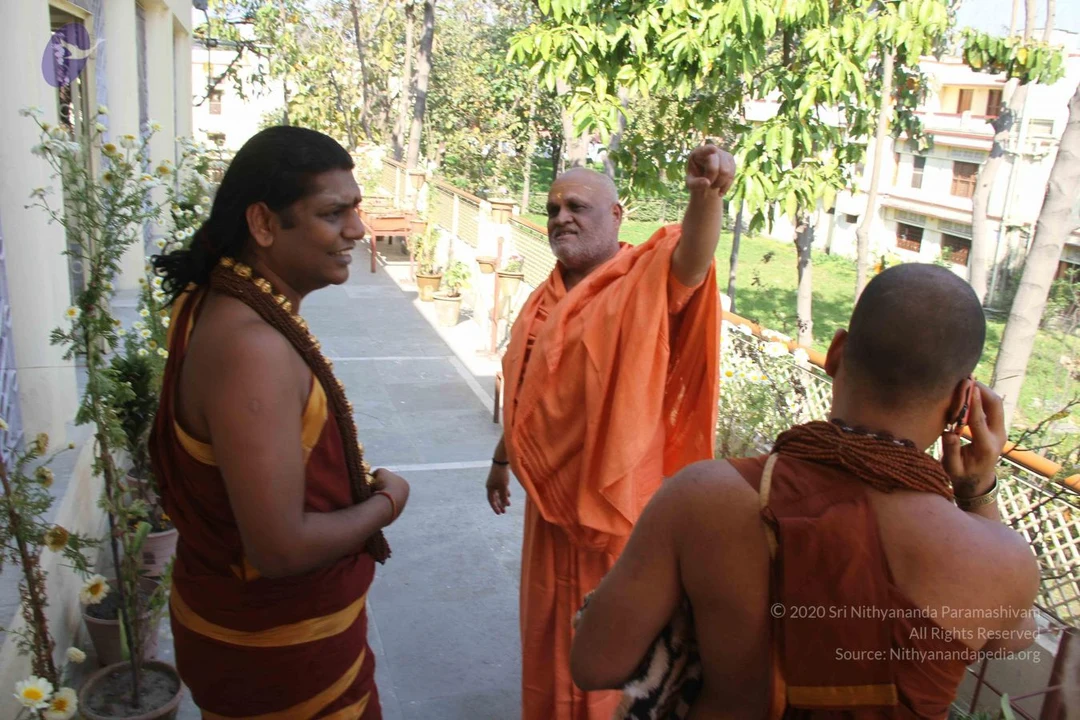
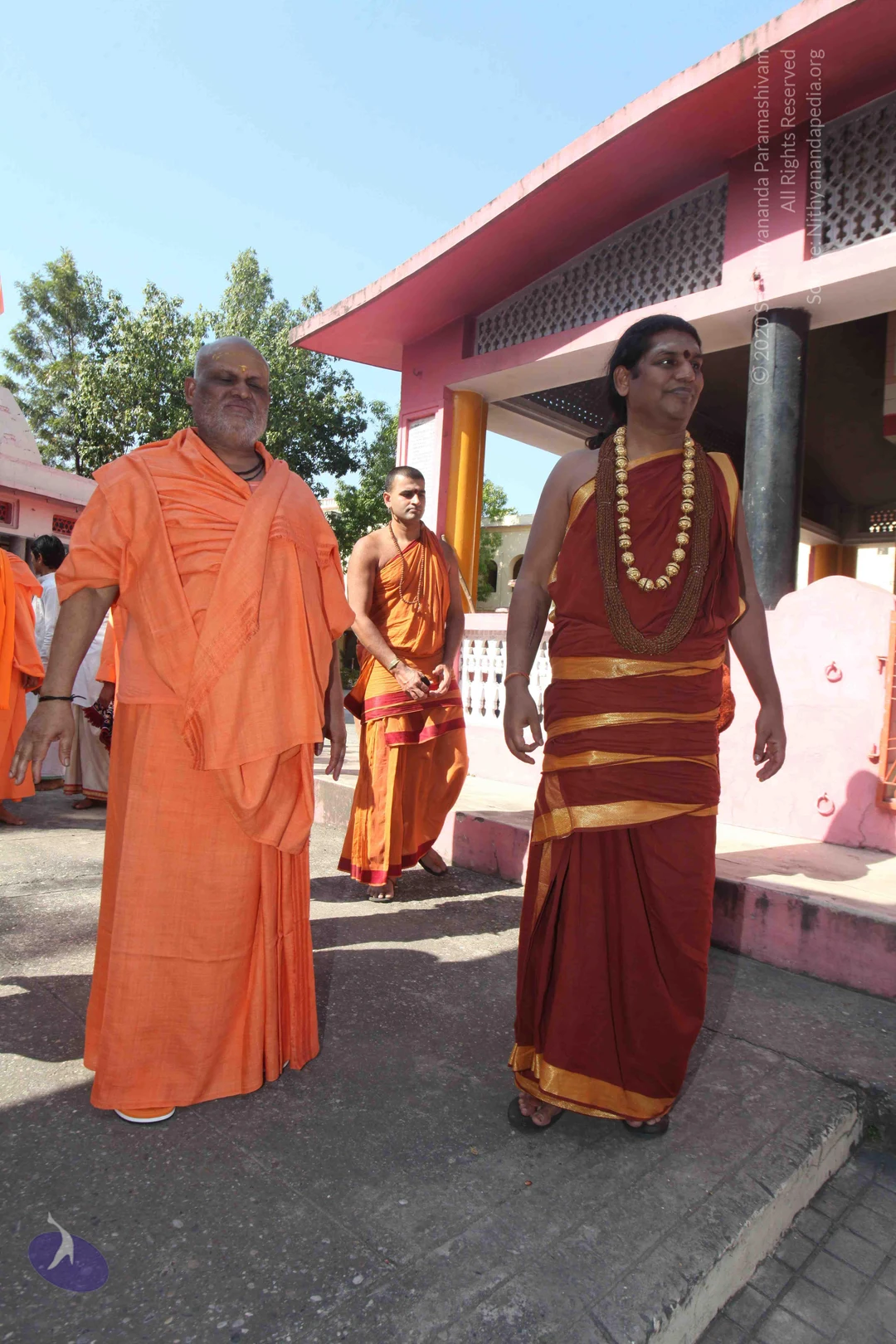
VishweshwaranandaJimahrajashram
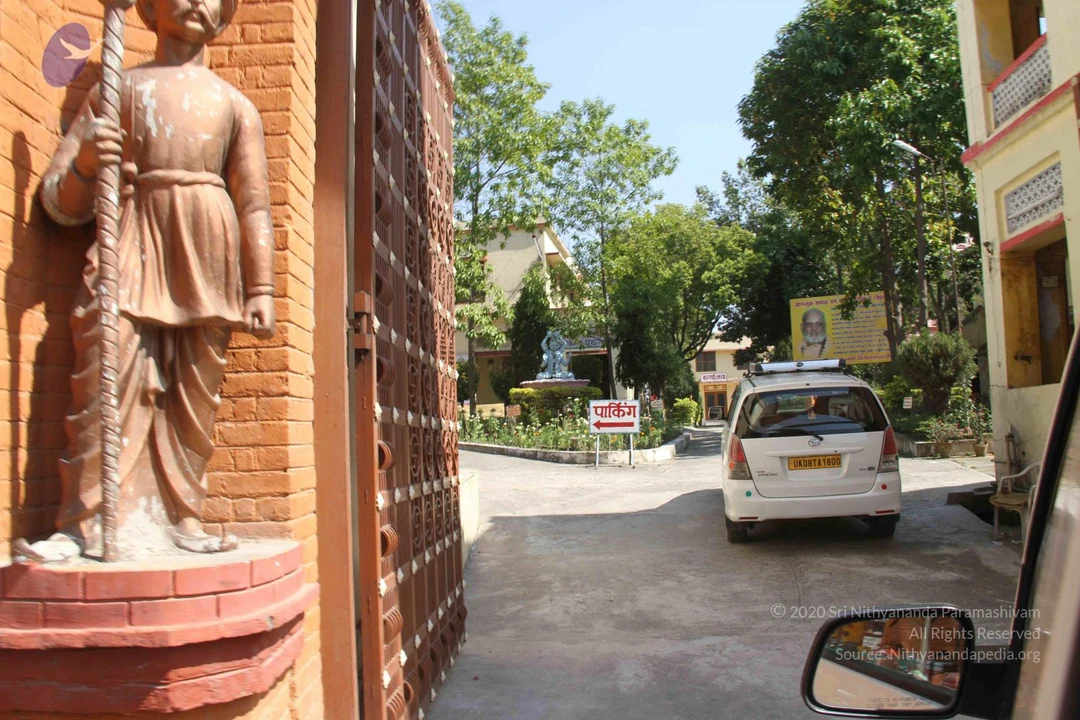
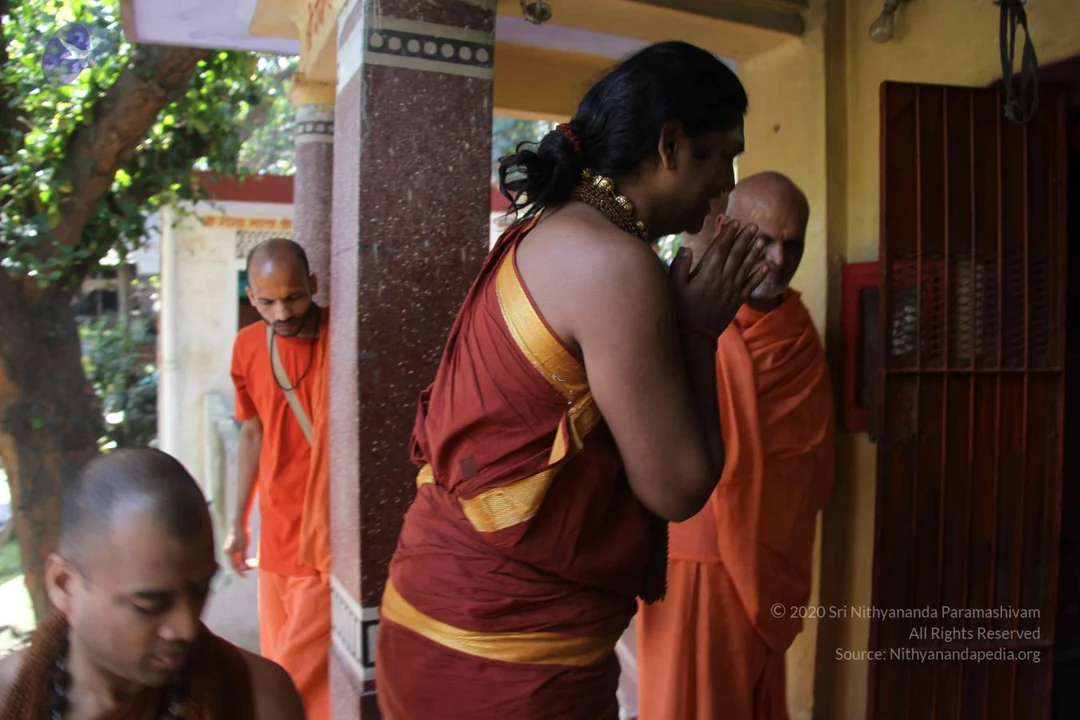
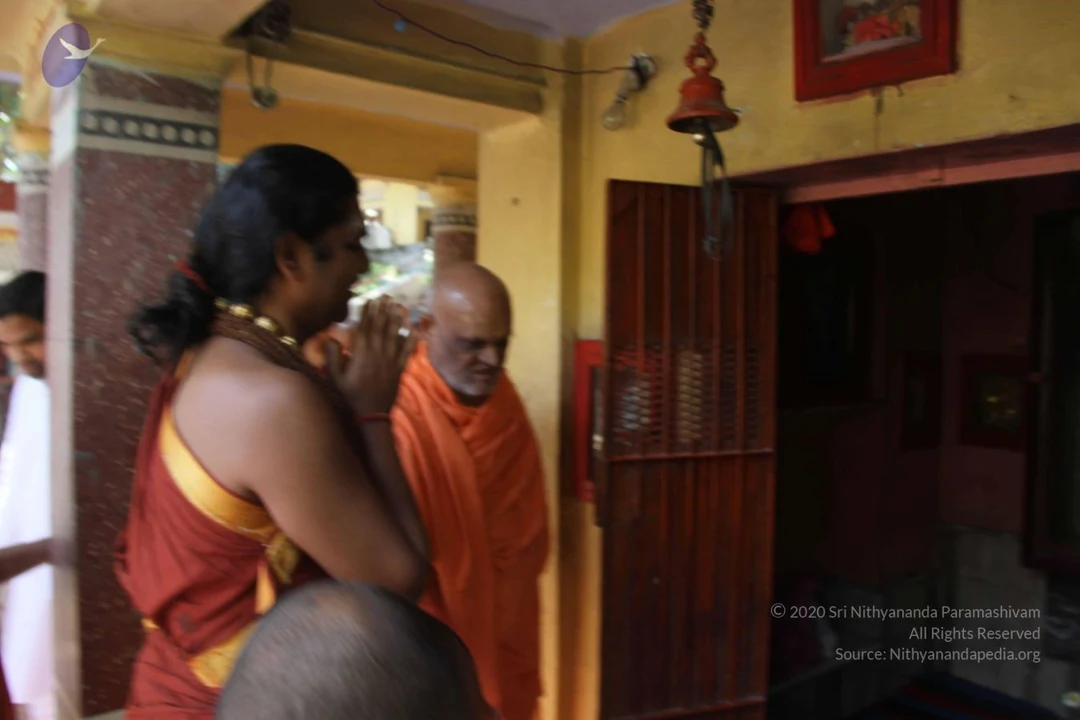
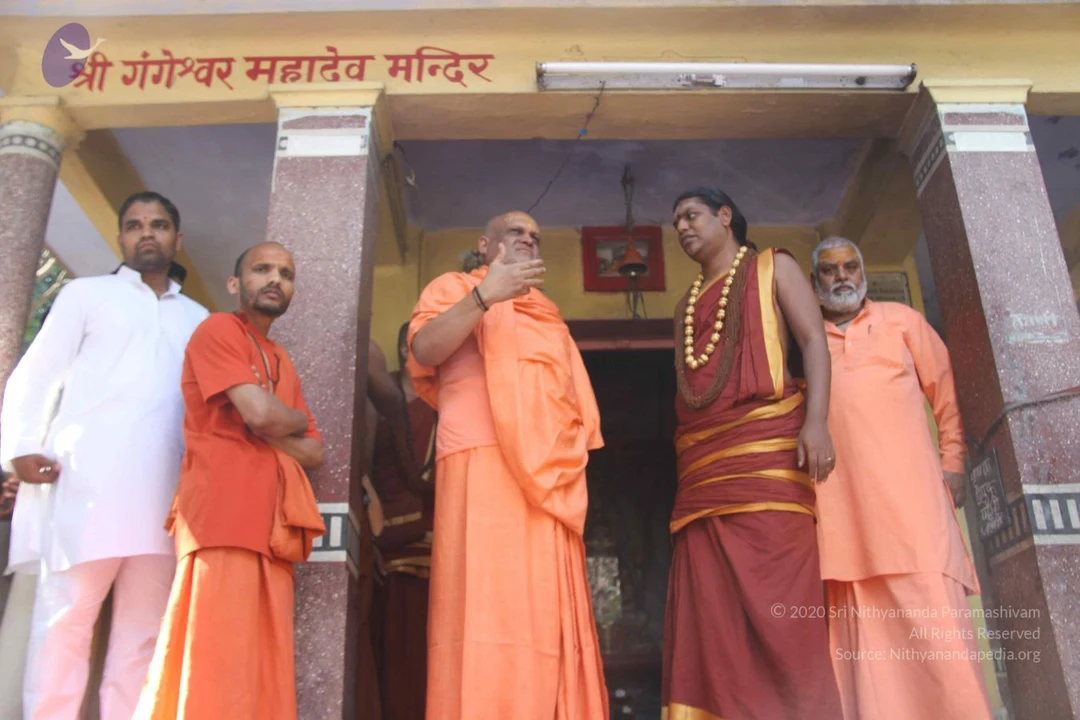
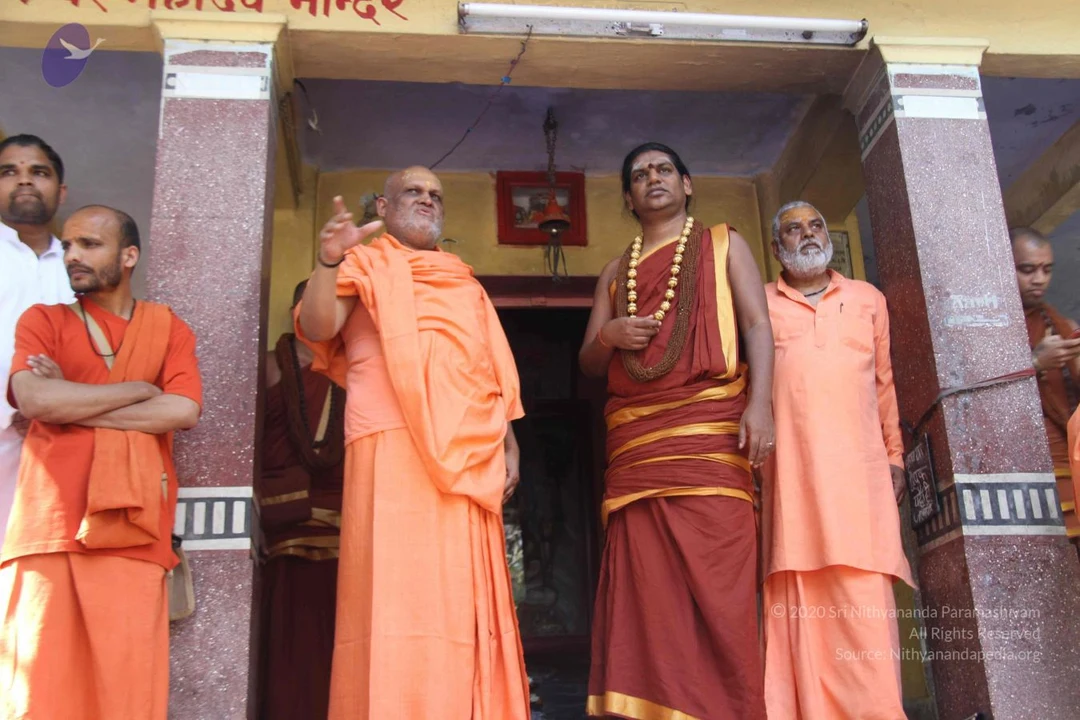

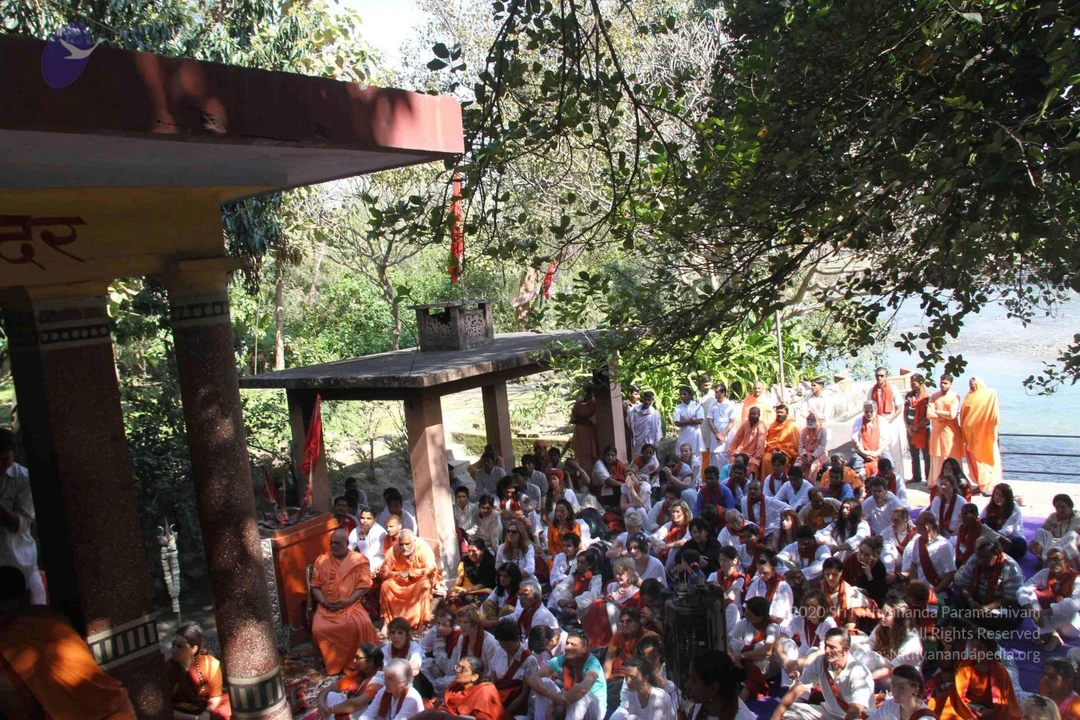
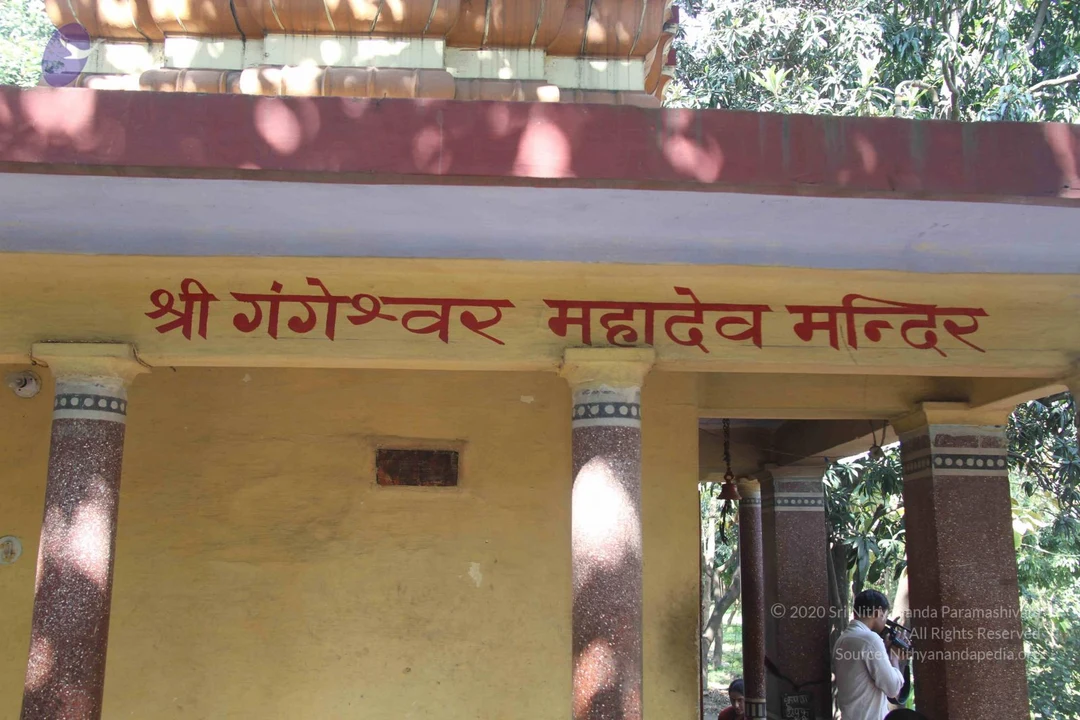
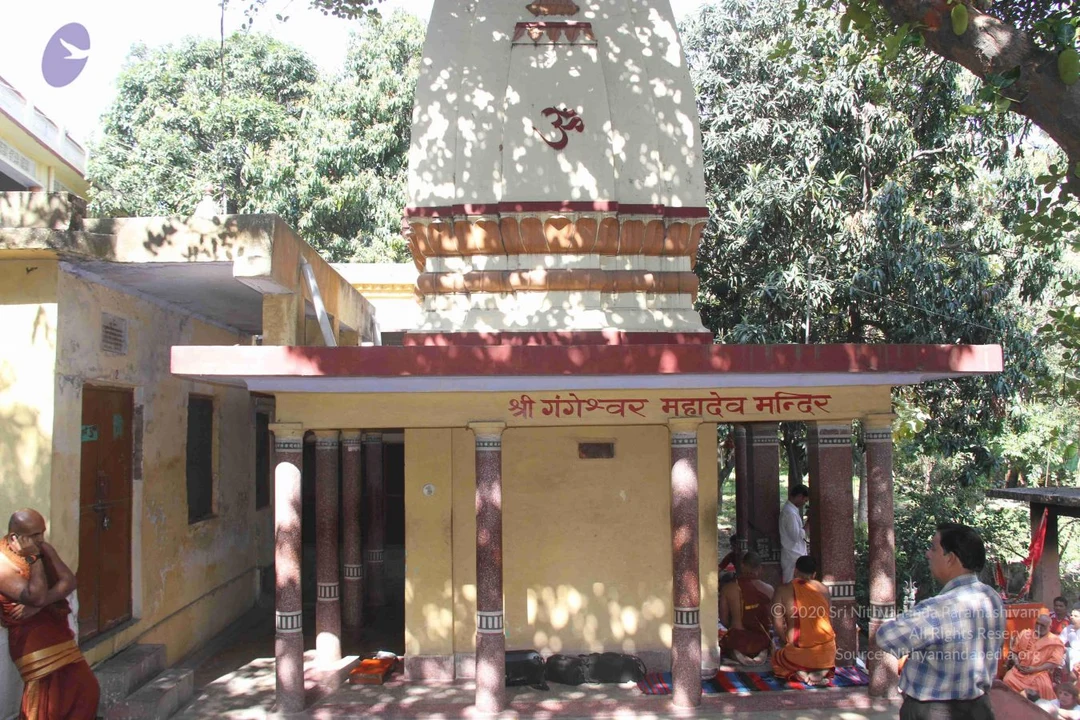
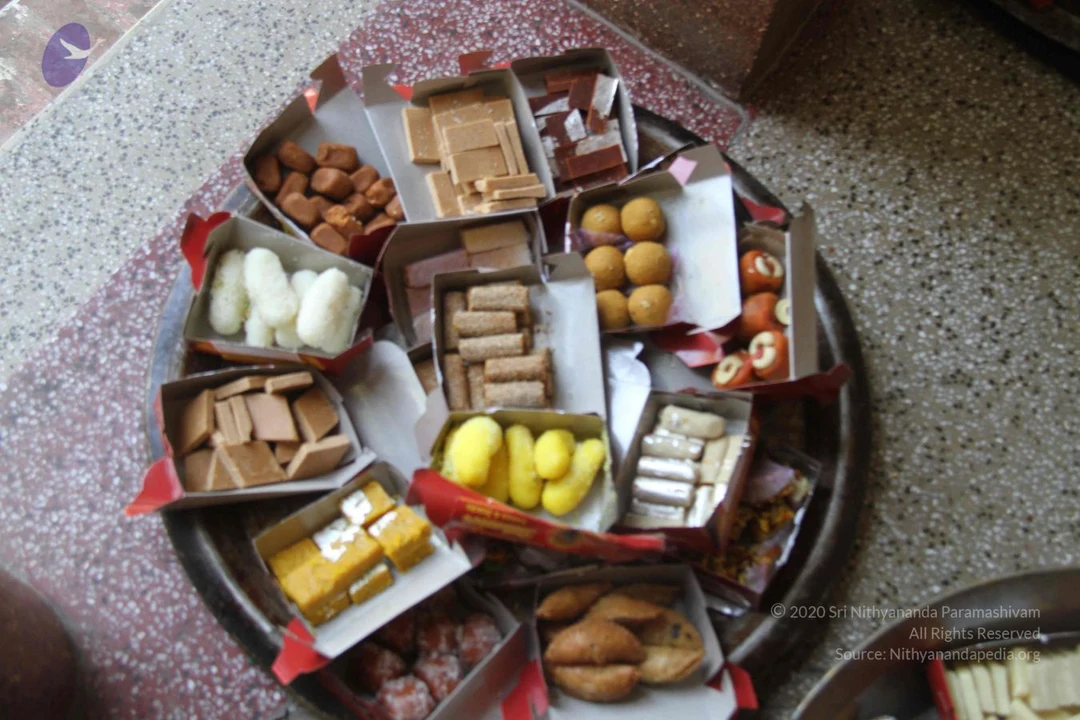
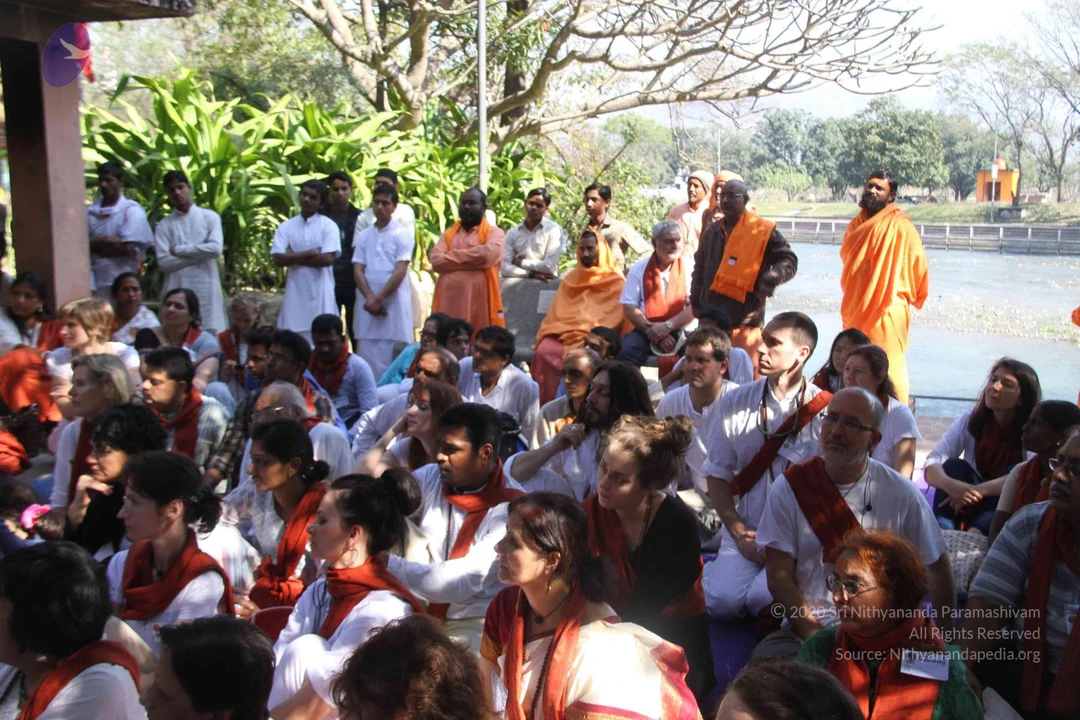
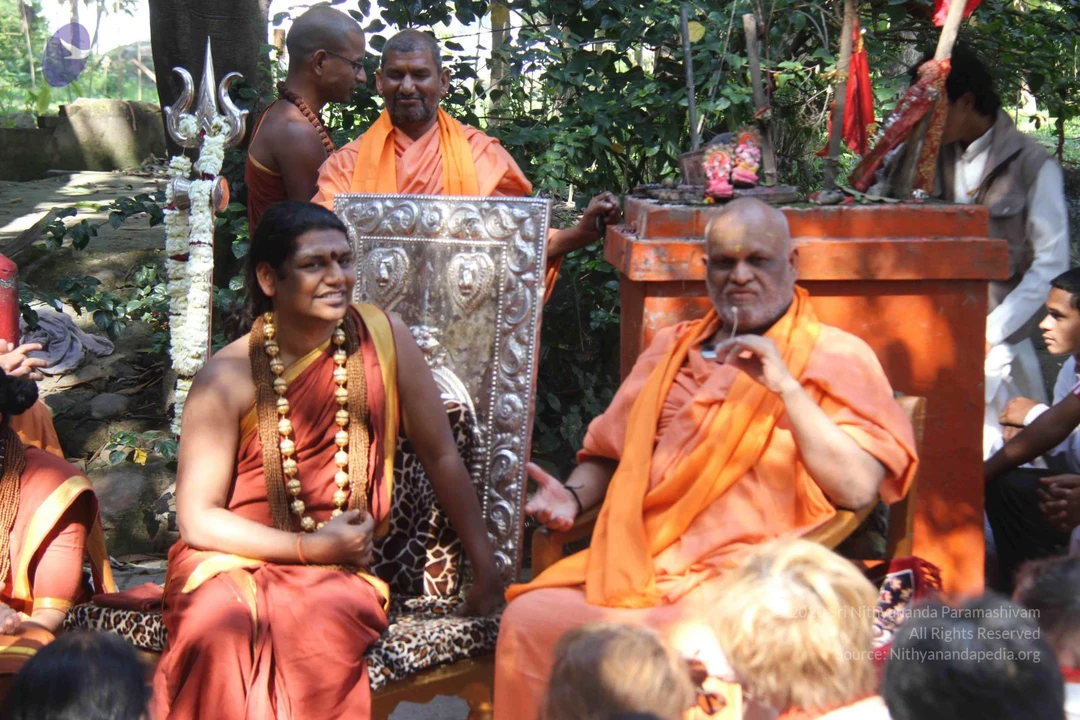
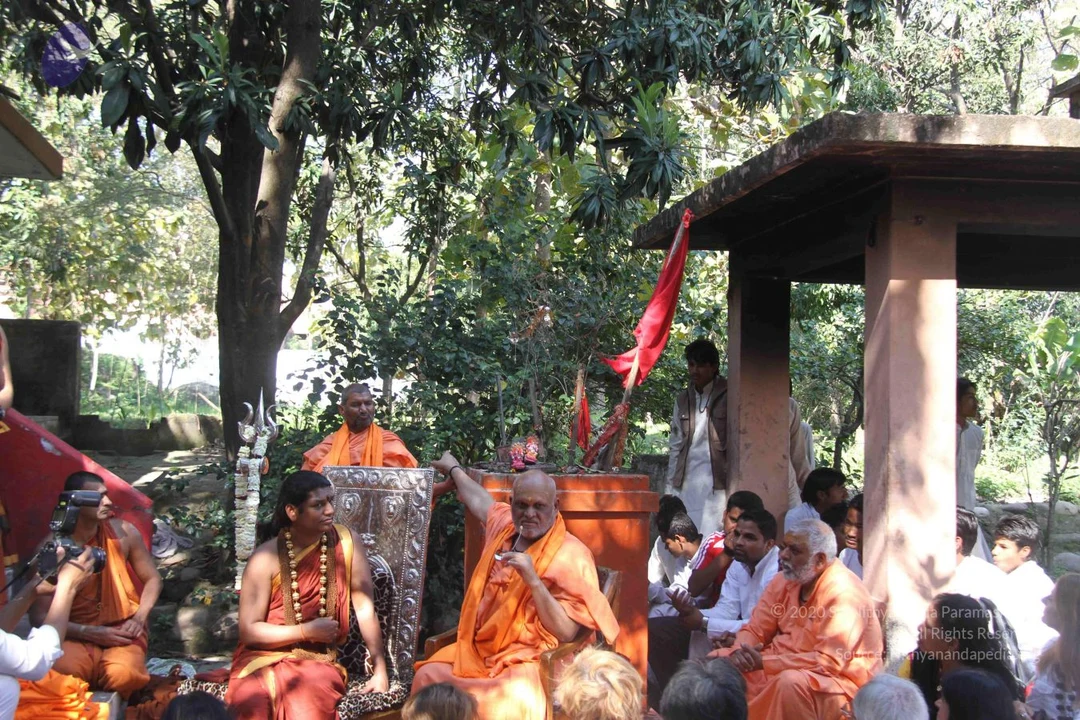
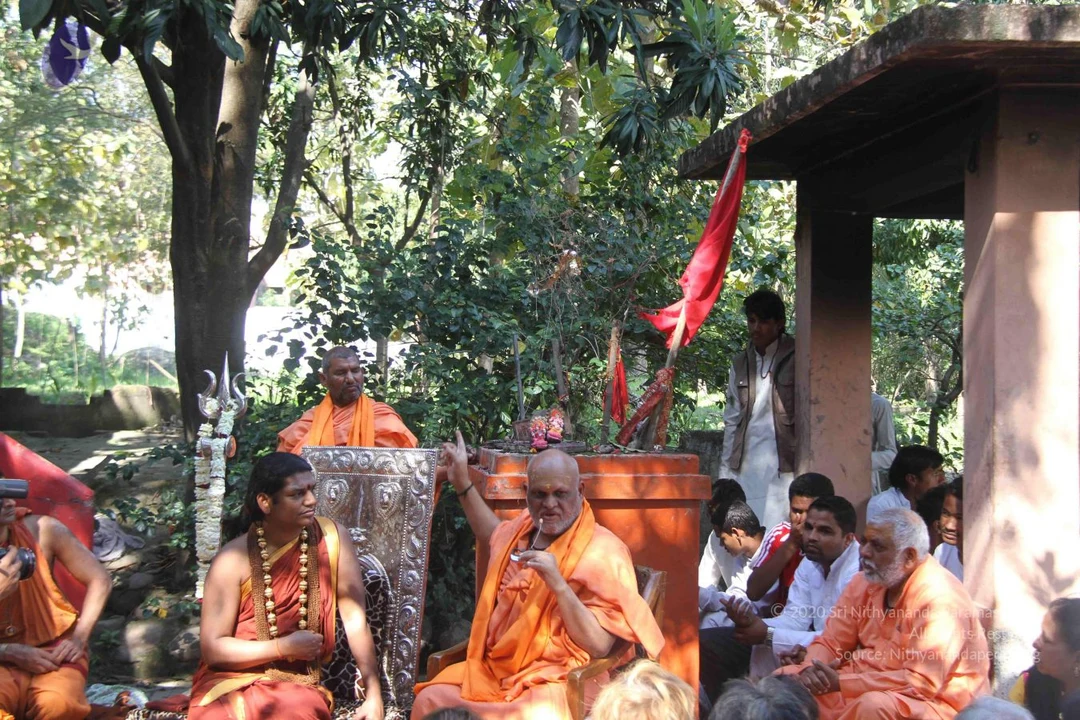

Darshan

01-IA-HARIDWAR
Photos from this day
View all 601 photosTemple Visit - Chandi Devi Temple
4 photosSource gallery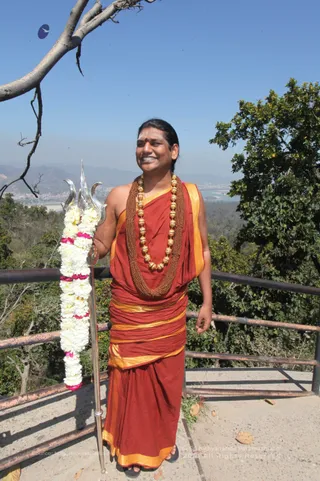
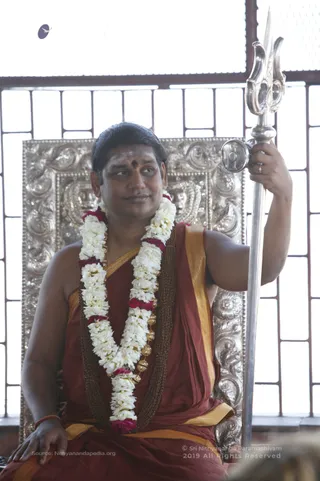
Nithya Satsang and Kalpataru Darshan
1 photoSource galleryNithyaSatsang&kalpatharuDarshan
98 photosSource gallery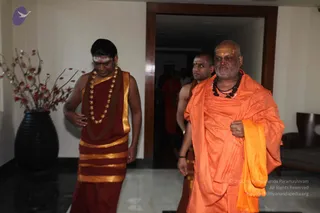
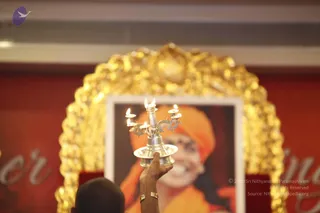
ChandideviTempleandSankarmahrajAshram
207 photosSource gallery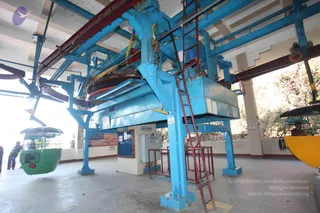
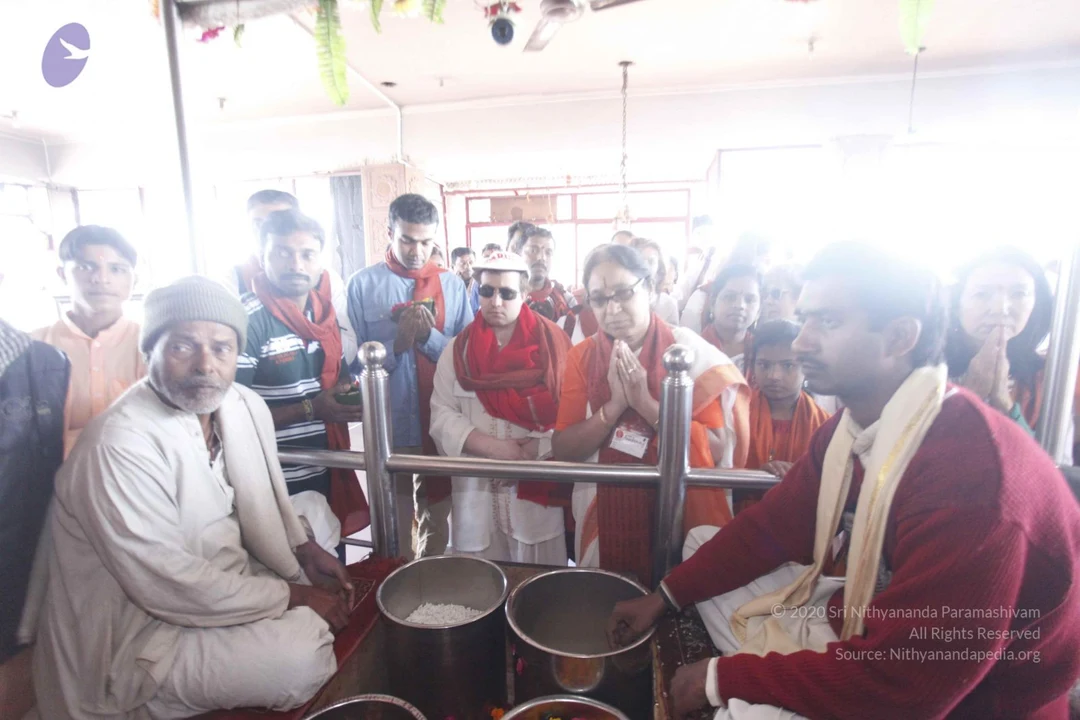
Swamijiwordhipping linga
9 photosSource gallery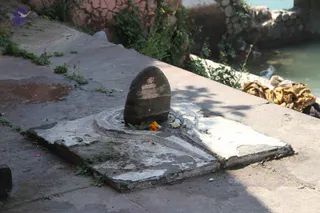
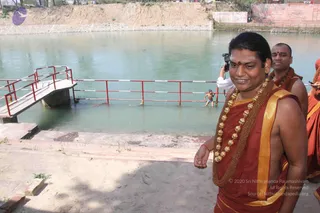
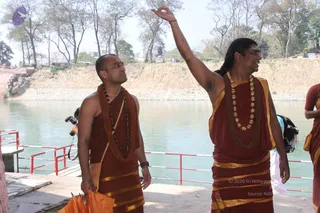
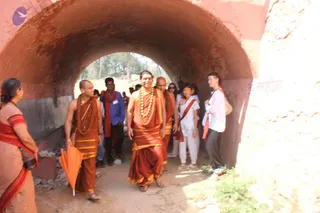
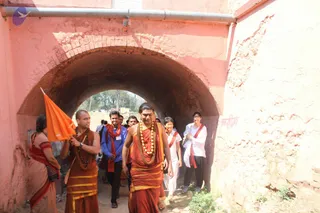
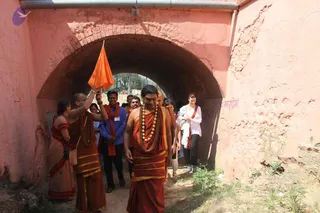
VishweshwaranandaJimahrajashram
177 photosSource gallery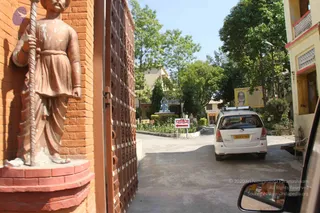
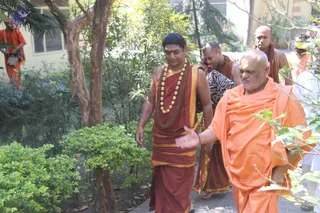
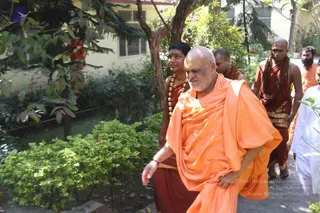
Darshan
4 photosSource gallery