Thursday
14 March 2013
Responsibility means expanding the possibilities.
- Dated photos
- 104
- Source pages
- 1
- Media
- 8
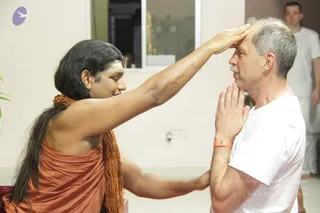
March 14 2013
Original wiki pageTitle
Responsibility means expanding the possibilities.
Description
In today's morning satsang, Paramahamsa Nithyananda defines responsibility. We are responsible for everything around us that affects us in any way. Even if we are not connected directly to an event, if it creates an impact on our lives we have responsibility for it. When we completely take responsibility, we express leadership consciousness. Leadership consciousness is all that is needed for success at every level. Those who possess the status of leader without the inner state of leadership consciousness can neither lead nor assist others to lead. They create only obstacles for others. Taking responsibility opens the inner flowering of full leadership.
Link to Video:
| Video | Audio |
Transcription
[00:28]
Nithyānandeśvara samārambhām Nithyānandeśvari madhyamām asmat āchārya paryantām vande guru paramparām I welcome you all with my love and respects. I welcome all the devotees, disciples, samajis, satsangis, yet to be devotees sitting with us around the world at this moment in 382 places through Nithyananda TV and 33 places two way video conferencing having nayana deeksha in 197 cities in 22 countries around the world as per the statistics. Cities sitting with us in 2 way video conferencing having nayana deeksha San Jose Madurai, Nithyananda nagar tiruvannamalai, Malaysia palani, Los Angeles Arunachalam, Kastav Croatia, Nithyananda nagar Hyderabad, Oklahoma somanatham, Toronto kailasm, sharjah, Seattle Chidambaram, Ohio center, adyar Chennai; Ma Atmapriyananda Swamini how come you are without vibhuti and kumkum. Ma Bhaktimayananda Swamini how come you guys are without vibhuti and kumkum. Go and apply vibhuti and kumkum and come. Guadeloupe rameshwaram, devon UK, Singapore singapuram, Vancouver puri, Bangalore marathahalli, Austin, Monterrey Mexico, Bangalore north, Dakota dunes, charlotte srisailam, Anna nagar Chennai, Guadeloupe that’s all, no that one city next to Bangalore marathahalli, not Austin that side. No this side. Hmm Bangalore Malleshwaram, Dubai tirukovilur, Toronto Mississauga, Gangamma circle, sunprer wisconsin Scottsdale, Ohio prayag, Oman sivagangai, Hong Kong seergazhi, Hyderabad Sri, andelta Croatia, sripuram Chennai; that’s it. I welcome all of you with My love and blessings.
[03:56]
I wanted all My swamis and swaminis to know, your forehead should be always filled with bhasma - the sacred ash and kumkum. See, about this rudraksha, you can use based on the place. When you are going to a place where you are going to give a satsang or a discourse, have the full - this 10000 rudraksha and the kandi and everything. If you are going to some place where the simplicity needs to be presented just then have ordinary one rudraksha mala. That you can choose as per the place and authenticity of you fitting with the place. But the bhasma and kumkuma is a symbol of Nithyananda sampradaya. Understand, I am creating a new emblem for our sangha; because now the emblem which I created, which I had in the vision, Paramahamsa emblem alone is not enough to express, represent what we are. So now I am working on it. Still I have to see it in the vision. I am meditating. The emblem will be having vibhuti and kumkum and turban. So vibhuti and kumkum should be the symbol everyone, all of us, will be using. You can’t afford to miss vibhuti and kumkum in any way.
[05:46]
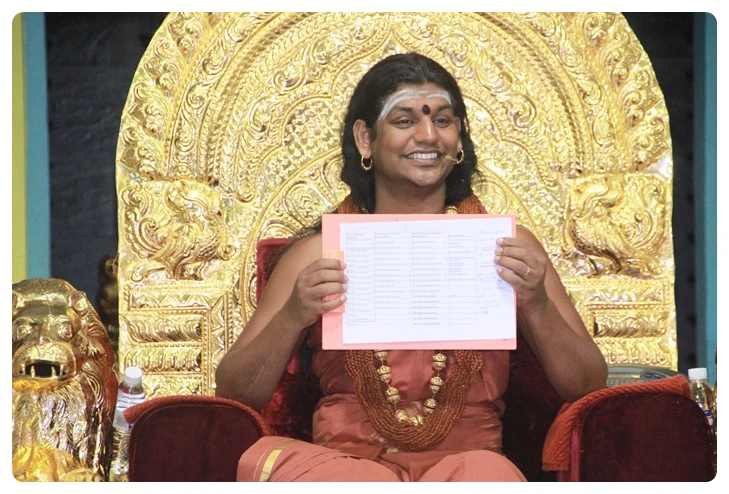
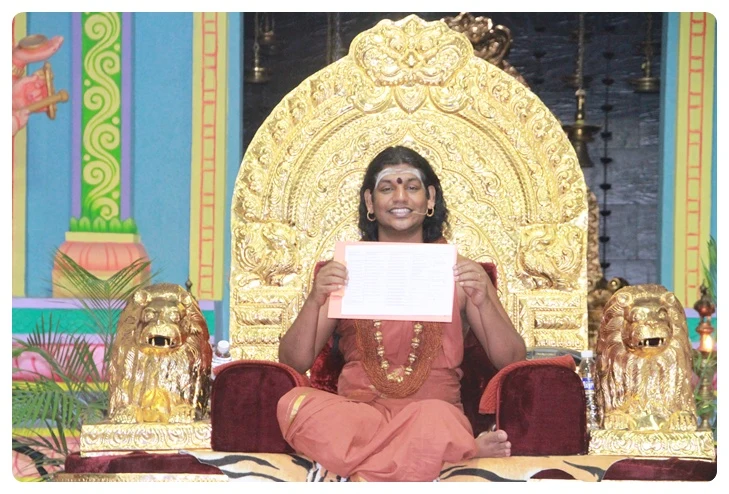
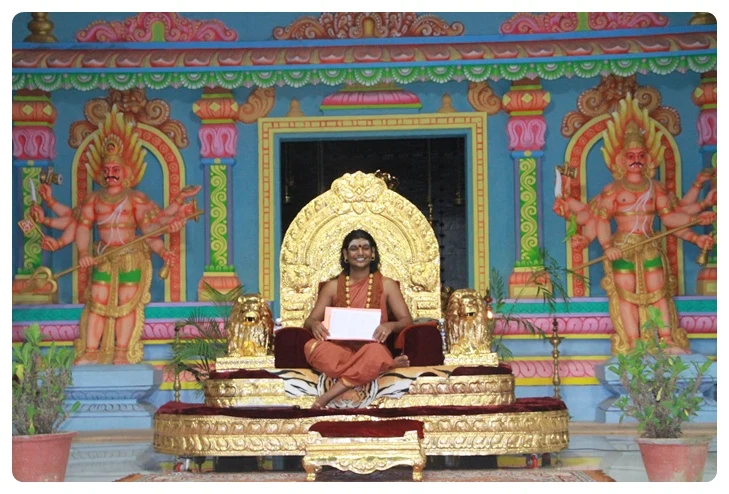
And today I have a great news. Yesterday itself I announced, as per My commitment because of Ramakrishna’s birthday to the Inner Awakening participants; yesterday evening I announced it to the world. Today again I am releasing it for the satsang participants; Nithyananda sampradaya - the swamis and swaminis and rishis, naishtika and karma brahmacharya of Nithyananda Sangha and Nithyananda Sampradaya. Give a good hand. Come on, it’s you guys. We have to celebrate. Wow! historically it took 10 years to create the sampradaya. Yes, it is already in the website. You can see the sannyasis and sannyasinis; sannyasis and sannyasinis – 55, naishtika brahmacharis – 13, krama brahmacharis – 40, Rishi order – 8, and of course 100s of ashramites are waiting in pipeline who are not yet initiated for various reasons; because they are all in our various ashrams and centers taking care. Some of them are traveling. So various reasons 100s are in waiting list. Guru Purnima there will be one more big group joining in the order officially.
[08:38]
And Maneesha you also should do one thing. Now you have to make it as per the seniority later on and the clear presentation. It doesn’t have to be like men’s, women’s separately. It has to be based on the date of joining. And I am so happy - first 116 of millions to follow. And among the swamis, Sri Nithya Pranananda will be the first sannyasi and among the swaminis my mother Ma Nithya Lokanayakananda Swamini will be the first swamini. See as I am an incarnation the sampradaya starts the moment she gave birth to Me. So naturally she joined earlier than me in the order. See if just if I am a swami then I can say that based on the date of joining. As I am an incarnation naturally she has to be given the date of joining seniority also. And of course actually also I remember very clearly she wanted to come and settle in the ashram long before. Only I said no wait for some more time. Great! Anyhow,
[10:59]
So the first sannyasi who is alive, I should use that word because my father has been given purna sannyas, but after he left the body; antima sanyas it is called. So antima sannyas usually doesn’t come under the four orders. So living first sannyasi of Nithyananda sampradaya is Sri Nithya Pranannanda Swami and Swamini Ma Nithya Lokanayakananda Swamini and then order continues Ma Nithya Dayamayananda Swamini and Ma Nithya Bhaktikananda Swamini and the order continues. You can verify. Maneesha you also have to create a resume for everyone with photograph. It should be published in the website. All you guys can post the unique way you wanted to post to express your unique character or the energy of; see each one of you guys are representation of My one ray of energy. Somebody represents My intellect, somebody represents My devotion, somebody represents My being. Each one of you represent one ray of Me. Listen if I am the sun each one of you are rays; each one of you represent a ray. So present yourself as a ray you represent.
[12:50]
Ma, with photograph, with a resume, including where they are born and what is their education, yes with the background, education and how they met swami or something one or two things and their sanyas and then their contribution to the world. How many classes they have conducted, how many programs they have and what they are offering to the world, what are the ways they are enriching to the world; give a beautiful each ones resume. They can write and give. They only can write and give. This is the statement they want to make it to the world about themself. The ahankara they are projecting. So around this the anyakara of the world will start evolving. So be very clear what you are; and you have the full freedom to declare you are enlightened. That is what I am saying; you have a complete freedom to declare. Because when you declare, you are responsible and you will have to live it. You will have to demonstrate it. When you declare you are enlightened, the anyakaras you create you should be able to stretch yourself to it. Declaring enlightenment is not power more responsibility. Clear? So it is individual choice. You can declare any day you are enlightened. You are after all a swami now. You are a independent entity by your existence. You can move the cosmos as you want. If the cosmos is not moving as you want just create one that’s all!
[14:48]
And the space of positivity and possibility, eshwaratva and enlightenment is your space. So from there you can declare anything you want and make it into reality any way you want. And anybody want to be part of this order can start applying and preparing yourself to be part of this order. Great! I also wanted to declare, all of us as Nithyananda sampradaya sannyasis, we will not spend single penny from the money given by devotees to the any of our trust for charitable purposes. Do you guys agree with Me? All you guys? We will work and create the wealth for running our basic needs; maybe spending few hours. I think that day I explained we had a plan. So, so that I don’t need to ask anybody anything for you guys or for Me; I have My kids. When you have so many sons who are intelligent enough and efficient enough to earn, father does not need to ask anybody anything. Even if you are a king when a son goes and conquers a city and brings it to you that is the beauty! Email [email protected] if you want to be part of this order.
[17:28]
Today 16th Inner Awakening and 13th eN Genius 2nd day 9th Nirahara Samyama 3rd level 2nd day, 10 Nirahara Samyama 1st level 2nd day, 5th THE Samyama 2nd day. And we have one more important announcement. Today we formed Nithyanandeshwara temple as a separate peetha and anybody who declares as a peethadeeshwar for that can become peethadeeshwar. Still Ambananda has not declared as a peethadeeshwar. He only took the responsibility of the temple. Let’s see whoever declares can become peethadeeshwar. That will be a separate peetha which will be called as Nithyanandeshwara peetha. So Bidadi has now, Bidadi hosts Nithyanandeshwara peetha and Nithyananda Dhyanapeetha and Nithyananda Gnana peetha, Nithyananda Vidyapeetha. Am I right? Four peethas! Gurukul – vidyapeetha, all the centers all over the world – gnana peetha and…
[20:07]
Ma you should have a international meeting one day of all the devotees, organizers, head of the centers, temples, for a declaration ma. You should have a meeting that they should declare. Ma, Declaration makes things reality. Even who is head, the head has to declare and all the other volunteers, department volunteers’ heads has to declare. They should all be officially given the title Shri Mahant, Peethadheeshwar and all that. Even grihasthas can be peethadheeshwar. Rishis can be peethadheeshwar. Even people who are not rishis, just grihasthas, can be peethadheeshwars. It’s each one declaring. Men, women, anybody can be peethadheeshwars, sri mahants. We will have to come up with the declarations. Yes.
[21:27]
Now it is time we will be starting live satsang. Nithyānandeśvara samārambhām Nithyānandeśvari madhyamām asmat āchārya paryantām vande guru paramparām Sadhana TV ke sabhi darshakon aur bhakto ko mera prem evam ashirvaad sahith swagath. Kal hamne chaar tattvon mein sey doosre tattva shraddha ke bare mein charcha ki. Aaj ham teesre tattva upaayanam yaani zimmedaari par satsang karenge. Responsibility, krupaya dhyan se suniye. Responsibility, Responsibility means living, thinking, speaking and acting, responding to life from the truth that you are the source of everything happening inside and around you. Therefore you are responsible for all happenings inside and outside you. krupaya punah suniye, Let Me repeat. Responsibility means living and responding, means thinking, speaking, acting to life from the truth that you are the source of everything happening in and around you. Therefore you are responsible for all the happenings in and around you. Dhyan se suniye, jeevan ka teesra tattva hai upaayanam. Upaayanam ya zimmedari uthane ka arth hai jivan ko is satya ke saath jeena aur pratikriya vyakth karna ki aapke andar aur bahar honewale sabhi paristhitiyon ka mool kaaran evam uttardaayi aap swayam hai. Dhyan se suniye, Upaayanam ya zimmedari uthane ka arth hai jivan ko is satya ke saath jeena aur pratikriya vyakth karna ki apke andar aur bahar honewale sabhi paristhitiyon ka mool kaaran evam uttardayi aap swayam hai.
[26:33]
Biggest question we have now in our mind, ‘How can I be responsible everything happening around me? I can be held responsible what is happening inside me. How can I be held responsible for what is happening outside me. For example if an accident happens in my life how can I be responsible?’ Everybody asks this question. Dhyan se suniye. Let Me answer you. Person who does not feel responsible even for his actions is a animal - lives in a very low consciousness. Person who feels responsible for his actions is a human being - lives in a middle level consciousness. Person who takes responsibility even for others actions is divine - lives in leadership consciousness - eshwaratva. Sometime you may not be reason for some happenings but if it is affecting your life you are responsible for that happenings. Just because you are not reason as per your logic you can’t say you are not responsible in truth. Krupaya Dhyan se suniye, hamaare man mein sabse bada prashna aata hain ke hamare sab taraf honewali har cheez ke liye hum kaise uttardaayi hai? You may think how can you be responsible.
[29:16]
You need to know, unless you take responsibility, neither you are going to improve the situation nor going to expand in the inner space. Vivekananda says very beautifully take responsibility more and more your shoulders will become stronger and stronger. In any field freedom is the basic condition for growth. Responsibility brings the experience of freedom. With responsibility your consciousness expands. Jo vyakti apne kaaryon ke liye zimmedaari nahi uthatha hai wah jaanwar ke samaan hai. Jo vyakti apne kaaryon ke liye zimmedari uthatha hai wah manav hai. Aur jo vyakti anya logon ke liye zimmedari uthatha hai wah eshwar hai. suniye Jo vyakti apne kaaryon ke liye zimmedaari nahi uthatha hai wah jaanwar ke samaan hai. Jo vyakti apne kaaryon ke liye zimmedari uthatha hai wah manav hai. Aur jo vyakti anya logon ke liye zimmedari uthatha hai wah eshwar hai. He lives in the space of leadership consciousness eshwara. Eshwara.
[31:41]
Every one of us are greedy for powers leaders have, powers gods-higher souls have; but unfortunately no one wants to take the responsibility for it. I tell you world has abundance. Neither the wealth nor the extraordinary powers are restricted when you take responsibility, when you start becoming responsible. Powers, wealth, spiritual powers, all the auspicious things starts expressing through you intensely. Aapko jaanna chahiye jab tak aap zimmedaari na le tab tak na toh aapka visthar hoga evam na aap purnata prapt karenge. Vivekanand ji kehte hai jyada aur jyada zimmedaari lene se aap ke kandhe mazboot hote hai. Responsibility expands your possibilities.
[33:54]
Let Me define responsibility. Responding to the world from the best possibility is responsibility. Responding to you and to the world from the best possibility is responsibility. Zimmedari aapke sambhavanaayon ko visthaar karta hai. Zimmedari aapke sambhavanaayon ko visthaar karta hai. Responsibility not only awakens leadership qualities in you, it awakens leadership consciousness in you; dhyan se suniye, qualities are different, consciousness is different. In the corporate life, in the outer world, if you are taking responsibility for some position, post, you may express leadership qualities, but when you take responsibility for everything happening in and around you, you express leadership consciousness. Uttardayitva ka arth hai vishwa ke prati aseemith sambhavana ke saath pratikriya karna Uttardayitva ka arth hai vishwa ke prati aseemith sambhavana ke saath pratikriya karna From the best possibility you responding is responsibility.
[36:45]
When you expand, expand, expand, your commitments and the responsibilities, you hold in your being for yourself, goes on expanding and expressing all the possibilities. Either you react or respond. You only have two ways of relating with the world. If you feel you are not responsible you react. If you feel you are responsible you respond. When all your actions are responding - you are a karma yogi; no karma binds you, you are living in completion, expressing completion. When you feel you are not responsible you react. Reacting puts you in bondage. Reacting keeps you in incompletion. Jab aap aur aur aur visthaar hote hai, tab aap ke andar jeev lagataar visthaar hota hai and apne sabhi sambhavanayon ko vyakt karne lagta hai. Jab aap aur aur aur visthaar hote hai tab aap ke andar jeev lagataar visthaar hota hai aur apne sabhi sambhavanayon ko vyakt karne lagta hai. Jab aap apne uttardayitva ko aur vistarit karte hai tab aapke andar ke sabhi aseemith sambhaavanayen bahaar prakat ho jaati hai. Dhyan se suniye
[39:39]
Only when you express all the possibilities out of liberation cognition, jeevan mukta sambhavna, you are living your life. Life is lived when jivan mukta sambhavna becomes your lifestyle. The space of possibility, space of leadership - I tell you nothing, nothing else is required for you to be a leader; just leadership consciousness is enough. When Vivekananda walked length and breadth of India he did not have anything other than leadership consciousness in his life. But wherever he went, kings washed his feet, gave their own thrones for him to sit, received his blessings, guidance, requested for his spiritual support. Leadership consciousness is independent intelligence; cannot be hidden from others. Once you have it, whole world will know you have it; simply world listens to you. You do not need any power, political strength, infrastructure for the world to know you are a leader. Even if you walk in the street you will stand tall. MAN AMONG MEN. And the world will respect you. Netrutva kshamatha ke liye aur kuch bhi nahi chahiye, keval netritva ki mano stithi honi avyashak hai. Agar aapme yeh hai, toh pura vishwa jaan jayega ki aap unke neta hai. Netrutva kshamatha ke liye aur kuch bhi nahi chahiye, keval netrutva ki mano stithi honi avyashak hai. Agar aapme yeh hai, toh pura vishwa jaan jayega ki aap unke neta hai.
[43:08]
Responsibility makes you realize all possibility. Jeevan mein pratikriya ke do hi vikalp hai; zimmedaari ke saath pratikriya vyakth karna ya zimmedaari ke bina pratikriya vyakth karna. Jab aap zimmedaari ke saath jeevan ke prati pratikriya vyakth karthe hain tab vah karya aapko bandhan mein daltha hai. Jab aap zimmedaari ke saath jeevan ke prati pratikriya vyakth karthe hain tab vah pratikriya purna banathi hai neta banathi hai. Jab aap zimmedaari ke saath jeevan ke prati pratikriya nahi vyakth karthe hain tab vah karya aapko bandhan mein daltha hai. Jab aap zimmedaari ke saath jeevan ke prati pratikriya vyakth karthe hain, tab vah pratikriya purna banathi hai neta banathi hai. (hindi). It is leadership consciousness which brings not just success, fulfillment in you. I tell you I have seen 1000s of politicians who are having power without having the state of leadership consciousness. It is responsibility makes you realize all possibility. Uttardaayitva aapko har sambhav sambhavana se saakshaatkaar karadeta hai. Uttardaayitva aapko har sambhav sambhavana se saakshaatkaar karadeta hai. Sometimes people sit in the throne or get the power, become power center without having the state of a leader. I have seen them dying in depression, suffering in suffocation due to the power. They never enjoy the power. Unless you achieve the state, status becomes liability. Status binds you and brings suffering to others if you have not achieved the state. The state of responsibility, state of the leader, eshwaratva, leadership consciousness has to be achieved first. Duniya mein hazaaron log hai jo neta ki kursi par hai, kintu neta ki manostithi evam chetna stithi unme nahi hai. Duniya mein hazaaron log hai jo neta ki kursi par hai, kintu neta ki manostithi evam chetna stithi unme nahi hai.
[47:04]
When you do not carry the consciousness of leader, you are bound by the powers of the leader even if you get it, and you will bind the people who come under you accepting you as leader. This is one of the biggest disease India is suffering. Many seats are occupied by the people who are not responsible enough for the seat they are occupying. From the individual house, individual’s house to the seats official power, political power, media power, in every field many people who have not achieved the state get the status. They become liability.
[48:37]
Title
Kundalini - Inner Potential Energy || Part 1 || IA || 14 March 2013
Description
Title: Kundalini - Inner Potential Energy Part 1
Name of Convention: Inner Awakening
Session on: How to awaken the different layers of energy in human being through Kundalini awakening
Date: 14 March 2013
Venue: Adi Kailasa, Bengaluru, India
This video is an excerpt from the Inner Awakening convention conducted on 13 March 2013 in Adi Kailasa, Bengaluru, India. In this video Supreme Pontiff of Hinduism HDH #Nithyananda Paramashivam explains about the various layers of energy available in human beings and how the kundalini energy can be awakened. He takes the participants through various exercises to analyze how the #energy is being blocked due to our own self conflicting thought currents. A meditation process is also done to remove the energy blocking thought currents.
The Supreme Pontiff of Hinduism Jagatguru Mahasannidhanam His Divine Holiness Nithyananda Paramashivam (HDH) is the reviver of #KAILASA - the ancient enlightened civilization and the great cosmic borderless Hindu nation. Revered as the incarnation of Paramashiva - the primordial Hindu Divinity, HDH has a following of 2 billion Hindus worldwide with de facto spiritual embassies in over 150 countries. He has worked untiringly for over 26 years for the revival of Kailasa, for global peace and to give super conscious breakthrough to humanity. He has survived the worst persecution of multiple assassination attempts on person and on character by anti-Hindu elements. He is collecting, organising, preserving, time capsuling, decoding, spreading and reviving 20 Million source books of Hinduism and the 64 sacred arts & sciences like Ayurveda, music, dance, sculpting, astrology, vastu and much more. Close to 20,000 hours of HDH’s timeless talks have been recorded till date (Sep 2020), which are a treasure trove of powerful cognitions to solve individual and global problems of any kind.
Link to Video:
| Video | Audio |
Transcript:
(0:16)
Listen, from today I am going to work on your kundalini energy, inner potential energy. Human being has layers and layers of energy inside them. Please listen, with integrity, authenticity and responsibility, I want to declare every statement I am making is truth. Please capture every statement I am uttering. Human beings have layers and layers of energy. Listen, please intranalyse every statement I am making. In Sanskrit, intranalysing is what we call manana. Listening consciously is called sravana, intranalysing is manana, living is nididhyasana. So please do the sravana and manana: listening and intranalysing.
(02:24)
Human beings have layers and layers of energy available in them. I will give you one example. If you are walking alone in your street to reach your house, it may take five minutes. If a stray dog is chasing you, it will take only three minutes. If a tiger is chasing you, it may take less time. If you have seen your wife from the distance, it may take even lesser time. Anyhow, see this example. I wanted to tell you one example from My own life which happened. At that time, I was staying in northern part of India. That place is called Mayavati. The place is called Mayavati. It’s a tiger forest, the area of tiger forest. There is a small ashram. Ashram means monastery. Don’t visualise the word the moment I said monastery like this big buildings and all that. It was few huts, few of the sadhus were staying and meditating.
(04:01)
I was also staying there and meditating, doing sadhana, tapas. There was a mahant, head of the ashram. In the nighttime sometimes, tigers will come. This head of the ashram is a old swami. He will shout in his high pitch voice, “Hey! Tiger has come. All you guys, close your door. Be safe inside.” Some of the huts don’t have a tight door, like a tin sheet door. So if the...if you need more protection, you may have to pick up some big stones from outside and support your door so that tiger cannot open the door even if it attacks.
(04:58)
So one night, I think from two direction, two tigers have come. Tigers don’t usually go together but from two different direction, two tigers have come. This swami, the moment he saw that, he shouted, “Hey! Two tigers have come, careful. Close your door. Put a stone to protect yourself.” And all of us as usual ran around and picked up whatever size stones we can collect and supported our door and slept. The problem is, each hut only one person will be able to stay. So we have to stay only alone. No other way. It’s a small hut.
(05:52)
So next day morning, we all came out for our breakfast and to know anybody has become dinner, to find out whether anybody has become dinner. All sadhus we came out. I think at that time maybe twelve or thirteen of us were staying. Sorry, the head is, head one swami and twelve sadhus were staying. Totally thirteen, one three. So the...all of us came out. Only one sadhu has not come out. So we were really worried and we ran to his hut to see whether he was killed by the tiger. We were happy, from the distance we saw door is locked and there is no way tiger could have entered inside. So but he is not coming out. So we were screaming, “Swami, swami.” Then through the window he put his head down, head out and said, “Please come inside and save me.”
(07:03)
Finally with lot of difficulty we opened the door by pushing, breaking, five six of us and we brought him out. Then we asked him, “What happened?” Because inside the door we saw huge stone he has used to support the door. That stone is usually actually used for grinding masala, spices in the kitchen. It is a huge stone. Even to move it, five-six of us were needed. We asked him, ”This is from kitchen. How come this stone came here? The kitchen and the place is three hundred feet distance. Even to move this stone three feet, five of us have to work. How did this stone reach this place yesterday night from the kitchen?” He said, “Swamiji, the moment I heard tiger is coming, in the dark, I ran around. I could not get any stone. I saw in the kitchen this only. I just lifted and brought it. Today morning, when the fear of tiger is not there, I am not even able to move this stone.”
(08:30)
Understand, when the fear of tiger is there, alone he lifted the stone, three hundred feet he walked! We asked him, “How did you move this stone from kitchen to here, three hundred feet?” “What I moved? I lifted and brought.” He lifted. That fear, survival and he ran to his room, closed the door and supported the stone. So in the fear, he did not know what he is doing. See, you have the second layer energy. Moral of the story is: You have hidden inner potential energy which opens up during emergencies but it does not mean it should be used only during emergencies. It’s not that every time tiger has to come to awaken your energy. Understand, we don’t need to have a tiger to awaken our energy. We can have lion to awaken our energy! We can have the spiritual lion, Guru who is enough to awaken the energy.
(09:58)
The energy which is there inside us as a inner potential energy. Awakening that energy is what I call Kundalini Shakti. Why that energy is not active, alive, available to us? Because of the many of the knotted blocks. See, many of your thought currents which has become a blockage in your system. That blockage is responsible for why it is not becoming alive, why the Kundalini is not becoming alive. First thing, self contradicting, self conflicting thoughts. How many of you understand? Self contradicting, self conflicting, self negating, self negative thoughts. This is the blockage, knot which stops awakening of your Kundalini in the root itself.
(11:49)
We have actually seven energy centers in our spine. Root of the spine-the first center, and near the spleen-second center, near the navel-third center, near the chest-fourth center, near the throat-fifth center, near the eyebrow-sixth center and on the top-seventh center. Seven centers we have. When the Kundalini is awakened, in that seven centers only the energy gets stored. Those each center is locked, knocked, blocked by certain thought current. Lack of integrity blocks the root center, becomes responsible for fantasies. Listen, all fantasies, when you fantazise itself, you will have a deep negativity it is not going to be fulfilled. That is why it is fantasy.
(12:59)
How many of you cognize, listen, listen, whenever the fantasy, fantasizing is going on, inside your mind you know very well it is not going to be fulfilled, raise your hand. See, fantasy happens with the base material of negativity. When you bring integrity in your thinking, you experience the space of positivity.
(13:35)
Title
Kundalini - Inner Potential Energy || Part 2 || IA || 14 March 2013
Description
Title: Kundalini - Inner Potential Energy Part 2
Name of Convention: Inner Awakening
Session on: How to awaken the different layers of energy in human being through Kundalini awakening
Date: 14 March 2013
Venue: Adi Kailasa, Bengaluru, India
This video is an excerpt from the Inner Awakening convention conducted on 13 March 2013 in Adi Kailasa, Bengaluru, India. In this video Supreme Pontiff of Hinduism HDH #Nithyananda Paramashivam explains about the various layers of energy available in human beings and how the kundalini energy can be awakened. He takes the participants through various exercises to analyze how the #energy is being blocked due to our own self conflicting thought currents. A meditation process is also done to remove the energy blocking thought currents.
The Supreme Pontiff of Hinduism Jagatguru Mahasannidhanam His Divine Holiness Nithyananda Paramashivam (HDH) is the reviver of #KAILASA - the ancient enlightened civilization and the great cosmic borderless Hindu nation. Revered as the incarnation of Paramashiva - the primordial Hindu Divinity, HDH has a following of 2 billion Hindus worldwide with de facto spiritual embassies in over 150 countries. He has worked untiringly for over 26 years for the revival of Kailasa, for global peace and to give super conscious breakthrough to humanity. He has survived the worst persecution of multiple assassination attempts on person and on character by anti-Hindu elements. He is collecting, organising, preserving, time capsuling, decoding, spreading and reviving 20 Million source books of Hinduism and the 64 sacred arts & sciences like Ayurveda, music, dance, sculpting, astrology, vastu and much more. Close to 20,000 hours of HDH’s timeless talks have been recorded till date (Sep 2020), which are a treasure trove of powerful cognitions to solve individual and global problems of any kind.
Link to Video:
| Video | Audio |
Transcript:
(0:15)
Just five minutes I wanted you to do an exercise. Whatever you think, go on penning down, write down because you see, don’t edit now. Write down. After that, if you read, you will understand how many negative fulfilling commitments you are giving to you. How many negative commitments you are giving it to you you can find out. In five minute, twenty five negative commitments. Then why your life will be positive? Please start. Please take this worksheet also. Make a list of commitments you gave it to yourself and to others in your life. Working, tireless working, no break and no rest. How many have observed? How many of you think will Swamiji not have any vacation?
(01:20)
I tell you, what is, you see, what is your fantasy about vacation? Maybe a beach and your spouse or a girlfriend or boyfriend and rest, food, maybe a spa-all that. My...even the vacation how I imagine you know? I will be sitting in that chair. When I turn east conducting Inner Awakening, when you guys are doing your homework, When I turn towards the west, the organizers meet, turn towards the north, the ashramites approval, turn towards the south, the other mission department, many other departments approval, this is what My vacation. Usually when you write first time, you only learn to write. You don’t learn to intranalyse. Now when you intranalyse and write, you will understand how many things you missed yesterday.
(02:20)
Listen, look into the relationship you share with yourself. Identify and write down the thoughts and words you use internally to describe yourself. Identify and write down the thoughts and words you use externally to share with others about yourself. Identify if there is any mismatch between these two and write that down in your notebook. Look into the relationship you share with your mother. Identify and write down the thoughts and words you use inside you to describe your mother. Identify and write down the thoughts and words you use externally to share with others. This includes even your mother, about your mother. Identify if there is any mismatch between these two and write that down in your notebook.
(03:19)
Listen, it is to teach you, make you intranalyse how the fantasies built on negativity; reality is built on integrity. Fantasies are built on negativity; reality is built on integrity. If you are a child, you may need fantasies, fairytales to cope up with reality. Even after becoming adult if you need fairytales to cope up with reality, you are mentally retarded. Okay? And third, look into the relationship you share with your father. Identify and write down the thoughts and words you use internally to describe your father. How many of you in your young age believed your father can do everything? I believed. Anything and everything on the planet earth. I believed. So, identify and write down the thoughts and words you use externally to share with others. This includes even your father, about your father. Identify if there is any mismatch between these two and write down in your notebook.
(04:33)
Answer all these three question along with the first question I gave you means just for five minutes, whatever comes out, pen down to find out how constantly you are thinking negatively. Please start. How many of you found very clearly your thinking has so much of negativity, raise your hand.. and your fantasy is built on negativity, reality is built on integrity, raise your hand. Come on, let Me listen to some of the stories. Come out. Let Me listen to some of your sharings, your discoveries. Please come… If you have not discovered, I will help you to discover... Hmm, please come.
(05:52)
Devotee: Swami, this is to do with the thoughts that went through the mind. That is the list. The thoughts that were going through without any sequence was, ‘Will my tax problem we resolved? Will I be able to handle it from here without my presence because I will not be home before the 31st of March. My son is taking a loan. I hope the assessee assesses the flat properly so that he gets the amount of money that he needs. Will the amount of money that he has be sufficient to be able to go through with this purchase of the flat?’ Then suddenly my father’s inauthenticity at times came to mind who is long gone. Then my mother’s love for me suddenly came, maybe because I was reading about her and... the water pipeline near the house is supposed to have broken because the maid called in the morning they are building road. So I hope someone get the pipe to repair that. Things like this Swamiji.
(06:58)
Swamiji: That’s all. No, this is enough, this is enough. No, no, I just wanted to verify. See now, please listen. Non-integrity in thinking. Thinking in fantasy is because some parts of your brain is not fully alive. Please listen, I am making a very important statement. Your thinking is based on fantasy, not based on reality because your awareness is very low and some parts of your brain does not function when your awareness is low. If your awareness is raised, that part of the brain starts functioning which we call non-mechanical parts and that directly leads you to think in integrity without fantasy, thinking in integrity.
(08:22)
I tell you, all training in the world is nothing but thinking with integrity. If you have this one training, thinking with integrity, anything, any training for you is easy. How many of you cognise this thinking with integrity will make me successful in anything I touch? How many of you are able to cognise that? This kriya we are going to do, I am going to awaken some non-mechanical parts of your brain, exactly this part, this line. (Swamiji shows the part of the head) Here there is a line. Inside that part only when it is awakened, it gives you the awareness even while you are thinking. You will even listen your own talking to yourself. Through this kriya which we are going to do now, through this process, I am working on awakening that part so that your thinking can be with the awareness. It doesn’t have to be fantasy based. It can be aligned with integrity, aligned to integrity. Clear? Are we ready? Please use the mike.
(09:53)
Devotee: Swamiji, have You got an example of thinking with fantasy? Actually why I am asking is I learnt a lot about…
(10:04)
Swamiji: For example I will give you, who is the person with whom you have conflicts in your life.
(10:13)
Devotee: My boss.
(10:14)
Swamiji: Boss. Many time, the moment you remember your boss, some work which you need to do with your boss, the moment you remember him because of your fantasy about him, you will not further think about that work and drop it. You cognize what I am saying? Fantasy is not always meaning good. Which is not there, which you visualize is fantasy. Clear? You are able to cognize what I am saying? But with integrity if you think, there may be something you have a conflict but there may be something which you will never expect you will support you. Because of your fantasy you will never catch that space. That’s where the problem is. Yes, come on.
(11:11)
Devotee: Swamiji, is there anything a good fantasy?
(11:14)
Swamiji: Nothing, no. Good reality only. Reality is always good… Yes, please go ahead.
(11:31)
Devotee: Swamiji, a small doubt. Regarding the mismatch between our, that is, what we think about our mother and how we pose her to the external world, if there is mismatch, it is wrong or…
(11:43)
Swamiji: No, I am not saying right or wrong. There will be mismatch, that’s all you need to know. Whether it is right or wrong, we will see in the next sessions. Yes, please go ahead.
(12:00)
Devotee: Swamiji, then why are we attracted to fantasies when…
(12:04)
Swamiji: No, we are not attracted to it; we are attracting it. (laughs) See, the why I will answer later on and why, how, all that we will address later on. Now I am only making you aware of few basic thoughts, knots. How we are going to go beyond it, we will do it further. I am only just making you aware. Now please listen, this kriya all of you can do but the special attention needed group, do it as little less. Don’t strain yourself. You understand? Special attention needed group. Ma, you only Ma. You are able to catch what I am saying? Okay, great. All special attention needed persons, please raise your hand. Please don’t strain yourself too much but you can do this kriya.
(13:11)
We will start. You can sit on your knees-vajrasana. Vajrasana. Listen, please listen. From the bottom of your belly, you will be chanting loudly Hoo, the sound of Hoo, Hoo. You will exhale through mouth and loudly chant this mantra. Because I chanted, it started chanting. Ready? Okay? Please tie the ribbon. Start as intensely as possible and as loudly as possible, chanting the hookara mantra, intensely exhale. Along with chanting, exhale. We will gather again for the next session. Let’s gather for next session. Thank you.
(14:46)
Title:
Friendliness brings Stability || Part 1 || Inner Awakening || 14 Mar 2013
Link to Video:
Transcript:
(0:17)
Please settle down... The next you need to attend, the thought current, the energy knot. First knot is fantasy in root center. Listen, the first thought current is lack of integrity, fantasy based thinking. Thinking fantasy based stops your expansion, the possibility. In the relationships, thinking fantasy based takes away the love component, the friendliness component. Friendliness brings stability in any relationship. Please listen, whether it is a relationship with mother or life partner, friend, whatever may be the relationship, the friendliness component brings stability. Friendliness component brings stability. Without friendliness, stability is never experienced.
(01:55)
There is a beautiful story in tradition. Whenever Krishna is tortured by the gopikas, of course, 16000 women lived around him. Naturally there would have been enough of jealousy, these, that, everything. He will come to Arjuna. So when Krishna was giving Bhagavad Gita, Arjuna was not able to really receive it like a Guru-Disciple relationship because, “Arey, I know all your problems and you come to me!” So understand the idea I am trying to express is that Arjuna was not able to listen to Krishna as a Guru and anyhow, finally he listens and then Viswaroopa he sees and then achieves some experience and after everything is over, Arjuna asks, “O Krishna, because of the friendliness I had with you, I was not able to accept you as a Guru and it took lot of time for You to give me the experience and Enlightenment through Bhagavad Gita.”
(03:16)
Krishna says, “Never think it is because of friendliness you had the stable relationship.” He beautifully makes a statement, “In any relationship, the component of friendliness brings stability. The fantasy based thinking destroys stability. Integrity based thinking brings tremendous friendliness and stability.” How many of you are able to cognize friendliness component brings stability in any relationship, please raise your hand! Whether it is a son or a father or a spouse or a partner, fantasy based thinking brings instability in any relationship. How many of you cognize ? Please raise your hand. Because each of these has to become your inner cognizance, cognition. Cognitive shift is the first step for transformation. Now, second, the energy block, the thought knot you need to break is inauthentic thinking. Constantly thinking about your life, everything in a small scale, listen...can you settle down?
(04:56)
Listen, how many of you...listen, then raise the hand. How many of you have the fantasy in your life from corner of the world where nobody is there just a small hut or one room apartment, you will live, just have your food, lie down and sleep, take bath in the beach, just spend your life like that, raise your hand! This is complete inauthentic thinking. You always...listen, you always fantasies your life in a very, very low level. Is it your maximum capability? Is it the peak of your mamakara, ahankara, anyakara? Then why are we entertaining it? Even if you want to live in a beach one corner where nobody is there, visualize a palace and why should you feel people should not be there around you? Because you are constantly battered by the wrong relationships. I don’t feel people should not be around Me. My vacation starts when more people are around Me. People should not be around you is the deep fear, negativity you are suffering because of your battered, shaken, abused relationships for which you are responsible. How many of you cognize this? Why, why should vacation means no people around you? It is a wrong cognition. It is a wrong cognition.
(07:00)
One guru in India who teaches some yoga, kriya and all that. He is so jealous of Me. I said, ``Why are you, Guruji, your stature, your organization, your structure. Why should you be jealous of Me? I am just a budding Sangha, organization. Why do you”...He said, “Now only I am learning I should work tirelessly. For last 20-30 years, I always had this imagination of retirement idea. I wasted so much of my life with this retirement idea. When I heard Your idea about vacation, I said, come on, this is what I am missing.’”. He said every time I am taking class I am waiting to retire but every time I am in the room, I am waiting to come to the class... I was not sleeping. I was sitting there attending to some other brahmacharis, some other things listening. I was just waiting. You guys will see all 21 days, I will be here at least few minutes before the session because I am waiting for you. I was just waiting for the clock to move.
(08:25)
If I see you guys and this is My commitment to you all. If I see you guys your faces are bright, no tiredness, I will extend the session even up to night eleven-twelve. I am waiting to work with you guys. It is only the tiredness I see in your face ask Me okay, don’t torture them and that is the reason I ended the session little early. 4.30 yoga I Myself come. Actually I go to the ashramites’ yoga. Everyday I come. I go there to that hall. Maybe from tomorrow I will just come and wave at least and give you once, see that everything is in place and go. I have no problem. I have no problem. Basically many of the wrong recognizances you carry makes your life hell. The idea of retirement you carry makes your whole earning life as a hell, working period as hell but modern day researches are proving the man who retires dies quickly. Something like a seven years. Average a man lives seven years more if he doesn’t retire, if he entertains, engages himself in some social service, some activity.
(10:00)
How many want to live seven year more on planet earth? Then come on, don’t retire. Do not fantasize about retirement. If you just drop the fantasy of retiring, seven more years you can live and even the quality of health. How many of you read this research? It is available in the net. How many of you read this research? It is done by a thorough university. I think three or four universities have collaborated and then did this research. They worked on various samples from different countries. I think they took something like a 70000 samples and then they came up. No problem, see, actually now till today evening, the sessions are all more only introductory. I am not going to be working on any big thing. I am only preparing you for writing, intranalysing and doing the simple kriyas, preparing your body especially your body has to cool down.
(11:03)
Did you all start doing the pancha kriyas, hmm? Especially the pouring water on the nose and...did you all start? Please don’t miss that because I am going to produce lot of heat in your body when I awaken the non mechanical parts of the brain. So cleaning the nose is compulsory and enema. Enema, cleaning the nose and the Haritaki powder, that ayurvedic powder. It heals your mouth ulcer and stomach ulcer. I tell you, if you don’t take just two days that powder and do these kriyas, you will have mouth ulcer and stomach ulcer. That is the reason. So please do not miss the Haritaki powder, enema and the pouring water and cleaning the nose, hmm? Tube if you can’t, it is okay, try. Tube is not for cooling but for the effective pranayama. If you use the tube and clean, the prana, the life energy you can hold in your lungs and digest will become double. That is why.
(12:23)
The effect of your pranayama if you do, see, yesterday and today what you did, you did not have pranayama in that. It is only a simple technique but from tomorrow, you will be having the pranayamas. Pranayama means inhaling, holding and exhaling. The ability to digest the energy into your system will become double if your...if you clean the nose with the tube. So cleaning the eyes, very important because eyes have to become cool. See, when the non-mechanical parts of the brain is awakened, your visualization capacity will increase. That will directly increase the heat in the eyes. First thing. Second, I am also wearing the glass not, it is not power glass. It is for the light reflection, light reflection. So your eyes will directly get heated up. So you have to clean the eyes everyday.
(13:34)
Second, one that container water through left, one through right, sorry. One through right to left, one through left to right so that your body is cool and then Haritaki powder, at least one spoon. You can even take in the small spoon, that is okay. One spoon and enema. Only then you will be able to go through these kriyas. If I don’t see tiredness in your face, I can increase the number of kriyas and the type of pranayamas. You see, I have a three level Inner Awakening. Level A, level B, level C based on the participants’ ability to come with Me. I can take you to the A level or next, A+ or A++. I can. So now, it is up to your participation. Anyhow, let us come back to the subject. How many of you took the Haritaki powder and early morning woke up sharp? Because your stomach...good.
(15:04)
The second thought current we are going to break, the second energy block we are going to break is constant hangover of fear and fear-based inauthentic thinking. Please listen, first we saw fantasy based thinking without integrity. Now fear-based thinking without authenticity. Whenever you are inauthentic in your being, with your being, you experience hangover of fear. Please listen, in any space of your life, spectrum of your life if you feel fear, there will be inauthenticity and you will be fighting in a losing race. Listen, running away from your problem is always a losing race. Running away from your problems is always losing race. Any spectrum of your life if you have fear, there is inauthenticity. There is inauthenticity. You are not how you should be, how you want to be.
(16:44)
Somewhere you are compromising either because of your laziness or boredom, unawareness. How many of you cognize what I am saying? In any field, whether it is a fear in the relationships, fear in the money, fear in the Enlightenment, fear in your profession, fear in the life, any field, fear grows on inauthenticity, inauthenticity with your integrity. Now time for intranalysing. Please listen. Intra analyzing means internalizing and analyzing, both together is called intranalysing. Scan your life and identify all fears that exist in your life. Fear of losing money, name and fame, identity, job, spirituality, fear of losing some relationships, near and dear one, their love, death, everything. Whatever fears you have, identify.
(18:04)
Second, for each fear look deeply and identify where you are not being in integrity with your thoughts, words and beliefs related to that fear and the third, here the third question is not there. I want you to add. Find out where all you are not being in authenticity with your peak possibility. All of you are able to understand the third question? I will repeat once more. Find out for each fear, look deeply and identify where all you are not being authentic, where all you are inauthentic with your thoughts, words and beliefs related to that fear. It’s time for intranalysing.
(19:03)
Title:
Friendliness brings Stability || Part 2 || Inner Awakening || 14 Mar 2013
Link to Video:
Transcript:
(0:16)
Please come up. I will give some deeper insights. Yes, go ahead.
(0:28)
Devotee: So, I am afraid of dying in poverty. To be not able to have a good job or I can explore all my capacity, I fear do not follow a spiritual path
(0:39)
Swamiji: Do you understand the moment you said you are afraid of dying in poverty, you already planning for dying in poverty? When you are repeating something so many times especially without awareness, without awareness when it is repeated, you don’t even know how many times you are repeating. Then naturally you are planning for it. So with integrity, if you start completing with it every time, I am not going to be even thinking of dying in poverty, then your mind will say no. Whether you think or not, you are going to die. What will you do about it? Understand, then you know even this is a negative commitment I am giving it to me. Every word I talk to me is a commitment I am giving it to me. Then if I give this as a commitment, I will be fulfilling it. I don’t want to give this commitment and I don’t want to fulfill it. I am completing it. I am committing with me. I will live in abundance, leave the body in abundance.
(01:47)
I tell you Ma, just only two-three days, first two-three days it will be little difficult. Suddenly you will see you will be out of that fear. You will be out of that fear. Now you are planning for abundance. You are planning for abundance. First two-three days when you insist, when you talk to you only, your mind will, other part will laugh at you, “Eh! Whether whatever you may program inside you but you are going to die in poverty only. What are you going to do about it?” So that is what is the deep rooted lack of integrity. How many of you cognise what I am saying? But first three-four days, go on completing, completing, completing. You will see, fifth day, the voice will not raise and you will live in abundance. You will not plan for poverty.
(02:40)
Anybody? Please come. Come up, come up, come up. Please switch on the mike. Yes, please go ahead.
(02:52)
Devotee: Swami, kind of got may be a little conflict. I lay may fears down and when I got to number three integrity, authenticity of it. I reread everything I can. Then I realized then that I would not let these fears happen because how I feel so deep inside about it I won’t let them happen. I know that in a part of my being.
(03:27)
Swamiji: So you got it. (laughs) You got what we need to get, what you are supposed to get through the intranalysing. Great, come on. Come on, come on, it’s okay, come up. Both I will listen. I will listen to both one by one.
(03:45)
Devotee: Swami, only one fear that I am unable to intranalyse. There is, which is me and brother are looking after the same business. Swamiji: What business? Devotee: We are running an industry. Swamiji: Where is this? Devotee: In Kanchipuram. My native place itself. It is my father started industry. We both are looking after it. Swamiji: Cloth? Devotee: No, it is gas manufacturing. We are both looking after it. So that, my fear of it is that is basically he is looking after all those property related things and other things. I am looking after inside, inside work in my factory. So that I have a fear of that he may… Swamiji: Take away the property.
(04:27)
Devotee: Cheat me in the property after my father. My father and brother are looking after that. I am not at all engaged in that work. So that I have a fear that he will take the property after my father’s lifespan. That is the one and while seeing his behaviour and all, I am basically feared about his efficiency…
(04:47)
Swamiji: Listen, listen, listen, listen, listen. When you have started the fear only, you will even start collecting the data to support your fear and you will manipulate the data to support your fear. Then you will confirm your fear. Then you will project the fear and make him do what you want... Listen, how many of you cognize what I am saying? I tell you, the problem with lack of integrity is everyone will get it but you will not get it. Your mind will say, “No, no, no, no. You don’t know Swamiji. I know the situation. I am in the spot. I am in the place.” Understand, when you repeat something again and again, you make the person do it. You force the person do it. Anyhow, come on, we will analyse. We will give the solution.
(05:49)
Devotee: Another one thing. When we both are working in the same platform, that is, I feel that his efficiency, that is, his working time related things, he is bit slow and he is taking more leaves or something like that when compared to myself so that it generally hurts me. So it makes me also to go slow on my work. Like that.
(06:12)
Swamiji: But if both of you go slow, then finally company will suffer. Devotee: Yes.
(06:16)
Swamiji: You understand?
(06:18)
Devotee: That is what my father is feeling now. For the past two months only I have that thing of demotivating myself.
(06:25)
Swamiji: Yes, his inauthenticity cannot be the reason for your inauthenticity, understand? Anyhow, we will work on it. Now you identified, na? That’s enough. Solution we will do later. Come on. See, I am not actually solving now anything. I am only helping you to identify in these two days. Even tomorrow also we will only be identifying. After day after tomorrow only we will be starting, working on the each, pulling out those patterns.
(07:00)
Devotee: Nithyanandam Swamiji. (stammers) I actually have fear of public speaking plus stammering for the last 25 or 30 years. Swamiji: I will help you to find the root thought pattern when it started and release you from it. This is My commitment for you.
(07:19)
Devotee: Thank you, Swamiji. (stammers) A significant click actually about this at the time of internalisation (stammers) at least for three separate fears I have in my life.
(07:48)
Swamiji: I think that fear is responsible for this stammering. Am I right? Devotee: Likely. Swamiji: That fear caused this stammering. Ok.
(07:55)
Devotee: Correct. The common cause that seems to be procrastination. I am actually trying to do, I should have done. Actually I was not prepared for it. I actually became fearful. (stammers) I fear the consequence or the person who I significantly got right now. I have decided not to stop my procrastination with respect to things and come up with a time table and (stammers) actually right now I commit to it and stick to those commitments with integrity.
(08:40)
Swamiji: Okay, great. Devotee: Thank you, Swami. Swamiji: I know. I will...about clearing the patterns, we will work later. Now I only wanted you to intranalyse. We will go for the kriya? Next kriya?
(08:53)
Sitting on your knees, vajrasana, anything is ok but sit straight. Listen, please listen. Now the kriya we are going to do brings strength in your emotional stability because emotional instability is responsible for inauthenticity; inauthenticity is responsible for instability. Let Me show you the exact process. It is called Sheetali means pull your tongue out and make it like a tube. (Swamiji demonstrates) Inhale the air through the tube. Just swallow the air and try to retain the air inside by putting the chin on the chest. (Swamiji demonstrates) Understand? Without using the fingers, just by the will, chin on the chest. When you feel you can’t hold anymore, then slowly exhale through the nose, nostrils. Clear? Listen. Inhaling through tongue, then holding. Don’t use the fingers. When you are holding, just put your chin on the chest. (Swamiji demonstrates) Exhaling through the nose (Swamiji demonstrates) Clear?
(10:45)
Listen, listen the situation I am describing. You are caught in some worrying or some internal conflict, feeling very powerless but you just think, think, think, think, think. Finally you find the solution. With that solution, you are just able to manage, solve that problem for two-three days. Suddenly one fine morning again, you forget the solution. After a week, again your mind is caught in the same problem worrying, worrying, worrying. After two days, suddenly you hit at the...you discover the same solution and you feel, “O God! The same solution I found few days before. How did I forget and suffer with the same worry? And again I am with the same solution?” Again after a week you forget the solution. You are in the same worrying. After a week, again you find the same solution. How many of you experience this in your life, cognize this in your life, please raise your hand fully. You have worrying pattern. That's all is worrying means forgetting even the inauthenticity and lack of integrity we have and falling into the same rut of thinking. Clear? It is extreme unawareness.
(12:35)
I am not talking out of ego. Don’t mistake Me. I am just telling you the truth. When I look at the world, I feel thousands of people walking in sleep. No, that is the way I feel. I am afraid to go near anybody because they are doing everything in sleep, everything in sleep. The fellows who attacked Me, it is not that they have done it consciously with awareness because they are now dying. They just want to somehow get out of this mess they created but now they can’t get out because it is too much mess. I may leave but the Sangha won’t leave and public won’t leave now. So without even being aware, you just continue to make big, big decisions in your life, just the different patterns makes you different decisions. The more and more hangover and incompletion you have inside you, the more and more forgetful you become. Forgetfulness happens to you when you are overwhelmed by constant incompletion of thoughts happening inside you and that leads to constant worrying to happen inside you.
(14:22)
Let us do the intranalysis. Please get your intranalysis worksheet. Listen, write down all aspects of your life that you worry about in your life. For each of these worrying aspects of your life, write down the thoughts you have, the words you utter and the actions you take. Identify where you are not being in integrity. Examine where you gave your words and did not honour and fulfill them. Remember, whenever you are not integrated with the inner and outer words you utter, worrying will become pattern in you. Sorry, inner and outer words you gave, words you utter, worrying will become a pattern in you.
(15:17)
Third, look at your life and identify all the things that you forget most often. For example, you regularly forget to take your medicine, you forget, forgot where you kept your car keys. Examine what are the words you utter in all these aspects of your life. Where you are forgetful, identify and write down where you are not in integrity with your words, okay? Listen, clear? Please start answering the questions by intranalysing. I just wanted to listen to two-three people what you wrote. Then I will give you the process. Please come up. How many of you cognize this pattern of again and again forgetting the solutions you discovered when you wrote. Hmm, go ahead. Mike, please switch on the mike. Switch the mike on. Go ahead.
(16:36)
Devotee: I try to get around the difference between my inner and outer worlds by using some words like I will try to do.
(16:52)
Swamiji: ... loopholes through which you can escape later on, raise the hand. So your planning time itself you have enough of negative ambience. It is like in a big septic tank you try to spray scent. The ambience is so dirty. Septic tank means you understand? It is a Indian word. I don’t know the western word. What is American word? Sewage tank, big sewage tank. You try to spray scent. The ambience is so negative. How can your scent have any, perfume have any smell? So you are planning, you are planning to do something positive but the ambience is so negative. Then you keep all enough of loopholes in your plan itself so that later on you can through that hole you can come out. Got it?
(17:45)
Devotee: O yes. Swamiji: Come on.
(17:50)
Devotee: Hi, can you hear me?
(17:51)
Swamiji: Yes, yes.
(17:52)
Devotee: I often let my mind run stories like in fact when I was coming here, I was novice and my flight was delayed because of mechanical problems. So all the son I told my friend it is a sign I shouldn’t come and here he was taxing with me and he said, “Sara, it is just that the flight is delayed. You are creating stories.” Any other thing I want to say is I always lose my keys. I have four kids and I get frustrated with them because I am overwhelmed and I start to blame them if I lose any keys when it is really my own issues.
(18:31)
Swamiji: Alright, so shall we start the process now? It will be nice if you guys fill your stomach with water. Again this I am going to create a heat in you in your stomach. When you sit in different, different postures, your body energy becomes different, different. How many of you have discovered that? So each posture is to give pressure or focus on one energy centre. Clear?
(19:03)
Now this is Gomukhasana. Are you able to see? And you will hold the both the hands, both the legs because you are going to work on the stomach. Clear? Now continuously pull the lower abdomen in and up. Let Me show you. (Swamiji demonstrates) Listen, listen, listen, pull the lower abdomen in and up. So naturally exhaling will happen. You understand? (Swamiji demonstrates) So after few minutes, automatically body will breathe but you go on exhaling using your stomach like a bellows. Have you seen the bellows which is used for pumping the air? Yes. You can throw the air out through the mouth or the nose, okay, no problem but you should not be using the lungs to throw the air out. You should be using only the belly to throw the air out.
(20:22)
Better you drink enough water so that you are able to handle the heat. Clear? Please start. It is called Bhastrika. In yogic tradition, the asana is called Gomukhasana and the process is called Bhastrika. Please tie the ribbon. After every one minute or two minute, you can have a normal breathing, kind of a break but not more than thirty second, one minute break. Maximum break can be only one minute. The special attention needed very mellow,hmm? Please tie the ribbon... and start the process. Do not use the lungs. Use only the stomach to blow the air out, empty your body. You can keep your mouth open so that exhaling will be much deeper.
(21:41)
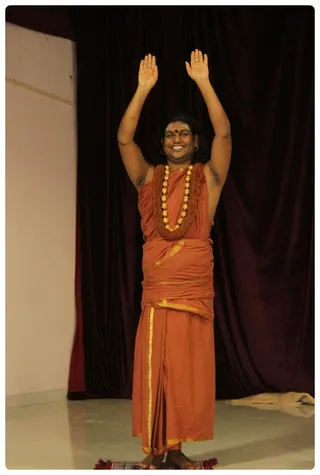
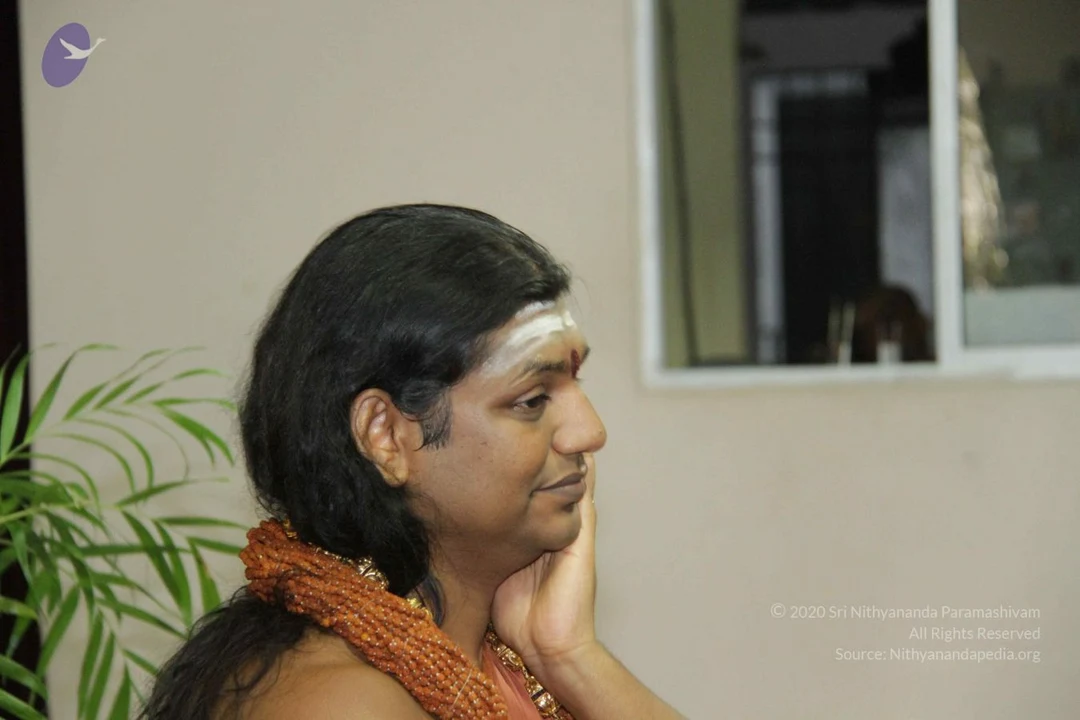
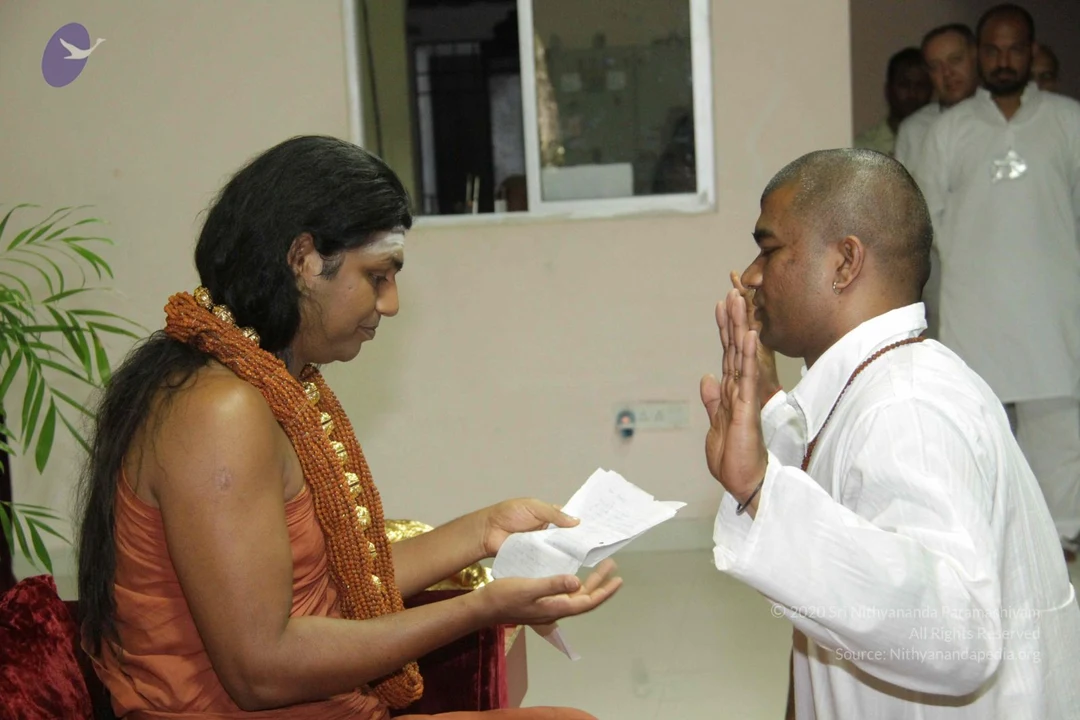
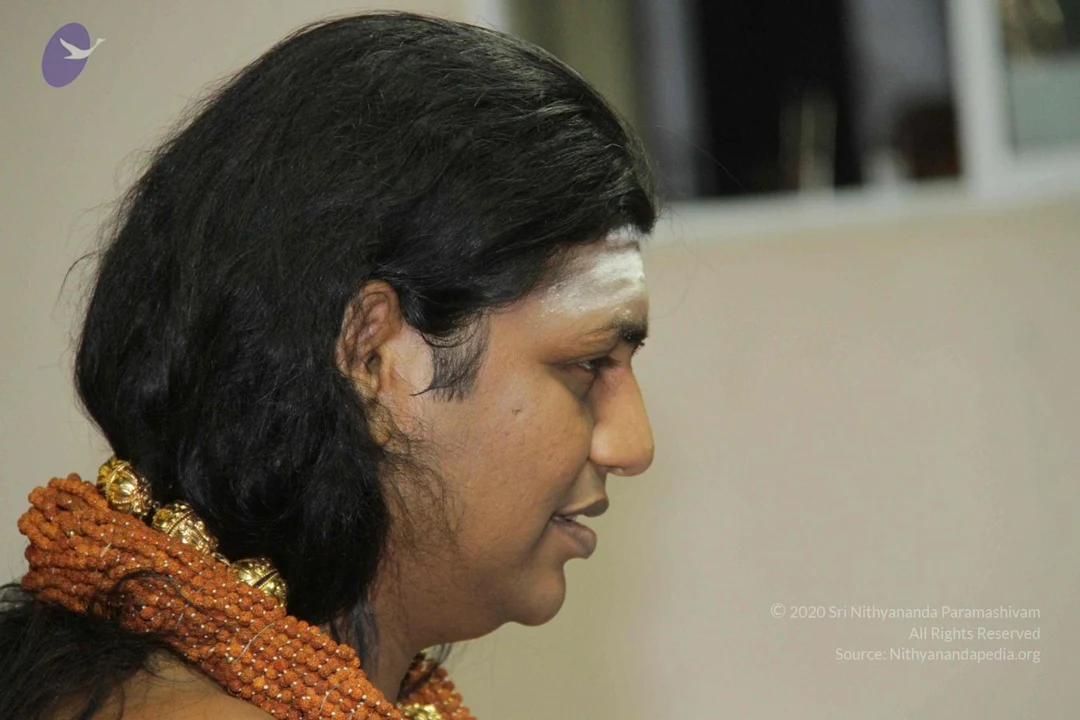
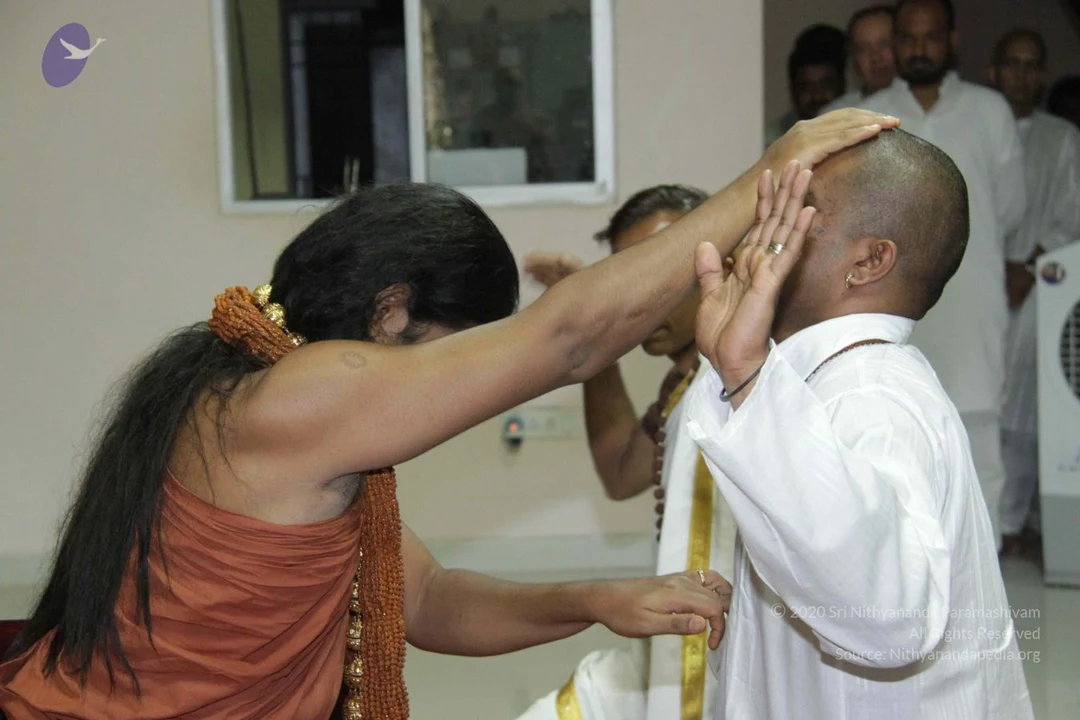
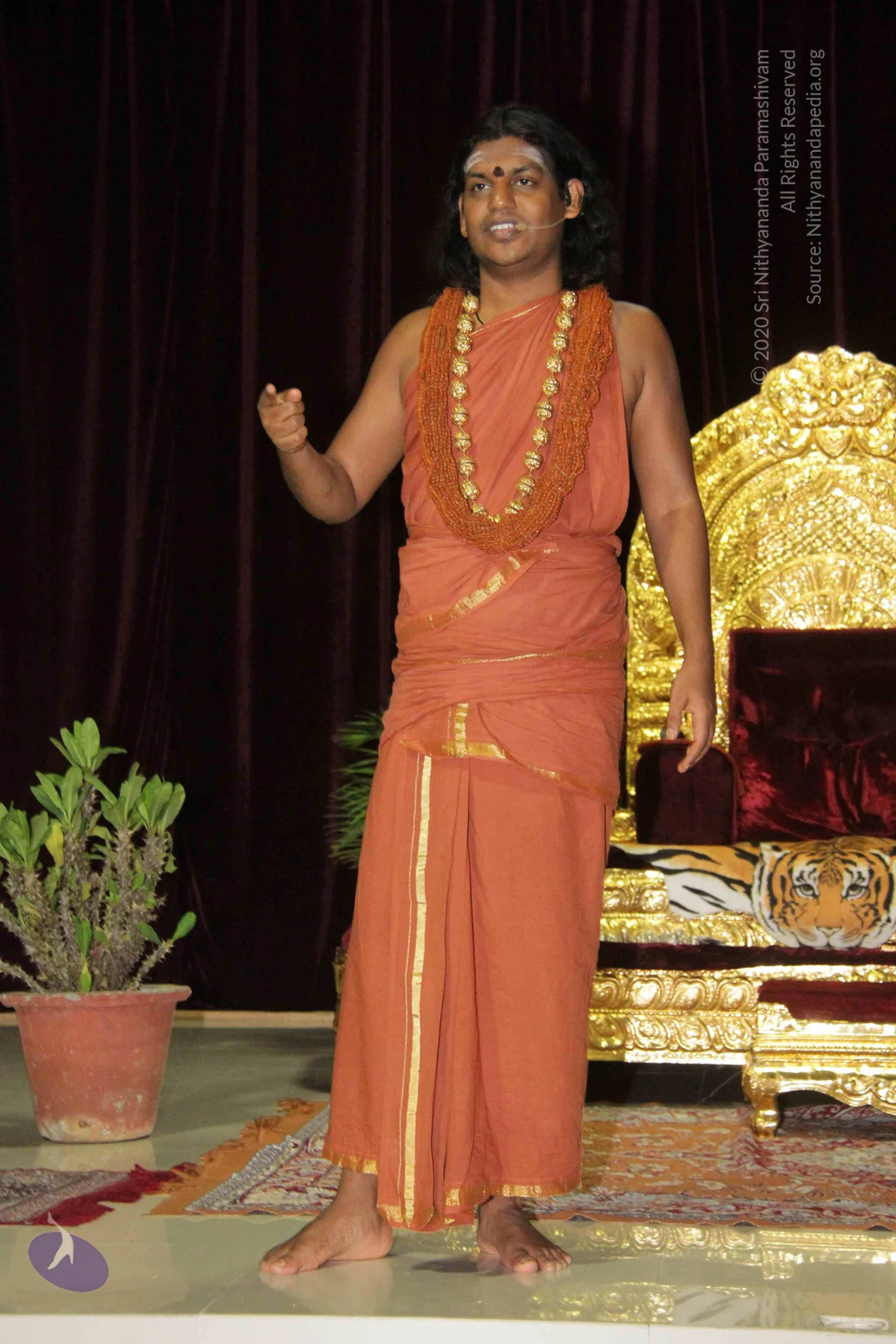
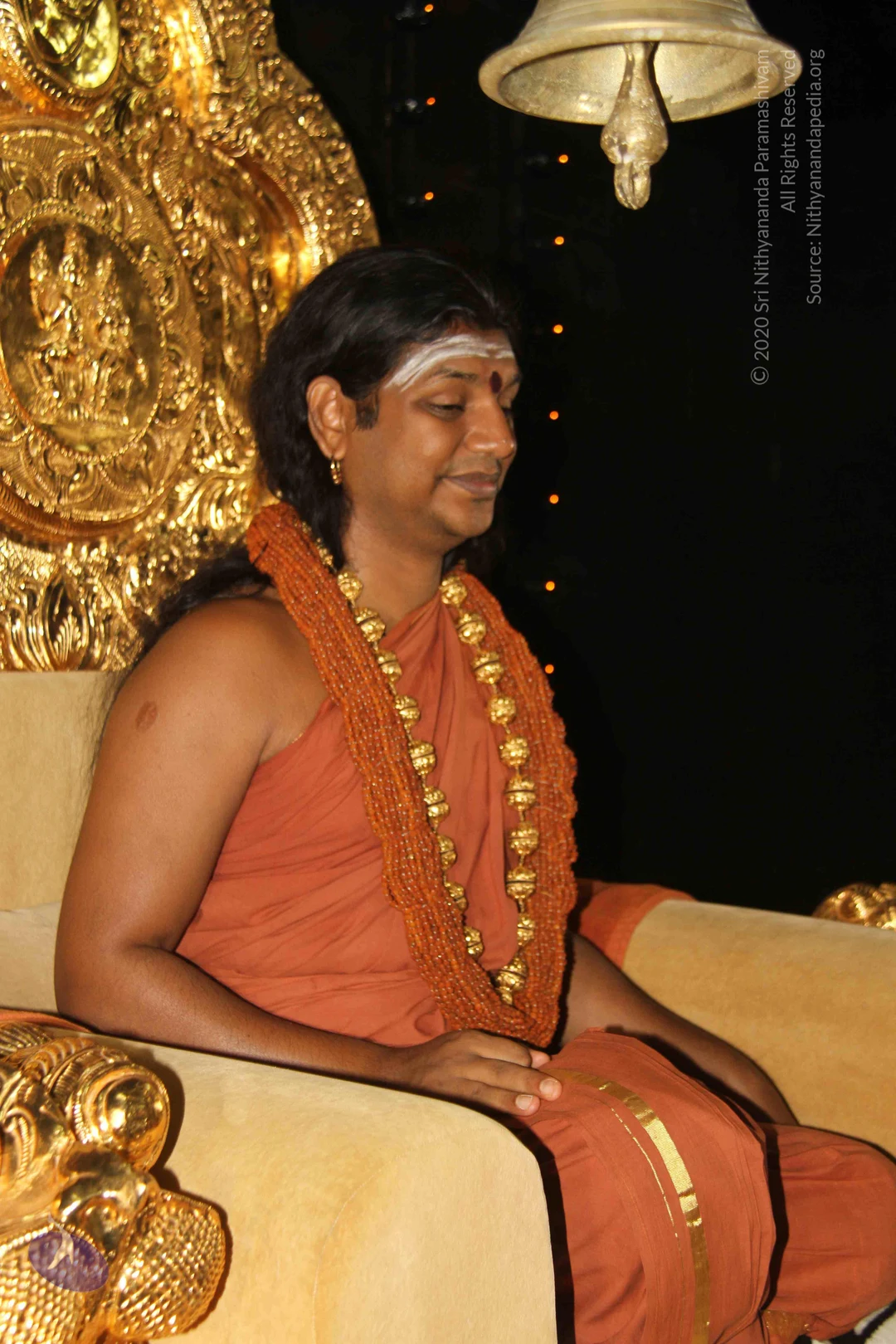
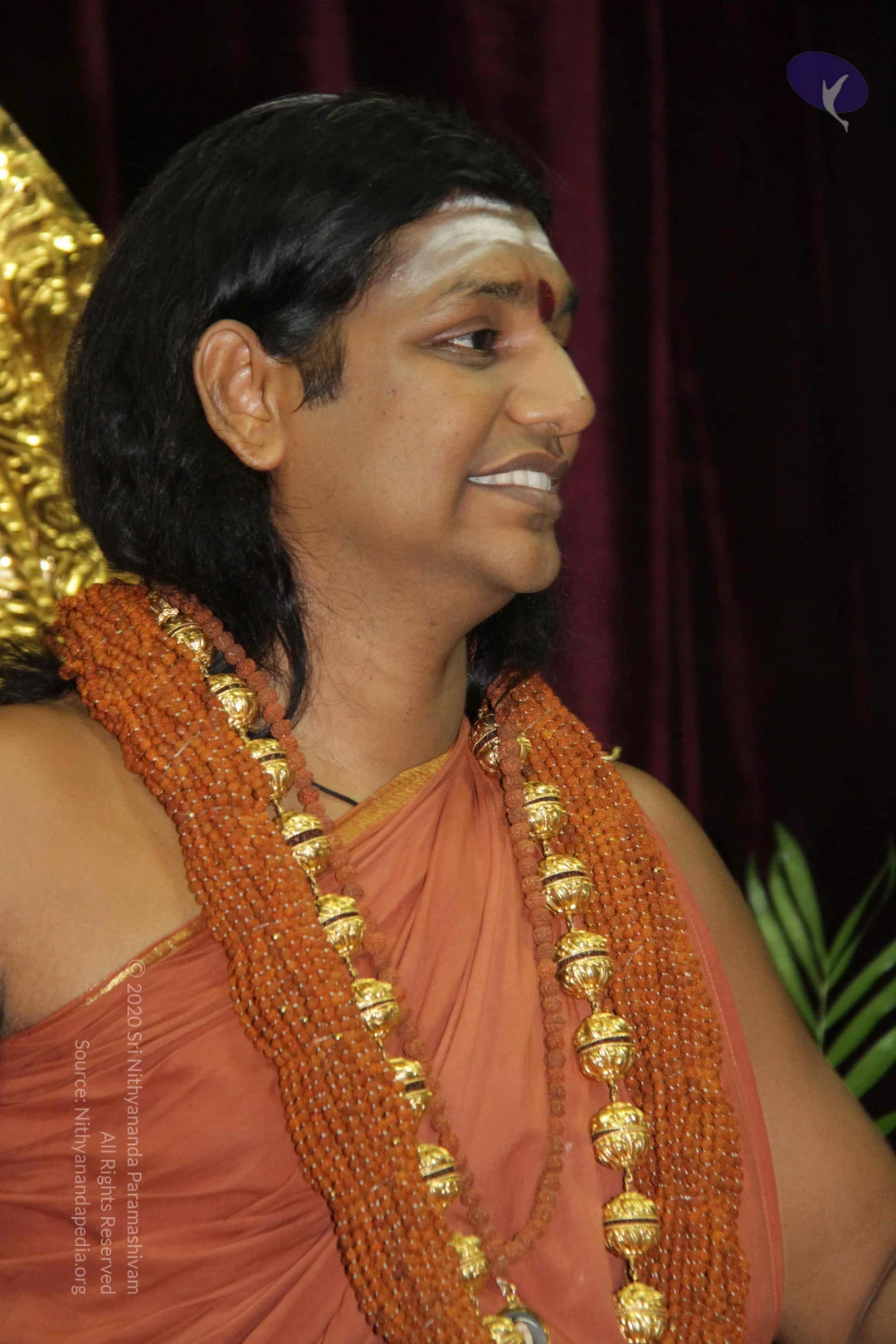
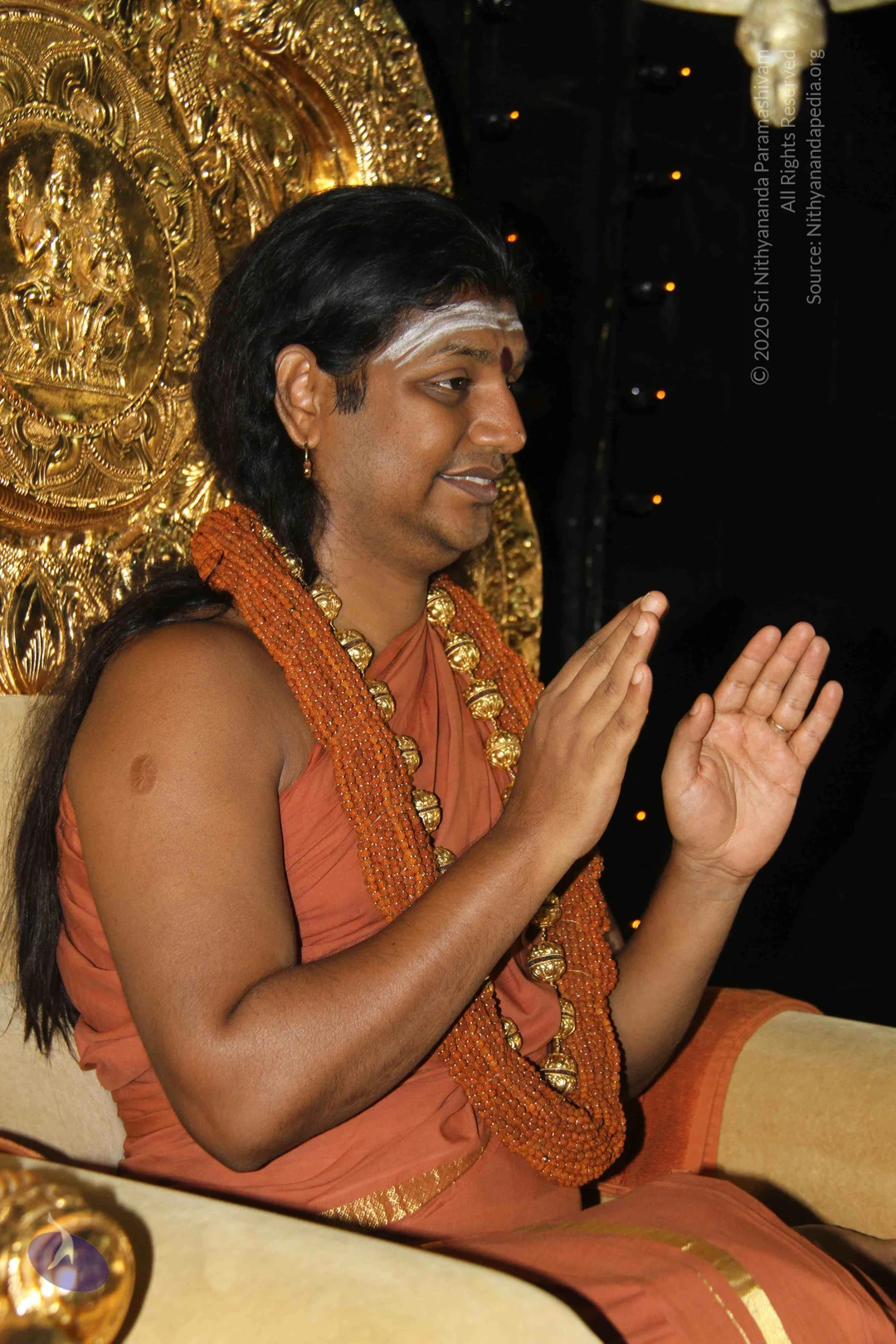
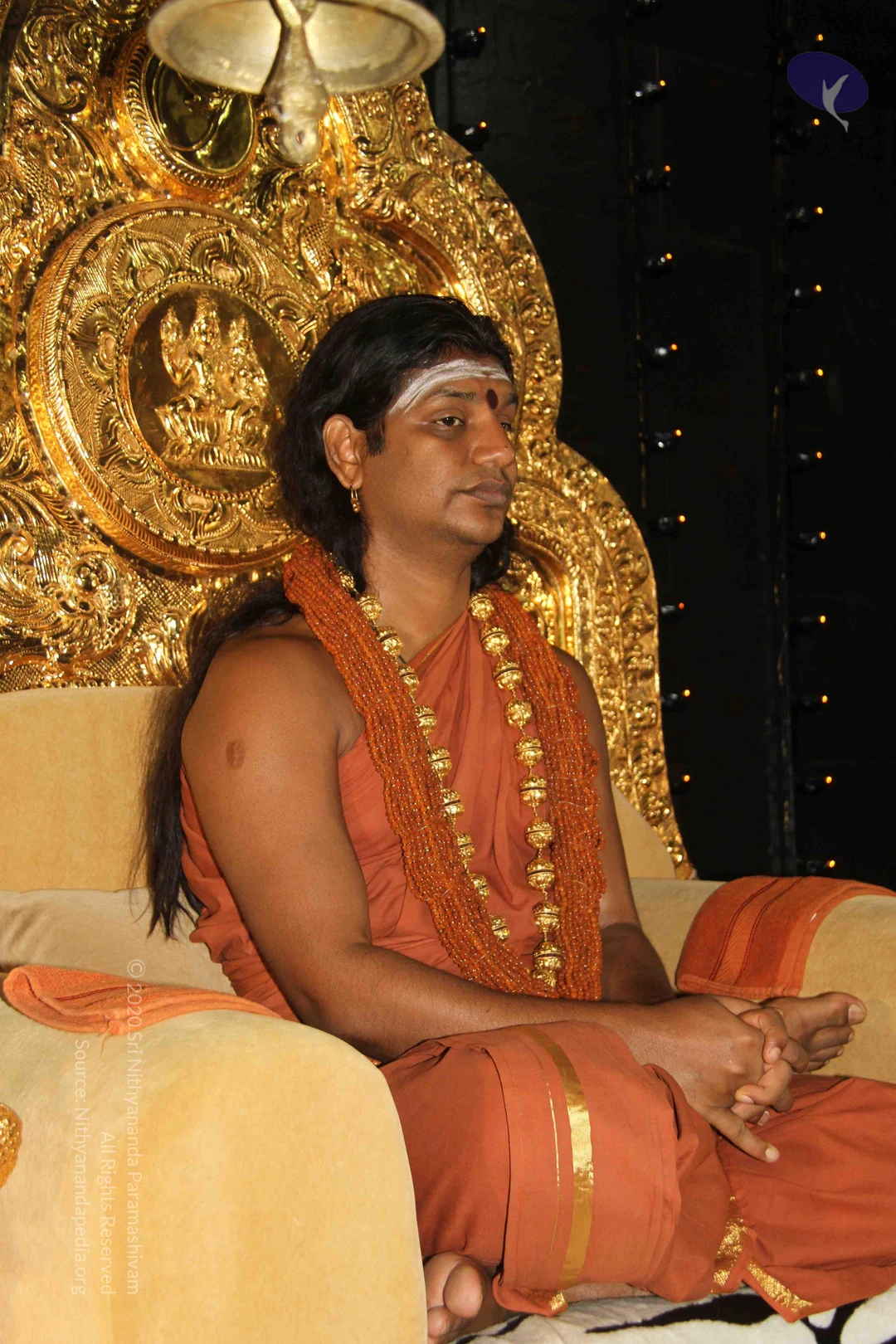
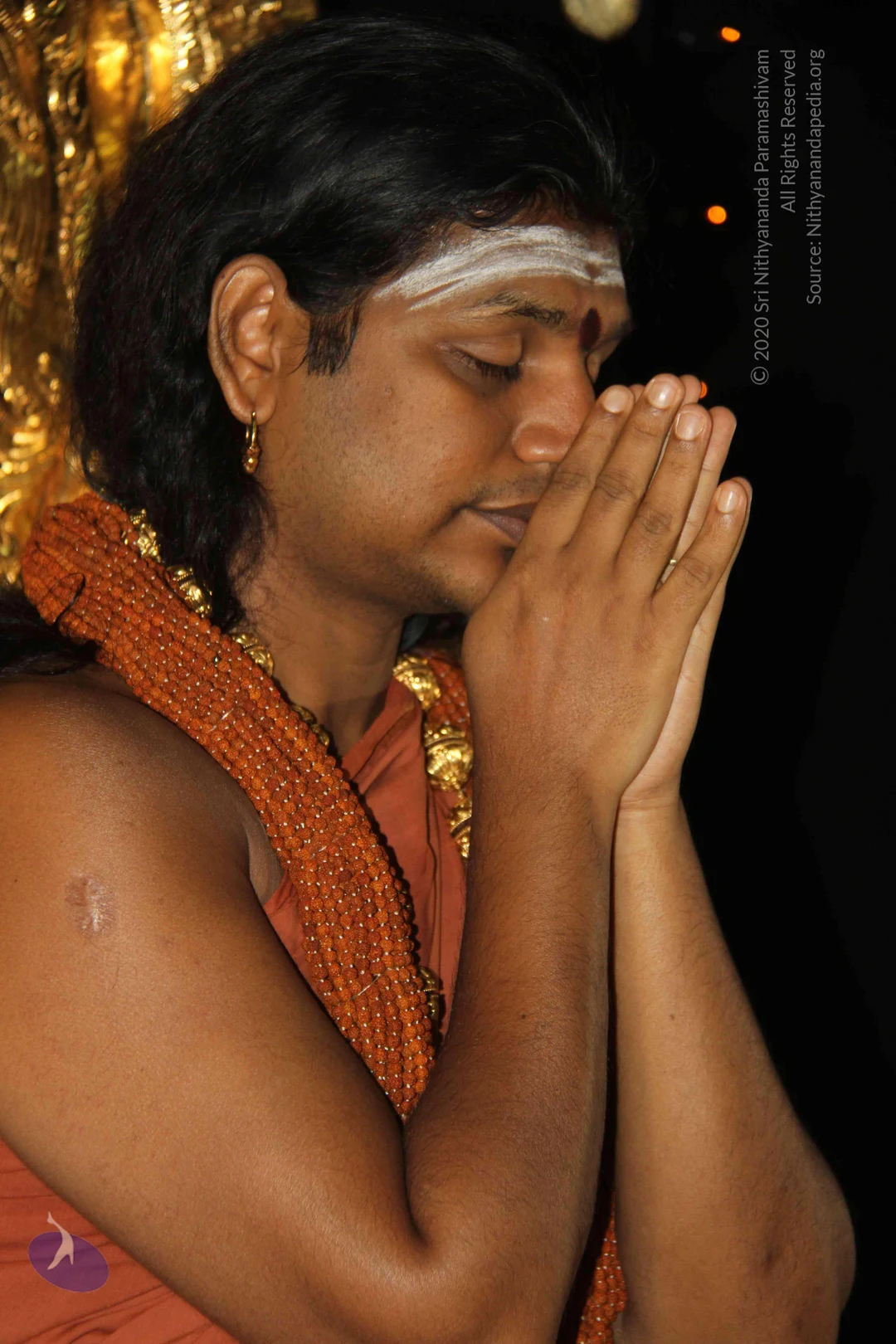
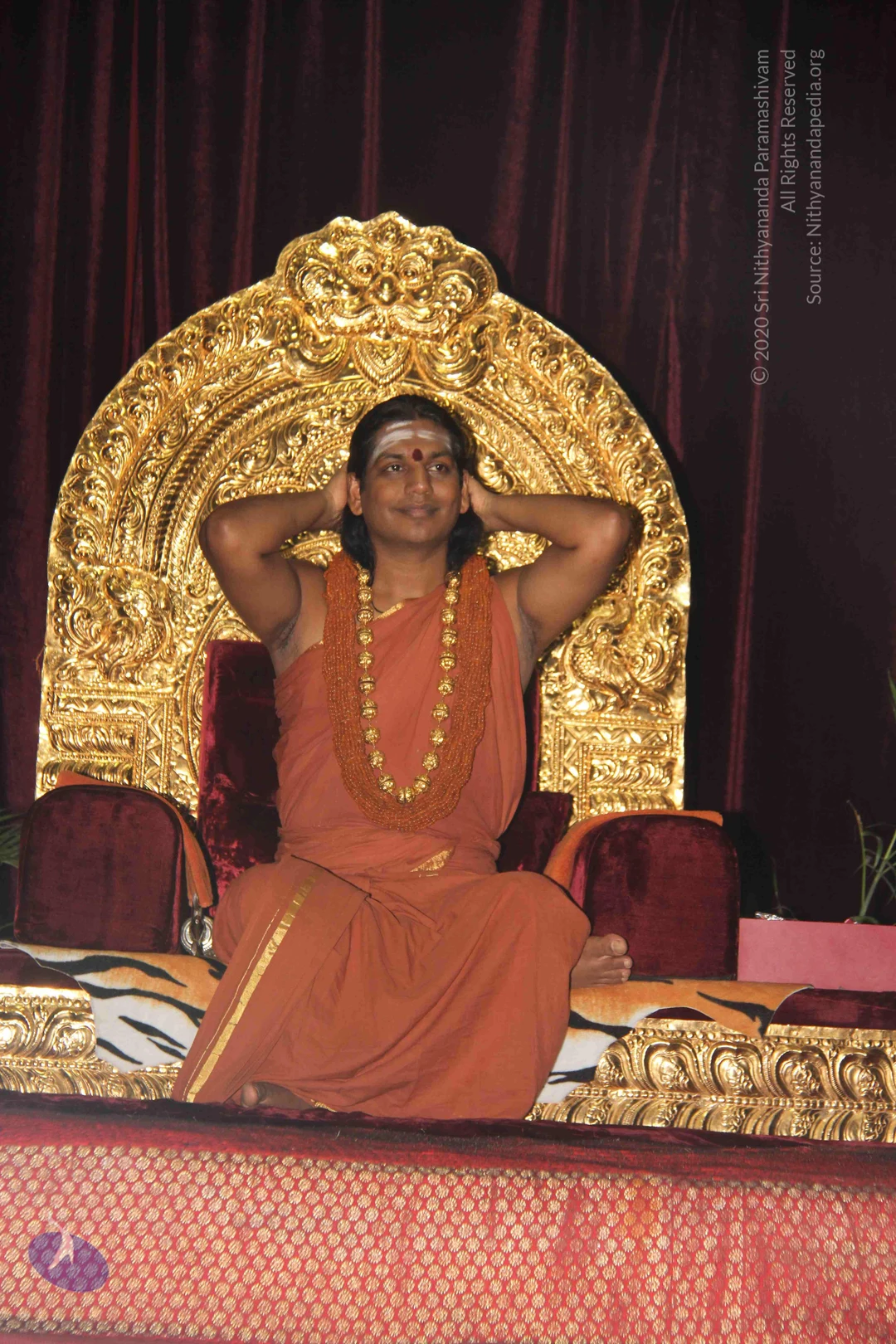
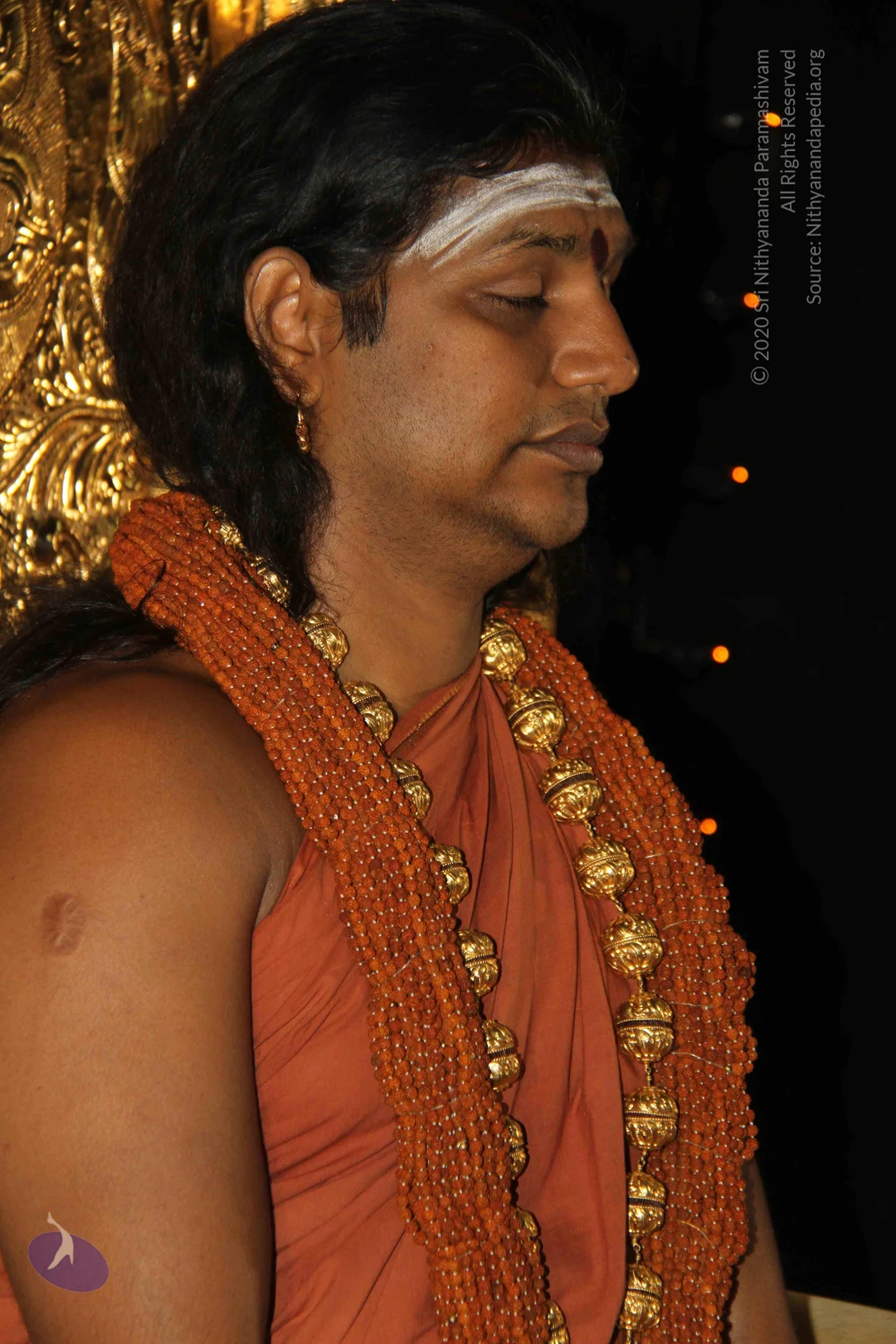
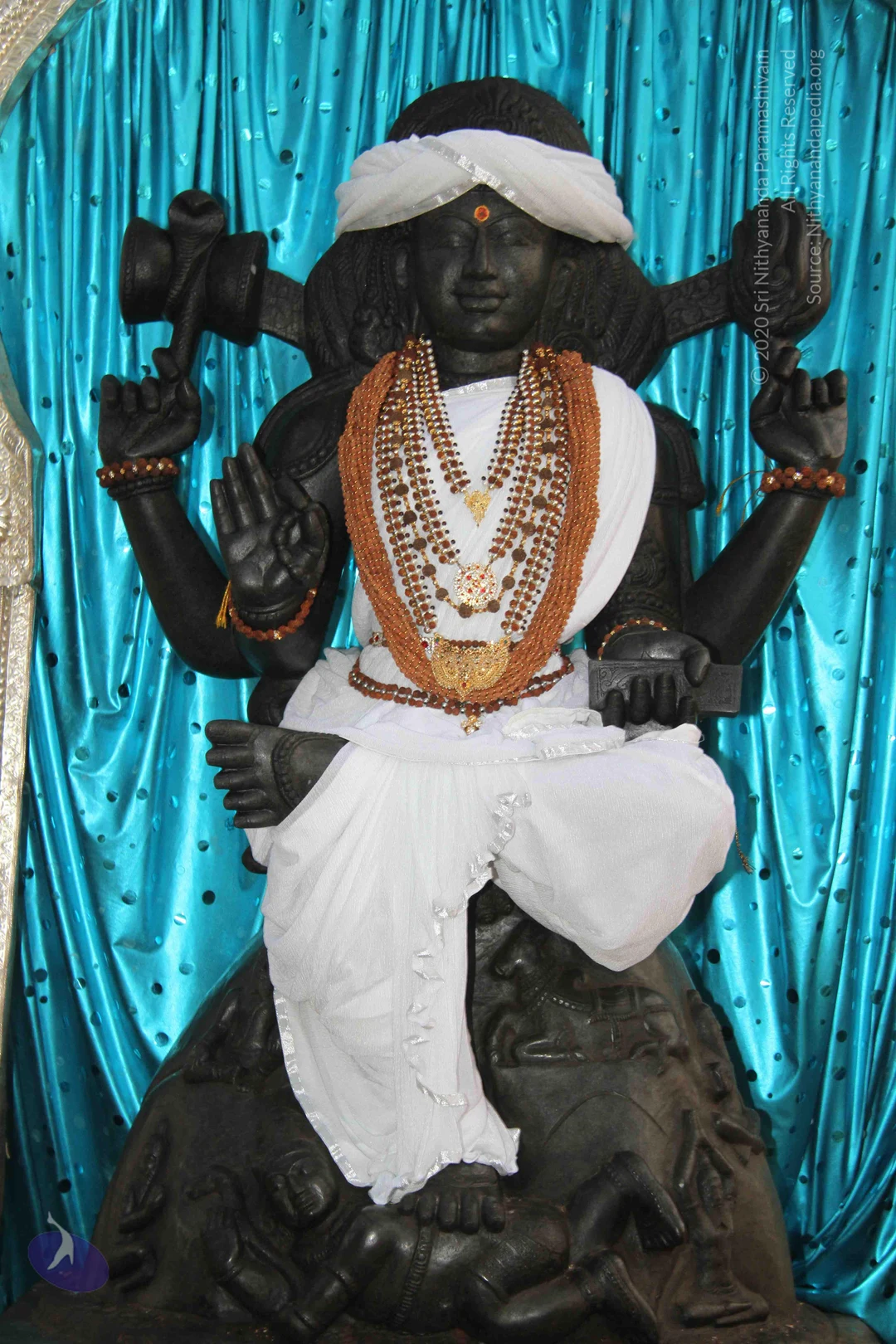
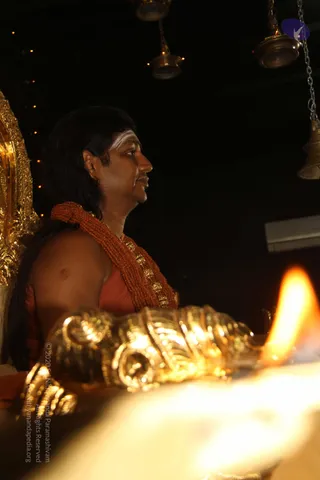
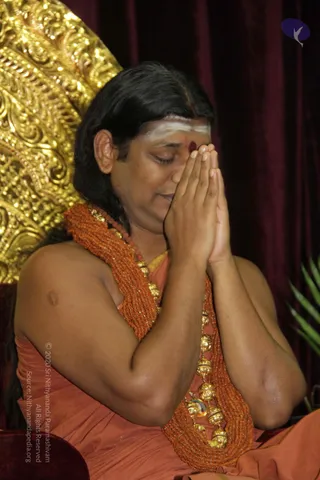
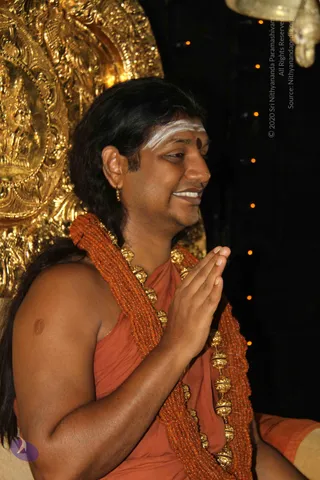
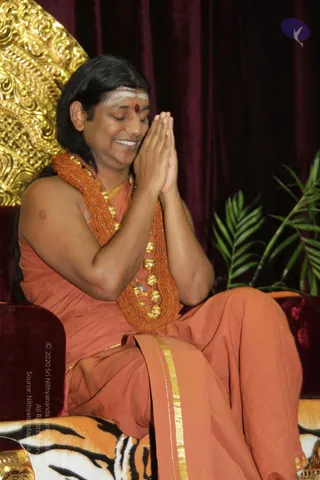
Photos From The Day:
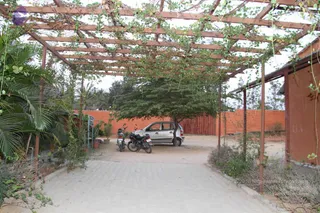
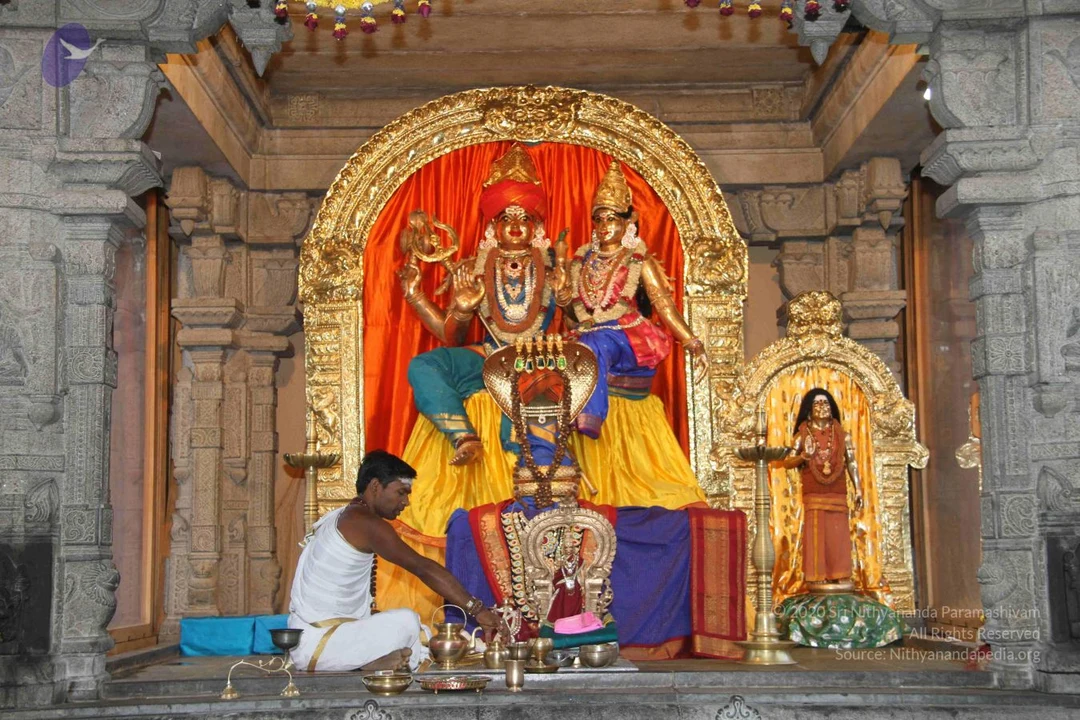
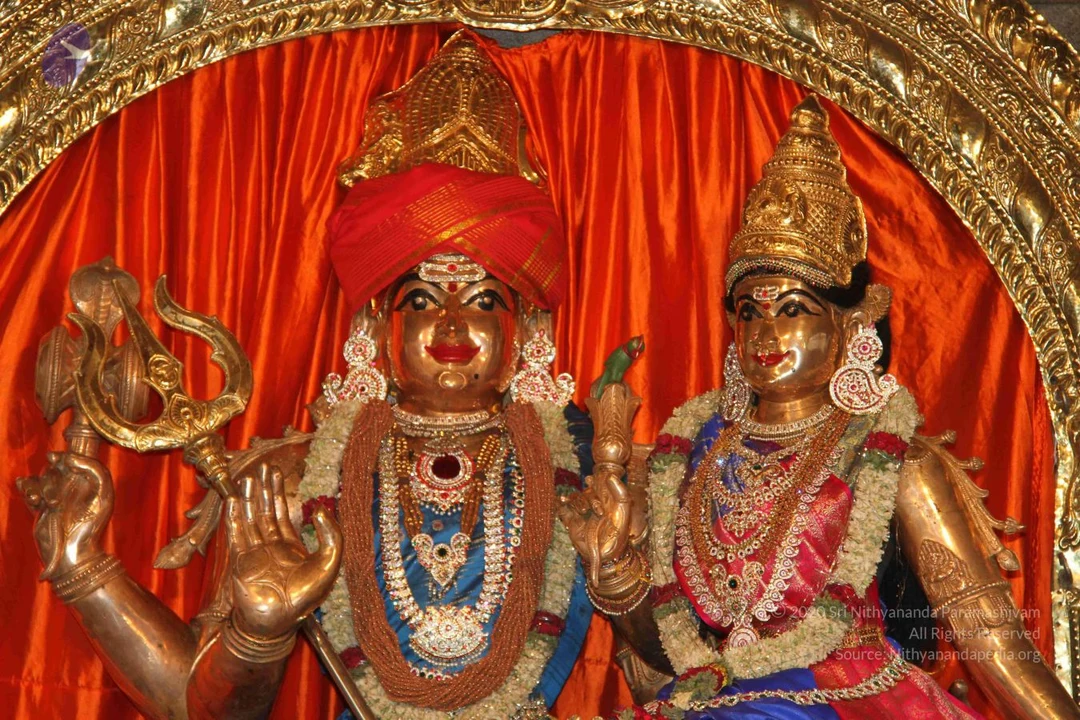
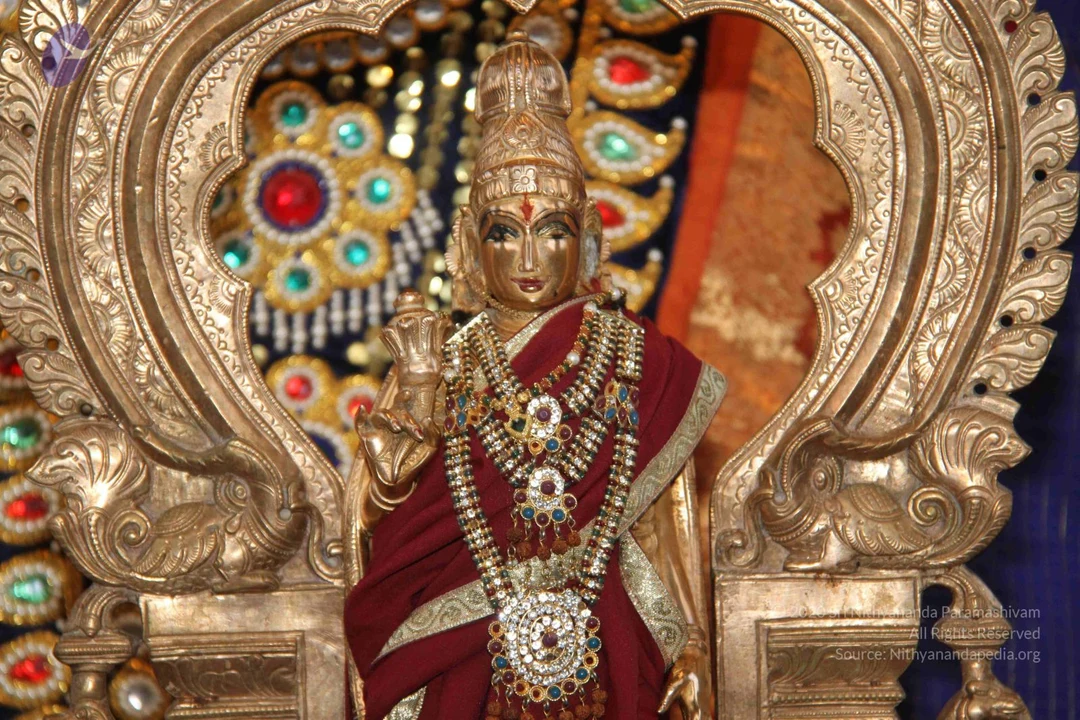
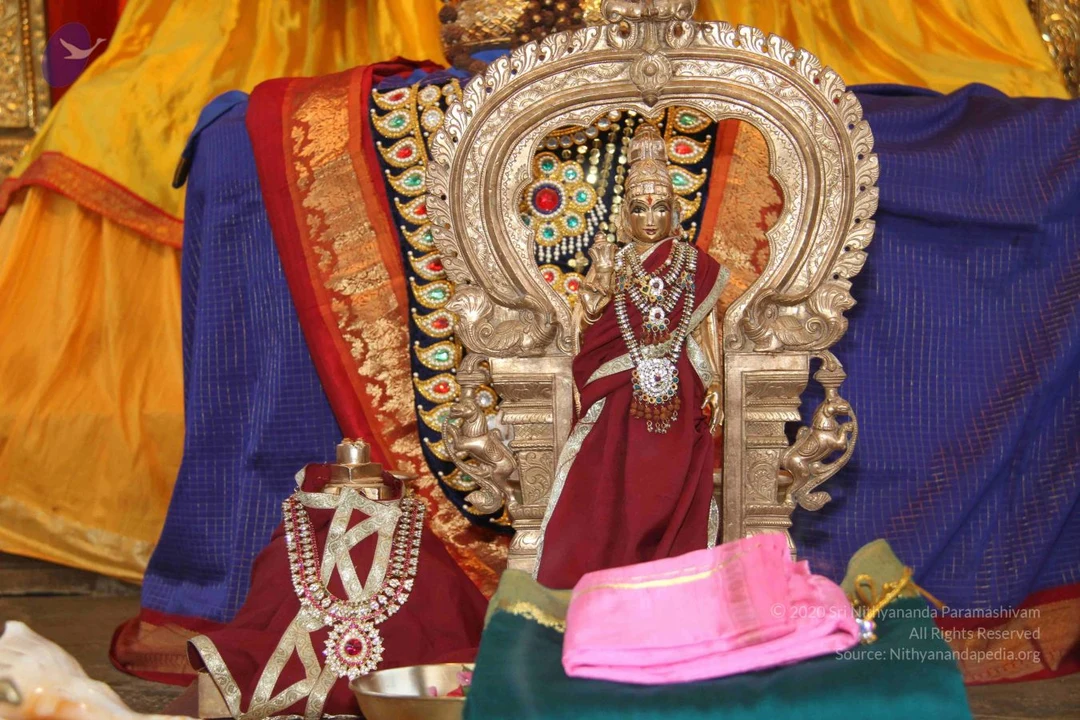
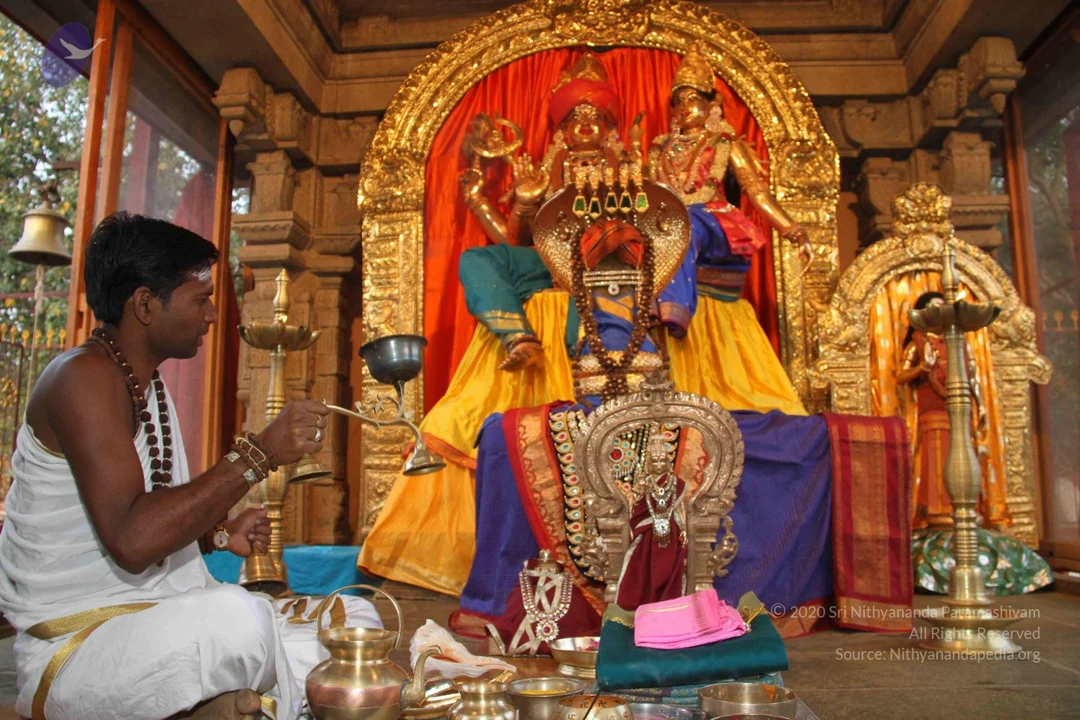
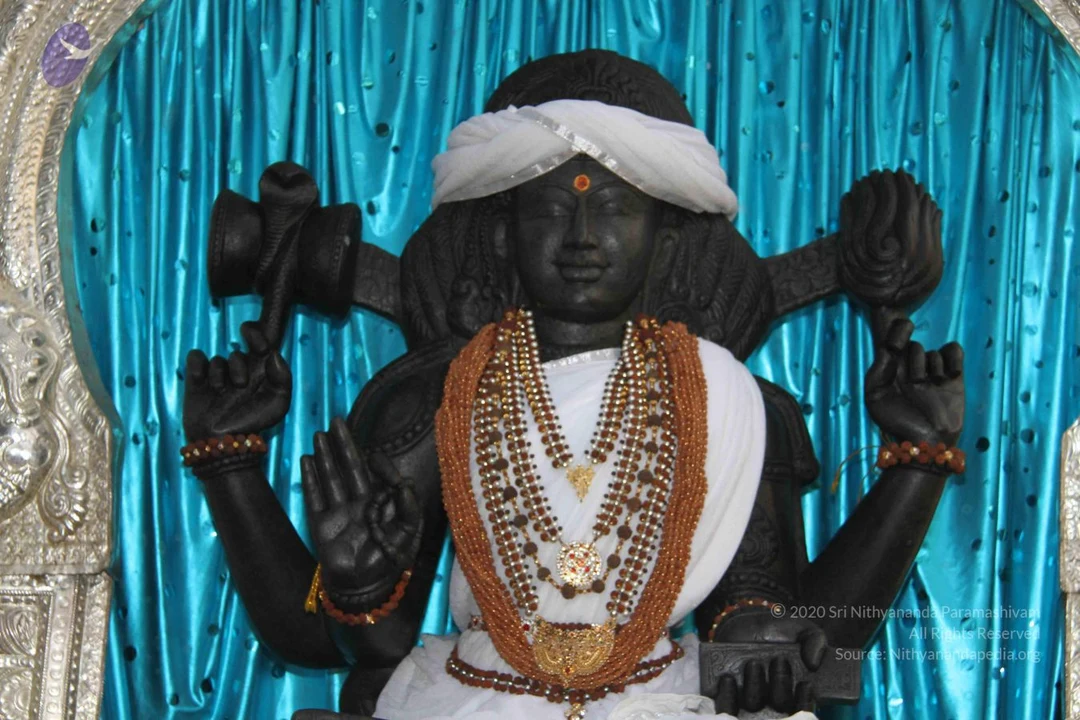
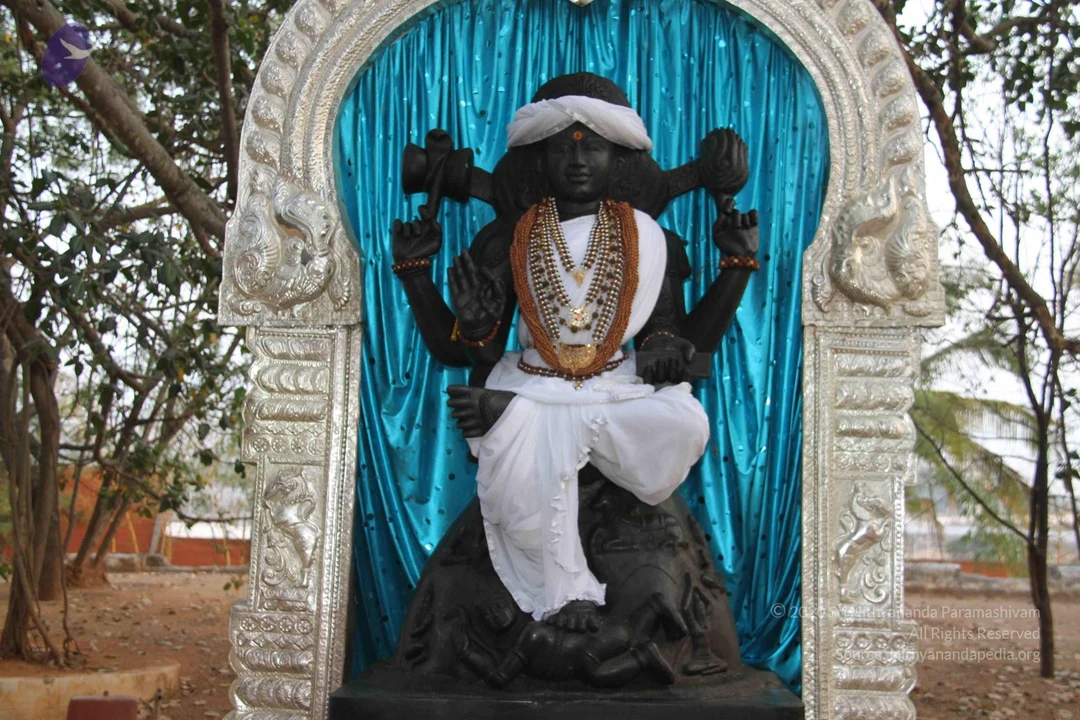
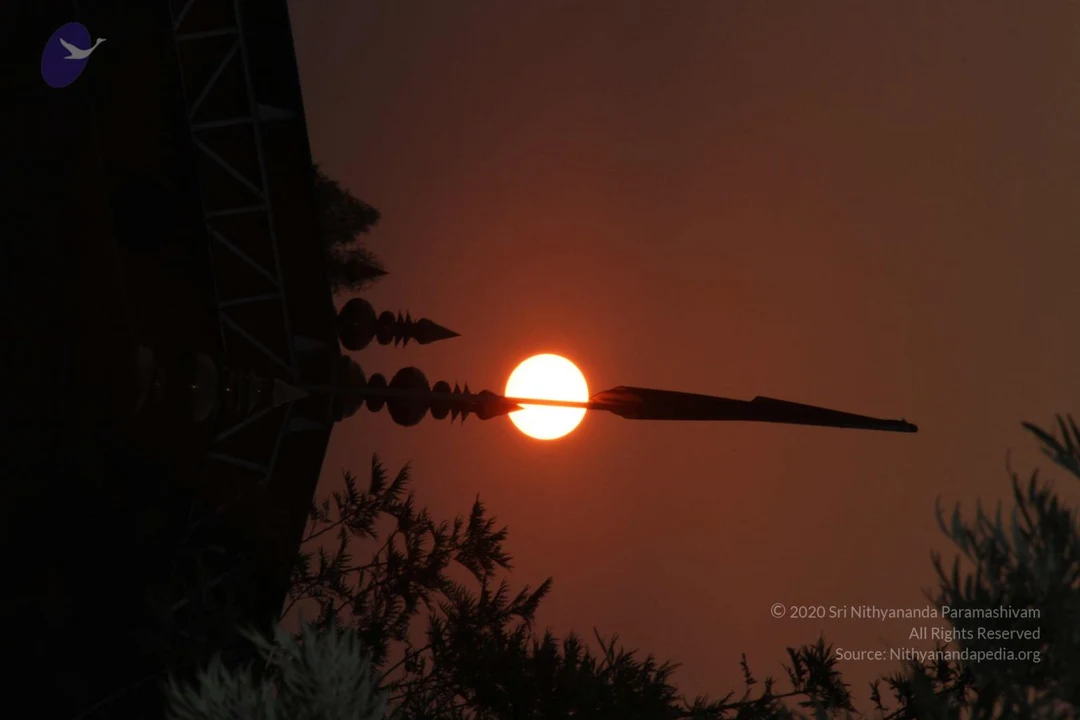
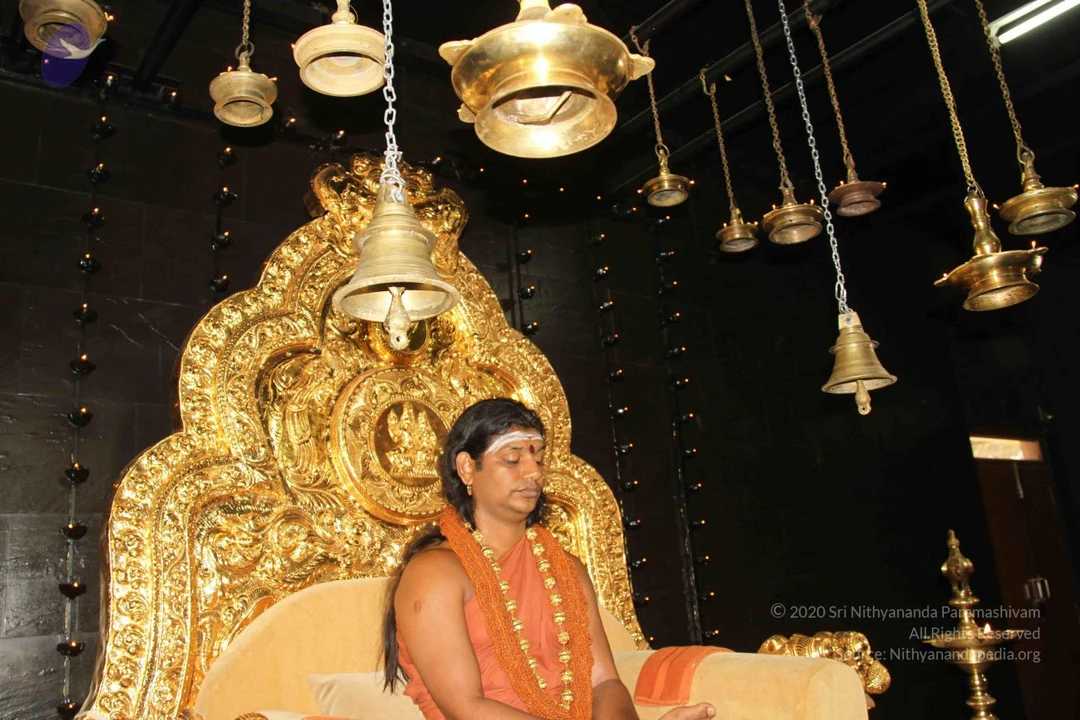
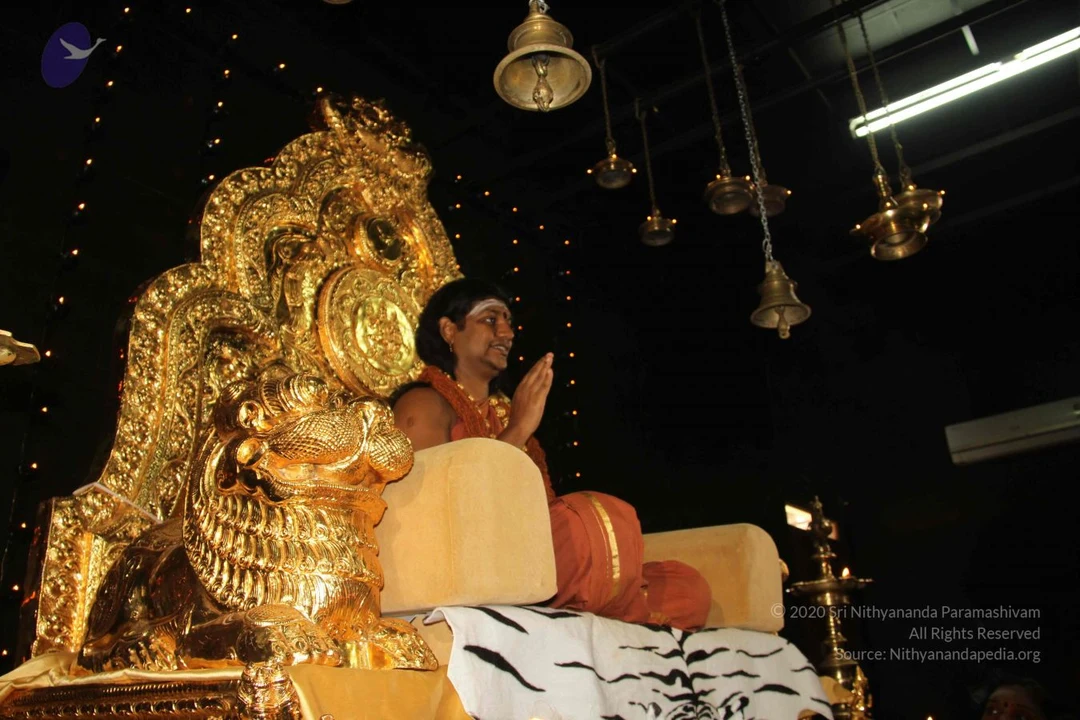
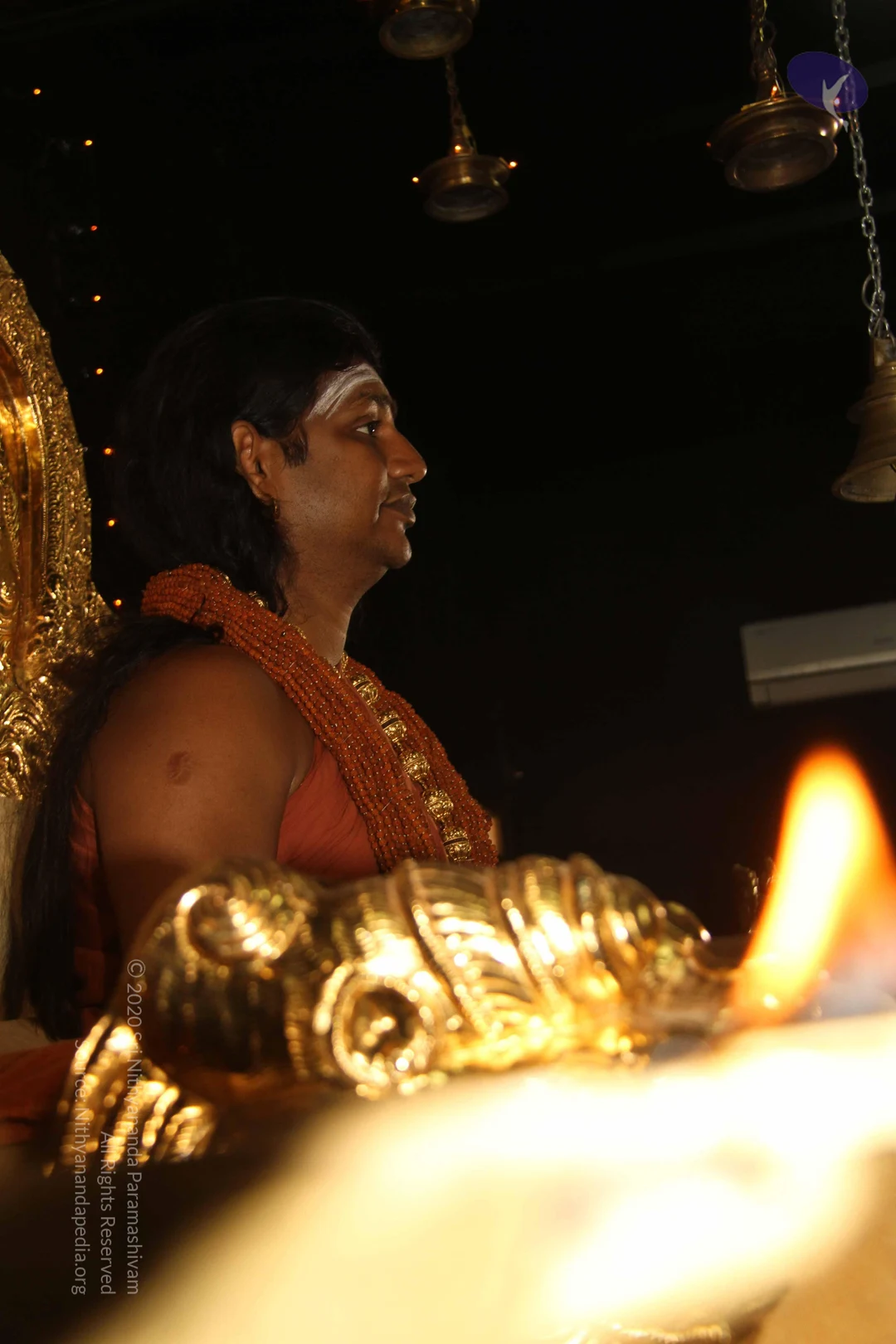
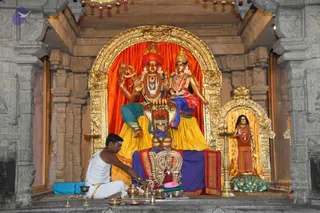
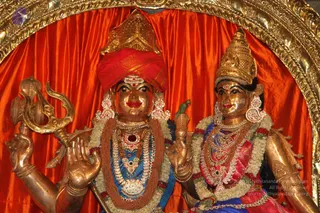
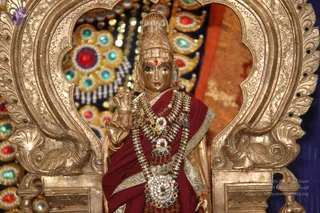
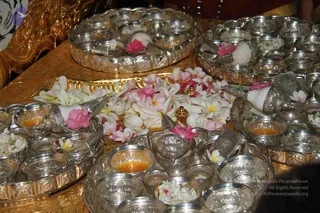
Temple Glimpses
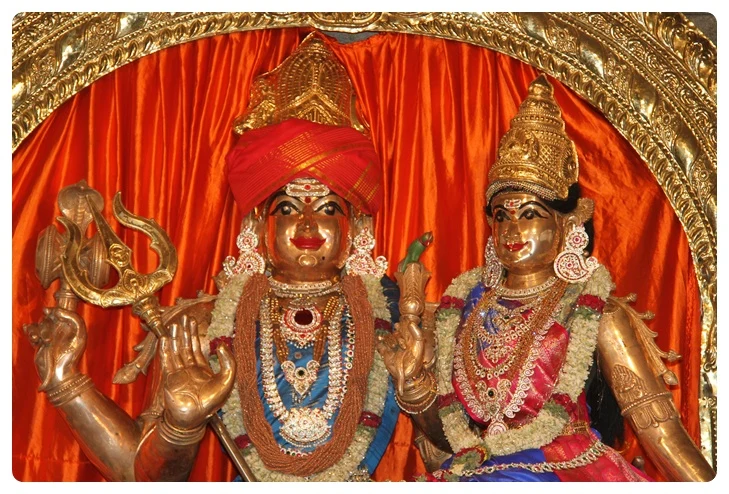
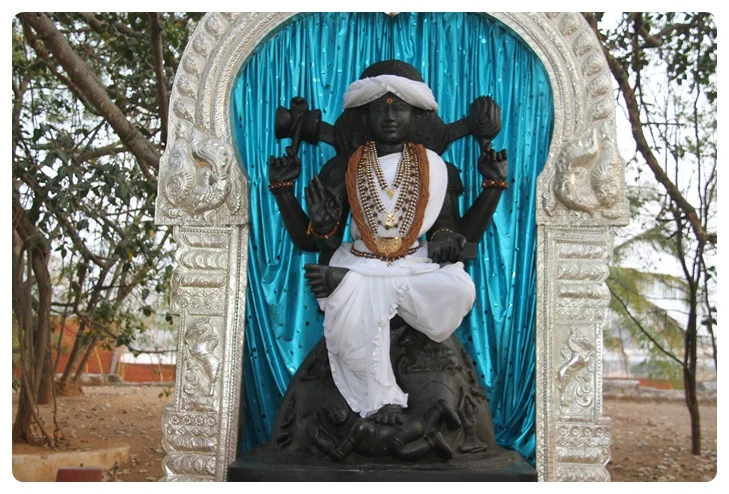
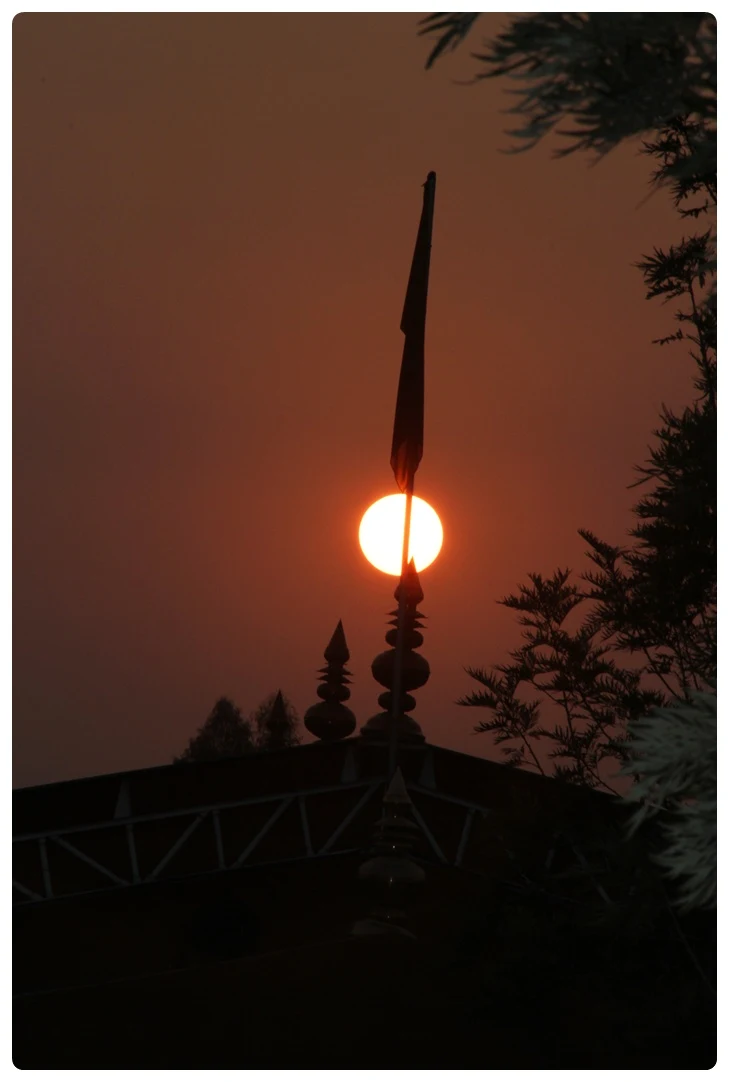
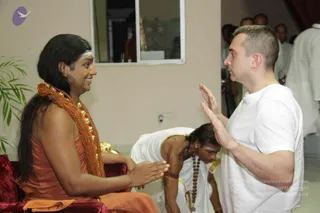
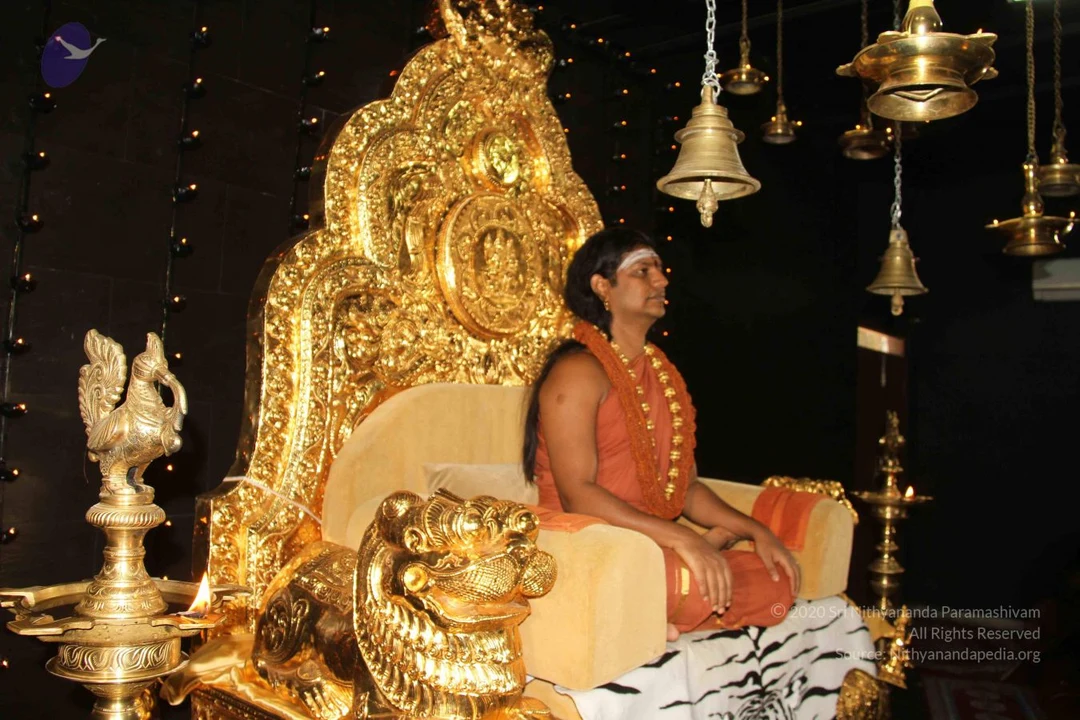
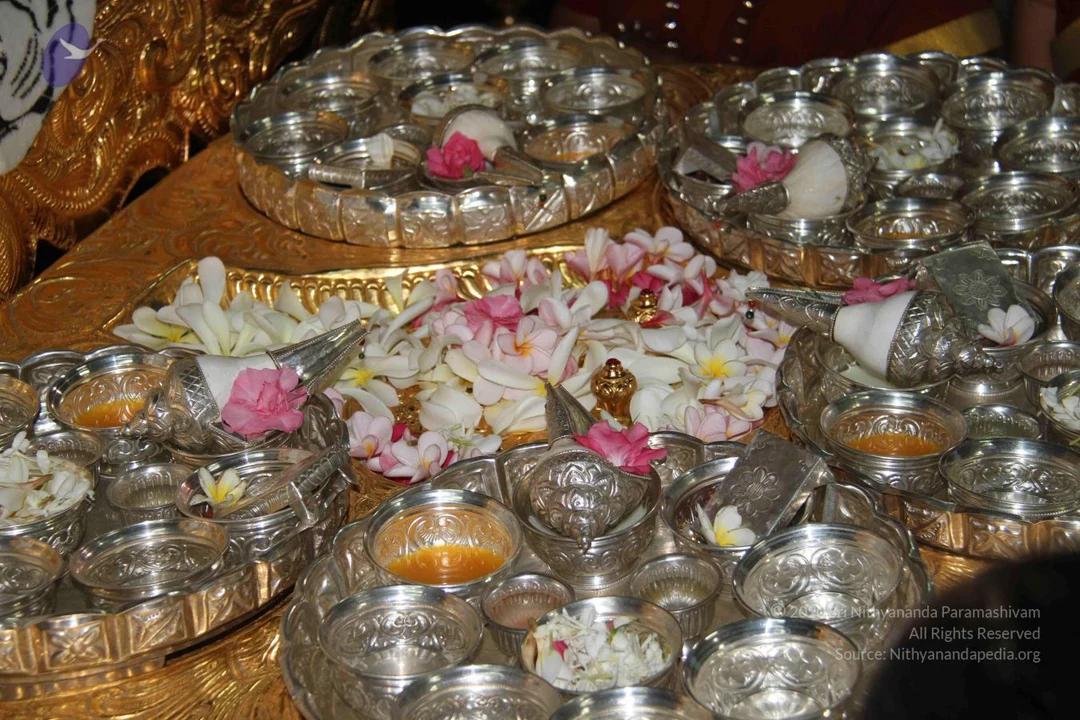
Paada Puja
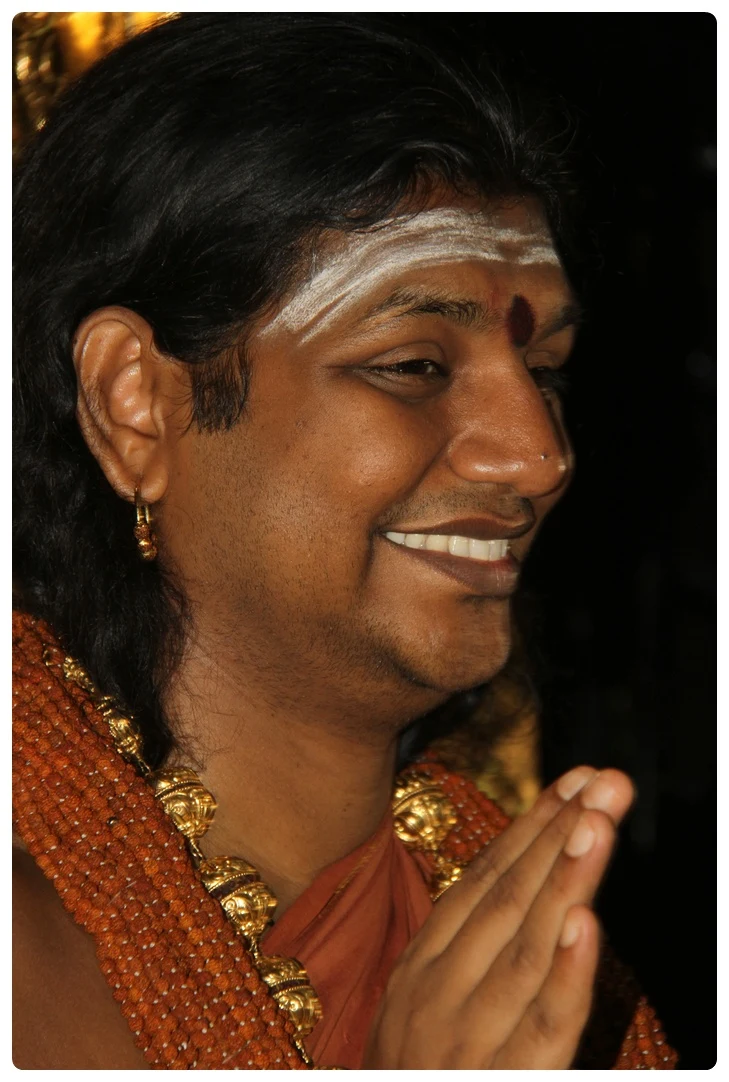
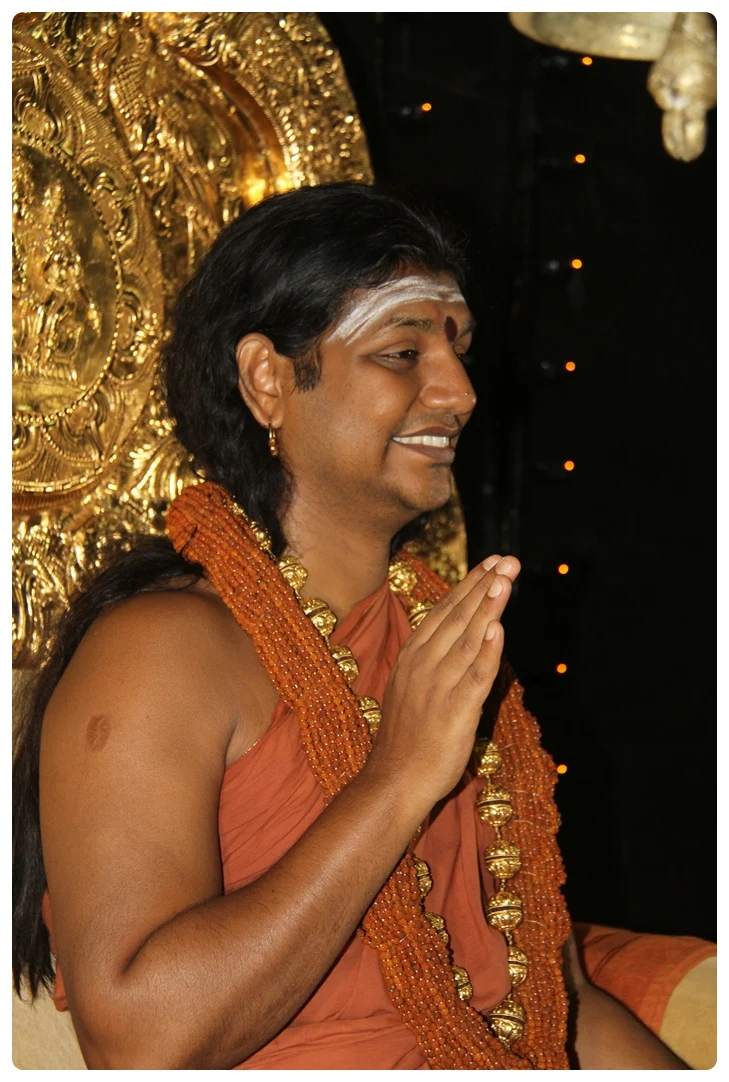
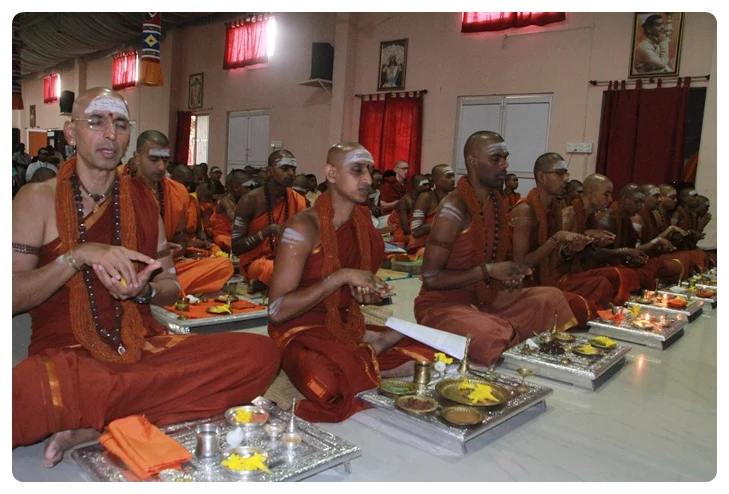
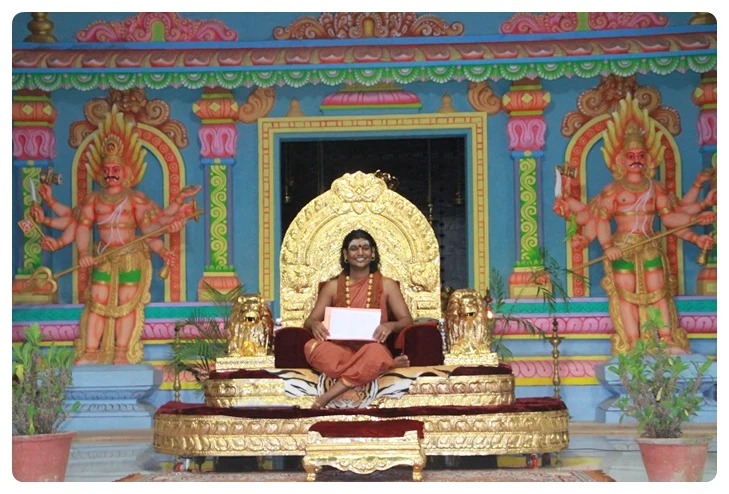
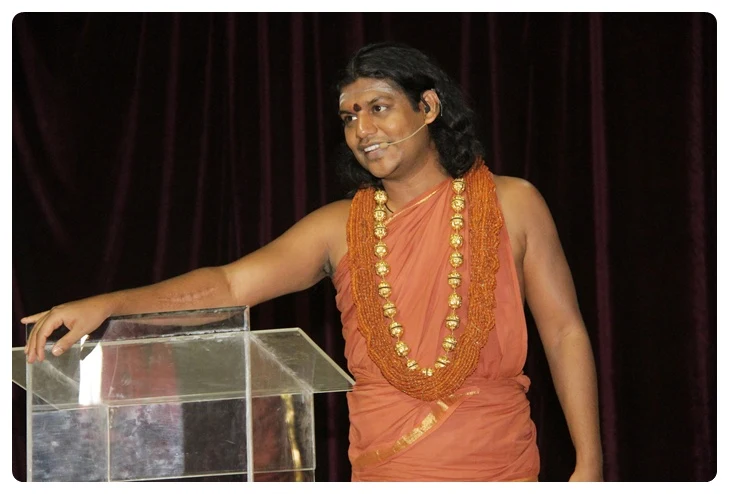
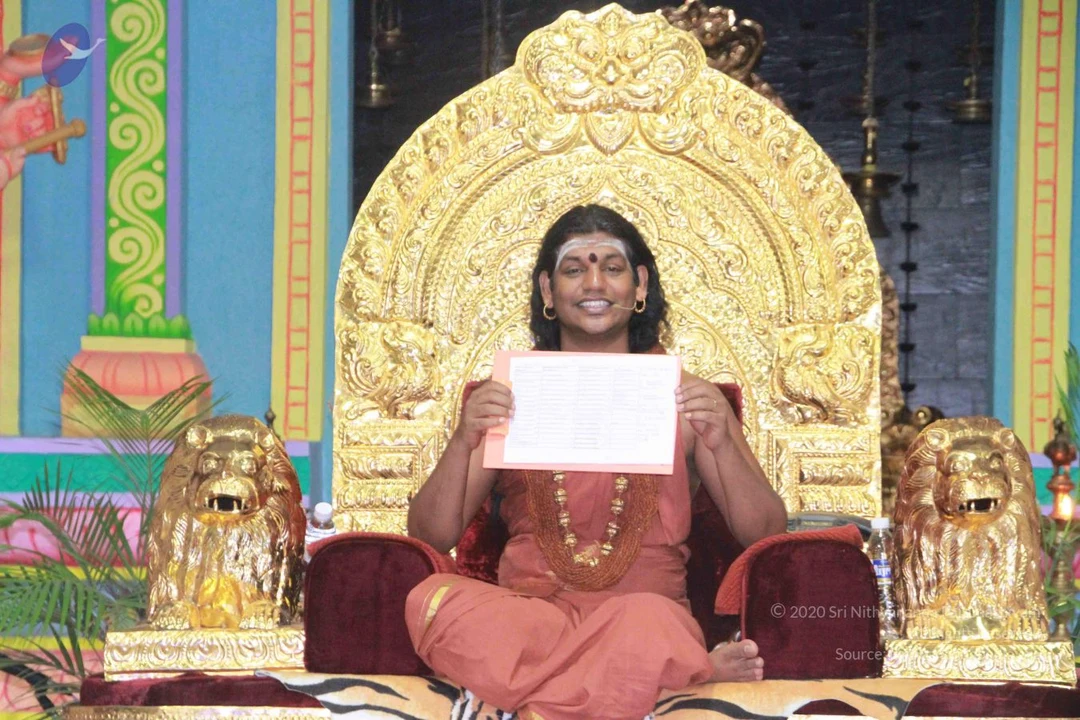
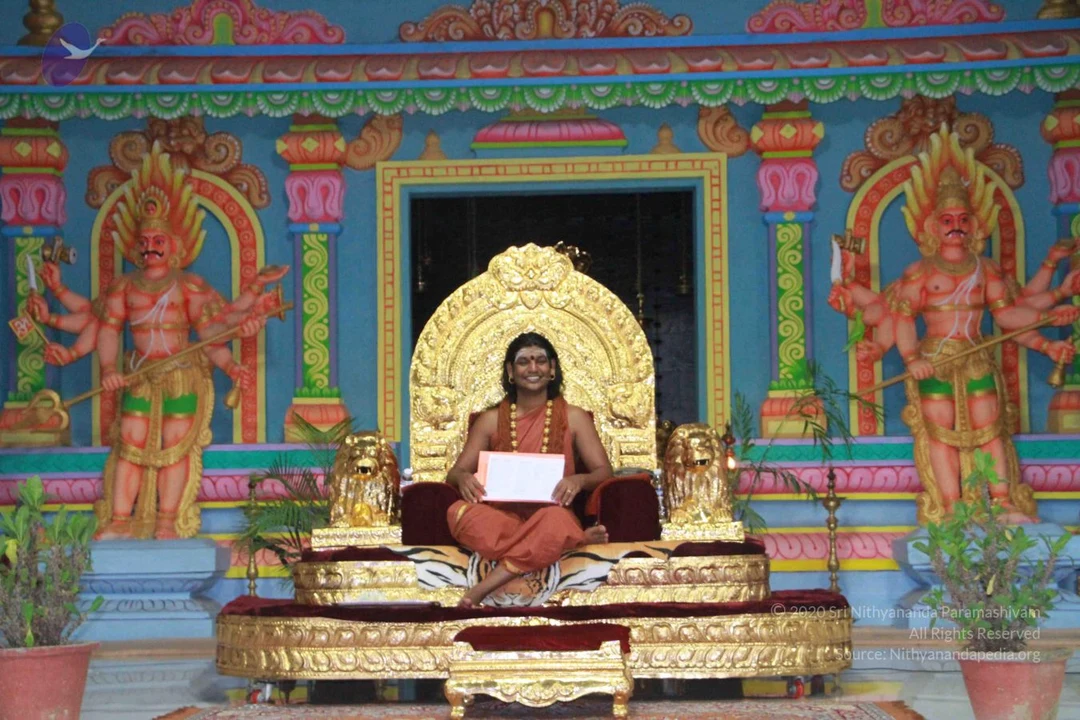
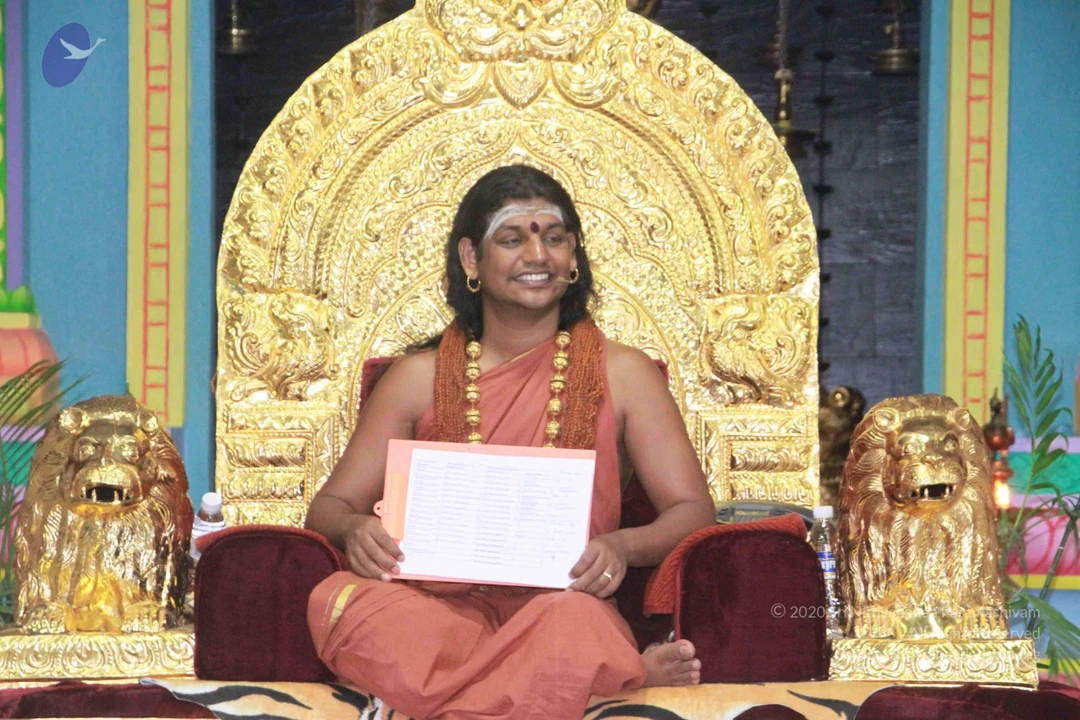
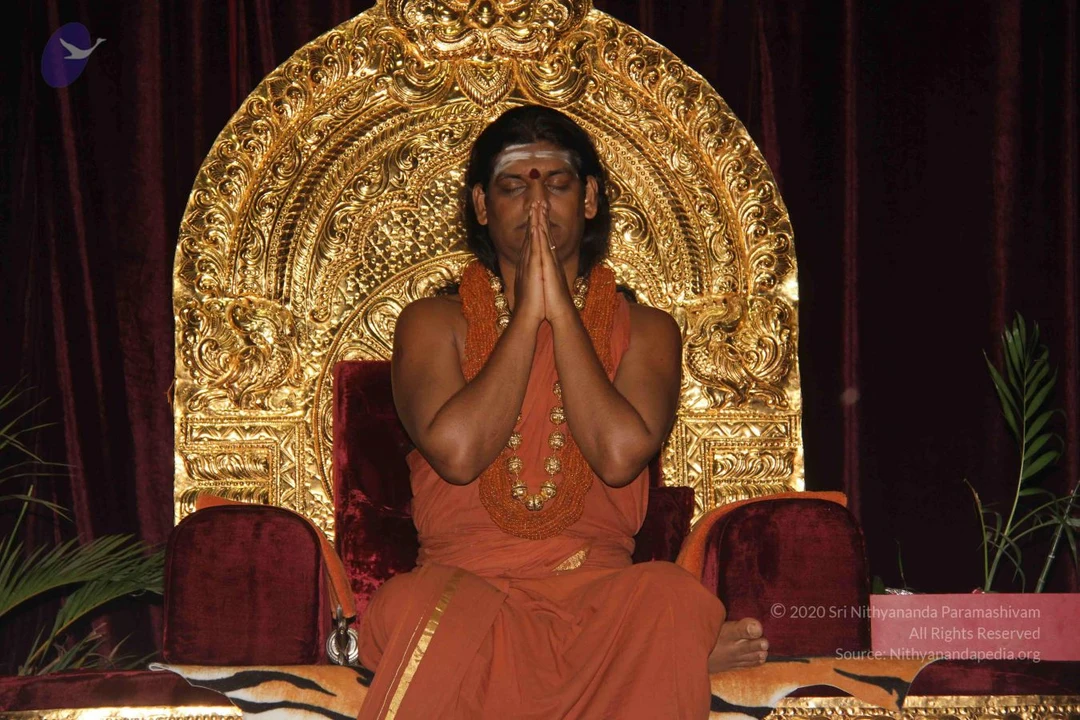
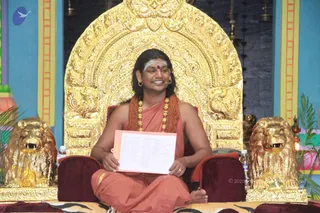
Swamiji releasing The Nithyananda Order which consists of Swamis , Naistika Brahmacharis ,Krama Brahmacharis and Rishis
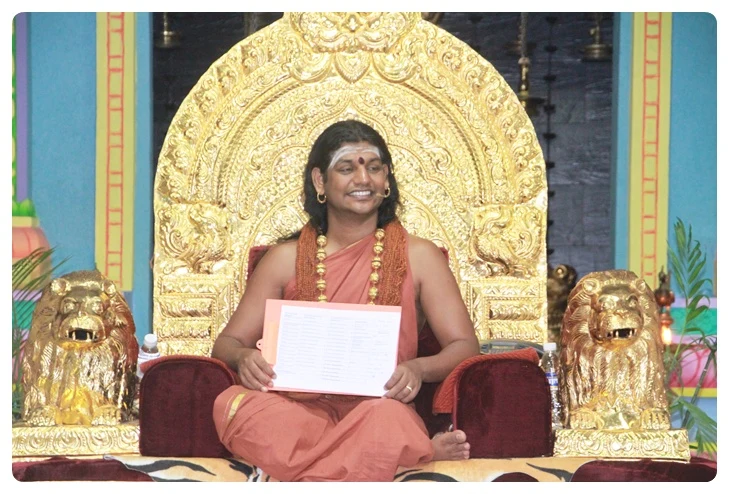
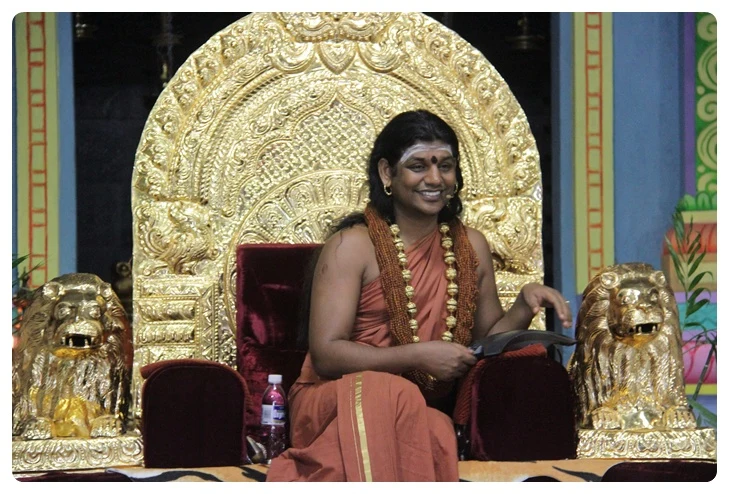
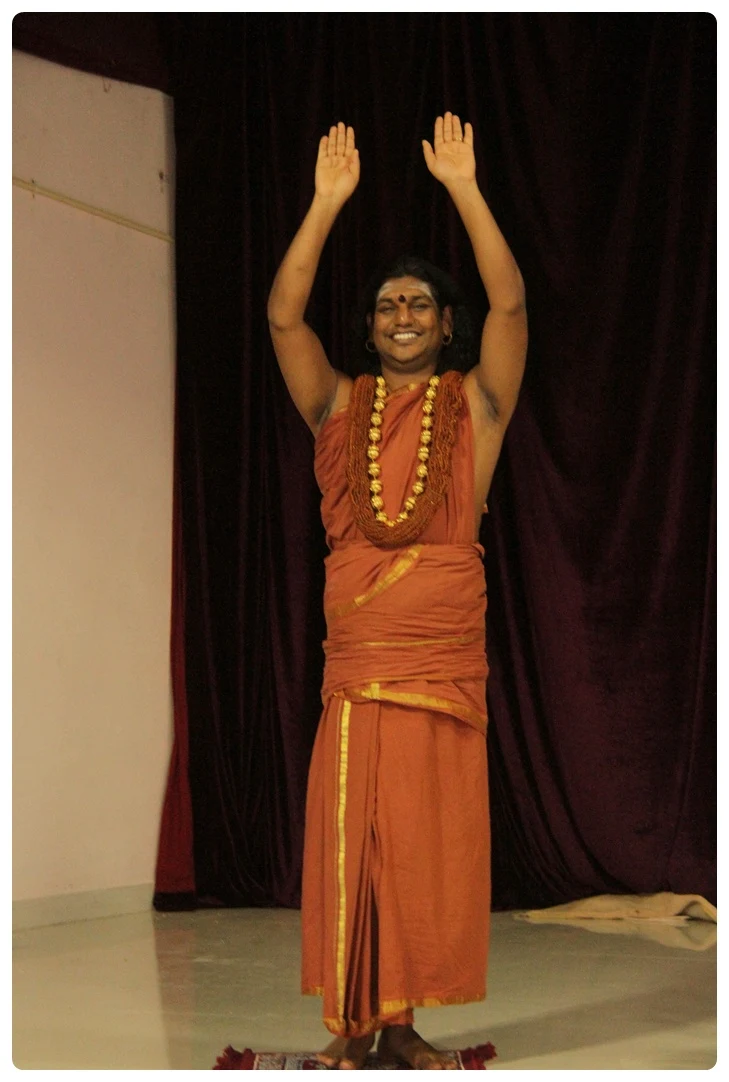
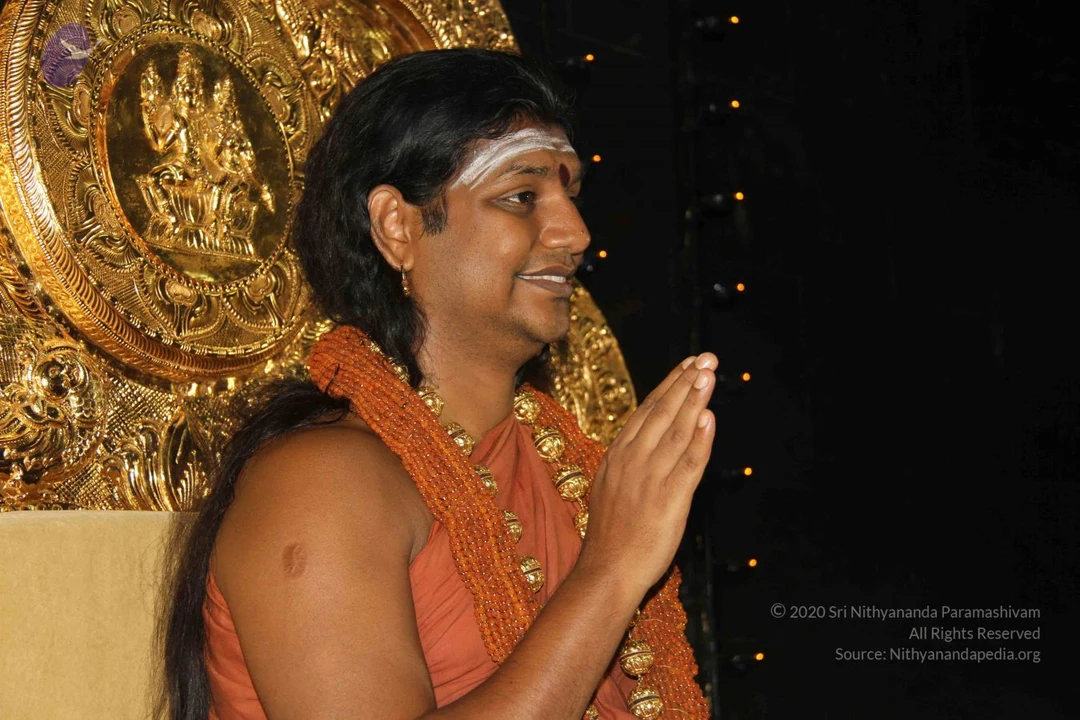
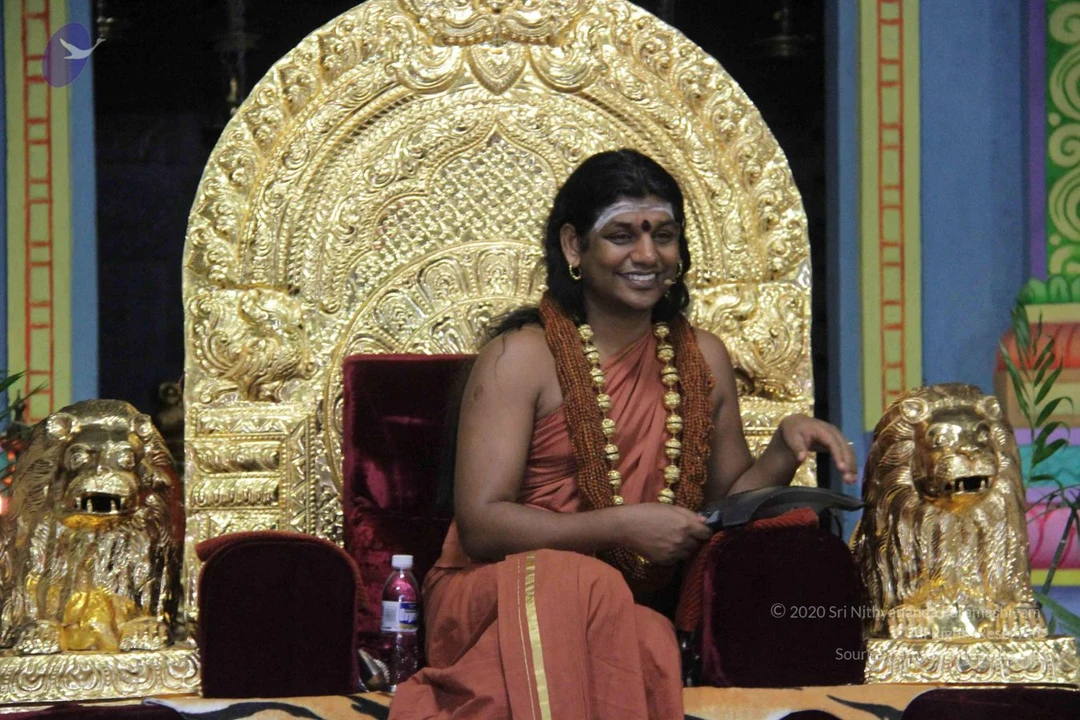
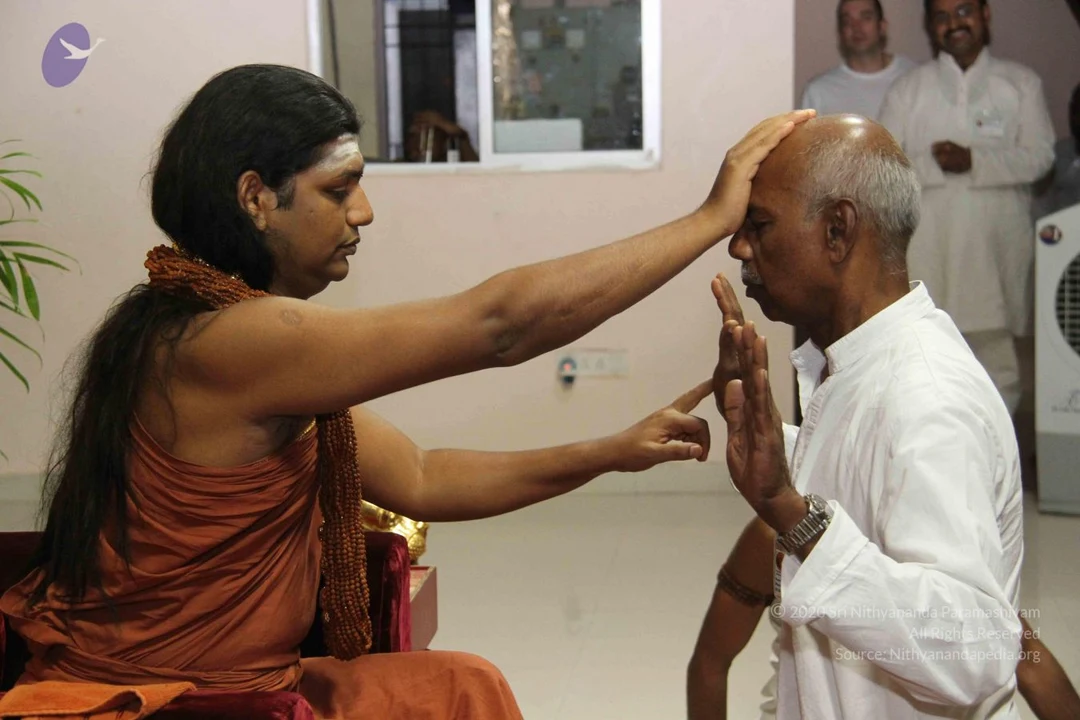
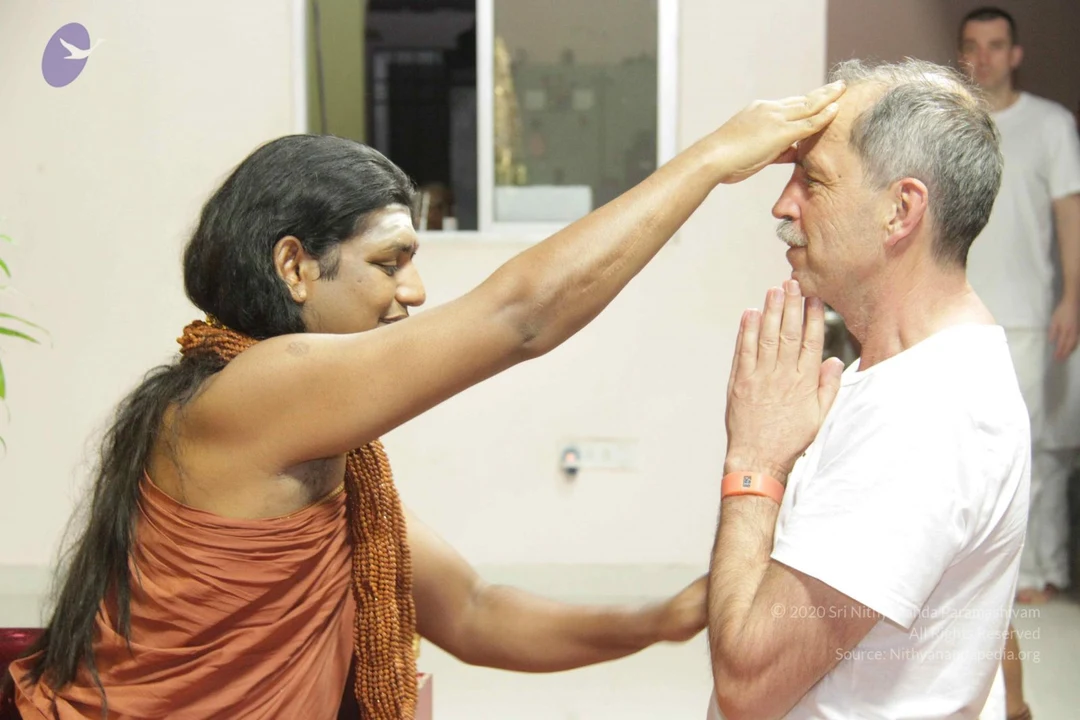
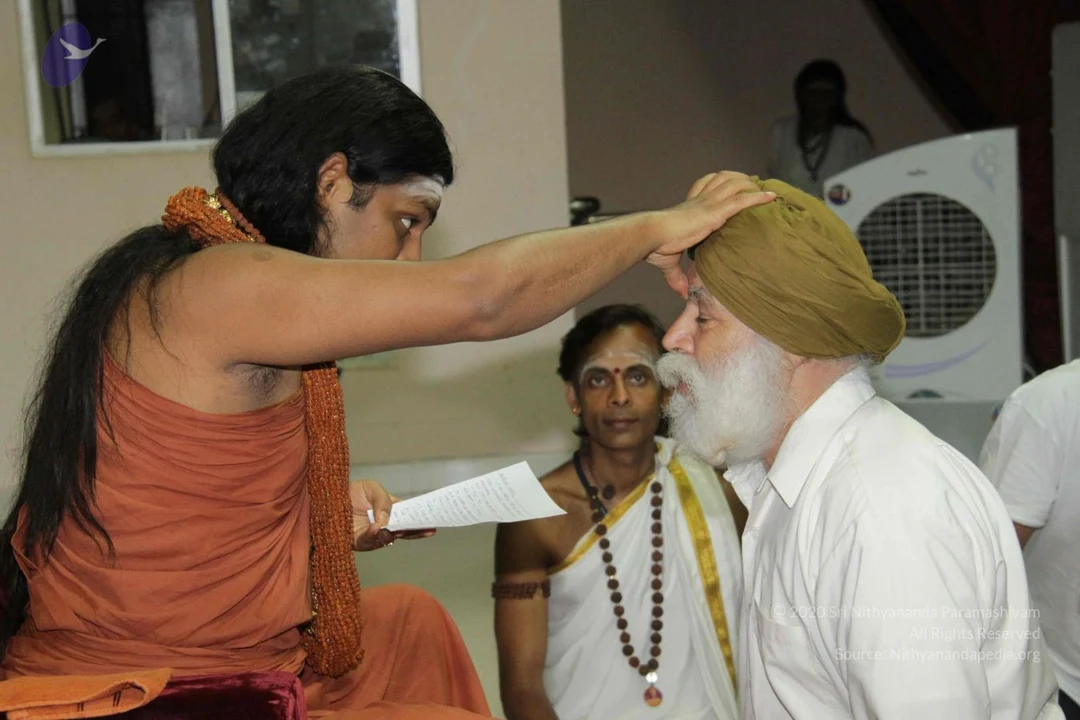
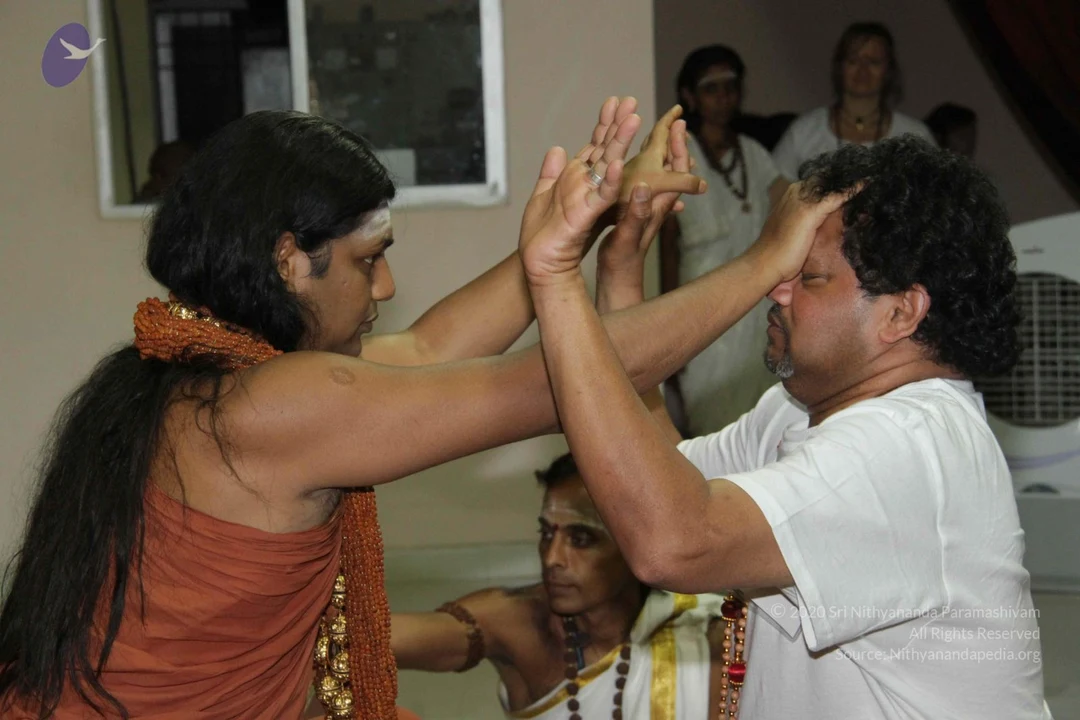
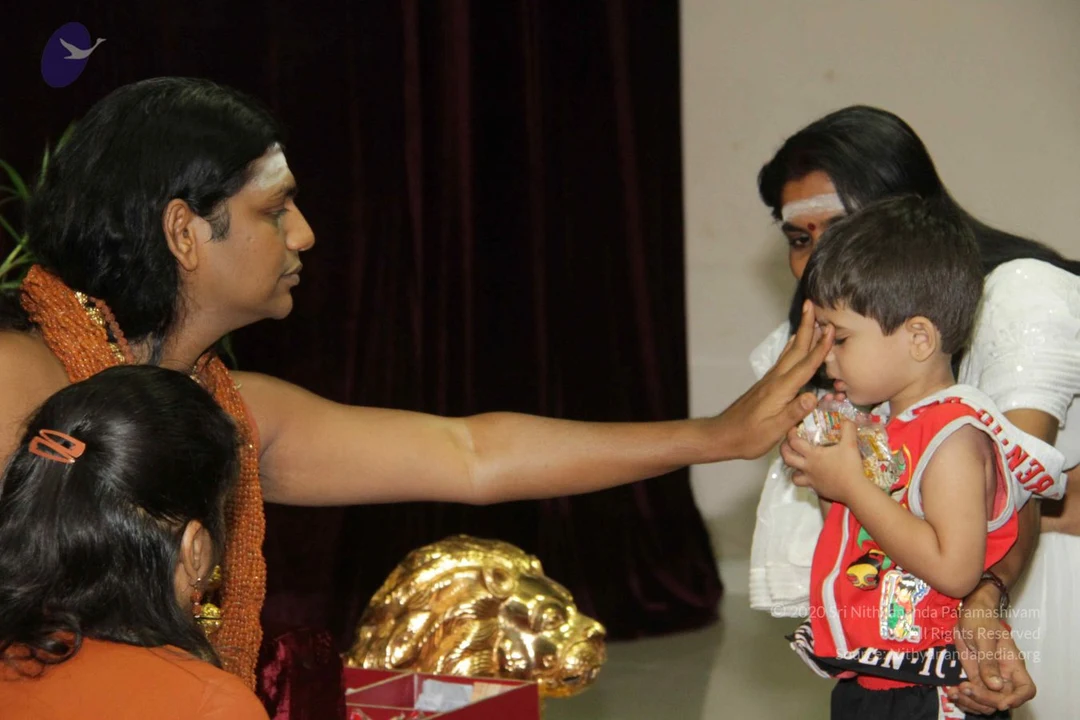
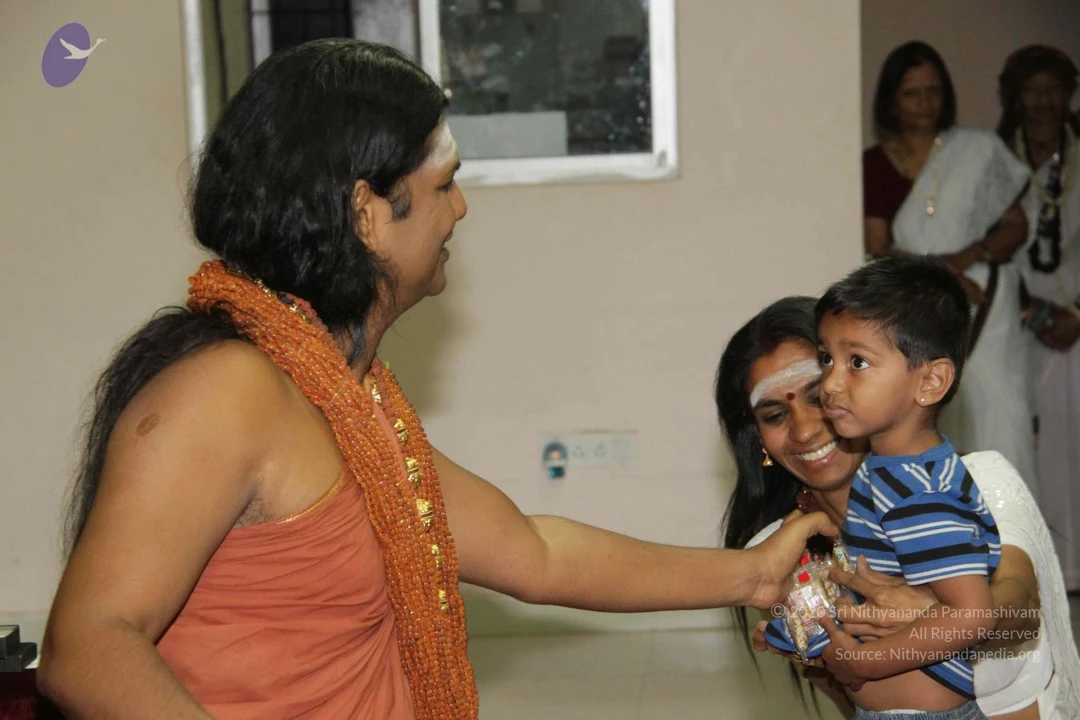
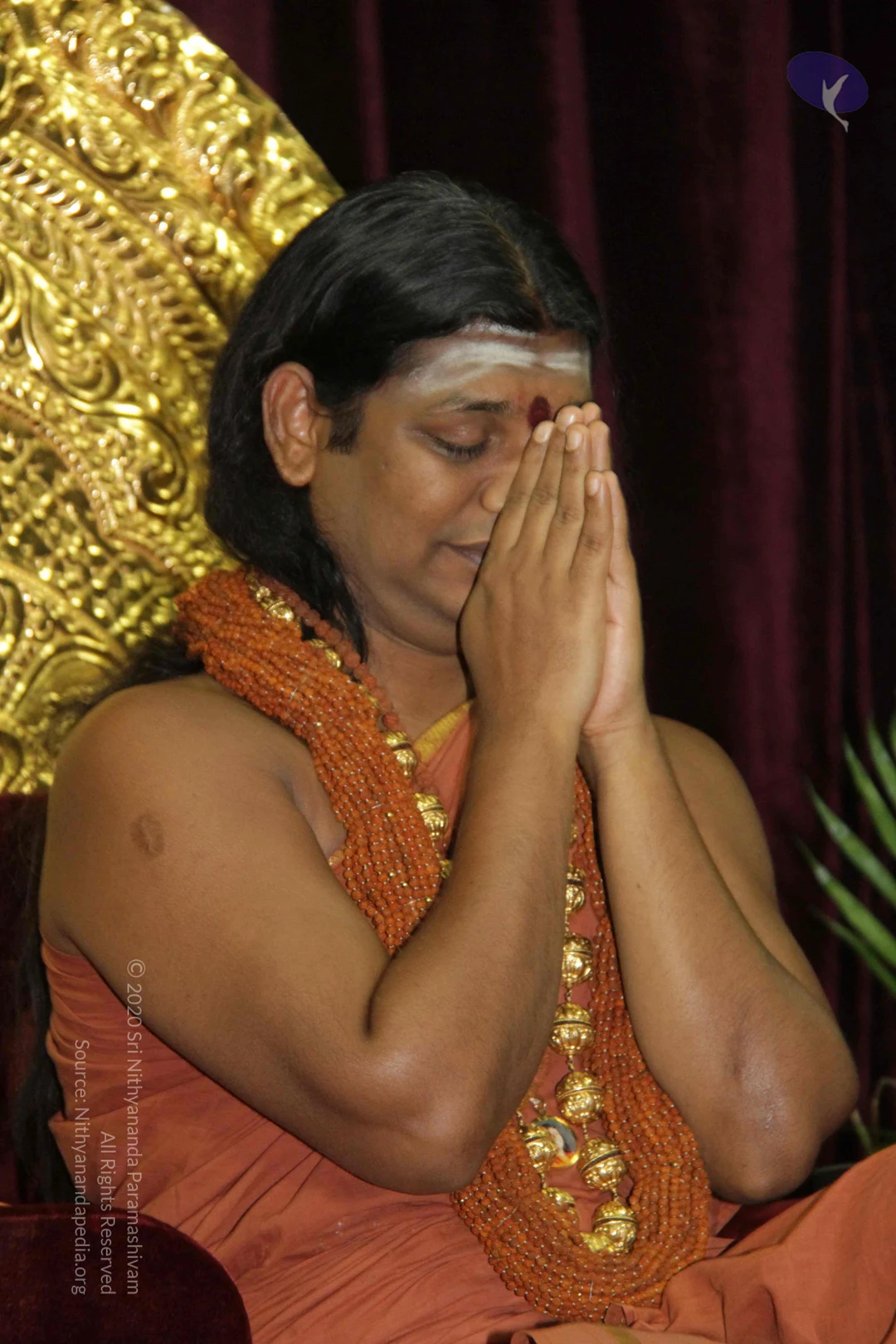
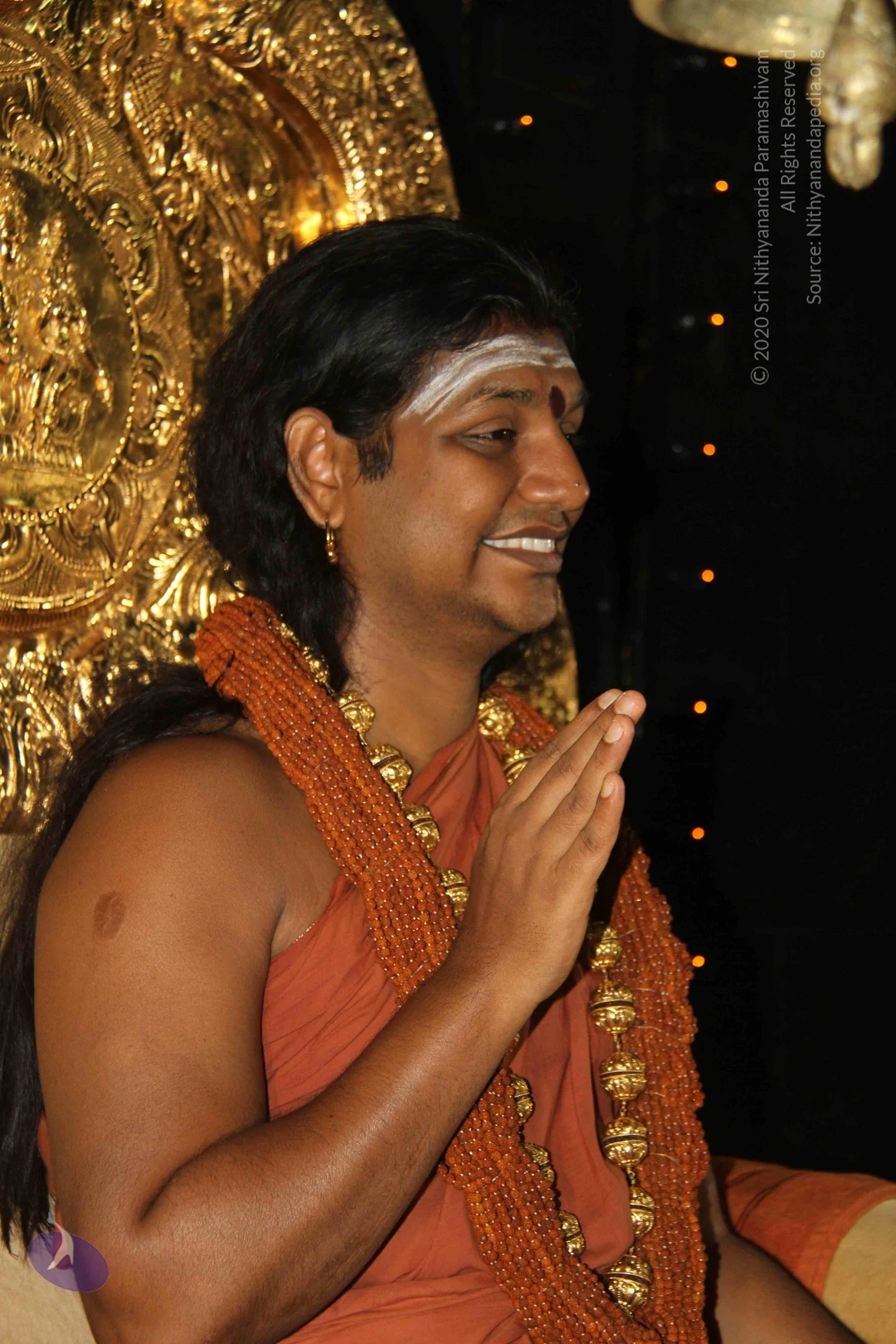
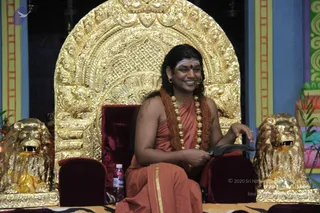
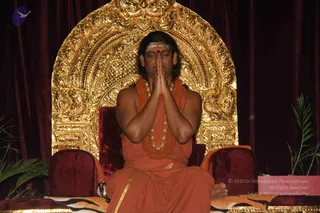
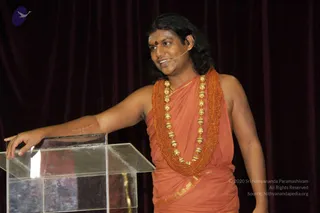
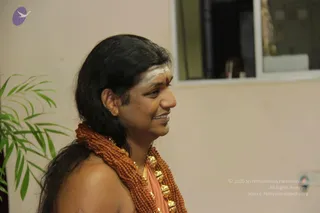
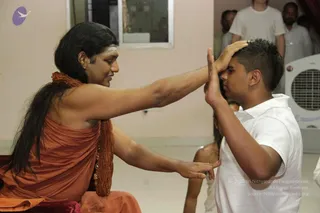
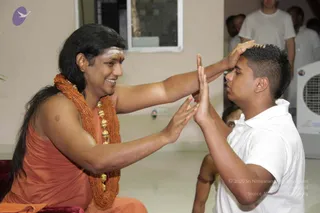
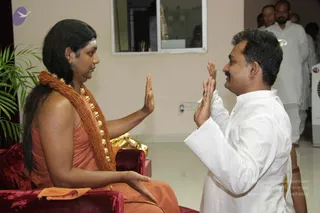
Swamiji Blesses All
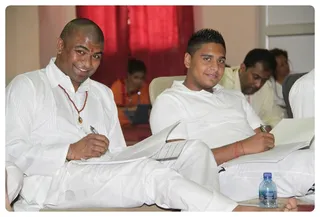
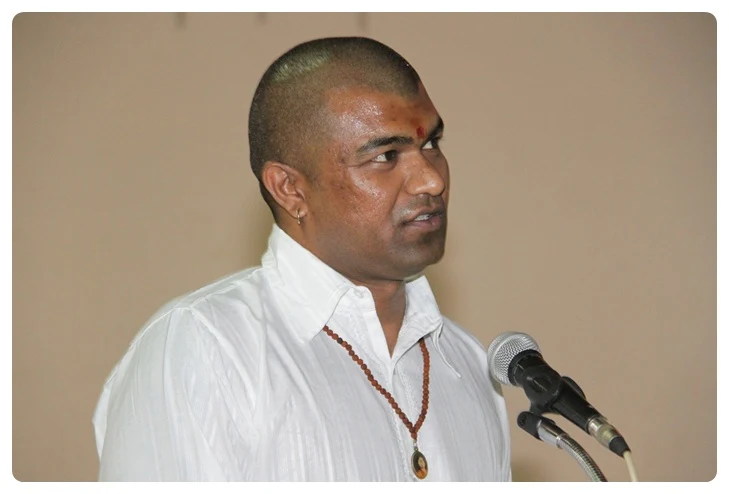
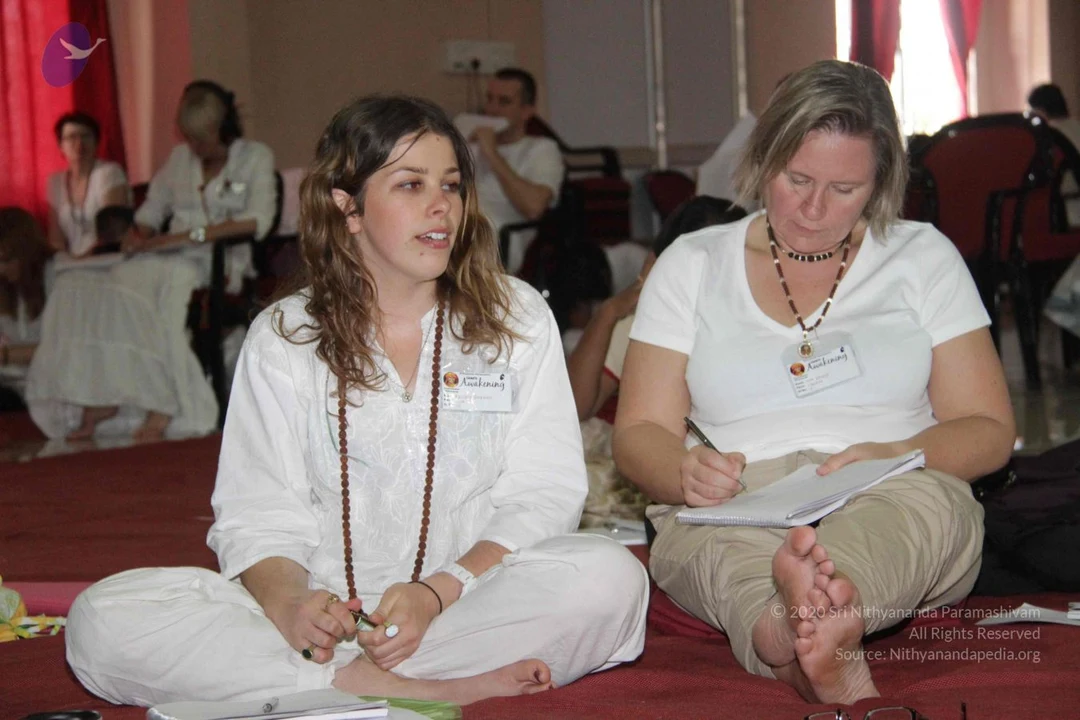
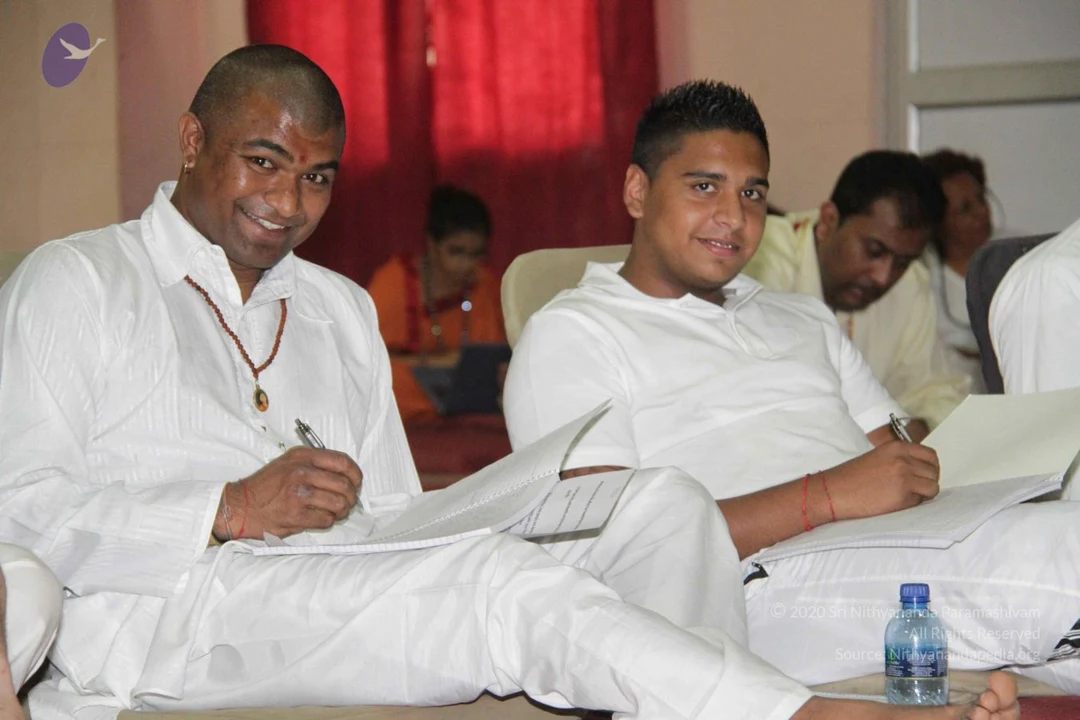
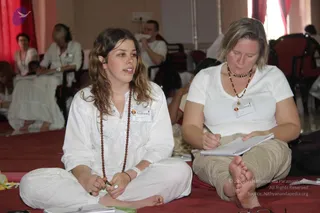
IA Partipants Sharings
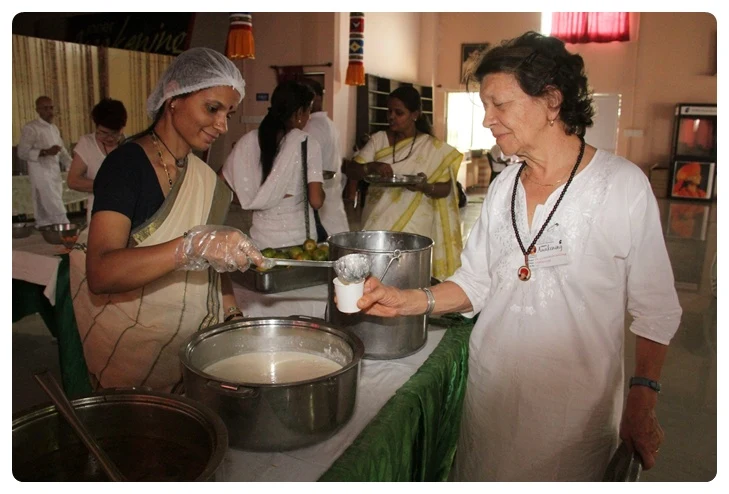
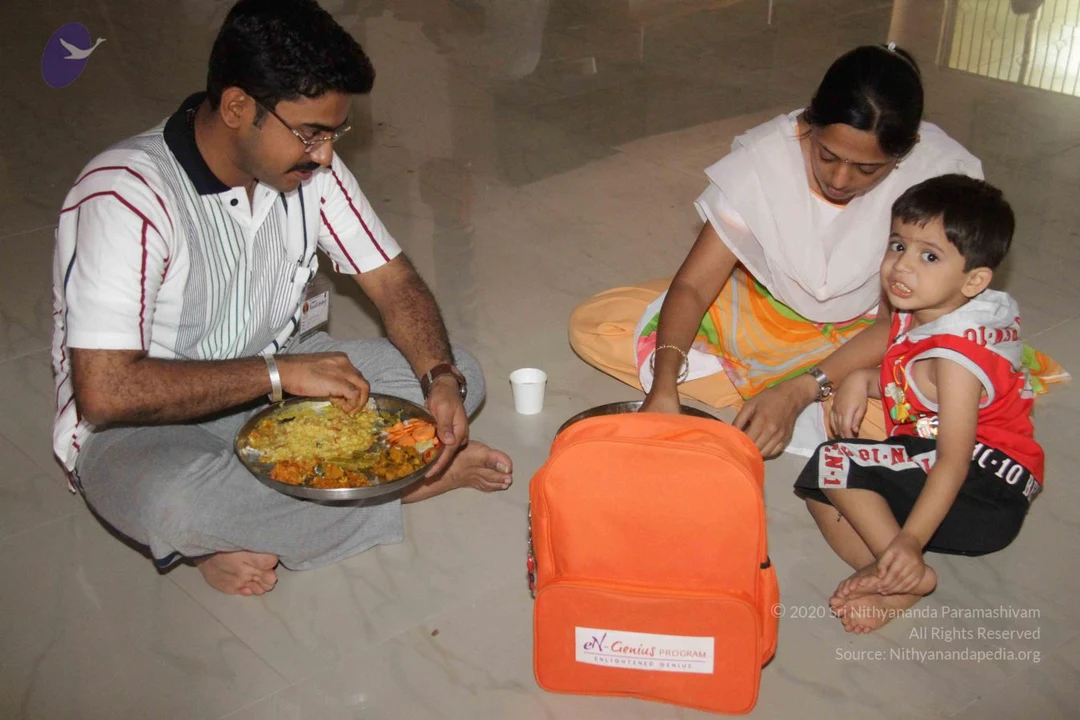
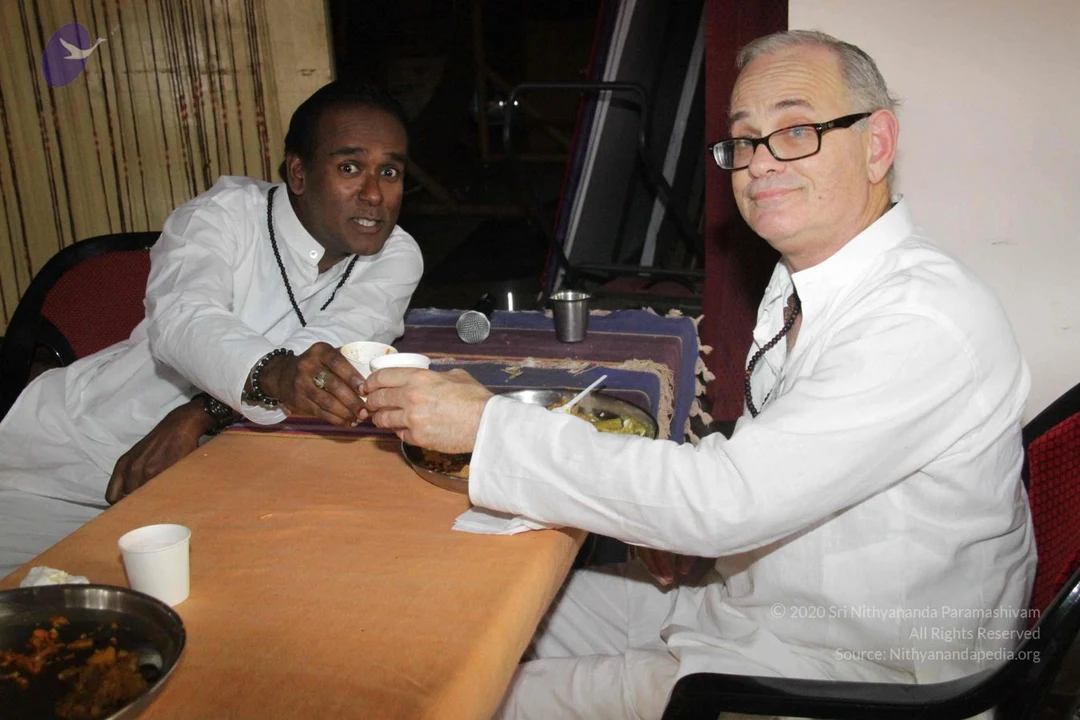
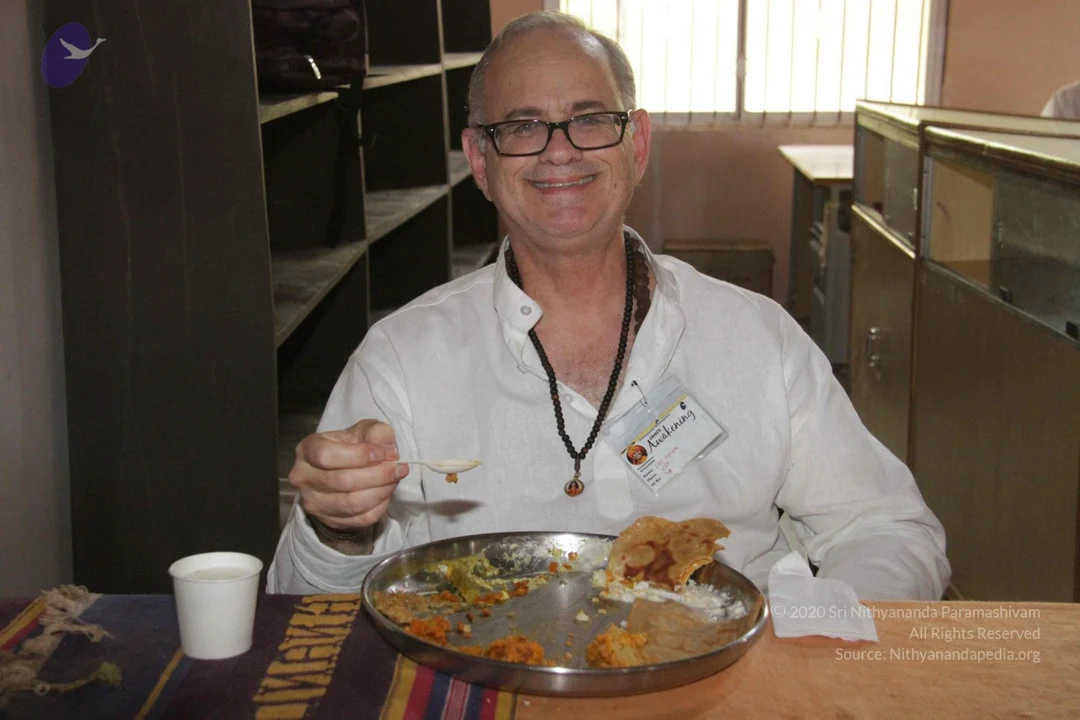
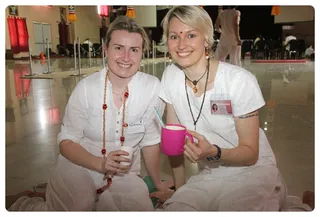
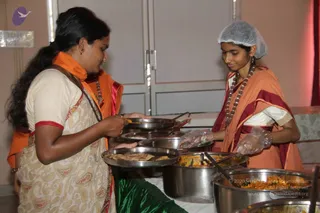
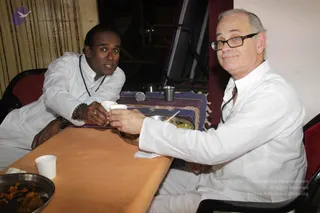
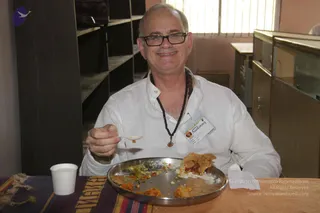
IA participants enjoying lunch
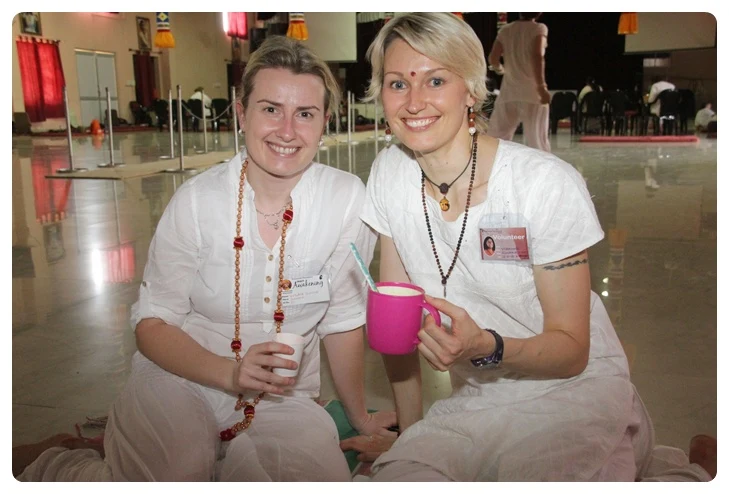
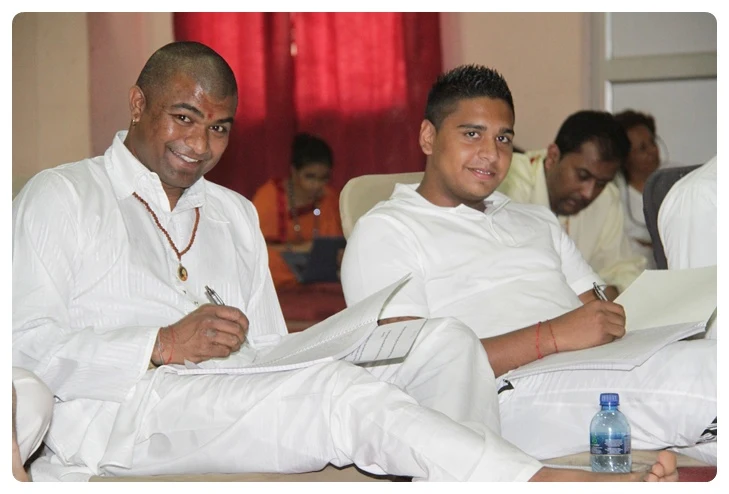
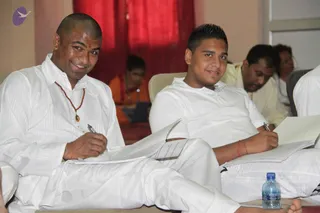
IA participants working on exercises
Photos Of The Day:
TEMPLE



PADA-POOJA
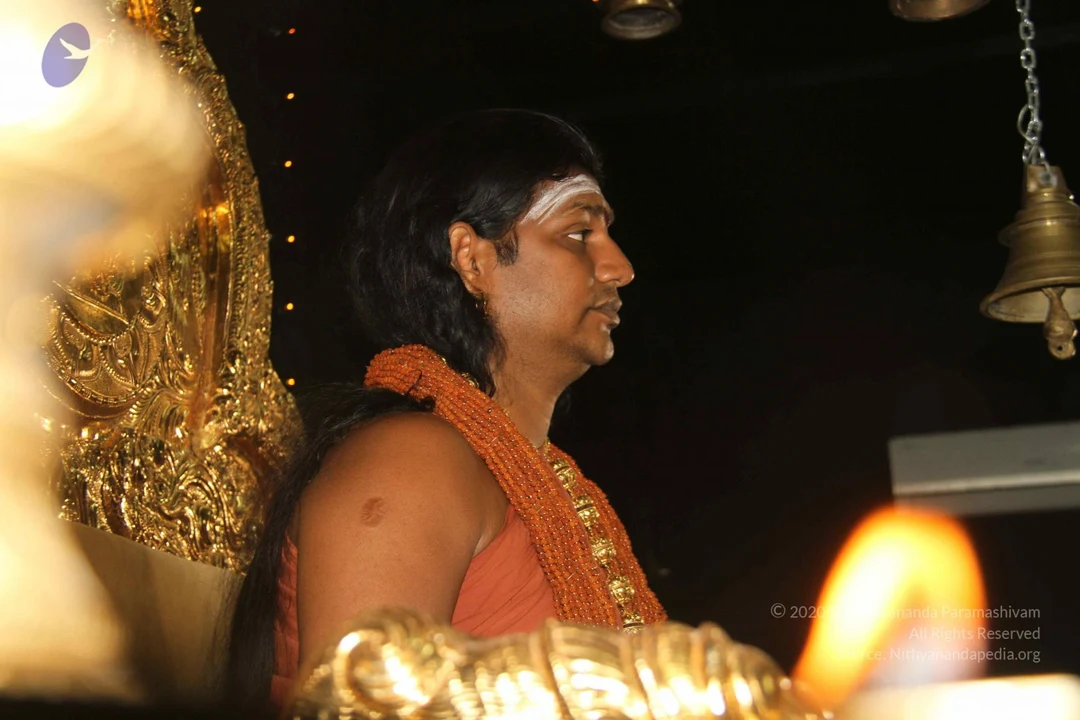
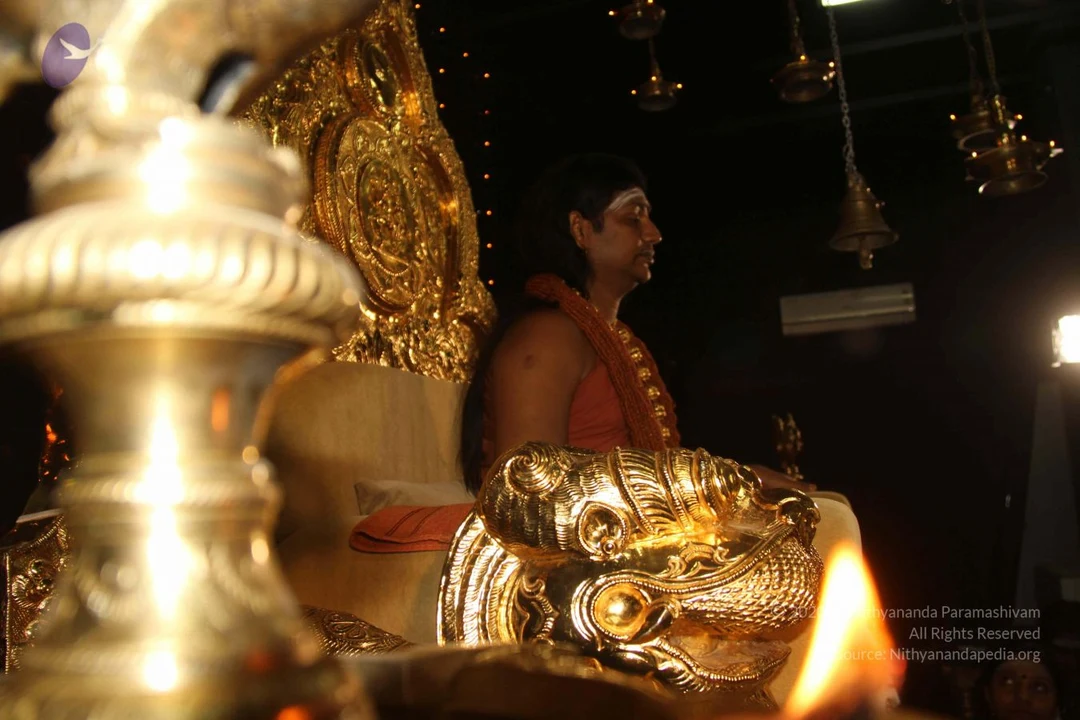
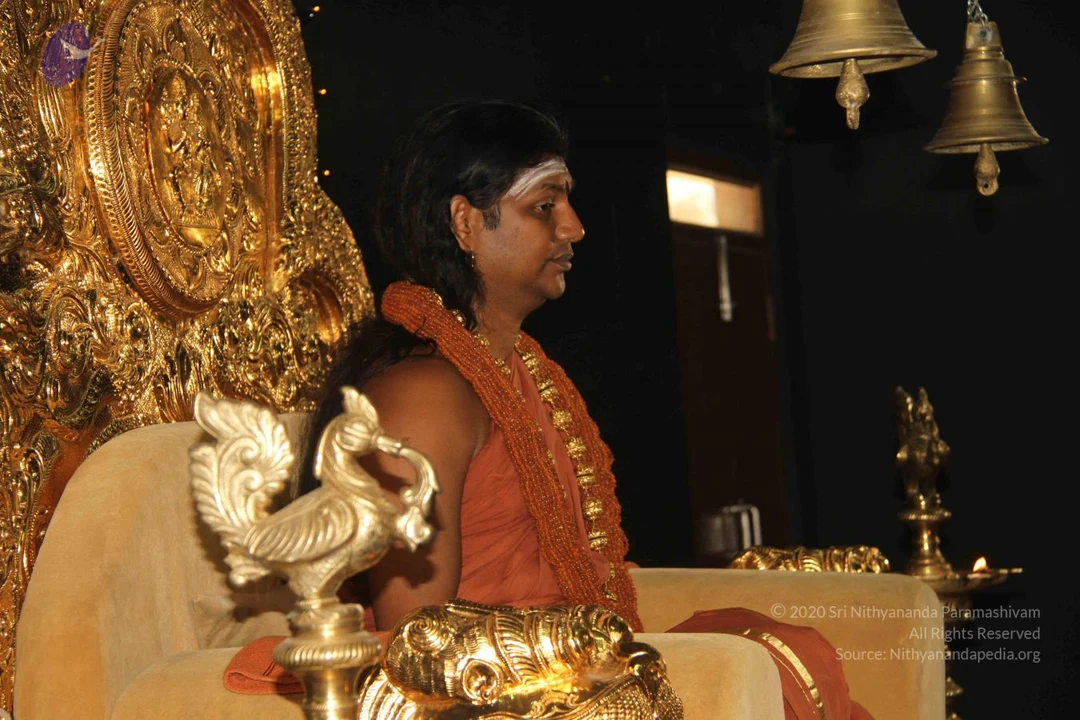
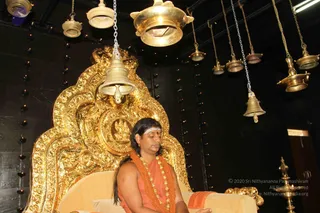
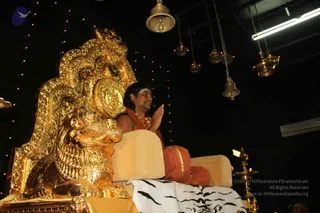
NITHYA-SATSANG
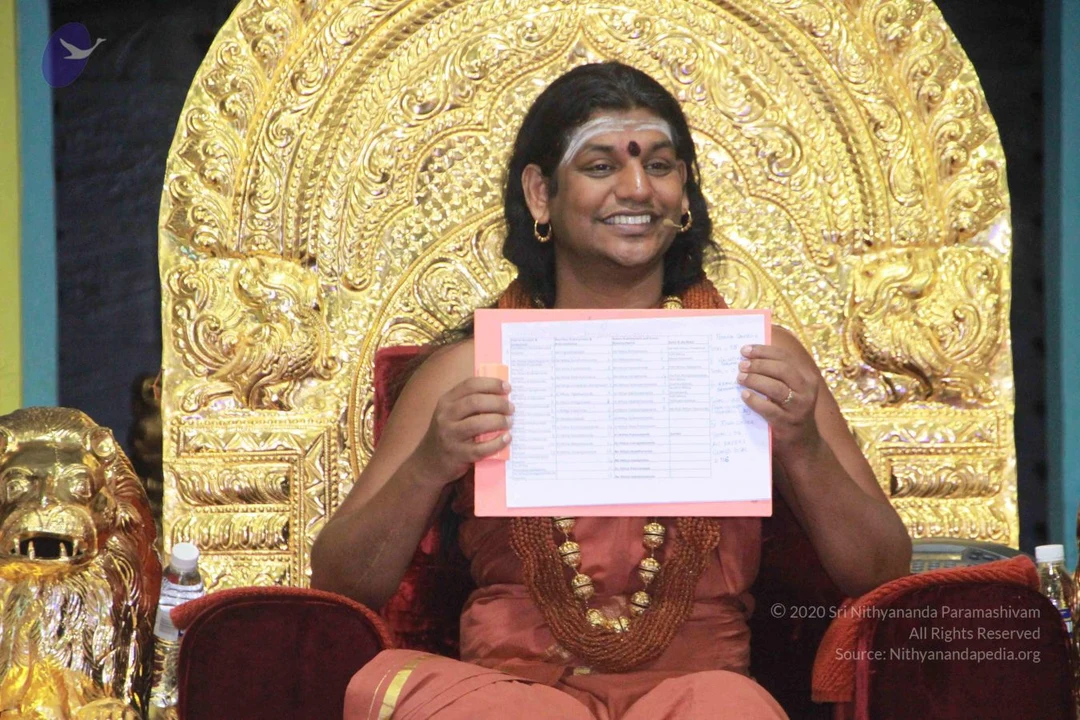
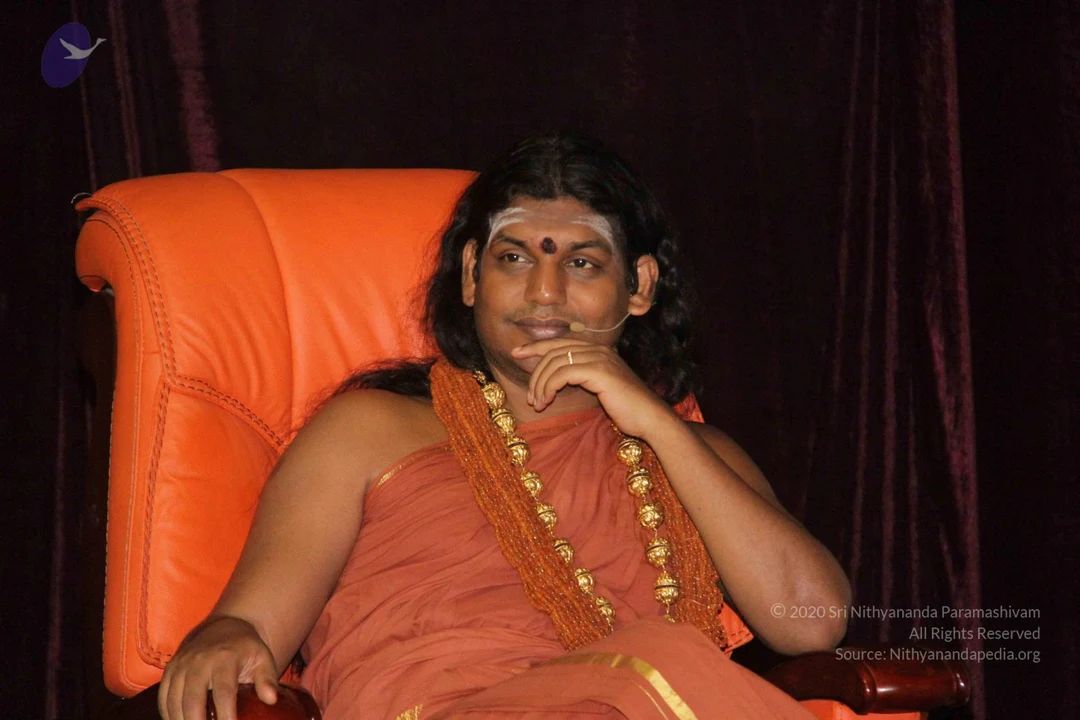
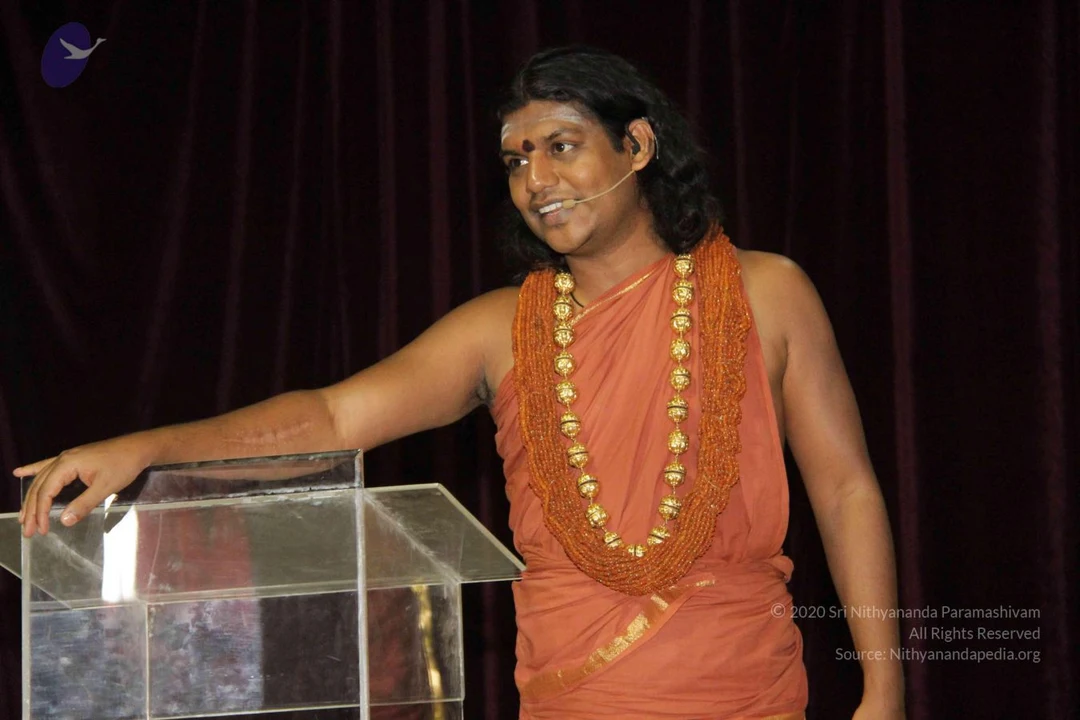
IA-SESSION
LUNCH
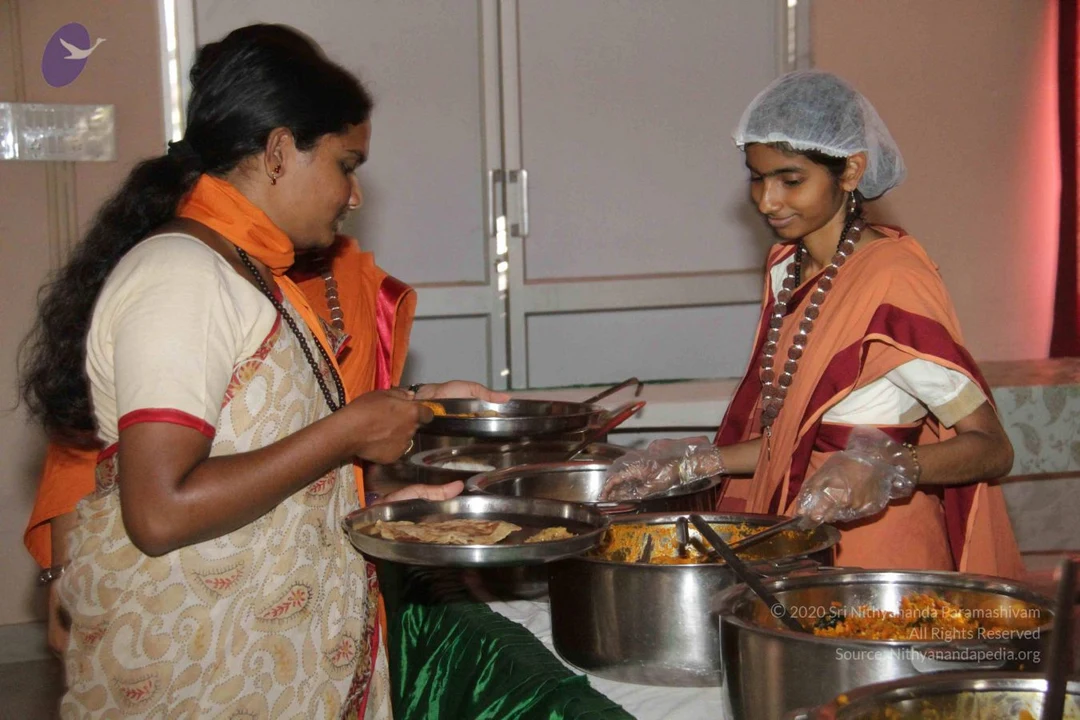
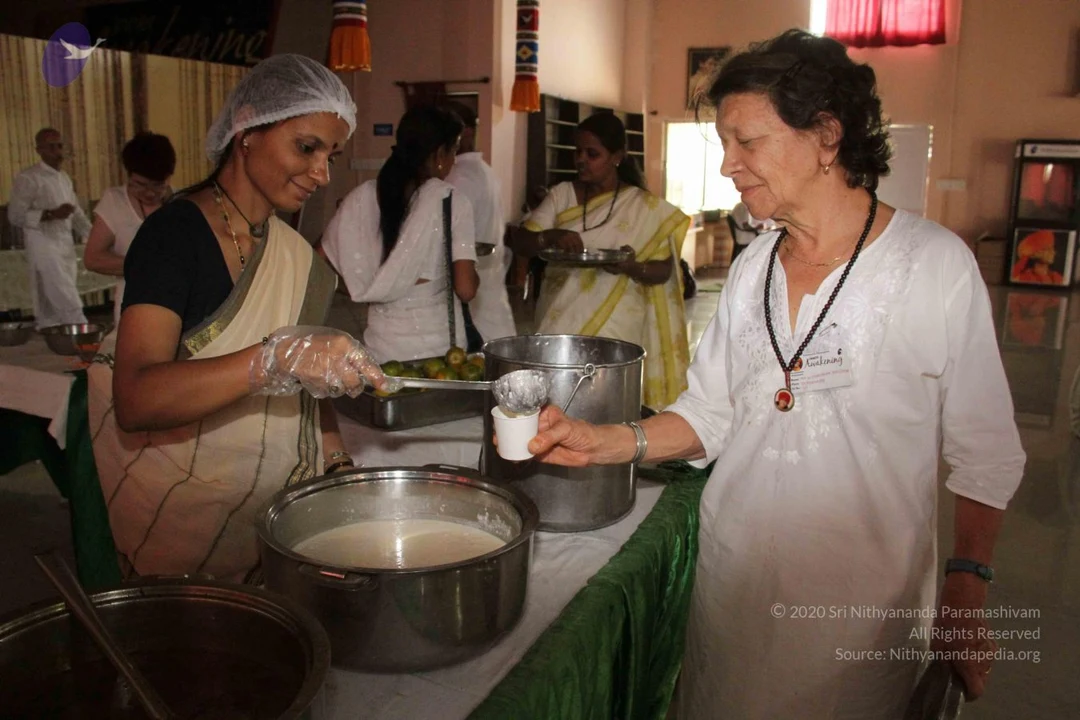

IA-DARSHAN

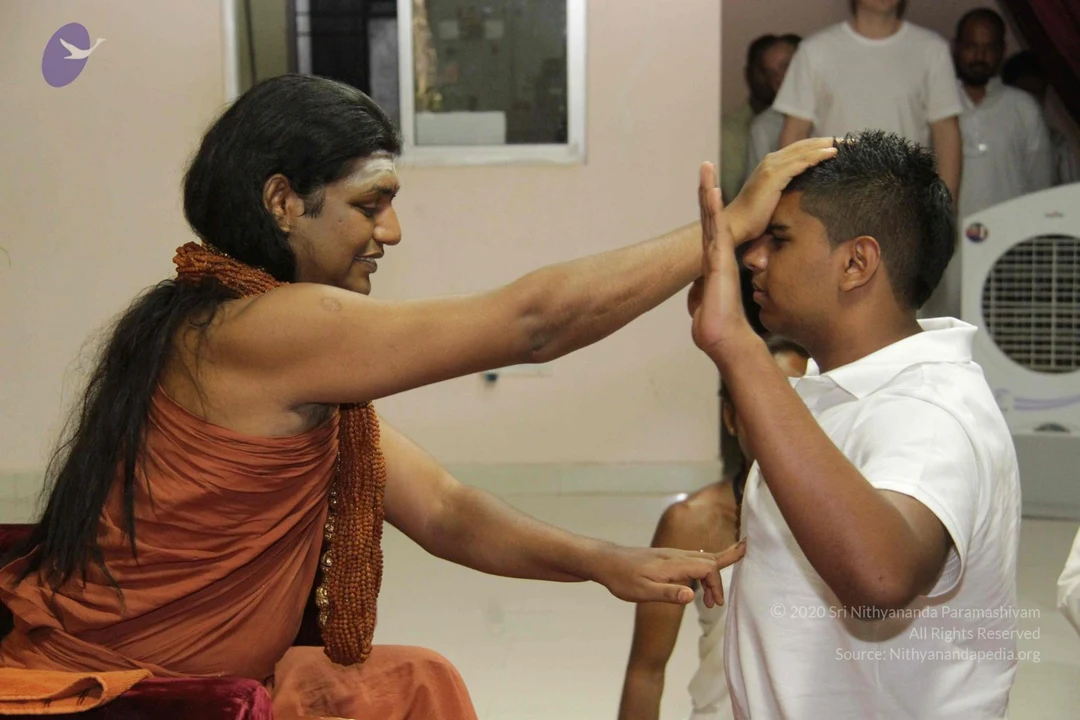
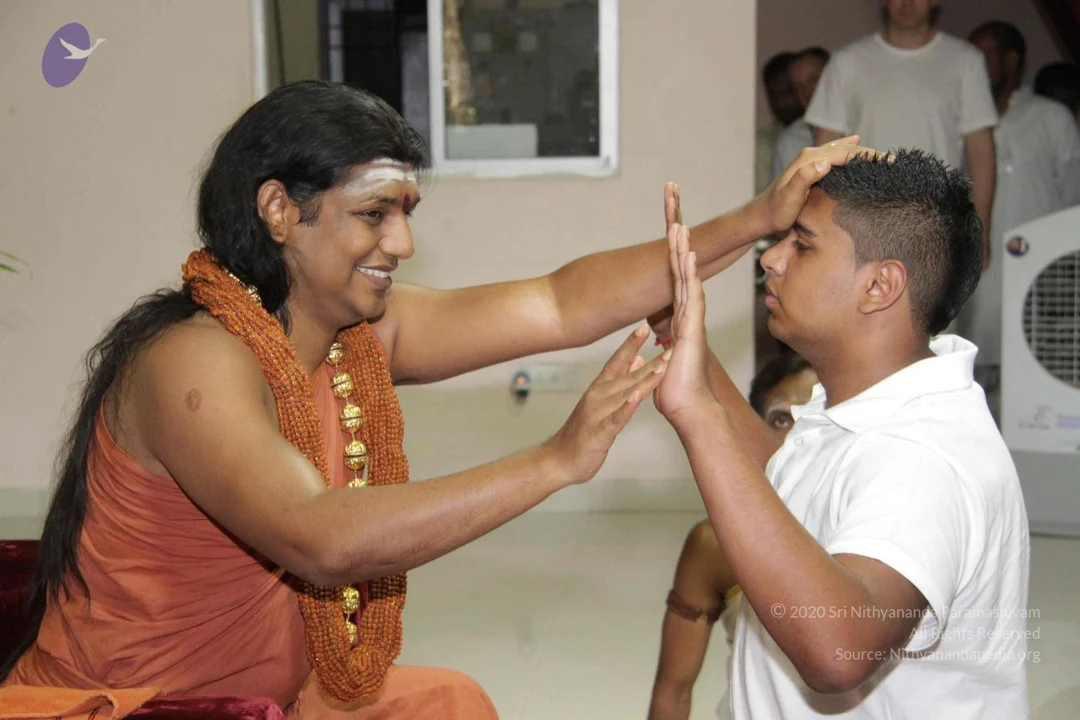
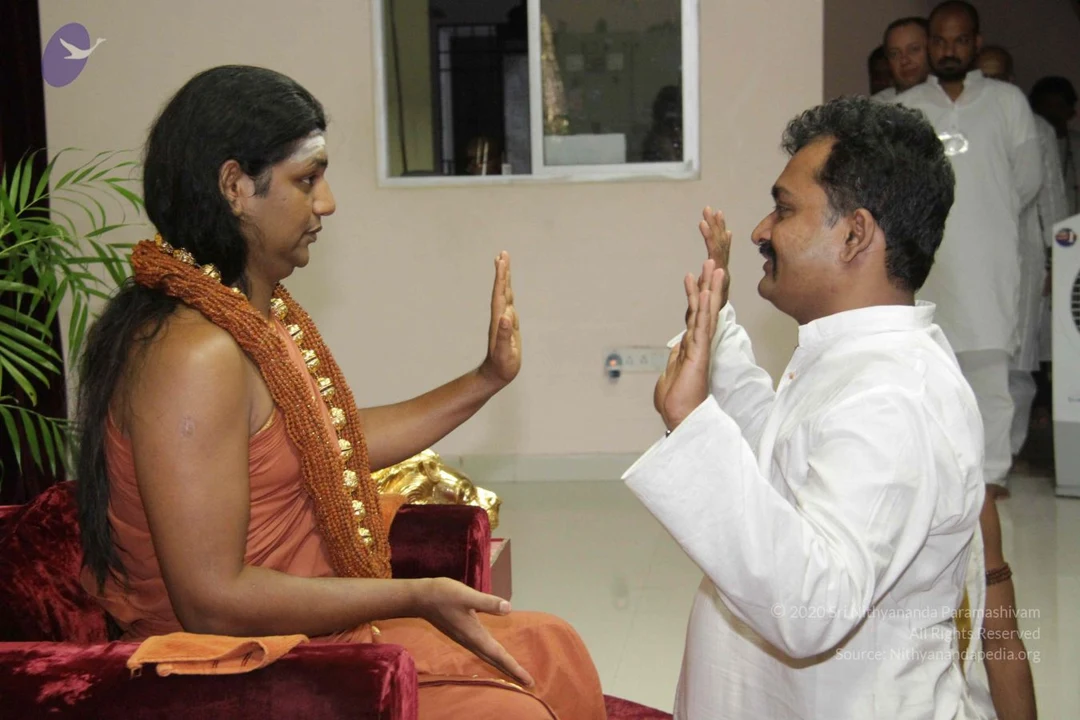
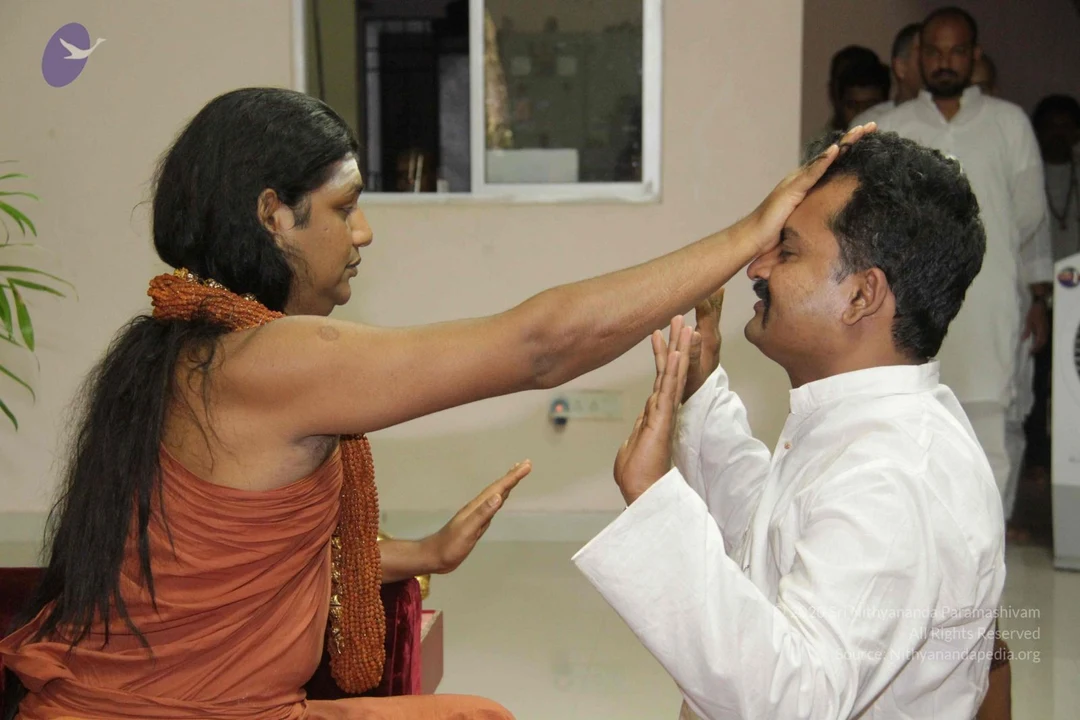


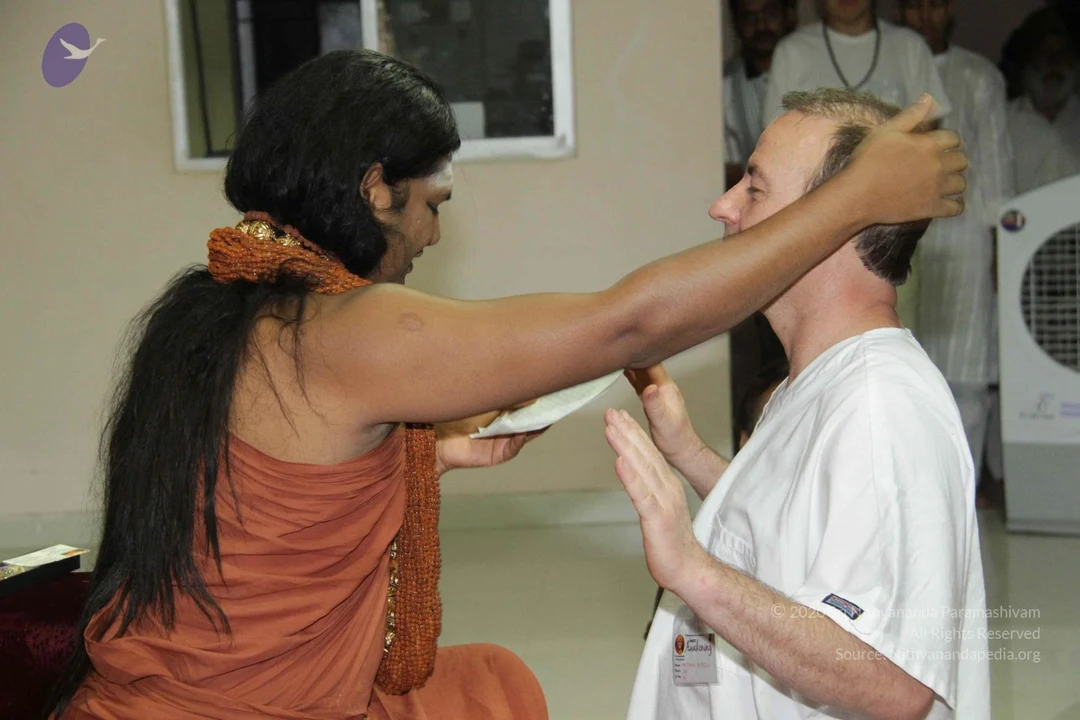
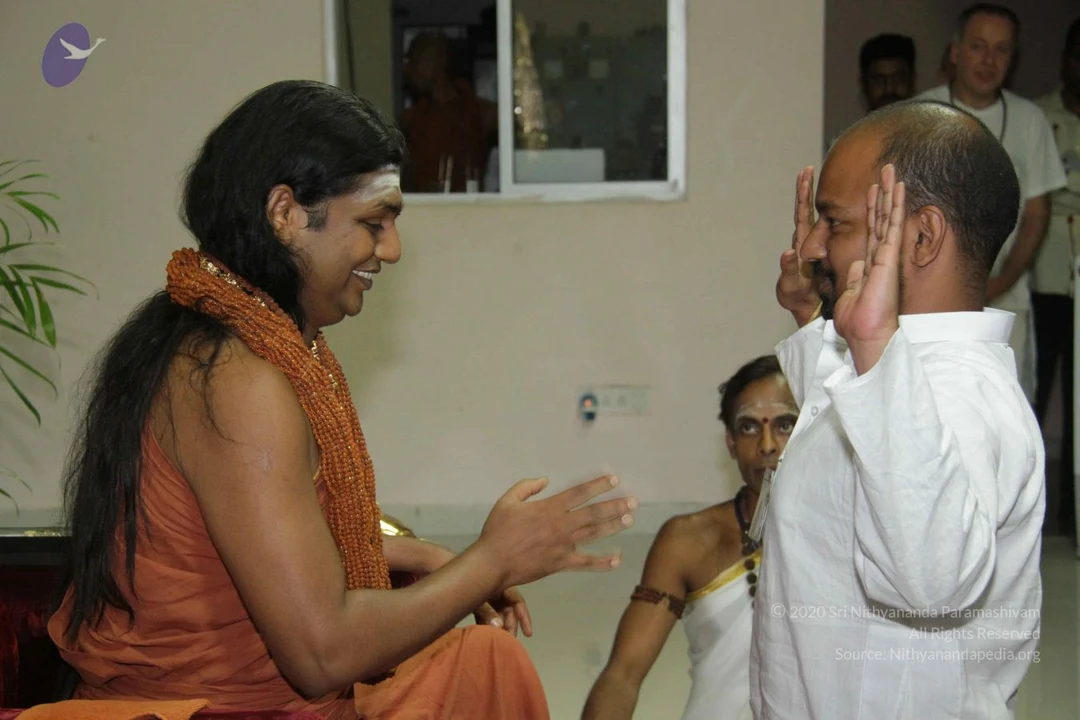
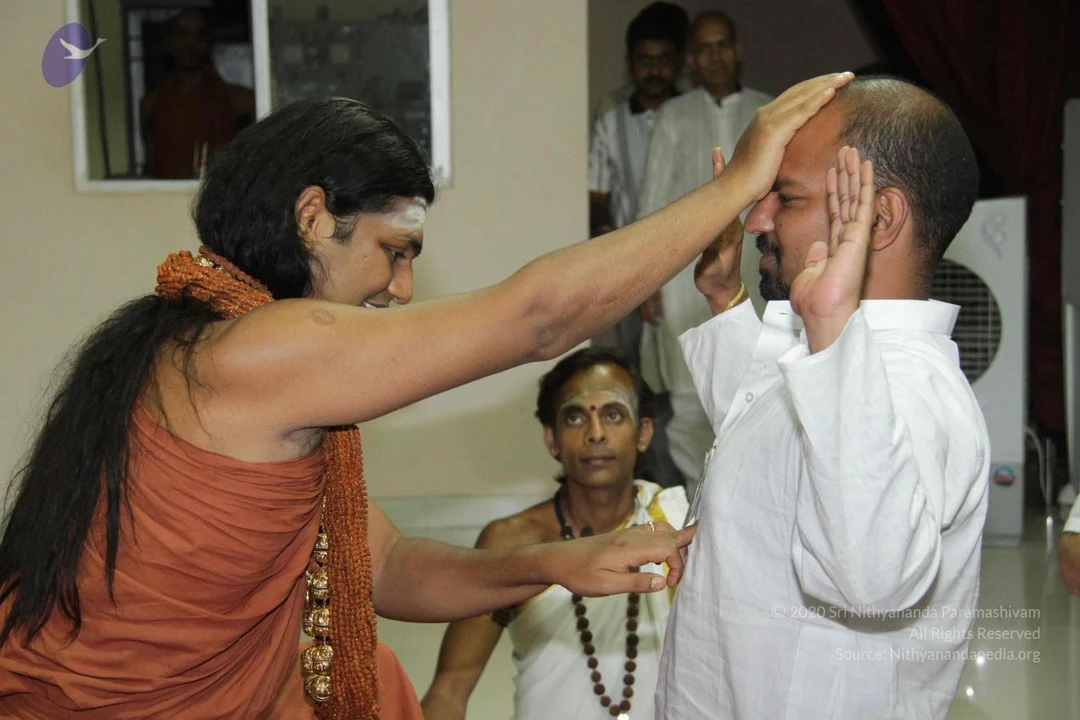
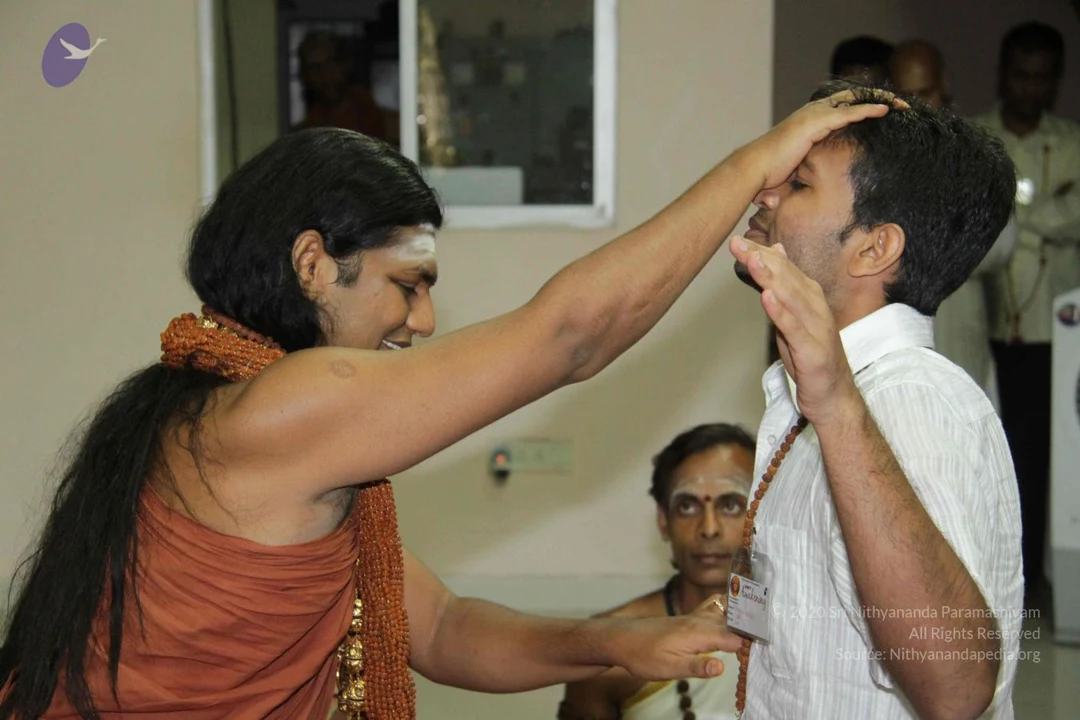
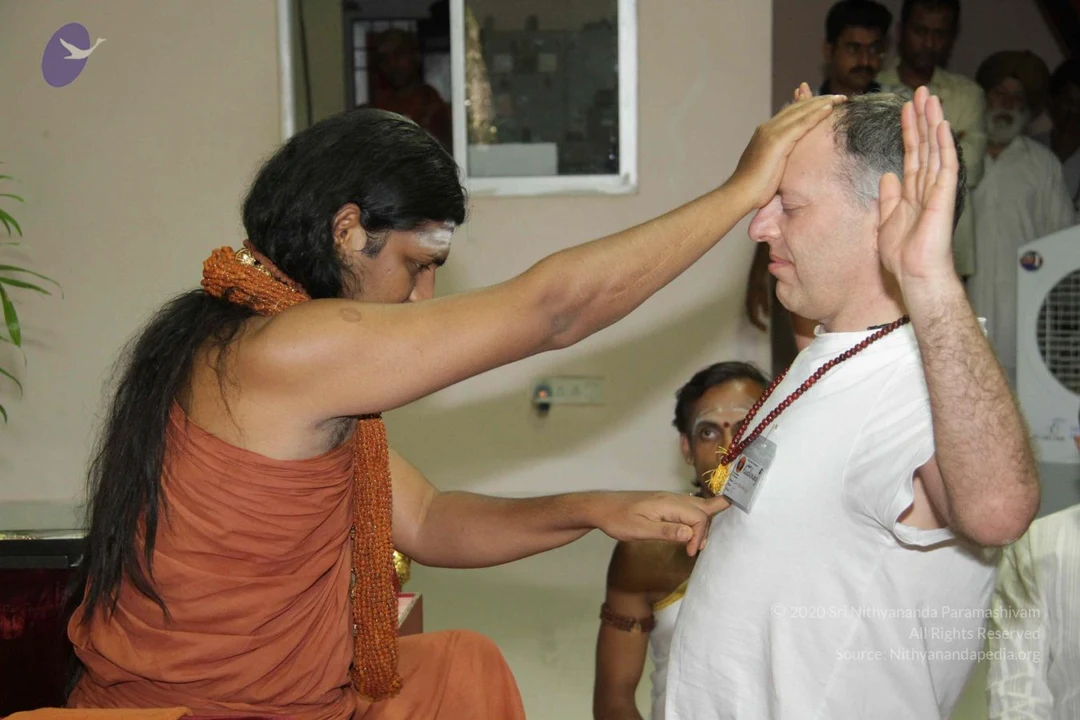
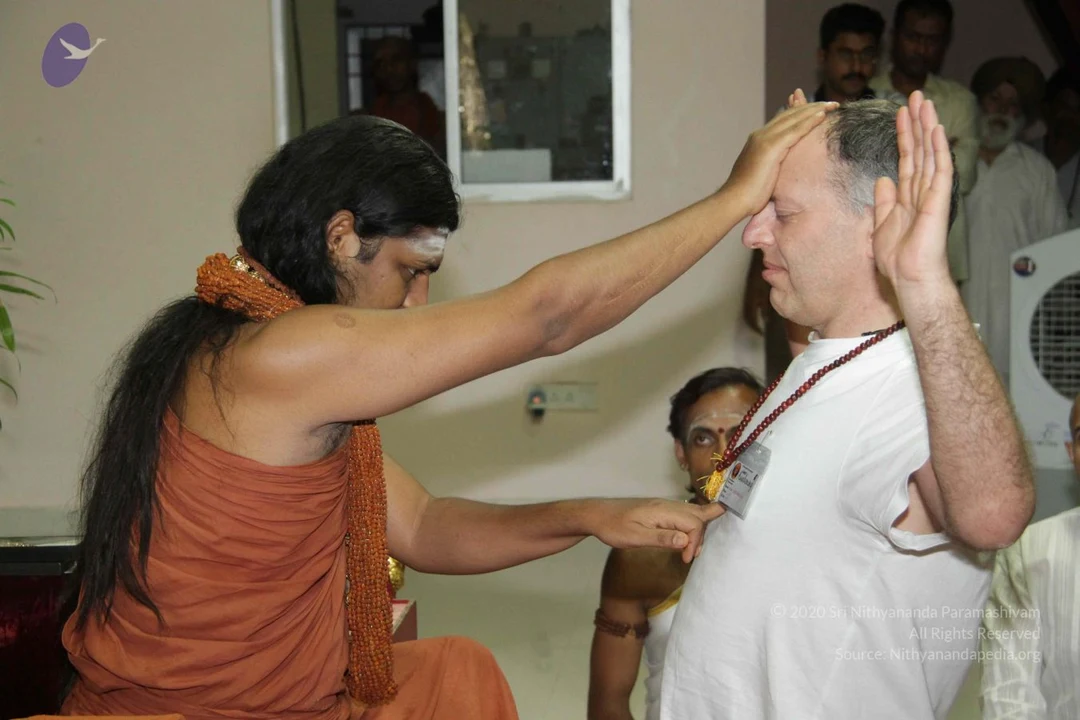
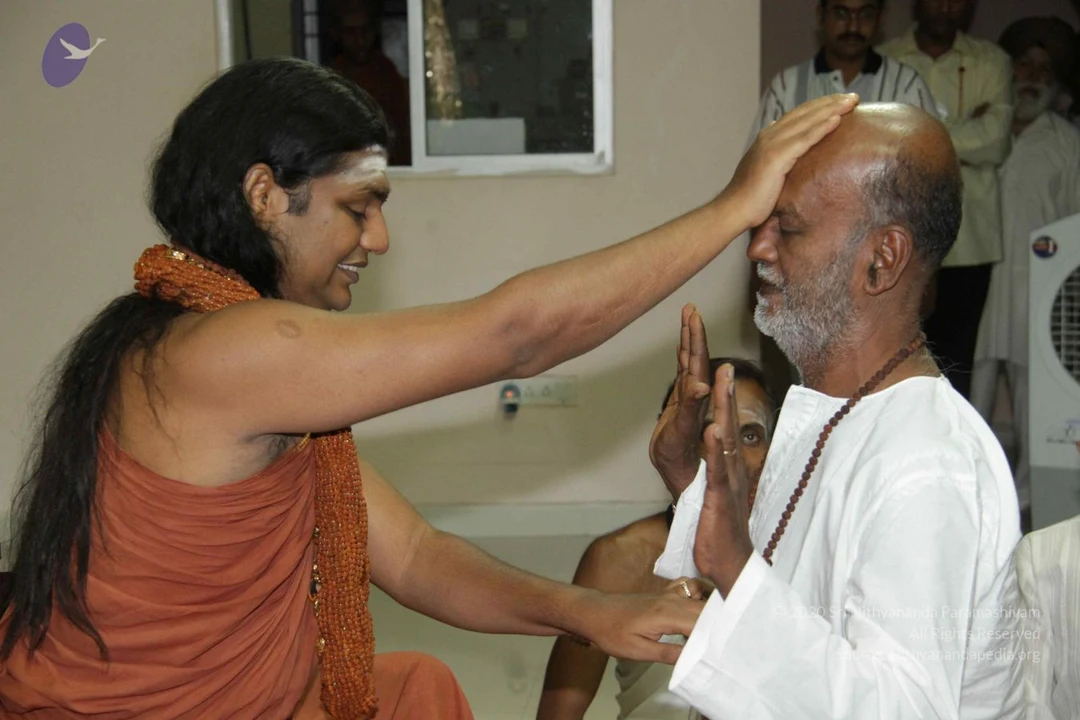
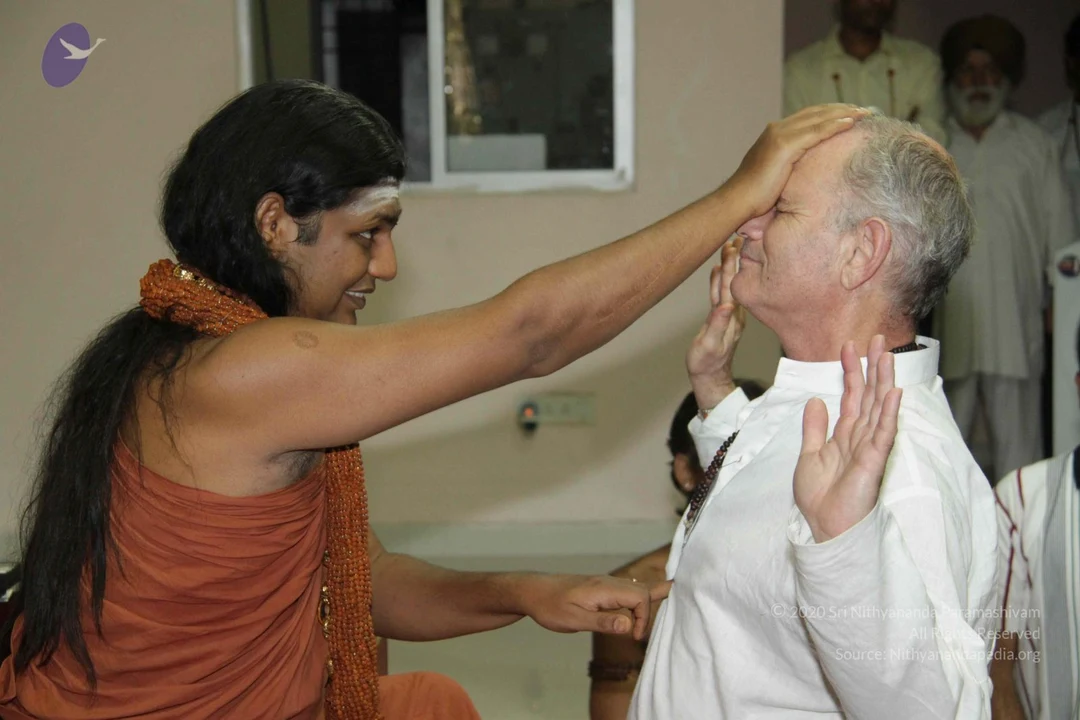
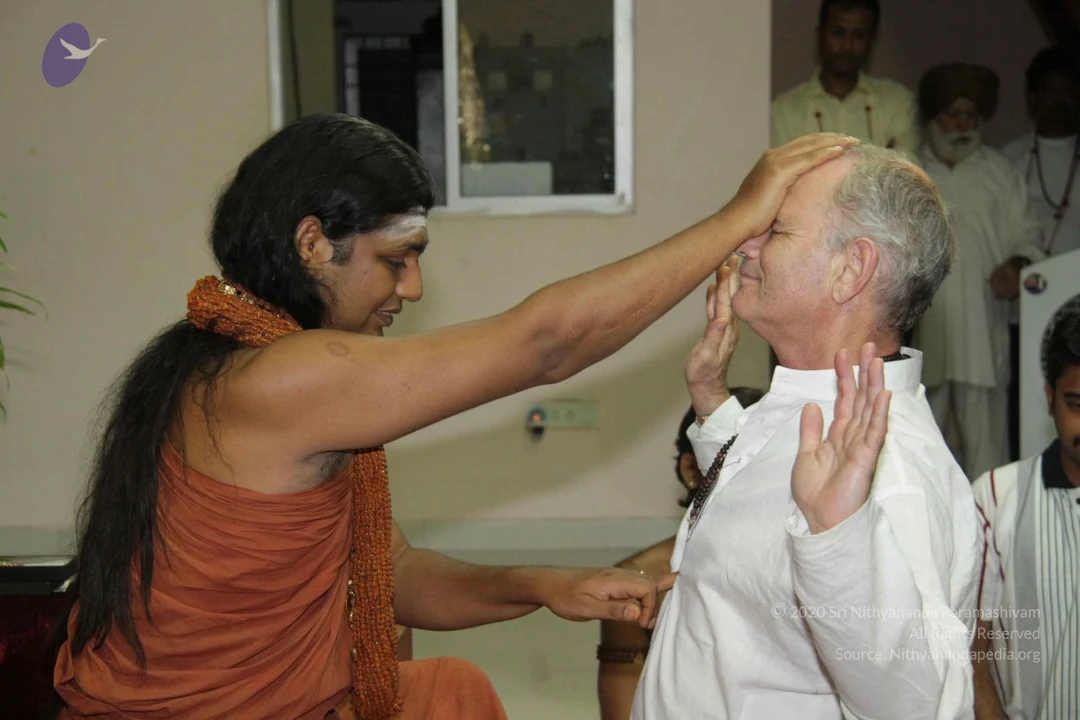
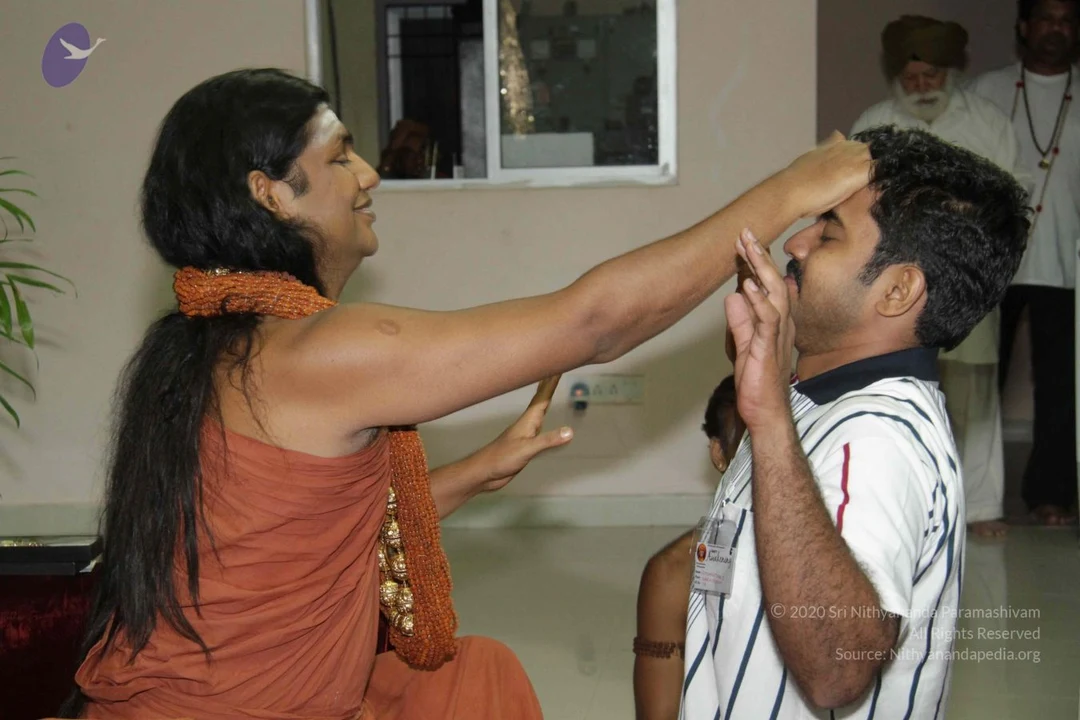
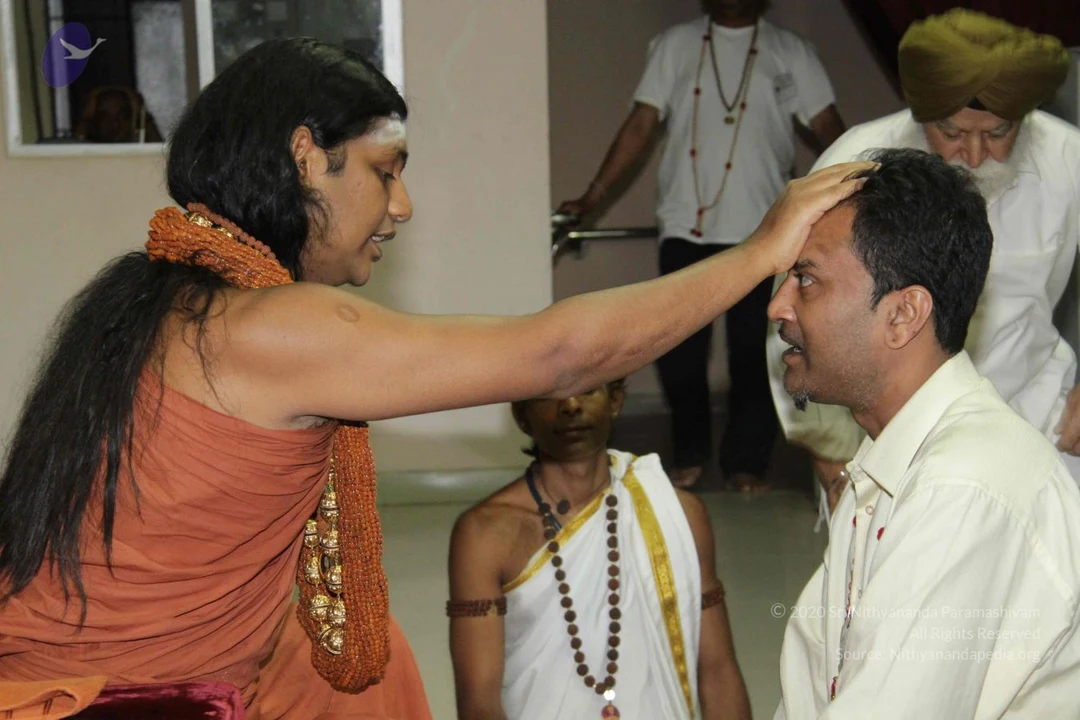
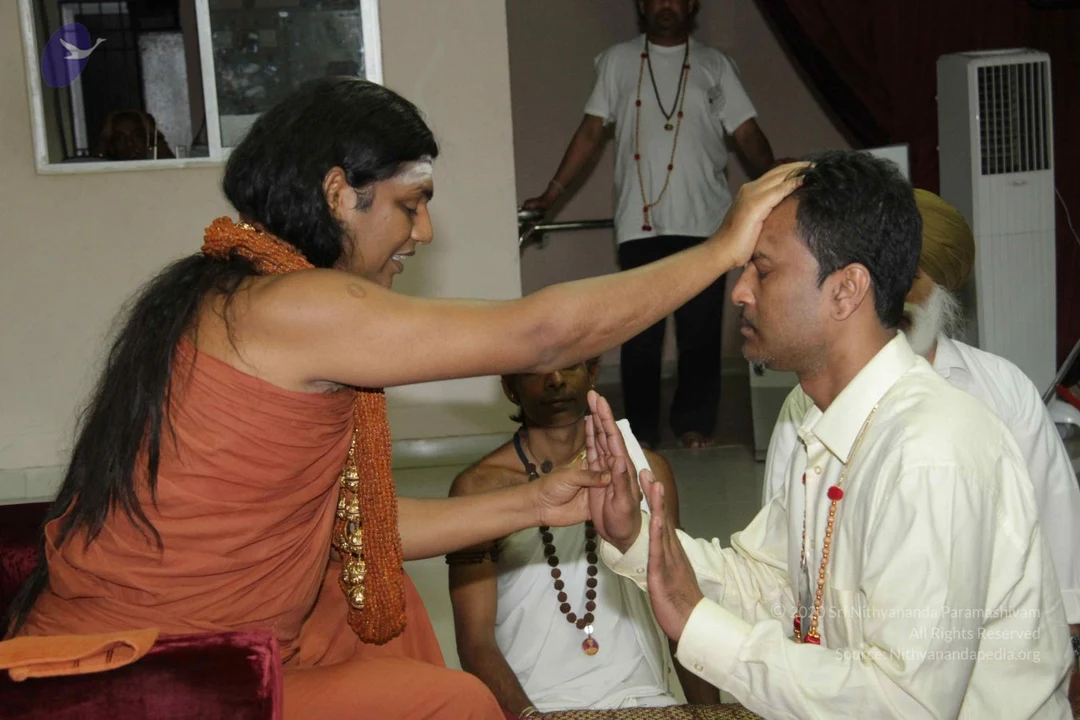
Inner-Awakening-March-2013
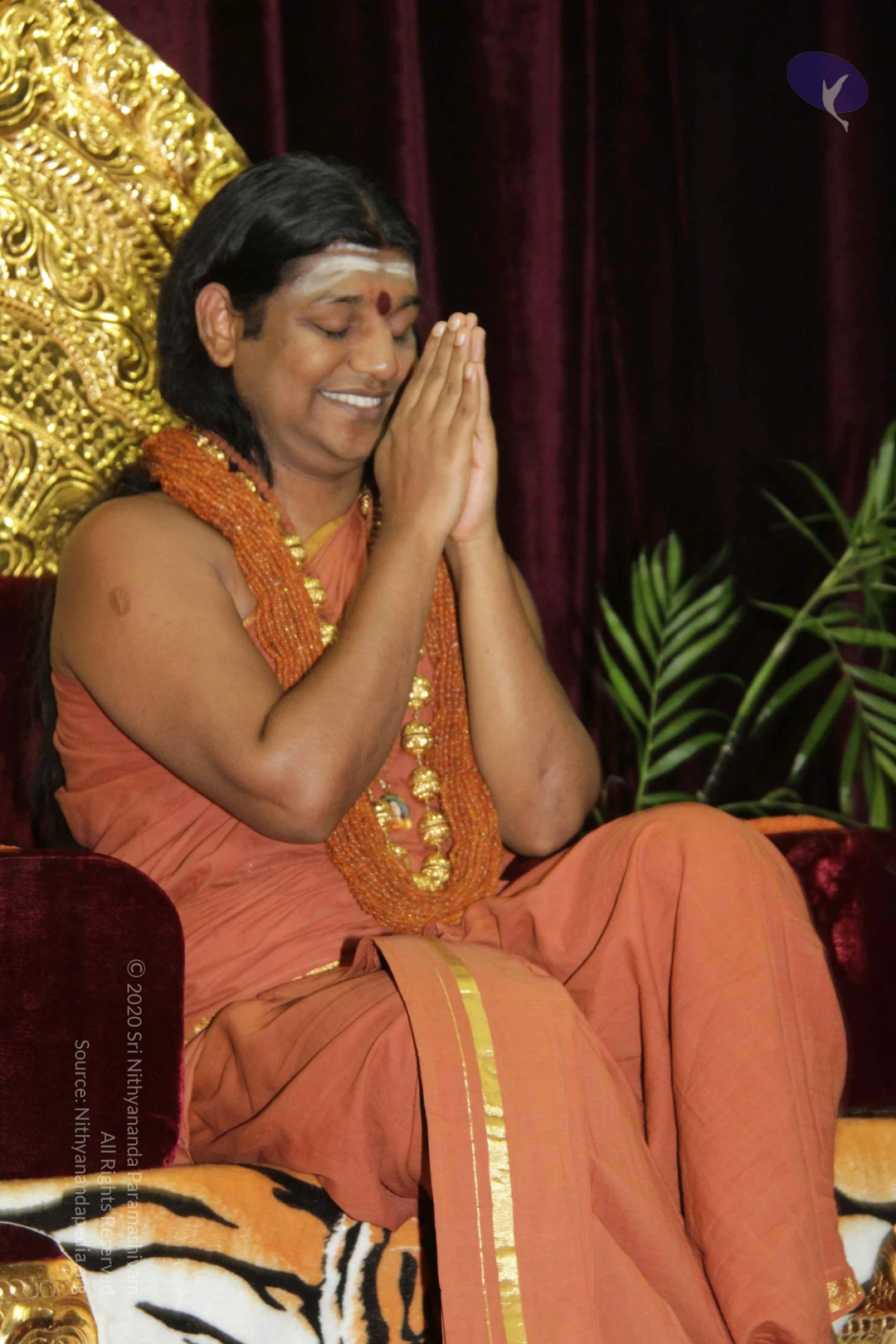
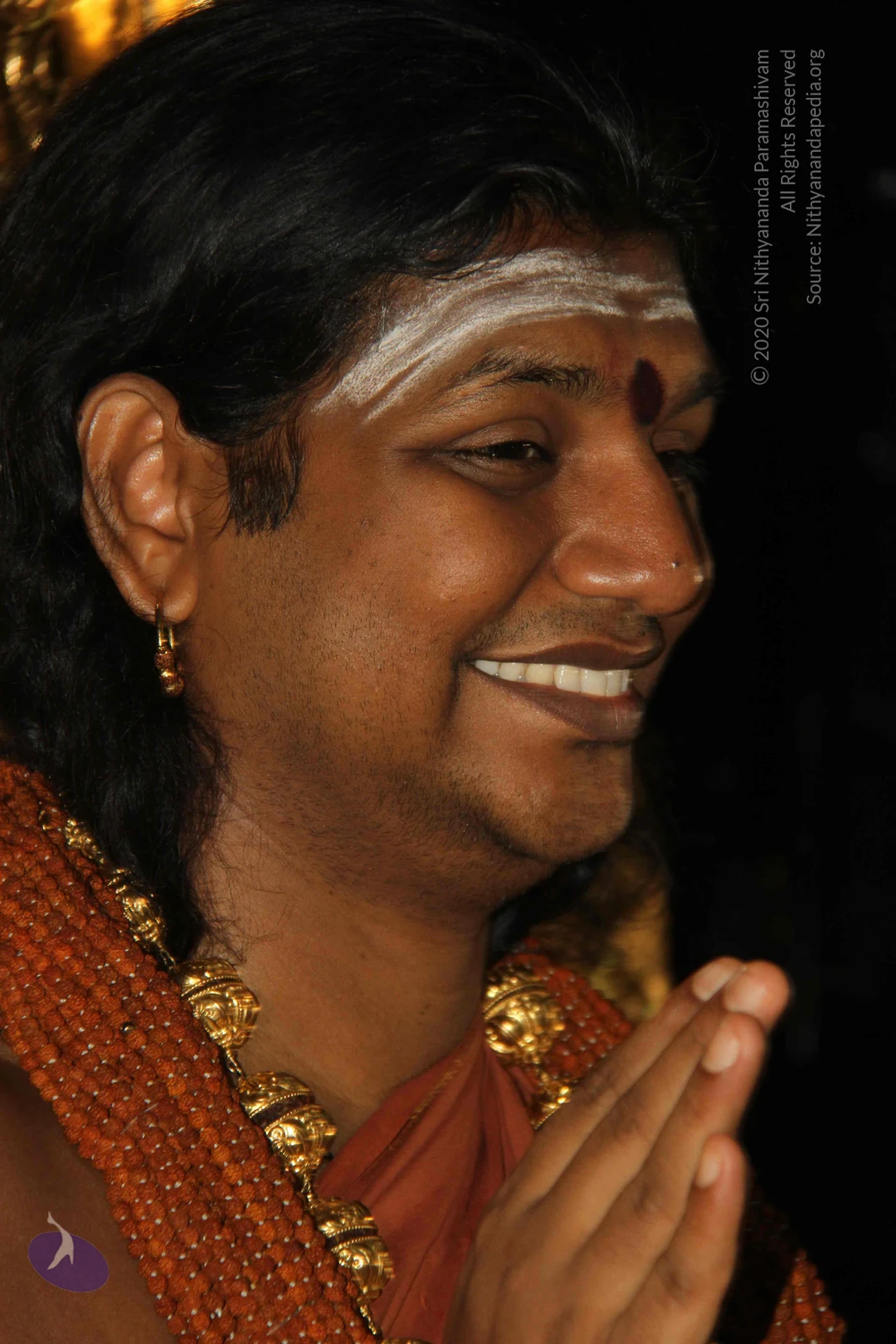
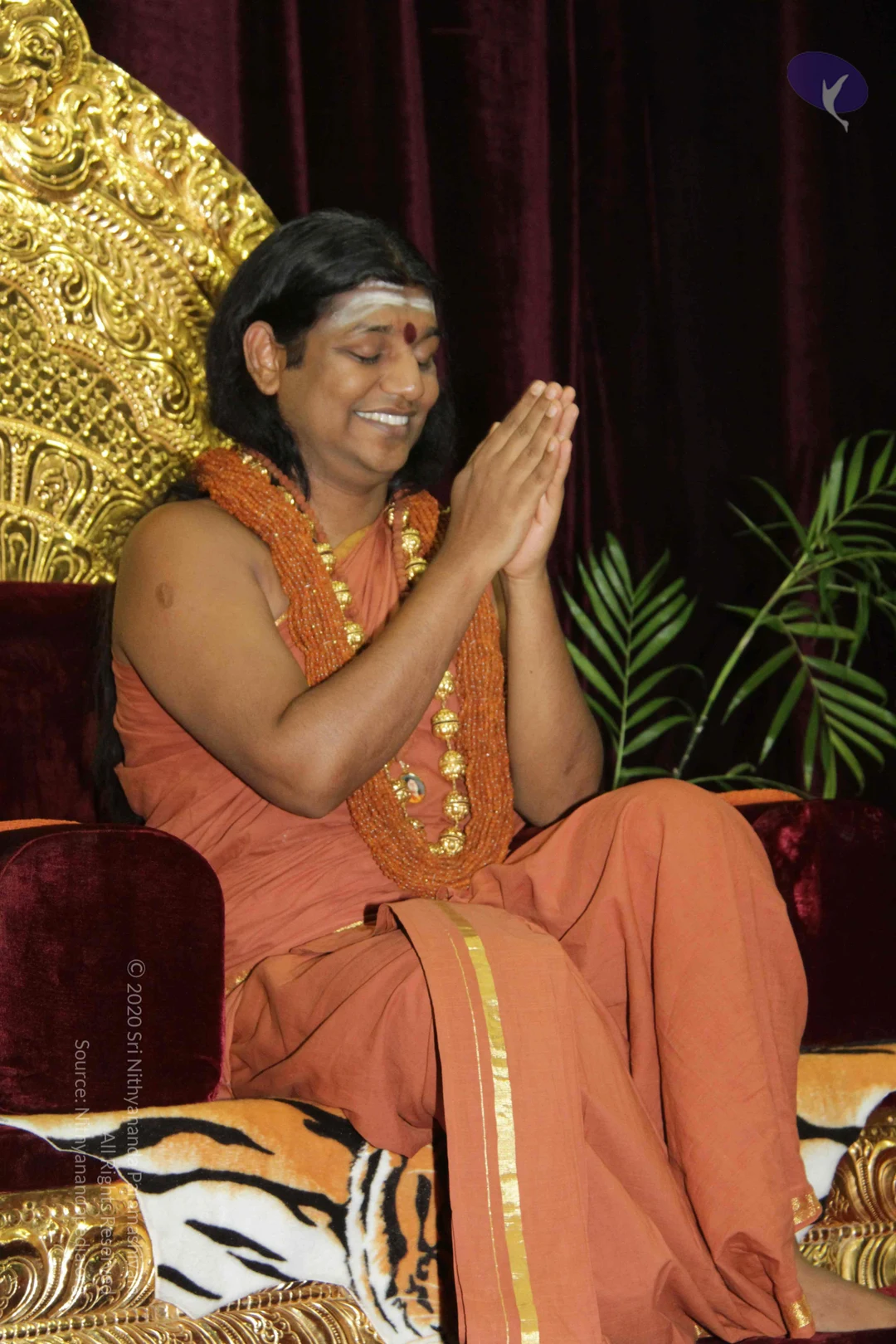
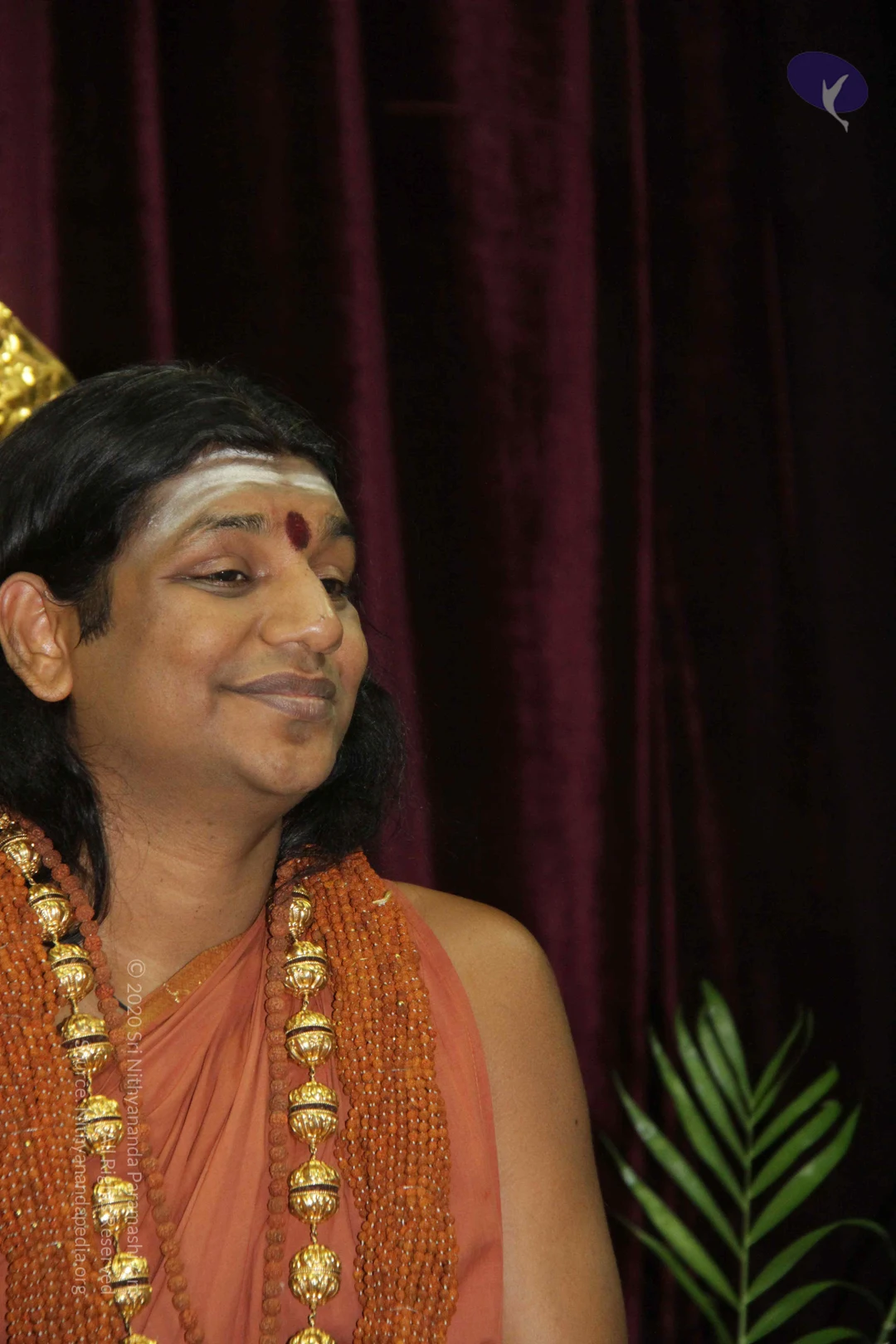


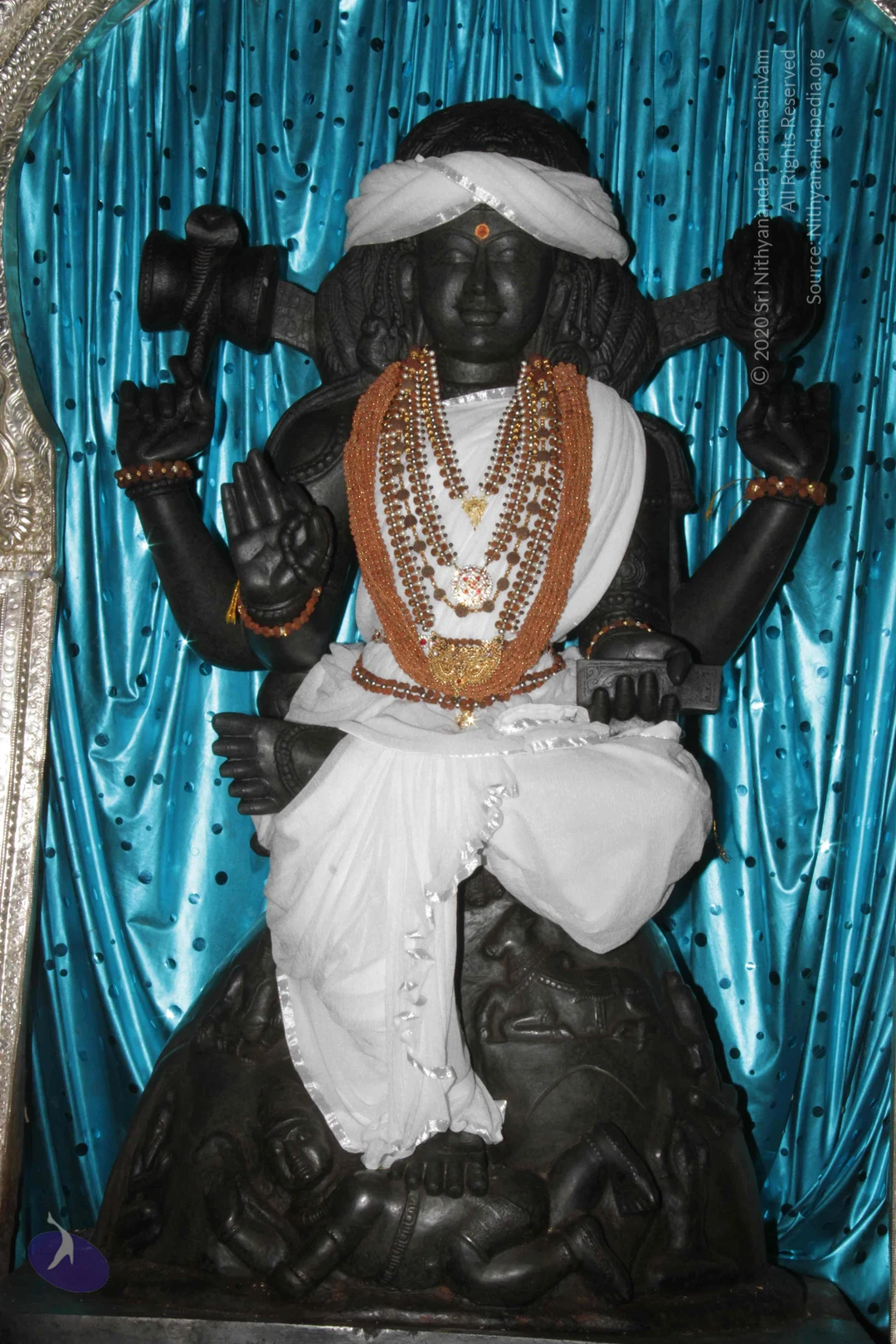
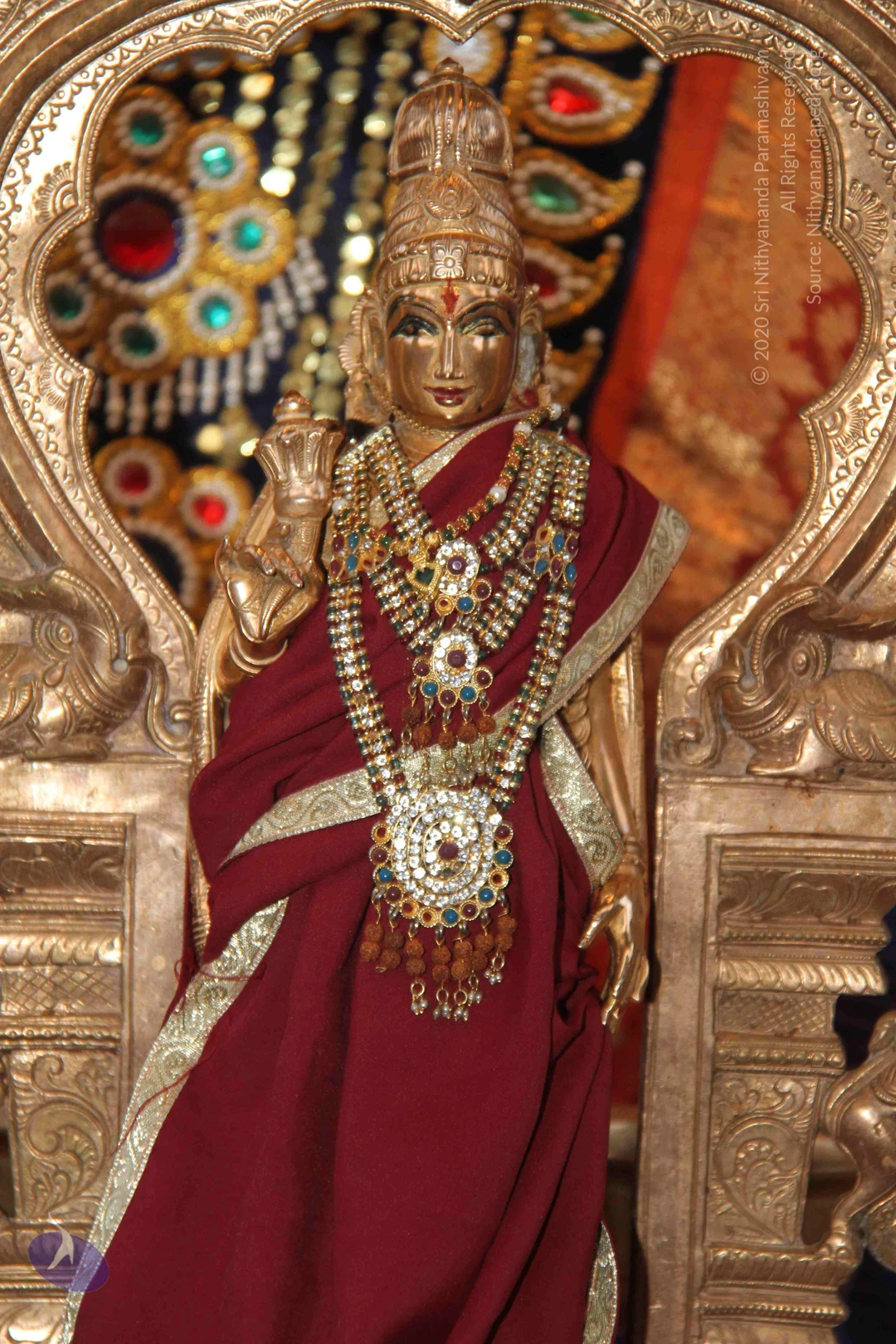
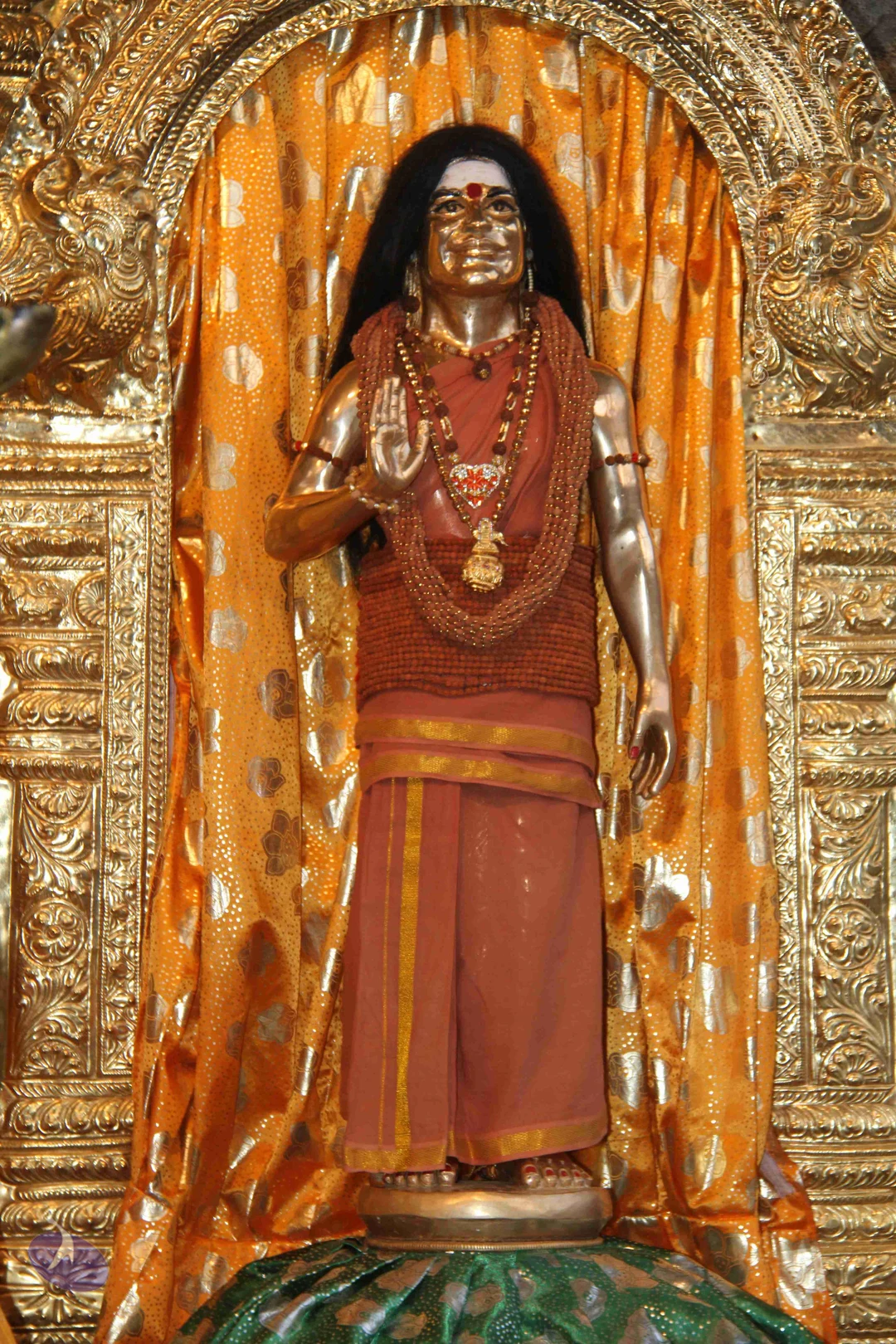
Photos from this day
View all 104 photosTemple Glimpses
3 photosSource gallery
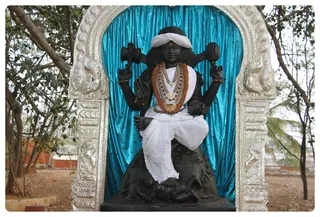
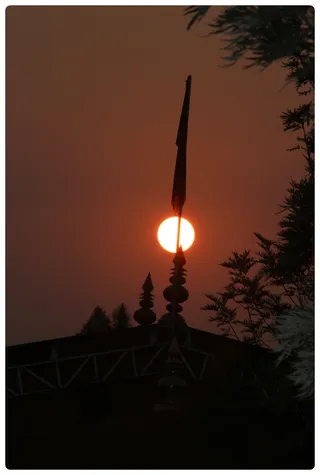
Paada Puja
4 photosSource gallery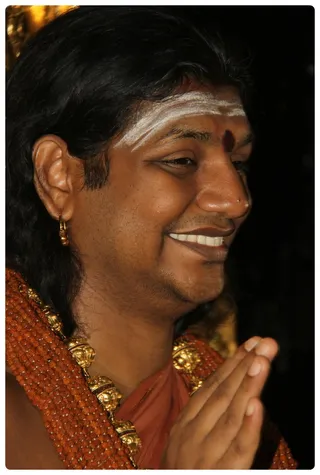

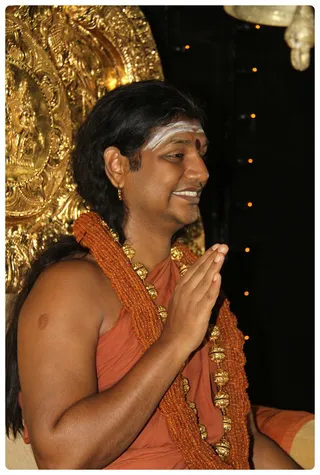
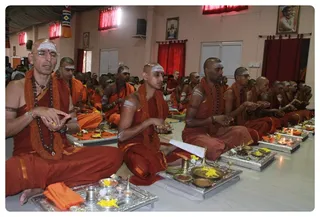
Swamiji releasing The Nithyananda Order which consists of Swamis , Naistika Brahmacharis ,Krama Brahmacharis and Rishis
5 photosSource gallery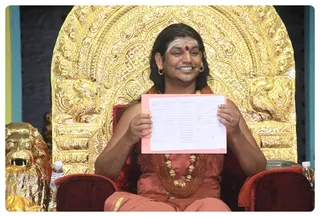
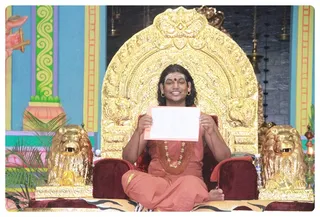
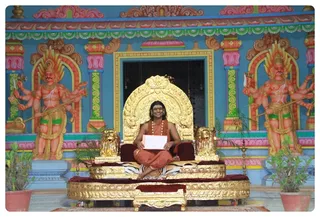
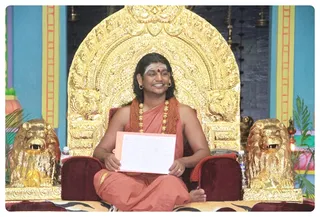
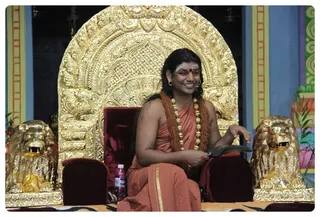
IA Partipants Sharings
2 photosSource gallery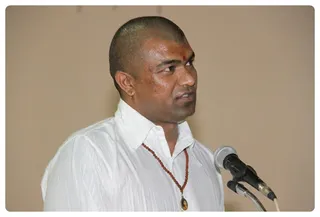
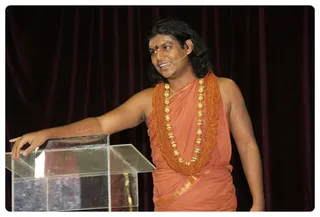
IA participants enjoying lunch
2 photosSource gallery
TEMPLE
12 photosSource gallery

PADA-POOJA
9 photosSource gallery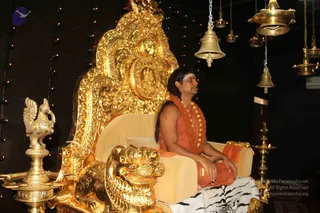
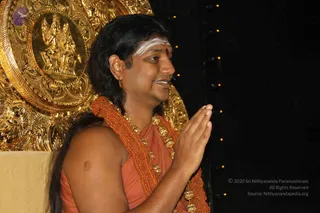

NITHYA-SATSANG
6 photosSource gallery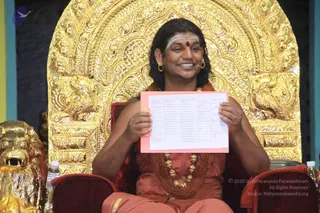
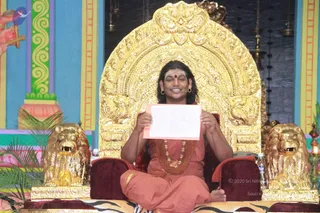
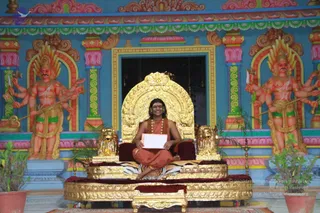
IA-SESSION
4 photosSource gallery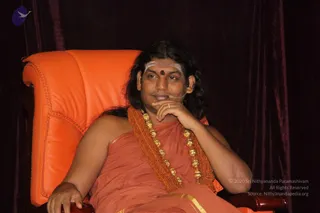
LUNCH
6 photosSource gallery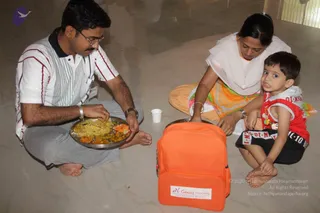


IA-DARSHAN
28 photosSource gallery
Inner-Awakening-March-2013
21 photosSource gallery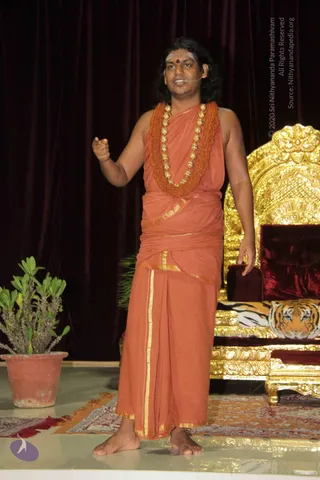
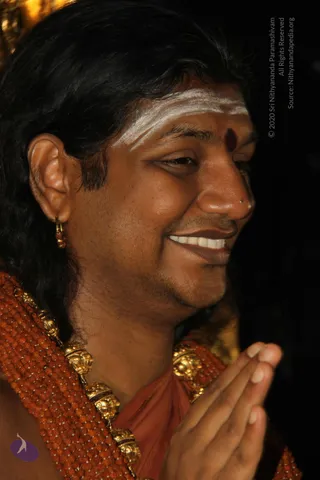
March 14 2013
2 photosView all