Friday
15 March 2013
Kriya to Awaken Ajna Chakra || Inner Awakening || 15 March 2013
- Dated photos
- 95
- Source pages
- 1
- Media
- 8

March 15 2013
Original wiki pageTitle
Kriya to Awaken Ajna Chakra || Inner Awakening || 15 March 2013
Link to Video:
Transcript:
(0:15)
Now we will work on the second, the next energy center, Ajna, the third eye. Please listen, this thought current knot is all about your Ahankara means your outer image leaving you with the experience of conflict with others, ahankara. Please listen, what you project to the outer world leaving you with conflicts. It is a very subtle point. If you work on the exercise you will understand. Sometime the moment you project to yourself, the listener creates conflict in you. When others project themselves, immediately you get irritated and create conflict in them. How many of you have experienced this? That is what is ahankara. The thought trend which does not listen, which constantly poses, imposes yourself on others. Clear? Thought trend which does not listen, constantly pushes himself on others is ahankara.
(02:01)
Aspects of your ahankara which leaves you with the conflicting experience with others in your life. Let us identify areas of your life where you feel powerless or experience conflict with others because of the thoughts and words you have uttered and the perception about yourself that you have projected to others which is not aligned with what you experience as you, inside you. You have projected an image to your boss that you are very efficient and deep within you, you project an image to yourself that you are a failure. So, your efficiency is not showing up in your work. Your boss is not happy with you. This may lead you with conflicting experience in your relationship with your boss. How many of you cognize this? That's all.
(02:51)
Understand, whenever you feel powerless or experience conflict in your life, there is surely some inauthenticity in that aspect of your life. Second, look deeply within and identify the inauthenticity in those conflicting aspects of you that you project to others as you. Identify the words you utter about yourself and to others which are not according to the peak of your capacity that is, what do you think of as your peak capacity, what do you project to others as the peak of your capacity. Identify the words you utter to others about yourself which you did not honor and fulfill. That three only. The next two is process which we will be doing later on. Shall we start?
(03:38)
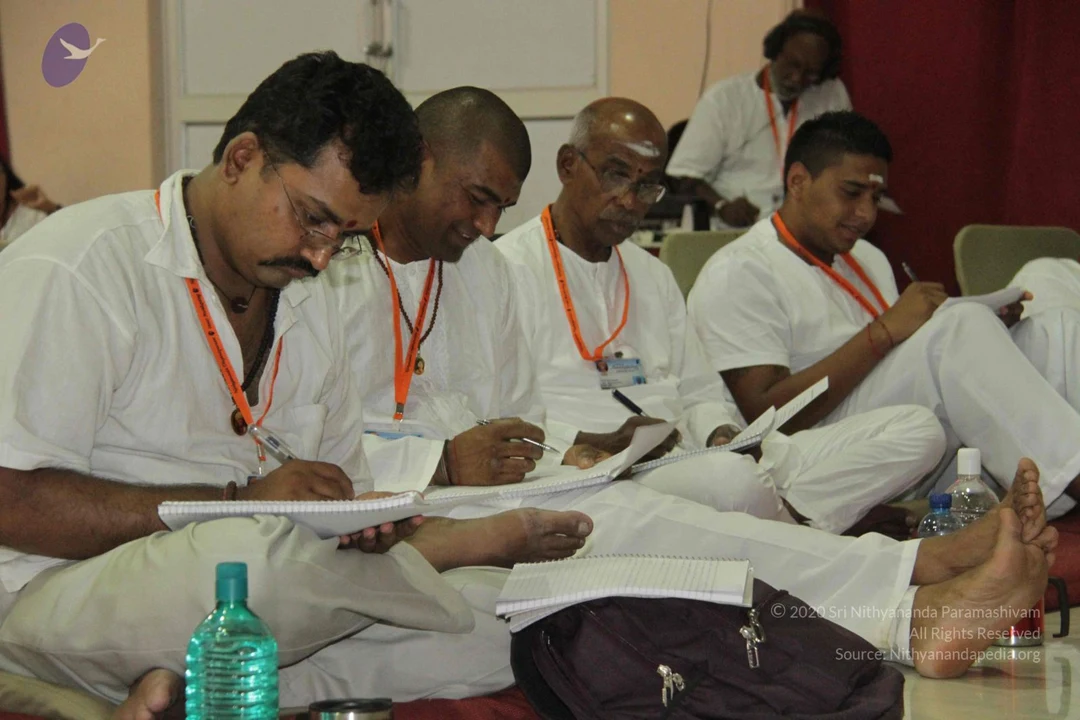
Please start intra analyzing. We will go for the process. Please settle down on the floor. Listen, listen. Now we are going to work on this third eye. No, basically what I am going to do no, I am going to awaken some parts of your non mechanical parts of the brain to bring you to the awareness to be in conflict free space. You will be inhaling through right nostril, holding, keeping the awareness on the third eye. Then exhale through left. Again you will inhale through left and hold, your awareness on the third eye. Then exhale through right. Then again you will inhale through right. Understand? The same nostril through which you are exhaling you should inhale and hold. When you are holding the breath, breath and the mind, both should be concentrated on the third eye. Clear? Please tie the ribbon. Close your eyes.
(04:59)
Q: Swamiji it is not clear Swamiji: Okay, I will repeat once more, listen. Shall I repeat once more? Yes, let Me give you one example. You just do this same thing with, through right. Inhale, hold. Listen please look here. Putting your awareness on the third eye, okay? Then exhale through left. Again inhale through left itself and keep the awareness on the third eye. Then exhale through right. Then again inhale through right and keep the awareness on the third eye. So continuously, consciously awakening the third eye is what going to happen with this Pranayama. It is called Sushumna Pranayama. Please tie the ribbon and start the process.
(05:57) to (06:30)
Process
(06:30)
Let us gather for next session.
(06:33)
Title
Life is All About Relationships
Description:
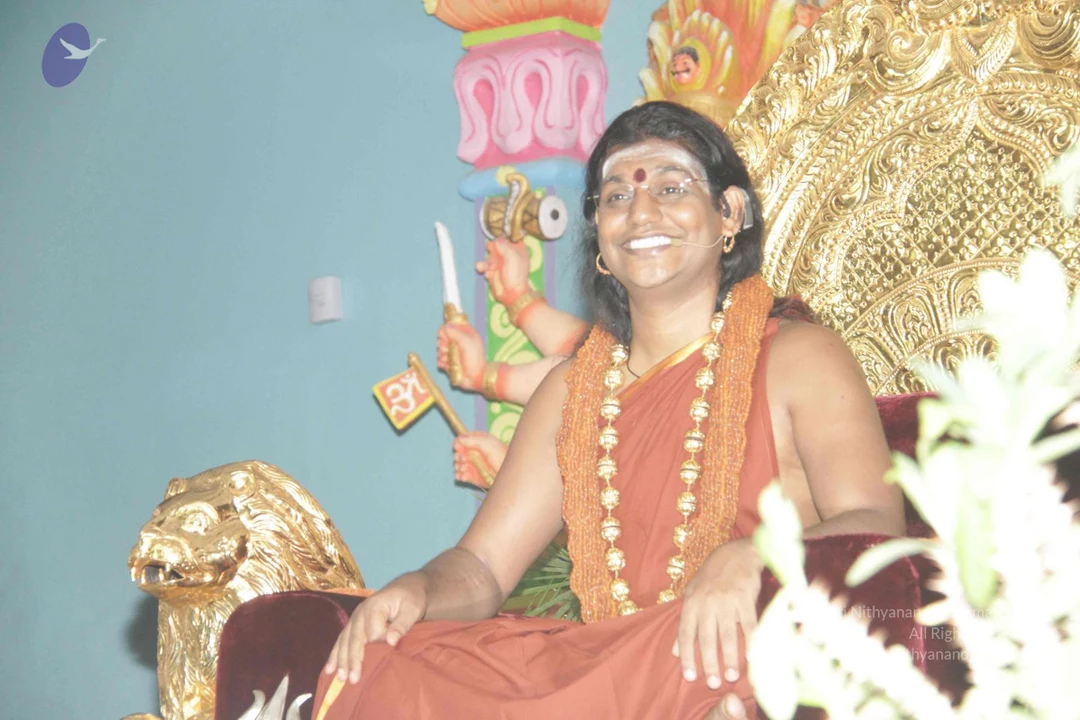
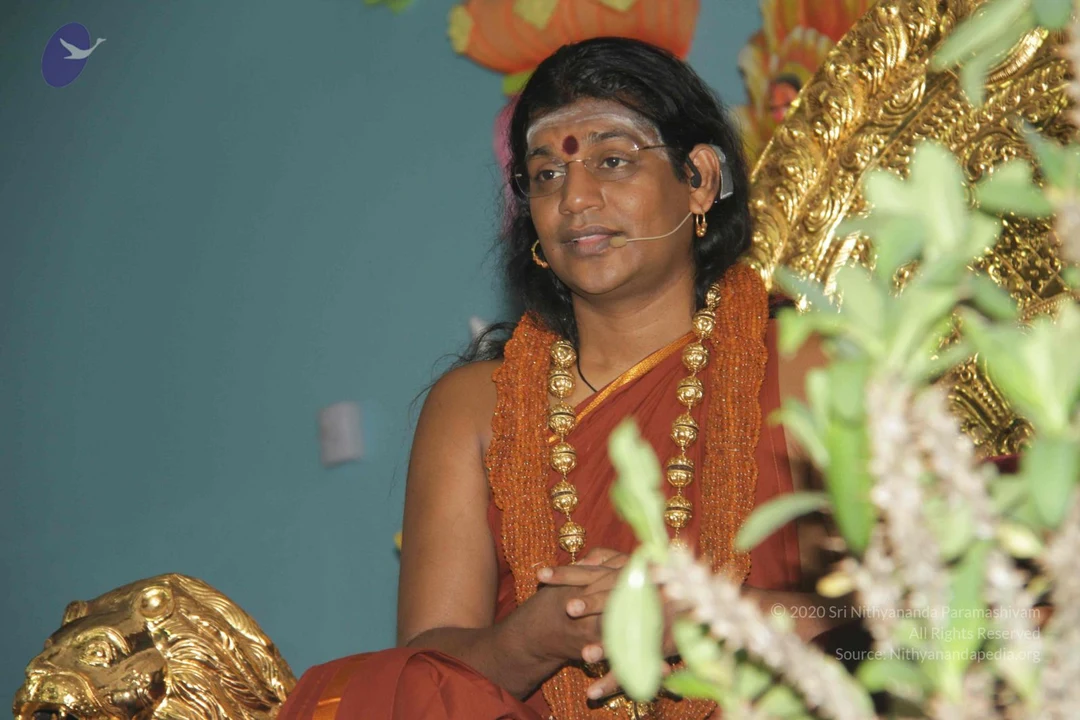
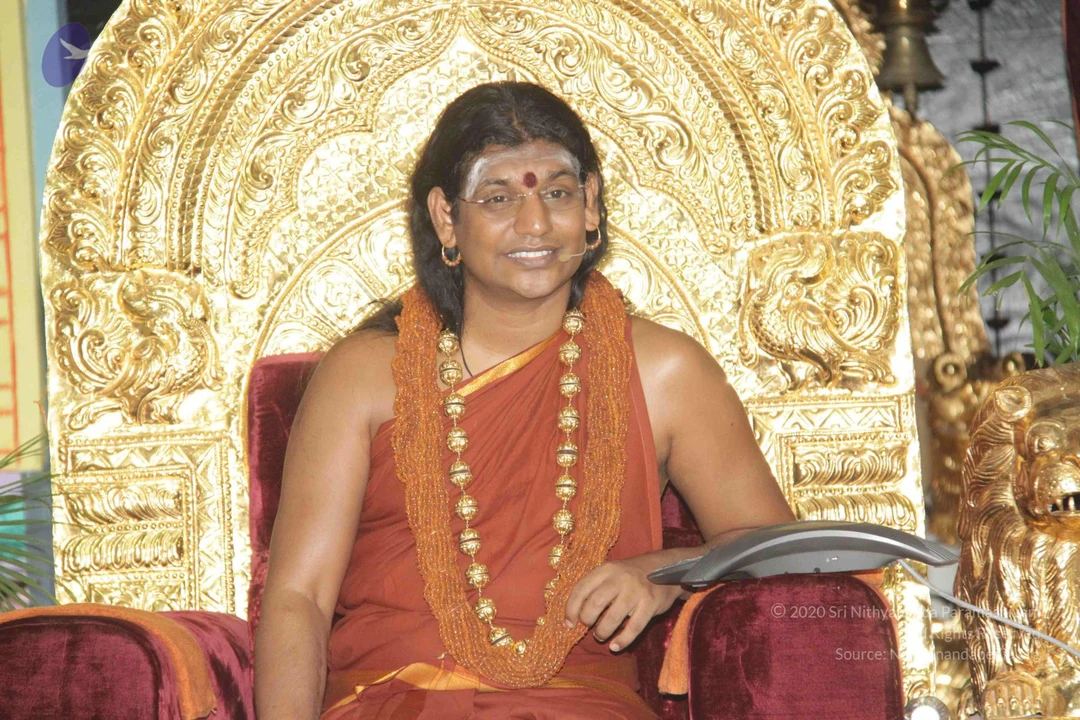
In today’s morning satsang, Paramahamsa Nithyananda explains why the enrichment of others is crucial to our spiritual evolution. The question that arises for many seekers is, Why is it not sufficient just to live by these principles myself? Why do I need to involve myself with teaching others to live in the same way? Today Nithyananda answers that question. Life unfolds outside of us. Inner awareness is only a potential until we complete the process by sharing it. Our fulfillment turns on the fulfillment of those we interact with. If we do not give our attention to others we fall into loneliness. If we do not continue to expand ourselves, we fall into depression. We should never give up the responsibility to enrich ourselves, those around us and ultimately the whole world.
Link to Video:
| Video | Audio |
Transcript:
[00:30]
Mein Sadhana TV ke sabhi darshakon ka prem evam ashirvaad sahith swagath kartha hoon. Aaj hum jeevan ka chautha tattva labhanvith karne ke baare mein baat karenge. Today I will expand on the fourth principle of life - Enriching. Please listen. Enriching, enriching means you taking the responsibility with integrity and authenticity that you are committed to continuously enriching which is expanding yourself and life in and around you. Listen, enriching is you taking responsibility with integrity and authenticity that you are committed to continuously enriching which is expanding yourself and life in and around you. Jeevan ka chautha tattva hai ‘aapyayanam’ ka arth hai aap sampoorthi evam shraddha ke saath zimmedaari uthaye ki aap lagaathar aapyayanam - arthath swayam ko aur aakpe andar evam bahar ke jeevan ko lagathaar labhanvith karne ke liye pratibadh ho.
[03:09]
Enriching means continuously expanding yourself with this four principles; continuously enriching others to expand with four principles. Listen, the first question will come usually in peoples mind; especially if you are a spiritual seeker the first question comes in their mind is why should I enrich others with these principles? If I live is that not enough? Why do I need to enrich others with these principles? Dhyan se suniye. You should understand most of you must be having this question. Aapme pehle prashna uthega ‘mujhe kyon doosron ko labhanvith karni hogi?’
[04:50]
You should understand life happens to us outside us. Listen. Consciousness may be inside, but life is happening outside. If we are just inside a deep jungle in a cave, you eat some forest fruits and drink the Ganga water and sleep, you don’t see people at all; then you may not need to enrich others. But even then you need to enrich the tree which gives you the fruit and the river which gives you water. In our life, practical life, life is happening to us outside us. Jeevan hamaare bahar hota hai. Isiliye hame jeevan ko labhaanvith karni hogi. Labhaanvith karna means in chaar tattvon ke dwara nirantar apne aap ko vistharith karna labhaanvith karna; in chaar tattvon ke dwara nirantar doosron ko bhi vistaarith karna.
[07:14]
Let's analyze; analyze this, internalize this and understand. Manana. Let us do manana and understand. Aap kaun hai? Aap anek astitvon ka sangrah ho; jaise ki mata, pita, putra, patni, pati. Who are you? You are just a collection of all these identities. I can take any one example. Any one of you would like to volunteer; come to the mike. Come on, anybody wanted to volunteer. Let Me analyze your life and give you the right way of enriching; some devotee.
[08:35]
Tell me what all the identities put together you are. Devotee: daughter, mother, wife, daughter-in-law, friend, teacher, student, devotee, disciple, entrepreneur. HDH: That’s all. Now I will take her example and tell you. See if your personality is 100%, so each one of this has some percentage; maybe the personality the identity that you are a daughter will be occupying 20%, wife – that will be occupying maybe 20-30% and disciple - that may be occupying some 20-30%, a teacher - may be occupying 10%. Different, different of your identities occupy certain percentage of your being. Am I right? So now the personality, the identity you feel you are a daughter gets fulfilled, it can become complete, the life can happen to you in ultimate form as a daughter only if your father is enriched. Life can happen to you completely ultimately to you as a wife only if your husband is enriched.
[10:42]
Agar aapka astitva 100 pratishat hai, toh usme ek alag alag vyaktitva jaise- patni, pati, putri - thodi thodi pratishat hai. So if your personality is 100% each person has a share. Only each person involved in your personality, in your relationships with whom life is happening to you, with whom life is happening to you, only if all of them are enriched your life will be complete and enriched. Don’t think if you just enrich yourself alone you are going to experience completion-fulfillment-life. No. aap tabhi purna ho sakte hai jab aapme sammilith mata pitha puthra jaisi sabhi astitva purna hote hai. This is the only way you can experience fulfillment. Keval isi tarah aap purnata ko prapt kar sakte hai. Aap tabhi purna ho sakte hai jab aapme sammilith mata pitha puthra jaisi sabhi astitva purna hote hai. Keval isi tarah aap purnata ko prapt kar sakte hai, purnatva ki sthiti ko prapt kar sakte hai.
[13:08]
Enriching others is a basic necessity of your life experiencing fulfillment. You can never be complete or fulfilled if all the people who are involved in your life are complete and fulfilled. Only when they are all enriched with these four principles you will experience enrichment with these 4 principles. Isiliye aapke jeevan ka sabse moulya aavashyaktha hai jeevan ko labhaanvith karna. Aap jiske saath jeevan jee rahe hai unke saath aapyayanam ke dwara aapka jeevan purna aur labhaanvith. With whom life is happening to you, only when you enrich all of them, only when all of them are enriched, only then life will be complete and enriched for you. Aap jiske saath jeevan jee rahe hai unke saath aapyayanam ke dwara aapka jeevan purna aur labhaanvith ho saktha hai.
[15:15]
Enriching others, making others life alive; Vivekananda says beautifully when he defined the ideal for his organization; he says atmano mokshartham jagath hithaya cha - For the sake of the world's well being and for the sake of one’s own liberation. Please listen. He is not saying just one’s own liberation, he says for the sake of well being of the world also - jagat hitaya cha. Again and again seekers have a problem ‘Why should I enrich others life? Why should I enrich others life?’ This is one of the biggest problem we have. I should live I understand, why should I bother about others; after all world is illusion. You can realize the truth world is illusion only when you are in completion, only from purna the purna is experienced. Purnamadah purnamidam. Only out of purna-completion, completion happens. Listen, only when you enrich others you are enriched. I can tell you one thing from My experience - only when you start teaching to others you realize the truth completely. In Sanskrit there is a proverb: When you listen from the master you understand only 1/4th - 25%, when you clarify your doubts you understand 50%, when you discuss among the friends you understand 75%, when you start teaching, sharing with others only then you understand 100%.
[18:14]
But somehow especially in Hinduism baar baar sadhak ka yahi samasya hai ‘mein kyon doosron ko labhaanvith karoon?’ baar baar sadhak ka yahi samasya hai ‘mein kyon doosron ko labhaanvith karoon?’ Vivekananda answers, Swami Vivekananda ne bahut sundar kaha hai - apne aap ki bhalai ke liye aur apne aap ki mukti ke liye; unless you enrich others with whom life is happening to you, you can never experience fulfillment. Because especially people who are involved in your life as your employees, boss, father, mother, whoever is involved in your life if they are not radiating these principles you are not going to be experiencing fulfillment. You are not going to be experiencing the truth. You are not going to be experiencing the completion. The enriching does not happen to you. Unless you enrich others you will never be compete. Jab tak aap doosron ko labhaanvith nahin karte hai, aap purnatva ko prapt nahi kar sakte hai. Aap swayam ko bhi labhaanvith nahi kar sakte hai.
[21:22]
Because life is happening to us outside. Please listen, only consciousness is happening to us inside, but the life itself is happening to us outside. Kyonki jeevan hamare bahar ho raha hai. Because consciousness is inside you think life happens to you inside. Source maybe inside happening is outside. Kyonki jeevan hamare bahar ho raha hai; keval chetna jagrut hamare andar ho raha hai kintu jeevan hamare bahar ho raha hai.
[22:50]
Enriching is taking responsibility with integrity and authenticity that you are committed to continuously enrich yourself and enrich others; not giving up on you and people. Dhyan se suniye, this is the moola mantra not giving up on you and people. If you give up on others without enriching them, I tell you, you will give up on yourself. You will give up on yourself. If you don’t have the patience to enrich others without giving up on them continuously you will not have patience to enrich you without giving up on you. When you give up on you what happens to you physically is disease, mentally is depression, consciously is bondage. When you give up on yourself, physically your health will be broken, mentally you will fall into depression, spiritually you will fall into bondage. When you don’t give up on yourself you build the yogic body, vedic mind, enlightened consciousness. When you don’t give up on others you create the same for others also. I tell you giving up on others - if you have that pattern, you will give up on you. Each person you have not given up on in your life is one extra hand you have and each person you gave up in your life is a one hand broken.
[25:14]
Krupaya suniye. Aapyayanam ka arth hai aap sampoorthi evam shraddha ke saath zimmedaari uthaye ki aap lagaathar aapyayanam arthath swayam ko aur aapke andar evam bahar ke jeevan ko lagathaar labhaanvith karne ke liye pratibadh ho. Listen, listen enriching happens to you when you are enriching others also. Jeevan ka mool mantra hai aap swayam ko evam anya logon ka tyag math ki jiye, tyaag math ki jiye. swayam ko evam anya logon ka tyaag math ki jiye. Apne aap ka tyaag na ki jiye. Don’t give up on you. doosron ka tyaag na kijiye. Don’t give up on others. If you give up on you, you fall into depression. If you give up on others you fall into loneliness. Don’t give up on you, don't give up on others. This is the essence I wanted to share with you all today. From tomorrow I will continue to expand on how to create beautiful relationship with these four principles, how to apply these four principles and create fulfillment in the area of wealth, life - in every line.
[27:54]
Aaj ke satsang ka saransh hai: apne aap ko tyaag na kijiye anya logon ko tyaag na kijiye. Apne aap ko tyaag na kijiye anya logon ko tyag na kijiye. Kal se mein in chaar tattva ke aadhar pe jeevan ke anek vishay ke bare mein baath karoonga. Please listen, expansion in your consciousness happens only when the enriching happens to people around you. Without enriching others the completion, fulfillment, will never be experienced inside you how much ever you may try. With this understanding even the business you do will be a great fulfillment. Till you experience the fulfillment in others who are living around you your inner space can never settle in completion. Aapki chetna tabhi vistarith hoti hai jab aap doosron ko laabhanvith karthe hai aur vah aapko purnatah santhushti ka anubhav karayega.
[30:00]
Title:
Understood ROOT Of Jealousy || Part 1 || Inner Awakening || 15 March 2013
Link to Video:
Transcript:
(0:15)
Authenticity is the best strategy planning. If you are justifying saying, “He is inauthentic. Then I can also be inauthentic.” But his inauthenticity does not give you the justification for you to be authentic. Am I right? You always approach authenticity in the way of morality. That is why you feel you have to do it when you can't. At least you need to have a right justification so that you will not torture yourself. How many of you cognize what I am saying? It is a wrong approach towards authenticity. Understand, authenticity is a best strategy planning for life. It’s a powerful strategy planning for life.
(01:18)
How the jealousy pattern starts in our life I will tell you. Listen, when somebody expects something which you can't fulfill, you don't want to project that you are not able to fulfill their expectation, you expect something from them which they can’t fulfill and then you justify, “You see, you are not able to fulfill. I am not going to fulfill.” How many of you have done this game in your life, raise your hand, cognizing it. Understand what I am saying? When your brother says, “Hey! As a brother you should give me this. Then you say, “No! As a brother, you should give it to me.” Understand, when somebody expects something from you when their image about you demands your expansion but you are not interested in expansion, the violence, the anger you show towards them is jealousy. How many of you are catching it? Cognising it?
(02:46)
One of the biggest problem with this knot patterns, thought patterns is, they will never let you catch them right away. They come in different robes. They wear different, different garments and stand in different, different corner. Your thought patterns, if lust does not appear in front of you saying, “I am lust. Please come on. Either you live with me or you kill me.” No! “I am jealousy. Either you live with me or you kill me.” No! Jealousy comes out as violence. You are continuously fighting with violence but the jealousy is nicely enjoying. “I am relaxed. Let him fight with my proxy. Finally you are in losing game. The root is somewhere else. You are continuously fighting with the branch. How many of you….. listen, listen, finally get tired of fighting with your patterns and give up, raise the hand. It means you are fighting with branches, not the root.
(04:11)
Understand, jealousy starts only to justify you in the beginning. Listen, how jealousy starts you know? Listen, first the jealousy starts to justify, “Eh, you ask me one crore. I will see now what I project on you and prove that you are not able to project my image. So I don't project your image.” That is why jealousy starts. Then anybody comes in your life, you use this same shield and bulldoze them. This fellow says, “Yes, yes, right, right only. You are right. As a brother, I should do all these to you. I have not done. So you also will not do. I know.” He falls.
(05:01)
Then somebody else comes and they try to ask you, “Eh, as a teacher I want all this from you. You say, “As a teacher you should have done all this to me first. Then I will do all that.” You project and the teacher falls. Then your father comes, “As a son, you should have done all this to me.” You say, “As a father, you should have done all this to me. You have not done.” Project, bulldoze. He falls. Then slowly, one by one, one by one, one by one, in your life, there is nobody who will expose your inauthenticity to you. How many of you understand that? When you have the space now, nobody is there to expose your inauthenticity to you, your inauthenticity declares the ‘Self declared king.’ It declares supremacy.
(06:00)
How many of you feel you declared this kind of supremacy in your life? There is nobody to expose your inauthenticity? How many of you cognize your jealousy only started as a justification process in your life? Now intranalyse these questions and we will dig out the answer. I tell you, how much ever somebody is inauthentic, for example, I am not saying authenticity means you will be polite, powerless. No. If he comes on elephant and attacks you, go on elephant and attack him. If he comes on horse and attacks you, go on horse and attack him. If he comes by walking and attacks you, go by walking and attack him. If he comes with a flower, go and give him flower. I am not saying authenticity means, “No, no, no. You kill me. You beat me. You do whatever you want to me.” No, that is not authenticity. Don’t mistake weakness as authenticity. All I am saying is, your inauthenticity should not be justified, strengthened, go unquestioned because somebody else is inauthentic. Understand?
(07:17)
Yes….please come, come to the mike. Go ahead. Switch on the mike. Please go ahead.
(07:30)
Q: Our understanding of authenticity is mamakara, ahamkara and anyakara, Swamiji. Now, the word authentic in English means genuine. So in these three categories, when is something authentic, when is it inauthentic, Swamiji?
(07:52)
Swamiji: You see, when you are not aligning these three, it is non-genuineness. When you are not taking this aligned to the next peak, it is inauthentic. Q: So when these three are not aligned, it is inauthentic, Swamiji? Swamiji: Ah it is non-genuineness. Even to be authentic, you need certain genuinity. Genuinity is the degree of authenticity. You see, in what I described as authenticity, there are two job. First aligning all these three together means the way you show you, the way you feel you, way others expect you, should all be aligned.
(08:34)
Q: Yes, that was understood, Swamiji. Swamiji: That is genuinity. Q: Yes. Swamiji: Then, taking this whole thing to the peak possibility is authenticity. Q: Okay. Swamiji, till now…. Swamiji: Best way of feeling you, best way of showing you, best way of stretching you to fulfill others’ expectation.
(08:54)
Q: Okay Swami, because till now, I was imagining that, you know, the moral line is the one that divides authentic and inauthentic. Swamiji: No, no, no, no. It is not. As I said, it is not morality. It is not ethics. Q: Okay Swami. Swamiji: It is a spiritual value. Value of life. Catching it? Q: Yes, thank you. Swamiji: Yes, anybody has any question? See, because we think it is morality only, we don’t use it as life strategy planning. It is a CEO strategy planner. Yes, go ahead, go ahead.
(09:32)
Q: I am not understanding something You are defining this as for jealousy…. Swamiji: Shall I do one thing? Now if you intra analyze these questions and answer, I wanted you to come and share. When you share, what part you have not understood, I know. I will repeat that. Q: Okay. Yeah, I think jealousy is, you know, it happens something that you want or being something you want to be….okay? Swamiji: It is a very low level definition. It is not complete definition. So if you better….
(10:14)
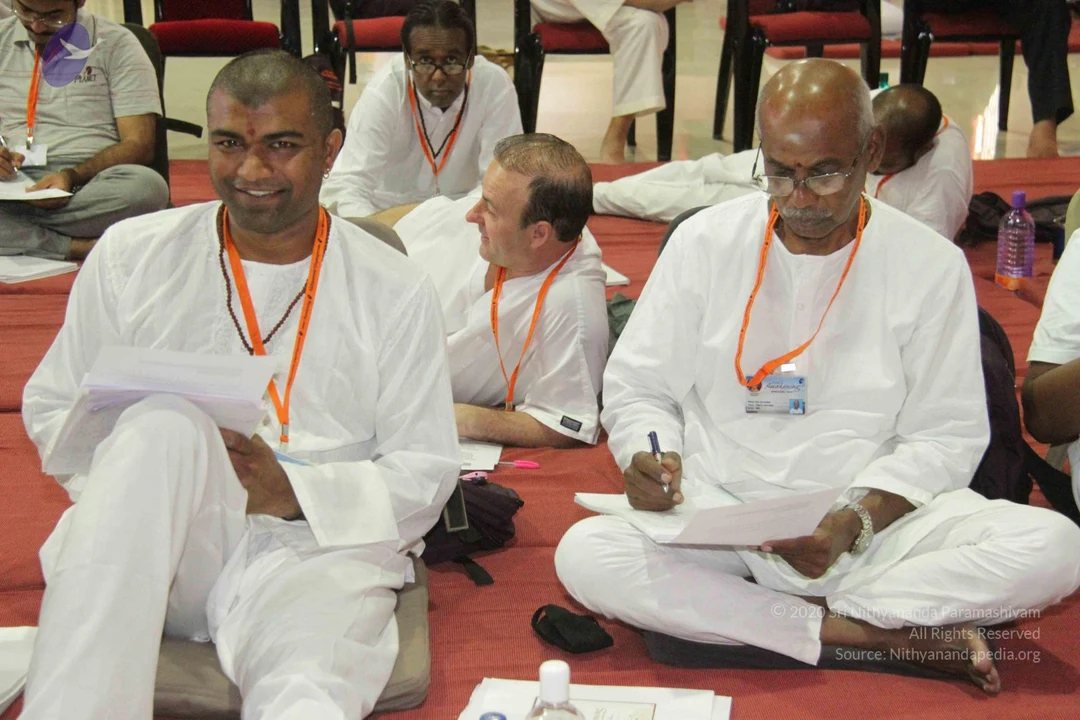
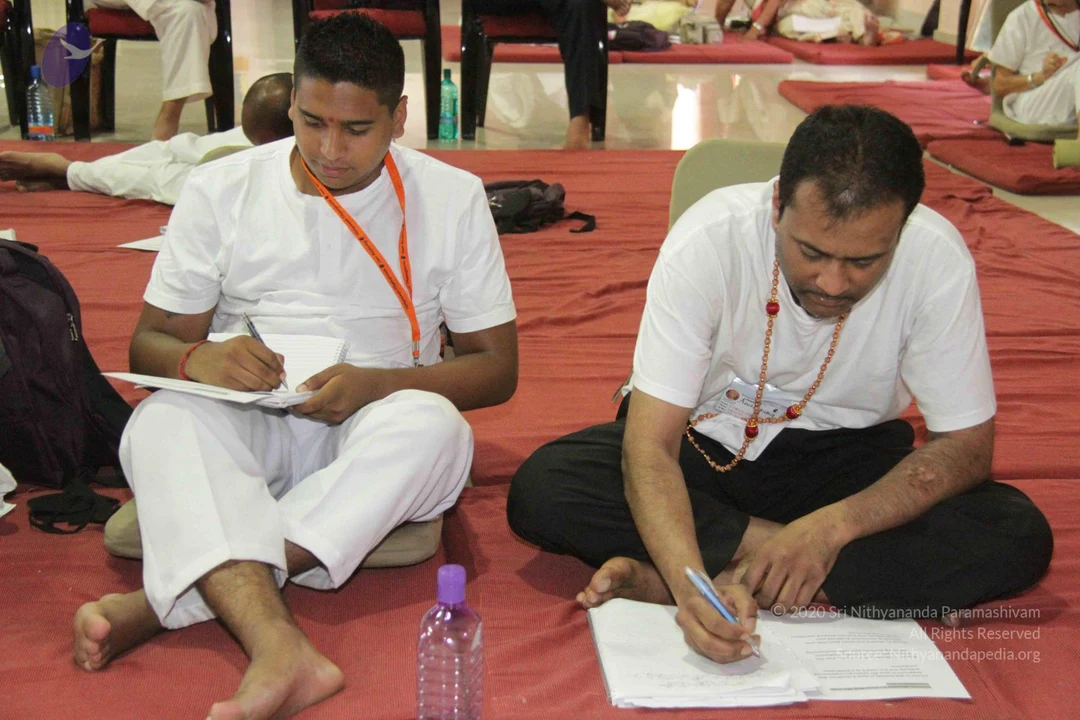
Please intra analyze the question paper. Ma, can you give Me a sheet? Look in and identify at least two situations that happened in your life where you experienced jealousy and you used it as justification mechanism. Look in and write down how this jealousy became a defending mechanism, defending you from your own inauthenticity. Look in, identify and wrote down how your defending mechanism protected your inauthenticity and how you declared supremacy of your inauthenticity. Please answer all these questions.
(10:56)
Biggest asset, look at Me. What do you think is My courage? Because of these heavy lights….I just now completed one Inner Awakening. All of you know? We video recorded the whole Inner Awakening because of Tamil language. I spoke in Tamil. For Tamil channels, we video recorded. Because of heavy lights, especially yesterday and day before yesterday, I am suffering highly with these eyes….that heat in the eyes and the…. today morning if you observe in the Pada puja, I was drowsing but somehow I was managing. Noon, how many of you observed when I walked and came for the session before you went for lunch, but when I say, “Come on, I will take some juice or buttermilk and cool the eyes, cool the body, wear glasses for protecting the eyes but work is work.
(11:56)
I am not even doing this as a work. Even the word work is wrong as far as I am concerned. My commitment. It is My integrity and authenticity, day in and day out and not only that, I have to be in My best energy. Only then these subtle points can be expressed. If you are tired, you can do physical work. You cannot do the mental work like a explaining highest points to everyone. If all you guys are moving your head listening to Me, ah, and raising the hand, it means I am in a high peak performance. Only then, every word I am uttering is going to hit at you and click with you. How many of you cognise this? Understand, be in your peak. That is the wealth. Not for anybody else’s sake. I am not even like this for anybody else. I am like this for My sake. I am like this. That’s it.
(13:14)
Q: For spending the time with the family…that is, when my…most of the time I am spending in my work working. So… Swamiji: Listen, if you are authentic to what you are doing, simply your whole family will understand and stand by you, will not demand time from you. Even when you have time, they know he is so integrated and authentic. I should only stand by what he is standing by. See, what is spending time together? Shall I tell you? Both persons knowing each other that the other person has a space for you; you have a space for the other person. It has nothing else. When you know other person has a space for you, then nothing else matters. How many of you cognize what I am saying? Only when you think other person has no space for you, everything hurts. Everything hurts. Even if you spend ten days together, only fight and argument goes on. When you know other person has the space for you….
(14:21)
Q: Okay Swamiji, I will first create the space inside myself for my family…. Swamiji: No, no, no. You just….first you need to get is authenticity and not justifying others inauthenticity for your inauthenticity. Getting it? Listen to your question and sharings. Can you please come? Yes…hmm. See, you put the questions na before starting the session. Can you put the questions now? I will answer now. Yes…great. You want to say? Go ahead, go ahead, go ahead. Q: If the expectation, if others expectation is more out of even my reach, then that is known as inauthentic?
(15:01)
Swamiji: I tell you, go on stretching. What all people expect from Me, don’t you understand? But I go on stretching. I go on stretching. I tell you, you will have extraordinary powers when you are ready to stretch, stretch, stretch. Q: Okay Swamiji, thank you Swamiji.
(15:23)
Title:
Create New Muscle Memory and Biomemory || Part 2 || Inner Awakening || 15 March 2013
Link to Video:
Transcript:
(0:15)
Yes, please go ahead.
(0:17)
Q: My answers to all three questions…
(0:21)
Swamiji: Can you little…
(0:22)
Q: Am I doing the answers to all three questions from the…..
(0:27)
Swamiji: No, no, no. Now you intranalysed, na? So now you ask Me your question because you would have got the many answers for your questions.
(0:36)
Q: Yes, I was asking about how this defines jealousy which I was thinking of that somebody has something that you want and something that you want
(0:48)
Swamiji: That is very superficial level of jealousy. The root of jealousy is this only. You got now? The root of jealousy starts with this pattern of justification.
(0:57)
Q: Yeah, now I, it talks about using jealousy as a, what do you call, strategy. I have never thought of jealousy as a strategy
(01:07)
Swamiji: No, I am not saying jealousy as a strategy. Authenticity as a strategy. Understand. No, no, no. I am not saying use jealousy as a strategy. I am saying authenticity as a strategy. Getting it?
(01:21)
Q: Okay, thank you.
(01:25)
Swamiji: Now we will move to the next kriya. Very beautiful, powerful kriya. Please if you can sit in Vajrasana on your knees or sitting cross legged. Anything is okay but I will request you to sit on the floor.
(01:56)
Listen, listen to this kriya. You will use all three holes- both the nostril and mouth. Inhale. Let Me show you. Once you inhale, put your chin on the chest and hold. When you can’t hold anymore, slowly exhale through the nostrils. For exhaling you will not use mouth. Clear? Inhaling through all three- both nostrils and mouth. Holding by putting chin on the chest. It is called Jalandhara Bandha- putting the chin on the chest and exhaling through both the nostrils when you can’t hold anymore. Clear? Shall we start?
(03:06)
Please tie the ribbon. Please listen. After two minutes if you are feeling tired, you can give a break, no problem. Then again start but don’t stop once for all. Any question Ma? No. Please tie the ribbon. Please tie the ribbon. Do it very slowly without straining yourself. Please do it with integrity and authenticity…. This pranayama done for long hours creates a new bio-memory and muscle-memory. It’s a very powerful kriya for building a new bio-memory.
(04:06)
Title
What is Real Wealth || Inner Awakening || 15 March 2013
Link to Video:
Transcript:
[00:16]
Question on the screen: “Swamiji, what is the real wealth?”
[00:20]
HDH: Be in your peak ,that is the wealth. Not for anybody else’s sake. I am not even like this for anybody else. I am like this for my sake. I am like this, that's it.
[00:37]
Title
What is "Spending Time Together" means || Inner Awakening || 15 March 2013
Link to Video:
Transcript:
[00:15]
Question on the screen: “Swamiji, I don't have time to spend with my family as I put in long hours at work. What should I do?”
[00.25]
HDH: Listen, if you are authentic to what you are doing, simply your whole family will understand and stand by you, will not demand time from you. Even, even when you have time they know he's so integrated and authentic, I should only stand by what he is standing by. See what is spending time together, shall I tell you? Both persons knowing each other that the other person has a space for you, you have a space for the other person. It has nothing else! When you know other person has a space for you, then nothing else matters. Only when you think other person has no space for you , everything hurts, everything hurts. Even if you spend ten days together, only fight and argument goes on.
[01:15]
Title
How To Become Extraordinary || Inner Awakening || 15 March 2013
Link to Video:
Transcript:
[00:16]
Question on the screen: “Swamiji, if others expectations is out of my reach. Should I still try to fulfill their expectations? HDH: Go on stretching. What all people expect from Me don’t you understand? But I go on stretching. I go on stretching. I tell you, you will have extraordinary powers when you are ready to stretch, stretch, stretch.
[00:43]
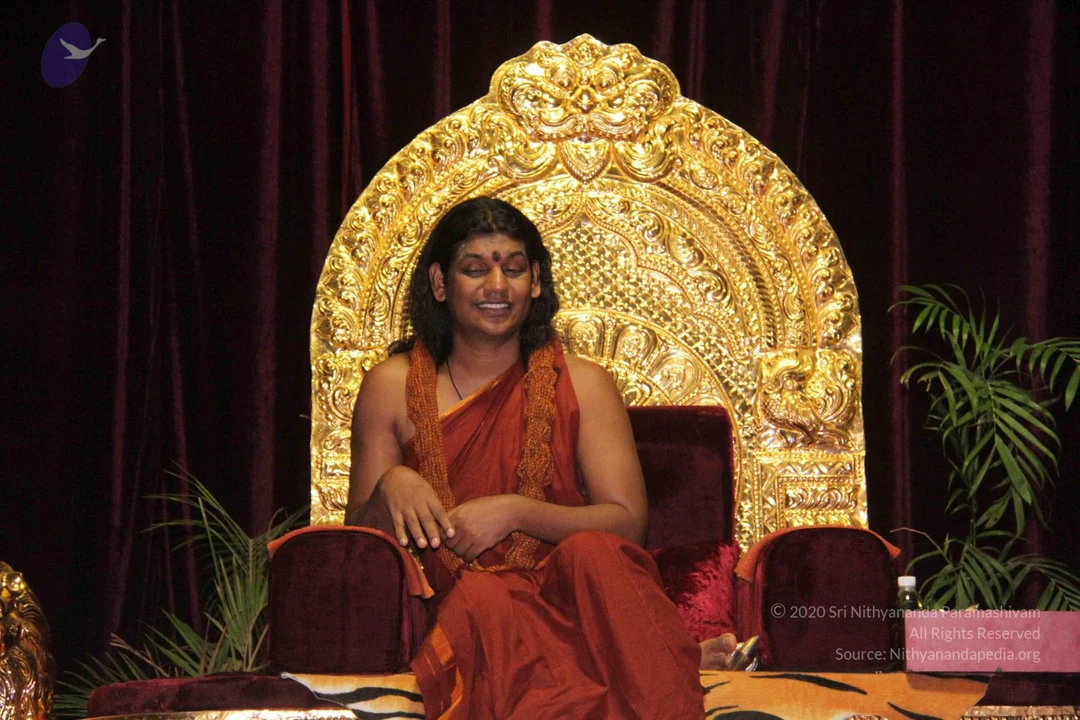
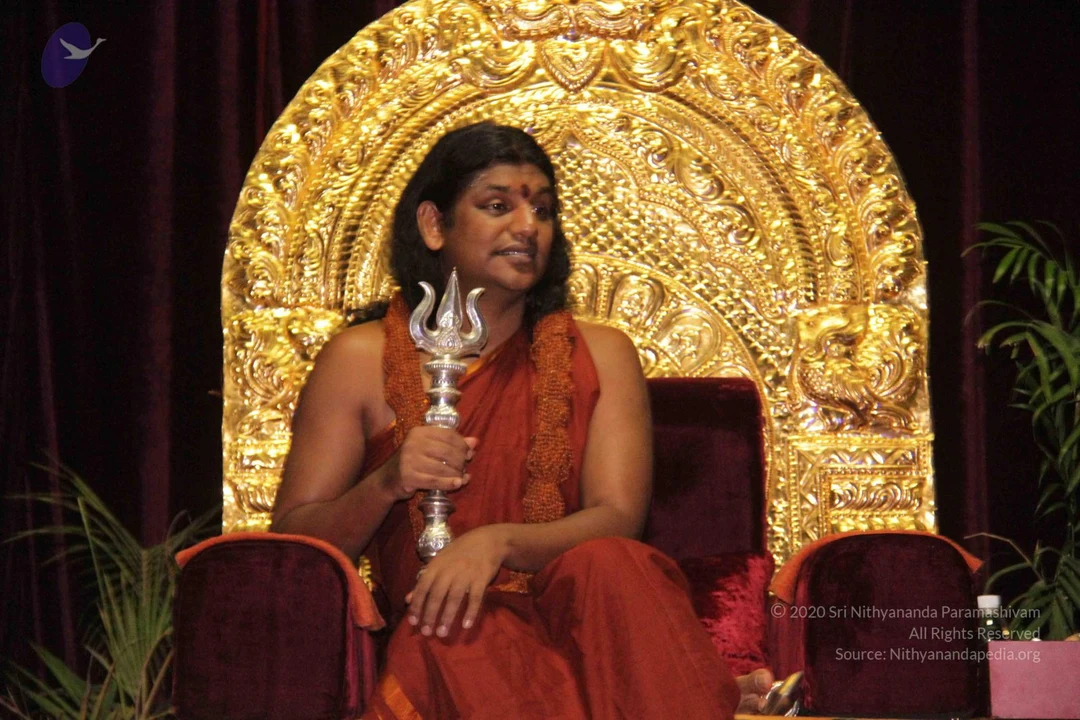
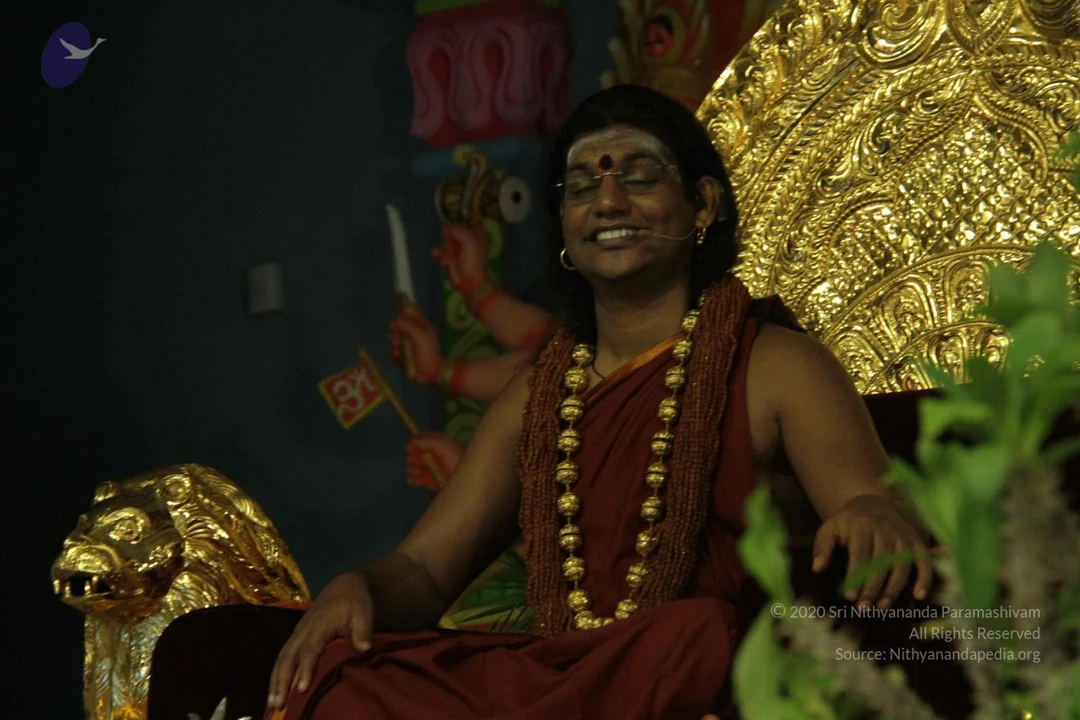
Photos From The Day:
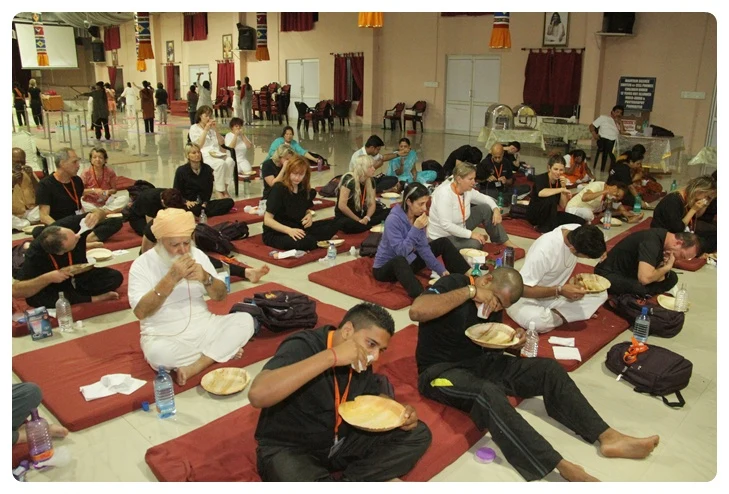
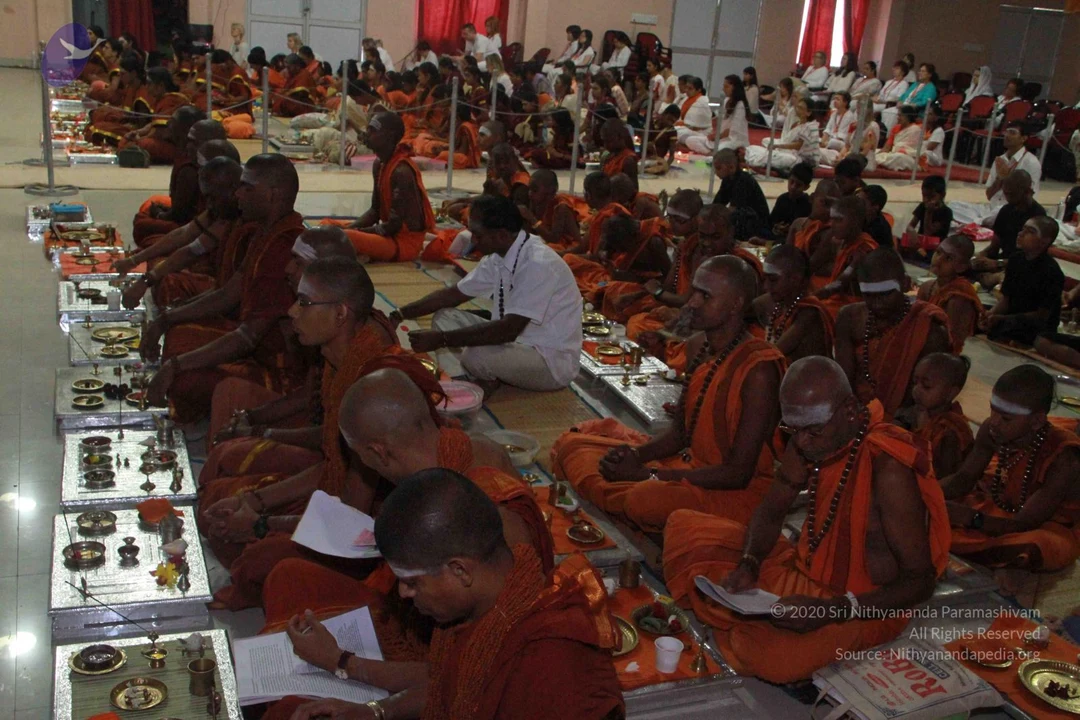
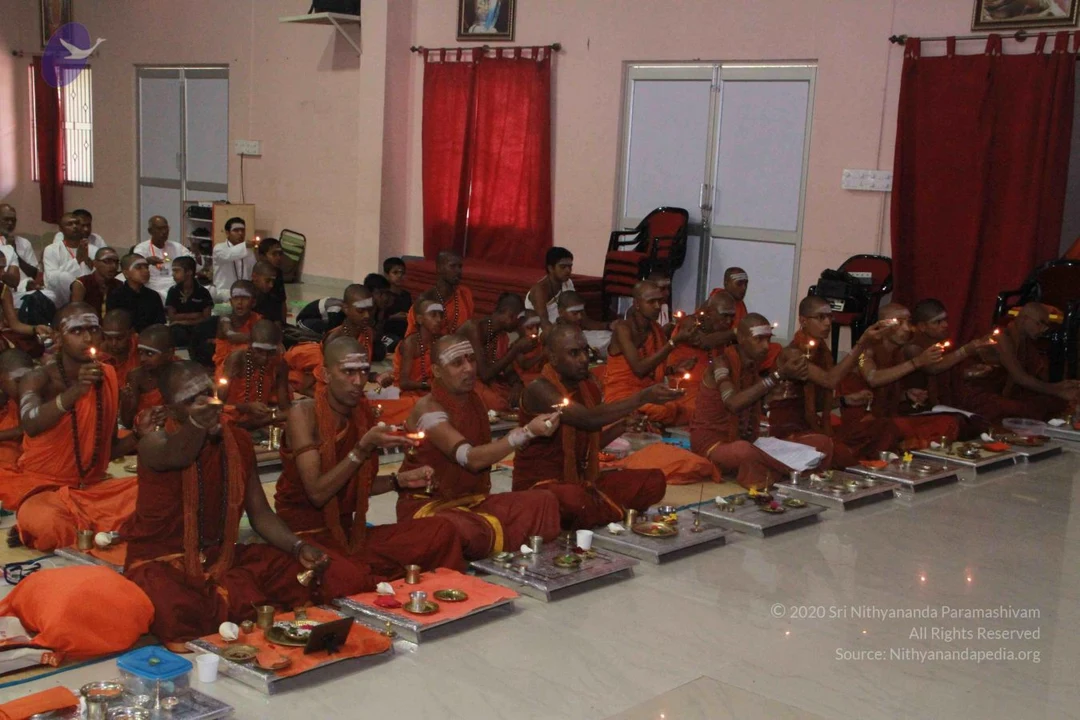
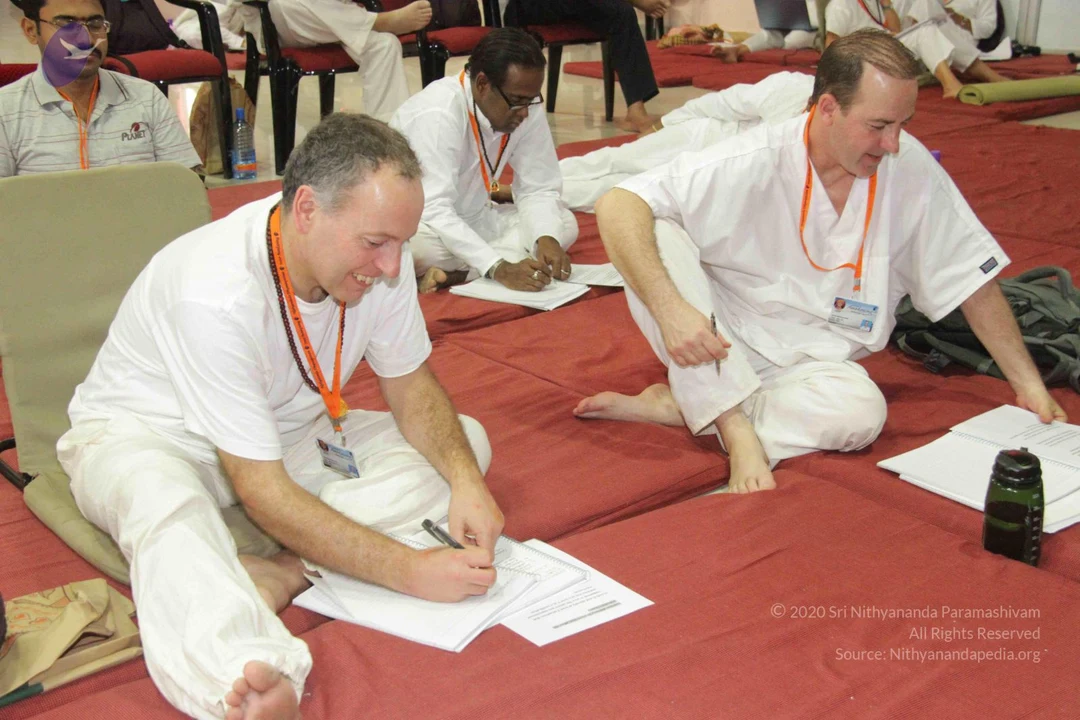
Inner awakening Participants Doing Pancha Kriya
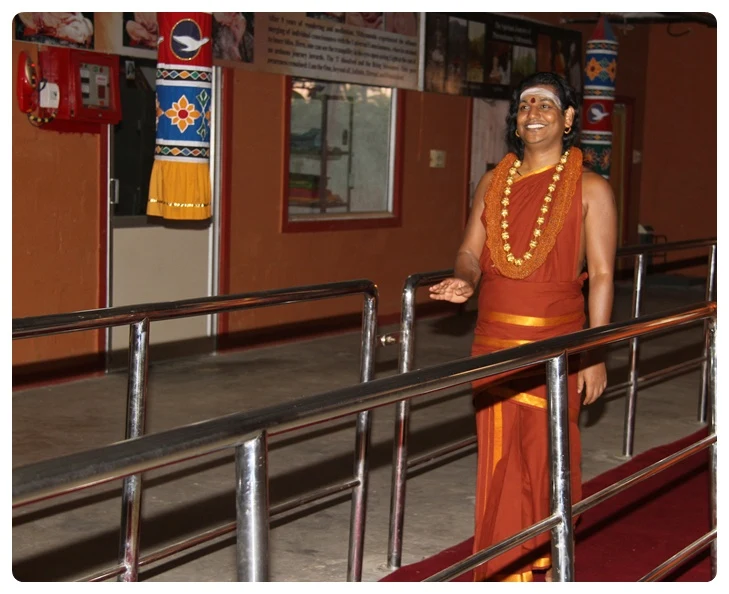
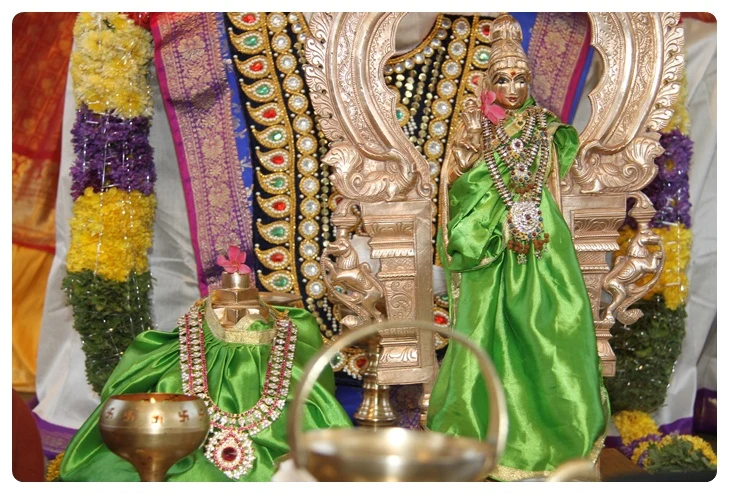
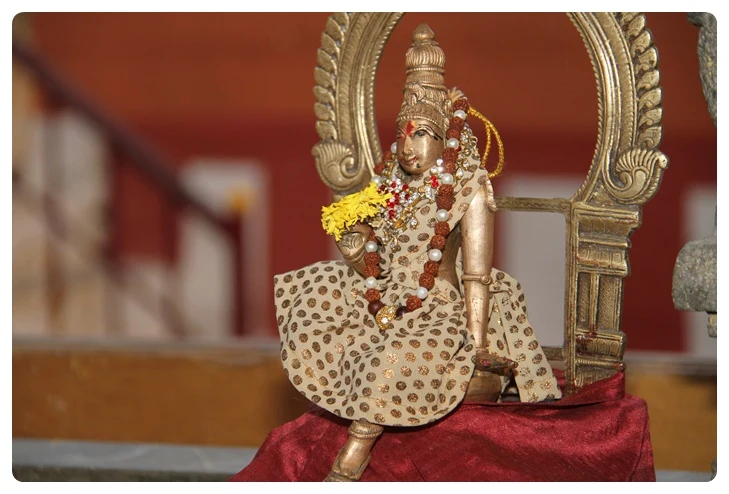
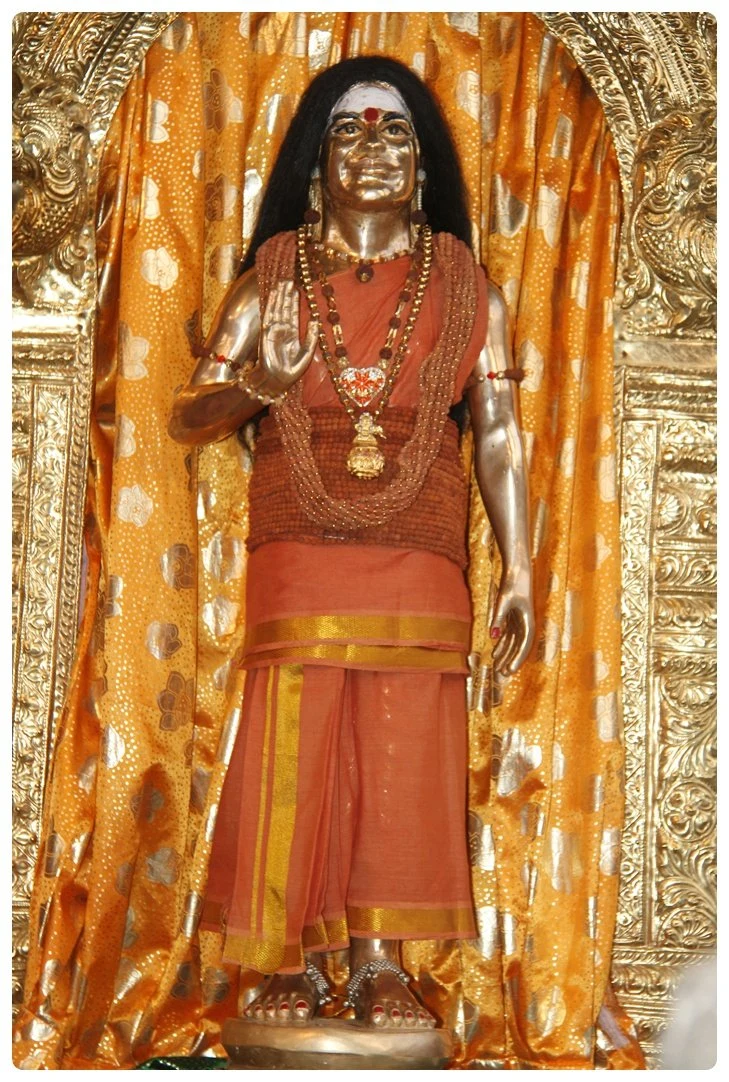
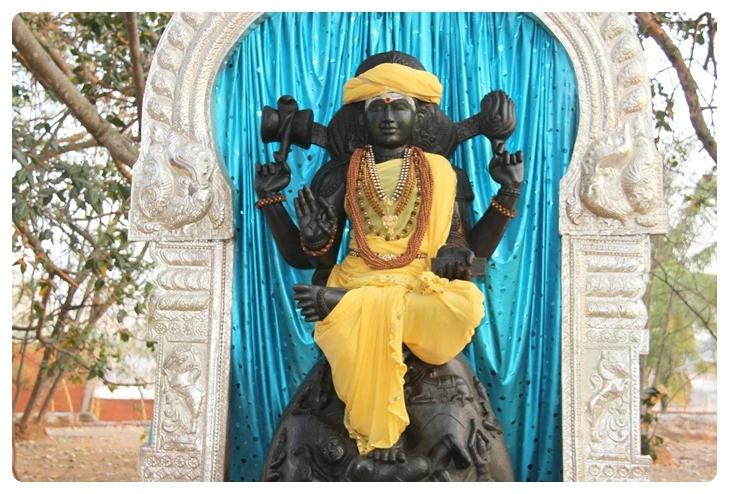
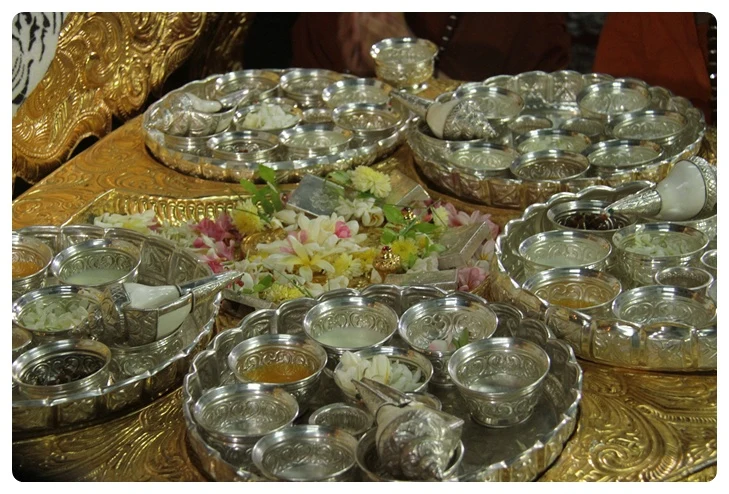
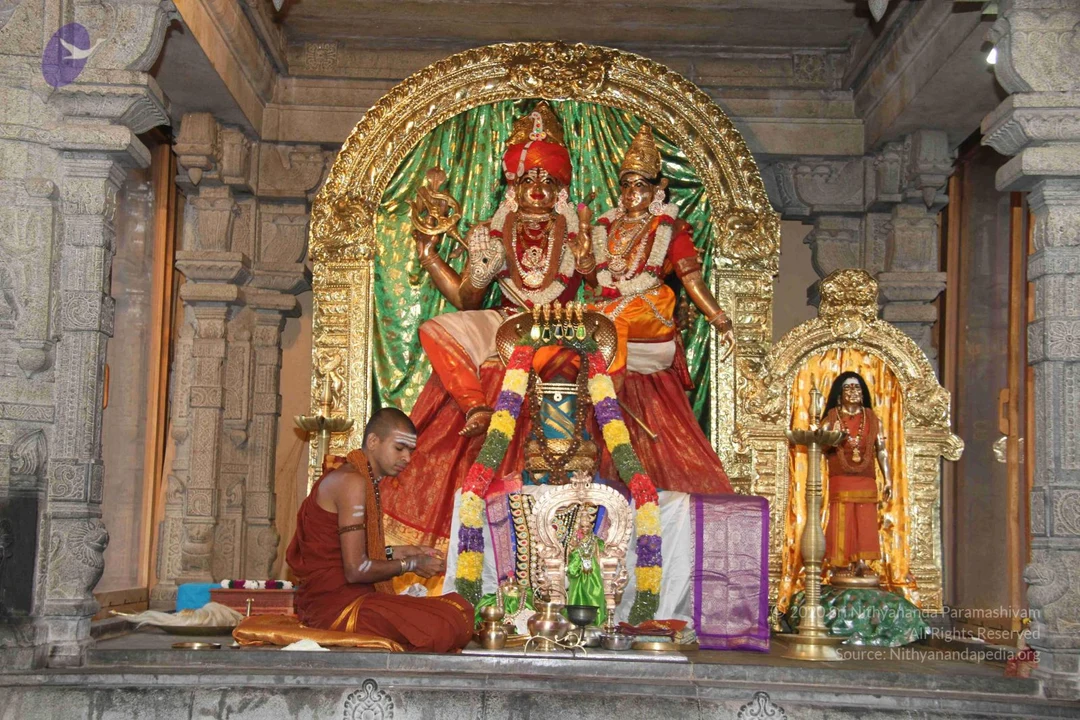
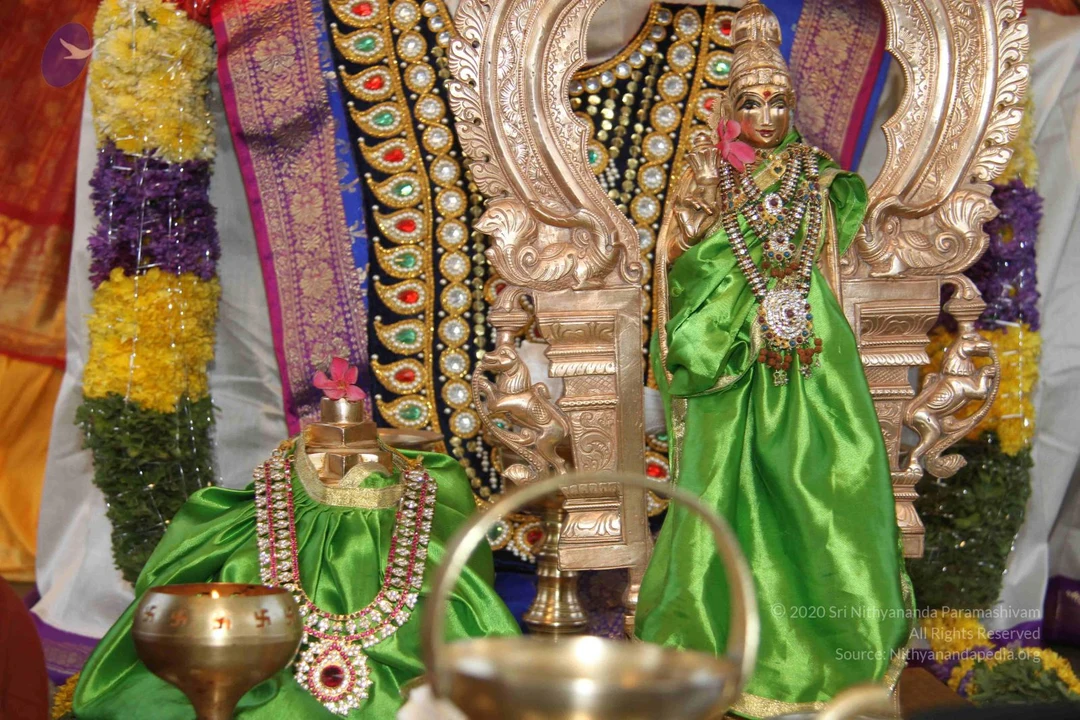
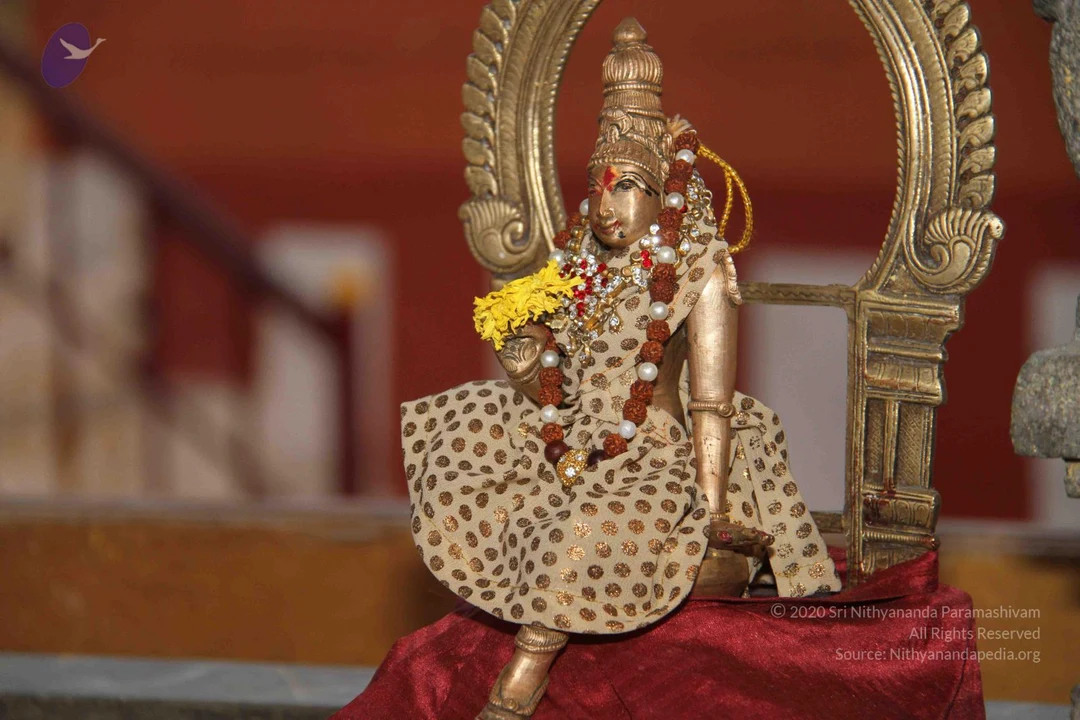
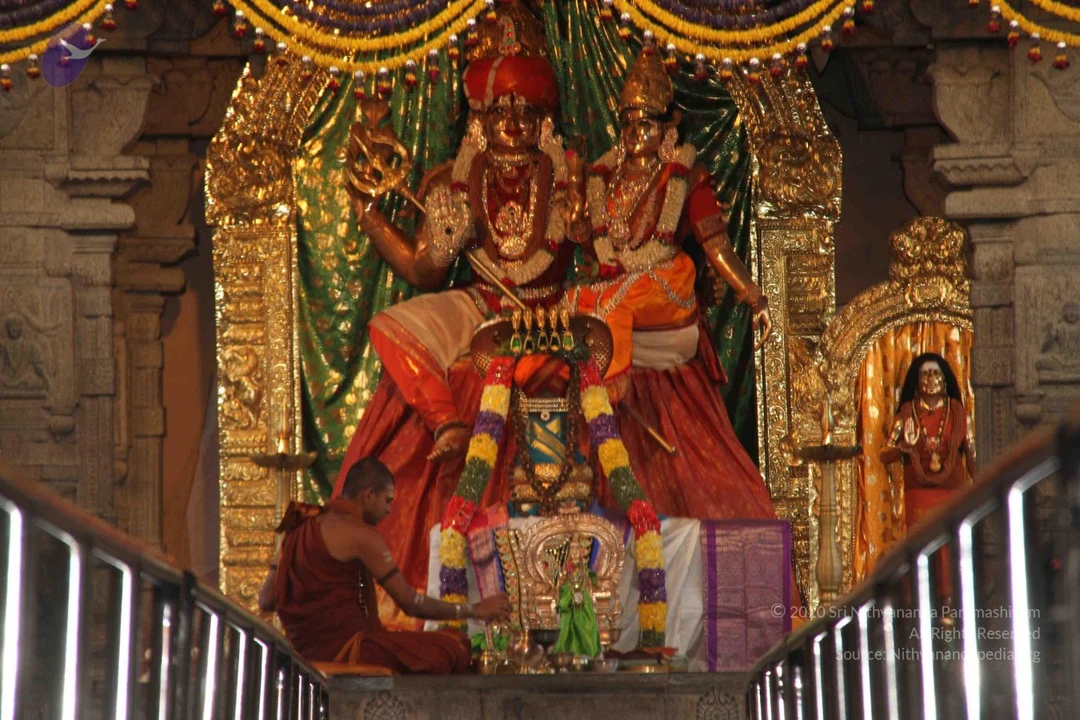
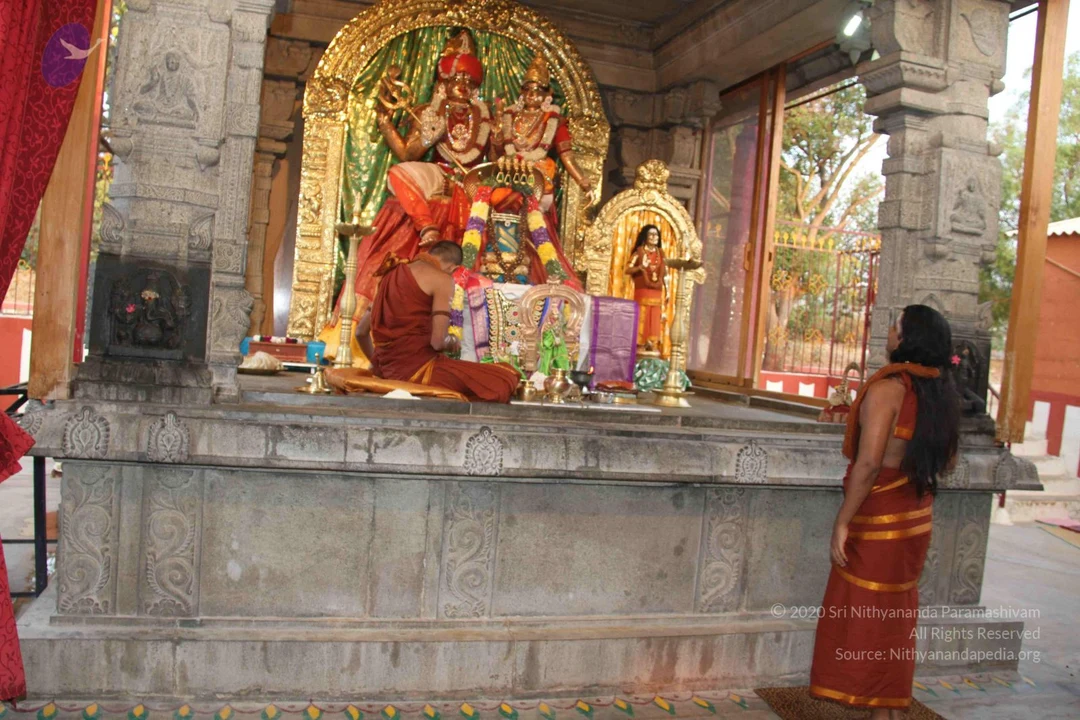
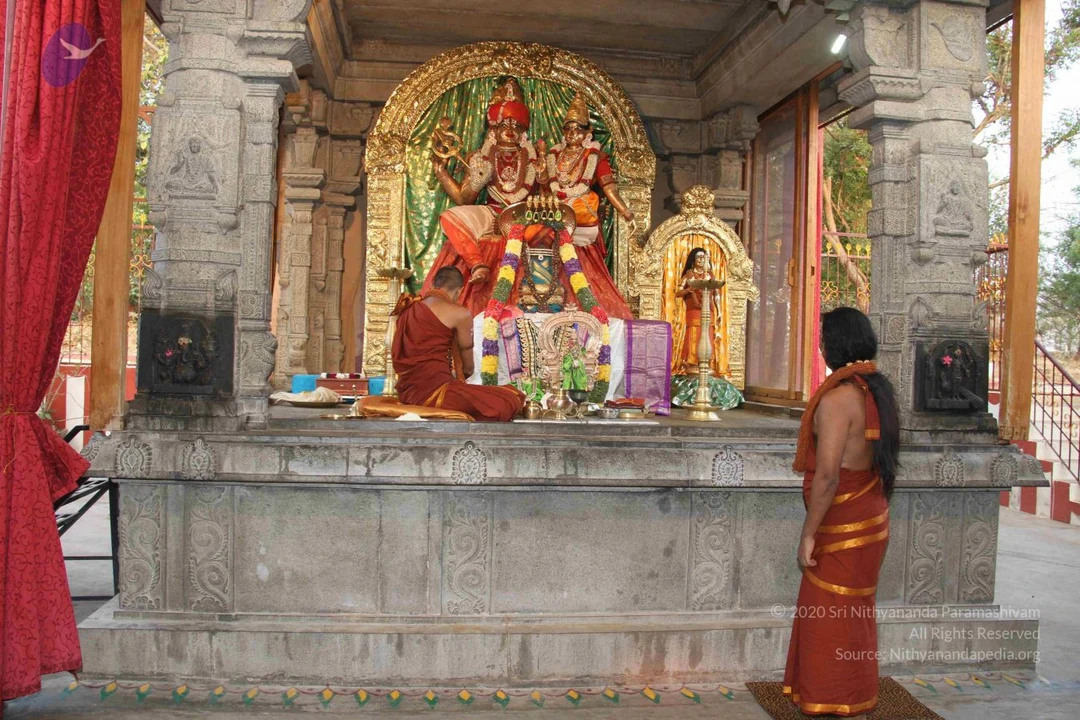
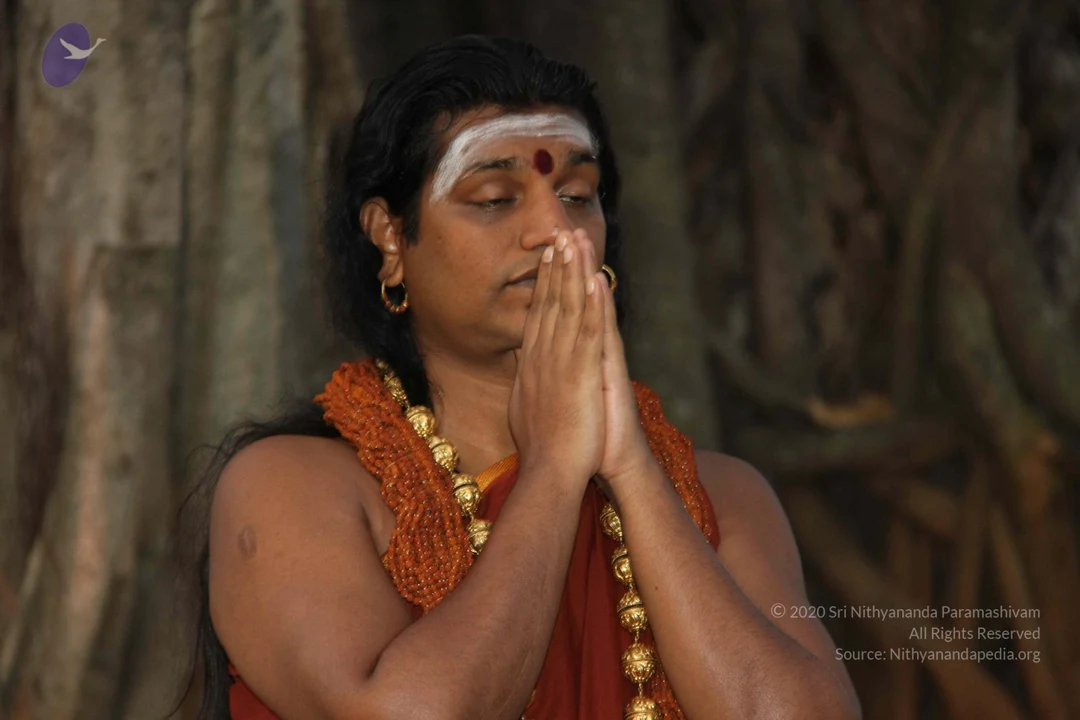
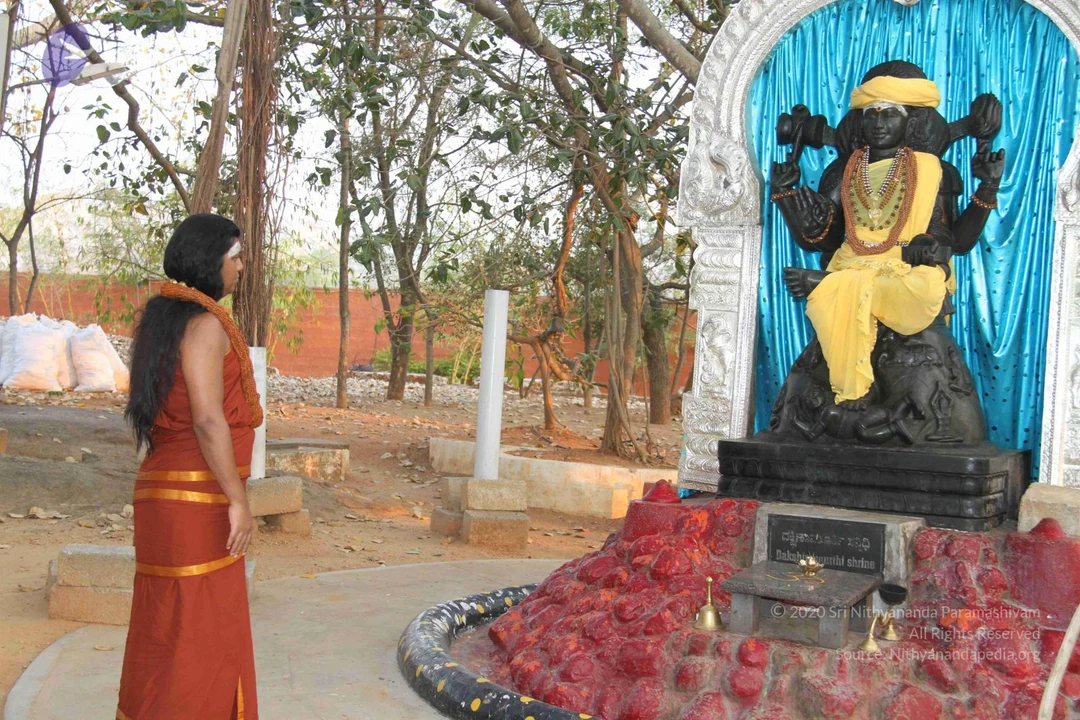
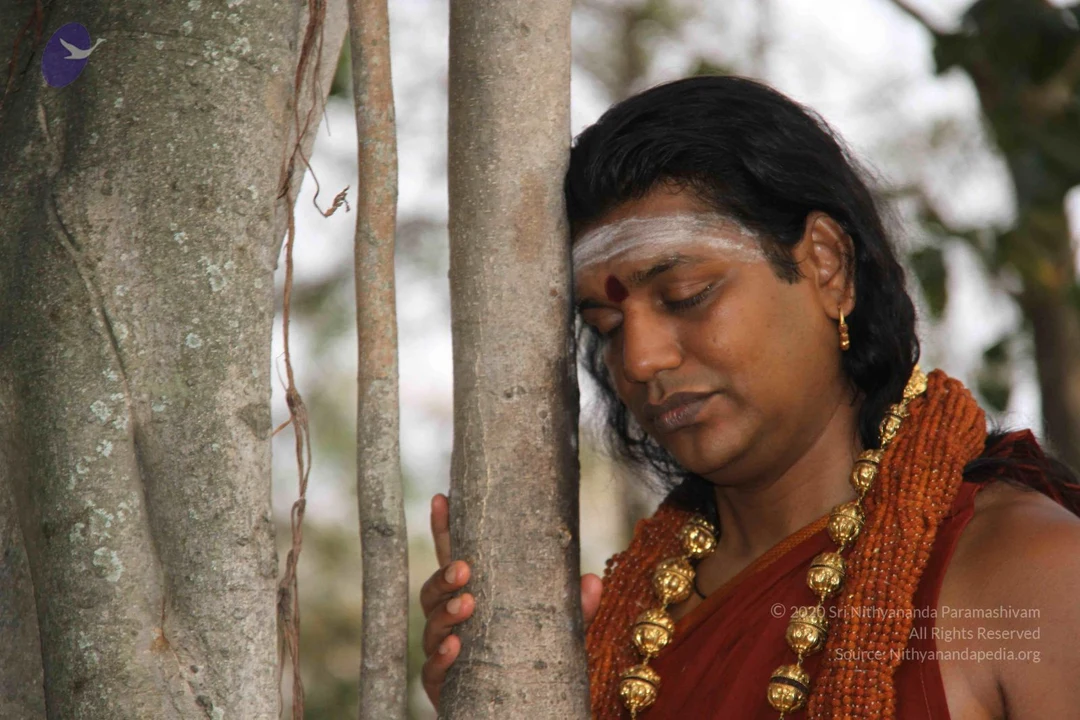
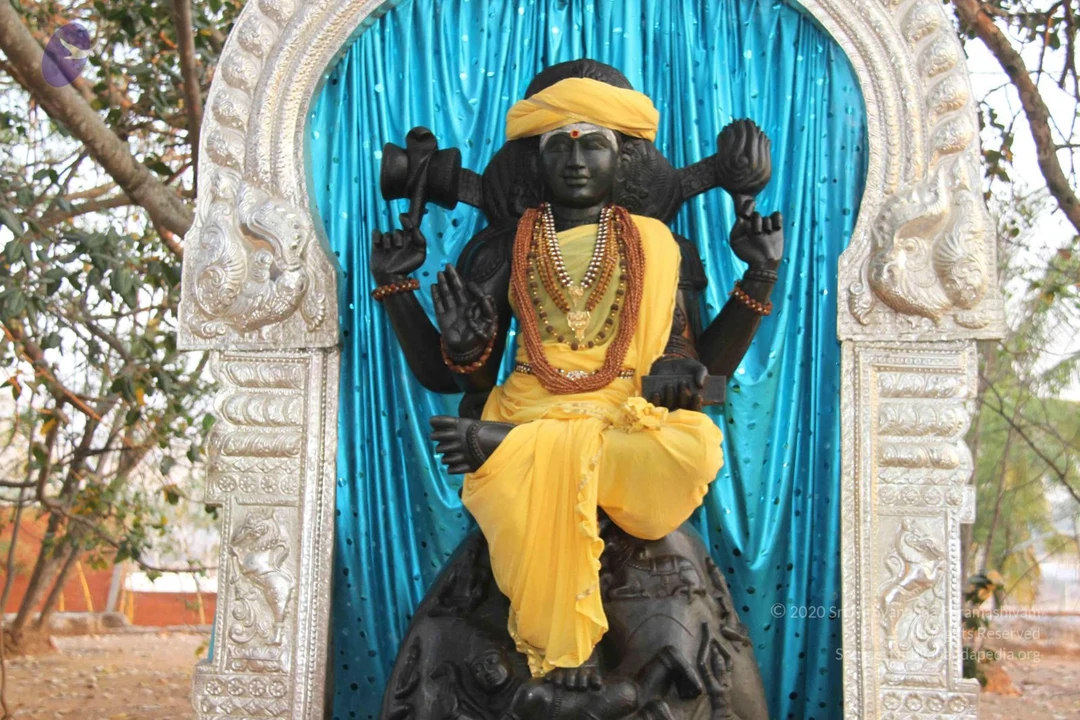
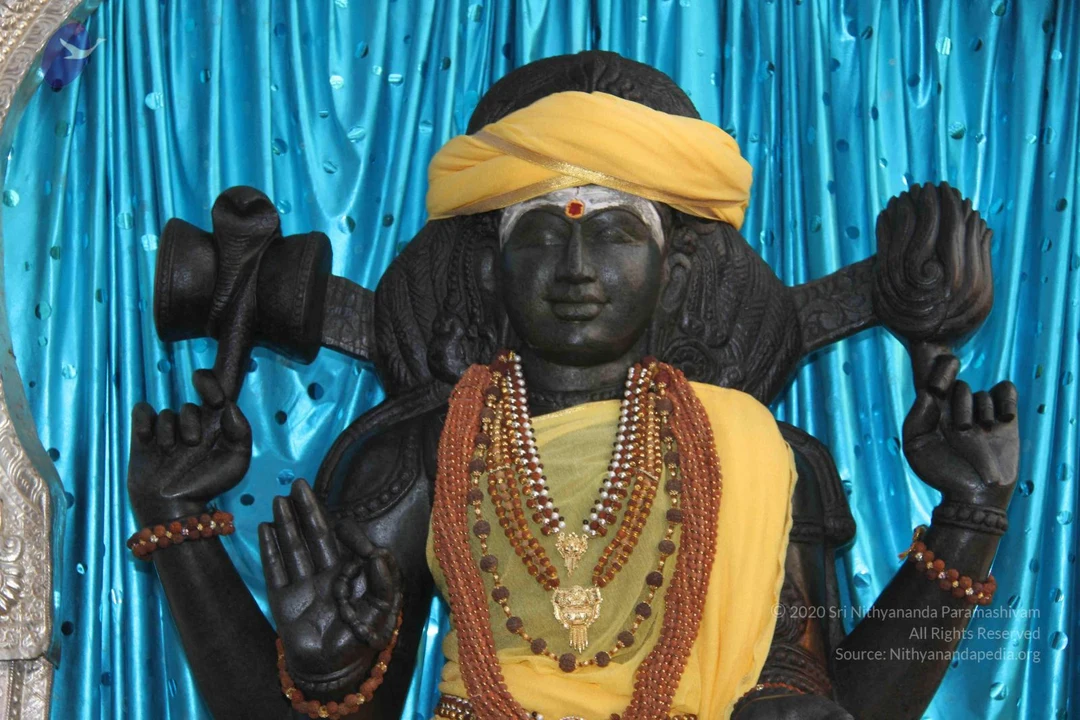
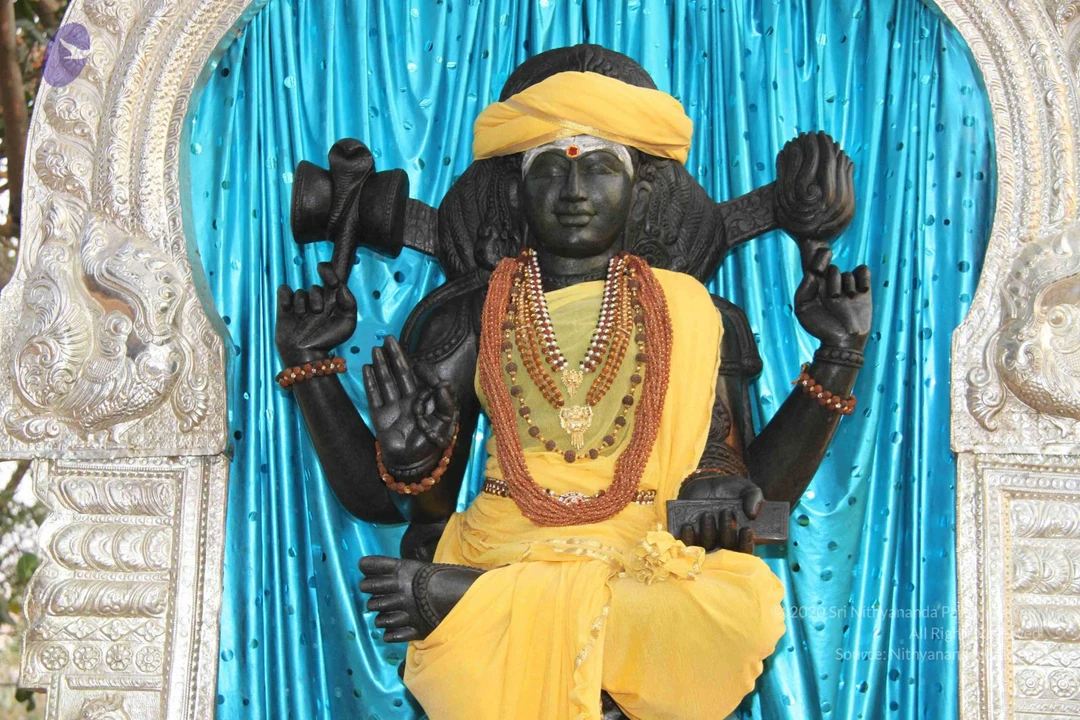
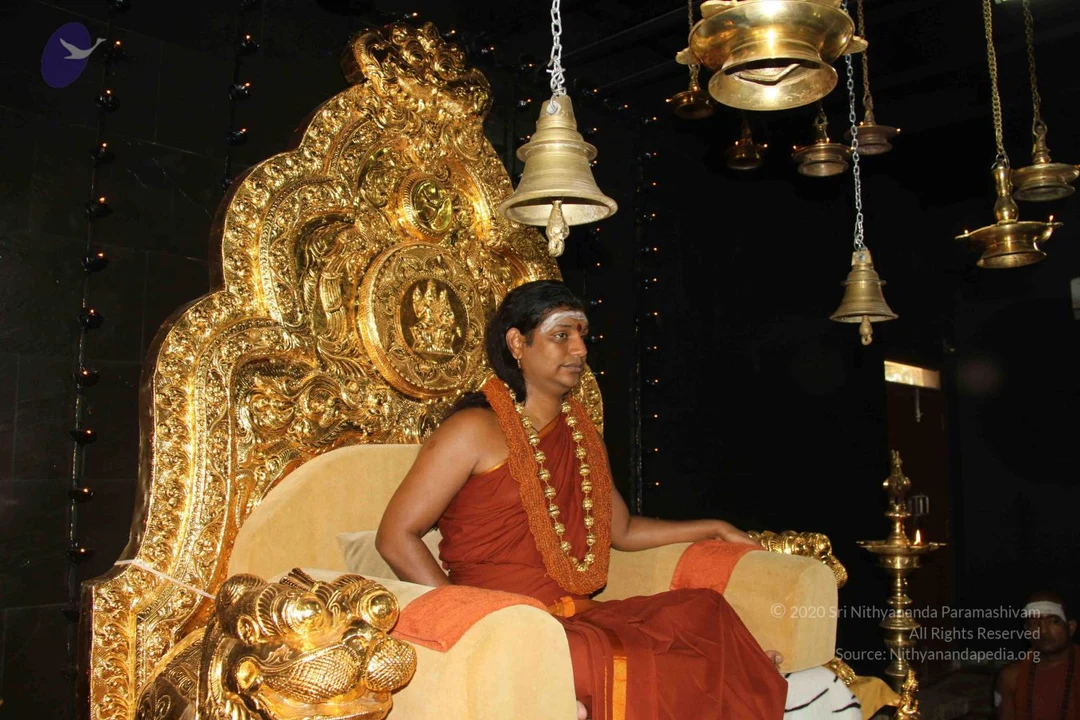
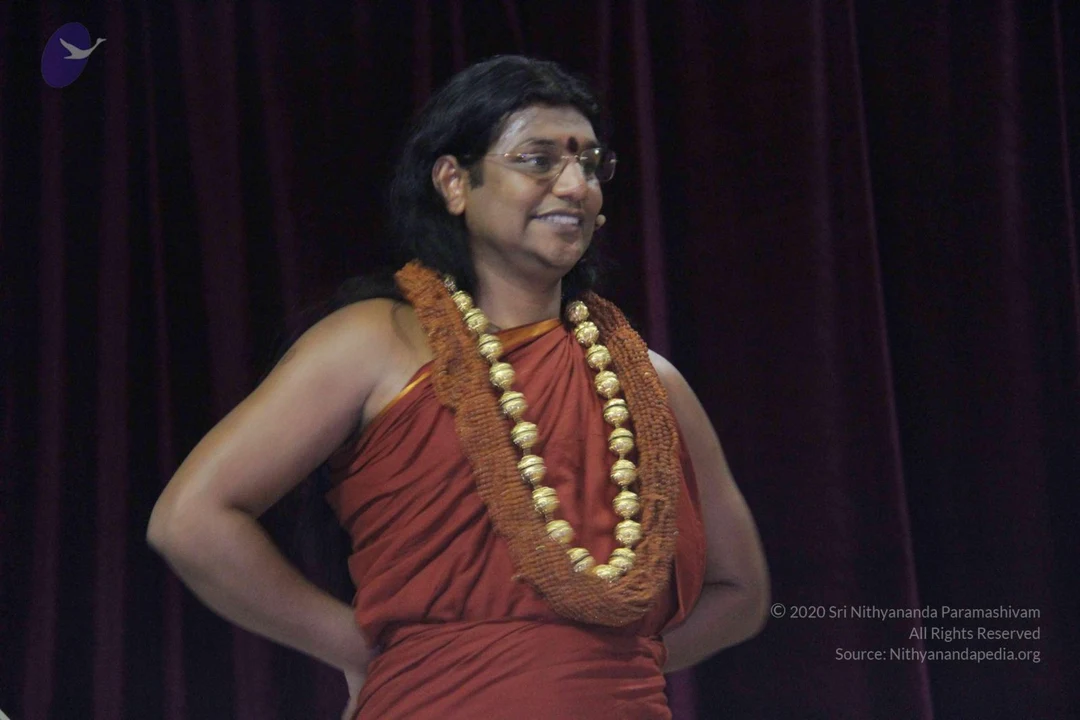
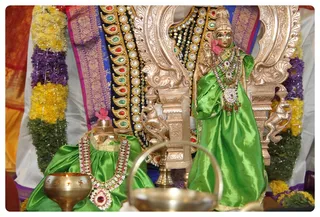
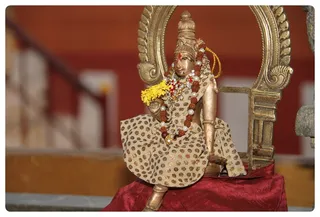
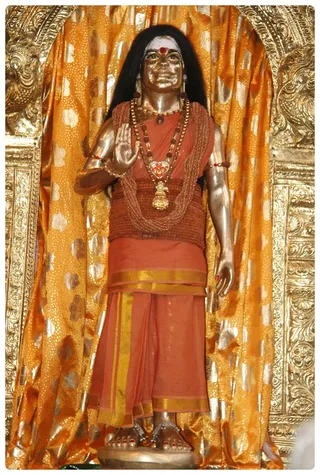
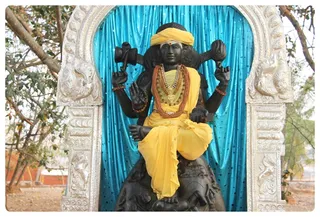
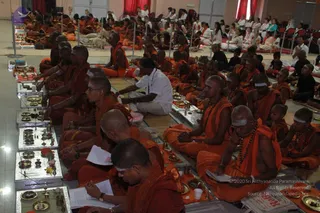
Swamiji Morning visit to Temple

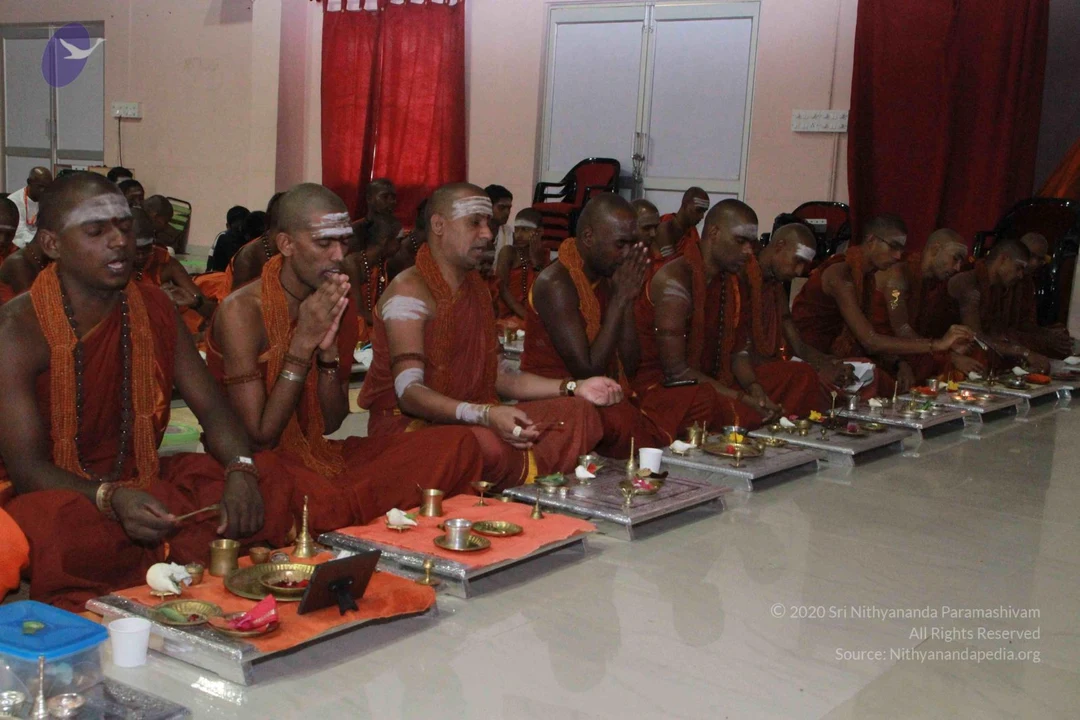
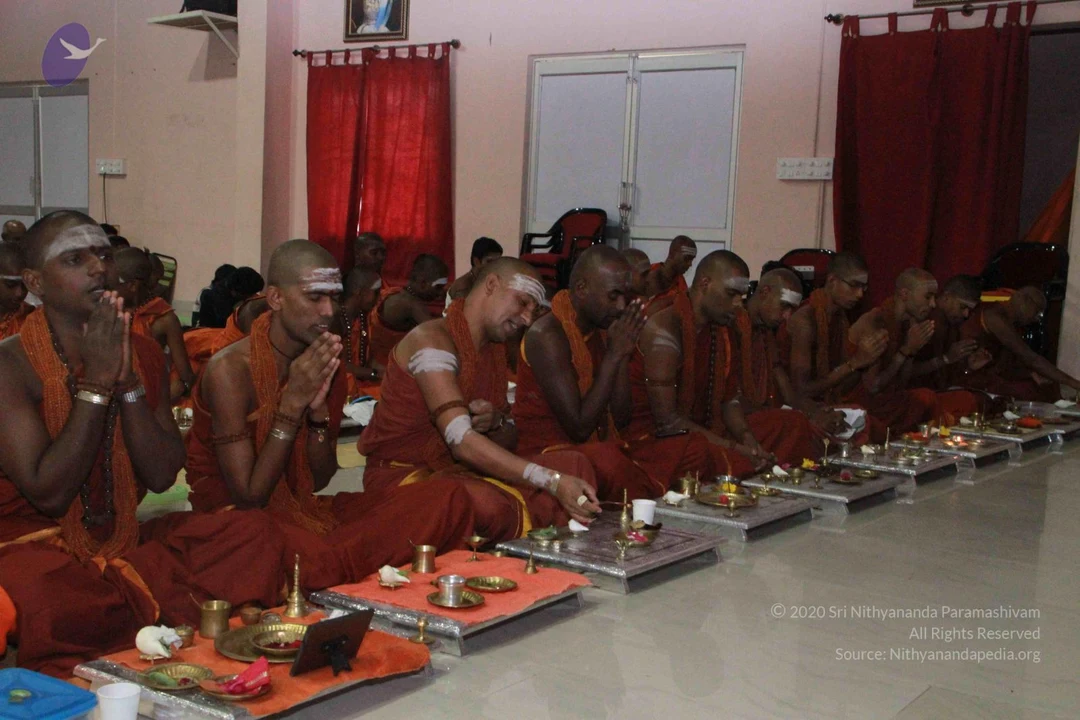
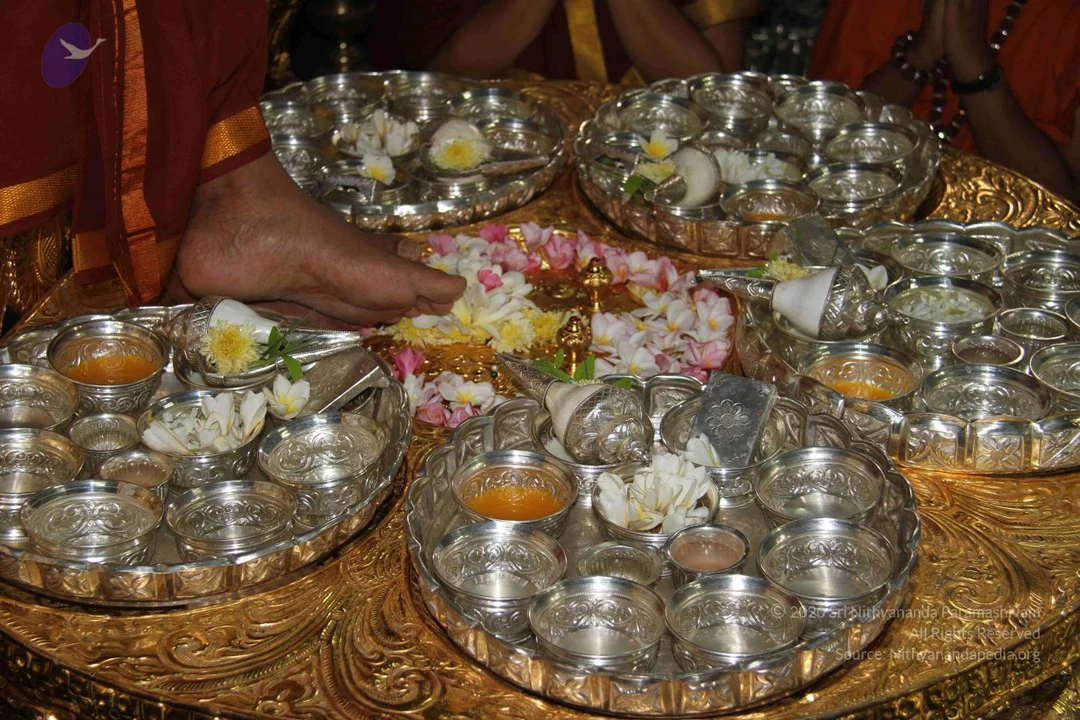
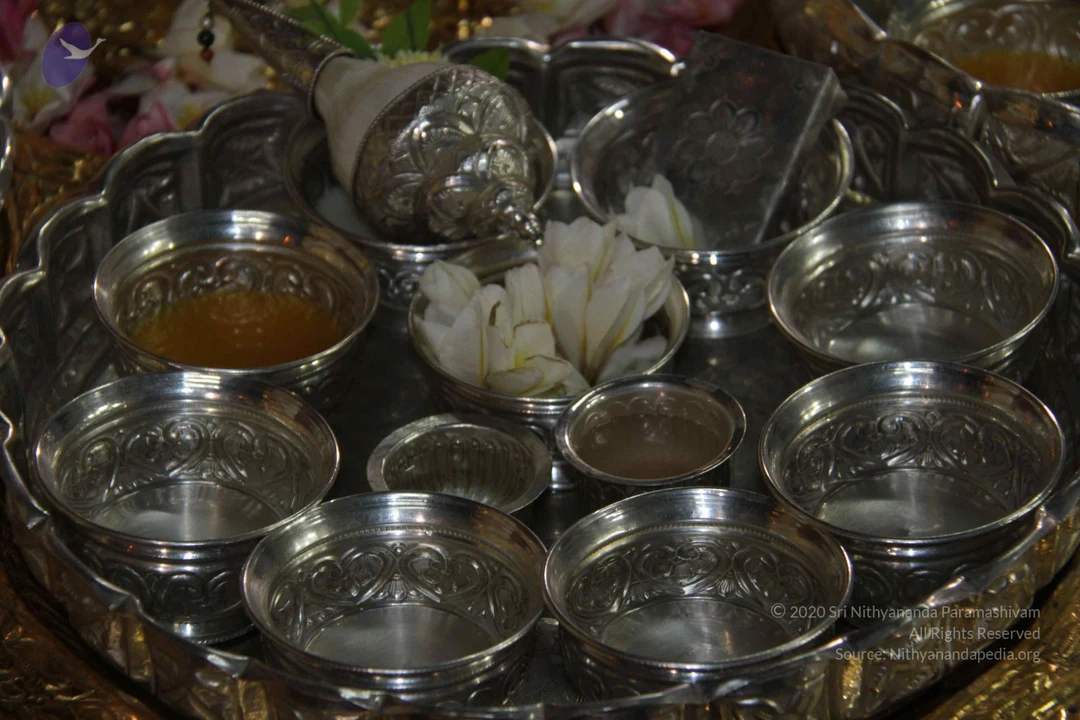
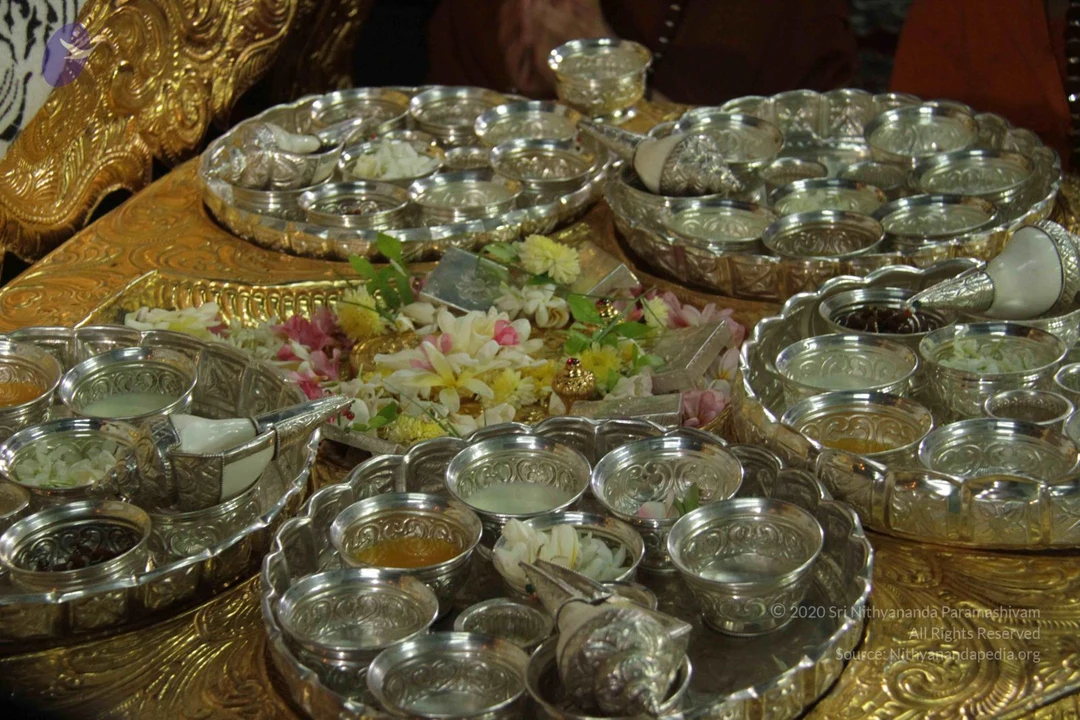
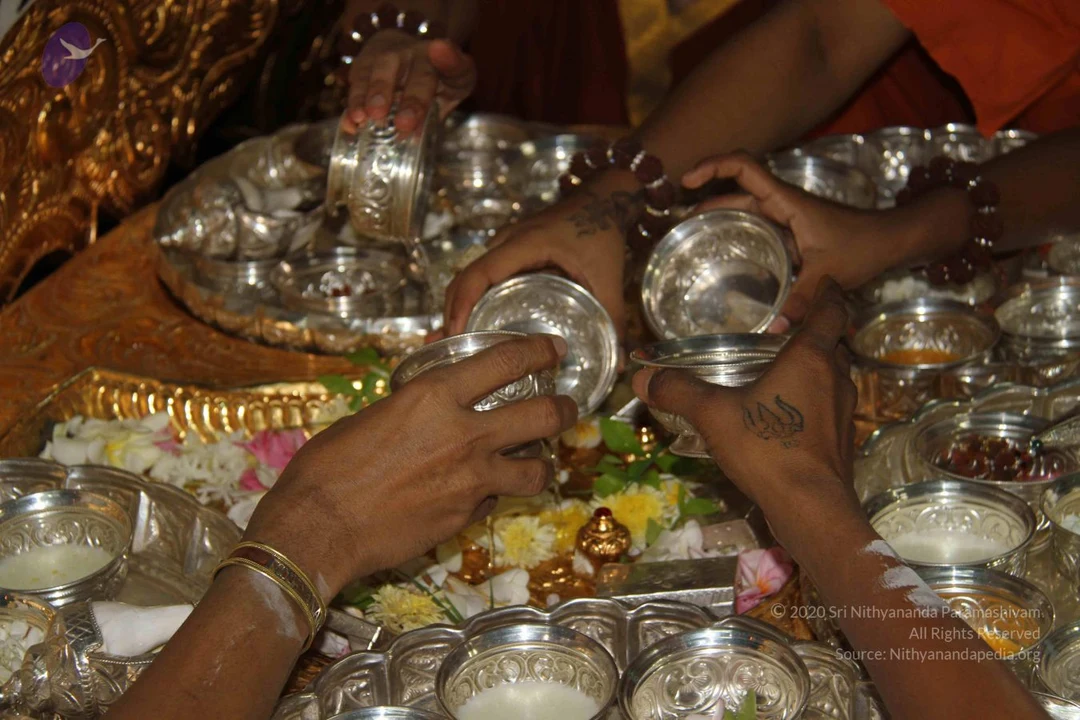
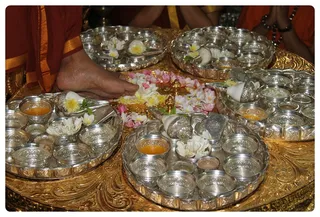
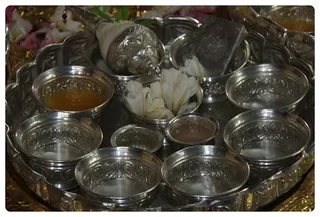
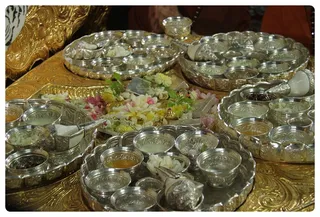
Morning Paada Puja
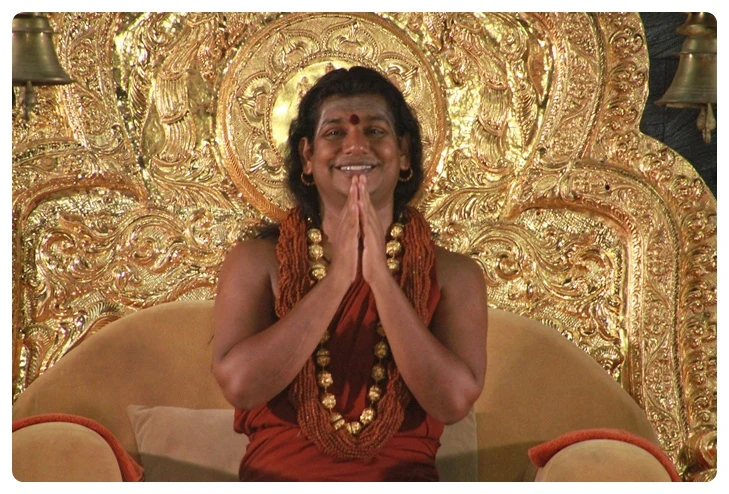
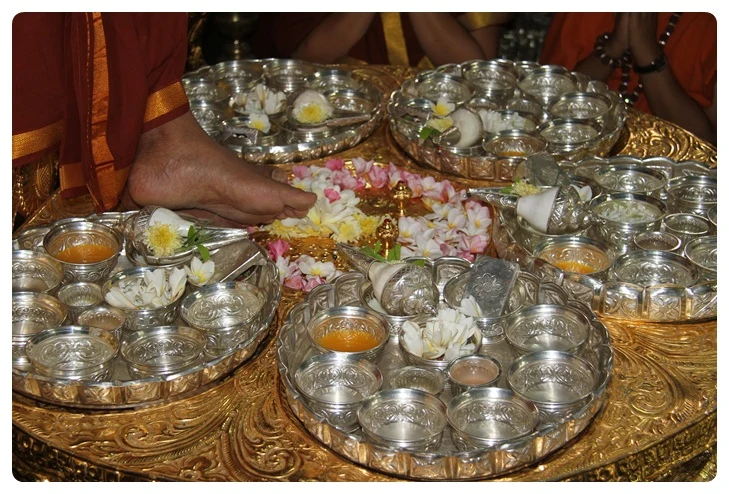
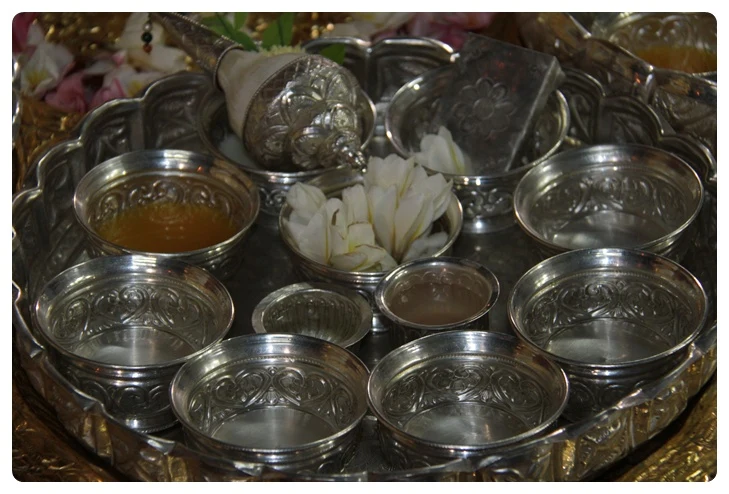

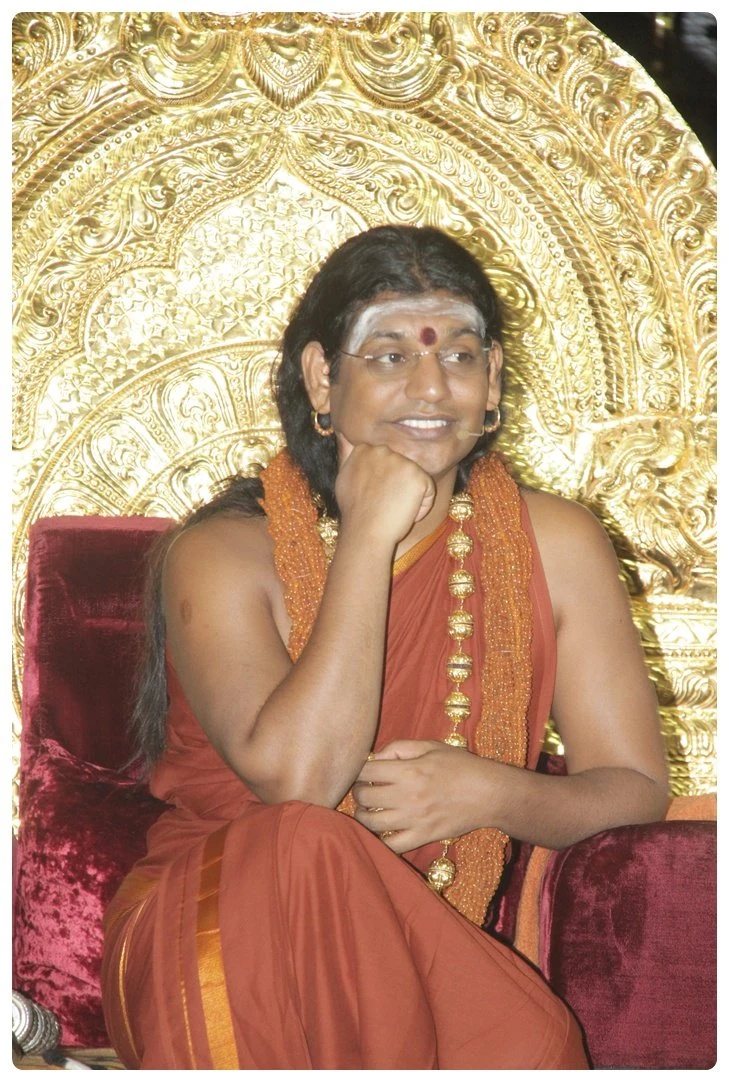
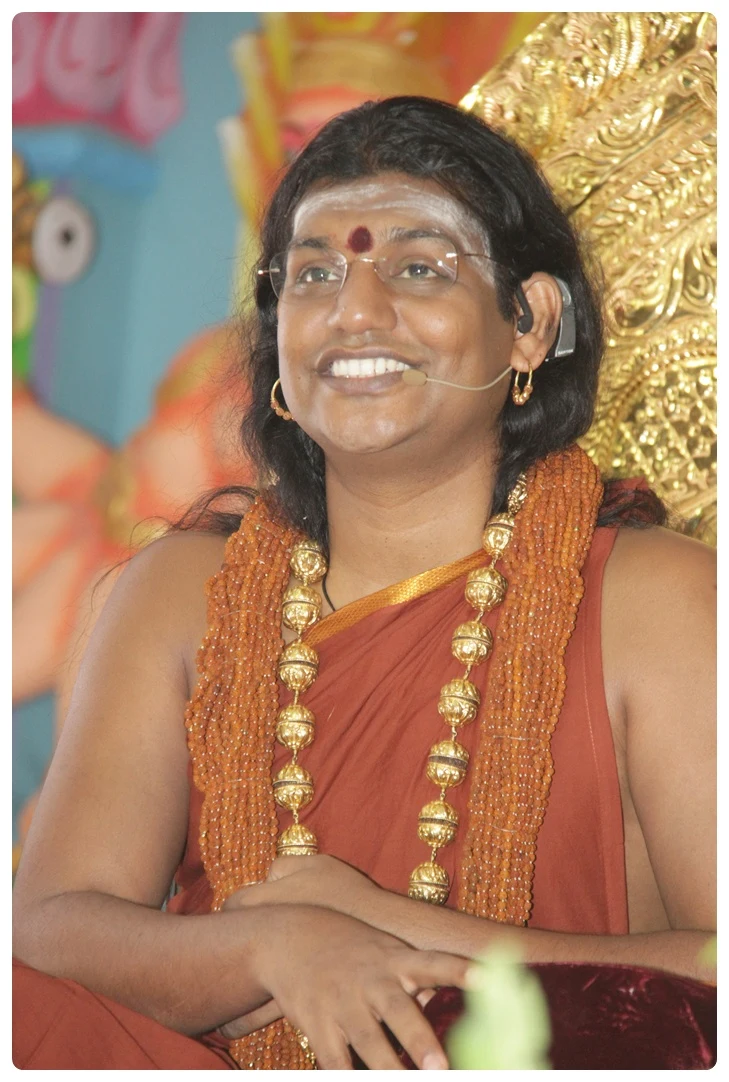
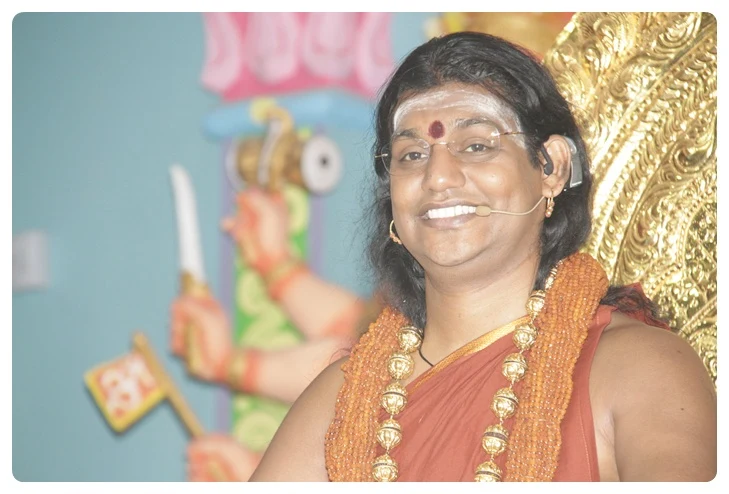
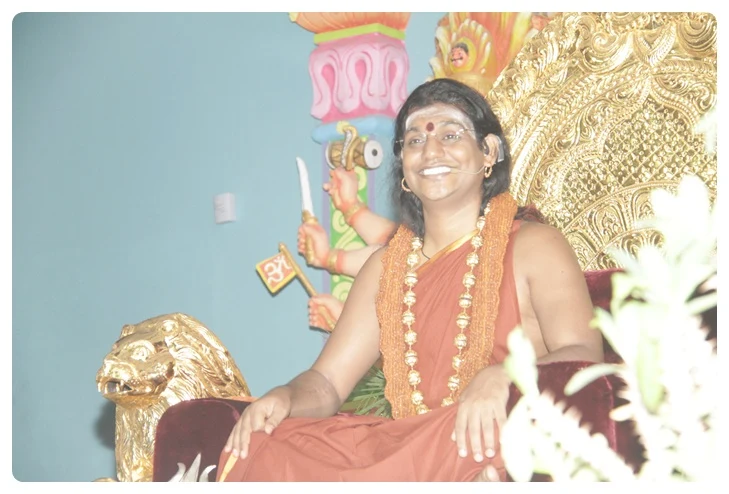
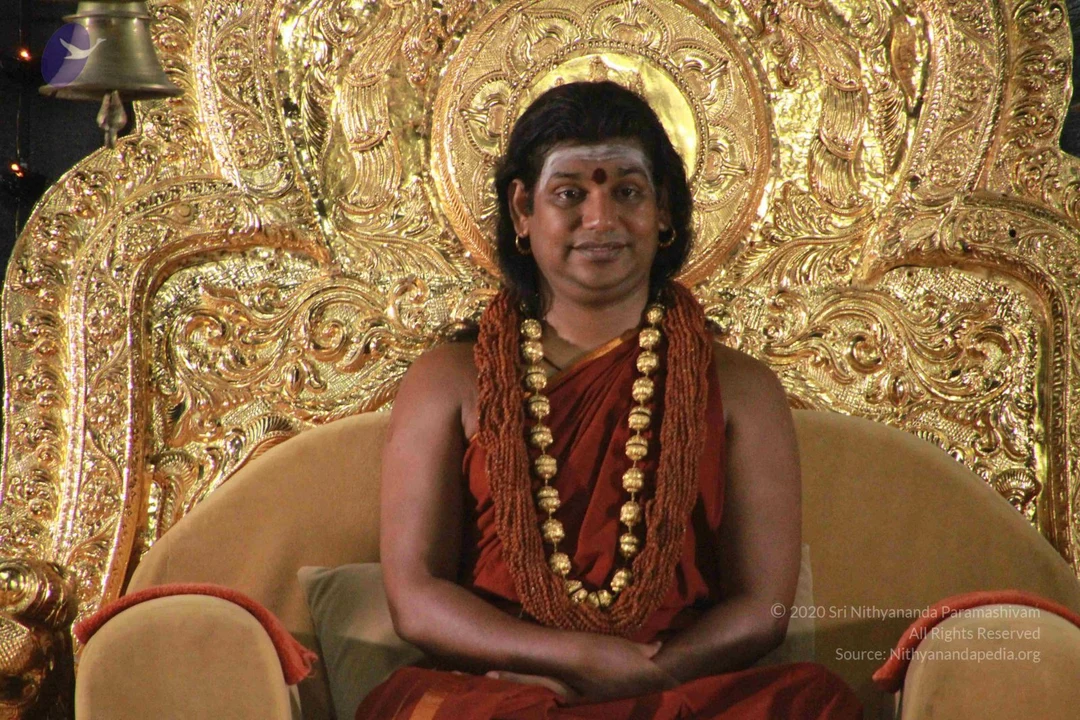
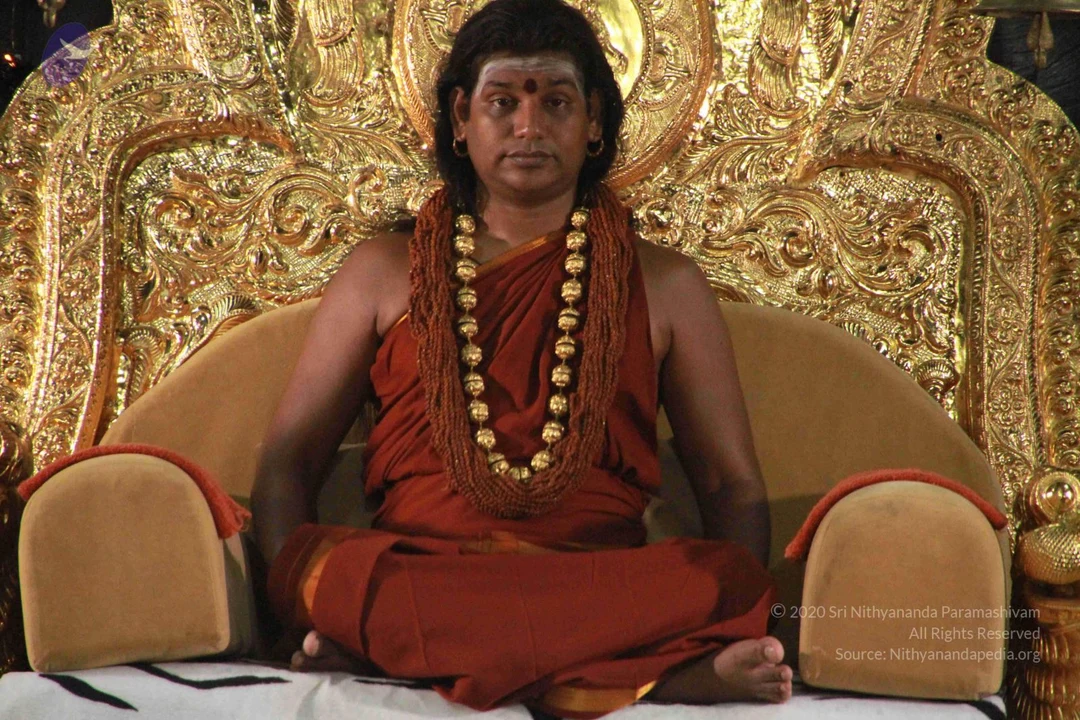
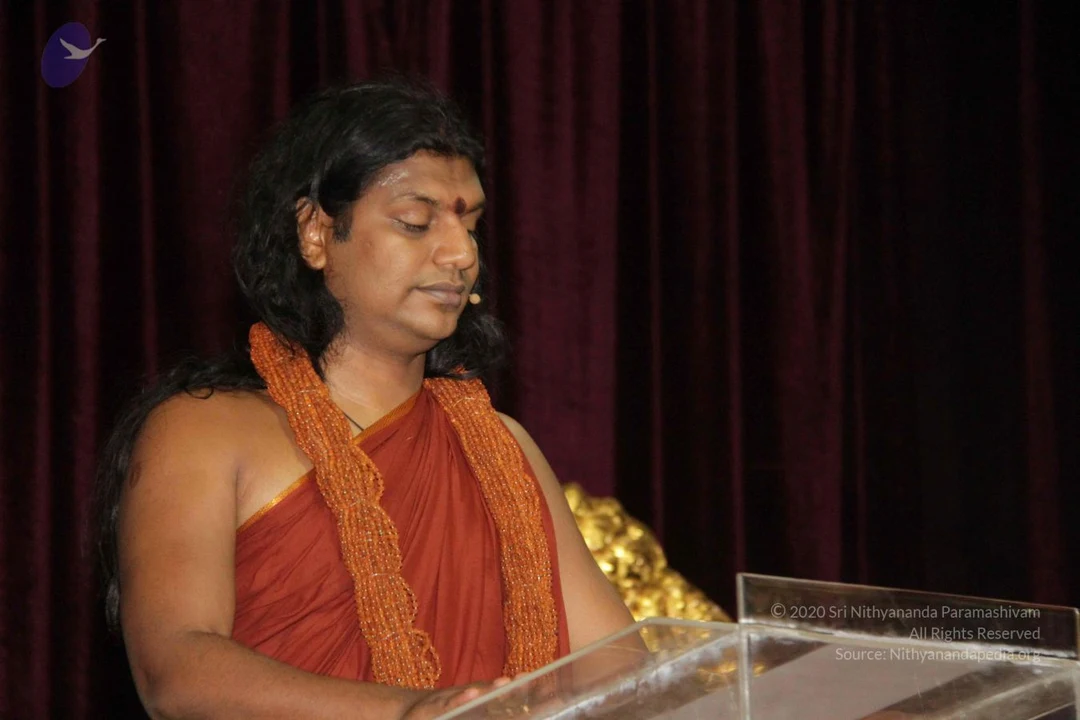
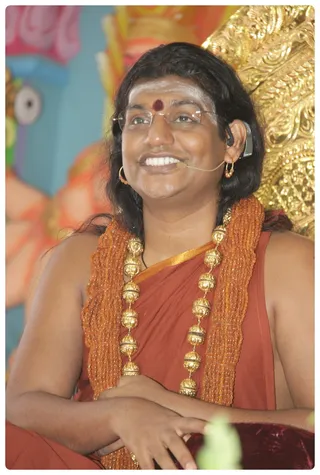
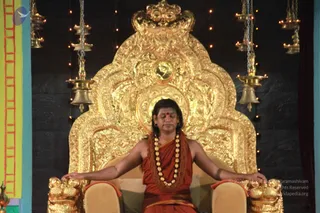
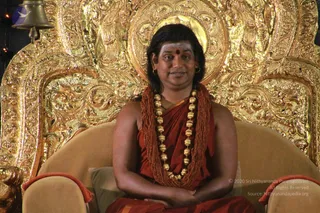
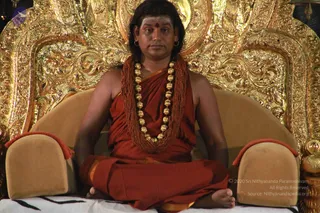
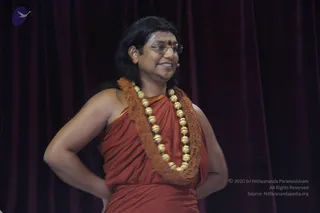
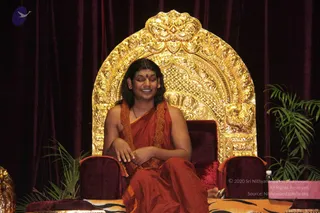
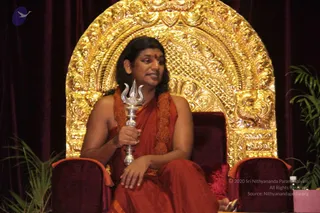
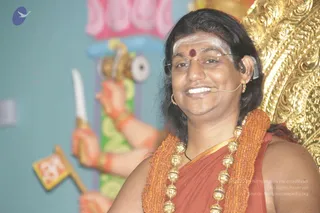
Morning Satsang
Tags:
Paramahamsa Nithyananda, enrichment, spiritual, evolution, question, awareness, potential, fulfillment, depression, responsibility, relationship.
Photos Of The Day:
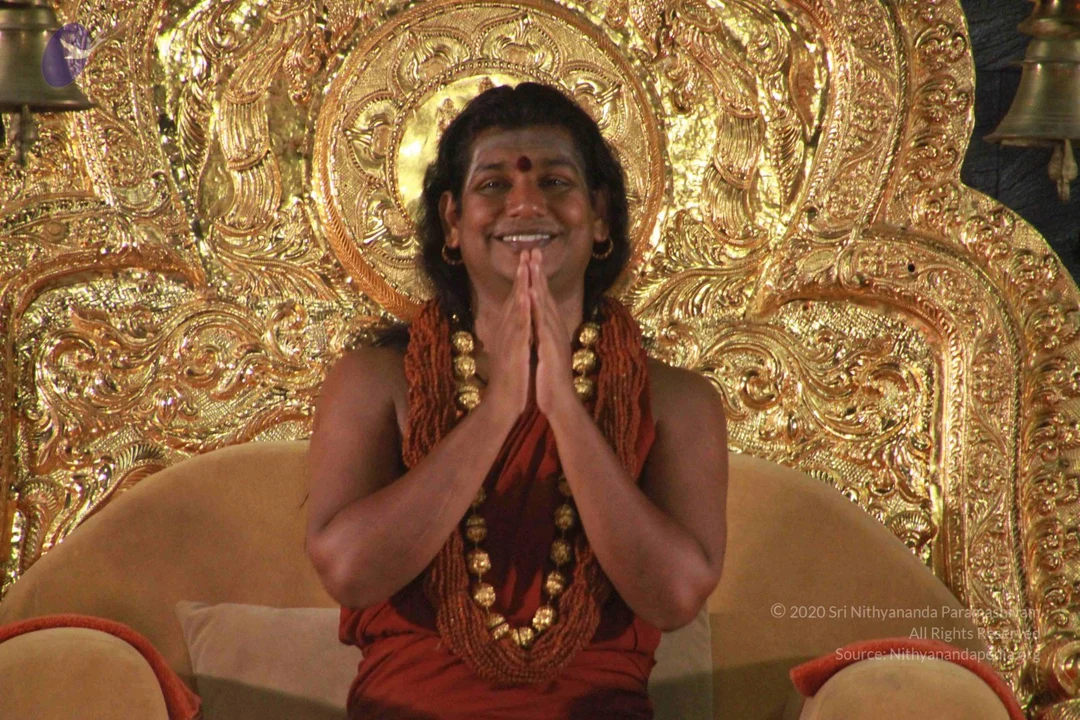
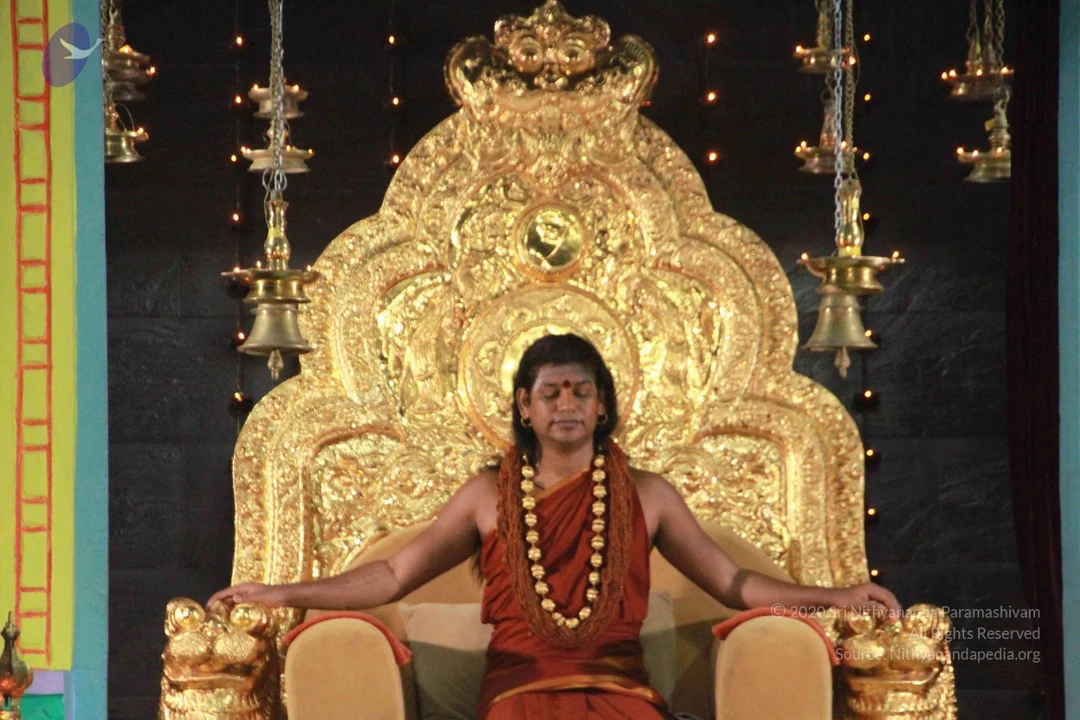
Morning_Message


































Session_1And2




Darshan
PhotoJournal

WebSelectionPhotos
Photos from this day
View all 95 photosSwamiji Morning visit to Temple
6 photosSource gallery

Morning Paada Puja
5 photosSource gallery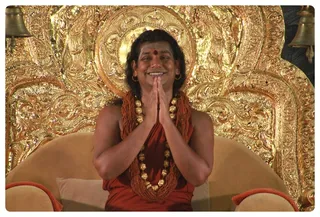

Morning Satsang
4 photosSource gallery
Morning_Message
62 photosSource gallery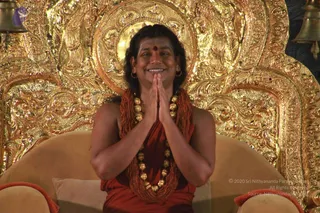
Session_1And2
11 photosSource gallery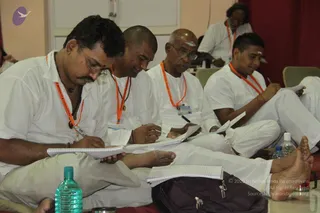



Darshan
4 photosSource gallery

PhotoJournal
8 photosSource gallery


WebSelectionPhotos
13 photosSource gallery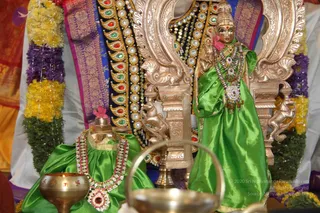

March 15 2013
1 photoView all