Skip to content
Tuesday

5 November 2013

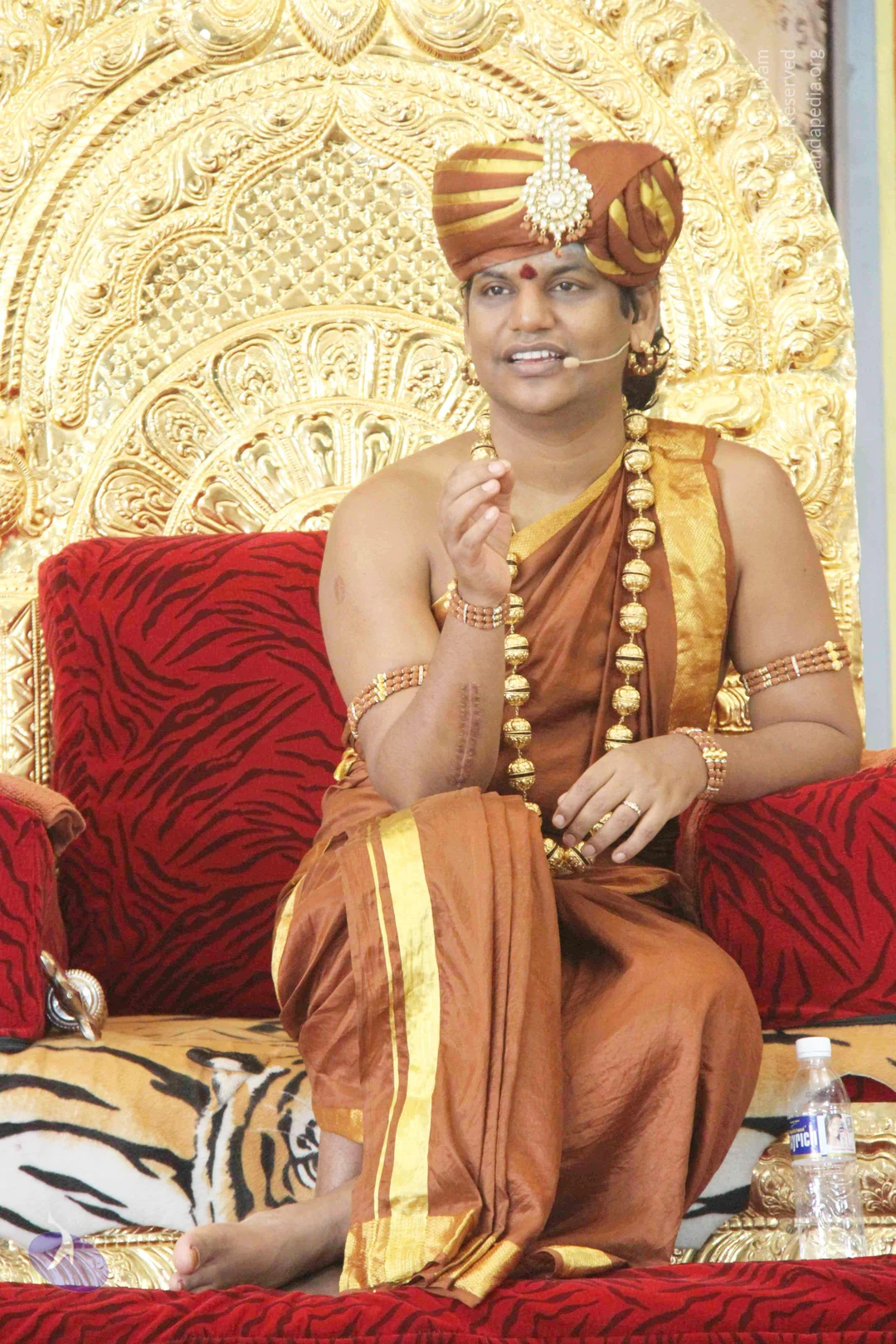
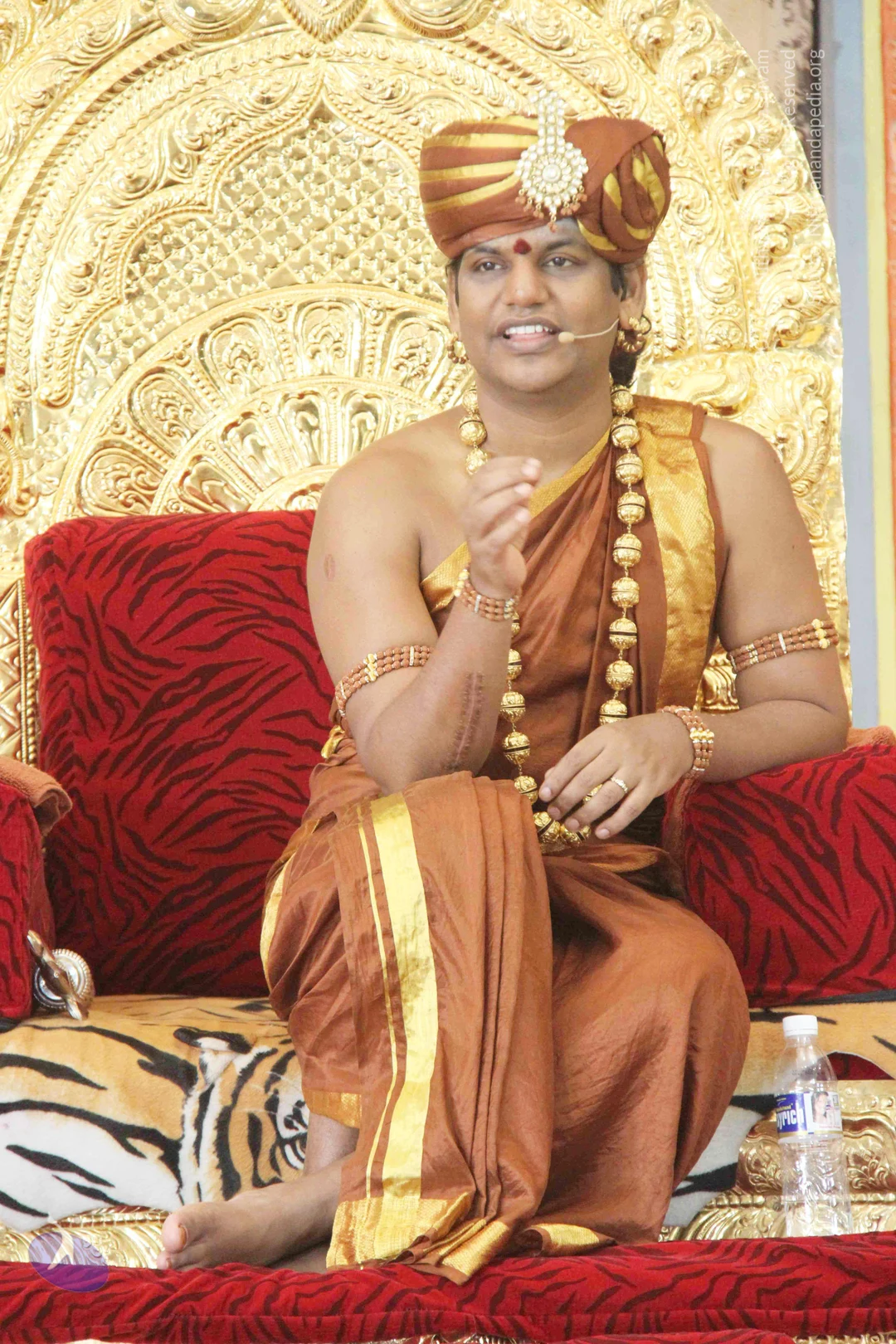
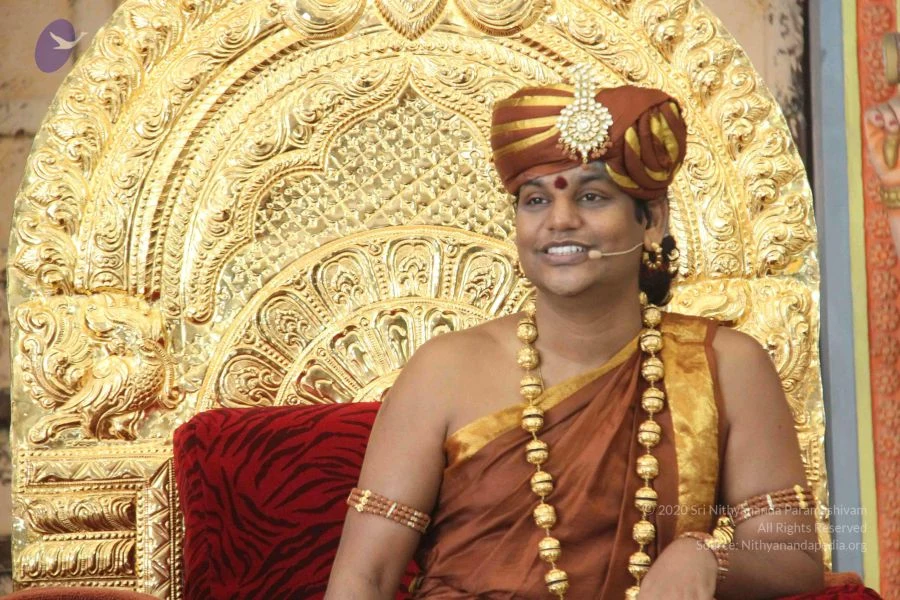
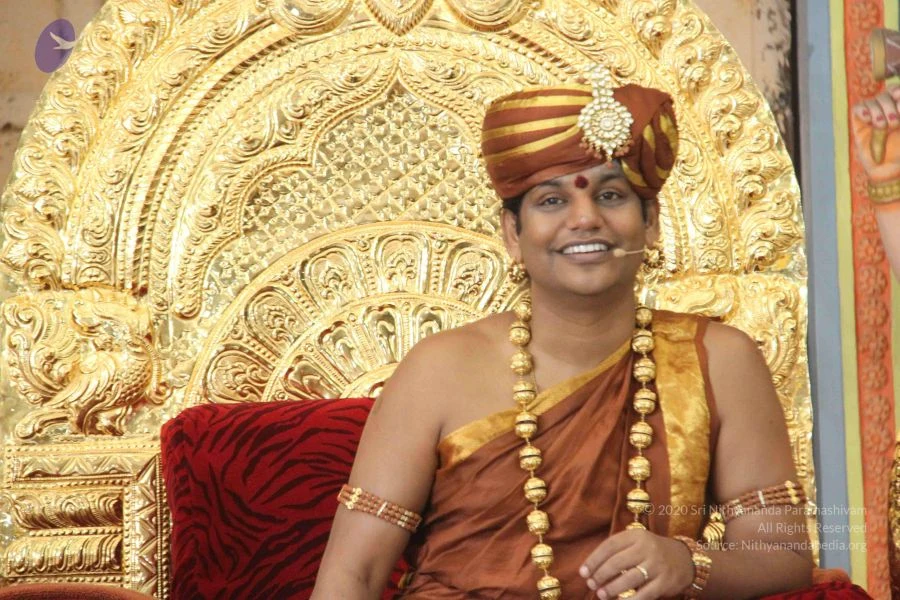
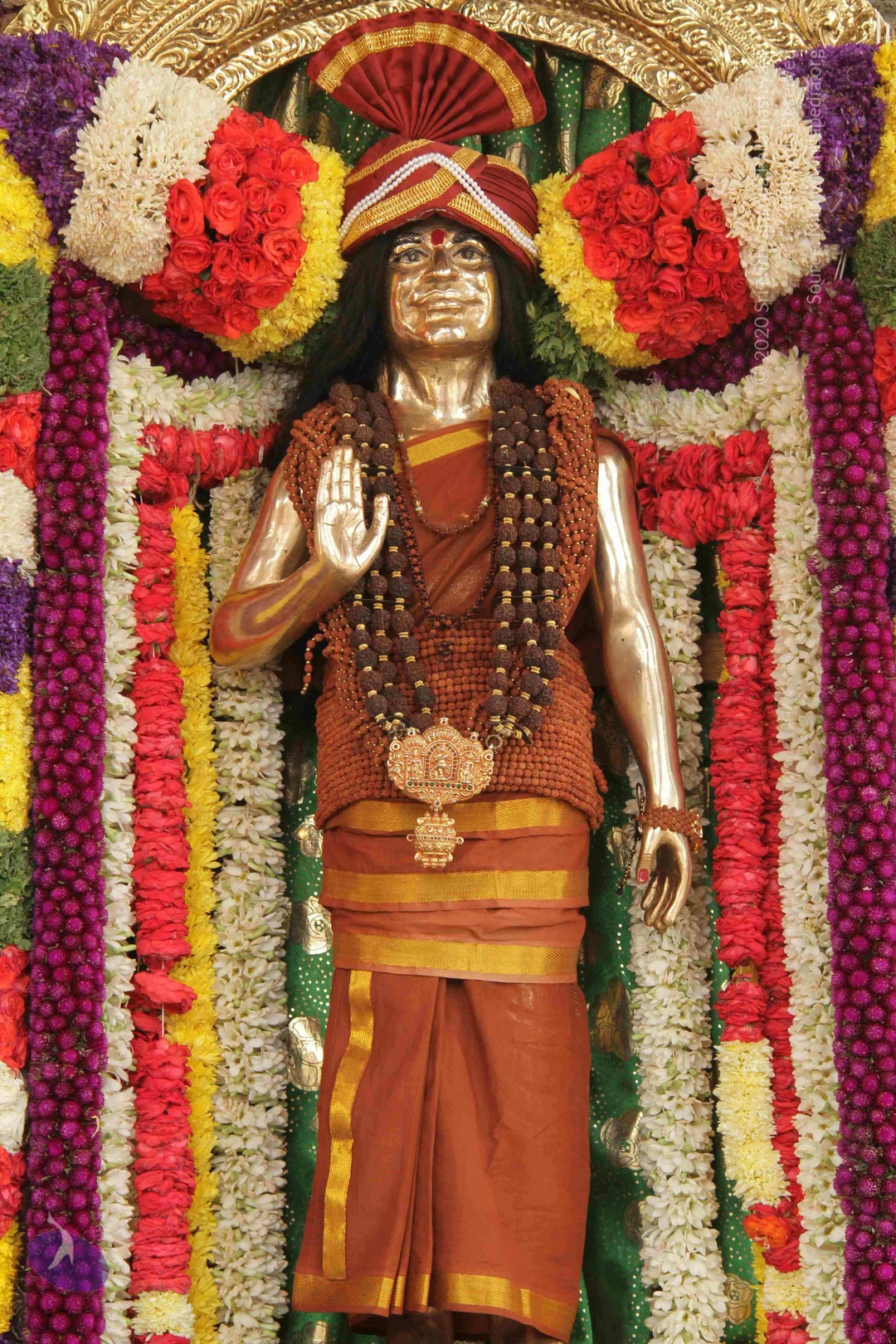
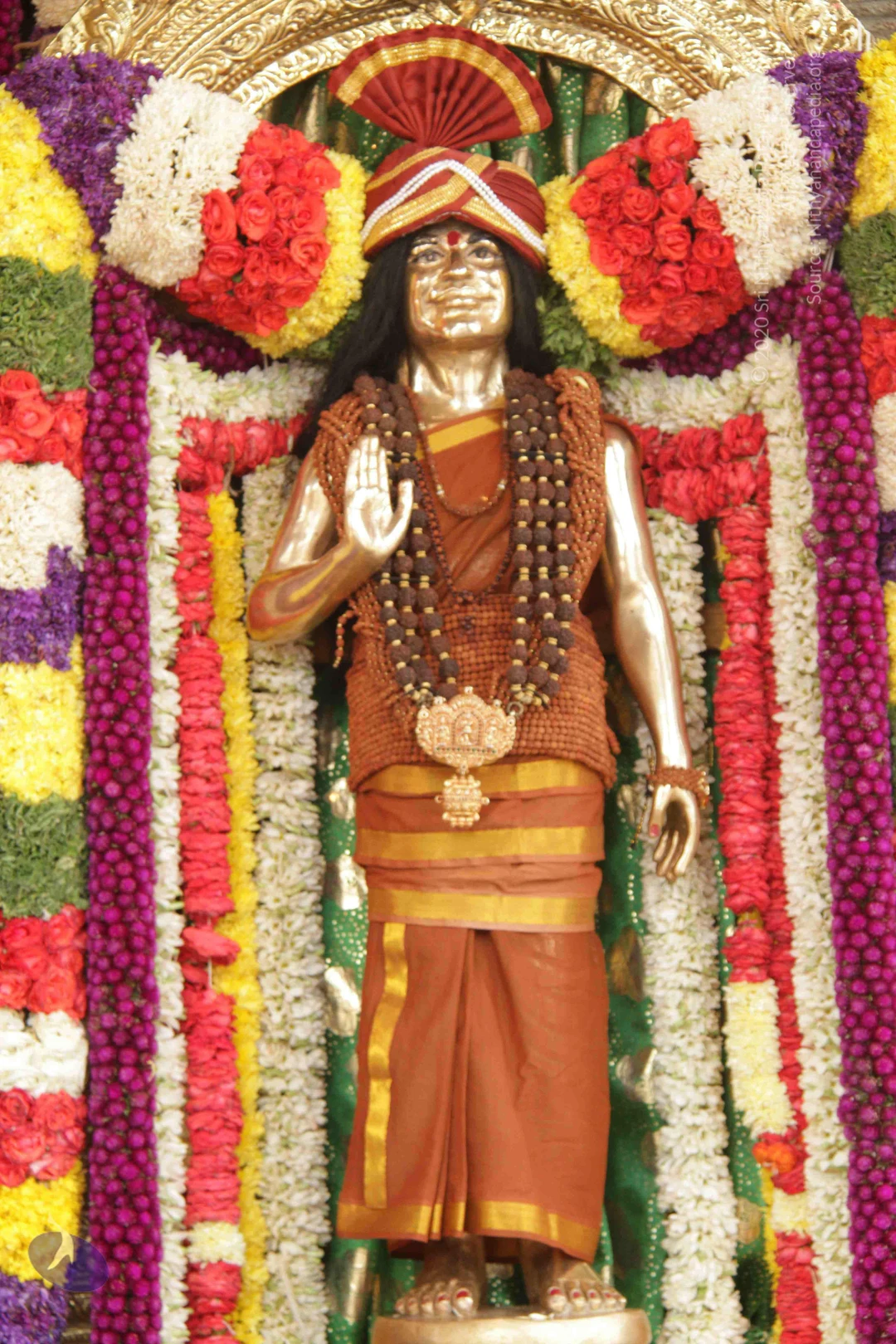
THE SUPREME PONTIFF OF HINDUISM JGM HDH BHAGAVAN NITHYANANDA PARAMASHIVAM

Dated photos
686
Source pages
1
Media
2
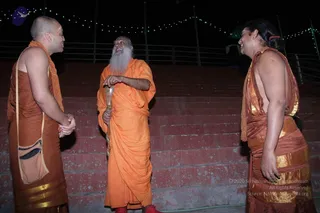
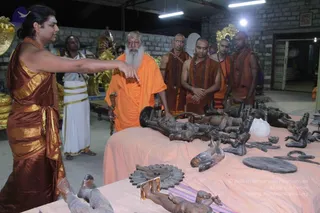
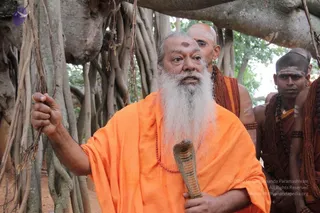
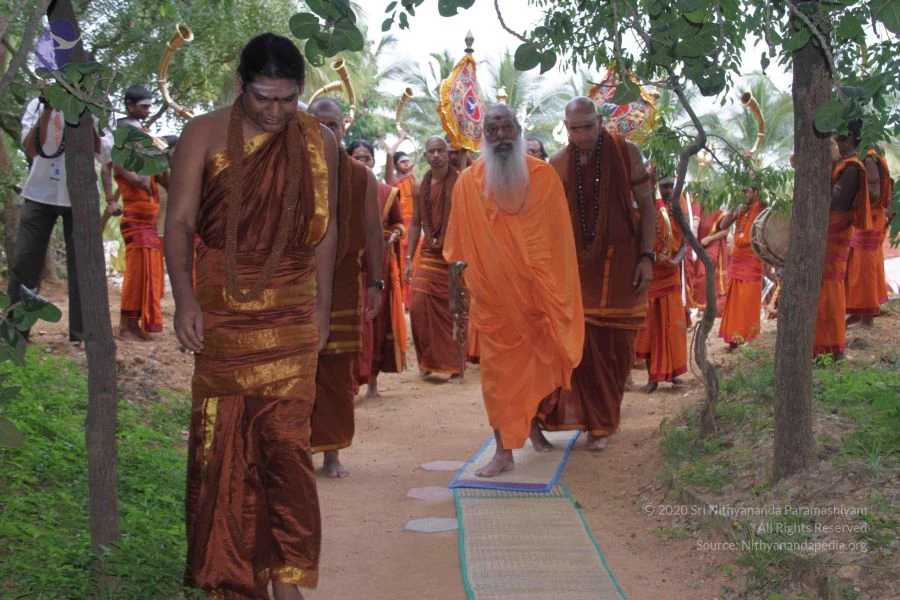
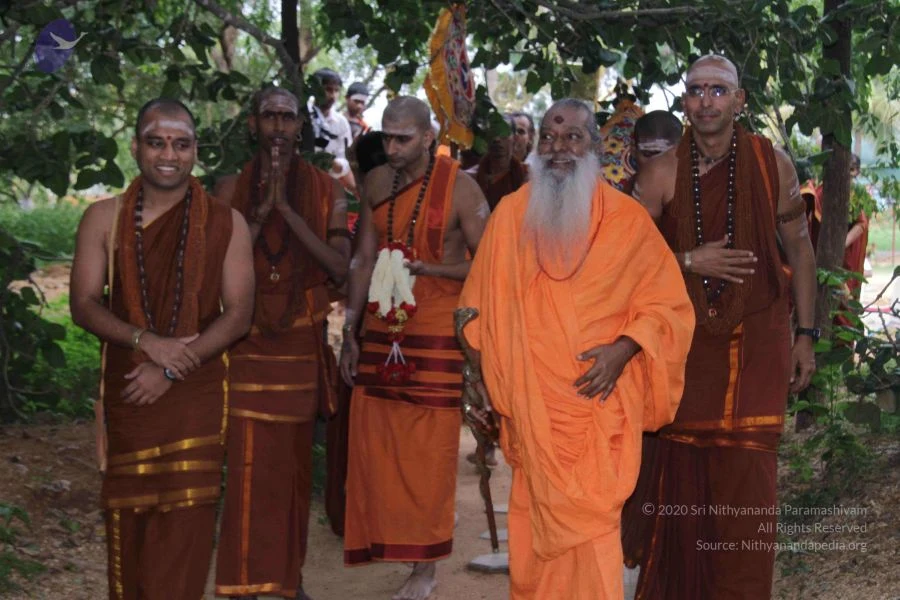
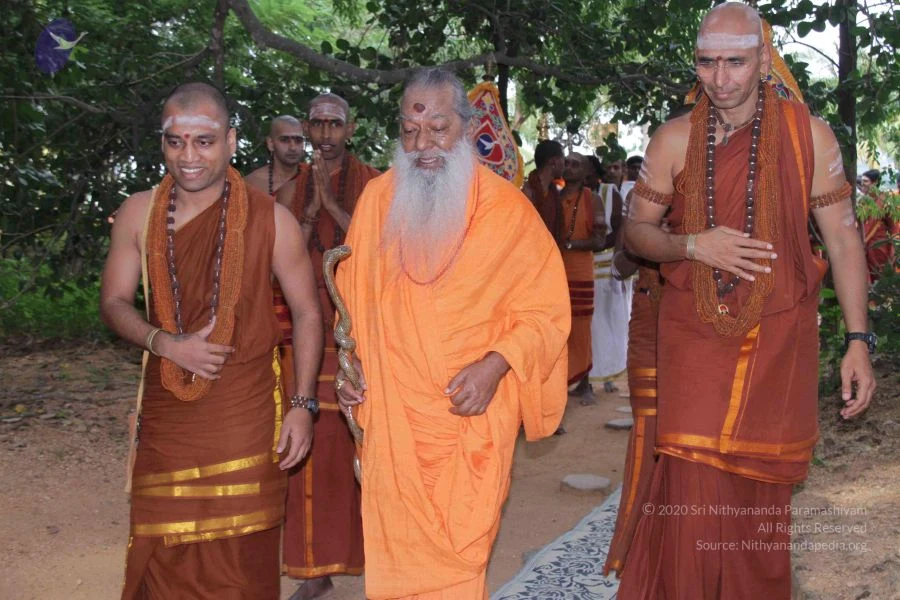
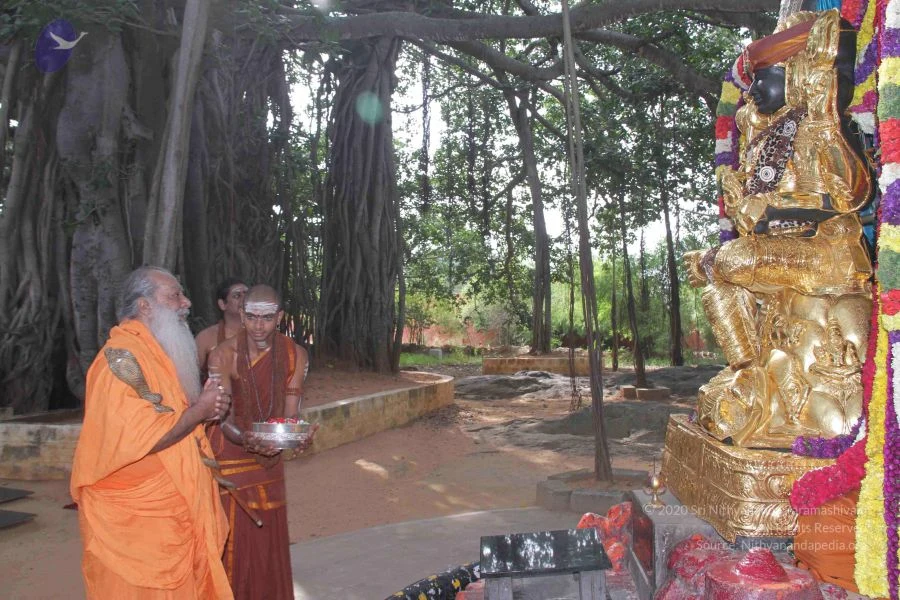
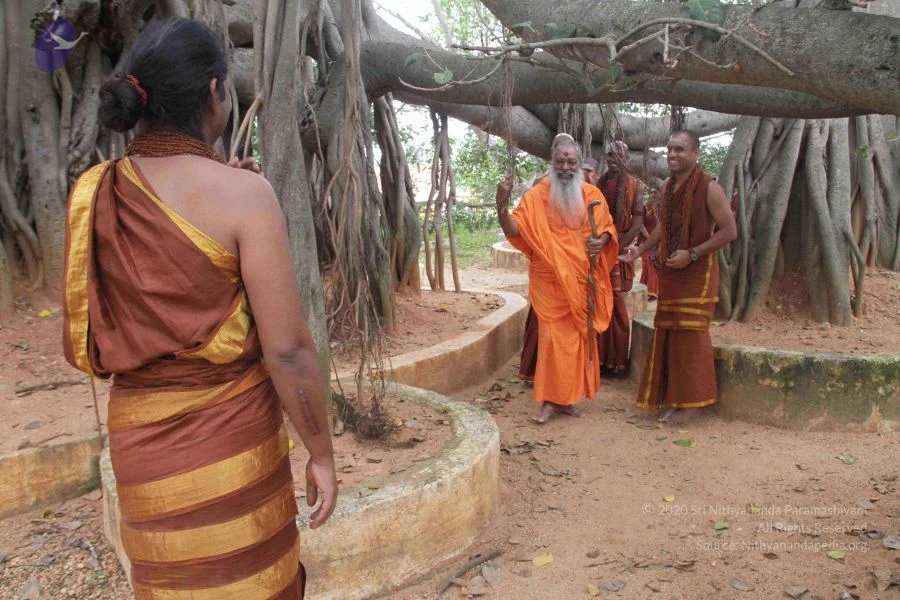
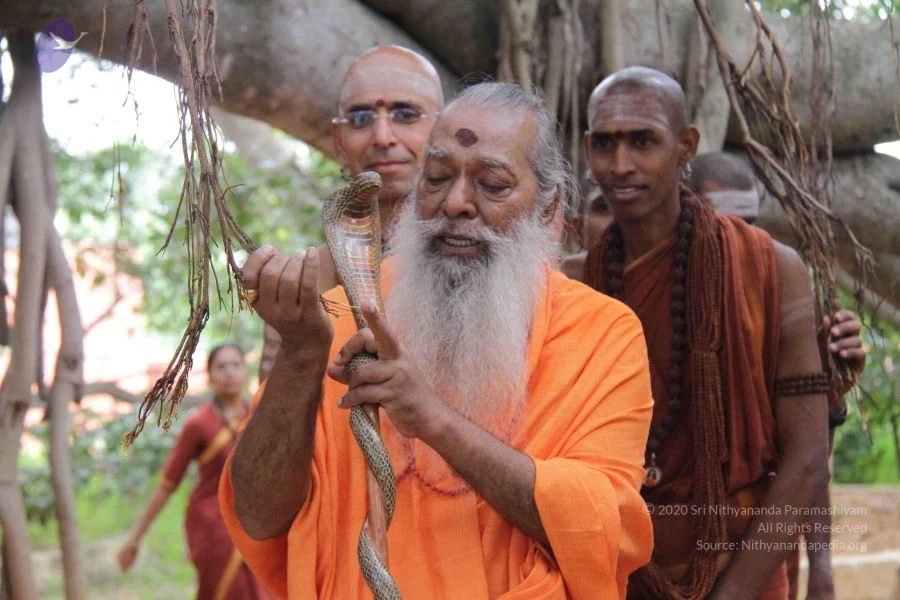
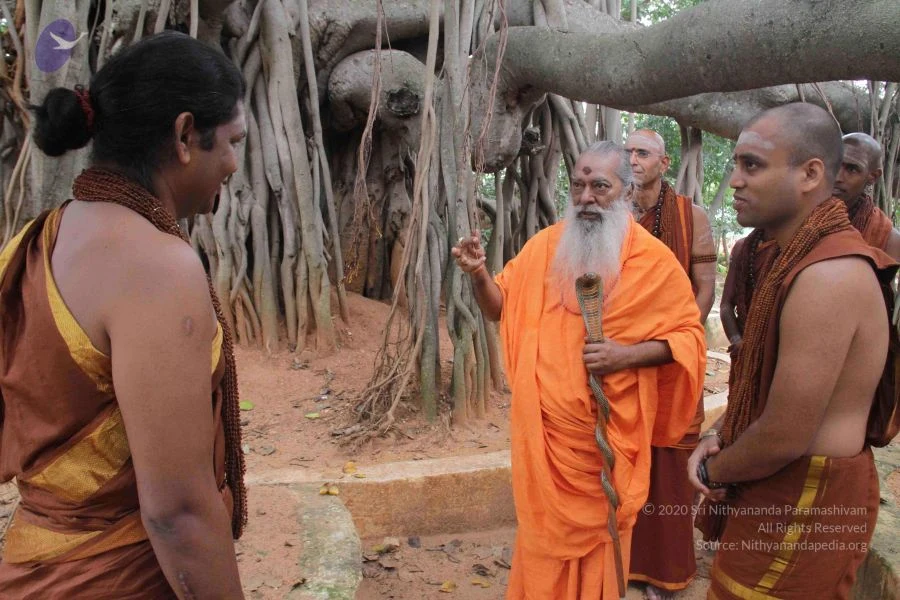
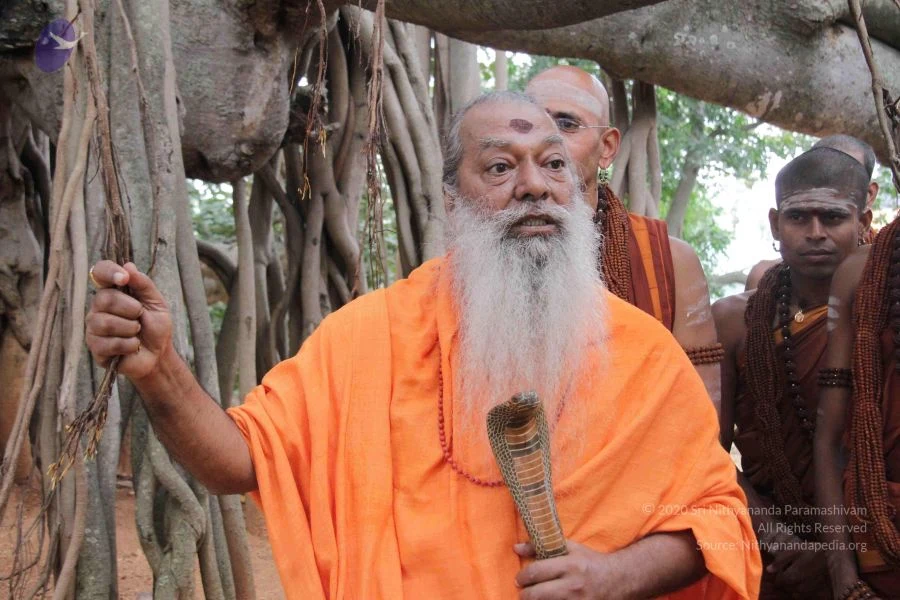
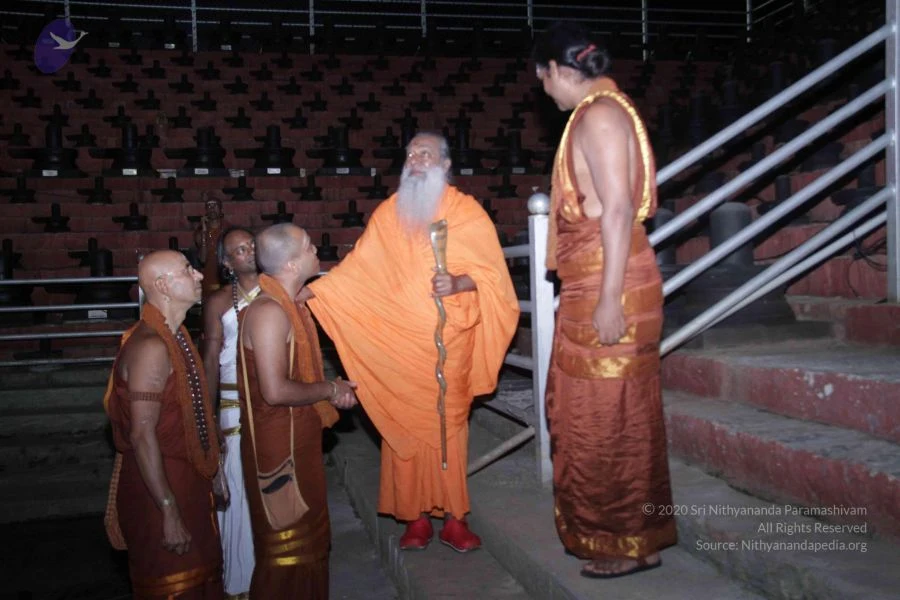
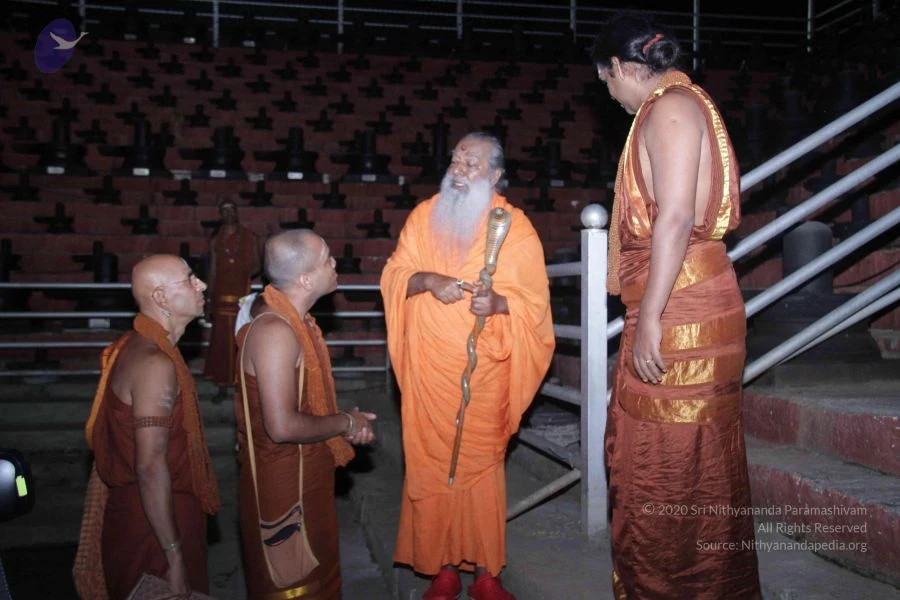
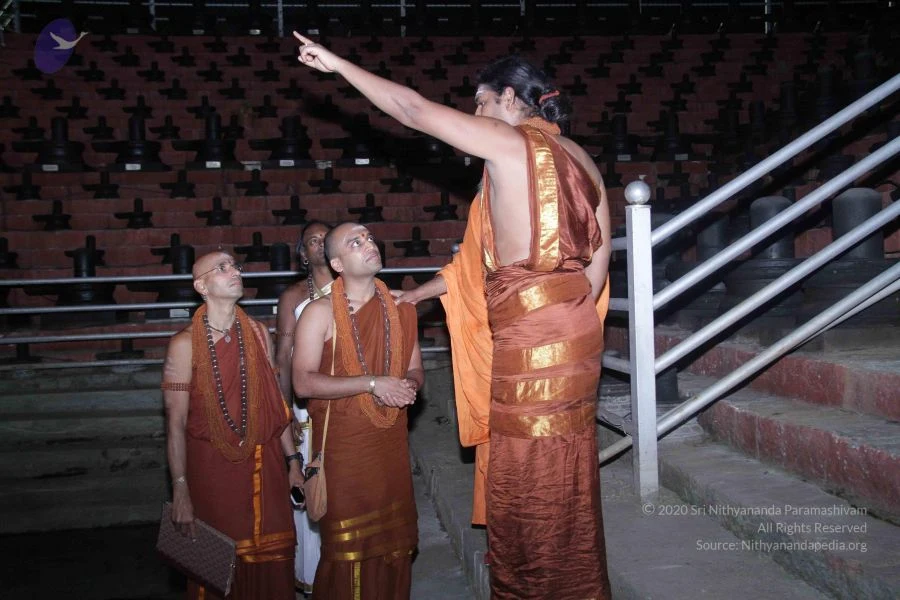
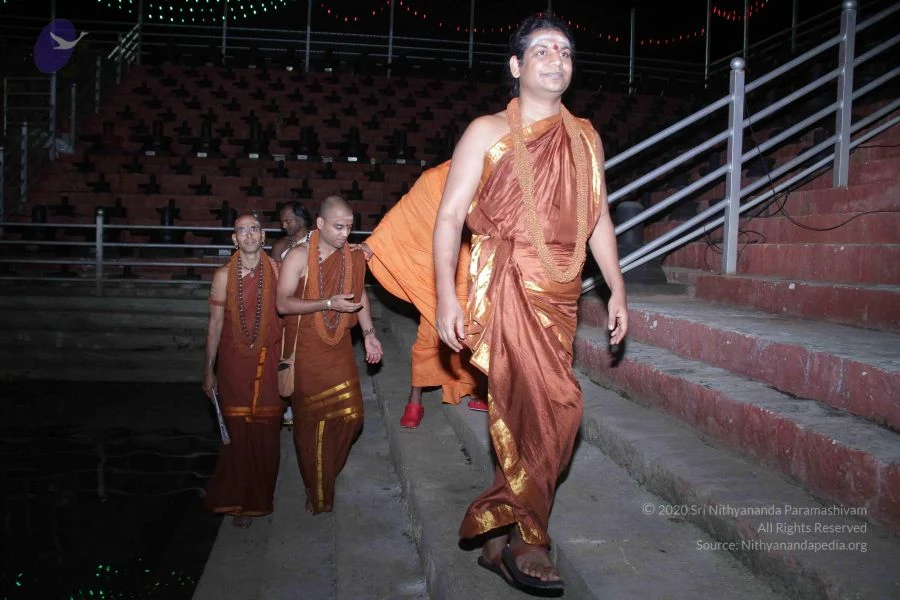
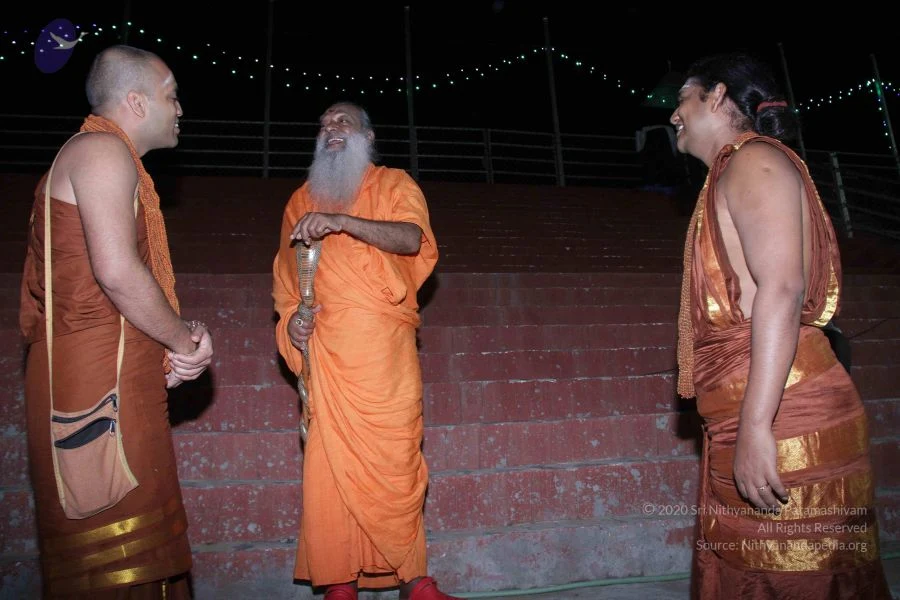
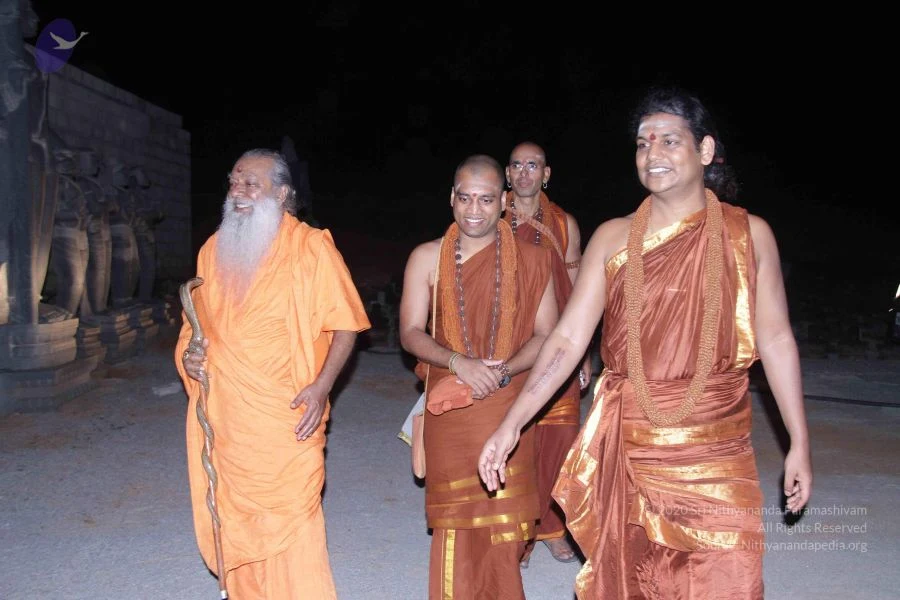
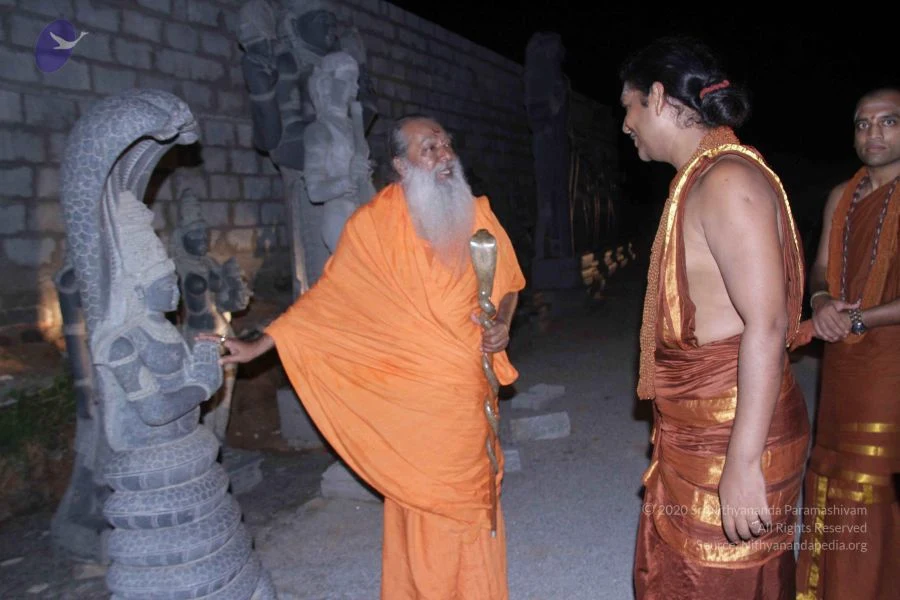
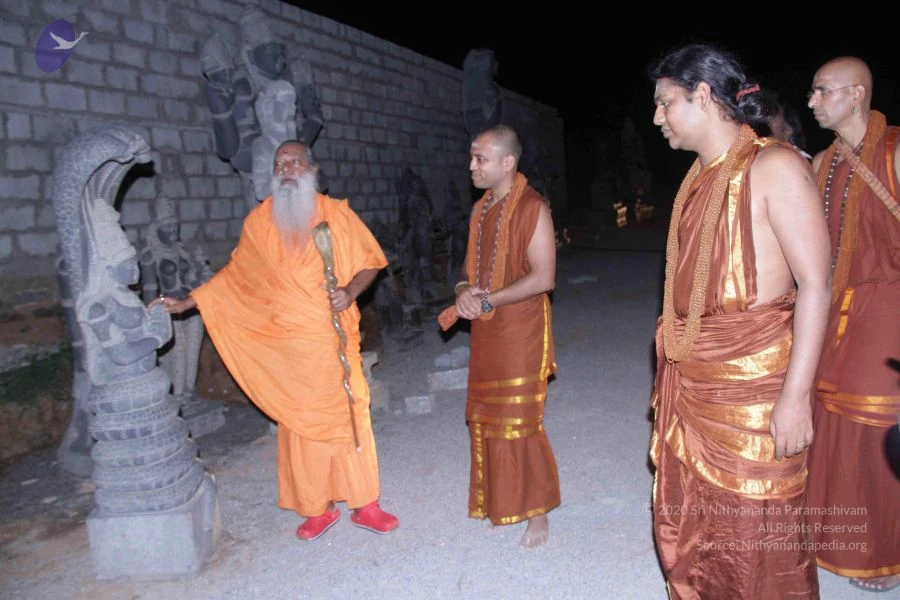
A night-time outdoor photo of three men standing on red stone steps lit by a string of small lights above a railing. The man in the centre, with a long white beard and orange robe, holds a tall wooden staff and laughs. On the left, a shaved-headed man wears brown-orange robes with gold-bordered cloth and an orange shoulder cord. On the right, a man with hair tied back wears a brown robe with a gold border and an orange cloth draped over his shoulder, and he is smiling and facing the centre man. The scene is informal, with three people in conversation.Indoor scene at night under bright ceiling lights. On the left, a man with long dark hair wears a rust-brown and gold-bordered silk garment and points toward a table draped in peach cloth covered with dark wooden sculptures of figures and discs. Beside him, an older bearded man in a saffron-orange robe stands attentively. Behind them, several men in orange and rust robes with rudraksha malas stand watching, and a man in white dhoti and shawl stands at left. Golden deity decorations and brass items are visible in the background near a concrete wall.Outdoor photo beneath a large banyan tree with dense hanging aerial roots. A bearded older man with long white beard and a red bindi on his forehead, wearing a saffron-orange robe and a red-bead mala, holds a thin twig in one hand and a carved wooden staff topped with a cobra head in the other. Behind him stand several men in saffron and maroon robes with white forehead markings, rudraksha and bead malas, and one shaved-headed man with a tilak. A visible yellow circular logo appears in the upper left corner.

November 05 2013

Original wiki page
Contents

Title:

THE SUPREME PONTIFF OF HINDUISM JGM HDH BHAGAVAN NITHYANANDA PARAMASHIVAM

Video Title:

Conquer your fear, Anxiety & Lust.

Description:

In today’s morning Satsang, Paramahamsa Nithyananda stresses that completion is life! Do you want to express gratitude, attract love, be in bliss, experience enlightenment, and achieve liberation? Then practice completion! It is the basic rule for living. When we are in the space of completion, we attract all positive attention – life and people hand us all the best things. Let us declare completion will all our past mental setups. They will lose power over us and we will be heroes in our life!

Link to Video:

VideoAudio

Transcript:

Nithyanandeshwara Samaarambhaam Nithyanandeshwari Madhyamaam | Asmath Aachaarya Paryanthaam Vandhey Guru Paramparaam ||

00:47 Hindi - 00:57

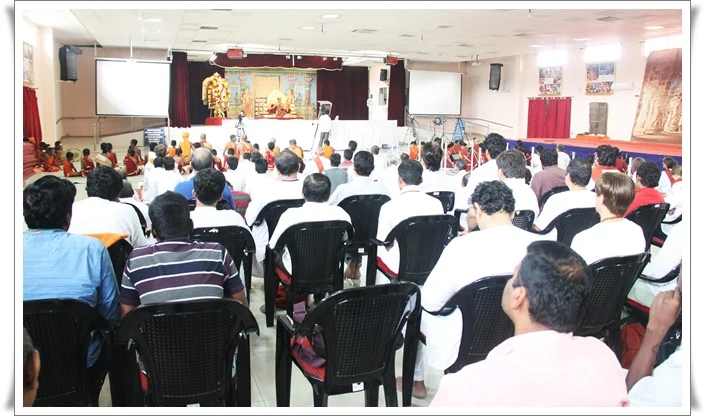
I welcome all the devotees, disciples, samajis, satsangis sitting with us all over the world through Nithyananda TV, Sadhna TV, Lotus News Channel, Janashree Channel, Eshwsar TV, two-way video-conferencing in forty places having Nayana Deeksha, in twenty-five countries around the world, as per the statistics.

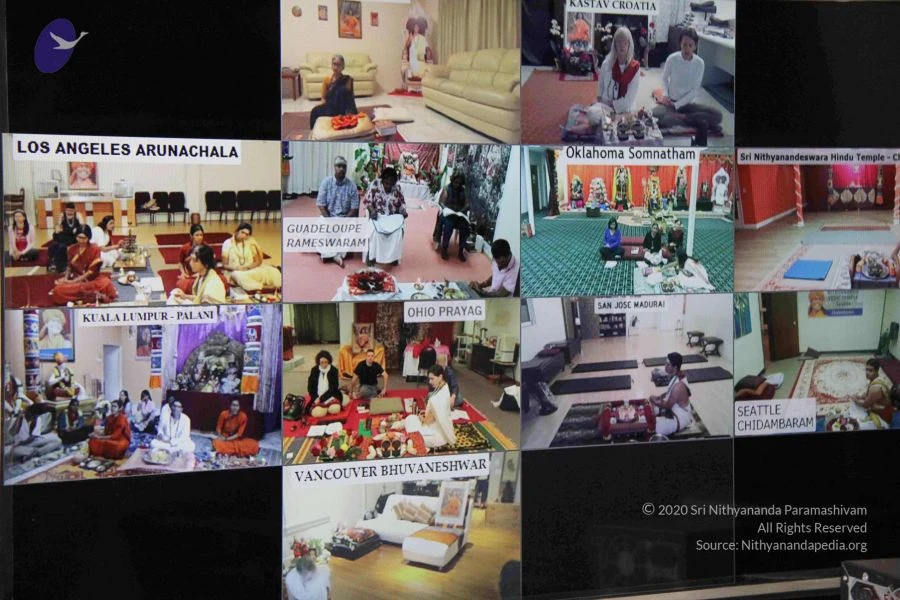
Cities sitting with us two-way video-conferencing having Nayana Deeksha: Toronto, Seattle, Kuala Lumpur, Los Angeles, Varanasi, Ohio, San Jose, Guadeloupe, Oklahoma, Vancouver, Oman, Jorpati-Nepal, Tiruvanmiyur-Chennai, Scottsdale-Arizona, San Diego-La Jolla, East London-UK, Hyderabad-Gupta Kashi, Hong Kong-Sirkazhi, Singapore-Singapuram, Kastav-Croatia, Dubai-Vaidyanatham, Enriching Temple-Bidadi, Houston-Kalahasti .

I welcome all of you with my love and blessings.

Today, 21st batch Inner Awakening, 5th day. Inner Awakening Level-2 is beginning, starting. Today, we will be working on the root-patterns and root-cognitions.

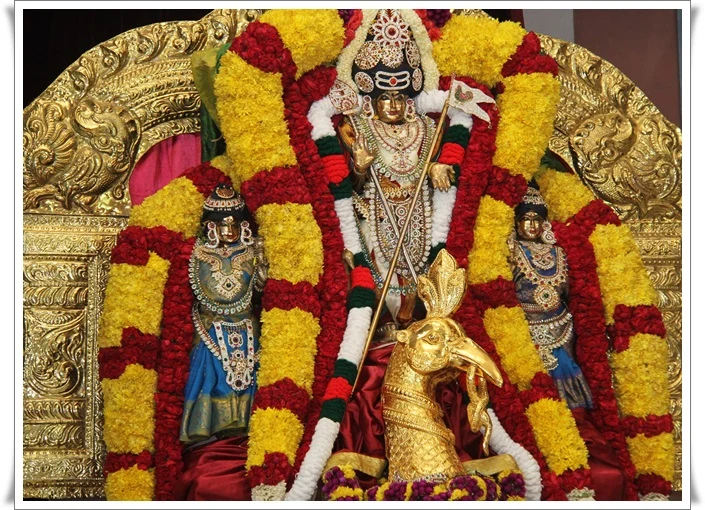
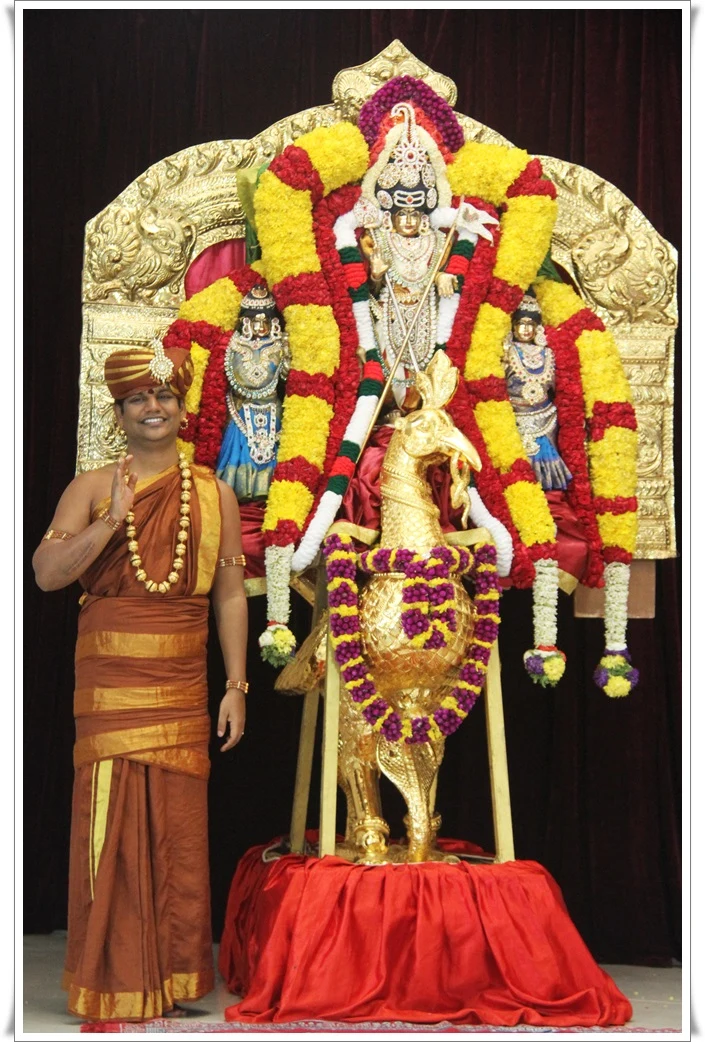
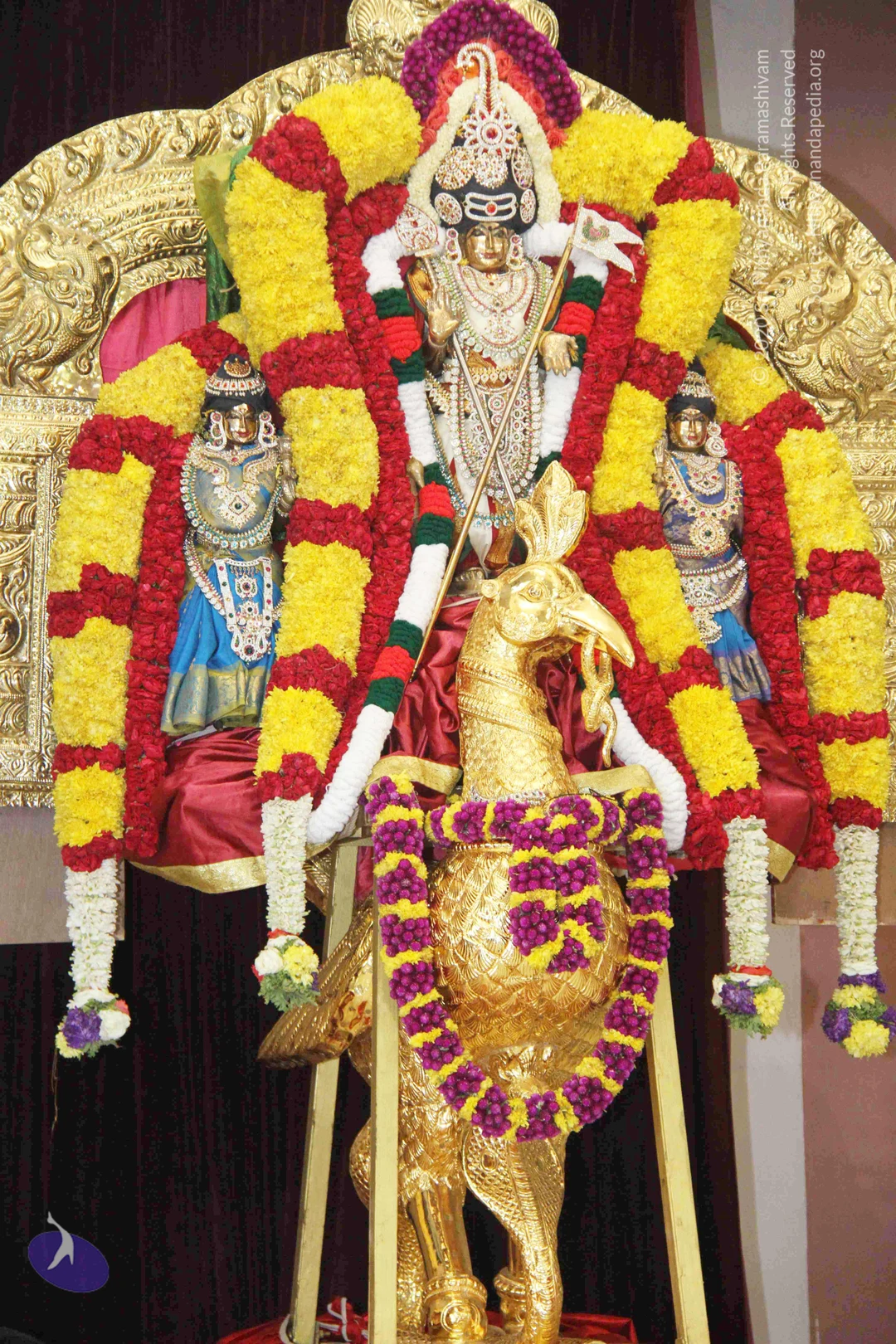
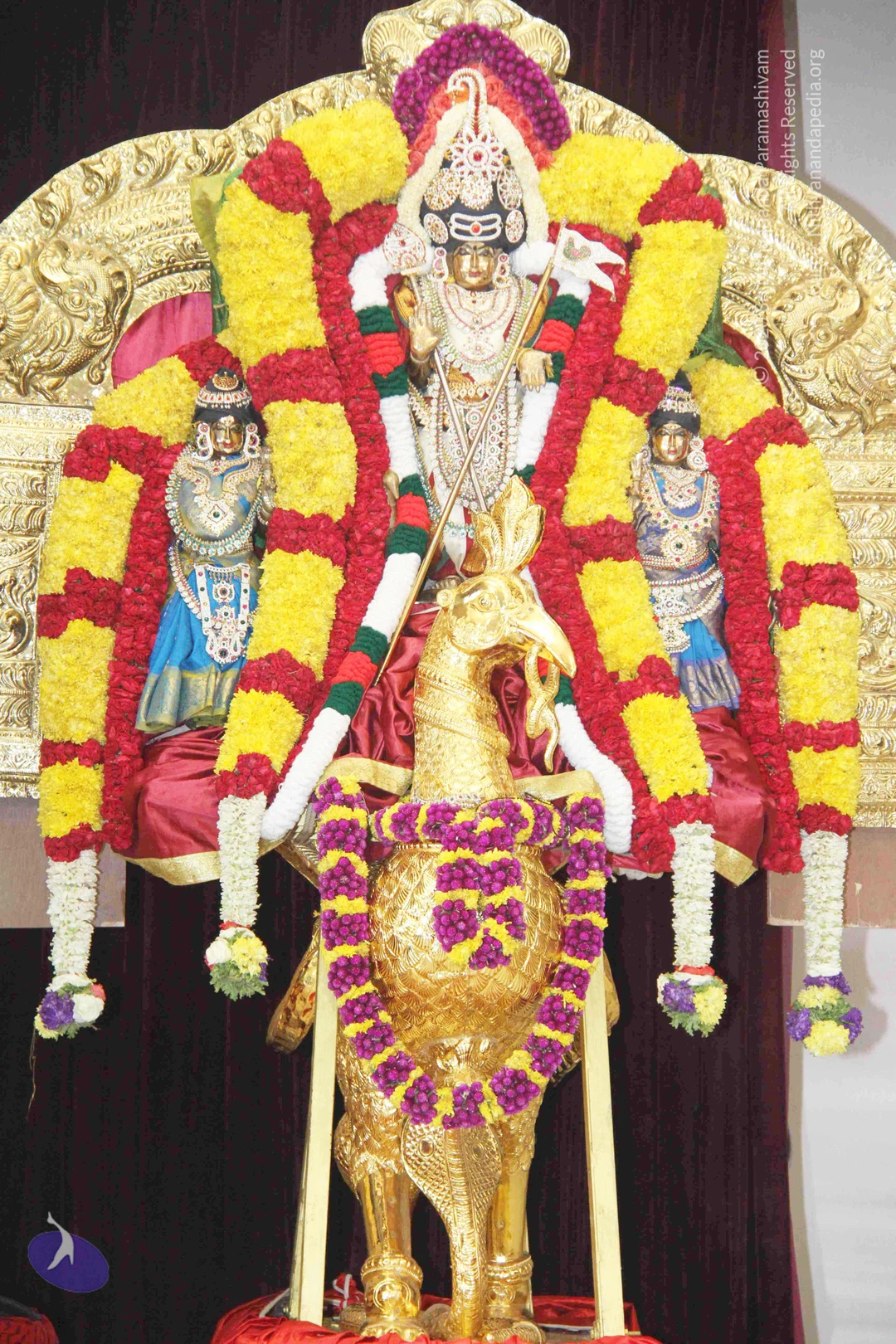
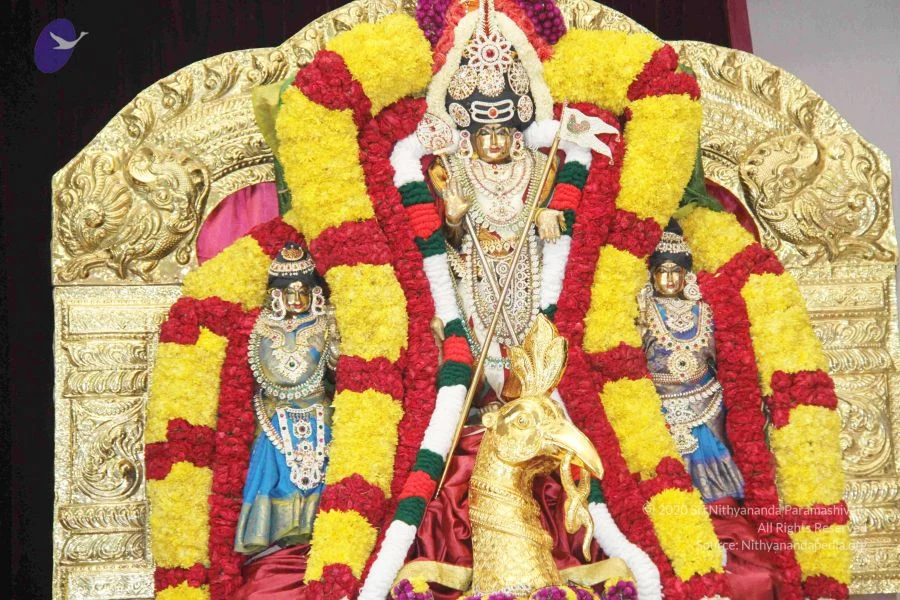
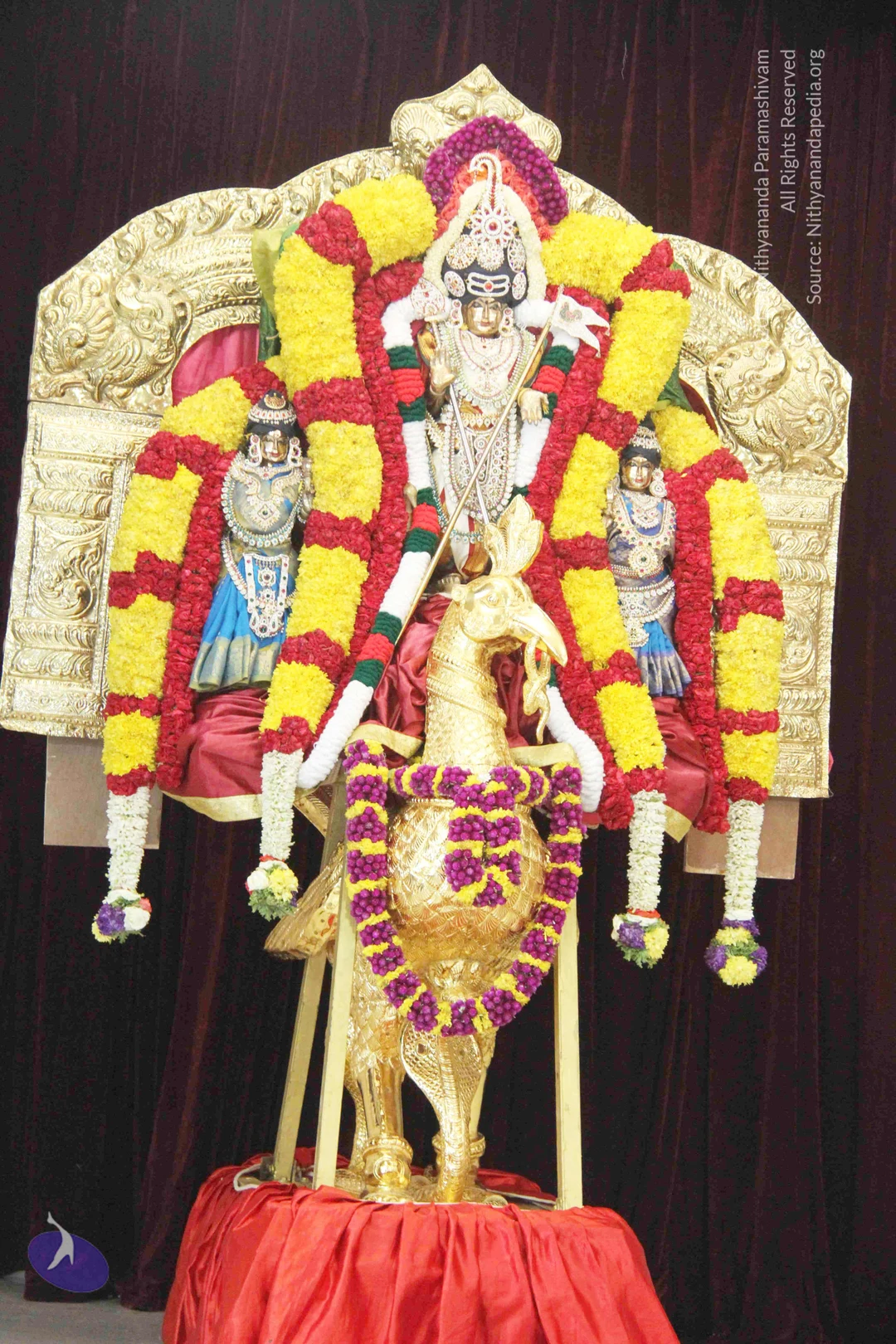
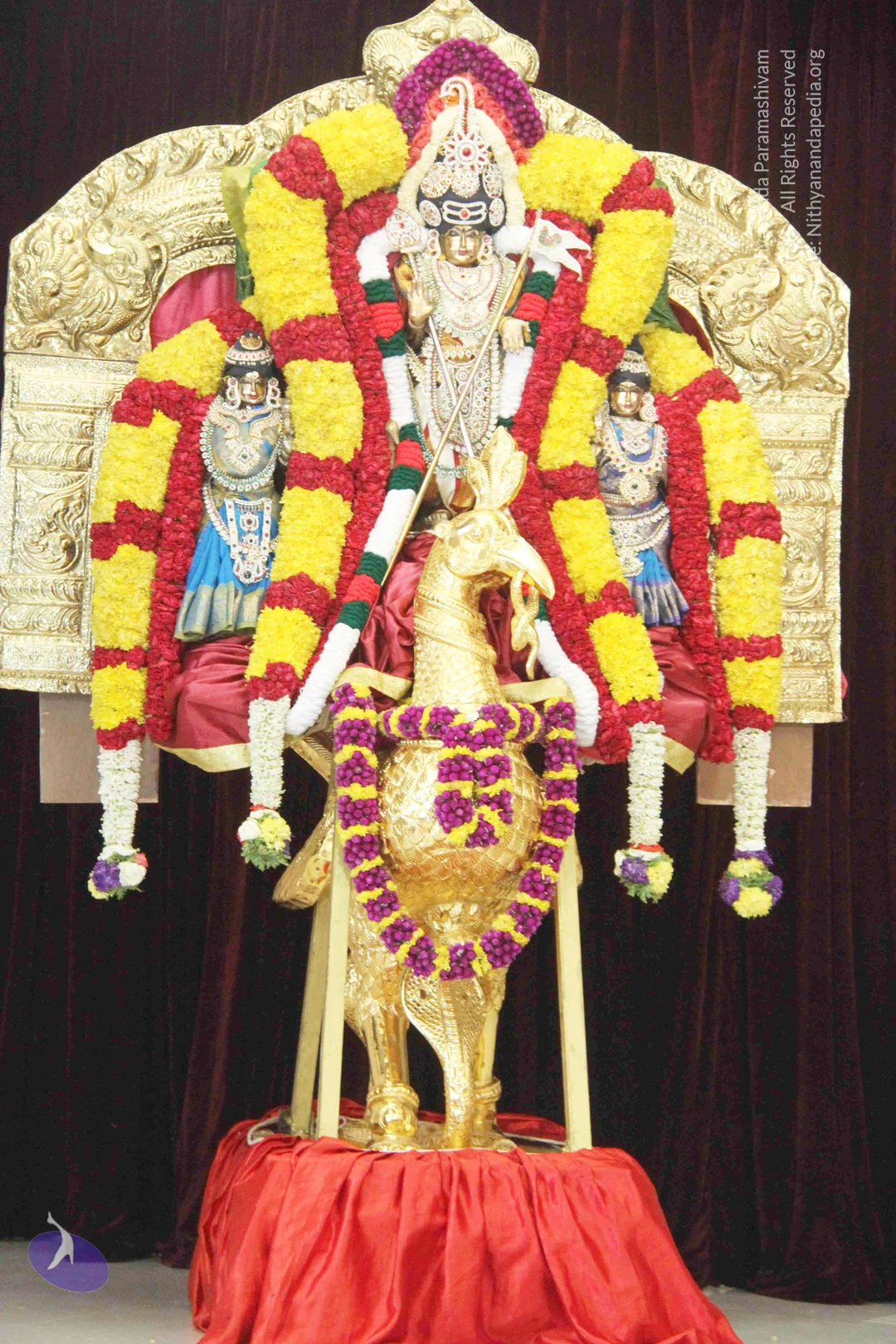
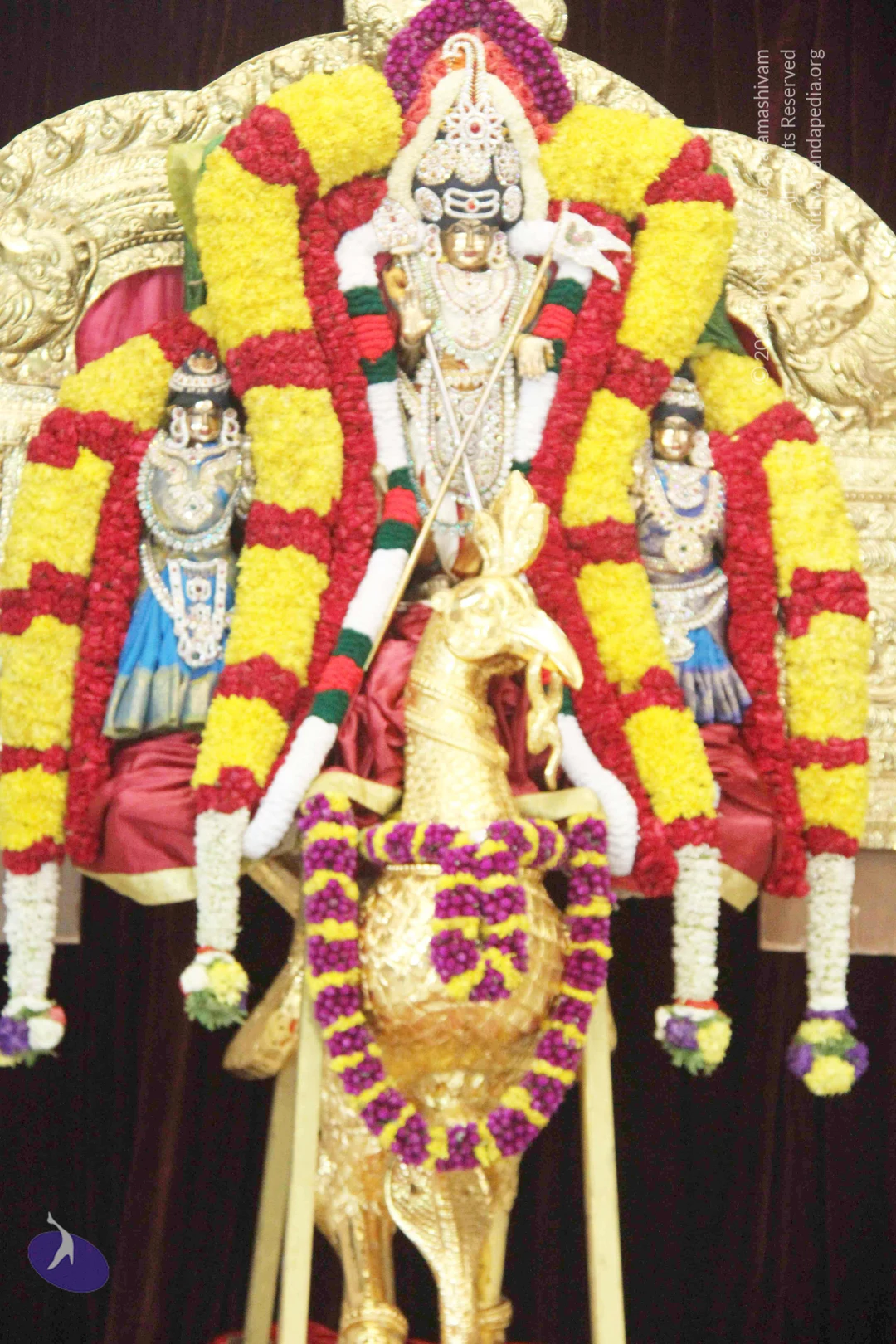
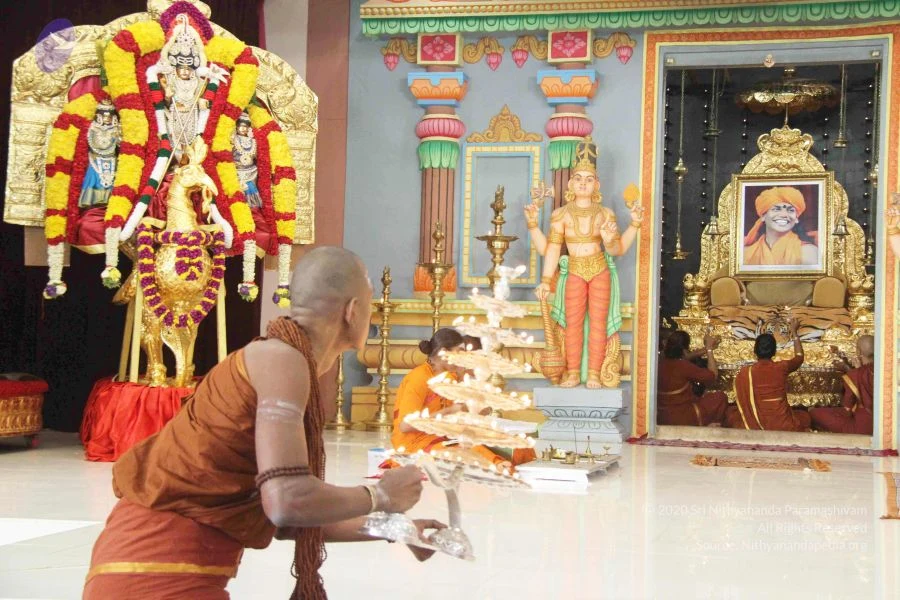
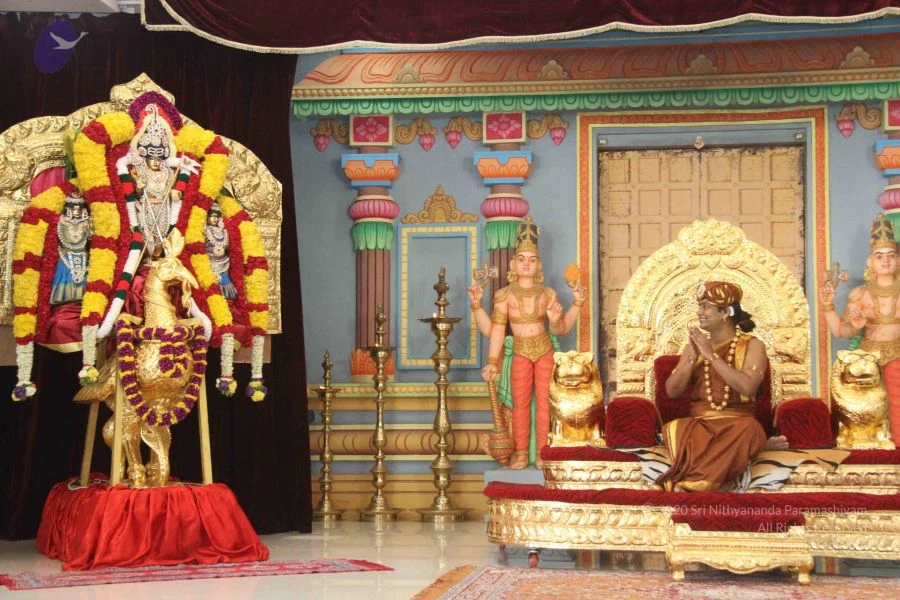
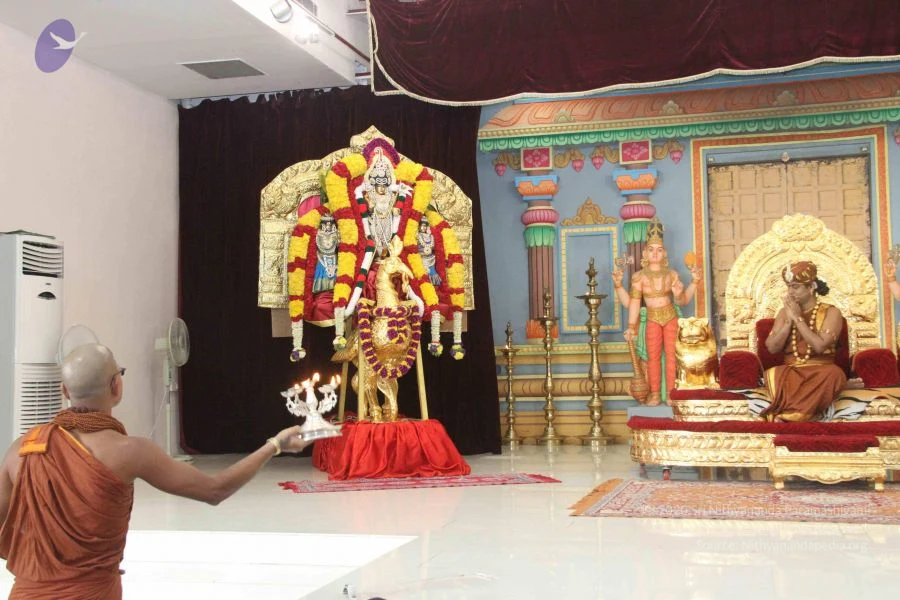
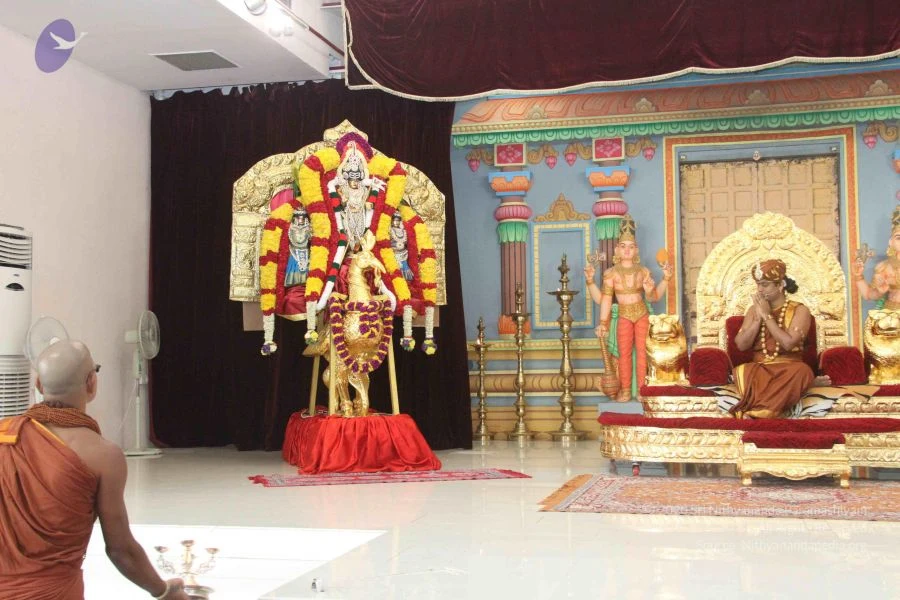
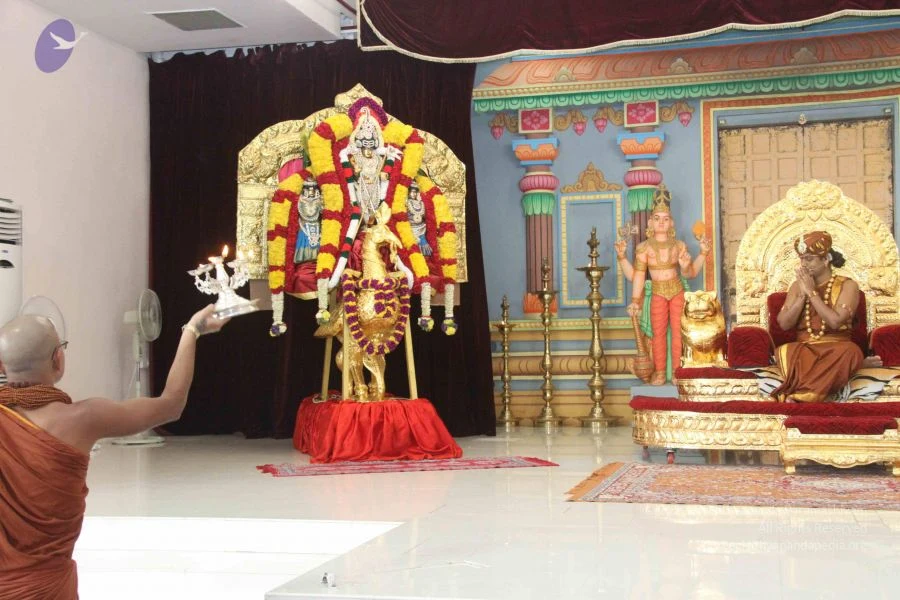
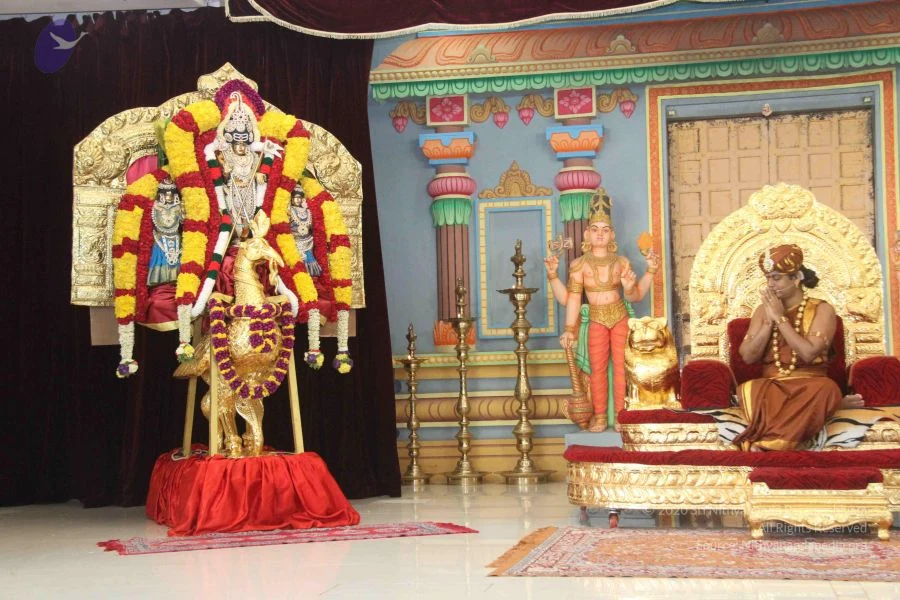
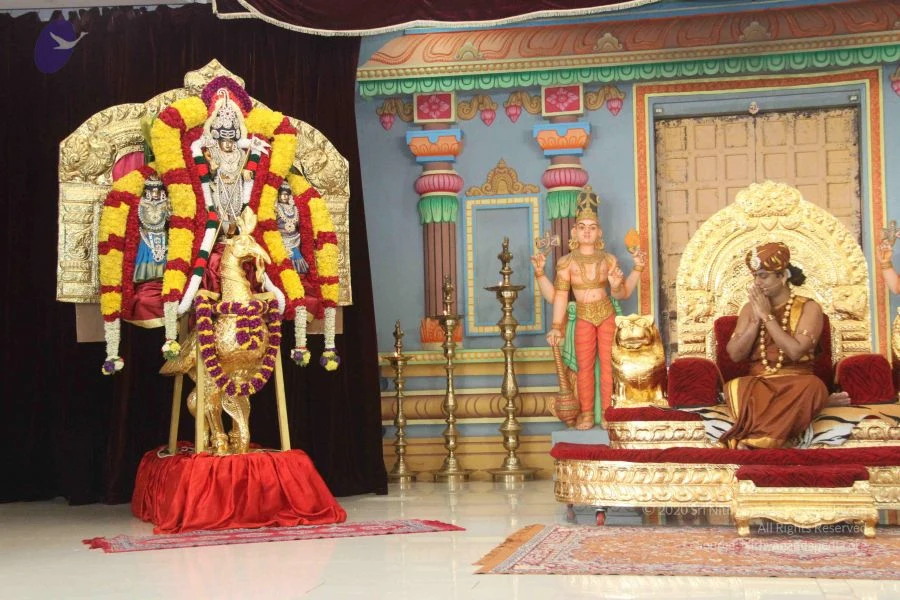
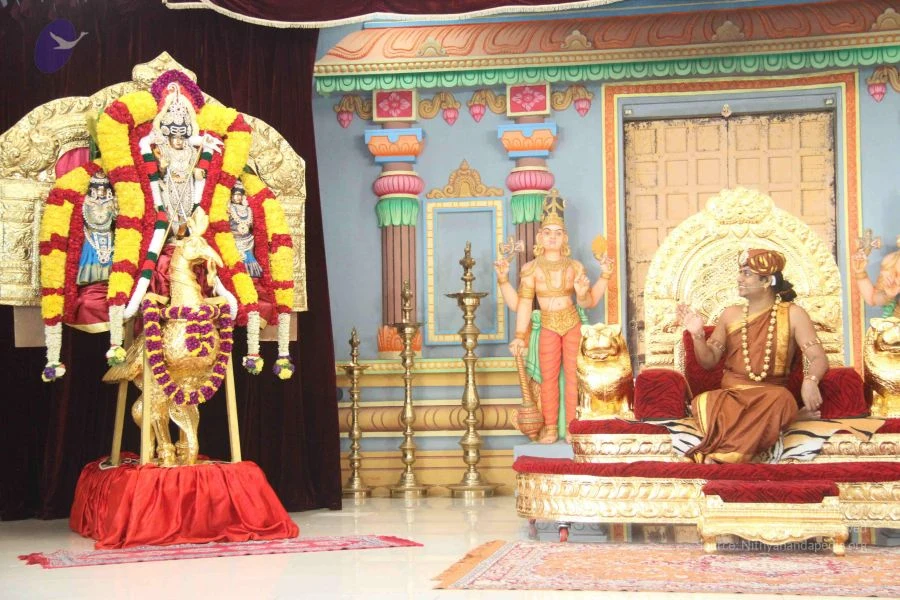
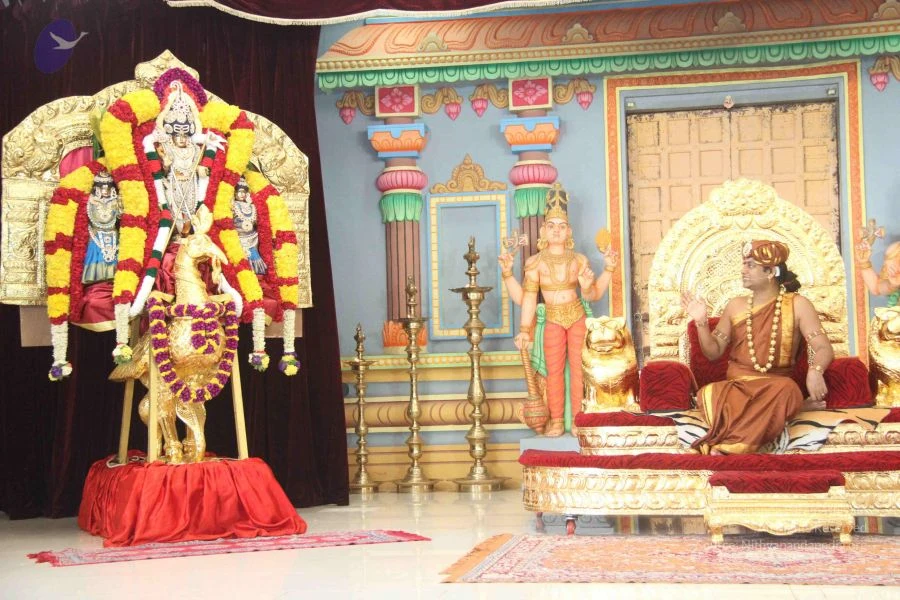
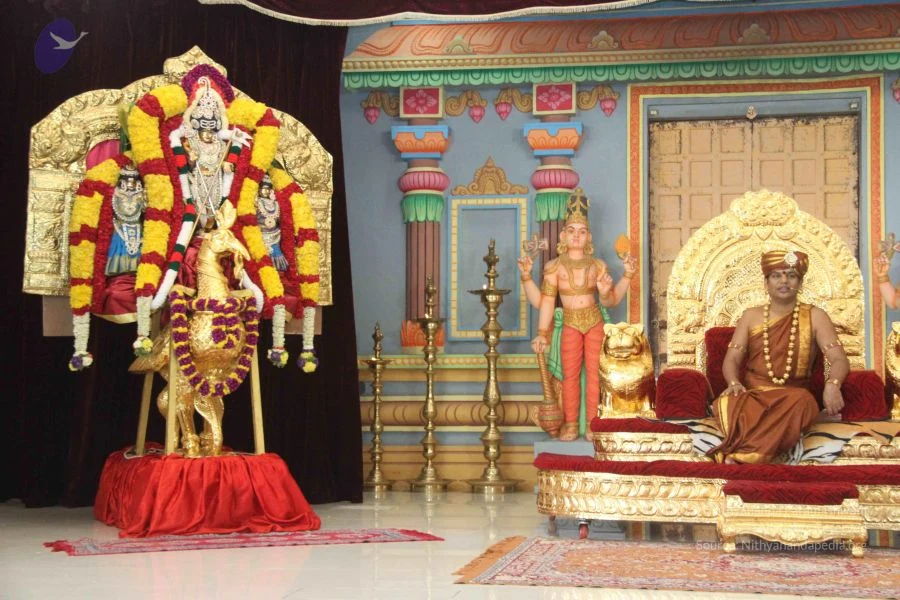
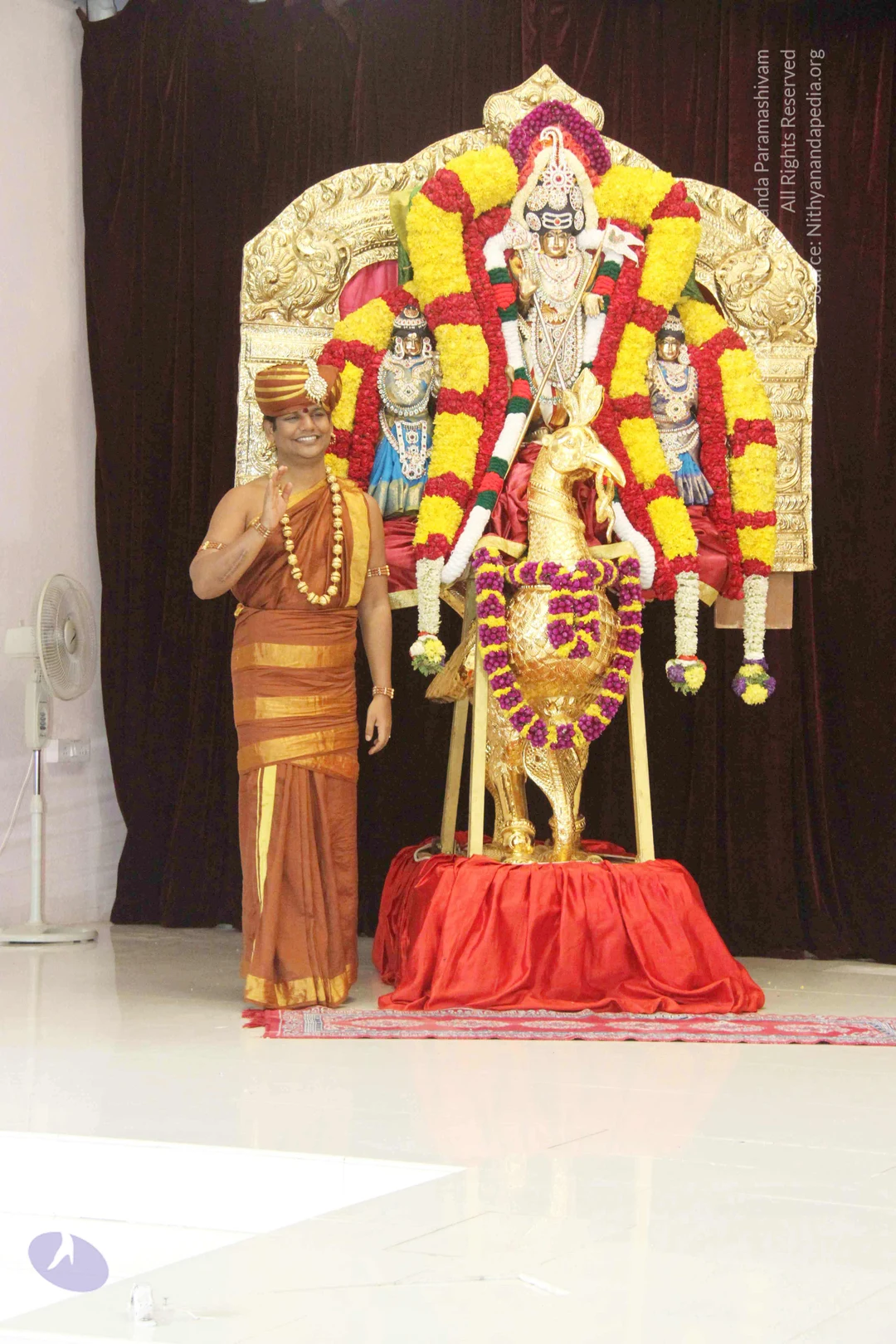
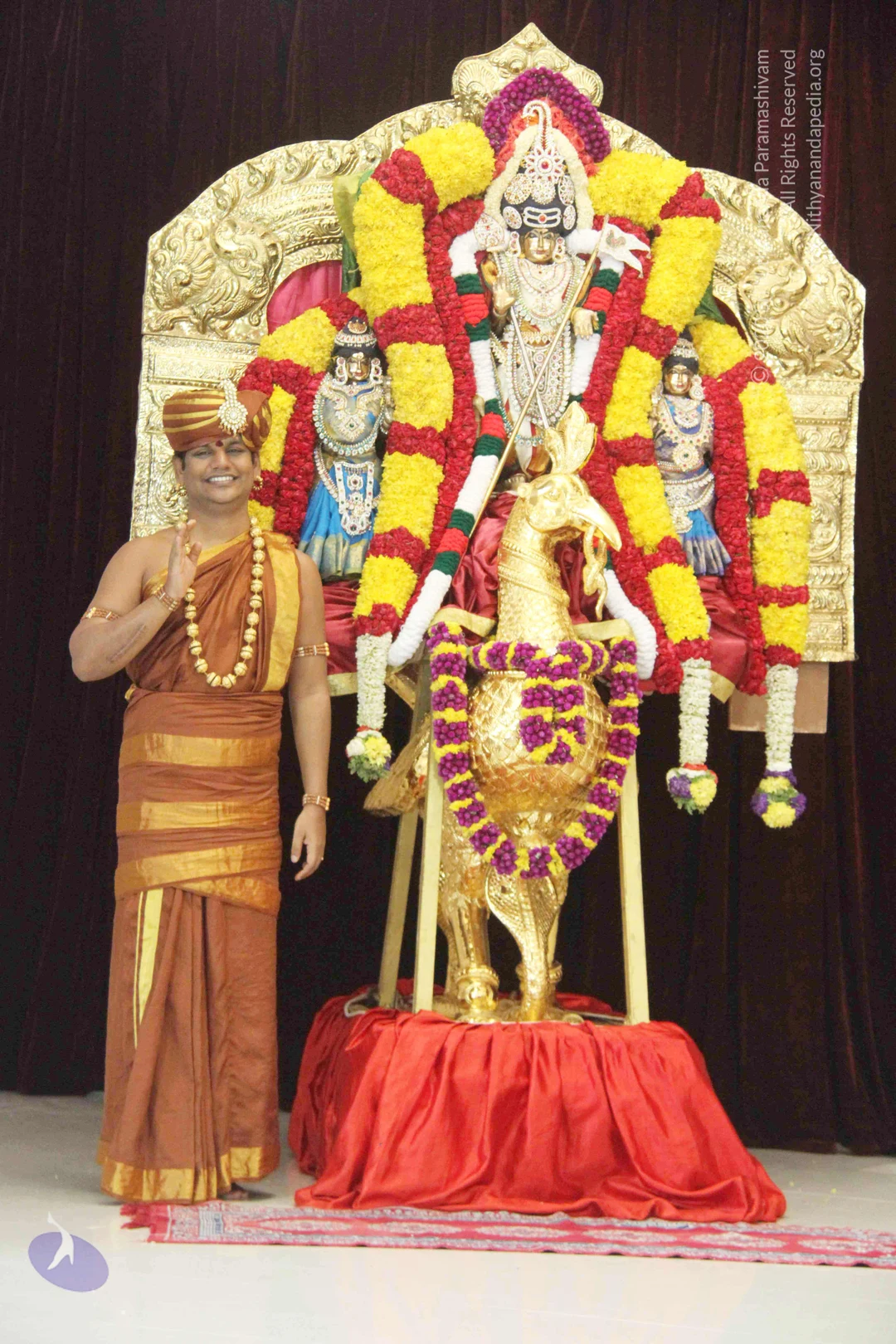
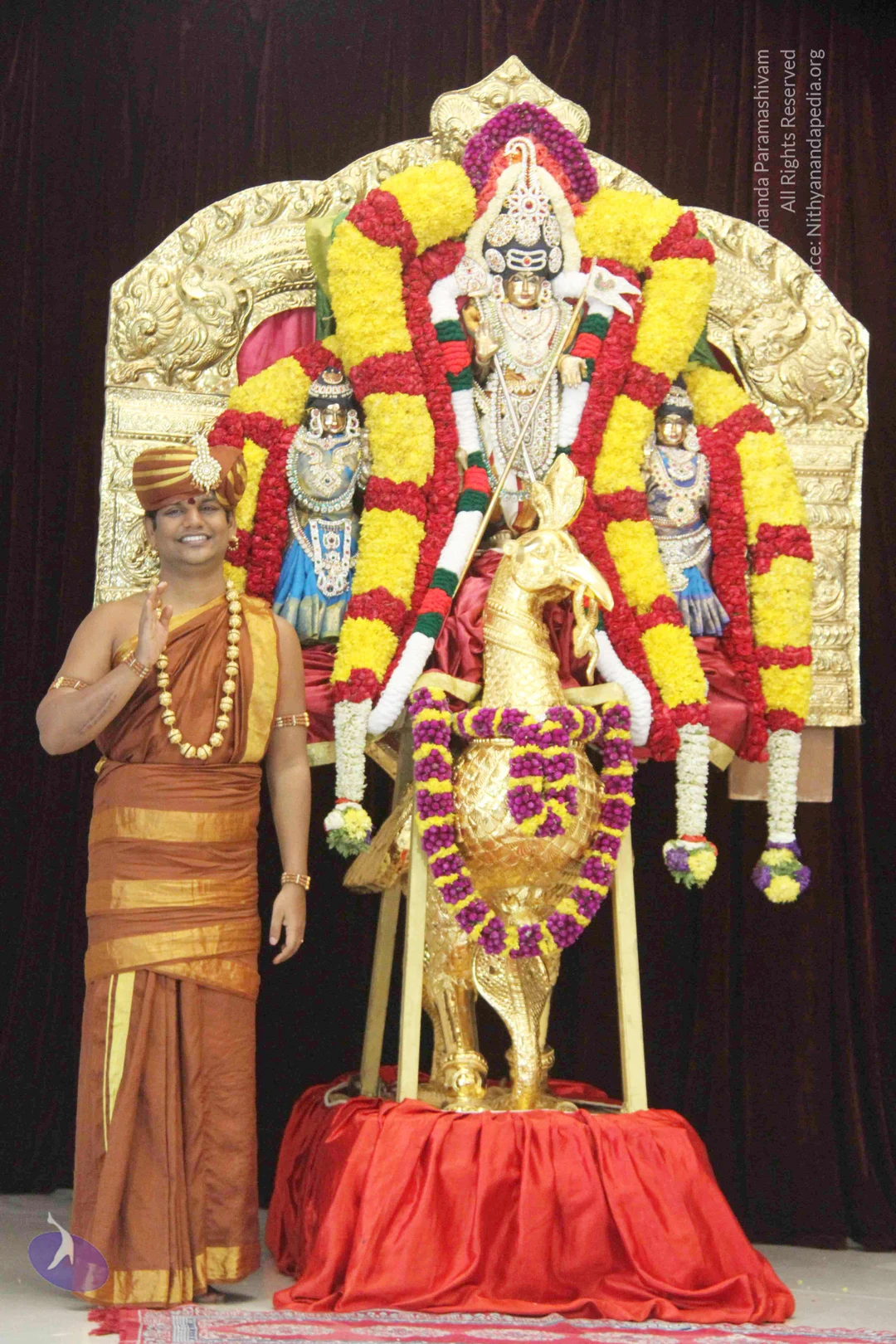
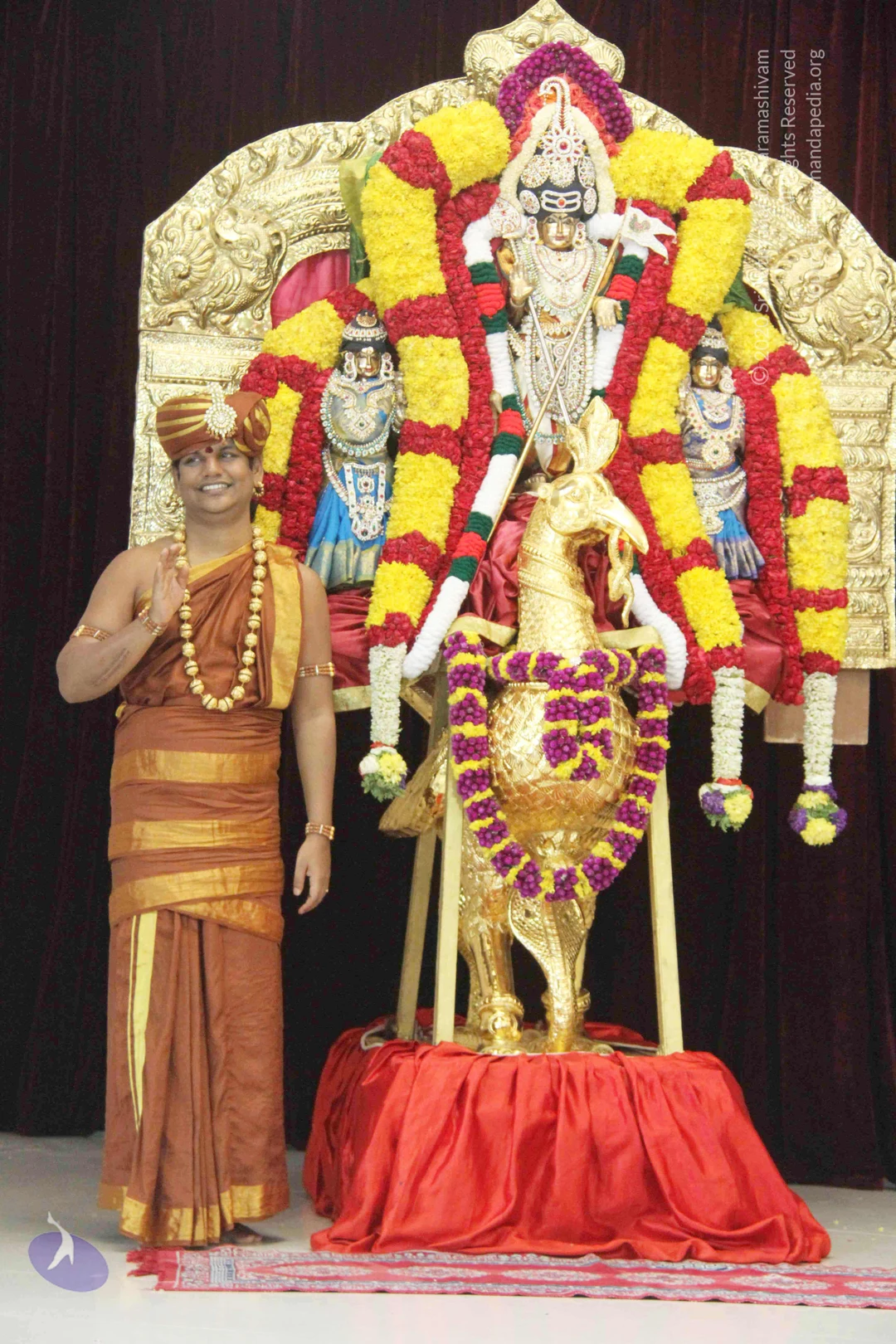
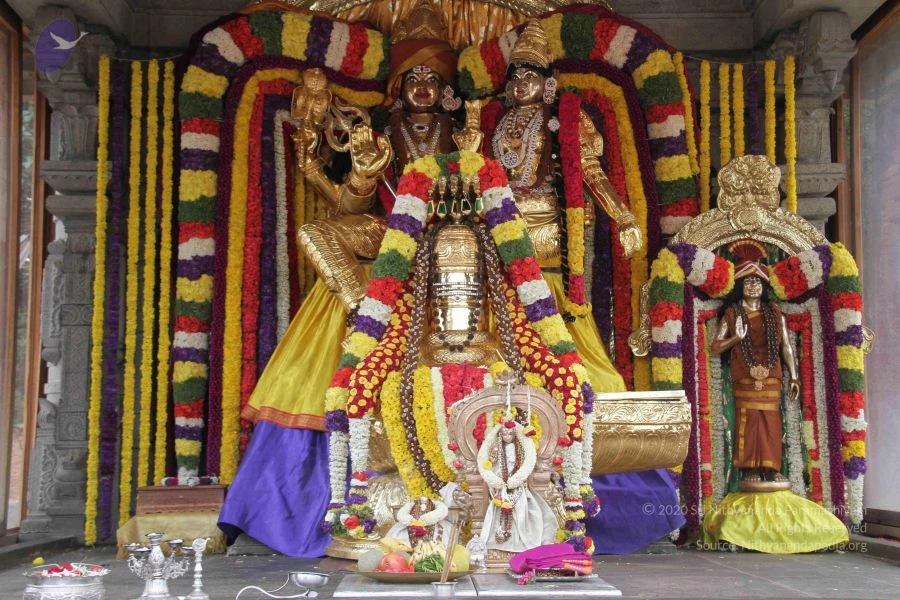
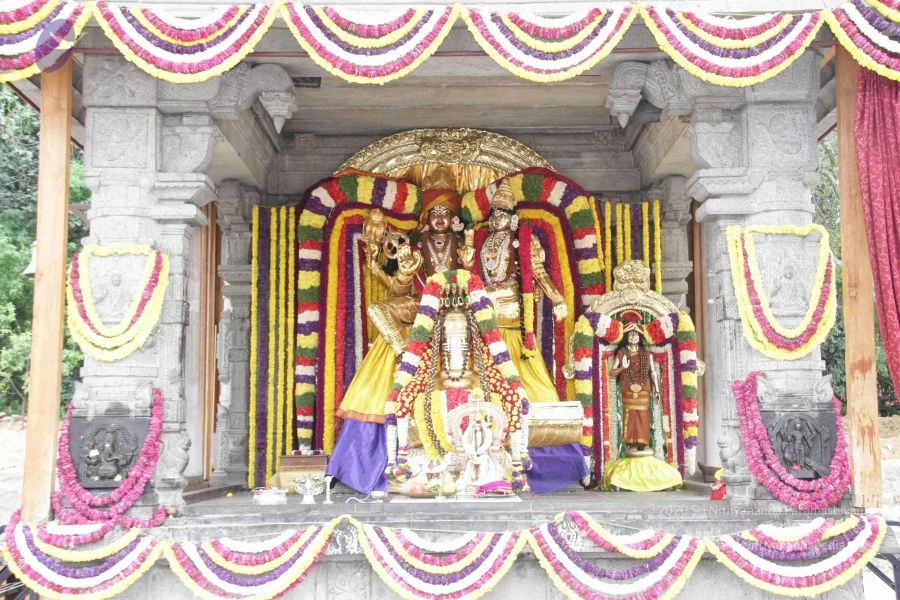
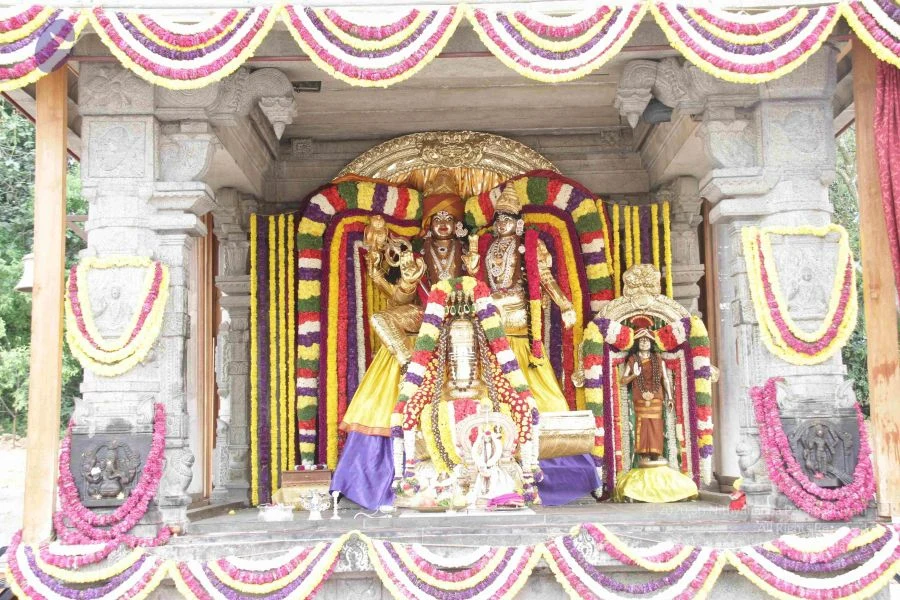
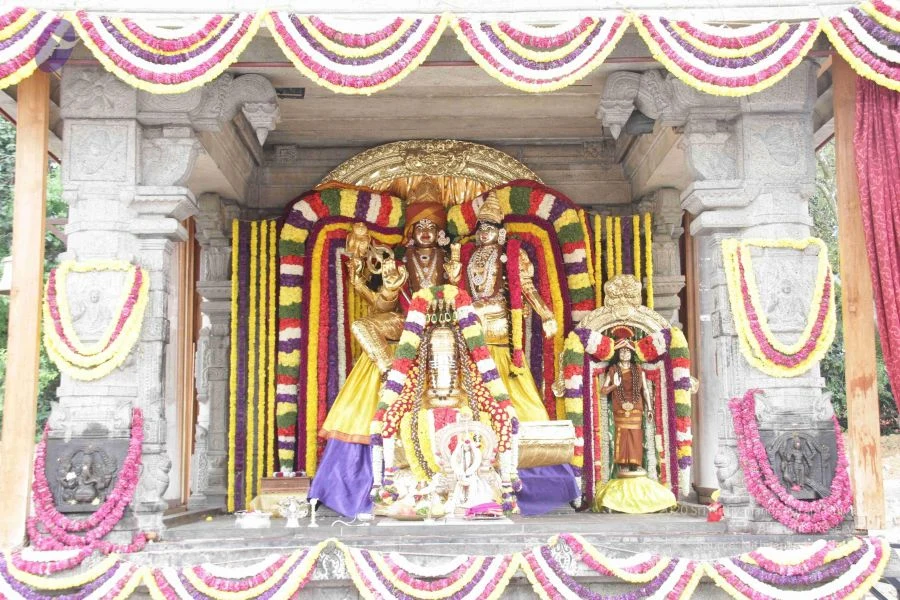
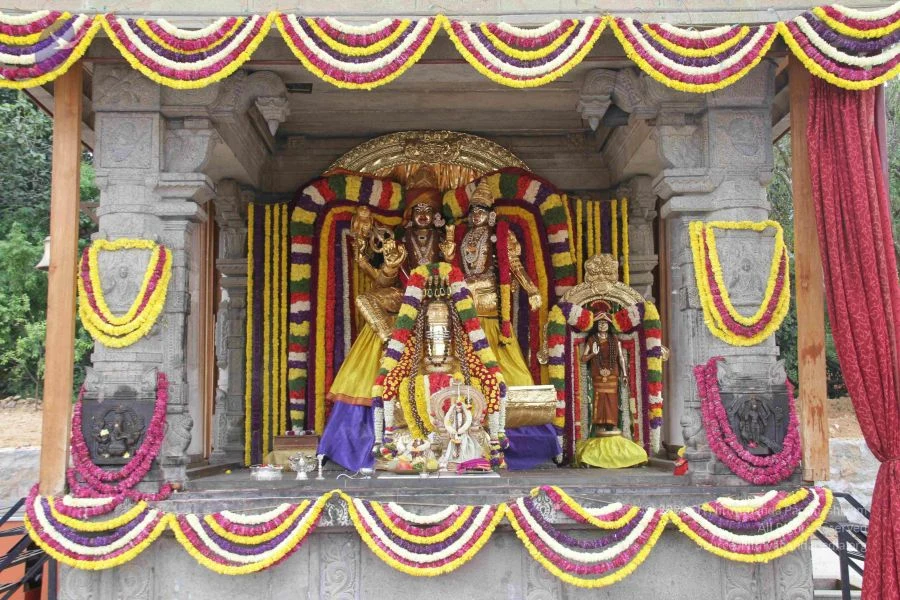
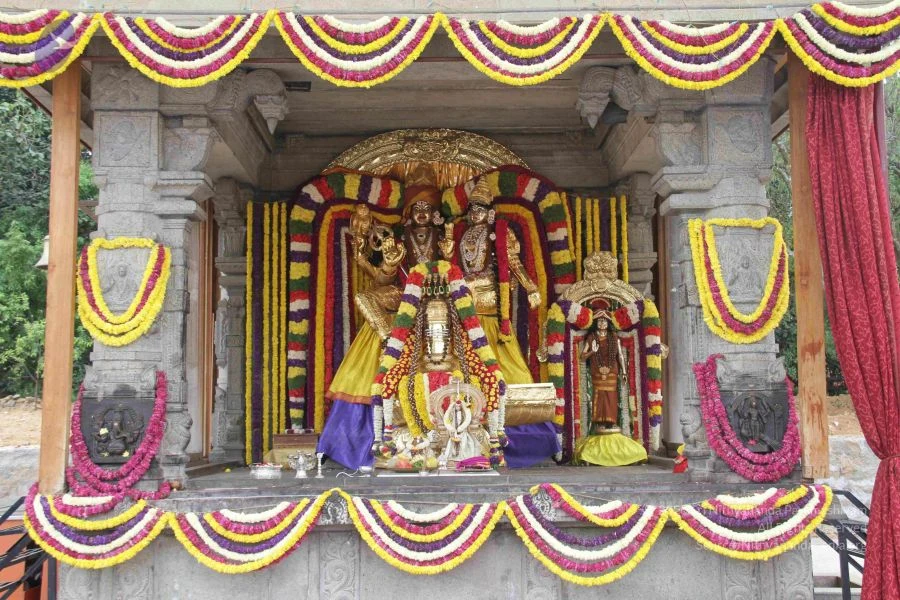
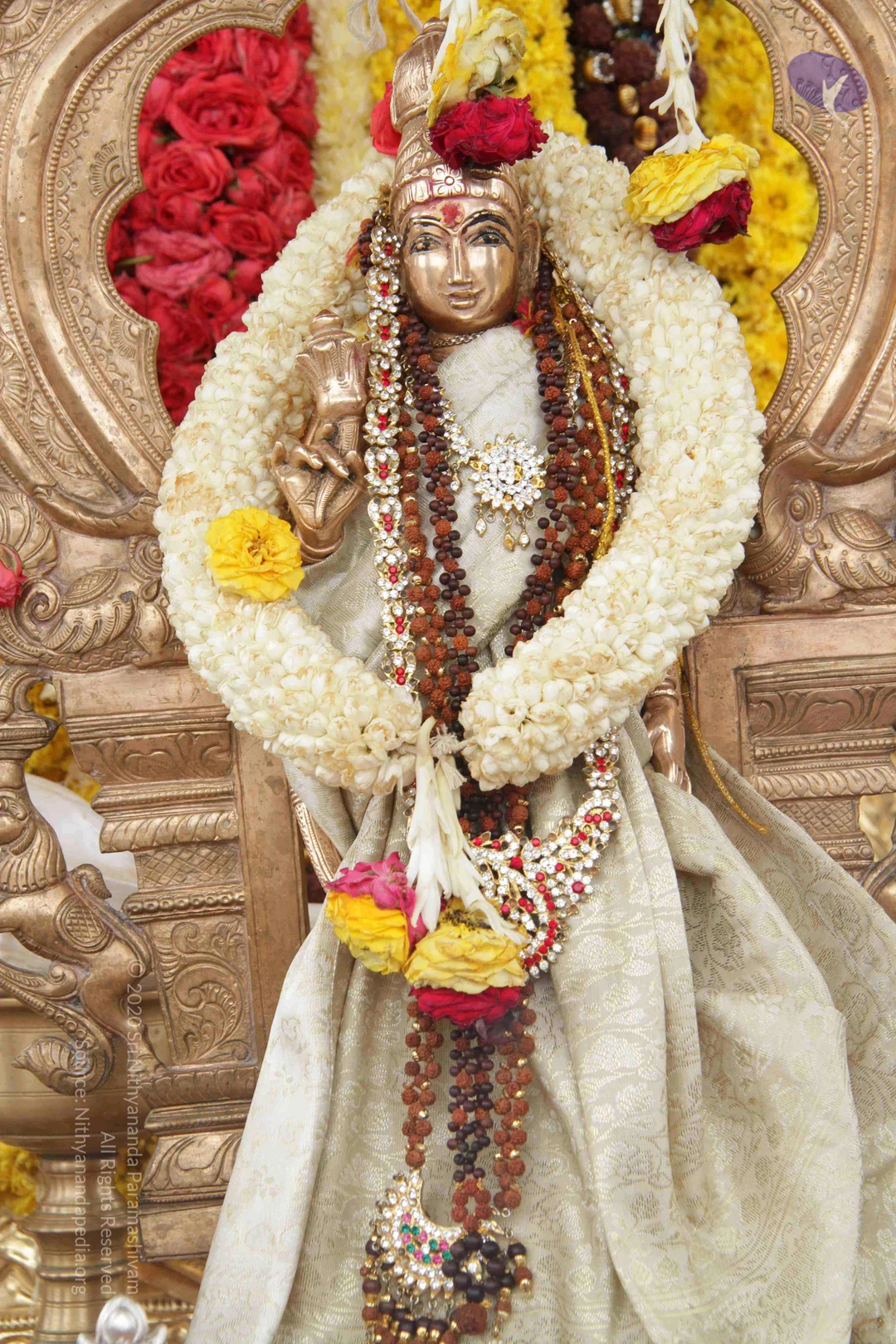
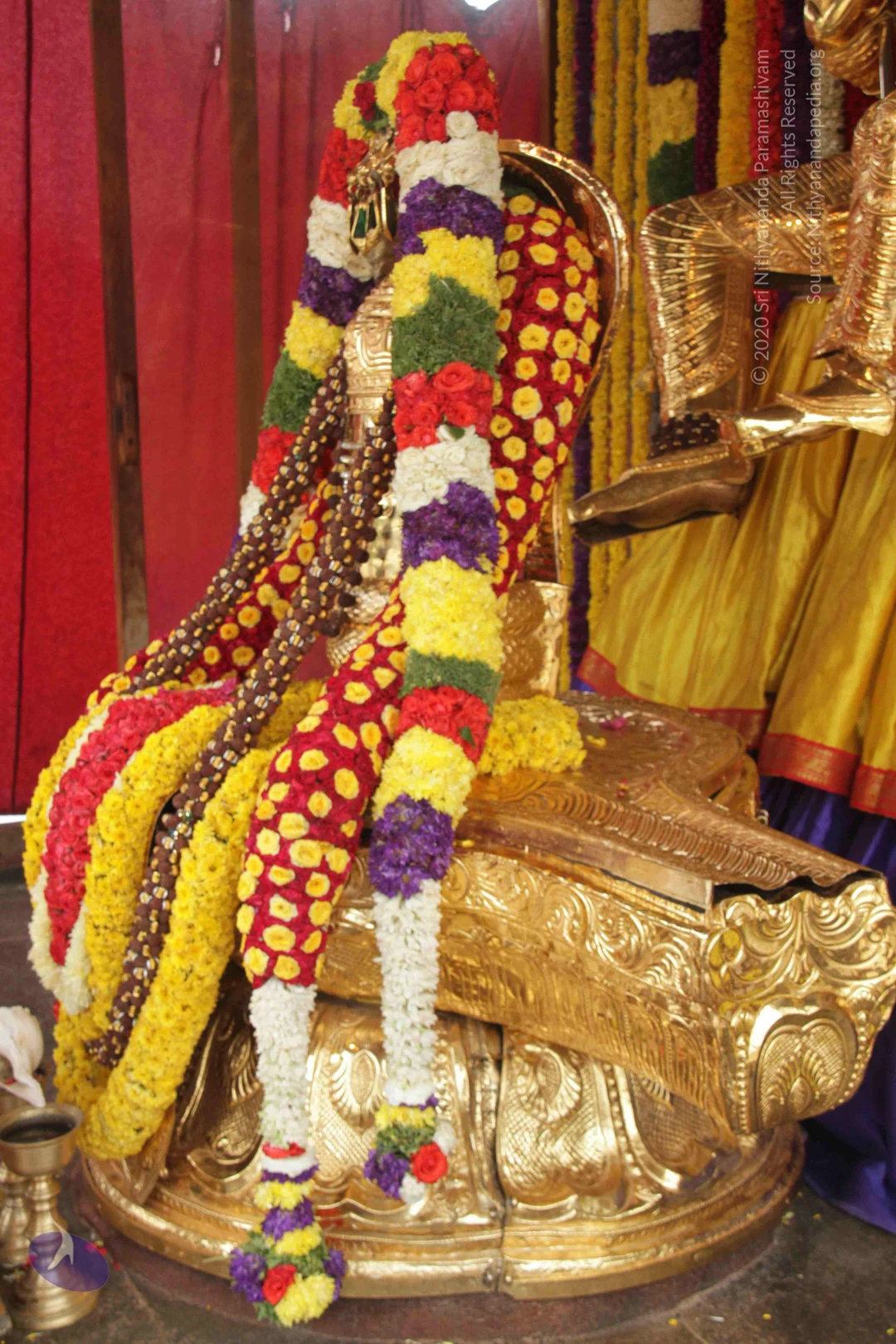
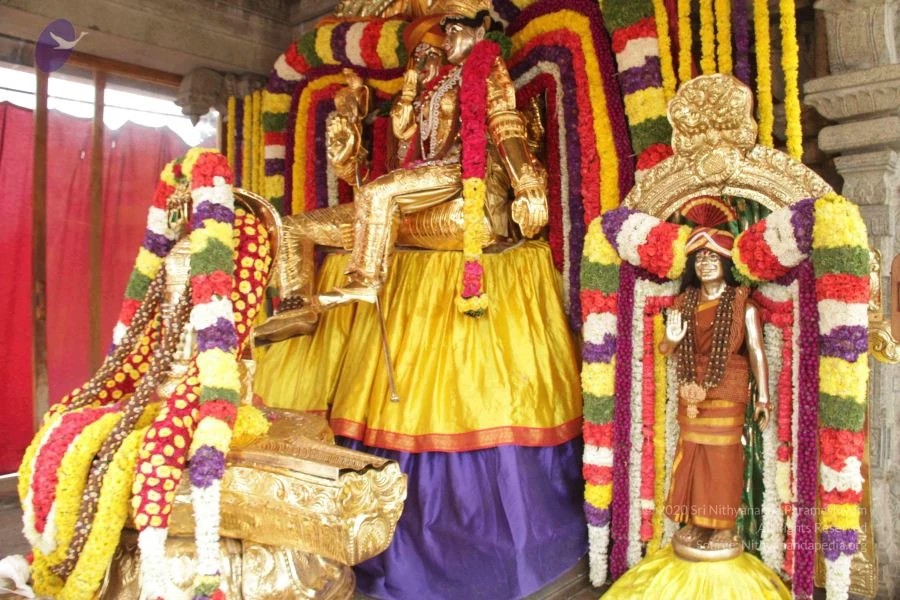
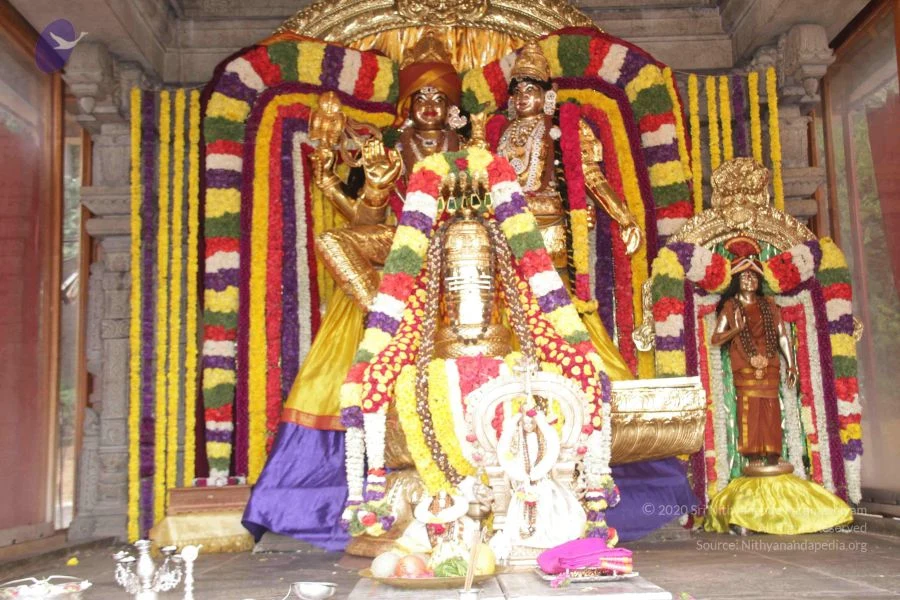
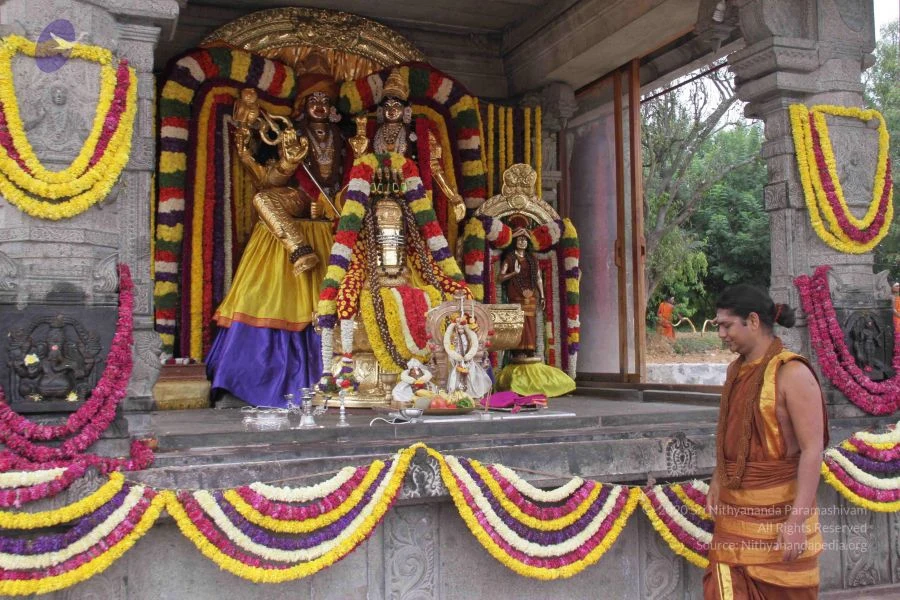
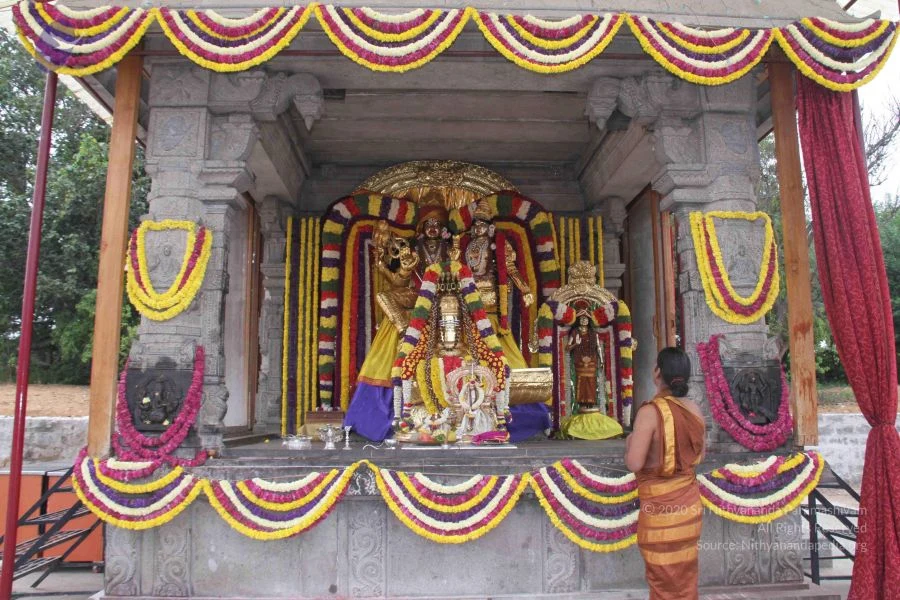
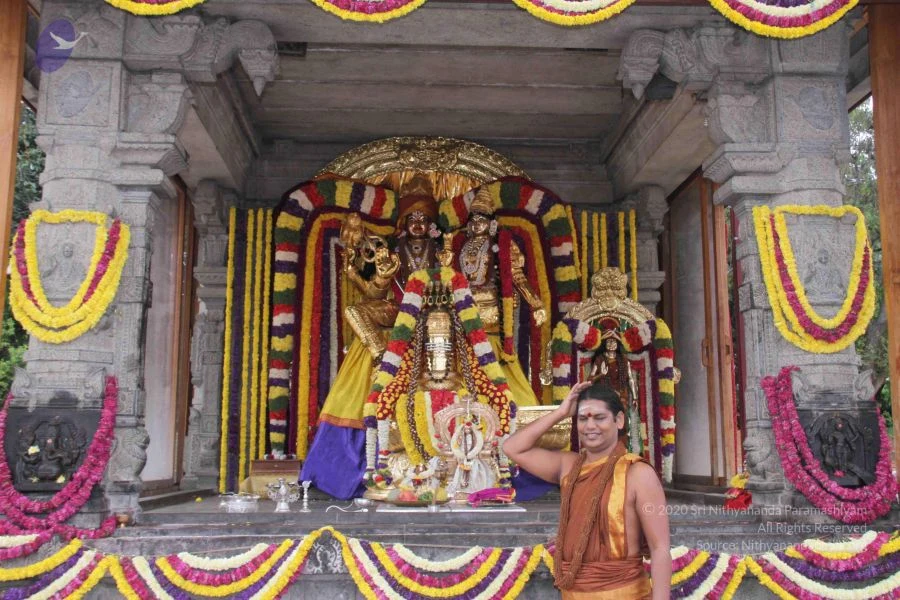
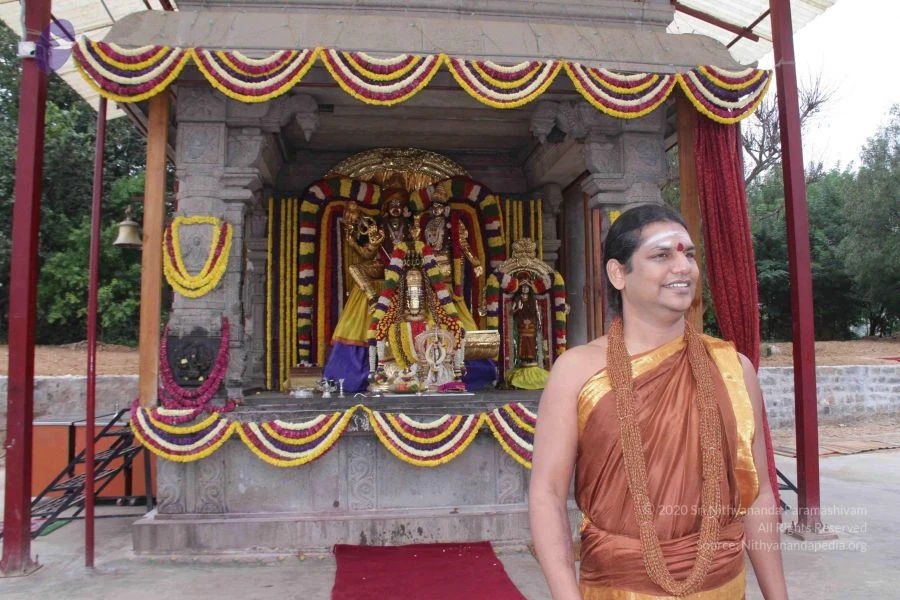
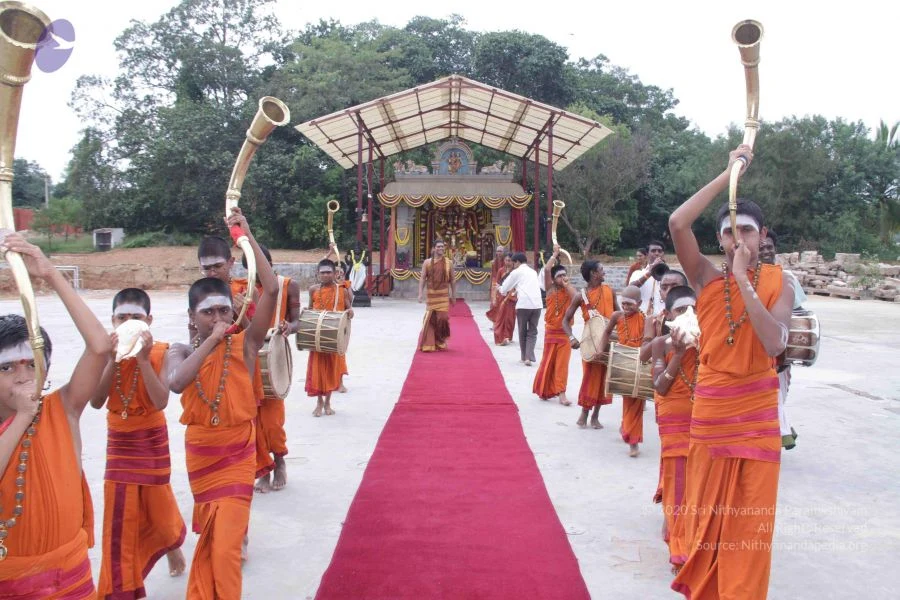
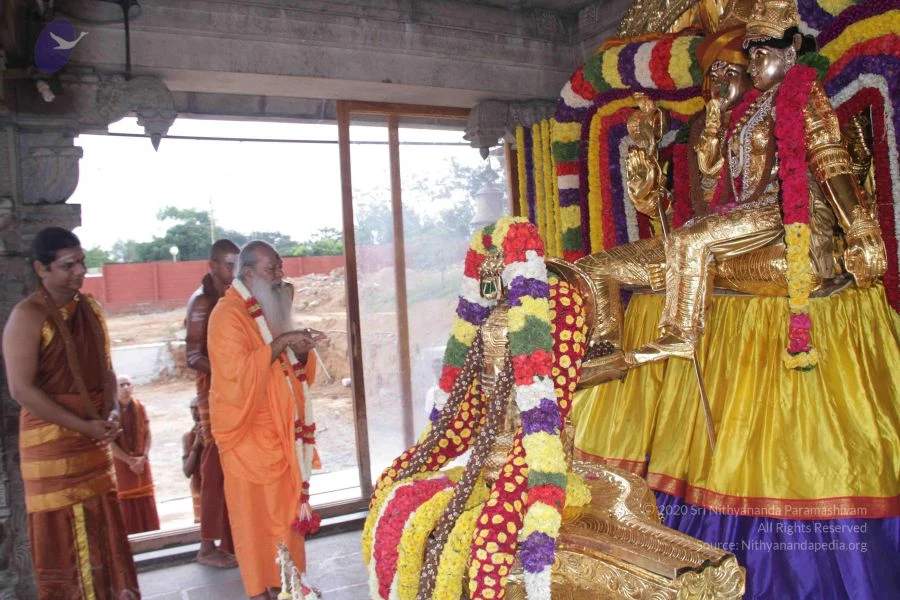
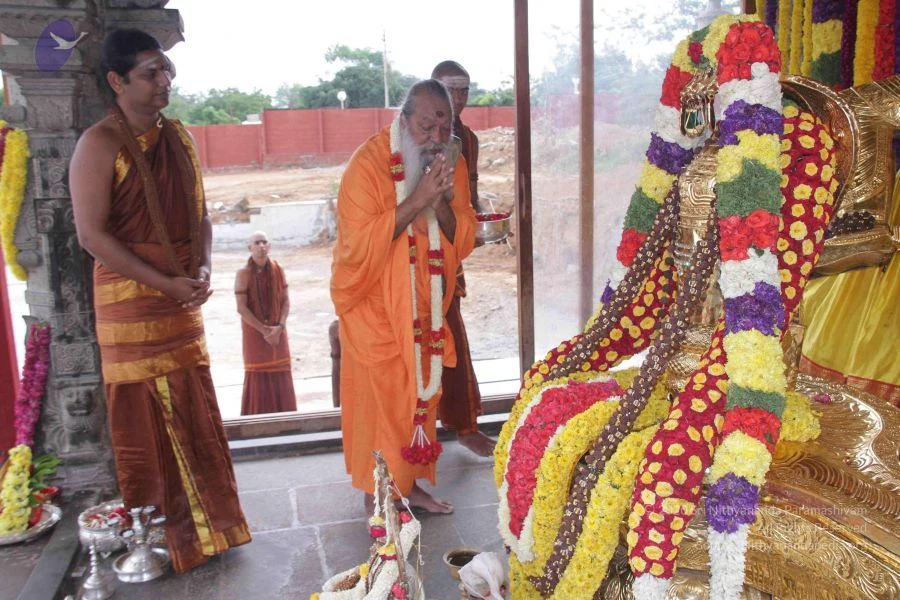
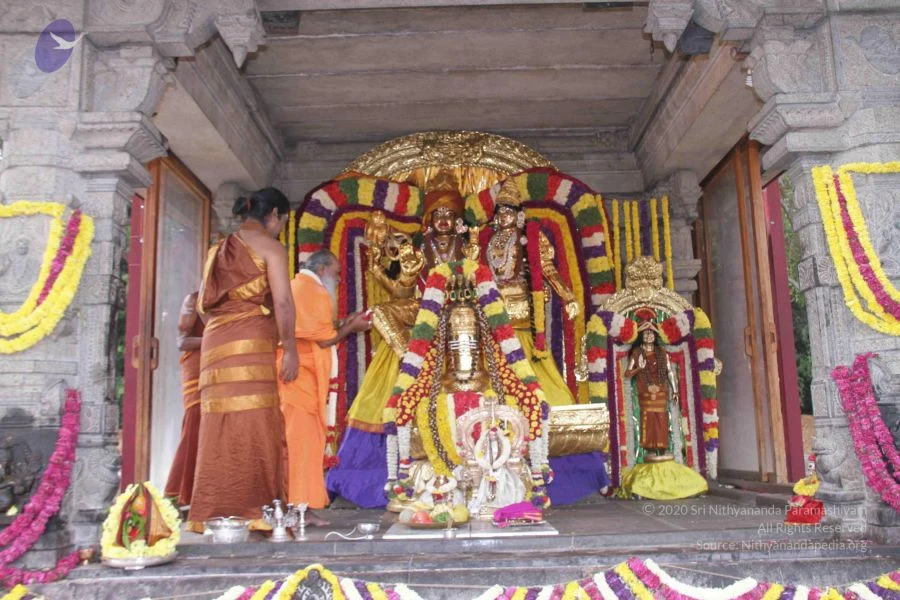
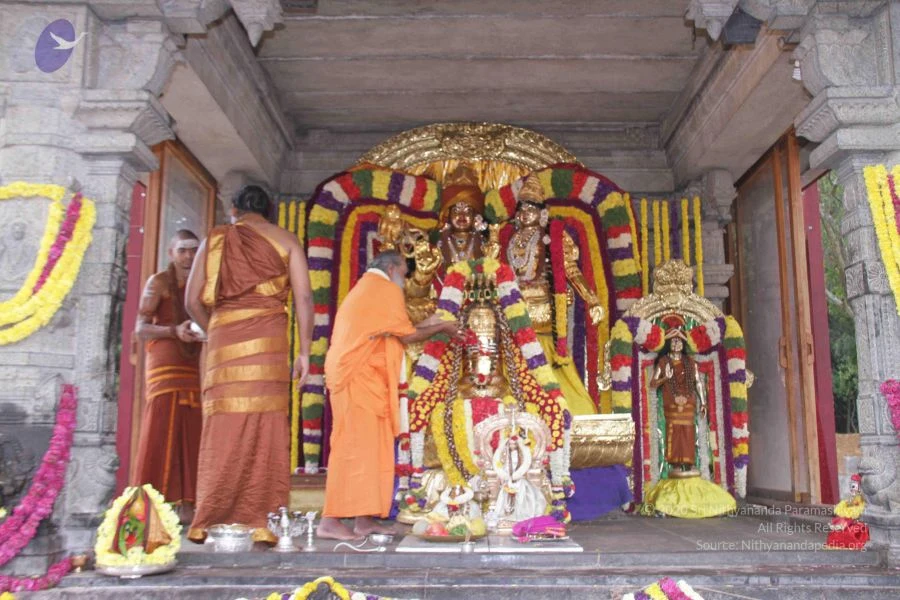
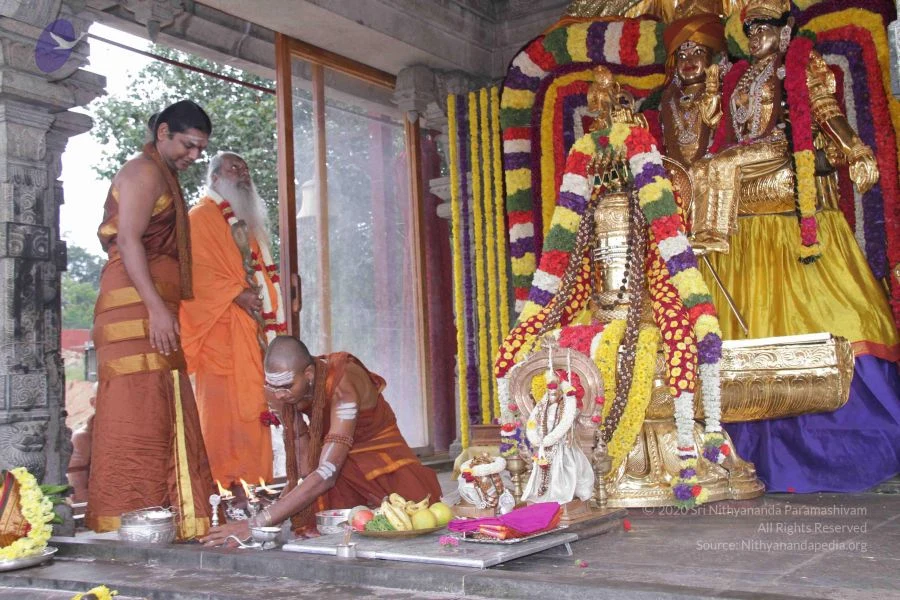
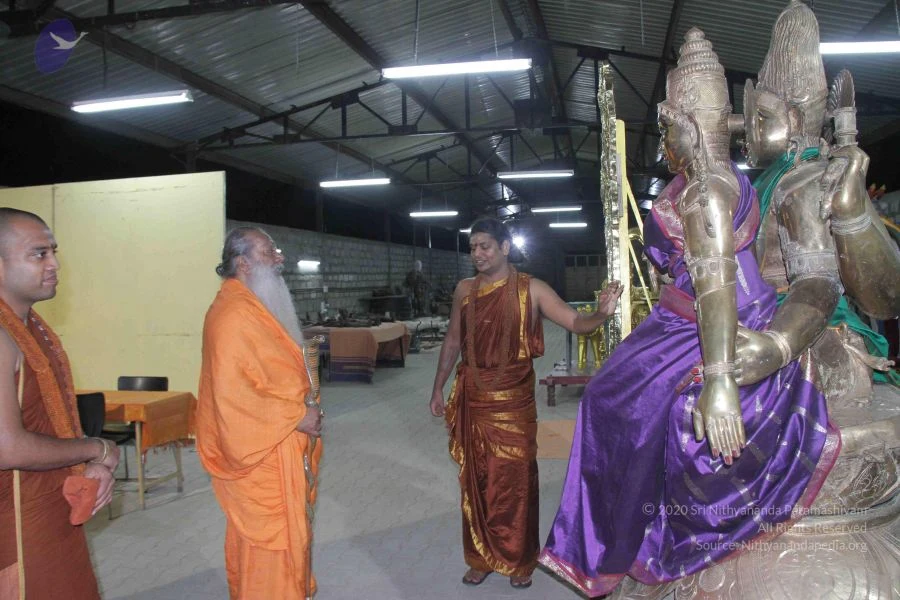
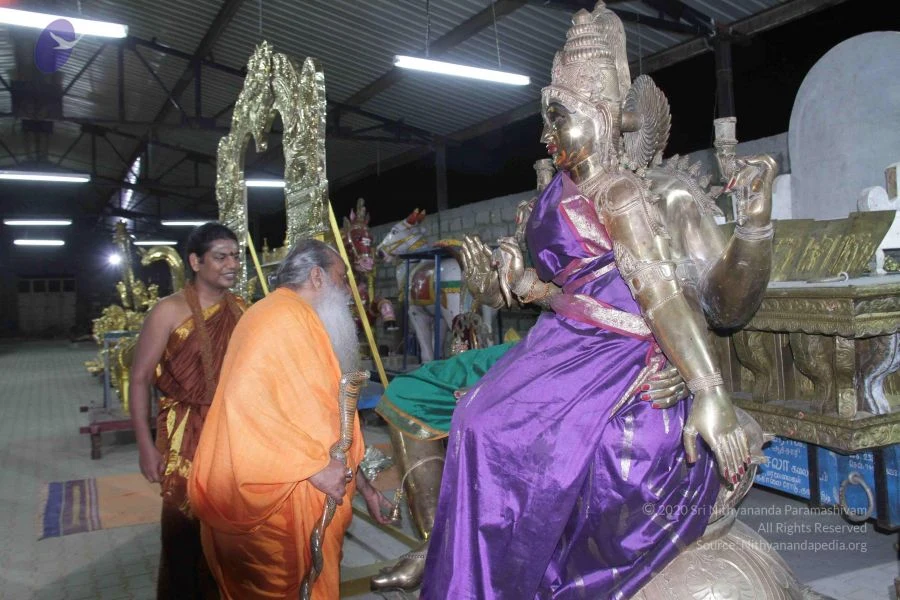
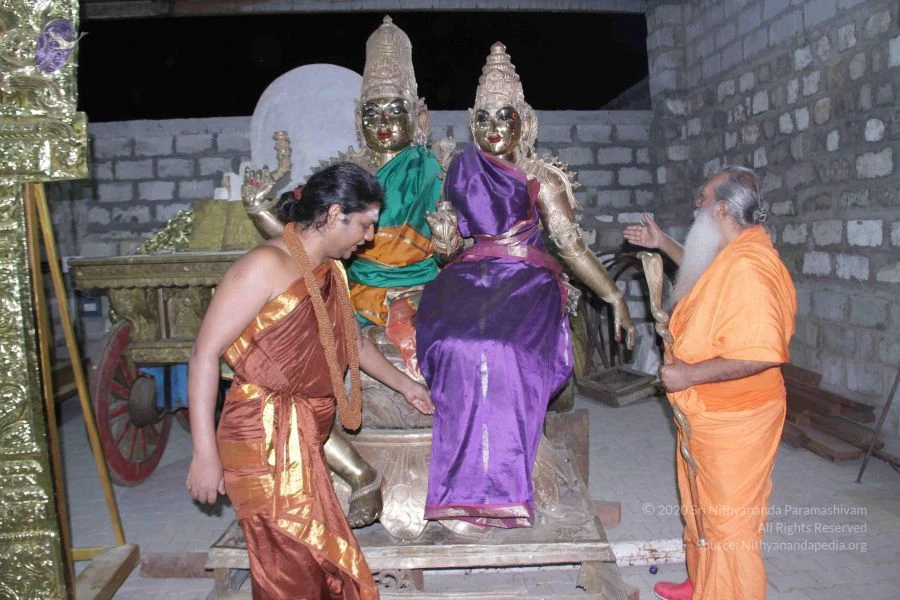
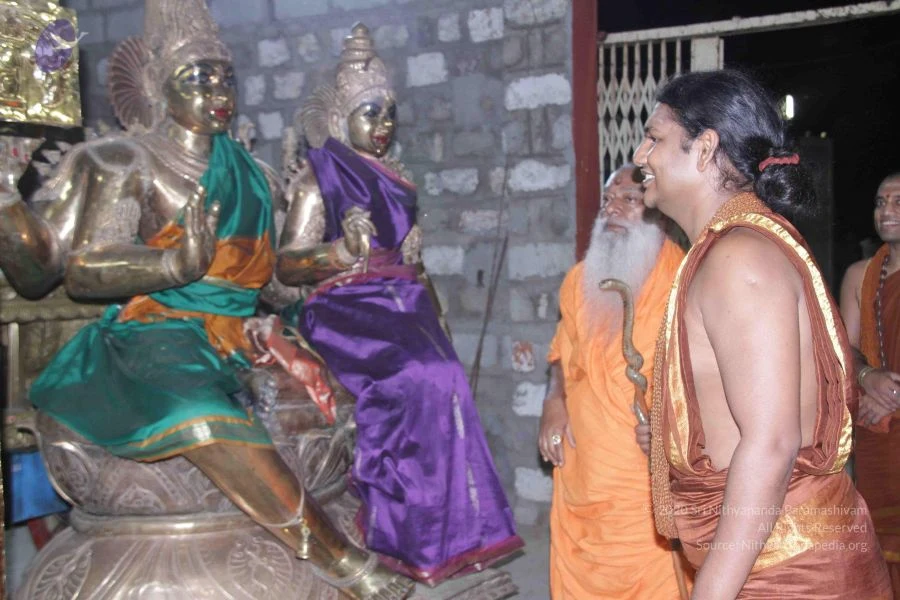
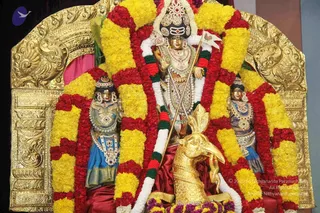
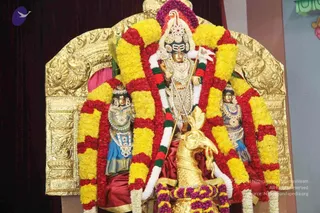
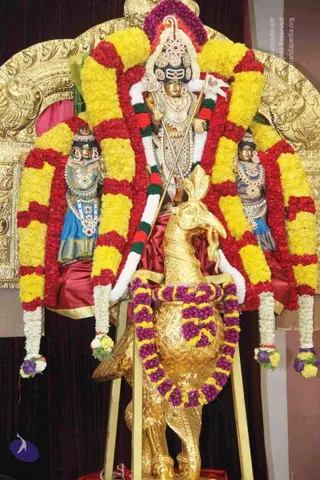
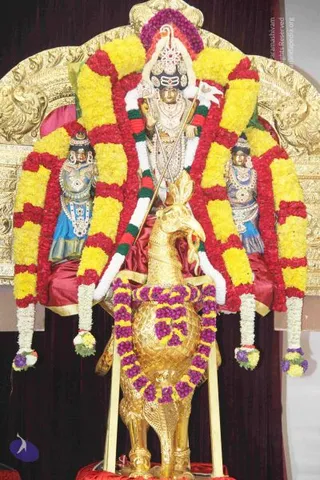
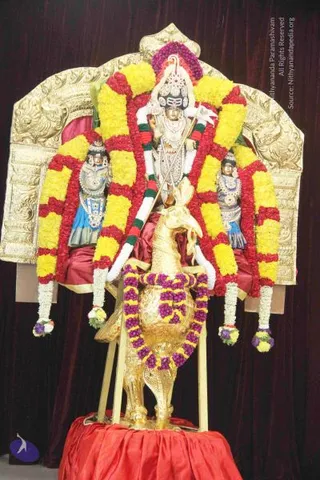
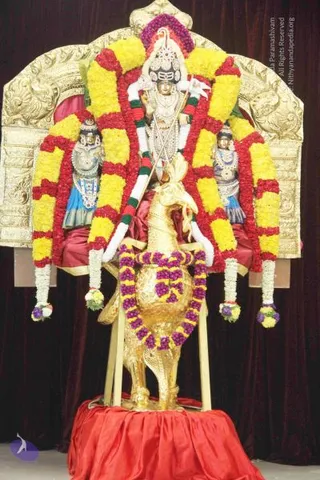
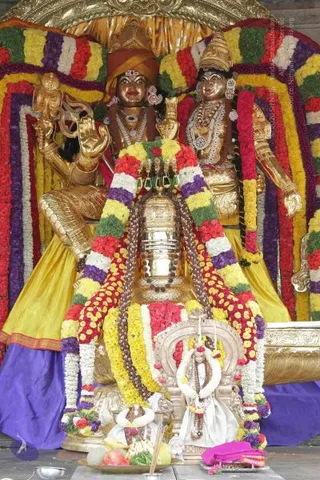
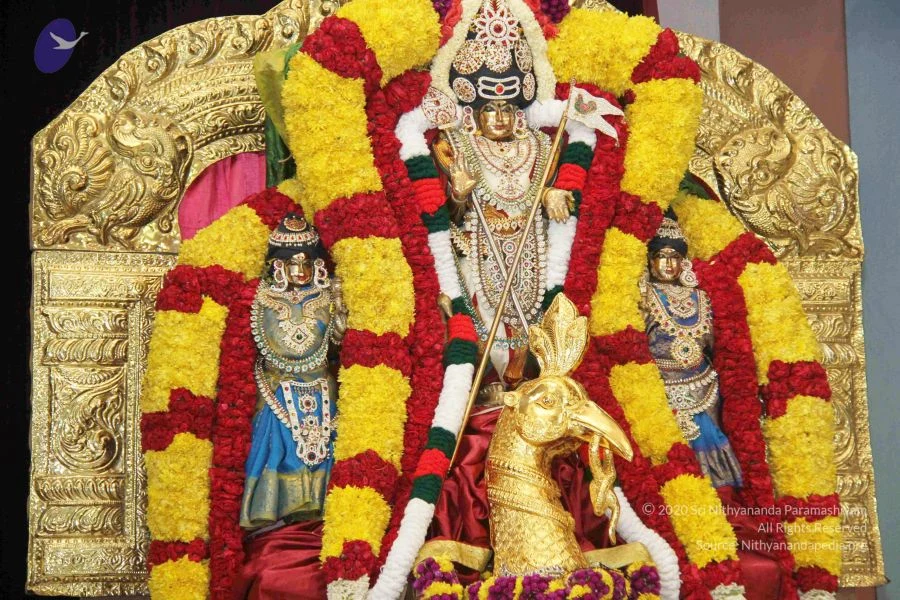
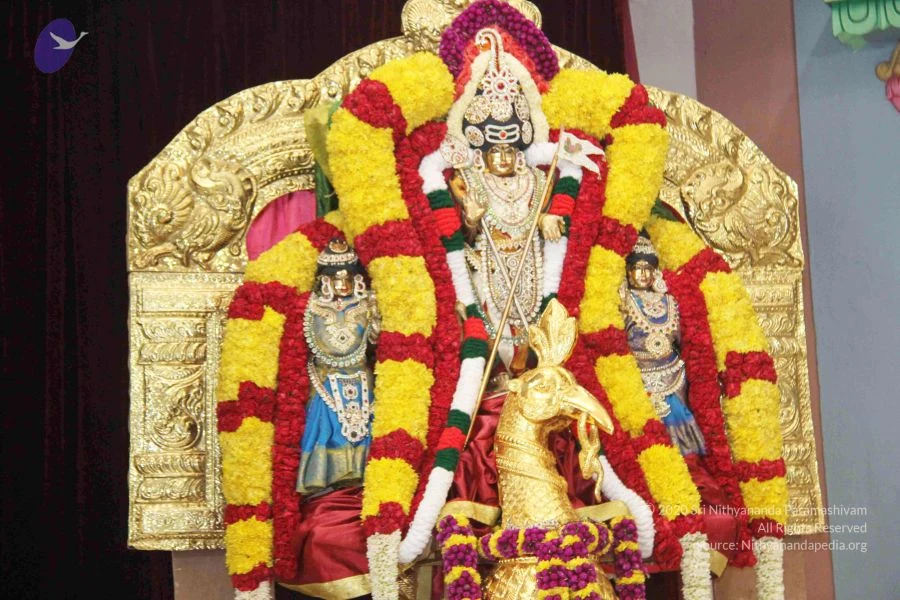
And, as part of the third day of the Skanda Sashti Brahmotsavam, Subramanya is gracing us today with both his consorts – Valli and Devasena. With Valli and Devasena, Subramanya Swami is gracing on the Suvarna Mayura Vahana, the Golden Peacock Vehicle.

Today, we will be working on how the root-cognitions and root-patterns directly, indirectly disturbs our body, mind and the whole life.

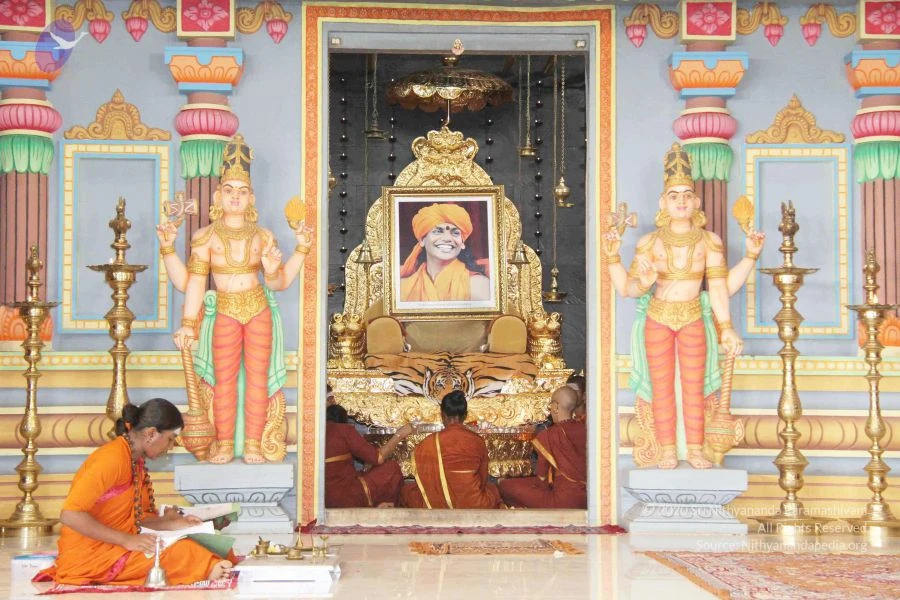
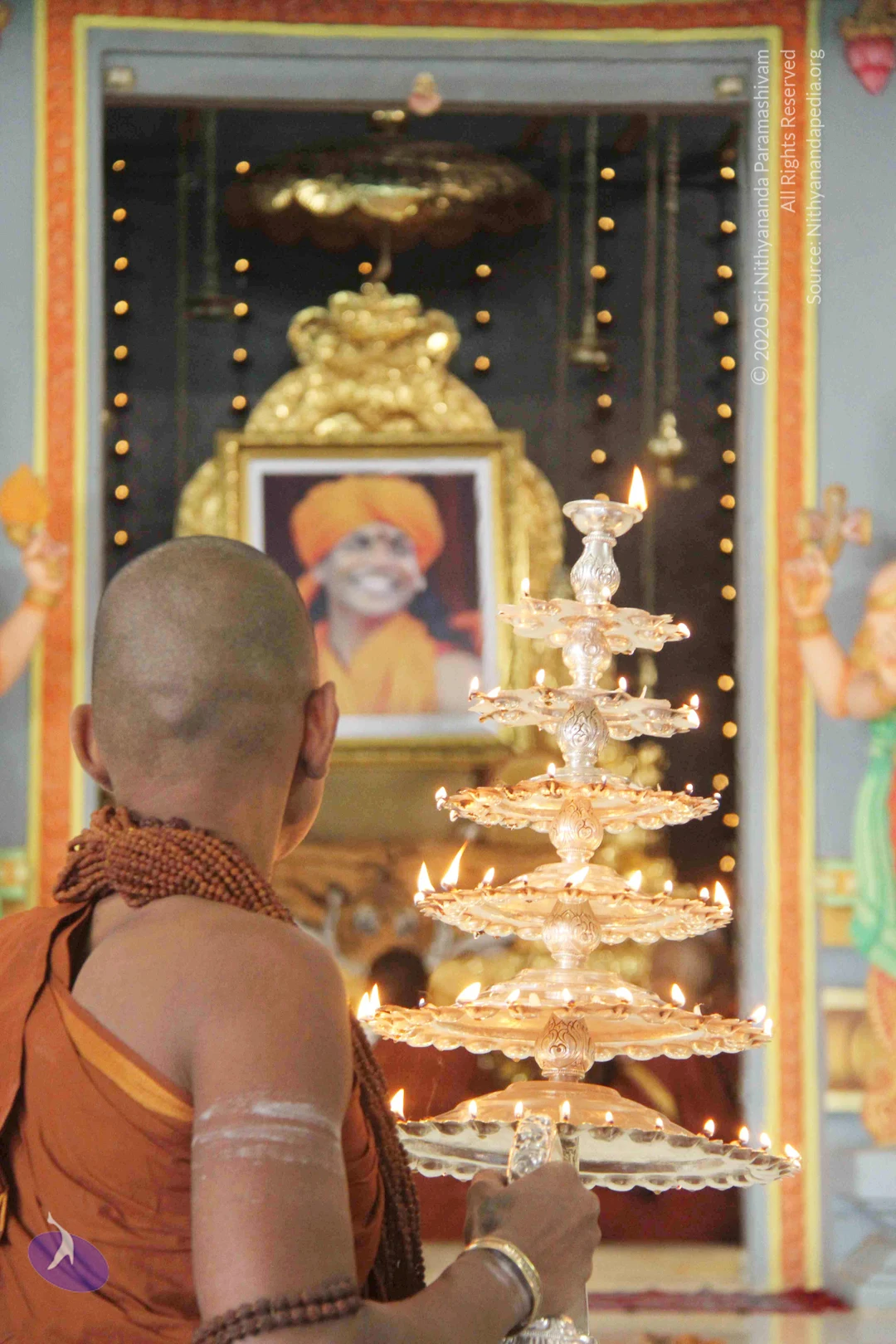
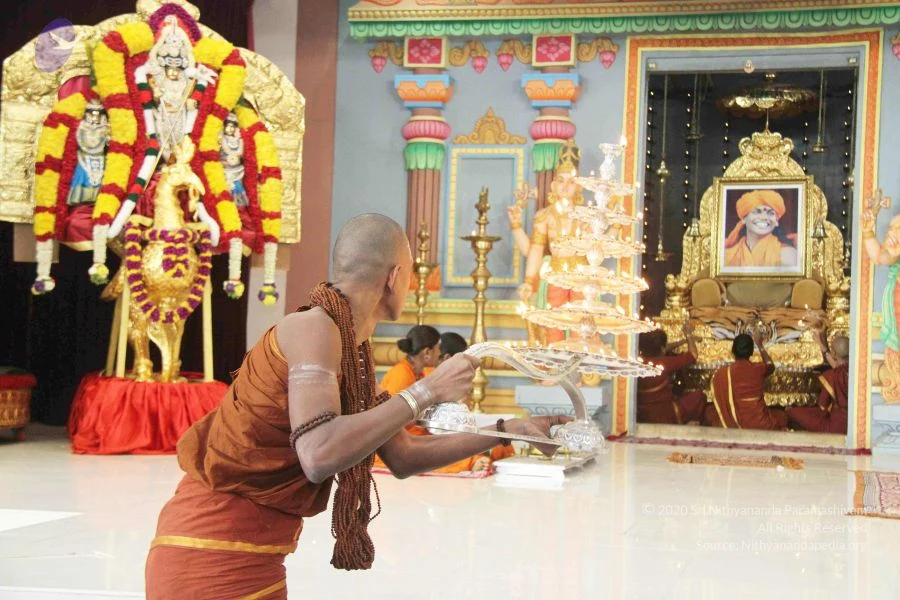
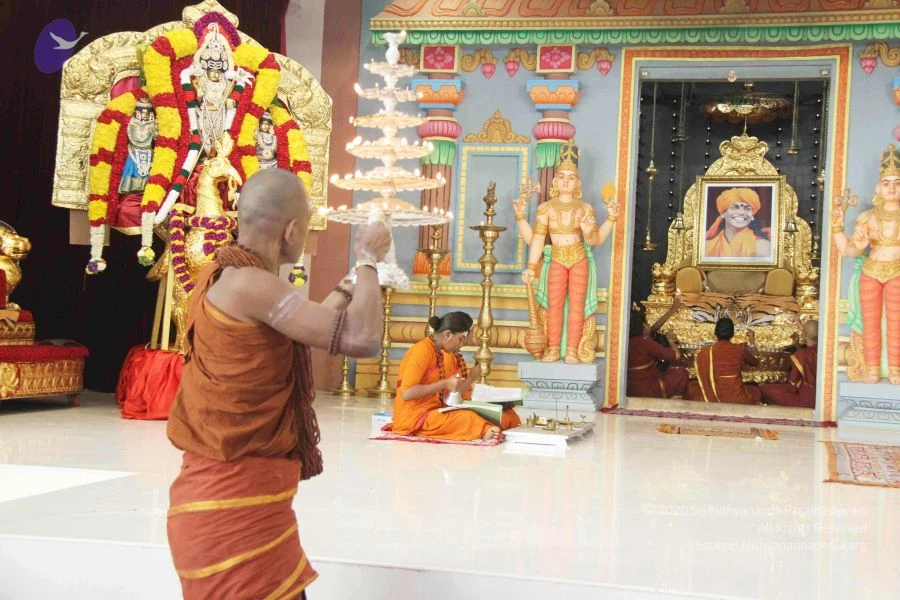
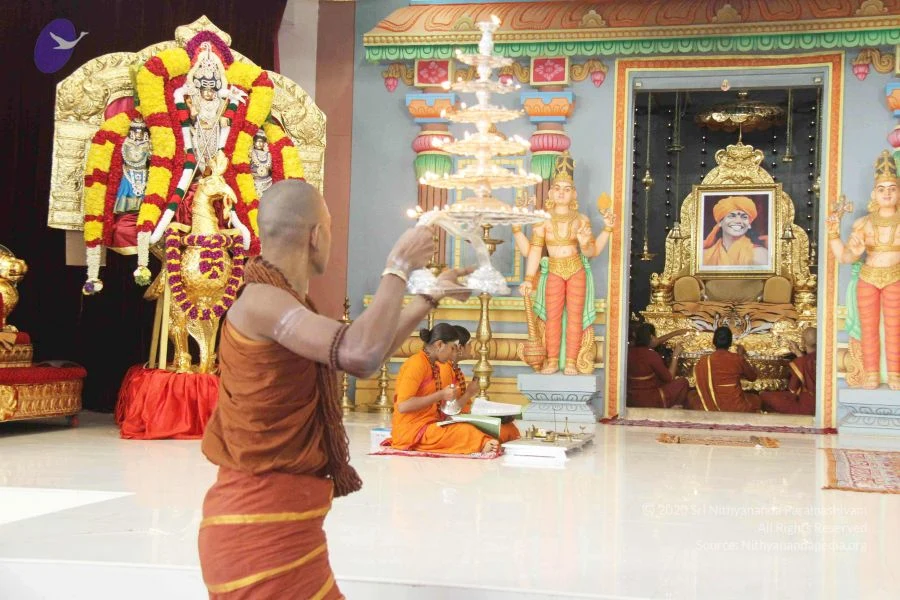
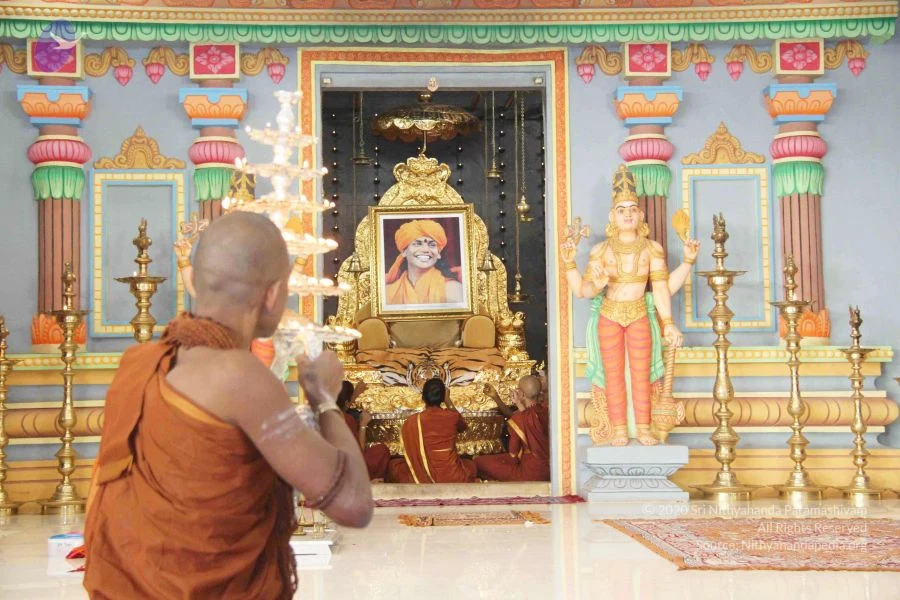
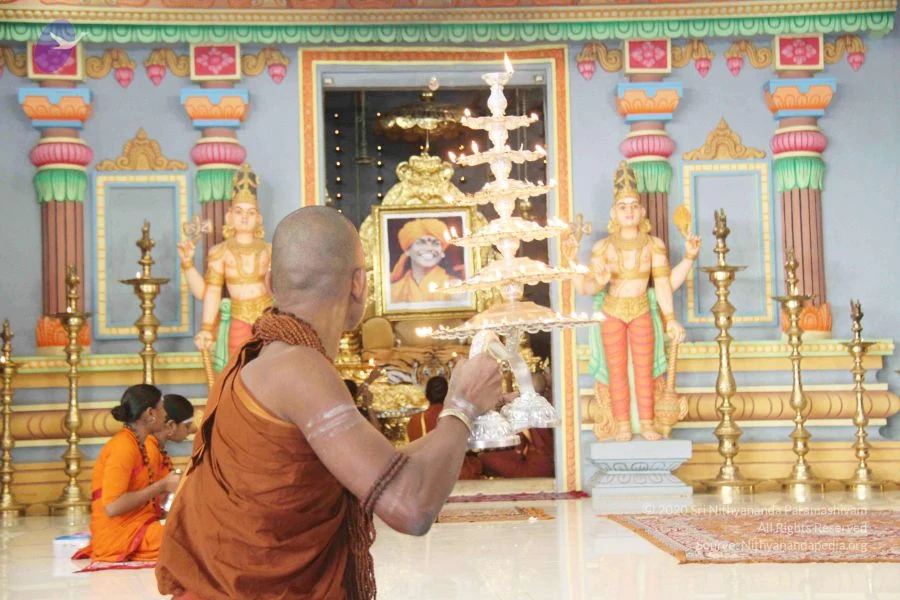
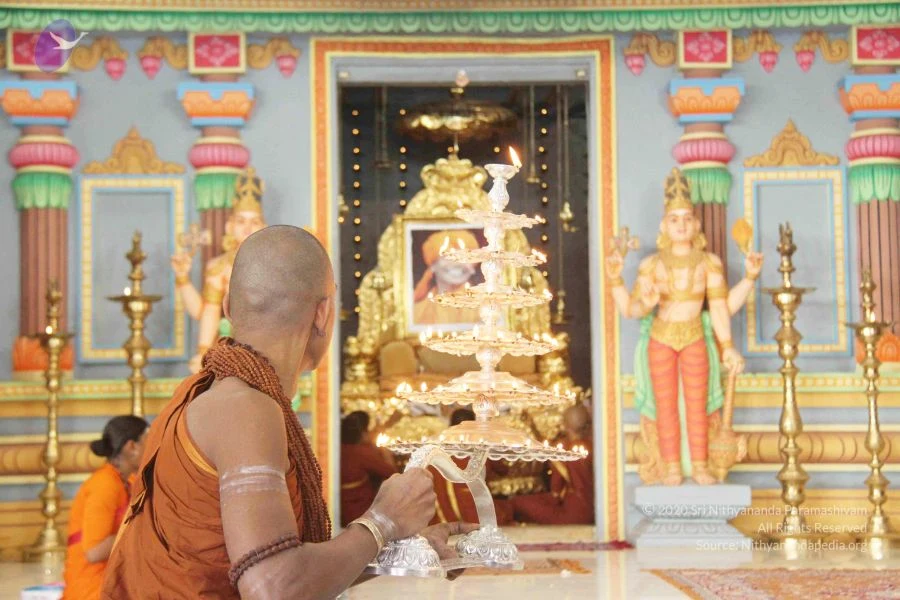
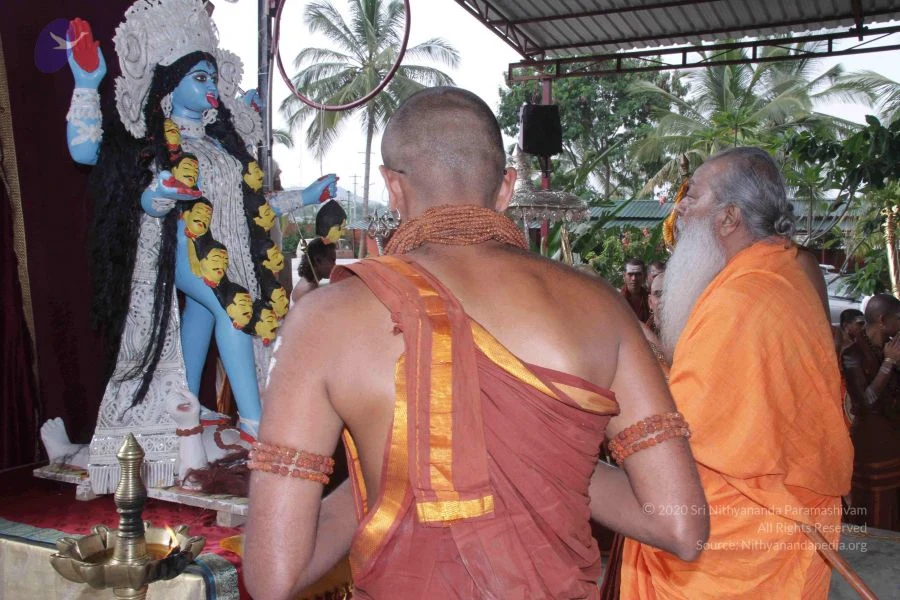
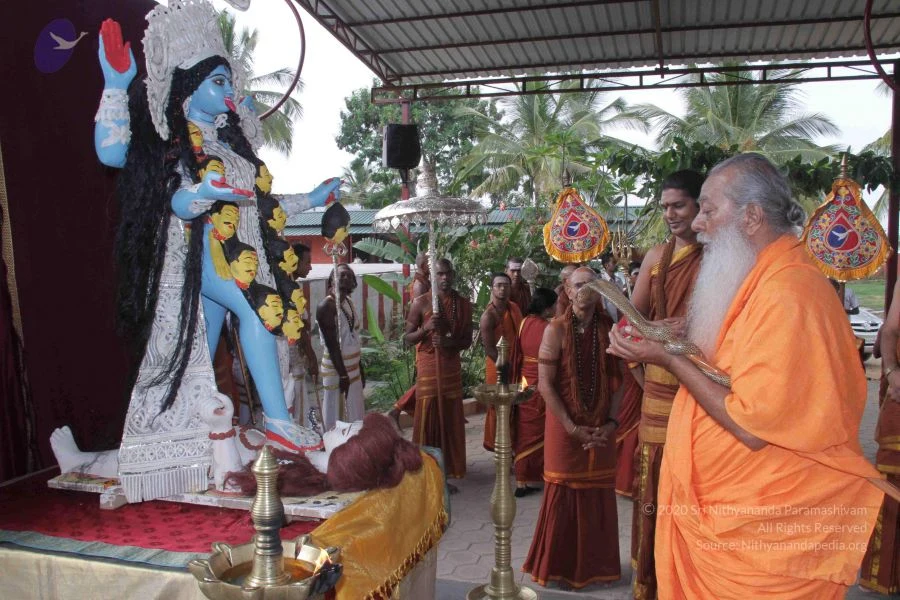
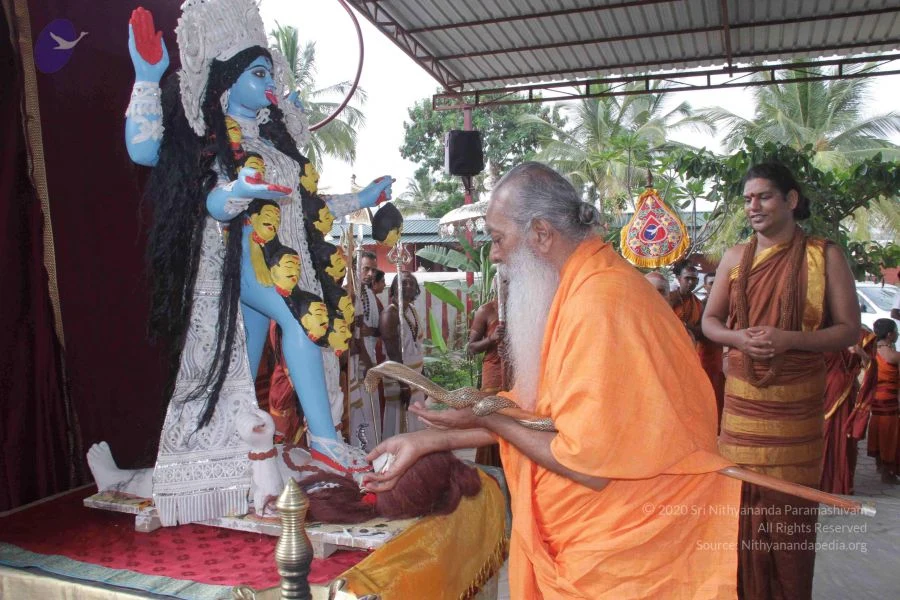
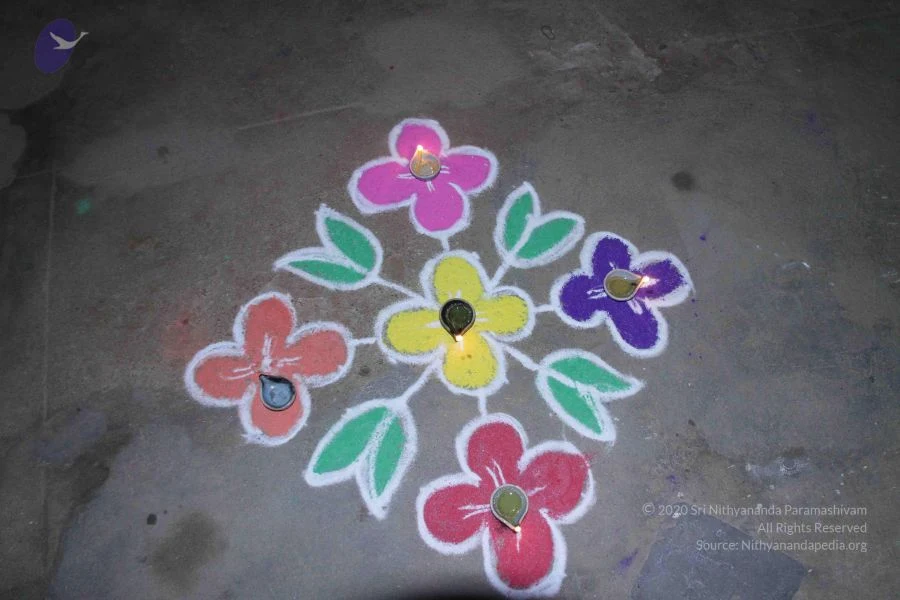
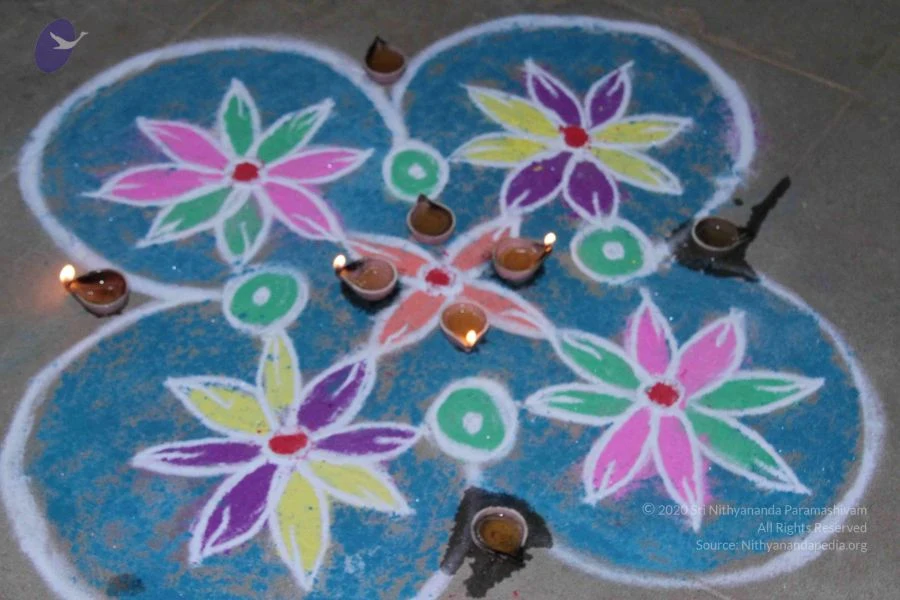
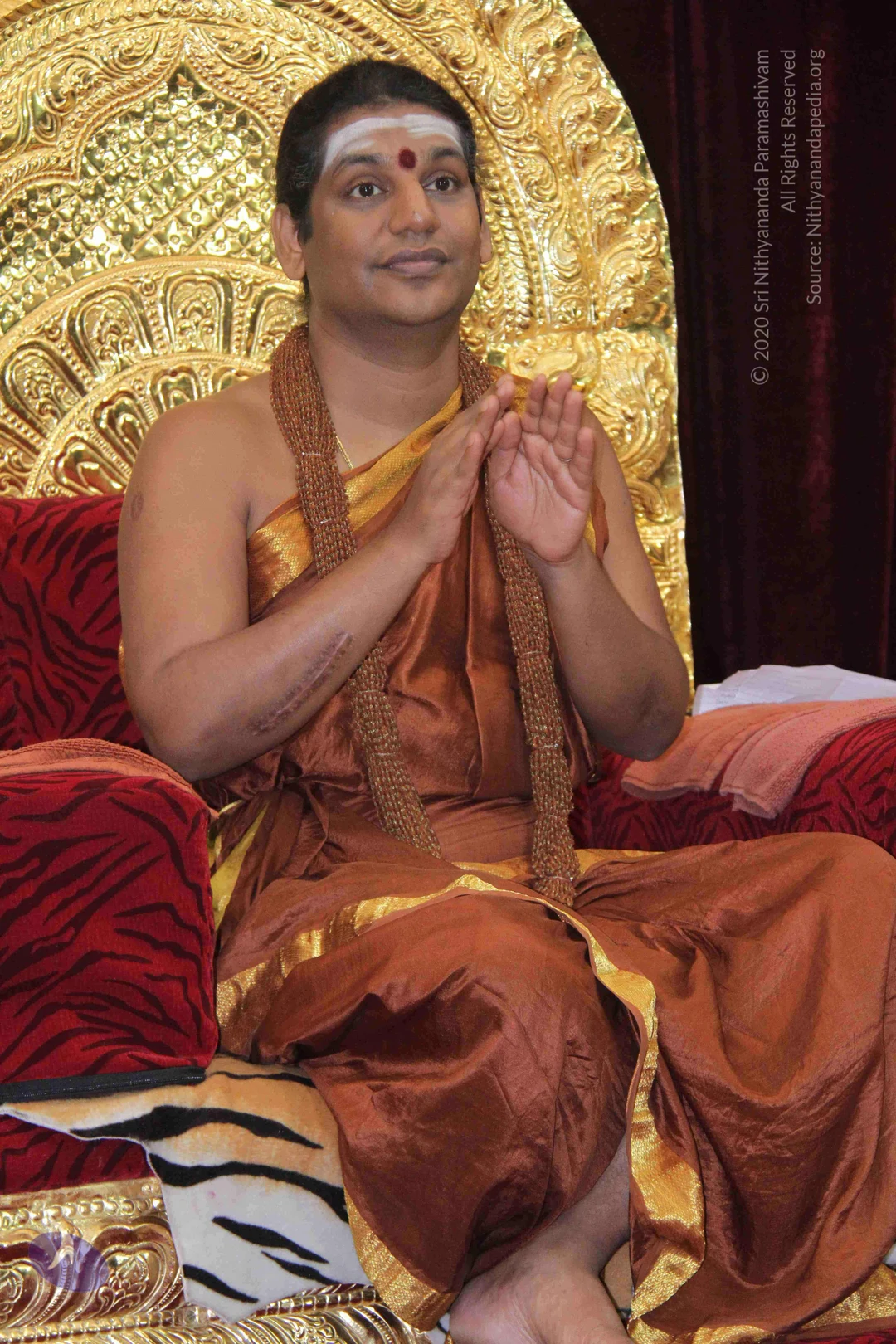
And today is also the Karthikai Deepam Brahmotsavam is beginning. Today there will be worship of Durga Devi, asking for her blessings for the whole celebrations to go well.

I’ll enter into the satsangh.

Today, I wanted to continue expand on the different names of the same phenomenon. Love, Bliss, Gratitude, Feeling-connection, these are all different names of the same phenomenon.

Completion is required. Just decision to be in the space of gratitude is not enough. That, you guys always take. I tell you guys, one thing I can tell you with all my pride, you will not find such sincere seekers’ group like my sannyasis anywhere in the world. That I can challenge. They’re really sincere in their seeking. Just don’t do what need to be done; that’s all! See, in their intention to seek, I can challenge, my sannyasis are the best in the world; their sincerity to the seeking; because, I have kept such an impossible lifestyle. Please understand, almost like morning 4:30 you have to be in the Yoga Hall. If you don’t have seeking, this lifestyle is not possible. Anybody who lives this lifestyle has to have seeking. The lifestyle is designed in such a way that it does not allow the lazy-bums to stay here, the escapists to stay here. Outfits, escapists, dropouts, lazy-bums cannot stay with me. Unless their seeking has gone to the level of their muscle-memory, they cannot follow our routine. Unless their seeking has gone to the level of bio-memory, they cannot be happy here.

Please understand, if you are staying here more than three months, your seeking is crossed the level of muscle-memory. If you are happy here, I can challenge, your seeking has crossed the level of bio-memory. Because, the whole routine and the lifestyle is designed in such a way it is automatic elimination system, automatic enema system. The tube is fixed; automatically at that time water goes inside and enema works. It’s automatic system where without a certain level of seeking; you will not be able to stay here.

I have no doubt about the sincerity of my sannyasis’s seeking. All over the world, to all our devotees I am talking. Please understand, when I say “sannyasis”, not only I mean the people who are wearing the Kavi and living in the ashram – Sannyasis, Naishtika Brahmacharis, Krama Brahmacharis all that – I even talk about the regular devotees, organizers, for whom I am the first priority in the life, enlightenment is the first priority in life. I am talking about all of you guys! I really tell you, I have no doubt about your sincerity in seeking. I have no doubt about your sincerity wanting to transform, wanting to be in the space of gratitude; I have no doubt about that. Especially, in these testing times, you guys are standing with your seeking and with your guru. It’s not a joke, I tell you.

I have seen many people, they come to me only when going to Nithyananda is fashion. There was a time coming to me was a fashion. Then there was a time when it was not that fashion. Now it is again become fashion, because the media has changed its opinion about me, its opinion about me. Media says, ‘Oh, I think he is a good guy, only. We only were a little in a hurry.’ Because now media is backing out, sending apologies after apologies.

In this kind of times, where only if coming to me was a fashion, people come, you guys were standing. That itself shows you have a very strong seeking, you are not taking enlightenment or life as a comedy serial, you are not taking it lightly, you are sincere. I have no doubt about it. I only feel, still I am not able to inspire you guys to do sadhana, the Completion. Still I am not able to convince you guys that Completion will lead you to enlightenment, Completion will make you experience gratitude, love, feeling-connection, joy, the higher space. That one part only I am still not able to do. So, today, I wanted to do that part only.

Please understand, if a bag full of lemon, that bag suddenly breaks and the lemon spreads all over, now to put the whole thing back what are you supposed to do? You are supposed to collect the lemon one by one, one by one and one by one, put it in a new bag, and tighten it; that’s all. Same way, your consciousness has gone and got caught in so many past incidents of your life. Bring them all back through the process of Completion. Put them all in one bag called “Enriching” and tie them with “Responsibility”. You have your bag, that’s all. It is like, if the lemon bag has spilled all over, how you bring all the lemon back and put it in a nice bag and tie it around, same way your inner space, your consciousness has spilled all over due to your incompletions. Get them back, .get them back through Completion process.

I tell you, just like “Unclutching” can never be understood intellectually, I can give you the procedure, then you have to sit, sit, sit, sit, sit, suddenly you catch it; same way, Completion also you cannot completely understand intellectually. I give you the method, technique; you have to sit, sit, sit, sit, sit, complete, complete, complete, complete, complete; suddenly you will catch it, you will catch the Power of Completion, you will experience Completion.

Please listen, Completion is more important than drinking water or eating food. You have to observe, I did not make a statement: “eating food and drinking water”. I made a statement: “drinking water and eating food”! Because, drinking water is more important; eating food is secondary. Many of our Niraharis live just by water. I am saying, Completion is more important than drinking water. I can say Completion is more important than even breathing. Even if you forget breathing, nothing wrong; but don’t forget to be in the space of Completion. Even if you forget to breathe, you will only die, only one body will be destroyed; but if you forget to be in the space Completion, your lifes and lifes and life will be destroyed. Lives after lives after lives will be destroyed! Even if you are a sannyasi, you have to again and again and again bring yourself back to the space of Completion. Sometimes sannyasis think just by taking sannyas you are already complete. Yes, no doubt. Power of my Completion completes you, no doubt but you are expected at least to be maintaining or remembering that you are in the space of Completion.

Completion is Arunachala. That is why, just by remembrance it gives liberation. “Smaranaath Mukthi Arunachalam”. Just by remembrance you get liberation in Arunachala. Please understand, Kashi, only if you die there you will get enlightenment. Aroor, Aroor is Kamalalayam. The word “Aroor, Kamalalayam” denotes the place Tiruvarur. In Tiruvarur if you take birth, liberation. In Chidambaram if you go and have darshan, only then liberation. See, all this is not in your control. Taking birth already is over now you can’t anything. And death, you don’t know I have seen many people go and stay in Kashi so that they can die there. Last moment they will have some problem. Same way, having the darshan of Chidambaram. Handicapped people, you don’t know whether you can have darshan or not. And the people who can’t travel for various reasons, people who can’t come into this country for various reasons, who don’t have passport, who don’t have visa, or even people who came into this country who don’t have money to travel, who can’t travel. People who are put into prison who can’t travel, all of them can’t have darshan of Chidambaram. But this remembrance of Arunachala is for all, everyone. Arunachala is like a Completion. Completion is Arunachala. Just by remembrance, liberation. “Smaranaath Mukthi Arunachalam”! Just by remembrance, liberation! Understand, Completion also, just by remembrance it can complete you. Only thing, you need to be reminding you again and again whether you are in the space of Completion or not.

Completion, Completion, Completion. Again and again and again complete. Understand, if you have dreams, whatever type of dreams it may be, whether it is good, bad, or whatever, if you have dreams, you are not worthy of sannyas. Sannyasi is a person who should be in that level of Completion where there is no dreams happen in him. The day you start sleeping without dreams, you have become a real sannyasi. Dreams are nothing but the incompletions expressing in your inner space when you are unconscious. Understand, I am defining. Incompletions expressing when you are unconscious is “dreams”. Incompletions expressing when you are conscious is “thinking”. Incompletions expressing when you are conscious is thinking. Incompletions expressing when you are unconscious is “dreaming”.

22:21 Hindi -24:00

Completion, Completion, Completion. I tell you, just by completing with your past lifestyle; you can get out of all the sufferings of the past. Just by declaring Completion with all the past mental setup, you can get out of all the side-effects, after-effects, impact of the past over you. 24:36 Hindi - 25:00 So, Completion forms the basic truth. Completion forms the basic principle. Completion forms the basic rule for gratitude, enlightenment, liberation.

I tell you, the more Completion you create, wherever you go, you will be like a hero, you will attract attention. Many people come and tell me, ‘Wherever I go, nobody respects me, Swamiji. If I go to temple, I am one in the mass. If I go to theatre, I am one in the crowd. If I go to a sports or a game, I am one among the thousands of fans. Even if I come to the ashram, I am one in the mass of devotees sitting.’ I tell you, the right methodology to get attention, to carry the charisma where people just look at you and attend to you, understand you are worthy of attention, that charisma happens to you when you put yourself in the space of Completion, when you carry the space of Completion. I tell you, it is a very powerful technique. Try it, complete and after that, wherever you go, even in the temple when you stand in the queue, suddenly priest will call you inside, ‘Please come, come’ He will give you the prasadam. Even in the cinema theatre, somebody will come and give you the VIP ticket. IN the sports suddenly you will get the front gallery. In the ashram suddenly Swami will say, ‘What do you want?’ Carry the space of Completion. I tell you, you will always attract everyone’s attention. It is the space of Completion which really attracts attention.

You can see always, if you see somebody running around like a headless chicken, agitated, irritated, restless, will you attend to that guy? But if you see somebody carrying Completion, very cute, with a beautiful smile and the graceful movements of the body, simply you will have that attention to them. That is exactly the same thing. Do not think whatever is inside you, you can hide by putting clothes on you. No, you may put clothes on all the parts of your body, but the major holes are open - eyes, mouth, nose, ears, and the touch. So, through these holes, people will find the smell of incompletion. People will find. See based on the words you utter, people will find what kind of a space you are carrying – Completion or incompletion. The way you look, the place where your eyes are moving, people can find whether you are in the space of Completion or incompletion. The way you listen or don’t listen, people can find whether you are the space of Completion or incompletion. I tell you, have a space of Completion for yourself. That’ll attract all the right attention. Completion is Power! Completion is Life! Completion gets all the best things of life! Completion gets you all the best things of Life!

30:04 Hindi - 30:48

So listen! Completion, Completion, Completion, Completion is life! Completion is Enlightenment! This is the essence of today’s satsangh.

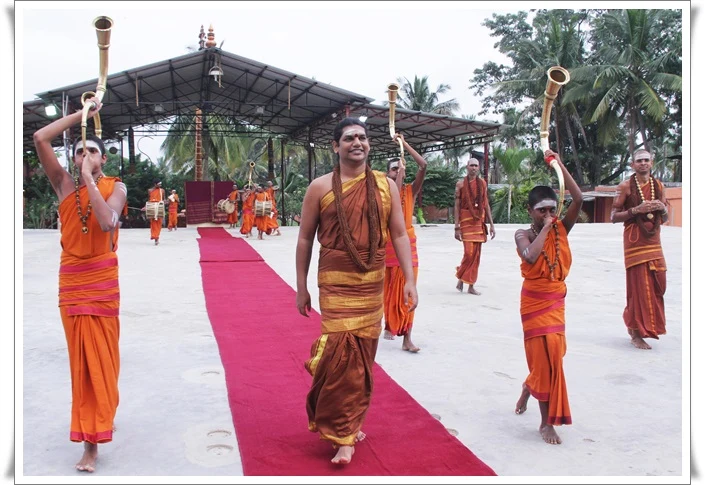
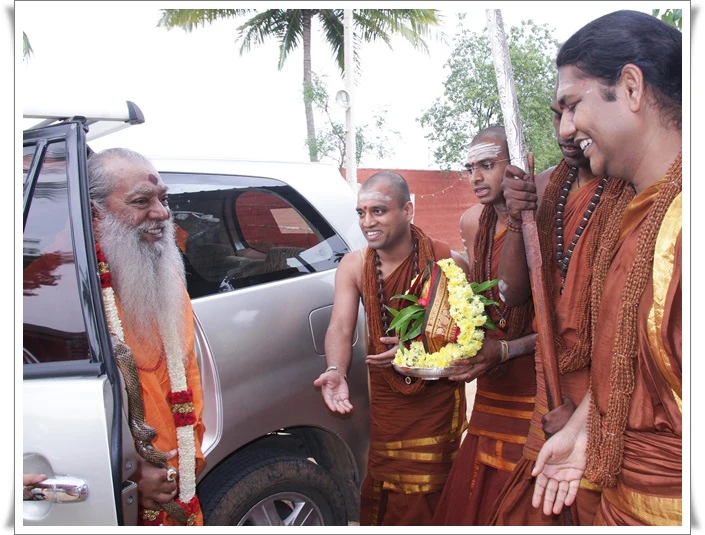
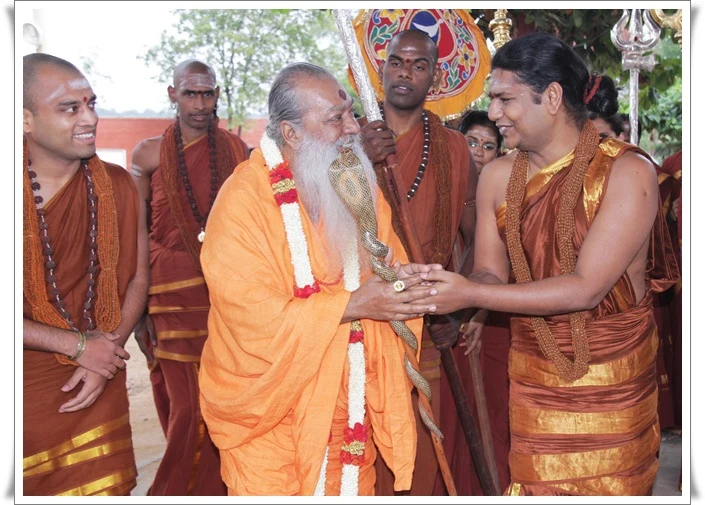
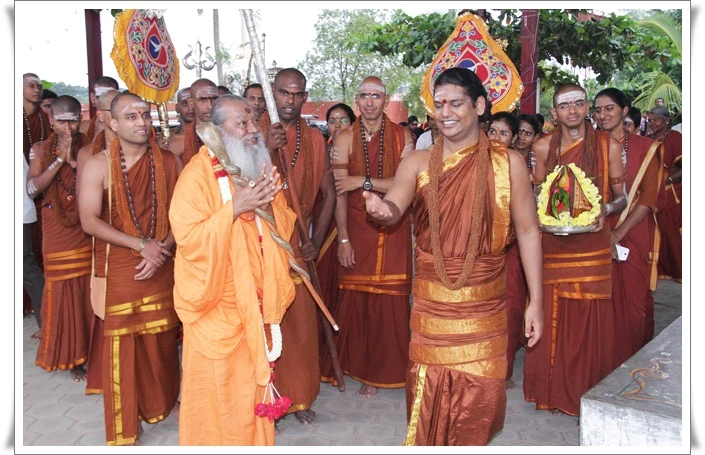
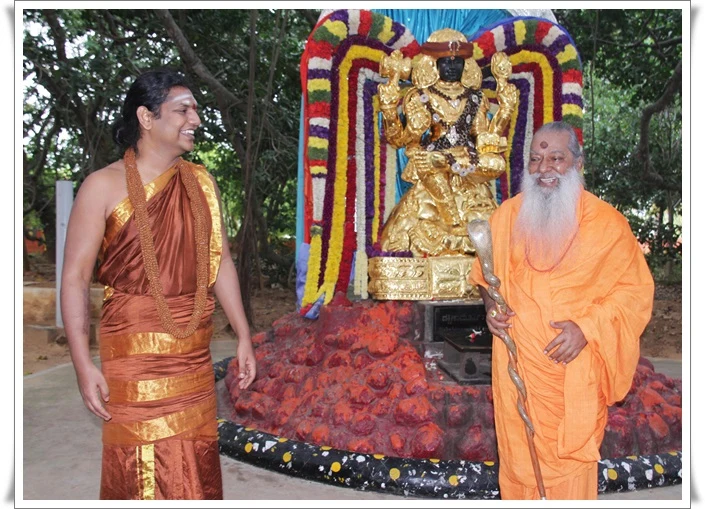
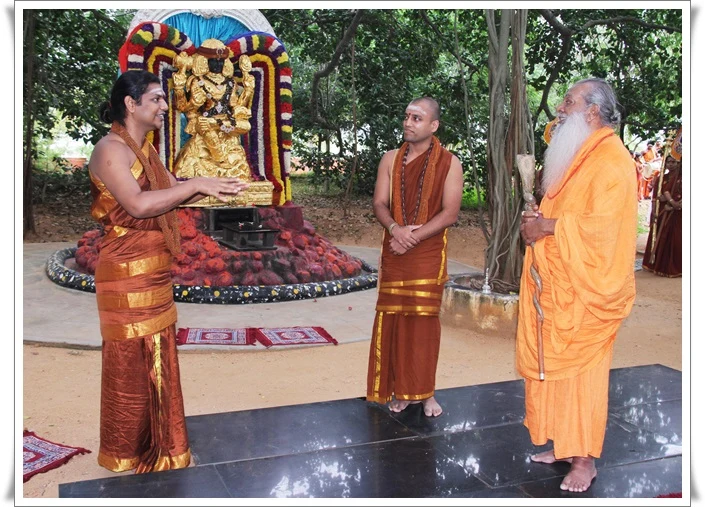
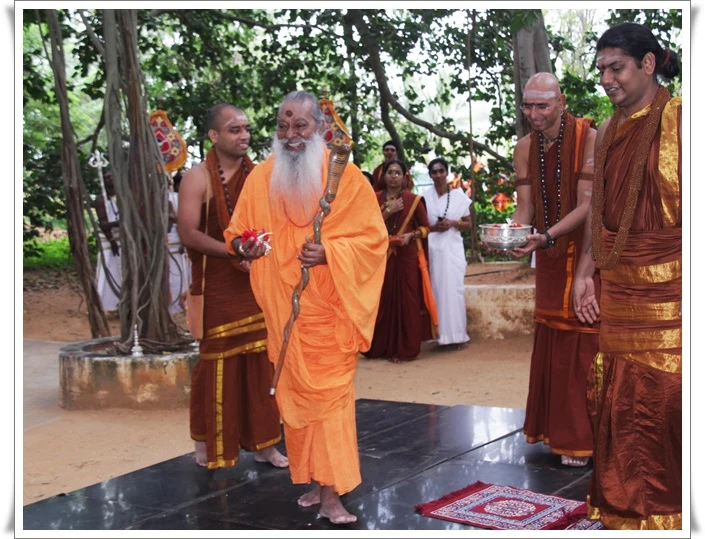
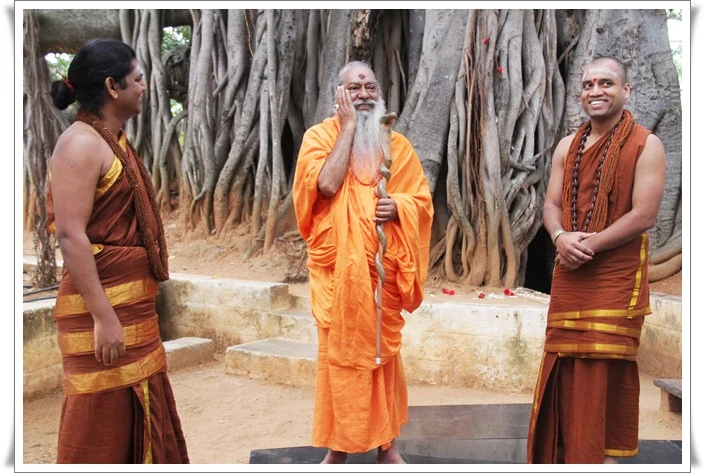
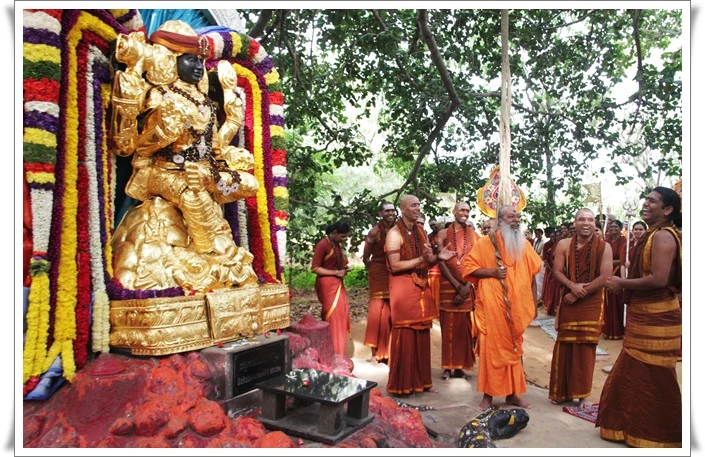
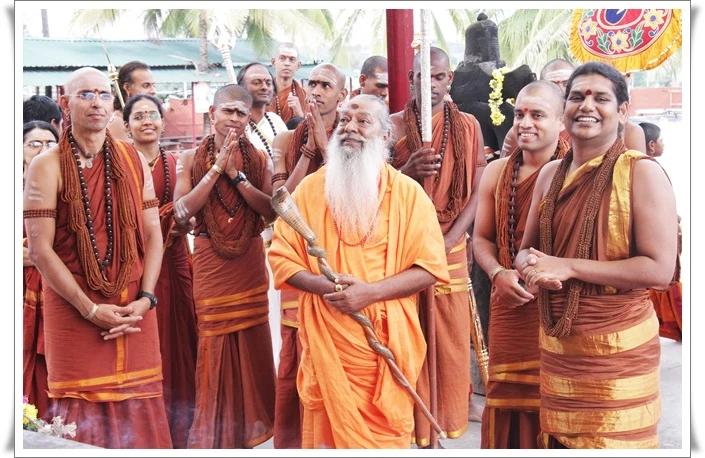
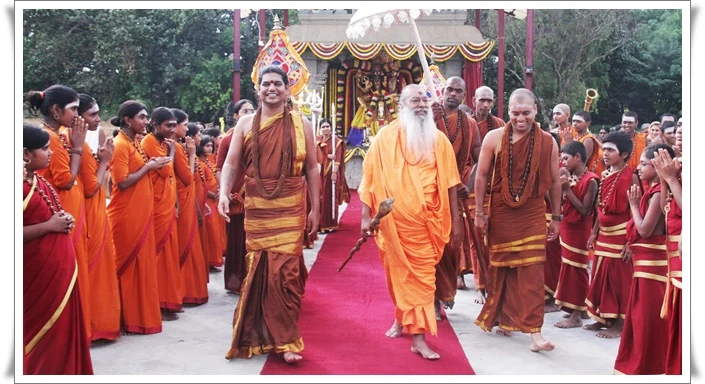
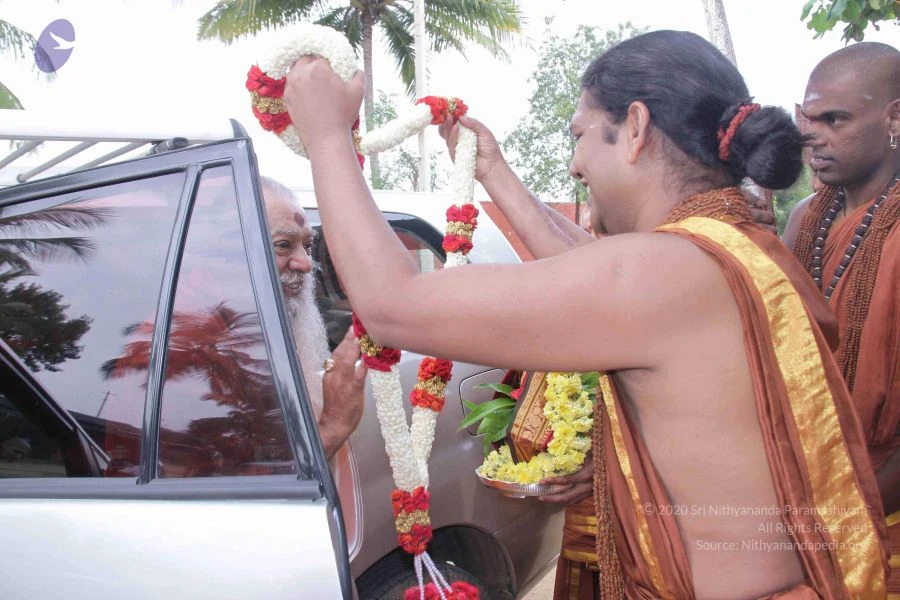
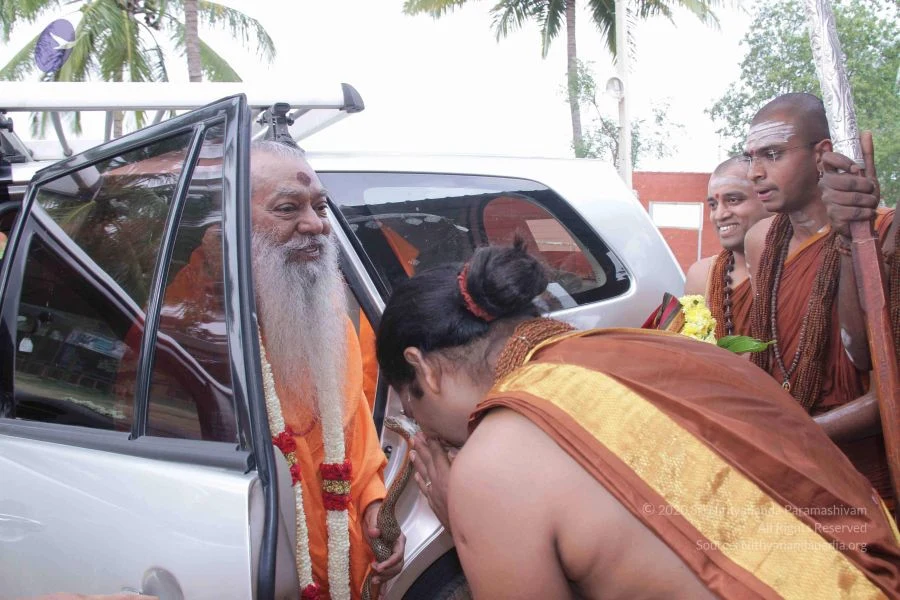
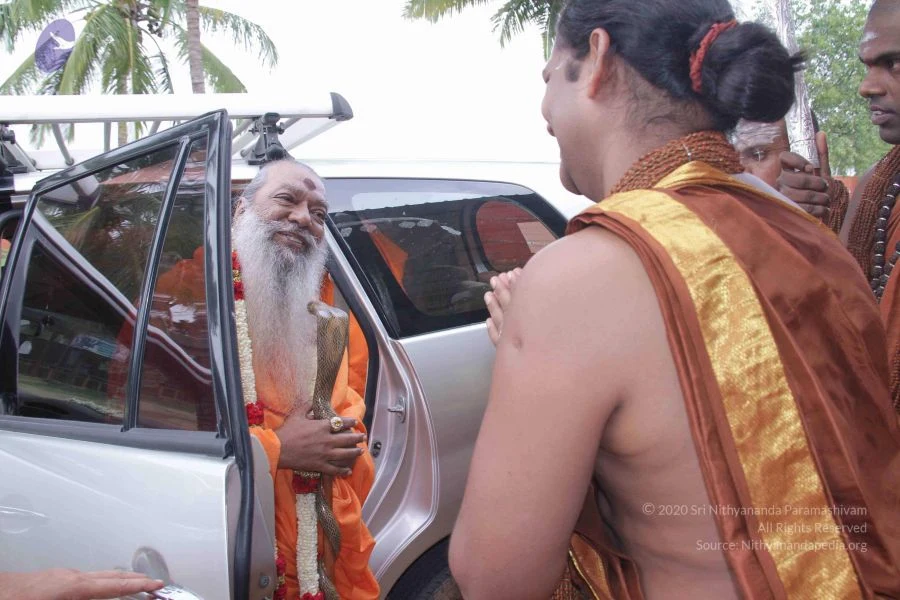
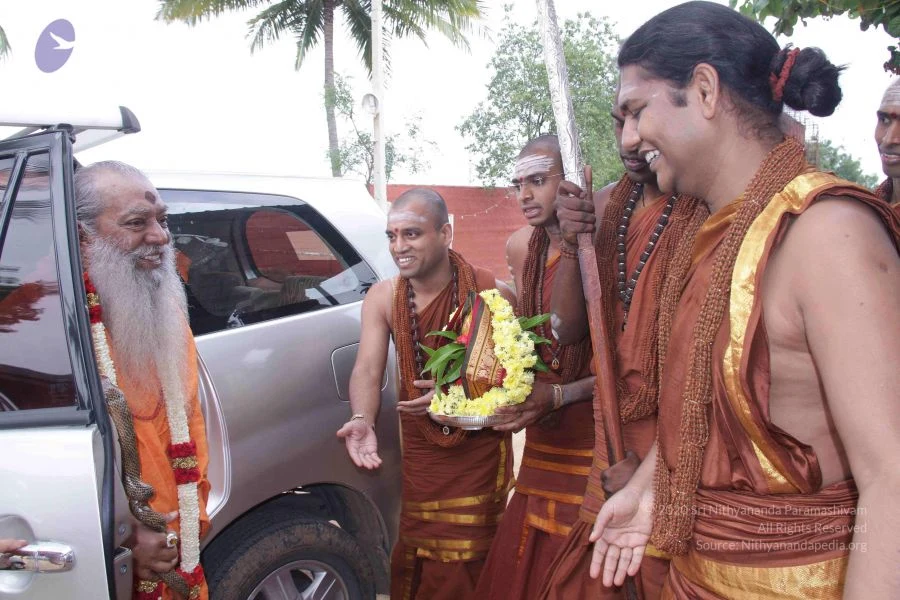
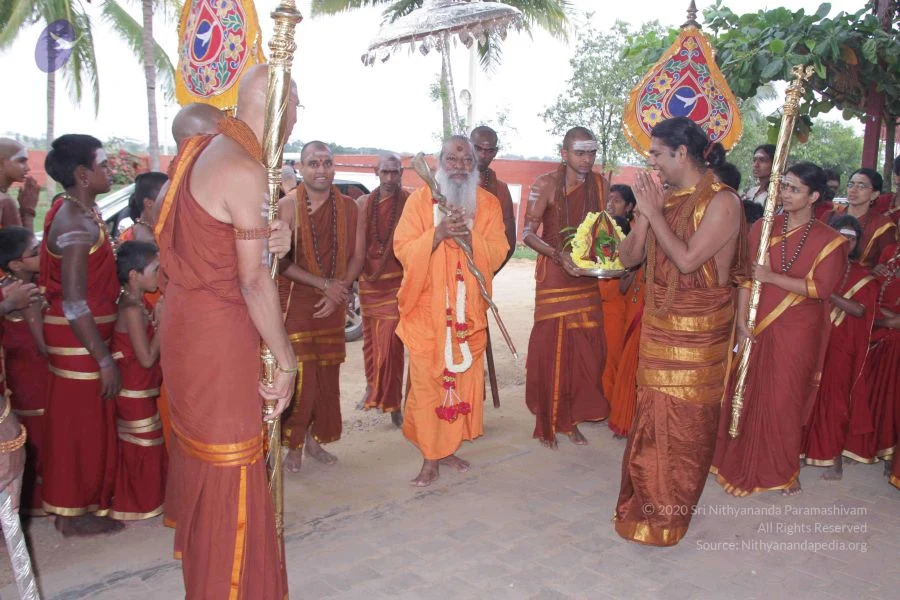
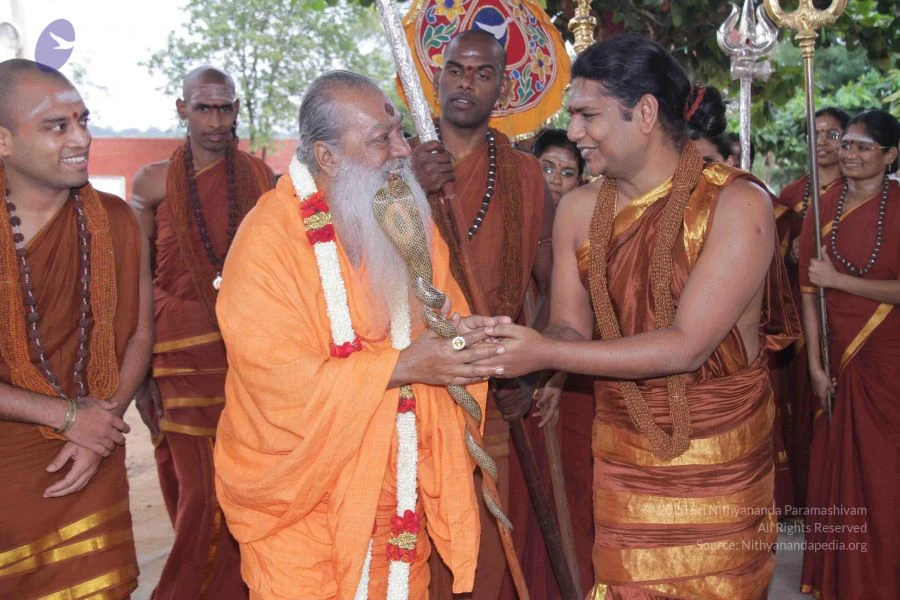
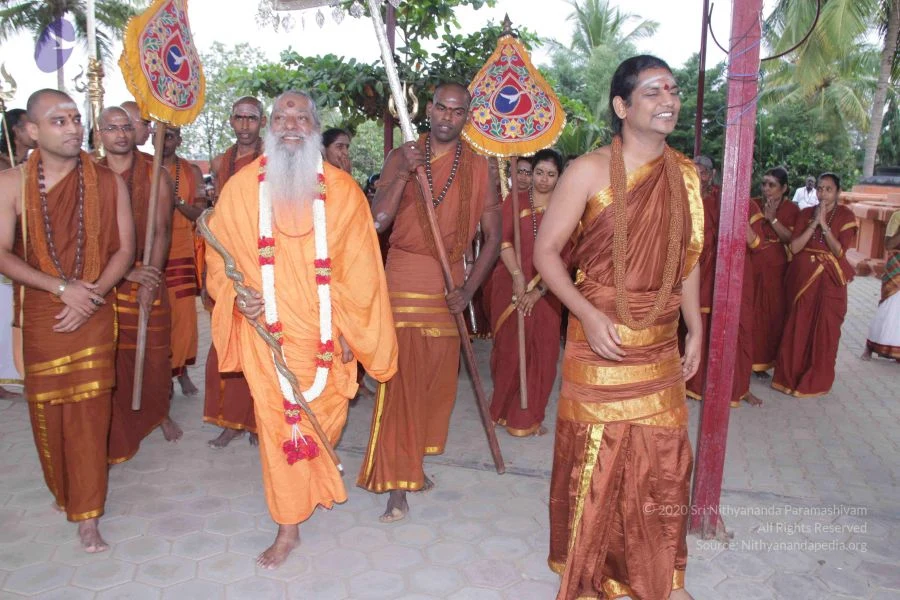
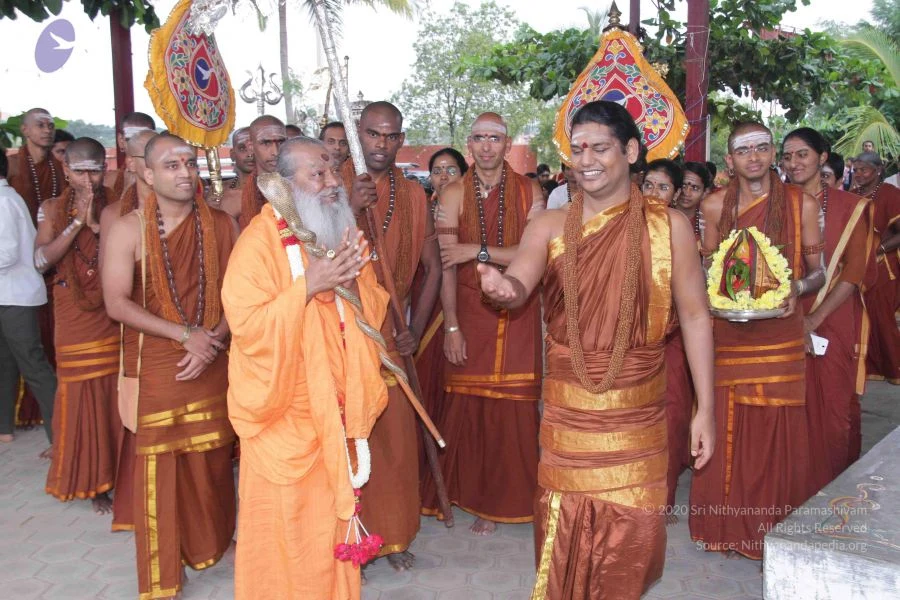
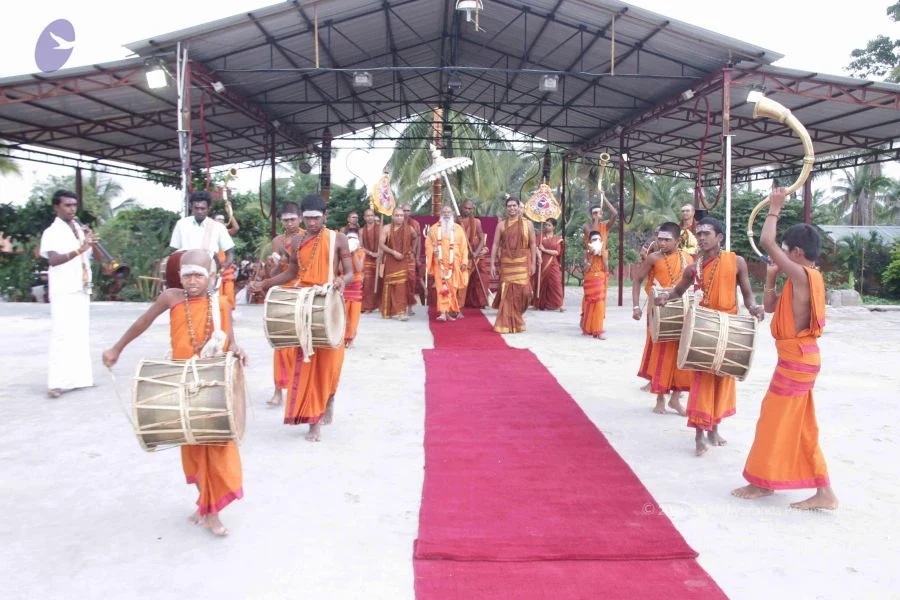
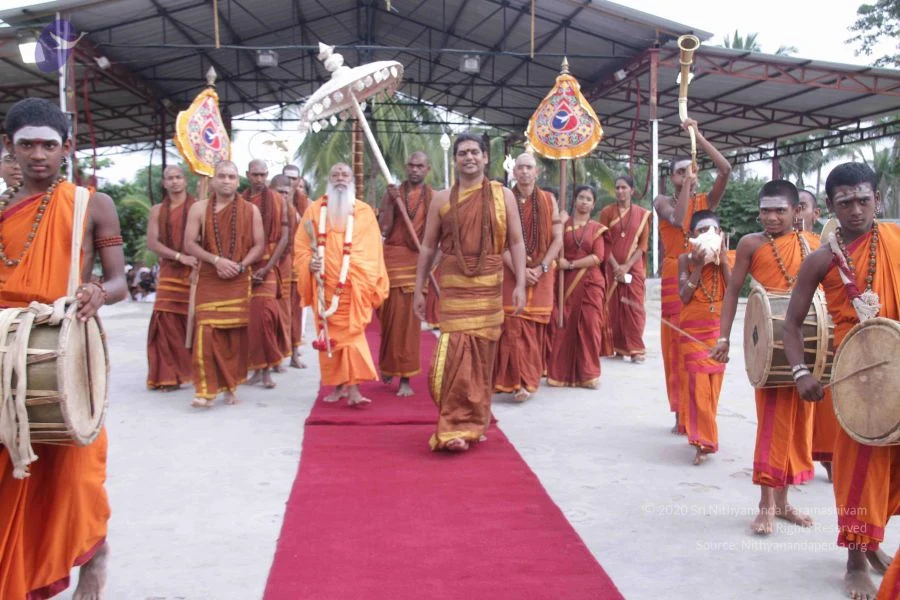
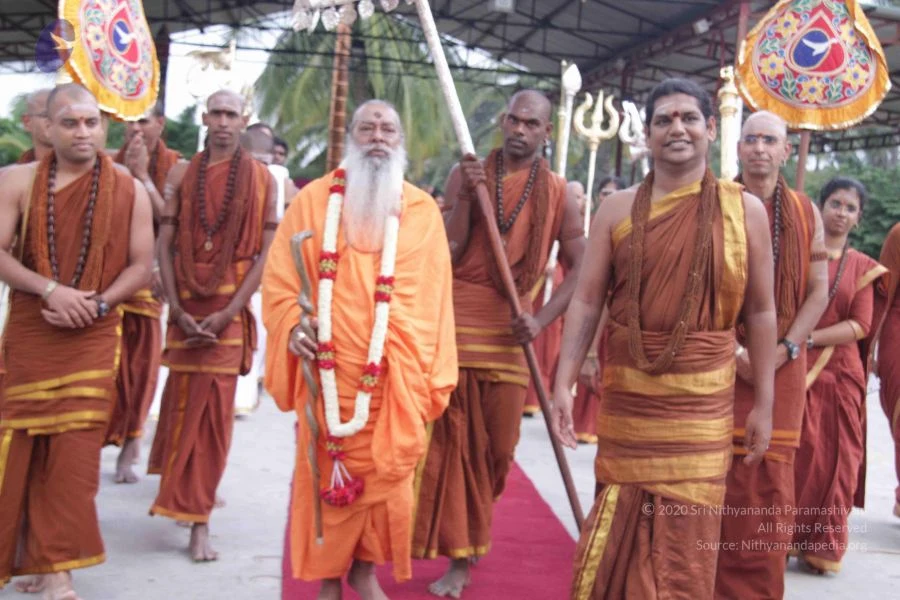
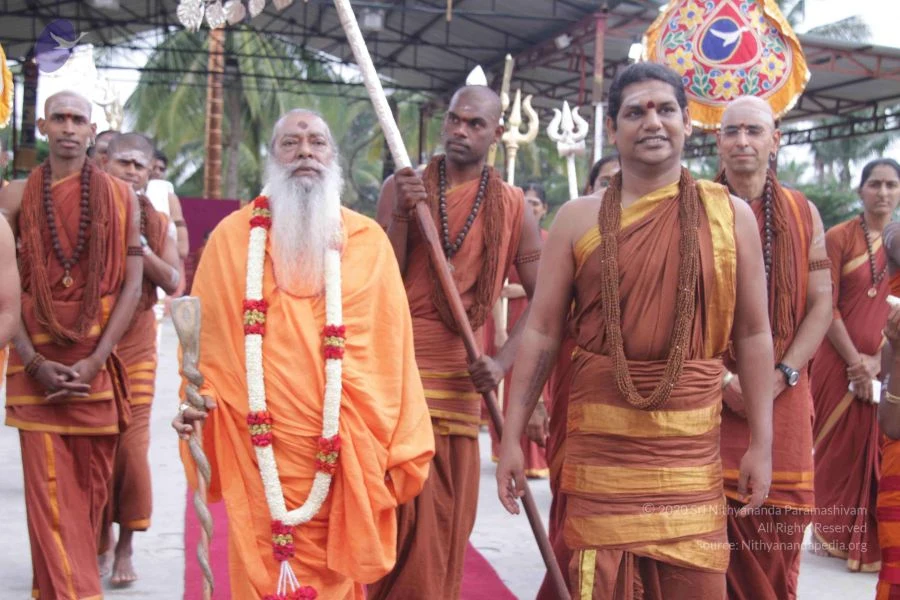
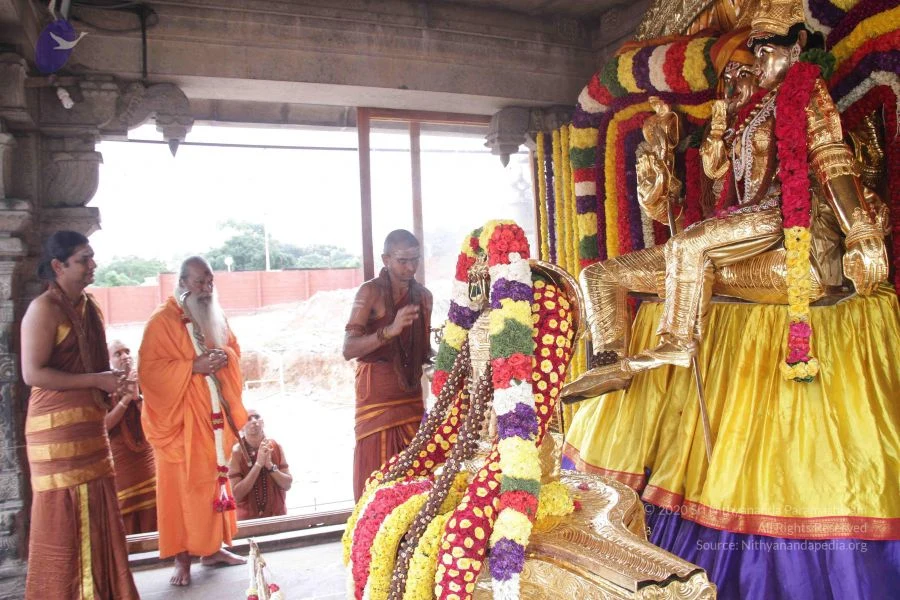
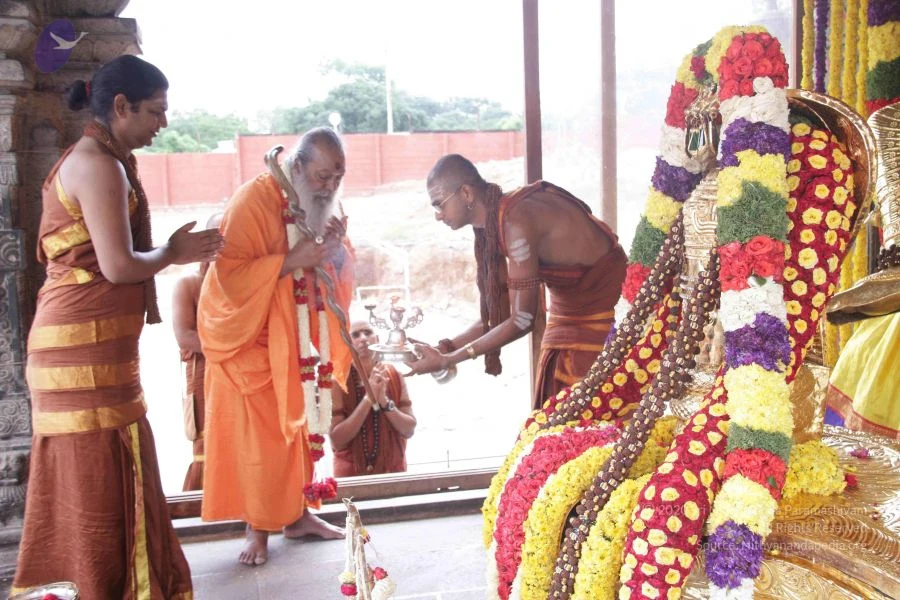
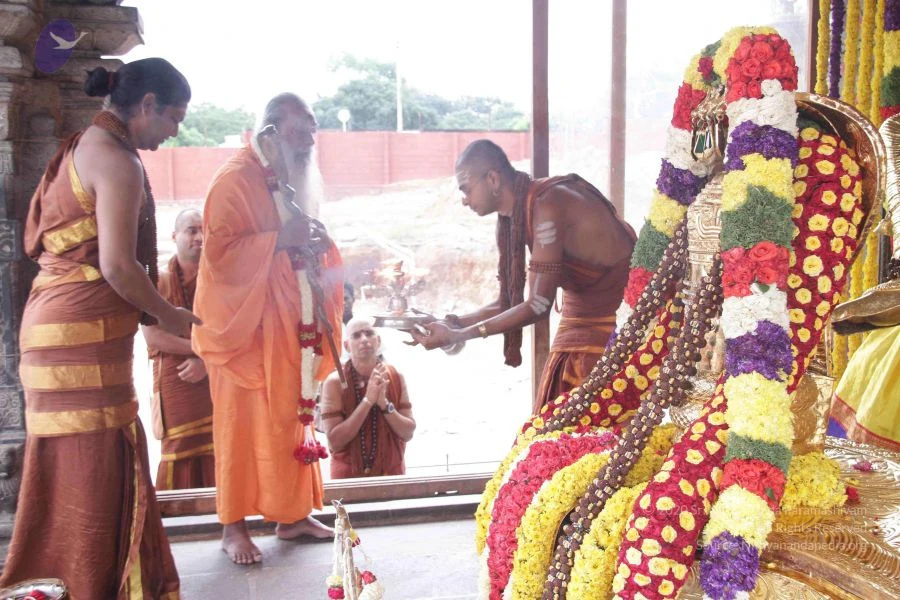
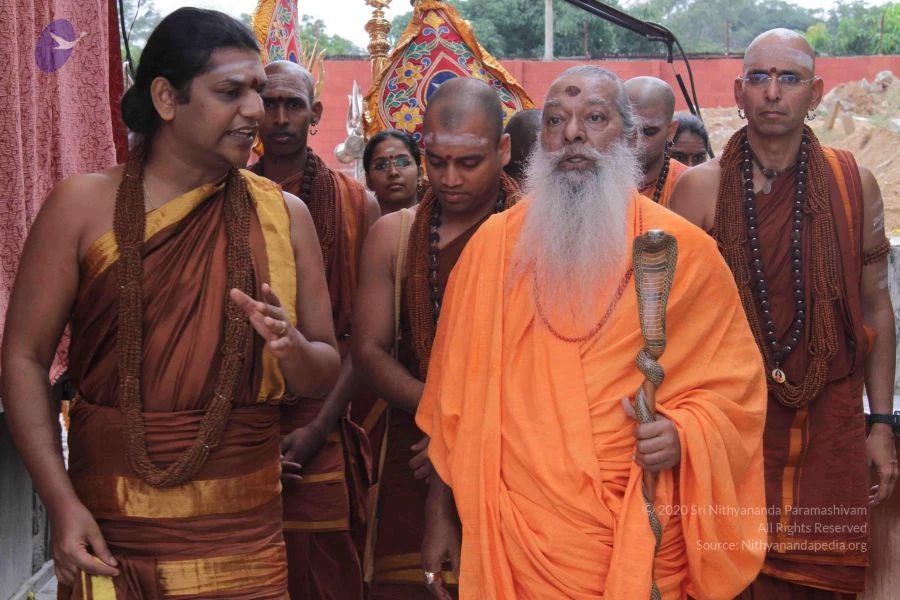
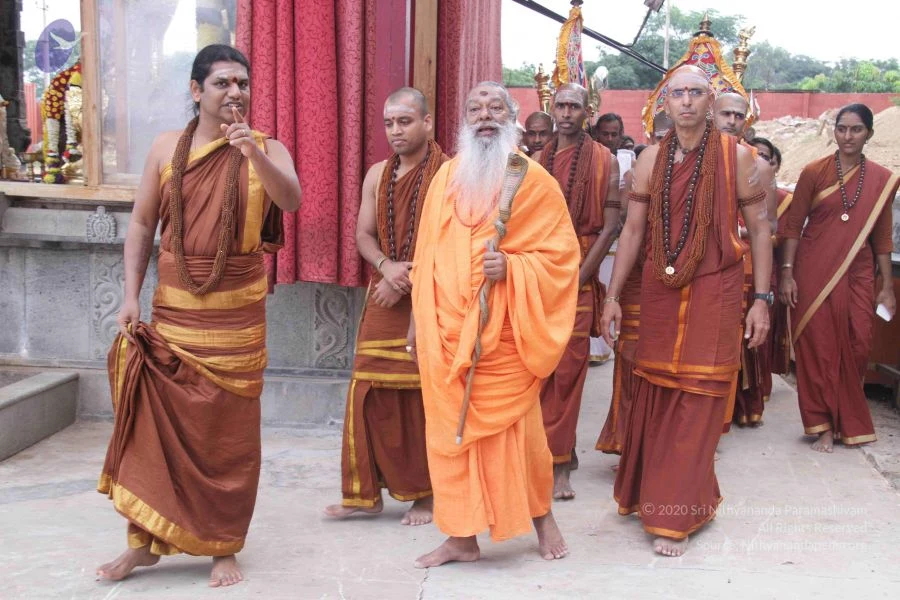
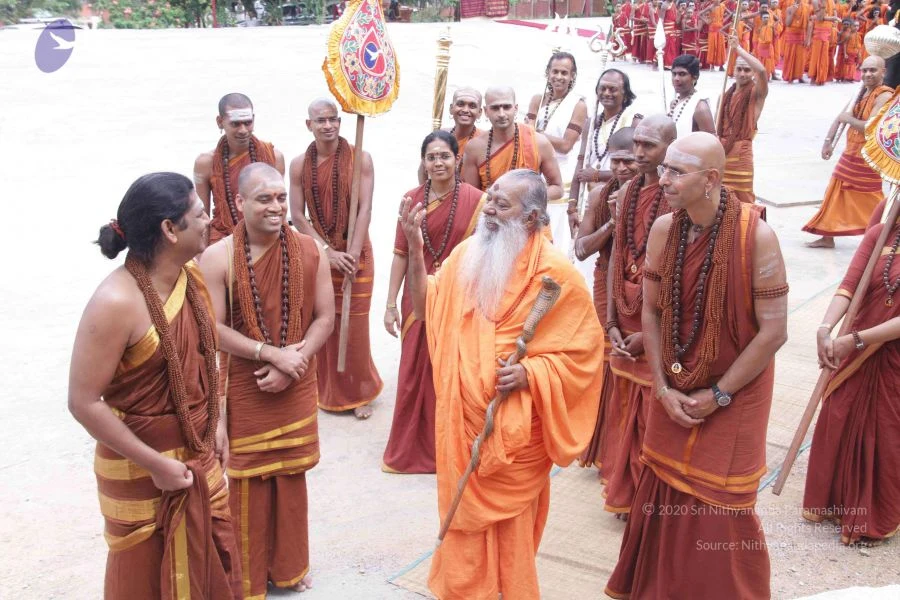
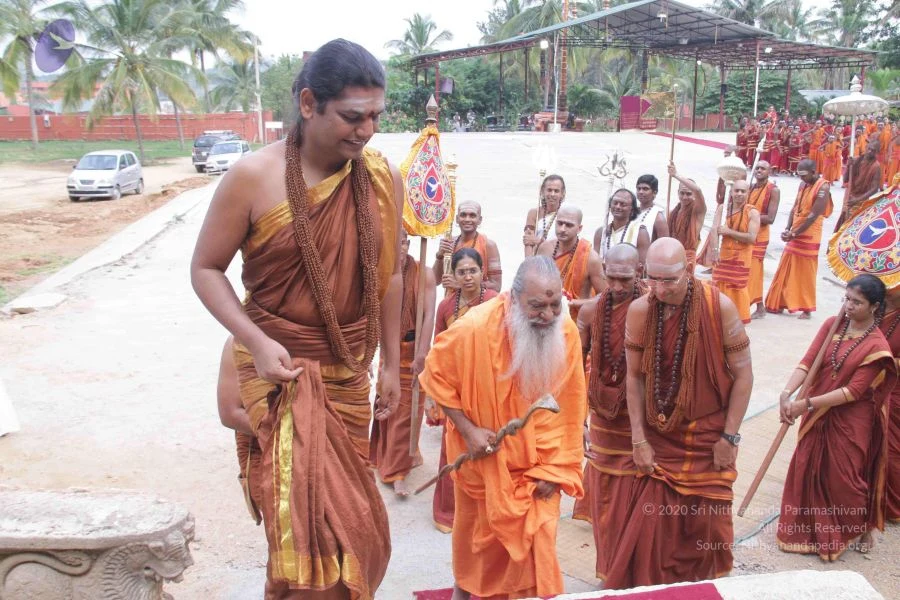
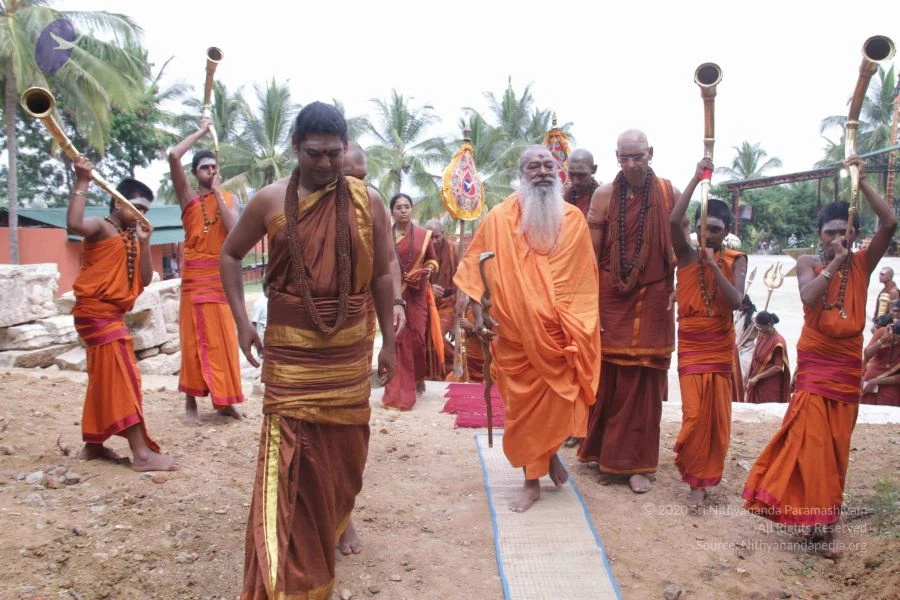
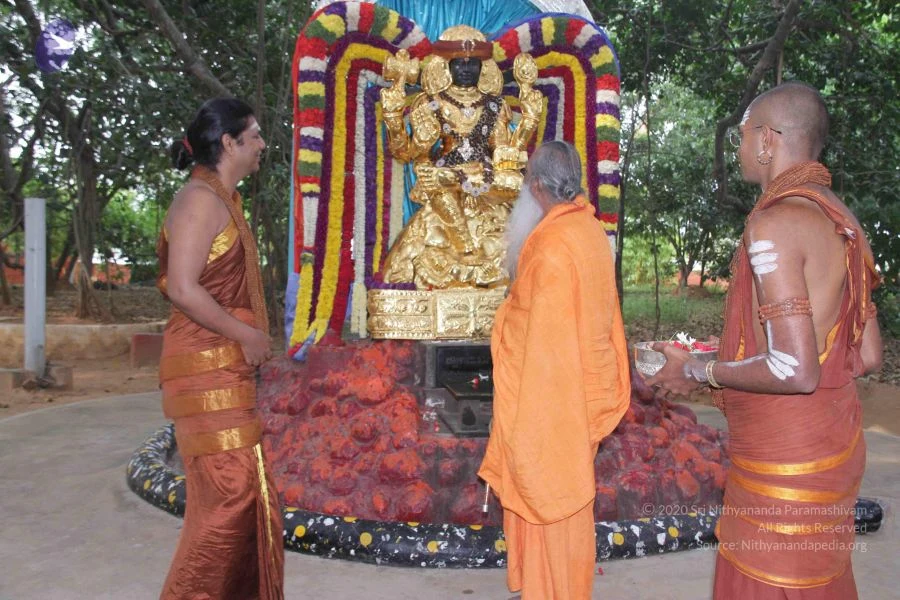
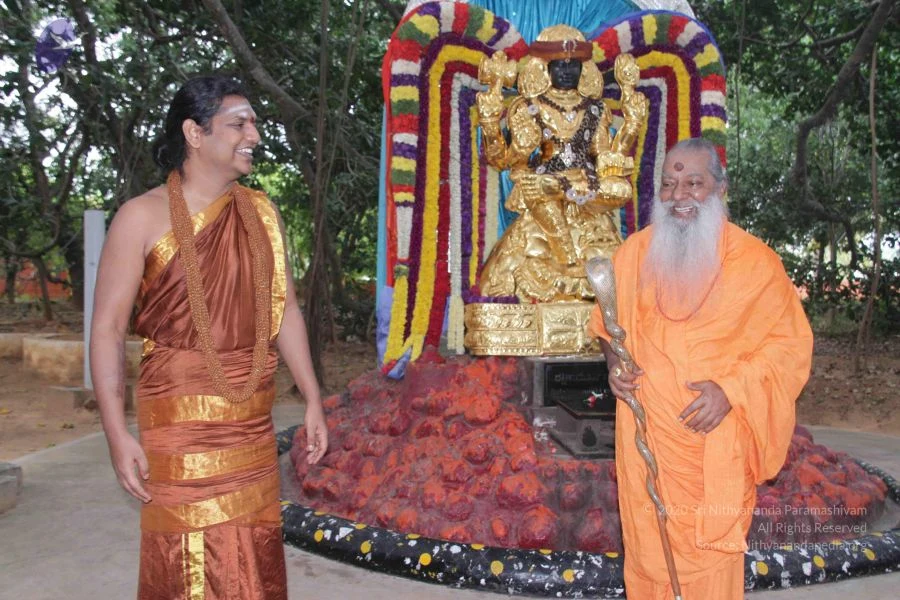
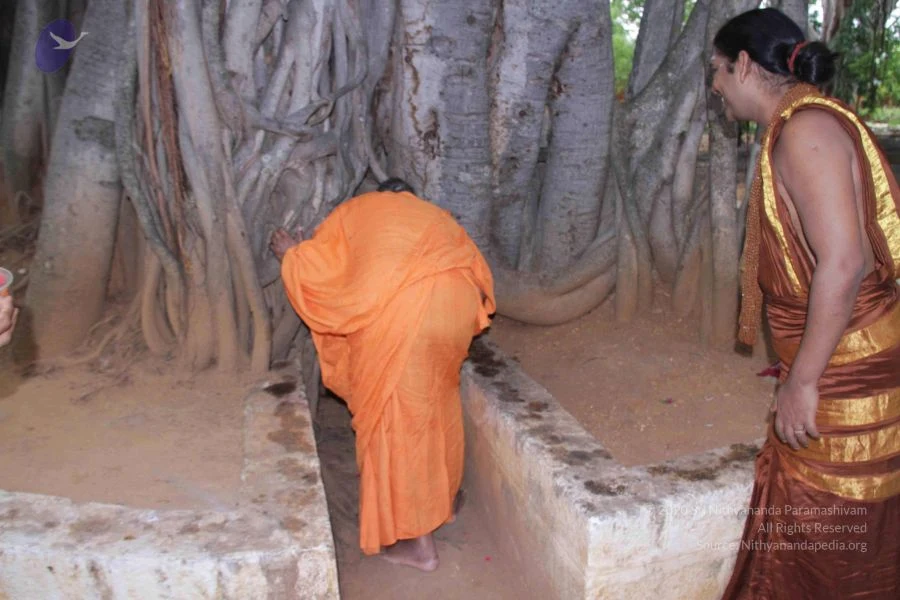
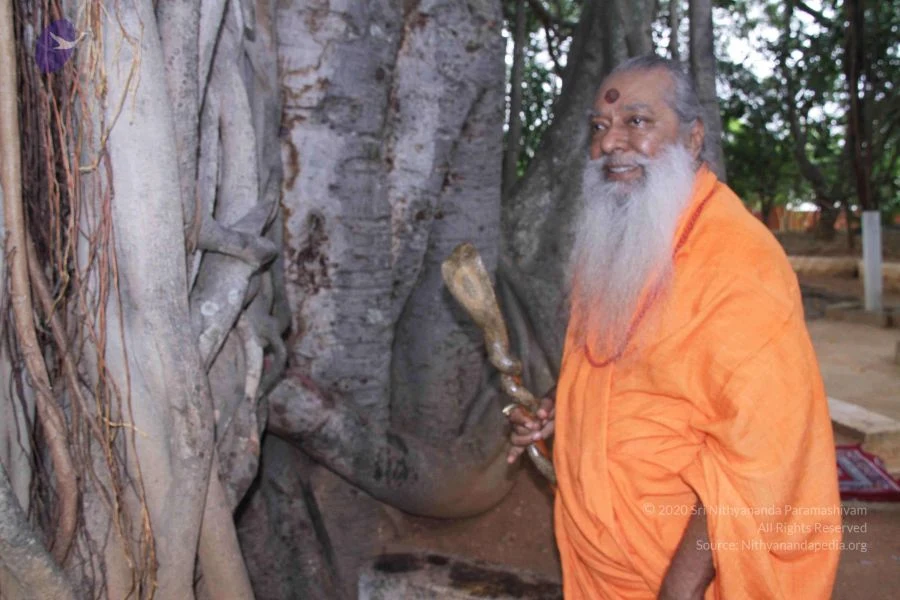
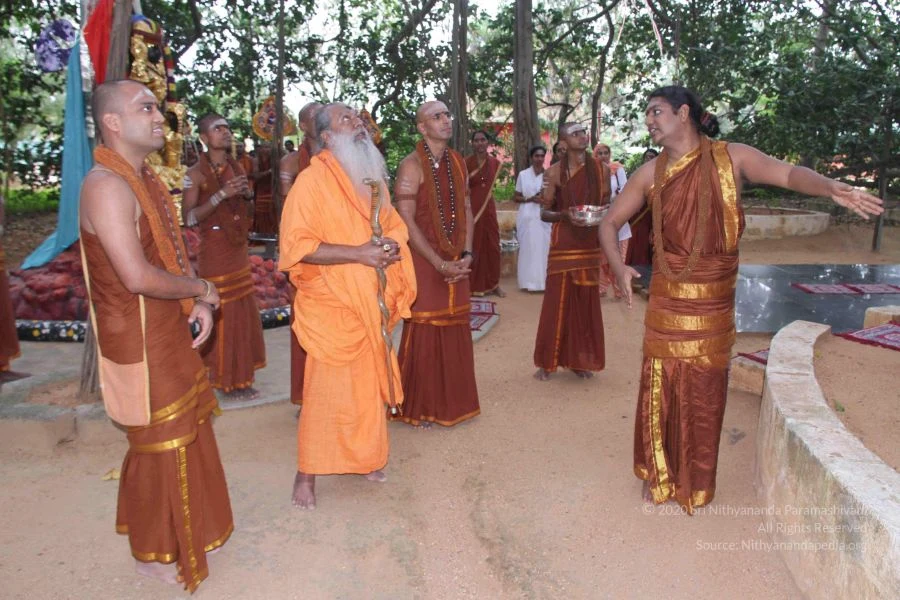
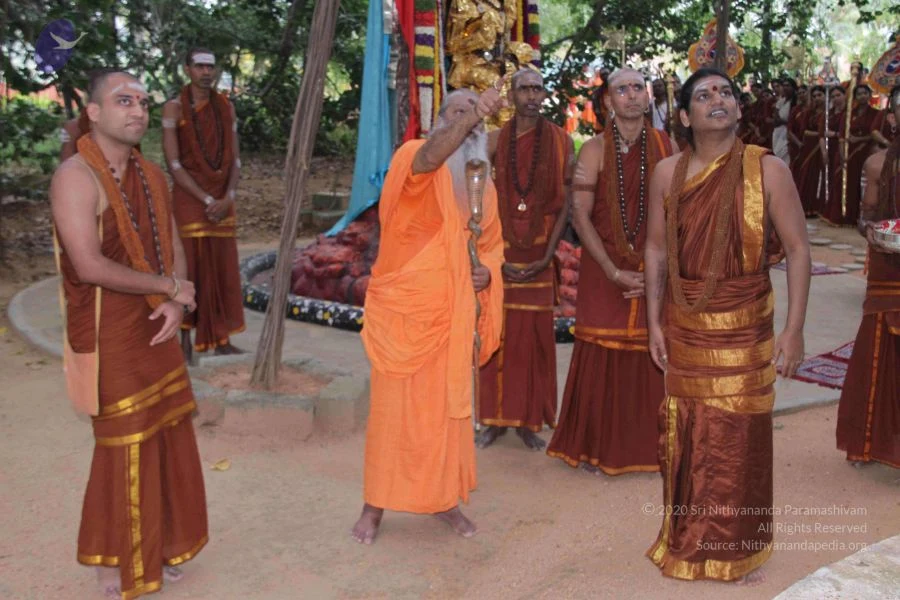
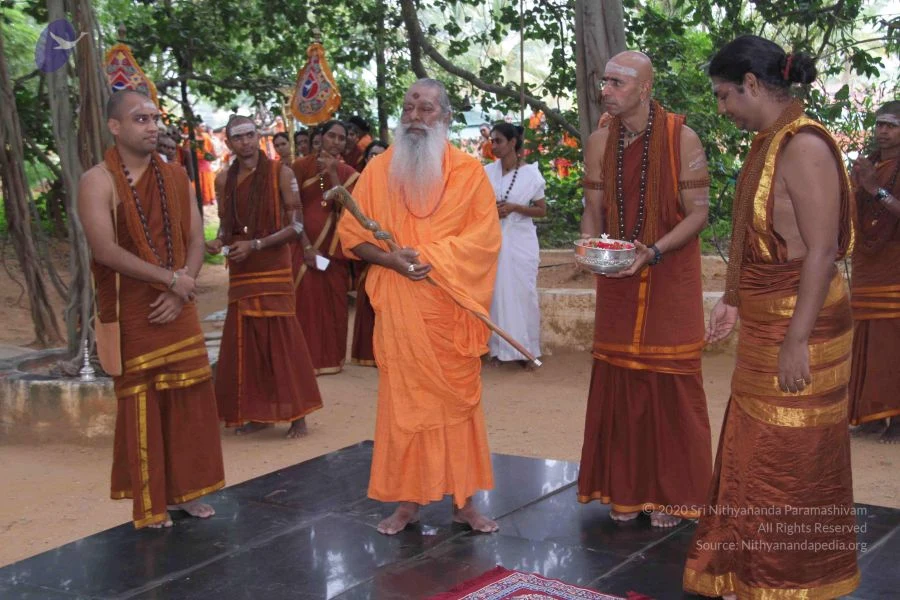
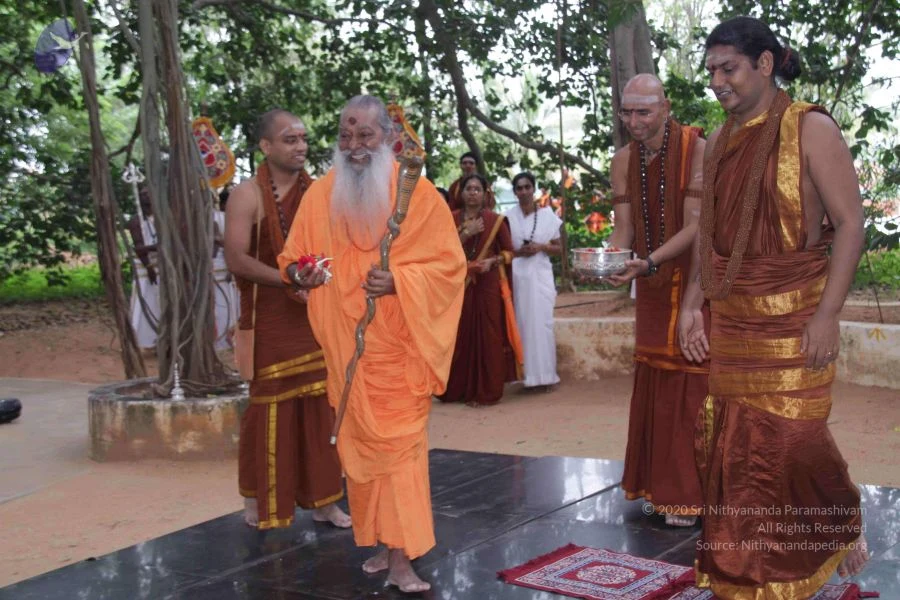
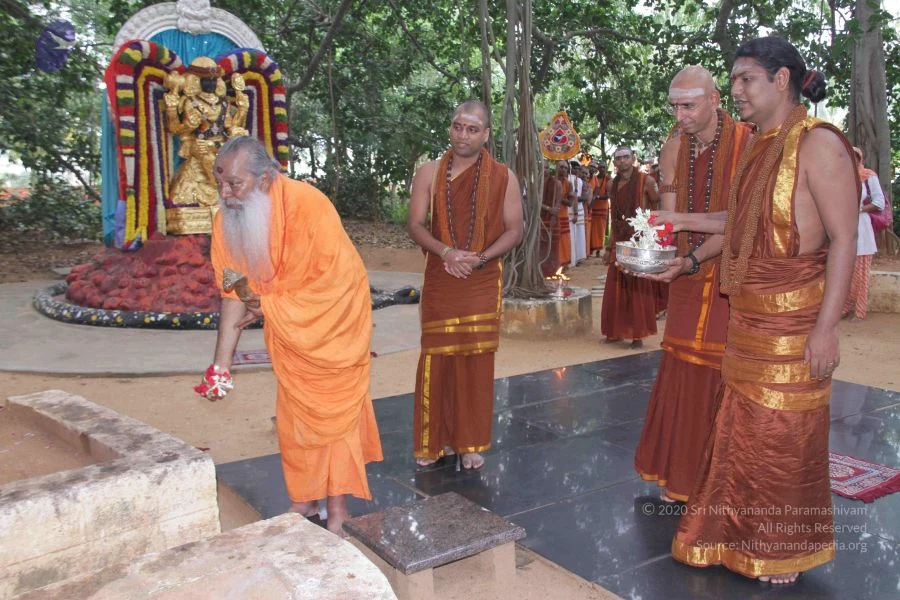
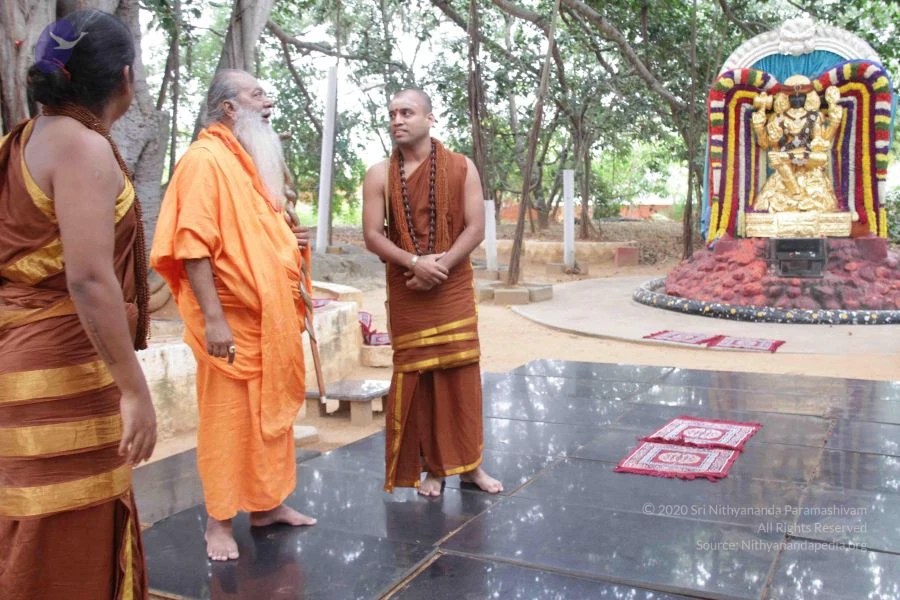
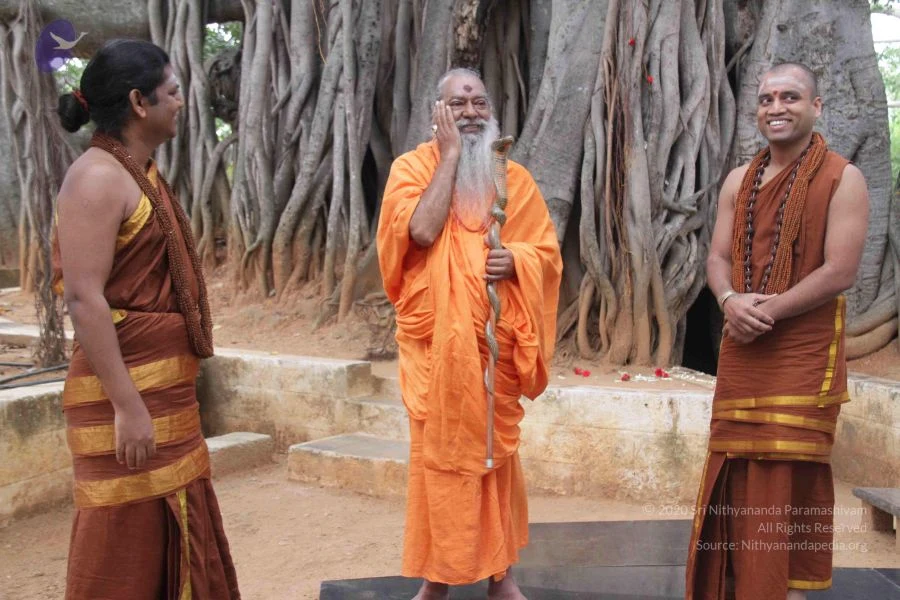
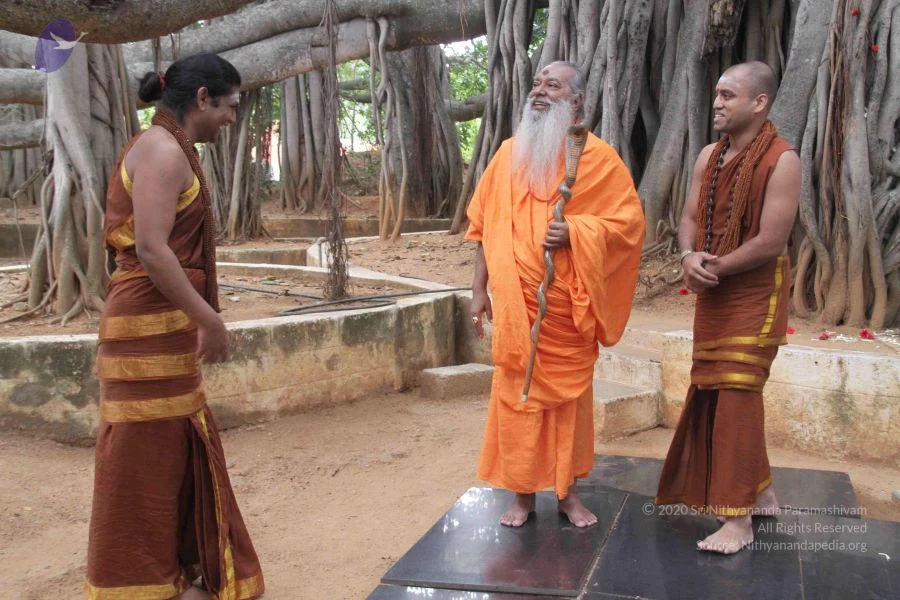
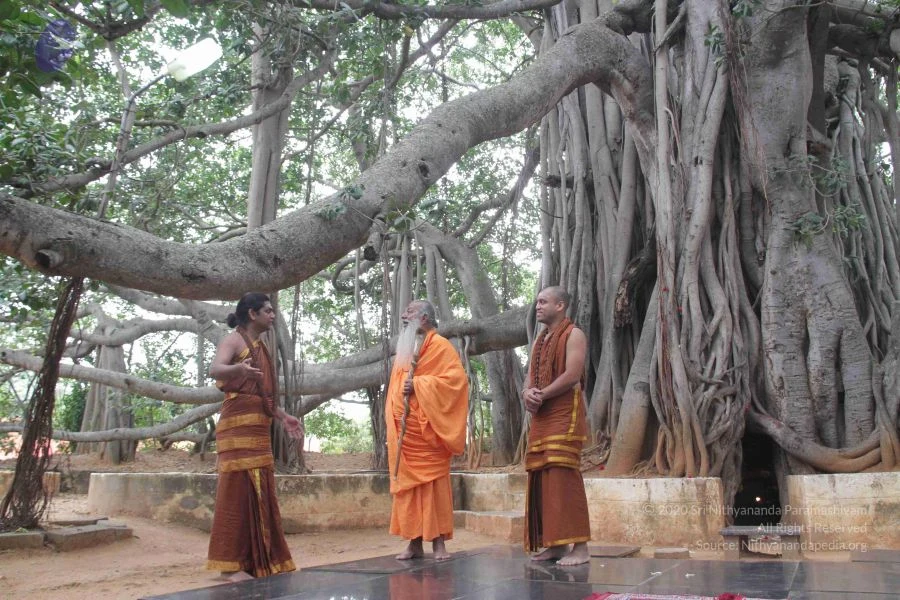
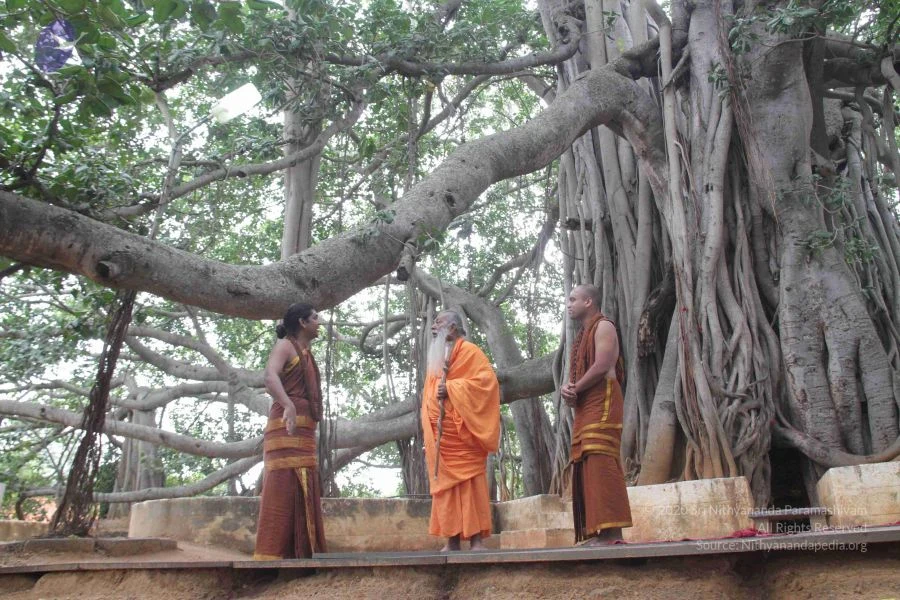
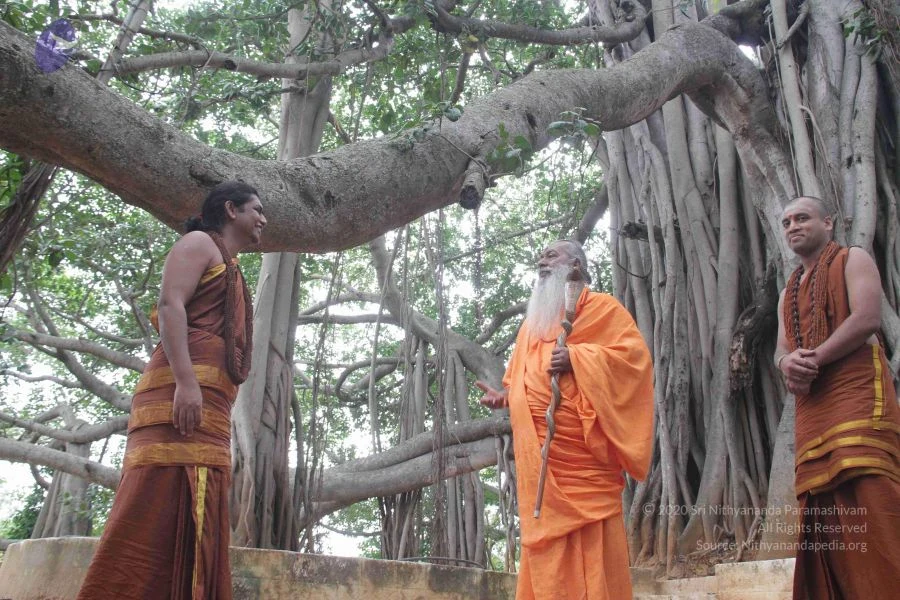
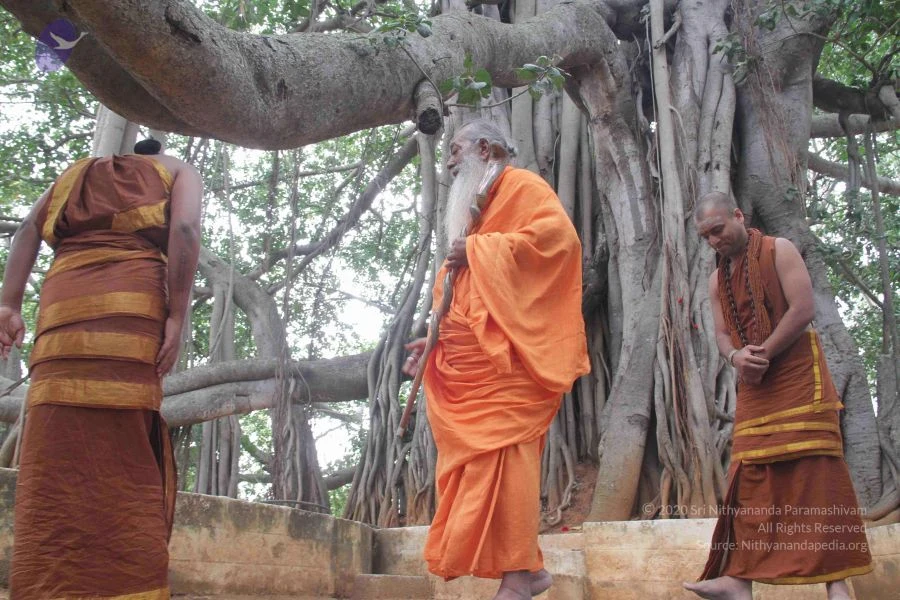
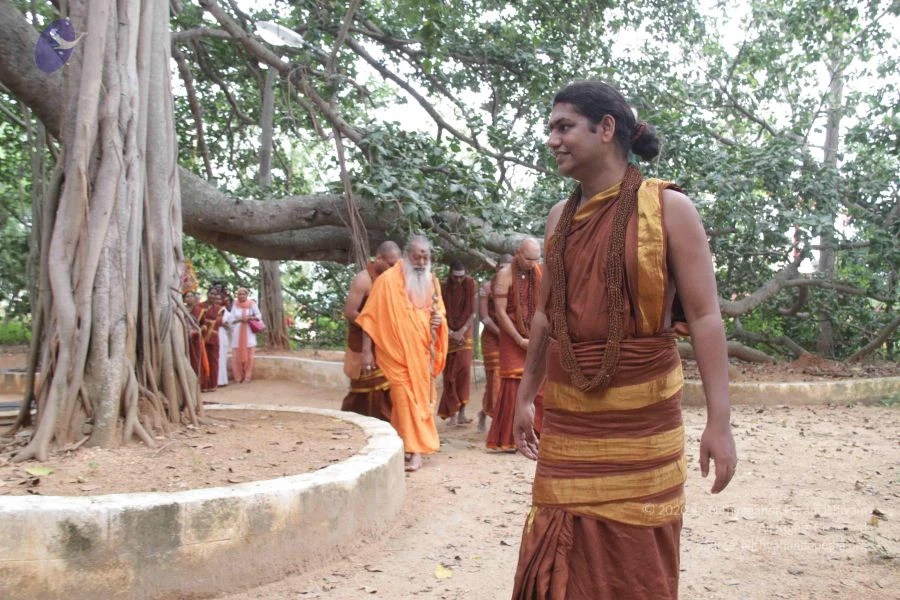
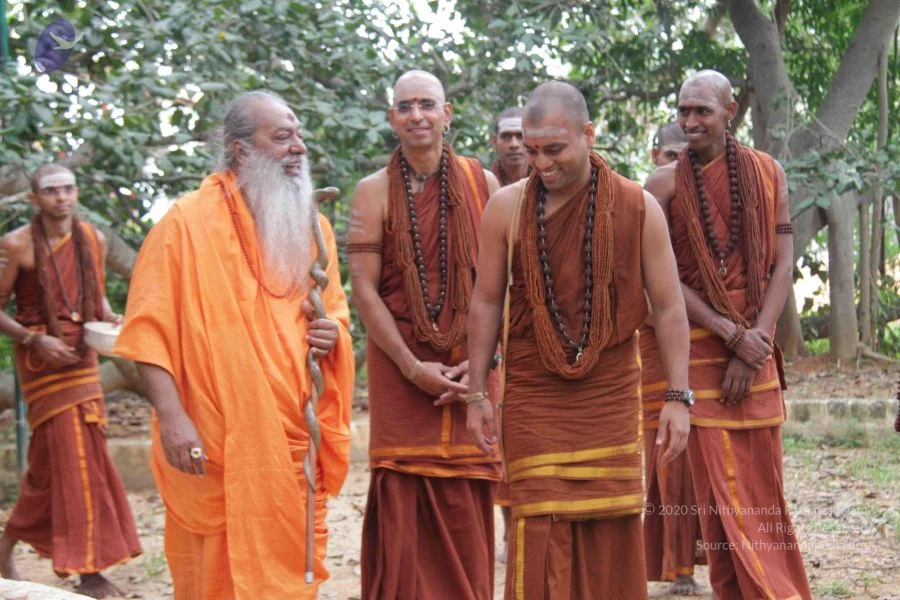
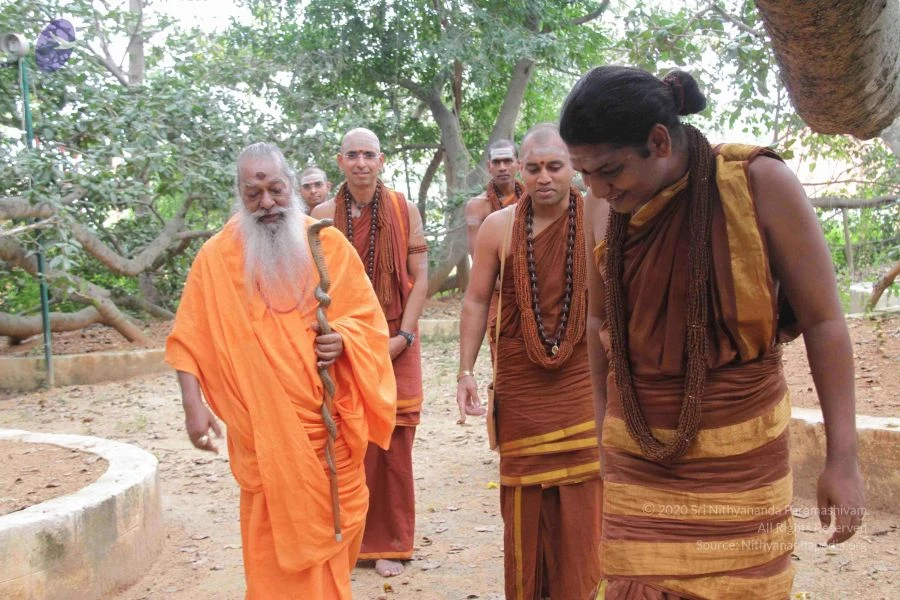
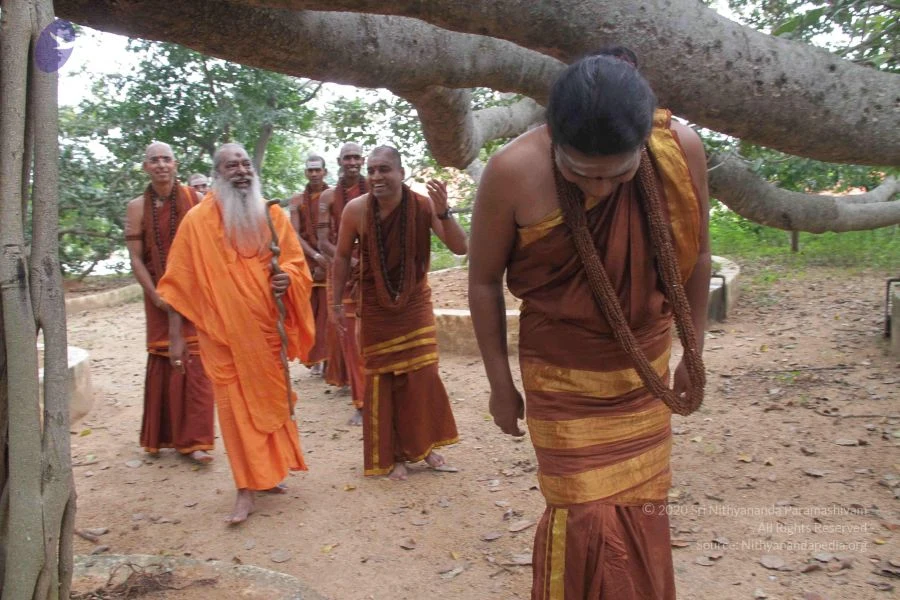
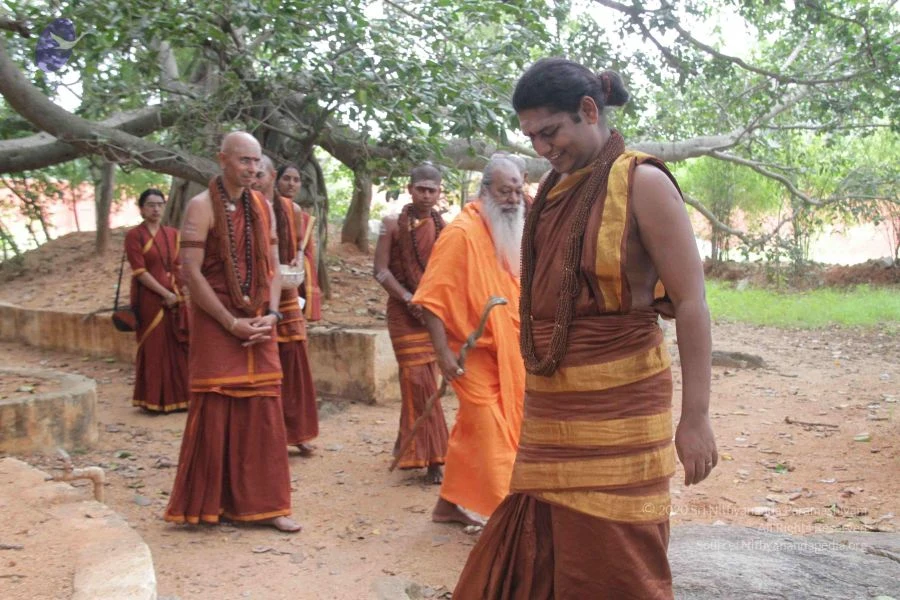
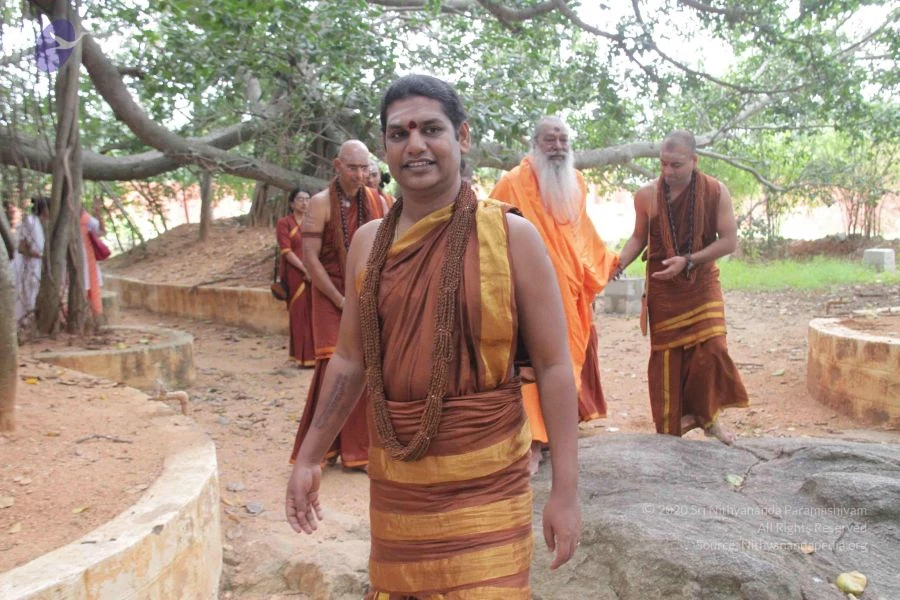
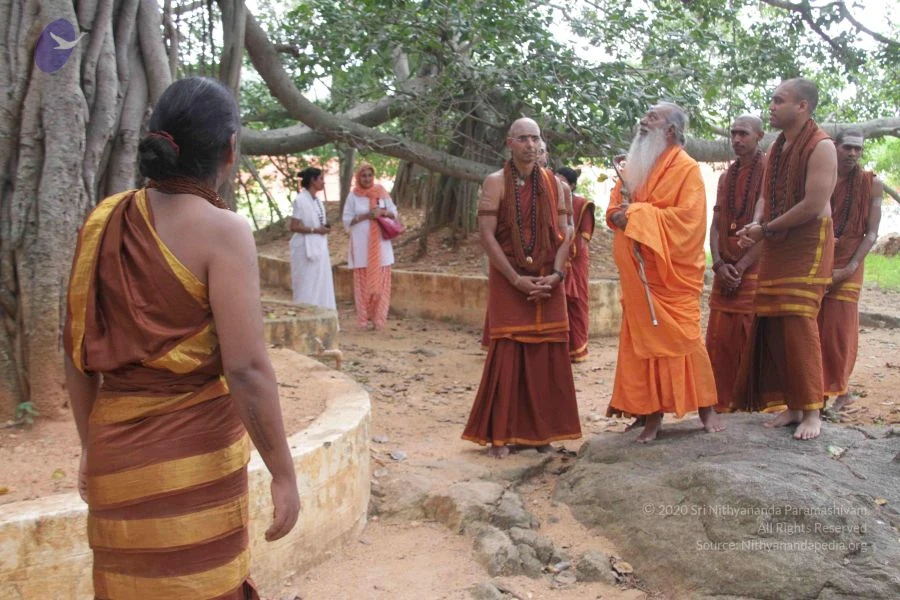
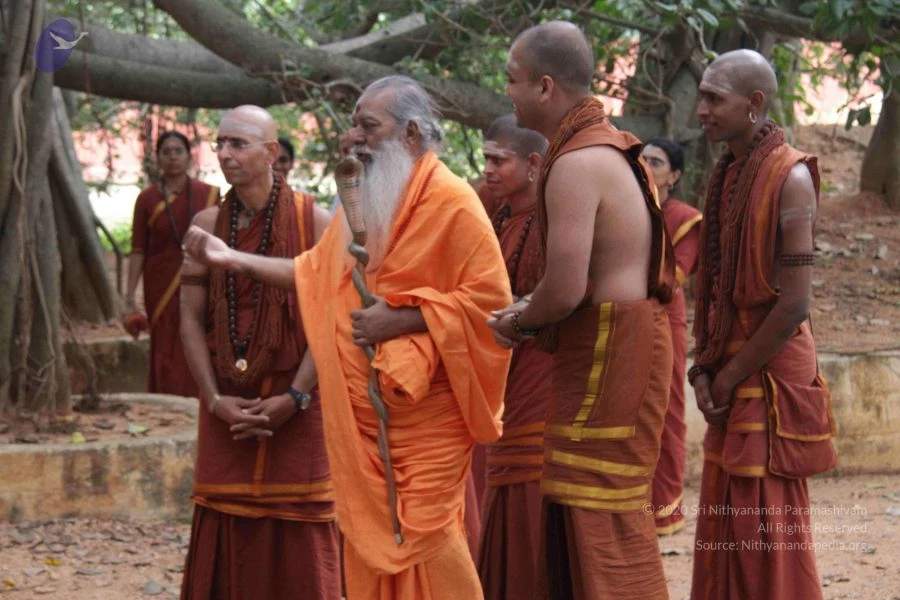
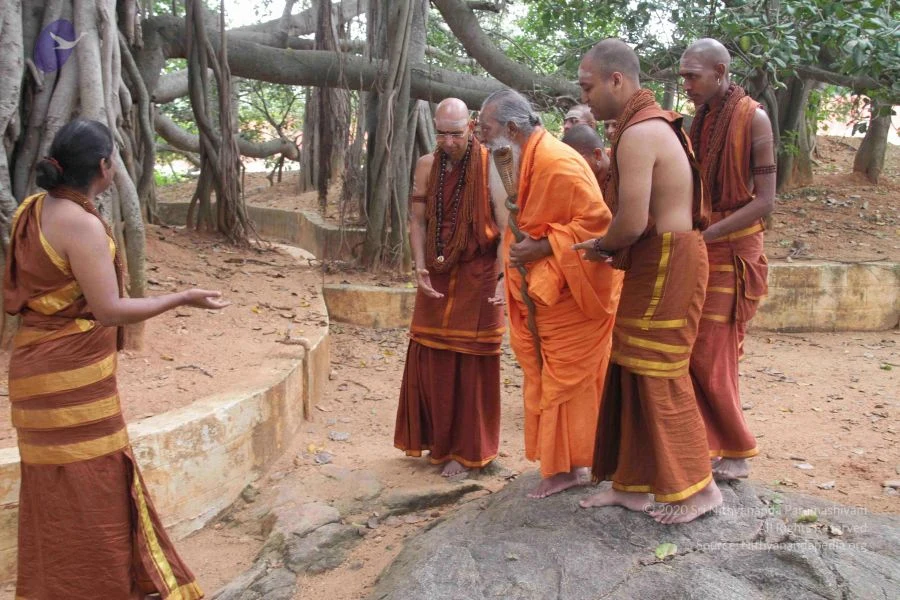
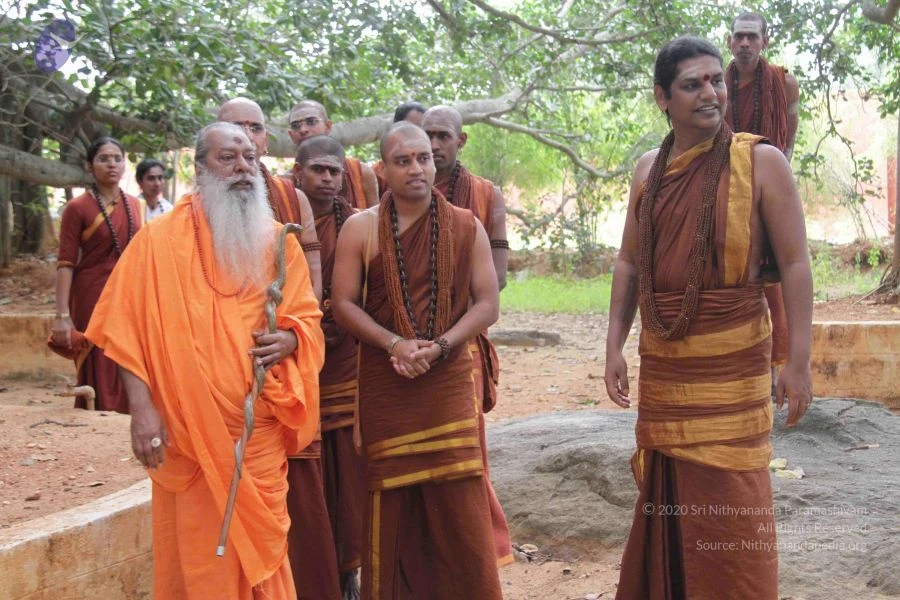
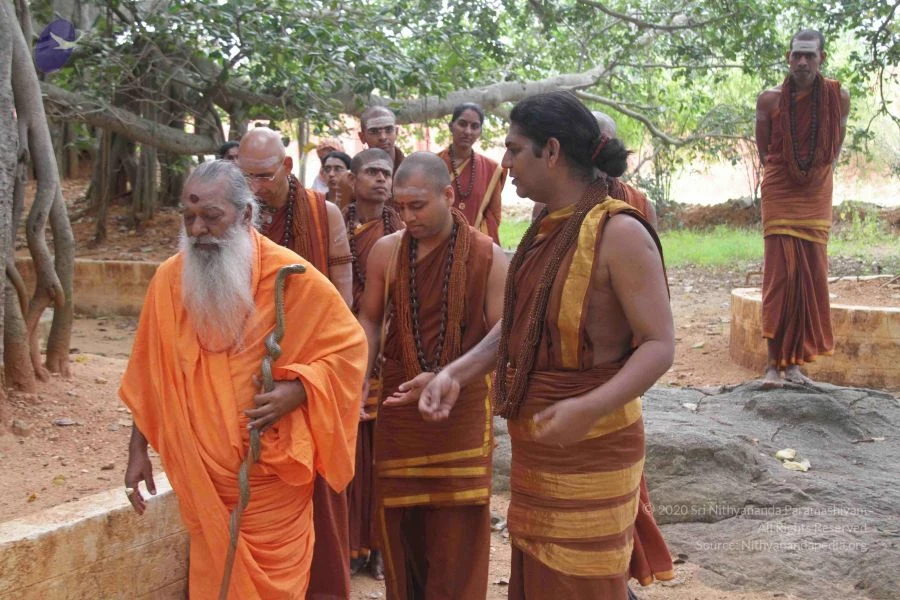
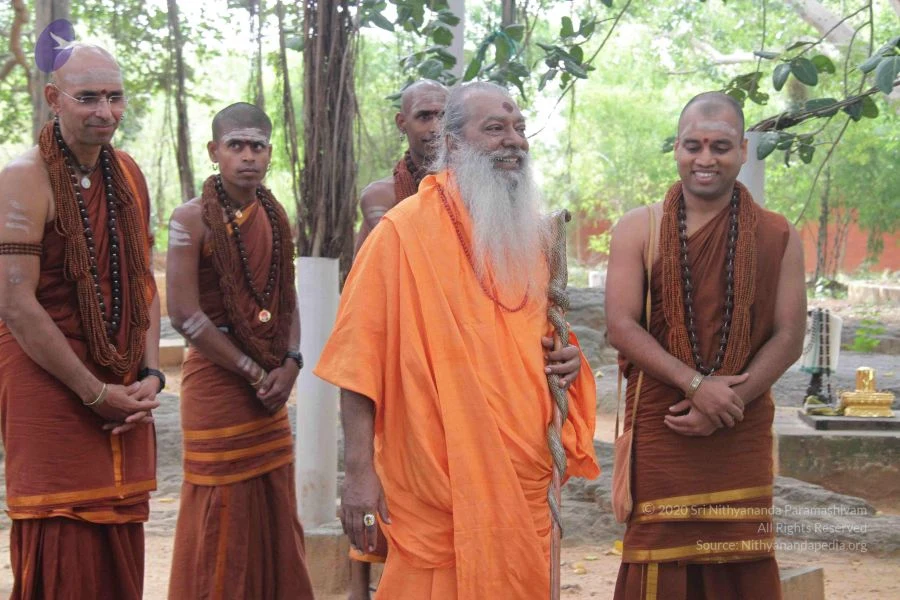
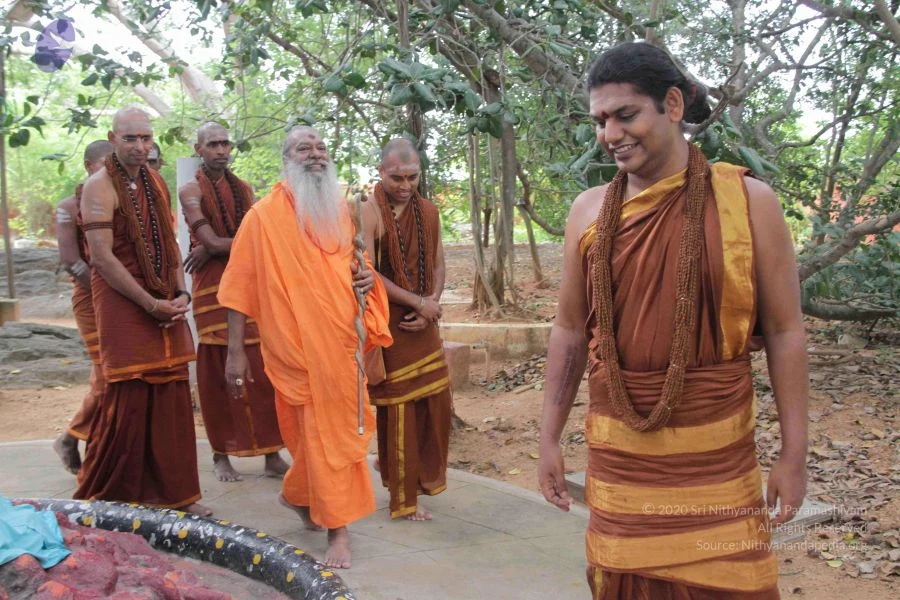
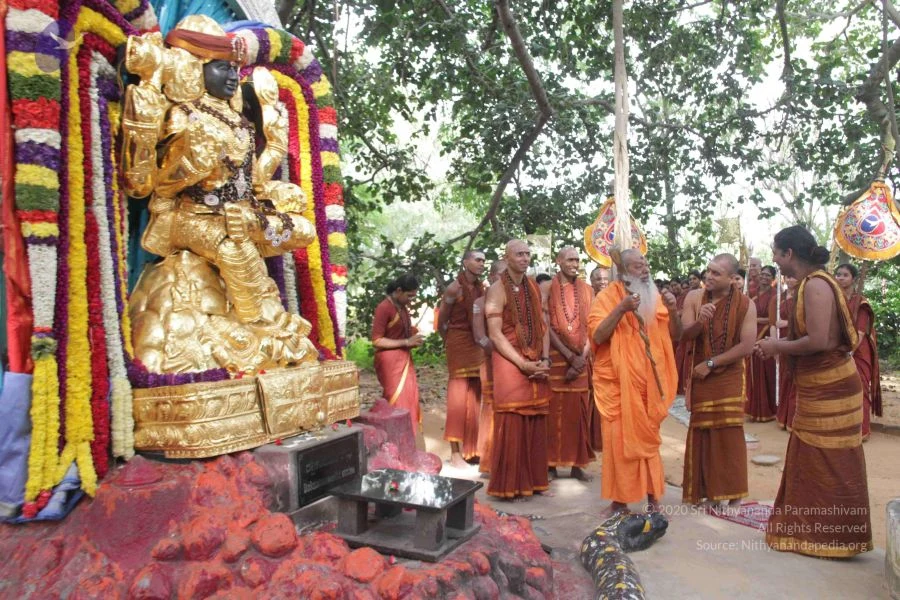
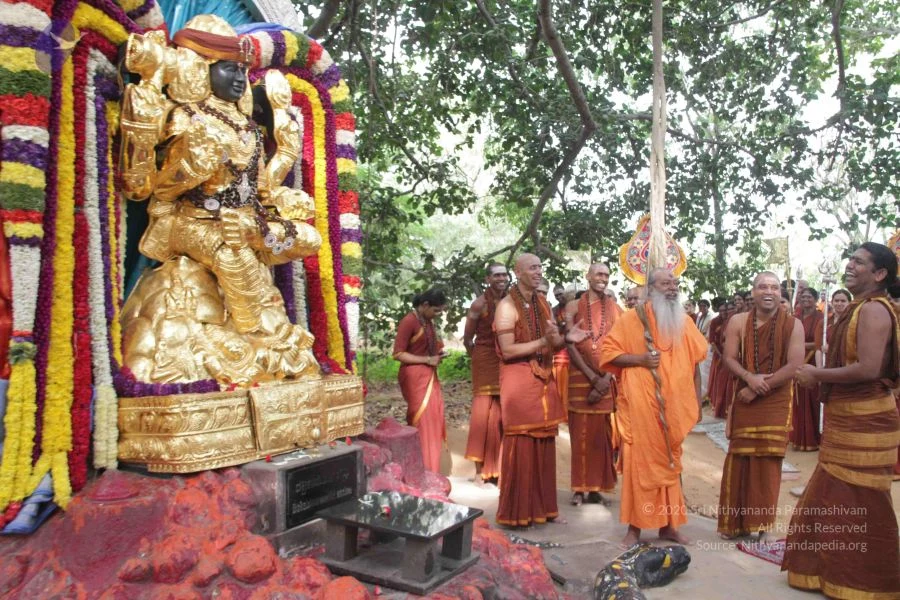
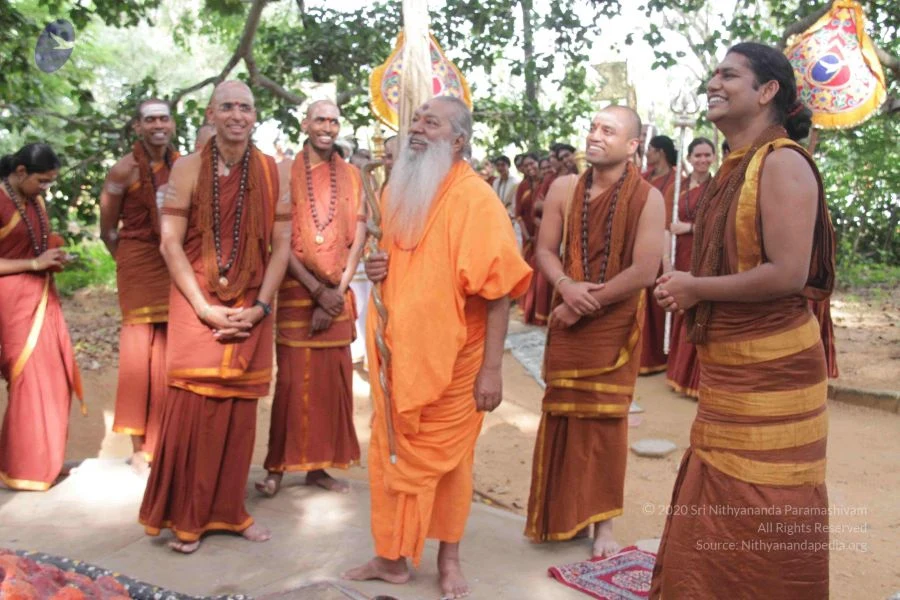
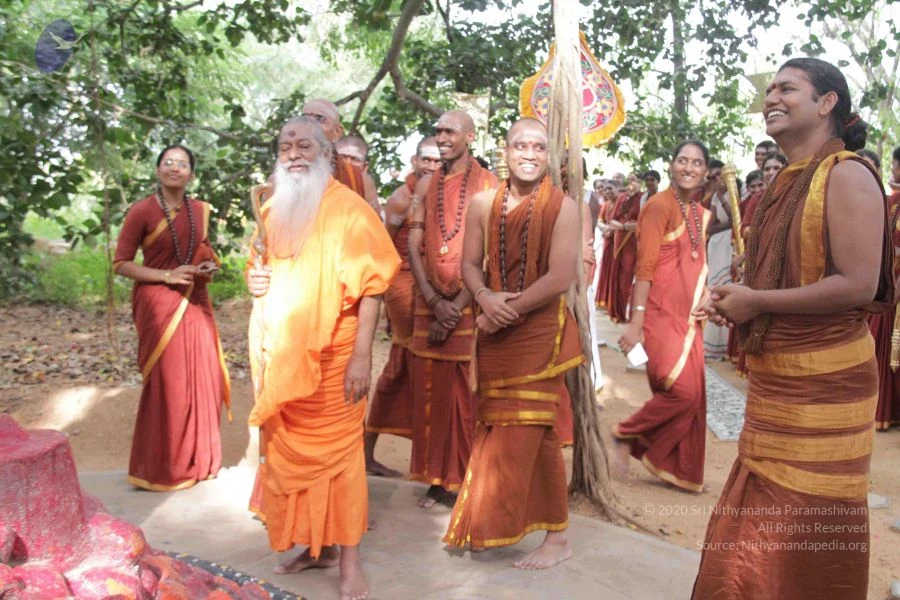
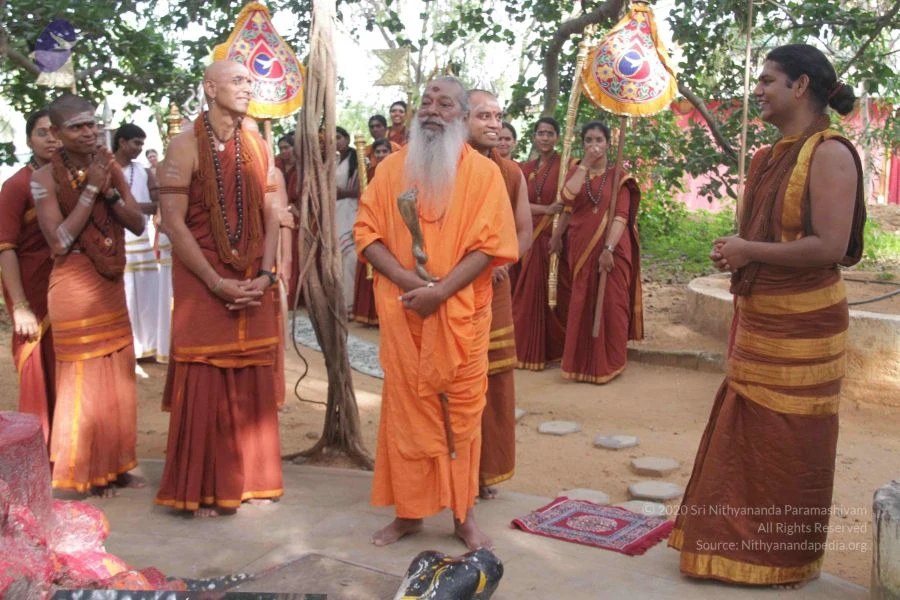
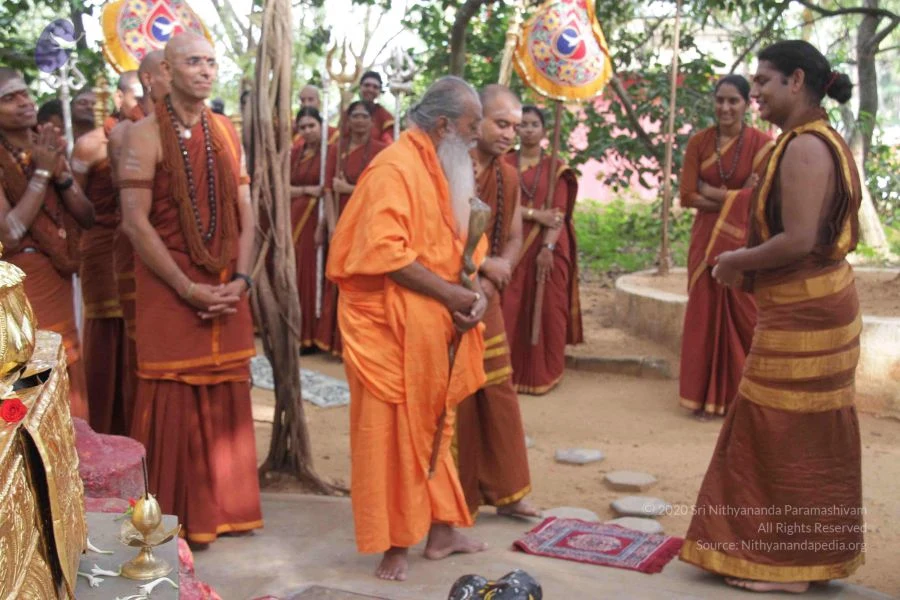
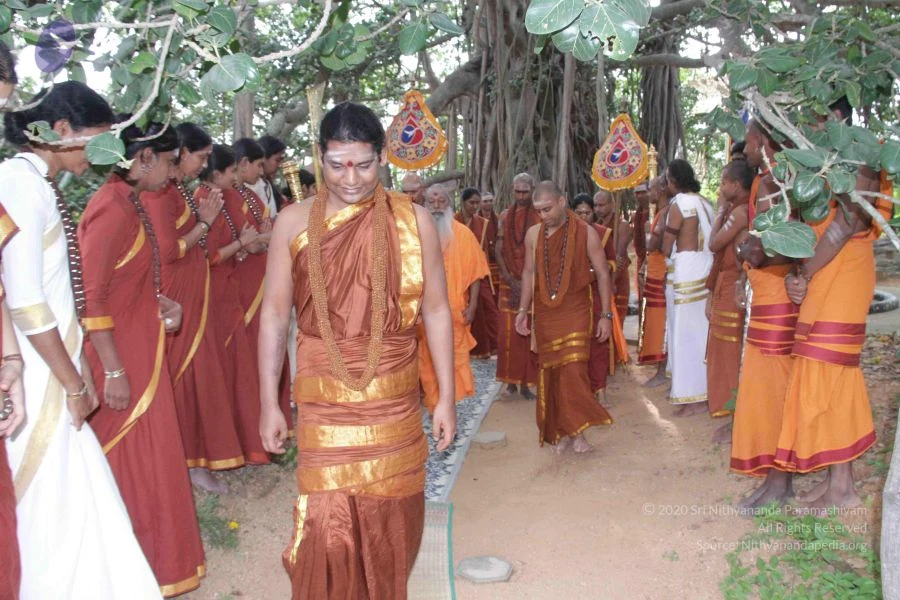
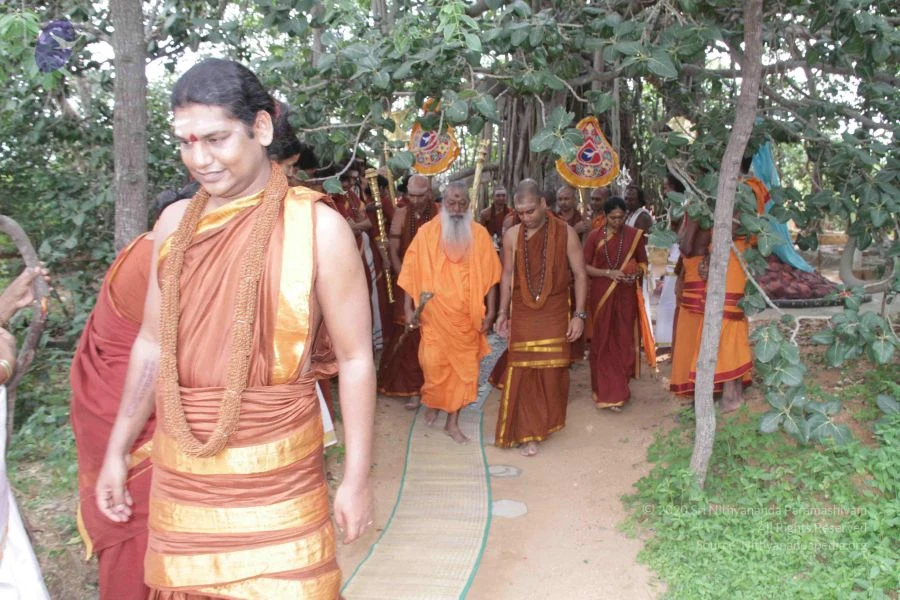
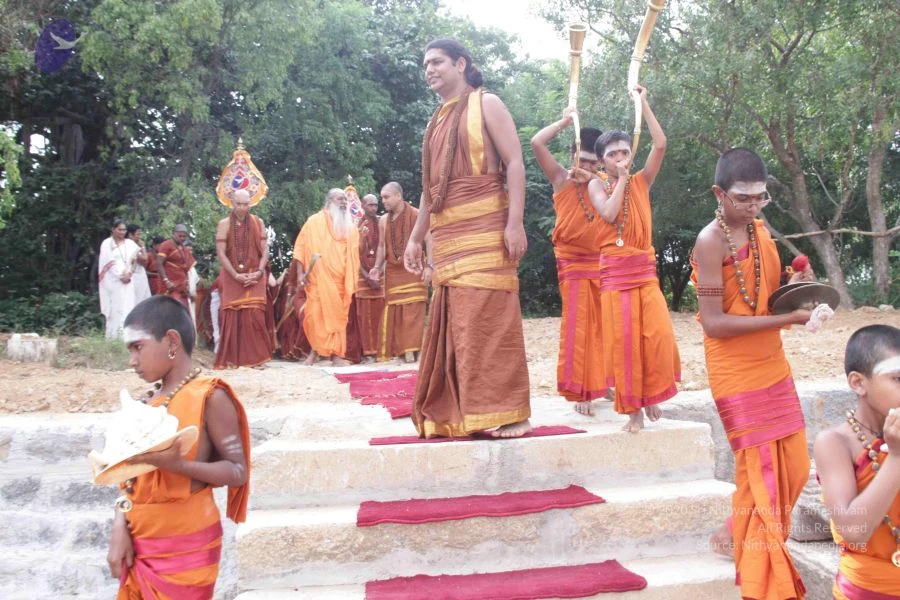
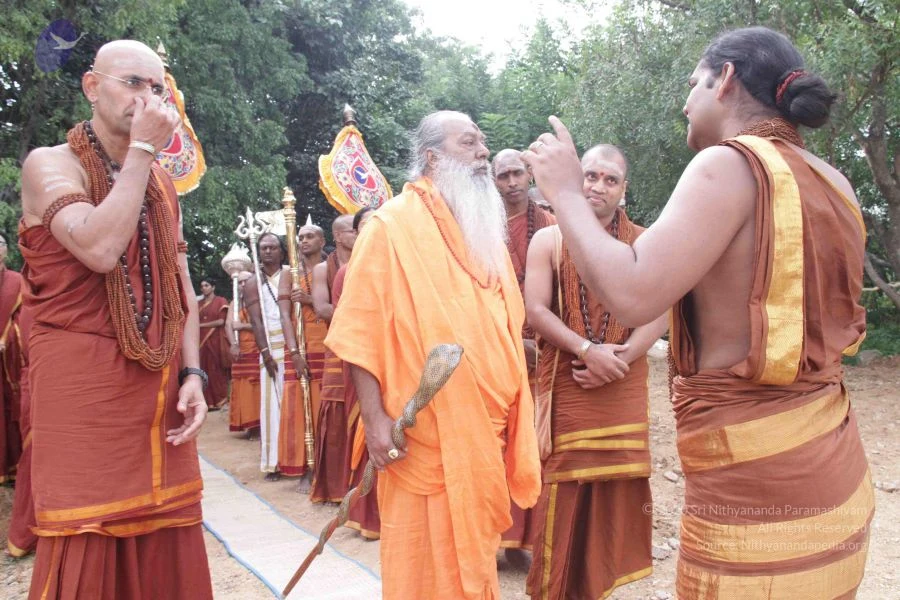
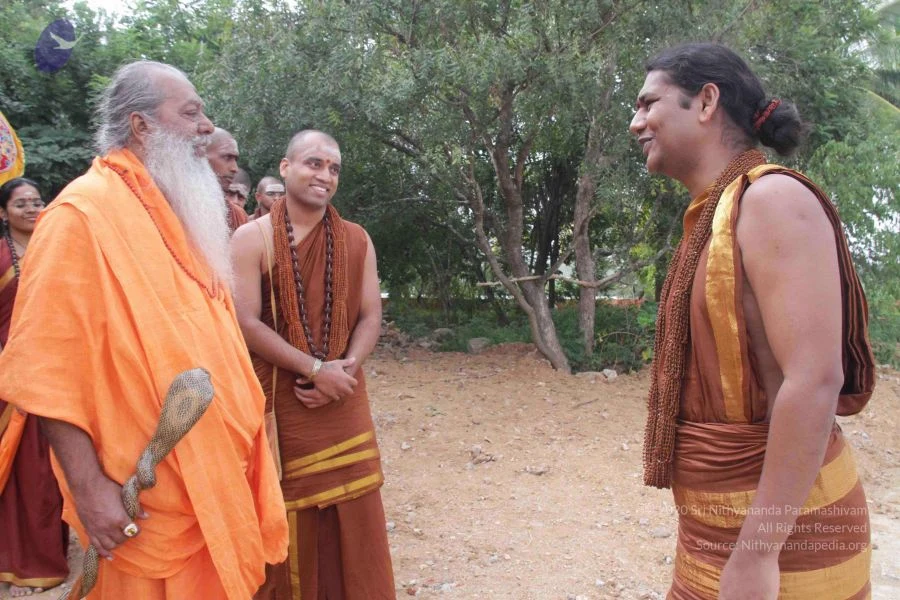
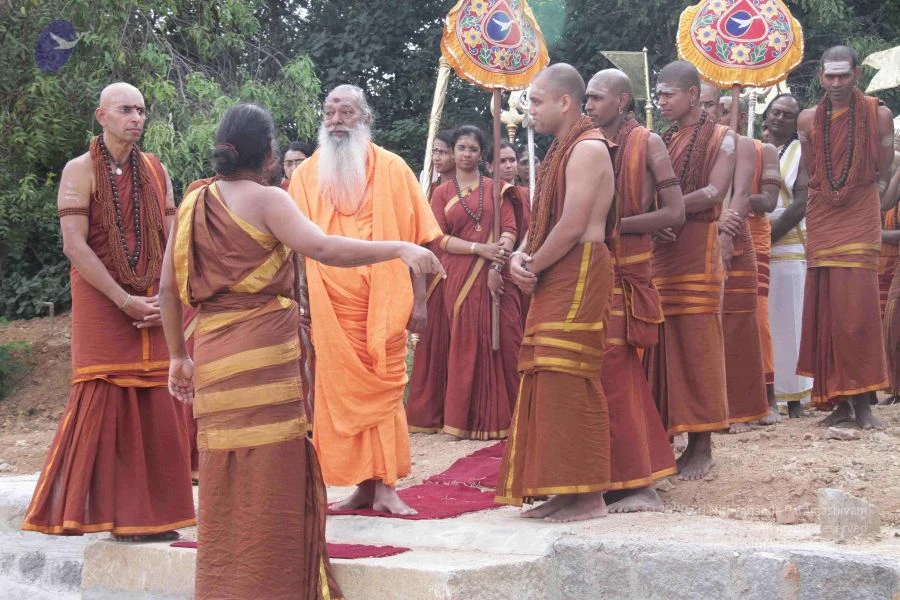
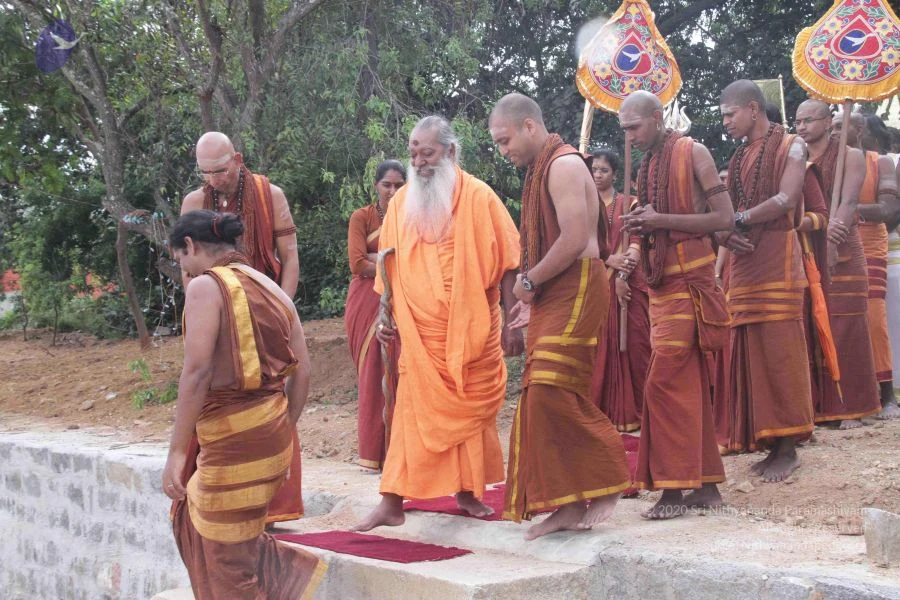
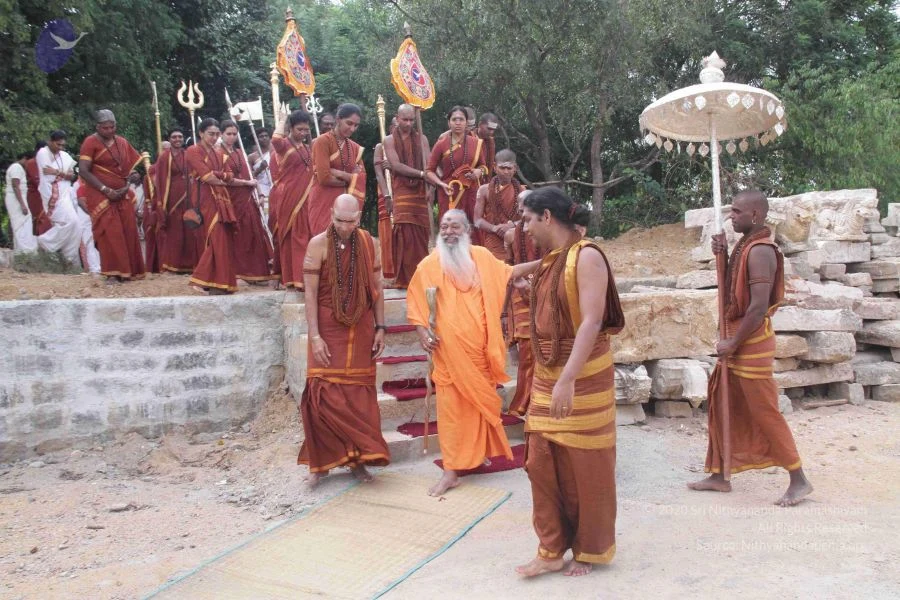
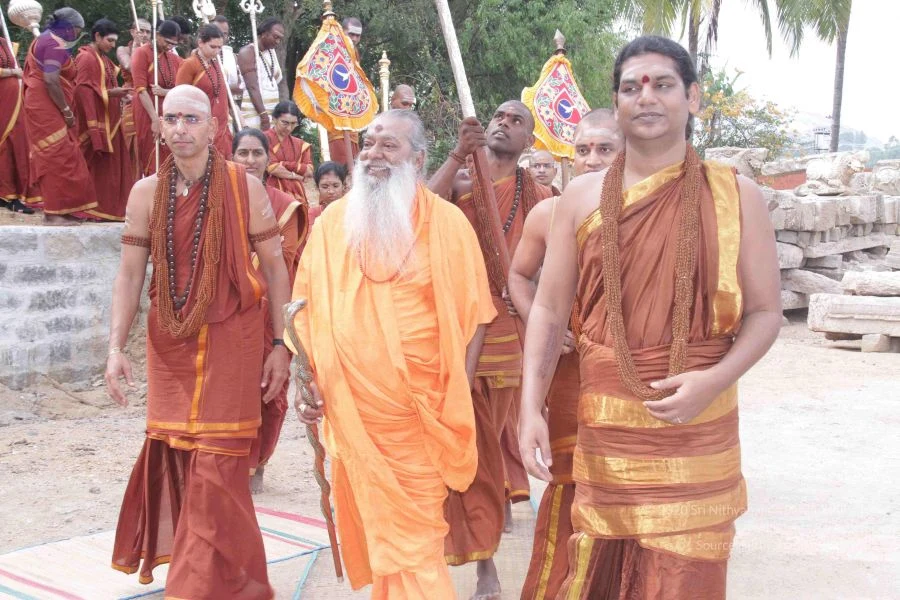
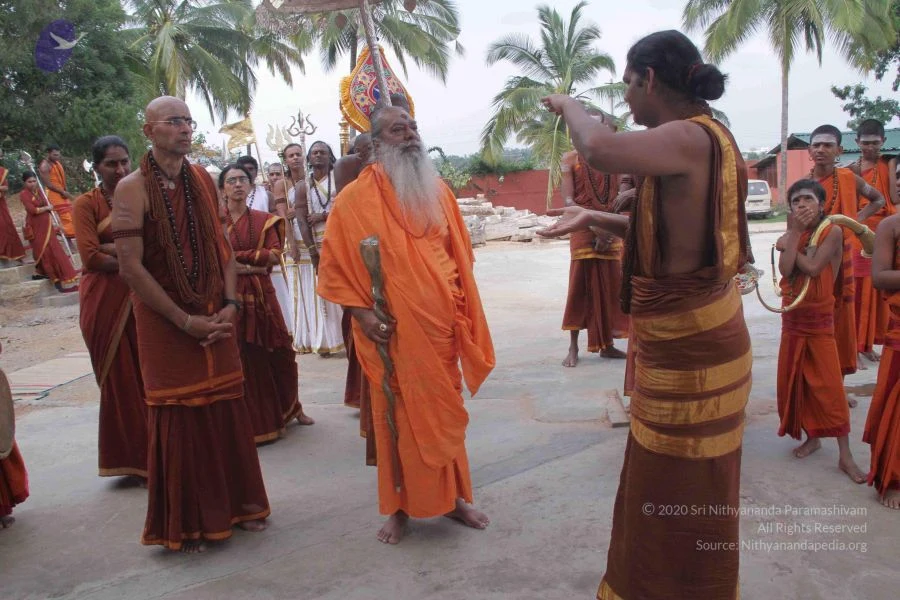
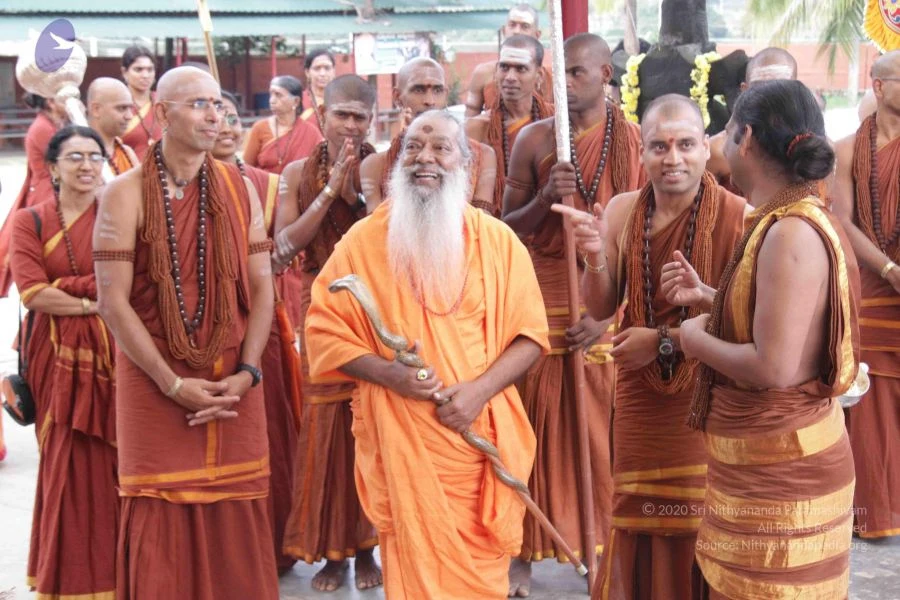
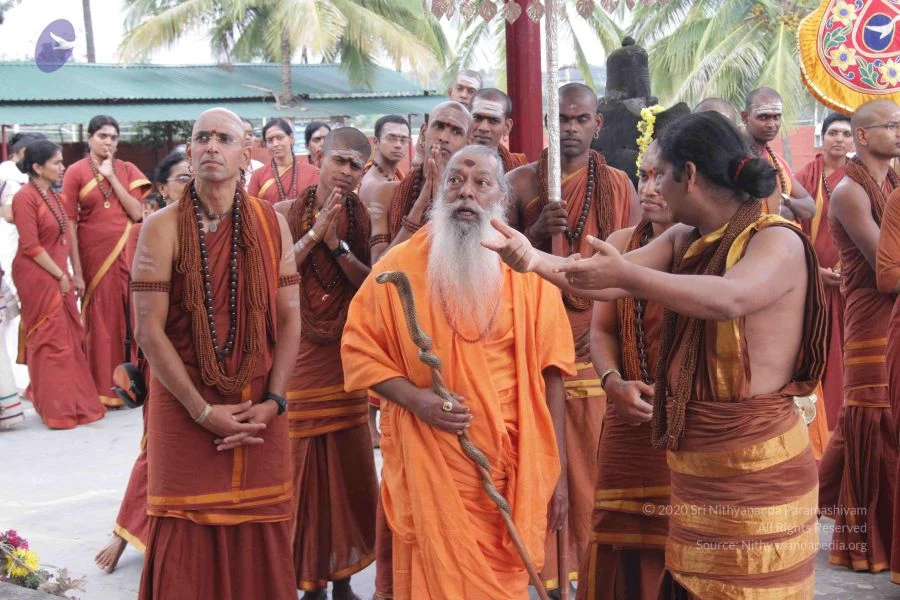
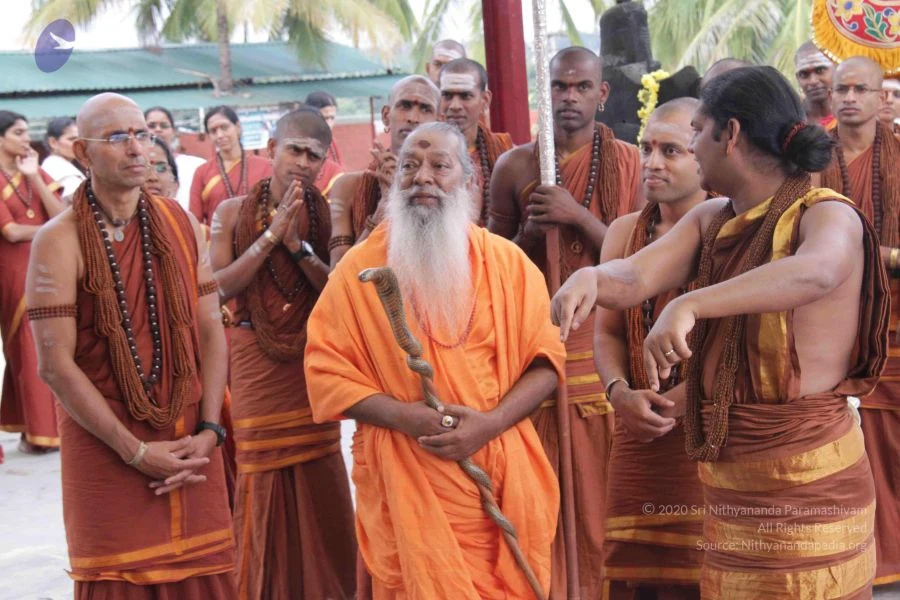
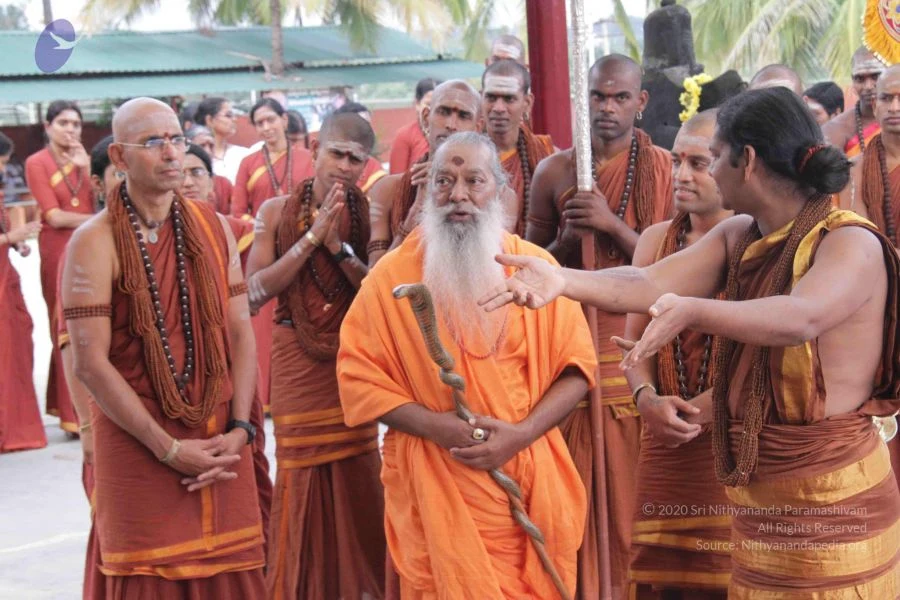
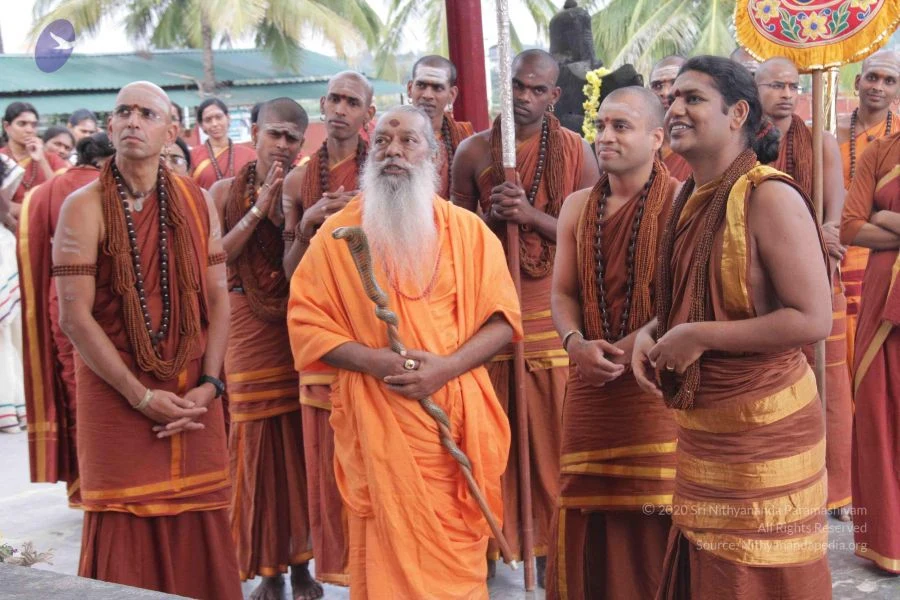
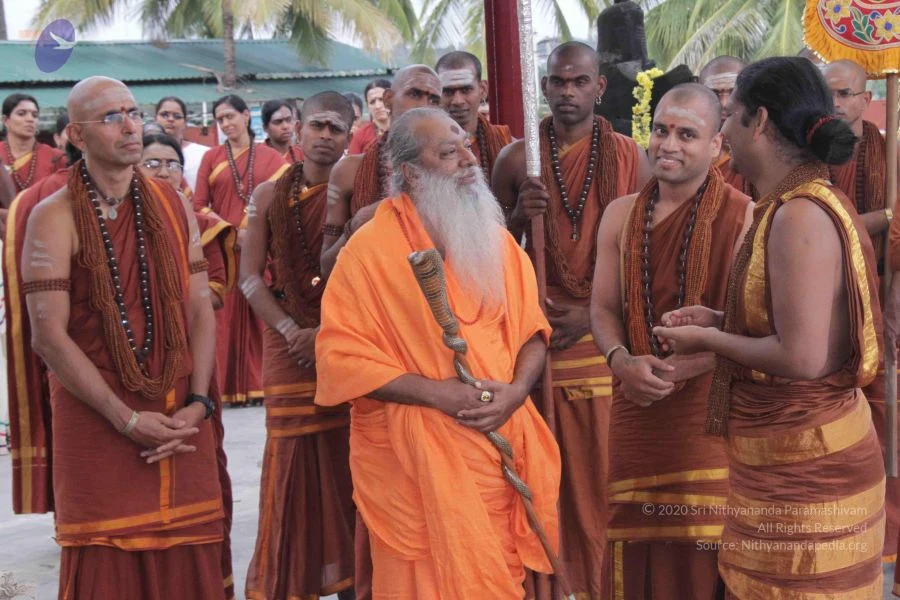
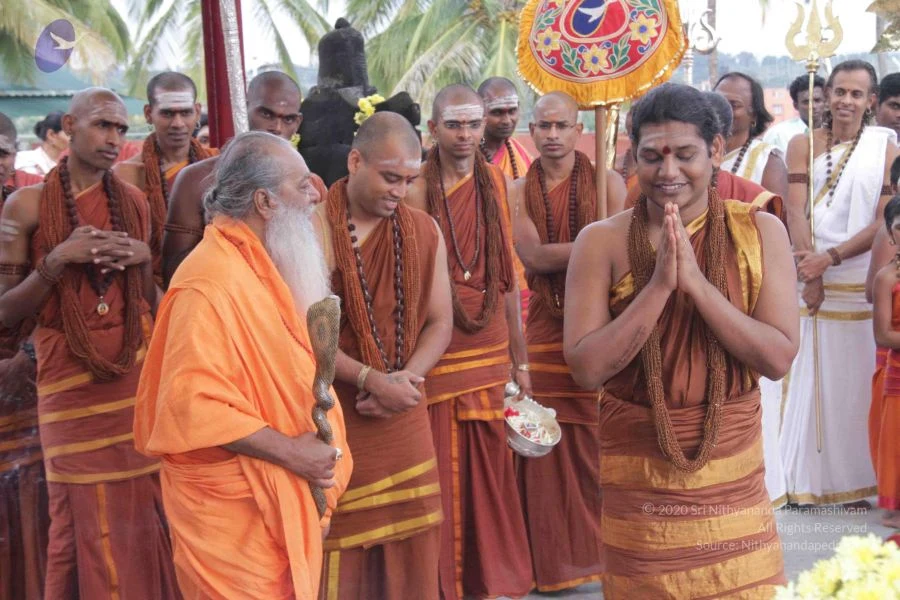
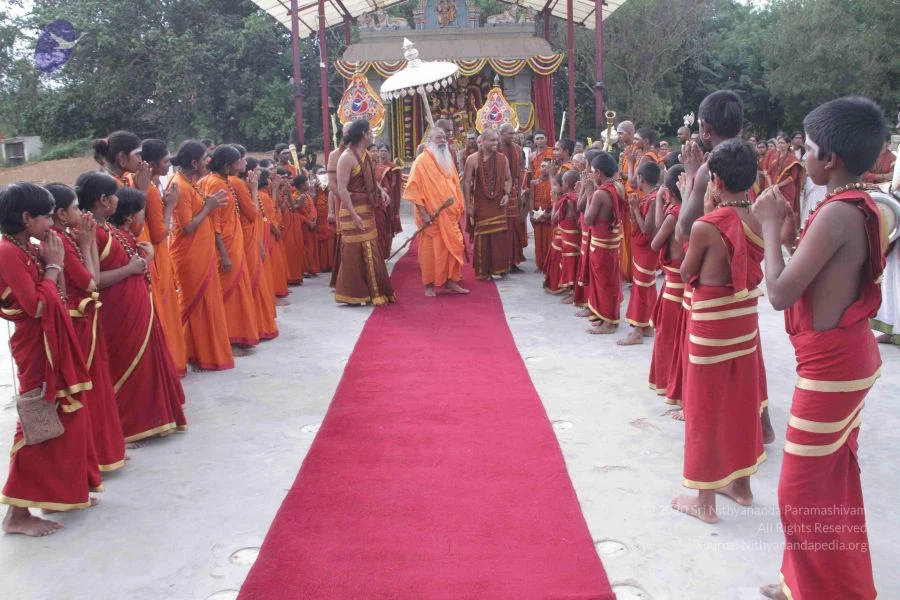
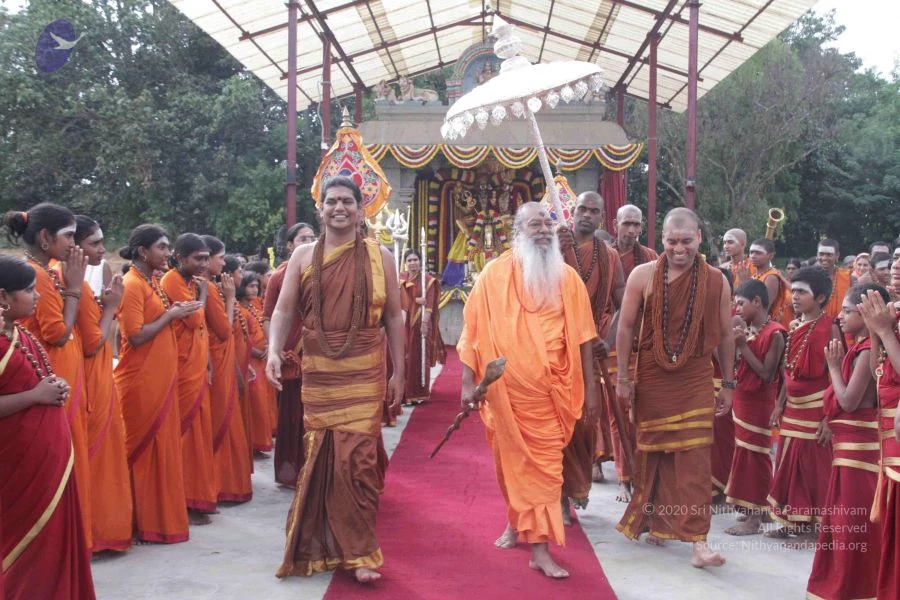
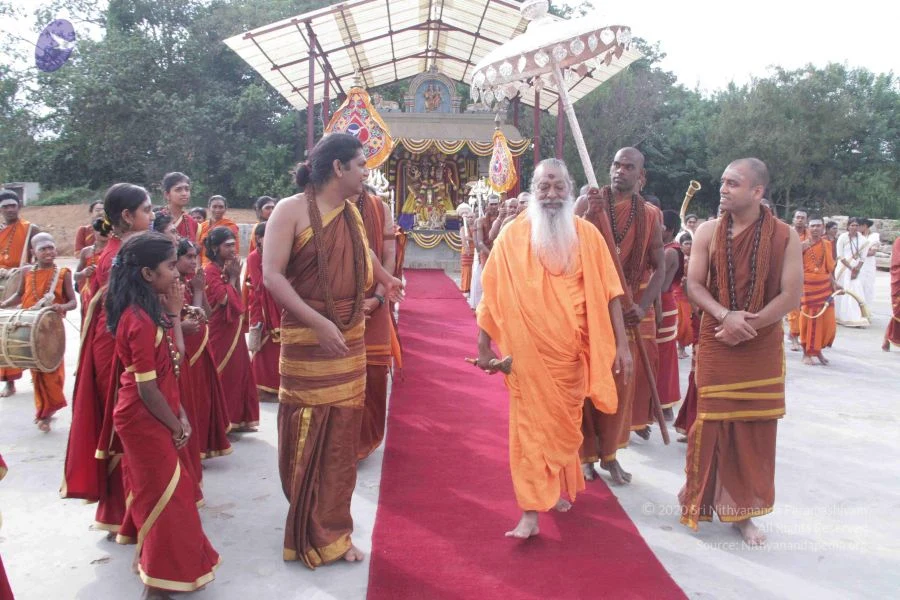
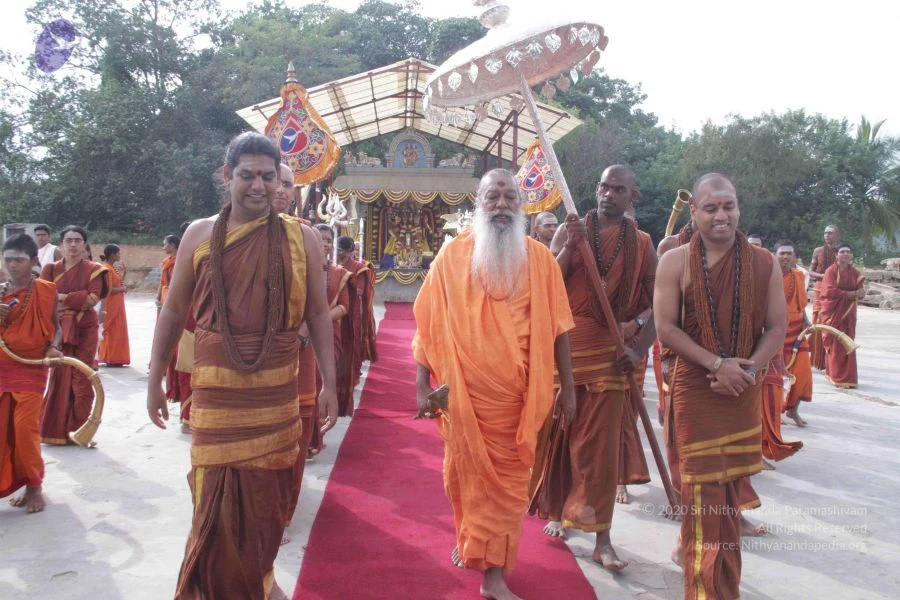
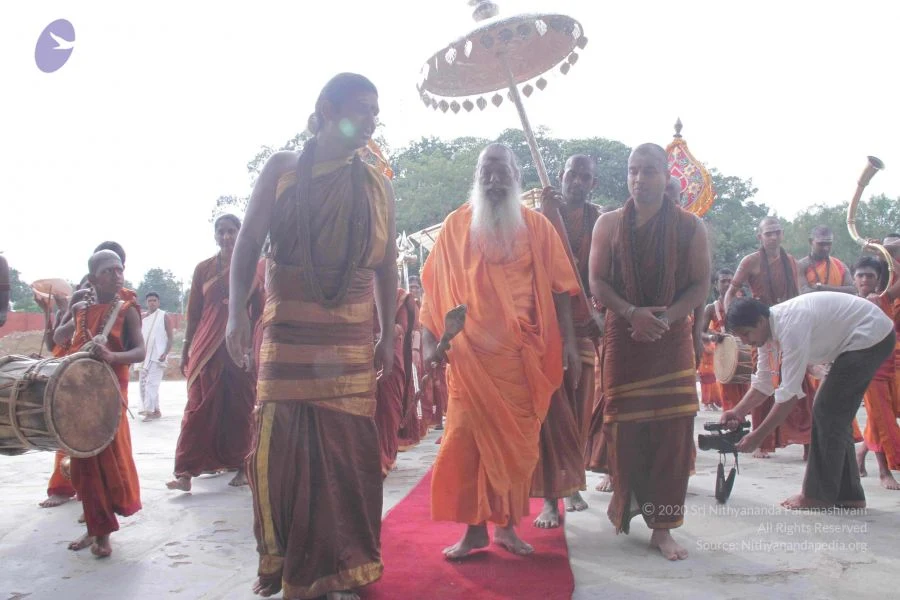
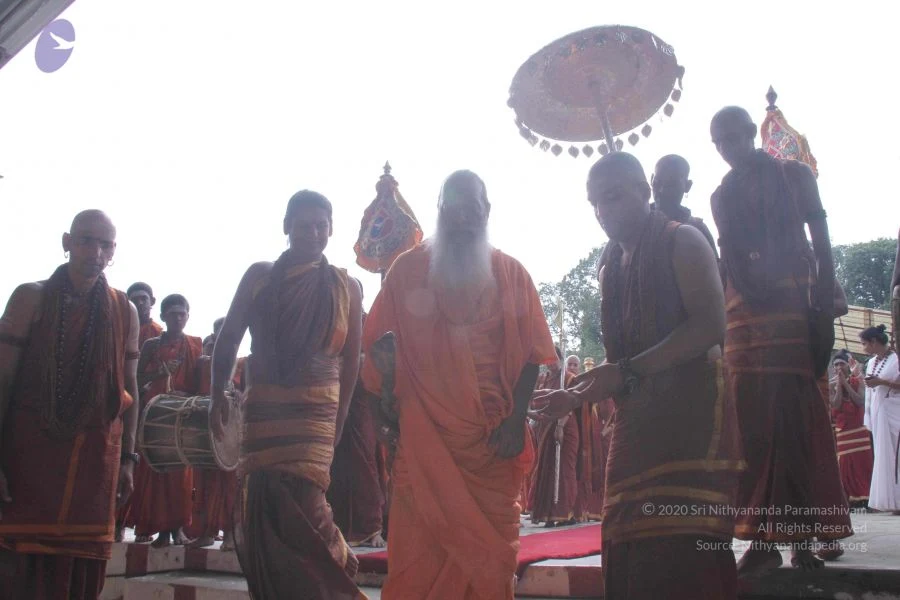
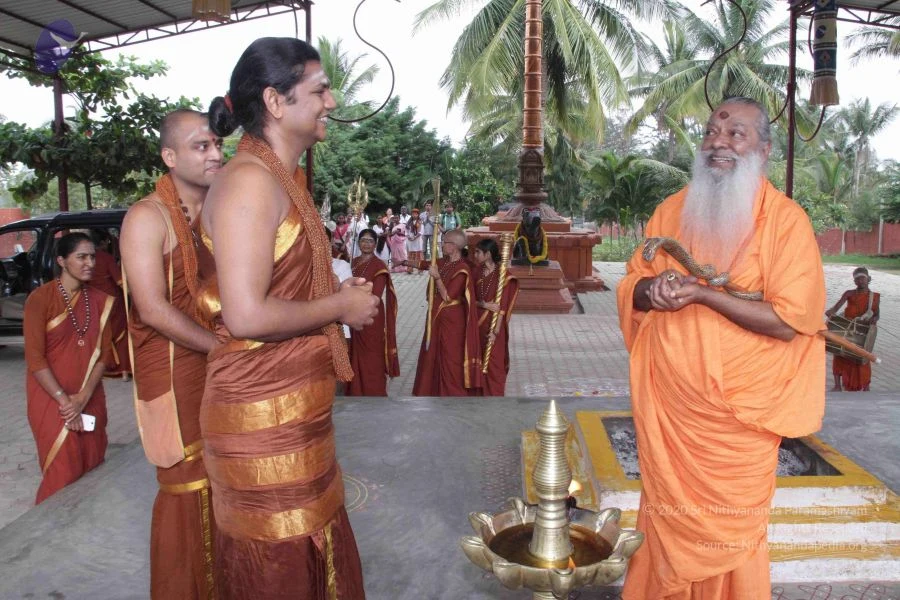
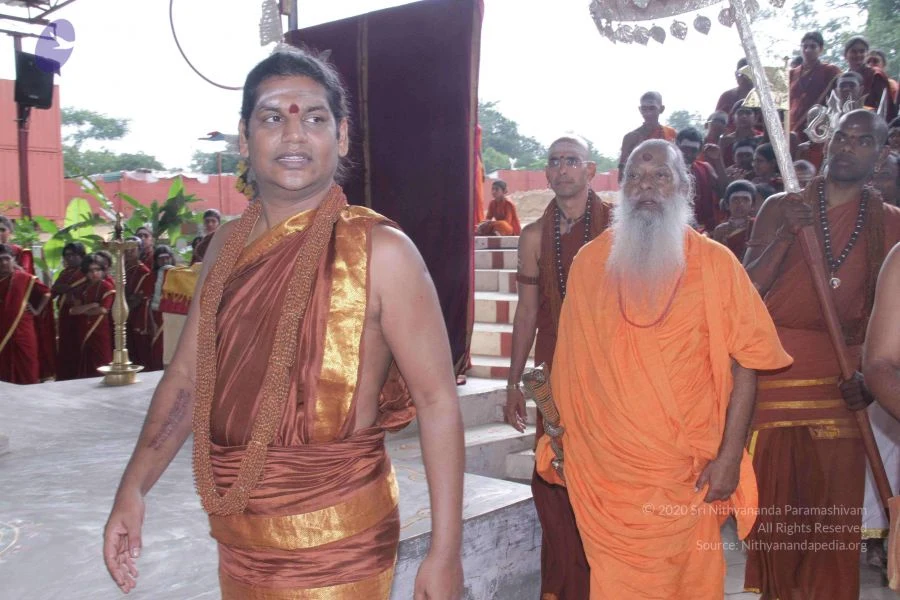
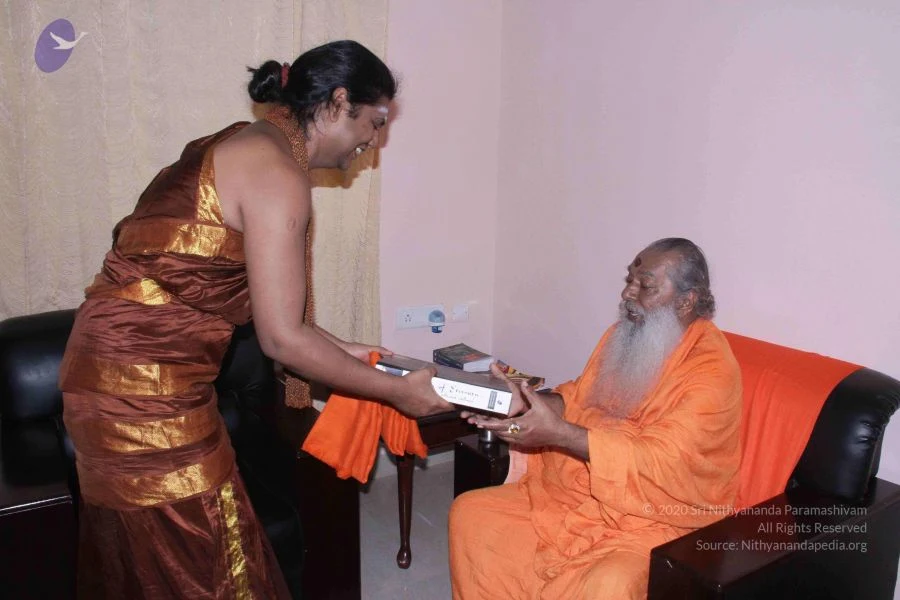
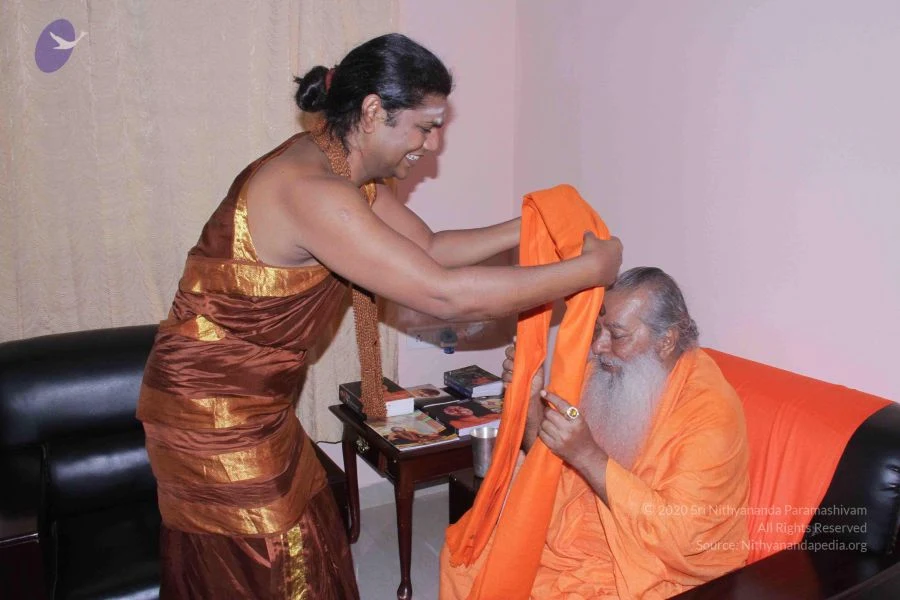
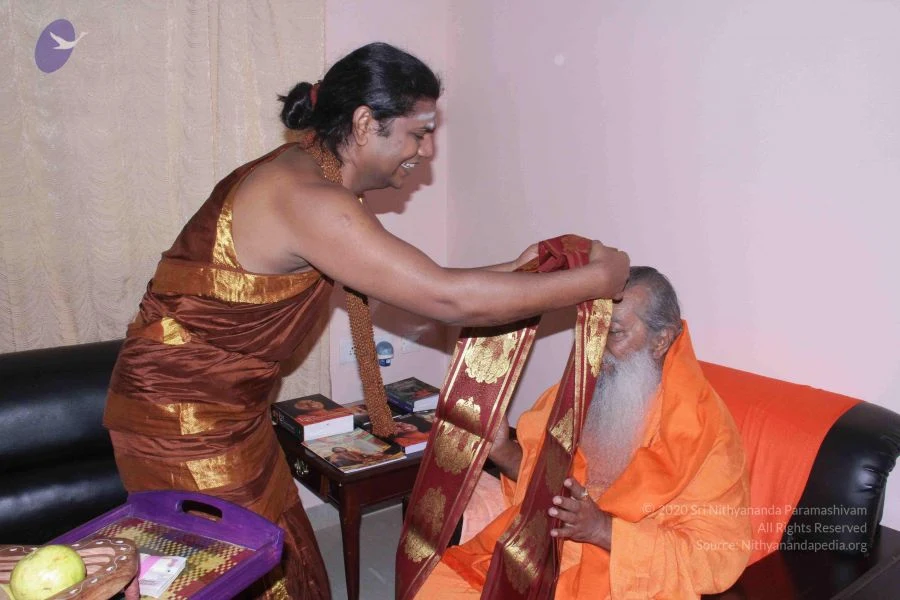
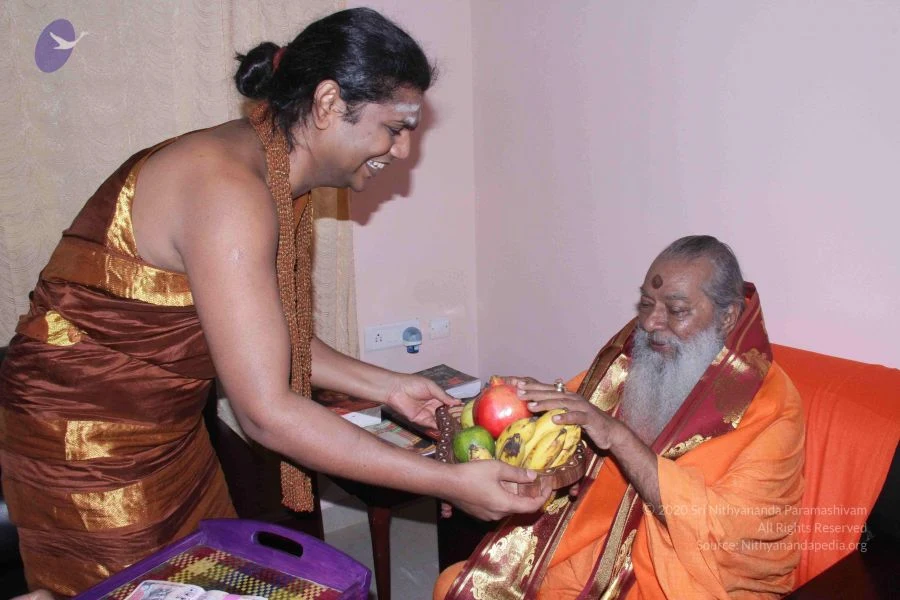
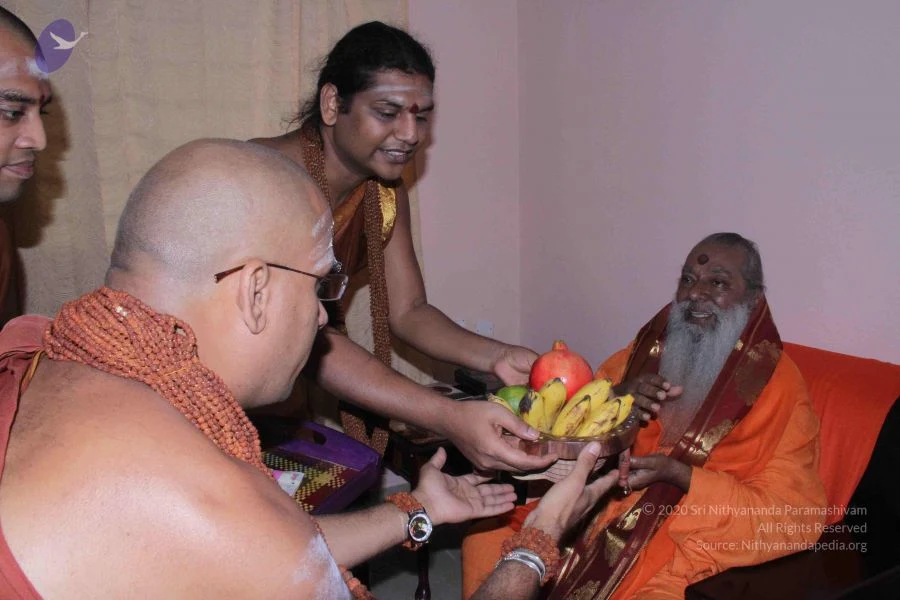
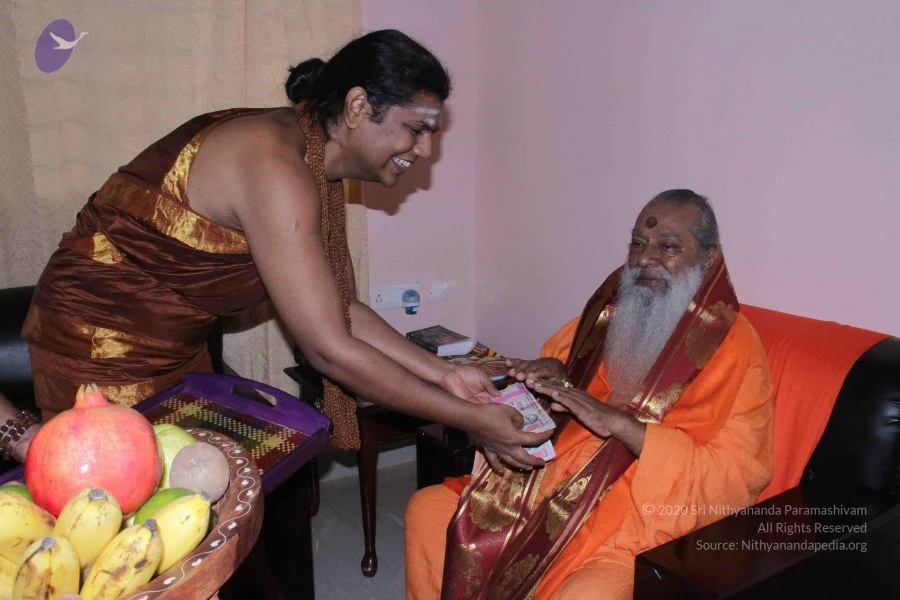
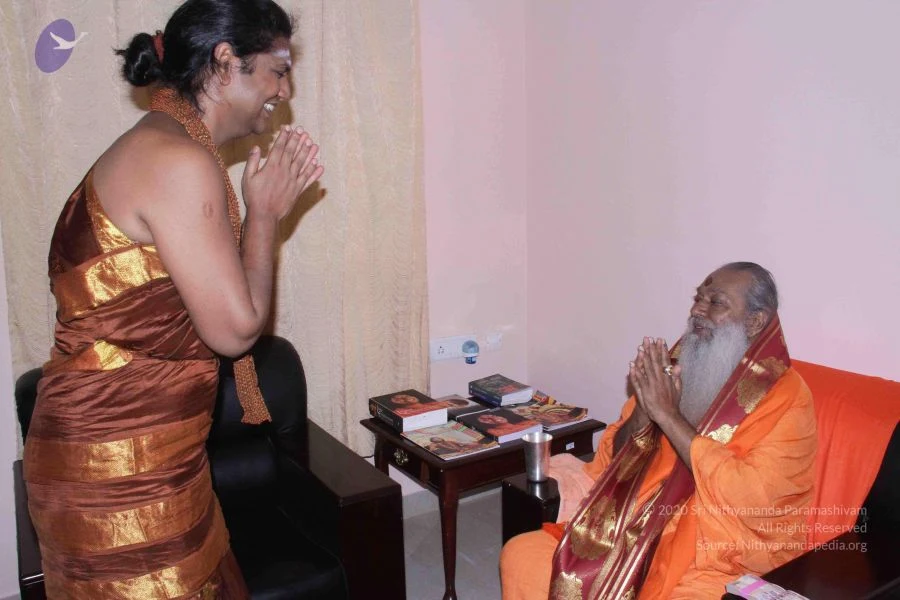
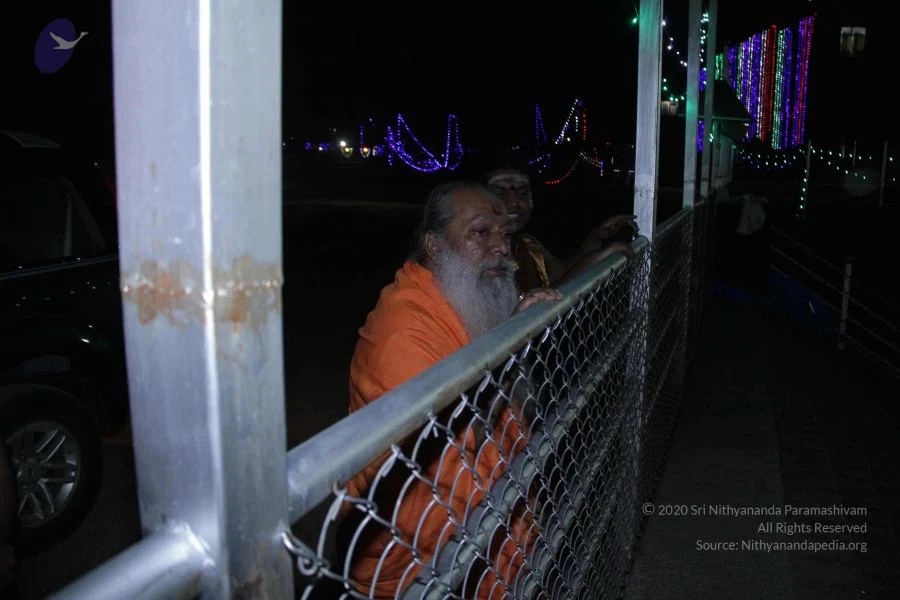
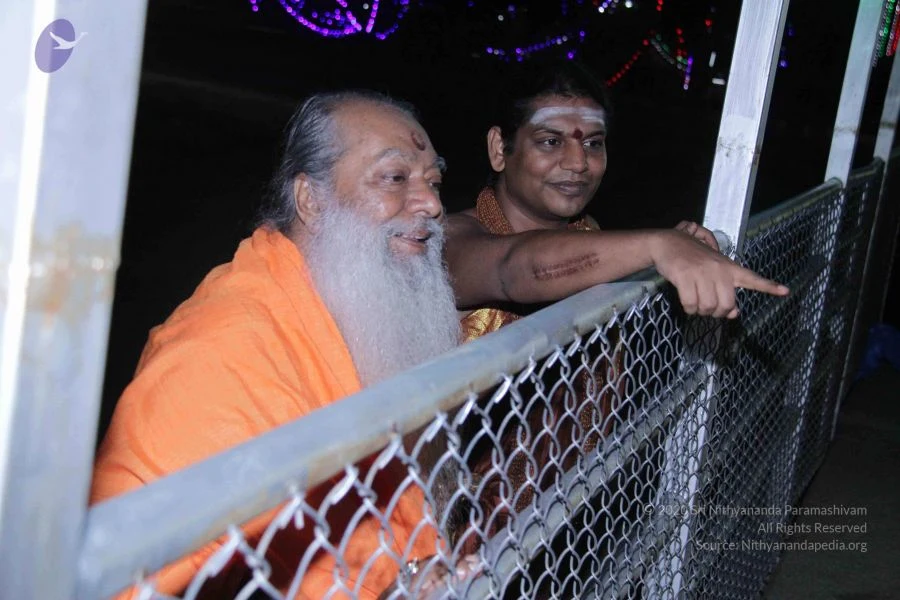
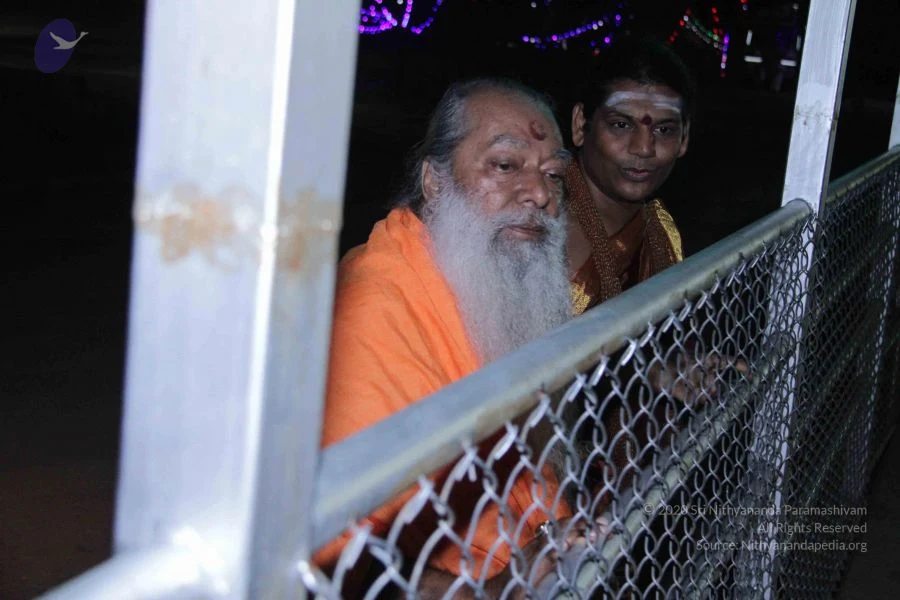
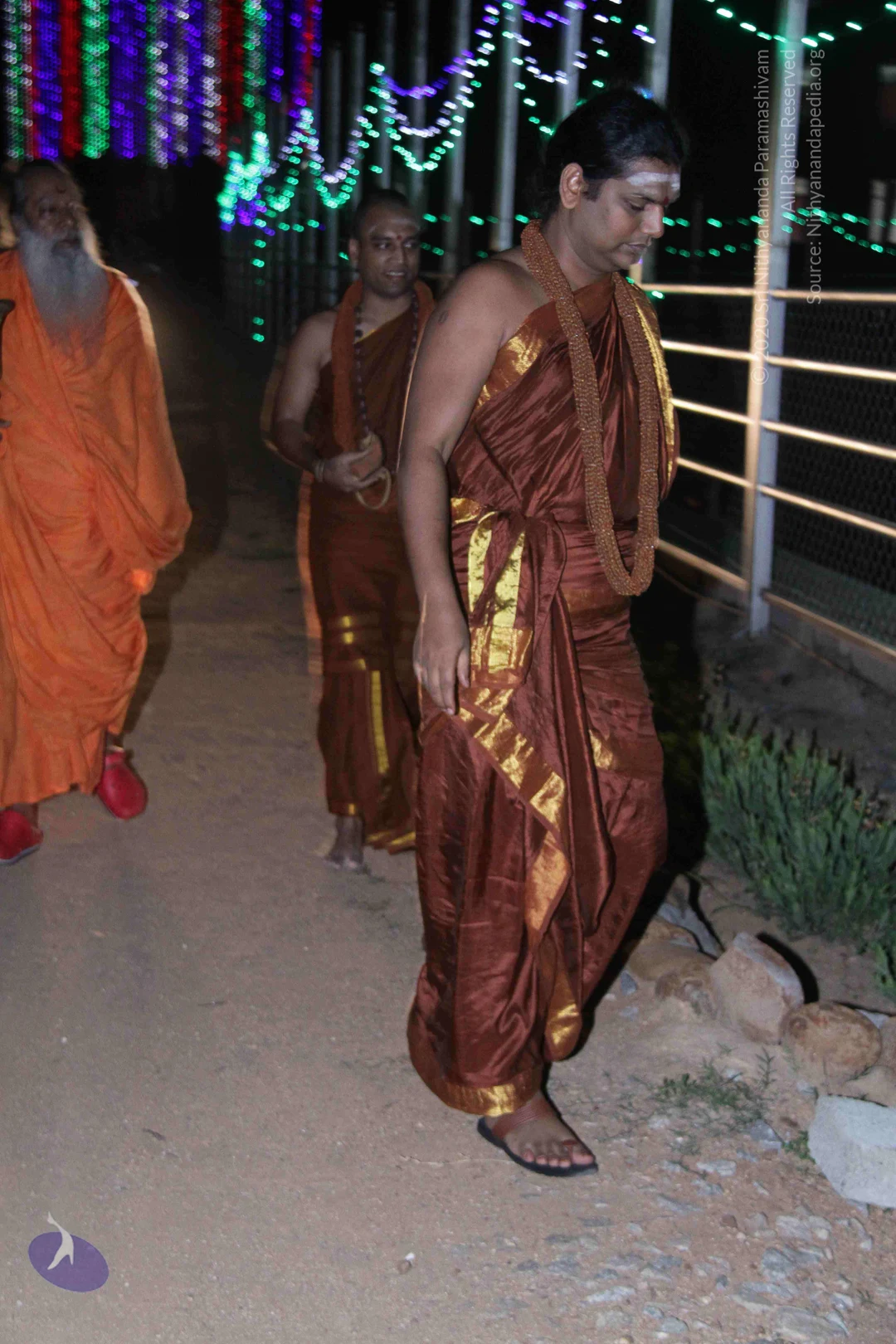
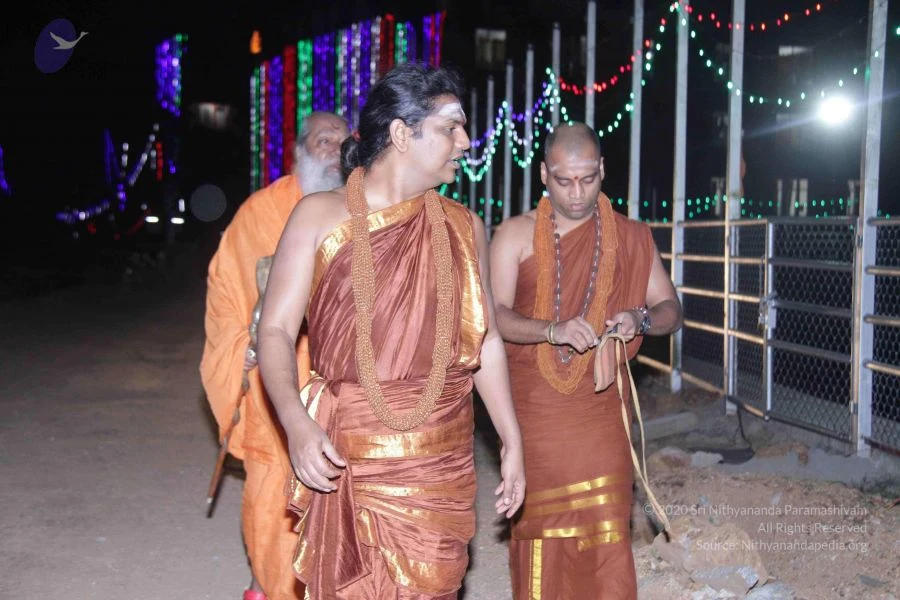
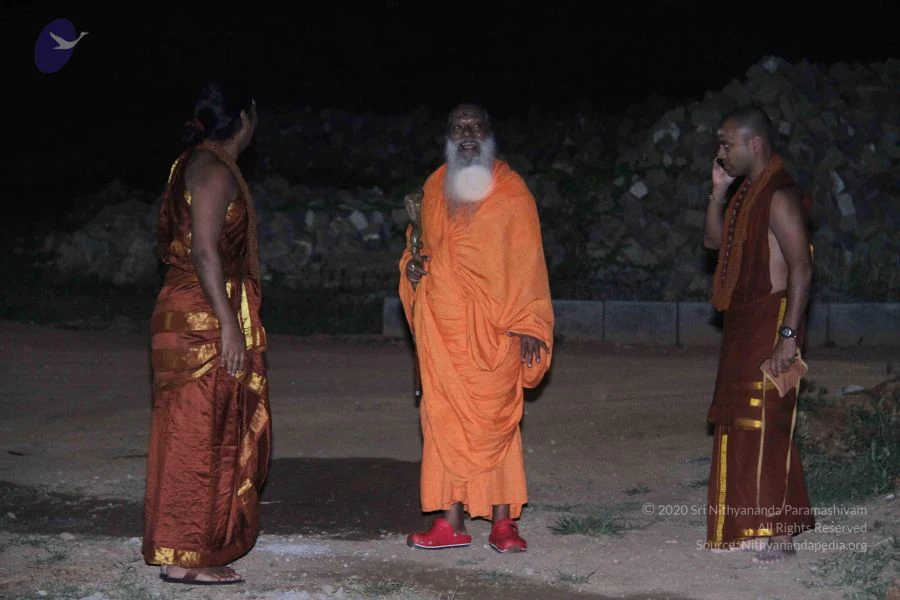
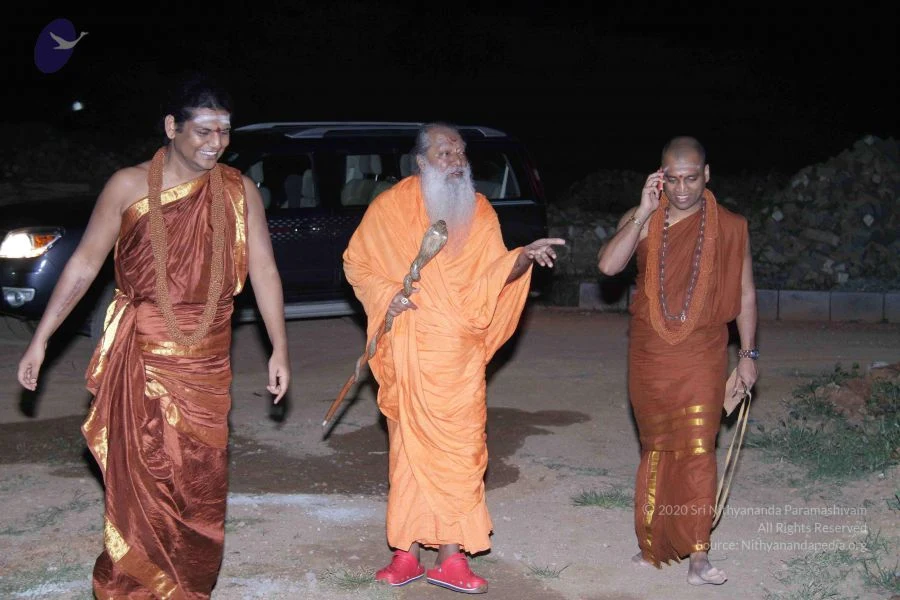
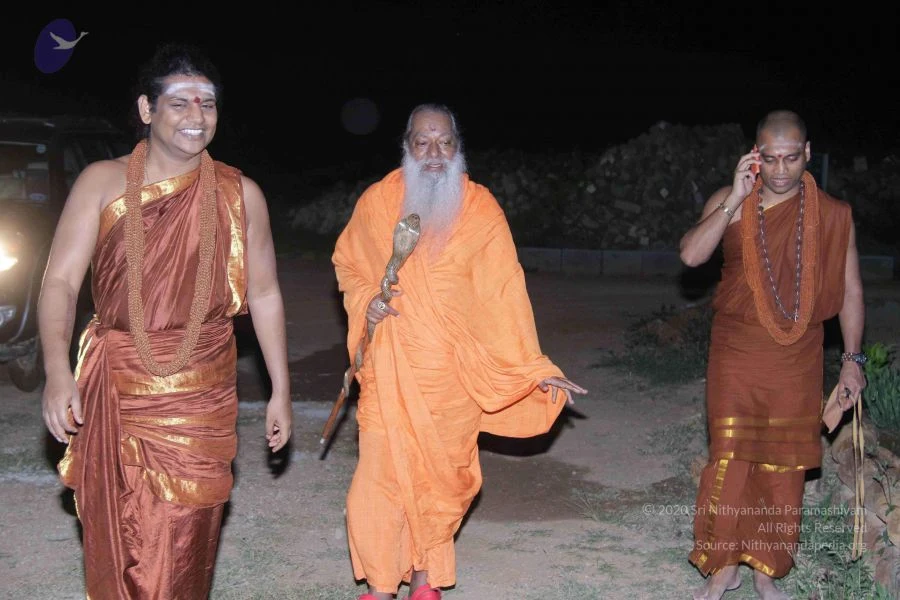
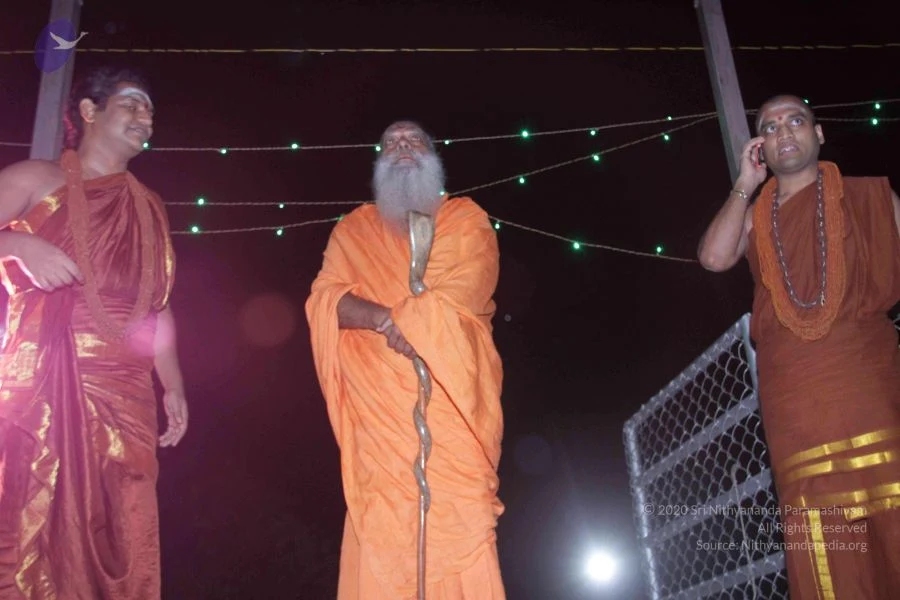
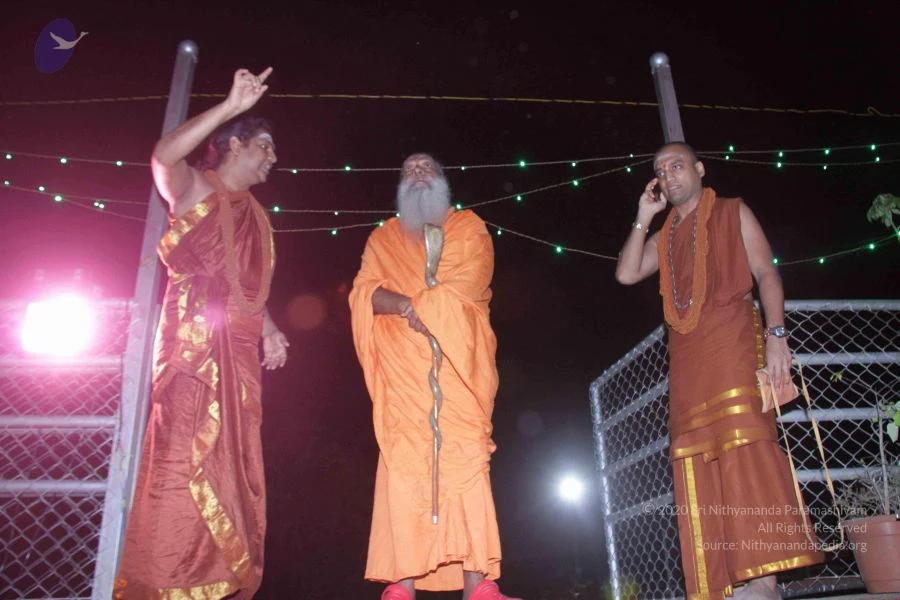
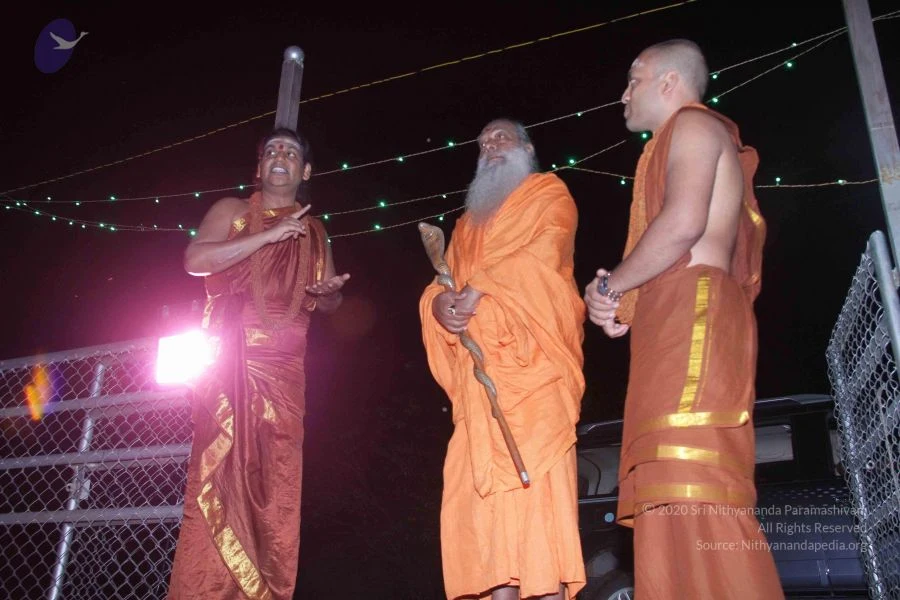
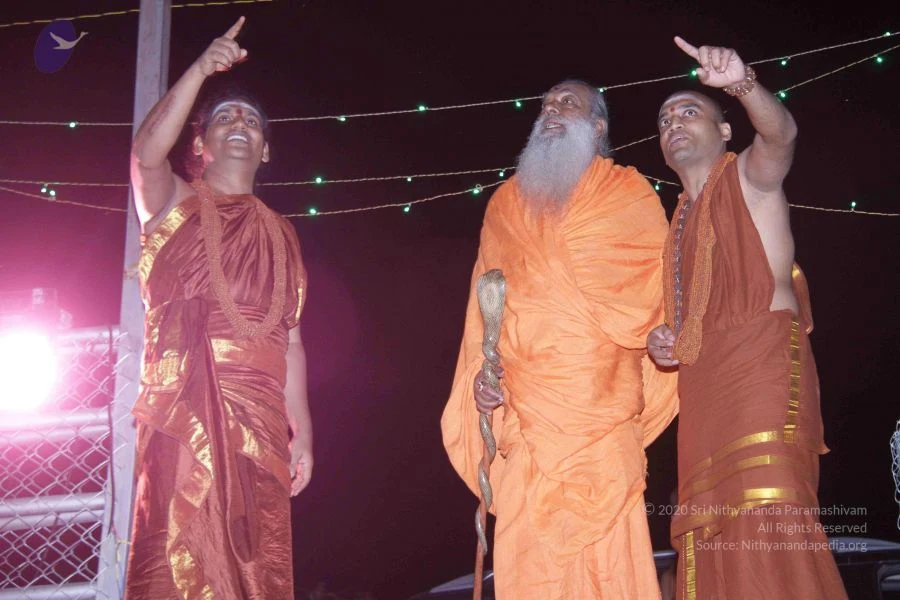
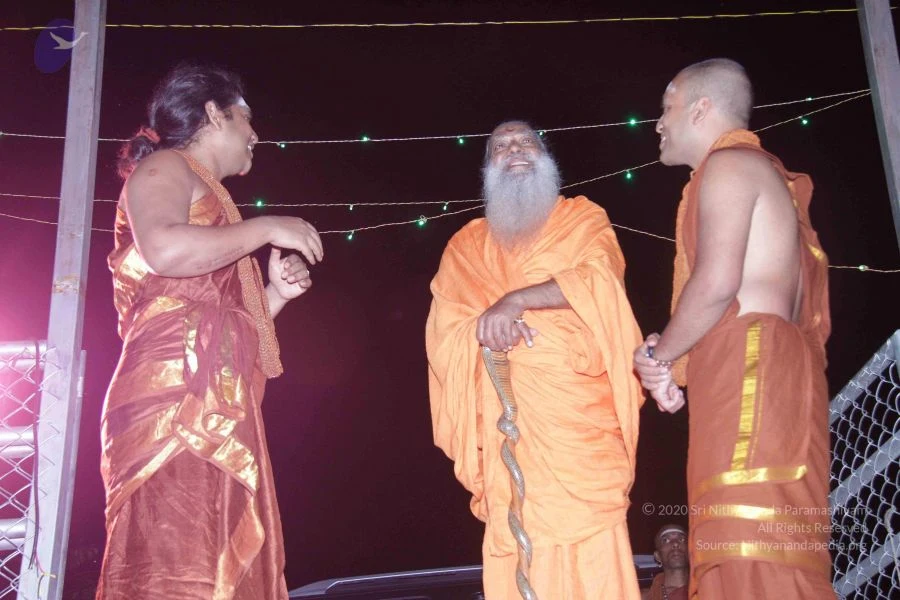
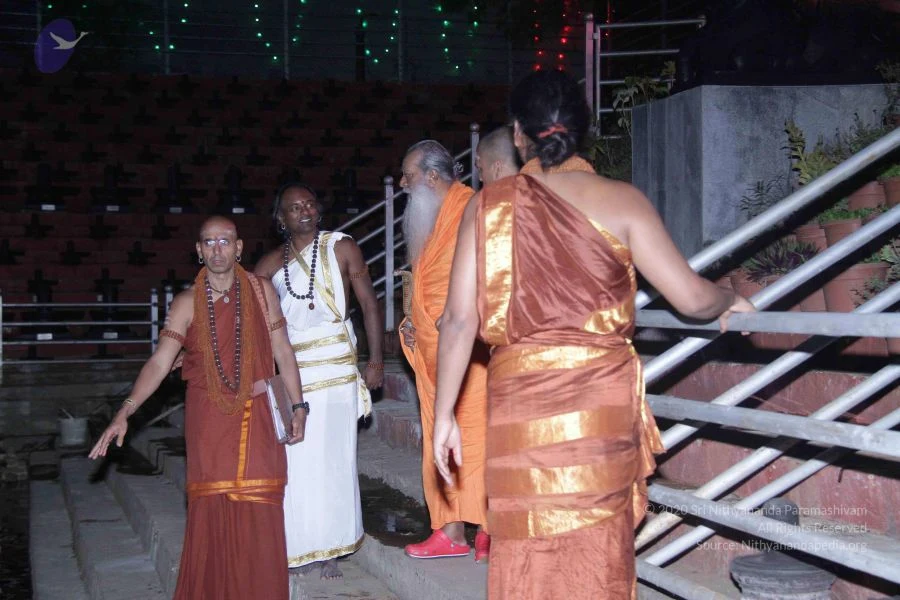
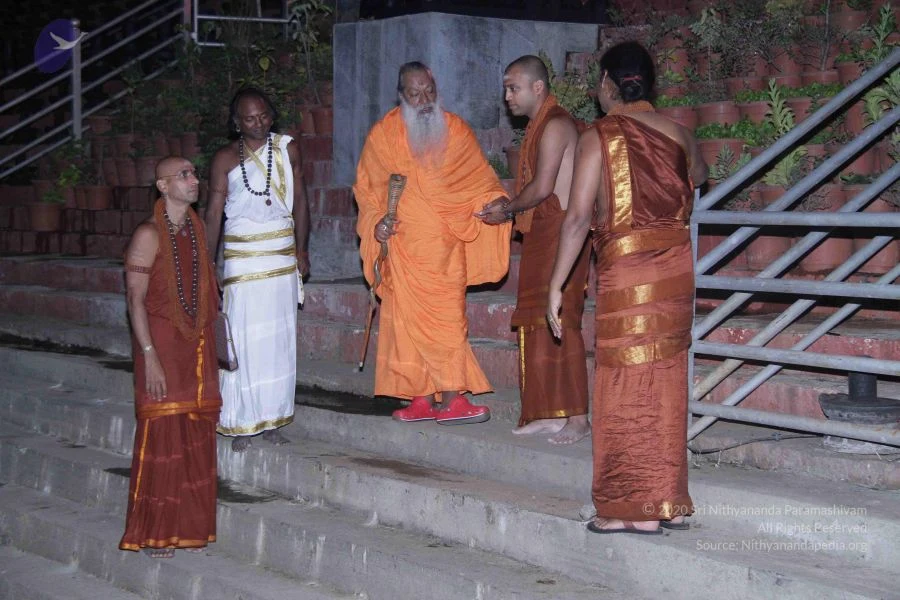
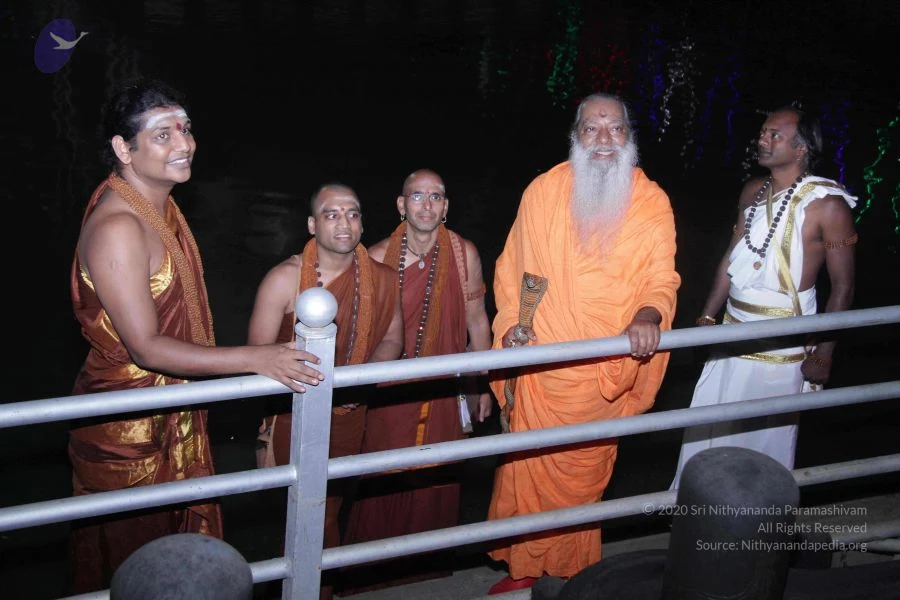
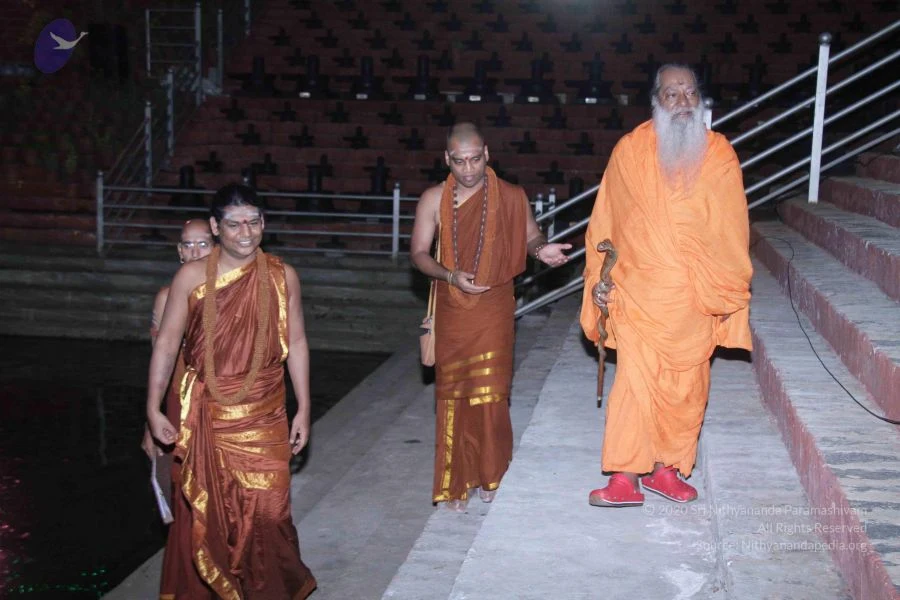
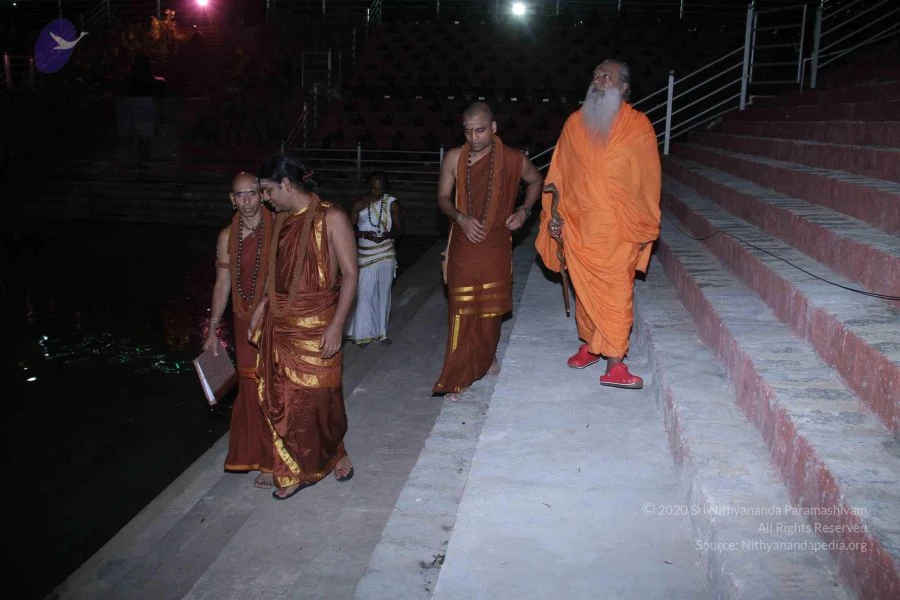
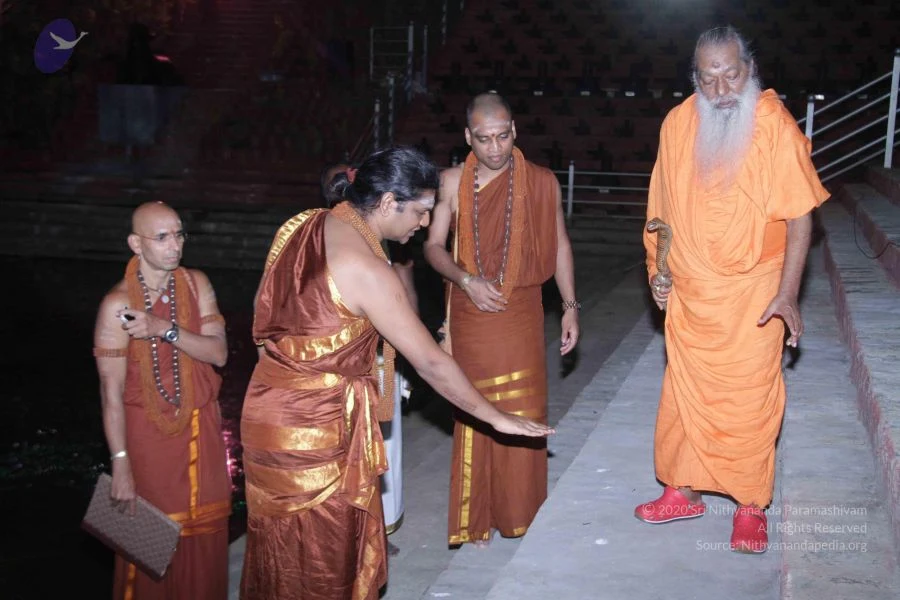
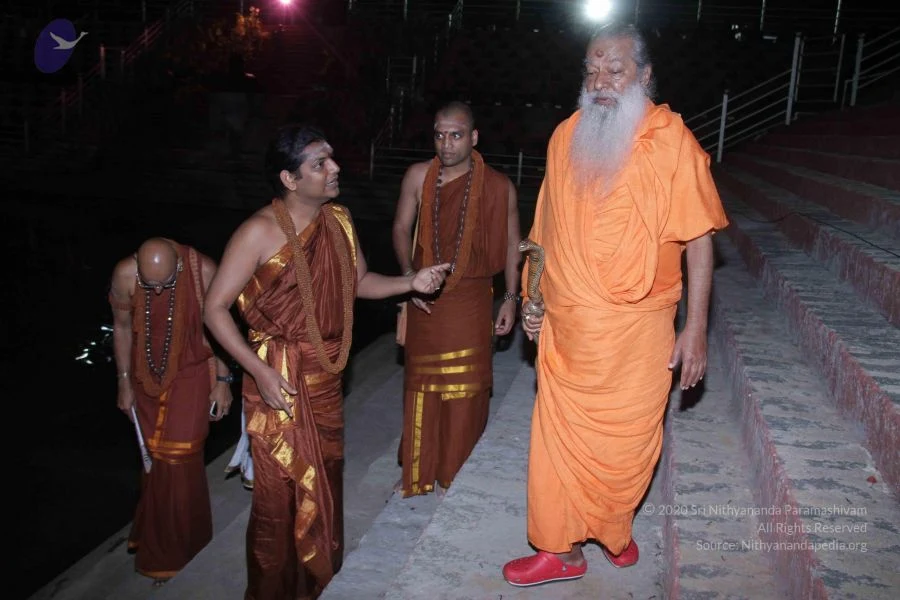
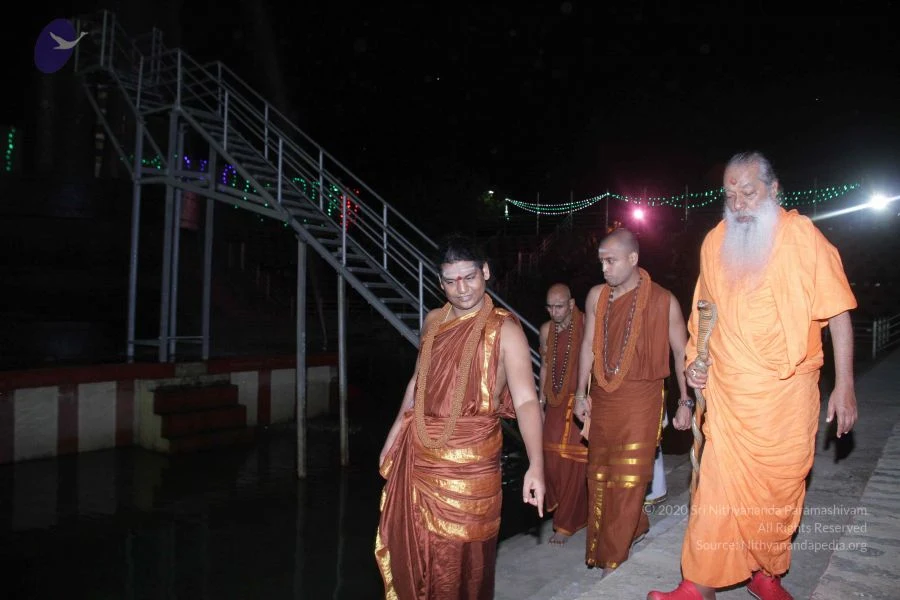
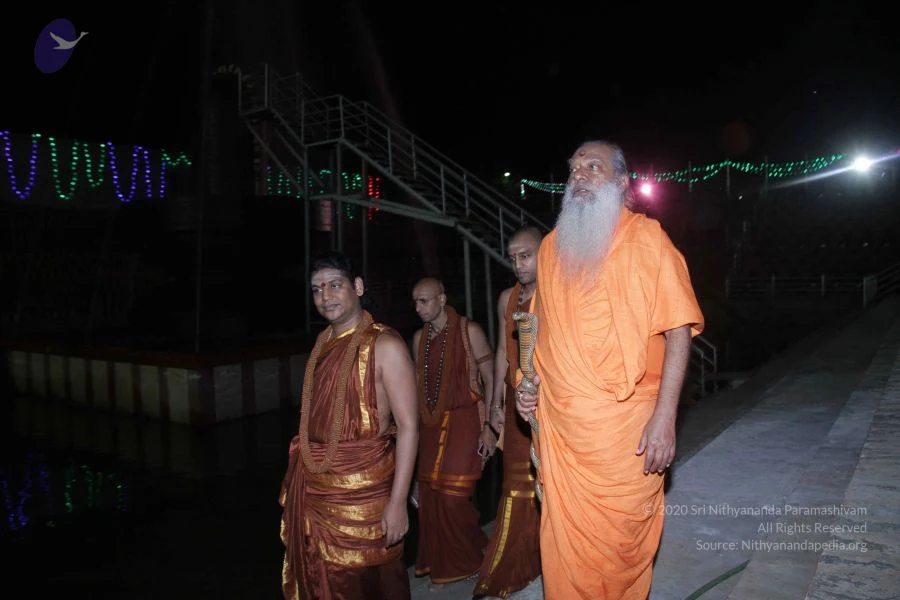
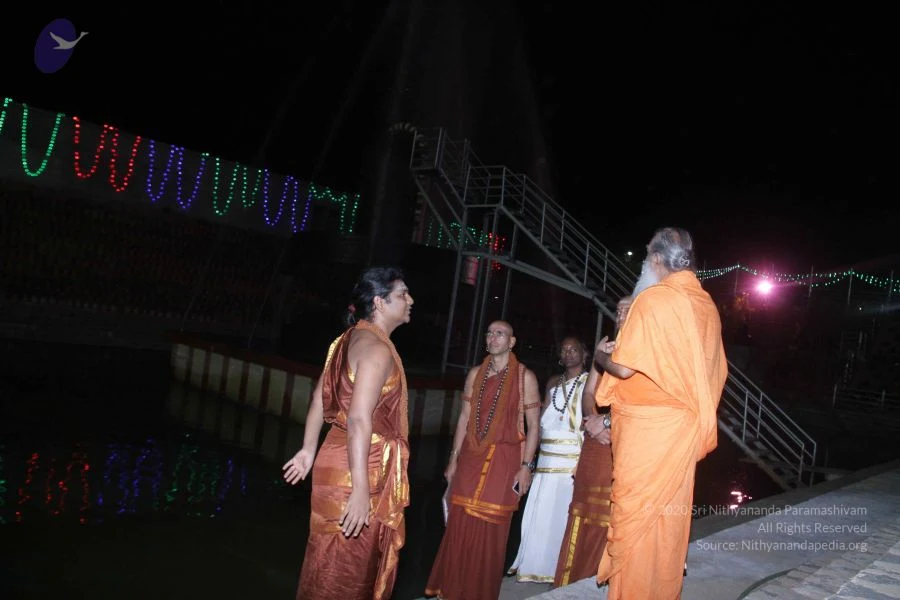
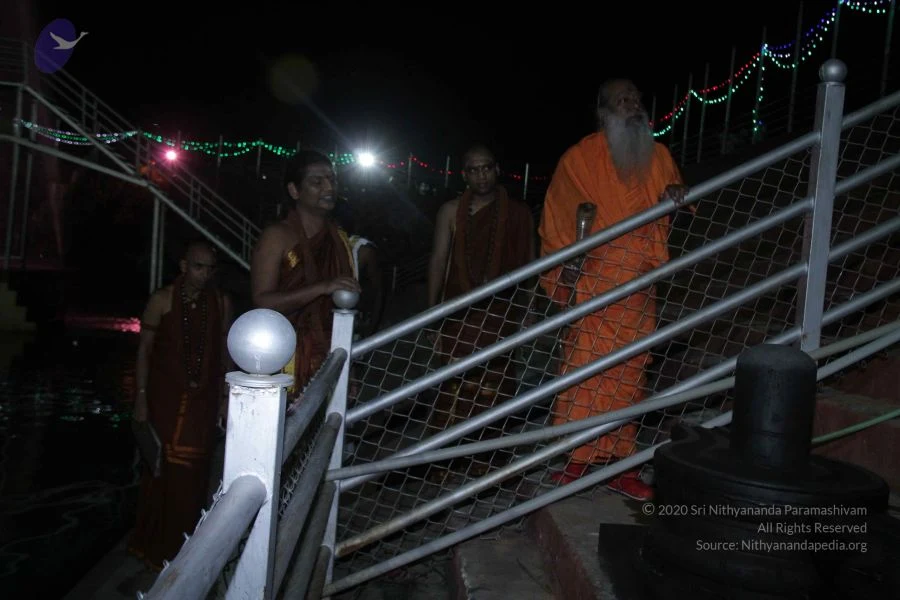
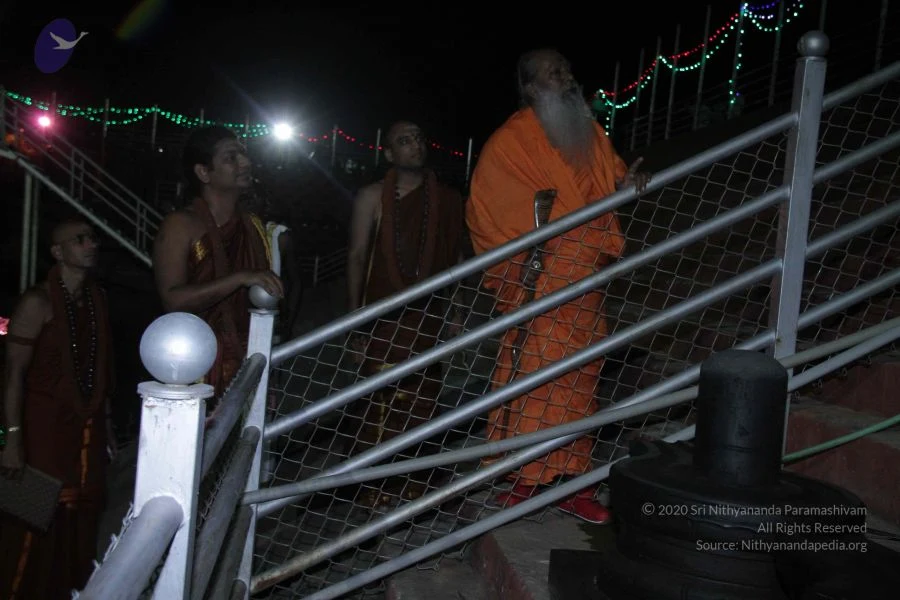
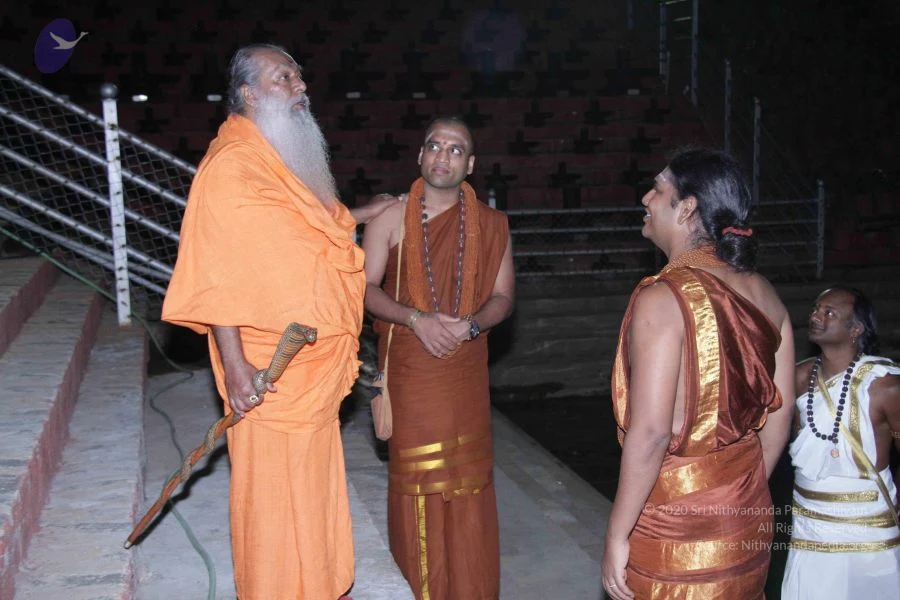
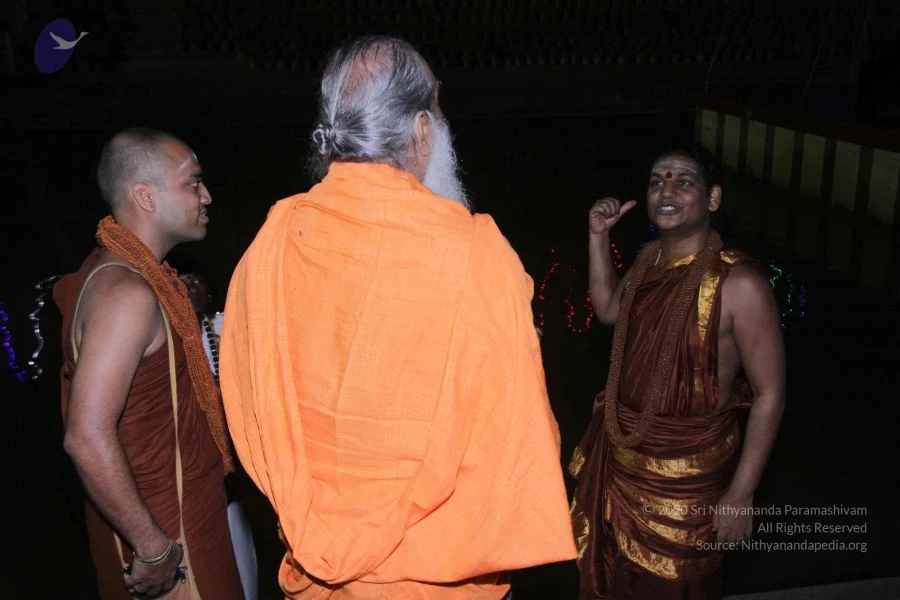
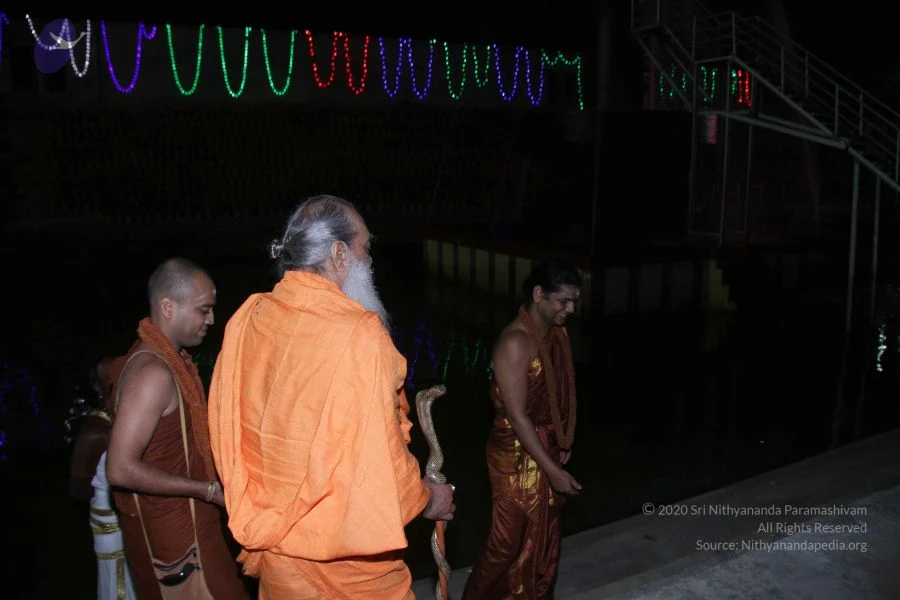
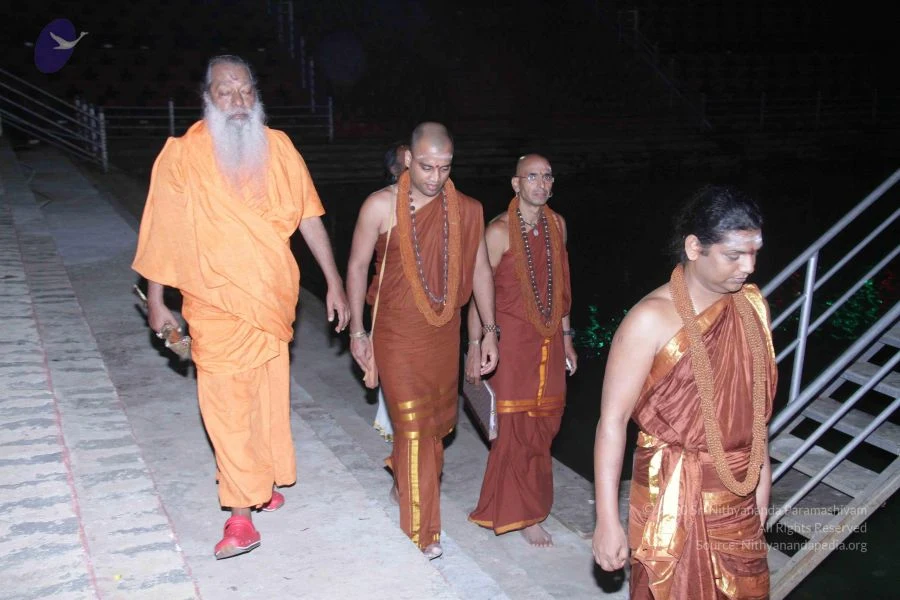
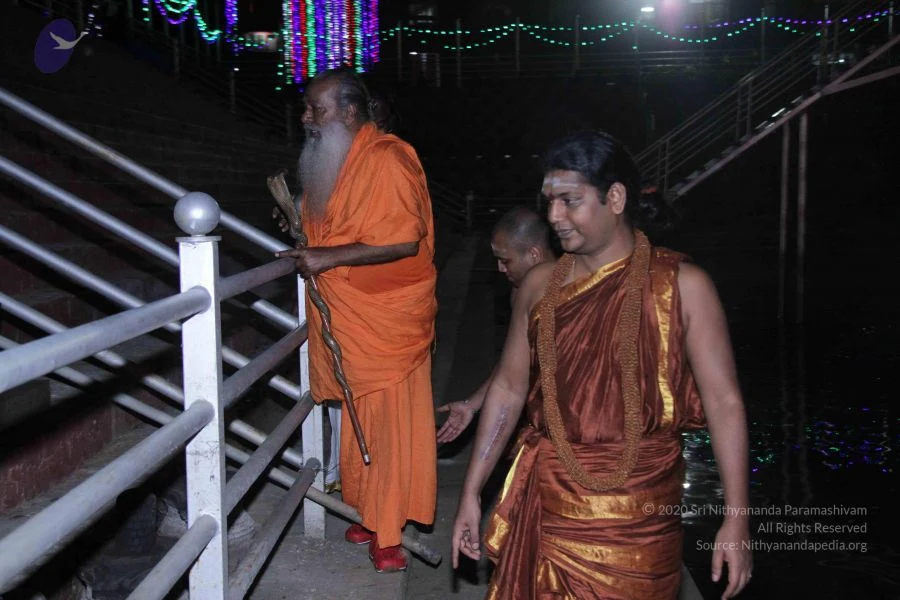
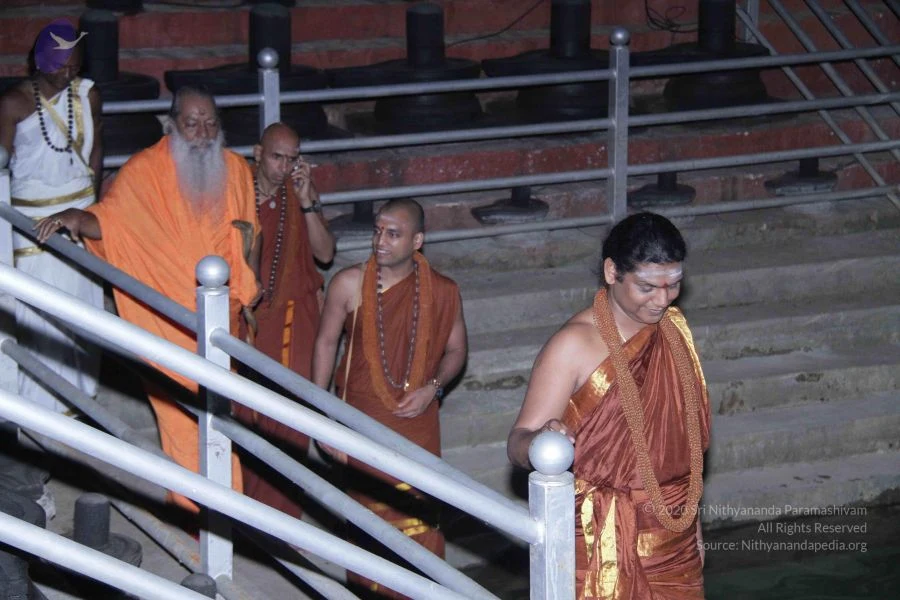
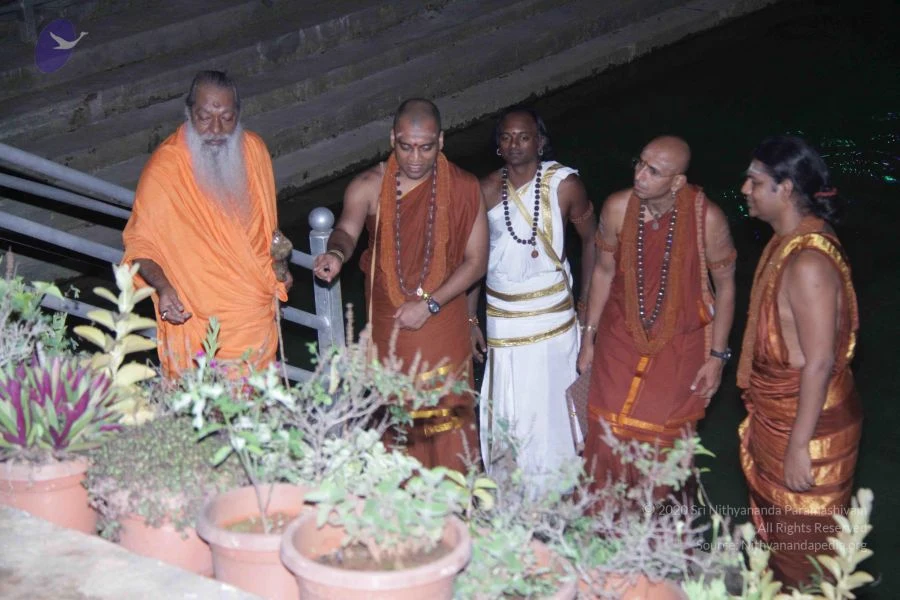
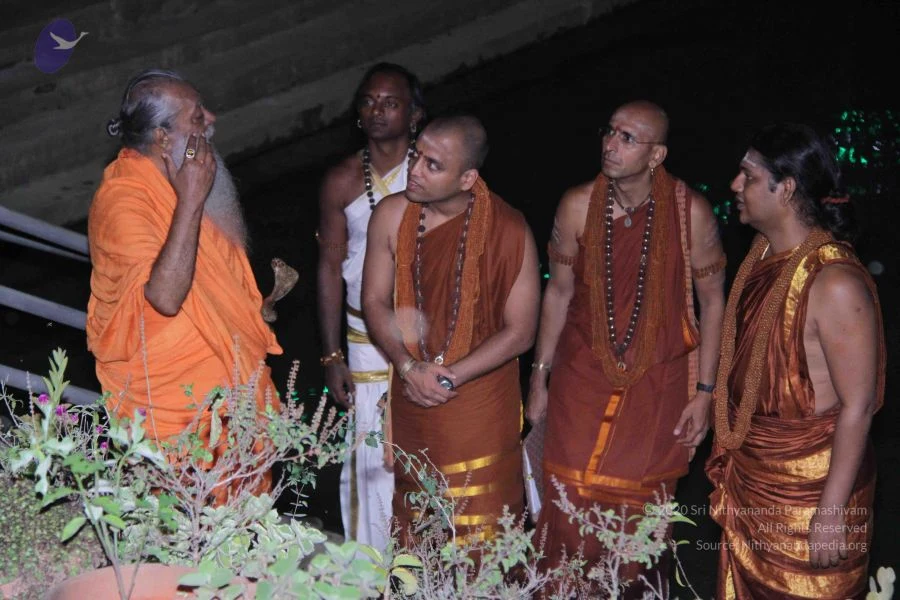
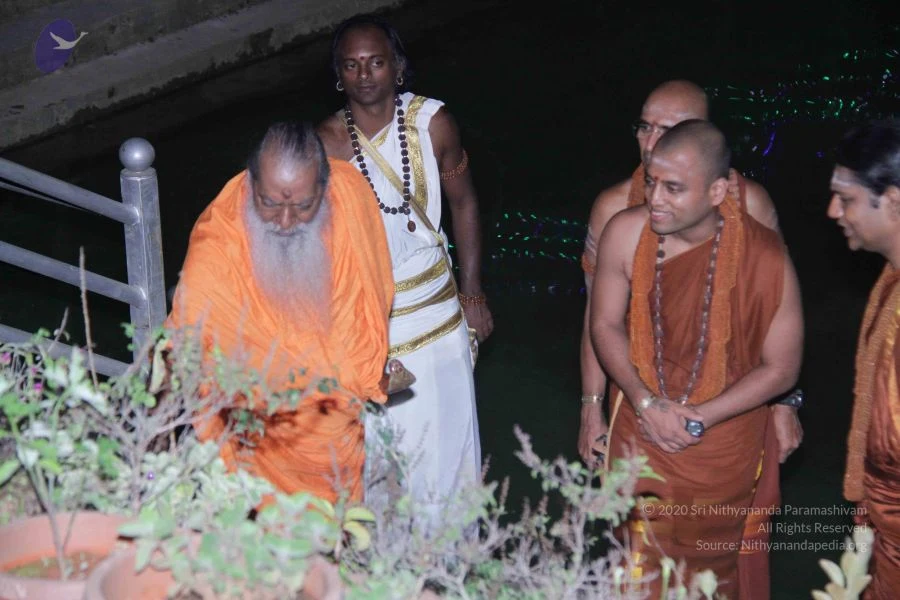
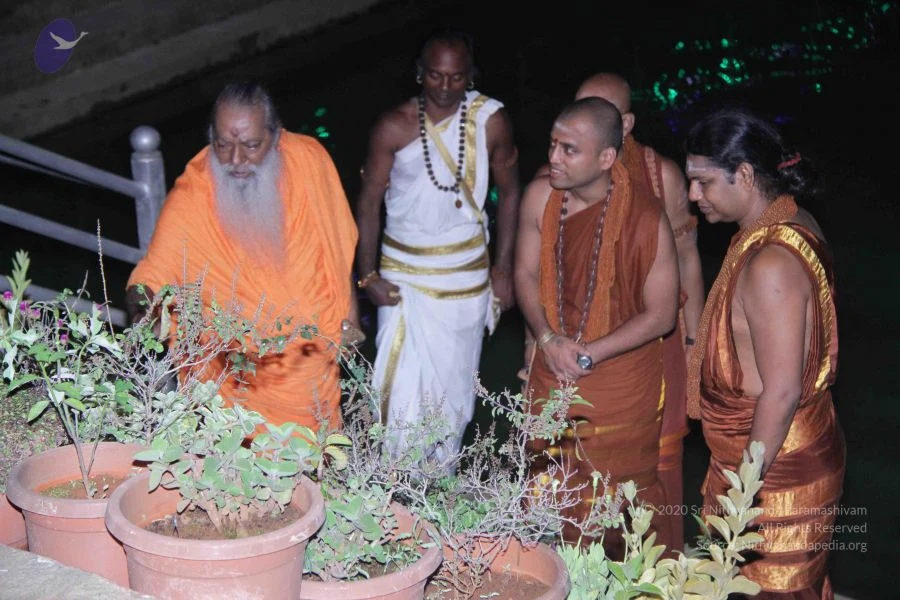
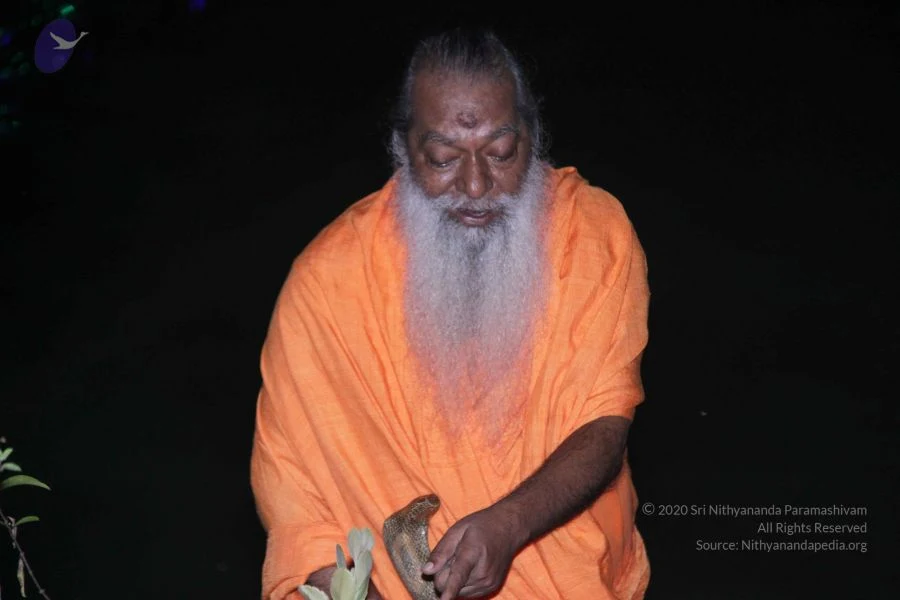
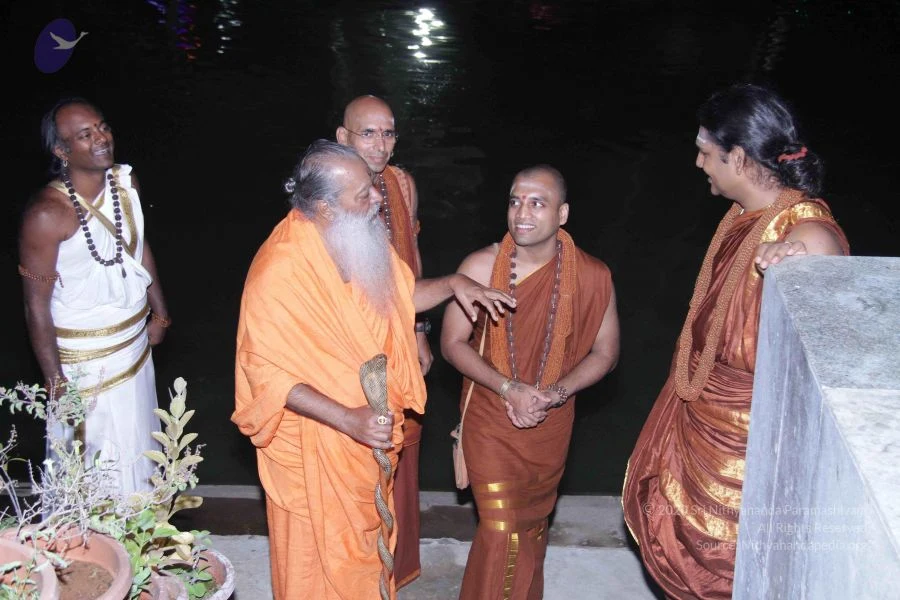
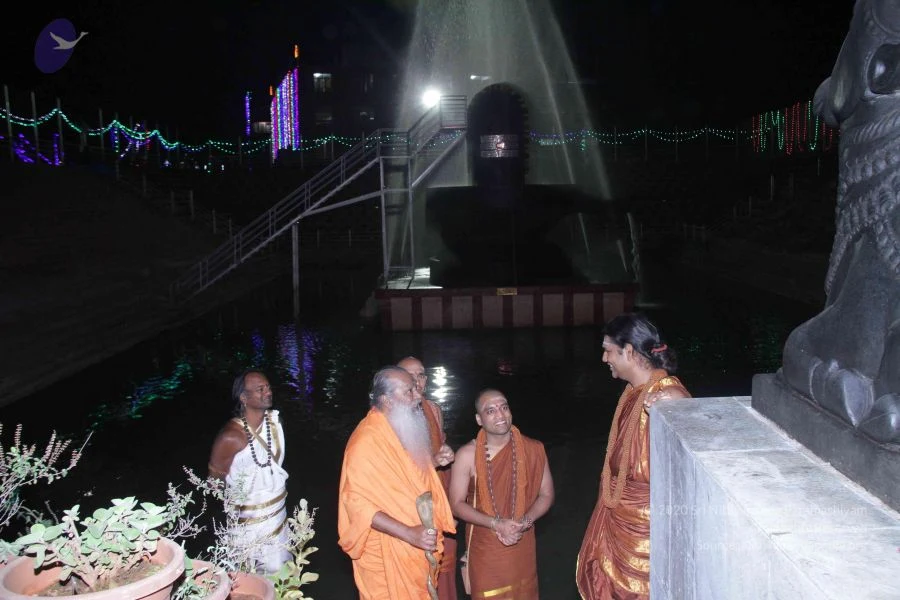
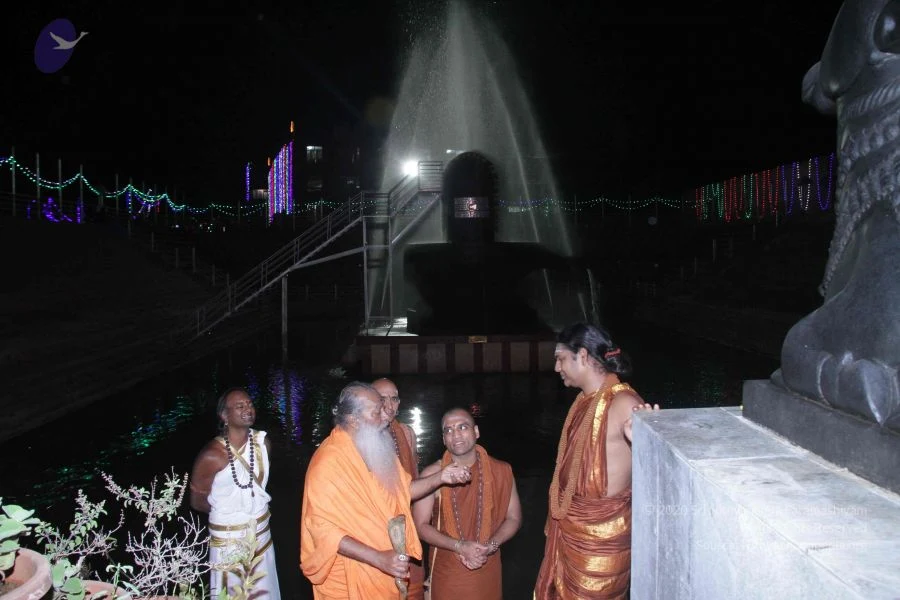
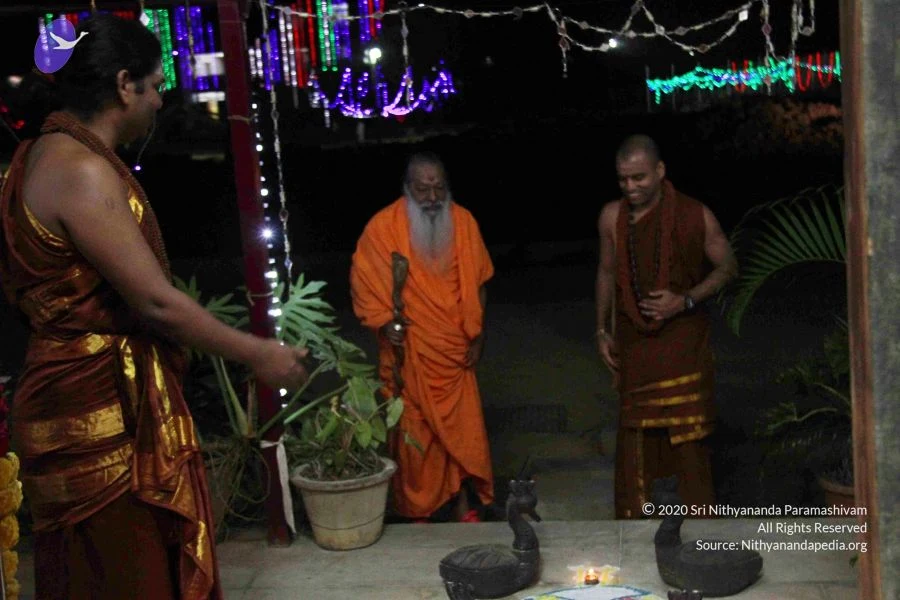
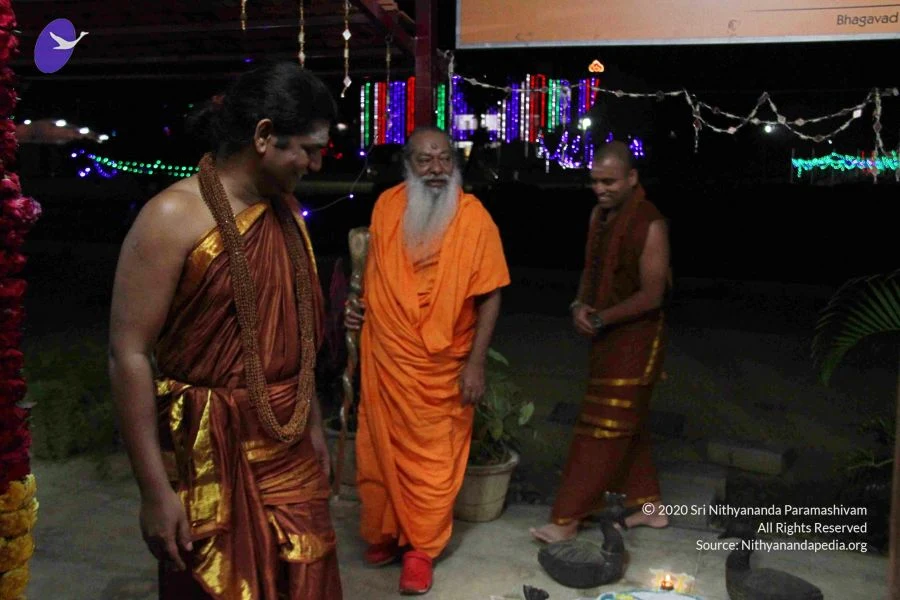
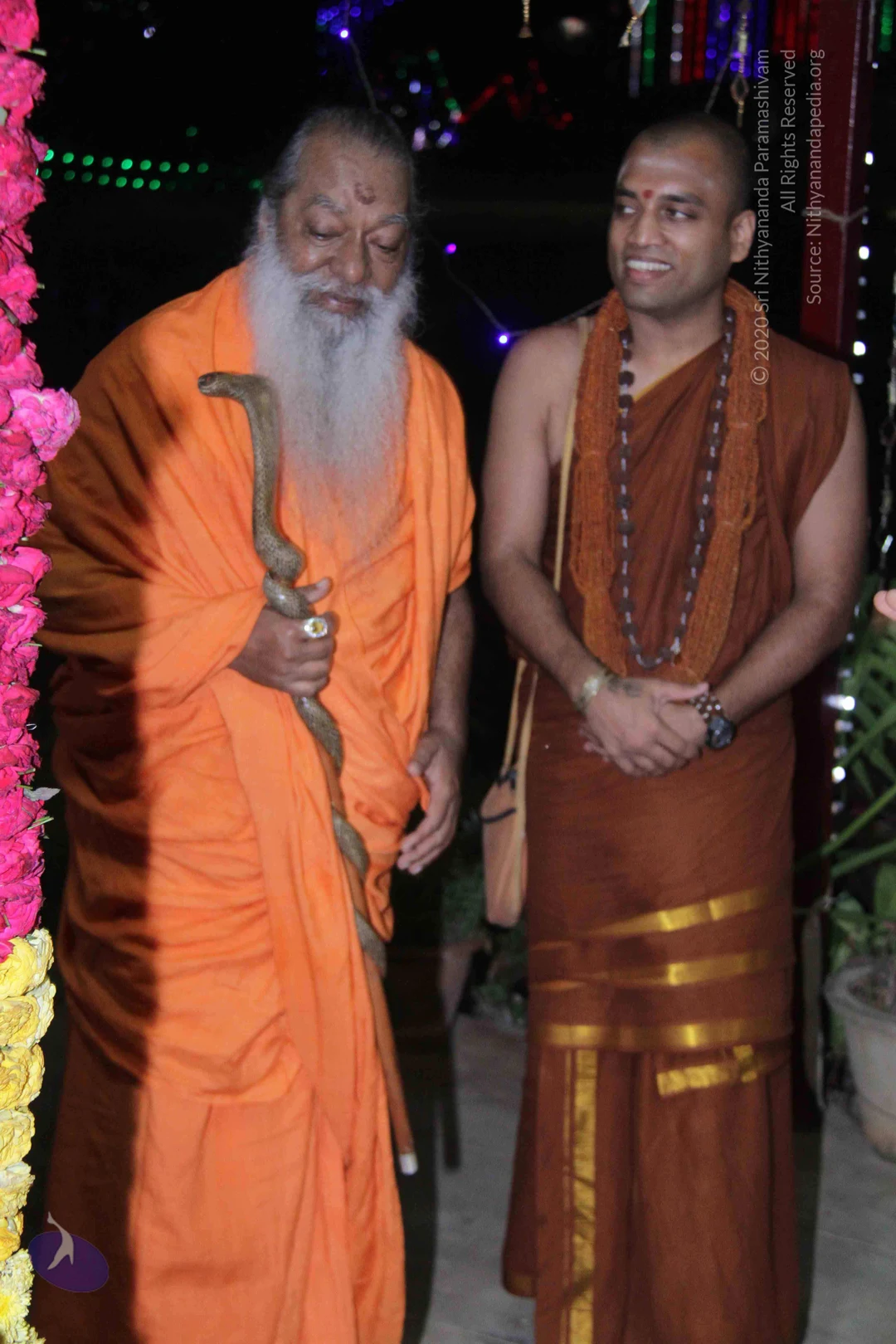
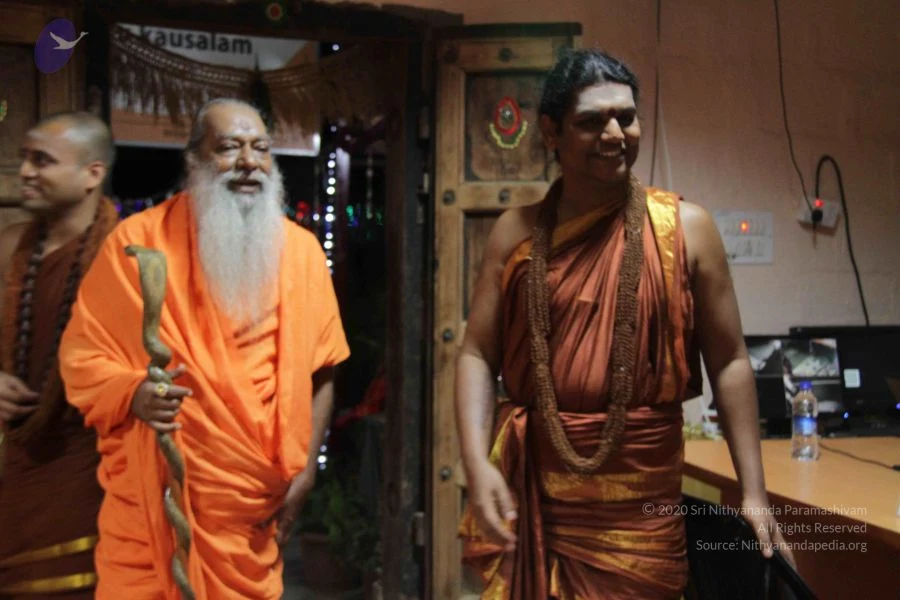
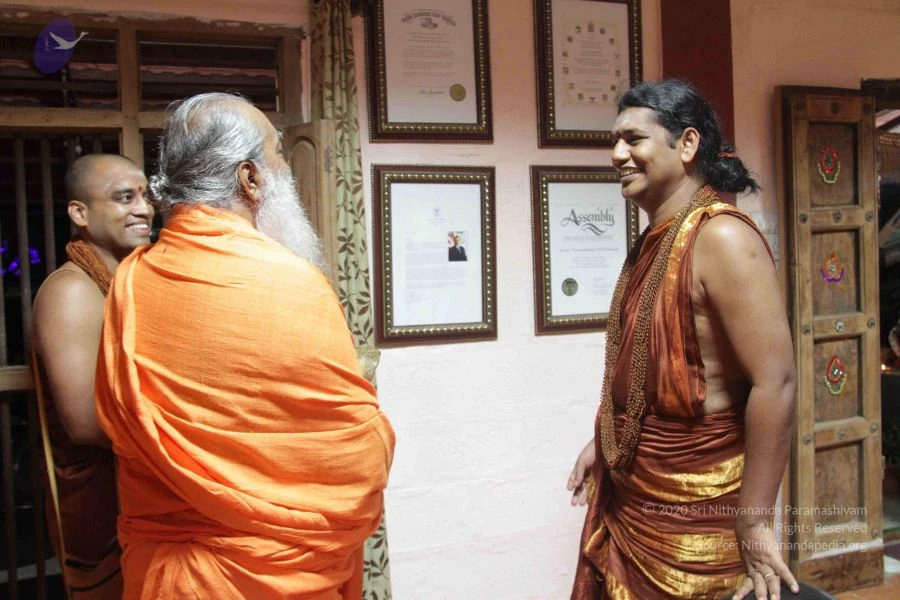
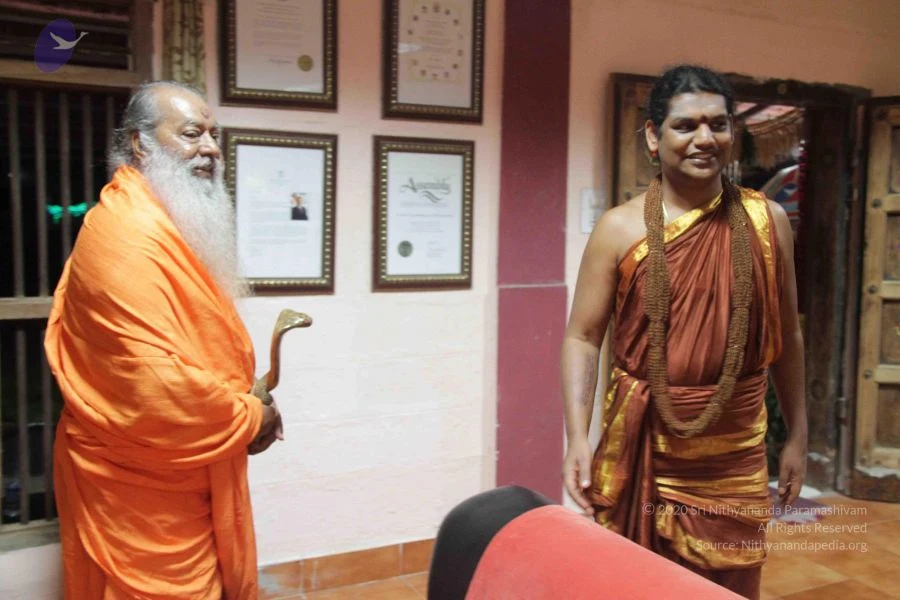
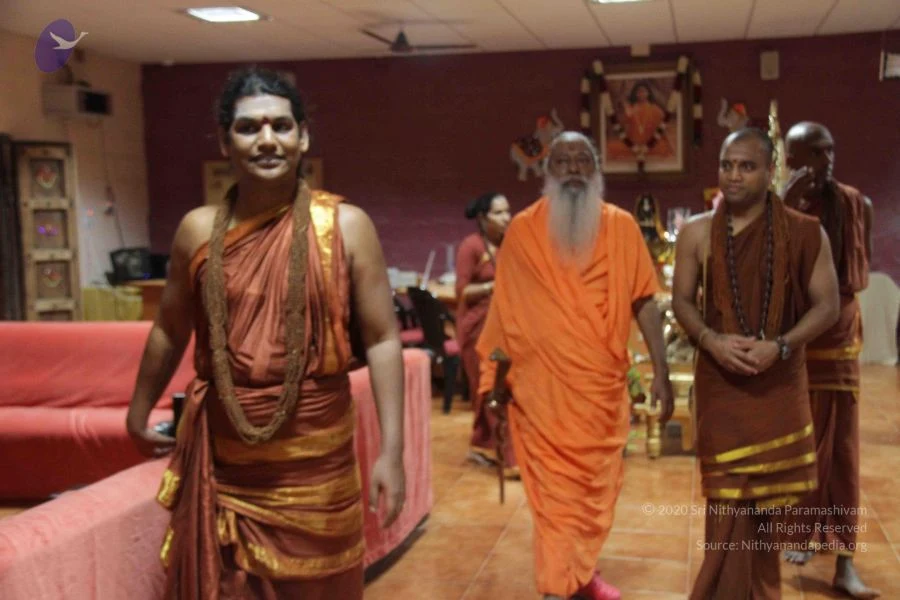
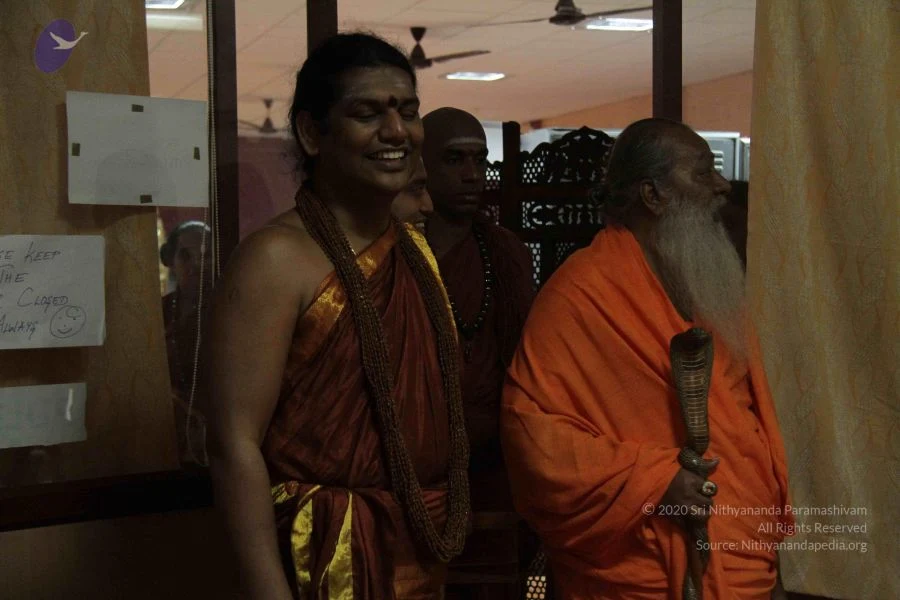
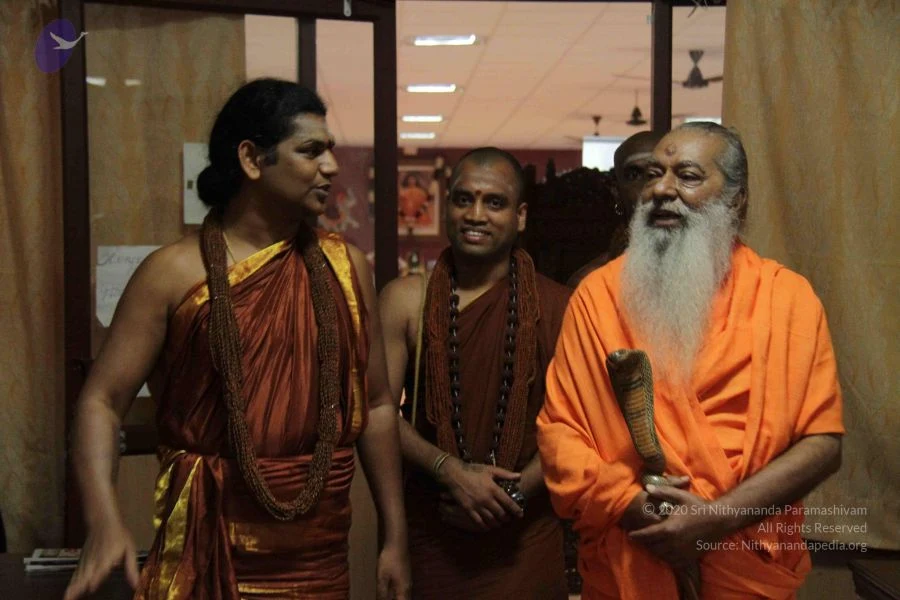
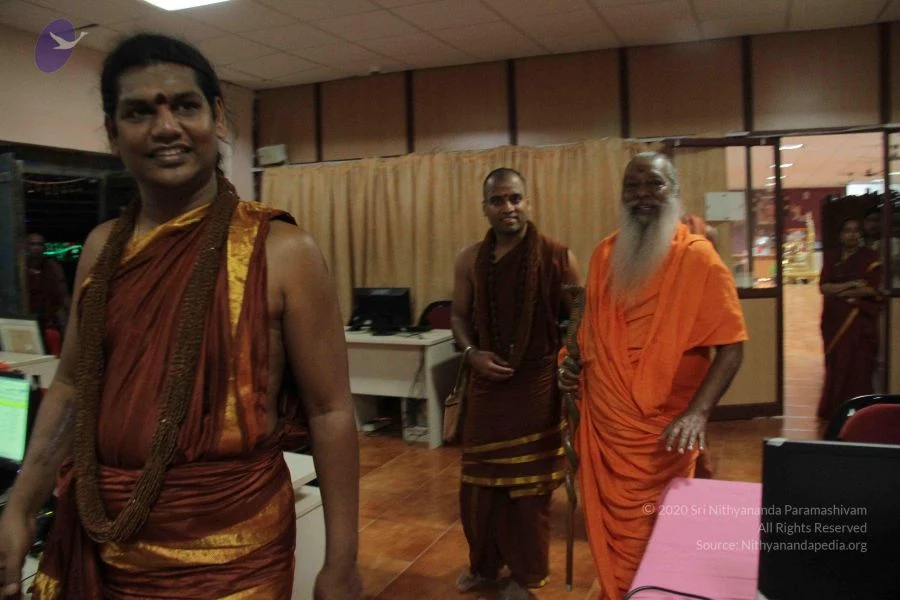
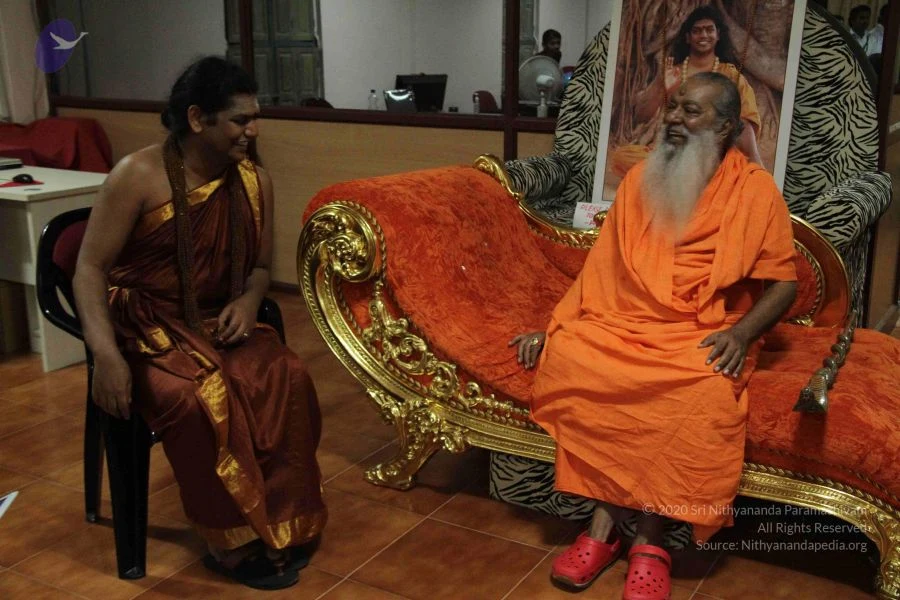
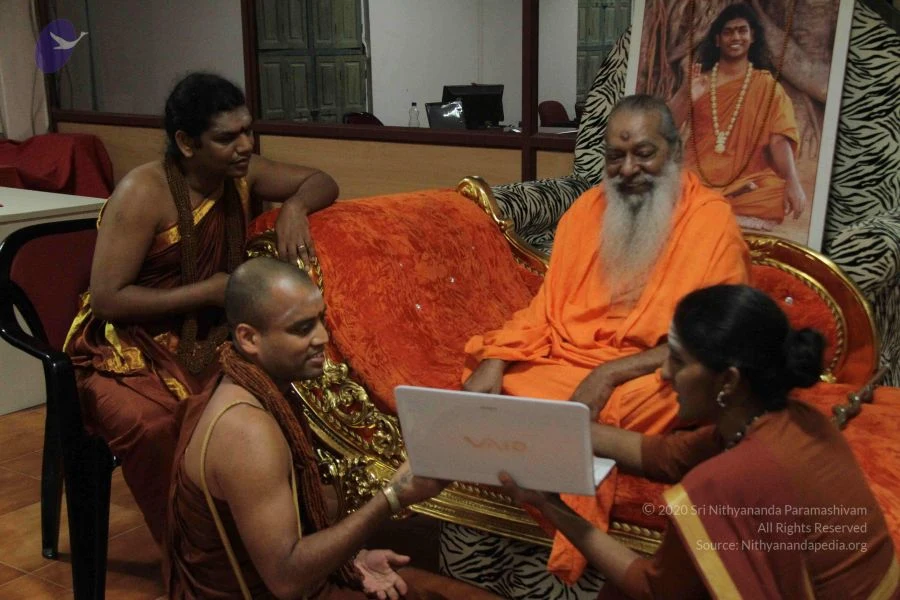
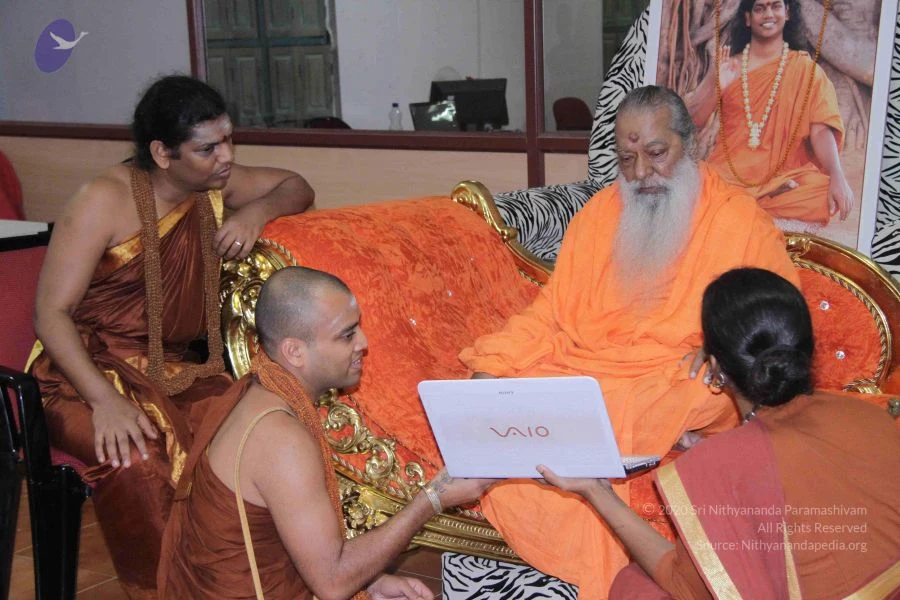
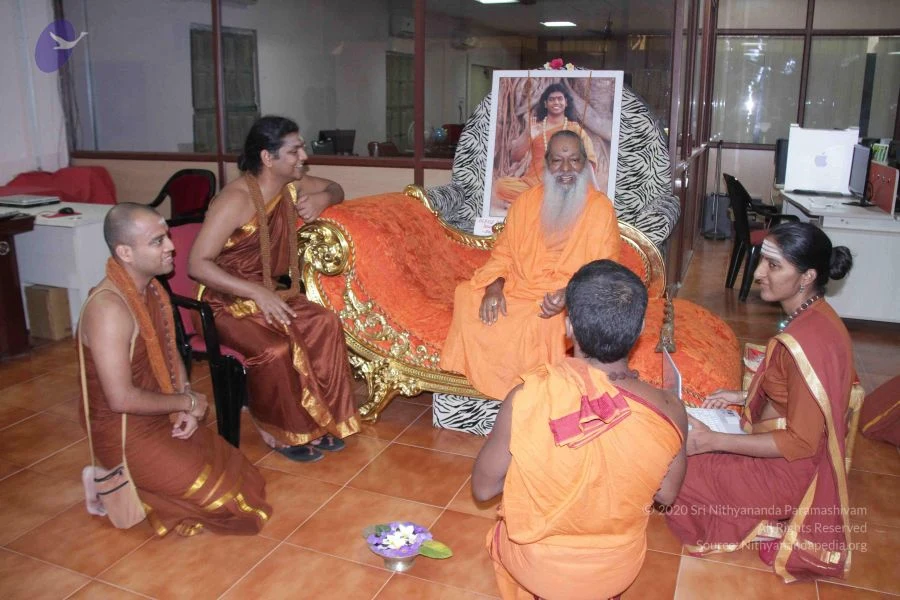
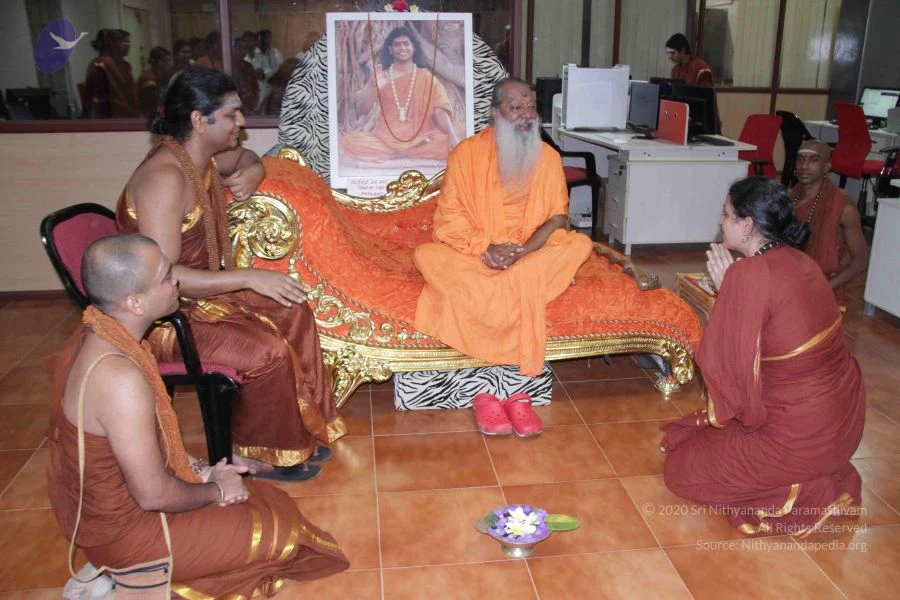
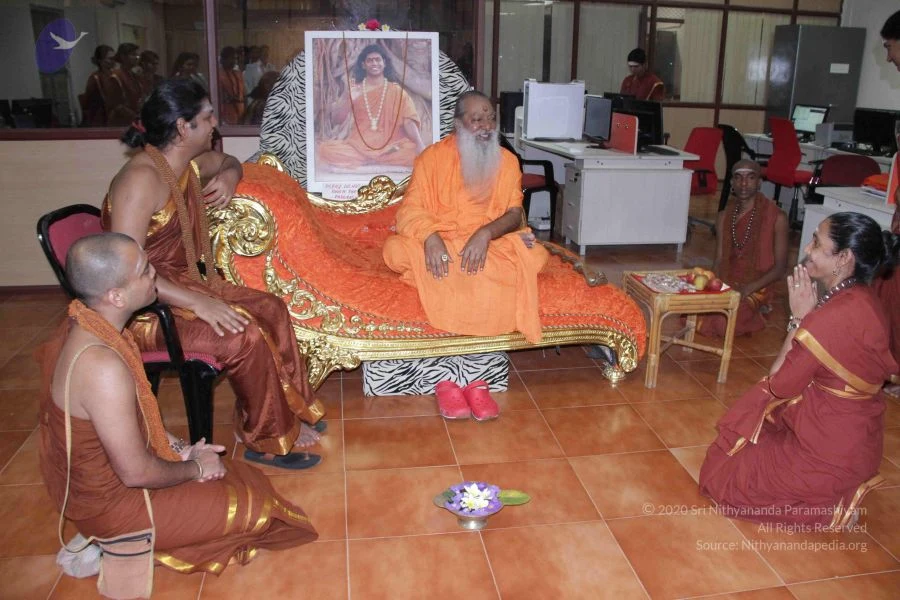
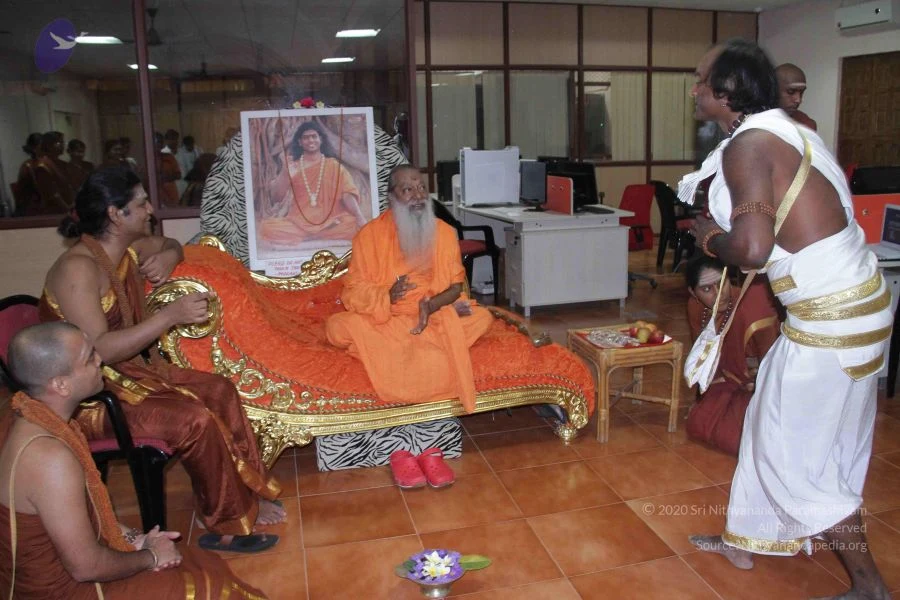
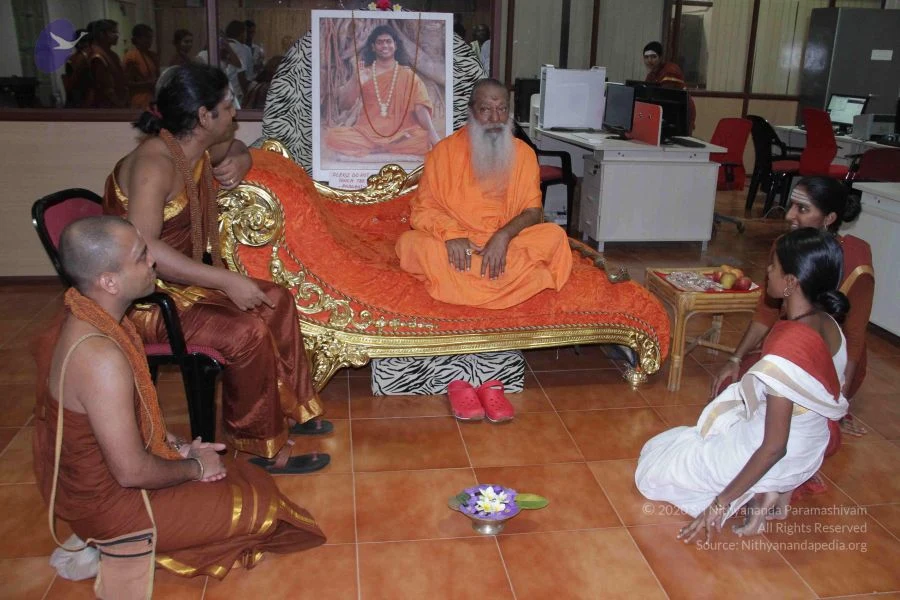
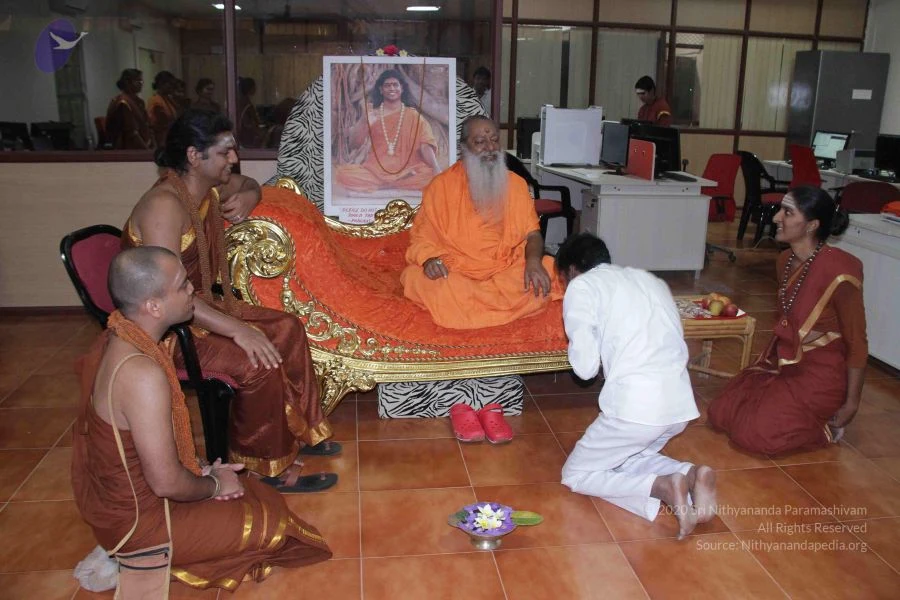
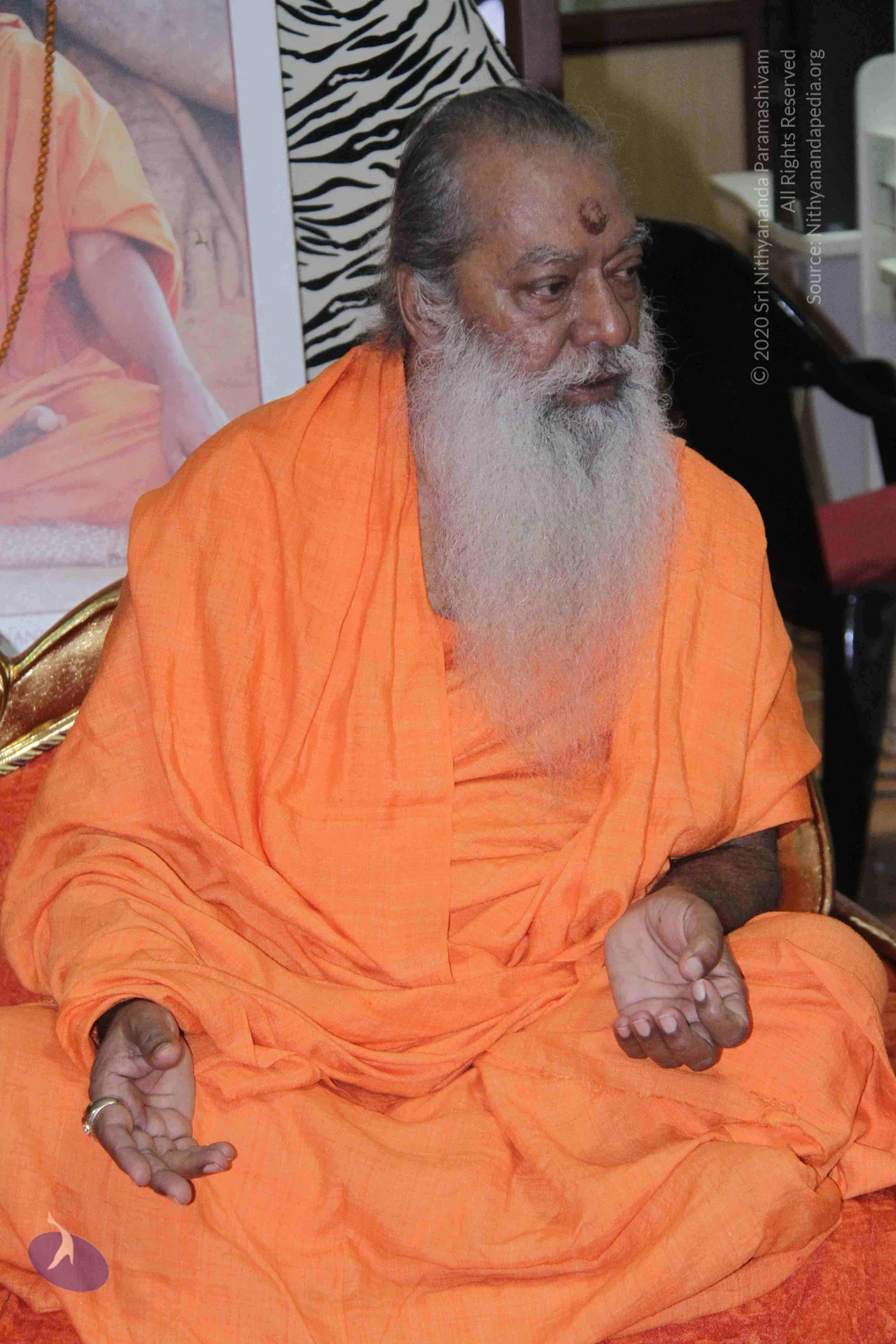
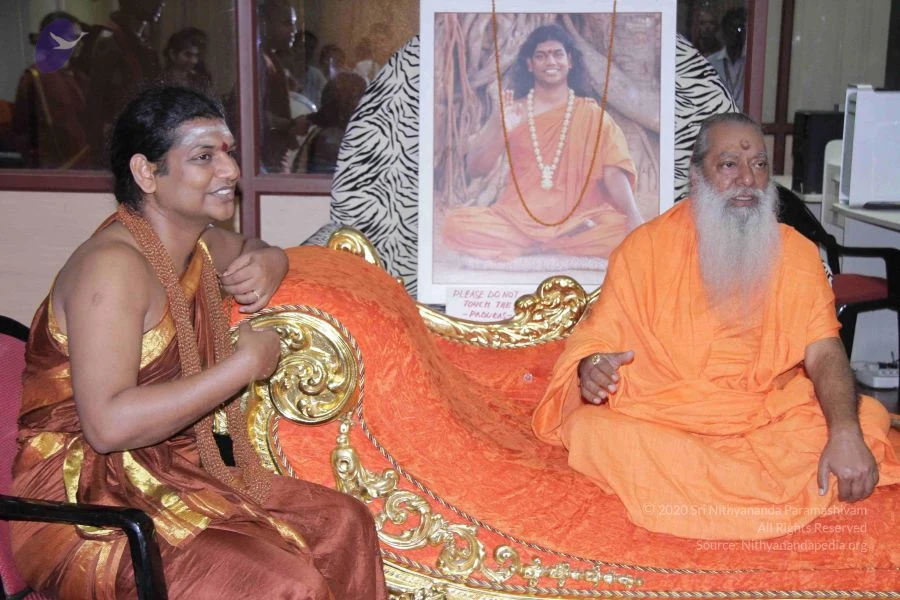
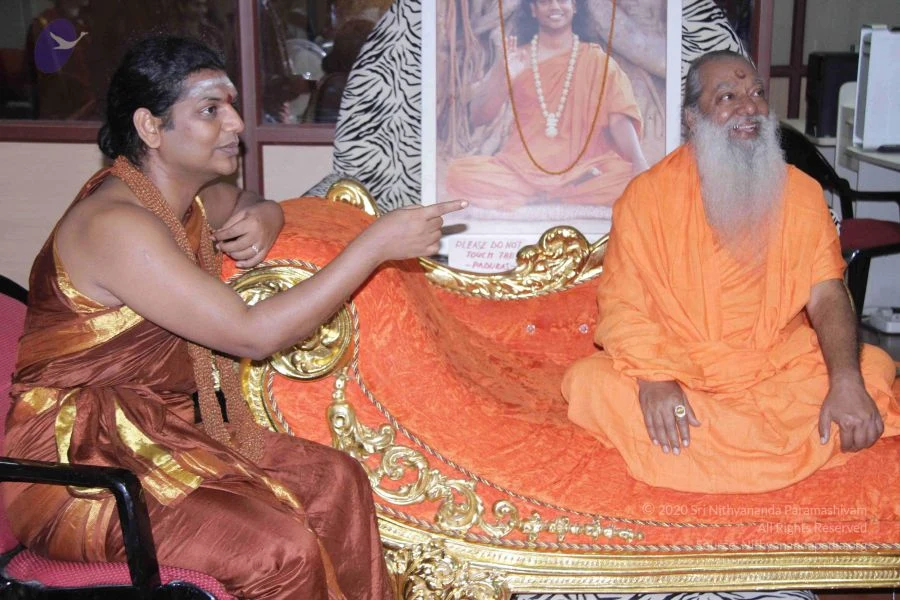
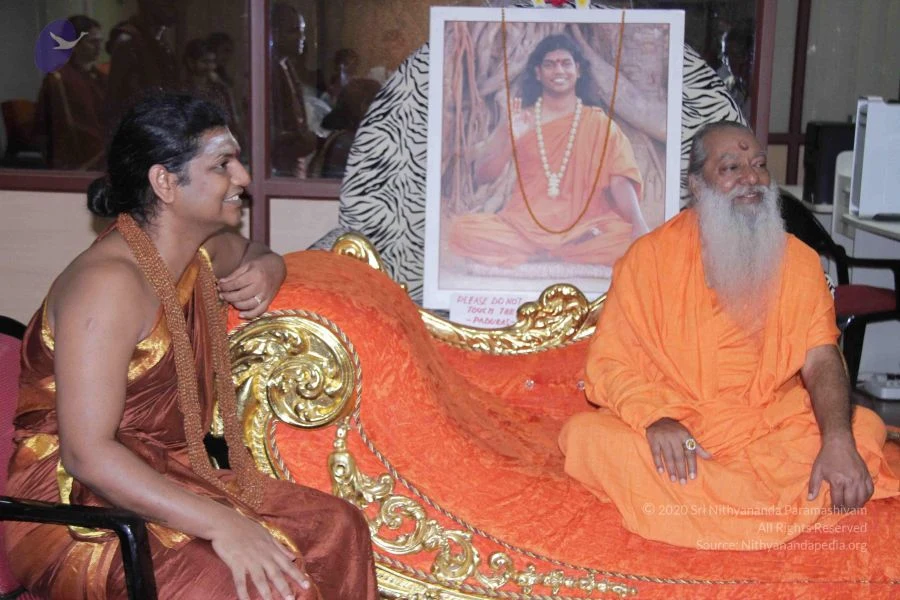
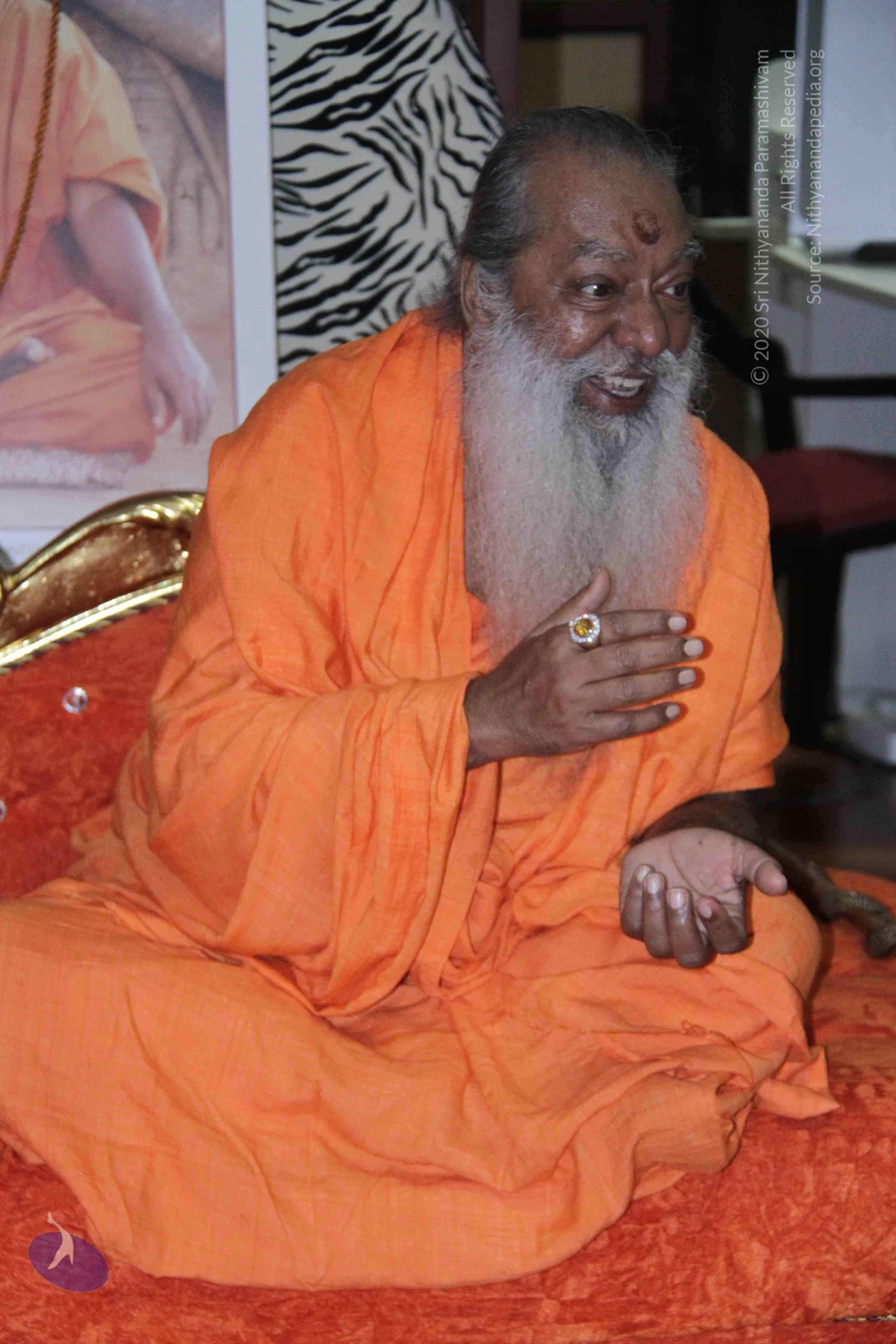
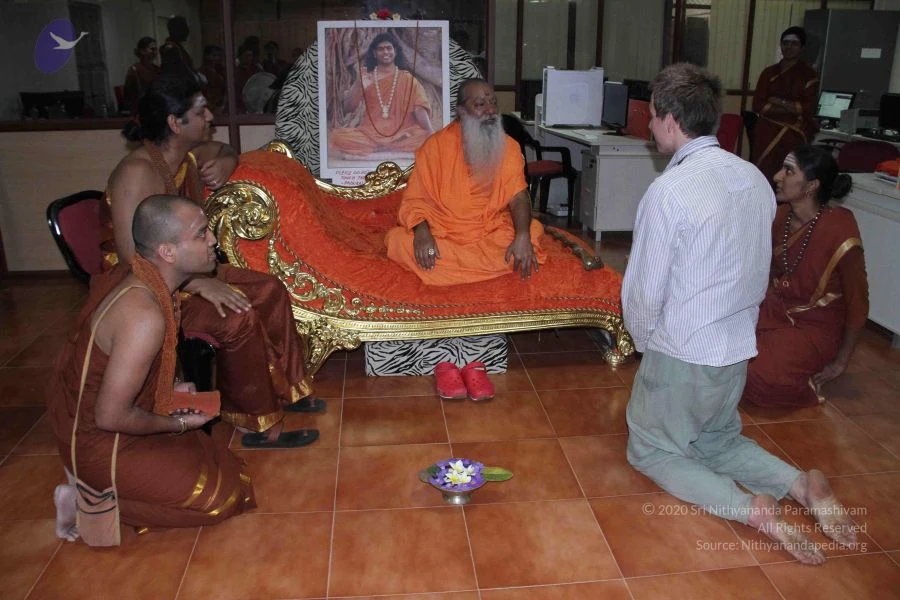
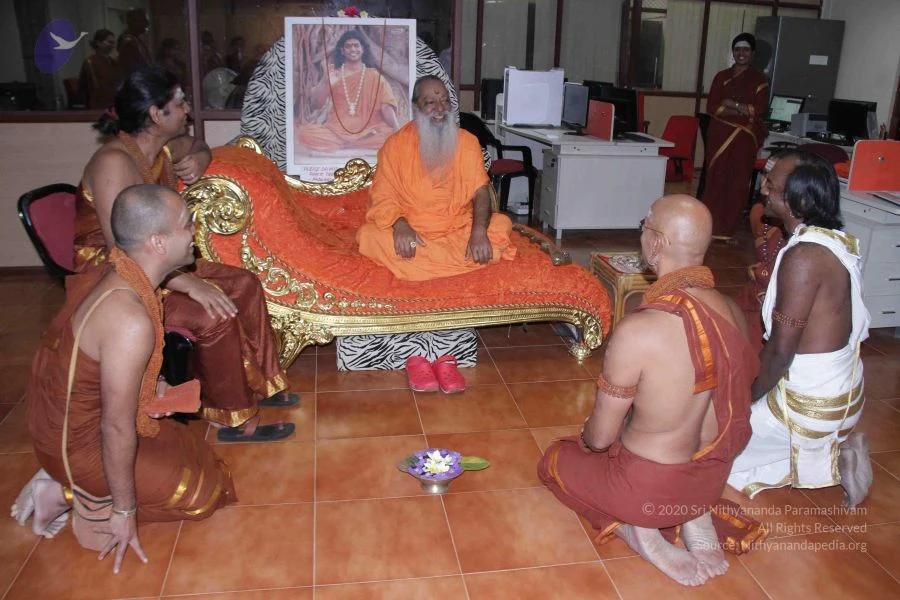
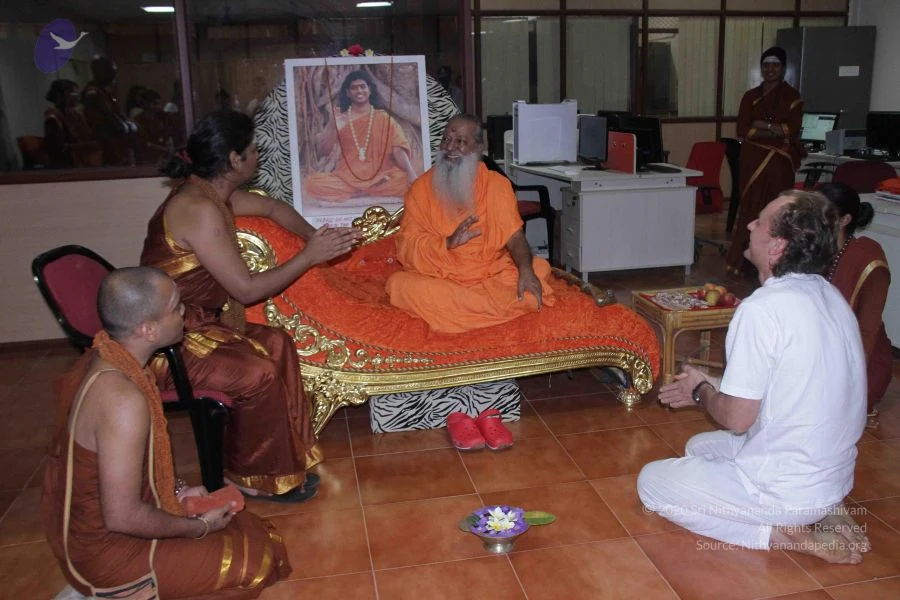
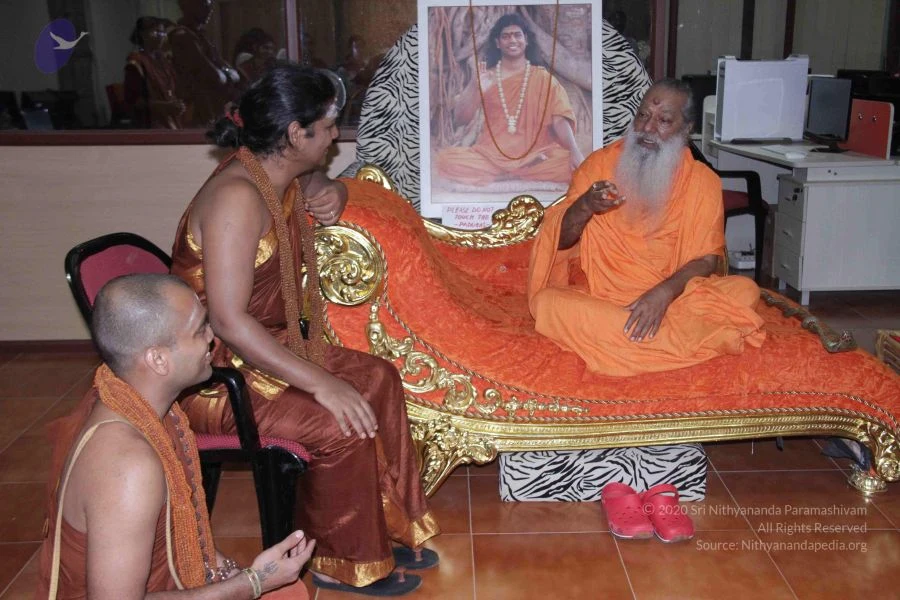
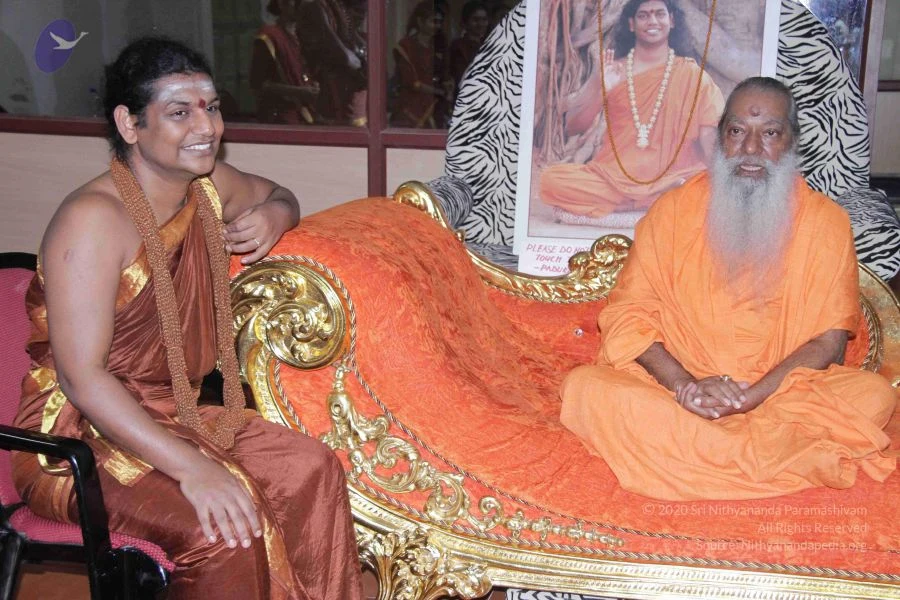
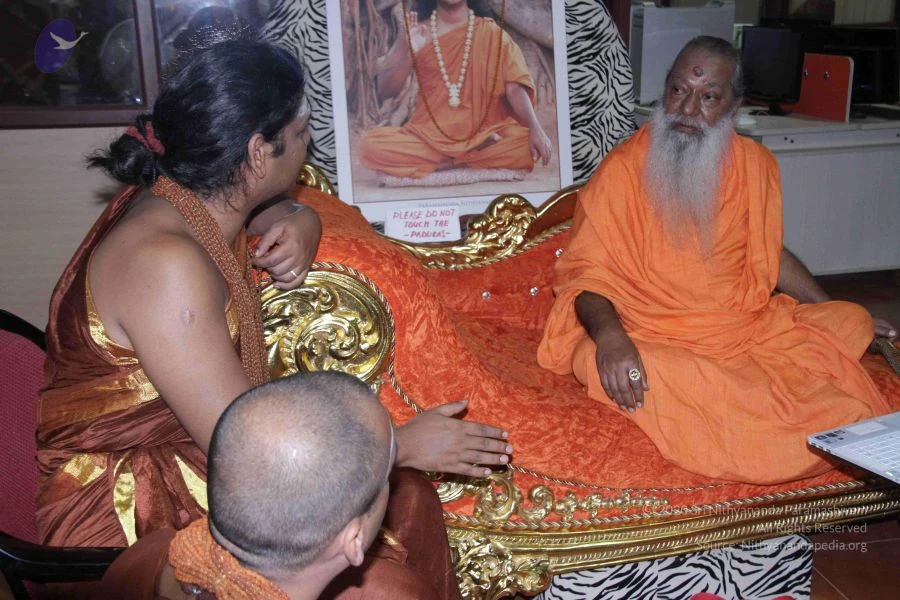
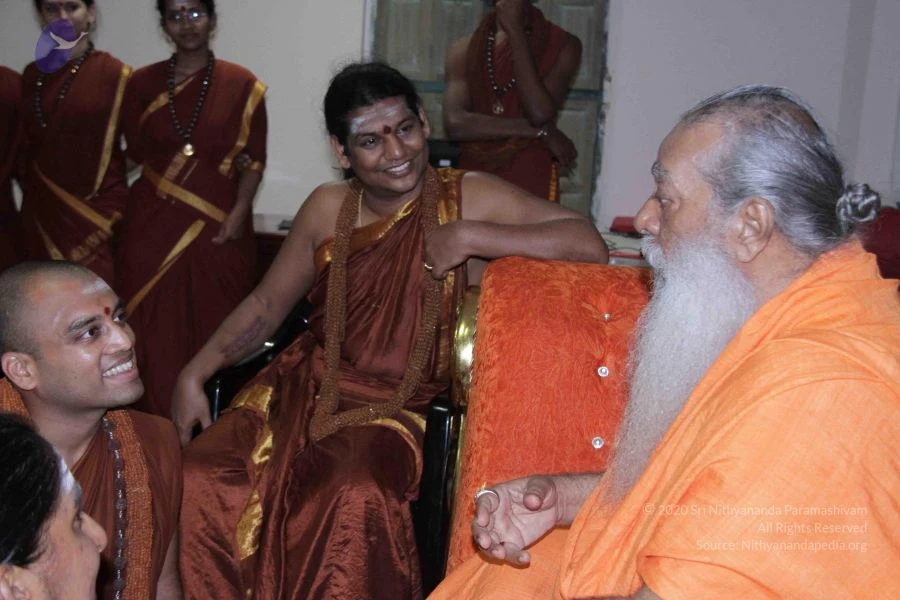
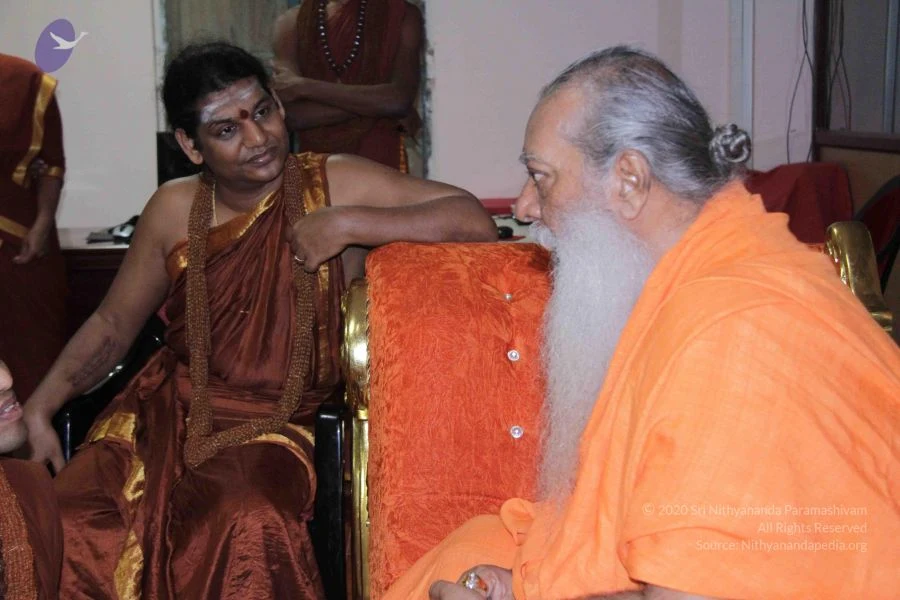
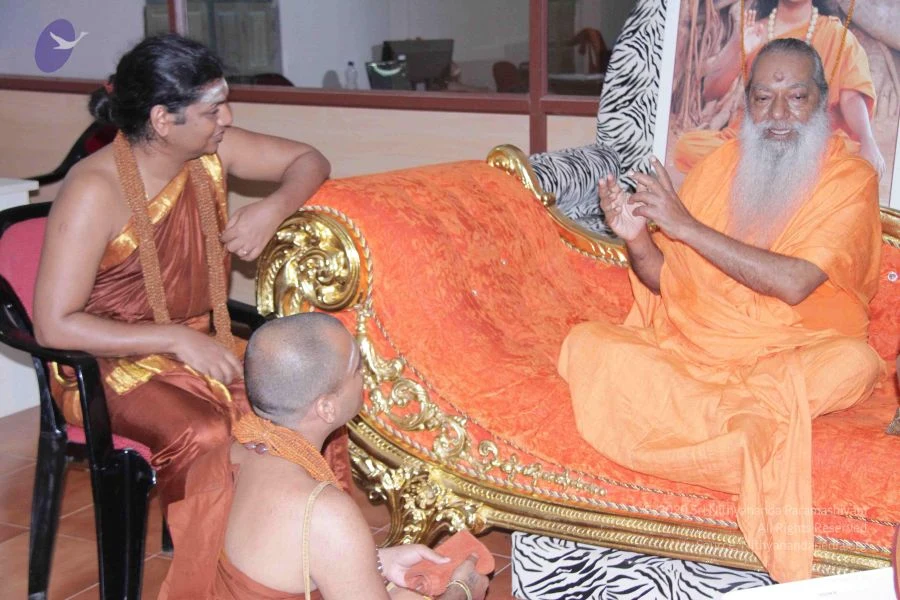
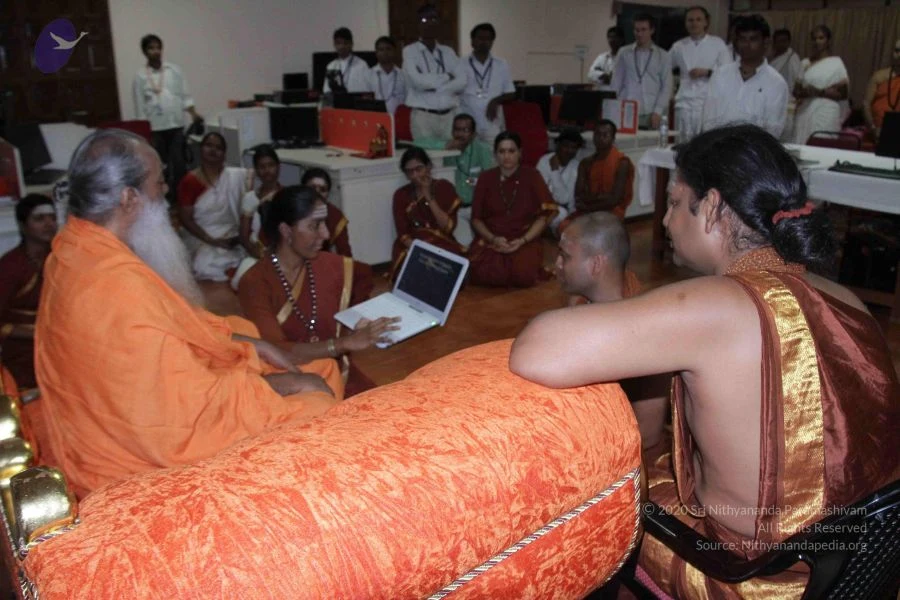
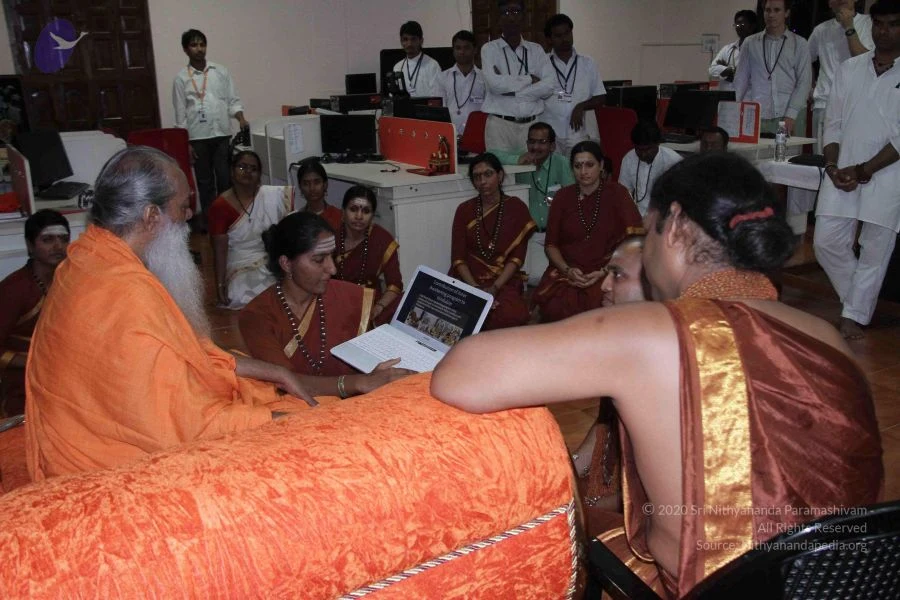
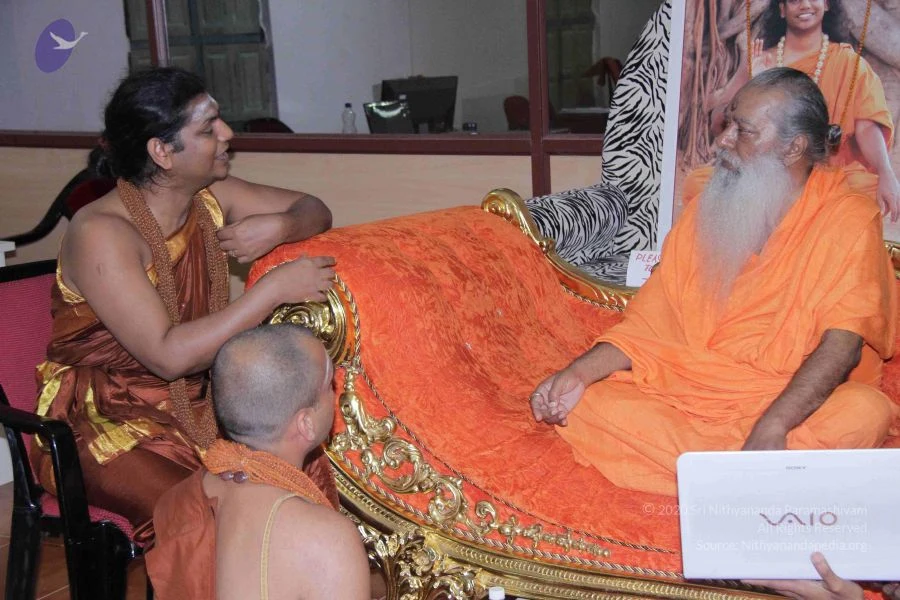
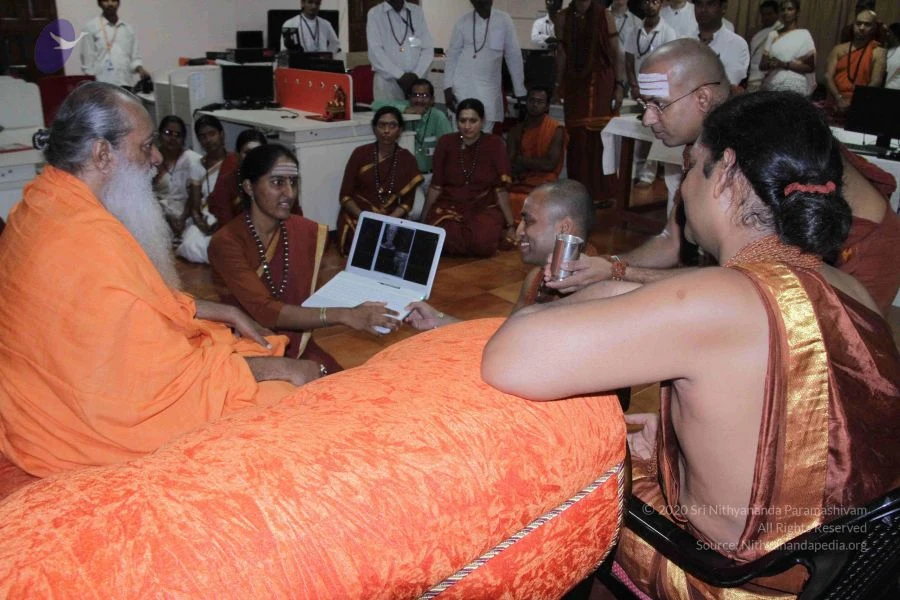
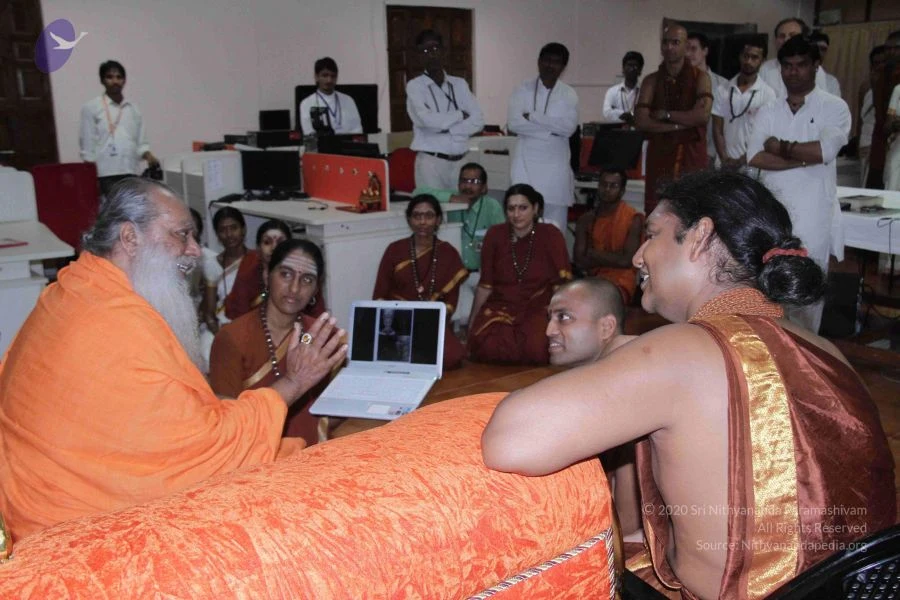
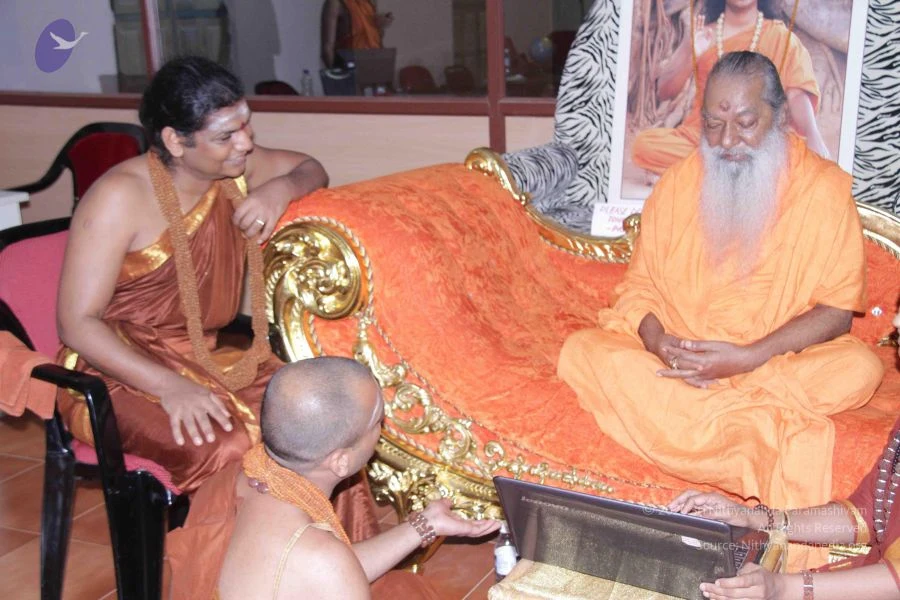
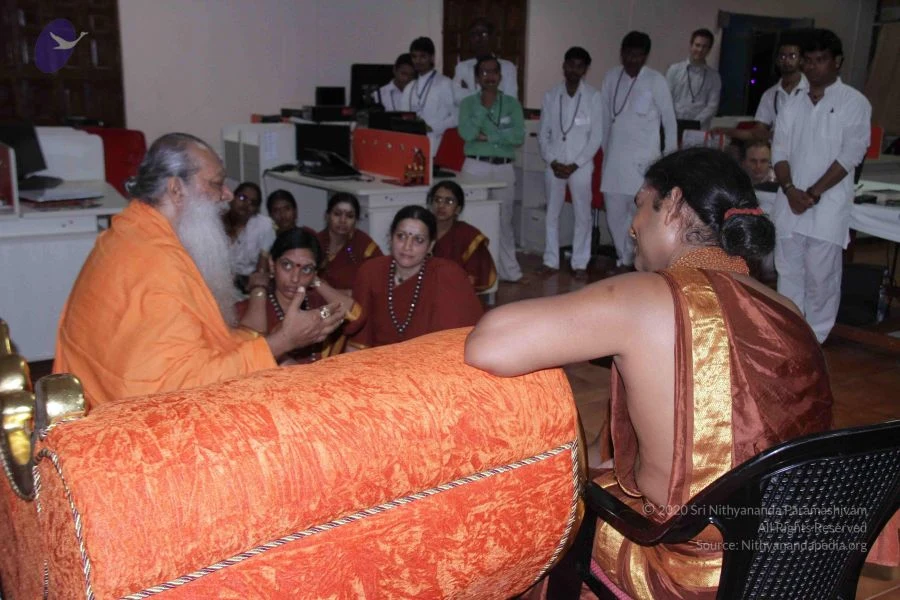
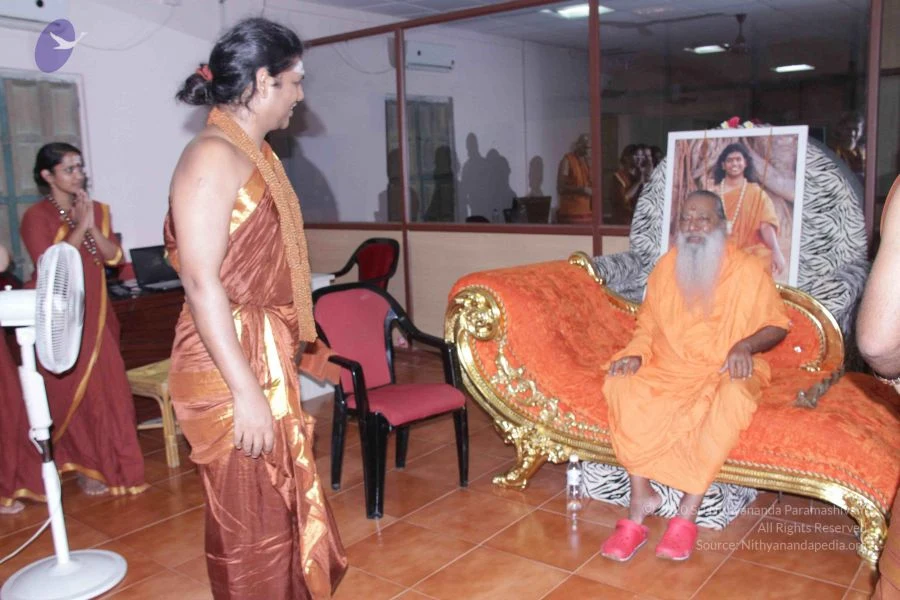
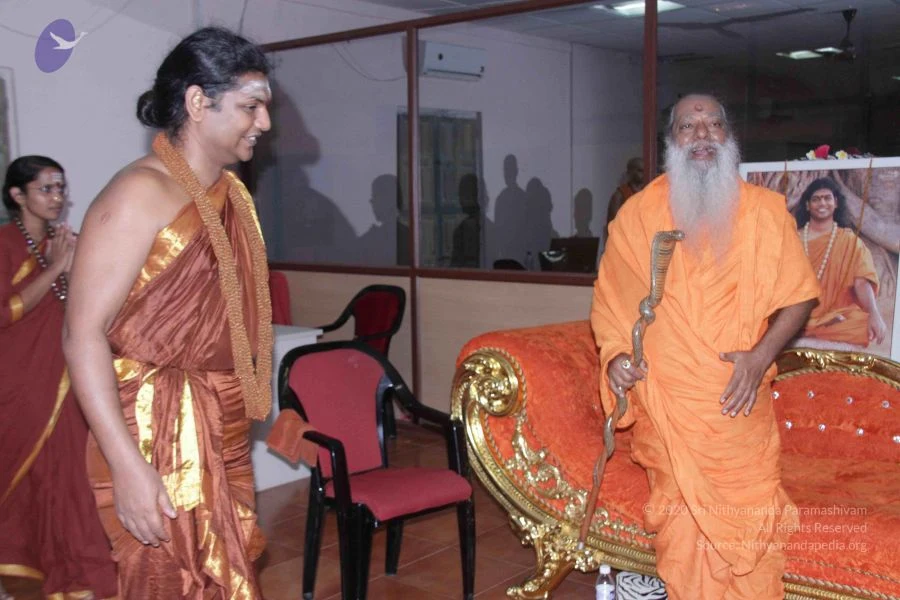
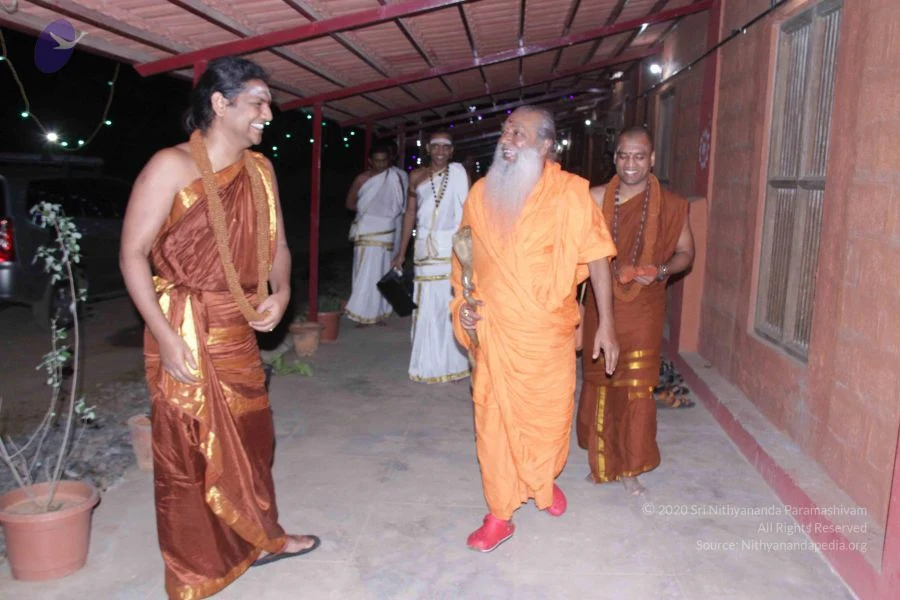
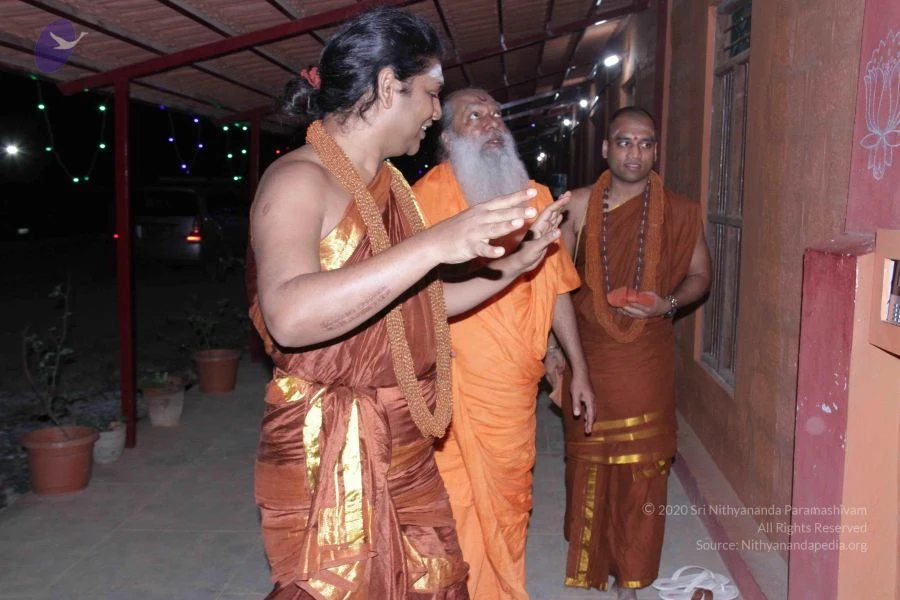
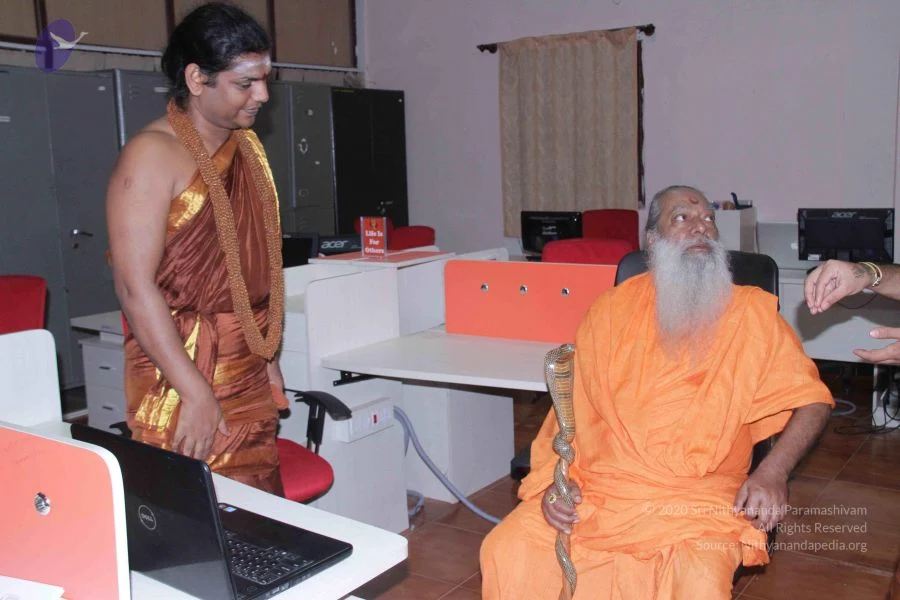
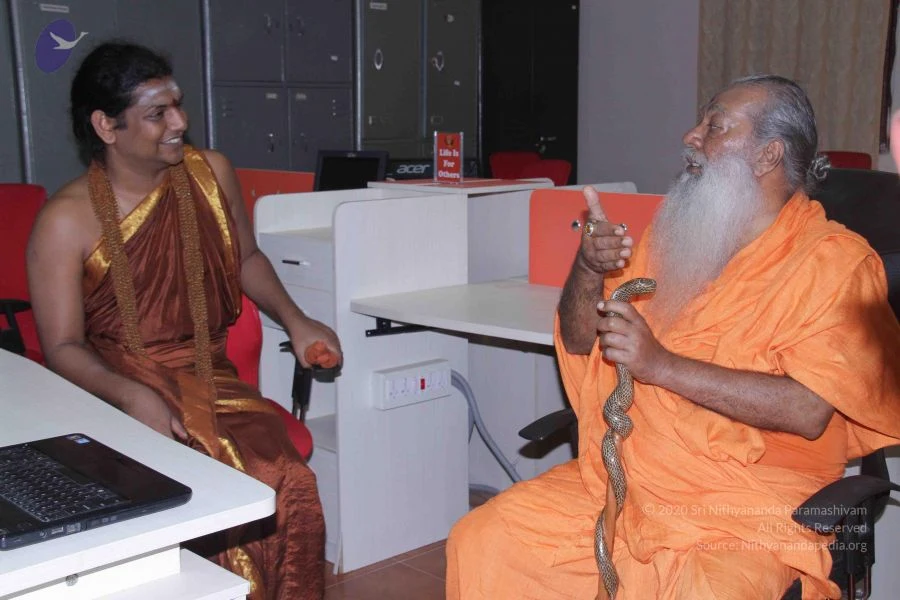
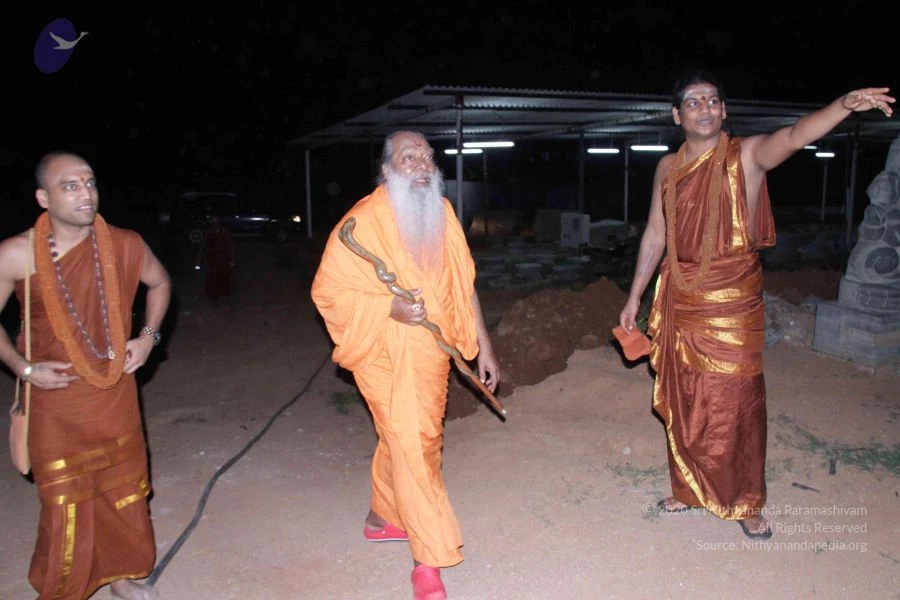
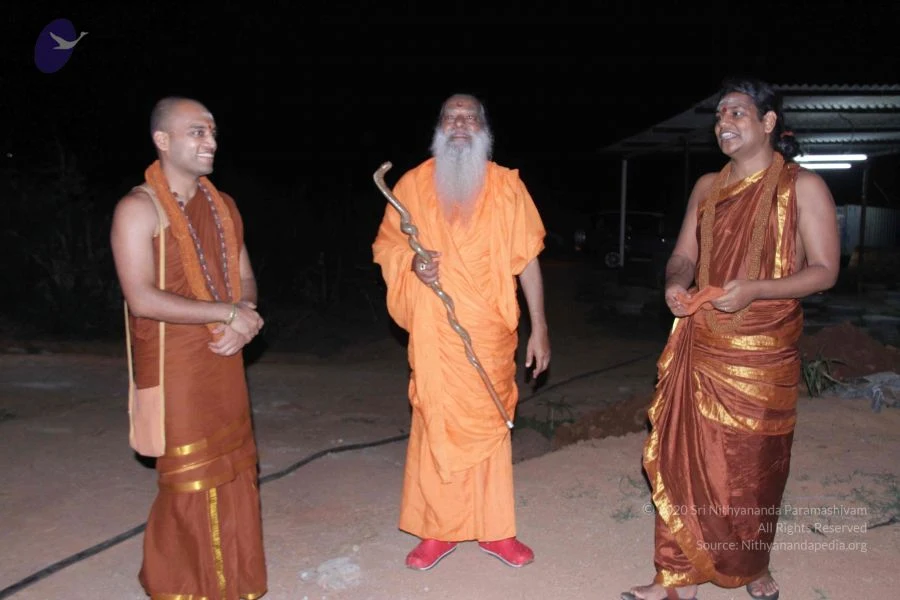
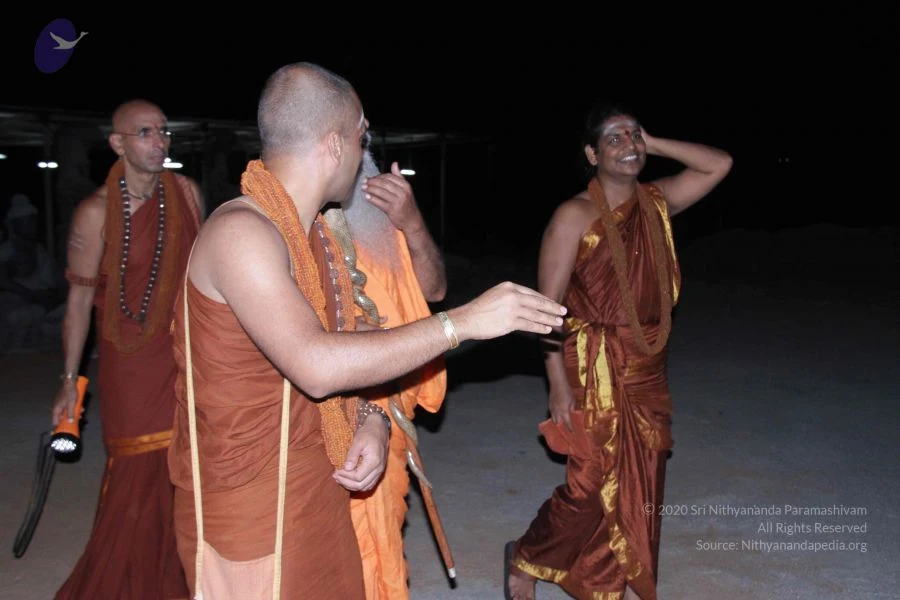
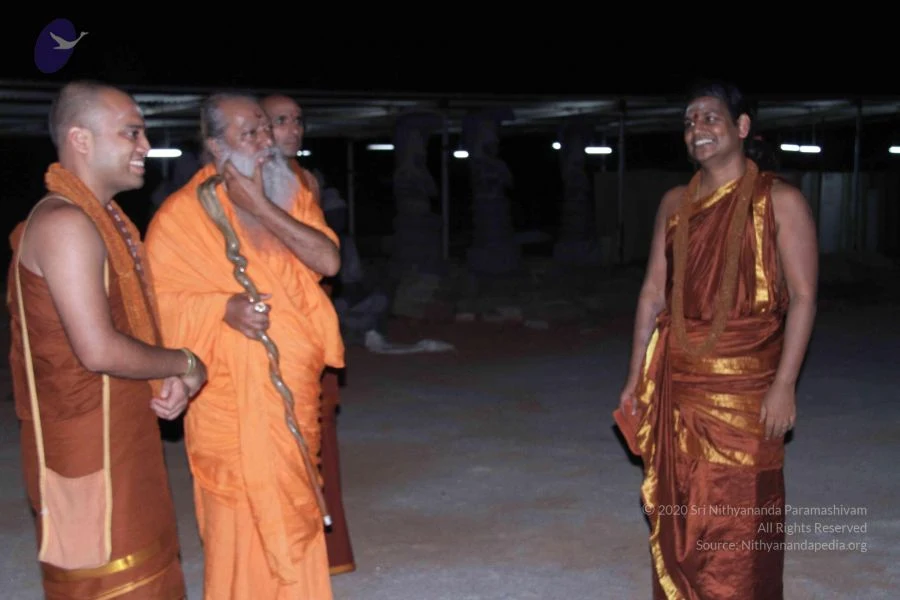
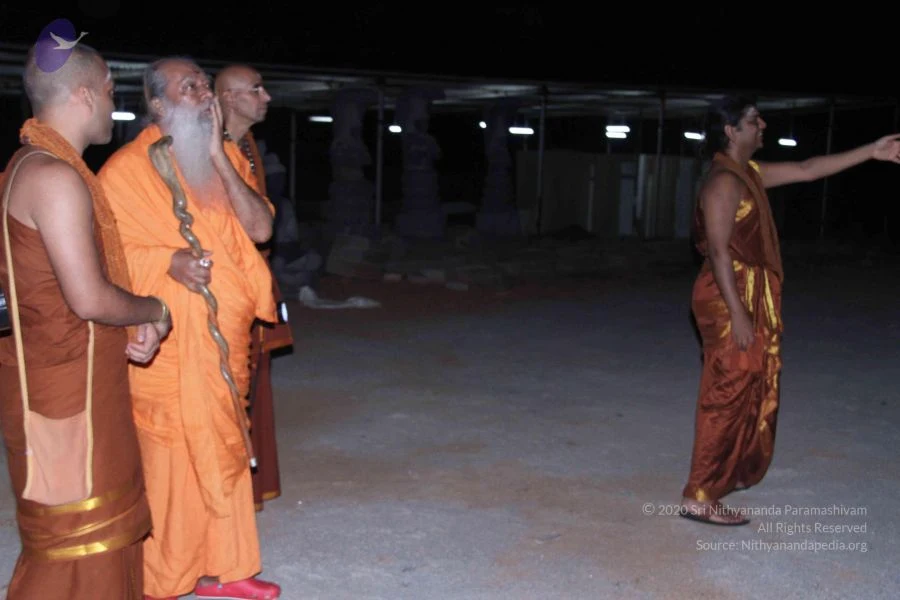
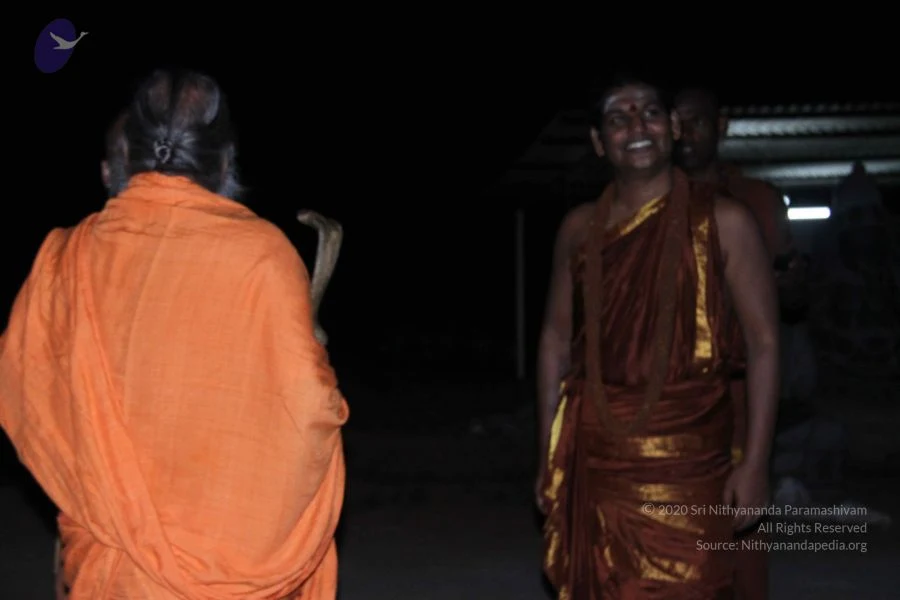
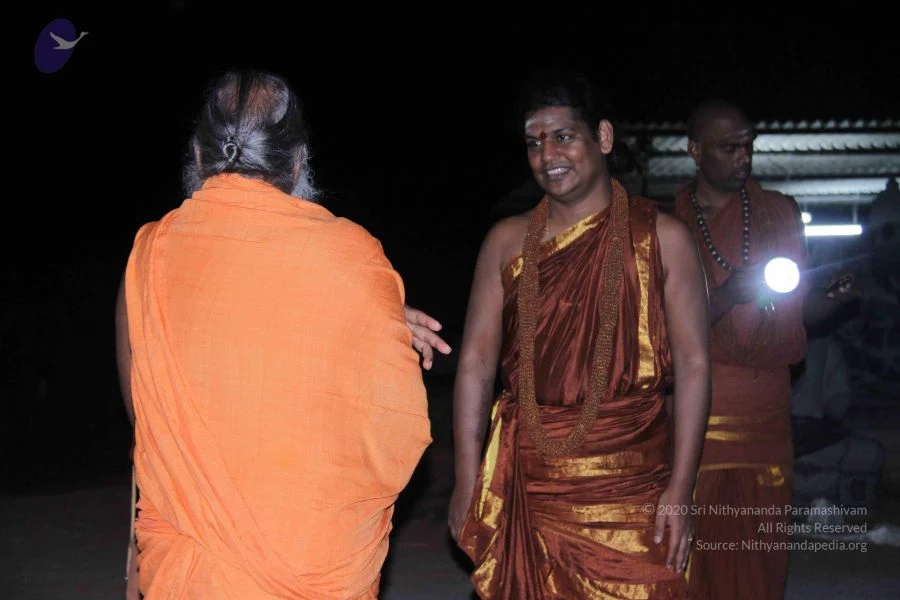
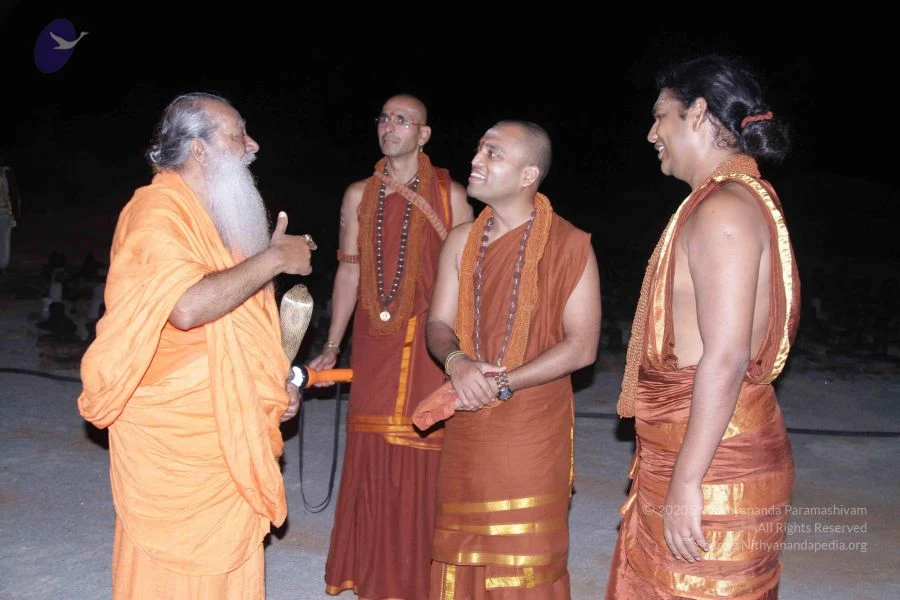
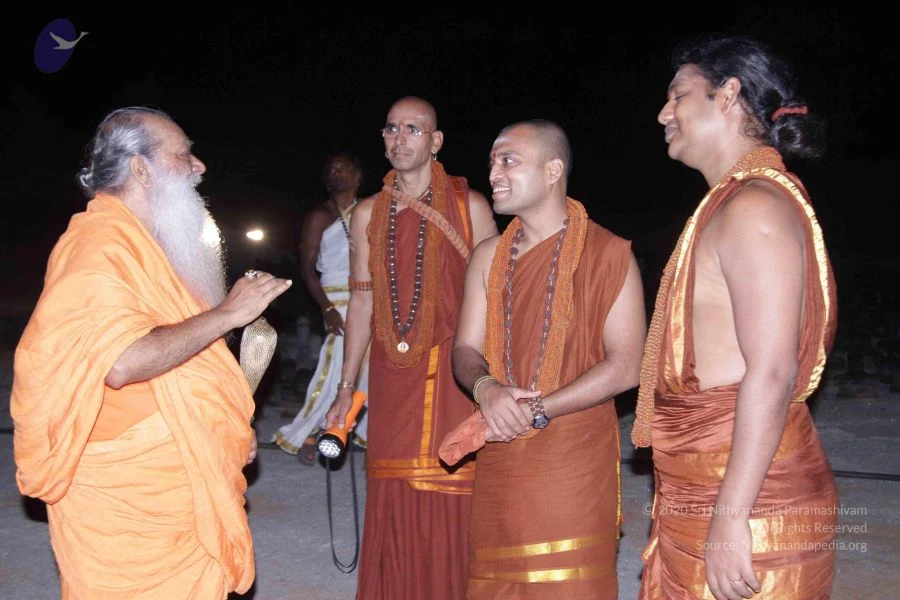
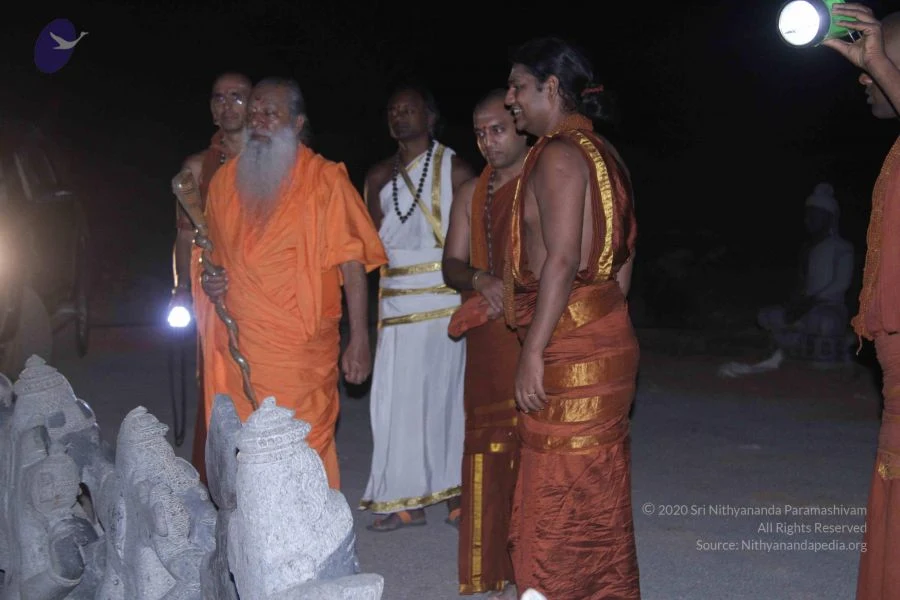
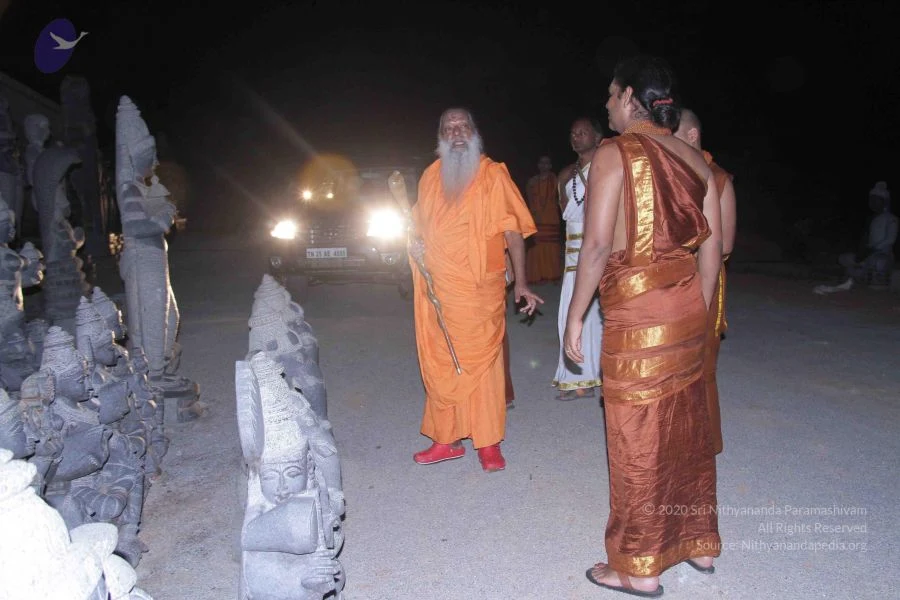
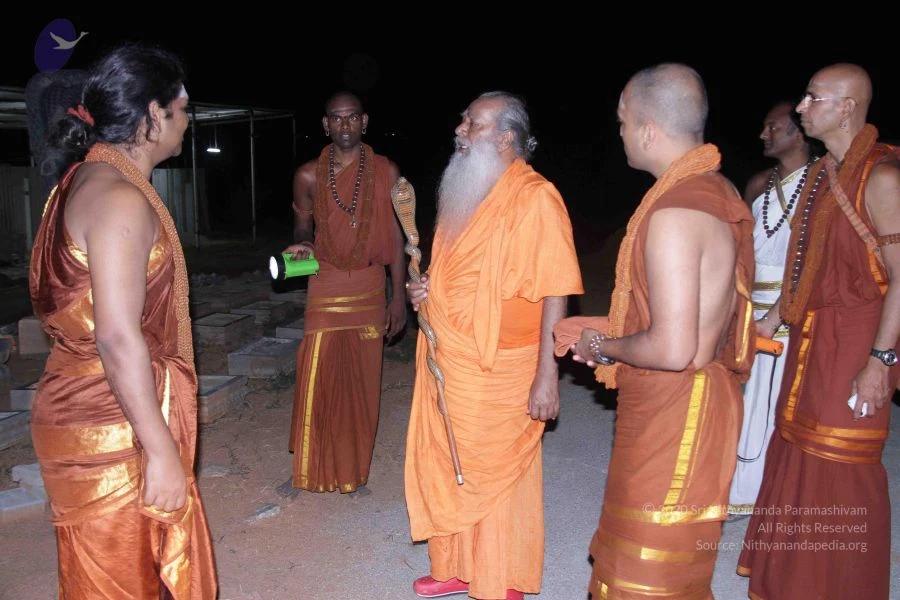
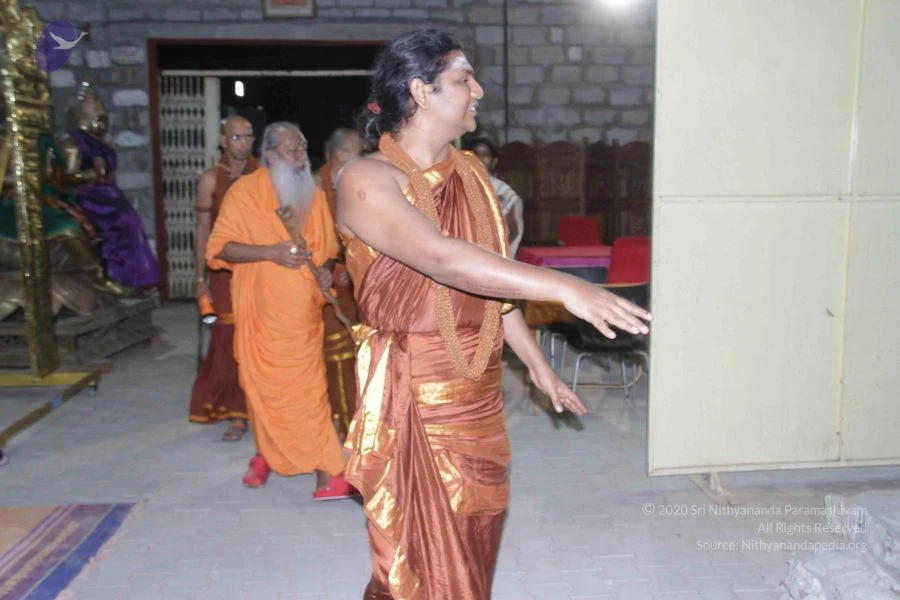
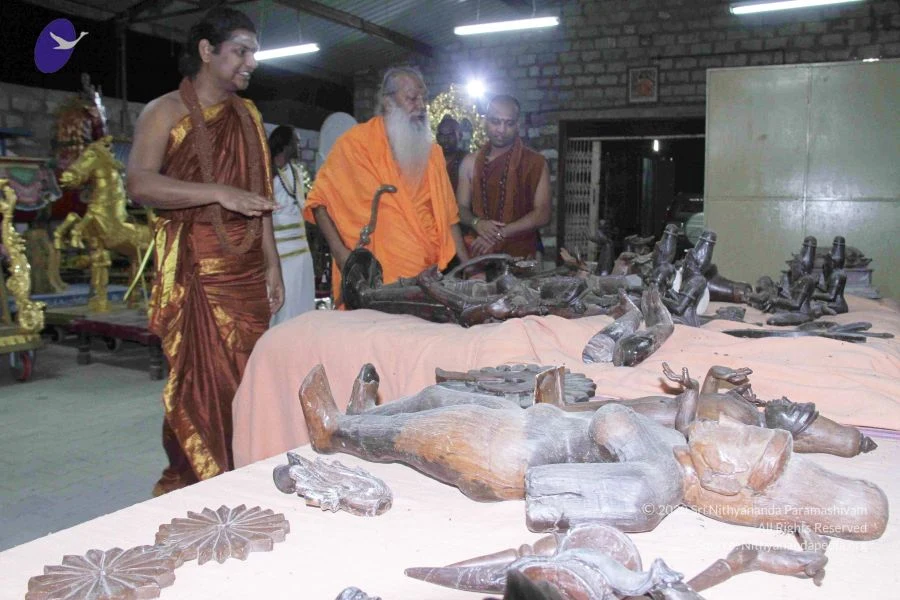
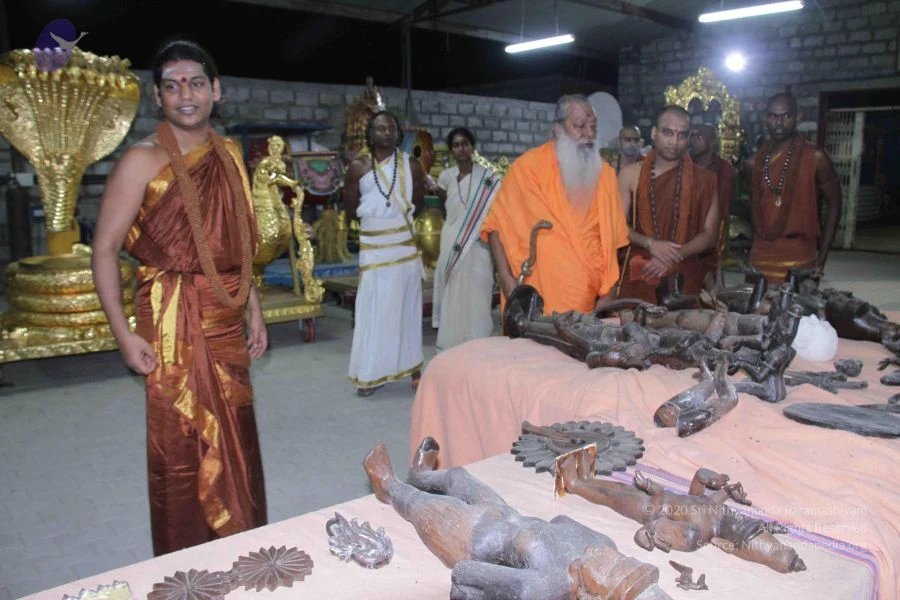
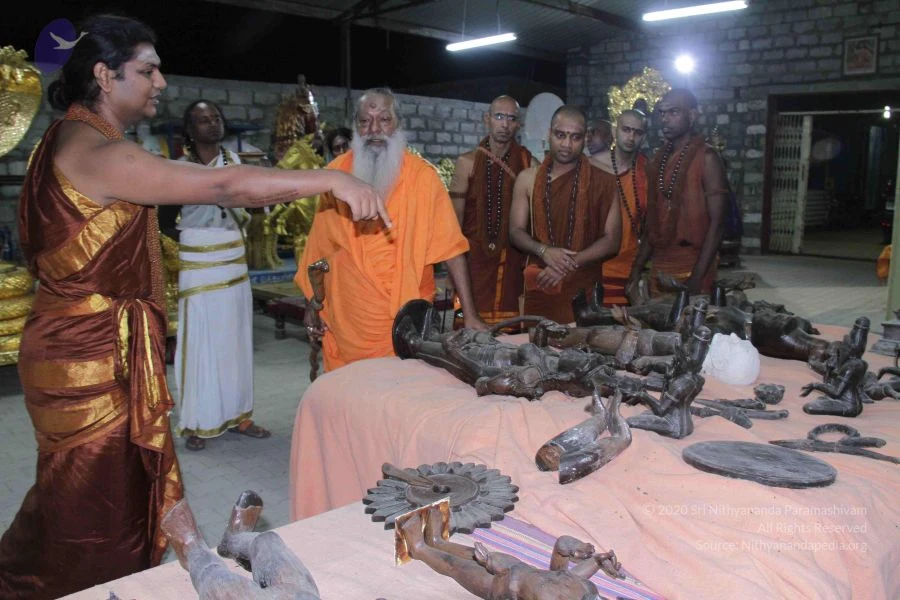
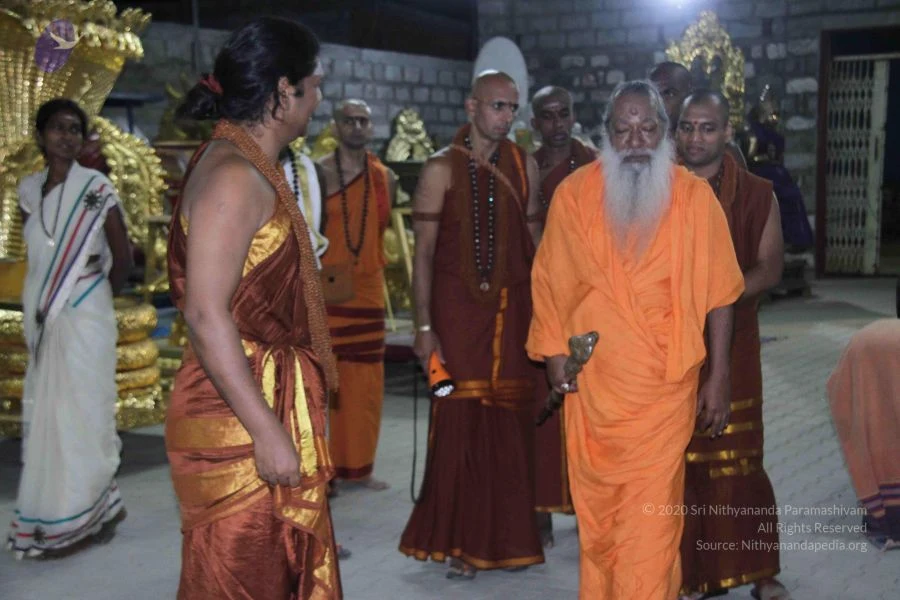
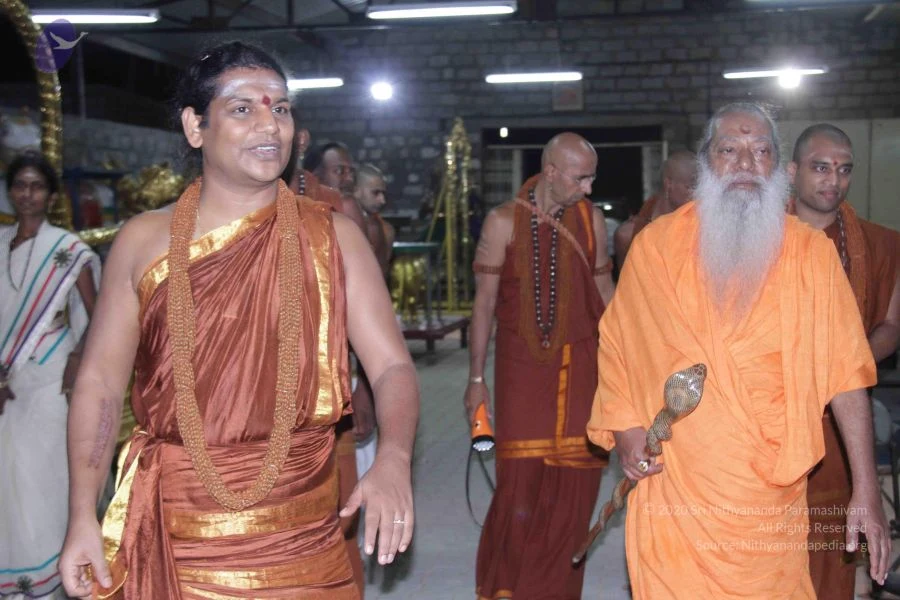
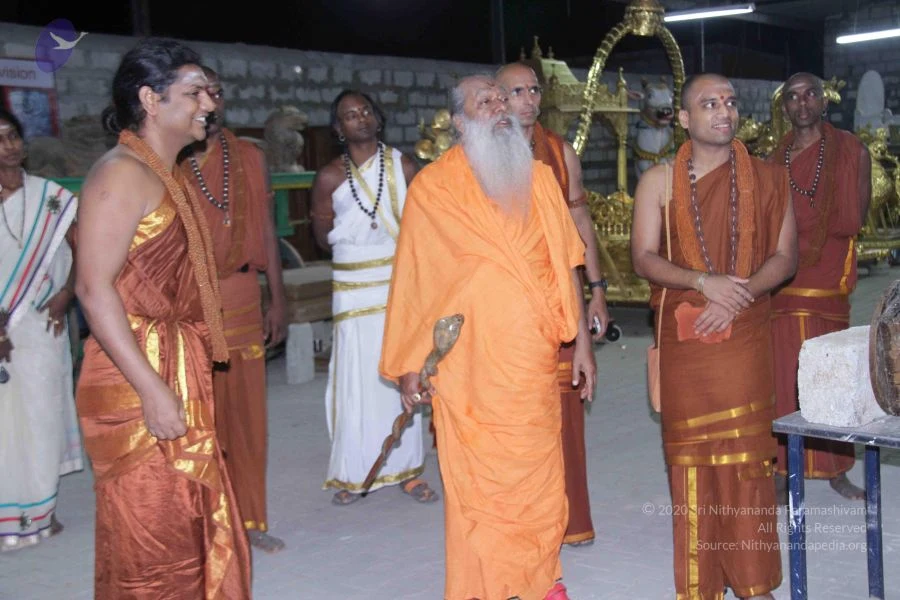
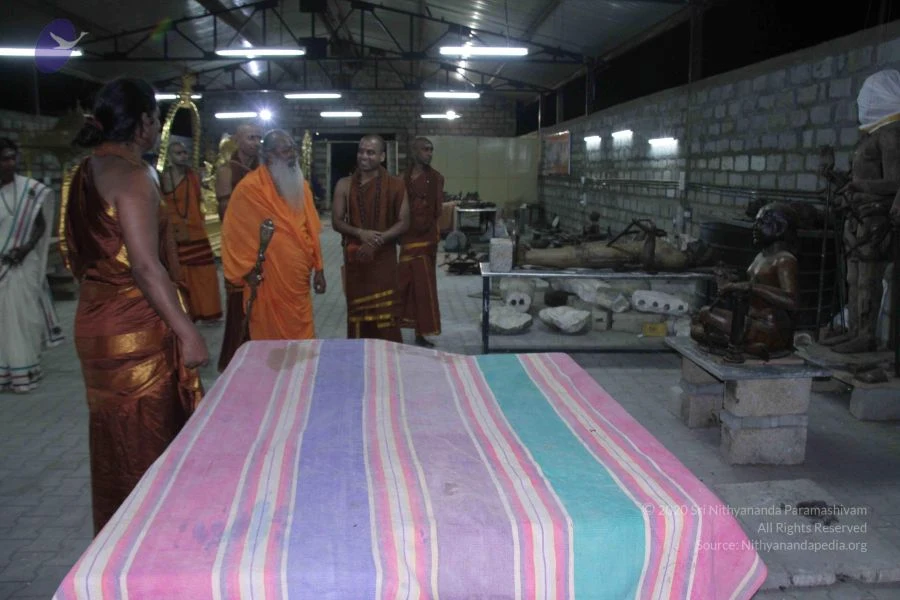
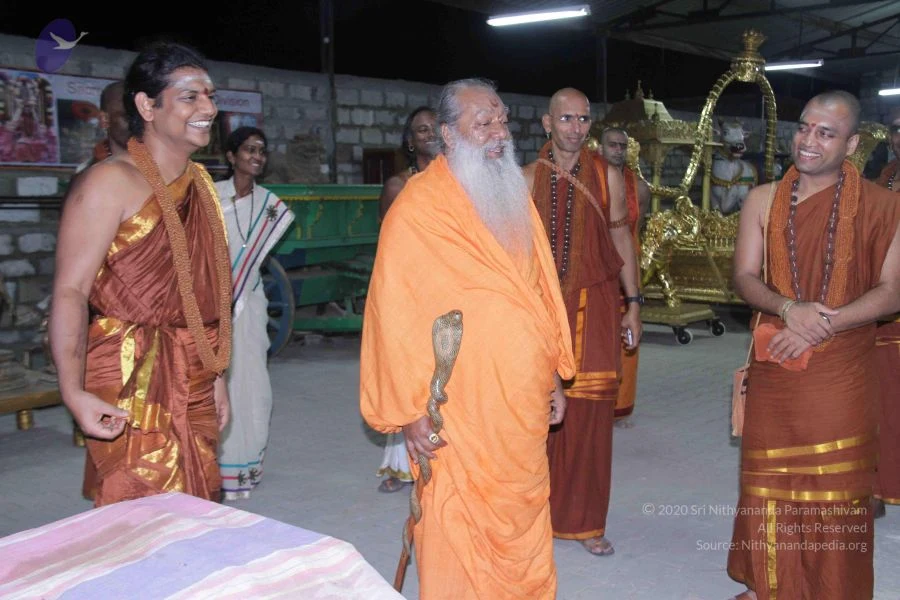
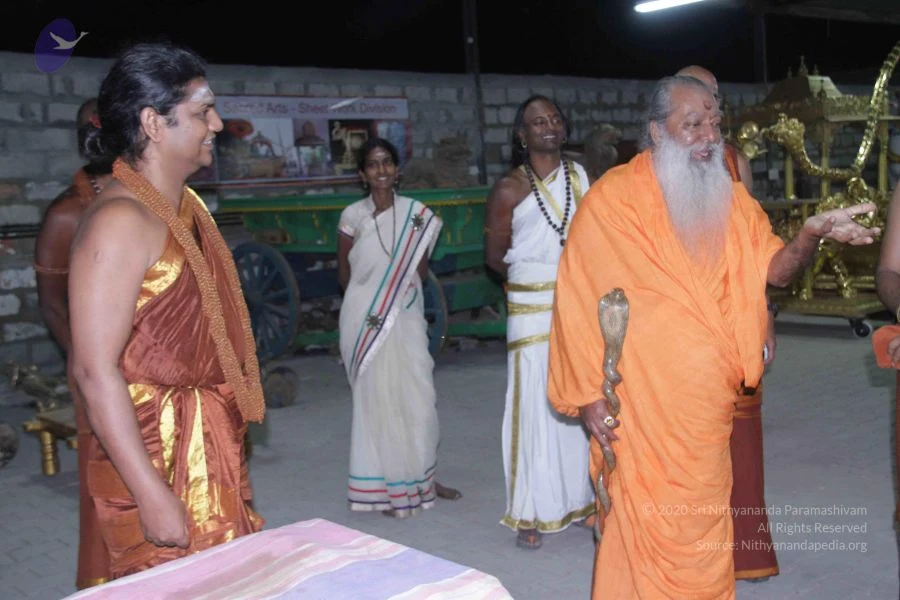
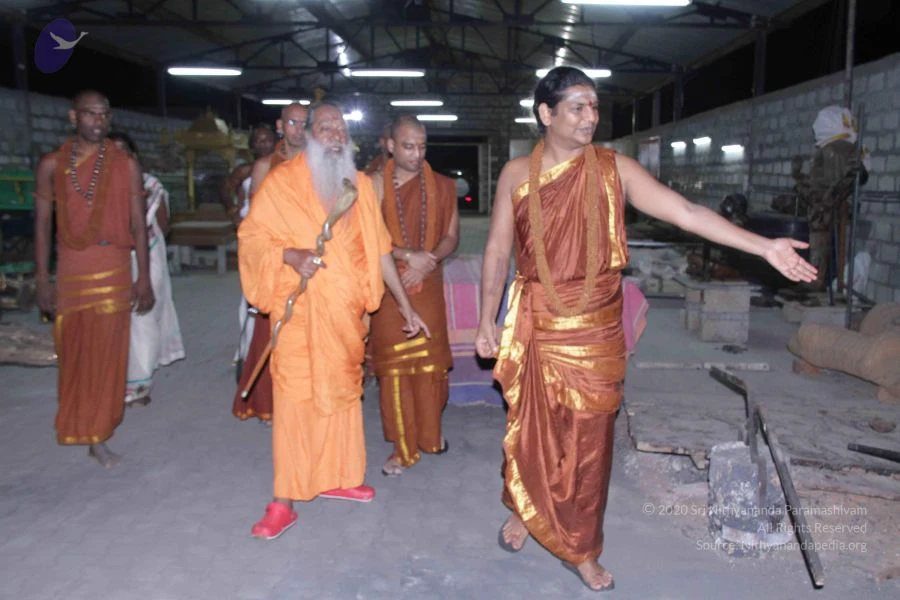
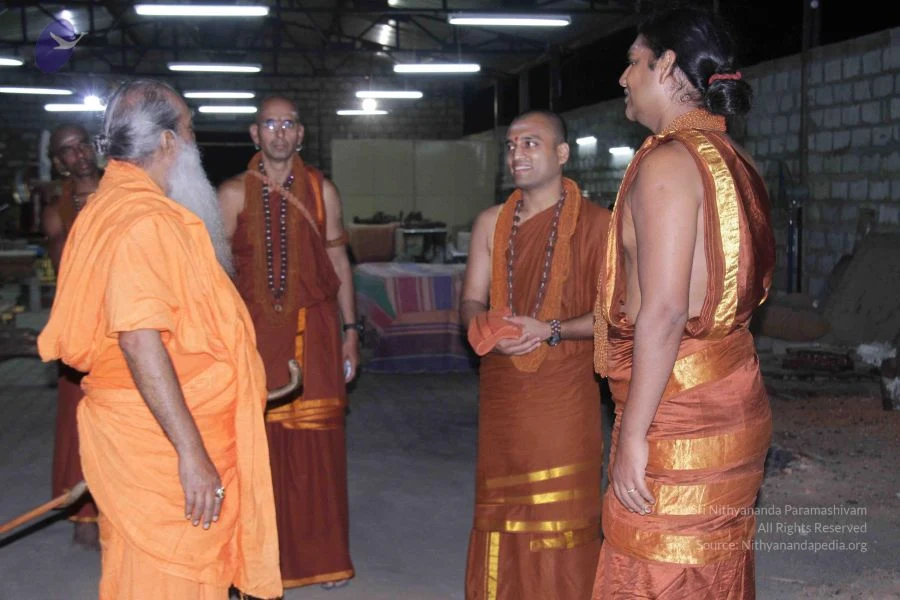
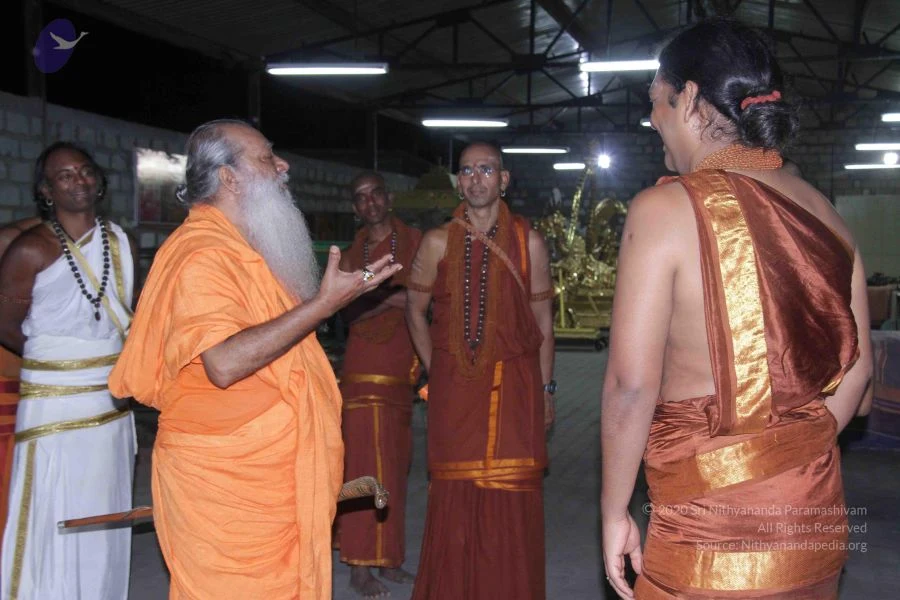
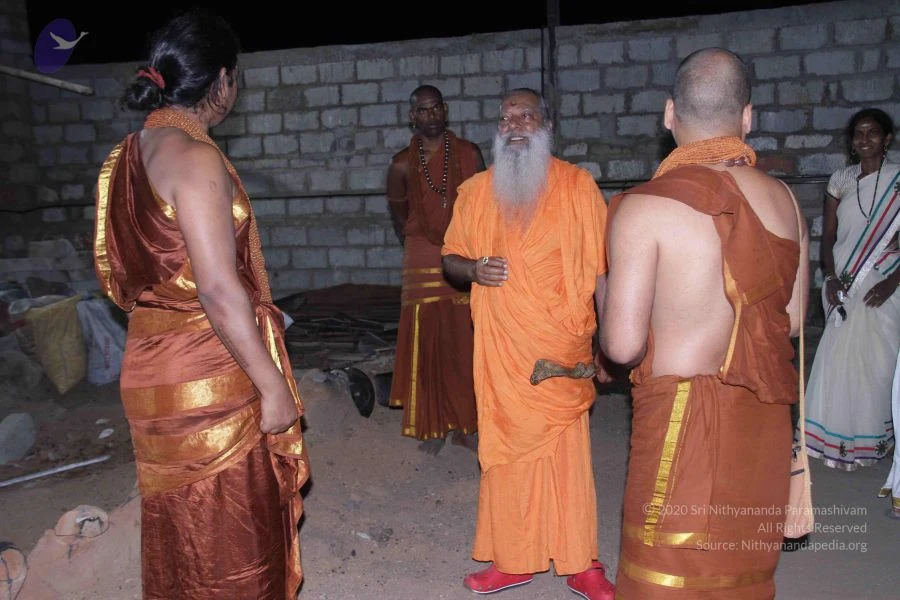
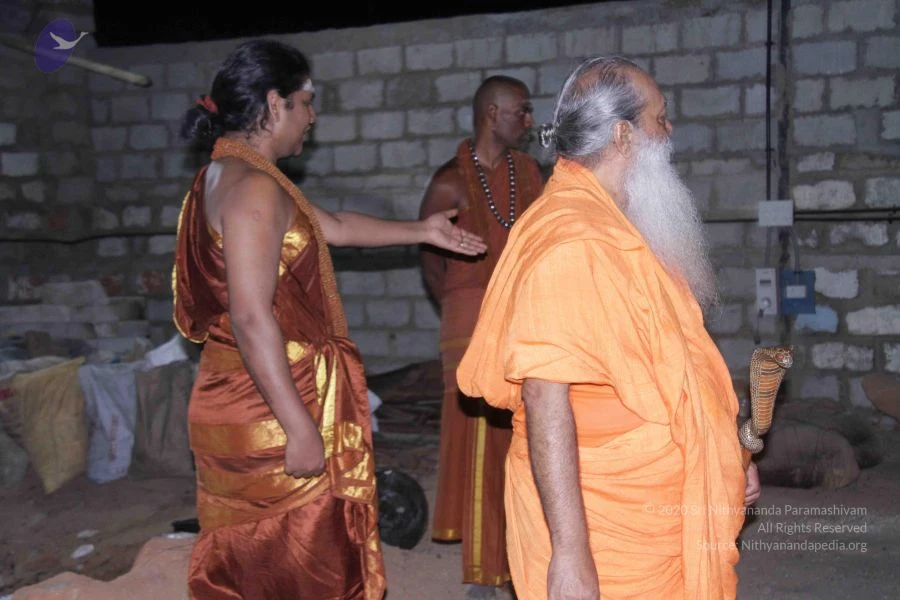
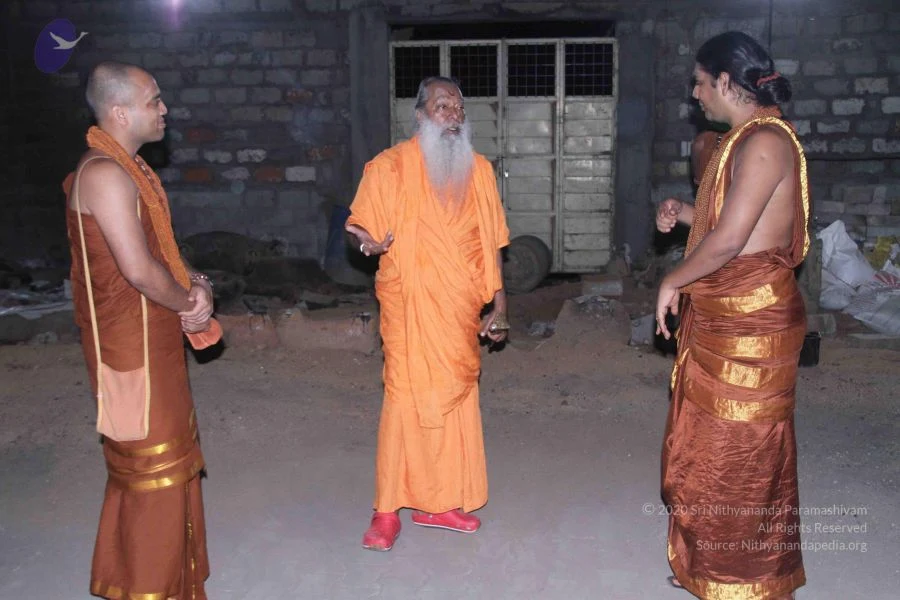
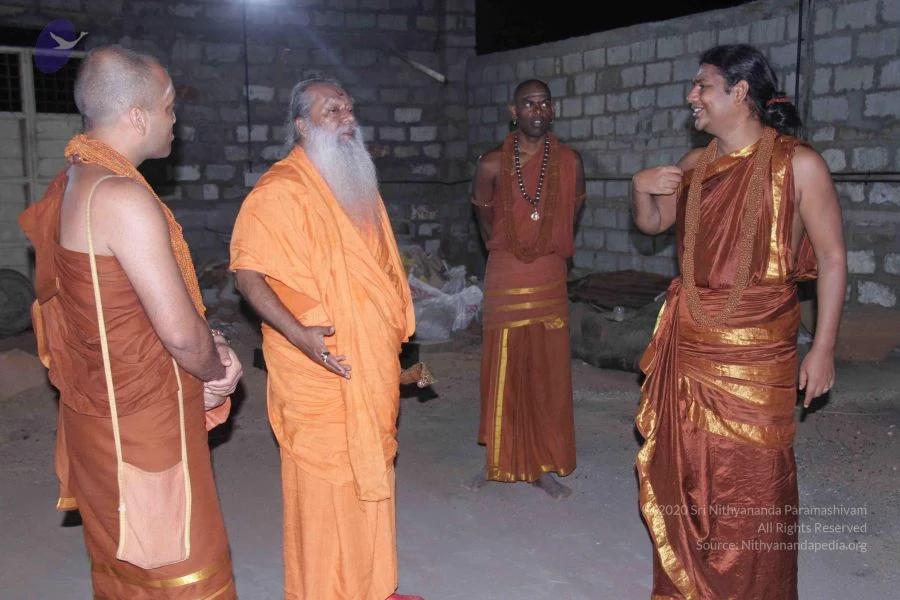
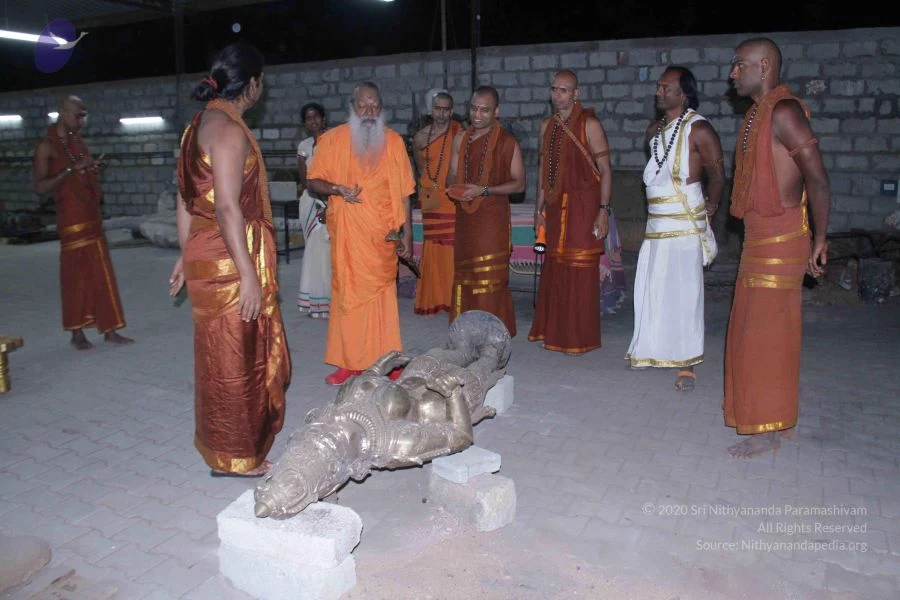
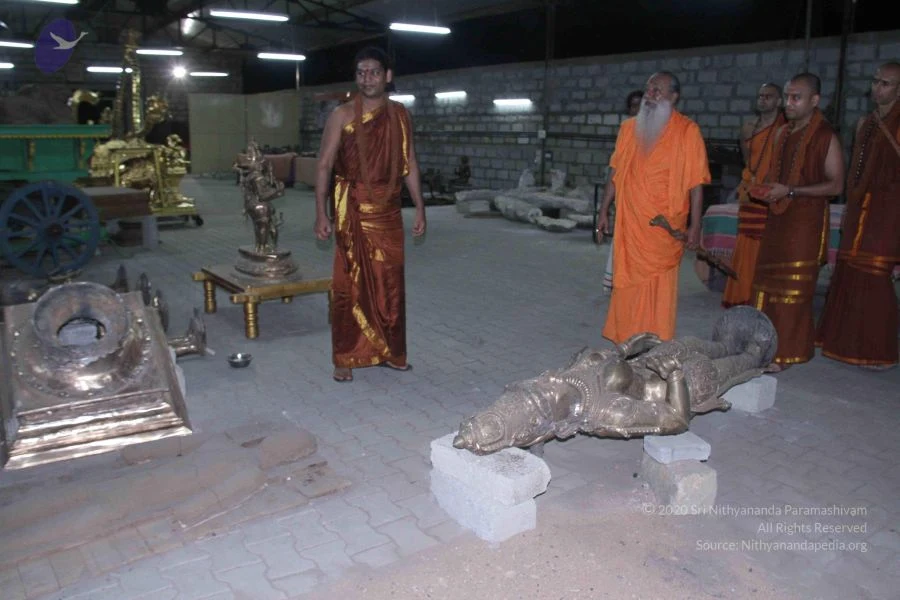
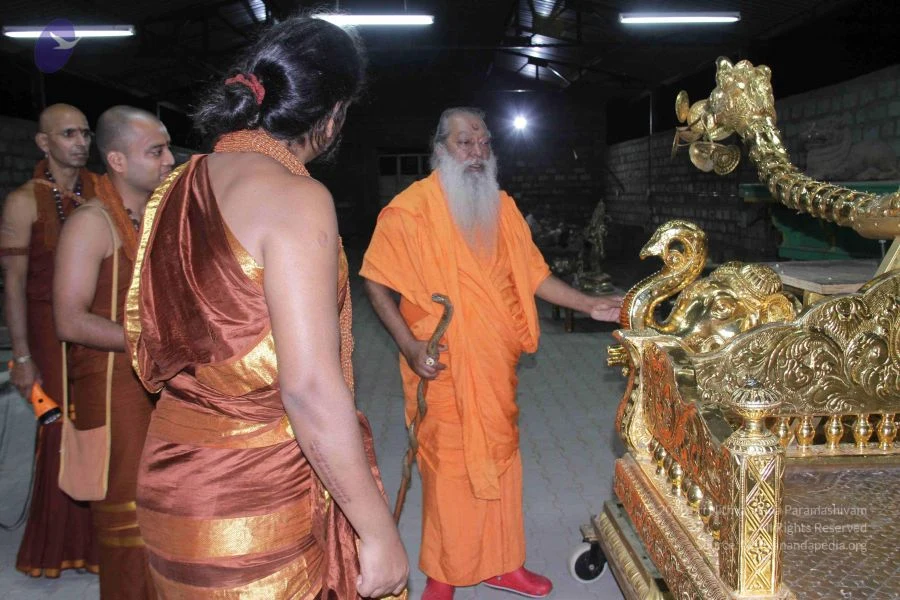
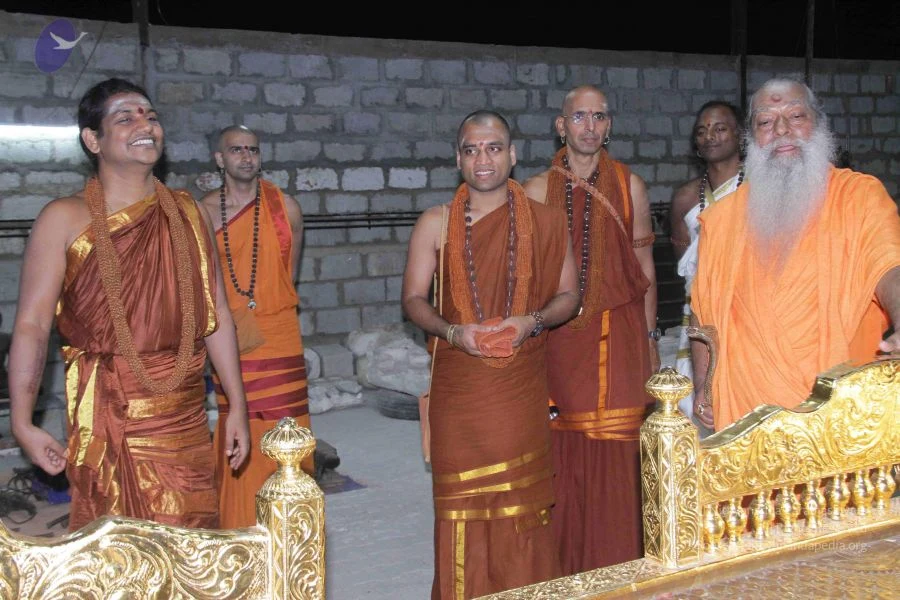
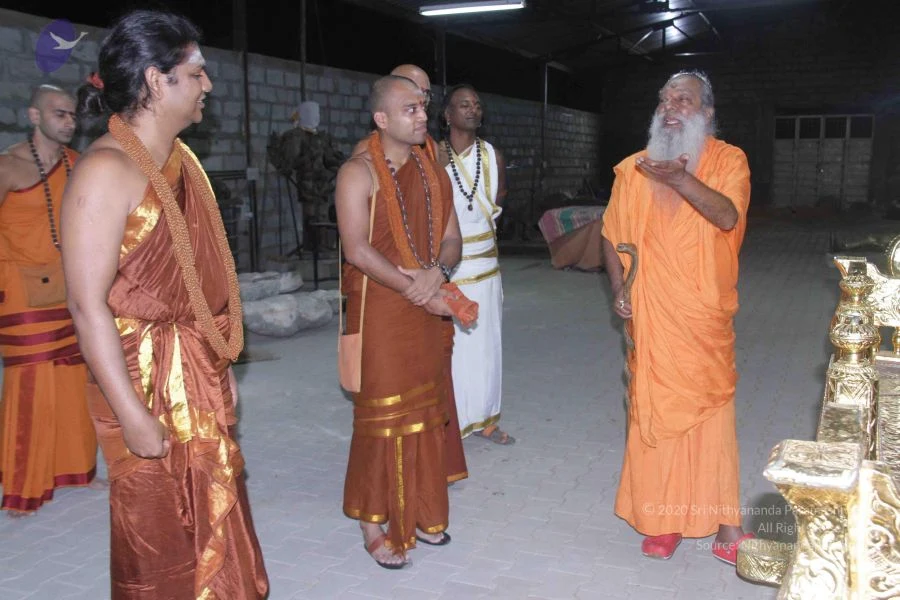
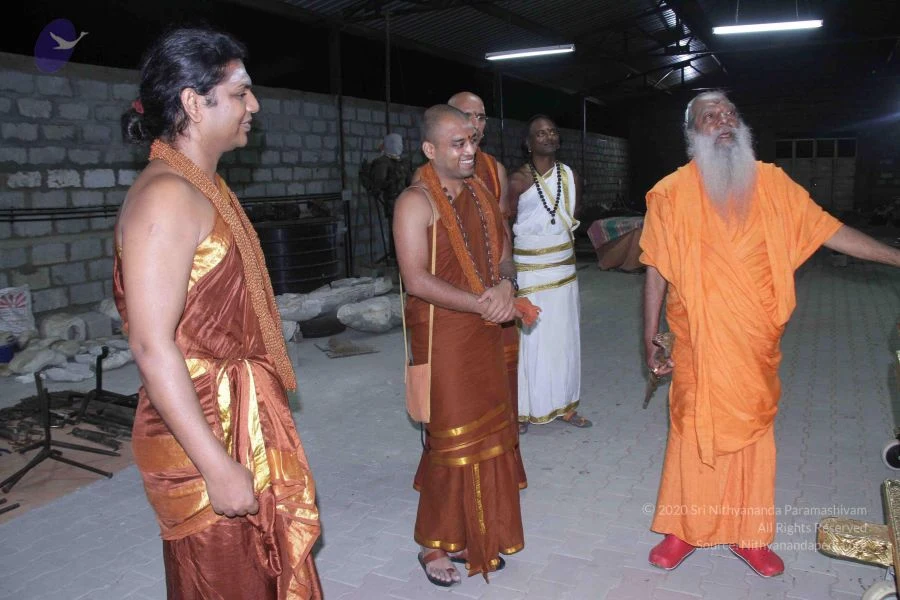
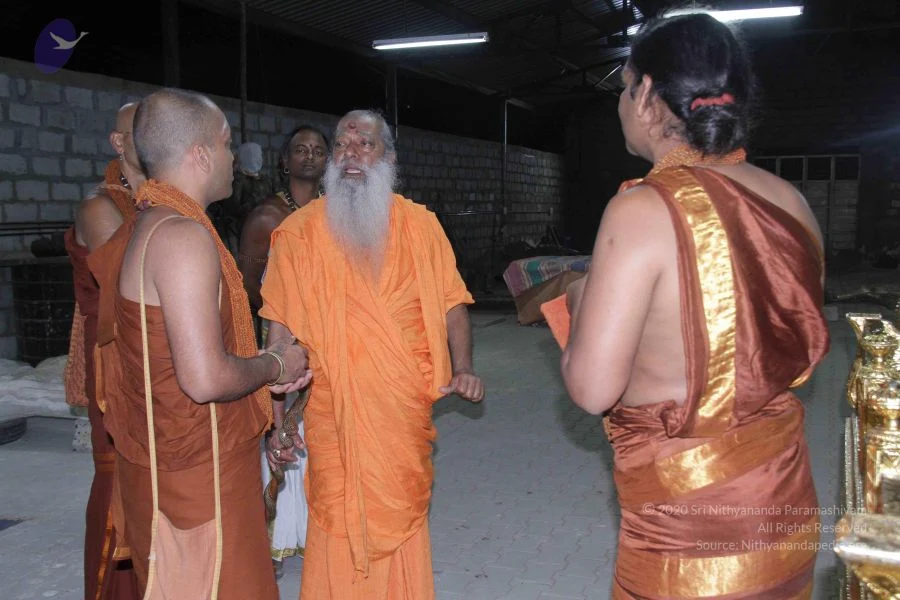
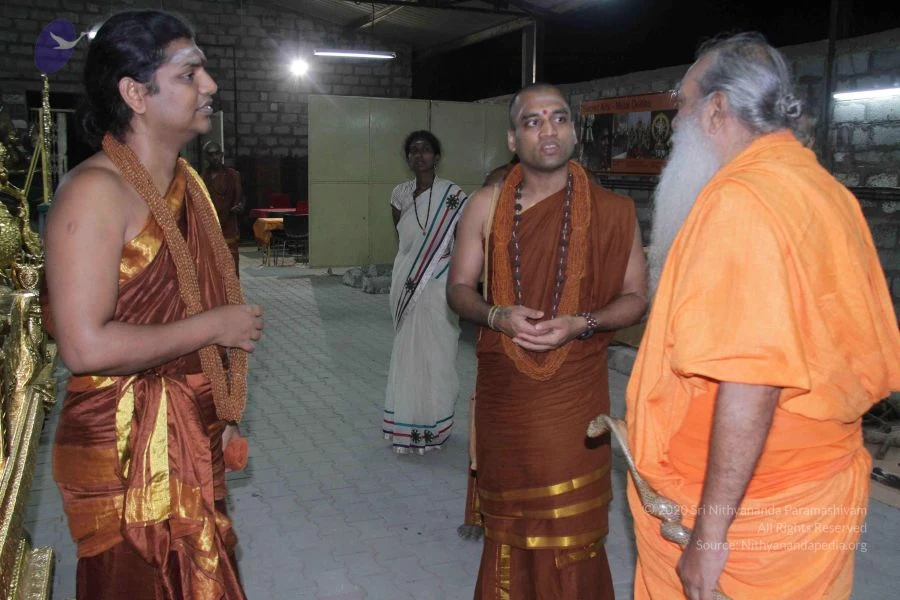
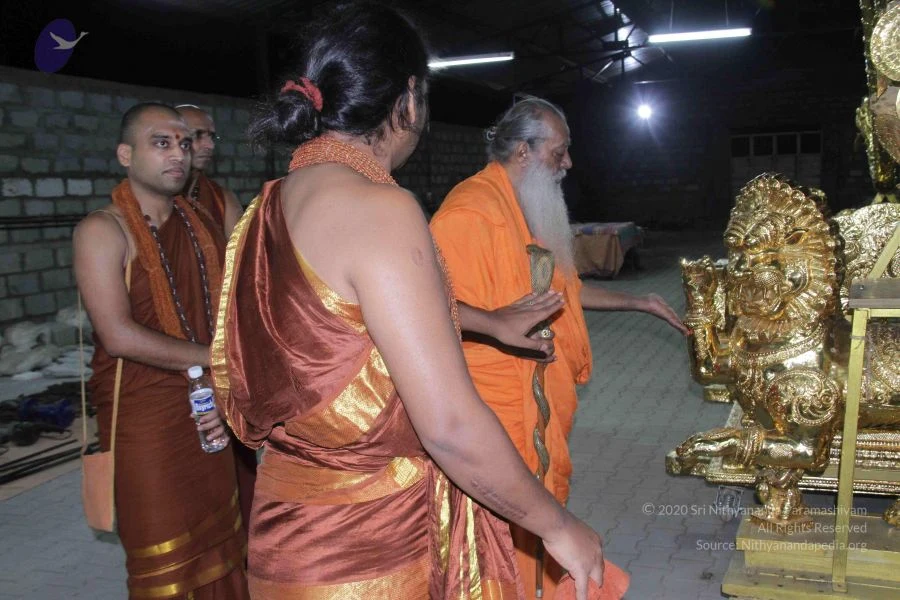
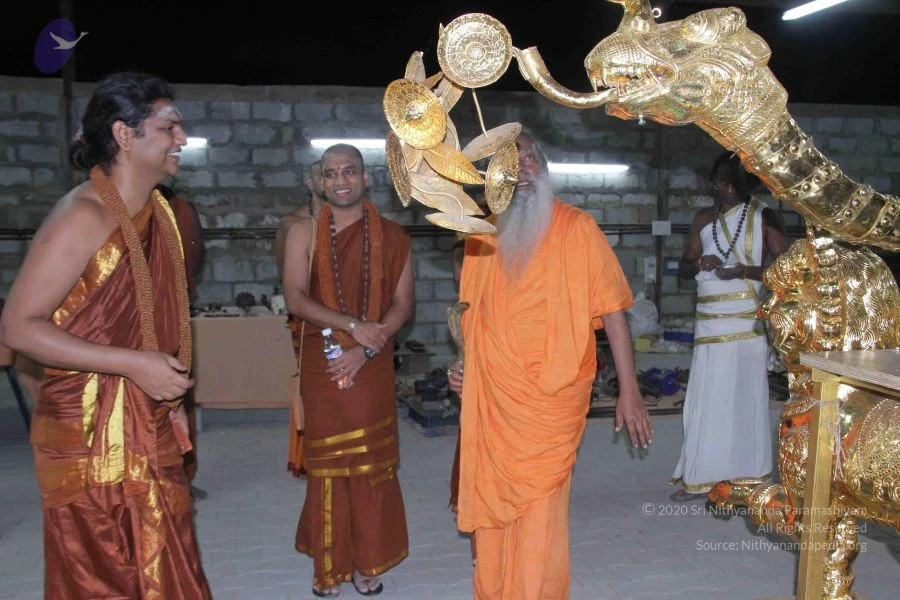
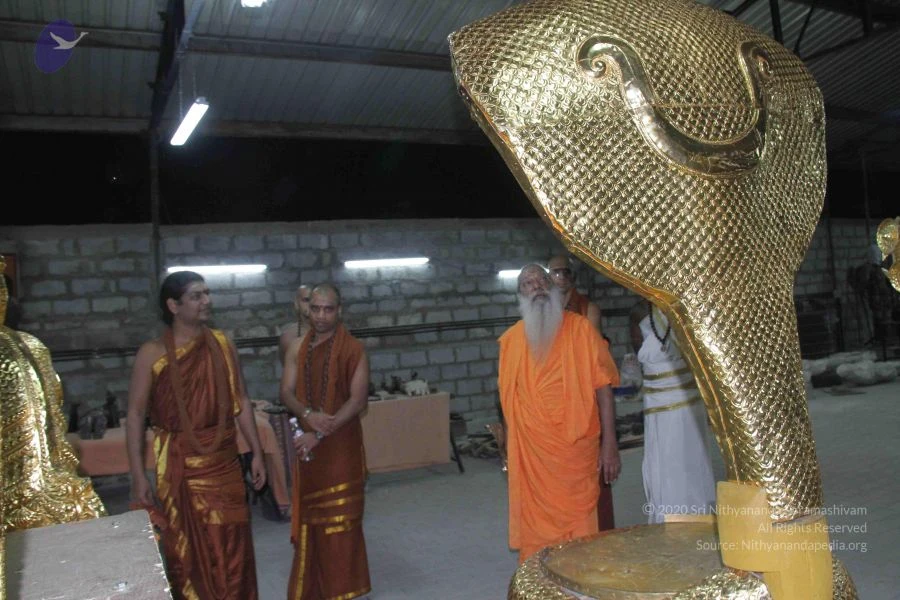
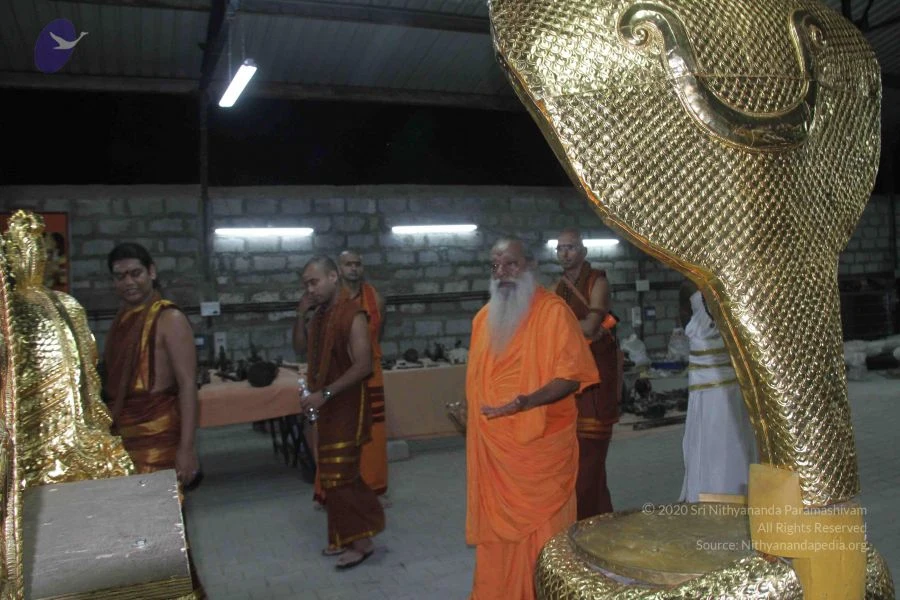
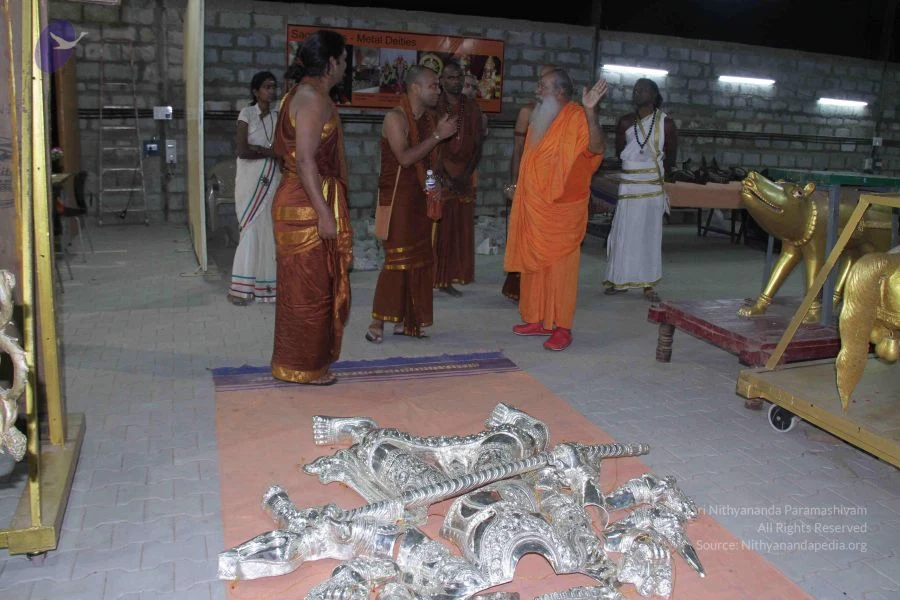
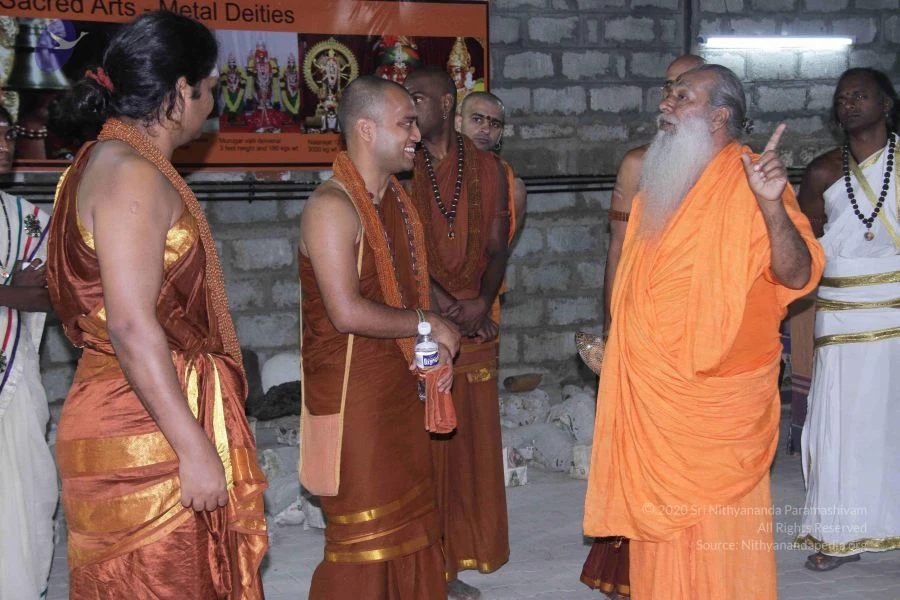
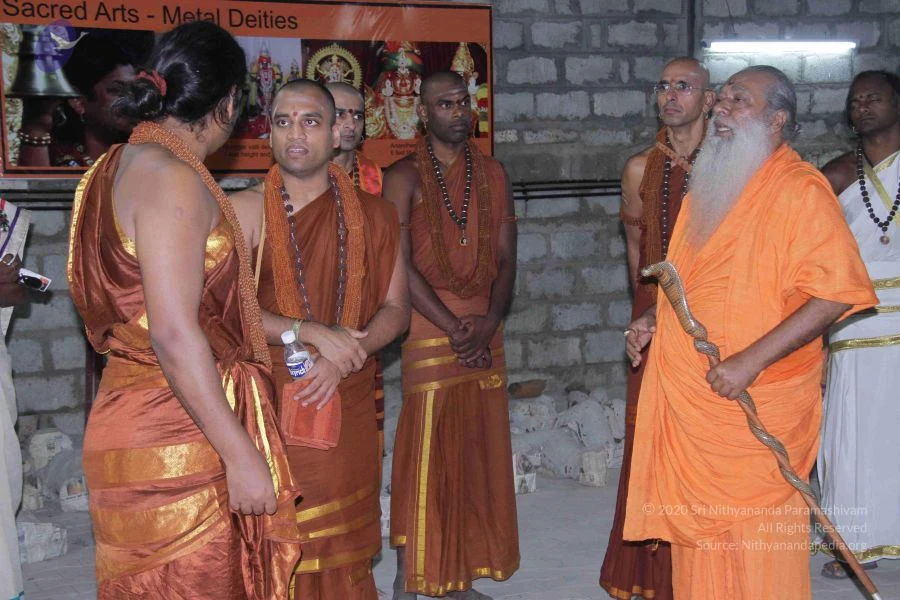
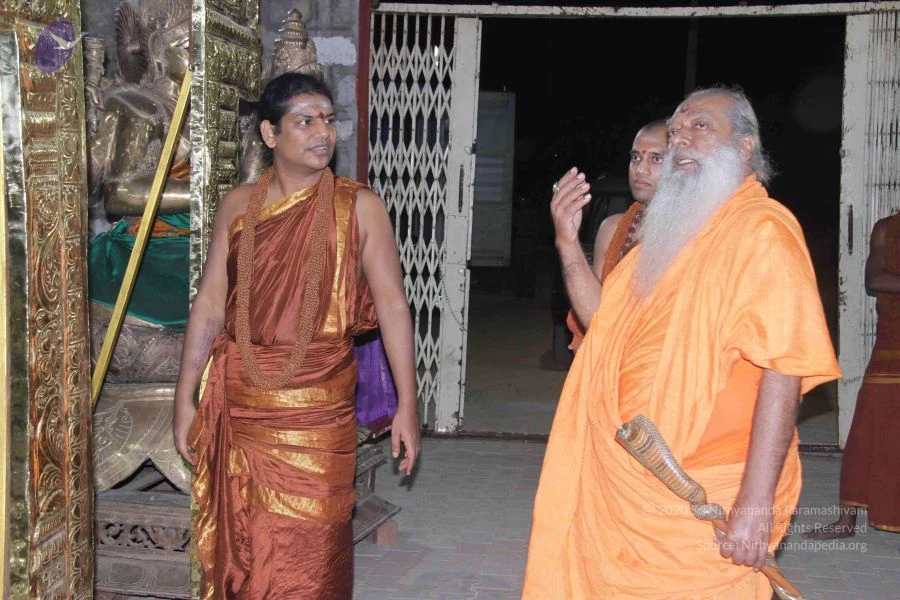
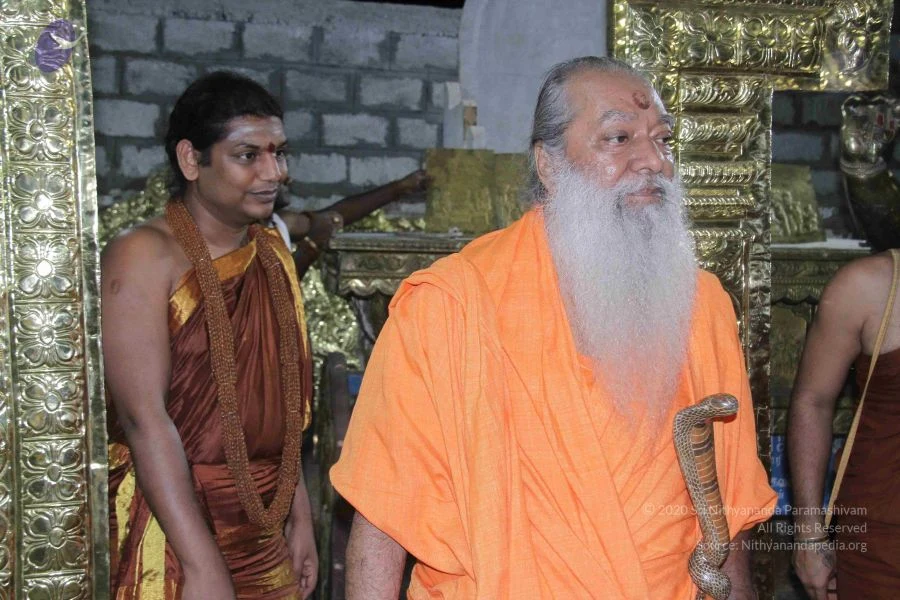
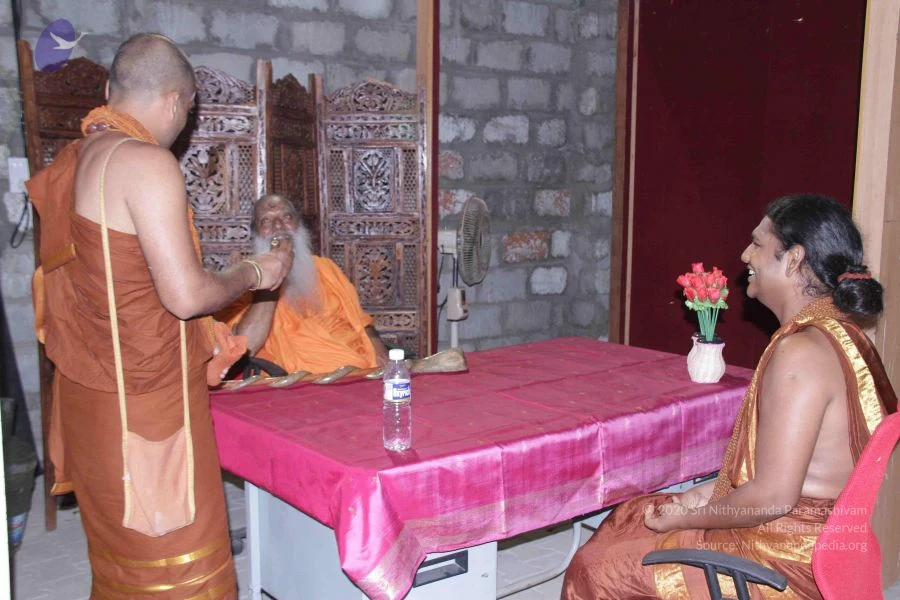
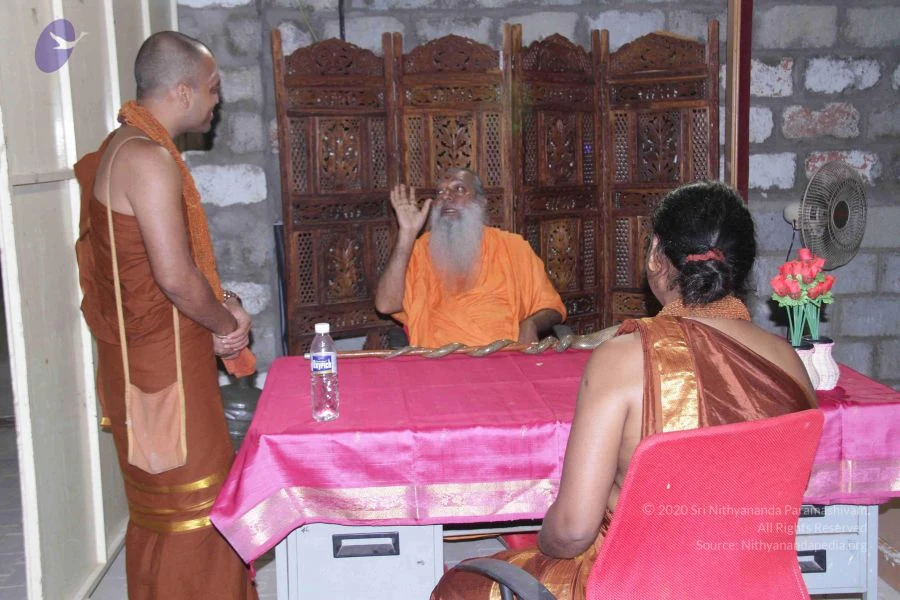
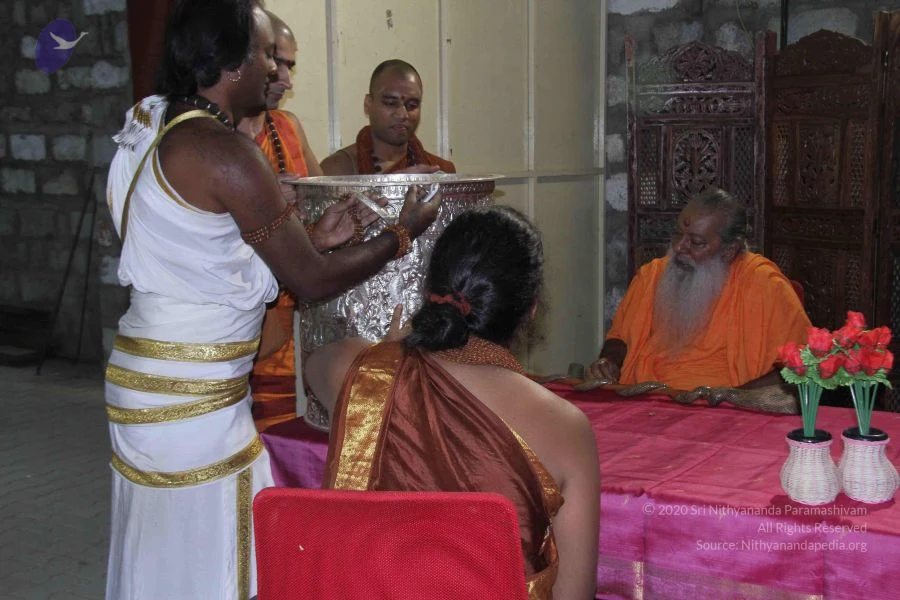
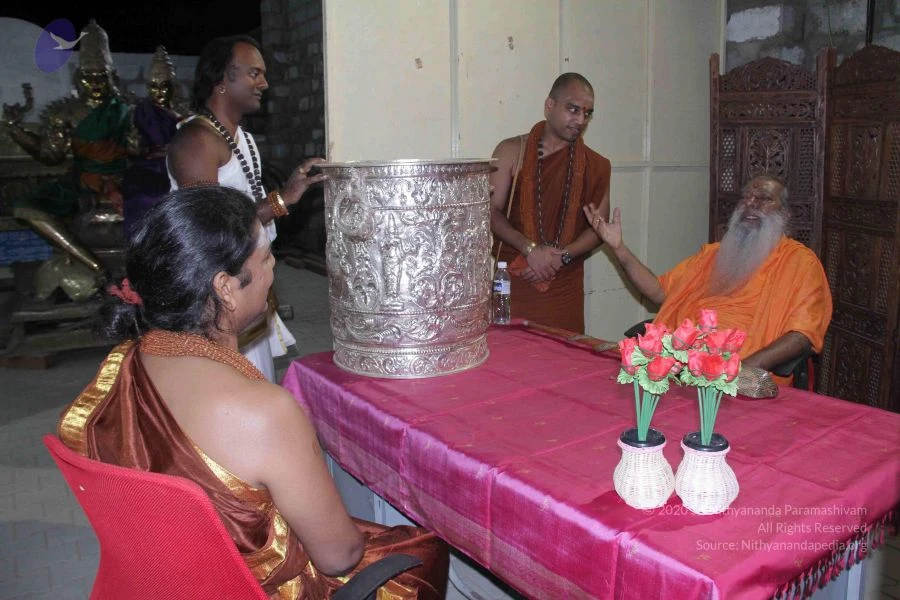
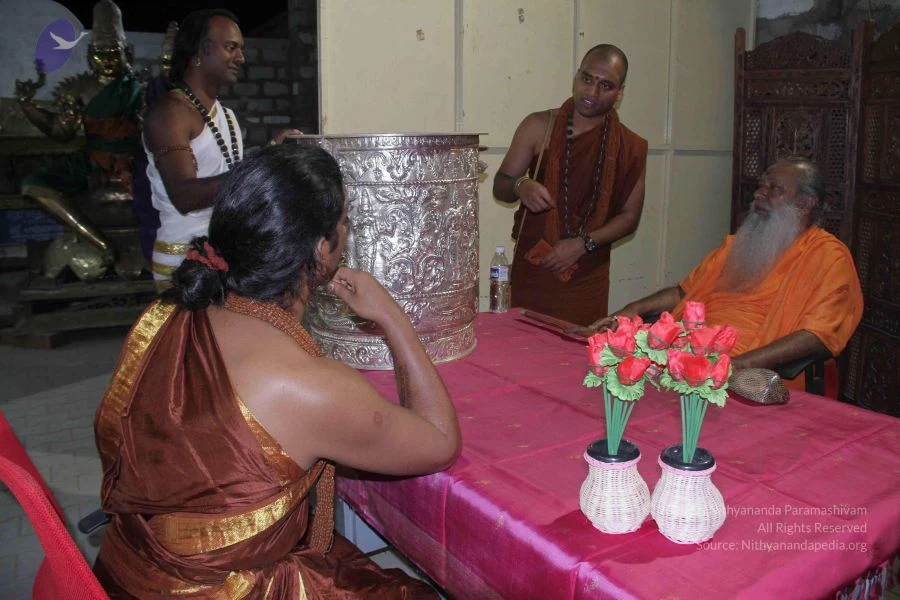
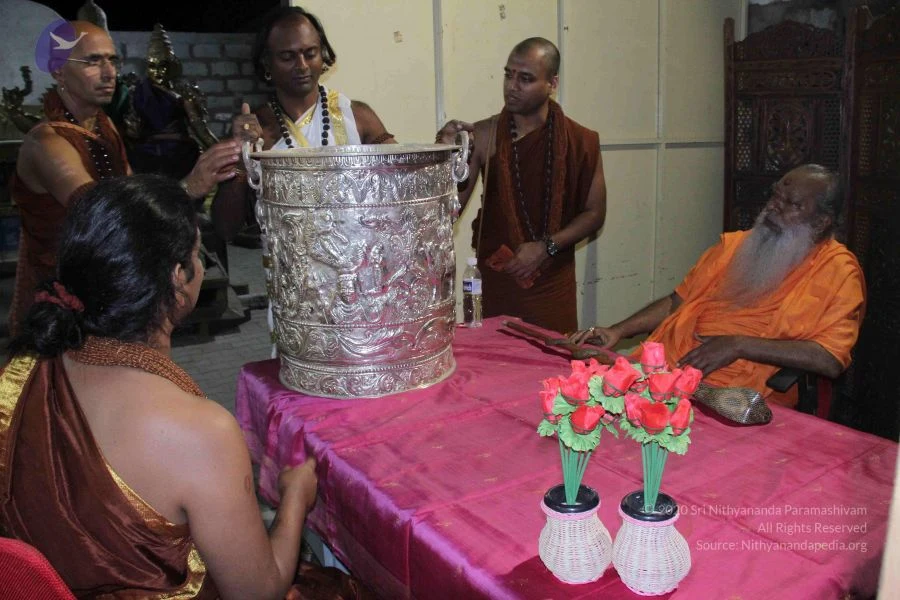
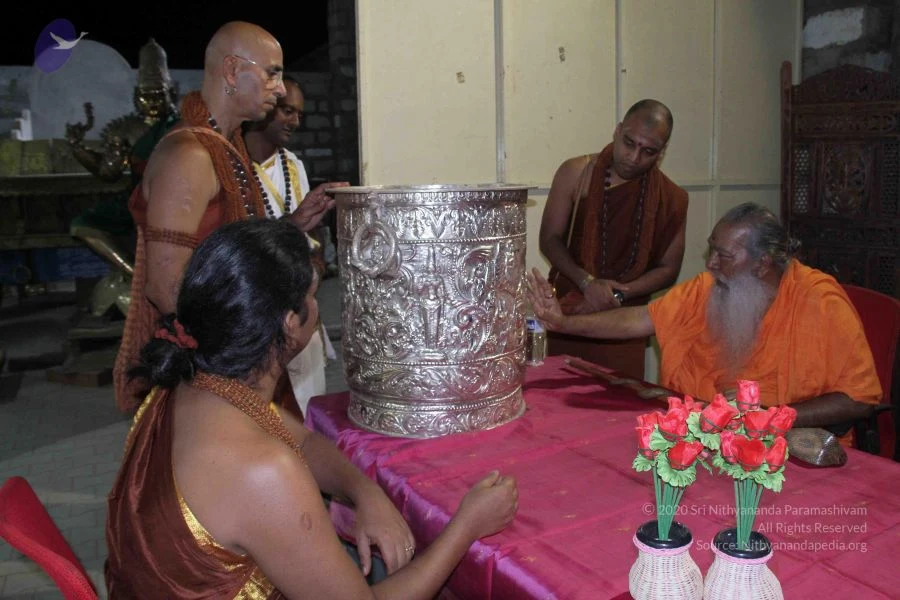
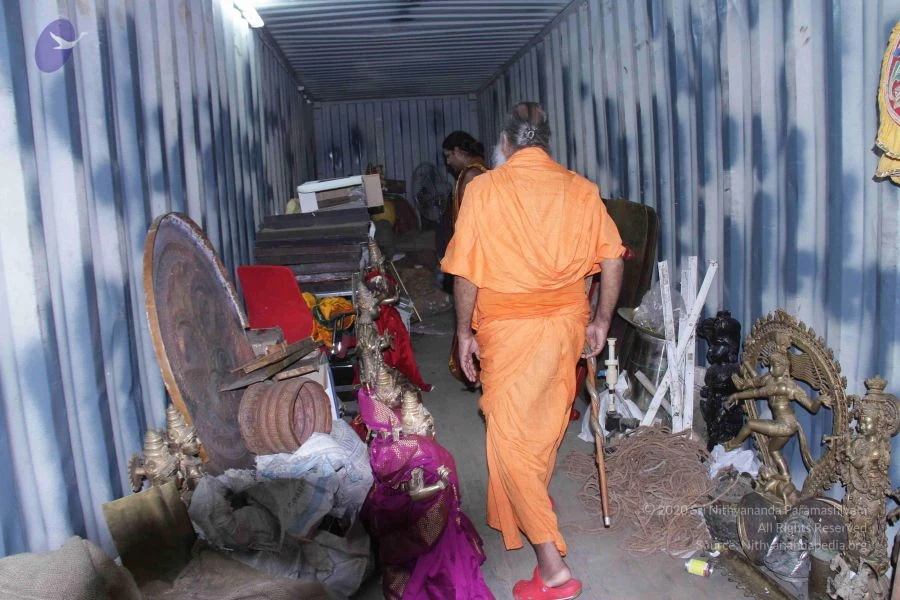
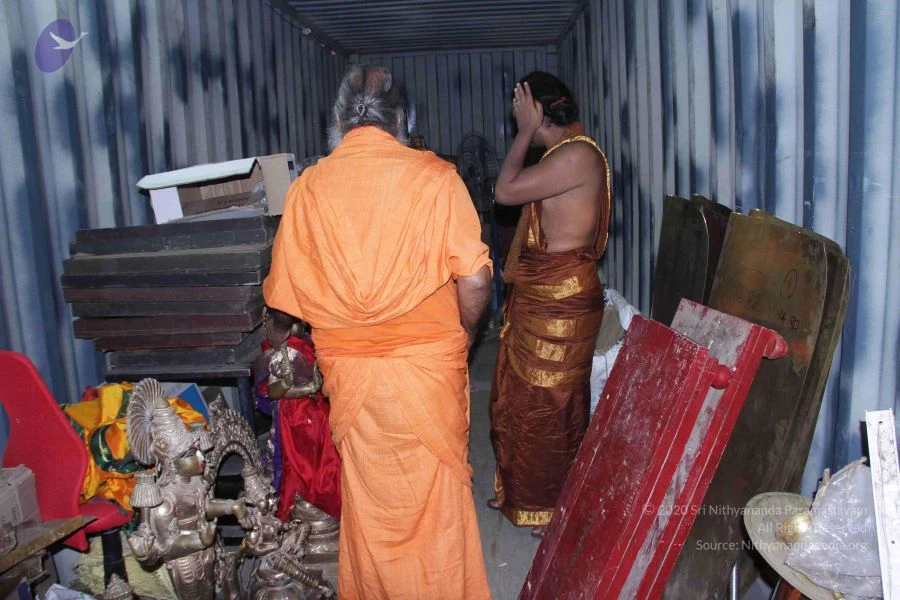
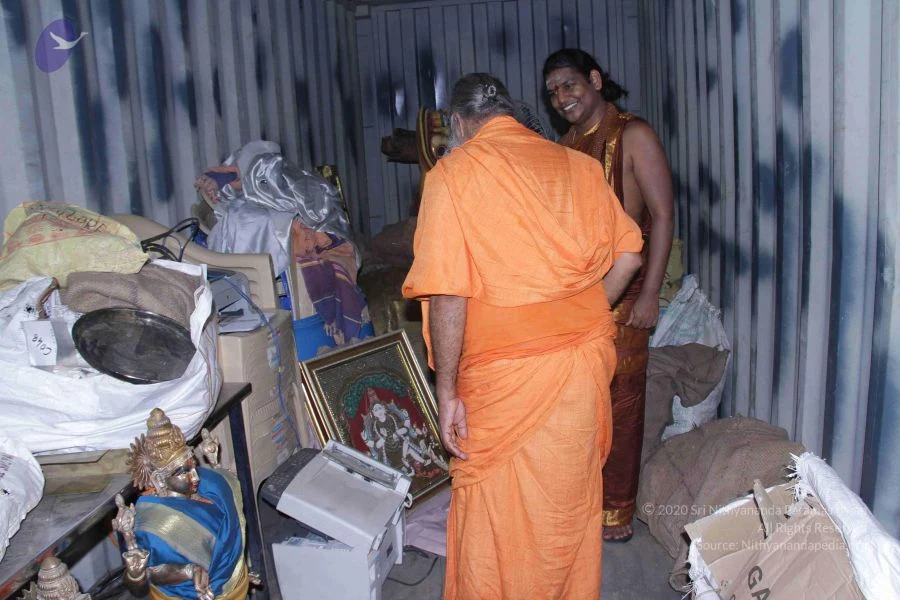
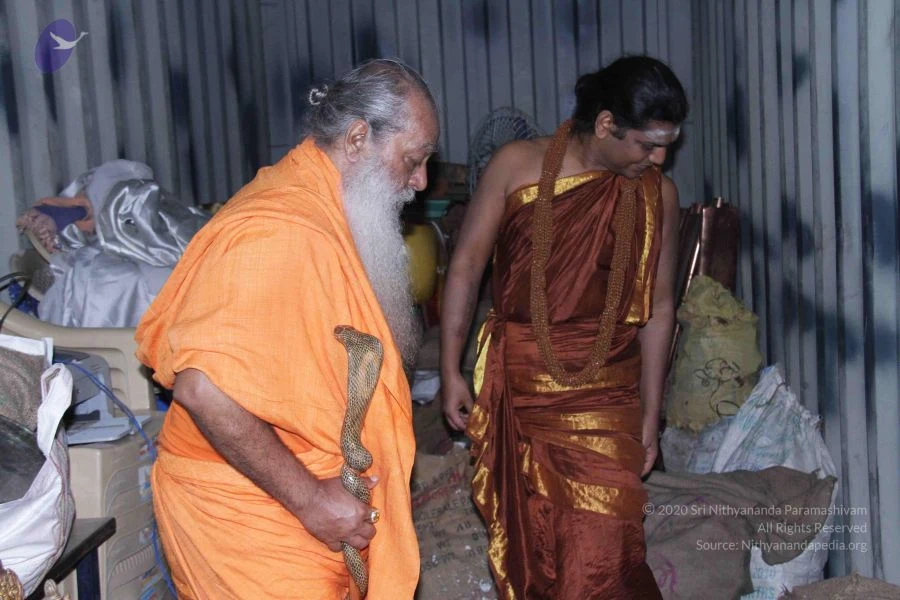
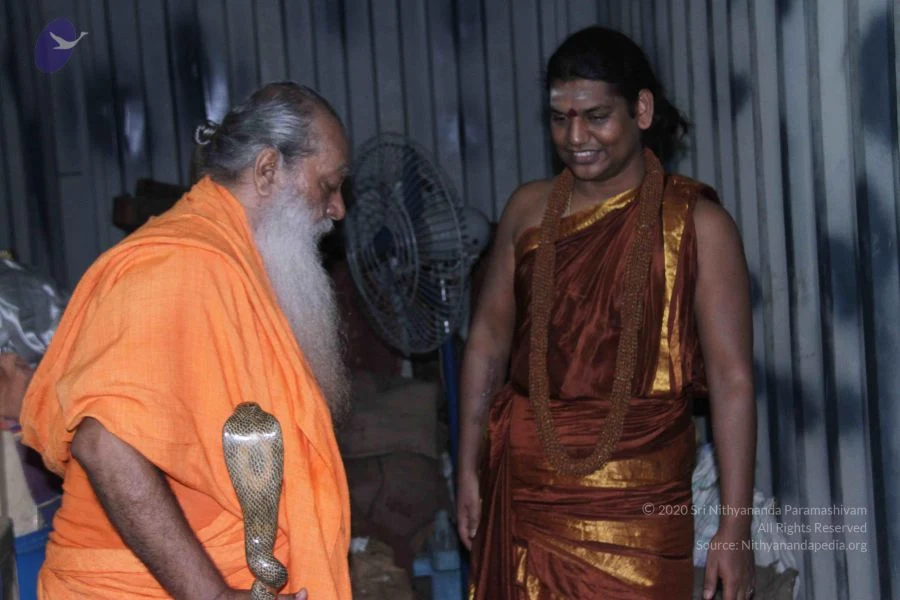
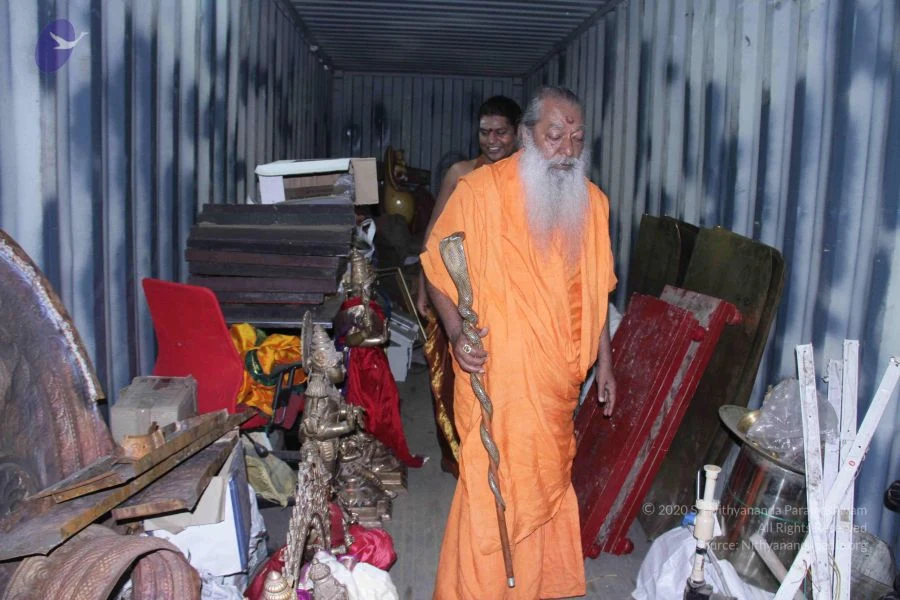
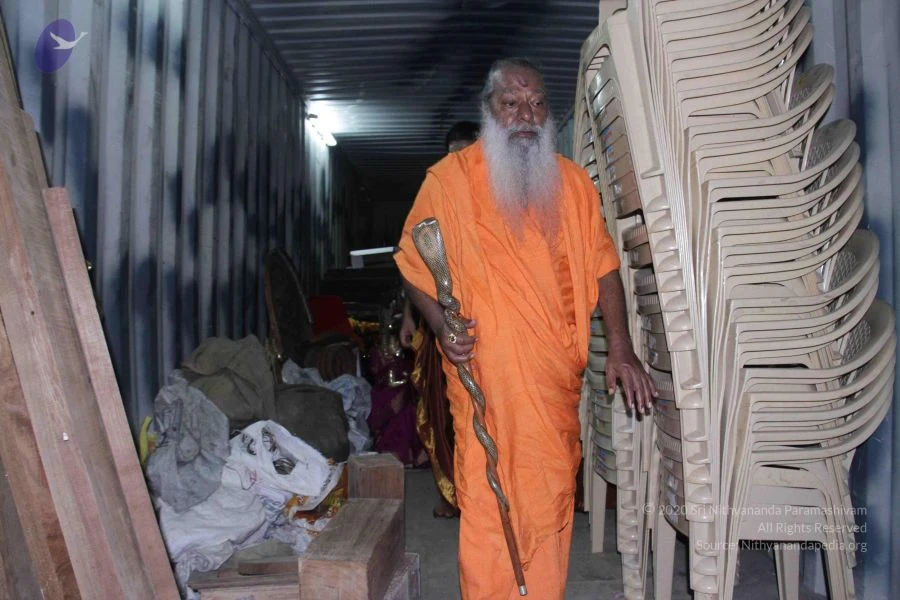
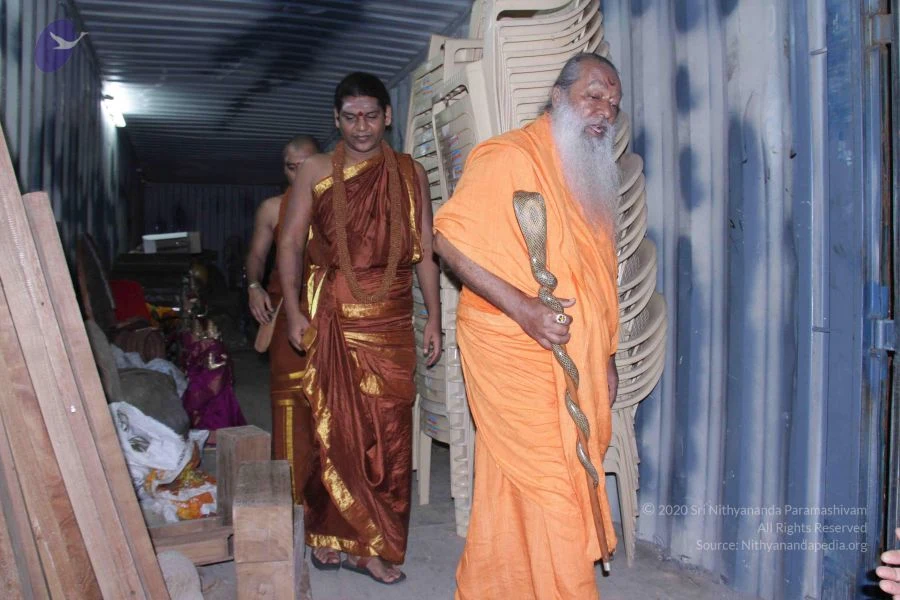
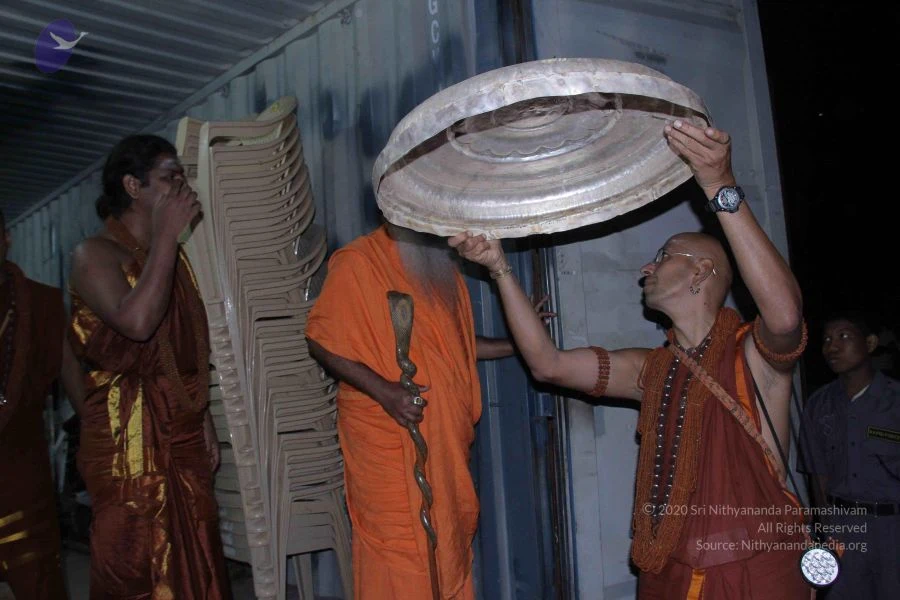
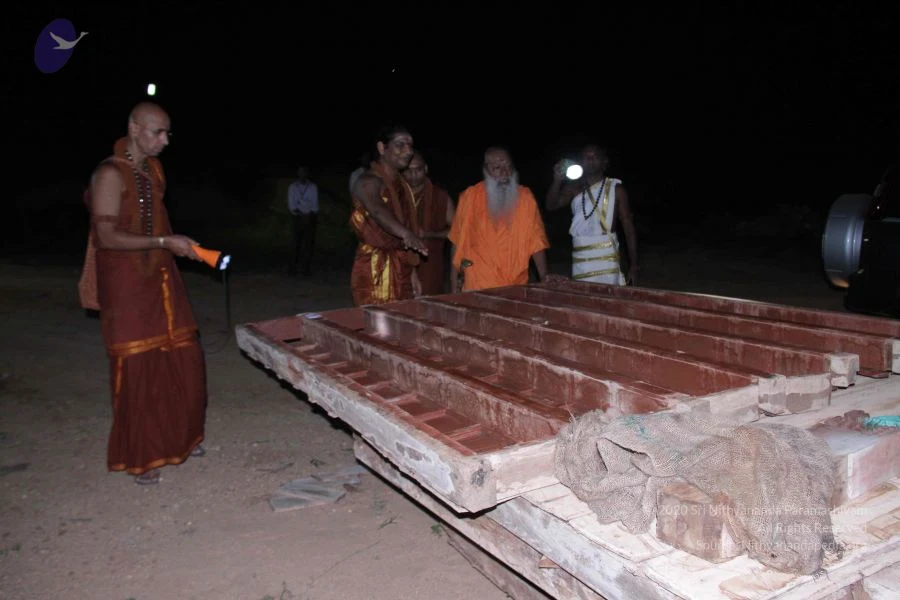
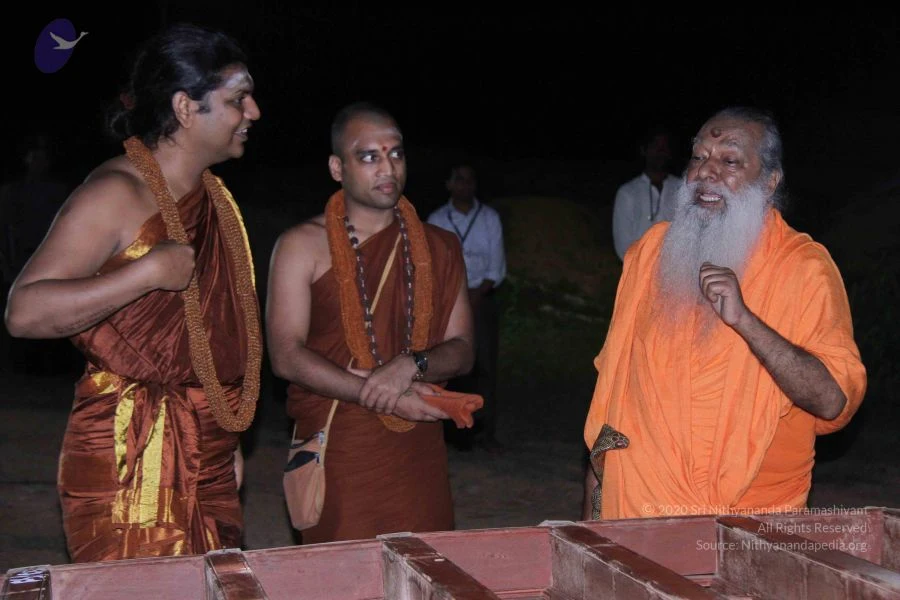
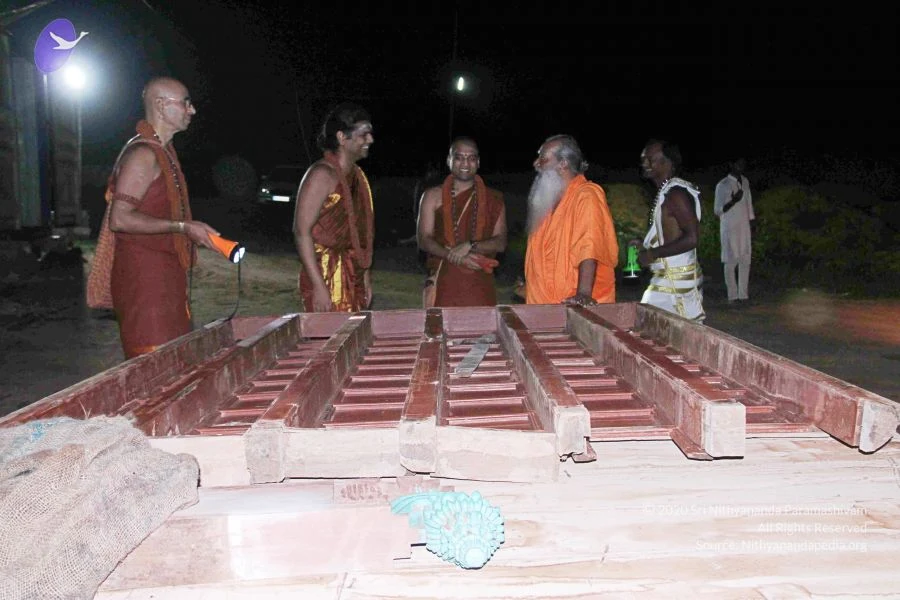
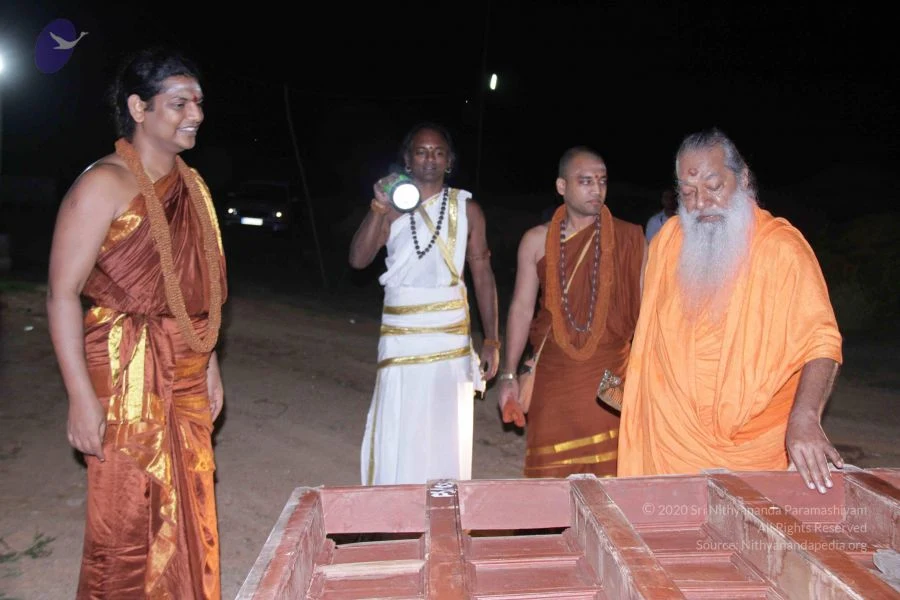
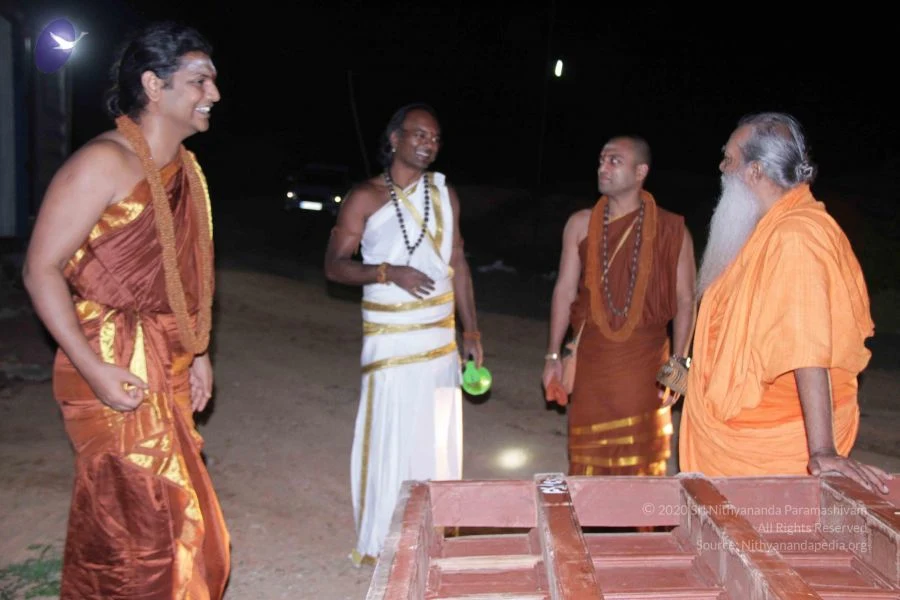
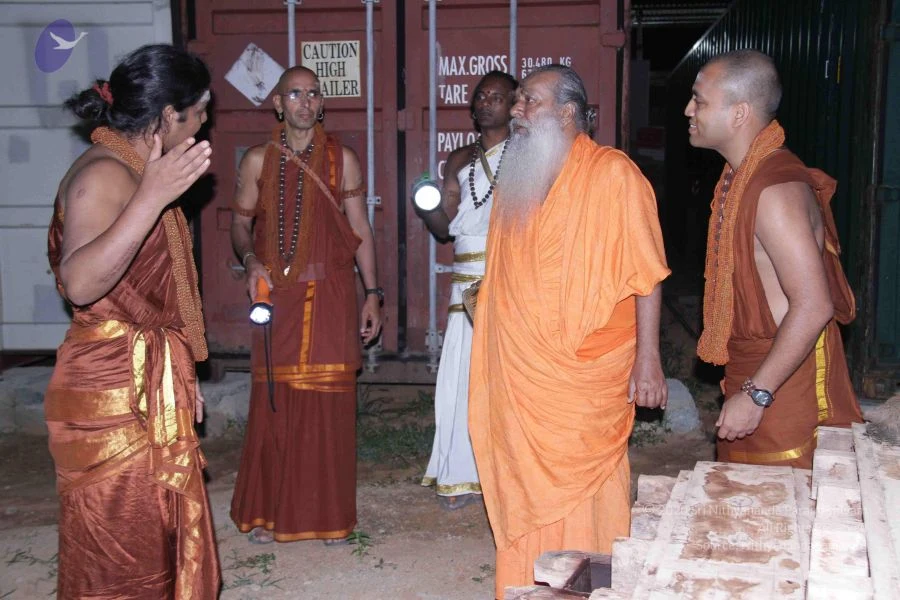
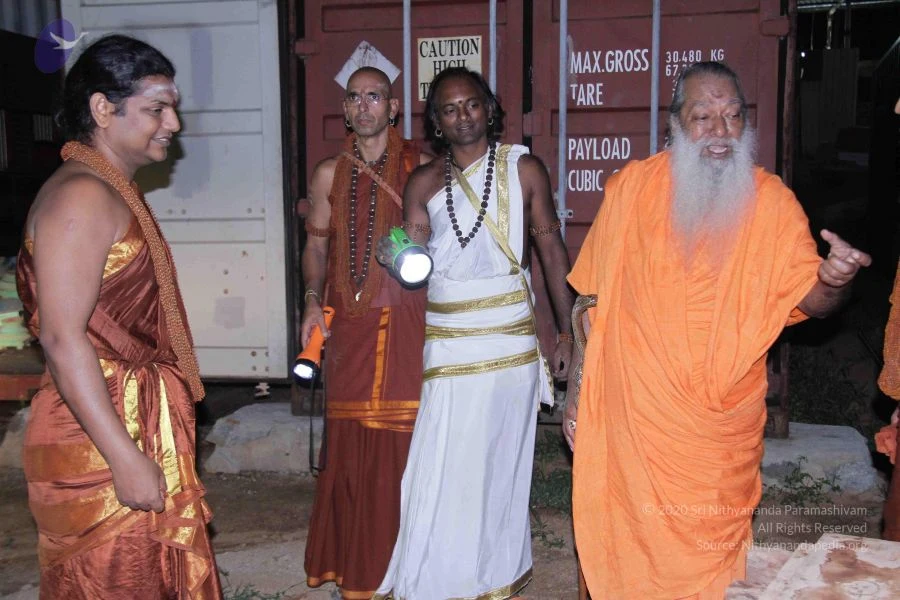
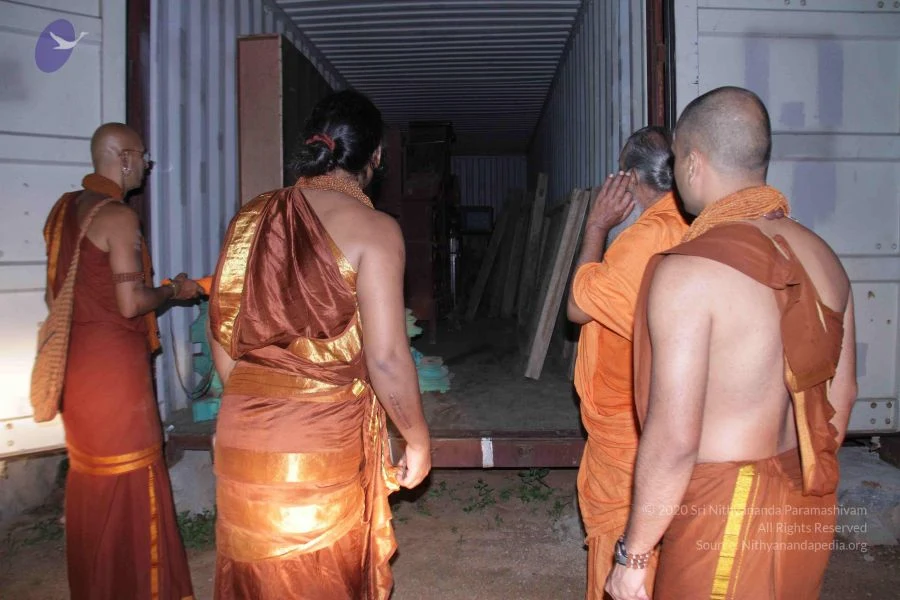
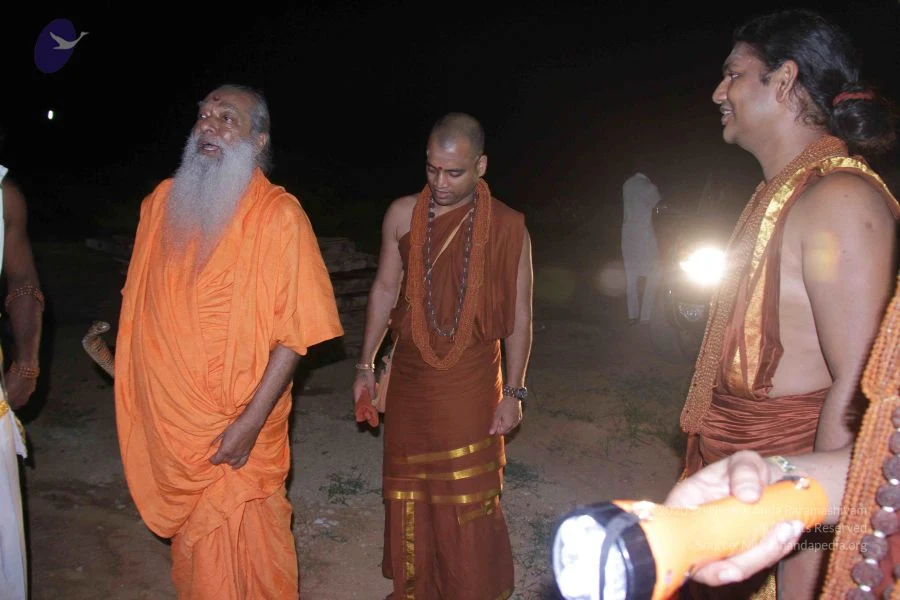
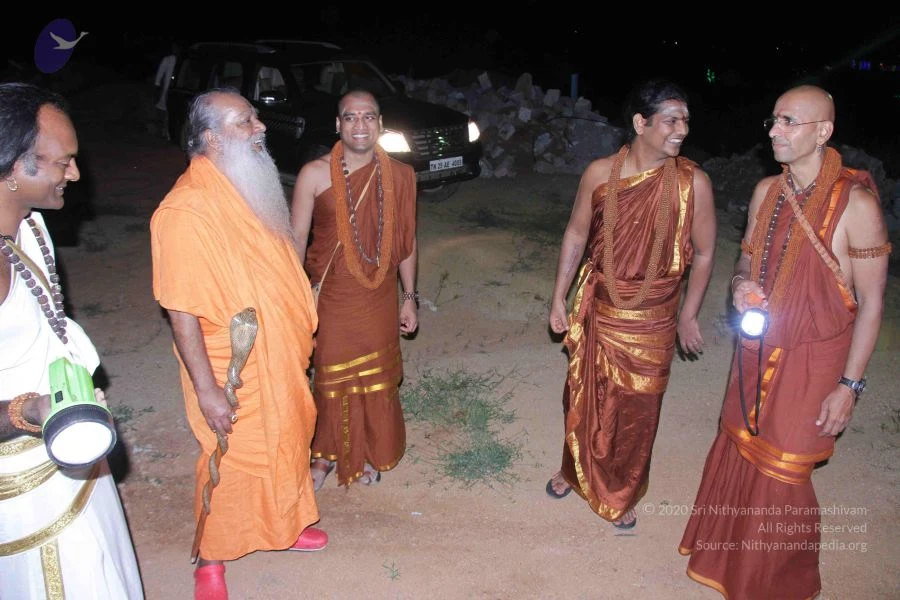
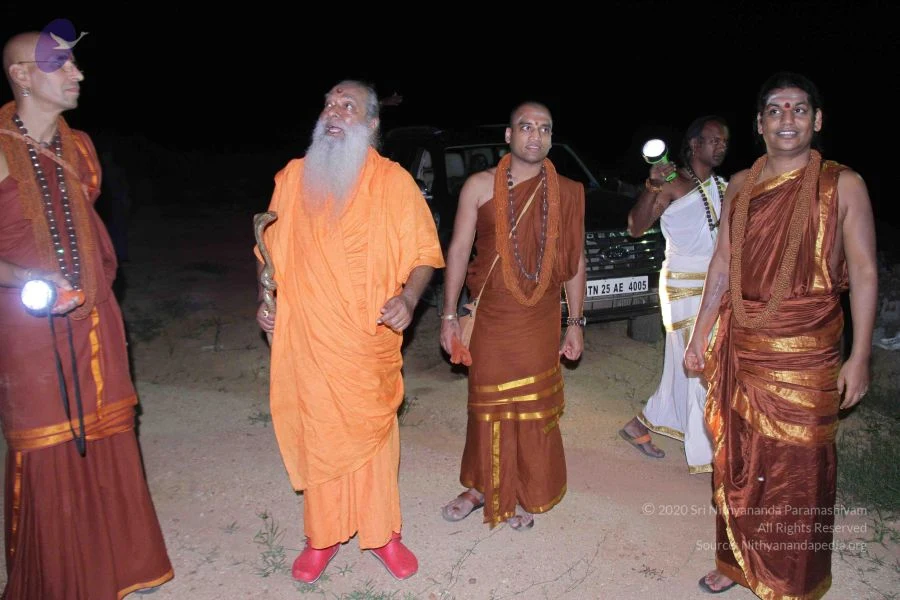
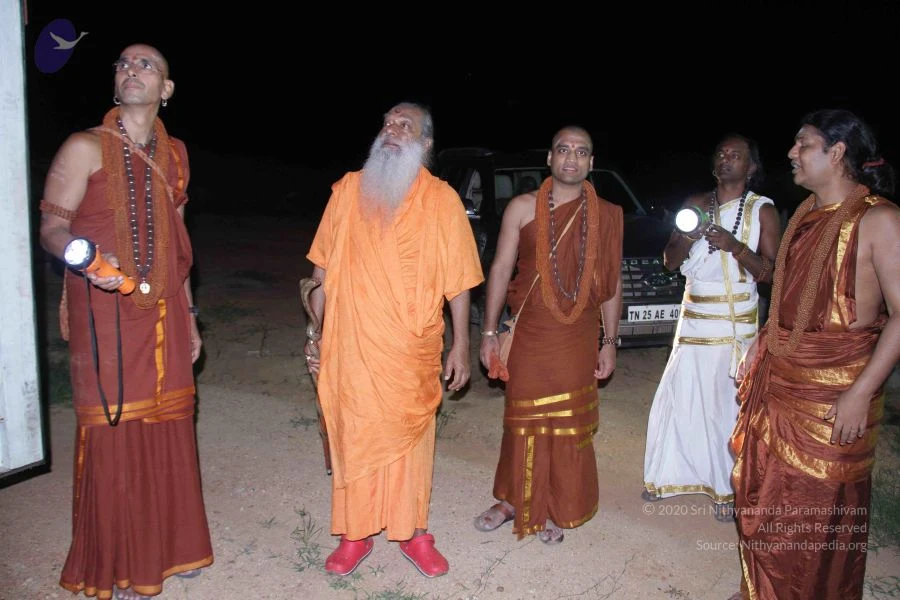
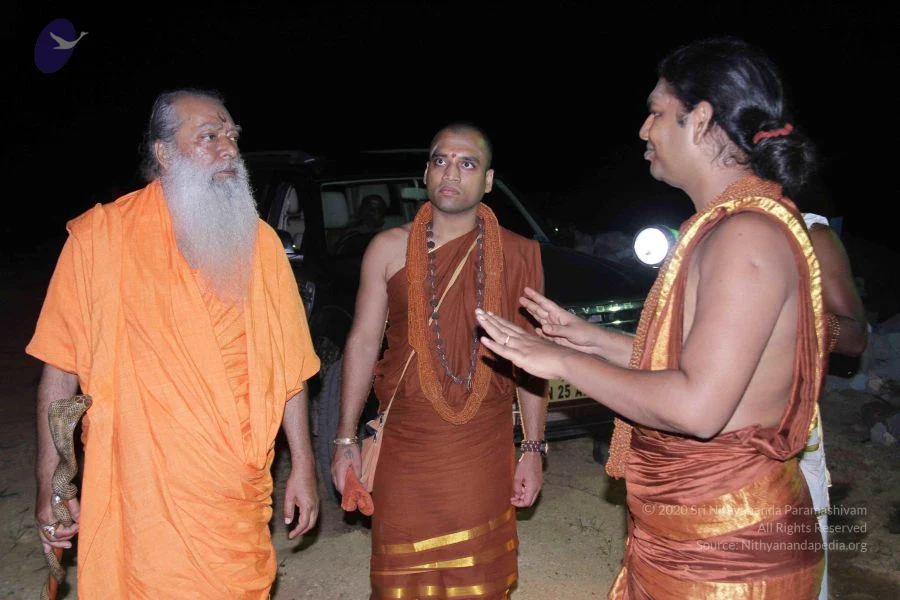
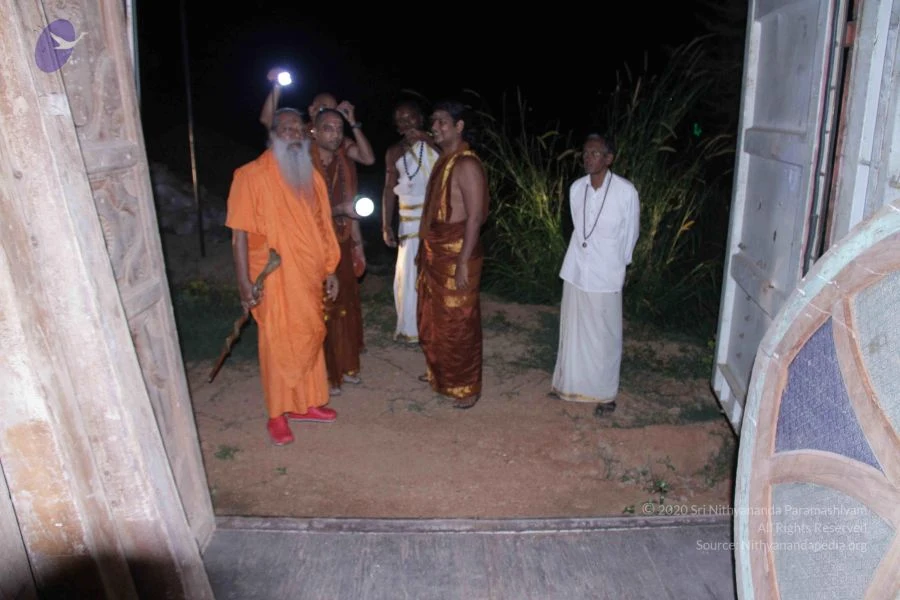
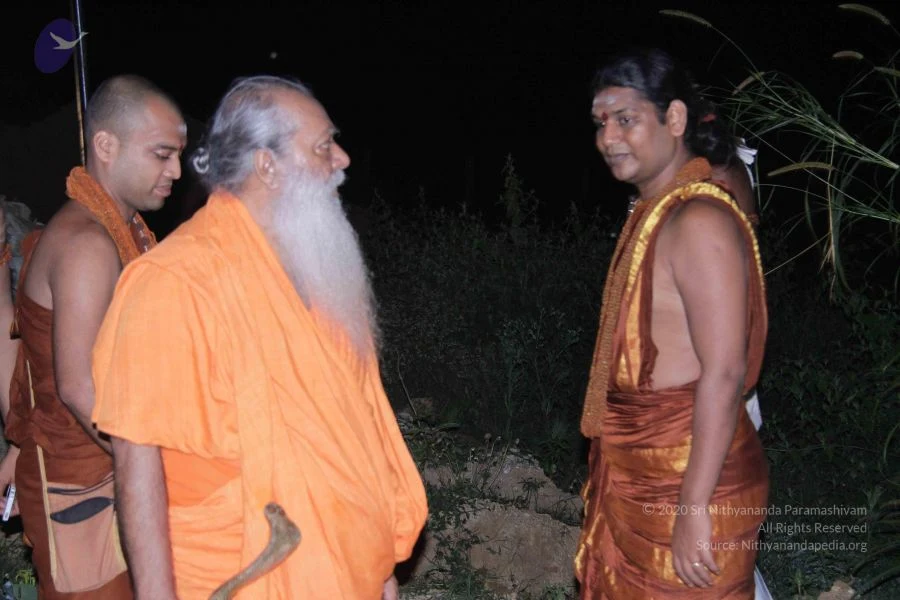
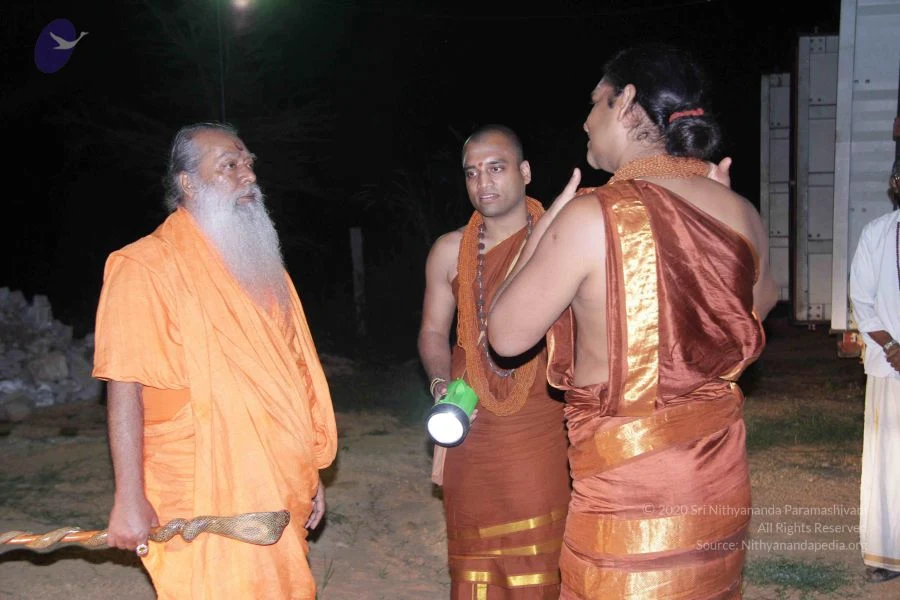
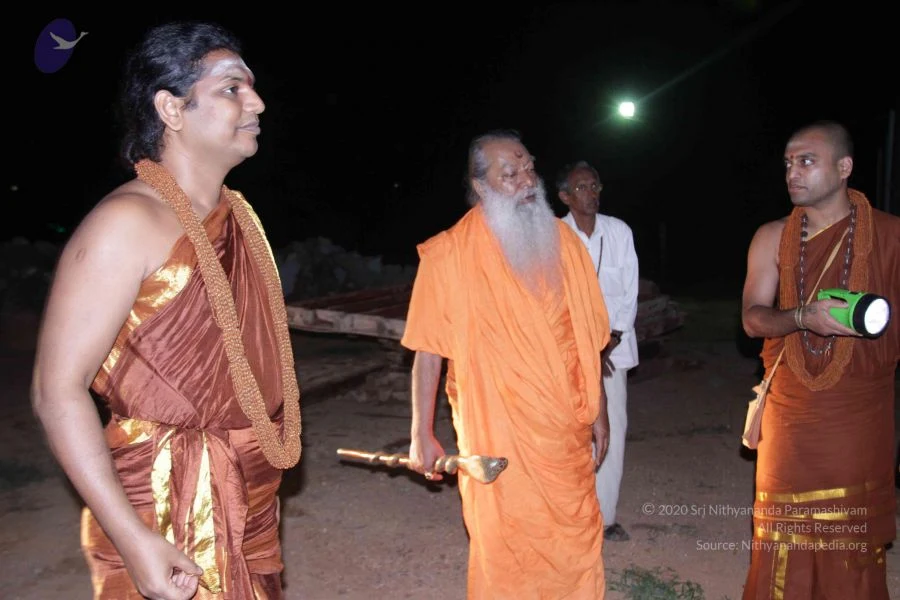
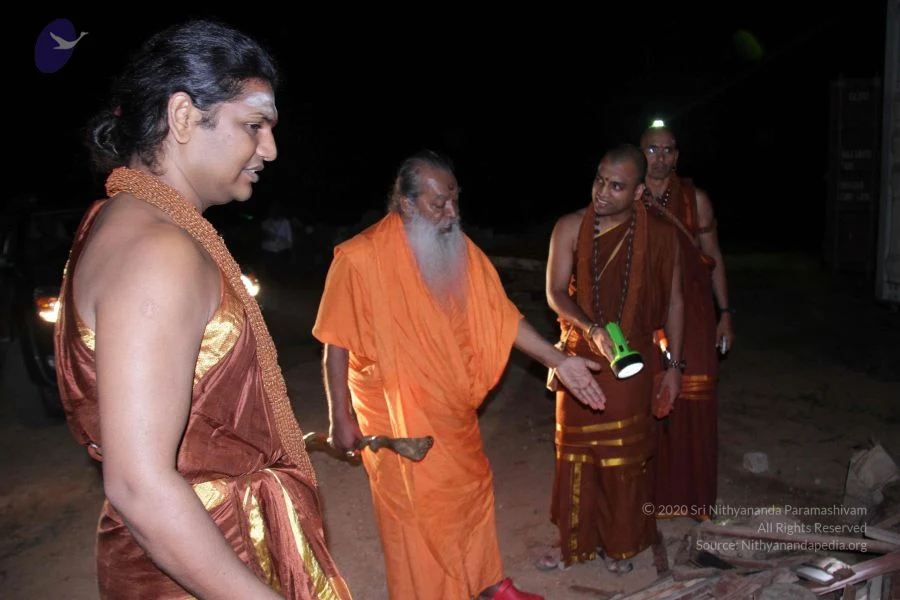
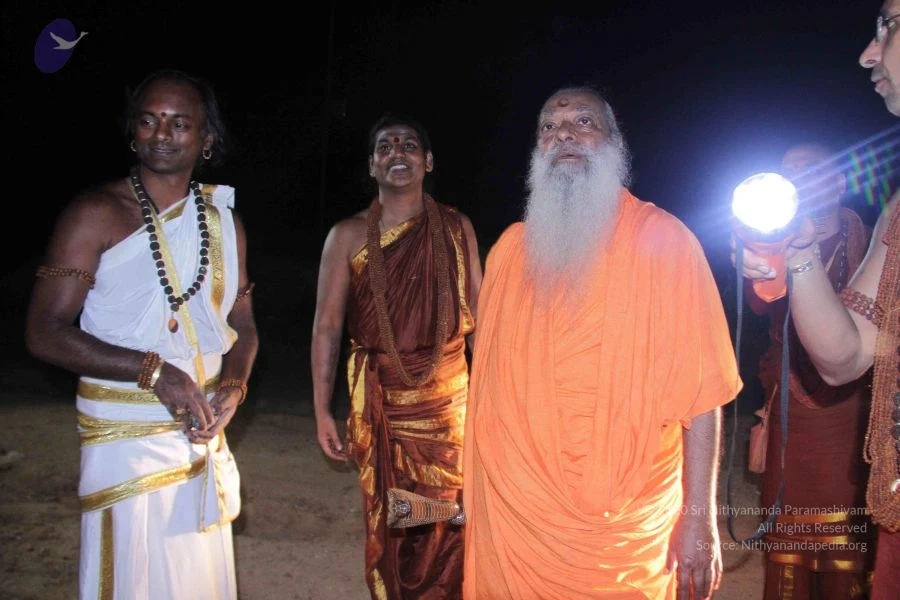
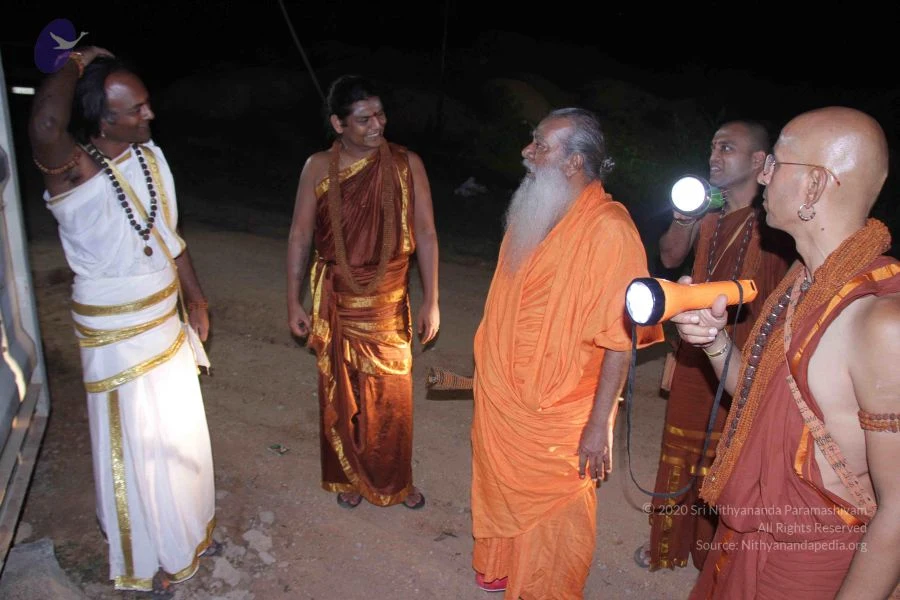
I have one more good news for all you guys, all the devotees and disciples. Today, the Atal Akhada.Please understand, Mahanirvani Akhada and Atal Akhada, these two akhadas are twin akhada. Both together, function together. The Atal Akhada Acharya Mahamandaleshwar, Swami Shukadevanandaji is coming today to our ashram. All of you may be aware; I am the Mahanirvani Akhada’s Mahamandaleshwar. Actually, this Swami coroneted me. Vishwadevanandaji and Shukadevanandaji, these two coroneted me. In that, Vishwadevanandaji has passed away. Shukadevanandaji is the only acharya. He is also the senior most acharya among all the seventeen akhadas. He is gracing our ashram today. Tomorrow, he will be in the satsangh.

Let you all achieve, experience, live express, radiate, share and explode in eternal bliss, Nithyananda.

Photos From The Day:
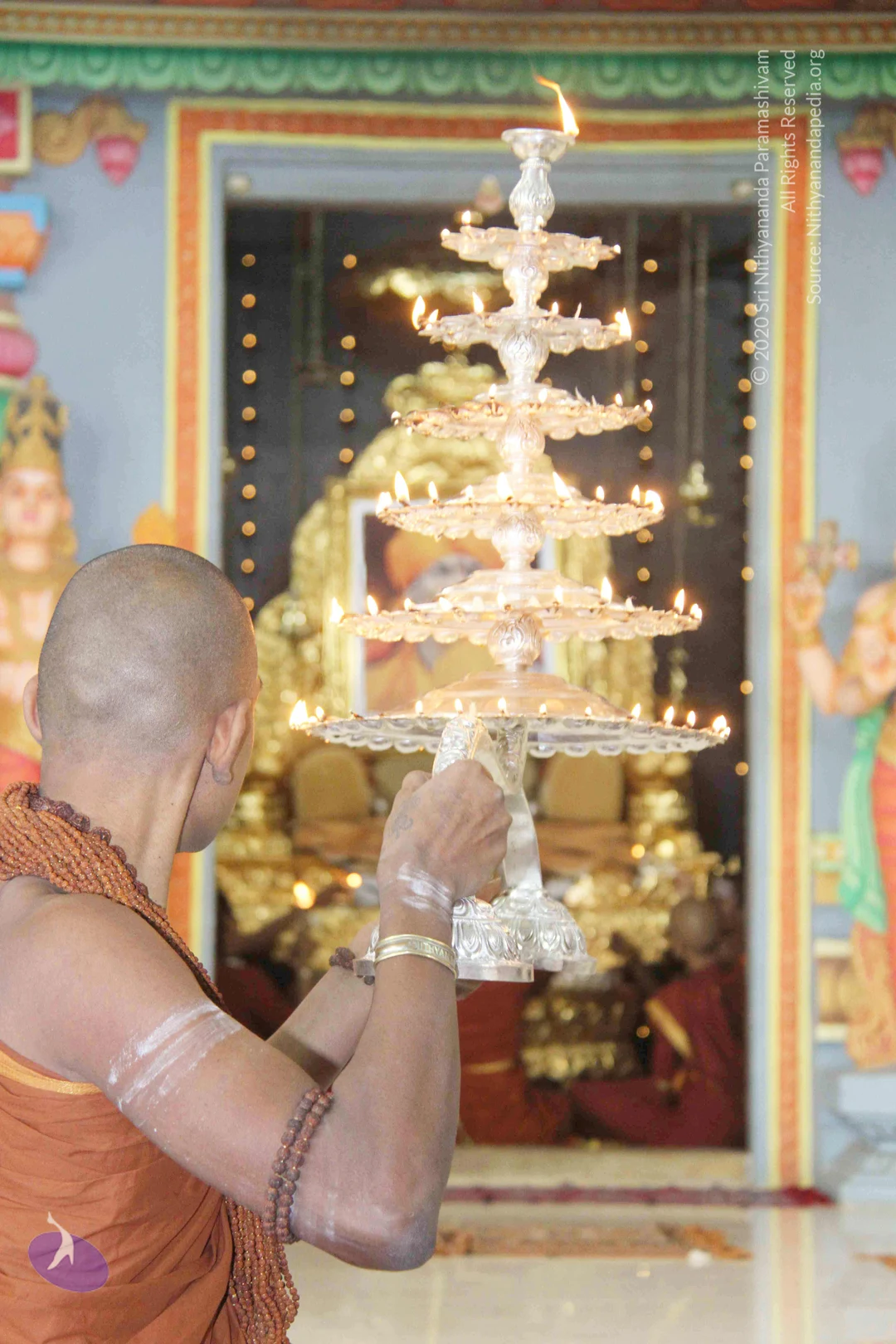
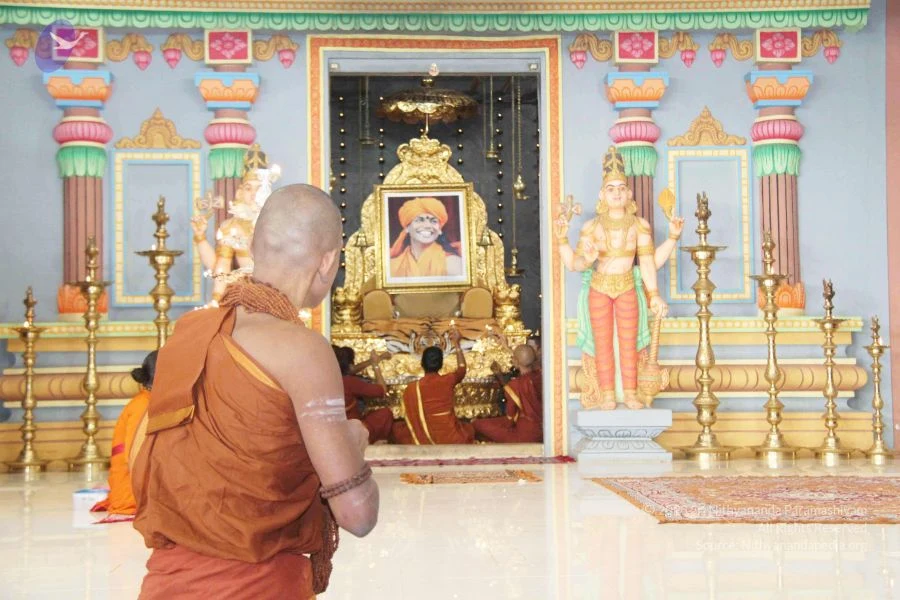
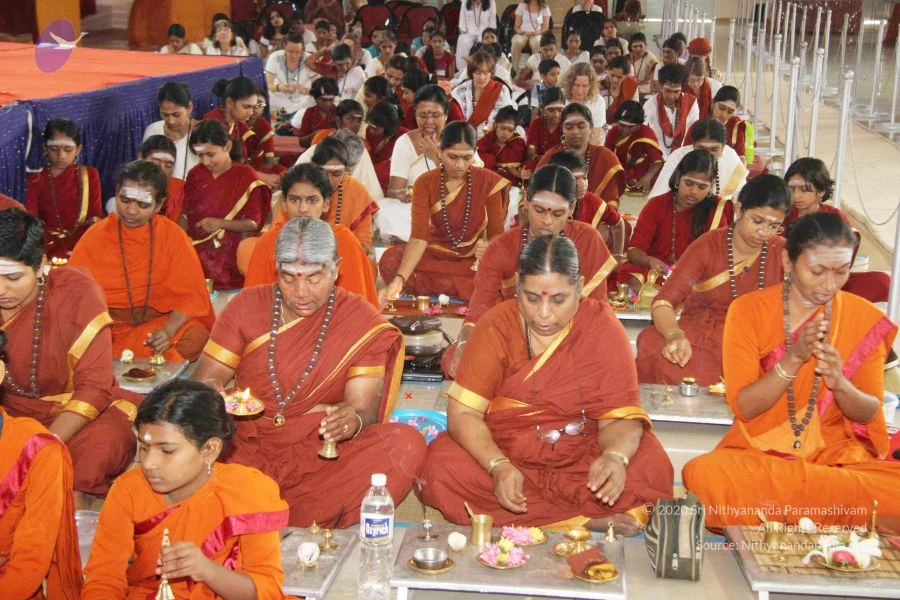
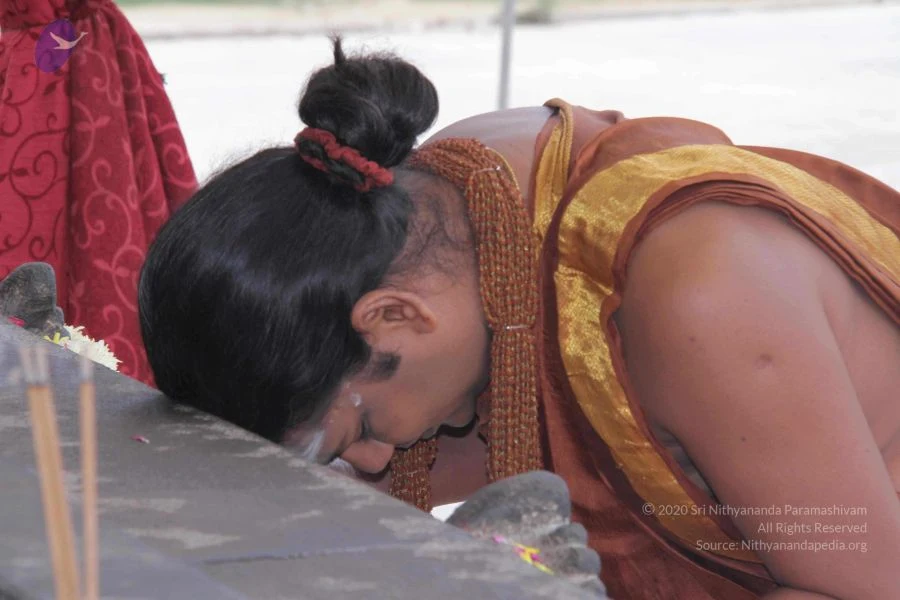
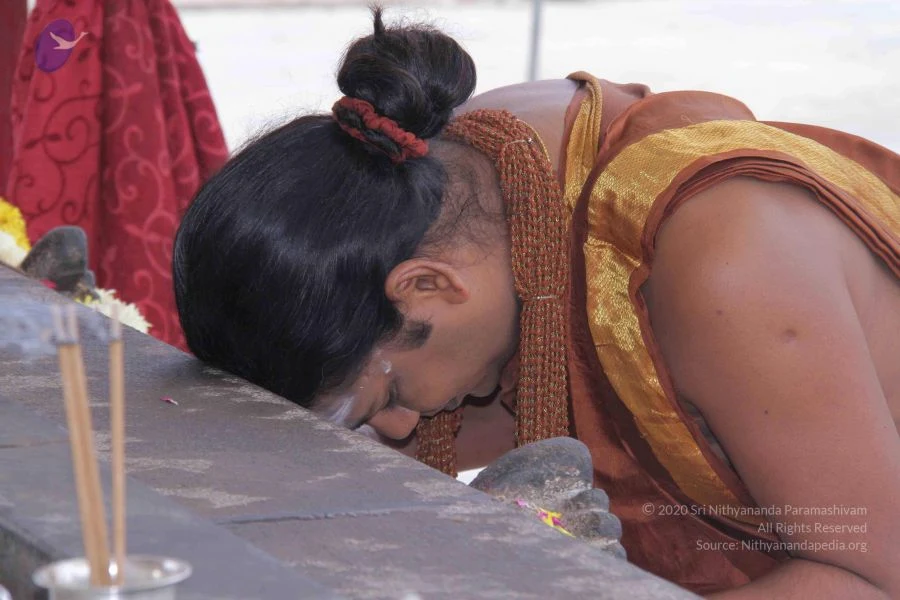
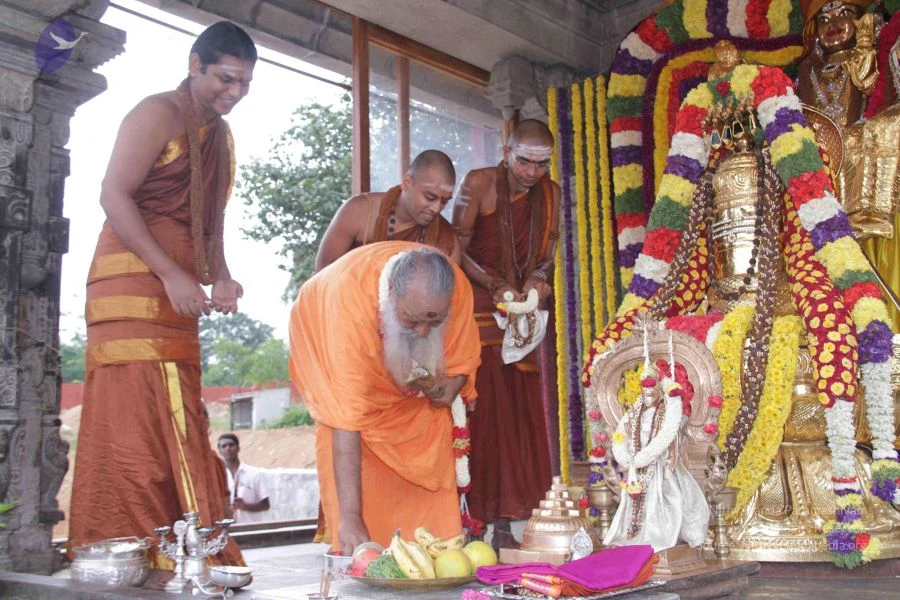
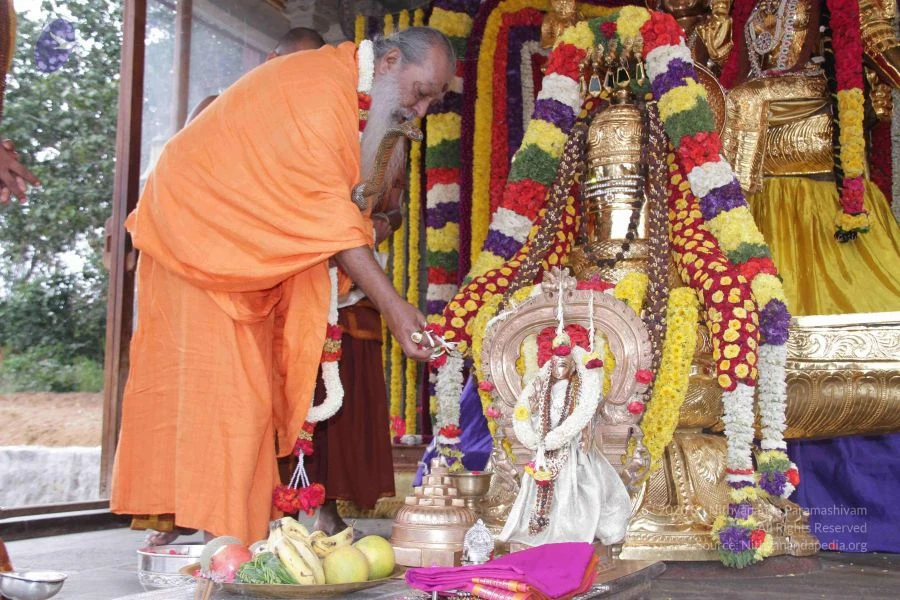
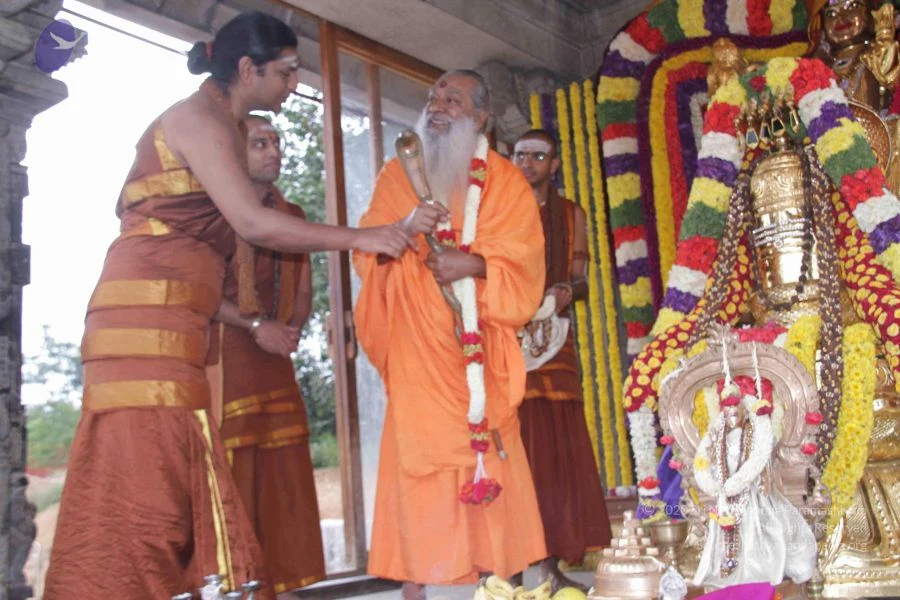
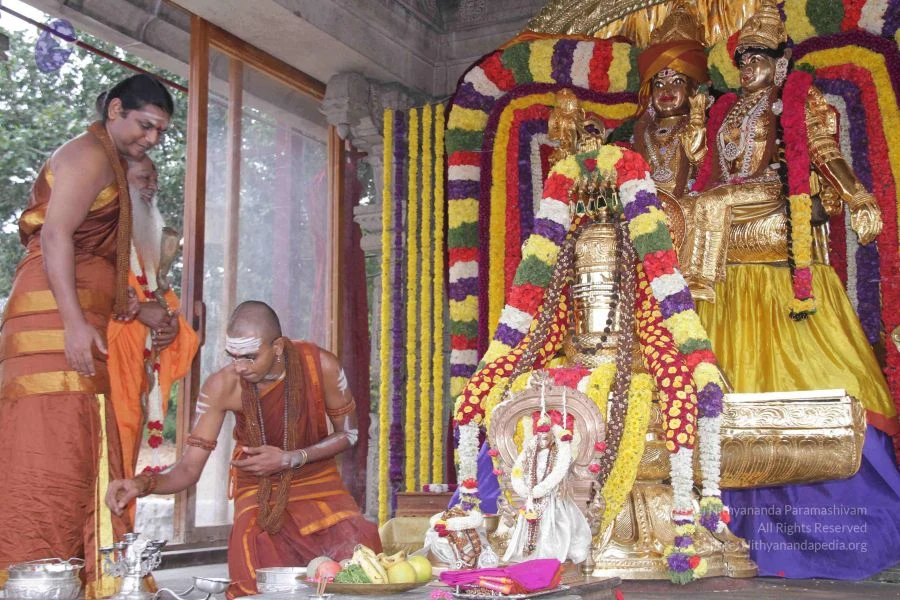
Paduka Puja at Aadikailaasa, Bidadi, India
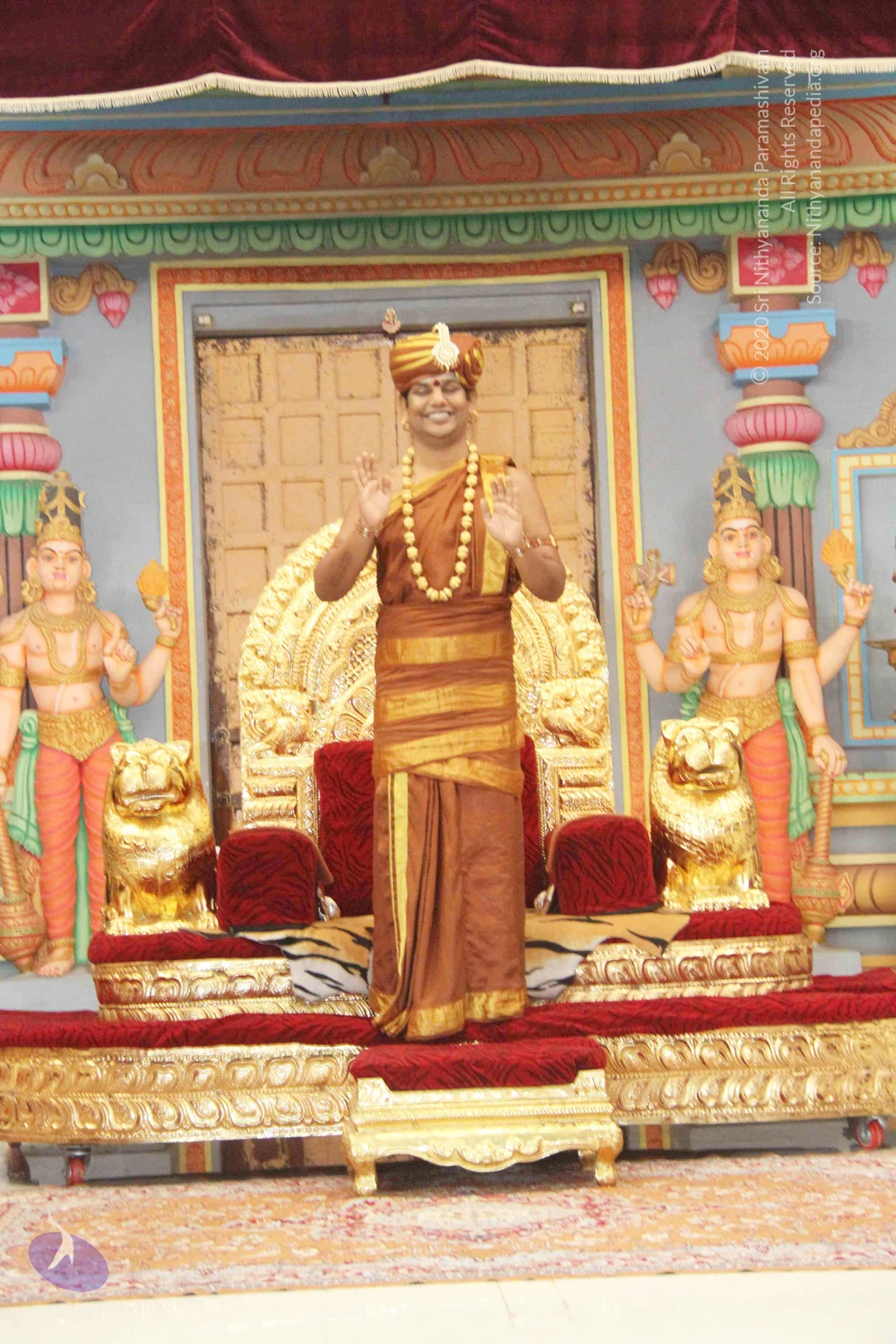
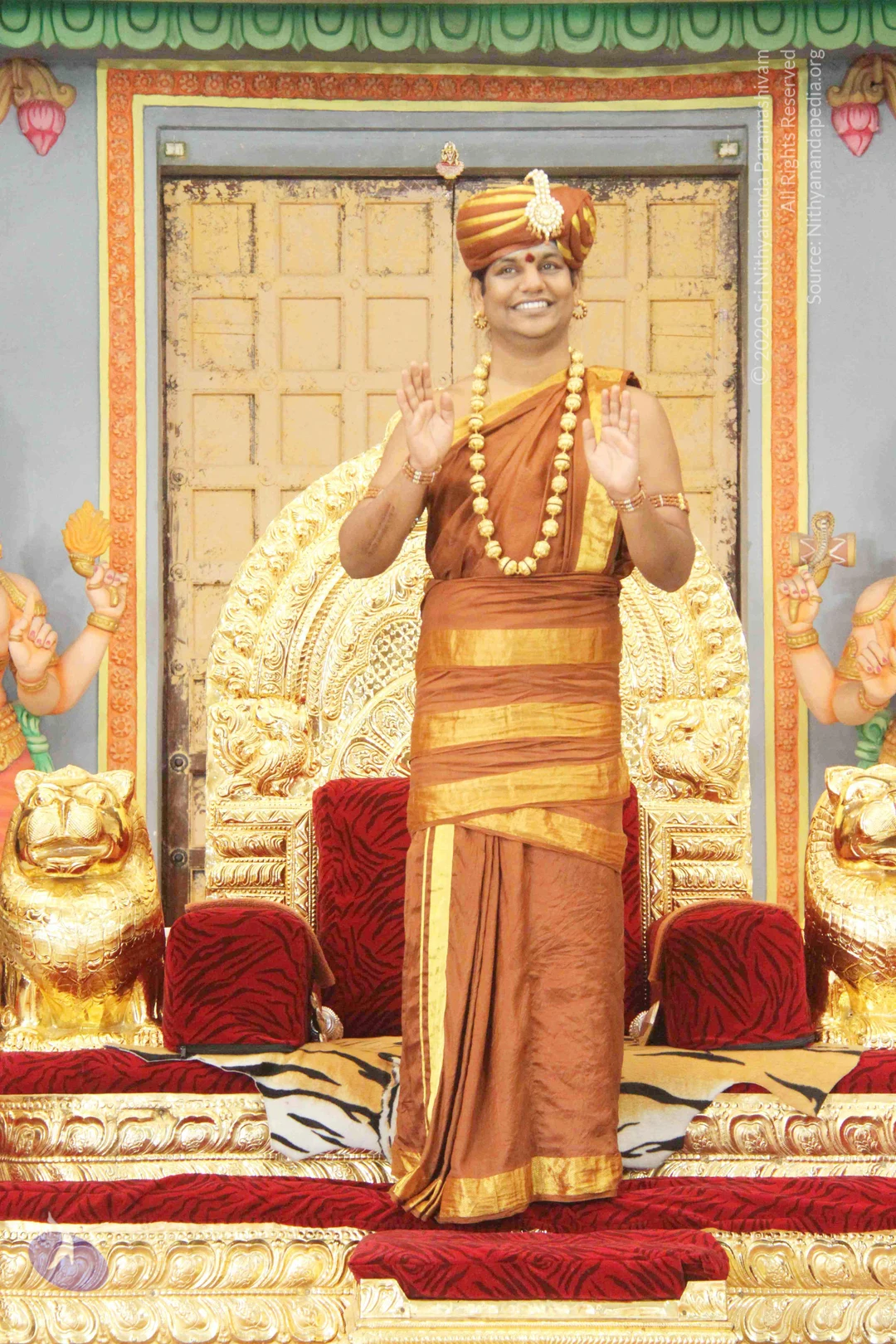
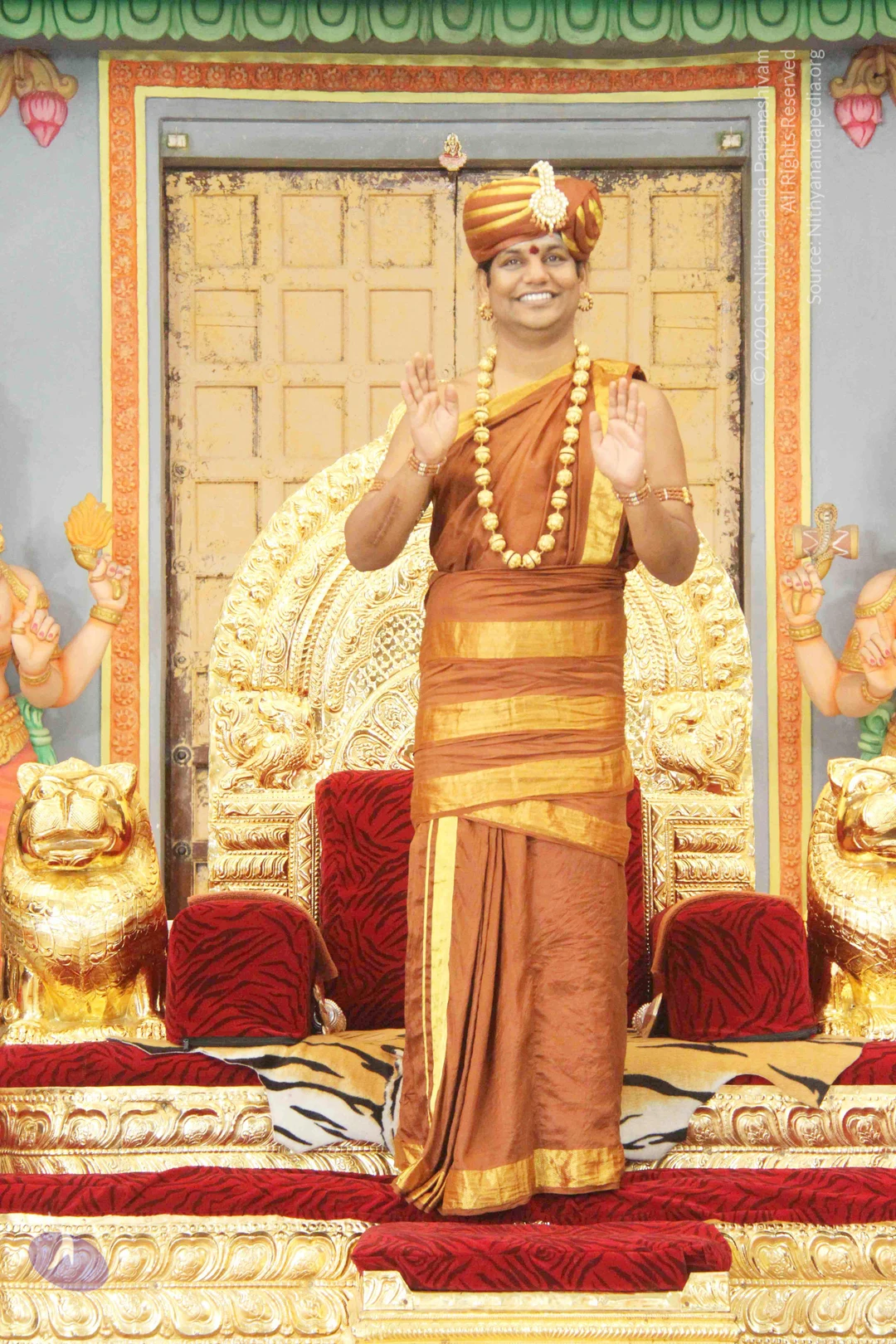
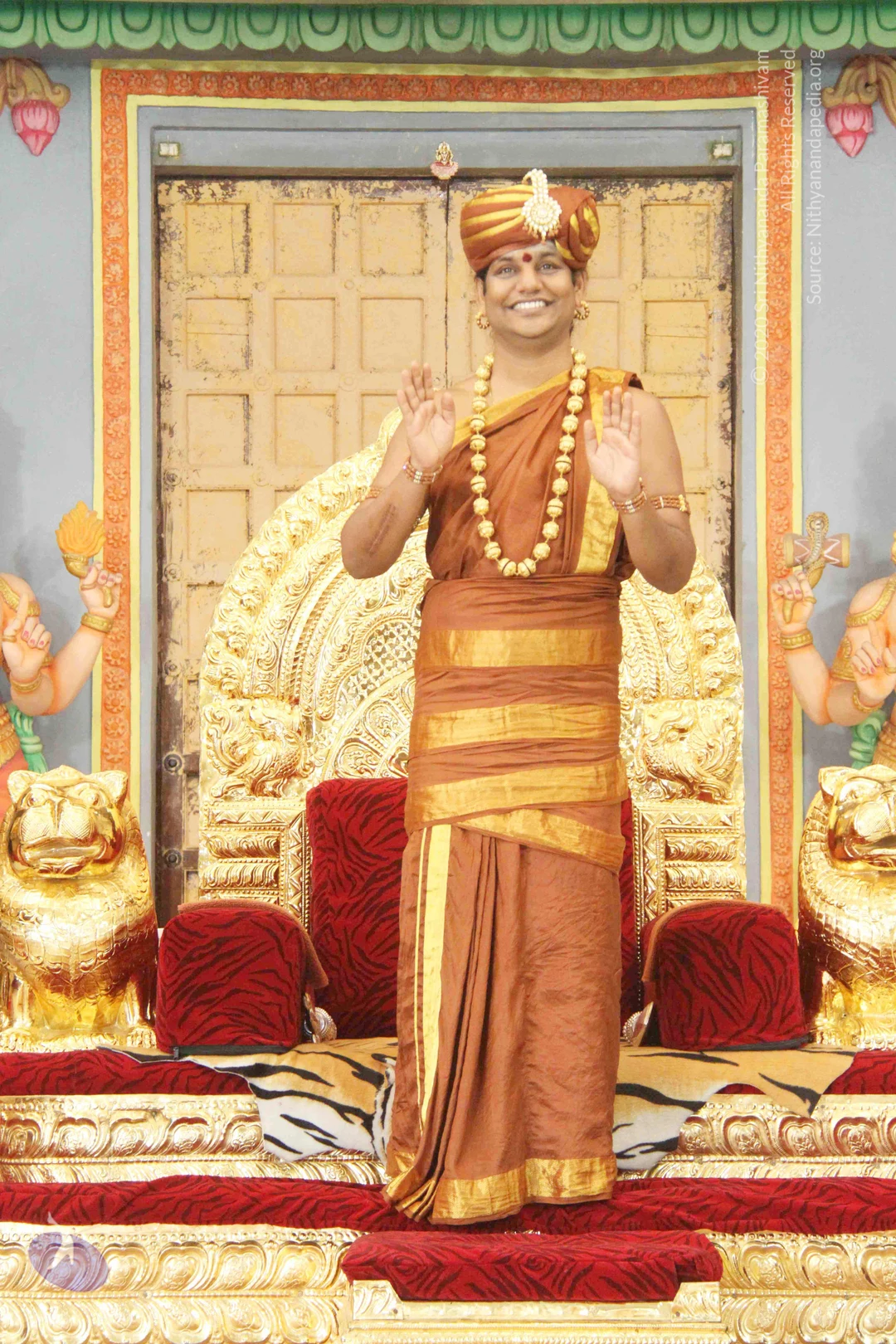
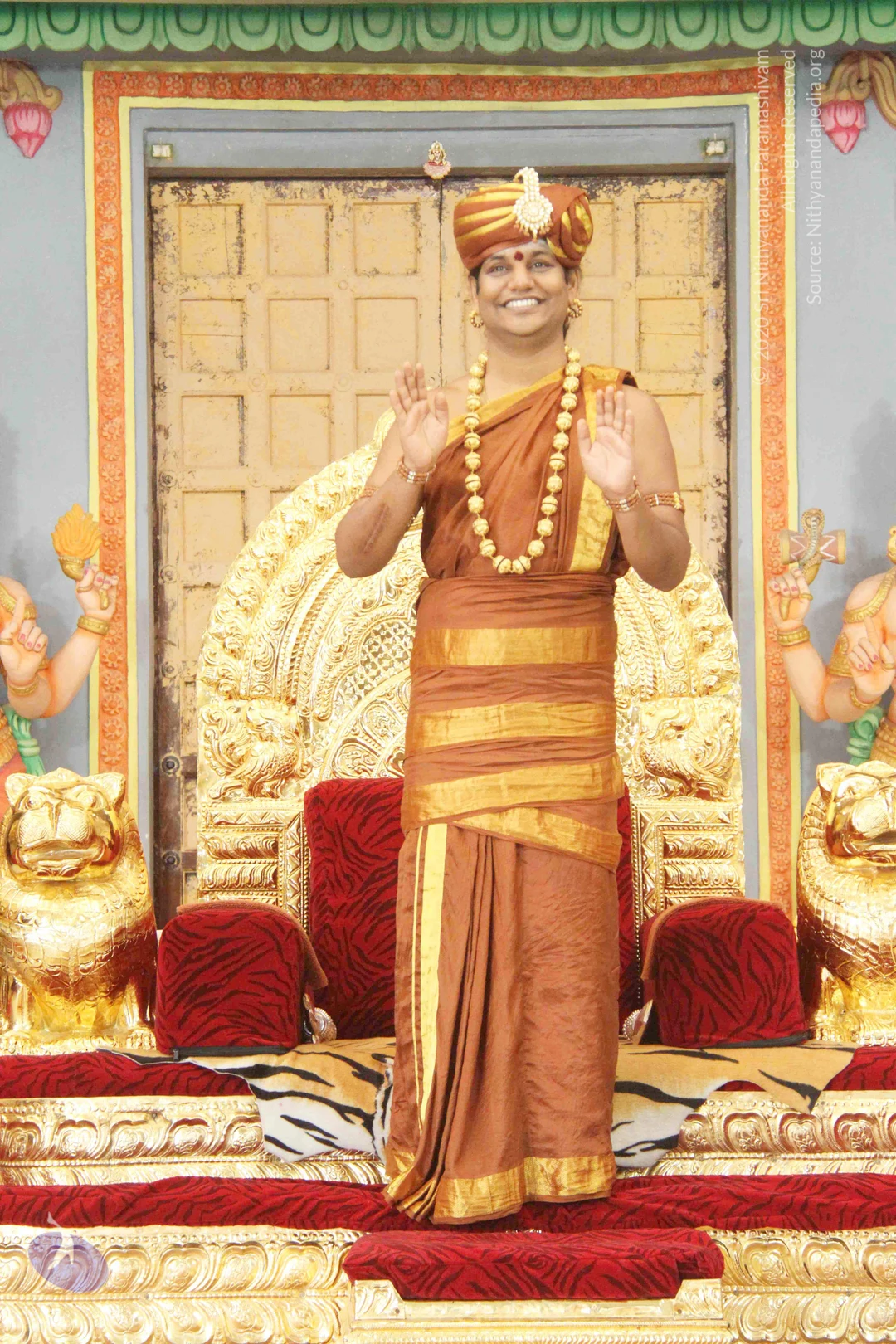
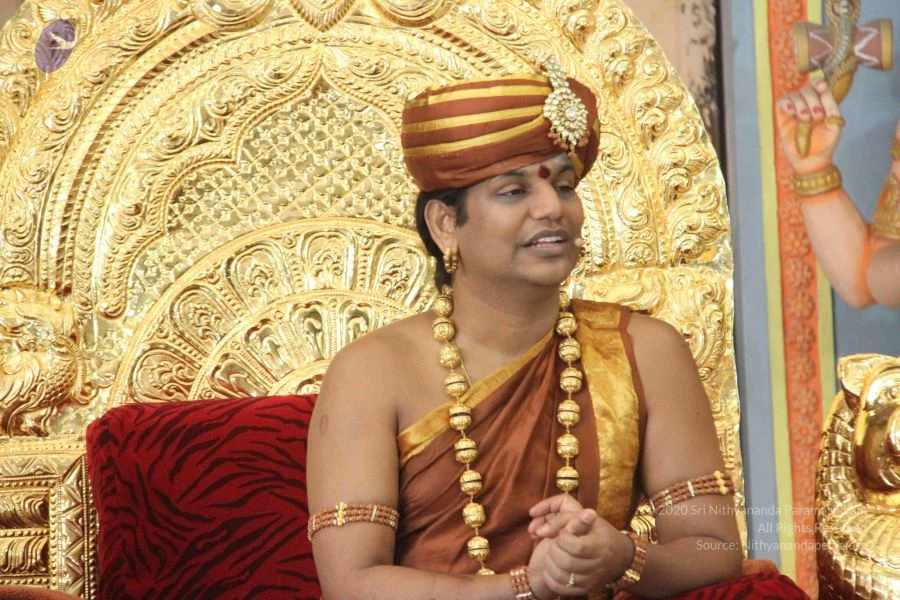
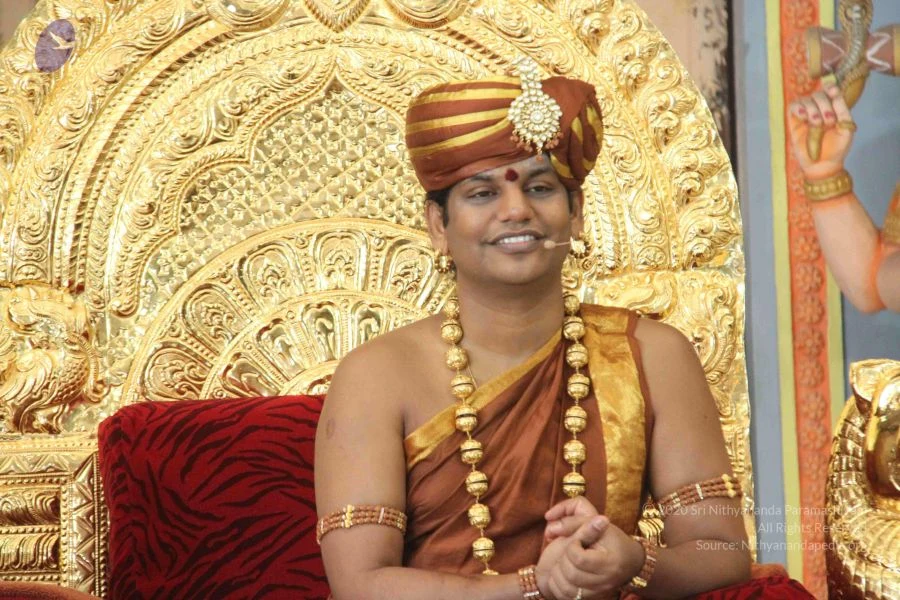
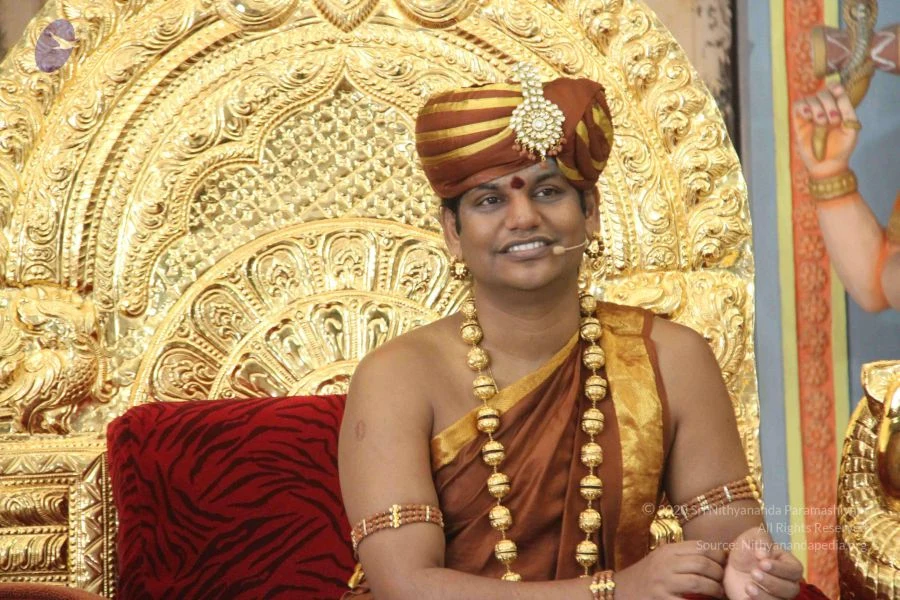
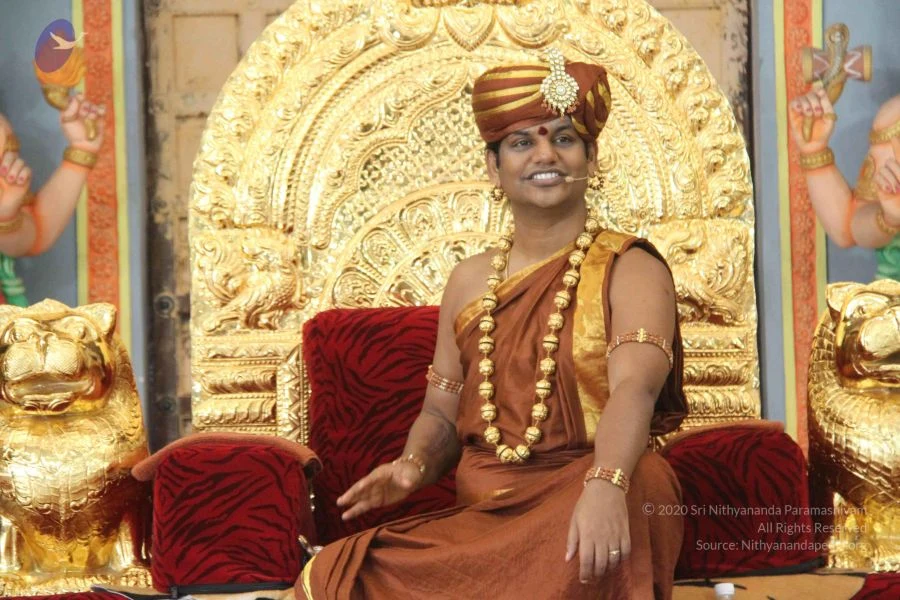
Nithya Satsang at Aadikailaasa, Bidadi, India

Sarva Darshan

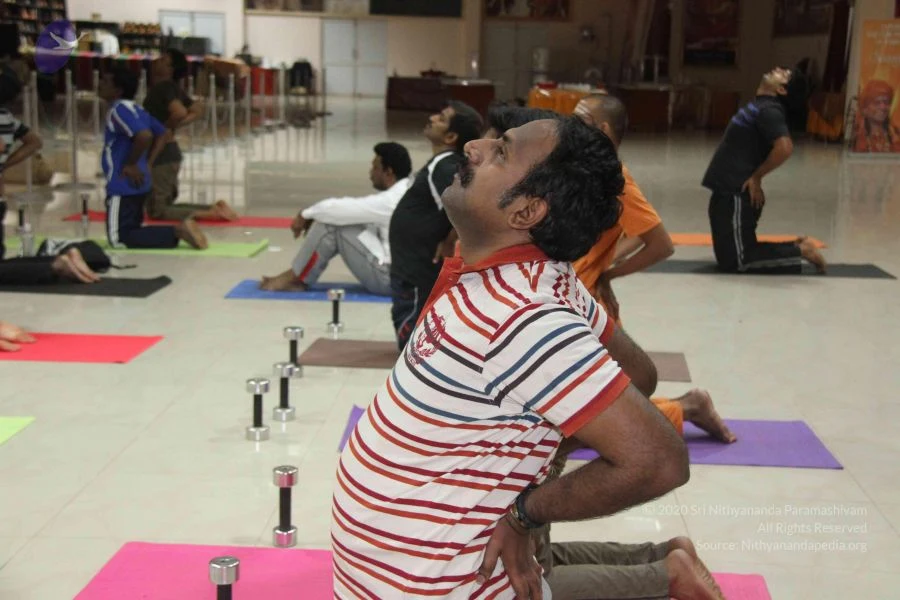
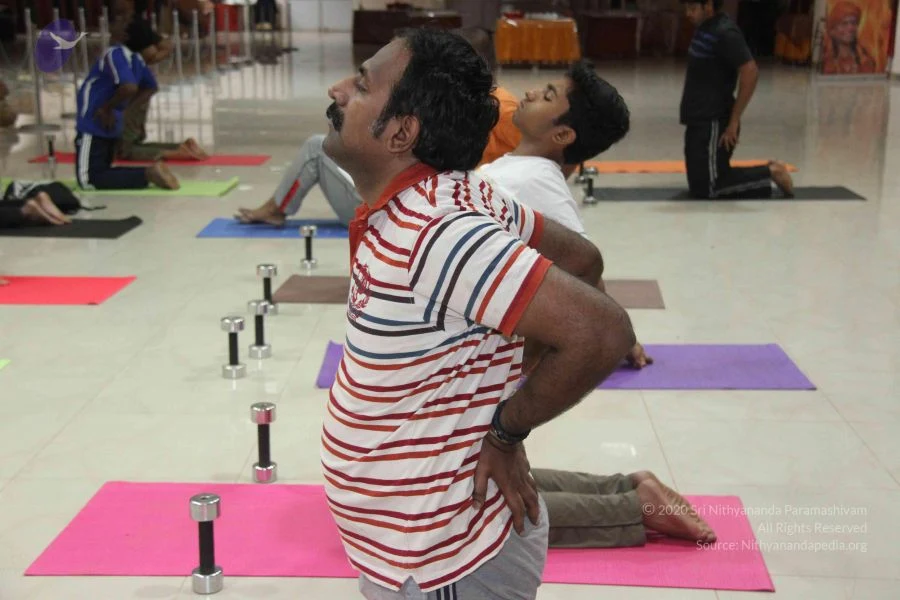
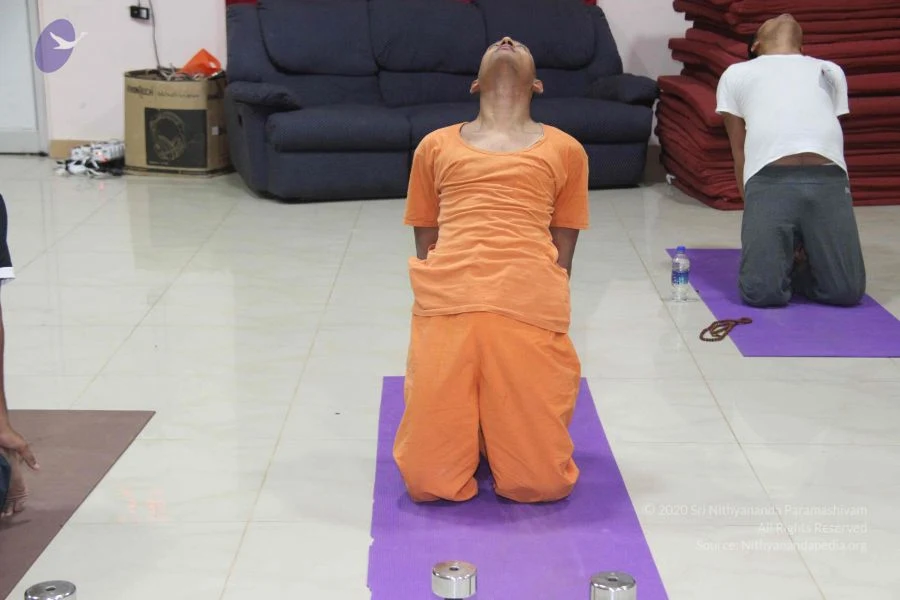
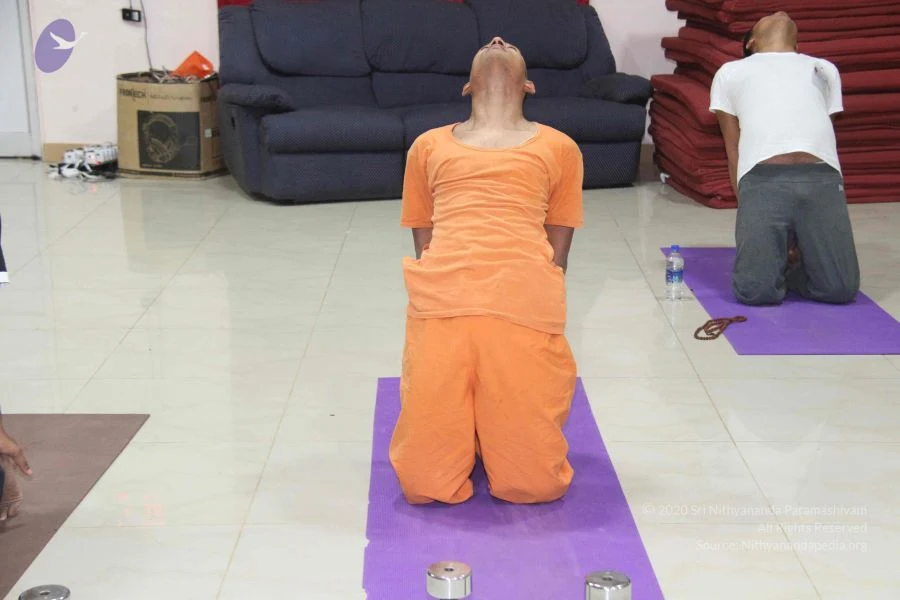
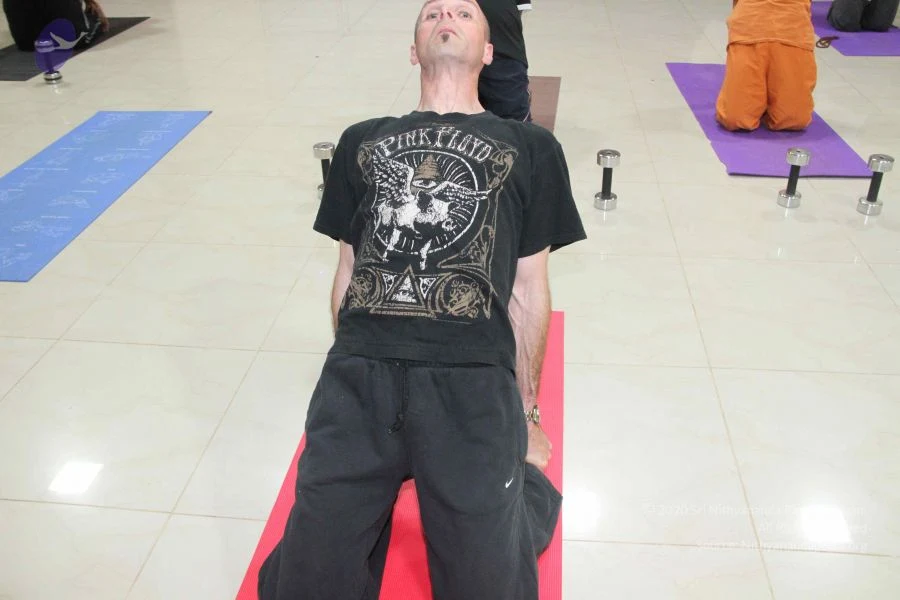
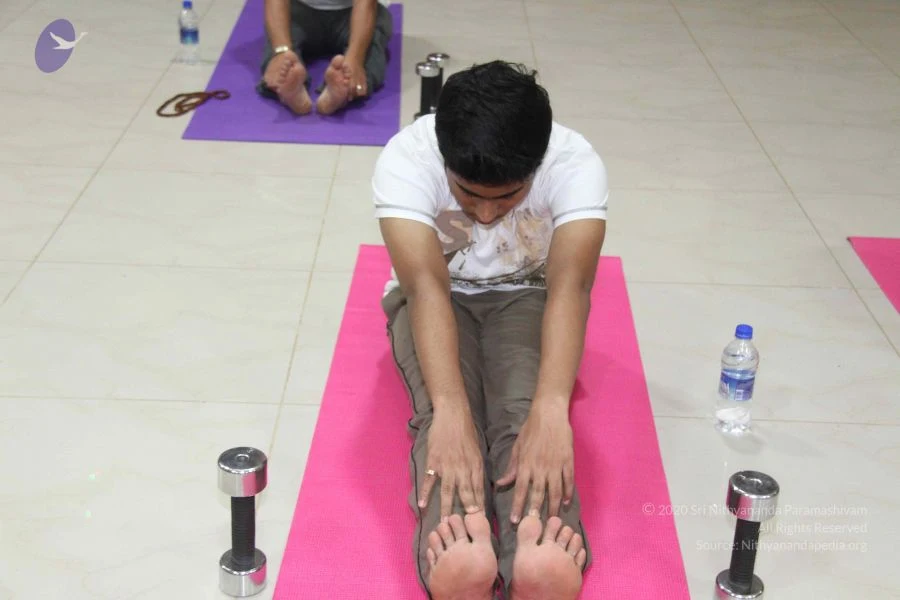
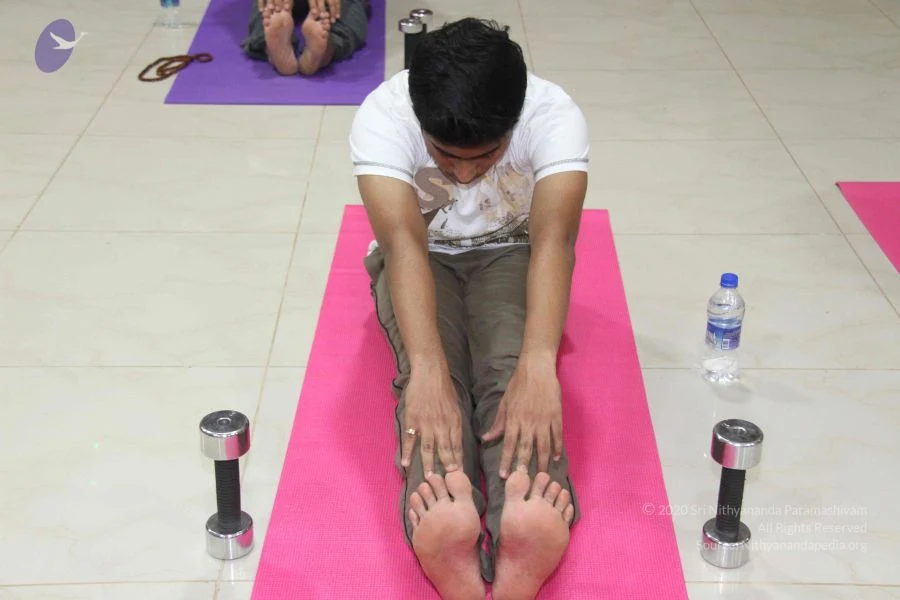
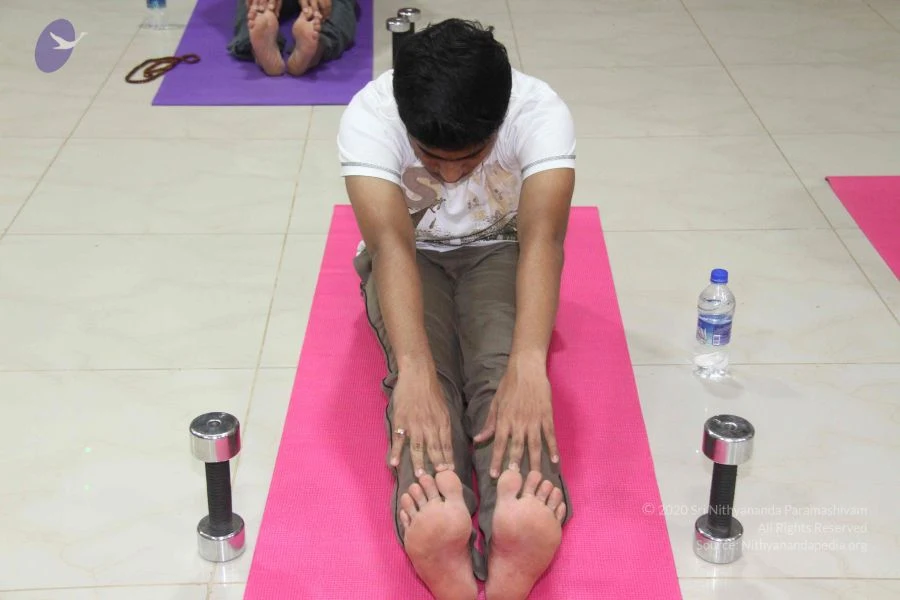
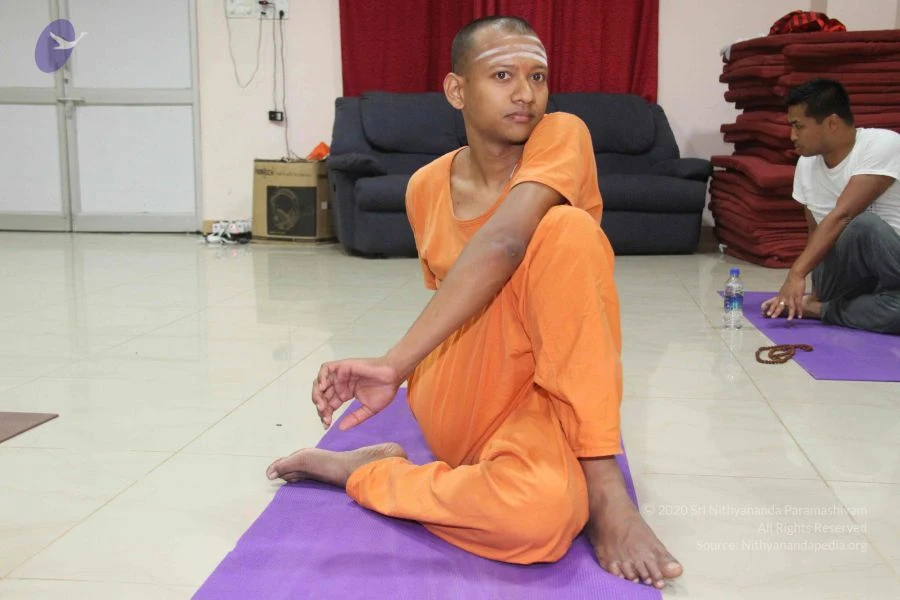
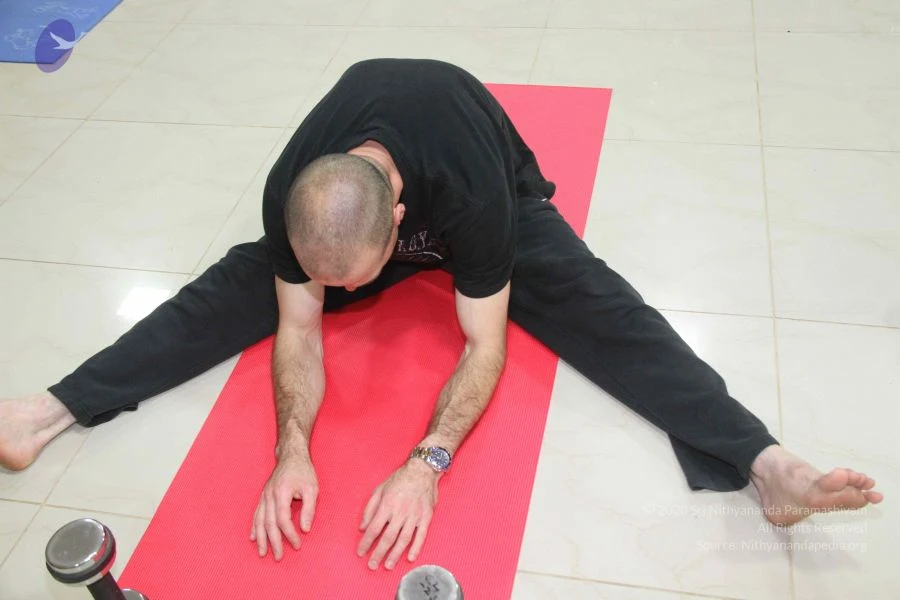
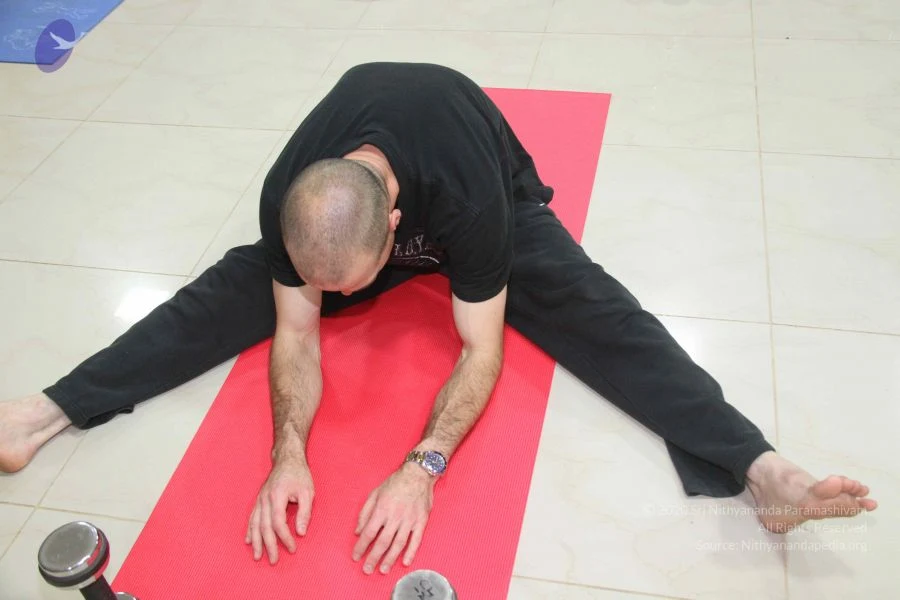
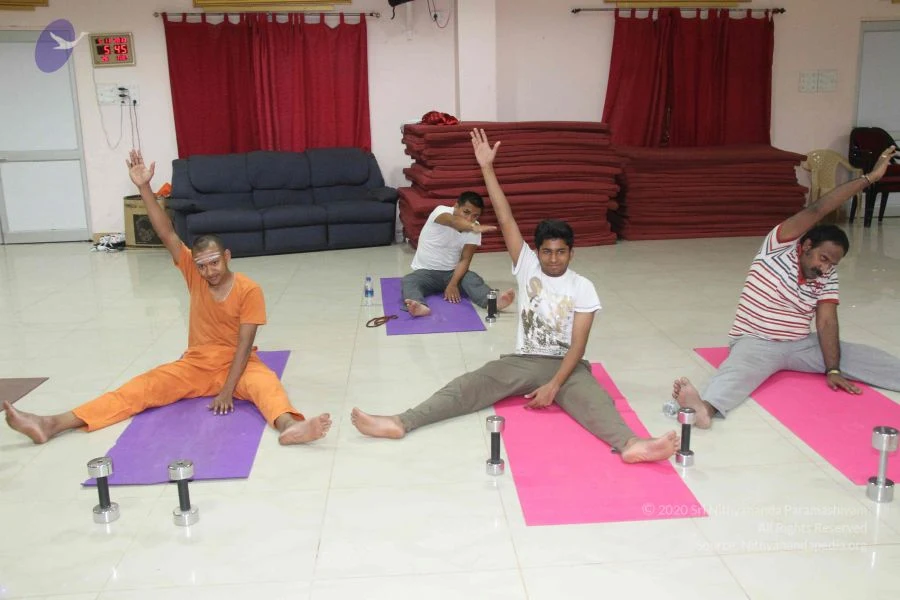
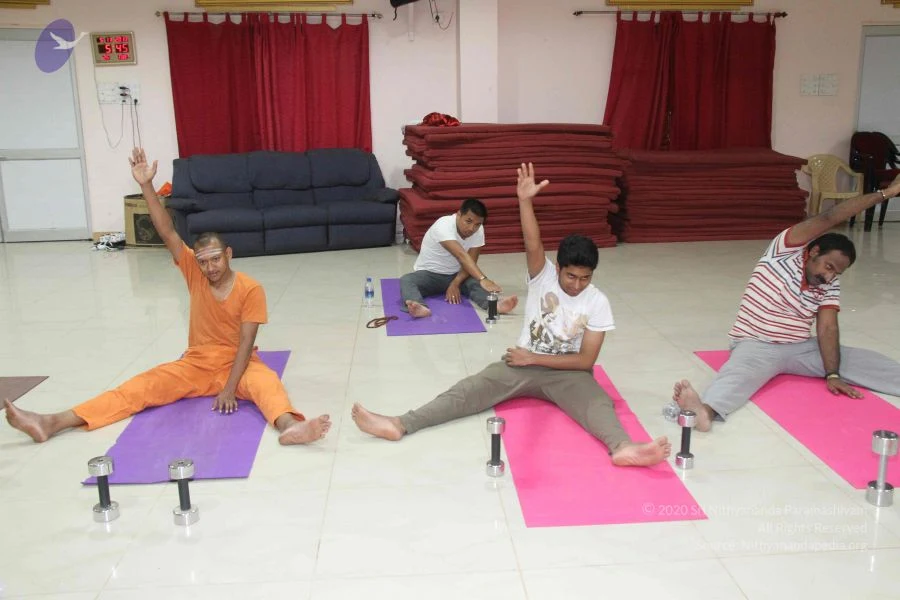
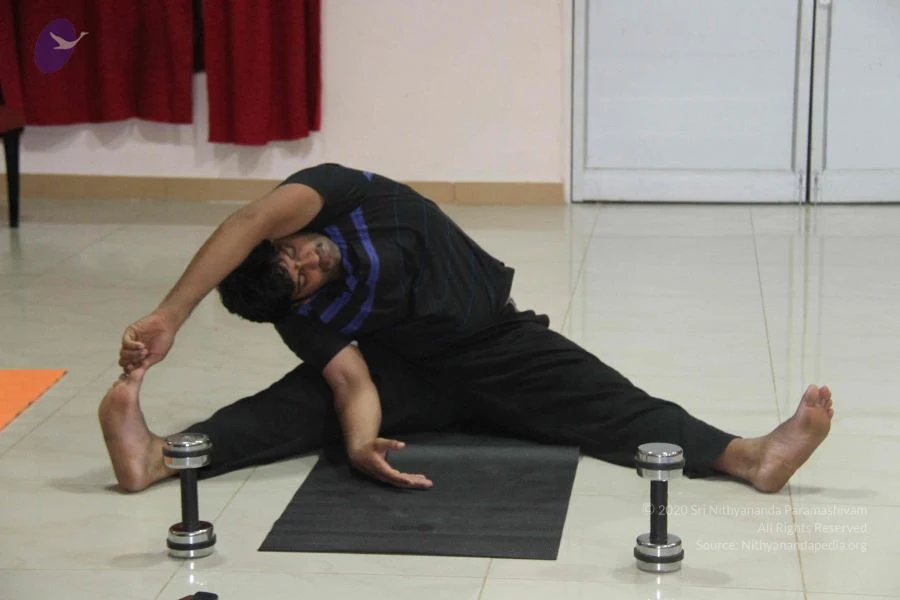
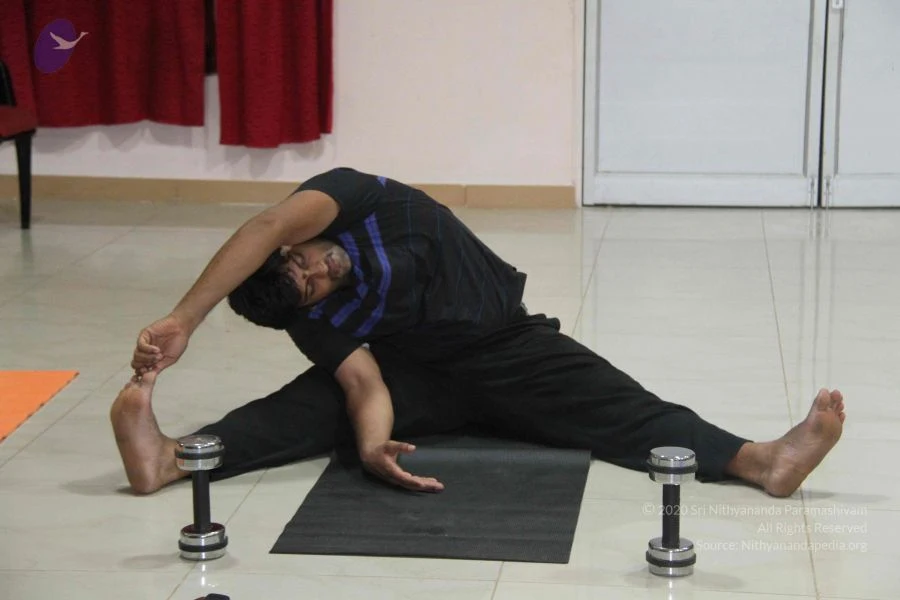
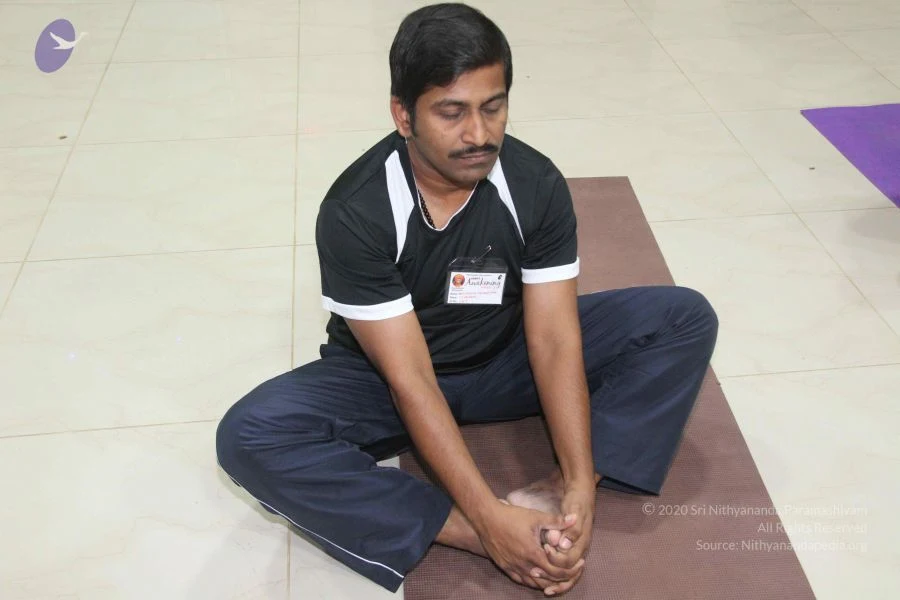
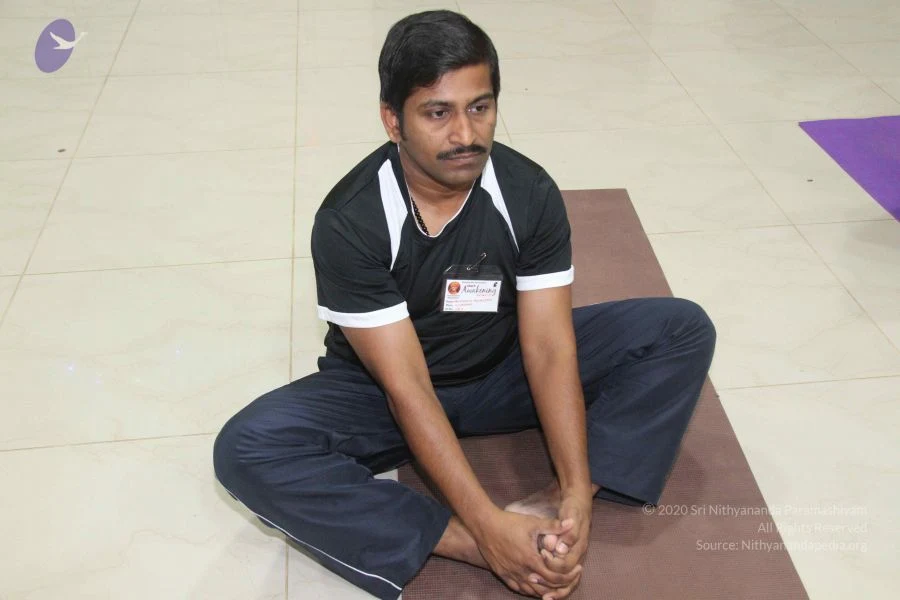
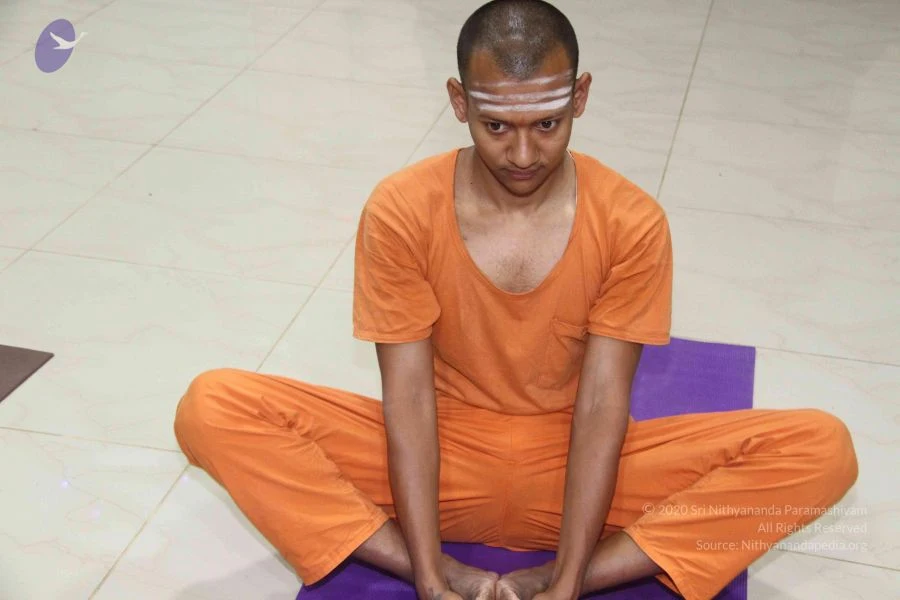
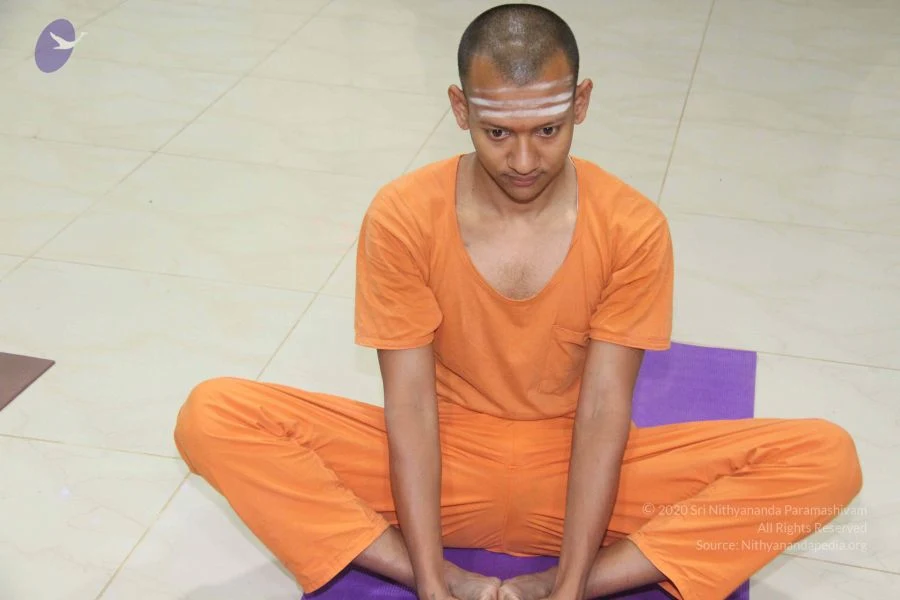
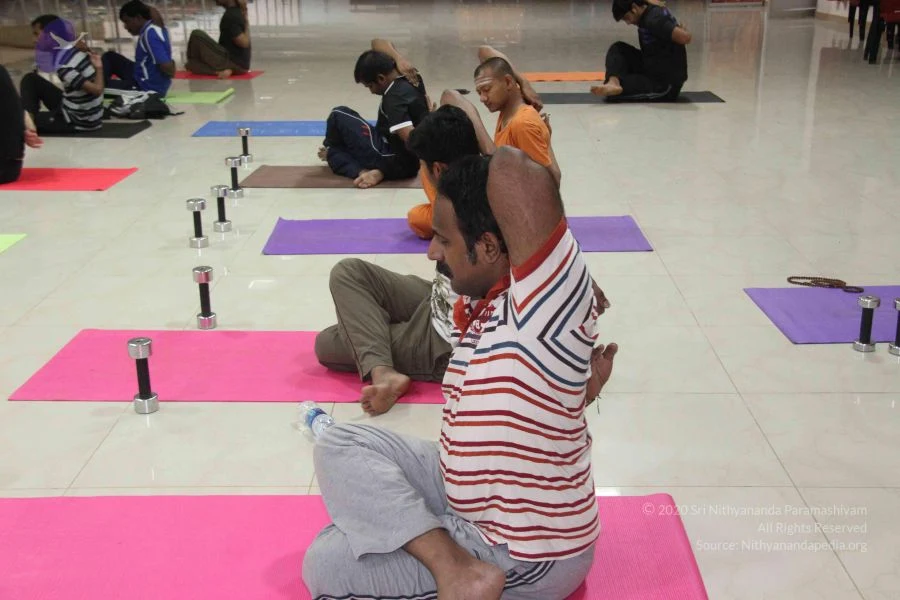
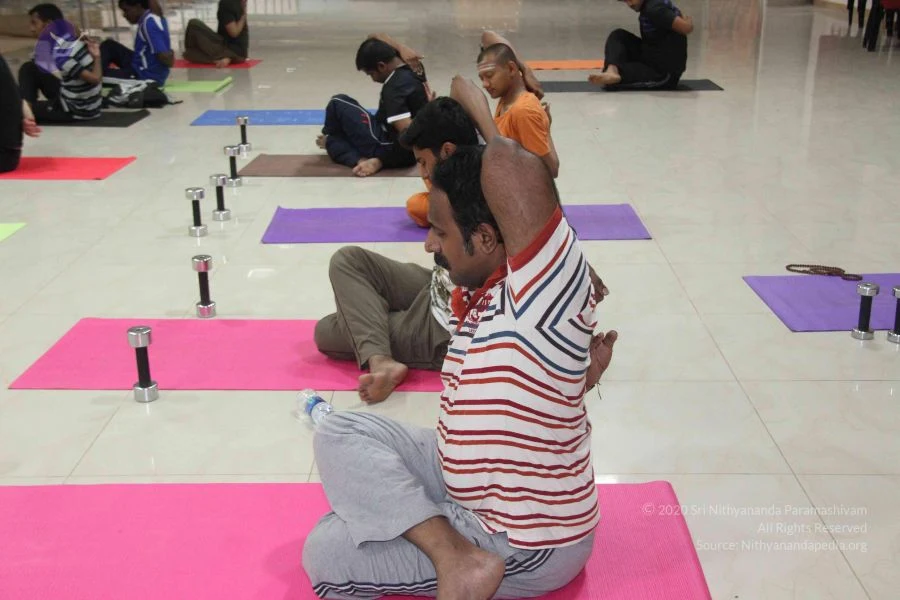
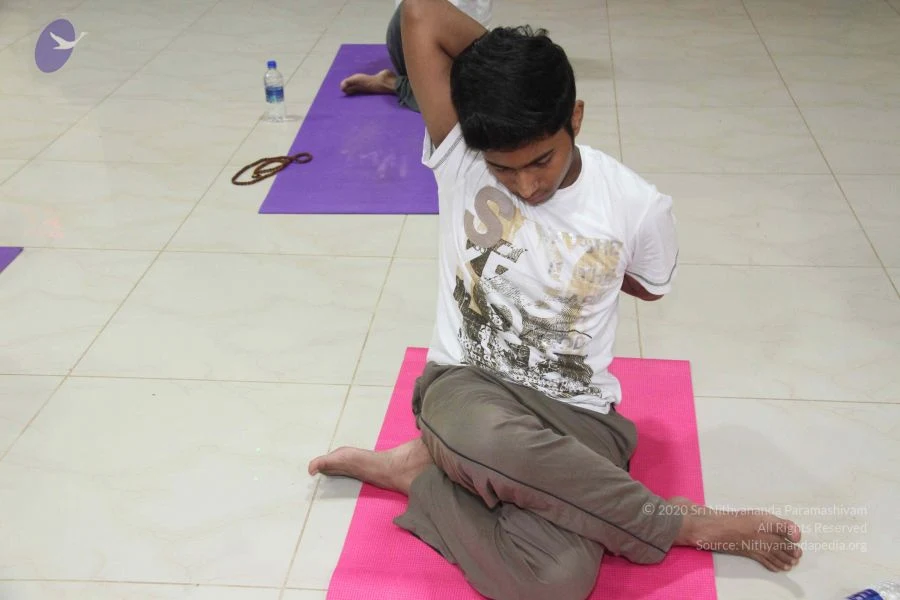
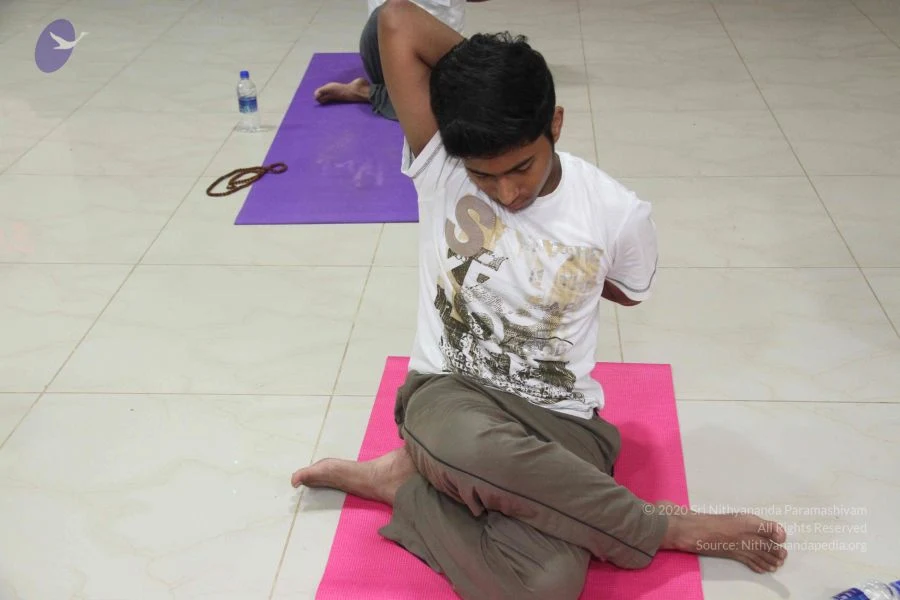
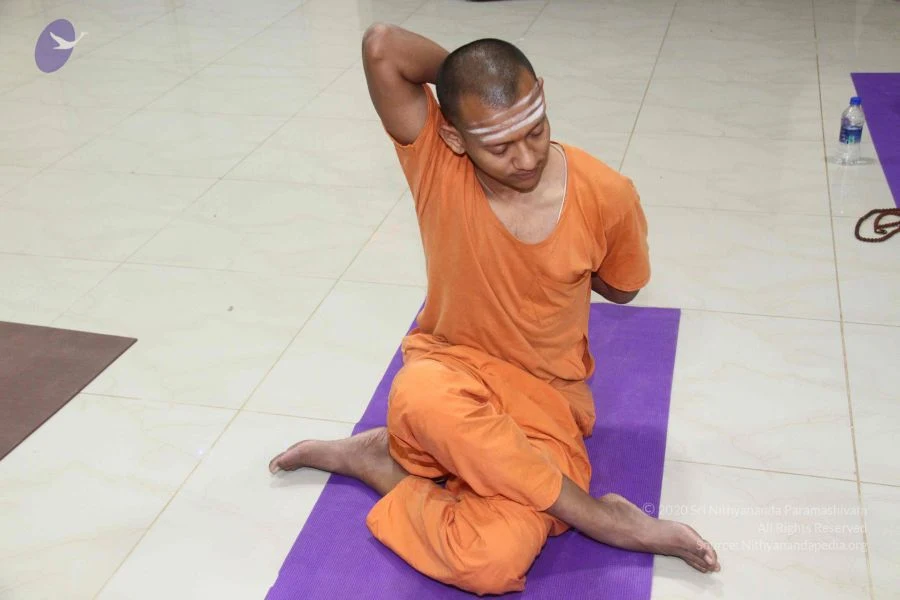
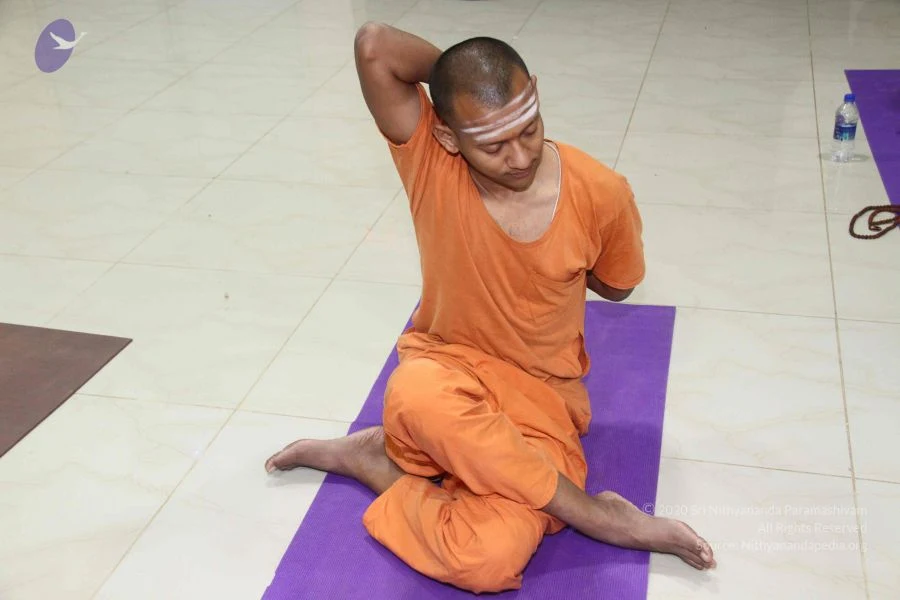
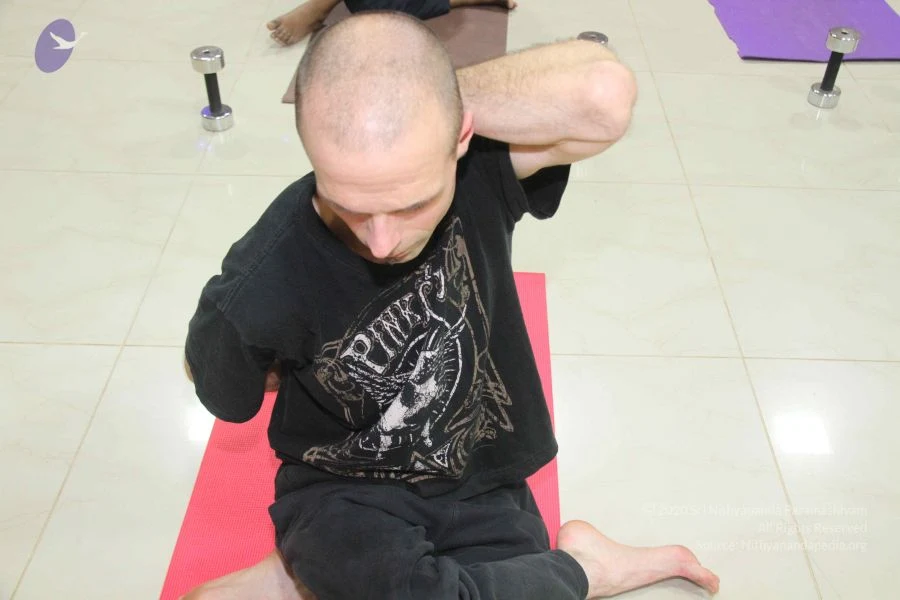
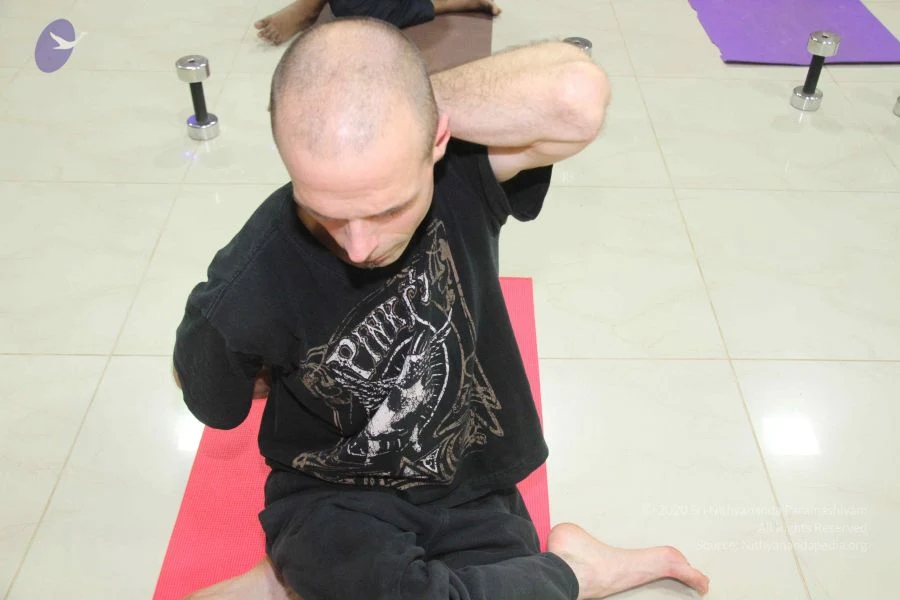
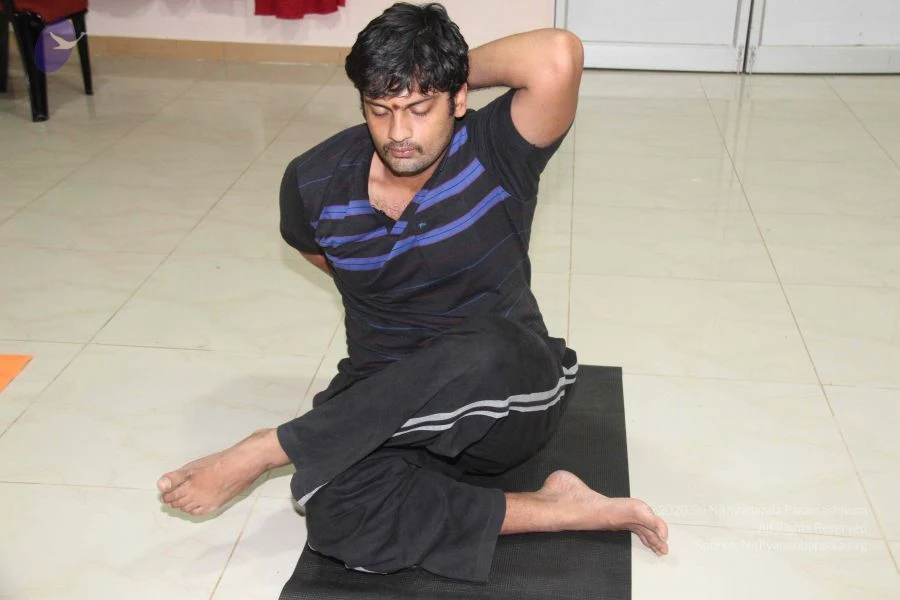
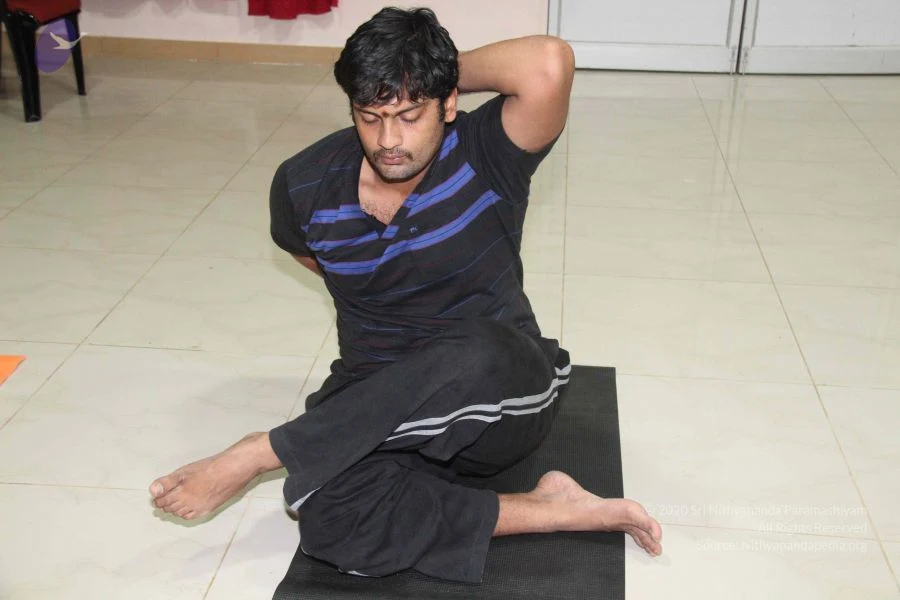
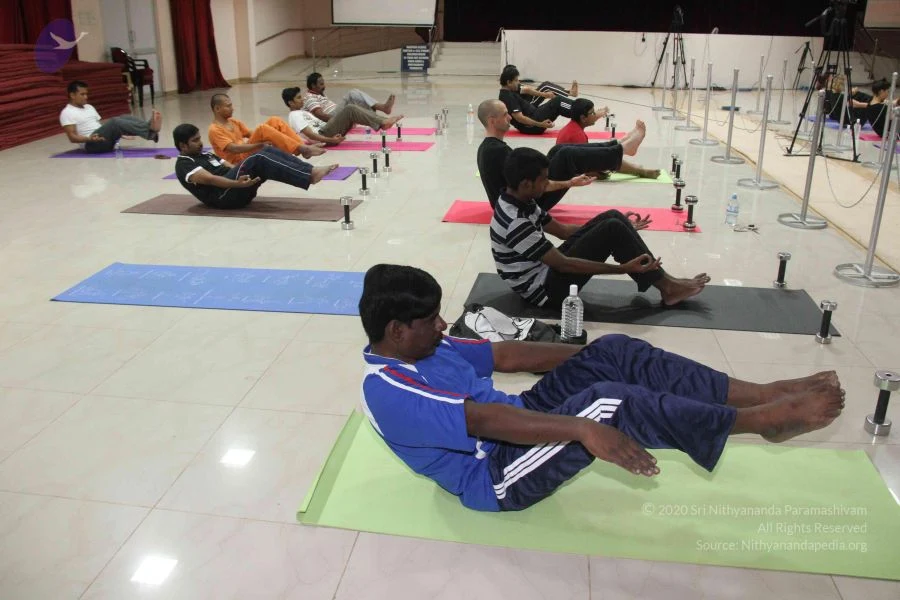
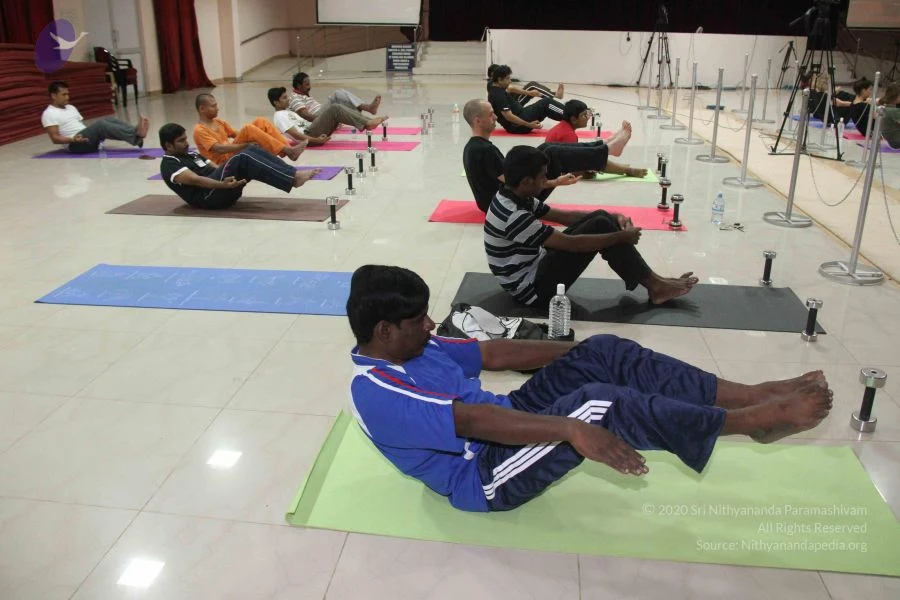
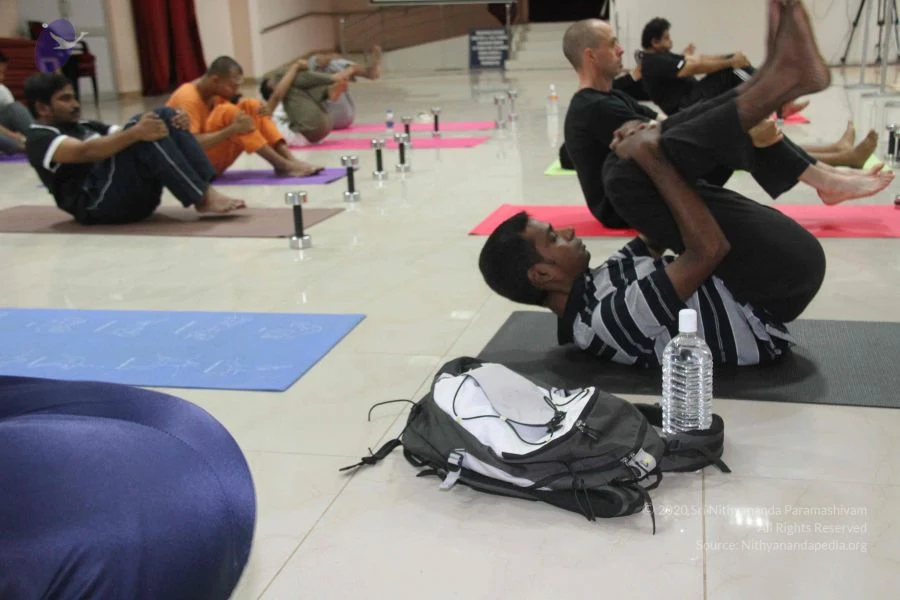
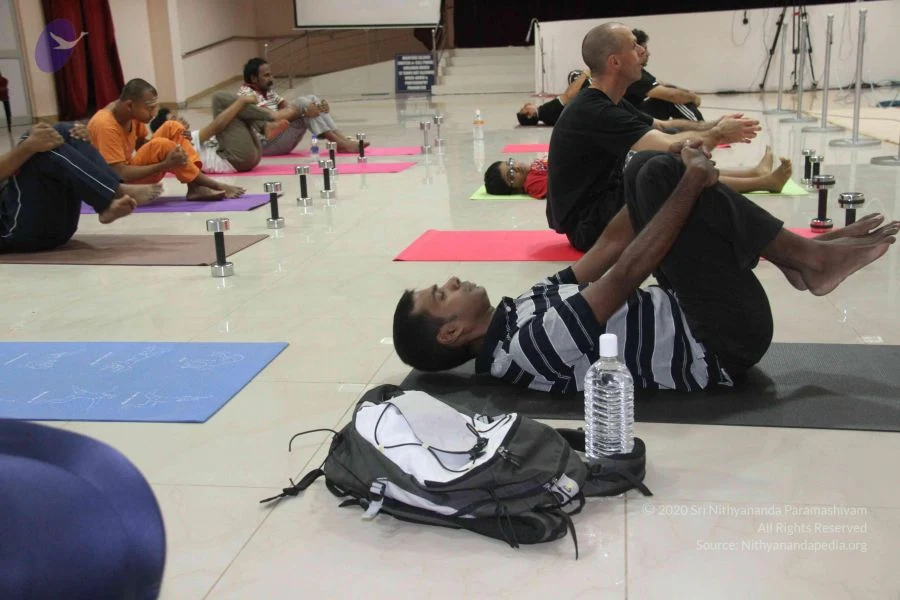
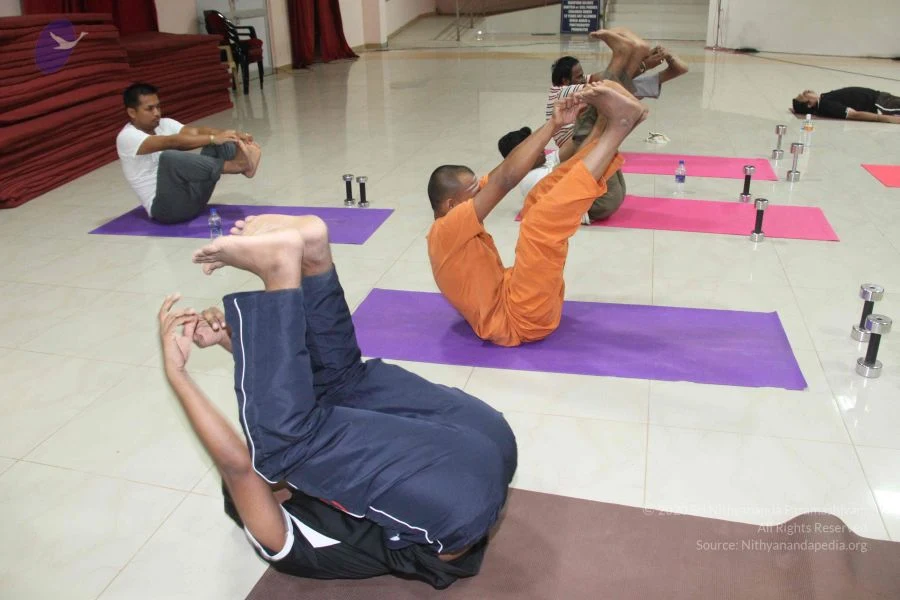
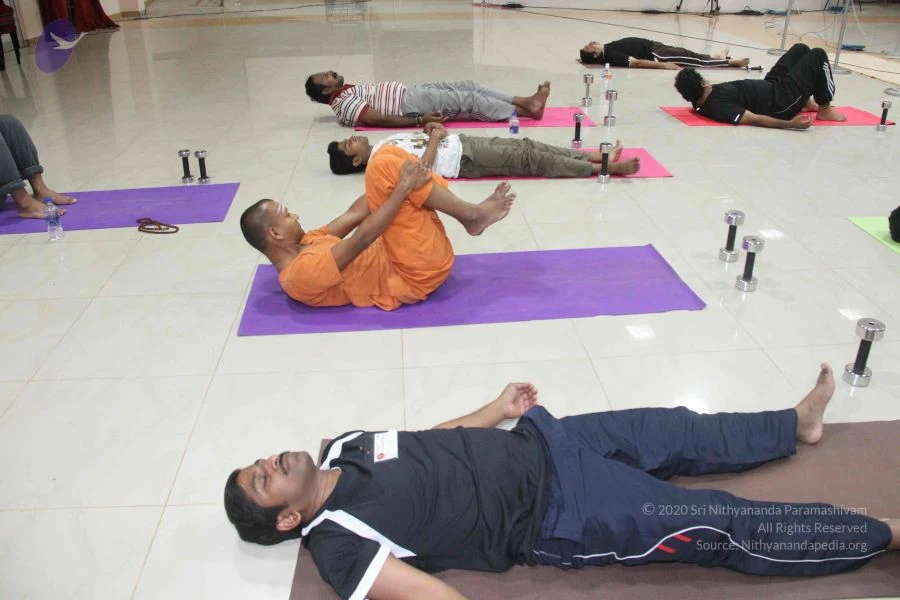
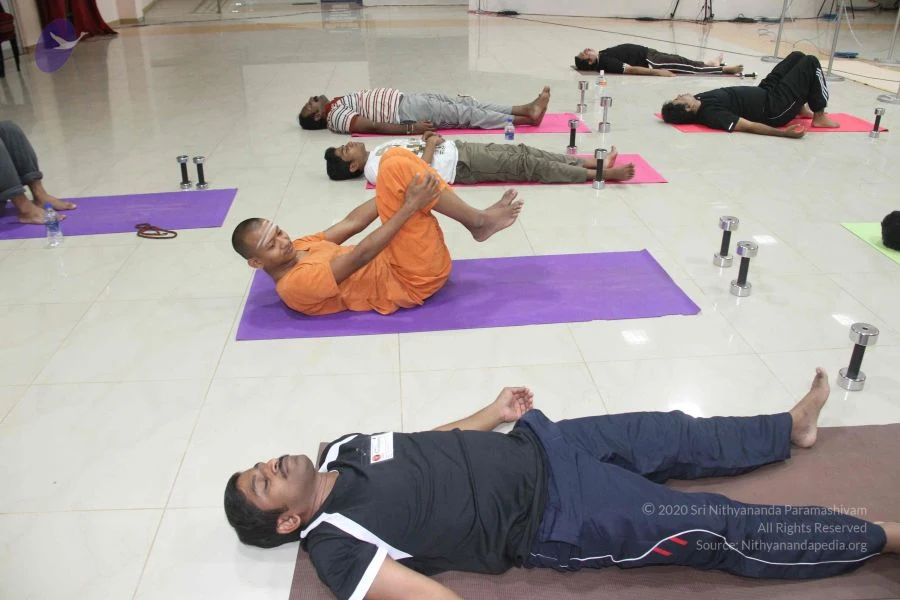
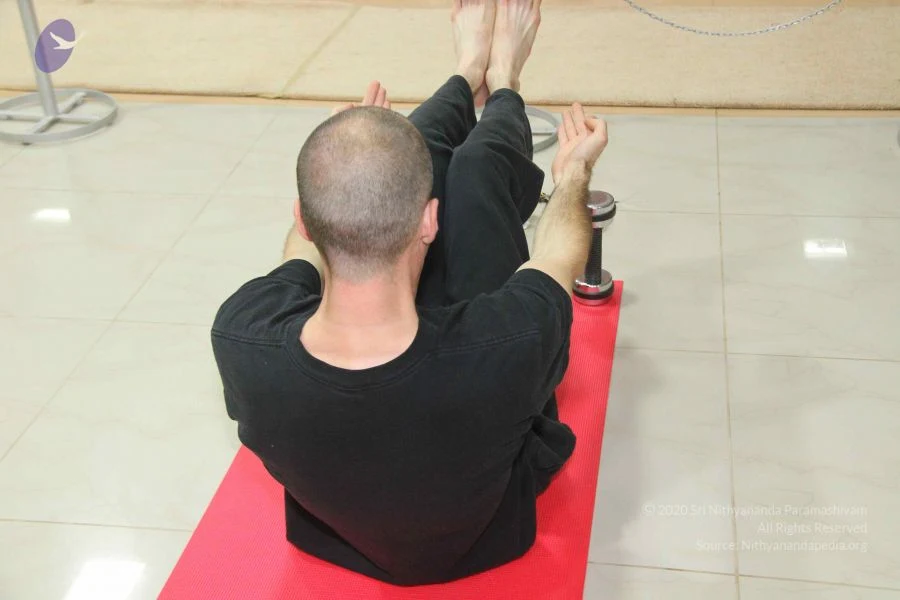
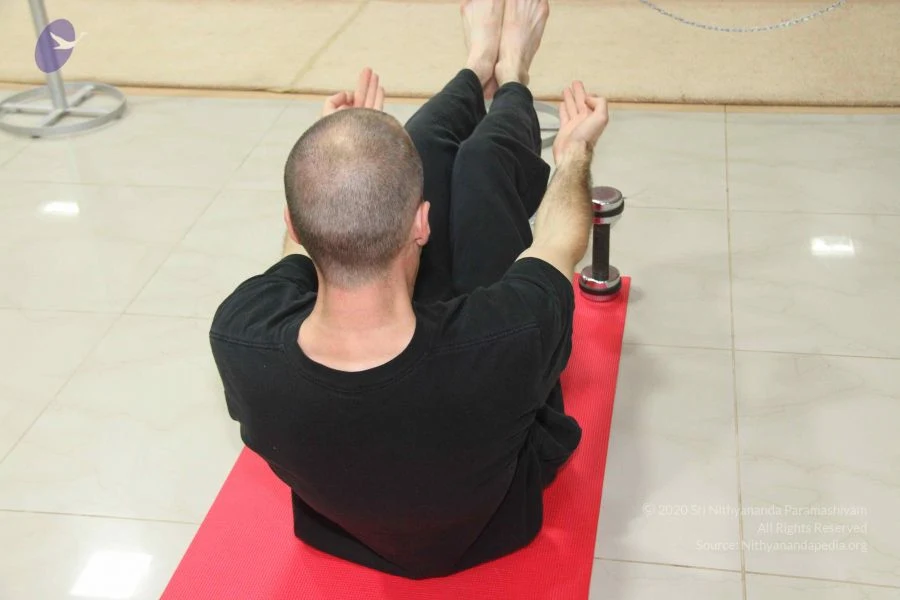
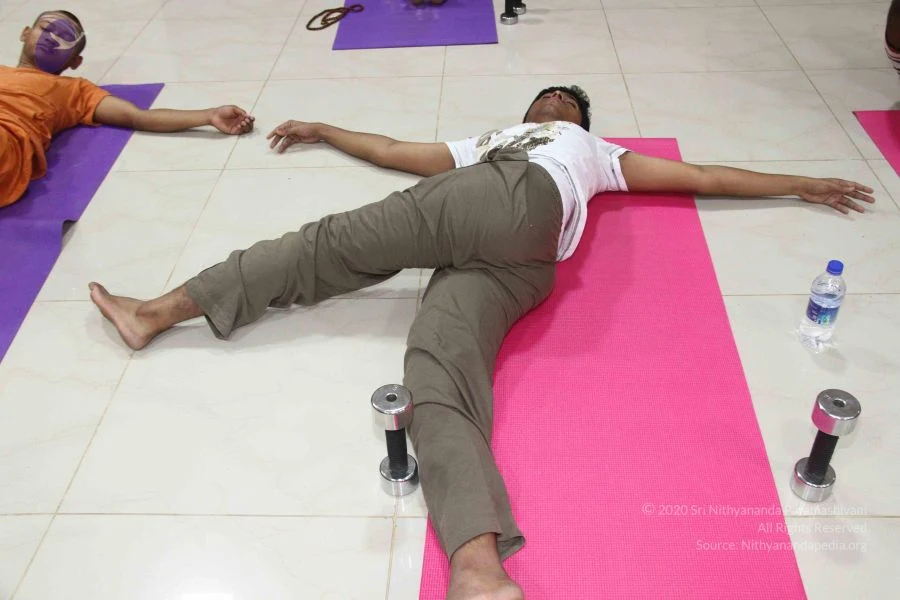
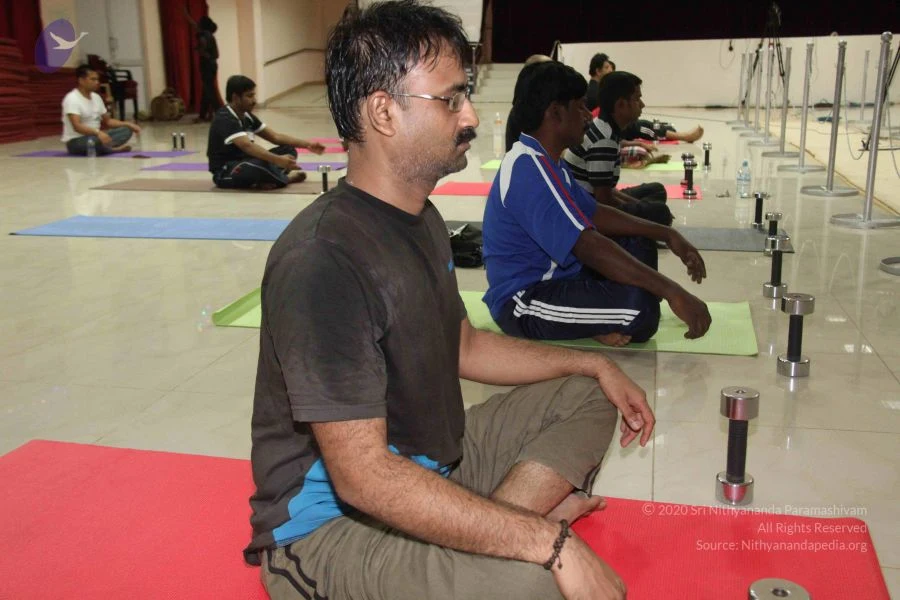
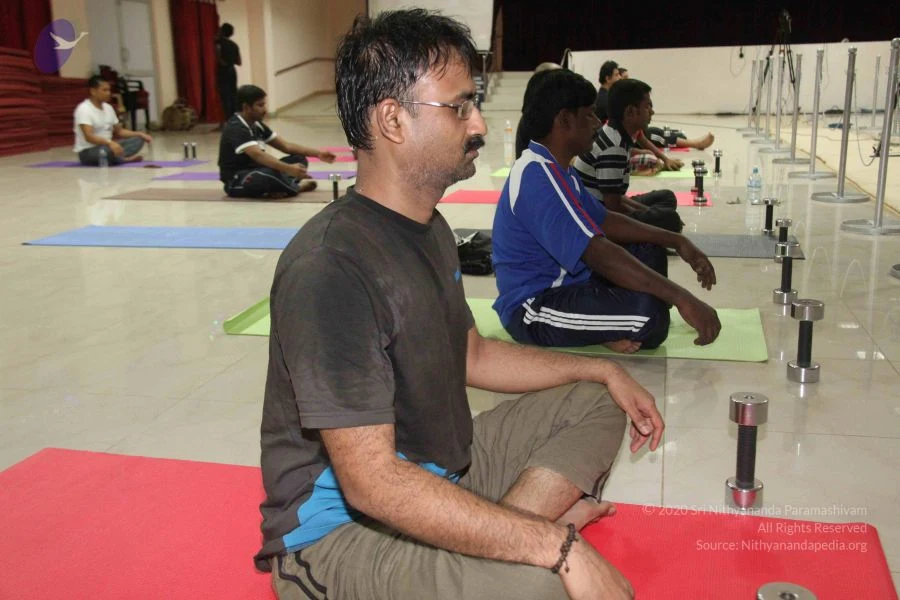
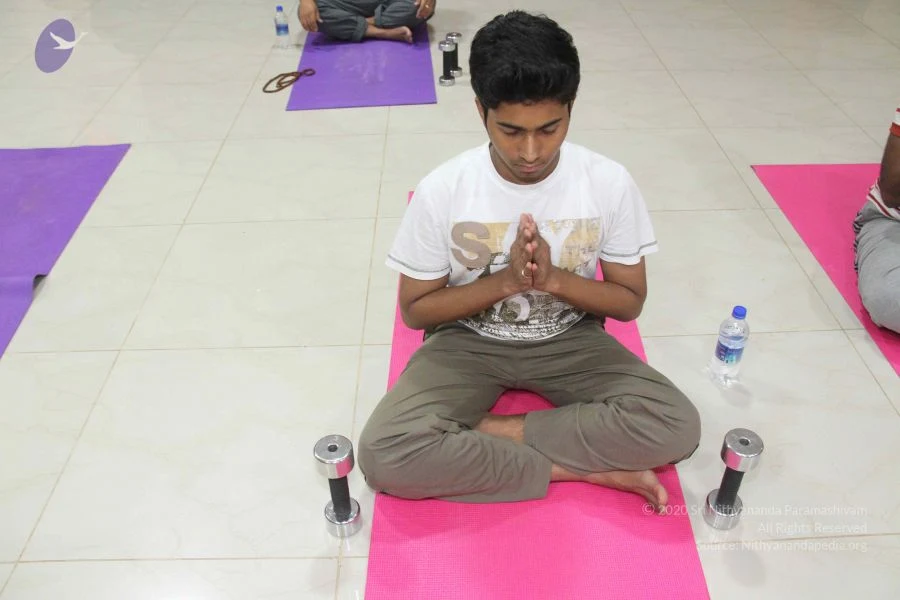
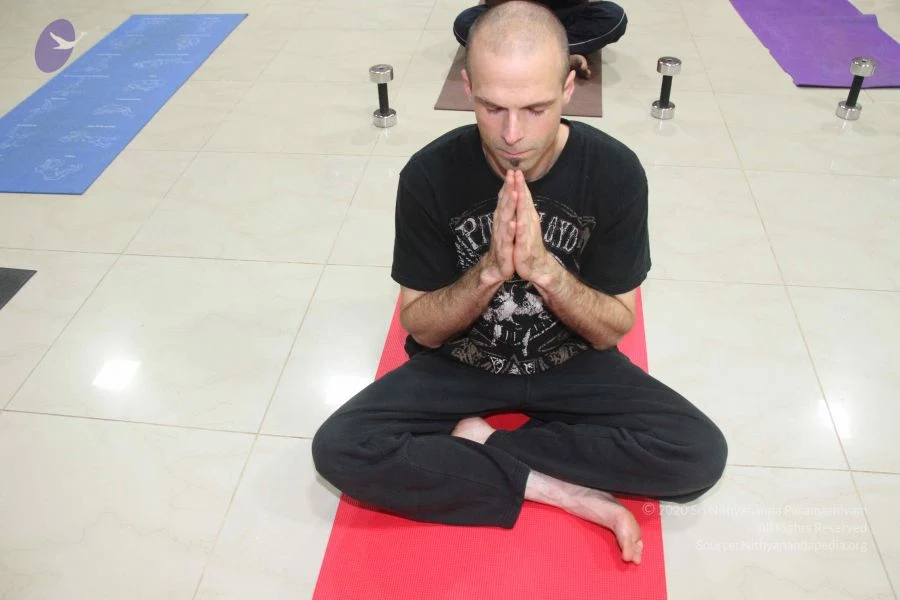
Nithyananda Yoga For Inner Awakening Delegates at Aadikailaasa, Bidadi, India

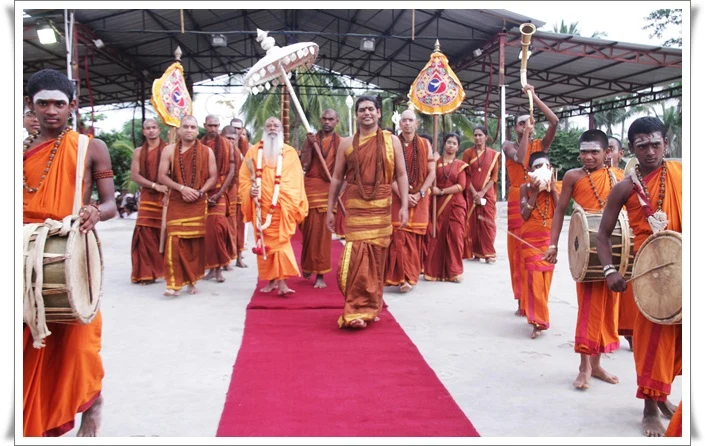
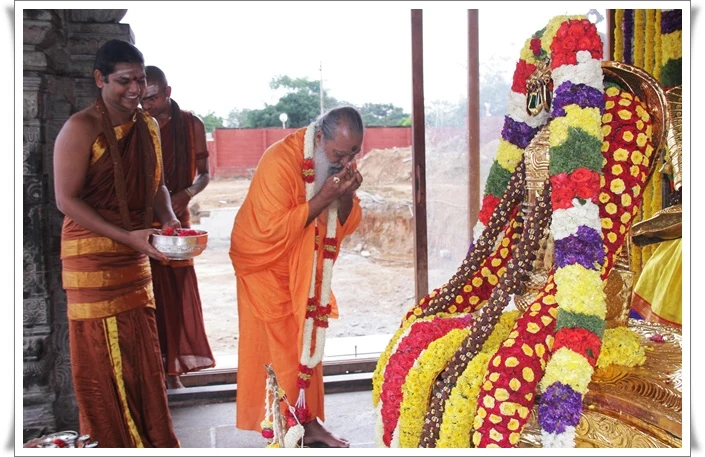
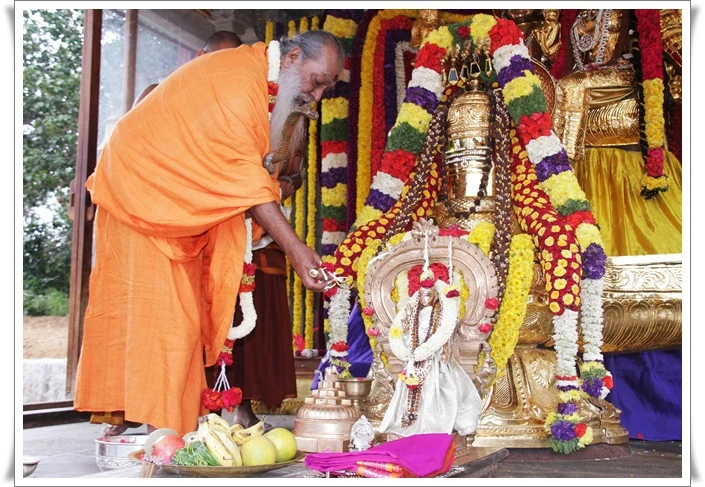
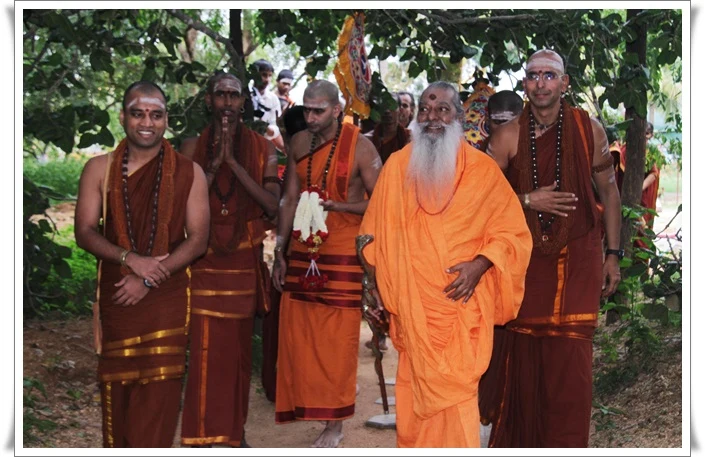
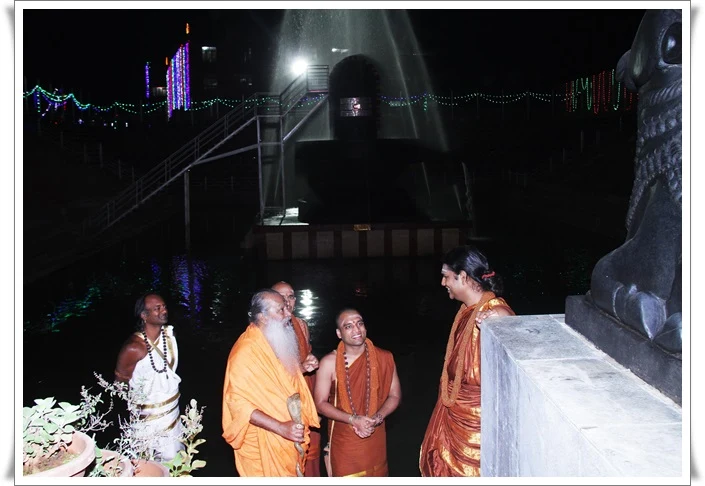
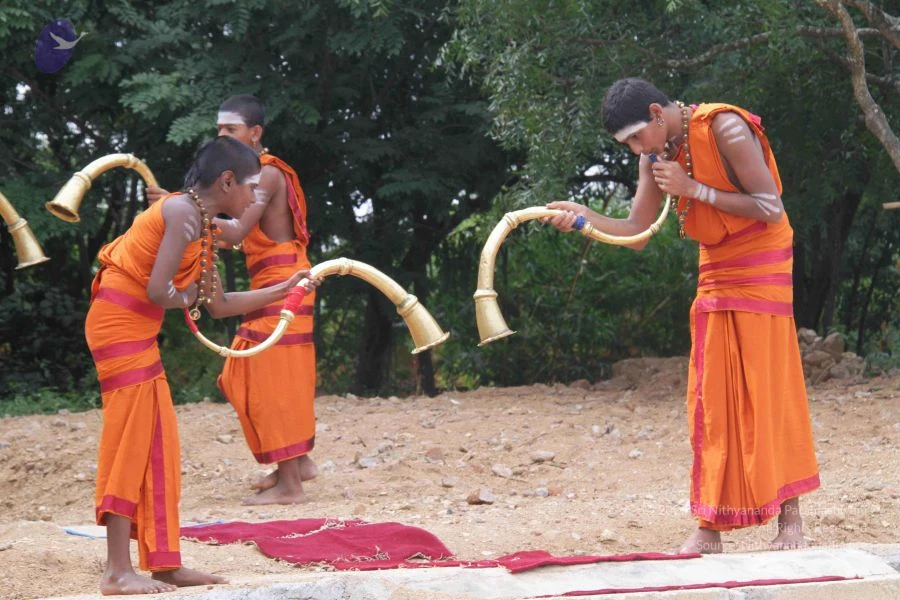
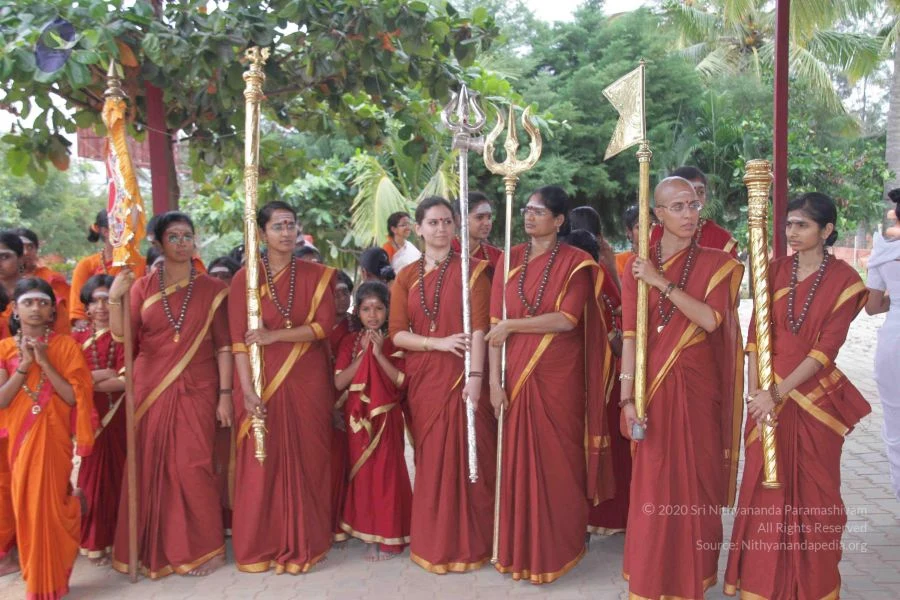
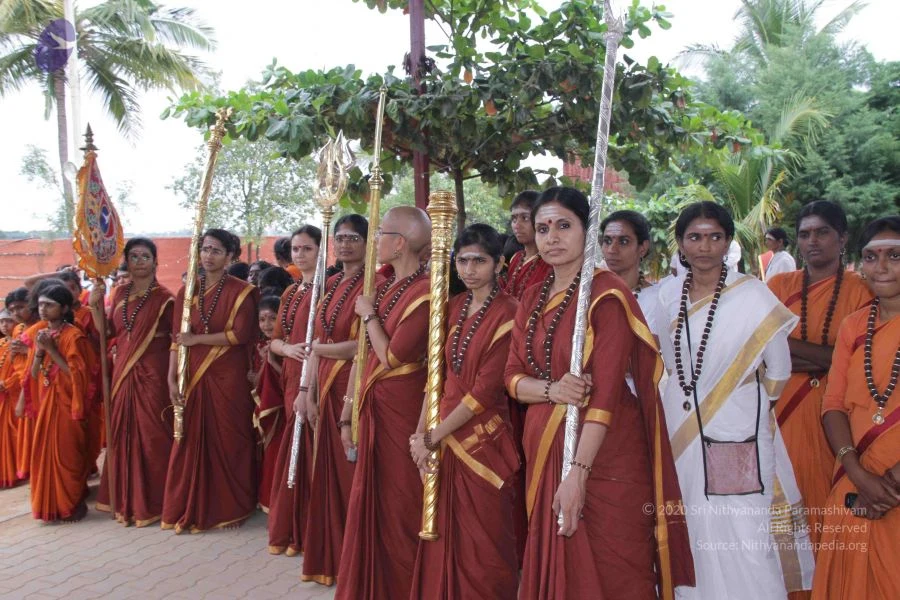
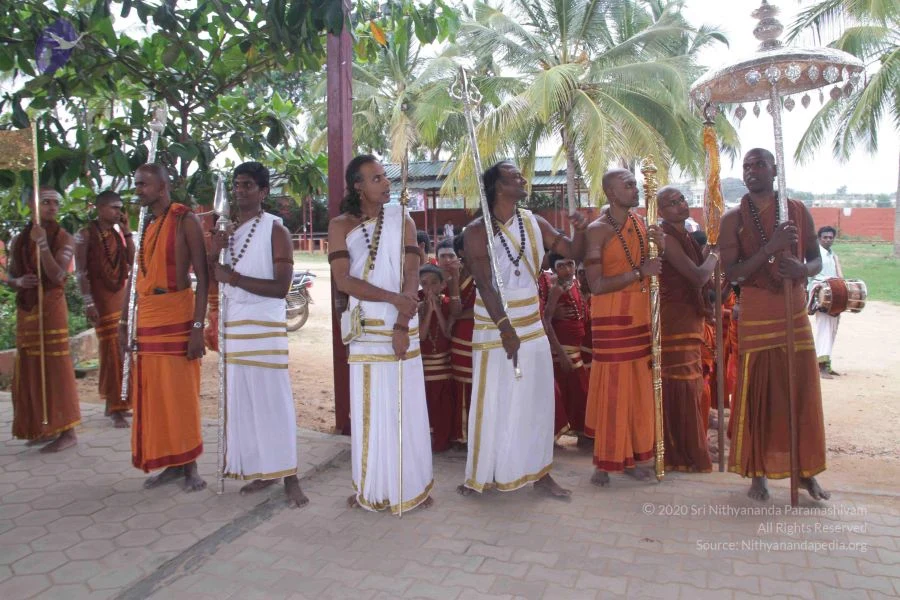
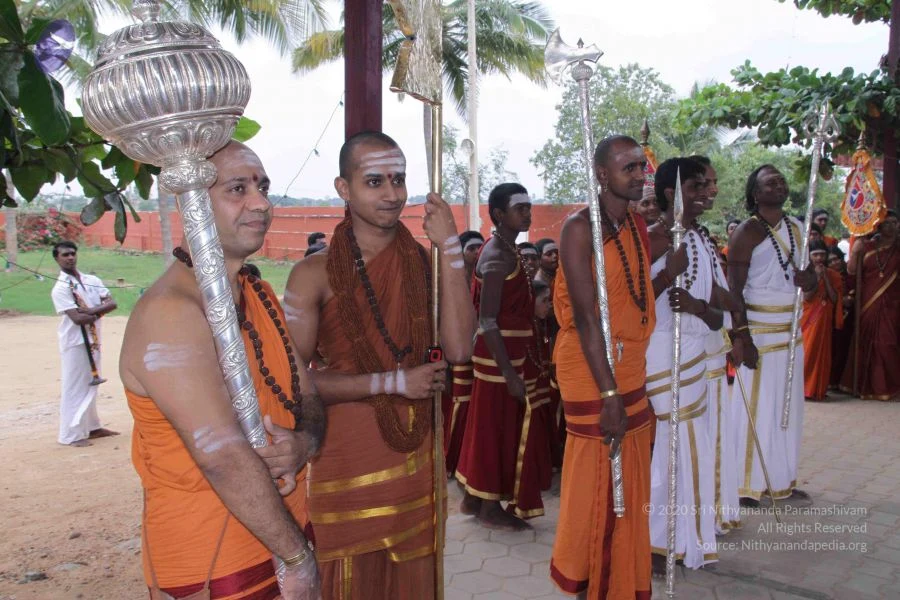
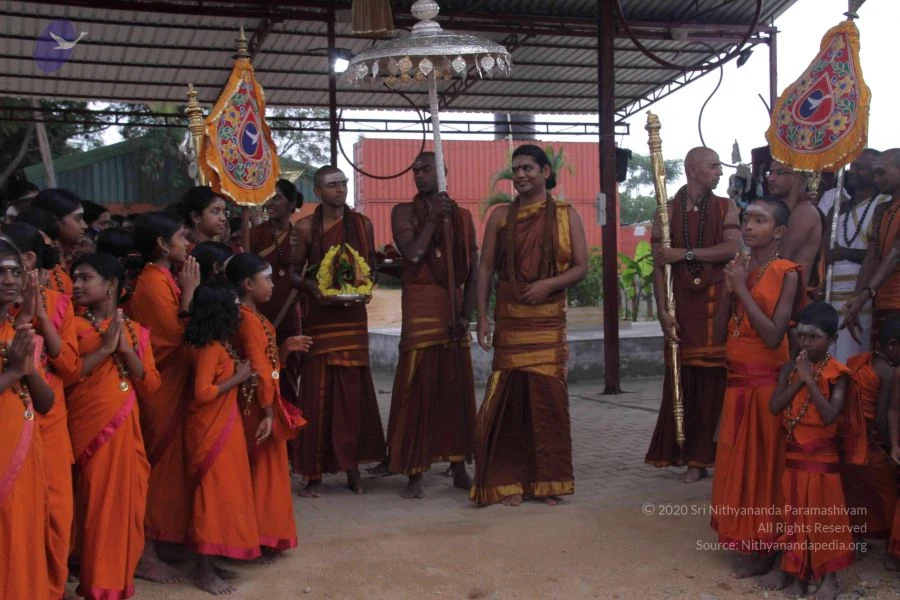
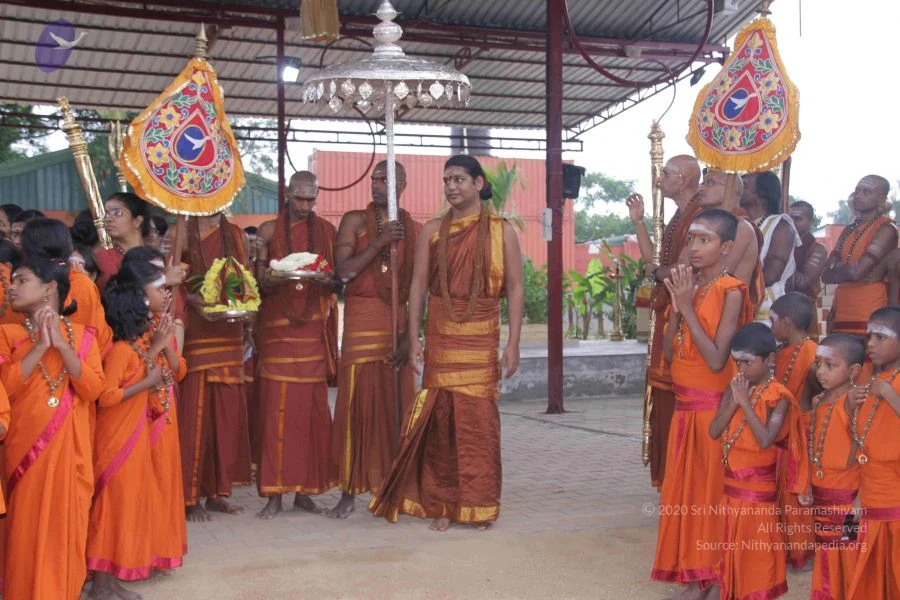
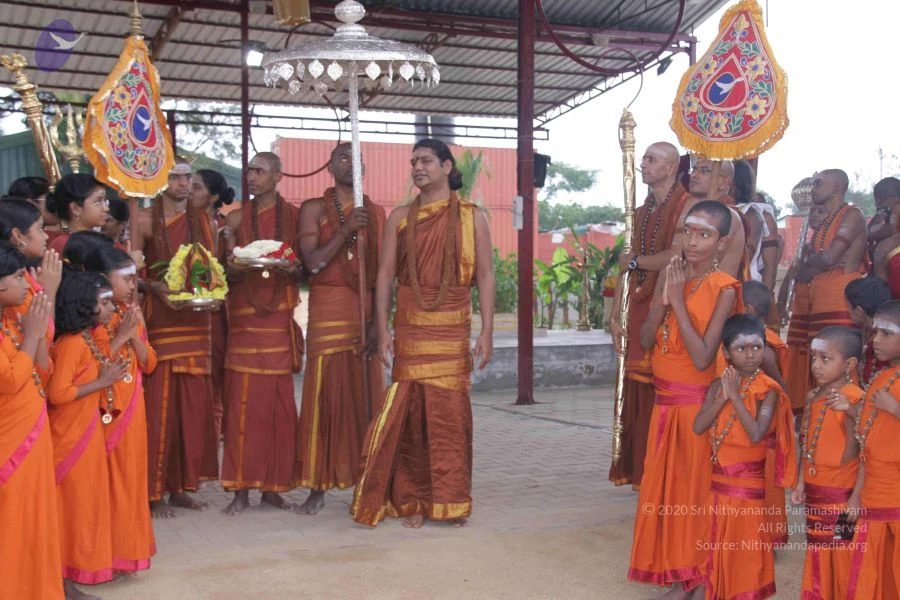
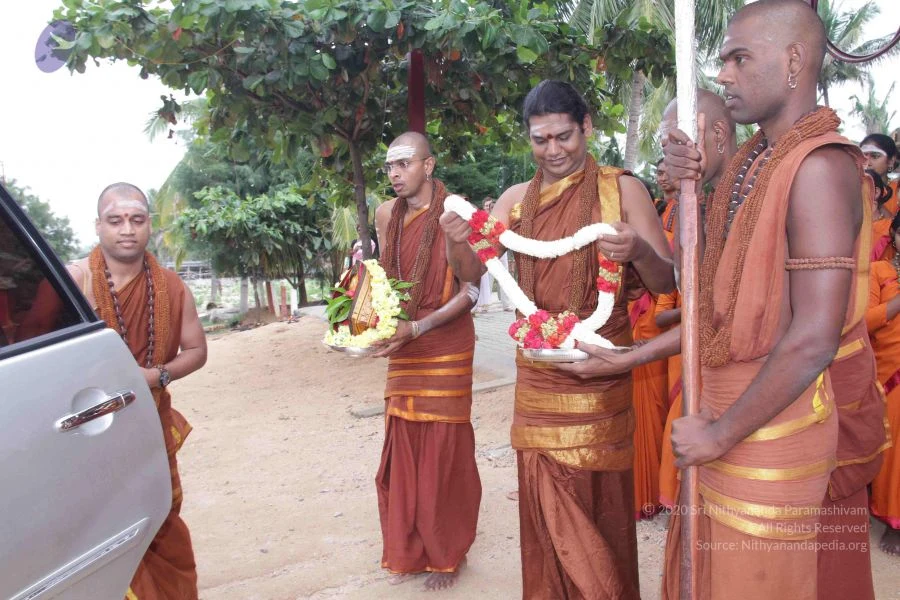
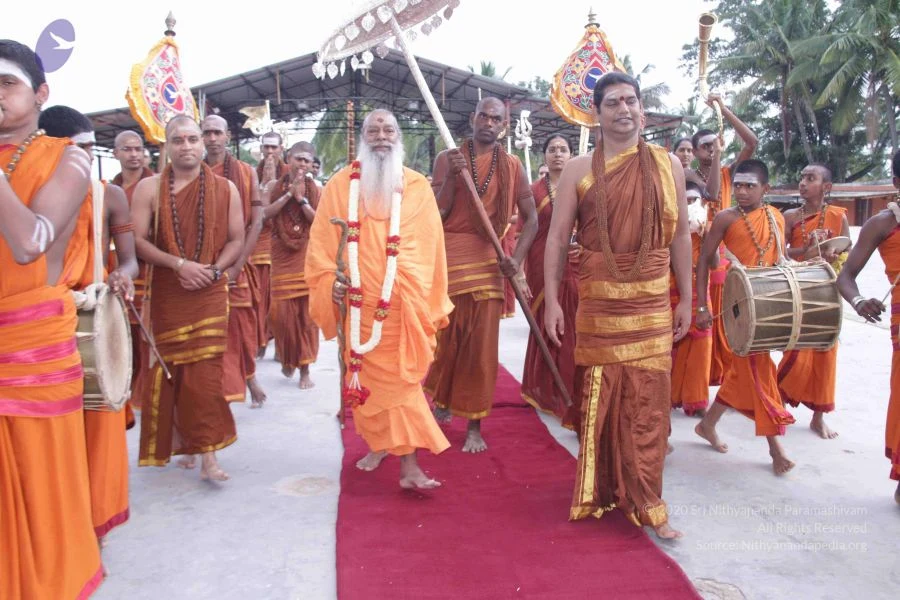
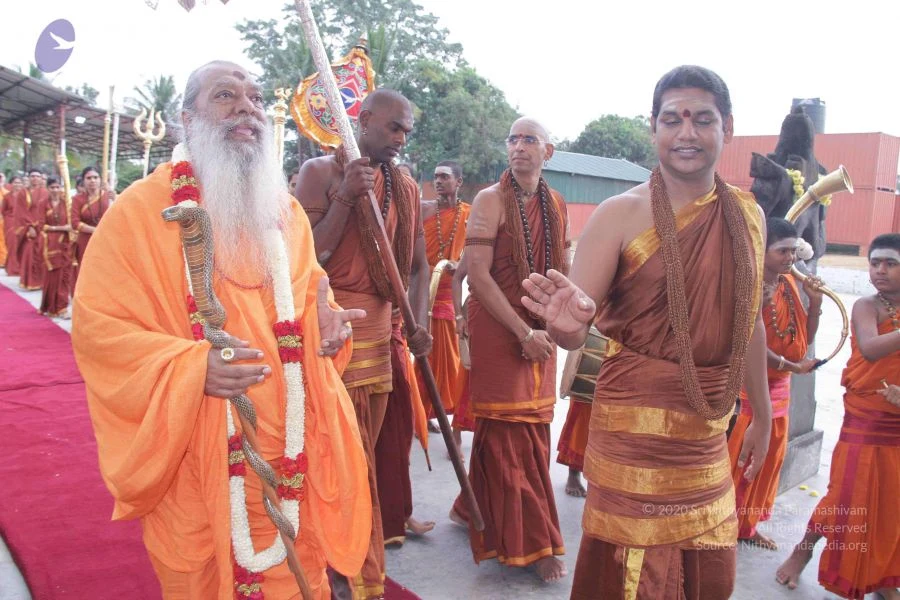
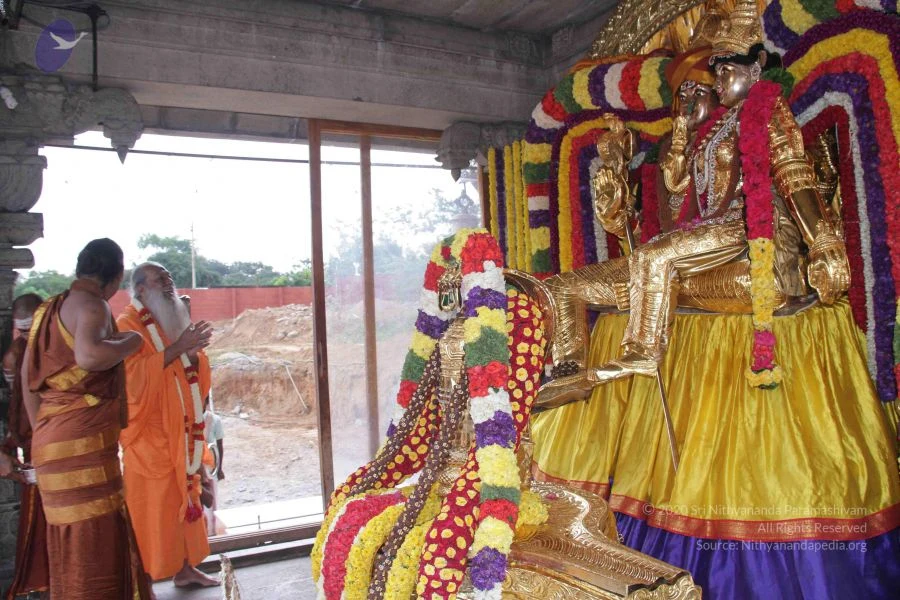
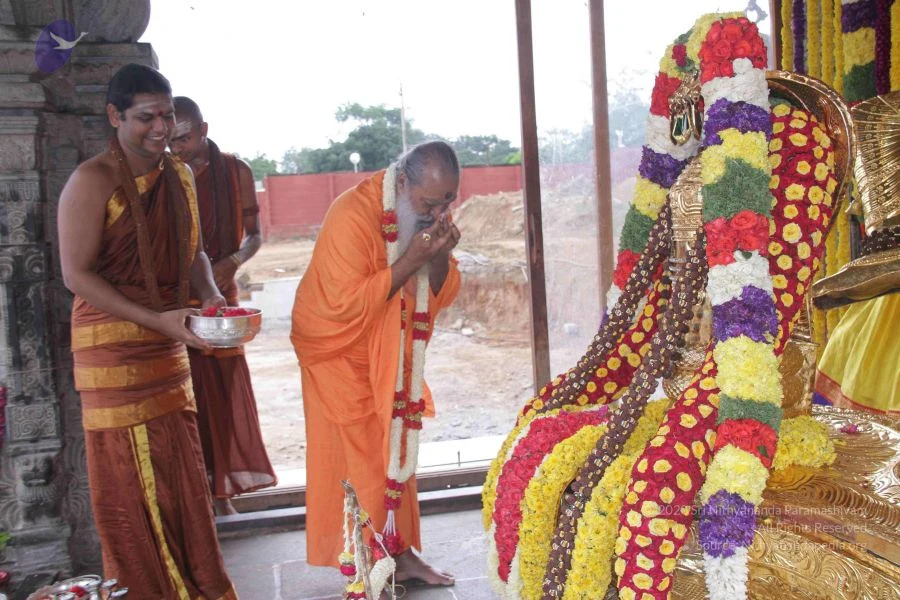
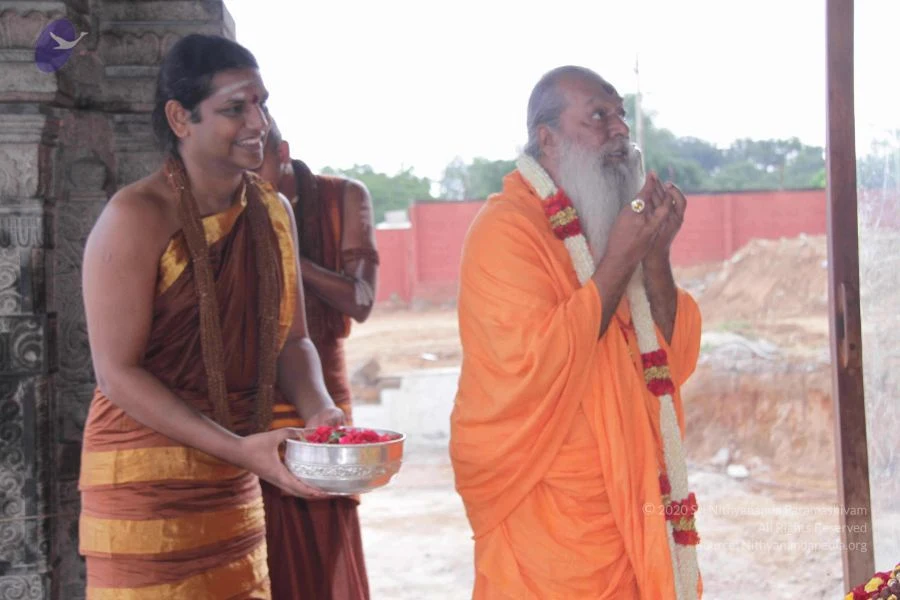
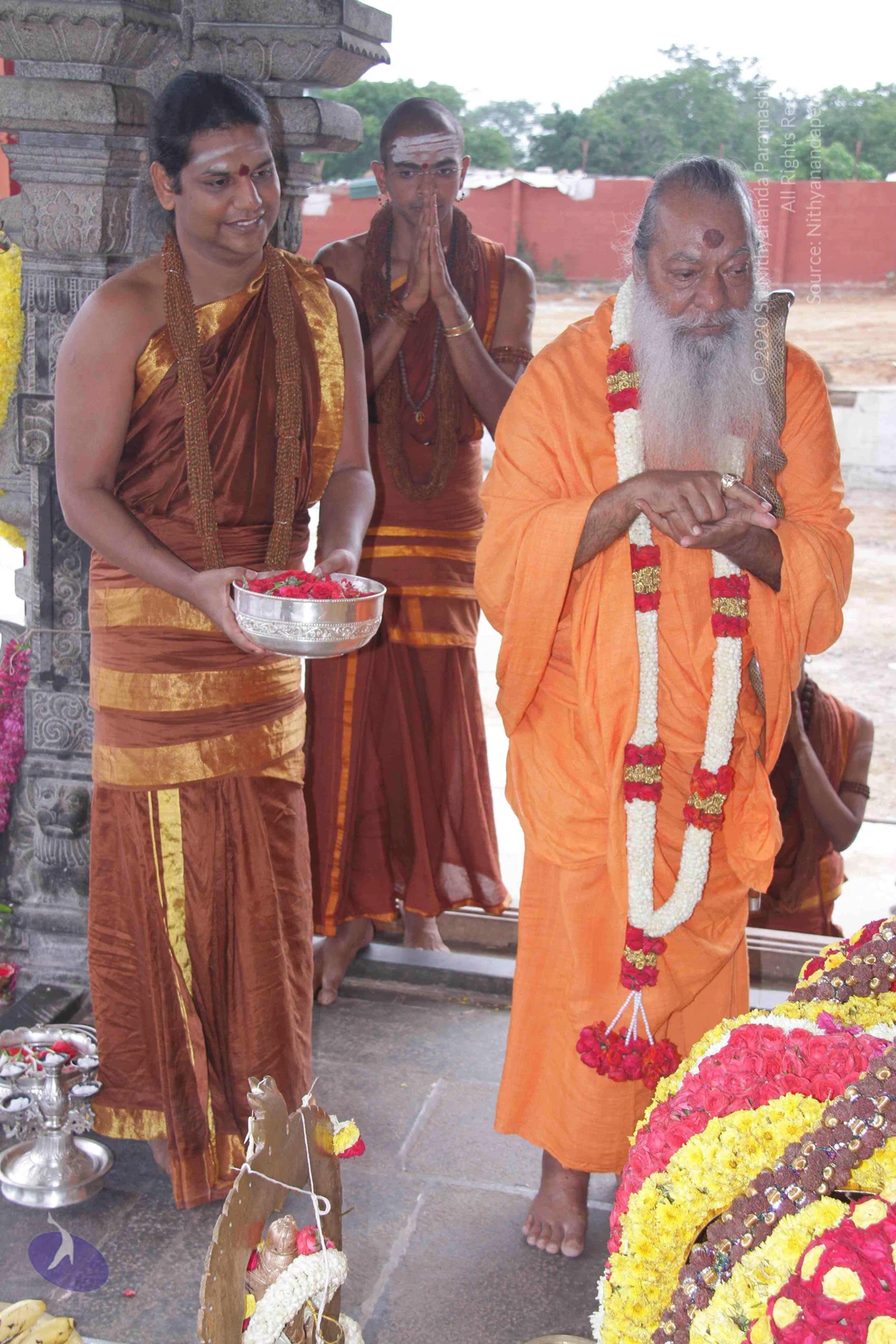
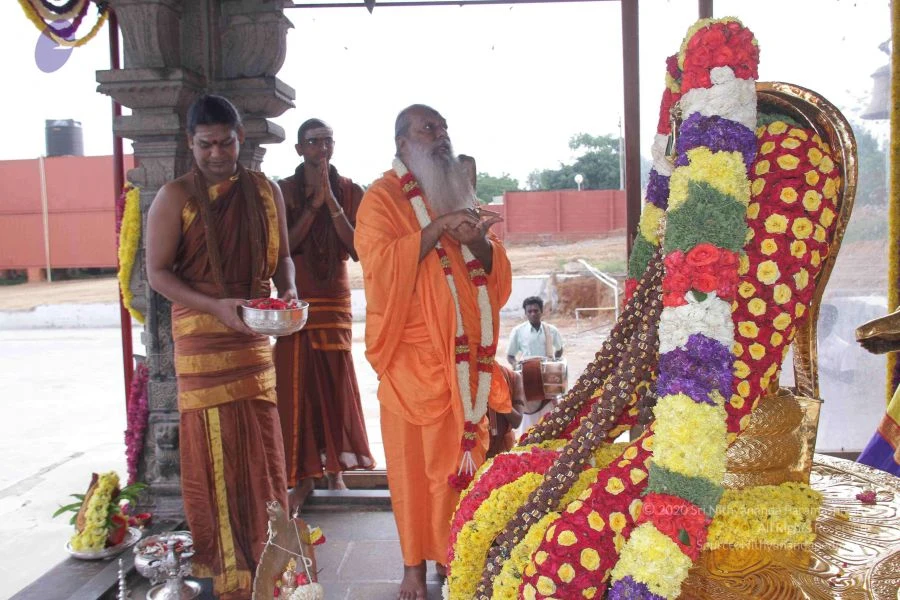
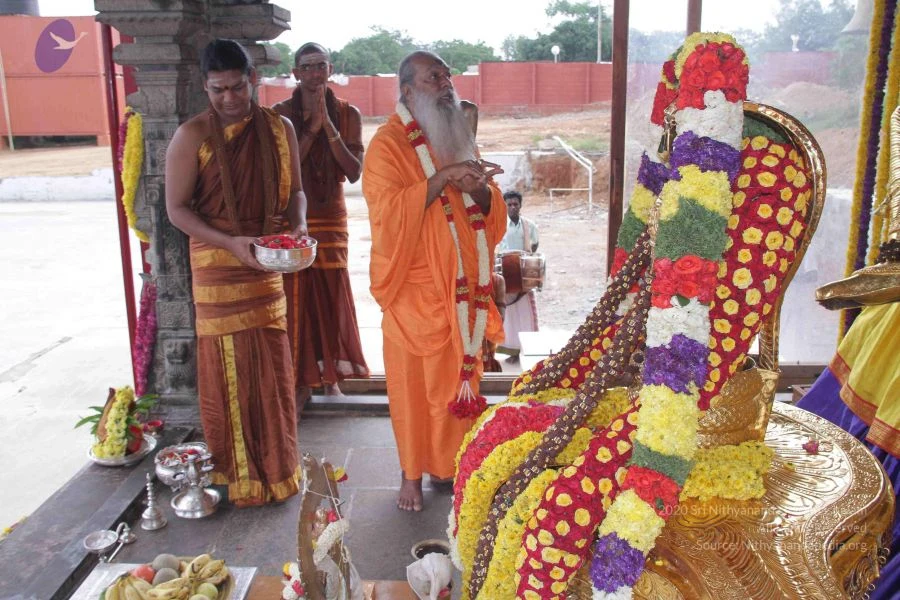
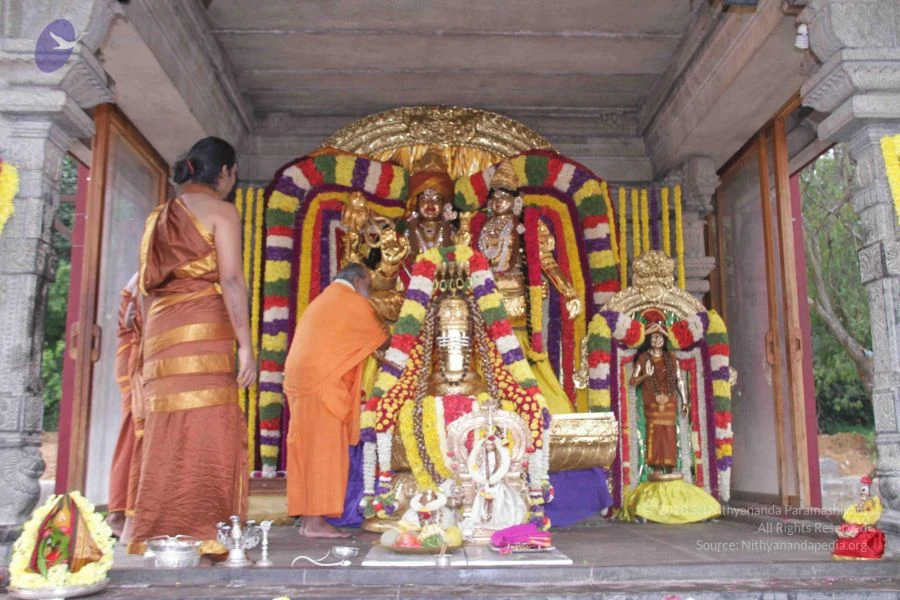
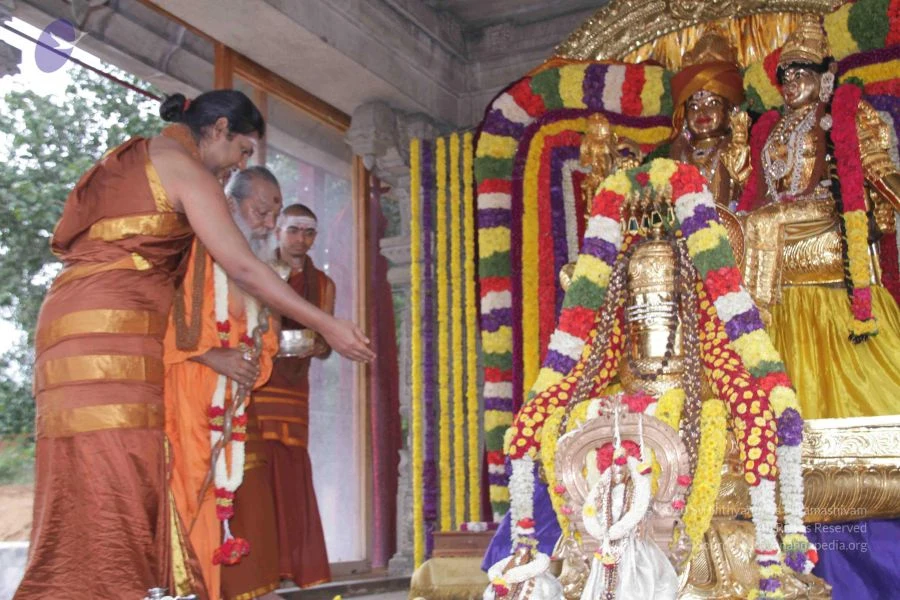
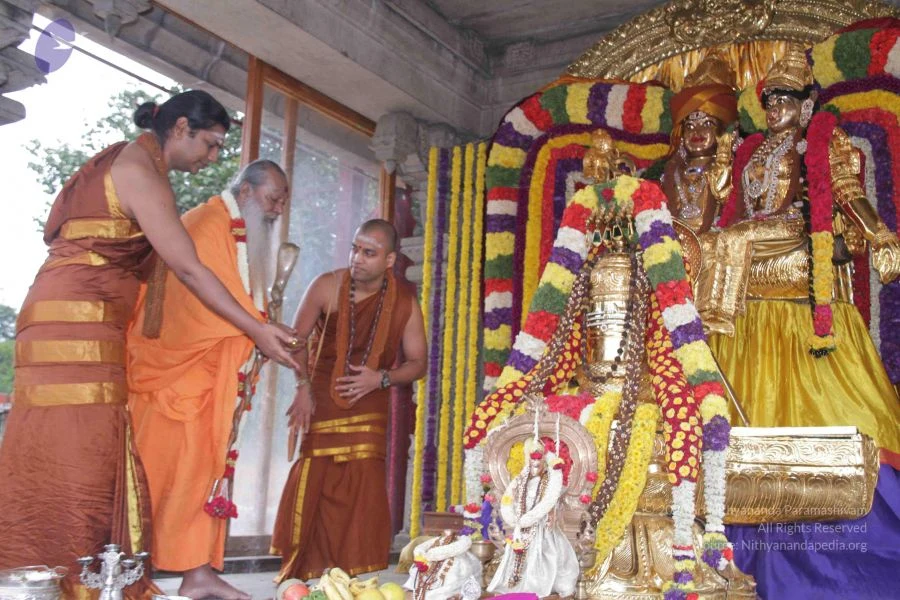
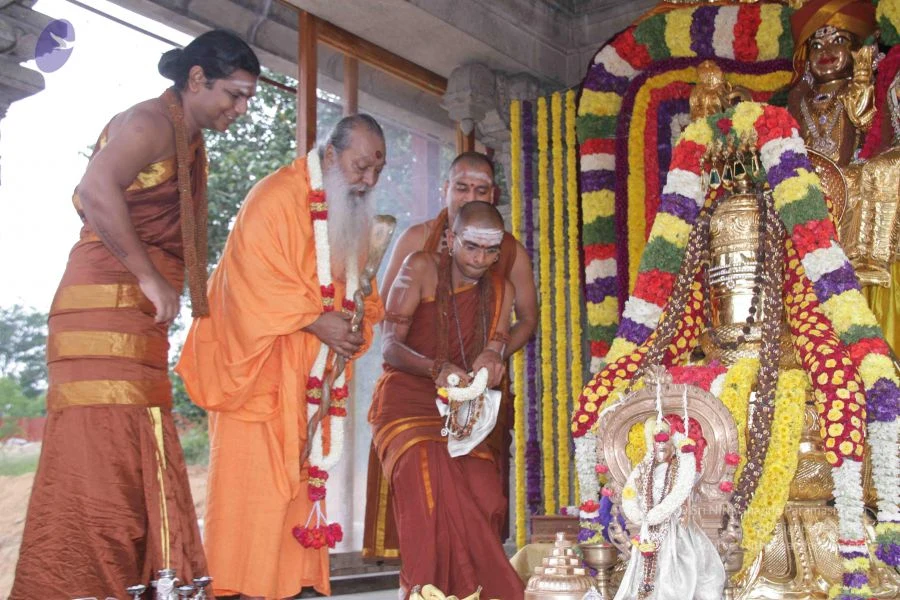
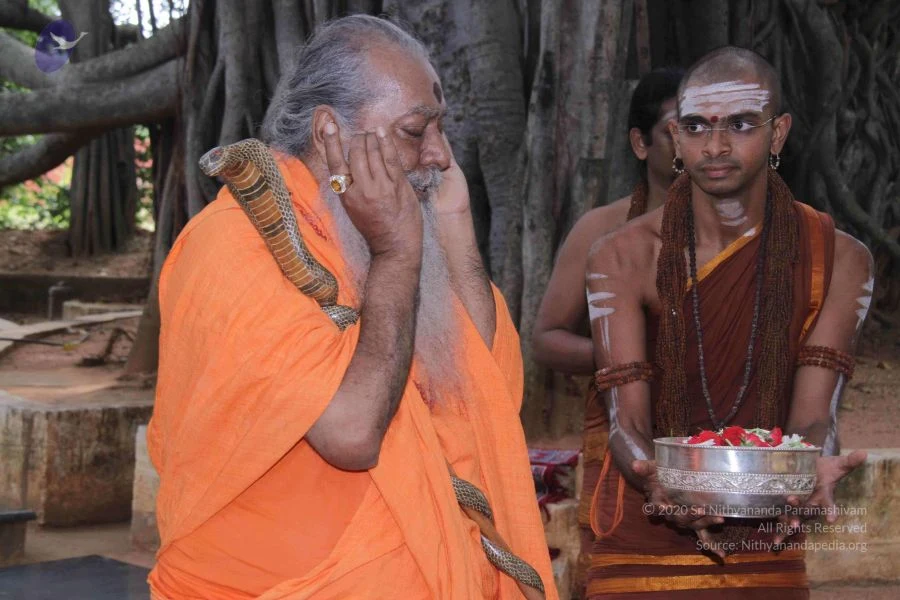
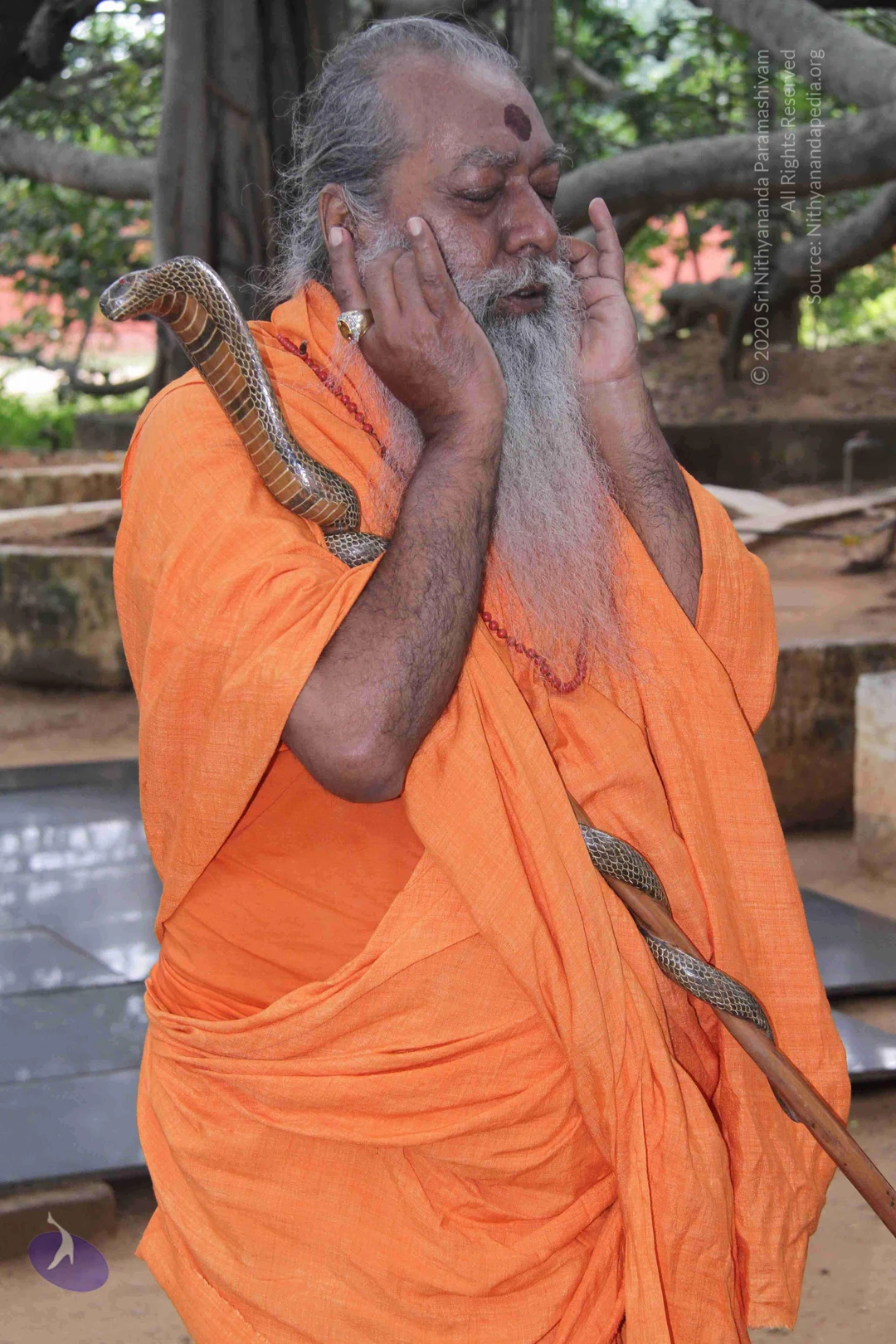
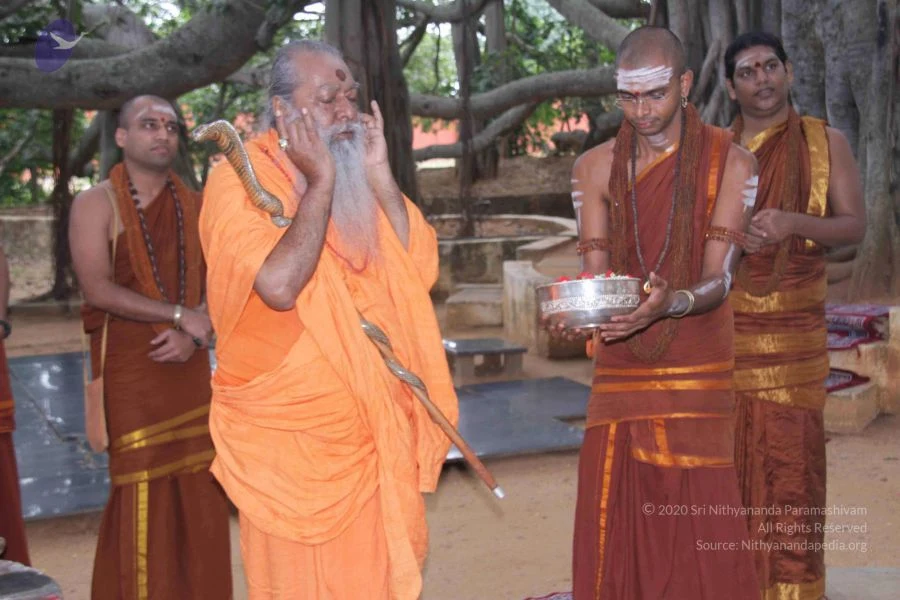
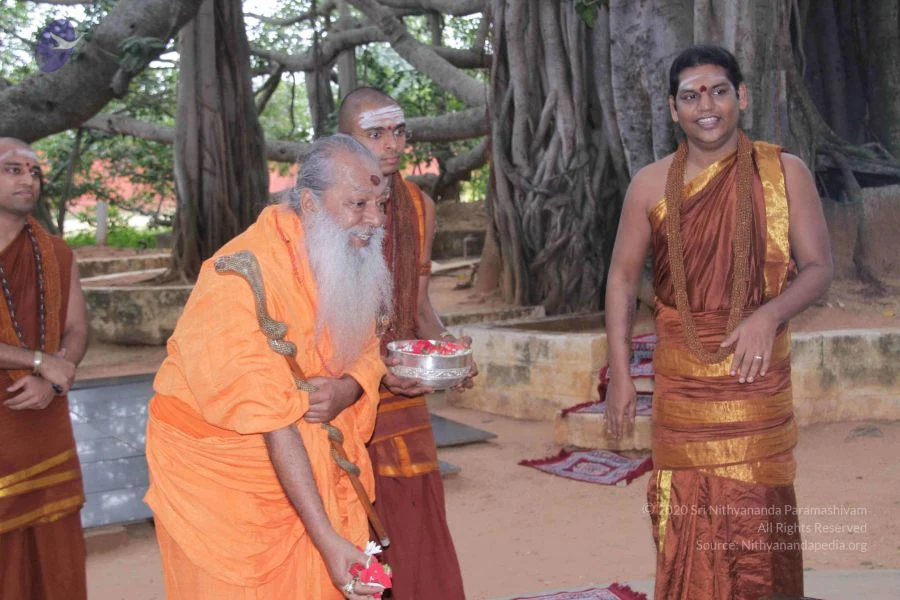
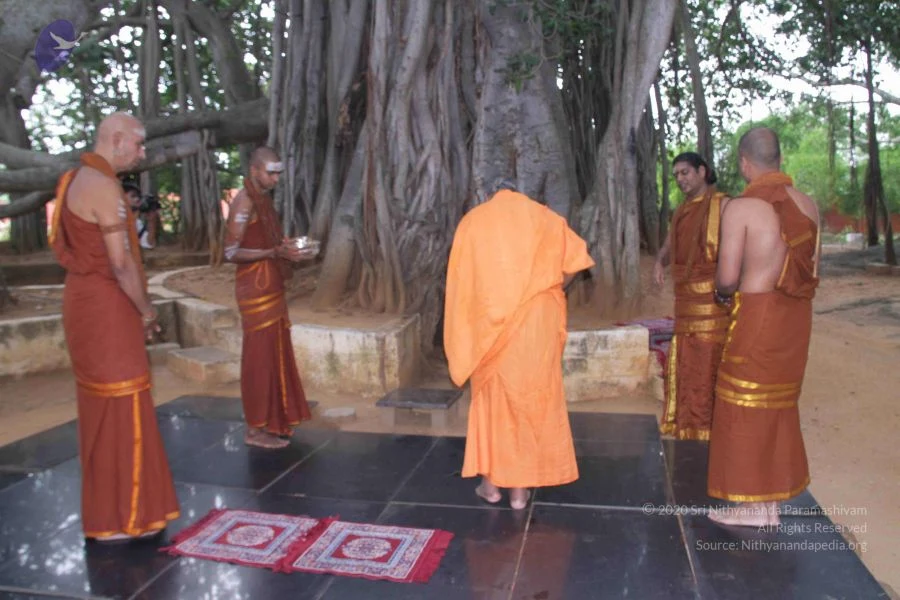
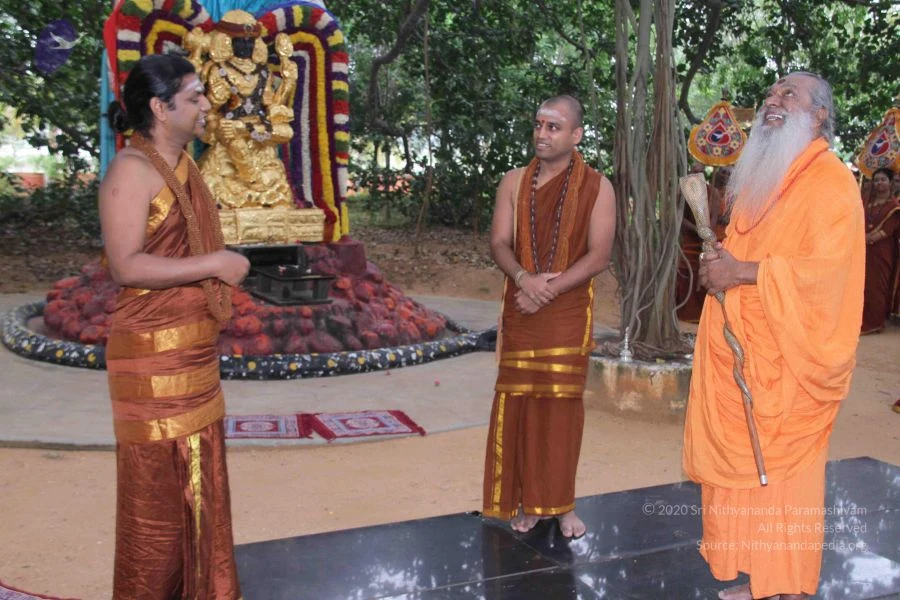
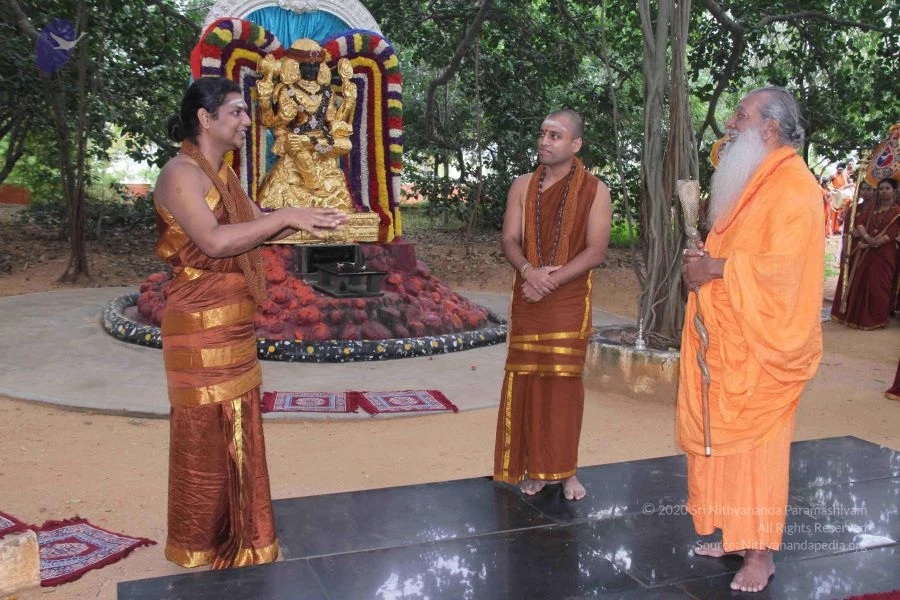
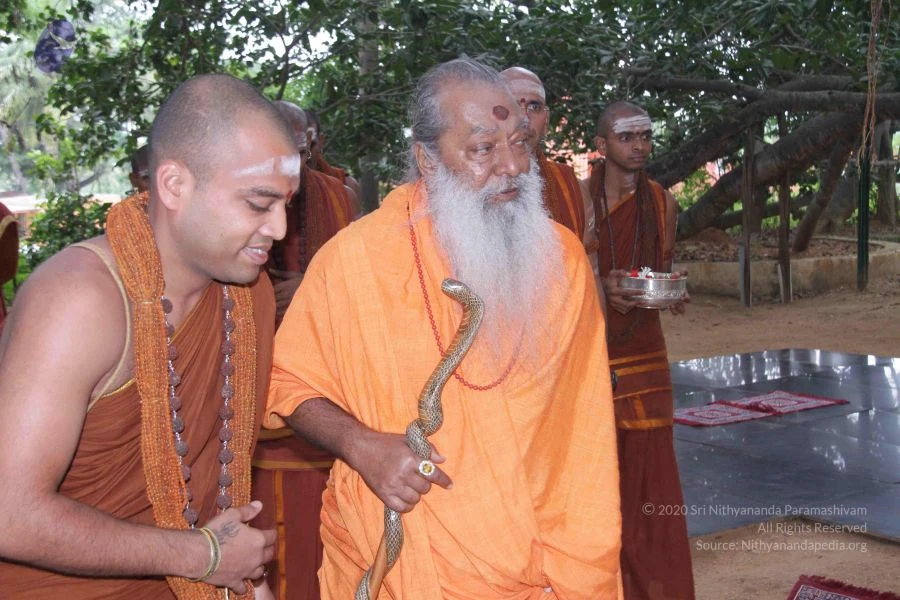
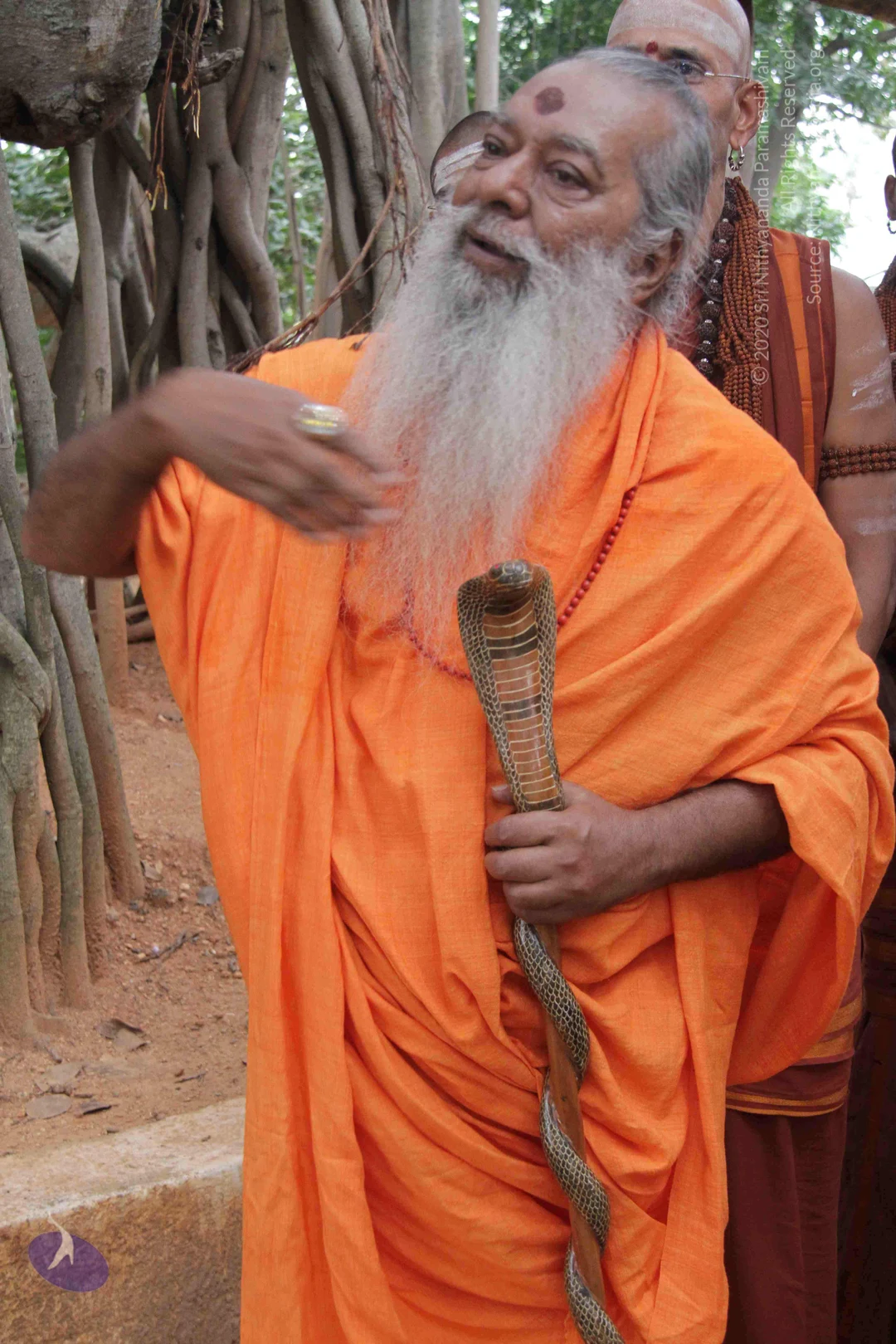
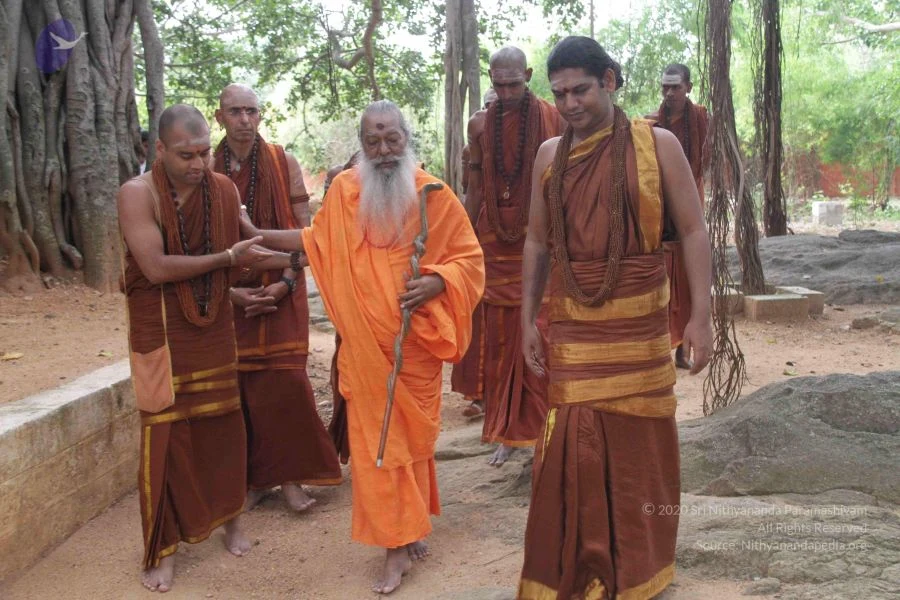
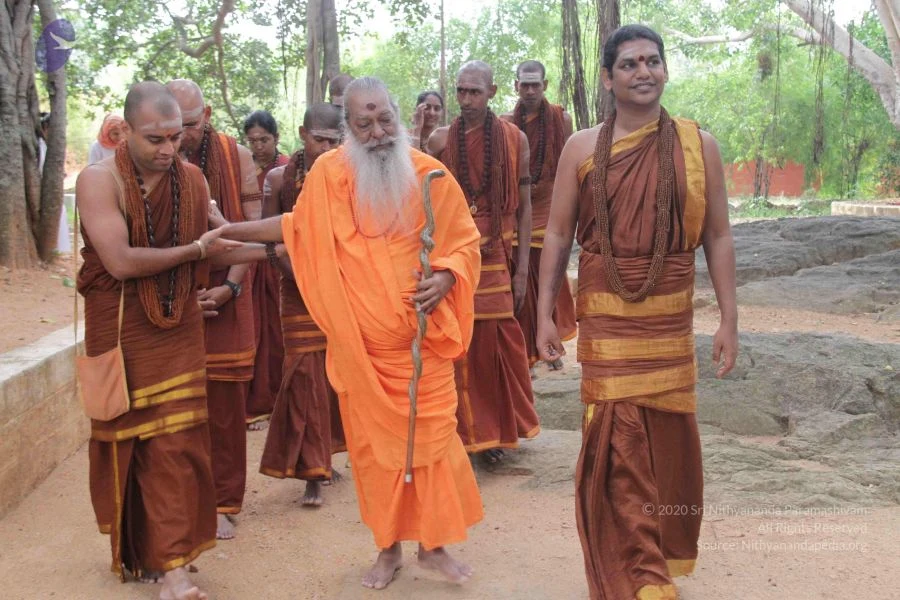
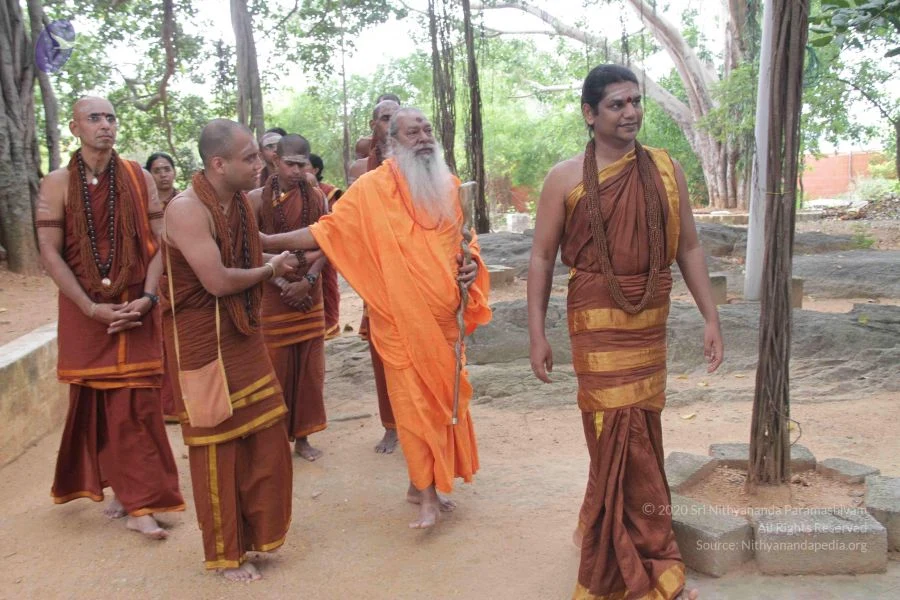
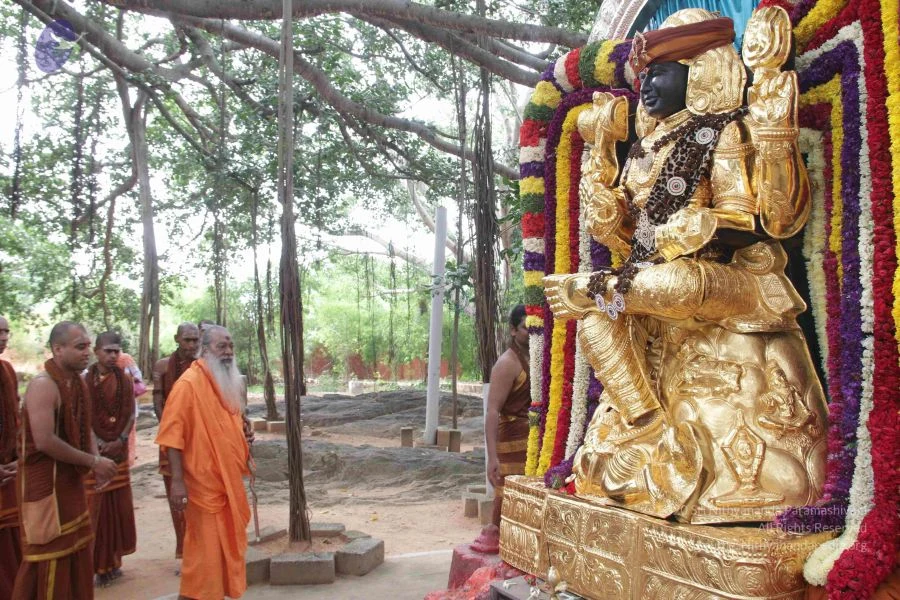
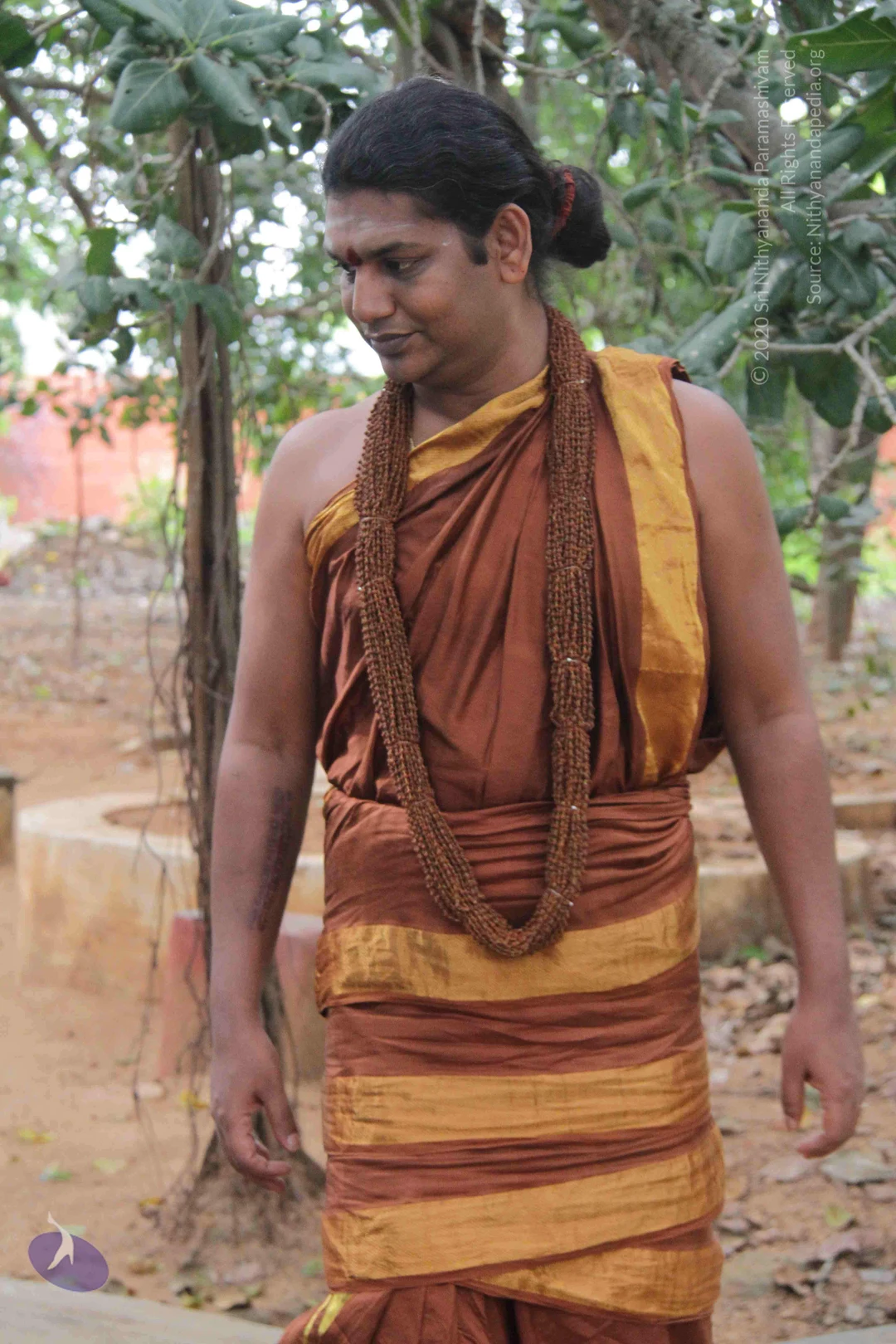
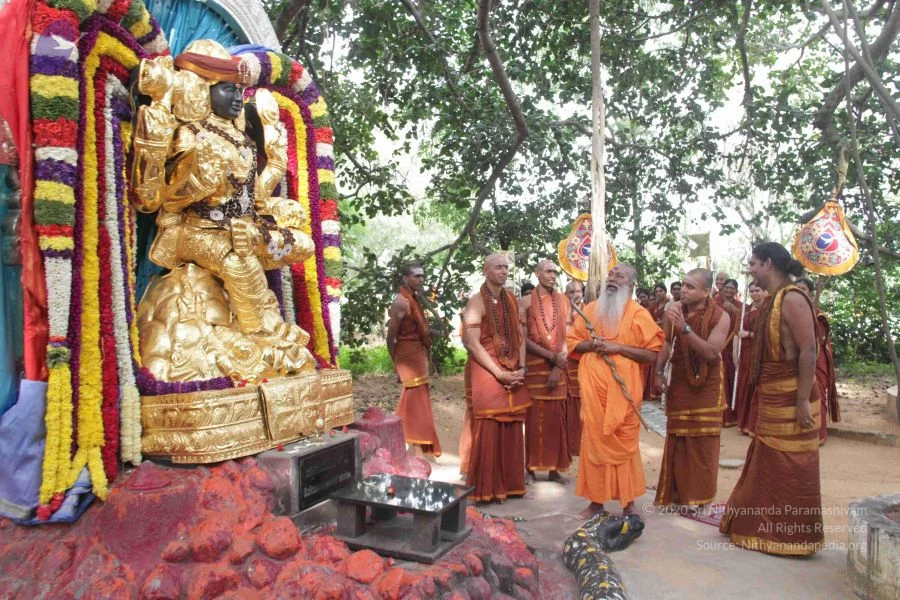
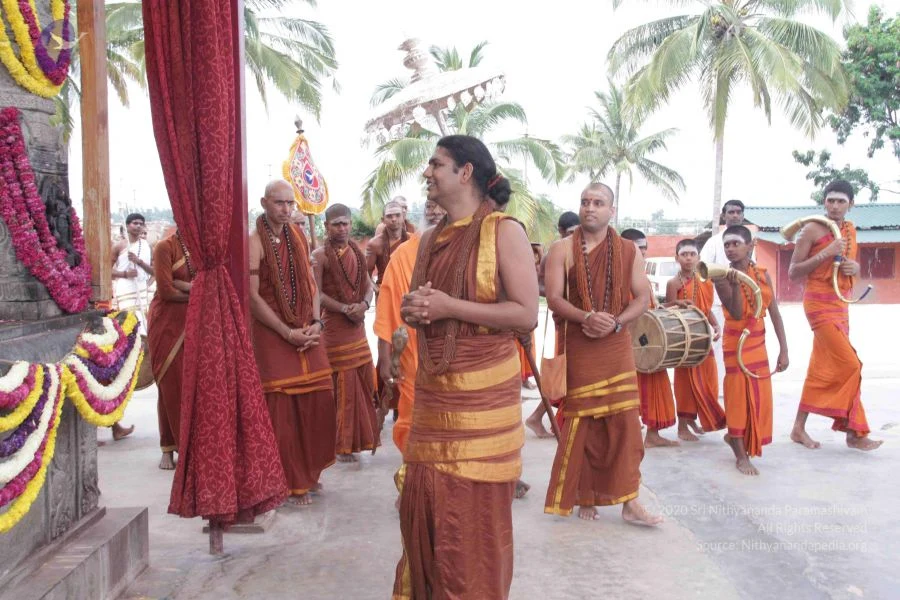
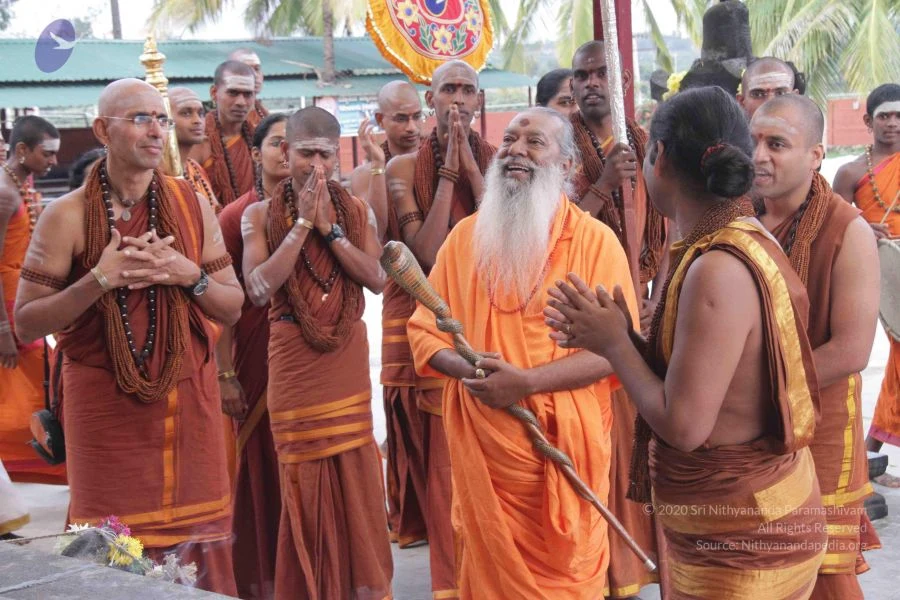
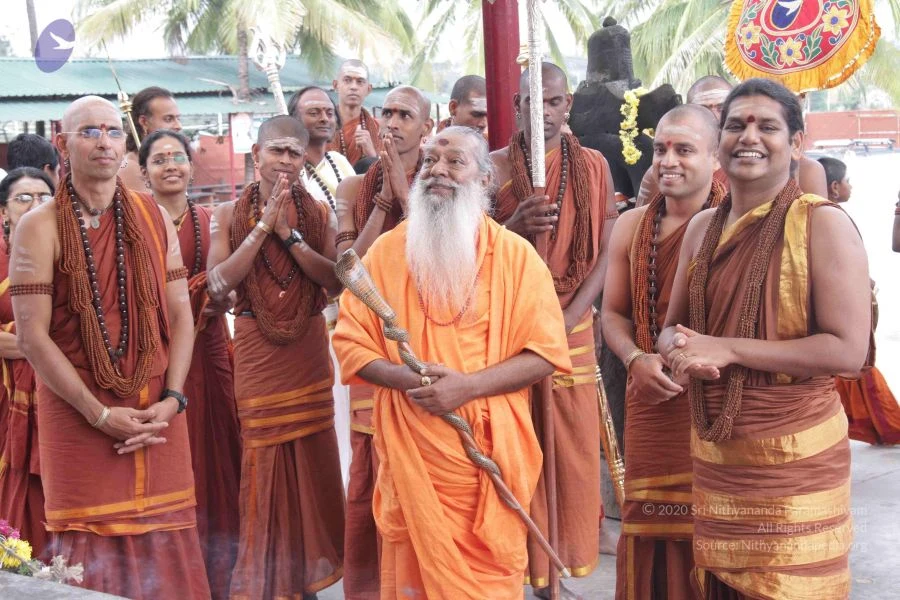
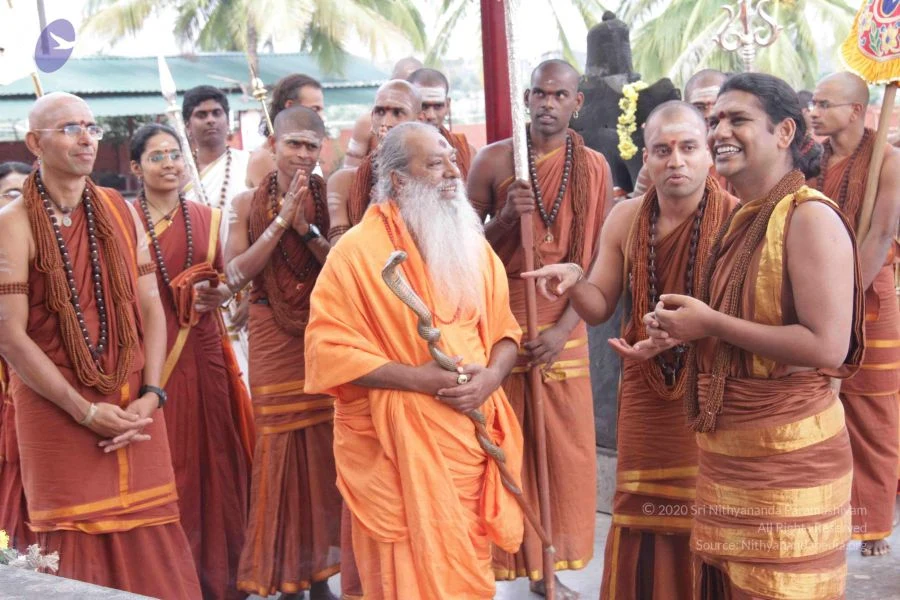
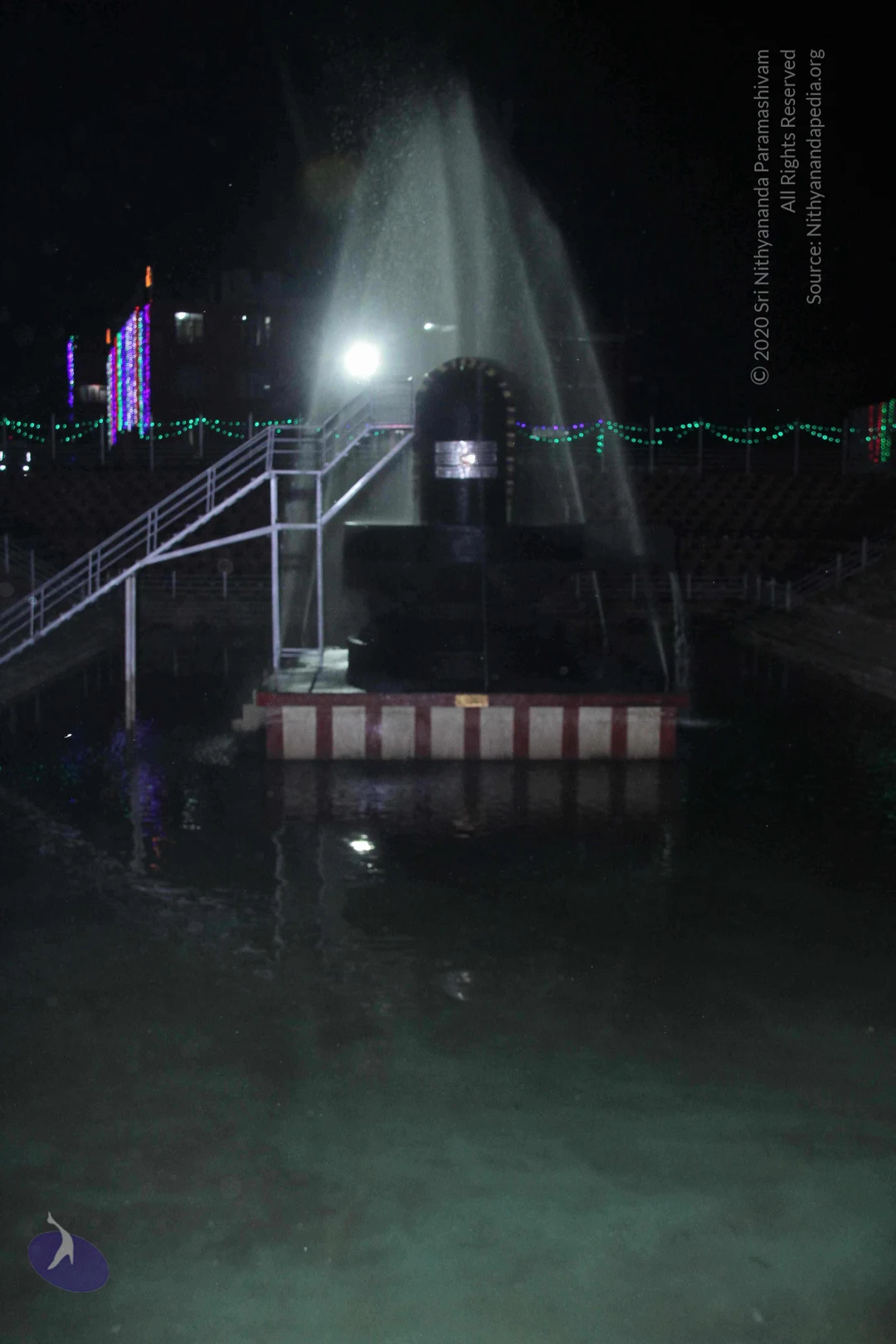
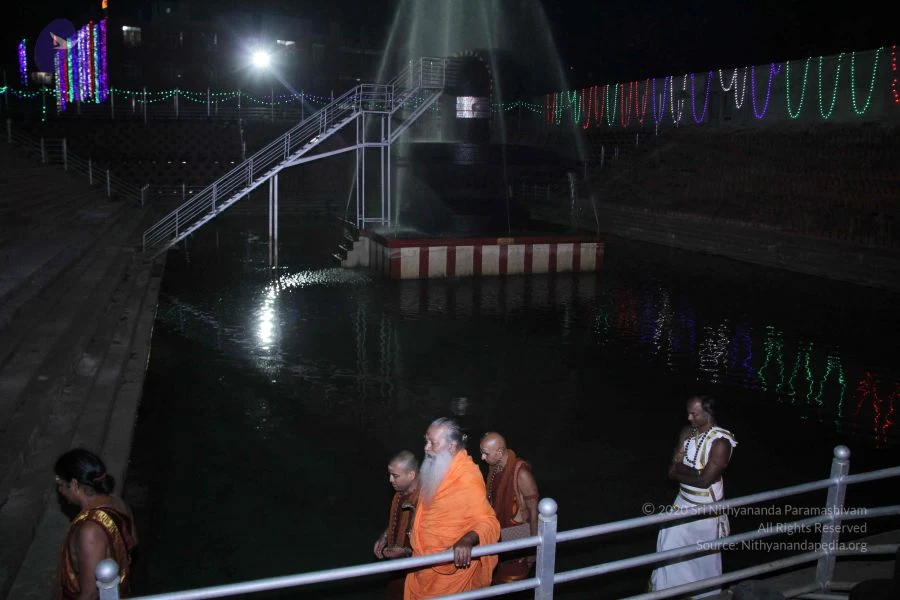
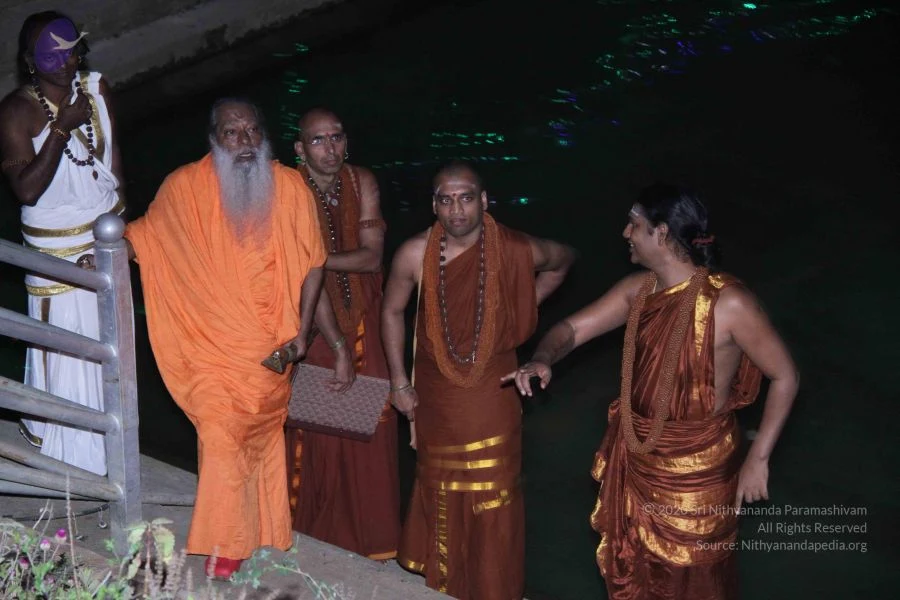
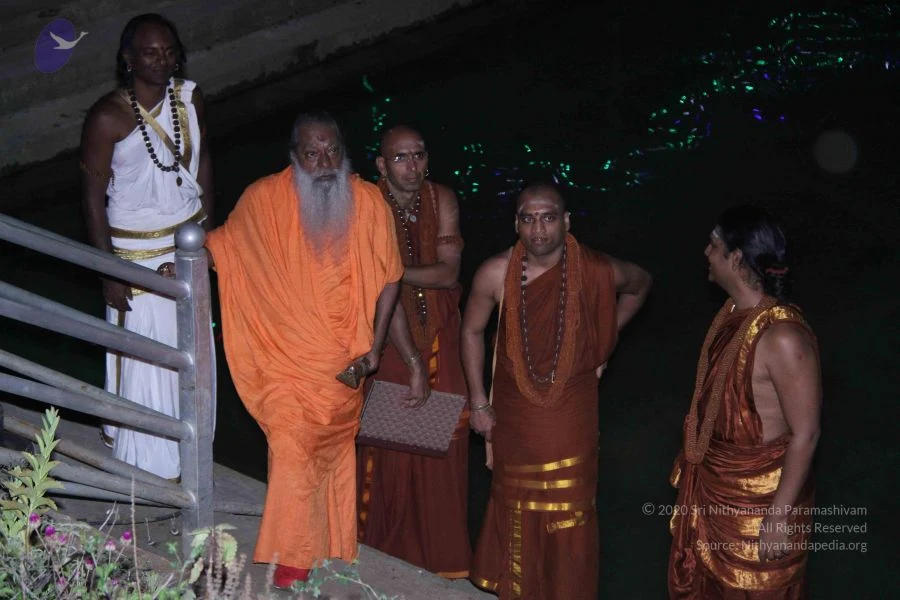
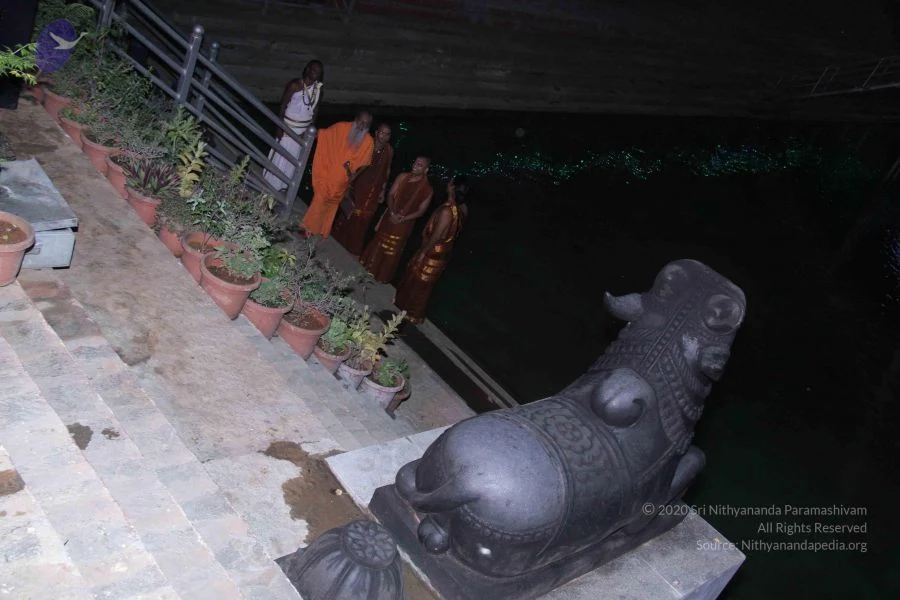
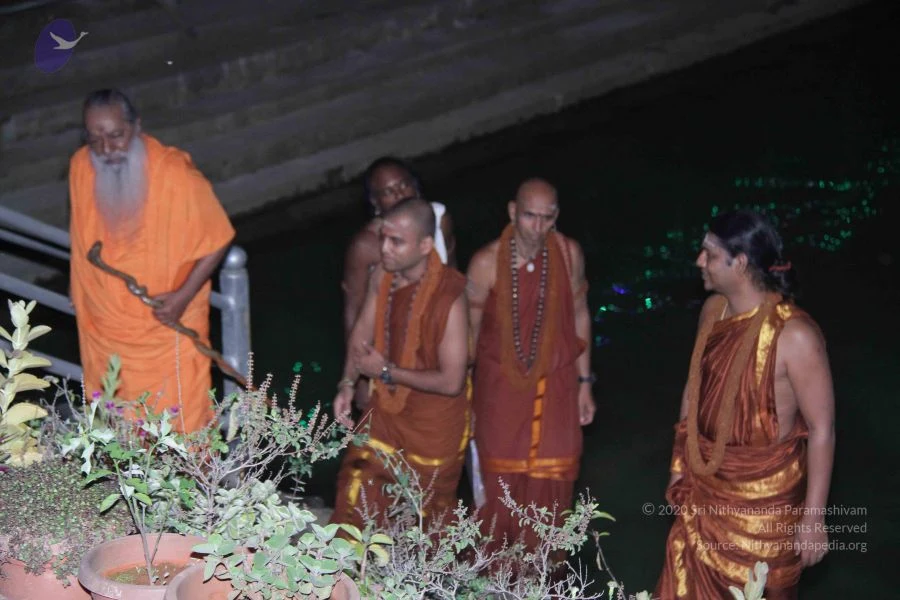
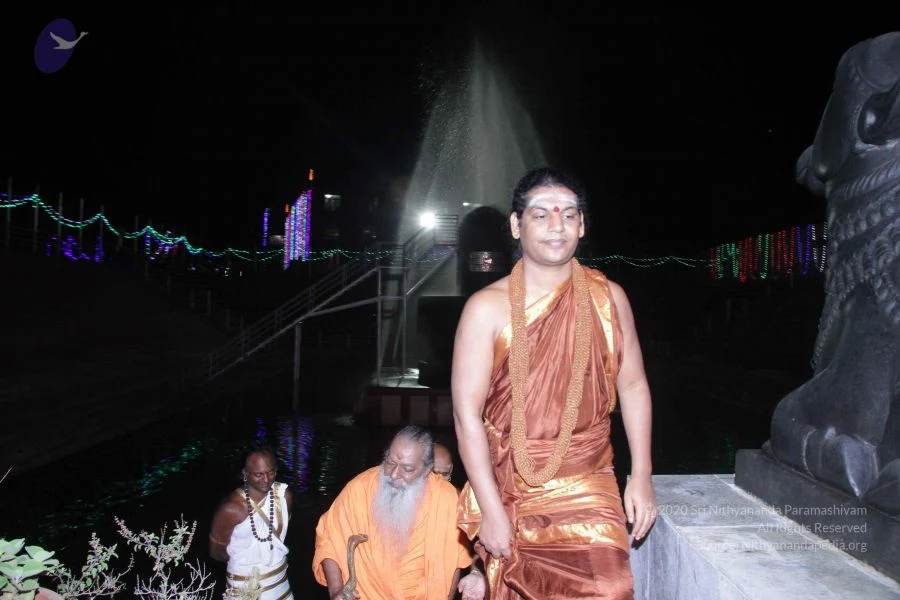
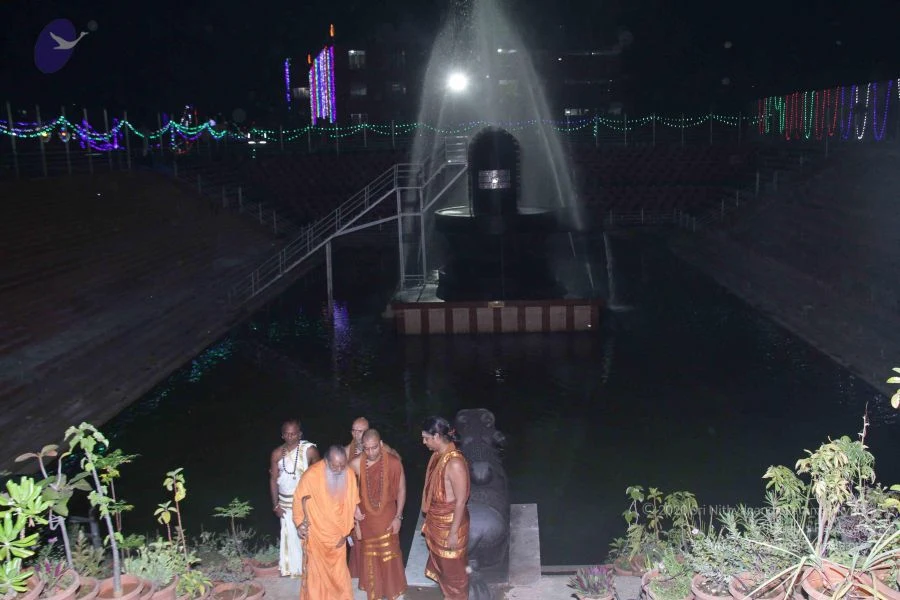
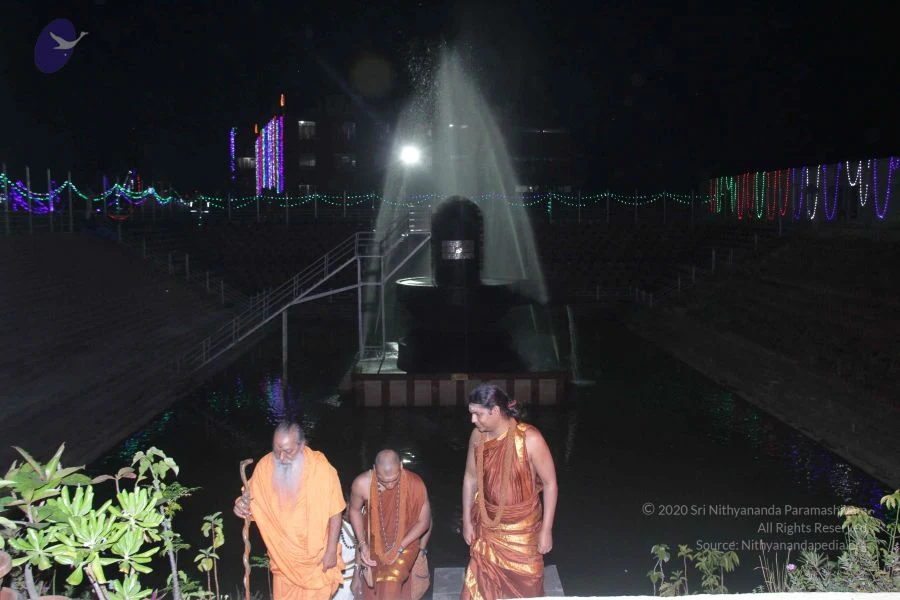
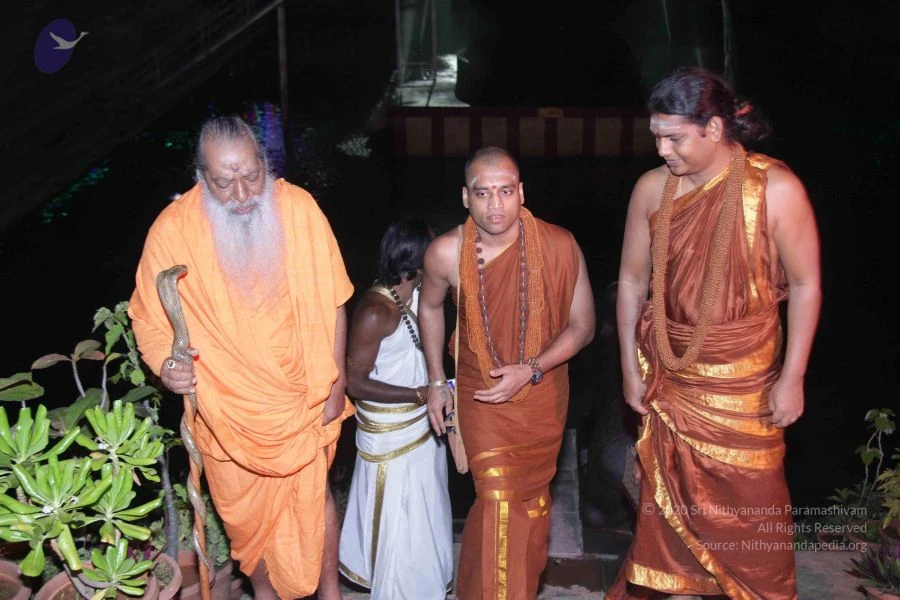
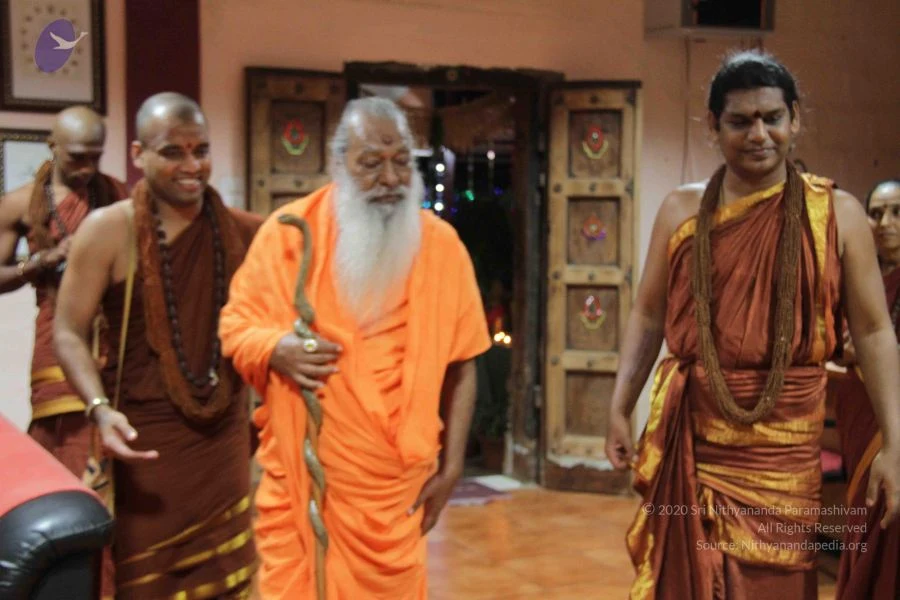
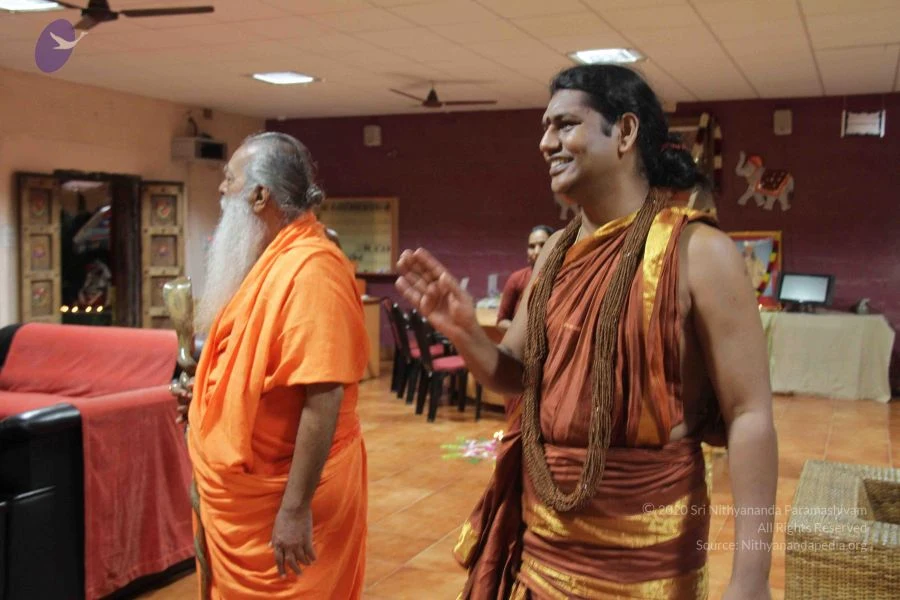
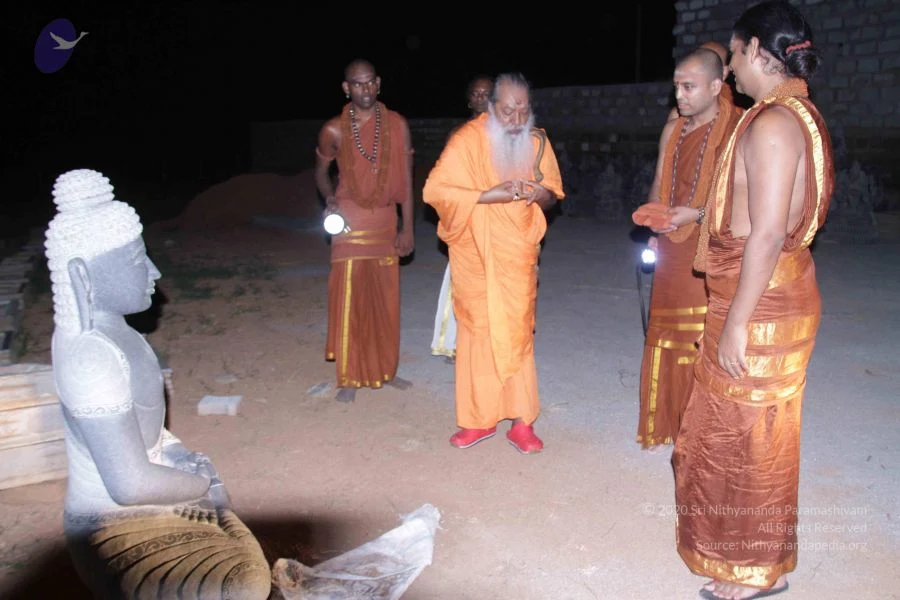
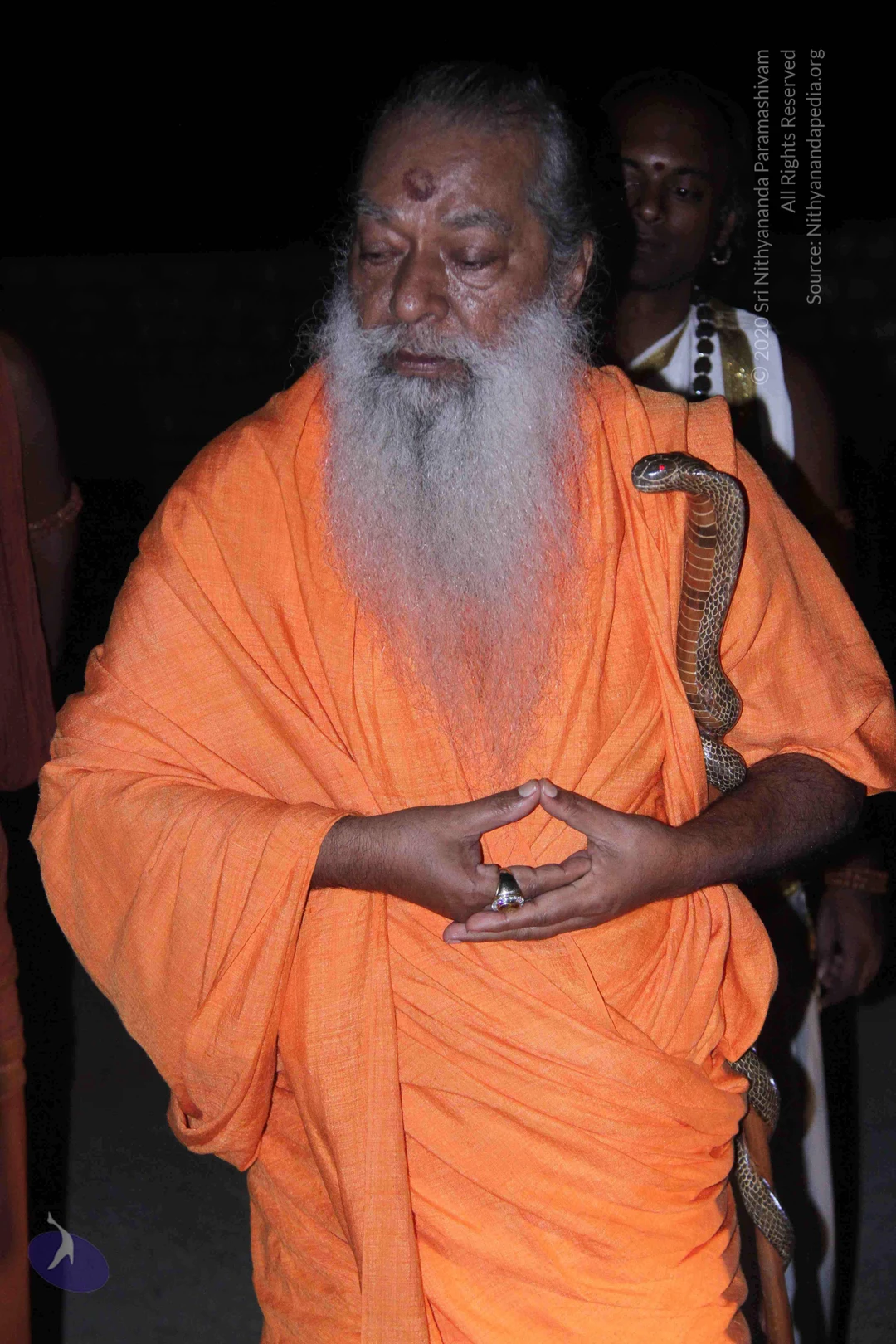
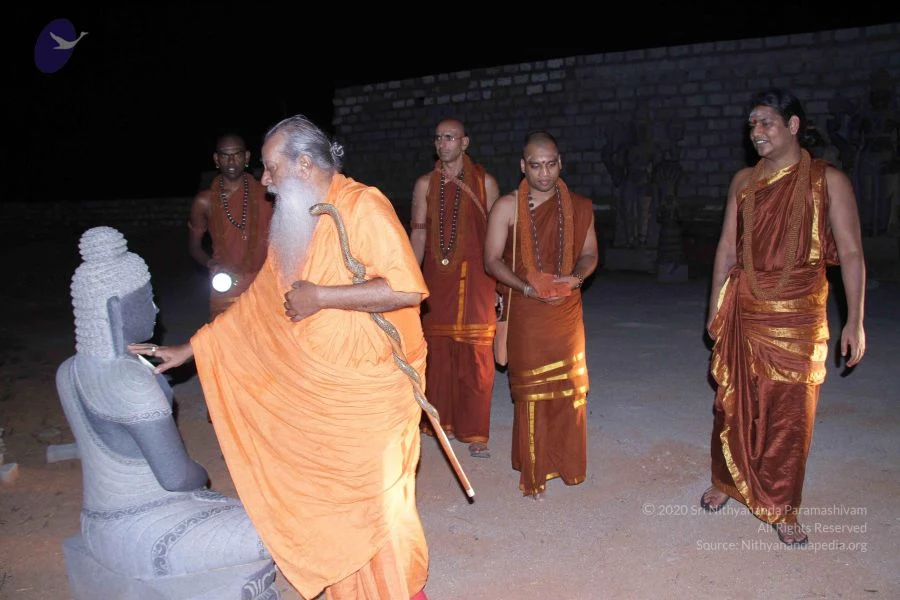
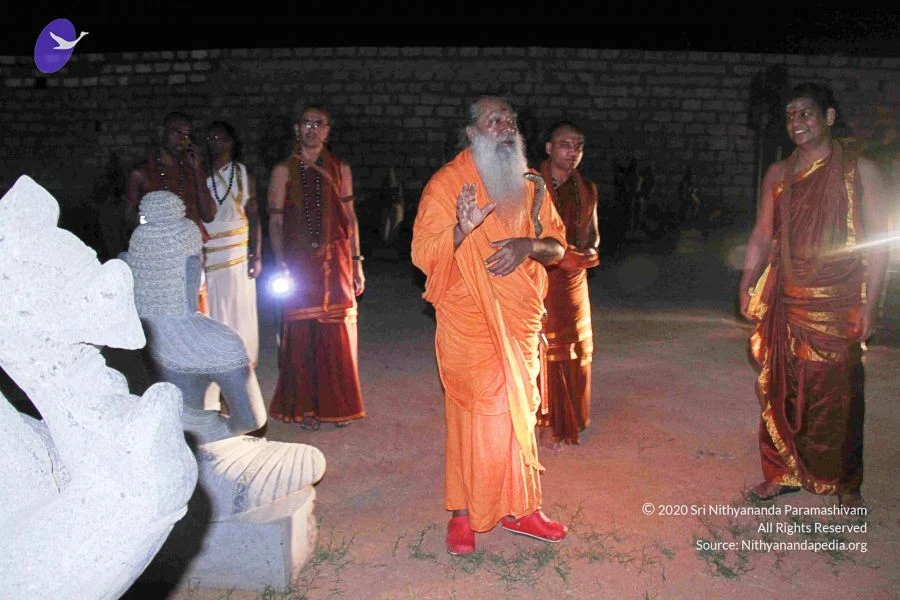
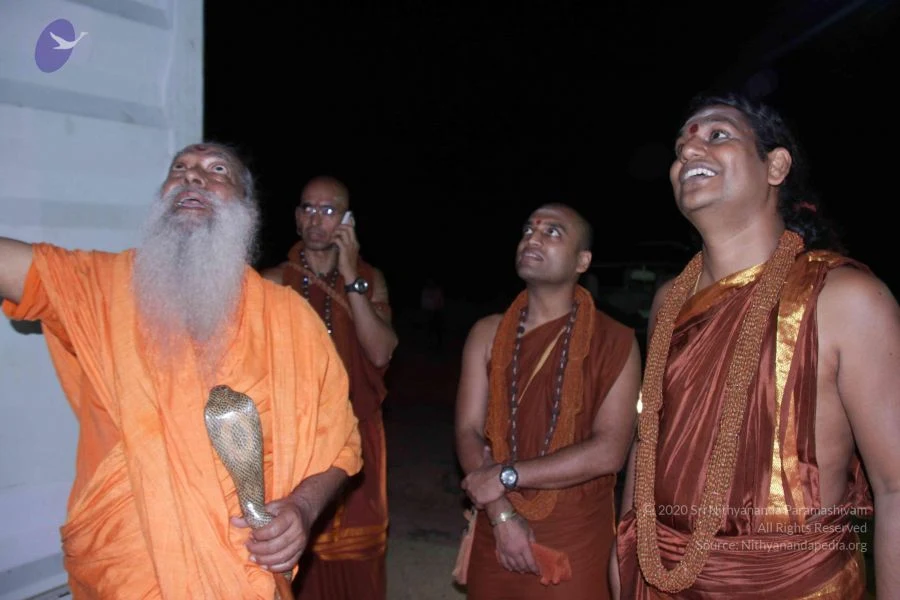
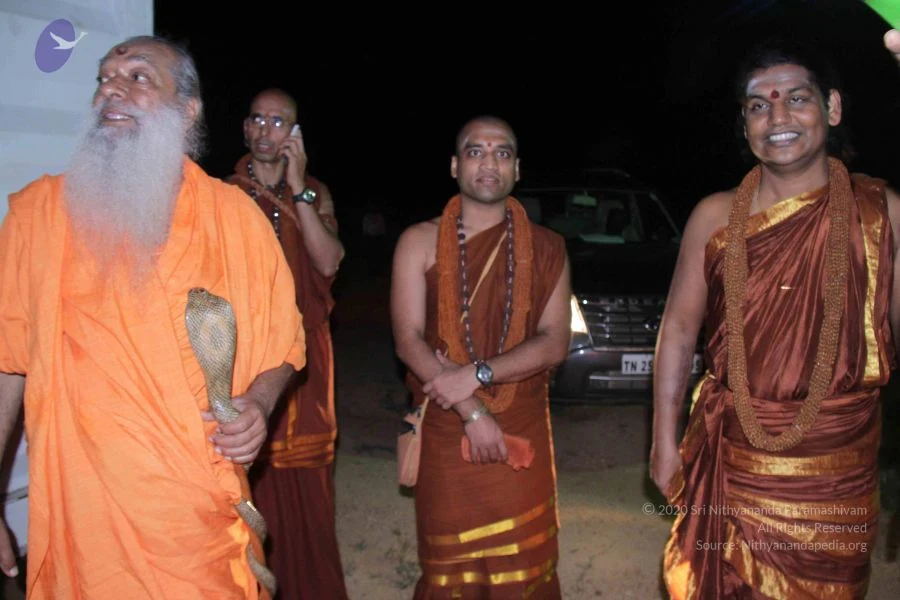
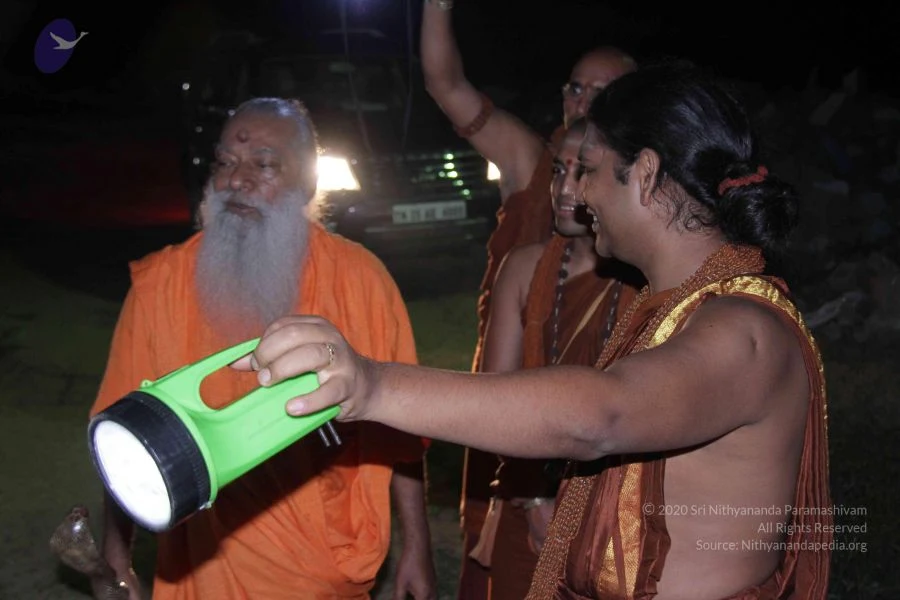
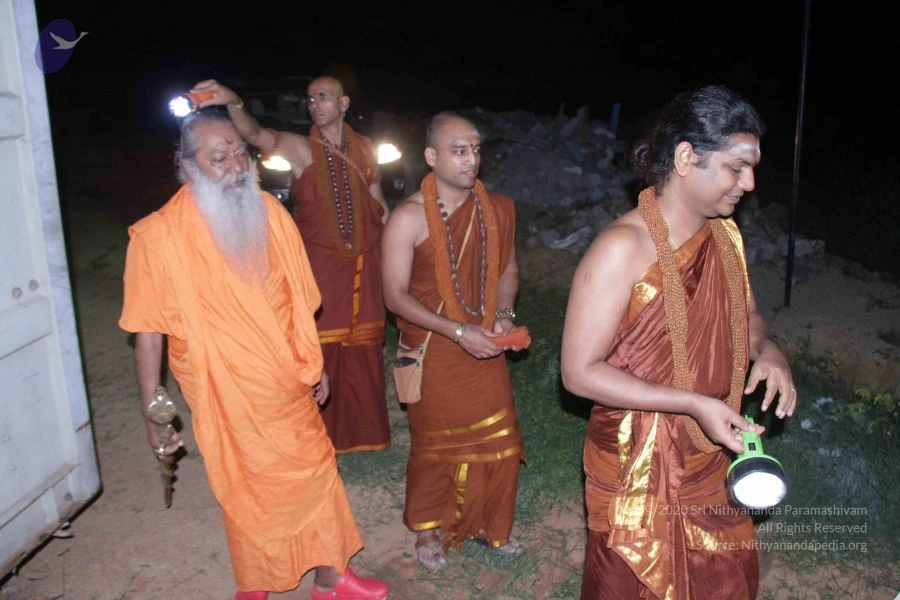
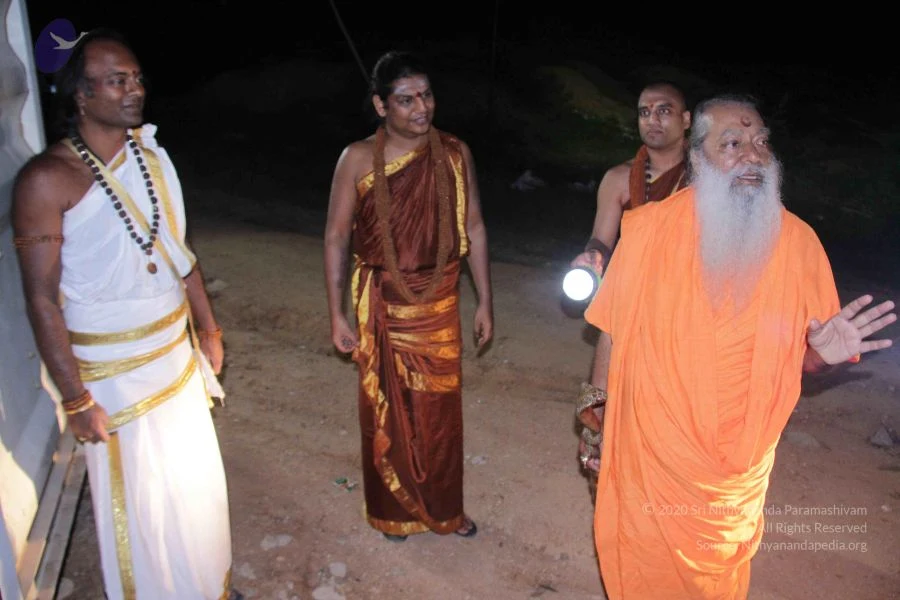
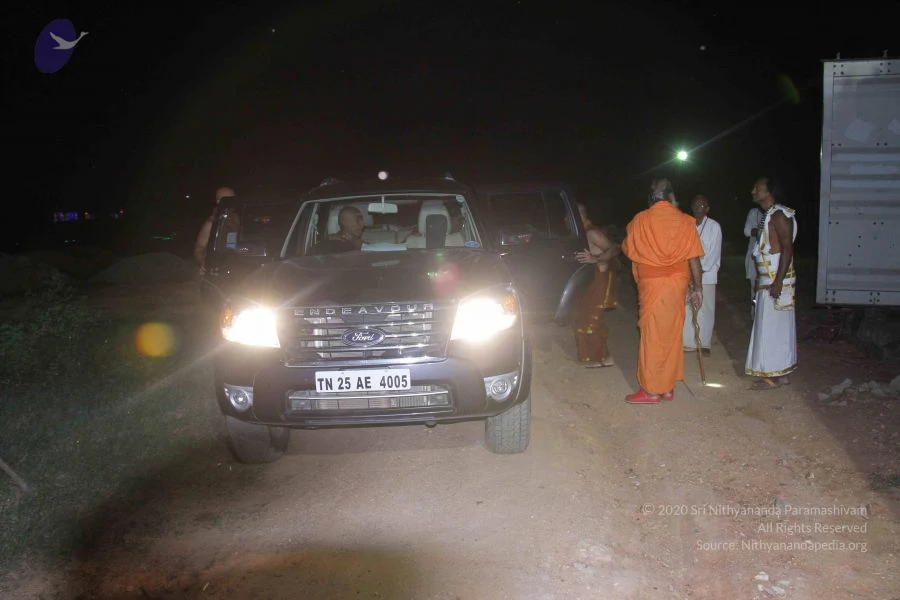
Atal Akhada Acharya Sukhdevanandaji Visits Aadikailaasa, Bidadi, India

Darshan For Delegates of Inner Awakening Convention at Aadikailaasa, Bidadi, India

Tags:

Paramahamsa Nithyananda, completion, gratitude, love, enlightenment, liberation, space.

Photos from this day

View all 686 photos

Paduka Puja at Aadikailaasa, Bidadi, India
30 photosSource gallery
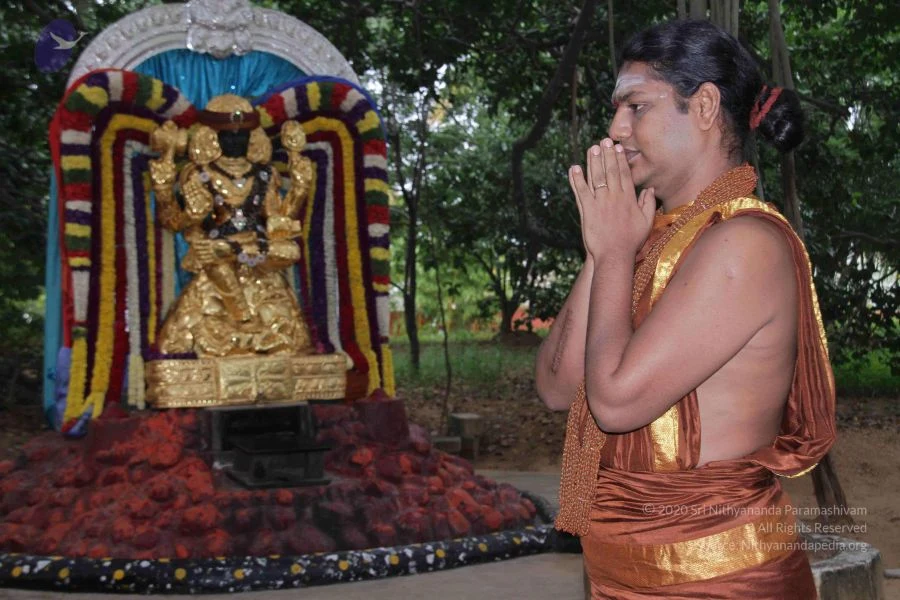
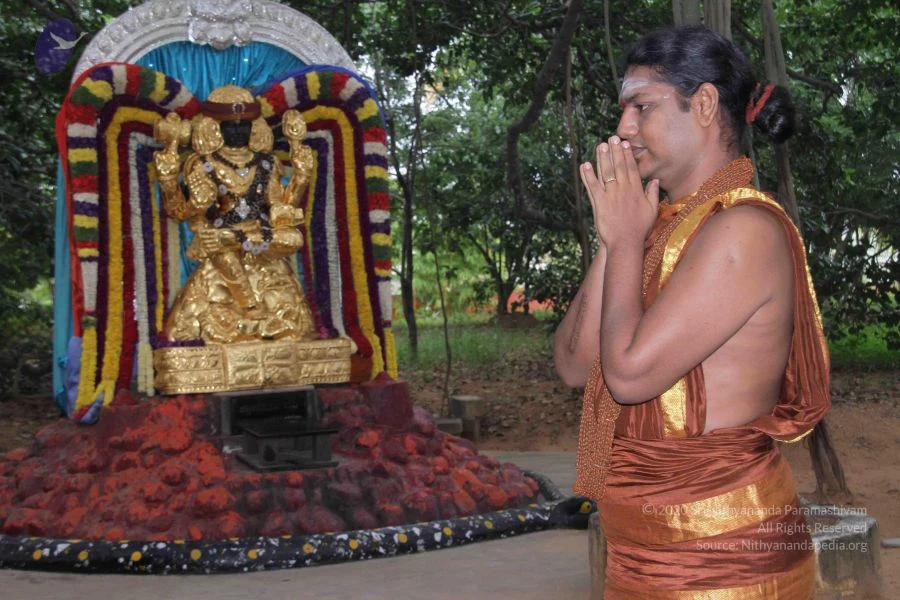
A deity murti of Murugan (Subramanya) stands centrally on a golden peacock vahana, holding a vel spear, adorned with ornate silver-and-gold jewellery, a crown and garlands of yellow and red flowers with green and white ribbons. Two smaller female murtis flank him, one in blue and gold, the other in blue and gold attire, both also draped in marigold and rose garlands. Golden carved arches frame the shrine, and a purple flower offering sits at the base. No living people are visible.A decorated deity murti stands at the centre of a golden arched shrine niche. The figure wears a crown and ornate silver-and-gold jewellery, holds a spear-like staff, and rests beside a golden peacock vahana. Two smaller attendant figures in blue and silver costume flank it, and the whole image is draped in thick garlands of yellow marigolds with red, green and white ribbon accents. Red fabric backs the figure, and the golden arch is carved with floral and scroll motifs.A golden murti of the deity Murugan with a vel-topped spear, seated between two consorts on a red silk-draped throne beneath an ornate gilded arch. The deity is adorned with a jewelled crown, layered gold necklaces and a sacred thread, and is garlanded in thick bands of yellow marigold, red roses, white jasmine and green leaves. A gilded peacock vahana in front of the throne is draped with a purple and yellow flower garland. Faint copyright text appears in the upper right corner.A decorated murti of the deity Murugan, seated centrally on a red cushioned throne with gold-embossed arched backdrop, flanked by two smaller figures of consorts in blue and grey-blue draped garments with jewelled necklaces. The central figure wears a tall jewelled crown, holds a spear (vel) and a raised hand, and is adorned with layered pearl and gem necklaces. Large garlands of yellow marigolds, red roses and green-white strands drape across the arch. In front stands a golden peacock vahana with a purple and yellow flower garland. No physical people are visible; the figures are statues, and the page's a person reference does not appear in this image.A decorated deity murti seated on a gilded throne-like arch against dark red drapery. The central figure wears an ornate silver crown and jewelled necklaces, holds a spear-like staff with a small flag, and is flanked by two smaller consort figures in blue and silver garments. Thick garlands of yellow marigolds, red flowers and green-white strands drape the central figure and throne. A golden peacock-style vahana stands in front, garlanded with purple flowers, and a red cloth covers the base. No living people are visible.A decorated murti of Murugan (Subramanya) stands centrally on a gilded arched backdrop against dark maroon curtains. The deity wears silver and jewelled ornaments, a crown, and holds a spear (vel). A golden peacock vahana in front is draped with purple and yellow flower garlands. Two smaller silver female figures in blue-and-gold garments flank the central deity, and the main figure and both attendants are wreathed in red, yellow and white flower garlands. A red silk cloth covers the base. No people are visible.

Nithya Satsang at Aadikailaasa, Bidadi, India
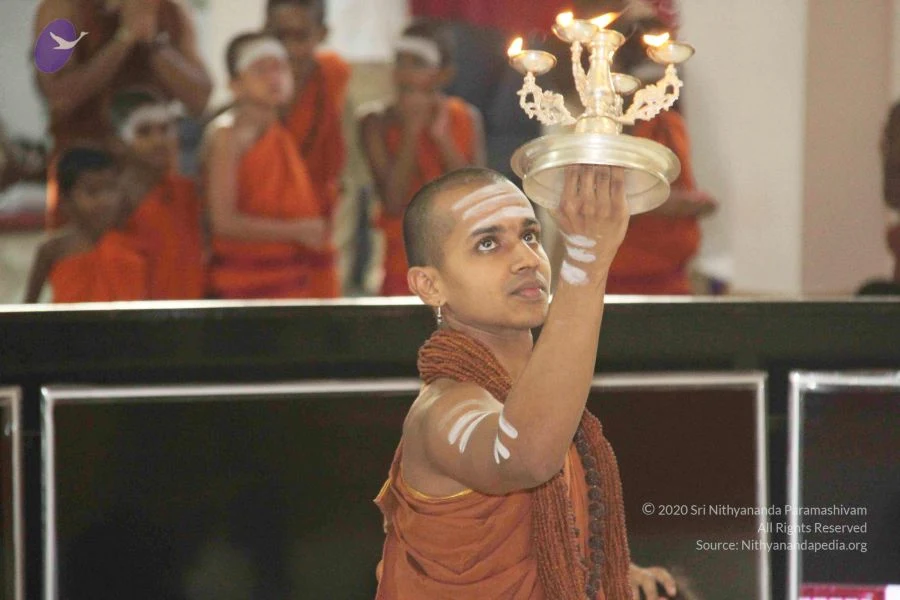
55 photosSource gallery
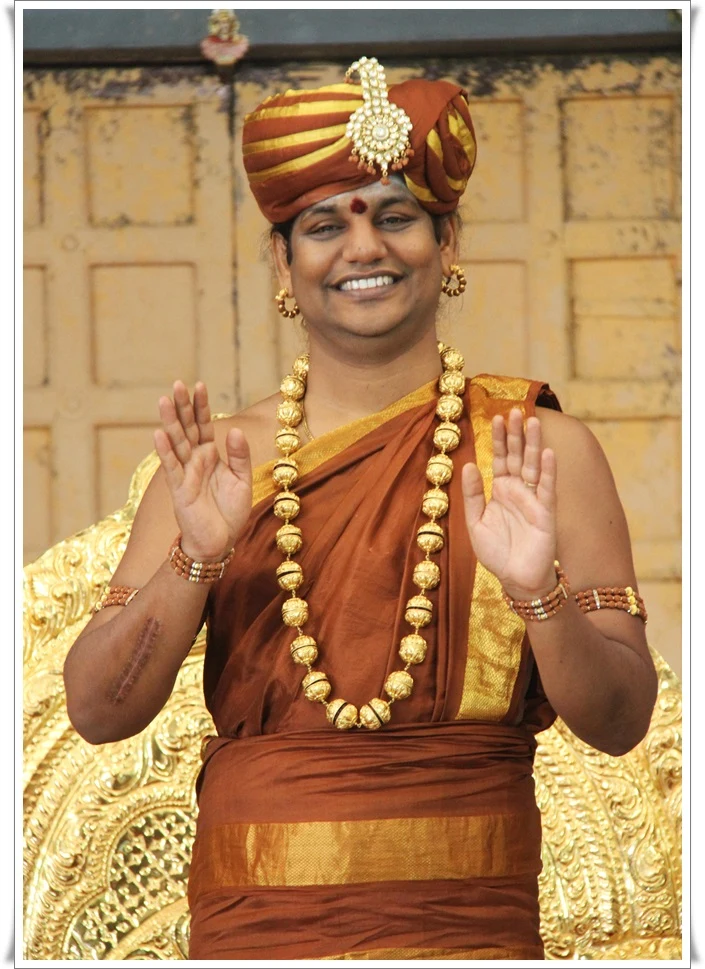
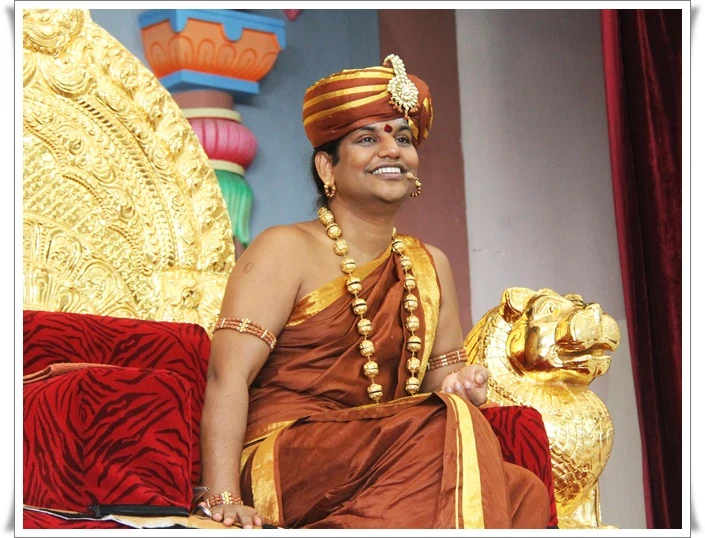
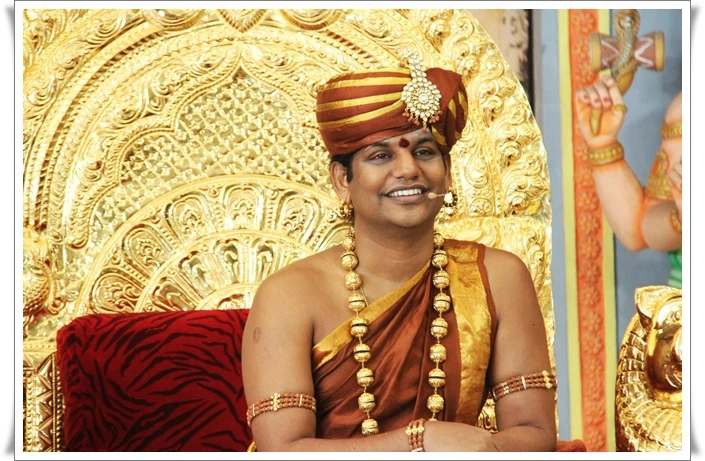
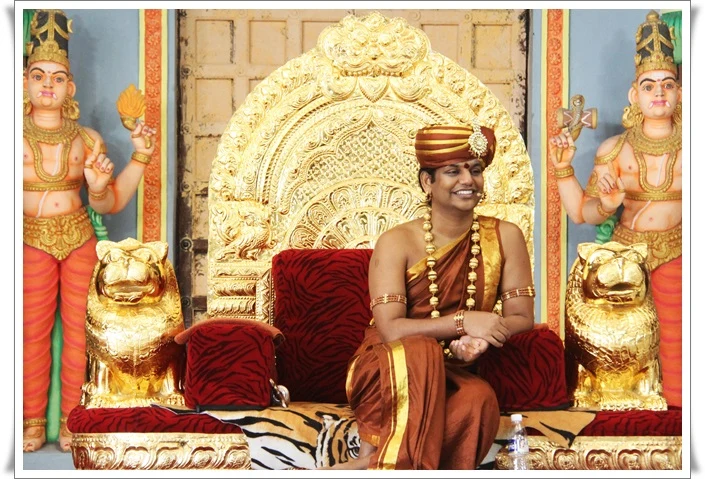
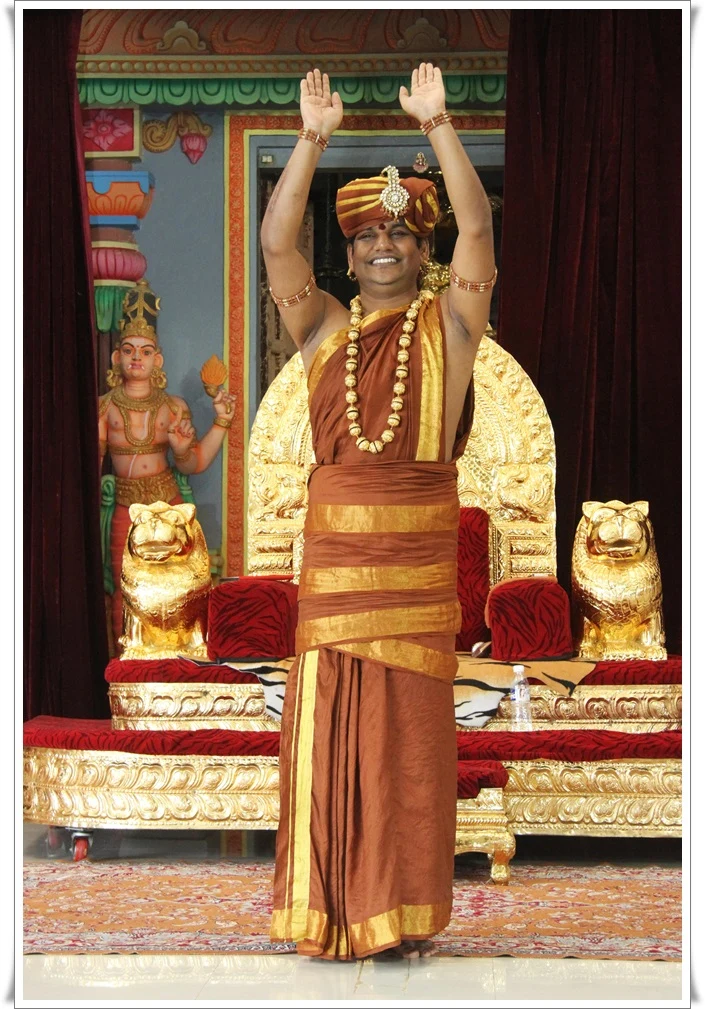
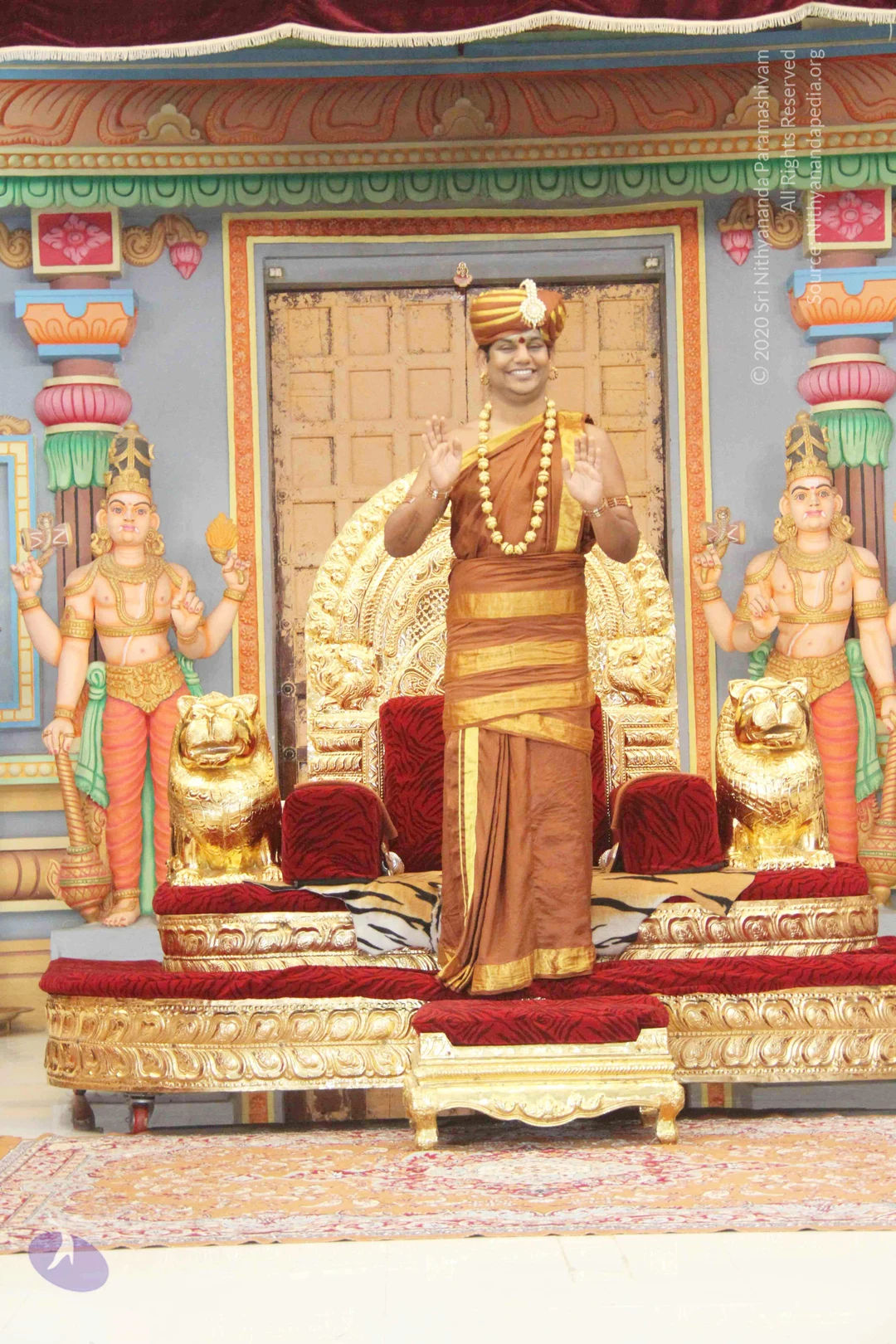
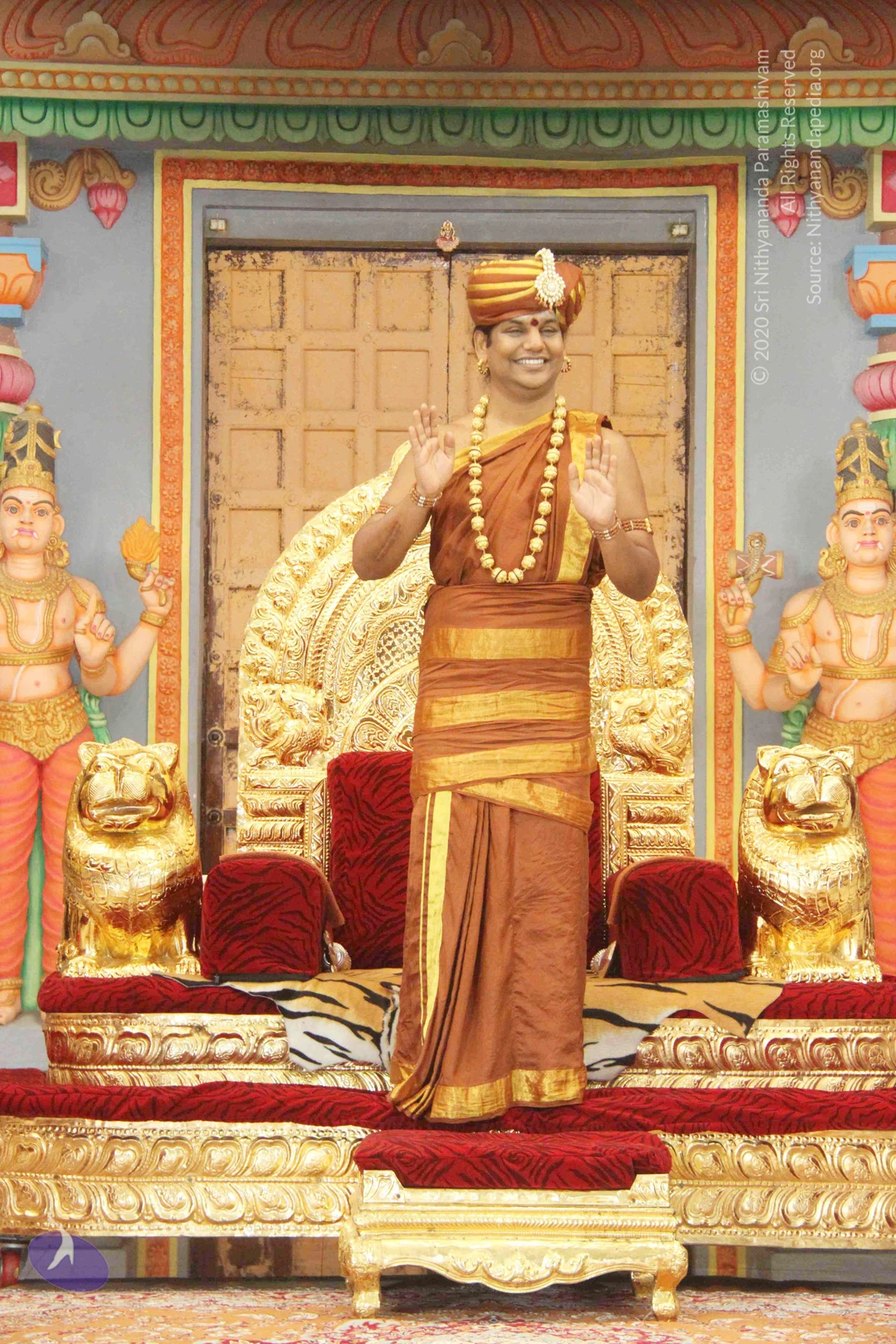
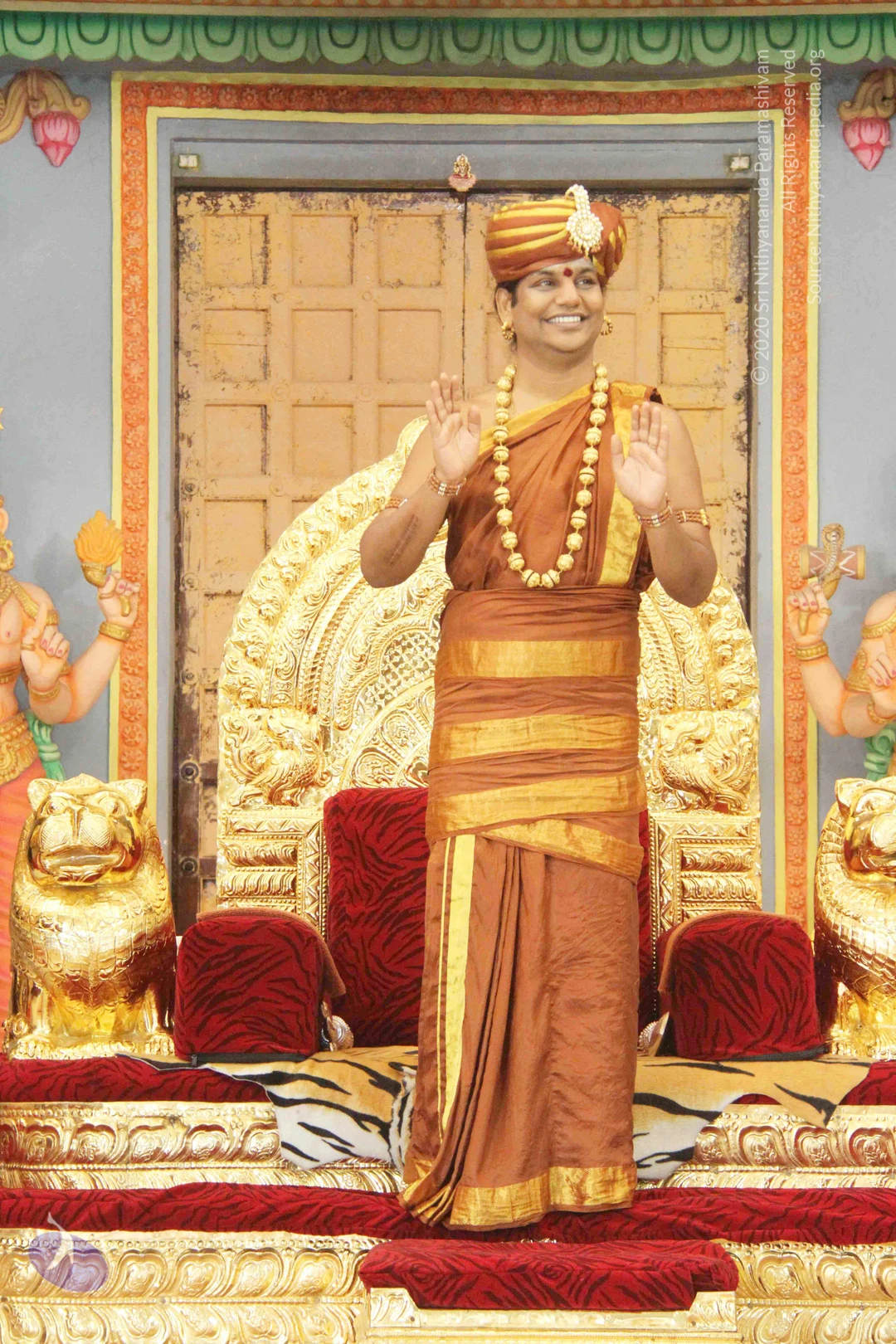
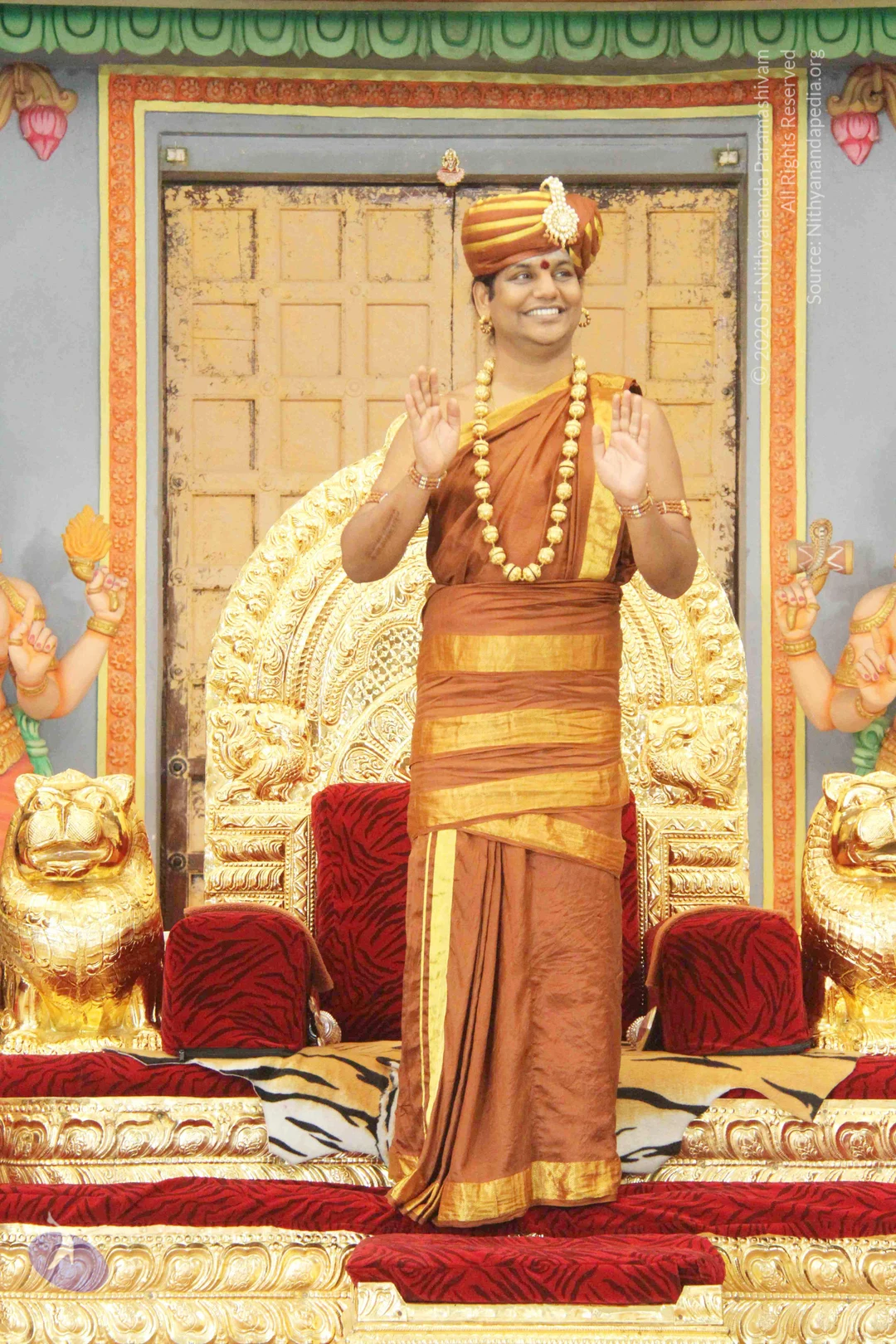
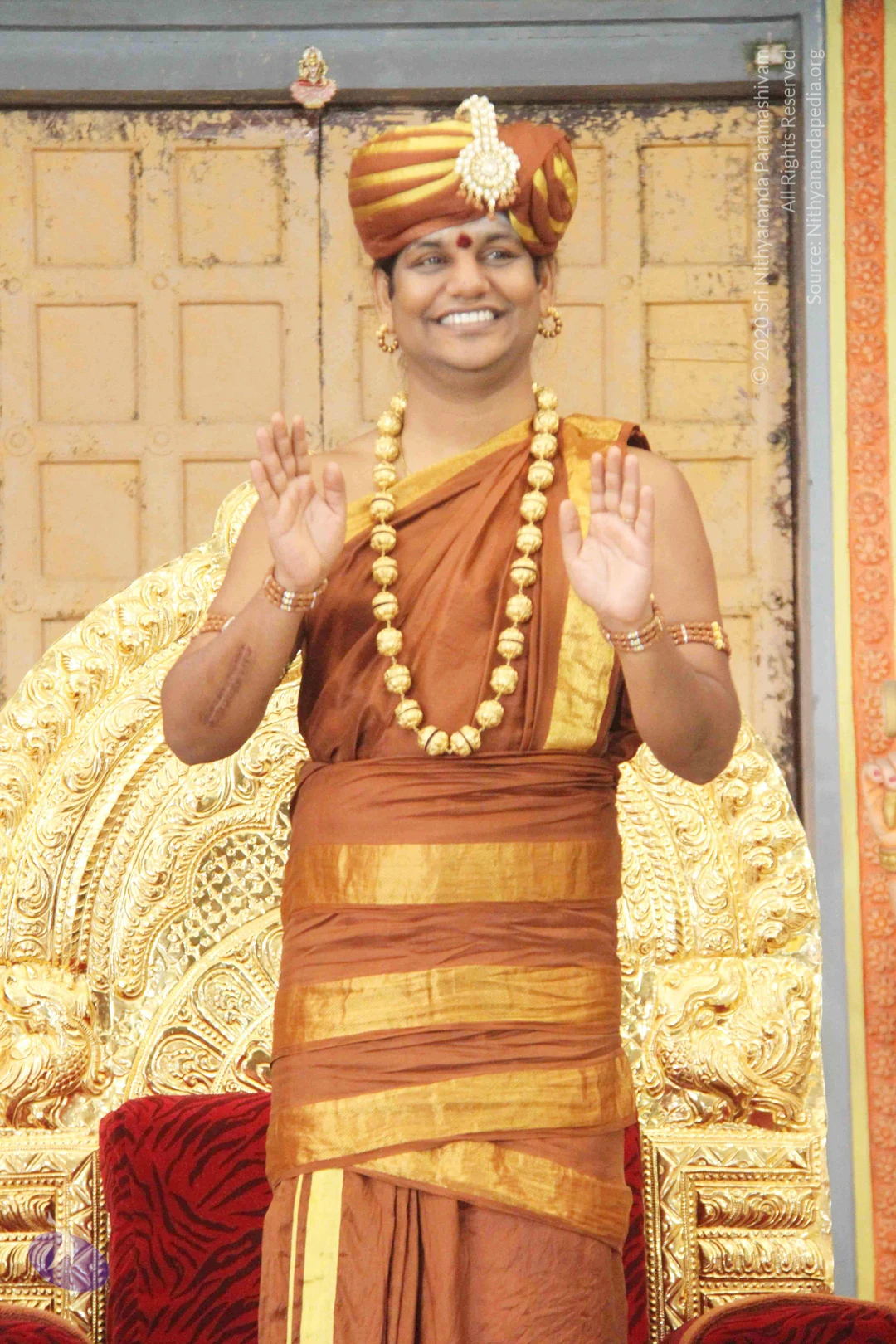
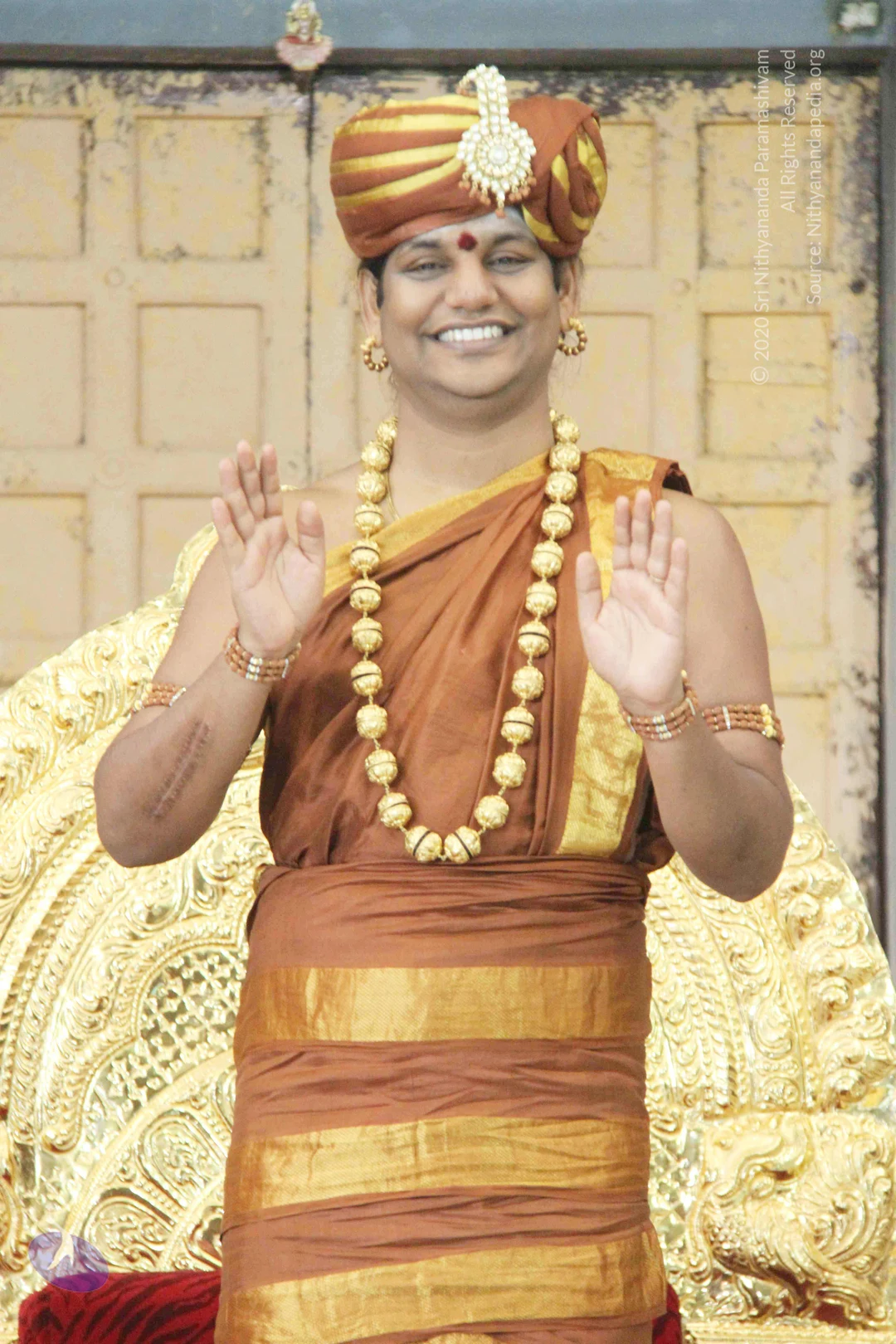
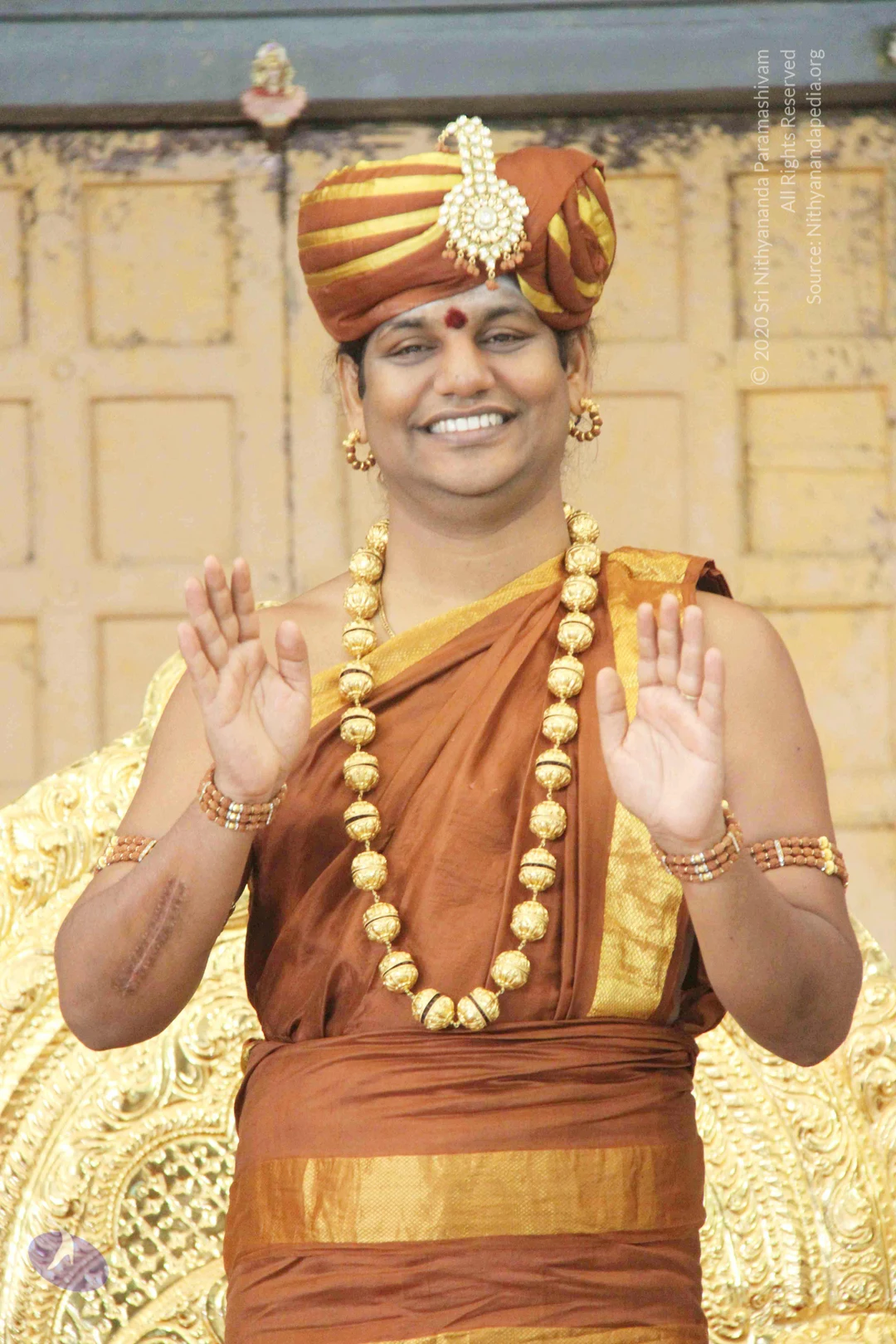
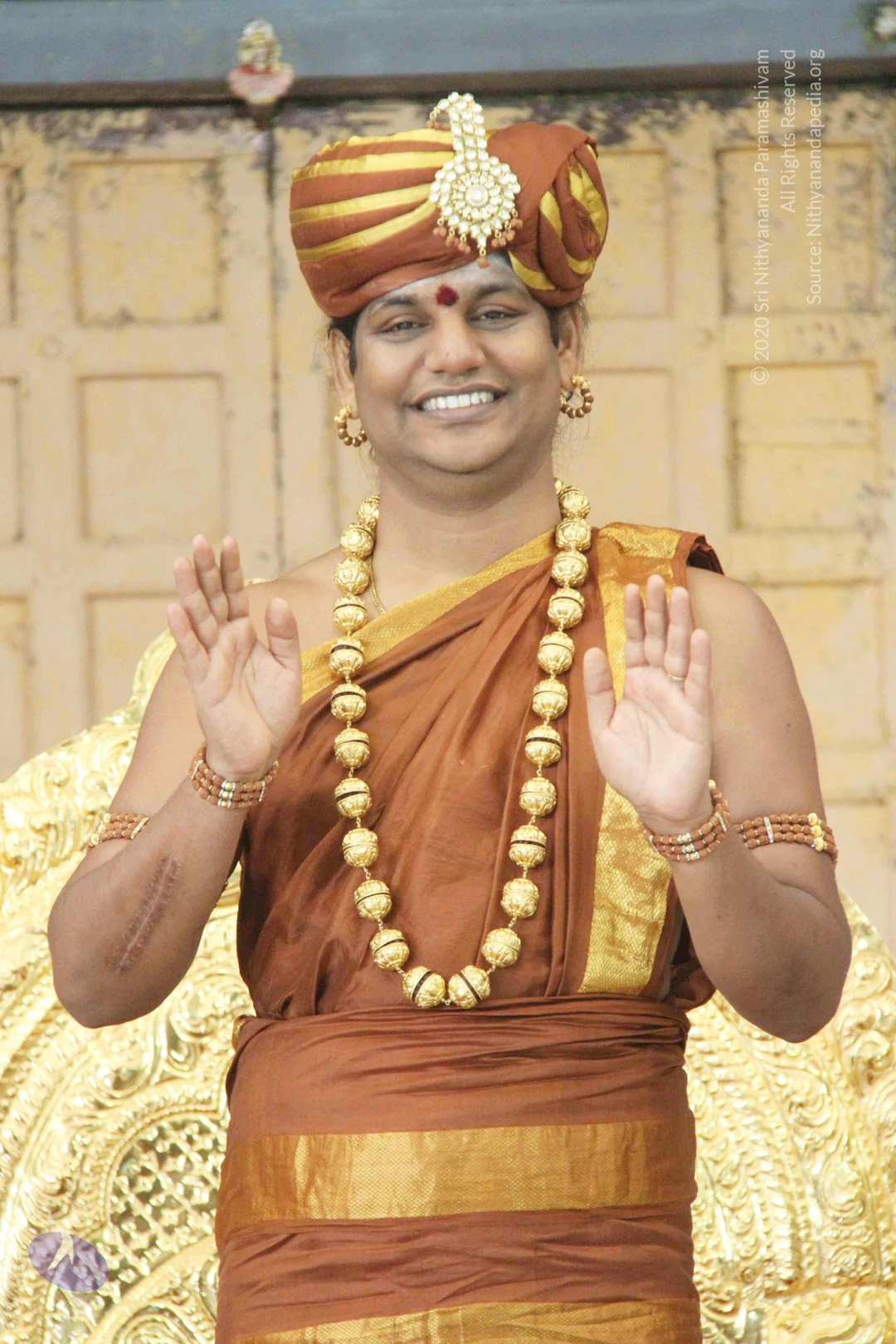
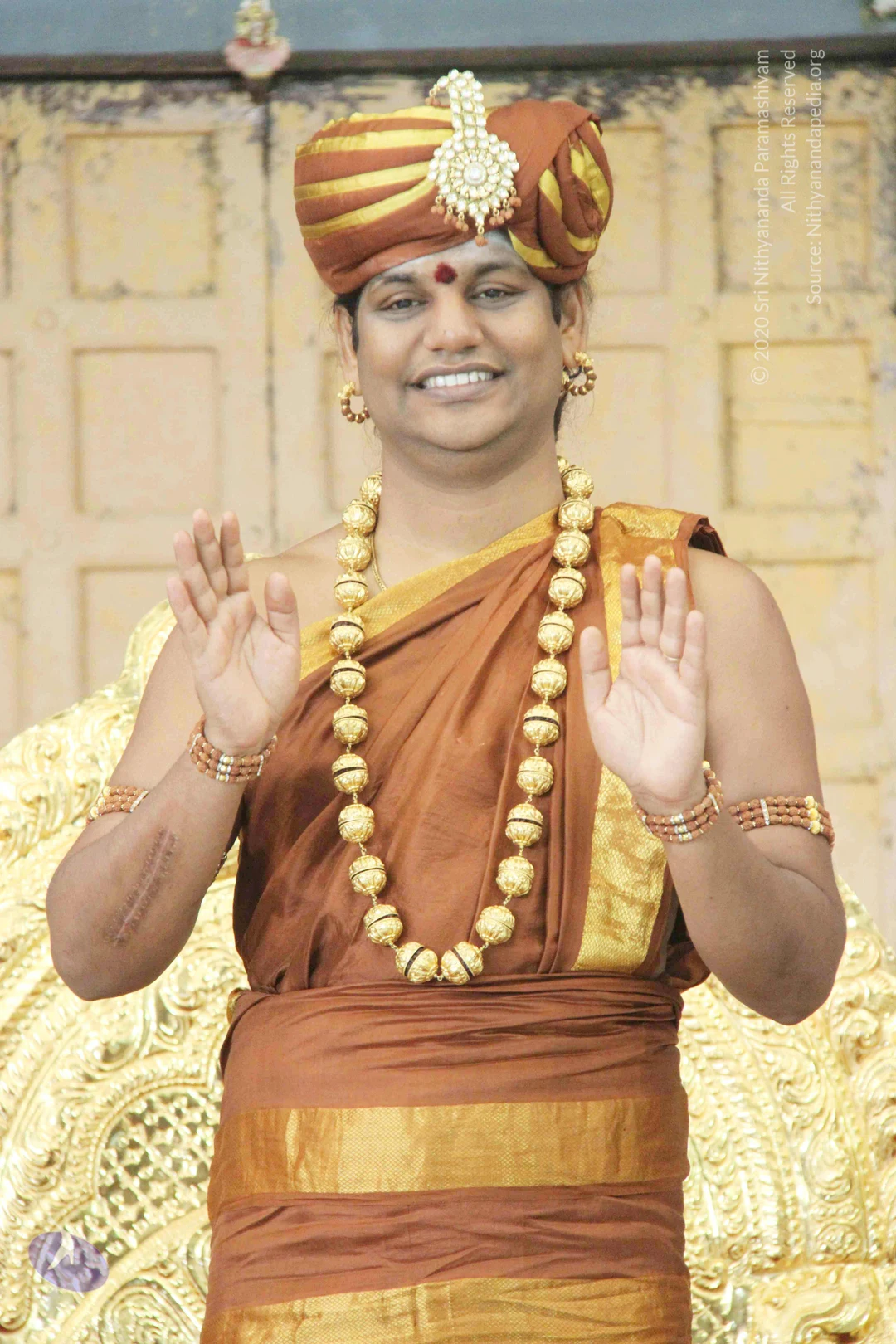
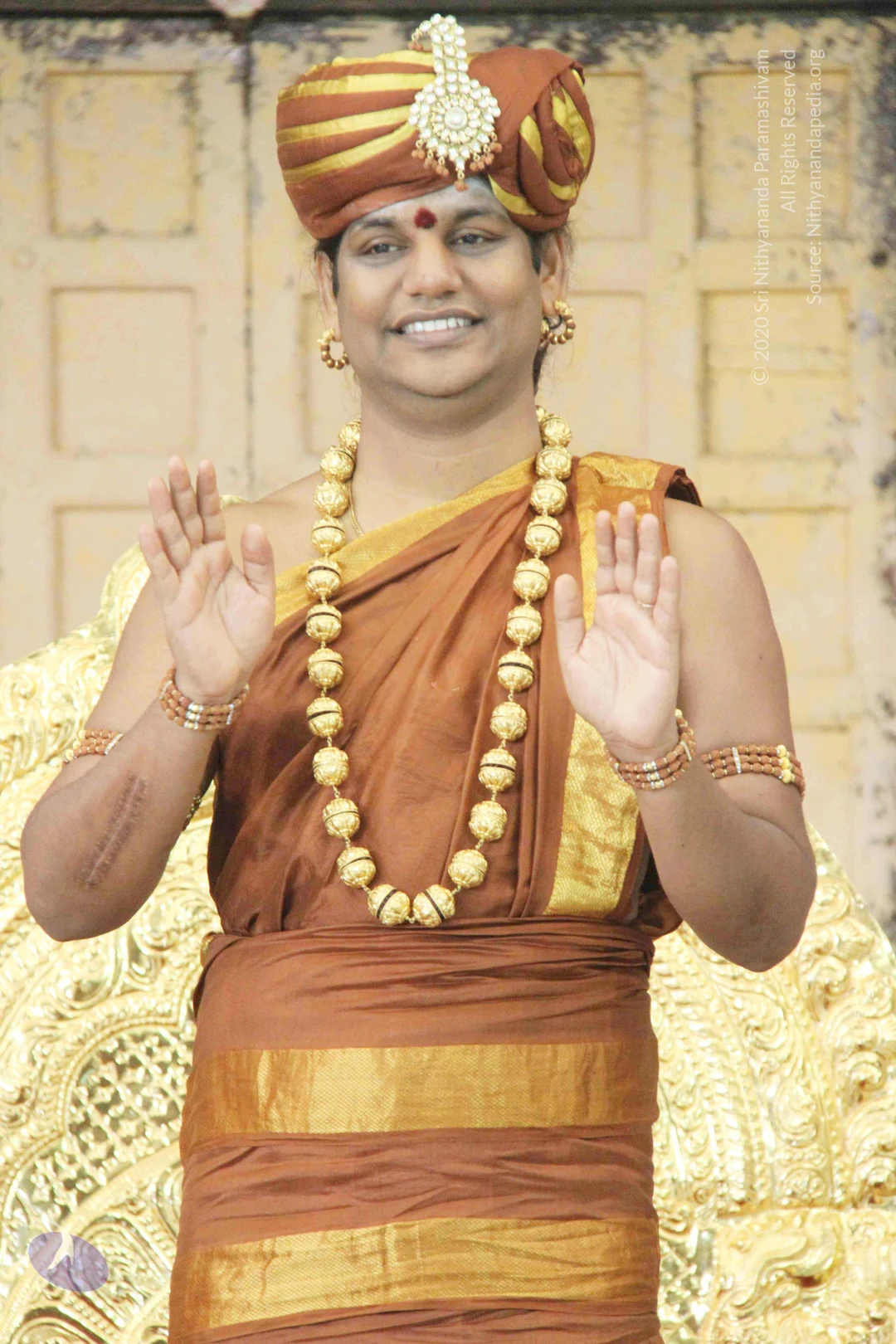
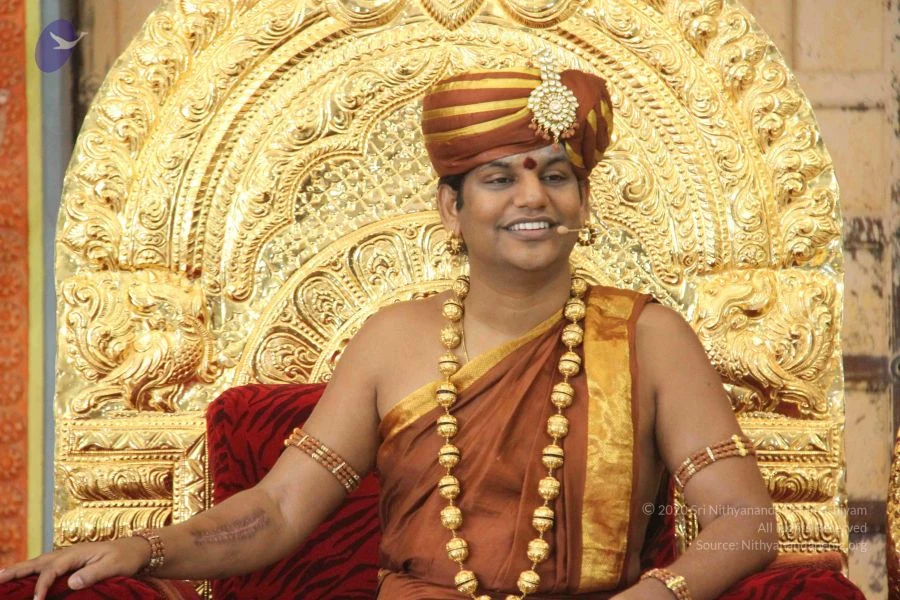
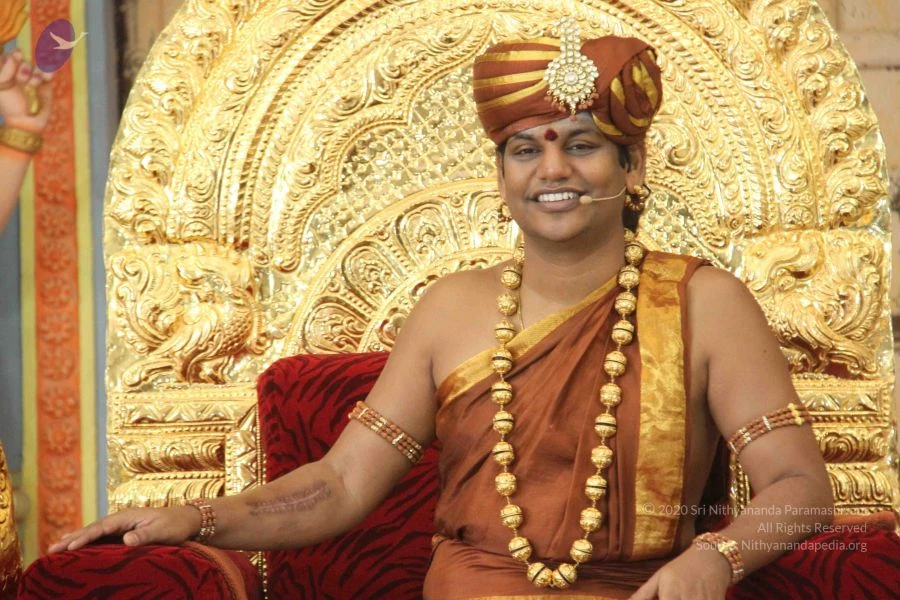
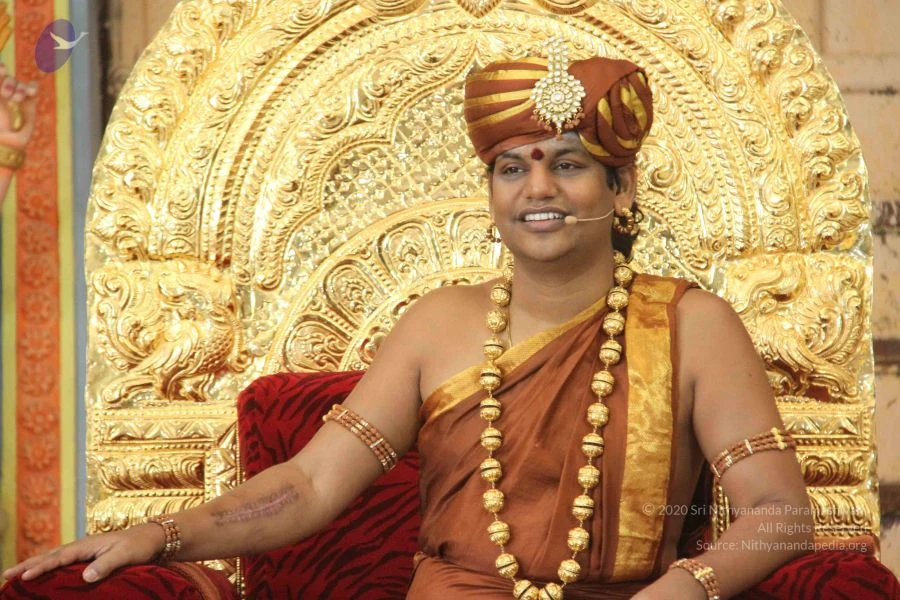
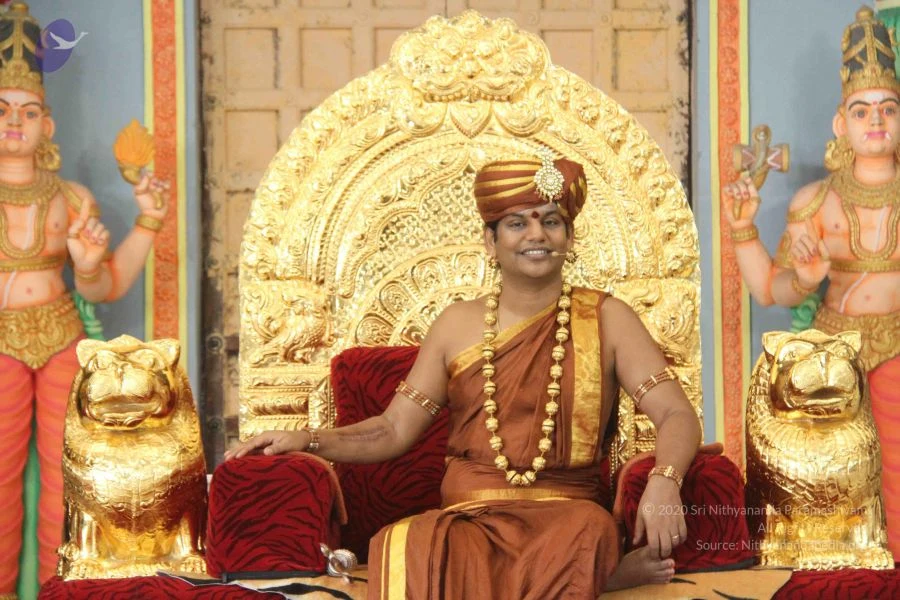
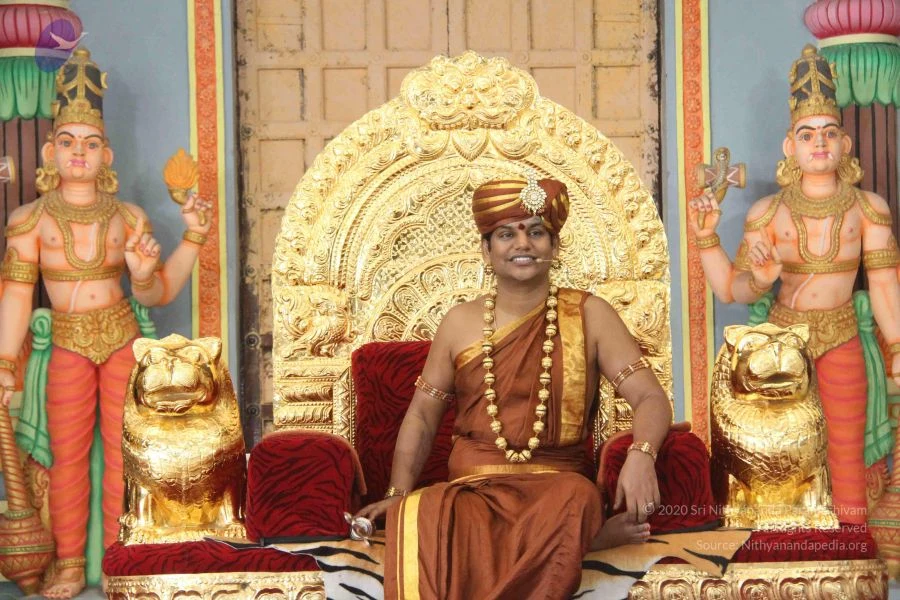
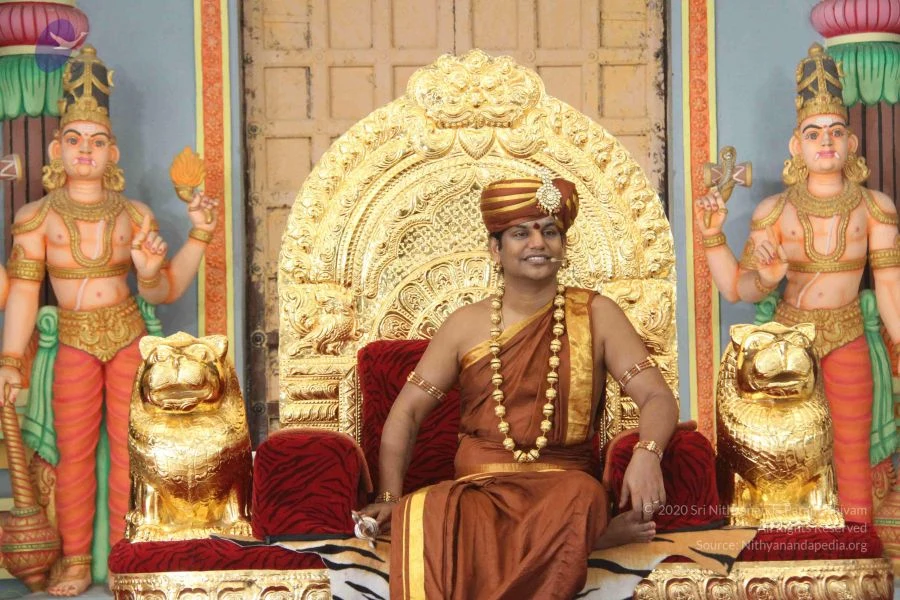
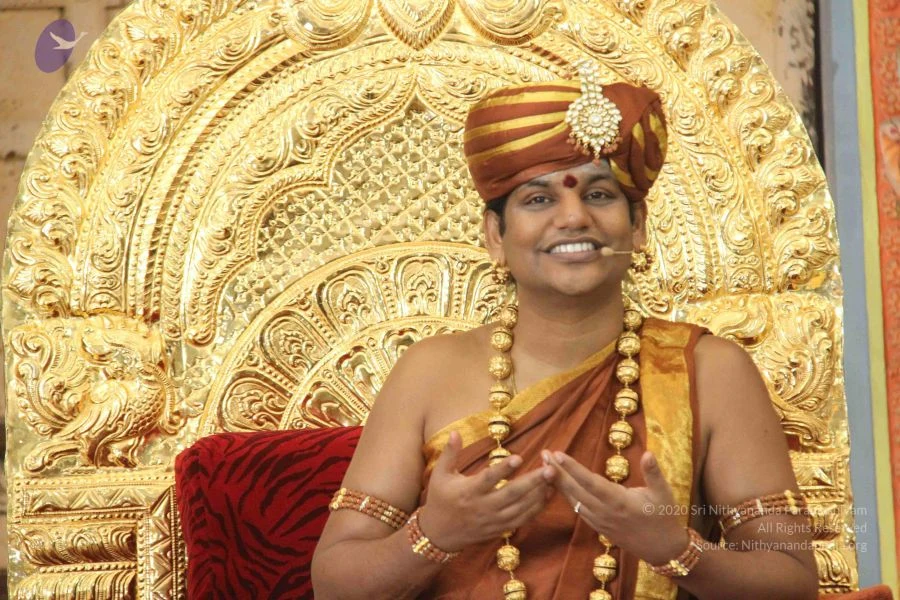
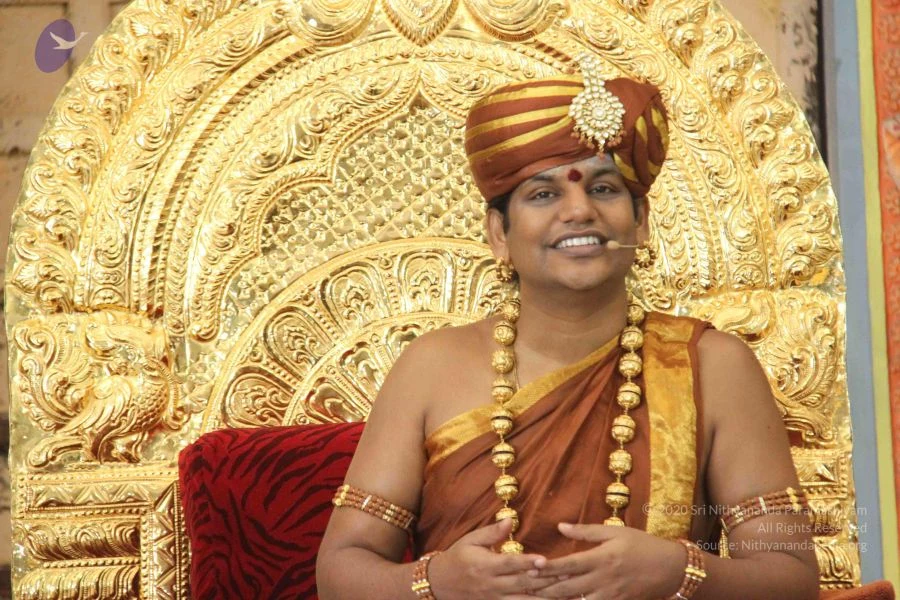
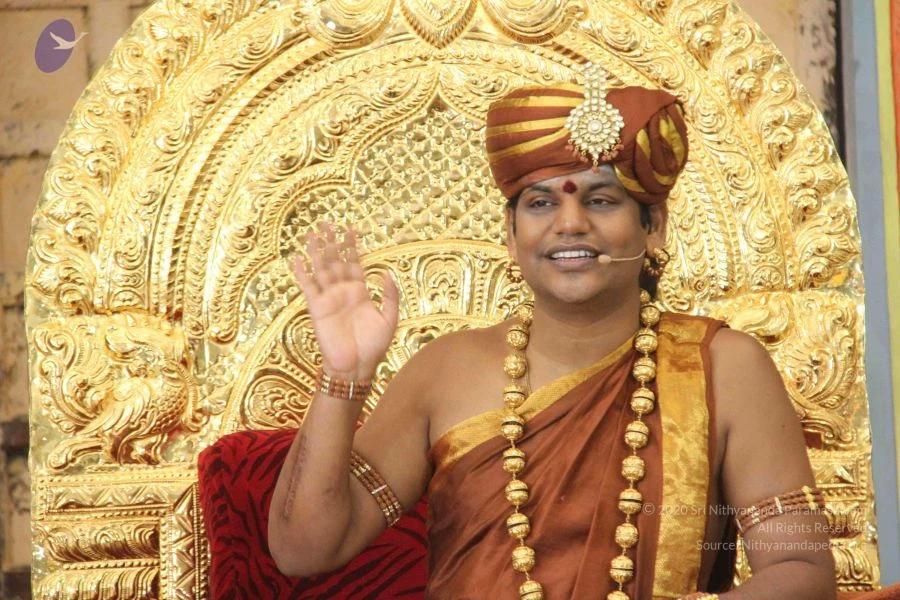
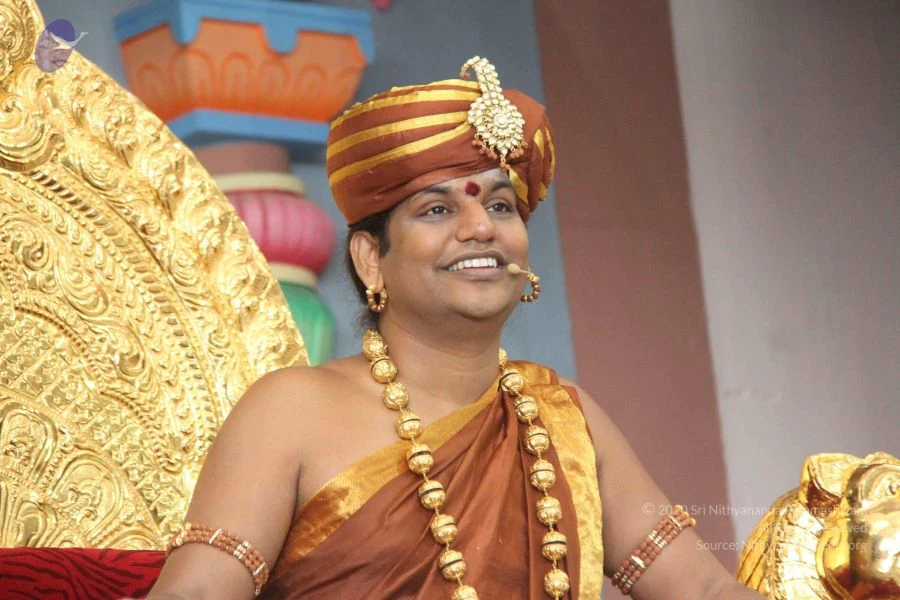
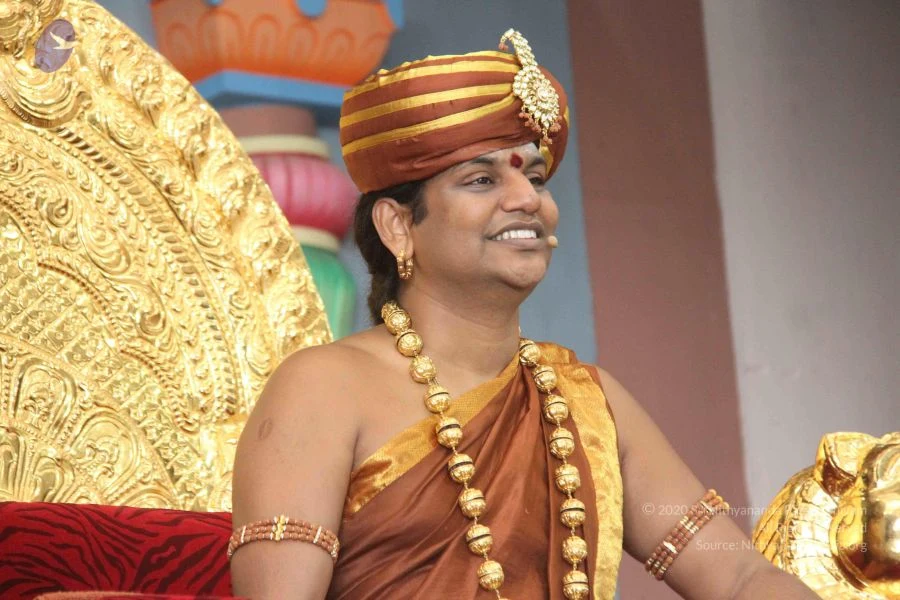
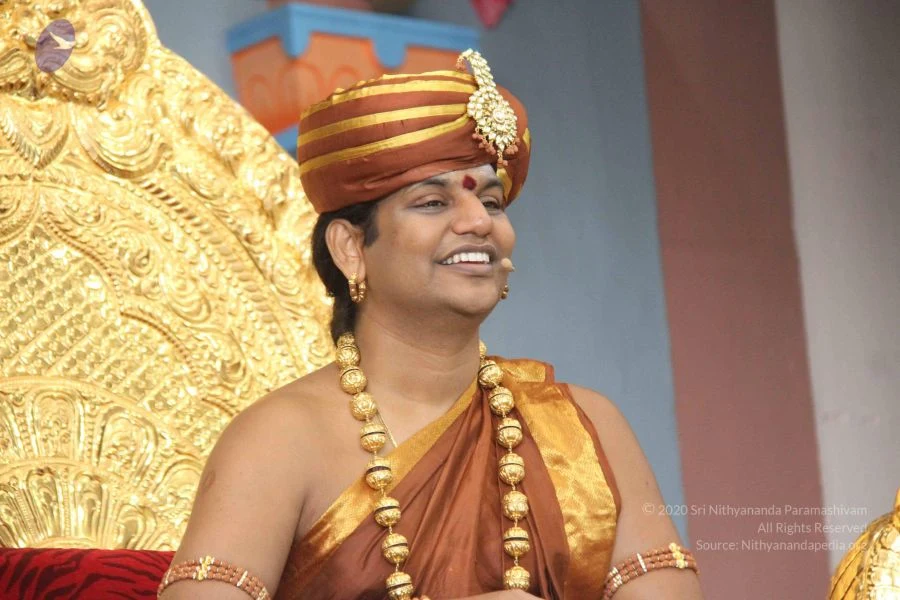
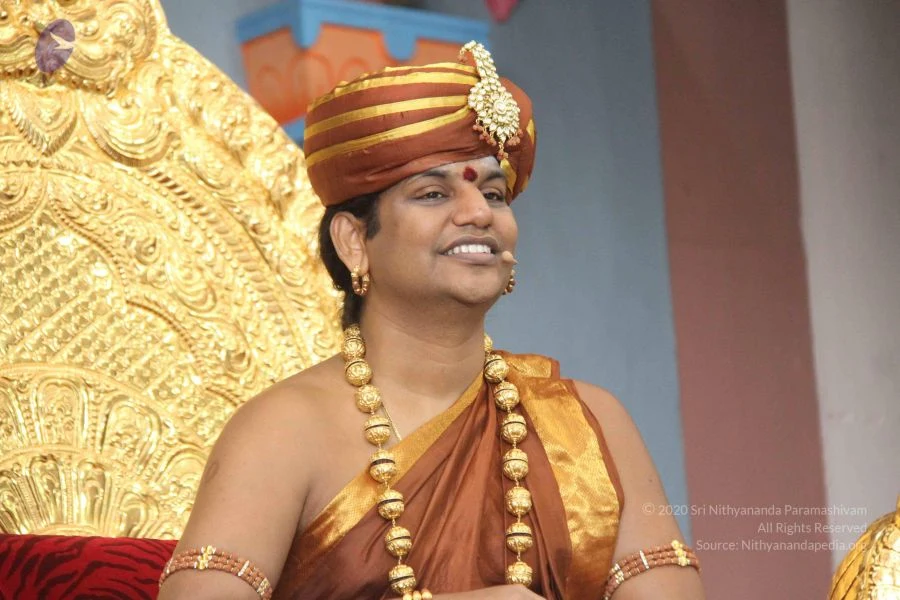
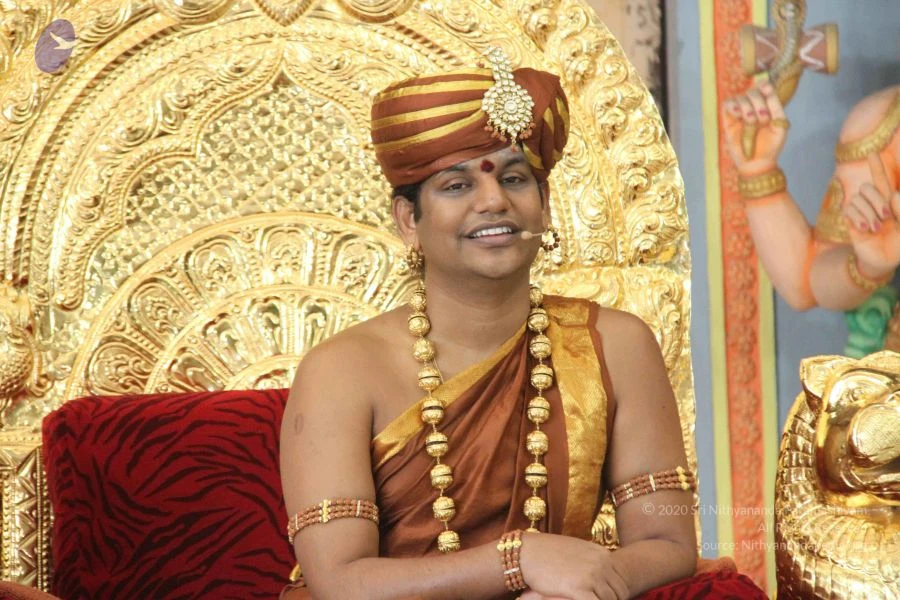
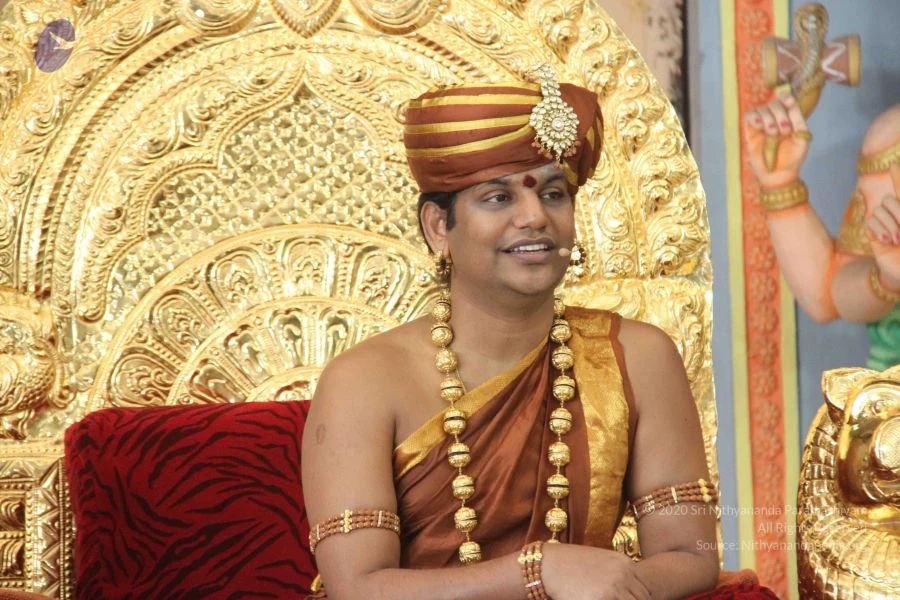
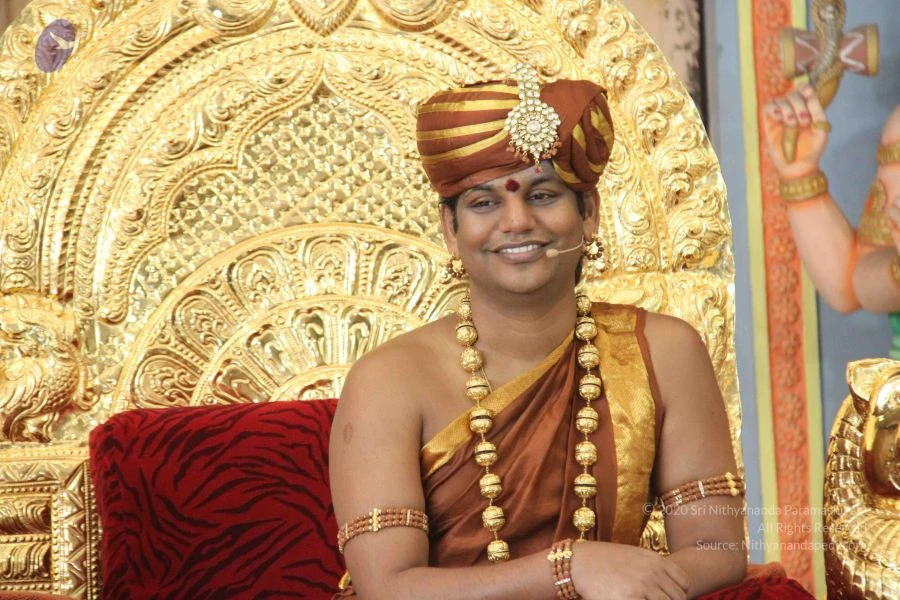
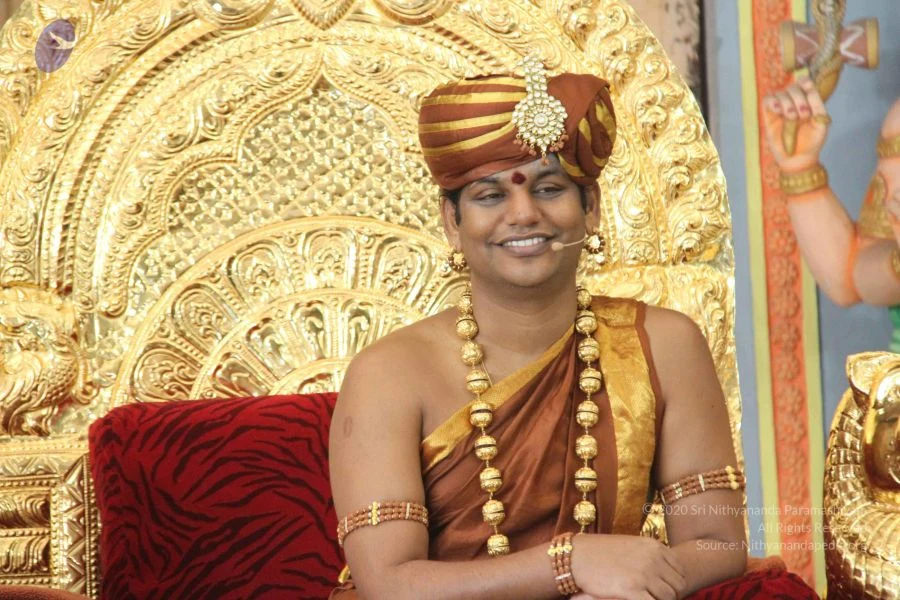
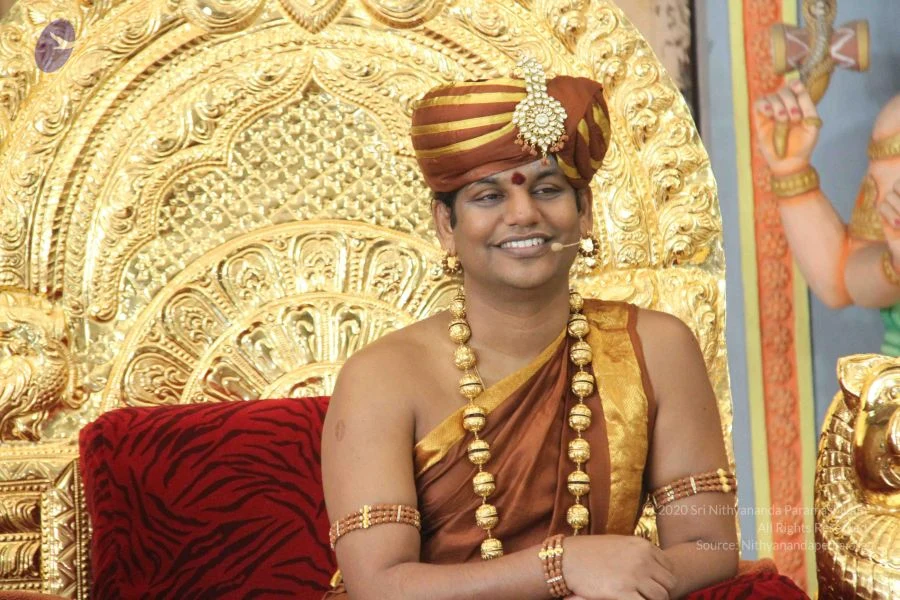
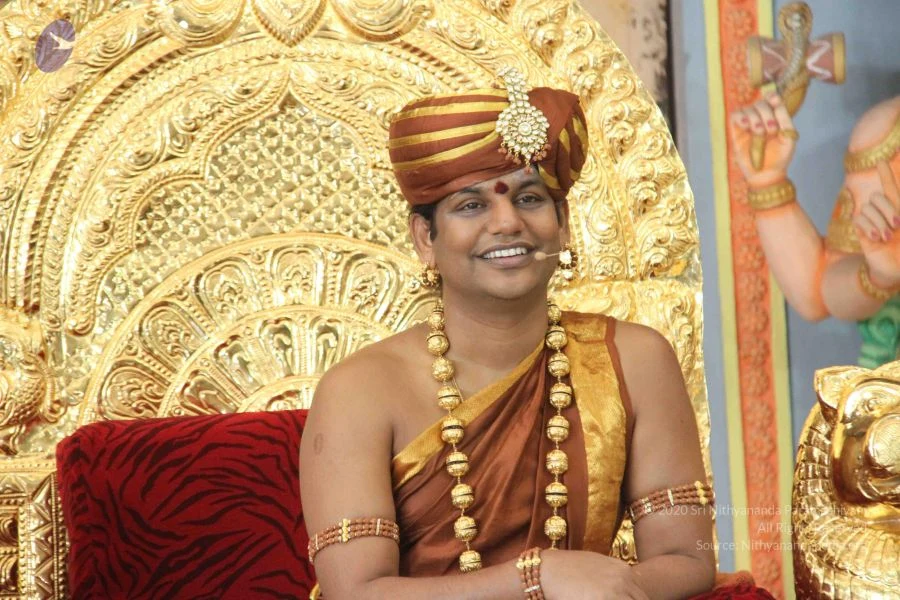
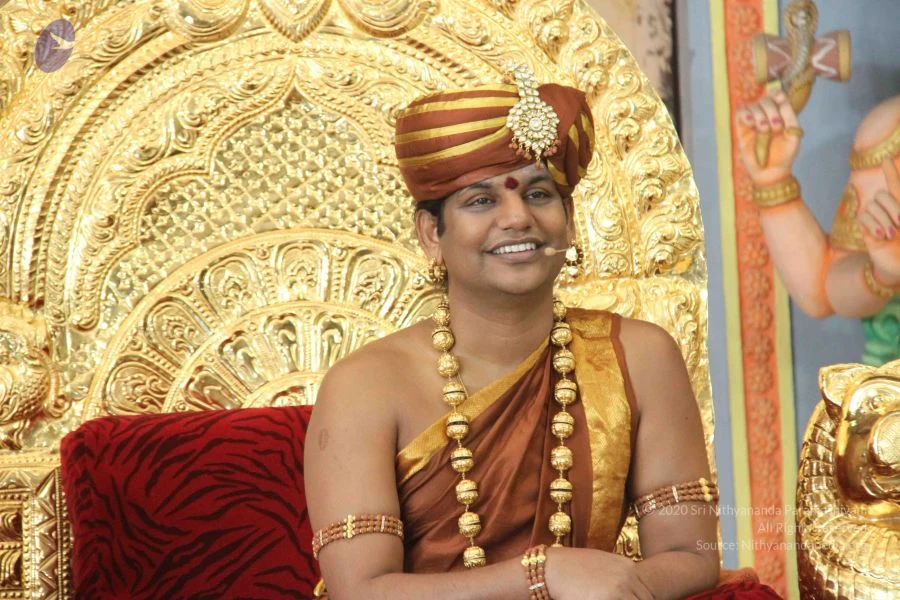
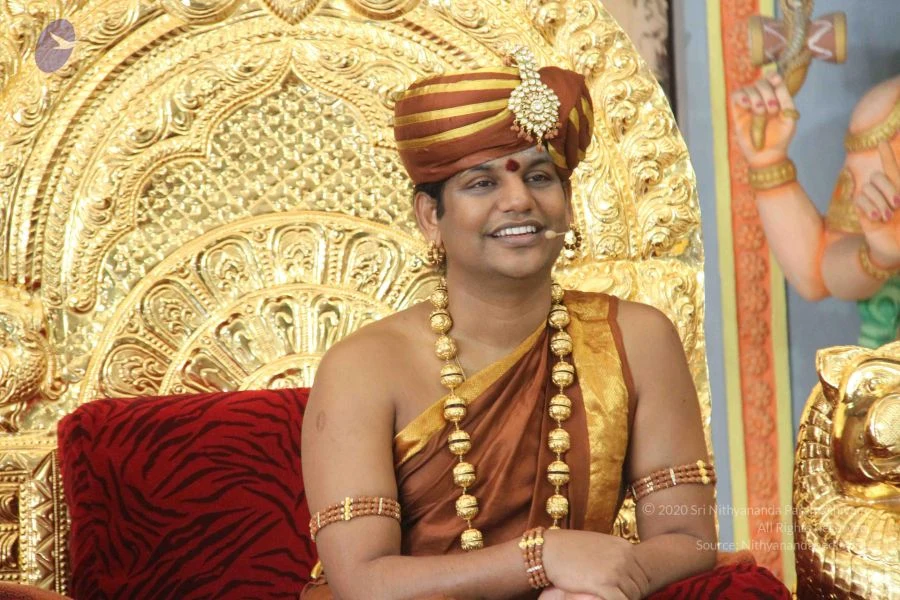
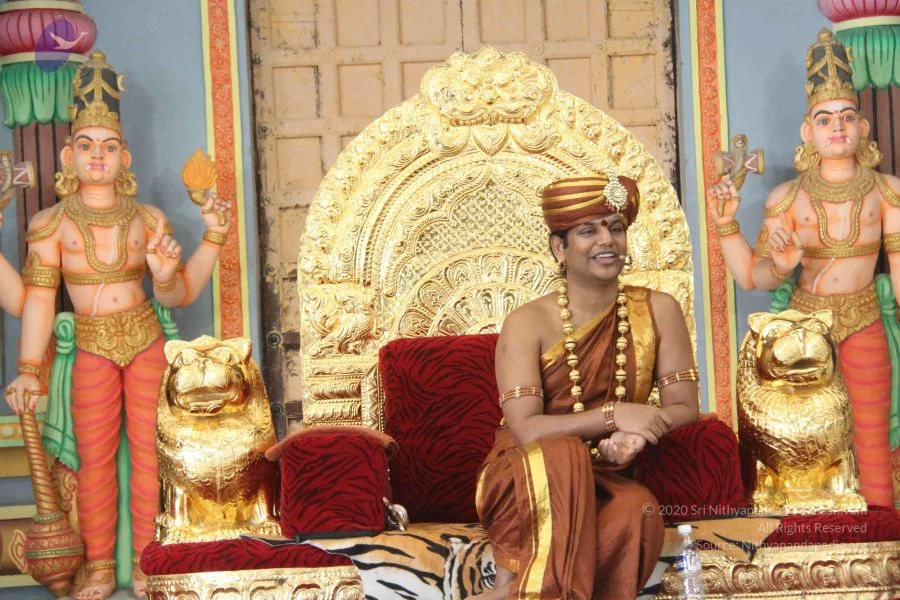
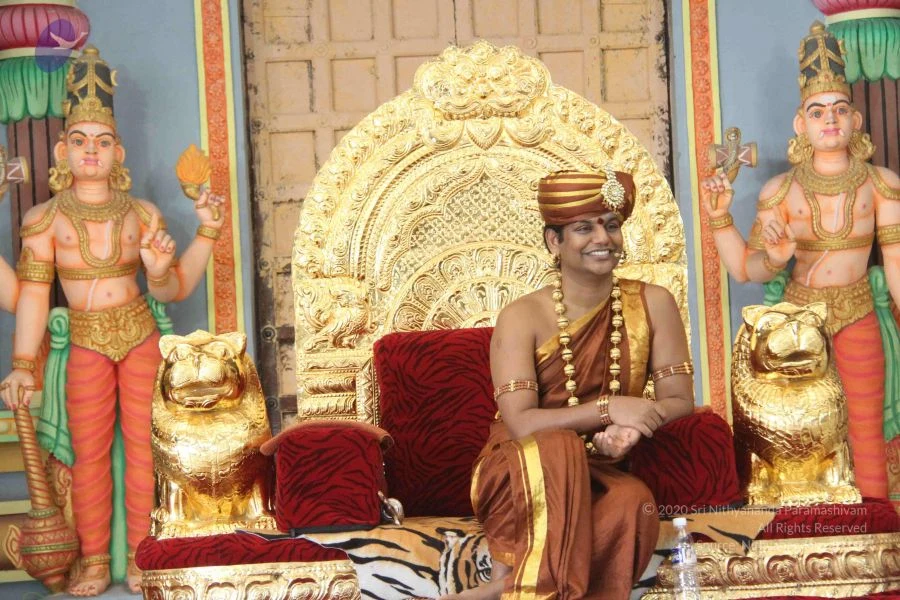
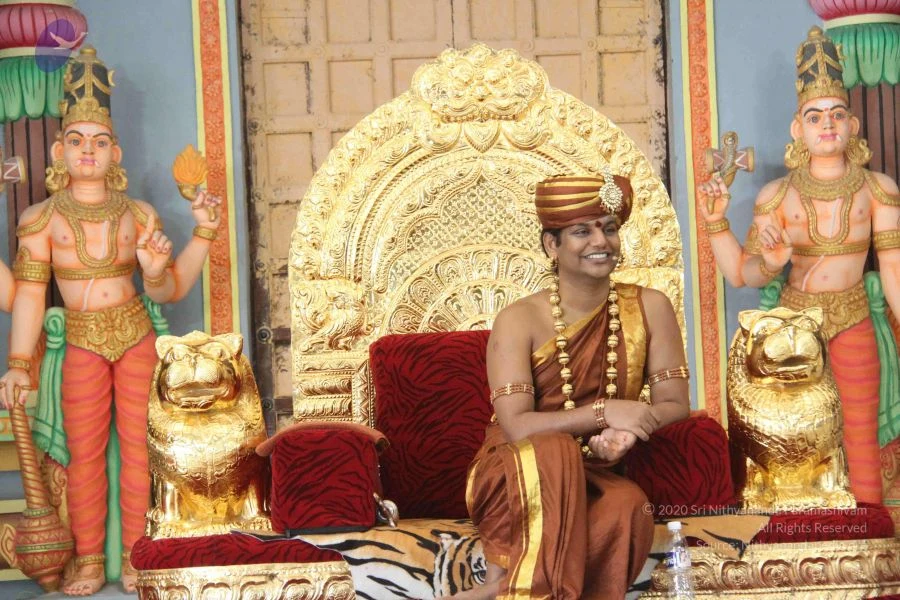
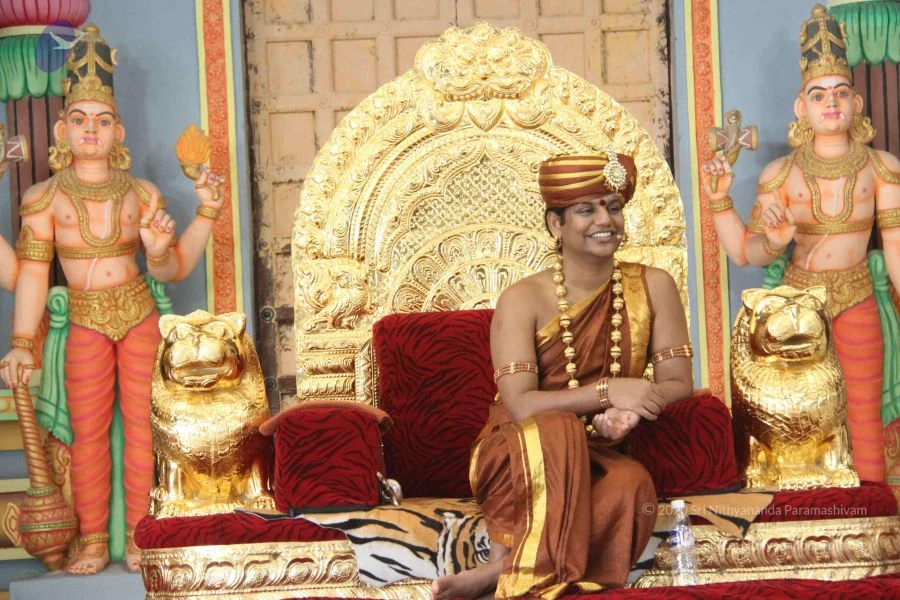
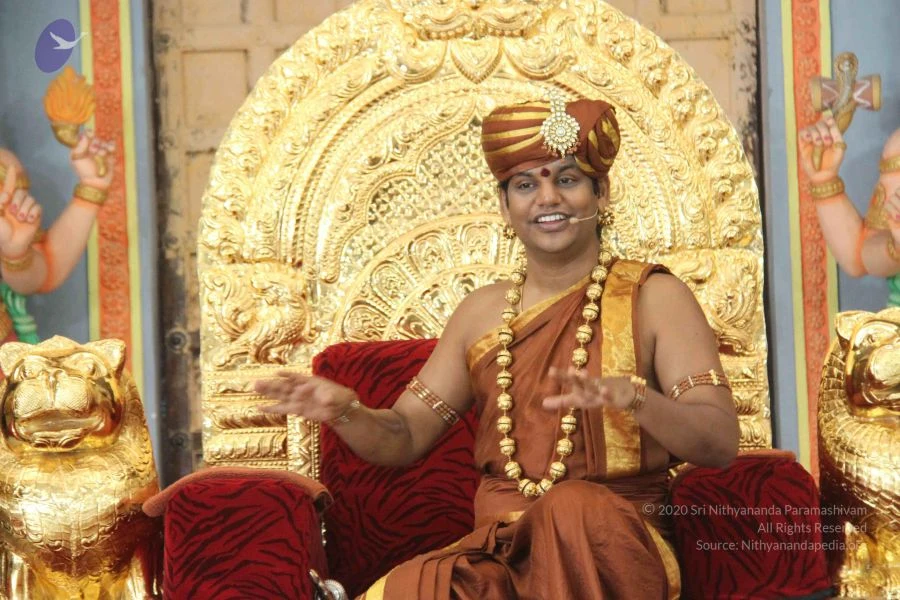
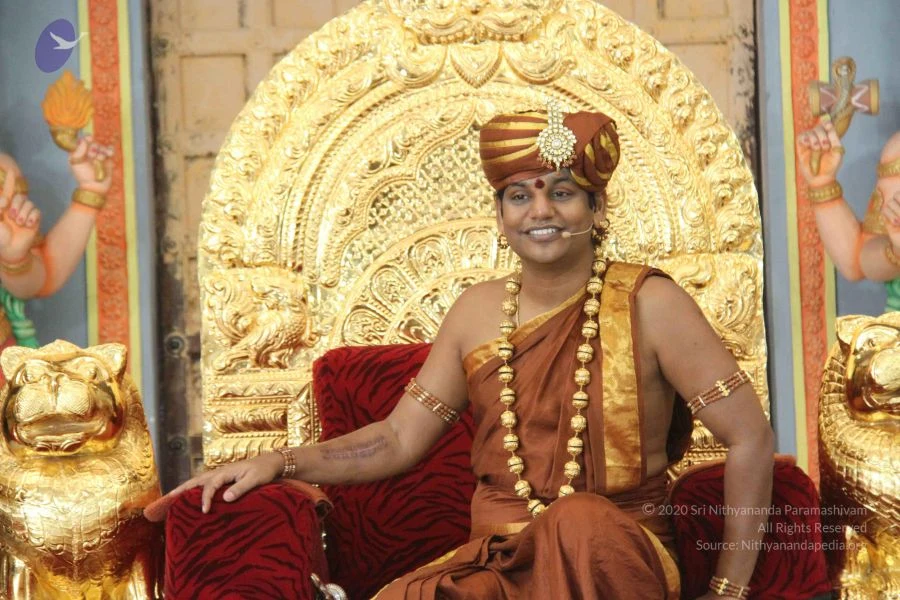
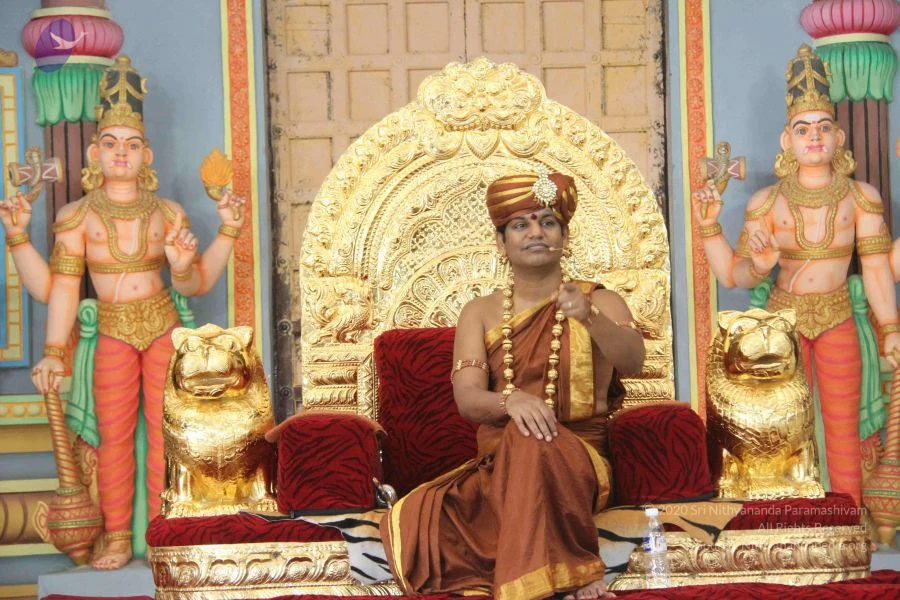
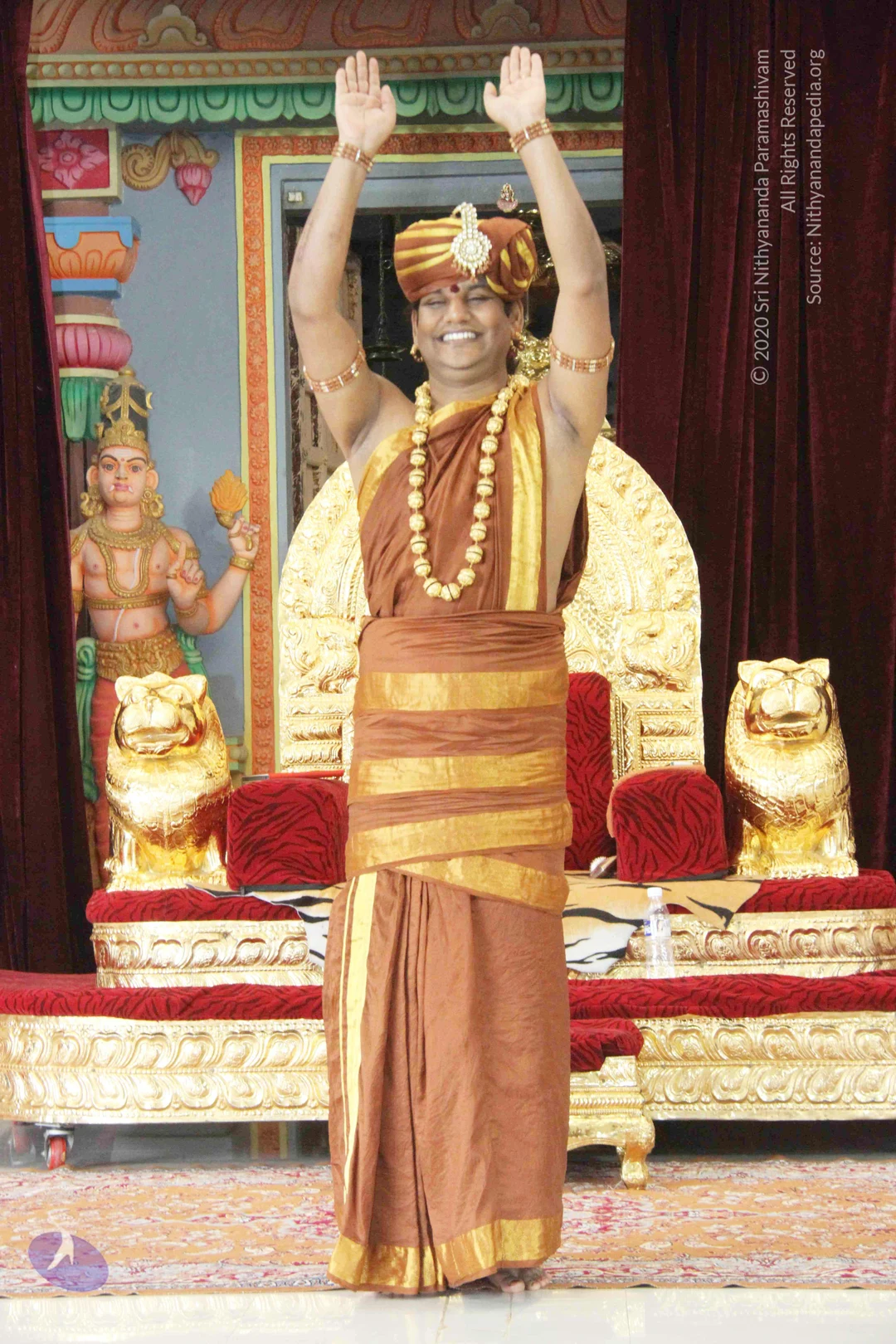
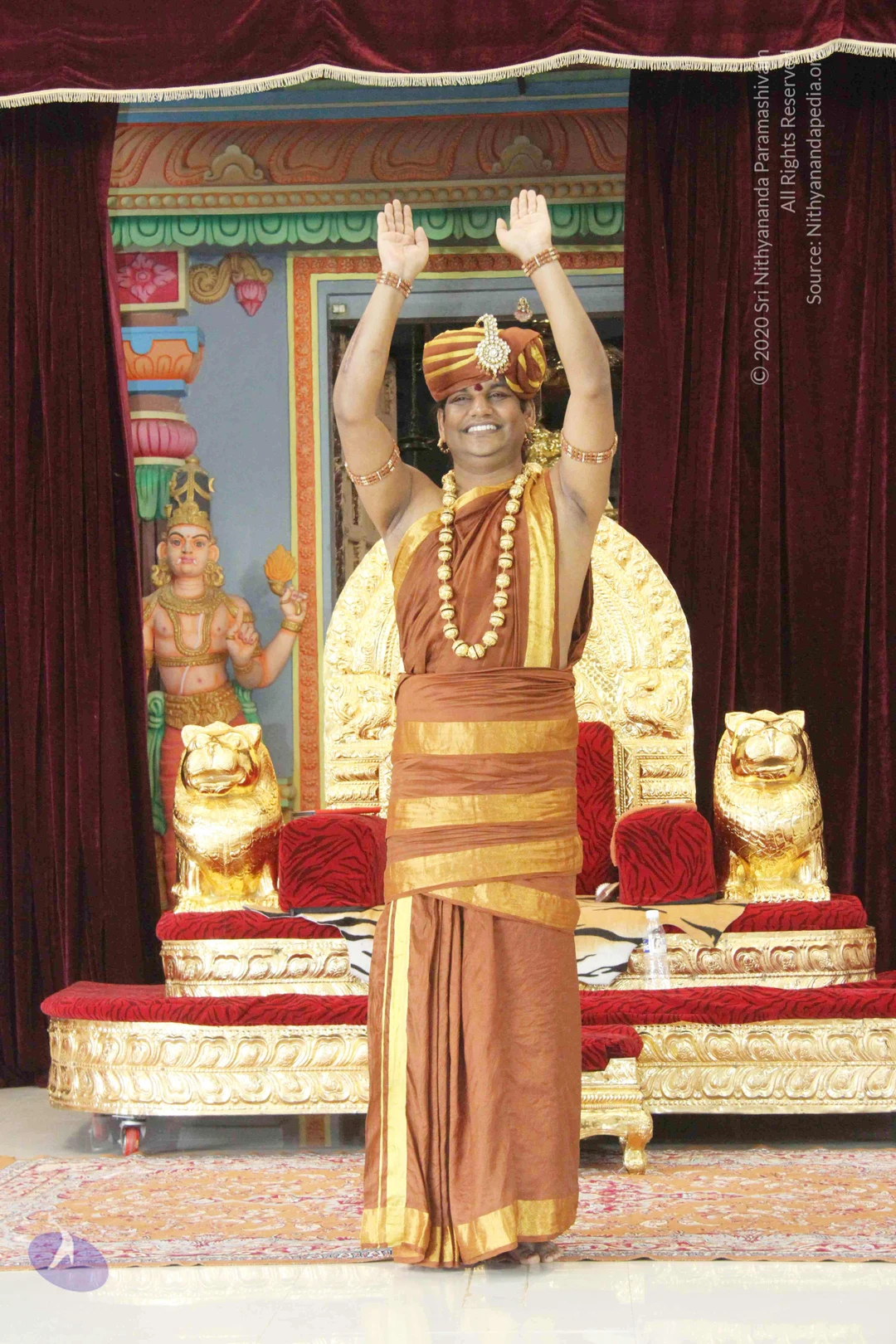
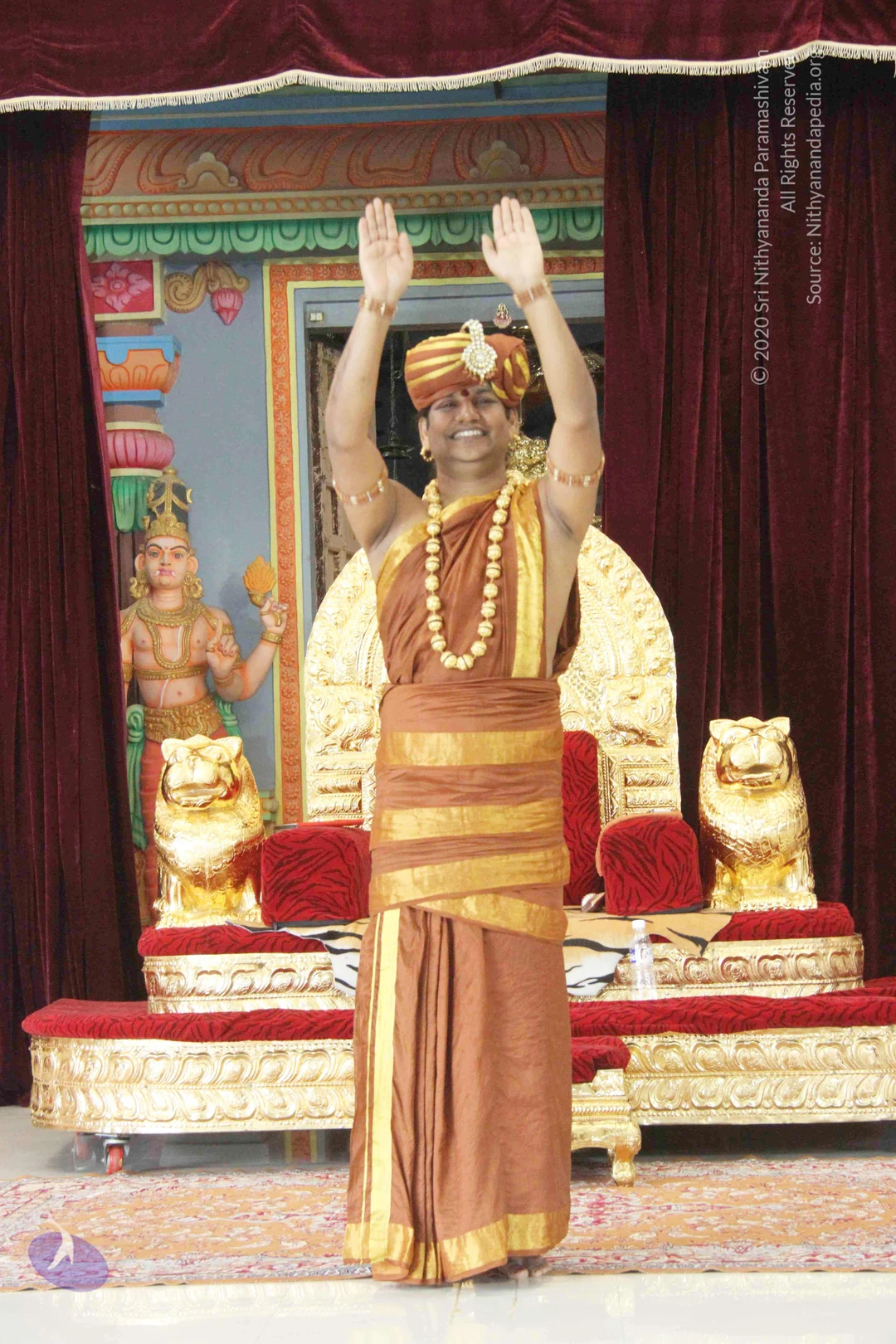
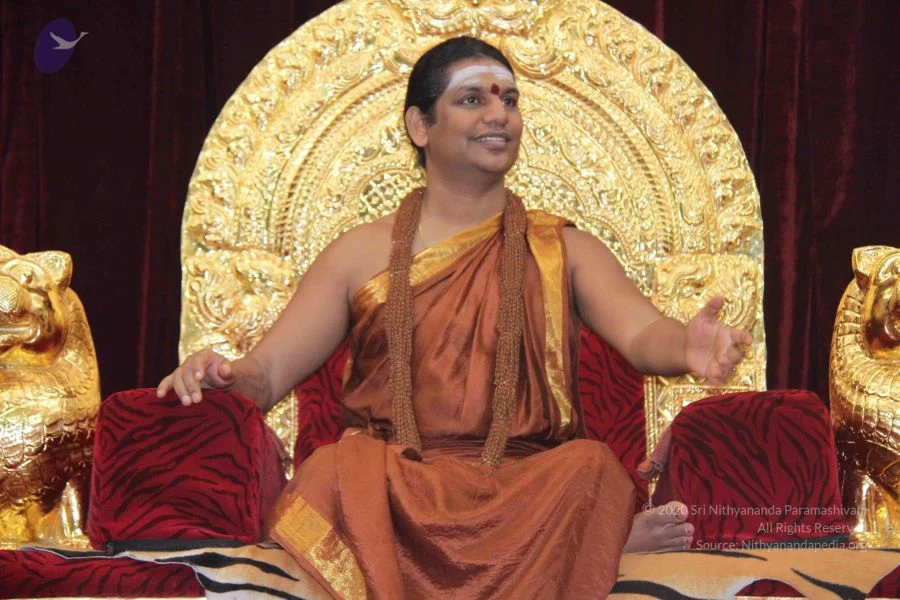
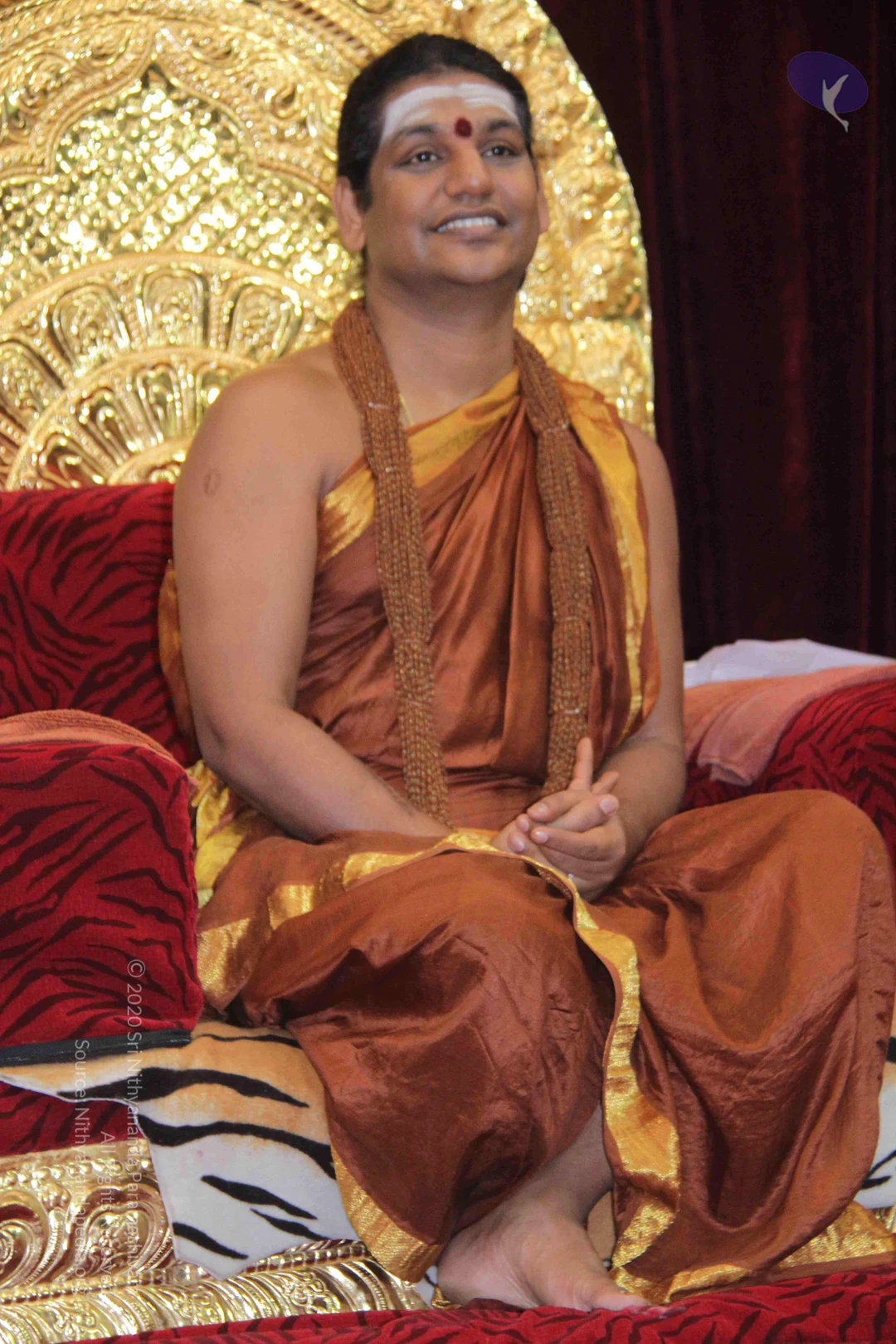
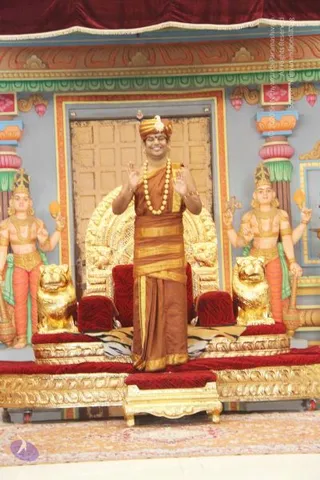
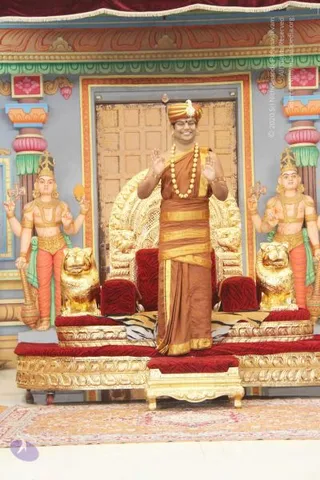
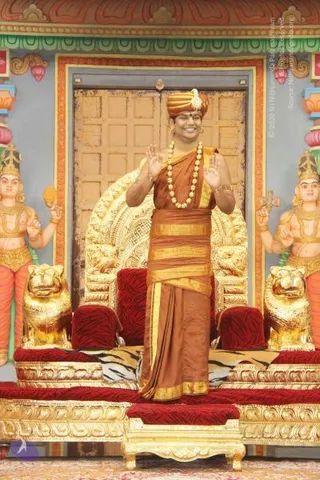
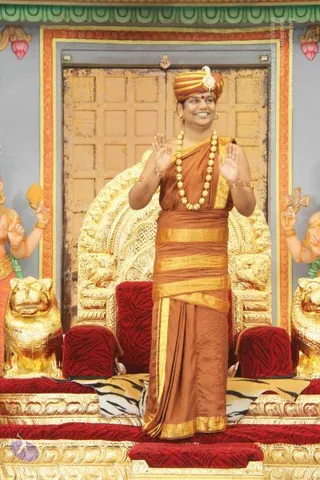
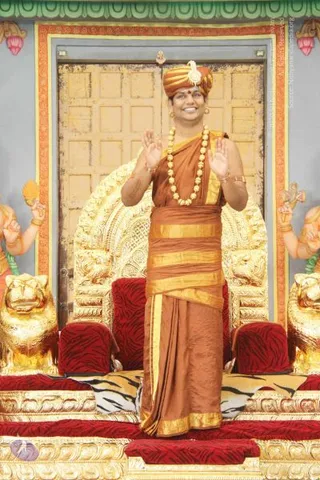
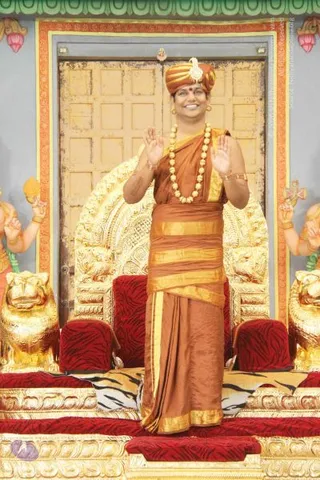
A man stands in front of a golden throne with red velvet cushions and tiger-stripe cloth, flanked by two golden lion figures and two painted deity statues with multiple arms and crowns. He wears a saffron-brown turban with a white ornament, a brown and gold-bordered dhoti and shawl, and a large beaded rudraksha-style mala with a gold-tone necklace. He smiles with both palms raised in a blessing gesture. Behind him is a carved wooden door set within a painted temple-style backdrop with red, green and blue decoration.A figure in a saffron-brown silk dhoti and wrap with gold borders stands on an ornate gold-and-red throne before a painted temple backdrop. He wears an orange-and-gold turban with a jewelled ornament, a rudraksha-style mala of large beads with gold accents, and bangles, and raises both palms in a blessing gesture while smiling. Flanking the throne are two gold lion figures on a tiger-striped cloth, and two painted four-armed deity statues with crowns stand on either side. The wall has a wooden panelled door and colourful pillars. Swamiji (probable): the saffron clothing, turban and large mala are the qualifying cues for the figure seated on the throne, and he is physically present.A smiling man stands in front of a golden throne with red tiger-striped cushions, raising both palms in a blessing gesture. He wears an orange-and-gold turban with a jewelled ornament, a rust-brown dhoti-style garment with gold borders, a heavy gold bead necklace, and gold bangles. Two golden lion figures flank the throne, and two painted deity statues with raised arms and gold crowns stand on either side. A wooden door with carved panels forms the backdrop.A man stands before a gilded throne flanked by golden lion-head armrests and red tiger-striped cushions, raising both palms outward in a blessing gesture while smiling. He wears a striped orange-and-gold turban with a jewelled ornament, a rust-brown garment with gold borders, a heavy gold bead necklace, and gold bangles. Behind him are large wooden panelled doors, and painted deity figures with multiple arms stand at the left and right edges. a person: the figure has a distinctive ceremonial presentation, with a crown-like turban, ornate gold necklace and saffron-toned clothing, and he stands on a throne-dais setting consistent with a satsang or darshan.A smiling figure in an orange-brown turban with a white jewelled ornament and red tilak stands on a red and gold throne platform with tiger-striped cushions. He wears a rust-orange garment with broad gold borders, a long gold bead necklace, gold bangles and raises both palms in greeting. A gilded lion-head throne back and carved gold panels frame him, with a wooden door behind and a pair of multi-armed deity murti at the sides. Swamiji (probable): the orange and gold turban, ornate ceremonial clothing and gold necklace match the visible presentation cues, and he is seated or standing as a teacher on a throne.A standing man in a rust-brown silk robe with gold-bordered drape and a red-and-gold turban with a gold ornament stands on a red velvet throne platform with tiger-striped cushions and a gold lion-armed throne behind him. He raises both palms in a blessing gesture, wears a long gold bead necklace, bangles, and a red bindi. Gilded lion statues flank the throne, with a painted deity figure with raised arms at the left edge and a wooden panelled door behind.

Sarva Darshan

21 photosSource gallery
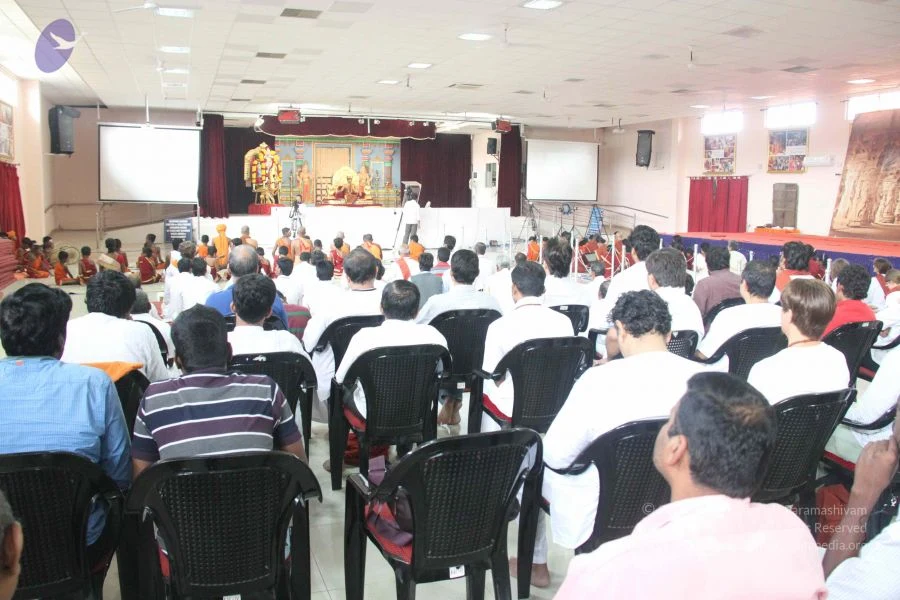
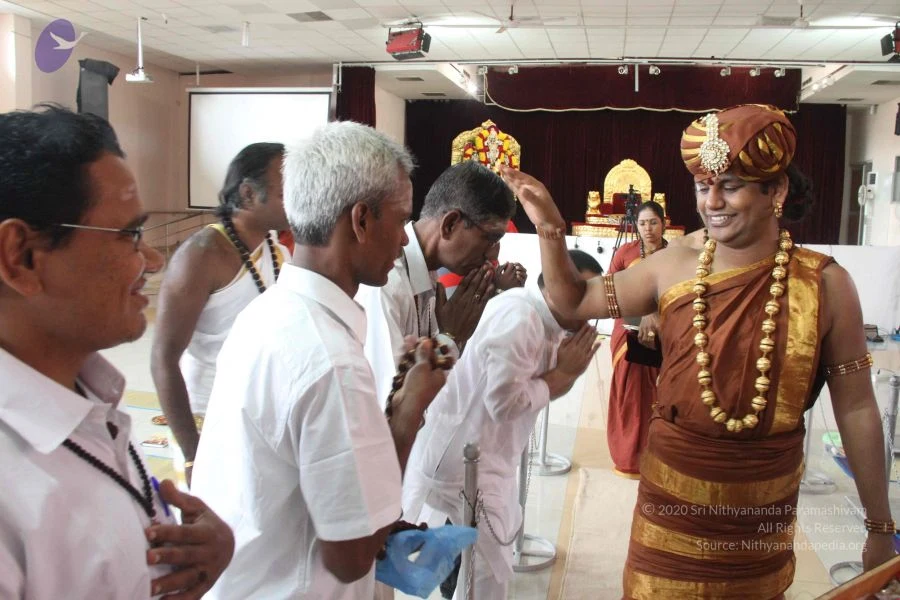
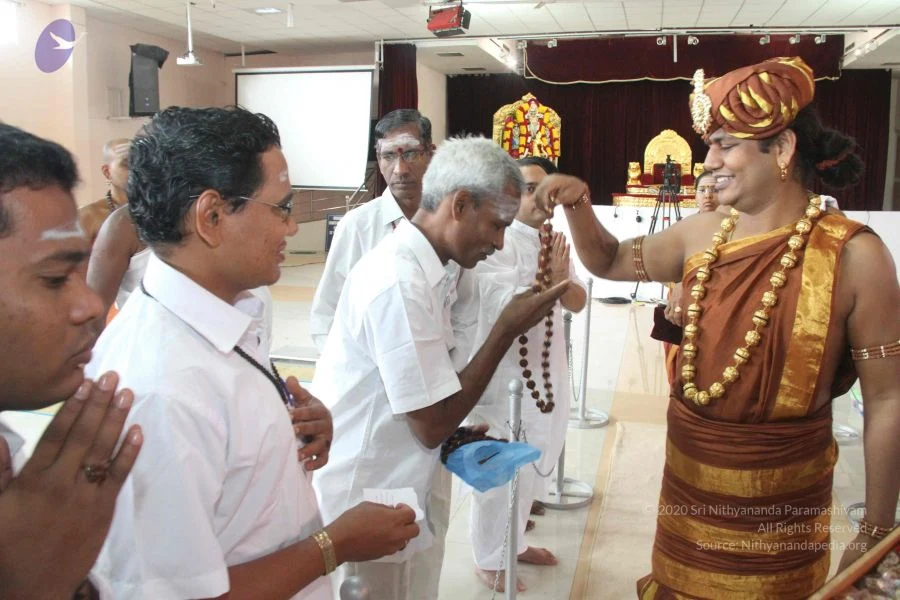
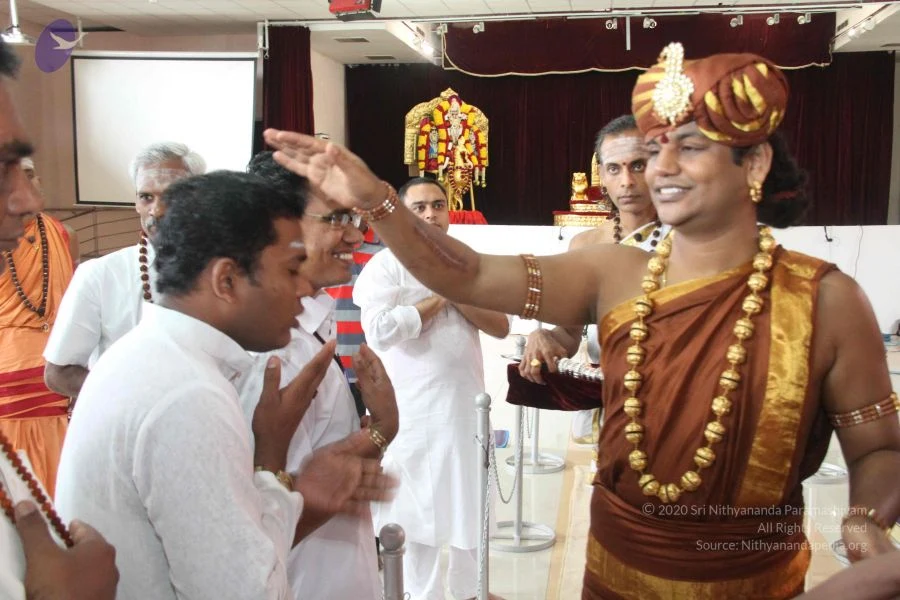
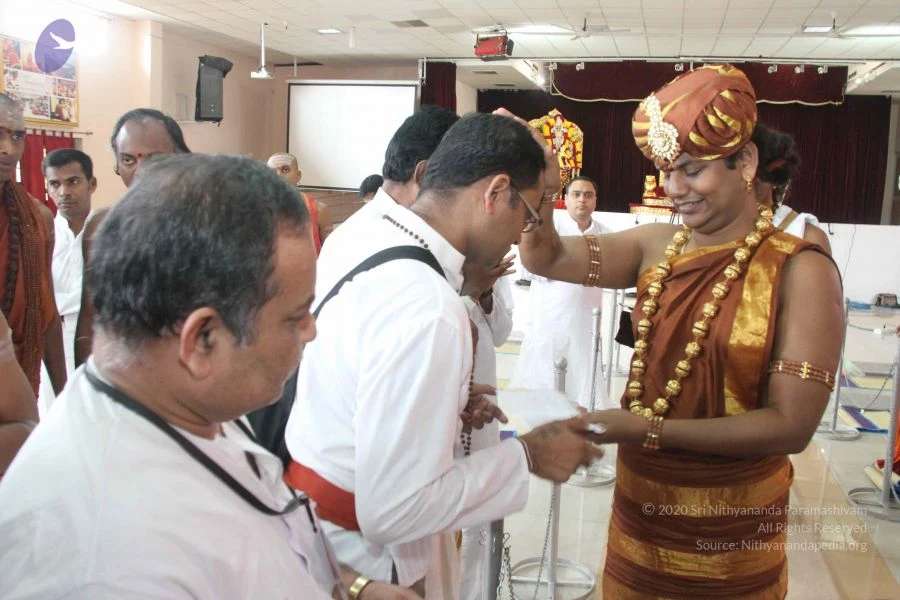
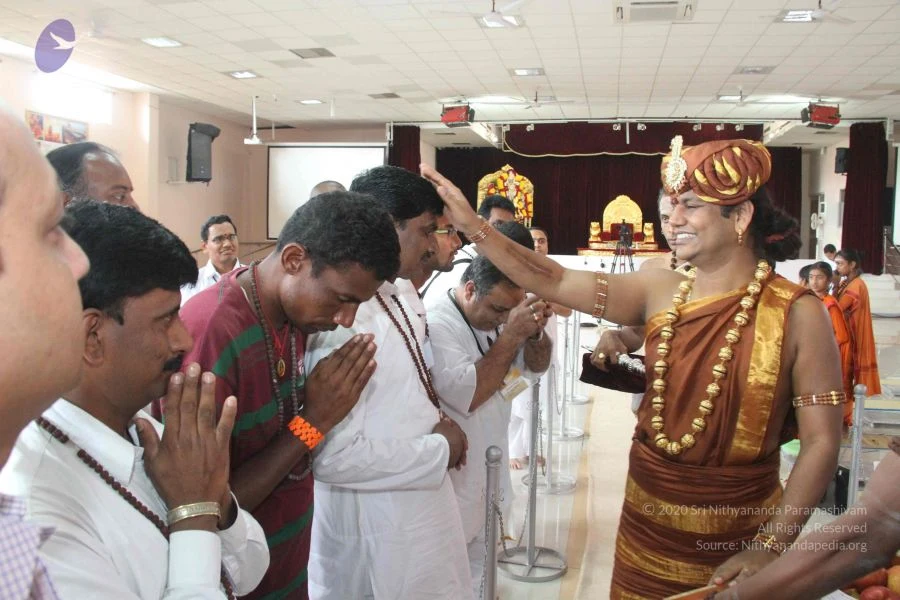
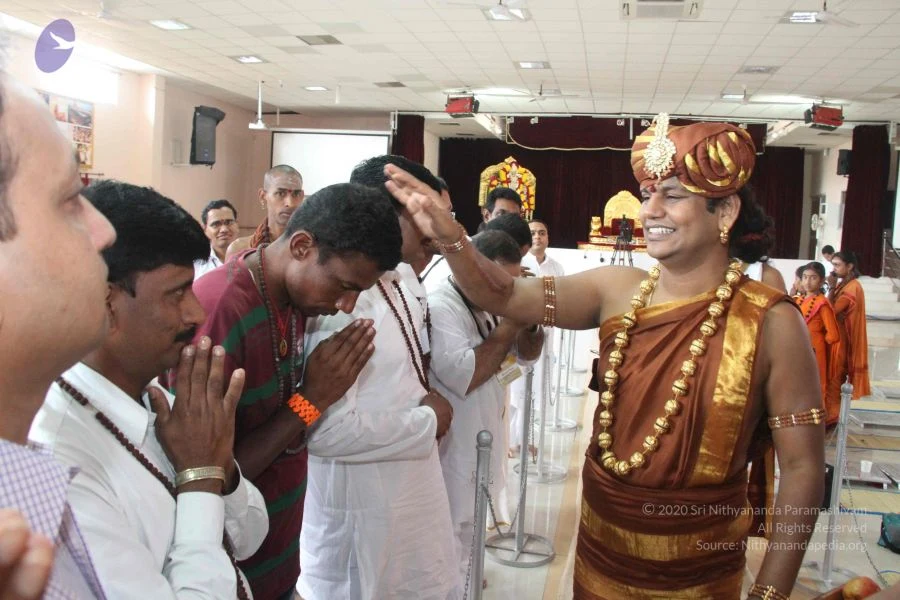
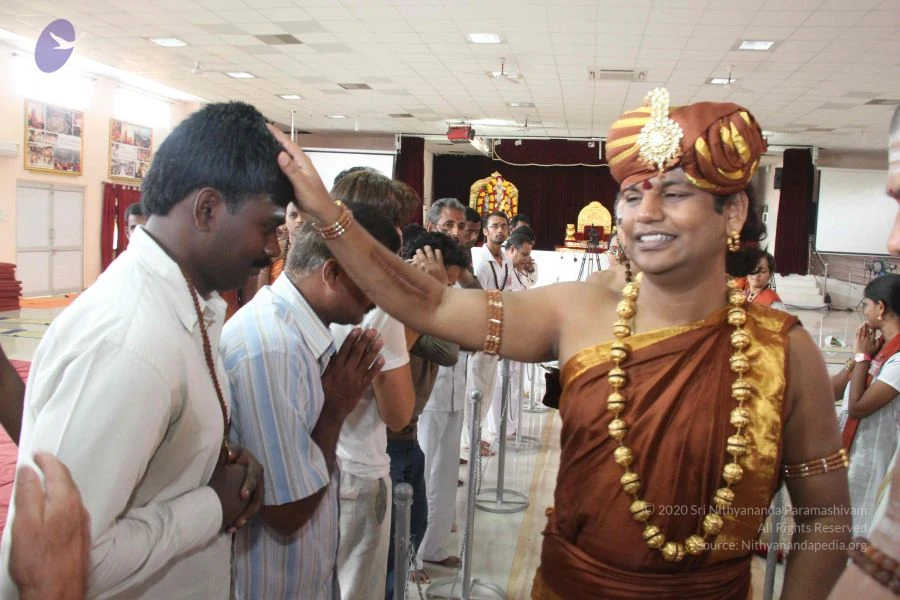
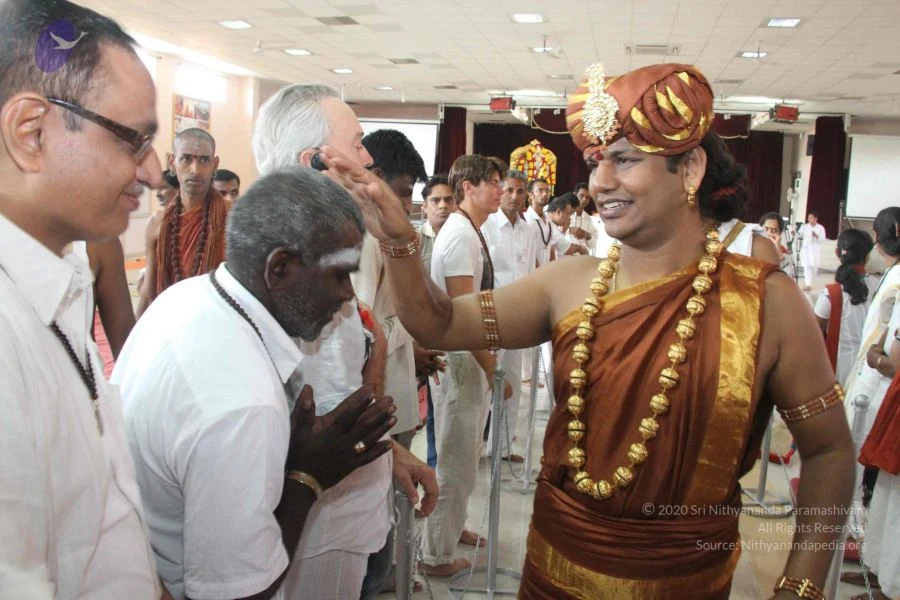
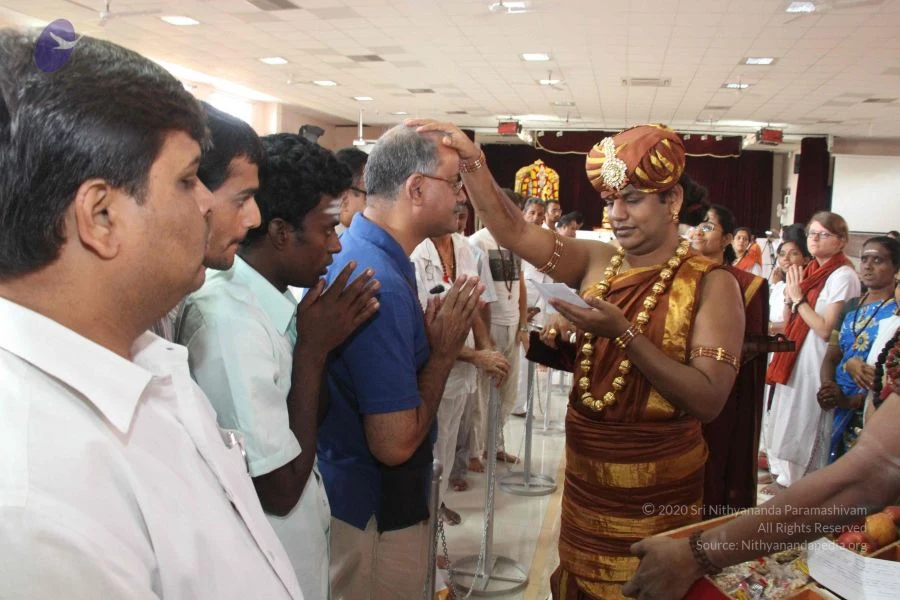
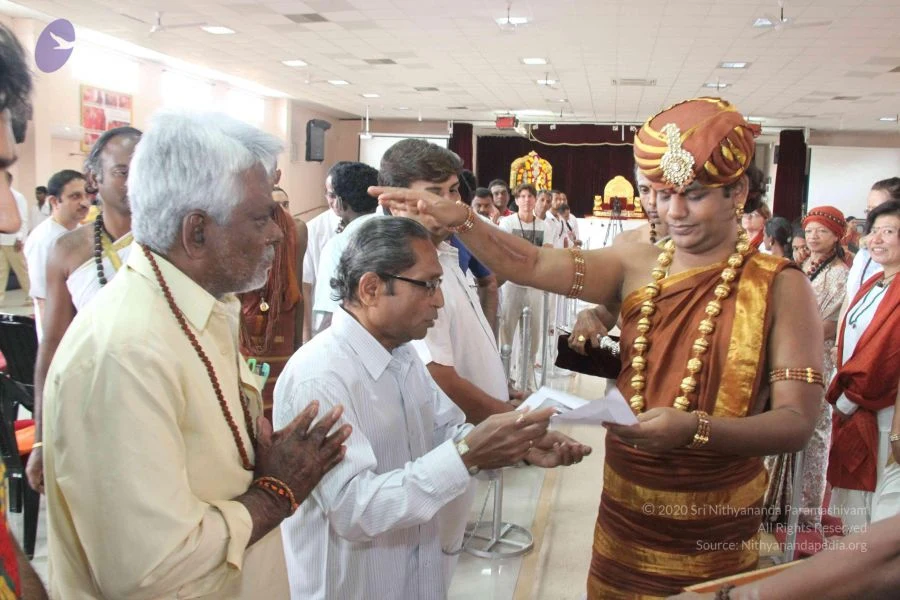
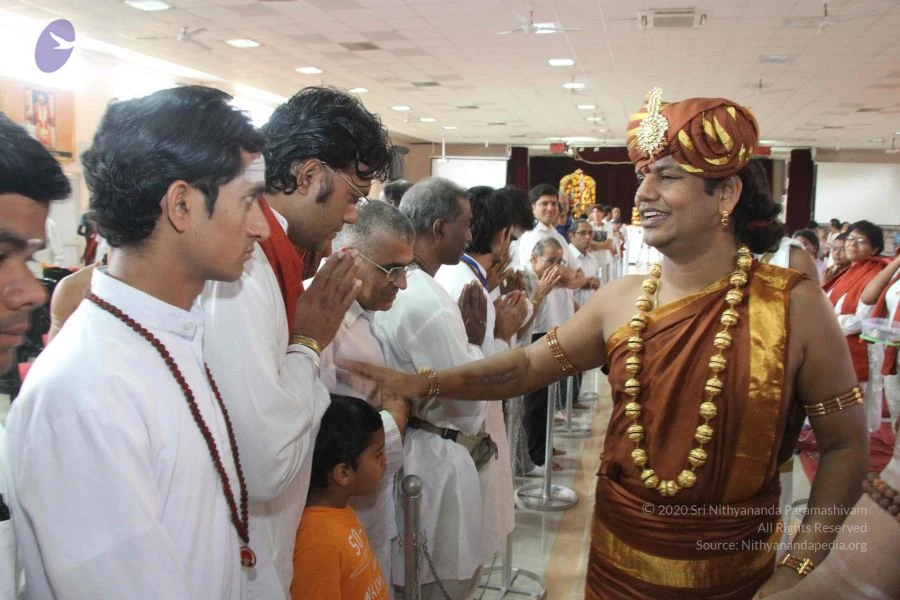
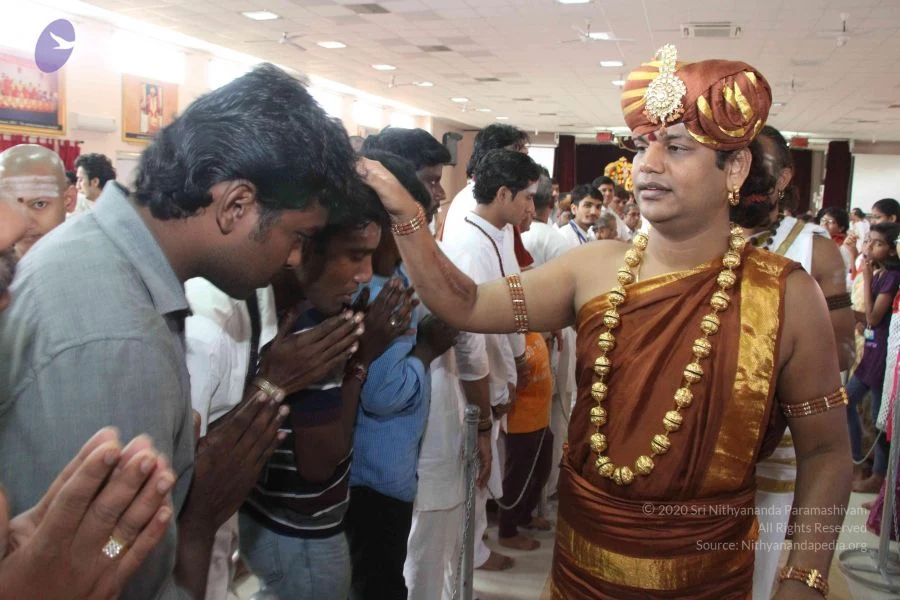
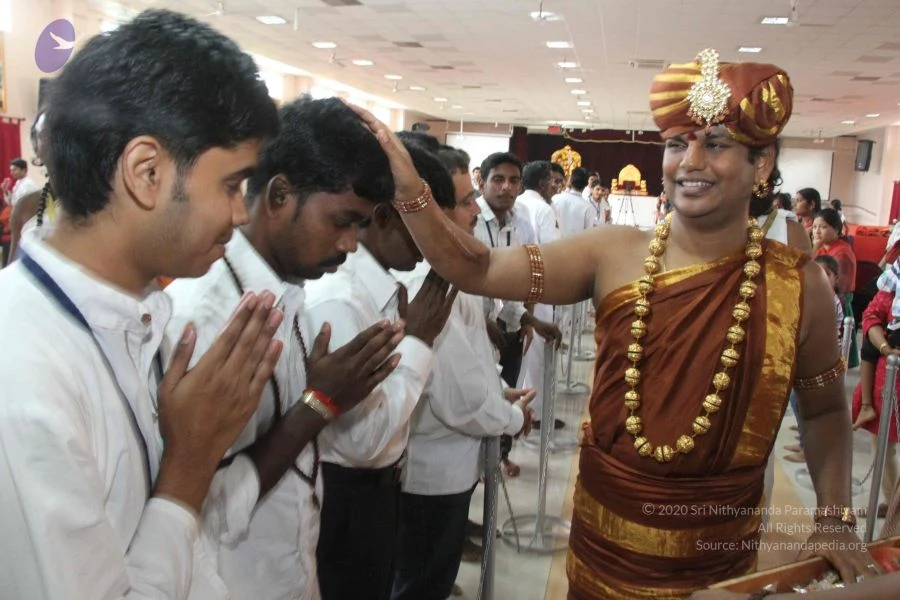
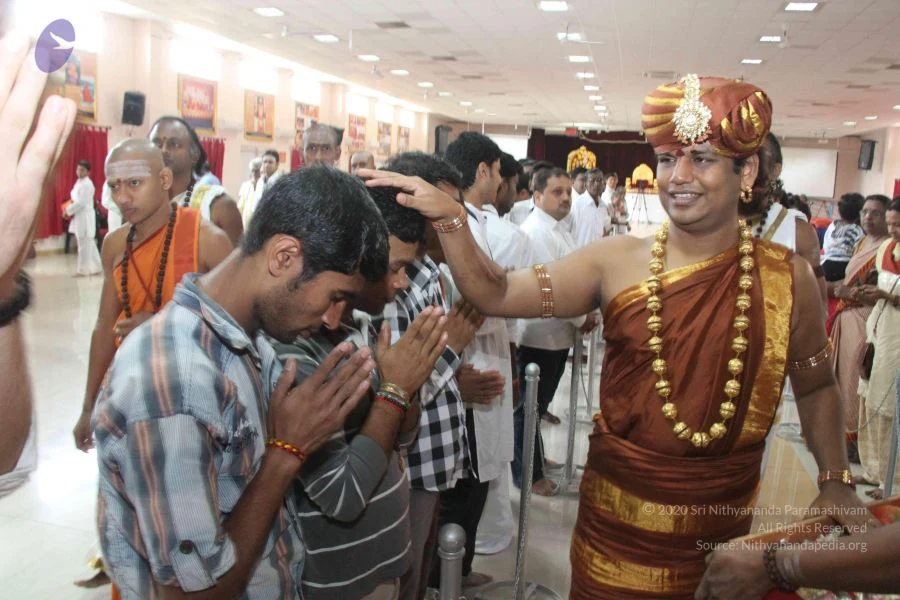
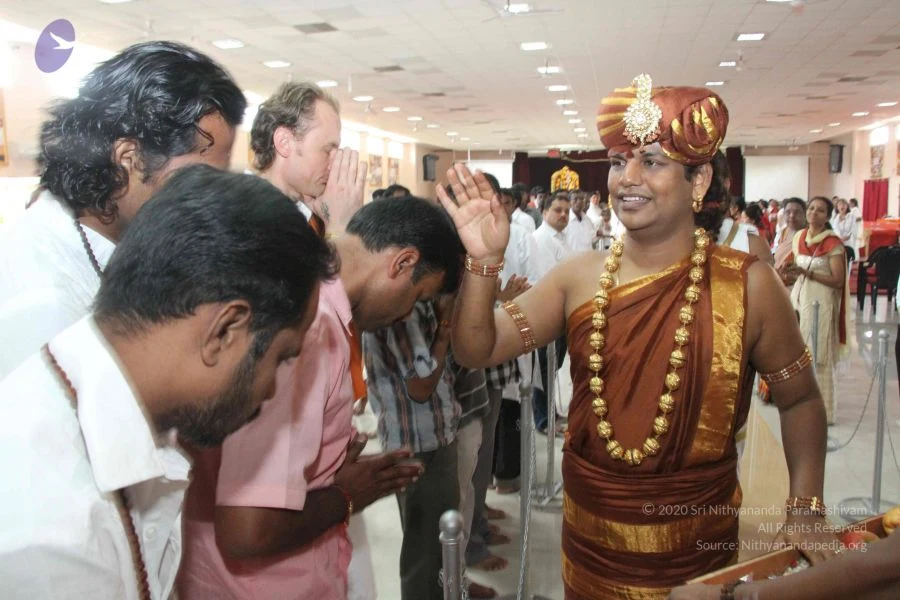
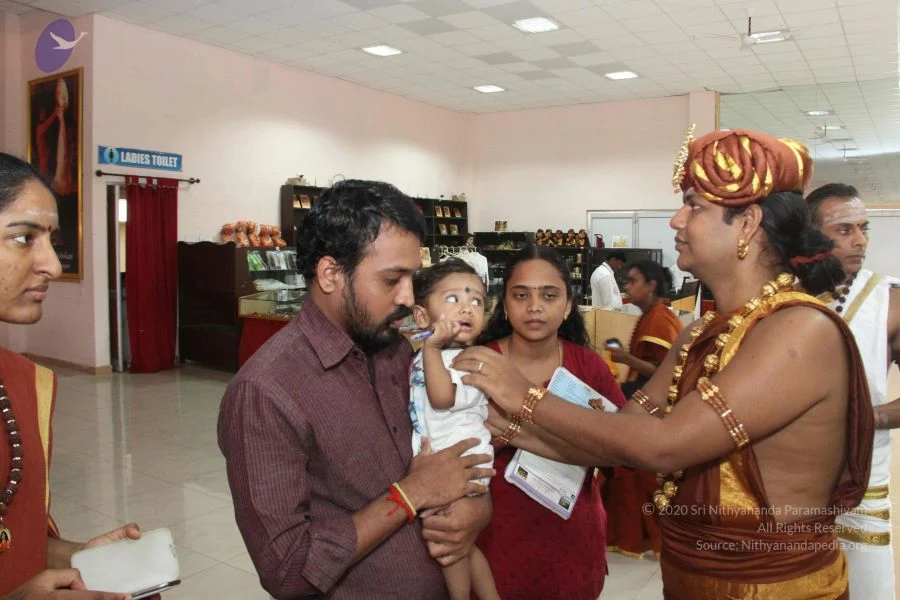
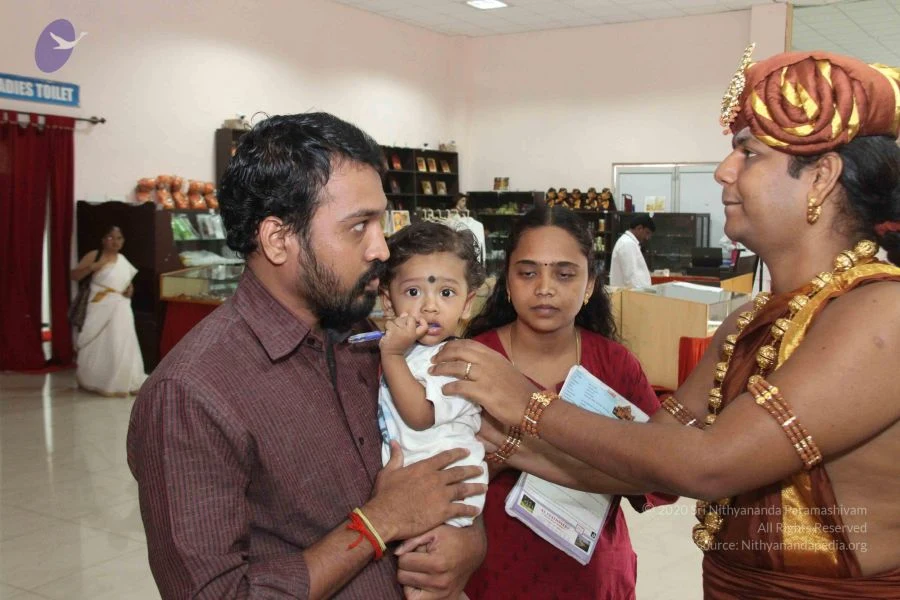
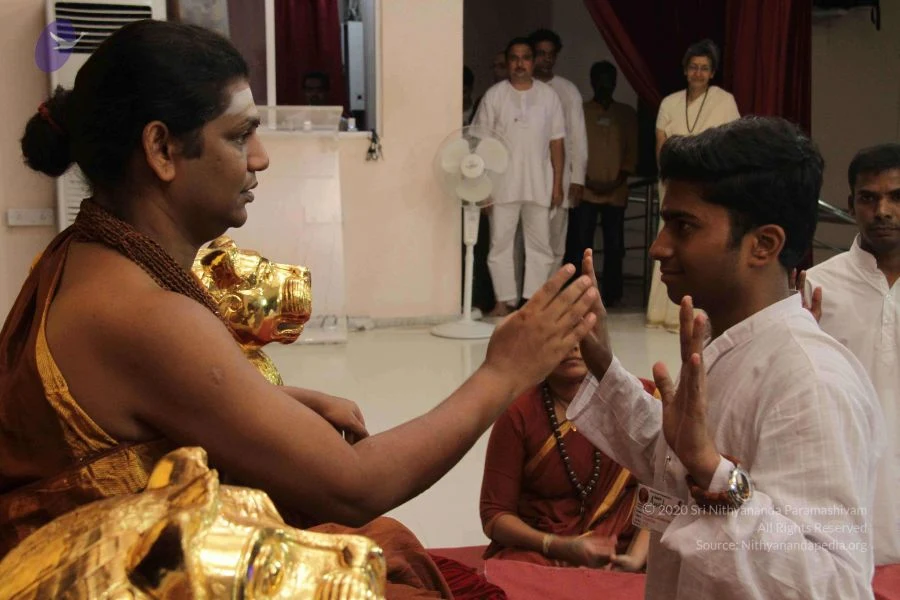
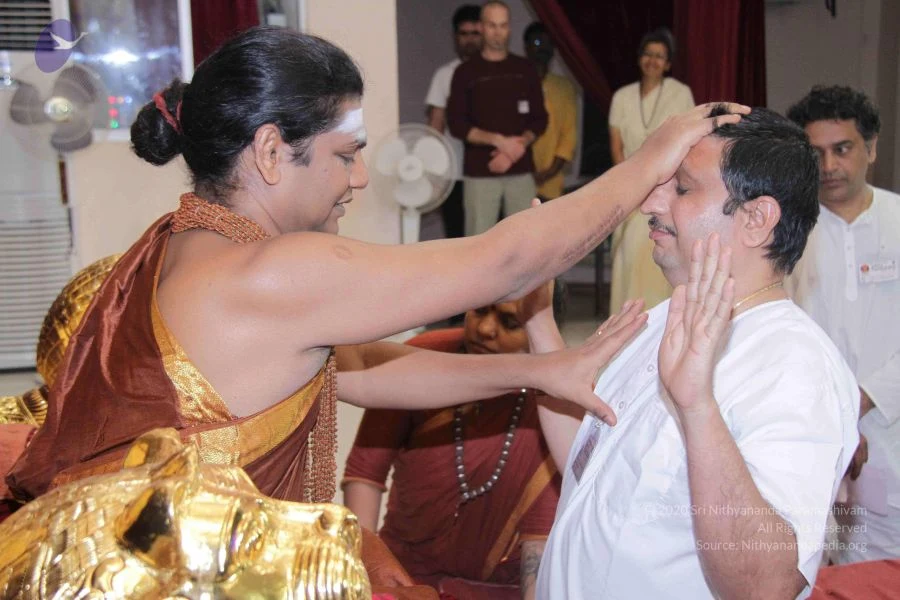
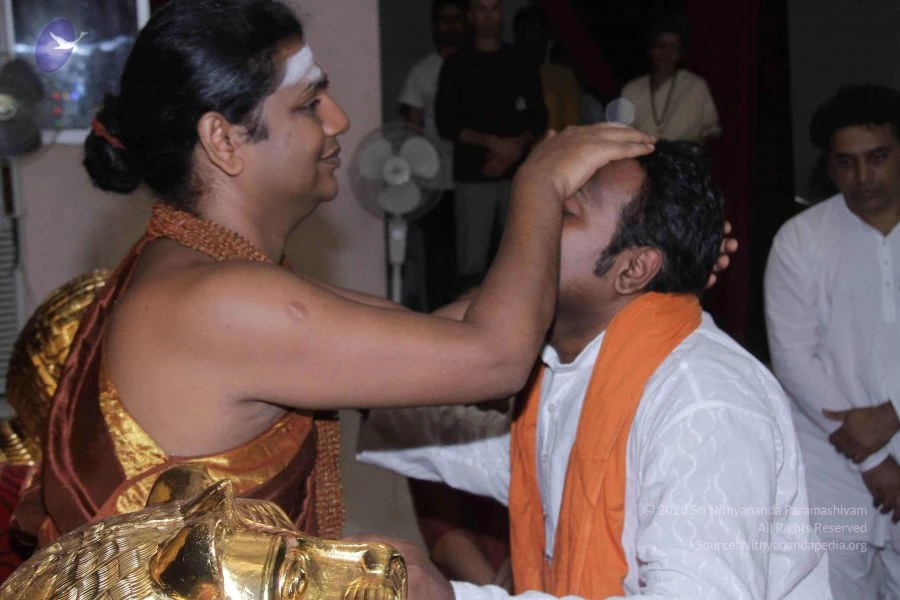
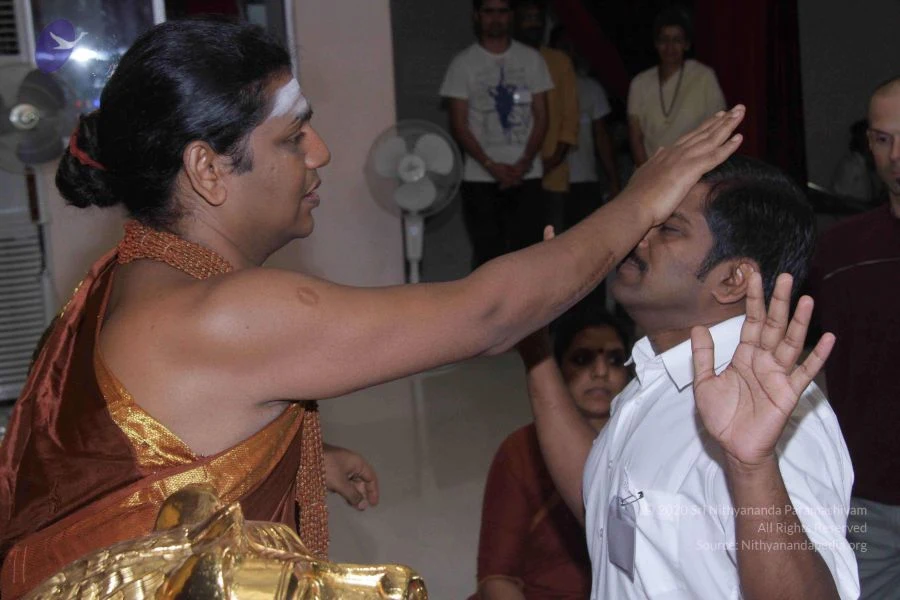
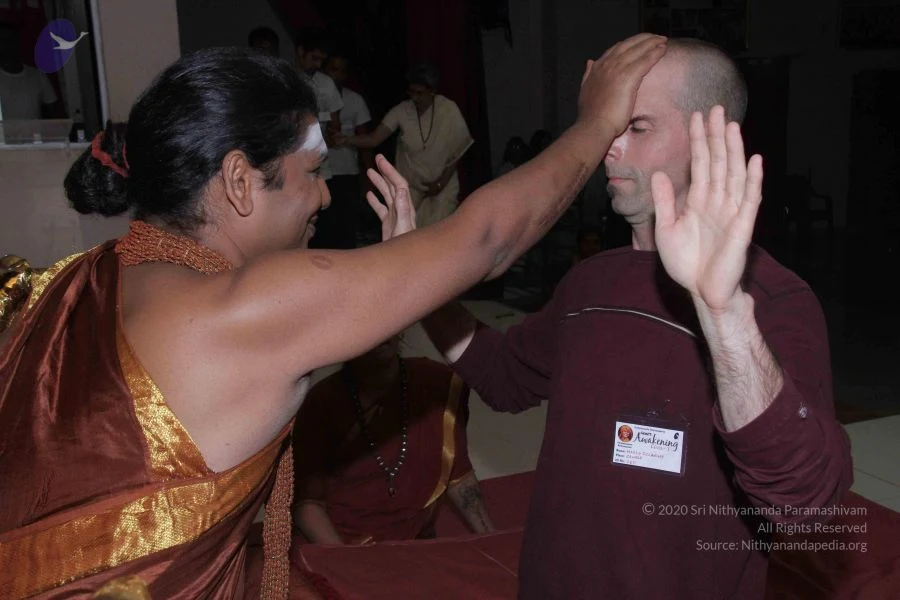
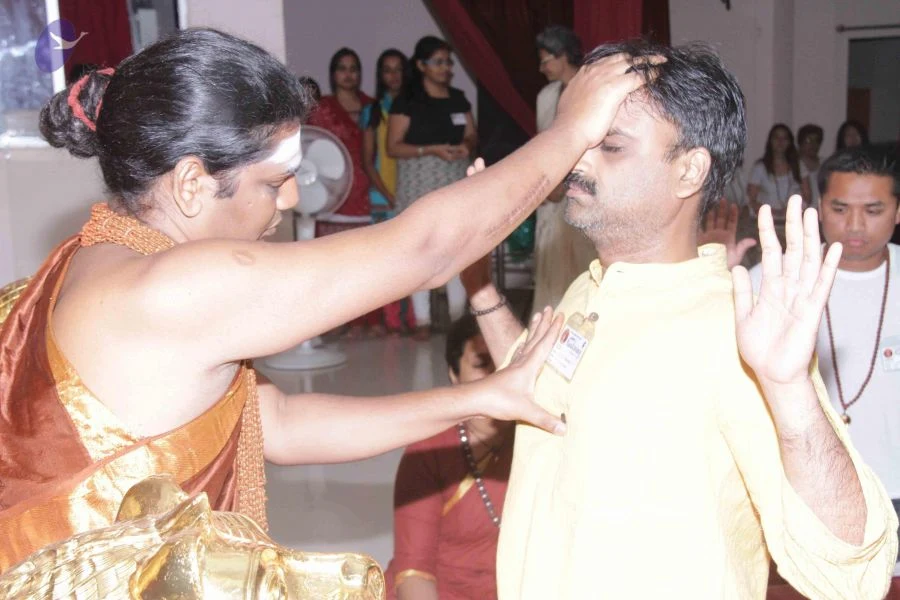
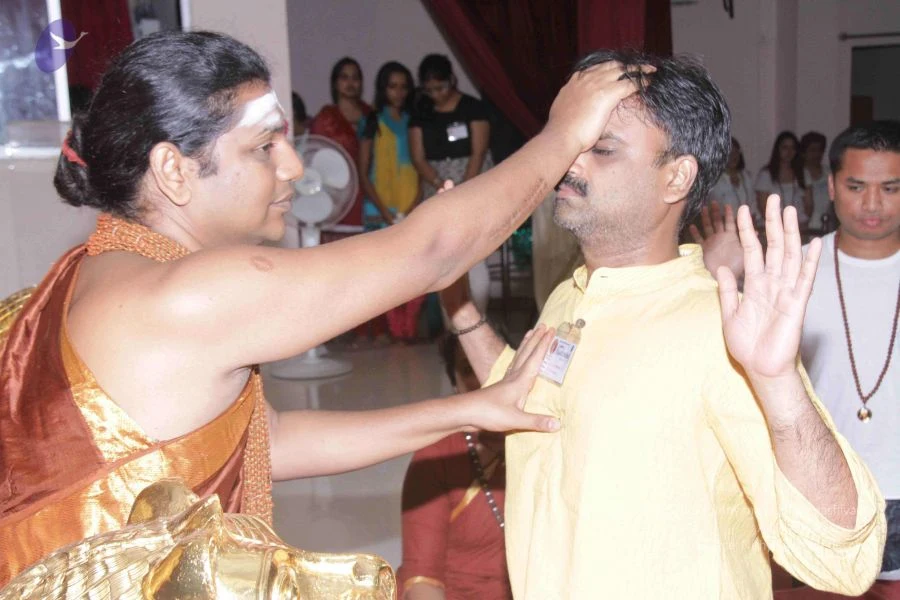
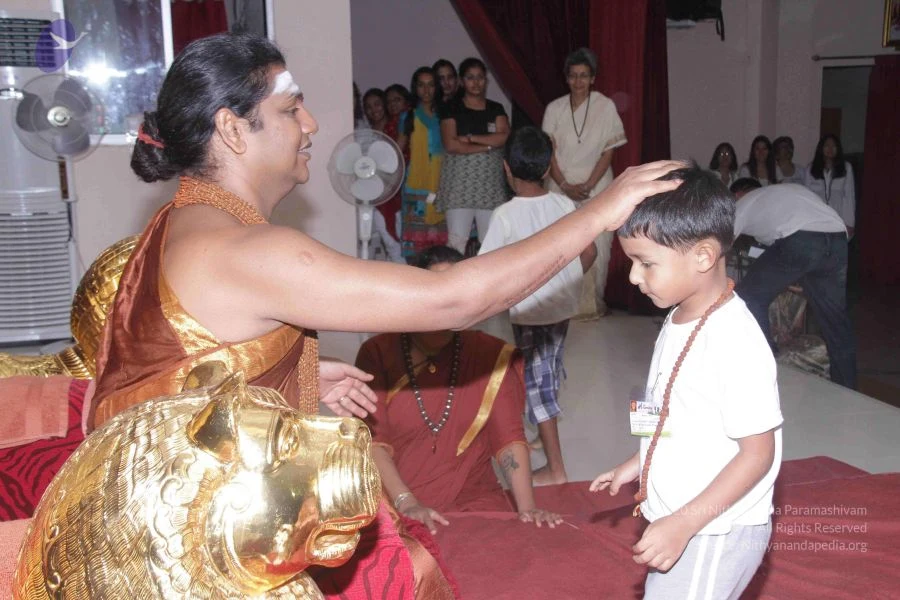
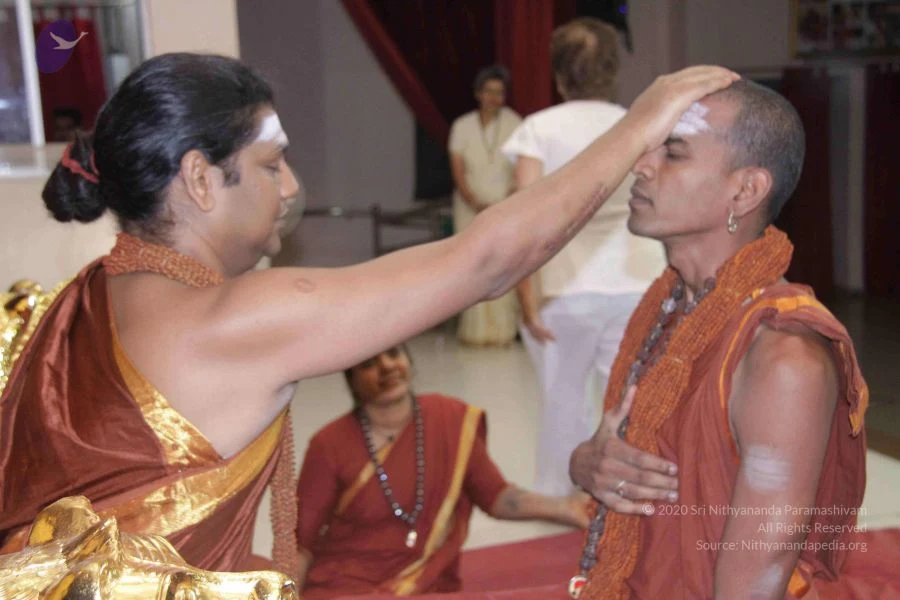
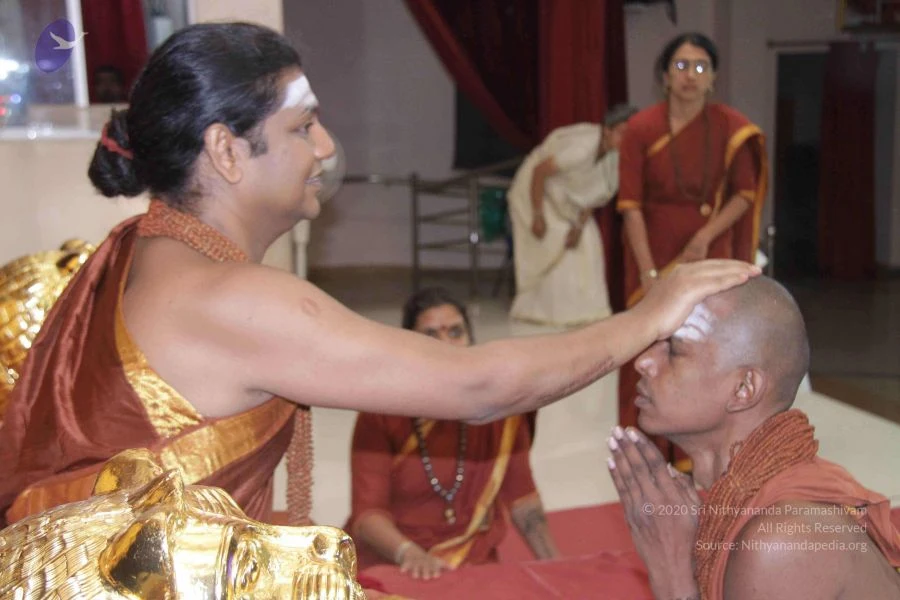
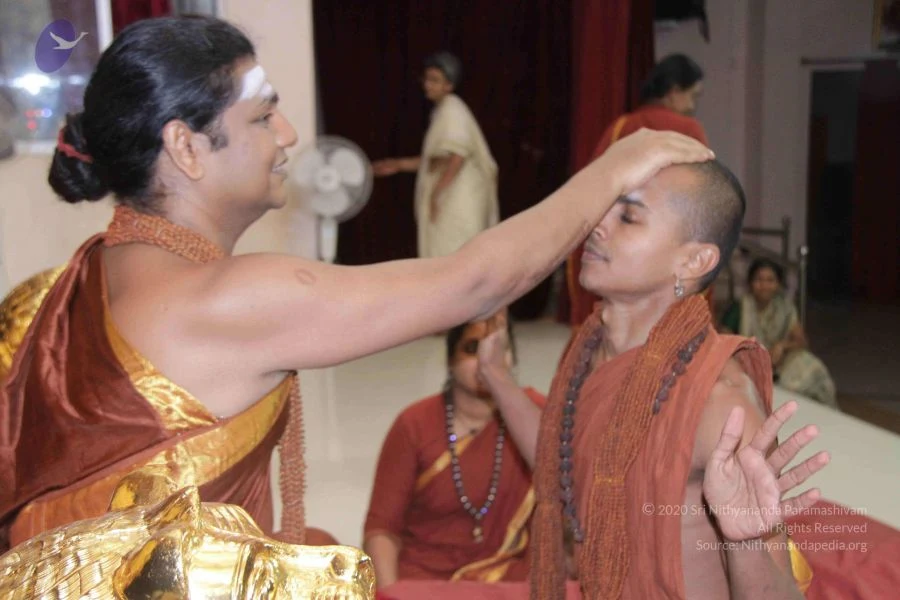
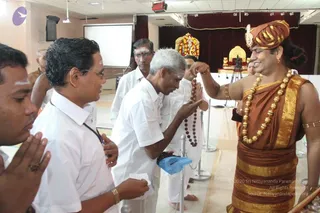
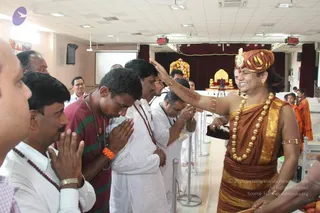
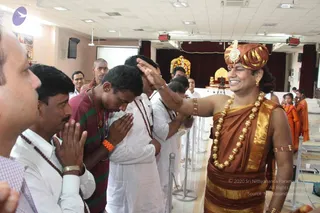
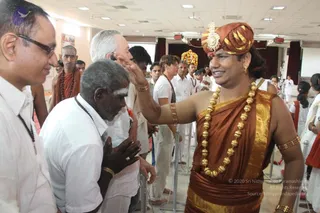
A photograph inside a hall with a white ceiling and a projection screen on the back wall. On the right, a man in a saffron-orange turban with ornate gold-tone accents, an orange-brown shawl and a long gold bead necklace, with rudraksha-style beads, bracelets and red-and-gold armbands, extends his hand to a bearded devotee in white clothes who is bowing forward with hands cupped. Other devotees in white shirts and dhotis stand in a line behind a stanchion queue, one with a vibhuti or kumkum mark on his forehead, and a man on the left holds his hands in anjali. A golden throne with floral garlands sits on a stage in the background under red drapes. Visible printed and , which is omitted from the text fieldA photograph in a hall with a white screen and maroon curtain behind. A person in a rust-brown and gold turban and an orange-brown shawl, wearing a heavy gold bead necklace and bangles, raises a hand in blessing toward a man in white shirt with a white forehead mark, who presses his palms together. Beside them a man in white kurta and glasses smiles, and a man in orange with rudraksha beads stands at left. Behind, a decorated deity murti garlanded with orange and yellow flowers sits on a red-draped stand, with a brass kalasha and a white-clothed attendant in the background. Two people in white at right, one holding a red cloth-covered tray. a person candidate: a person in turban and gold necklace with a visible gold-jewelled turban and ornate attire (probable).A photograph in an indoor hall with cream tiled floor and a white projection screen behind. A person in a saffron-orange turban with a white jewelled ornament, a gold-beaded necklace and an orange-and-gold draped garment stands centre-right with eyes lowered, smiling as a man in a white shirt with a red sash bends toward them, holding a small white item in his hands. Other people in white clothes, including a man in glasses at left, a bald man in white in the background and a man with a lanyard in the foreground, are present around a barrier. A red-curtained stage with a decorated garland arrangement is visible behind. No identifiable a person candidate can be confirmed from appearance in this scene.A photograph in a hall with a red-curtained stage and a golden throne with a deity murti at the back. In the foreground, a figure in an orange-brown turban, brown-gold robe, and heavy gold bead necklace extends a raised hand in blessing toward devotees. Several men in white shirts and dhotis stand with palms joined and heads bowed, some wearing rudraksha malas. A man in a red-and-white striped shirt bows with folded hands at left, and orange-clad attendants stand at the right edge. Chairs and stanchions line the aisle, and a few fruit offerings are visible at the bottom right.Indoor hall scene where a person in a brown-orange draped garment with a gold-toned cloth, a brown-orange turban with a gold ornament, a long gold bead necklace, gold bangles and armbands raises a hand in blessing toward a devotee. The devotee in a green-and-maroon striped shirt with brown beads and orange wristband presses palms together in anjali, and a man in white kurta with rudraksha beads stands nearby with head bowed. Other devotees in white and a few people in orange clothing stand behind metal stanchions. In the background a golden deity murti and a red curtain with floral decoration are visible, and a white ceiling with recessed lights and a projector screen completes the room. This is an appearance-based candidate who is physically present, with distinctive turban, ornate gold jewellery and orange-brown clothing; the identification is probable only from appearance, not from the face.Indoor photo in a large hall with white walls, ceiling lights and red curtains. A man in a rust-orange turban with a white jewel ornament, gold necklace of large beads and orange-gold drape touches the forehead of a white-haired elderly man in white with a white vibhuti mark. Beside them, a bald man in an orange robe stands near a white-clad man in glasses and a shaved-headed elderly man with white forehead marks presses his palms together. Devotees in white clothes stand behind the barrier and a floral garland hangs in the background.

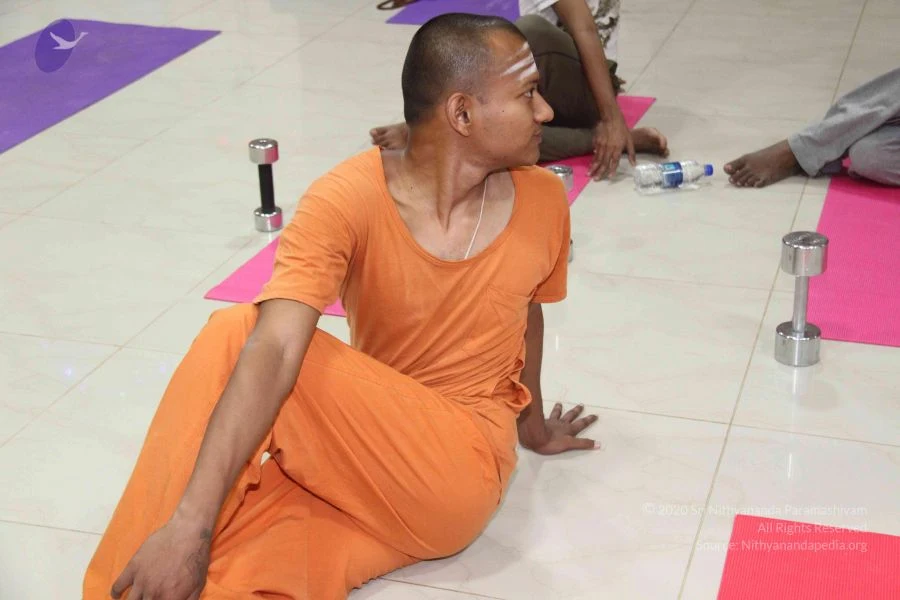
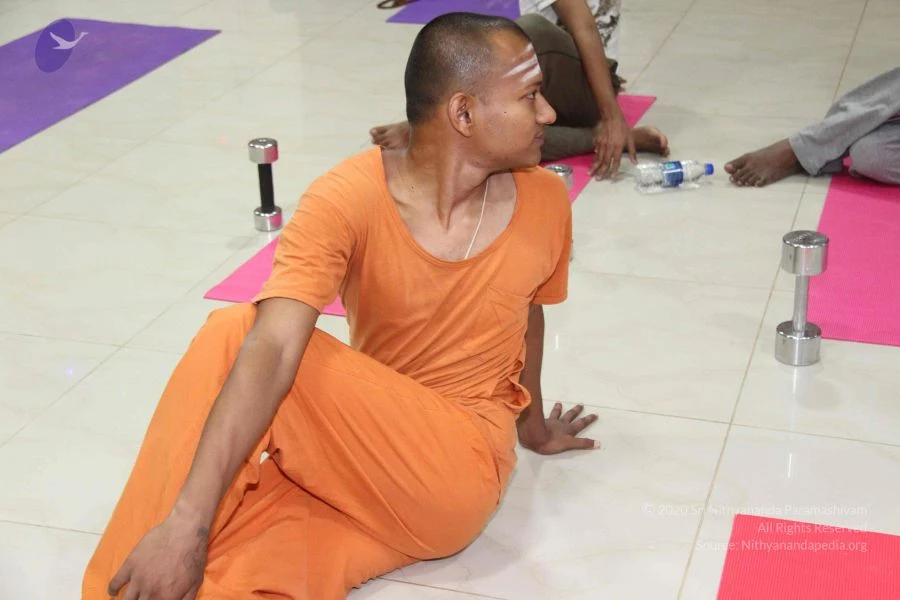
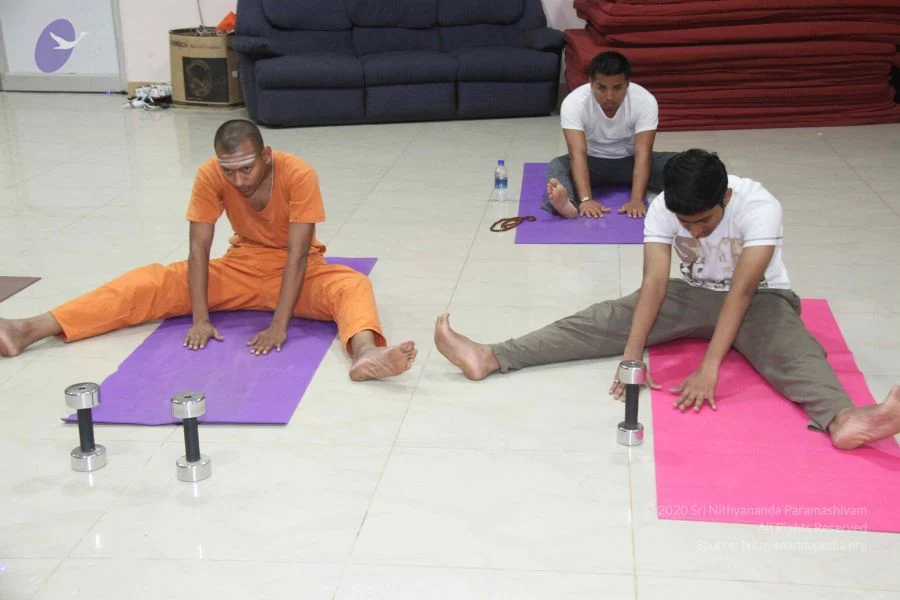
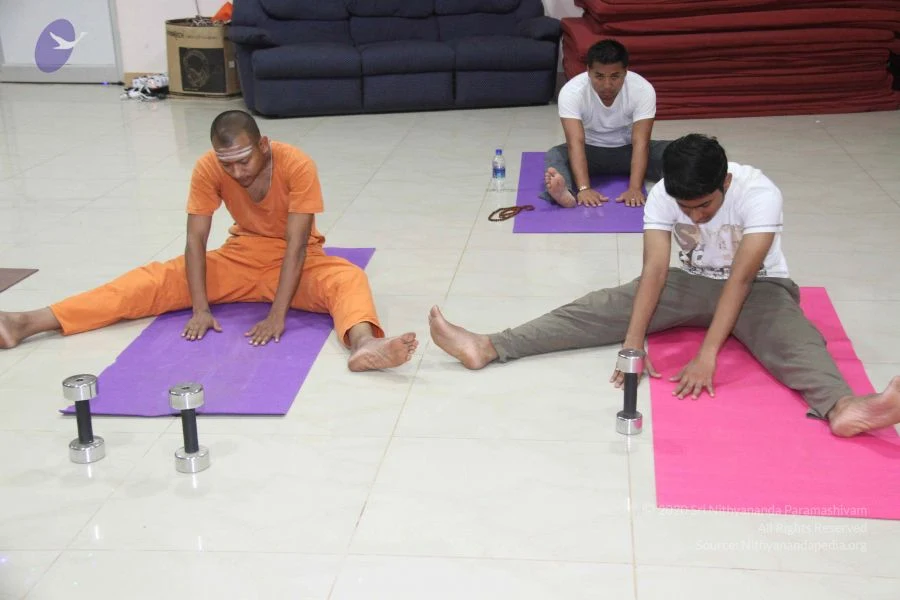
Nithyananda Yoga For Inner Awakening Delegates at Aadikailaasa, Bidadi, India
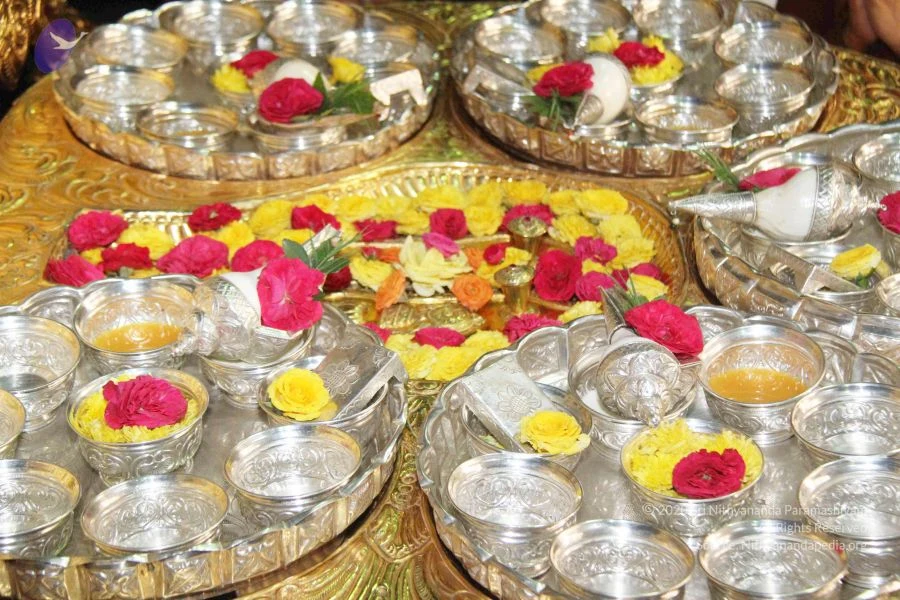
41 photosSource gallery
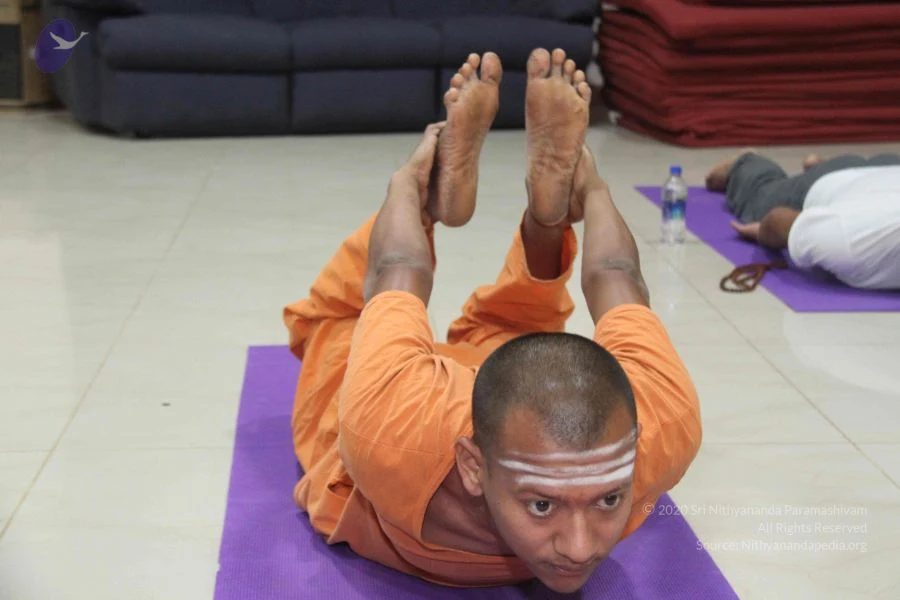
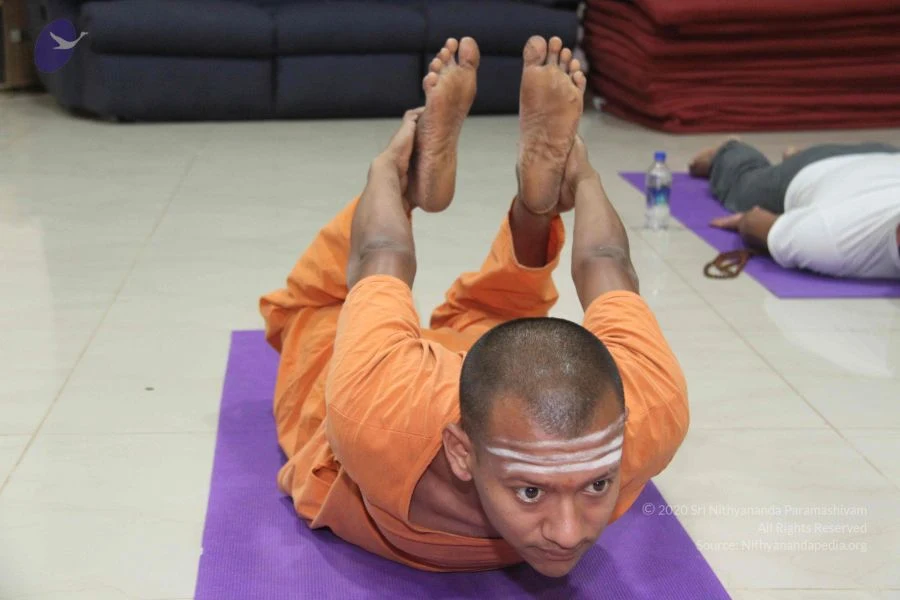
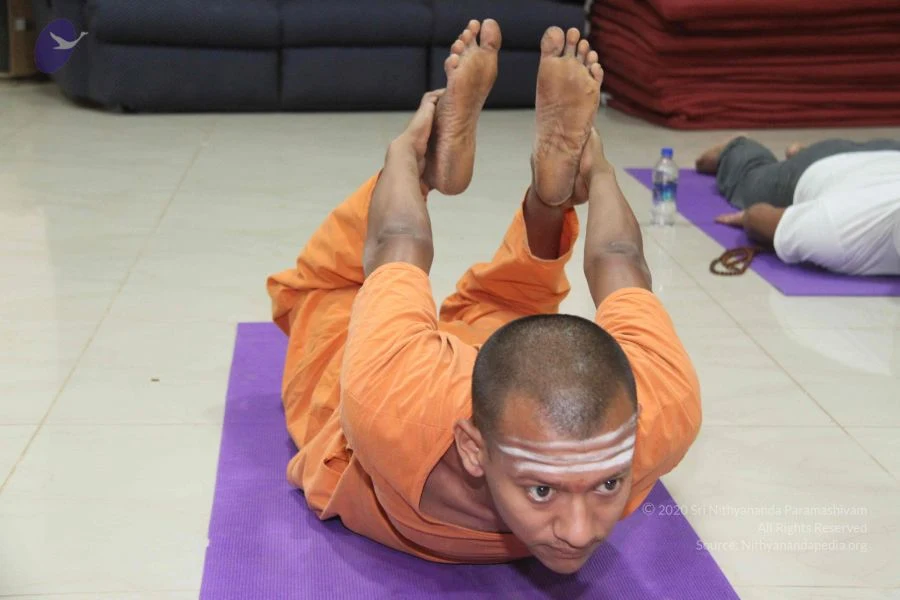
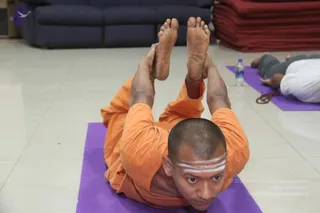
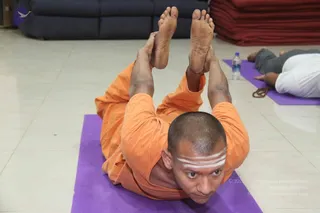
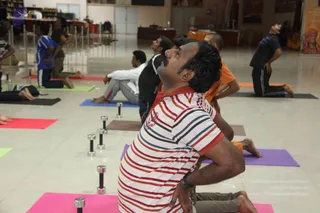
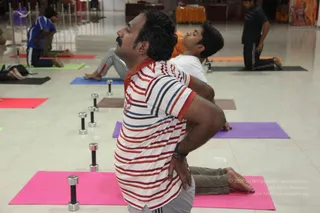
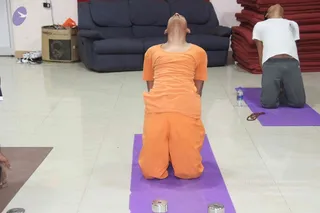
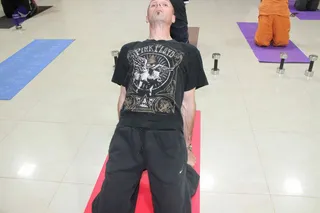
A photograph of a shaved-headed man in an orange kurta lying prone on a purple yoga mat, lifting both legs up with his feet raised high in a backward-bending yoga posture. He wears white horizontal vibhuti/tilak lines across his forehead. Behind him on the tiled floor, another person in white lies on a second purple mat near a water bottle, and a navy sofa and stacked red mats are visible in the background. Visible cues do not establish that this is a person, so the identity is uncertain.A man in an orange saffron robe performs a yoga pose on a purple mat, lying prone with his legs raised and feet pressed together above his head, face toward the camera. He has a shaved head and white tripundra marks on his forehead. Behind him, another person in grey and white lies on a purple mat beside a water bottle and a rudraksha-style mala. Red cushions and a dark blue sofa are visible on a tiled floor.A group yoga class on a tiled hall floor, with students on coloured exercise mats in red, blue, purple, pink and grey. In the foreground a man in a red, white and brown striped polo shirt and khaki trousers kneels on a pink mat, leaning back with his chin lifted and hands on his lower back in a back-bend. Behind him, others in dark tracksuits, a man in an orange shirt and a man in a white shirt are seated or kneeling in similar stretches. Small silver dumbbells lie on the floor between the mats. In the background are shelves and a framed portrait of a bearded saffron-robed figure on the wall.A yoga session in a bright tiled hall where participants stretch on coloured exercise mats, with small chrome dumbbells placed between them. In the foreground a man with short black hair and a moustache, wearing a red-and-white striped polo shirt and grey trousers, arches back with his hands on his hips while looking upward. Behind him a younger man in a white shirt and grey trousers and another person in orange and black clothing hold similar backbend poses. At the top right, a framed portrait of a bearded figure with an orange turban hangs on the wall beside a yellow-draped table. Several other people are visible on mats at the left and back.A bald person in an orange short-sleeved top and orange loose trousers kneels on a purple yoga mat on a tiled floor, head tilted back and eyes closed in a backbend-style posture. Behind them, a second person in a white t-shirt and grey trousers kneels on a purple mat beside a water bottle and a wooden mala. A navy sofa, cardboard boxes and stacked red mats are in the background, with two metal weights on the floor in front.A man in a black Pink Floyd graphic t-shirt and black sweatpants performs a backward-arching yoga pose on a red mat on a tiled floor, head tilted back with mouth open, arms stretched behind. Behind him, a person in orange robes kneels on a purple mat beside a row of chrome dumbbells, with other practitioners on blue and purple mats in a bright hall.

Atal Akhada Acharya Sukhdevanandaji Visits Aadikailaasa, Bidadi, India

333 photosSource gallery
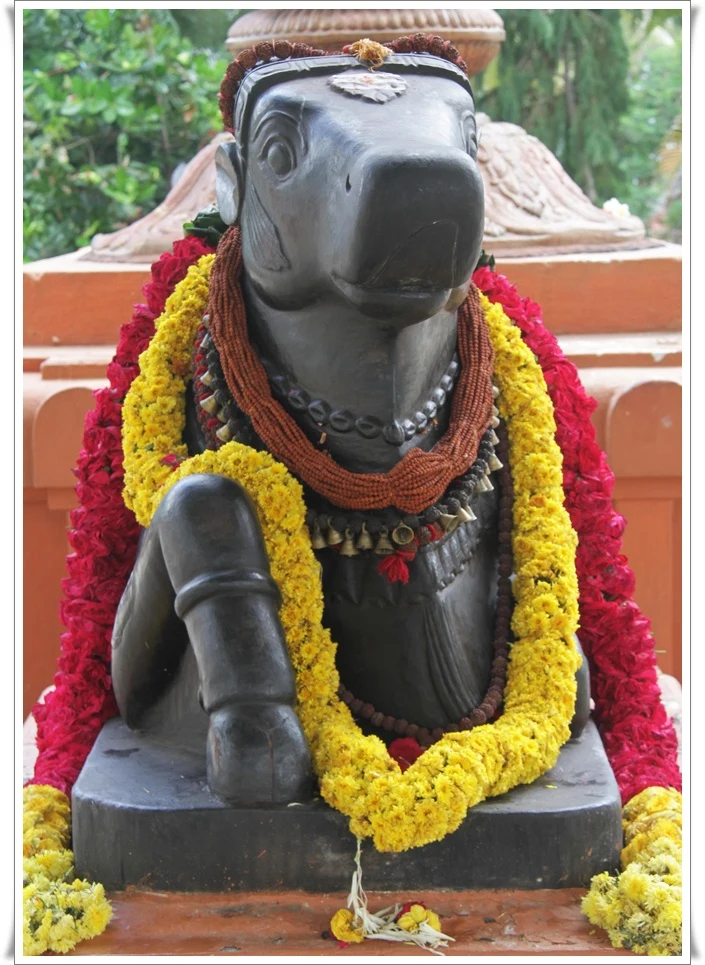
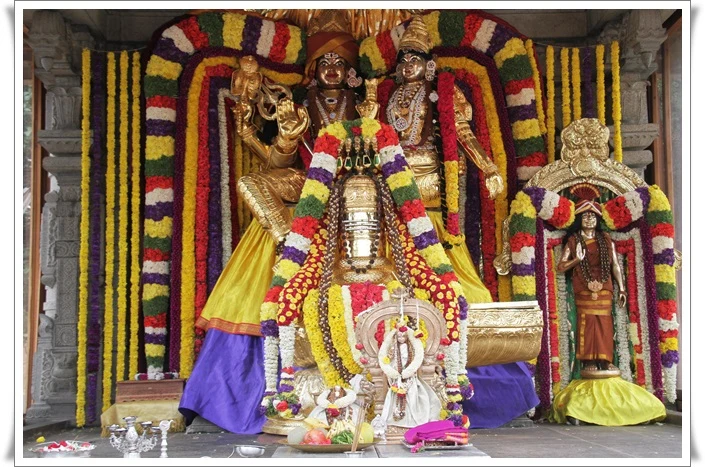
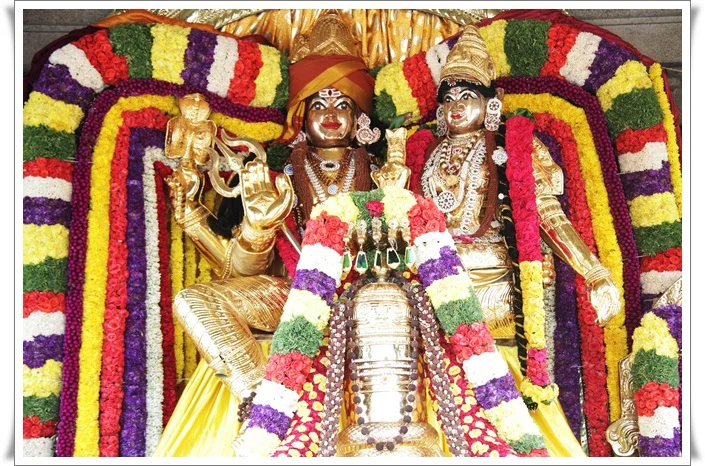
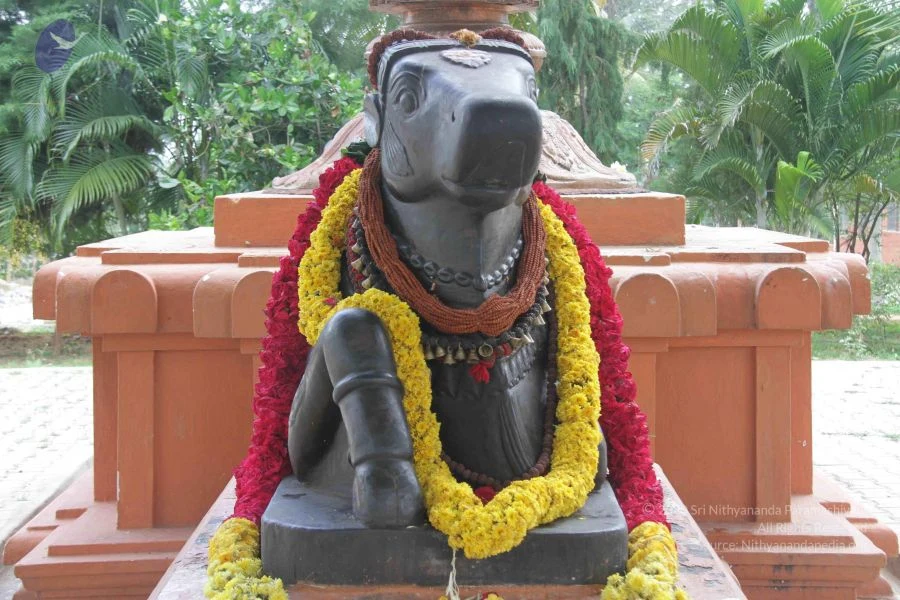
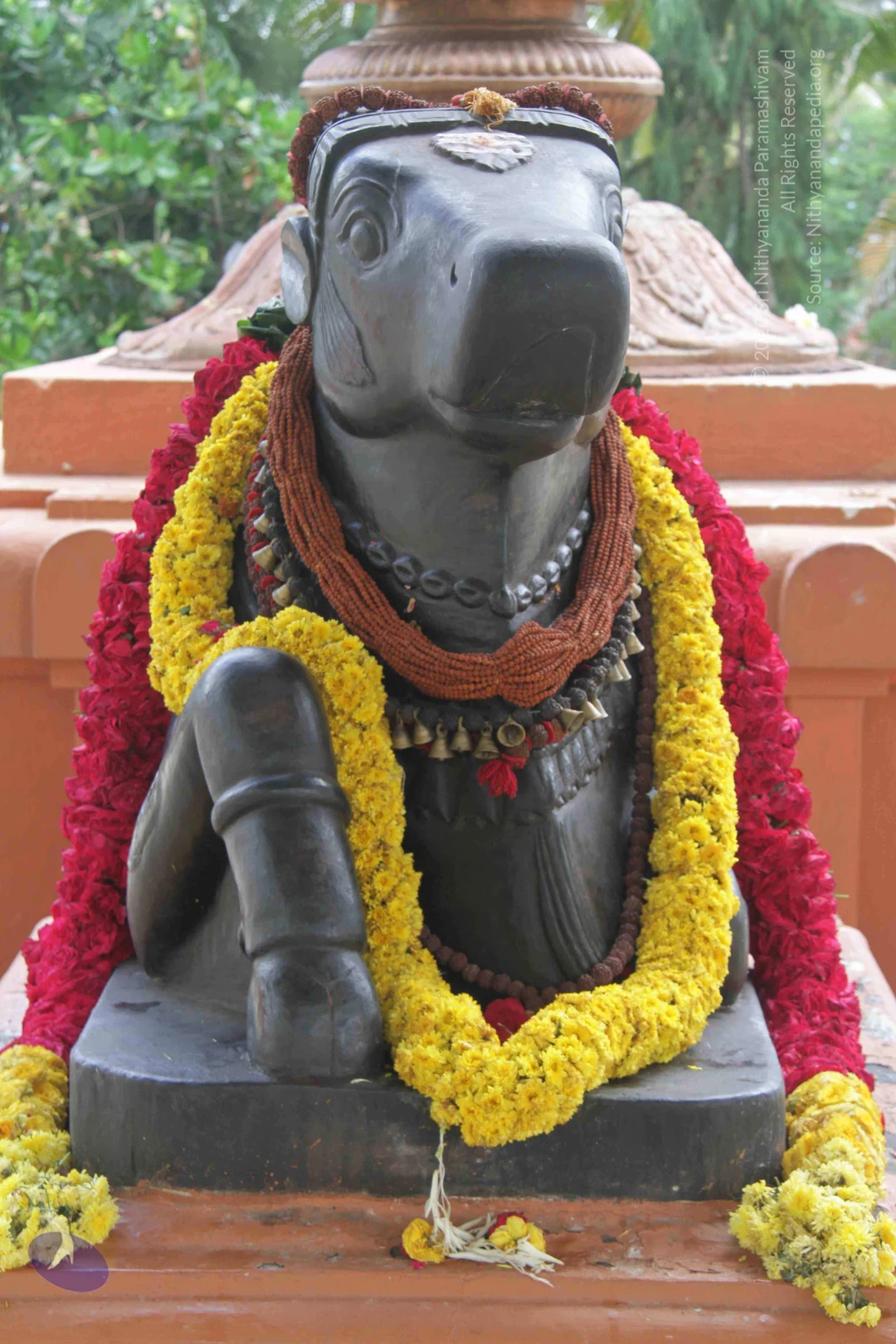
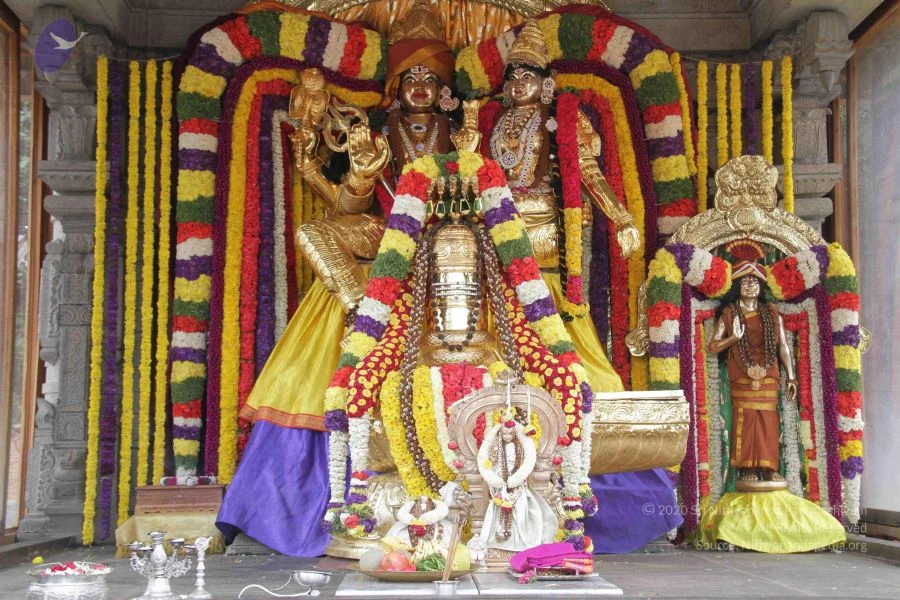
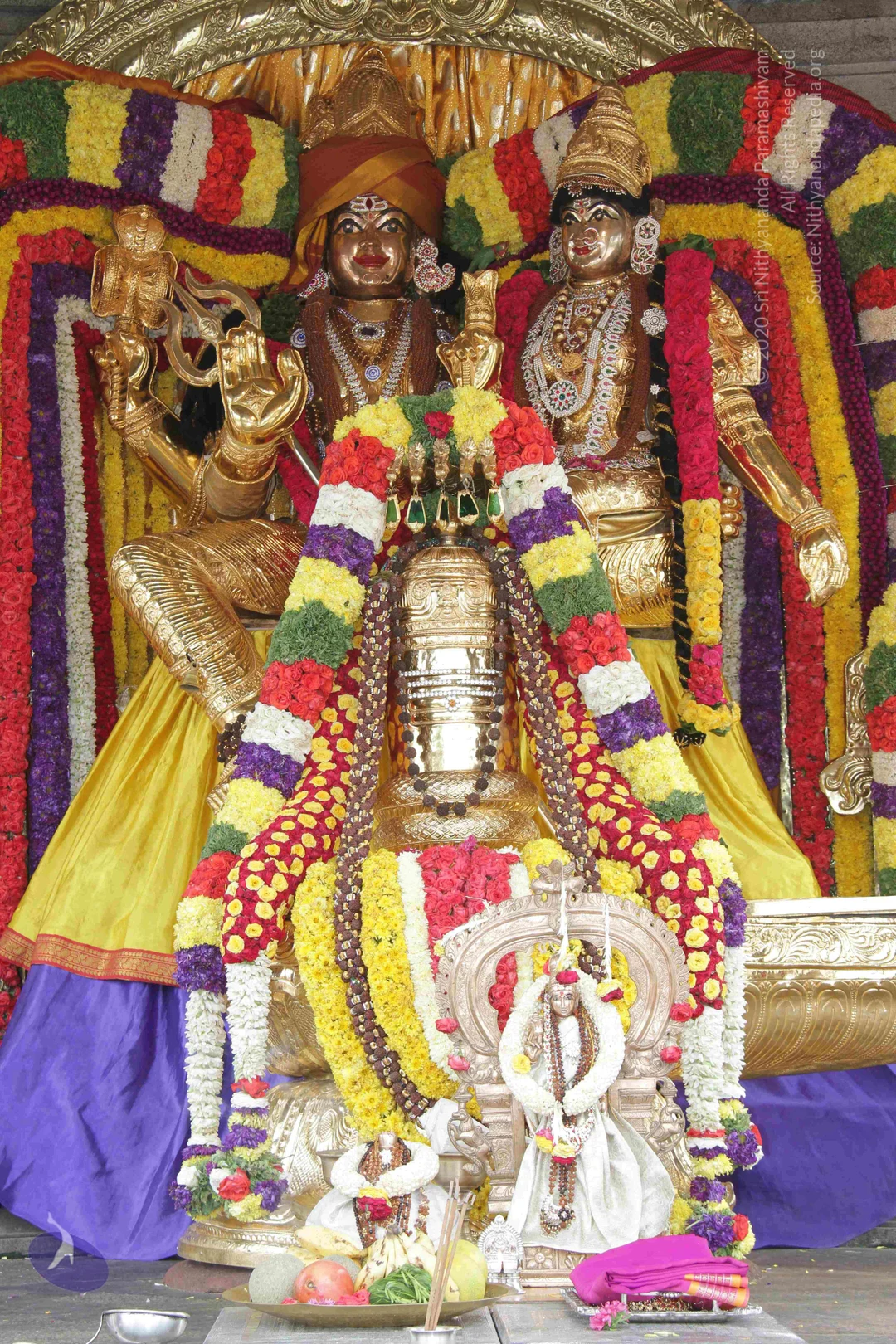
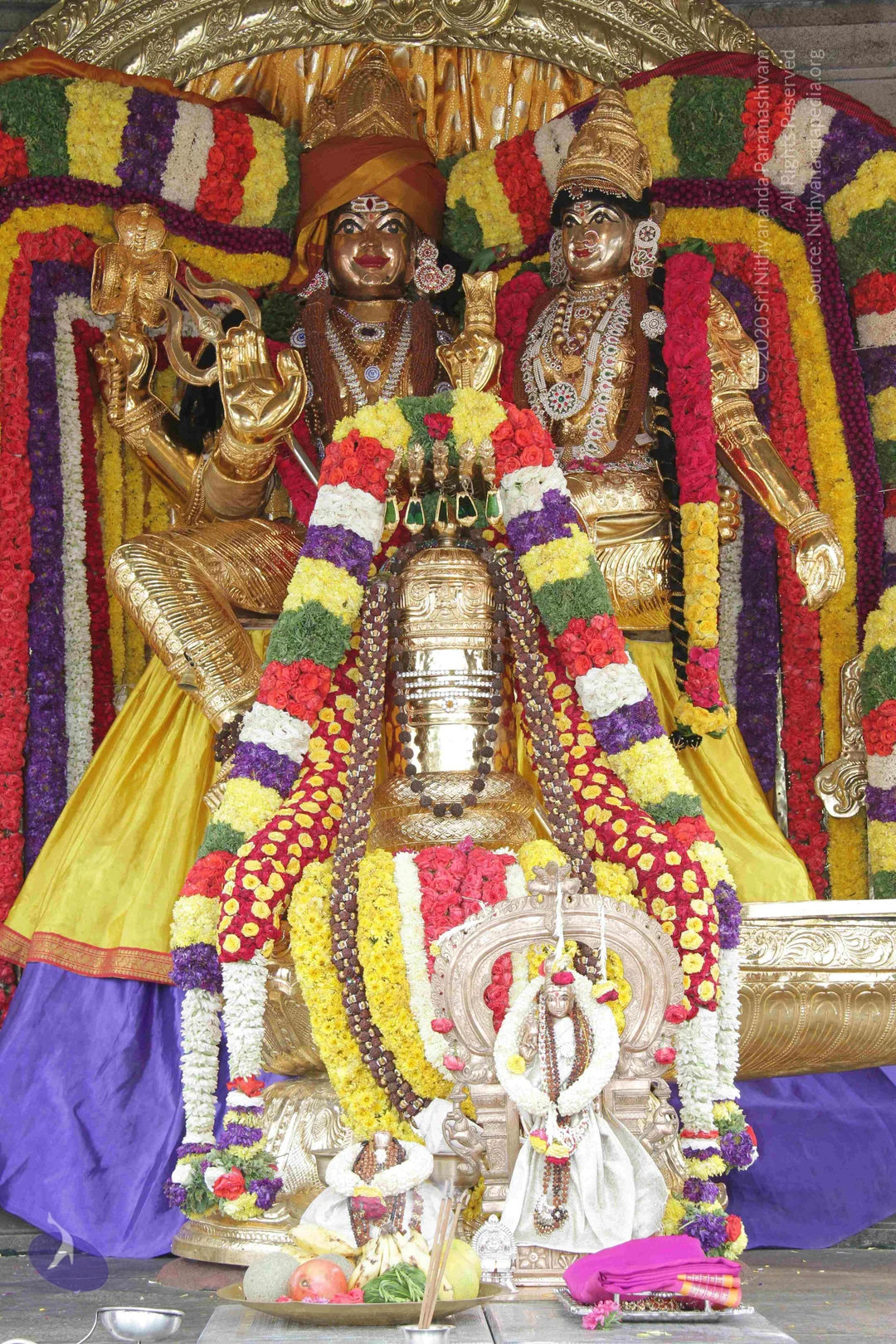
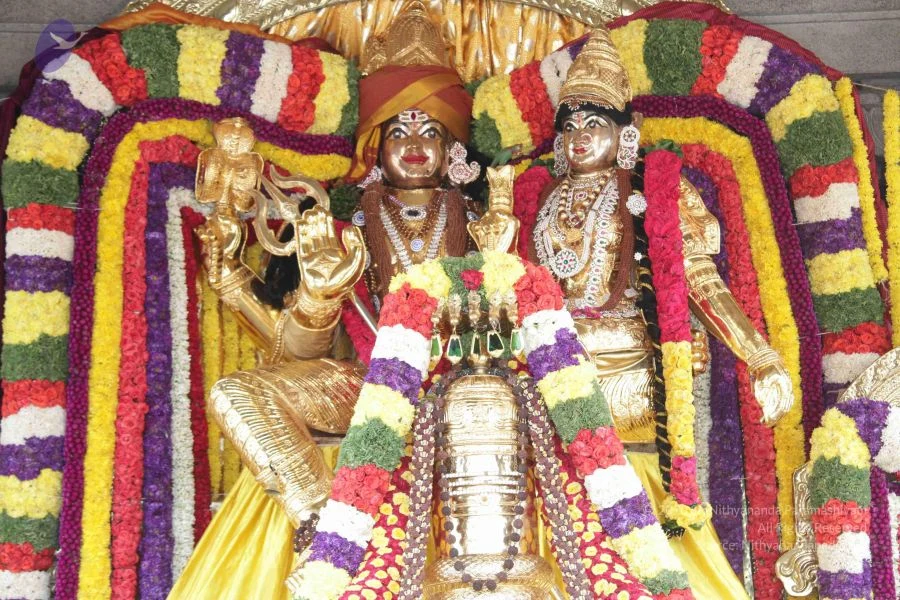
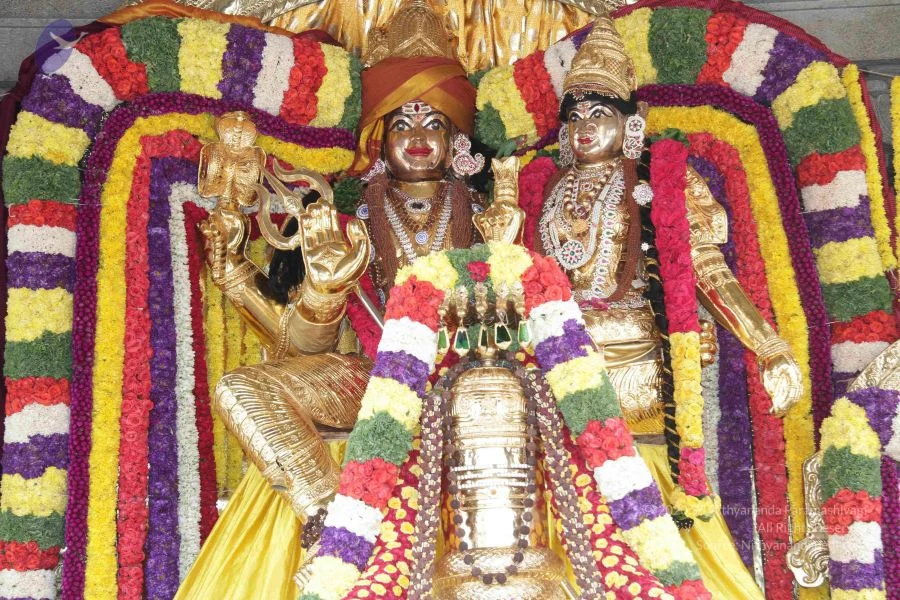
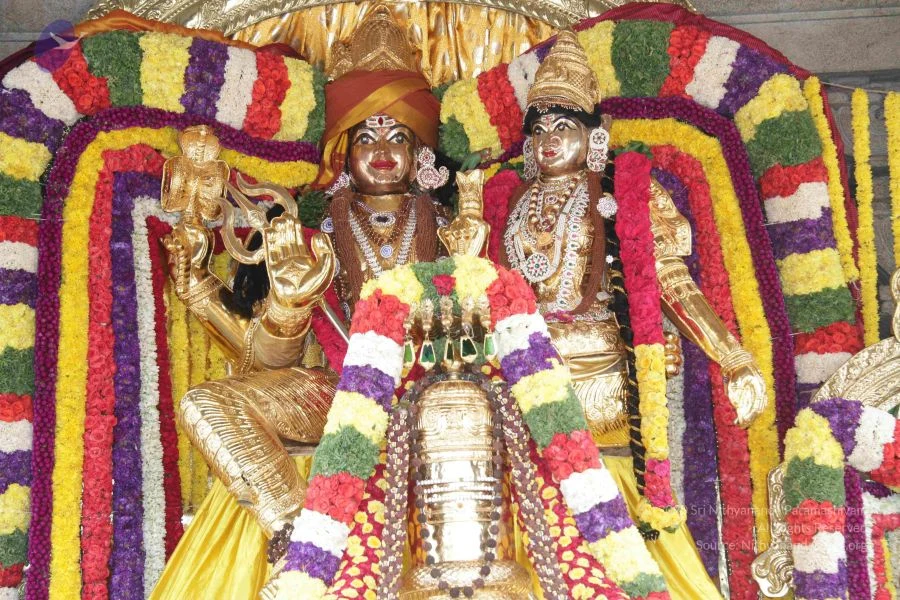
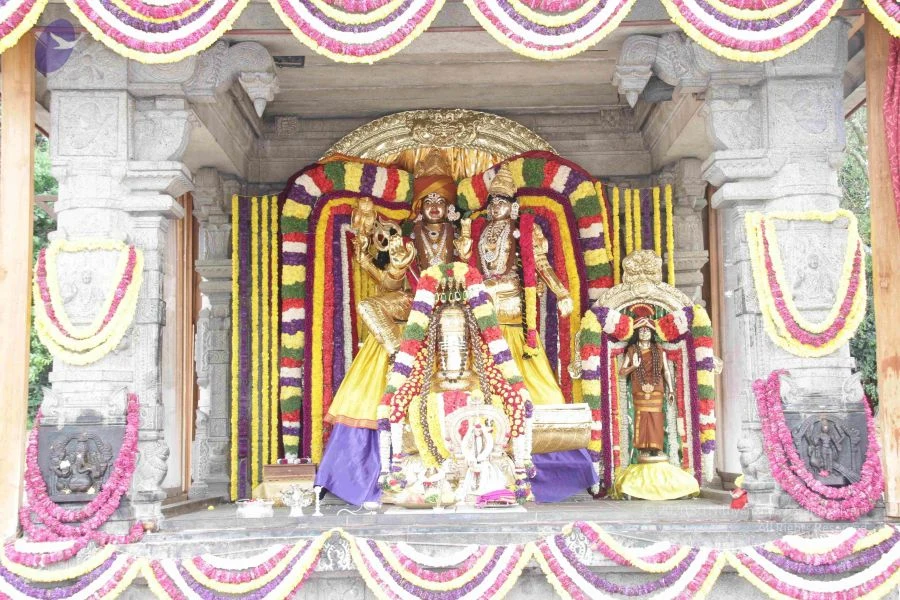
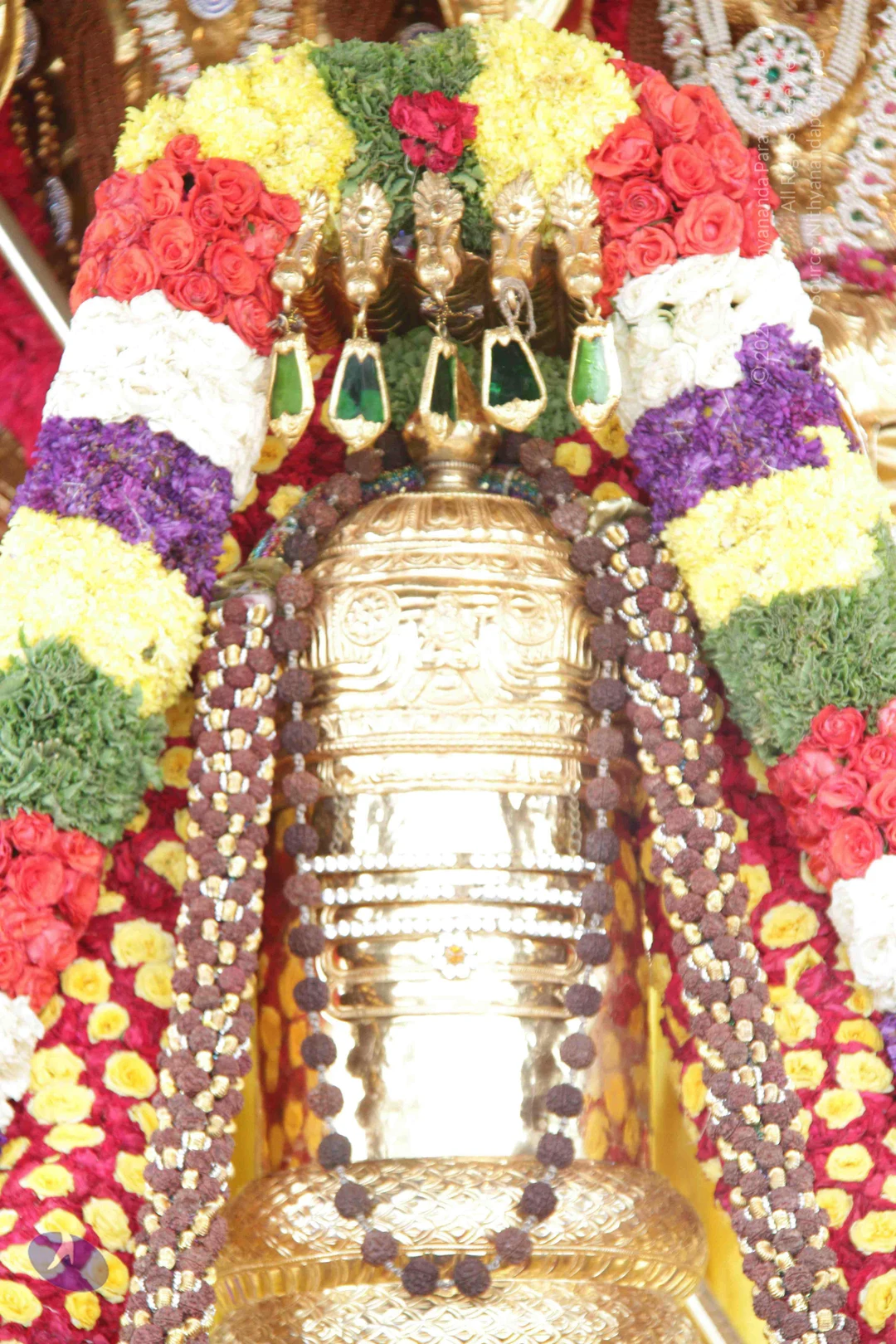
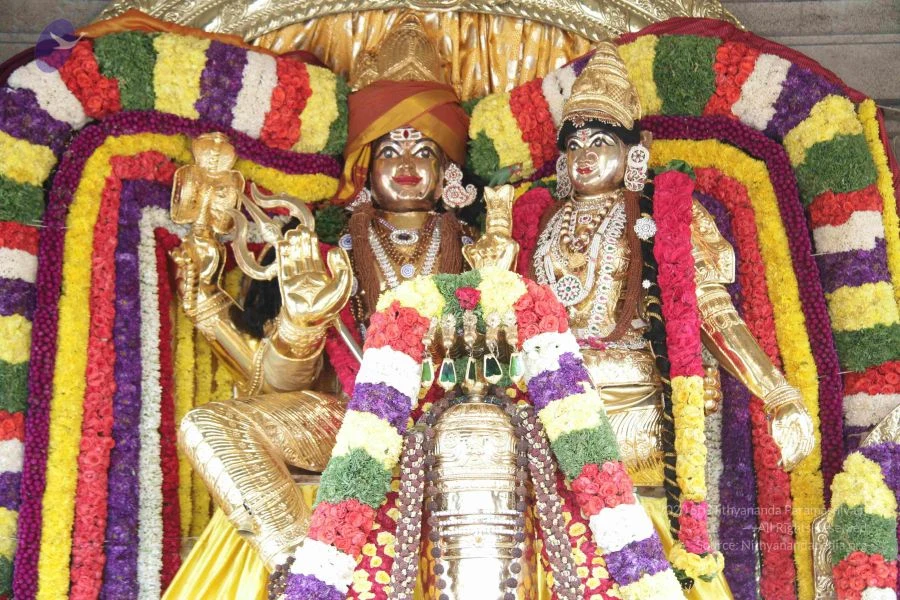
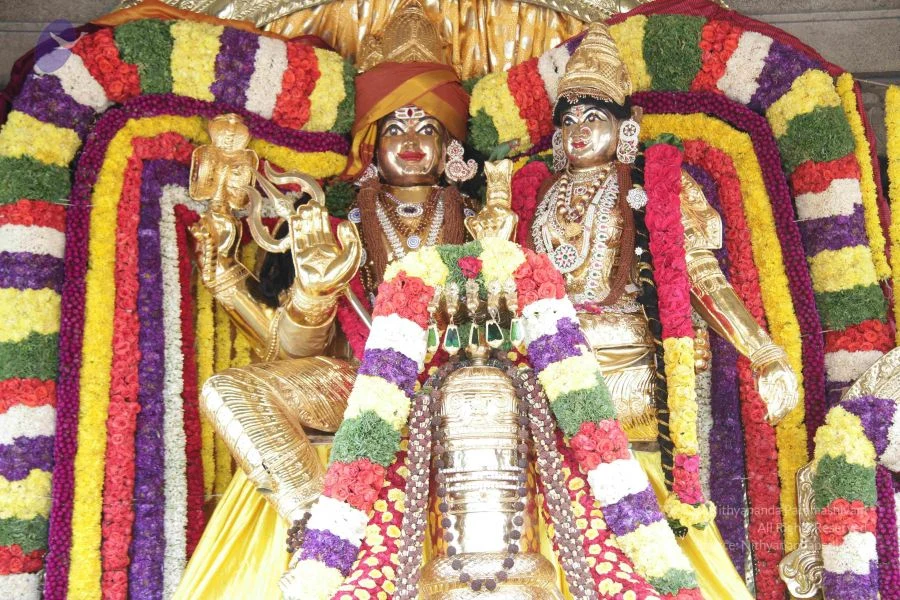
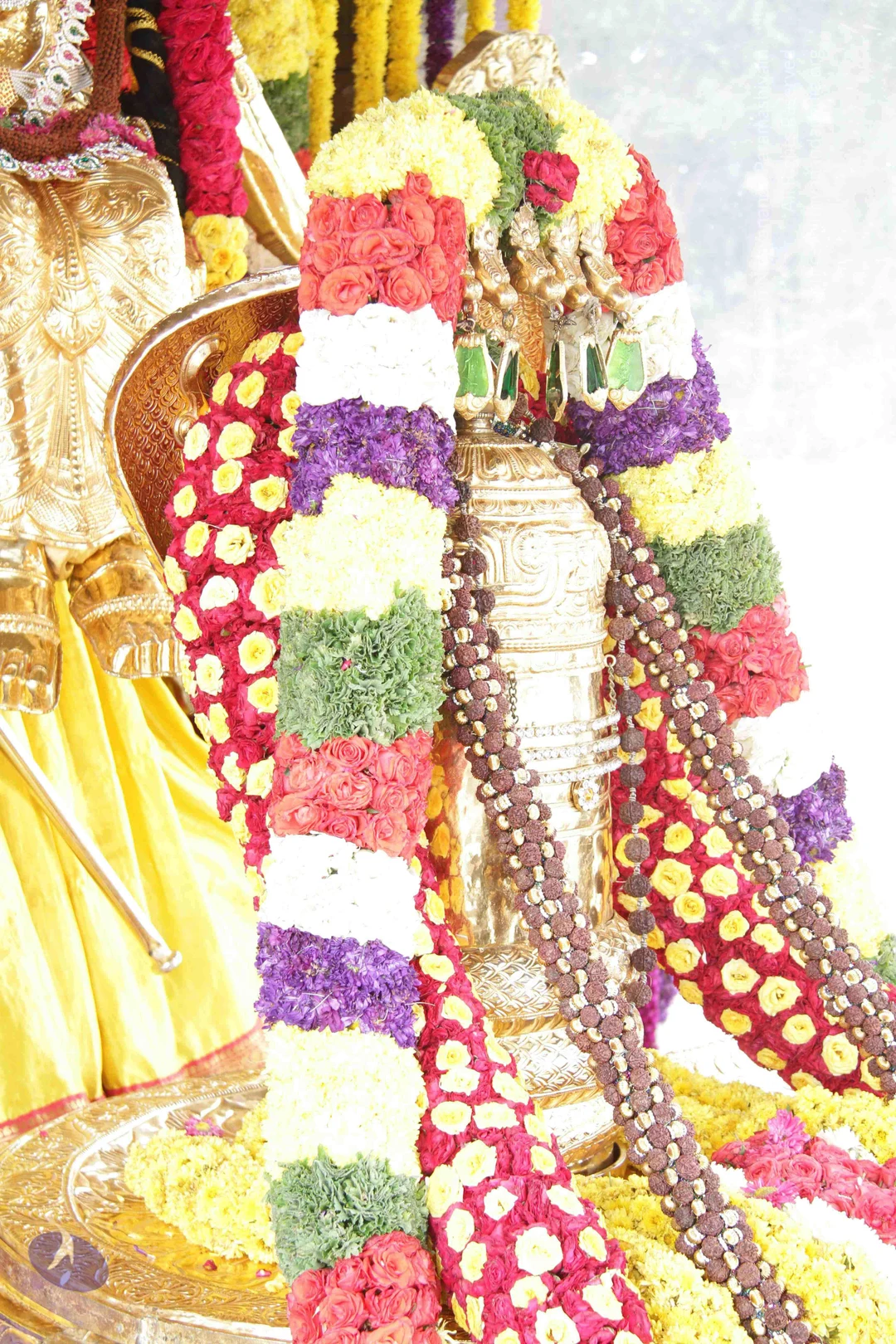
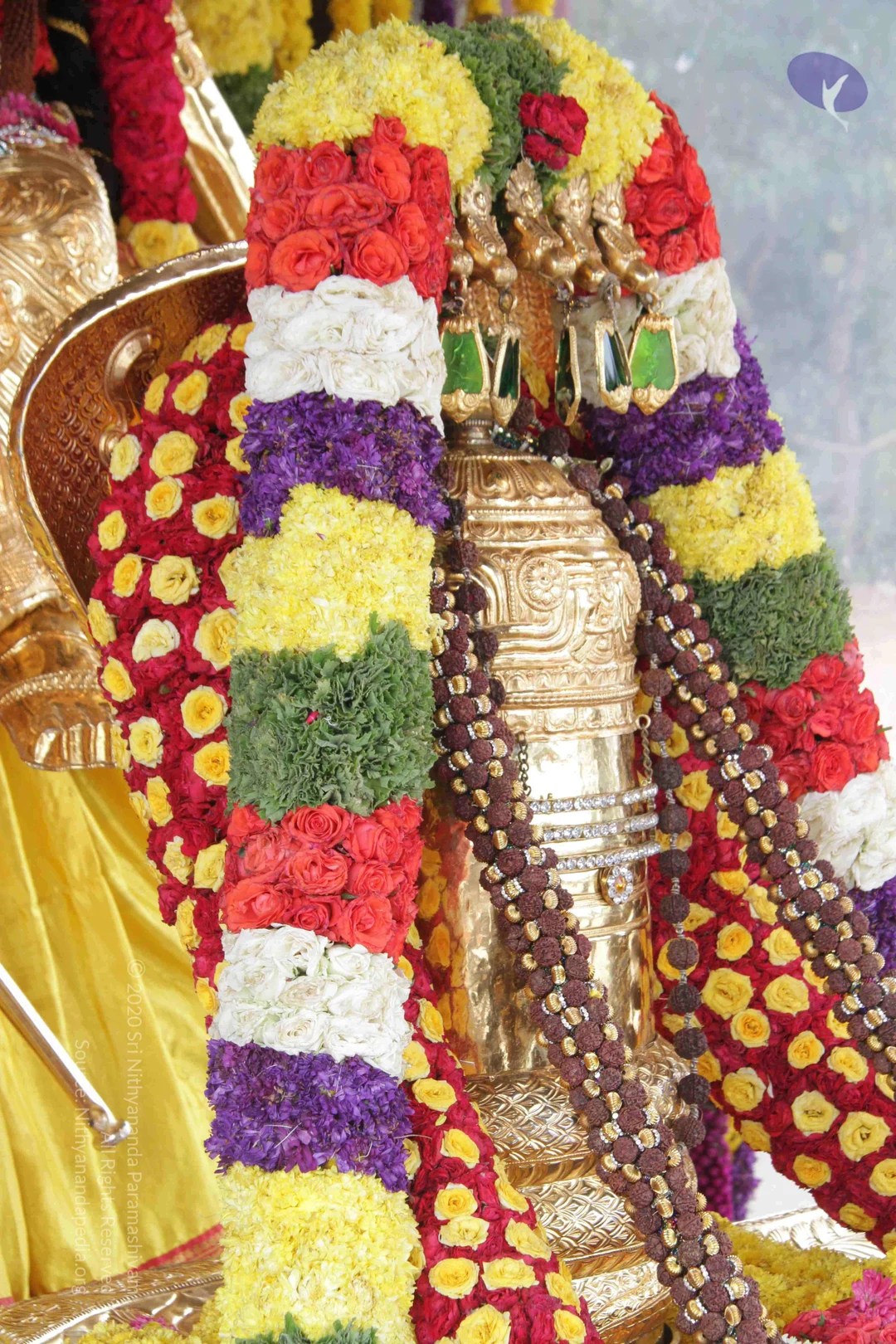
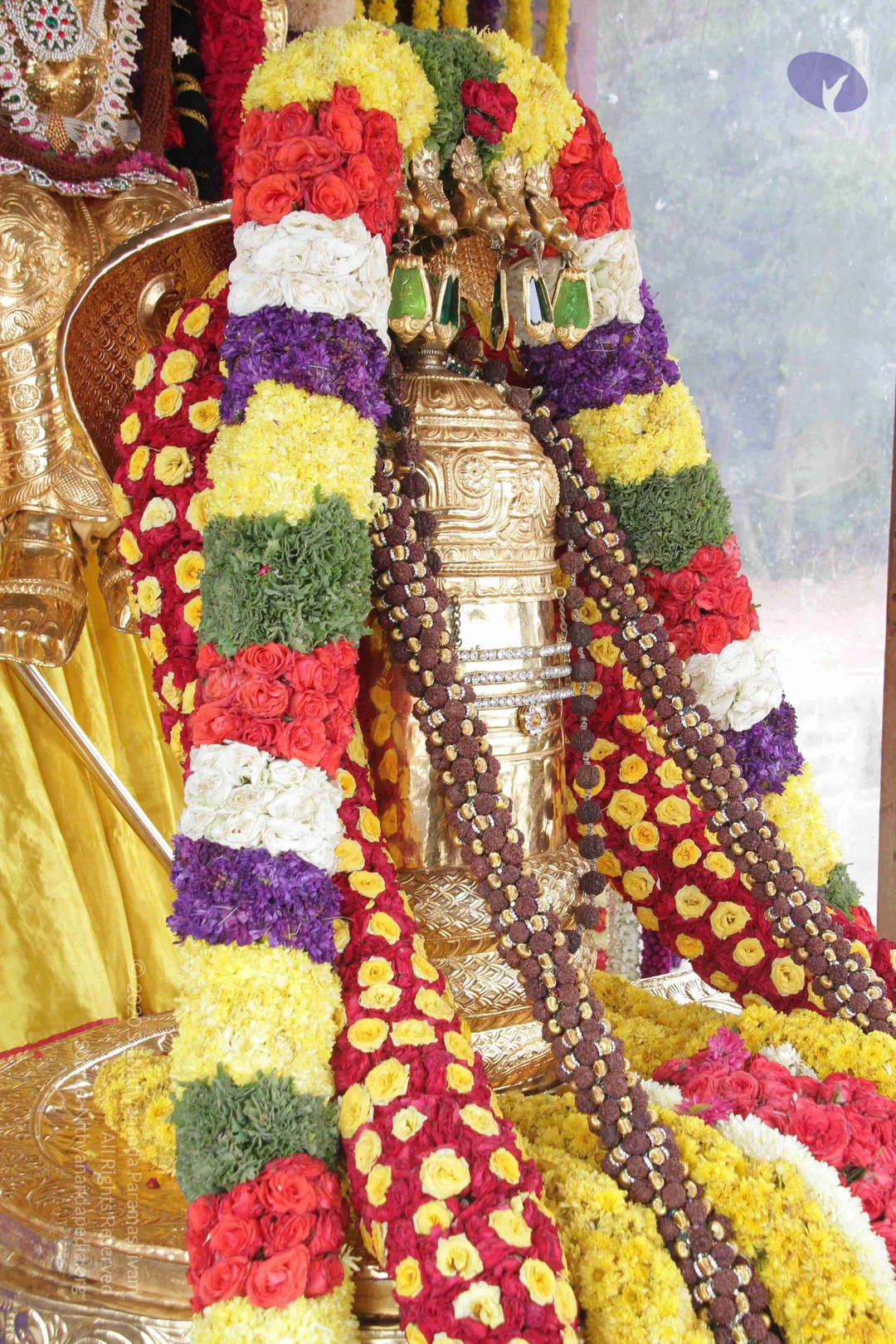
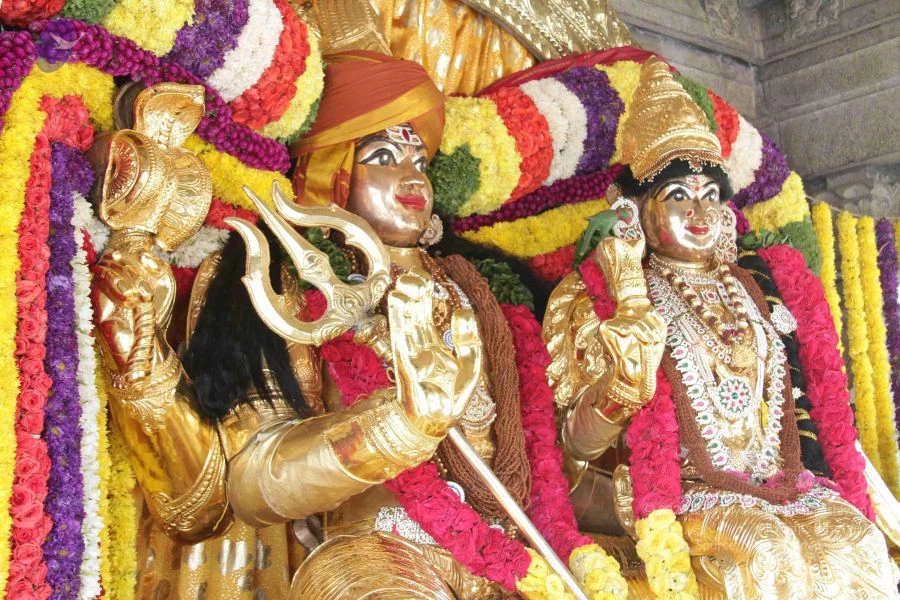
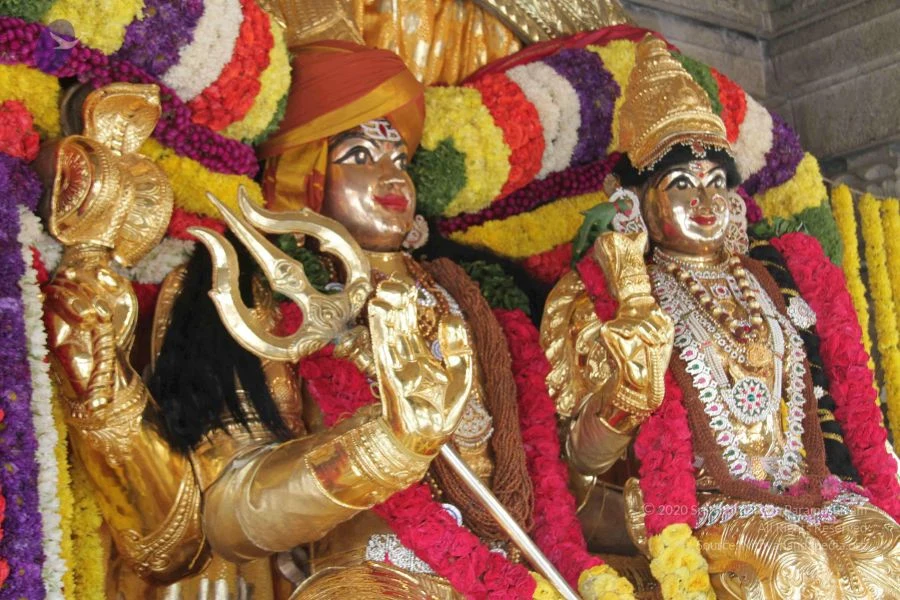
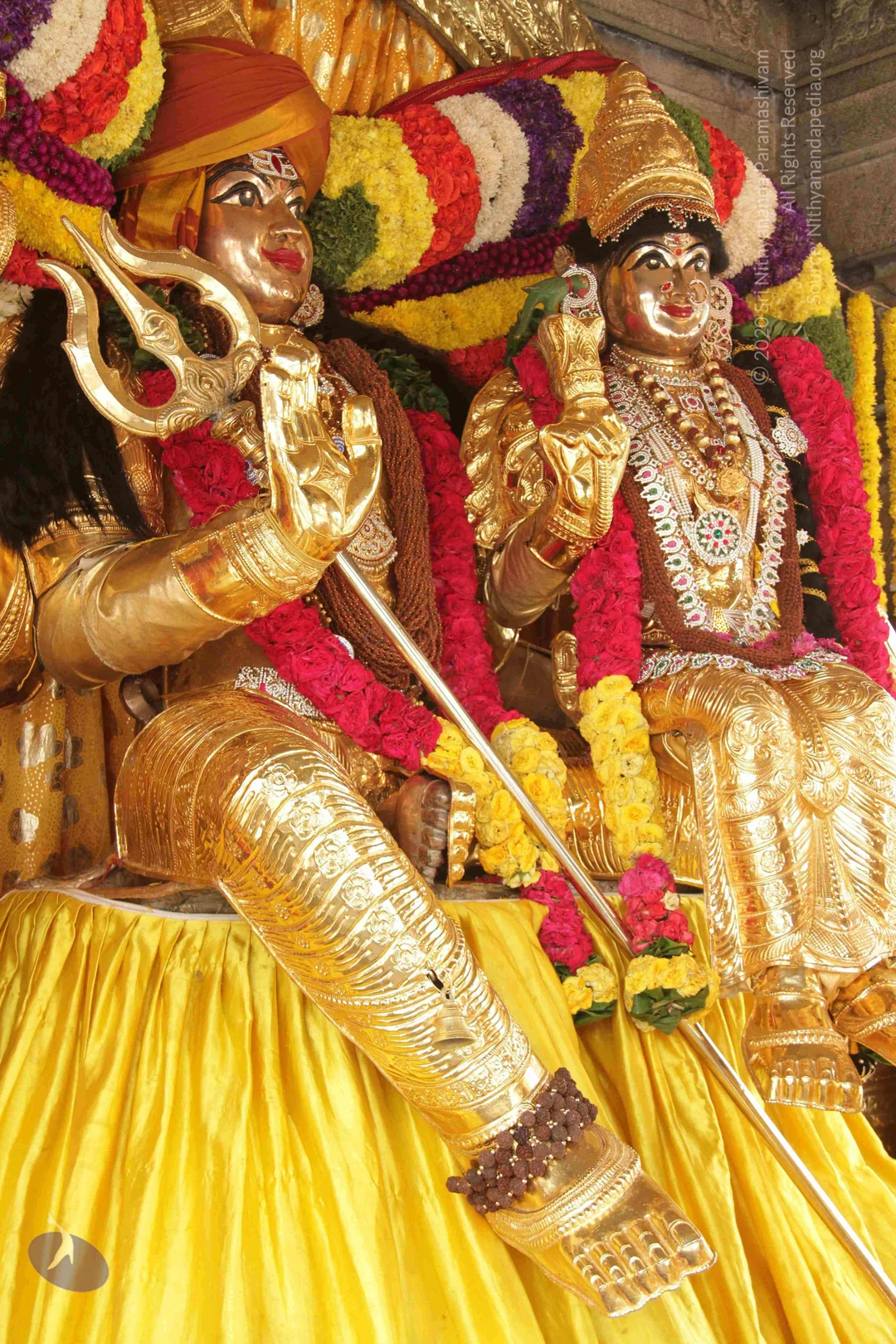
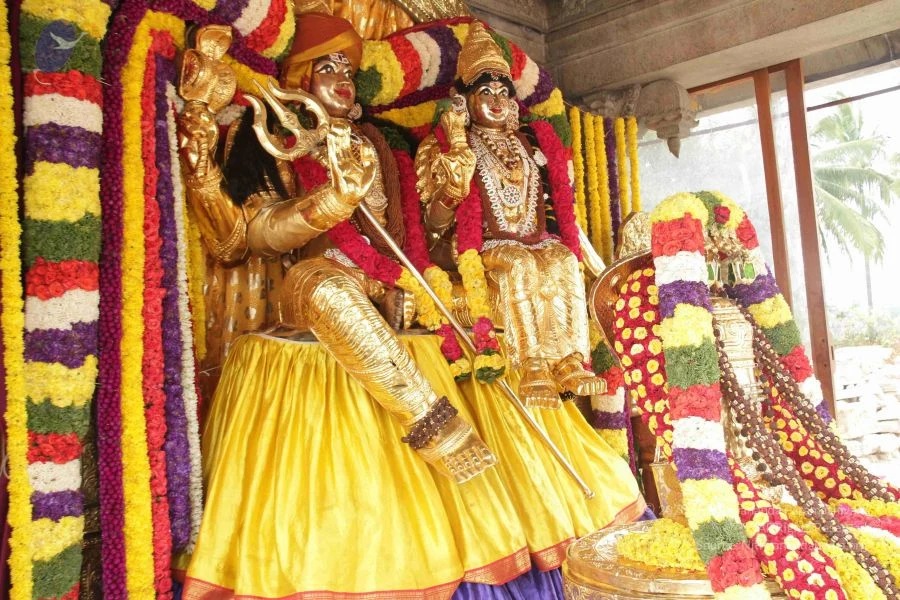
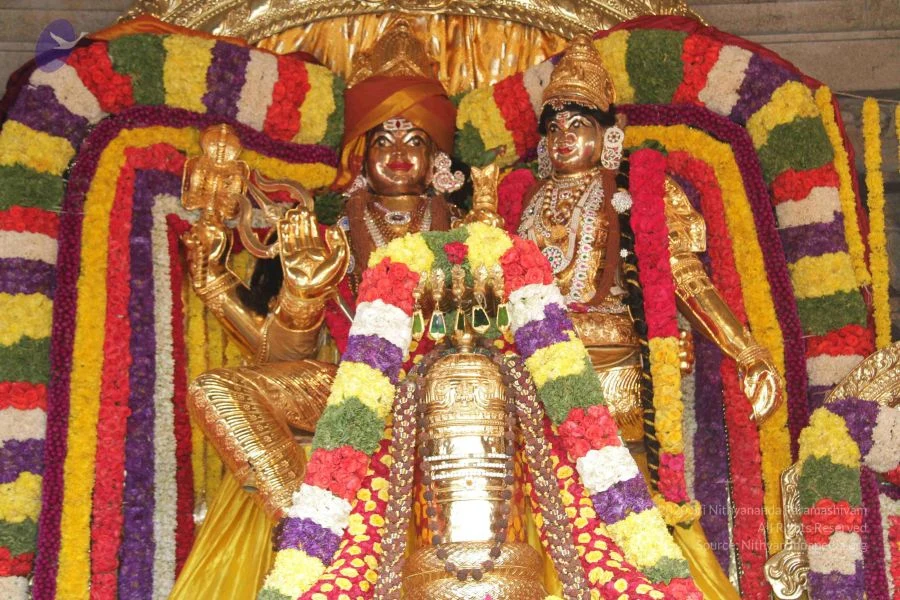
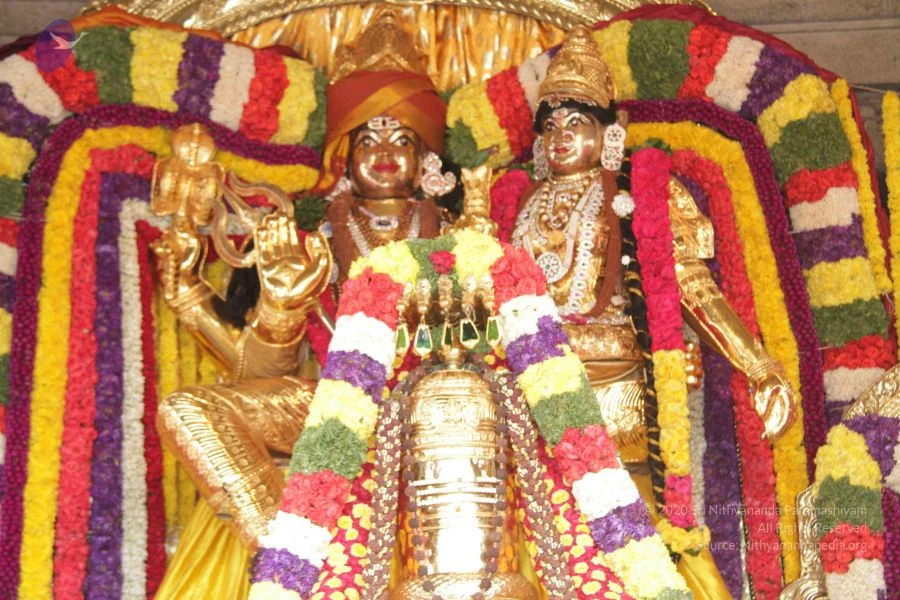
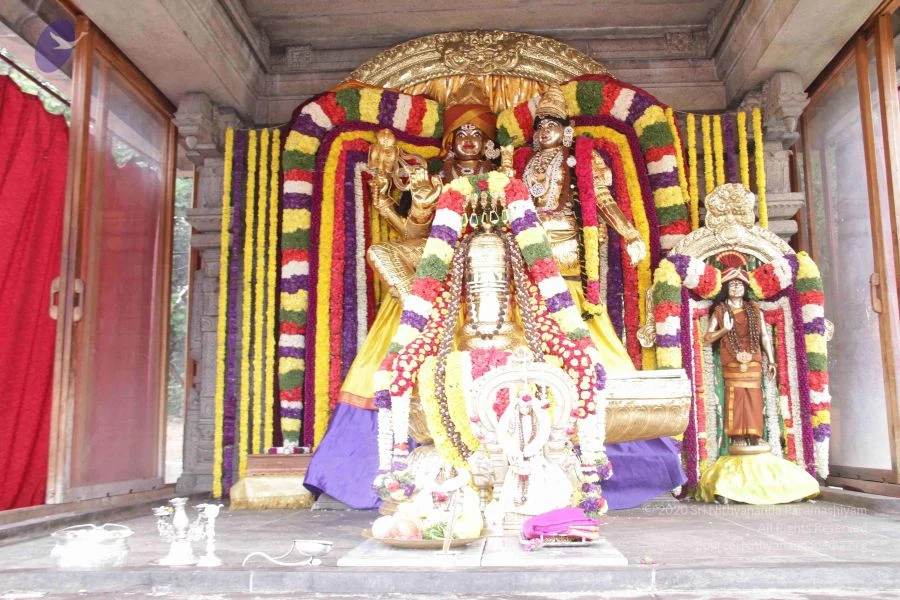
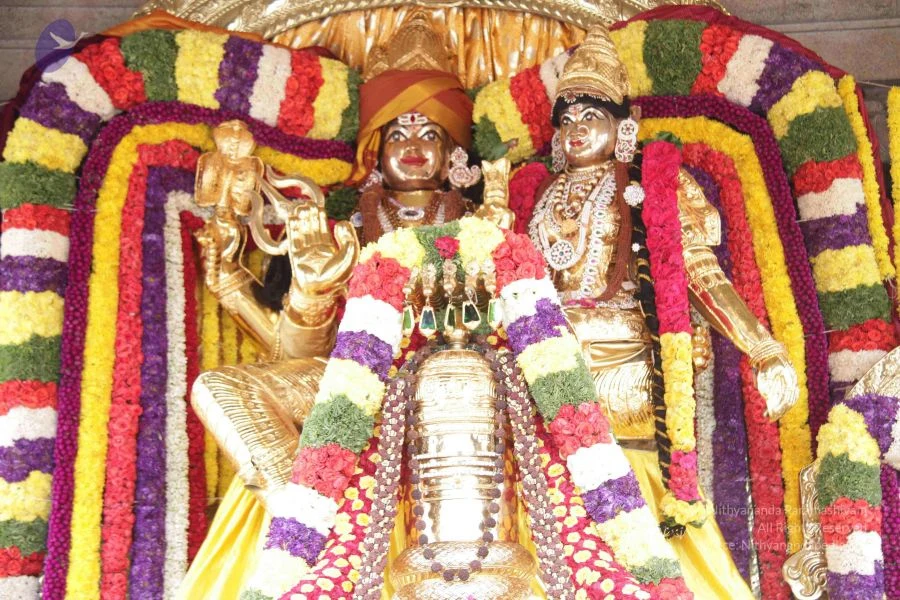
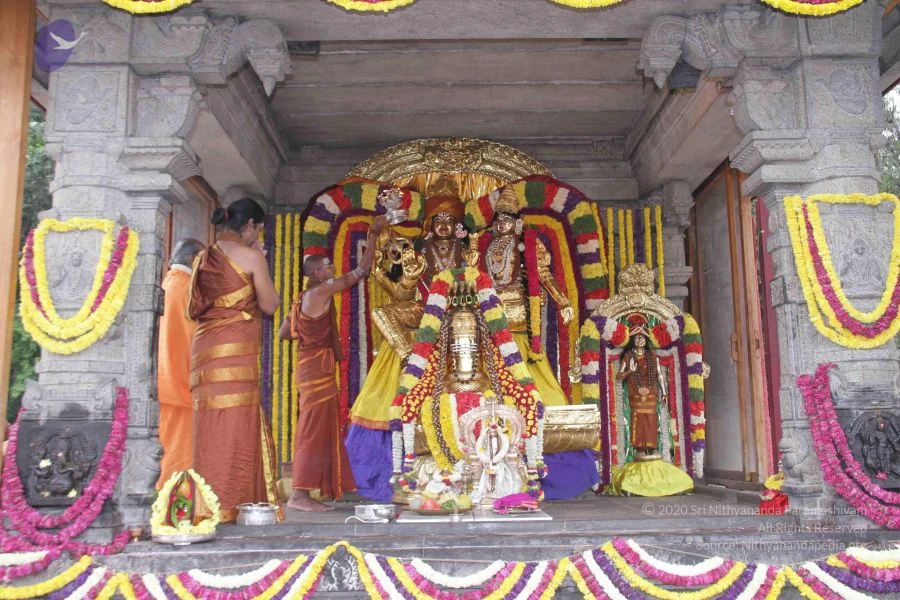
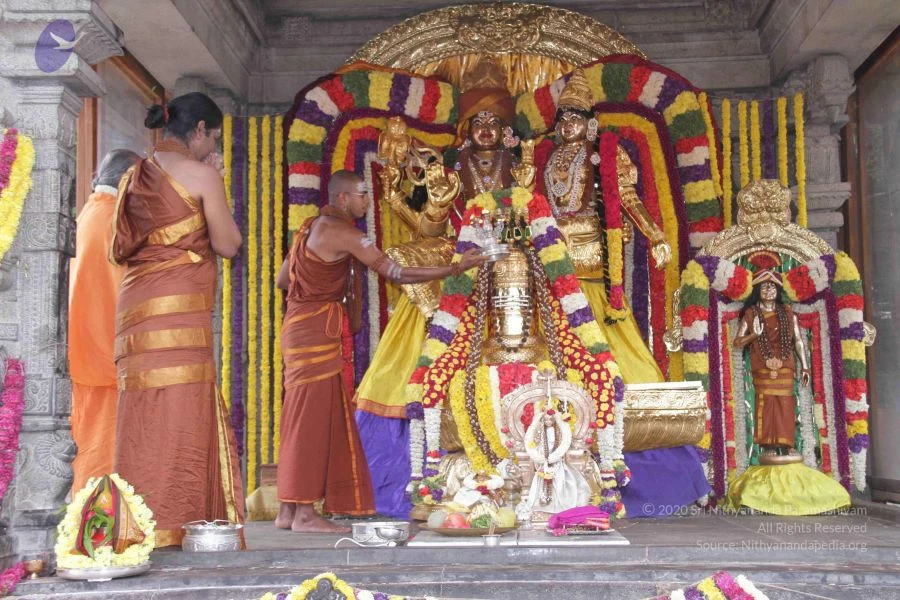
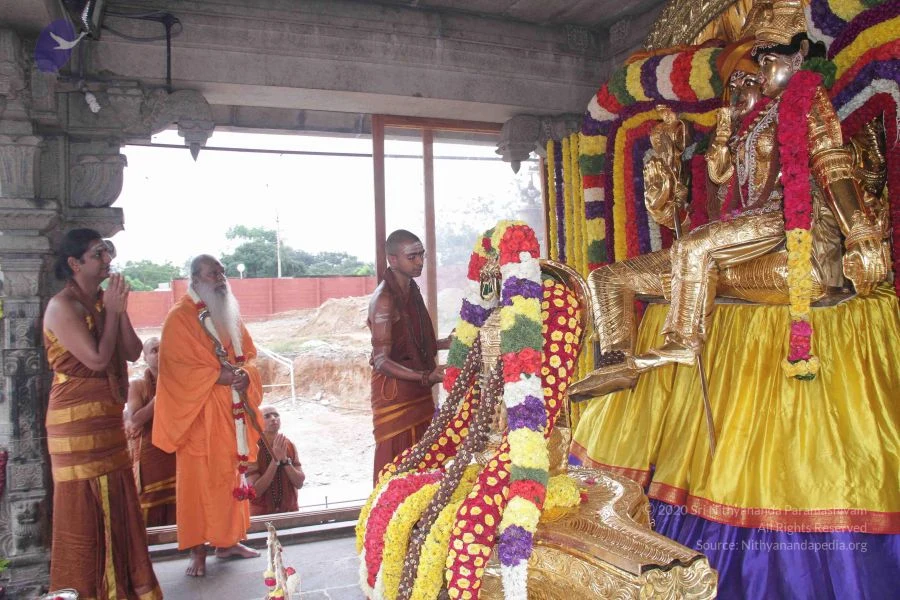
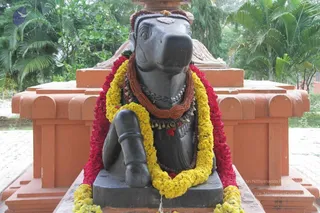
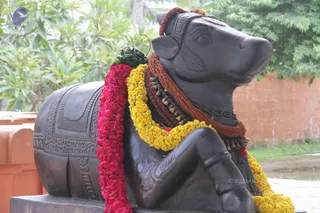
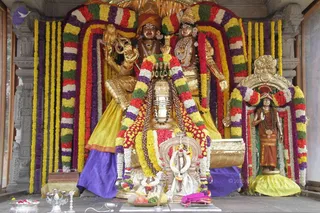
A dark stone statue of Nandi, the bull mount of Shiva, seated on a black pedestal in front of an orange-red stepped plinth. It wears red and yellow marigold garlands draped over its neck and shoulders, along with a red-brown beaded necklace and dark rudraksha-style beads. A band sits across its forehead with a small ornament. Green palms and leafy trees fill the background.A dark stone statue of a seated Nandi bull, the vehicle of Shiva, decorated with a red rose garland and a yellow marigold garland. Its neck is hung with a rudraksha-style bead mala and a sheath of bells, and it has painted ornamentation on its forehead. Behind it are green leafy trees and an orange brick wall, with a grassy lawn on the right. No people are visible.A decorated Hindu shrine with two golden deity murtis seated on a platform, one with a crown and holding a trident, the other with a crown and tall ornate headdress, both draped in yellow and purple cloth. Between them stands a large silver shivalinga (linga) wrapped in garlands of marigolds, roses and beads, with rudraksha-style strings. Multicoloured garland curtains of red, yellow, purple and white frame the shrine. A small standing statue to the right wears a brown-orange dhoti-style garment, a rudraksha mala and a ceremonial headdress, with a garland. Offerings of fruit, flowers and a silver lamp stand sit in front, and no living people are visible.A richly decorated photograph of a golden deity murti pair seated on a gold throne, adorned with layered garlands of red, yellow, white, purple and green flowers. The male figure wears an orange turban, a rudraksha mala and gold necklaces, and holds a trident; the female figure wears a crown, jewelled necklaces and bangles. In front stands a gold kalasha-like pillar draped in flower garlands and rudraksha strands, with a small seated figure in white and garland, offerings of fruit and bananas on a brass plate, incense sticks, and a magenta cloth. No physical people are visible; the figures are statues.Gold-coloured deity murti of Shiva and Parvati seated side by side, adorned with multicoloured garlands of yellow, red, purple, green and white flowers arranged in a tall arch behind them. The male figure wears an orange turban with a tilak, a gold armlet, a rudraksha-style necklace and holds a trident; the female figure wears layered gold and white necklaces and earrings. A golden Shivalingam with a silver-bordered base and a gold yellow silk cloth draping the platform sit in front.Two golden statues of deities seated side by side on a throne-like altar, heavily decorated with multicolored flower garlands in red, yellow, white, purple and green arranged in arches behind them. The left figure, a golden murti with a red-orange turban and ornate necklaces, holds a trident-like staff and a raised hand; the right figure wears a golden crown, pearl and gem necklaces and earrings. In front sits a golden kalasha-style vessel draped with garlands and rudraksha-like beads.

Darshan For Delegates of Inner Awakening Convention at Aadikailaasa, Bidadi, India
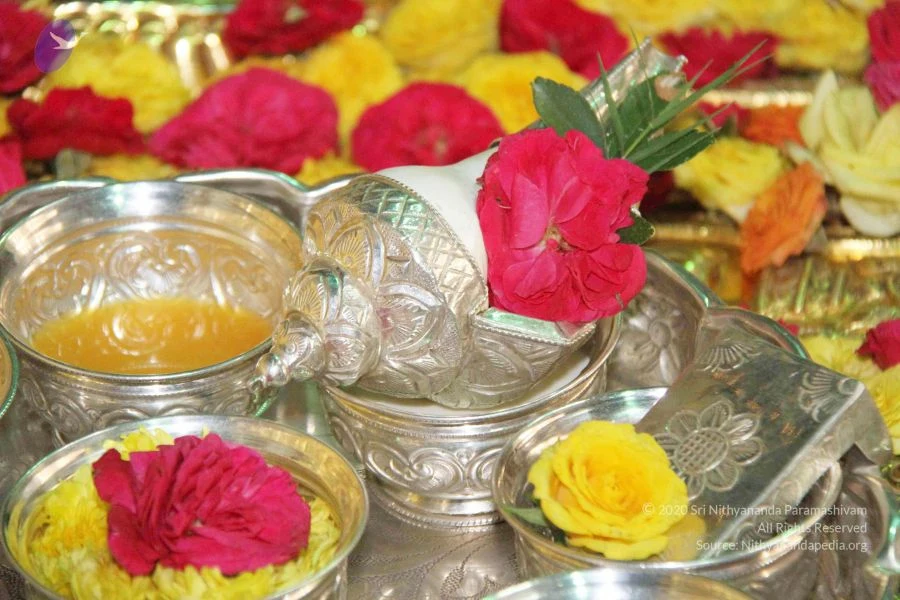
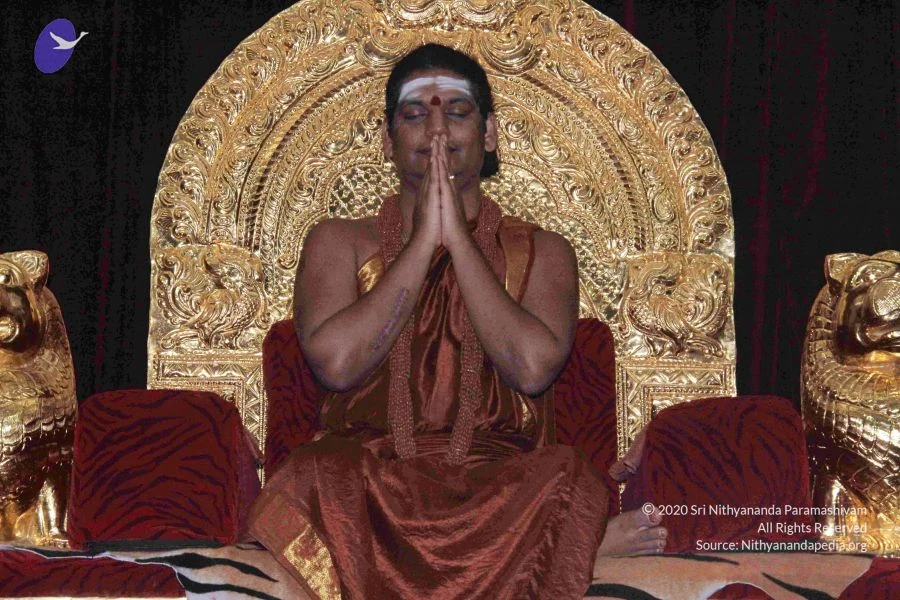
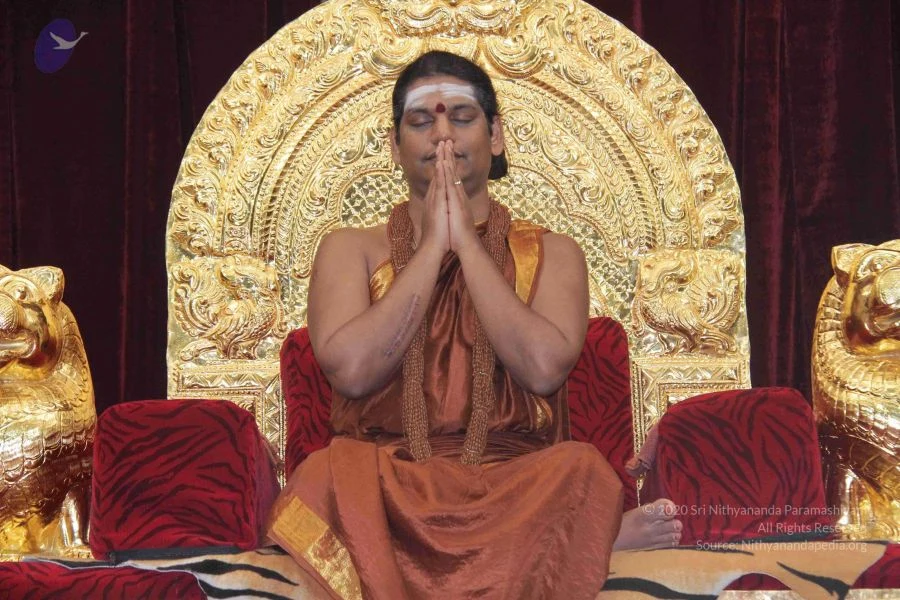
20 photosSource gallery
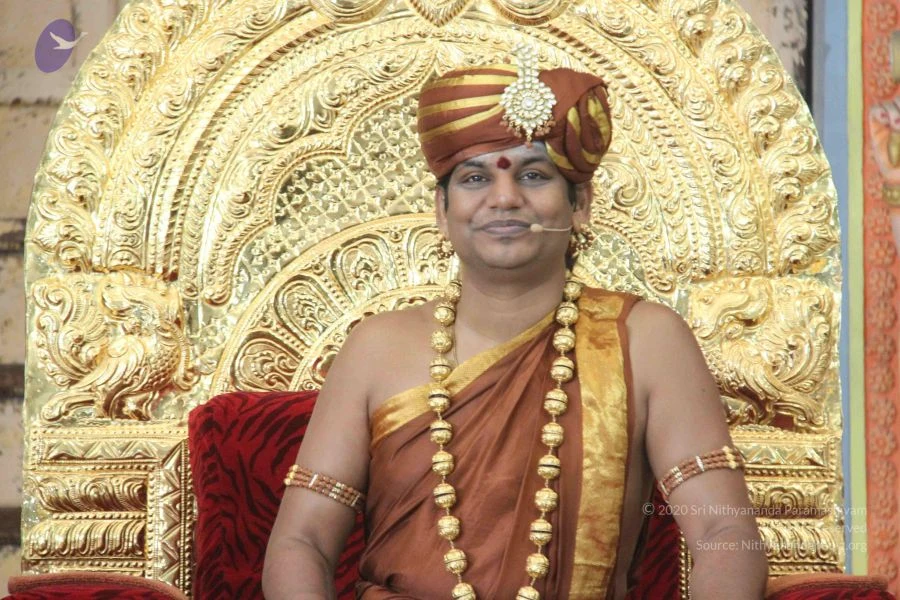
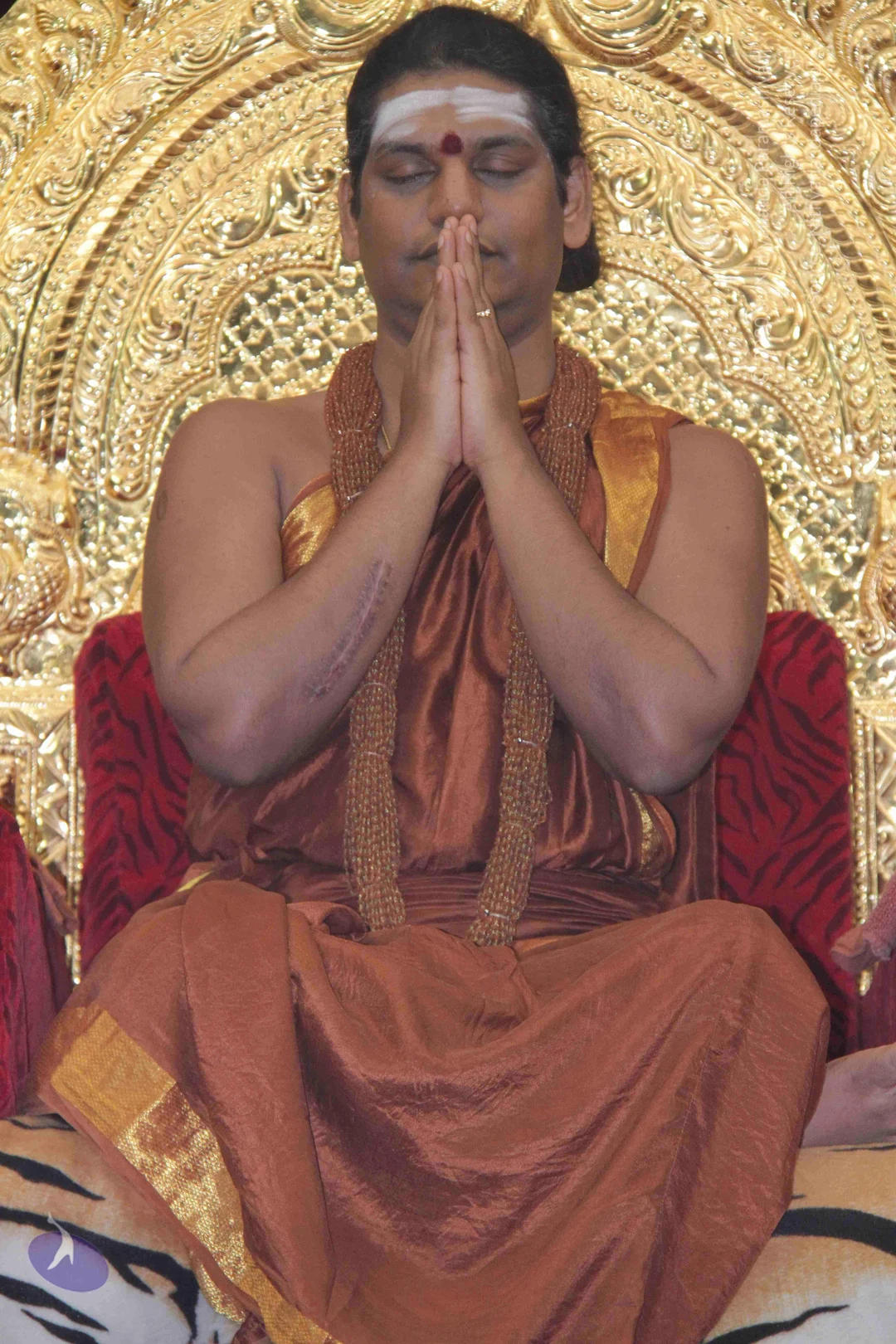
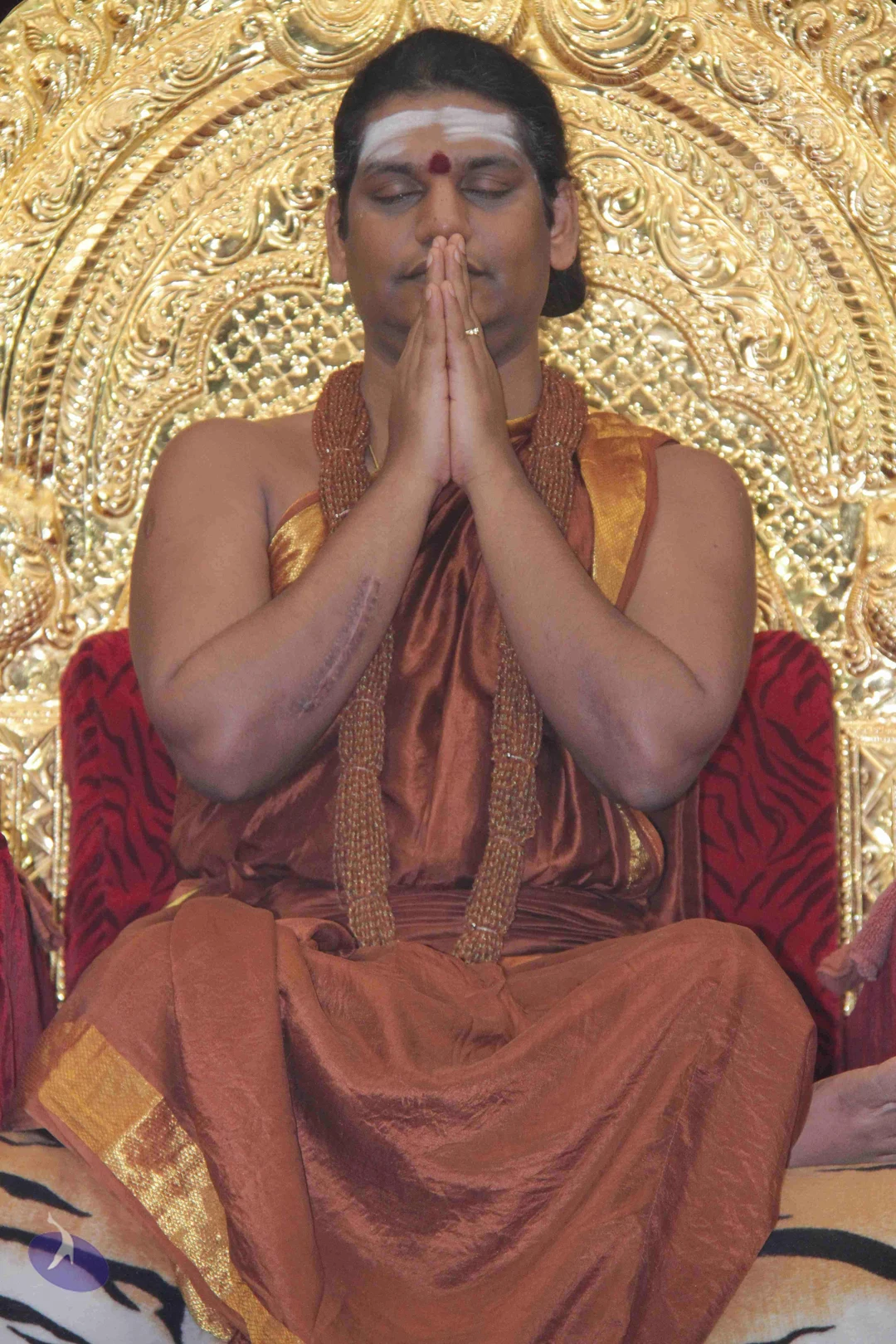
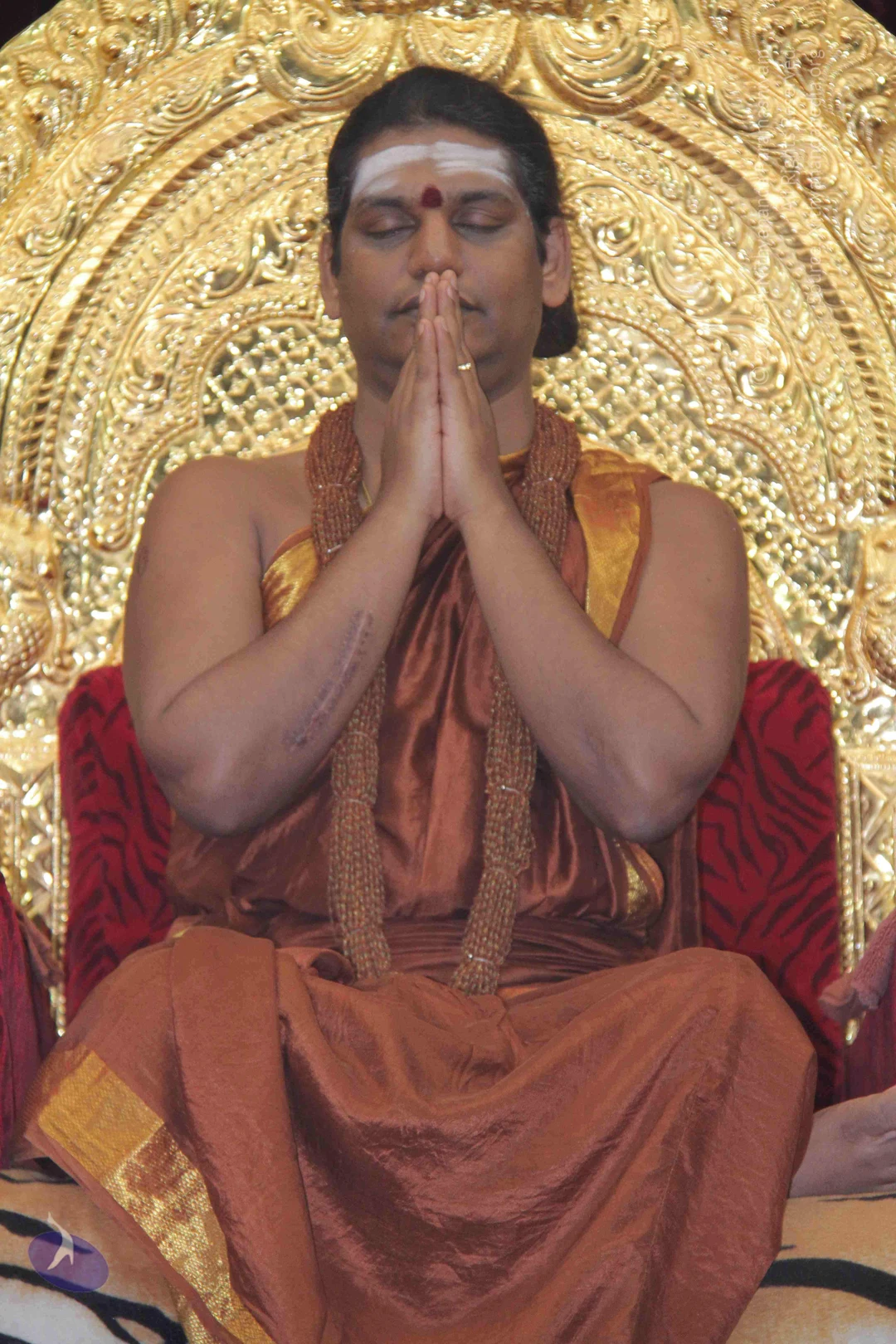
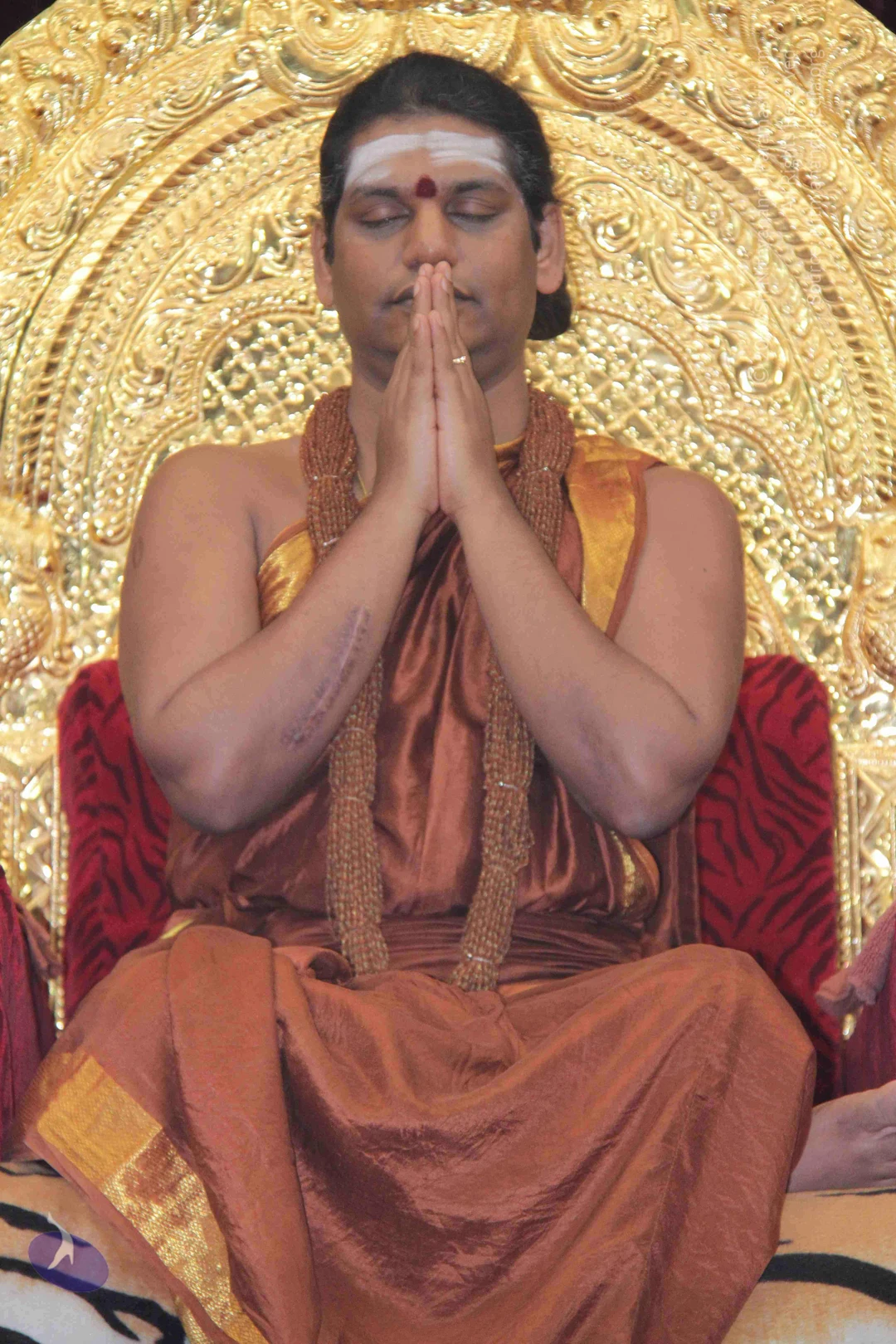
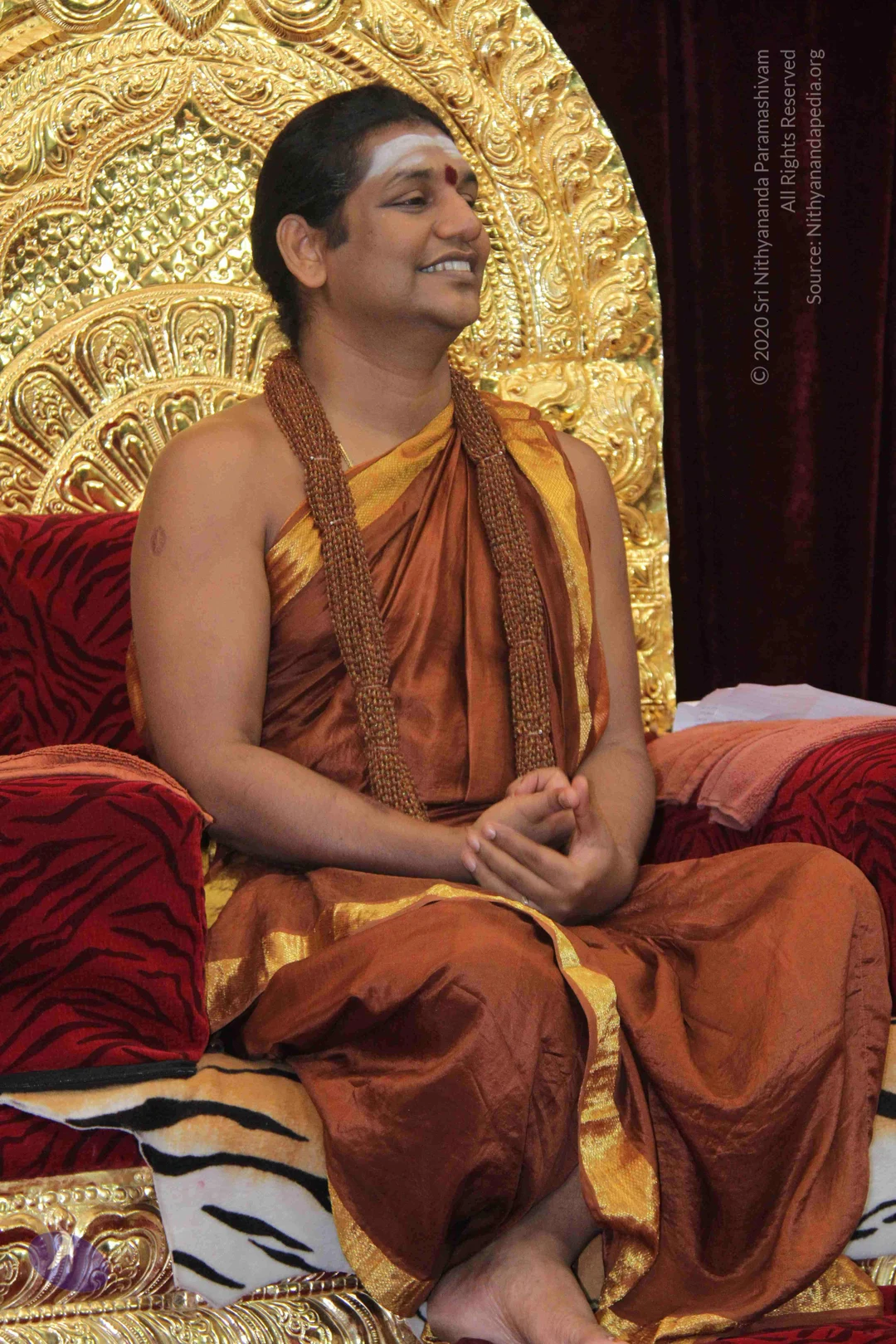
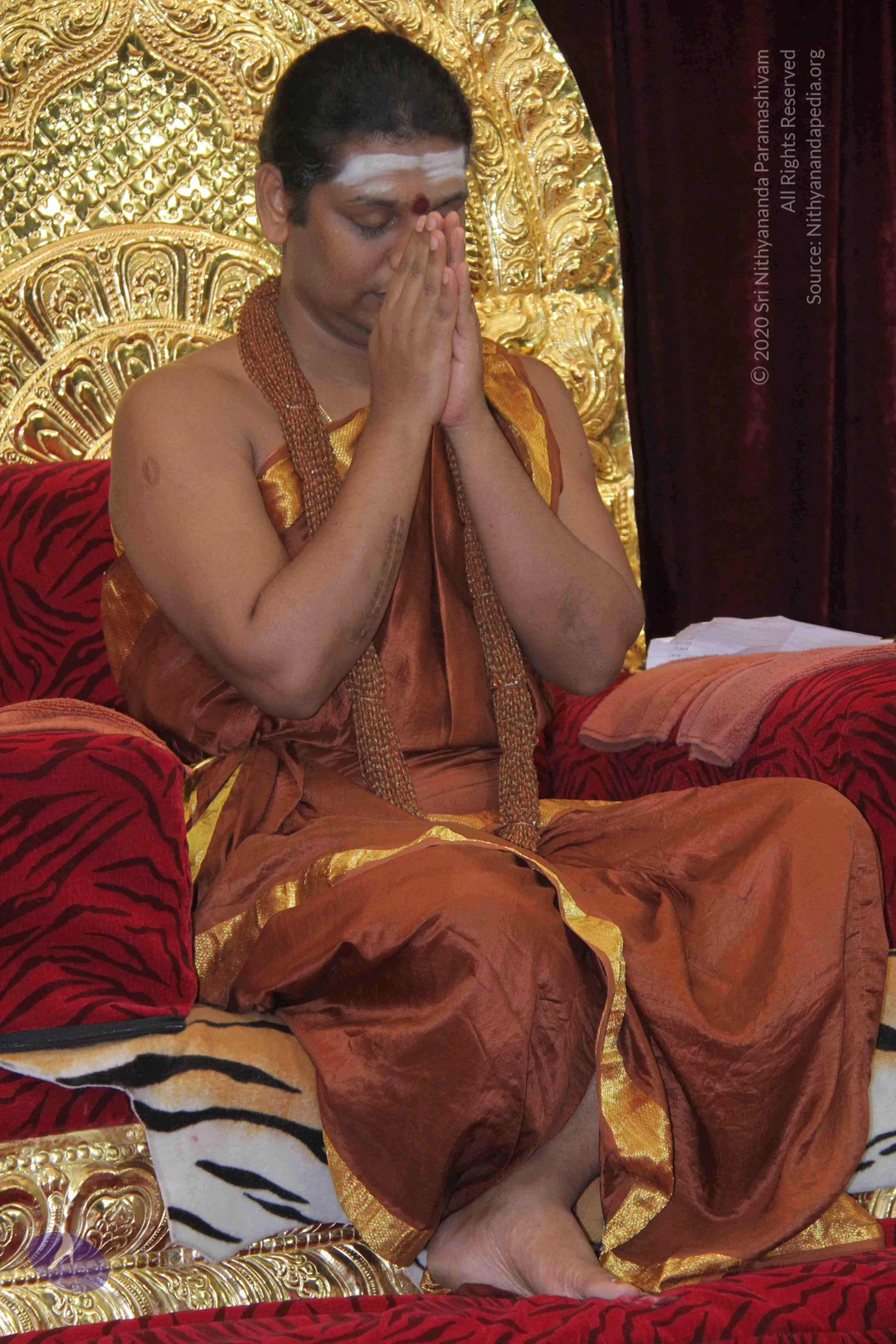
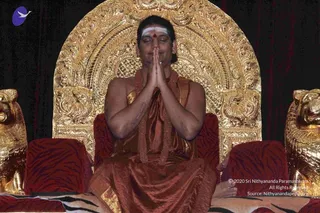
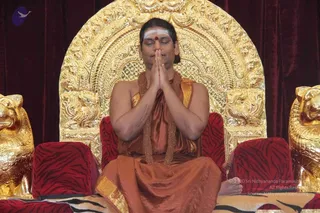
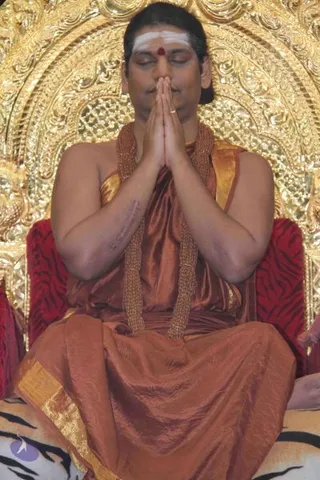
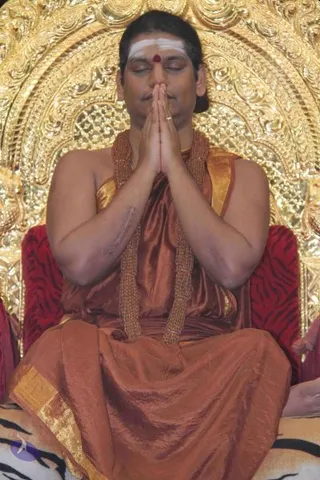
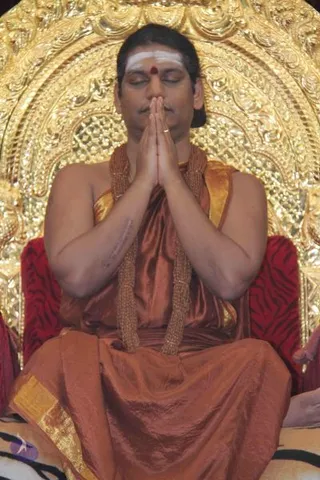
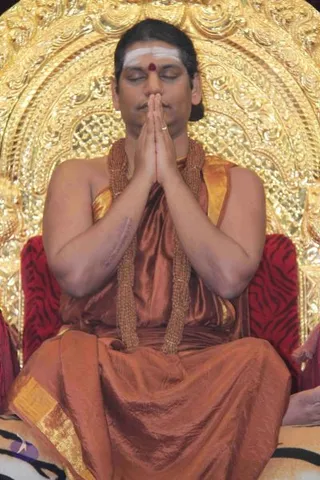
A seated man with closed eyes and palms pressed together in anjali mudra sits before an ornate gold throne with carved scrollwork and a gold lion-head finial on each side. He wears a shaved head with white vibhuti horizontal stripes and a red kumkum dot on the forehead, a rust-orange silk garment draped over one shoulder, and a beaded red-brown mala around the neck. Red striped cushions with tiger-stripe fabric surround him, on a black background with red drapery. The image appears to be a photograph of a seated figure in a devotional setting, with one person visible.A seated man with closed eyes and palms pressed together in anjali mudra sits on a red-and-black tiger-striped cushioned seat before an ornate gold carved arch with lion-like figures and a golden tiger-head armrest on the right side. He wears an orange-saffron silk dhoti and wrap, a white tilak with a red bindi on the forehead, and a long rudraksha mala with ceremonial gold-toned beads around the neck. Swamiji (probable): the man has swept-back hair, saffron clothing and rudraksha malas, consistent with the page's reference to Swamiji at this satsang. A dark red curtain hangs behind. Barefoot, he sits on a tiger-striped throne-like seat in a satsang setting.A seated man with eyes closed presses his palms together in anjali mudra at chest level. He wears a rust-orange silk garment with a gold zari border draped over his shoulders and a long rudraksha-style mala of beads hanging to his waist. A white vertical tilak with a red bindi marks his forehead. He sits on a red tiger-striped cushion before an ornate gold-leaf throne with repoussé floral and arch patterns. The setting suggests a satsang or darshan, with a tiger-skin rug beneath. Only one person is visible. He matches the a person appearance cues of ceremonial gold and mala adornment on a throne, but the face and dress are not distinctive enough to confirm identity, so this is marked unsure.A seated man with closed eyes presses his palms together in namaskar before an ornate gold repoussé backdrop. He wears a reddish-brown silk-like sheet over one shoulder with a gold border, a bare shoulder and arm, and a long rudraksha-style bead necklace with a gold-toned chain. He has white tripundra vibhuti on his forehead with a red kumkum dot, and his hair is tied back. He sits on a red tiger-striped cushion over a tiger-striped mat. a person: the seated man shows a rudraksha mala and saffron-toned ceremonial dress on a golden throne, though the cues are not fully distinctive.A seated man in a copper-brown silk garment with a gold border sits before an ornate gold repoussé throne with a red and black striped tiger-print cushion. He has a white tilak and red bindi on his forehead, closed eyes, and his palms pressed together in namaste at chest level. A tiered beaded mala of wooden beads hangs over his shoulders. A single person is visible. The swami cues are appearance-based (saffron-toned clothing, mala, ornate seat) but not distinctive enough to confirm identity, so the figure is treated as a candidate in an uncertain state.A seated man with closed eyes and palms pressed together in anjali mudra sits on an ornate golden throne with a repoussé backrest and red tiger-striped cushions. He wears a rust-orange silk garment with a gold border, a long beaded rudraksha-style mala draped over his shoulders, a white vertical tilak with a red dot on his forehead, and a gold ring on his hand. The bare-armed figure has a visible scar on his upper arm. Only one person is visible.