Skip to content
Sunday

13 October 2013

Dated photos
544
Source pages
2
Media
2
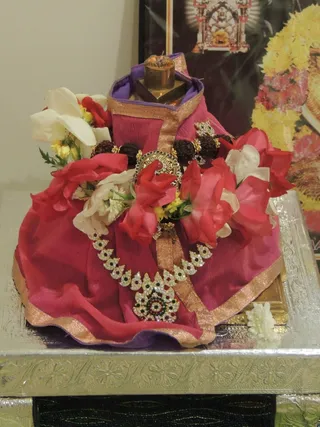
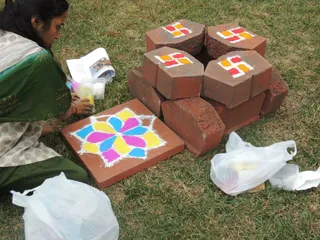
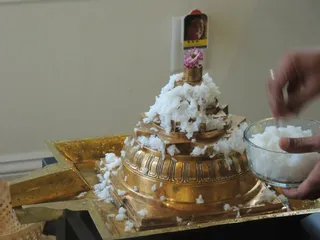
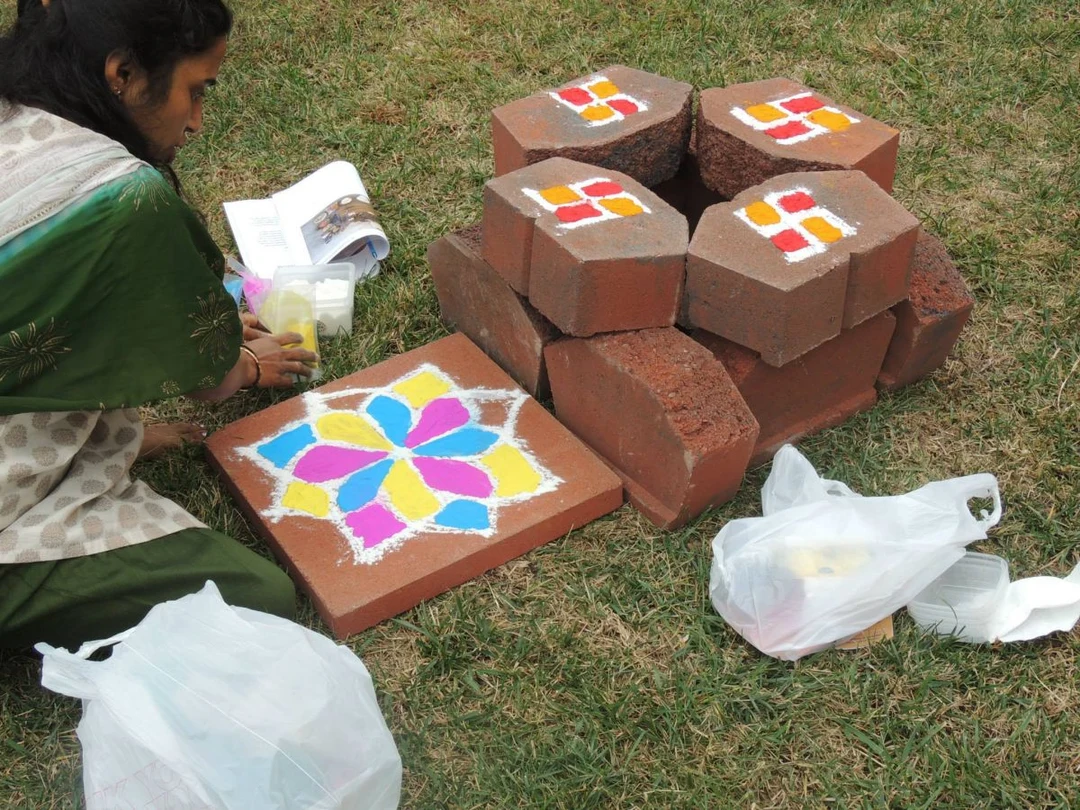
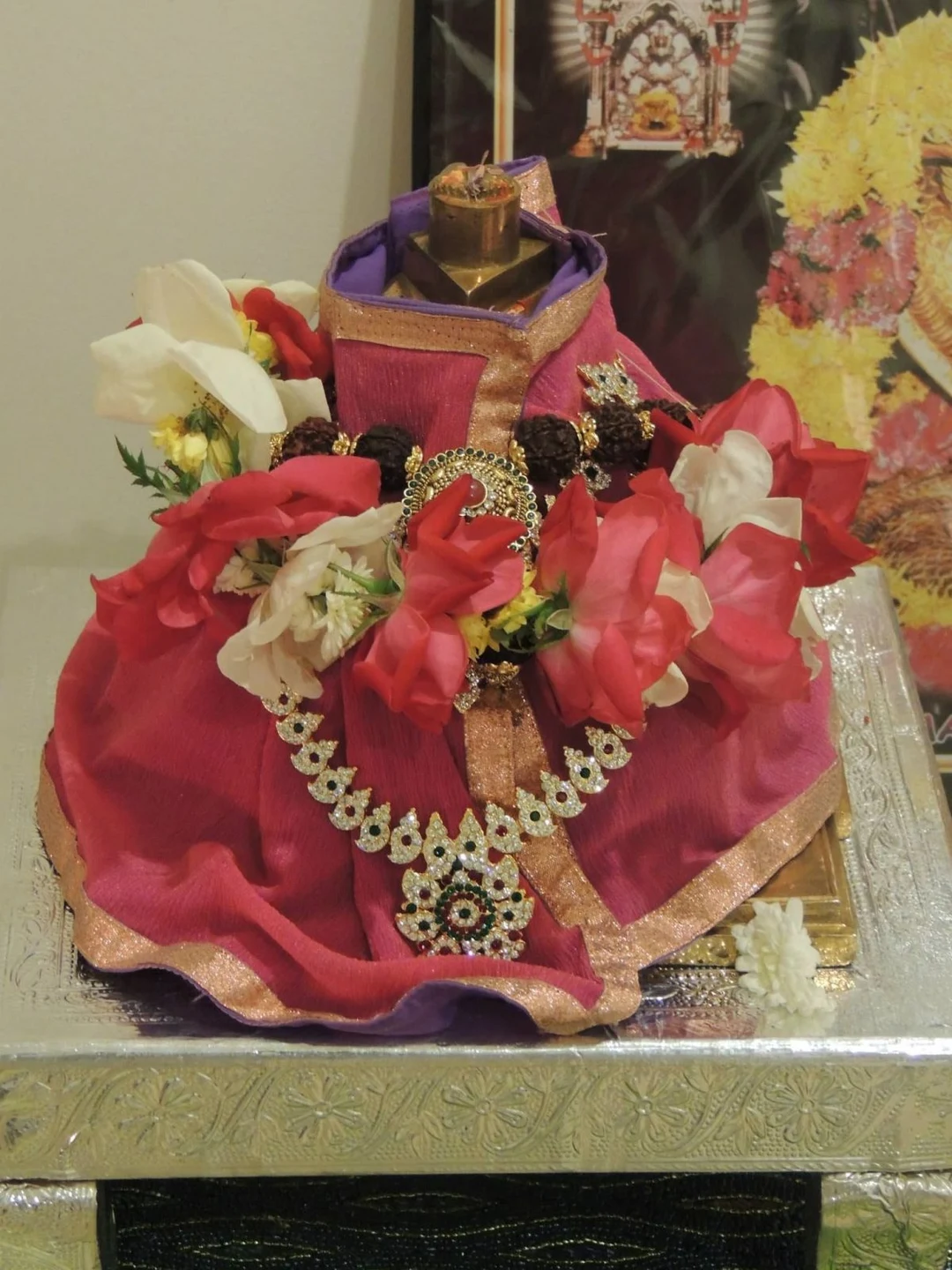
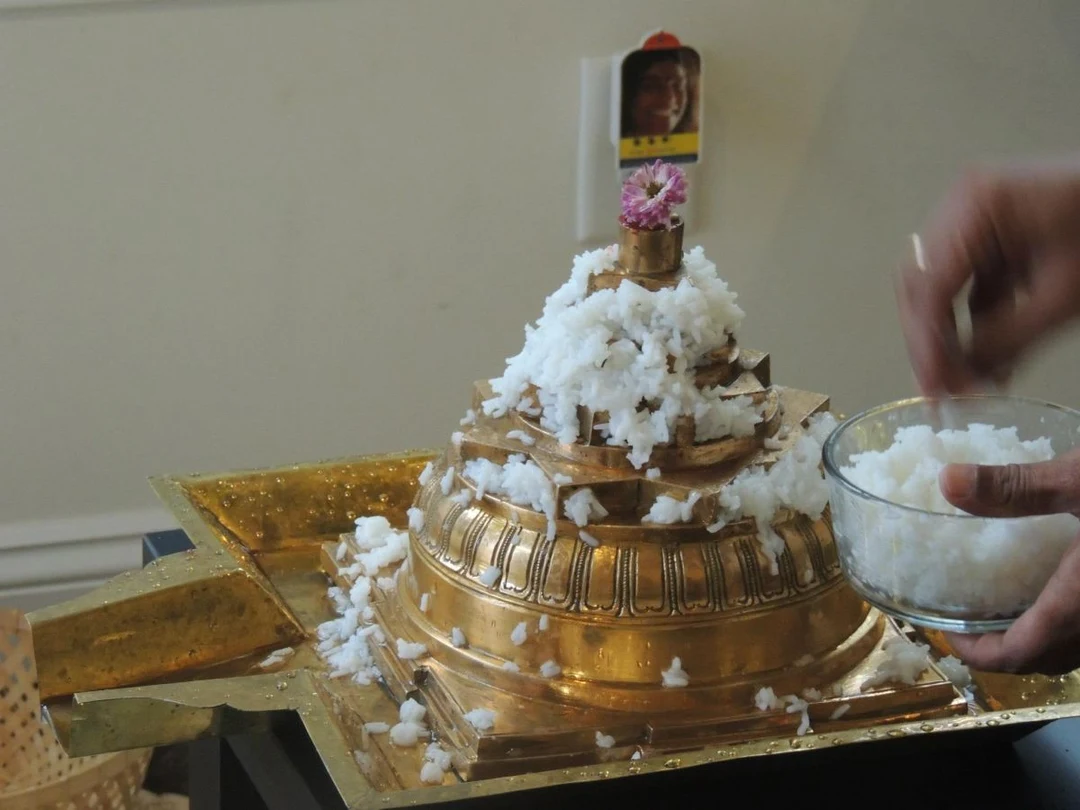
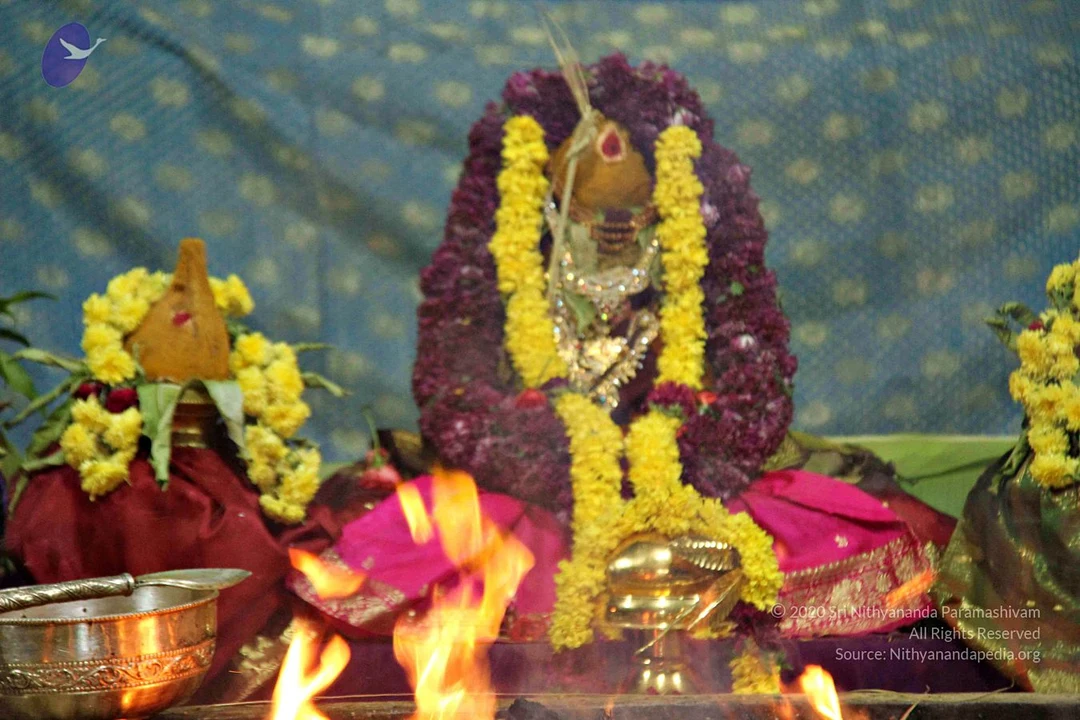
A photograph of a decorated deity murti or yantra-style object on a silver-embossed altar tray. It is draped in a pink and gold-bordered fabric with a purple lining, adorned with red, pink and white artificial flowers, rudraksha beads, and a gold jeweled necklace with green and red stones. A brass kalasha-like object sits at the top. A framed picture with yellow flowers and a garland is behind it. No people are visible.A woman in a green sari with a light patterned shawl kneels on grass, painting colourful designs onto terracotta bricks. On the ground in front a square brick bears a flower-like rangoli of yellow, blue, pink and white petals outlined in white powder. Behind her a stack of red bricks shows small red, orange and yellow geometric motifs. Plastic bags, foam containers and small paint tubs lie on the grass, and an open booklet rests beside her.A gilded tiered brass shrine model, the Meru-style sacred mountain form, sits on a golden tray and is being covered with white cooked rice. A hand in the right foreground pours rice from a clear glass bowl onto the tiers, and a pink flower is set on the summit. Rice grains are scattered across the tray and table. Behind the shrine, a small framed photograph of a smiling person is pinned to the wall above a yellow strip, though the person is not clearly visible enough to identify. The scene suggests an offering ritual with rice decoration.

KAILASA HUNTERSVILLE, USA on 10/13/2013

Original wiki page
Contents

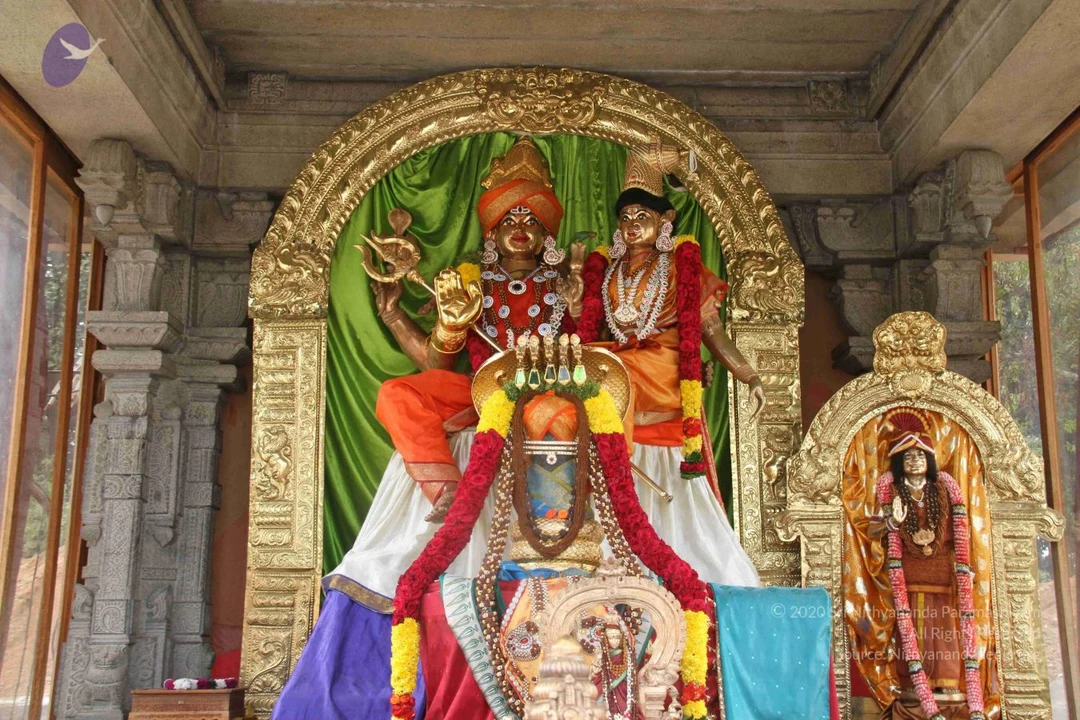
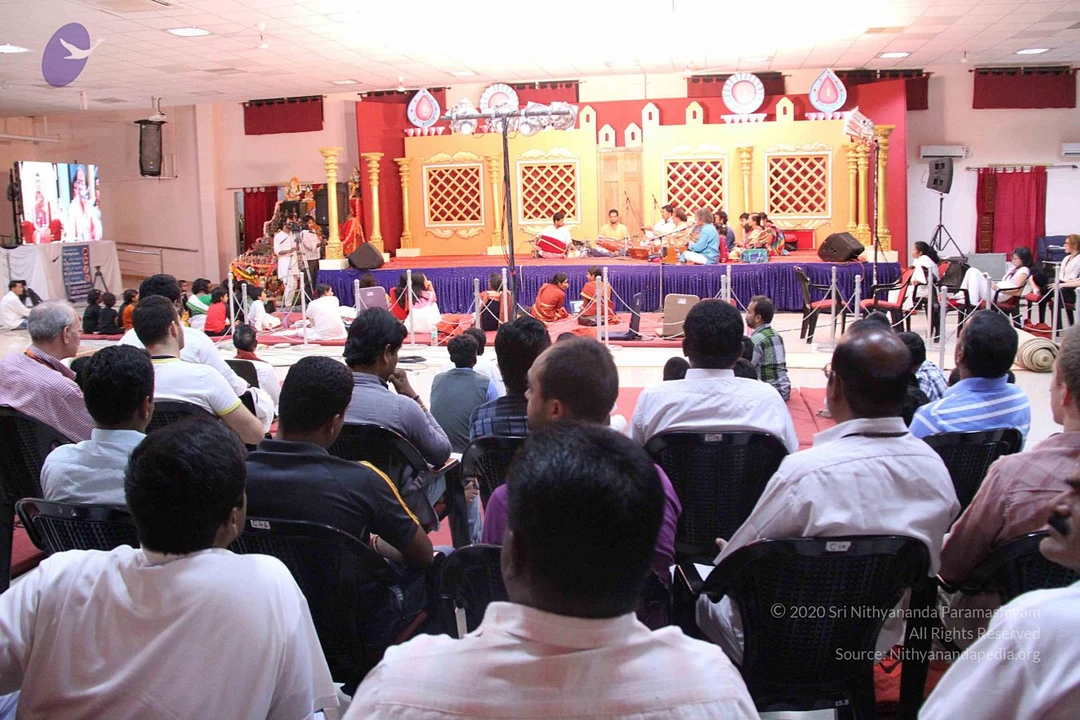
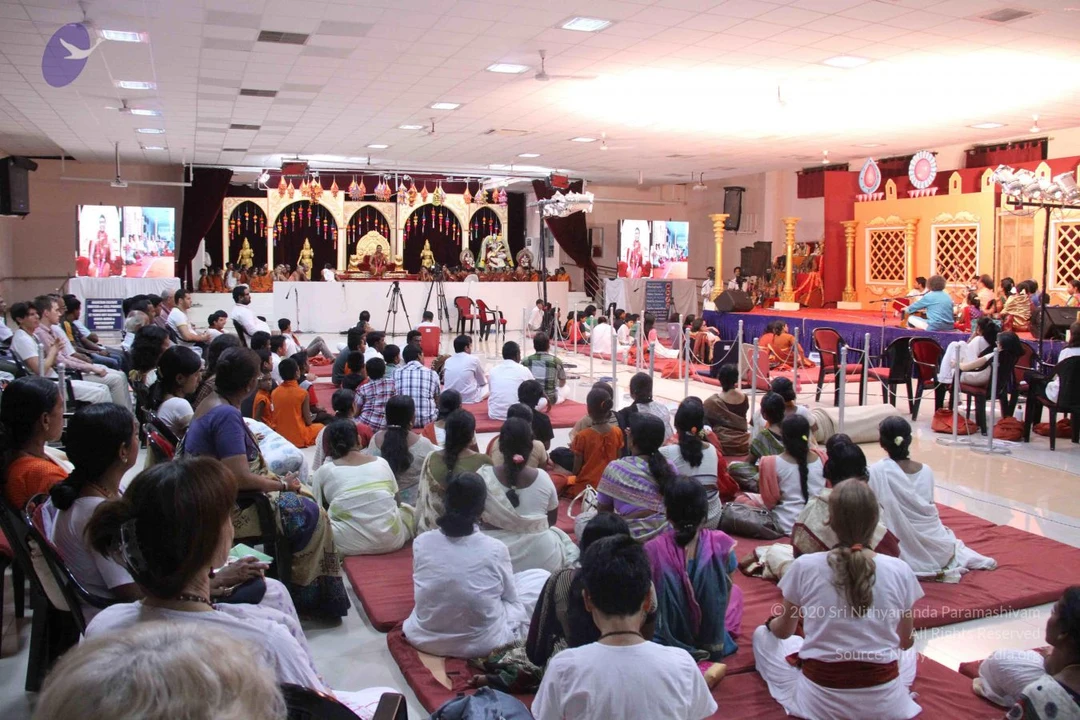
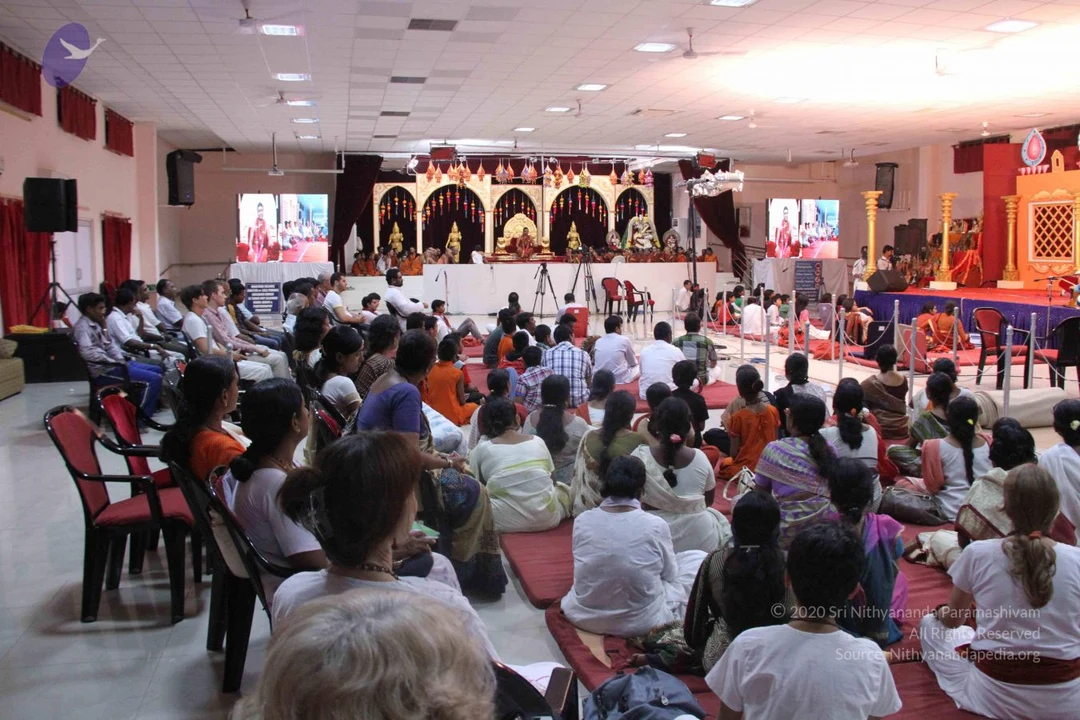
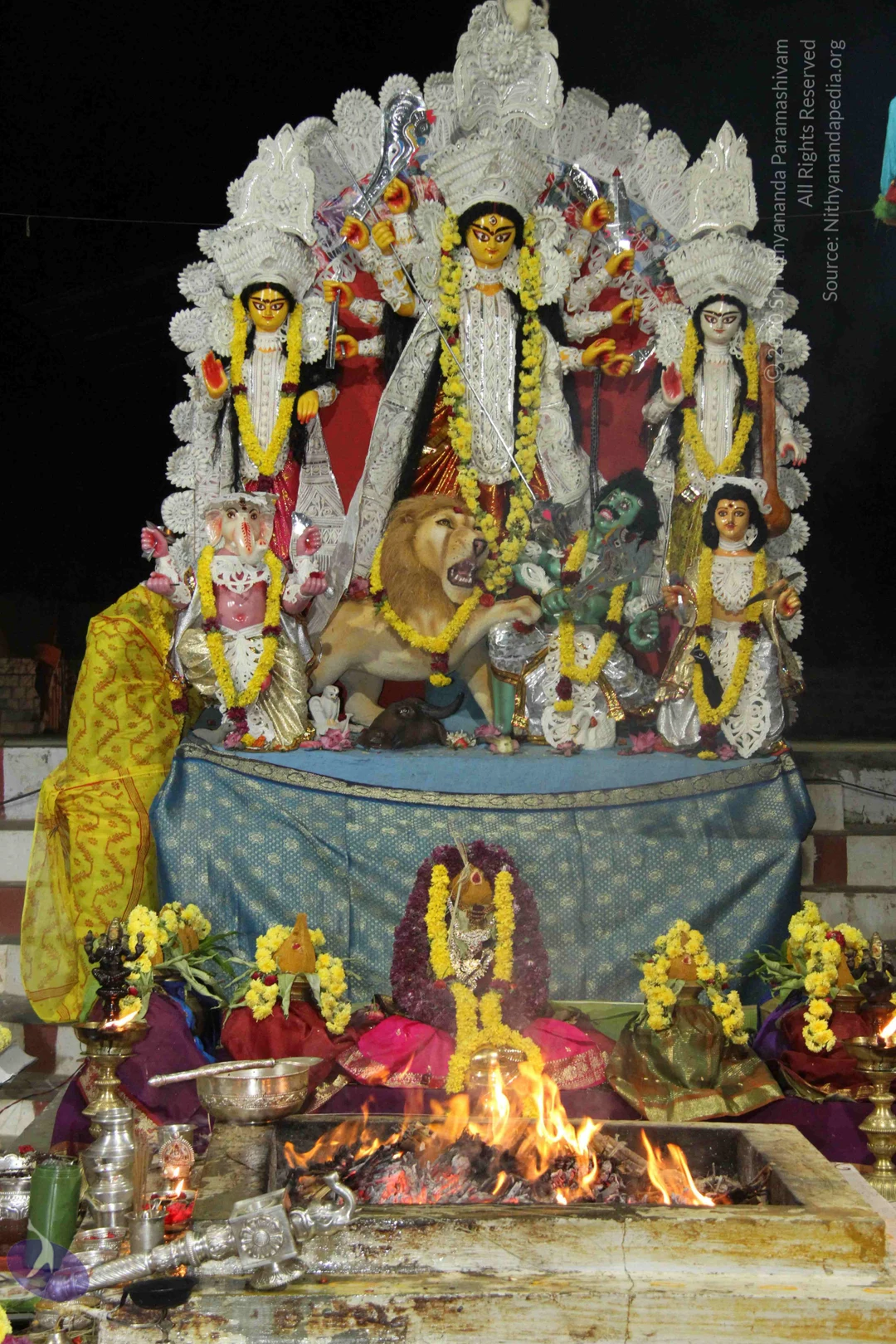
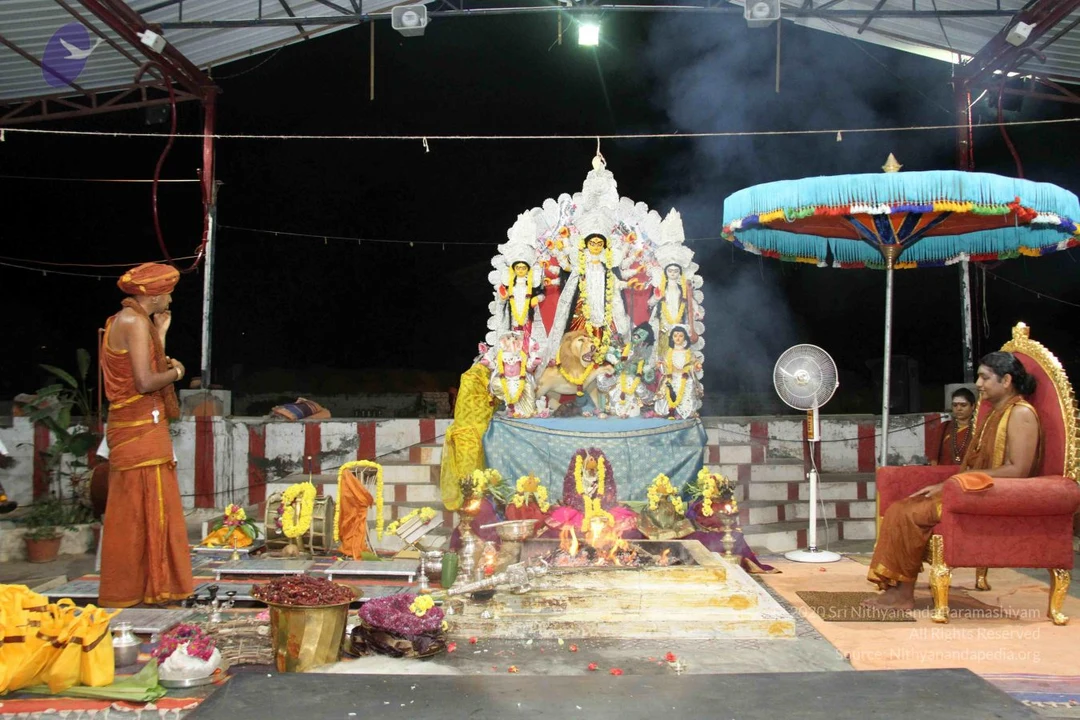
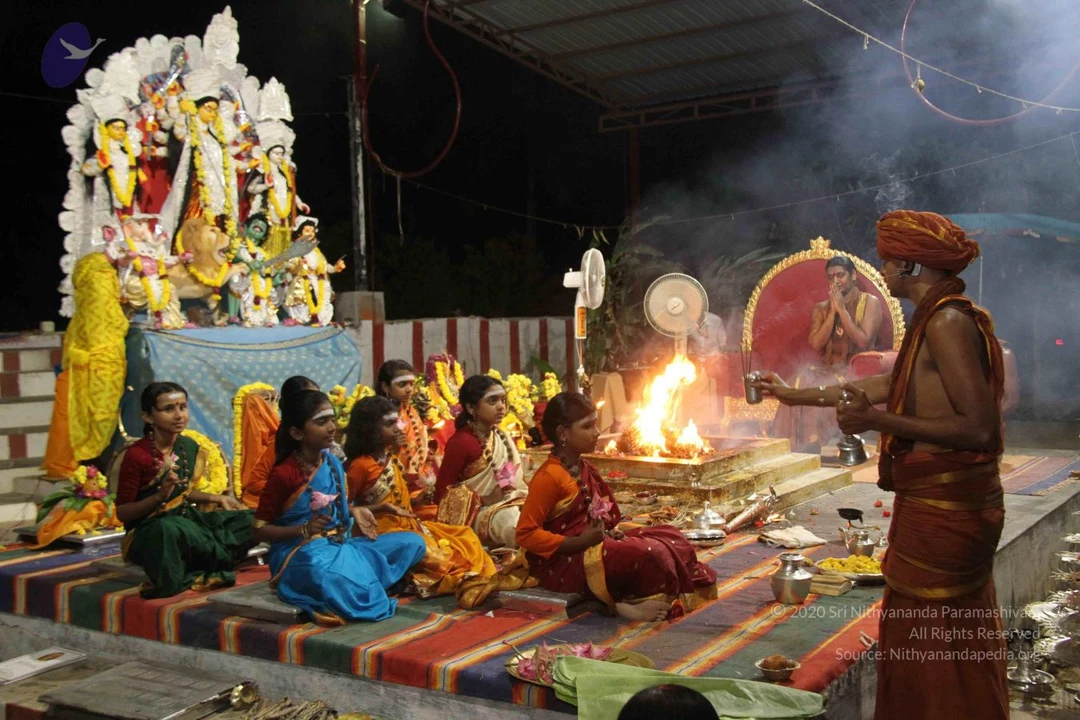
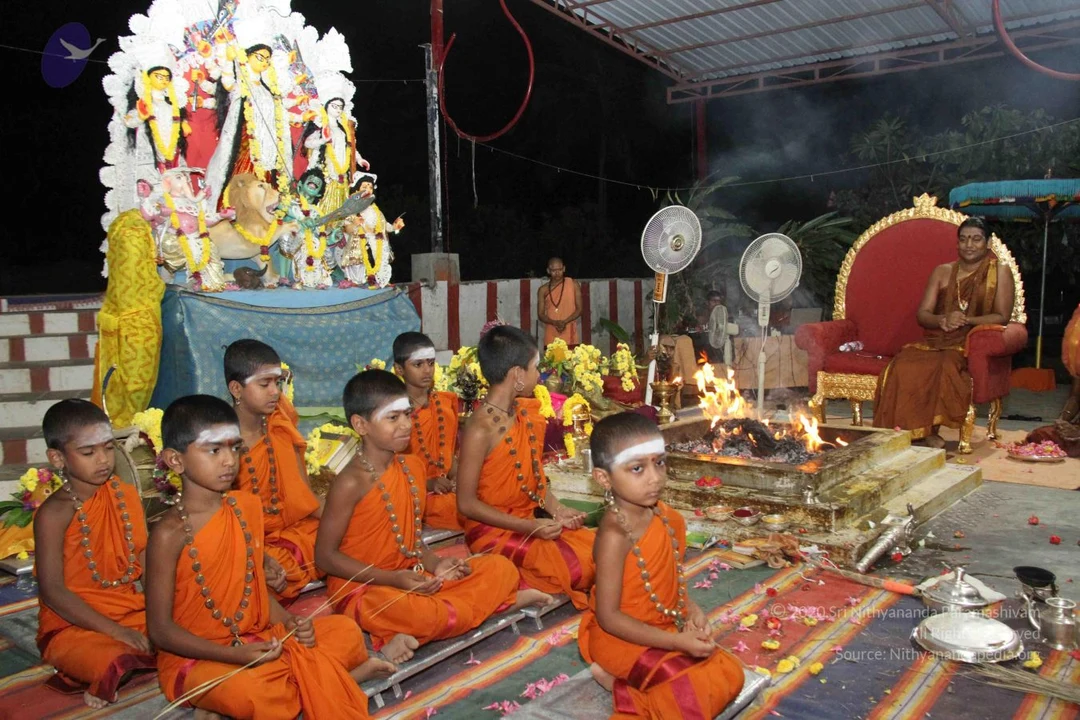
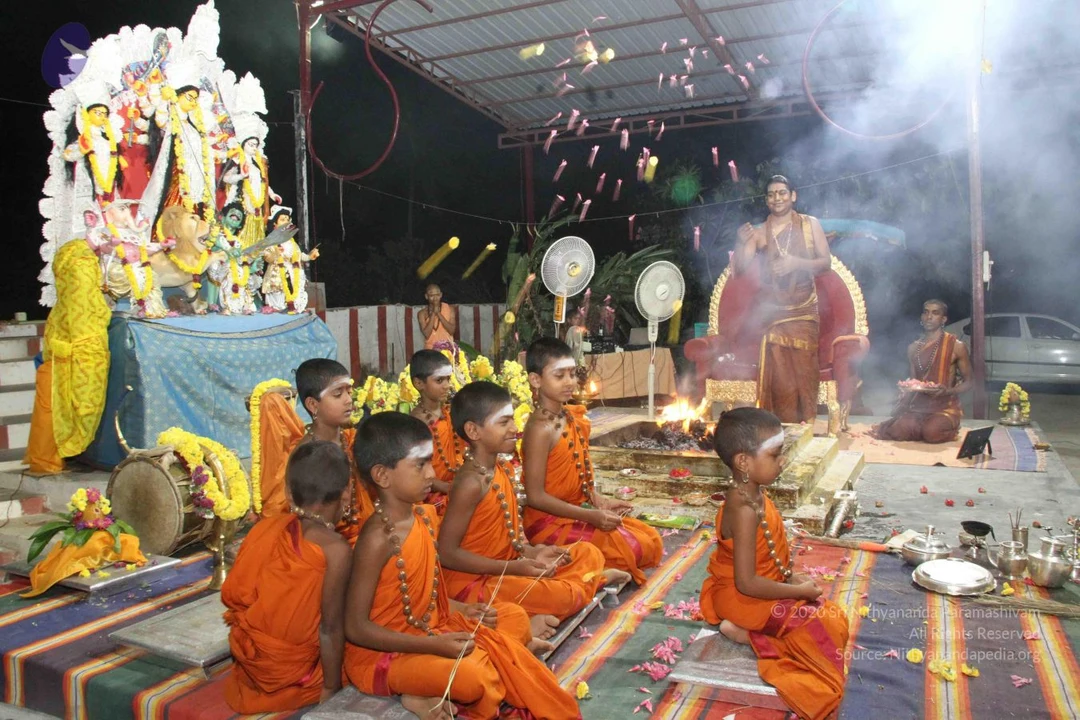
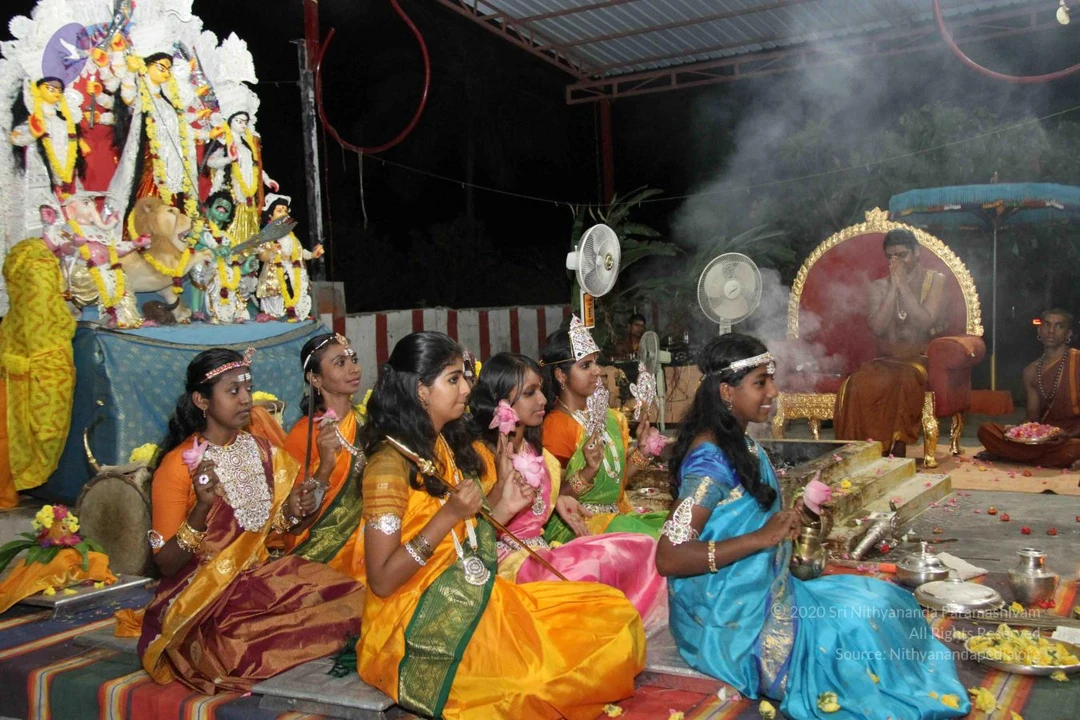
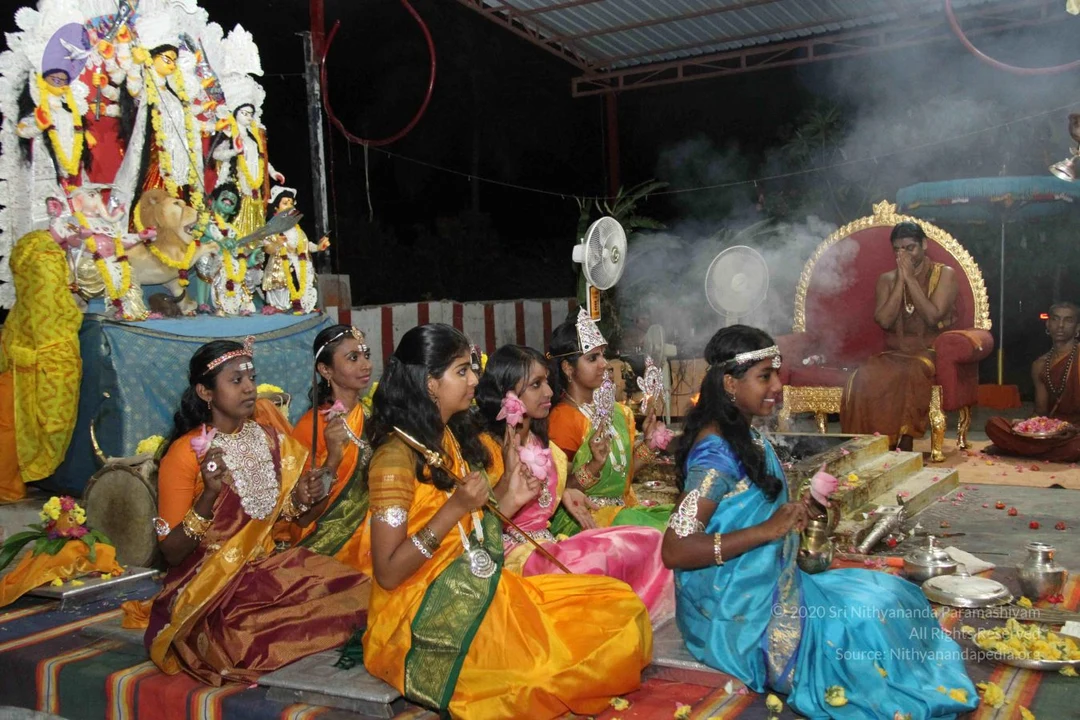
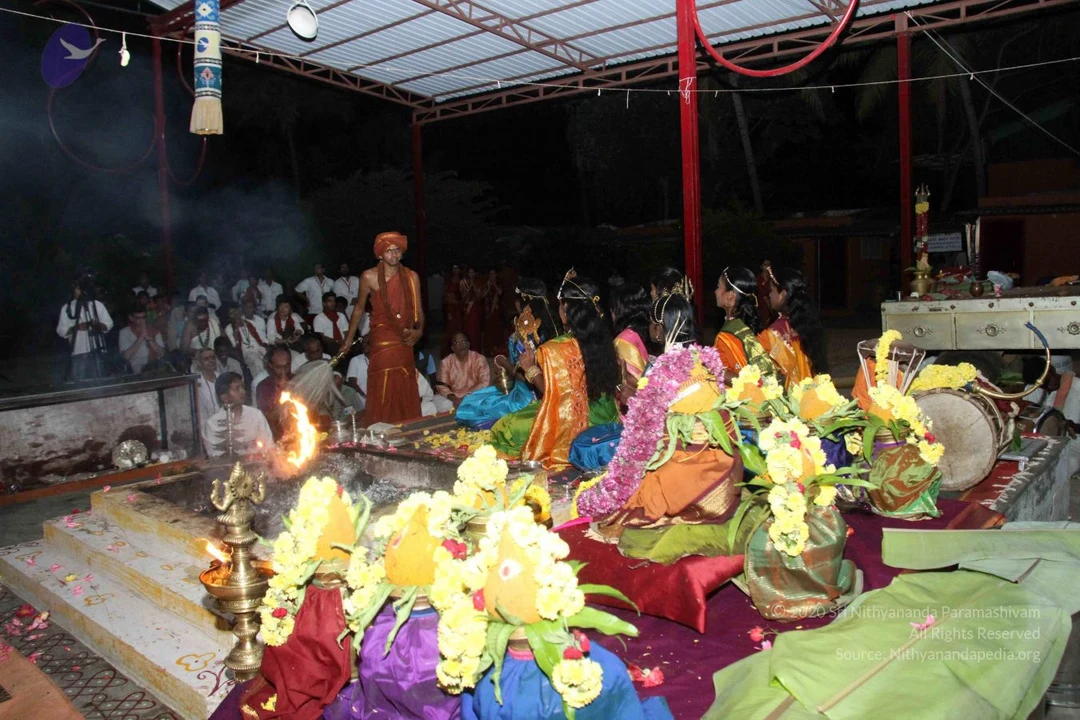
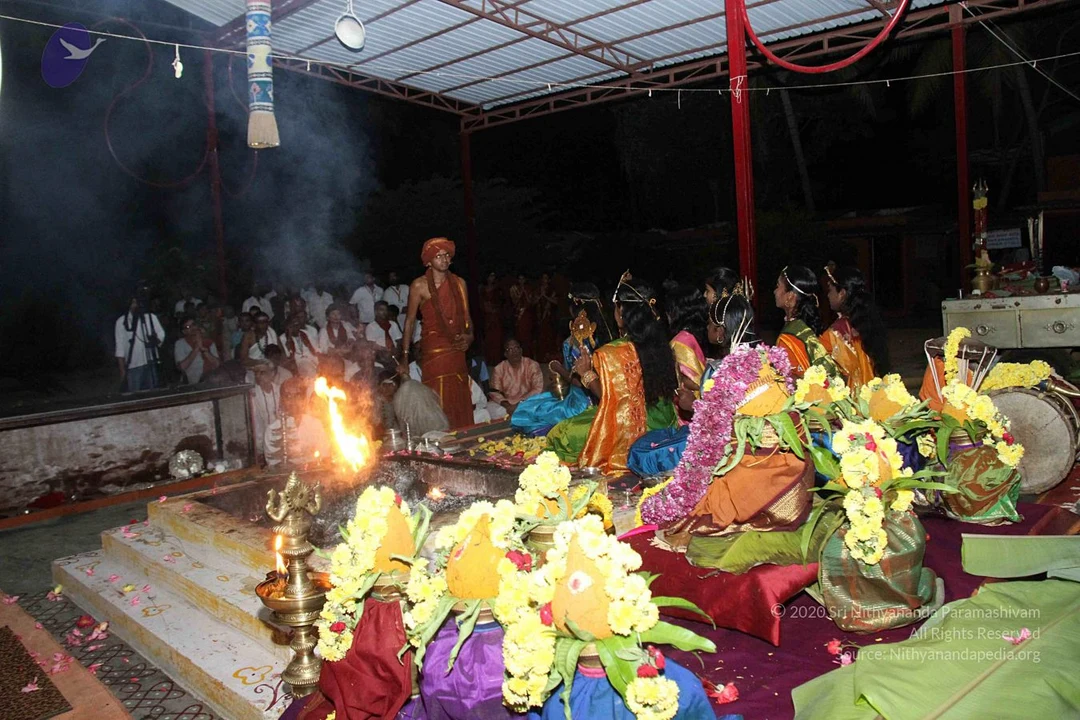
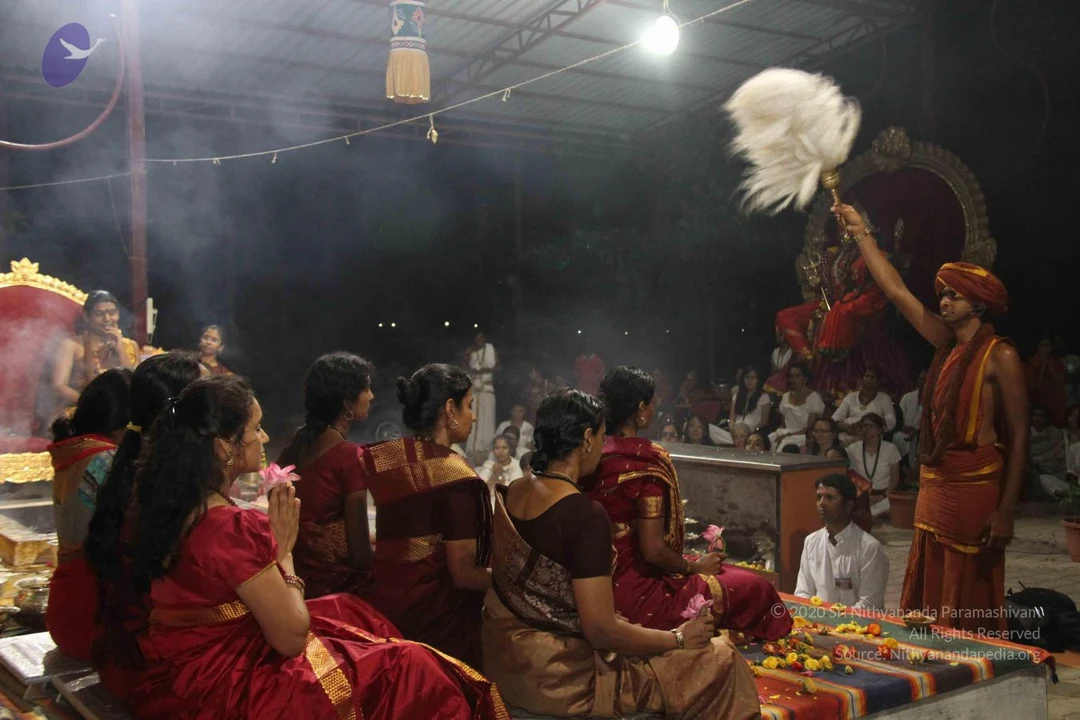
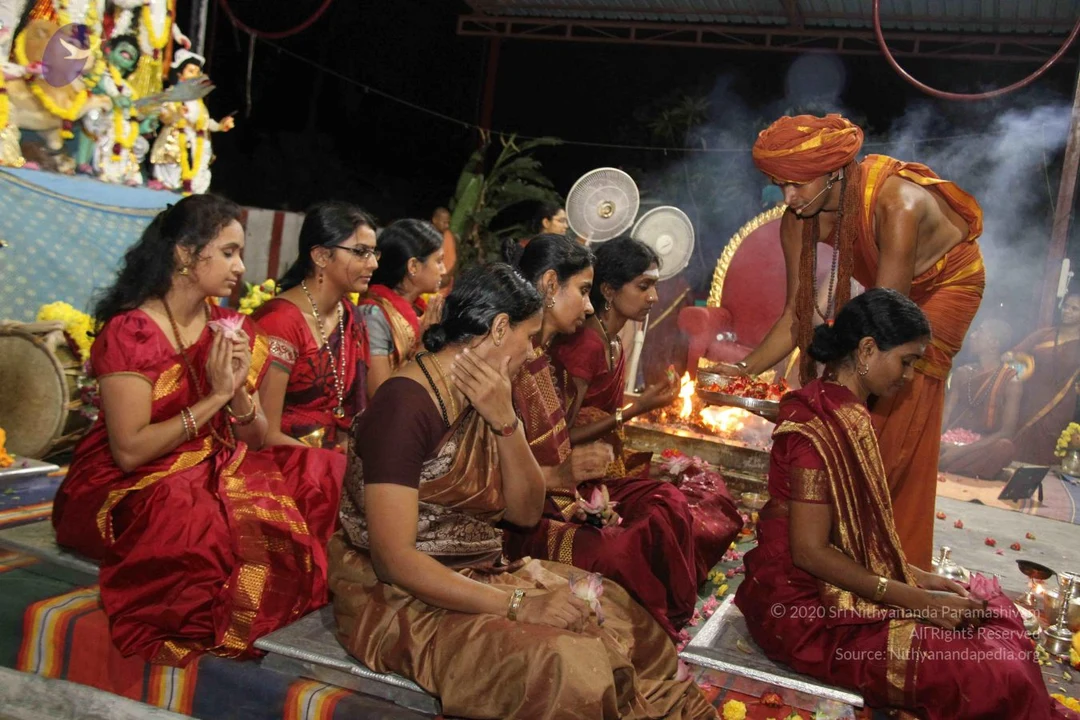
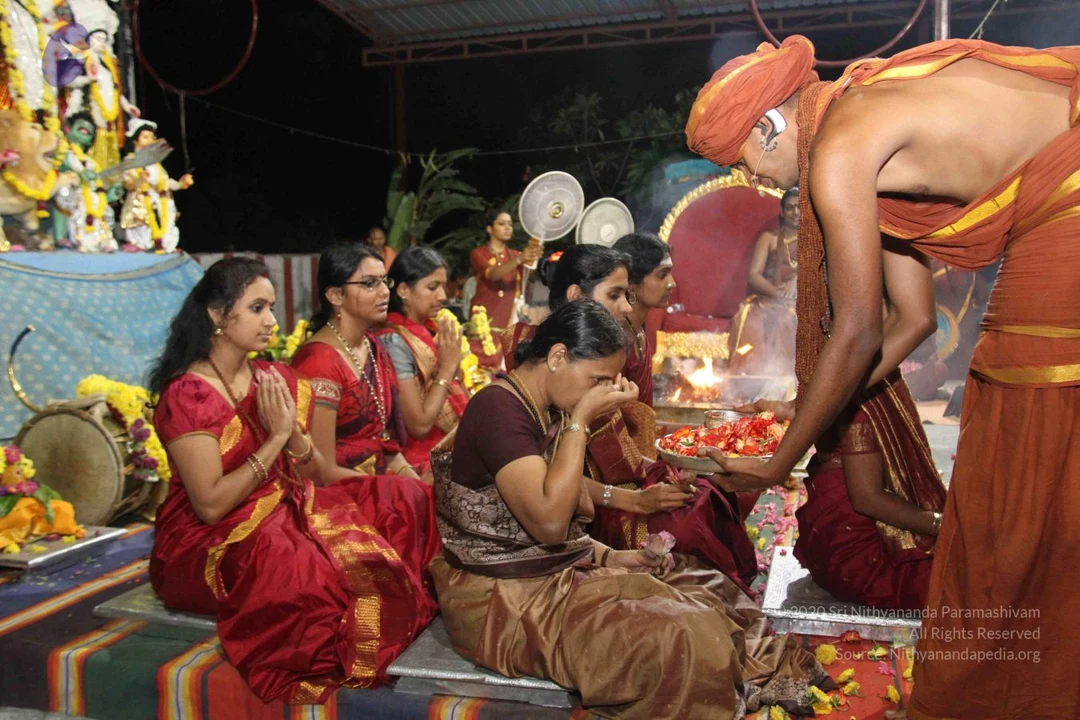
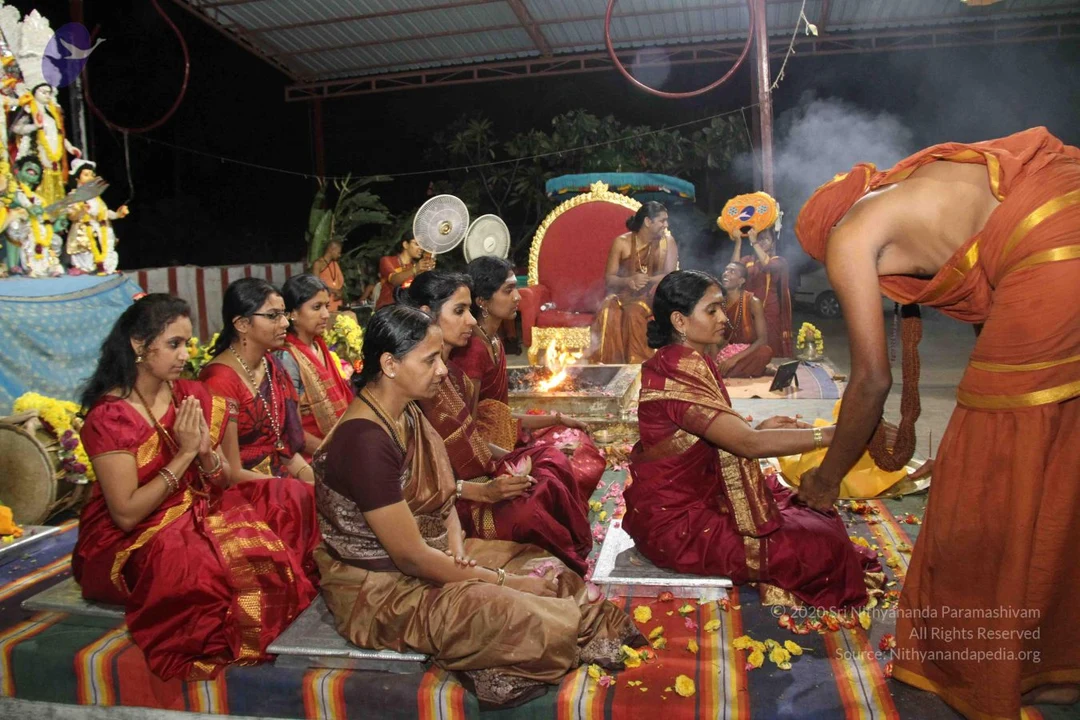
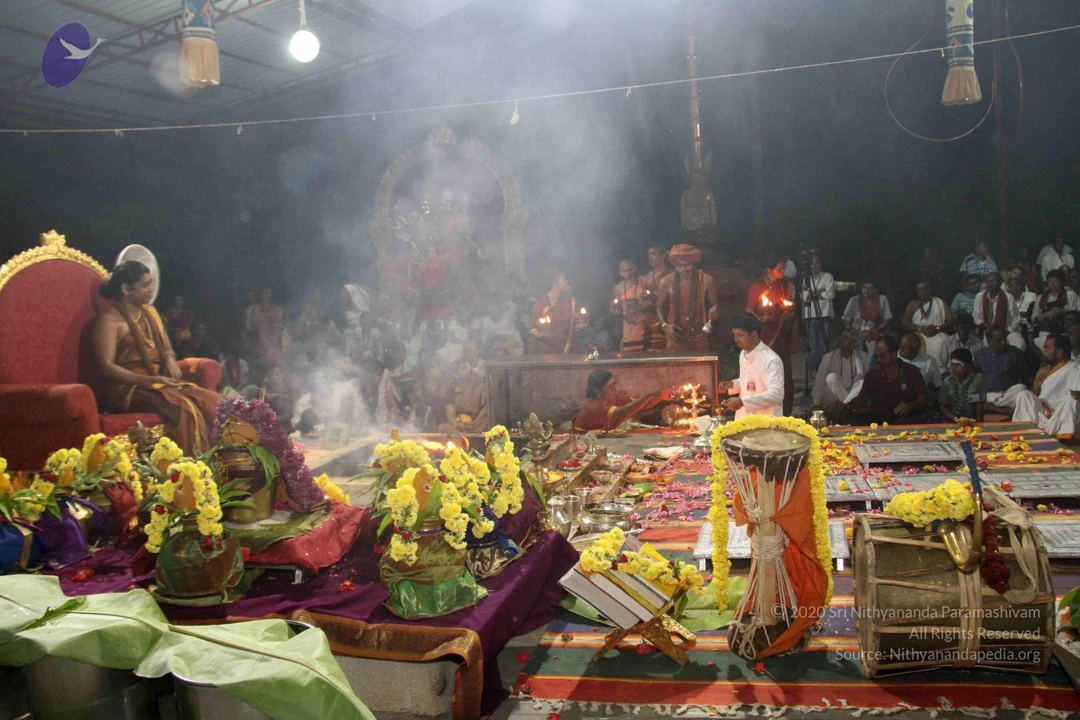
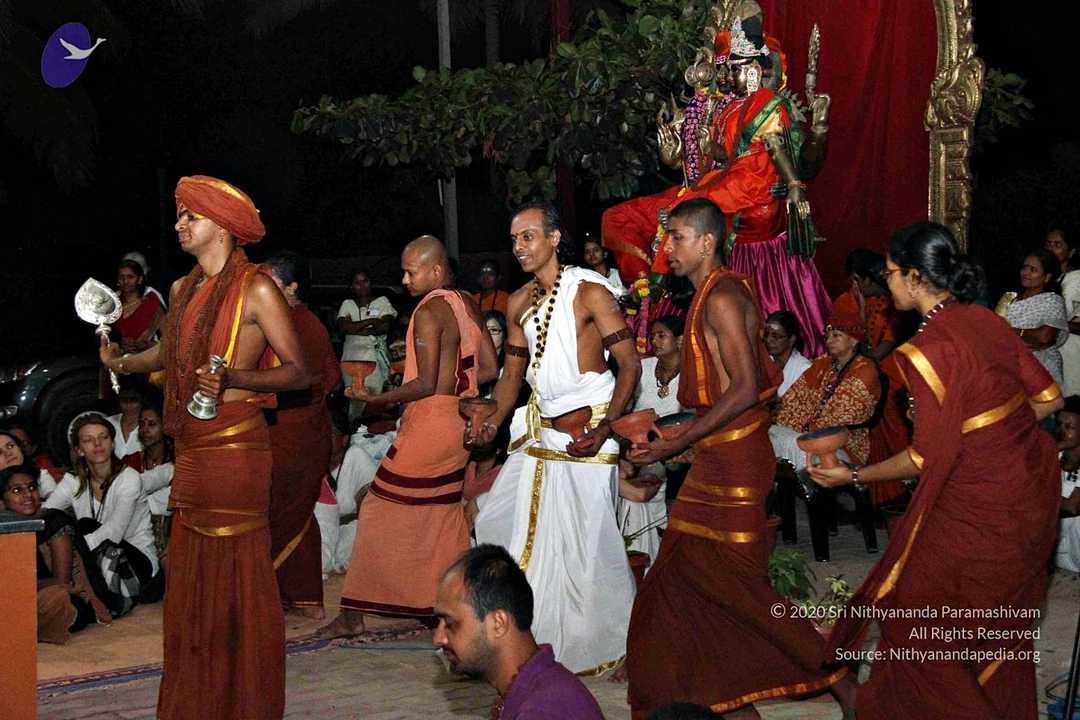
Presentations of the temple-Temple Opening on VijayaDasami

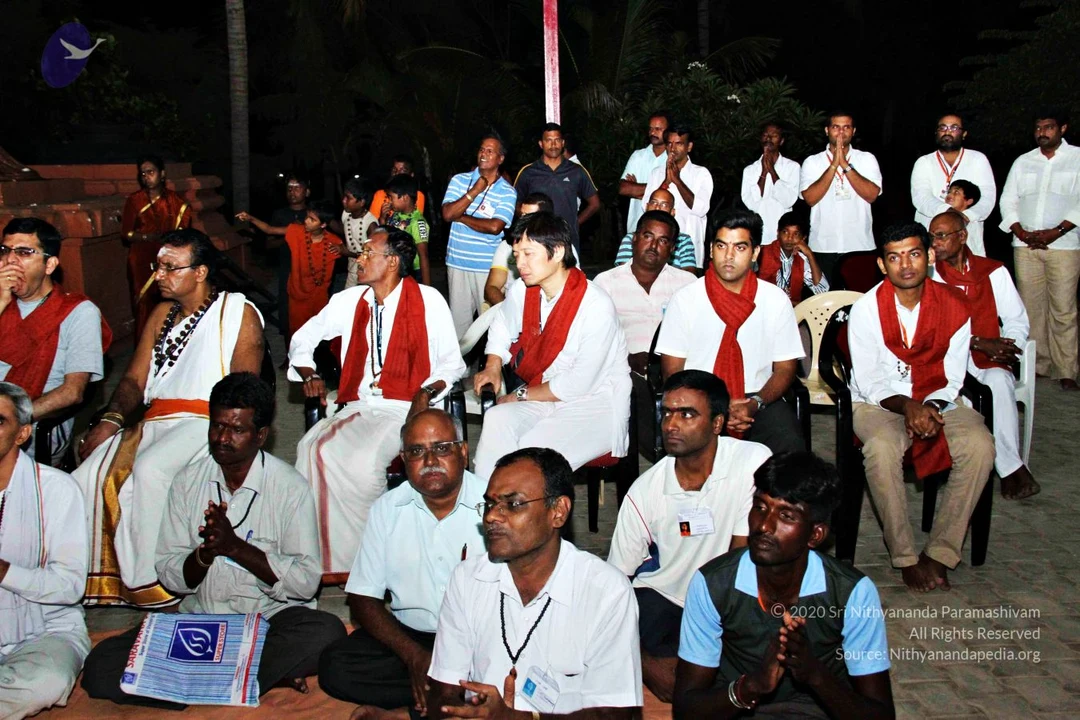
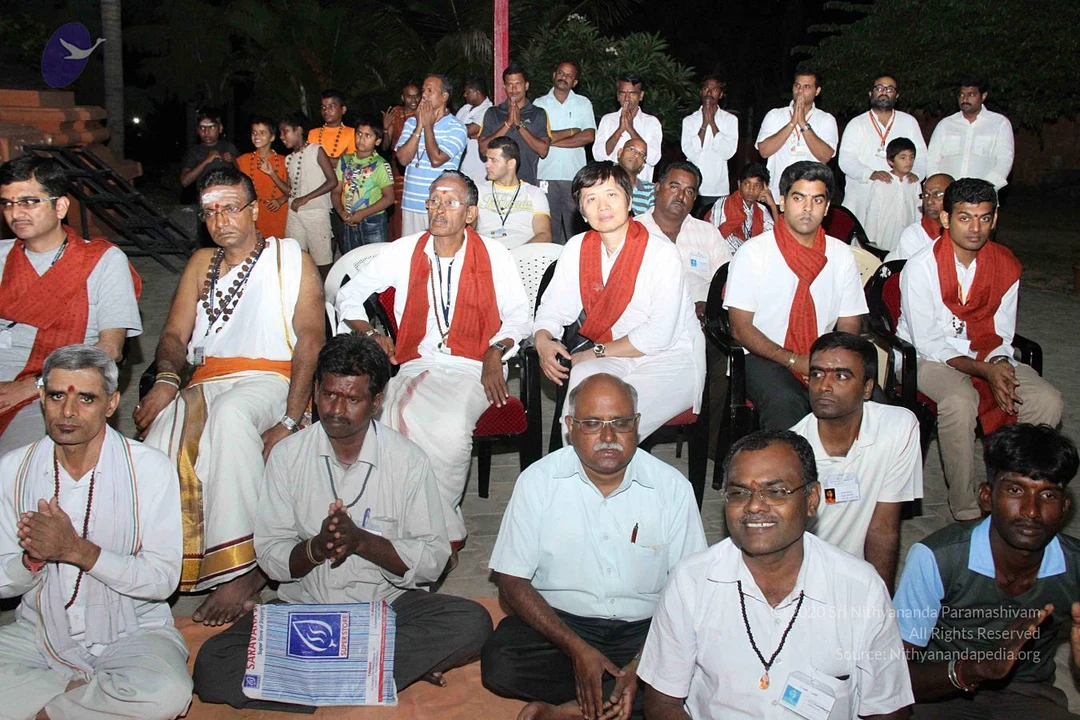
Event Details
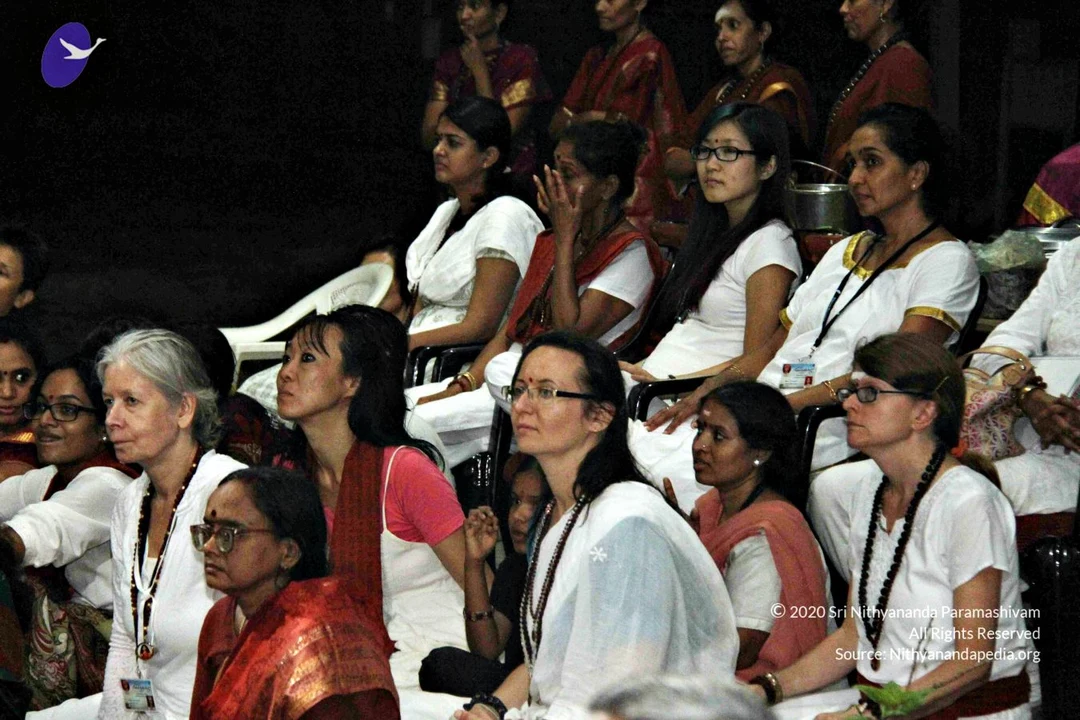
Participants Count25
Event TypeIn-Person
Was Food Served in Event?Yes
Count of Meals Served75
Volunteers Count10
Event Duration6 hrs

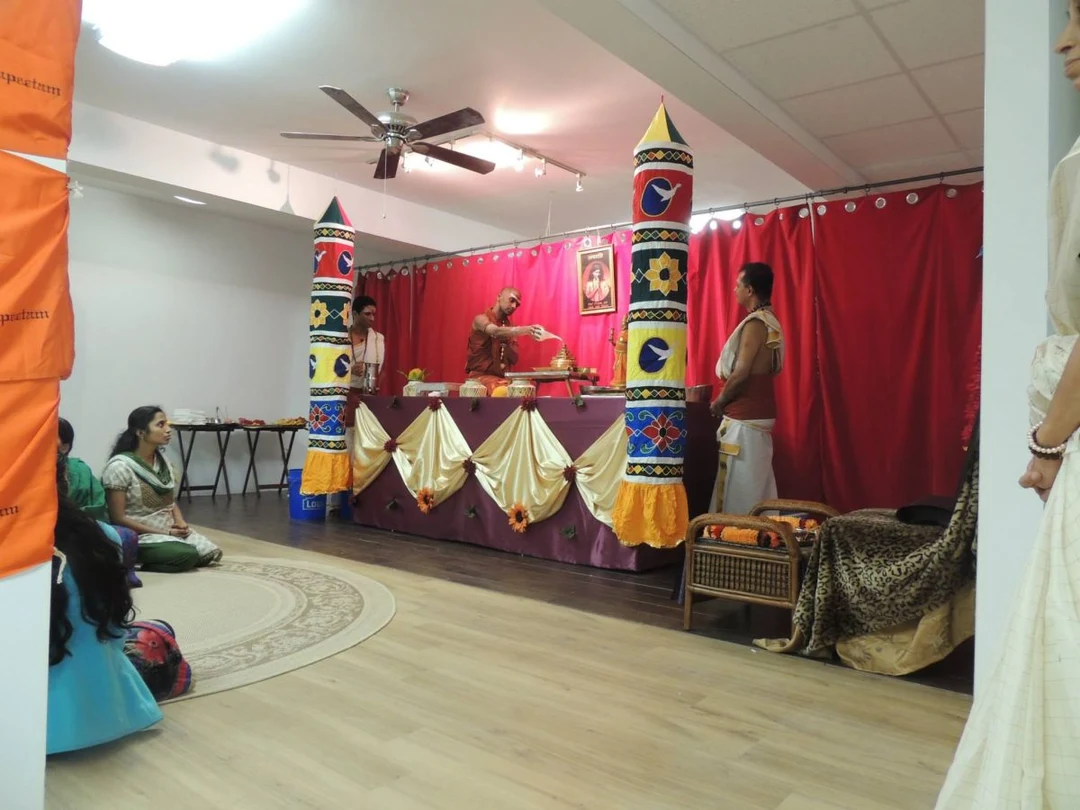
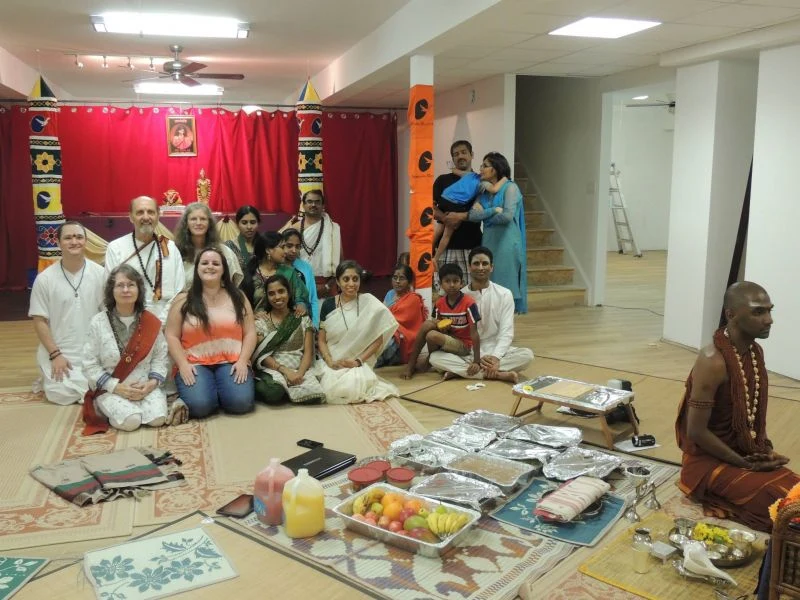
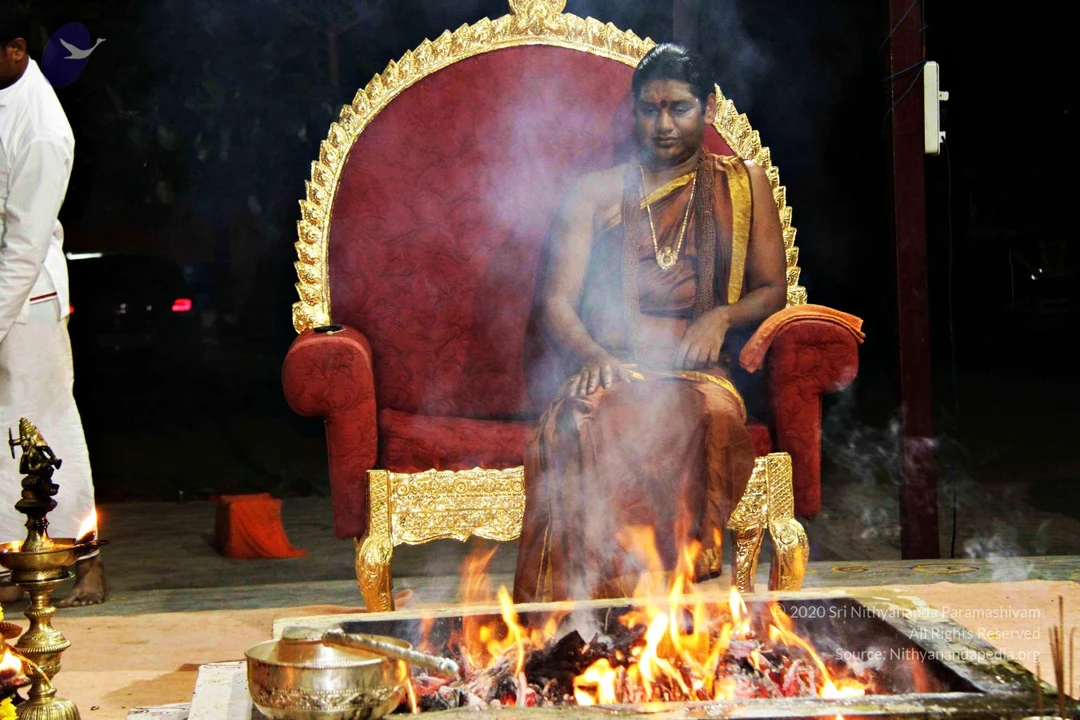
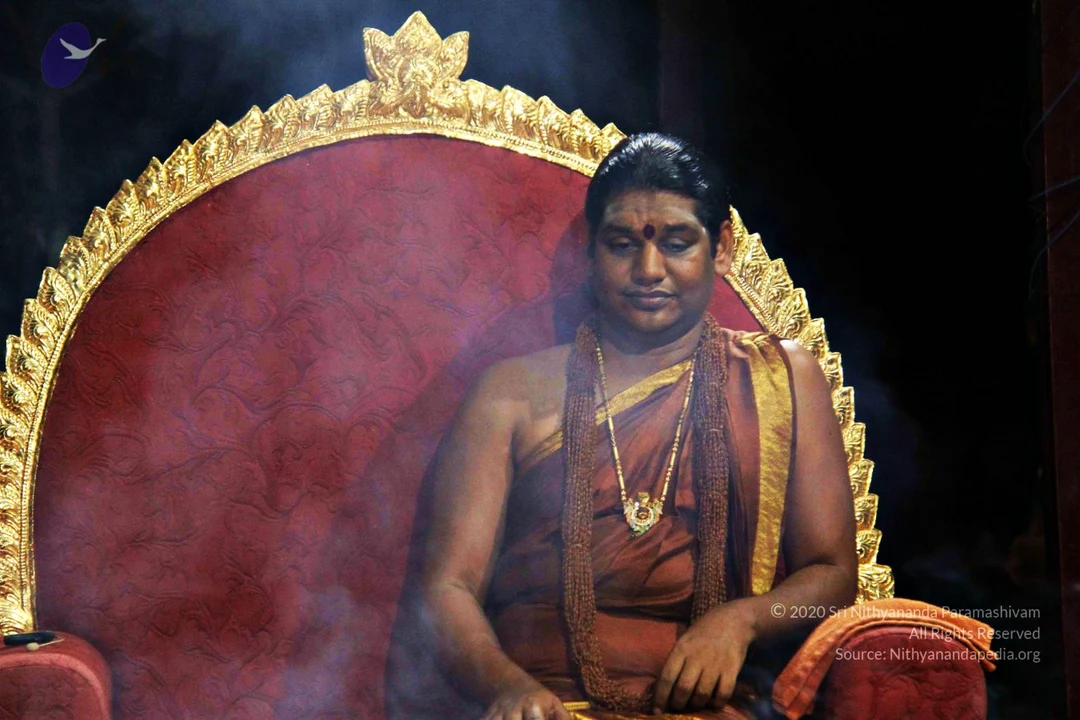
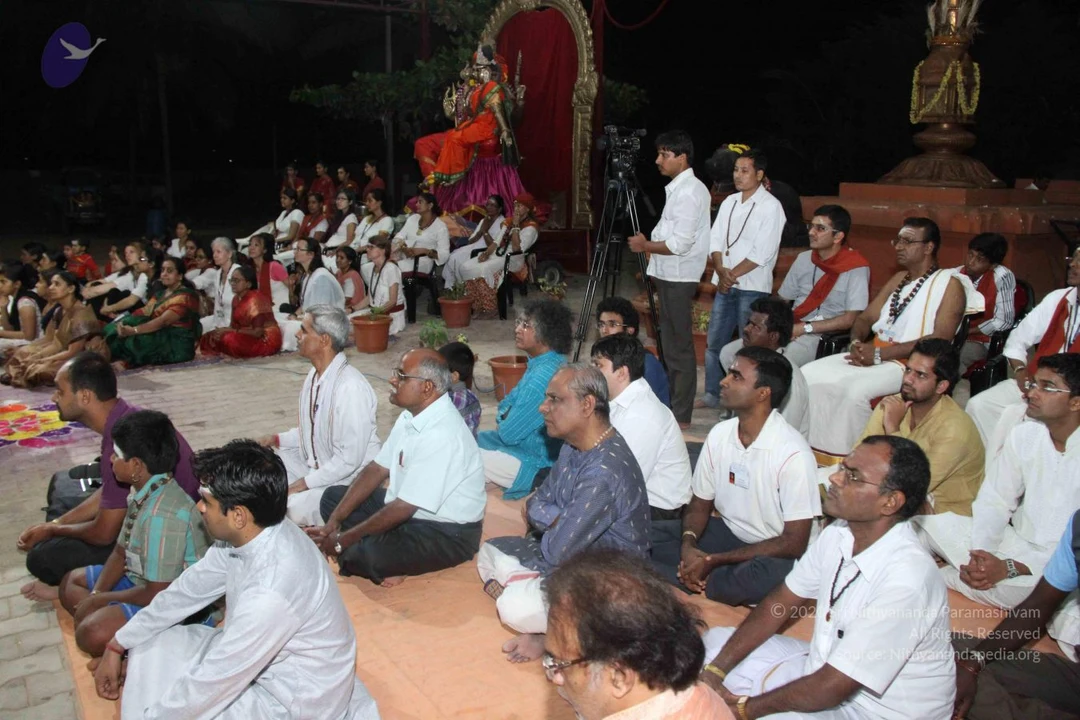
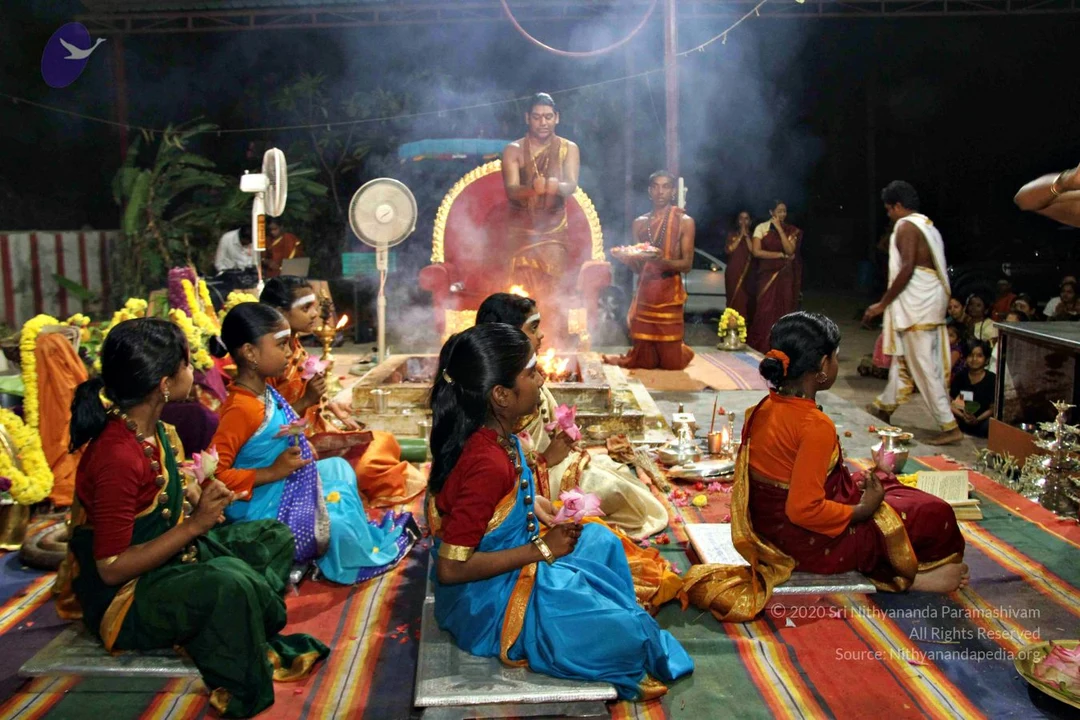
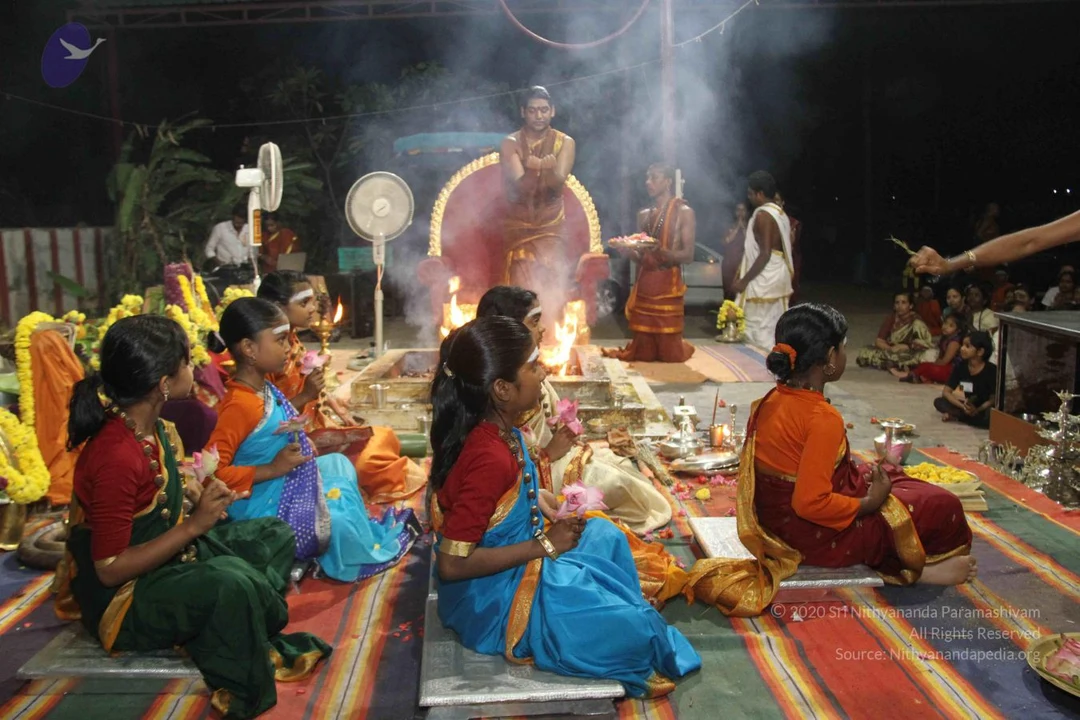
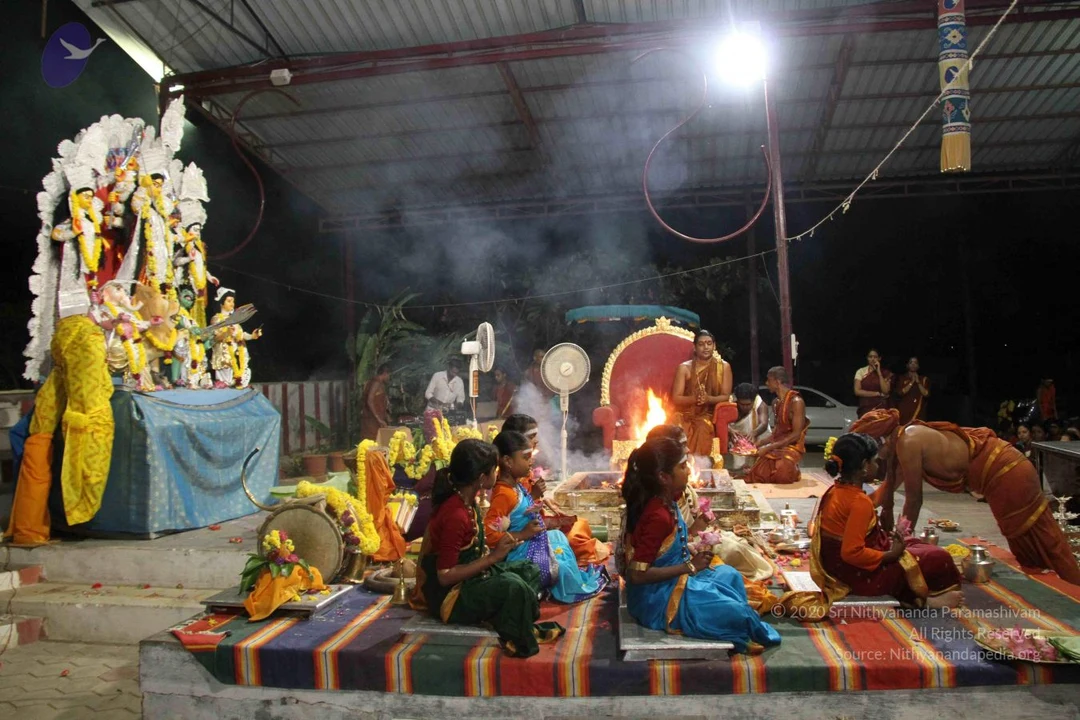
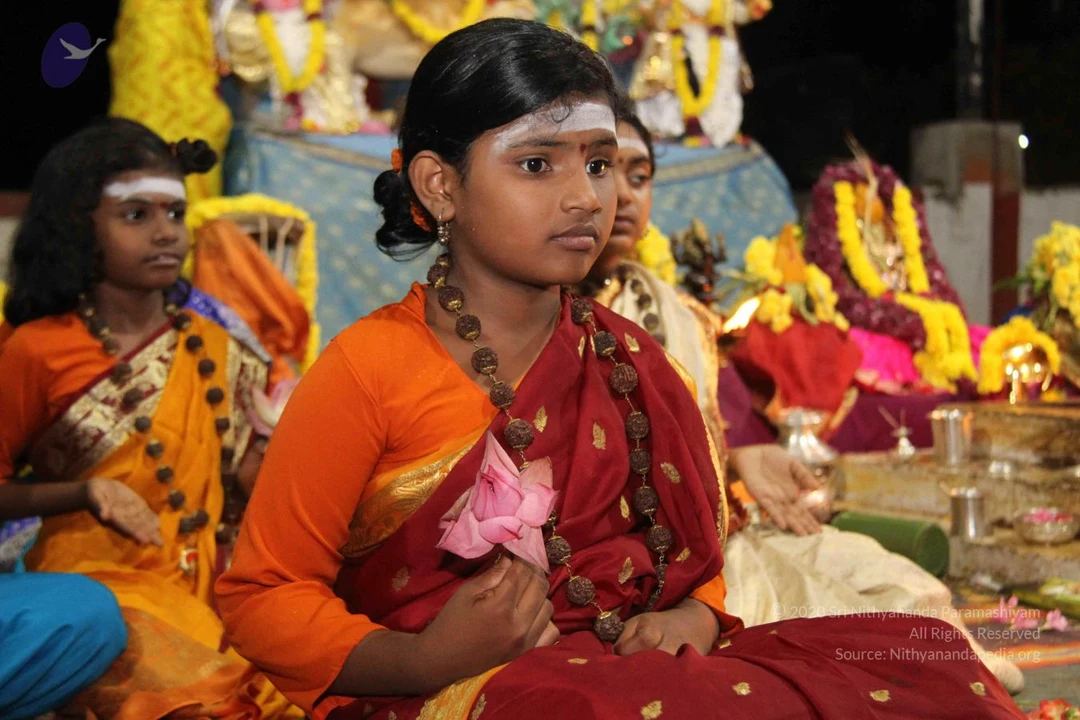
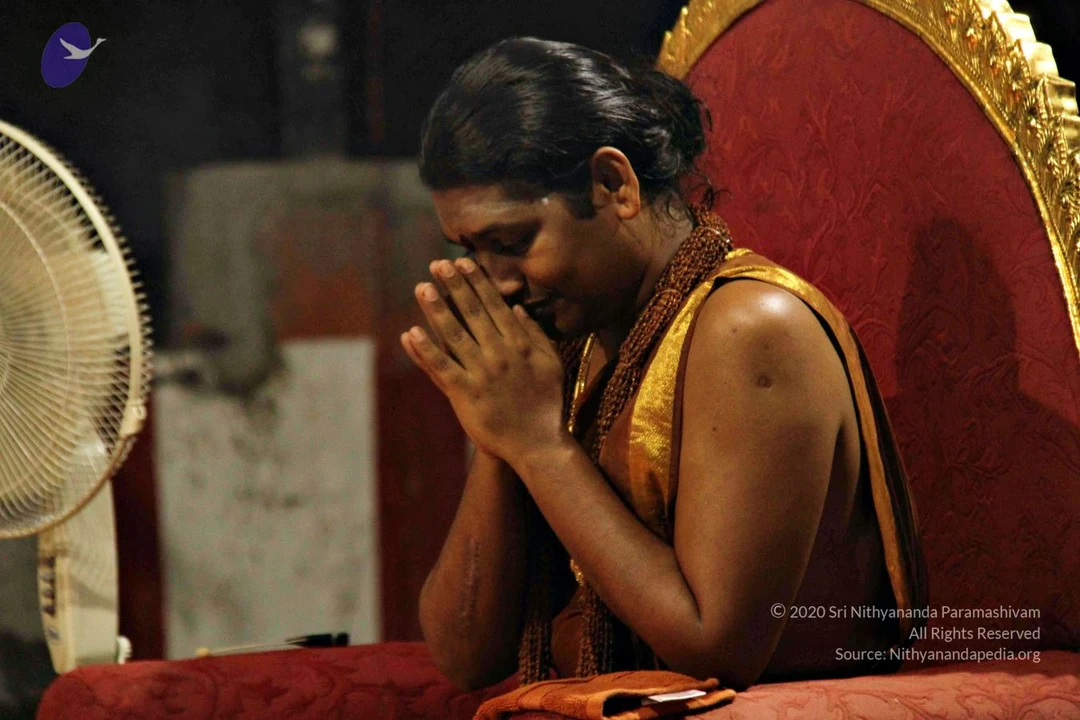
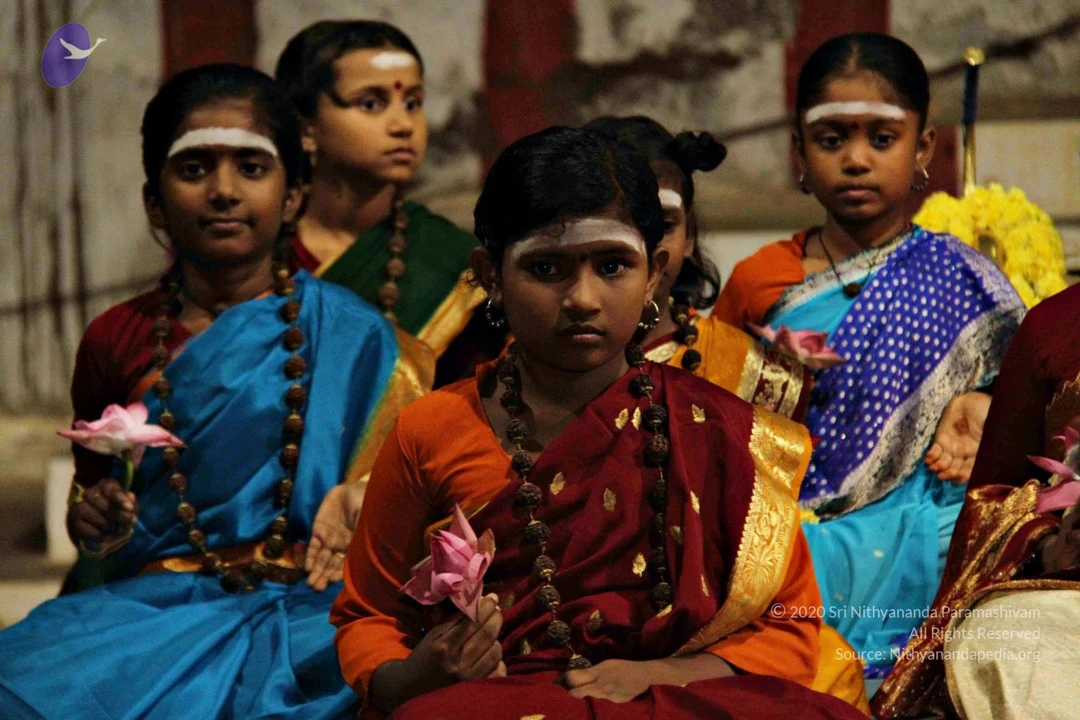
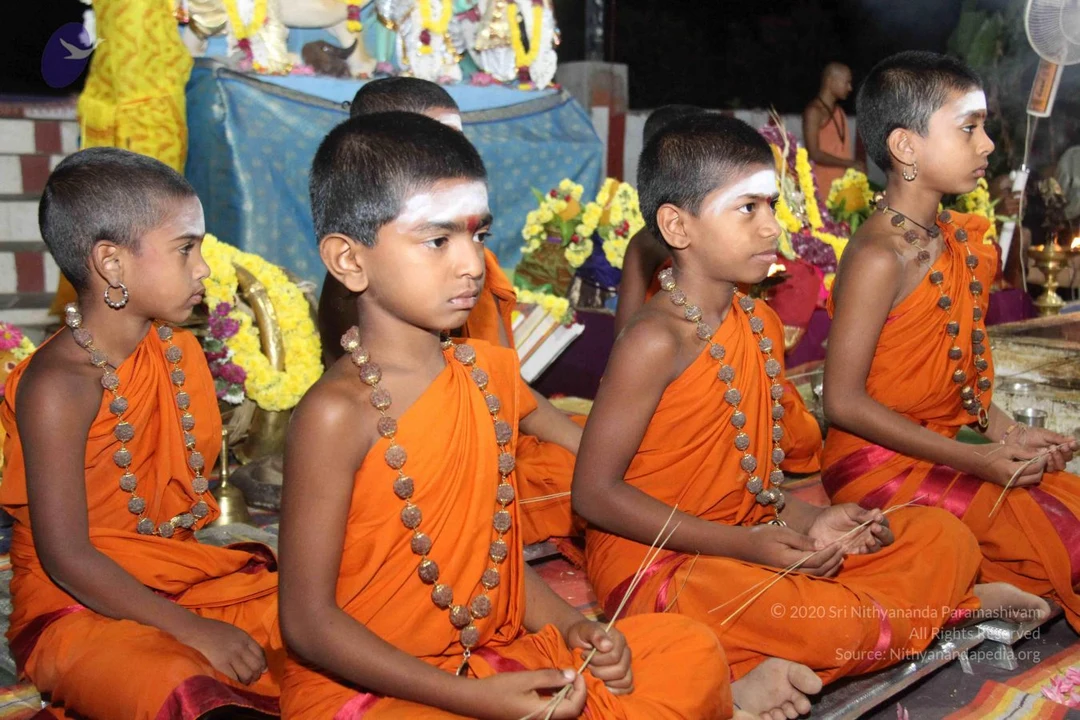
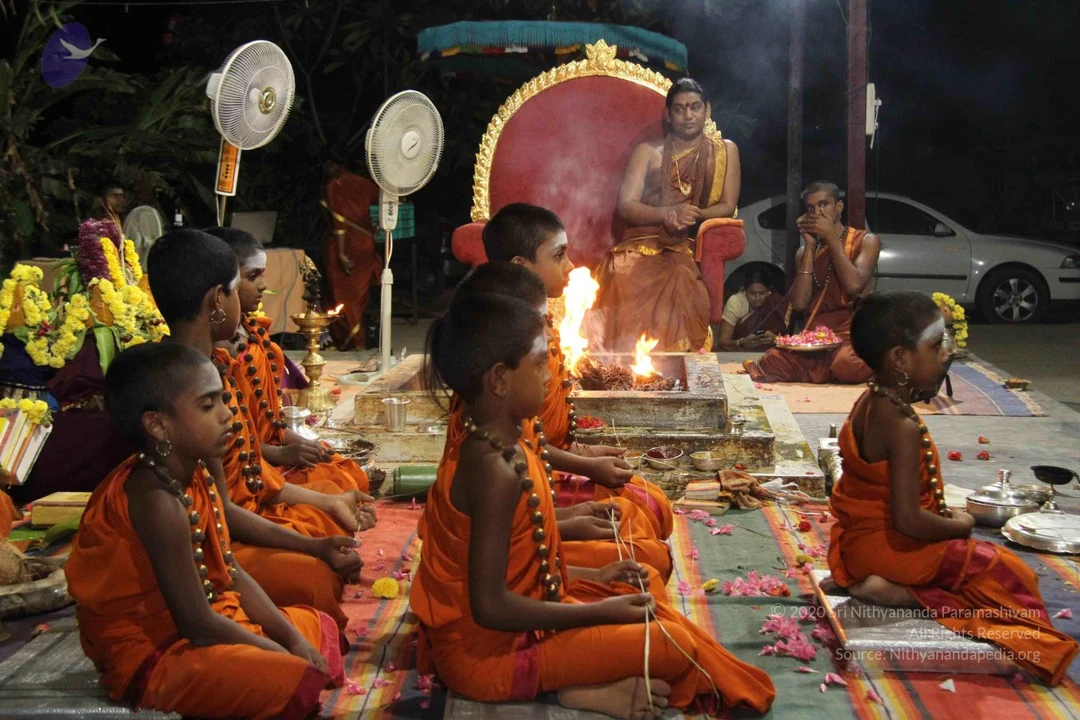
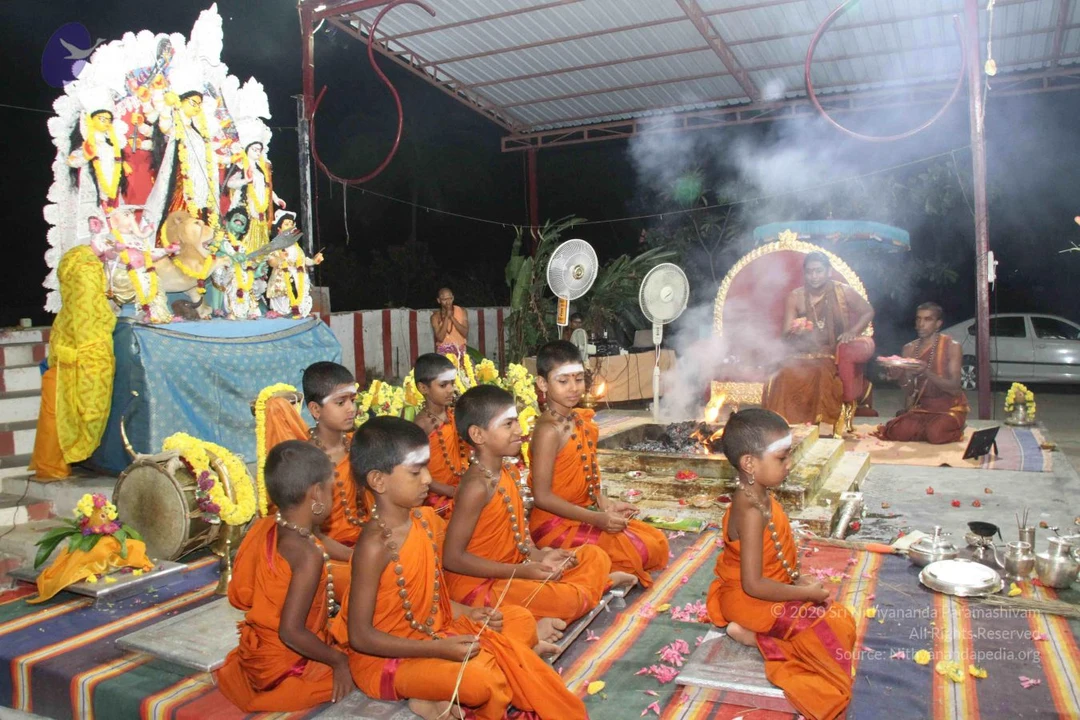
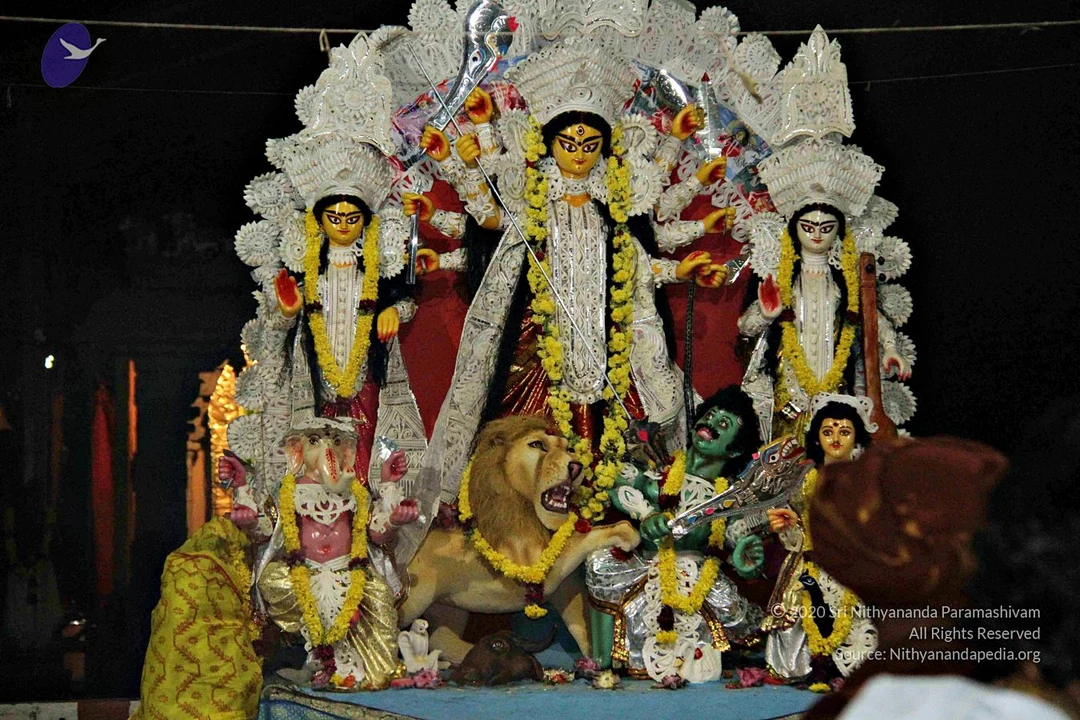
Inauguration of the Temple during Navaratri

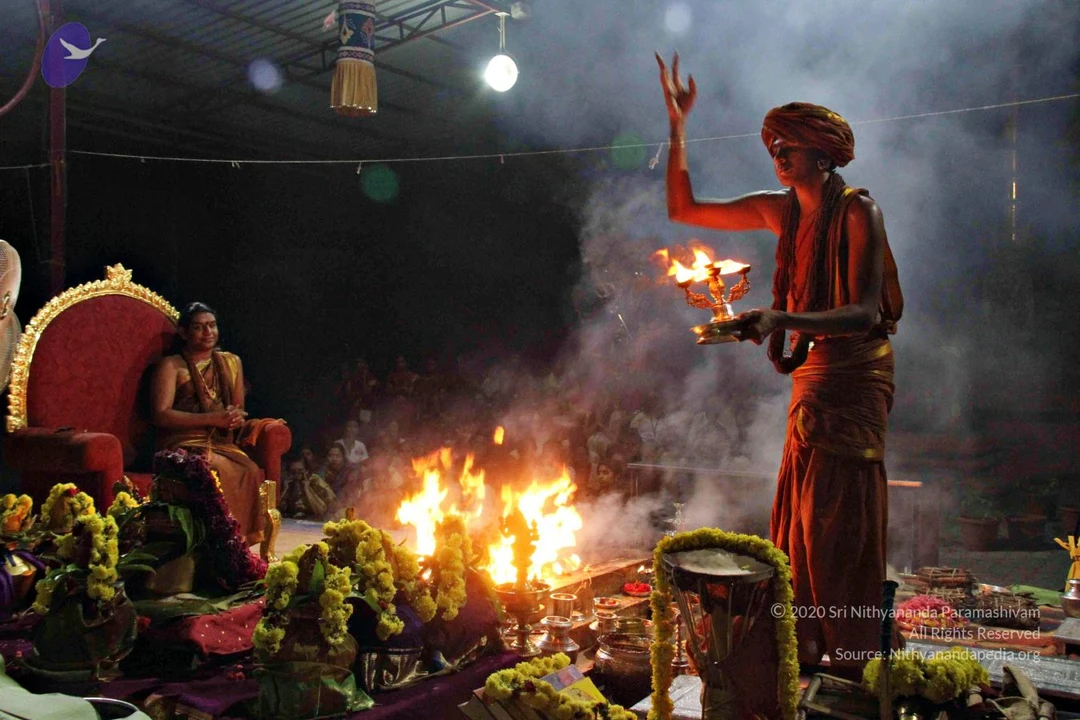
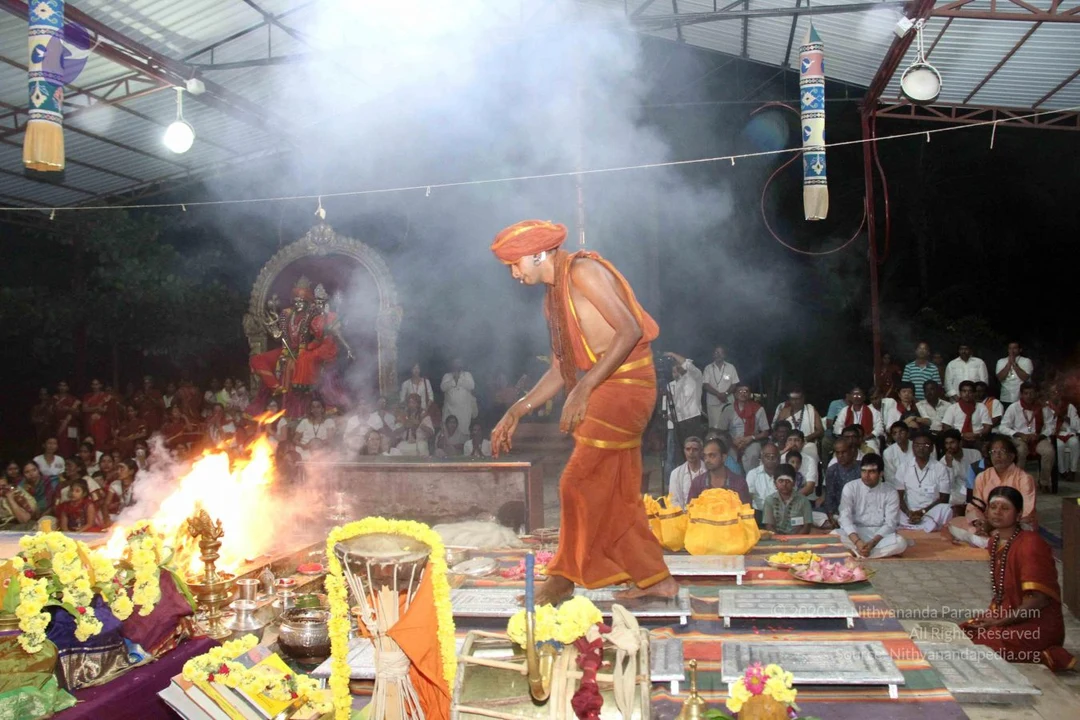
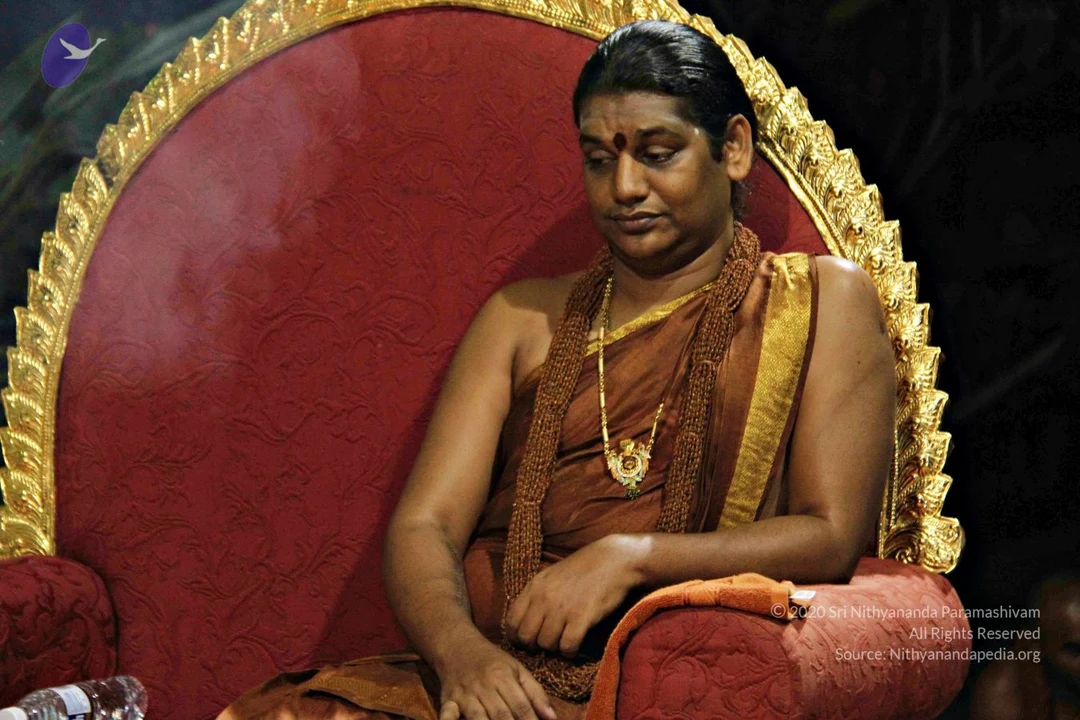
Pictures from the day
October 13 2013

Original wiki page
Contents

Description:

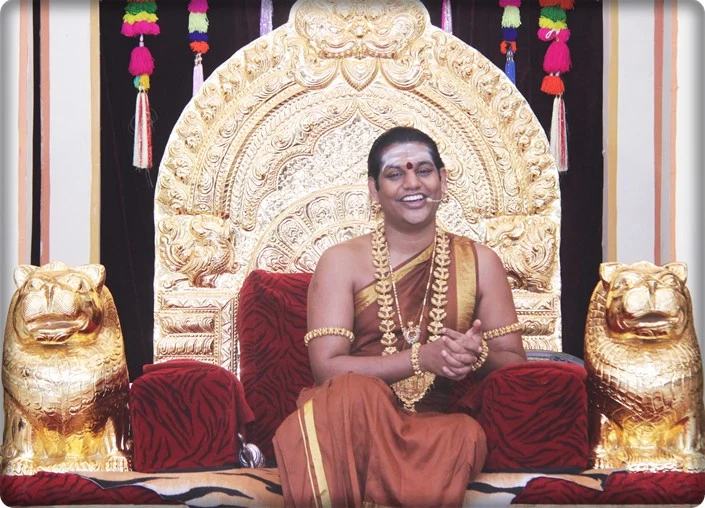
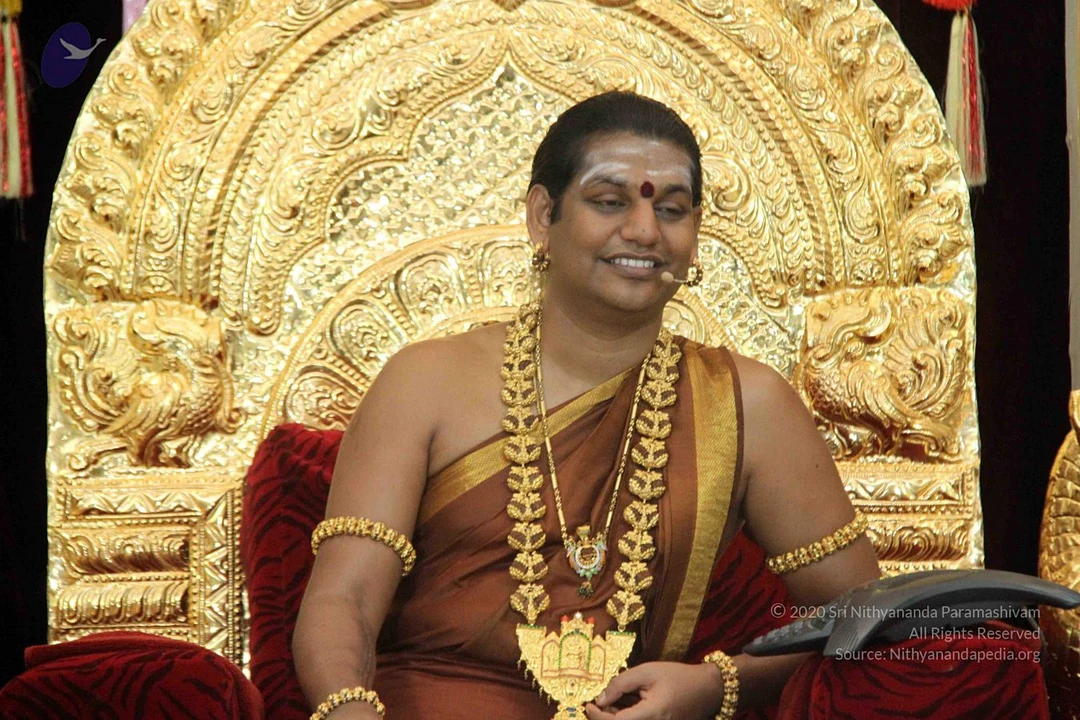
In today’s morning Satsang, Paramahamsa Nithyananda discusses how all of His programs are alive with energy, continuously flowing like Saraswati. This December’s Inner Awakening Bali Yatra will focus on the deeper aspects for creating our image as we want and to experience, express, and enjoy the power in our lives. By understanding and aligning our inner and outer image, how others view us, and how we view the world, we will achieve our peak possibility – enlightenment!

Link to Video:

VideoAudio

Transcript:

Nithyanandeshwara Samaarambhaam Nithyanandeshwari Madhyamaam | Asmadaachaarya Paryanthaam Vande Guru Paramparaam ||

I welcome you all with my love and respects!

I welcome all the devotees, disciples, samajis, satsanghis, I welcome all of you with my love and blessings!

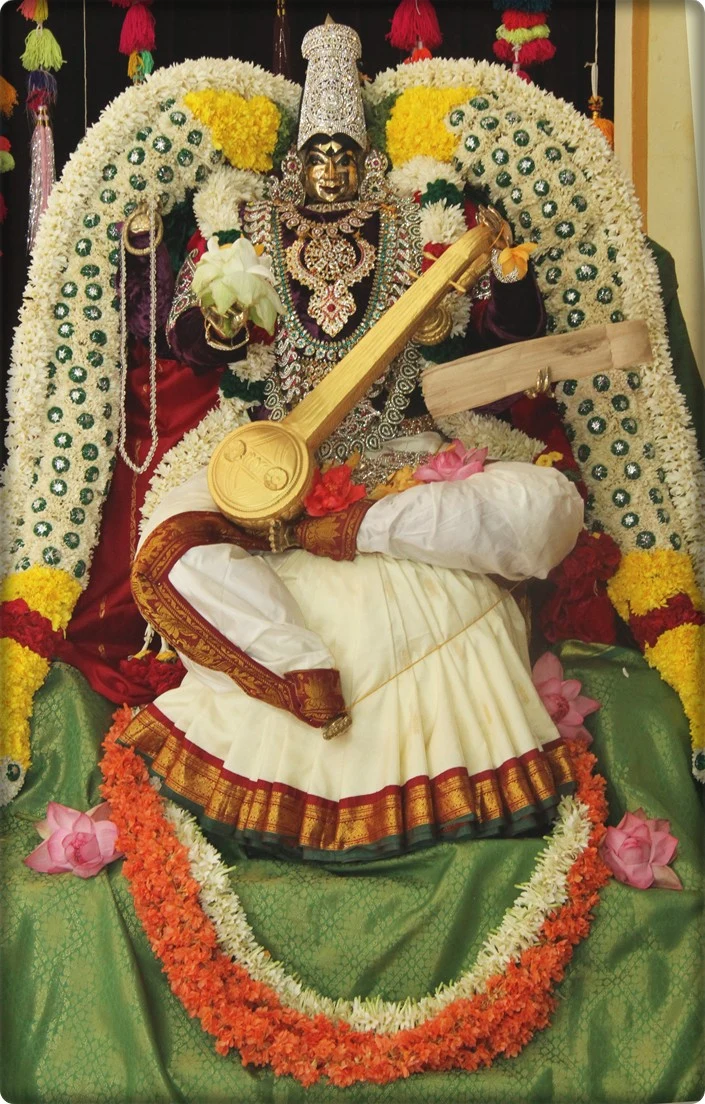
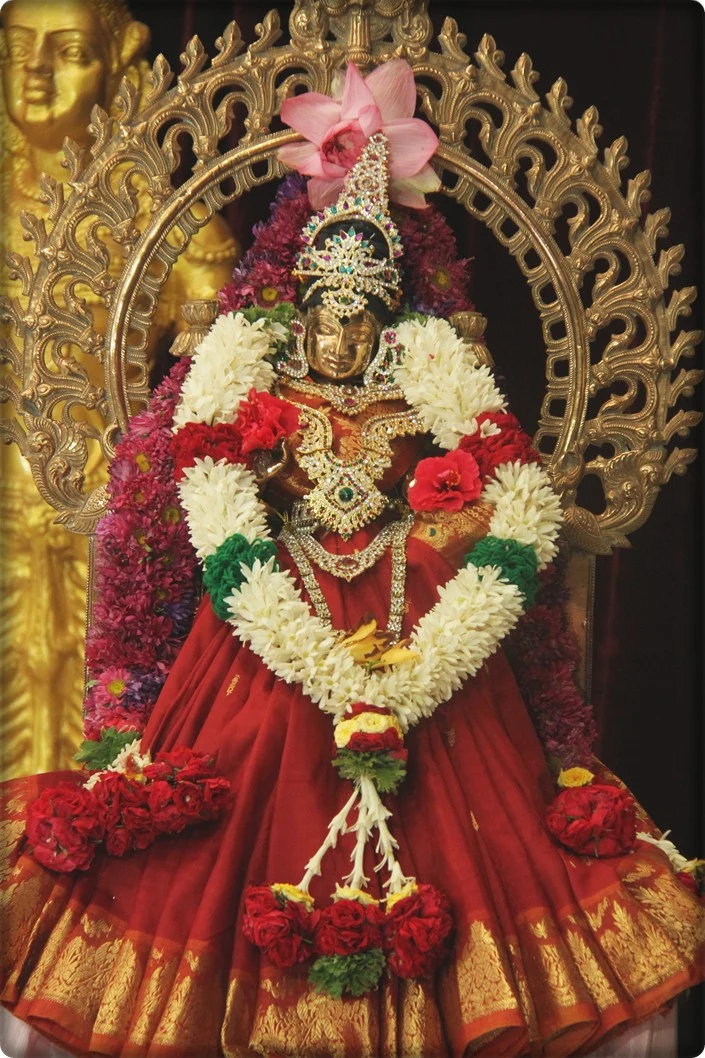
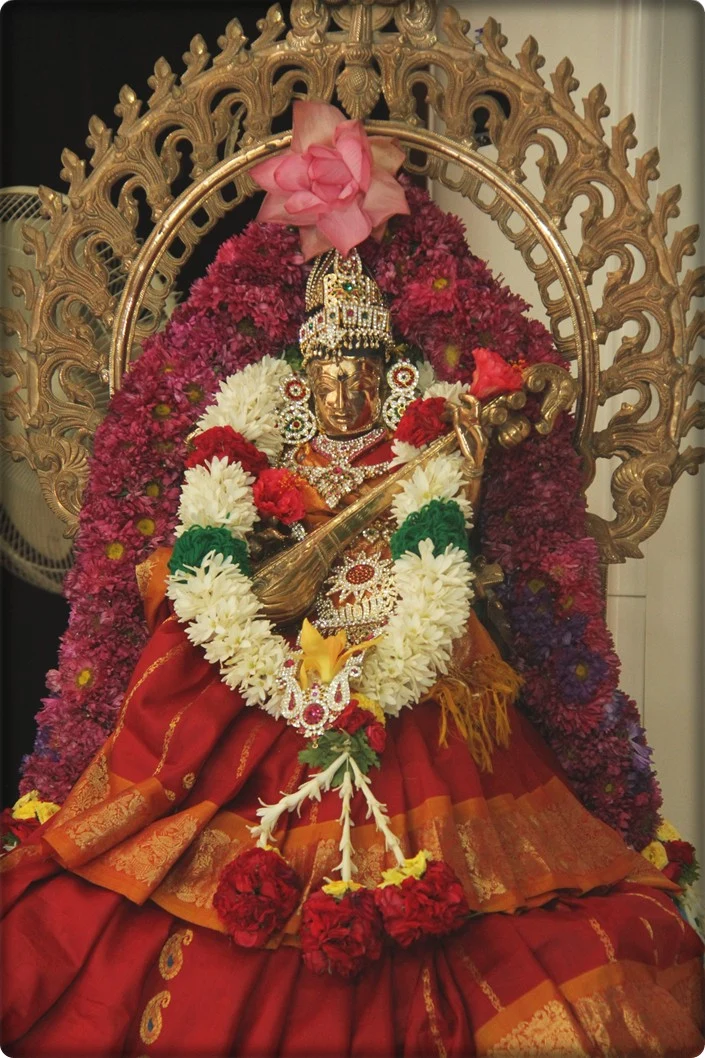
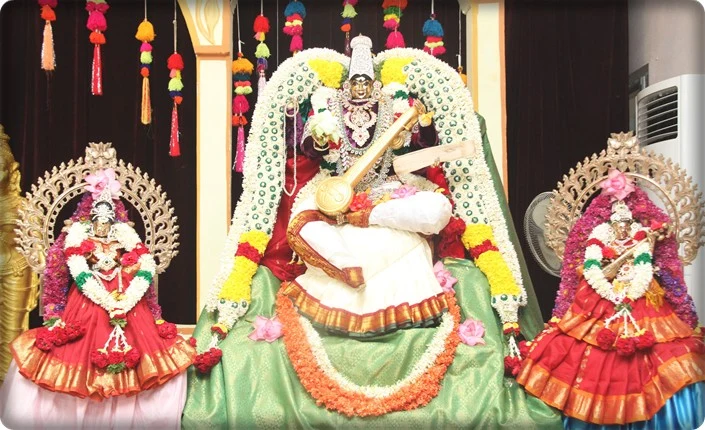
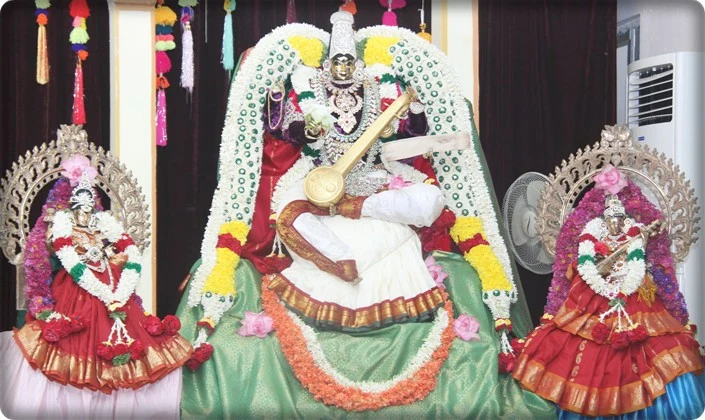
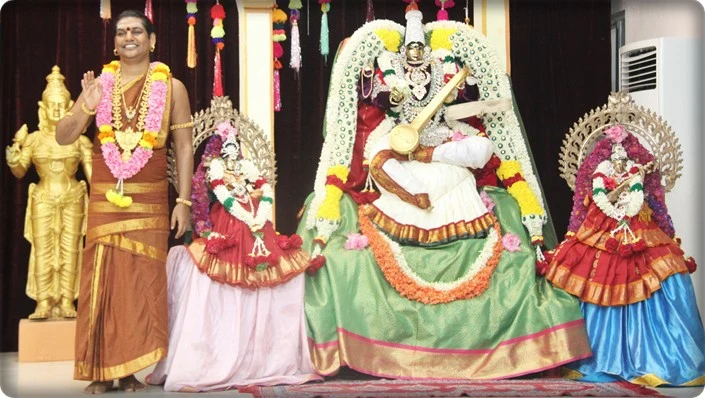
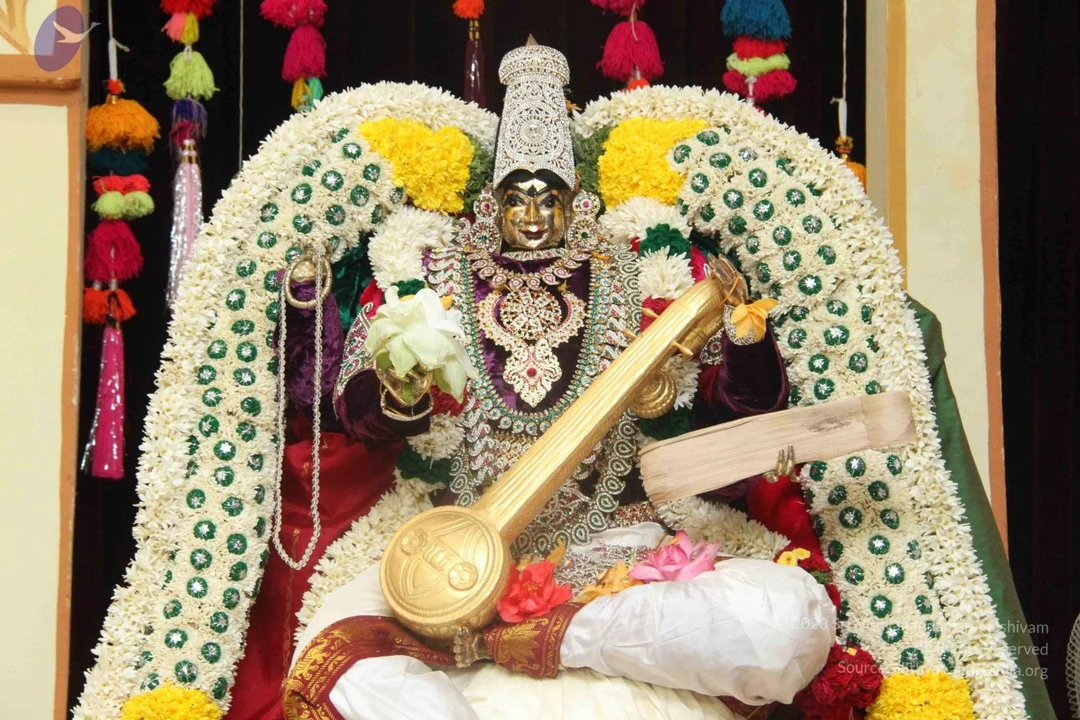
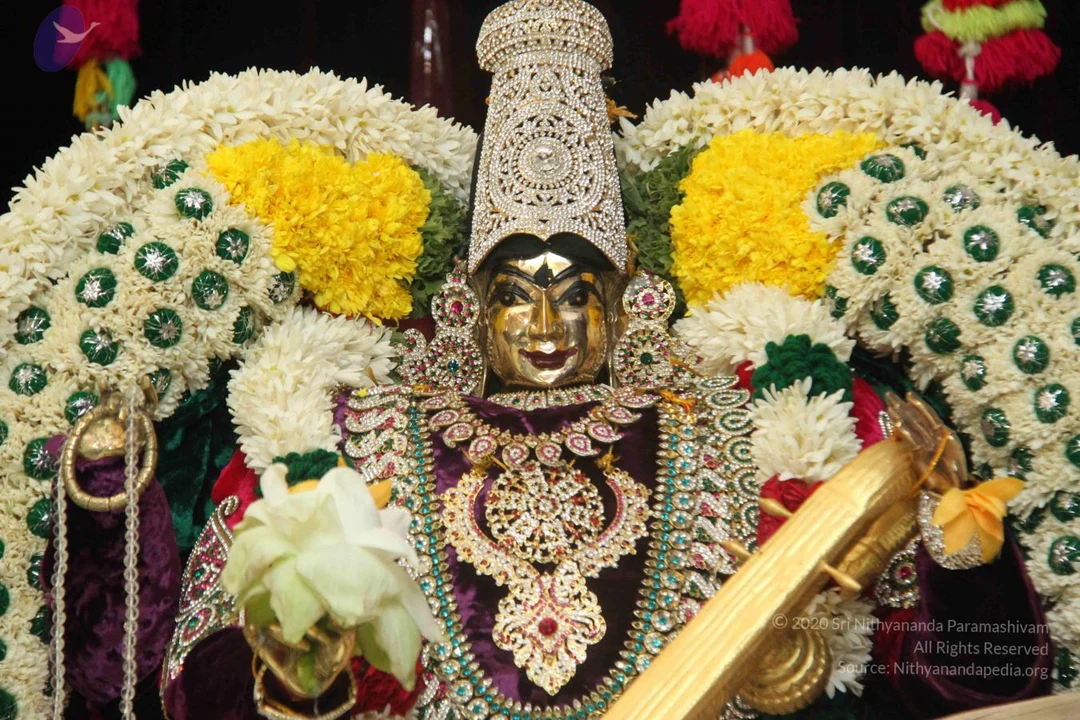
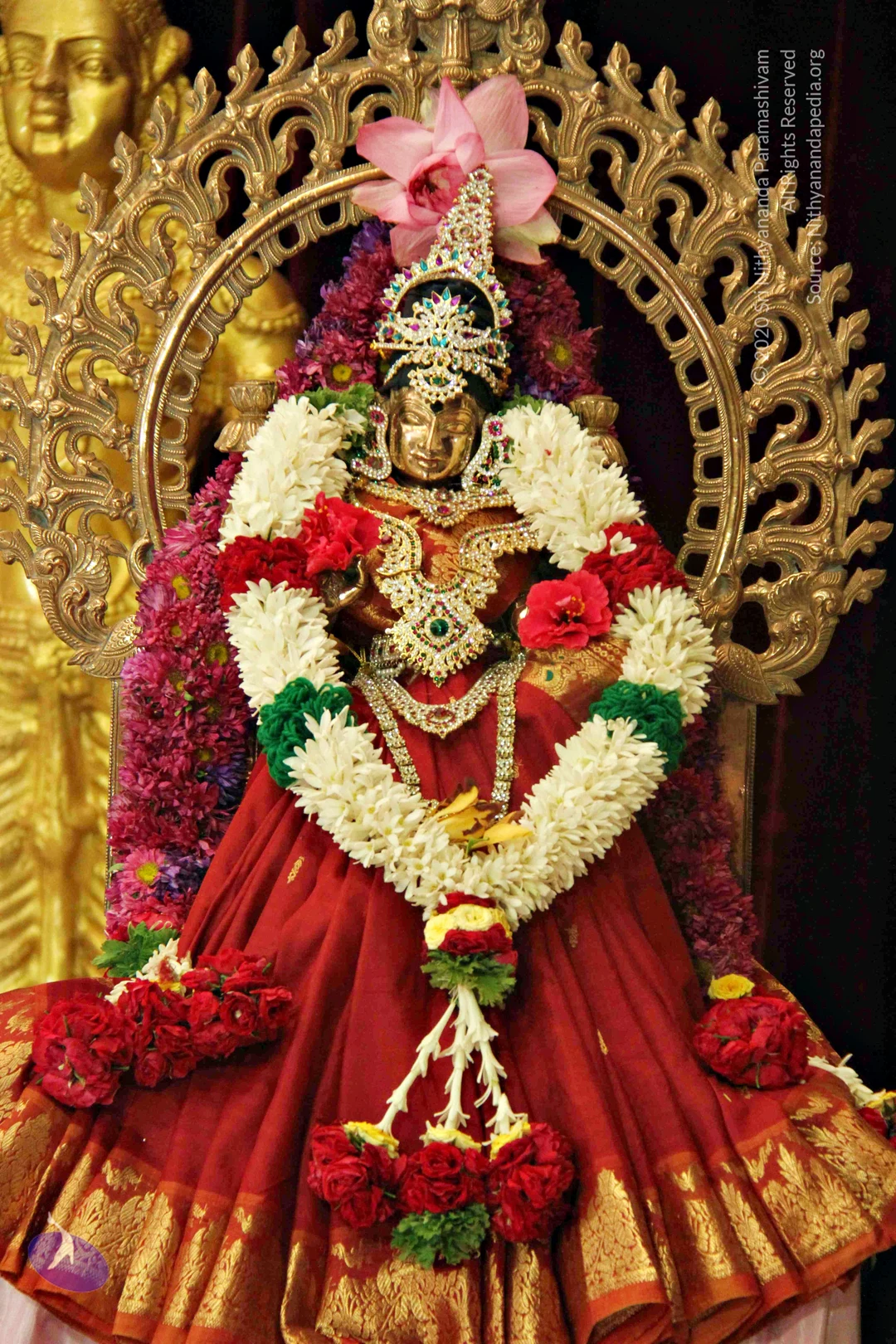
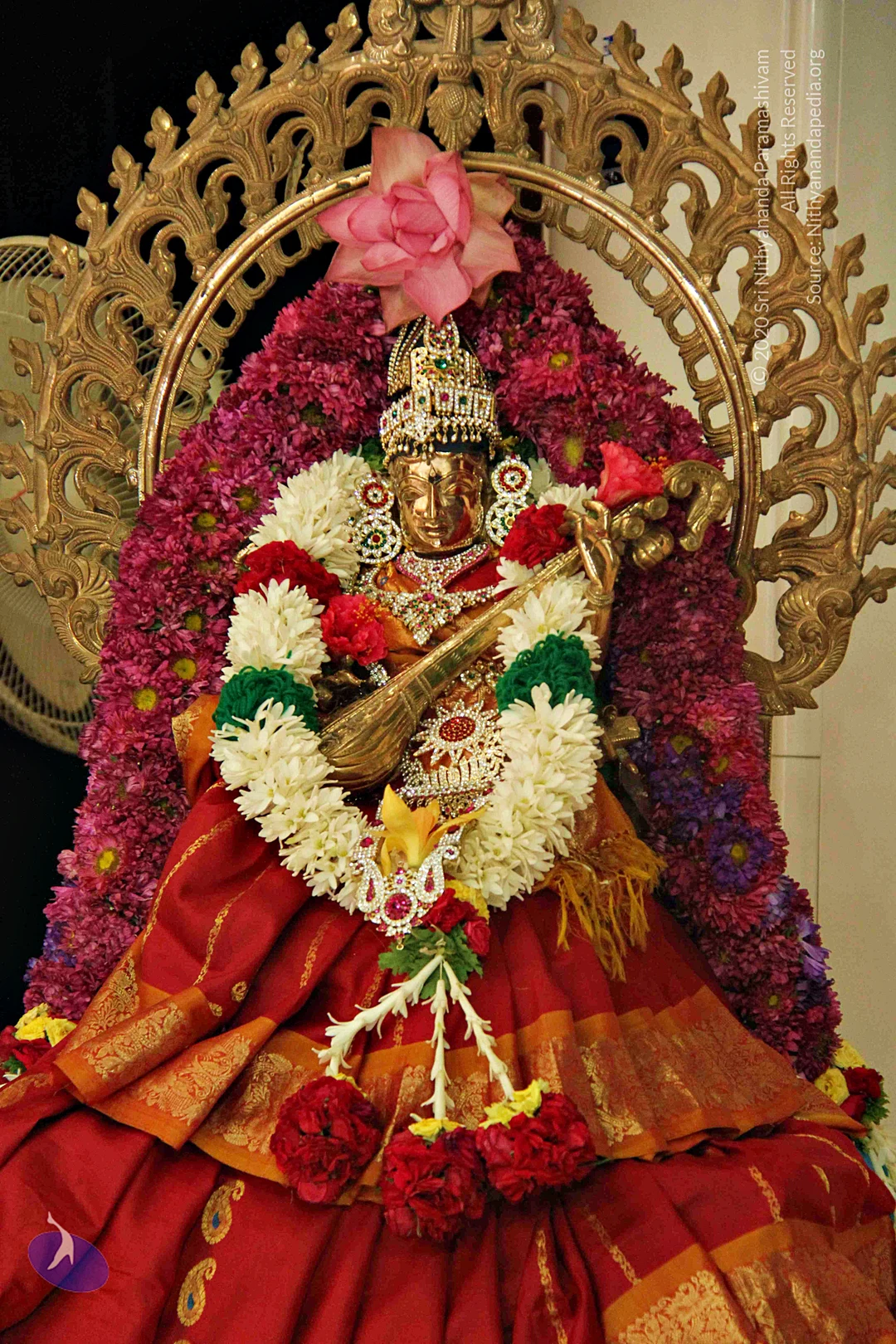
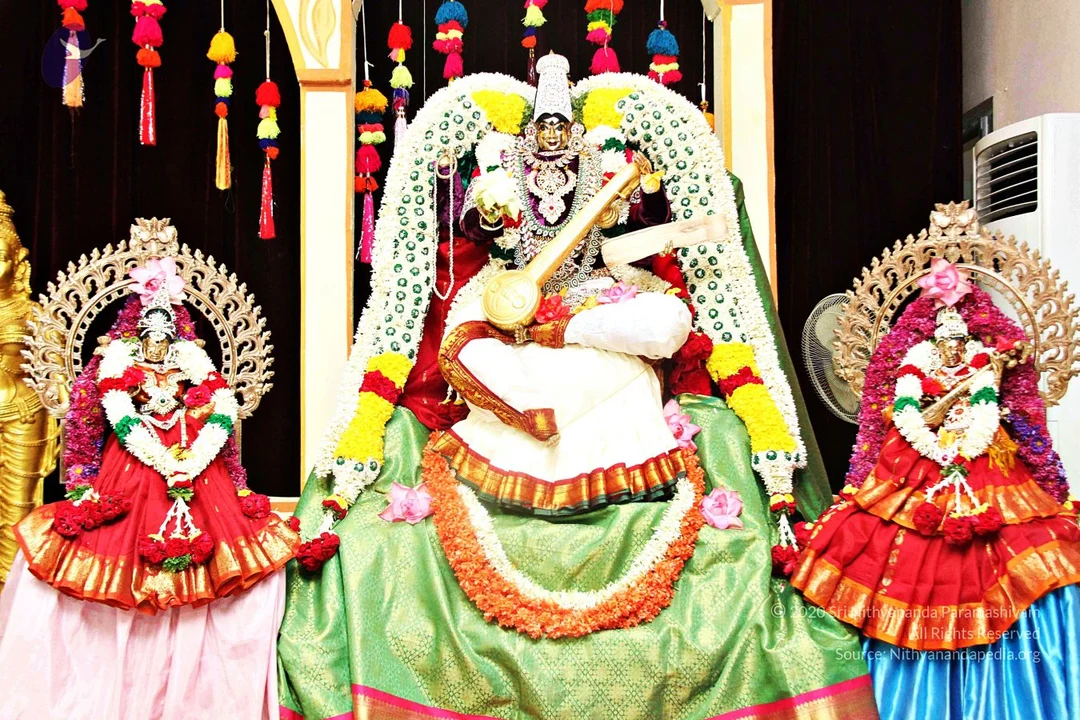
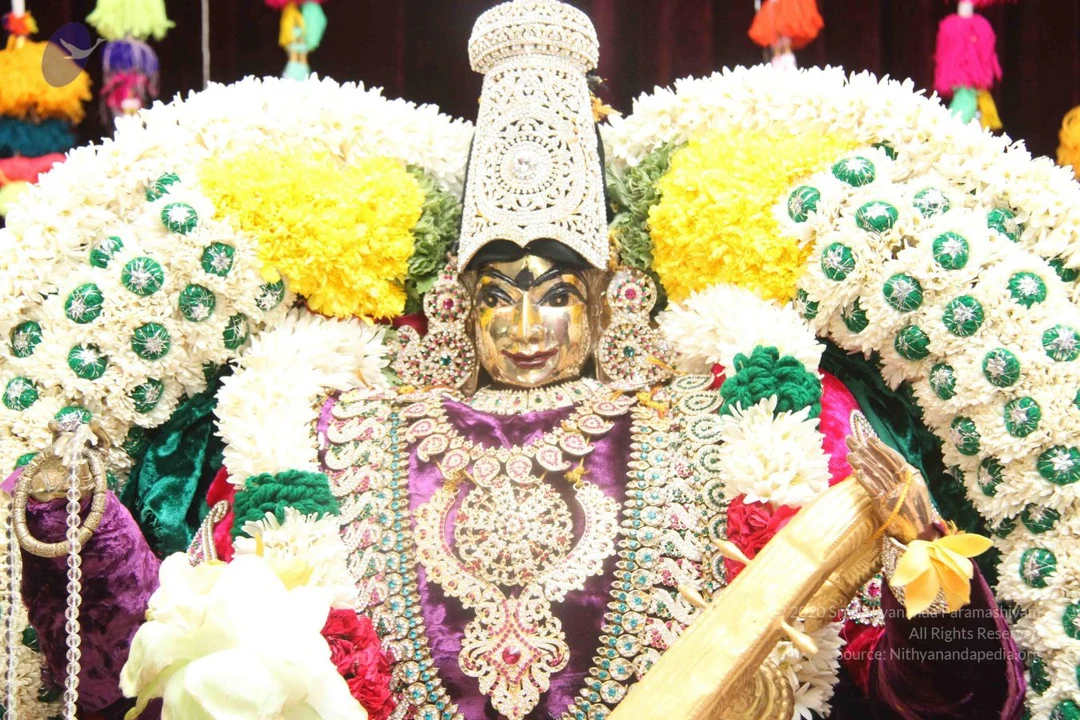
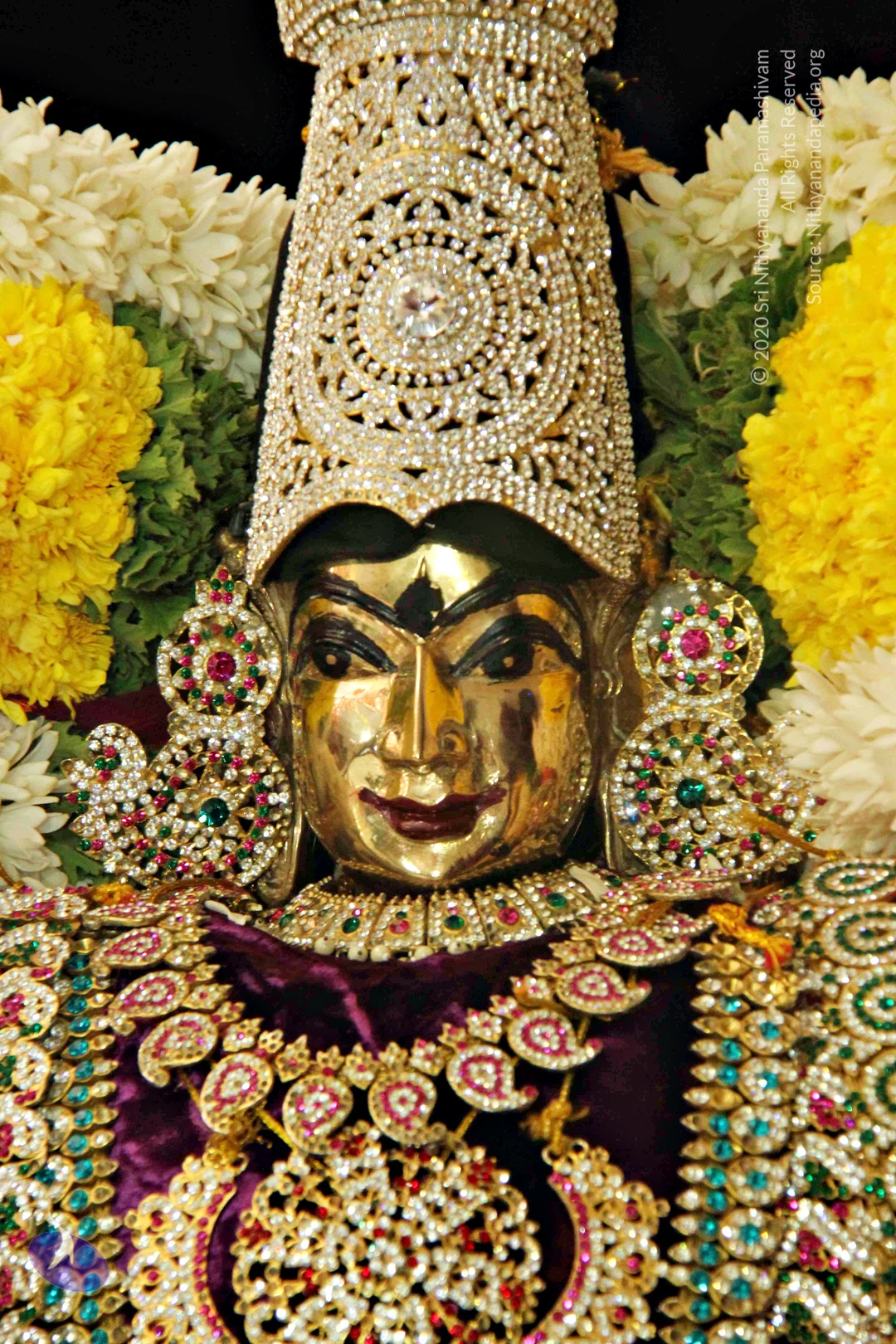
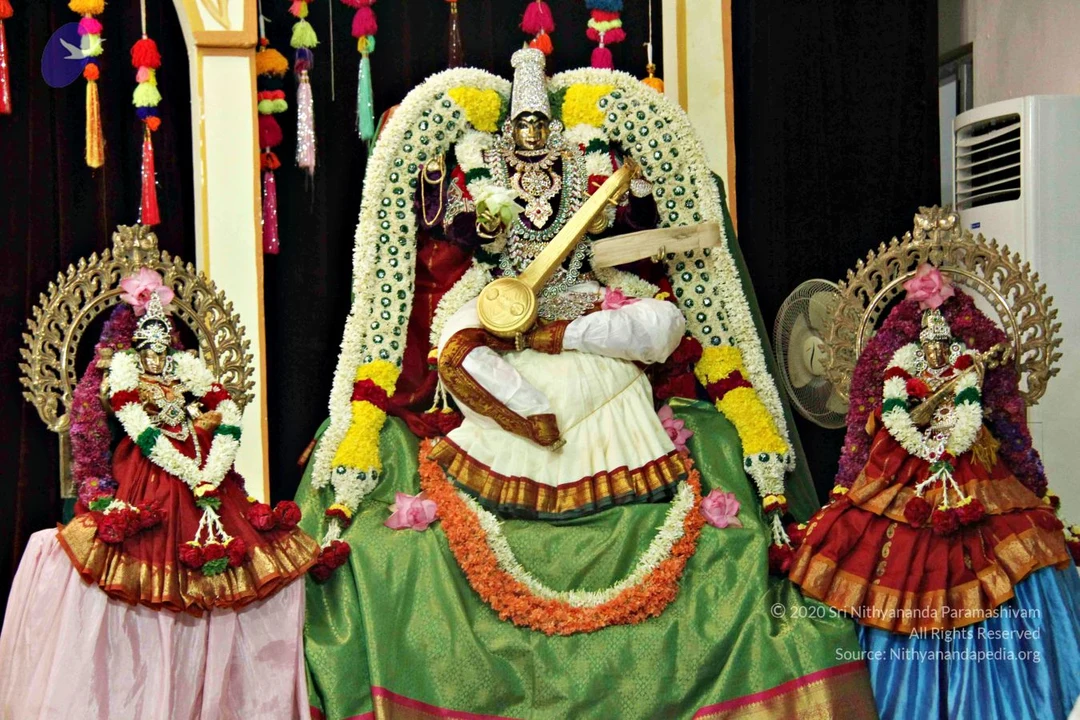
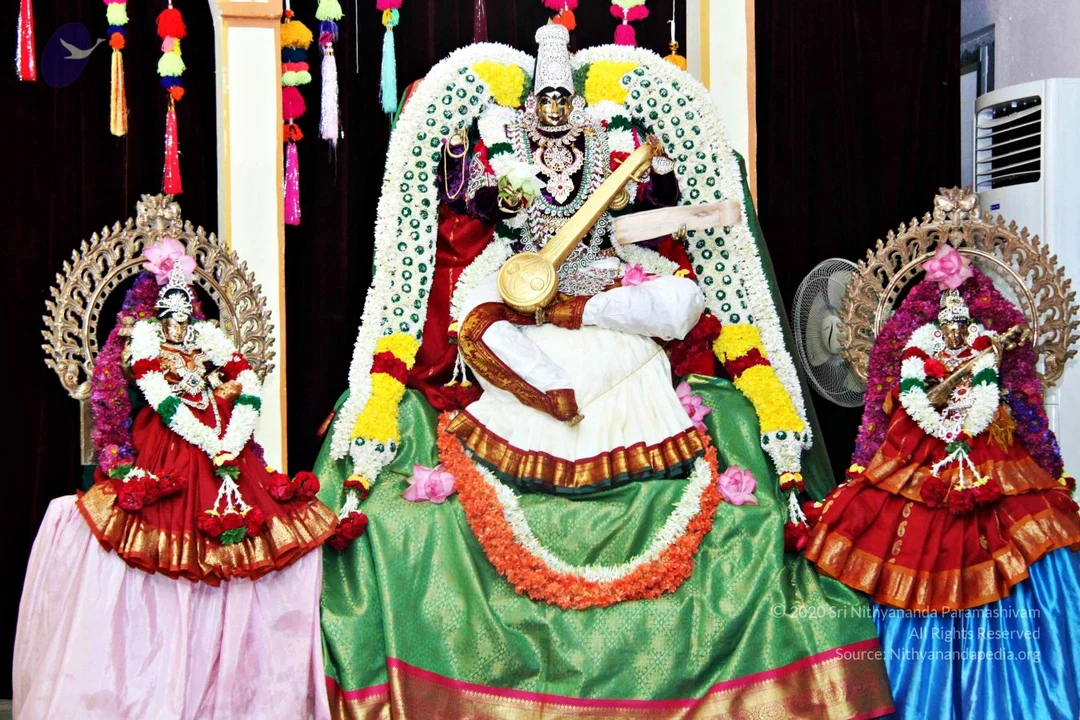
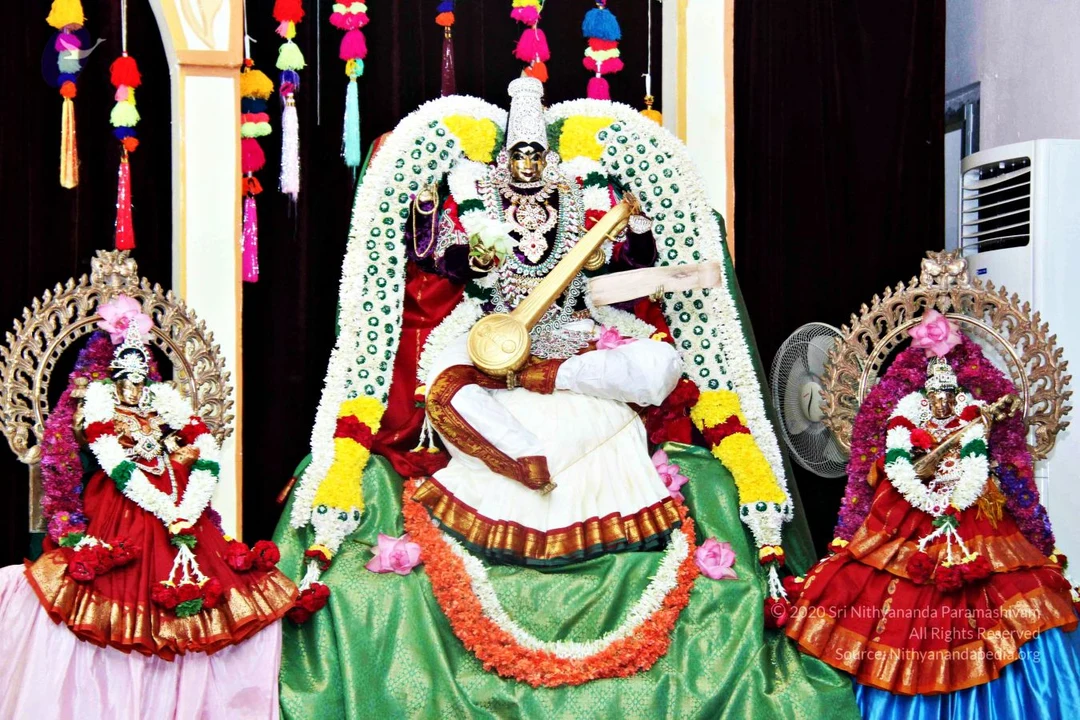
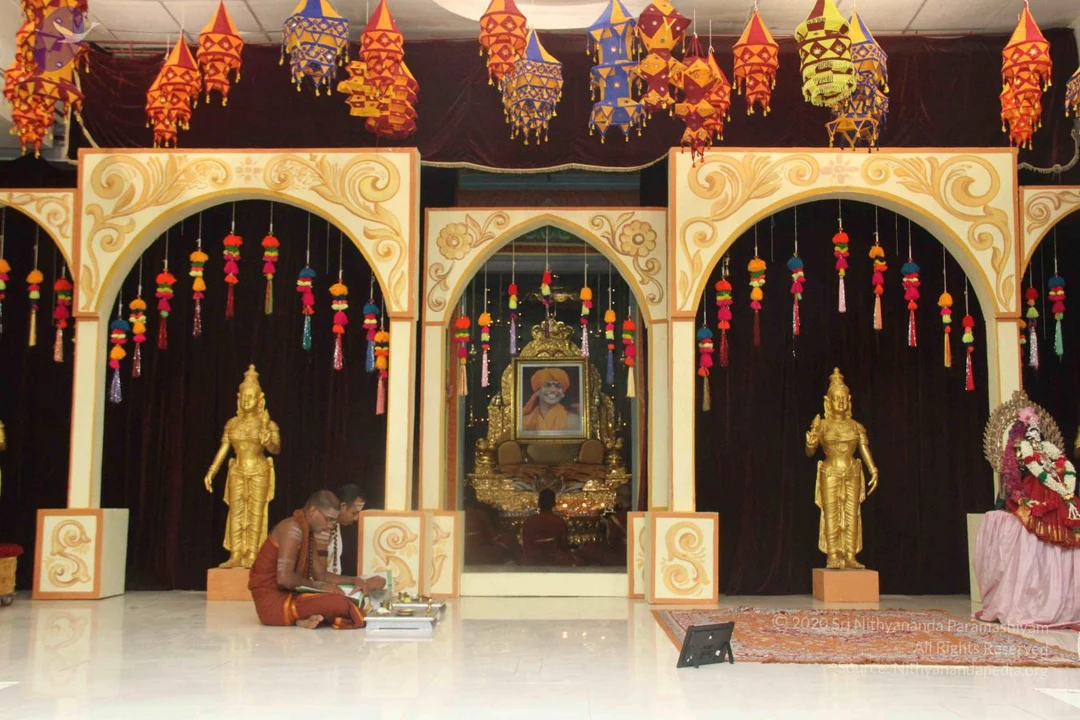
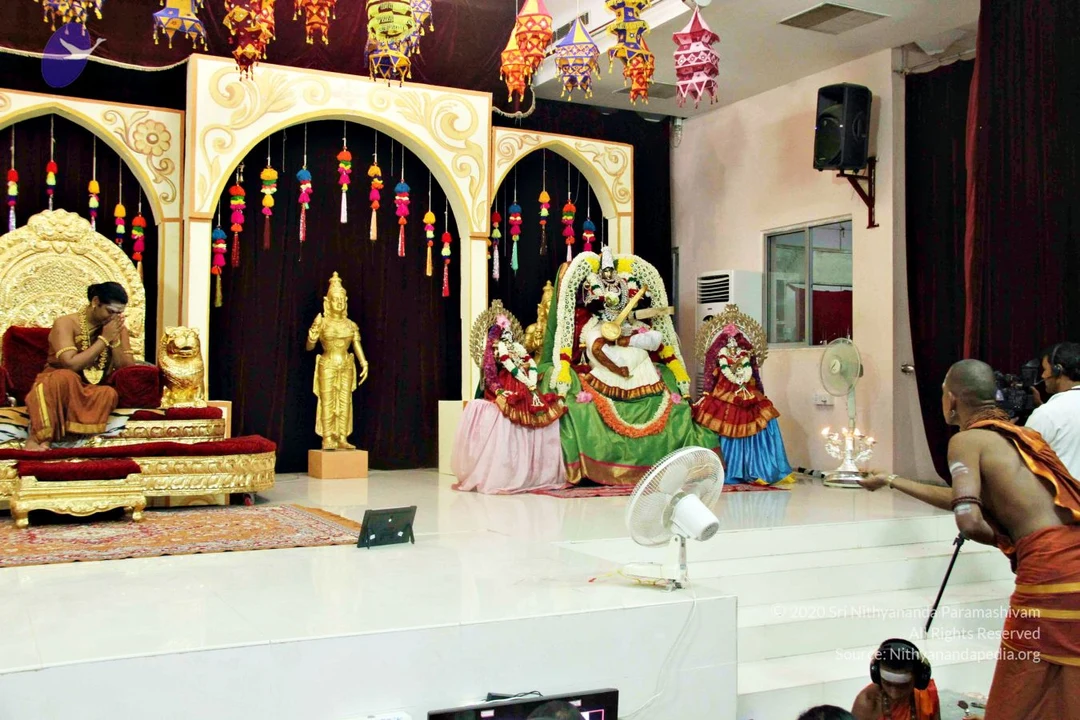
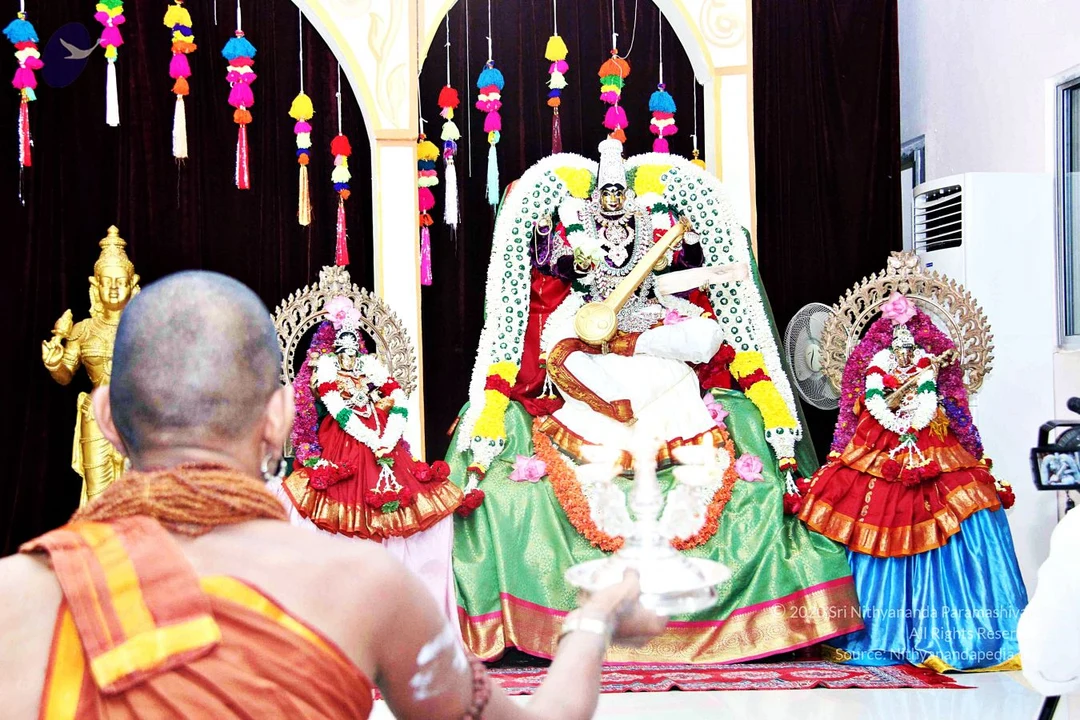
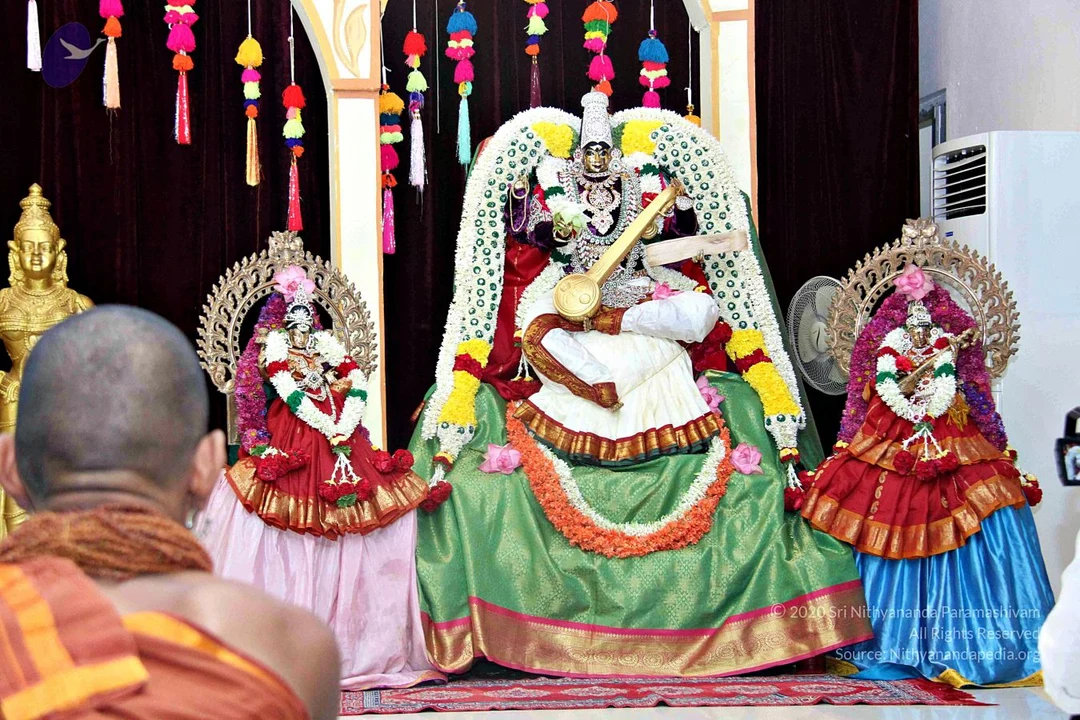
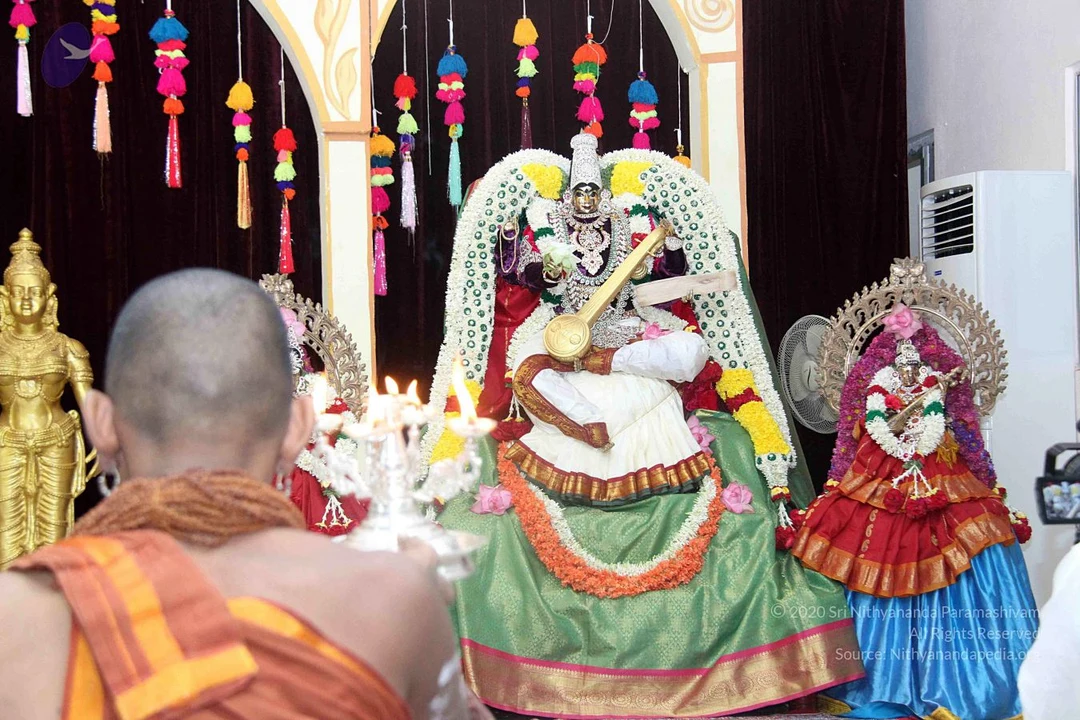
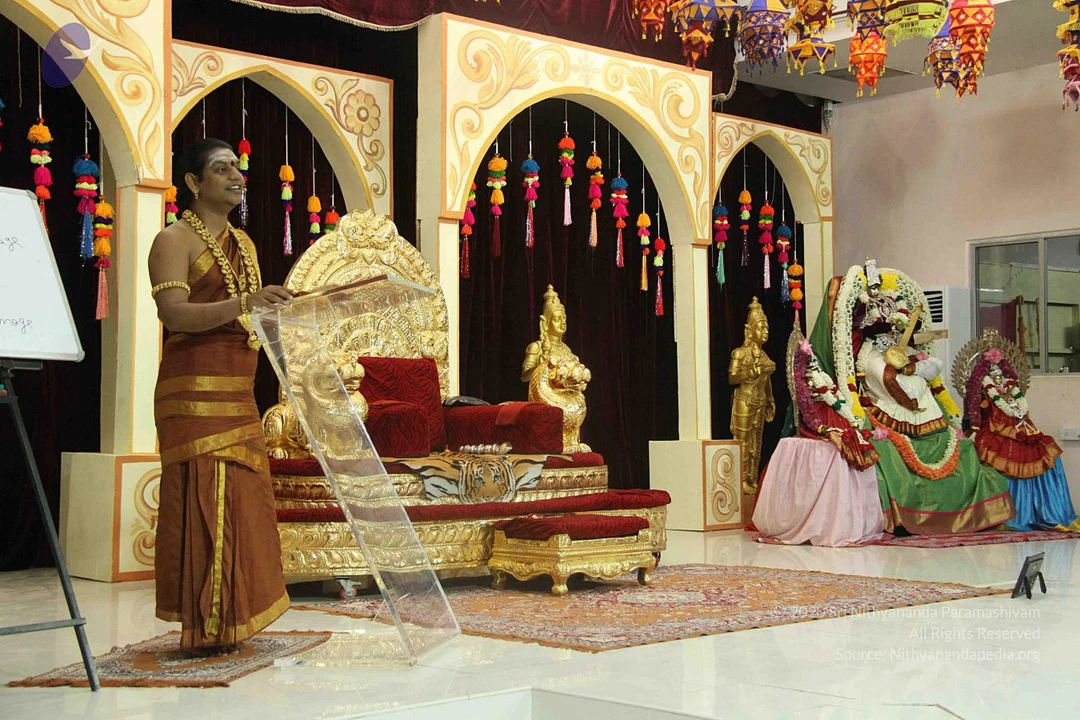
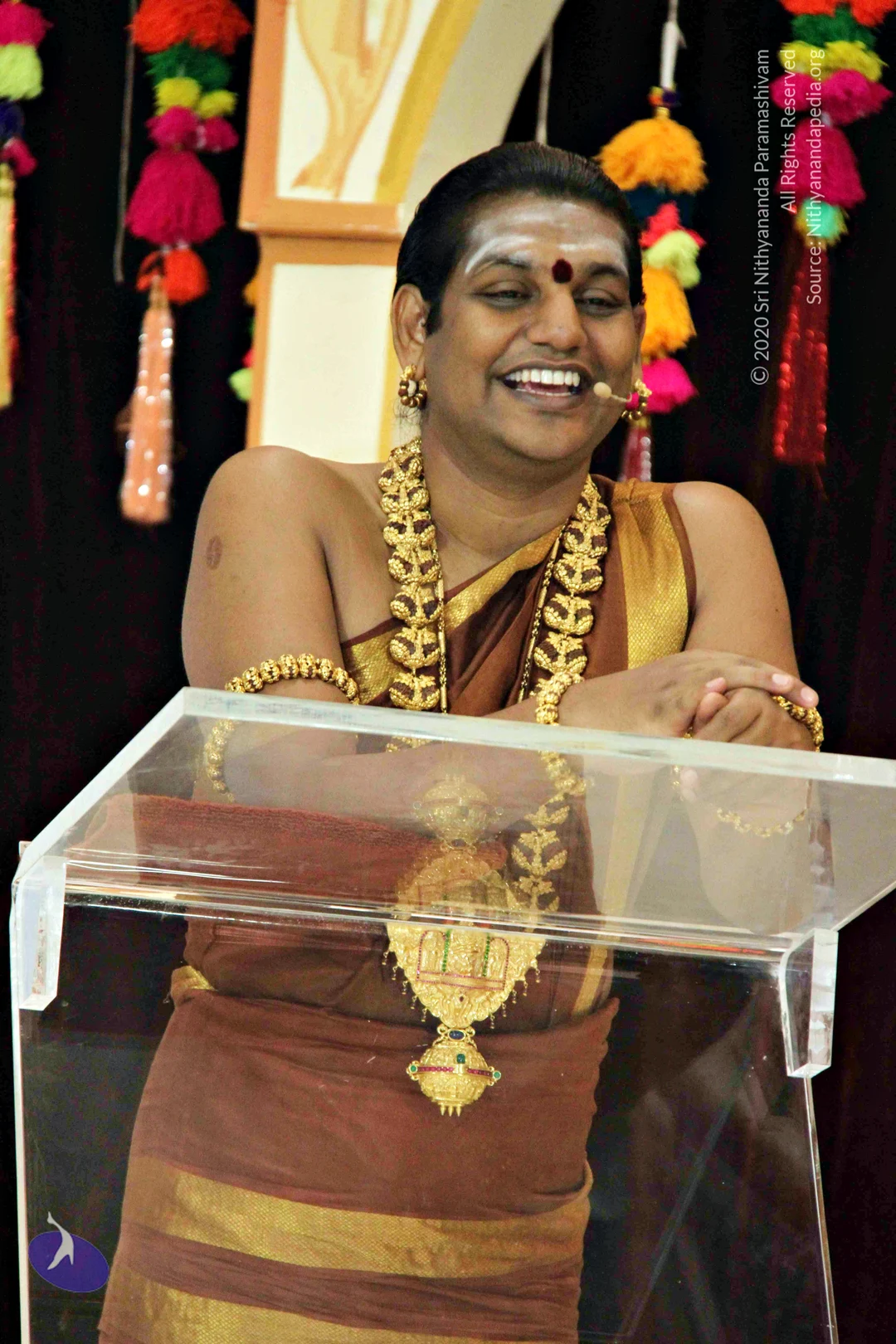
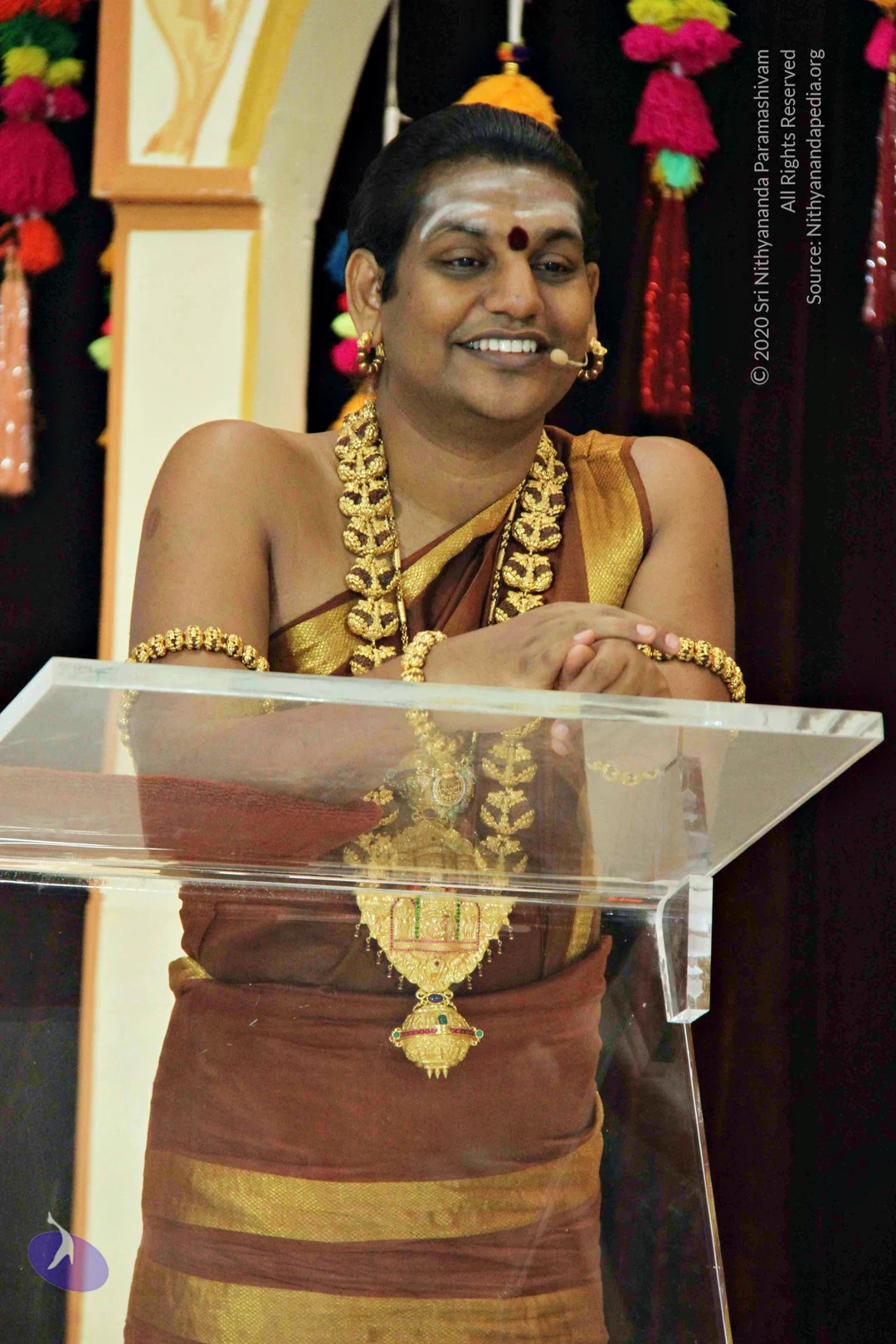
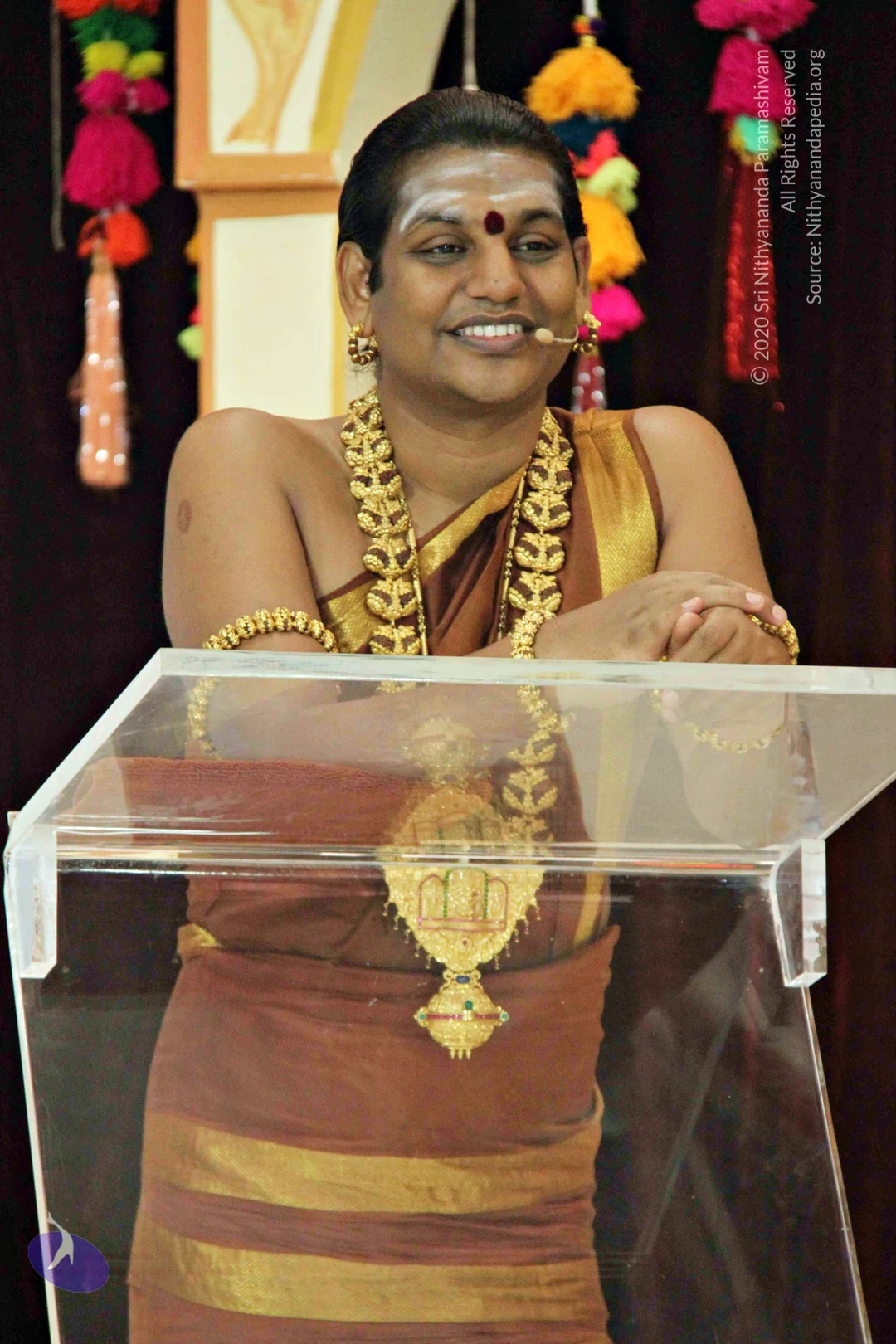
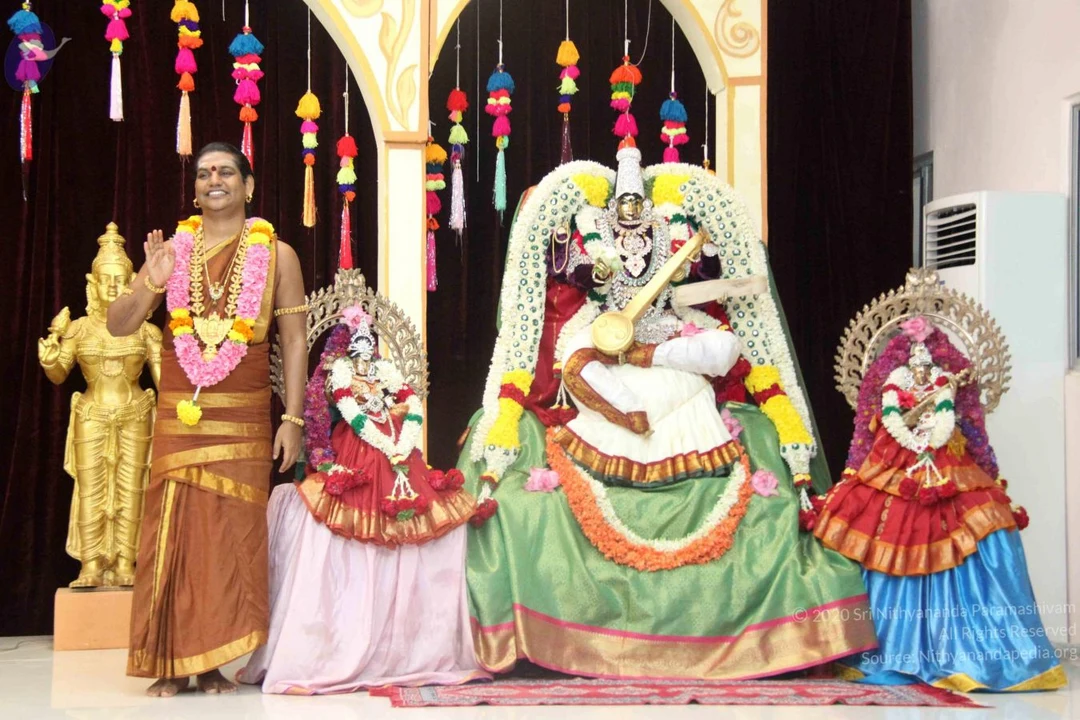
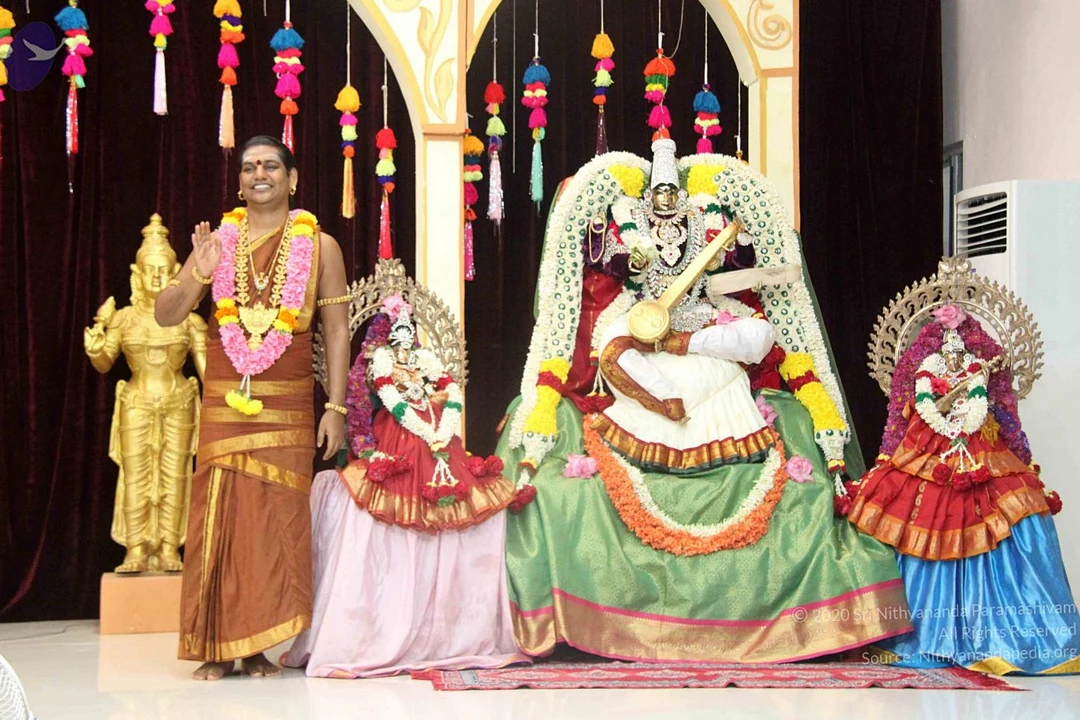
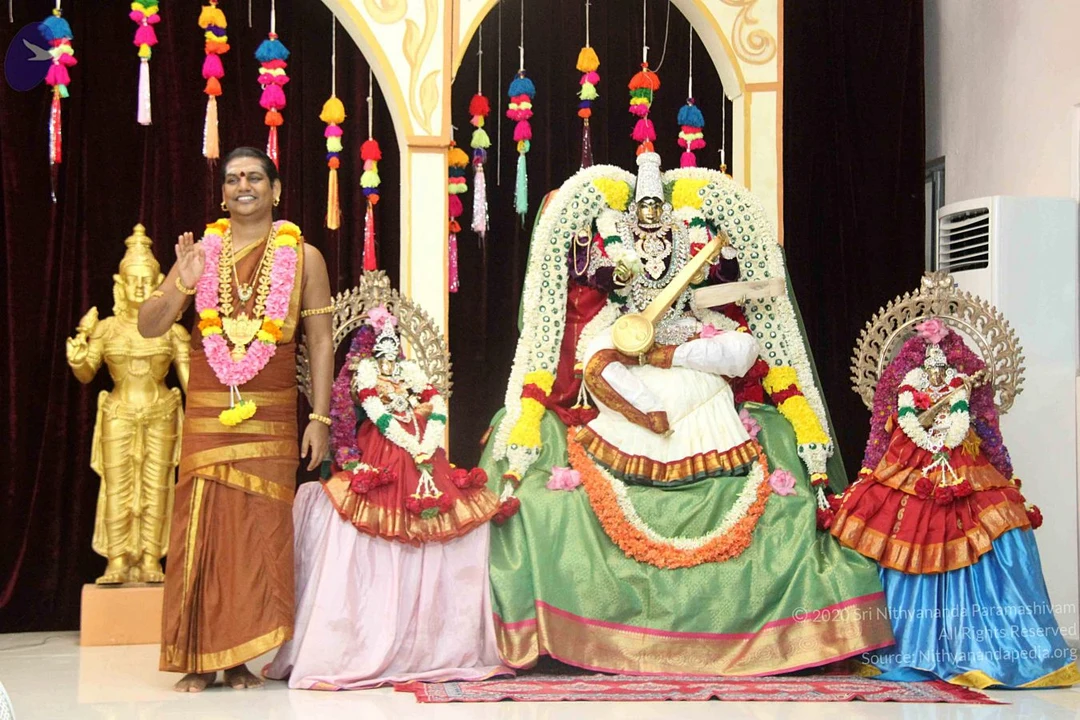
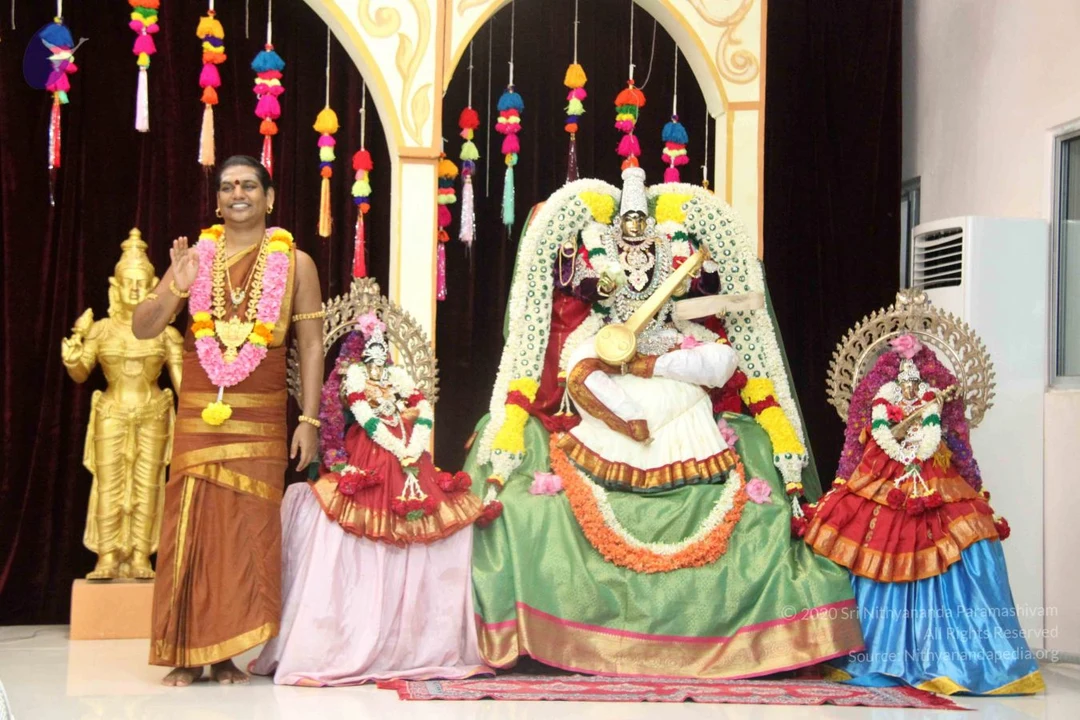
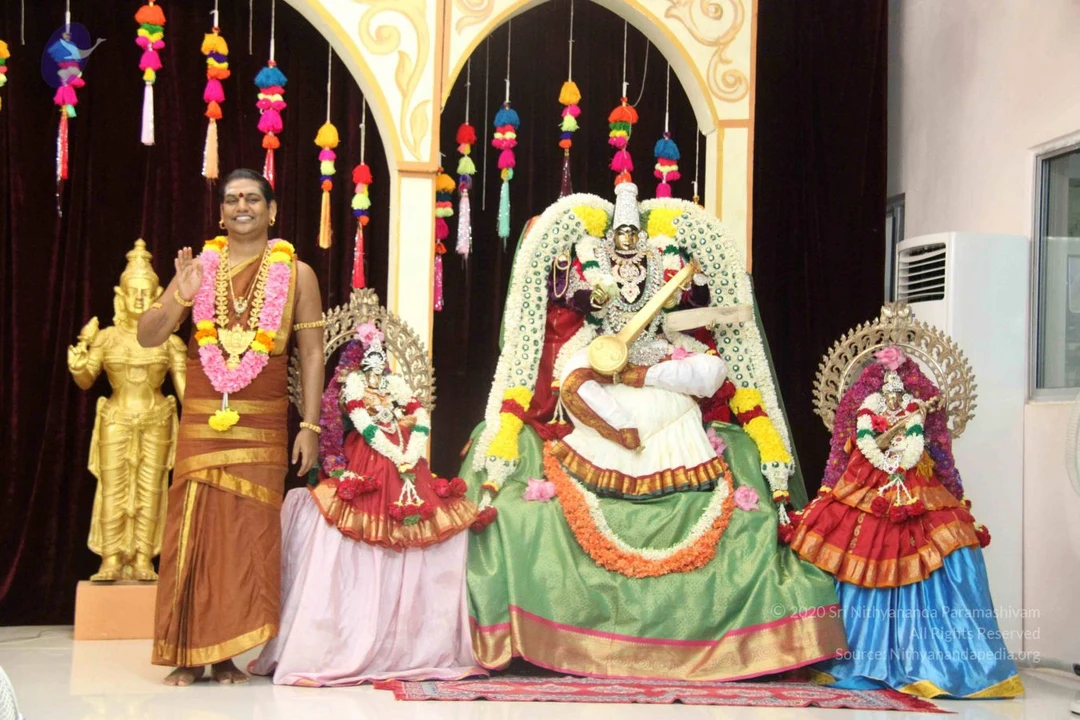
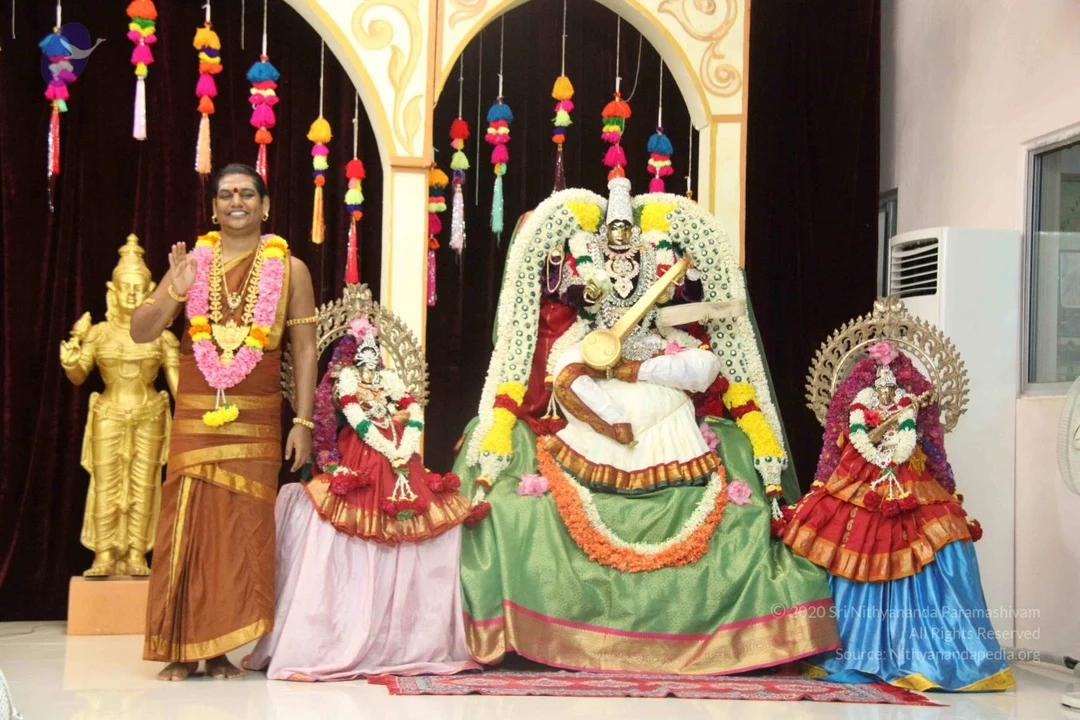
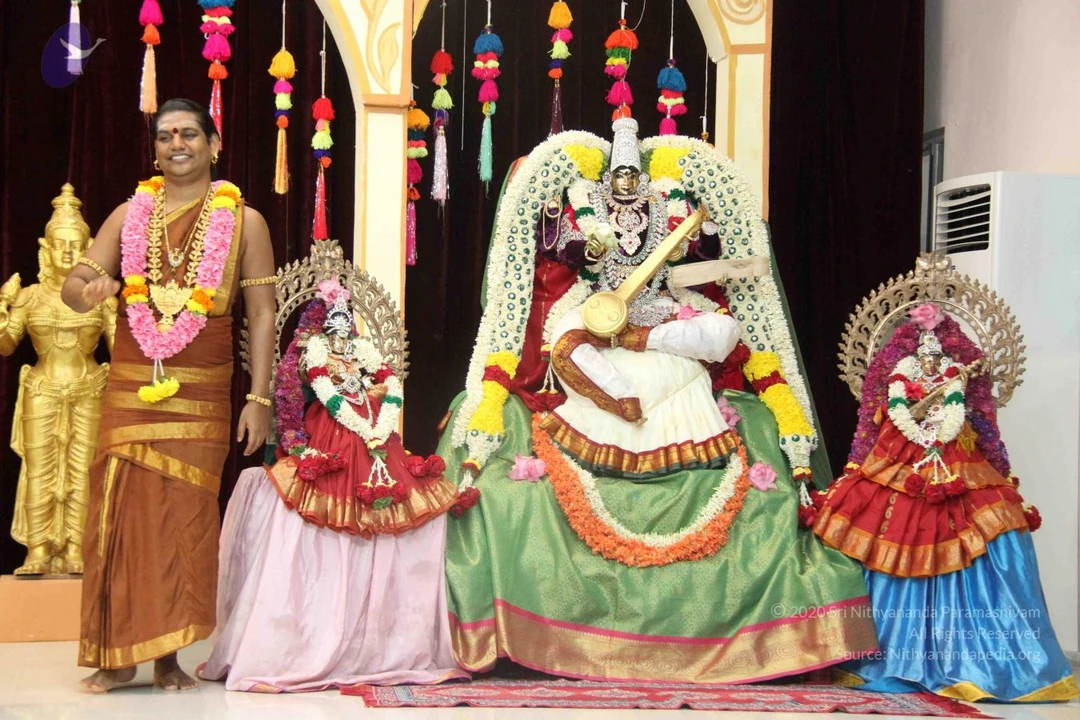
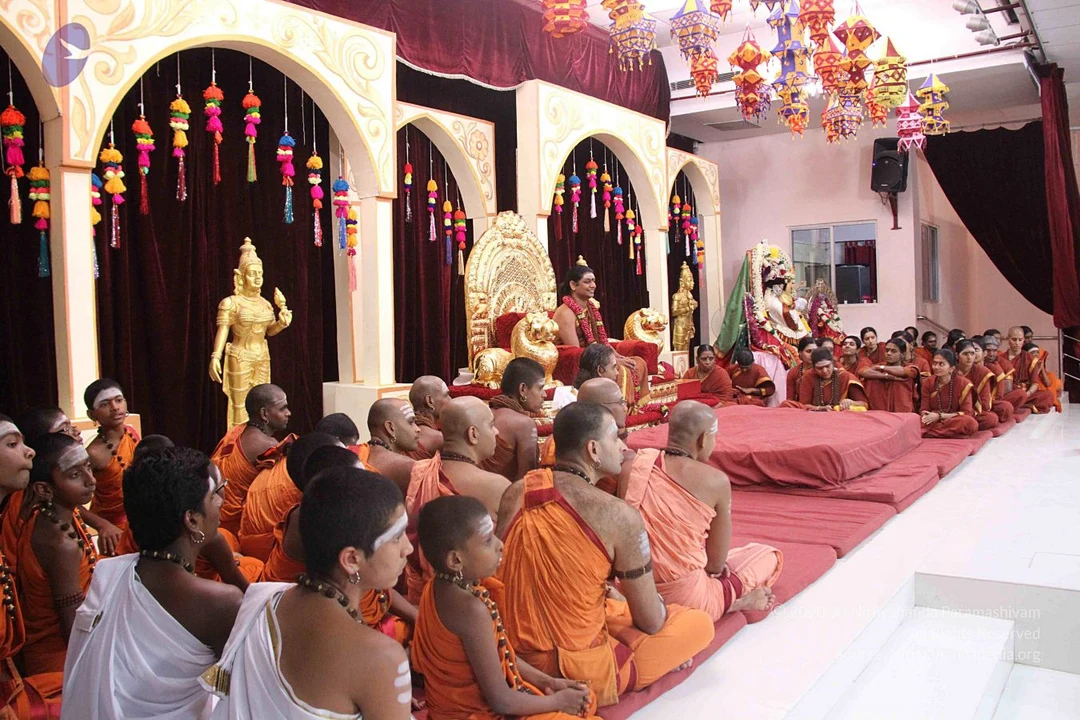
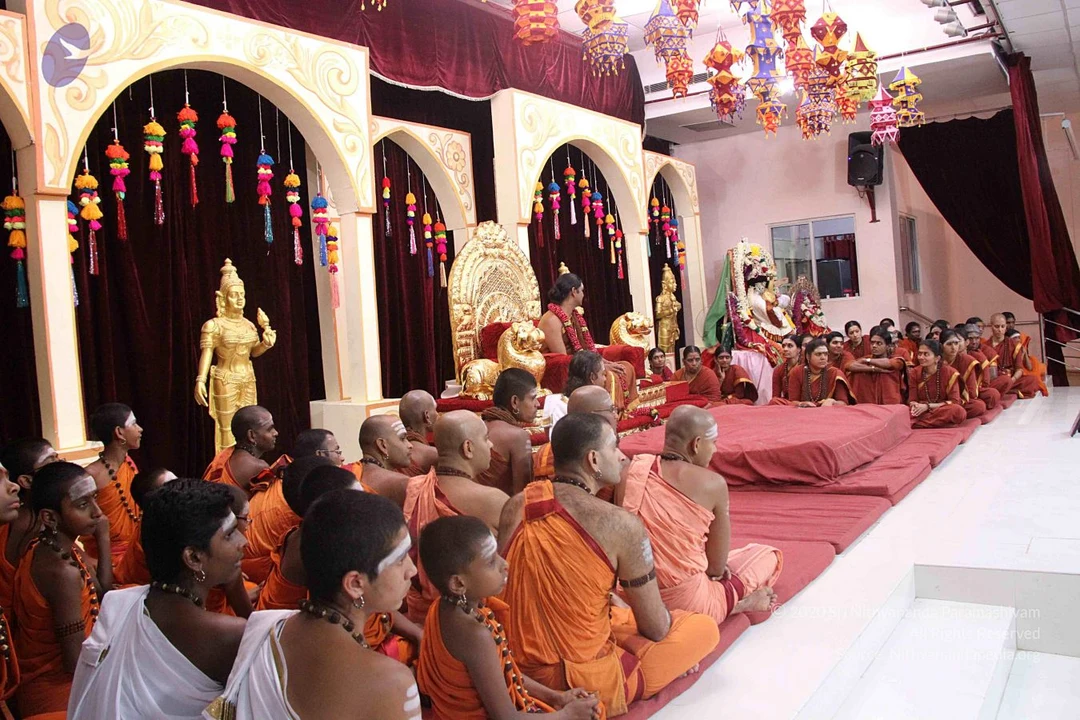
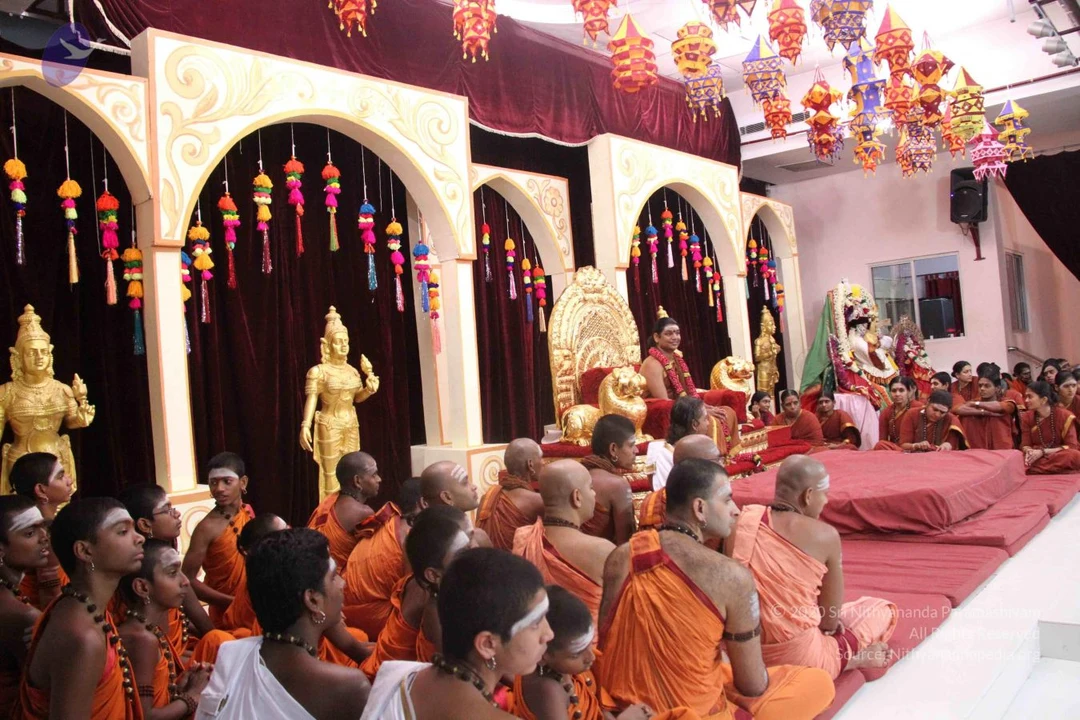
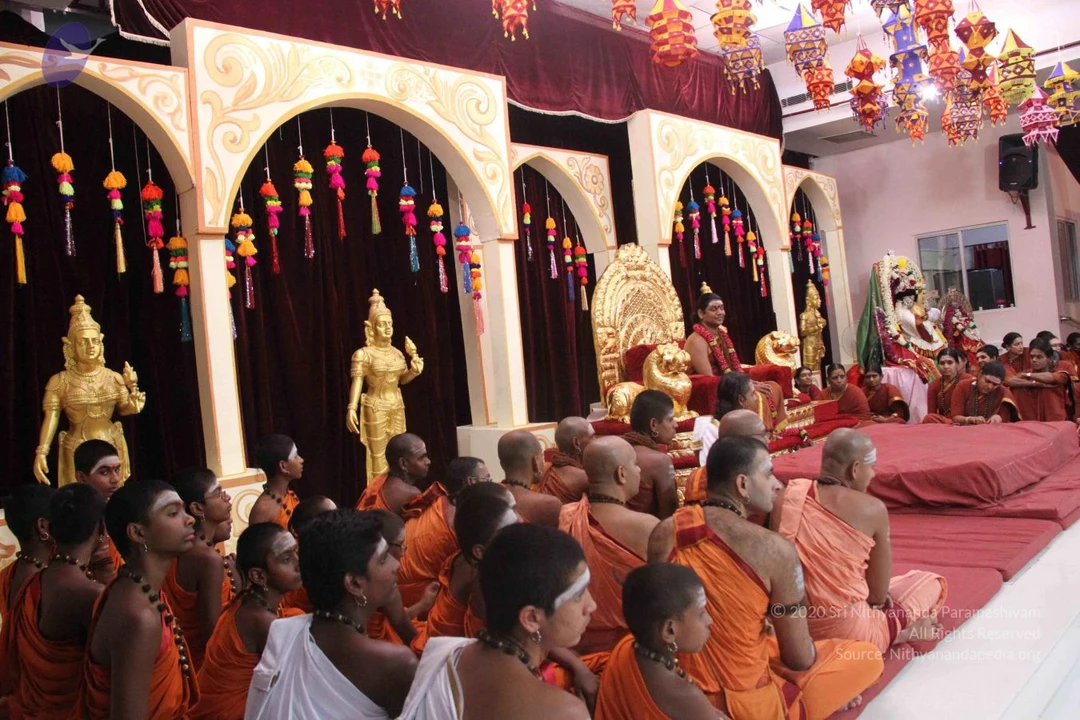
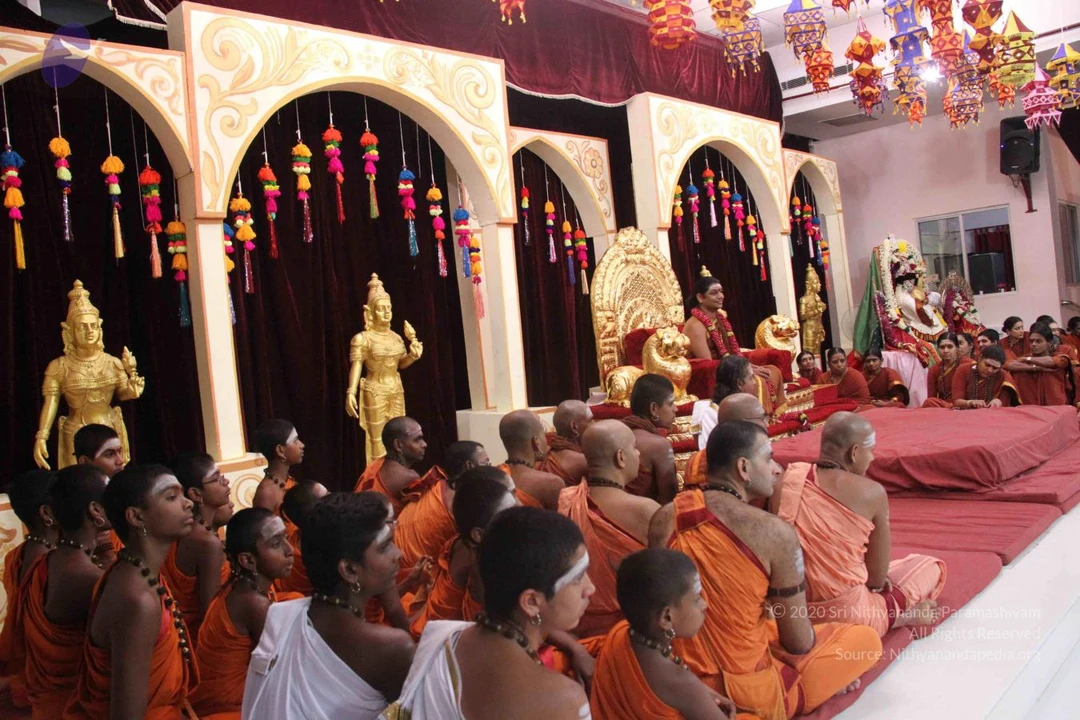
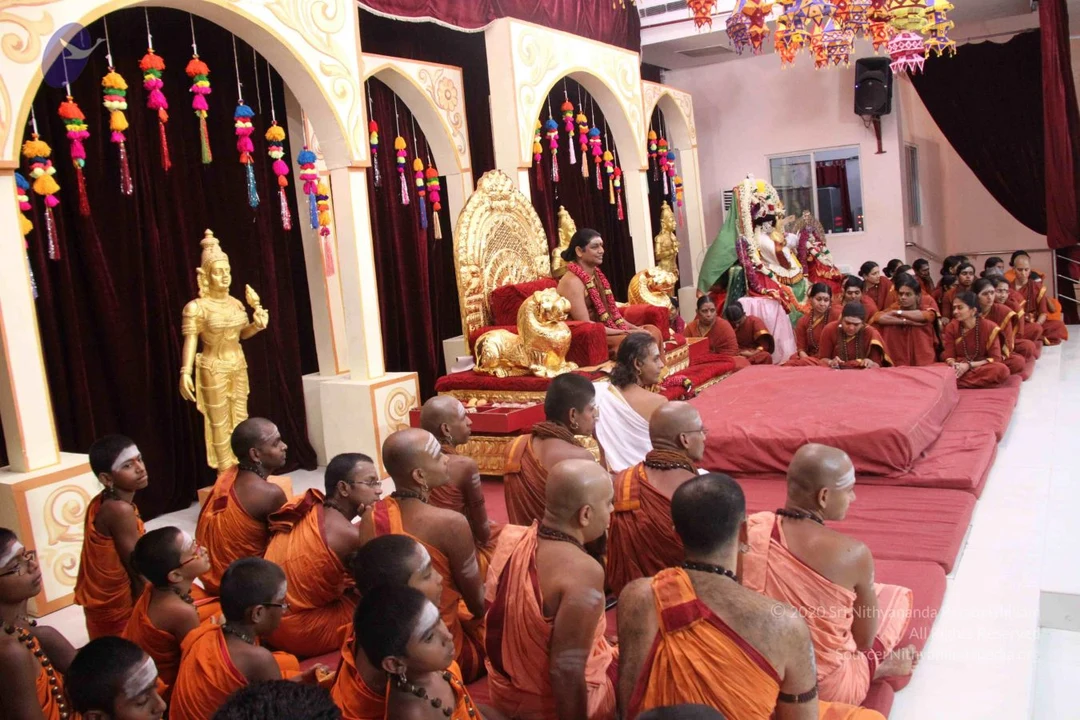
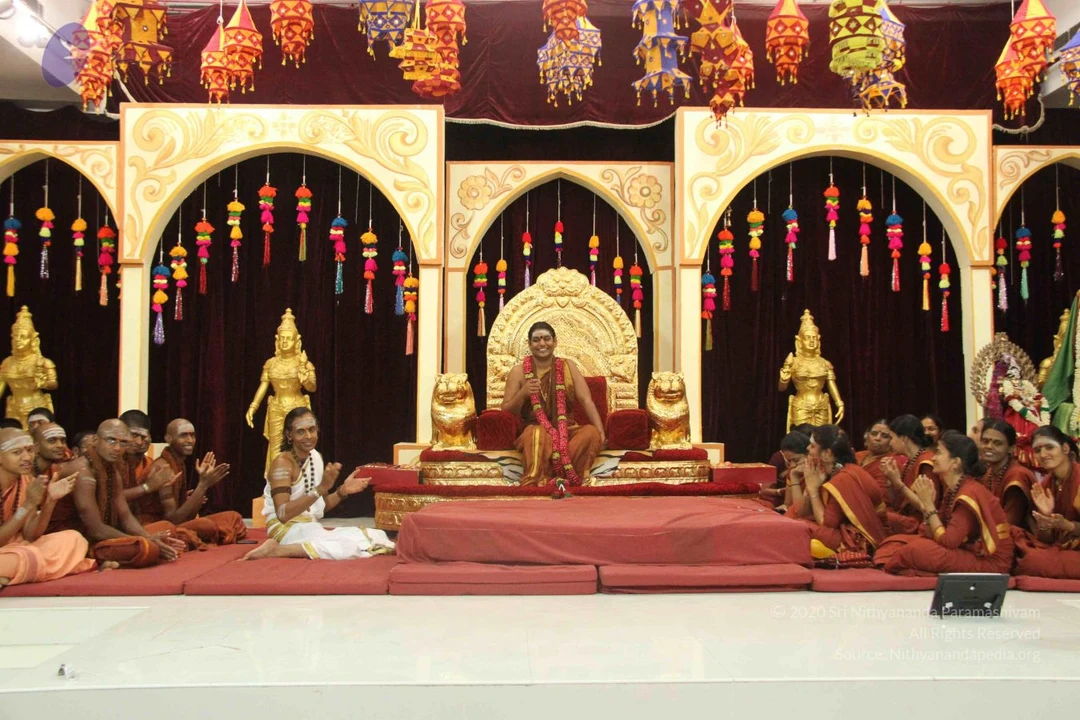
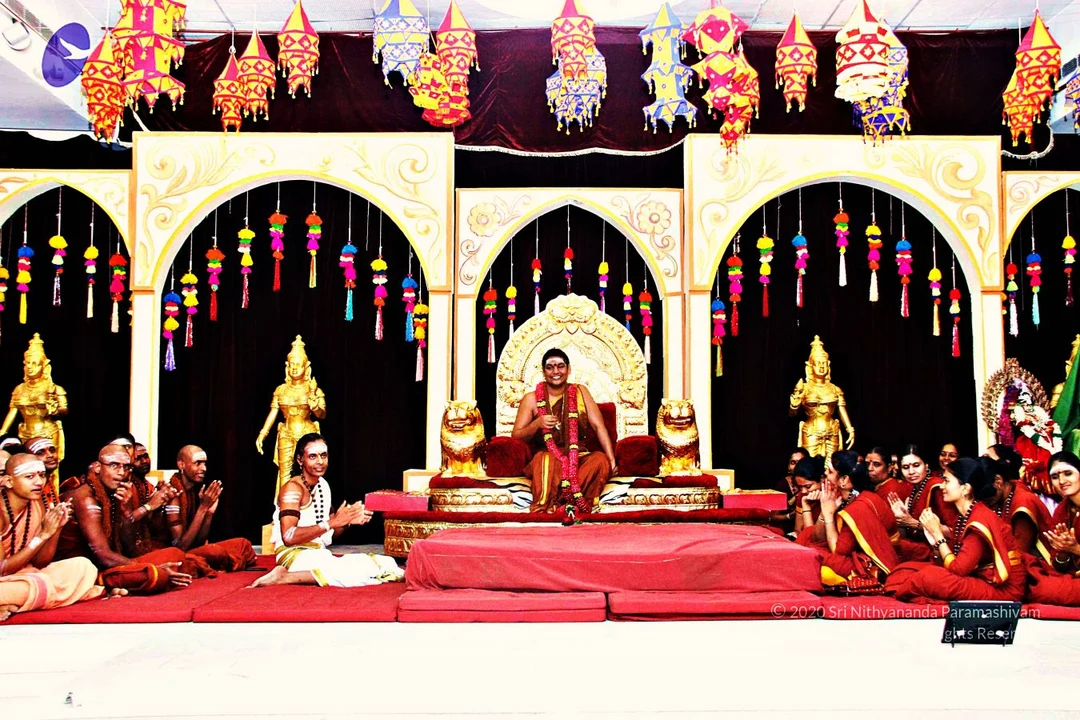
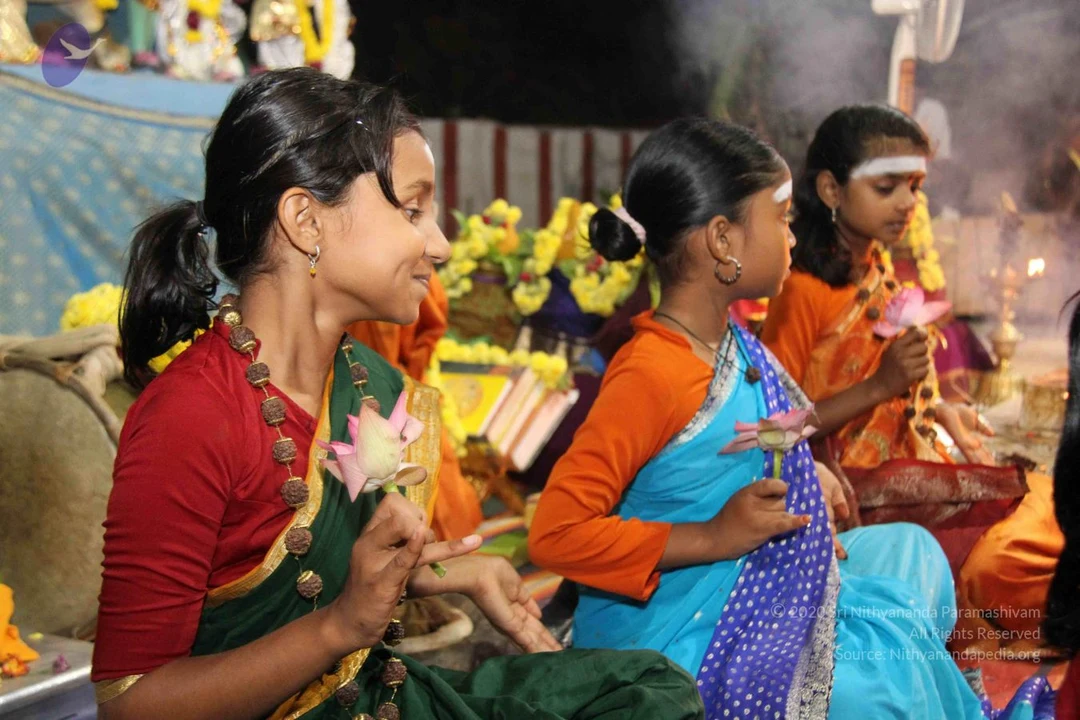
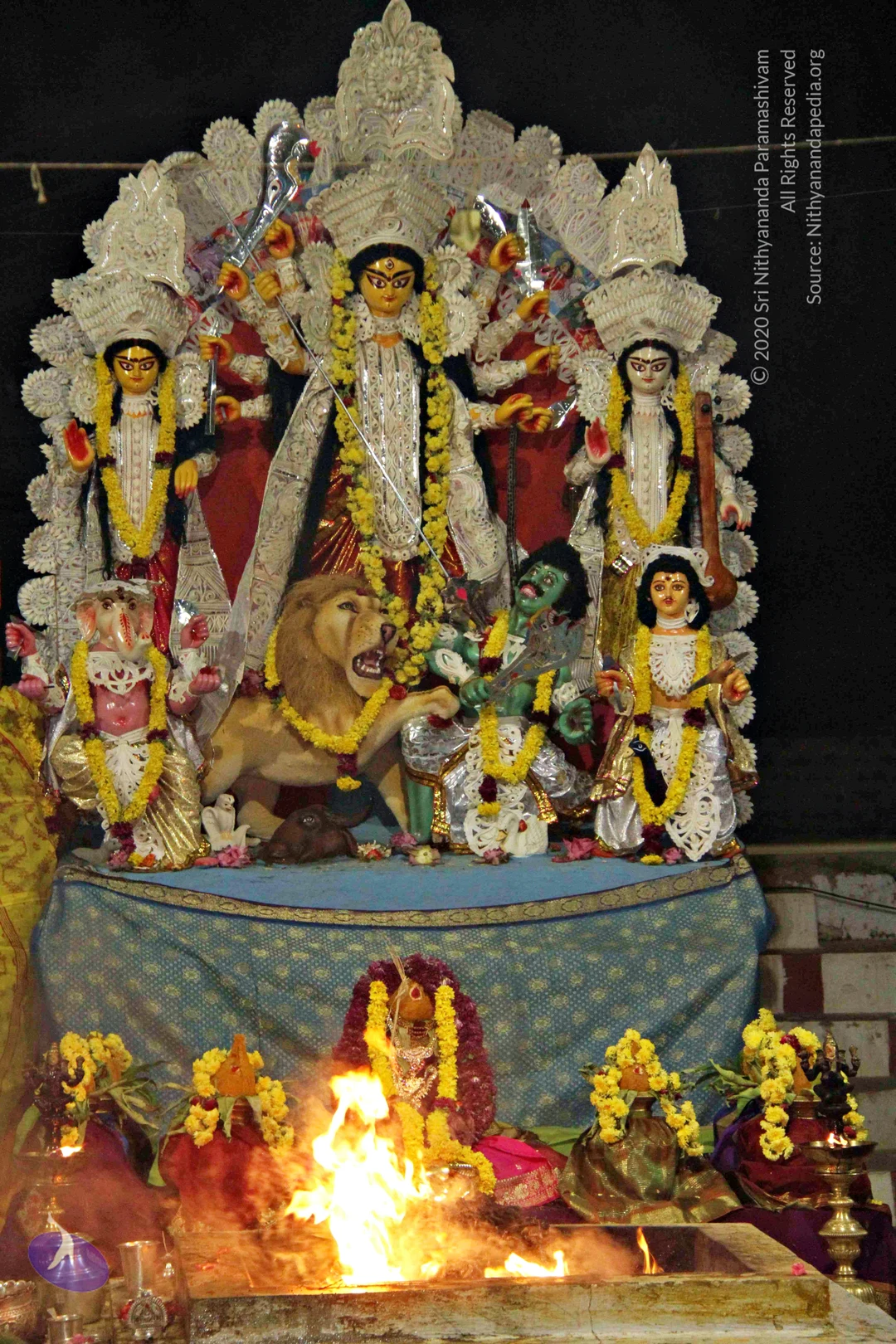
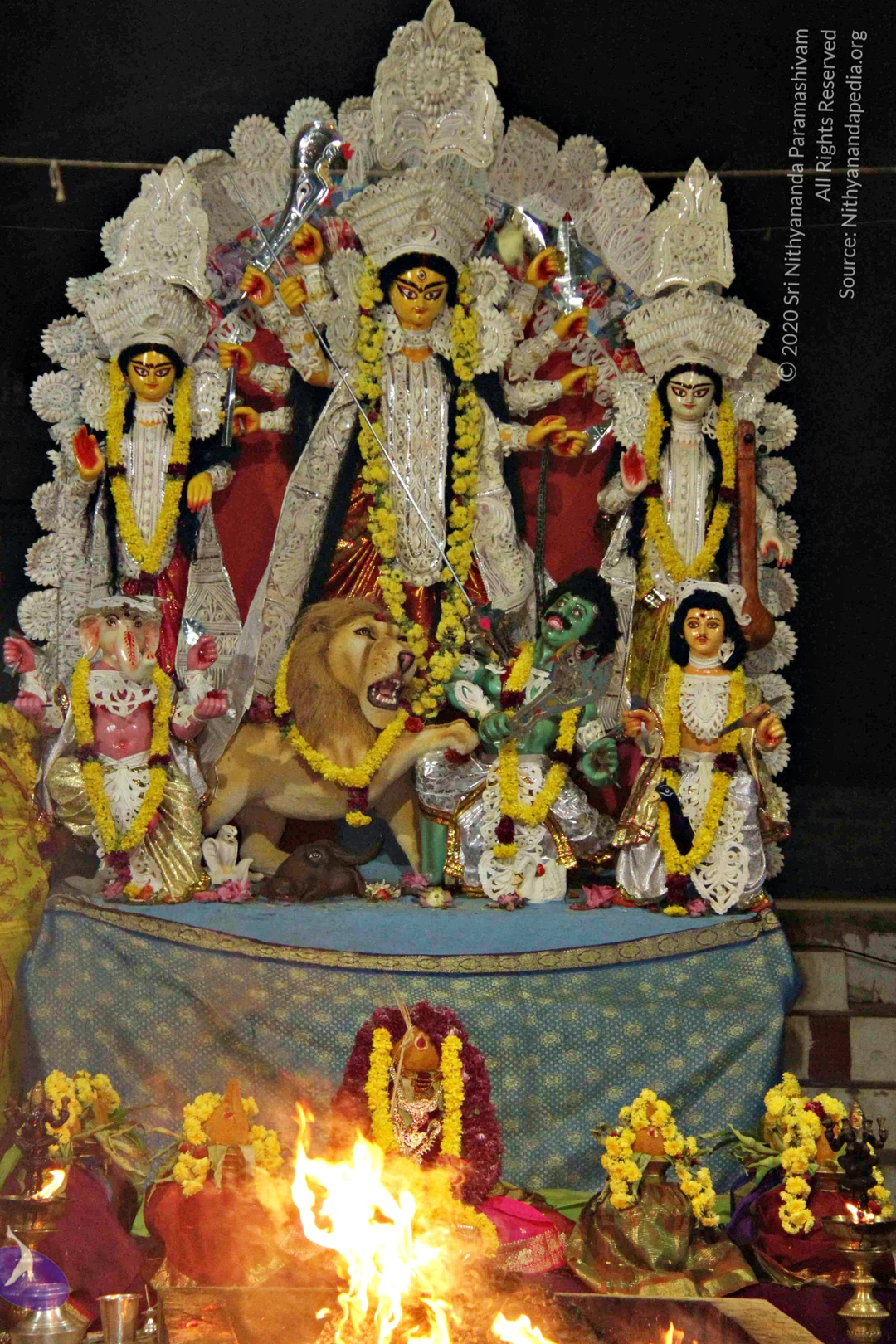
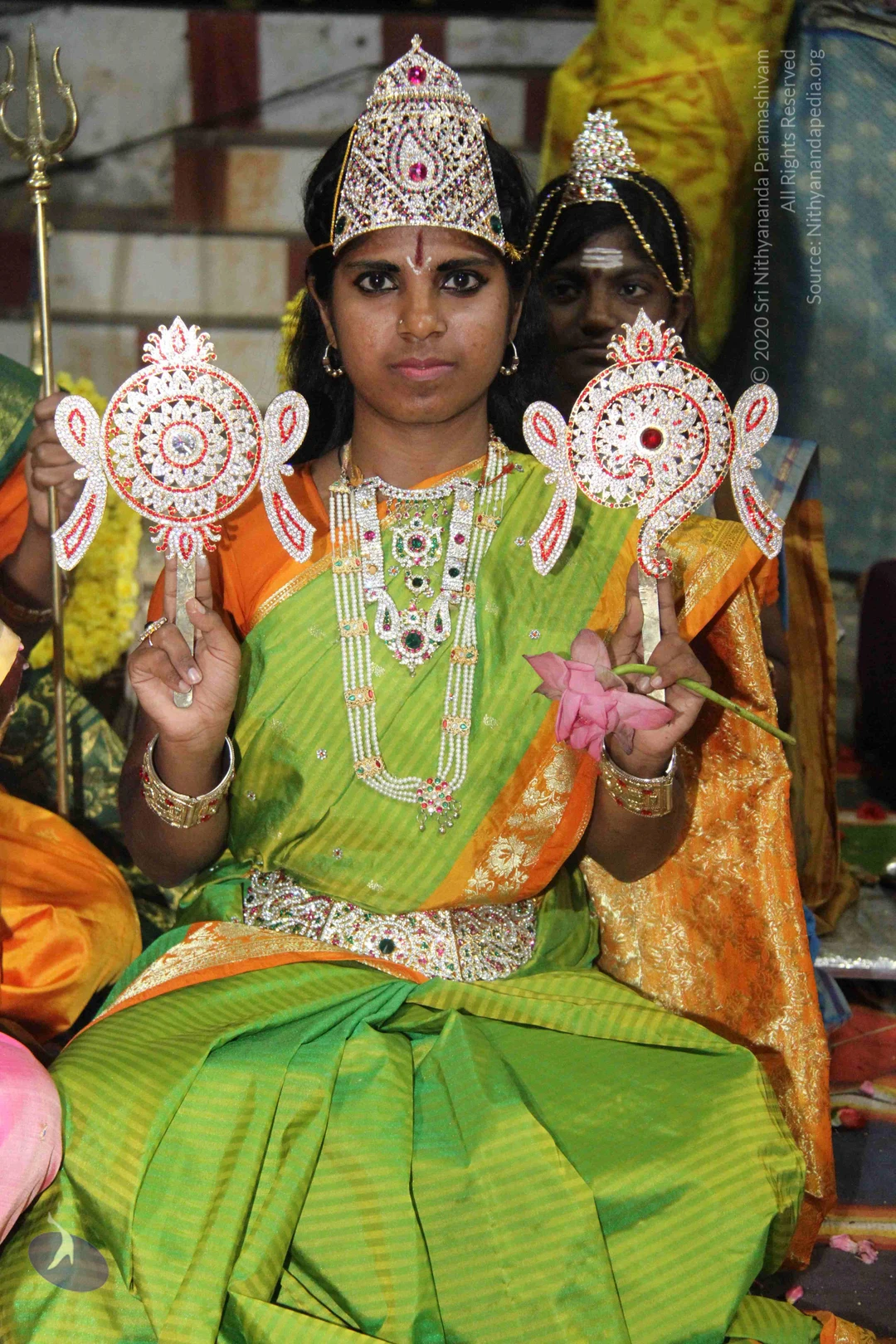
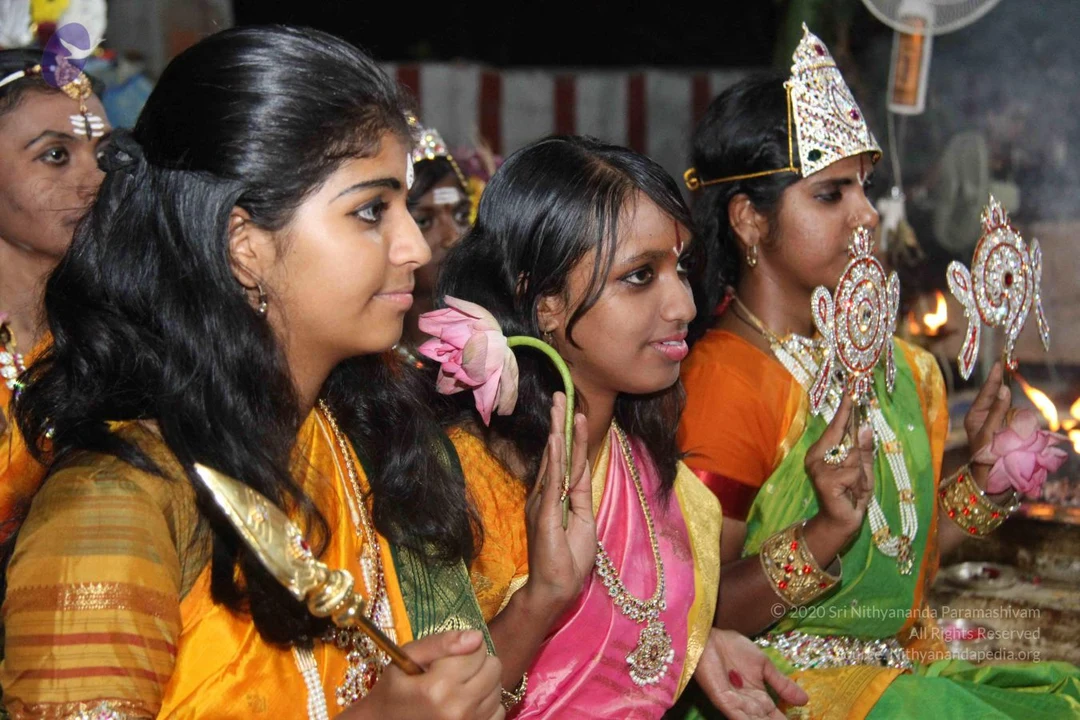
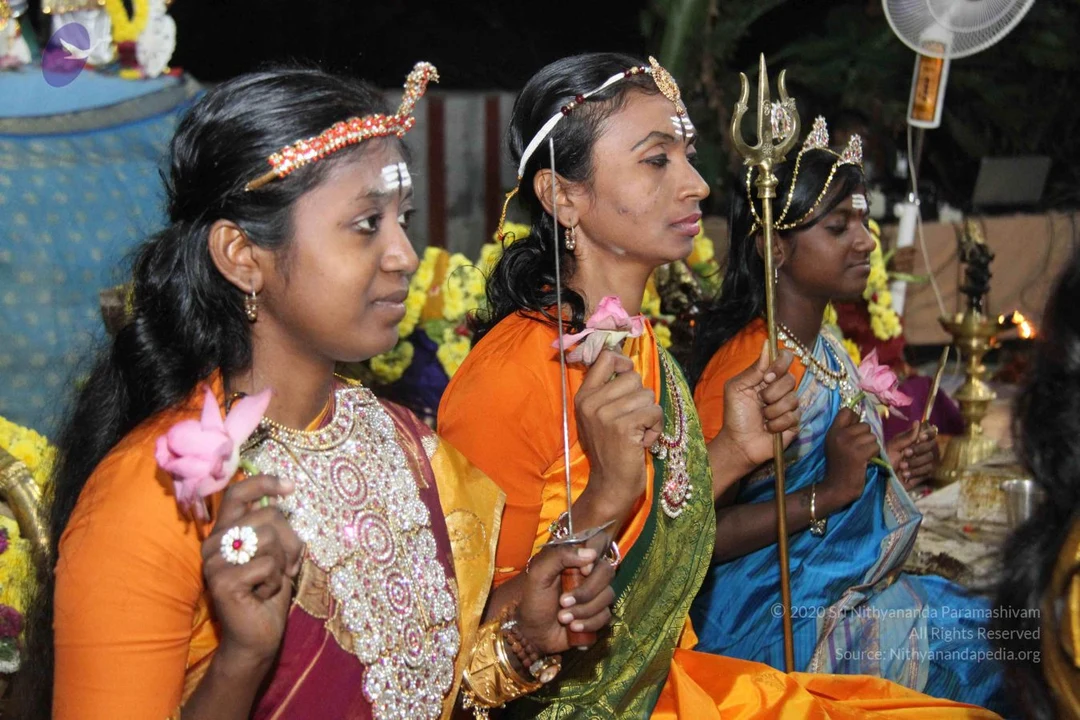
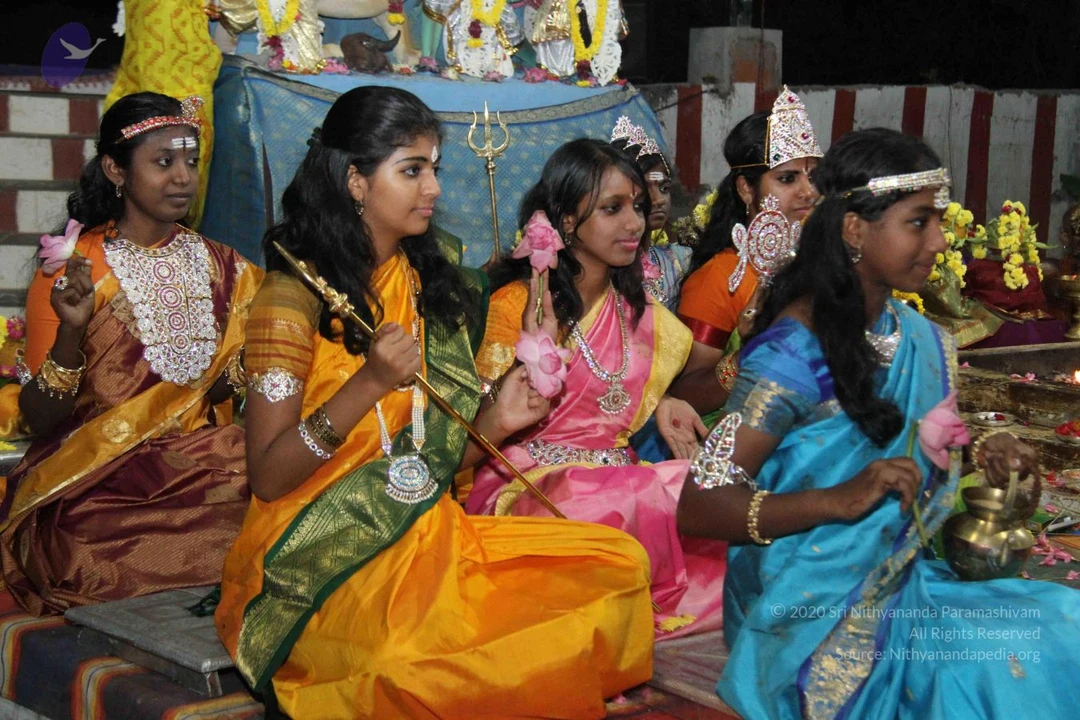
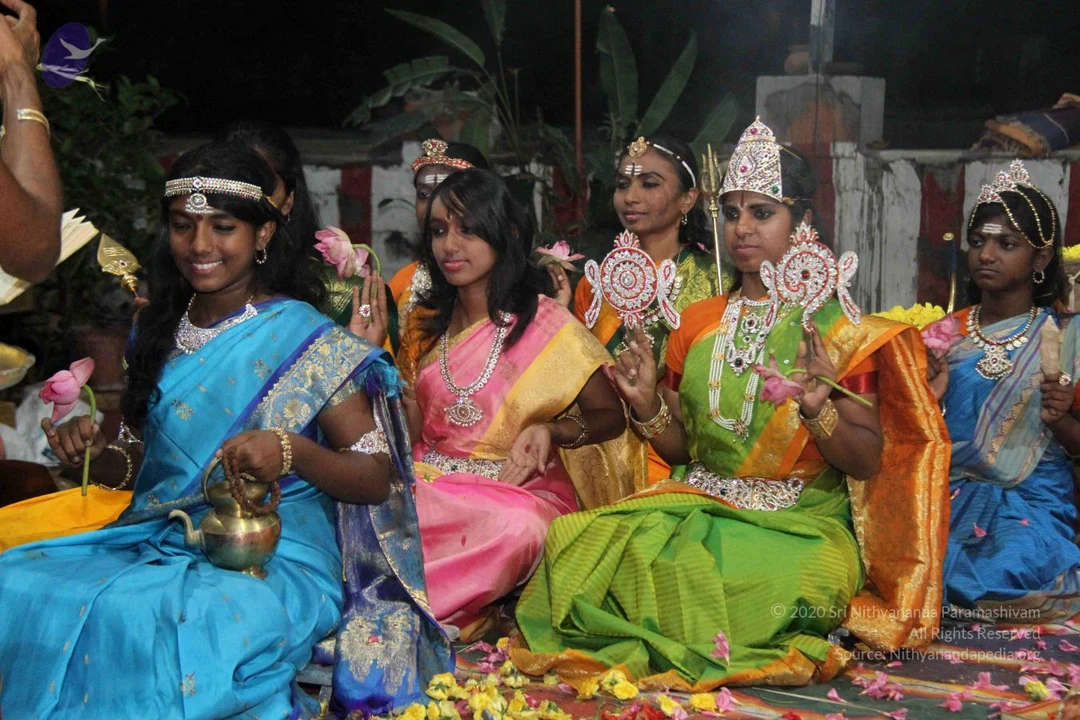
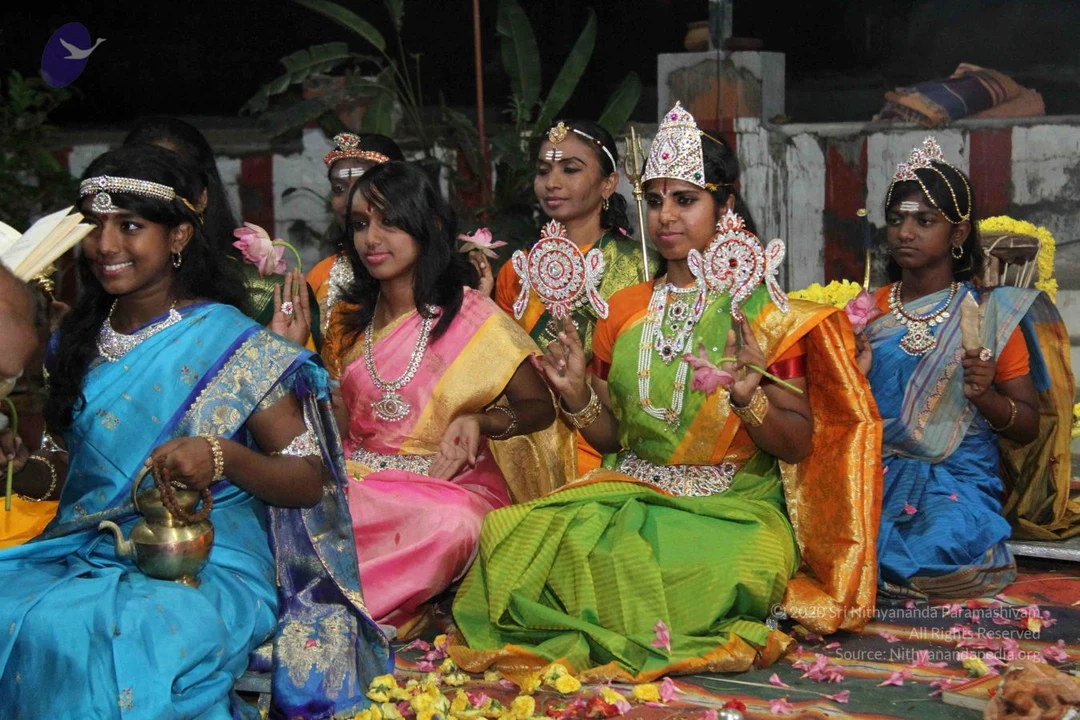
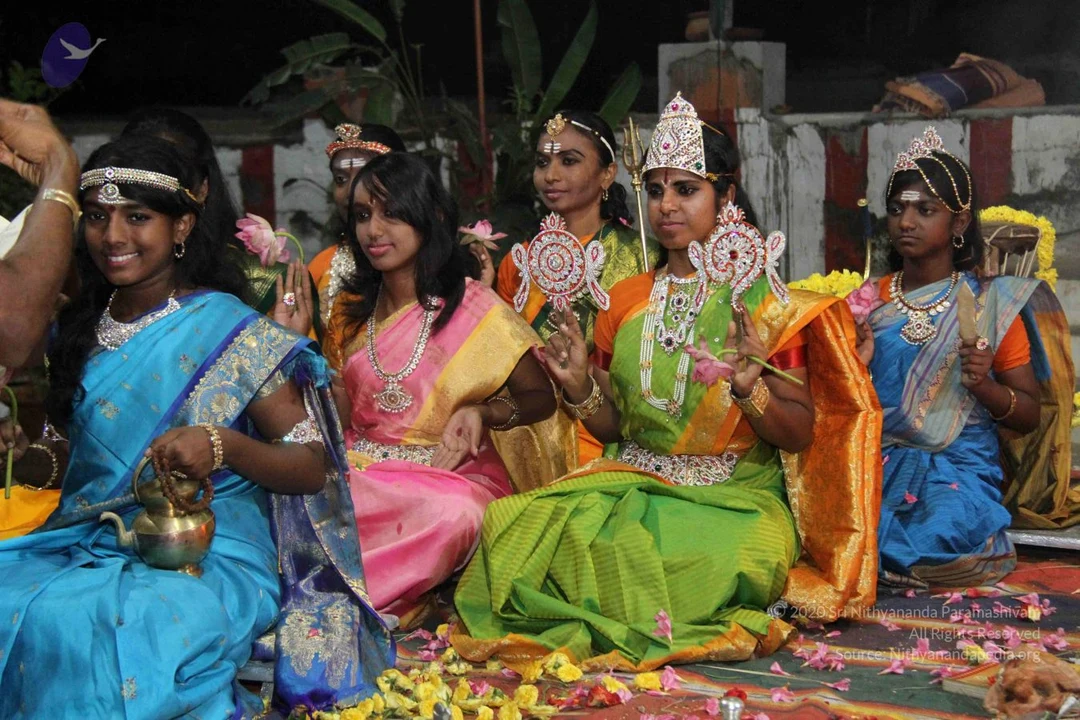
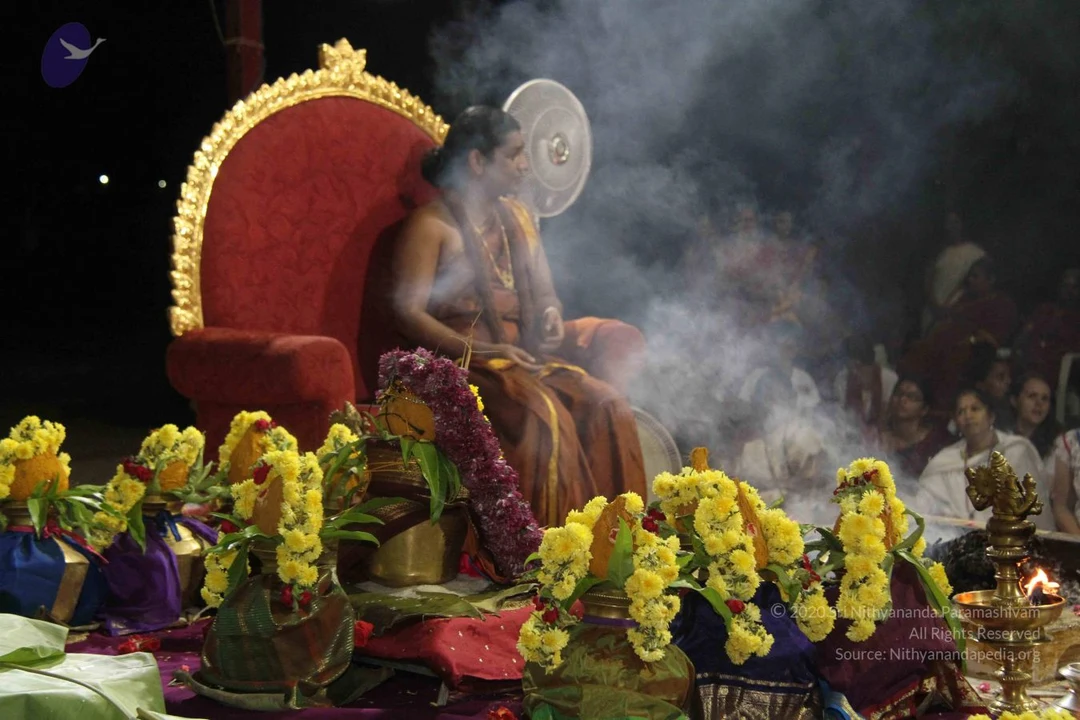
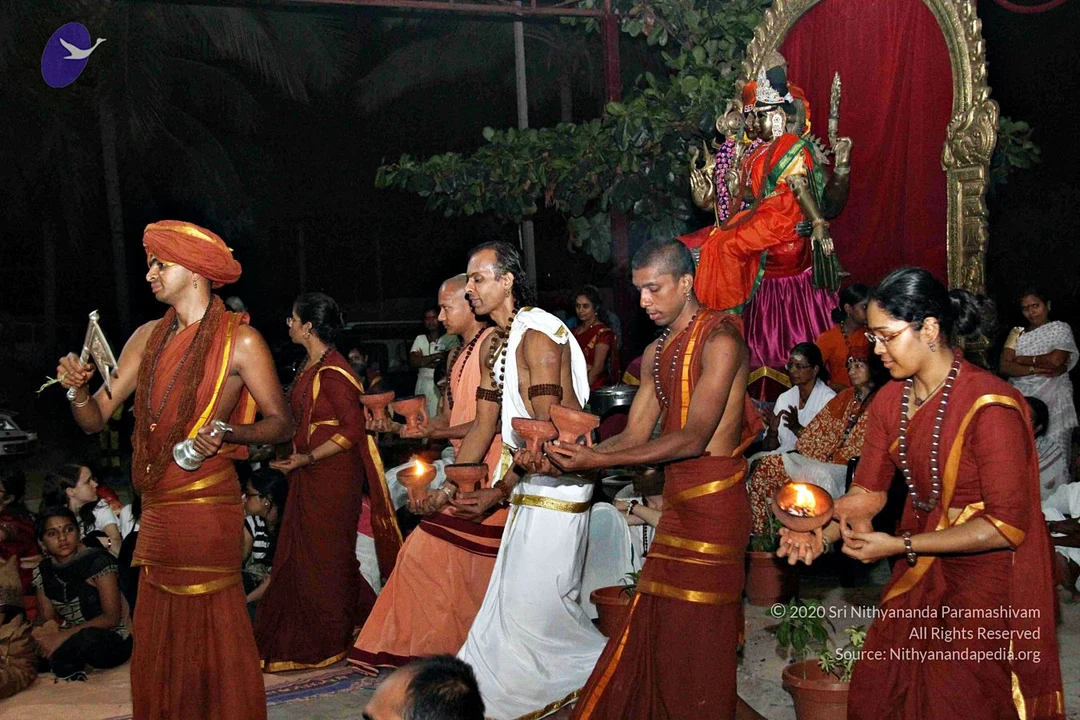
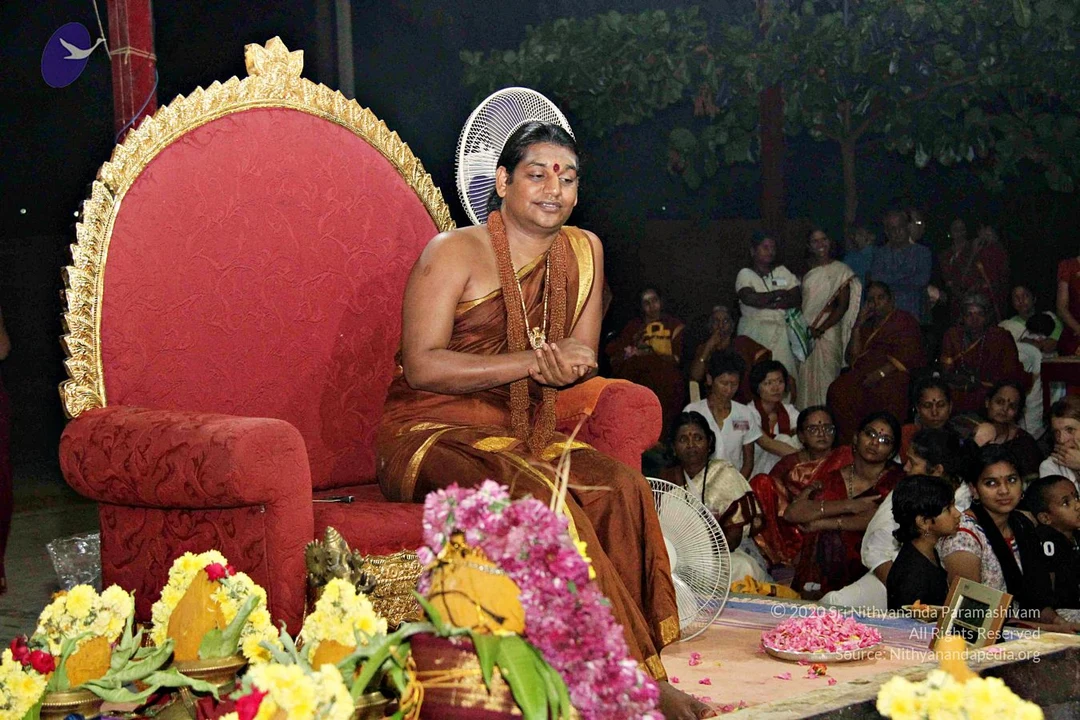
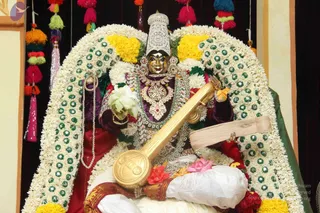
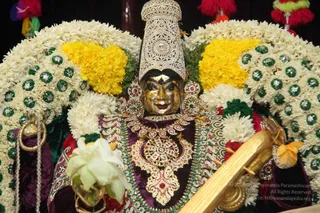
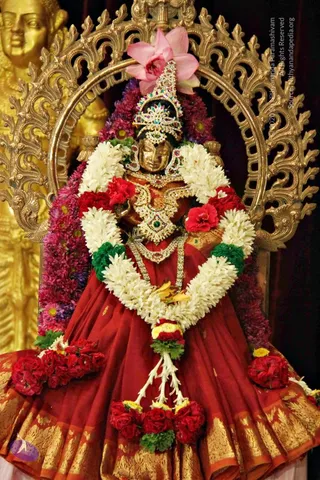
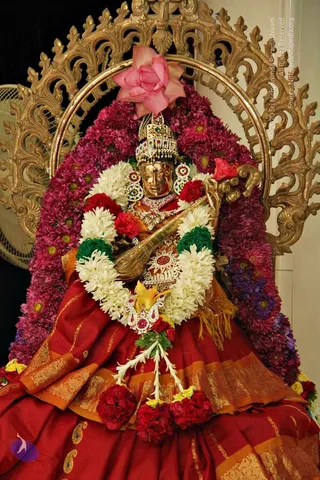
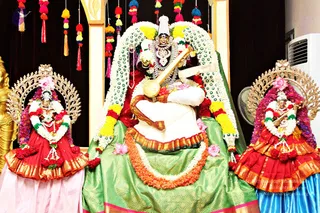
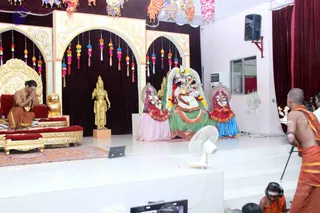
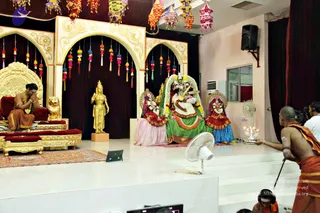
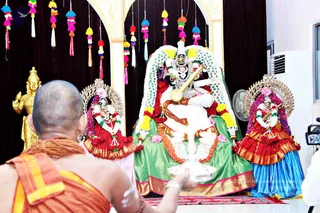
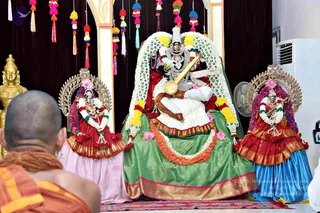
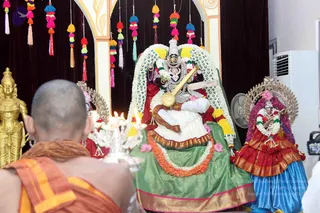
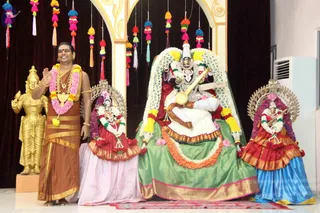
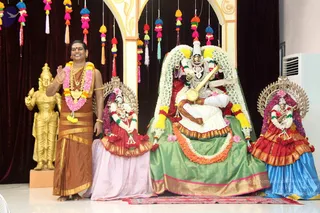
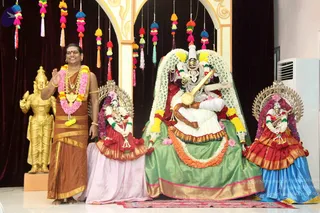
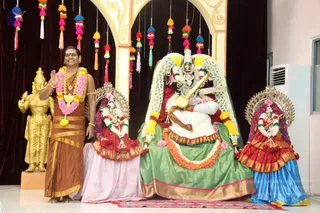
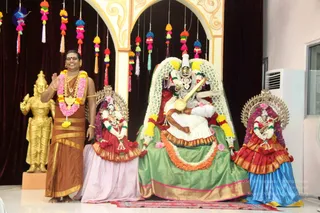
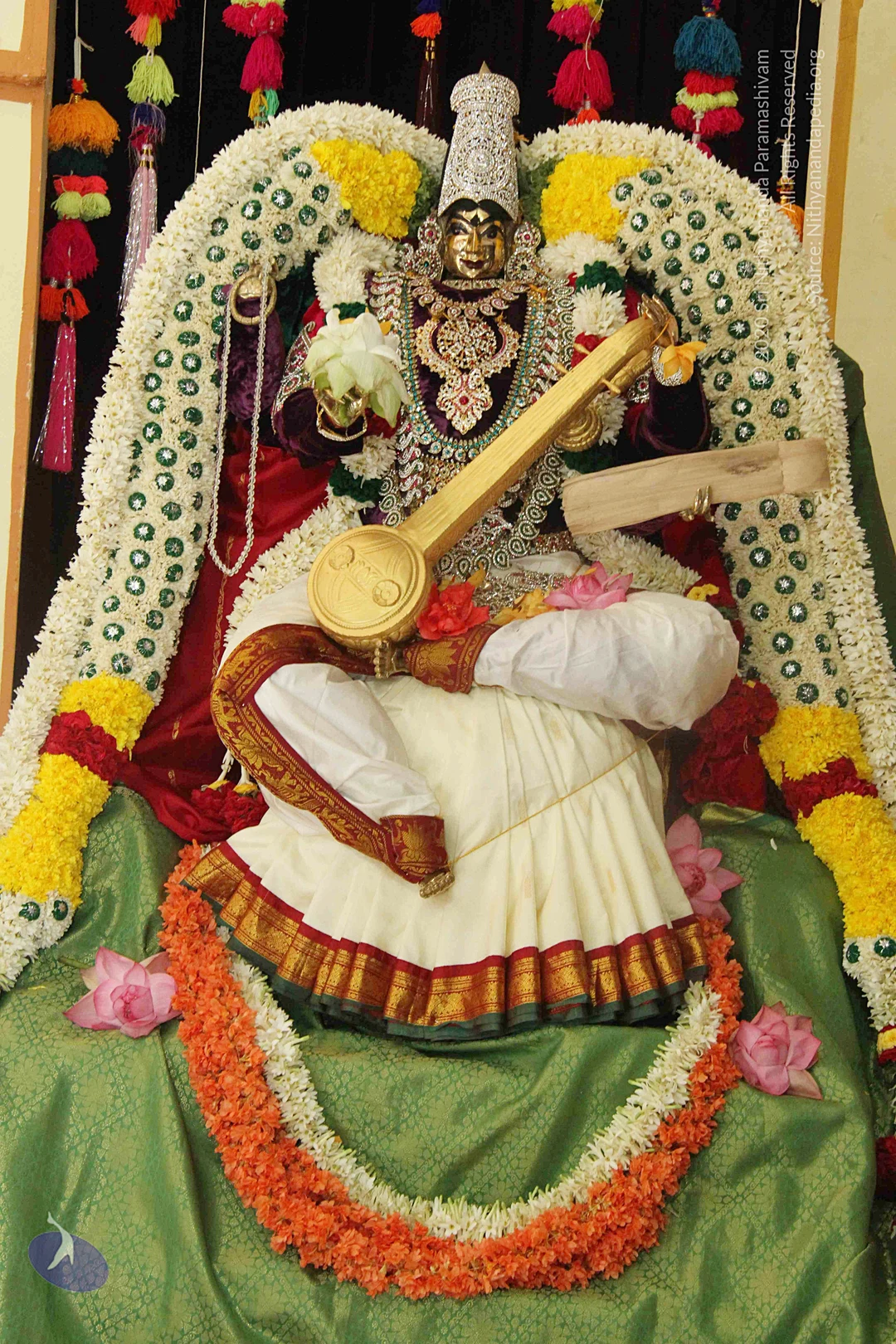
Today, Navarathri ninth day Celebrations. Devi is gracing us as Maha Saraswathi – embodiment of Enlightenment with Saraswathi and Lakshmi serving Her. Let’s bow down to Devi as Maha Saraswathi!

As you all may be aware, today’s satsangh is especially about Inner Awakening level- 4 in Bali Dec 2013. Inner Awakening Yatra; Inner journey!

So, we’ll start with a small video on Bali.

SMALL MOVIE ON BALI is being shown………..

What we are going to work on.

See, Saraswathi will be alive by ever-flowing intelligence, knowledge, life. Lakshmi will be alive by the frozen ideas. Please listen! Why diamond is valuable? Because, from the last few thousand years, people have been crazy about diamond. Why gold is valuable? Because for quite a long time, people have been crazy about gold. Based on the past ideas, Lakshmi, the concept of Wealth. But Saraswathi is based on the flowing life, flowing energy! So, all our programs are the effects of flowing Saraswathi, being alive. Continuously she expresses Herself higher and higher in more and more powerful intelligence, the powerful way.

I will introduce a simple truths; then I will move to Level-4, what we are going to be doing in Level-4.

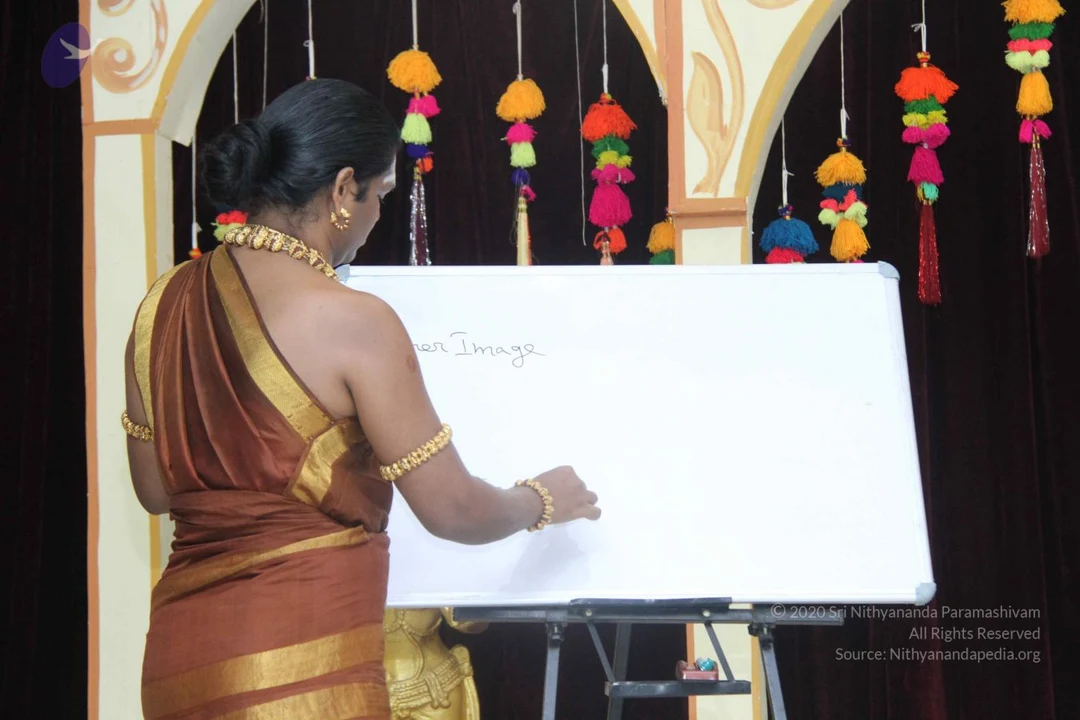
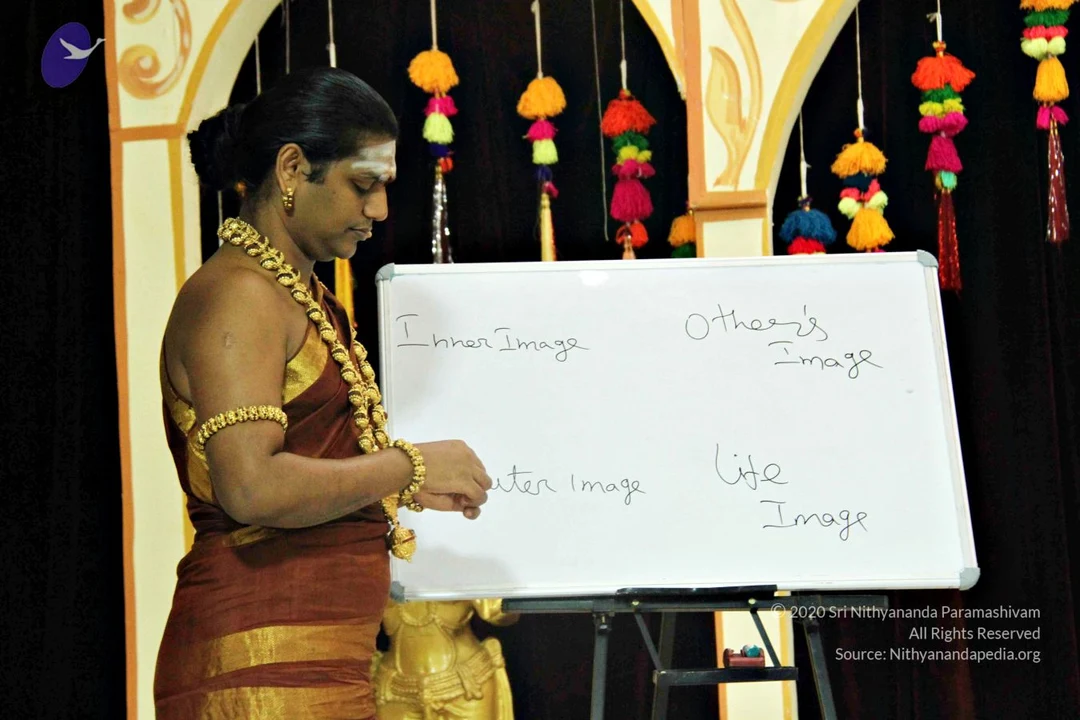
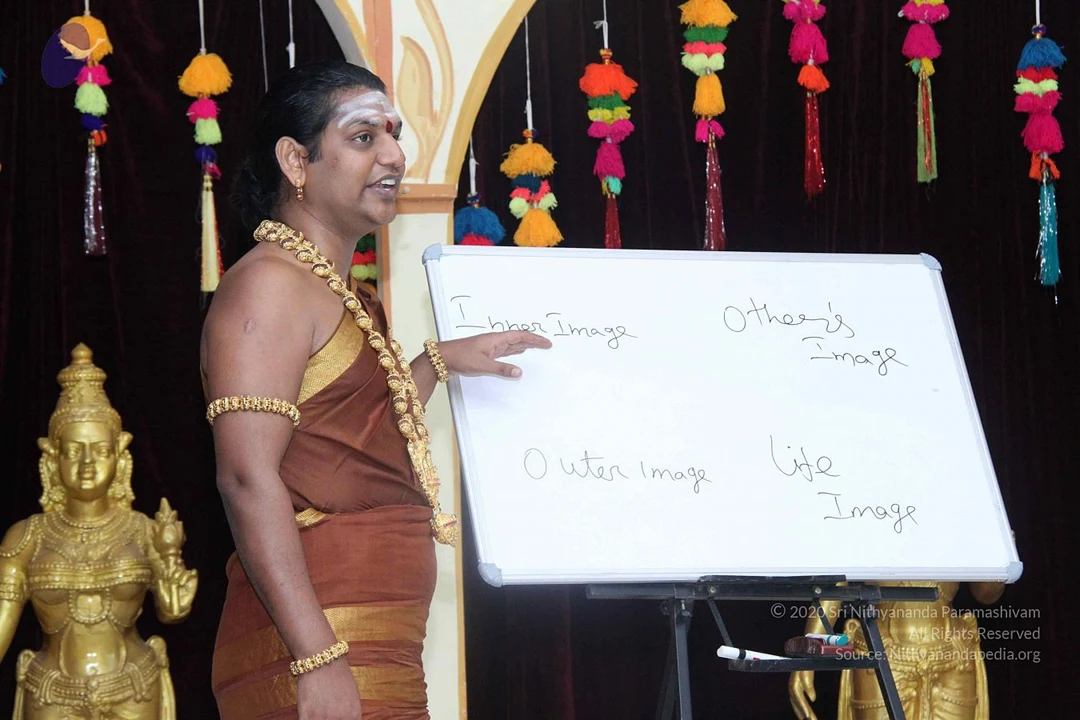
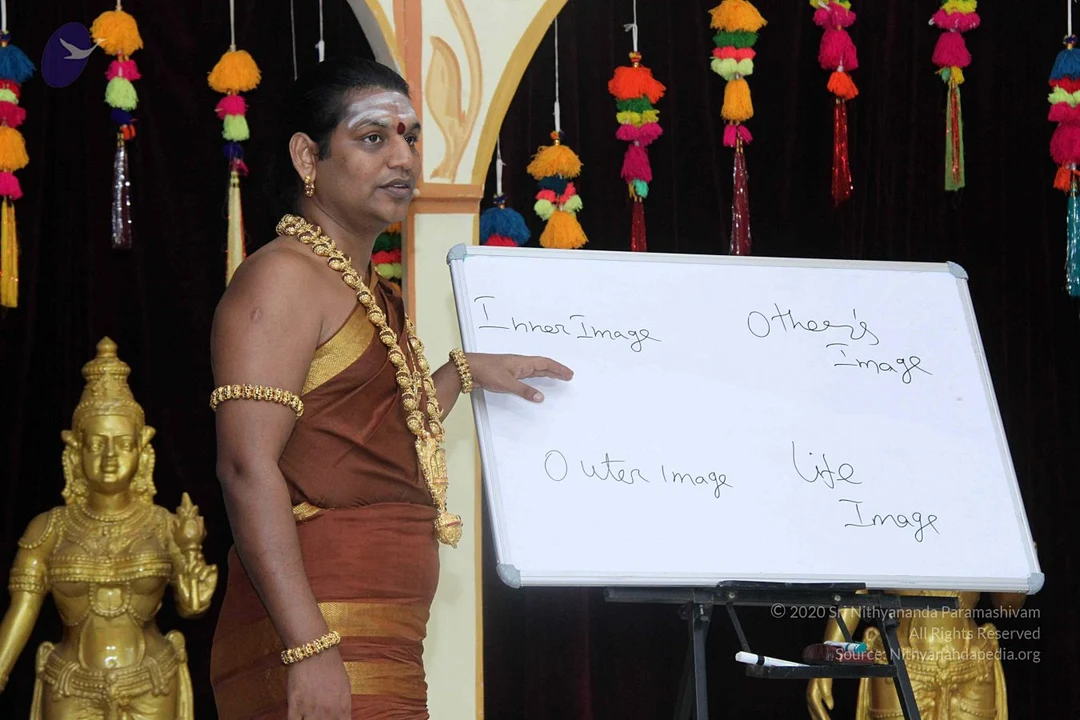
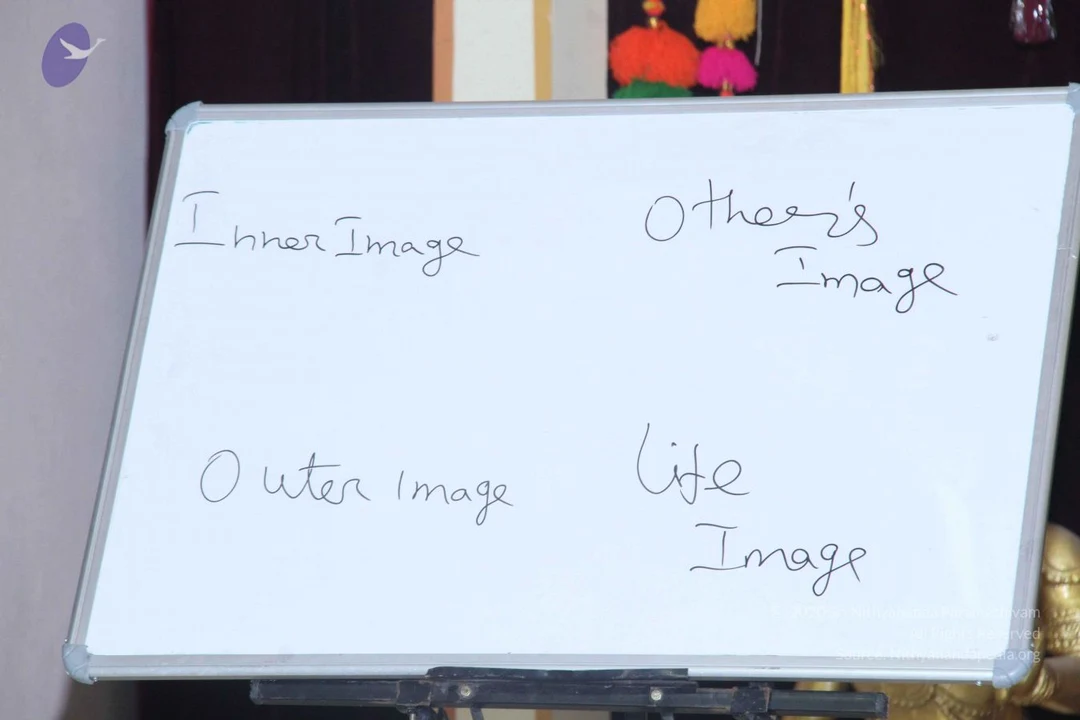
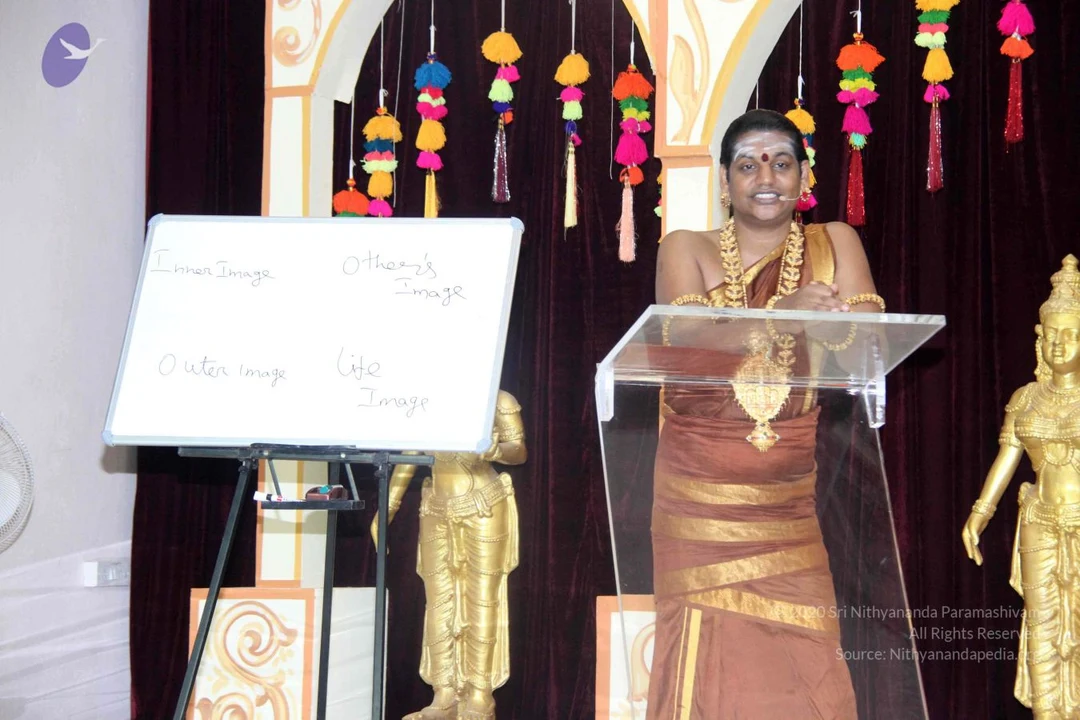
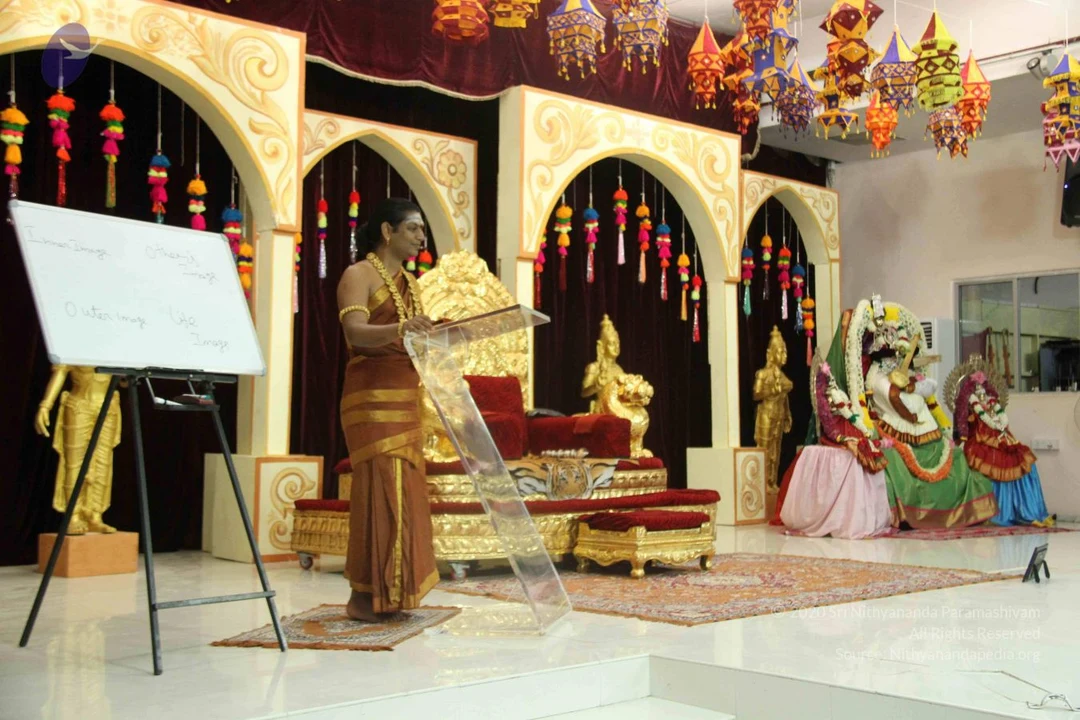
Listen! “Inner Image”, the idea you have about you, inside you. Most of us have a confused idea. We don’t even have a clear idea about us – what we are and what we want or anything. Anyhow, the inner image, the idea we have about us.

Second, “Outer Image” - the idea we project about us to others.

In Sanskrit, Inner Image is Mamakaara - Outer Image is Ahankaara.

And, “Others’ Image” - what others expect from us. In Sanskrit we call it Anyakaara.

“Life Image” - is what idea we carry about life and others – Swa-Anyakaara.

Just understand these four English words; that is more than enough:

• Inner Image - the idea you carry about you;

• Outer Image – the idea you project about you to others;

• Others’ Image – the idea others expect from you;

• Life Image – the idea you have about life.

Now, I am going to give you some of the equations.

If the Outer Image is pulled towards Inner Image, it is called “Peace”. If Inner Image is pulled towards Outer Image that is called “Success”.

Listen! If Outer Image is pulled towards Inner Image, that is called “Peace”. If you keep Inner Image as a base and align your Outer to the Inner, you will be peaceful, renouncing, giving up.

But if you pull your Inner to the Outer, that is called “Success”. Keeping Outer as the standard, pulling the Inner to this standard, to this scale, you will be successful. That is called “Success”.

Listen carefully!

If your Inner is pulled towards Others’ Image, that is called “Love”. When your Inner Image stands up to fulfill Others’ Image, that is “Love”.

And when your Inner Image stands up to the Life’s Image, please listen, if your Inner Image stands up to Life Image, that is “Destruction”; listen! Because Inner Image is always lower than Life. If the Inner Image tries to make the Life Image you carry as reality, it will be “Destruction”.

If the Others’ Image is pulled towards Inner Image, it is “Selfishness”.

If Inner Image aligns itself to Others’ Image, it is “Love”.

I am giving you the powerful sutras, principles for life with which you can understand in every situation what you are trying to do. The greatest confusions can be destroyed only by the greater truths. Simple confusions can be destroyed by simple truths! Greater confusions can be destroyed only by greater truths! Many times you go on manipulating even yourself in the name of spirituality without having clarity.

If your Inner Image aligns itself to Life Image, it is “Destruction”. And the Life Image you carry, please listen, the Life Image you carry, if your Inner Image tries to align with it, it creates accidents. Means, what is the Life Image you carry? Usually you carry a very low idea about life and others. When you try to make that into reality, you attract constantly accidents in your life. You understand “accident” as just going in a vehicle and hitting and falling. Don’t reduce the word “accident” to just that. Even a broken relationship is an accident! Disturbed understandings are accidents! Life-negative ideas are accidents! Depression is an accident!

So, listen, how these four completely play with all your emotions, whether you make or break your life, is dependent on how you handle these four. Handling - a clear knowledge about these four is a basic requirement.

Please listen!

If your Inner Image aligns with Life Image, that is “Destruction”. If your Life Image is purified by the Outer Image, it is called “Miracles”. Whatever you show in the outer world is always larger than you are. If this base enters into the Life’s Image, it causes miracles!

13:27

Please listen, if Inner Image aligns to Life Image, it causes accidents. If the Outer Image aligns to the Life Image, it causes miracles, because Outer Image is always larger than life. Outside you go on projecting you are a big guy. If your Outer Image is aligned with what you consider as life, you will constantly be seeing miracles in your life. If all the four reaches their peak possibility, it is Enlightenment.

If Inner moves towards Outer, it is “Success”. If Outer moves towards Inner, it is “Peace”. If Inner moves towards Others, it is “Love”. If Others moves towards Inner, it is “Selfishness”. If Inner moves towards Life it is “Accidents”. If Outer moves towards Life, it is “Miracles”. If all move towards their peak, it is “Enlightenment”. Understand, the science of all these four image will be the introduction to the IA Level 4. Science of all these four images is introduction to the IA level 4, where experientially you are able to move all the four in the direction you want, especially to the peak possibility of you. Listen, moving all these four to their peak possibility is “Enlightenment”. You will be having the first introductory sessions, classes, intranalyzing and experientially Kriyas, initiation on aligning all these four to their peak possibility.

In the IA Level-3, we are attending to certain level, how the understanding about these images can raise our lifestyle, quality of life. Of course, time constraint; the whole problem is just time constraint.

And but with this 23 days, different places, different sessions, understandings about these images. I tell you one thing, just like when you play chess, how you can move the coins and win the game, exactly same way can play with these images and move them as you want and win the Game of Life. Because, your images are just your understanding, they are matter; they are not unhandleable; you can handle them as you want; you can move them as you want, you can do whatever you want.

You will learn the process for experiencing and expressing the power of words.

First day itself, you will have Vaak Siddhi initiation and second day you will be having Manana Deeksha, means the initiation for “right thinking”. All twenty-three days you are going to be having twenty-three different initiations. Not just energy darshan, you will be having twenty-three different initiations. You will learn the process for expressing Power of Thinking, you will learn the processes for expressing the Power of Feeling, you will learn the methodology to express the Power of Living, you will have special initiation for Unclutching and above all, you will be having session specially working on your Completion. Completion with your parasite patterns. Please understand lust and greed are parasite patterns. We will be having completion process and Shambhavi maha mudra initiation.

Originally the Shambhavi Maha Mudra the word is from Tantric tradition. Nowadays many Gurus are misusing and abusing this word. This initiation is given to Devi by Mahadeva. You will have various different initiations. Mainly we will be working on moving all these four to its peak possibility. And I also sincerely request, recommend all the people who are going to be participating in this program, start watching Satsang at least twenty days before. December 1st the program is going to start by November 10th start watching Satsang every day because I am going to be giving you preparation Kriyas, so that I don’t need to waste my time when we all gather, just in preparation , I can directly take you guys to the next level. What will be the impact of this program on your life? Please listen. To answer this question, in every programme I am trying to reproduce my experience in you. I can say in this program we are going to the next level, completely a different level of reproducing this highest experiences in you. To tell you honestly the words look too small, see when you attend Inner Awakening then you know how the words are too small to introduce a programme, introduce this programme. Even one right sacred secret, one understanding, changes the whole way of how you think and how you feel about you and life. Here 23 days of continuous rain of diamonds. It is like a Inner Awakening level 1, level 2, level 3 are few diamonds handed over to you. Level one may be a bagful of diamonds are given to you, level 2 may be a car full of diamonds, level 3 enough supply is given to you, delivered to you in your house can you , level 4 is a rain of diamonds!

Not only you can enrich yourself you will have everything to enrich others. I can say I am grooming you as a Guru. What I was trying to do in the December Inner Awakening last year, altogether in a different level we are taking it. I can say every time a program goes to the next level the unique thing you can expect is the efficient way, the better way that we are able to convey and transmit this experience to you, is the unique point. Because you come with more receptivity and your ability to receive and digest, drastically increases and especially receive and transmit this experience to others in your life that becomes great exciting experience for you. In every level I gave you the introduction about, based on this image - inner image, outer image, others image and life’s image. Based on this I gave a simple introduction what we will be working on the image. So in every level the same way we will be raising our whole experience to a different level in inner awakening level 4.

I will continue to expand and explain the process tomorrow also. You may watch many of the pujas, homas in the Bali, personally performed by me. After a long time, I will be occupying the seat of the pujari and occupying the seat of the Tantra Dhaarak. Tantra Dhaarak is a person who chants mantras and guides the rituals. I’ll be using the Power of Sound to awaken your DNA layer you receive; the experience you receive will naturally be totally different.

As I said again and again, the words are too small, too little; I can only say don’t miss it, be there!

Let you all achieve, experience, live, express, radiate, share and explode in eternal bliss, Nithyananda.

Photos From The Day:
Photos Of The Day:
Navarathri_Devi_Alankar

2-Way

PadukaPuja
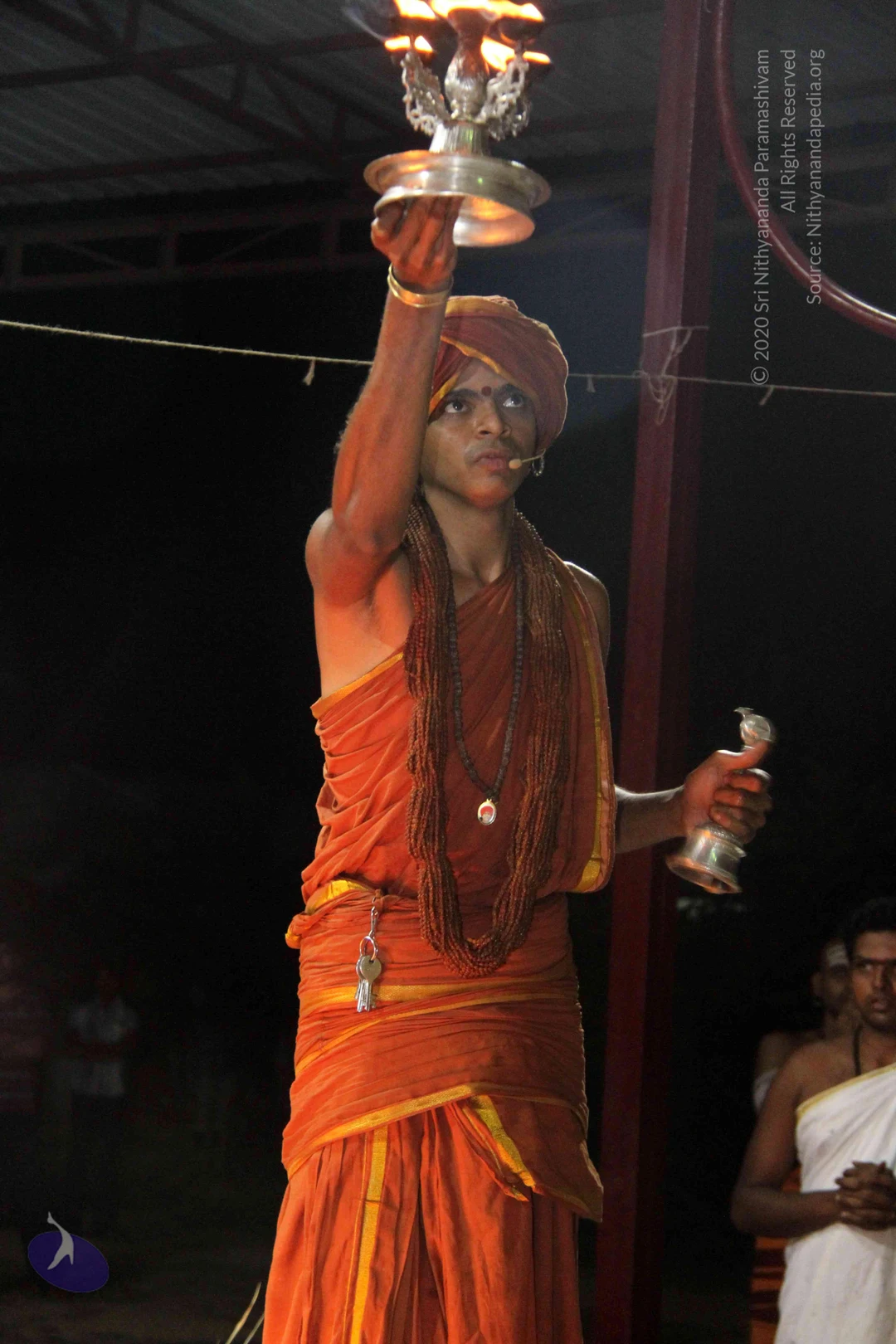
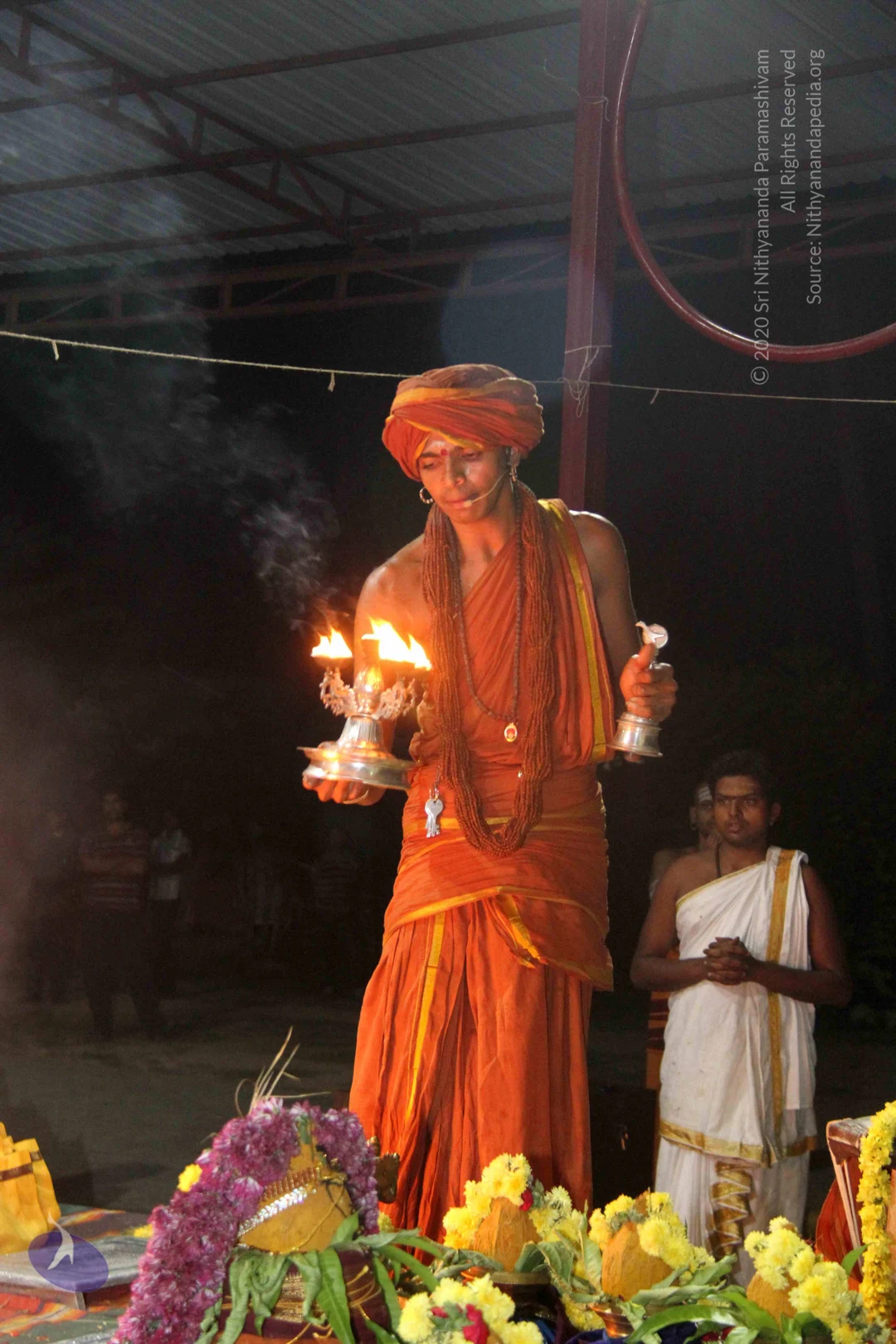
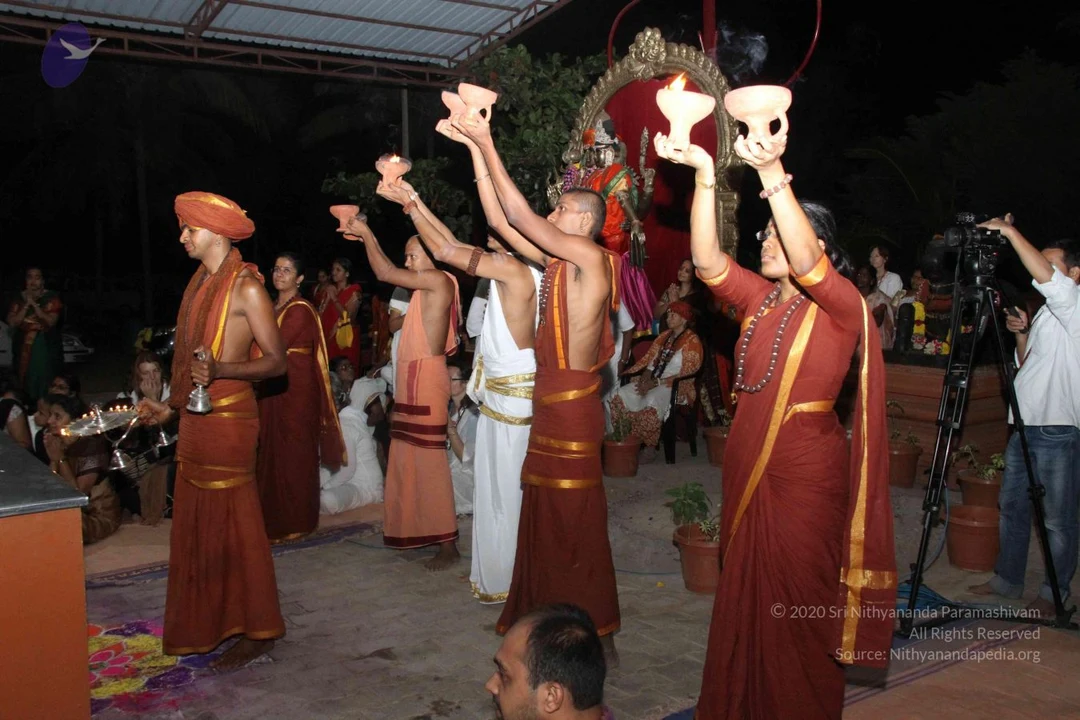
Deity_Arati

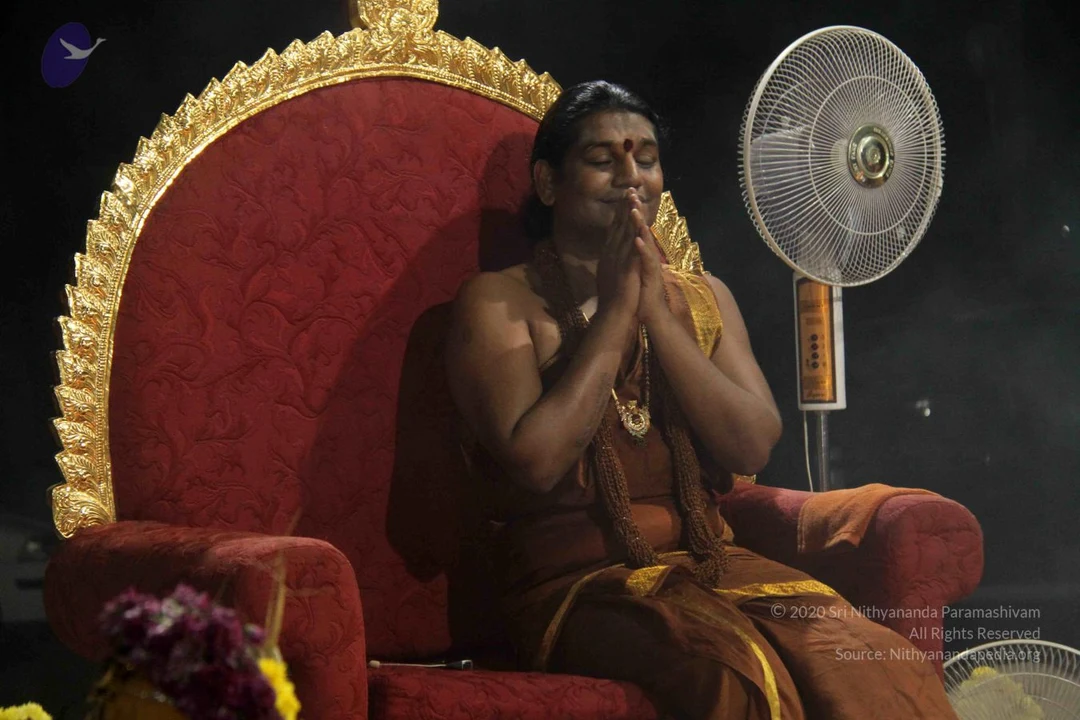
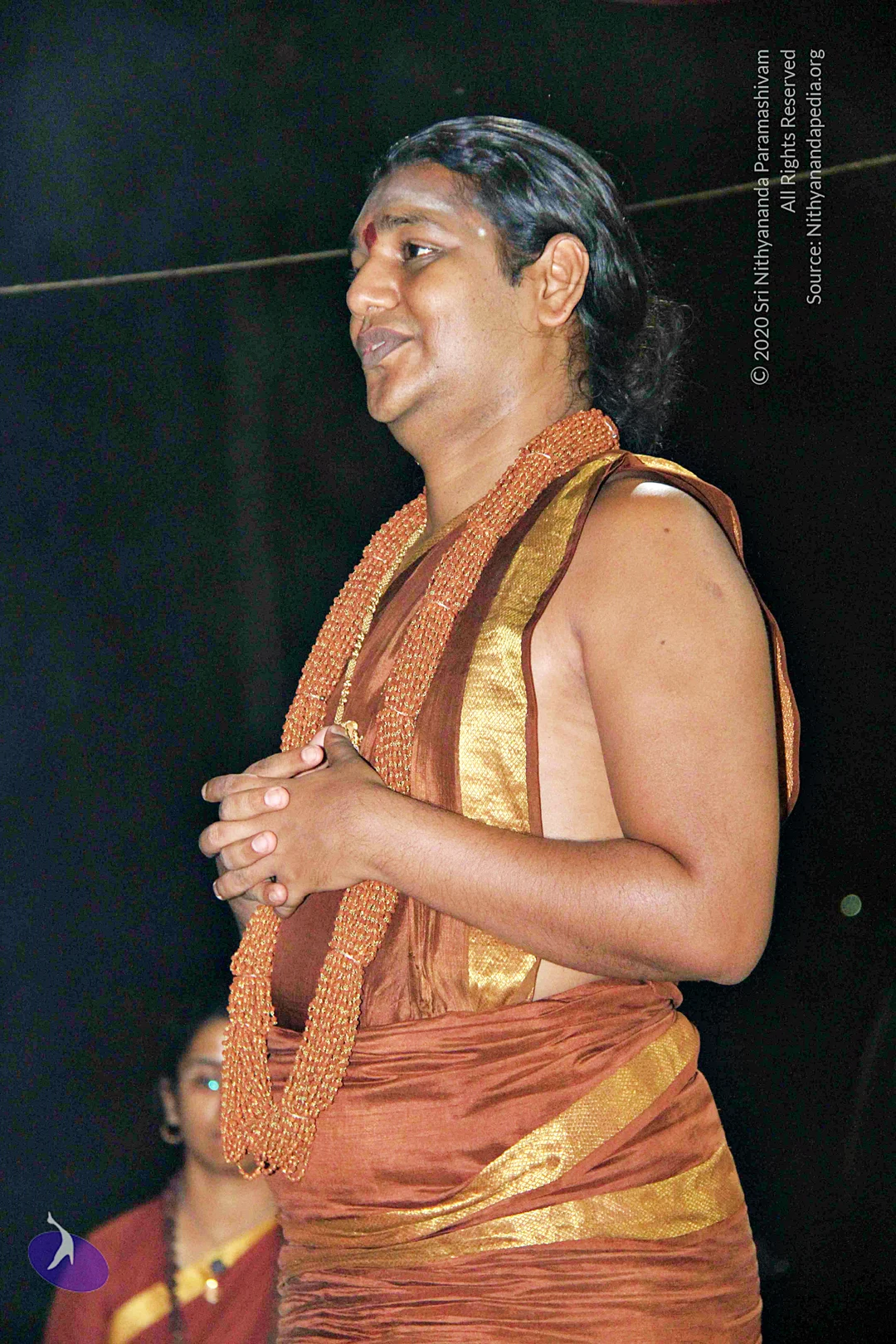
NithyaSatsang_Swamiji

SarvaDarshan

Final_blessing

Swamiji_Deities

Temple

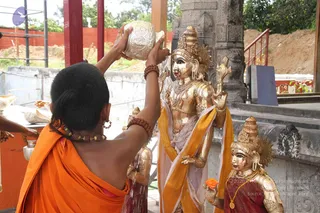
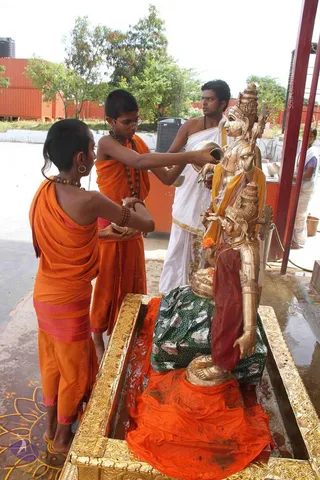
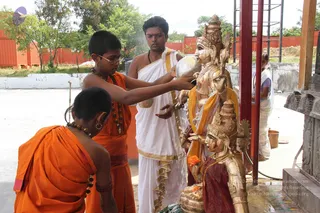
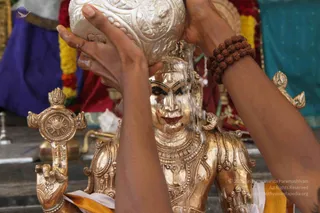
Venkateshwara_Abhishekam

Navarathri_Culturals

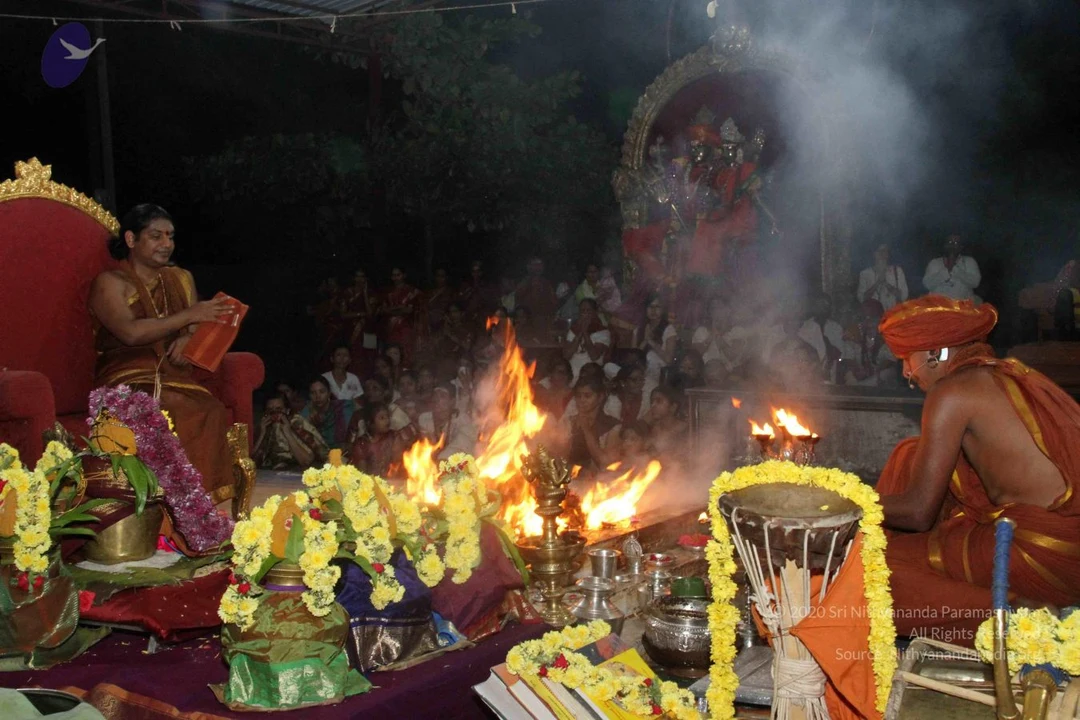
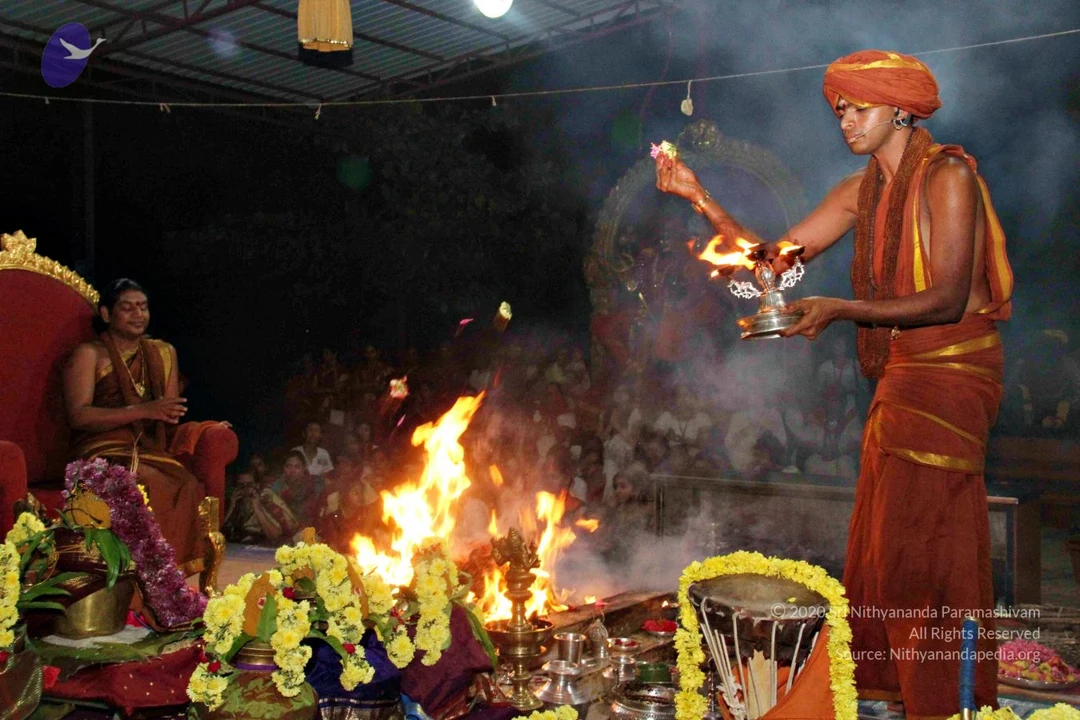
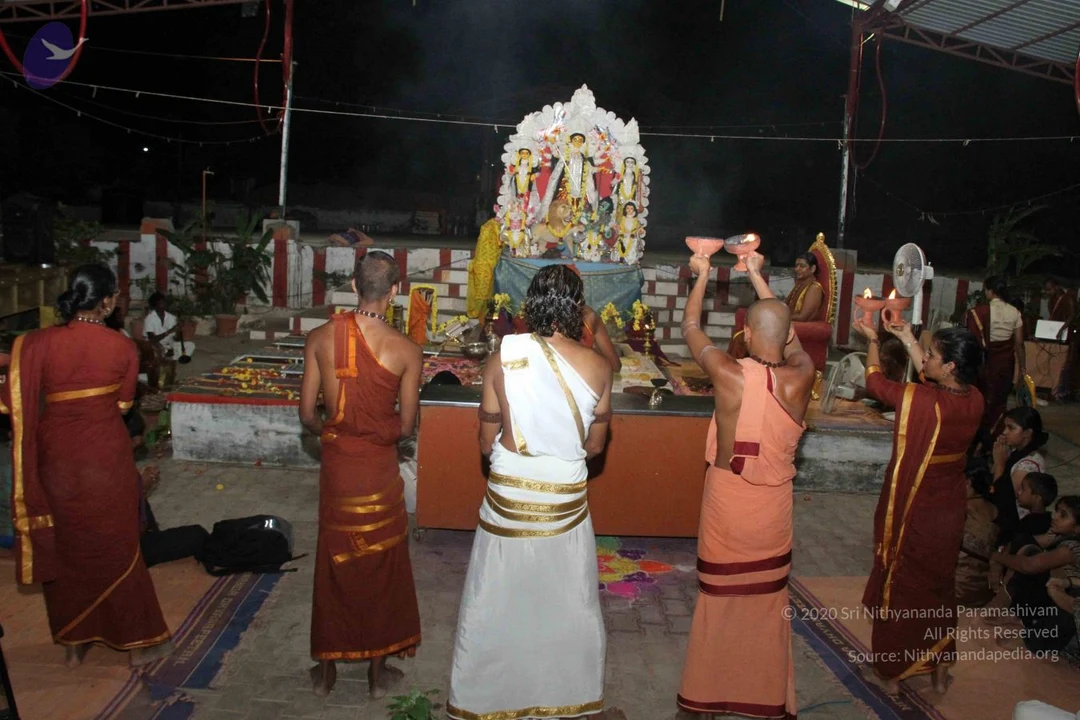
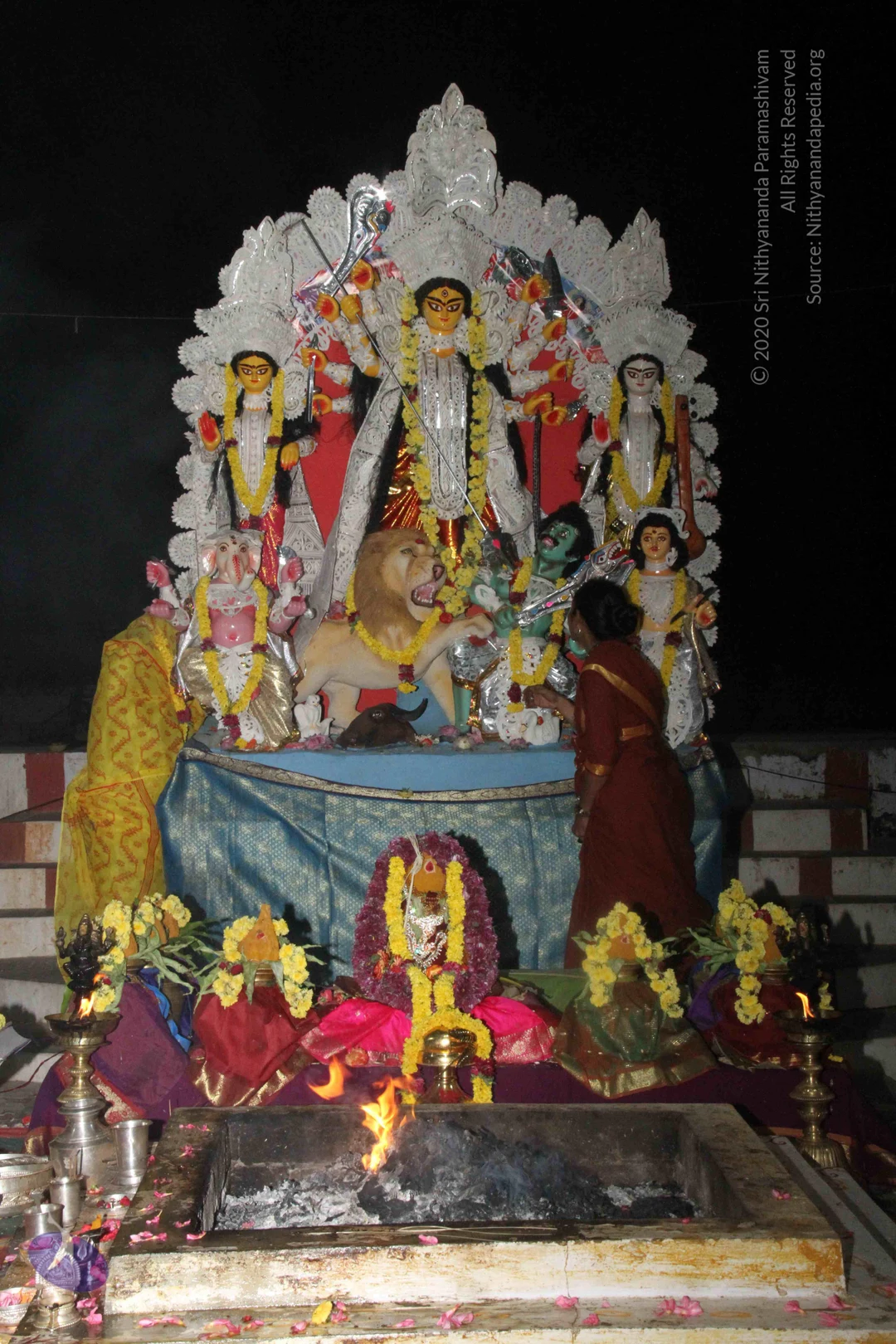
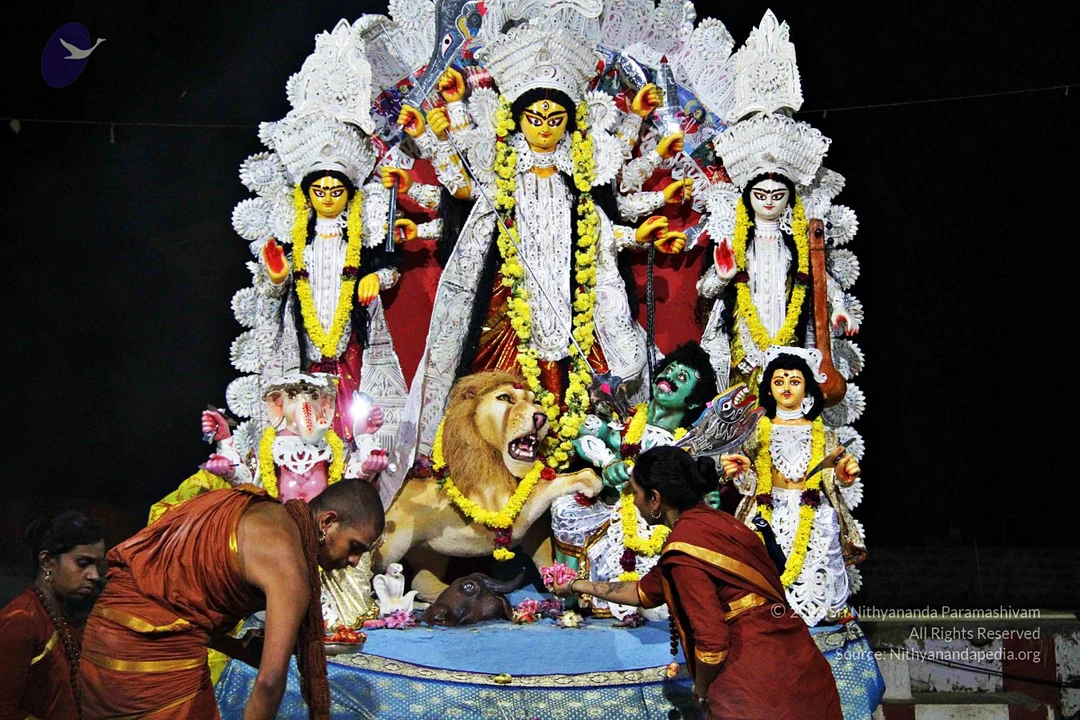
Navarathri_Devi_Ritual

Tags:

Paramahamsa Nithyananda, alive, energy, Saraswati, December, Inner Awakening, Bali, Yatra, creating, power, lives, image, world, enlightenment.

Photos from this day

View all 544 photos

Pictures from the day

9 photosSource gallery
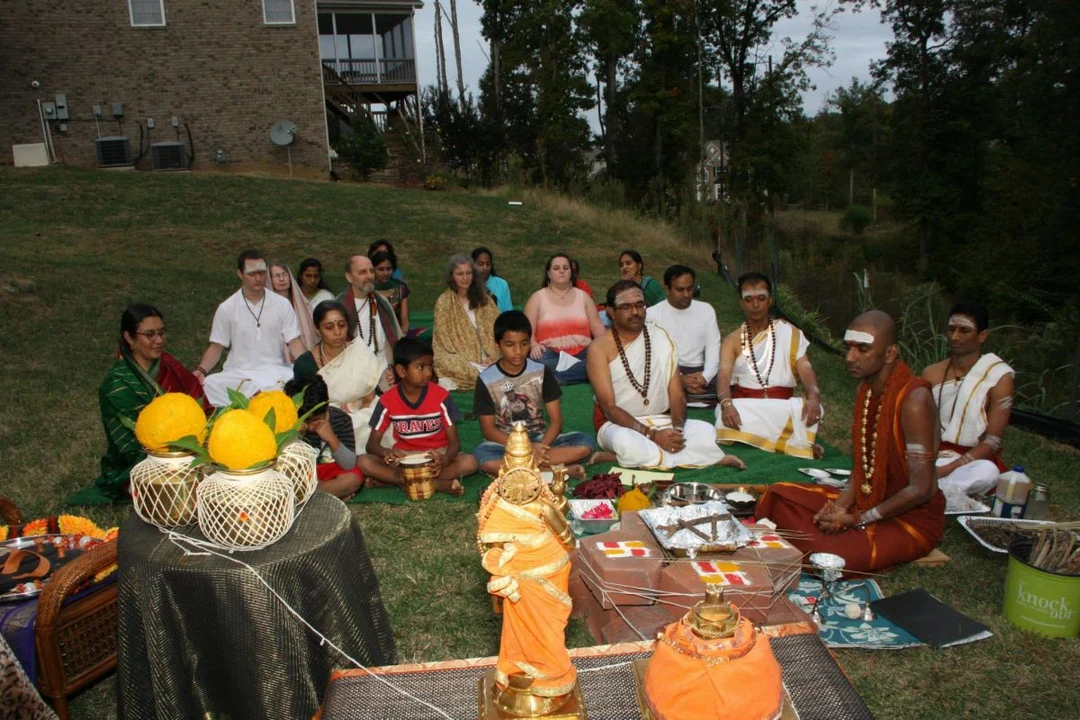
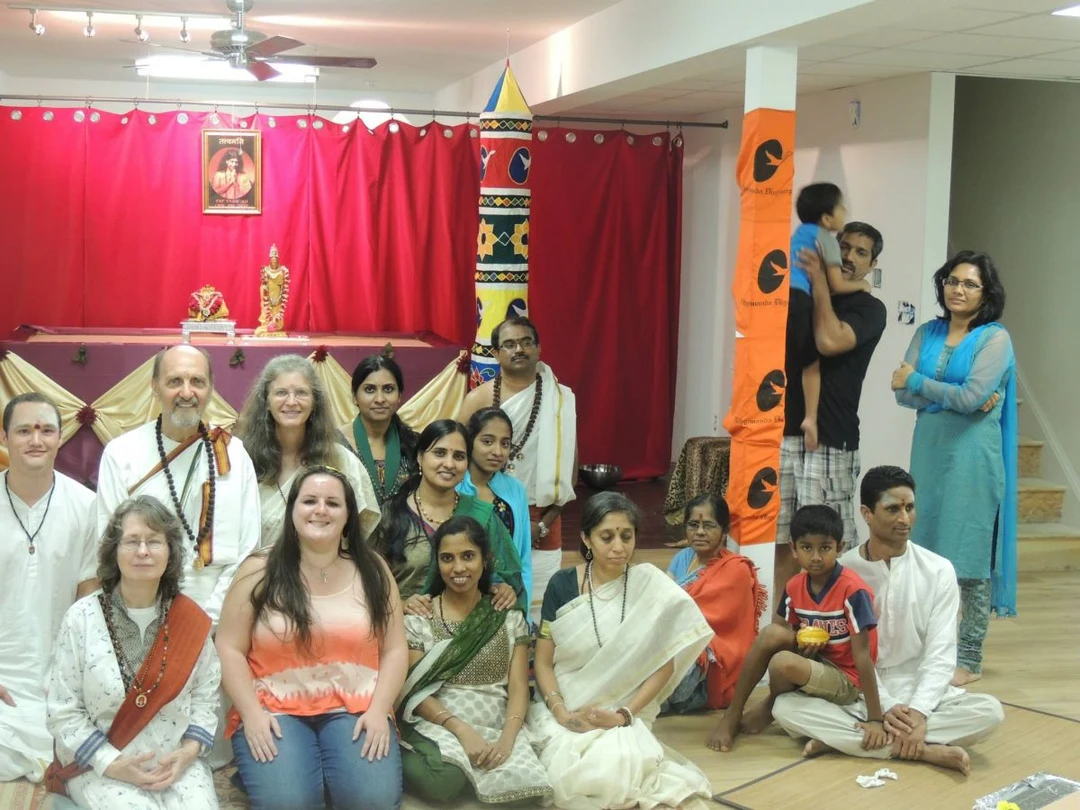
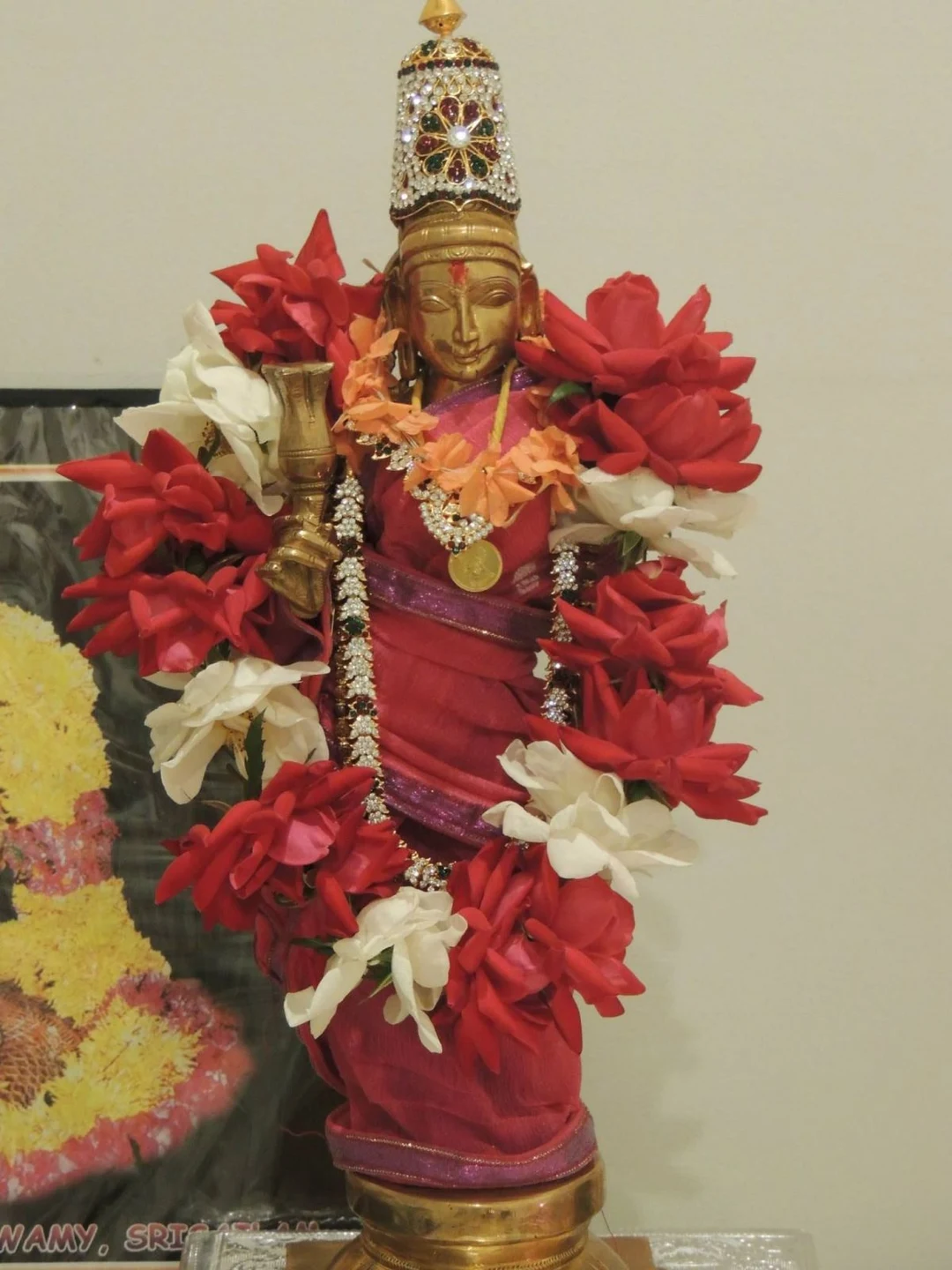
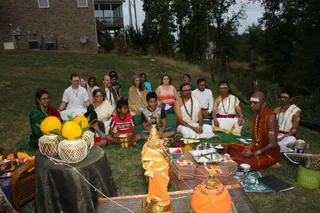
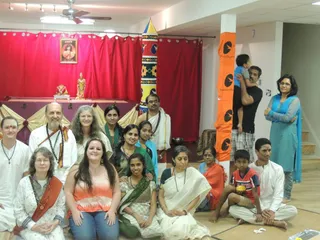
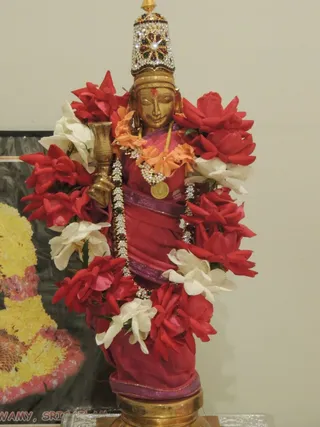
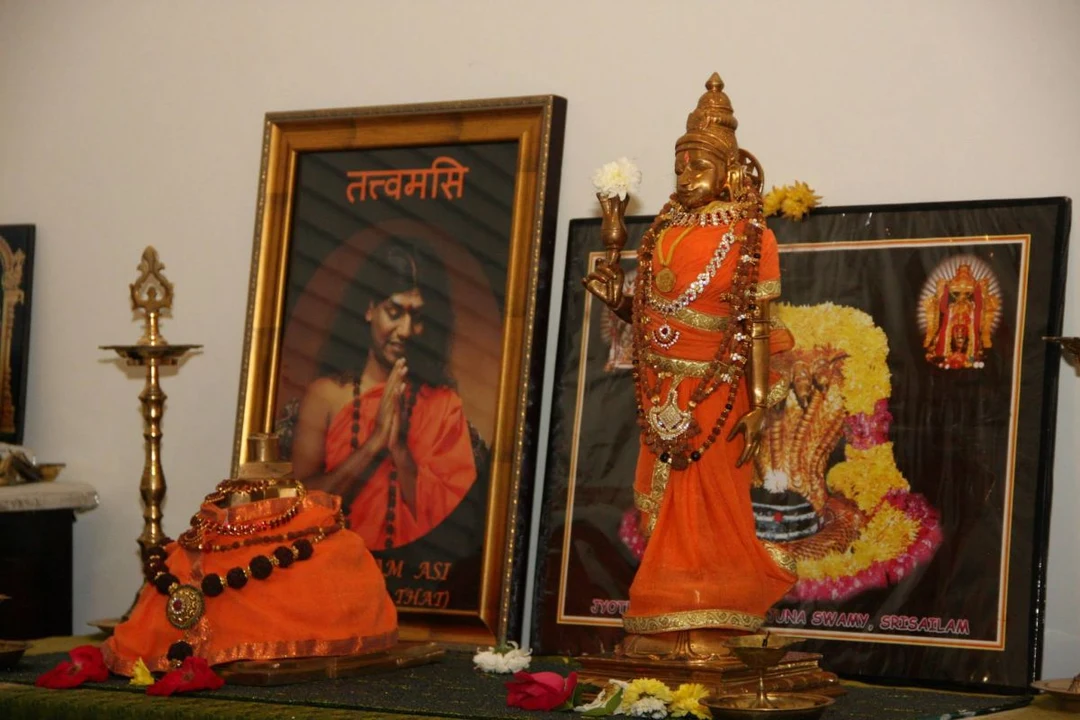
A temple altar display with no physical people present. In the centre stands a gilded brass murti of a deity in saffron-orange cloth, adorned with garlands, a red and white floral necklace, rudraksha beads and a crown, holding a flower in one raised hand. To its left is a framed photograph of a man with long dark hair, hands folded in namaste, wearing an orange garment and a rudraksha mala, beneath the Sanskrit words 'tattvamasi'. Behind the murti is a framed picture of a cobra-hooded deity above a Shivalinga draped in yellow and pink flowers. A tall brass oil lamp, a folded orange cloth with rudraksha malas, red and white flowers and marigolds complete the arrangement on a green-covered table.Outdoor ritual gathering on a grassy lawn beside a brick house with a screened porch and trees behind. Around a low table with a green cloth, a group sits in a semicircle. In the foreground, a shaven-headed man in a saffron-orange robe with a rudraksha mala and tilak sits at right, with a folded white cloth. Next to him, men in white dhotis with white vibhuti markings and beaded necklaces sit cross-legged. Yellow fruits in woven baskets stand on a table at left, and an orange-clad figurine and a copper pot sit at the front. Several women in saris and a child with a small brass vessel sit among the onlookers, several of whom are Western-looking adults in casual clothes.A group photo of about twenty people posed in a bright room with red curtains, a framed portrait labelled with a Devanagari caption on the wall, and a small altar with a seated deity murti and a lamp. A tall striped cylindrical decoration stands beside an orange banner printed with a black and orange logo. A bald man with a white beard in white robes and a saffron shawl sits at left with rudraksha malas, next to a woman with grey hair in white. In the front row, women wear saris and salwar in green, orange, cream and blue. A man in a white dhoti stands in the centre with a rudraksha mala, and a man in a black shirt holds a small child in blue. A boy in a red and blue shirt sits on the floor beside a man in white.A woman in a green sari with a light patterned shawl kneels on grass, painting colourful designs onto terracotta bricks. On the ground in front a square brick bears a flower-like rangoli of yellow, blue, pink and white petals outlined in white powder. Behind her a stack of red bricks shows small red, orange and yellow geometric motifs. Plastic bags, foam containers and small paint tubs lie on the grass, and an open booklet rests beside her.A gilded metal deity murti. It wears a jewelled crown with red and green stones, a gold coin pendant and layered necklaces, and holds a golden staff or lamp stand. The figure is heavily garlanded with red roses, white jasmine-like blossoms and orange flower strands. A framed picture with yellow and pink floral arrangements sits behind it, and white cloth shows at the lower edge. No people are visible.A photograph of a decorated deity murti or yantra-style object on a silver-embossed altar tray. It is draped in a pink and gold-bordered fabric with a purple lining, adorned with red, pink and white artificial flowers, rudraksha beads, and a gold jeweled necklace with green and red stones. A brass kalasha-like object sits at the top. A framed picture with yellow flowers and a garland is behind it. No people are visible.

Navarathri_Devi_Alankar

12 photosSource gallery
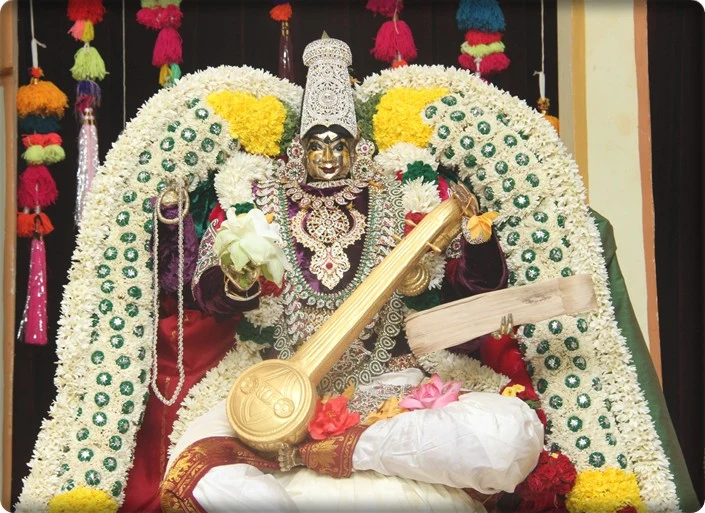
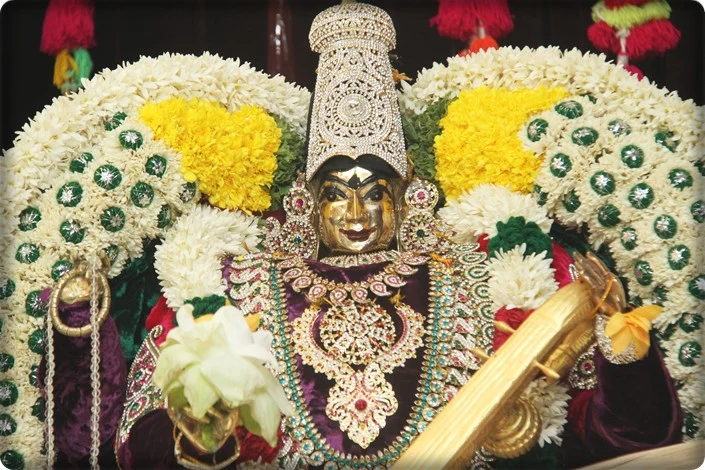
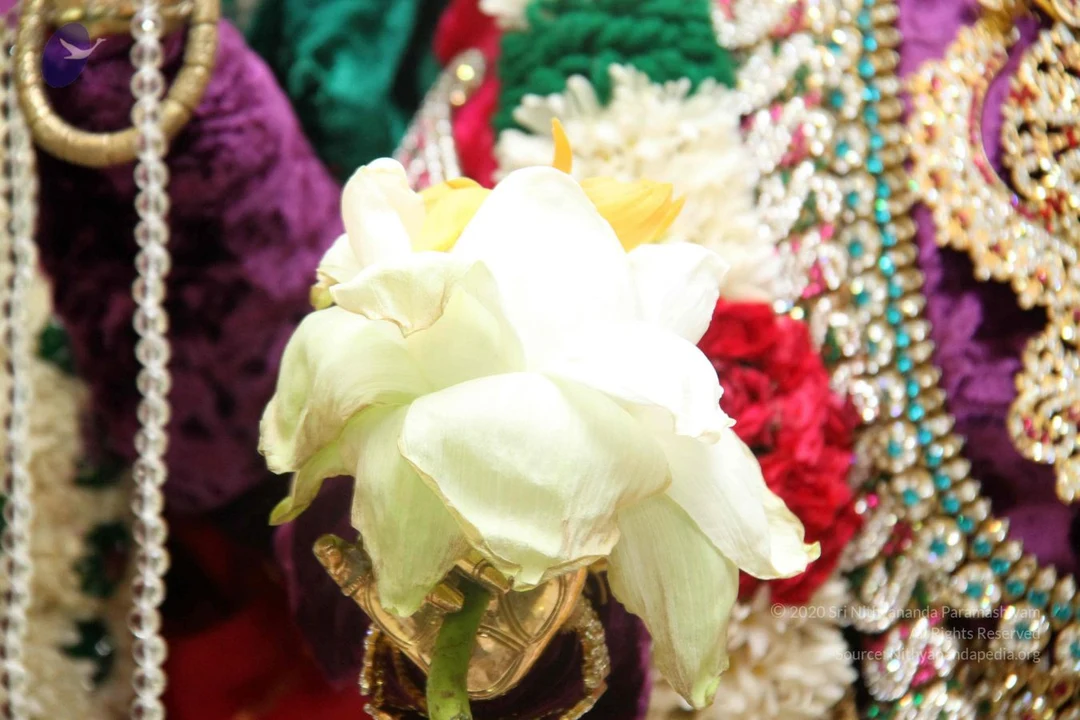
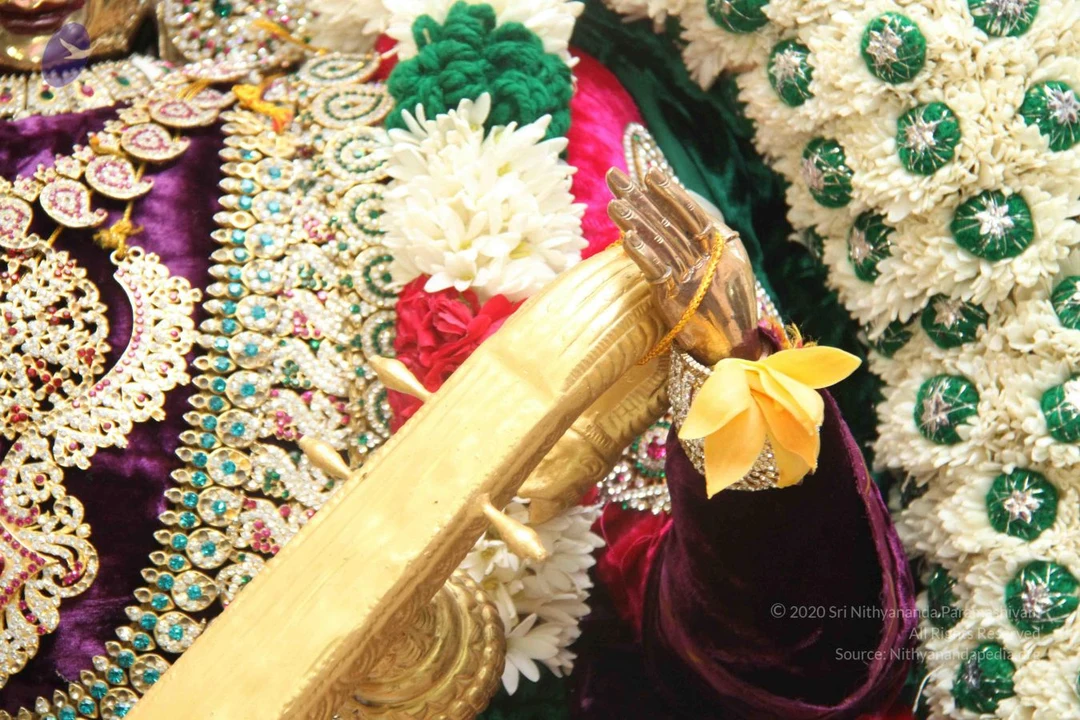
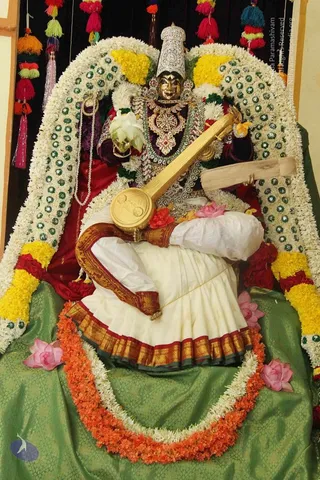
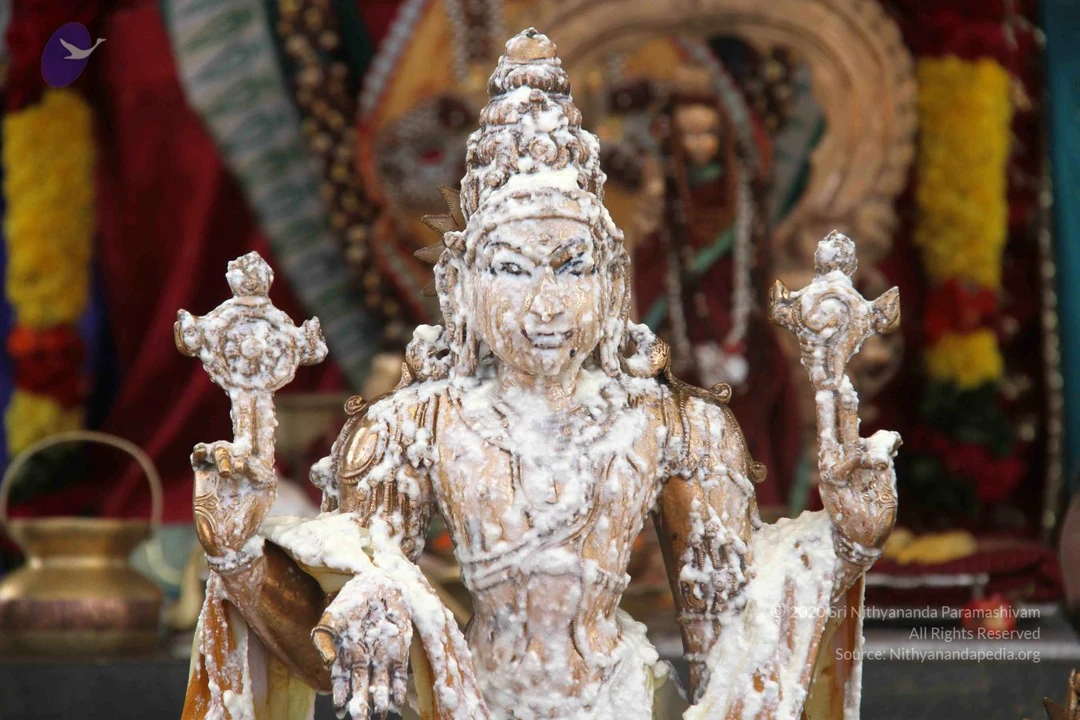
A decorated deity murti of Saraswati seated on a green brocade cloth against a jasmine and marigold garland arch. The figure wears a white sari with a red and gold border, a silver jewelled crown, a gold and jewelled necklace, and holds a golden veena. Pink lotus flowers and a red-orange floral garland lie at its base, with colourful tassels hanging above. No people are visible.A deity murti of Goddess Saraswati is seated and decorated for Navaratri, photographed in close frontal view. The gold face has a tall silver crown and an ornate silver necklace over a deep purple garment. She holds a large gold veena across her body, with a flower and pink lotus at her lap. A dense arch of white jasmine garlands studded with green beads and yellow marigolds frames the figure, and colourful tassels hang at the left and top. No people are visible, so the image is a photograph of a murti in a shrine setting.A close-up of a golden deity murti of Maha Saraswati, decorated with a tall ornate silver crown set with stones, a purple velvet garment with heavy gold and jewelled necklaces, and a large white and yellow flower garland framing the figure. Green bead accents appear among the white jasmine garlands, and a golden veena-like instrument rests at the right edge. The setting is dark with red tassels visible at the top.A golden deity murti of Goddess Devi, adorned for Navaratri, stands before an ornate gilded arch. She wears a jewelled crown topped with a pink lotus, layered white jasmine garlands, red and pink flower garlands, a red silk sari with gold border, and a gem-set necklace. Golden figures appear at the left edge. No physical people are visible.A golden deity murti of Saraswati, seated before an ornate gilded brass arch, dressed in a red and gold silk sari with woven borders and a gold-and-jewelled crown. She holds a veena across her body and is adorned with white jasmine garlands, red flower garlands, pink lotus at the top, and multicolour jewelled necklaces. A dense backdrop of magenta and purple chrysanthemums frames the figure. No people are visible.A decorated deity murti of Goddess Saraswati seated centrally on a green silk-draped throne, holding a veena with a golden body and white garlands. Her figure is dressed in white with a red and gold border, adorned with a necklace, a jeweled crown and flower garlands. Flanking her on either side are smaller murtis in red and gold garments with pink lotus blossoms and garlands, set within gilded arched backdrops. Dangling tassels in red, yellow and green hang above, with a standing fan at the right. No people are visible.

2-Way

2 photosSource gallery
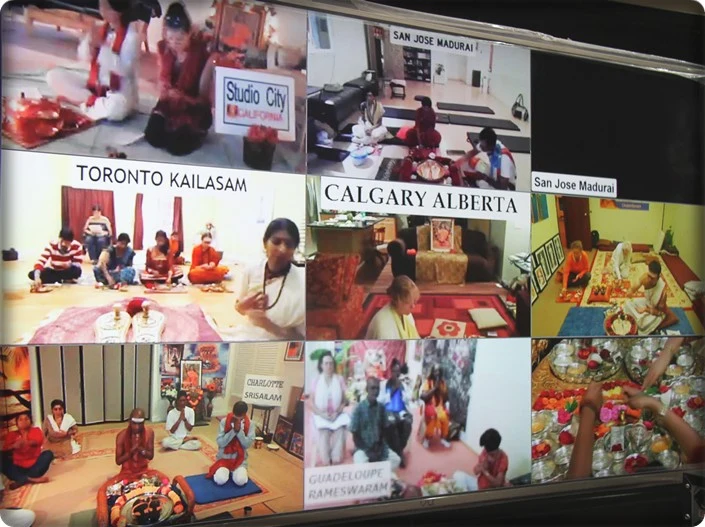
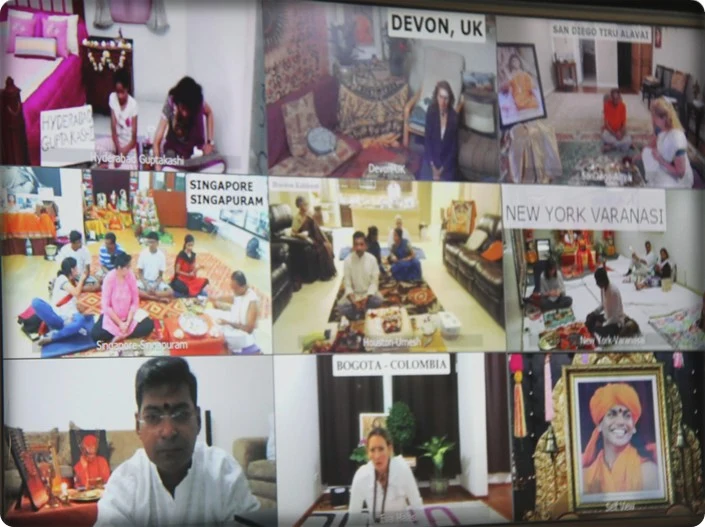
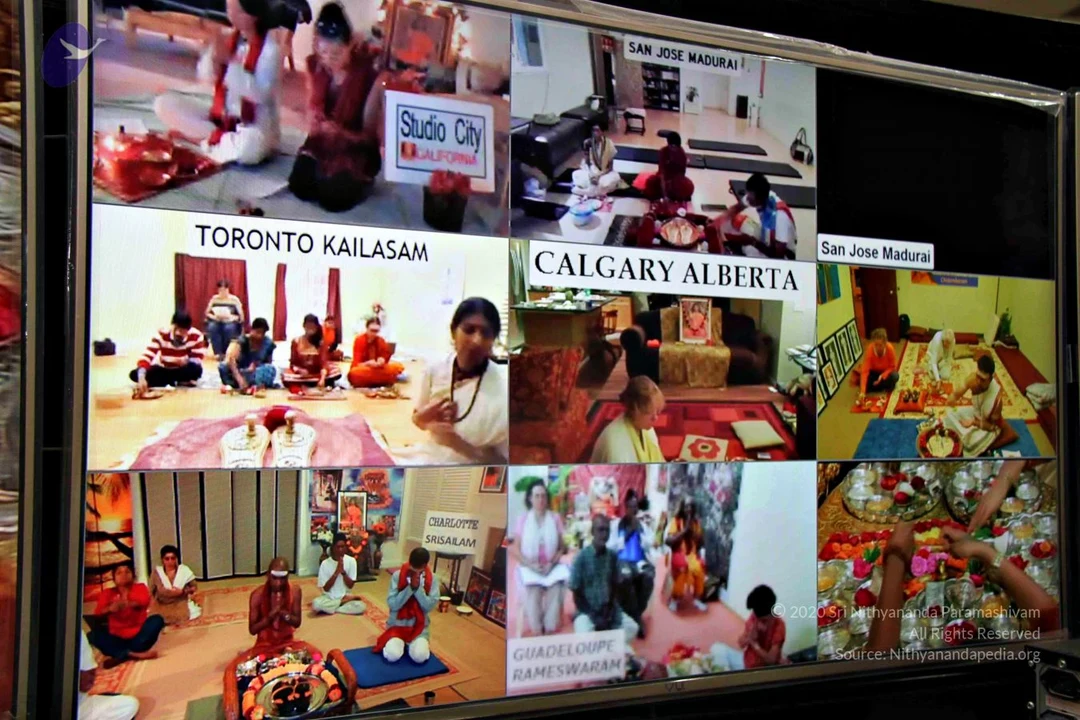
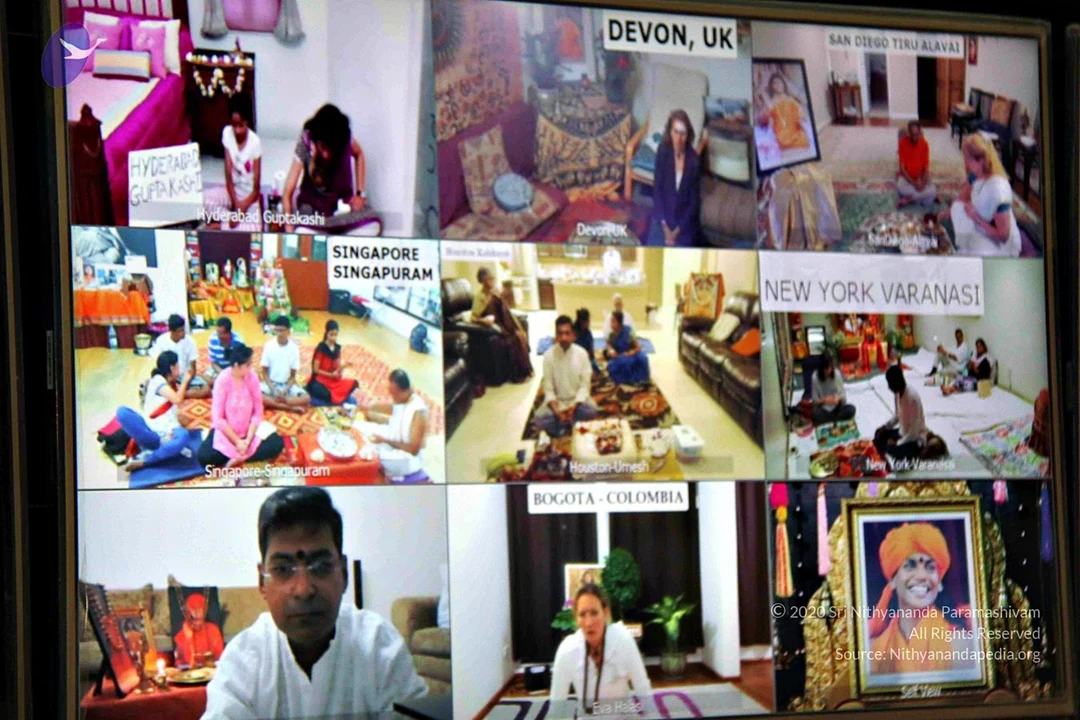
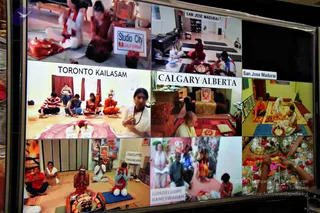
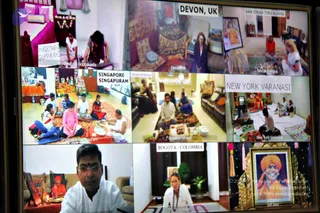
A photograph of a large wall-mounted screen showing a grid of live video feeds from several KAILASA centres, with labels reading Studio City California, San Jose Madurai, Toronto Kailasam, Calgary Alberta, Charlotte Srisailam and Guadeloupe Rameswaram. The top-left panel shows two figures in red and white near a red-cloth puja setup. The Toronto panel shows about six seated devotees in red, orange and striped clothing before brass lamps, with a woman in white with a mala speaking. The Calgary panel shows a devotee in white before a shrine with a framed portrait. The Charlotte panel shows several people in orange and white seated in prayer near a flower-decorated altar. The Guadeloupe panel shows a seated group, including a woman in white and an orange-clad figure. The bottom-right panel shows hands arranging offerings of fruit and flowers on silver plates.A photograph of a multi-panel video conference grid of satsang participants in different cities. Top-left panel shows a woman seated on a pink-draped bed beside a sign reading Hyderabad Guptakashi. Top-middle shows a woman in a dark jacket seated on a floor cushion labelled Devon, UK. Top-right shows a seated woman in orange and a blond woman in white in a room with a framed portrait labelled San Diego Tiru Alavai. Middle-left shows a group seated on red mats labelled Singapore Singapuram with a woman in pink and a man in white. Middle-centre shows a man in white kurta seated with a woman in blue beside a labelled Houston-Umesh. Middle-right shows people on a white floor labelled New York Varanasi. Bottom-left shows a man in white with a tilak seated before an altar with a lit lamp and a portrait. Bottom-centre shows a woman in white labelled Bogota-Colombia. Bottom-right shows a framed portrait of a smiling figure in orange head wrap and ornate gold frame labelled Sri Nithyananda Paramashivam.

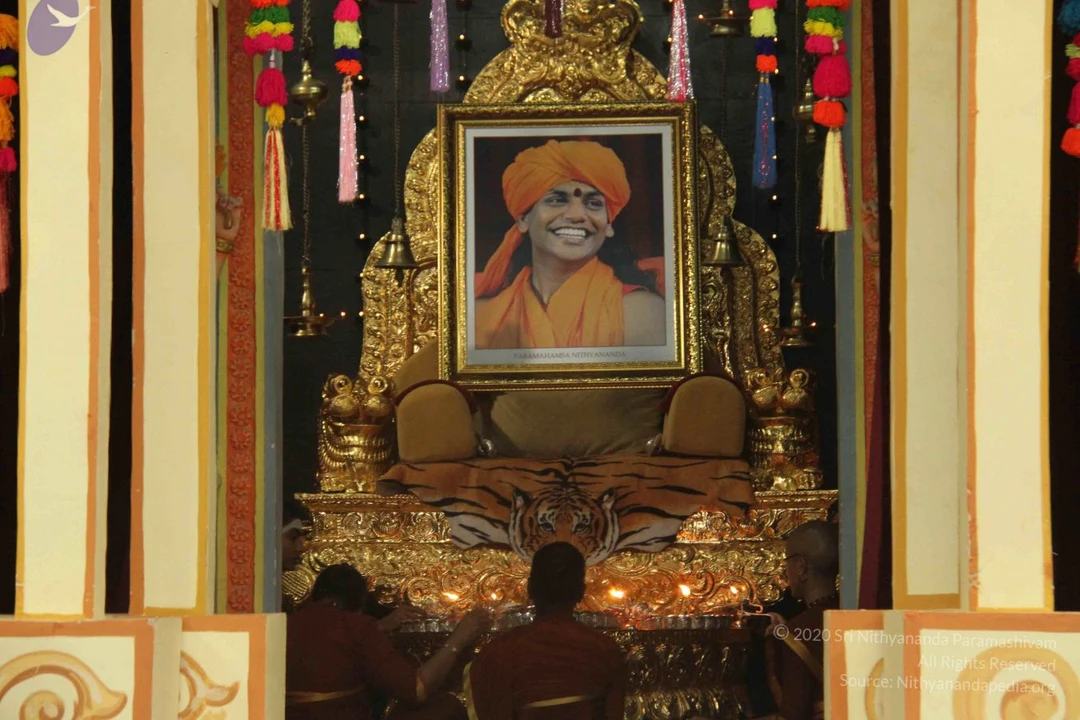
PadukaPuja
39 photosSource gallery
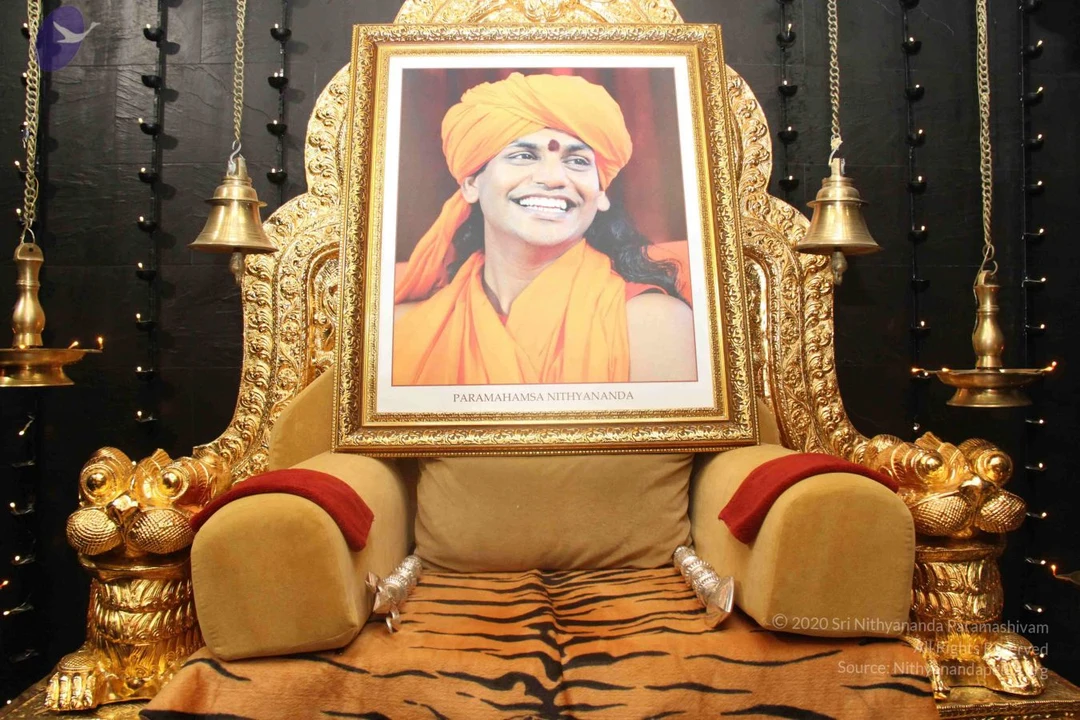
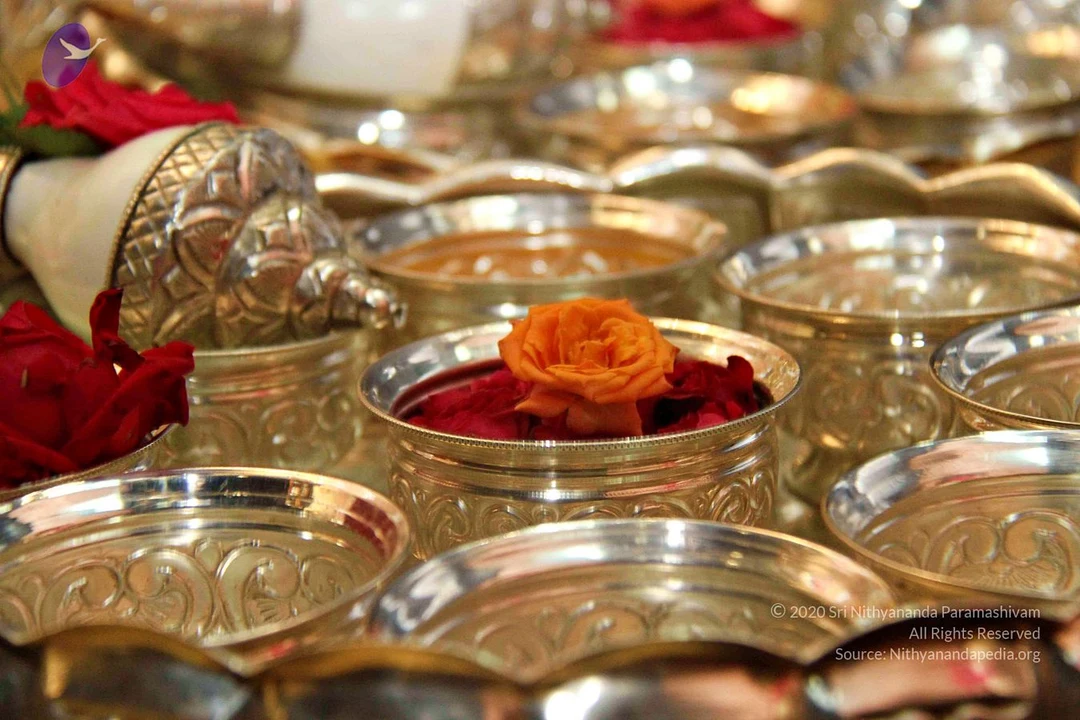
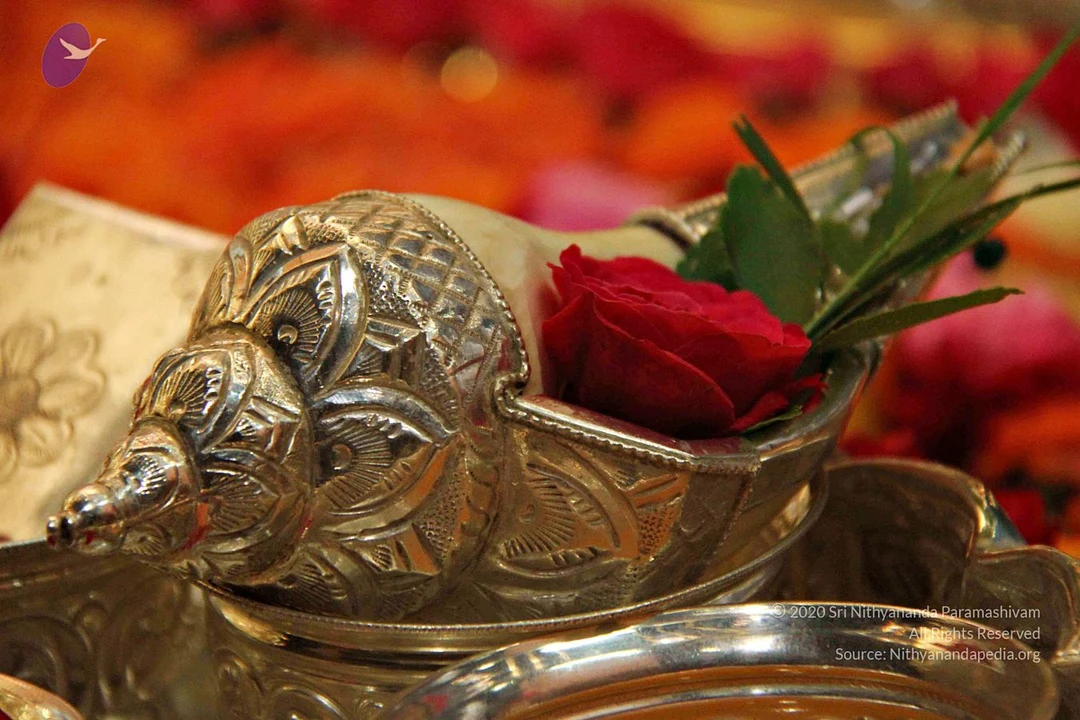
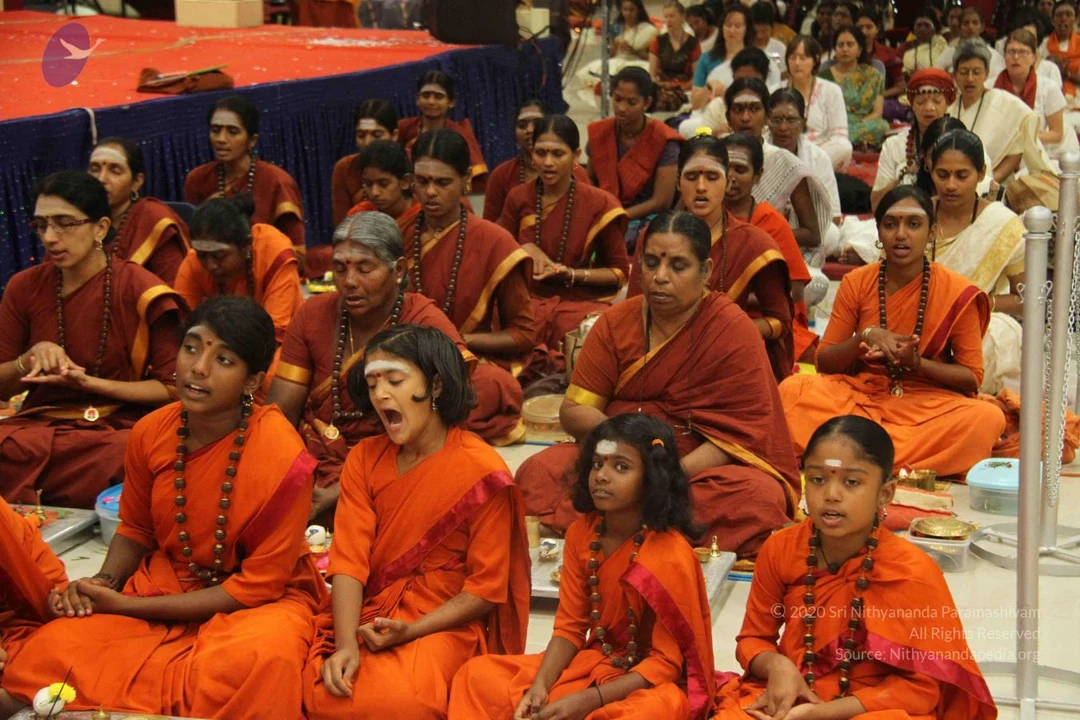
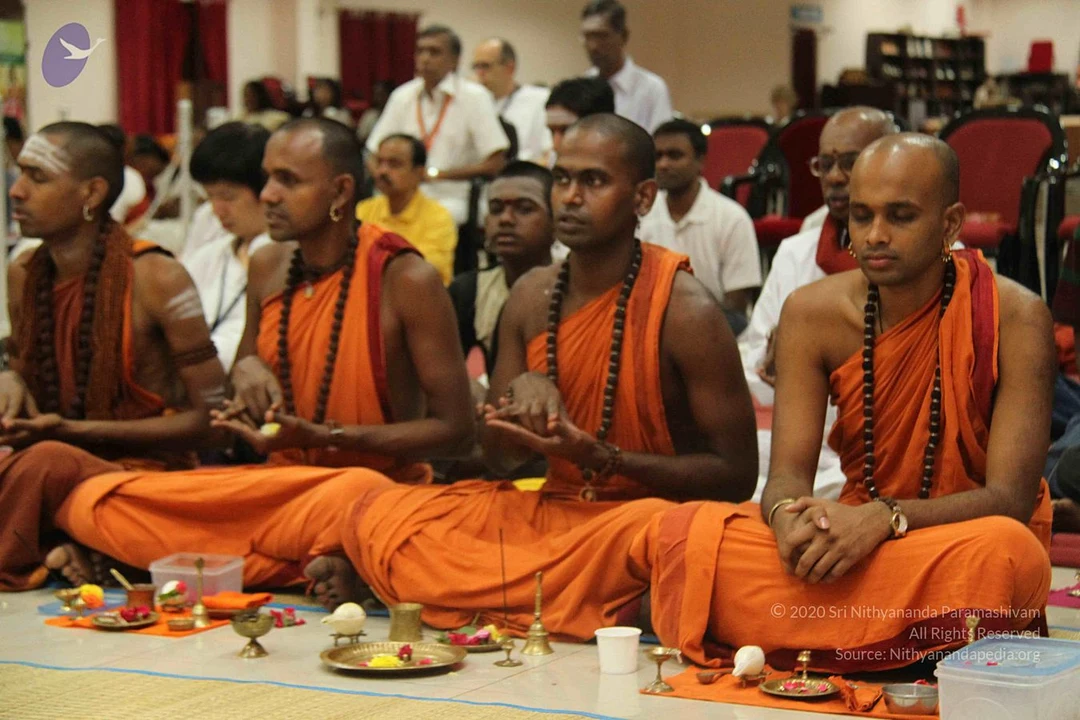
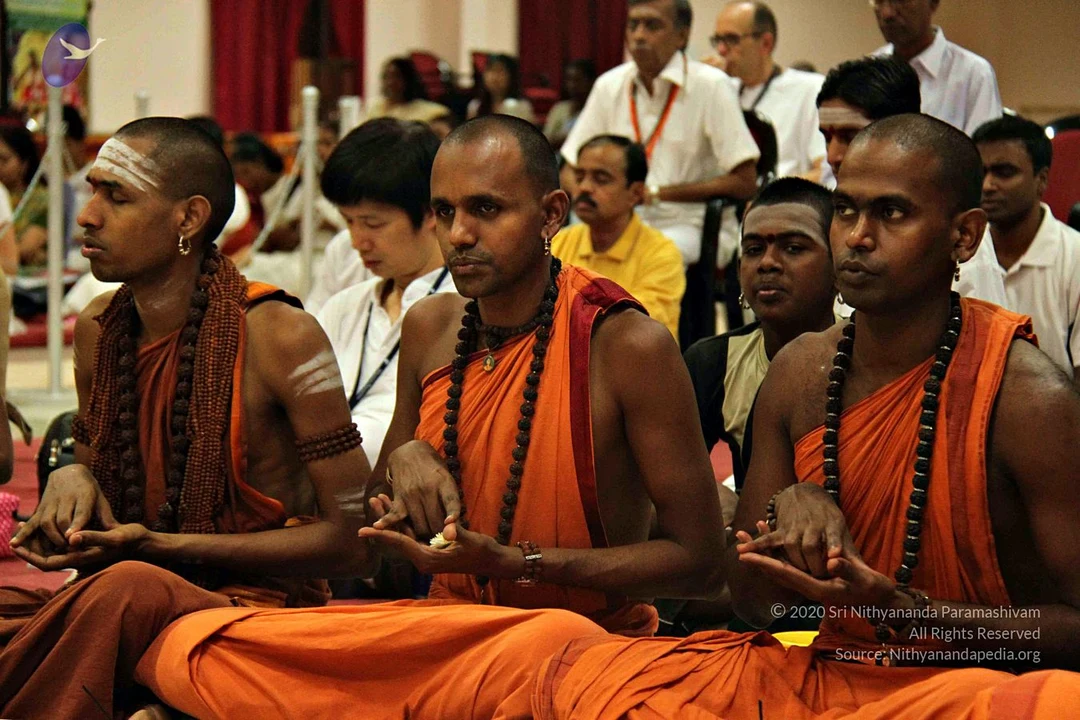
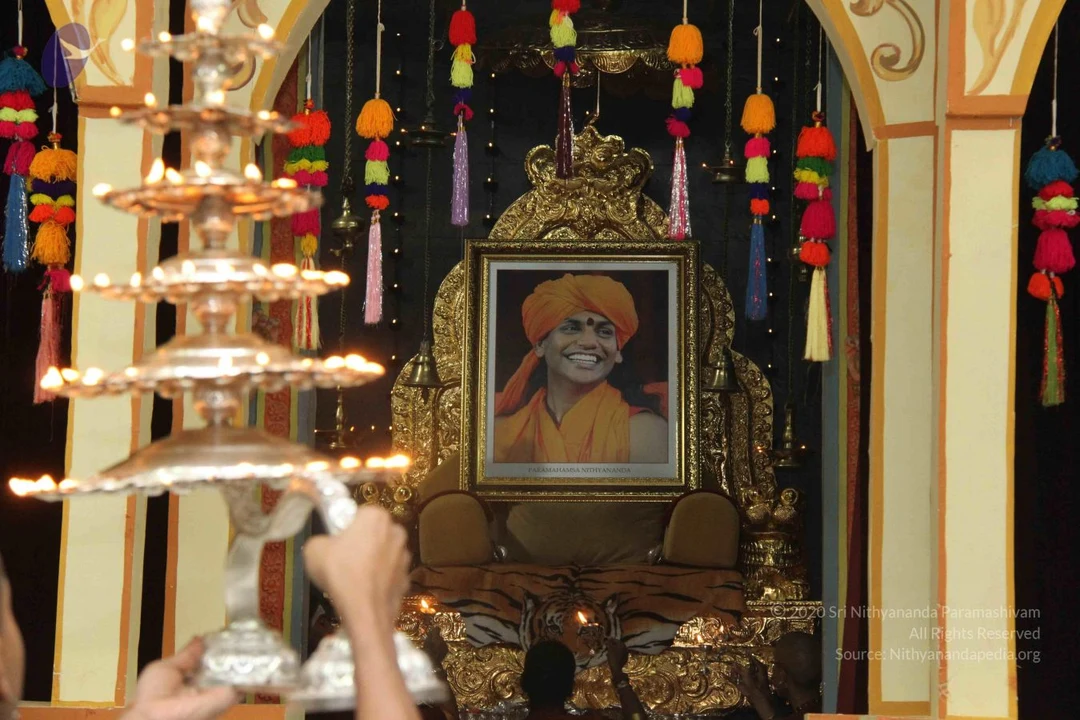
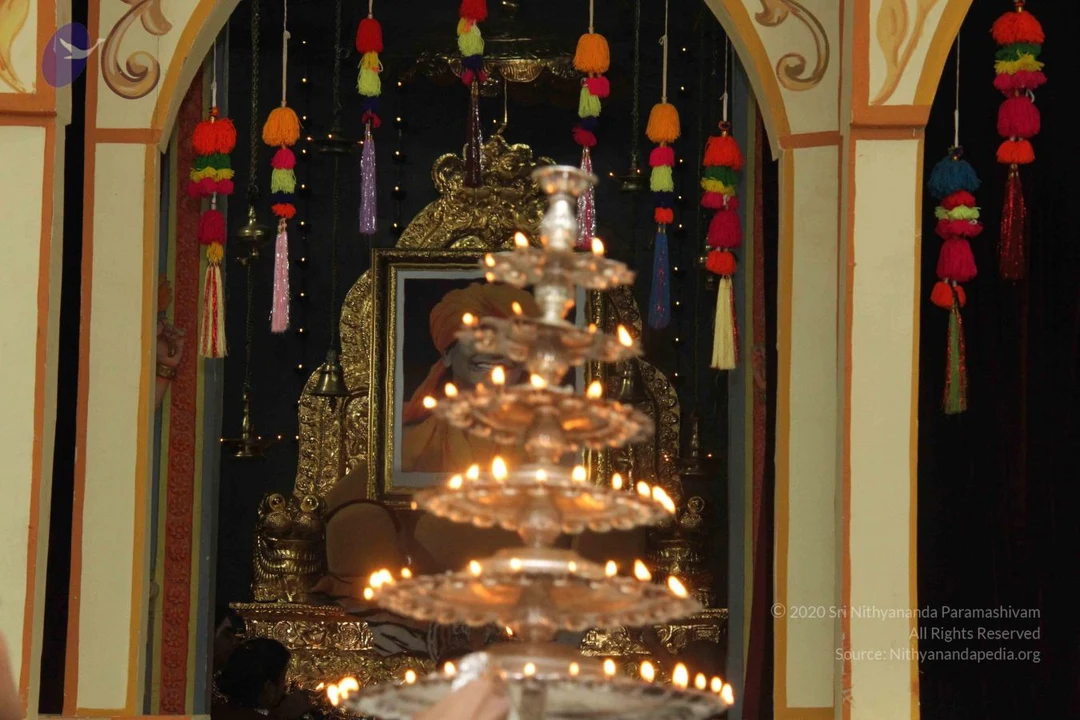
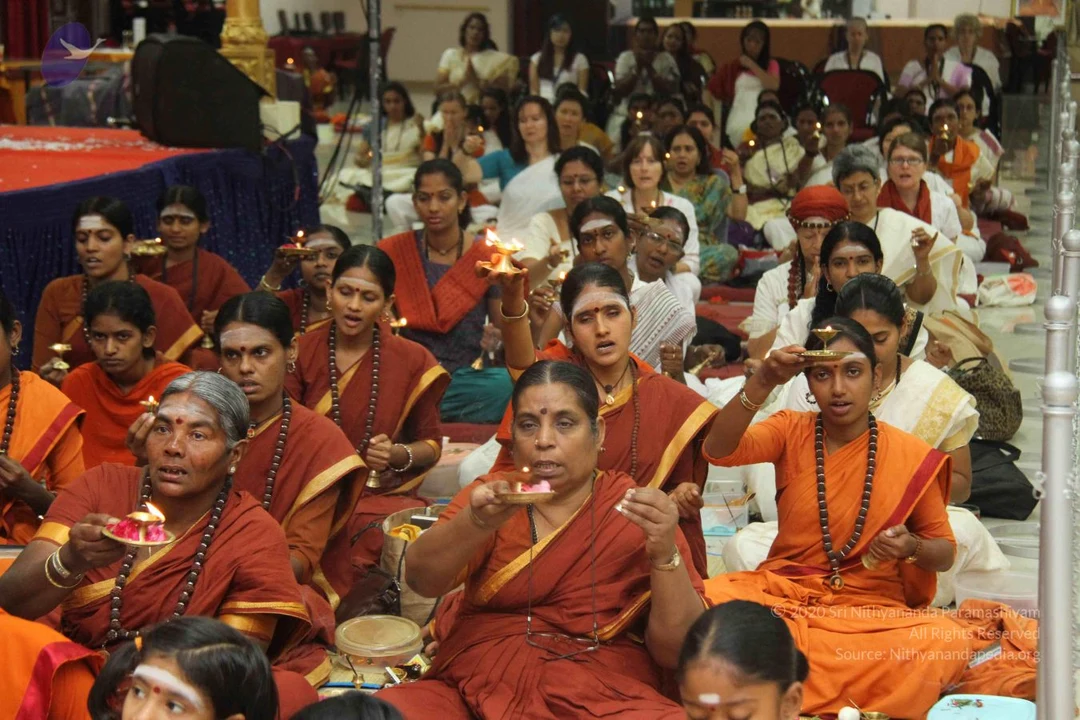
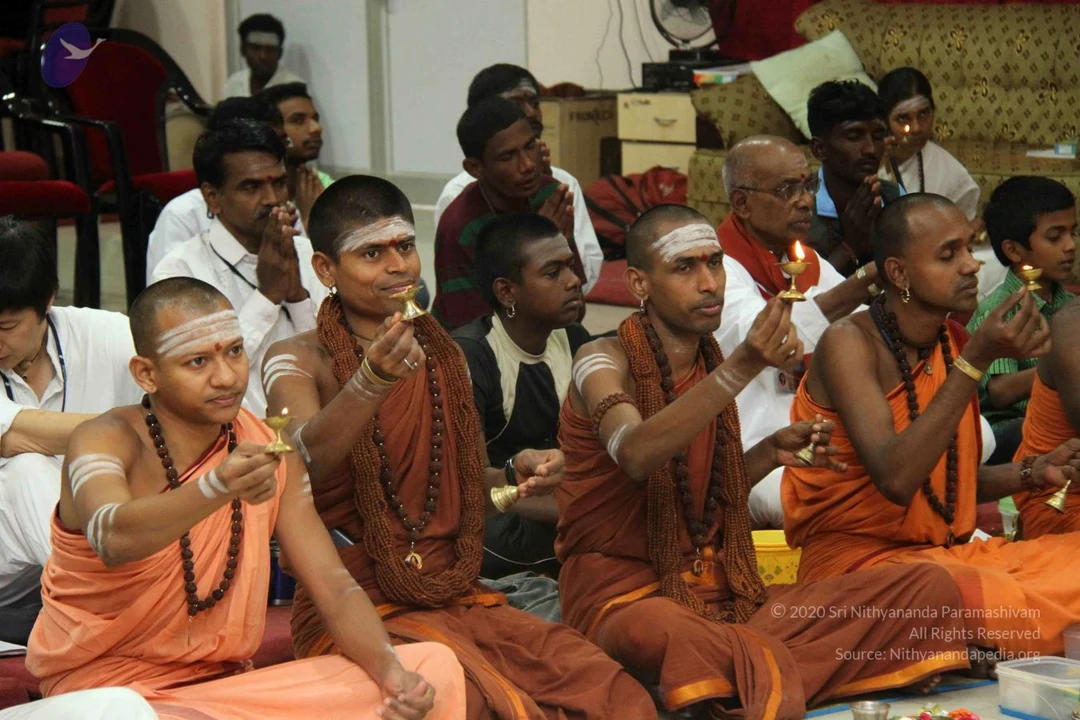
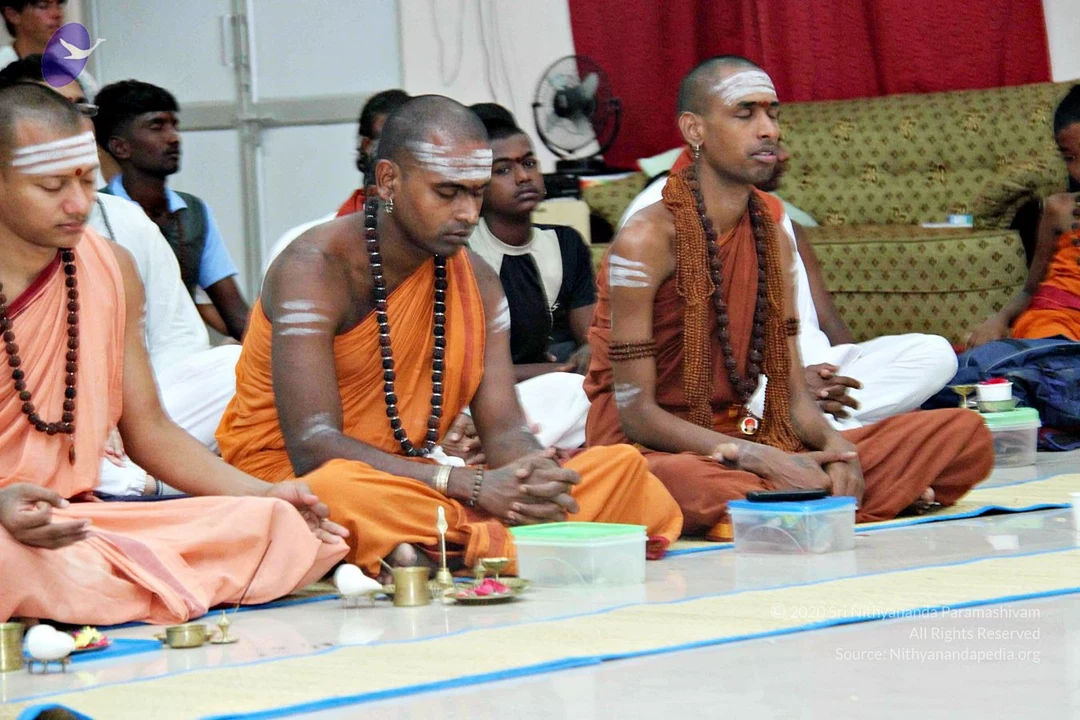
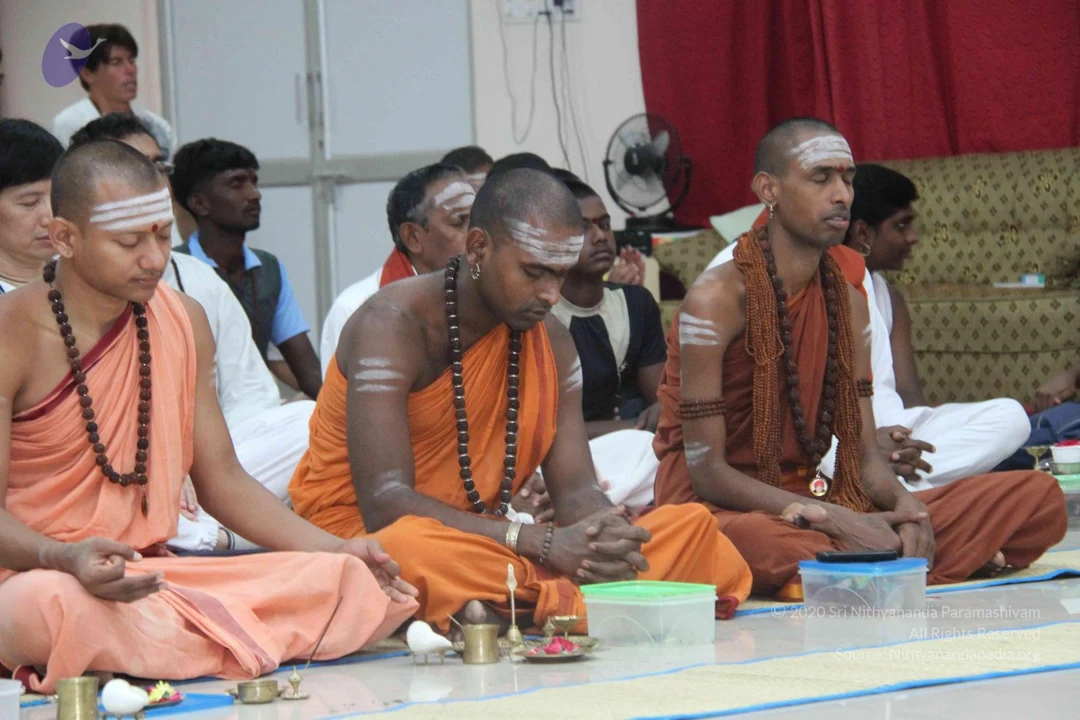
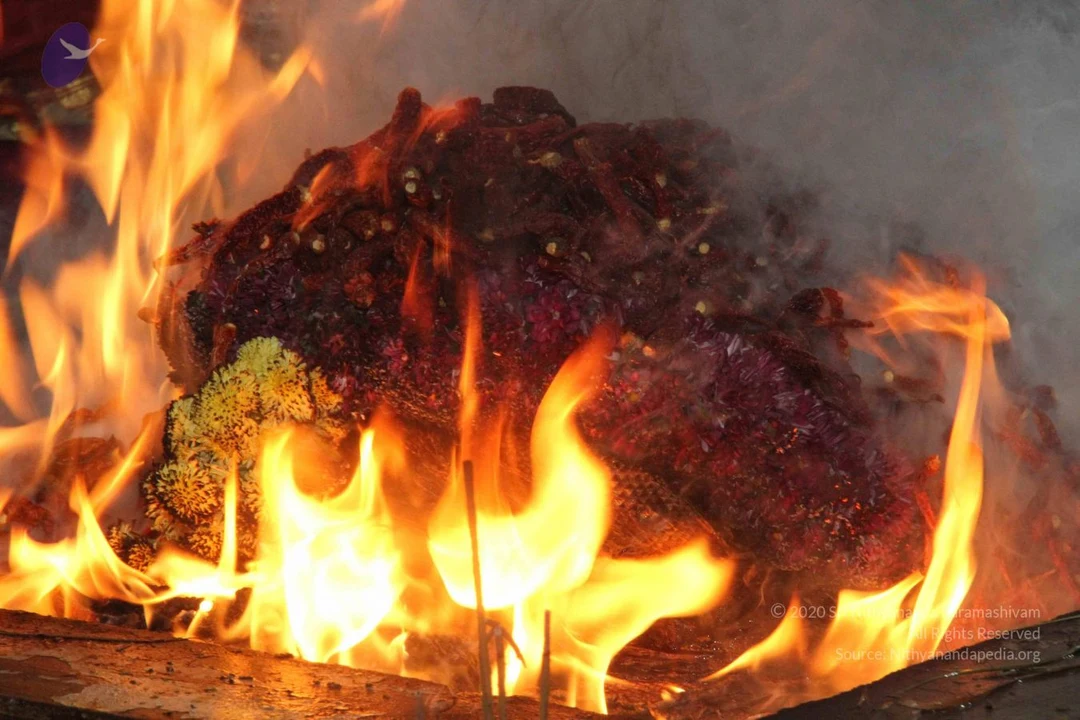
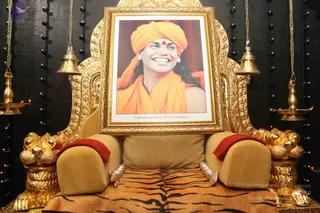
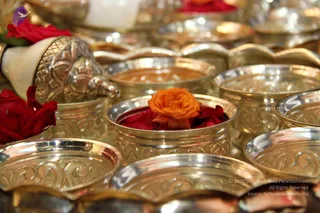
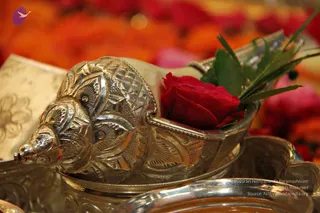
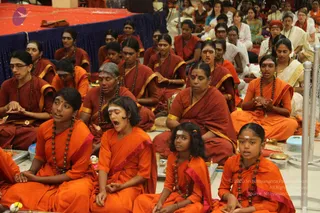
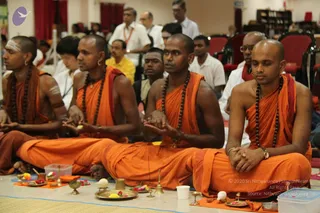
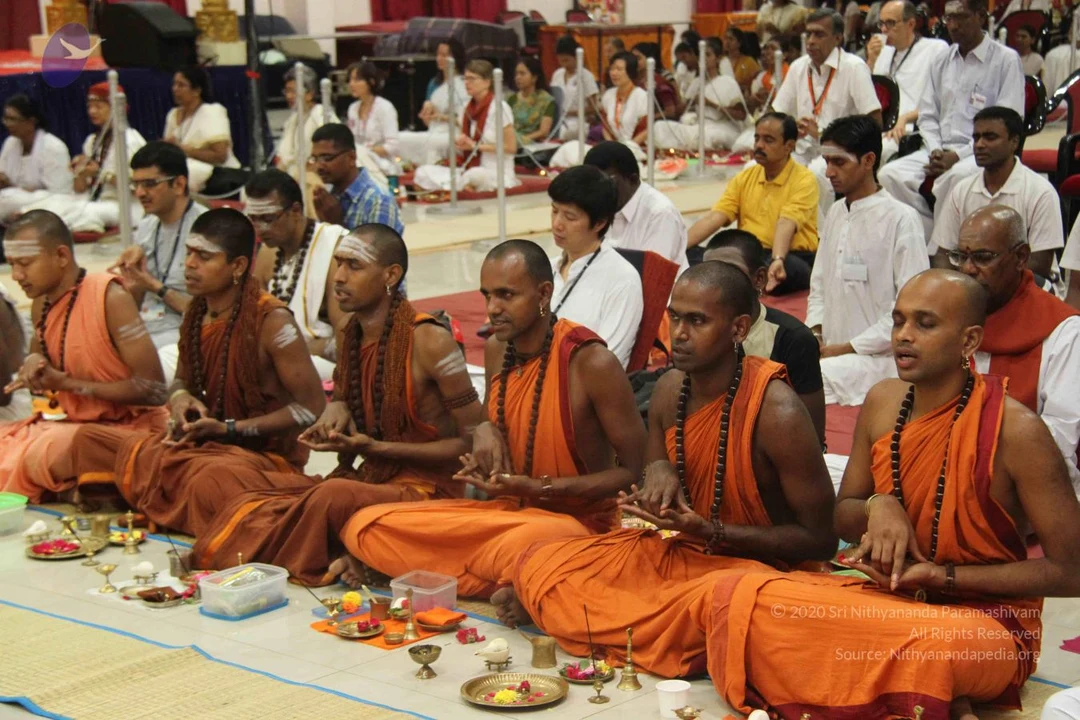
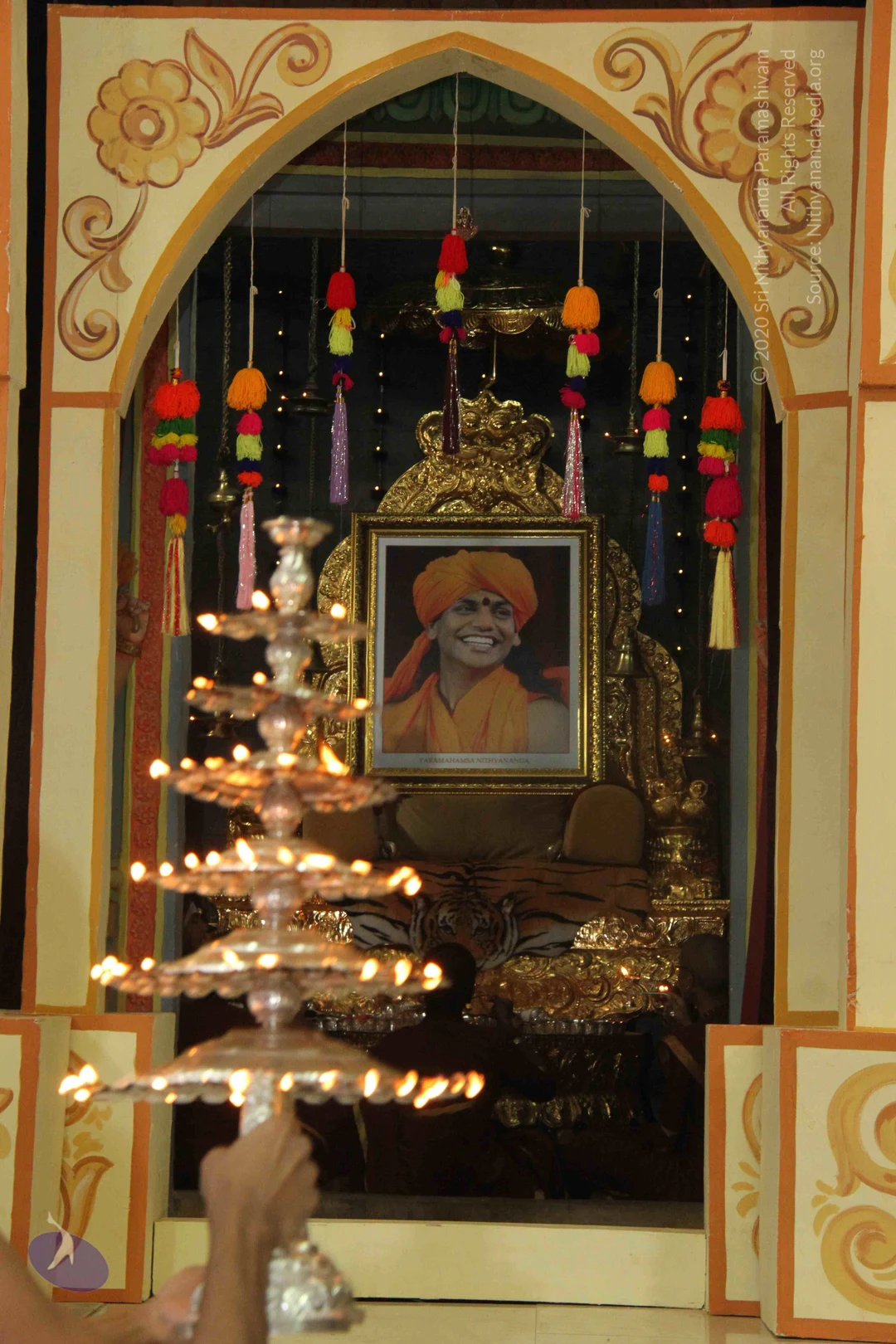
A gilded ornate throne with carved lion-head armrests stands empty against a black wall decorated with hanging brass bells and oil lamps. A framed portrait labelled "PARAMAHAMSA NITHYANANDA" sits on the throne back, showing a smiling man in an orange turban and orange shawl with a red bindi. The seat is draped with a tiger-striped cloth and red armrest cushions. No people are physically present.Close-up photograph of rows of ornate silver-toned metal bowls and dishes with repoussé floral scroll patterns, filled with water or liquid and topped with red and orange rose petals. A silver conical vessel with a white cloth wrap sits at the left edge. Shallow focus blurs the background. No people are visible.Close-up photograph of an ornately engraved silver conch shell, its opening filled with a red rose and green leaves, resting on a silver tray. Blurred orange and red flowers fill the background. No people are visible, and no a person candidate appears in the frame.A group of women and girls in orange and maroon robes sit cross-legged on a floor during a chanting session, with rudraksha malas around their necks and white or ash markings on their foreheads. Several have eyes closed or mouths open in chant, some with hands folded. Brass vessels and a small offering tray sit before them. Behind them, seated devotees in white and cream saris and a red-headed woman watch from rows of chairs in a hall, with a red stage behind.A photograph of four or more seated men in saffron-orange robes and rudraksha malas performing a puja in a hall. In the foreground, several shaved-headed men sit cross-legged on a mat with hands folded or raised in mudra, with brass bells, a small brass lamp, a plate of flowers and offerings, and incense sticks arranged before them. Behind them, seated and standing devotees in white shirts and a man in yellow clothing watch in a room with red curtains and red chairs. A purple bird logo appears in the top-left corner.Seated devotees in an indoor hall perform a ritual puja with brass plates, small bells, a kalasha-style brass vessel and flower offerings set on the floor. Four or five sannyasi-style monks in saffron-orange robes with rudraksha malas and white forehead markings sit cross-legged in front, hands raised in mudra and eyes closed. Behind them, rows of people in white clothing sit on red mats, with a few in yellow and orange shirts. Metal pillars and a red-draped stage line the background.
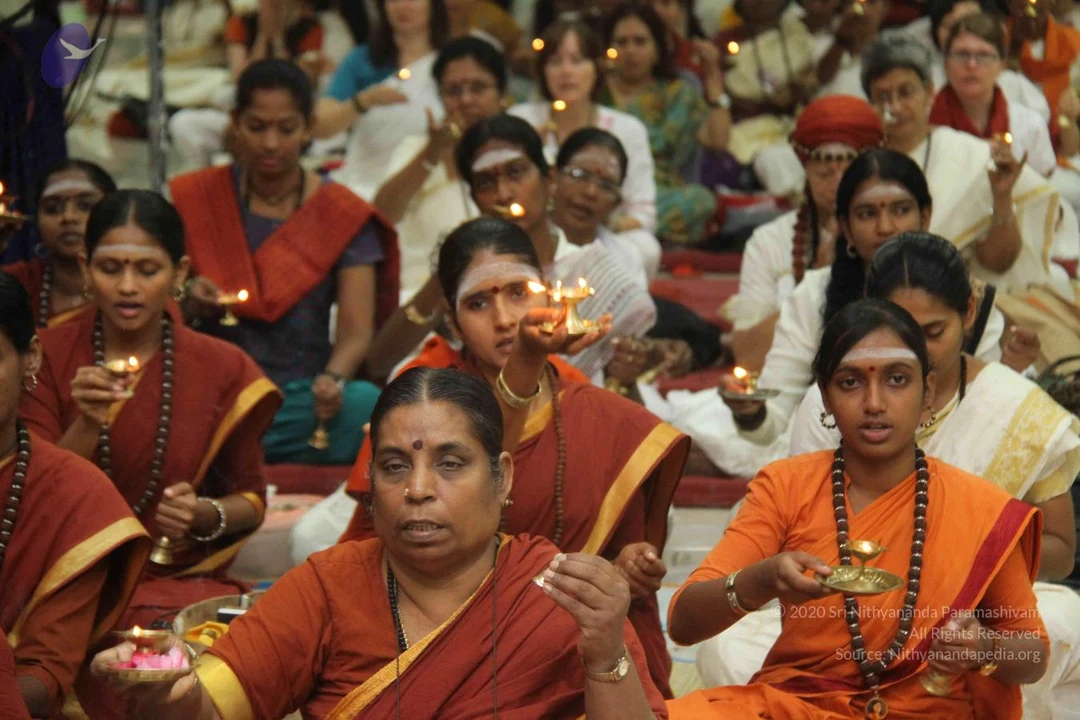
Deity_Arati
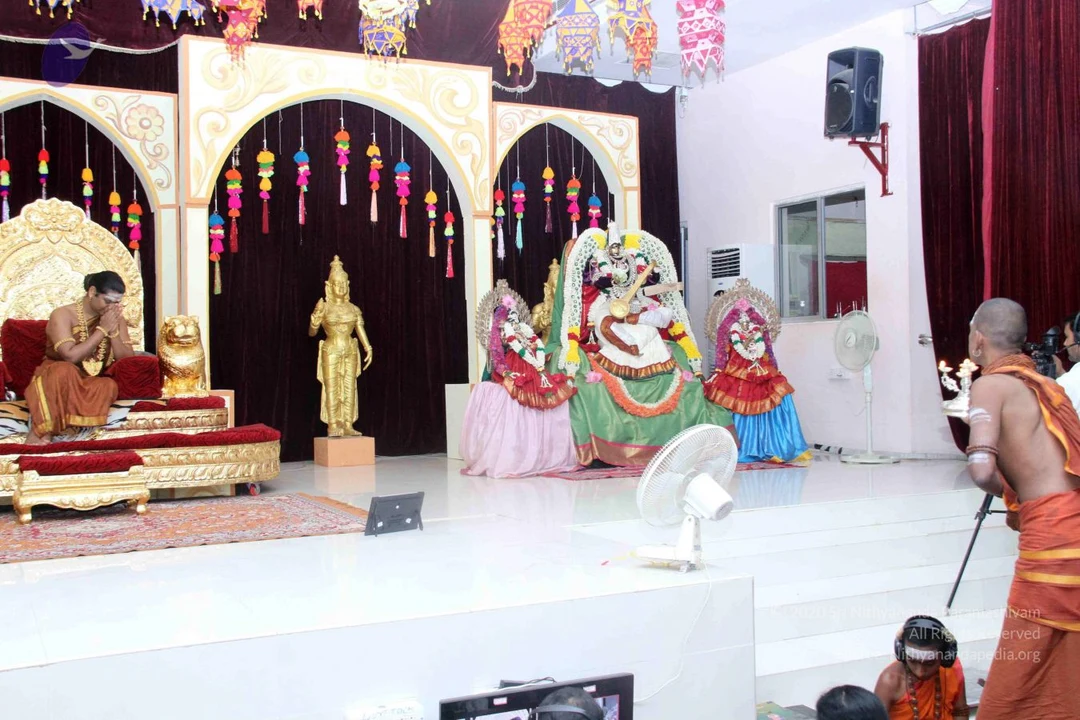
5 photosSource gallery
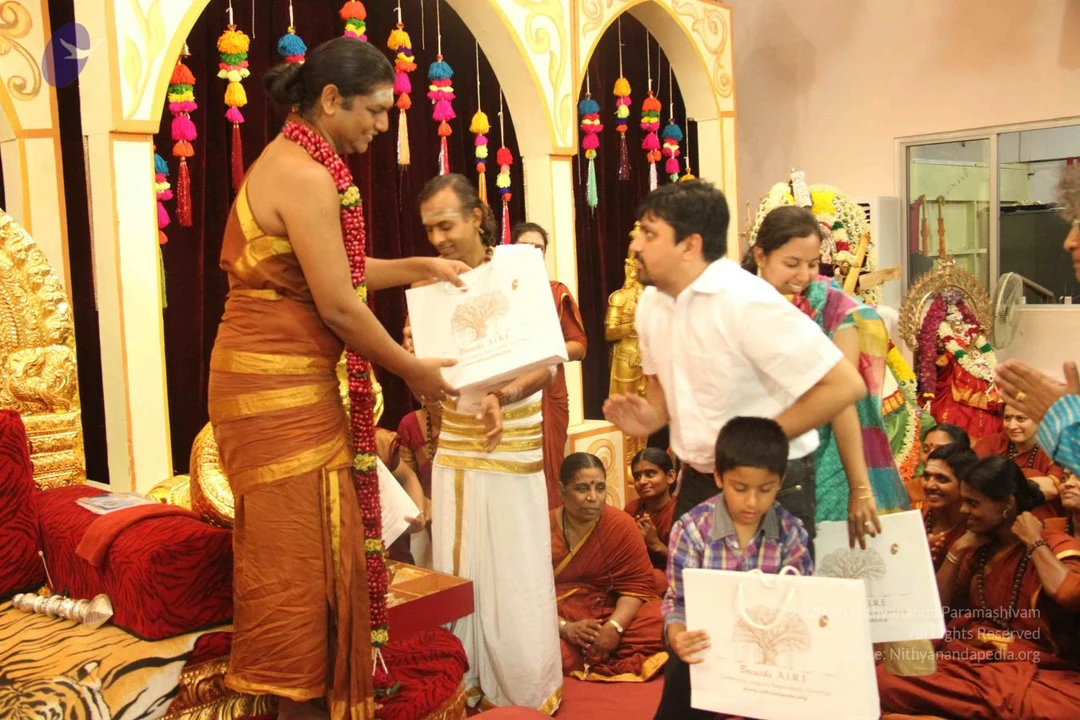
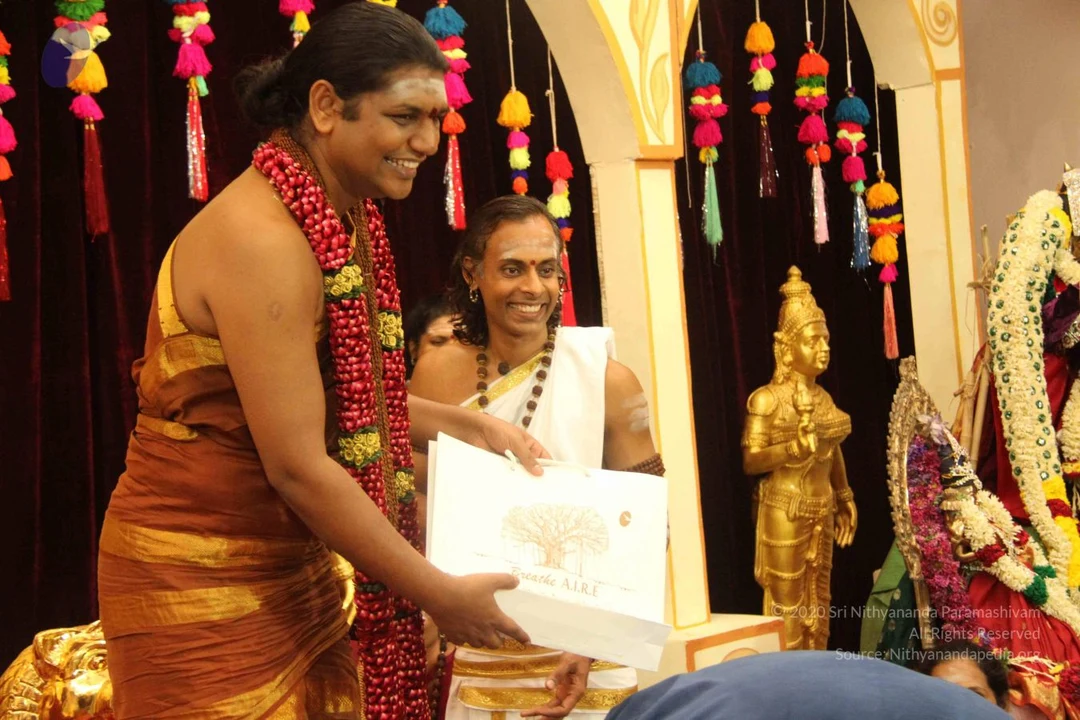
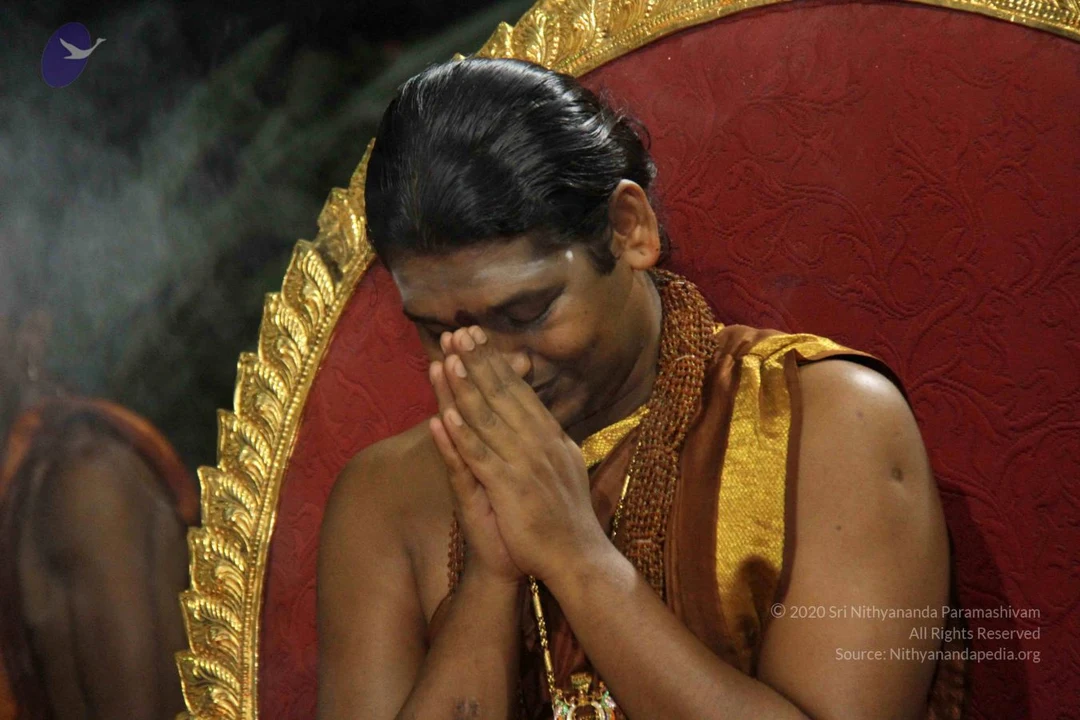
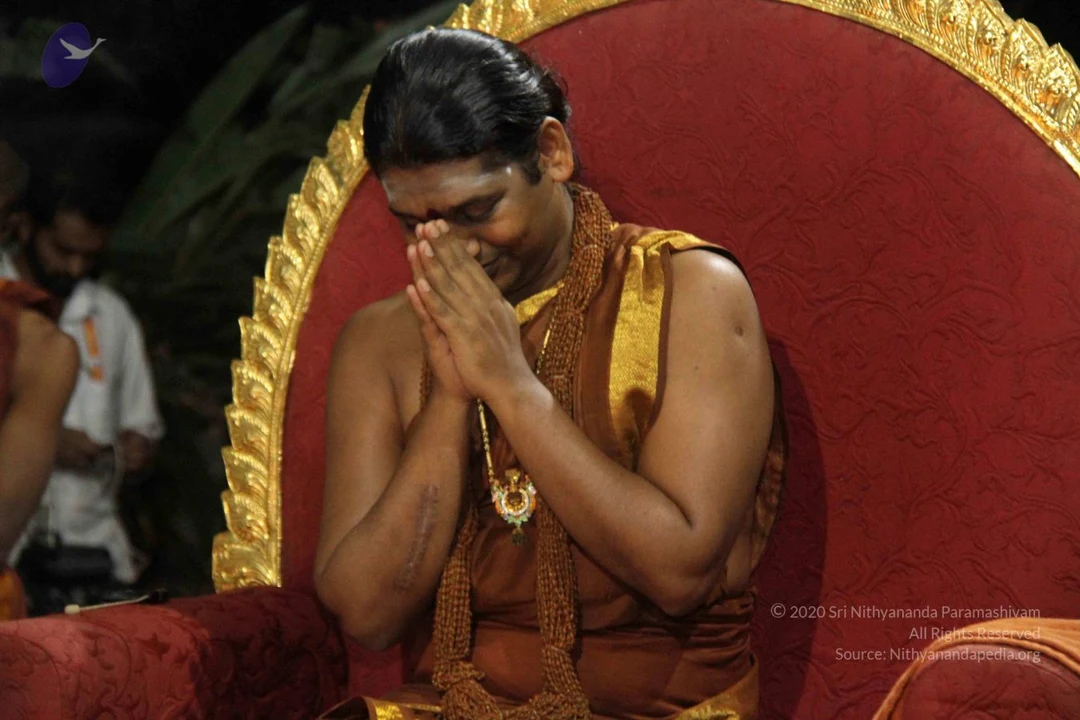
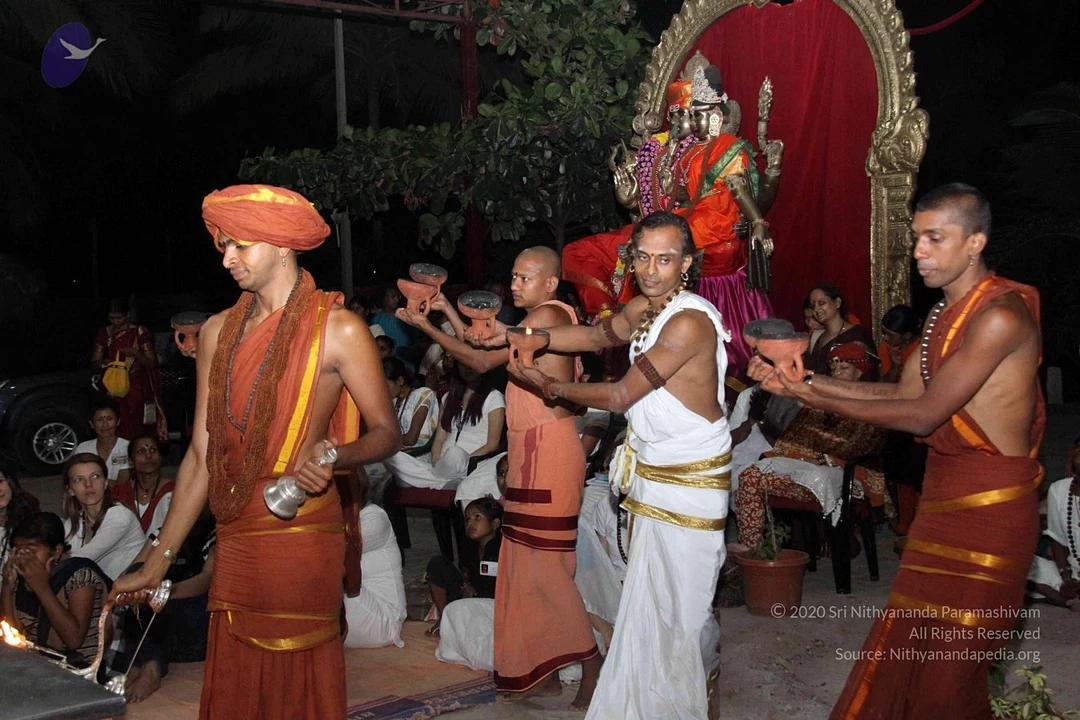
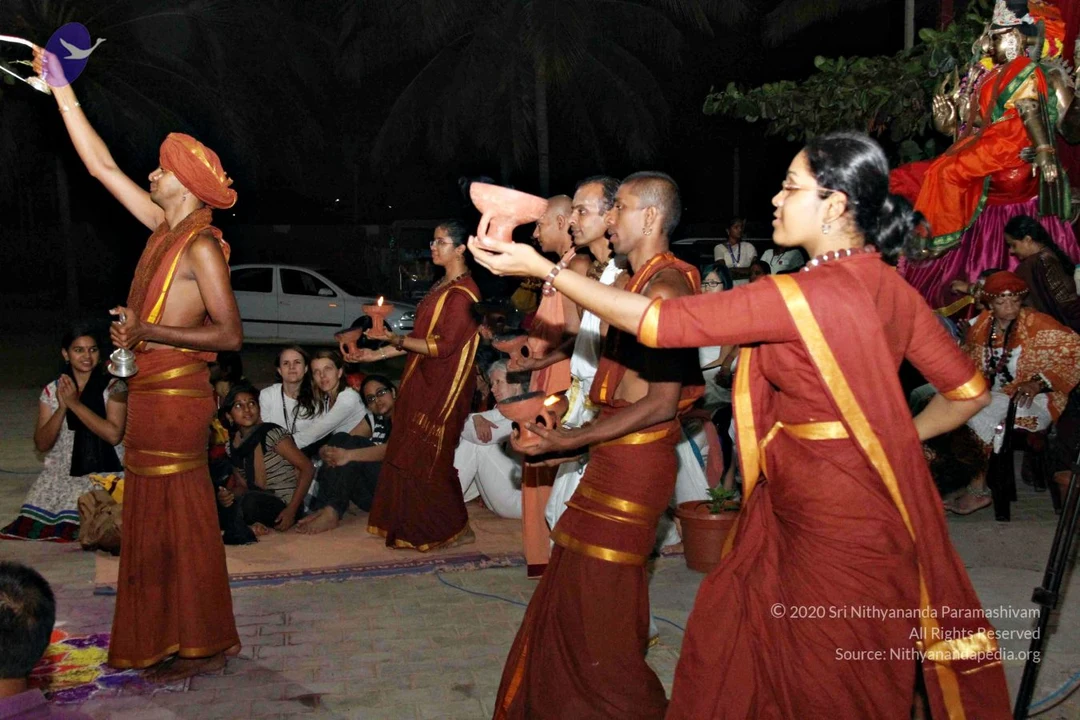
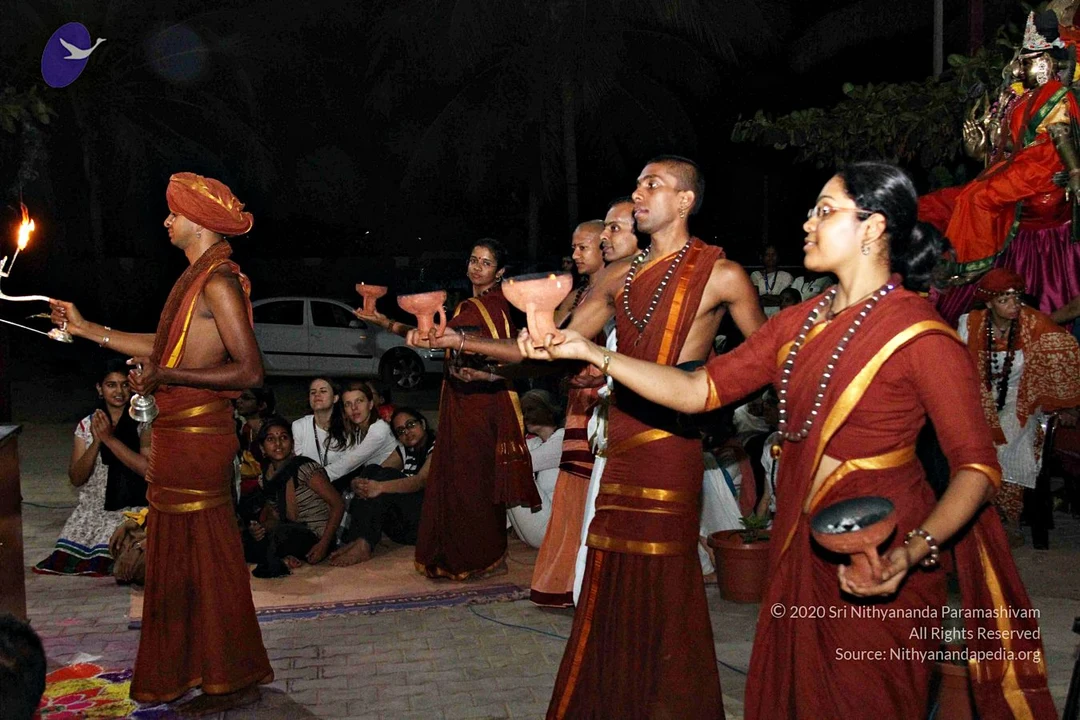
A festive stage set for a Navaratri puja. On the left, a seated man in an orange-saffron garment and gold necklaces sits with palms pressed together on a red-cushioned gold throne, with a golden lion at its base. At center, a deity murti of Saraswati in a green and gold sari with a white floral halo is seated and holds a veena, flanked by two smaller seated figures in pink and red-blue garments with floral garlands. A golden standing deity figure stands between them. A man in orange clothing with shaved head stands at right holding a lamp, and a seated devotee in orange sits at lower right. Colourful tassel decorations hang from arches and paper lanterns hang above; fans and a speaker are visible.Stage decorated for Navaratri with colourful paper lanterns hanging overhead and tassel garlands strung across golden arches. A seated man in an orange-brown dhoti and a gold-coloured ceremonial necklace sits on an ornate gold throne with red cushions, hands folded in namaste; a gold lion figure rests beside the throne. Centre stage, a goddess murti in a green sari with a white floral crown is seated with a veena, flanked by two smaller murtis in pink and red-blue saris with flower garlands. A gold standing deity statue stands to the left, and a brass oil lamp is set near the murtis. A bald priest in an orange shawl and dhoti, holding a long rod, stands at the lower right facing the stage, and a person with headphones sits at the bottom edge.A shaved-headed priest in orange and saffron robes with a rudraksha mala performs aarti before a deity murti of Saraswati seated in the centre, wearing a green silk sari with gold border, a white garland, flower garlands, and holding a veena. Two smaller deity figures in red and blue sit on either side, and a golden standing statue stands at left. The deity murtis sit beneath an arch of white and green flower garlands with hanging colourful tassels above. A silver aarti plate with a lit oil lamp is held forward by the priest in the foreground. A black curtain forms the backdrop.A decorated deity murti of Maha Saraswathi sits centrally on a green silk-draped seat, holding a veena, with white and yellow garlands forming an arch around her. Two smaller murtis of female deities flank her in red and blue silk dresses with garlands and a small pink flower. A shaven-headed figure in saffron robes sits in the lower-left foreground facing the shrine, with a yellow-gold deity figure at the far left. Hanging tassels in pink, yellow and teal decorate the back, with dark maroon drapery behind and a cooling fan at right. The scene suggests a Navaratri puja at a shrine.Navaratri puja scene before a seated deity murti of Goddess Saraswati, adorned with white floral garlands, a silver crown, gold and silver jewellery, and a veena held in her hands; she wears a white and green silk sari. Beside her stands a golden figure and a second murti in a red and blue silk dress with a veena. In the foreground, a devotee with a shaved head in an orange-saffron robe and a rudraksha mala is seen from behind, facing the deity, with lit oil lamps on a silver tray. Colourful tassels hang from the arch and a wall-mounted air conditioner is visible at right. No physical person is clearly identifiable as a person from the visible cues.

NithyaSatsang_Swamiji
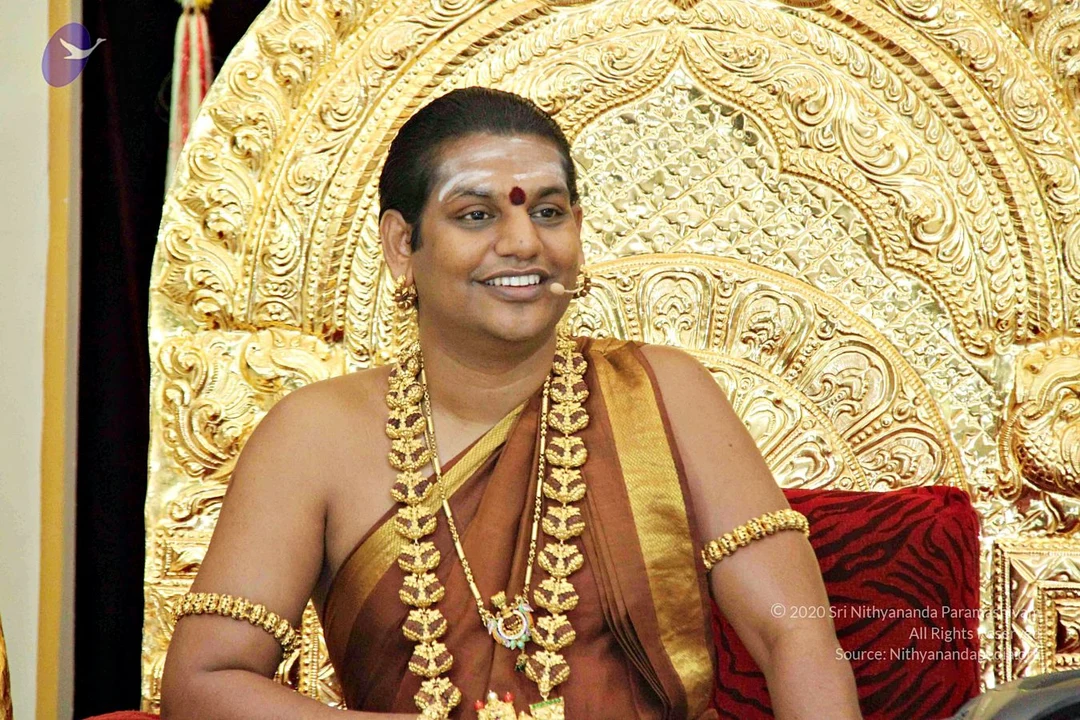
48 photosSource gallery
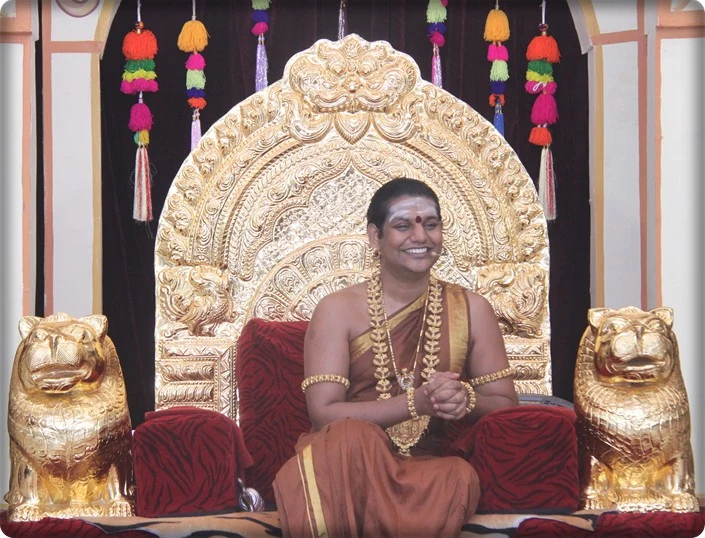
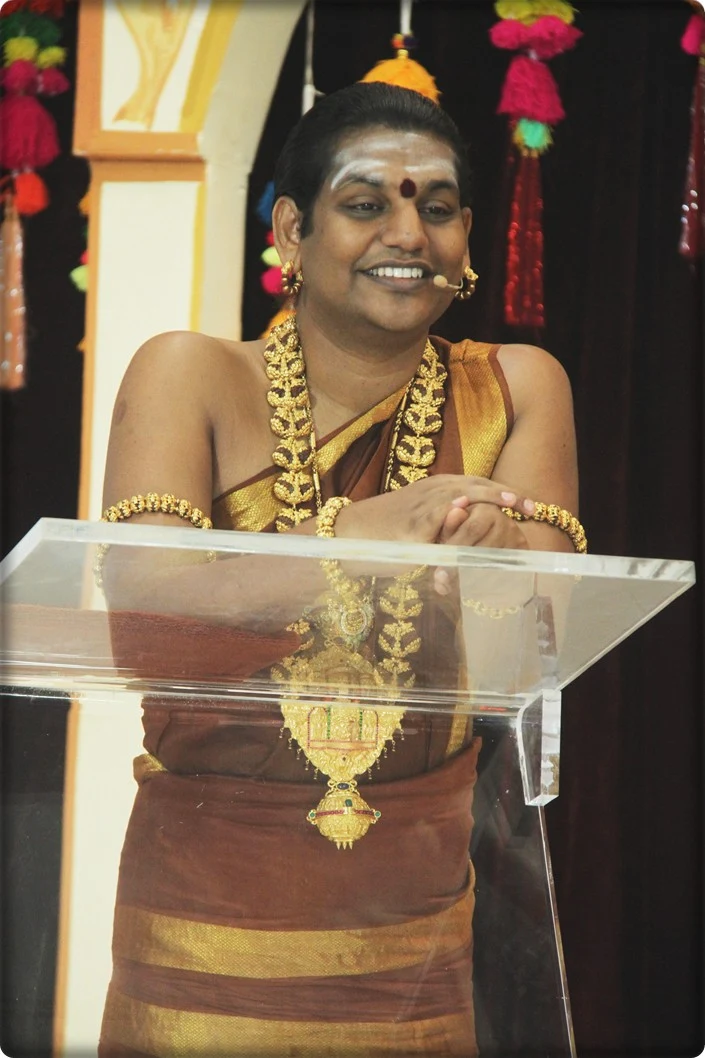
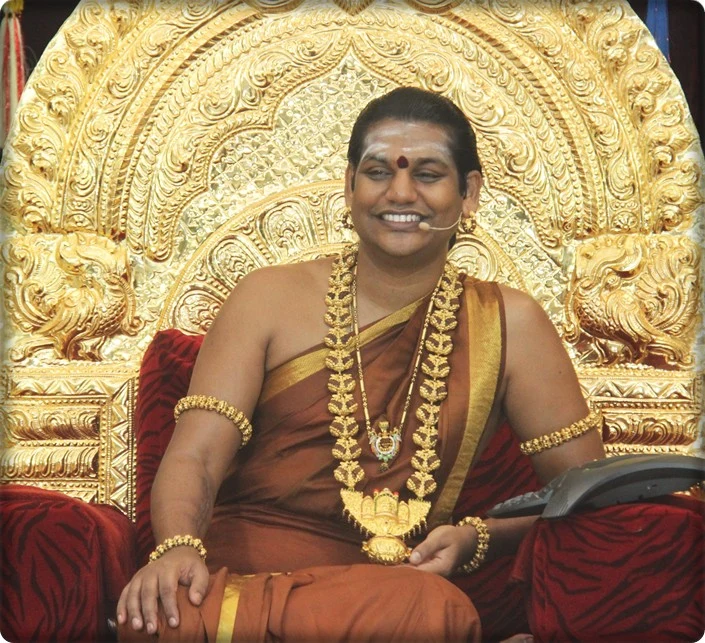
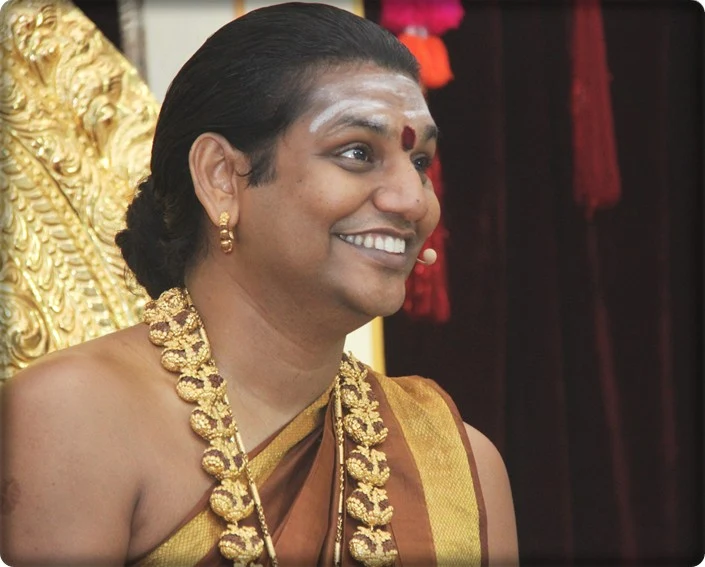
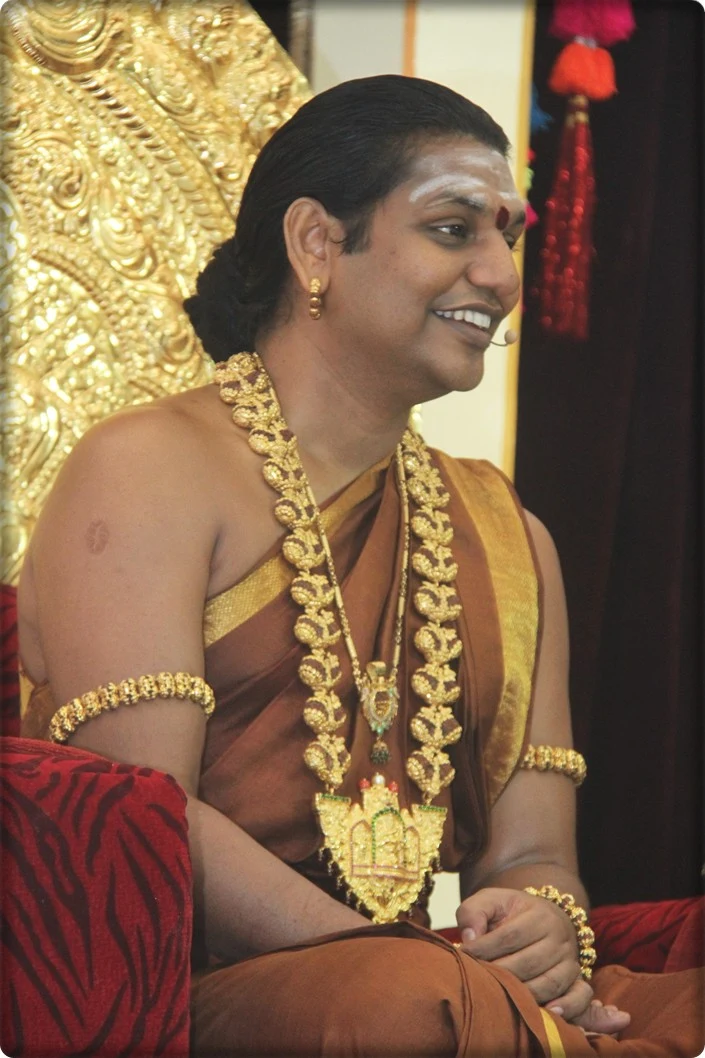
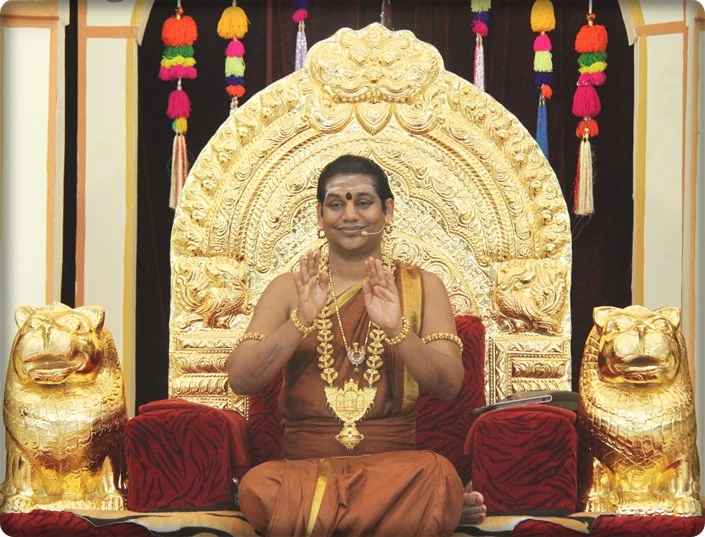
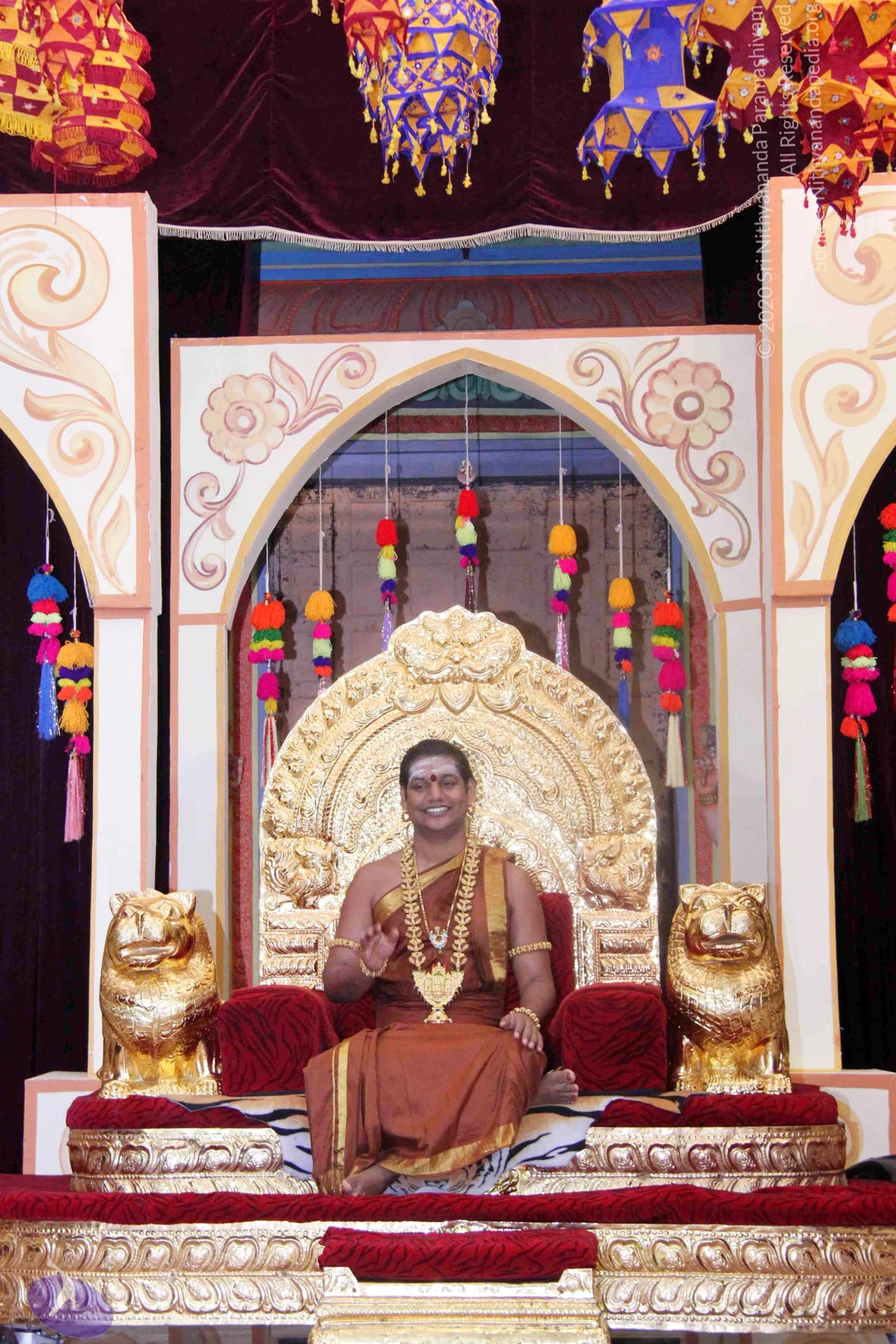
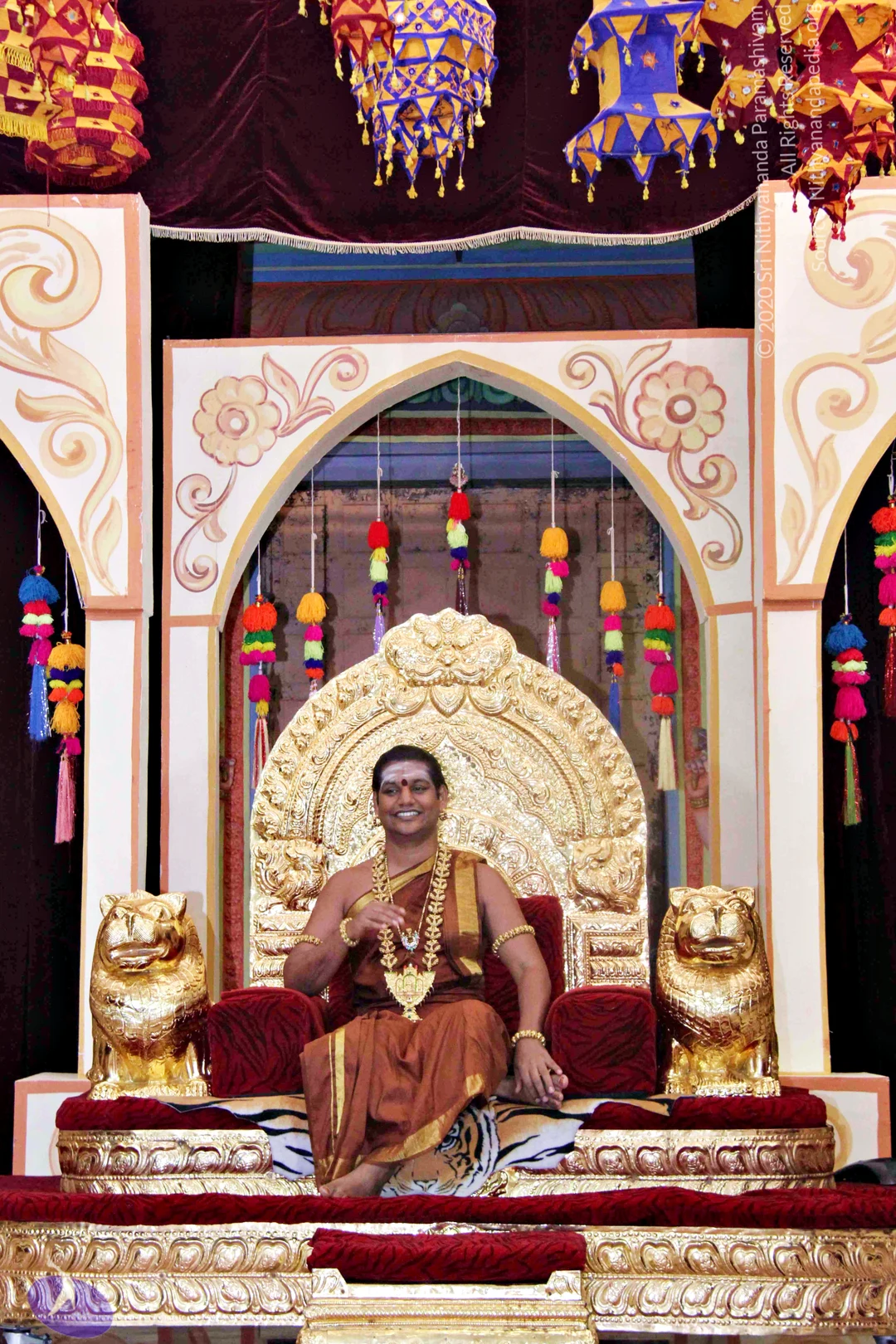
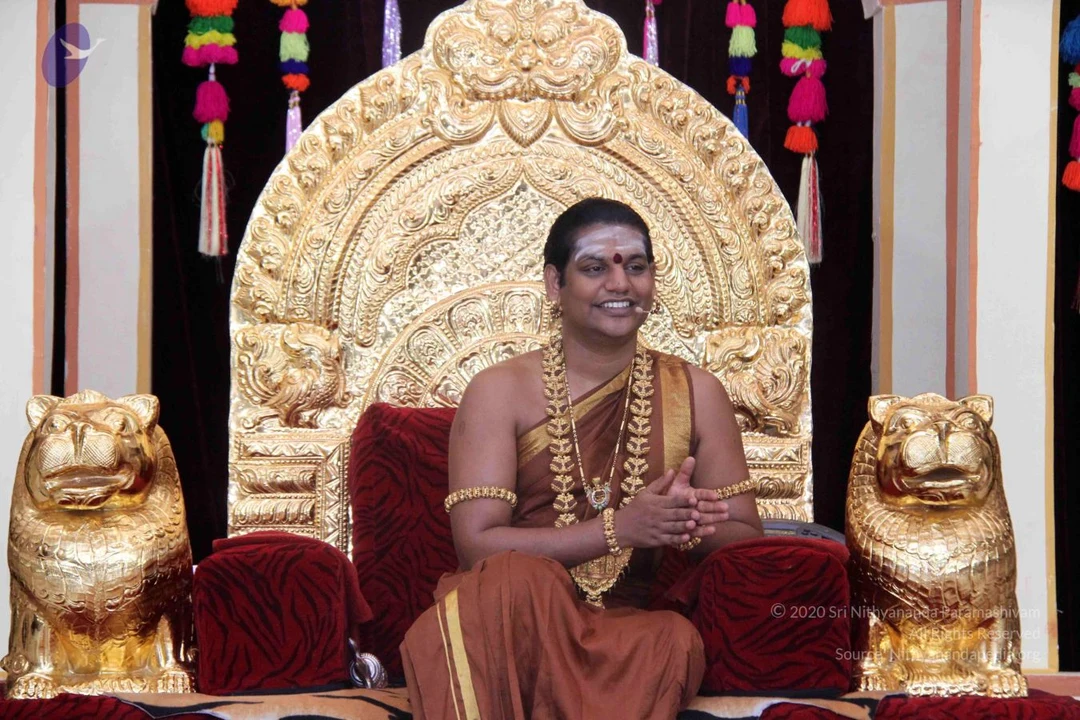
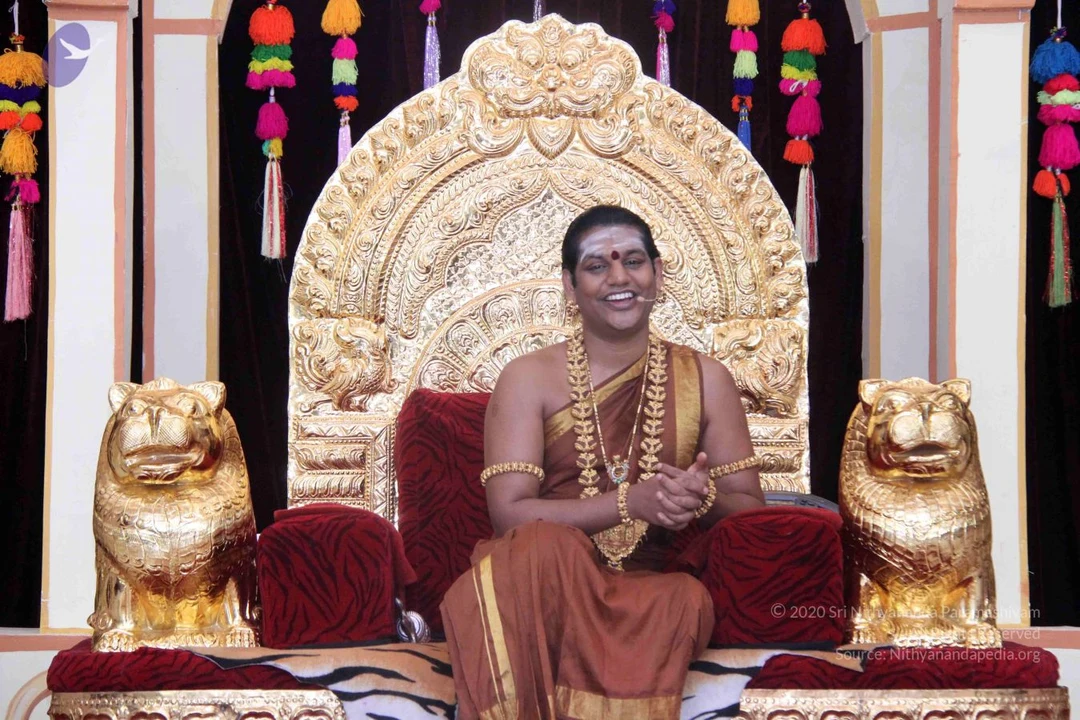
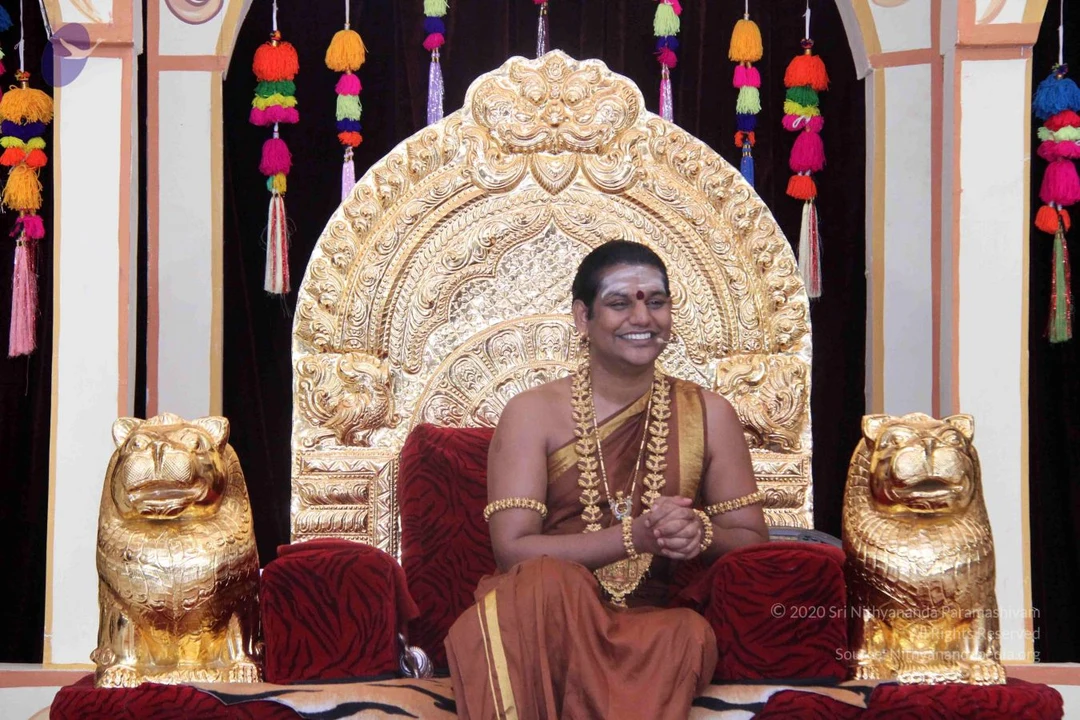
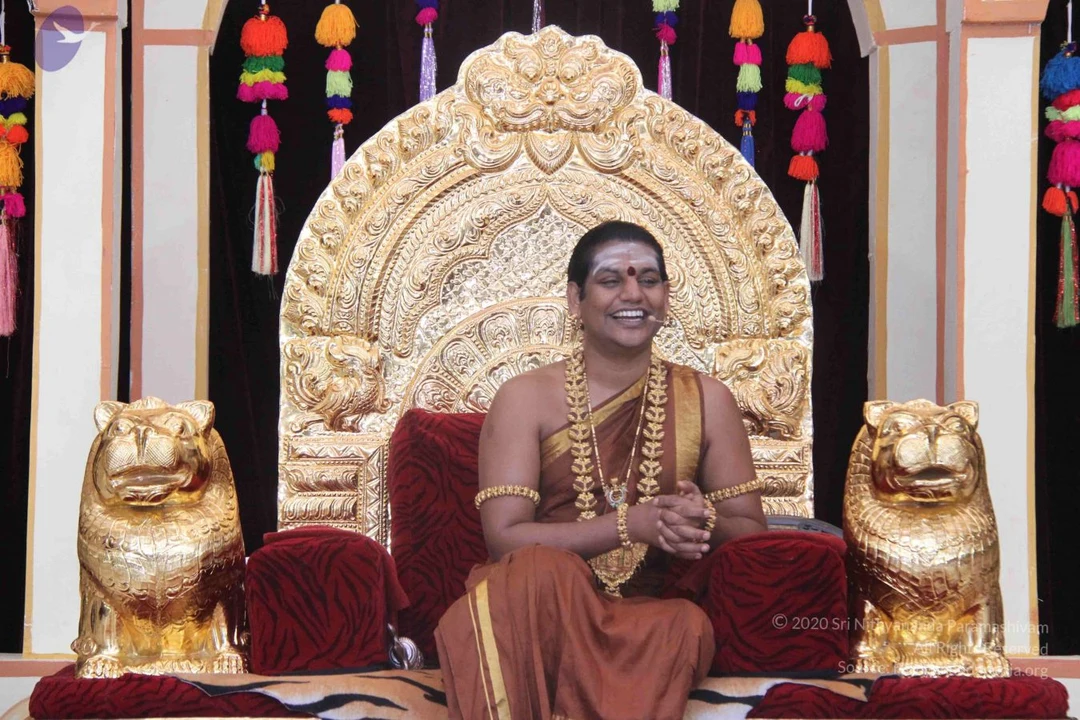
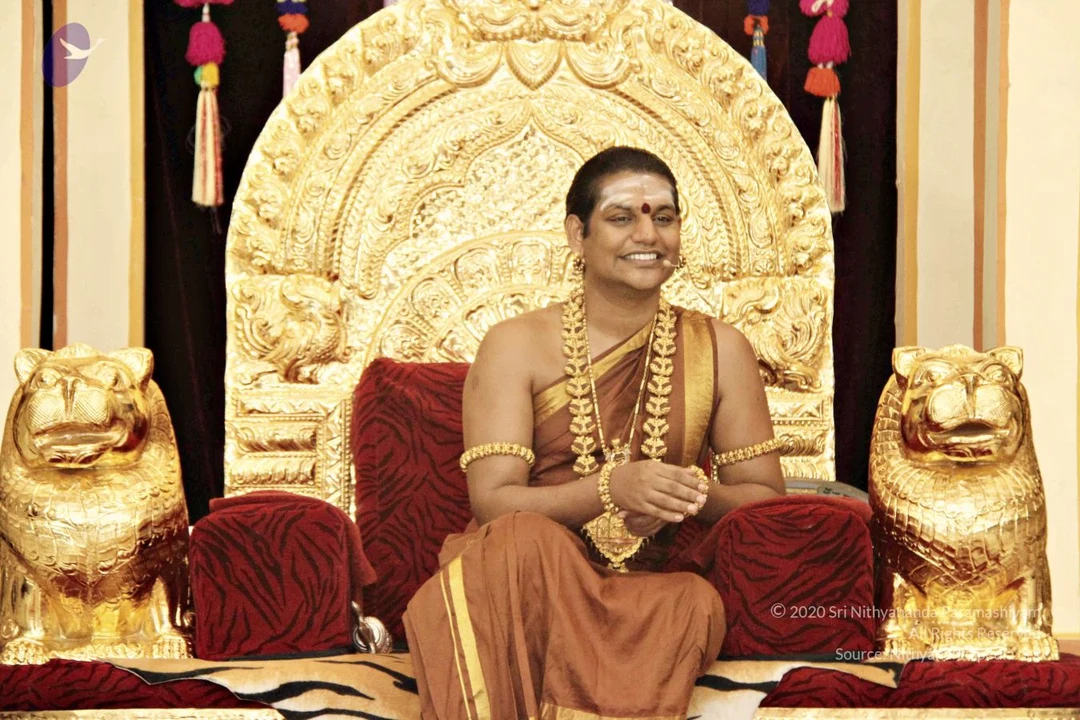
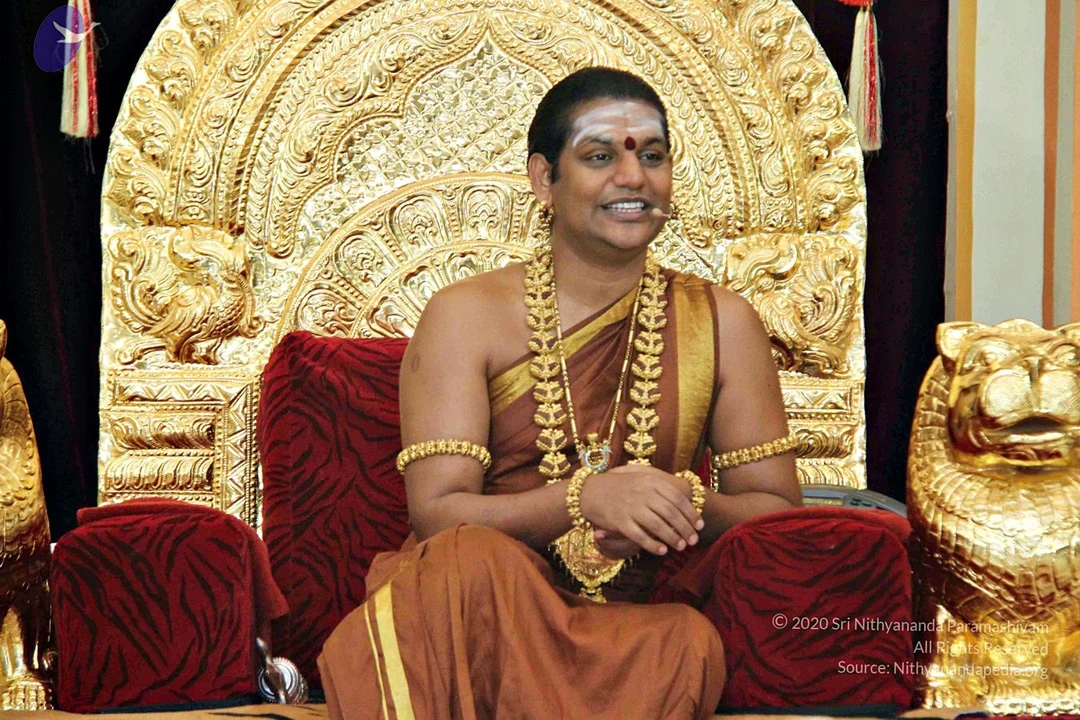
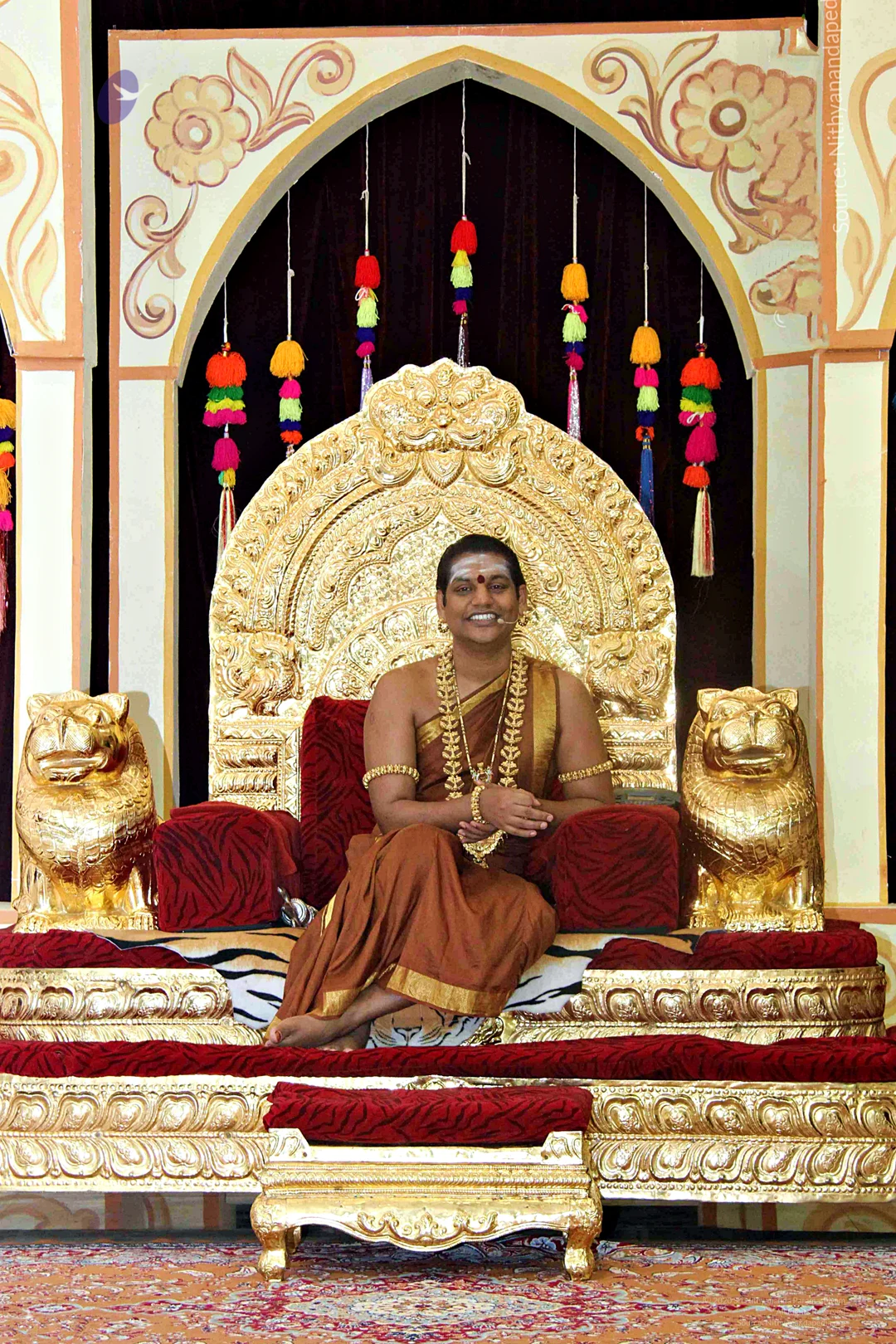
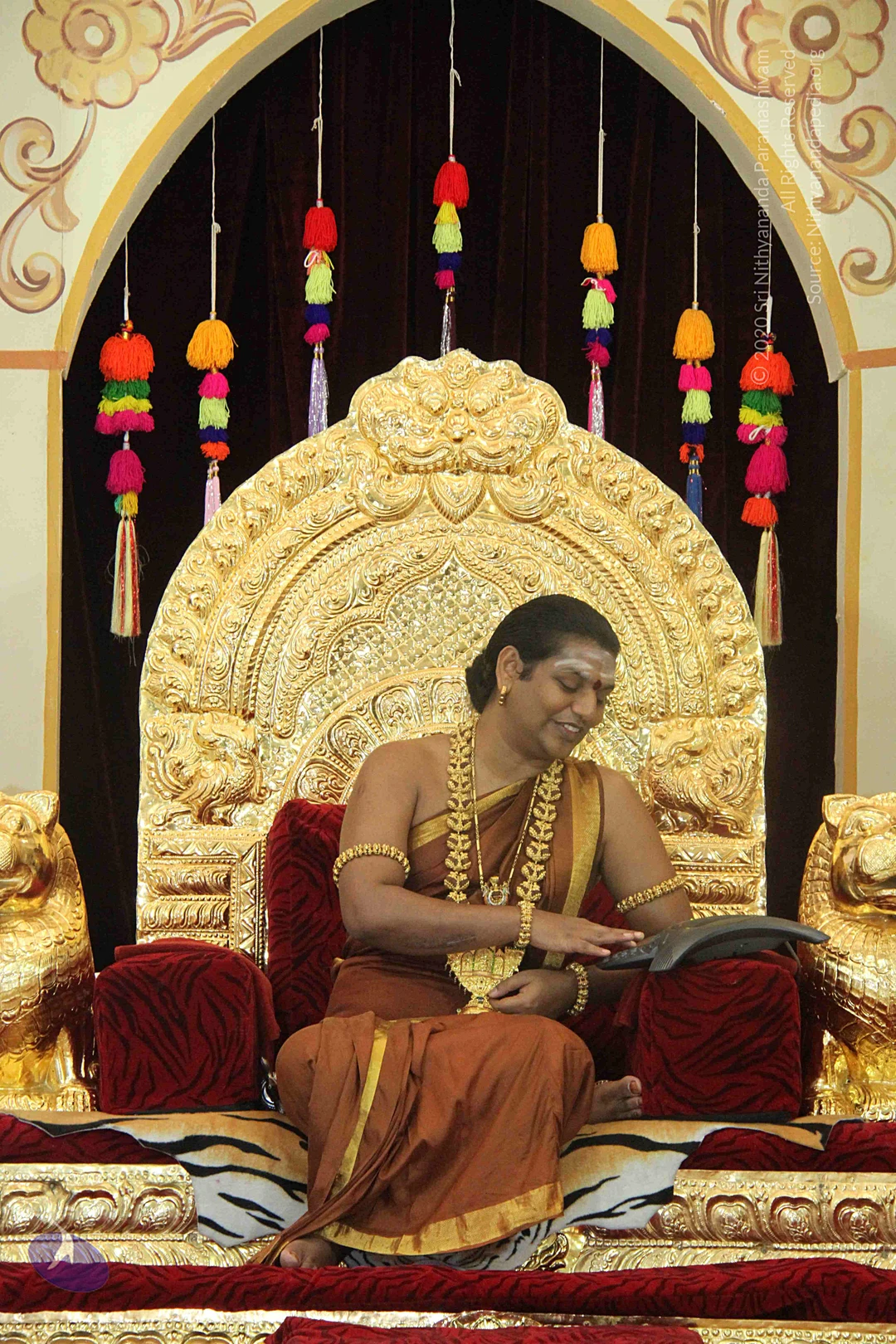
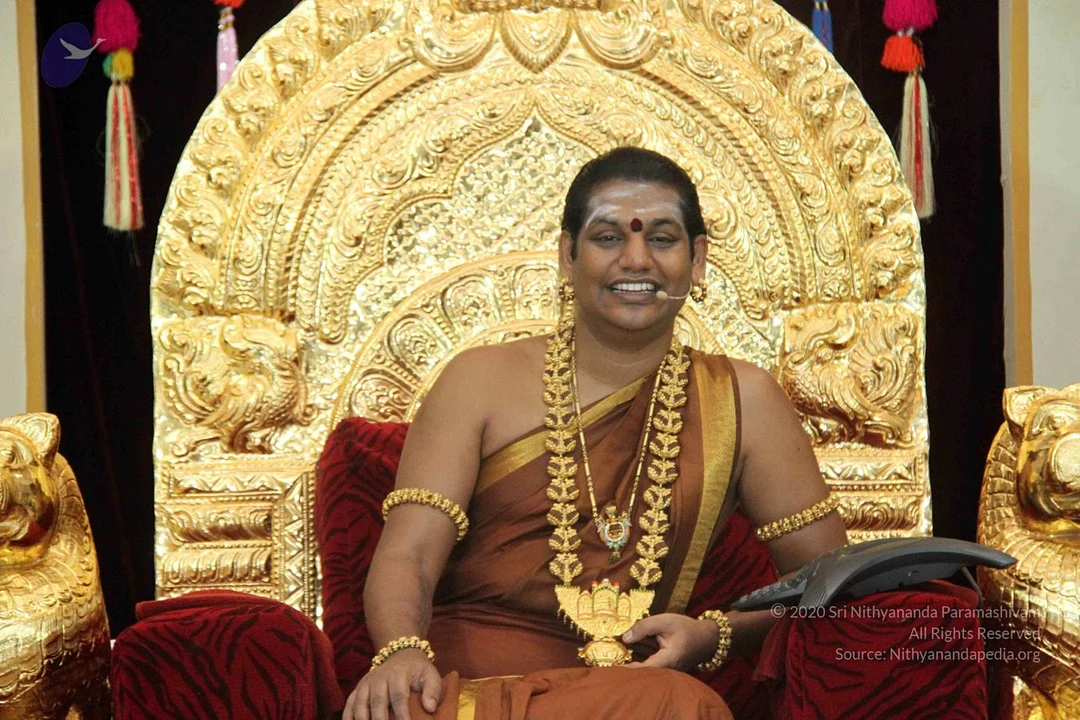
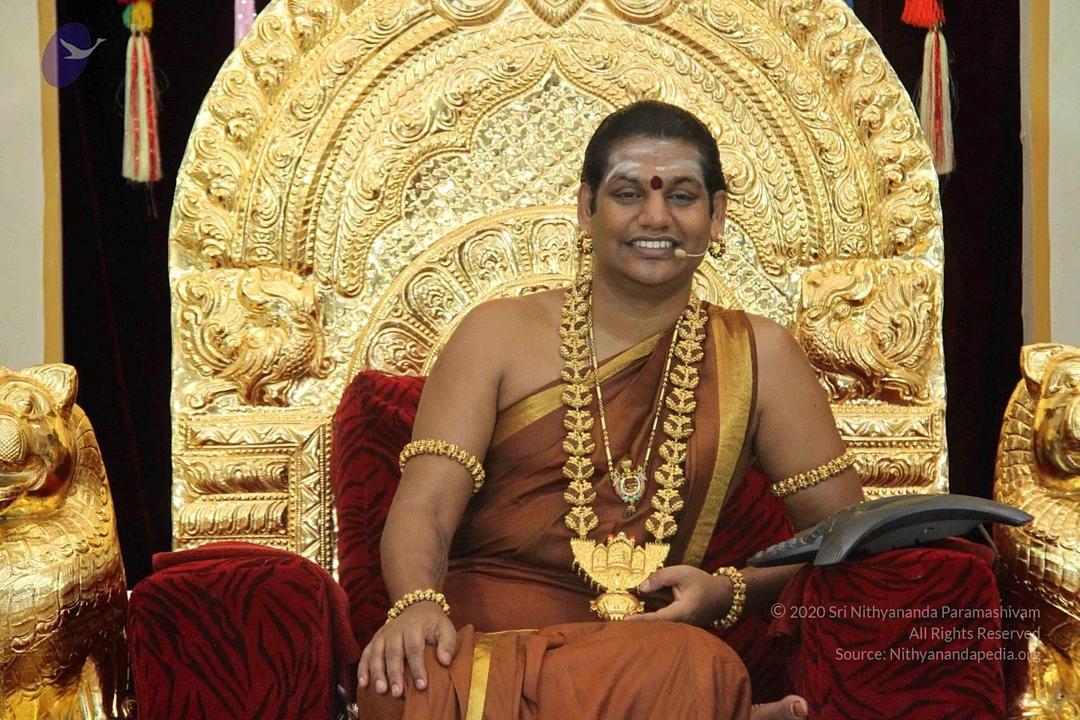
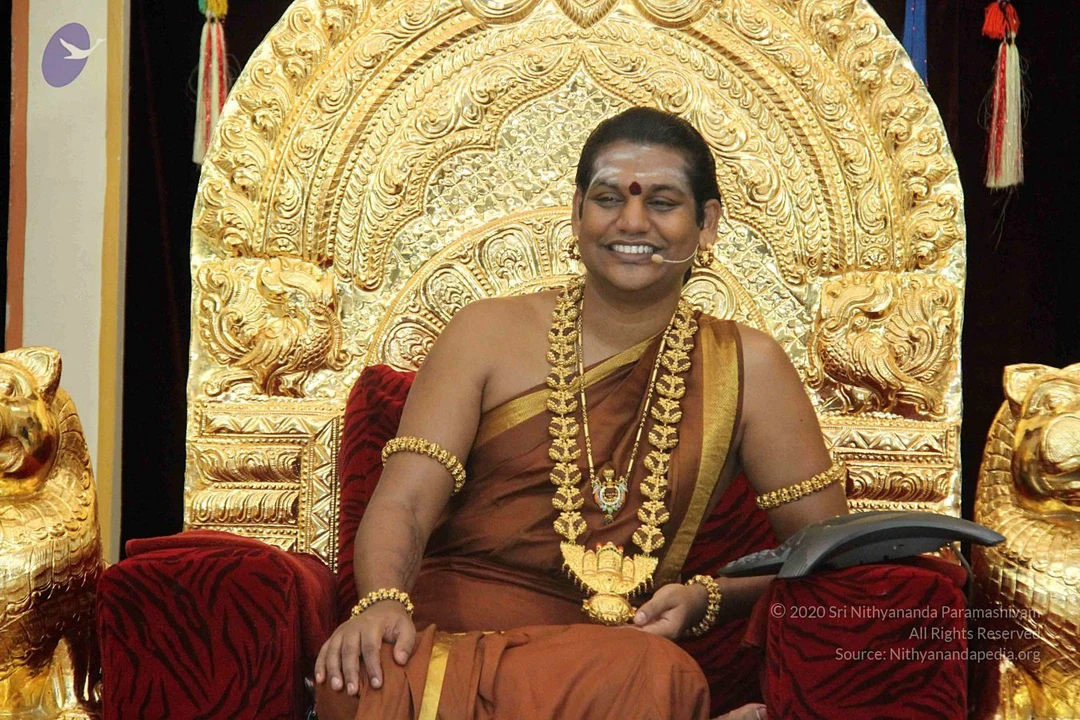
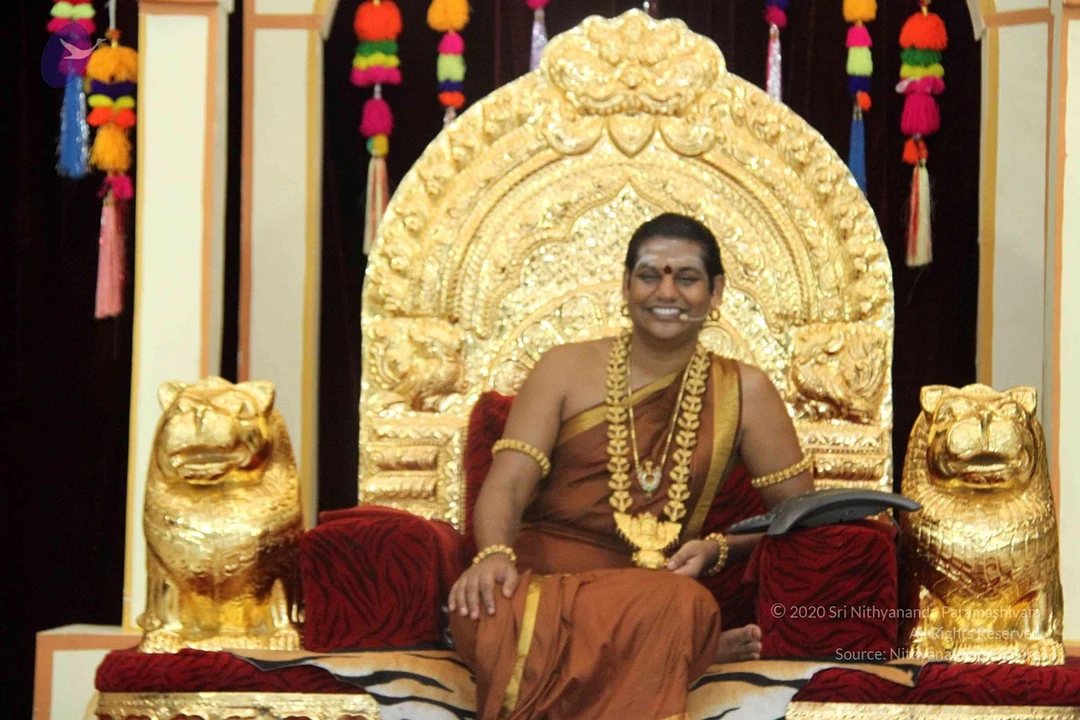
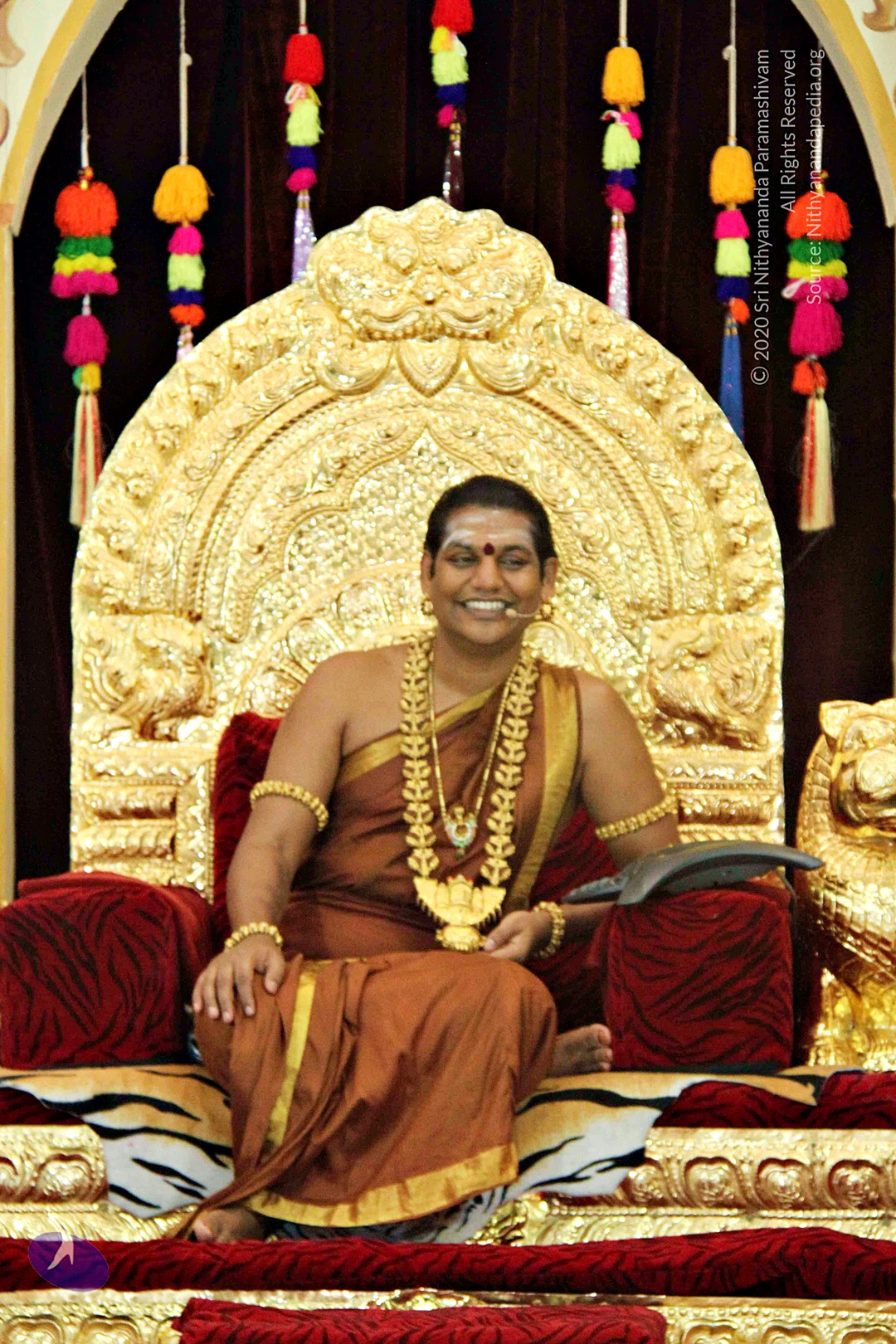
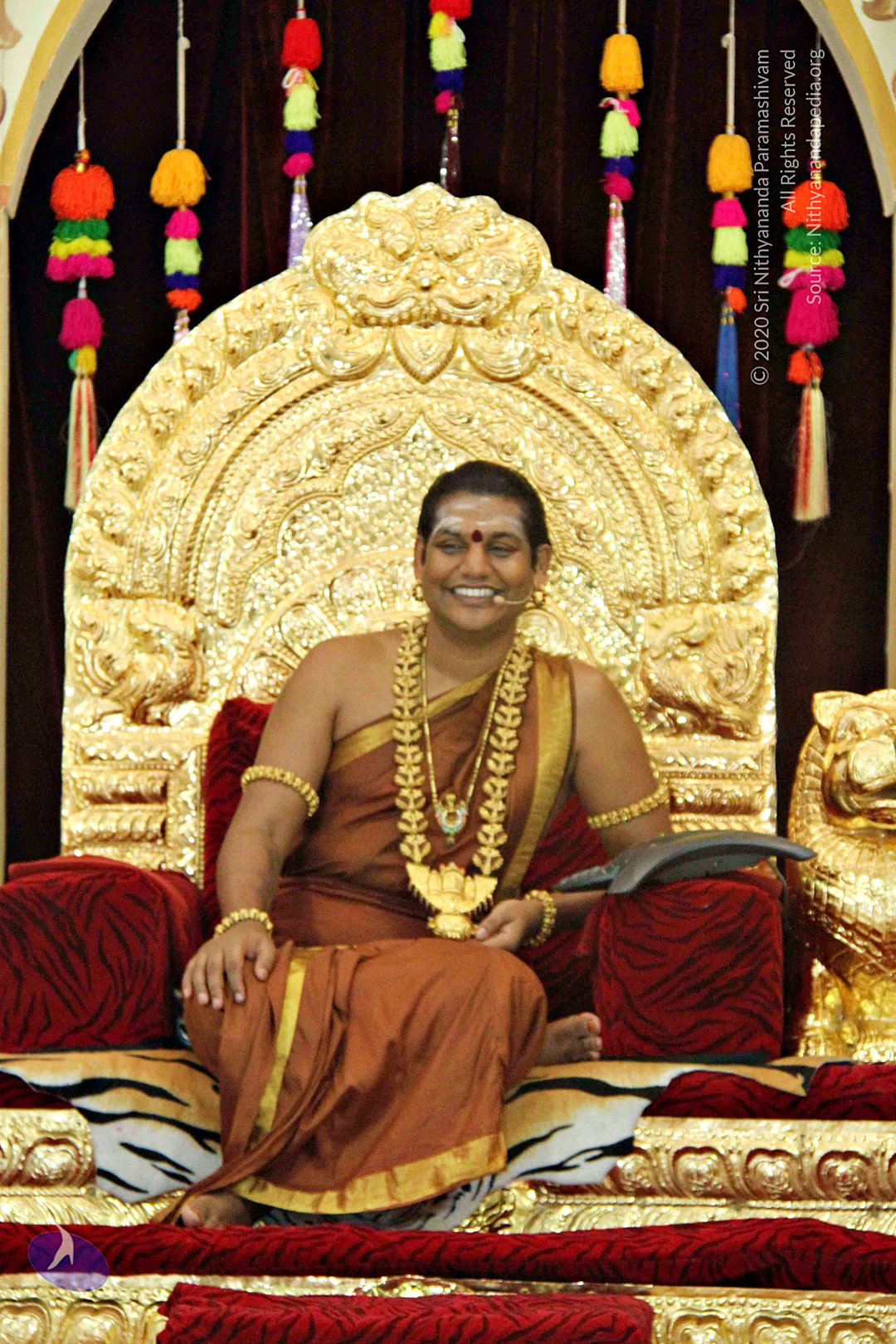
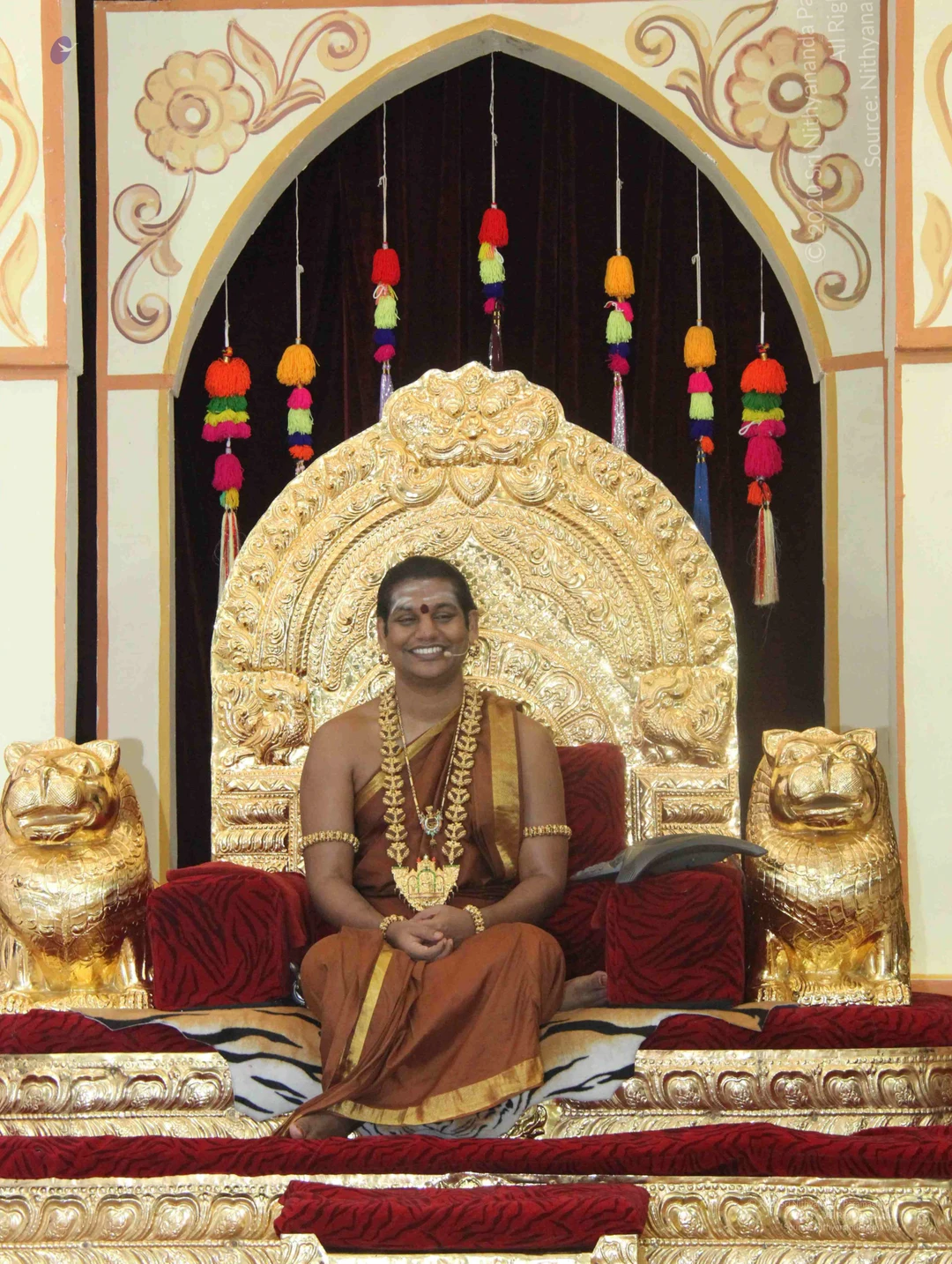
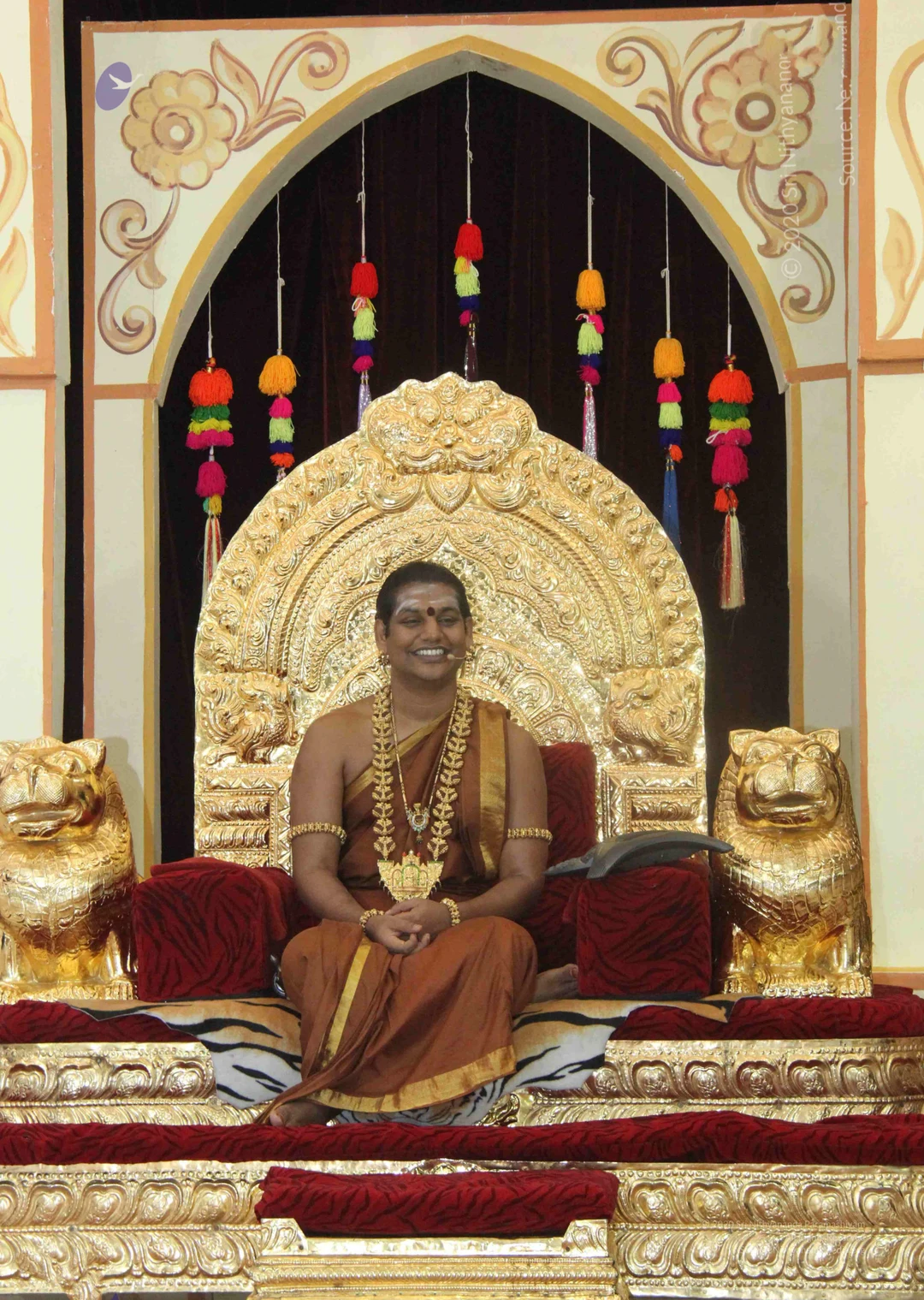
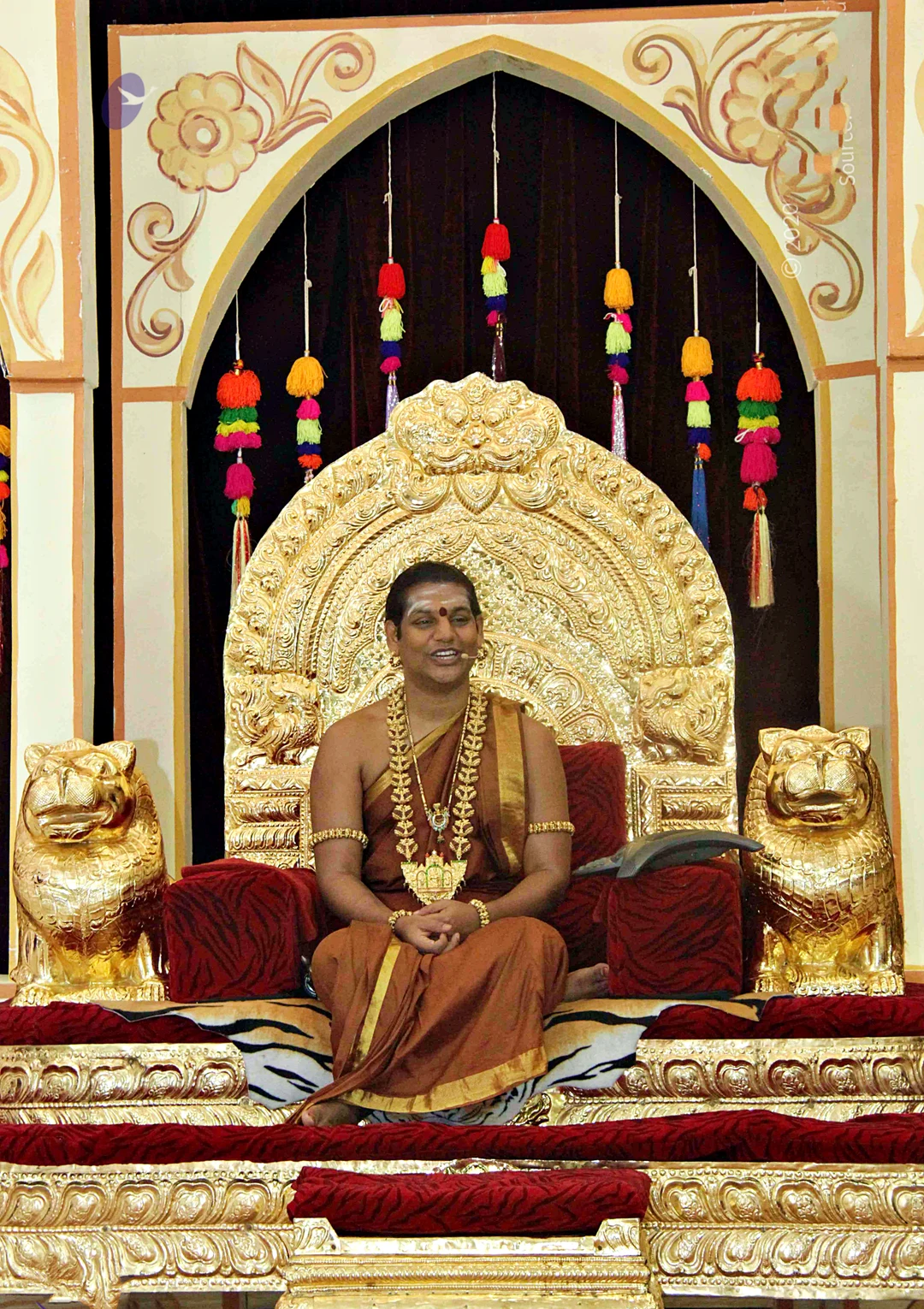
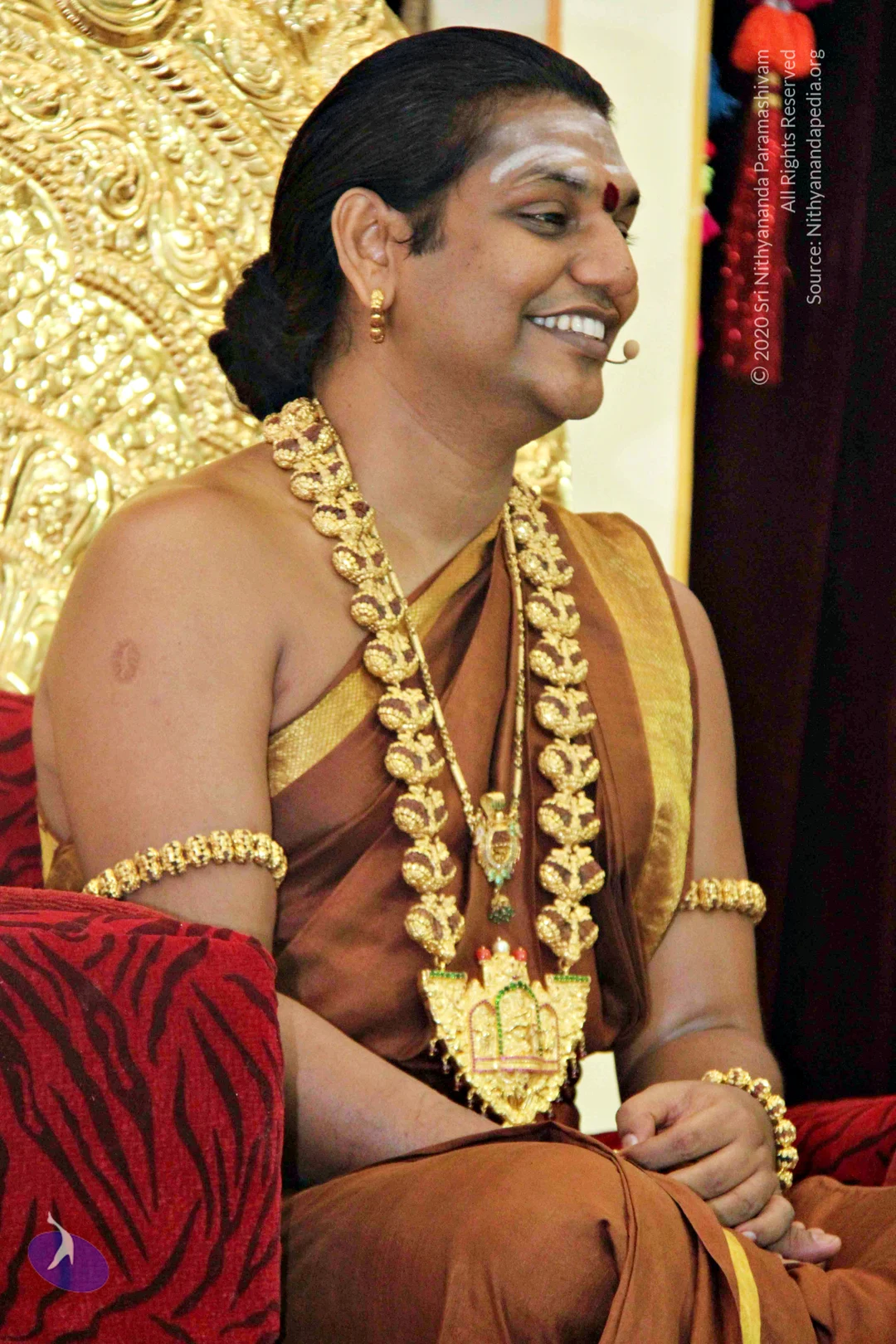
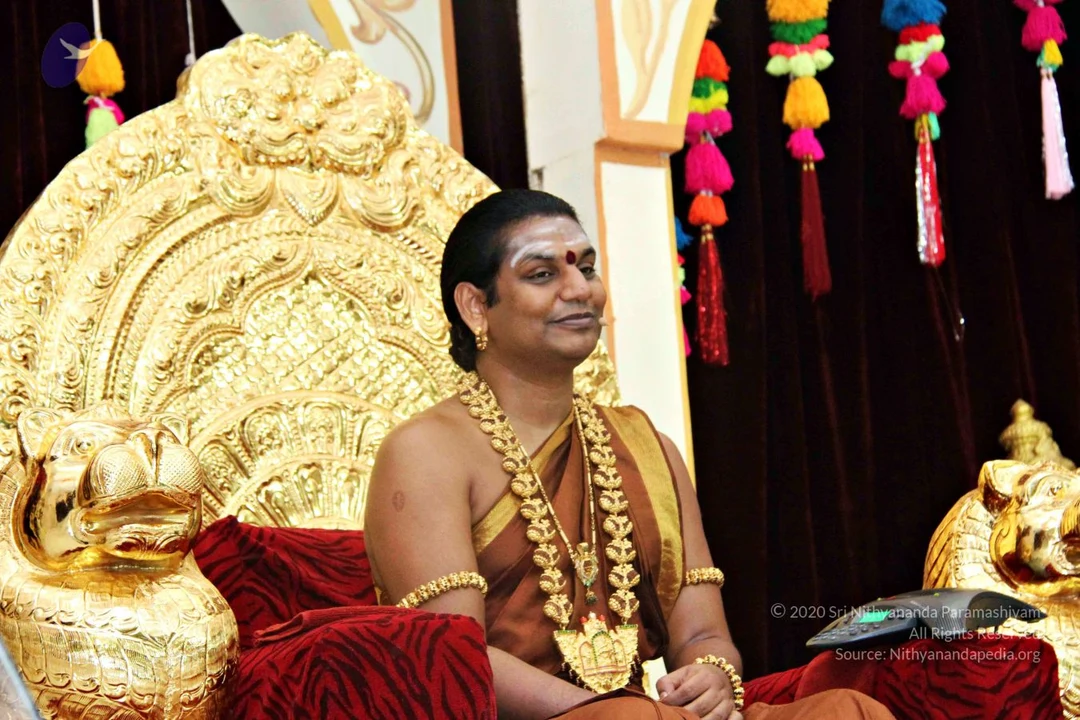
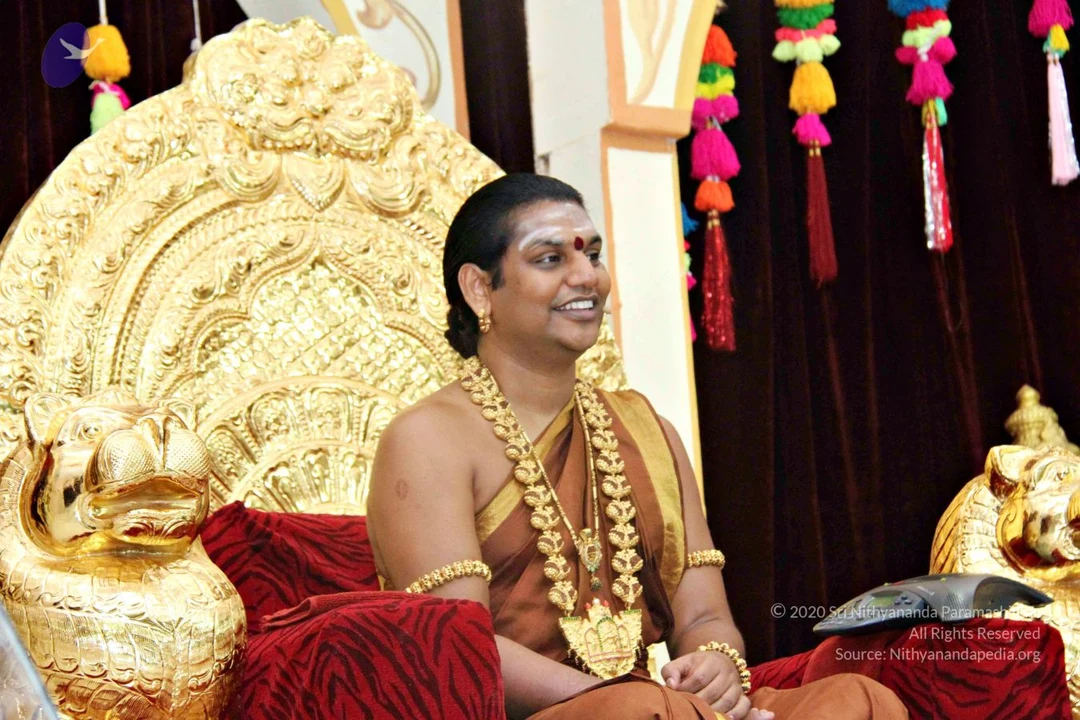
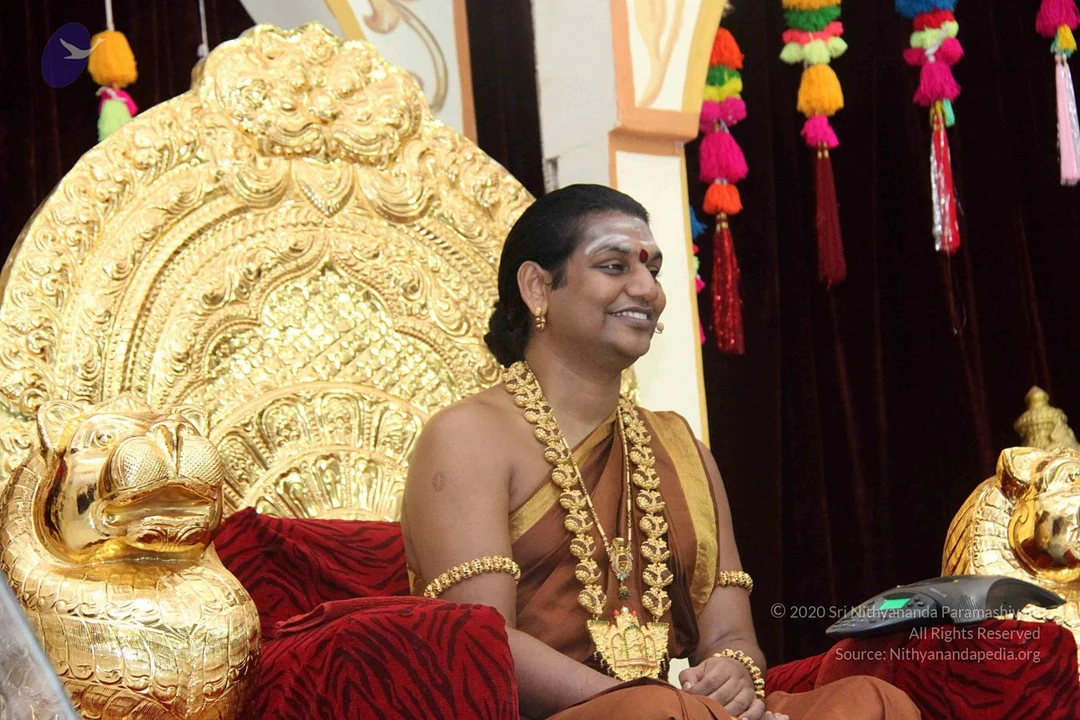
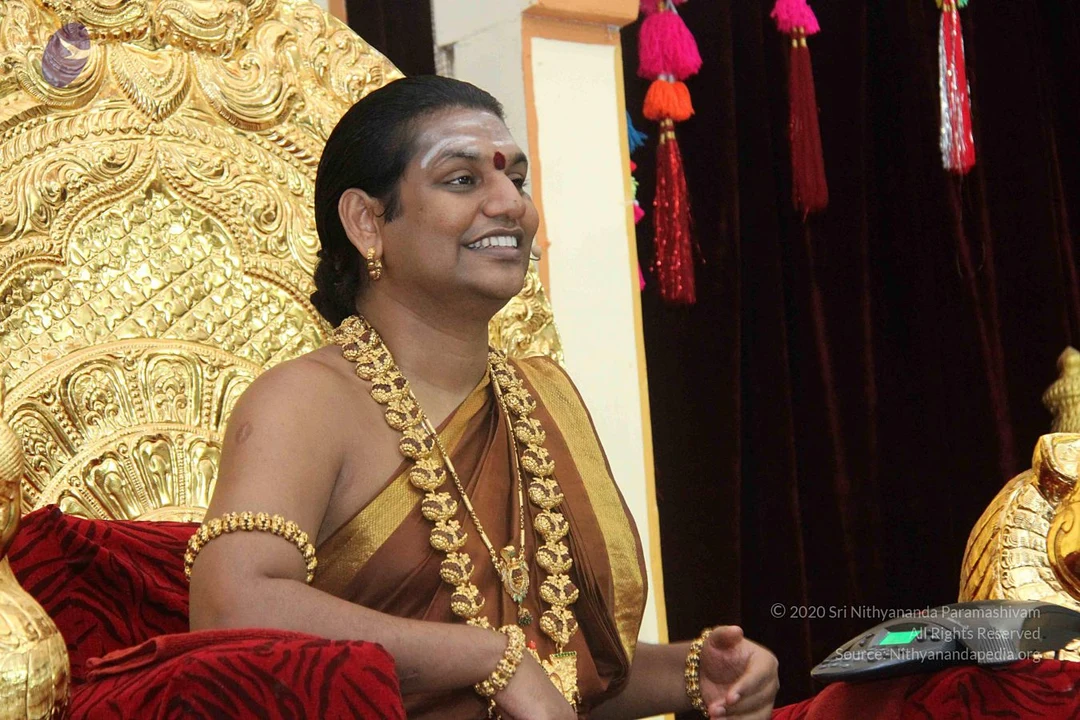
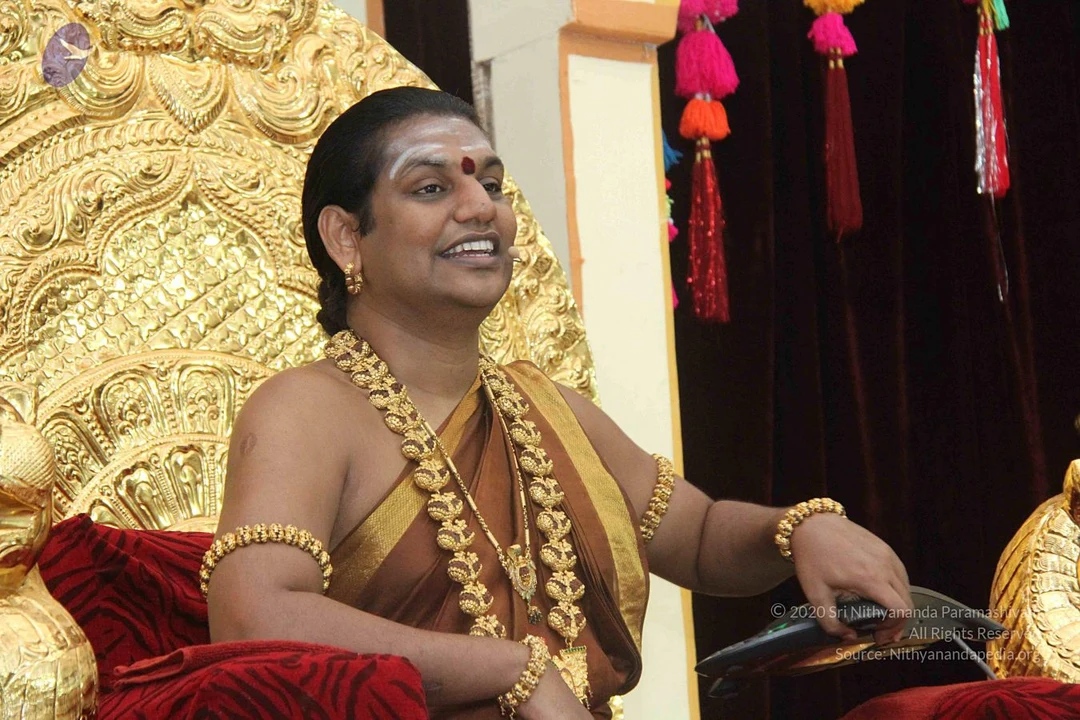
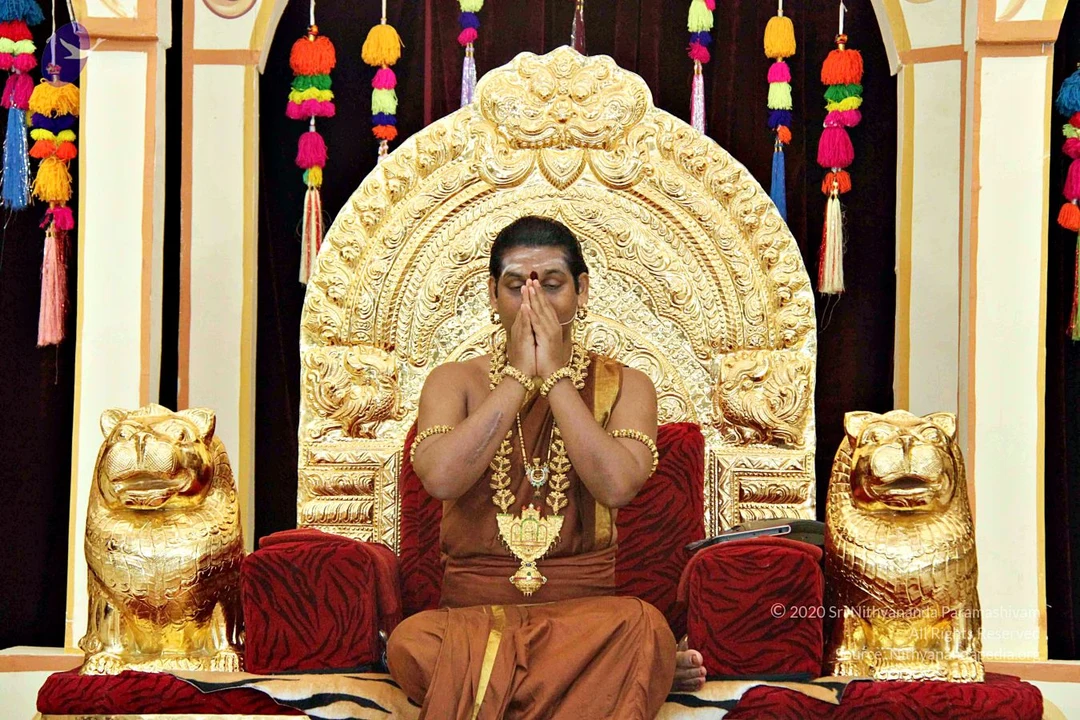
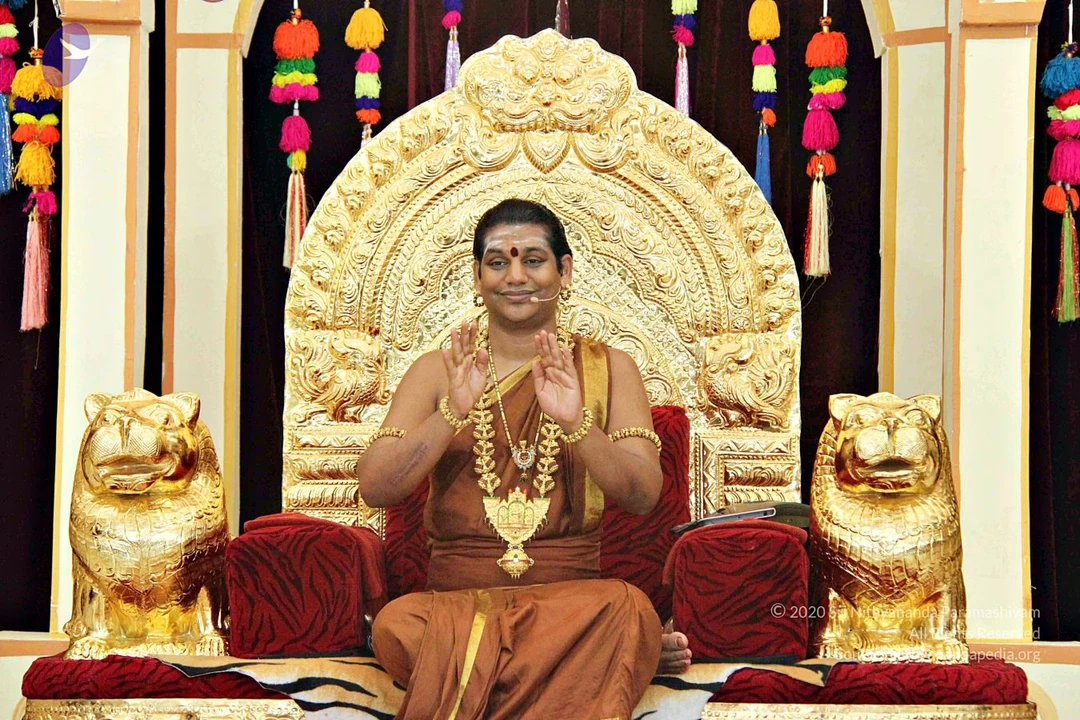
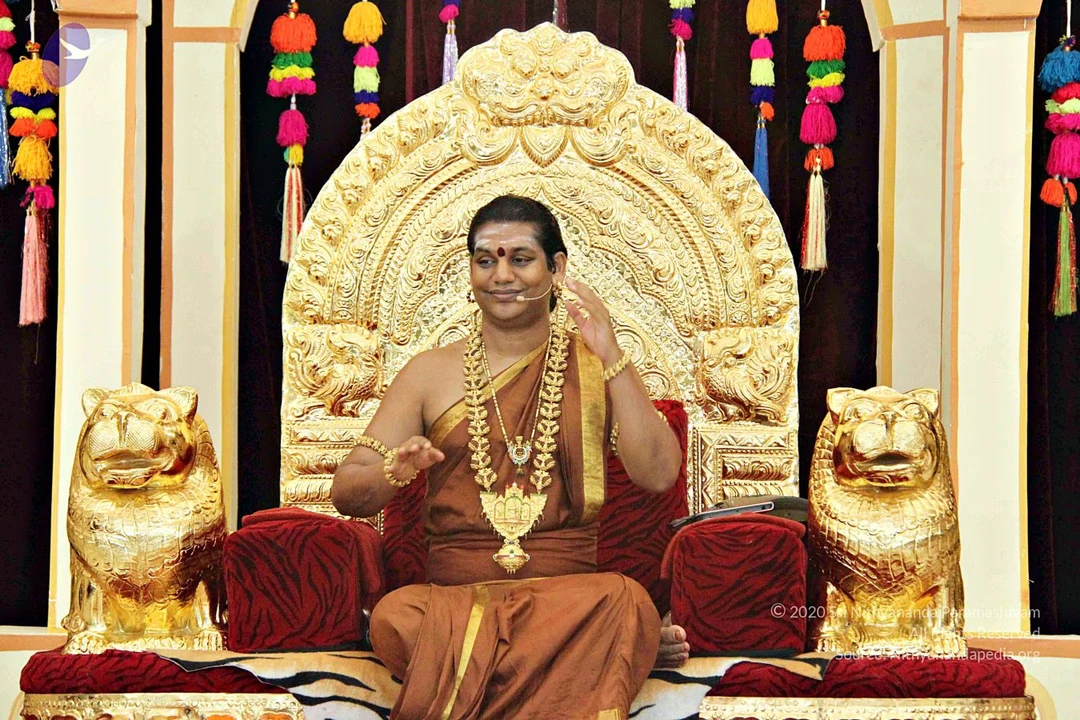
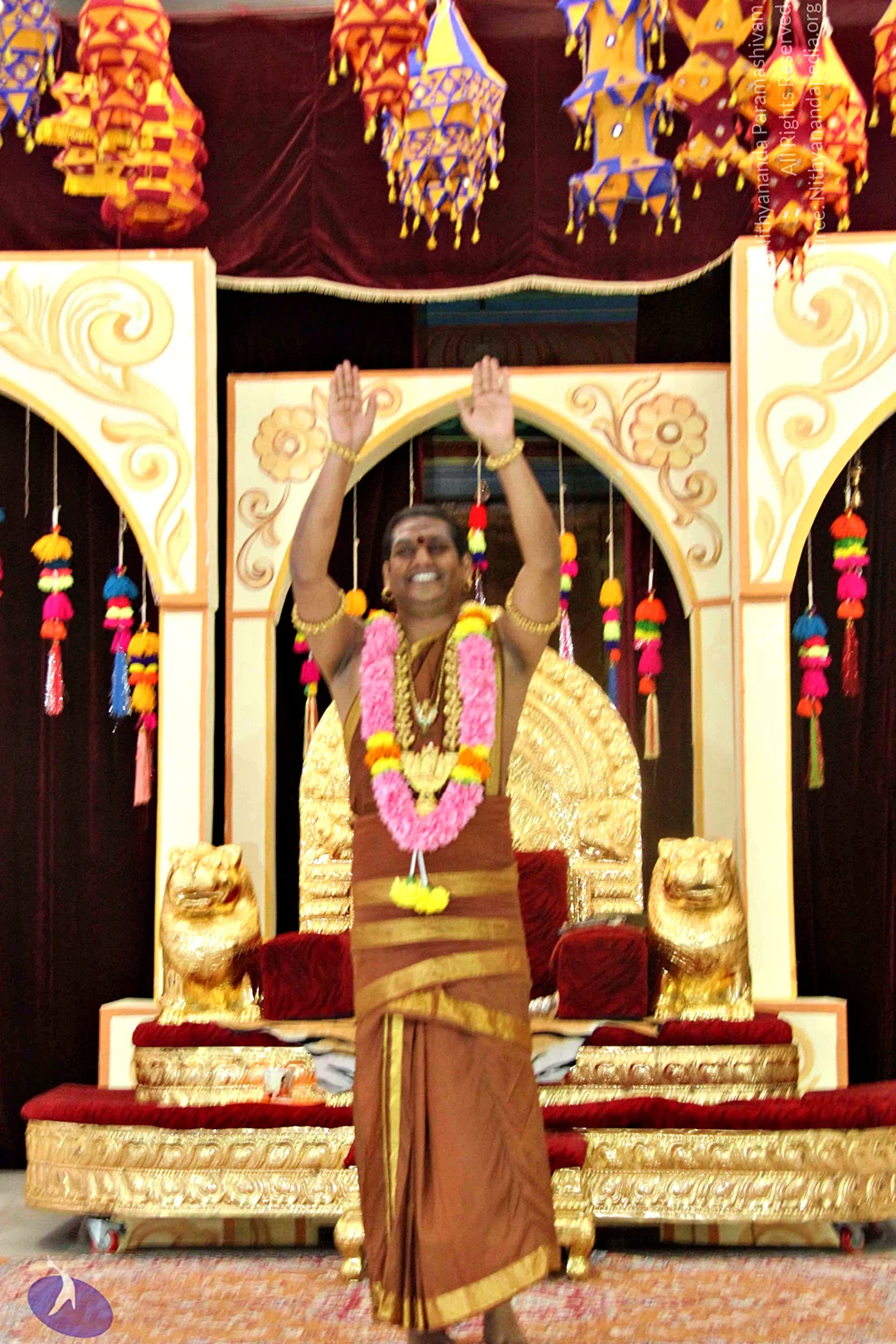
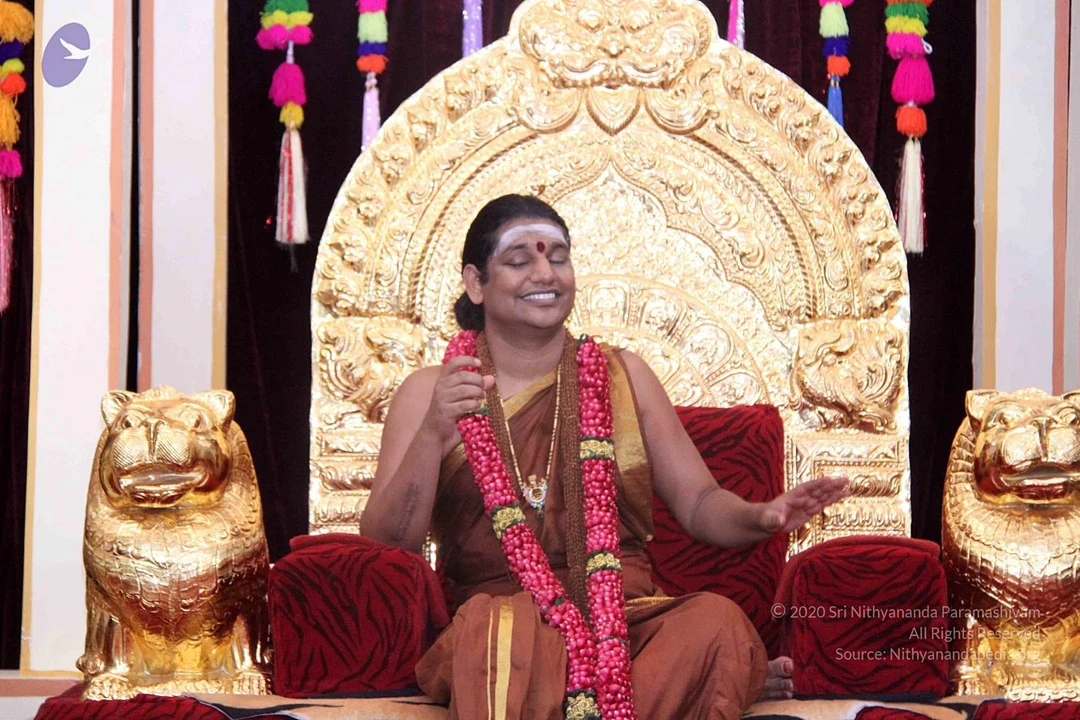
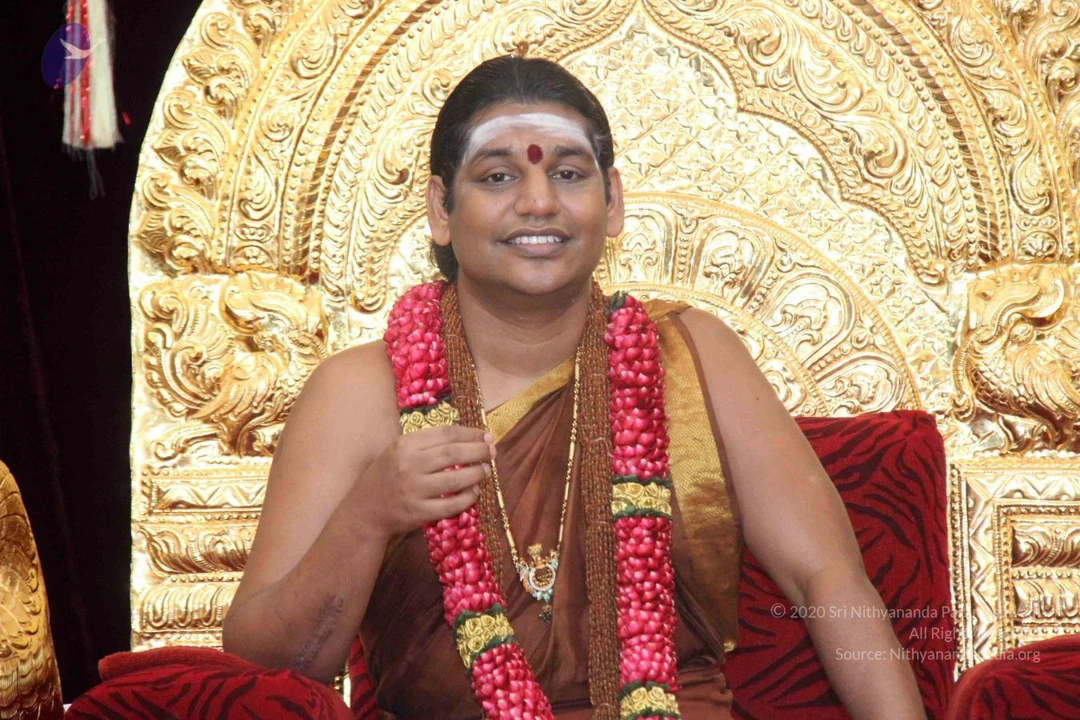
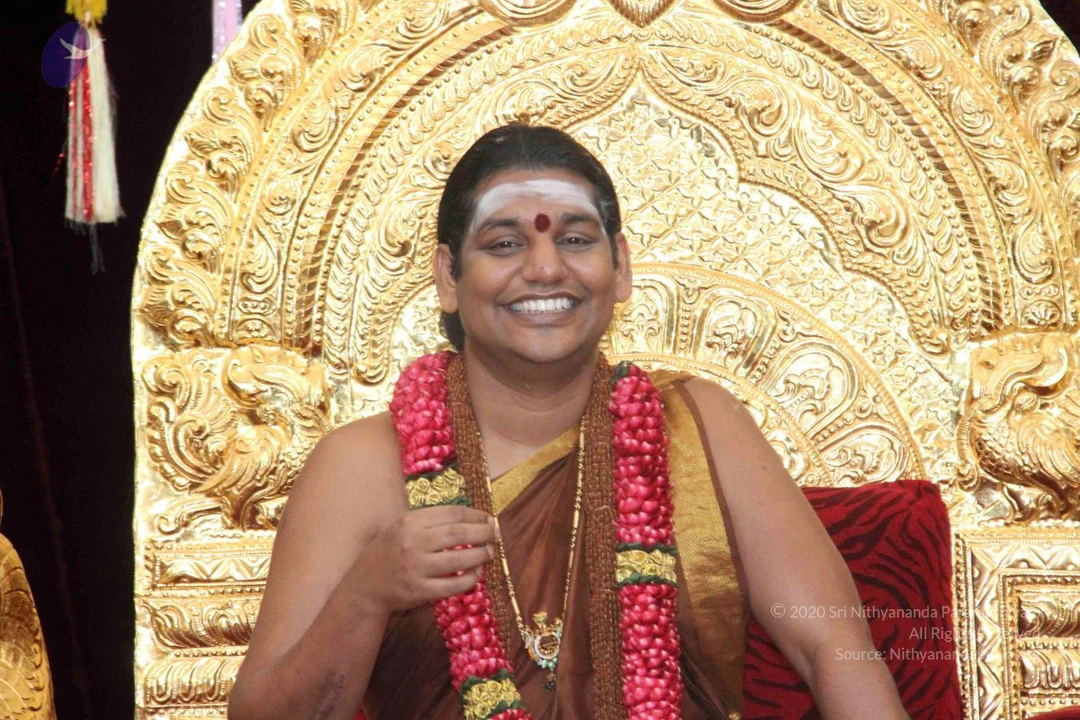
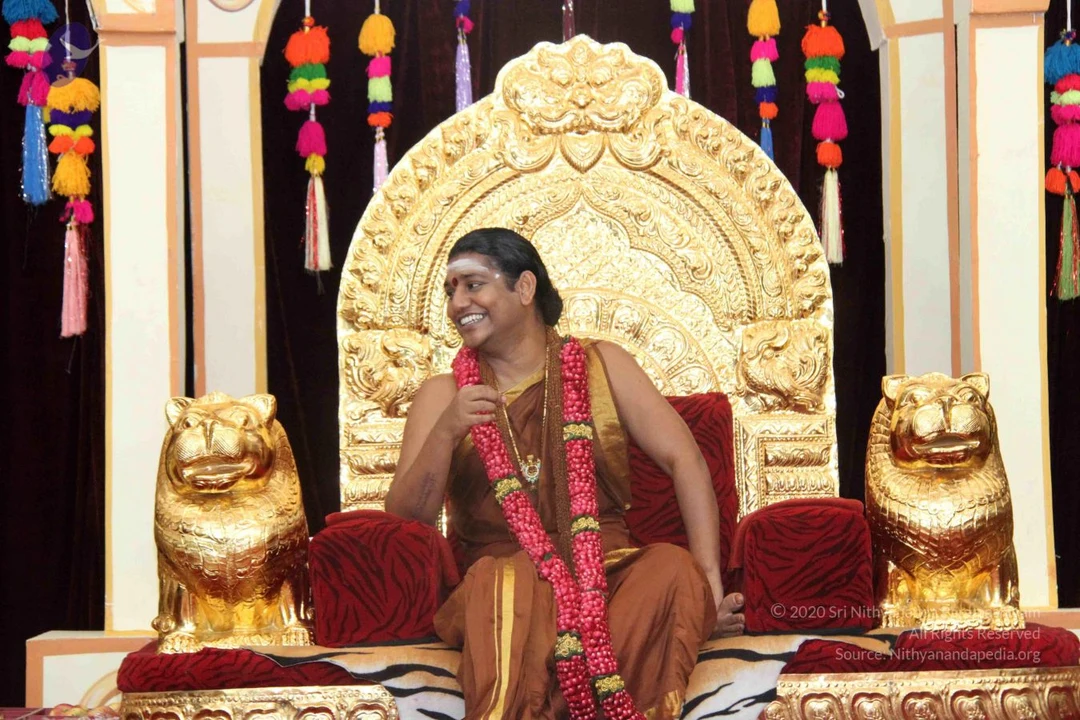
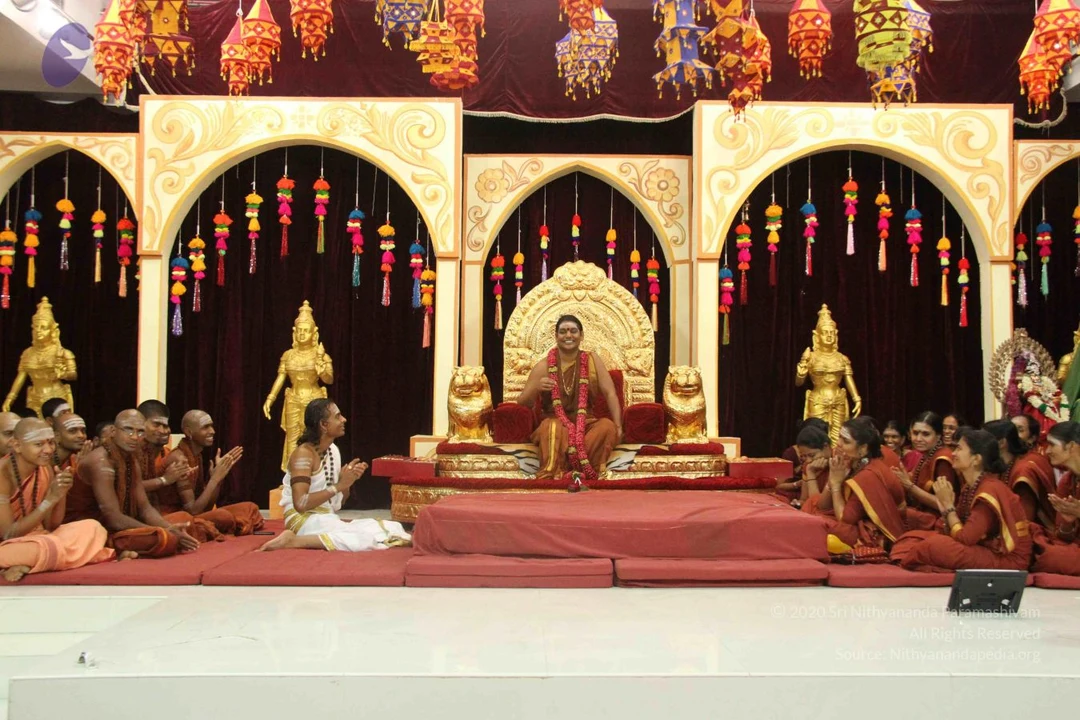
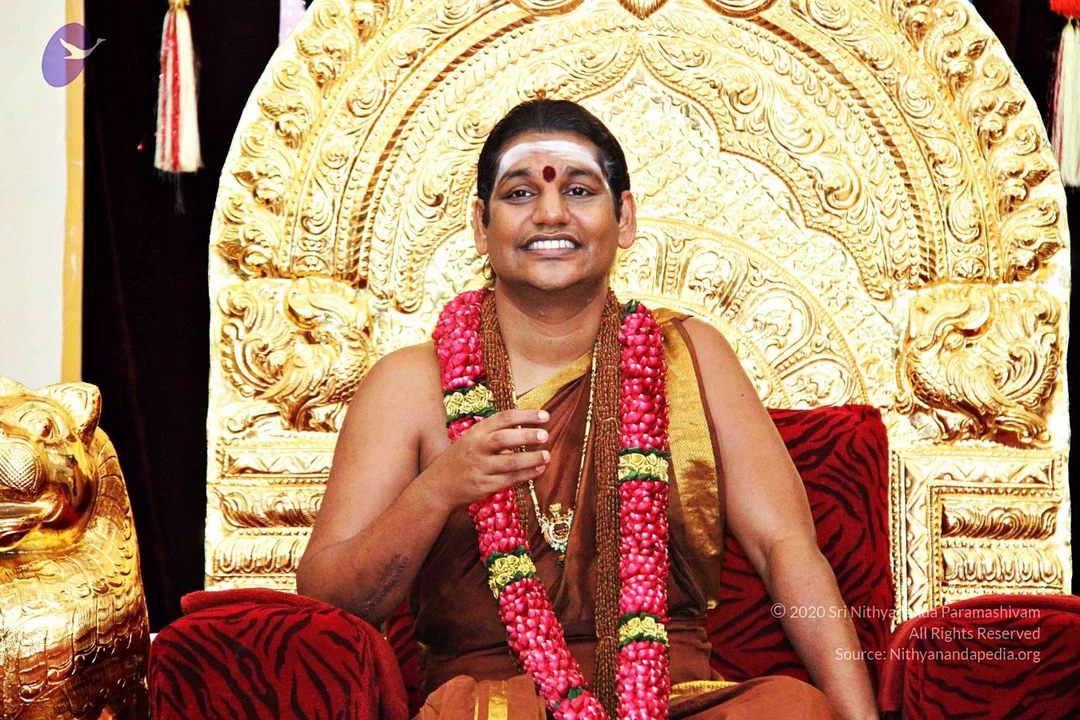
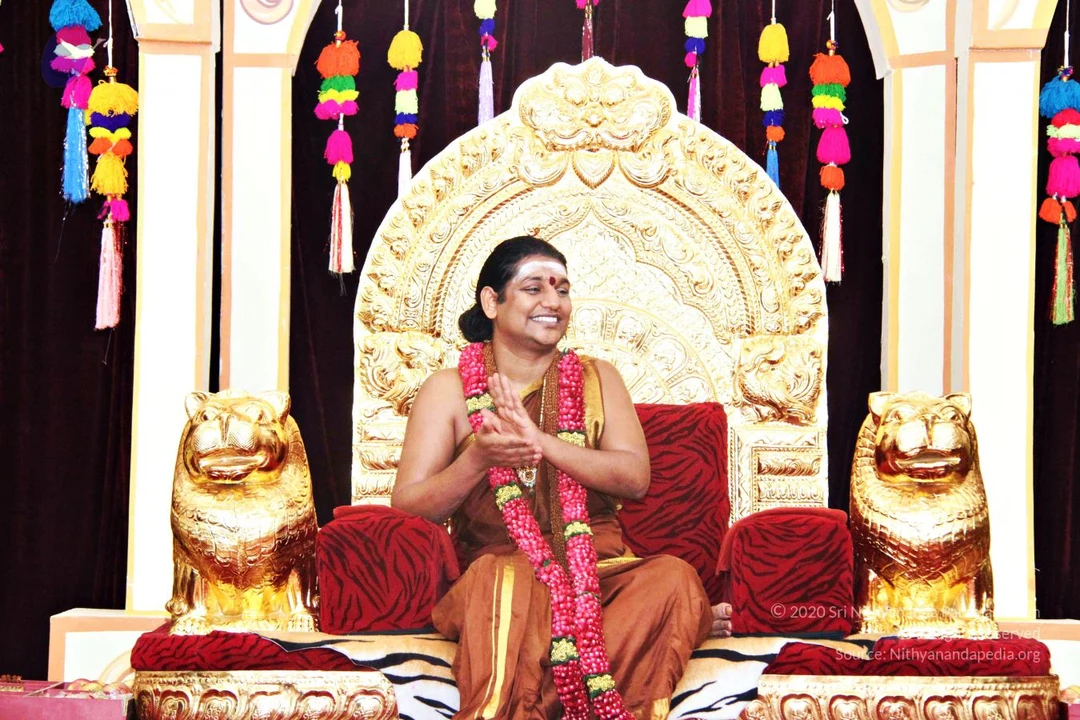
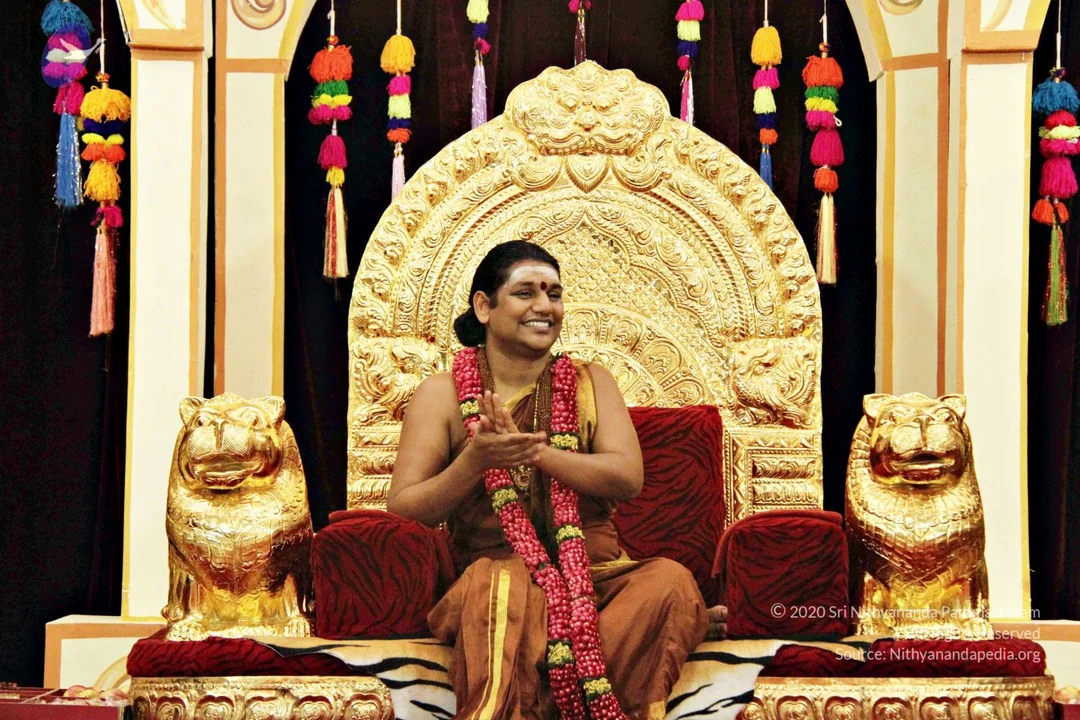
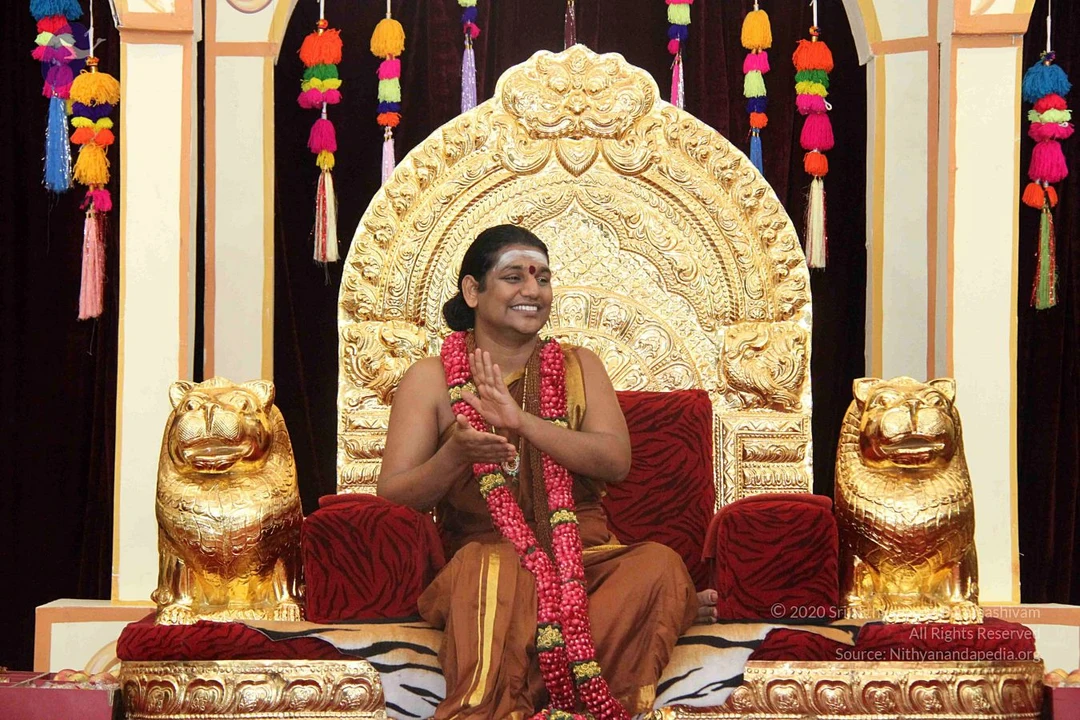
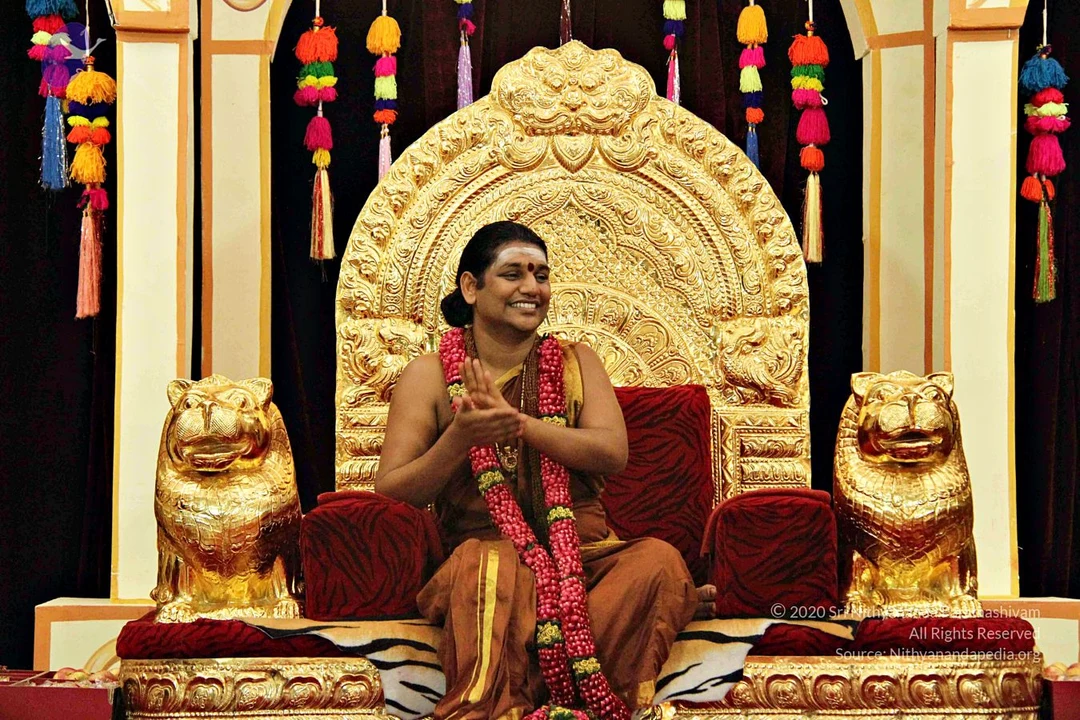
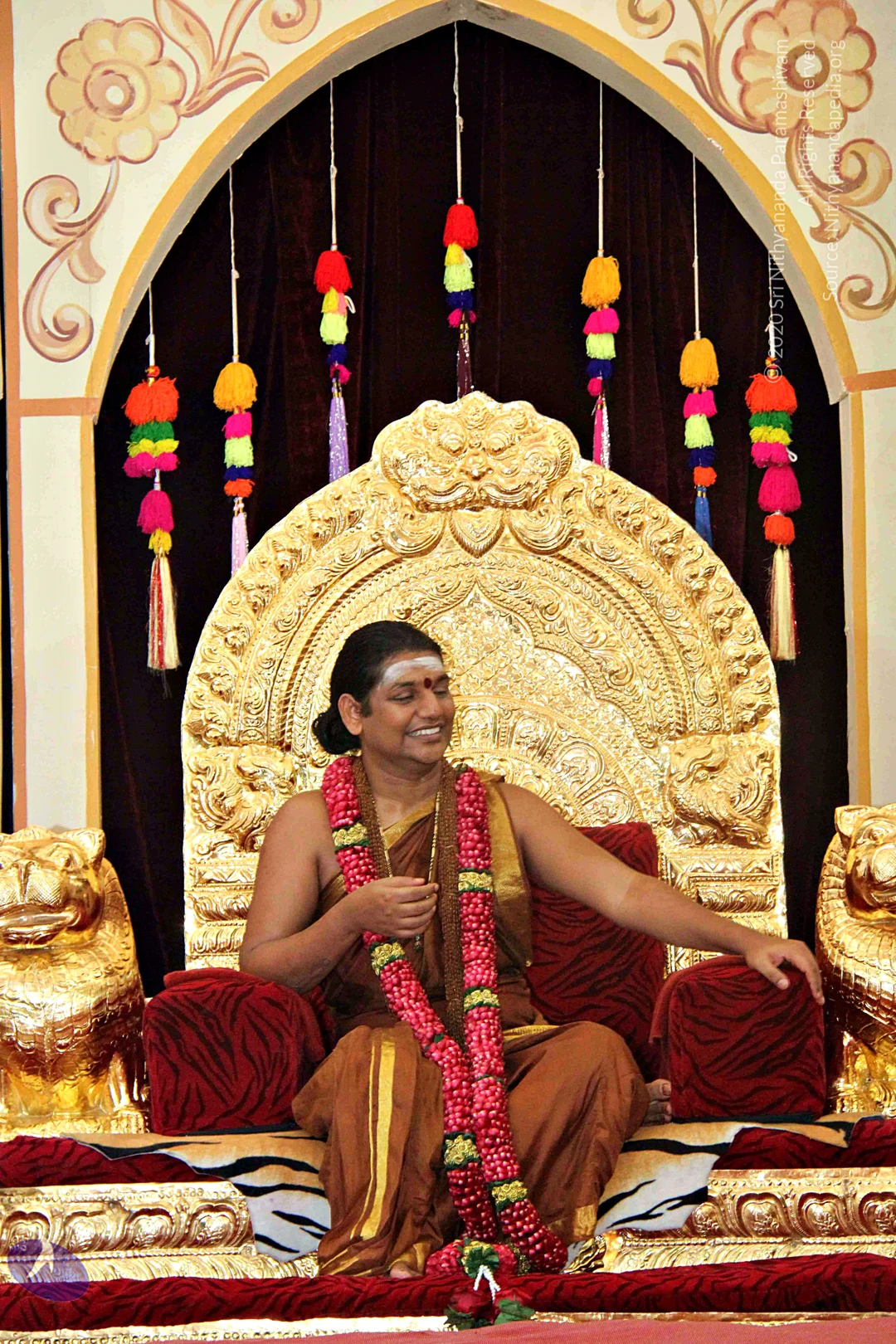
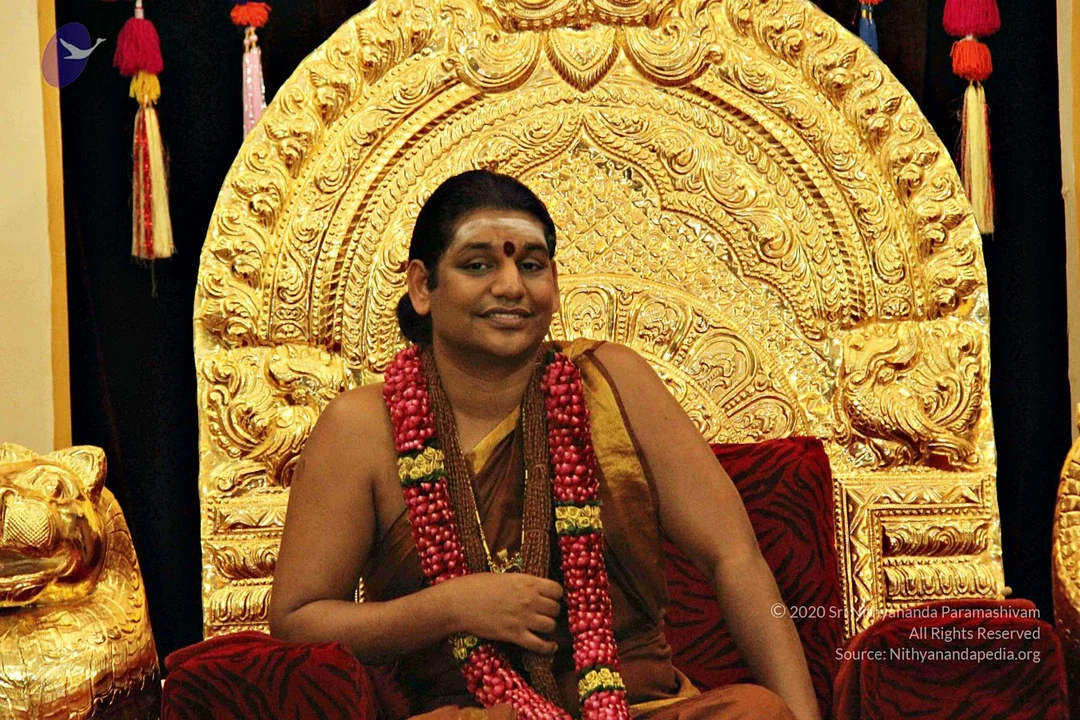
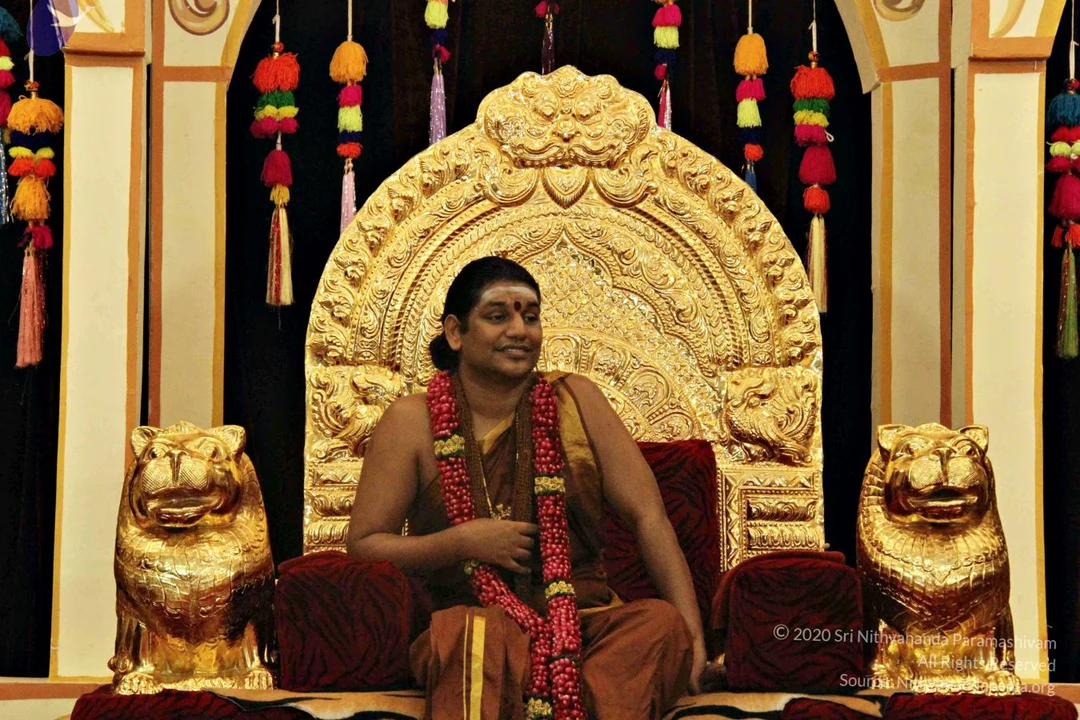
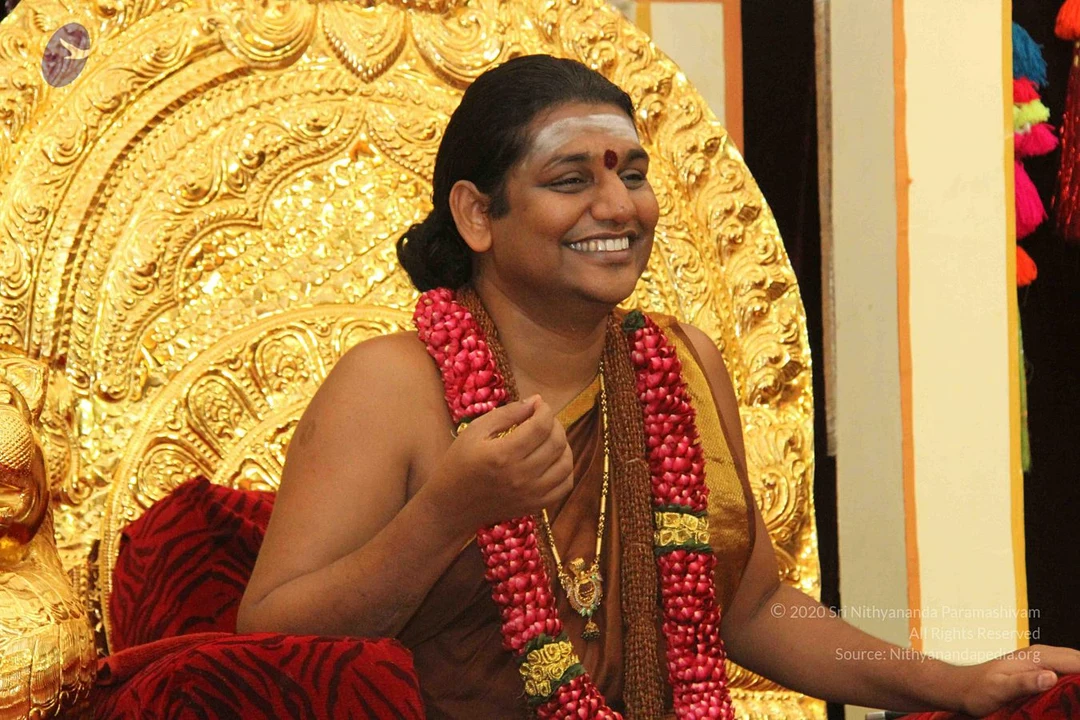
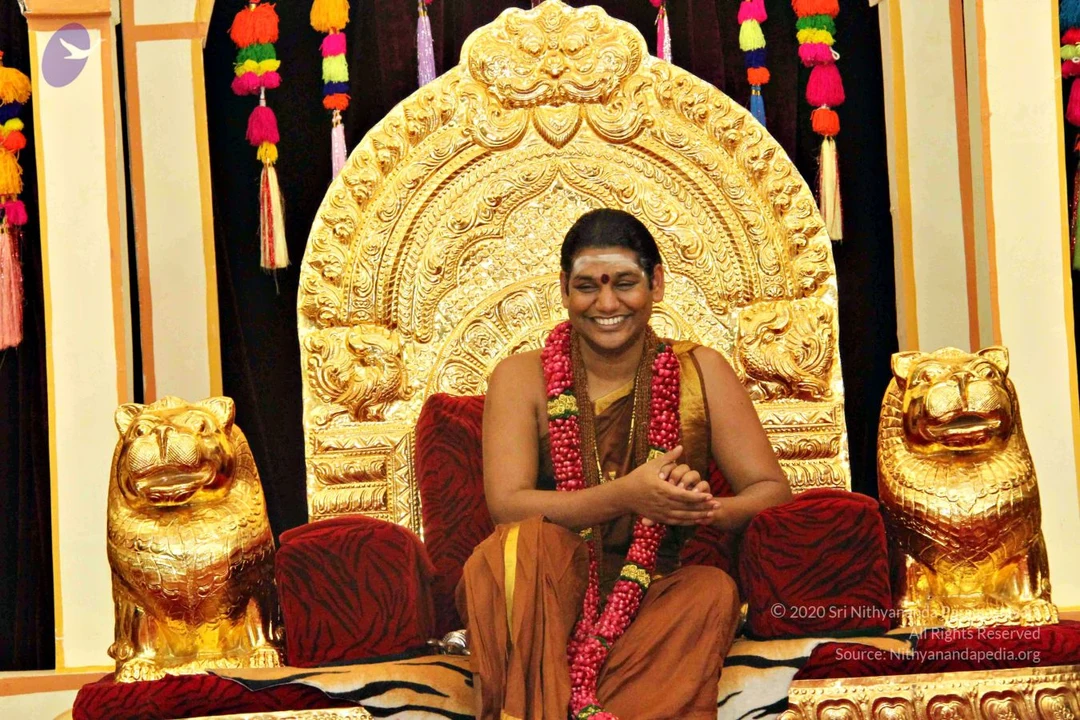
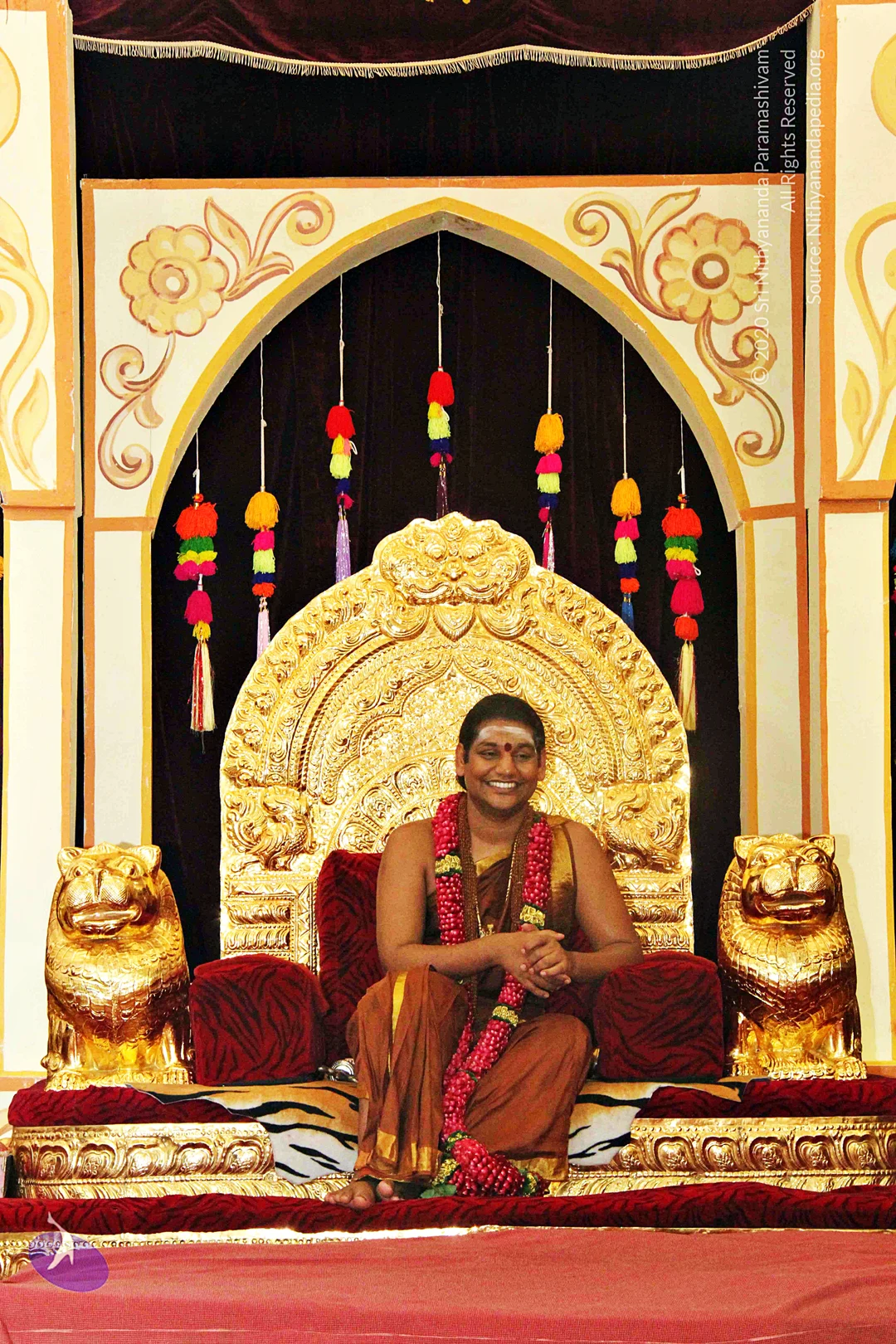
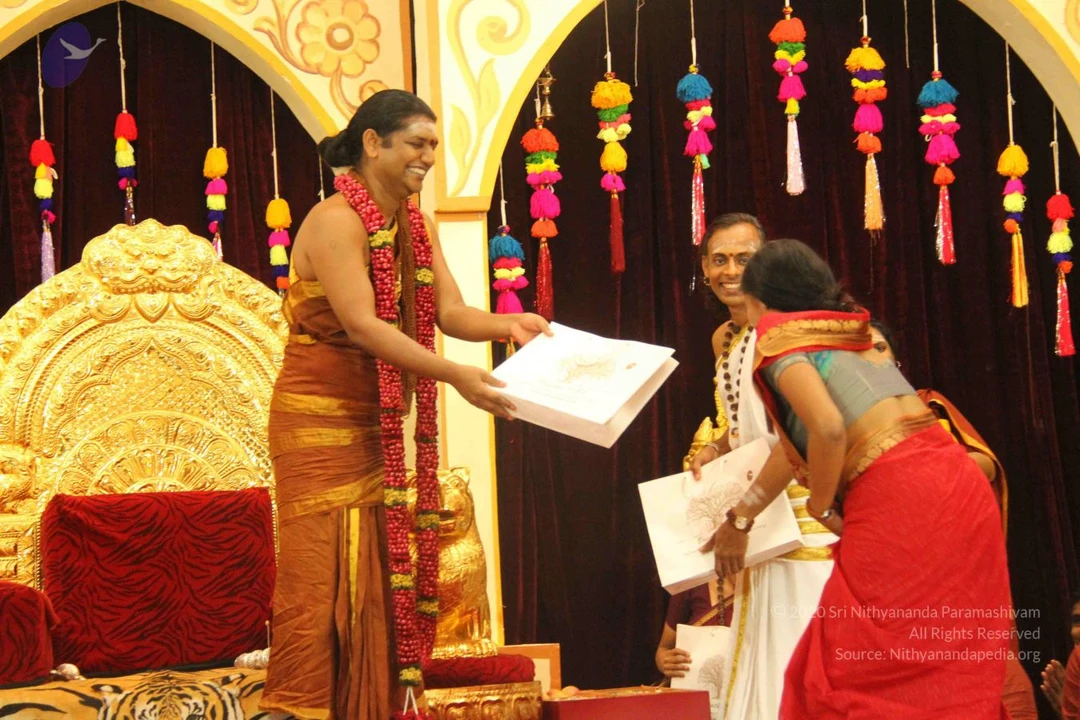
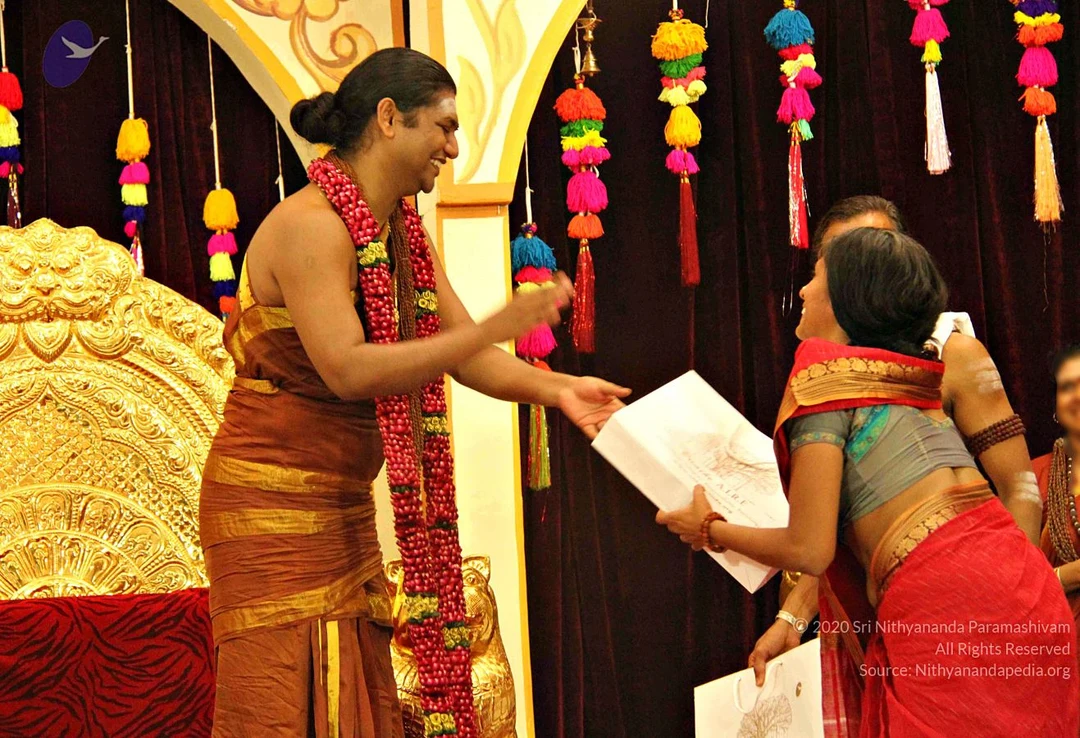
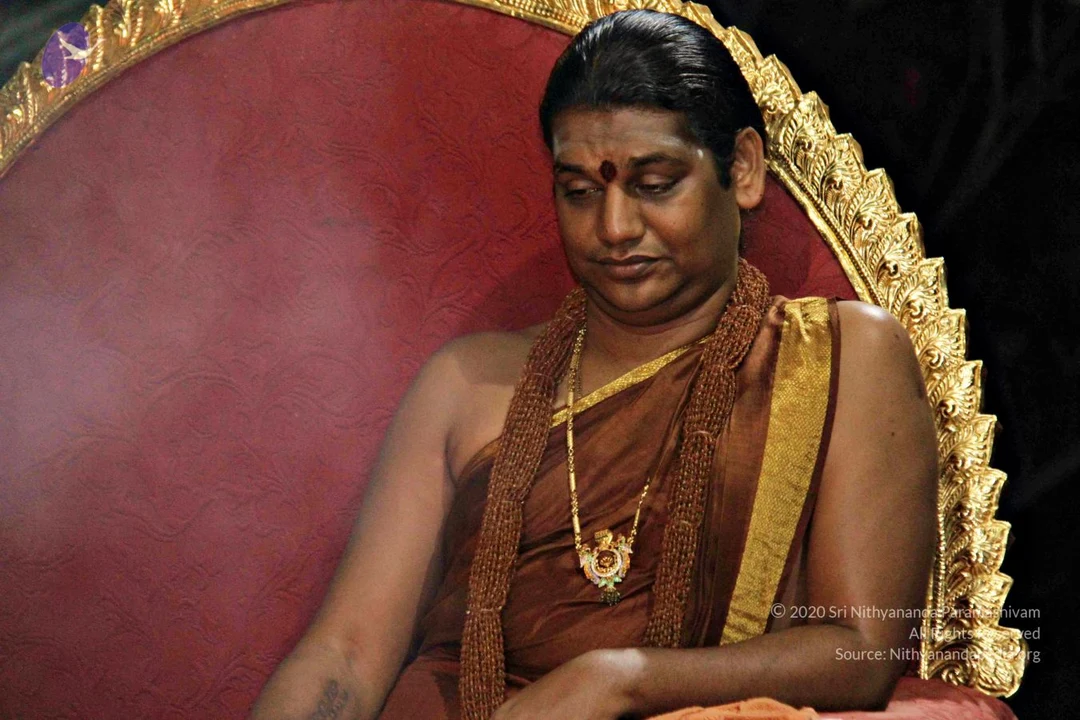
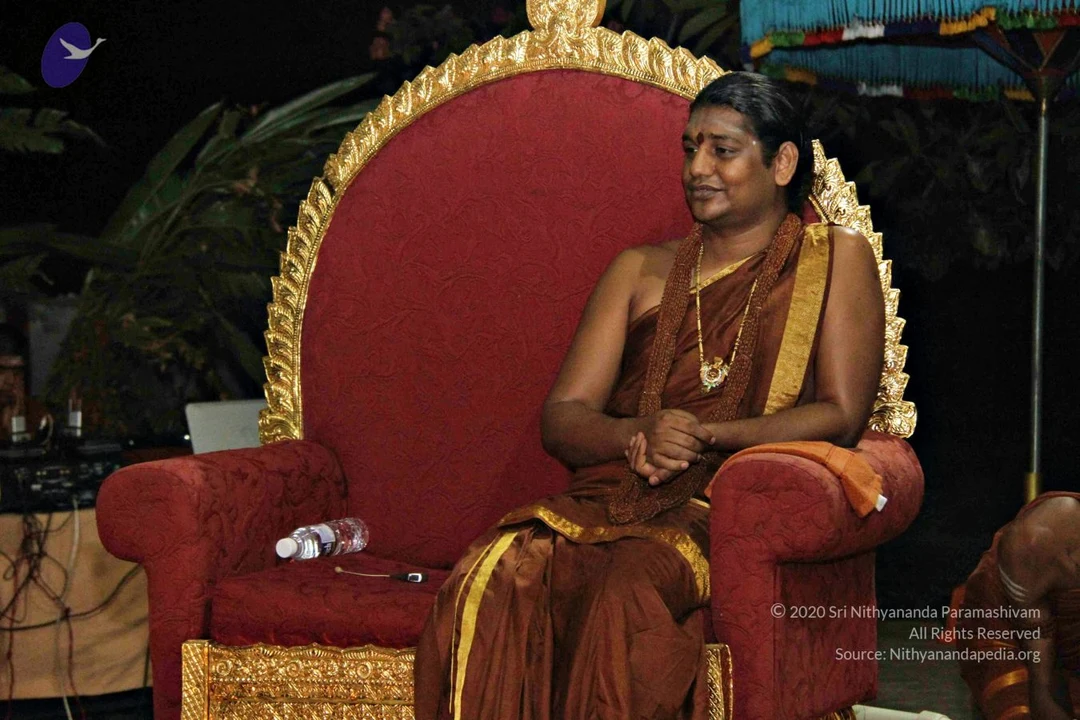
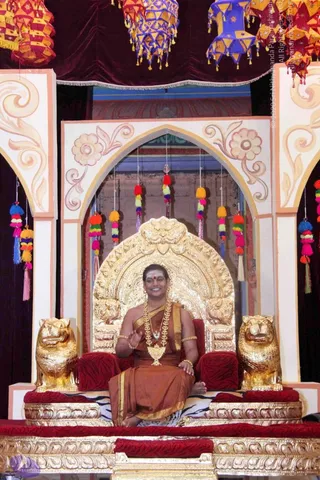
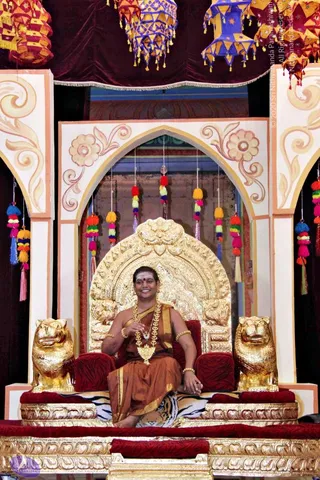
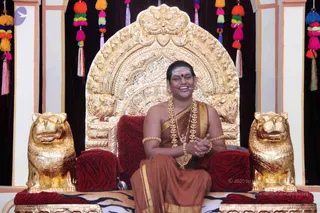
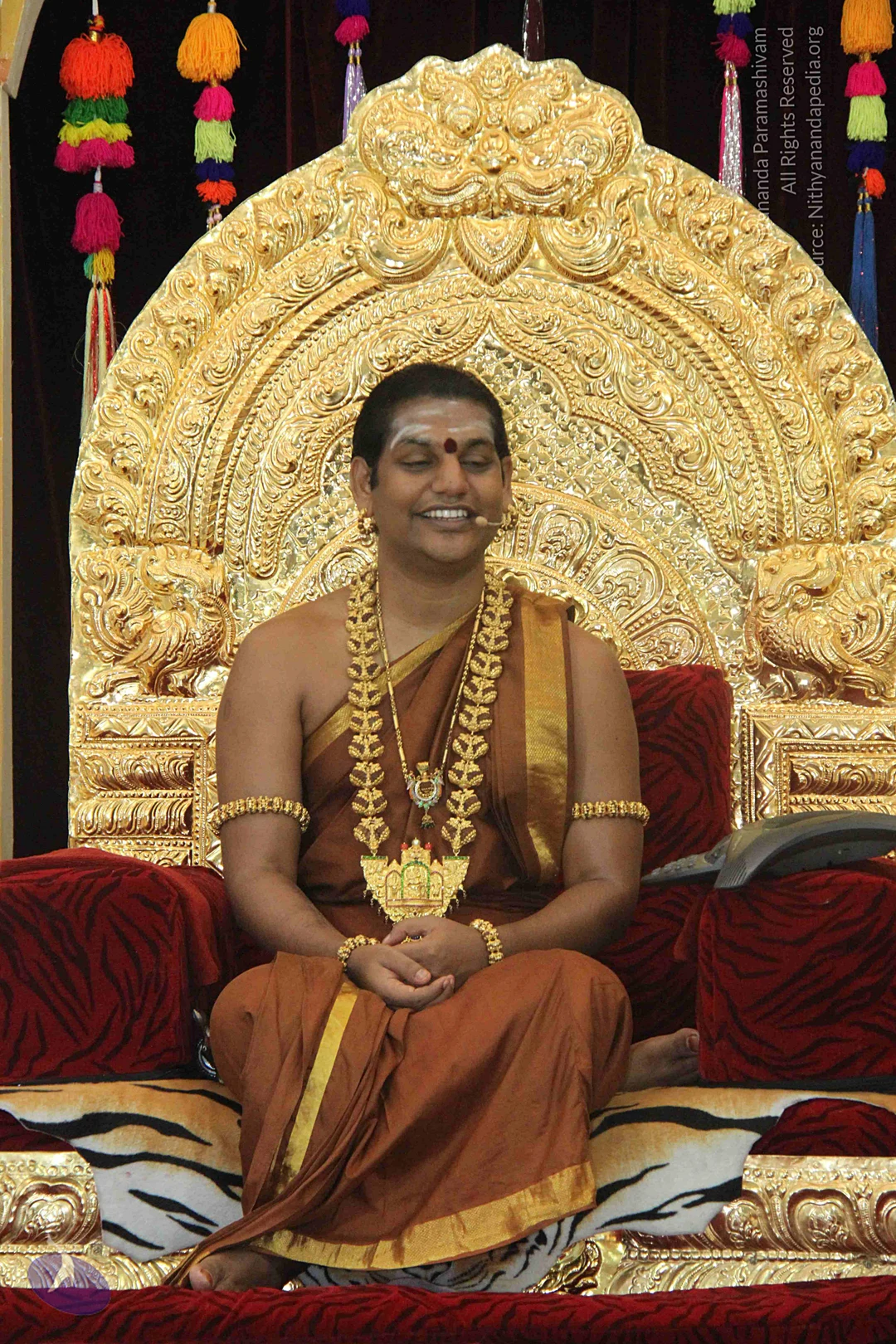
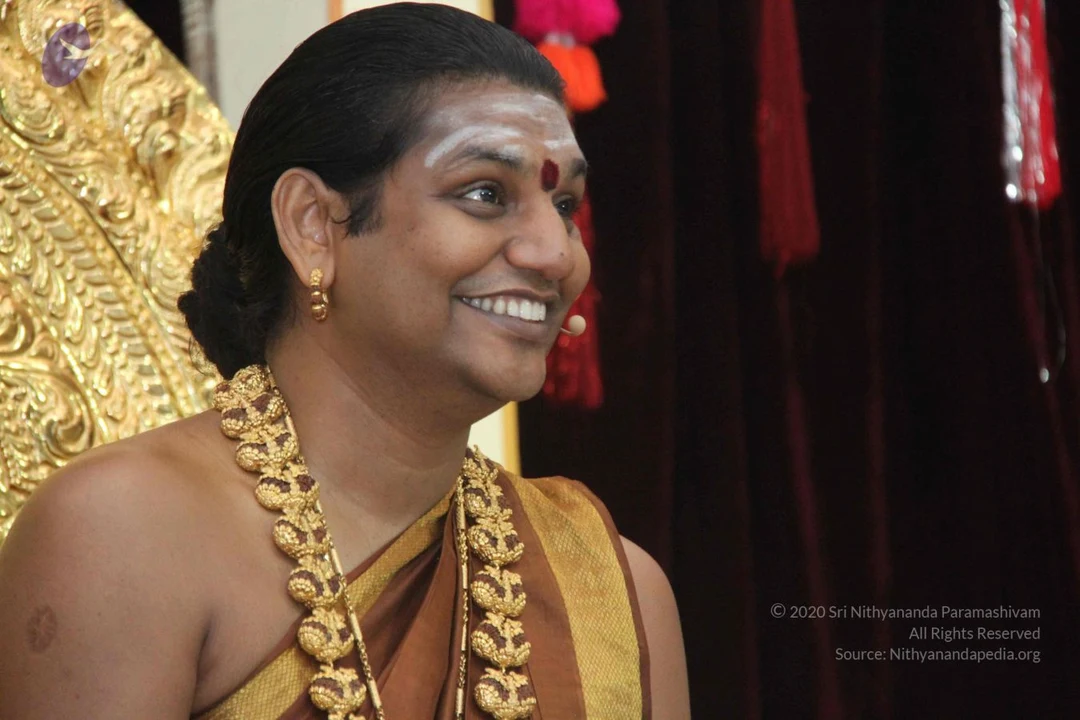
A seated man in an ornate golden throne with carved gilded backrest and two gilded lion figures at its sides, set on a red and gold tiered dais. He wears an orange-brown robe with gold border, a long gold chain with a large pendant, gold bangles, and a red bindi with vibhuti marks. His right hand is raised in a blessing gesture while he smiles. Above and behind him hang colourful paper lanterns in red, yellow, blue and purple, with tassels and pom-poms on the arch pillars. A throne-like seat with decorative arches, flowers and swirls frames the scene.A man seated on an ornate gold throne with carved backrest and two gold lion statues on its arms, draped over a striped tiger-skin cloth on a red-cushioned dais. He wears an orange-brown robe with gold border, a heavy gold necklace with pendant, gold armbands and bangles, and a red bindi with white forehead markings. Above him hang colourful paper lanterns in purple, gold and red, with tassels, and a dark maroon velvet canopy. The seated man is shown as a probable match to the a person candidate: he has the ceremonial gold necklace and orange robe cues, and sits on a throne. Behind him a painted arch and hanging tassels frame the stage.A seated man in a saffron-brown robe sits on an ornate gold throne with a carved arched backrest and tassels of pink, green and orange hanging above. Two gold lion statues flank the throne on a striped red and black cushioned platform. He wears a gold necklace, gold bangles and a red bindi, and smiles with hands clasped in his lap, a microphone clipped near his face. a person: the seated figure appears to be a long-haired ascetic-style teacher in saffron-brown with a gold throne, matching the page's satsang context, though appearance alone is not fully conclusive.A seated man in brown and gold ceremonial clothing sits on an ornate gold throne with a tall carved back, flanked by two golden lion sculptures and red velvet cushions, with a tiger-striped cloth draped over the platform. He wears a gold necklace, layered gold bead necklaces, gold armbands and bangles, and a red bindi with a vertical sandal-paste mark on his forehead, and has a small microphone clipped near his face. His hands are clasped in his lap as he smiles. Behind the throne hang colourful tasselled decorations in pink, orange, green and yellow against dark maroon drapes. Only one physical person is visible.A seated man in orange-saffron robes sits on an ornate gold throne with a large arched backrest carved with floral and mythical motifs. Two golden lion sculptures flank the throne, and the seat is covered in red and black tiger-striped cushions. He wears a long gold necklace, a gold armband and bangles, has a red bindi and white forehead markings, and presses his palms together while smiling. Colourful tassels hang from the arch behind him. a person, seated in a central ceremonial position.A man with a shaved head, white vibhuti and a red bindi sits smiling on an ornate gilded throne with a arched back and carved lion heads, flanked by two gold lion statues. He wears a rust-orange dhoti and shawl, multiple gold chains and a gold armband, with hands joined in front of him. Behind the throne hang colourful tassels in pink, green, orange and yellow on a dark maroon drape.

SarvaDarshan

14 photosSource gallery
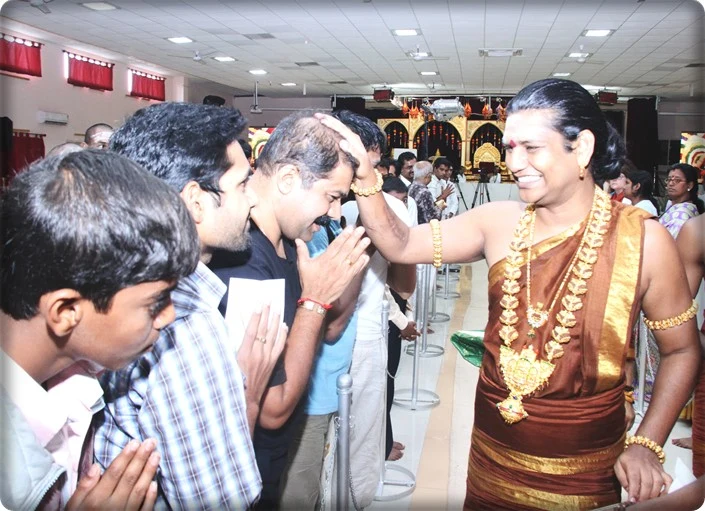
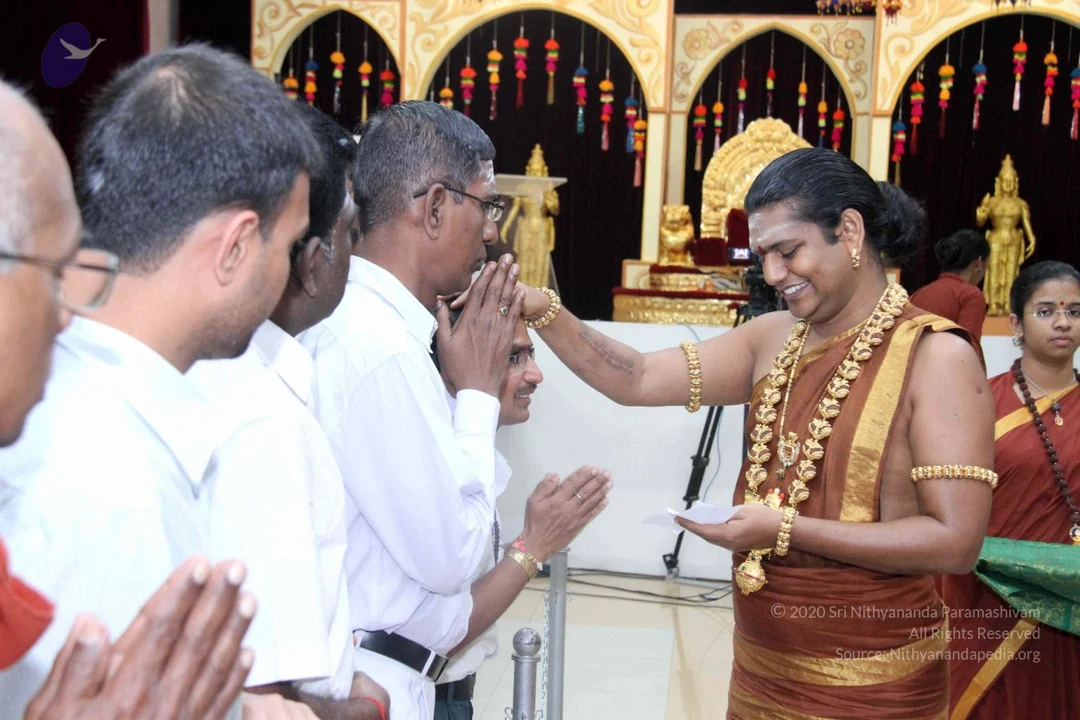
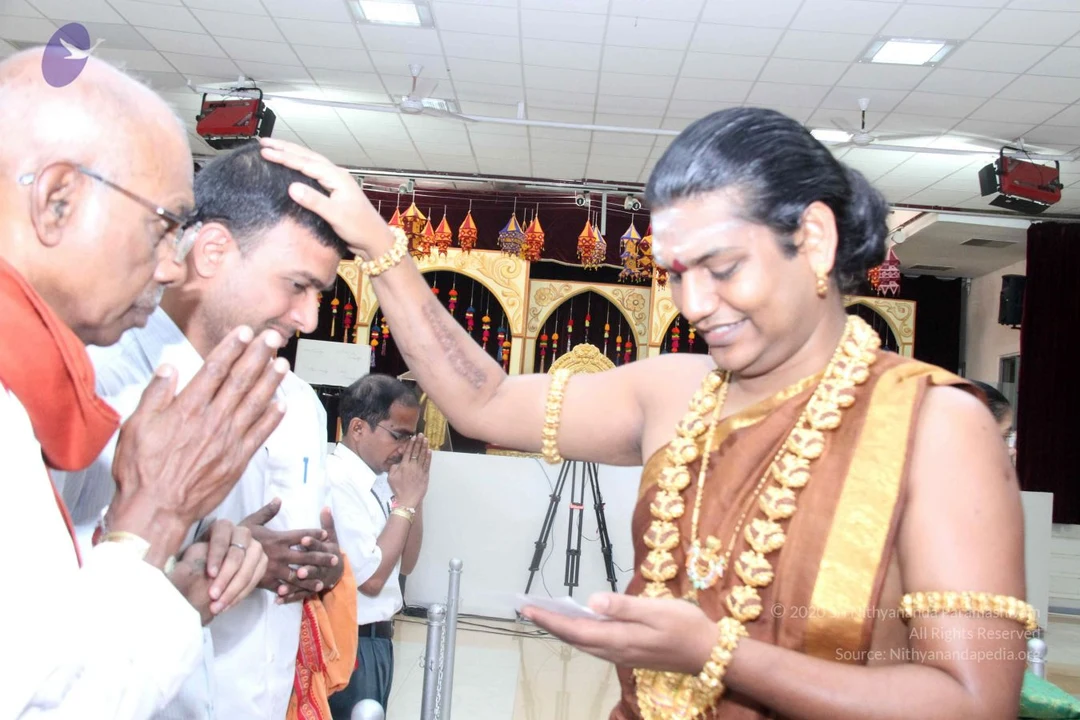
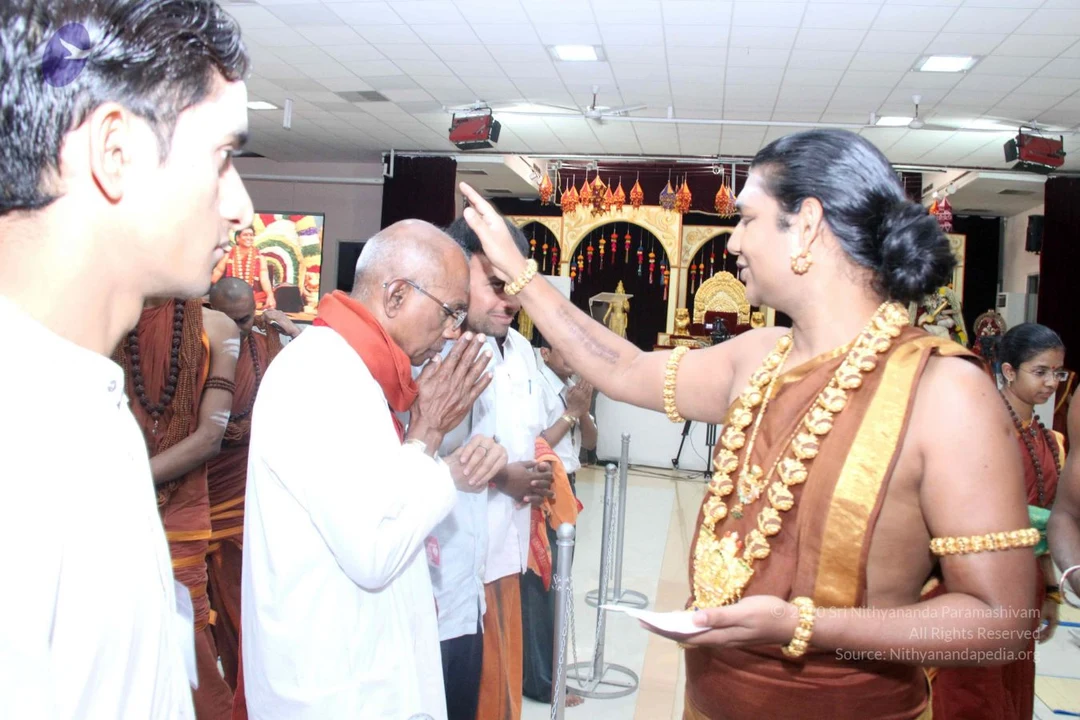
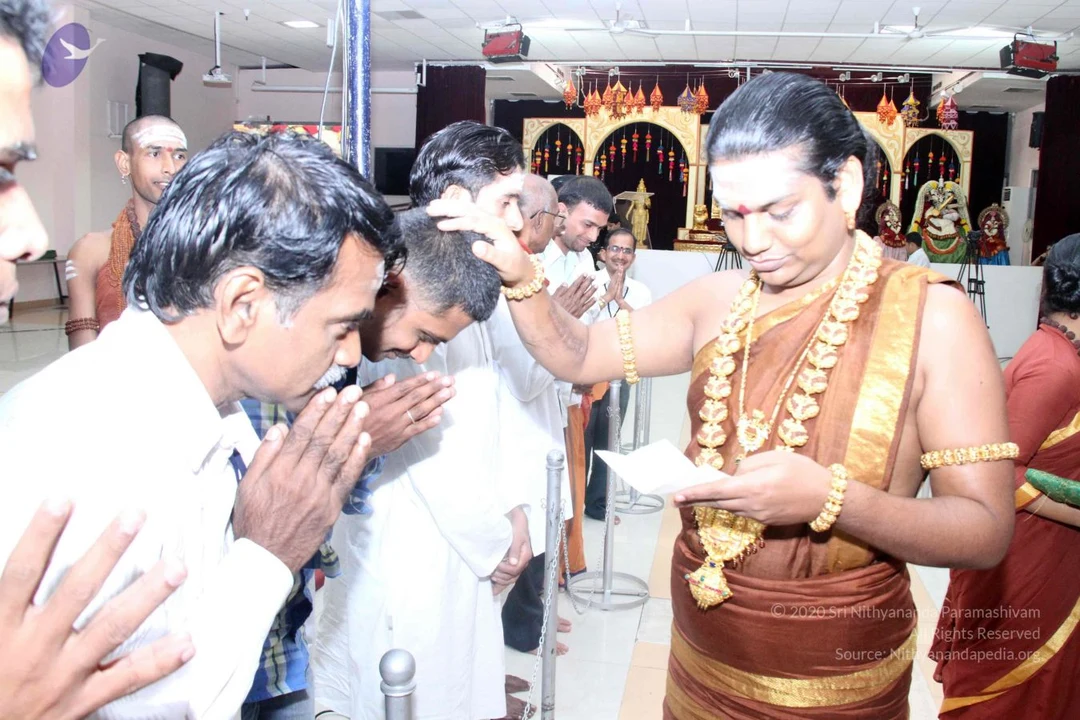
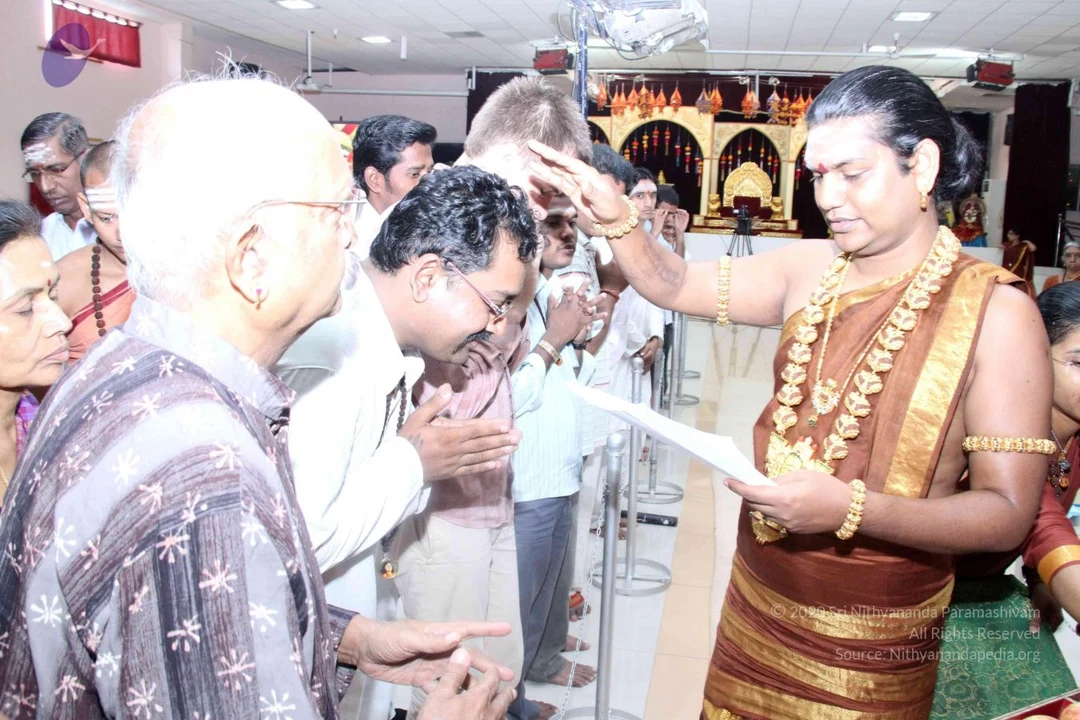
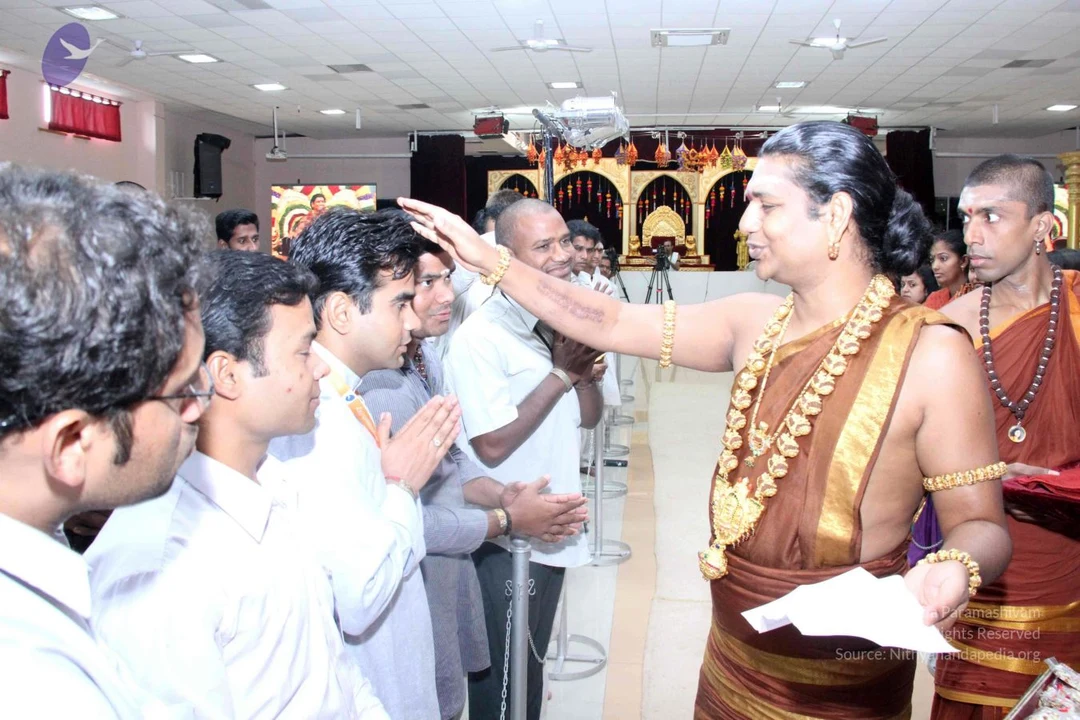
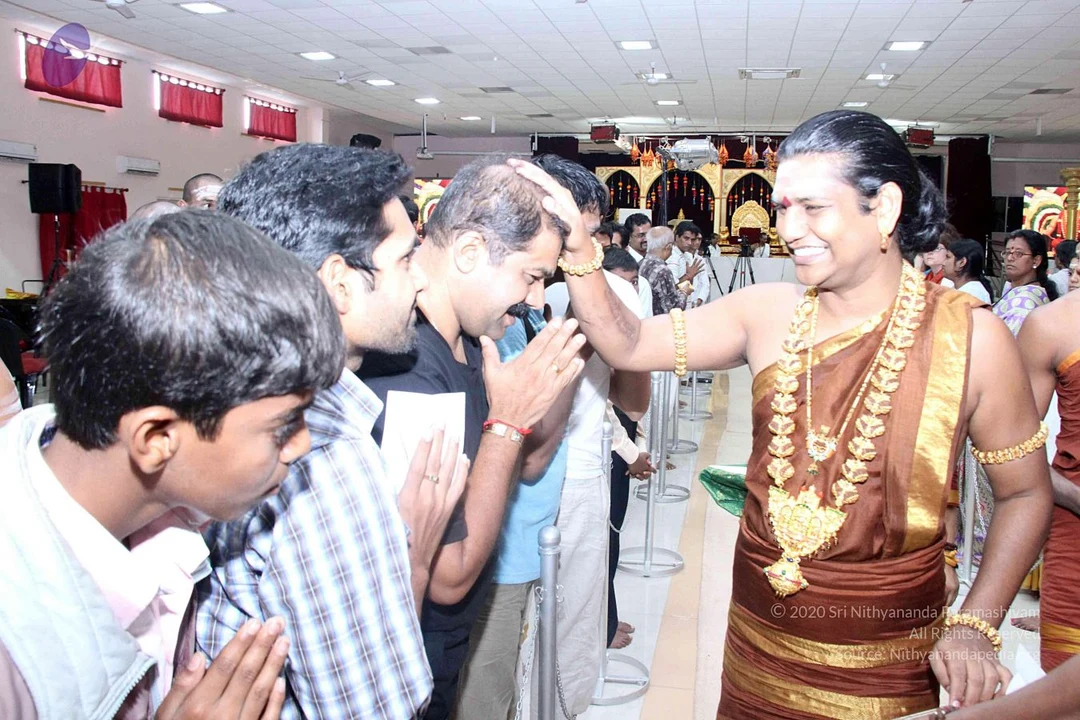
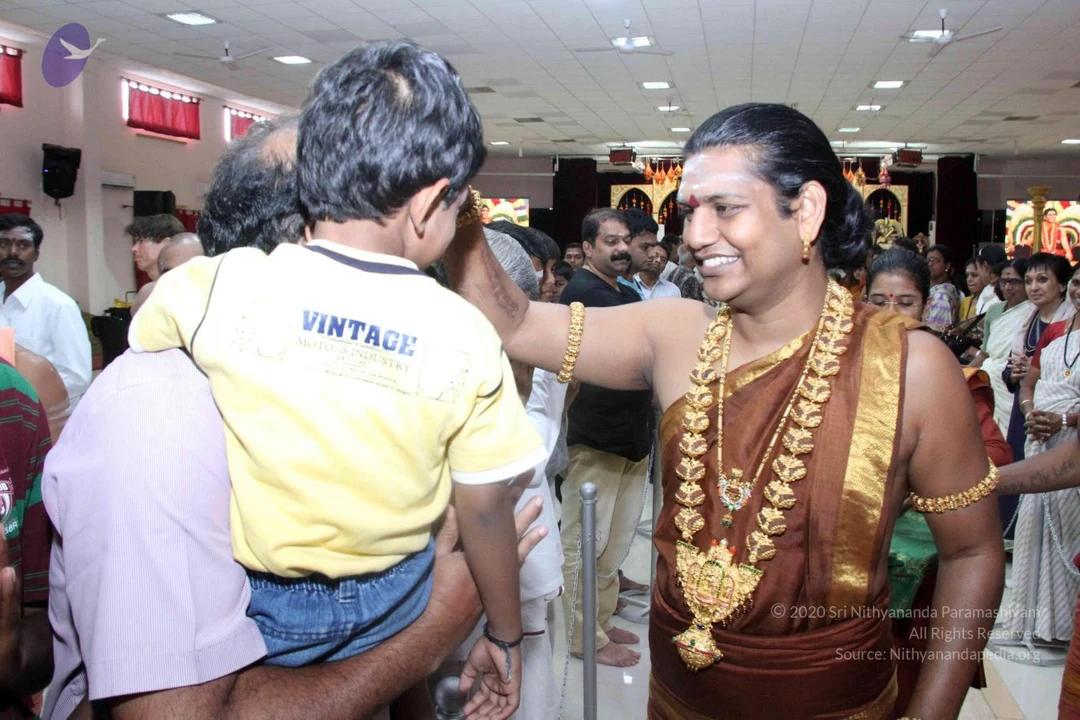
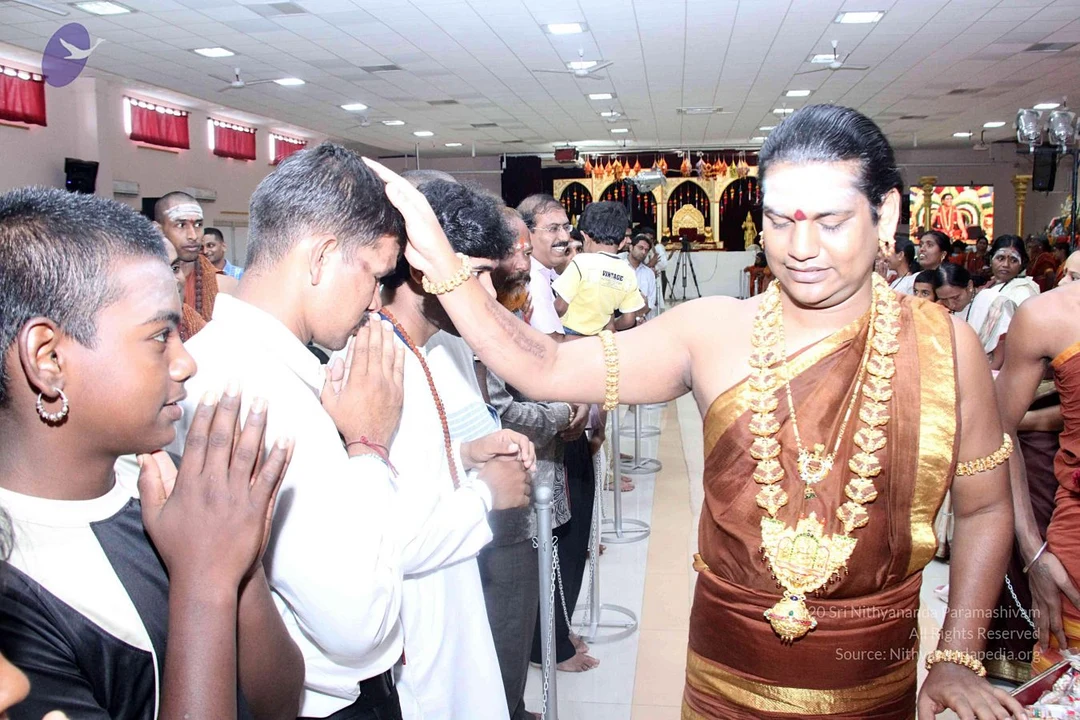
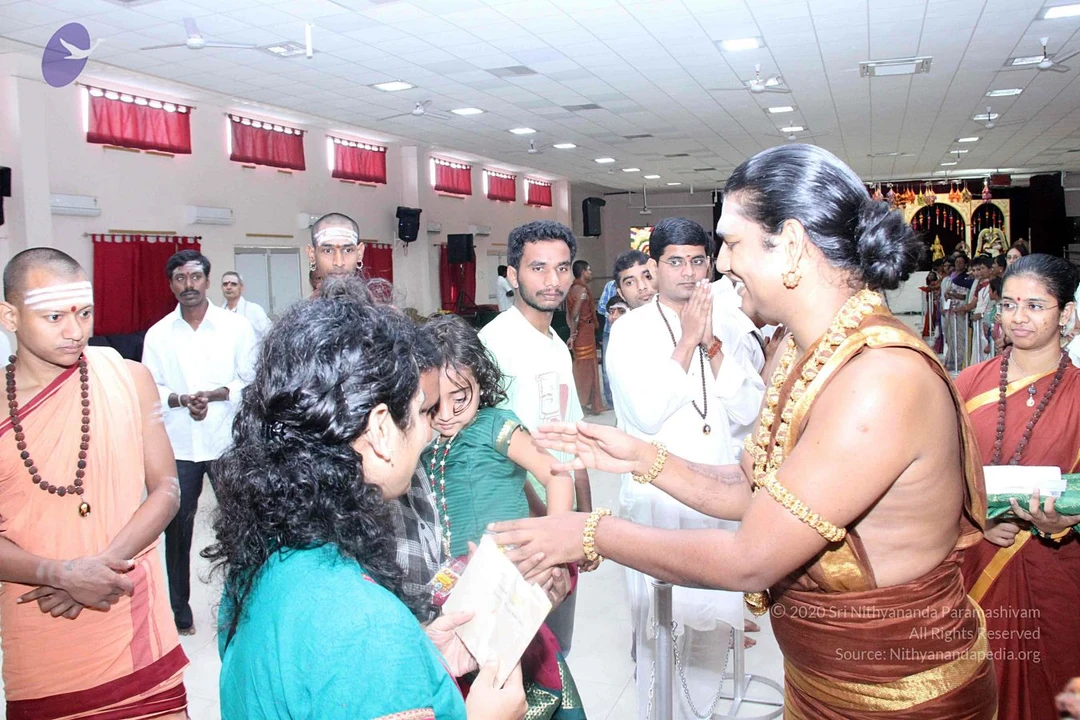
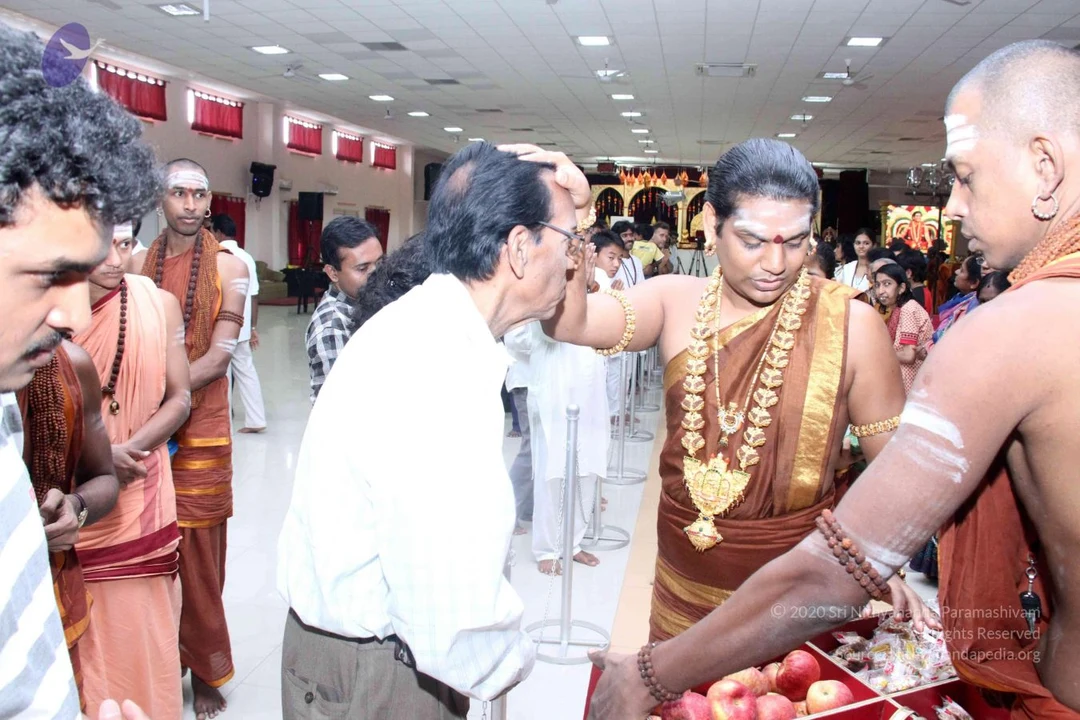
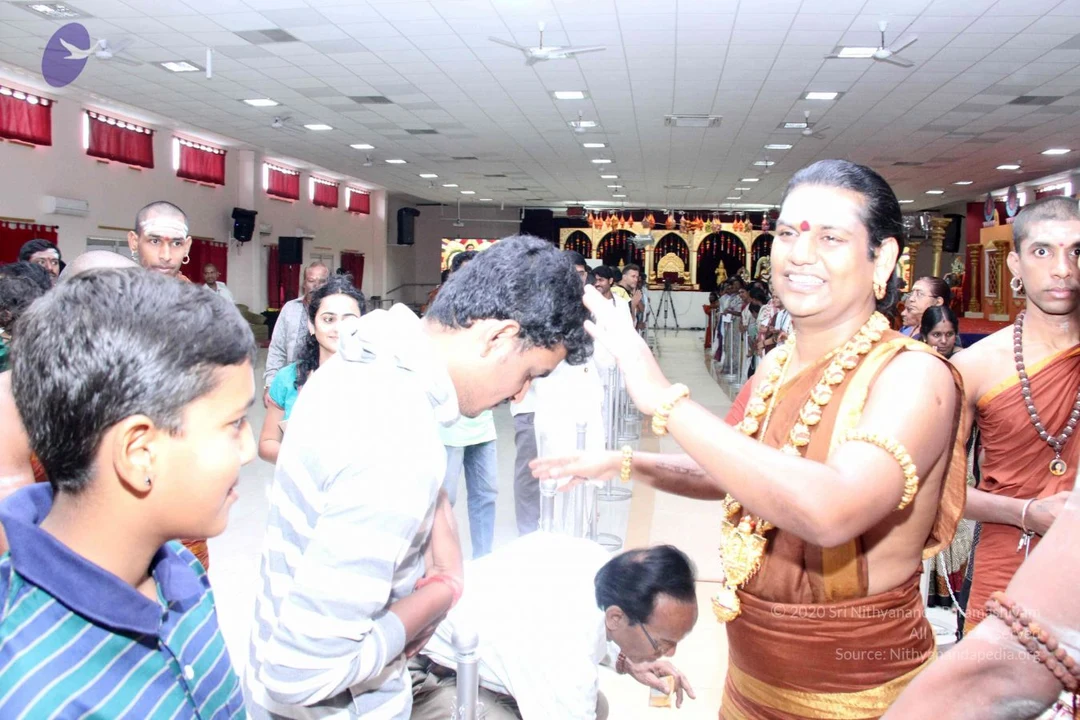
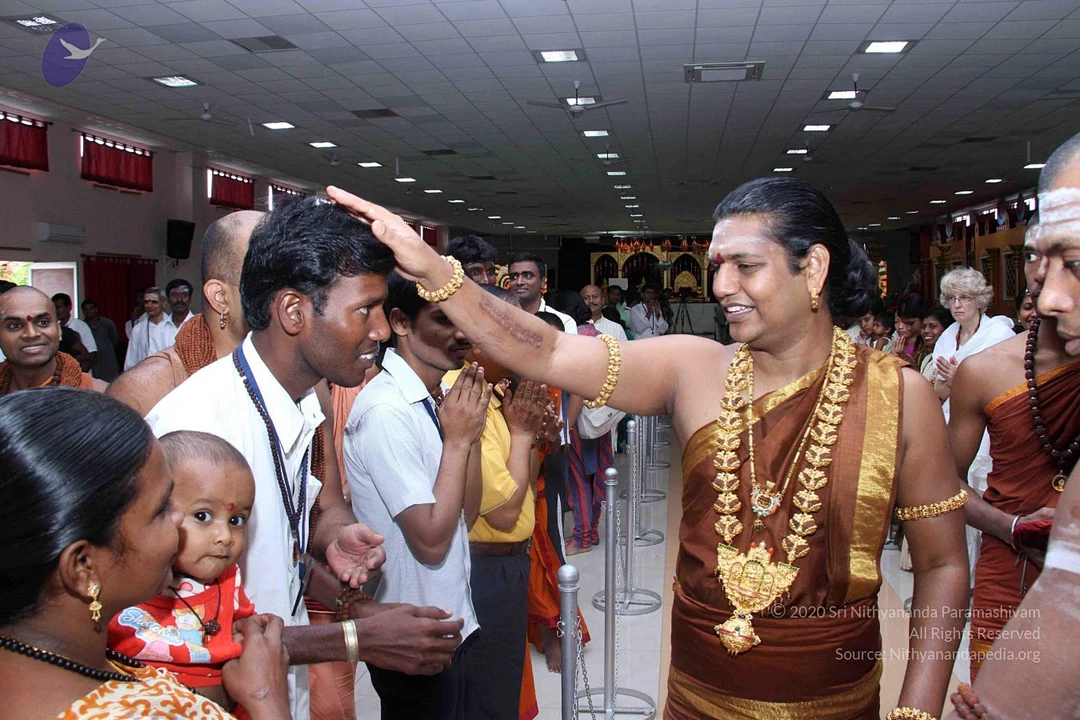
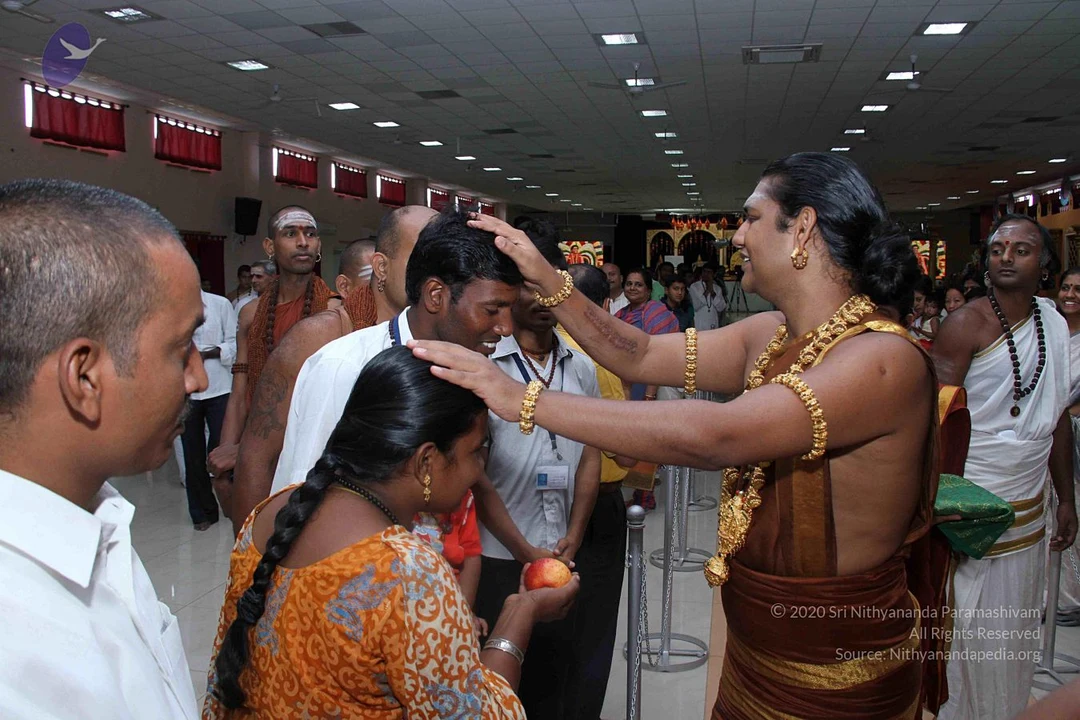
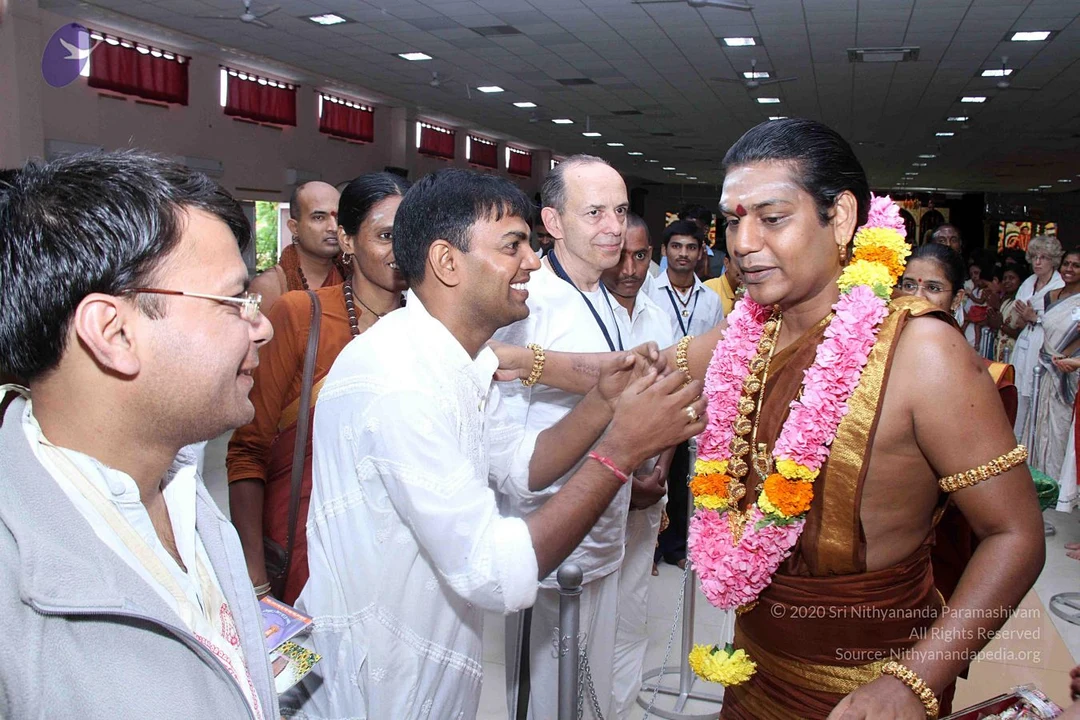
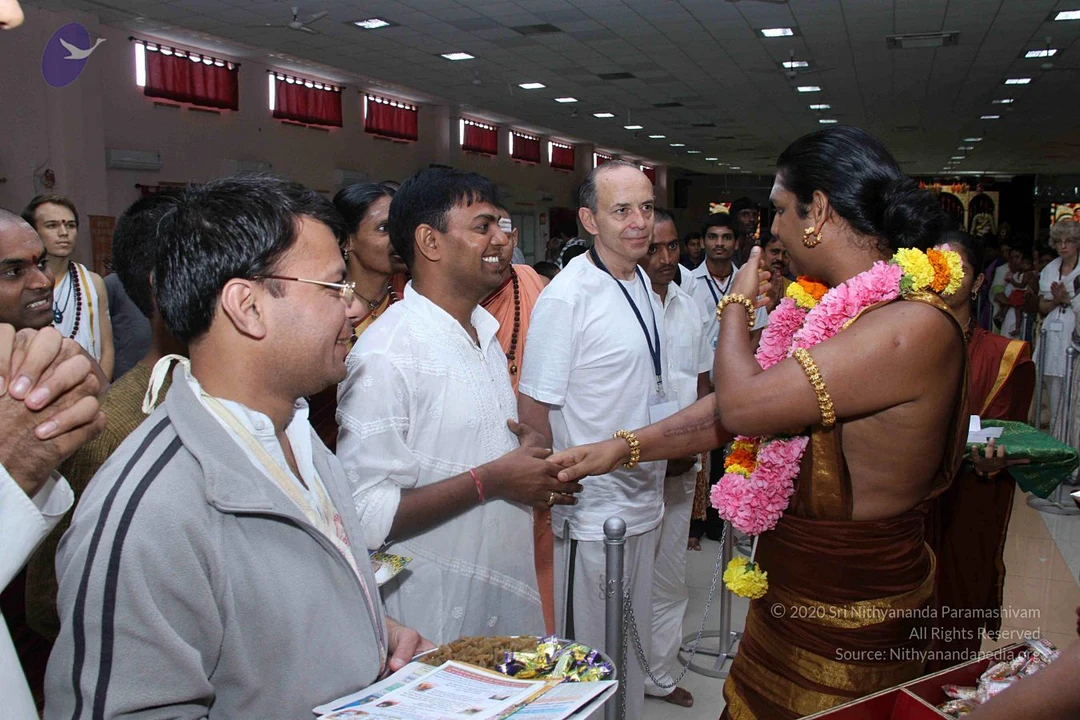
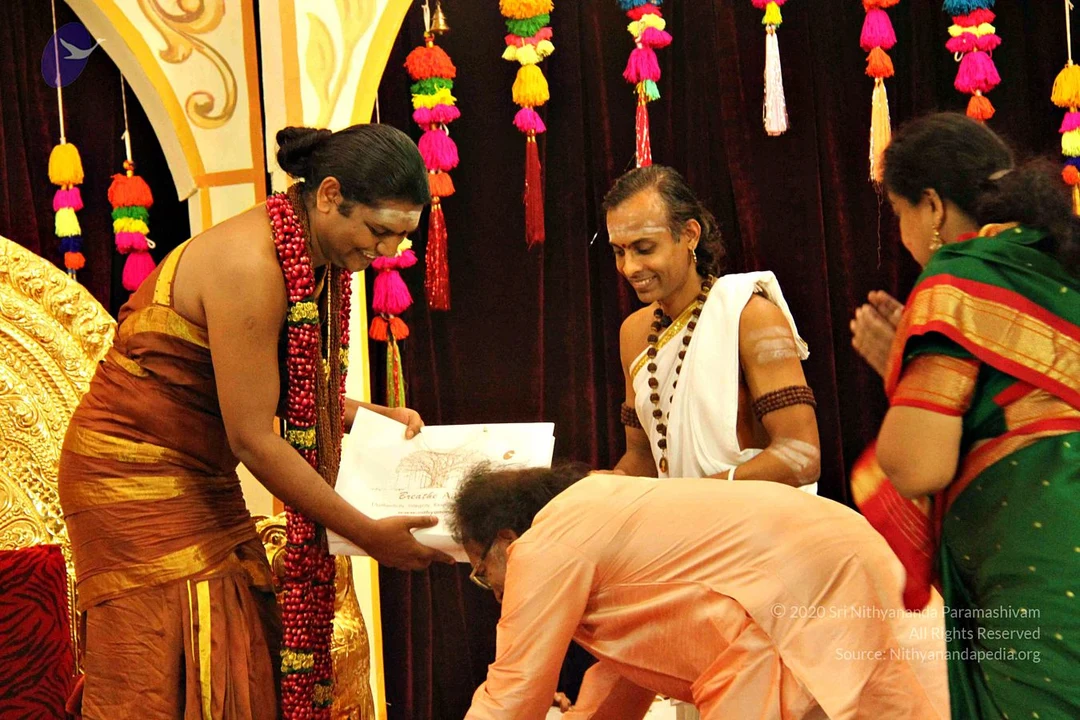
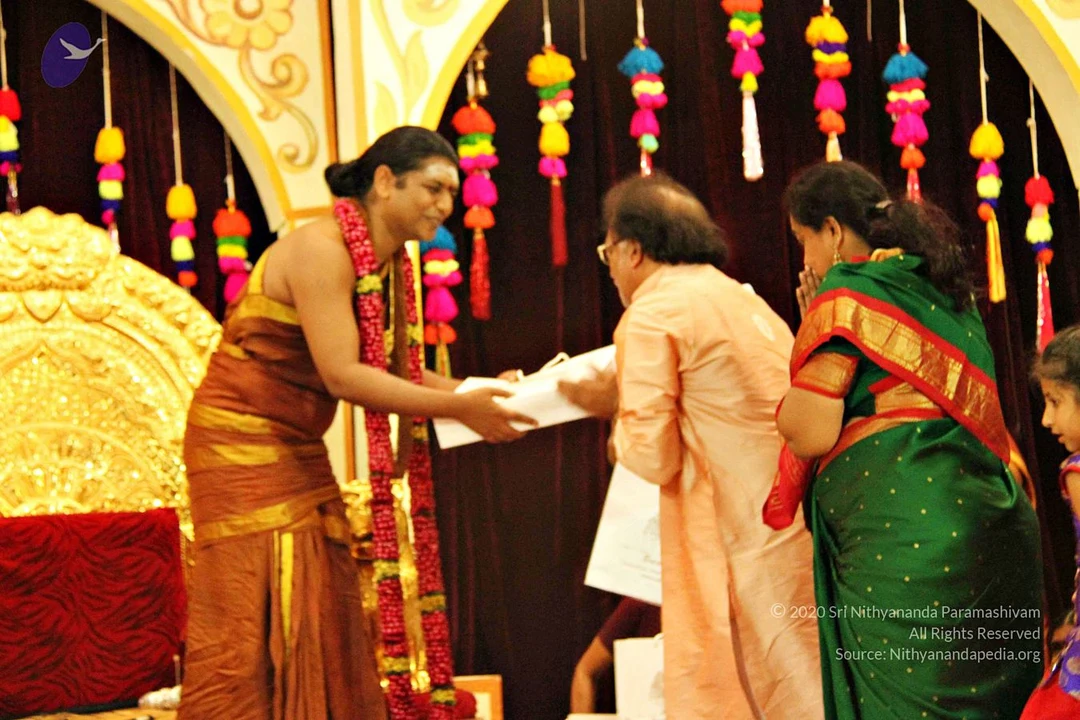
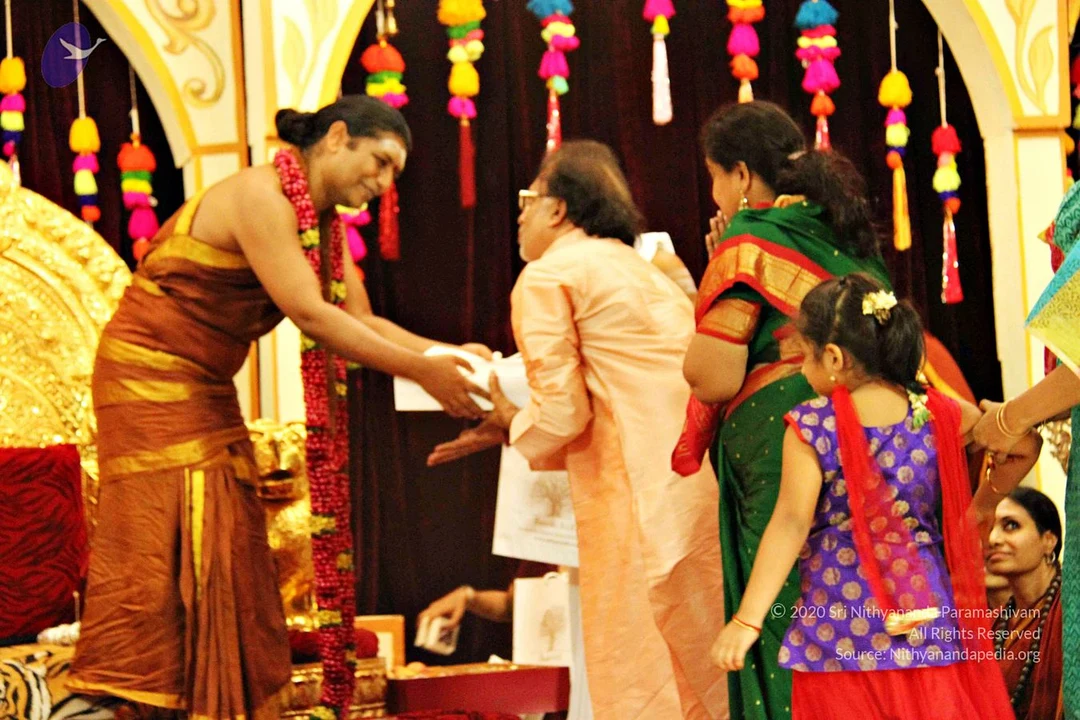
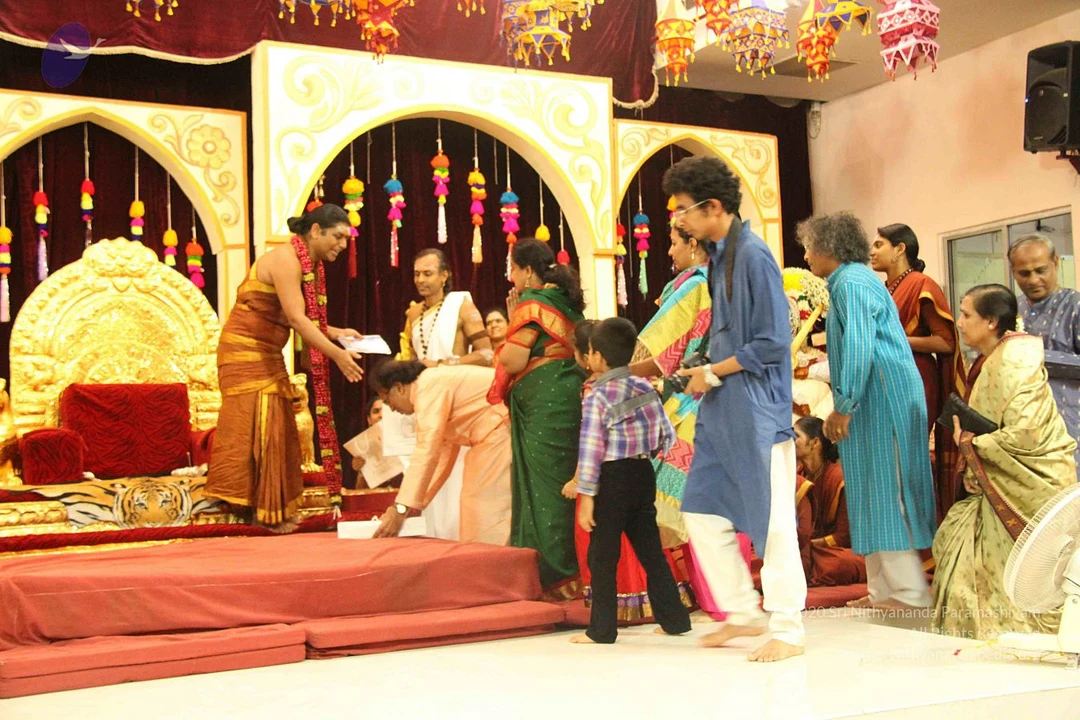
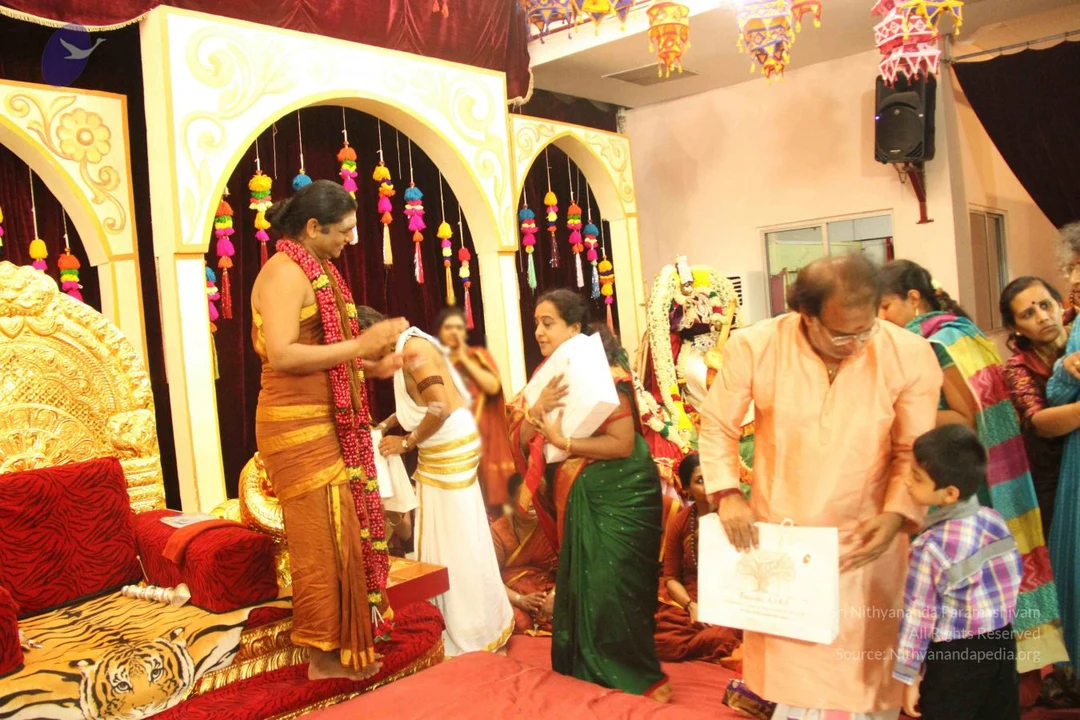
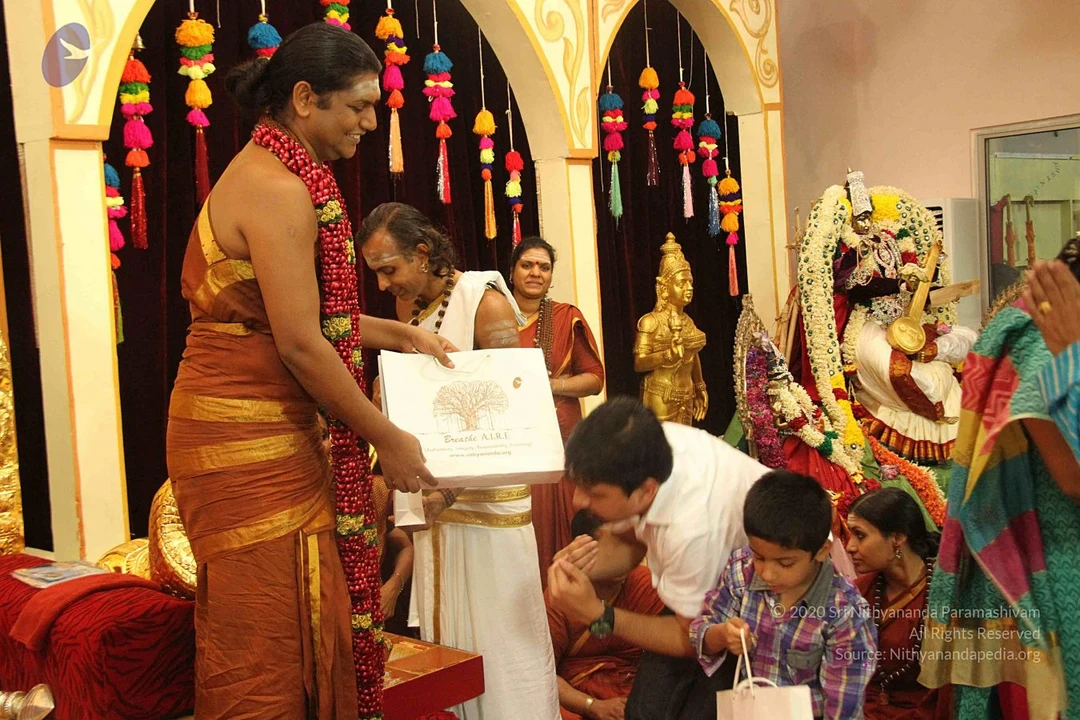
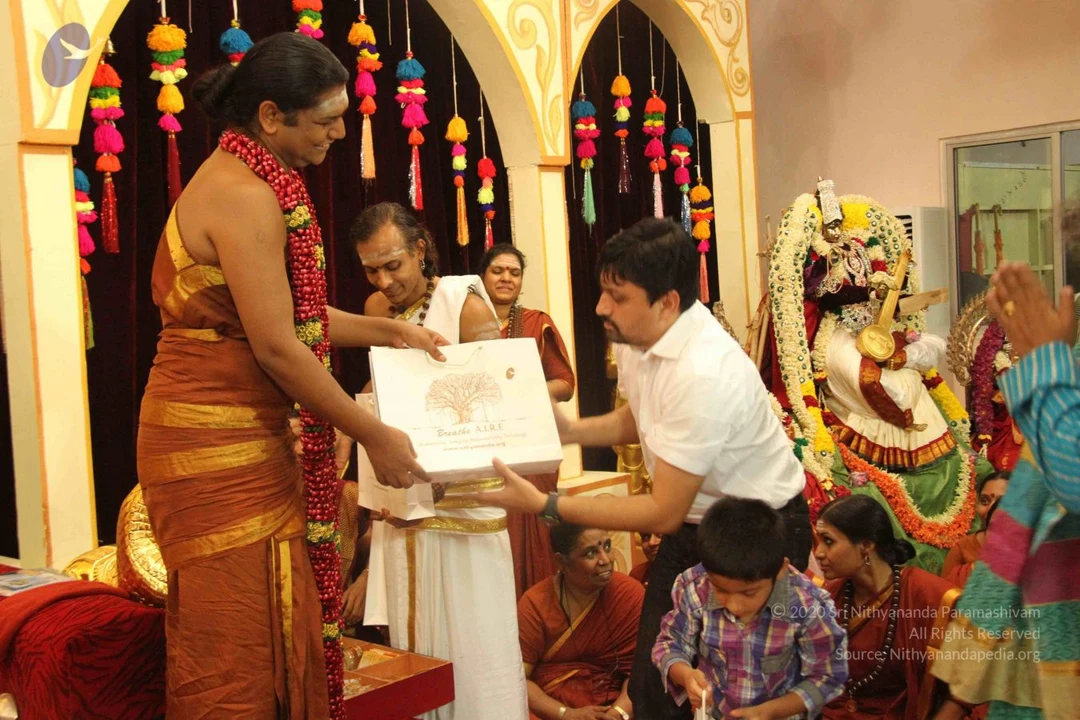
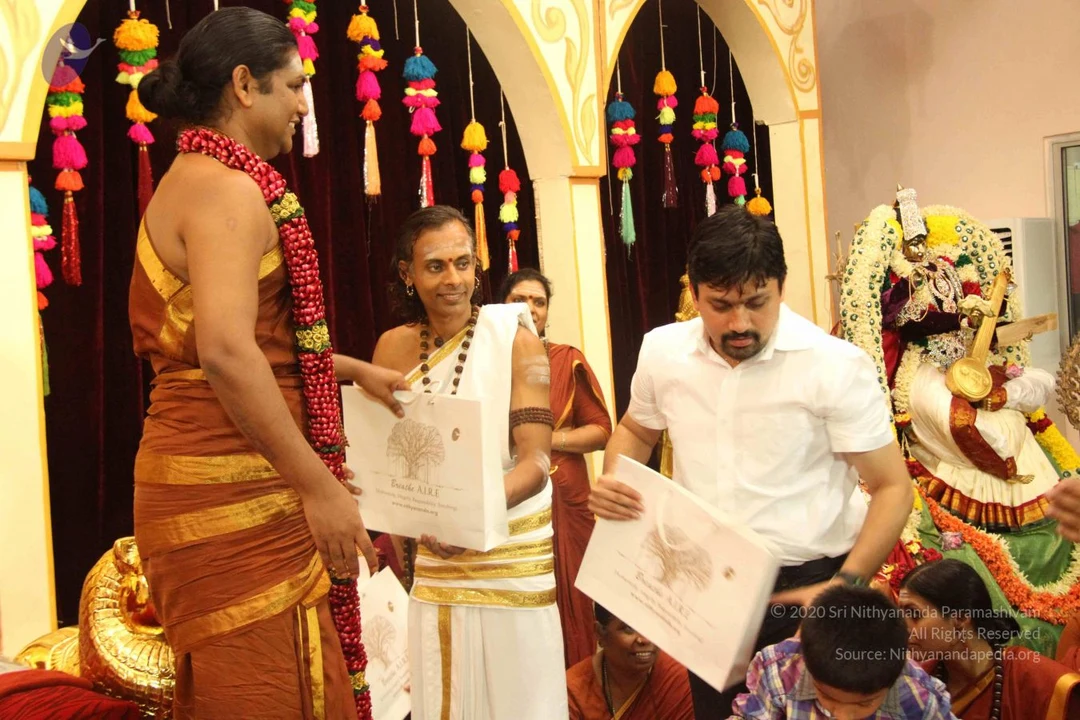
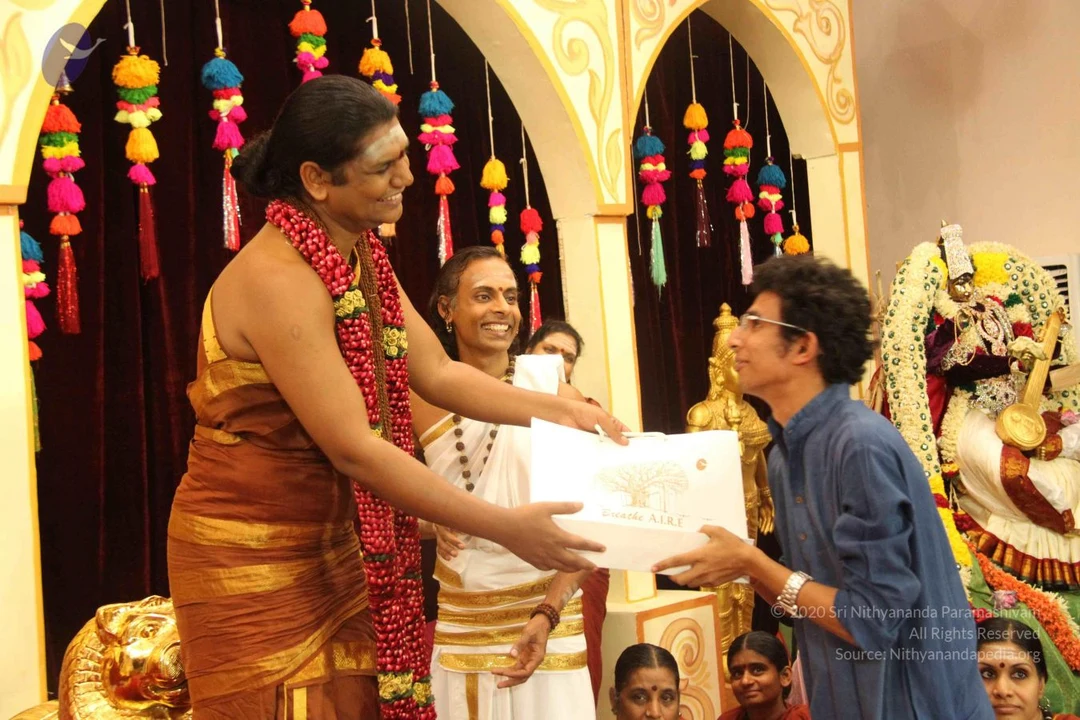
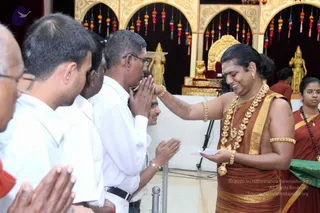
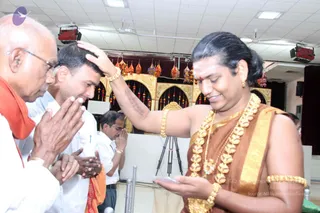
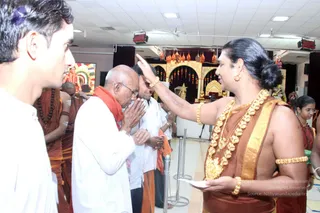
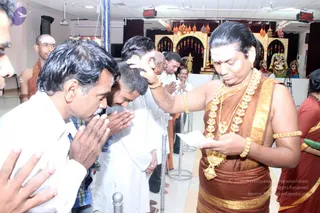
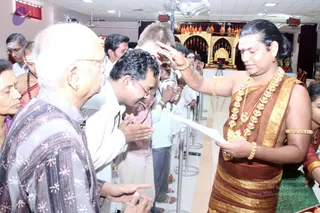
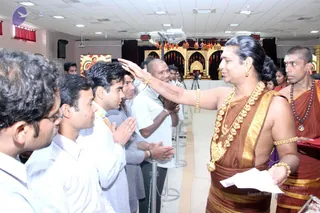
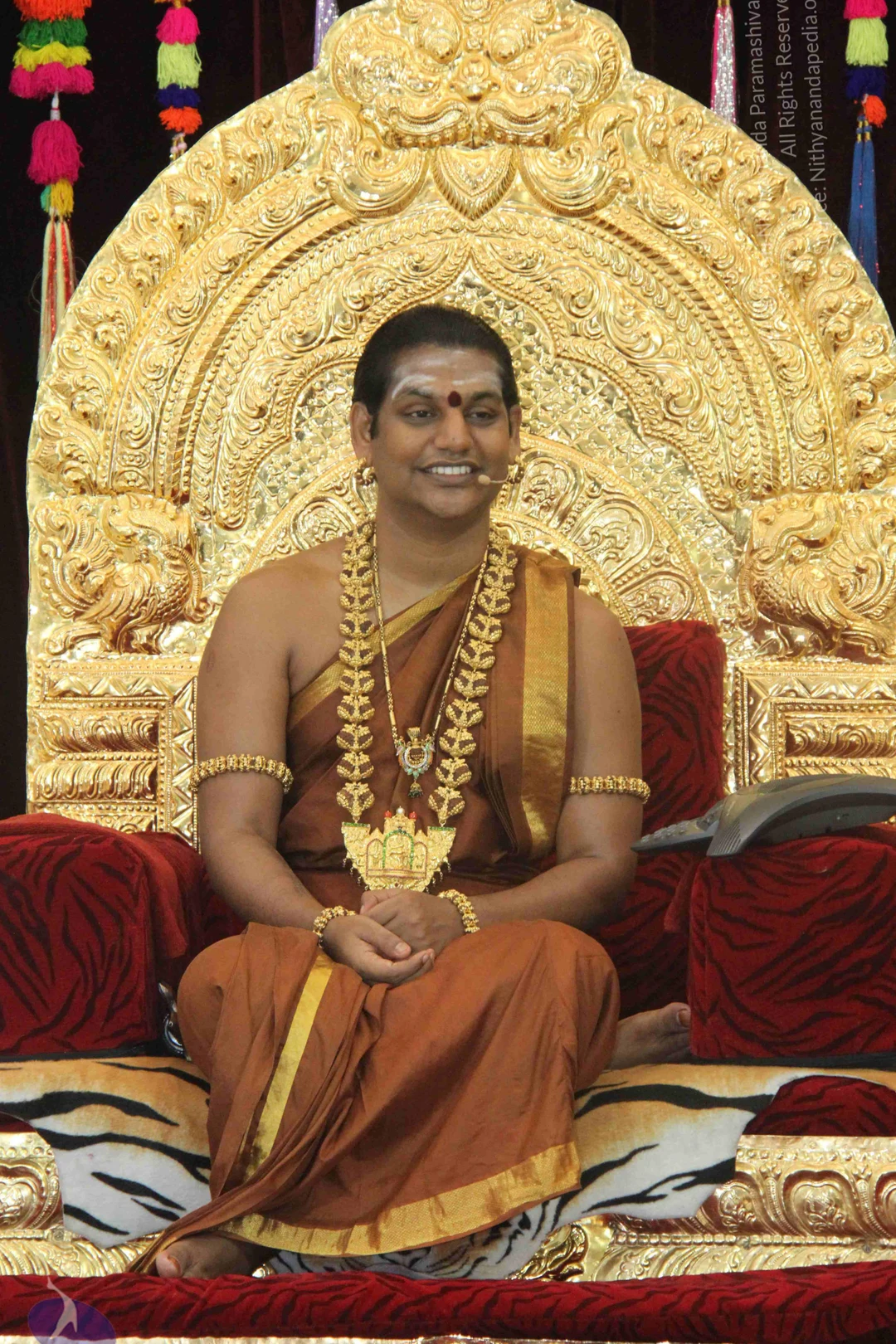
A photograph of a satsang-style gathering in a temple-like hall with gold arches, hanging tassels and a gold deity murti at right. A man in a brown and gold dhoti-style garment with a gold shawl, gold necklaces, a gold armlet and bangles, and a white tilak on his forehead smiles while touching the forehead of a devotee. The devotee wears a white shirt and glasses, hands pressed together in namaskar. Several men in white shirts stand at left with palms joined. A woman in a brown sari with a rudraksha mala stands at right. A gold throne-like seat and a golden lion-form figure are visible behind them.A photograph of a ceremonial blessing in an indoor hall. A man with long dark hair, bare-chested with a brown and gold shawl draped over him, wears a heavy gold necklace of large beads and a gold armlet; he has a tilak on his forehead and places his right hand on the head of a younger man in a white shirt who stands with eyes lowered and palms joined. An older man at left in white with an orange-saffron wrap joins his hands in namaste, and another man in white with palms pressed together stands behind. Behind them hang rows of red, orange and gold decorative lanterns and tassels in front of golden arches on a stage. A man in a brown and gold shawl with a crown-like adornment is visible in this scene; the figure in the brown and gold attire with gold jewellery is a probable Swamiji (probable) performing a blessing on a devotee. Four people are visible.A photograph of a ceremonial blessing in a decorated hall. A woman in a rust-brown saffron-toned sari with a heavy gold necklace and gold armlet raises her hand to touch the forehead of an elderly bald man in white clothes and glasses who stands with palms pressed together in namaskar. Beside them a young man in white and another man in white and orange stand watching. In the background are orange-shaded lanterns hanging on a gold-framed arch, a golden throne-like seat, and a red and pink banner. Several other people in saffron and brown robes stand nearby.A photograph inside an ashram hall with a patterned ceiling and red lights. A figure with long swept-back hair, red forehead mark, a thick gold necklace, gold armlets and a brown-and-gold garment, probable Swamiji, stands at right holding a folded white paper while placing a hand on the head of a bowing devotee. Several men in white shirts and dhotis press palms together and bow, one wearing a blue striped shirt. In the background are golden arches, hanging red and orange lanterns and a golden deity figure.Indoor photo at a temple-style hall with a golden shrine arch and orange hanging decorations behind. A person with long dark hair, wearing a brown and gold dhoti-style garment, heavy gold necklaces, bangles and an armlet, raises one hand over the head of a bald, bespectacled elderly man in a striped patterned shirt. Several standing devotees in white and pastel clothes lean forward with folded hands in a receiving line. A small deity image and offerings sit at the right edge.A hall with a gold-and-red decorated stage in the background. A man with long swept-back hair, gold ornamental necklaces, gold bangles and a brown-and-gold garment reaches out his hand to bless the head of a man in a white shirt standing in a row of men with palms pressed together in namaste. Another man in an orange-brown garment with a rudraksha mala stands beside him holding a folded paper. The surroundings include a fan-equipped ceiling, a red curtain, and a decorated gold arch with hanging lanterns. Swamiji (probable) is the central figure, distinguished by long swept-back hair, ceremonial gold necklaces, and saffron-brown ceremonial clothing, giving blessings to devotees.
Final_blessing

3 photosSource gallery
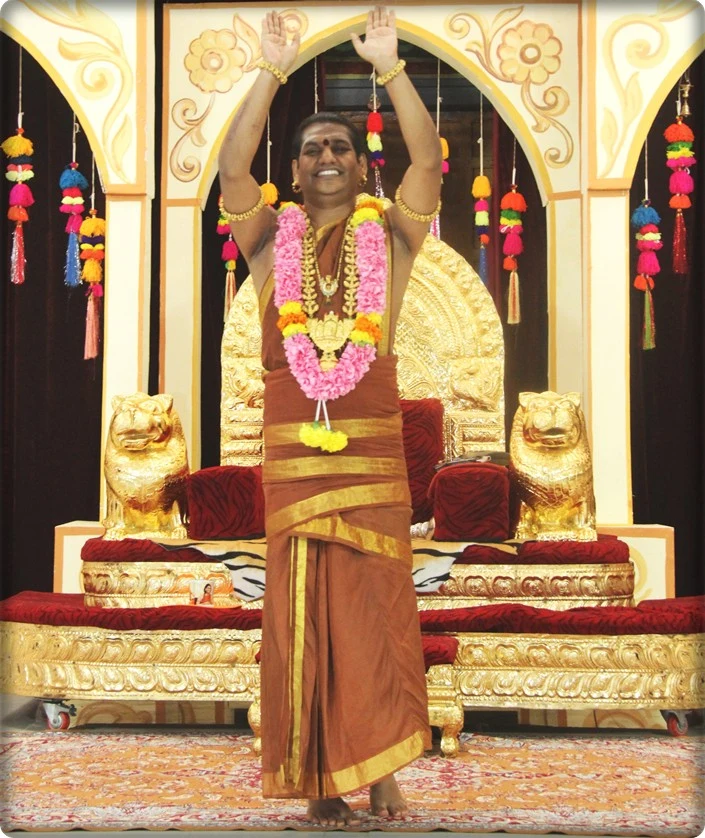
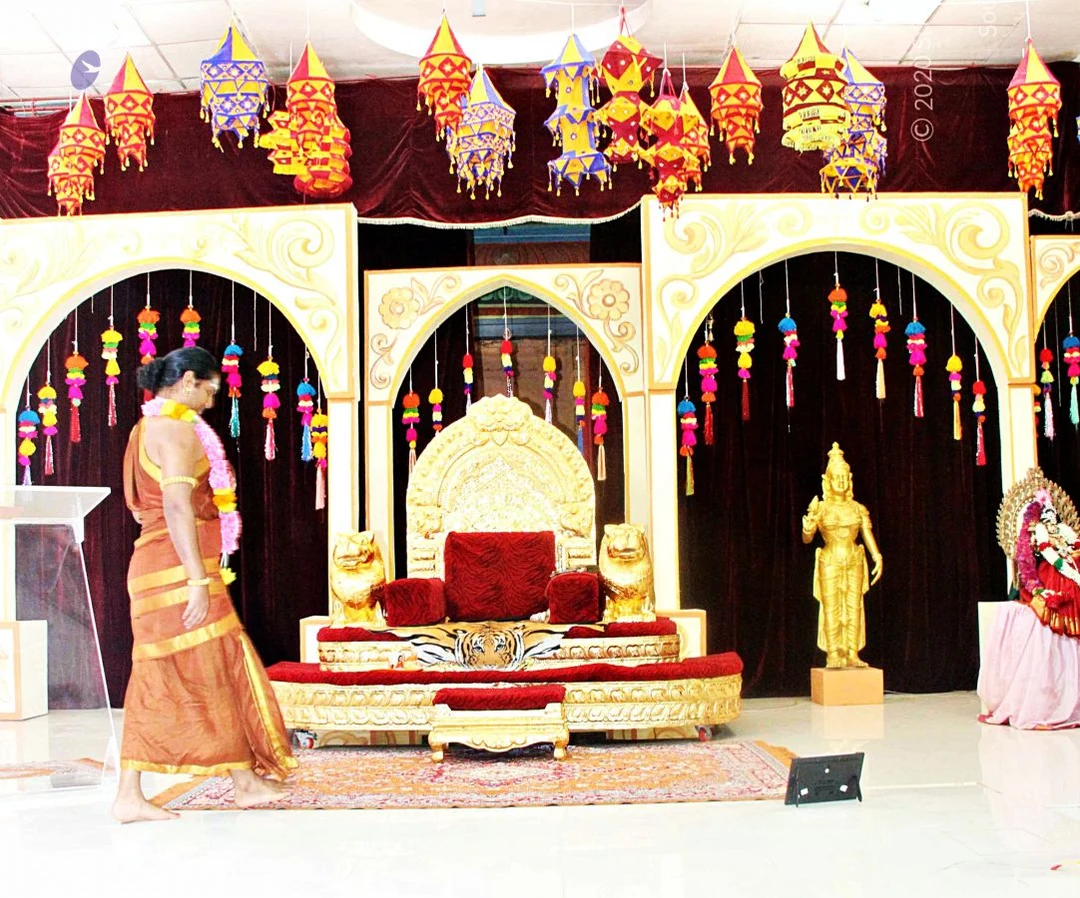
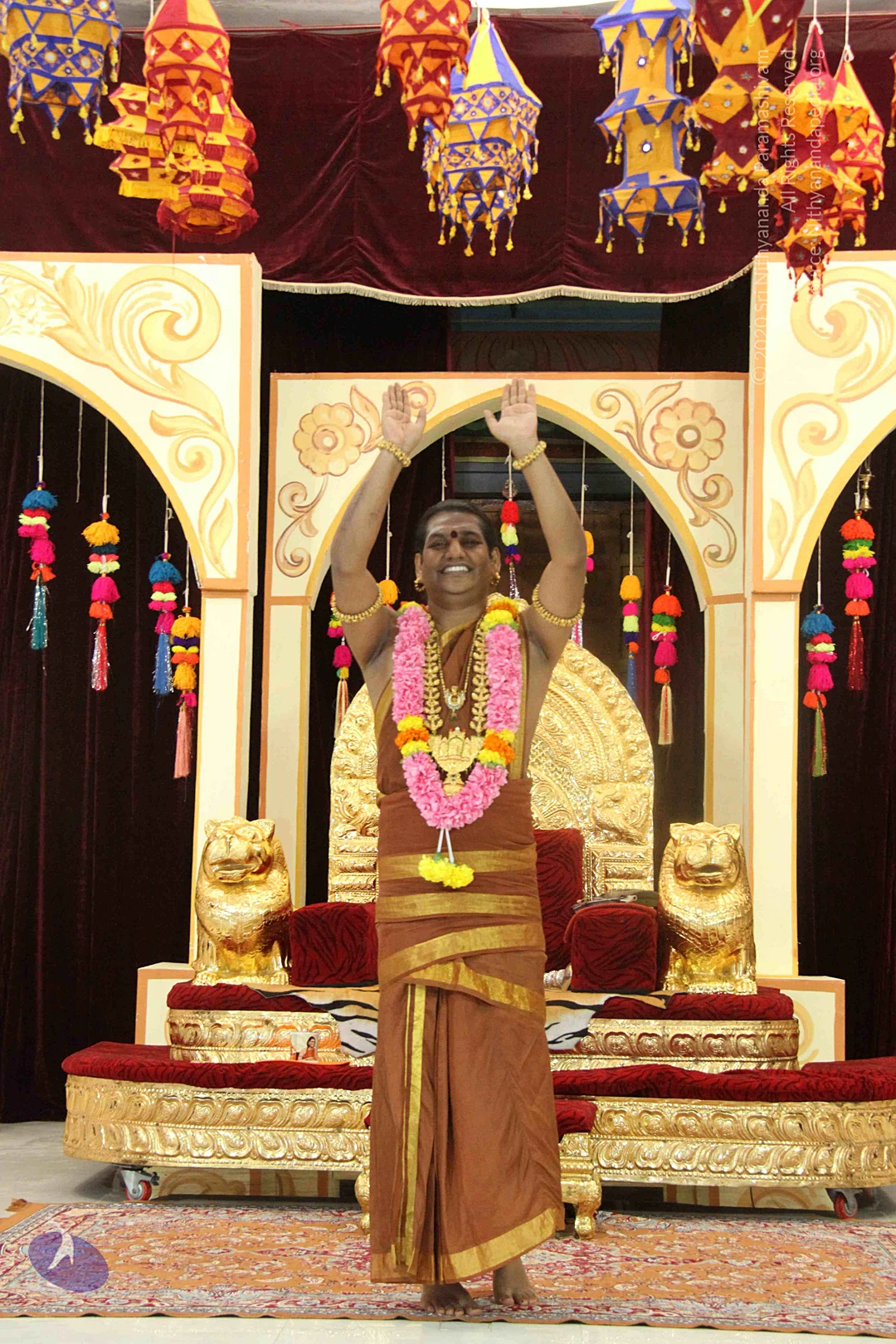
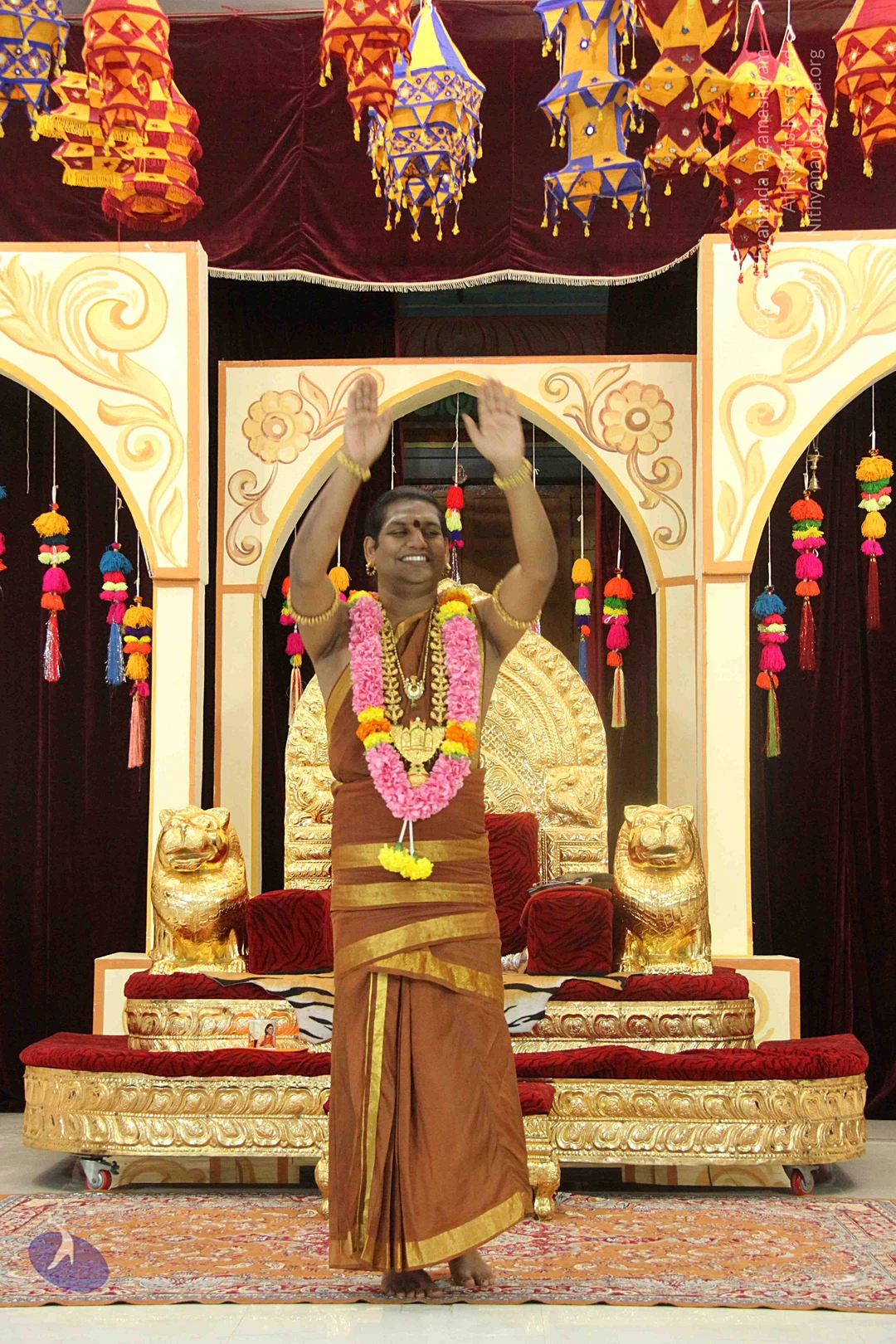
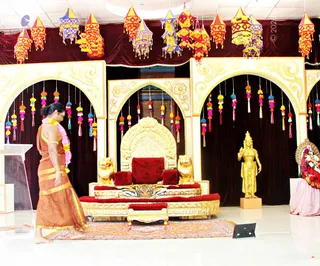
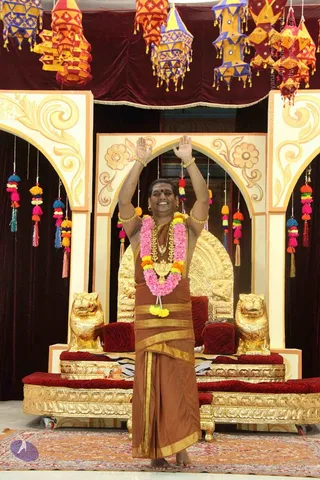
Interior of a hall decorated for a festival, with a golden ornate throne flanked by two golden lion figures and draped in red cushions over a tiger-skin rug. Colourful paper lanterns hang from the ceiling and tassel garlands in pink, orange, blue and green decorate the arches behind. A golden standing deity statue stands to the right of the throne, and a garlanded deity murti sits on a pink-draped stand at the far right edge. A woman in a rust-orange sari with a gold border and a floral garland walks barefoot across the red-patterned carpet toward the throne. A clear acrylic lectern stands at the left.A man stands barefoot on a patterned rug with both arms raised overhead, palms open, smiling. He wears a rust-brown dhoti and shawl with gold borders, a multicolour pink, orange and yellow flower garland with a gold pendant, gold armlets and a red tilak. Behind him is an ornate golden throne with lion-form arm supports and red velvet cushions, set beneath hanging colourful paper lanterns and tassel decorations on maroon drapes. Given the page's a person flag, he has a swept-back hairstyle and garland-and-gold ornamentation consistent with a person, though the face is not clearly identifiable, so this is uncertain.A standing man in a rust-brown dhoti and shawl with gold border raises both hands in front of an ornate golden throne flanked by golden lion figures on red velvet cushions. He wears a pink, yellow and orange flower garland, gold necklaces and gold bangles, with a red tilak on his forehead. Above, colourful paper lanterns in red, yellow and blue hang from a maroon velvet canopy, and tasselled garlands dangle beside cream arches with gold floral painting. A small framed portrait sits on the throne platform. Only one person is physical in the scene.

Swamiji_Deities

7 photosSource gallery
A standing man in a rust-orange dhoti and wrap, with a pink and orange flower garland, gold necklaces and a gold armband, waves with a raised right palm beside a golden deity statue. Behind him on a stage, a large seated goddess murti in a green silk saree with gold border, adorned with white flower garlands and a veena, is flanked by two smaller decorated murtis in red and blue skirts. Colourful tassels and a maroon curtain frame the scene.A man in a saffron-brown dhoti stands at left, smiling and raising his right hand in greeting, wearing a long pink and white garland and a gold-toned necklace. Beside him stands a golden metal statue of a deity with a crown. At right, a large deity murti of Saraswati sits on a green and gold throne, adorned with white and pink garlands, a crown and a veena held in her arms, with smaller decorated deity figures flanking her. Colourful tassel decorations hang above a dark maroon backdrop, and a white air conditioning unit is visible at the far right.A standing man in an orange-brown dhoti and shawl, wearing a long pink and orange flower garland, raises his right hand in a greeting or blessing on a decorated stage. Beside him stands a gold-painted statue of a male deity. Seated centrally is a large deity murti of Saraswati dressed in a green silk sari with a red border, adorned with white flower garlands and jewellery, holding a veena. Two smaller seated deity figures in pink, red and blue silk flank her, under silver halo arches. Hanging tassels in red, pink and yellow decorate the backdrop. A wall air conditioner is visible at right. The man is the only physical person present. a person: a man with a shaved-looking head, orange-brown garment, and garland, presented as the speaker at the stage.A standing man in an orange-brown dhoti and shawl, wearing a pink and white flower garland, gold necklaces and a gold waist chain, raises one hand in greeting beside a golden deity statue. Behind him, a decorated stage shows a large Saraswati murti seated in a green and white silk-draped alcove with a veena, flanked by two smaller decorated dolls in red and blue dresses. Colourful tassels hang from the arched backdrop and a golden figure stands at the left edge, with a white air conditioner unit on the right.A standing man in a rust-brown dhoti and shawl with a long row of pink and white flower garlands waves at the camera beside an ornate stage. He wears gold jewellery, a gold necklace and a red-orange bindi, and stands near a gold-coloured standing figure on the left. Behind him, a seated deity murti in white and red robes with a green silk drape holds a veena, flanked by two smaller seated figures in red and pink skirts. Hanging colourful tassels and floral arches decorate the backdrop. Garlands of marigolds and white flowers adorn the central figure and the throne.A man with a shaved head, wearing a rust-brown dhoti and shawl, a pink and white flower garland, gold chains and gold bangles, stands at left waving with his right hand. Beside him stands a gold statue of a deity. Centre stage is a large Saraswati murti seated on a green silk-draped throne, holding a veena, decorated with white and yellow flower garlands and a white tilak-marked face. Two smaller deity figures in red and pink silk with garlands sit on either side, one with a veena. Colourful tassels hang from the arch behind, and a dark maroon curtain backs the stage.

Temple

12 photosSource gallery
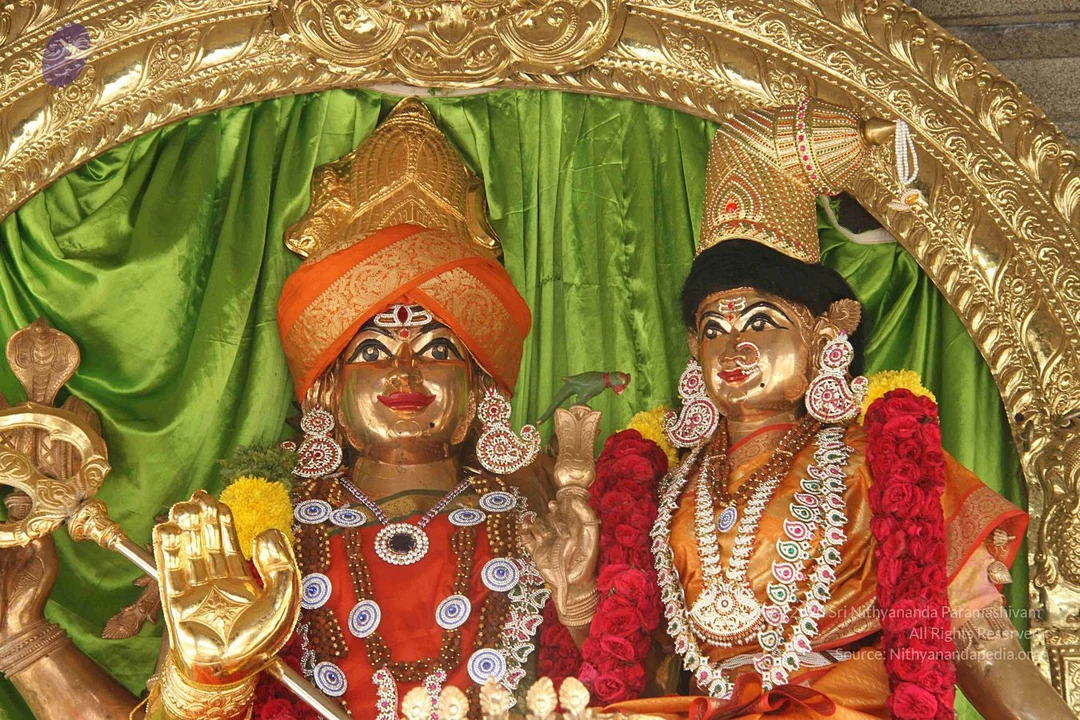
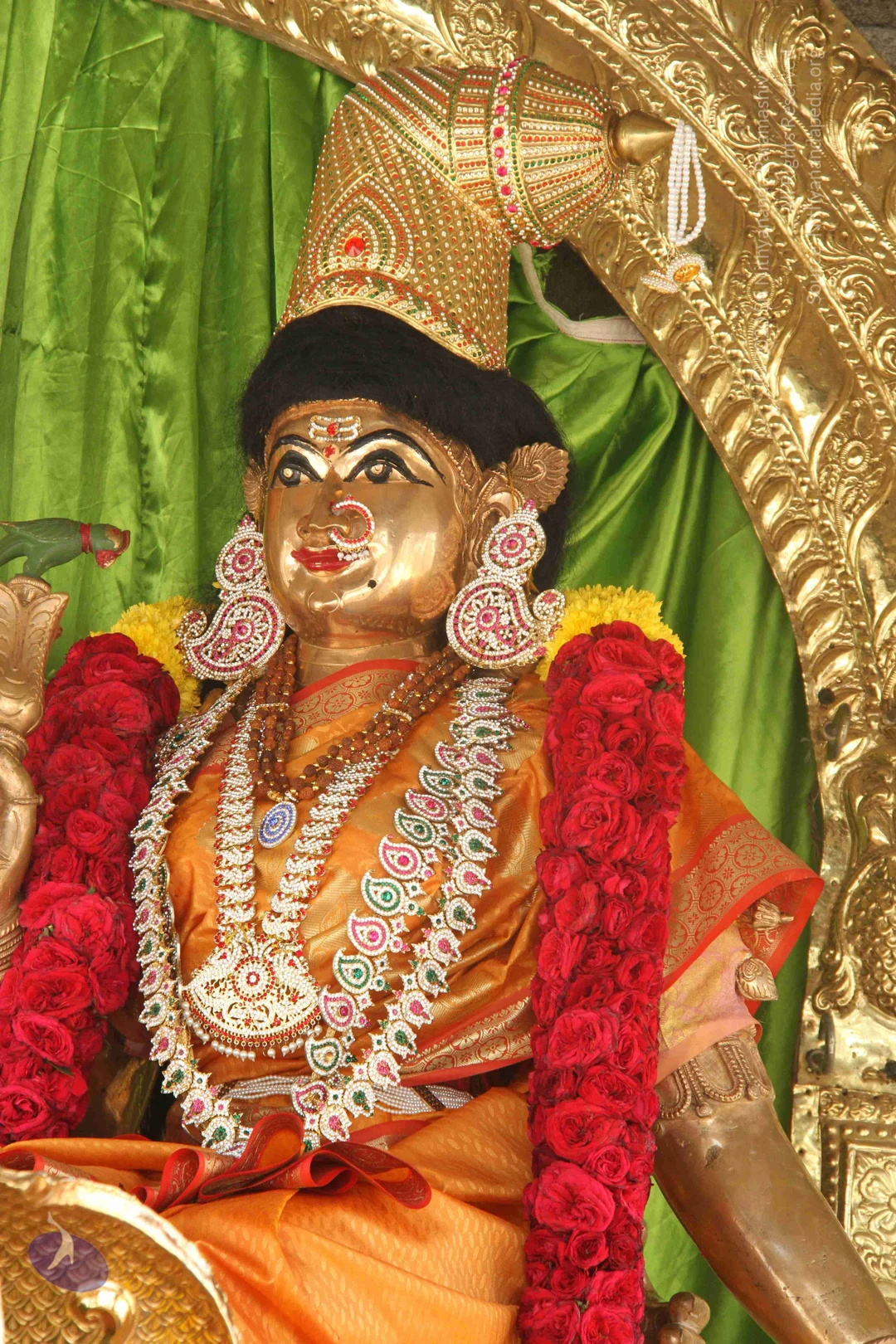
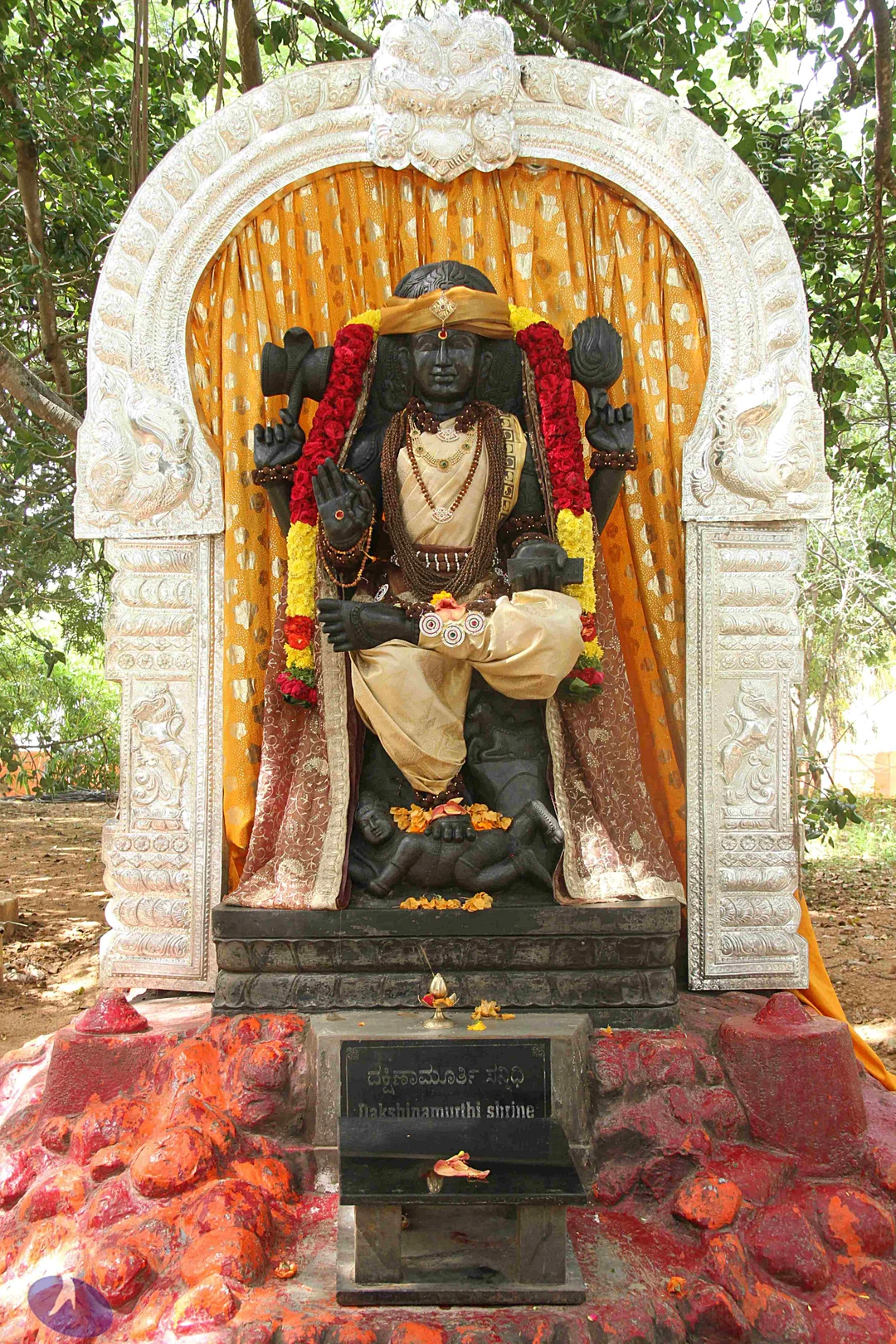
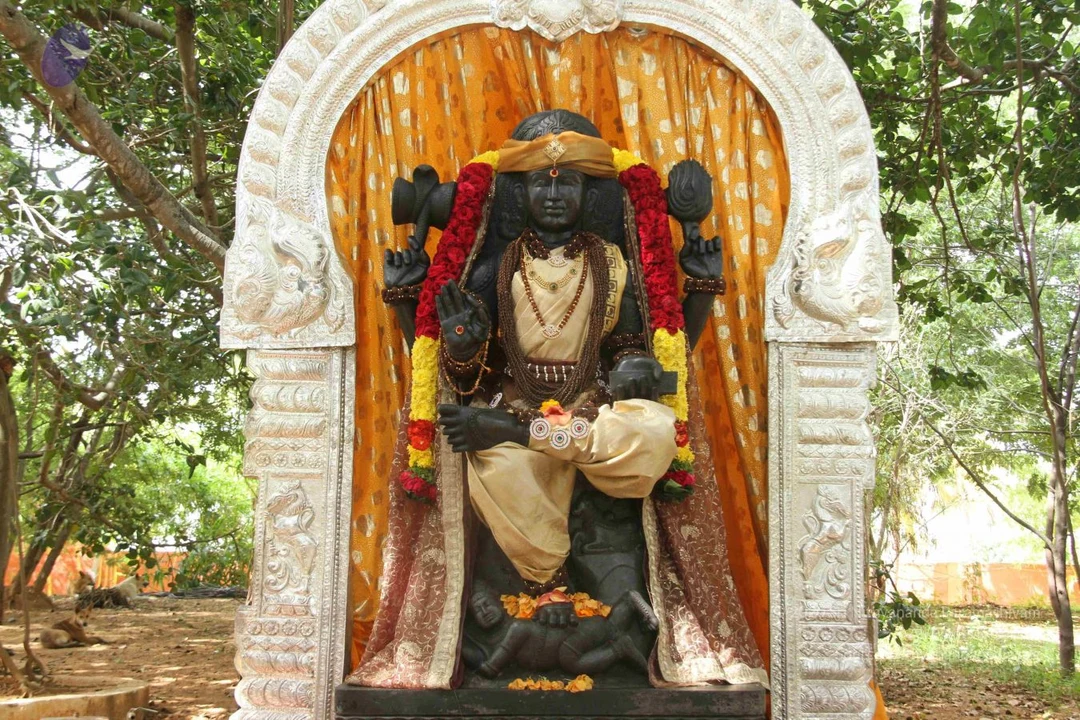
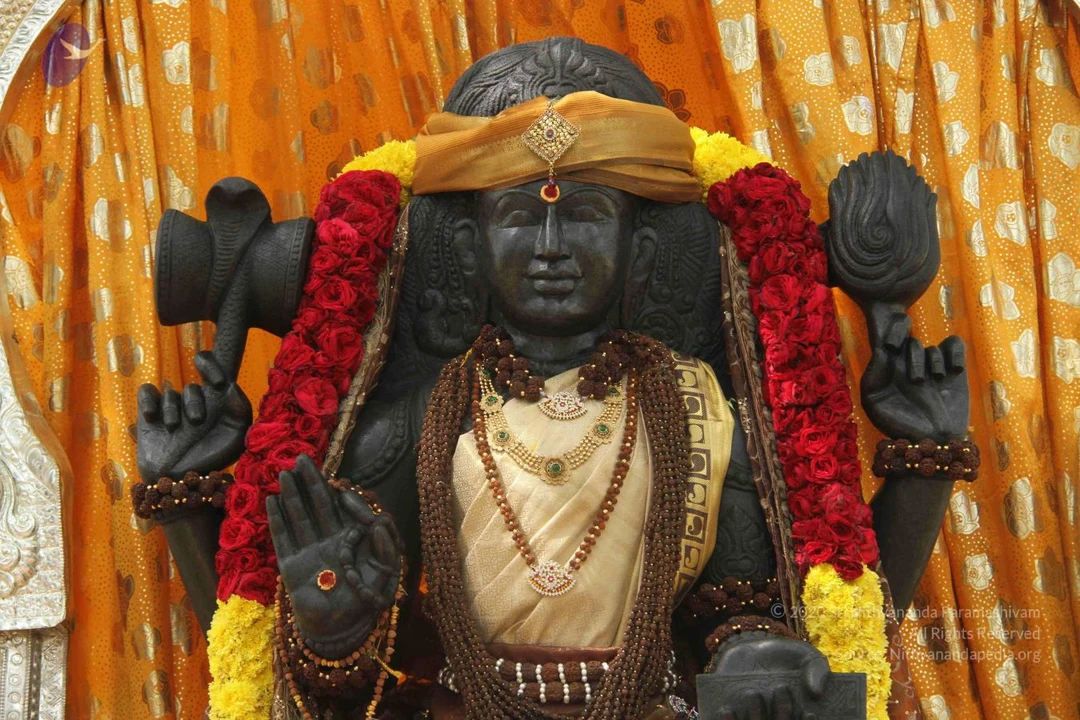
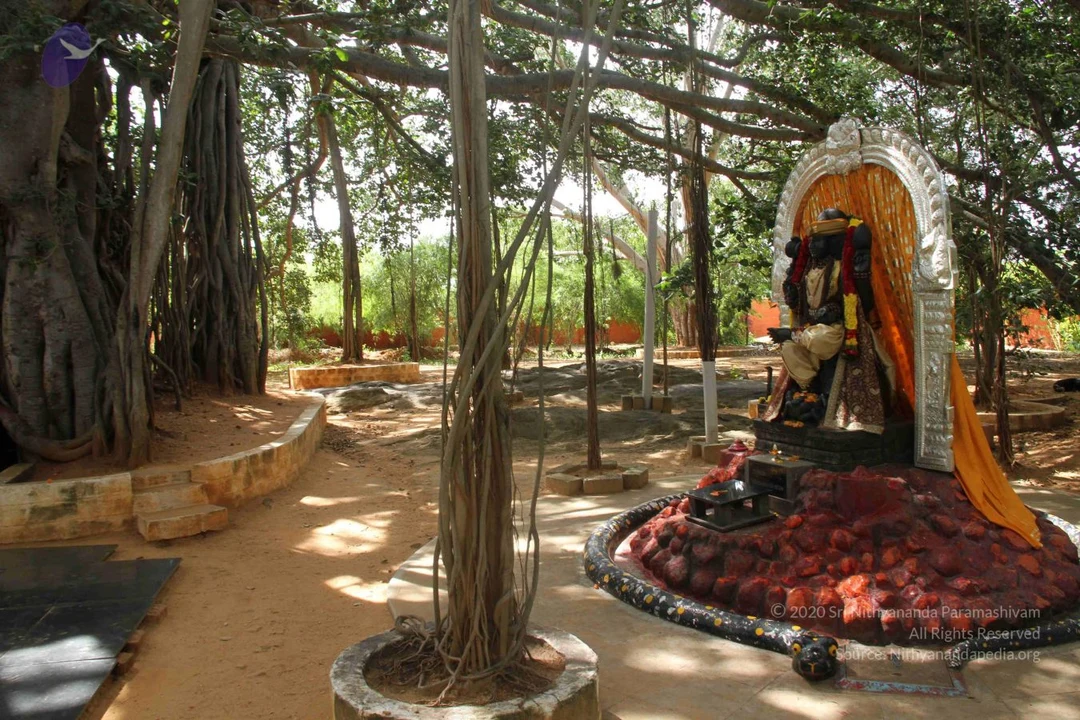
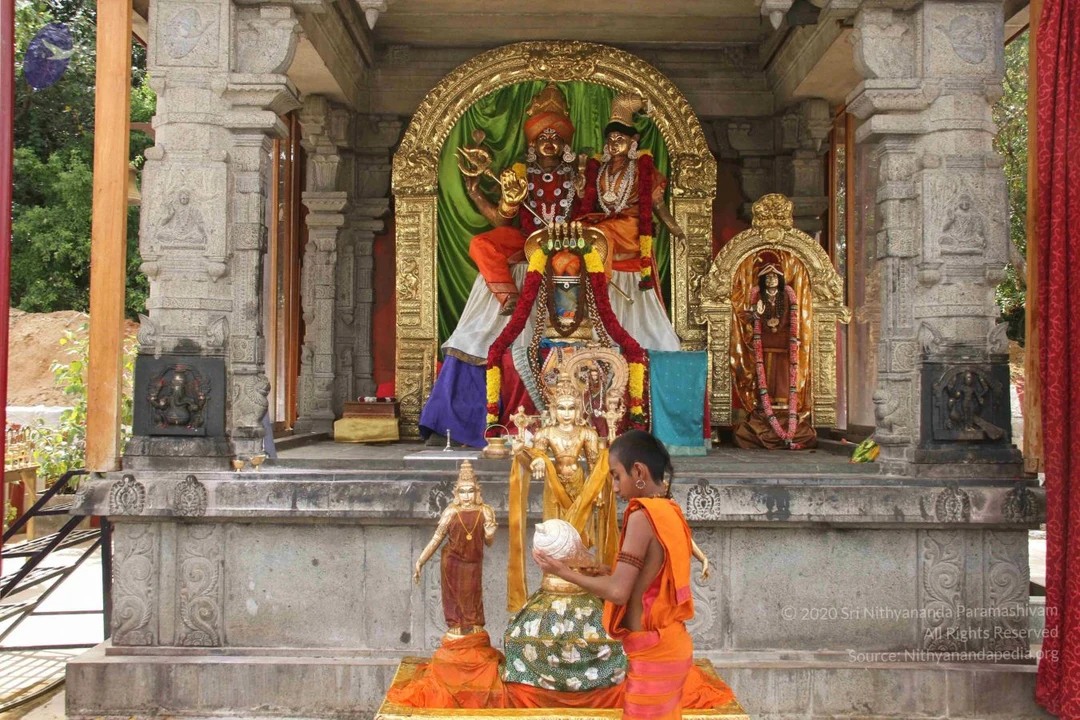
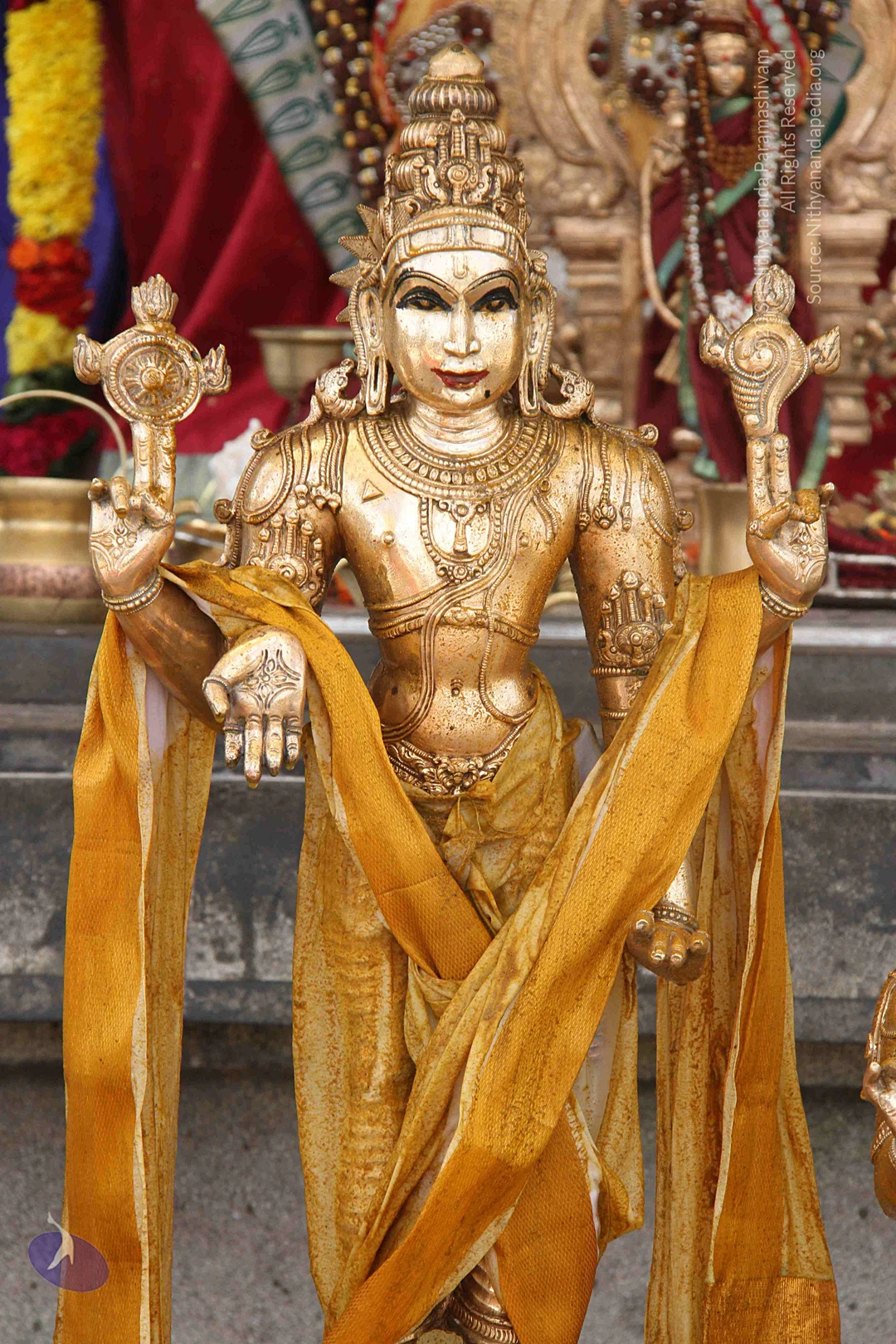
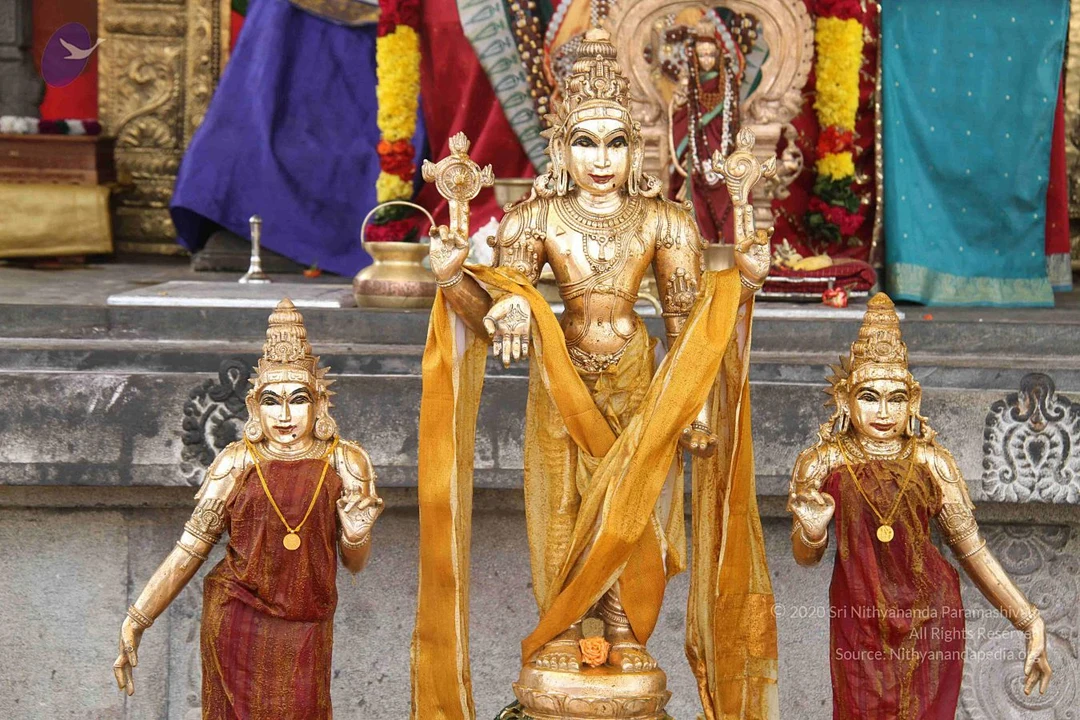
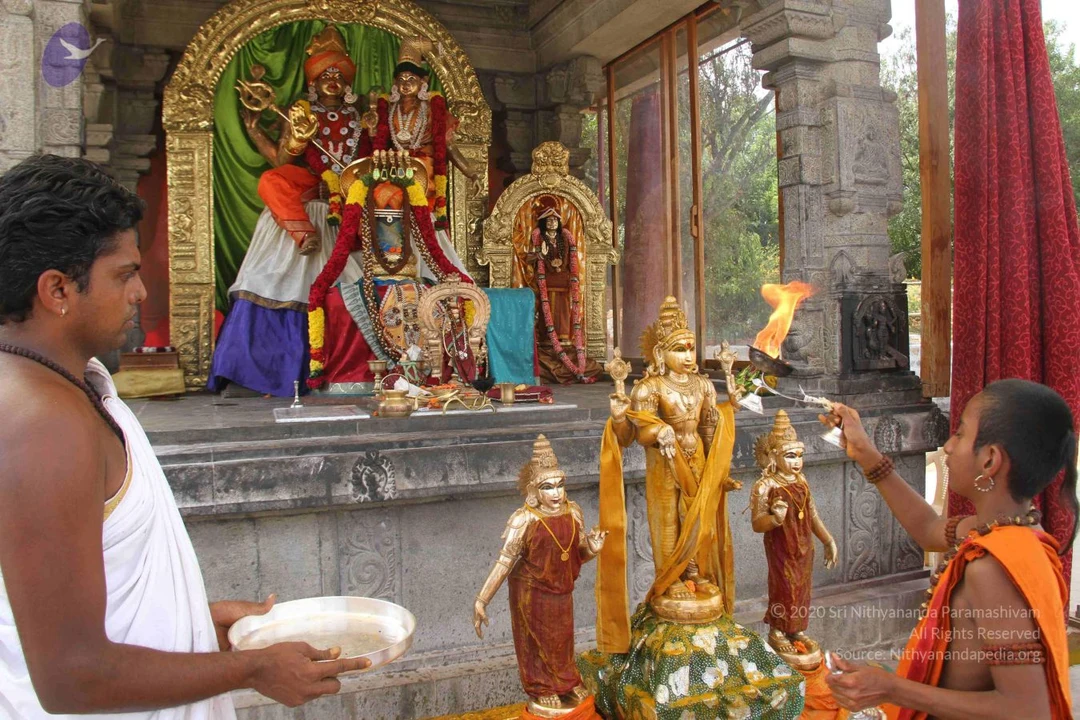
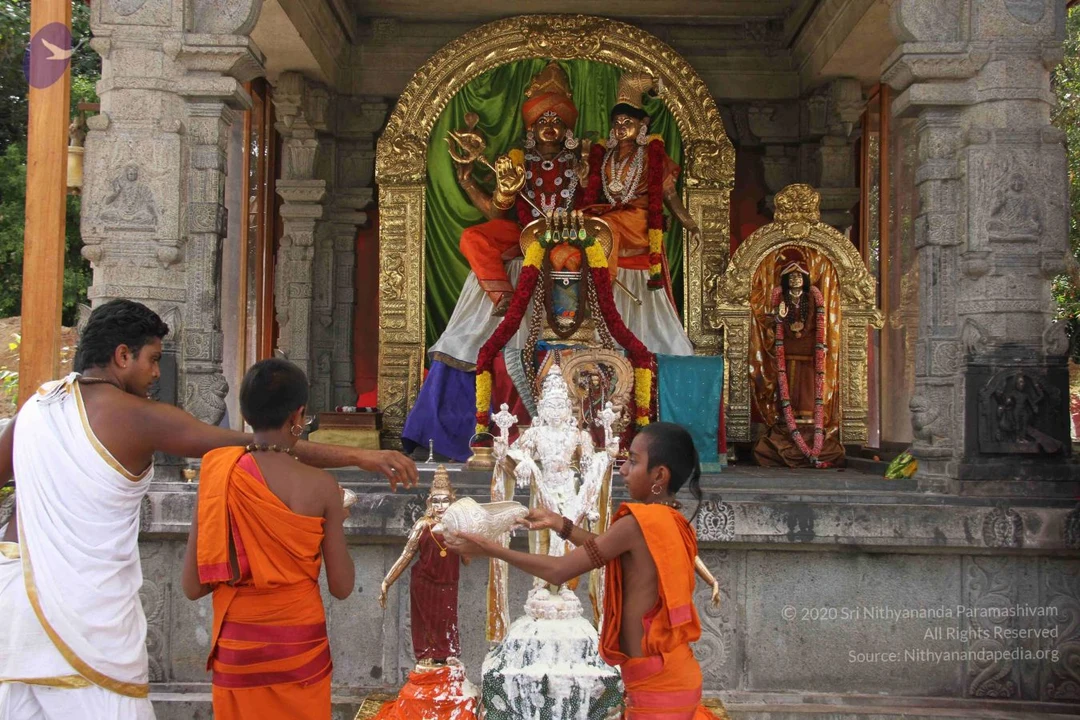
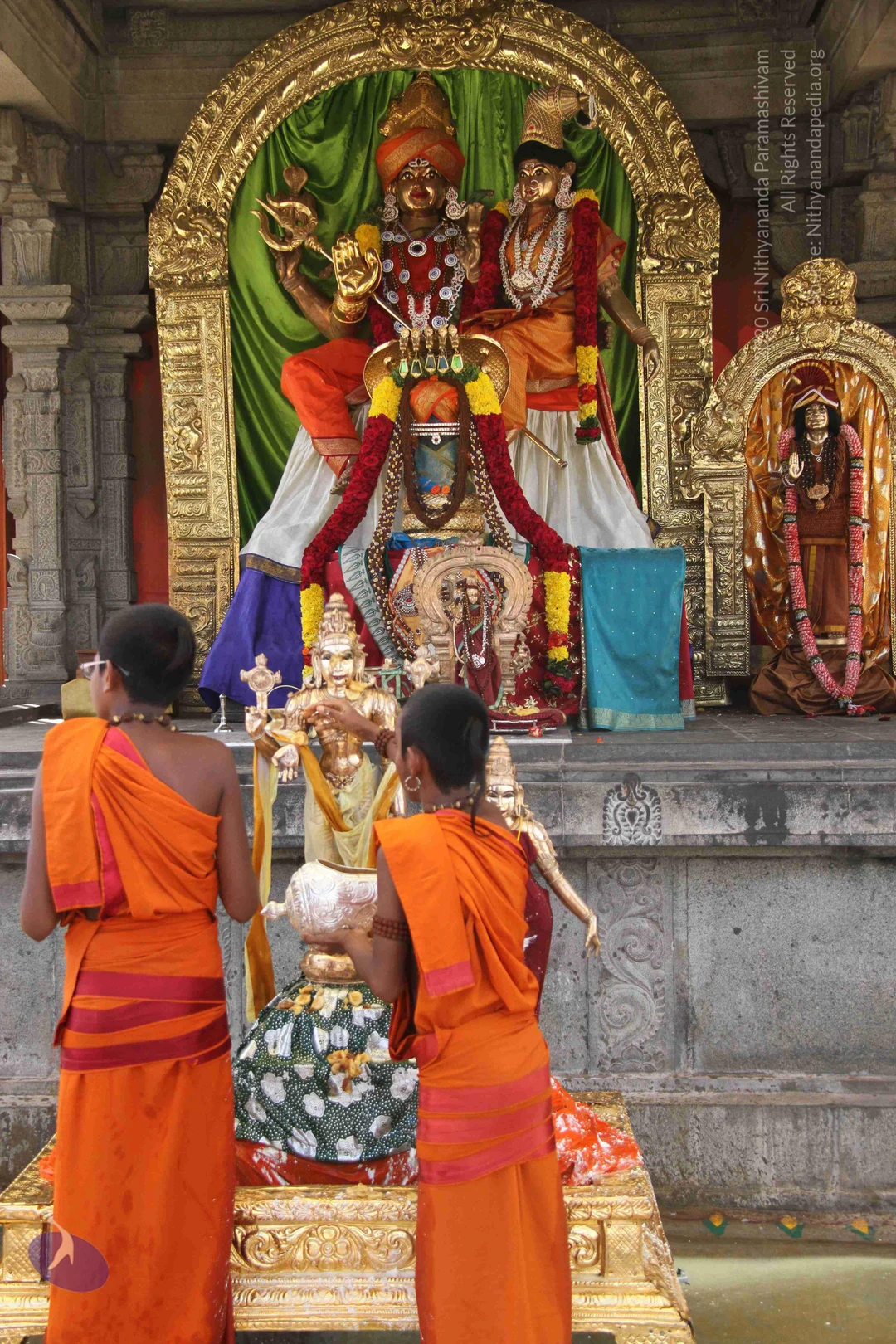
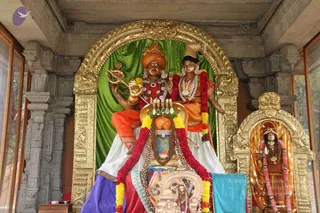
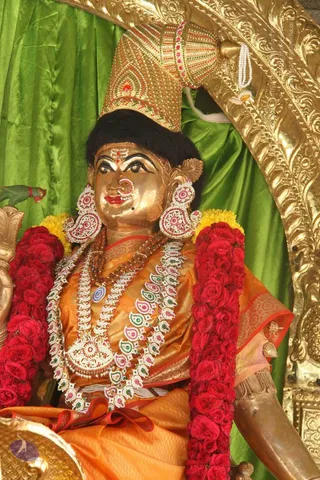
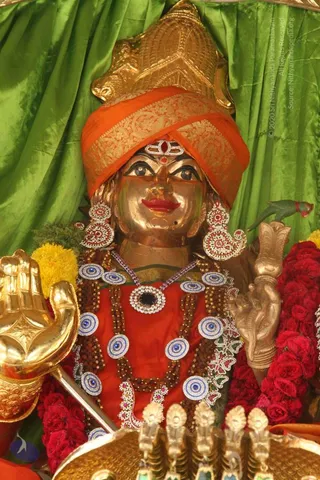
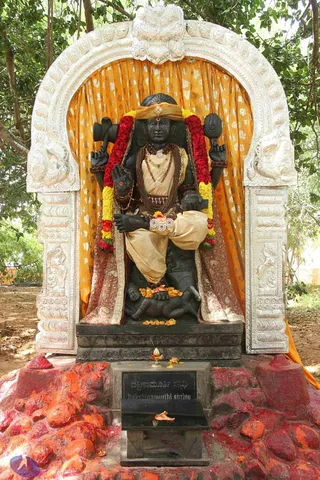
A temple shrine with a large golden arched frame and a green curtain backdrop holding two painted deity murtis. The central murti is a multi-armed figure in orange and red garments with a trident raised in one hand, adorned with a red and white bead necklace and a fan-shaped crown. Beside it stands a murti with long hair and a crown-like headdress in saffron-orange clothing wearing a white and red garland. Red and yellow marigold garlands drape the front of the shrine, along with a kalasha-like pot and a light blue cloth. A smaller figure in an orange-gold robe with a rudraksha mala and a garland stands in a side niche at right.A pair of golden deity murti stand within an ornate gilded arch against a green silk backdrop. The figure on the left wears an orange turban with a gold crown-like top, a red garment, and a rudraksha-style mala with white decorative discs; he holds a golden hand-gesture and a staff with a small serpent motif. The figure on the right wears a gold crown, an orange-gold saree with jewelled necklaces, and red rose garlands drape both figures. A small green parrot perches near the central figure's hand. No physical people are visible.Close-up photograph of a gilded deity murti seated before a green satin backdrop within an ornate gold-leaf arch. The figure wears a tall jewelled golden crown, large paisley-shaped earrings, a nose ring, layered pearl and gemstone necklaces, rudraksha beads, and an orange-gold silk garment. Heavy garlands of red roses and yellow marigolds drape over the shoulders and arms, and a green parrot figure appears at the left edge.A golden metal statue of a deity murti sits before a green silk backdrop. It wears an orange and gold brocade turban topped by an ornate gold crown, a red garment, layered rudraksha malas, and large jewelled necklaces and earrings with white and blue stones. A gold hand raises in abhaya mudra, and red and yellow flower garlands drape the figure. This is a statue, not a living person, so no physical people are present.A dark stone statue of a deity seated in a shrine niche framed by an ornate silver arch, with a yellow and gold draped backdrop and garlands of red and yellow flowers. The murti wears a saffron-coloured headcloth, rudraksha malas and a gold necklace, holds a small drum and a staff, and rests a foot on a small figure at its base. Offerings of marigold petals lie around the pedestal, a small oil lamp sits on the lower plinth, and red and orange pigment covers the stone base. Trees frame the outdoor shrine. A plaque below reads Dakshinamurthi Shrine in Kannada and English.A black stone murti of a multi-armed deity seated on a pedestal within a white ornate arch frame, set outdoors among trees. The figure wears a saffron turban, a gold necklace, layered rudraksha-style beads, and a cream dhoti-like drape. Red and yellow marigold garlands hang across the shoulders and arms, and marigold petals and offerings lie at the base. The figure holds a trident-like staff and other ritual objects in its hands. An orange and gold cloth backdrop hangs behind the murti, and a small animal figure sits at the foot of the pedestal.

Venkateshwara_Abhishekam

44 photosSource gallery
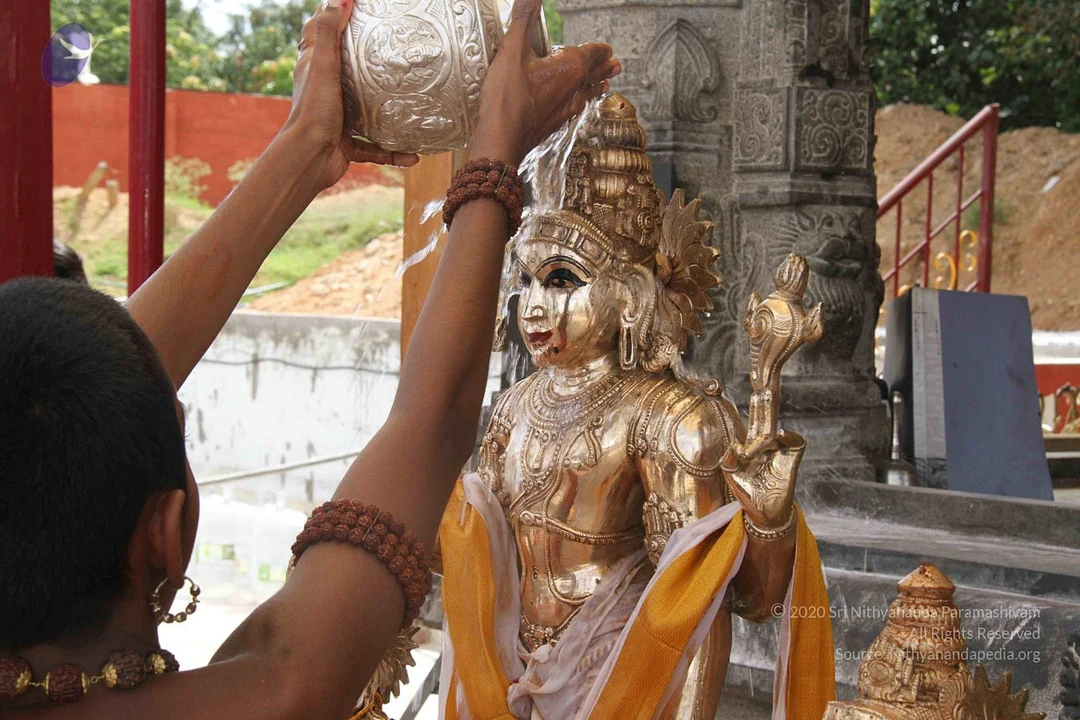
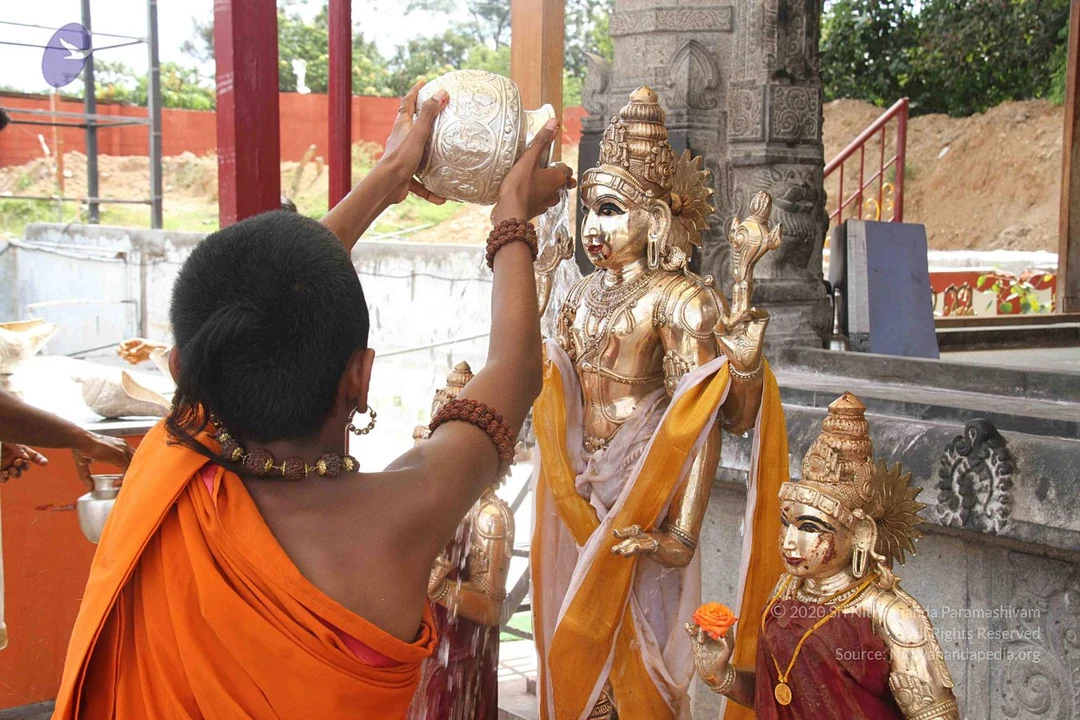
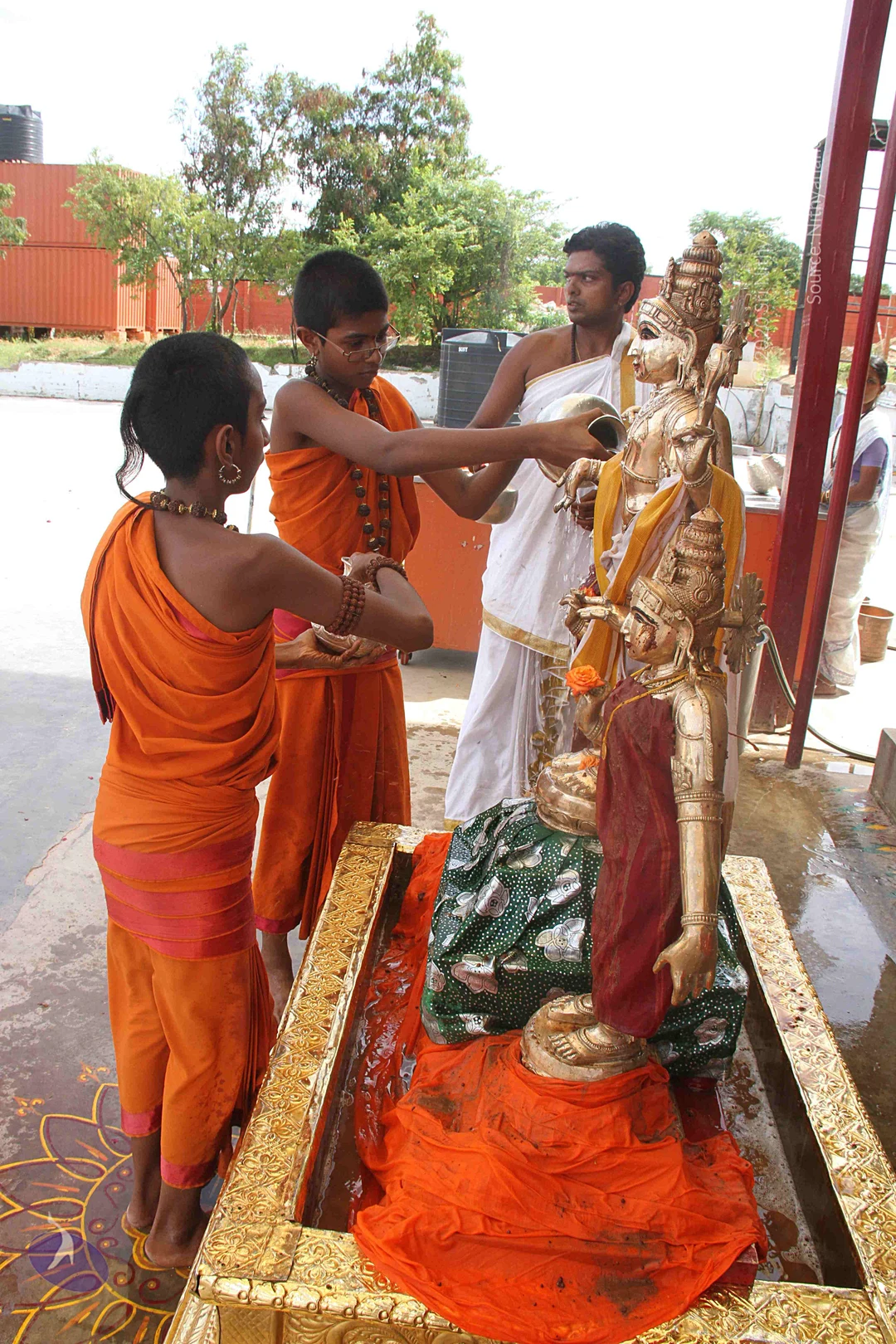
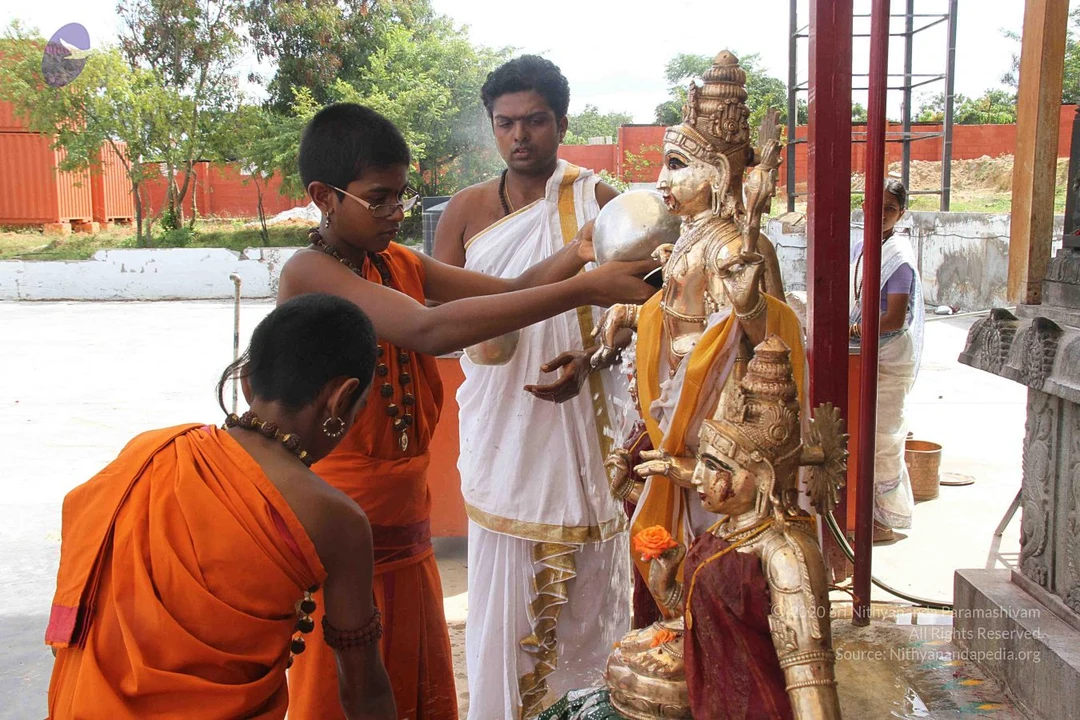
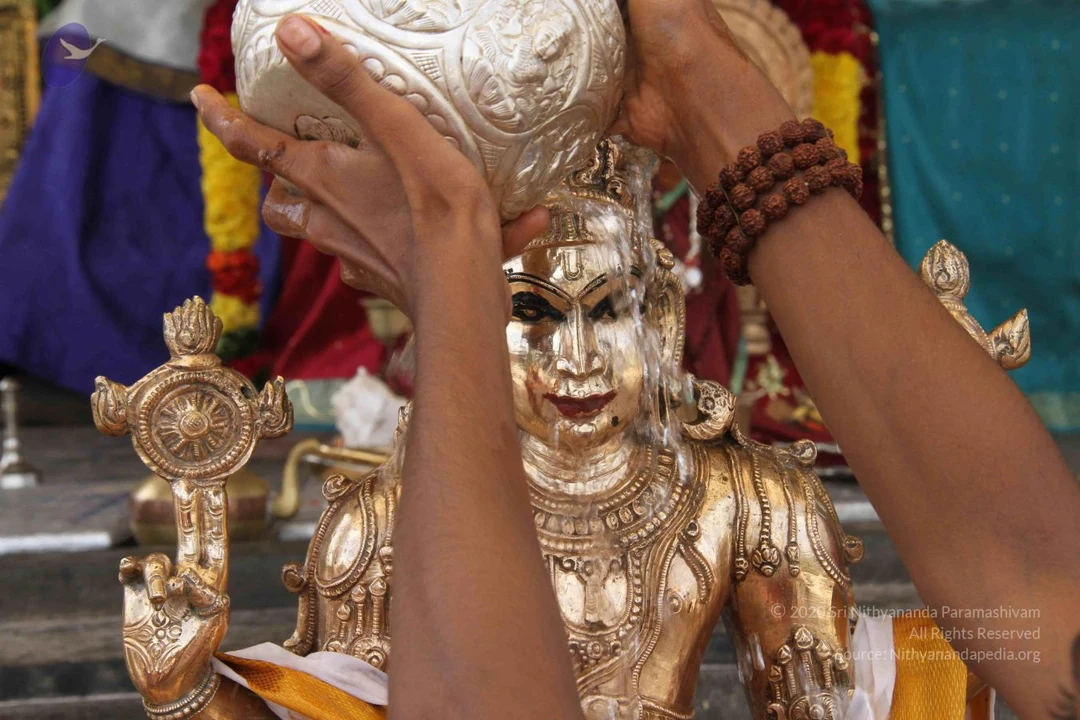
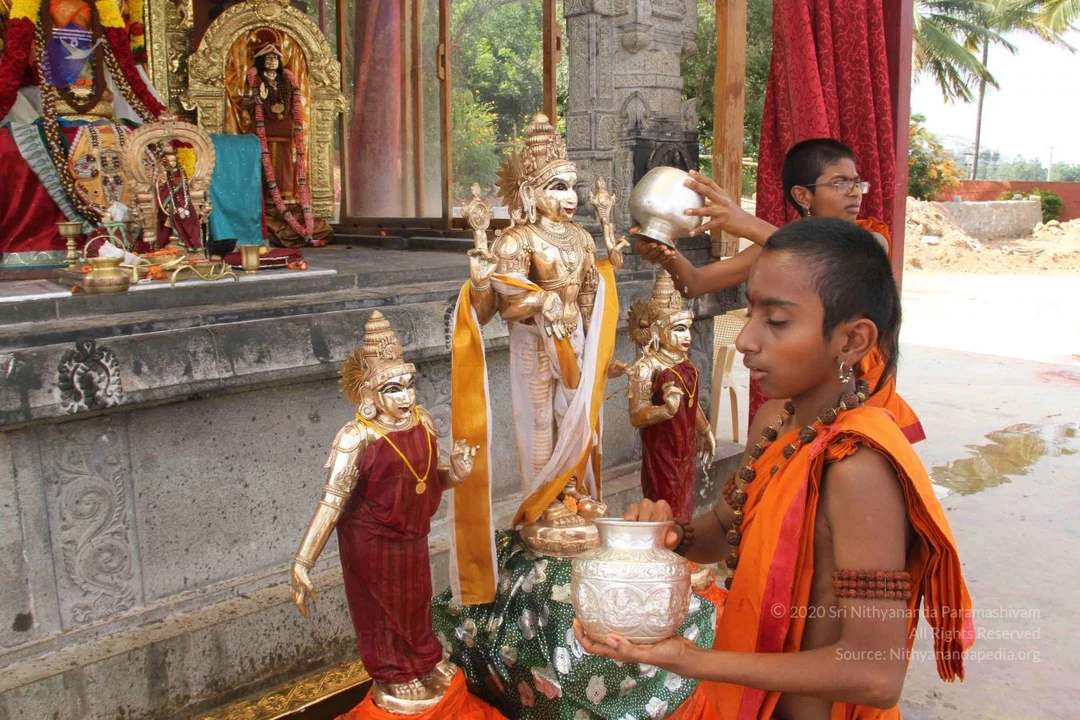
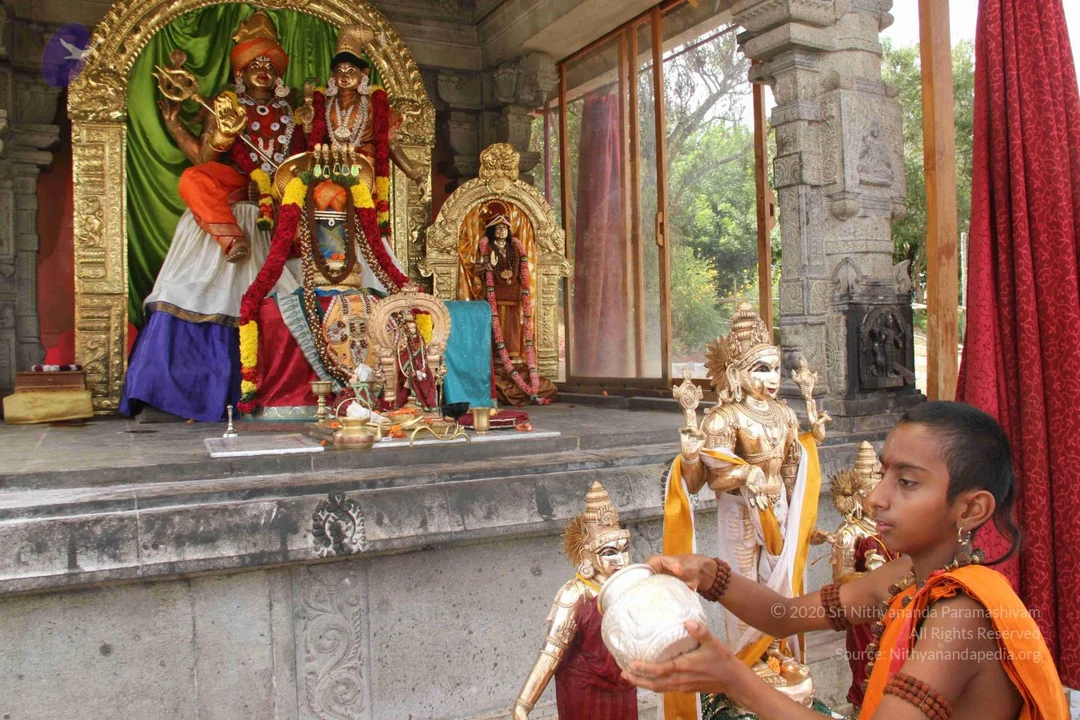
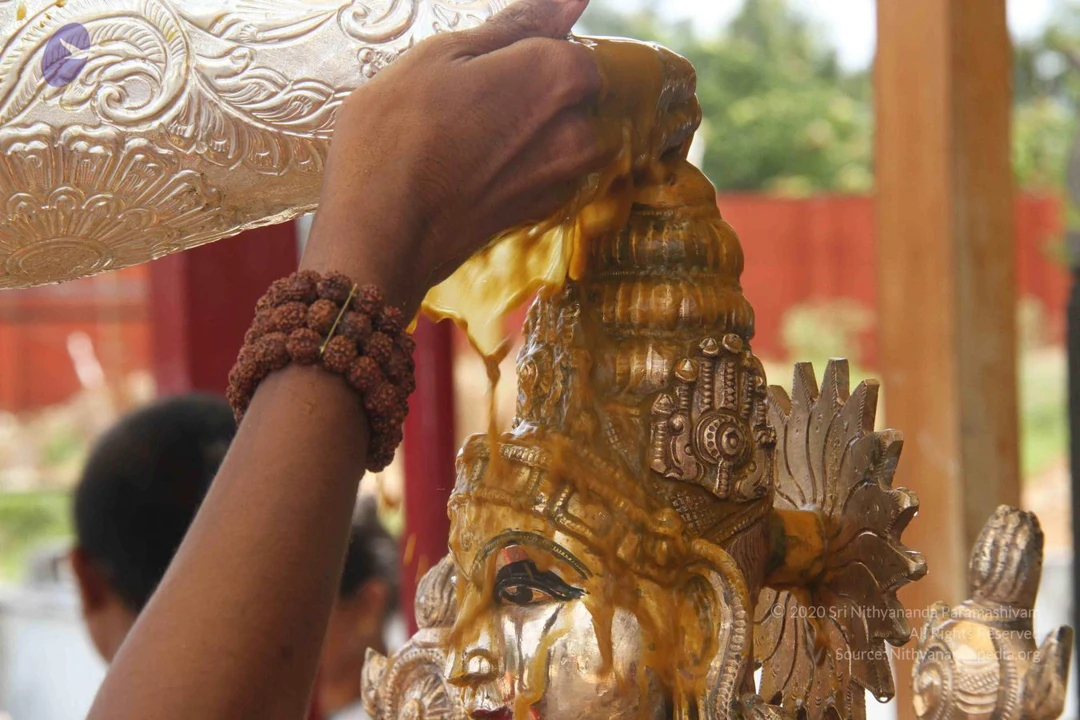
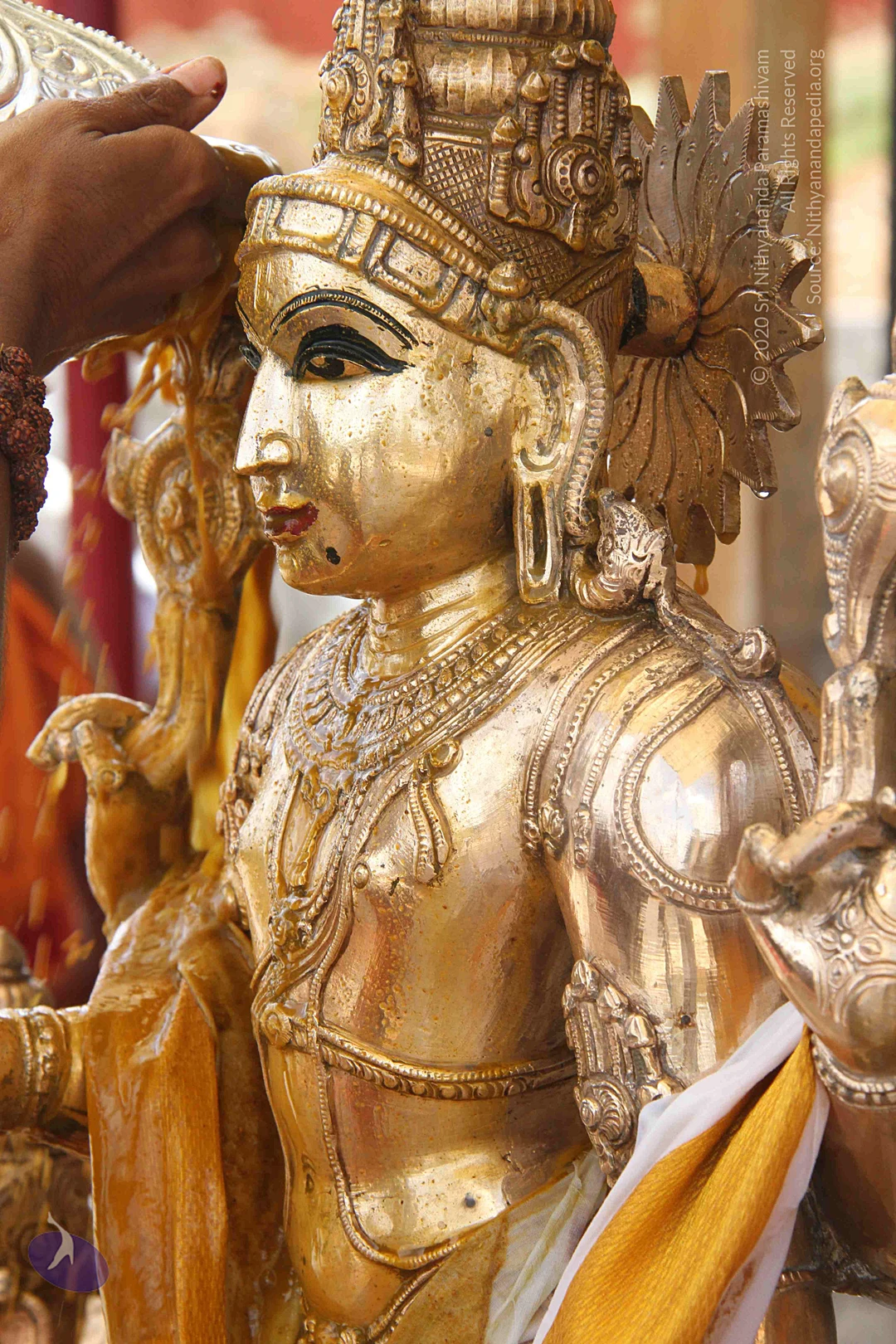
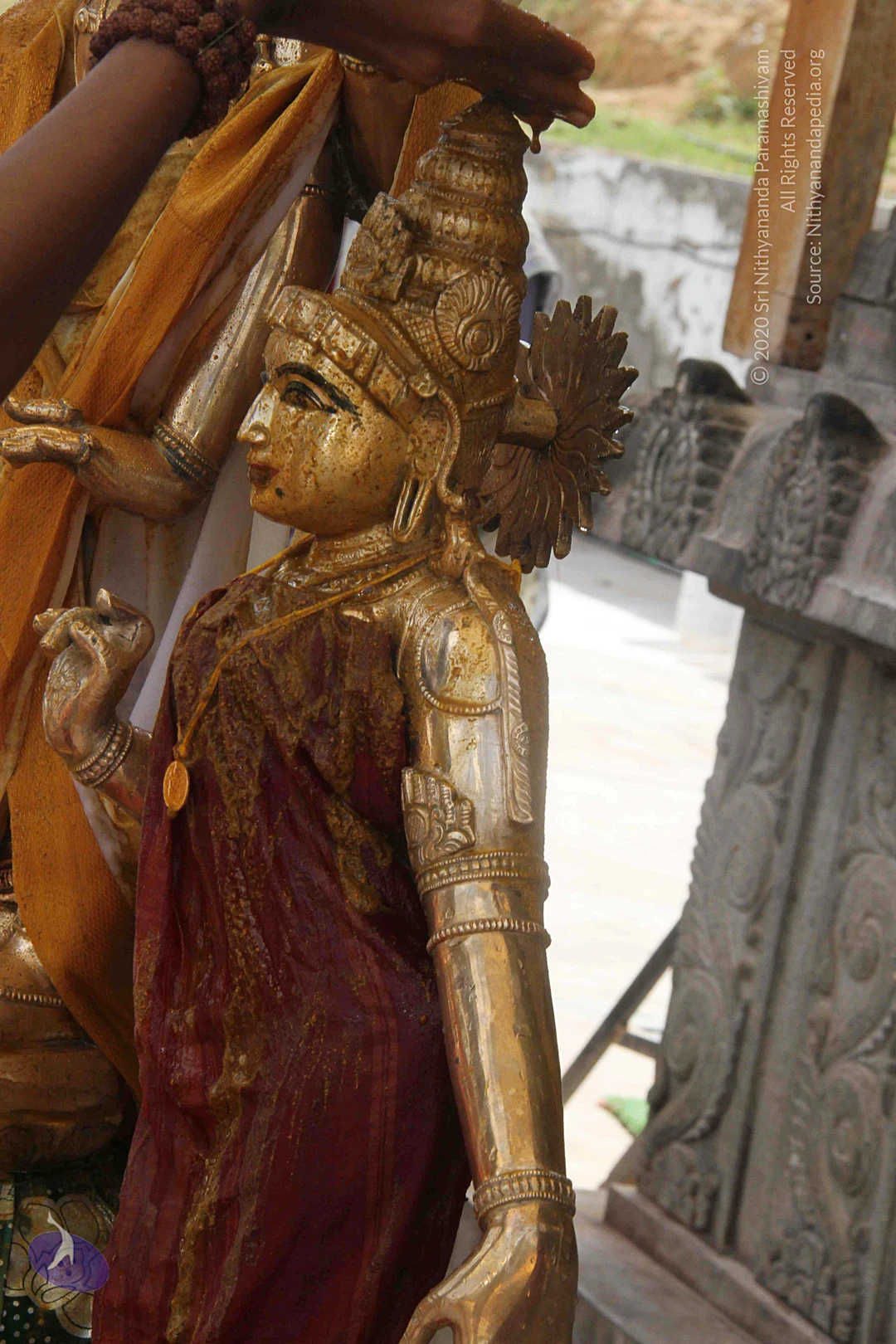
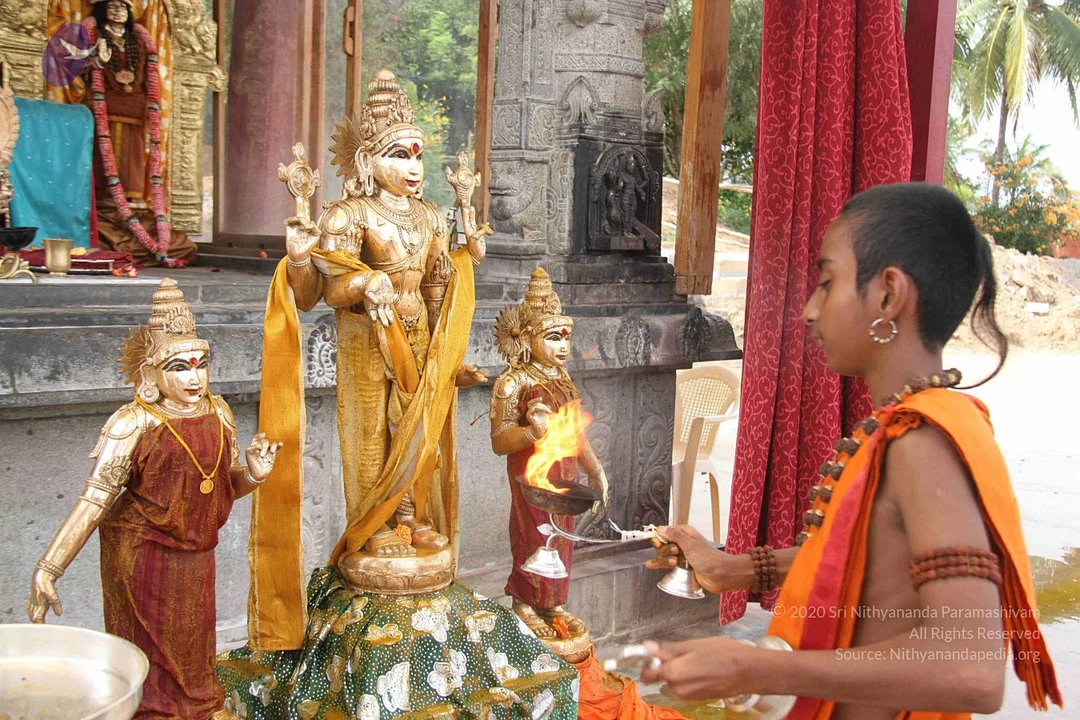
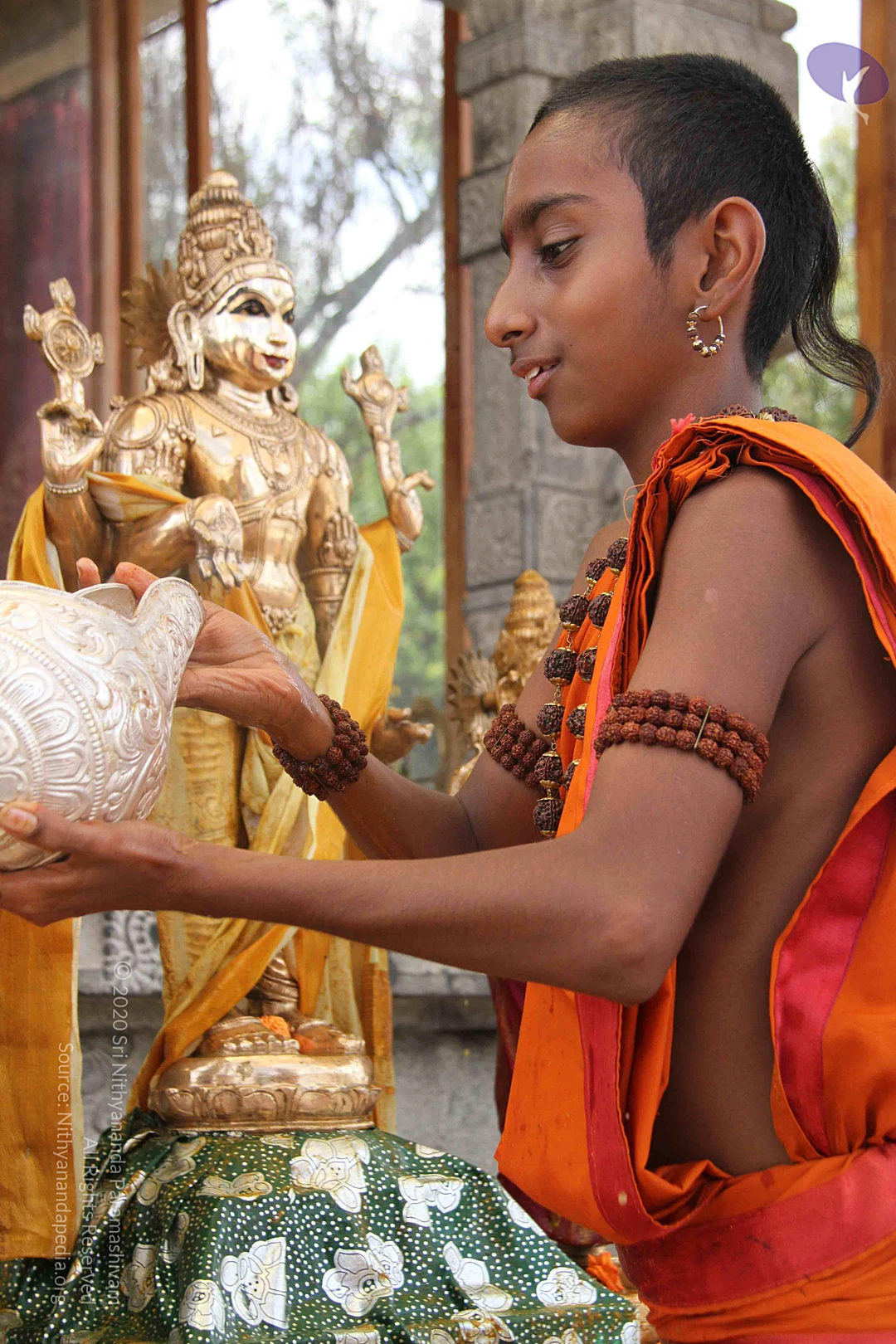
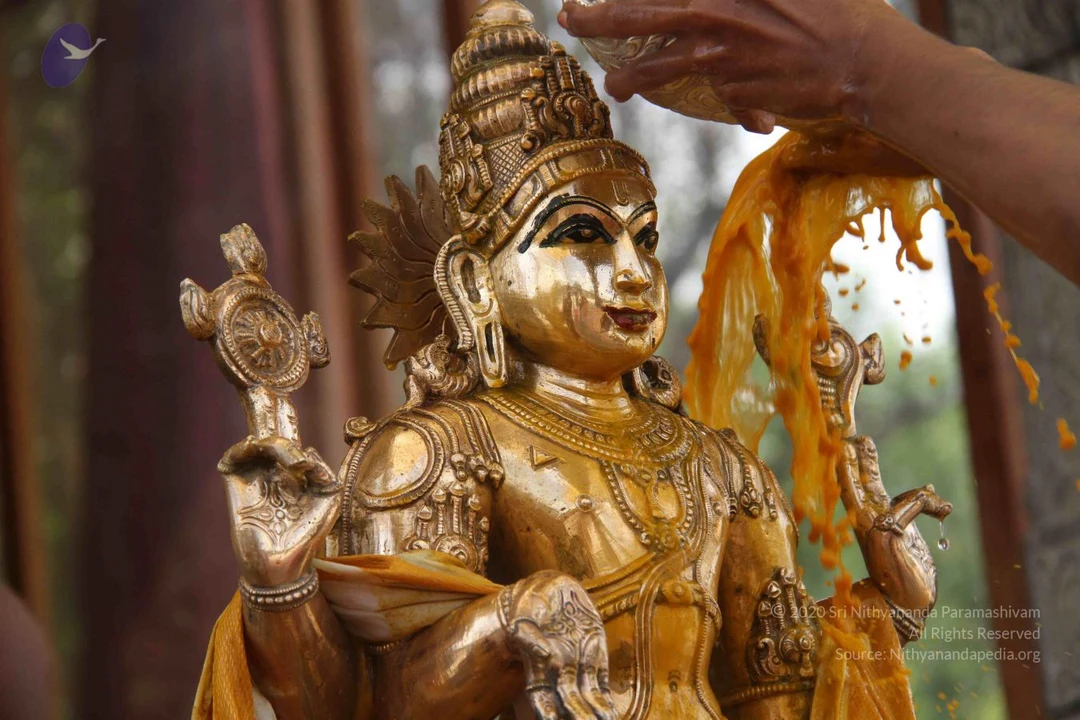
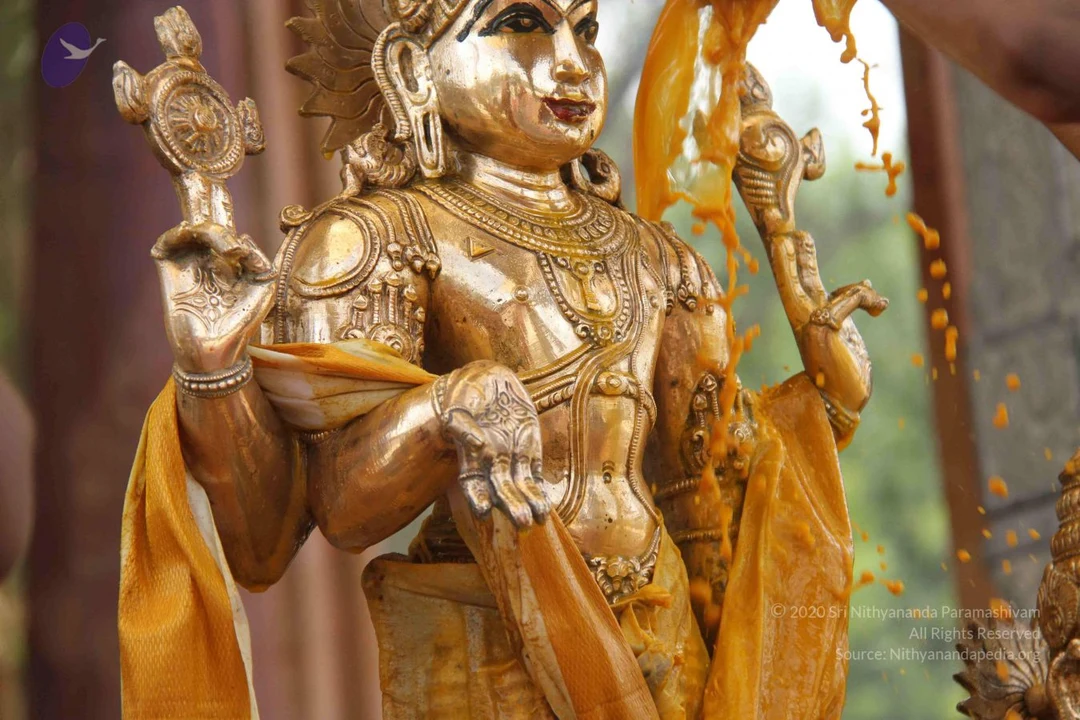
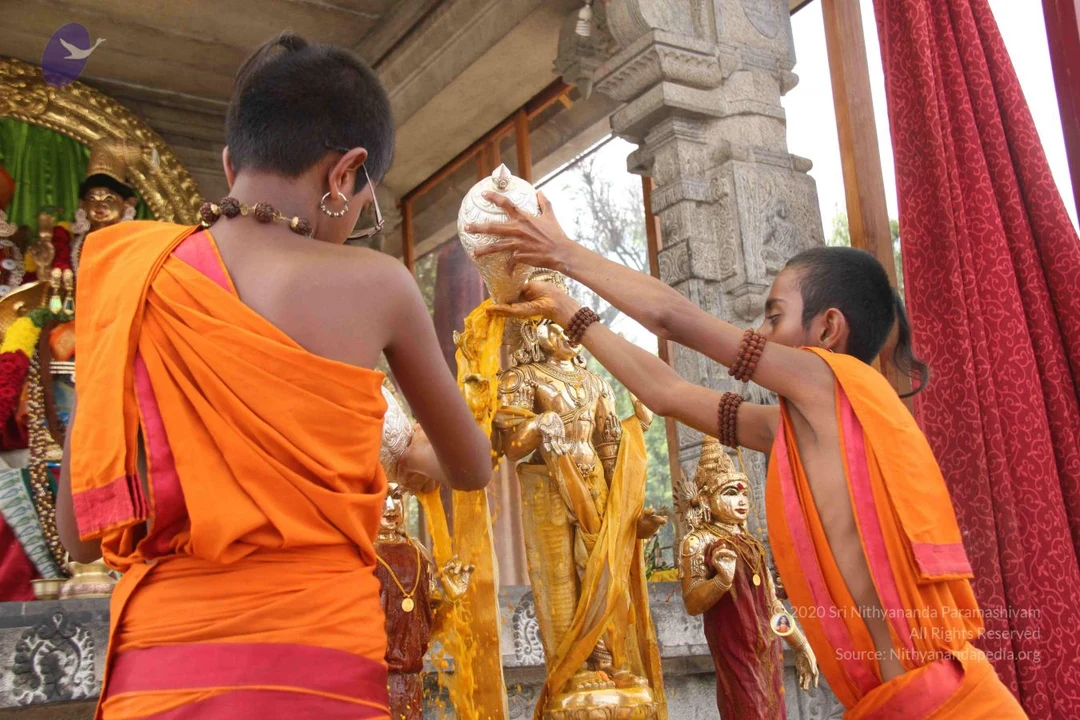
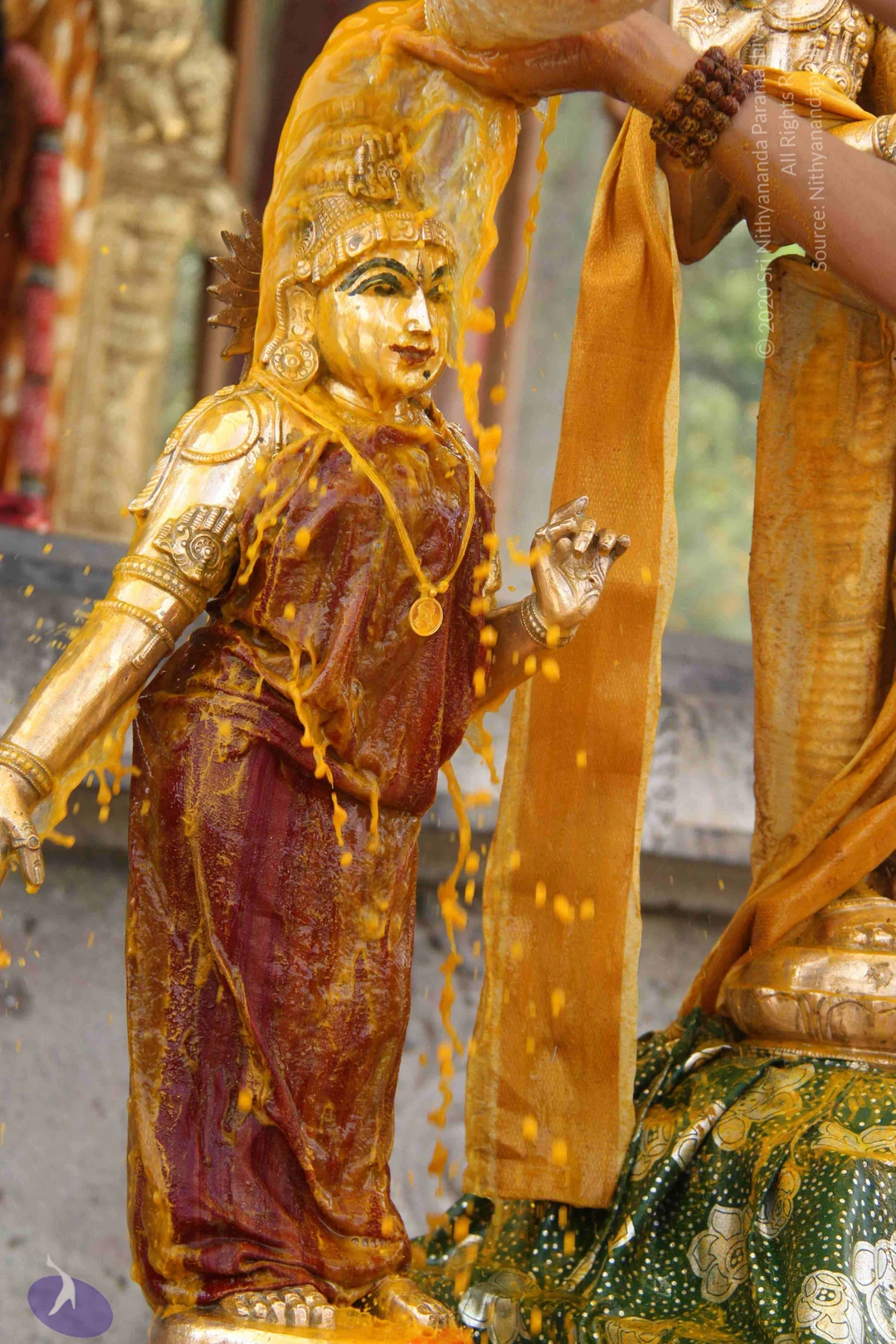
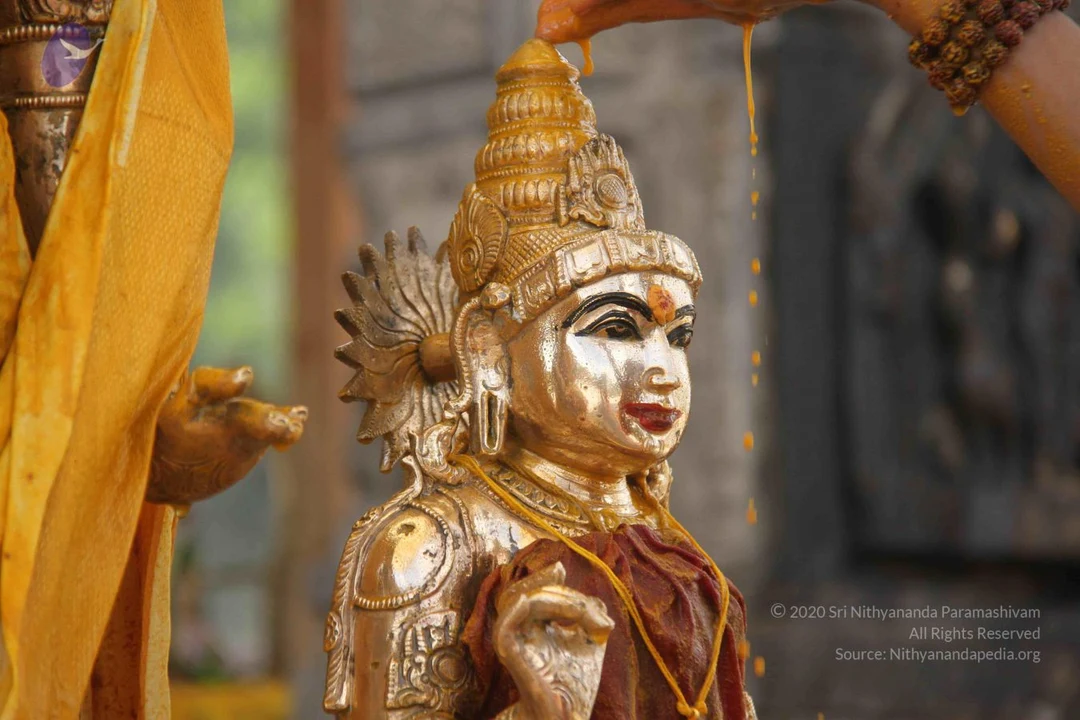
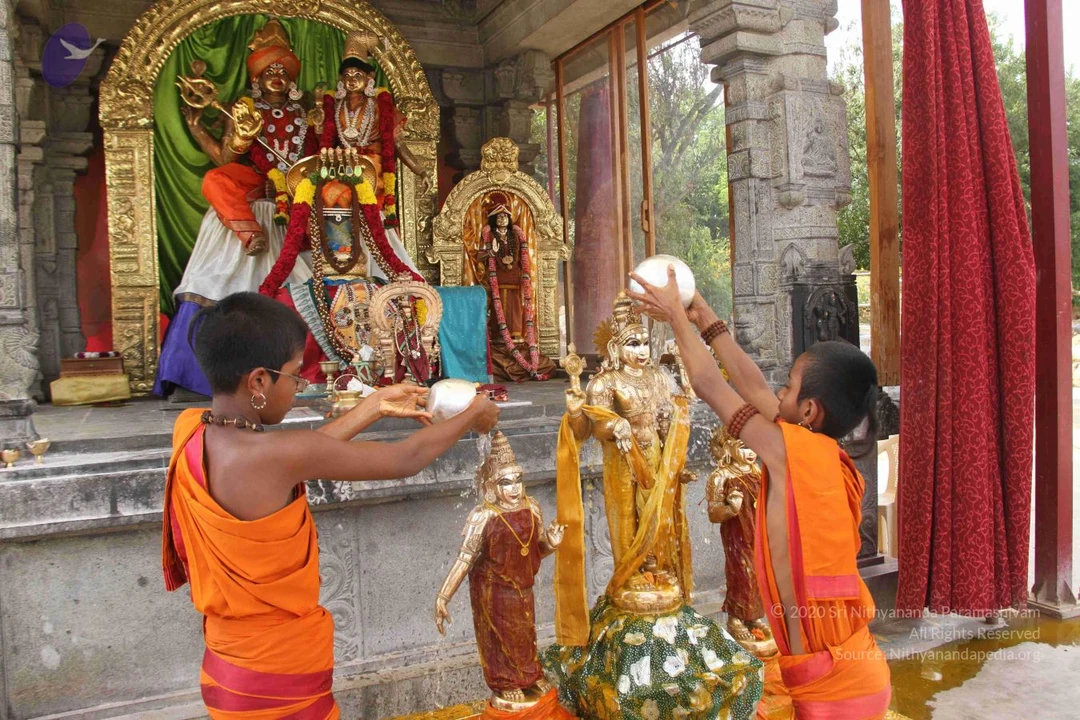
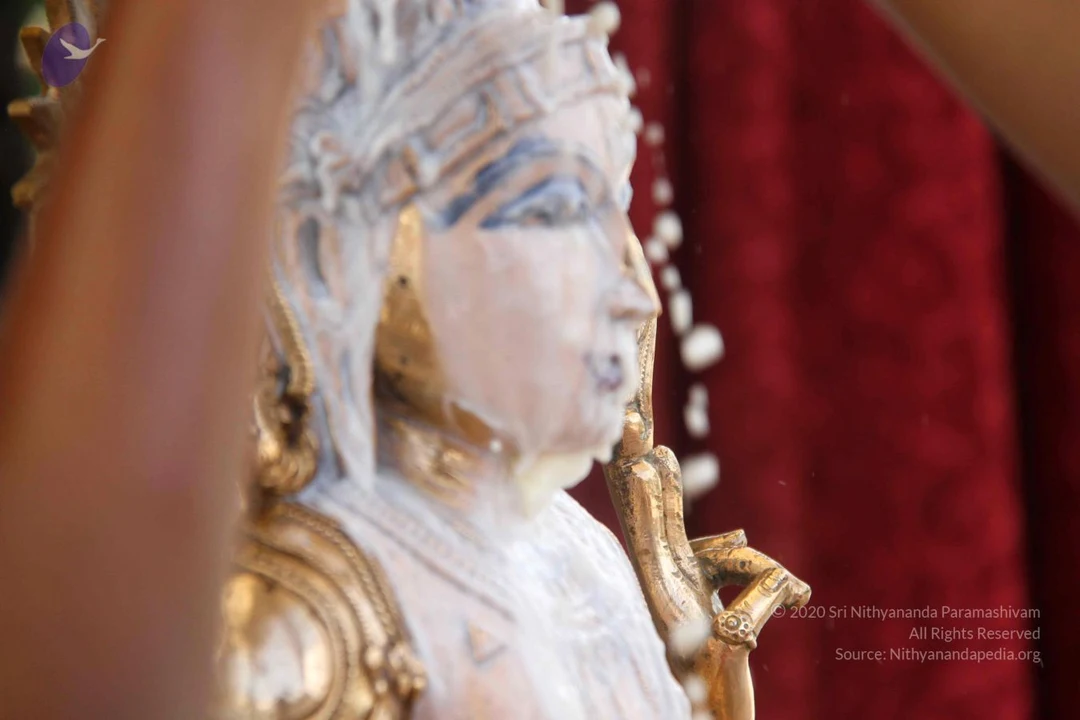
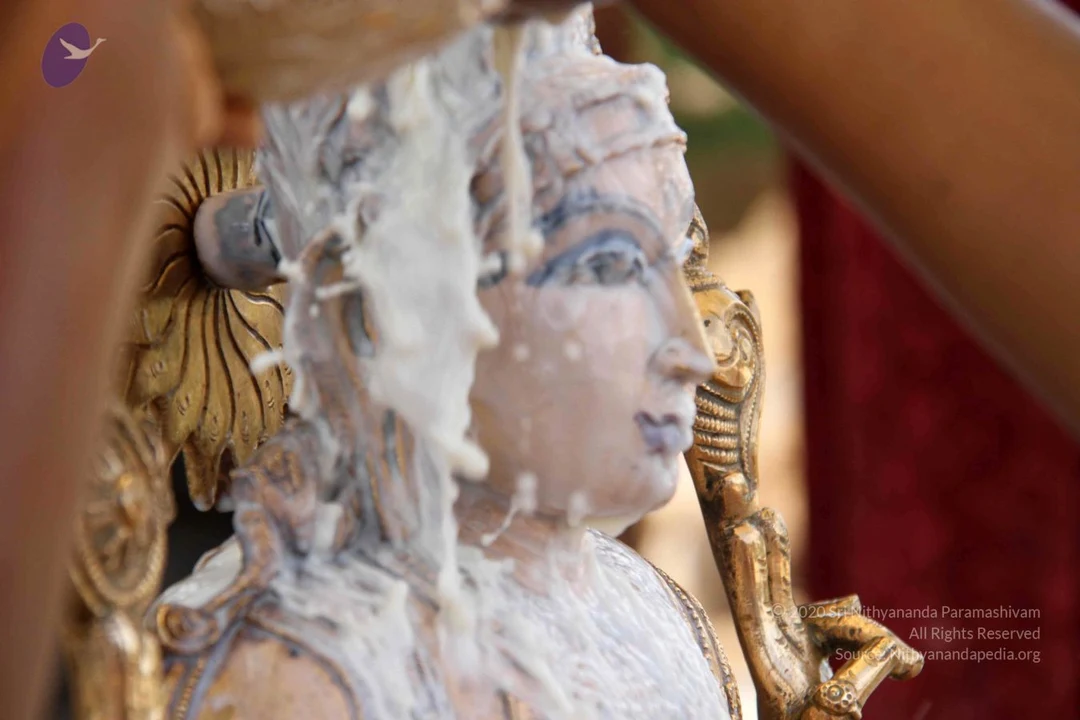
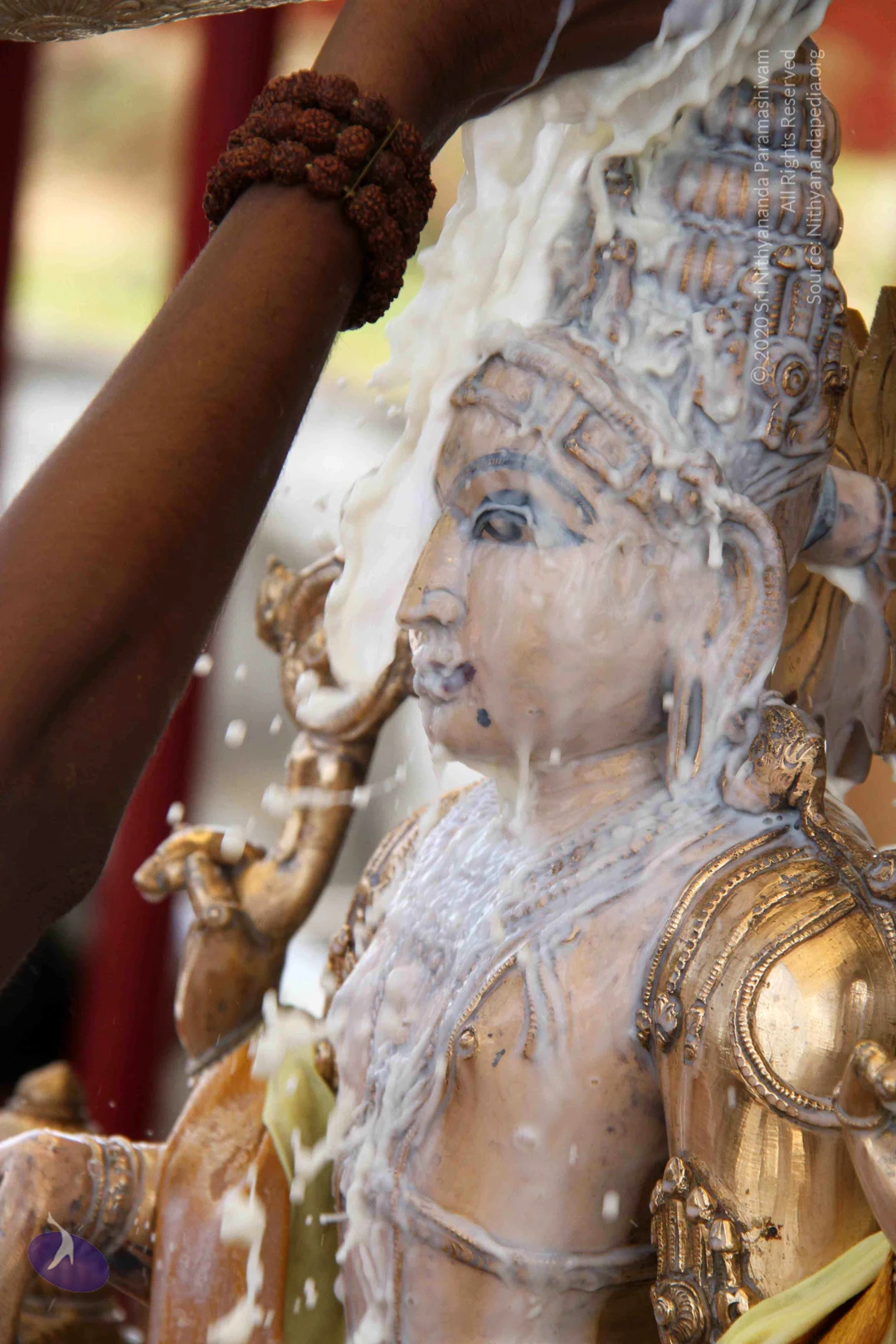
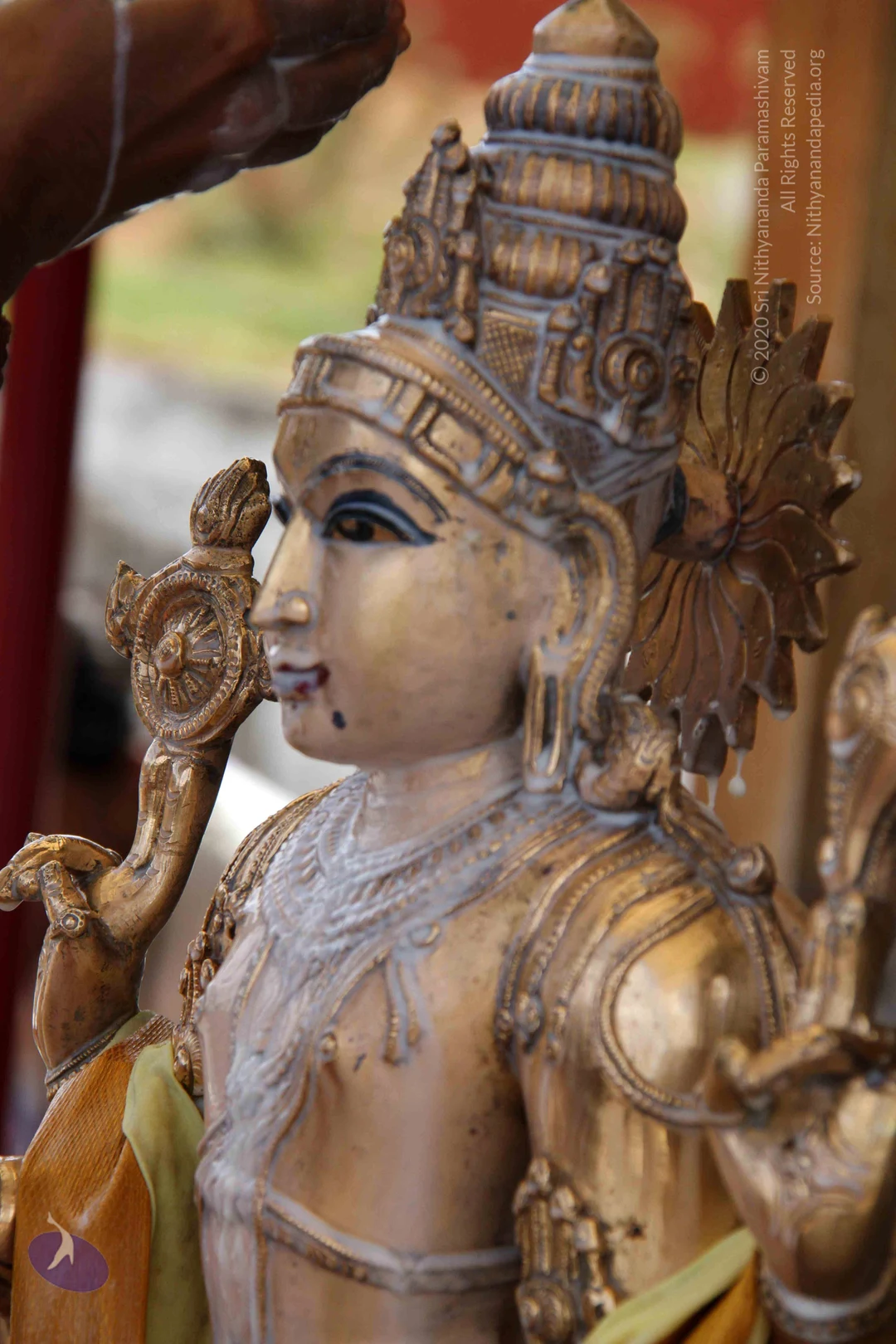
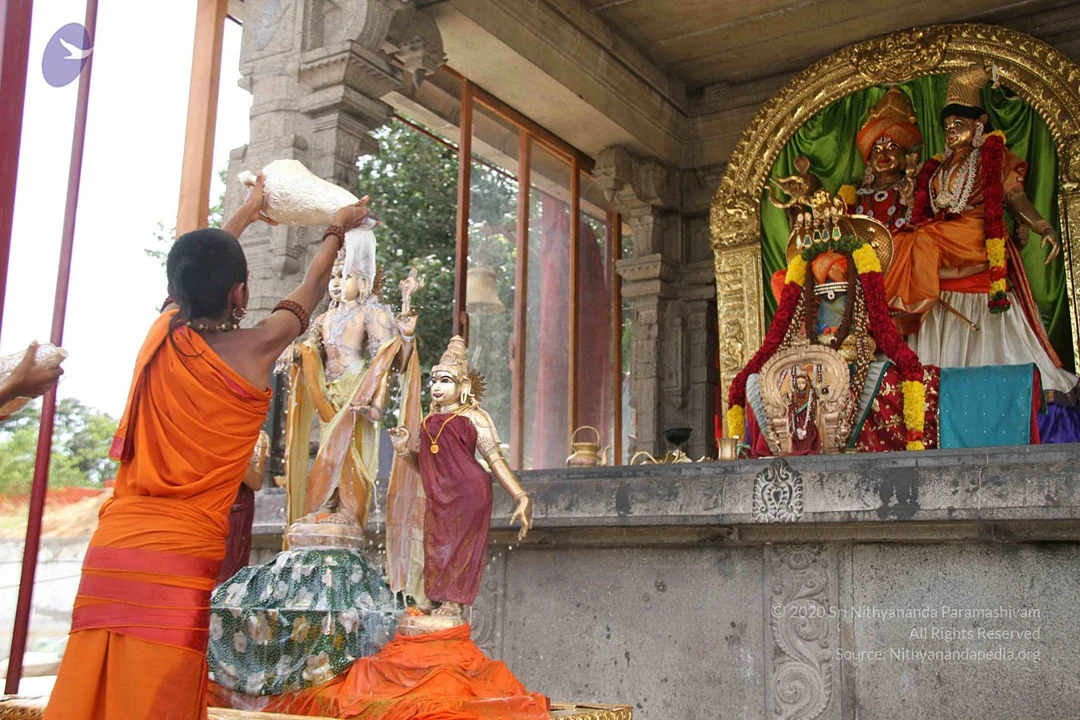
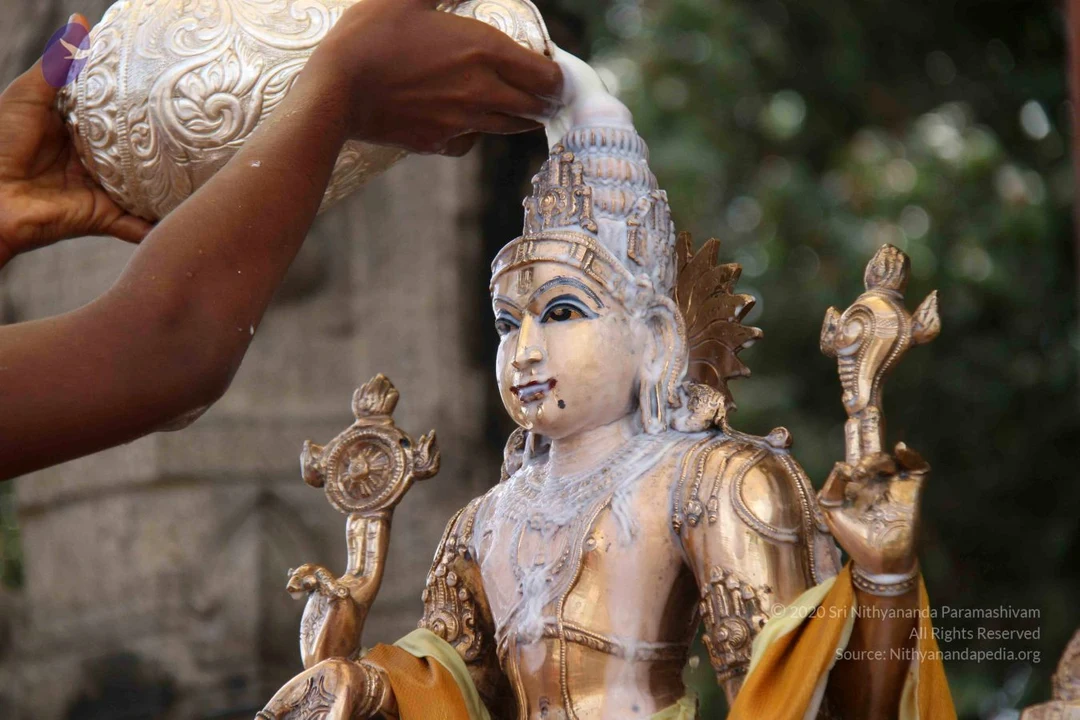
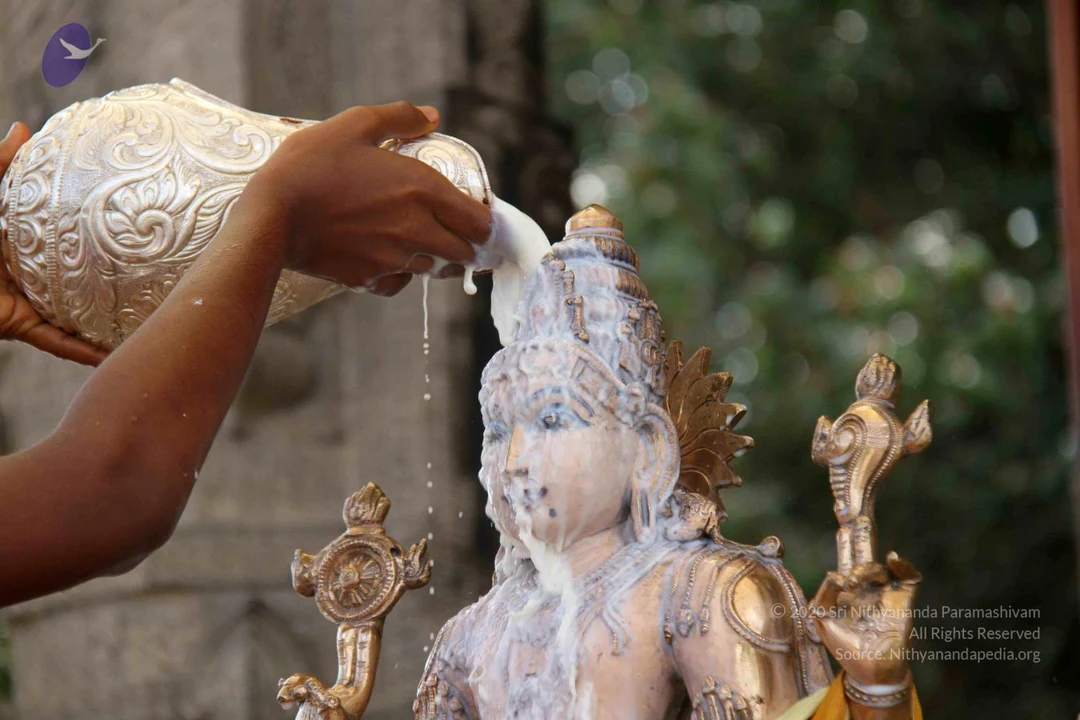
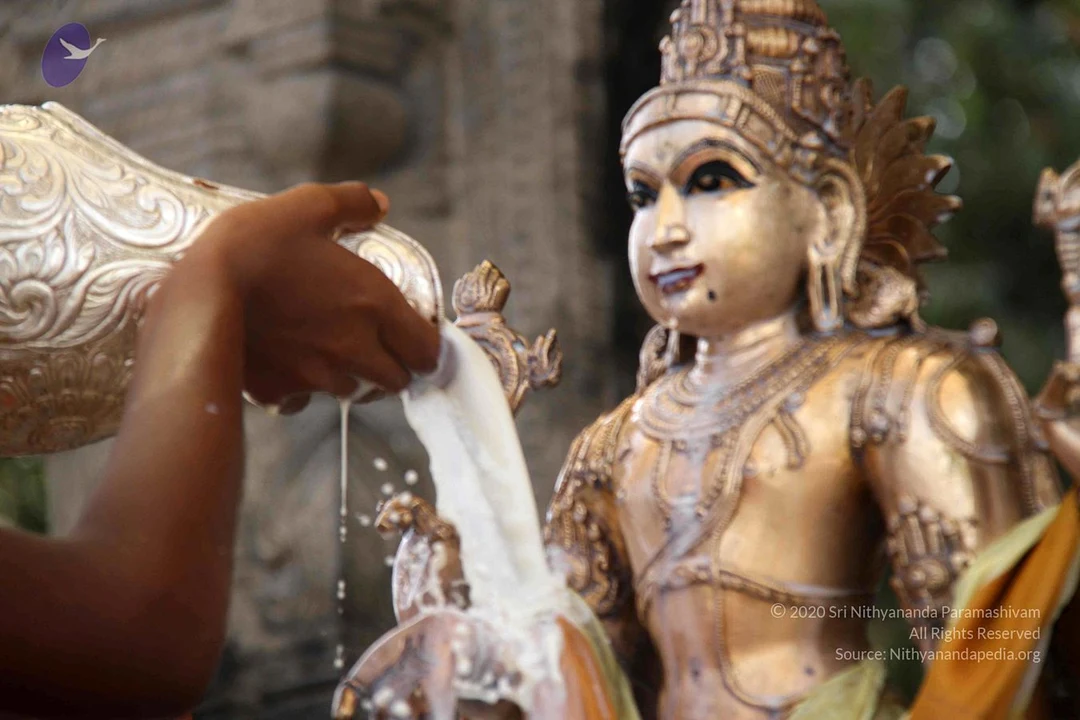
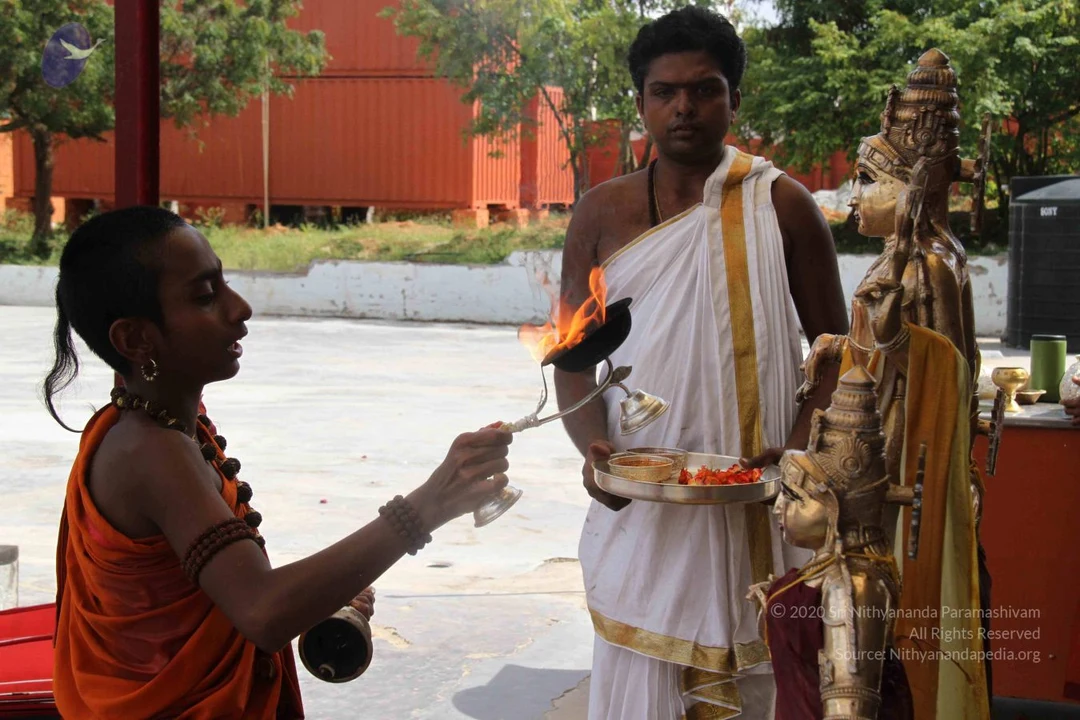
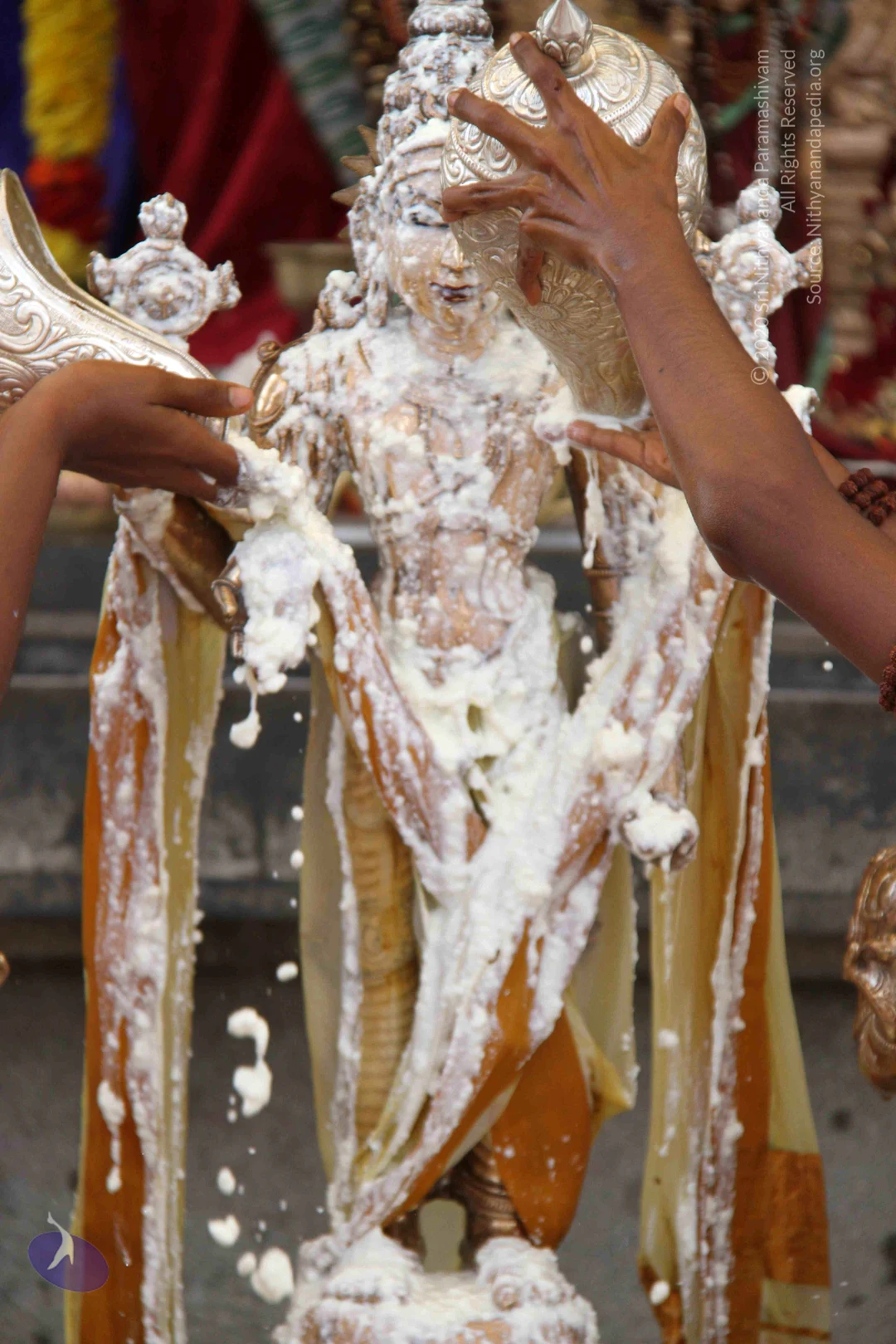
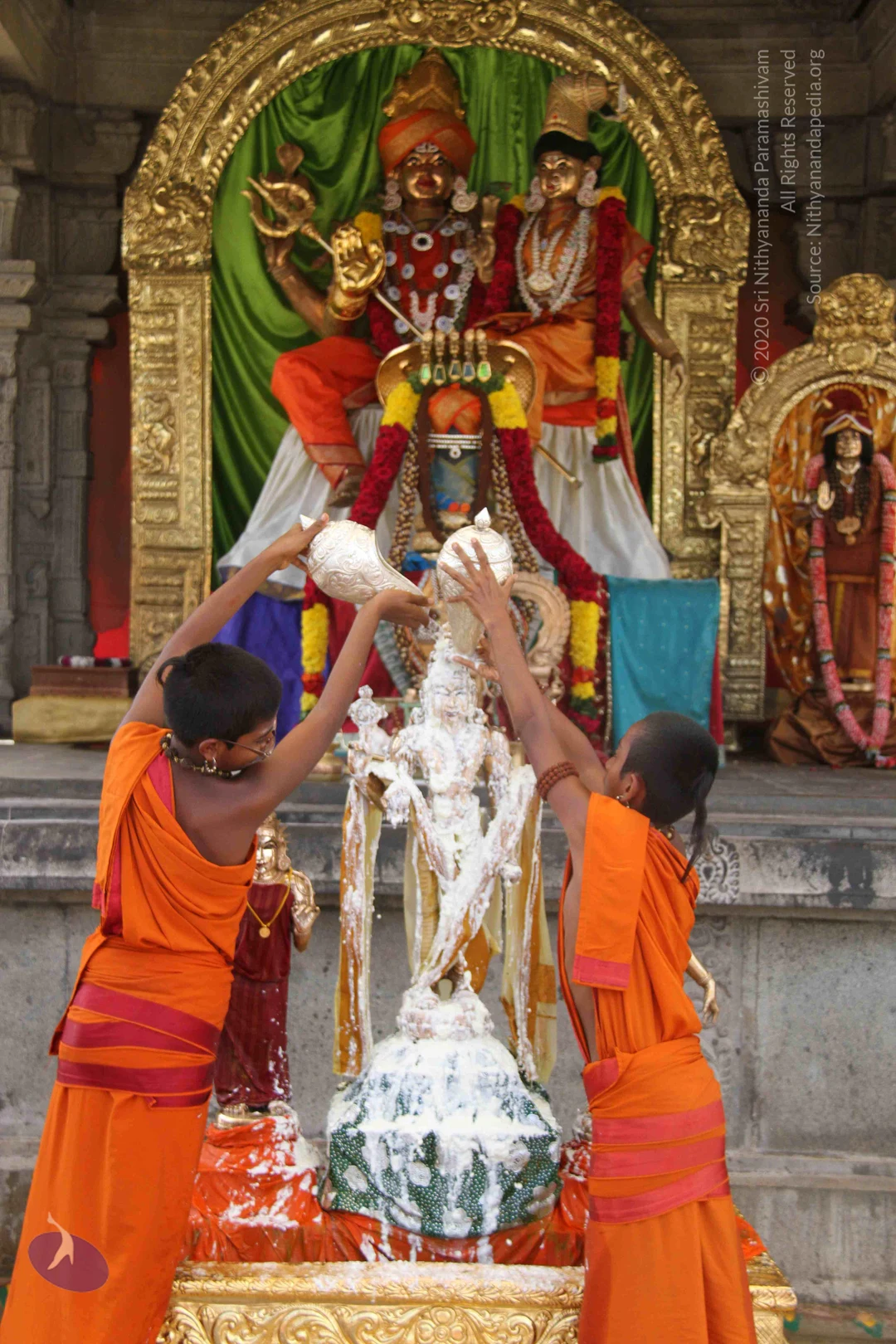
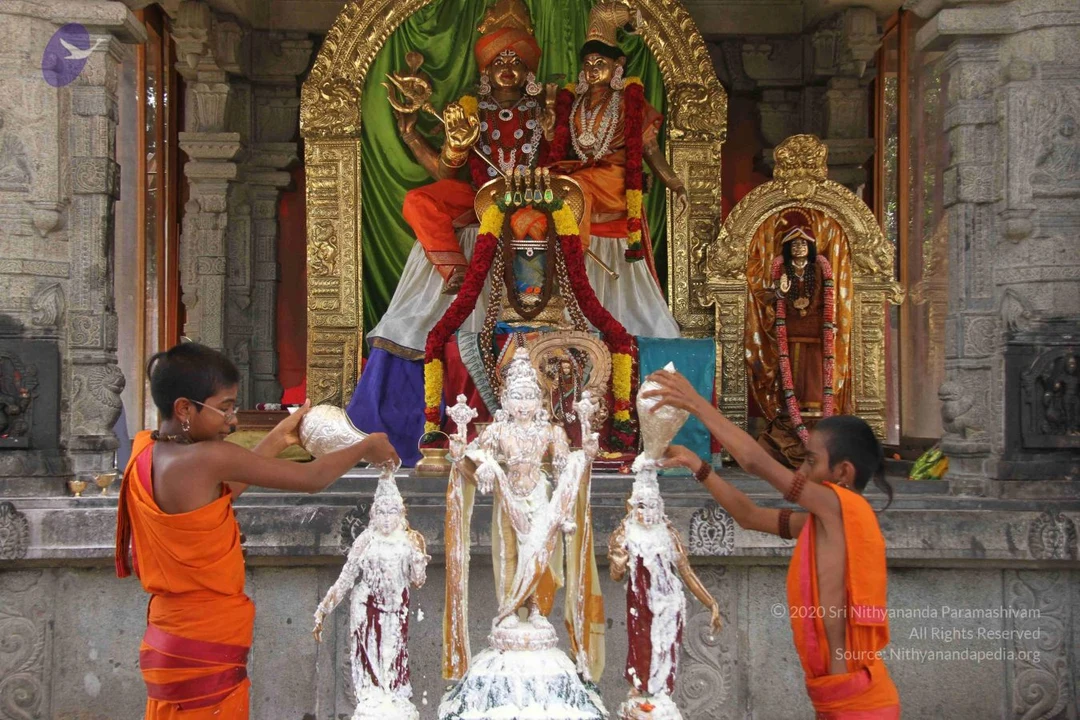
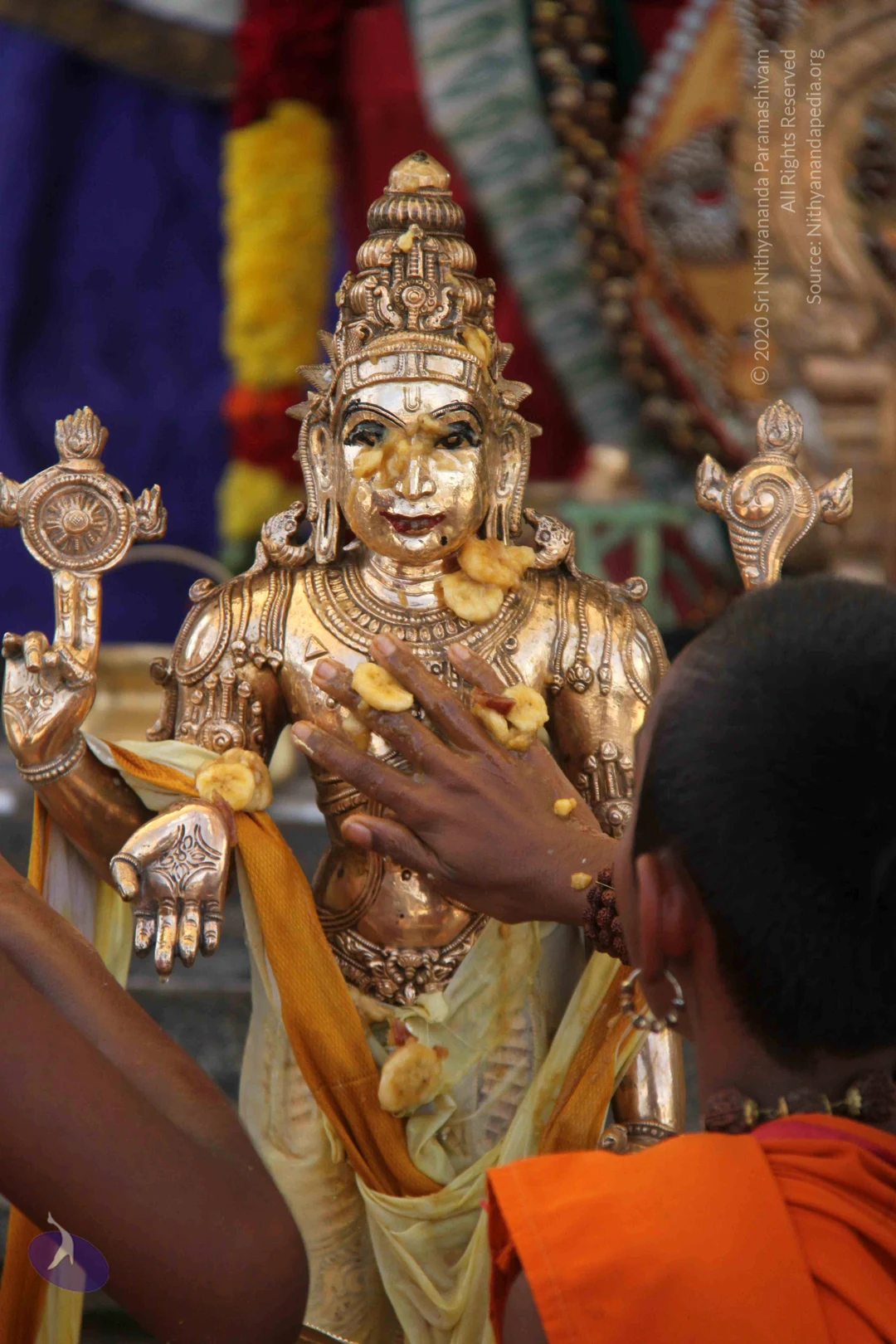
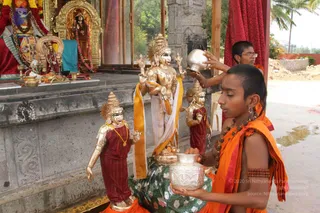
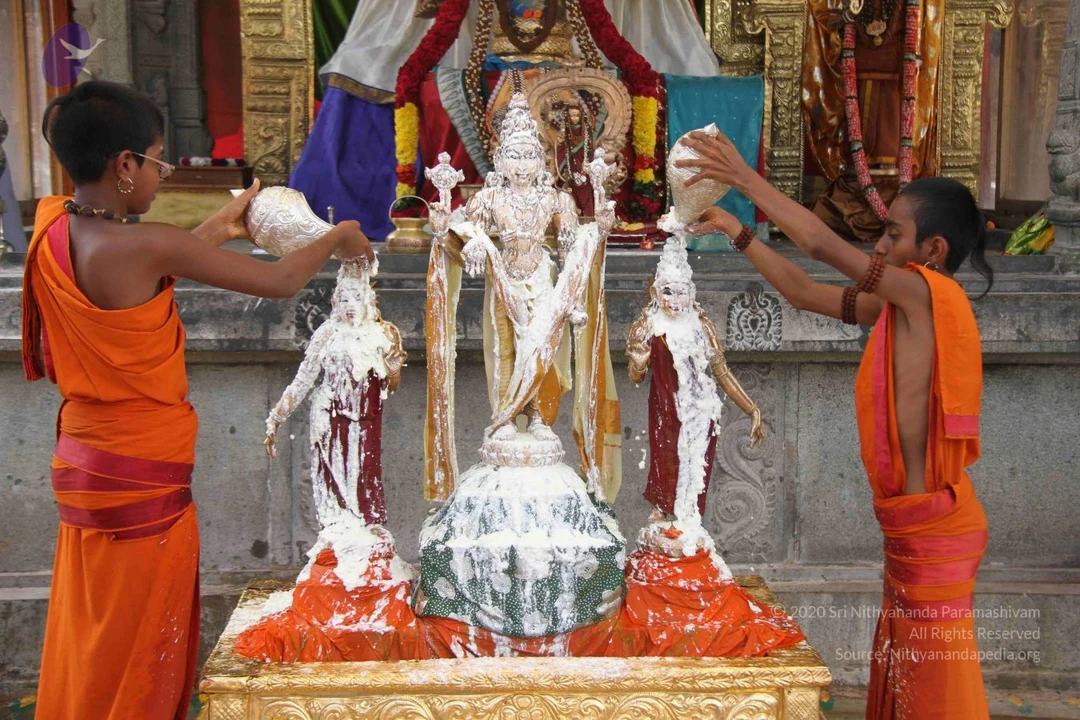
A photograph of an abhishekam being performed on a gilded deity murti in a temple courtyard. A person in the foreground, shown from behind with short dark hair, raises a large silver vessel with both arms and pours water over the statue. The murti has a tall crown, ornate necklaces and armlets, a raised hand holding a staff-like emblem, and a flowing gold and white dhoti. A rudraksha bracelet is visible on the person's wrist. Behind are a carved grey stone pillar, a red railing and a red wall with a sandy embankment and greenery.A photo of a ritual abhishekam at an outdoor shrine. A person seen from behind in an orange saffron robe, with hair tied in a bun, rudraksha bracelets and a beaded necklace, lifts a silver pot high to pour water over a gilded deity murti. The gilded standing figure wears an orange-and-white draped cloth, a crown, a jewelled necklace and holds a mace-like staff. A smaller gilded female figure in red attire holds an orange flower. Behind them stand stone pillars, a red painted wall and a plain outdoor setting.Outdoor photograph of a ritual abhishekam at a gilded deity murti on a raised golden-framed platform. Two young boys in saffron-orange robes stand at left; the boy in the center wears glasses and a rudraksha mala and pours liquid from a small vessel over the murti's shoulder while the other holds a shallow bowl. A man in white dhoti and shawl with a yellow sash stands behind, also pouring from a vessel. The gilded standing murti wears a tall crown and holds a staff; a second seated gilded figure beneath has a green patterned cloth and an orange orange-red drape, with a marigold garland. Red shipping containers and trees form the background.Outdoor abhishekam at a temple courtyard with a red boundary wall and shipping containers behind. A young boy in orange robes and glasses pours liquid from a silver vessel over a gilded deity murti holding a trident-like staff, while a second boy in orange kneels in the foreground. A man in white dhoti with a gold border and bare upper body stands centre, watching the ritual. A small orange flower rests in the lap of a seated bronze deity figure beside them. A woman in white stands at the right edge near a bucket and hose.Close-up photograph of a ritual abhishekam on a gilded metal deity murti. Two hands, one wearing a red-brown rudraksha mala bracelet on the wrist, pour water from a large white decorated conch-like vessel over the head of the figure. The murti has a crown, ornate gold jewellery, a raised hand holding a wheel-like emblem, and a red-painted mouth with a tilak on the forehead. Behind it are garlands of yellow and red flowers, purple and teal cloth, and brass lamps. Water streams down the statue's face and shoulders.A photo of a young boy with a shaved head and an orange sannyasa-style wrap, holding a silver pot near golden deity statues in an outdoor shrine. Two golden statues of standing figures in white and yellow drapery flank a central gold-coloured figure holding a staff and conch-like object, all placed on a green patterned base. Behind them a second person in orange robes pours liquid from a silver vessel, and a shrine with garlands, a golden throne and a red cloth backdrop stands at left. The boy wears a rudraksha mala and gold-trimmed clothing near a stone altar platform in an open courtyard with palm trees. This appears to be an abhishekam-style ritual offering with statues rather than a living a person.

Navarathri_Culturals

104 photosSource gallery
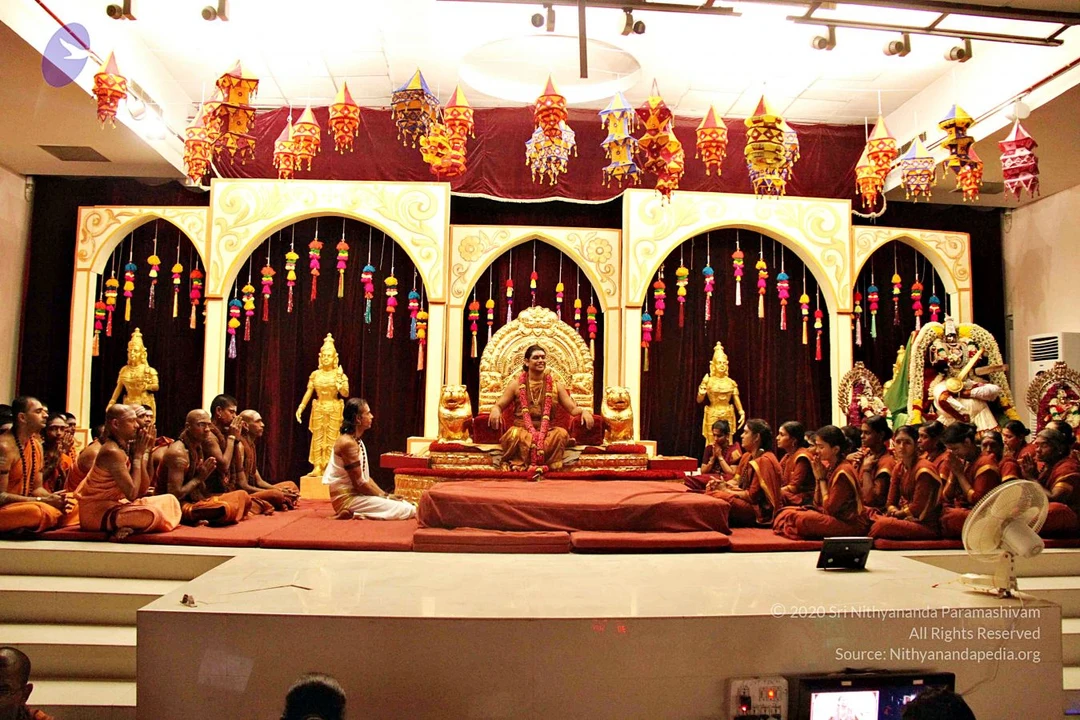
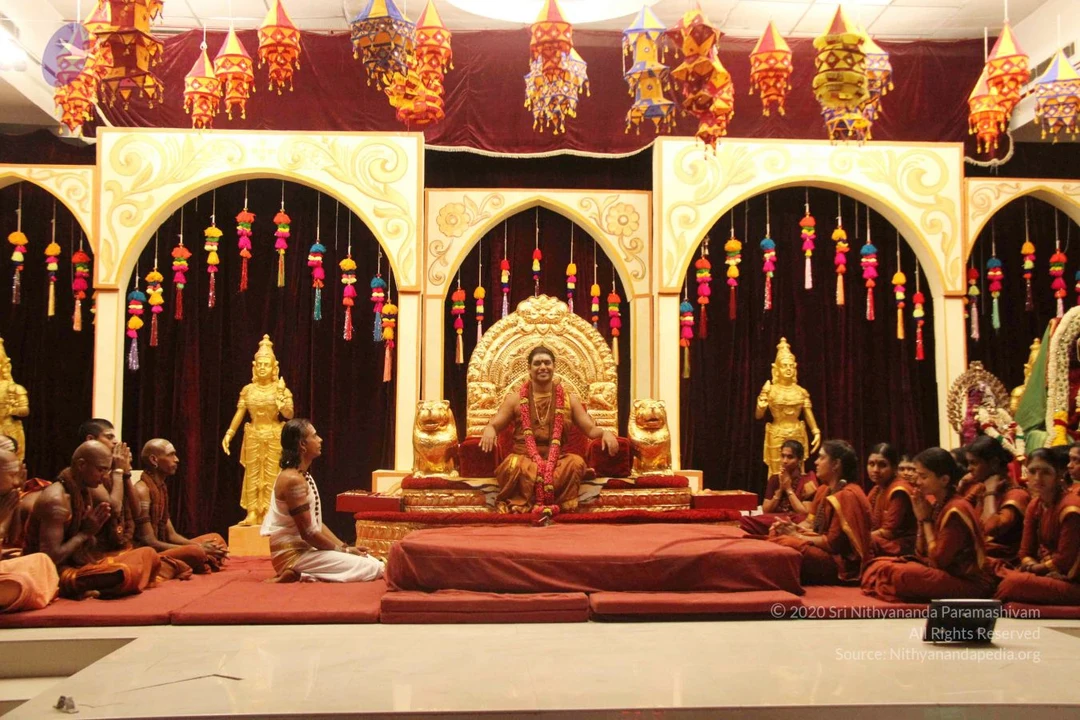
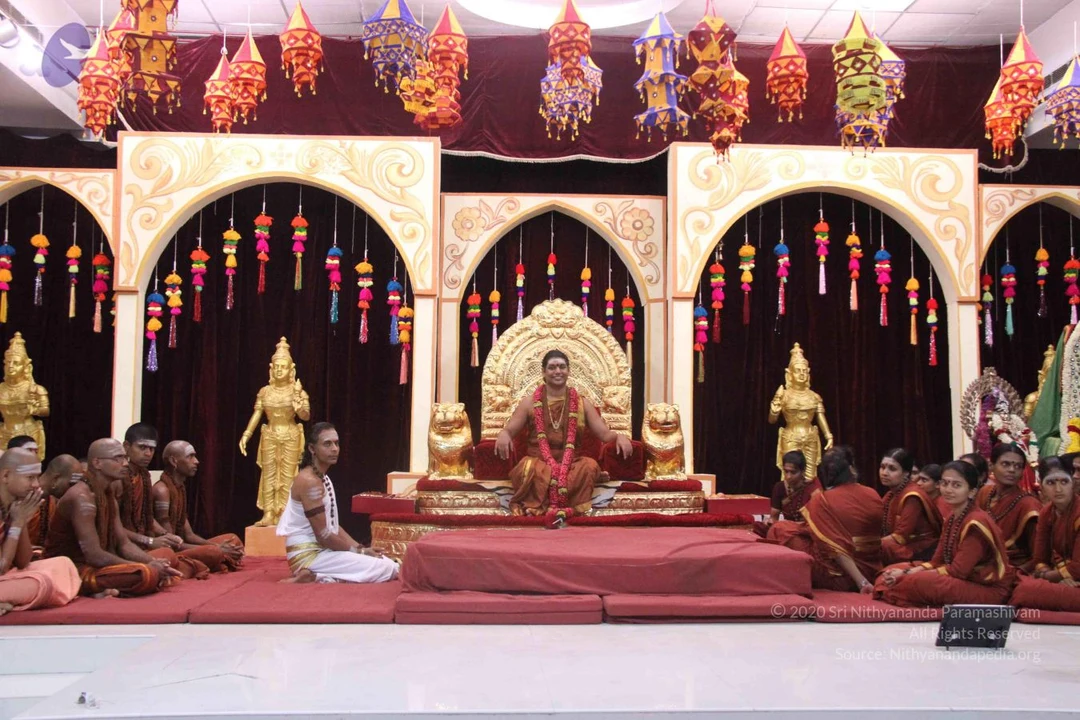
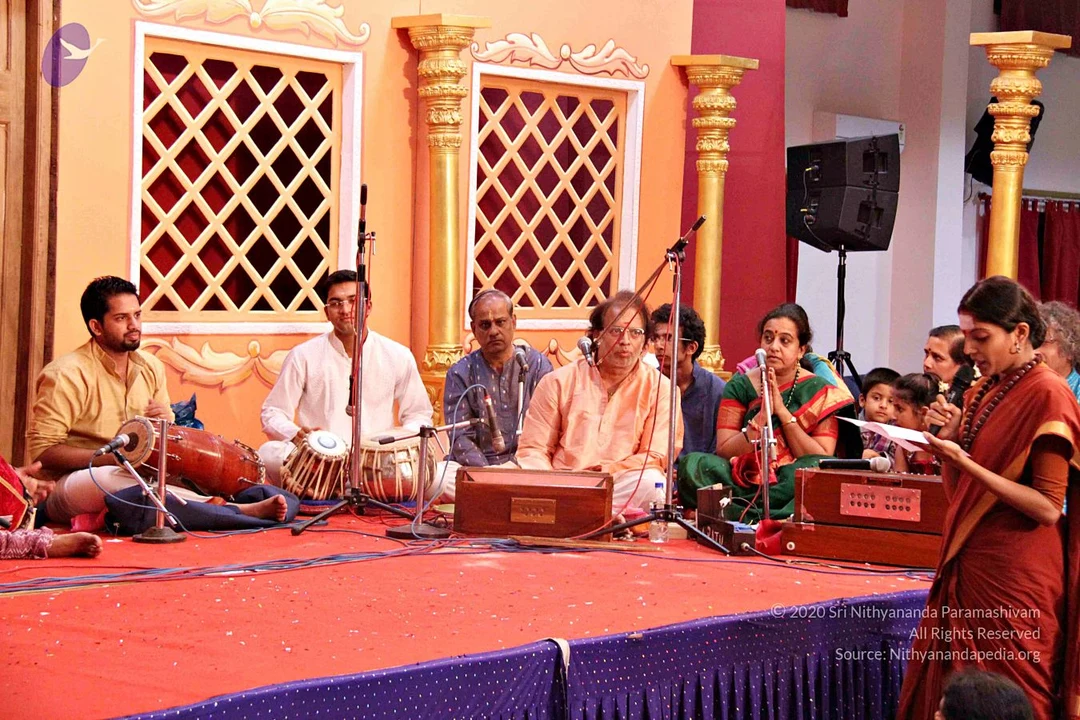
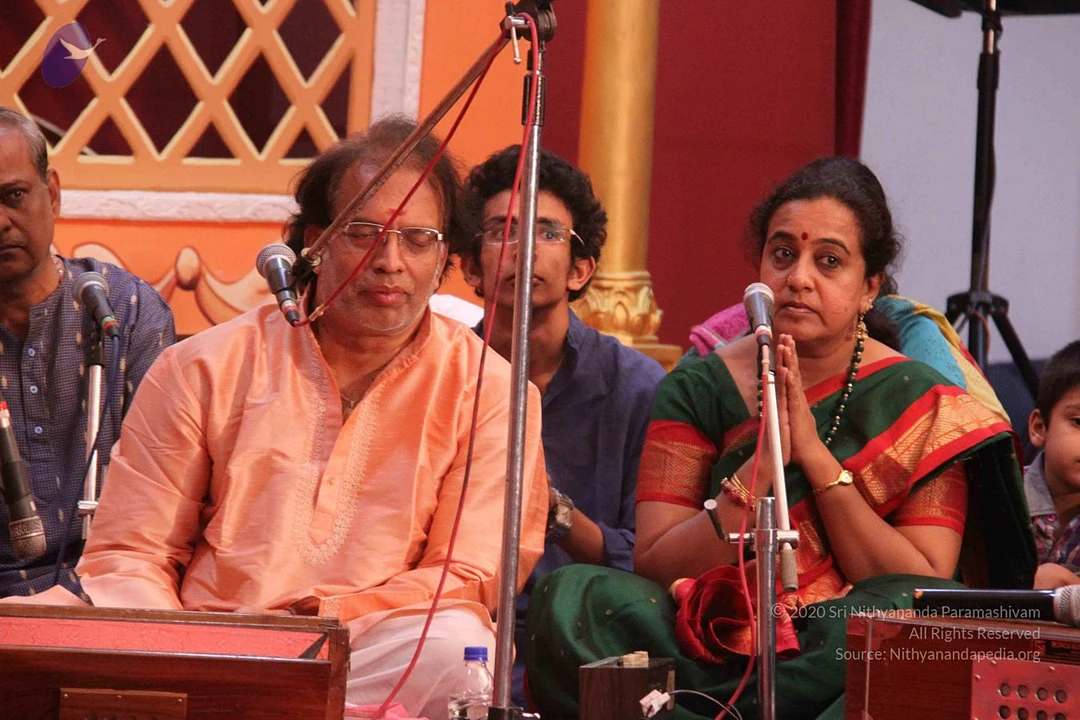
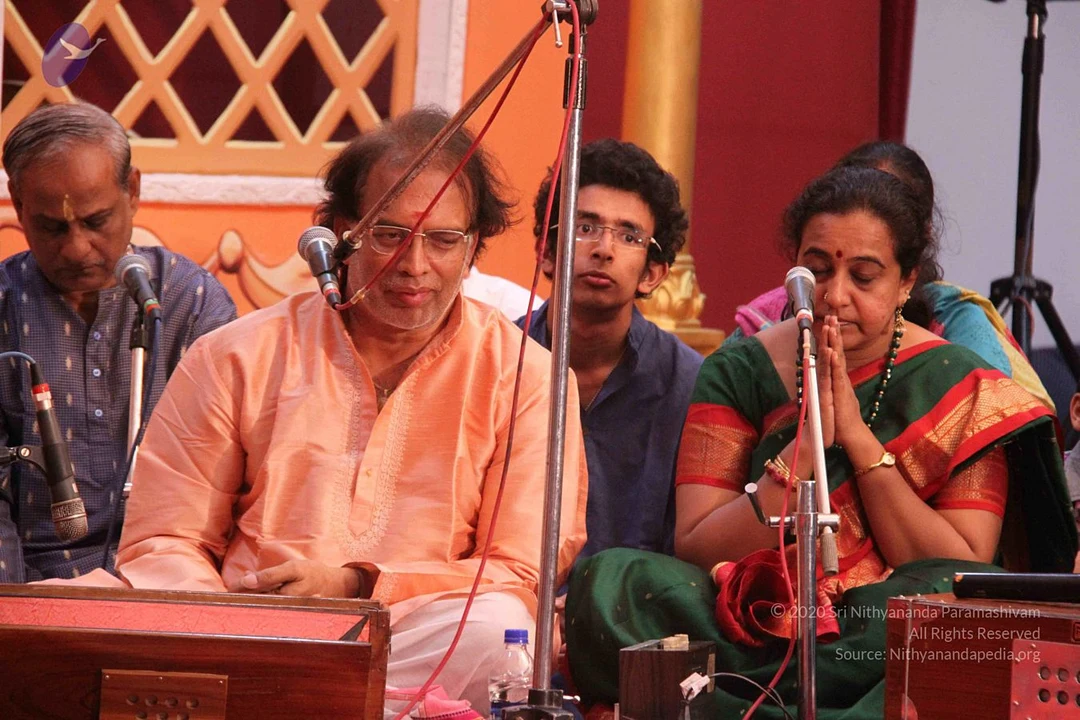
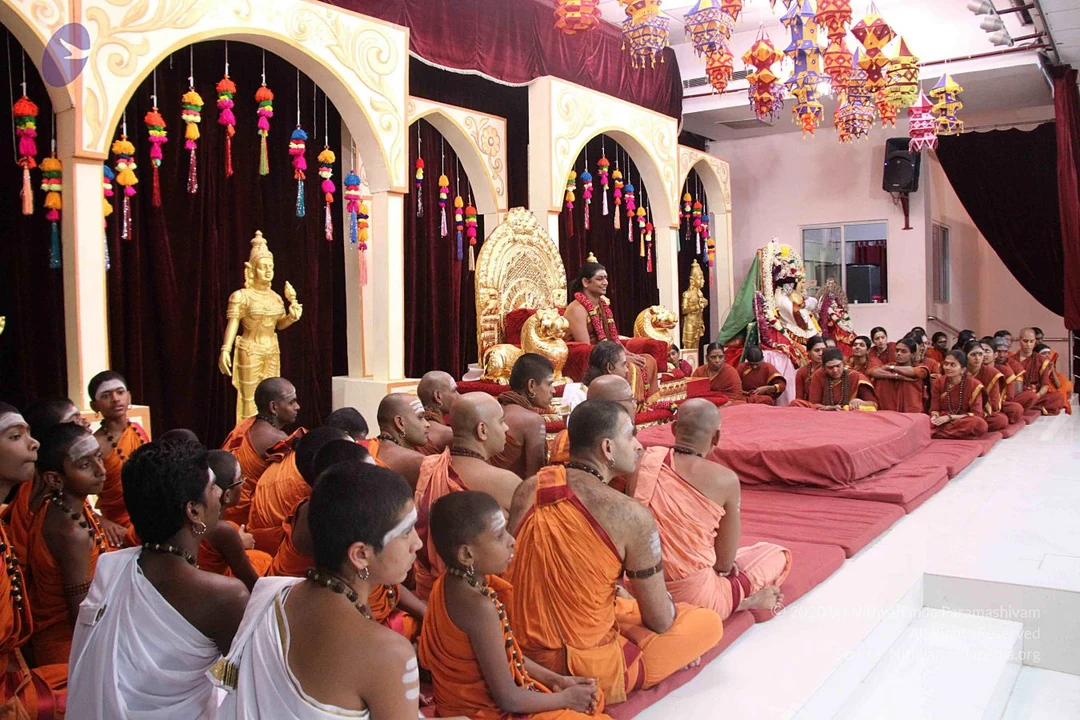
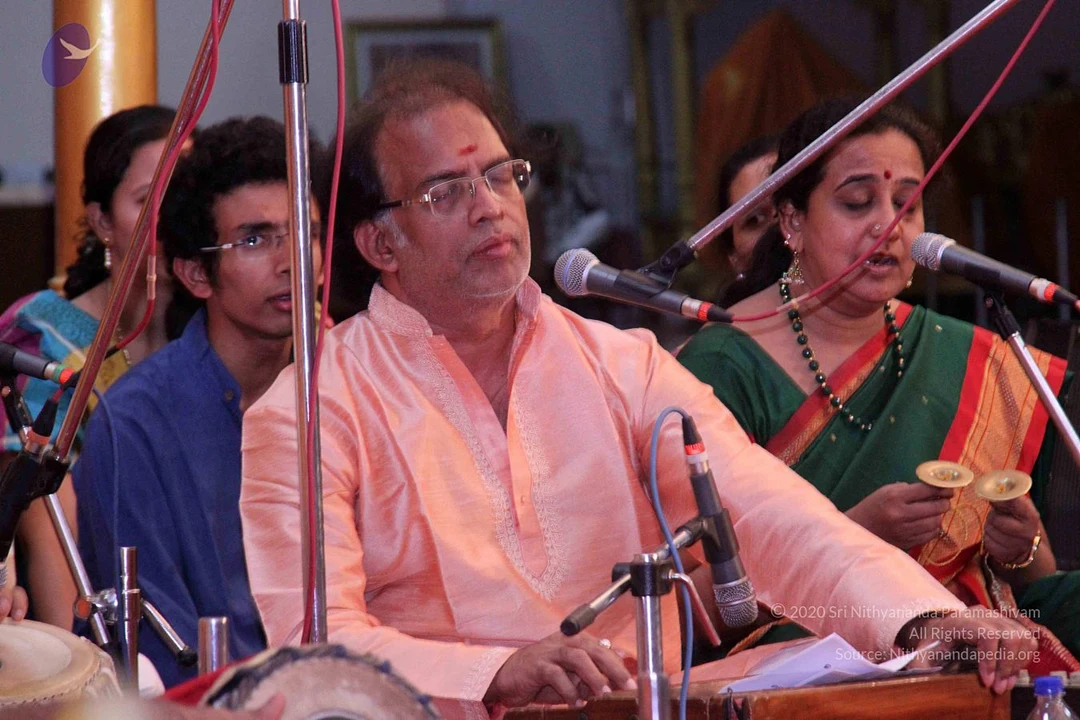
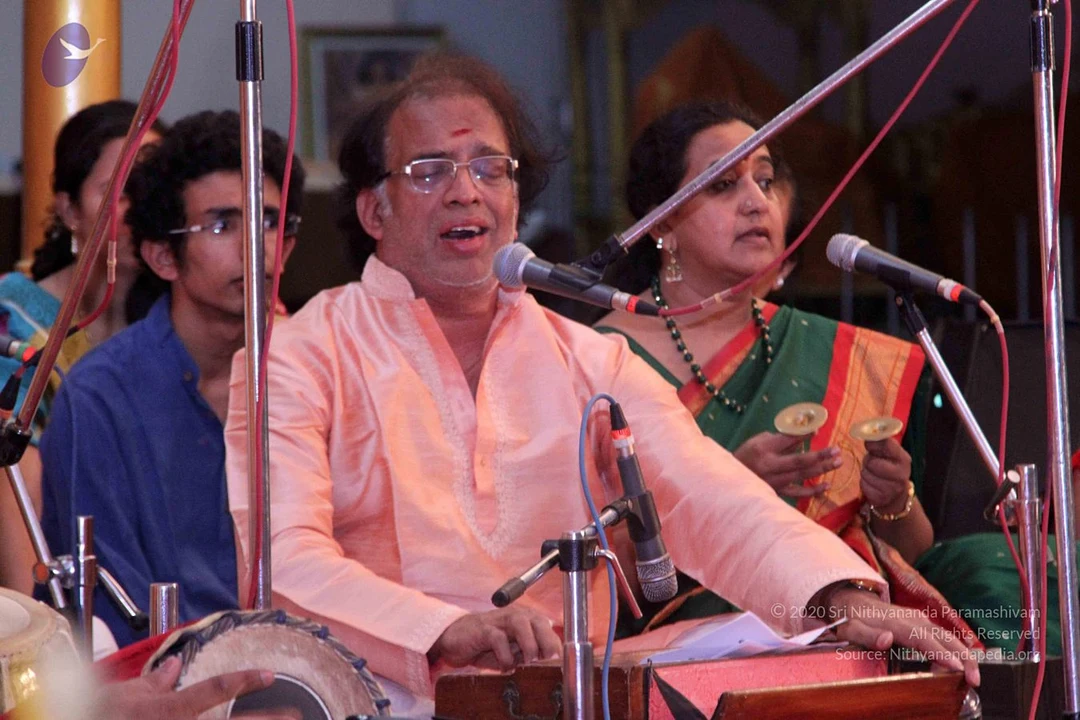
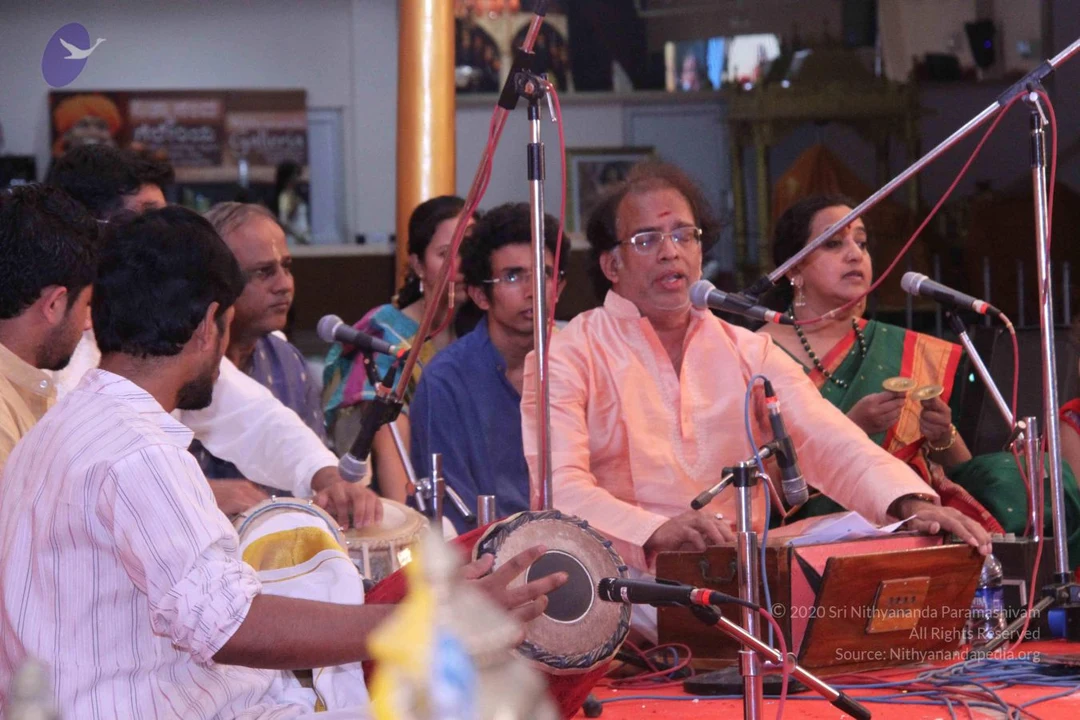
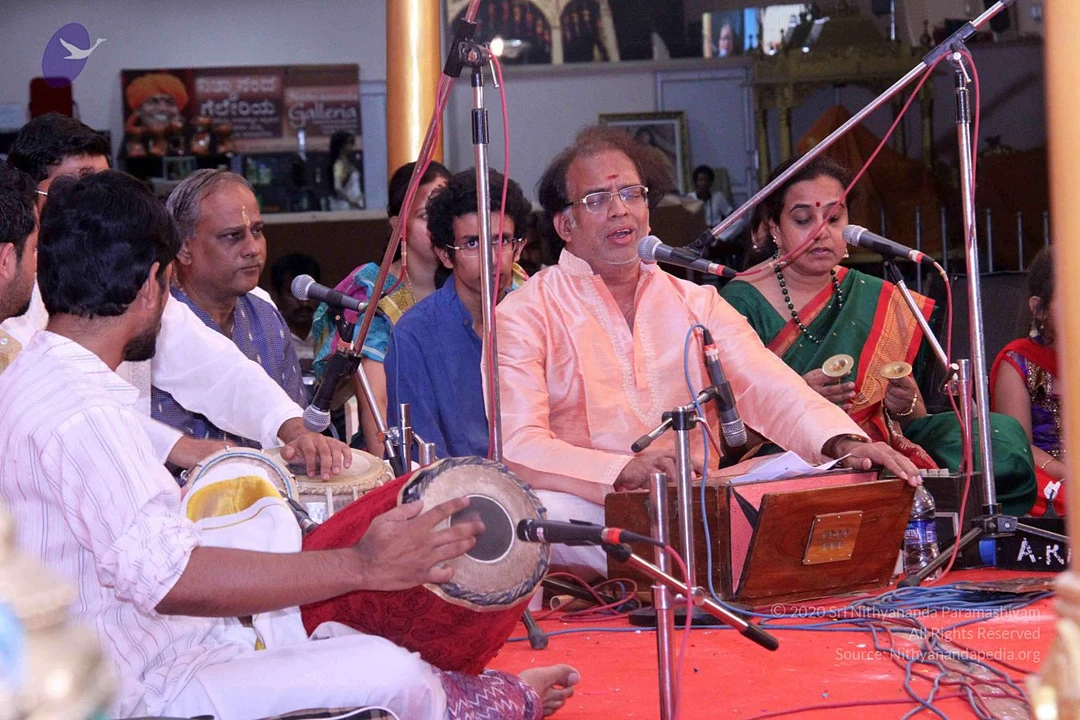
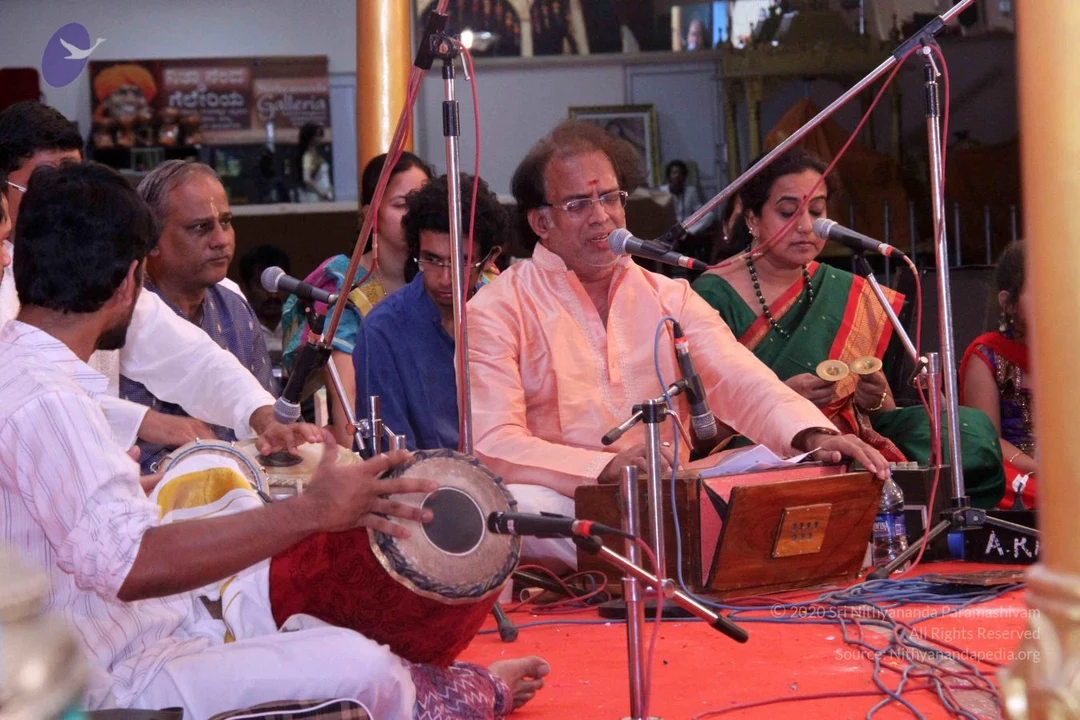
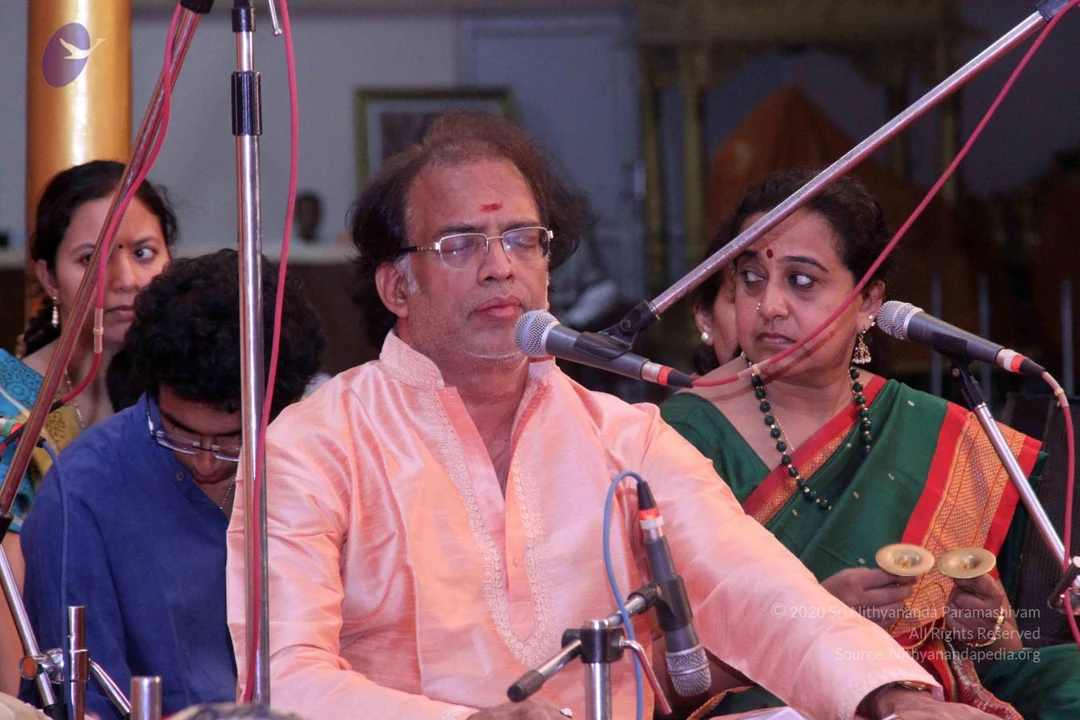
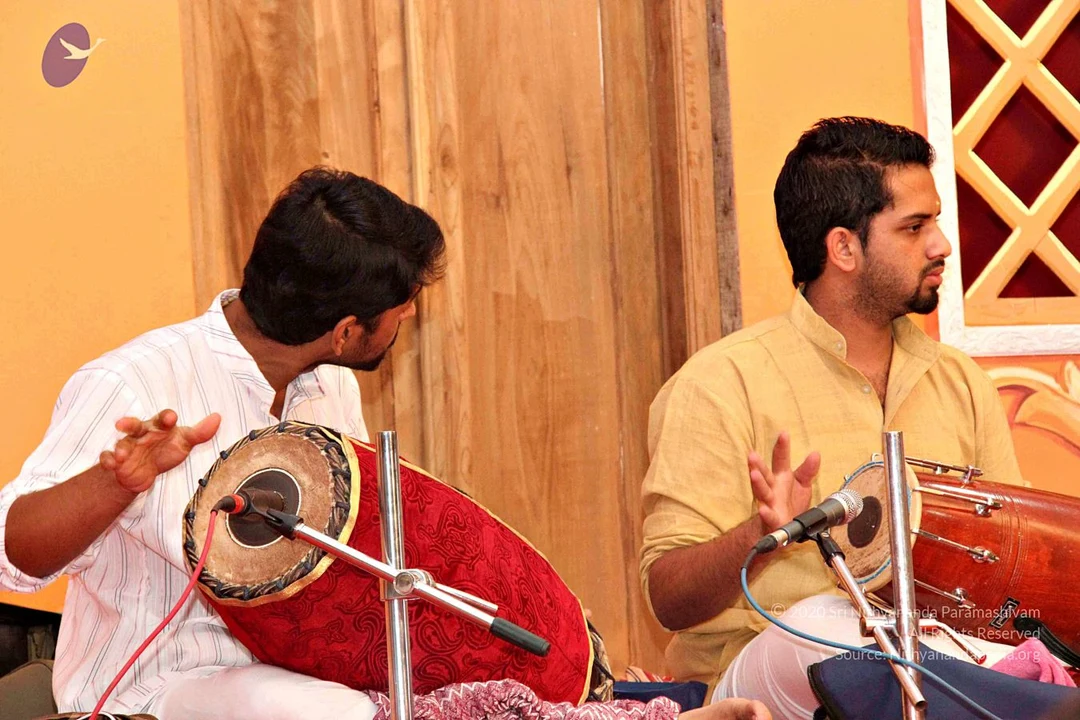
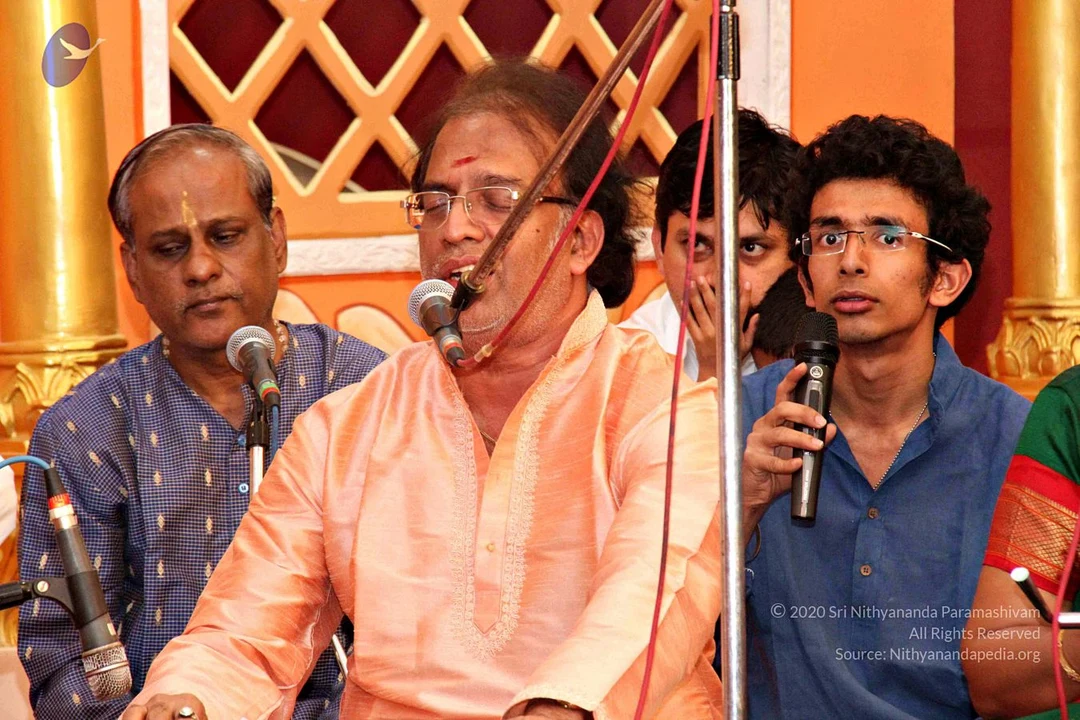
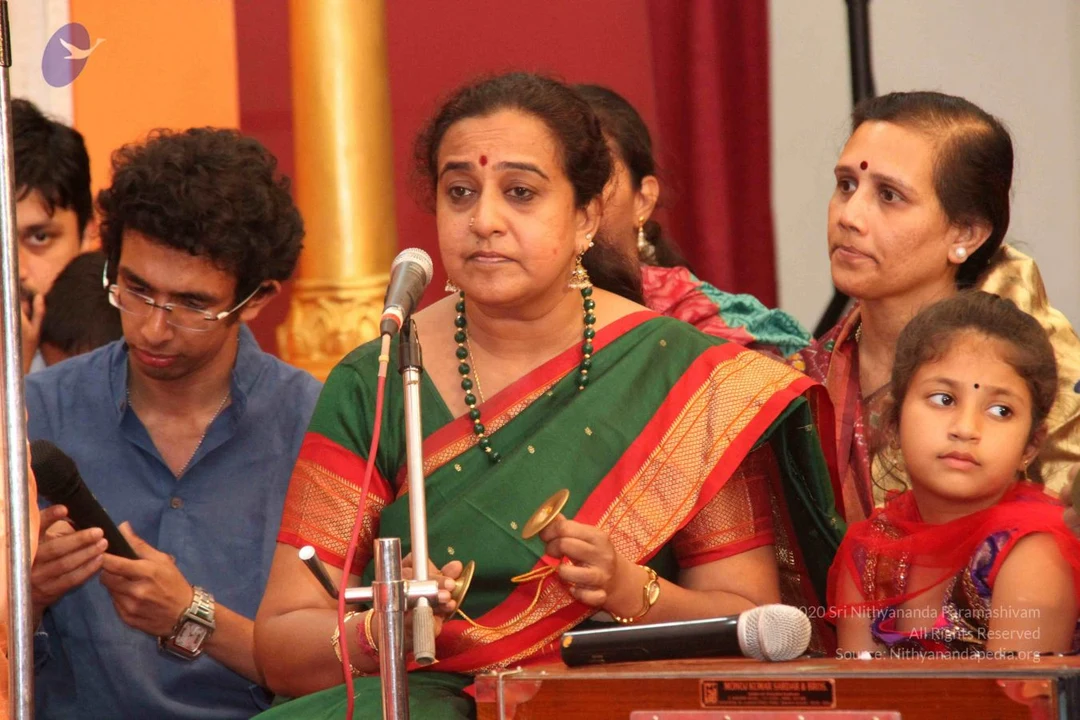
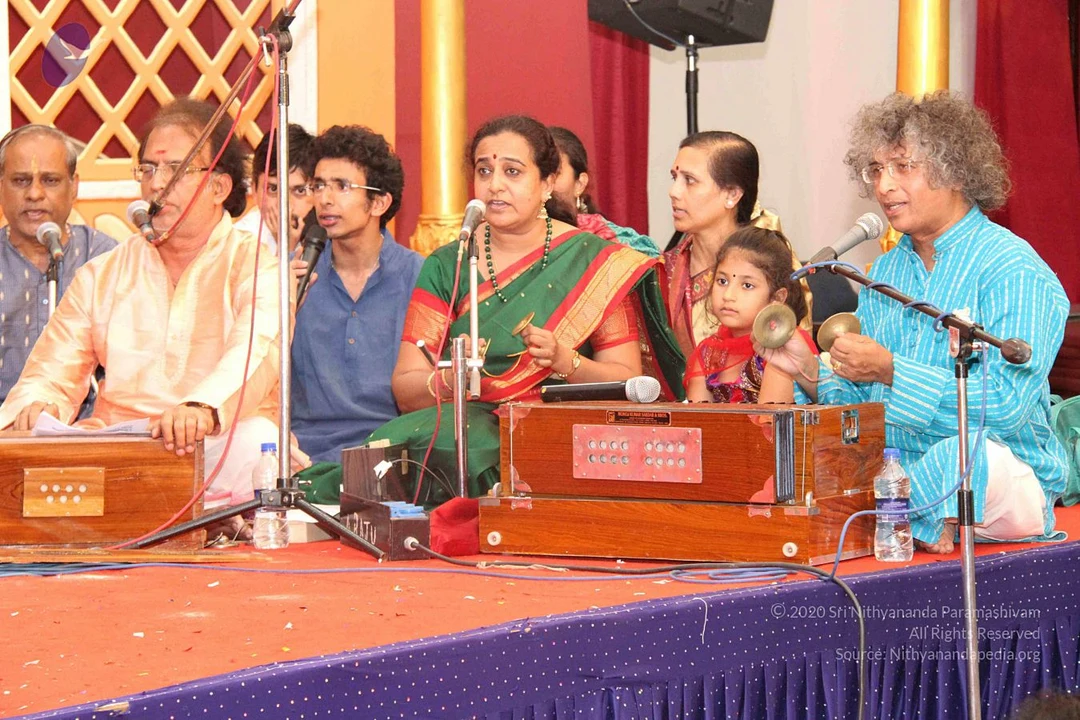
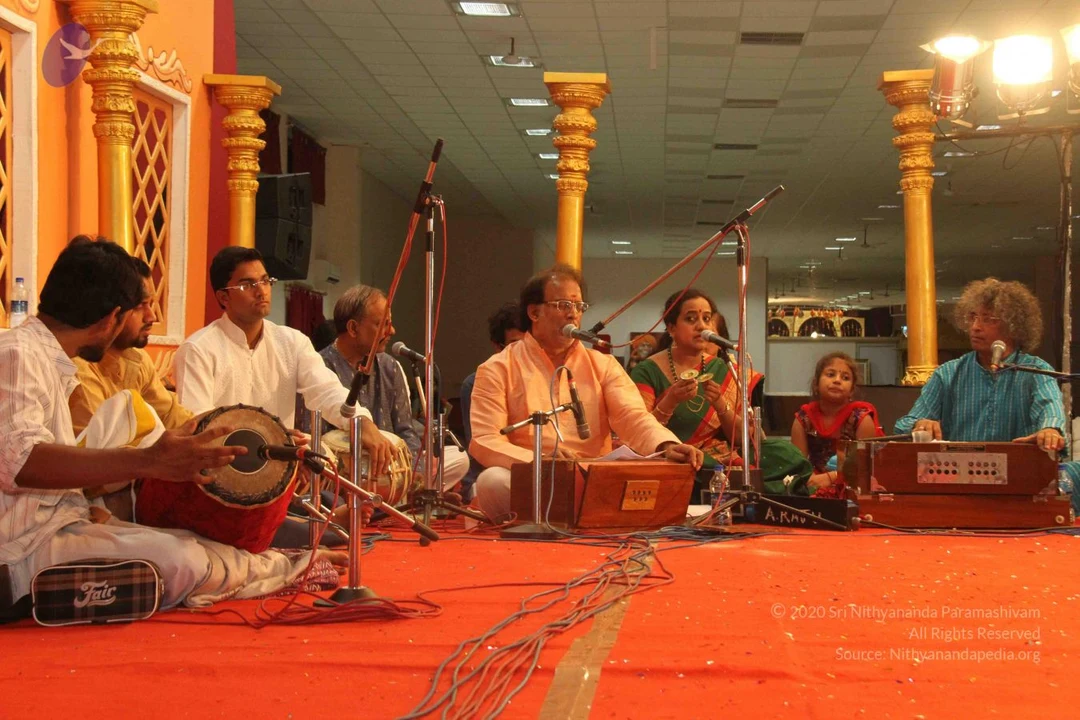
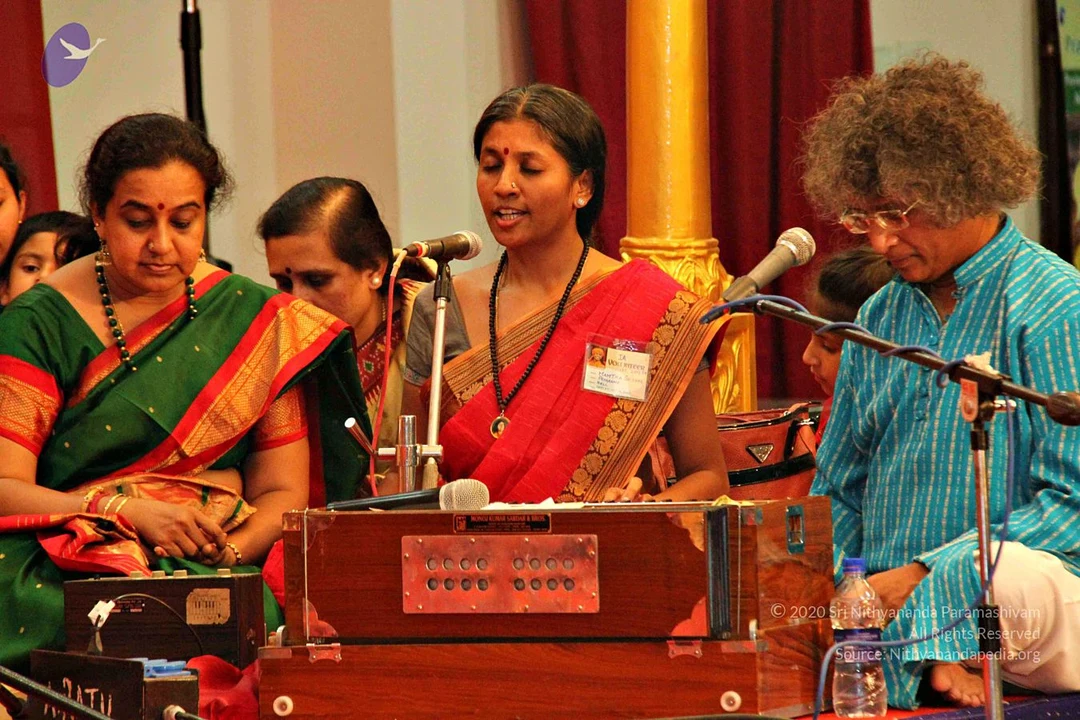
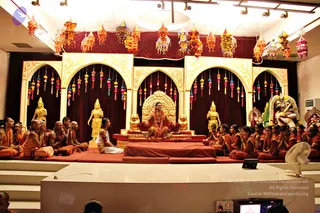
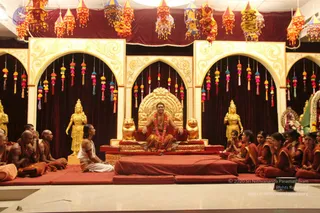
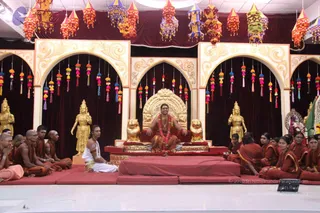
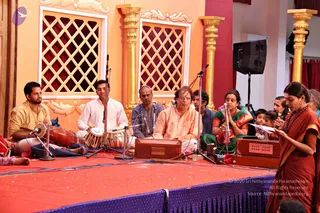
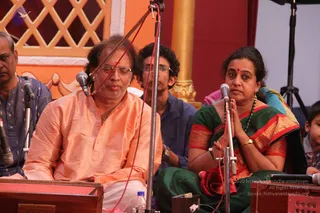
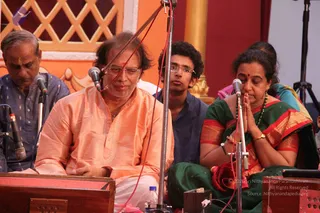
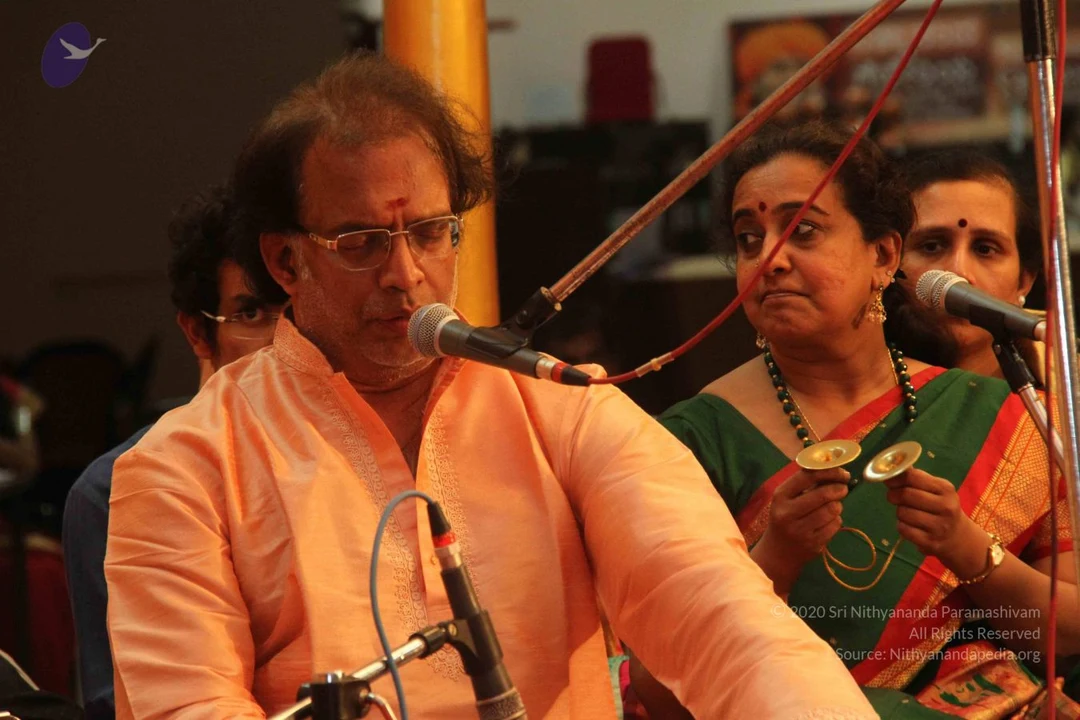
Photograph of a satsang on a raised stage decorated with hanging colourful paper lanterns and arched golden panels draped with strings of tassels. A central figure sits on an ornate gold throne flanked by golden lion-shaped armrests, wearing an orange-red garment and a long garland, with a probable Swamiji candidate showing long swept-back hair and ceremonial gold necklaces. Golden standing statues of female deities stand on either side, and a seated white-clad deity murti with a veena appears at the right edge. Around thirty seated devotees in saffron and orange robes sit on red cushions in front of the stage, many with hands folded in prayer, and one man in white sits in the front-left area. A small fan and monitor appear in the foreground.A satsang hall set with a golden throne on a raised red platform, framed by gold-trimmed arches and hanging tassel strands, with colourful paper lanterns overhead and two golden lion figures flanking the seat. A central figure in saffron-orange robes sits on the throne wearing a red-and-pink floral garland, a gold necklace and a rudraksha-style mala. Two gold standing deity statues stand on either side of the arches. Seated devotees in orange-brown robes fill the front left and right, some with hands folded in prayer and one woman in white seated near the front left. The central figure's features and presentation are consistent with the page's reference to a person, though this is an appearance-based judgement from several cues, so it is labelled probable.A satsang stage set with arched backdrops in cream and gold, dark red drapes, and hanging colourful lanterns and tassels overhead. A man with long dark hair, bare-chested and wearing an orange-saffron dhoti with a red-and-white garland, sits cross-legged on an ornate golden throne flanked by two golden lion figures. Two golden standing deity murti stand on either side of the throne. Below, a row of seated monks in saffron and orange robes and a few women in deep red sarees sit on red cushions, while a man in white dhoti with a shawl sits on the left. A brass-coloured kalasha with flowers stands at the right edge.Devotional music performance on a stage with orange-gold lattice panels and gold pillars. A man in a peach kurta sits cross-legged at centre, singing near a microphone, with an harmonium in front. Beside him a man in a pale blue shirt sits, and to the left a man in a yellow-gold kurta plays a dholak drum and a man in white kurta plays tabla. A woman in a green sari with a red border sits with hands folded near a microphone. On the right a woman in a rust-orange sari and rudraksha beads stands holding a paper and speaking into a mic. Children sit in the background with an audience behind. Stage floor is red with a purple skirt.Seated musicians perform at a microphone-lined stage in front of an ornate golden lattice backdrop. A man in a peach-orange kurta with thin-rimmed glasses sits with eyes closed, singing or chanting, with a harmonium in the foreground. Beside him a woman in a green saree with red and gold border and a red bindi sits with palms pressed together in anjali, wearing a beaded necklace and gold bangles. Behind them a young man in a dark blue shirt wears glasses, and a small child is at the right edge. A water bottle sits near the harmonium.A seated musical satsang on a stage with orange and gold decor. In the centre, a man in a peach-orange silk kurta with thin-rimmed glasses sits at a harmonium, eyes closed, singing into a microphone. Beside him, a woman in a green silk saree with red and gold border sits with palms pressed together in namaste, eyes closed, a red flower beside her and a rudraksha-style mala at her neck. Behind them a young man in glasses and a blue shirt sits attentively, and an older man in a blue patterned shirt with a tilak plays at the left edge. Microphones on stands surround the performers.
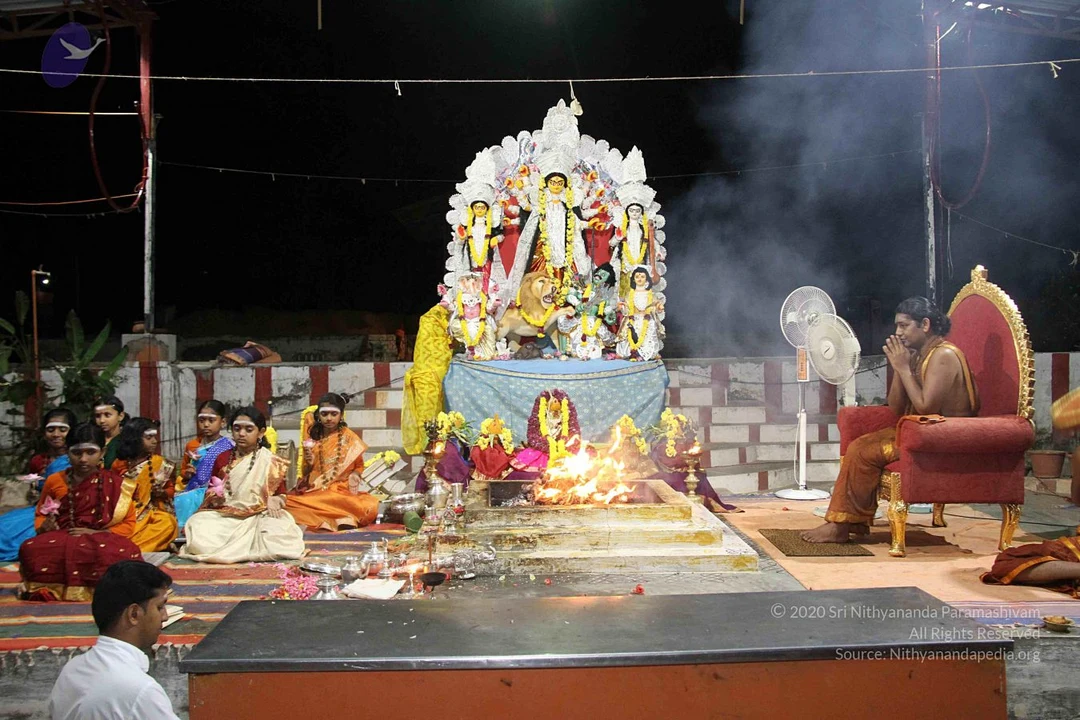
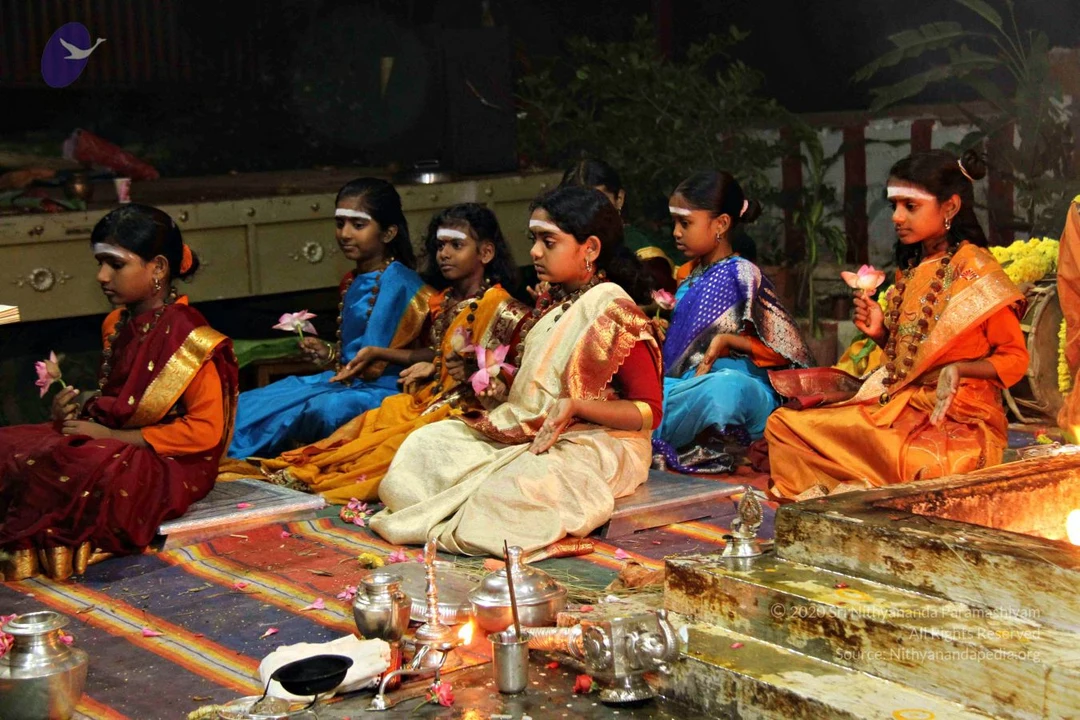
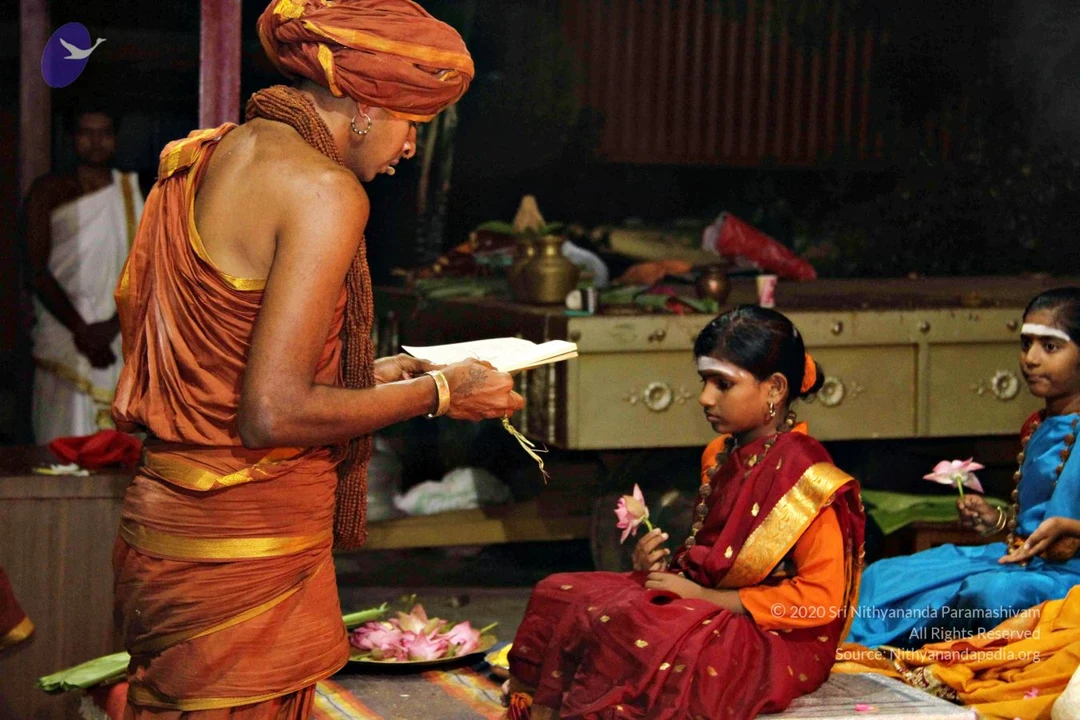
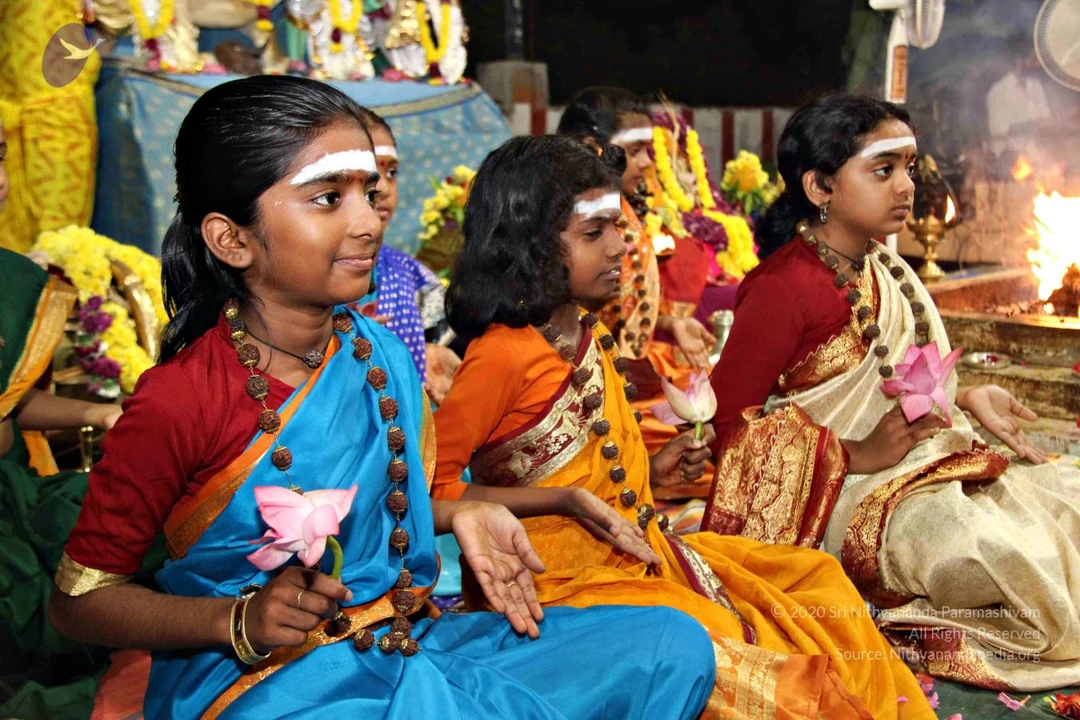
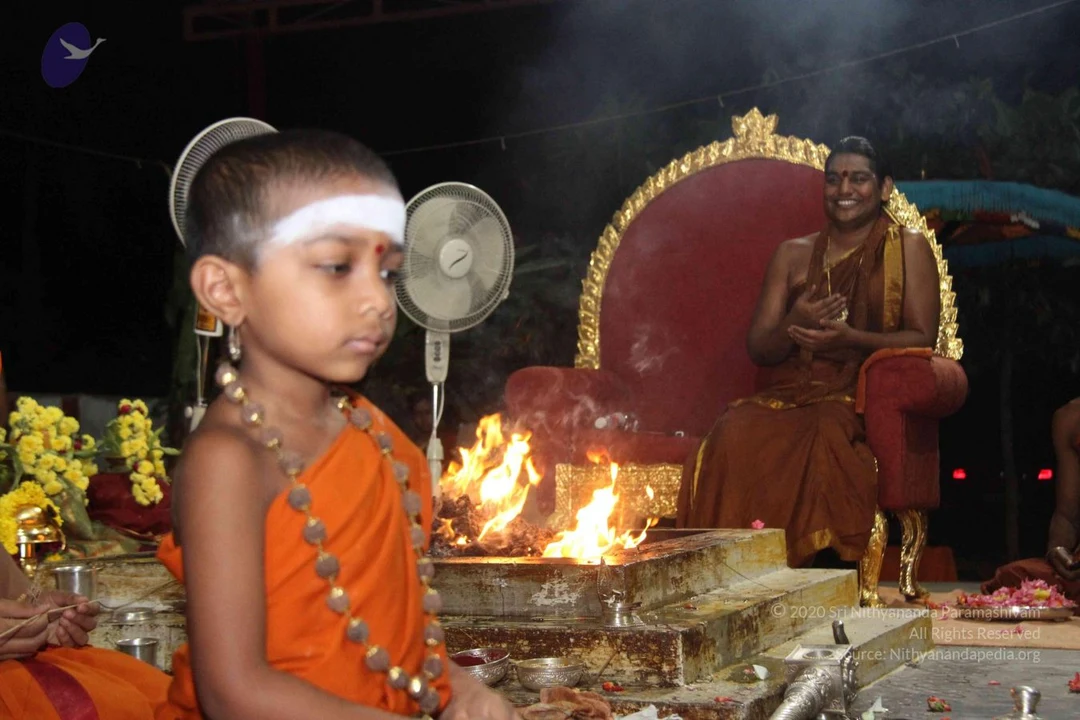
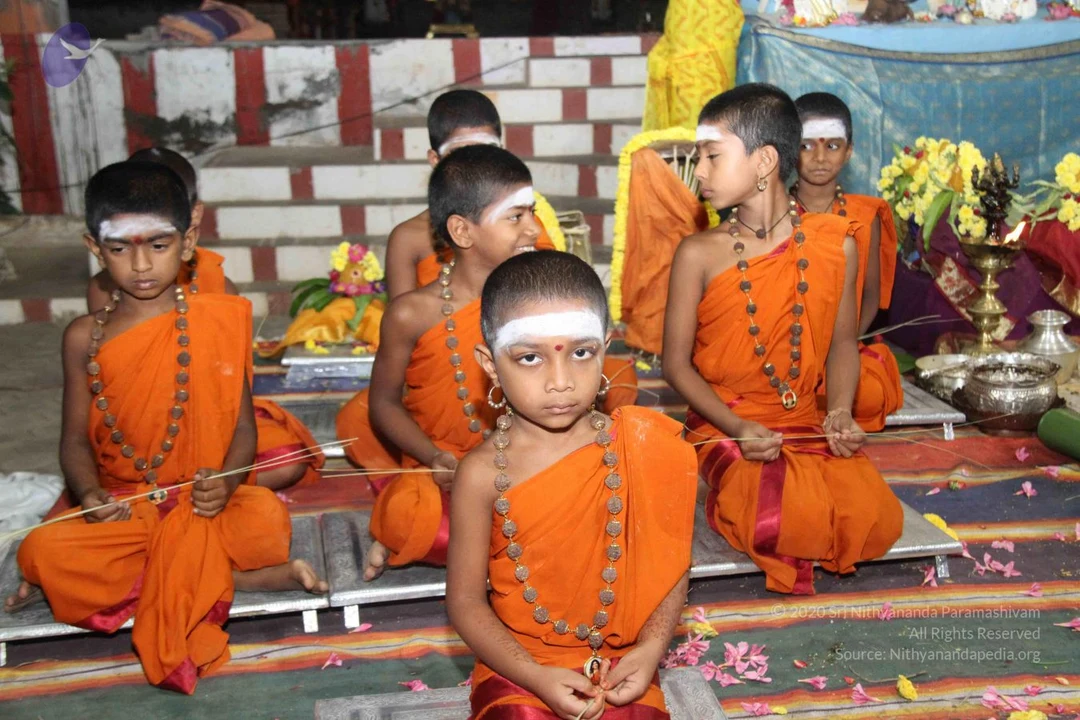
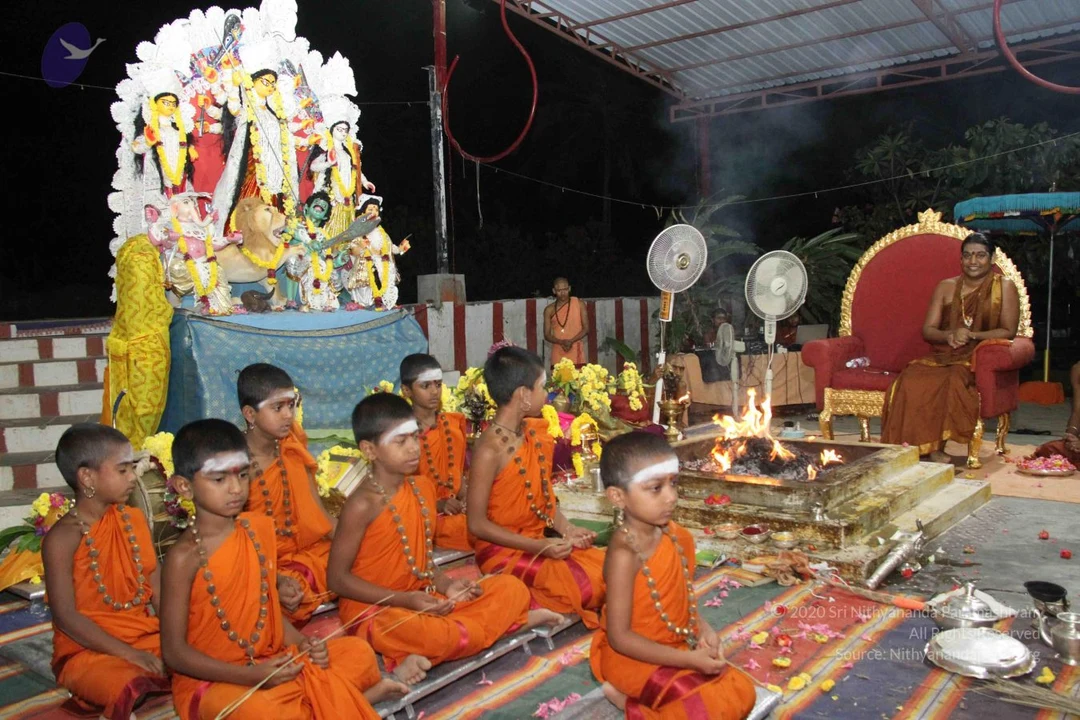
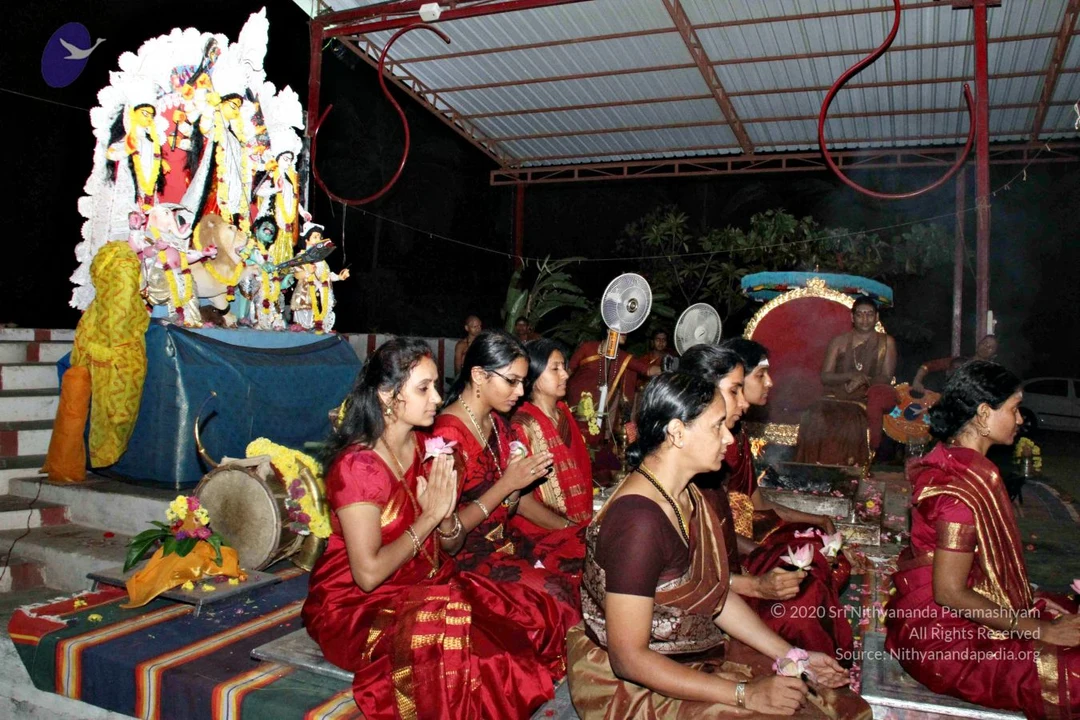
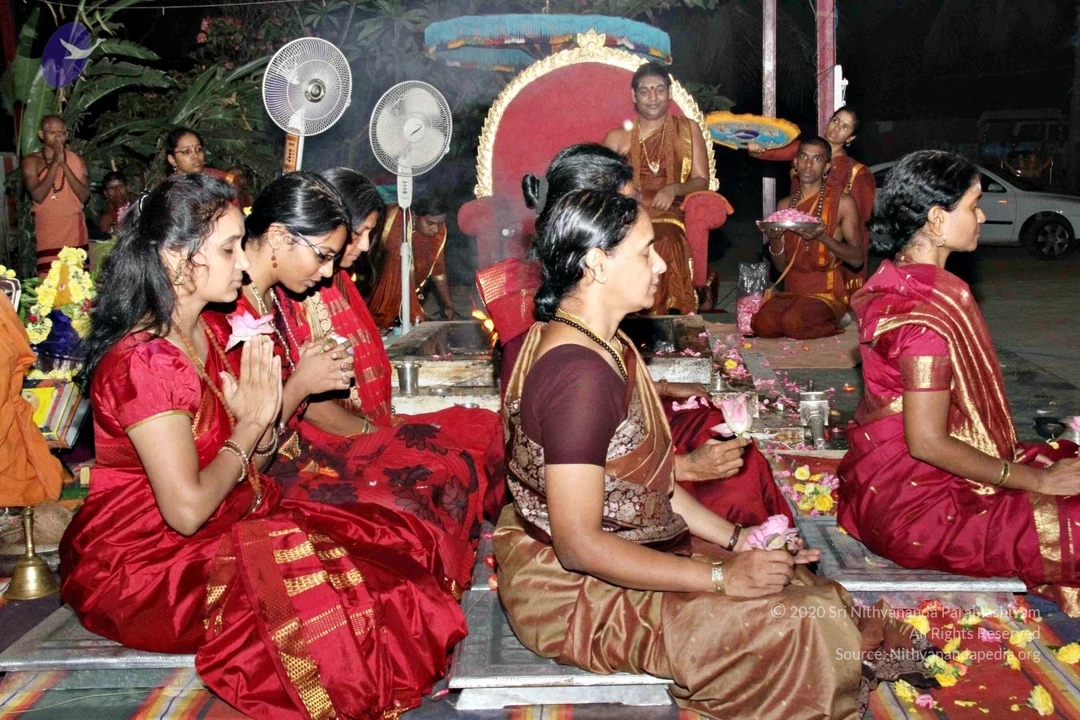
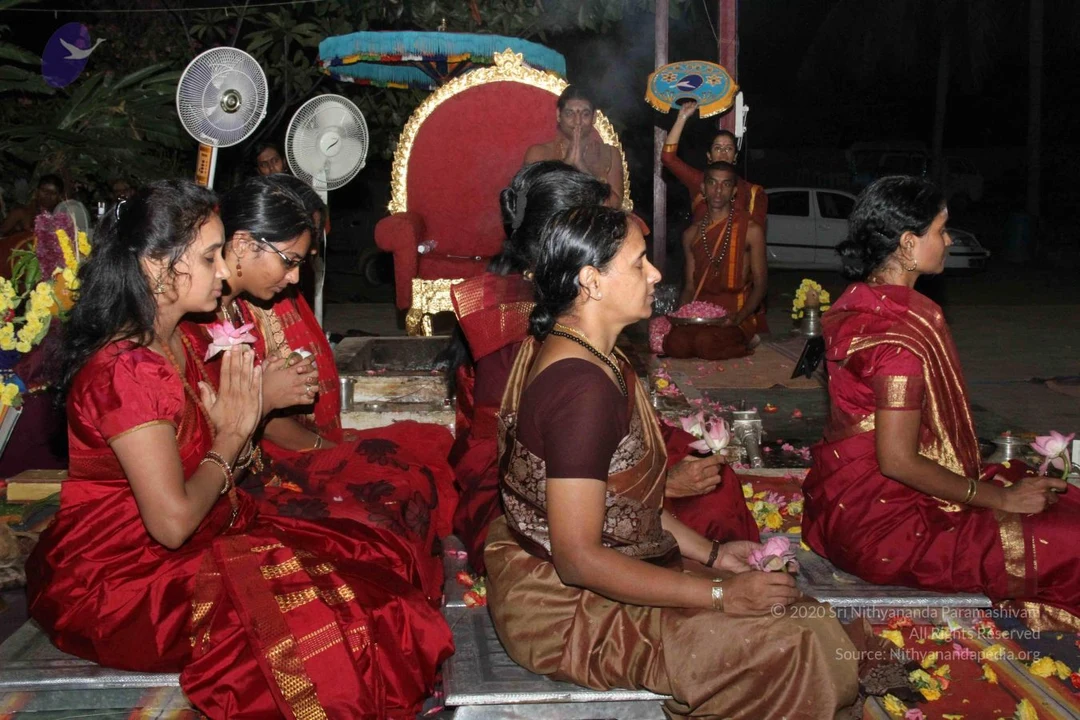
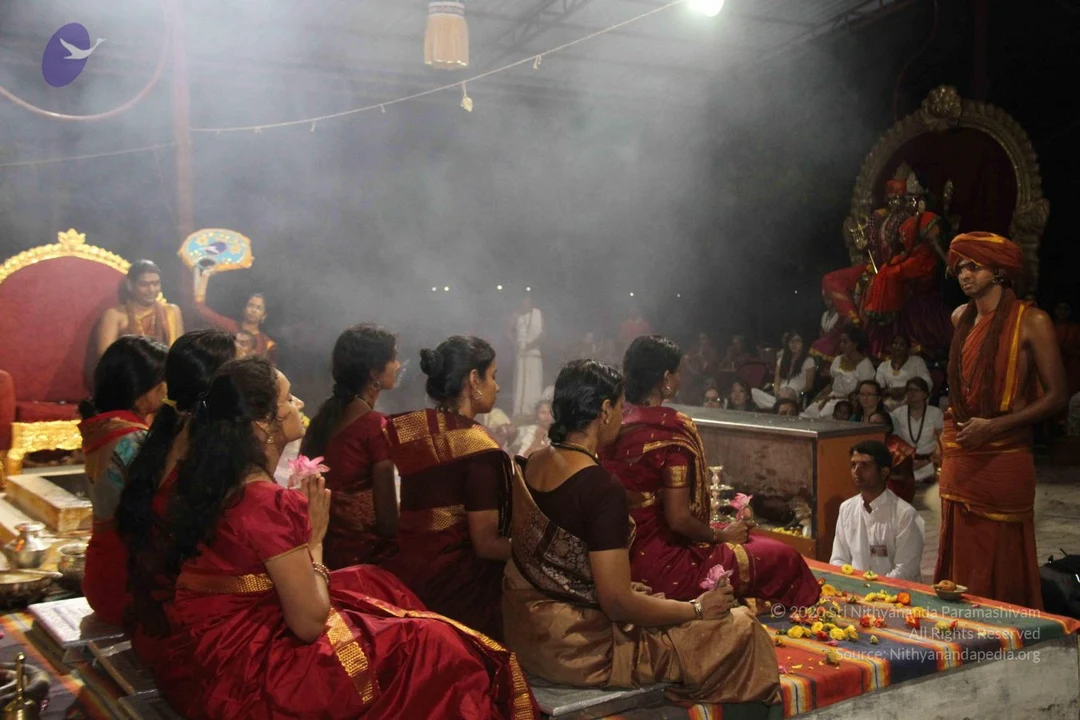
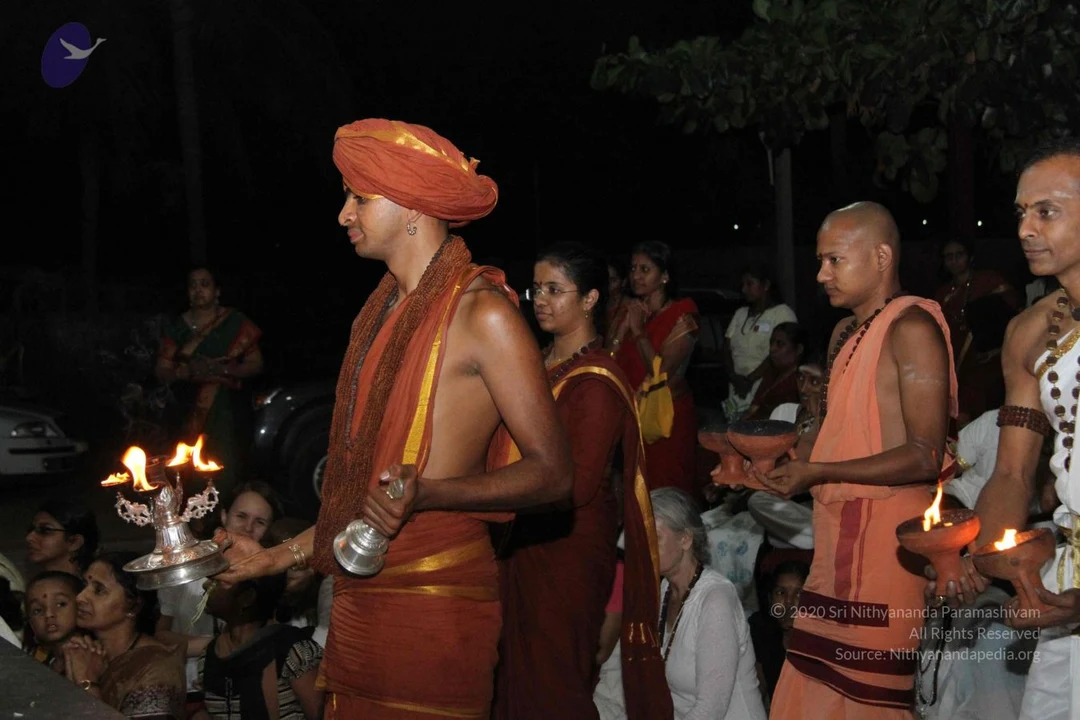
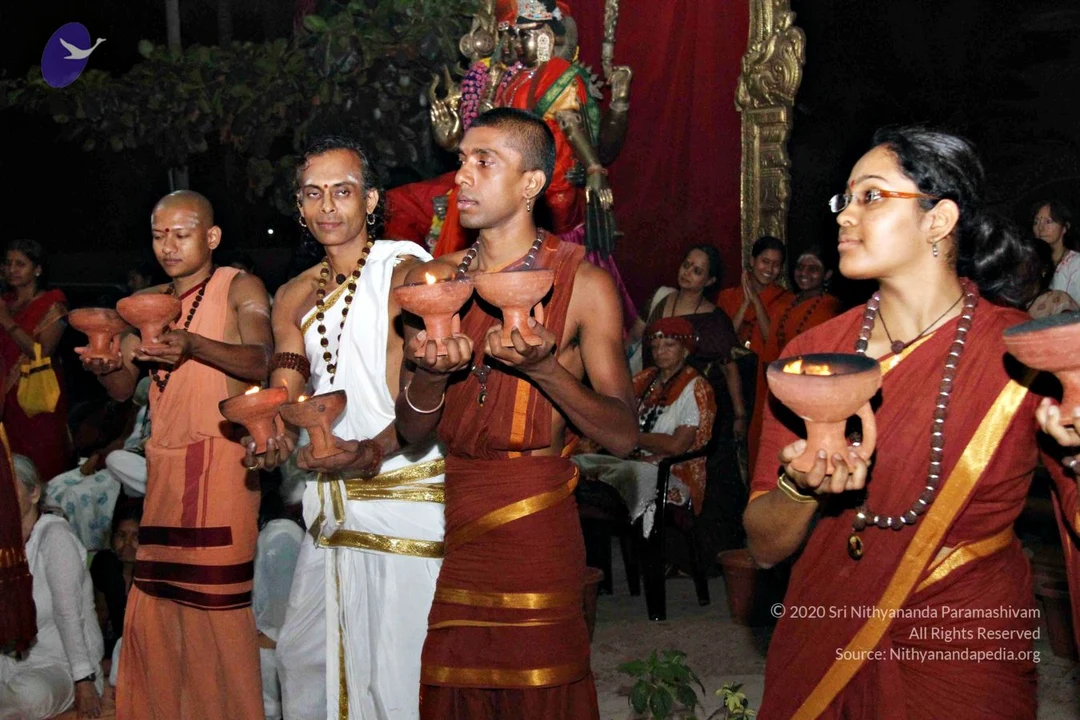
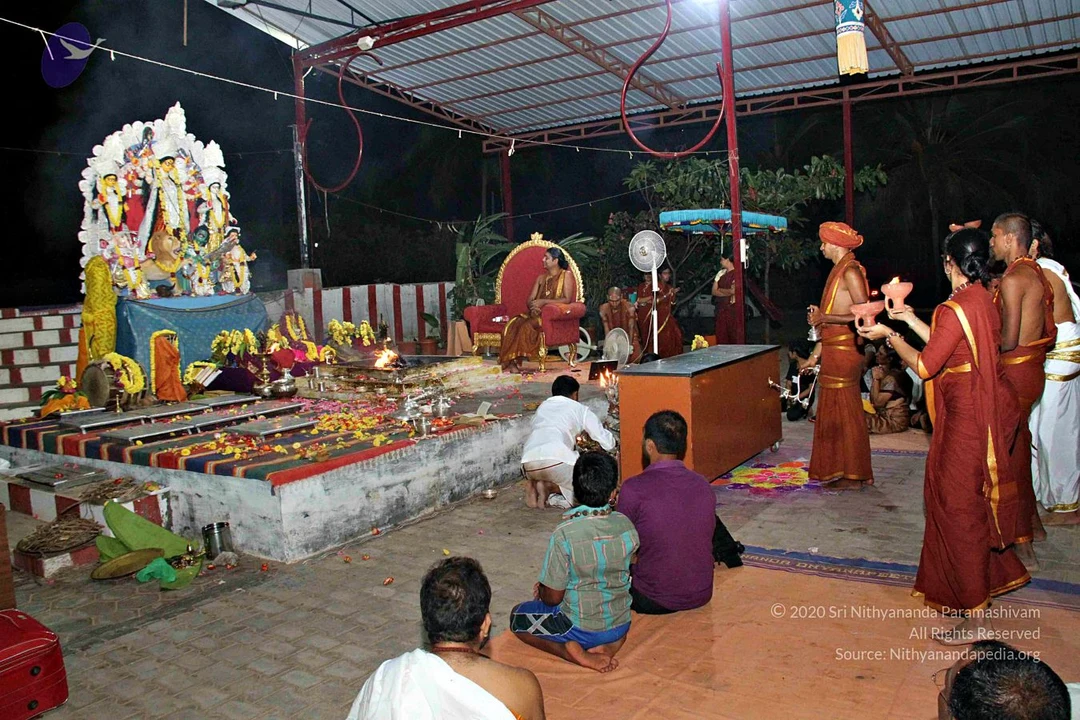
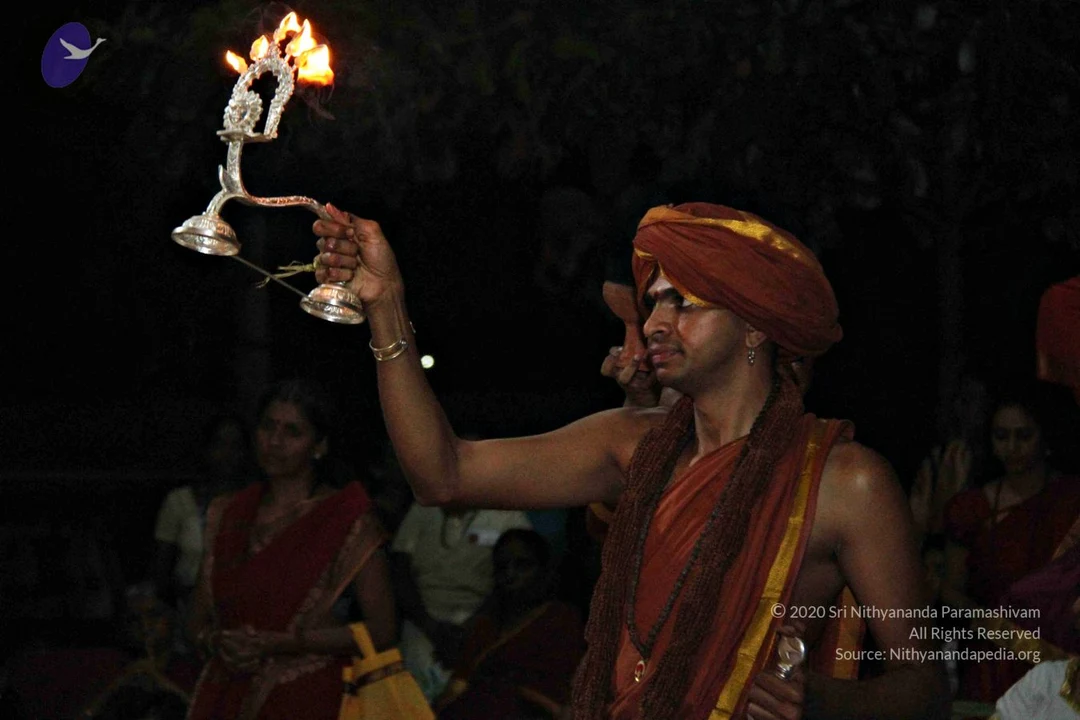
Navarathri_Devi_Ritual

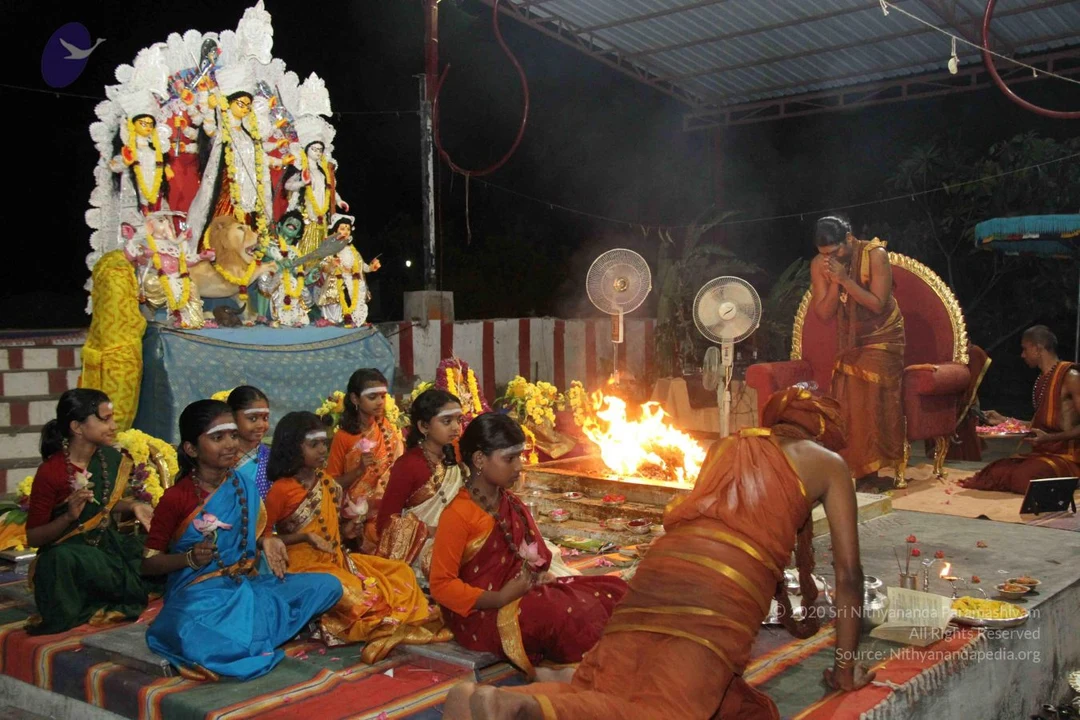
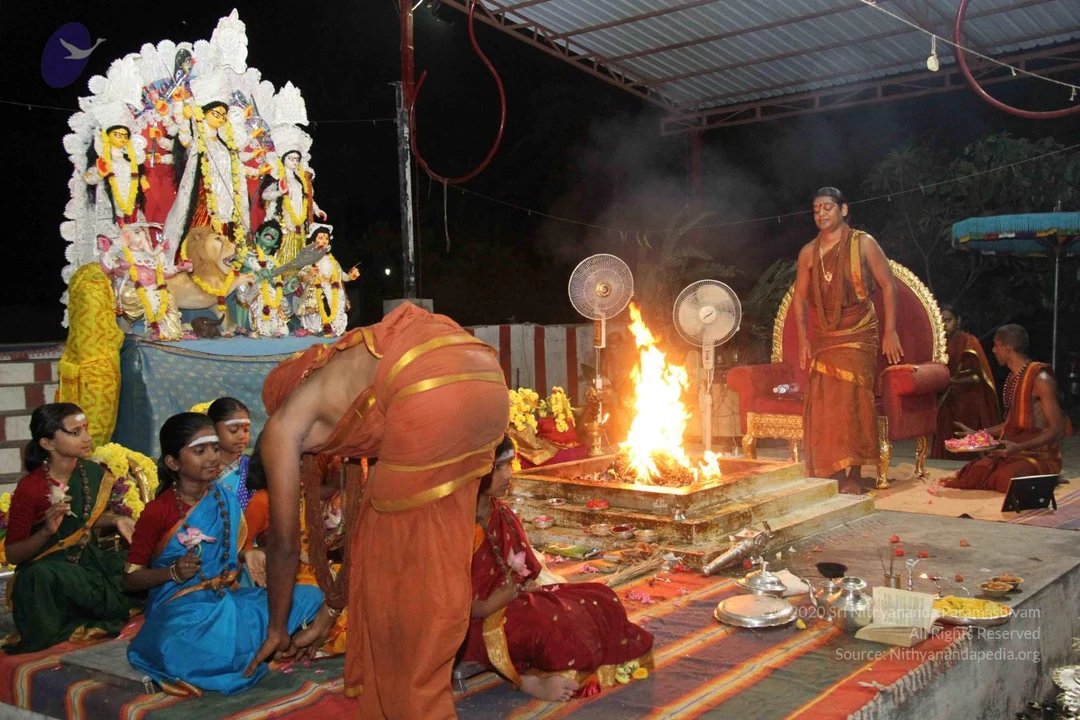
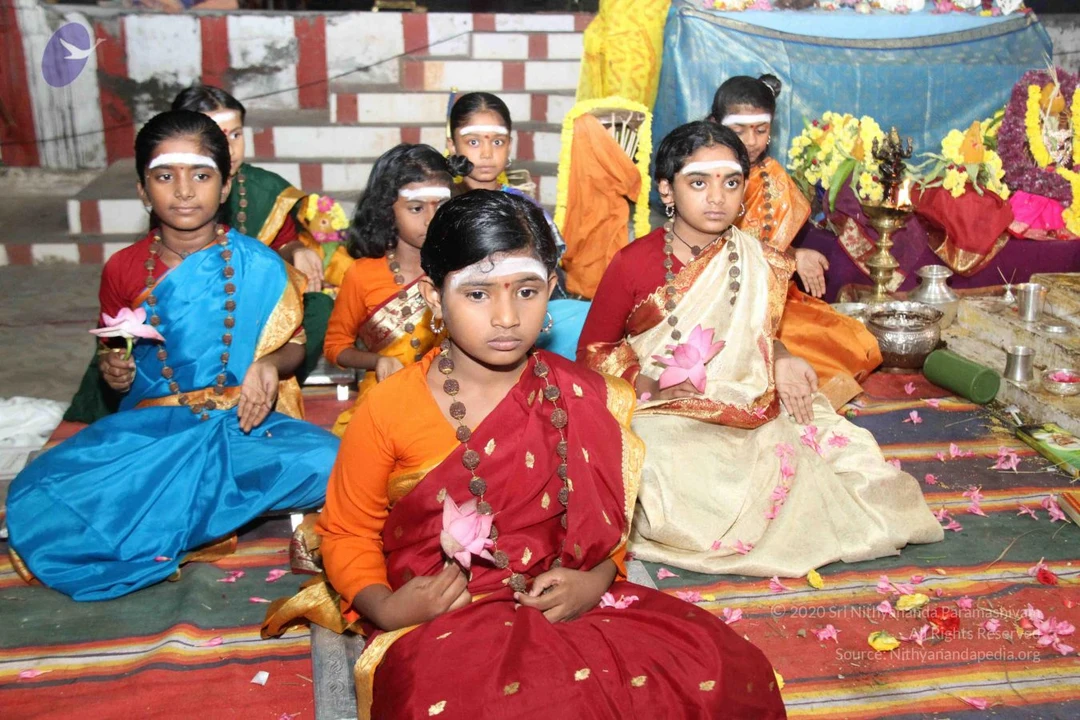
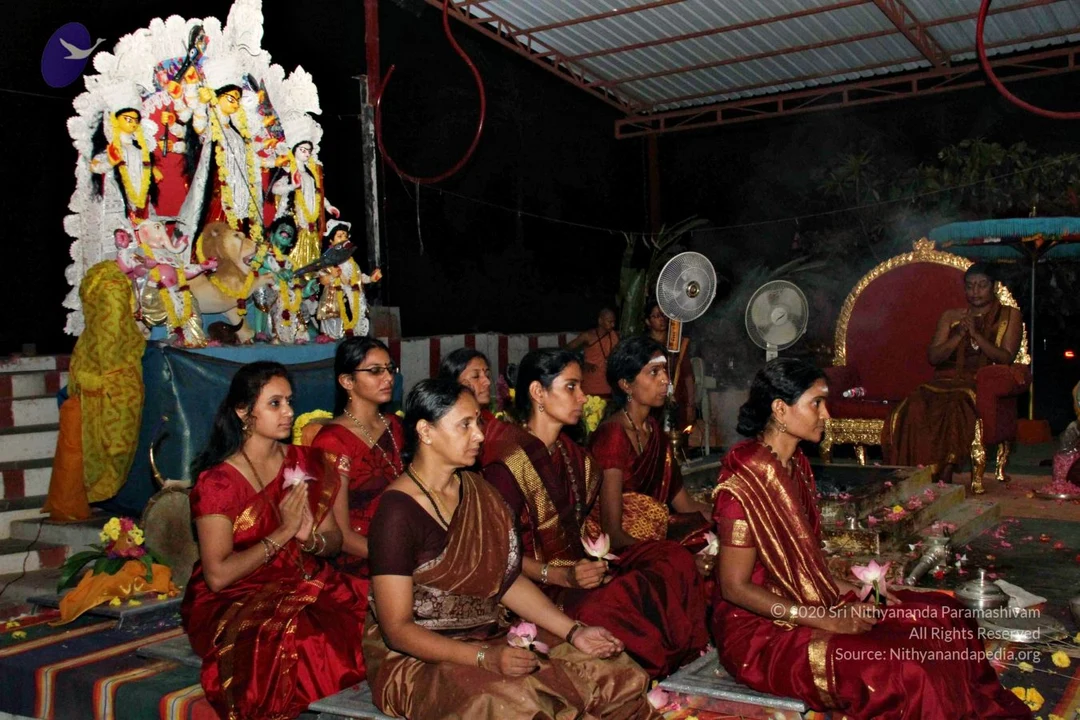
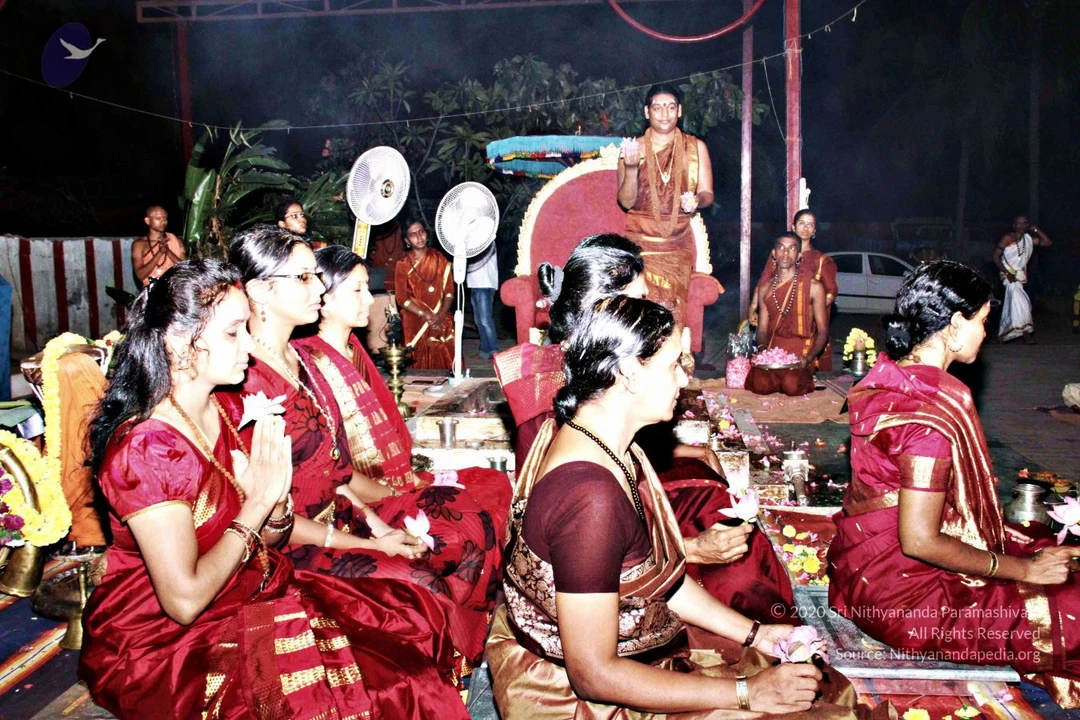
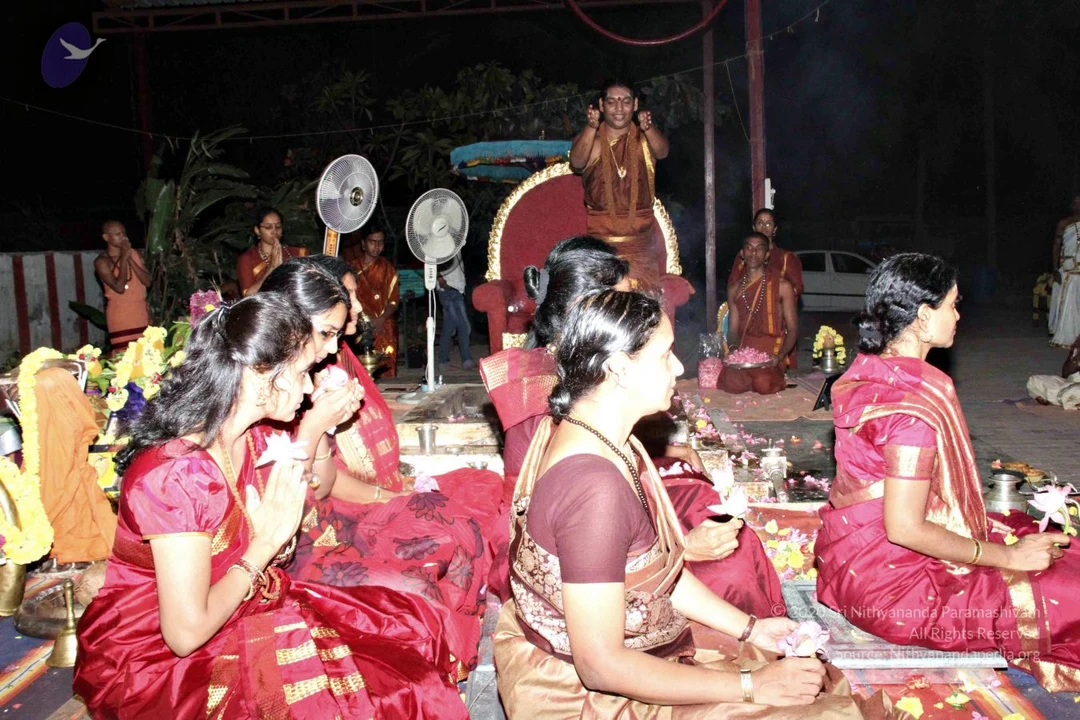
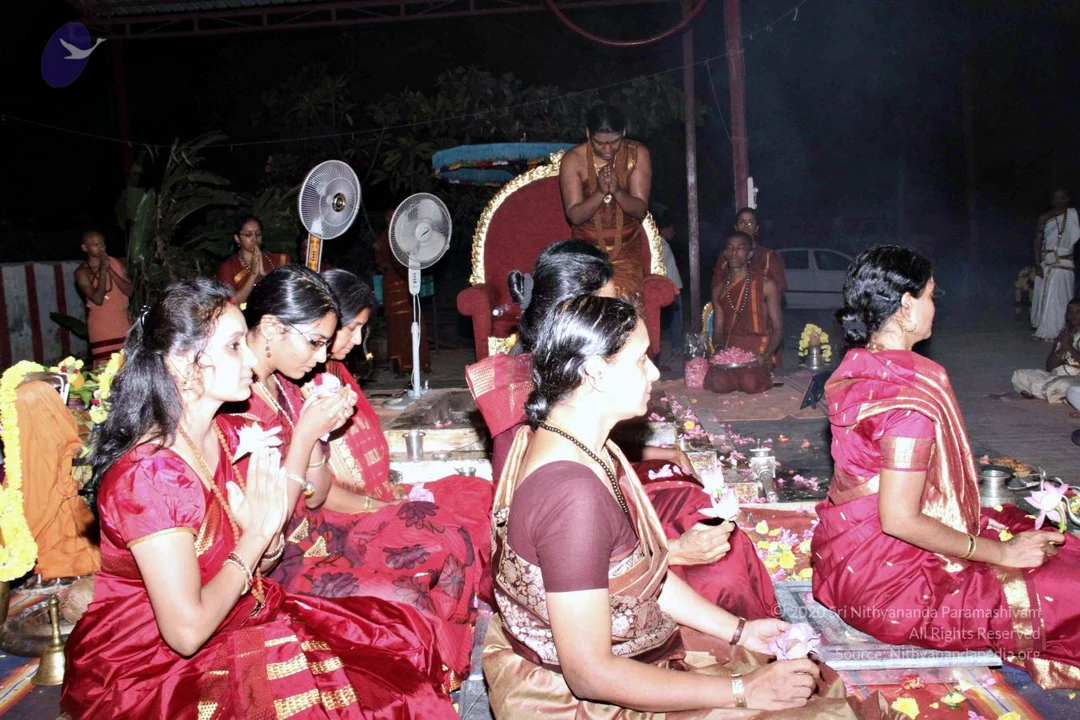
201 photosSource gallery
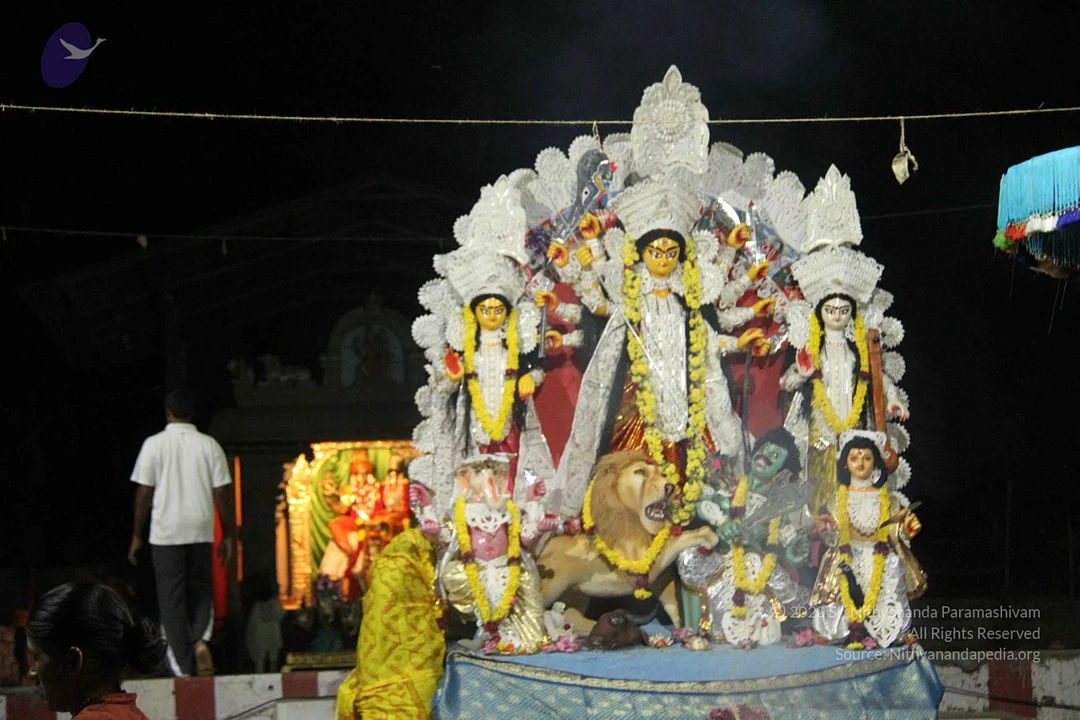
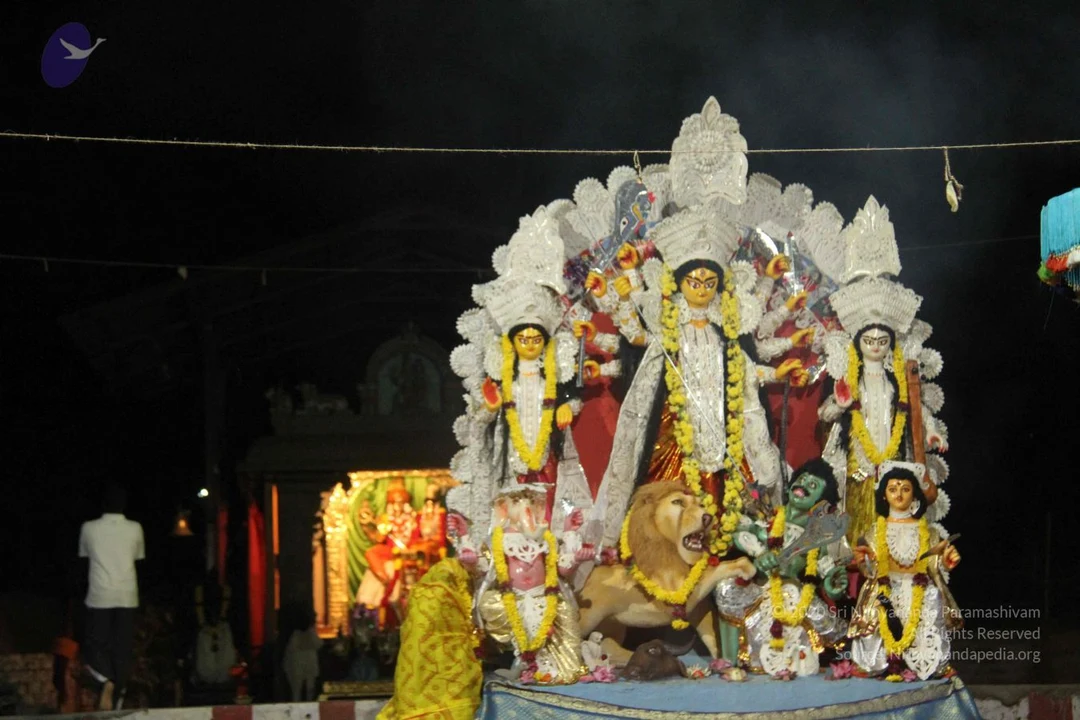
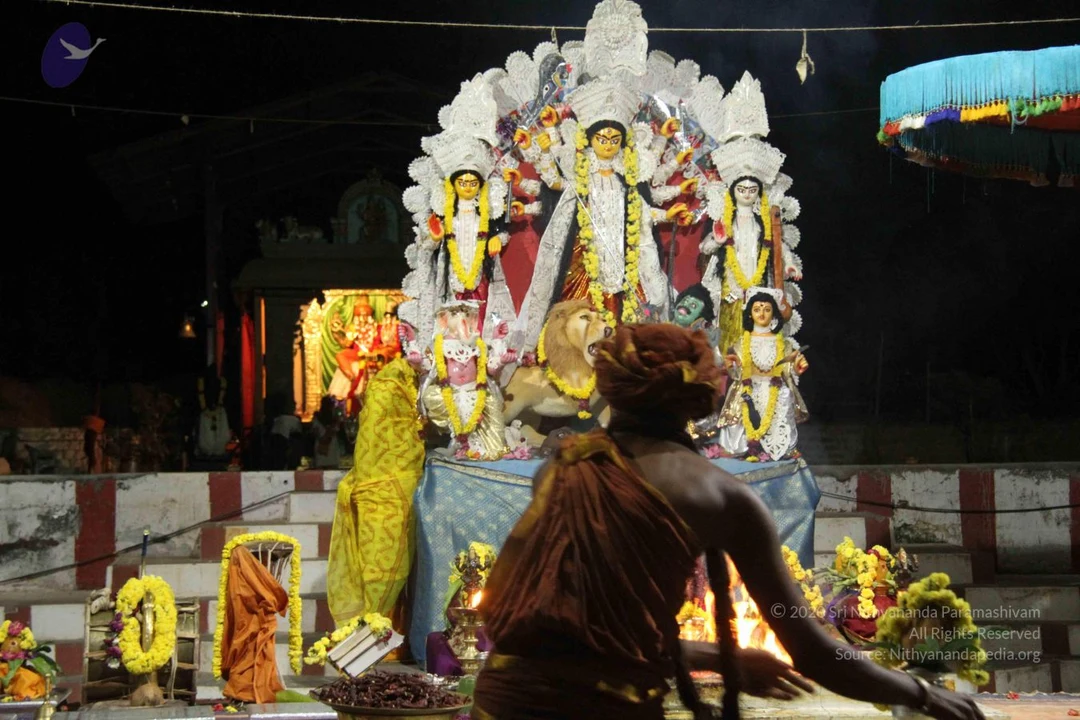
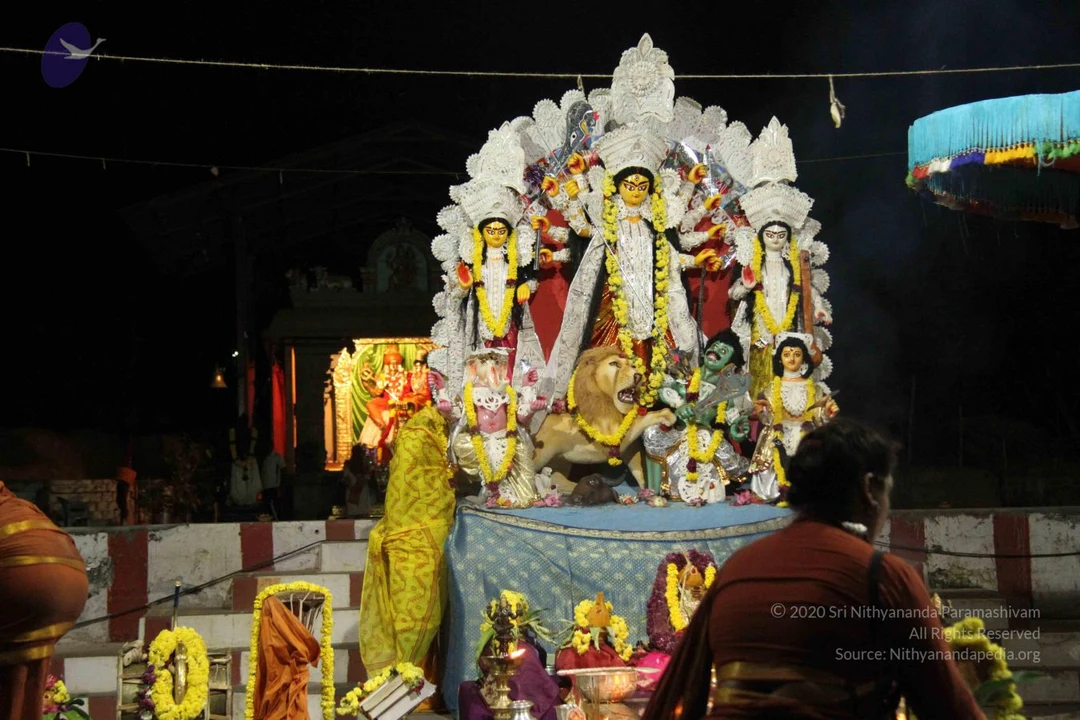
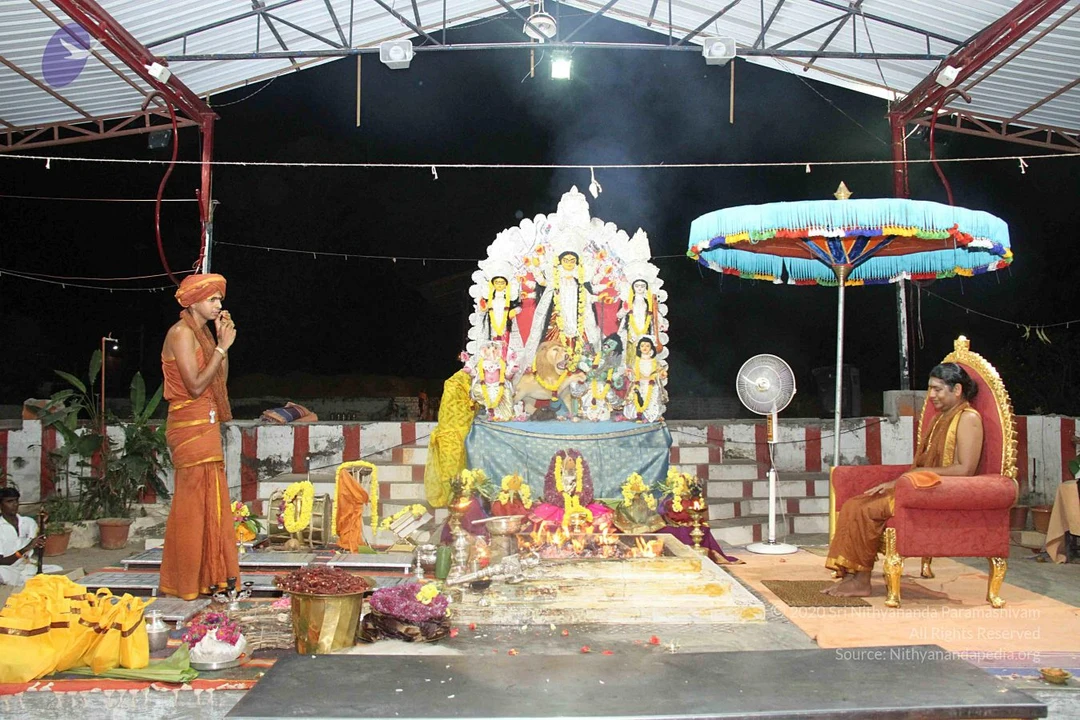
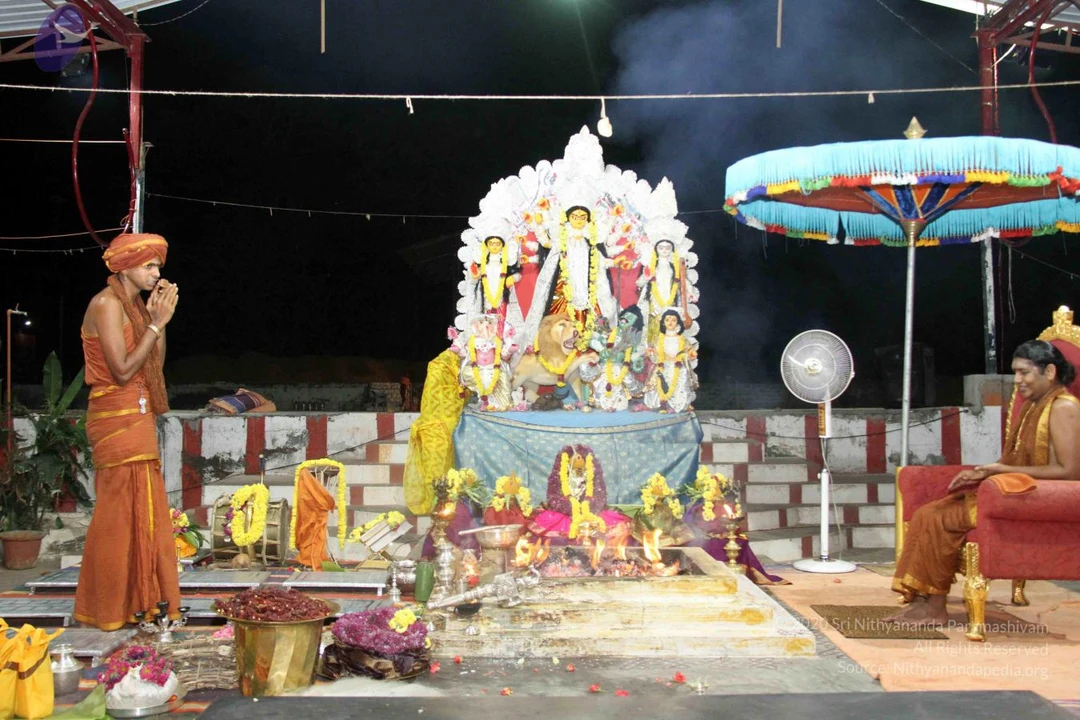
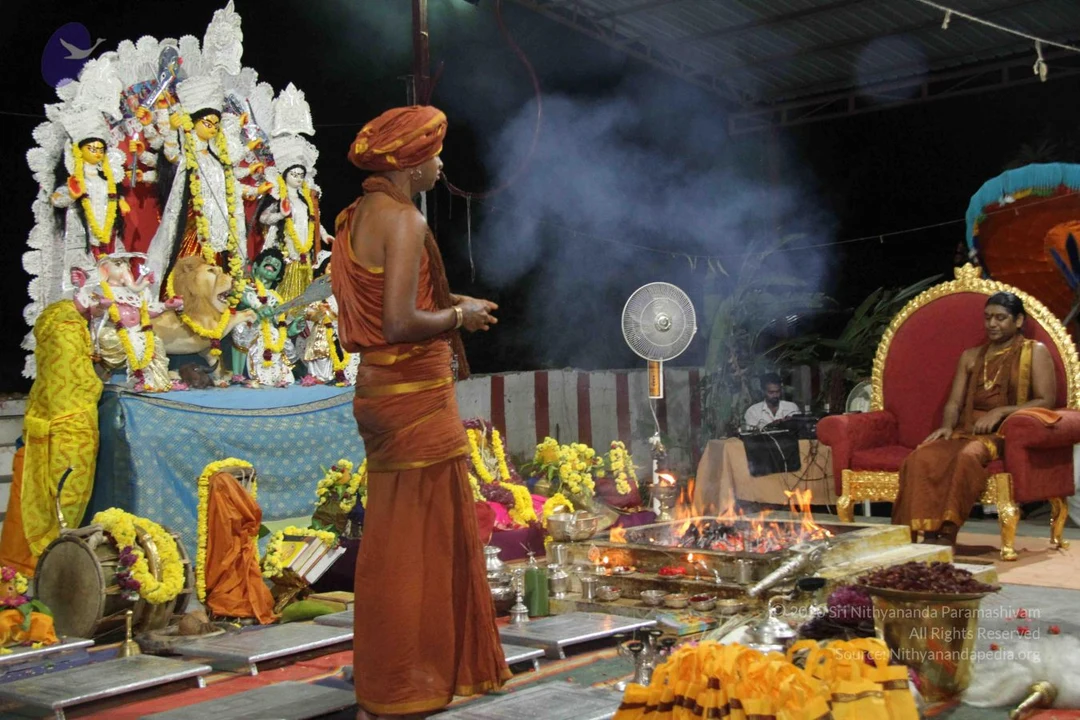
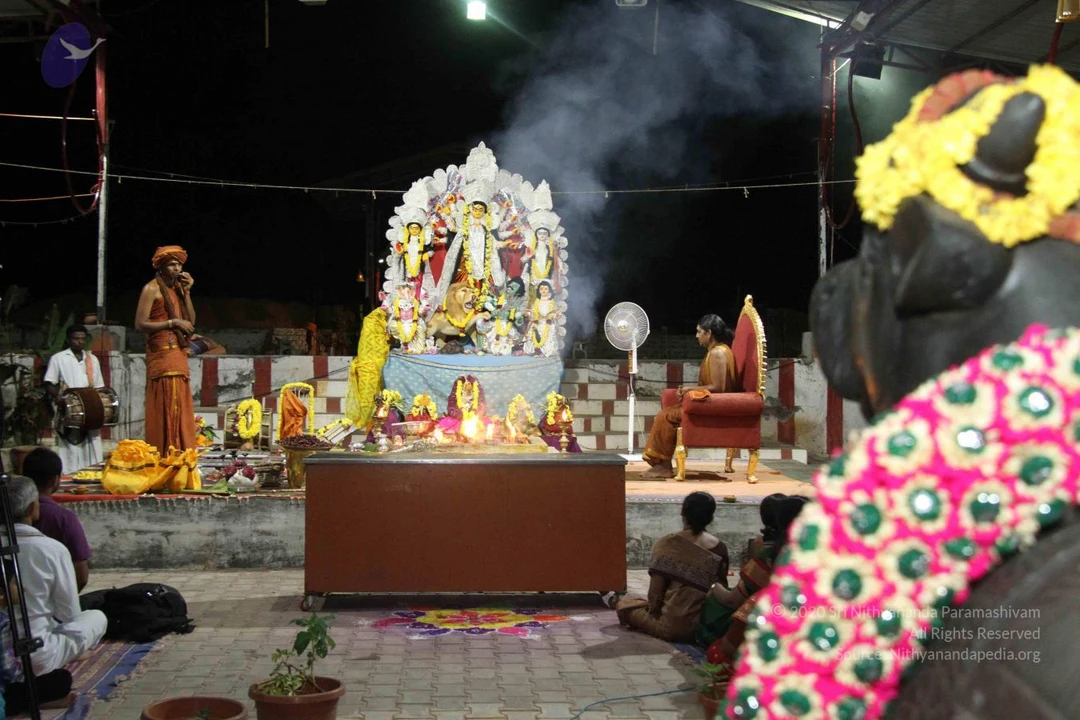
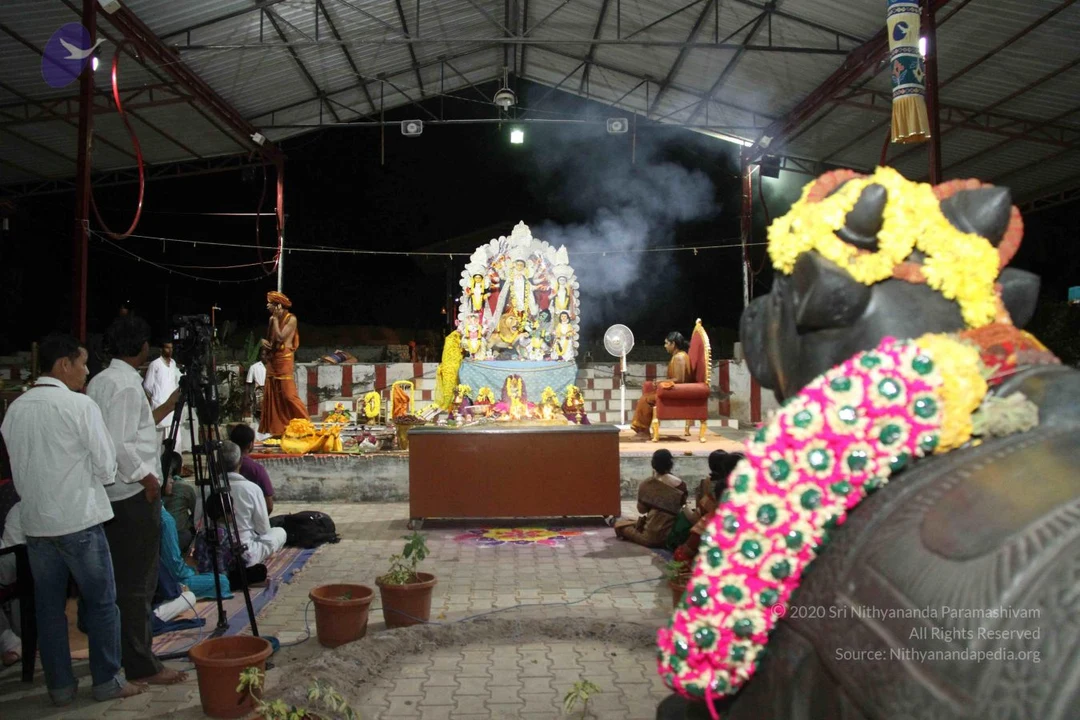
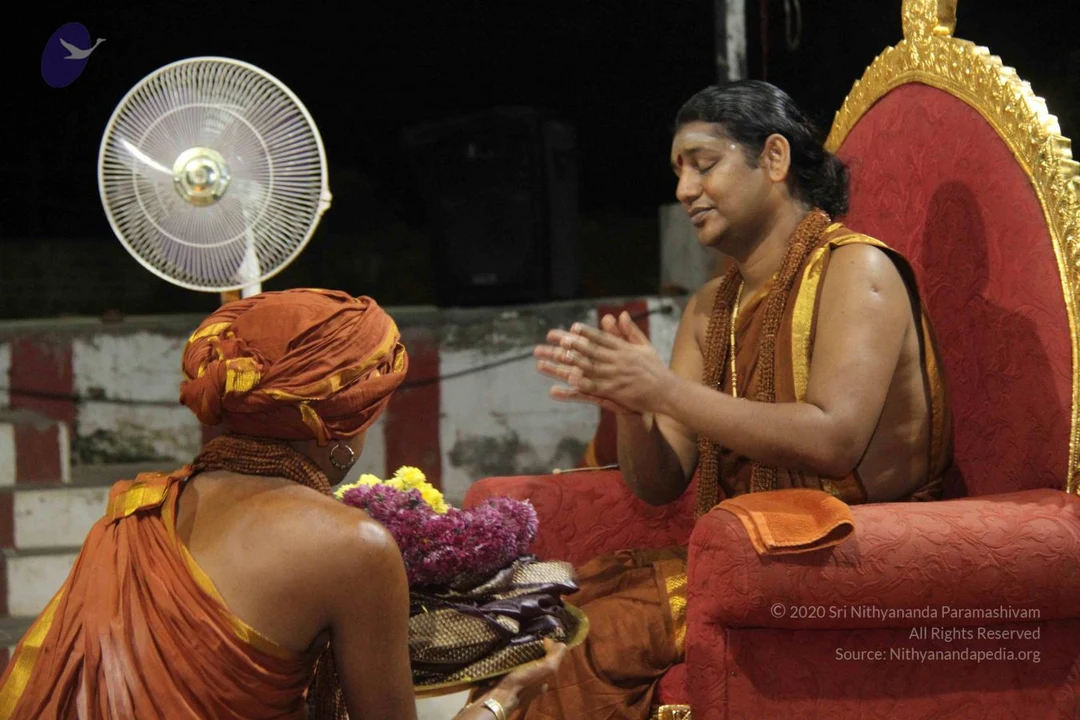
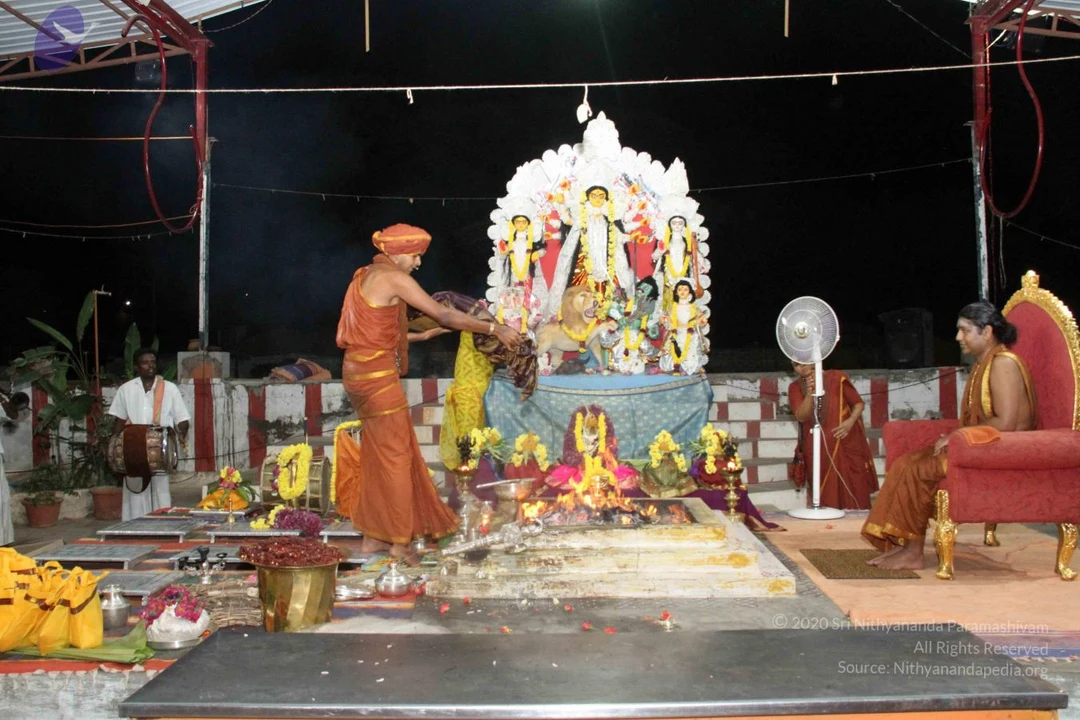
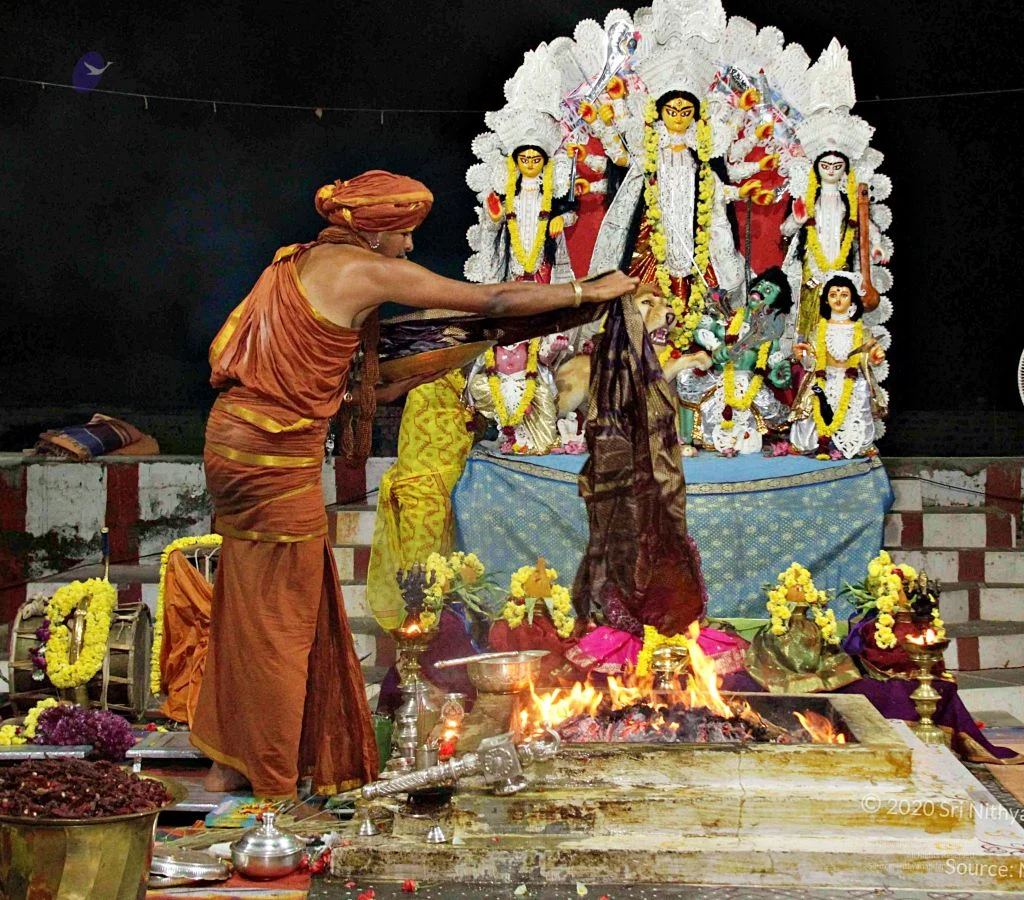
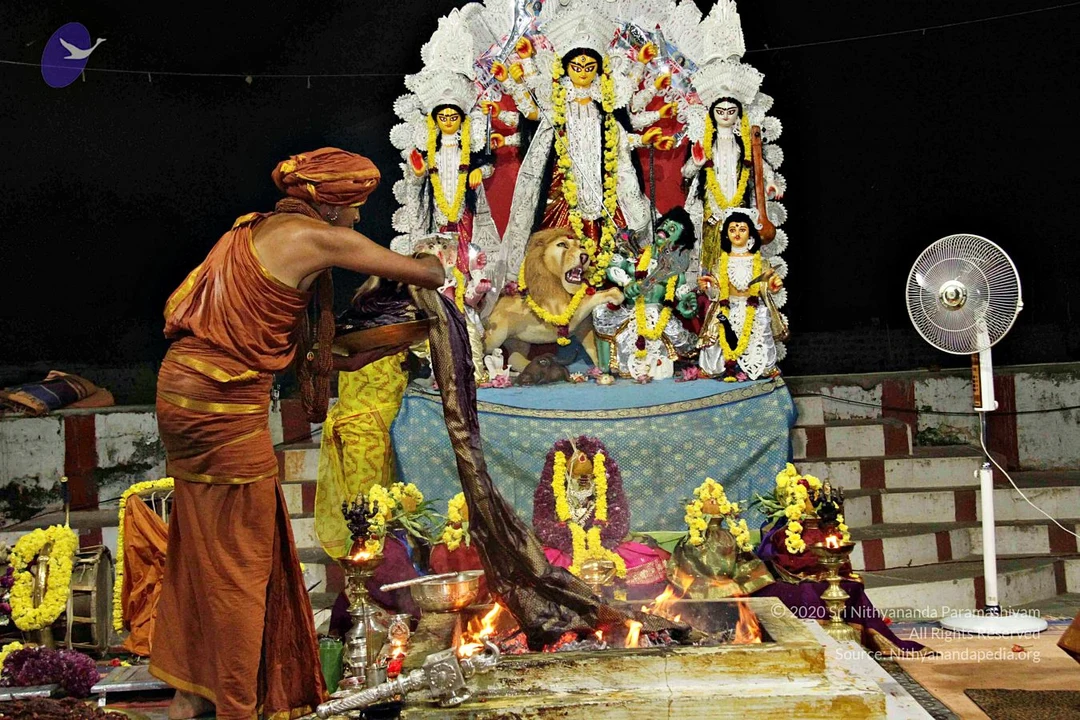
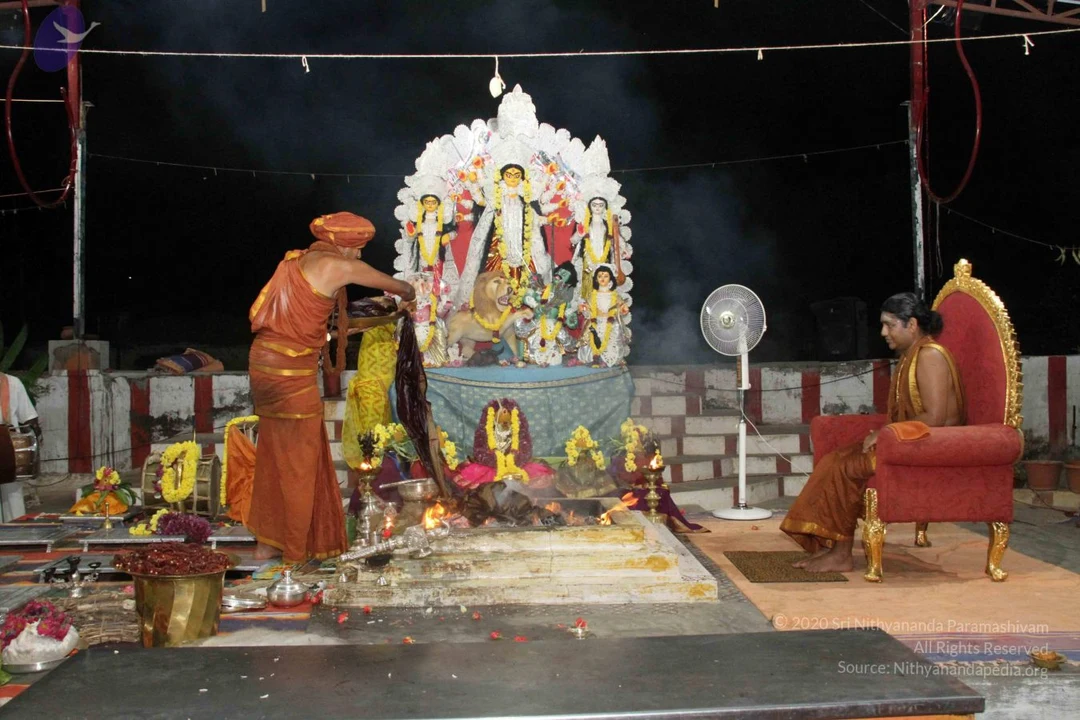
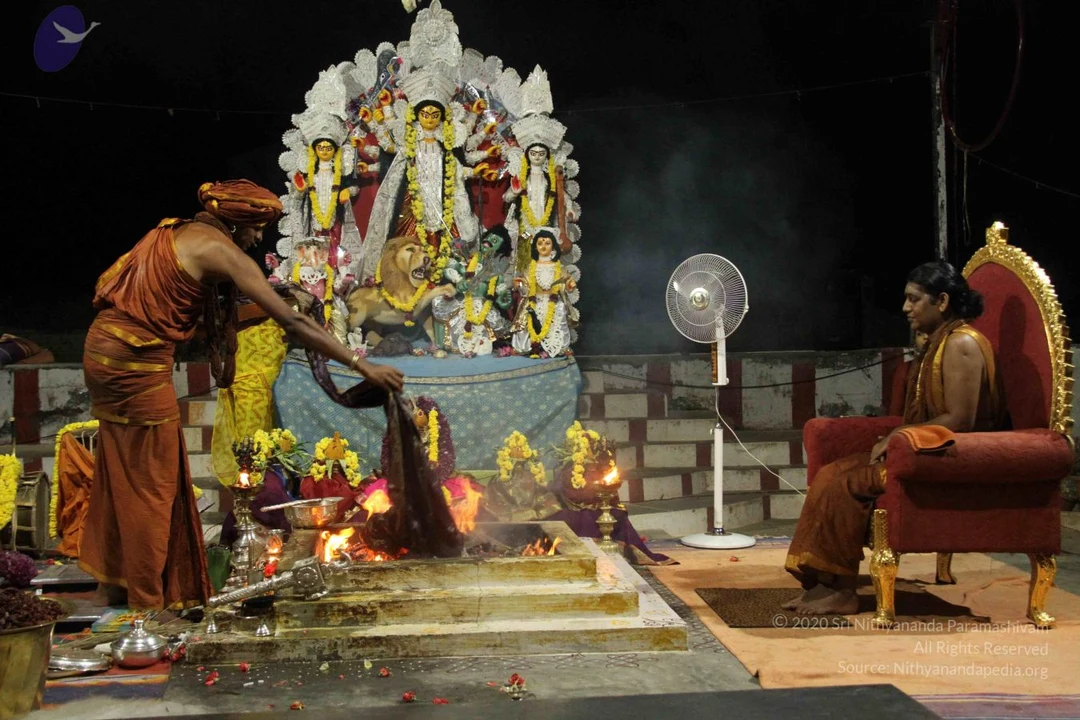
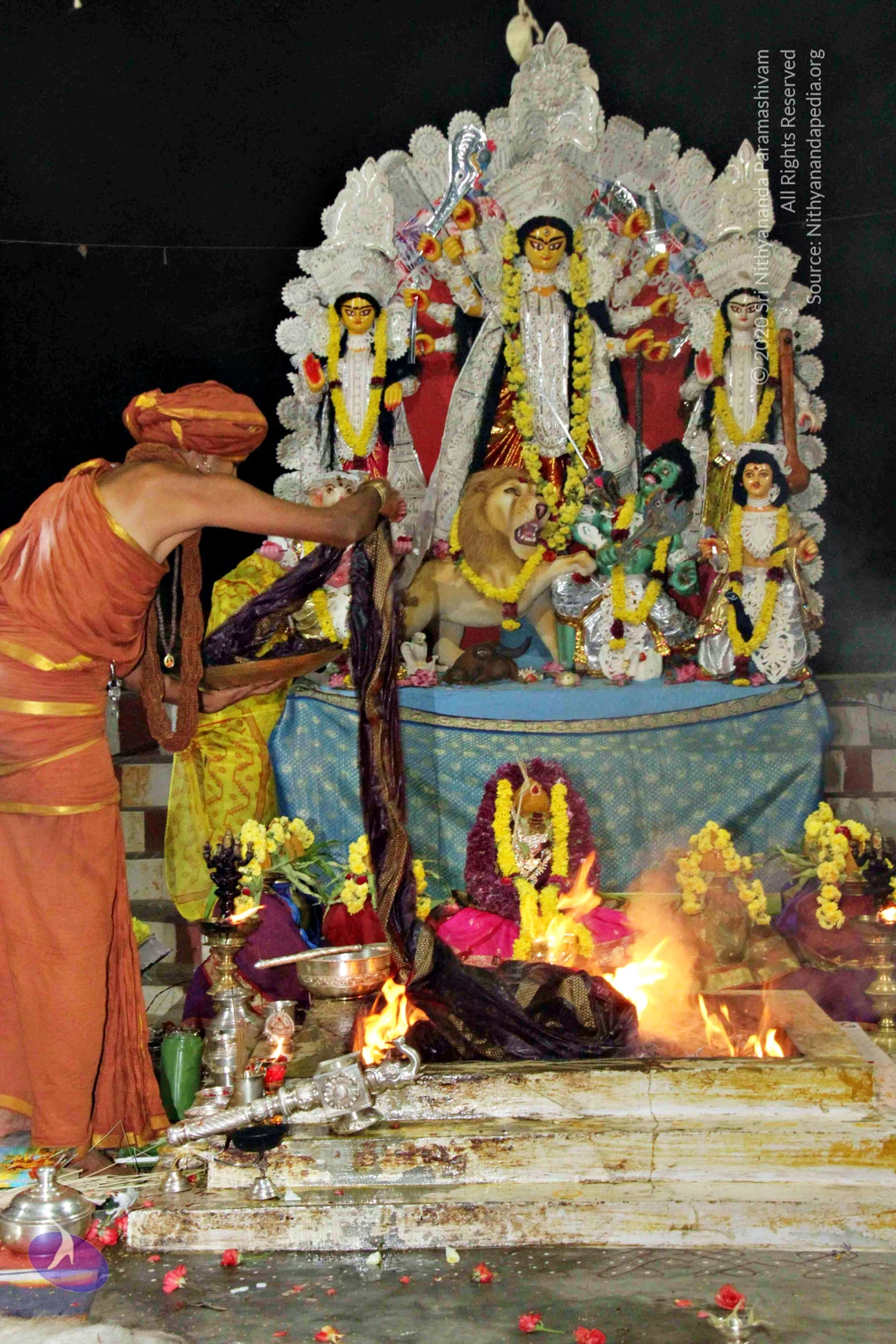
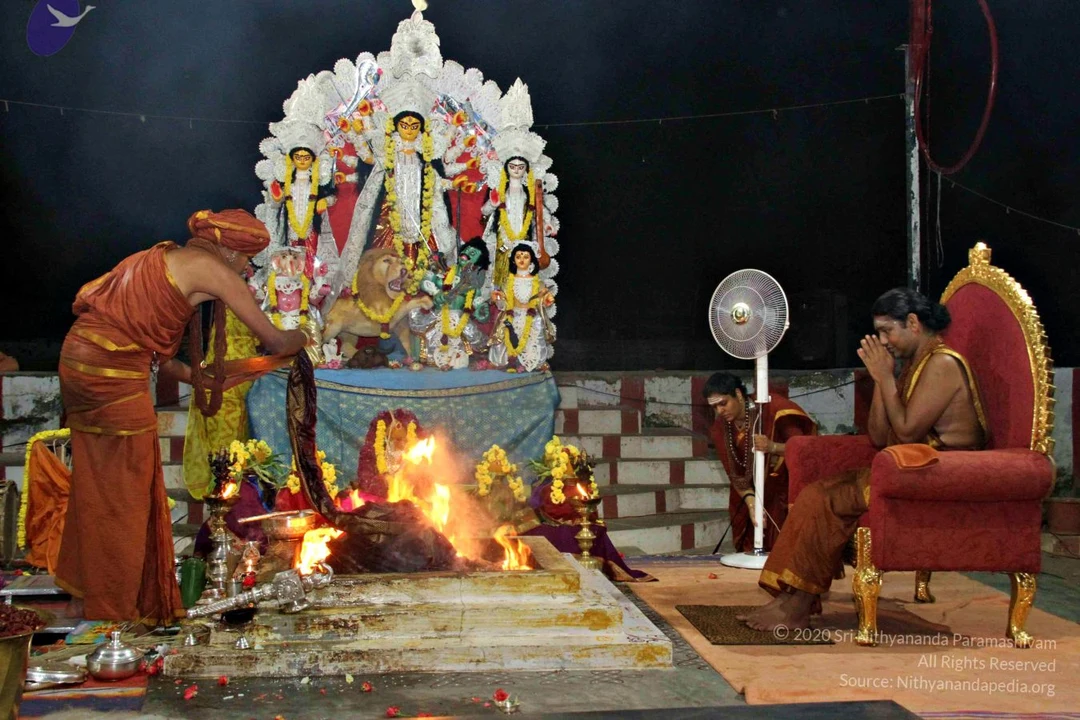
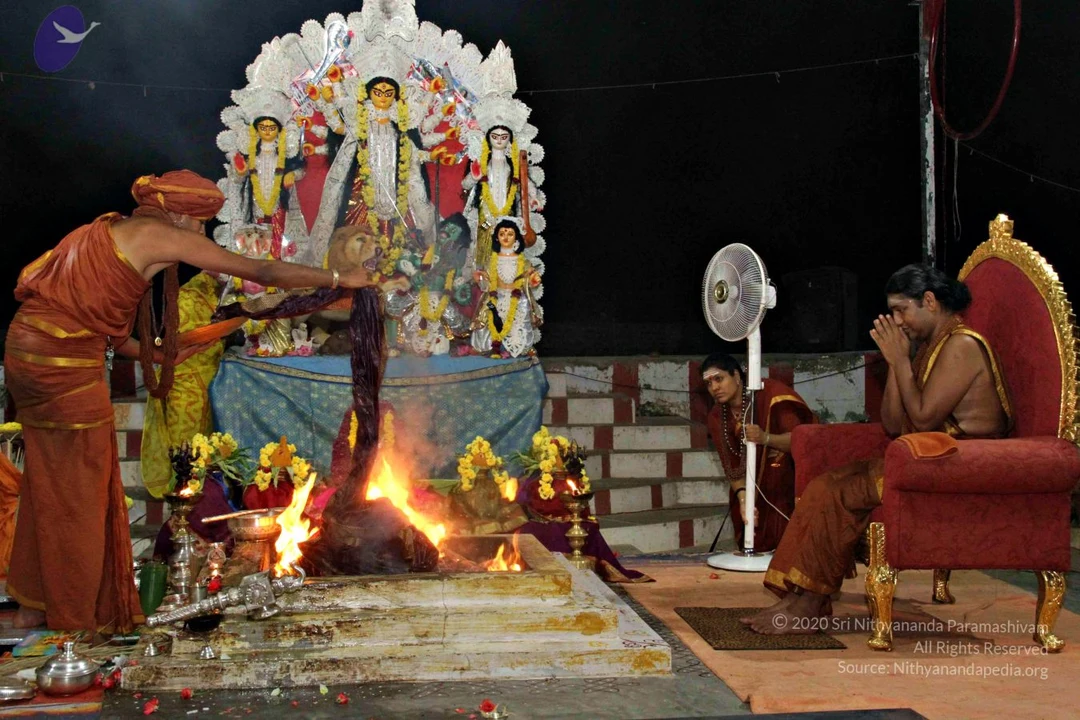
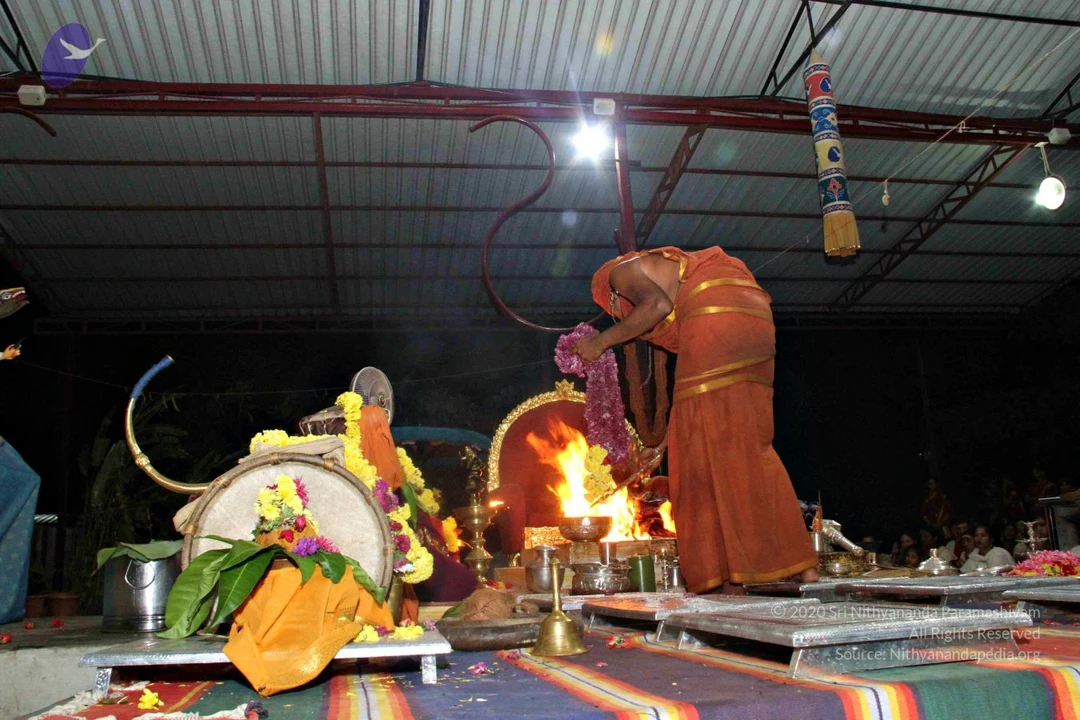
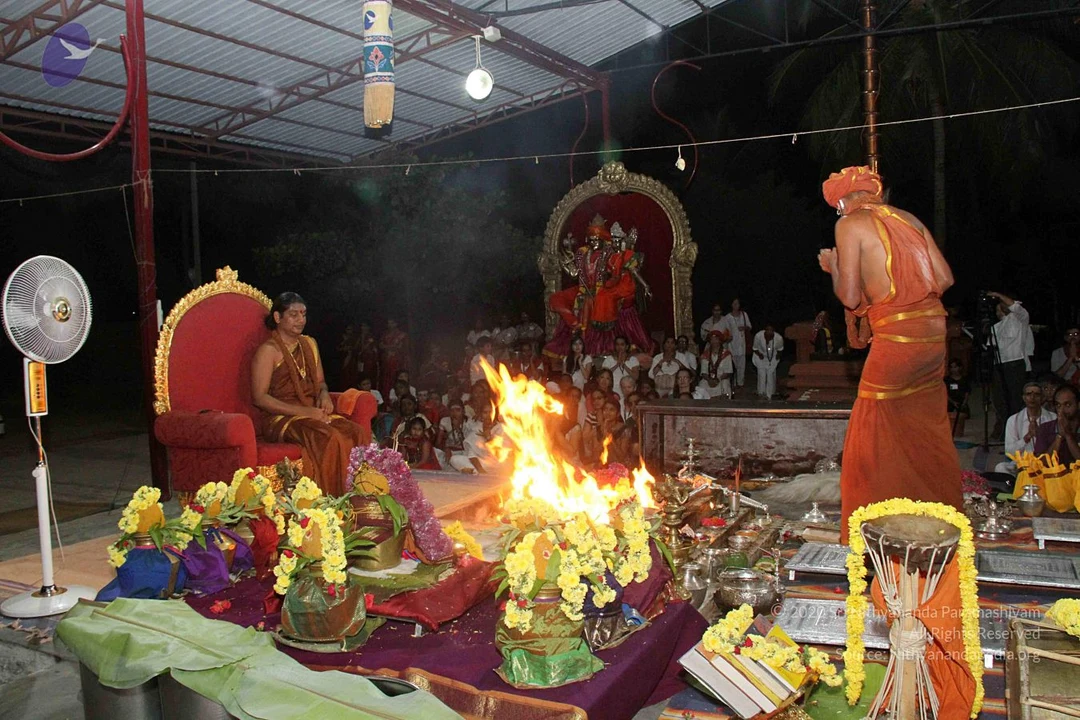
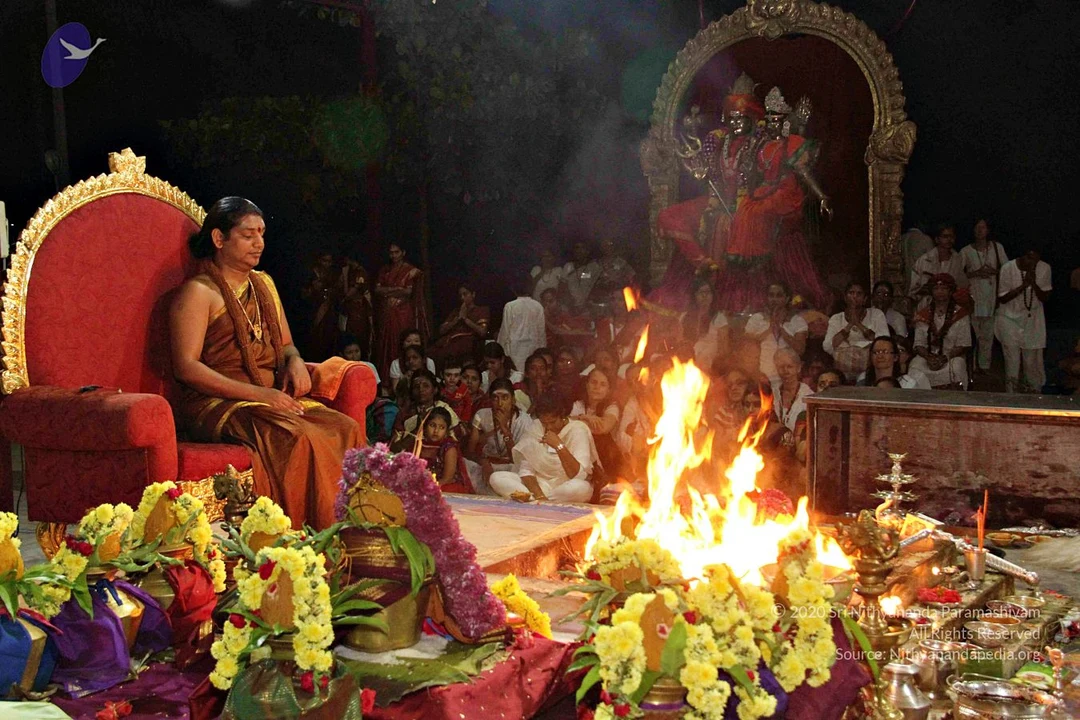
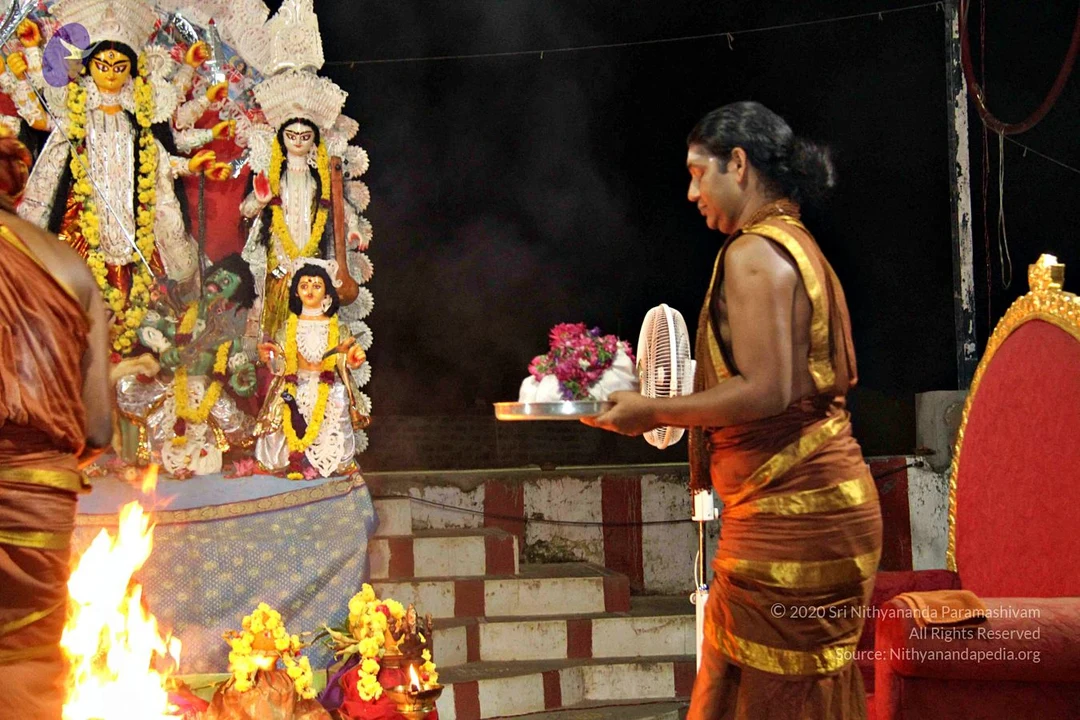
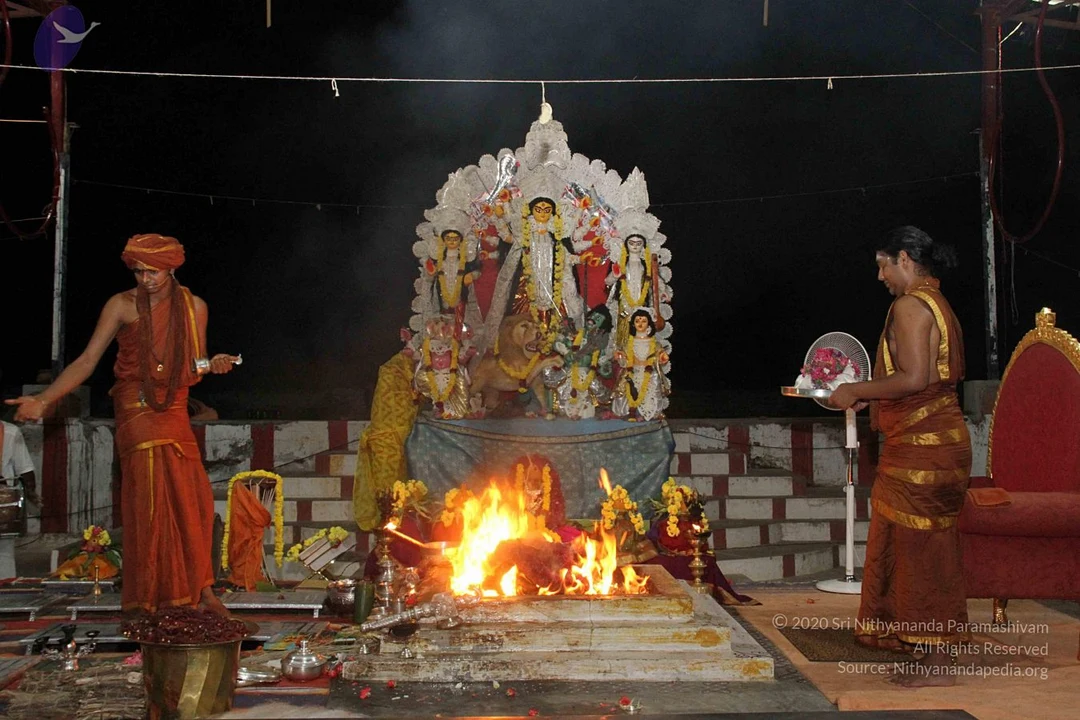
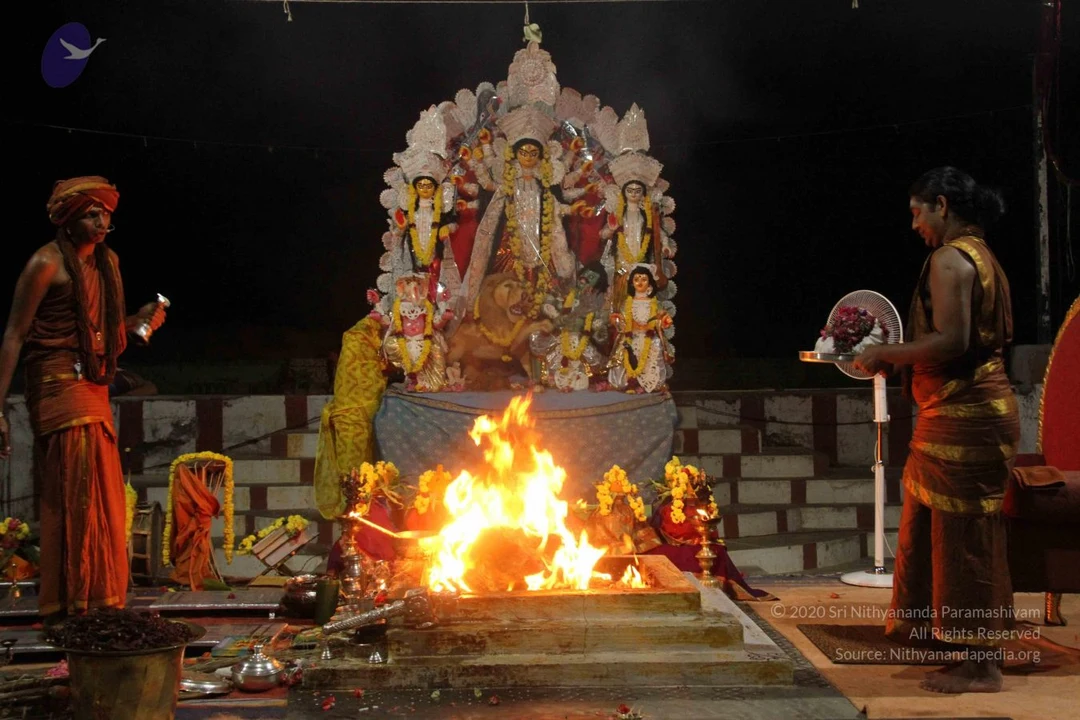
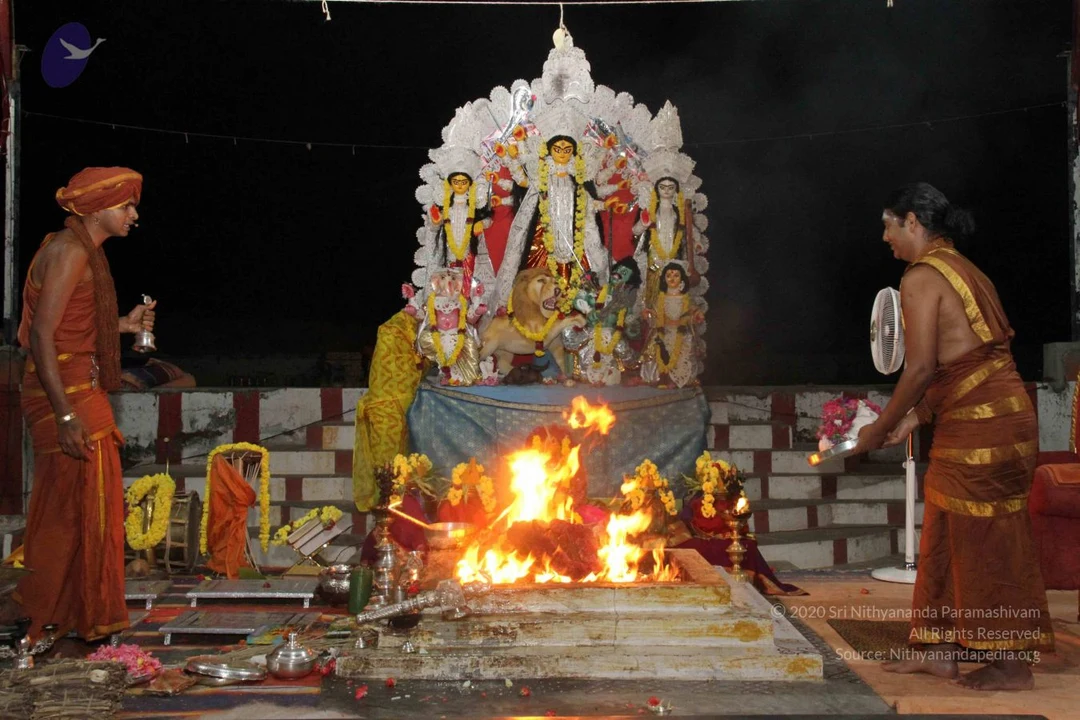
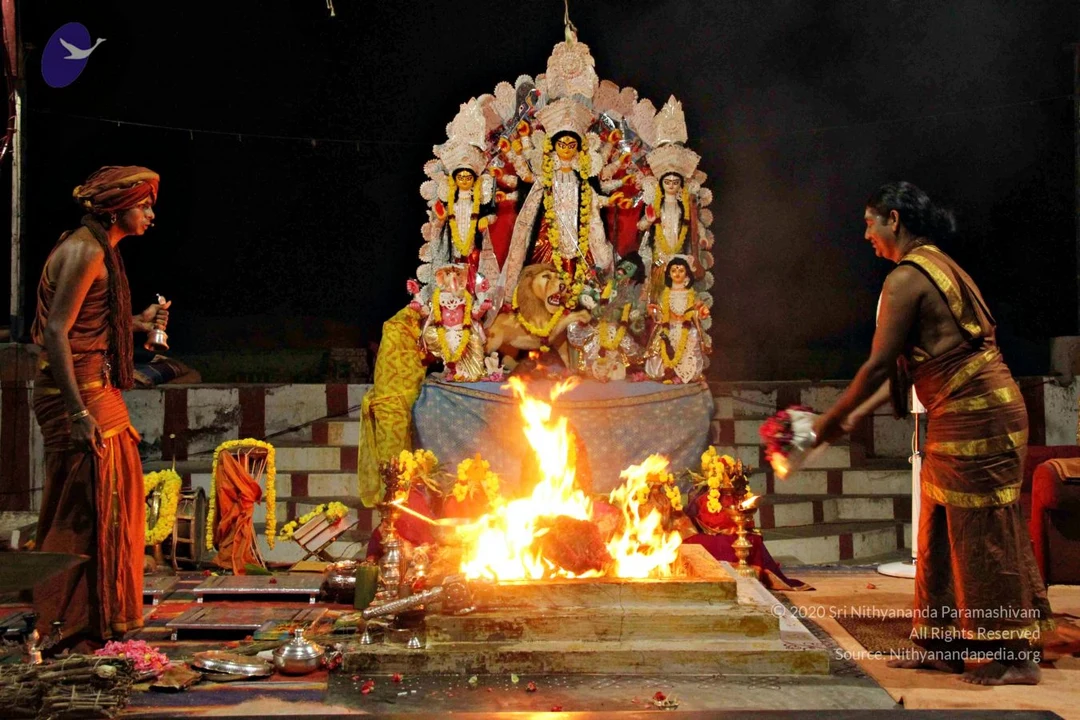
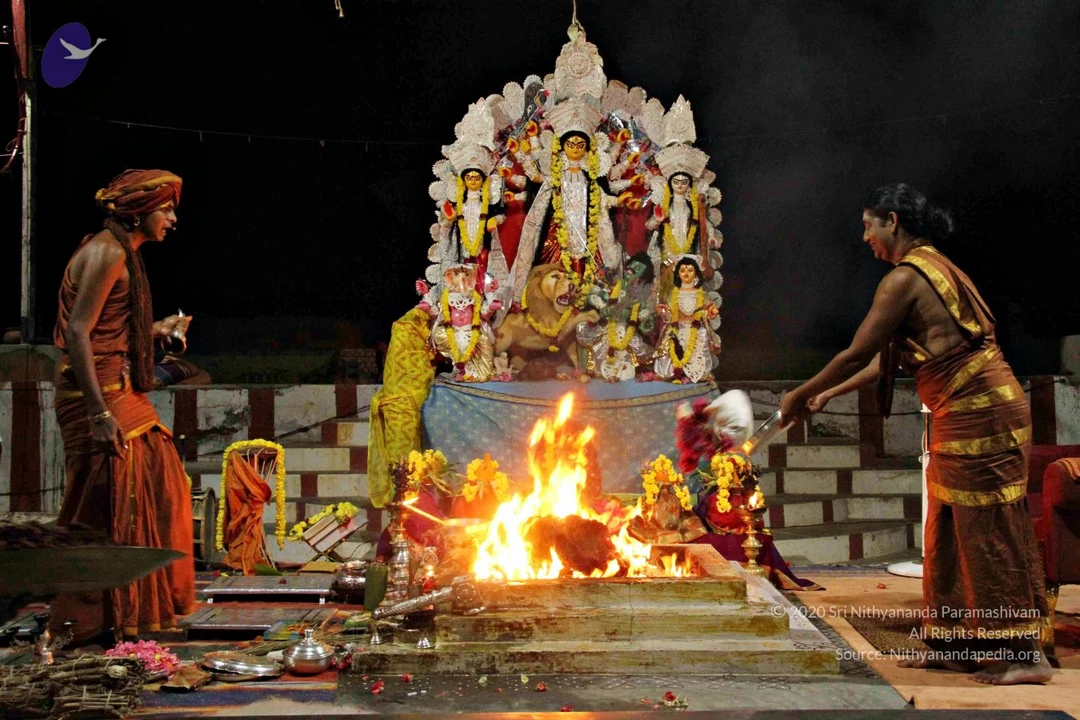
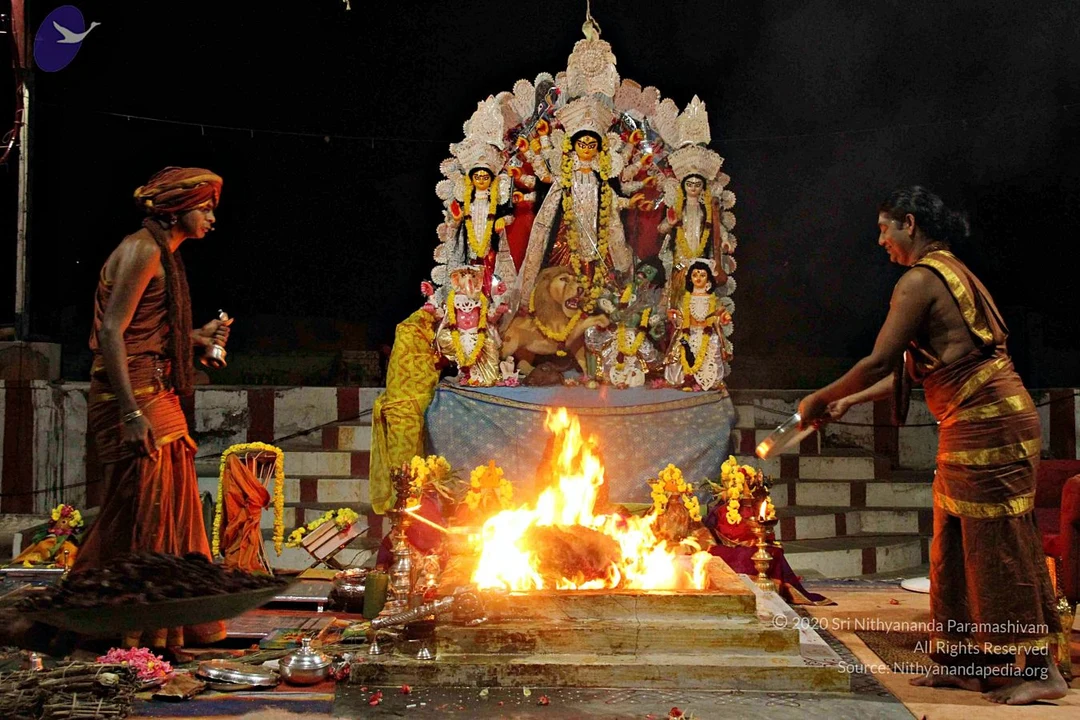
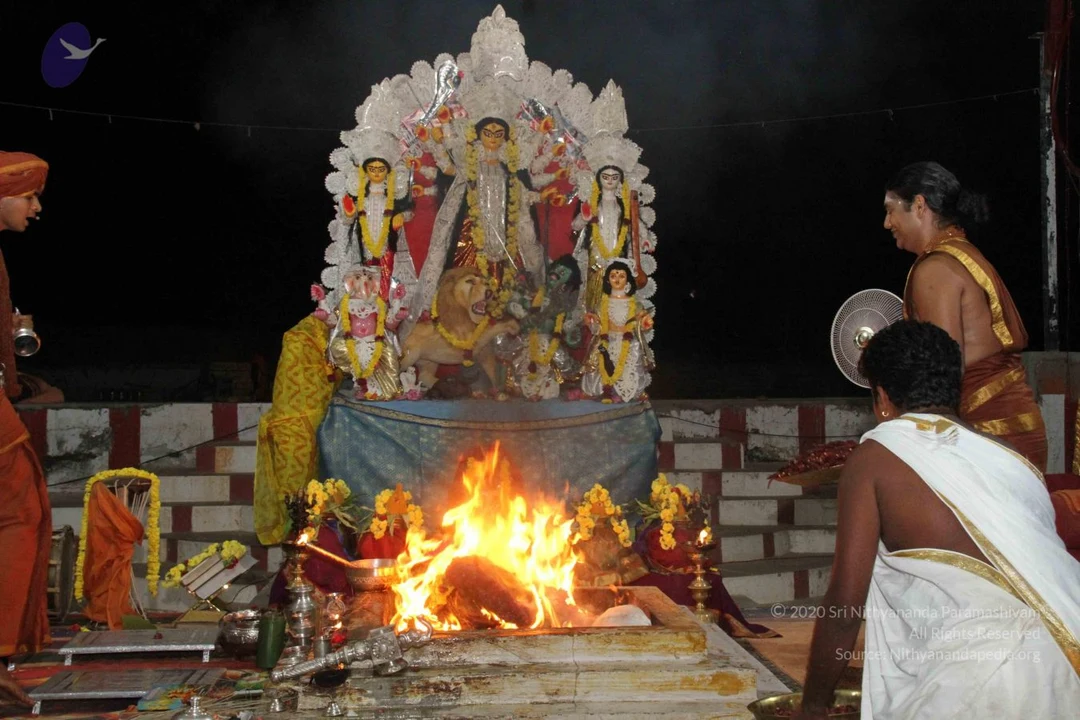
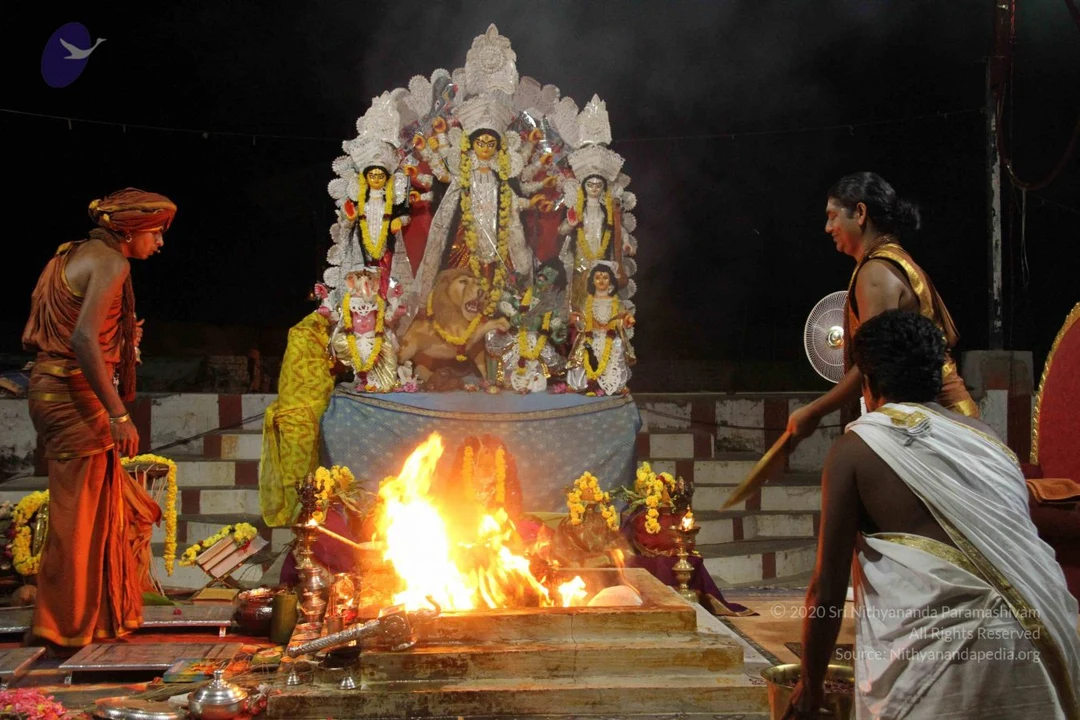
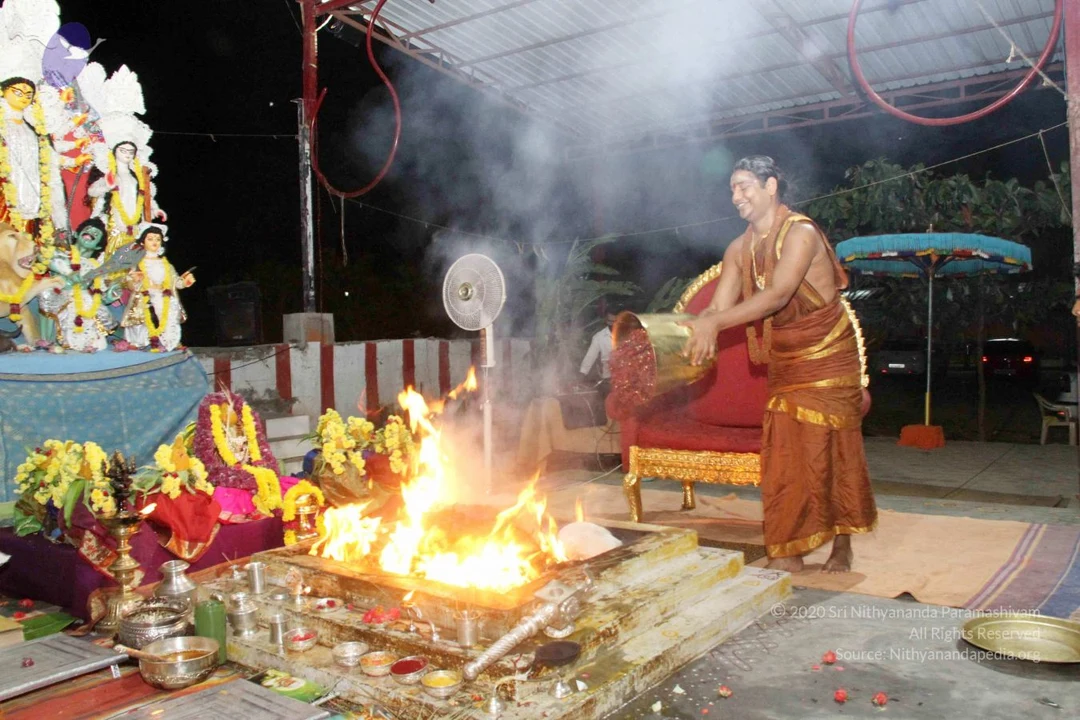
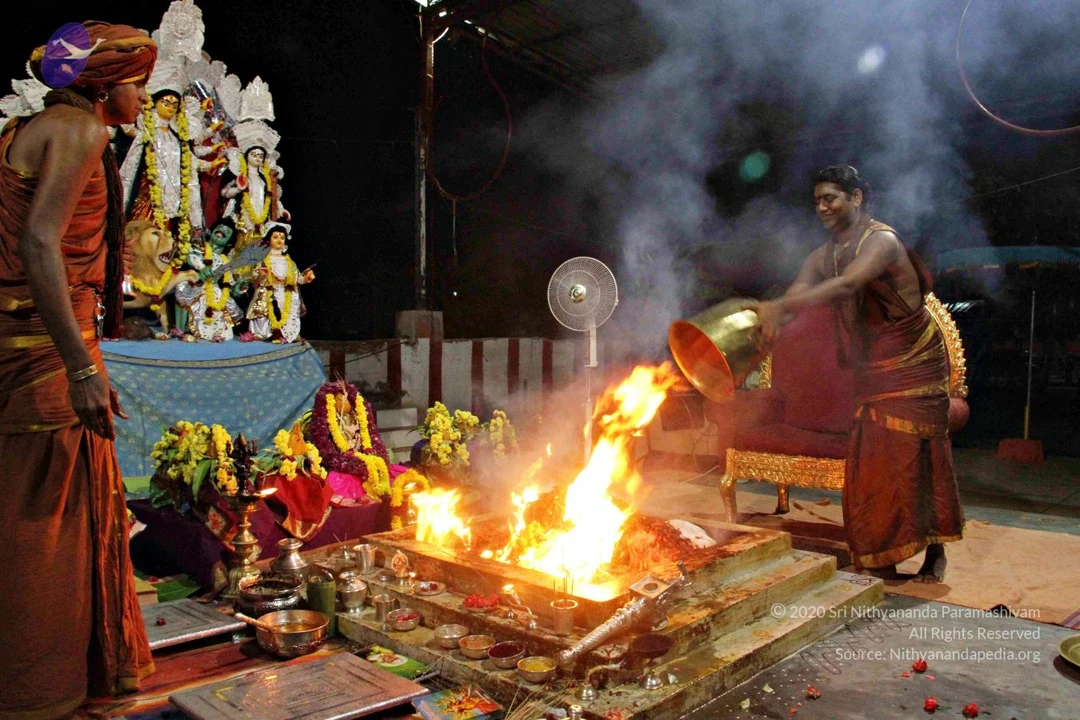
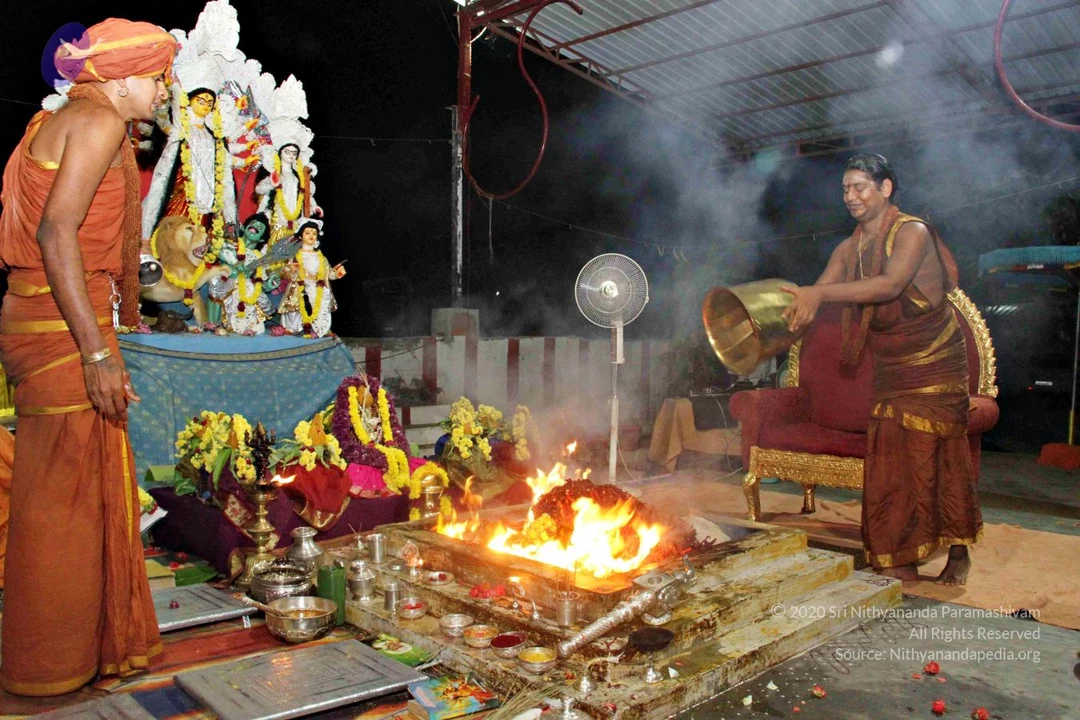
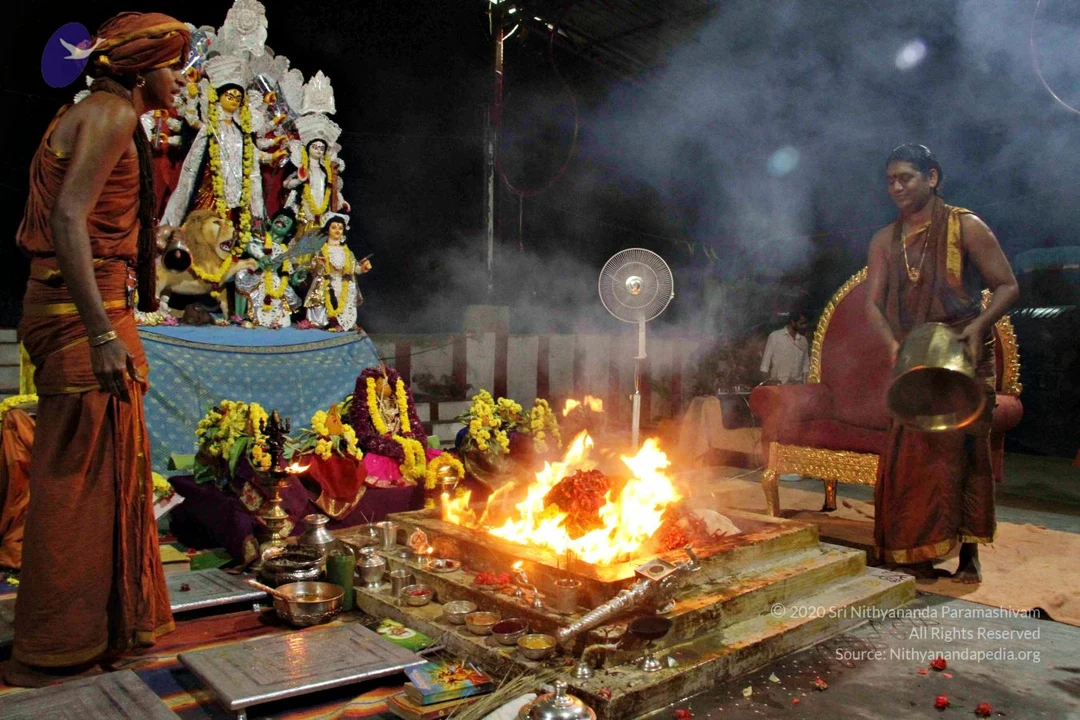
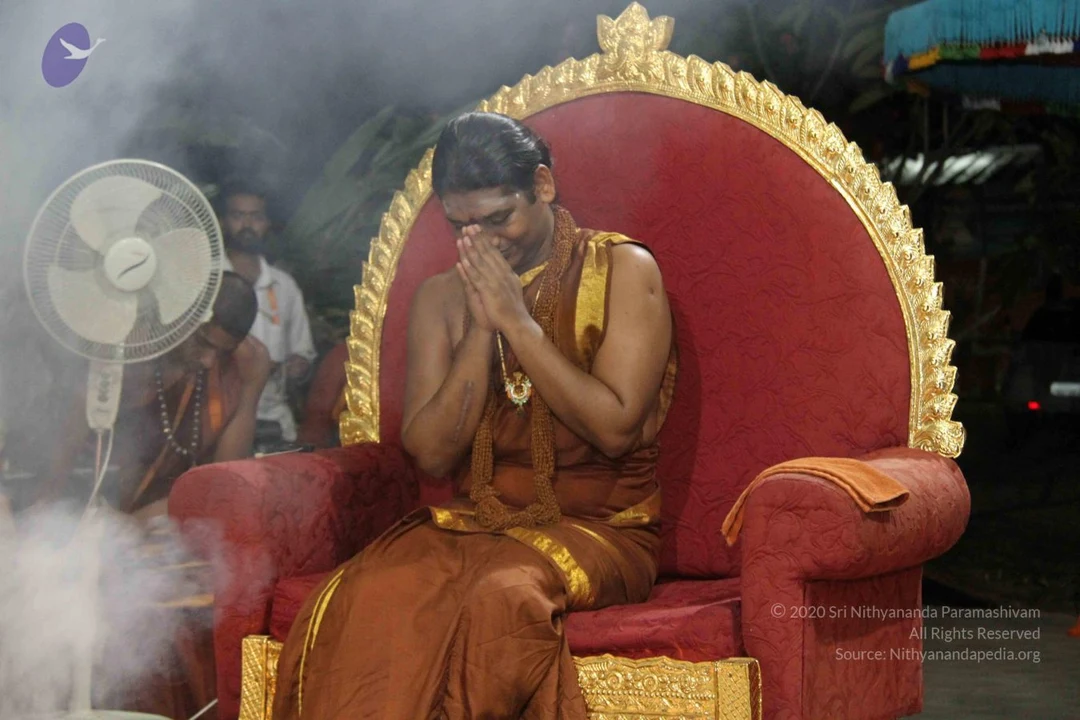
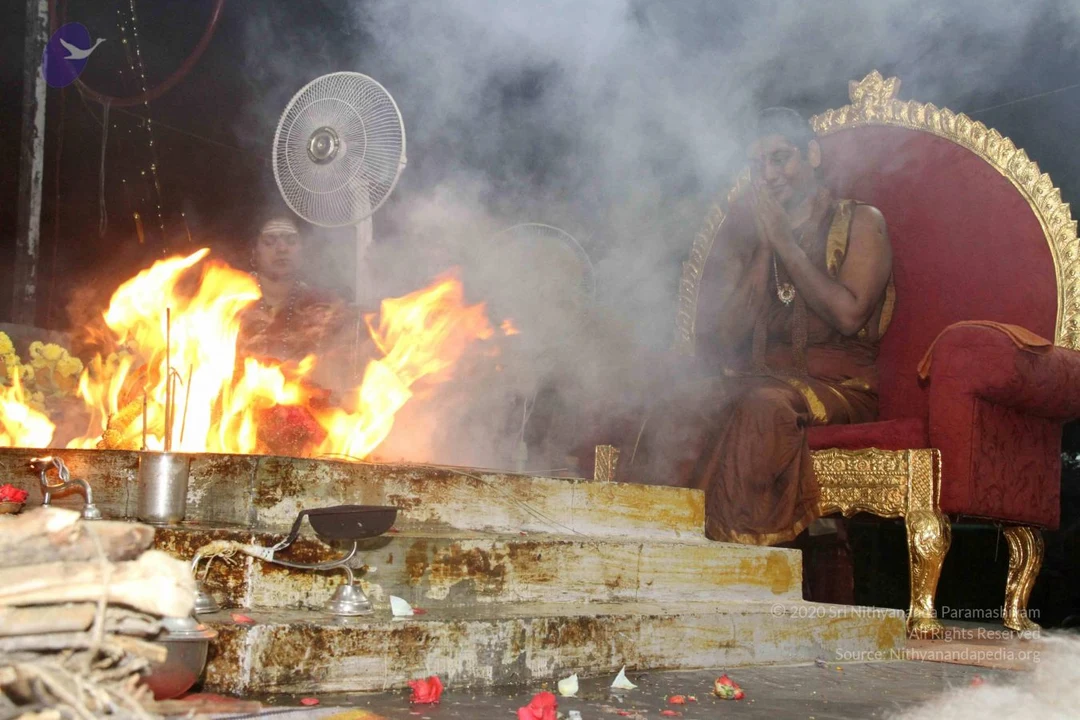
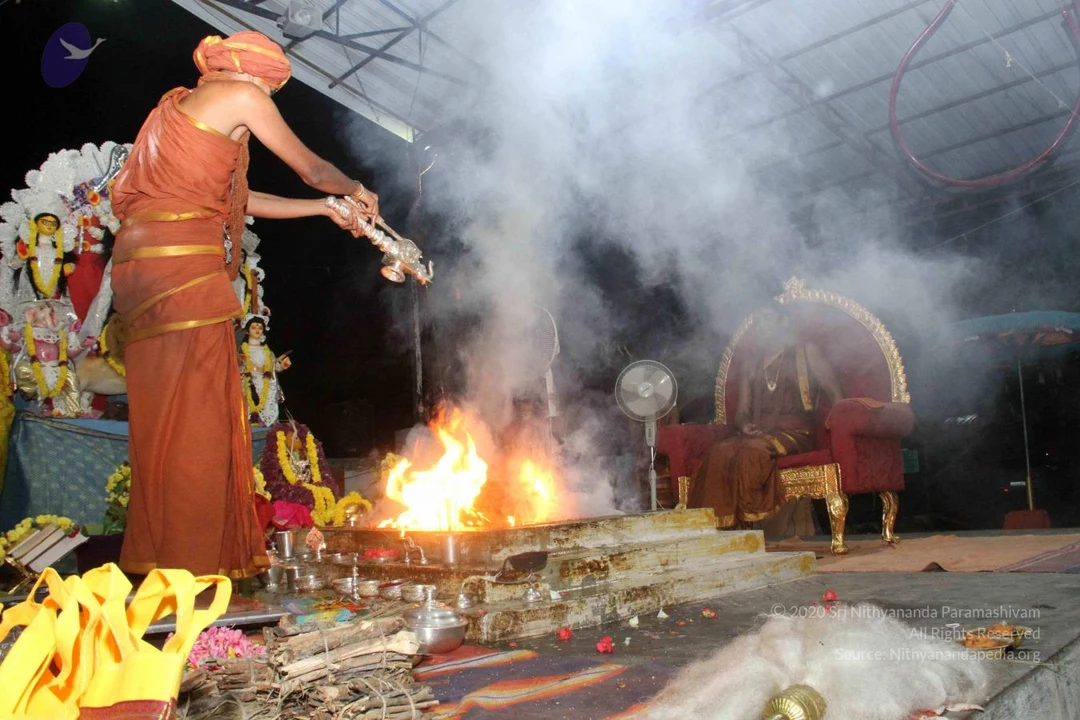
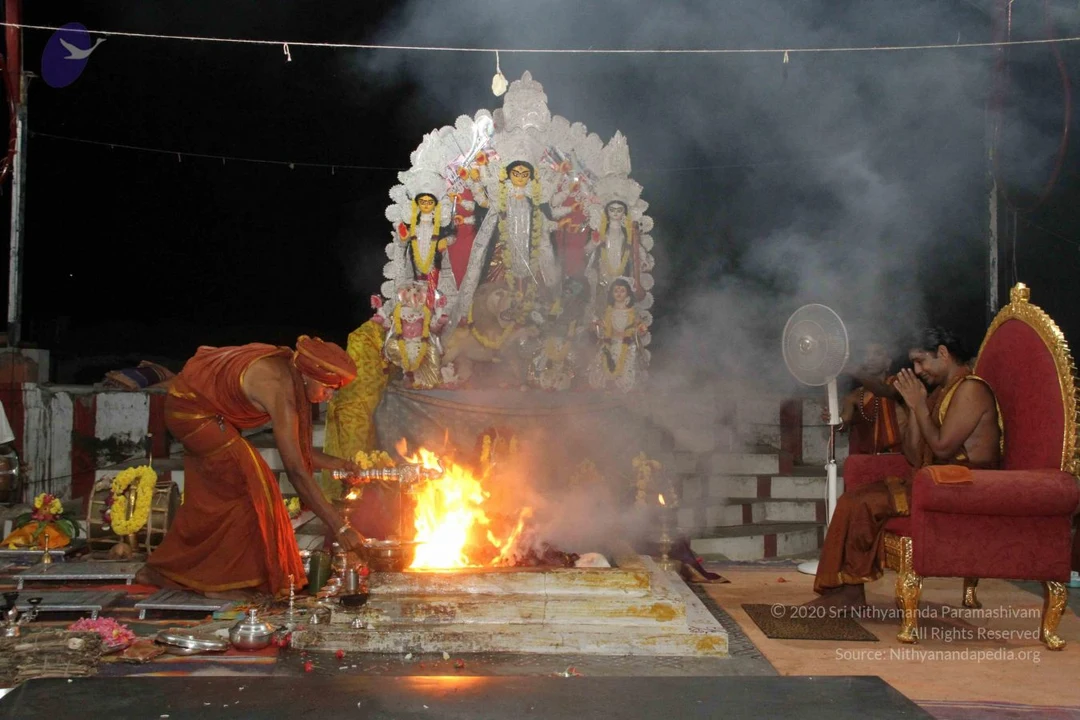
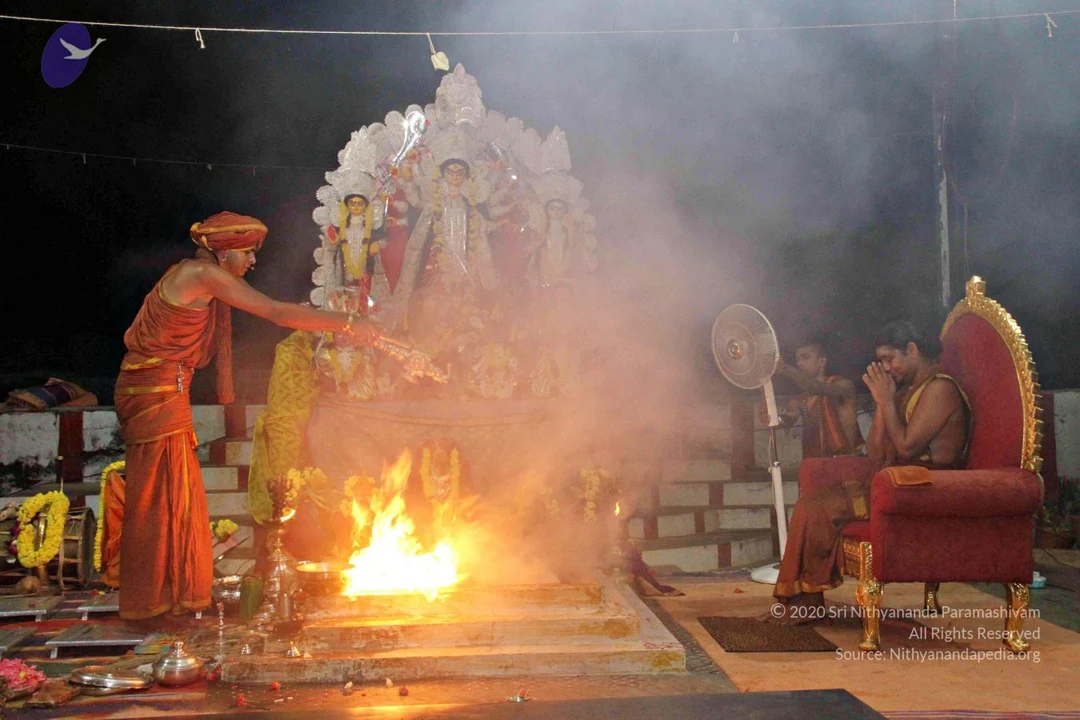
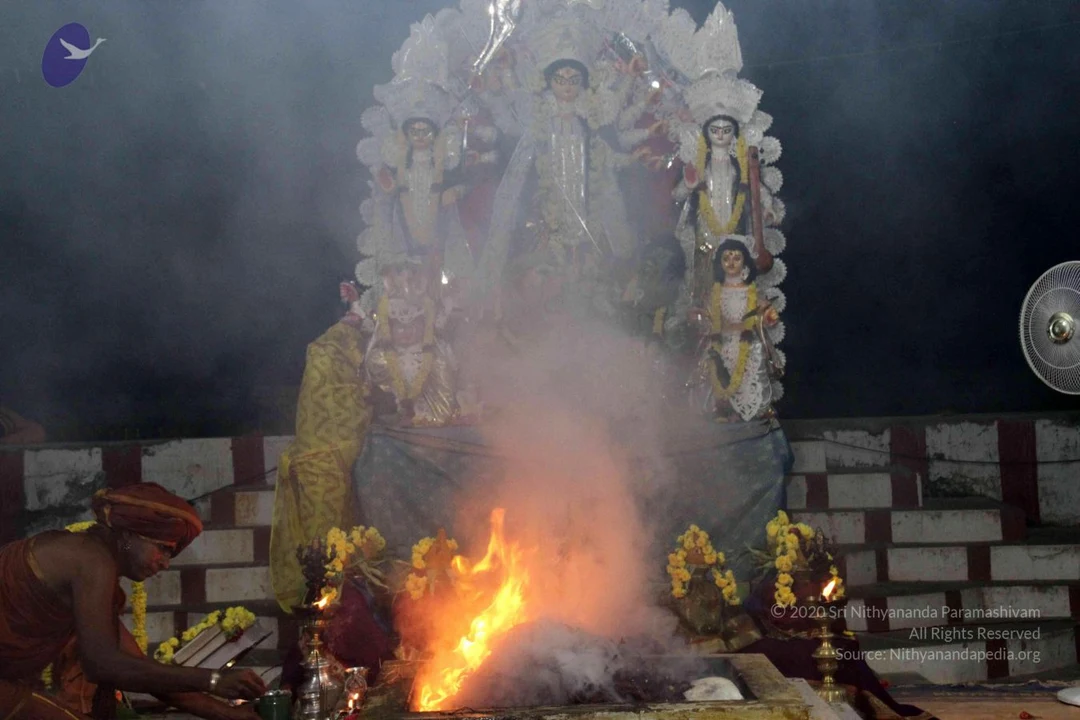
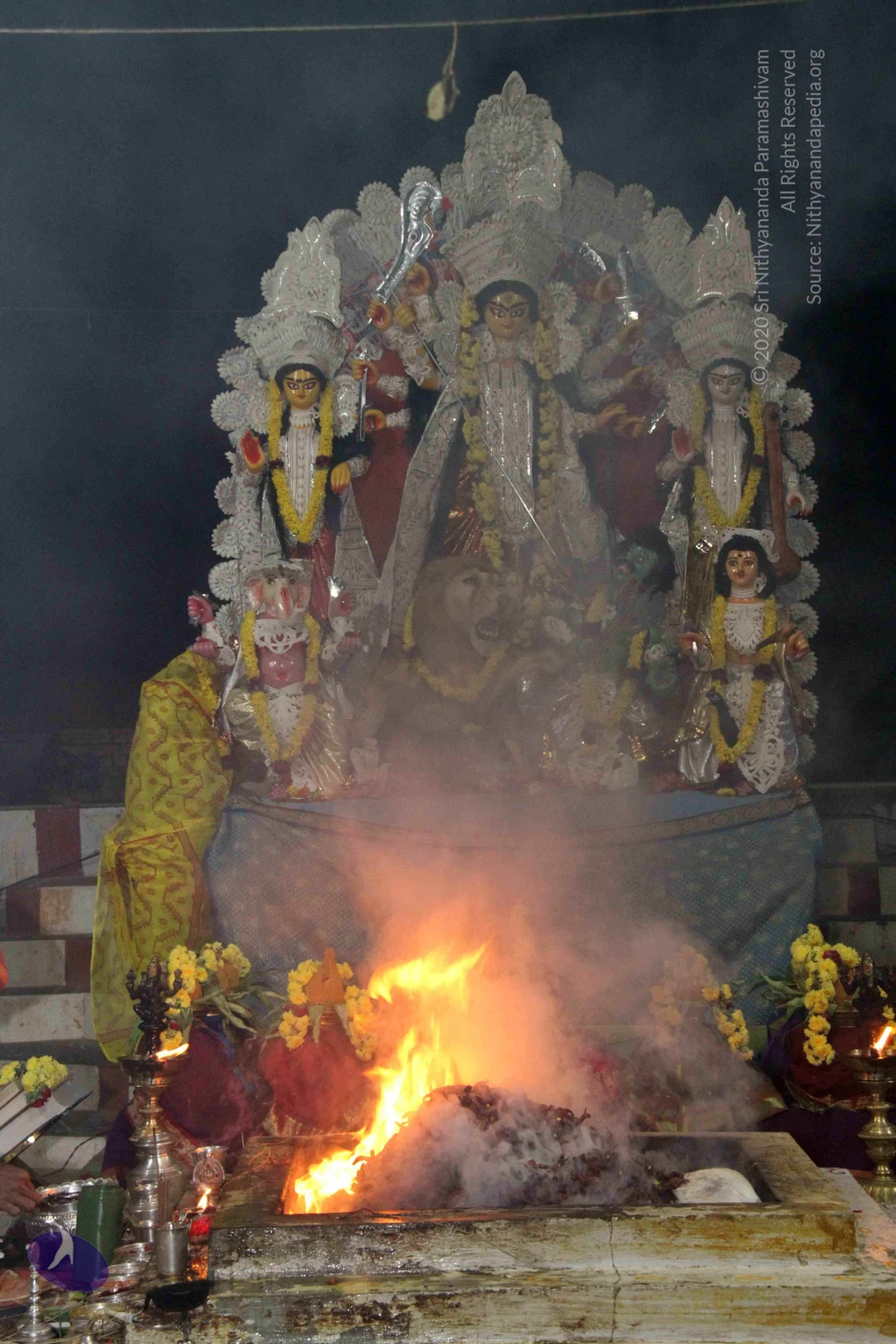
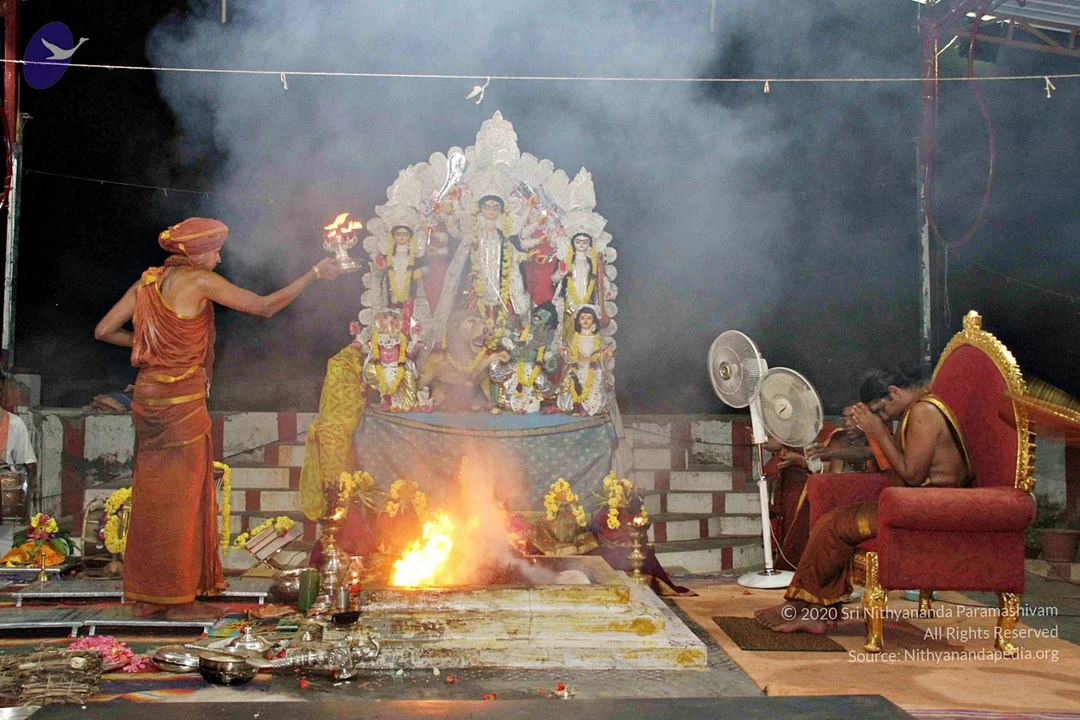
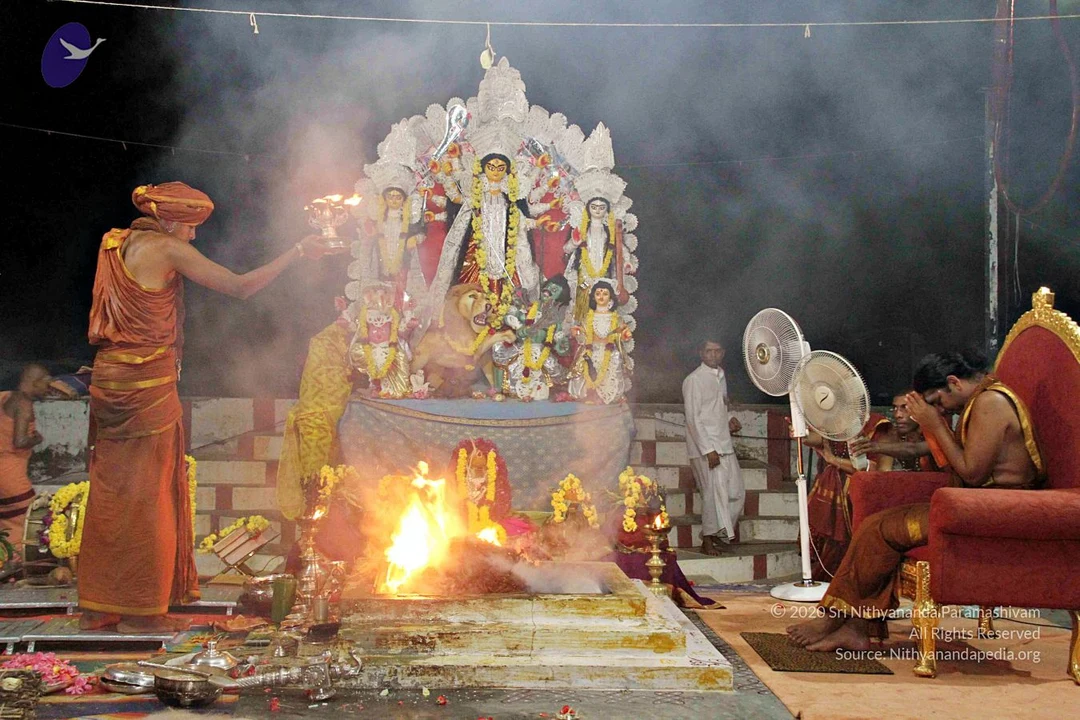
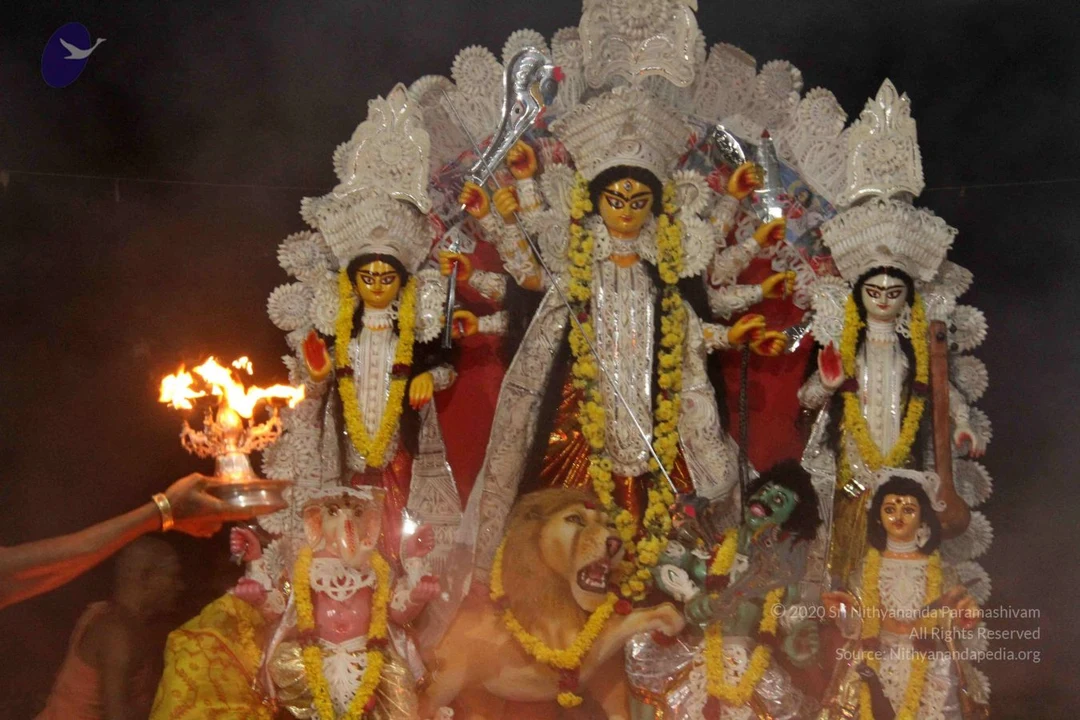
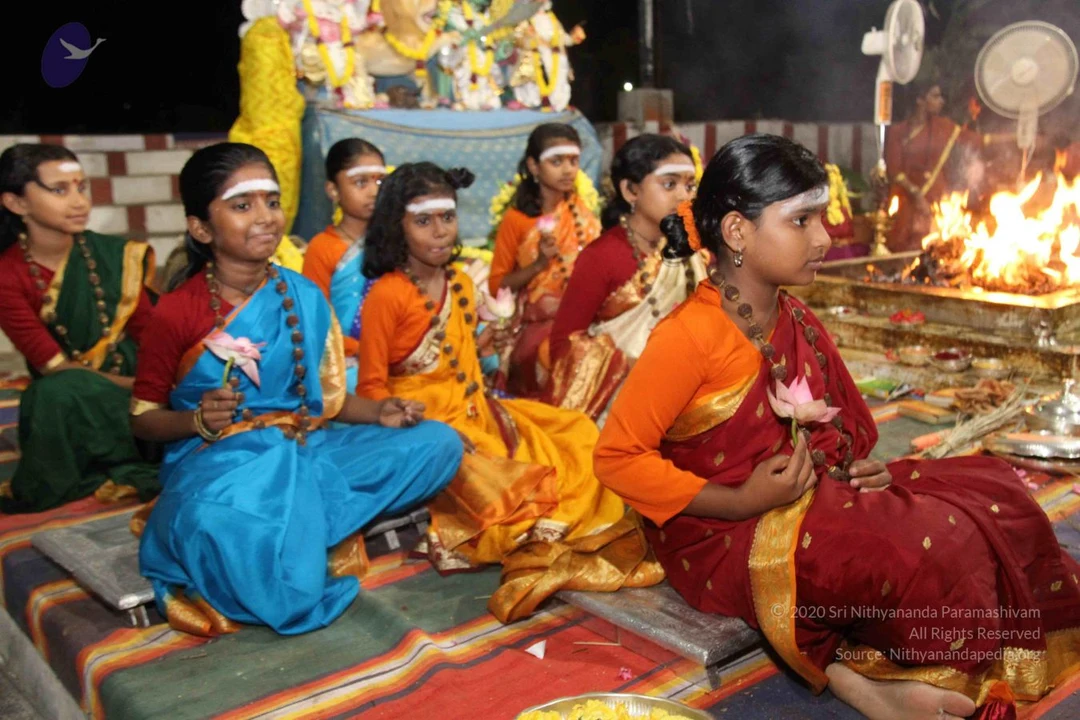
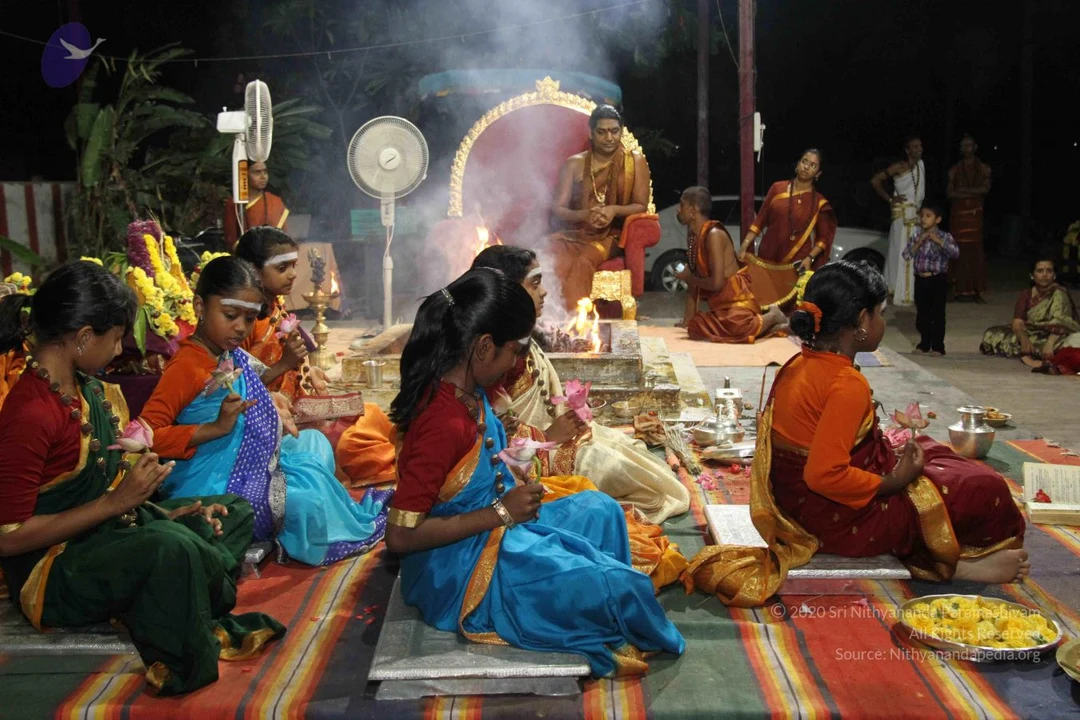
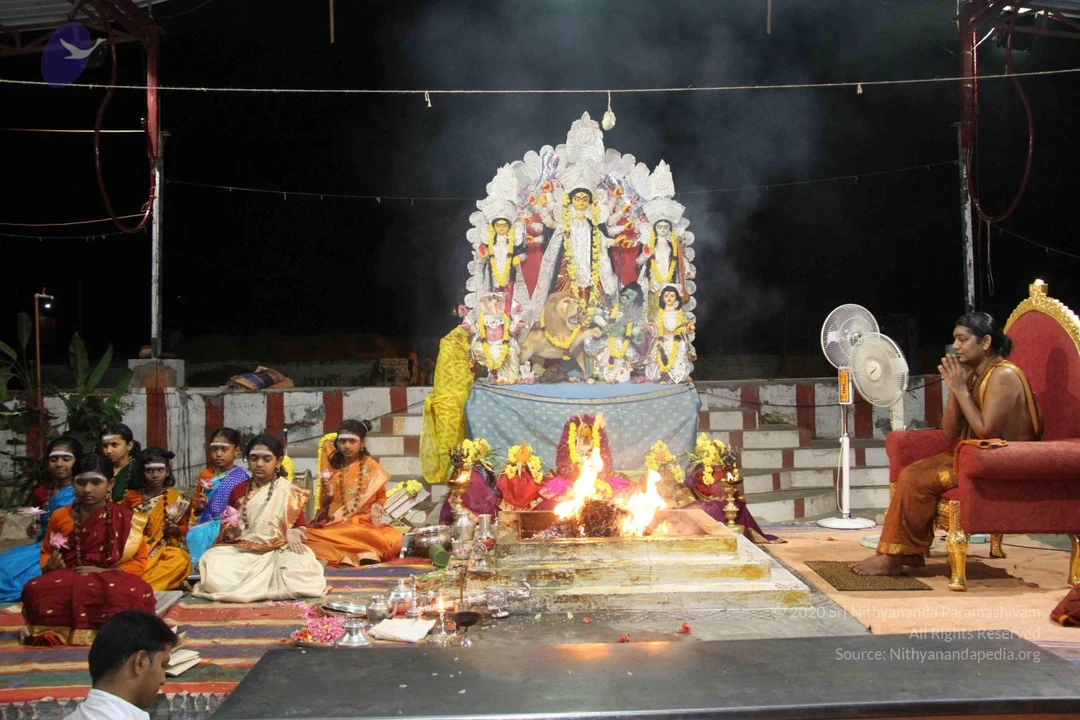
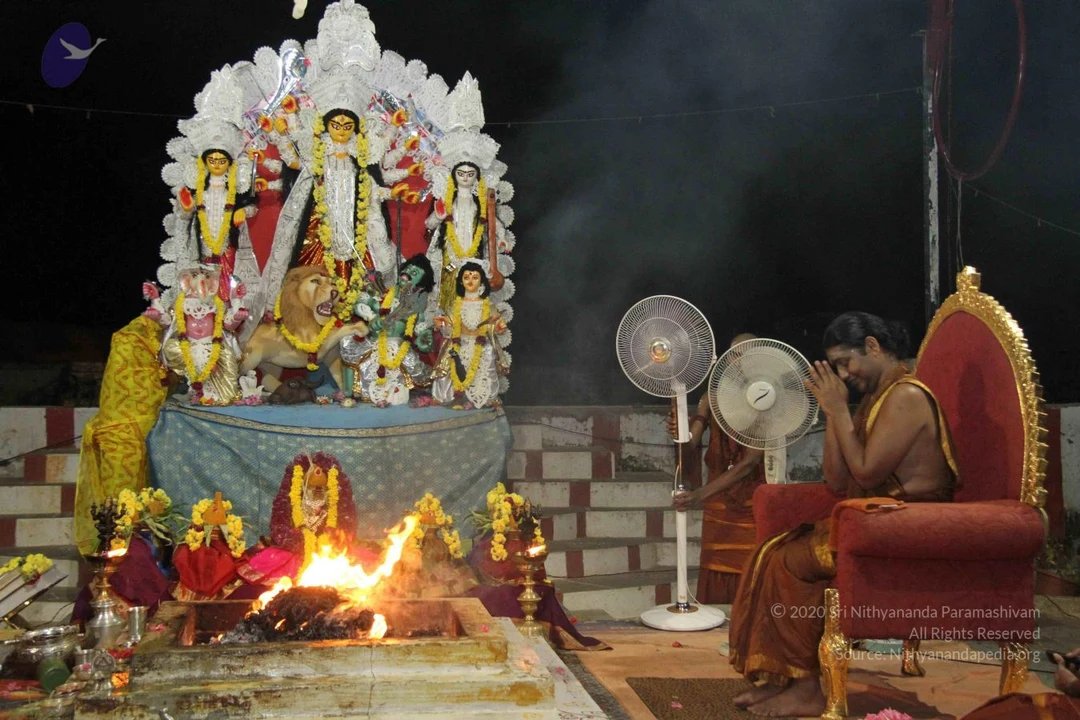
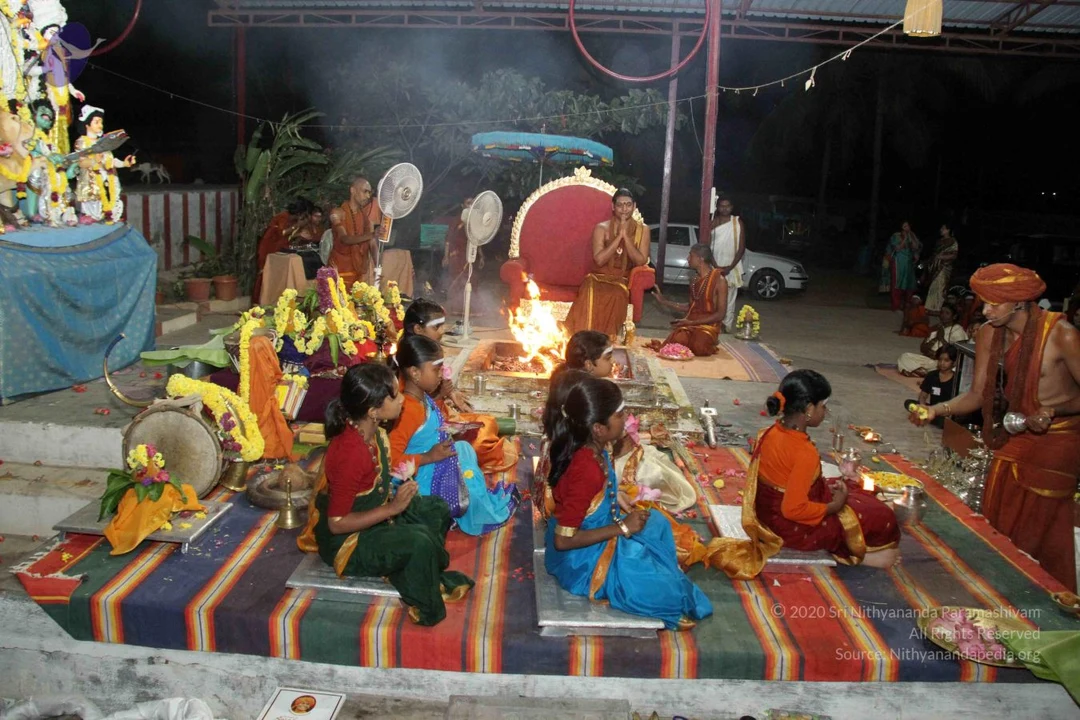
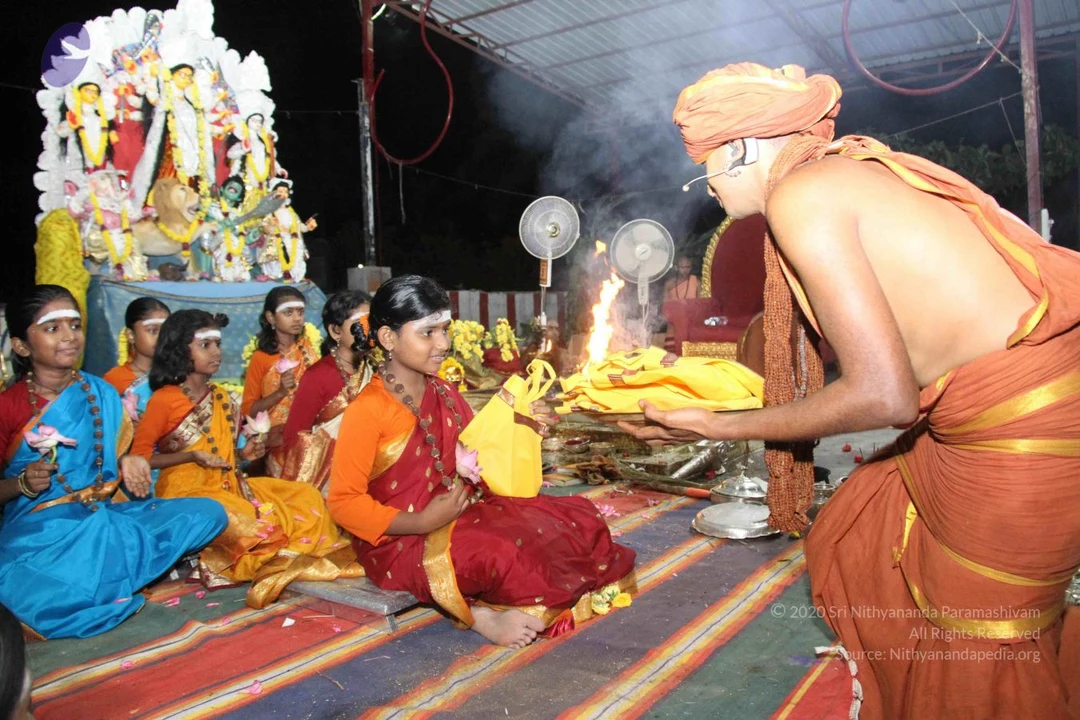
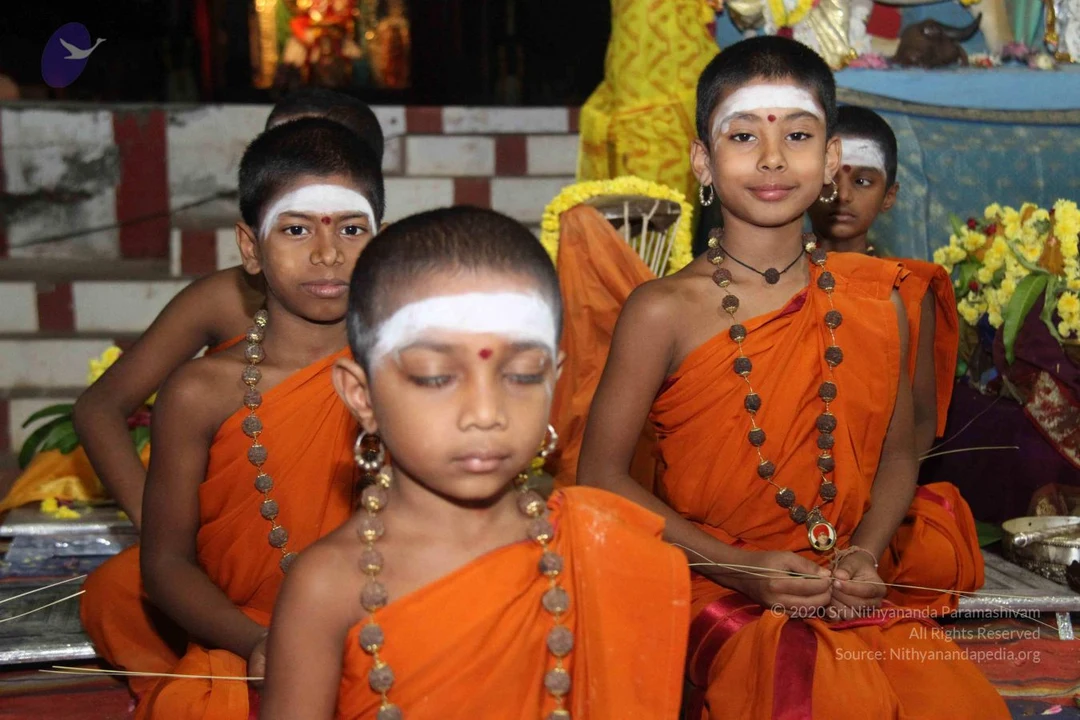
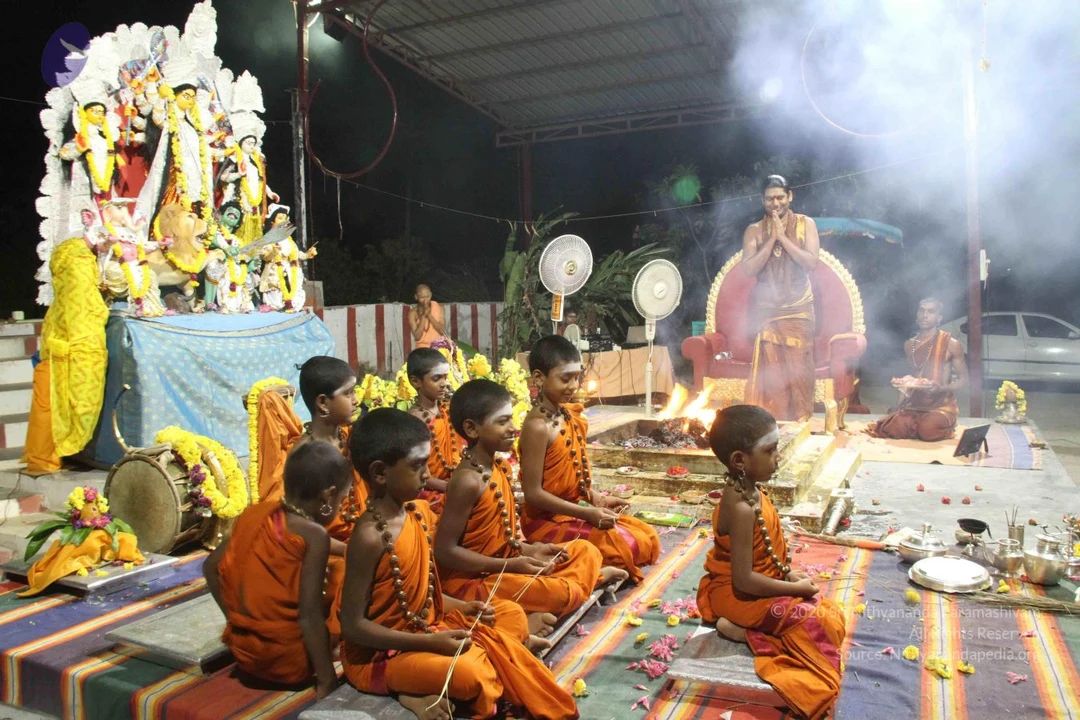
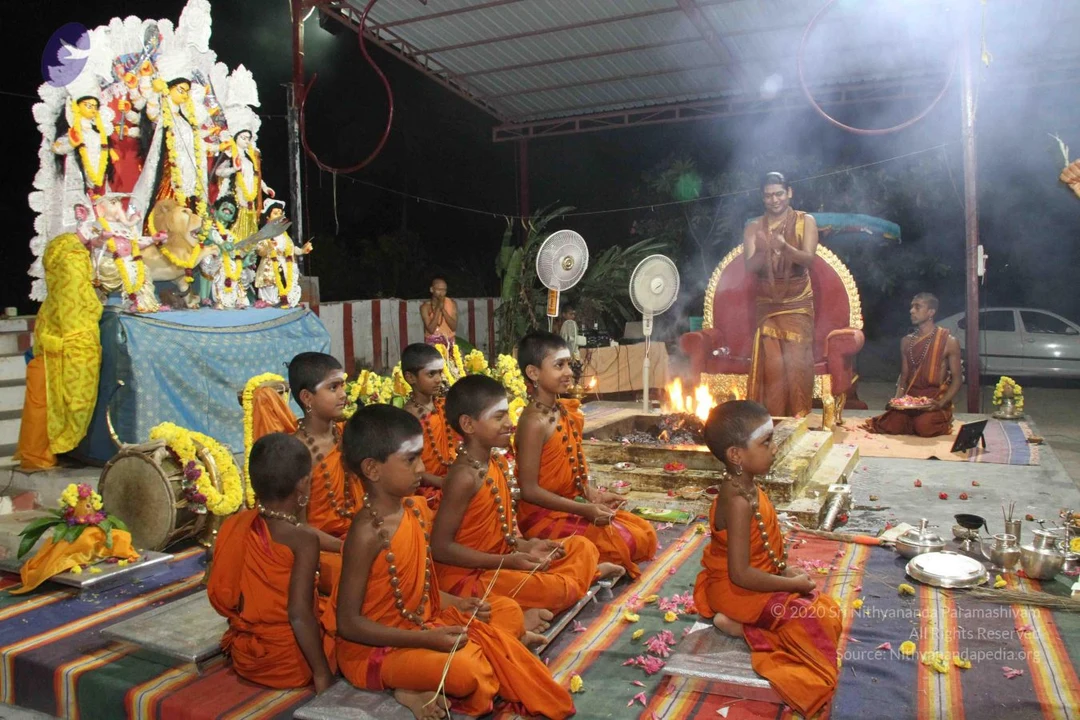
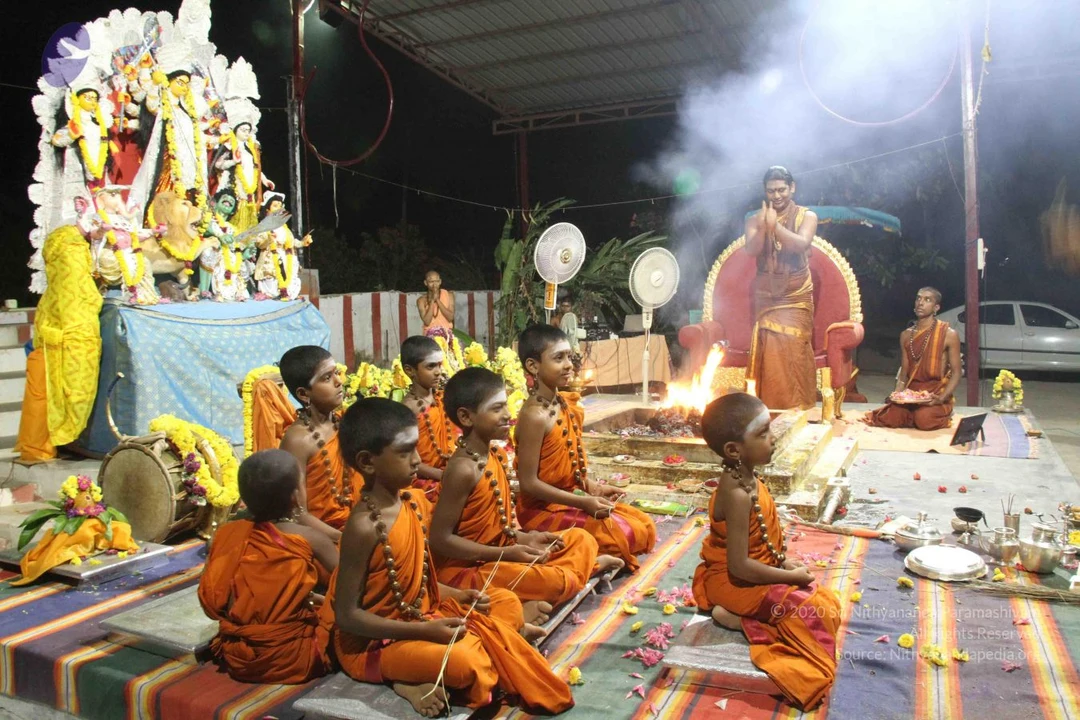
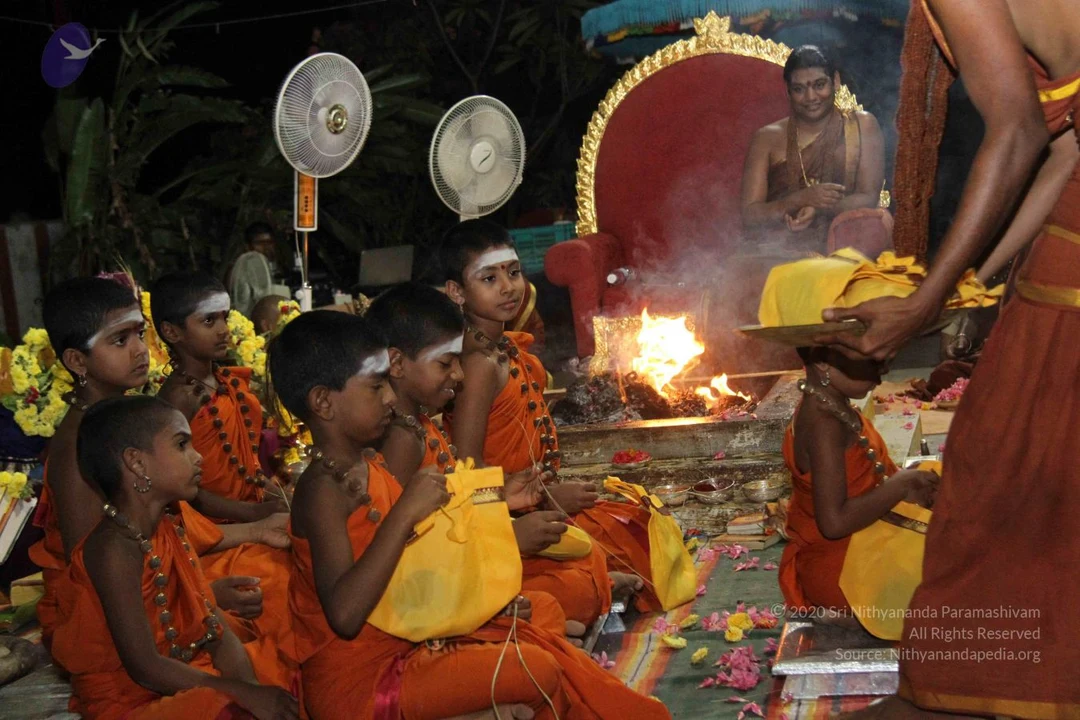
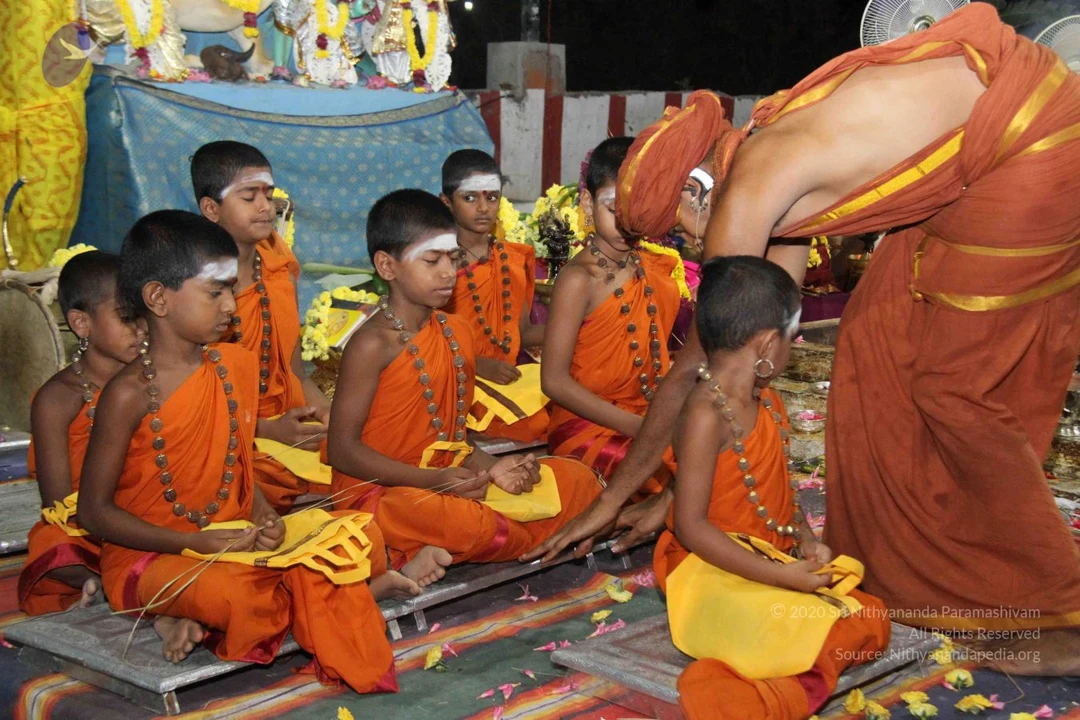
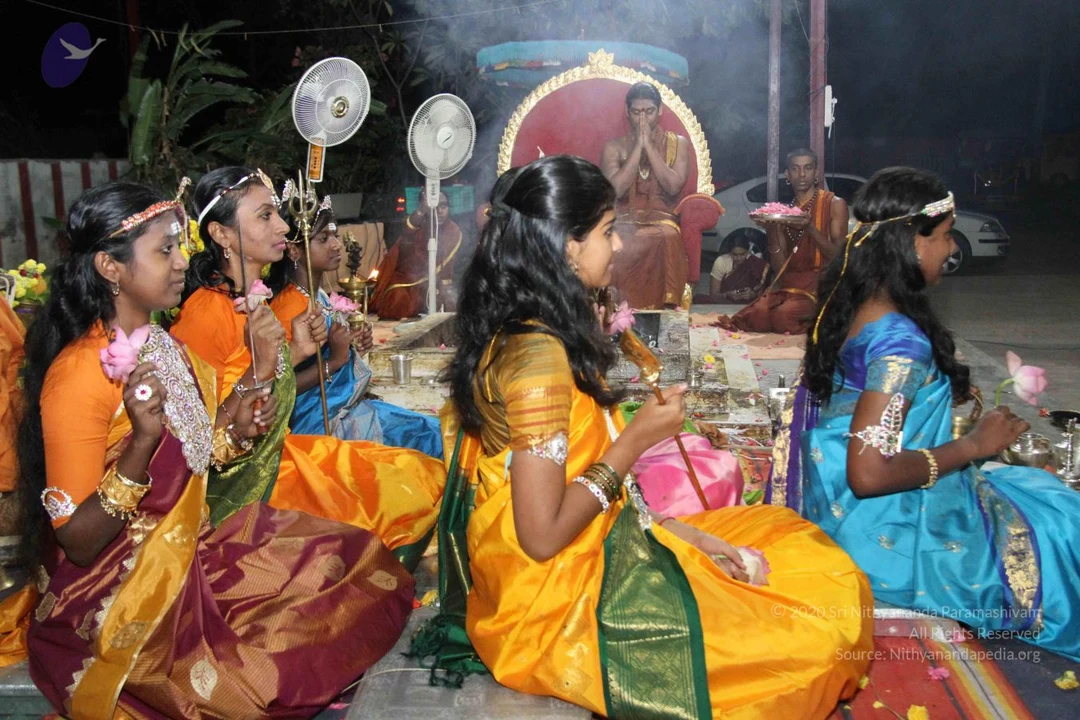
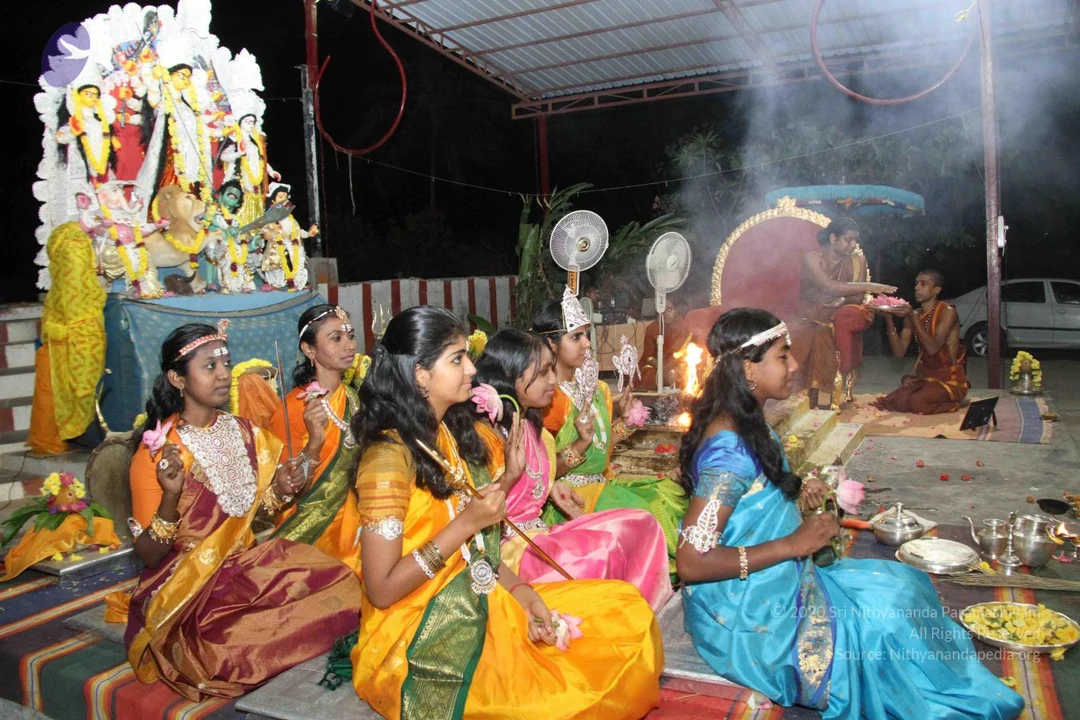
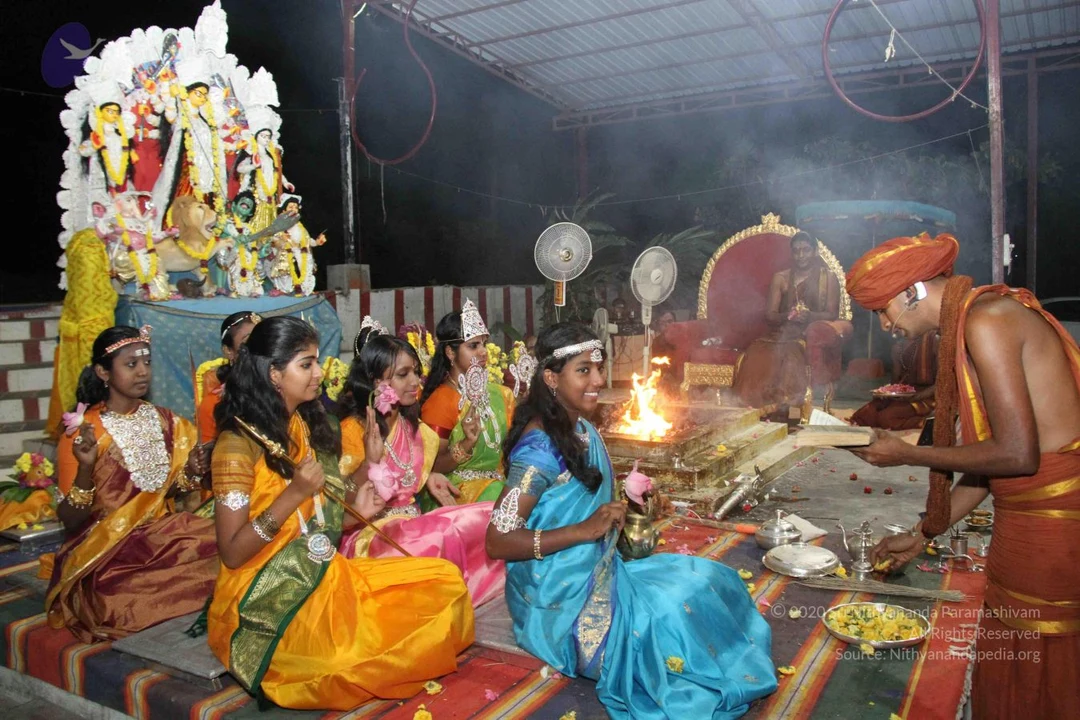
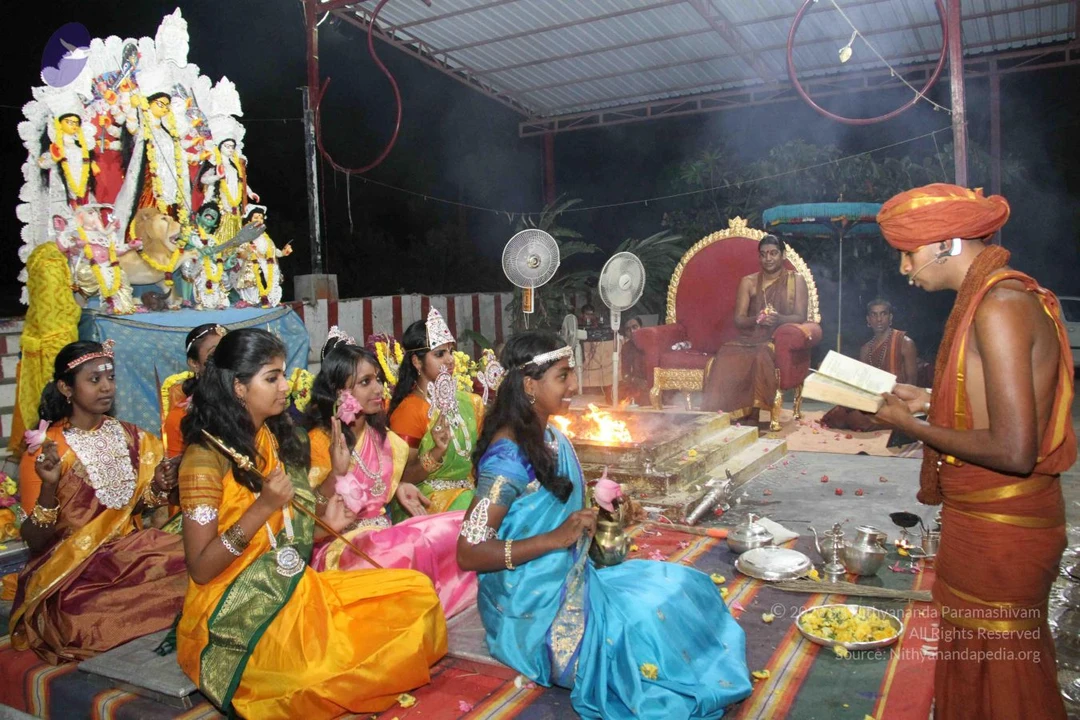
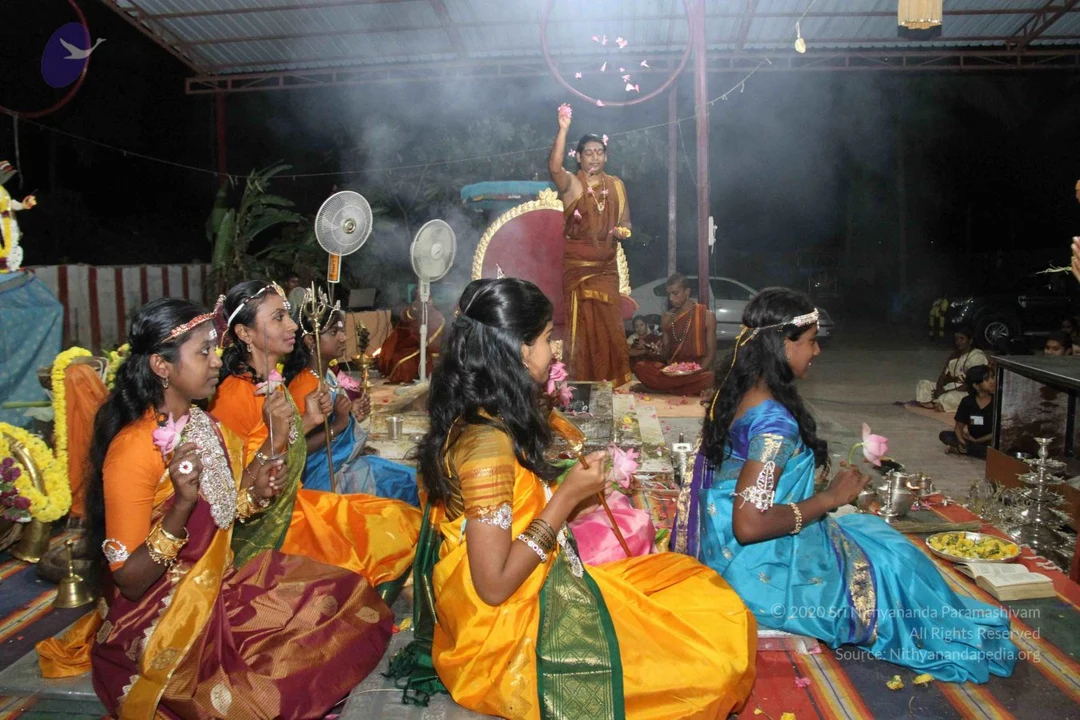
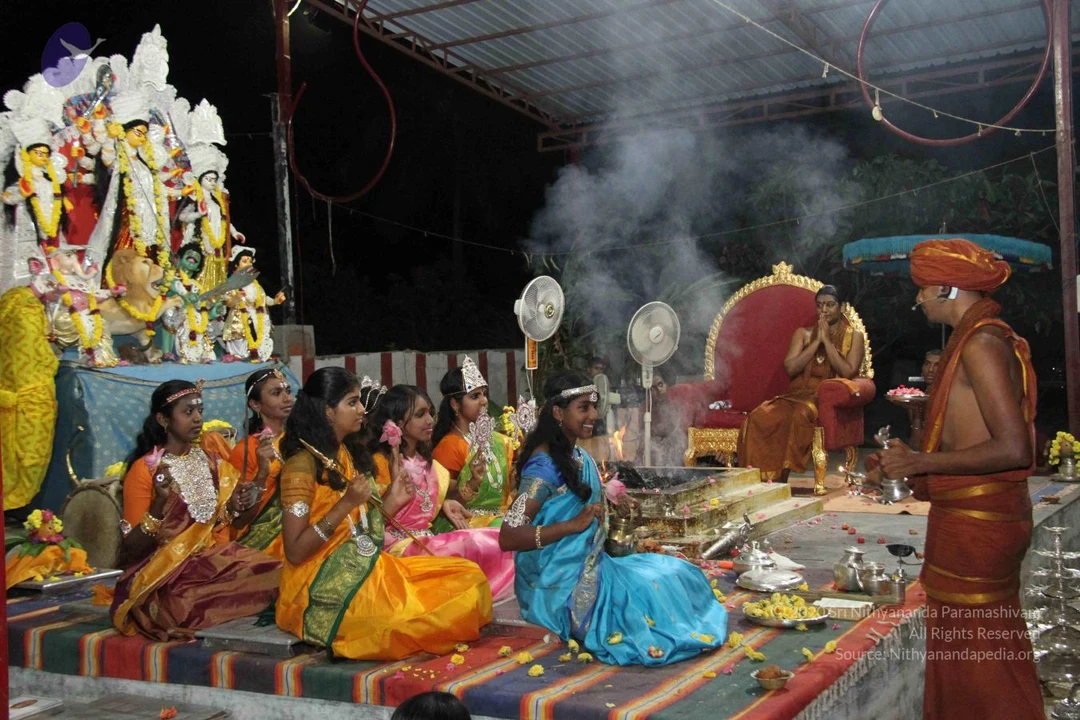
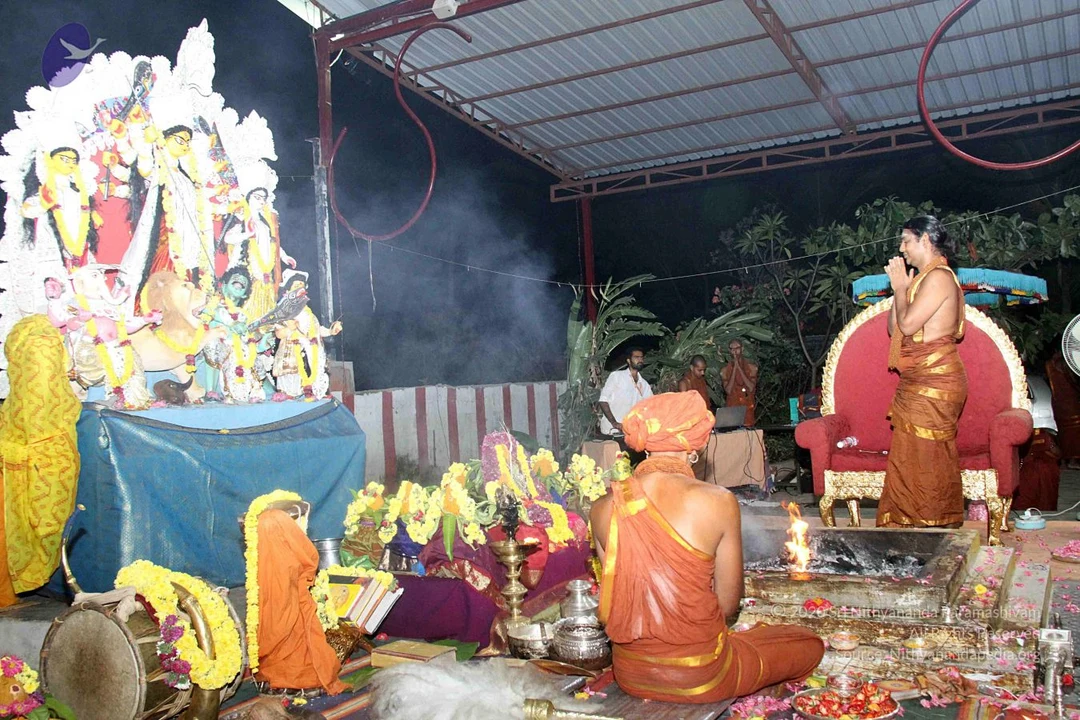
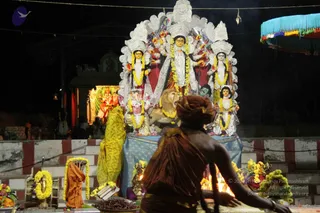
A night photograph of a large white-and-silver Durga murti on a blue-draped platform, with a lion beside it and flower garlands around the deity and her attendant figures. A man in a white shirt and dark trousers walks at left, and a woman in a yellow sari sits in the foreground at lower left. Another lit shrine with a red and gold deity stands in the background. The deity murti is the main subject, decorated for a festival.Night photograph of a large festive idol of Durga with ten arms, dressed in white and silver ornamentation with a crown, standing on a lion mount beside smaller figures of Lakshmi and Saraswati, with a demon figure in green below. Marigold garlands drape the idols and a string of lights runs overhead. A smaller illuminated shrine with a golden deity sits in the background, and one person in a white shirt stands at left, partly visible. The image is a photo of a shrine display as the page indicates a Navaratri celebration, though no printed text on the image itself names the event.Night scene at a temple shrine during a Navaratri-style puja. A large white-and-silver decorated deity murti of a goddess with multiple arms stands on a blue-draped platform, flanked by smaller white murtis and a lion mount, all garlanded with yellow marigold strands. In the foreground a figure with a tied reddish-brown head wrap and dark brown cloth wrapped around the body faces the shrine, hands extended toward a flame. Brass lamps, marigold garlands, a yellow cloth and a small orange-draped object sit on the steps, and a teal canopy edges the right side. A cloth-draped person stands at the far left near another lit shrine. Physical people are few and partially visible.Night photograph of a Durga puja at an outdoor shrine. A large white-and-silver clay murti of Goddess Durga with multiple arms stands on a blue-draped platform, flanked by smaller painted deity figures and a lion mount. Marigold garlands drape the figures. In the foreground, a person in a rust-coloured robe with a shaved head performs worship beside brass lamps and a plate of flowers, while a figure in a yellow sari stands at left. Stone steps with red and white bands lead up to the platform, and a teal canopy fringed with coloured tassels hangs at the upper right.Night outdoor puja under a corrugated metal roof before a decorated deity murti of a goddess on a lion, flanked by smaller figures, adorned with white floral arches and marigold garlands. In front, a fire pit burns beside brass vessels, flower offerings and yellow bundles. On the right, a man in orange robes sits on an ornate red and gold throne beneath a turquoise fringed parasol. A standing figure in orange robes and an orange head wrap on the left stands with palms joined in prayer. A man in white stands at the far left edge.Night-time outdoor puja before a decorated deity murti of a goddess with multiple arms, seated on a lion, framed by a white and gold arch and garlands of yellow flowers. A standing priest in orange robes and an orange turban stands at left with palms pressed together in namaskar. At right, a seated person in orange robes sits in a red armchair beside a blue-and-yellow fringed umbrella and an electric fan. Flames burn in a fire pit in front of the murti, with brass vessels, a kalasha, flower offerings and a bowl of red flowers in the foreground.