Tuesday
13 October 2026
Navaratri 2026: Day 3
- Dated photos
- 110
- Source pages
- 1
- Media
- 1
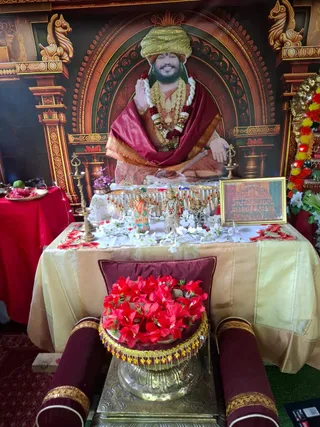
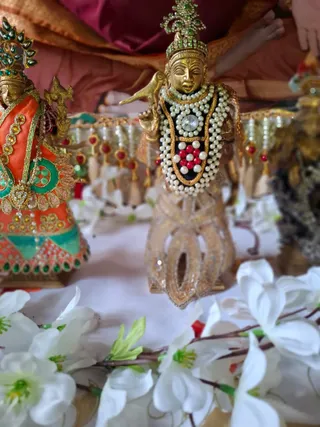
13 October 2026 SPH Live Darshan
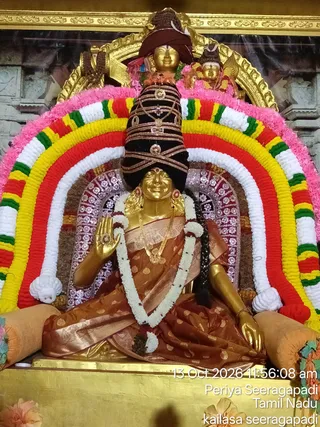
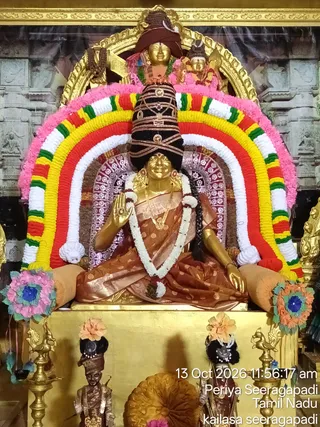
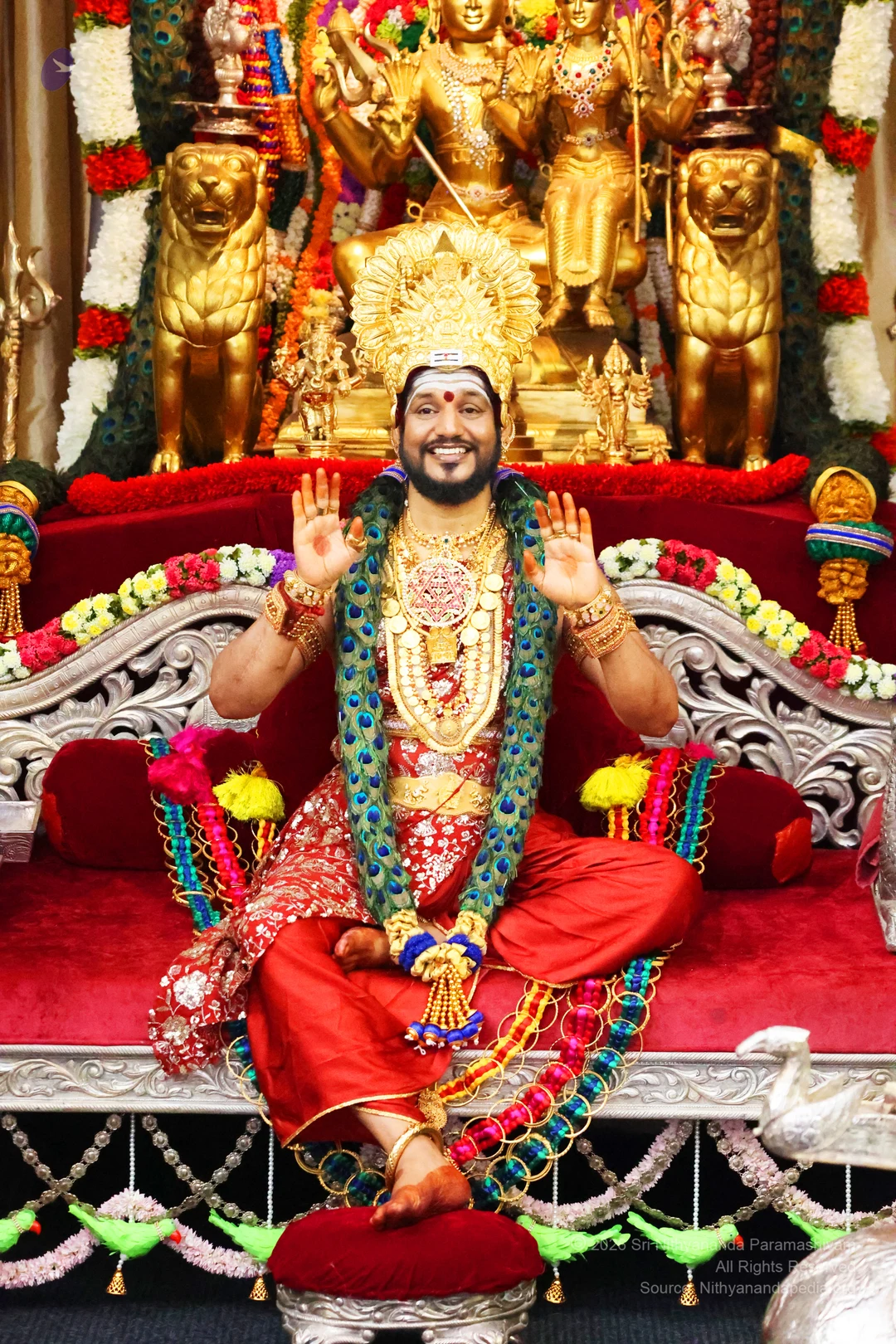
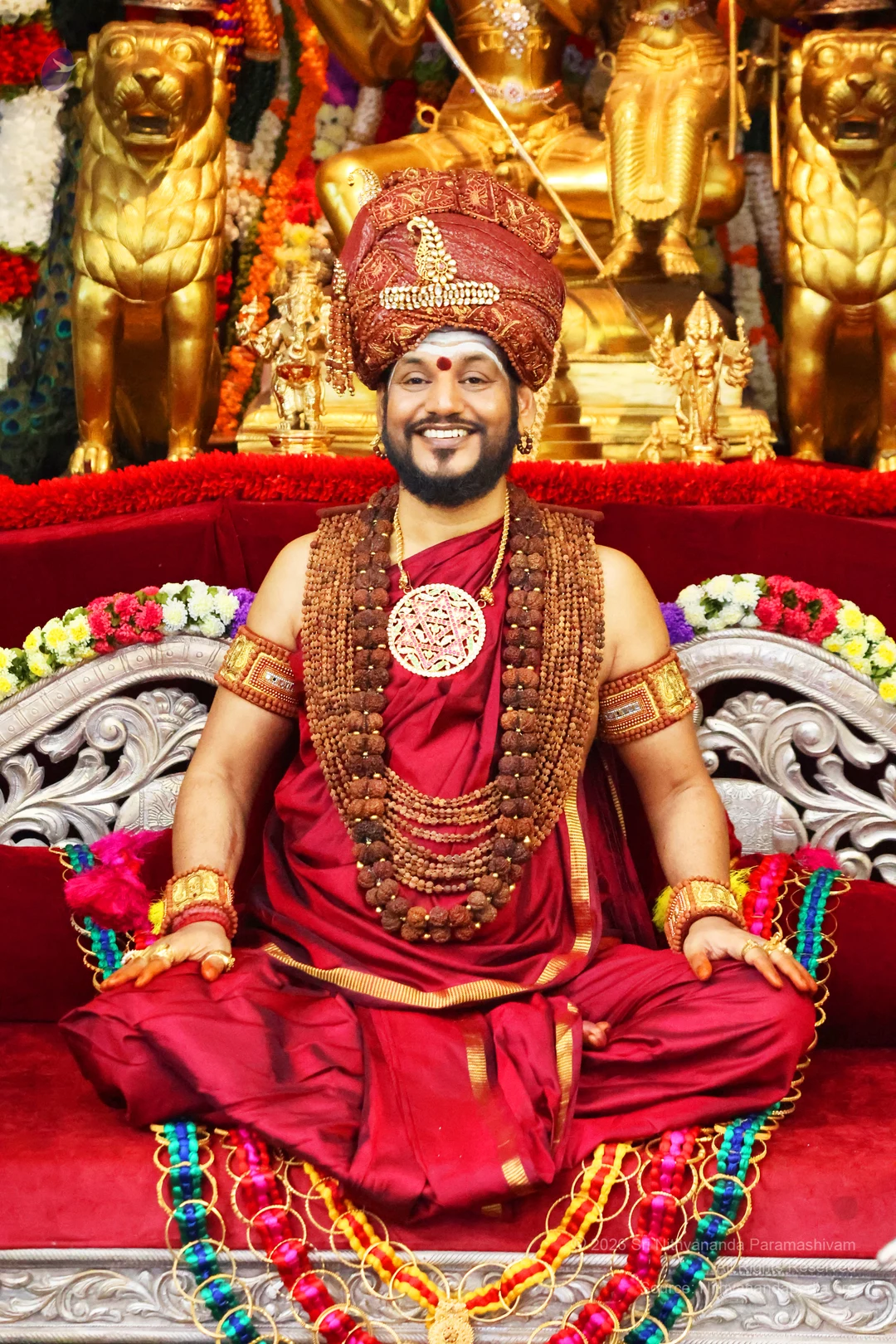
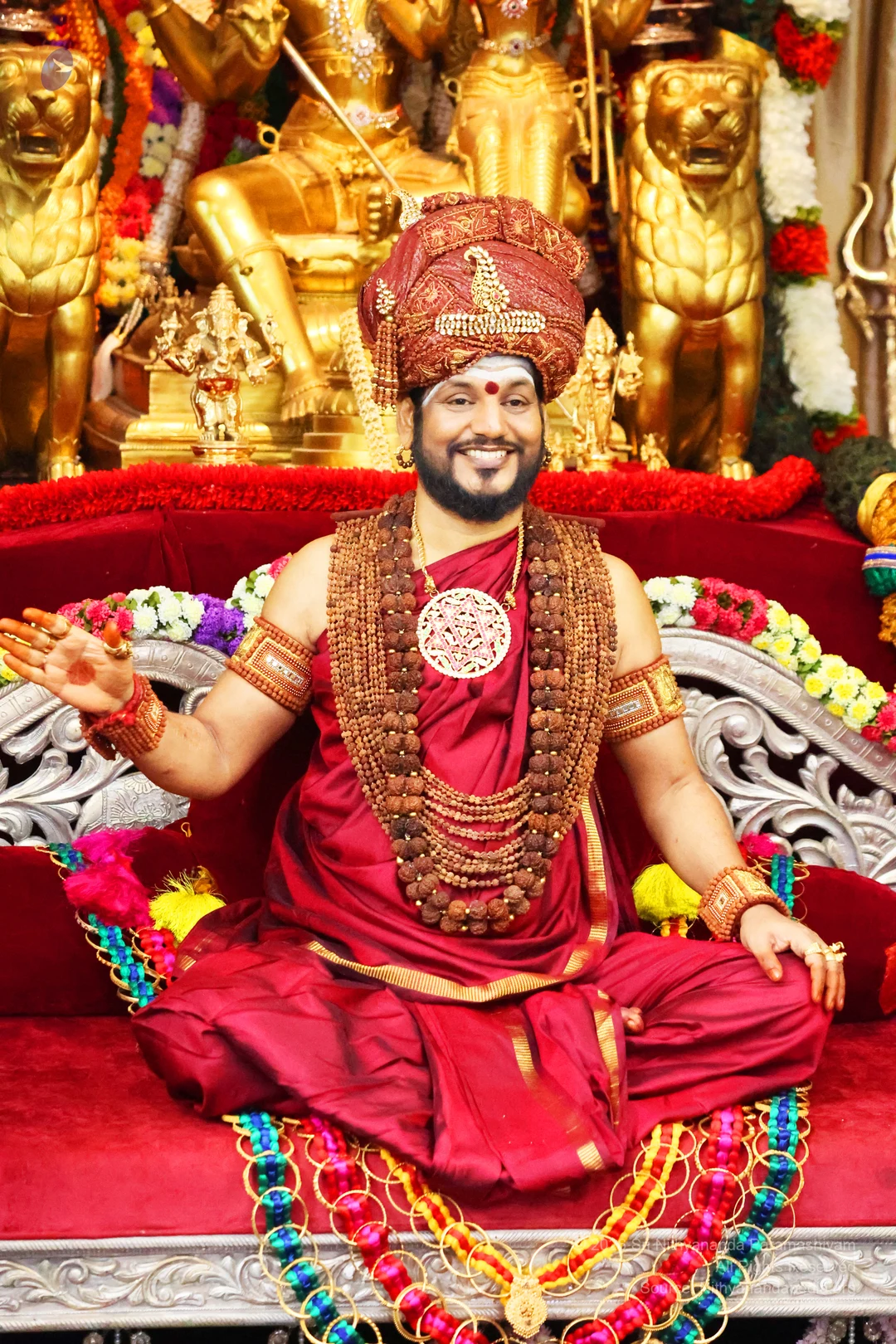
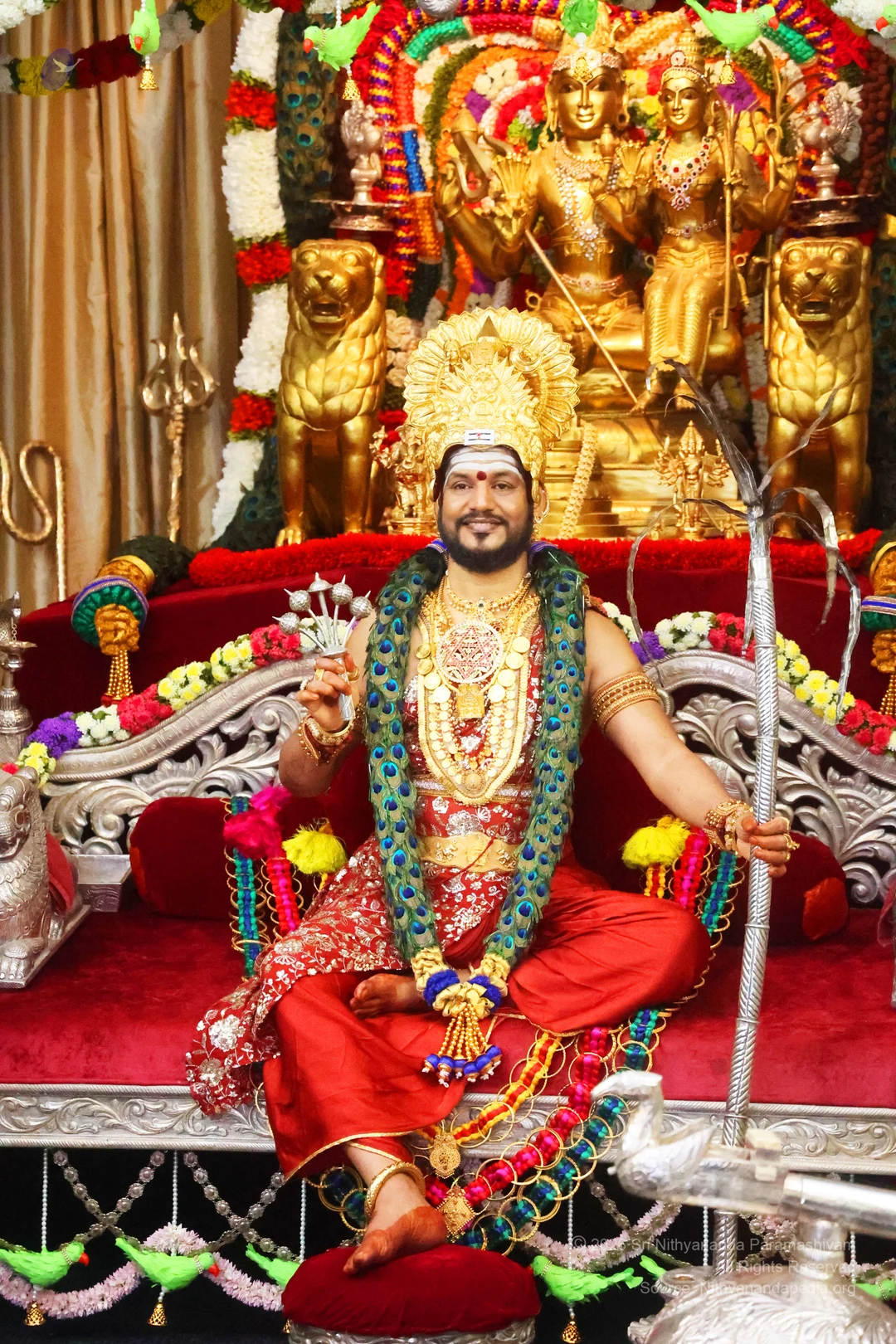
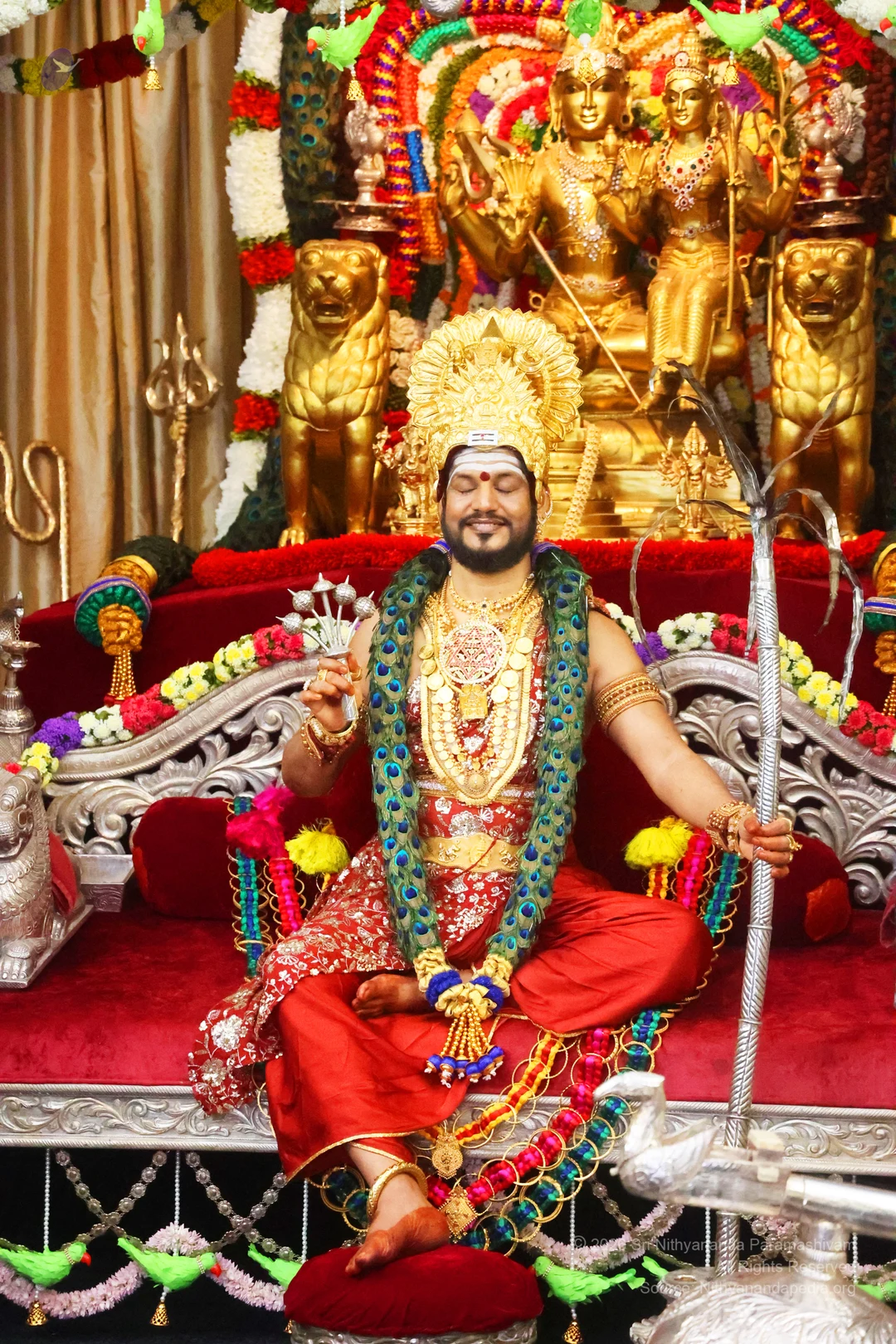
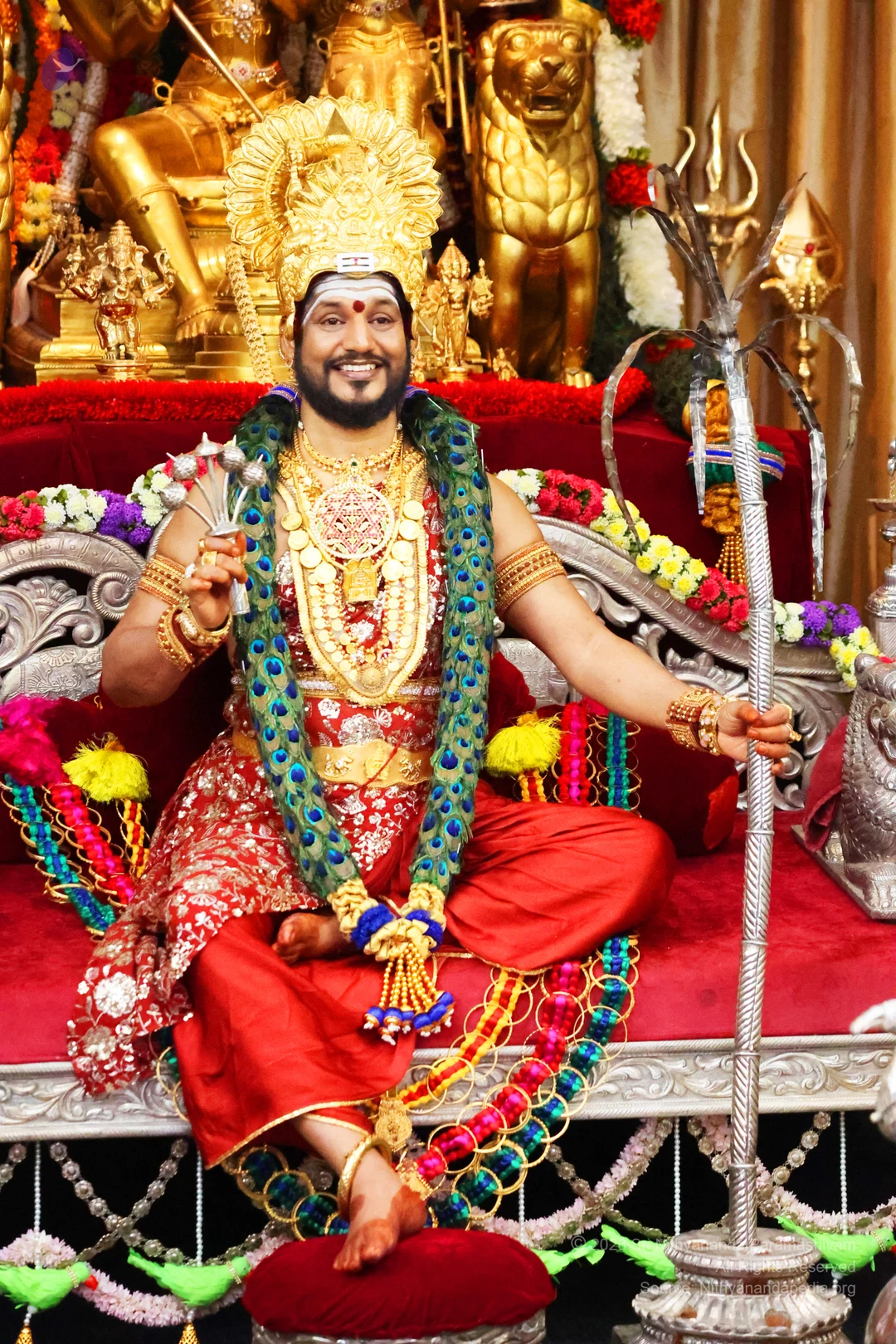
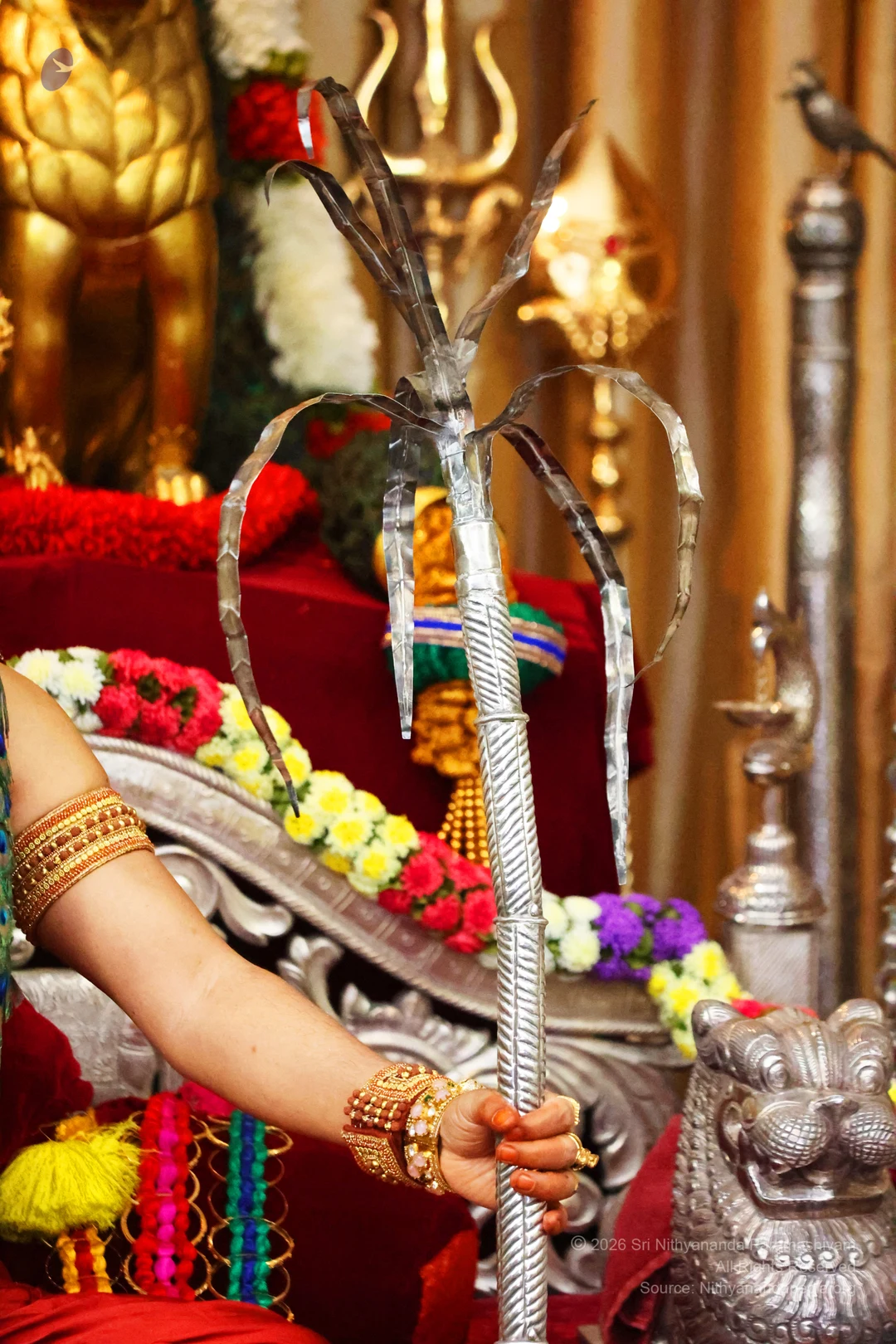
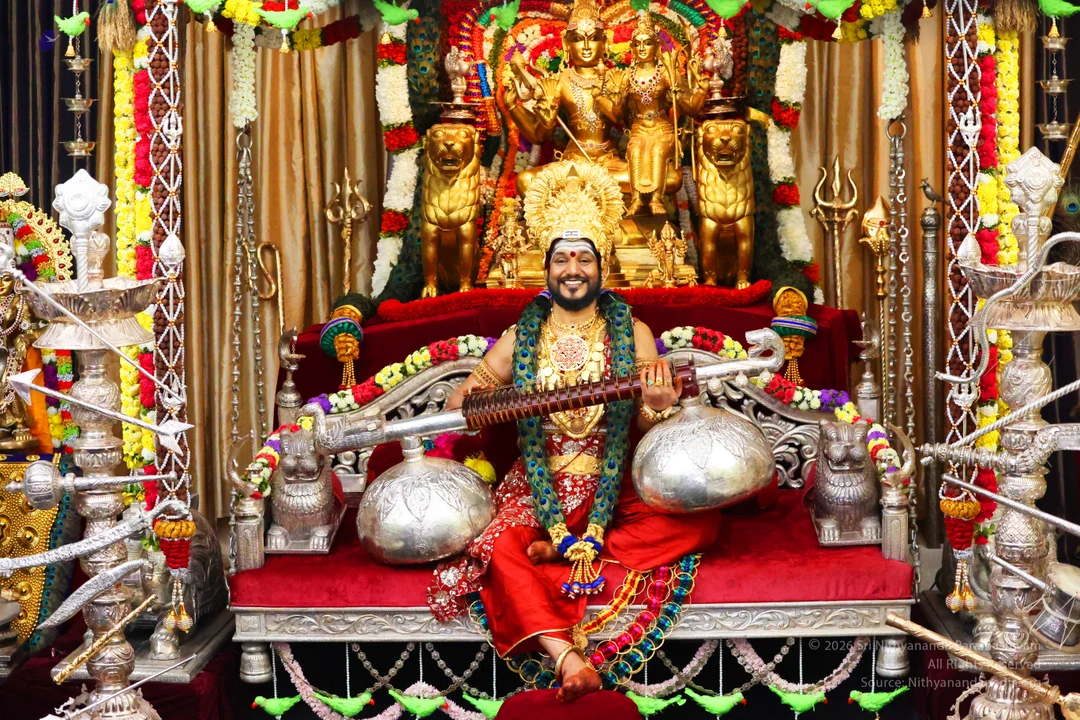
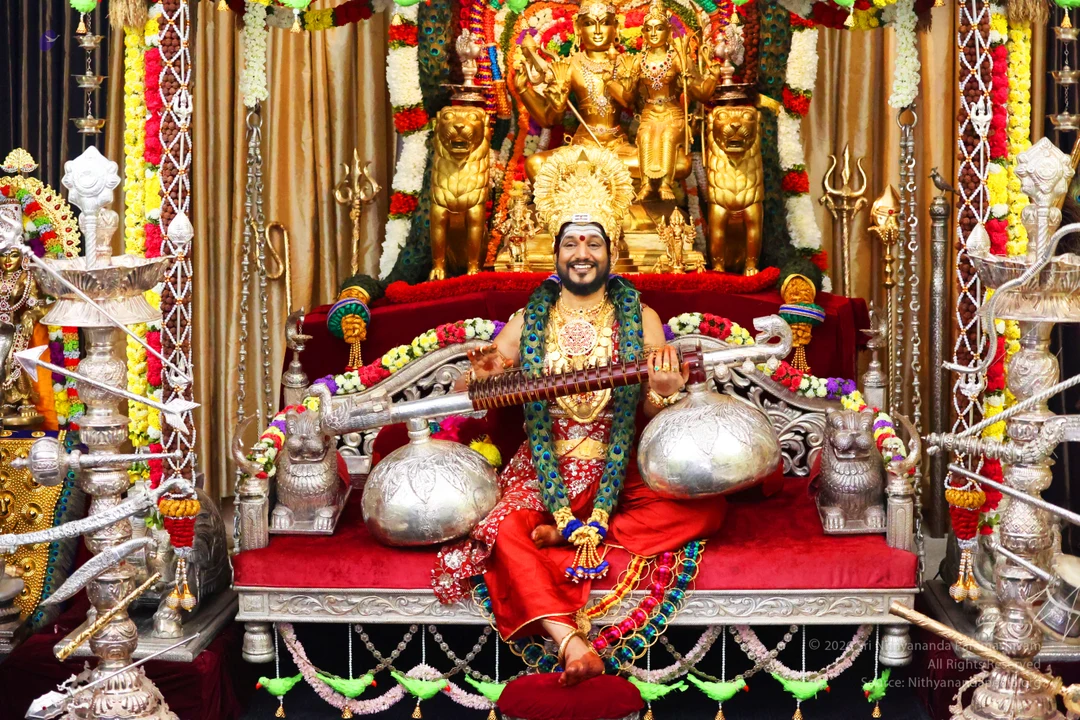
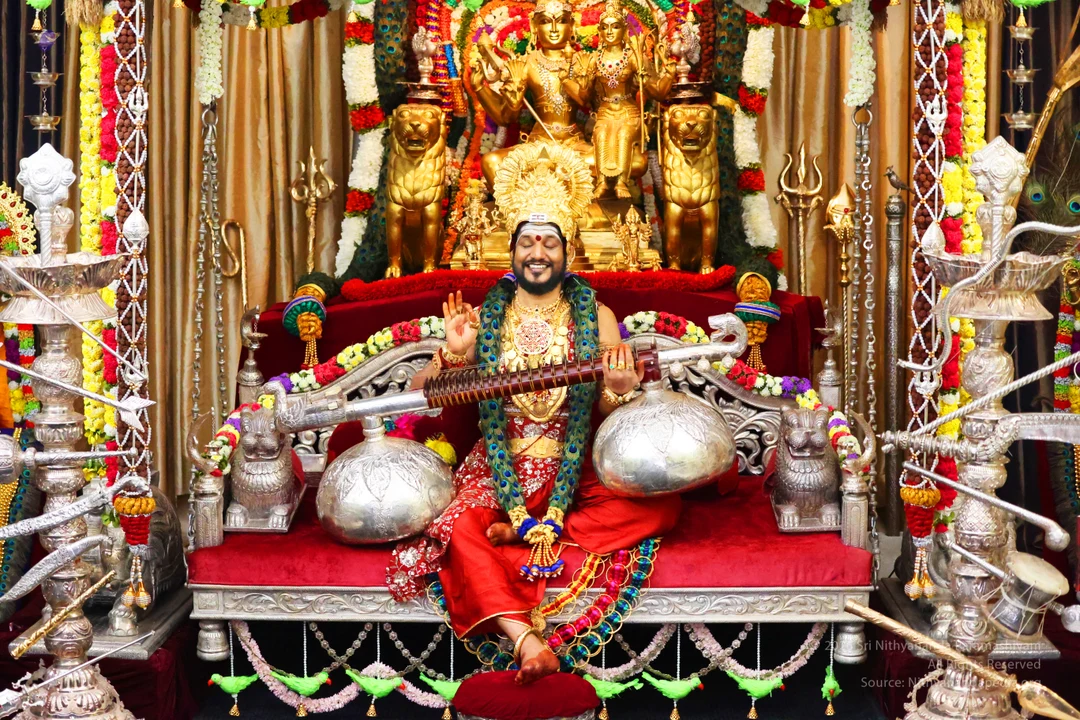
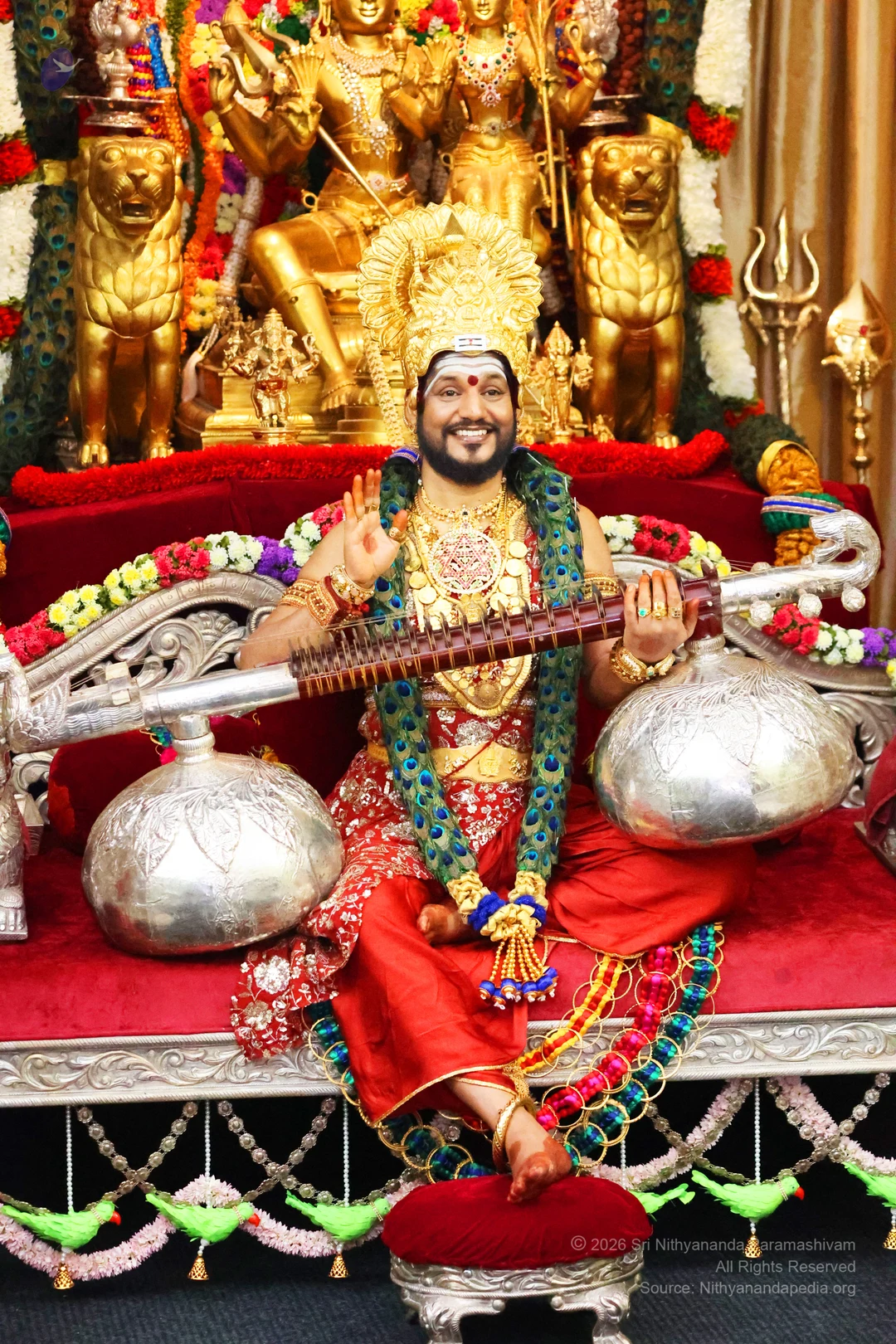
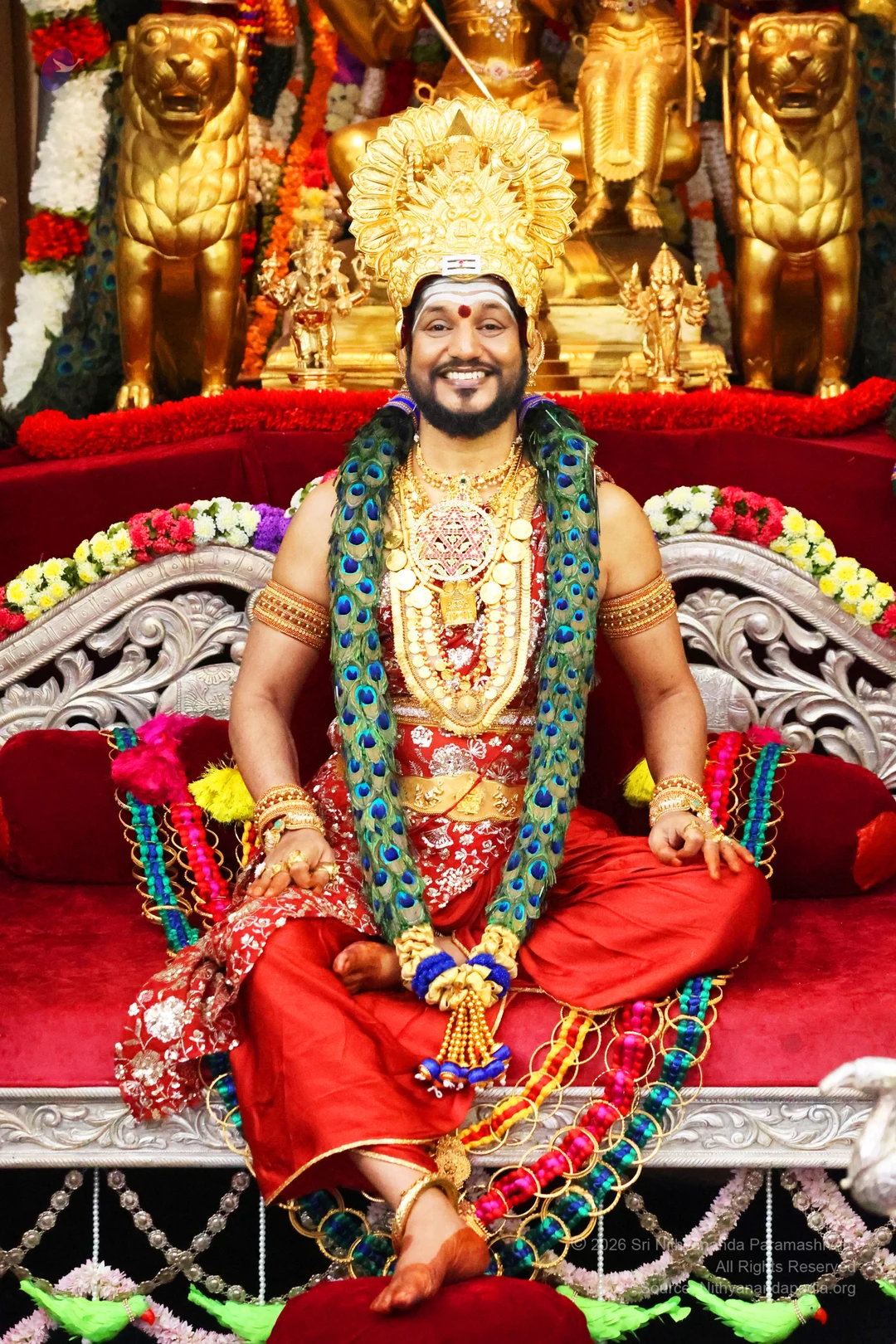
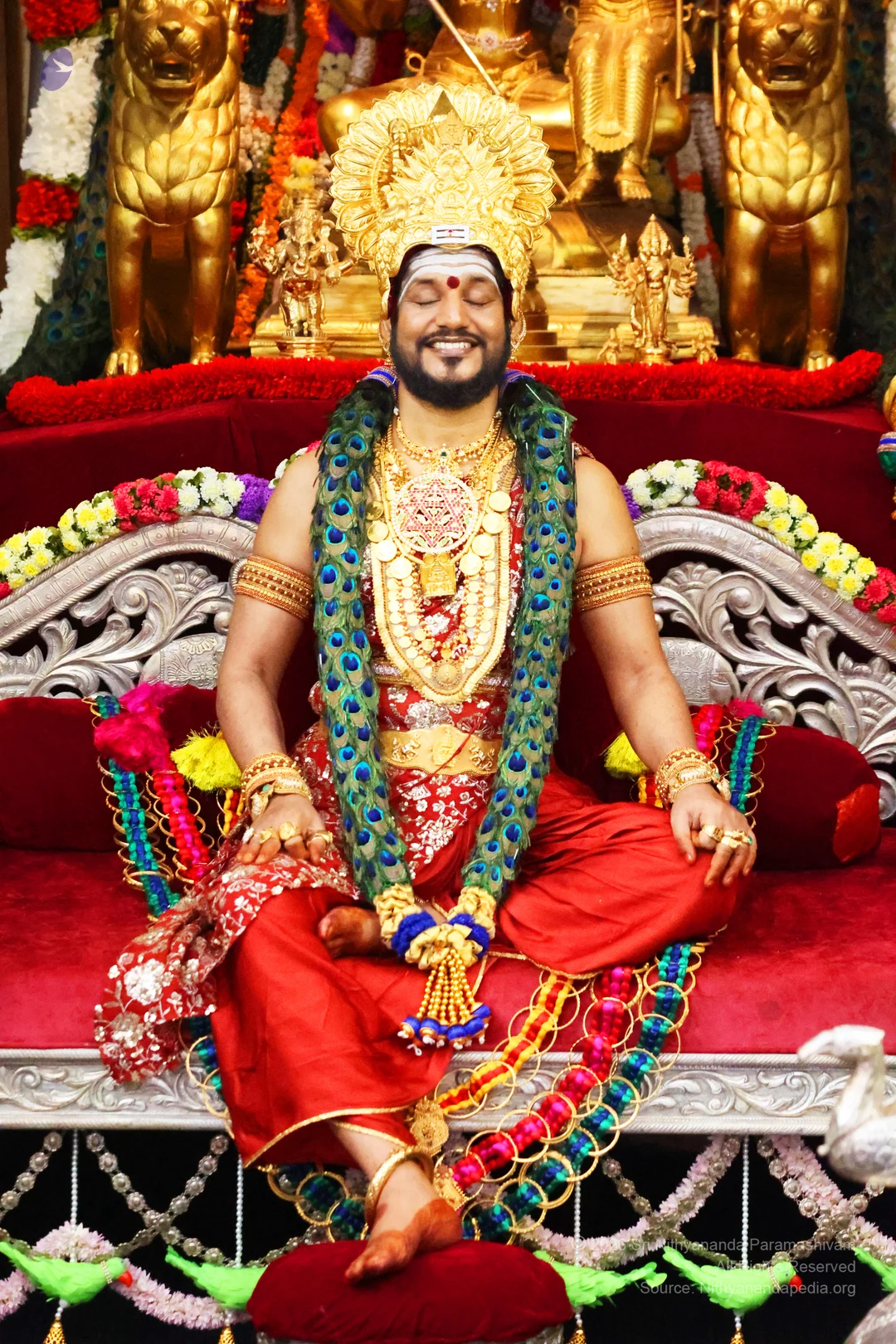
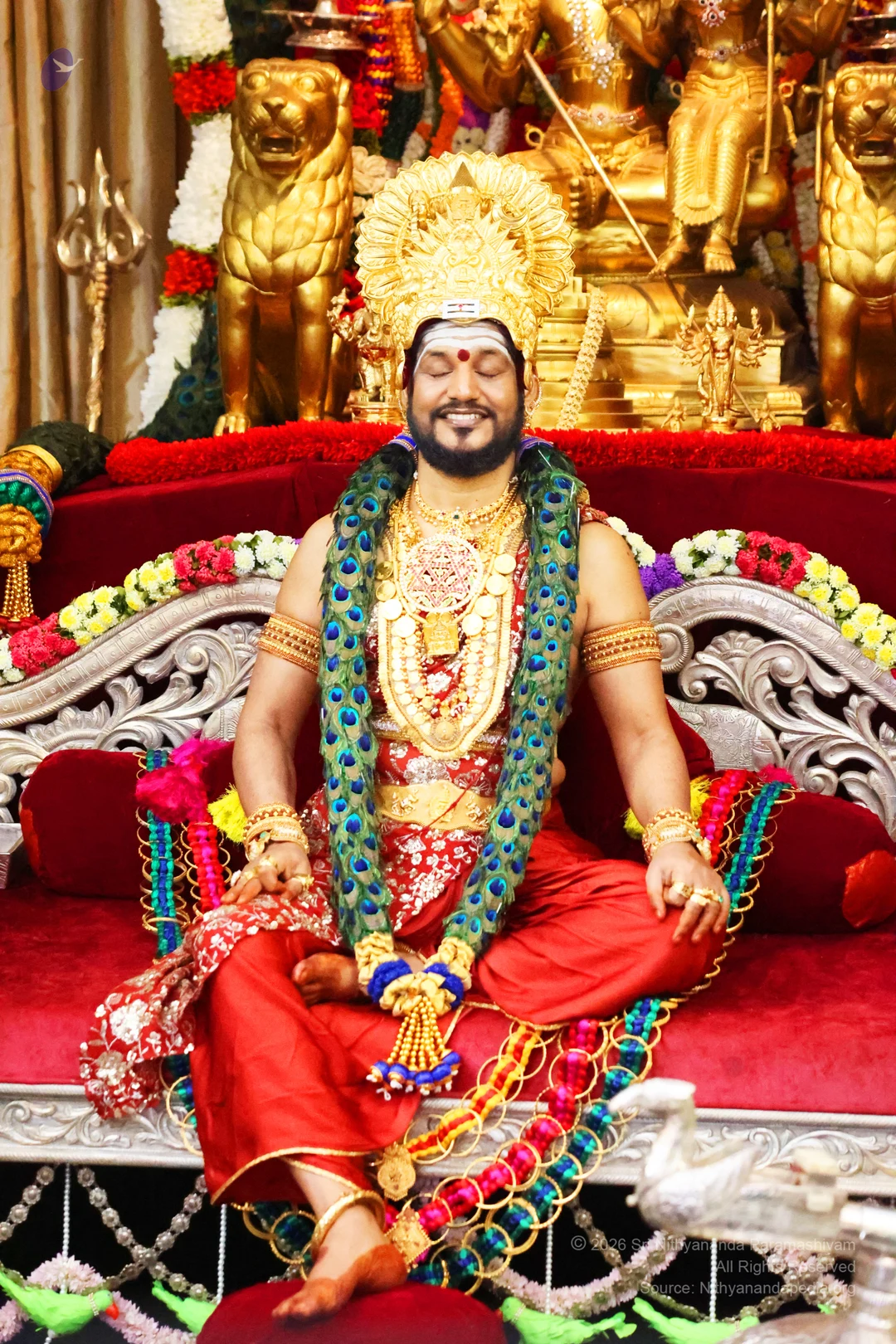
Original wiki pageThis special darshan and satsang marks day 3 of Navaratri 2026.
Event details
Date: 13 October 2026
Title
Navaratri 2026: Day 3
Video
Transcript
• Om. As the ultimate manifestation of Paramashiva and Paramashakti, I bless you all with Paramadvaita.
• As the ultimate manifestation of Paramashiva, Paramashakti, Devi Kamakshi, Kalantaka Murti, Jvarabhagna Murti, I bless you all with Paramadvaita.
• All the Paramashiva Sena program participants in Kailasa Tiruvannamalai, Kailasa Guinea Bissau, Kailasa Bengaluru, Chit Sabha members, Raja Sabha members, Kailasavasis and all the e-citizens, viewers, visitors who are joining with us through the inner net and internet, I welcome each and every one of you with my love and blessings.
• Today, I initiate all the PSS participants into Ananda Gandha Deeksha to become Nithyananda spiritual healers to heal yourself and heal others. Om.
• Paramashiva and Paramashakti's direct message from Maha Kailasa: Ultimate quantum power manifestation happens the moment you understand the deep secrets of Brahmanda and Pindanda, and what happens in Brahmanda happens in Pindanda, what happens in Pindanda happens in Brahmanda.
• Listen. If you want rain to happen in Brahmanda, just change the vatavarana of your Pindanda, you will see the rain showers.
• If you want to stop the rain, change the vatavarana inside the Pindanda, the rain will stop. I tell you, I'm giving you one example.
• The most mystic, esoteric, occult, powerful secrets I am going to reveal in this shaktam series of satsangs, listen.
• In Devi Mahatmyam itself, the Chandi, 700 slokas, what you read and understand is what happened in Brahmanda. If you make that same happen in Pindanda, you will become Paramashakti. You will become Paramashiva, Paramashakti, that's all.
• Listen. I'm giving you the outline of the Chandi story. What happens? First, this Mahishasura feels like he is eternal. He can't be conquered.
• I tell you, the beast nature in you - Mahishasura is half-human, half-beast, representing your individual soul - the beast nature in you tries to make you believe literally it is eternal, that is ultimate, and puts you in turmoil, torments you with fears, everything, everything possible, terrorizing you.
• Your individual ego which goes on terrorizing you, torturing you, making you very strongly believe that it is eternal, real, going to be here forever, that is Mahishasura. Then, but he is not eternal. He can't be eternal.
• Mahishasura can't be eternal, immortal, no.
• At one point, the Mahishasura and his tortures becomes too much. All the bhuvanatraya suffers his torture.
• So same way, when your body, mind, literally even your conscious existence starts suffering with the ego, with your ego's torture, that Mahishasura's demonic tortures, then Brahma, Vishnu, Maheshwara, all of them gather, and all of them put their energies together, means all the superconscious manifestations put themselves together, integrate themselves together.
• When you decide to integrate all your superconscious energies together, from that energy Durga manifests.From that integrity, that integrated energy, Durga manifests.
• Read the Chandi. When Durga attacks Mahishasura, he and his sainya - the first chapter is actually Mahishasura sainya vadham, not Mahishasura vadham. You read the 700 slokas, you will understand - Mahishasura sainya, his army gets killed. In that, Shumbha, Nishumbha, Raktabija, all of them, one by one by one.
• Raktabija is like if you cut his body, even one drop of blood drops, from that drop, thousands of Raktabijas are reproduced.
• And if you cut one another that Raktabijas who are created, in that if you cut one, then again it multiplies, exactly your patterns. You try to work hard and break one pattern, by the time you break it, that one pattern falls and thousands of patterns it generates. That is the way the war goes on.
• Then comes the ferocious form of Paramashakti, Kali, who swallows the whole thing together.
• Like Kali manifests and she drinks all the blood of Raktabija and finishes him off. That is the ultimate power. That is the ultimate satya sankalpa.
• Kali is the ultimate satya sankalpa.
• When I say that when you fall asleep, delete the past, rewrite the past, that is Kali. That using your whole consciousness with the satya sankalpa and deleting the whole past and rewriting it, deleting the whole past and rewriting consciously, that is Kali. When you do that, all the Raktabijas are destroyed.
• Just Kali is actually the living dark energy in which every day you fall asleep. So she swallows, understand.
• These are all very deep mystical truths. I am casually revealing it to all of you.
• When you suffer with your patterns and struggle, unable to handle, like when you cut one, thousands come up, that is the time you need to be given the initiation of Kali deleting your past and rewriting.
• Then you will realize Kali swallows all patterns and the whole Raktabija disappears, is destroyed.
• Then Durga takes over, finishes the Mahishasura. That ego, which was claiming itself as eternal, immortal, and torturing you and everyone, including itself, is destroyed by Durga, the Paramashakti, integrated energy, superconscious energy.
• Authenticity is all the weapons she carries, and with that, Mahishasura is eliminated once and for all.
• Paramashakti manifests all the powers and glories and with a complete superconscious enlightenment, Become state powers space what not with complete Paramashiva
• So understand what happened in the Brahmanda is documented. If you let that happen in your pindanda you manifest Paramashiva and Paramashakti.
• I'll explain in more detail in further satsang.
• Now again, I am going to sit and radiate the most mystical esoteric ultimate power of Paramashiva Paramashakti, the Nada, Bindu, vibration and frequency, and the space of Paramashiva Paramashakti for all of us.
• Sit and attend the darbar sincerely with one intense motive, focused, listen.
• Your focus matters, your focus matters, your intensity matters. That is what is going to bring the result.
• Just me being here is not enough. You being here with intensity only will make you receive the ultimate benefit, the best.
• So, be here with that one motive. O Paramashakti, fill me, manifest in me, destroy the Mahishasura in me.
• That individual ego which tortures me and others, destroy it. You be victorious.
• You manifest in me.
• Durga Mata ki jai.
• You manifest fully.
• You occupy me fully.
• You radiate me fully.
• Let you fill me up fully.
• Nothing else be left. Let you manifest. Let you be me. Sit with that intensity.
• You will get the best of Paramashiva Paramashakti manifesting in you.
• All the channels: Deepam TV Puducherry, Kailasa Tamil Media, MKU News Malaysia, Prabhakar Kalaikoodam, Veyyon Aanmeegam, AAG Studio, Mannin Maindhan, Energy Booster Tamil, Go Spirituality—blessings to all of you, and to all those channels broadcasting this satsang live.
• Listen, I am also answering many of your questions.
• Today, just today morning, I received a question from the social media:
• You speak with such authority—who exactly are you?
• Listen closely. I cannot describe who I am by comparing myself to any identity you might understand. I have tried.
• To describe something, one usually relies on comparisons, analogies, or notions of superiority and inferiority—likening it to something else or contrasting it. Yet, what exists within me cannot be compared to anything you know; it cannot be deemed superior or inferior to anything familiar to you. This is the truth—I am stating the absolute truth.
• I cannot draw parallels with any identity known to you—whether male, female, or otherwise—to say that I am higher or lower than those concepts. Therefore, it transcends all such labels; one cannot simply say "it exists," "he exists," or "she exists."
• If you wish to understand: this presence manifested in the world you inhabit—taking on this physical form—nearly 49 years ago.
• It manifested in the early hours of January 3rd, 1978 (late at night on January 2nd by your calendar).
• If you are trying to understand things based on the life you have lived from then until now, then perhaps—regarding that past—one could simply state a few words about how things actually happened.
• I will try to articulate it; whether you choose to understand it based on that is entirely up to you.
• However, any attempt you make to comprehend it will be like the salt doll that challenged the ocean, claiming it would measure the sea's expanse before stepping in—the same fate that befell the doll will befall you.
• Whatever you intend to measure or discover by entering this realm, you will simply dissolve and become one with it.
• If that prospect brings you bliss, then come—I welcome you.
• If it fills you with fear, then I issue a challenge: come, try to measure it, try to fathom it. If you are afraid, simply look on in wonder and smile.
• Understand this deeply: the ego, pride, and individual identity you are familiar with—none of these hold any meaning here. Because the reality within reveals itself as something that cannot be explained through comparisons, analogies, or perspectives—and because the very existence of the "I" manifests spontaneously—I cannot explain it using words that would make sense to you.
• I can, however, share a few words about the past.
• I will recount events exactly as they happened. Even if there isn't time to tell the whole story, I can share a few details.
• I was born into a traditional Saivite family—specifically, the Saiva Vellalar clan—in Tiruvannamalai.
• We had a long-standing, close connection with the Annamalaiyar Temple; I believe this bond existed from the very earliest times—at least, that is what the historical records suggest.
• I was born into the family that had constructed and managed the Lord's temple. It was a unique family; they lived very frugally.
• Observing their lifestyle, one might even mistake them for being poor.
• Ours was the kind of family that would donate everything we had to the temple and live on whatever remained. To give you an example, my maternal grandfather lived his entire life without ever owning a car.
• Yet, whenever you looked at a newspaper—whether it was for temple consecrations, social service initiatives, religious forums, or any public event related to the divine or spirituality in our town—his name would appear as a sponsor.
• He would sponsor events and make donations; you wouldn't find a single local publication—whether for temple renovations or festivals—that didn't feature his name.
• He spent so much money on these Shiva-related causes and acts of service.
• Yet, in his personal life, he didn't own even a single car until his very last day. He ran a rice wholesale business from his home, and he would walk to and from the shop every day—right up until the end. He lived a truly good, fulfilling, and long life. I could cite many such examples.
• That is why—when people on social media or those recounting my history claim I was born into a poor family—it isn't the right way to put it.
• The accurate description is that I was born into a family that lived a traditional Shaivite lifestyle; they were by no means poor.
• Let me give you a small example: the properties donated to our Kailasa Ashram by both my maternal and paternal families are worth over 100 crore rupees at today's market value. They gave them as a *daan* (charitable gift). We have since converted all those properties into ashram facilities, and they are currently functioning as such.
• Yet, even today, if you were to visit their homes, you would find—at most—just one car.
• They lived what could be described as a lower-middle-class lifestyle.
• A few years ago, my maternal grandmother was in poor health due to old age; she was quite frail.
• I visited their home to see and care for her.
• I spent time talking with the relatives and the children there. One of the young women was in college; when I asked her if she owned a mobile phone, she replied, "Oh, no, I don't have one."
• Even in this day and age—despite having donated assets worth crores to the ashram—those children did not own mobile phones. So, it would be incorrect to call it a poor family; the accurate description is a traditional vegetarian family. I was born into such a family.
• Let me state something else of importance: I never take pride in my lineage or caste itself.
• However, I remain deeply grateful to that family, the social environment, and the heritage they provided for raising me properly. That is why, whenever the opportunity arises, I document these details. I do this to inspire the next generation—and everyone else—and out of a sense of gratitude for the upbringing I received.
• I am recording this history.
• I was born into a fine, traditional vegetarian family; I was born right within the temple precincts. It is the temple's sixth *prakaram* (enclosure).
• You might ask, "How can you call it a temple enclosure when there are private houses there?" Well, during temple festivals, *Ashta-dik-bali* (offerings to the deities of the eight cardinal directions) is performed. There are sacrificial altars (*bali-peedams*) for each of these eight directions. These altars are situated along the temple's boundaries—specifically along the *Raja Veedhi* (main street) and *Mada Veedhi* (street encircling the temple).
• The entire area within those boundaries belongs to the temple.
• Consequently, the street where I was born and raised housed these *Ashta-dik-bali* altars. That is why I say I was born and raised right within the temple complex—specifically in the sixth *prakaram*.
• In reality, my upbringing took place entirely inside the temple; I grew up within the first, second, and third *prakarams*.
• Born in the sixth, I grew up amidst the first, second, and third.
• To put it simply, looking back at my life, I was essentially a *Kovil Pandaram*—a temple servitor.
• I lived within the temple and performed various small services there. I acted as an assistant to the temple *Shivacharyars* (priests) and to the others who served the temple—such as those who sponsored specific rituals (*mandagappadi*), the garland makers, and the *parisarakars* (temple kitchen assistants).
• I was a helper to all of them. If the person stringing the garlands needed help—such as shredding the binding fibers, sorting and handing over the flowers, or dampening a cloth to cover the finished garland to keep it fresh—one would assist with these tasks.
• Beyond that, there was the work of stringing garlands, picking flowers, and cleaning the temple premises.
• Engaging in such small acts of service—acts of devotion to Lord Shiva—one would often stay right there; even if one had a home in the temple's outer precinct, one would essentially live within the temple complex, consuming the *prasadam* (sanctified food offering) and spending days immersed in the practical life of the temple.
• I lived right within the temple precincts; the temple was my entire life—specifically, the Annamalaiyar Temple.
• I believe we were the last generation to live inside the Annamalaiyar Temple, spending all twenty-four hours of the day there.
• Nowadays, there is no opportunity for anyone to live inside the temple like that.
• At most, people can visit for *darshan*, though I am not sure if even daily visits are feasible for everyone anymore, given the massive crowds. We used to stay inside the temple day and night.
• Furthermore, because I shared close friendships and warm relationships with those who served at the temple, I would stay right there.
• There is a structure known as the *Karthigai Mandapam* within the temple complex; the person who made flower garlands had a room there, and I would stay in that room.
• There was a well nearby where we would bathe. Similarly, in the third *prakaram* (circumambulatory corridor), there were rooms designated for the temple attendants—known as *Pandarams*—and we would stay there as well.
• In a practical sense, I was a *Pandaram* of the temple. It was a profound grace bestowed upon me by Lord Annamalaiyan—He Himself brought excellent *Shiksha Gurus* (teachers of knowledge) and *Deeksha Gurus* (initiators) to guide me. They provided instruction and formal initiation across various disciplines: *Adi-Saivam*, *Vedanta*, *Tantra*, *Yoga*, *Siddhanta*, the classical *Adi-Saivam* tradition, and the *Saiva Siddhanta* philosophy that evolved after Meikandar.
• The Lord Himself—manifesting as the great Yogi Arunagiri—came directly to bestow supreme wisdom, the wisdom of Paramashiva, and supreme spiritual realization.
• He is the one who granted everything: supreme non-dual realization (*Paramadvaita*), supreme spiritual experience, the wisdom of Paramashiva, and the powers of Paramashiva. Paramashiva and Parashakti have manifested directly and completely; They bestow all spiritual experiences, manifest Themselves, exist as Themselves, and orchestrate everything Themselves.
• They shine eternally of Their own accord, conducting all affairs. I do not know if you can fully grasp the events of the past, no matter how many I explain. I have tried; perhaps in subsequent questions and answers, I will share further explanations, incidents, and historical details from the past. See how much you can understand from that.
• Someone asks: Swamiji, why can I scroll reels for 3 hours, but can't meditate even for 3 minutes? Listen. Fundamentally, your mind is endless distraction.
• Your mind is endless distraction.
• Anything which gives food for that endless distraction, which keeps you engaged in that endless distraction, it mind enjoys it, mind flourishes with it, mind feels entertained and entrained, even enlightened with the scrolls, because of this endless distraction.
• But with the meditation mind has to get really enlightened. It is afraid of real enlightenment. Means your being will go beyond mind. Your mind will become irrelevant for your existence. You will go beyond the hold of your mind which mind does not want.
• Mind is like a toxic girlfriend or toxic boyfriend. They will neither let you go free, no breakup is allowed, and nor they will let you live happily, peacefully.
• Neither peace is allowed nor breakup is allowed.
• The toxic torture is the only way they can keep you under control, and they even feel that their existence is there only by torturing themselves and torturing you.
• That's a source of their existence.
• The mind is exactly like that. Its source of existence is torturing itself and torturing you.
• So, it cannot allow the meditation.
• That is why Arunagiri Nathar says, not Arunagiri Yogishwara - Arunagiri Yogishwara is Paramashiva's manifestation - Arunagiri Nathar is Muruga bhakta who is, of course, enlightened being, and he is directly he had a Kandhar Anubhuti. Anubhuti with Subramanya.
• And the Arunagiri Nathar, he sings: I know not how to fix my mind in meditation upon the Lotus Feet—the abode of refuge—even for half a minute; the mind is just endless distraction.
• The only way is to start deleting your past and rewriting when you fall asleep. Or even in the daytime sit, see the past which is constantly distracting you, delete it consciously and rewrite as you are absolutely focused, awakened, fully conscious being.
• You will see that happens. So, now get ready.
• Sit with intensity. Decide to be focused on only one thing: Paramashiva, Paramashakti manifesting in you right now fully.
• Sit with that one focus, one prayer, one intensity, one sankalpa.
• Superconscious sankalpa.
• Not just physical, mental, or emotional.
• Superconscious sankalpa with that intensity. Conscious intensity. Sit.
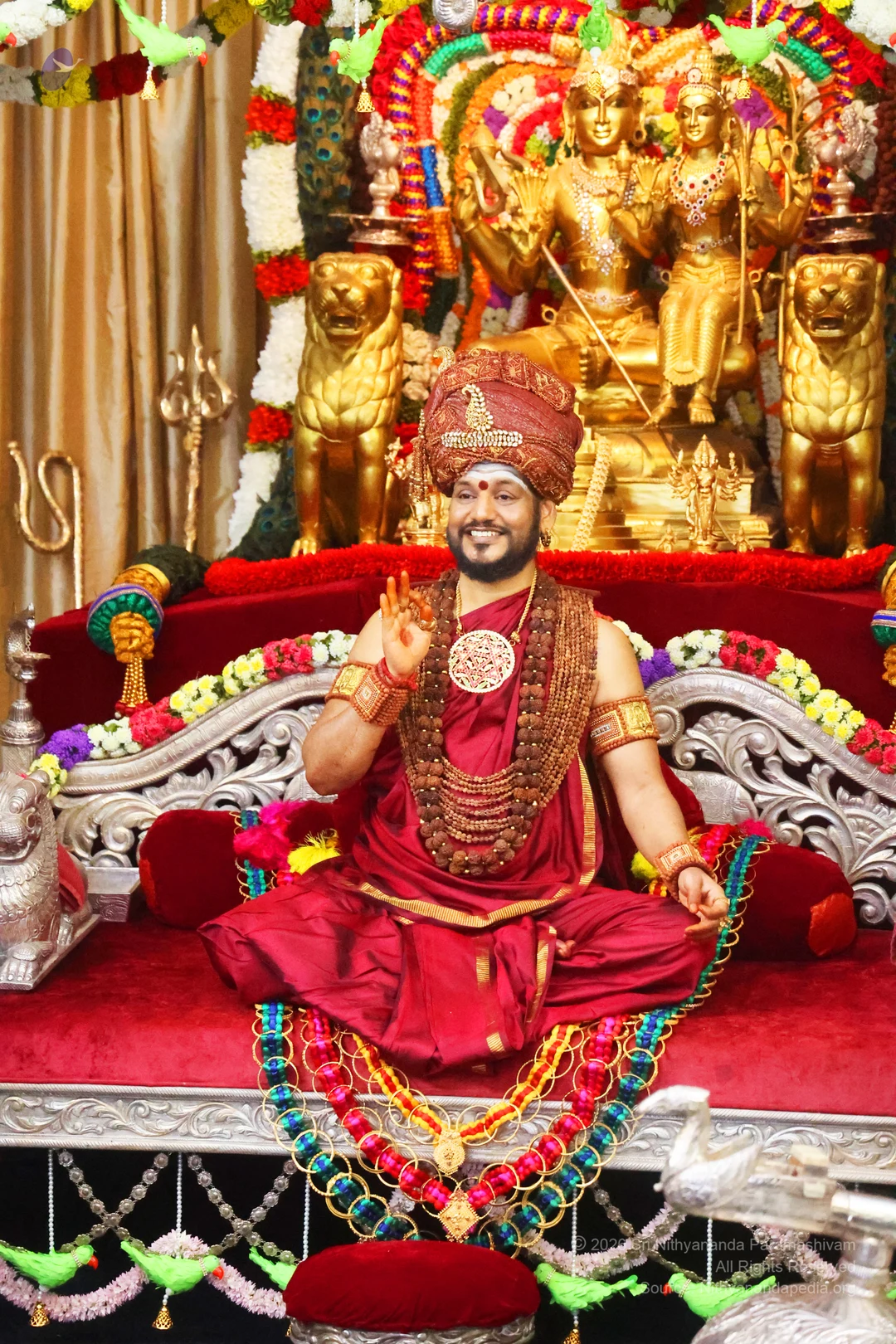
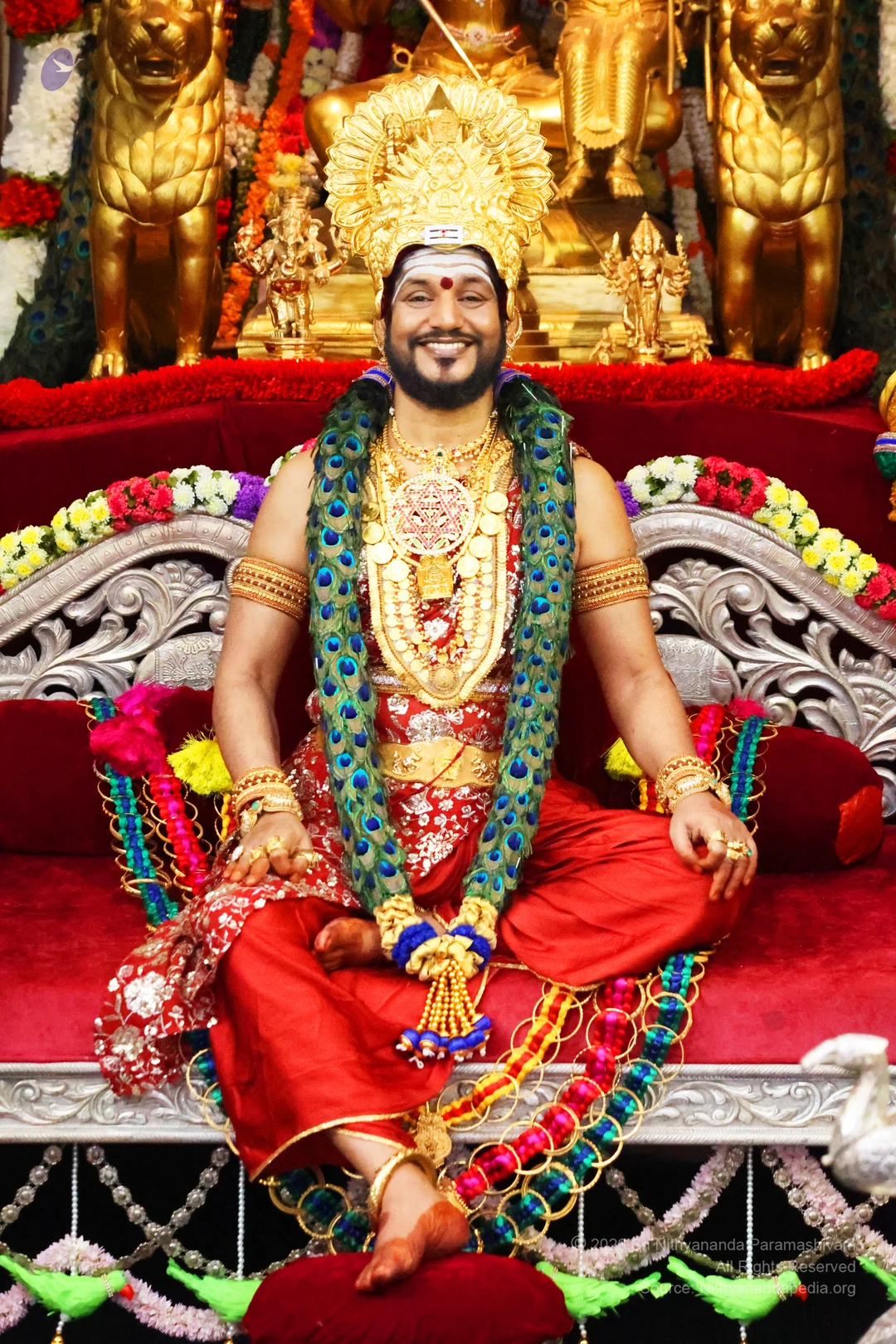
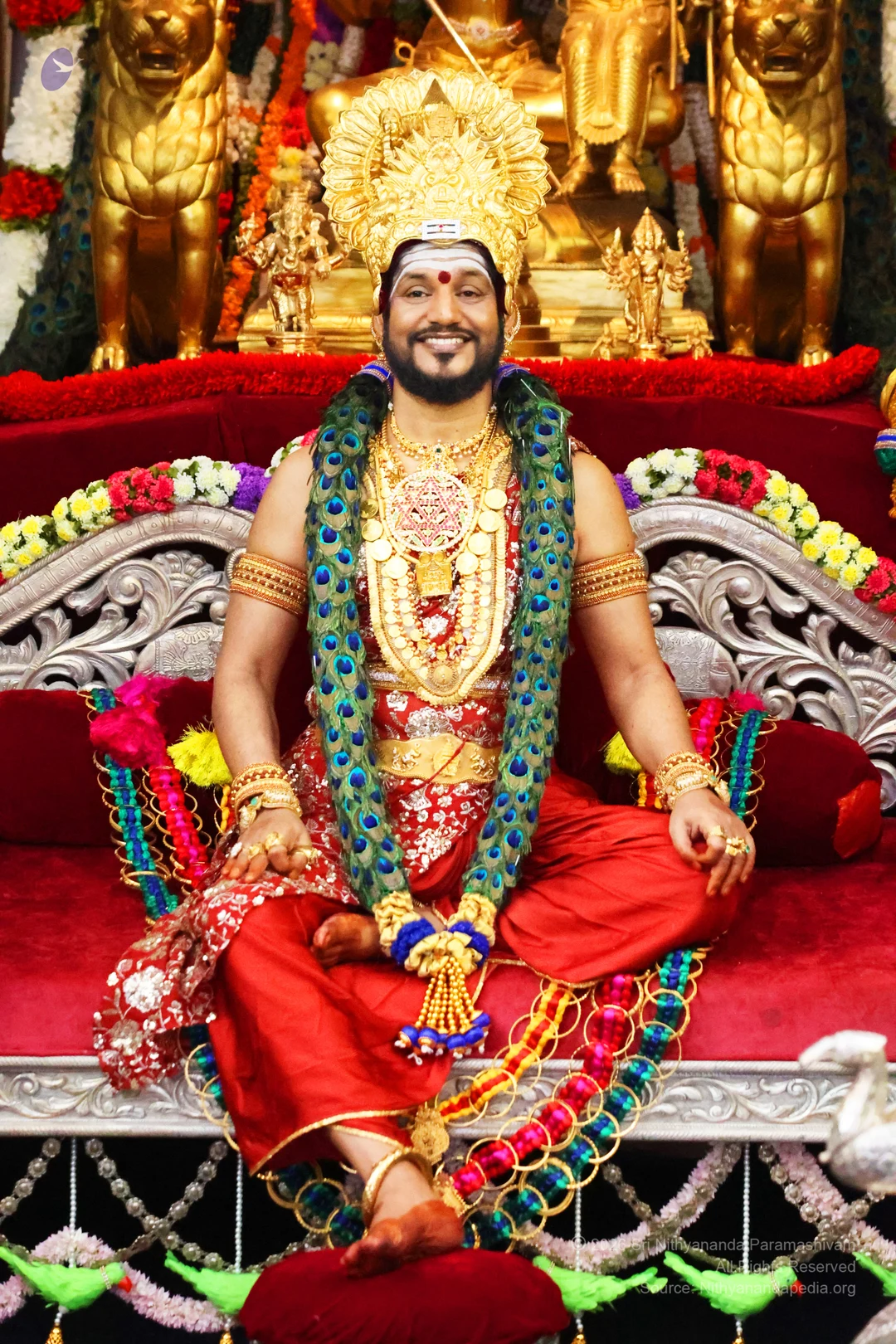
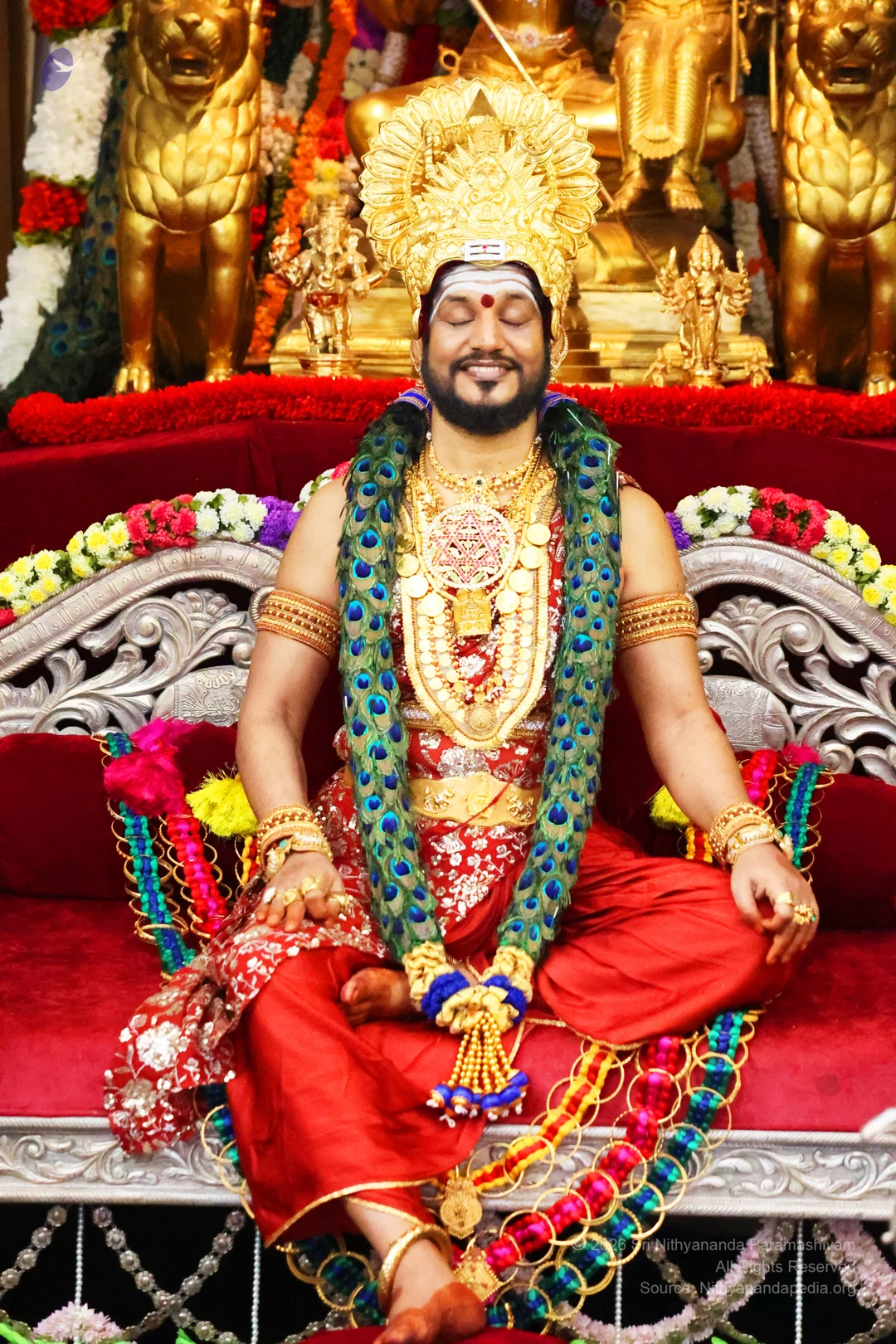
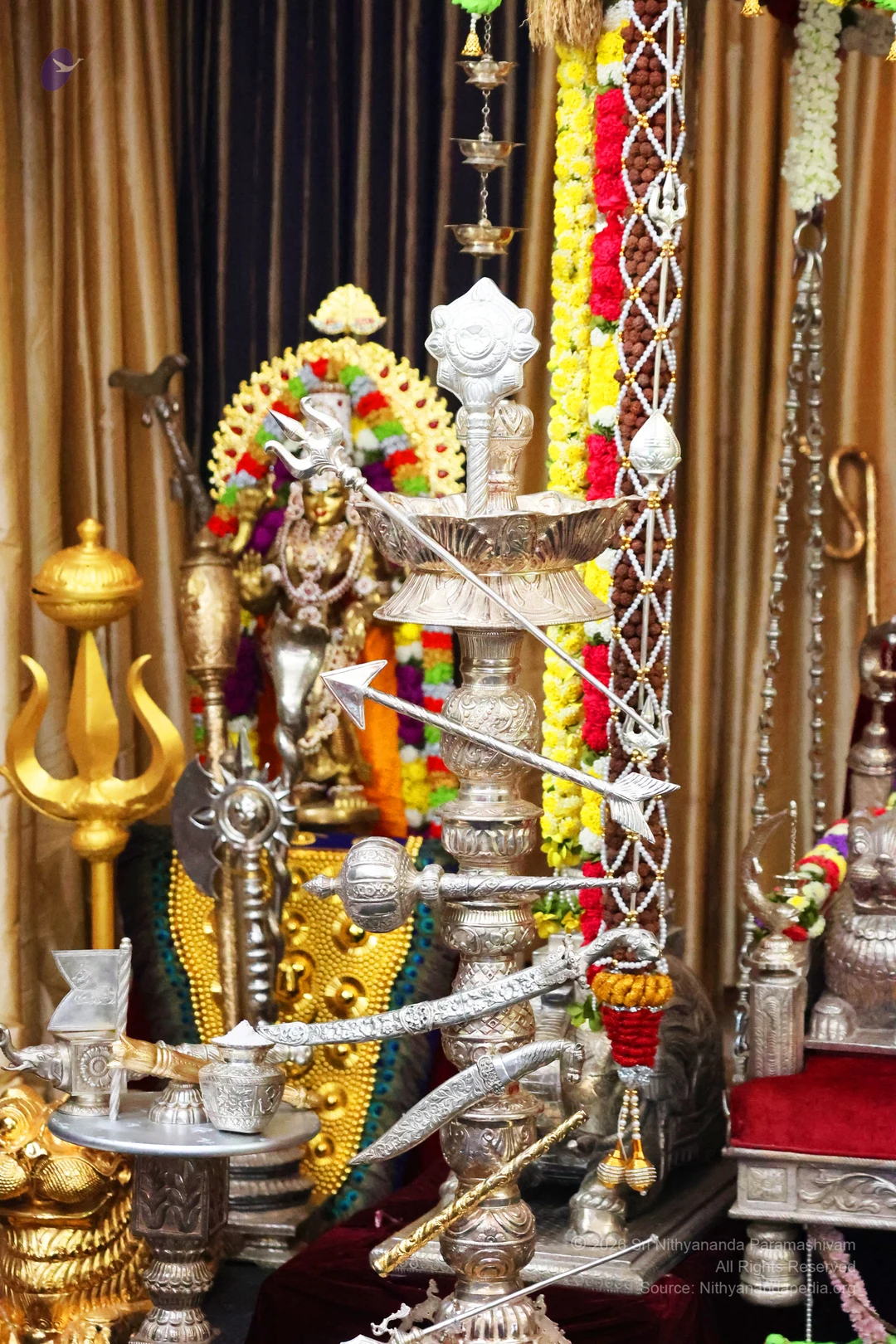
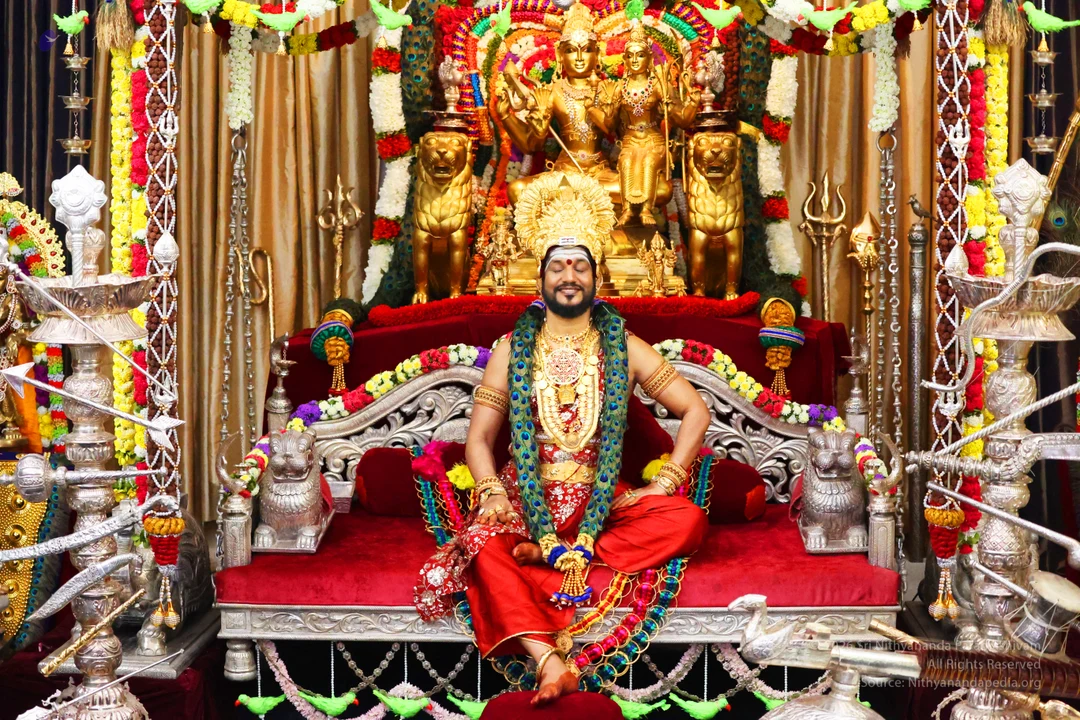
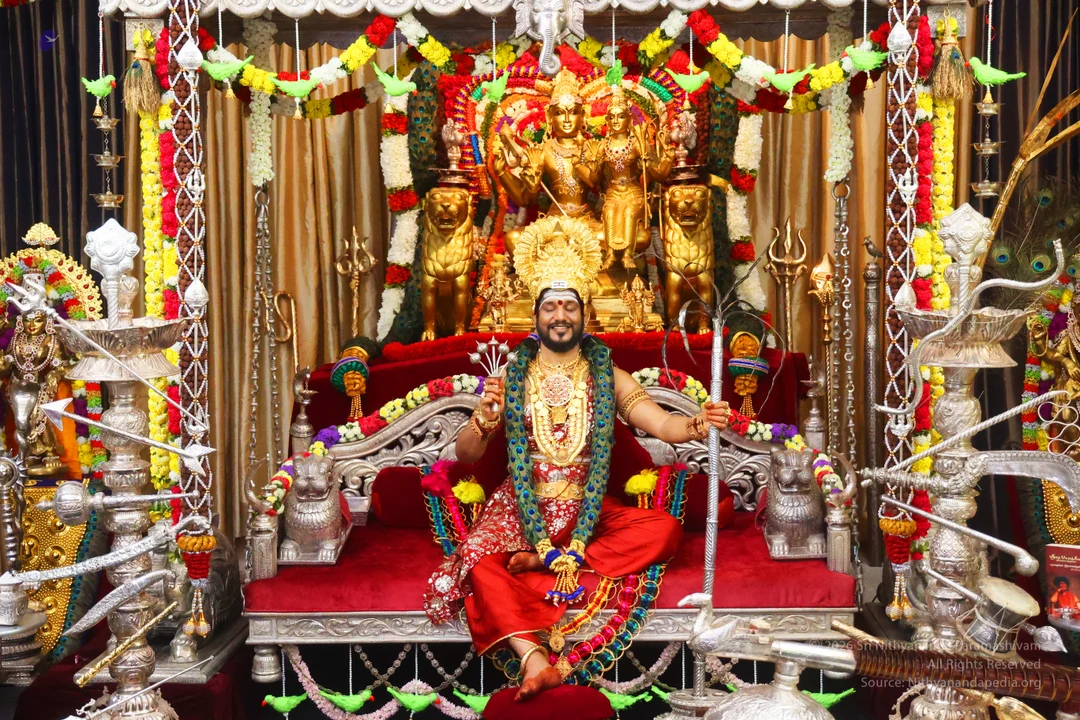
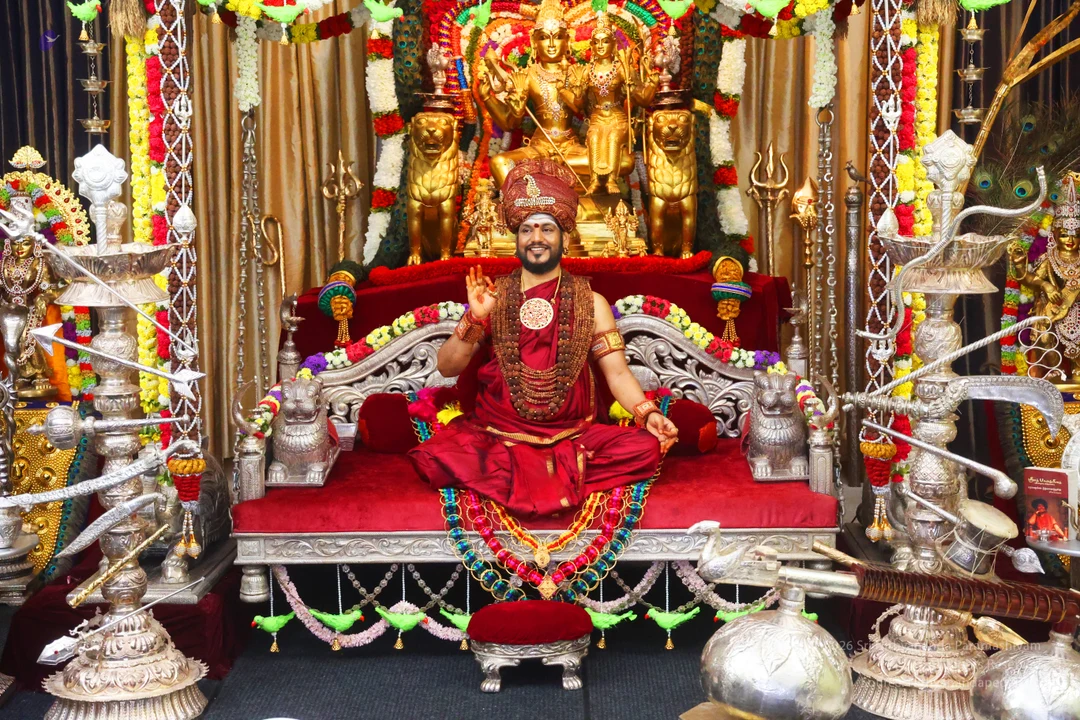
• You will see the Japamala, Akshamala rolling in my hands and radiating the intense, superconscious frequency, vibration of Paramashiva, Paramashakti reaching out to all of us and showering the intense, superconscious energy, frequency, vibration, and awakening Paramashiva, Paramashakti in all of us. So, sit and attend the Darbar. Blessings.
© 2026 Sri Nithyananda Paramashivam. All Rights Reserved
Photos
Sources
Photos from this day
View all 110 photosKAILASA BAIE MAHAULT GUADELOUPE On October 13, 2026
3 photosView allKAILASA GERMANY On October 13, 2026
1 photoView all
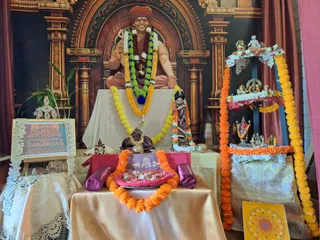
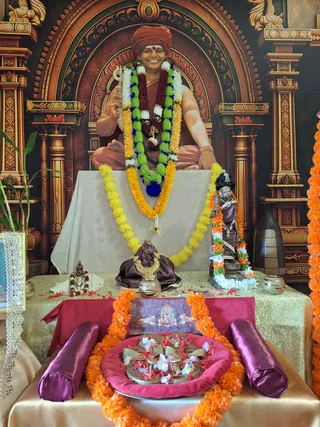
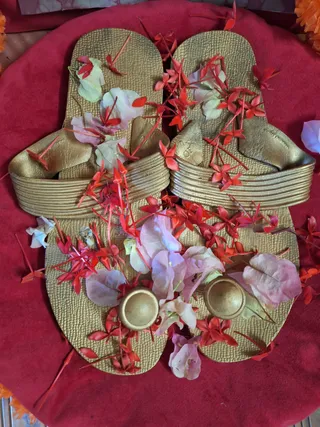
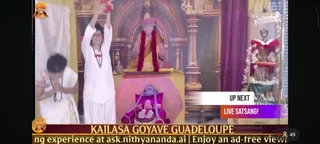
KAILASA GOYAVE GUADELOUPE On October 13, 2026
7 photosView all
KAILASA HYDERABAD On October 13, 2026
70 photosView all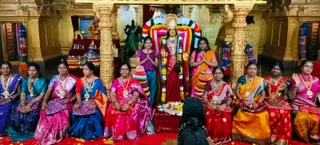
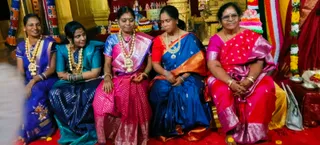
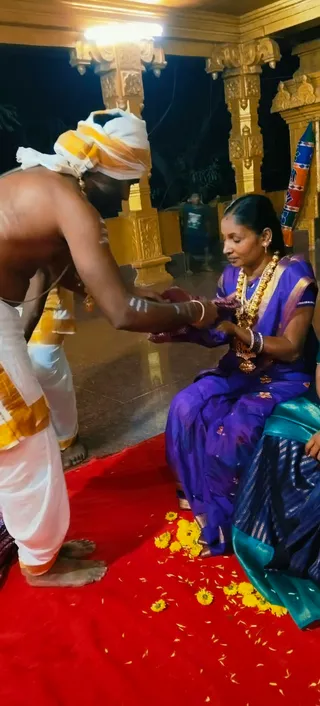
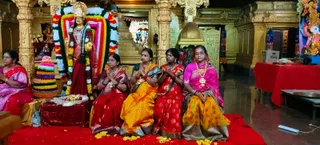
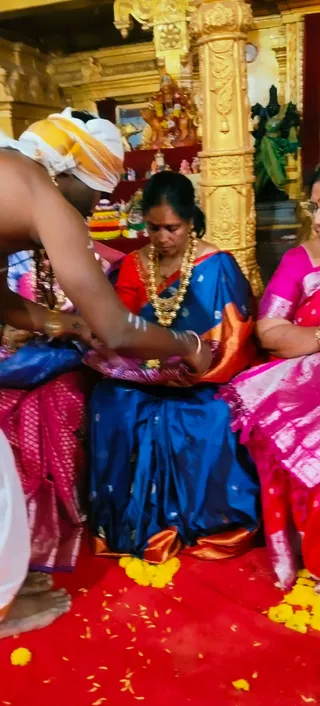
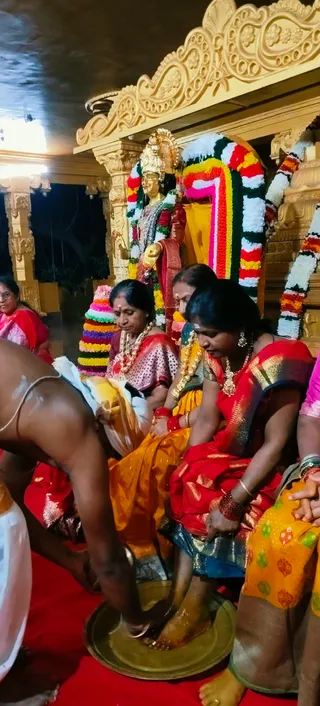
KAILASA PARIS FRANCE On October 13, 2026
8 photosView all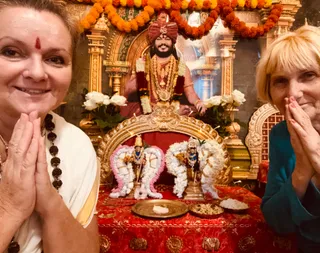
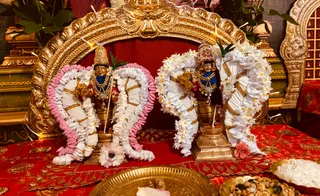
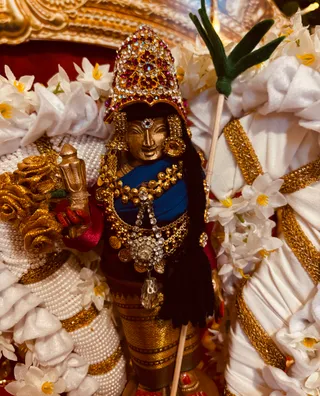
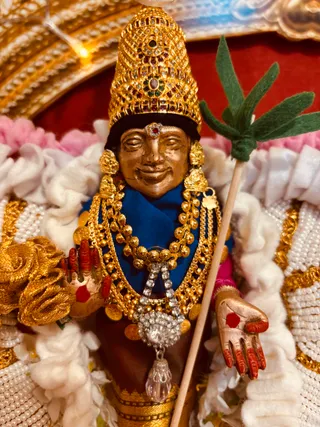
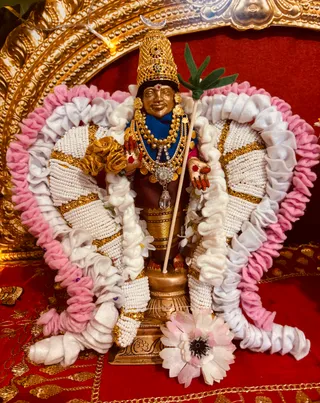
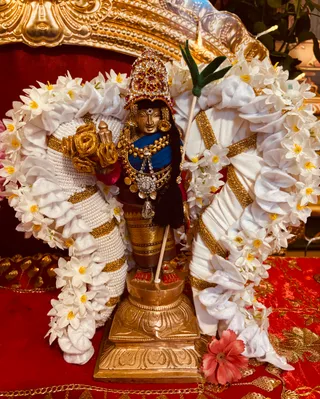
KAILASA SEERAGAPADI On October 13, 2026
21 photosView all