Monday
18 March 2013
Love Makes Life Happen to You
- Dated photos
- 362
- Source pages
- 1
- Media
- 7

March 18 2013
Original wiki pageTitle
Love Makes Life Happen to You
Description:
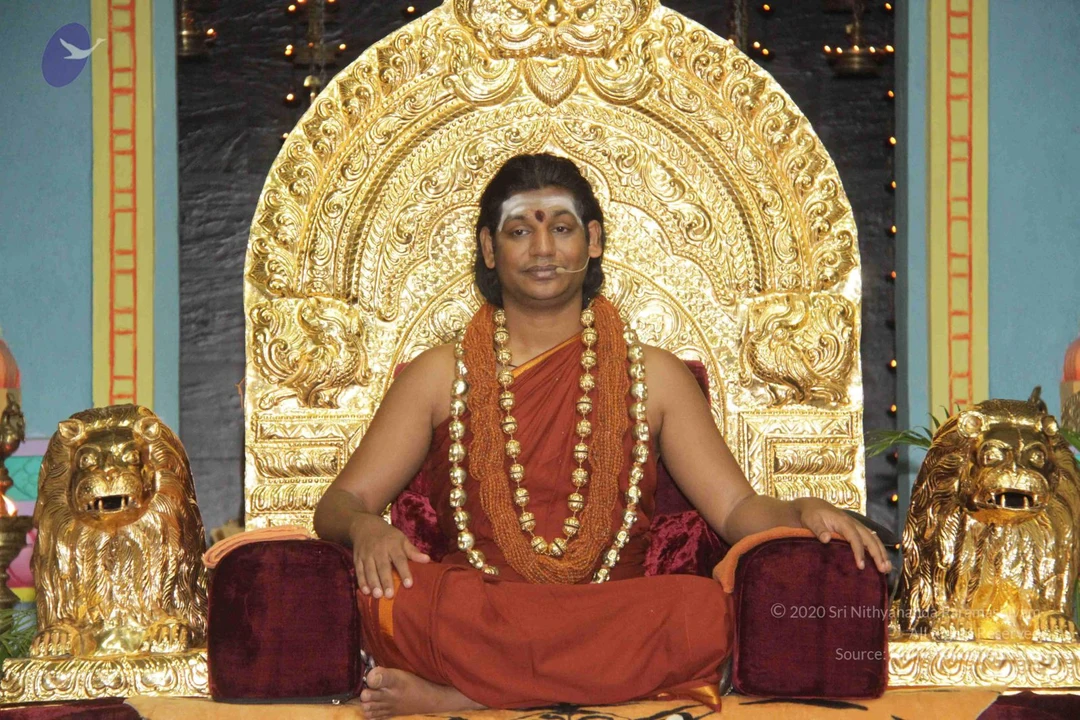
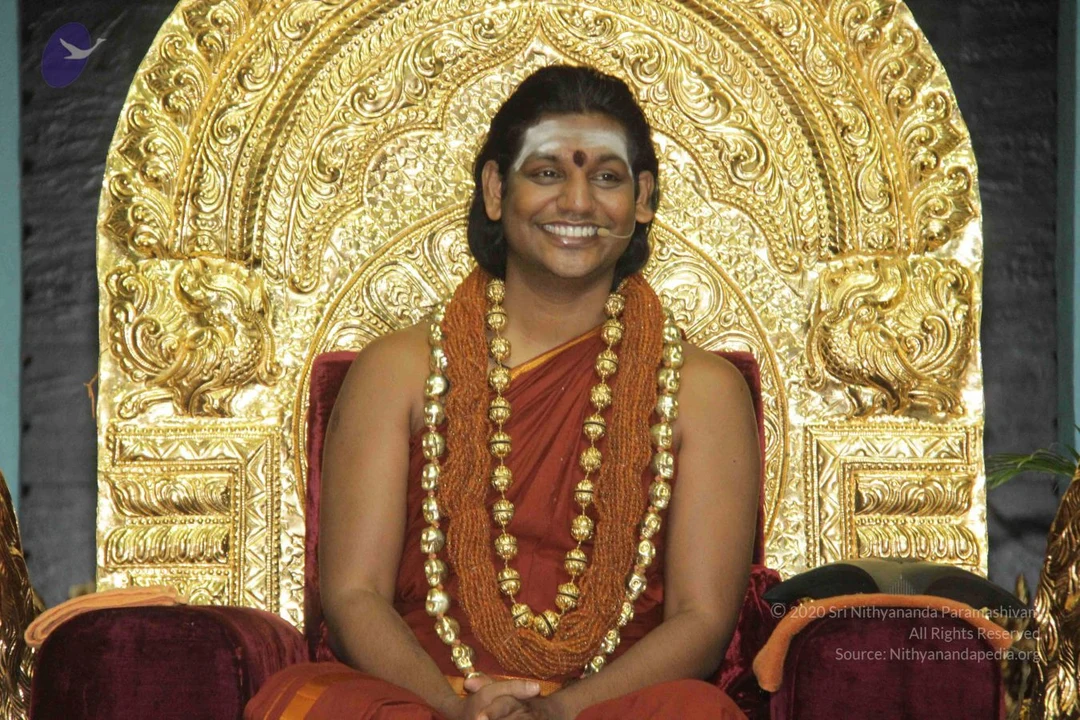
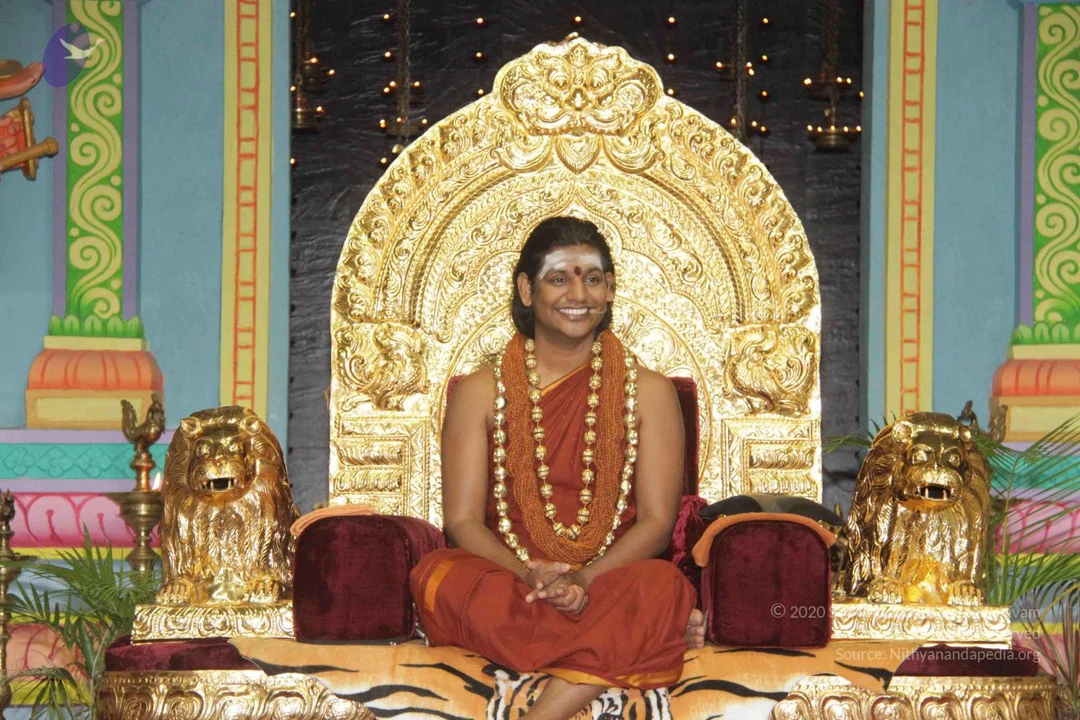
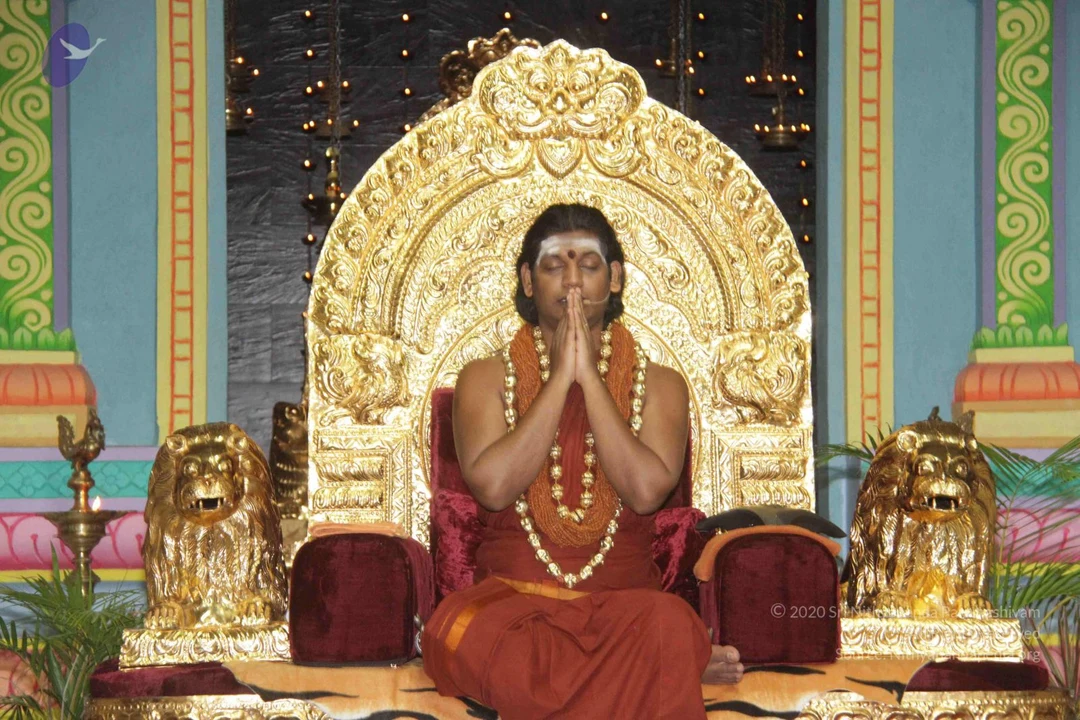
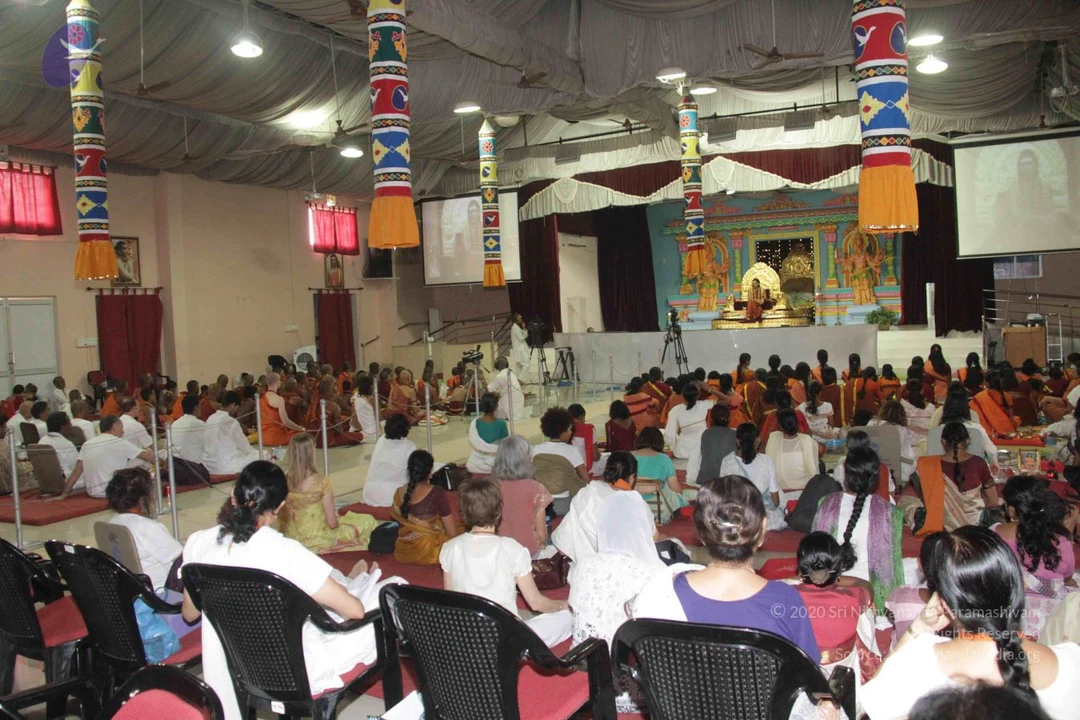
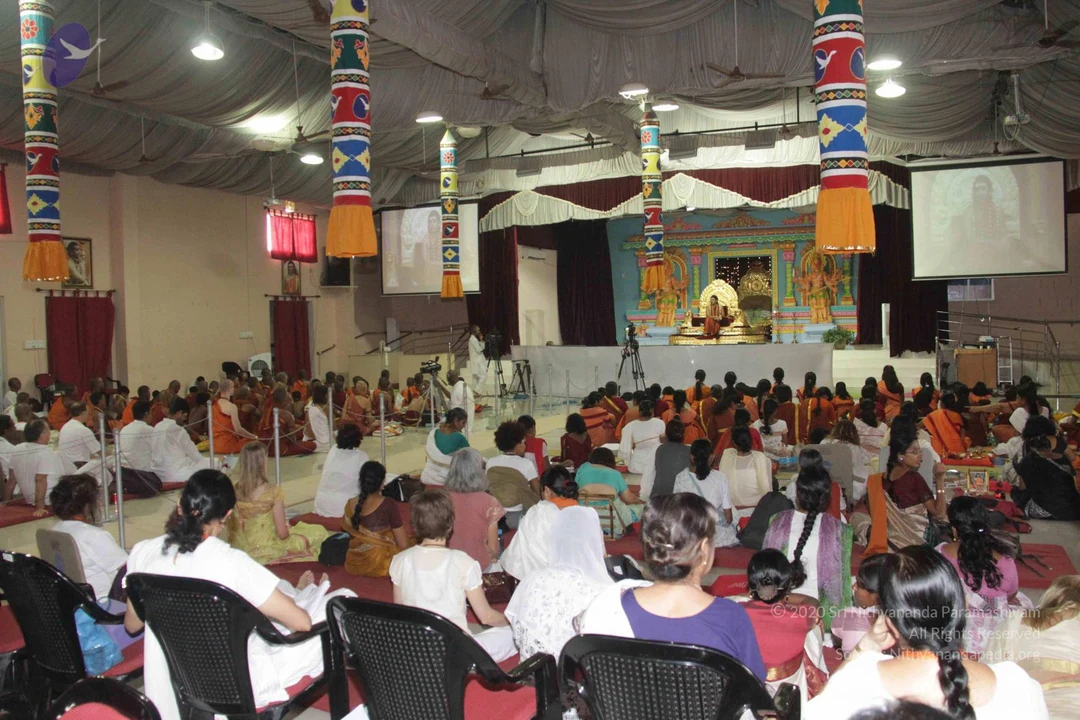
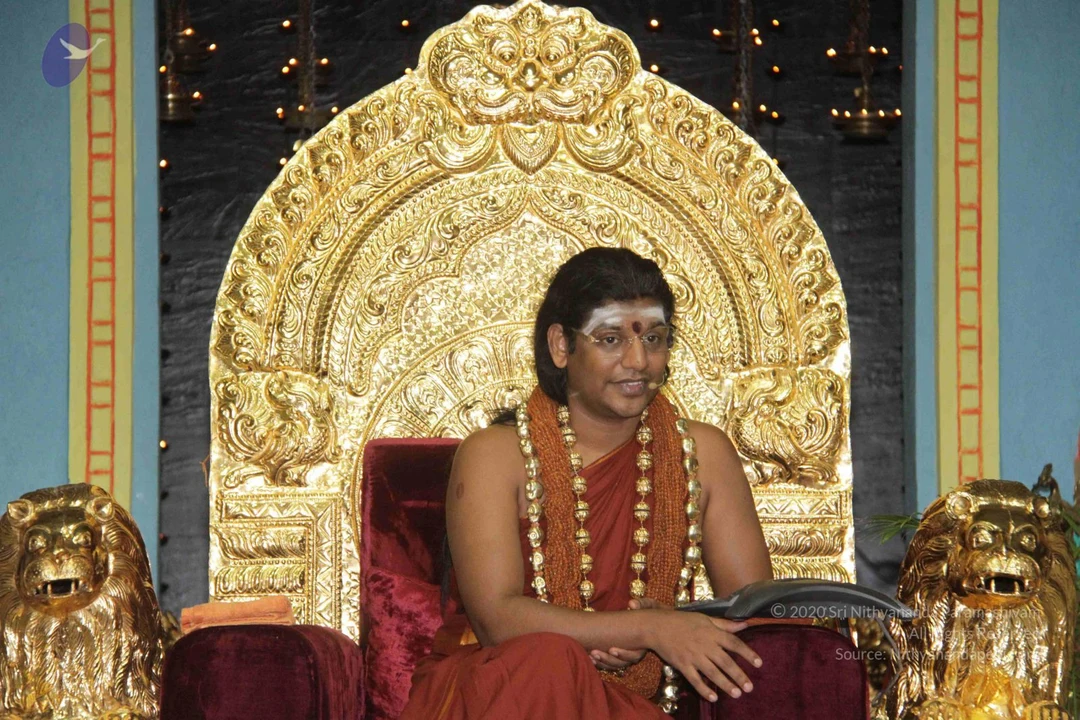
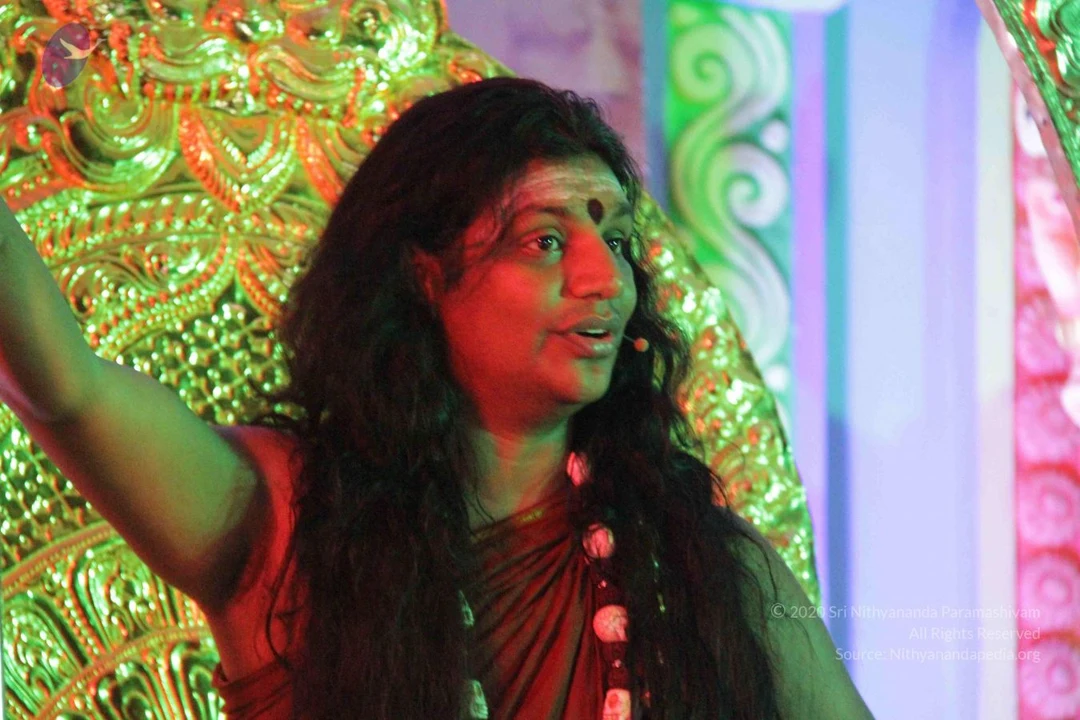
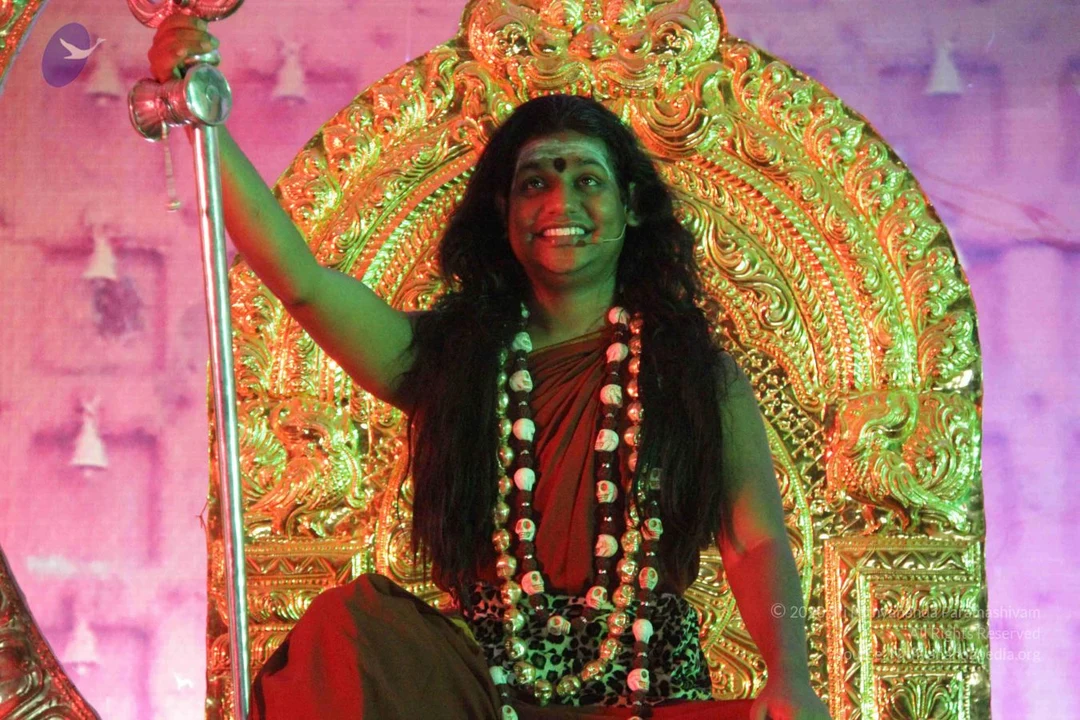
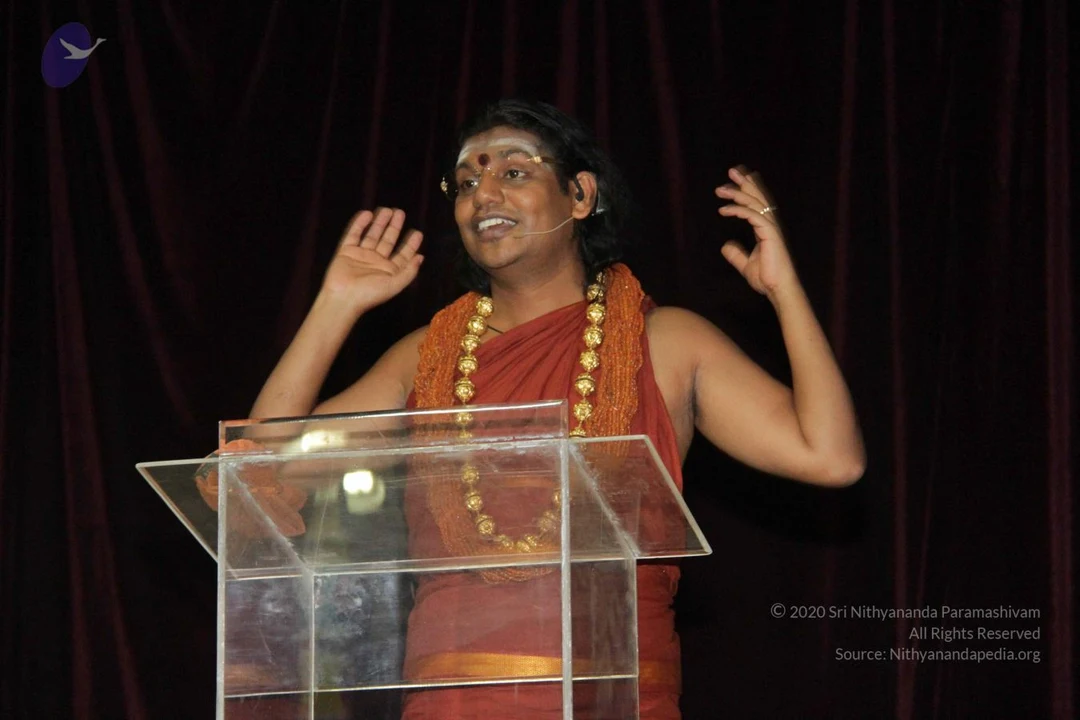
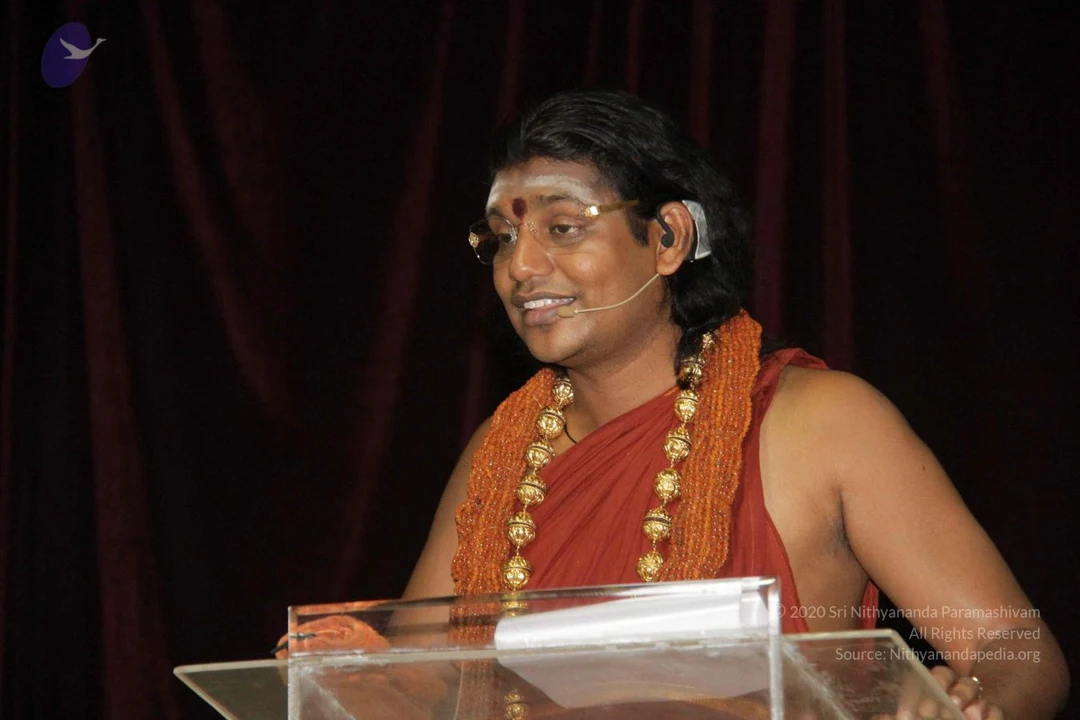
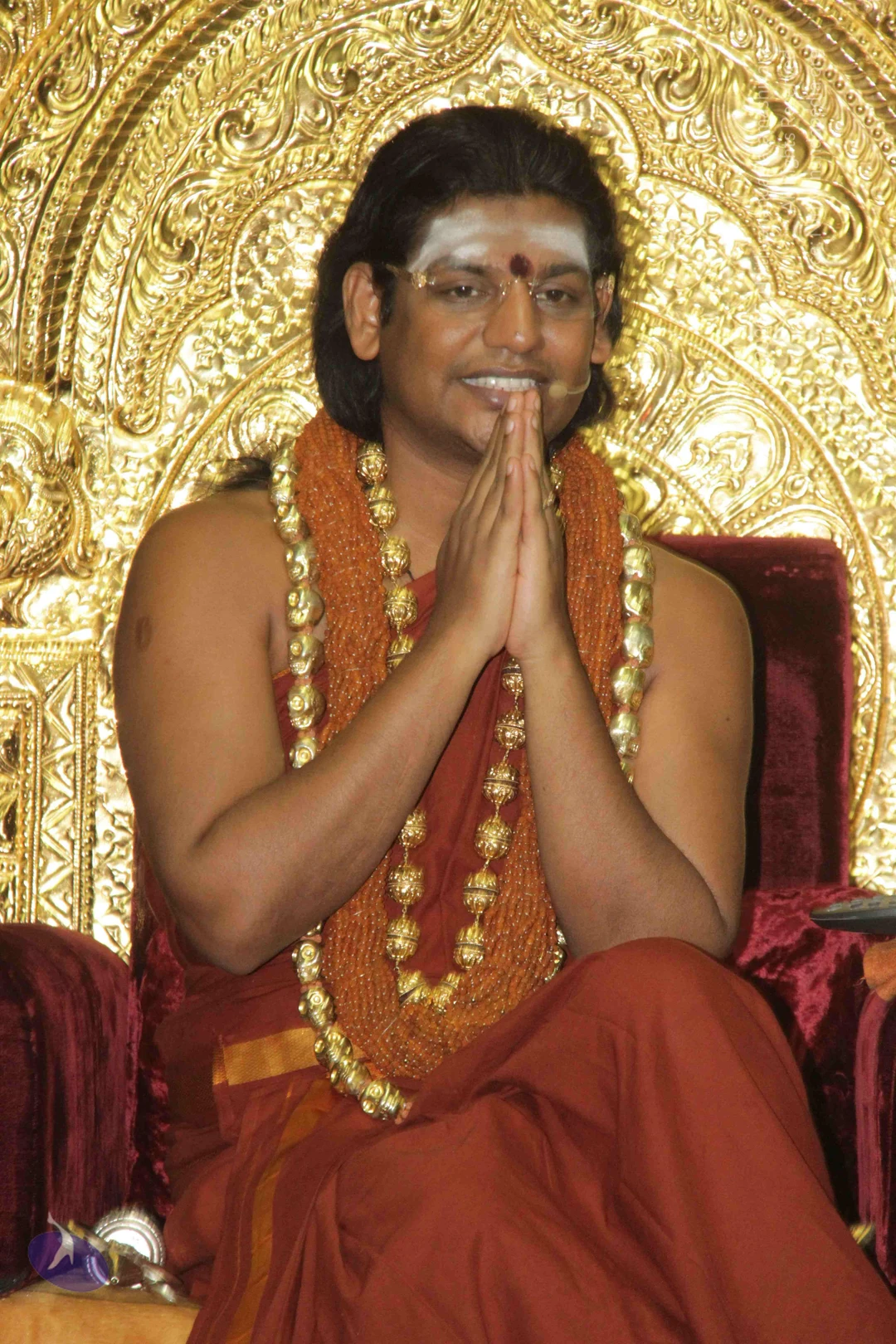
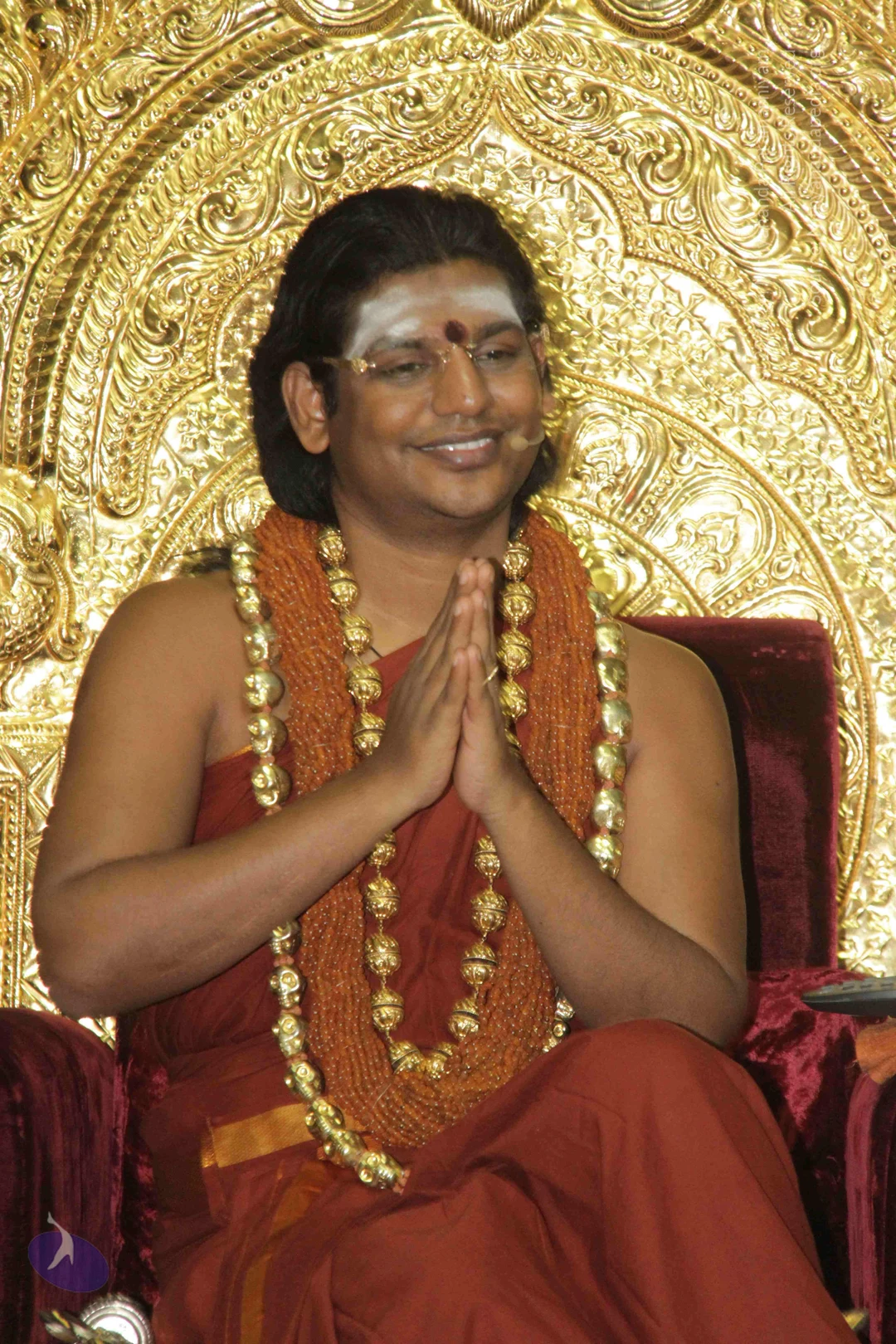
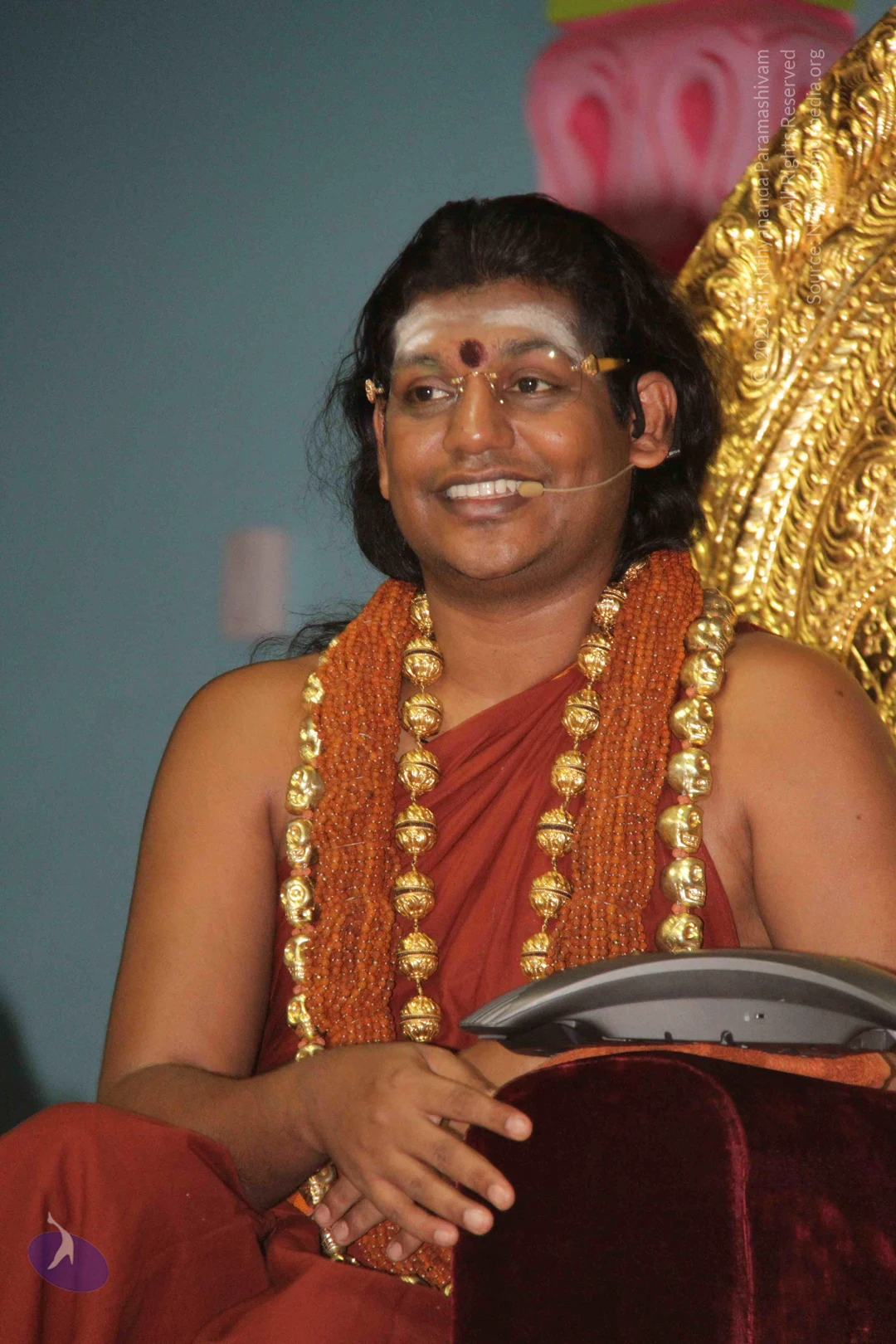
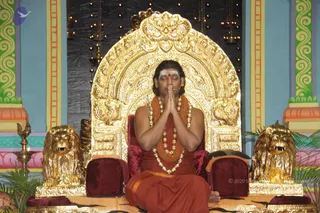
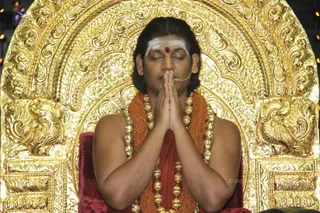
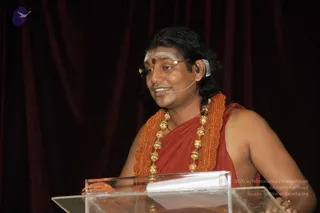
In today’s morning satsang, Paramahamsa Nithyananda describes the way in which integrity transforms relationships. When human beings bring integrity into their inner space they create permanent change. Those around them no longer see the former personality, and interactions become fresh and spontaneous. Healing follows as the old ways of relating are discarded and forgotten. Once integrity is infused into relationship, individuals discover that they are no longer limited to a narrow boundary of toleration: they can relate easily to anyone.
Link to Video:
| Video | Audio |
Transcript:
Nithyānandeśvara samārambhām Nithyānandeśvari madhyamām asmat āchārya paryantām vande guru paramparām
Sadhana TV ke sabhi darshakon aur bhakto ka main prem evam aashirwad sahit swagat karta hun.
[01:23]
Sampoorthi evam shraddha aapke sambandhon ko kaise visthaarith karthe hain iske baare mein aaj main baath karoonga. I will expand on how the integrity and authenticity expands your relationships and enriches you to have fulfillment. Dhyan se suniye, first I wanted to make these three statements. One: relationship does not mean only the few human beings who live around you. When I use the word relationship I mean your relationship with your health, with your money, with your life, with your success, with the nature, everything. Second: you also have a very inauthentic way of dreaming about your life - just to have few cozy relationships around you and that is enough you are complete with your relationships and relationship dimension; which is completely wrong and inauthentic. Third: please listen, third, only when you expand you to the level with integrity and authenticity anything, anybody comes in your breathing space, there is a conflict free complete relationship. You are going to experience fulfillment and success. Relationship is not related to the quantity, it is related to quality. Please listen, the third statement takes the concept of relationship completely to the different level altogether.
[04:12]
Let us start from the beginning. Sampoorthi ka arth hai aap swayam ko aur anya logon ko diye huve vichaar evam vaakya ko purn kare aur swayam evam jeevan ke saath purnatva stithi ka anubhav kare. Jab aap apne ucchatham kshamatha mein stith hokar apne jeevan ki sabhi pratikriya karthe hai, us stithi se jo aap swayam ko swayam ki drishti mein samajhthe hai, jo aap swayam ko anya logon ke saamne prastuth karte hai, aur jo aap se anya log apeksha rakhte hain, tab aap shraddha mein stith hain. Punahsuniye, Sampoorthi ka arth hai aap swayam ko aur anya logon ko diye huve vichaar evam vaakya ko purn kare aur swayam evam jeevan ke saath purnatva stithi ka anubhav kare. Jab aap apne ucchatham kshamatha mein stith hokar apne jeevan ki sabhi pratikriya karthe hai, us stithi se aap jo swayam ko swayam ki drishti mein samajhthe hai, jo aap swayam ko anya logon ke saamne prastut karte hai, aur jo aap se anya log apeksha rakhte hain, tab aap shraddha mein stith hain.
[06:28]
I will expand on these principles. When you bring integrity you will heal all the broken relationships, the conflicts which you create and created in the past; listen, creating in the present and created in the past, gets healed when you bring integrity. Let Me repeat these 3 statements I made then you will understand one by one. Pehle mein aapko teen cheezhe bathana chahtha hoon. Sambandh ka arth keval aapke aas paas ke manushyon se sambandhit nahi hain. Jab mein sambandh shabd ka upyog karta hoon, mera arth hain sabhi sambandhon se hain - aap ka swasthya, paisa, jeevan, safaltha, prakruthi, sabhi. Listen, you need to understand the principle of relationship in larger context. Any conflict experienced in your inner space reminds you your inauthenticity in relationships. When you have the idea ‘relationships are just nothing but what you experience with few people’, you have very narrow, low view and ideas. Listen. aap apne jeevan mein in sabhi cheezon se sambandh rakhthe hain anya log, dhan vyapaar swasthya ityadi; dhan vyaapaar swaasthya ithyaadi
[10:26]
When you bring integrity you will heal all the damage you caused inside you, outside you due to the relationships, the ignorance you had in the zone of relationships. Listen, your ignorance in the space of relationships not only causes damage in others, it causes damage in you also. When you cause damage in your spouse, in your mother, in your father, be very clear you cause damage in you; because your father, mother, spouse, all the relationships you carry decides the confidence and the energy you have about you. Aap jab bhi apne aap ke andar sangharsh ka anubhav karthe hain, vo aapko apne sambandhon mein ashraddha ke bare mein smaran karatha hain. Jab aap sampoorthi laate hain aap aapke sambandhon ke kshetra mein upastith ajnantha ko door karte hain, ajnantha ko door karte hain. Your inauthenticity is again and again exposed to you whenever there is a conflict in relationships. Whenever you experience conflict in any relationship your inauthenticity is exposed to you. Listen, when you bring integrity as a principle to live, as a space from where you will operate; listen I am not making a statement ‘integrity should be there just in your actions’. Integrity has to be there from the space where you act; where your cognition happens.
[13:21]
Yesterday few of the participants of the Inner Awakening were little late. I think one minute or two minute late. I am so happy nowadays in Dhyanapeetam one minute or two minute late is considered as late. I am so happy we reclaimed our integrity. In the initial years 2003-4 when I started the sangha I used to be very clear with the participants about integrity and responsibility. Unfortunately in course of time… of course I am responsible for it. In course of time when there are 1000s started gathering for programs, I am not able to spend time with each one and remind about the integrity and responsibility and in course of time I Myself saw in front of My eyes yogo nastah parantapaha, the yoga is lost in course of time. Now by the divine grace when I took the responsibility and put My foot down ‘No, we are going to remind people the strength of integrity, authenticity, responsibility’, I can see from January 1st 2013 when we entered the new decade, we entered a space where we will never decay anymore. 2003 we are born, 2013 we have become matured. And now even 1 minute delay, 2 minute delay is getting noticed. When I was talking to those participants, when I was listening to those participants, they were talking more in terms of time delay and they will make sure this does not happen again.
[16:03]
But I want all of you to understand it is not just action. It is space from which you operate. When you bring the integrity as a space inside you, the space you perceive, you experience, you operate, suddenly so much of healing happens to you and to others who are living around you, who are relating with you fortunately or unfortunately. Listen, one of the important healing factors in relationships is, the other person feeling confident you are transformed, you are going to be different in future. To tell you honestly nobody is too serious about the past hurt. Everybody is expecting about what is going to be the future. If you give them the confidence, assurance, the future is going to be really transformed, authentic and responsible, there is nobody who is not ready to heal their past or drop their past; everyone is waiting, waiting to drop their past and relate with you in a new way. Who is interested in carrying the past wounds? Just like how you are waiting to drop the past and have the new future, everyone is waiting to drop the past and create the new future. Krupaya punah dhyan se suniye. Jab bhi aapki koi bhi sambandh me aap sangharsh ka anubhav karthe hai, aap ke ashraddha aap ke saamne baar baar prasthuth hoti hai.
[18:46]
When you bring integrity, first you will give the confidence to others they can expect a new you in their life, new being in their life, transformed being in their life. Suddenly even you trust your transformation is real. Yesterday I was reading a status update in one of My disciples Facebook. She writes ‘I am not able to relate with the old person. I am not even able to remember’. With the spiritual name I gave, she wrote ‘now I am Soundaryananda’. No, when I read I felt so beautiful. Wow. When you feel you are not able to relate with your old personality after you bring these four principles, I tell you your transformation is real and it is going to be permanent. Jab aap sampoorthi mein sthit hothe hain, jis jagah se aap apne jeevan ka anubhav karte hain, jis jagah se pratikriya vyakt karte hain, vah sampoorthi mein sthith hoga tab achanak aap apne aur doosron ke ghaav bharthe huve dekhenge. Even you feel you are a new being, you can’t relate with your old being. So naturally others also will respond. There is nobody who wants to carry on with a old past and hurt the future. Just like you are intelligent enough to drop the past and get into the future, everyone is intelligent enough, even though you don’t believe others are intelligent enough to drop the past and go into the future.
[22:05]
One more thing you need to know, when the integrity heals the damages you caused to yourself and others in the past, now the real relationships starts. Your authenticity has to come in play. It has to start the drama now. The authenticity has the power, power to expand your possibilities of relating with anything, with anything. I could see some of My swamis, suddenly they are able to relate with anybody. Authenticity gives you the power to relate with anybody and anything. With, when you have authenticity even when you touch a flower your touch will be different. When you touch a hammer to crack the stone, to break the stone, the touch will be different. When you touch a flower to worship, the touch will be different. Authenticity brings different quality and different dimensions to relate with everything with which you are relating. With integrity and authenticity you will experience new you in you, which will be new, new, new, new, new for everyone. Sampoorthi evam shraddha ke saath aap apne andar ek naya jeev ka anubhav karenge. Shraddha ke saath aap kisi bhi vasthu evam vyakthi ke saath saralta se jud sakthe hai. Even you feel you are new, you can’t relate with your old being. So naturally others also will respond in the same way. Aapko bhi lagta hai ke aap naye vyakthi hai. aap apne puraane vyaktitva se sambandh nahi dekh paate hai. Isliye dusre bhi swabhaviktha se aap se naye tarike se dekhte hai.
[25:20]
Understand, I have seen in My experience, when authenticity happens you are ready to spontaneously relate with every new being who is coming in your presence. I have seen some people running away from society hiding themself in caves. Listen. Sitting in cave and meditating is not wrong but if you are doing it for wrong reason it is wrong. If you are inauthentic and unable to handle the people who come in your space authentically, spontaneously, you just want to escape from all relationships and you go and hide in the caves, it is inauthentic, ashraddha hai. Everything, everything has to happen out of completion. Living out of completion is your birthright. Every human being, first thing they should do when you start living your life is find the root thought patterns, suffering patterns, which is causing you suffering and complete. That completion gives you the courage to relate with human beings with integrity and authenticity. People are afraid to relate with other human beings. Even when you go to meet your friends you prepare all the statements you have to tell him. Why can’t you be spontaneous? Even to meet with your friend, why do you need so much of preparation? Why do you need so much of inauthentic strategy planning? Why do you need so much of lack of integrity verbal preparation?
[28:11]
It is so unfortunate the trust level between the friends is dropped because the trust between you and you is stopped. You are afraid; even with you, you don’t sit spontaneously. Even with you, you rehearse and talk. That is why you can’t talk spontaneously with others. Dhyan se suniye, jab aap shraddha mein sthith hothe hai, tab aap aapke nikat aane wale koi bhi vyakti ke saath sahajta se jud sakte hai. Everything has to happen out of completion. Sab kuch, sab kuch purnatva ke stithi mein se hi hone chahiye. When things happen out of completion it leads to completion. Maine kayin logon ko samaaj se bhaag kar gufaon mein chupthe huye dekha hai. gufa mein baith kar dhyan karna galat nahin hain, paranthu yadi aap yeh galat kaaran se kar rahe hai vah galat hai. The reason also has to be right, not just the action.
[30:36]
When you are ready to stretch yourself to honor all the words you gave it to you, you will be easily stretch yourself to honor all the words you gave it to others. You always think ‘Oh, to honor the words I gave it to me is very easy. Honoring the words I gave it to others is very difficult.’ No. You think satisfying you is very easy, satisfying others is very difficult. I say, ‘No, you are wrong. Satisfying others is very easy. Satisfying you is the real job you need to do.’ Why do you think you prepare all the dialogue even when you go to meet your close friend? It is not just to satisfy him. After the meeting, when you are coming back you will be thinking whether you performed well or not and you will be drilling yourself; to satisfy you you are preparing so much. How many of you cognize, after every meeting you drill and scan, did you perform well or not. You don’t understand. After the happening when you scan it is post mortem report, not censor. No post mortem report can be satisfying because it is done on a dead person. Jab aap purnatva mein stith hokar pratikriya vyakth karthe hai tab vah adhik purnatva ki stithi ko utpann kartha hai.
[33:00]
Listen. Authenticity means stretching yourself to fulfill your expectation about you and others expectations about you. Immediately the moment you hear this word your mind says no, no, no, no, no. I can never fulfill others expectation. Forget about that, because this guy wants me this, this guy wants me this, this guy wants me this, this guy wants me this. When you decide you can never fulfill others expectation in your life, you literally destroy you. I am not saying you will be able to fulfill everyone’s expectations about you. Till the end you may not be able to fulfill, but when you decide you will not be able to fulfill you are dead. Listen I am not saying you can fulfill everyone’s expectation about you but I am saying when you decide you can’t fulfill others expectations about you, you are dead, you decide to be dead. You stop allowing life happening in you.
[34:43]
shraddha ka arth hai ke aap swayam ke prati jo aapke apeksha hain aur anya logon ko aapse jo apeksha hain usko purn tarah se pura karte hai Listen, life happens to you, brings you excitement when you go on stretching yourself to fulfill others expectation. Taking responsibility to fulfill others expectation even if they are not fulfilling your expectation is love. Taking responsibility to fulfill others' expectations even when they are not fulfilling, ready to fulfill your expectations is love. Doosron ko santusht karna swayam ko santusht karne se adhik mushkil hai.
[36:34]
Take the responsibility for love. That is where relationship starts. Do not say to anybody ‘I love you’ unless you are ready to take the responsibility to fulfill their expectations about you without bothering whether they are ready to fulfill your expectations or not. When they are also fulfilling your expectation, you are also fulfilling their expectation, it is called business partnership. It is partnership in the business called life. Don’t call it as love. Sometime not only you have partners in the business even in the life you have partners. Maybe you can use the word ‘life business partners’. But life happens to you, brings you excitement, when you go on fulfilling others expectations. Aapme jeevan tabhi bhartha hai, tabhi aapko utsah deta hai, jab aap doosron ki apekshaon ko poori karte hai. Prem ka zimmedari uthaane se hi sambandh ka aarambh hota hai. What is love? What is prem? I will define, listen - Only when you take responsibility to fulfill others expectation about you without bothering whether others fulfill your expectation or not, is love. Utter the word towards anybody that you love them, ‘I love you’ only when you are ready to take the responsibility to fulfill their expectation about you without expecting whether they are going to fulfill your expectations about them or not. Otherwise don’t tell ‘I love you’. Don’t abuse the word ‘I love you’. It will lose power if you use it very loosely. Doosre aapki umeedon ko poora na kare phir bhi doosron ki umeedon ki zimmedaari lena hi prem hai. Doosre aapki umeedon ko poora na kare phir bhi doosron ki umeedon ki zimmedaari lena hi prem hai
[40:09]
If you fulfill others expectation, other fulfill your expectation, it is more a business. Love means without even bothering whether the other is fulfilling or not you take the responsibility to fulfill the others expectation about you. That is where love starts. Love is the basic component for relationship. Agar aap doosron ke apeksha ko poorn karthe hai aur ve bhi aapke apeksha ko purn karthe hai tab vah vyaapaar hai. Agar aap doosron ke apeksha ko poorn karthe hai aur ve bhi aapke apeksha ko poorn karthe hai tab vah vyaapaar hai. Listen, love is beyond business. Love makes life happen in you. When you decide to fulfill others expectation without bothering about whether others fulfill your expectations or not, your muscle memory is filled with so much of life. Prem vyaapaar se pare hai. prem aap me jeevan ki rachna karthi hai. ‘Main aap se prem kartha hoon’ in shabdon ka upayog tabhi karen jab aap unki apekshaon ka purn karne ki zimmedari le. Chahe vo aapki apeksha poori kare ya na kare. When I say ‘I love My swamis and swaminis’, I take the responsibility to fulfill their expectations about Me without bothering they are going to fulfill My expectation or not. Wahi saccha prem kehlata hai. A glimpse of love makes you naturally expand yourself for more and more love.
[43:20]
I have a question from enriching temple – ‘What if their expectation from you is limiting them and not expanding them’ Listen even if others expectation about you is limiting them, expand, stretch yourself to fulfill it. Then make them understand they need to expand; not before. Only then they will understand their inauthenticity. Others are ready to listen about their inauthenticity from you only when you prove you are authentic. Glimpse of love makes you expand more and more in love. Prem ka ek zhalak aapko prem mein adhik aur adhik visthaar kartha hain. Dhyan se suniye When you take responsibility of one person, deciding ‘I will fulfill your expectation about me even if you don’t fulfill my expectation about you’, you decide to bring love in your heart, you decide to bring relationship in your life. I tell you only one love, one relationship, will bring so much of joy, love, life, laughter in you, you will see that you wanted to play this game again and again and again, you want to expand this with every possible relationship. Loving everyone, educating everyone, taking responsibility for everyone - I am not doing it for any reason I am just enjoying feeling expanded so I continue to do, I will be continuously doing.
[45:52]
Yadi doosron ki apekshayen aapko seemith karthi hai phir bhi aap unke apekshaayen poori kare. Uske paschaath hi unko unki ashraddha ko samjhaye. Uske paschaath hi unko unki ashraddha ko samjhaye. Jab aap ek vyakthi ka zimmedaari uthathe hai yah soch kar ‘mein aapki apeksha ko poorn karoonga’ chahe aap meri apeksha ko poorn karen na karen tab aap apni jeevan mein sukh shanthi evam poornatva ka anubhav kar sakthe hai. Whether others fulfill your expectation or not, when you fulfill, it brings so much of fulfillment in you, so much of fulfillment in you, I tell you simply you decide as a strategy planning of your life - authenticity and love and expanding. Best strategy planning for your life is decision to love and build relationships. I have a question from Ma Arpana San Diego ‘What if I realize that others expectations are limiting me. Should I still fulfill them? Listen, fulfill them and then make them understand you are limited by their expectations.
[48:44]
Go on expanding to fulfill others expectation. I tell you, the energy which you use to defend yourself from others, the energy you need to stretch yourself to others expectation, both are one and the same. You need less energy to stretch yourself to fulfill others expectation than constantly defending you from others. Your energy will be used only for two purpose; either defending you constantly from others or stretching yourself to fulfill others expectations about you. Main aapko kehta hoon sirf ek prem hi, ek sambandh hi, aapme bahut anand prem aur rishtey laayenge, aur aap baar baar yehi chahenge. Mere paas ek prashn aaya hai, - agar doosron ke apeksha mujhe seemit karthi hai kya mein tabhi unko poorn karoon? Utthar hai, tabhi aap unke apeksha ko poorn kijiye, phir unko samjhayiye ki unki apeksha aapko seemith kar rahi hai.
[50:38]
Inauthenticity constantly keeps the imagination and fantasies of shrinking, cozy, small, in you. You always imagine in one corner of the world where nobody is there, in a small hut, in the beach, eating and sleeping is your vacation. That is the way you will be in peace, you will be completion. What a inauthentic imagination your mind goes on feeding you. First of all, how will you reach the corner where there is no human beings are. Second, who will make the hut for you and who is going to give you the food. Keeping impossible imaginations as your fantasies and goes on prolonging the incompletion and inauthenticity in your life is delusion. How many of you are running and working for this kind of impossible vacations as your imagination? Raise your hand how many of you have this impossible vacations as your imagination? Be very clear you are running towards delusion. Relax. Ashraddha aapko sankuchit karta hai. Ashraddha aapko sankuchit karta hai. Keval shraddha sampoorthi evam zimmedaari ke saath hi aap saccha prem ka anubhav karke visthaarith ho sakte hai. Apne aap ko doosre ke apekshaon ko poorith karne ke liye niranthar apne aap ko vistaarit kare. doosro ke apekshaon ko poorith karne ke liye kam urja ki avashyaktha hai. Apne aap ko dusro ke apekshaon se bachaane ke liye adhik urja ki avashyakta hai.
[53:56]
Listen, whenever rahu, among the grahas, planets, rahu is negative towards you, first thing he gives you is inauthentic imaginations and visualizations. Kethu reminds you the inauthenticity of your visualizations and imaginations. Whenever you are asked to remind, you are asked to face your inauthenticity, listen ketu is helping you. Whenever you are inauthentic imaginations are becoming strong in you, rahu is overpowering you. I have a question from Rishi Girijananda. ‘Can Swamiji give example of others expectations limiting us and still continue to fulfill that.’ Rishi Girijananda, you expect Me to be a CEO. You constantly expect Me to act as a CEO for you which is limiting Me from My authenticity but I continue to fulfill your expectation about Me to be CEO and guiding you even in mundane things. My authenticity of My level is just guiding you with a spiritual principles and giving you this tattvas and making you live and expand and achieve success. But Rishi Girija you go on expecting Me to be your CEO supplying every day to day ideas supporting you, guiding you, inspiring you, listening to you, spending time with you, which is limiting Me, but I continue to fulfill your expectation about Me. Girija got it? Peethadeeshwar of Hyderabad Nithyananda Dhyanapeetam has sent this question.
[56:40]
Many time even if it is limiting, fulfill it and then make them understand ‘It is limiting me but I am going to continue to fulfill it.’ Aaj ke satsang ka saaraansh hai, today’s satsangs essence is, integrity authenticity and responsibility can enrich your relationship and love. Sampoorthi shraddha aur zimmedaari ko apne sambandhon mein layiye aur prem ki ganga ka anubhav keejiye. Ganga of love opens in you and in your relationship with integrity authenticity responsibility.
[57:51]
Tamil Satsang:
| Video | Audio |
Transcript:
0:31
Sampoorthi evam shraddha aapke sambandhon ko kaisevisthaarith karthe hain iske baare mein aaj main baath karoonga.
I will expand on how the integrity and authenticity expands your relationships and enriches you to have fulfillment.
Dhyan se suniye, first I wanted to make this three statements, one, relationship does not mean only the few human beings who live around you. When I use the word relationship I mean the relationship with your health, with your money, with your life, with the success, with the nature, everything.
Second, you also have a very inauthentic way of dreaming about your life - just to have a few cozy relationships around you and that is enough you are complete with your relationships and relationship dimension; which is completely wrong and inauthentic.
Third, please listen, third only when you expand you to the level with integrity and authenticity anything, anybody comes in your breathing space, there is a conflict free complete relationship. You are going to experience fulfillment and success. Relationship is not related to the quantity it is related to the quality. Please listen, the third statement takes the concept of relationship completely to the different level altogether.
4:12
Let us start from the beginning.
Sampoorthi ka arth hai aap swayam ko aur anya logon ko diye huve vichaar evam vaakya ko purn kare aur swayam evam jeevan ke saath purnatva stithi ka anubhav kare. Jab aap apne ucchatham kshamatha mein stith hokar apne jeevan ki sabhi pratikriya laathe hai, us stithi se aap jo swayam ko swayam ki drishti mein samajhthe hai jo aap swayam ko anya logon ke saamne prastuth karte hai aur jo aap se anya log apekksha rakhte hain tab aap shraddha mein stith hain.
Punahsuniye, Sampoorthi ka arth hai aap swayam ko aur anya logon ko diye huve vichaar evam vaakya ko purn kare aur swayam evam jeevan ke saath purnatva stithi ka anubhav kare. Jab aap apne ucchatham kshamatha mein stith hokar apne jeevan ki sabhi pratikriya laathe hai, us stithi se aap jo swayam ko swayam ki drishti mein samajhthe hai jo aap swayam ko anya logon ke saamne prastuth karte hai aur jo aap se anya log apekksha rakhte hain tab aap shraddha mein stith hain.
6:28
I will expand on these principles. When you bring integrity you will heal all the broken relationships, the conflicts which you create and created in the past; listen, creating in the present and created in the past, gets healed when you bring integrity. Let me repeat this 3 statements I made then you will understand one by one.
Pehle mein aapko teen cheezhe bathana chahtha hoon. Sambandh ka arth keval aapke aaspaas ke manushyon se sambandhith nahi hain. Jab mein sambandh shabd ka upayog kartha hoon, mera arth hain sabhi sambandhon se hain aap ka swasthya, paisa, jeevan, safaltha, prakruthi, sabhi.
Listen you need to understand the principle of relationship in larger context. Any conflict experienced in your inner space reminds you your inauthenticities in relationships. When you have the idea relationships are just nothing but what you experience with few people, you have very narrow, low, view and ideas. Listen aap apne jeevan mein in sabhi cheezon se sambandh rakhthe hain anya log, dhan vyapaar swasthya ithyadi; dhan vyaapaar swaasthya ithyaadi
10:26
When you bring integrity you will heal all the damage you caused inside you, outside you due to the relationships, the ignorance you had in the zone of relationships. Listen your ignorance in the space of relationships not only causes damage in others, it causes damage in you also. When you cause damage in your spouse, in your mother, in your father, be very clear you cause damage in you; because your father, mother, spouse, all the relationships you carry decides the confidence and the energy you have about you.
Aap jab bhi apneaap ke andar sangharsh ka anubhav karthe hain vo aapko apne sambandhon mein ashraddha ke bare mein smaran karatha hain. Jab aap sampoorthi late hain aap aapke sambandhon ke kshetra mein upastith agnantha ko door karthe hain, agnantha ko door karthe hain.
Your inauthenticity is again and again exposed to you whenever there is a conflict in relationships. Whenever you experience conflict in any relationship your inauthenticity is exposed to you. Listen, when you bring integrity as a principle to live, as a space from where you will operate; listen I am not making a statement integrity should be there just in your actions. Integrity has to be there from the space where you act; where your cognition happens.
13:21
Yesterday few of the participants of the Inner Awakening were little late. I think one minute or two minute late. I am so happy nowadays in Dhyanapeetam one minute or two minute late is considered as late. I am so happy we reclaimed our integrity. In the initial years 2003-4 when I started the sangha I used to be very clear with the participants about integrity and responsibility. Unfortunately in course of time, of course I am responsible for it. In course of time when there are 1000s started gathering for programs, I am not able to spend time with each one and remind about the integrity and responsibility and in course of time I myself saw in front of my eyes yogoh nashtah parantapaha, the yoga is lost in course of time. Now by the divine grace when I took the responsibility and put my foot down we are going to remind people the strength of integrity, authenticity, responsibility. I can see from January 1st 2013 when we entered new decade, we entered a space where we will never decay anymore. 2003 we are born 2013 we have become mature. And now even 1 minute delay, 2 minute delay is getting noticed. When I was talking to those participants, when I was listening to those participants, they were talking more in terms of time delay and they will make sure this does not happen once again.
16:03
But I want all of you to understand it is not just action. It is space from which you operate. When you bring the integrity as a space inside you, the space you perceive, you experience, you operate, suddenly so much of healing happens to you and to others who are living around you, who are relating with you fortunately or unfortunately. Listen one of the important healing factors in relationships is the other person feeling confident you are transformed, you are going to be different in future. To tell you honestly nobody is too serious about the past hurt. Everybody is expecting about what is going to be the future. If you give them the confidence, assurance, the future is going to be really transformed, authentic and responsible there is nobody who is not ready to heal their past or drop their past; everyone is waiting, waiting to drop their past and relate with you in a new way. Who is interested in carrying to carrying the past wounds? Just like how you are waiting to drop the past and have the new future, everyone is waiting to drop the past and create the new future.
Krupaya punah dhyan se suniye. Jab bhi aapki koi bhi sambandh me aap sangharsh ka anubhav karthe hai aap ke ashraddha aap ke saamne baar baar prasthuth hoti hai.
18:46
When you bring integrity, first you will give the confidence to others they can expect a new you in their life, new being in their life, transformed being in their life. Suddenly even you trust your transformation is real. Yesterday I was reading one of the status update in one of my disciples Facebook. She writes ‘I am not able to relate with the old person. I am not even able to remember’ with the spiritual name I gave she wrote ‘now I am Soundaryananda’. No when I read I felt so beautiful. Wow. When you feel you are not able to relate with your old personality after you bring these four principles, I tell you your transformation is real and it is going to be permanent.
Jab aap sampoorthi mein sthith hothe hain jis jagah se aap apne jeevan ka anubhav karte hain jis jagah se pratikriya vyakth karthe hain vah sampoorthi mein sthith hoga tab achanak aap apne aur doosron ke ghaav bharthe huve dekhenge.
Even you feel you are a new being, you can’t relate with your old being. So naturally others also will respond. There is nobody who wants to carry on with a old past and hurt the future. Just like you are intelligent enough to drop the past and get into the future everyone is intelligent enough, even though you don’t believe others are intelligent enough to drop the past and go into the future.
22:05
One more thing you need to know, when the integrity heals the damages you caused to yourself and others in the past, now the real relationships starts. Your authenticity has to come in play. It has to start the drama now. The authenticity has the power, power to expand your possibilities of relating with anything, with anything. I could see some of my swamis, suddenly they are able to relate with anybody. Authenticity gives you the power to relate with anybody and anything. With, when you have authenticity even when you touch a flower your touch will be different. When you touch a hammer to crack the stone, to break the stone, the touch will be different. When you touch a flower to worship, the touch will be different. Authenticity brings different quality and different dimensions to relate with everything with which you are relating. With integrity and authenticity you will experience new you in you, which will be new, new, new, new, new for everyone.
Sampoorthi evam shraddha ke saath aap apne andar ek naya jeev ka anubhav karenge. Shraddha ke saath aap kisi bhi vasthu evam vyakthi ke saath saraltha se joot sakthe hai.
Even you feel you are new, you can’t relate with your old being. So naturally others also will respond in the same way.
Aapko bhi lagtha hai ke aap naye vyakthi hai. aap apne puraane vyakthitva se sambandh nahi dekh paathe hai. Isliye doosre bhi swabhaviktha se aap se naye tareeke se dekhthe hai.
25:20
Understand I have seen in my experience when authenticity happens you are ready to spontaneously relate with every new being who is coming in your presence. I have seen some people running away from society hiding themselves in caves. Listen. Sitting in cave and meditating is not wrong but if you are doing it for wrong reason it is wrong. If you are inauthentic and unable to handle the people who come in your space authentically, spontaneously, you just want to escape from all relationships and you go and hide in the caves, it is inauthentic, ashraddha hai. Everything, everything has to happen out of completion. Living out of completion is your birth right. Every human being, first thing they should do when you start living your life is find the root thought patterns, suffering patterns, which is causing you suffering and complete. That completion gives you the courage to relate with human beings with integrity and authenticity. People are afraid to relate with other human beings. Even when you go to meet your friends you prepare all the statements you have to tell him. Why can’t you be spontaneous? Even to meet with your friend why do you need so much of preparation? Why do you need so much of inauthentic strategy planning? Why do you need so much of lack of integrity verbal preparation?
28:10
It is so unfortunate the trust level between the friends is dropped because the trust between you and you is stopped. You are afraid even with you, you don’t sit spontaneously. Even with you, you rehearse and talk. That is why you can’t talk spontaneously with others.
Dhyan se suniye, jab aap shraddha mein sthith hothe hai tab aap aapke nikat aane wale koi bhi vyakthi ke saath sahajtha se joot sakthe hai.
Everything has to happen out of completion.
Sab kuch, sab kuch purnatva ke stithi mein se hi hone chahiye.
When things happen out of completion it leads to completion.
Maine kayin logon ko samaaj se bhaag kar gufaon mein chupthe huve dekha hai. gufa mein behth kar dhyan karna galat nahin hain, paranthu yadi aap yeh galat kaaran se kar rahe hai vah galat hai.
The reason also has to be right not just the action.
30:36
When you are ready to stretch yourself to honor all the words you gave it to you, you will be easily stretch yourself to honor all the words you gave it to others. You always think ‘oh to honor the words I gave it to me is very easy. Honoring the words I gave it to others is very difficult.’ No. you think satisfying you is very easy, satisfying others is very difficult. I say no you are wrong. Satisfying others is very easy. Satisfying you is the real job you need to do. Why do you think you prepare all the dialogue even when you go to meet your close friend? It is not just to satisfy him. After the meeting, when you are coming back you will be thinking whether you performed well or not and you will be drilling yourself to satisfy you. You are preparing so much. How many of you cognize, after every meeting you drill and scan, did you perform well or not. You don’t understand. After the happening if you scan it is post mortem report, not censor. No post mortem report can be satisfying because it is done on a dead person.
Jab aap purnatva mein stith hokar pratikriya vyakth karthe hai tab vah adhik purnatva ki stithi ko utpann kartha hai.
33:00
Listen authenticity means stretching yourself to fulfill your expectation about you and others expectations about you. Immediately the moment you hear this word your mind says no, no, no, no, no. I can never fulfill others expectation. Forget about that because this guy wants me this, this guy wants me this, this guy wants me this, this guy wants me this. When you decide you can never fulfill others expectation in your life you literally destroy you. I am not saying you will be able to fulfill everyone’s expectations about you. Till the end you may not be able to fulfill but when you decide you will not be able to fulfill you will be dead. Listen I am not saying you can fulfill everyone’s expectation about you but I am saying when you decide you can’t fulfill others expectations about you, you are dead, you decide to be dead. You stop allowing life happening in you.
shraddha ka arth hai ke aap swayam ke prati jo aapke apeksha hain aur anya logon ko aapse jo apeksha hain usko purnthara se purn karthe hai
Listen, life happens to you, brings you excitement when you go on stretching yourself to fulfill others expectation. Taking responsibility to fulfill others expectation even if they are not fulfilling your expectation is love. Taking responsibility to fulfill others expectation even if they are not fulfilling, ready to fulfill your expectations is love.
Doosron ko santhusht karna swayam ko santhusht karnese adhik mushkil hai.
36:33
Take the responsibility for love. That is where relationship starts. Do not say to anybody ‘I love you’ unless you are ready to take the responsibility to fulfill their expectations about you without bothering whether they are ready to fulfill your expectations or not. When they are also fulfilling your expectation, you are also fulfilling their expectation, it is called business partnership. It is partnership in the business called life. Don’t call it as love. Sometime not only you have partners in the business even in the life you have partners. Maybe you can use the words life business partners. But life happens to you, brings you excitement, when you go on fulfilling others expectations.
Aapme jeevan tabhi bhartha hai, tabhi aapko utsah deta hai, jab aap doosron ki apekshaon ko poori karthe hai. Prem ki zimmedaari uthaane si hi sambandh ka aarambh hotha hai.
What is love? What is prem? I will define, listen - Only when you take responsibility to fulfill others expectation about you without bothering whether others fulfill your expectation or not, is love. Utter the words towards anybody that you love them, ‘I love you’ only when you are ready to take the responsibility to fulfill their expectation about you without expecting whether they are going to fulfill your expectations about them or not. Otherwise don’t tell ‘I love you’. Don’t abuse the word I love you. It will lose power if you use it very loosely.
Doosre aapki umeedon ko poora na kare phir bhi doosron ki umeedon ki zimmedaari lena hi prem hai Doosre aapki umeedon ko poora na kare phir bhi doosron ki umeedon ki zimmedaari lena hi prem hai
40:09
If you fulfill others expectation, other fulfill your expectation, it is more a business. Love means without even bothering whether the other is fulfilling or not you take the responsibility to fulfill the others expectation about you. That is where love starts. Love is the basic component for relationship.
Agar aap doosron ke apeksha ko poorn karthe hai aur ve bhi aapke apeksha ko purna karthe hai tab vah vyaapaar hai. Agar aap doosron ke apeksha ko poorn karthe hai aur ve bhi aapke apeksha ko poorn karthe hai tab vah vyaapaar hai.
Listen love is beyond business. Love makes life happen in you. When you decide to fulfill others expectation without bothering about whether others fulfill your expectations or not your muscle memory is filled with so much of life.
Prem vyaapaar se pare hai. prem aapme jeevan ki rachna karthi hai. Main aapse prem kartha hoon in shabdon ka upayog tabhi karen jab aap unki apekshaon ka poorn karne ki zimmedaari le. Chahe vo aapki apeksha poori kare ya na kare.
When I say I love my swamis and swaminis I take the responsibility to fulfill their expectations about me without bothering they are going to fulfill my expectation or not.
Wahi saccha prem kehlatha hai.
A glimpse of love makes you naturally expand yourself for more and more love.
43:20
I have a question from enriching temple – ‘what if their expectation from you is limiting them and not expanding them’
Listen even if others expectation about you is limiting them, expand, stretch yourself to fulfill it. Then make them understand they need to expand; not before. Only then they will understand their inauthenticity. Others are ready to listen about their inauthenticity from you only when you prove you are authentic. Glimpse of love makes you expand more and more in love.
Prem ka ek zhalak aapko prem mein adhik aur adhik visthaar kartha hain. Dhyan se suniye
When you take responsibility of one person, deciding ‘I will fulfill your expectation about me even if you don’t fulfill my expectation about you’, you decide to bring love in your heart; you decide to bring relationship in your life. I tell you only one love, one relationship, will bring so much of joy, love, life, laughter in you, you will see that you wanted to play this game again and again and again, you want to expand this with every possible relationship. Loving everyone, educating everyone, taking responsibility for everyone - I am not doing it for any reason I am just enjoying feeling expanded so I continue to do, I will be continuously doing.
45:52
Yadi doosron ki apekshayen aapko seemith karthi hai phir bhi aap unke apekshaayen poori kare. Uske paschaath hi unko unki ashraddha ko samjhaye. Uske paschaath hi unko unki ashraddha ko samjhaye. Jab aap ek vyakthi ka zimmedaari uthathe hai yah soch kar mein aapki apeksha ko poorn karoonga chahe aap meri apeksha ko poorn karen na karen tab aap apni jeevan mein sukh shanthi evam poornatva ka anubhav kar sakthe hai.
Whether others fulfill your expectation or not, when you fulfill, it brings so much of fulfillment in you, so much of fulfillment in you, I tell you simply you decide as a strategy planning of your life - authenticity and love and expanding. Best strategy plan for your life is decision to love and build relationships.
I have a question from Ma Arpana San Diego ‘what if I realize that others expectations are limiting me. Should I still fulfill them?
Listen fulfill them and then make them understand you are limited by their expectations.
48:44
Go on expanding to fulfill others expectation. I tell you the energy which you use to defend yourself from others, the energy you need to stretch yourself to others expectations, both are one and the same. You need less energy to stretch yourself to fulfill others expectation than constantly defending you from others. Your energy will be used only for two purpose; either defending you constantly from others or stretching yourself to fulfill others expectations about you.
Main aapko kehtha hoon sirf ek prem hi, ek sambandh hi, aapme bahut anand prem aur rishtey laayenge, aur aap baar baar yehi chahenge.
Mere paas ek prashn aya hai, - agar doosron ke apeksha mujhe seemit karthi hai kya mein tabhi unko poorn karoon?
Utthar hai, tabhi aap unke apeksha ko poorn kijiye, phir unko samjhayiye ki unki apeksha aapko seemith kar rahi hai.
50:38
Inauthenticity constantly keeps the imagination and fantasies of shrinking, cozy, small, in you. You always imagine in one corner of the world where nobody is there, in a small hut, in the beach, eating and sleeping is your vacation. That is the way you will be in peace, you will be completion. What a inauthentic imagination your mind goes on feeding you. First of all how will you reach the corner where there is no human beings are. Second who will make the hut for you and who is going to give you the food. Keeping impossible imaginations as your fantasies and goes on prolonging the incompletions and inauthenticity in your life is delusion. How many of you are running and working for this kind of impossible vacations as your imagination? Raise your hand how many of you have this impossible vacations as your imagination? Be very clear you are running towards delusion. Relax.
Ashraddha aapko sankuchith kartha hai. Ashraddha aapko sankuchith kartha hai. Keval shraddha sampoorthi evam zimmedaari ke saath hi aap saccha prem ka anubhav karke visthaarith ho sakthe hai. Apne aap ko doosre ke apekshaon ko poorith karne ke liye niranthar apne aap ko visthaarith kare. doosre ke apekshaon ko poorith karne ke liye kam urja ki avashyaktha hai. Apne aap ko doosre ke apekshaonse bachaane ke liye adhik urja ki avvashtaktha hai.
53:58
Listen whenever rahu, among the grahas, planets, rahu is negative towards you, first thing he gives you is inauthentic imaginations and visualizations. Kethu reminds you the inauthenticity of your visualizations and imaginations. Whenever you are asked to remind, you are asked to face your inauthenticity, listen kethu is helping you. Whenever you are inauthentic imaginations are becoming strong in you, rahu is overpowering you.
I have a question from Rishi Girijananda. ‘Can Swamiji give example for others expectations limiting us and still continue to fulfill that.’
Rishi Girijananda you expect me to be a CEO. You constantly expect me to act as a CEO for you which is limiting me from my authenticity but I continue to fulfill your expectation about me to be CEO and guiding you even in mundane things. My authenticity of my level is just guiding you with a spiritual principles and giving you this tattvas and making you live and expand and achieve success. But Rishi Girija you go on expecting me to be your CEO supplying every day to day ideas supporting you, guiding you, inspiring you, listening to you, spending time with you, which is limiting me, but I continue to fulfill your expectation about me. Girija got it? Peethadeeshwar of Hyderabad Nithyananda Dhyanapeetham has sent this question.
56:40
Many time even if it is limiting, fulfill it and then make them understand it is limiting me but I am going to continue to fulfill it.
Aaj ke satsang ka saaraansh hai, today’s satsangs essence is, integrity authenticity and responsibility can enrich your relationship and love. Sampoorthi shraddha aur zimmedaari ko aap apne sambandhon mein layiye aur prem ki ganga ka anubhav keejiye. Ganga of love opens in you and in your relationship with integrity authenticity responsibility.
Title:
Discover Your True Desire || Inner Awakening || 18 March 2013
Link to Video:
Transcript:
(0:17)
How many of you really had a big relief, a suffocation taken out of your being after yesterday’s completion sessions, that Swapoornatva, the Poornatva kriya, Samskara Dahana kriya, raise your hand! Great! From today, I will help you to find your root thought patterns. Listen, dig out your root thought patterns. Let Me define root thought pattern. Please listen. For this chain, the thread is the root. On the thread, all beads are standing, am I right? If the thread is cut, what will happen? Same way, all your patterns are connected to one thread. That thread is what I call root thought pattern. Root thought pattern. From today, next four days, I am going to guide you to get into the root thought pattern of your suffering. Actually from today we start the mystical process.
(01:53)
Till yesterday, all these process, even in corporate level programs you can see. Now we are going to start which corporates cannot teach you. You need a mystic, a master to teach you that... First session in the morning we are going to work on finding your desire and guilt patterns. Then finding the root thought pattern of desire and guilt. Listen, how many of you have done NSP? Now you will see, I am doing it completely, totally different. Don’t expect it to be in a old way because with this whole program, I have aligned the whole thing. That is why you will be seeing the whole thing in a different way and taking you to the deeper level. Yesterday, many people in the Energy Darshan gave Me letter that they wanted to complete with Me. They wanted time with Me.
(03:19)
First understand, all your incompletions are not created with Me, with My image about you, the image you carry about Me. So complete with that image itself. You understand? None of you have physically lived around Me. So all your incompletions are created your image about Me. So get the photograph and sit and complete. No, if you try to complete physically with Me, it will be disastrous for you. You will realise you don’t...you are not part of Me or My life which is too much for you to... because everyone is imagining that they are living inside My heart and I am living inside their heart and all that.
(04:17)
When you get in, you will see it is a pure emptiness. I am a ocean. How many of you are afraid to look into My eyes during the Energy Darshan? I can say everyone. Not a single one looks into My eyes. The moment I bring My eyes closer, you turn it this way or that way because there is a vast ocean. See, My eyes are window for the sky, bottomless sky. Listen, I am using the word ‘bottomless sky’ means sky which is down. Catching it? Sky which is down, bottomless sky. So please do not ask or expect to physically sit with Me and complete. It will be disaster for you. Complete with the photograph itself.
(05:36)
Listen, I will give you the simple introduction about the process we are going to do now. Desire, desire is nothing but conscious or unconscious words, commitments you gave it to you. Desire is nothing but conscious, unconscious commitments you gave it to you. It is nothing but the feeling the other side of the bank is green. Always we feel the other side is green. The problem is, you forget and give some other words to you which are contradicting to the earlier given word. Understand? Self contradicting, conflicting, confusing desires. That is where the problem starts. All of you are getting it? See, morning you give a word to yourself, ‘I will work so hard I will become CEO of this company and make million dollar salary per month.’ Then evening, ‘I should dump all this and go to Hawaii and have my house, beach house, lie down and spend my life in vacation.’
(07:13)
The morning the commitment you gave and the evening the commitment you gave, both are contradicting. Am I right? Same way, constantly you go on creating contradicting and conflicting, confusing commitments to yourself and forgetting all three. There are, see, one is contradicting. Another one is conflicting. As I said, one which is conflicting means morning you want to work, evening you want to go for vacation. Next is, contradicting. I will give you the example for this contradicting. For example, you have the headache. Constantly you think, ‘I should, my headache should disappear. I should get out of this headache, I should get out of this headache. My headache should disappear.’ What do you think will happen? You think your headache will be healed? Because every time you remember this word, you give life to that word ‘headache’ also. You remember the headache also. You visualize headache also. How many of you are cognizing?
(08:48)
When you give strength to that word also, how is it going to disappear? That is the way you never get out of any addictions. If you are constantly saying, ‘I should quit smoking, quit smoking, quit smoking,’ smoking is there. How will you quit? Even the word you repeat should be, ‘I should become healthy. I should become healthy. I should become healthy.’ The words you utter to you should be right word and then the third is confusing desires. You want to become a painter, artist. Finally you land up in learning some computer skills thinking that in computer, you will learn painting. Is anyway the actual painting art and computer painting is going to be similar? Confusing desires. How many of you cognize these confusing desires that you play with your life? You do it.
(10:10)
Please listen. Take it up. Go back to the earliest incidents in your life where you received the first ideas and notions about desires. Describe the incident clearly. First time when you heard about what is desires, describe. Look deeply into your life and list down all the desires you have related to sensory pleasures, etc. Look deeply into your life and list down all the desires name and fame. Look deeply into your life and list down all the desires you have related to health. Look deeply into your life and list down all the desires you have related to wealth.
(10:50)
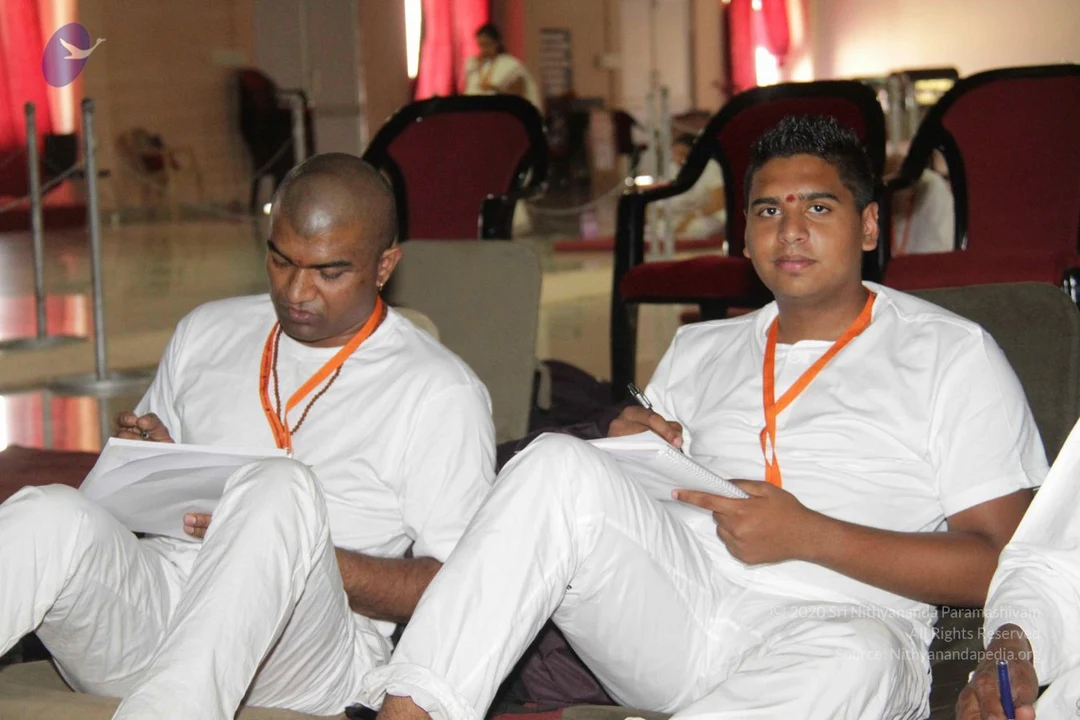
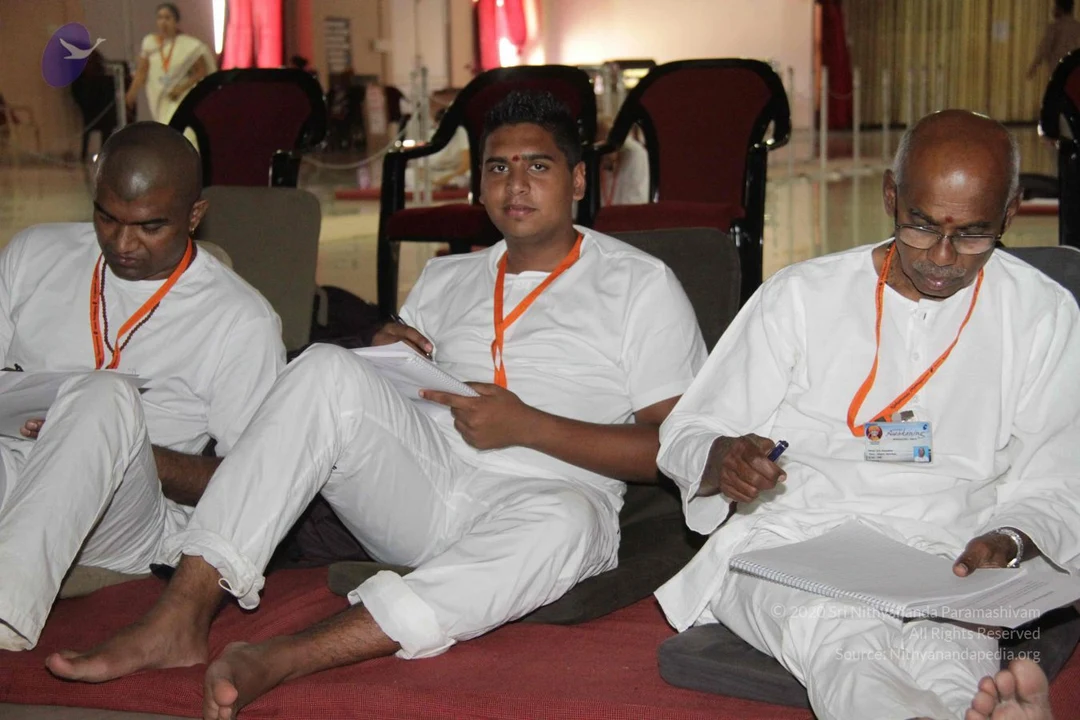
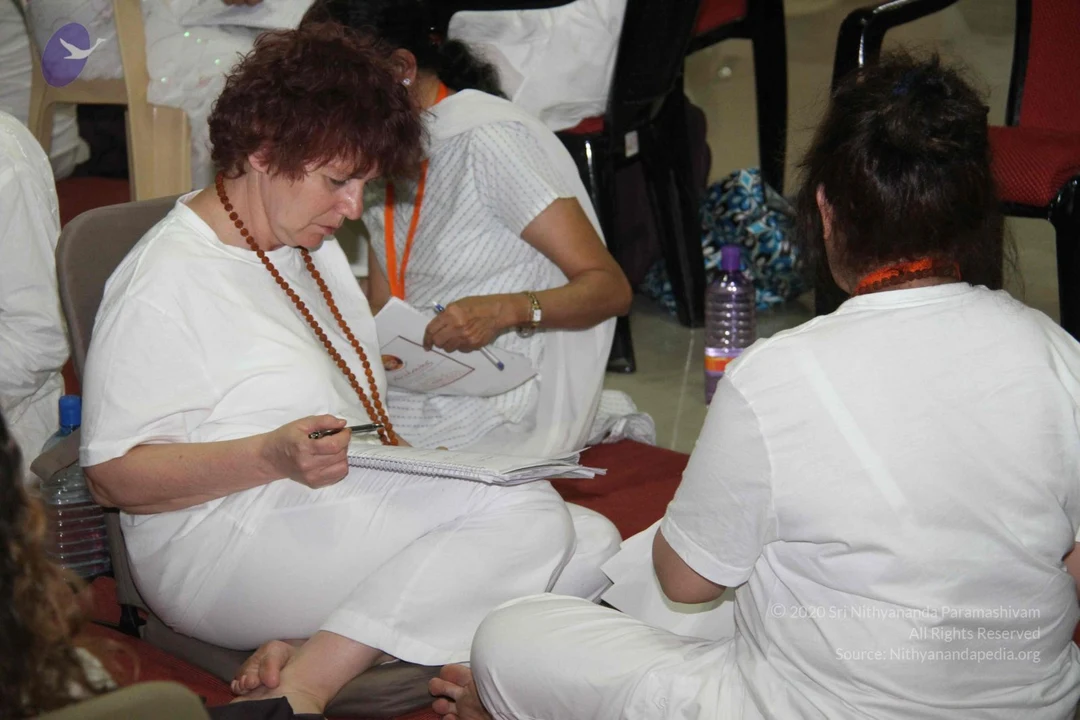
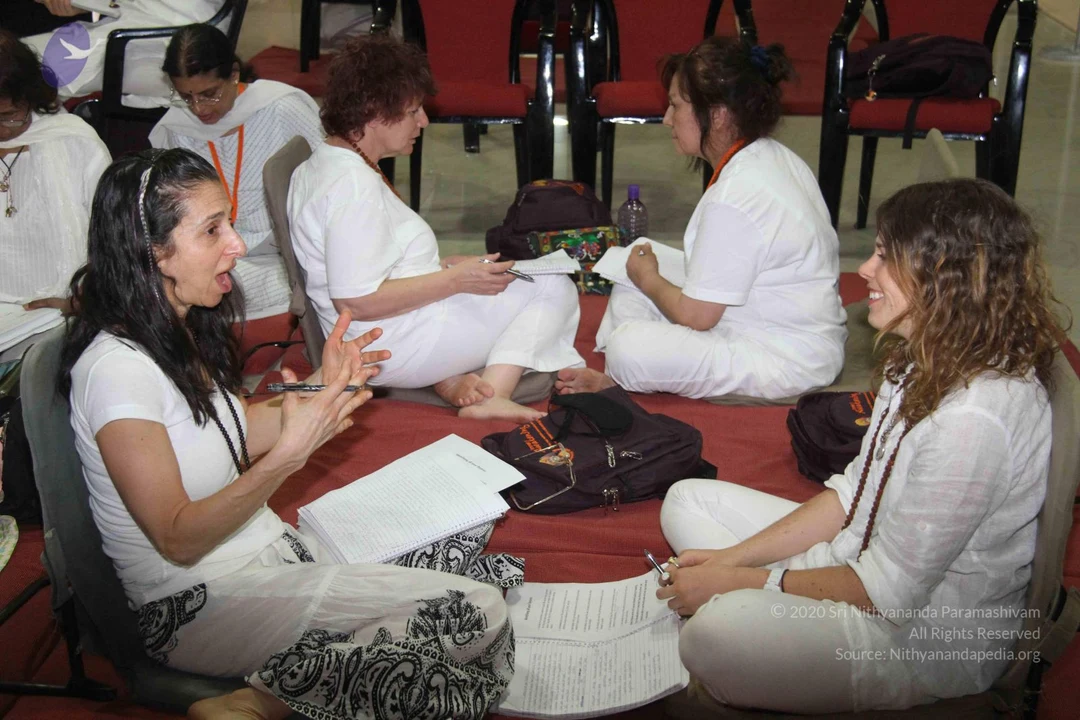
Only if you pen down all the answers, I can help you to find the root thought pattern. Hmm? Look into your life and list down all the relation, desires related to relationships, desires related to spirituality and then the second sheet. Please take up the second sheet. This is about the conflicting desires and contradicting desires and confusing desires. By the time you complete answering all these questions, you will be a Buddha. No, look in and answer. Intranalyse, answer. You will realize desire is not a big enemy or it cannot give you suffering. It is your idea about desires gives you suffering. Clear? Come on, please start penning down.
(11:55)
Title:
What Is Desire || Inner Awakening || 18 March 2013
Link to Video:
Transcript:
(0:33)
Desire is nothing but conscious, unconscious commitments you gave it to you. It is nothing but the feeling the other side of the bank is green. Always we feel the other side is green. The problem is, you forget and give some other words to you which are contradicting to the earlier given word. Understand? Self contradicting, conflicting, confusing desires. That is where the problem starts. All of you are getting it? See, morning you give a word to yourself, ‘I will work so hard I will become CEO of this company and make million dollar salary per month.’ Then evening, ‘I should dump all this and go to Hawaii and have my house, beach house, lie down and spend my life in vacation.’
(01:49)
The morning the commitment you gave and the evening commitment you gave, both are contradicting, am I right? Same way, constantly you go on creating contradicting and conflicting, confusing commitments to yourself and forgetting all three. There are, you see, one is contradicting, another one is conflicting. As I said, one which is conflicting means morning you want to work, evening you want to go for vacation. Next is contradicting. I will give you the example for this contradicting. For example, you have the headache. Constantly you think, ‘I should, my headache should disappear. I should get out of this headache. I should get out of this headache. My headache should disappear.’ What do you think will happen? You think your headache will be healed?
(03:08)
Because every time you remember this word, you give life to that word ‘headache’ also. You remember the headache also. You visualize headache also. How many of you are cognizing? When you give strength to that word also, how is it going to disappear? That is the way you never get out of any addictions. If you are constantly saying, ‘I should quit smoking, quit smoking, quit smoking,’ smoking is there. How will you quit? Even the word you repeat should be, ’I should become healthy. I should become healthy. I should become healthy.’ The words you utter to you should be right word and then the third is confusing desires. You want to become a painter, artist. Finally you land up in learning some computer skills, thinking that in computer you will learn painting. Is anyway the actual painting art and computer painting is going to be similar? Confusing desires.
(04:38)
Title:
Find your Root Thought Pattern || Part 1 || Inner Awakening || 18 March 2013
Link to Video:
Transcript:
(0:16)
How many of you really had a big relief, a suffocation taken out of your being after yesterday’s completion sessions, that Swapoornatva, the Poornatva Kriya, Samskara Dahana Kriya, raise your hand! Great! From today I will help you to find your root thought patterns. Listen, dig out your root thought patterns. Let Me define root thought pattern. Please listen. For this chain, the thread is the root. On the thread, all beads are standing. Am I right? If the thread is cut, what will happen? Same way, all your patterns are connected to one thread. That thread is what I call root thought pattern. Root thought pattern.
(01:31)
From today, next four days, I am going to guide you to get into the root thought pattern of your suffering. Actually from today we start the mystical process. Till yesterday, all this process, even in corporate level programs you can see. Now we are going to start which corporates cannot teach you. You need a mystic, a master to teach you that. First session in the morning we are going to work on finding your desire and guilt patterns. Then finding the root thought pattern of desire and guilt. Only after everyone found their root pattern, unclutching initiation. Listen, how many of you have done NSP? Now you will see, I am doing it completely, totally different. Don’t expect it to be in a old way because with this whole program, I have aligned the whole thing. That is why you will be seeing the whole thing in a different way and taking you to the deeper level.
(03:11)
Yesterday in many people in the Energy Darshan gave Me letter that they wanted to complete with Me. They wanted time with Me. First understand, all your incompletions are not created with Me, with My image about you, the image you carry about Me. So complete with that image itself. You understand? None of you have physically lived around Me. So all your incompletions are created your image about Me. So get the photograph and sit and complete. No, if you try to complete physically with Me, it will be disastrous for you. You will realise you don’t, you are not part of Me or My life which is too much for you to...because everyone is imagining that they are living inside My heart and I am living inside their heart and all that.
(04:24)
When you get in, you will see it is a pure emptiness. I am a ocean. How many of you are afraid to look into My eyes during Energy Darshan? I can say everyone. Not a single one looks into My eyes. The moment I bring My eyes closer, you turn it this way or that way because there is a vast ocean. See, My eyes are window for the sky, bottomless sky. Listen, I am using the word ‘bottomless sky’, means sky which is down. Catching it? Sky which is down. Bottomless sky... So please do not ask or expect to physically sit with Me and complete. It will be disaster for you. Complete with the photograph itself and you guys are ready? Ma?
(05:57)
Listen, I will give you the simple introduction about the process we are going to do now. Desire. Desire is nothing but conscious or unconscious words, commitments you gave it to you. Ma, I am re-defining. Desire is nothing but conscious, unconscious commitments you gave it to you. It is nothing but the feeling the other side of the bank is green. Always we feel the other side is green, the other side is green. Nothing else. You understand? The problem is not even with desire because desire is after all straightforward word you give it to you. The problem is, you forget and give some other words to you which are contradicting to the earlier given word. Understand? Self contradicting, conflicting, confusing desires. That is where the problem starts. All of you are getting it?
(07:33)
See, morning you give a word to yourself, ‘I will work so hard I will become CEO of this company and make million dollar salary per month.’ Then evening, ‘I should dump all this and go to Hawaii and have my house, beach house, lie down and spend my life in vacation.’ The morning the commitment you gave and the evening the commitment you gave, both are contradicting. Am I right? Same way, constantly you go on creating contradicting and conflicting, confusing commitments to yourself and forgetting all three. There are, see, one is contradicting; another one is conflicting. What do you do you know? As I said, one which is conflicting means, morning you want to work, evening you want to go for vacation.
(08:49)
Next is contradicting. I will give you the example for this contradicting. For example, you have the headache. Constantly you think, ‘I should, my headache should disappear. I should get out of this headache. I should get out of this headache. My headache should disappear.’ What do you think will happen? You think your headache will be healed? Because every time you remember this word, you give life to that word headache also. You remember the headache also. You visualize headache also. How many of you are cognizing? When you give strength to that word also, how is it going to disappear? That is the way you never get out of any addictions. If you are constantly saying, ‘I should quit smoking, quit smoking, quit smoking,’ smoking is there. How will you quit? Even the word you repeat should be, ‘I should become healthy. I should become healthy. I should become healthy.’
(10:00)
The words you utter to you should be right word and then the third is confusing desires. You want to become a painter, artist. Finally you land up in learning some computer skills thinking that in computer you will learn painting. Is any way the actual painting art and computer painting is going to be similar? Confusing desires. How many of you cognize these confusing desires that you play with your life? You do it. You got the paper? All of you got both the sheets? Anybody who has not got both the sheets?... Got it? Please listen, take it up.
(11:22)
Go back to the earliest incidents in your life where you received the first ideas and notions about desires. Describe the incident clearly. First time when you heard about what is desires, describe. Look deeply into your life and list down all the desires you have related to sensory pleasures, food, sex etc. Look deeply into your life and list down all the desires you have related to name and fame. Look deeply into your life and list down all the desires you have related to health. Look deeply into your life and list down all the desires you have related to wealth. Only if you pen down all the answers, I can help you to find the root thought pattern. Look into your life and list down all the relation, desires related to relationships, desires related to spirituality and then the second sheet.
(12:22)
Please take up the second sheet. This is about the conflicting desires and contradicting desires and confusing desires. By the time you complete answering all these questions, you will be a Buddha. No, look in and answer. Intranalyse, answer. You will realize desire is not a big enemy or it cannot give you suffering. It is your idea about desires gives you suffering. Clear? Come on, please start penning down.
(13:08)
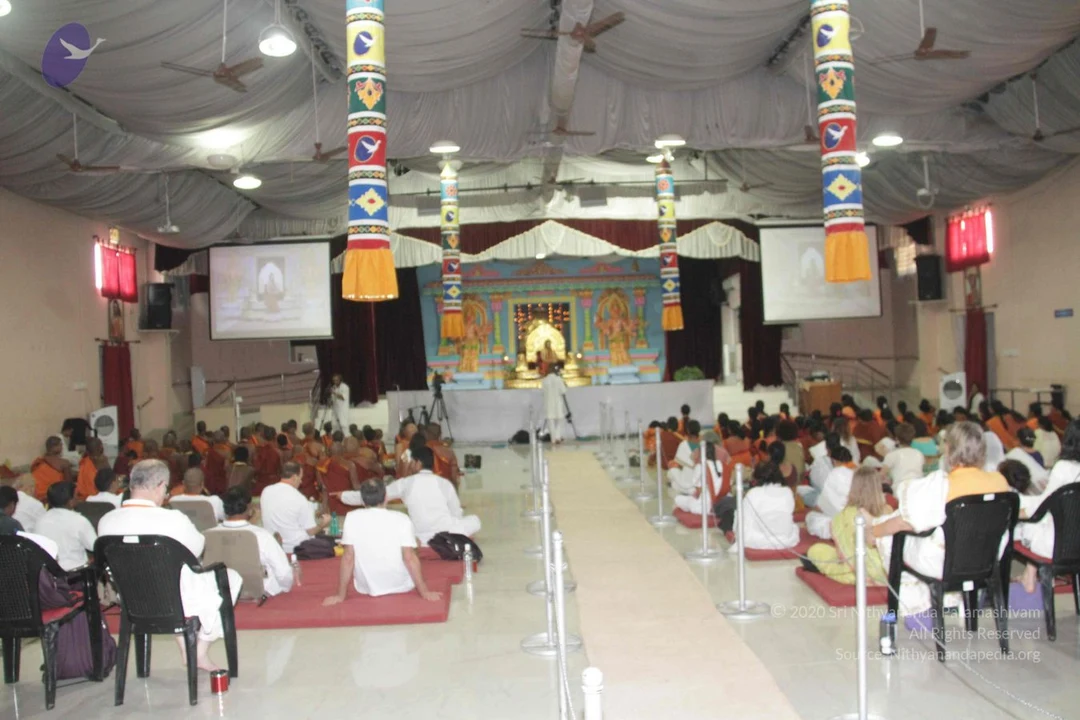
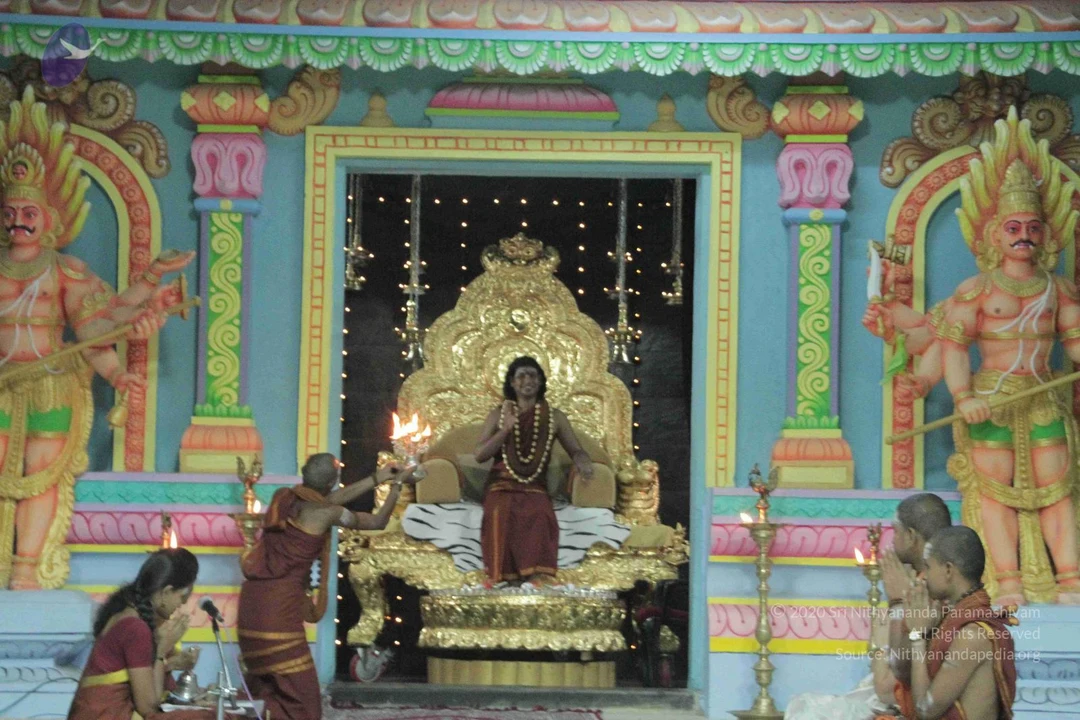
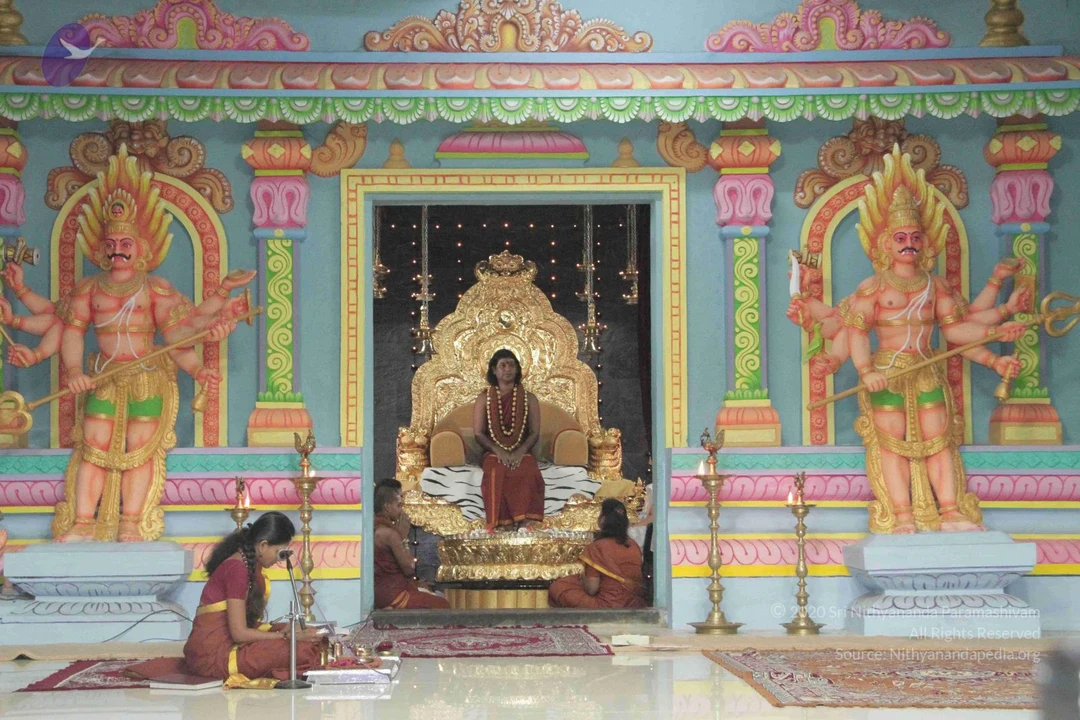
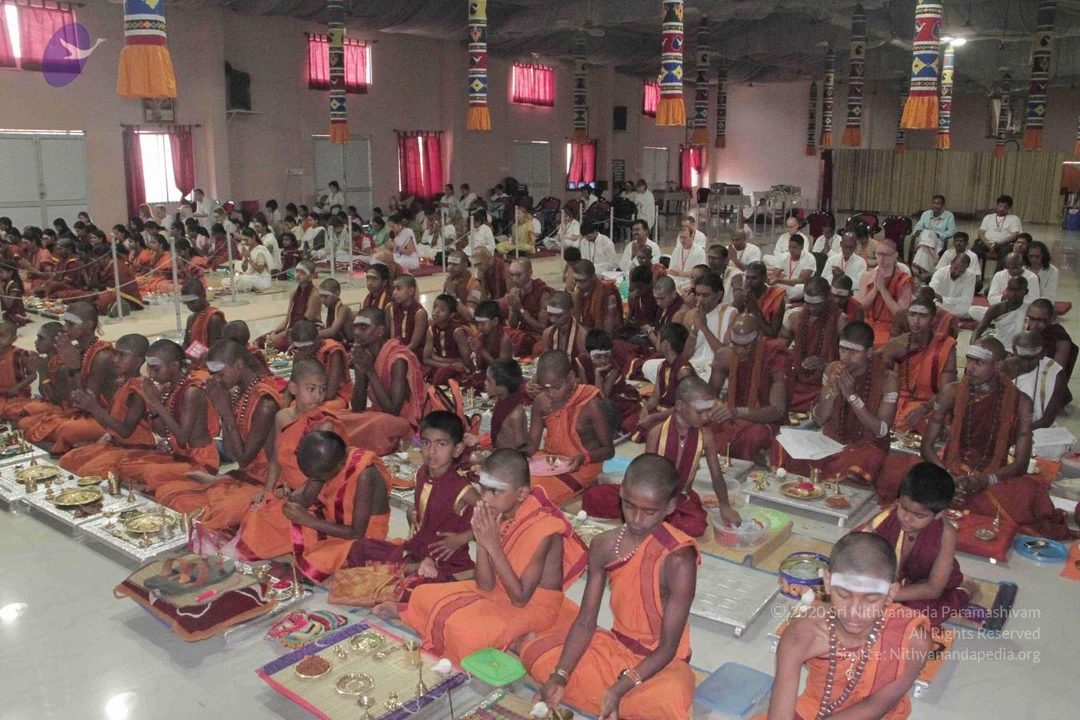
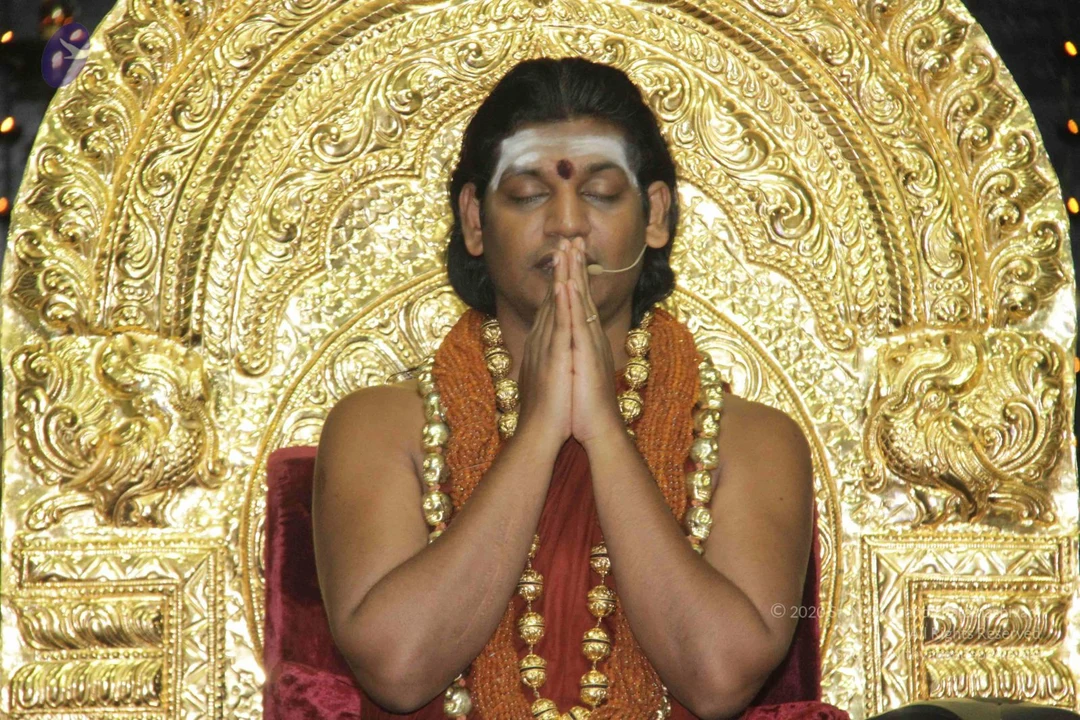
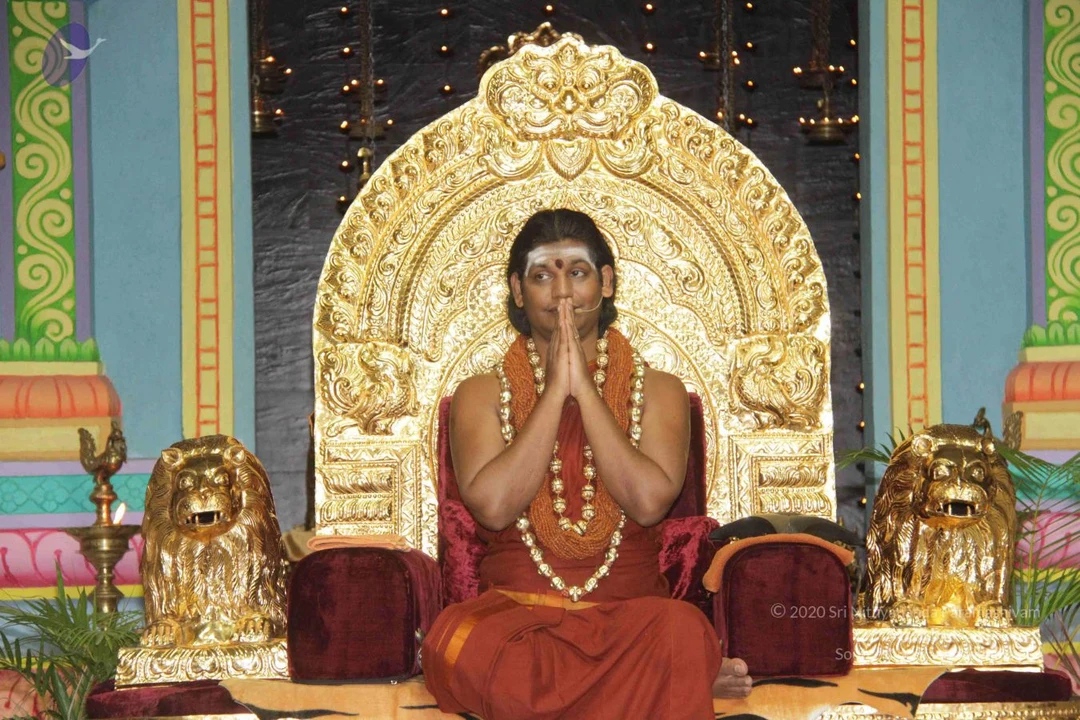
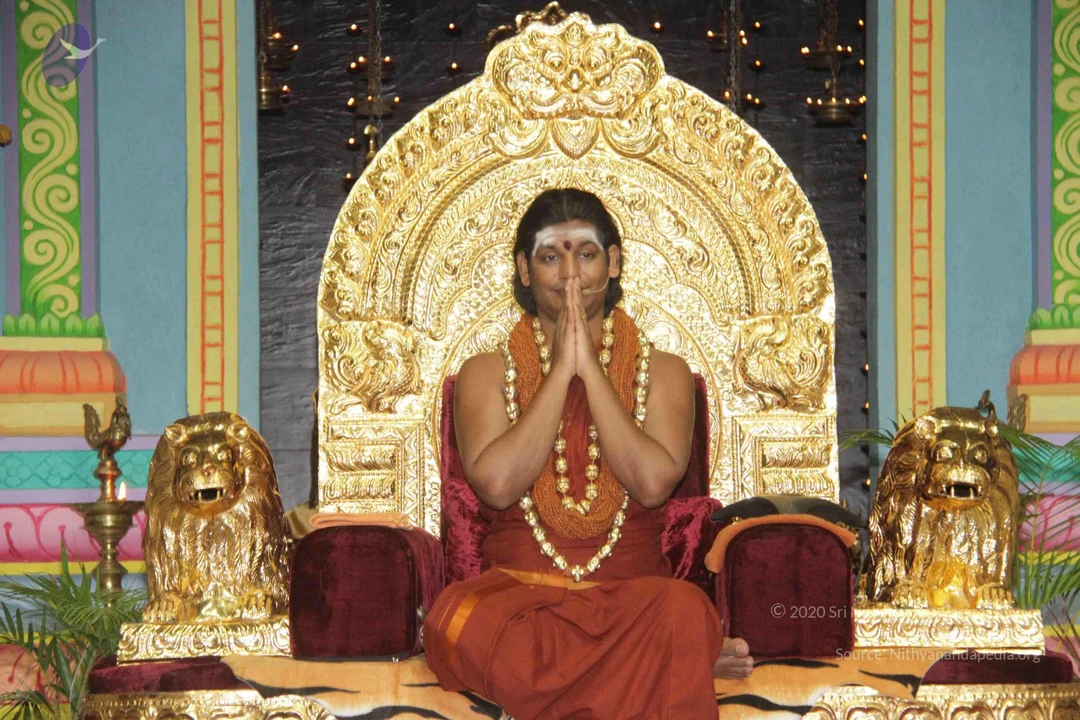
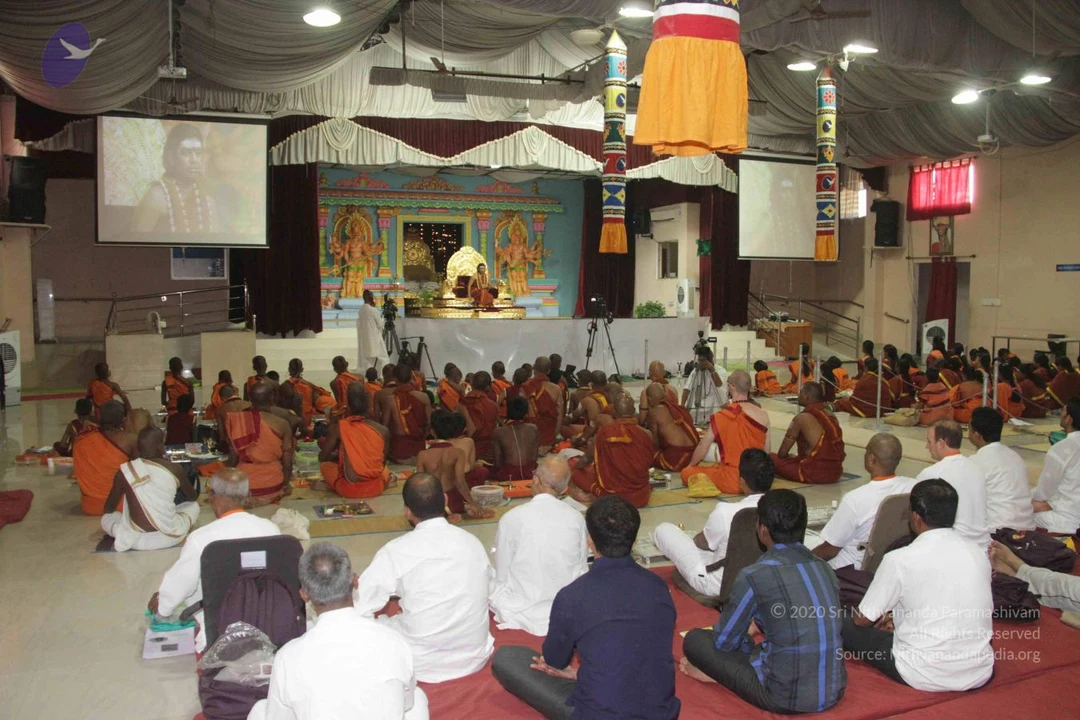
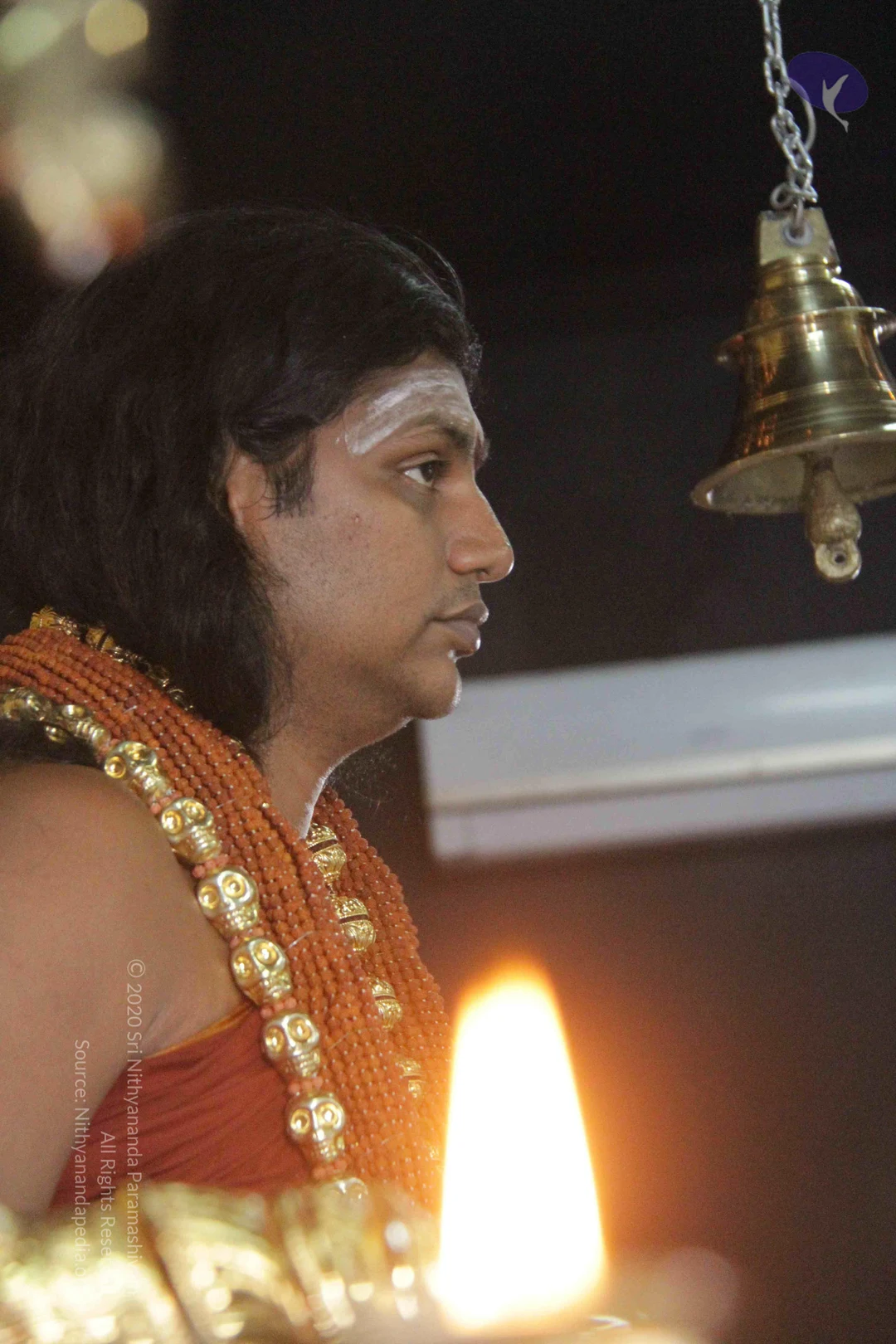
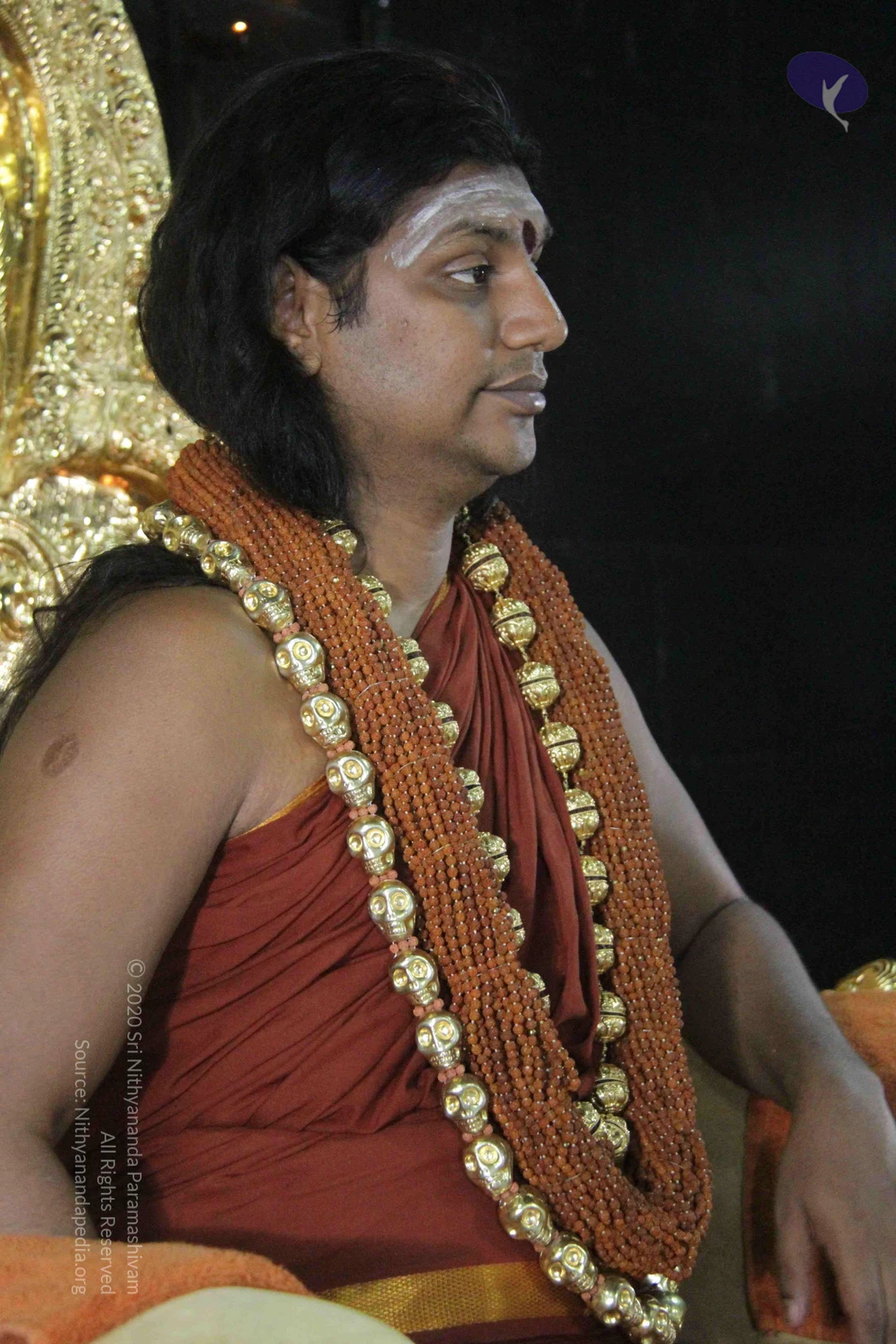
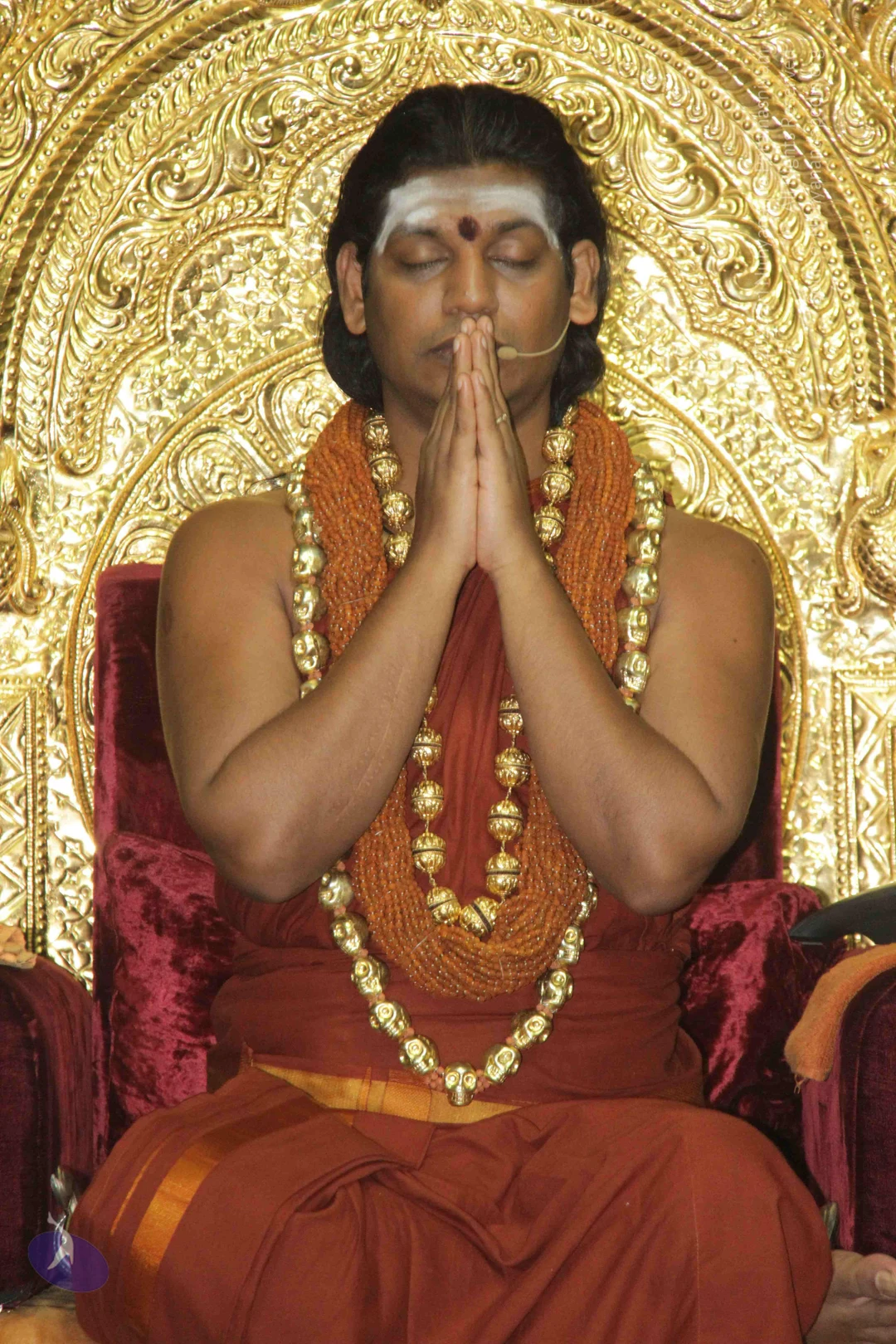
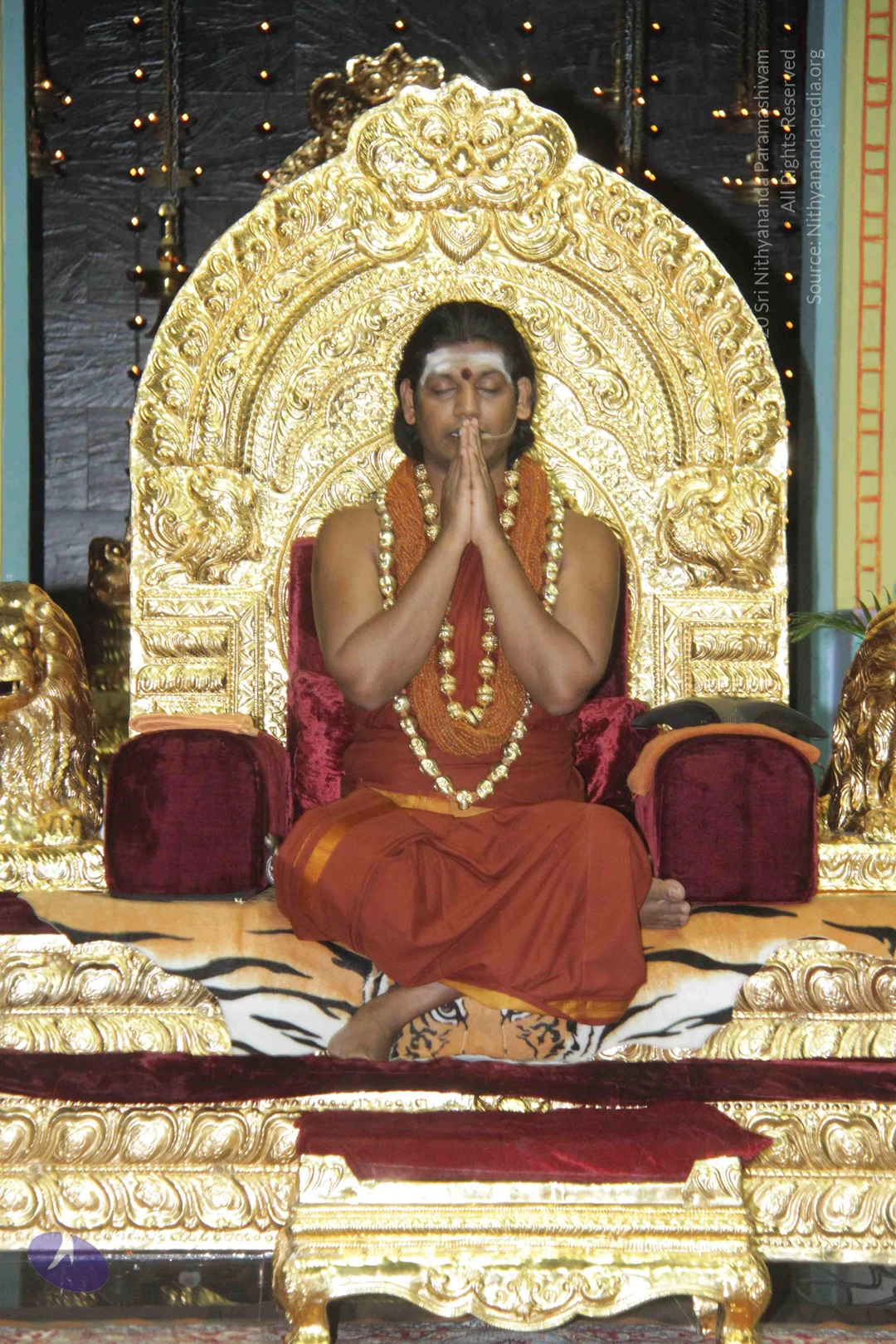
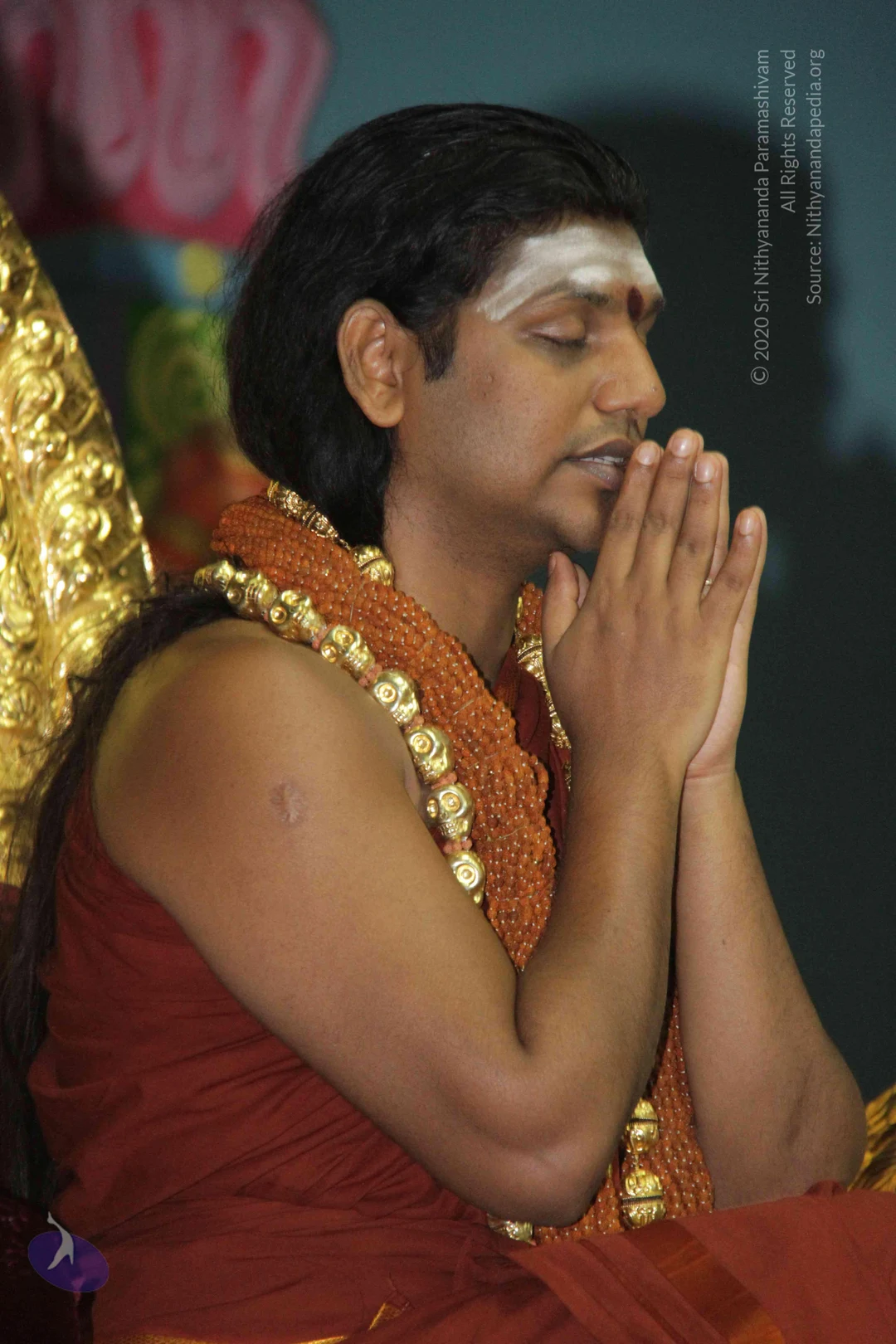
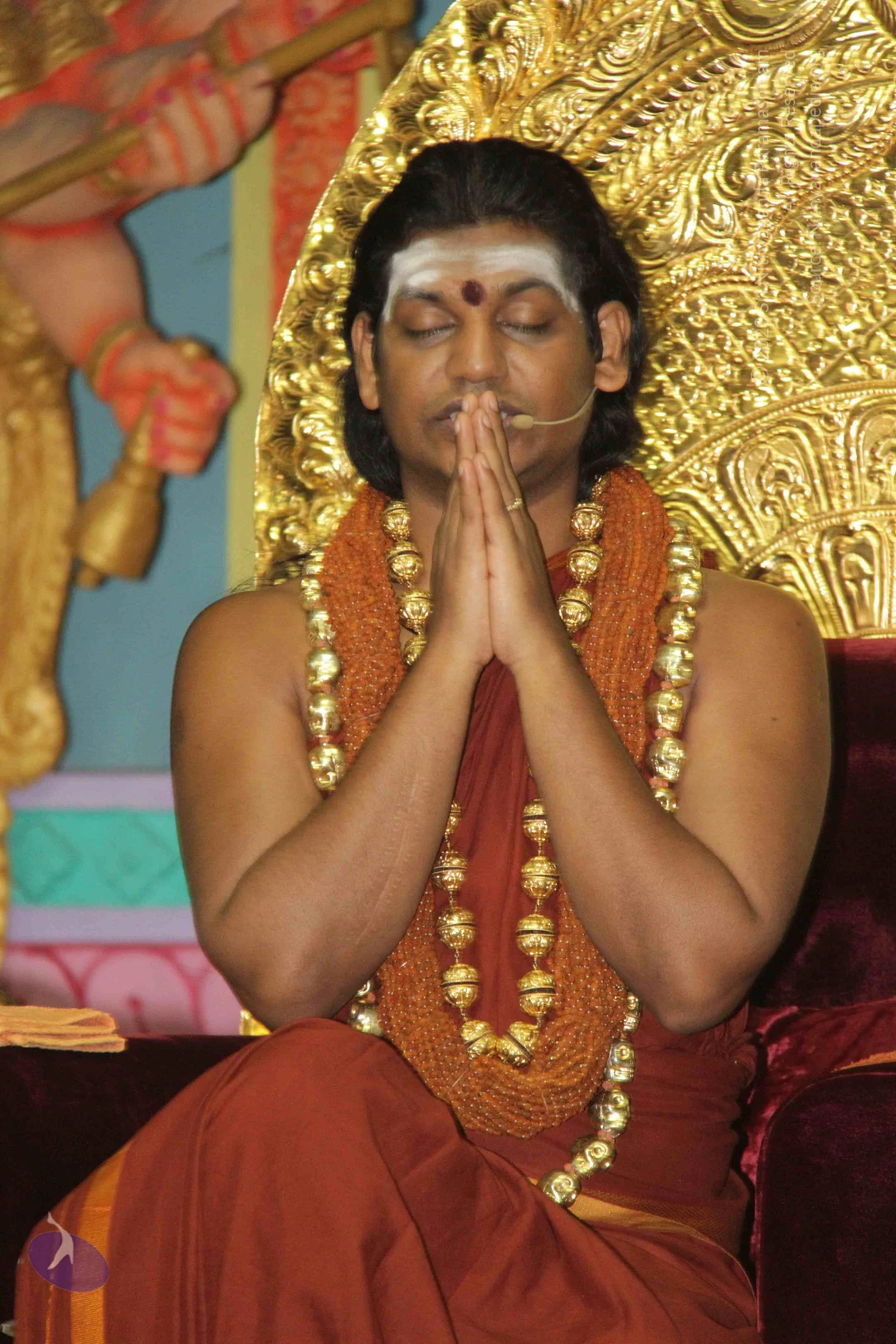
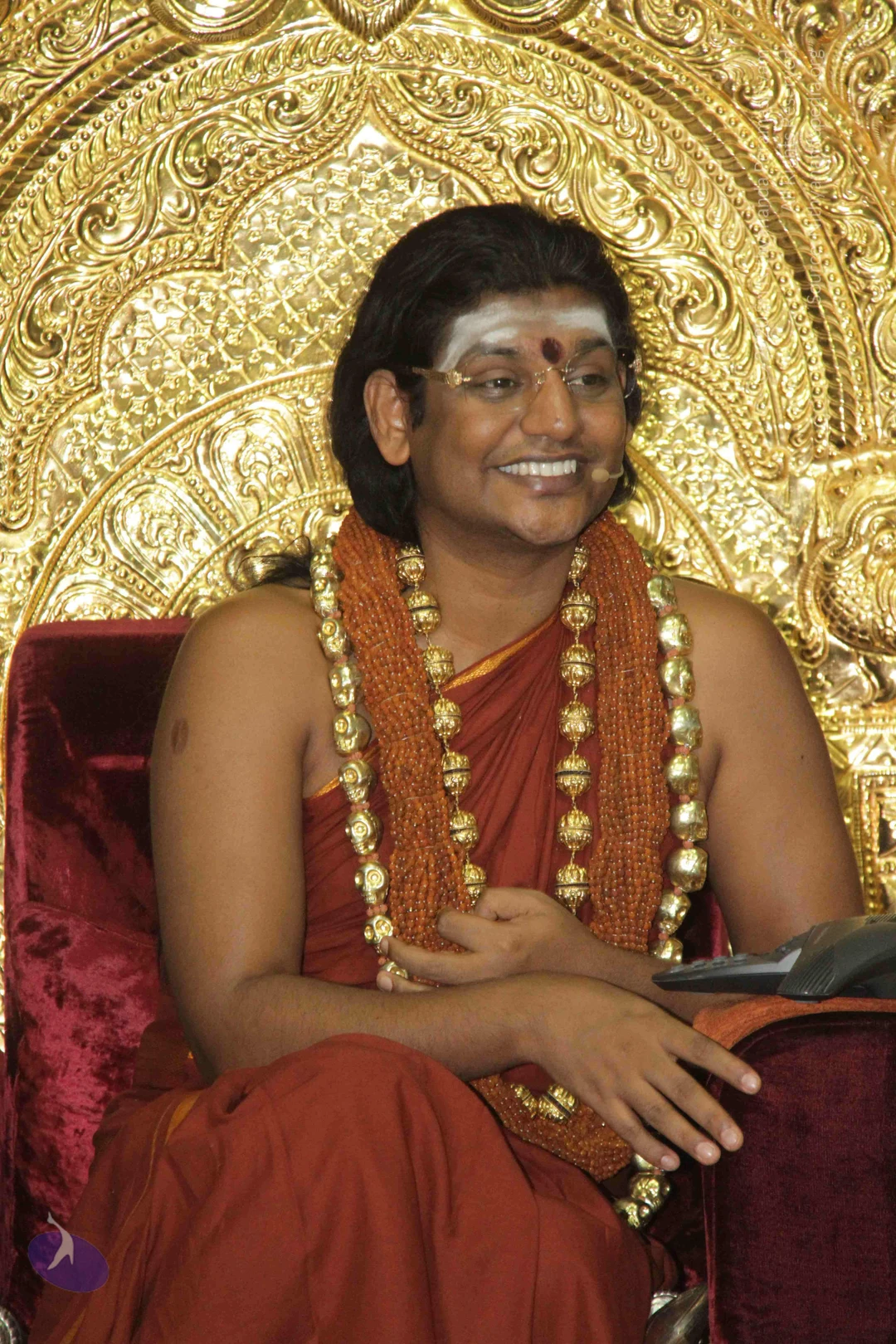
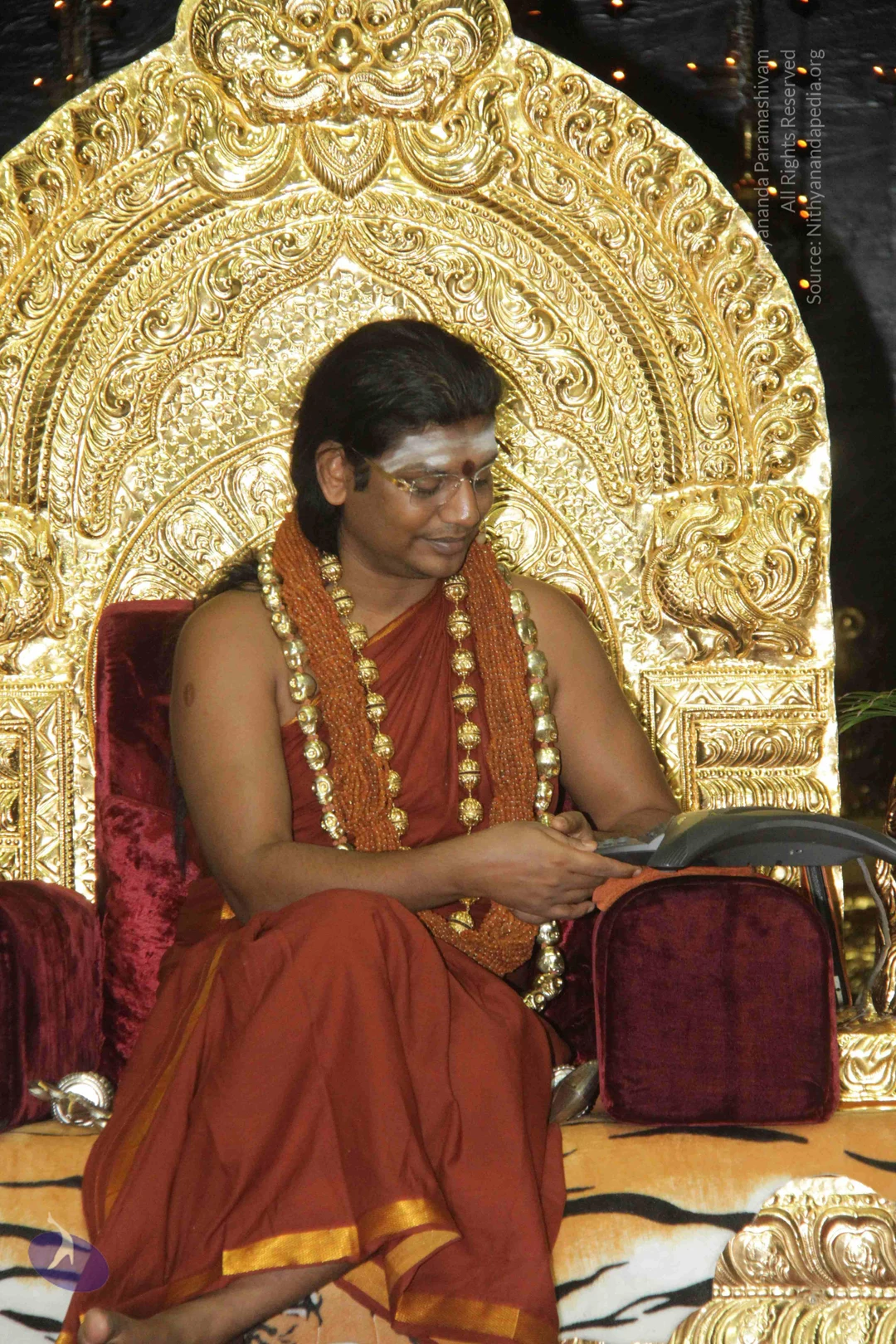
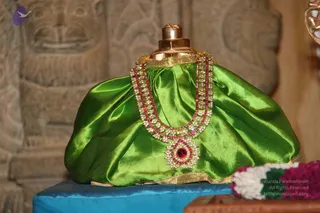
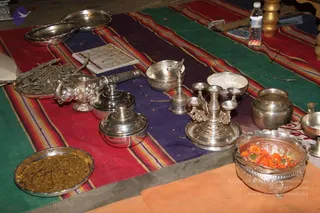
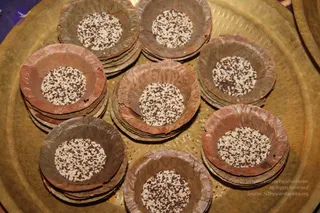
Photos From The Day:
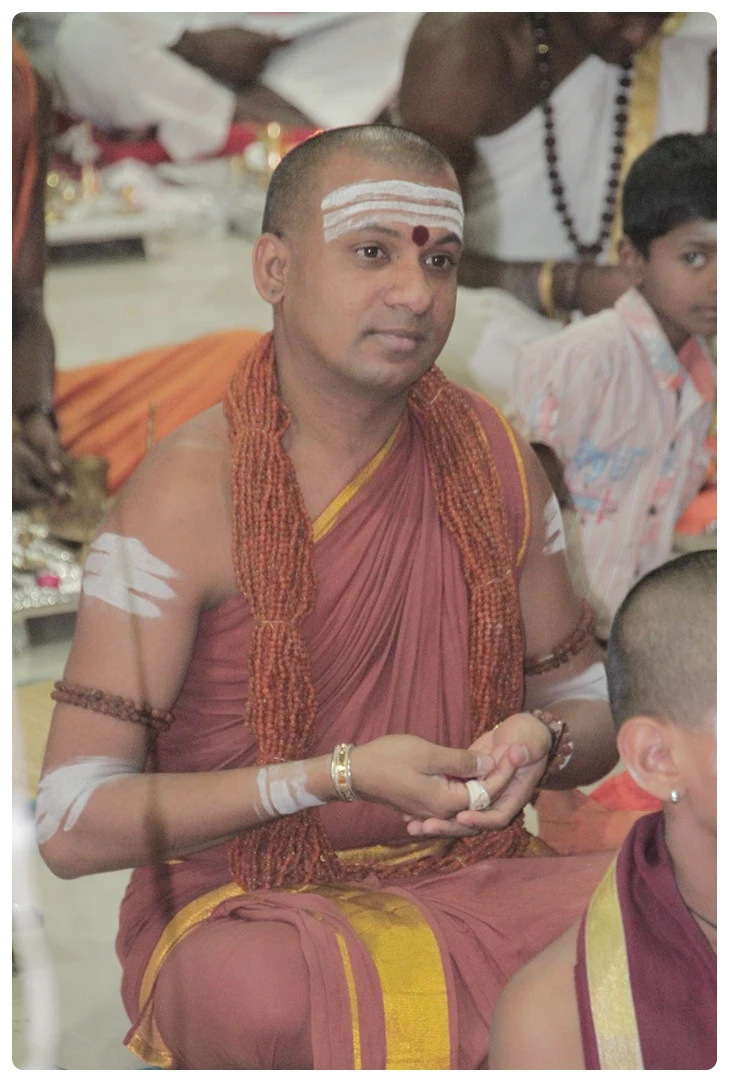
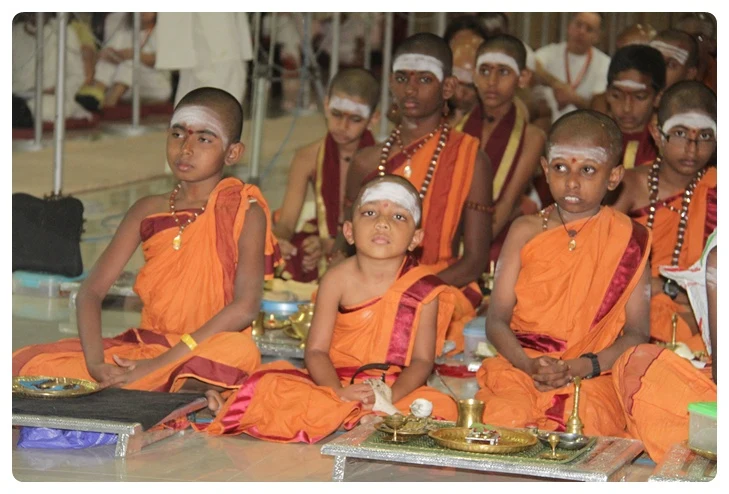
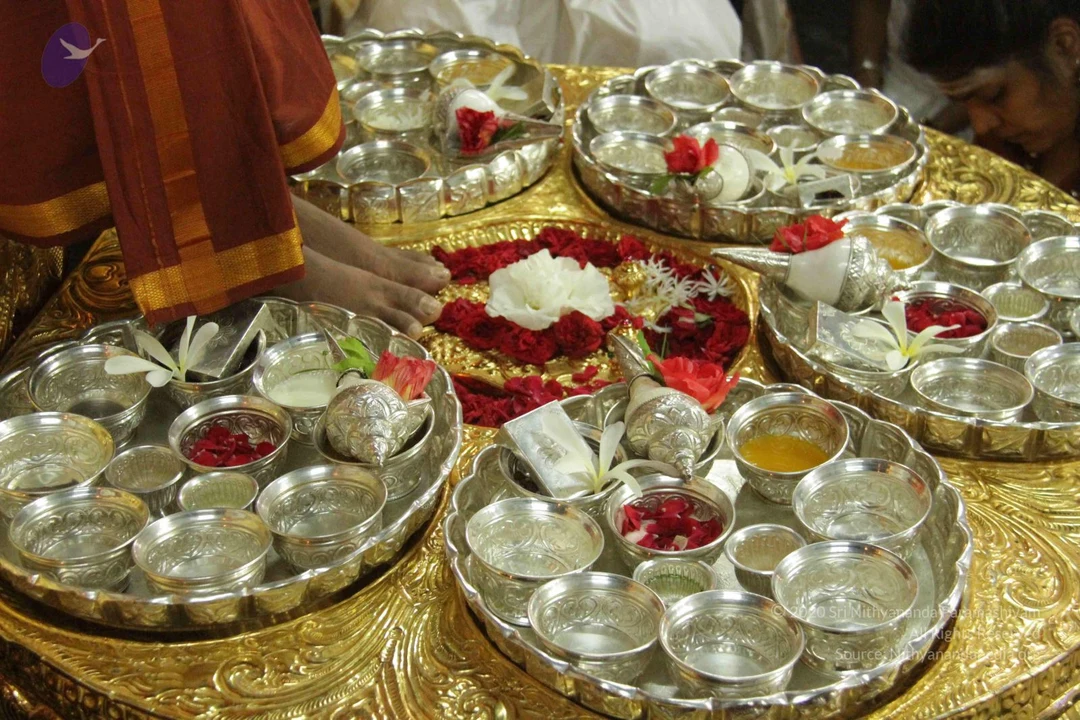
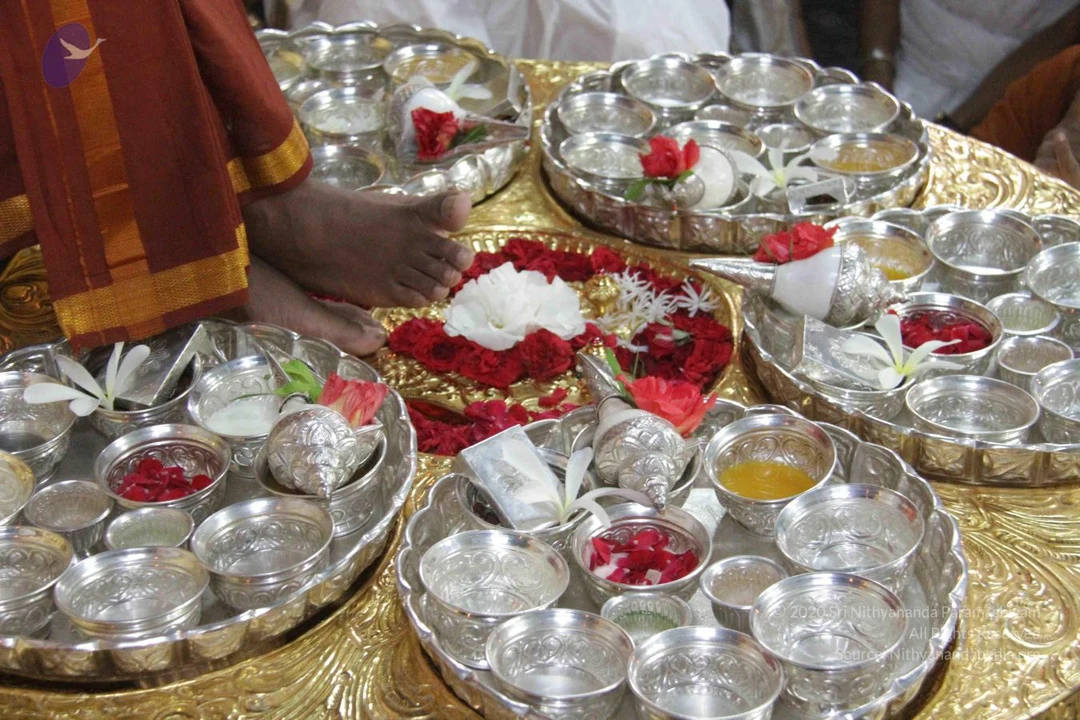
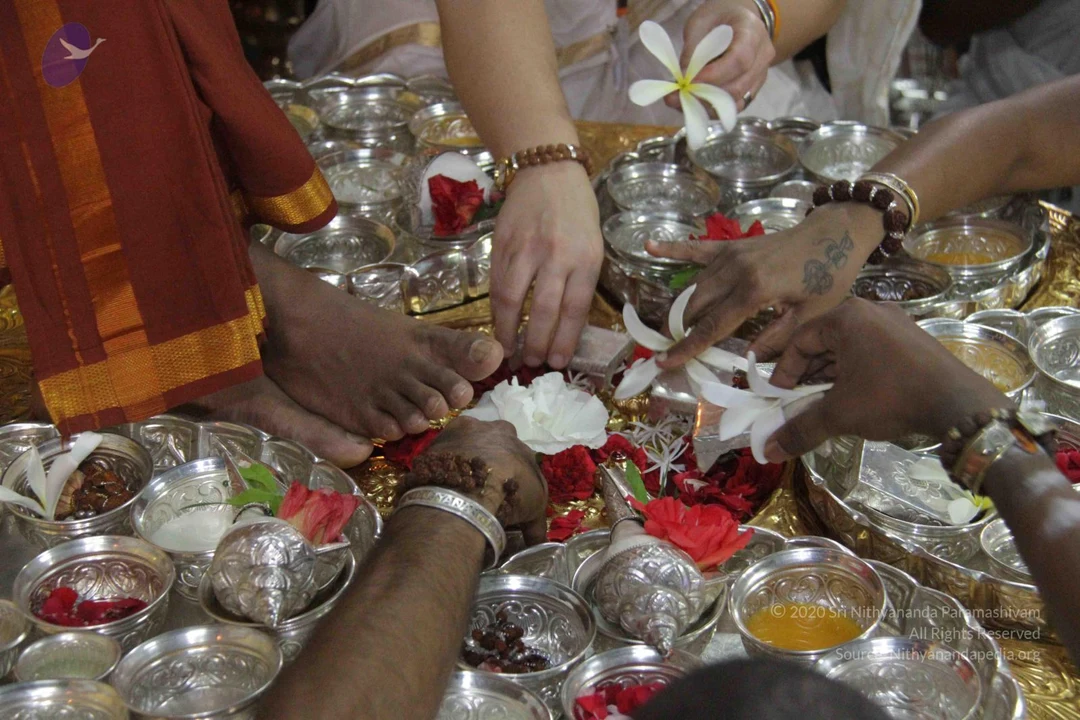
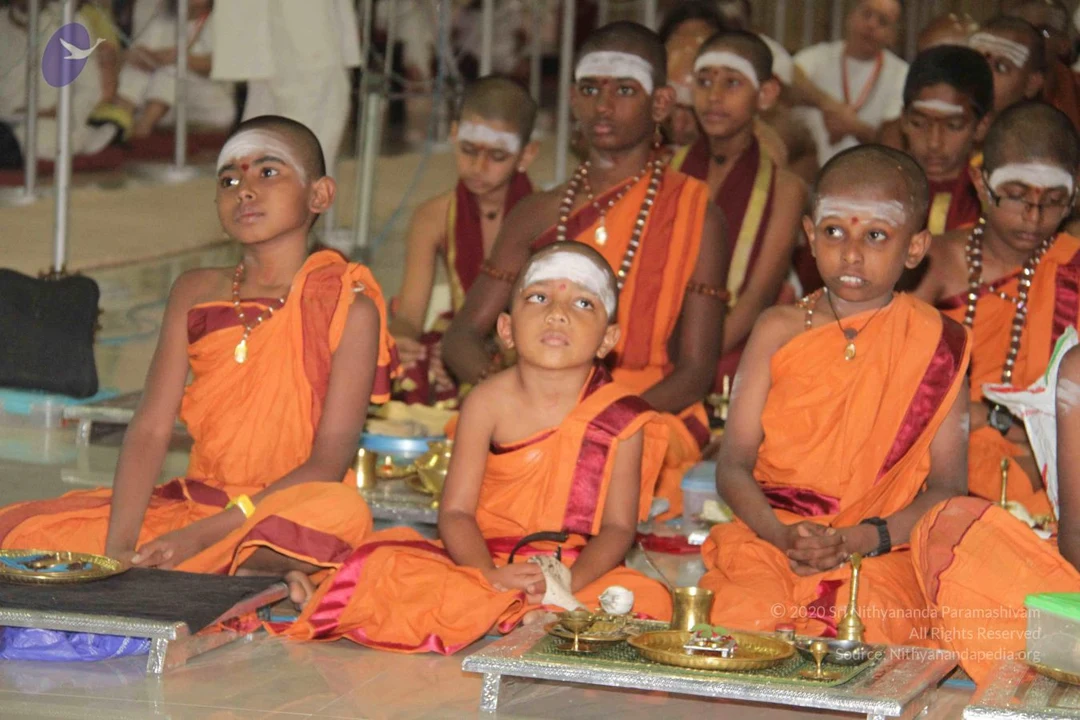
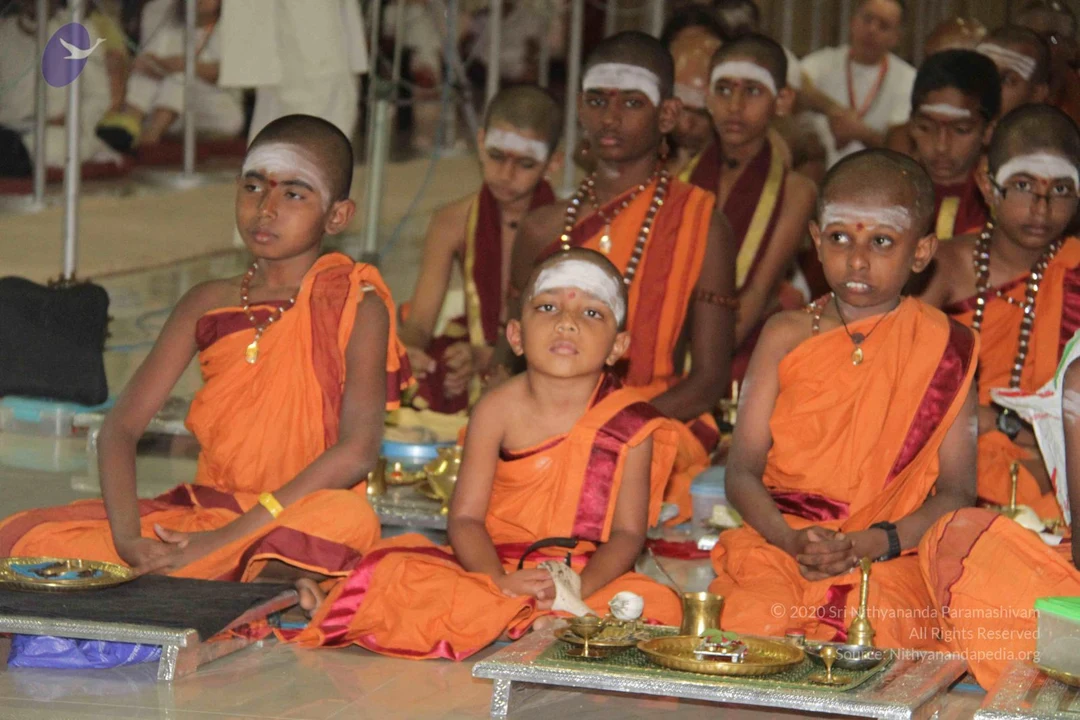
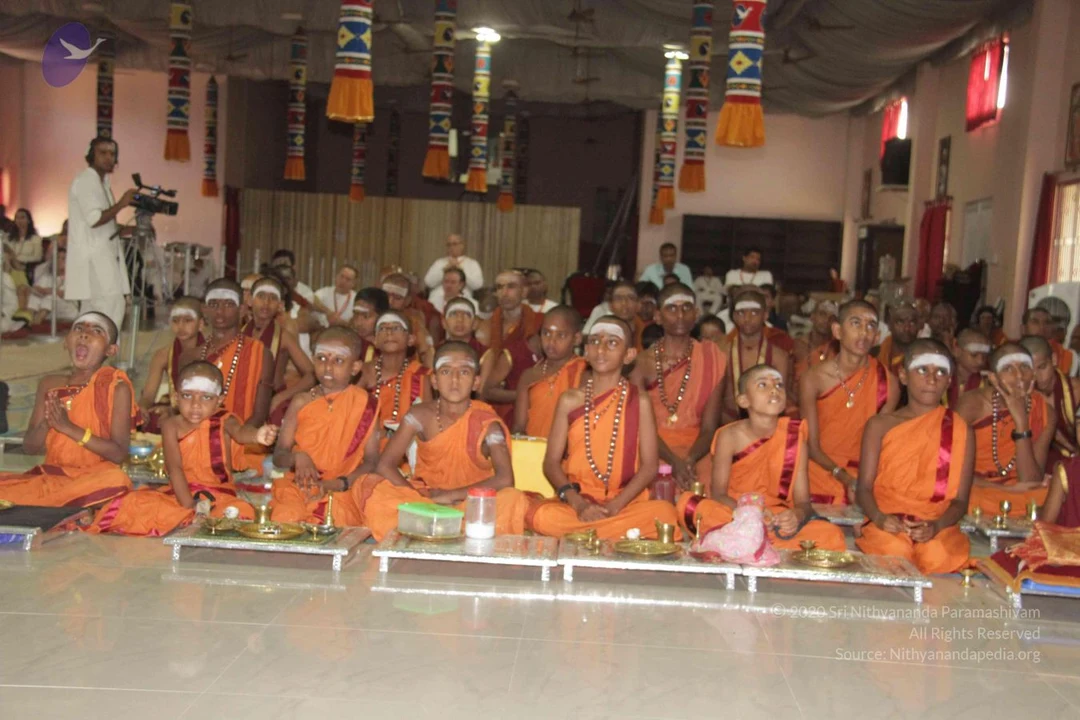
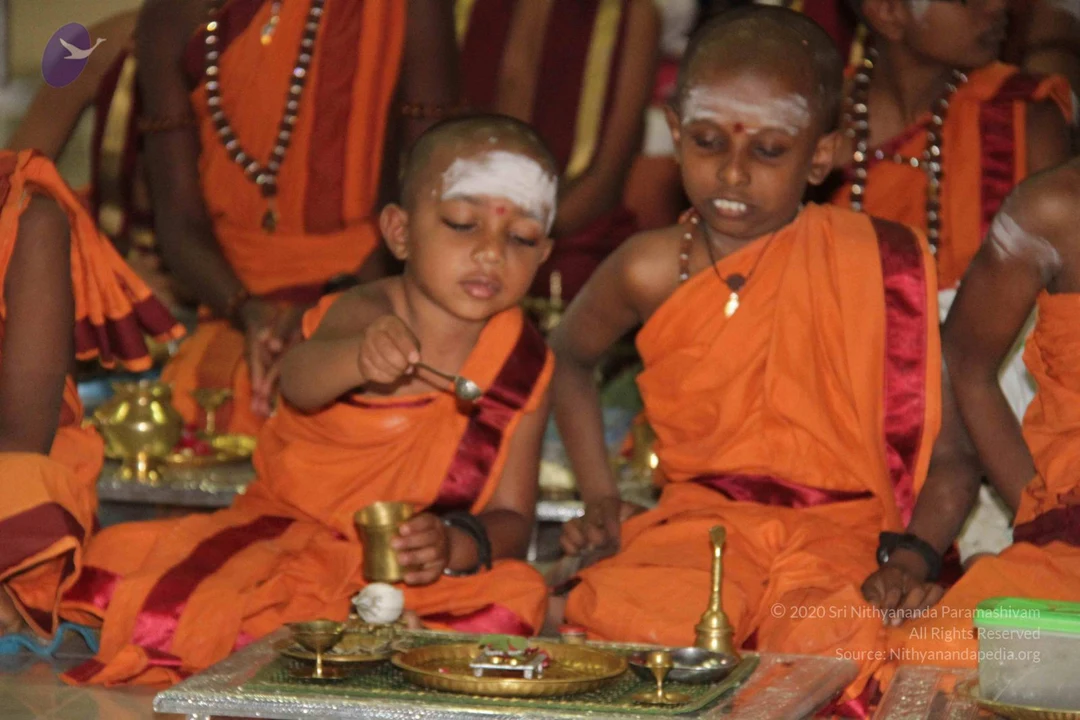
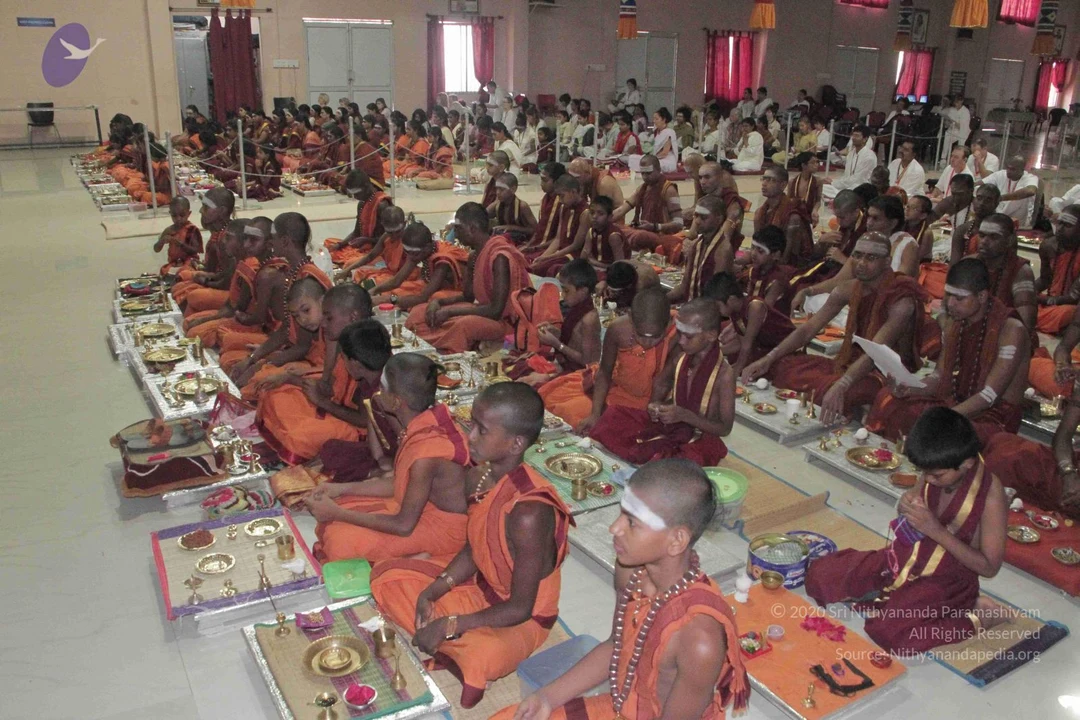
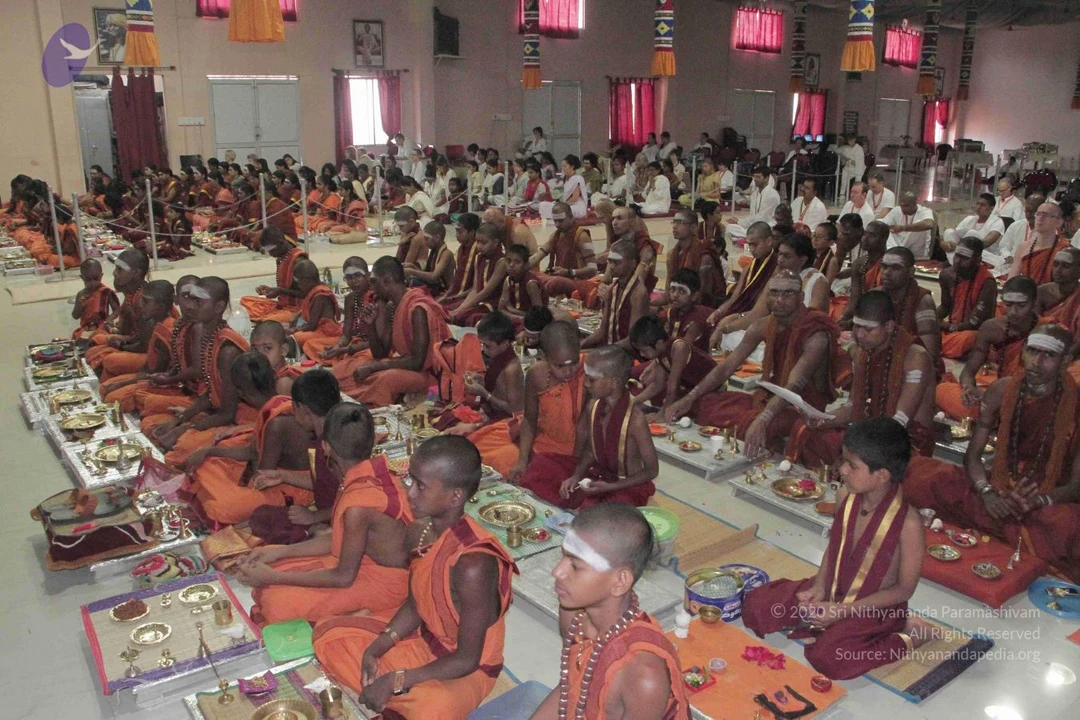
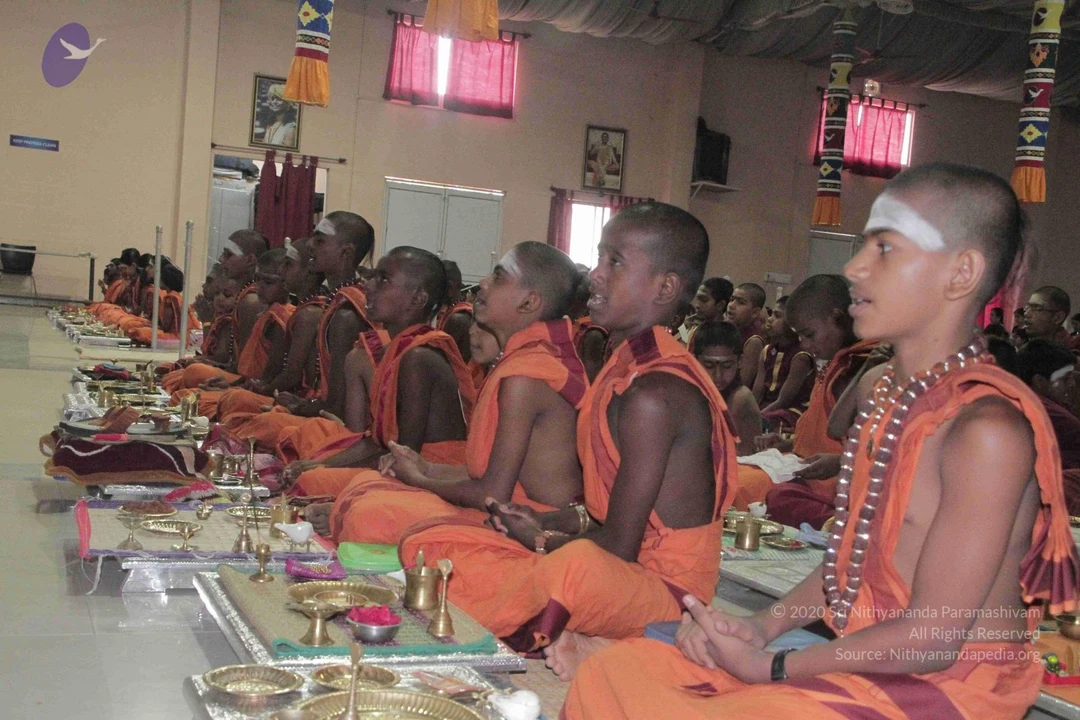
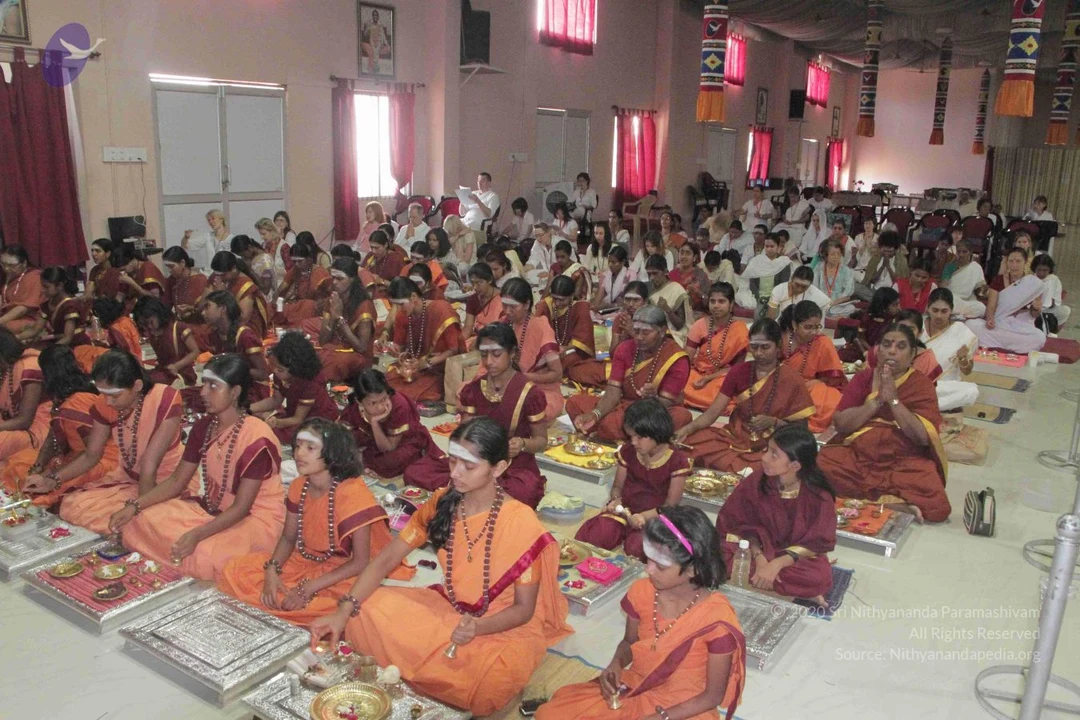
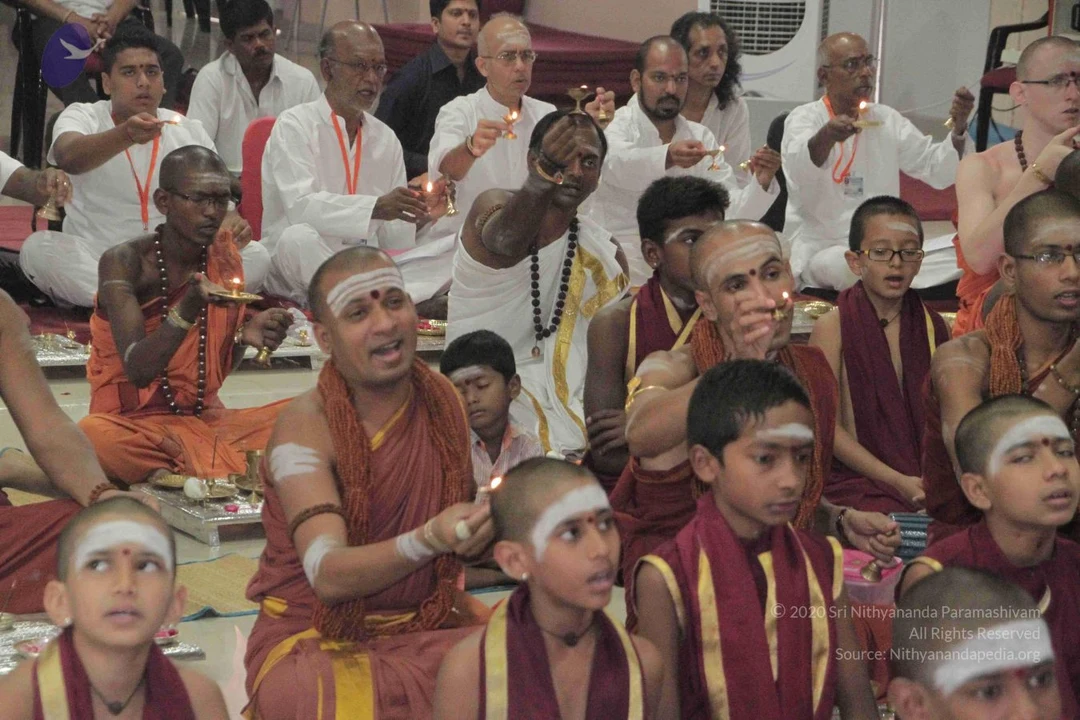
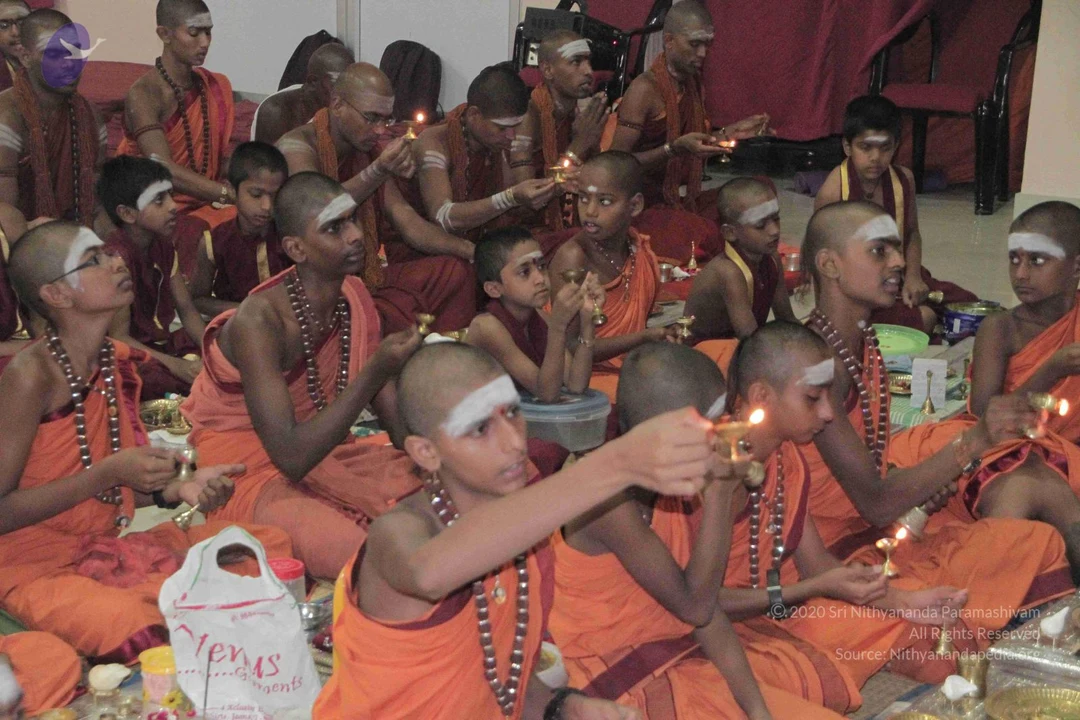
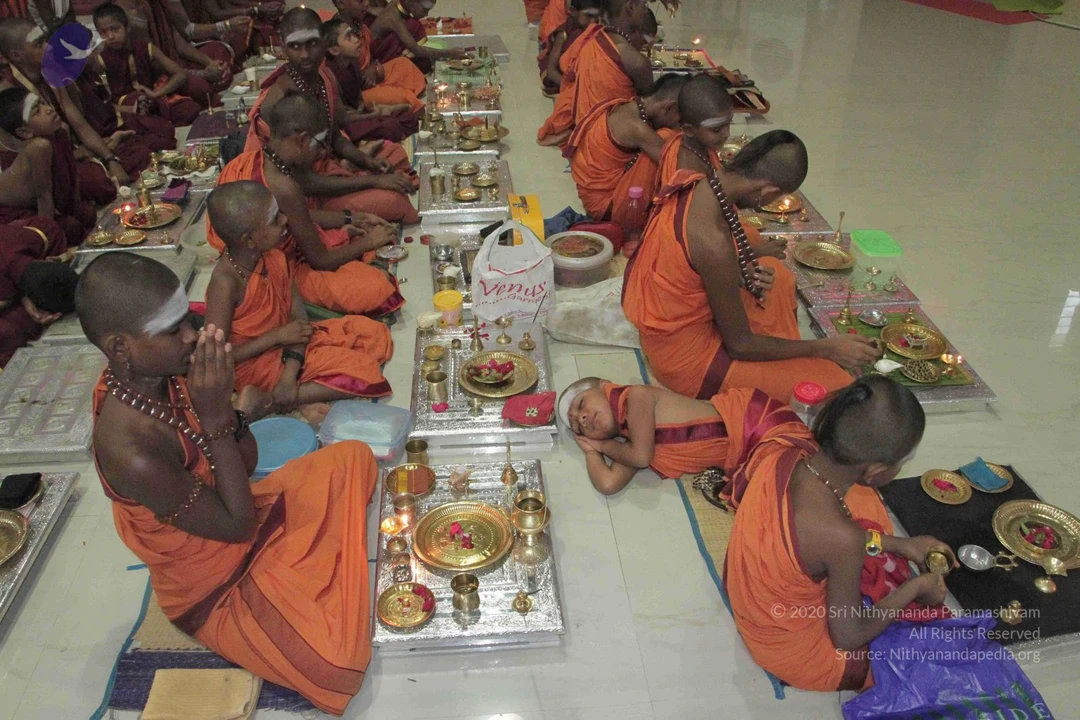
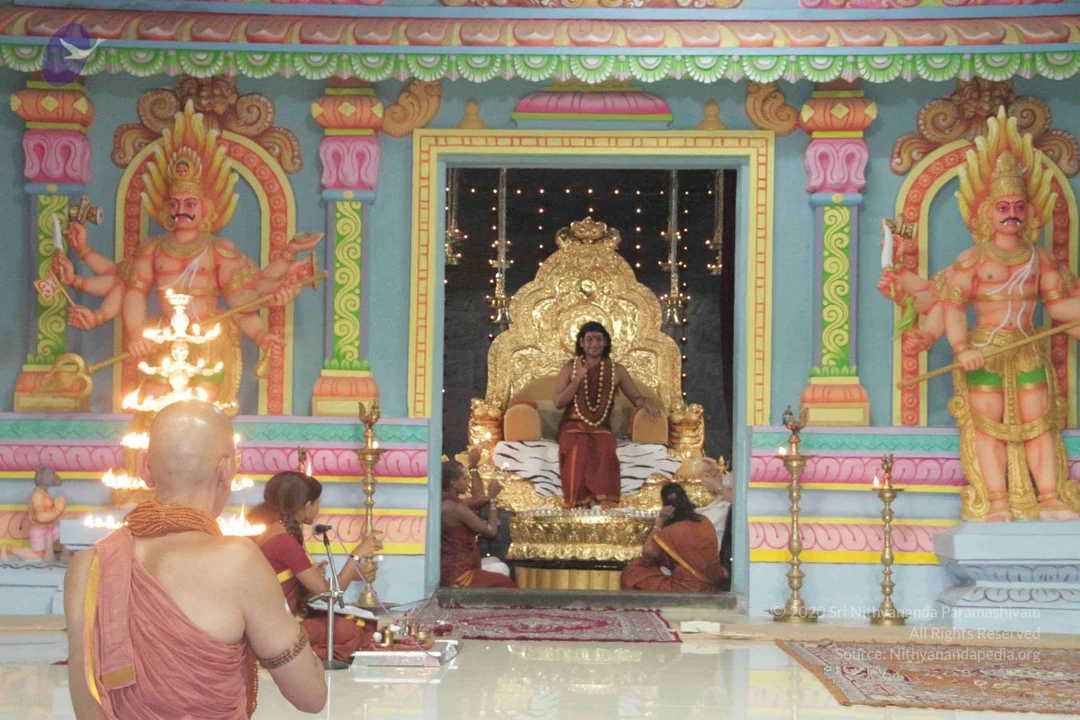
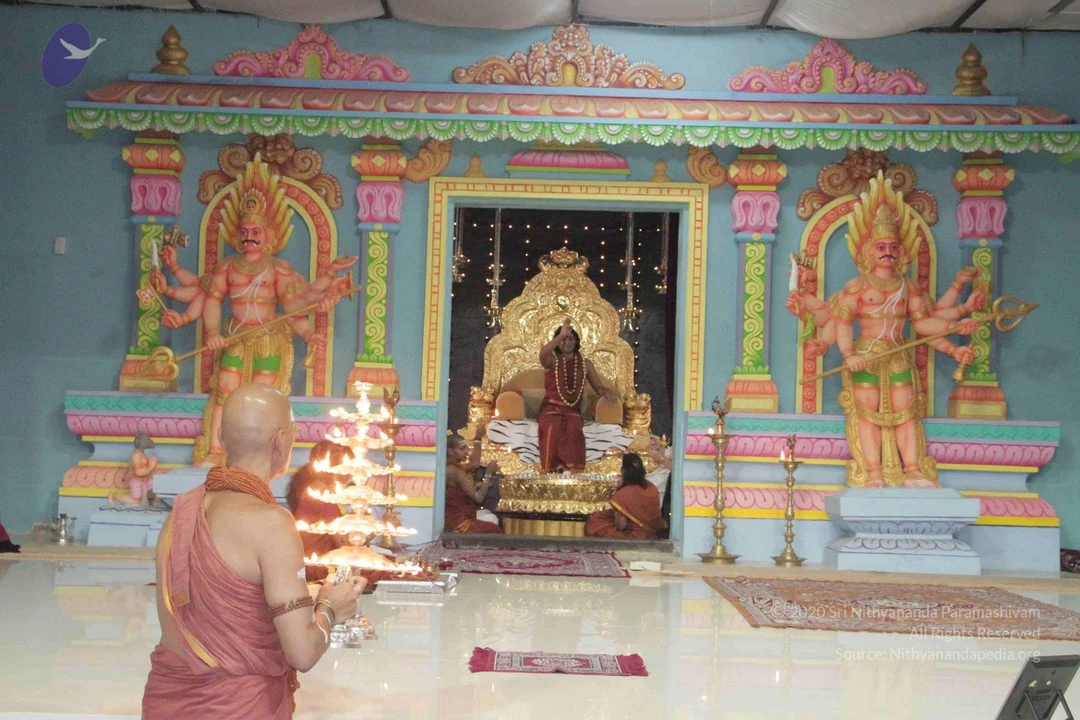
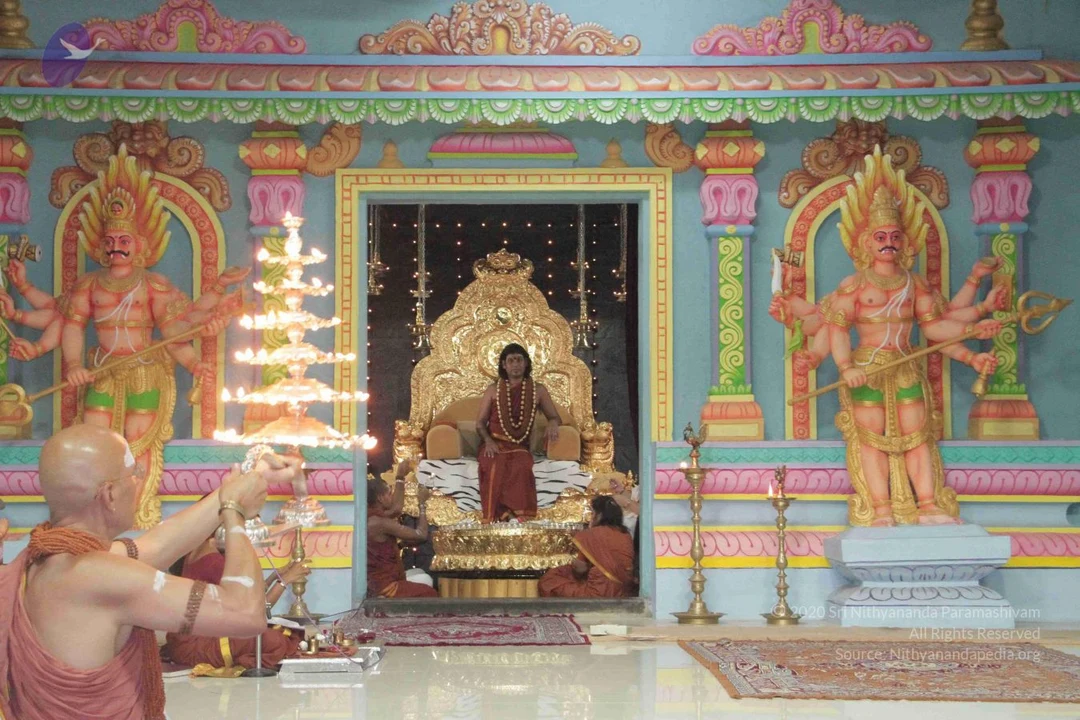
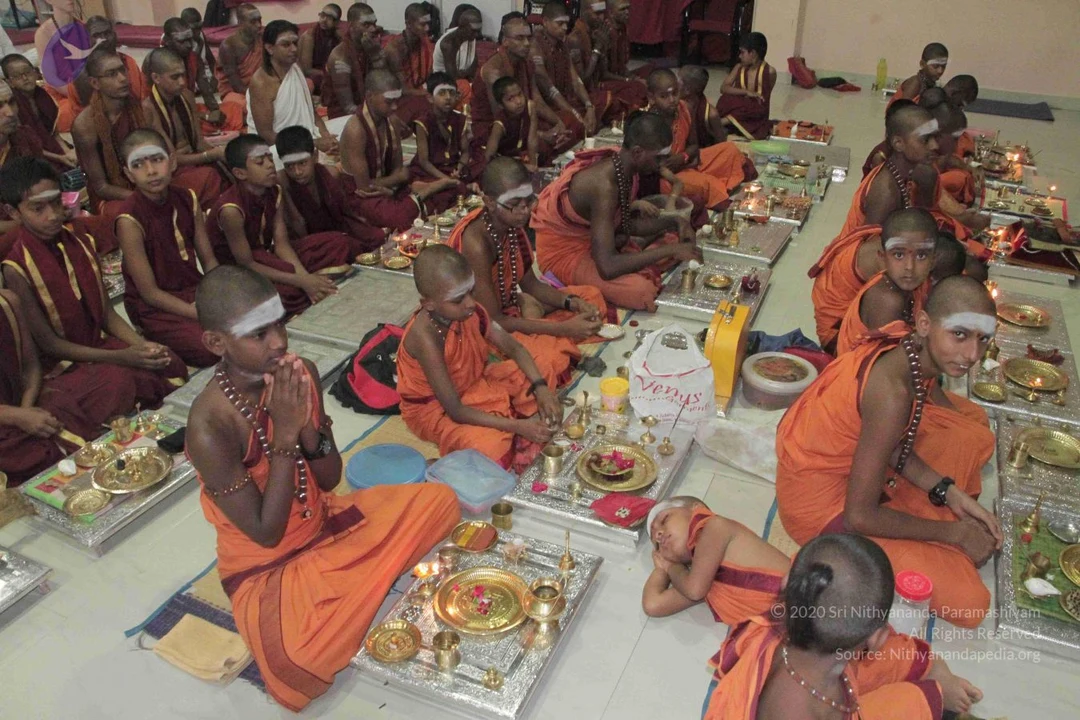
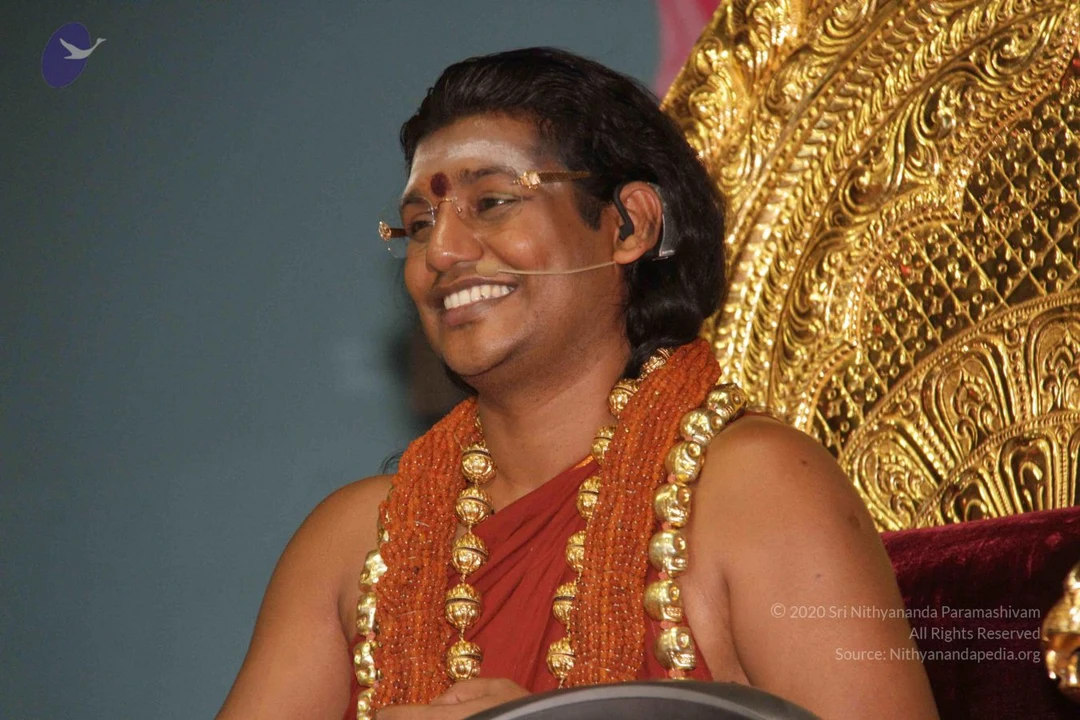
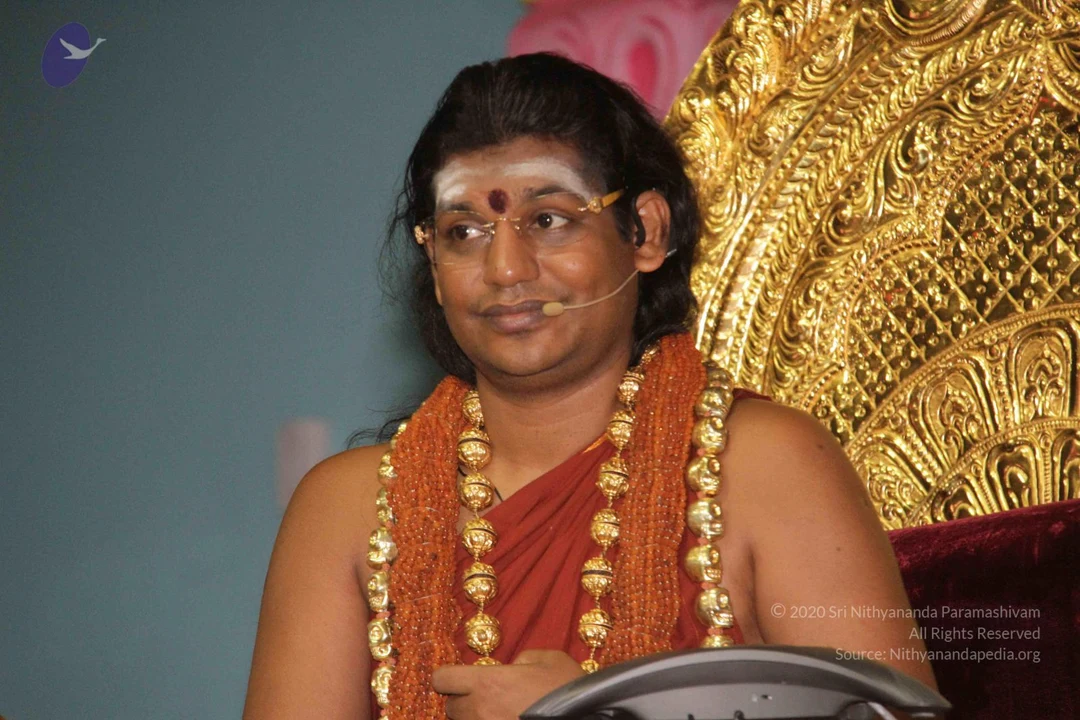
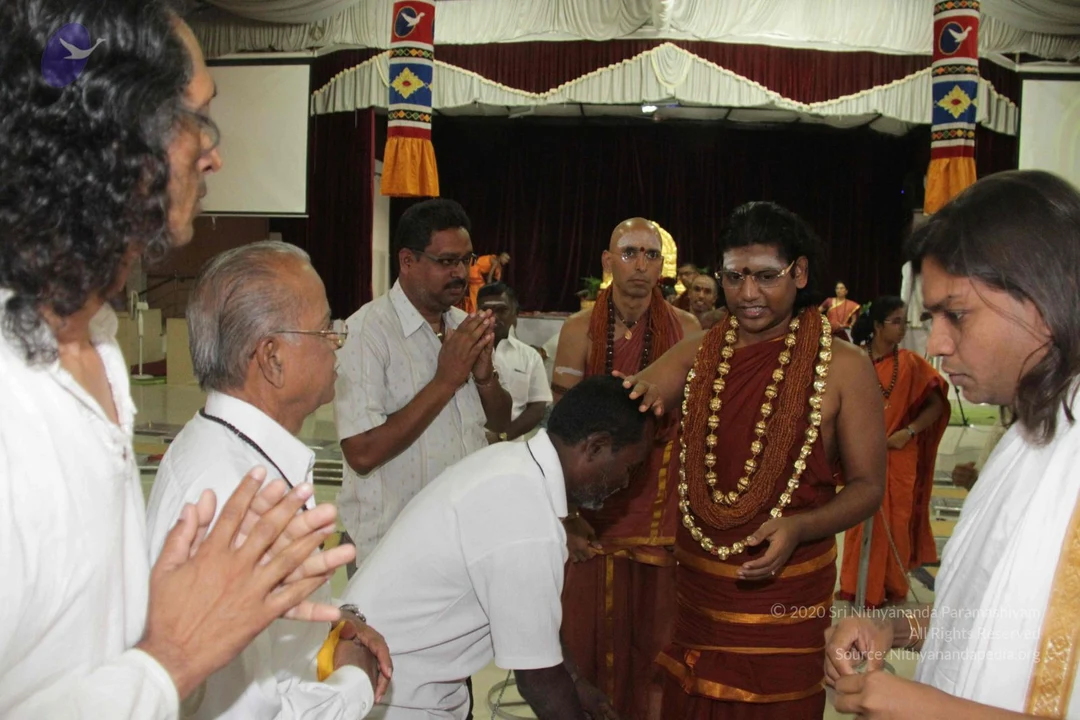
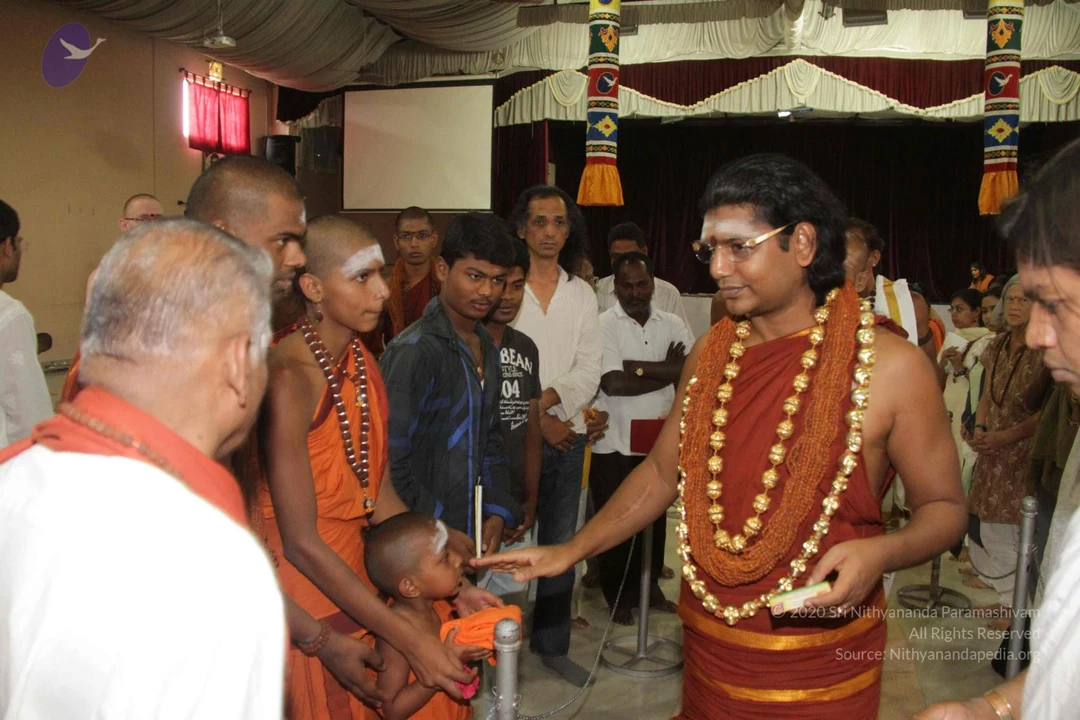
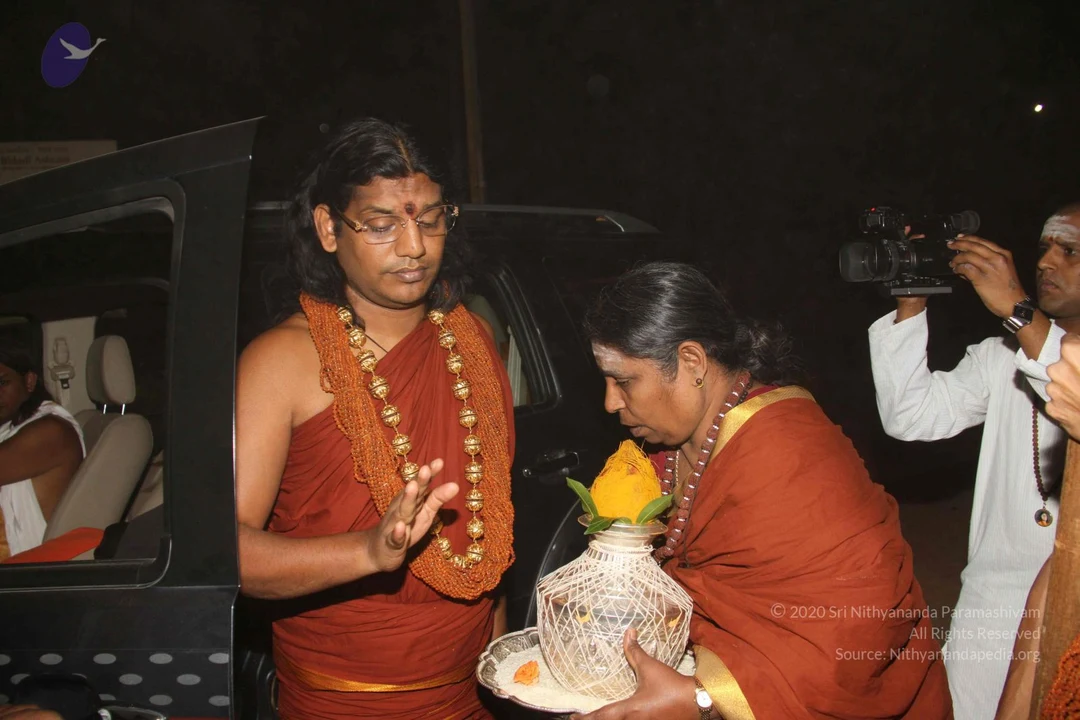
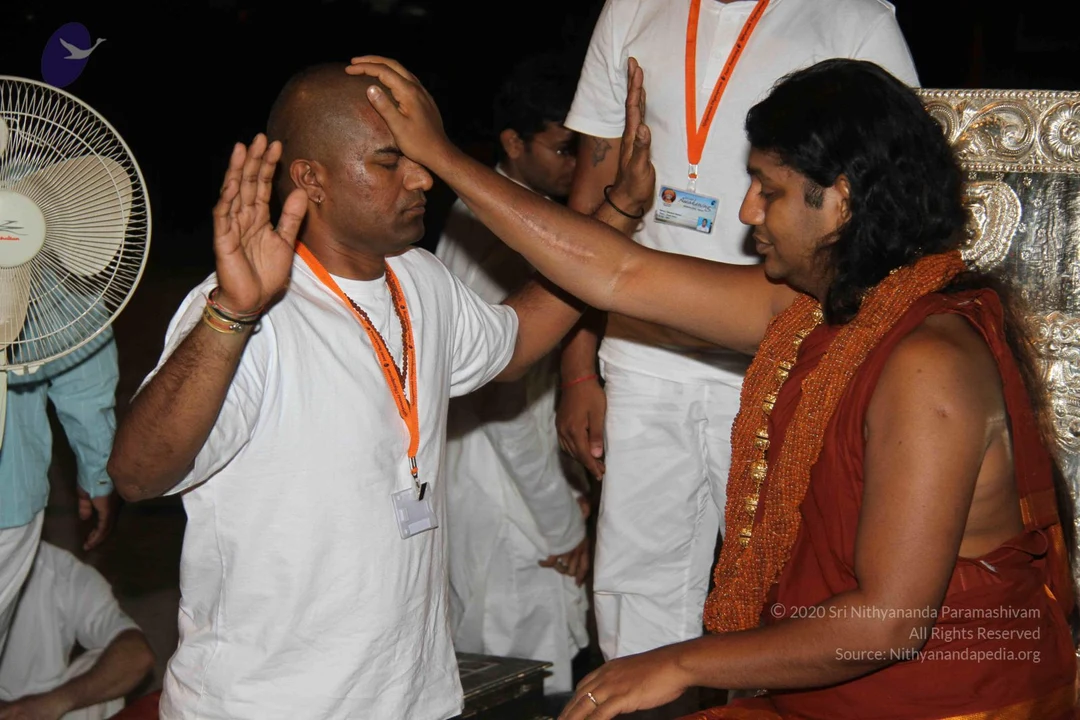
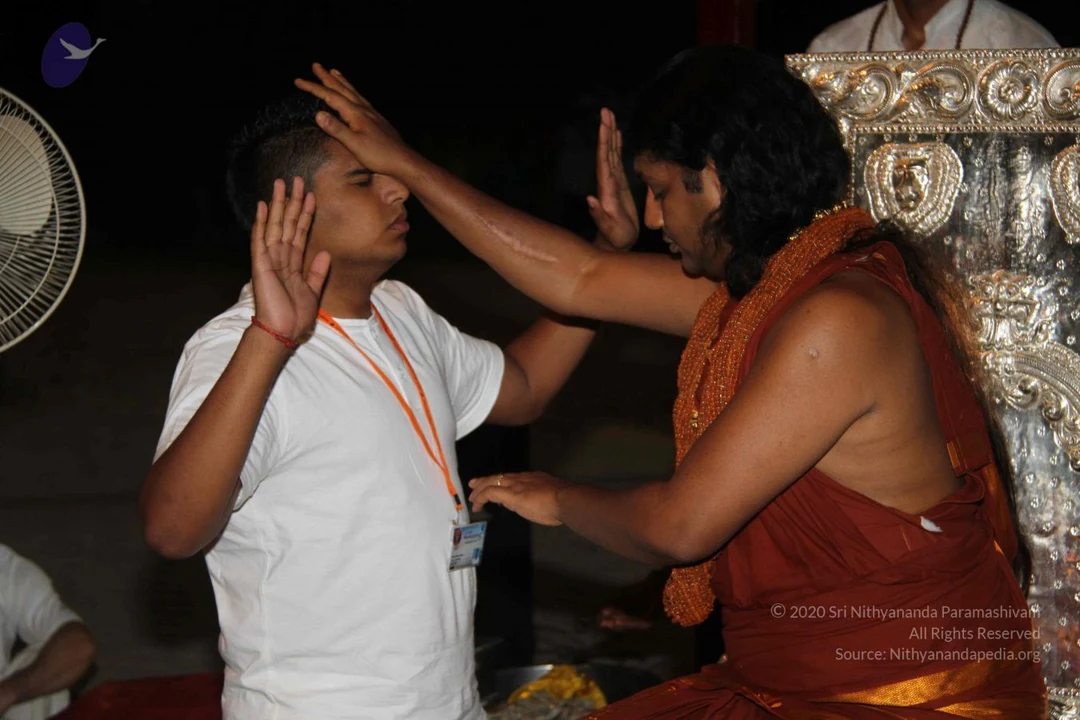
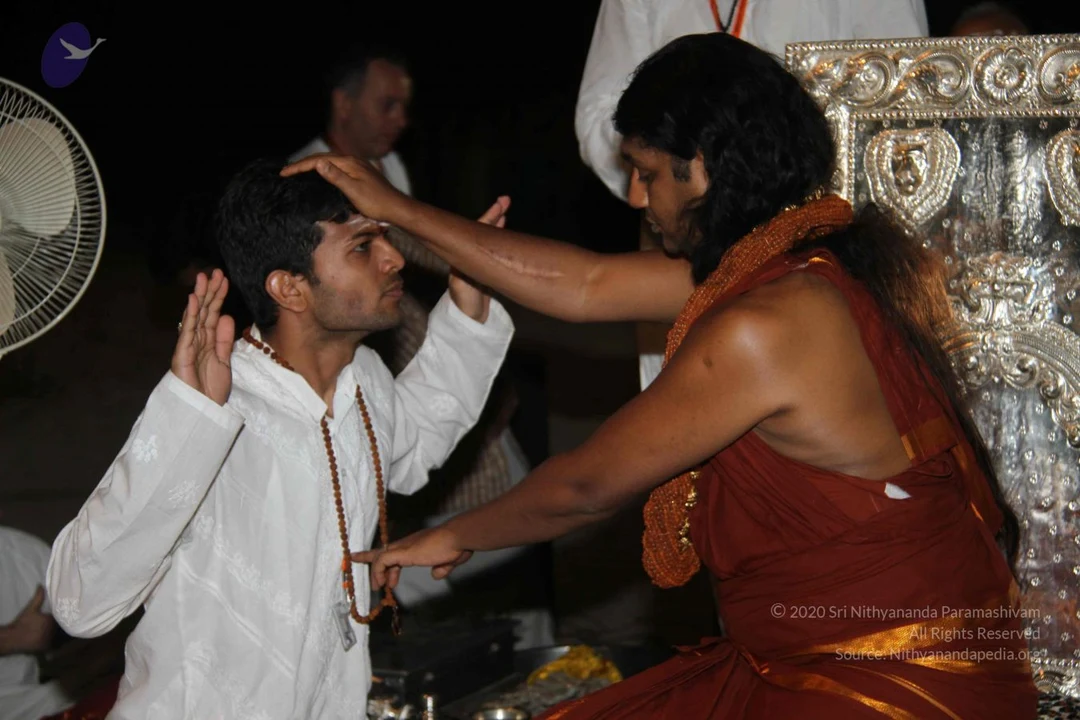
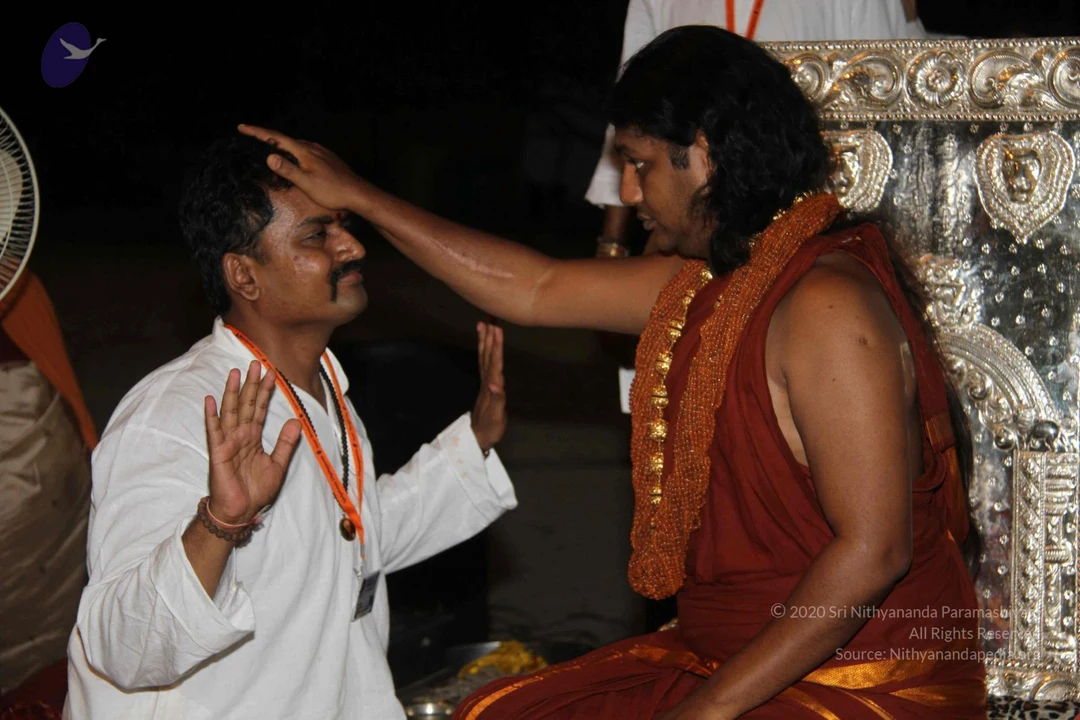
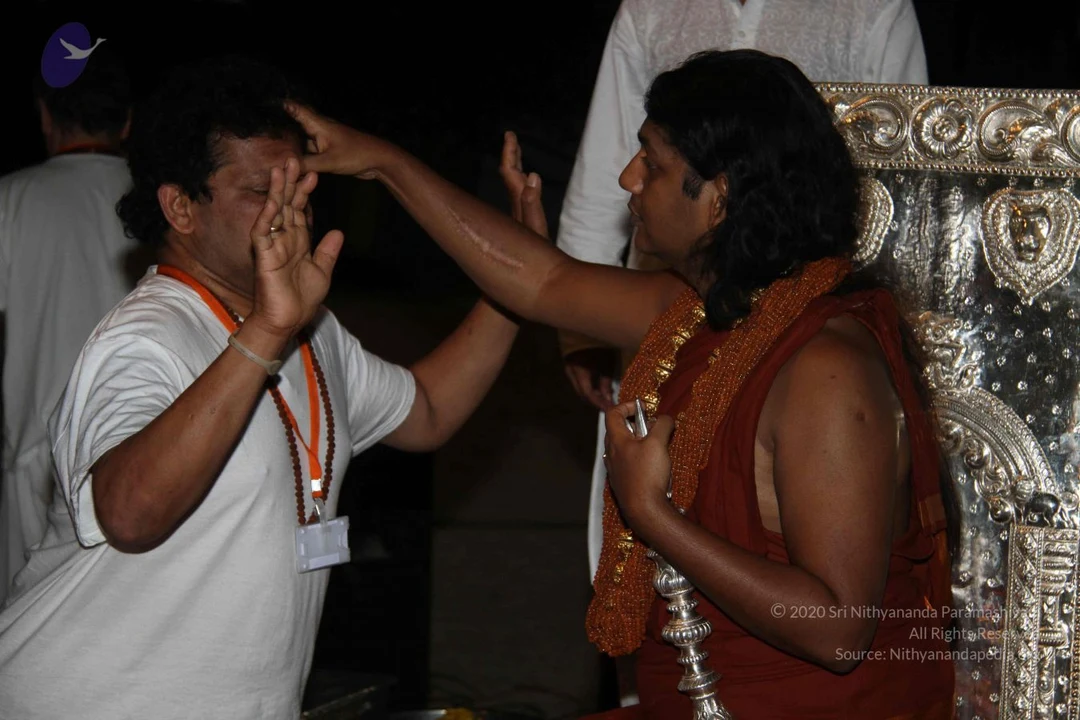
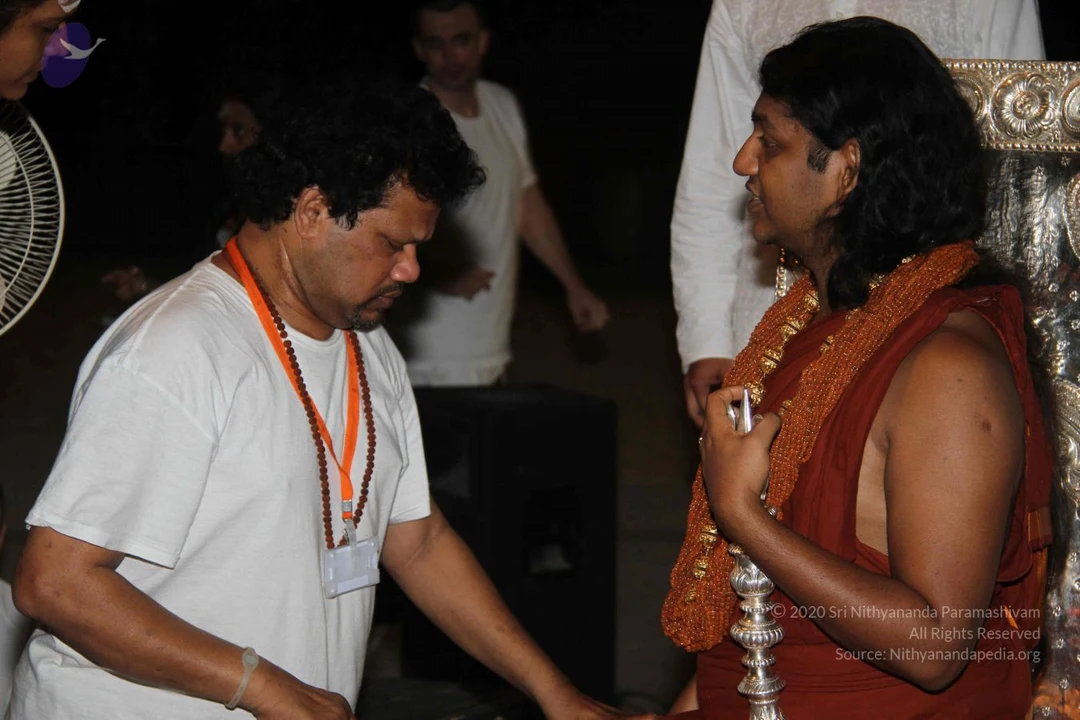
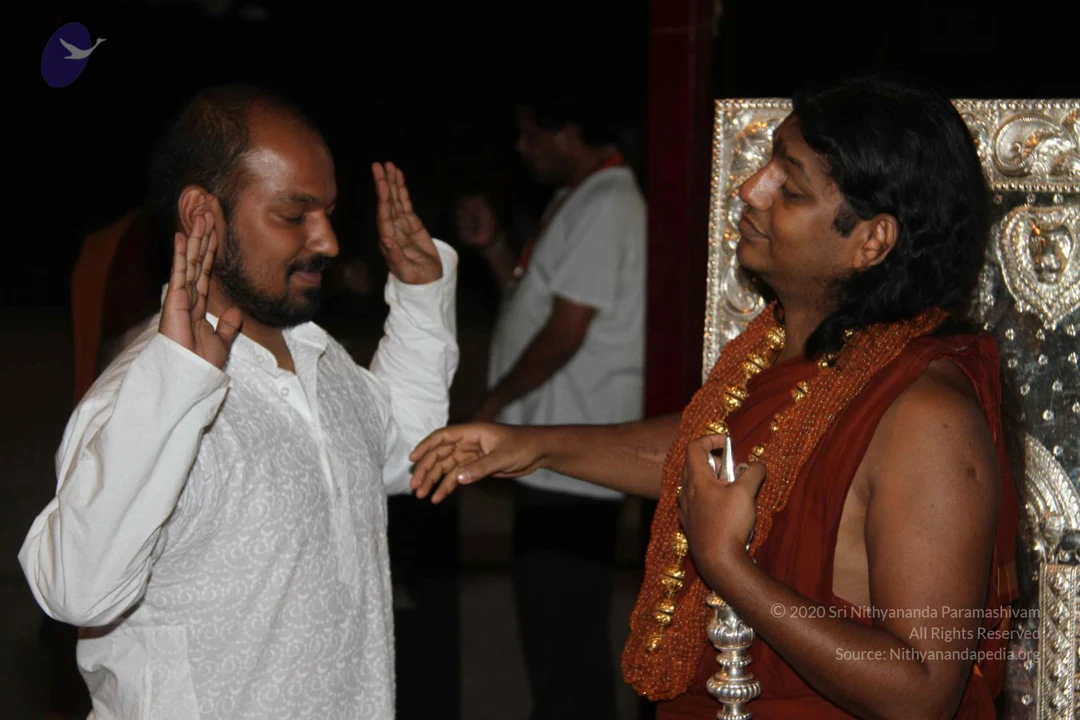
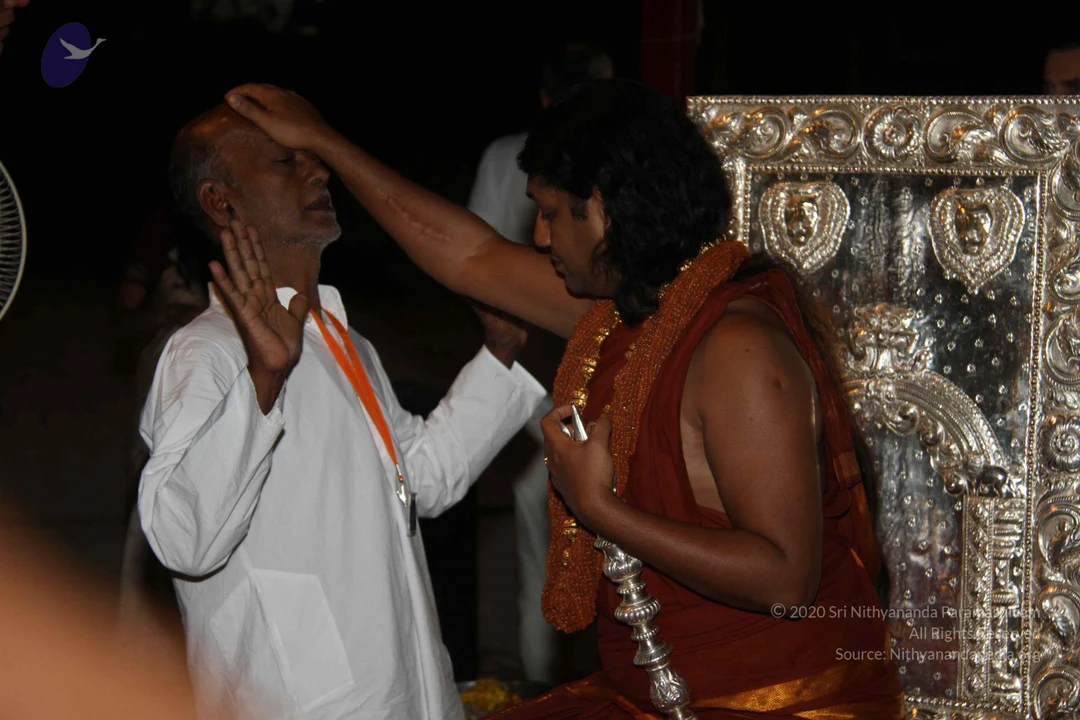
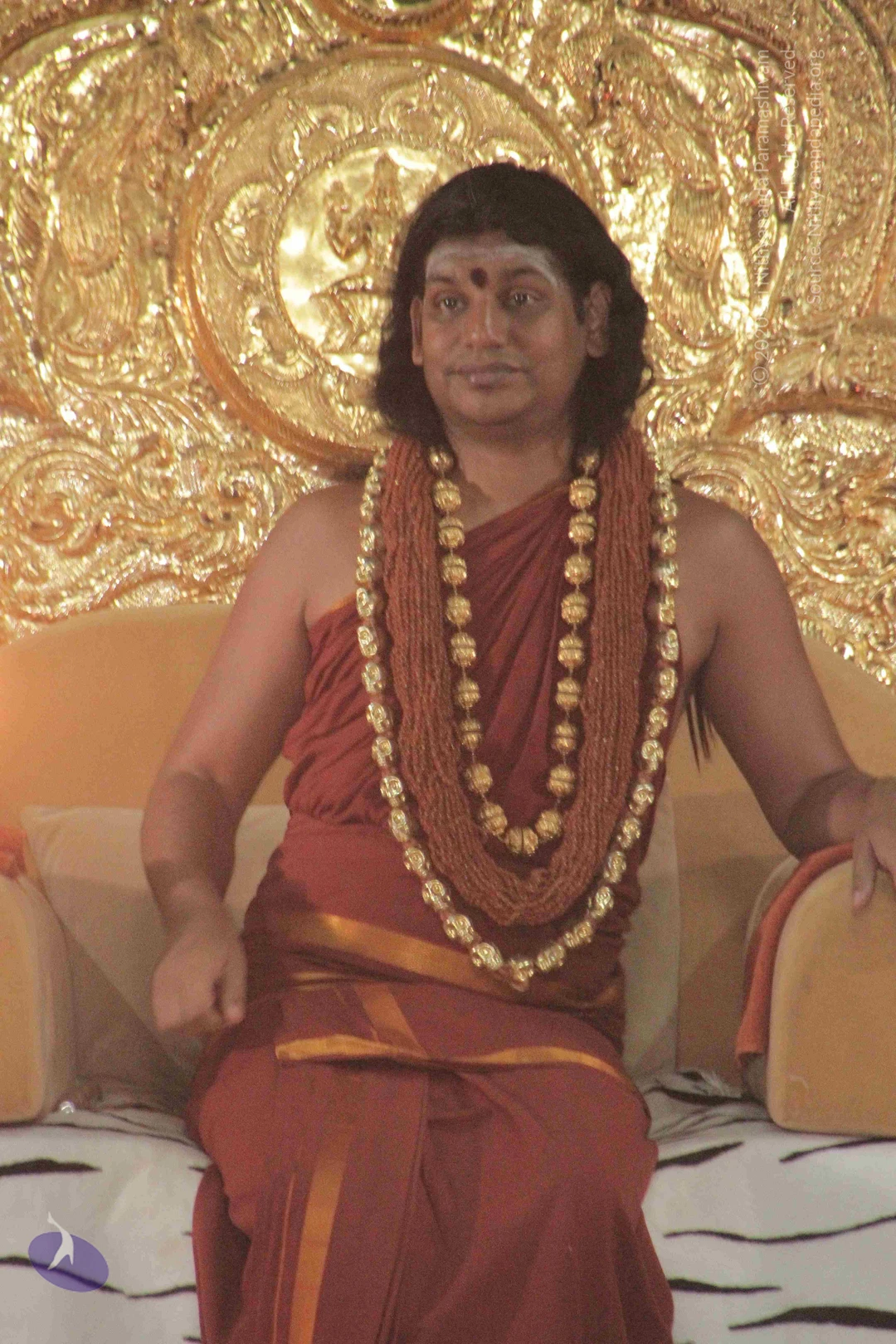
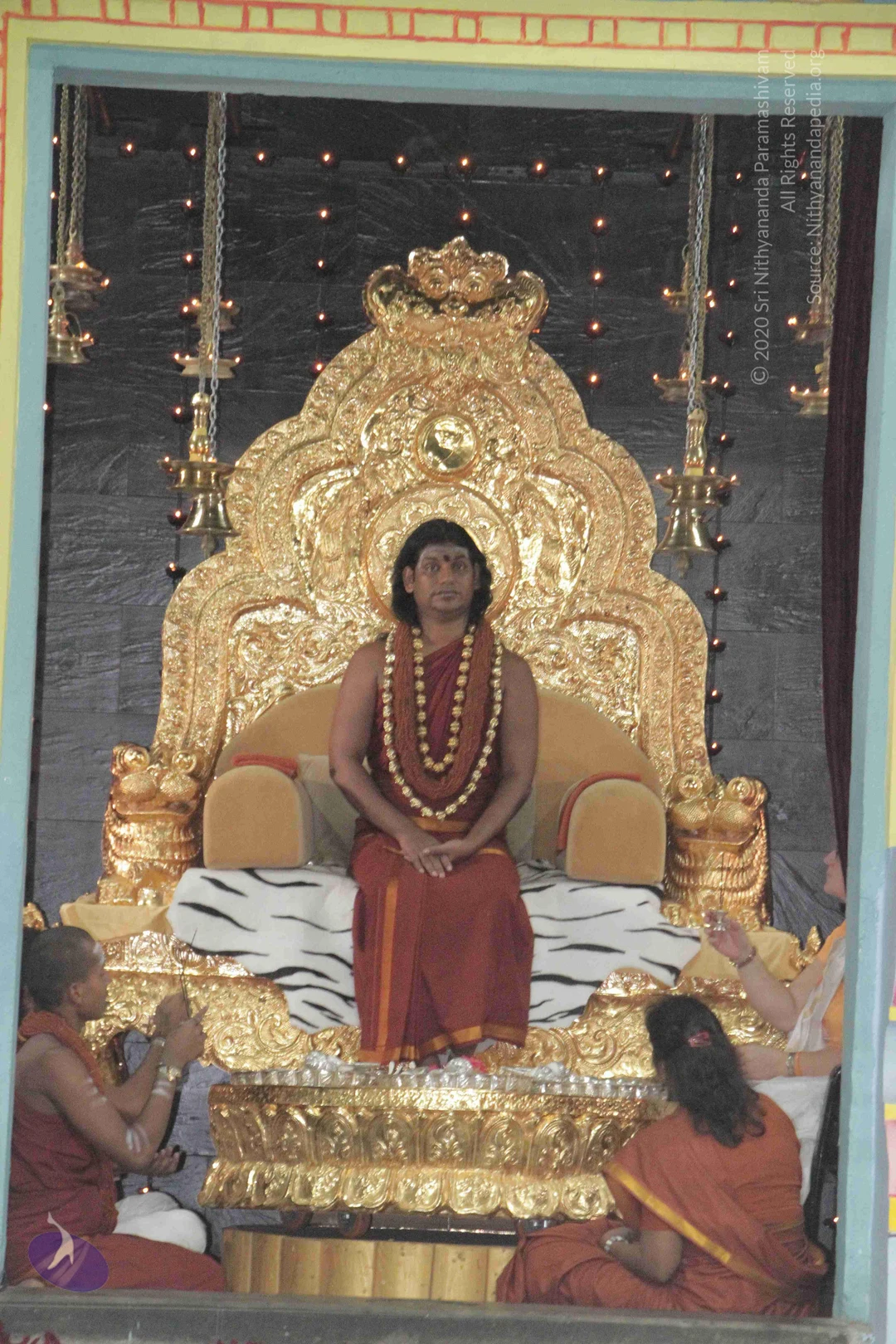
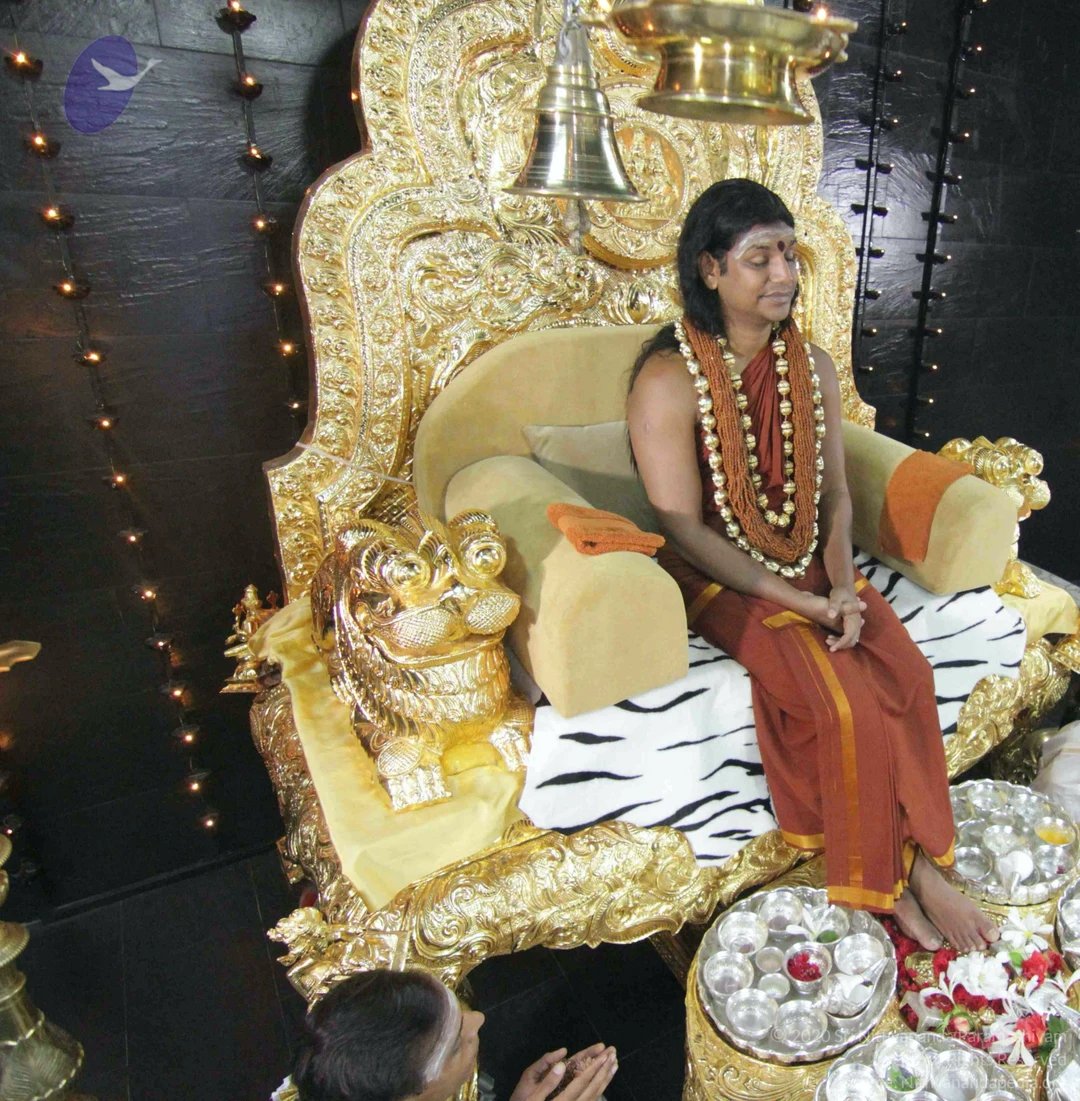
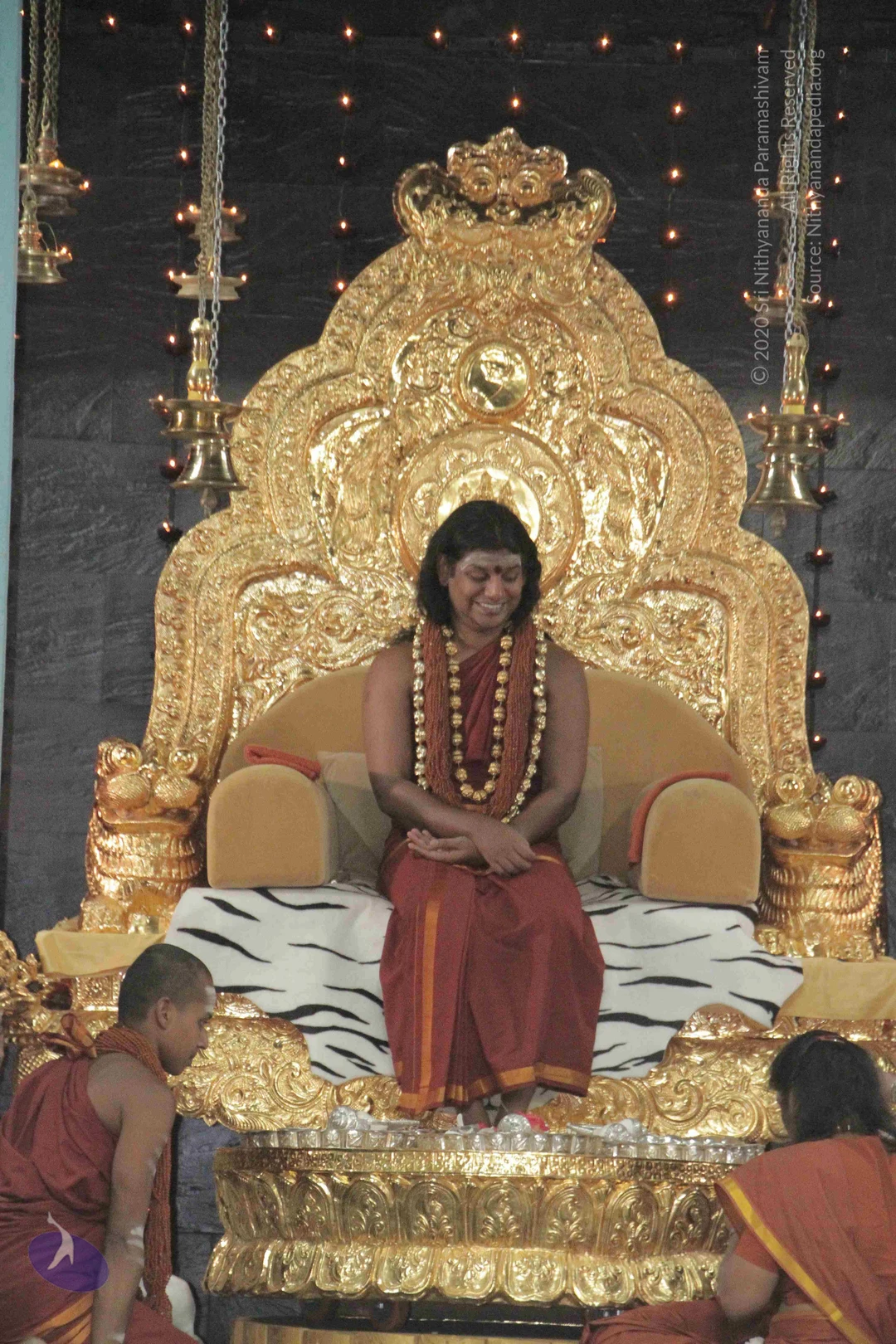
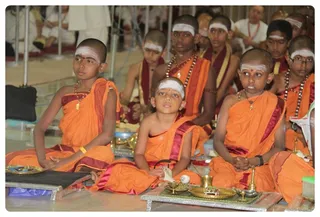
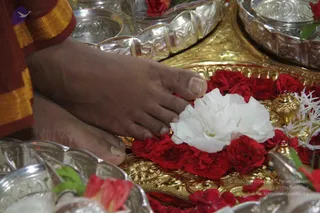
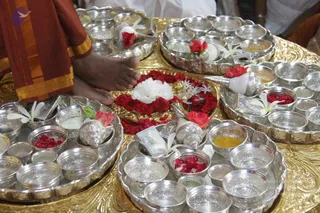
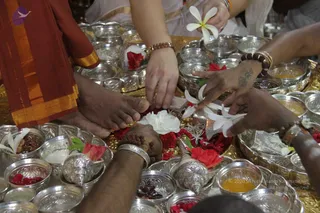
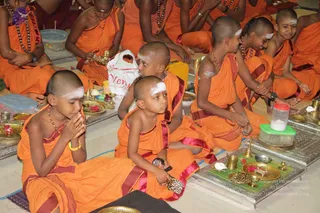
Morning Paada Puja
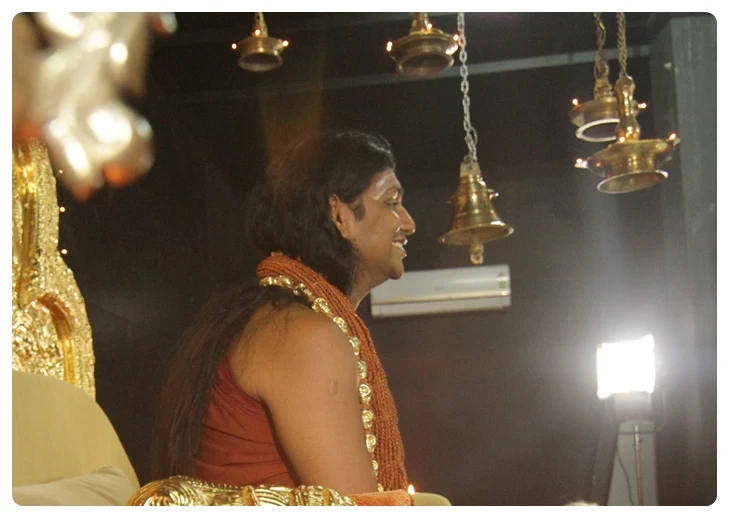
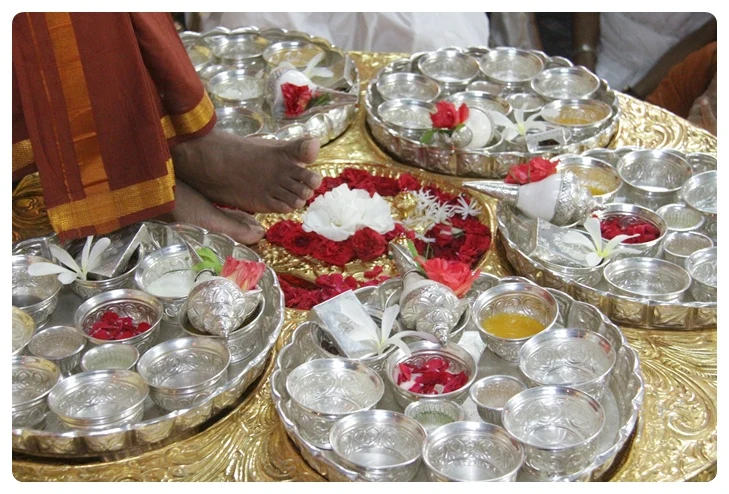
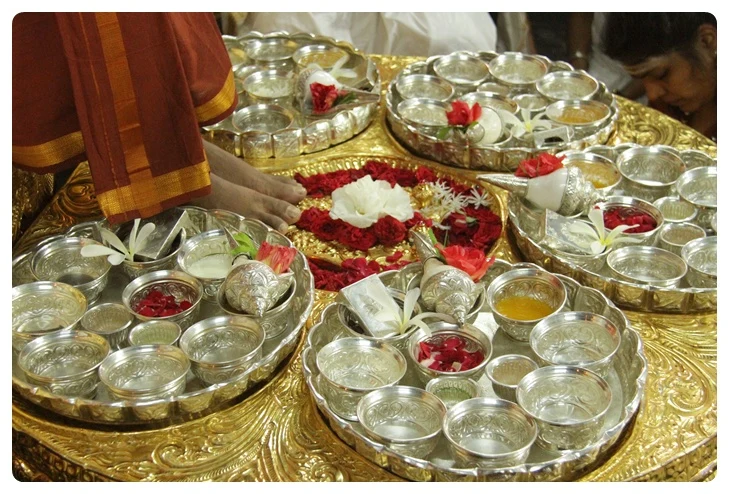
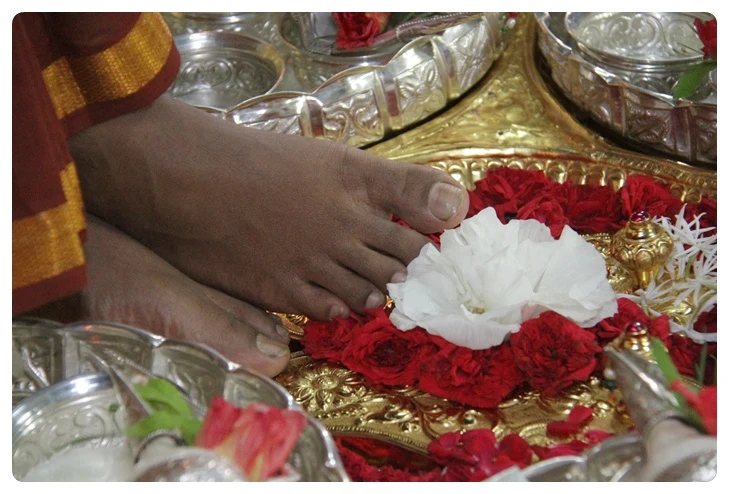
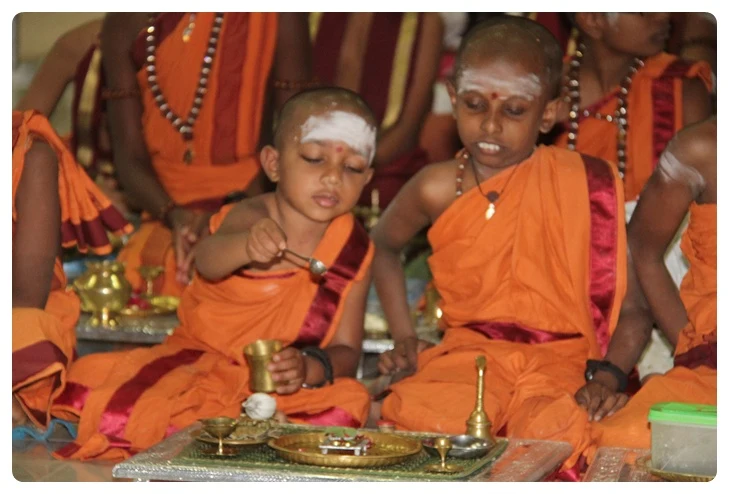
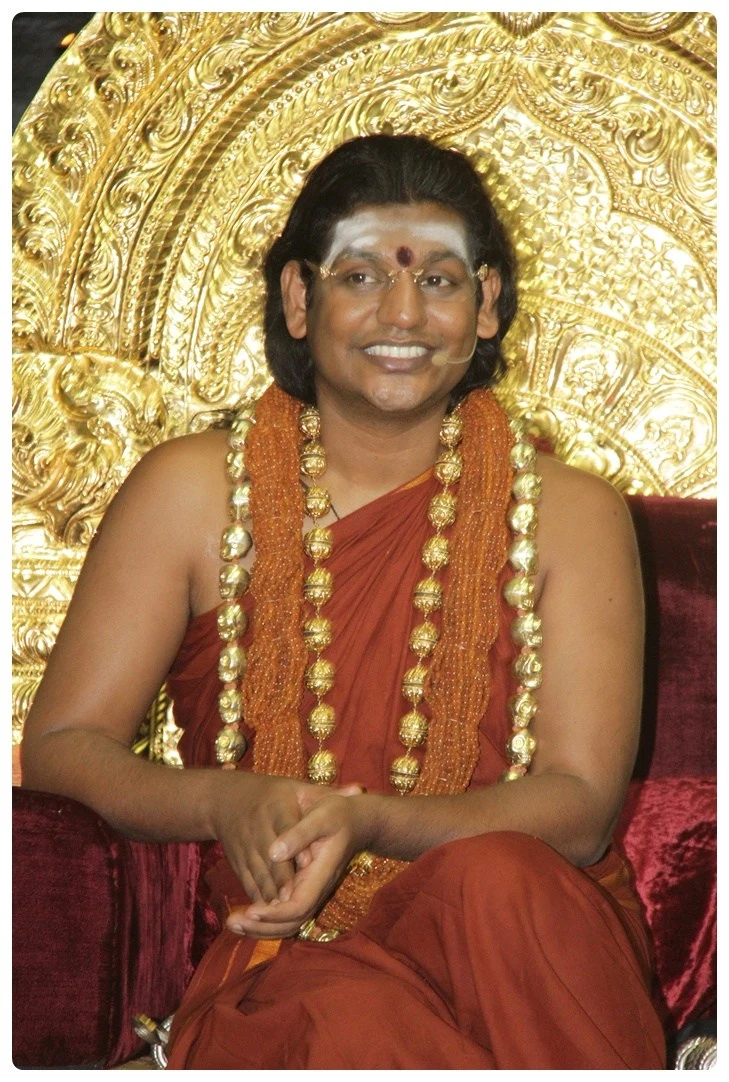
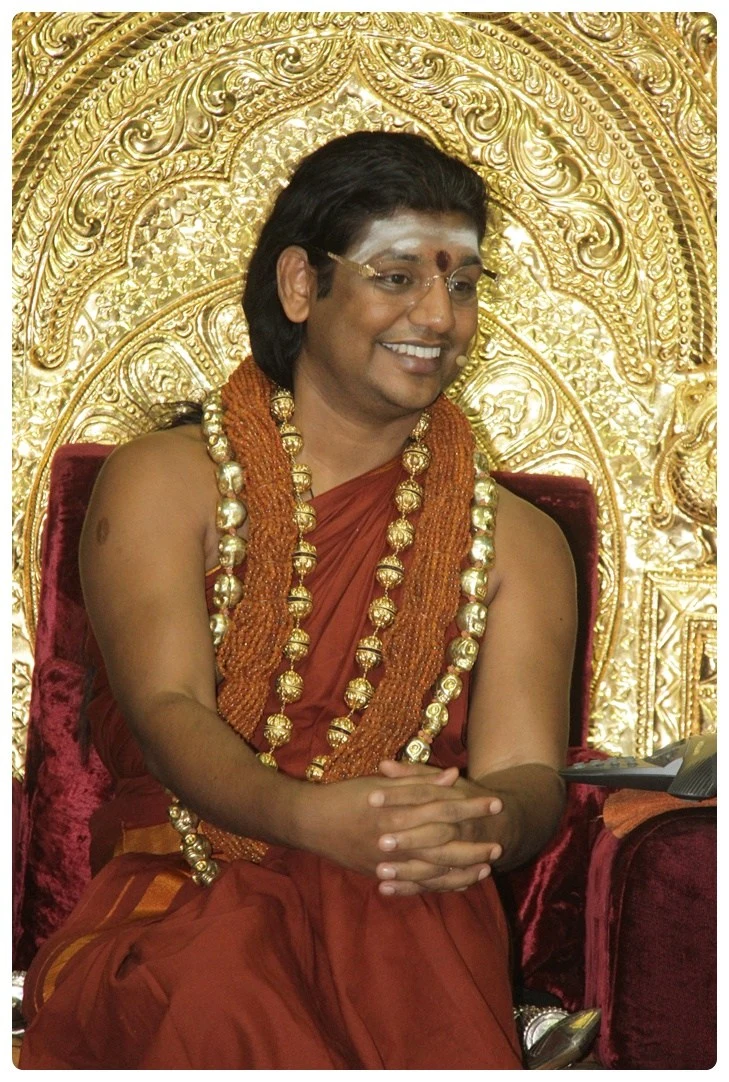
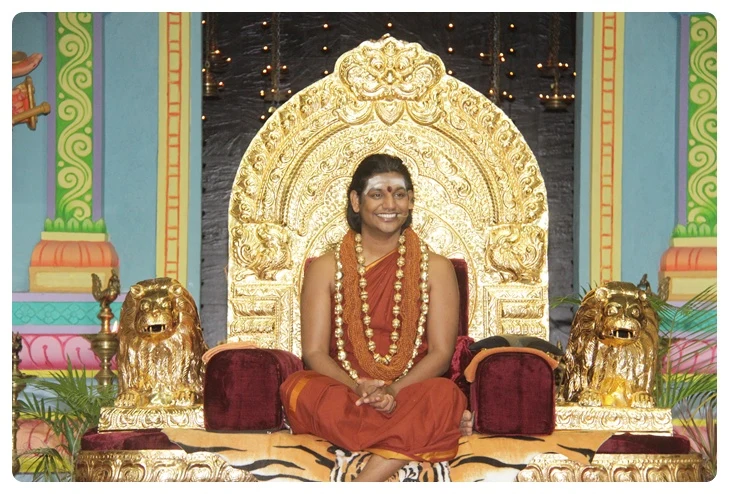
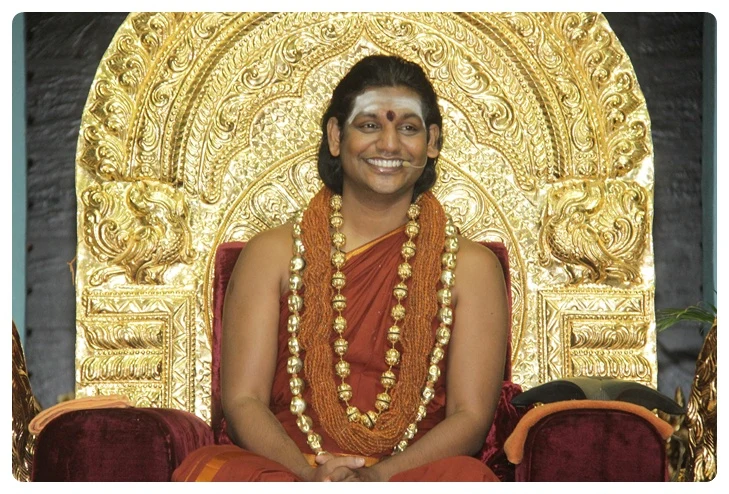
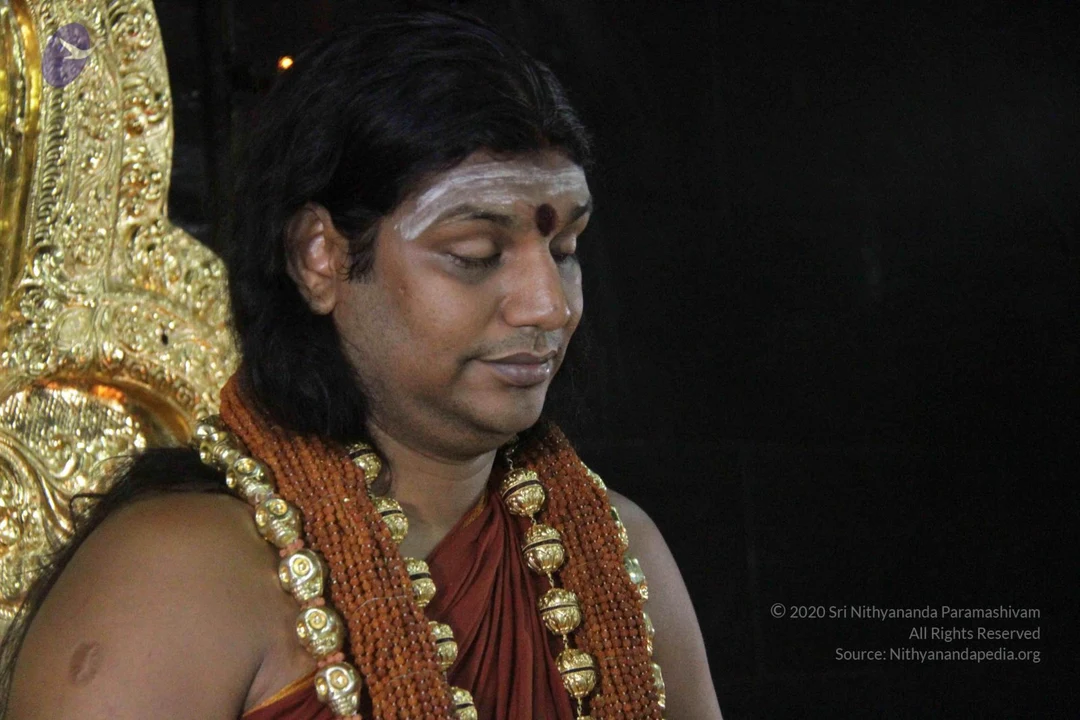
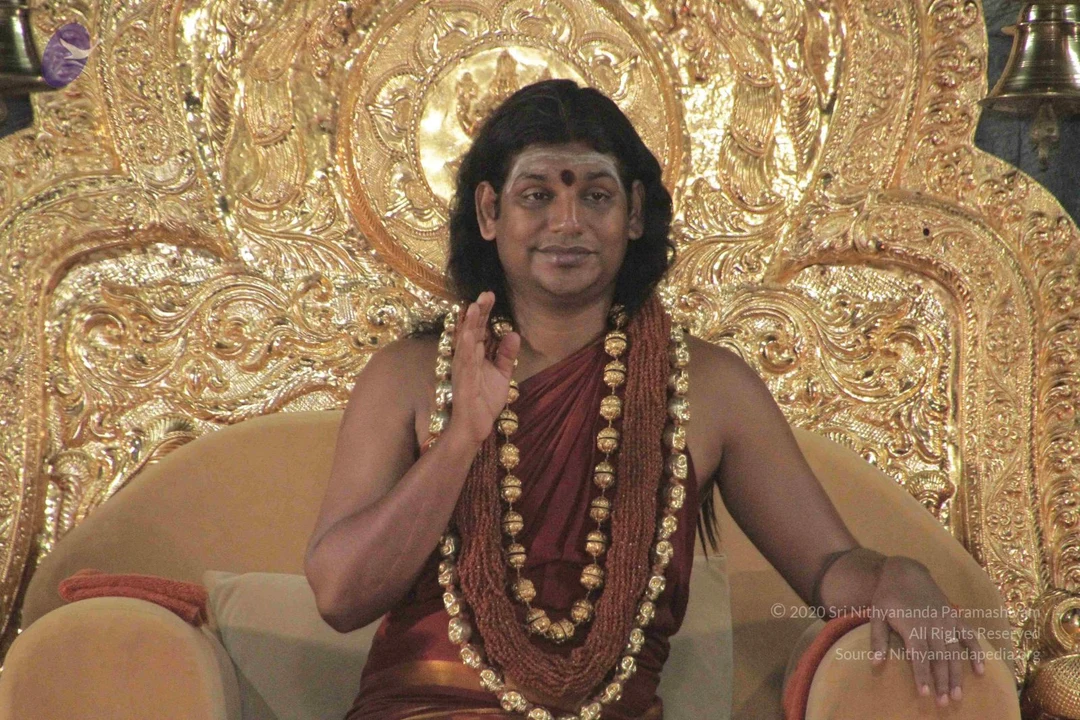
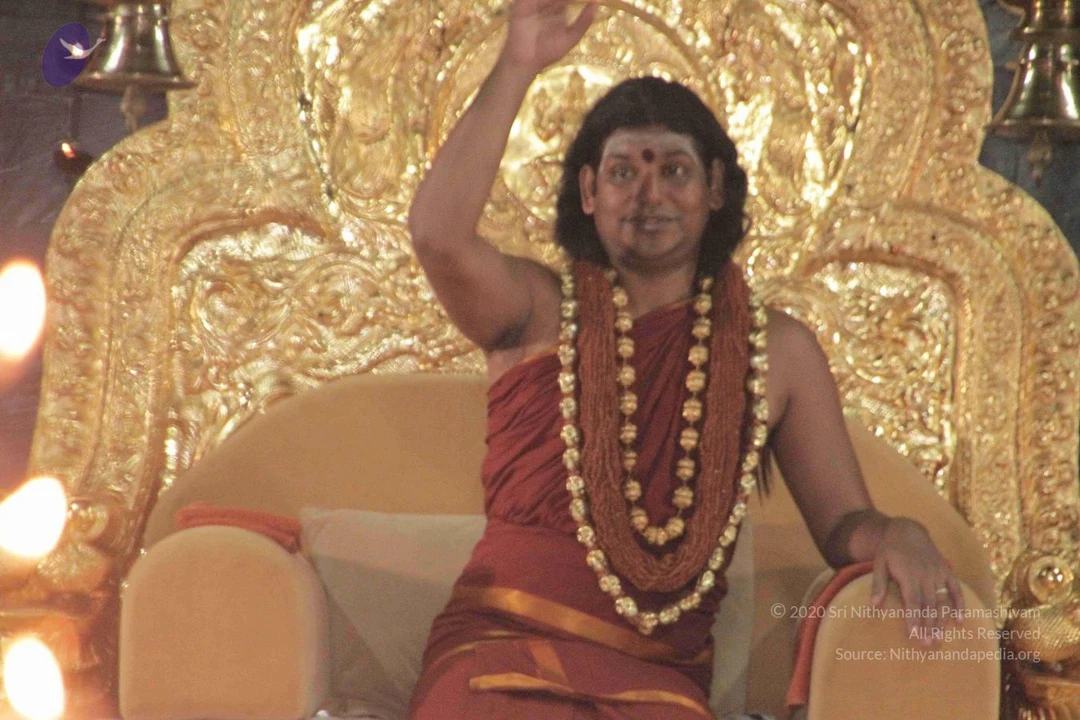
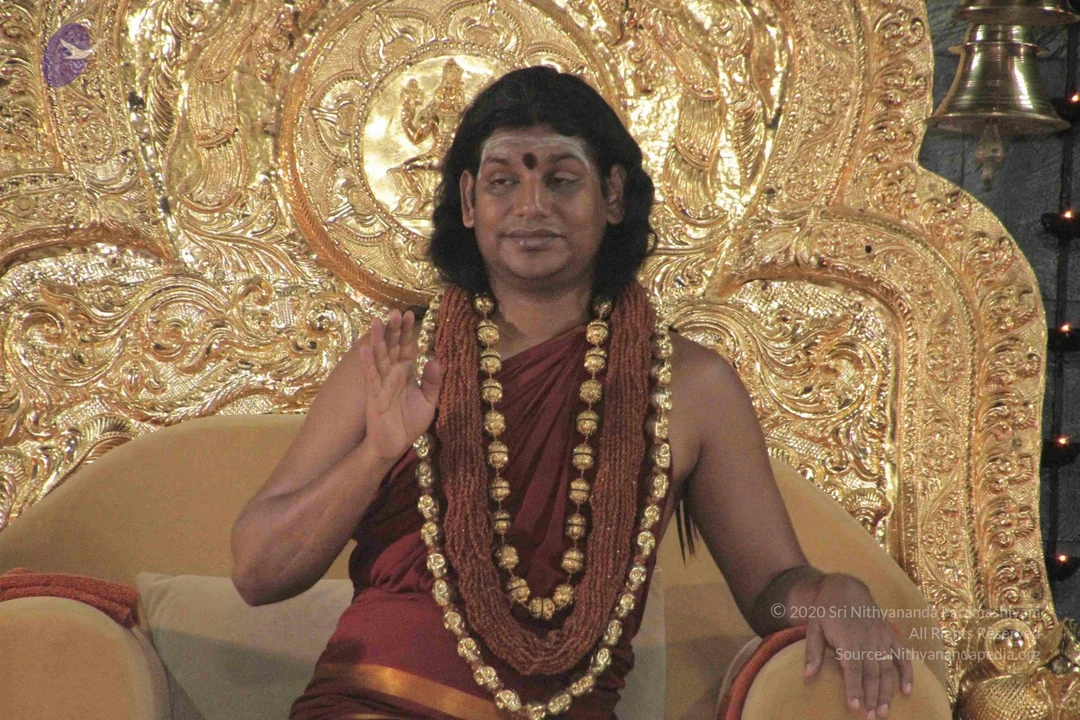
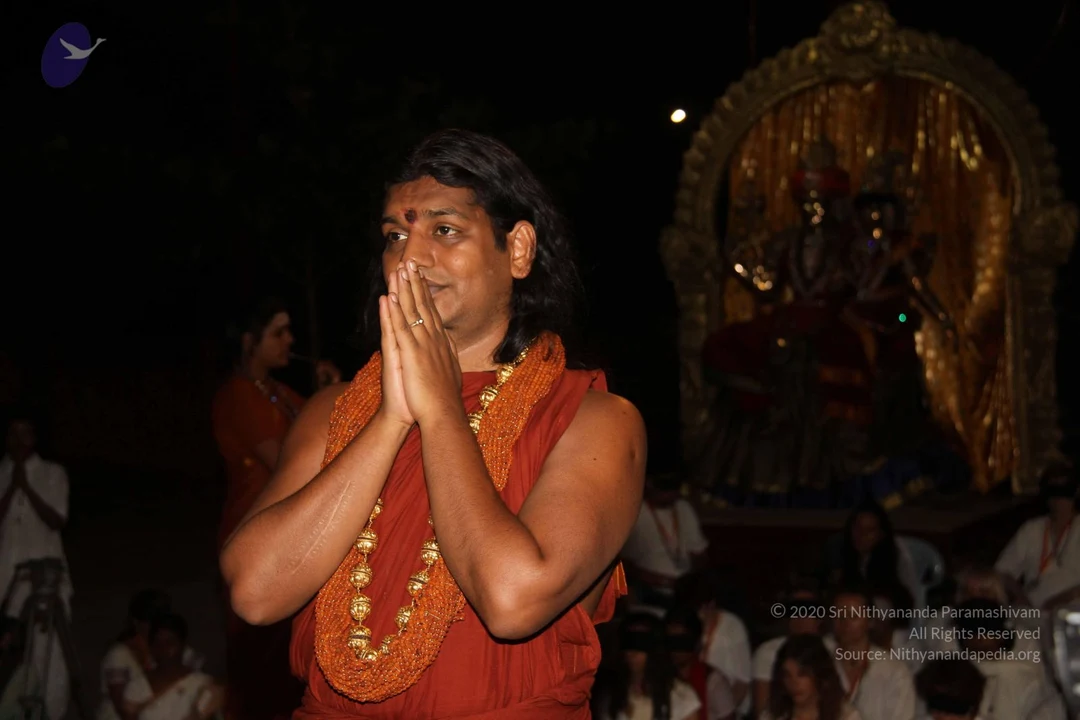
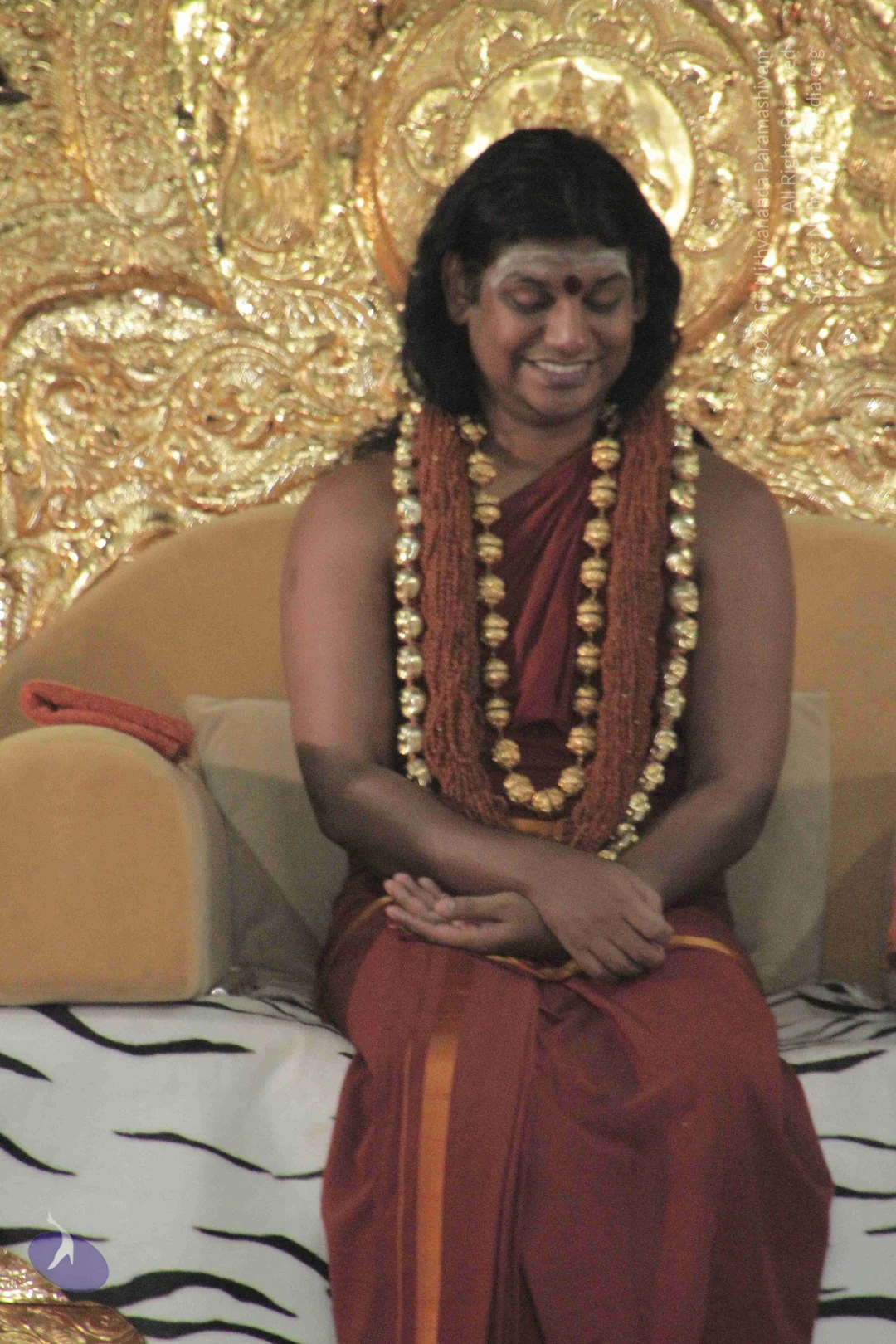
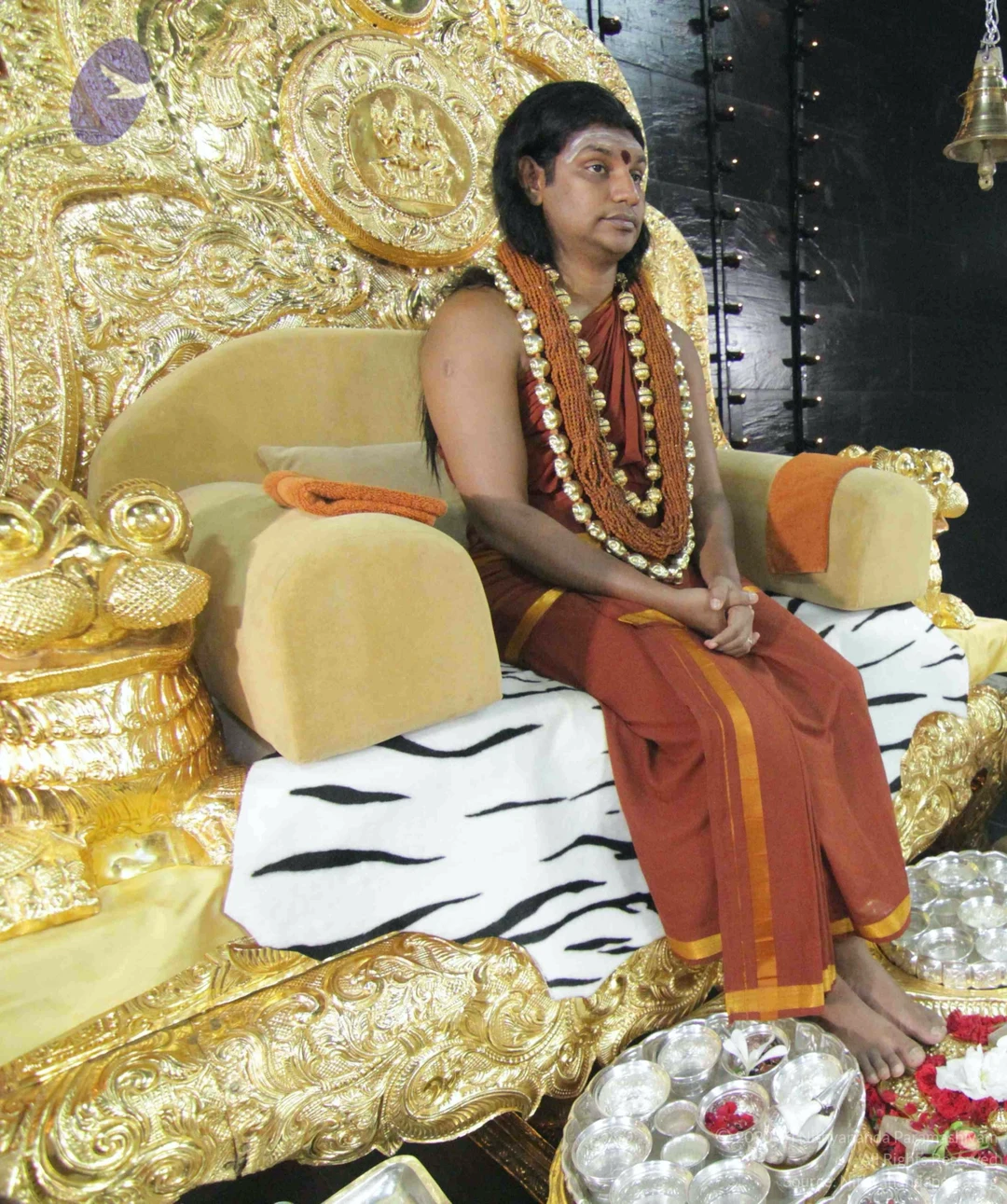
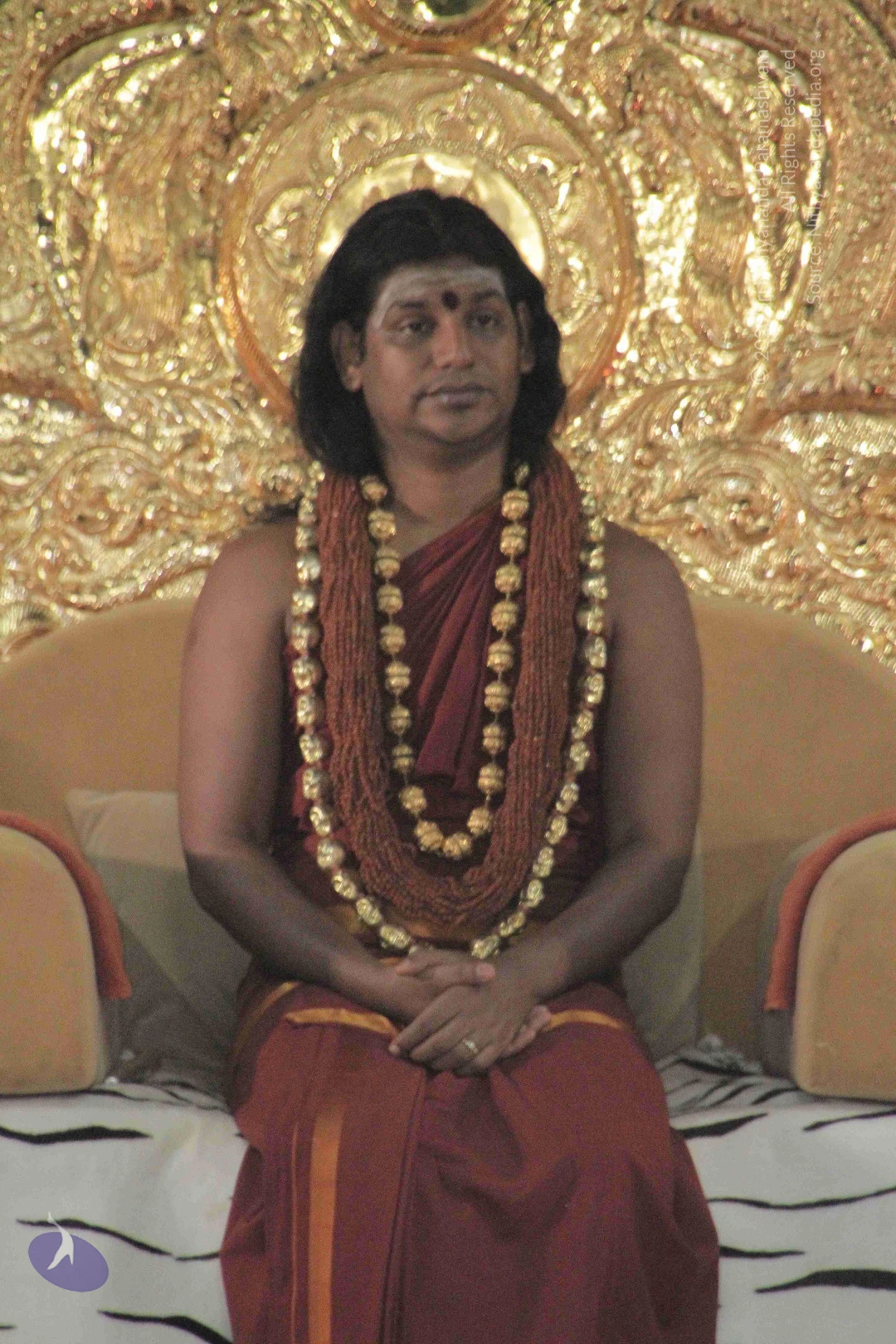
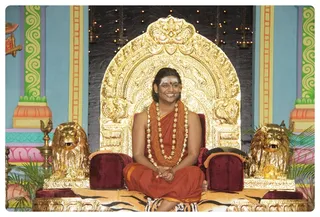
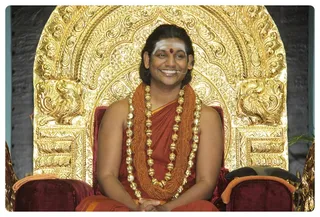
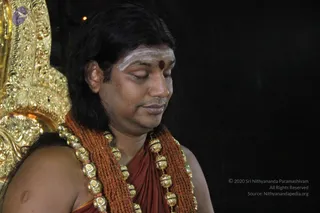
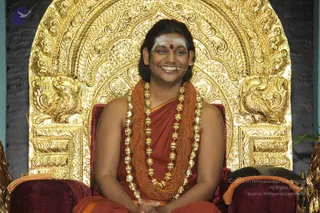
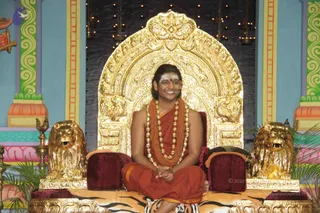
Morning Satsang
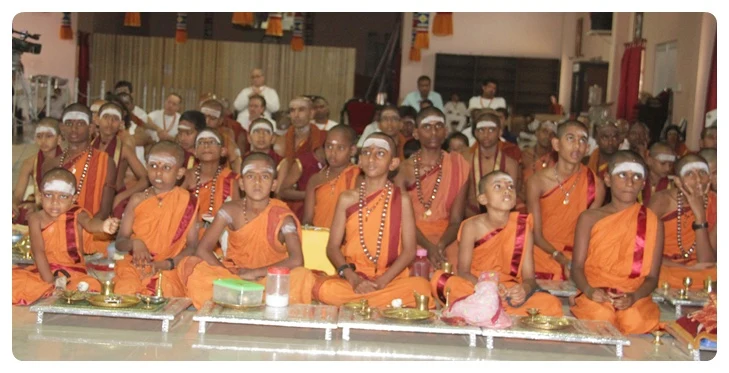
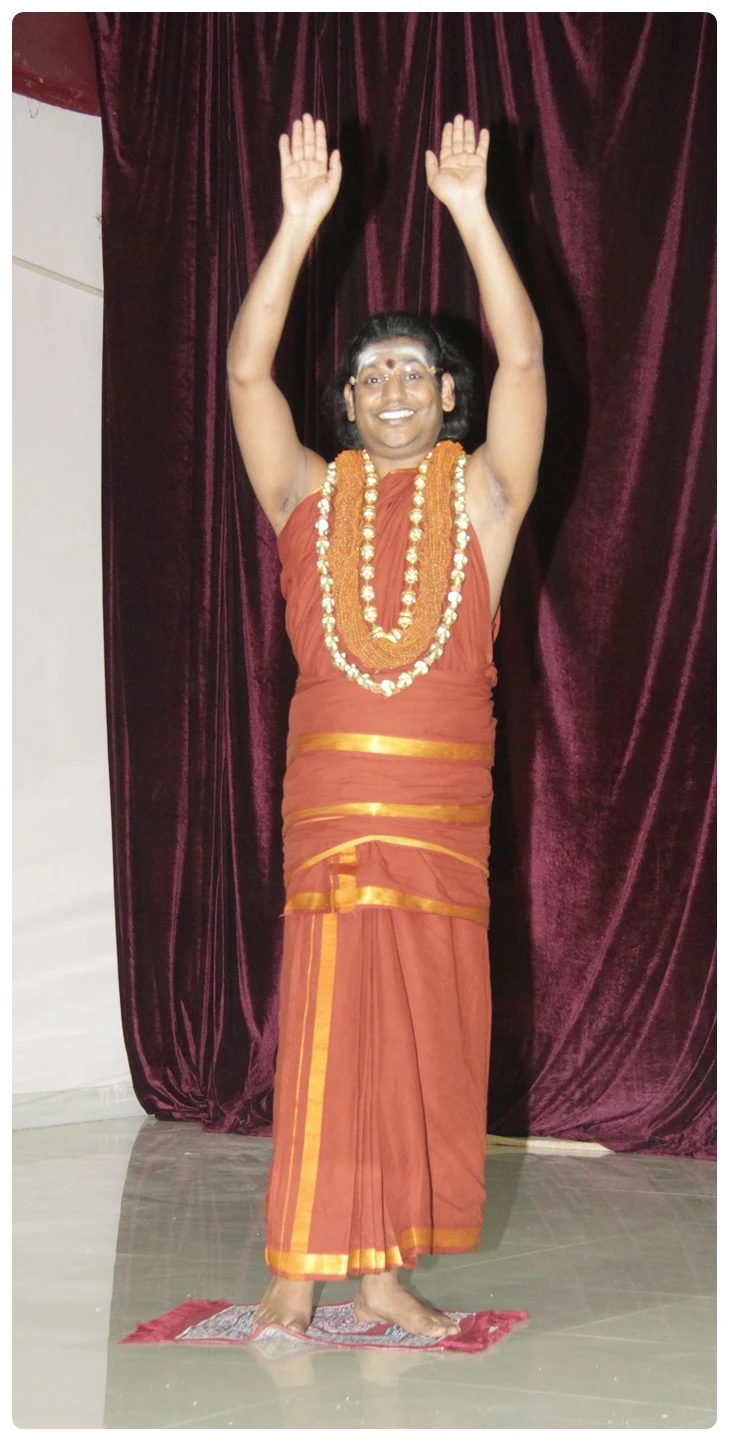
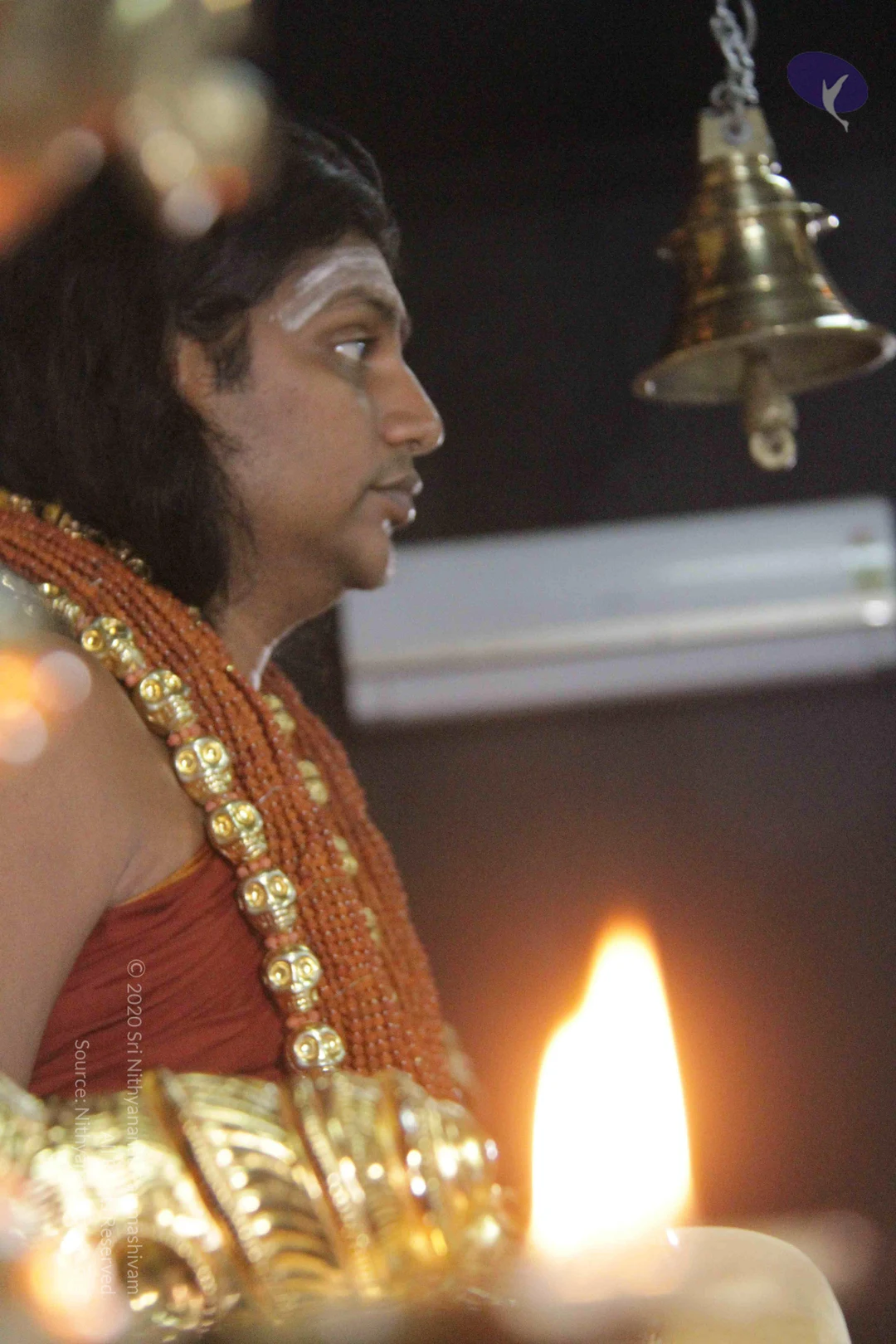
Blessings
Tags:
Paramahamsa Nithyananda, integrity, relationship, human, personality, spontaneous, healing, old, discover, relate.
Photos Of The Day:
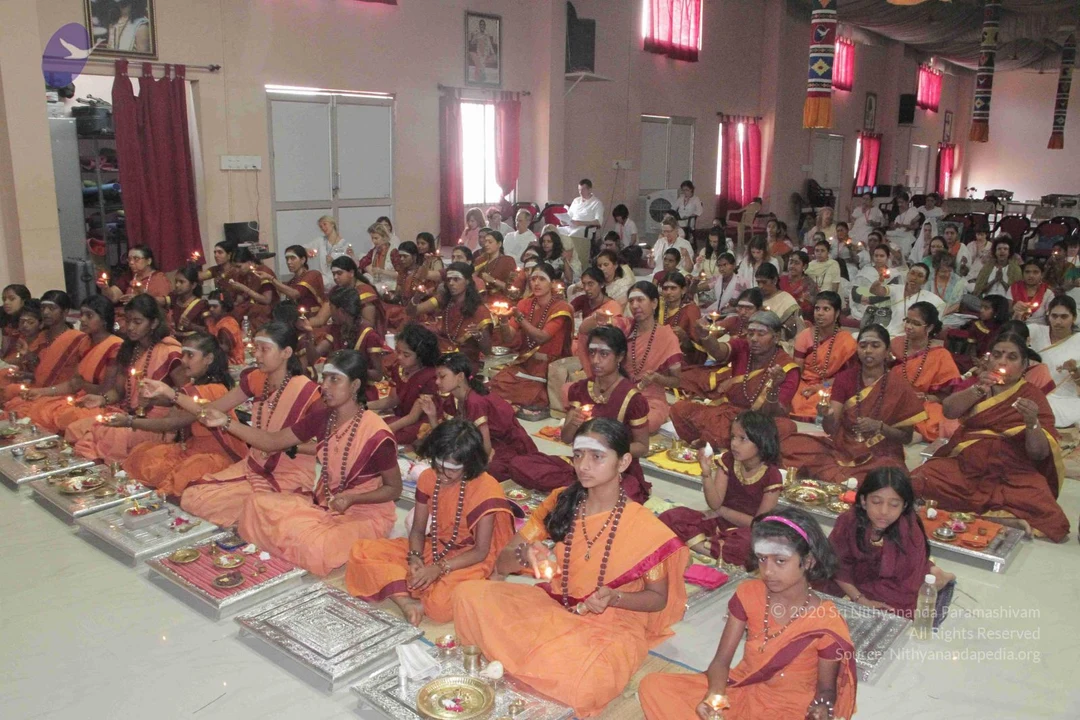
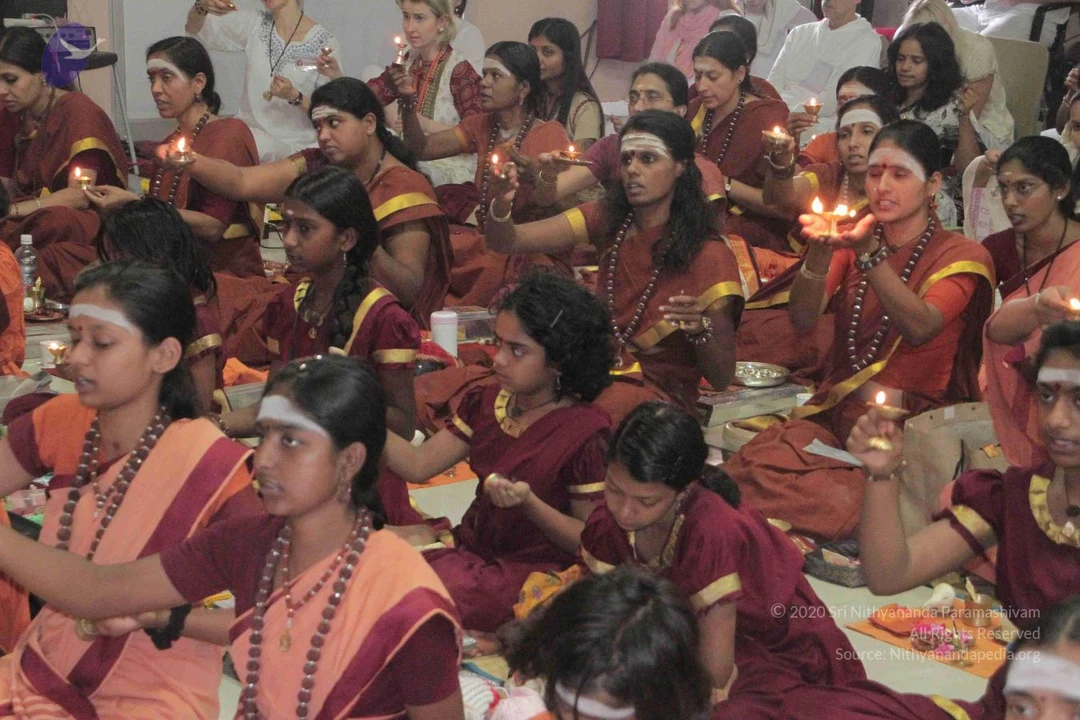
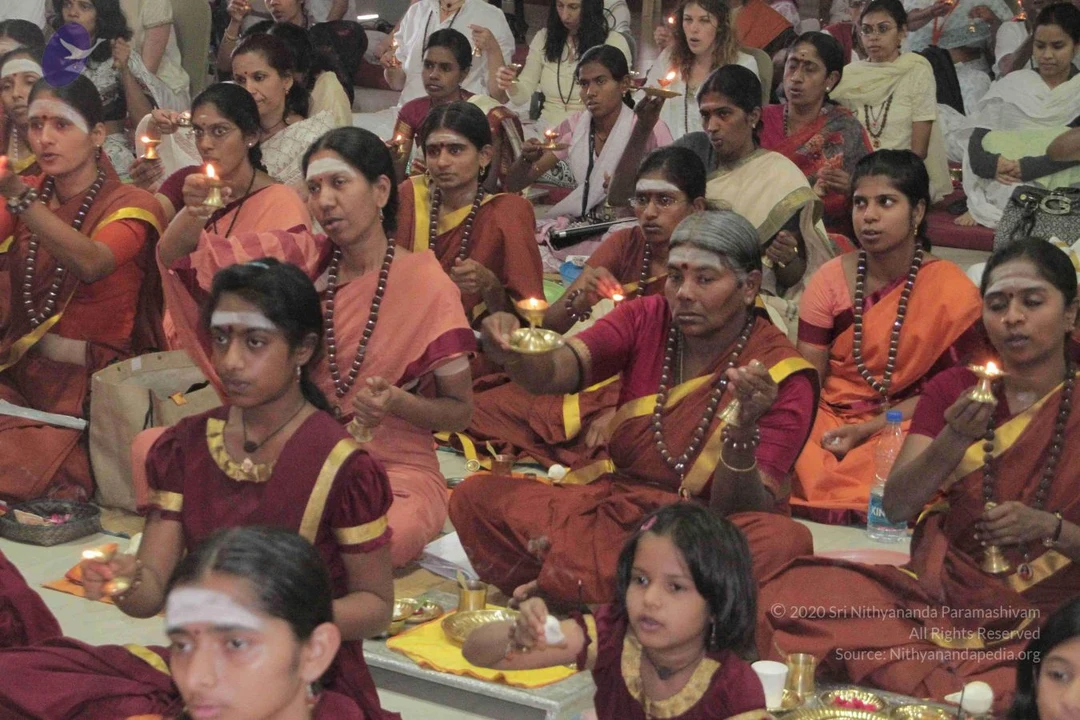
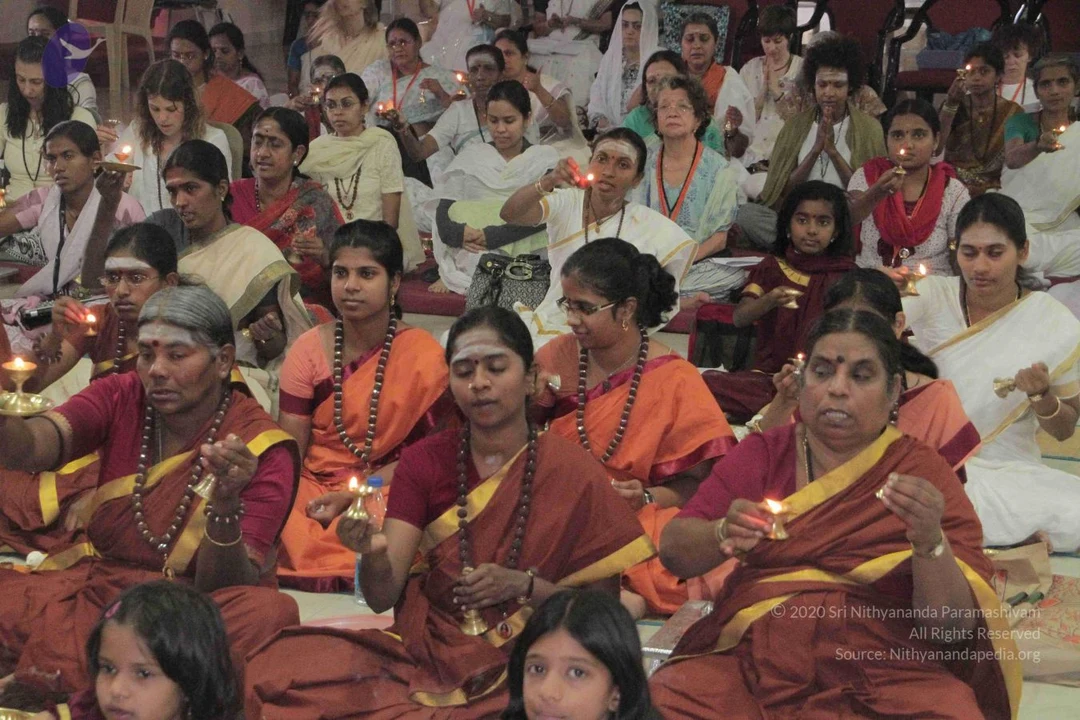
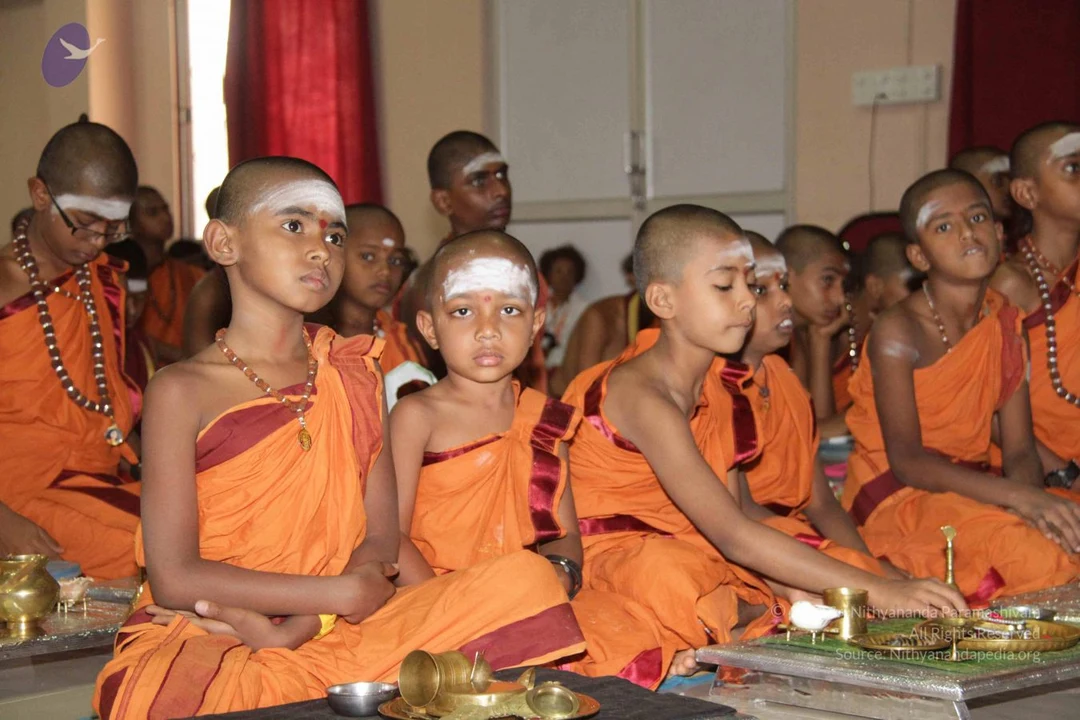
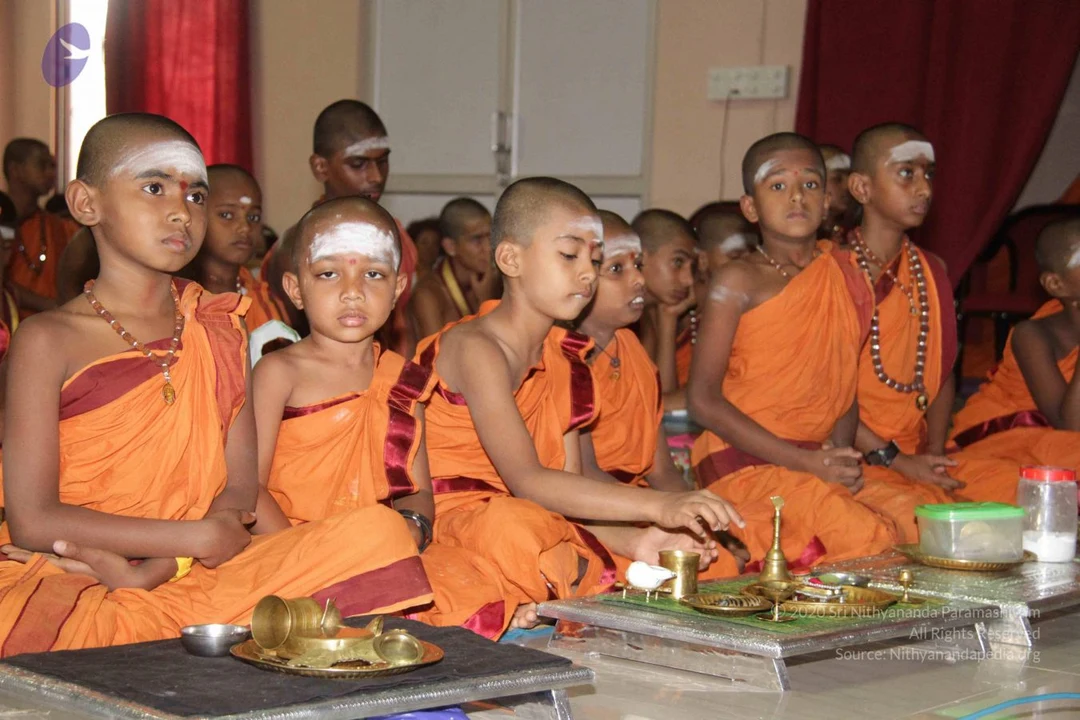
PADA-POOJA




NITHYA-SATSANG

SARVA-DARSHAN
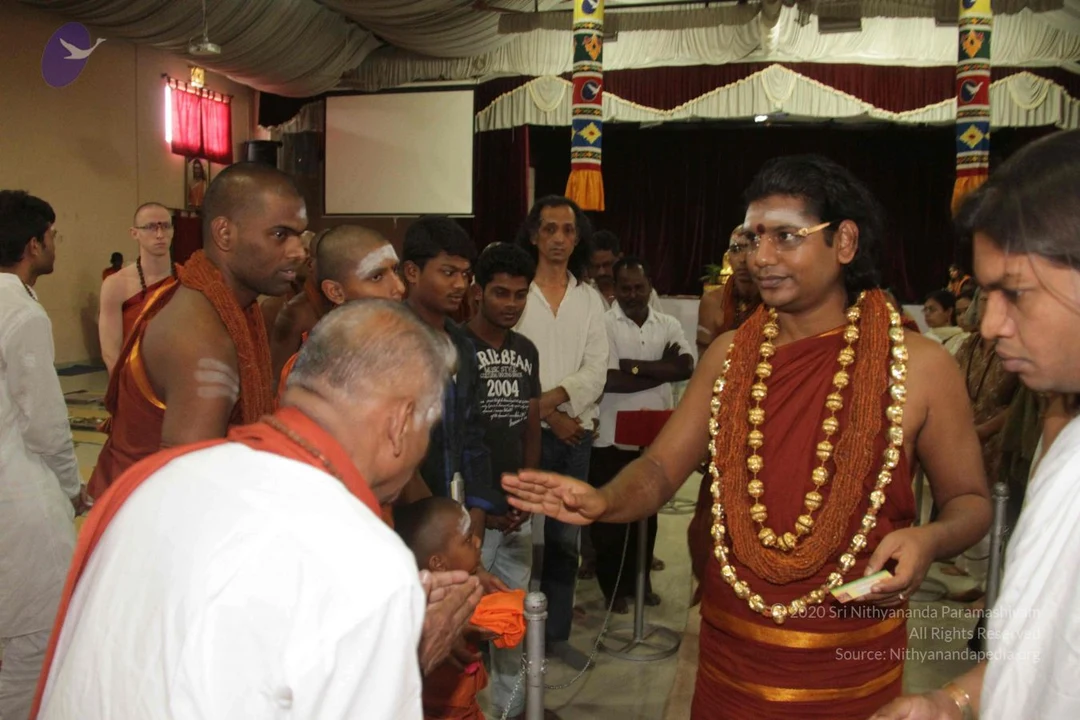
AKASHIC-READING


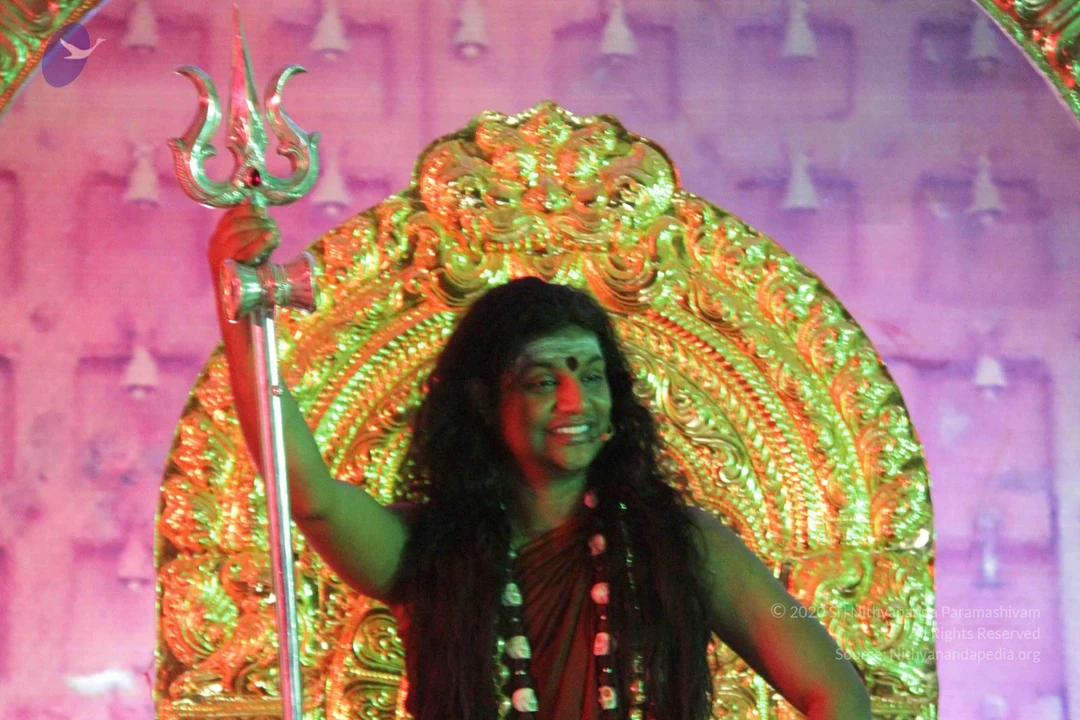










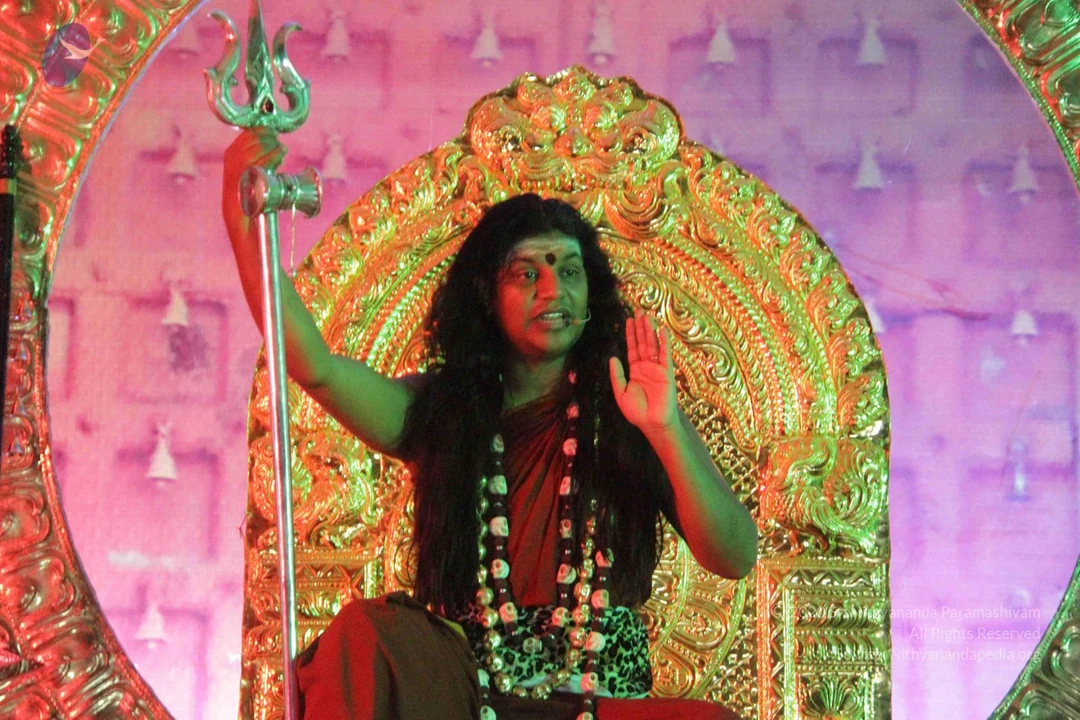


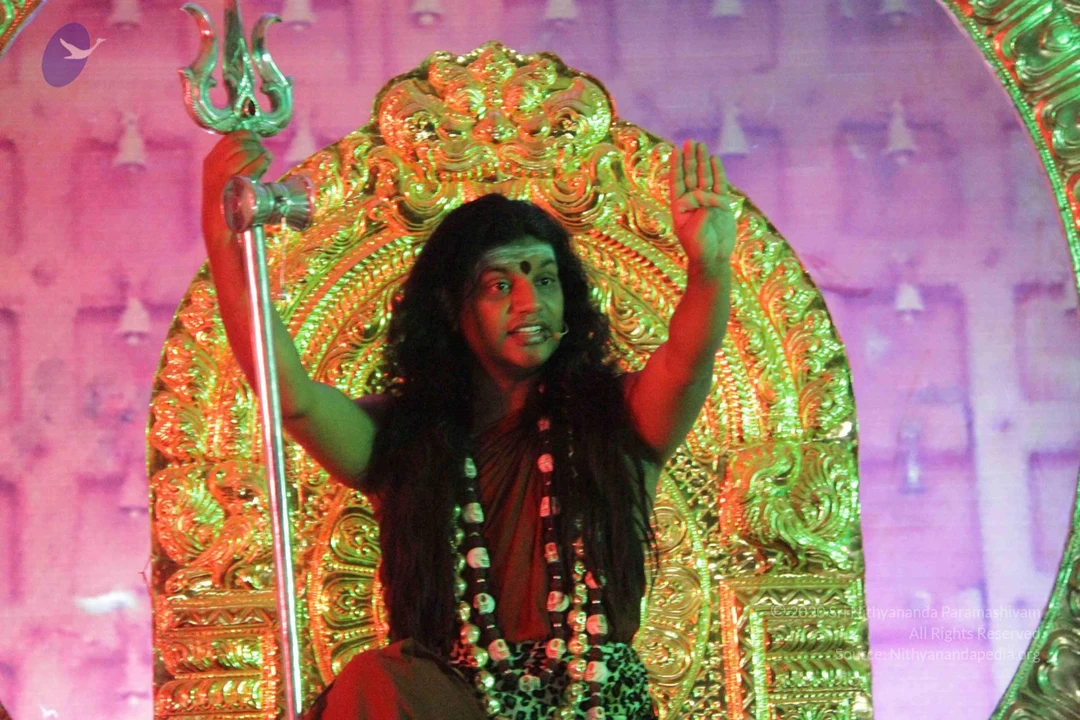
























IA-SESSION



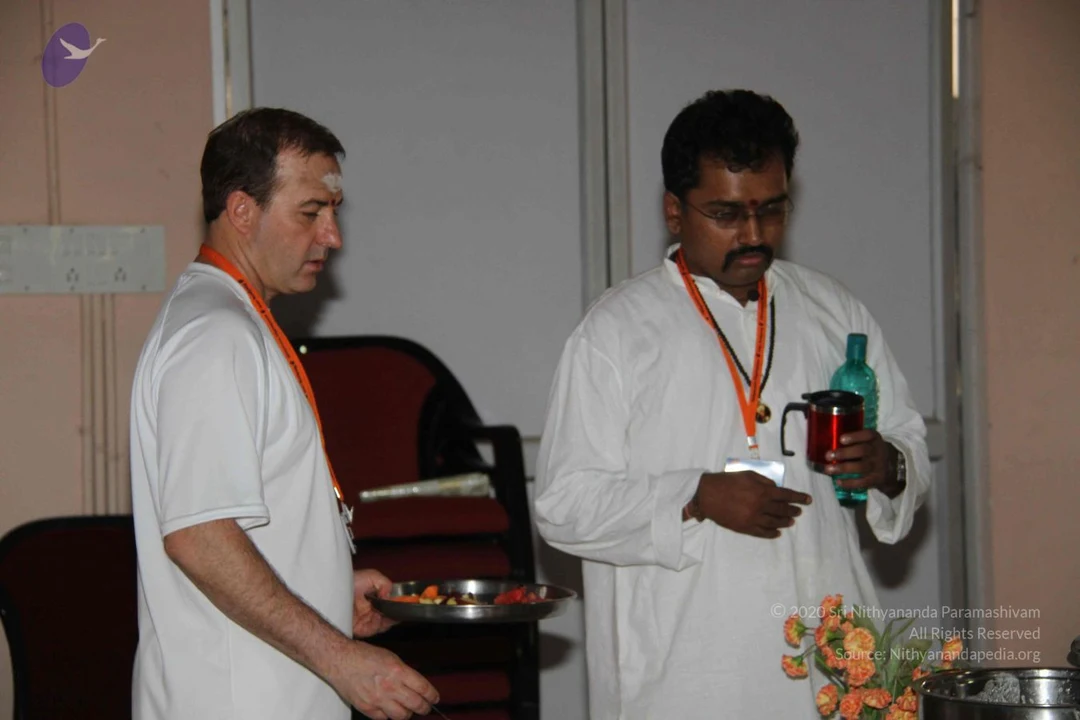
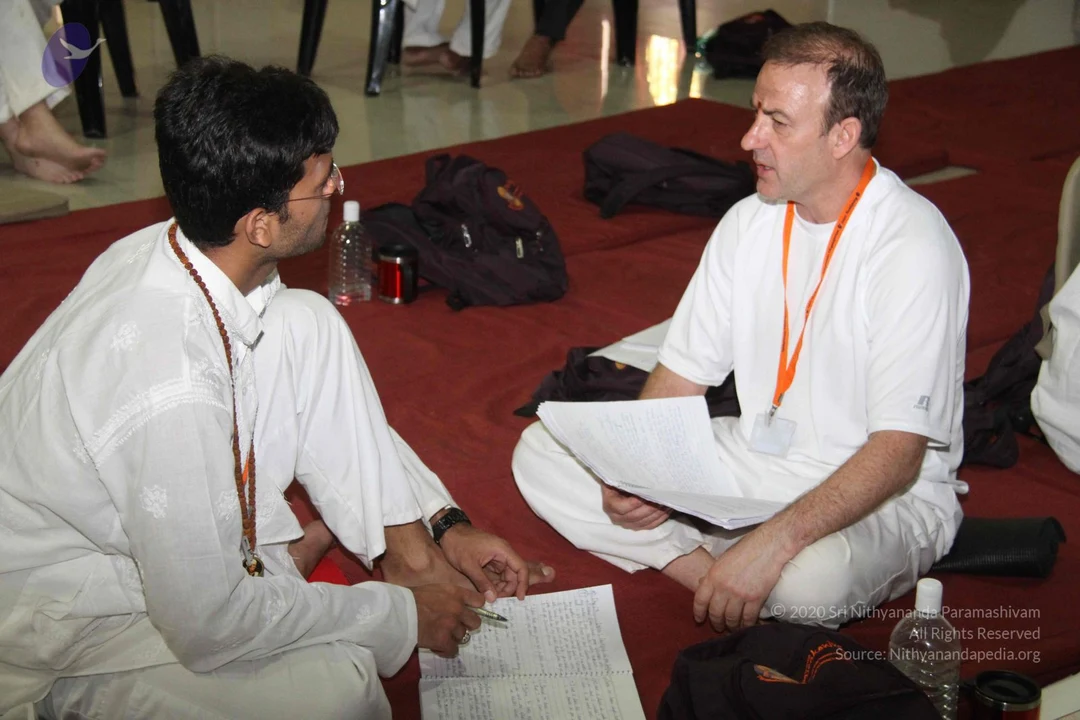
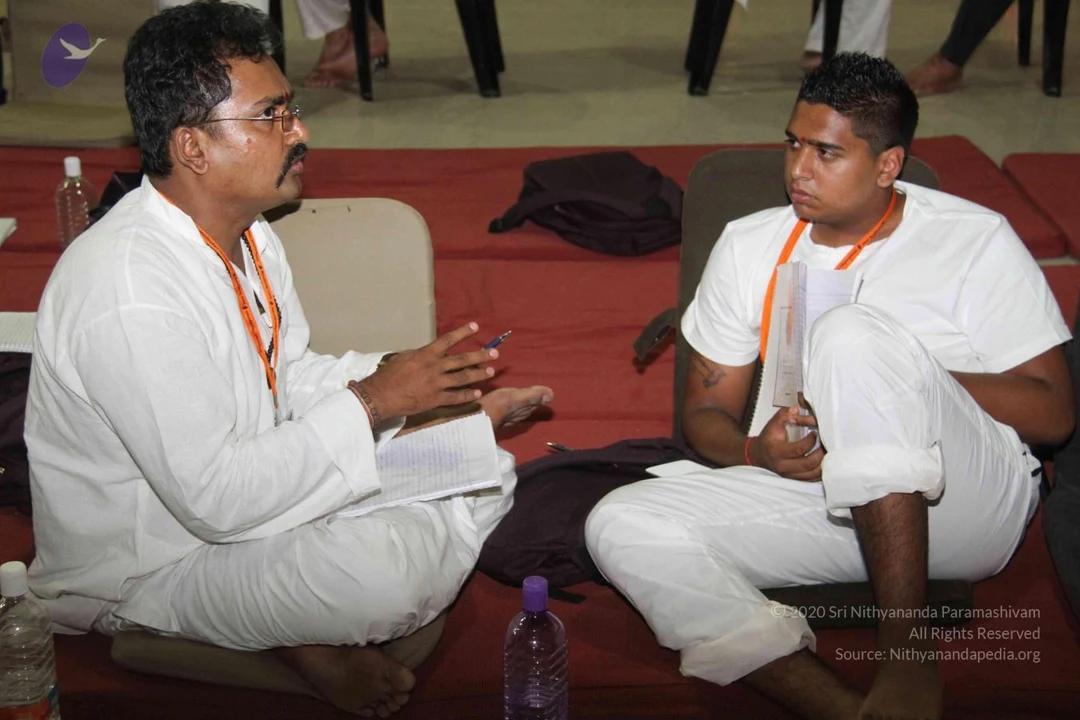
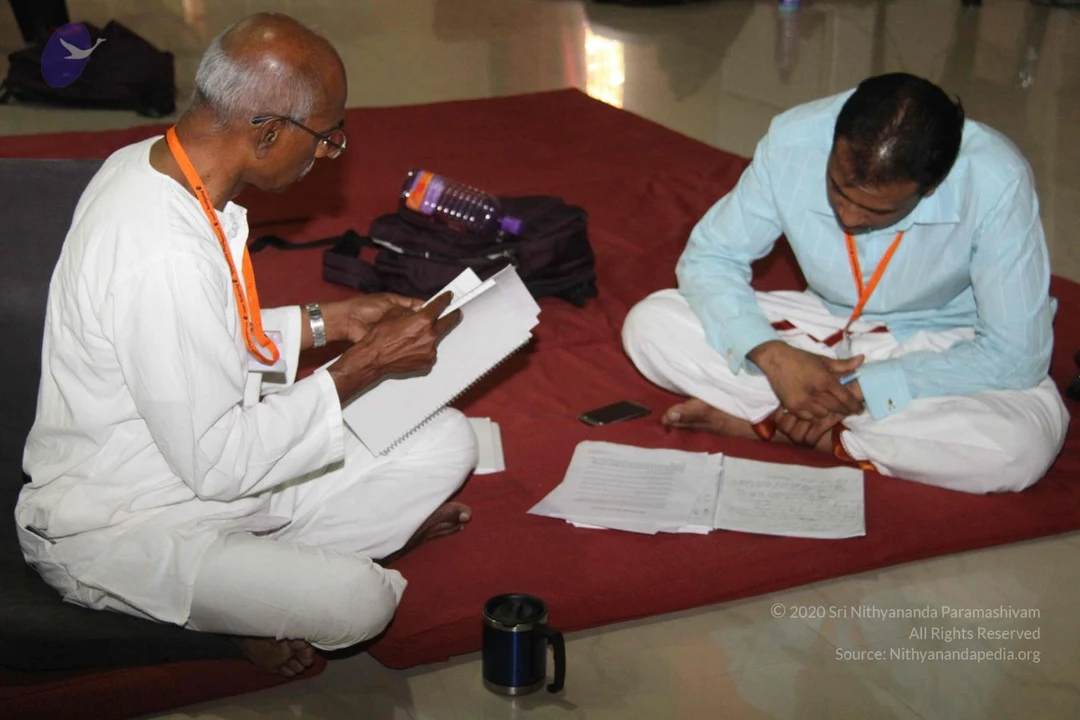


IA-LUNCH


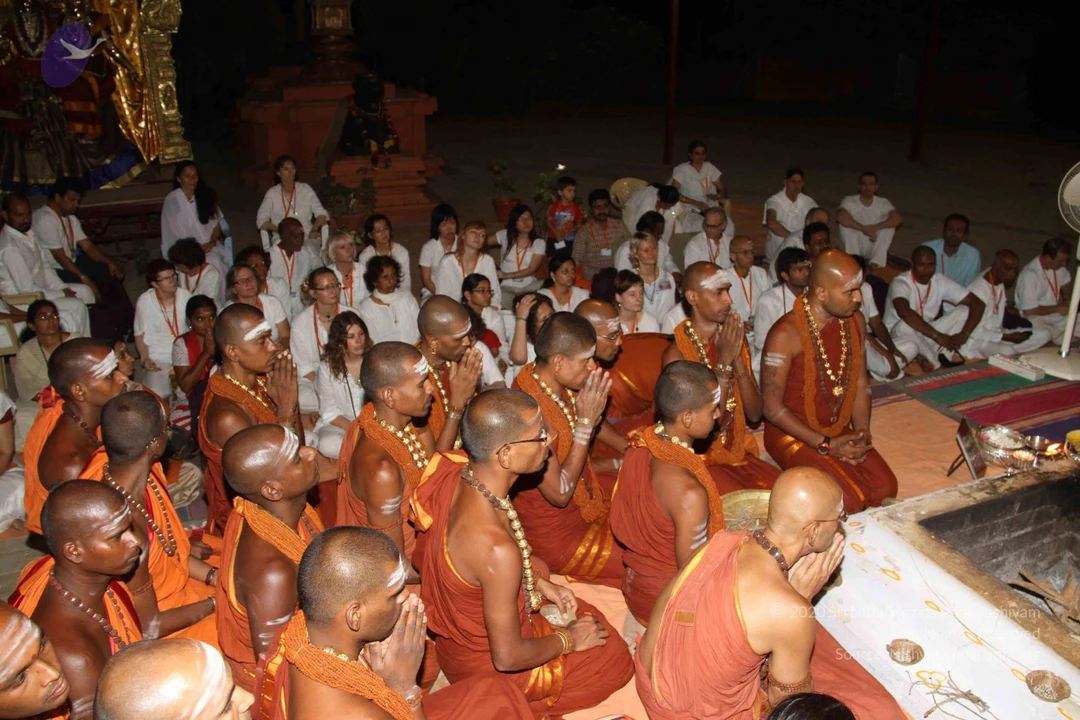
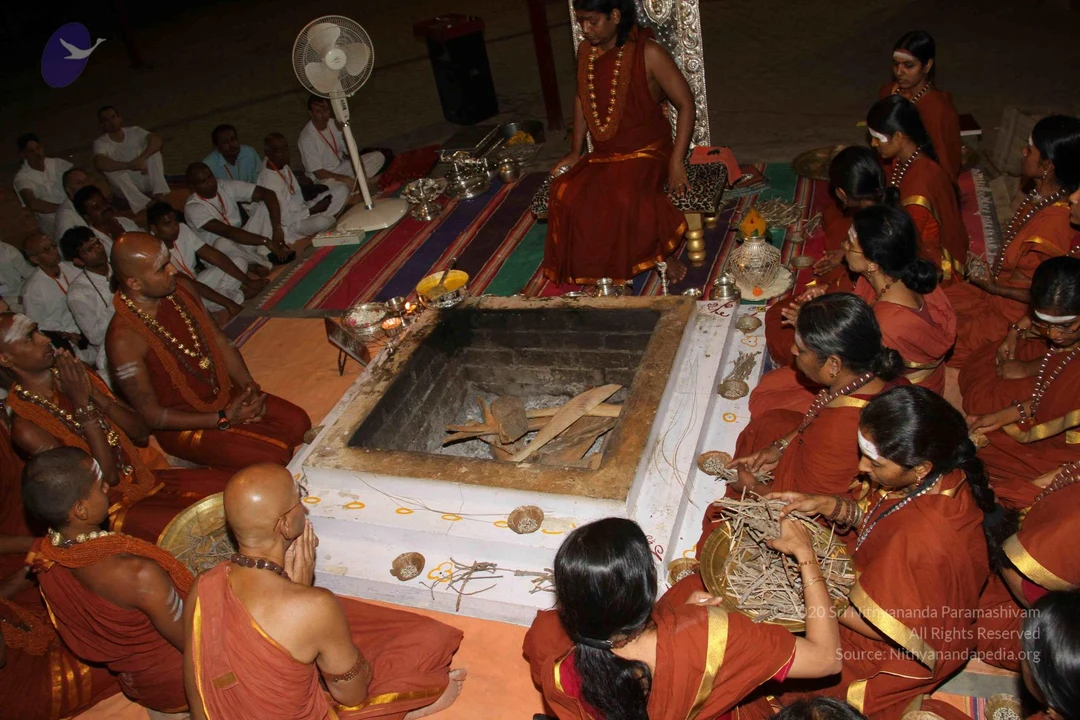
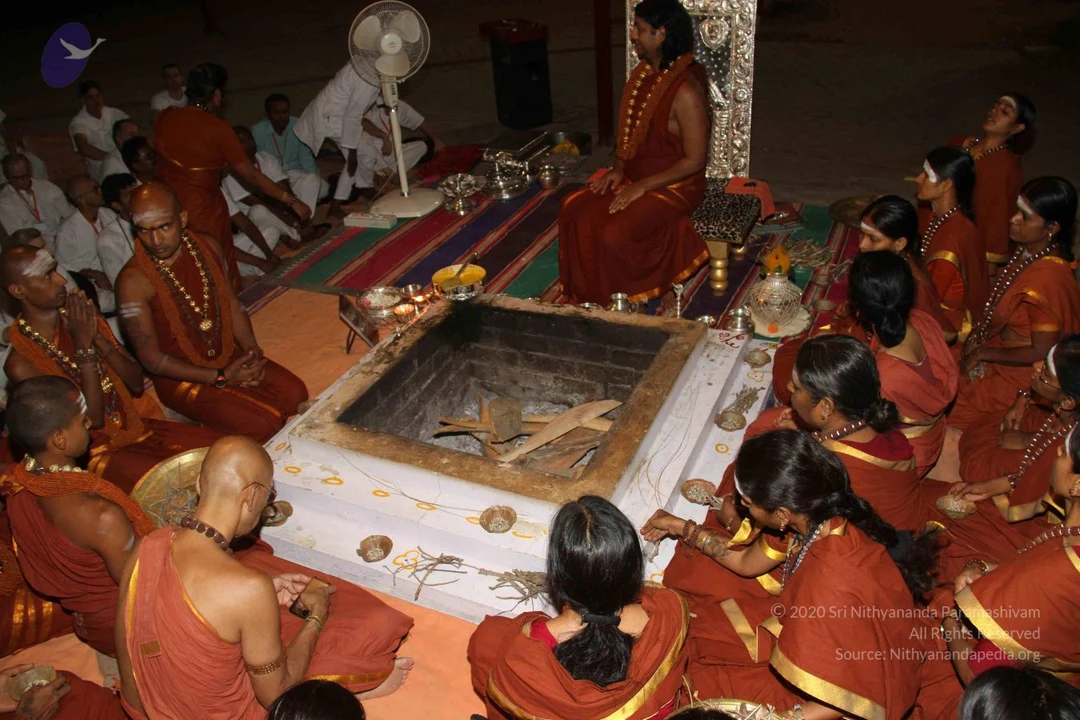
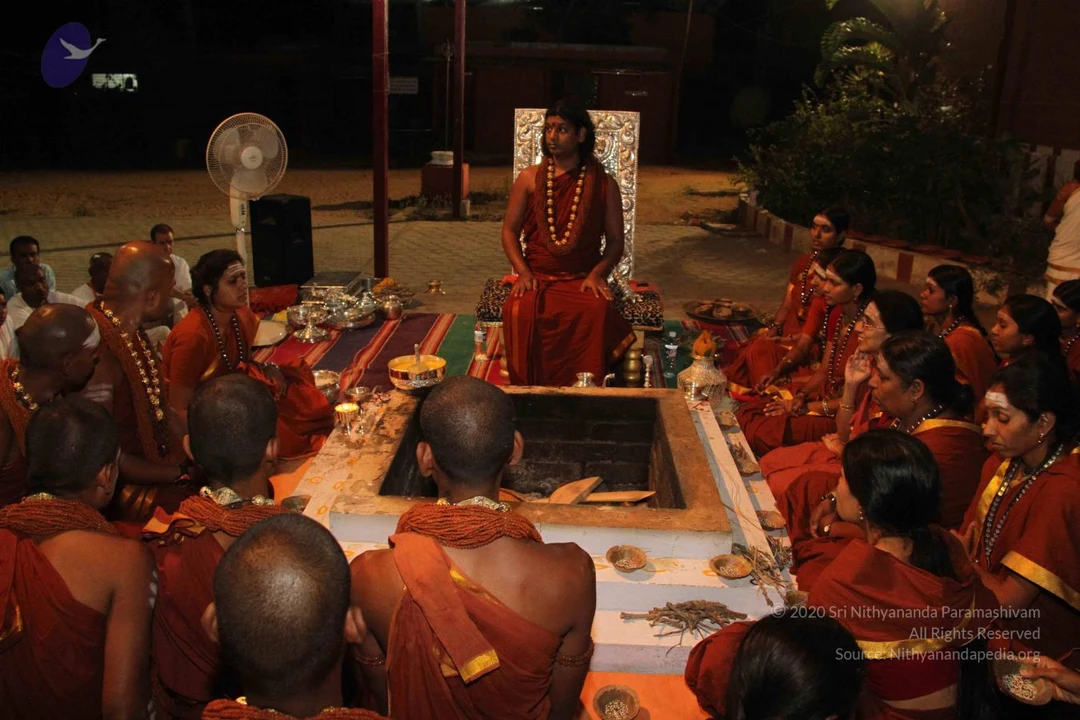
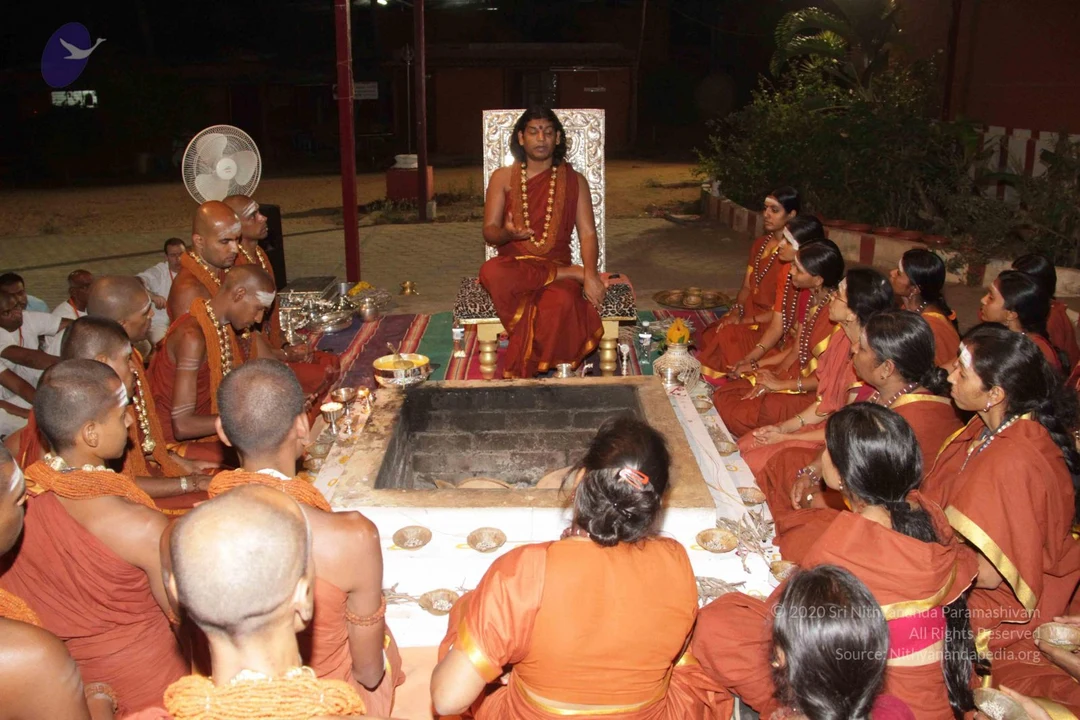
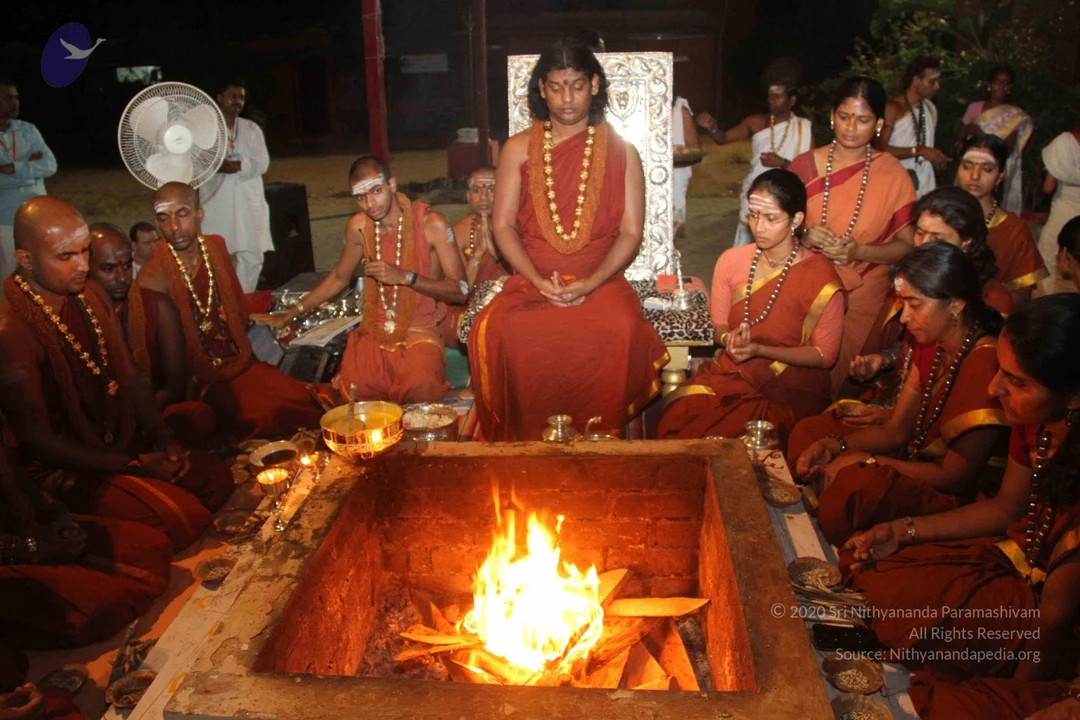
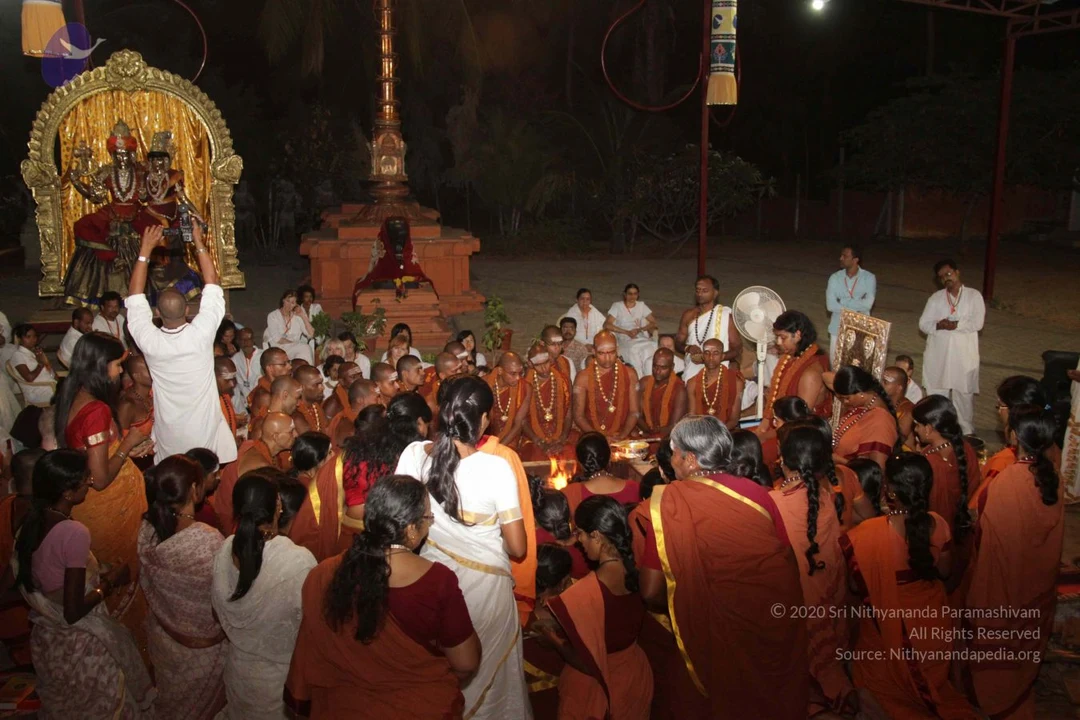
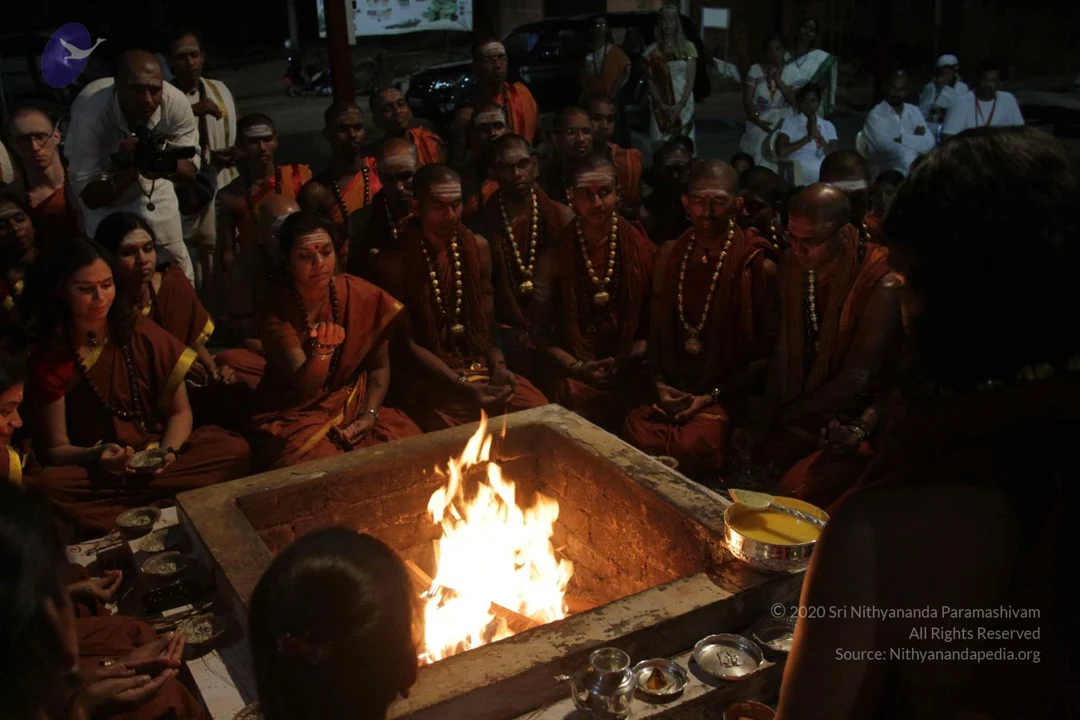
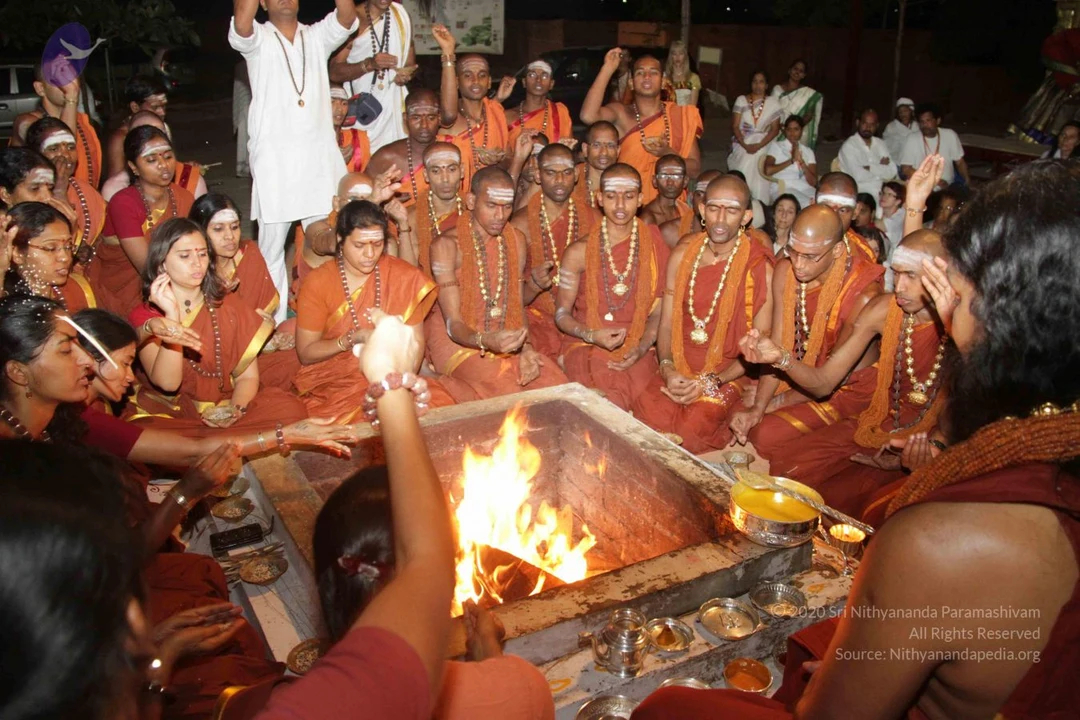
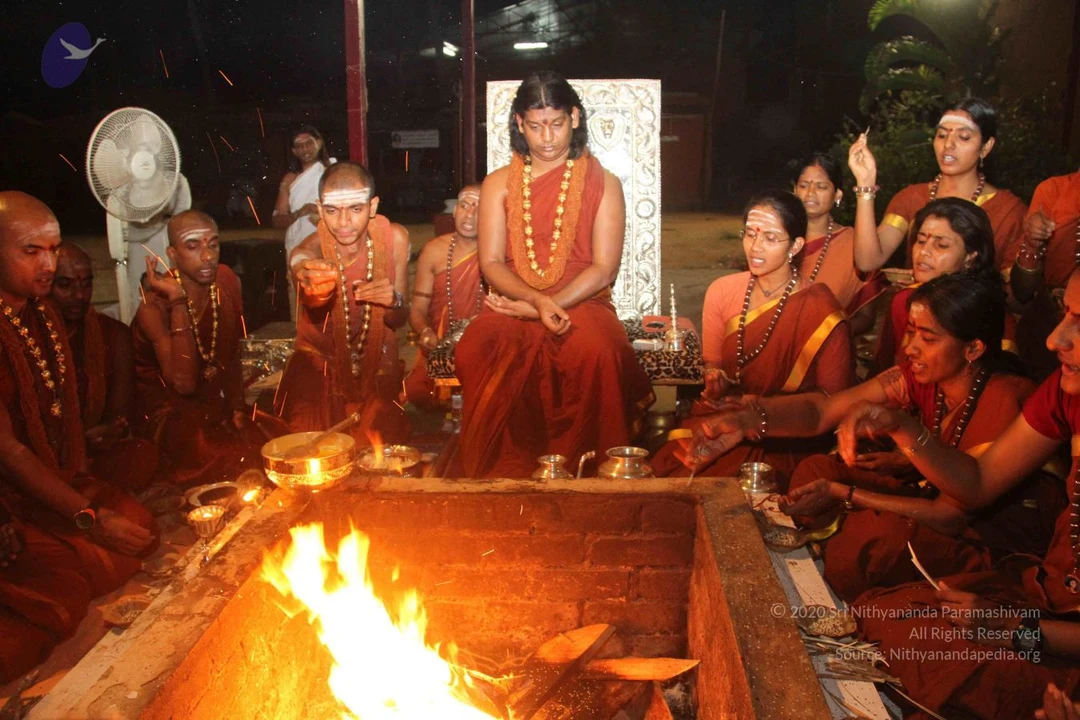
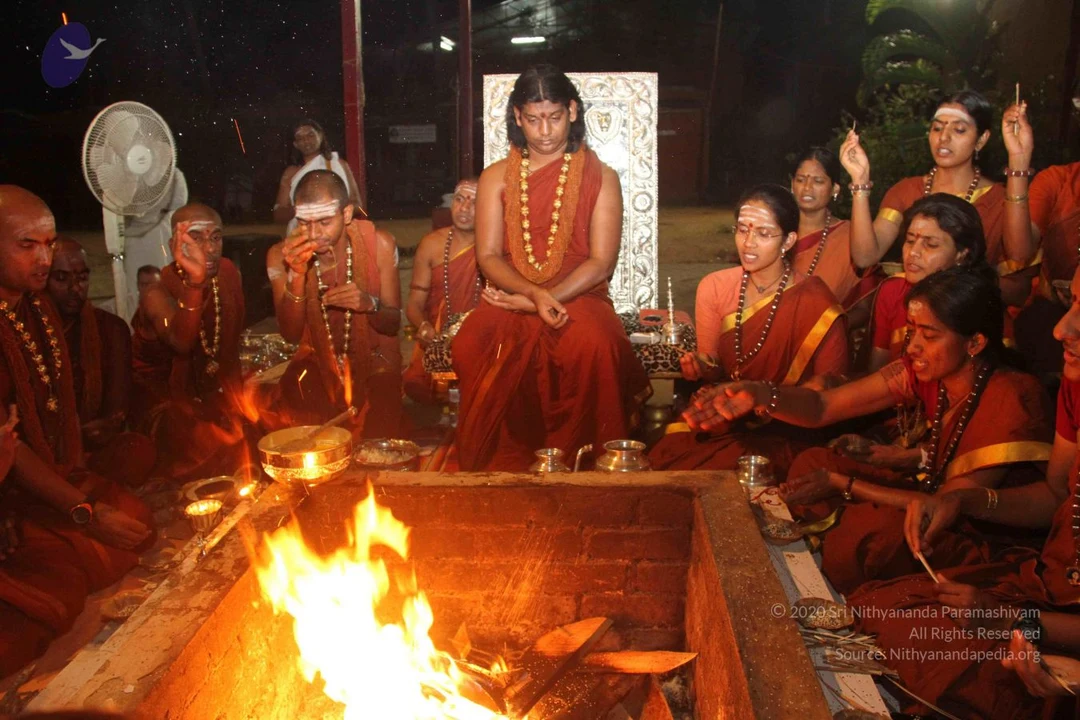
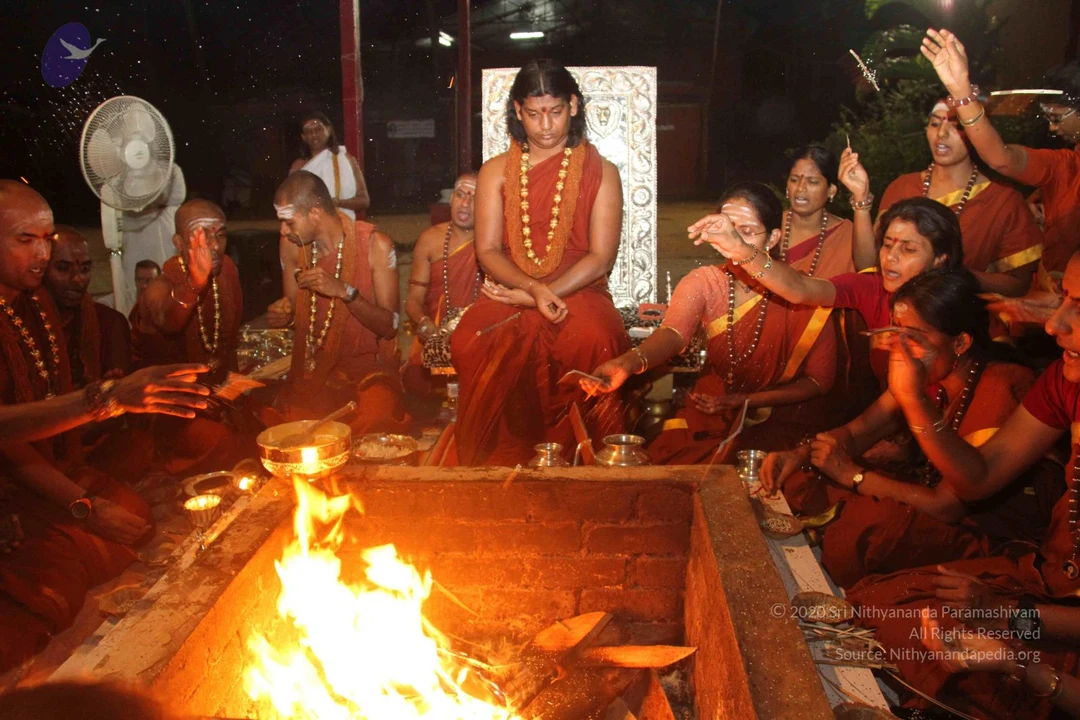
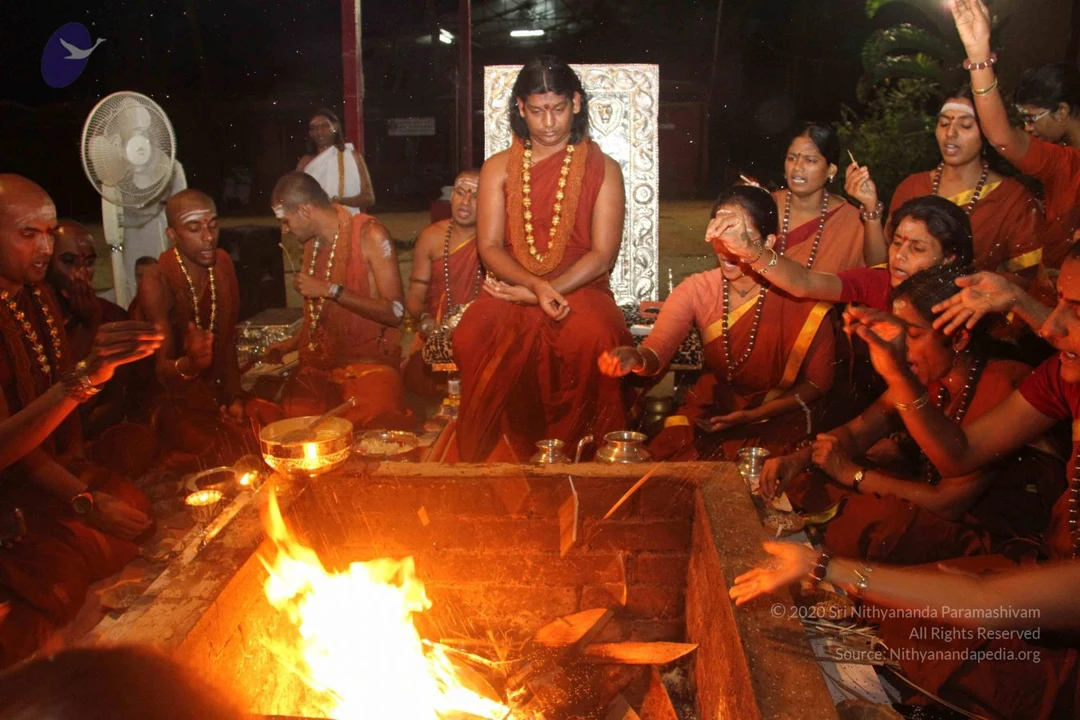
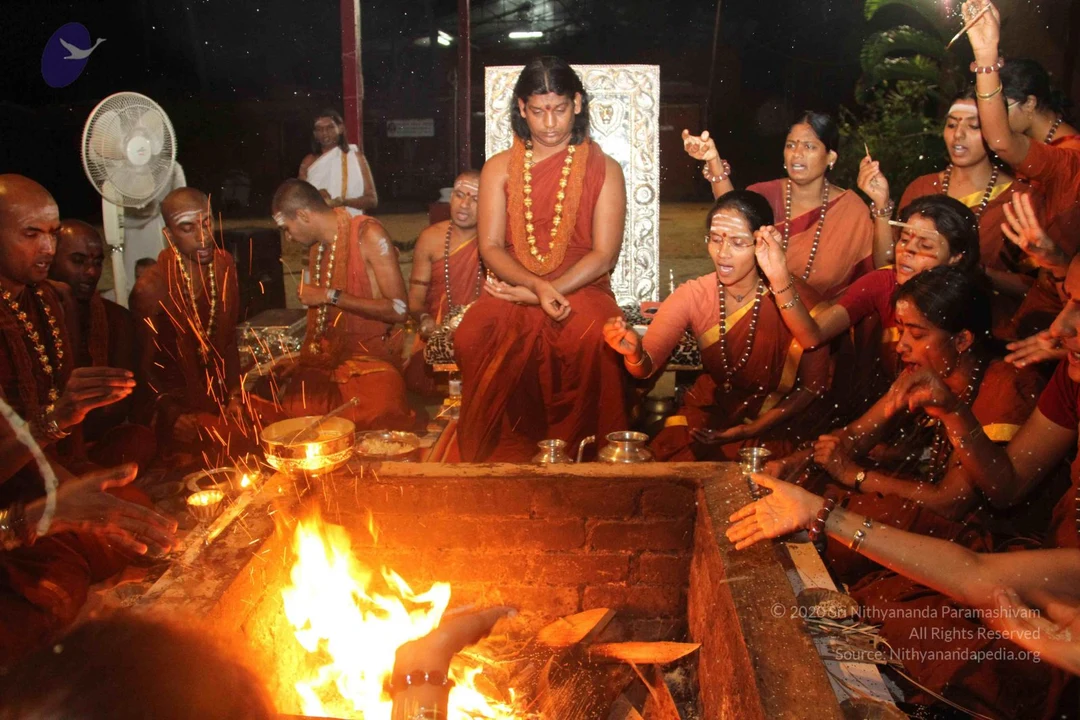
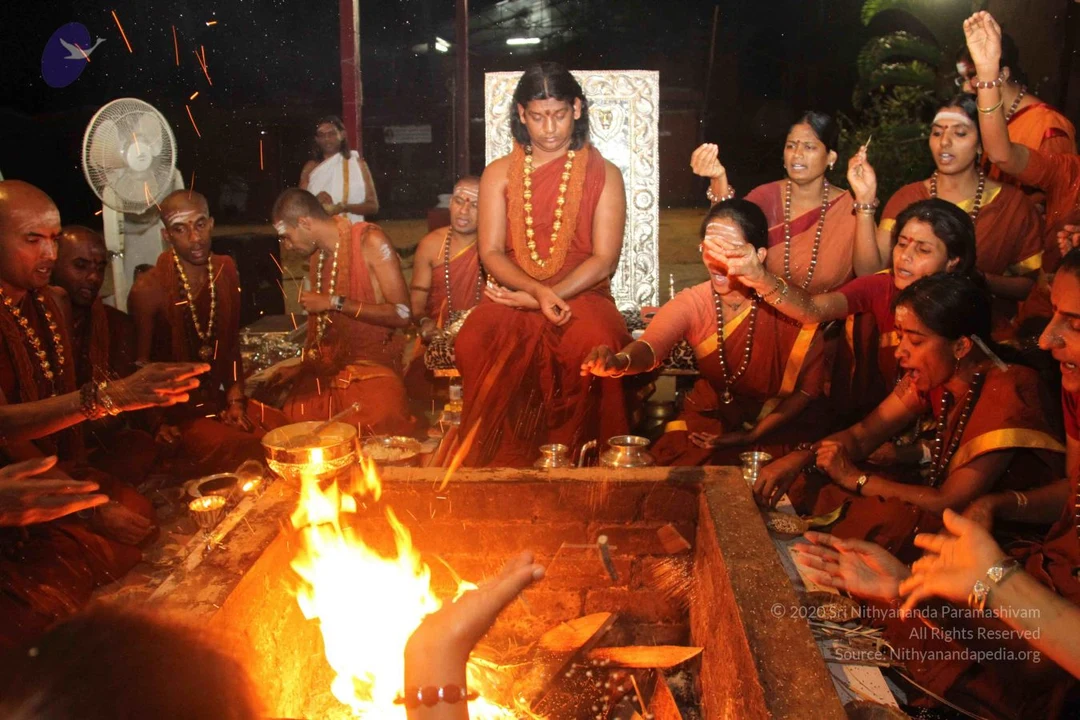
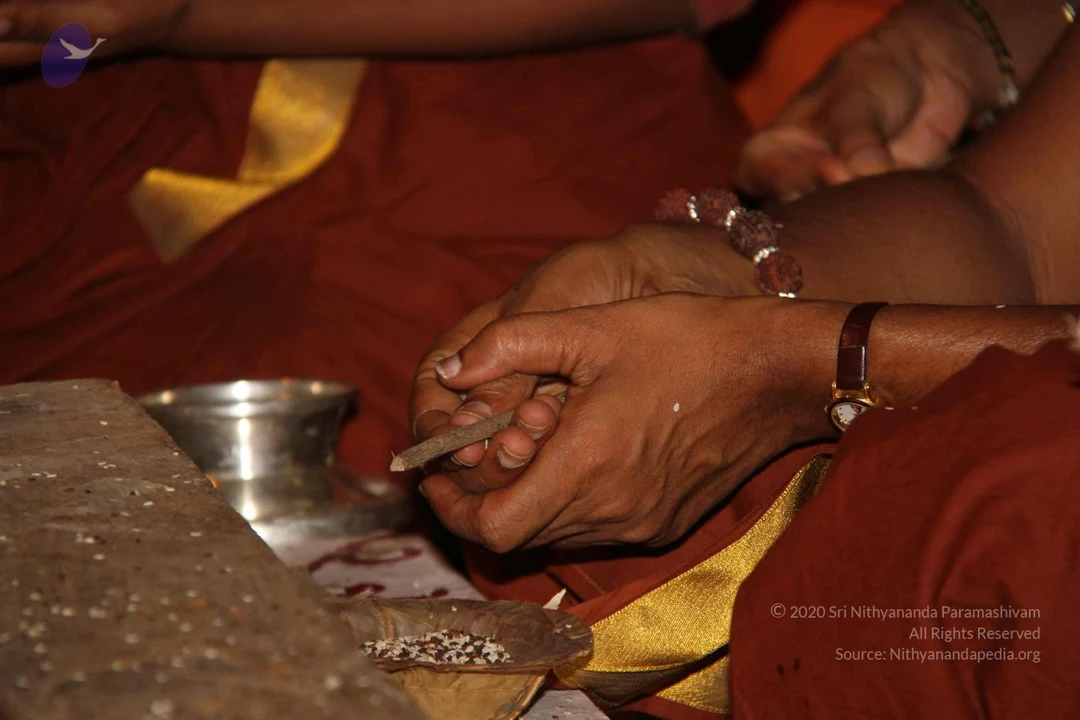
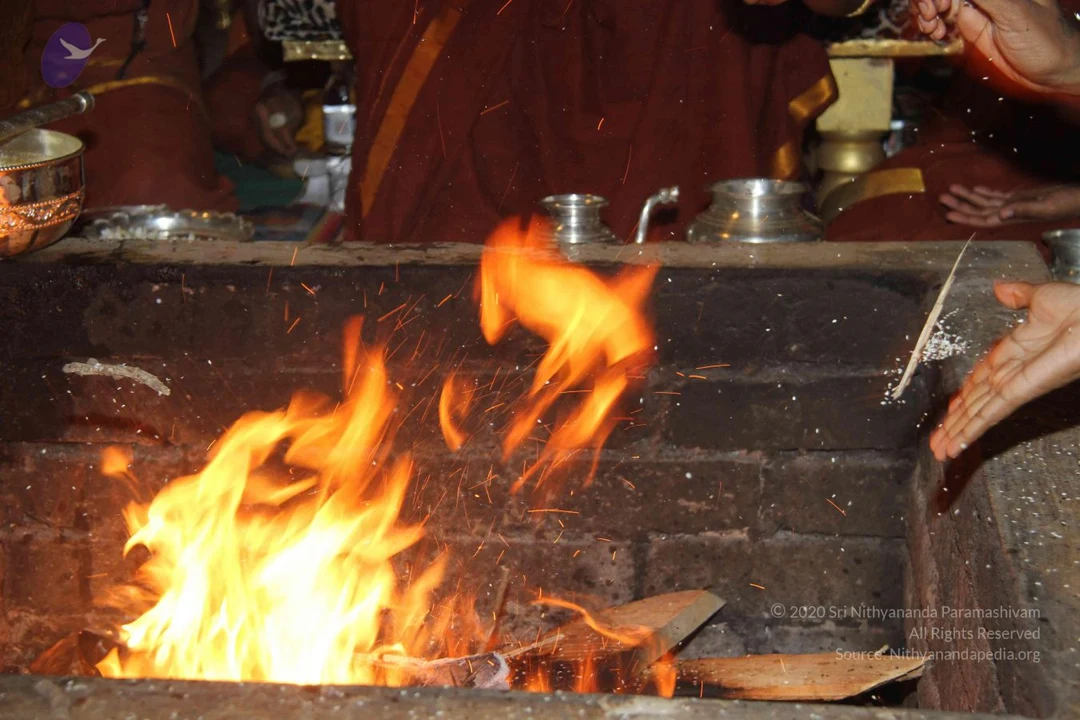
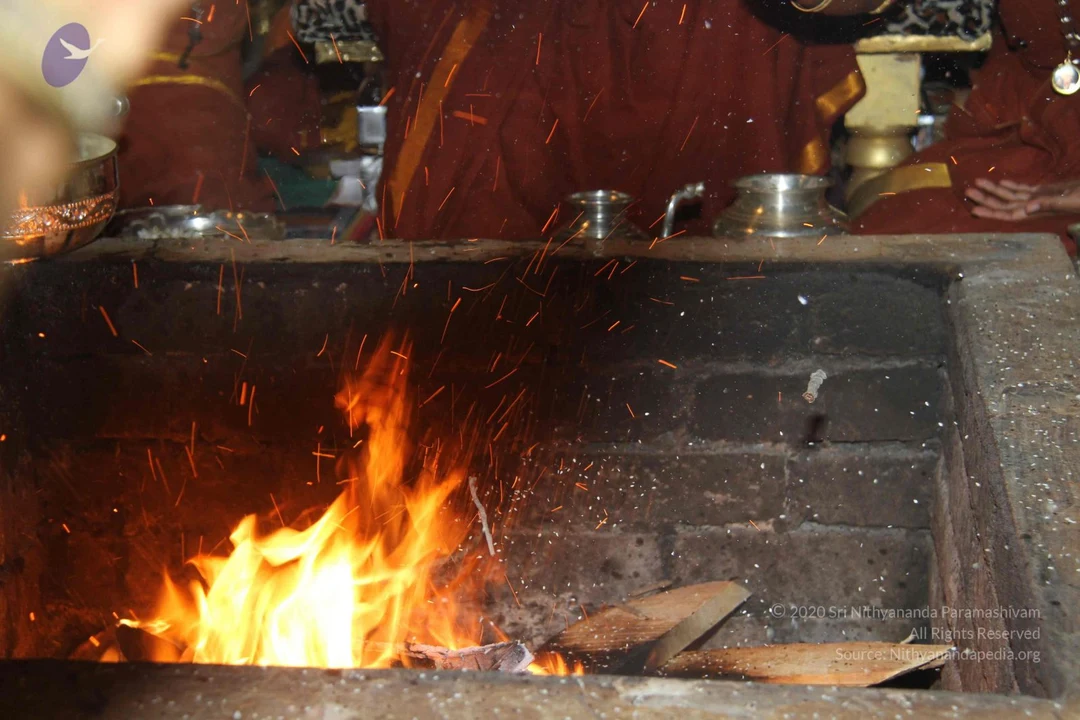
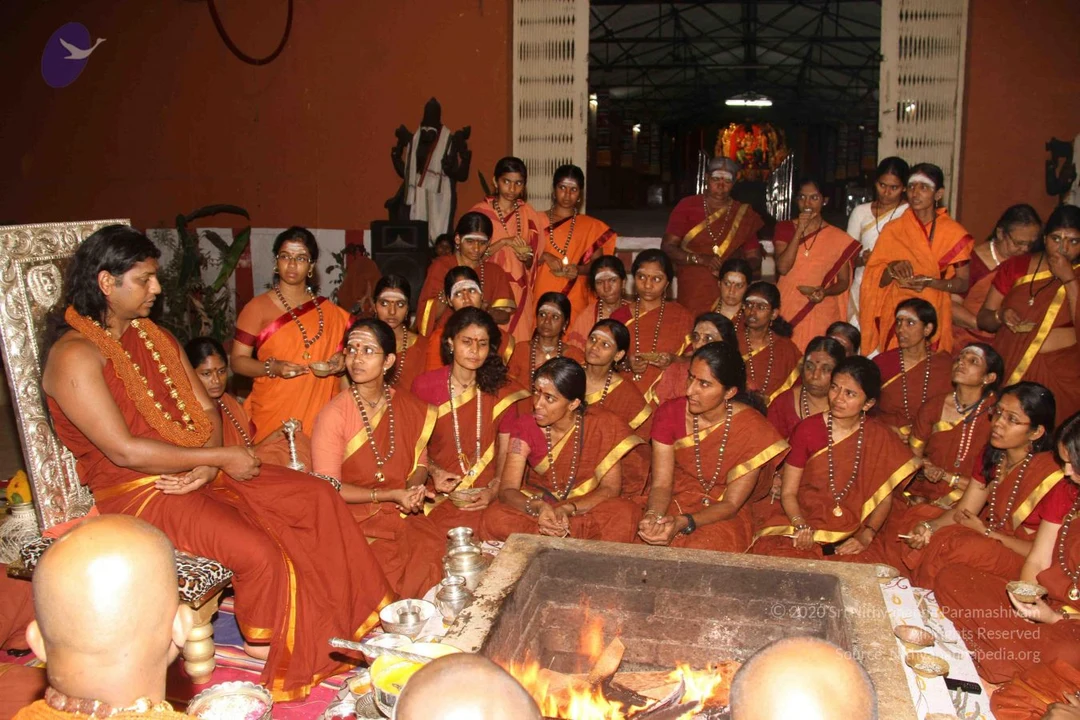
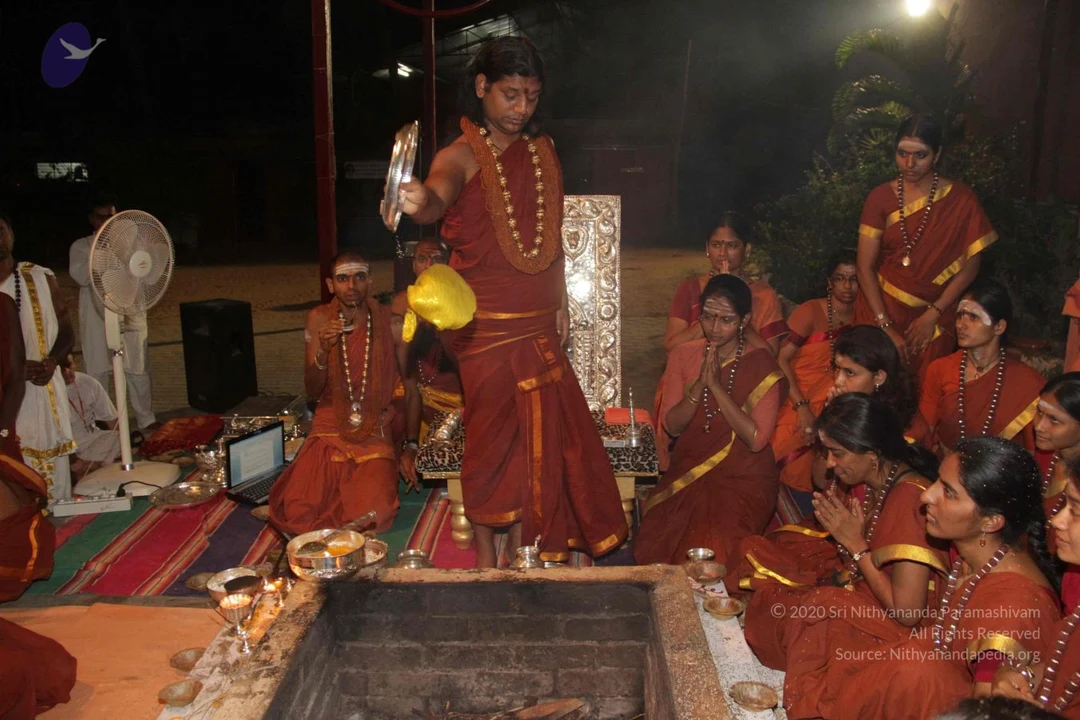
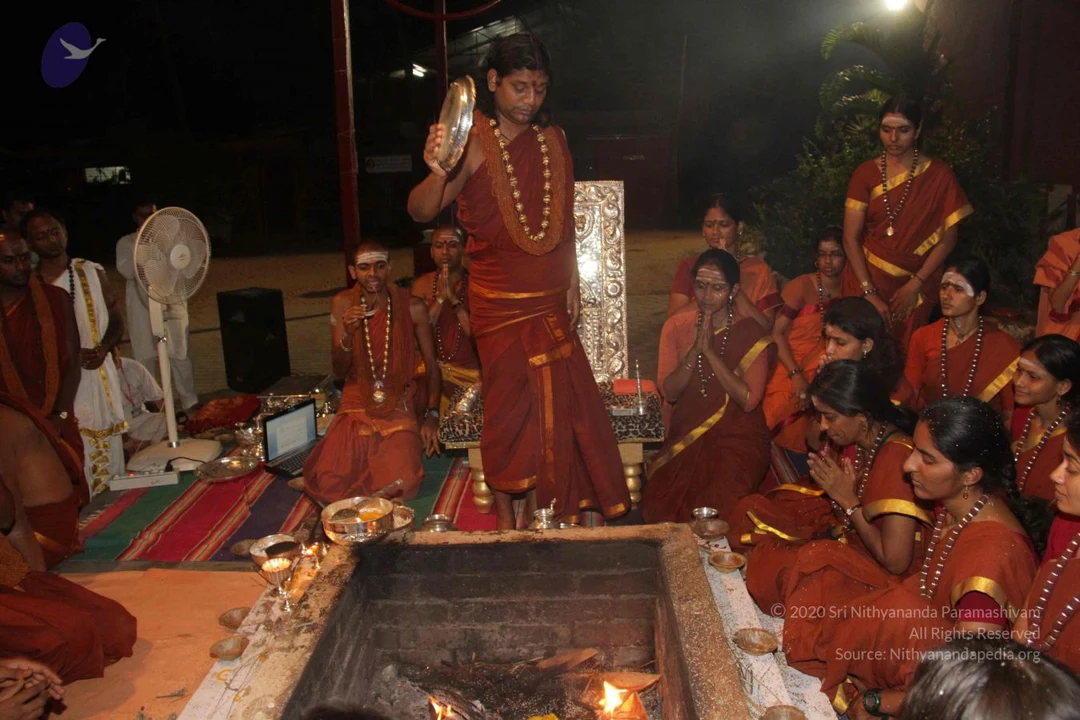
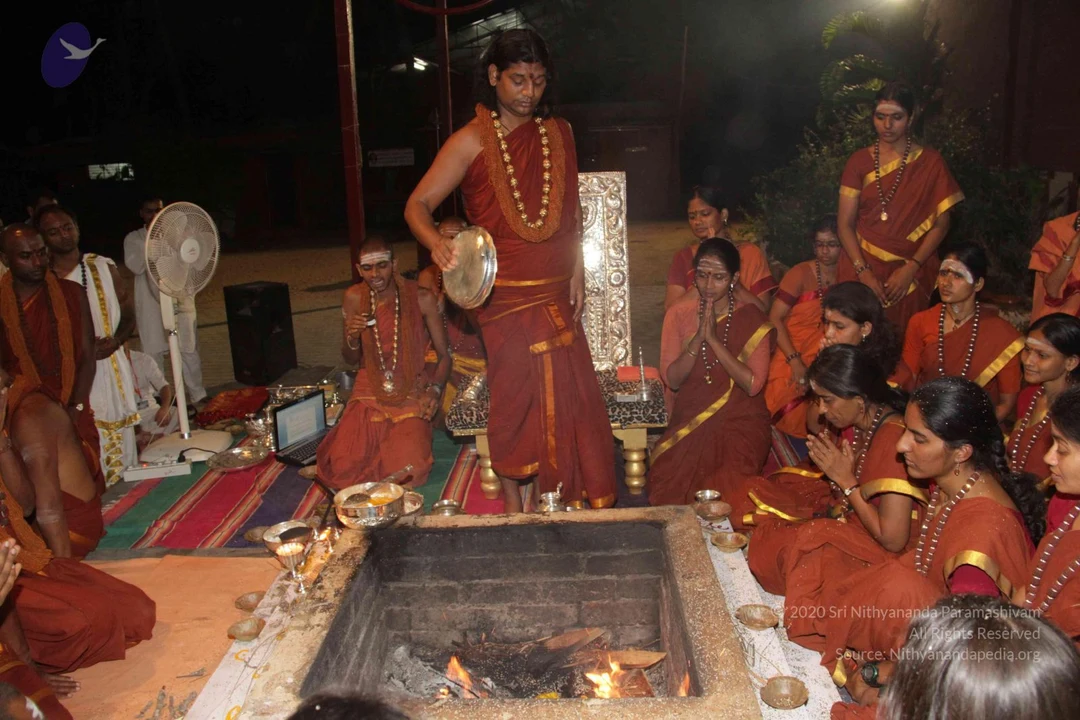
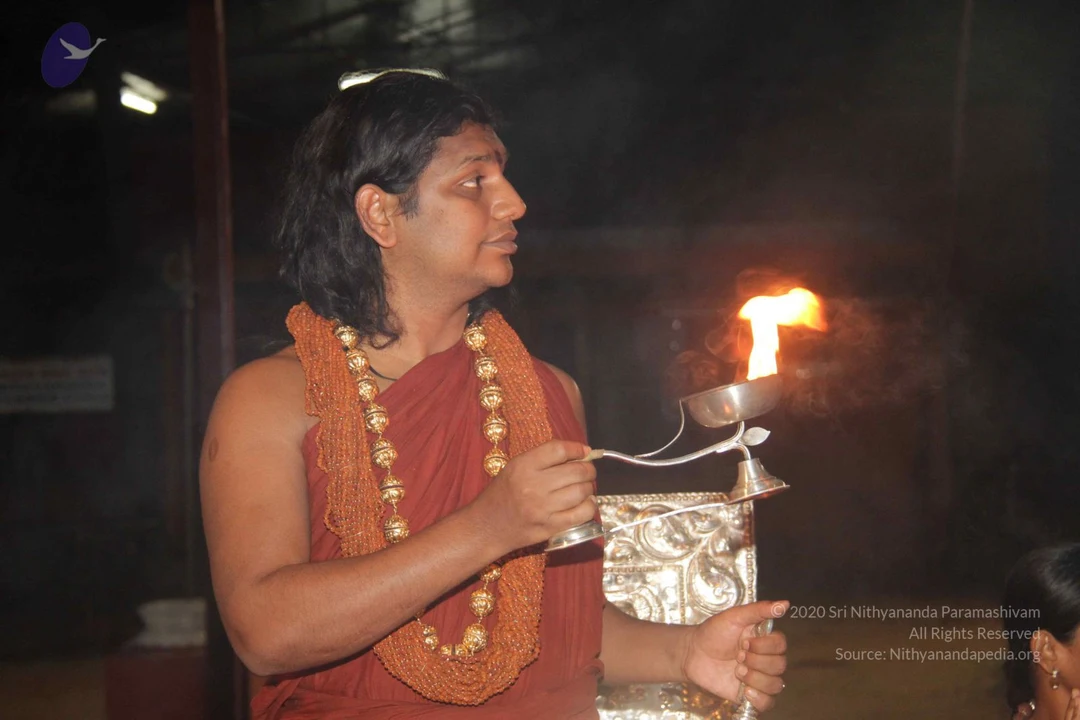
VIRAJA-HOMA











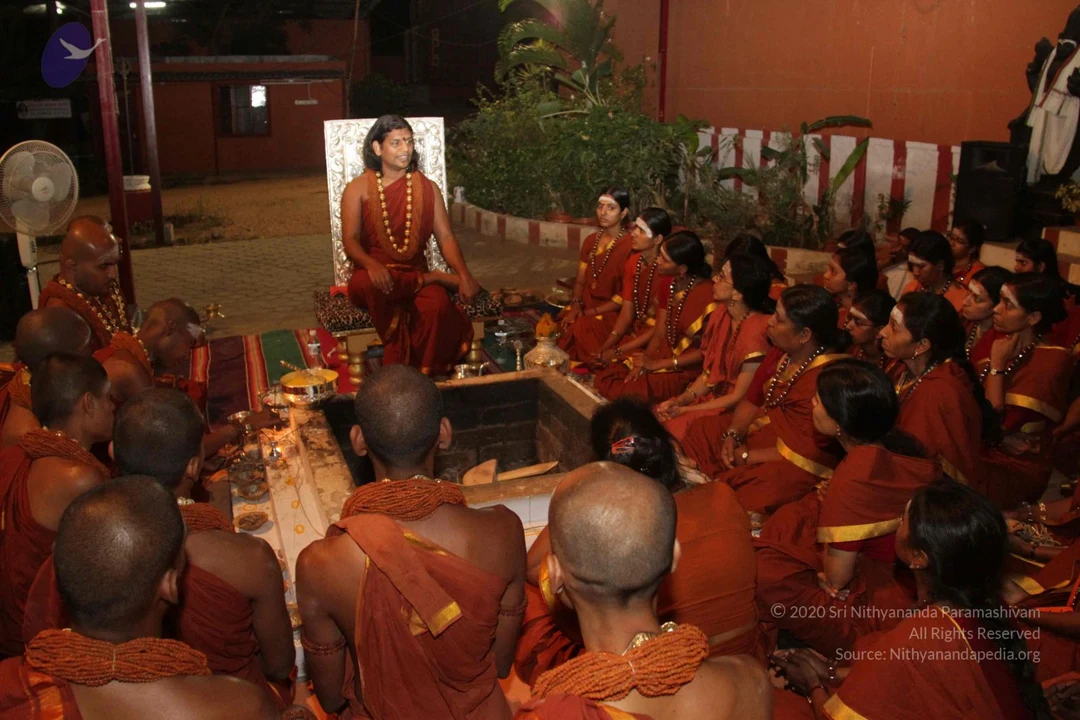
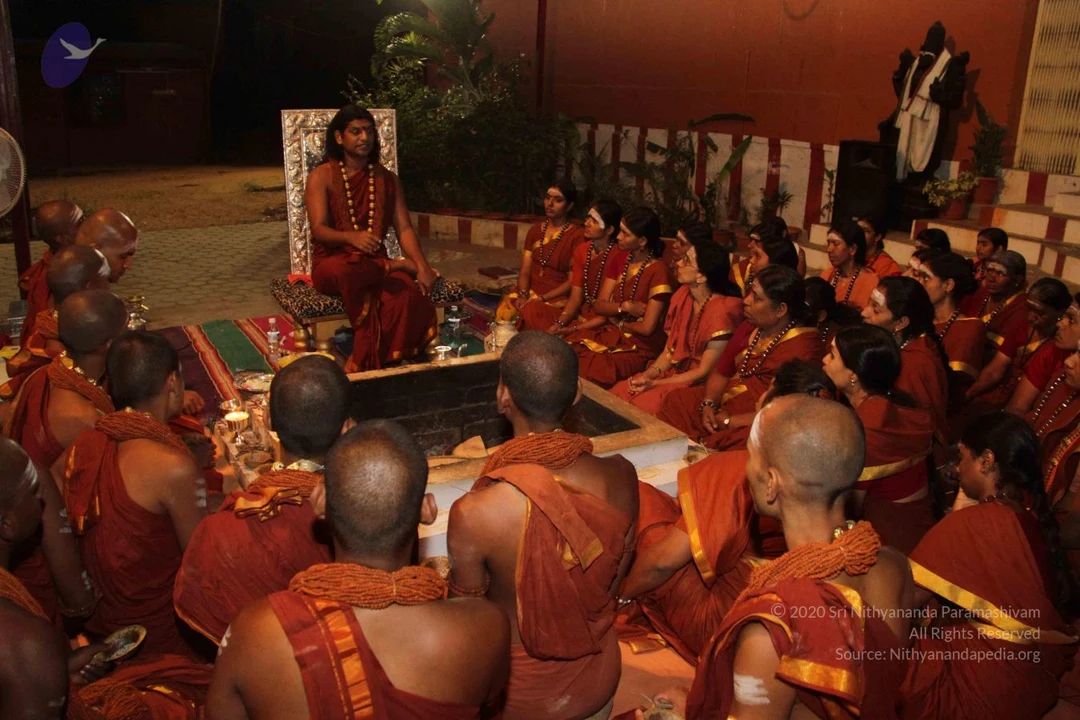

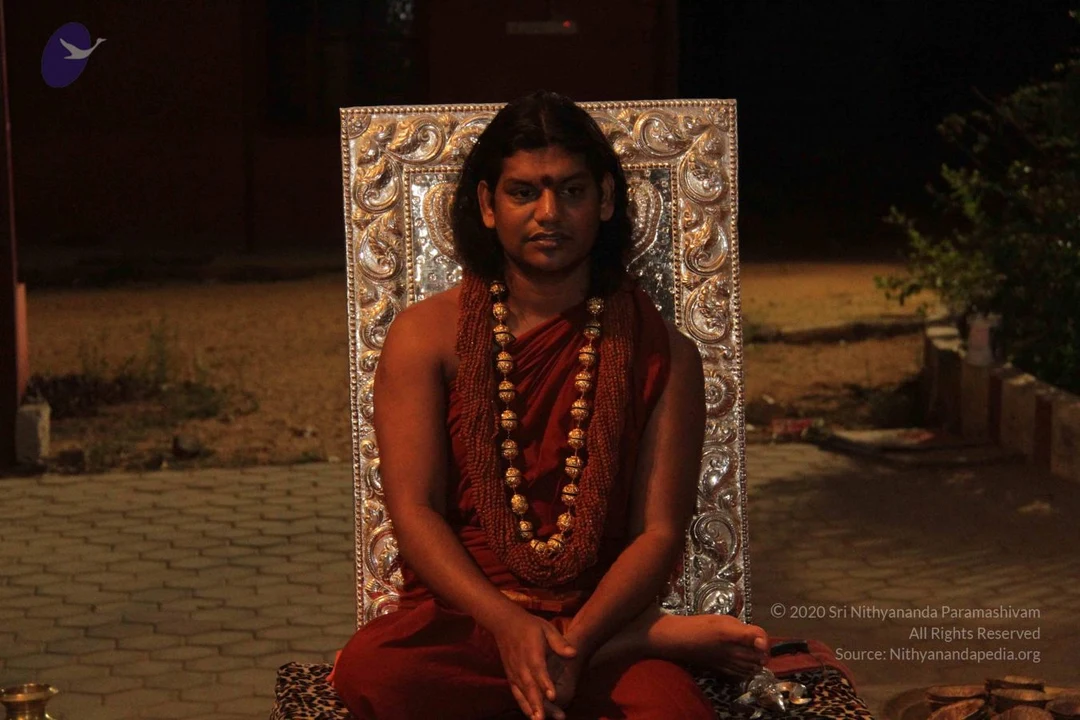
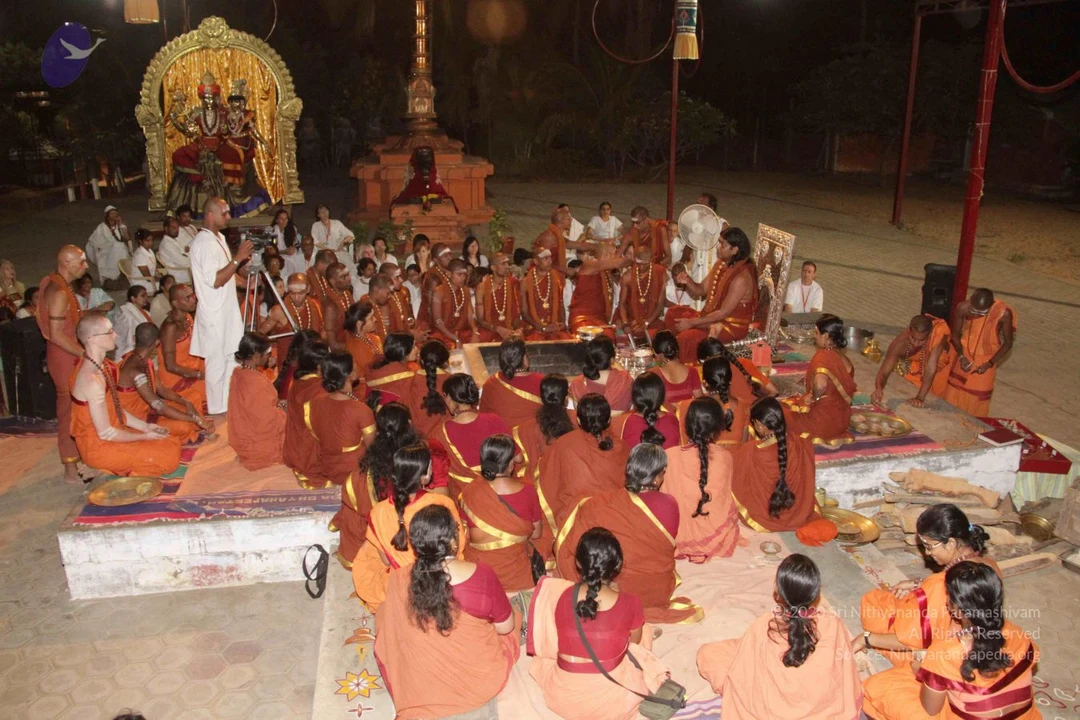
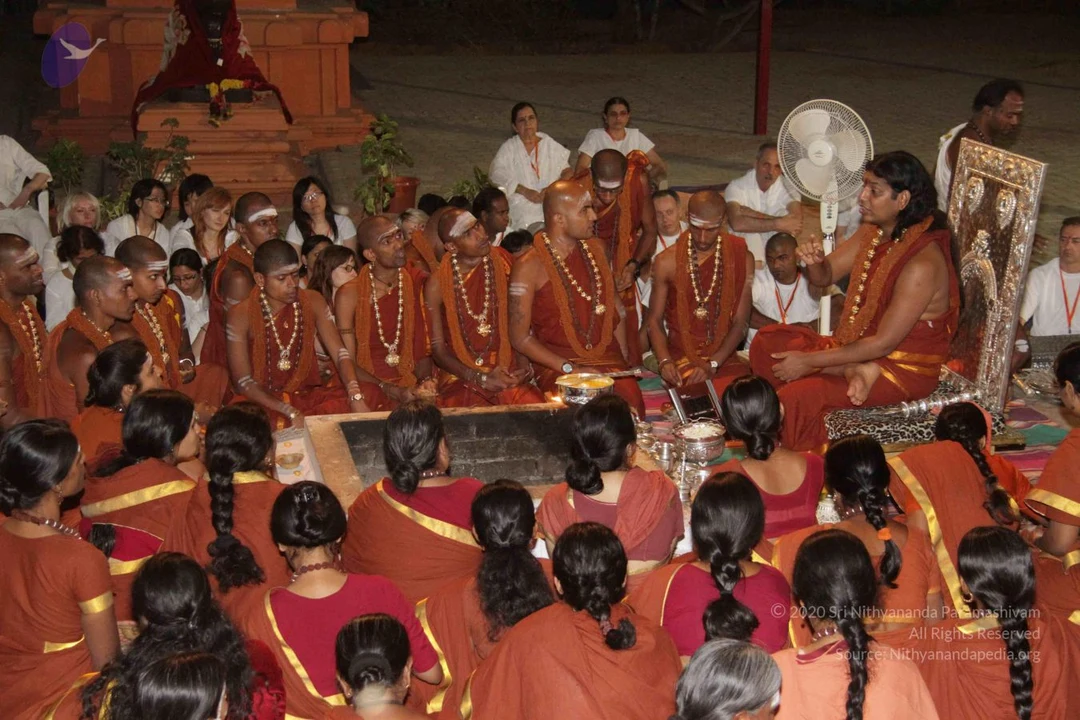
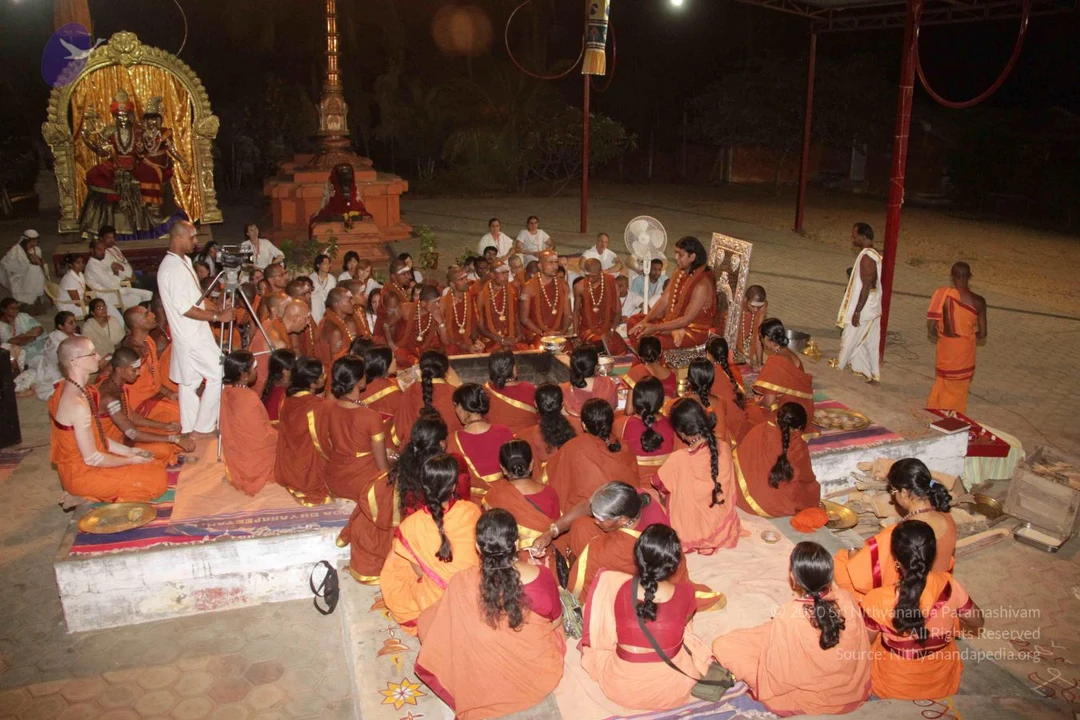
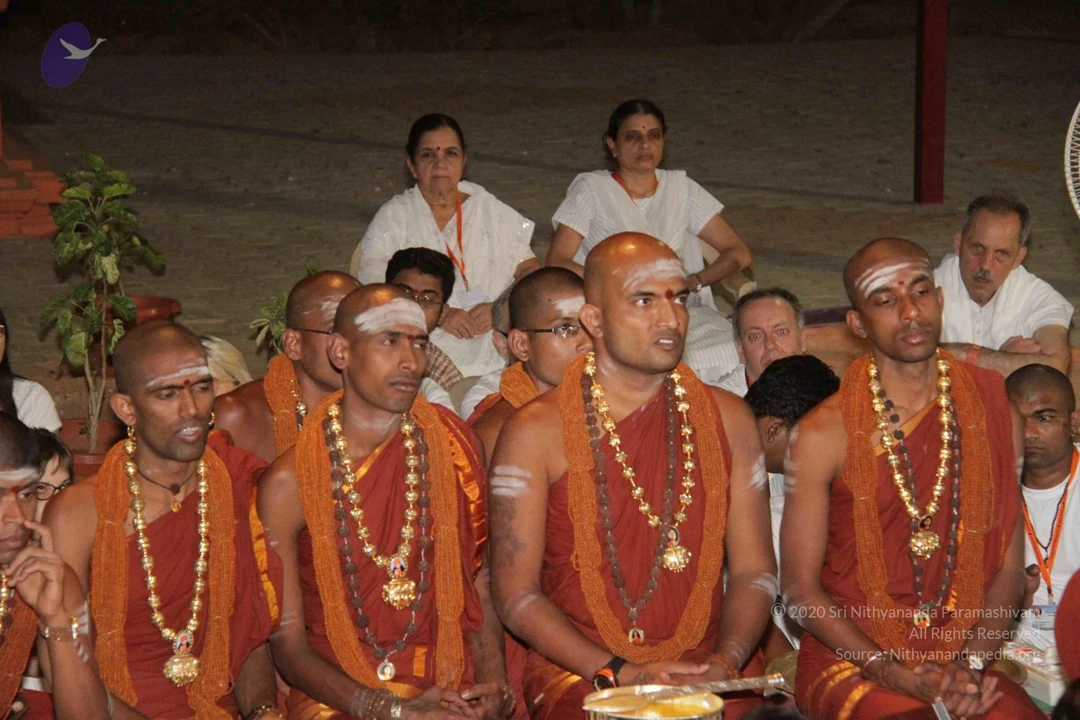
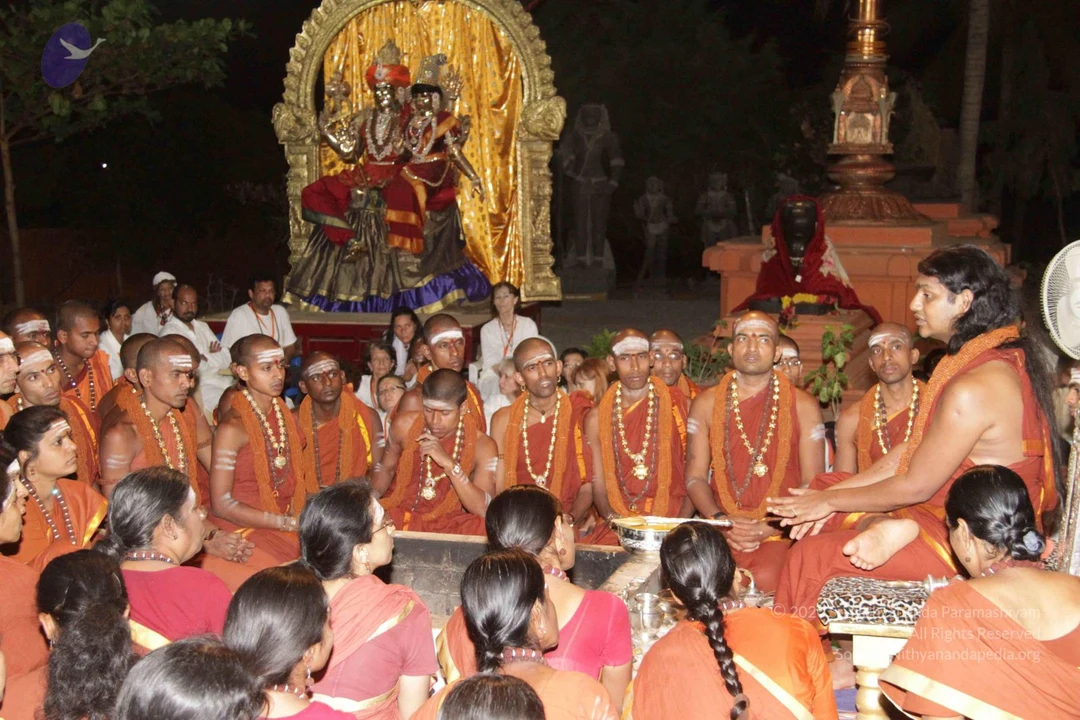
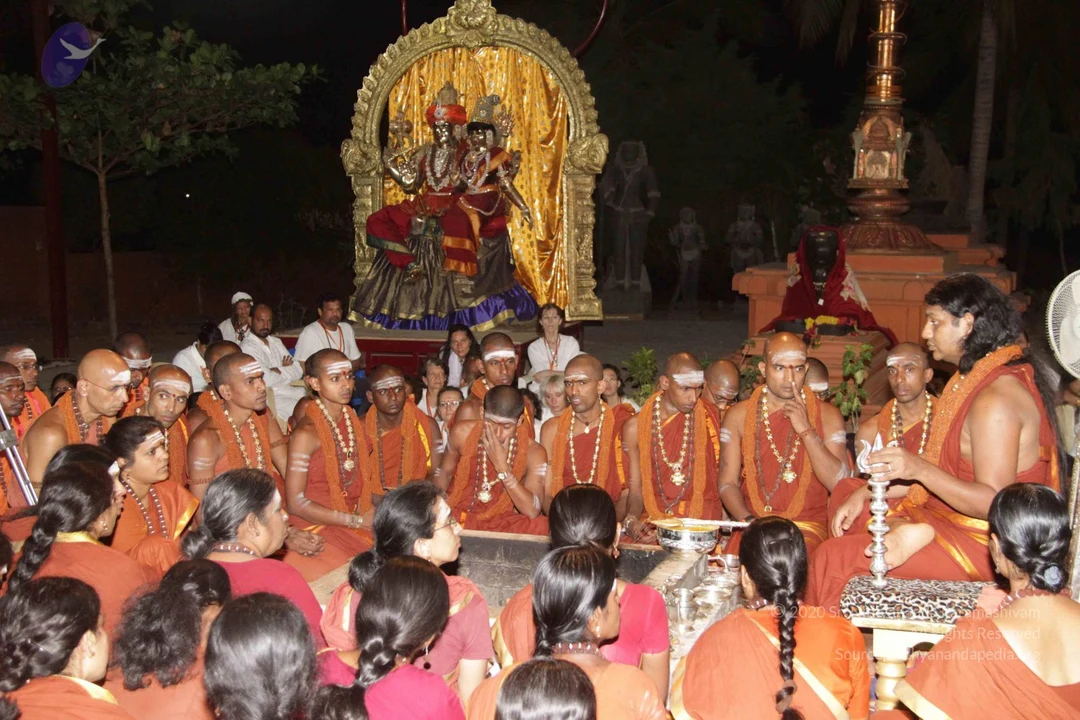

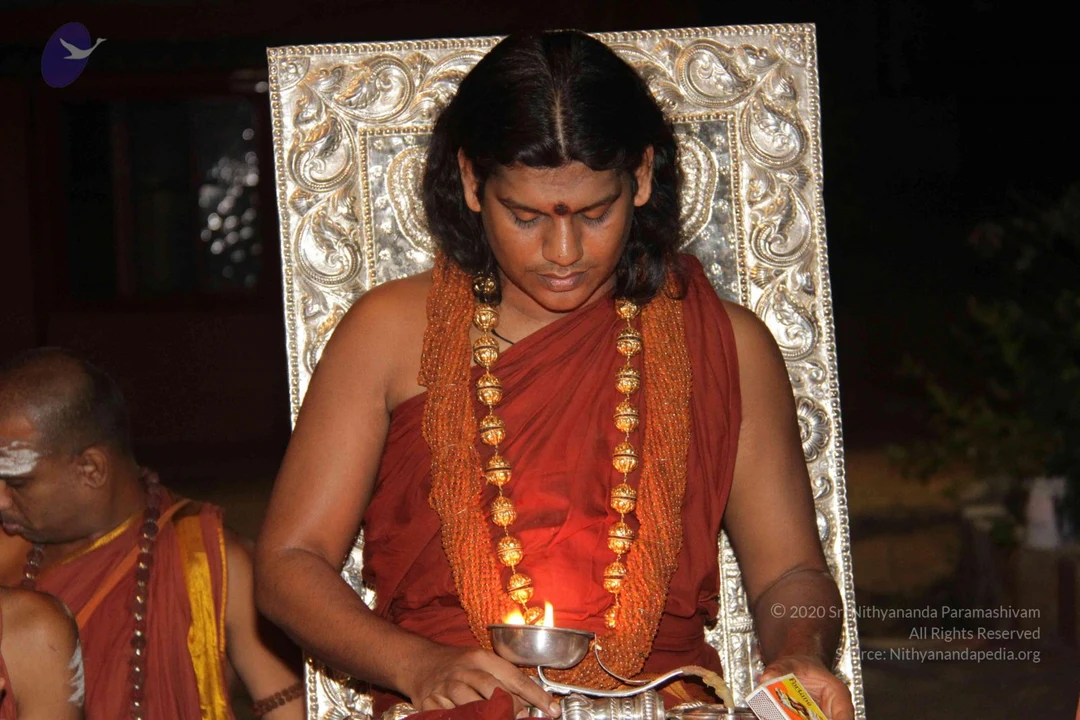
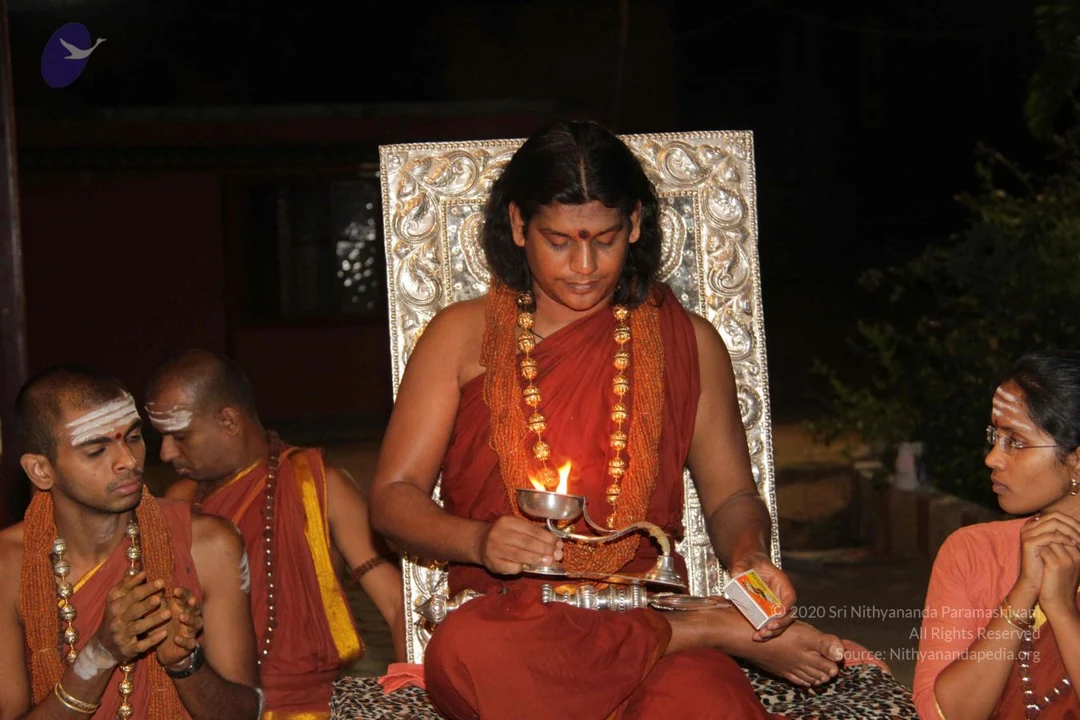
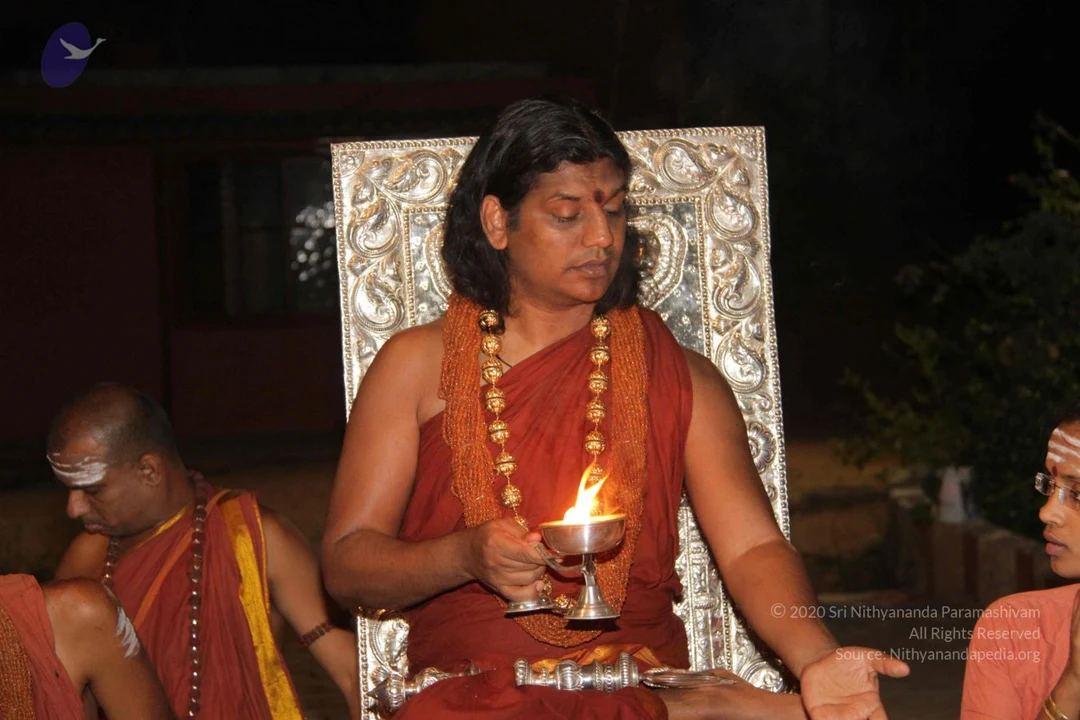
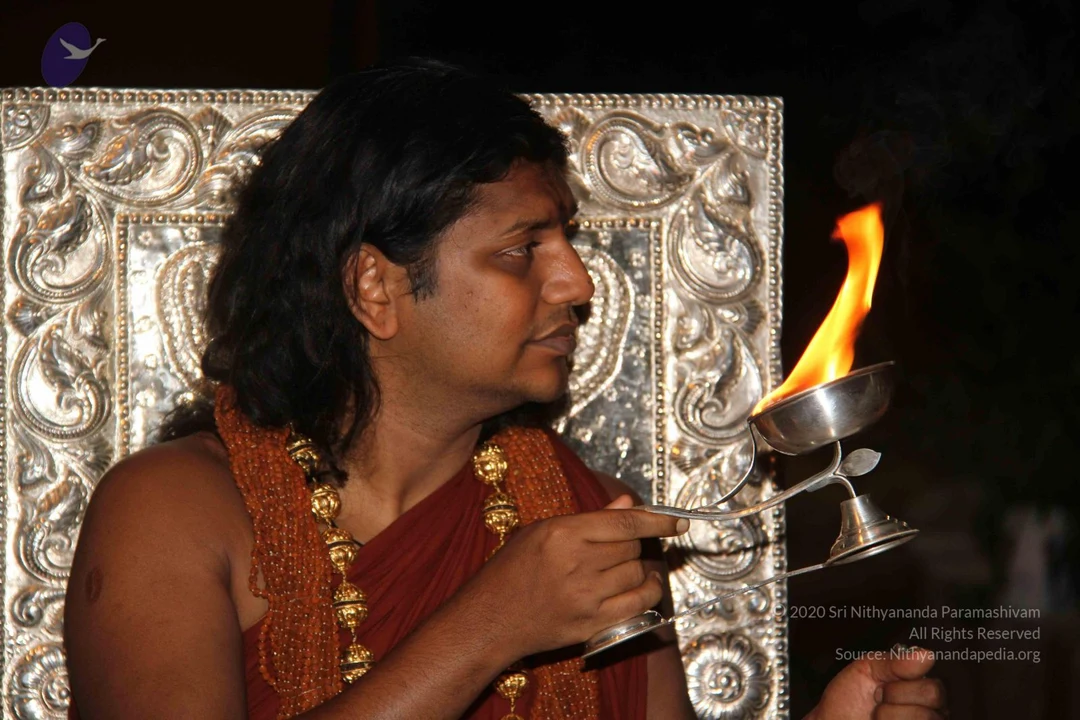
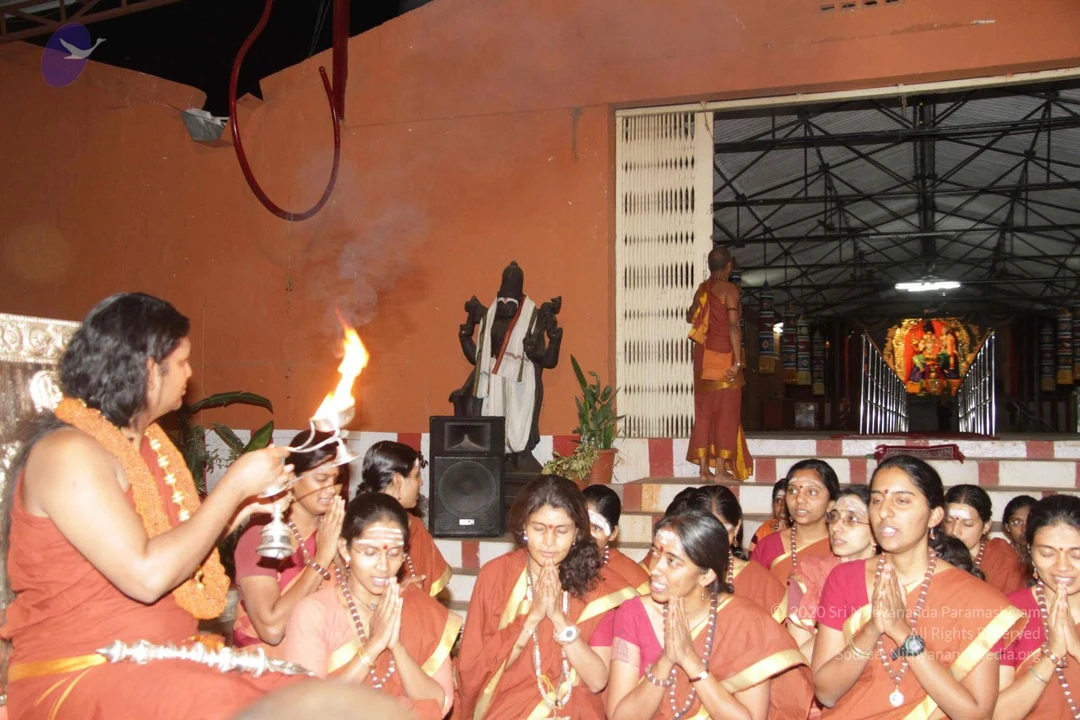




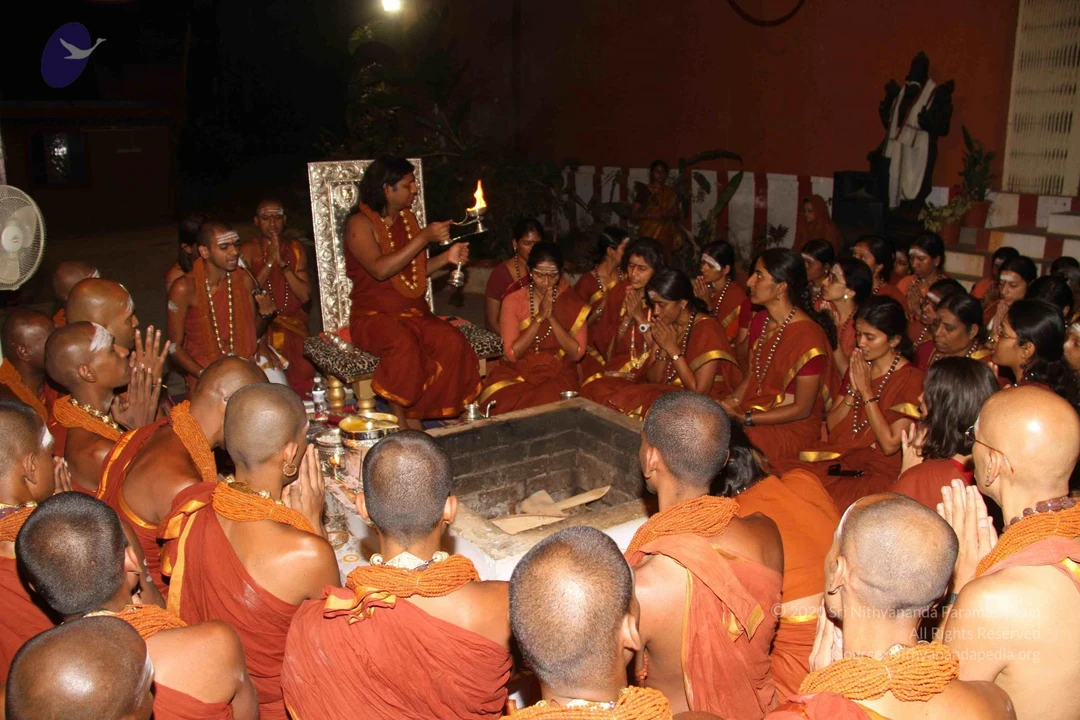

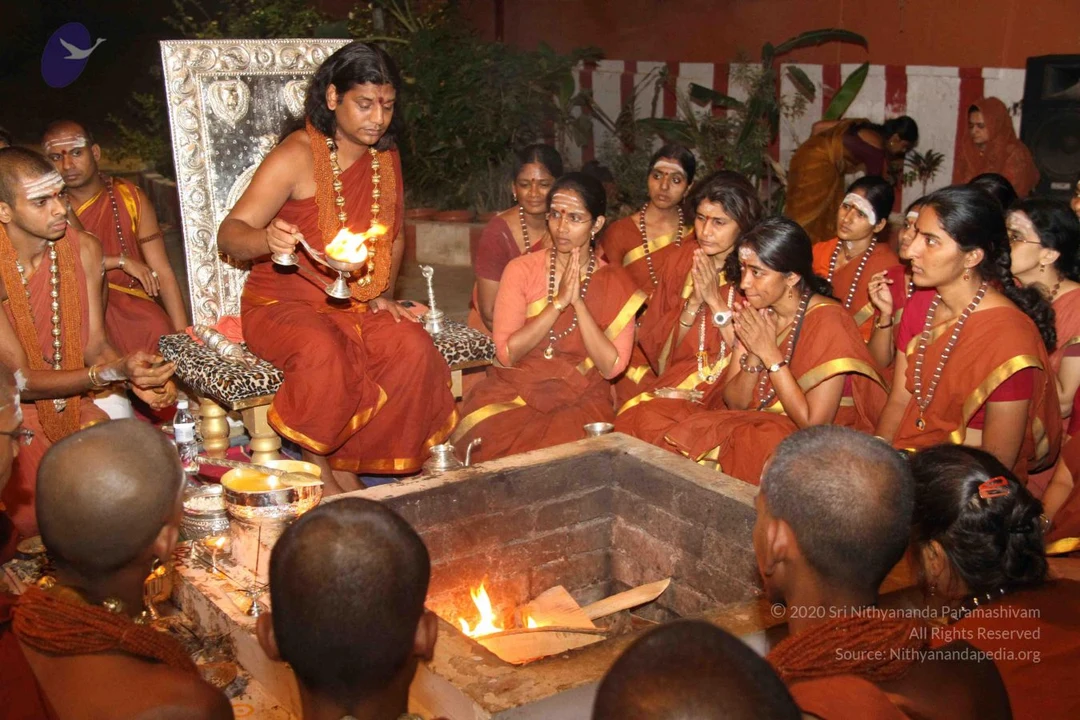













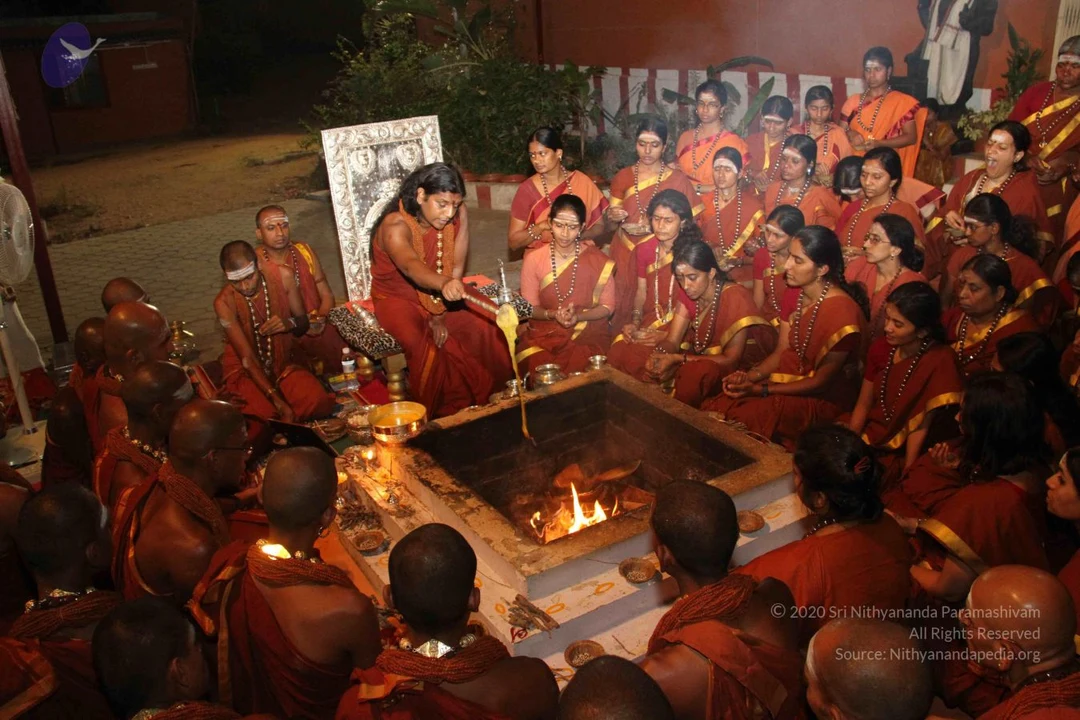
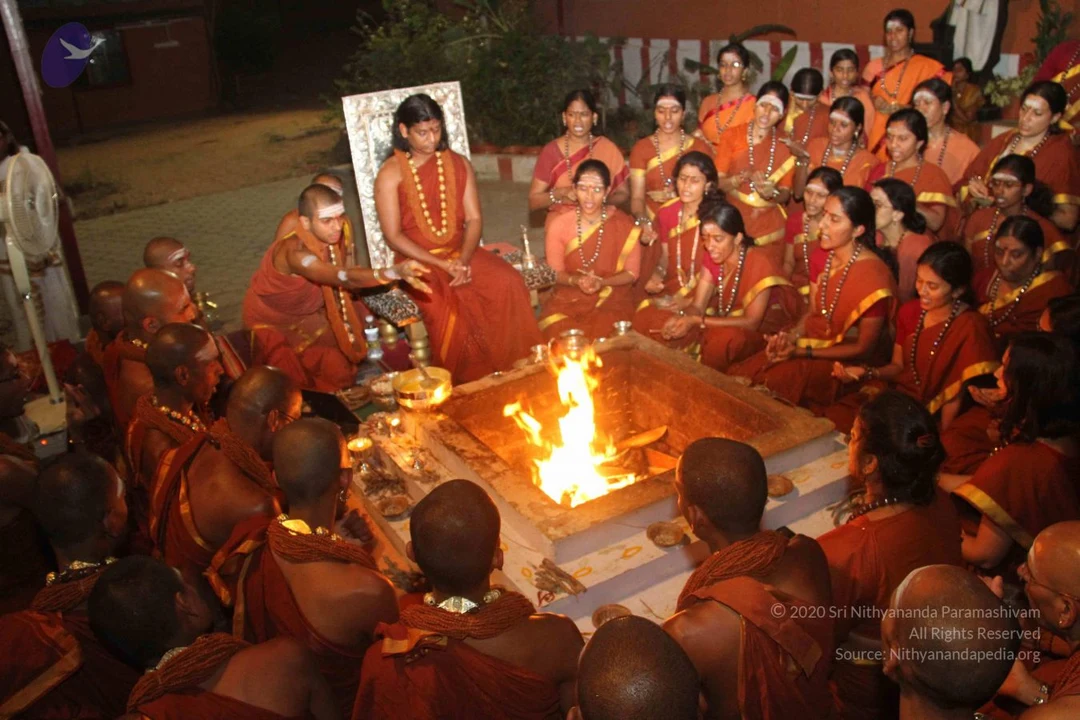
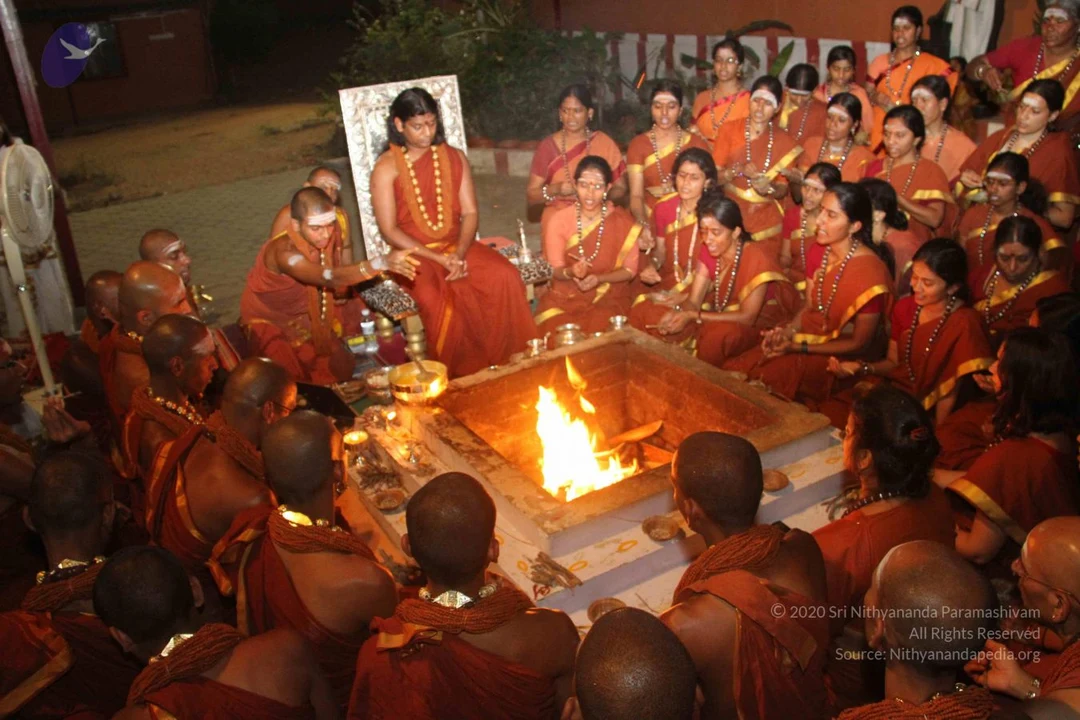
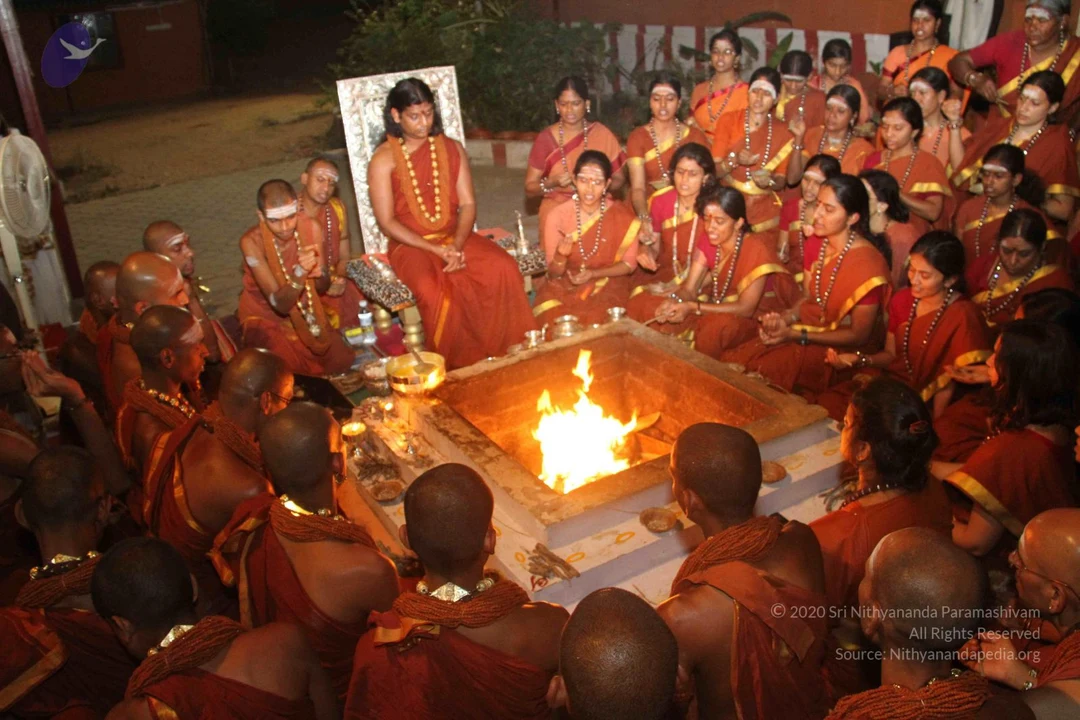
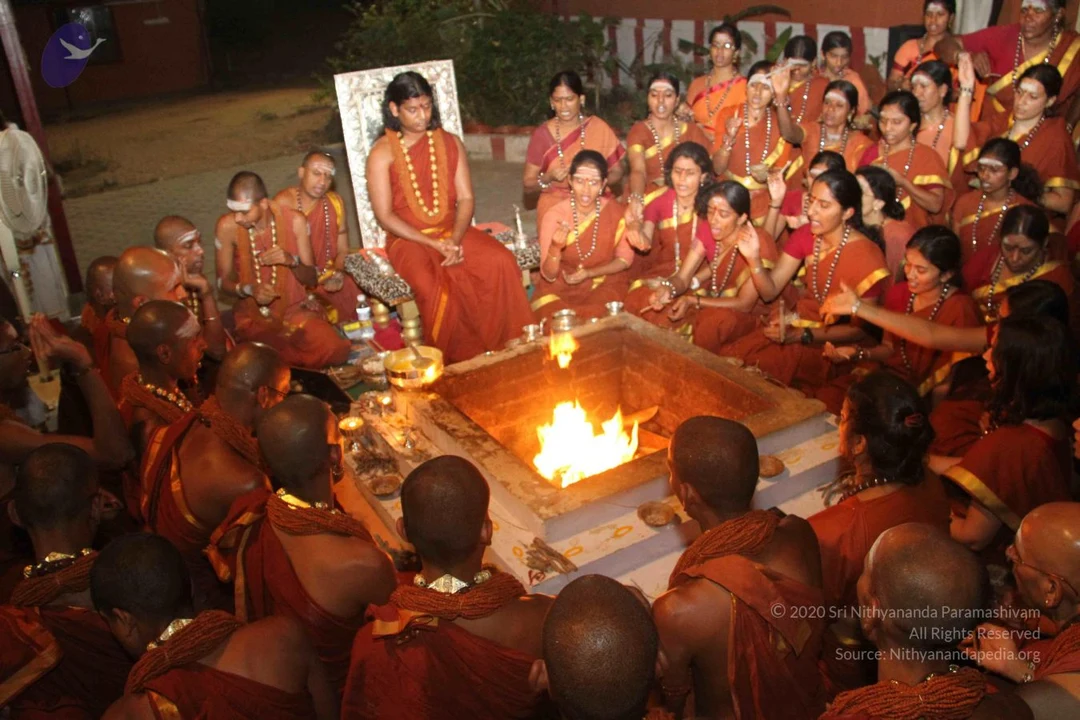




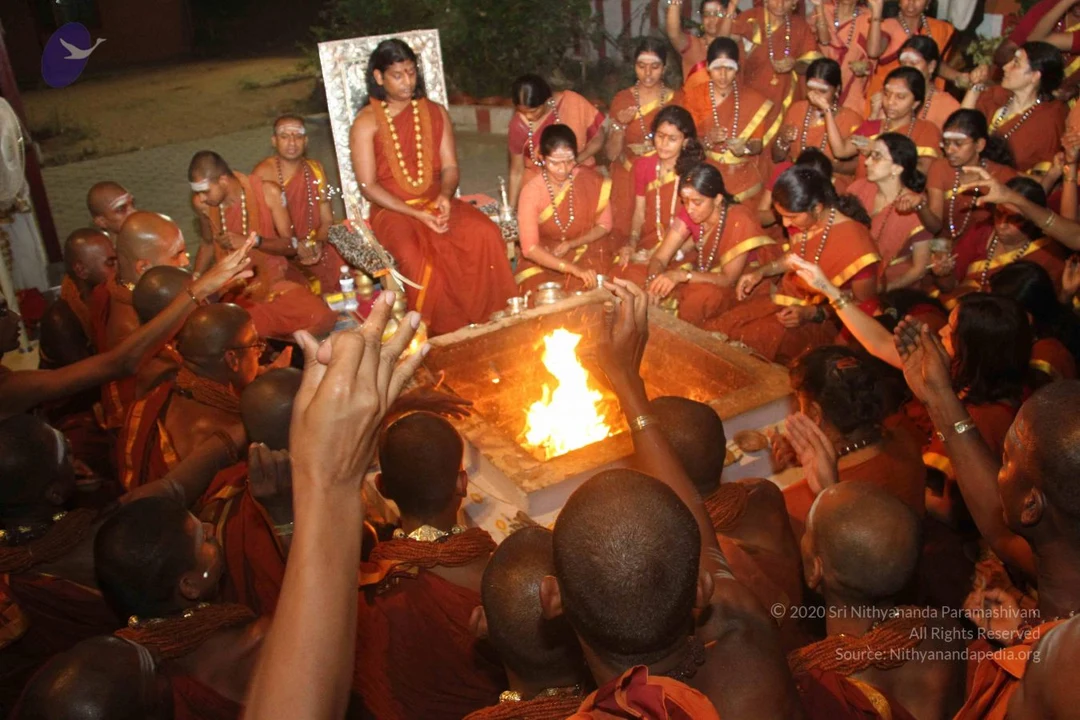

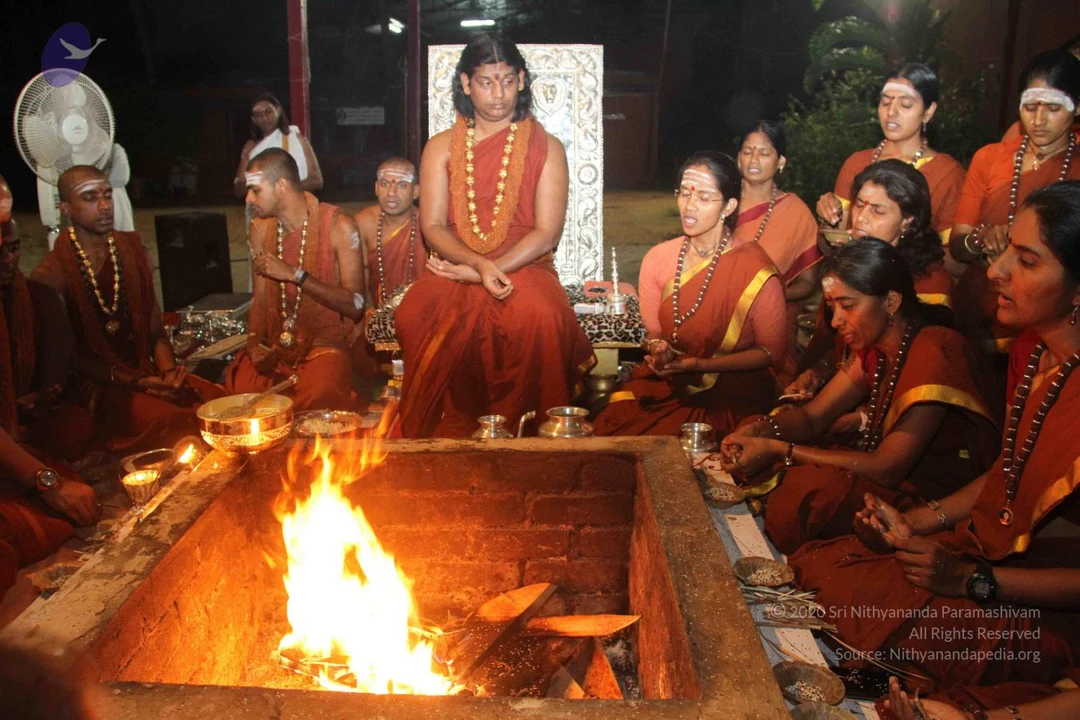
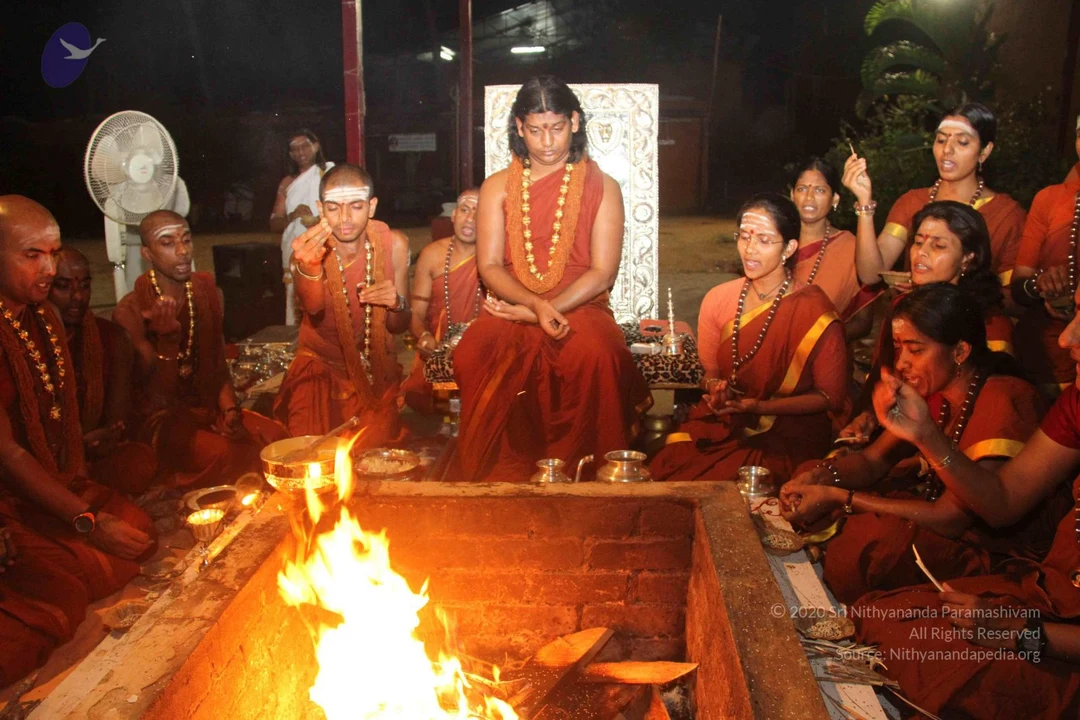


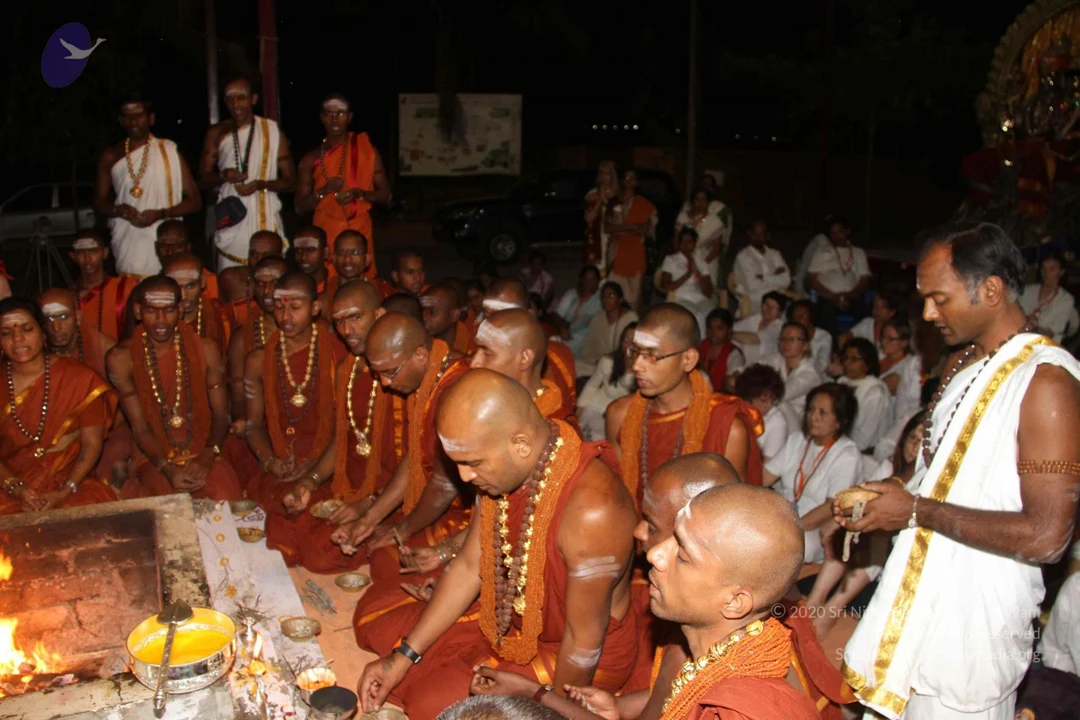
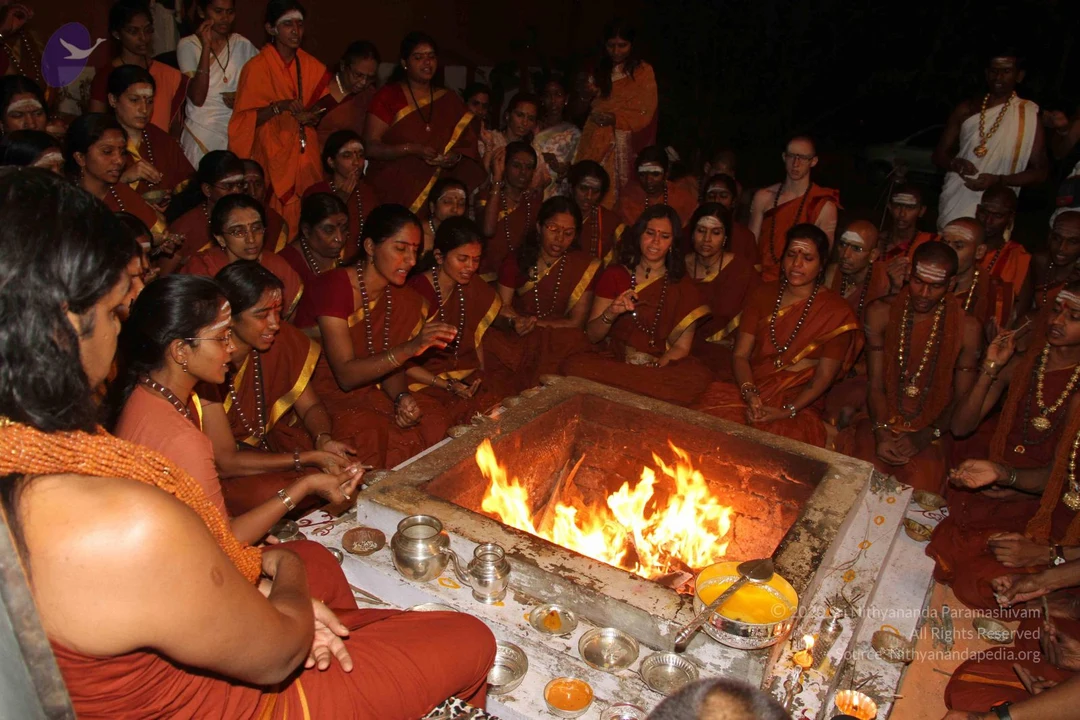


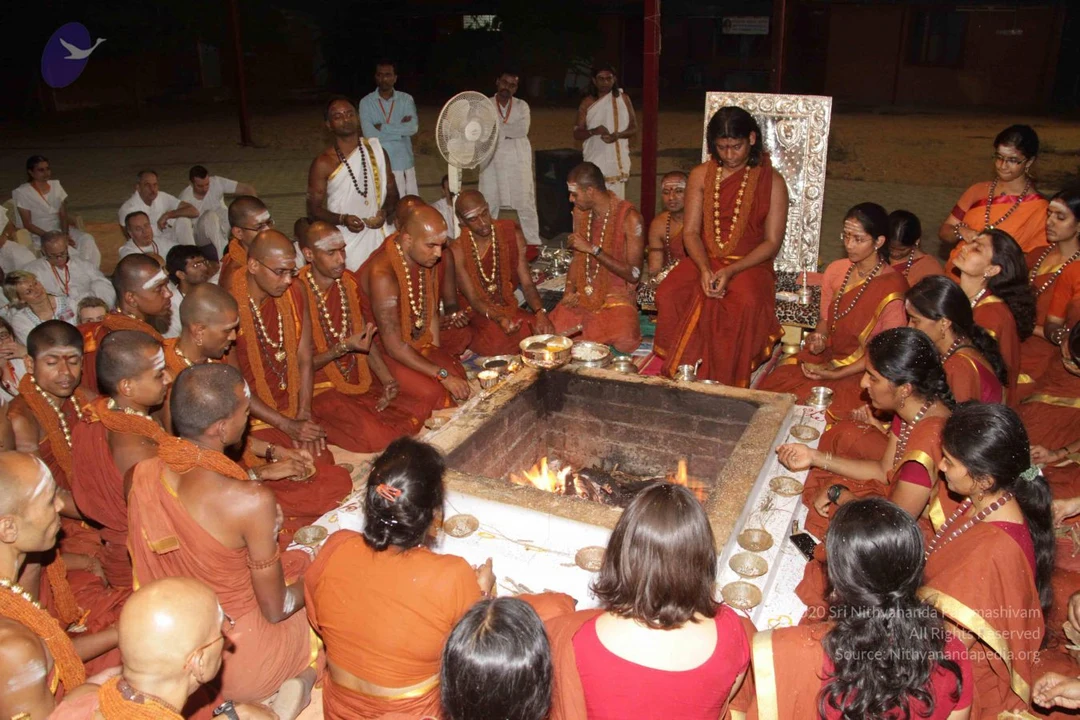
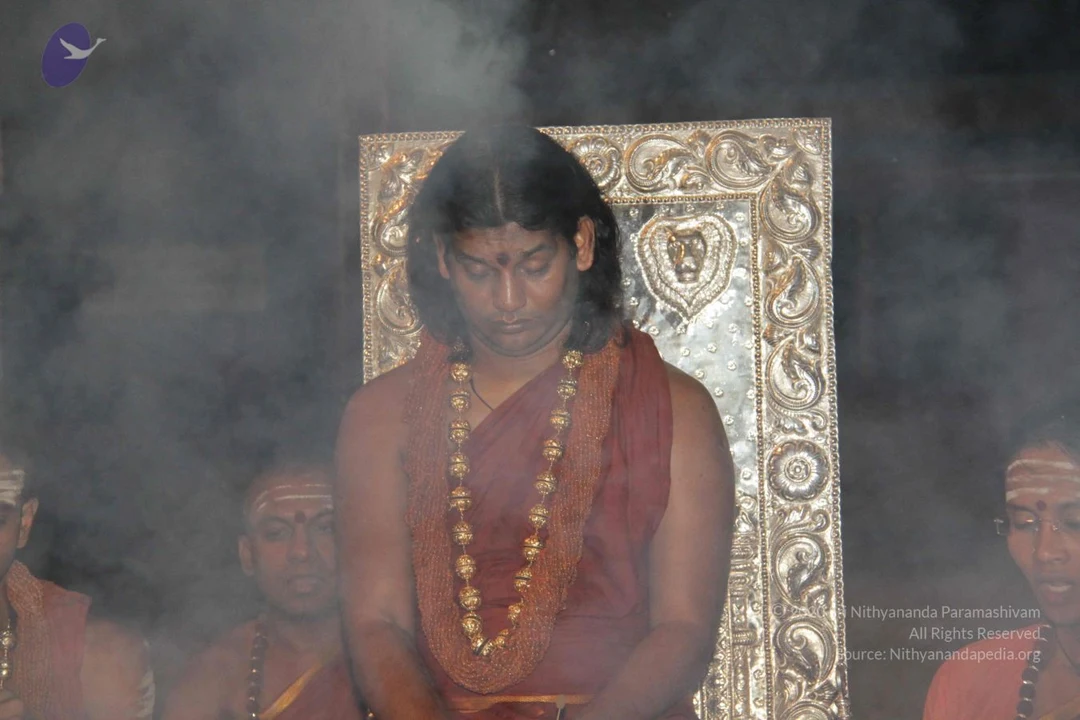
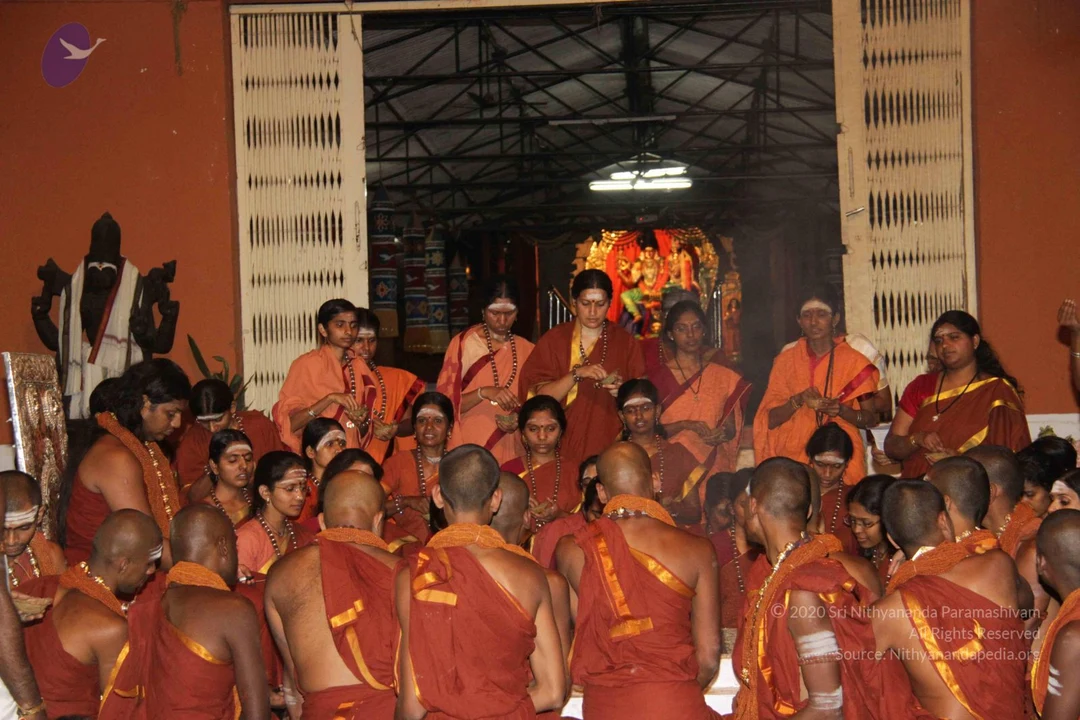
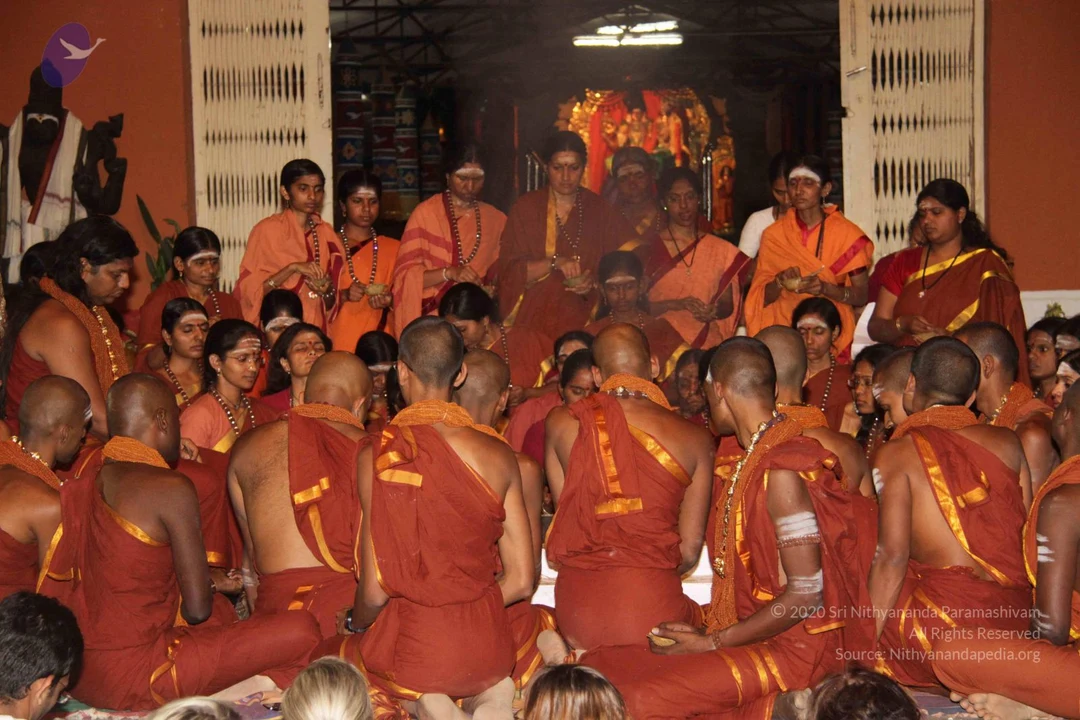

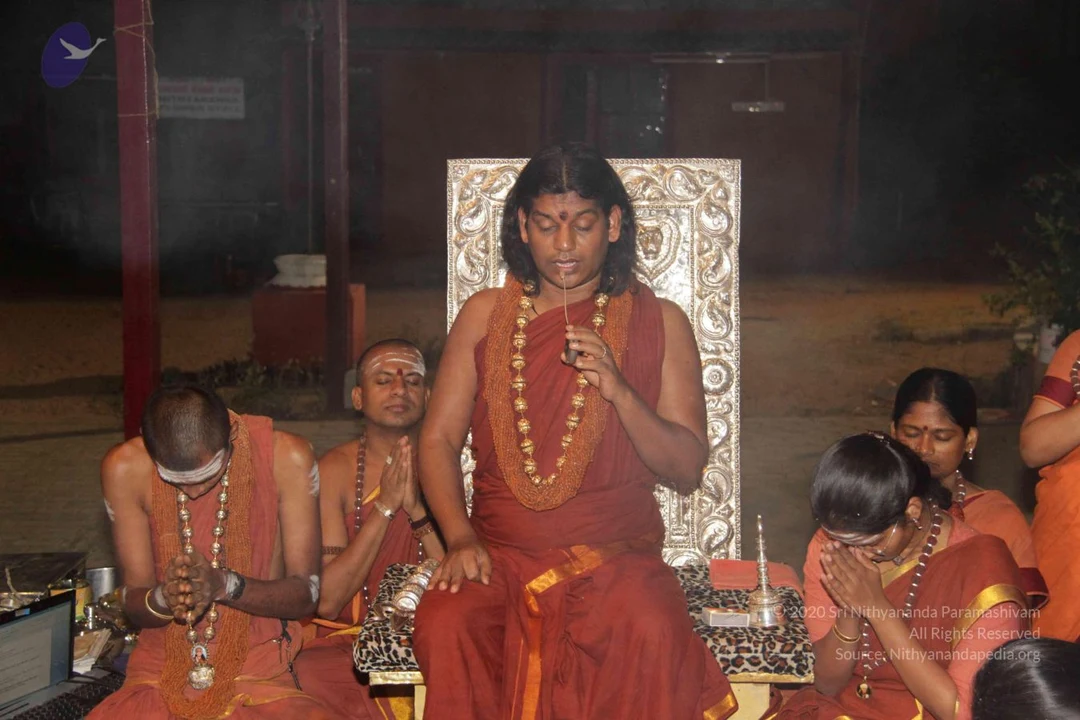
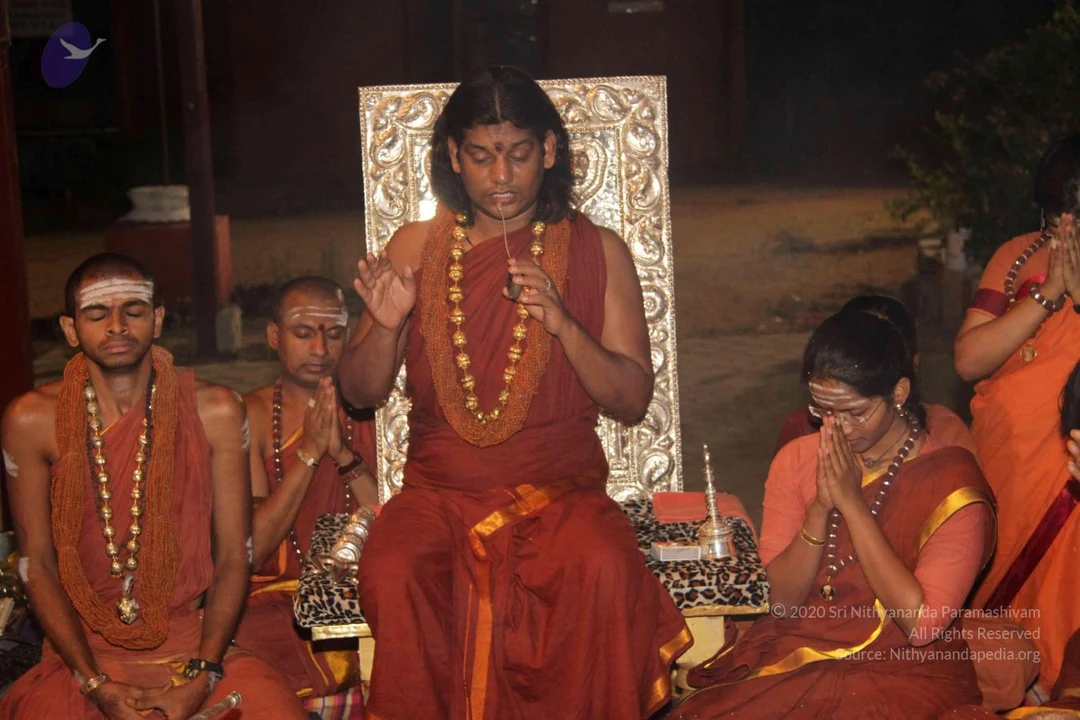
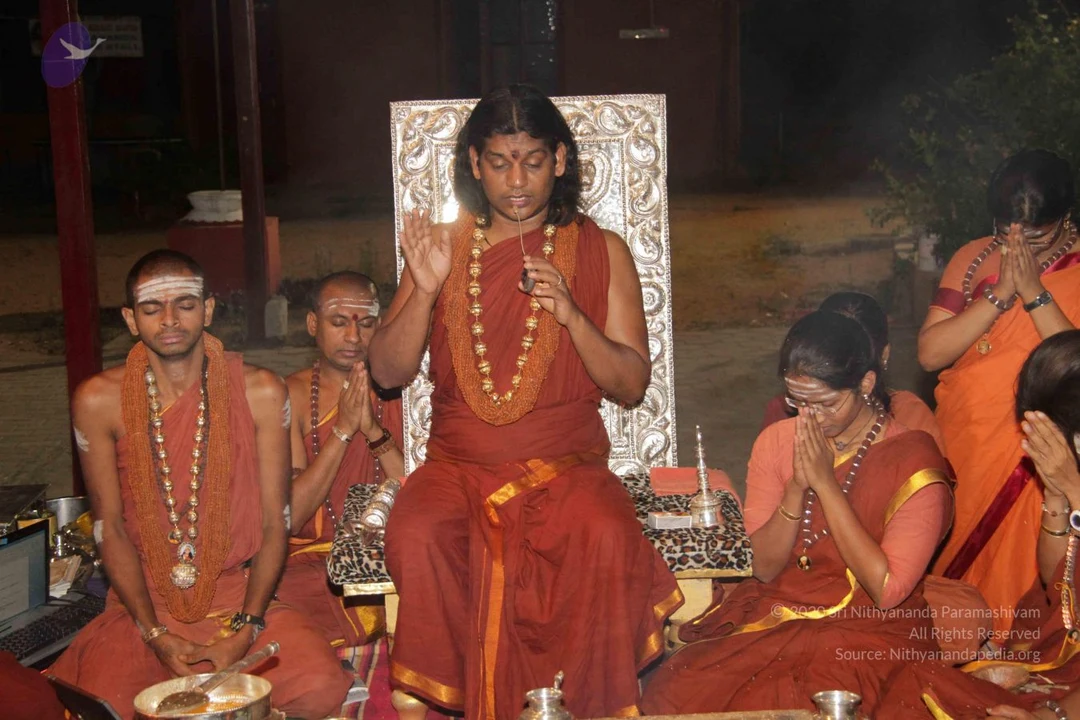
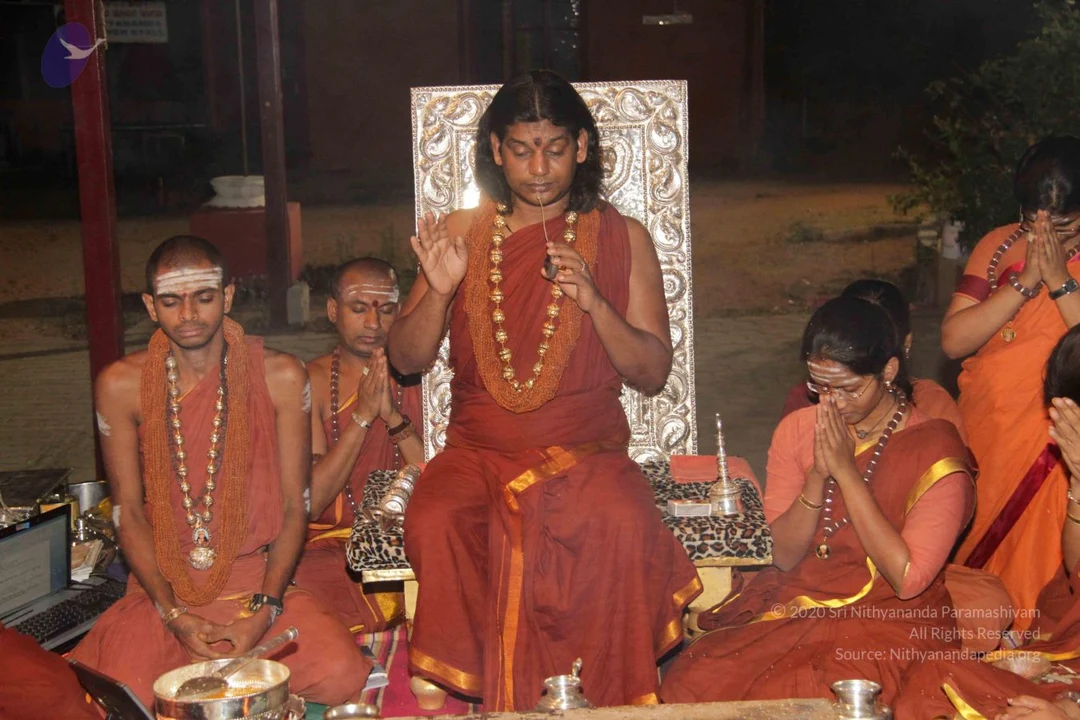
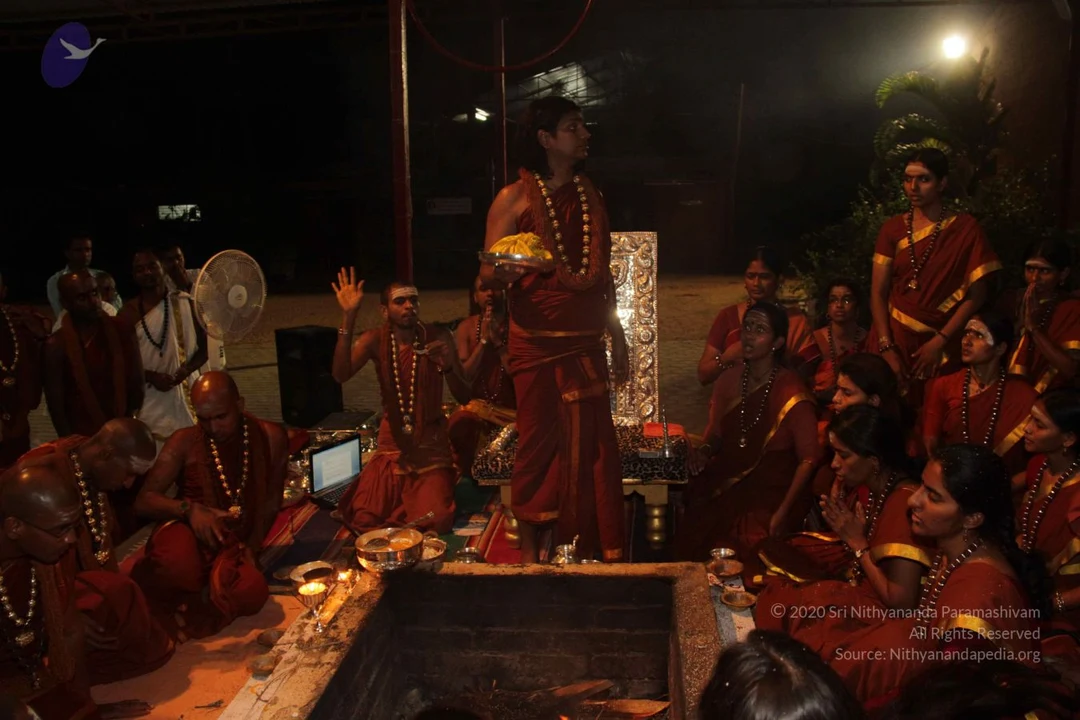
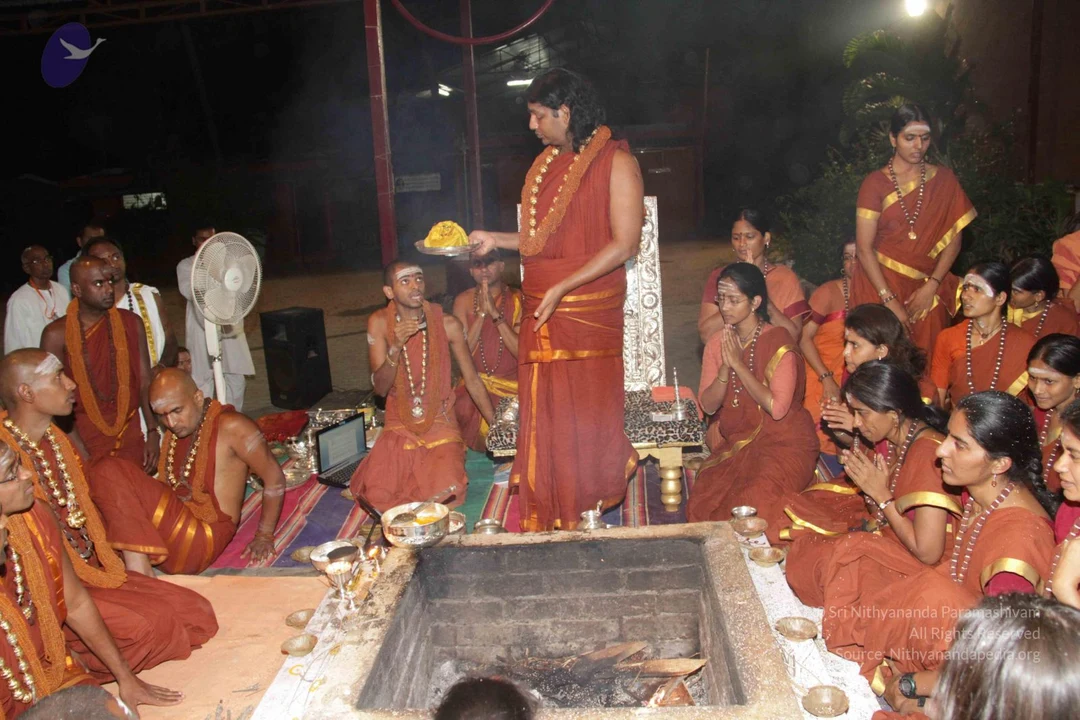
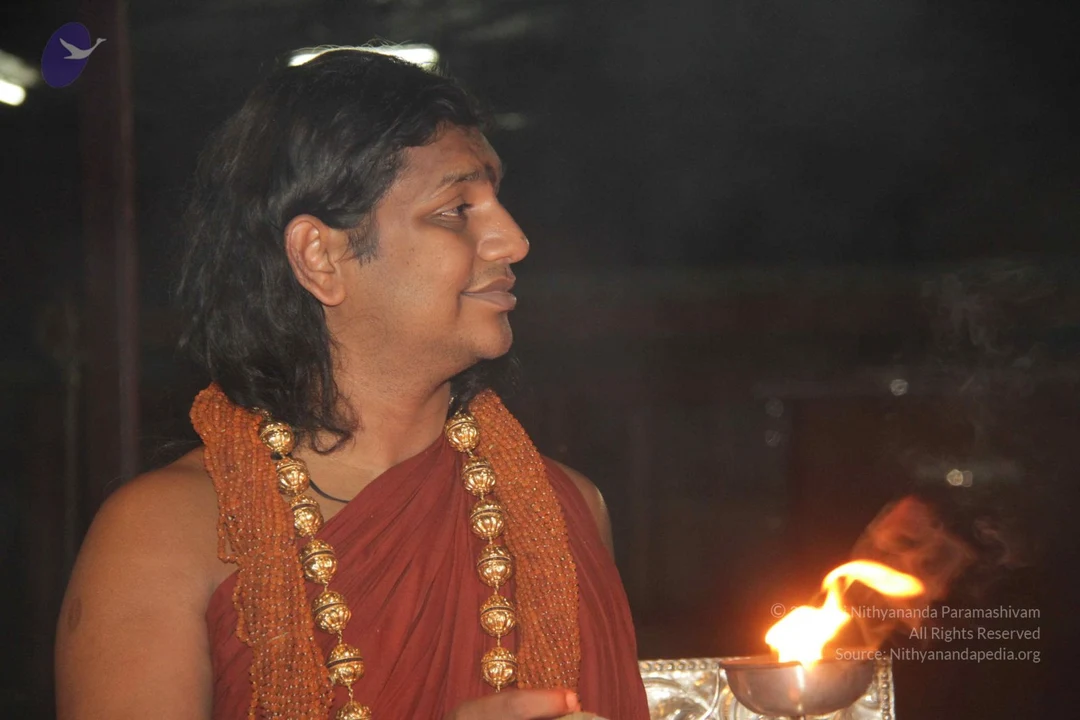

IA-DARSHAN
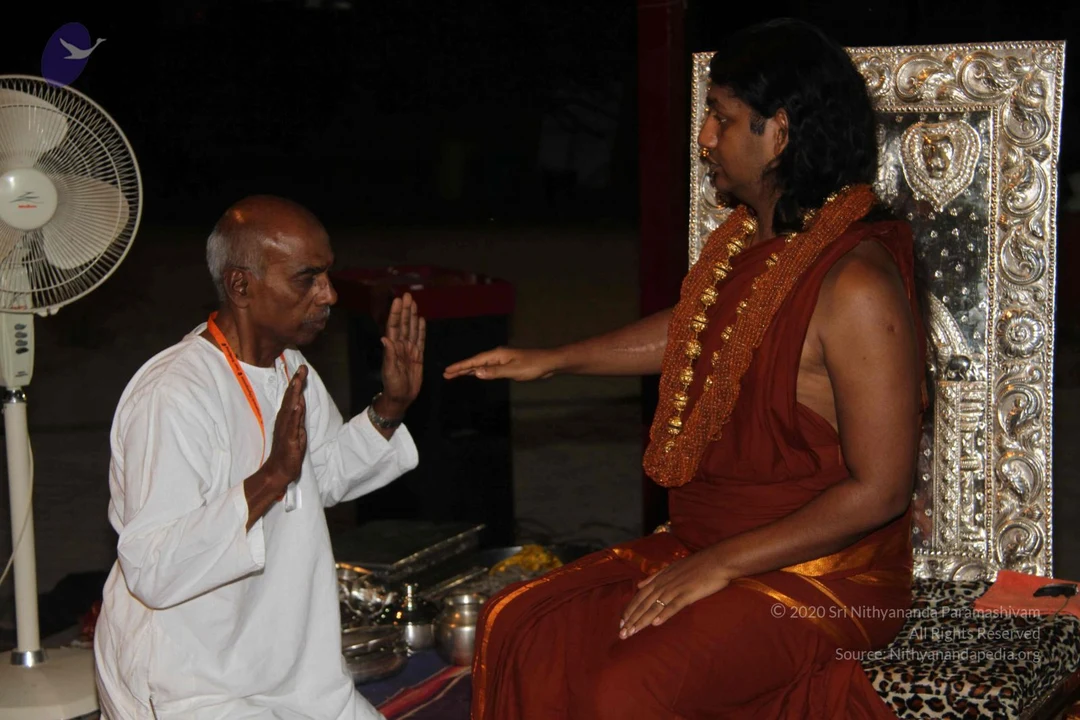
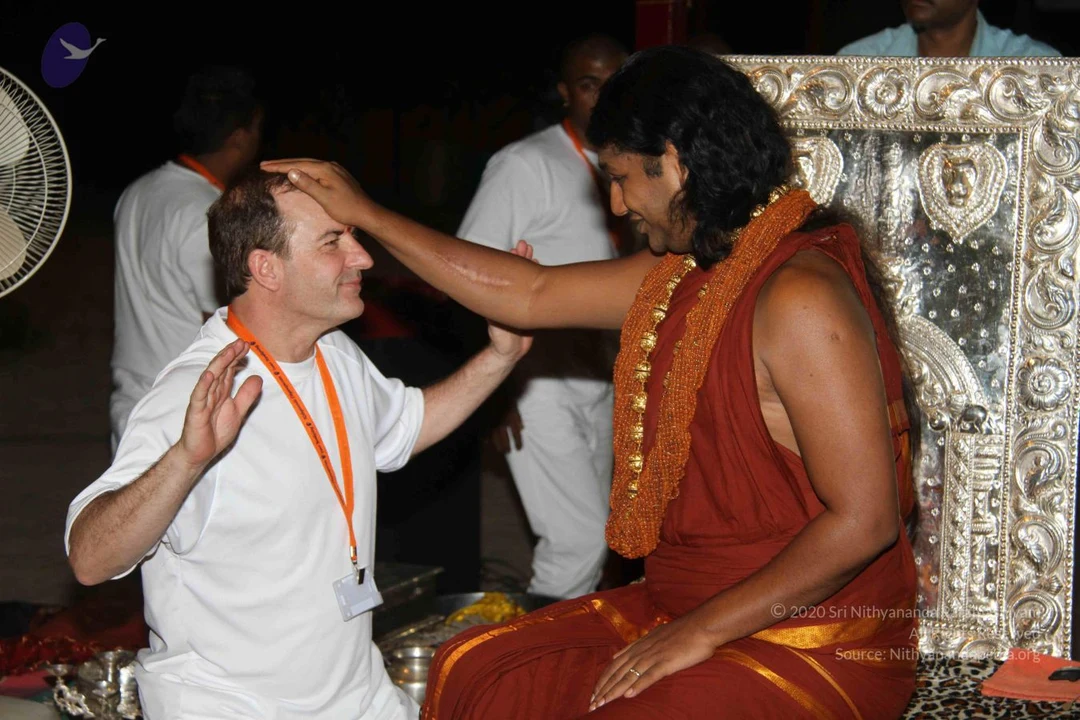
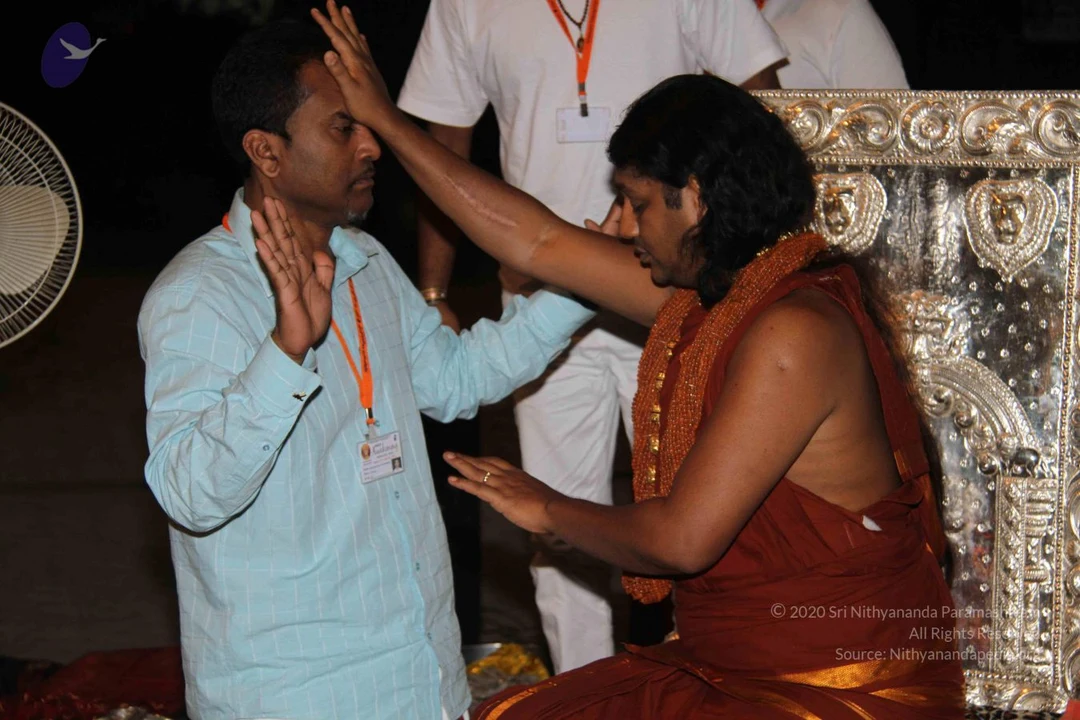
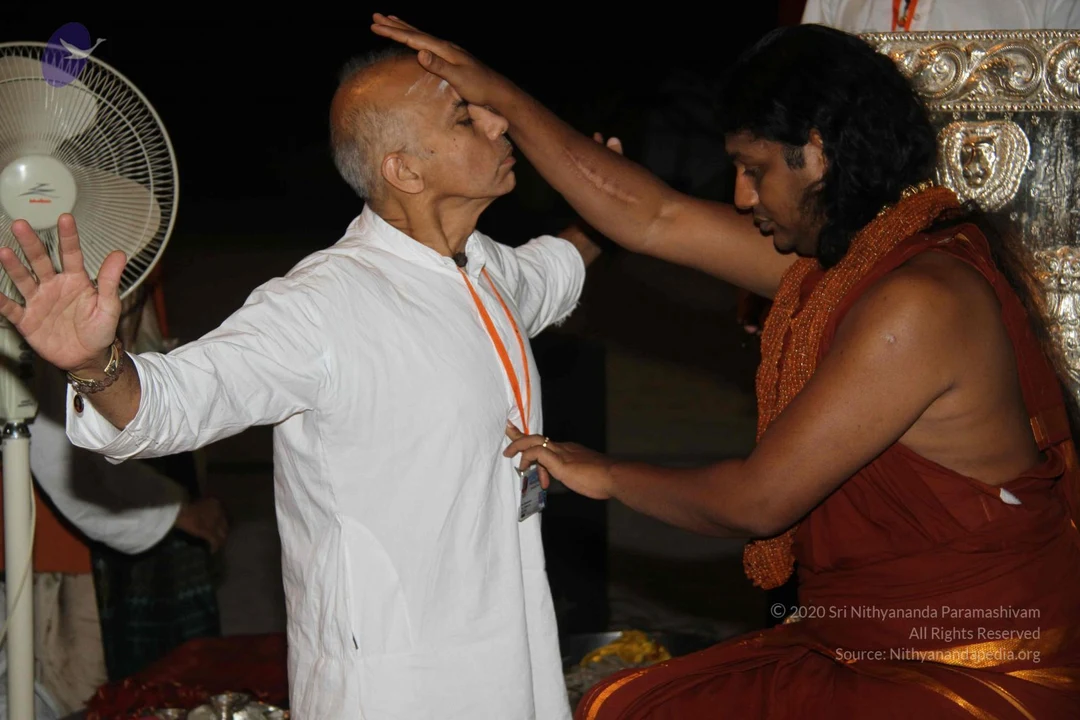
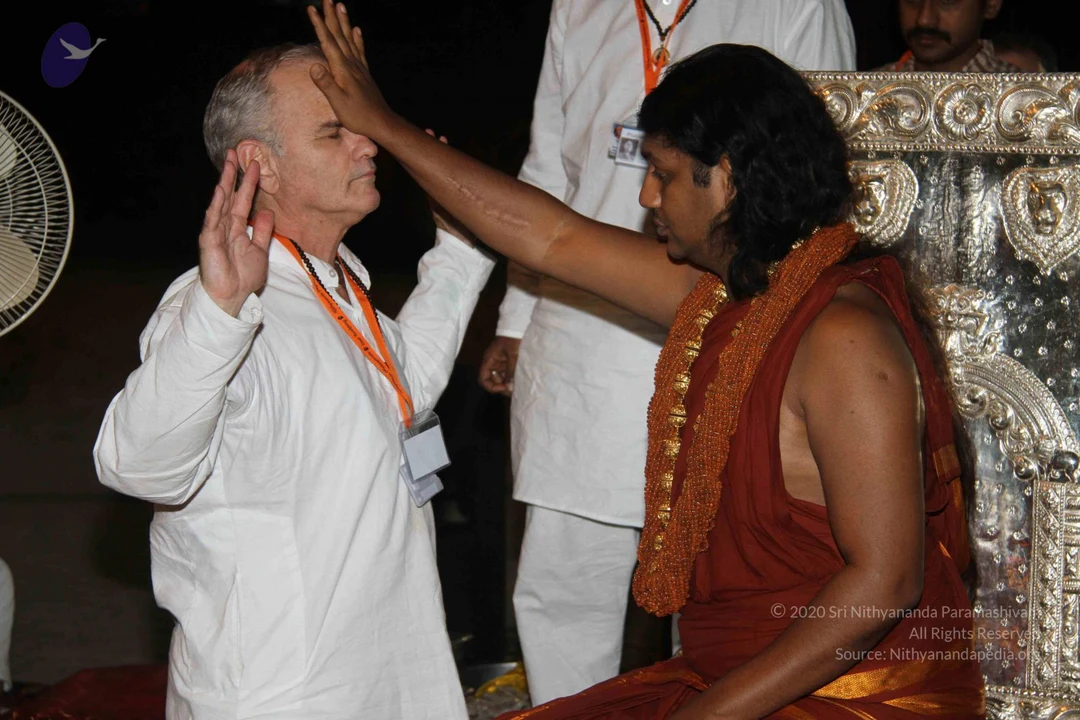

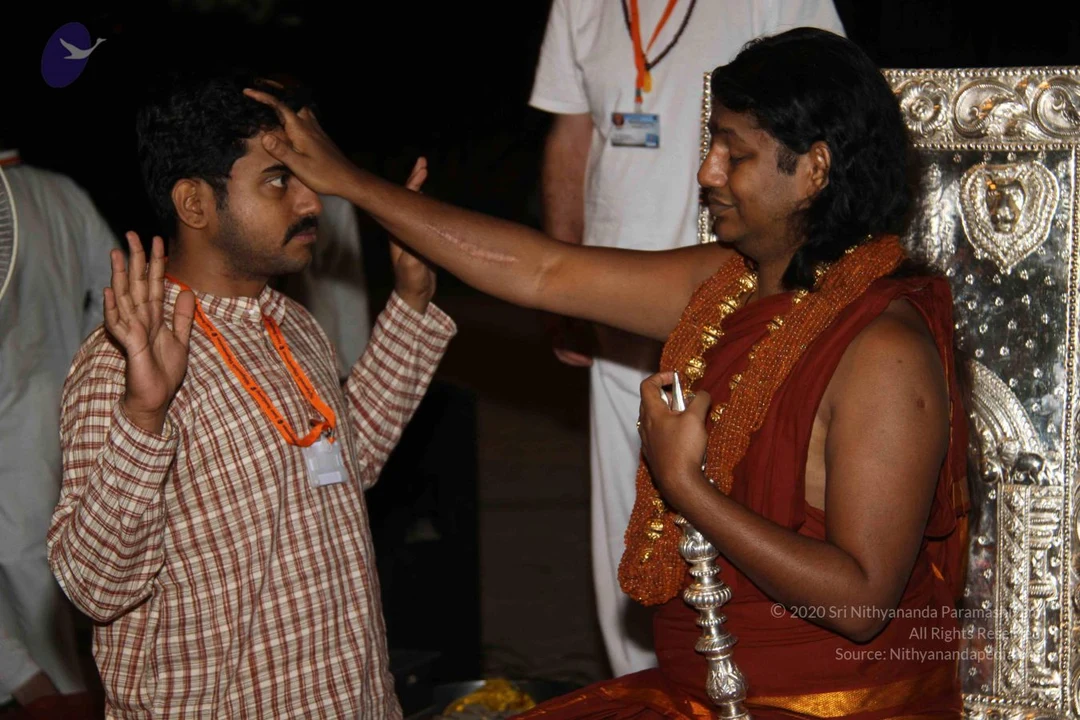
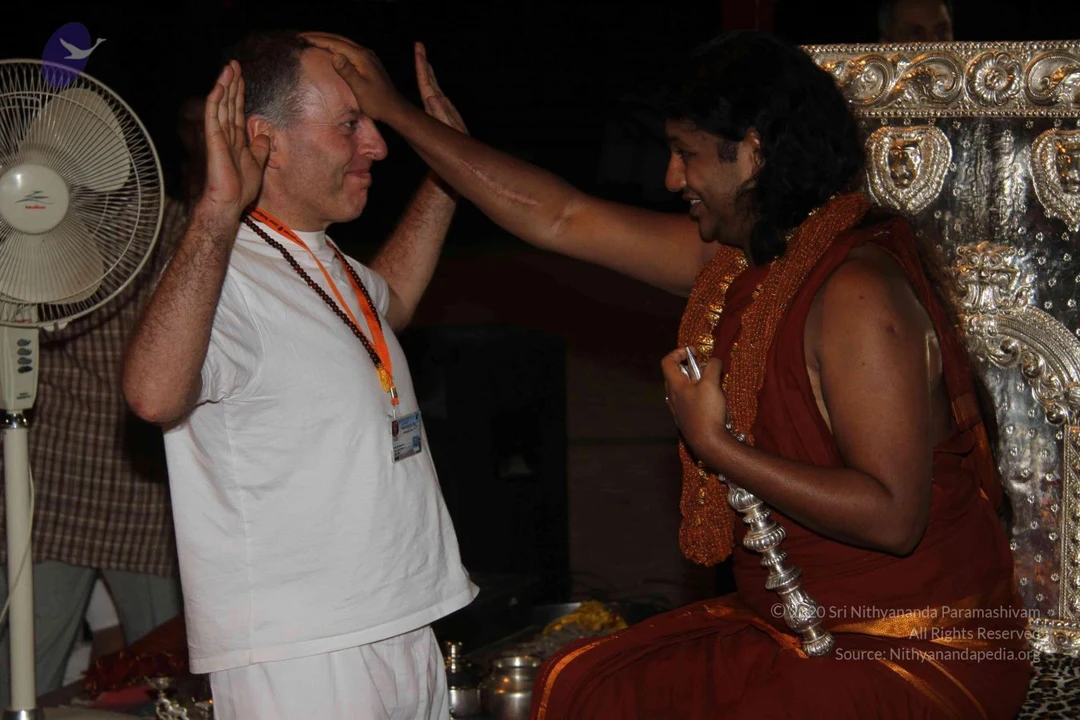


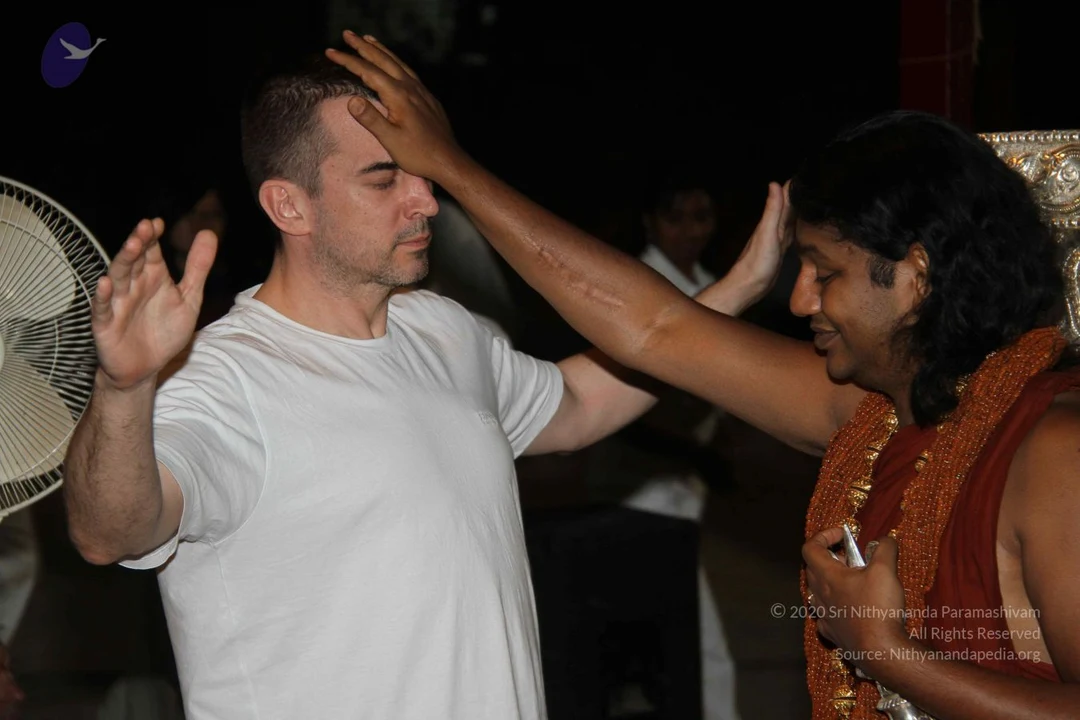
1-Akashic-Reading





























2-Pada-Puja

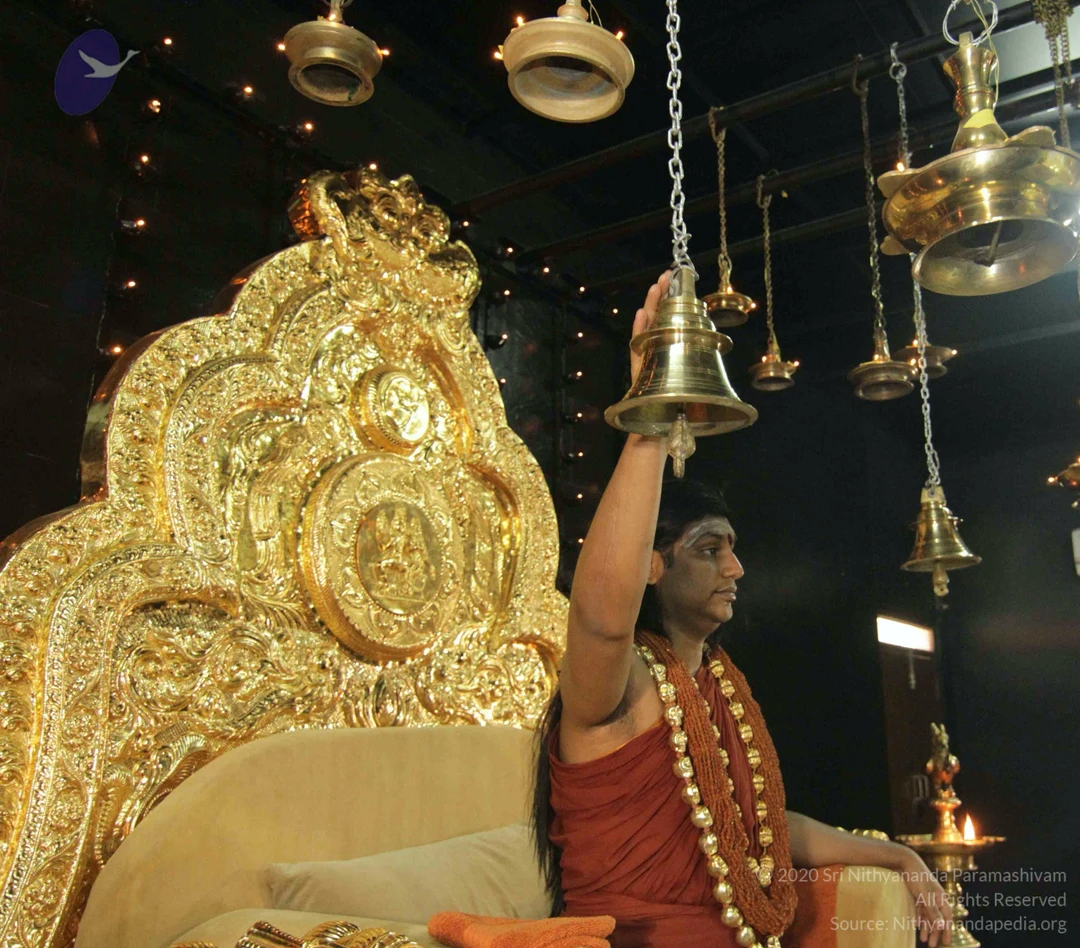
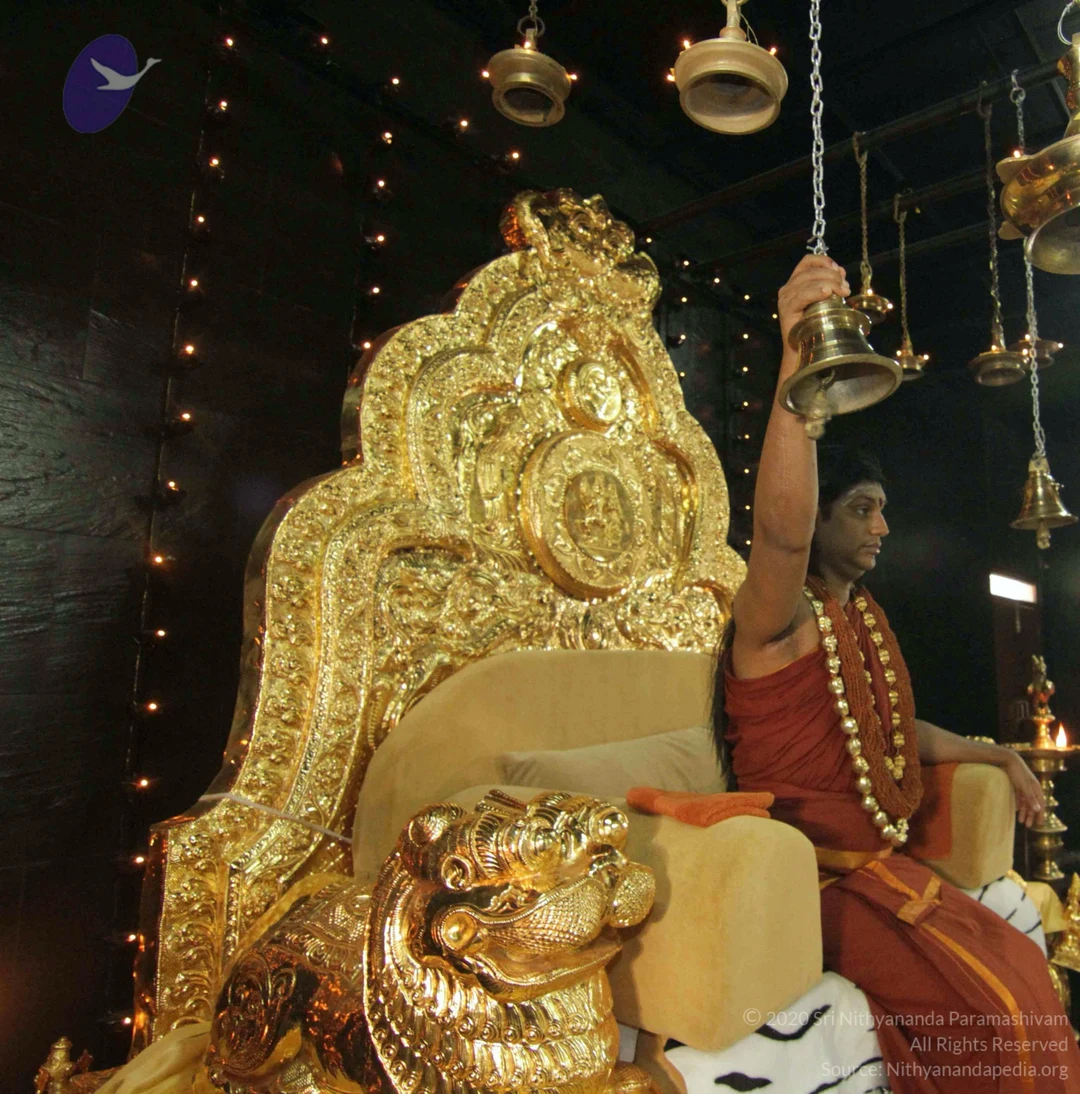
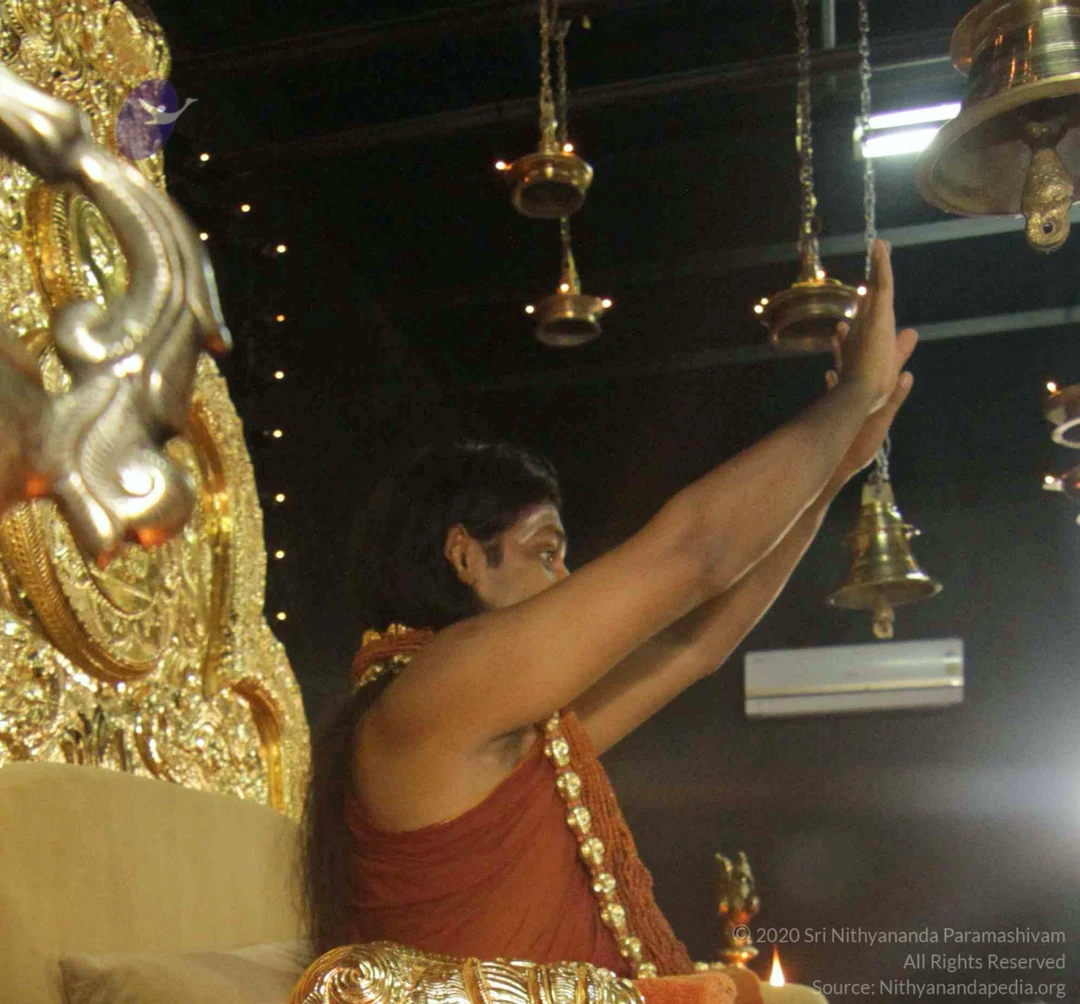











3-Morning-Message




4-IA-Day6-Session
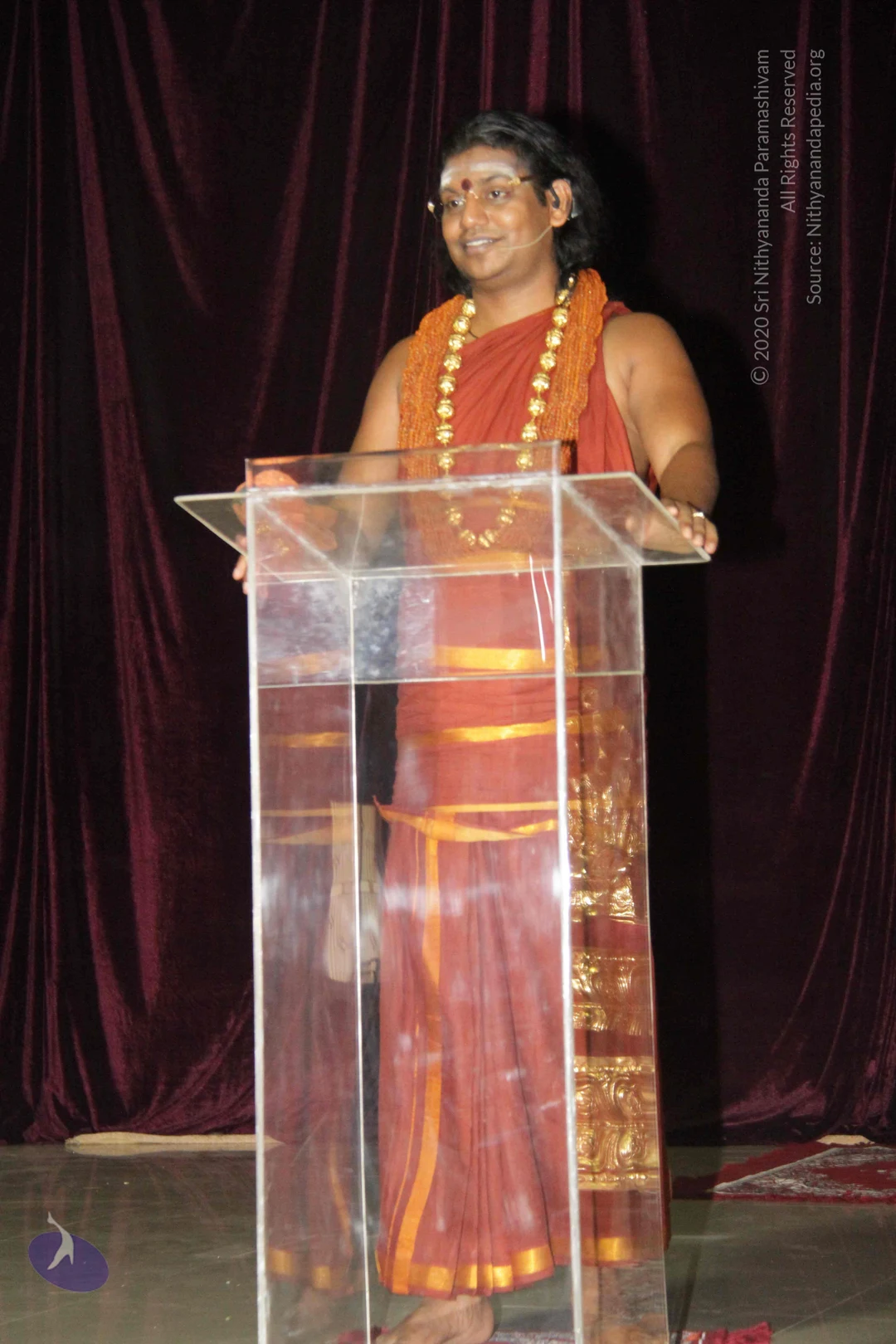
5-Virajaa-Homa

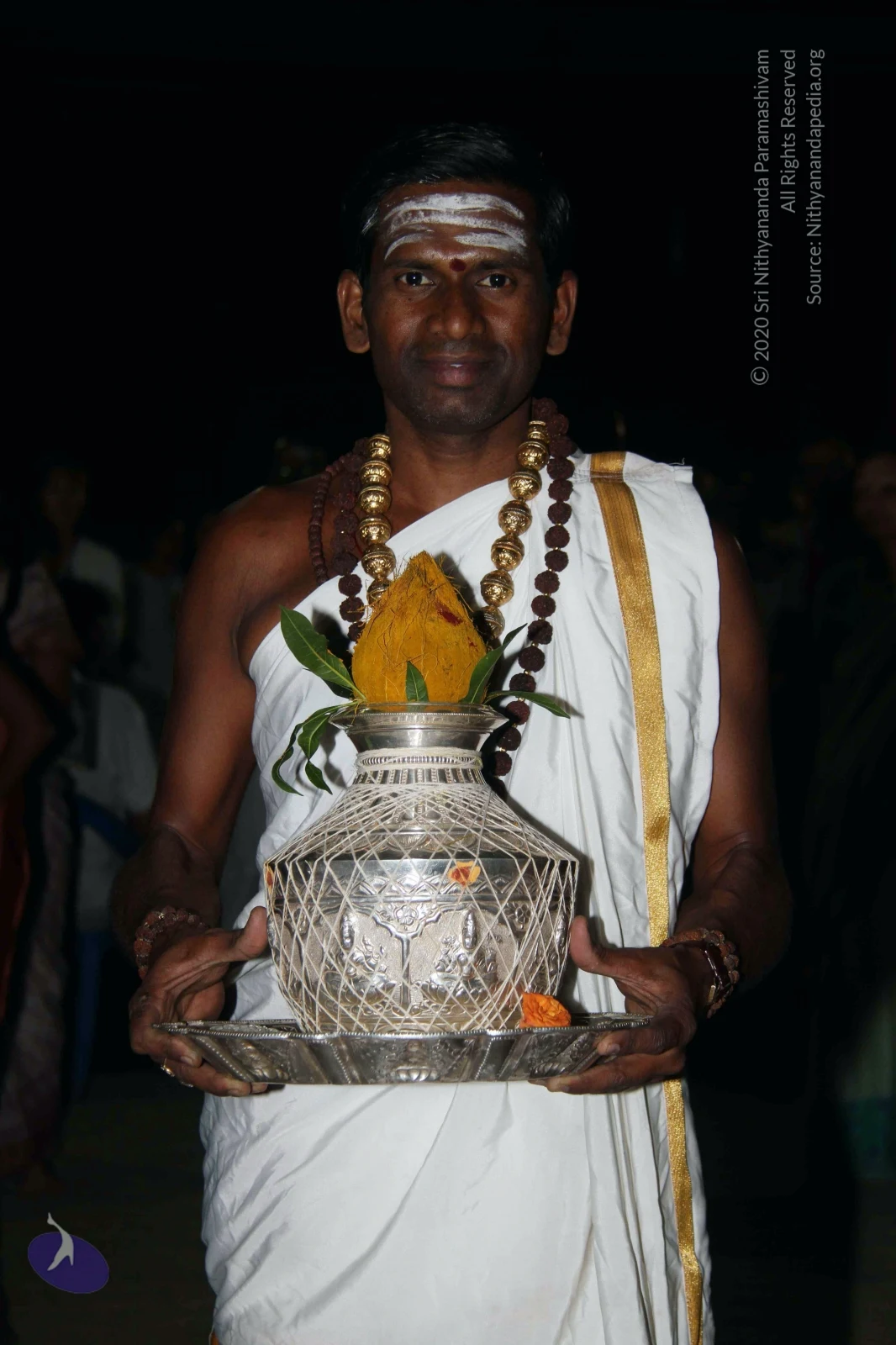

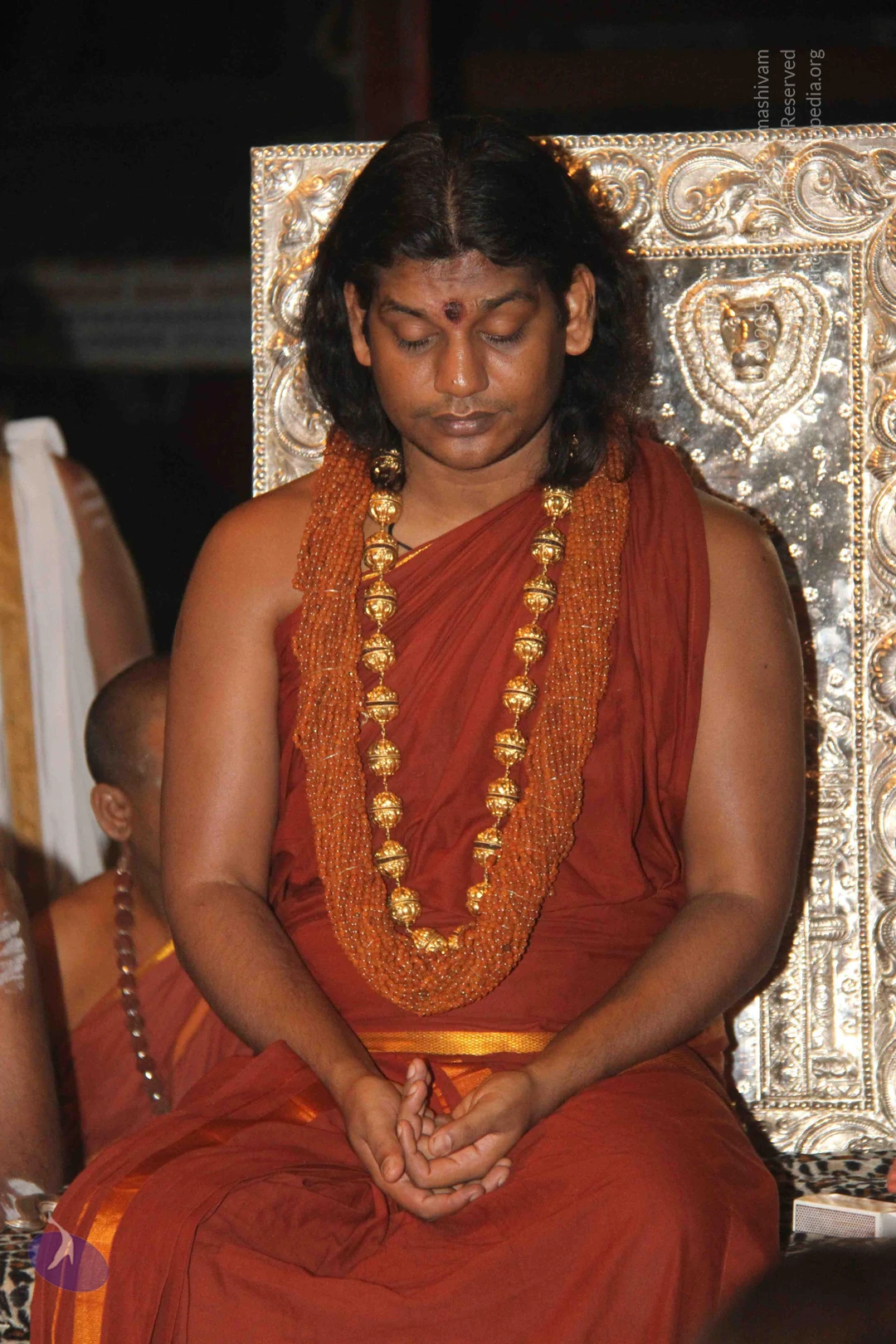
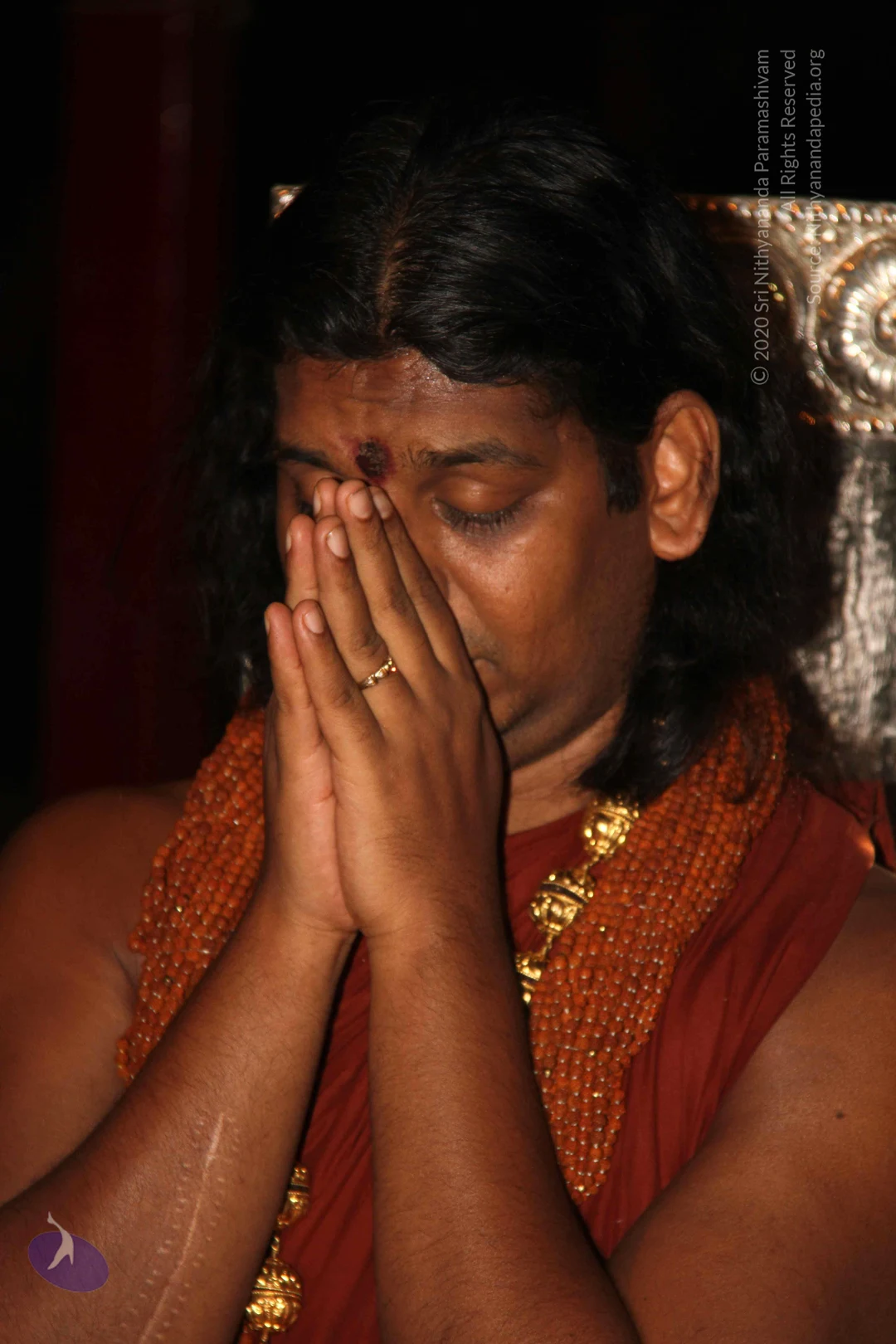



Photos from this day
View all 362 photosMorning Paada Puja
6 photosSource gallery
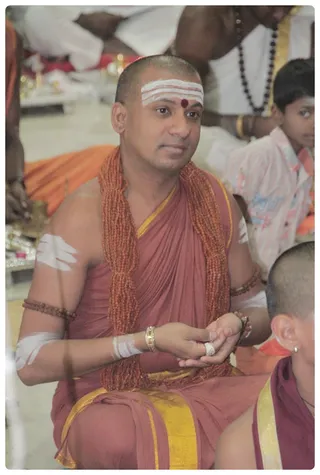
Morning Satsang
6 photosSource gallery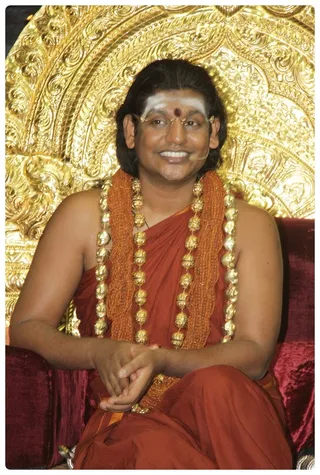
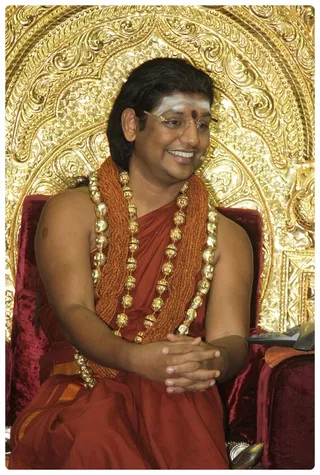
PADA-POOJA
40 photosSource gallery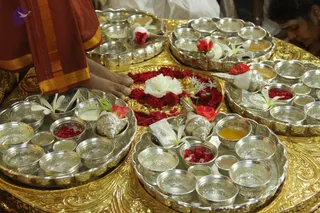
NITHYA-SATSANG
15 photosSource gallery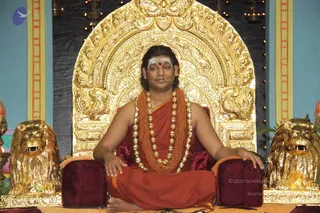
SARVA-DARSHAN
3 photosSource gallery
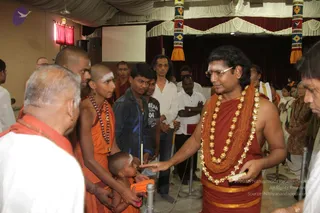
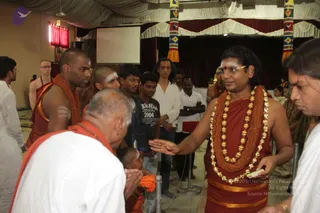
AKASHIC-READING
45 photosSource gallery

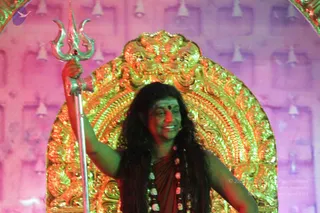



IA-SESSION
14 photosSource gallery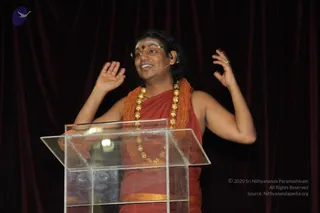


IA-LUNCH
2 photosSource gallery

VIRAJA-HOMA
124 photosSource gallery


IA-DARSHAN
19 photosSource gallery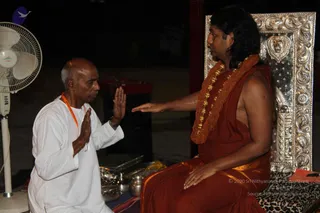
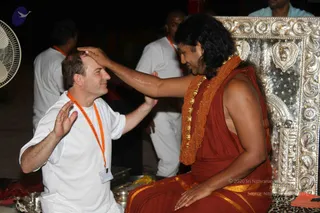
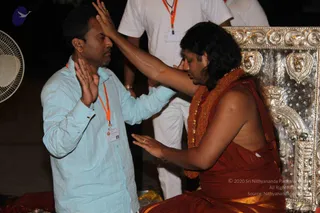
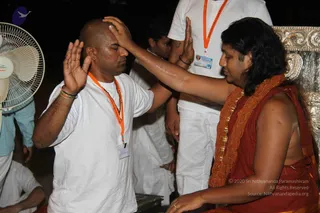
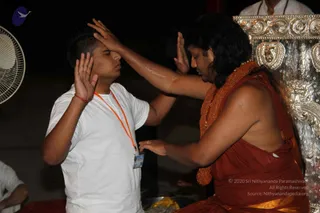
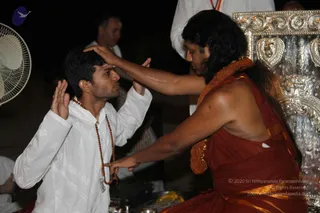
1-Akashic-Reading
29 photosSource gallery





2-Pada-Puja
29 photosSource gallery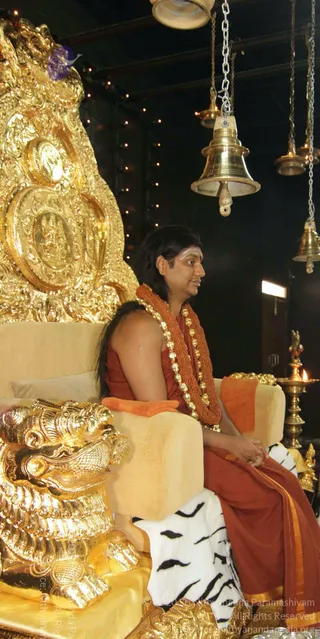
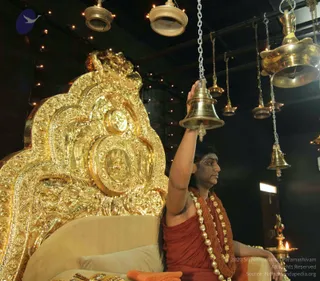
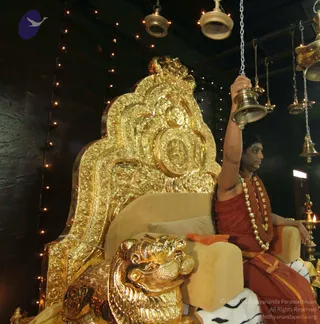

3-Morning-Message
17 photosSource gallery
5-Virajaa-Homa
11 photosSource gallery

March 18 2013
2 photosView all