Monday
25 February 2013
A Life without fear is possible
- Dated photos
- 215
- Source pages
- 1
- Media
- 9
February 25 2013
Original wiki pageTitle
A Life without fear is possible
Description:
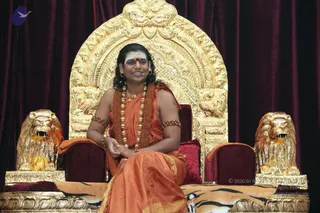
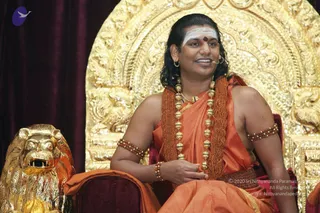
In today’s morning satsang, Paramahamsa Nithyananda discusses the nature of inauthenticity. Anything we fear in life is something we are inauthentic about. For example, if we fear death we have the inauthentic belief that we are immortal. Fear-free life is possible when we become completely authentic. Greed-free life is also possible when we are in a state of complete integrity. Worry disappears when we assume responsibility, and the need for attention is dissolved when we reach out to enrich others. Once we resolve these problems related to the four lower chakras, enlightenment simply blossoms.
Link to Video:
| Video | Audio |
Transcript
(0:28)
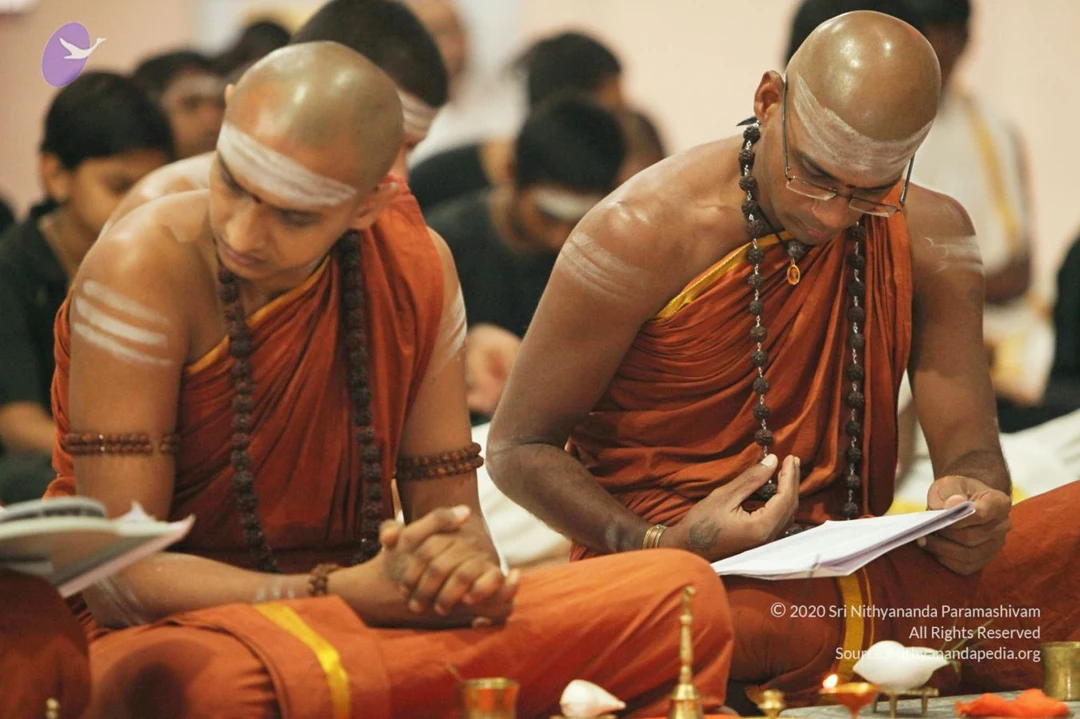
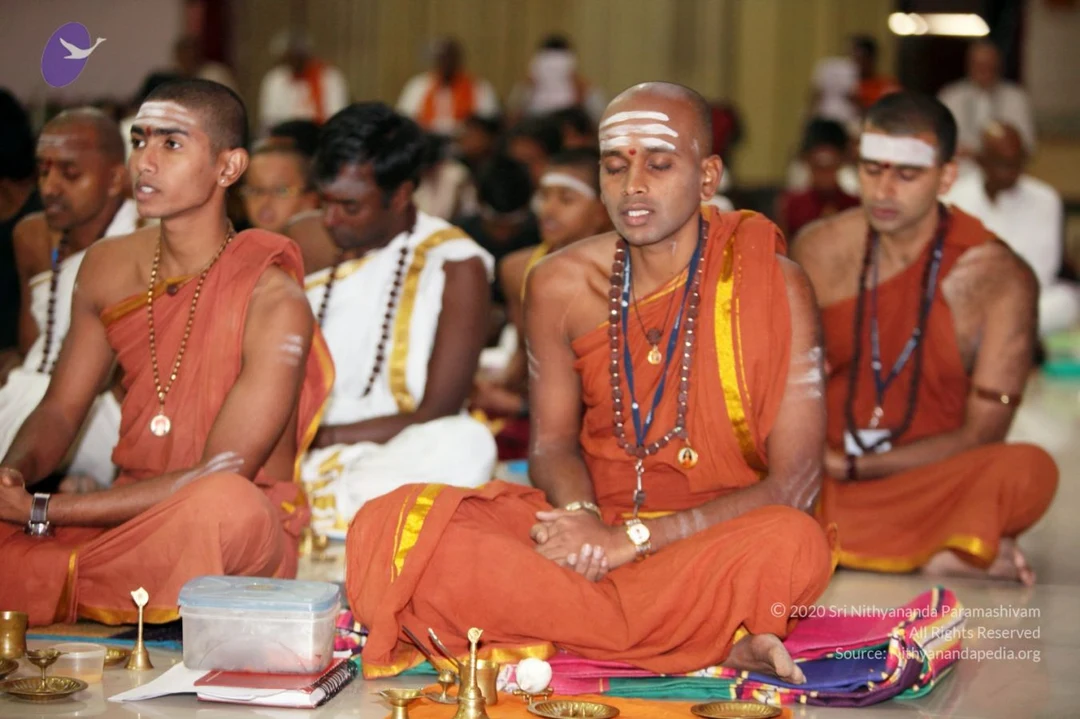
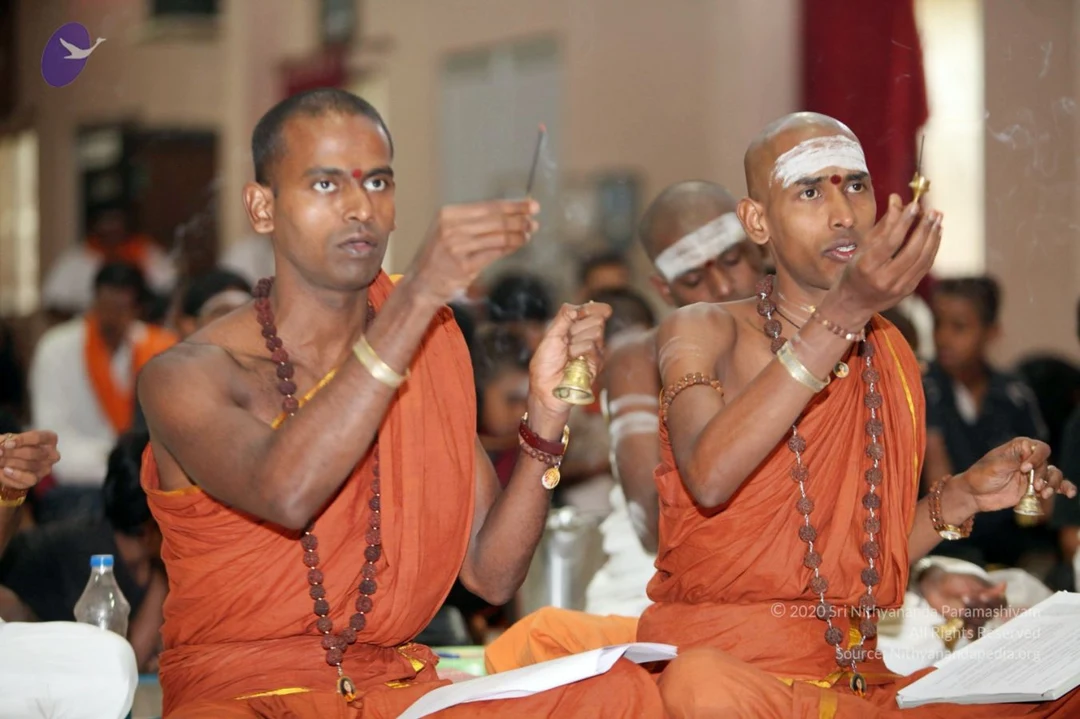
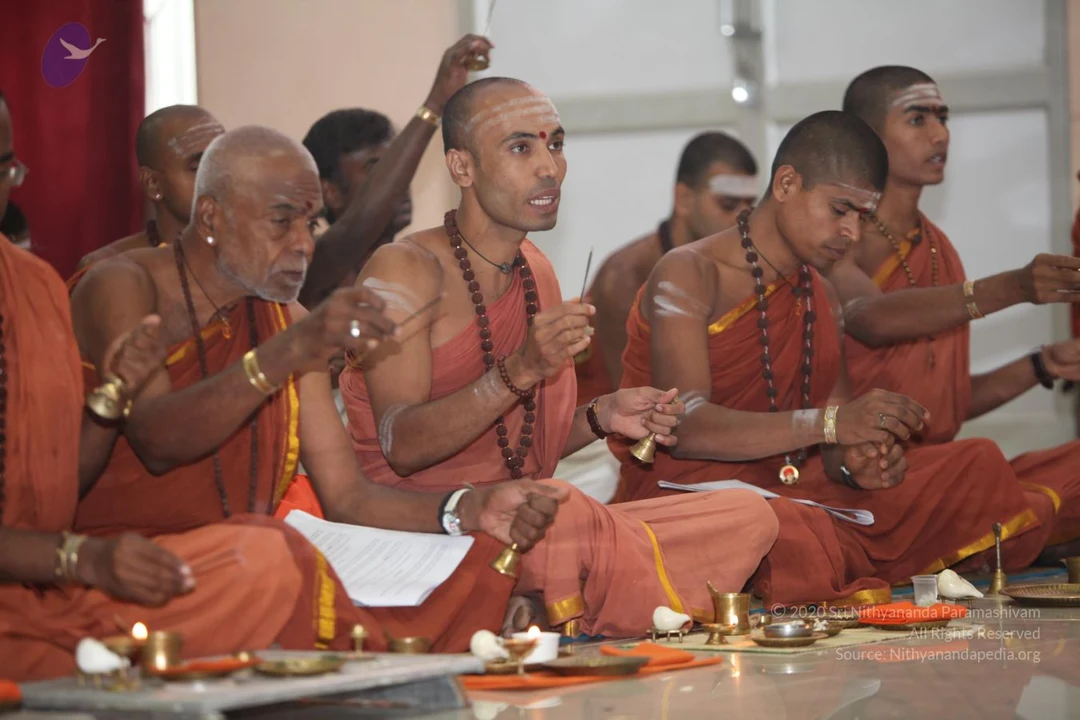
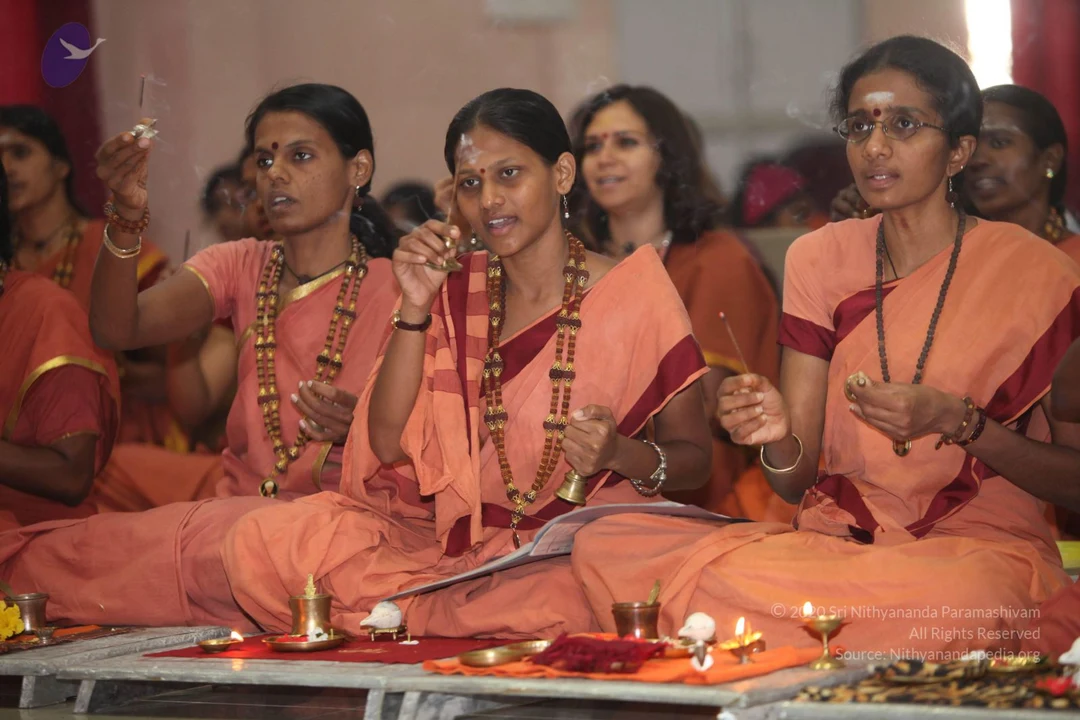
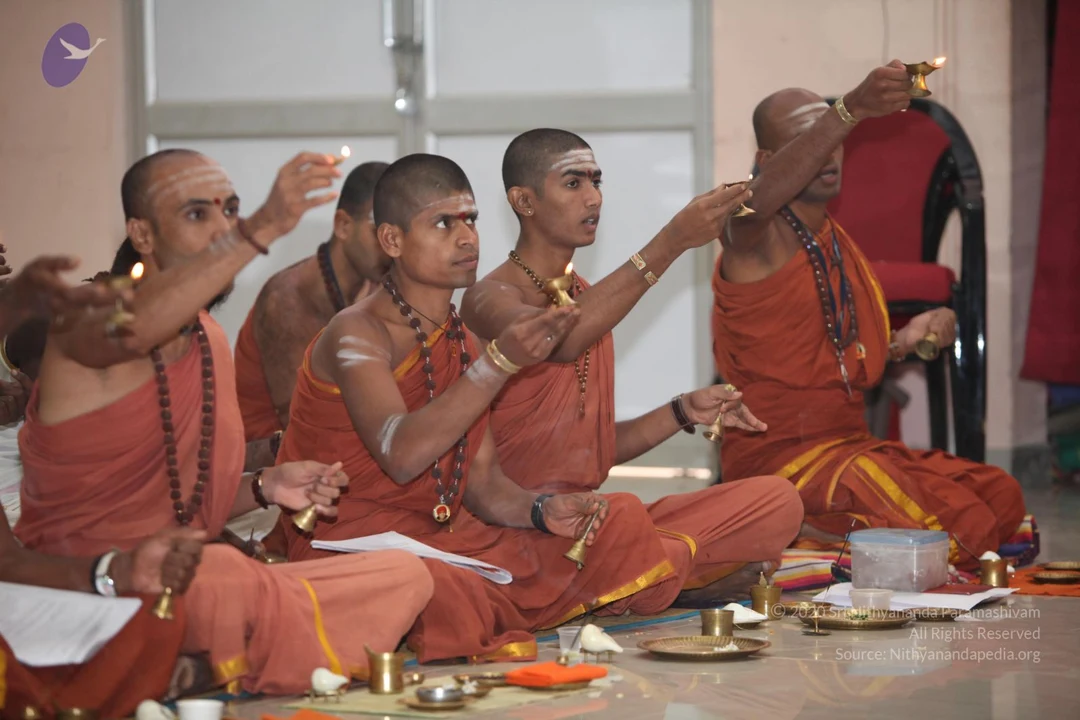
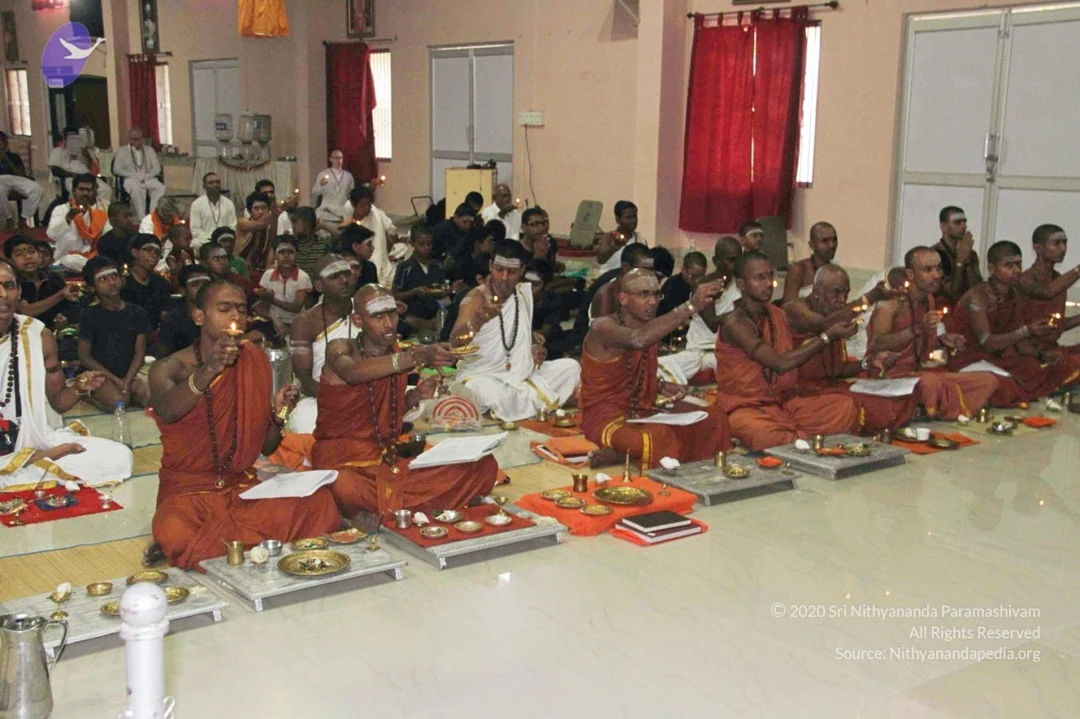
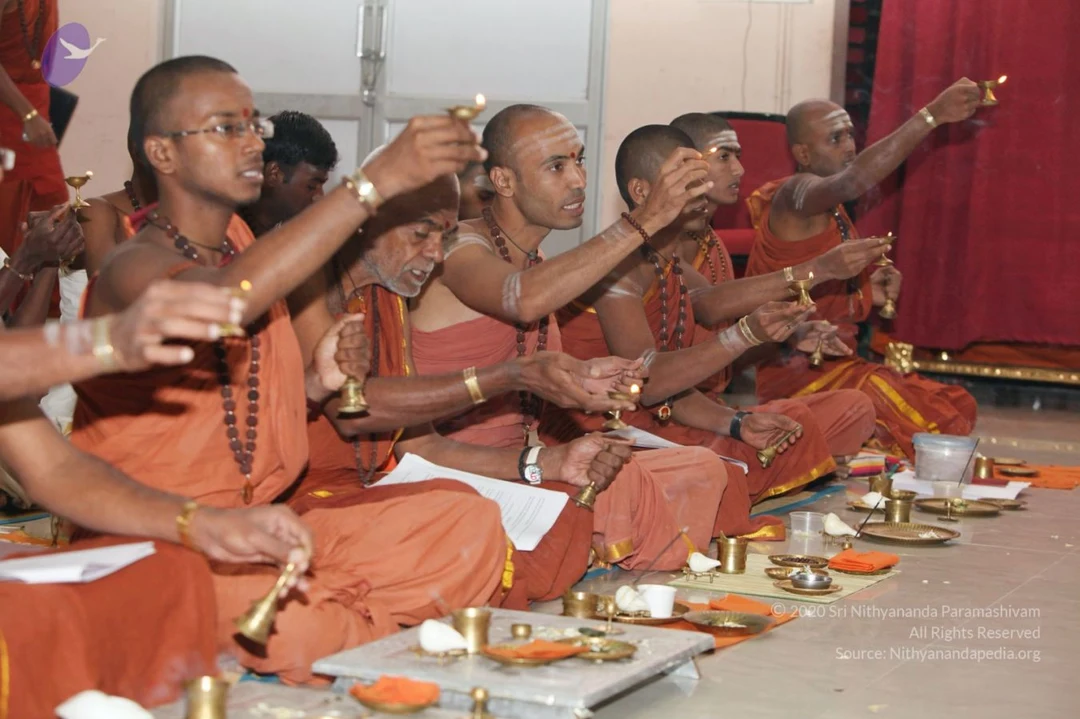
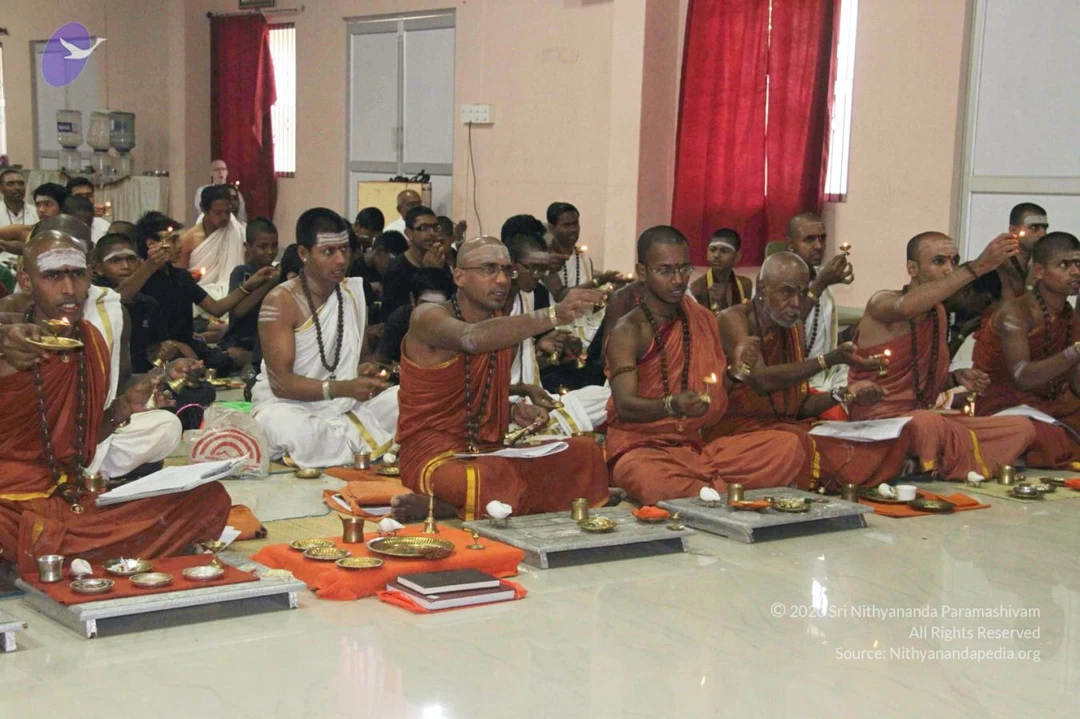
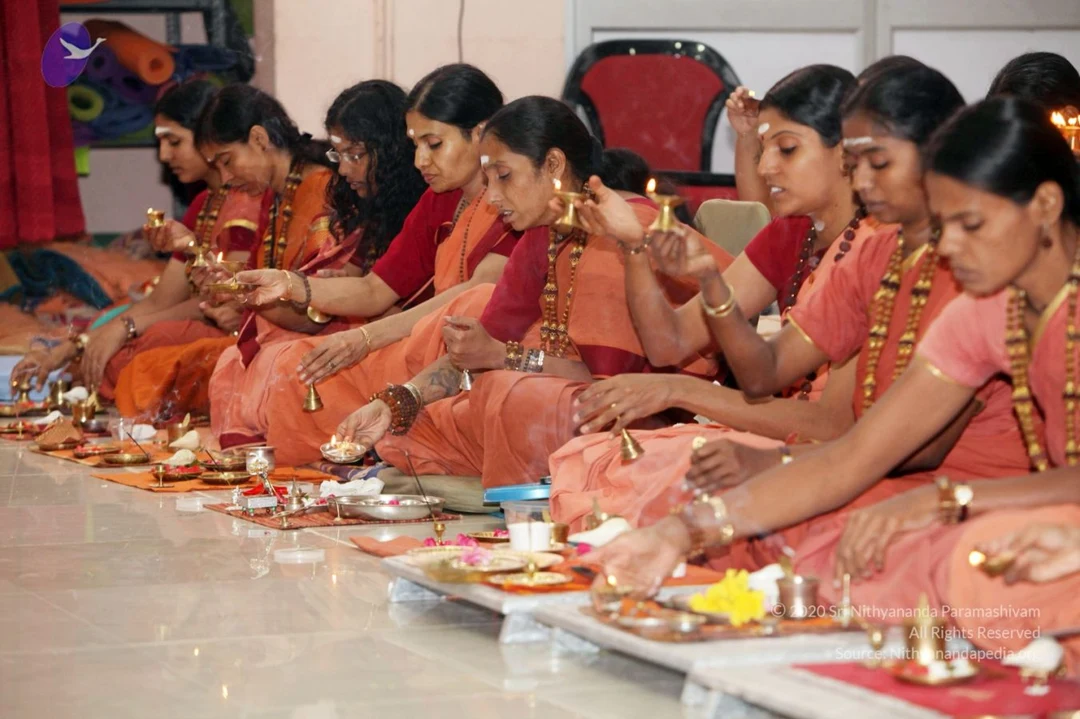
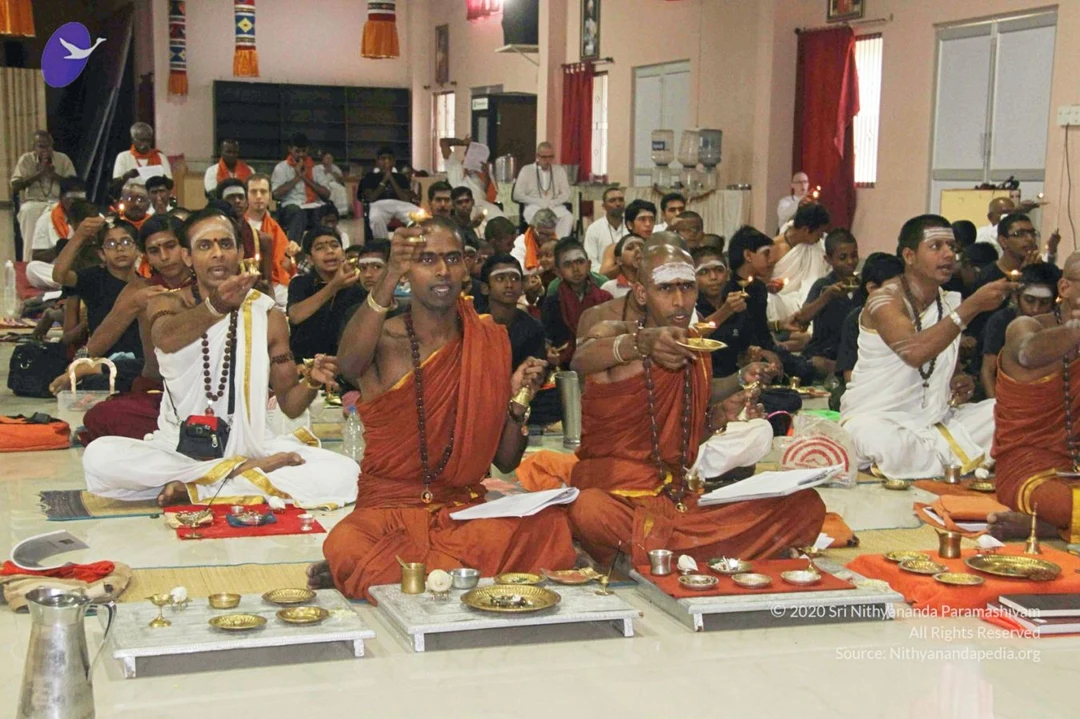
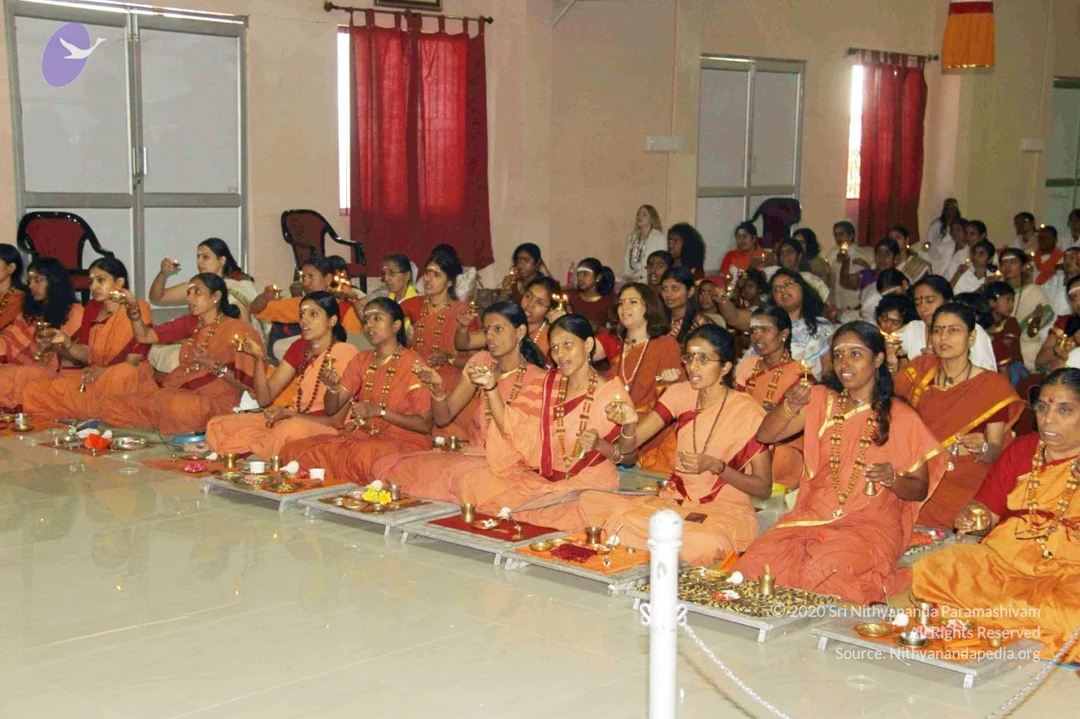
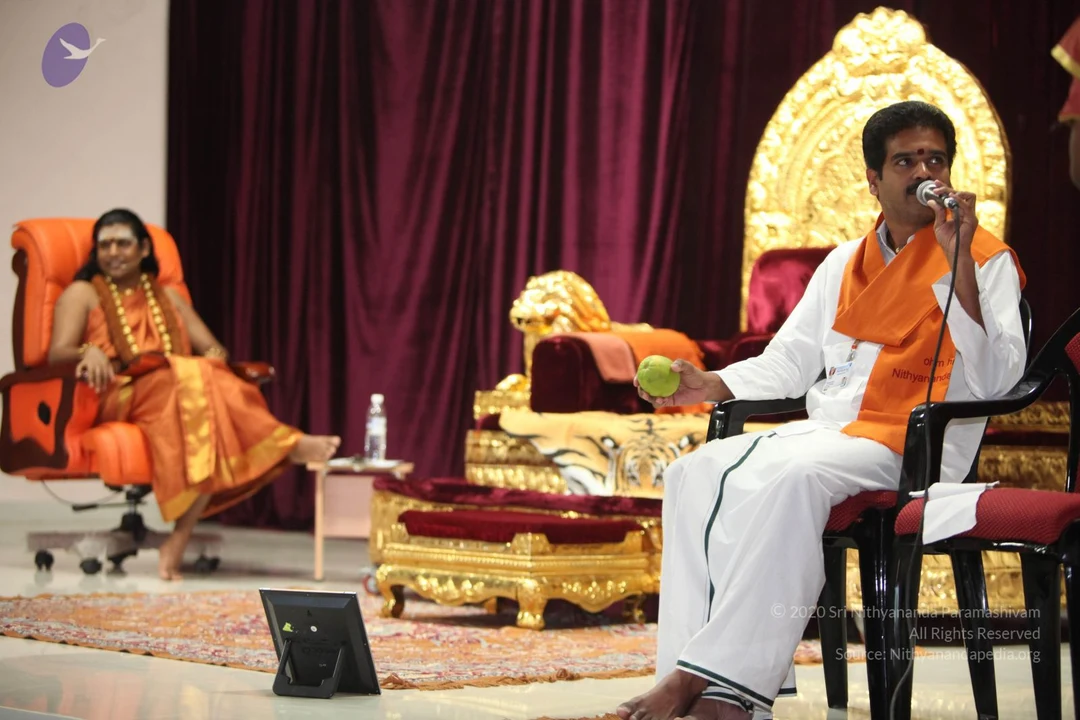
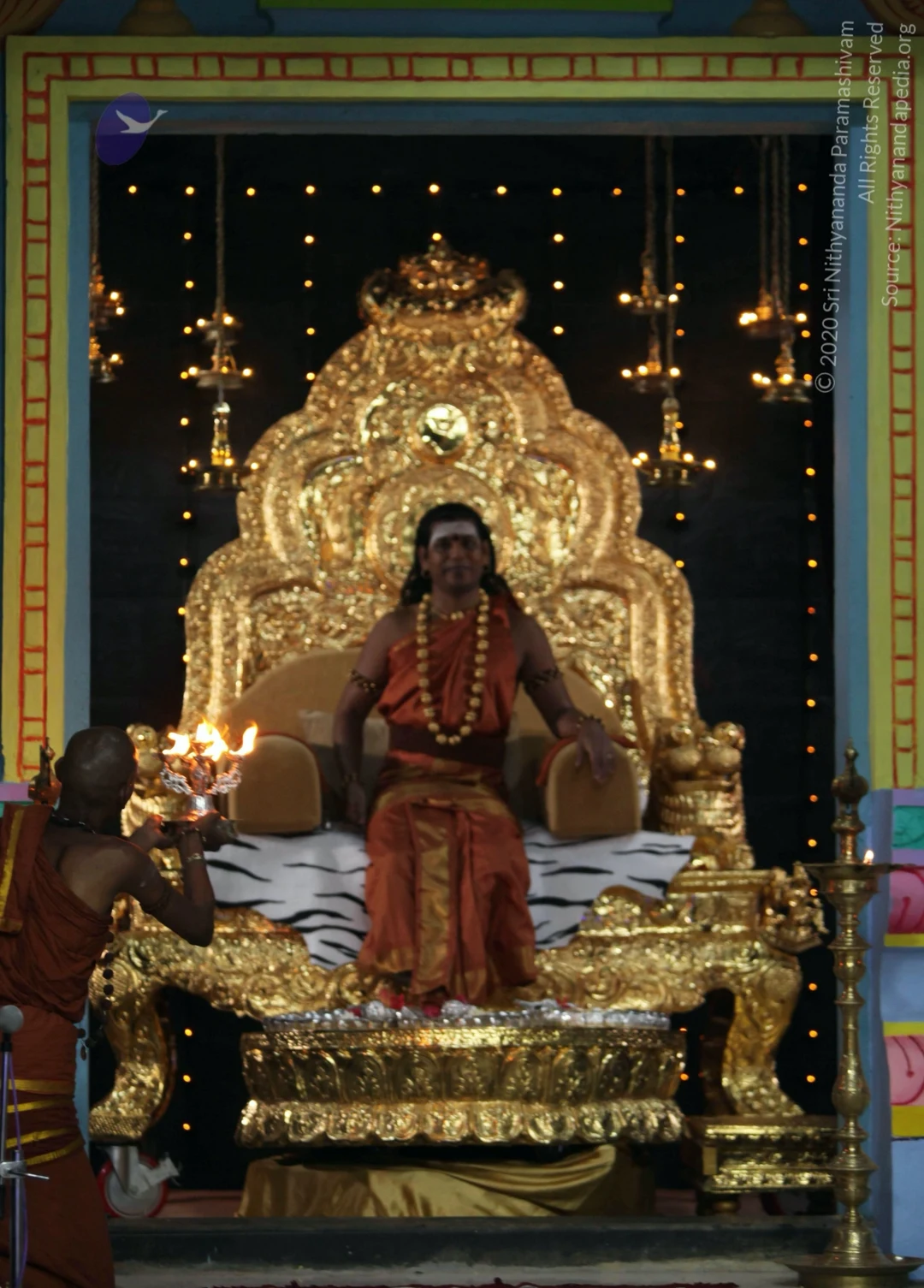
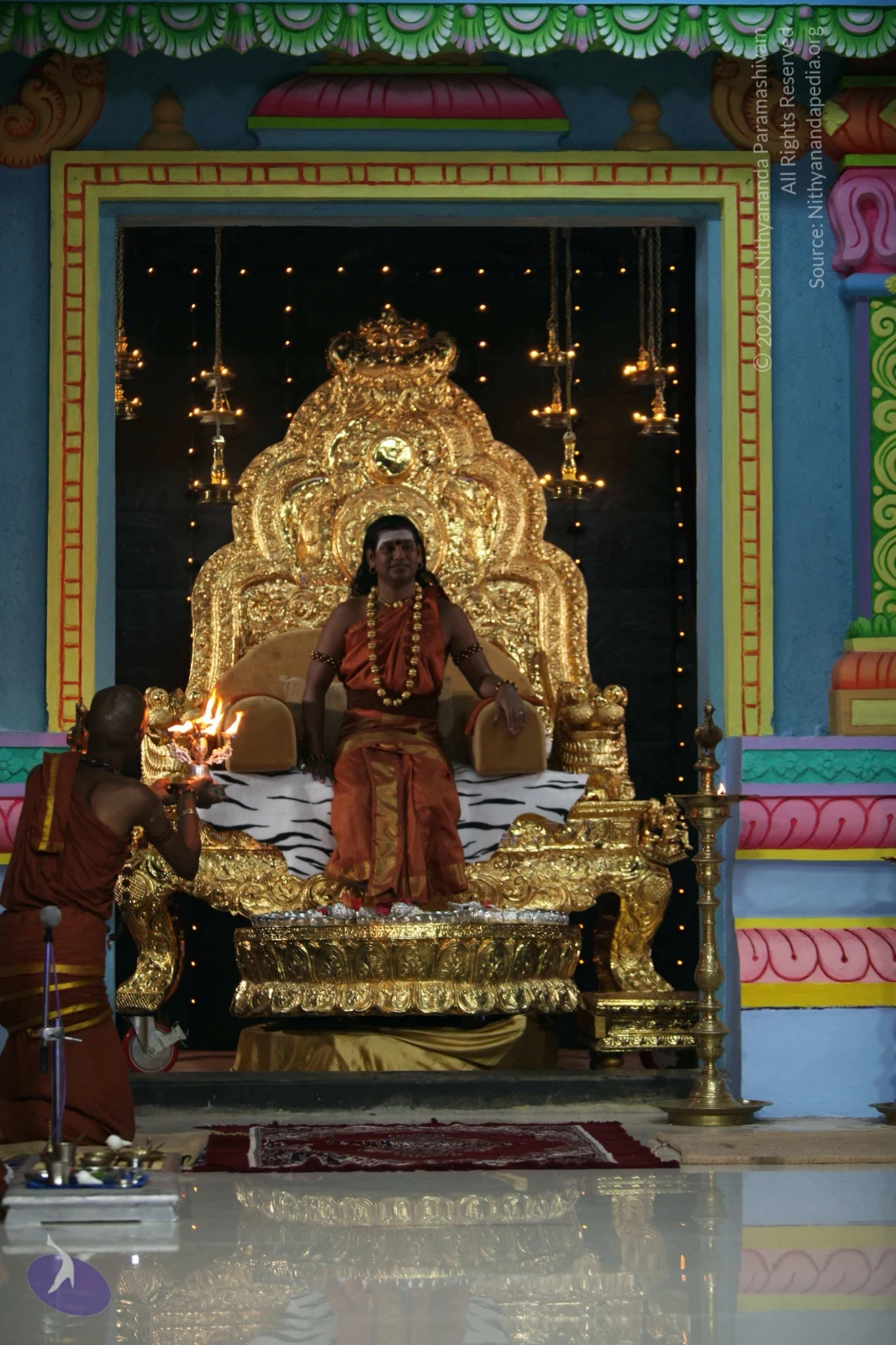
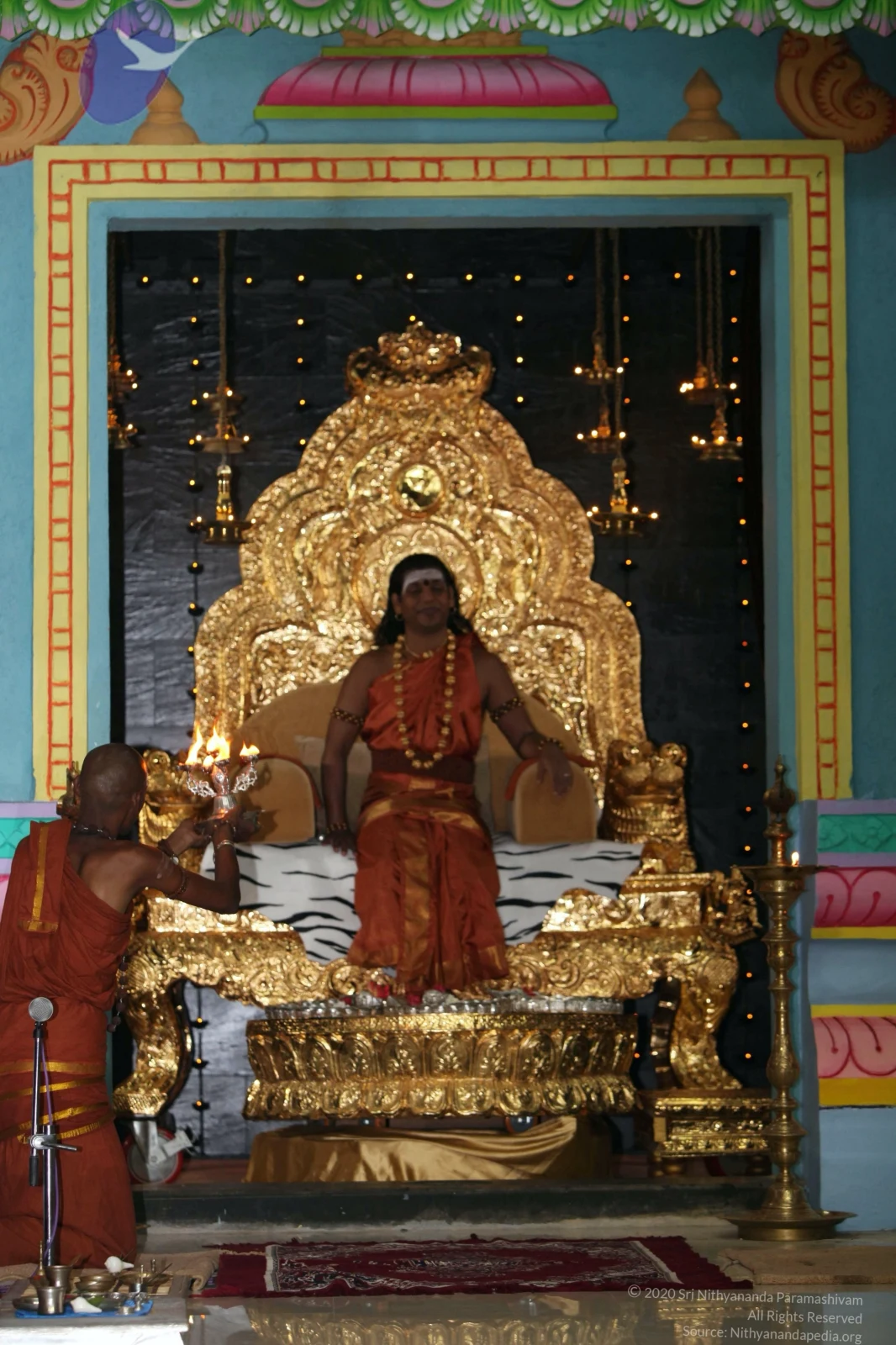
Listen, all your fears are fears because of your own inauthenticity. Why are you afraid of Me? Because I will expose your inauthenticity to you. Nothing else. How many of you are afraid of coming and sitting in the morning Guru Puja and conducting the Guru Puja, raise your hand with authenticity and integrity. Raise the hand fully. Why? Because I will expose your inauthenticity to you. Fear is not towards Me. Fear is towards your inauthenticity. How many of you cognise it? Drop the hand. He did not have that fear. After all, he is going to do first time, first time. First time alone.
(01:54)
Sadāshiva samārambām jnana sambandha madhyamām Asmadācharya paryanthām vande guru paramparām
I welcome you all with My love and respects.
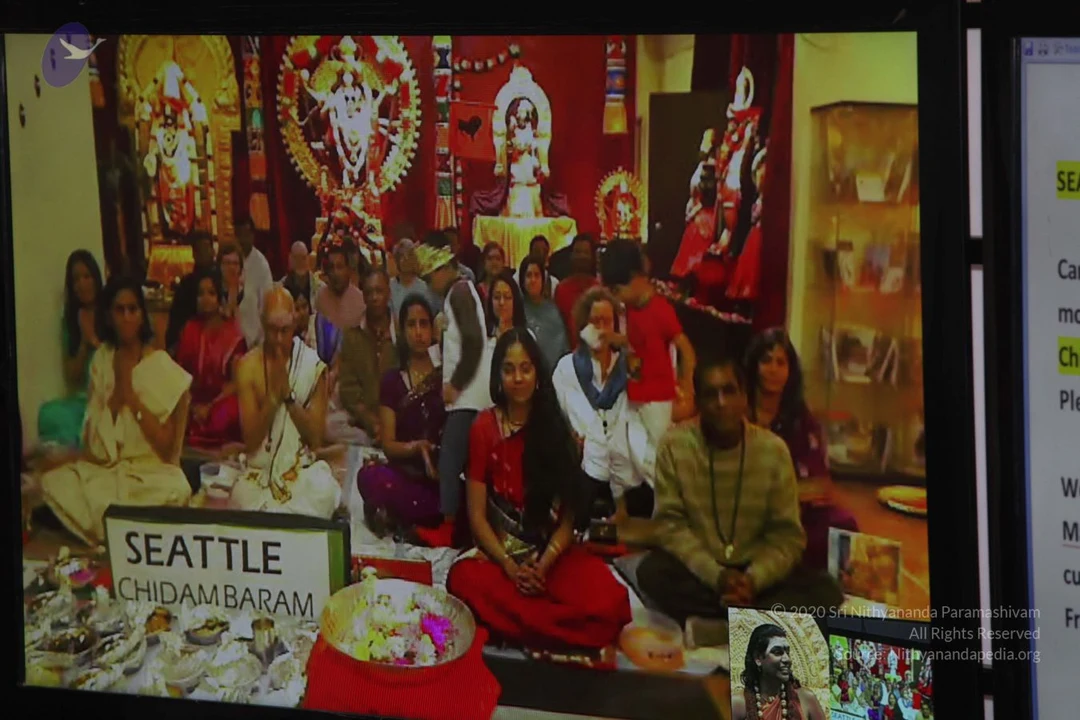
Main aap sabka prem or ashirvad sahit swagat karta hun. swagat hai sabhi bhakton ka, shishyon ka, samajiyon, aur satsangiyon ka; jo vishwa ke kone kone se is samay 557 jagah se samil hai. Nithyananda TV Live dvara, 50 jagah se Two-Way video conferencing dvara Nayana Deeksha prapt kar rahen hai. Is samay duniya bhar ke 244 sheharva, 26 deson se log jude hai, vartaman anko ke anusar... Is samay jo sehar hamare saath… hamare saath Two-Way video conference dvara Nayana Deeksha main jude hain ve hain: Guadalupe-Rameshwaram, San Jose-Madurai, Washington D.C.-Sri Puram, Tiruvannamalai-Arunachalam, Ohio-Prayag, Phoenix-Kanchipuram, Chennai-airvarpate, Toronto-Kailasam, Aidayar-Chennai, Sharjah, Hyderabad-Bhagyanagaram, Malasiya-Parani, Seattle-Chidambaram, Los Angeles-Arunachalam, Oklahoma-Somanatham, Mahakumbhpuri-Prayag, Kulim-Malaysia, Dubai-Thirukovilur, Los Pate-Pondicheri, Hyderabad-Sri, Bengaluru-Gangama Circle, Bengaluru-Bannerghatta, Troy-Michigan, Scottsdale-Arizona, Black Diamond-Canada, Los Pate-Pondicheri, Hyderabad-Sri, Madrid-Spain, East London-U.K., Durango-Mexico, New York-Varanasi, Van Couver-Puri, Bengaluru-Marathahalli, Houston-kalahasti, Chicago-SriRangam, Singapore-Singapuram, Mill Valley-Vairangoil, Charlotte-SriSailam, Devon-U.K., San Diego-Thiru Alavai, Paris-Kaali Ghat, St. Louis-Tirumala, Dakota-Dunes, Bengaluru-North, Monterrey-Mexico, Bengaluru-Maleshwaram, Hong Kong-Shrigadi, Slovakia-koshitsen, Atlanta-Home Vijay Narendran, Oman-Shiv Gangai, Priyankananda-Malaysia… Port Washington-New York… I welcome all of you with My love and respects.
(06:01)
Today Nirahara Samyama eighth batch, third level ending... We will be completing the third level, eight batch successfully. The Samyama fourth batch, am I right? Fourth batch, The Samyama, ninth day successfully, and fifteenth Inner Awakening, 12th N Genius ninth day. Programmes Department is announcing Nirahara Samyama along with every Inner Awakening. Not only The Samyama, Nirahara Samyama also will be starting and first of every month also there will be Nirahara Samyama starting. Because now I standardised the process of Nirahara Samyama from level one to level two, level three-all same. There won’t be any difficulty. It is only I have to announce the fifteenth batch, third level, eighth day. Sixteenth batch second level fourth day. Just I have to announce. Nothing else. So each batch when you start, you should know which batch you are and you should commit.
(07:55)
I can see Bengaluru Nithyananda Vidyalaya also now. Blessings! You have to make a clear procedure. You have to pronounce it. When you send an email, they will get the batch number and they will have to follow morning Swamiji announcing the batch number! So it will be clear. Online itself make all the instructions clear. Introduction to Nirahara Samyama, everything clear. Great, great and now you have to add all the instructions which I gave. They have to practice integrity. Integrity very intensely. Only then the bio-memory and muscle-memory will be awakened. (Swamiji is instructing someone) No, the niraharis team has to take up.
(09:06)
Please listen, whenever I give any instruction in the morning Satsang, the Niraharis team under Nithya Devi, they have to just pick up the instruction and they have to upload. When I say something about Gurukul, the Gurukul team has to pick up and they have to update themselves. And next Nirahara Samyama will start March first, level one and March thirteenth again, level one. Two batch we are starting in March itself Nirahara Samyama. and next The Samyama, March thirteenth.
(10:01)
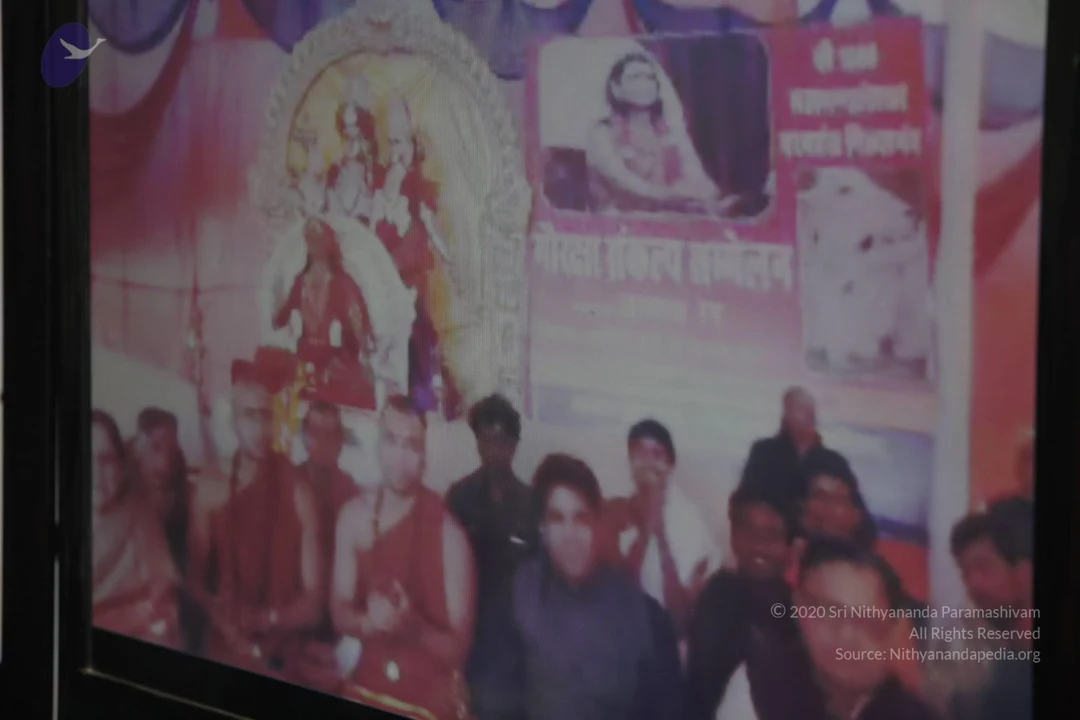
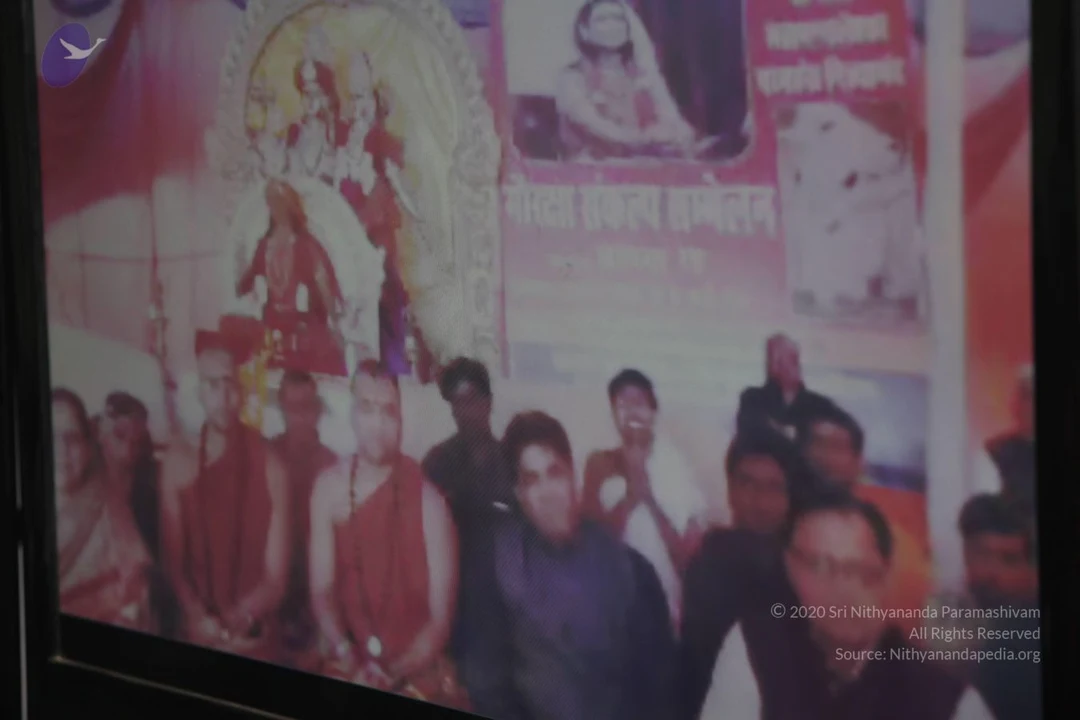
So I have a beautiful news for all you guys. In Maha Kumbh Puri, Nithyananda Dhyanapeetam, we have organised successfully we were earlier planning. Now we have completed, conducted the program successfully. Sadhu Bhandara and Saints Meet on protecting cows-Gau Samrakshana we organised and saints, sadhus from various organisations came and participated. Sadhana TV sponsored the whole event and covered the event live and also going to do re-telecast on Sunday, third March. Puri Shankaracharyaji sent his representative Swami Kailasanandaji and he spoke and graced the occasion. Indra Swarup Brahmachari from Karpatri ashram came. Bhandara to hundreds of saints and devotees organised after the Meet and Rakesh Gupta, owner of Sadhana TV. He is in Kumbh puri along with our devotees.
(11:11)
Blessings to Rakesh Gupta for making this program successful. Blessings to Rakesh Gupta and Sadhana TV for making this Gau Raksha Sankalpa Program successful. Thank you. Thank you Rakesh for all the support you are always doing for Nithyananda Dhyanapeetam. Thank you for all the support. Sadhana TV always stood by us, standing by us and I wanted to take this opportunity to give My gratitude to Rakesh Gupta on behalf of Me and Dhyanapeetam and to Sadhana TV for standing by us in all possible ways. I tell you, our official TV is Sadhana TV... He is standing by us in all possible ways, in all ways. Beautiful. Thank you for Sadhana TV and all the other sadhus, saints, swamis attended the program and graced the occasion. With this function, now we are winding up our activities in Kumbha Puri. We conclude our activities in Kumbha Puri.
(12:40)
As I said, this Maha Kumbha Mela, Poorna Kumbha Mela is historical for us and for Hinduism. I commit with the Vedic tradition, by next Kumbha Mela, Poorna Kumbha Mela in Allahabad, it will be after twelve years. I will change the whole attitude towards Kumbha Mela of world. It should be presented rightfully as congregation of all thought trends about life happened on the planet earth. It is a congregation of all thought trends of lifestyles happened on the planet earth. It is right and that is the way it should be presented to the world. I commit with the Vedic tradition, by next Kumbh Mela, twelve years, I will bring this view to the world and I will see to it world looks at Kumbh Mela with this view.
(14:28)
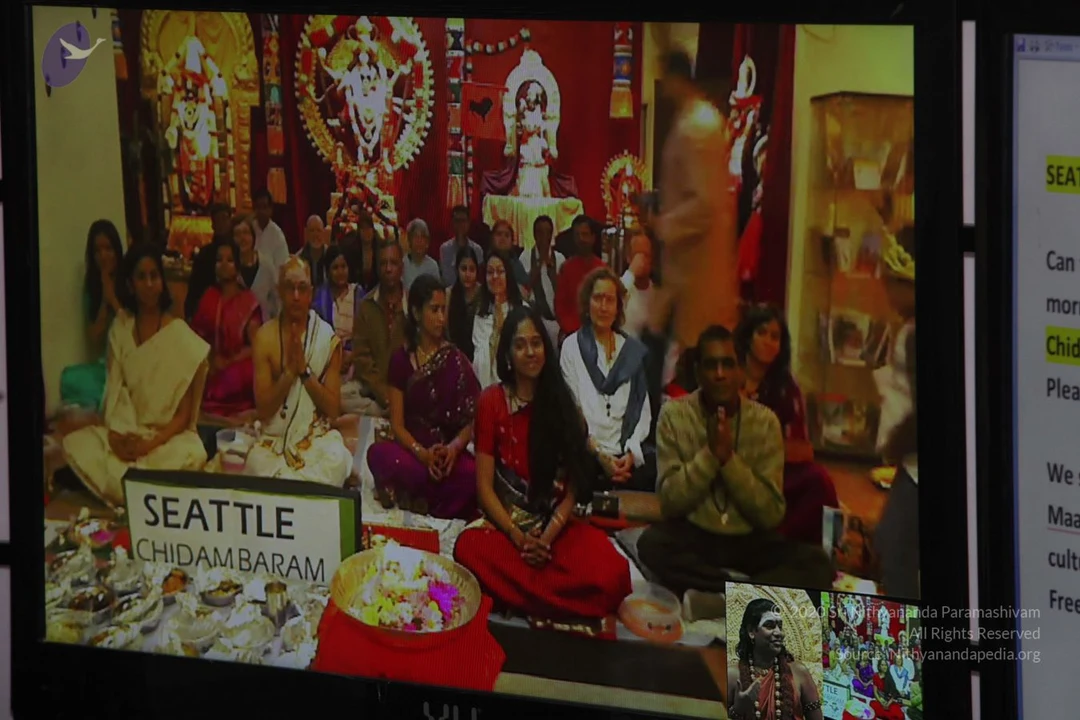
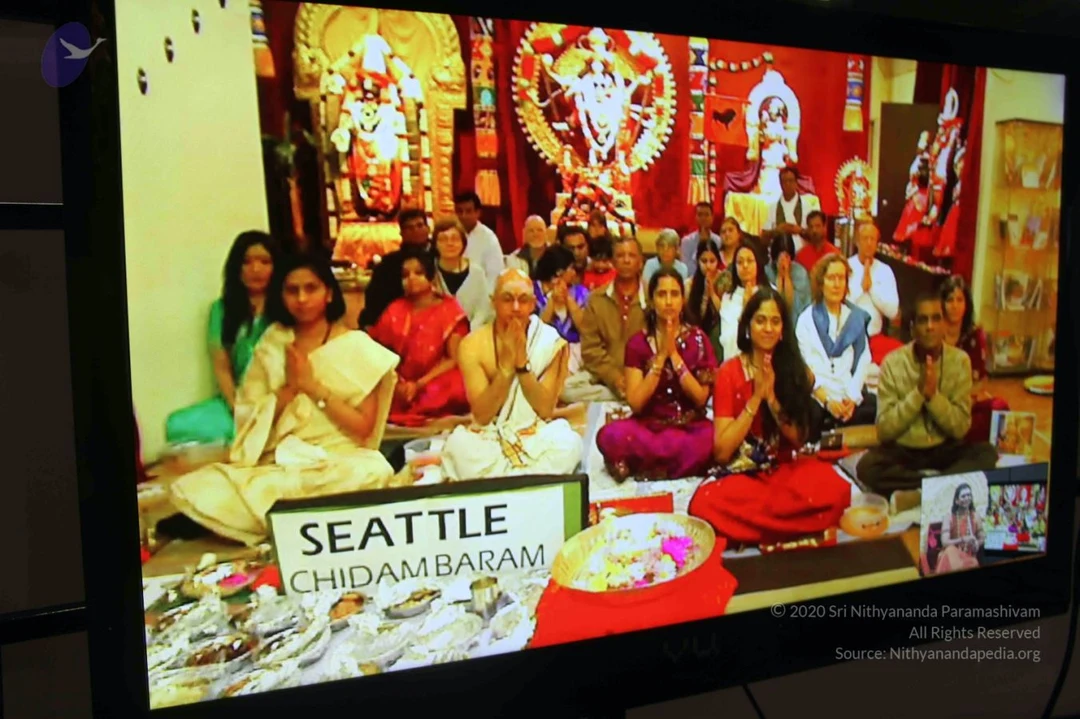
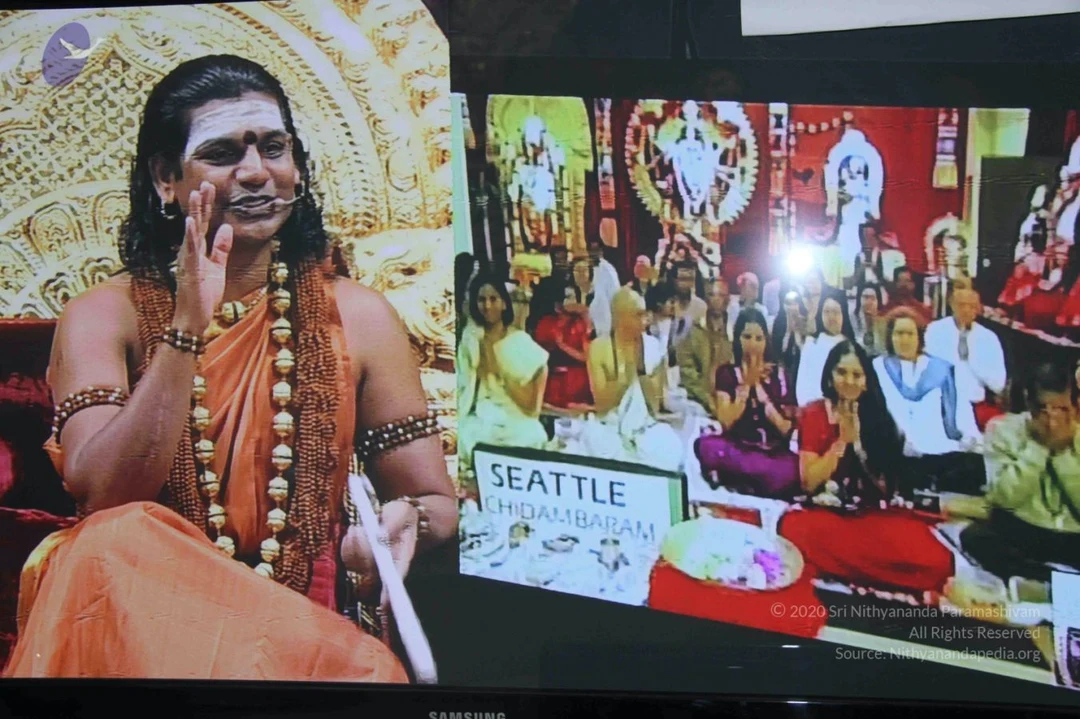
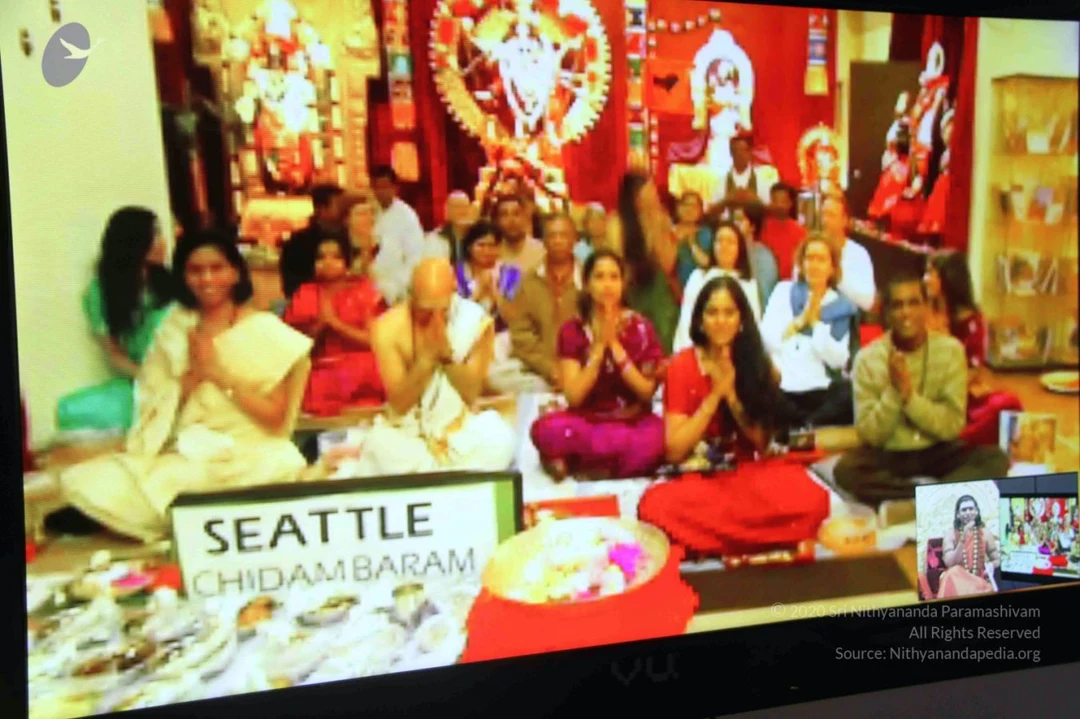
Today, our Seattle Chidambaram Temple’s 5th anniversary celebration. Blessings to all the devotees, disciples, volunteers, samajis, everyone who made Seattle Chidambaram temple possible and making it still possible. I bless you all and thank you all... So beautiful. Five years! Five years, wow! It is not a joke. Withstanding all the religious attacks, persecutions-externally and internally. Thank you guys. Thank you guys. Blessings to all of you and what Chidambaram temple would have gone through in last five thousand years, Seattle Chidambaram has gone through in five years. (laughs) All the persecution and everything (laughs). Everything the Seattle Chidambaram has gone through in last five years. Thank you guys, thank you. You guys made it and you are still making it.
(16:34)
So My message for all you guys today is, “Take up responsibilities as a team keeping these four tattvas in the centre. You will see, all of you imbibe and radiate these four tattvas. I commit and promise all you guys, the more you make the common responsibility as reality through these four tattvas, more in your personal life also, you will be successful in every front-relationships, profession, money, health, mental health, in every way. Keeping Kalabhairava as a witness, I commit with you guys, I will make it possible. It will become possible.” This is My message for all you guys. Today have the Sangha meeting with integrity and authenticity and responsibility and enriching. Come up with some huge, unimaginable commitment-the commitment even I can’t imagine and make it into reality. I tell you guys. Same way, I will make your life into reality the commitments you can’t even imagine.
(18:20)
You do Asadhya Sadhana for Me; I will do Asadhya Sadhana for you. This is our relationship. This is our commitment to each other. You do the impossible into possible; I will do impossible into possible. You do what is impossible by you into possible; I will do what is impossible by Me into possible. You may ask, “What can be impossible for You, Swamiji?” What you think as impossible for Me, I will make that as possible for you. This is our commitment. This is our relationship and I also commit with integrity and authenticity, I will honour the word I give you. I will honour the word I am giving you as My life. Blessings to the whole Seattle. This is My message for all of you.
(19:46)
After the Satsang, have Sangha meeting. Come up with some common responsibility, collective responsibility with the commitment of making something impossible into possible-Asadhya Sadhana. I commit with you guys, I will make whatever you think as impossible by Me. I will make even that as possible in your life. It is not vague commitment with some hiding meanings. I will do it! I will do it! You will be healed. Dayanidhi, tell him, he will be healed. Oh! He is there! Okay, you will be healed. I will take care. You will be healed. Blessings. Blessings.
(20:45)
Come on, next. We will enter into the Satsang. Now let’s come back to the subject morning I was analysing before the Satsang. Authenticity takes away your fear about anything. Anything which reminds you about your authenticity is Dhamma. Listen, natural law of life reminds you about your inauthenticity. That is why, you are afraid of life. List out what all, about what all you are afraid. All that will be the natural law of life-Dhamma. Why are you afraid? Due to your inauthenticity. Finally, ultimately you are afraid of only one thing. What is that? Your inauthenticity. Then why are you carrying it? If you are afraid of death, you know he will expose your inauthentic attachments, irresponsible possessions, to you. He is natural law of life.
(22:29)
You entered into life accepting there is death. Don’t say you entered without knowing there is death. Then the moment you know there is death, you should have committed suicide. After knowing there is death, if you are still living, you have signed the agreement-knowing death, I am going to live. How many of you cognise it? Knowing death, you are living. So you already declared, ‘Knowing death, I am going to live.’ Then why are you afraid of death? Because he is going to expose all the inauthentic attachments, inauthentic possessions, inauthentic emotions you carry in you.
(23:38)
Keeping Kalabhairava as witness, I tell you. There is nothing else to be afraid of other than your inauthenticity. There is nothing to be afraid in your life. Let us do this today as homework. All the things about which you are afraid, list down. So whatever you are afraid of, list out and see why you are afraid because that is going to remind you your inauthenticity. That is going to expose to you your inauthenticity. How many of you cognise what I am saying?
(24:33)
(In Hindi) Keval ashradhdha hi aap ko bhay ki stithi me rakh sakti he. Keval ashradhdha hi aap ko bhay ki sthiti me rakh sakti he.
(24:59)
Only inauthenticity can keep you in the state of fear. You are afraid of your own inauthenticity. Your own inauthenticity is the source of your fear. It is like a you afraid of your own shadow and your shadow creates more fear. Your fear creates more shadow. Why are you afraid of Me? Because I will constantly remind your inauthenticity to you which you don’t want to remember, which you want to postpone. Master is the death standing in front of you every moment. Only inauthenticity can keep you in the state of fear... List out all the fears you have in your life. See, everything will be directly or indirectly connected to the natural law which is going to expose your inauthenticity to you or the person who is going to expose your inauthenticity to you.
(26:45)
(In Hindi) Dhyan se suniye, ashradhdha aap ke jivan me chhaya ban ke aap ko bhay ki stithi me daalti he.
(26:56)
It is inauthenticity lives like your shadow in your life and puts you in the state of fear.
(27:10)
(In Hindi) Ashradhdha aap ke jivan me chhaya ban ke lagataar aap ko bhay ki stithi me daalti he.
(27:23)
Inauthenticity continues to exist like your shadow in your life and continuously puts you in the state of fear... How many of you are able to cognise? If you are afraid of a situation or a person, both are going to remind the natural law of life to you. Maybe you are inauthentic to the natural law of life-dhamma. That is why you are afraid.
(28:32)
(In Hindi) Dhyan se suniye...
(28:55)
Existence of fear in you is existence of inauthenticity in you. Let us establish ourself in authenticity. Sanyasi is one who already established himself in authenticity and no fear. (Manisha, this should become part of the program also-working on fear and finding out the each fear is established on inauthenticity)
(29:48)
Fear is rootless grass. There are some plants which does not have roots. What are those plants? Certain type of grass, there are certain type of trees does not have roots. Creepers-they don’t have roots. Same way, all your fears don’t have roots in your being. They have roots only in your inauthenticity. That is why I say fearless life is possible! Anything which has roots in you, you can’t live without them. Because fear has no roots in you, fearless life is possible. I tell you, if fearless life, greedless life is impossible, then let the life record Nithyananda is a liar. I tell you, this is My declaration - Fearless, greedless life is possible!
(31:31)
(In Hindi) Jo Manushya shradhdha me rehta he vo Jeevan Mukth kehlata hai. Jo Manushya shradhdha me rehta he vo hi Jeevan Mukth kehlata hai.
(31:59)
I tell you: Fearless, greedless life is possible because both are established in your inauthenticity. Listen, fear is established in your inauthenticity. Greed is established in your lack of integrity. Worry is established in your irresponsibility. Need for love is established in your selfishness. If you clear these four chakras, lower chakras, that is enough; higher three will automatically become active and alive. When you are established in integrity, greed disappears. When you are established in authenticity, fear disappears. When you are established in responsibility, worry disappears. When you are established in enriching, the need for attention disappears... It is inauthenticity continues to keep fears in you.
(33:32)
I tell you, whatever you are afraid of, wherever you are afraid of, look in. It will just be the natural law of life or the person who stands for the natural law of life. He is going to expose your inauthenticity to you. For example, if you say, ‘Oh! I am afraid of my wife but she doesn’t stand for the natural law of life.’ No! She stands for the natural law of life whenever she is exposing your inauthenticity to you. She herself may have some other inauthenticies. That does not mean she cannot remind your inauthenticity to you.
(34:29)
Whenever you are afraid to look into My eyes, understand, Kalabhairava is radiating through that eyes. Don’t miss, in that fear look into My eyes so that your inauthenticity can be burnt by that Kalabhairava’s eyes. I have seen. I have seen whenever... Dhyan se suniye: The source of both your greed and fear is your inauthenticity.
(35:05)
(In HIndi) Aap ke moh aur bhay dono ka adhaar aap ki ashradhdha hai. Aap ke moh aur bhay dono ka adhaar aap ki ashradhdha hai.
(35:43)
Dig into the roots of your inauthenticity. You will see they have no roots into your being. They only have roots on your shawls and shadows and the sheaths you are carrying, layers you are having. It is like a roof garden. Roof garden don’t have roots into the earth. It has only roots into the layer of sand or mud which is on the roof. Your core is a concrete stone in which ashraddha cannot take roots.
(36:29)
(In Hindi) Aap ke lobh aur bhay, moh aur bhay, lobh aur moh, lobh aur bhay, dono ka adhar aap ki ashradhdha hai
(37:05)
Parasitic plants don’t have roots. Fear is a parasite on you. Parasitic plants don’t have roots. Fear is a parasite on you. Sometime parasite destroys the tree on which it grows. Fear destroys you on which it grows even though it does not have roots on you. Sometime you will see parasite is much, much bigger than the original tree.
(37:57)
Link to Video:
| Video | Audio |
Transcript
(0:35)
Ability to stare into the inauthenticities. Your inauthenticity is ability to look into the eyes of Kalabhairava. Why do you think Kalabhairava and Kali are always depicted with big, big eyes? Because they are constantly exposing your inauthenticity to you and you are afraid to look into their eyes. If you see Kalabhairava, nothing other than eyes is there you see. Kashi Kalabhairava. It is like a eyes are having a mouth, lip, nose and ear and hands and legs. Not that body has eye; eyes are having hands and legs and lip and nose.
(01:35)
(In Hindi) Aap ke lobh aur bhay dono ka adhar aap ki ashradhdha hai. Keval shradhdha hai Jeevan Mukti ka marg. Jo manushya shradhdha main rehta hai vo hi Jeevan Mukta kehlata hai.
(02:32)
Only the man who is in authenticity, established in authenticity is the liberated one.
(02:50)
(In Hindi) Aap ke andar bhay ki stithi, dhyan se suniye, aap ke andar bhay ki stithi tabhi uttapan ho sakti hai jab aap ashradhdha main rehte hai. Aap ke andar bhay ki stithi tabhi uttapan ho sakti hai jab aap ashradhdha main rehte hai.
(03:26)
The state of fear can be born in you only when you are inauthentic... I can see, when this Gurukul kid Pranavananda, when he came, he was authentic about what he is going to do. Courage of authenticity is the ornament for sanyasi, I tell you. Courage of authenticity is the ornament for sanyasi. Courage of authenticity is the grace of sanyasi... Courage of authenticity should be the rudraksha for sanyasi. Courage which comes out of authenticity.
(05:04)
(In Hindi) Aap ke andar bhay ki stithi tabhi uttapan hoti hai jab aap ashradhdha main rehte hai. Shradhdha ka sahas hi sanyasi ke gali main sachcha rudraksha hai.
(05:42)
Courage of authenticity is the only true ornament around the neck of a sanyasi. With authenticity, even halahala poison cannot do anything to you. With inauthenticity, even if you drink the nectar, you will be cut to pieces. With inauthenticity, Rahu drank the nectar. He did not live. He did not achieve the result of the nectar. He did not achieve what should be achieved by the nectar. He became piece, piece... Still he is living without identity. These two planets are called shadow planets. Do you know? They do not have identity or existence. Shadow planets... With authenticity, even if you drink the halahala poison, it will not do any of its effects. It can’t do any of its effects, because enrichment protects you. Devi protects you. Halahala cannot cross the power of enrichment heart. That is why, the poison stood in the throat of Shiva. It could not cross his Anahata where Devi is sitting enriching. If the enrichment is sitting in your heart, even the poison cannot cross your throat... Authenticity is the ornament of sanyasi.
(09:12)
(In Hindi) Shradhdha ka sahas hi sanyasi ki gale main sachcha rudraksha hai. Gale main… Dhyan se suniye...
(09:42)
Only with authenticity, love starts flowing. Actually there was not a single loving word I uttered towards Sahajananda. Last two days before, there was a discussion between Me and him. I have not uttered a single loving word but he realised I love him, because he was adamant on leaving... Where is he? Am I right?... I have not uttered a single loving word like I love you, I like you, I miss you, I will miss you. It is Kalabhairava’s love. I have not uttered a single loving word or loving gesture but he realised I love him. I tell you, with authenticity comes real love, care, concern. Only with authenticity comes not giving up on people, not giving up on people, not giving up on people.
(12:39)
(In Hindi) Keval shradhdha se hi aap sachche prem ko payenge.
(12:51)
Only with authenticity, you can express true love.
(13:00)
(In Hindi) Dhyan se suniye keval shradhdha se hi aap sachcha prem ko vyatit kar payenge.
(13:32)
Viji, why are you getting distracted in Atlanta? Is Narendran next to you? Complete whatever is and then come back and sit. Listen.
(13:48)
(In Hindi) Dhyan se suniye, keval shradhdha se hi prem ko vyatit kar payenge.
(14:23)
Drill yourself with integrity, authenticity again and again and again. Let your thinking become integrity, authenticity.
(14:41)
(In Hindi) Keval shradhdha se hi aap doosron ka udhdhar kar sakte hai. Keval shradhdha se hi aap doosron ka udhdha kar sakte hain.
(15:03)
Only with authenticity, you can enrich others and yourself.
(15:13)
(In Hindi) Dhyan se suniye keval shraddha se hi aap doosron ka udhdha kar sakte hai. Keval shraddha sehi aap doosron ka aur aap ka udhdhar kar sakte hai. Doosron ka aur aap ka uddhar kar sakte hai.
(16:01)
Whether you or others, you can enrich only with authenticity.Keval shraddha se hi. Enrich people. Go on enriching people. In every possible way, enrich people. It will happen only with authenticity. Inauthenticity is the puss in you. Unless it leaves your system, neither you are going to be healthy nor you are going to help people to be healthy. Remove the puss from your system. You will be healthy and you will make others healthy. Inauthenticity is the unnecessary fat in your body. Push it out. No other short cut. You can’t put everything under your carpet. No! Bring integrity. Bring authenticity in every step, in every line, in every thought. In all possible ways, enrich people. That is possible only with authenticity.
(18:52)
(In Hindi) Dhyan se suniye.
(18:54)
Listen. In all possible ways, enrich people. That is possible only with authenticity.
(19:14)
(In Hindi) Har sambhav tarike se doosron ka uddhar kijiye. Aur voh keval shraddha sehi sambhav hai. Keval shraddha se hi aap doosron ka aur aapka uddhar kar sakte hai.
(20:38)
Listen. Everytime inauthenticity is allowed to live in you, it leaves powerful fear in you... Inauthenticity makes postponing, procrastination as a pattern in you, postponing as a pattern in you... How many of you can cognise inauthenticity starts in you the first symptom of inauthentic is postponing! Drop. Postponing.
(23:01)
(In Hindi) Har sambhav tarike se doosron ka uddhar kijiye, aur voh keval shraddha se hi sambhav hai.
(23:36)
Continuously, continuously bring authenticity to you. It is possible because inauthenticity cannot take roots into you. All your inauthenticity is only roof garden, not rooted garden. Rooted garden only difficult to remove. Roof garden has no roots. Roof gardens are only to the depth of few inches of sand... Constantly inauthenticity puts you in the state of postponing life.
(24:49)
(In Hindi) Ashraddha aap ko jeevan talne vali bhavna main dalta hai, ashraddha aapko jeevan talne vali bhavna main dalta hai. Suniye, ashraddha aap ko jeevan talne vali manobhavna main dalta hai.
(25:24)
Inauthenticity can put you in the mental state of postponing life. I tell you, postponing life is nothing less than death. When you are not living, even if you breathe, what is the use? Live along with breathing. Live along with breathing.
(26:06)
(In Hindi) Jeevan ko talna mrityu ke samaan hai. Suniye, jeevan ko talna mrityu ke samaan hai.
(26:26)
Live along with your breathing. Don’t postpone. Live along with your breathing... The pattern of postponing when it settles in you, eats away your breathing period, kills your breathing period, puts you in death, keeps you in death temporarily even while you are alive.
(27:26)
(In Hindi) Aap ke har saans ke saath jeevan jeena sikhiye. Ye tabhi sambhav ho sakta hai jab aap shraddha aur sampoorti ke saath jiten hain. Suneye aap ke har saans ke saath jeevan jeena sikhiye. Ye tabhi sambhav ho sakta hain jab aap shraddha aur sampoorti ke saath jeeten hain. Shraddha aur sampoorti ke saath jeeten hain.
(28:43)
If you decide to do something, you decide to express your life in some way, don’t postpone. If you are postponing, postponement is temporary death. Unfortunately, the word temporary does not convey the seriousness of the effect by postponement. Postponement is a death as long as the pattern exists in you. Postponement is death as long as the pattern exists in you.
(29:43)
(In Hindi) Talne wali manosthiti mrityu ke samaan, taalne wali manosthiti mrityu ke samaan hai. Taalne wali manosthiti mrityu ke samaan hai.
(30:21)
Go on drilling yourself. Go on drilling yourself. Go on drilling yourself with integrity and authenticity. I tell you, only when you take the risk of stretching to other’s anyakara, you will know your power, inner power, miraculous power you are carrying. If you have not tasted the miraculous powers you are carrying, life is boredom for you. You will have life as a boredom. I tell you, if you see any miraculous power Me having, it came to Me only when I decided to stretch Myself to all your anyakaras. You have no right to have anyakara about Me. Maybe fact but that is not authentic. When I am ready to stretch to your anyakaras, I saw the extraordinary powers expressing through Me.
(31:51)
(In Hindi) Lagatar shraddha evam sampoorti ka abhyas kijiye.
(32:00)
Continuously practice authenticity and integrity. You will experience miracles.
(32:10)
(In Hindi) Lagatar shraddha evam sampoorti ka abhyas kijiye.
(32:25)
You will see miracles happening in your life continuously. I am seeing, I am seeing miracles happening in our life continuously.
(33:20)
(In Hindi) Suniye lagatar shraddha evam sampoorti ka abhyas kijiye, tab aap aapke jivan main chamatkari anubhav ko prapt kar sakte hain.
(34:30)
Today I wanted all of you to do the homework of finding out how dhamma happens in your life, reminding your inauthenticities to you and how you are afraid of dhamma and avoid it. Dhamma is the power radiates in My eyes which you are afraid to look in when you have done something adharma. When you are in inauthenticity, you will be afraid to look into My eyes. What you are afraid of is dhamma which is radiating in My eyes. Whenever you are afraid to look at My eyes and you know it will be burning, be very clear, at that time, My third eye is also open. Because I am looking at you with the third eye, you are not ready to look at it. You are afraid your inauthenticity runs away... This is the essence of today’s Satsang.
(36:45)
(In Hindi) Aaj ke satsang saramsha: Lagatar shraddha evam sampoorti ka abhyas kijiye tab aap aapke jivan main chamatkari anubhav ko prapt kar sakte hain. Aaj ke satsang ka saransh yahi hai.
(37:10)
With this, I will move to the next segment of morning Satsang-Dial The Avatar.
(37:17)
(In Hindi) Main ashirvad detan hu un sabhi ko jo vishva ke har kone se hamare saath hain. Nithyananda TV dvara 715 jagah se, 52 jagah se Two-way video conference main Nayana Deeksha lete hain, vishva ke kayi sehro se aur kayi deso se aap sabhi prapt karen, anubhav karen, jein vyakta karen, prasarit karen, batein or prakashit ho. Labhanvit ho, Nithyananda se, Nathyananda, Dhanyavad.
(38:12)
Link to Video:
| Video | Audio |
Link to Video:
| Video | Audio |
Transcript:
0-15min
Ability to stare into the inauthenticities is your abilities to look into the eyes of Kalabhairava. Why do you think kalabhairava and Maha Kali are depicted with big big eyes,because they are constantly exposing your inauthenticities to you and you are afraid to look into their eyes.If you see Kalabhairava you see nothing other than eyes .You see. Kashi Kalabhairava as if the eyes have the mouth nose , eyes , ears ,hands and legs.Not that body has eyes.Eyes are having the hands,legs lip and nose. Aap ka lobh aur bhay ka aadhar aap ka ashraddha hai.Keval shraddha hai jeevan mukthi ka marg. Jo manushya shraddha mai rahta hai wahi jeevan mukta kahalatha hai Only a man in authenticity, living authenticity is the liberated one Aap ke andar ki bhay ki sthithi Dhyan se suniye. Aap ke andar bhay ki sthithy thabhi utpann hothi hai jab aap ashraddha mai rahthe hai. Aap ke andar bhay ke stthithi thabi uthpan hota jabhi ashraddha mai rahthi hai The state of fear can be born in you only when you are in authentic. I could see when the Gurukul kid Pranavananda came he was authentic about what he was going to do.
Courage of authenticity is the ornament of sanyasi. Courage of authenticity is the ornament for sanyasi. It is the grace of sanyasi.Courage of authenticity should be rudrakshaa for santyasi.Courage which coes our of authenticity Aap ke andhar bhay ki sthithi thabhi utpann ho Shardda ki sahas he hai Sanyasi ka gale mai saja huwa rudraksh hai.
ourage of authenticity is the only true ornament around the neck of the sanyasi. With authenticity even halahala poison cannot do any thing to you.With inauthenticity , even if you drink nectar ,you will be cut into pieces. With inauthenticity Rahu drank the nectar He did not live, he did nor achieve the result of the nectar,he did not achive what he should achieve by the nectar.He bcame piece, piece.Still he is hiding with out identity,it is called shadow planet.Do you know they With authenticity even if you drink halahala poison it will not do any effects.Cant do any of its effects because enrichment protects you ,Devi protects you.Halala cannot cross the power of enrichment heart..That is why it could not cross throat to anahata where Devi is sitting enriching.If enrichment is sitting in the heart, even poison cannot cross your throat.
Authenticity is the ornament of sanyasi. Shraddha hi sanyasi kei gale me saja huva rudrakhsa hai .Dhyan se suniye Only with authenticity love starts flowing Actually there was not a single loving word I uttered to Sahajananda Last two days before, there was a discussion between me and him.I have not uttered a single loving word ,but he has realized I love him..Because he was adamant on leaving. Where is he, Am I right? I have not uttered a single word –I love you , I love you , I like you, I will miss you. It is Kalabhairava’s love, I have not uttered a single loving word. Or loving gesture,but he realized I love him.
I tell you with authenticity comes real love,care and concern. Only with authenticity comes ,not giving up on people. Not giving up on people, not giving up on people. Keval shaddha se hi aap sacha prem ko vyathithkar payenge. Only with authenticity you can express true love Dhyaan se suniye , keval shraddha se aap sachha prem ko vyathitkar payenge Drill yourself again and again with authenticity and integrity Again and again let your thinking become integrity and authenticity Keval shraddha se hi aap dusronka uddhar kar sakte hai Only with authenticity you can enrich others. 15.06
15-30 min
Kewal shradha se hi aap doosron ka uddhar kar sakte hain. Only with authenticity you can enrich others and yourself. Dhyan se suniye..repeat…Kewal shraddha se hi aap doosron ka aur aapka uddhar kar sakte hain..whether you or others you can enrich only by authenticity. Enriching, go on enriching, in every possible way enrich people. It will happen only with authenticity. Inauthenticity is the pus,unless it leaves your system neither you will be healthy nor you will make others healthy. Remove the pus from your system, you will be healthy and you will make others healthy. Inauthenticity is the unneccessary fat in your body..push it out..no other shortcut.. you can’t put everything under the carpet. Bring intergrity, bring authenticity in every step in every line, in every thought. In all possible ways enrich people. That is possible only with authencticity. Dhyan se suniye, listen in all possible ways enrich people that is possible only with authenticity.
Har sambhav tareeke se doosron ja uddhar keejiye aur weh kewal sharadha se hi sambhav hai. Kewal shradha se hi aap dossnron ja aur aap ka uddhar kar sakte hain.
Listen, every time inauthenticity is allowed to live in you, it leaves powerful fear in you. Inauthenticity makes postponing, procrastination as a pattern in you. Postponing as a pattern in you. How many of you can cognize inauthenticity starts in you the first symptom of inauthentic is postponing. Har sambhav tareeke se doosron ka uddhar keejiye aur weh kewal shradha se hi sambhav hai. Continuously, continuously, bring authenticity to you, it is possible because inauthenticity cannot take roots in to you, all your inauthenticity is only roof garden not rooted garden. Rooted garden only difficult to uproot, roof garden has no roots. Roof gardens are only to the depth of few inches of sand. Constantly,inauthenticity puts you in a state of postponement. Ashradha aapko jeevan talnewali manobhavana mein dalti hai. (repeat)Suniye (repeat)
Suniye, inathenticity can put you in a mental state of postponing life. I tell you postponing life is nothing less than death. If you are not living even you breath what is the use. Live, along with breathin ( repeat..)not living even when you breath what is the use. Live along with breathing. Live along with breathing.
Jeevan ko talna mrityu ke saman hai. Suniye jeevan ko talna mrityu ke saman hai. Live along with your breathing. Don’t postpone, live along with your breathing. The pattern of postponing when it settles in you, eats away your breathing period, kills your breathing period. Puts you in death, Keeps you in death temporarily even while you are alive. Apke har saans ke sath jeevan jeena seekhiye. Yeh tabhi sambhav ho sakta hai jab aap shradha aur sampoorti ke sath jeete hain. Suniye aapki har saans ke sath jeevn jeena seekhiye..yeh tabhi sambhav ho sakta hai jab aap shradha aur sampoorti ke sath jeete hain. (Repeat).. If you decide to do something, decide to express your life in some way, don’t postpone. If you are postponing, postponement is temporary death. You are dead. Postponing is death. Unfortunately, postponing does not convey the meaning, the seriousness of postponement. Postponement is death as long as pattern exists. Postponement is death as long as pattern exists. Talenwali manosthiti mrityu ke saman hai. ( Repeat.) Go on drilling yourself. Repeat..2 with integrity with authenticity. I tell you only when you take the rsisk of stretching oto tohers anyakara you will know the miraculous powers you are carrying if you have not tasted the miraculous powers you are carrying life is boredom for you. .
30 min to End
Dalanewali manosthiti mrutyu ke saman hai! Dalanewali manosthiti mrutyu ke saman hai! Dalanewali manosthiti mrutyu ke saman hai! Go on drilling yourself. Go on drilling yourself. Go on drilling yourself with integrity and authenticity. I tell you, only when you take the risk of stretching to other’s Anyakara, you will know your power, inner power, miraculous power you are carrying. If you have not tasted the miraculous powers you are carrying, life is boredom for you. You will have life only as a boredom. I tell you if you see any miraculous power me having it came to me only when I decided to stretch myself to all your Anyakaras. You have no right to have Anyakara about me may be fact, but that is not authentic. When I am ready to stretch to your Anyakaras I saw the extraordinary powers expressing through me.
Lagataar shraddhaa evam sampoorti ka abhyaas kijiye. Continuously practice authenticity and integrity. You will experience miracles. Lagataar shraddhaa evam sampoorti ka abhyaas kijiye. You will see miracles happening in your life continuously. I am seeing, I am seeing miracles happening our life continuously. Suniye, lagataar shraddhaa evam sampoorti ka abhyaas kijiye.Tab aap aapke jeevanme chamatkaari anubhavko prapt kar sakte hai. Today I wanted all of you to do the homework of finding out how Dhamma happens in your life reminding your inauthenticities to you and how you are afraid of Dhamma and avoid it. Dhamma is the power radiates in my eyes, which you are afraid to look in when you have done something Adharma. When you are in inauthenticity, you will be afraid to look into my eyes. What you are afraid of is Dhamma which is radiating in my eyes. Whenever you are afraid to look at my eyes and you know it will be burning, be very clear at that time my third eye is also open! Because I am looking at you with the third eye, you are not ready to look at it; you are afraid. Your inauthenticity runs away.
This is the essence of today’s satsang. Aajke satsang ka saransh : Lagataar shraddhaa evam sampoorti ka abhyaas kijiye. Tab aap aapke jeevanme chamatkaari anubhav ko prapt kar sakte hai. Aajke satsang ka saransh yahi hai.
With this I will move to the next segment of the morning satsang – Dial the Avataar.
Main Aashirvaad deta hun un sabhiko jo vishvake her konese hamara sath hai, Nithyananda tv dvara 715 jagahse 52 jagahse two-way video conference me Nayanadeeksha lete hai, vishvake kai shaharonse aur kai deshonse aap sabhi prapt kare, anubhav kare, jen vyakt kare, prasarit kare, baate, aur prakashit ho, labhanvit ho, nithyanandse! Nithyananda! Nithyananda! Dhanyavaad!
Sakshi Pramana:
Tags:
Paramahamsa Nithyananda, nature, fear, life, immortal, greed, responsibility, attention,chakras, enlightenment.
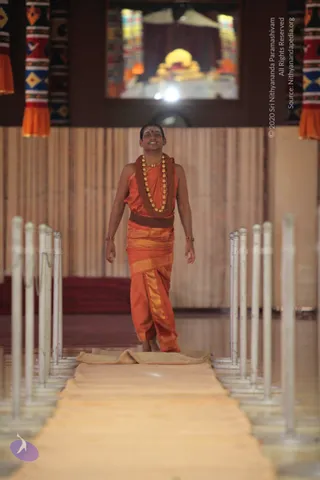
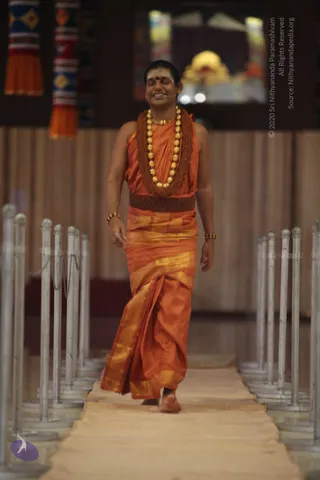
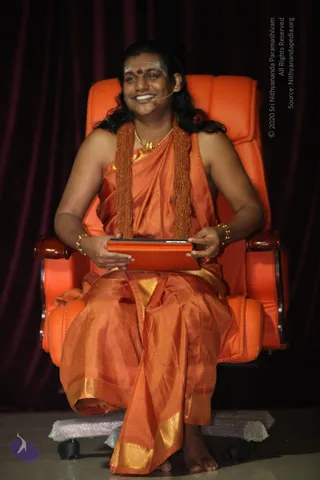
Photos Of The Day:
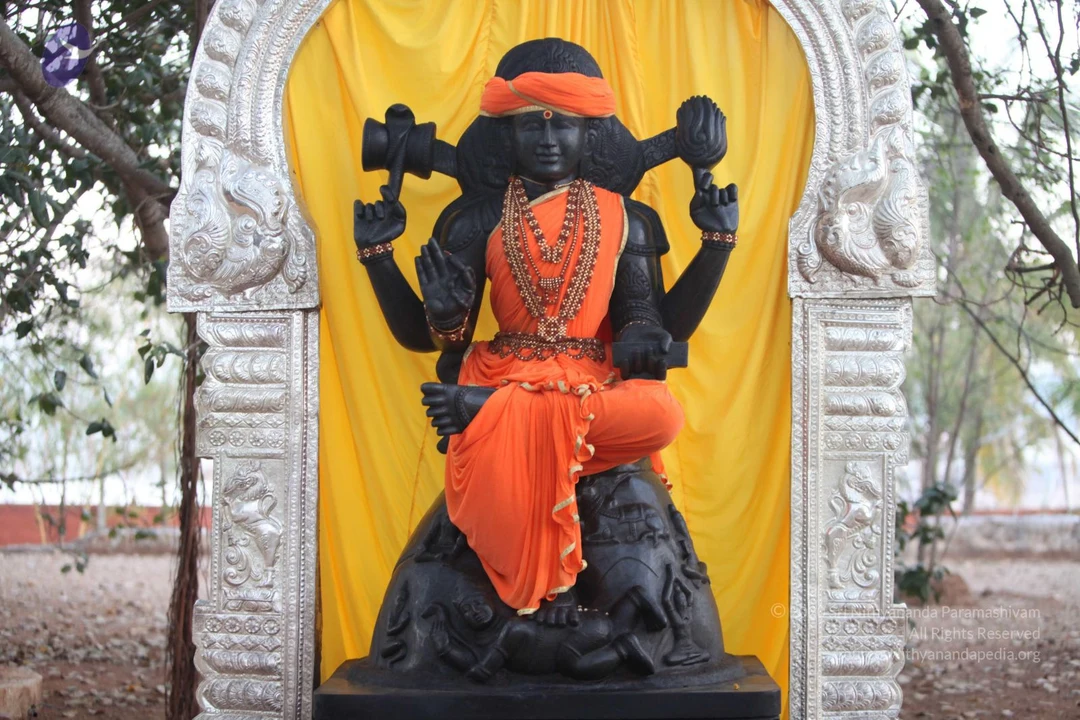
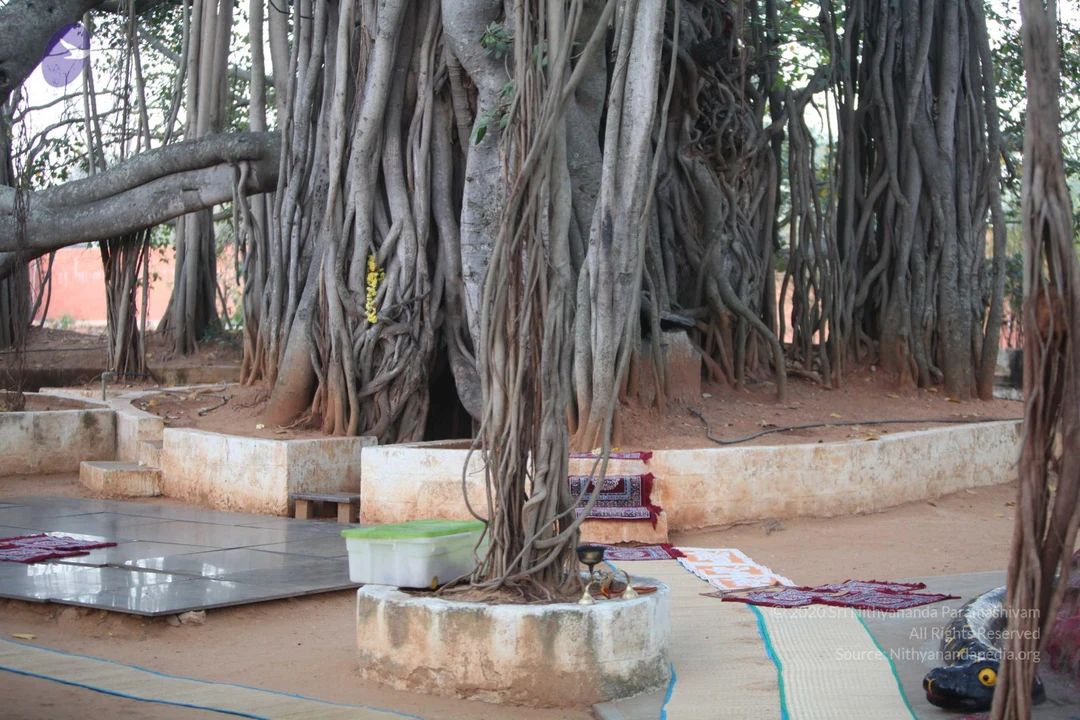
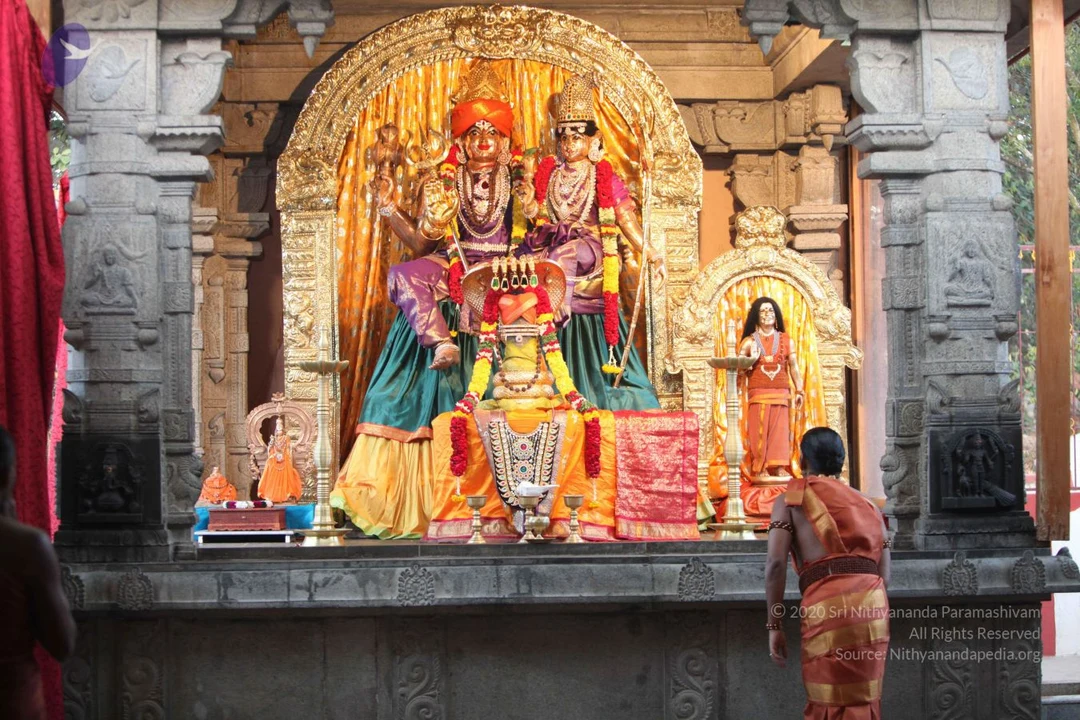
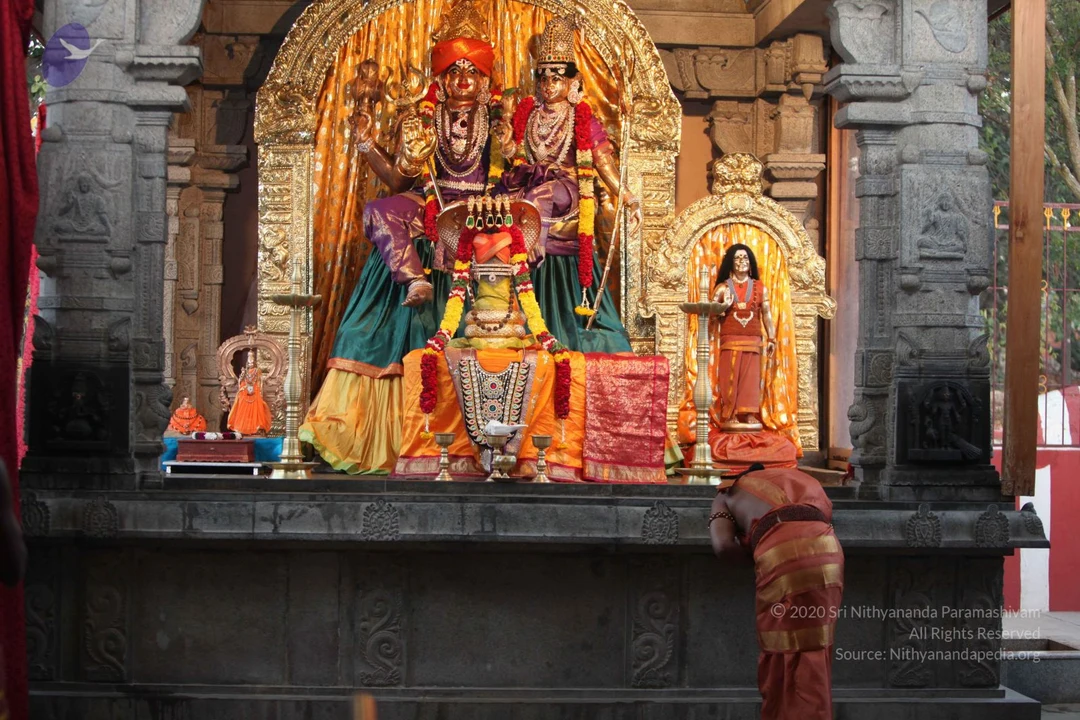
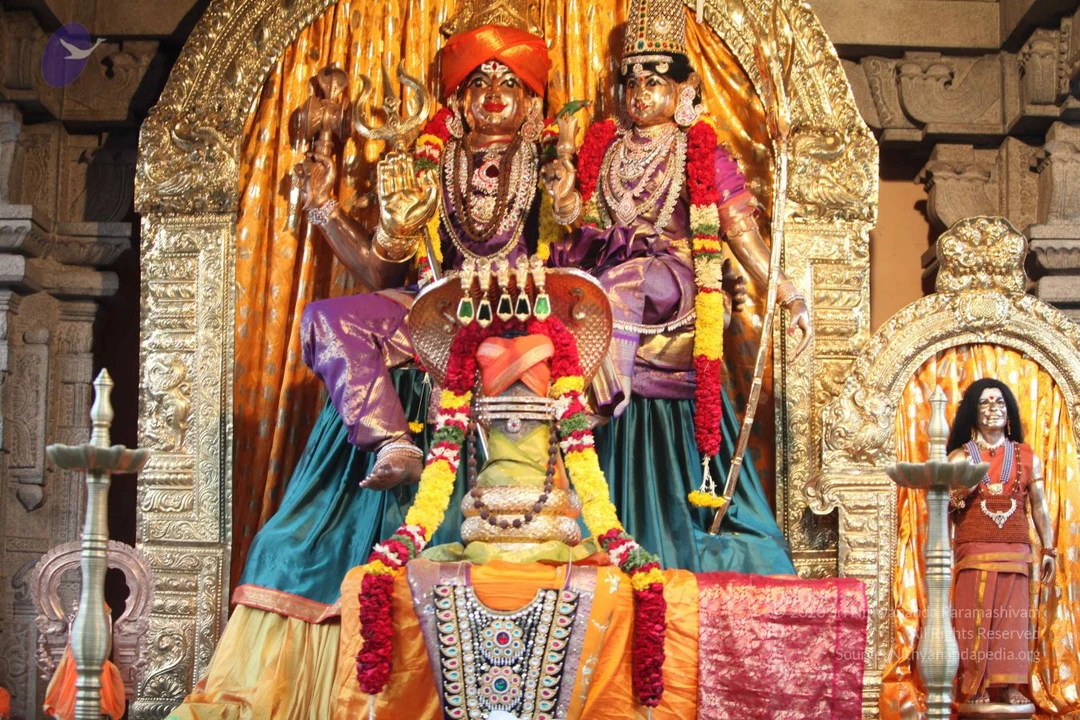
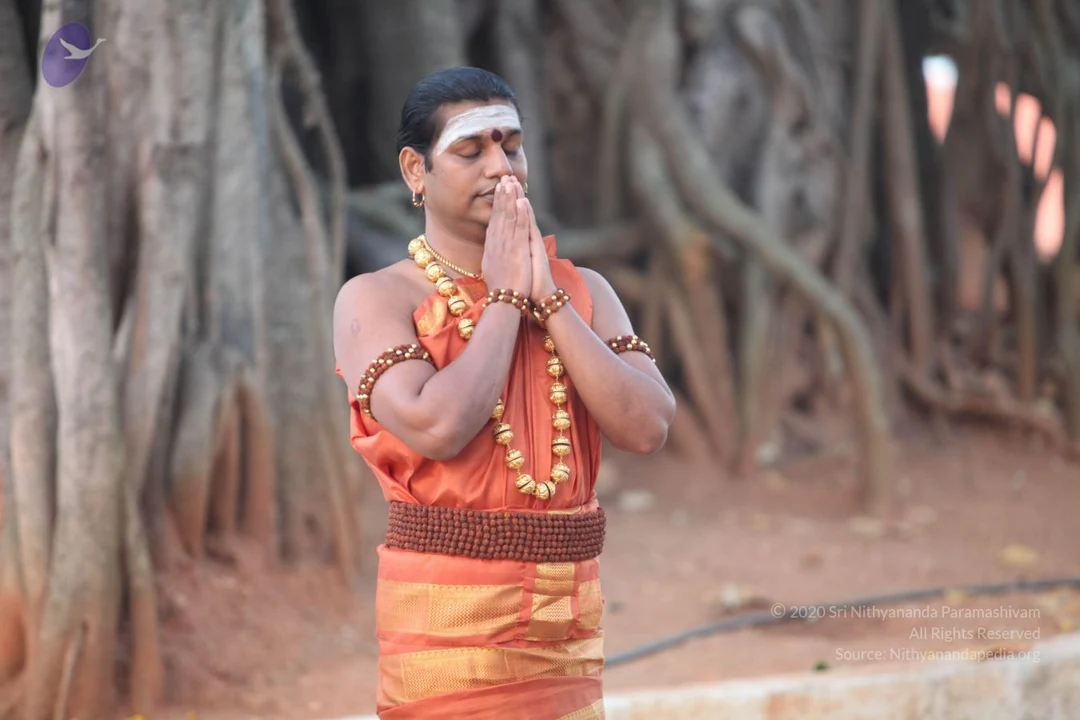
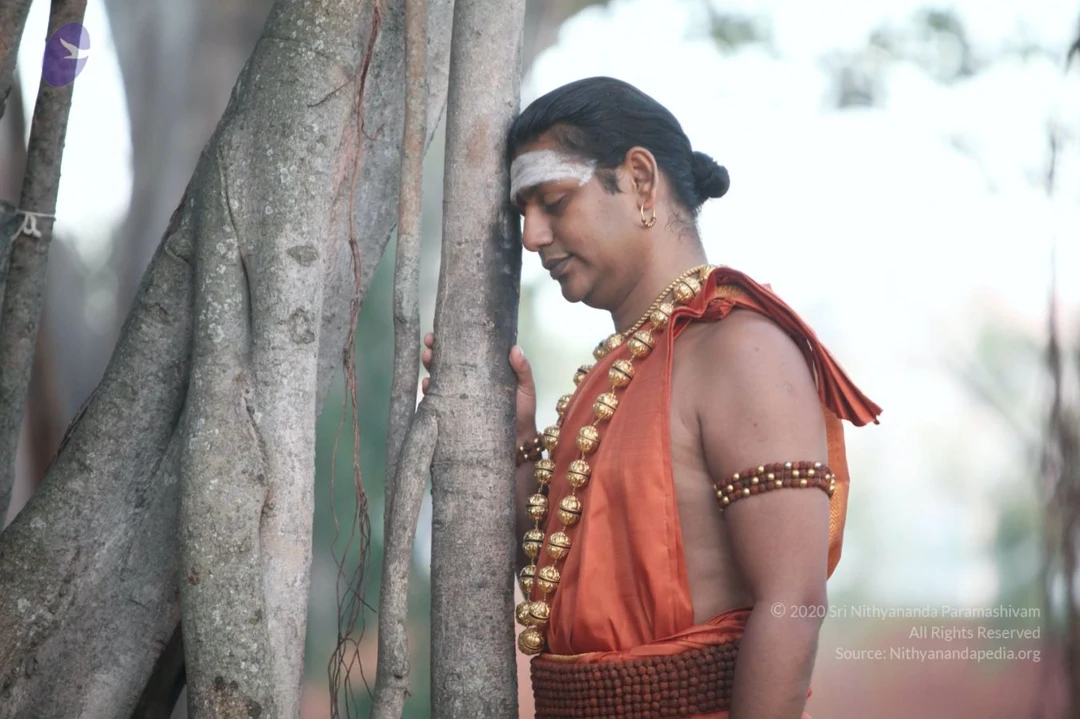
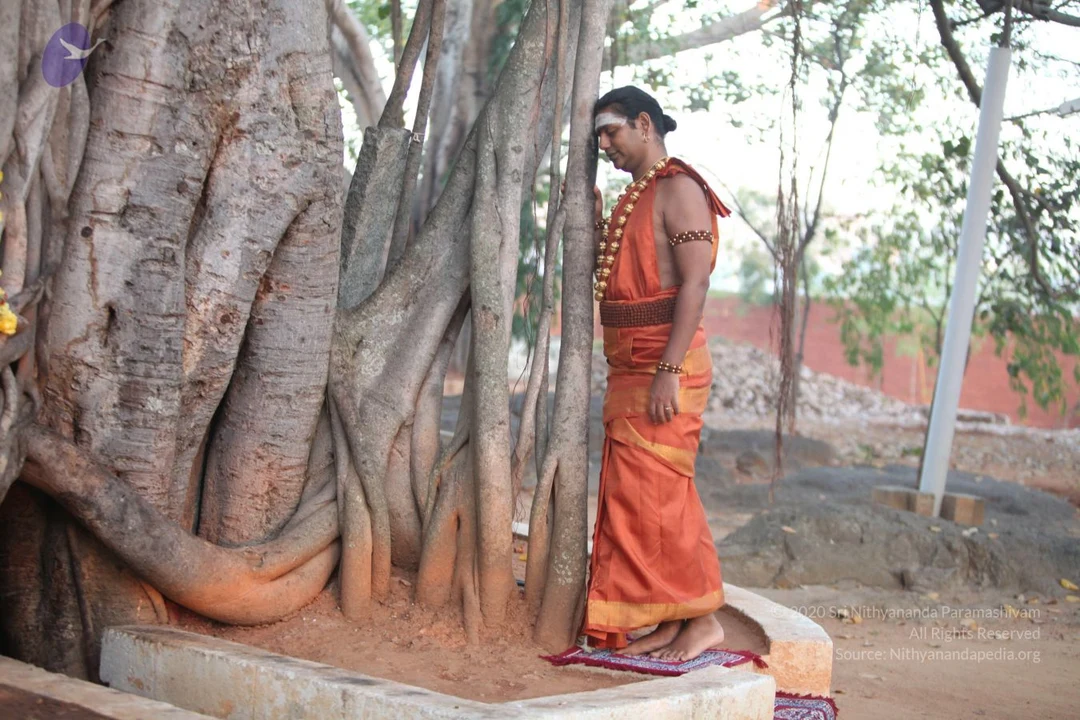
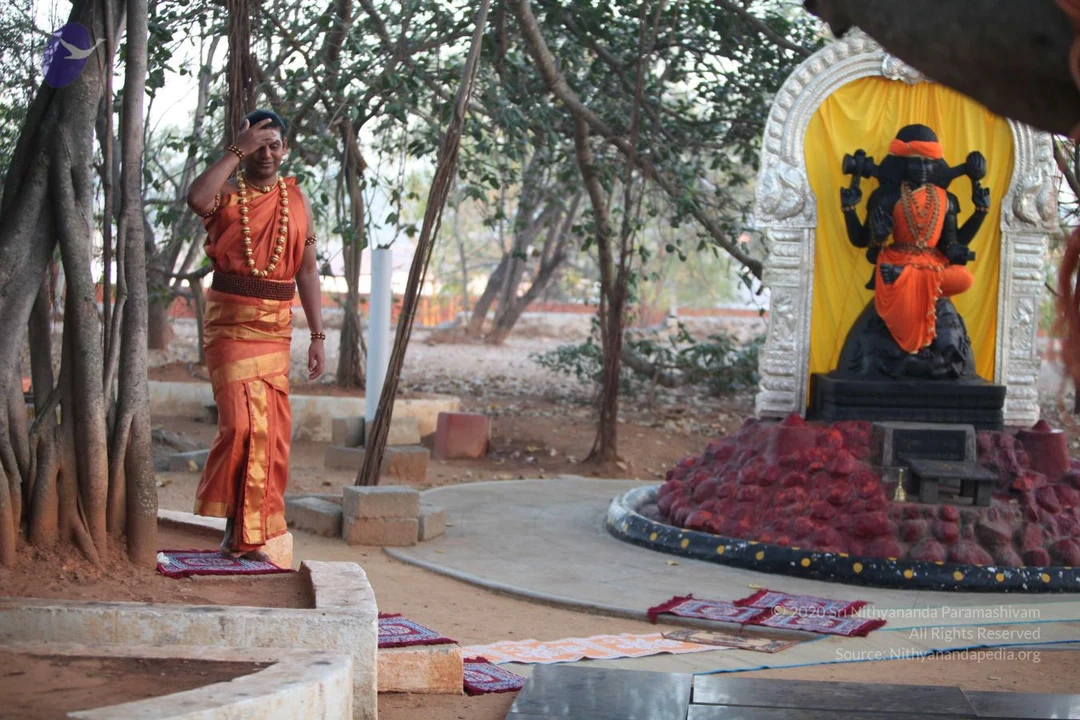
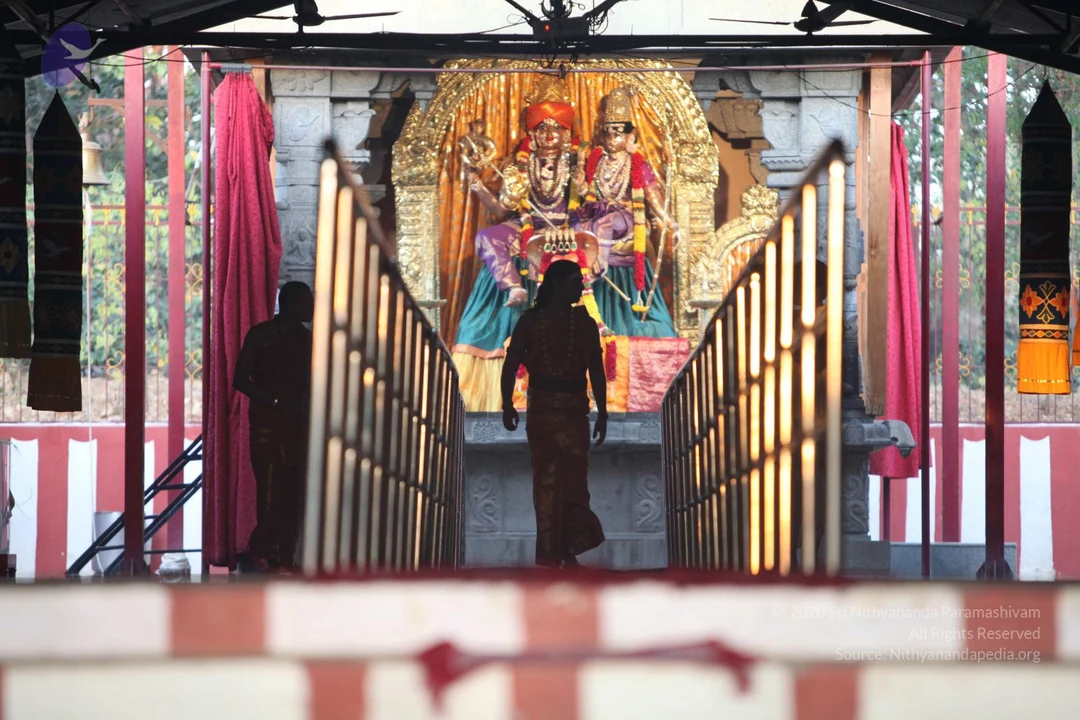
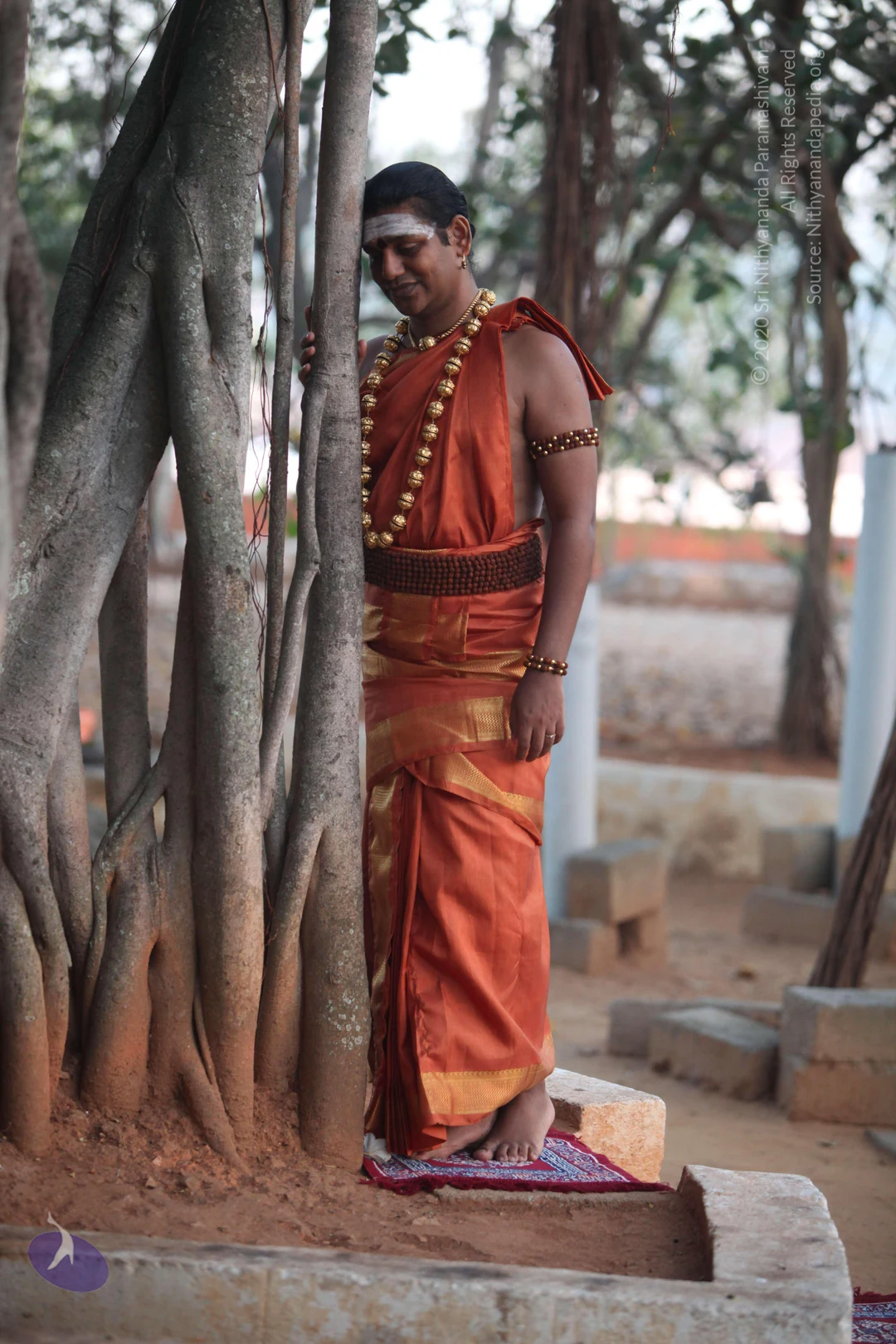
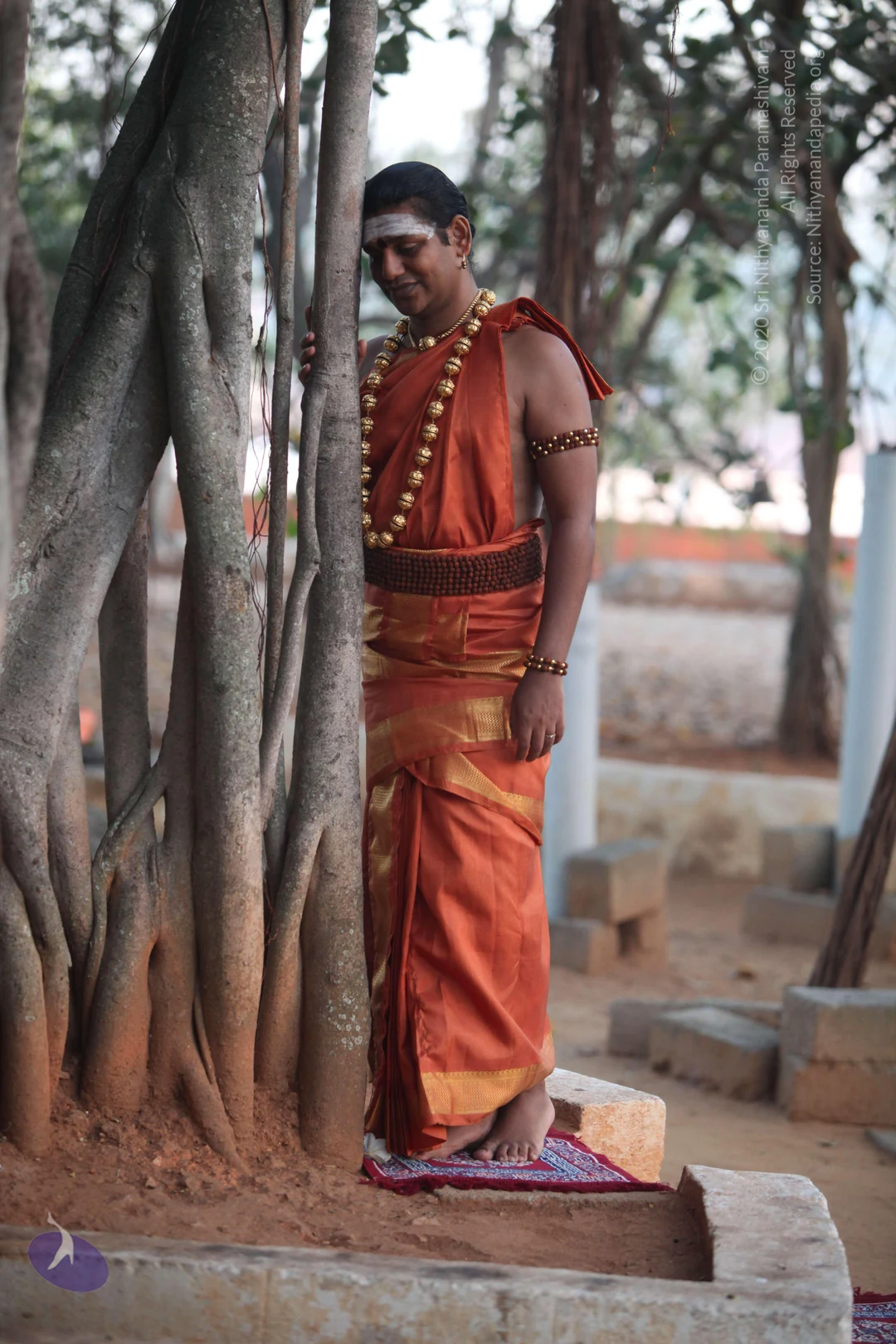
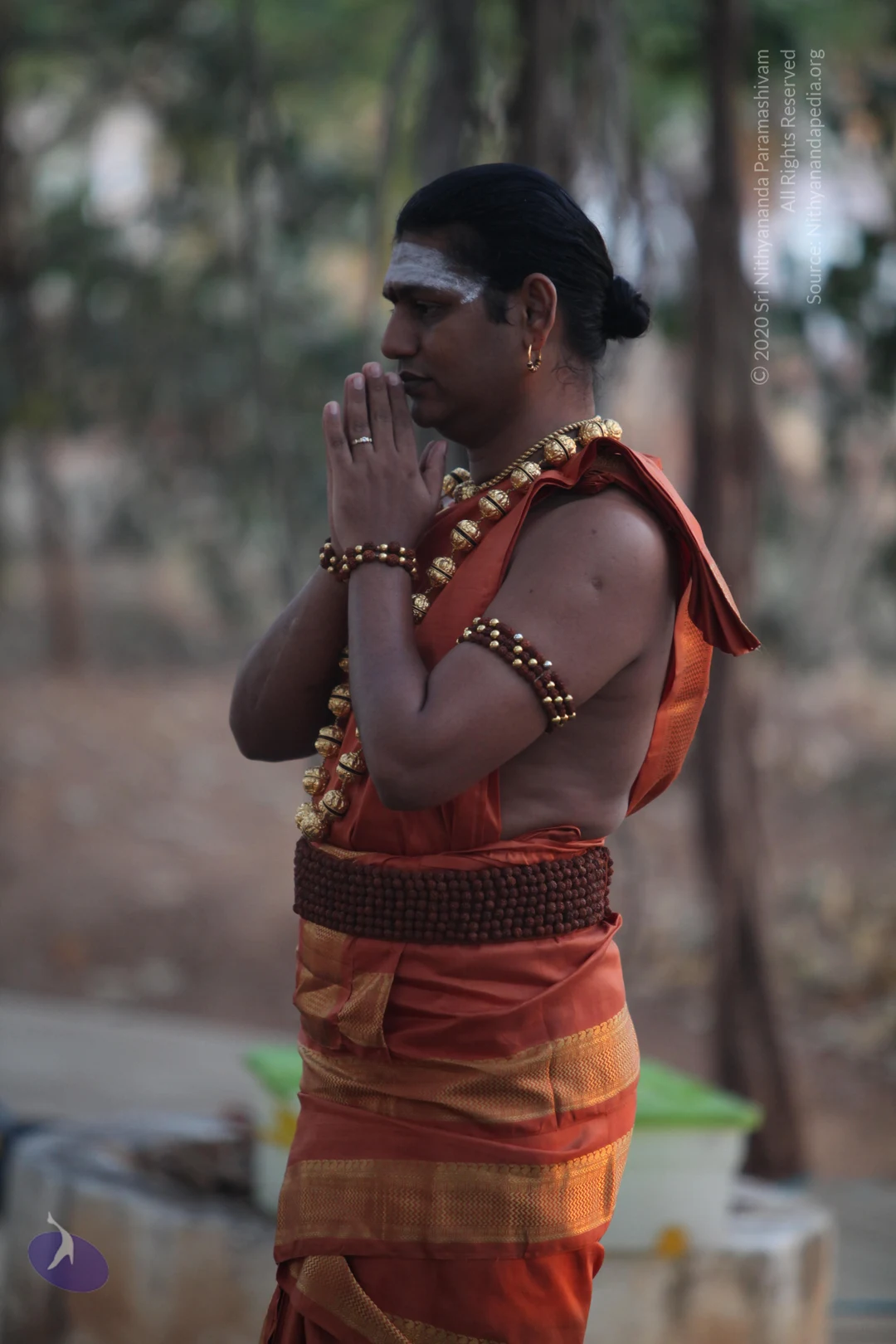
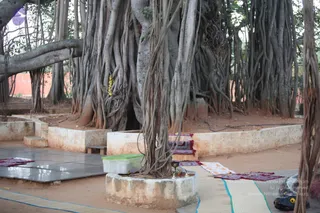
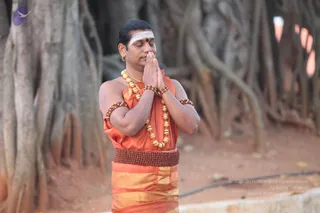
Bidadi Temple and Sacred Banyan Tree

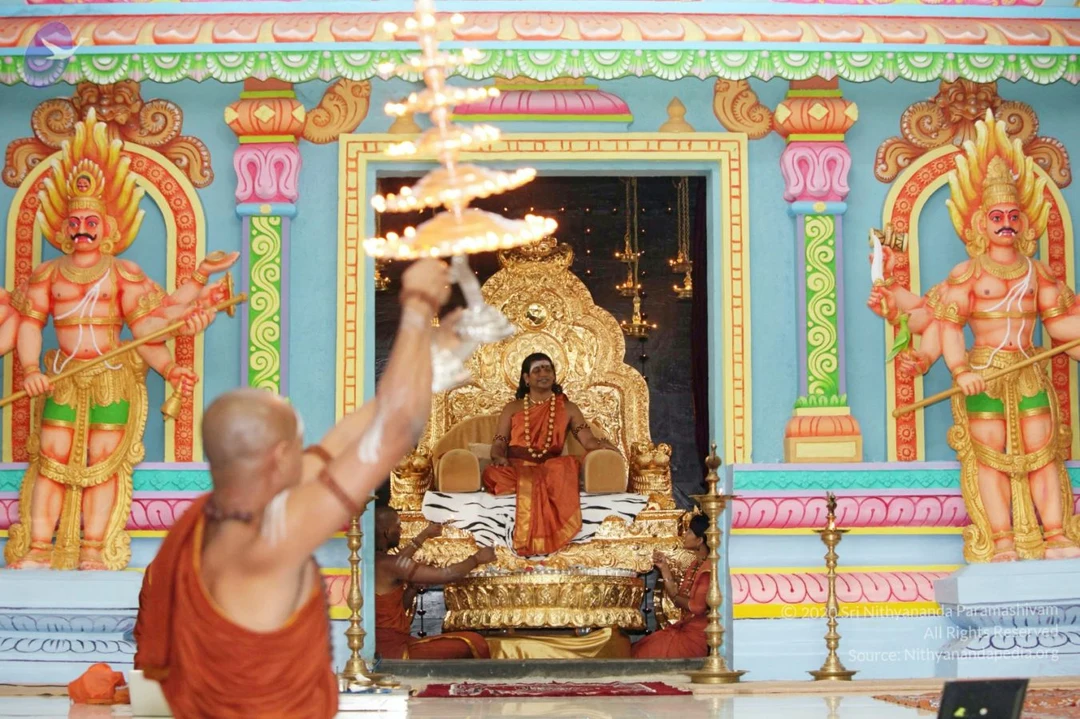
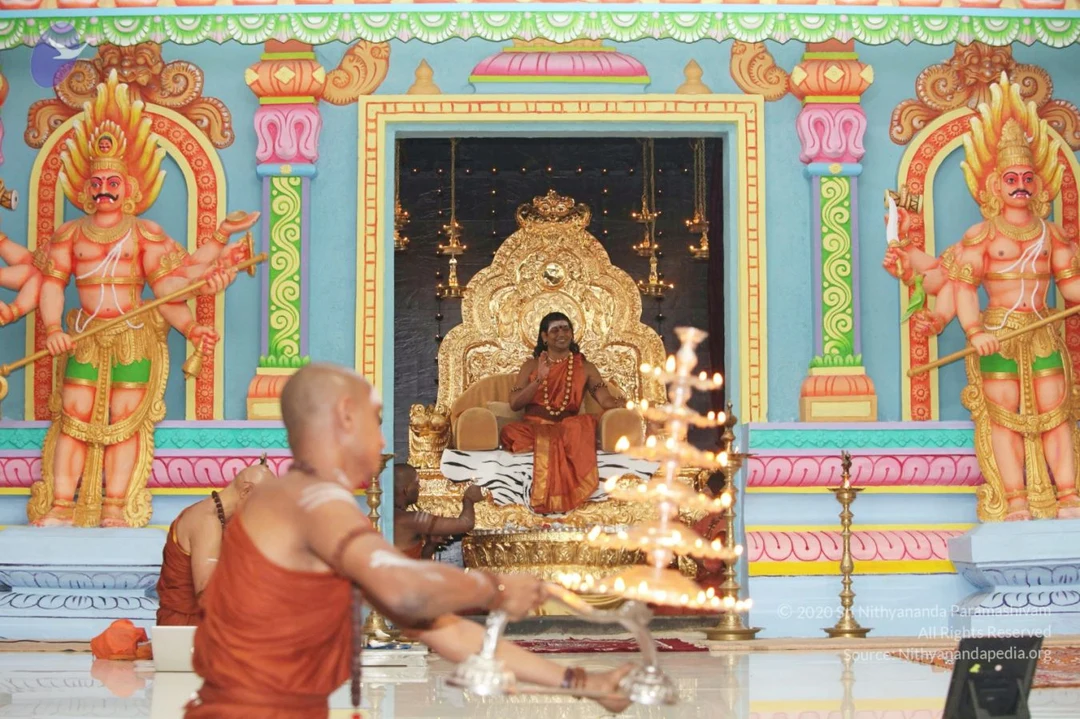
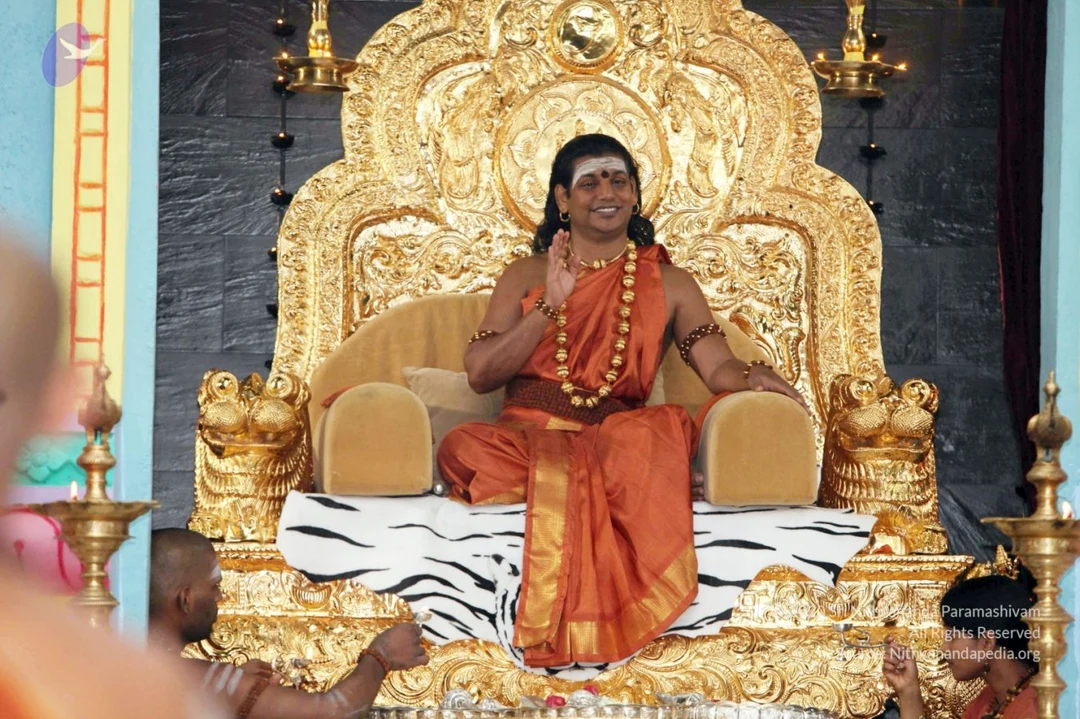
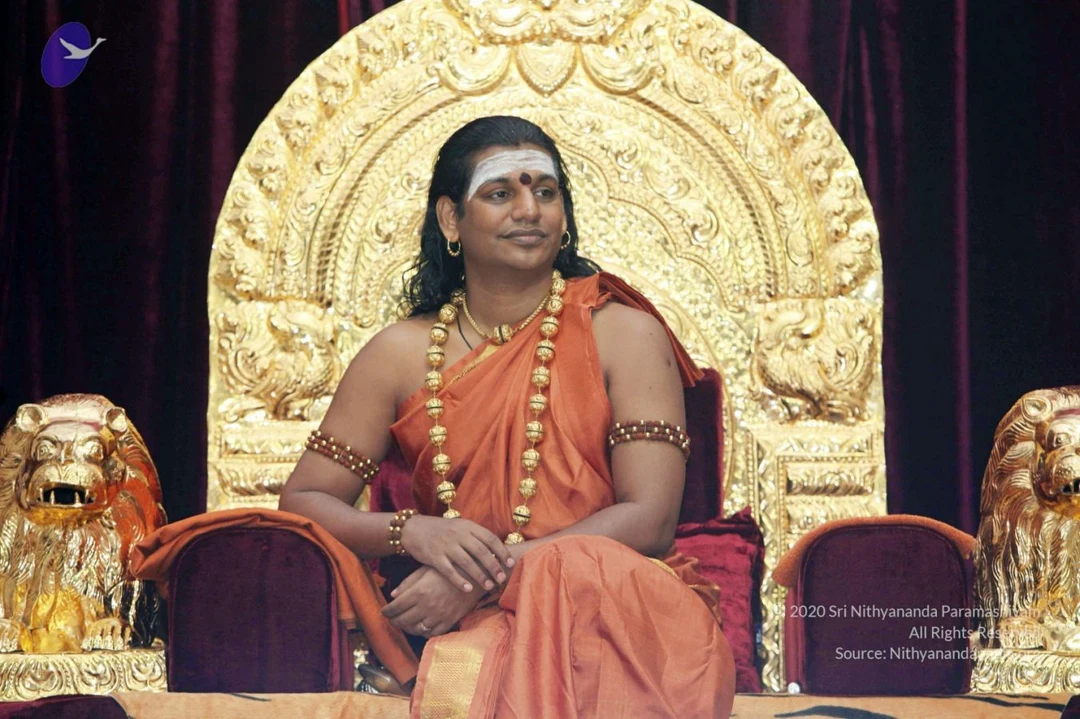
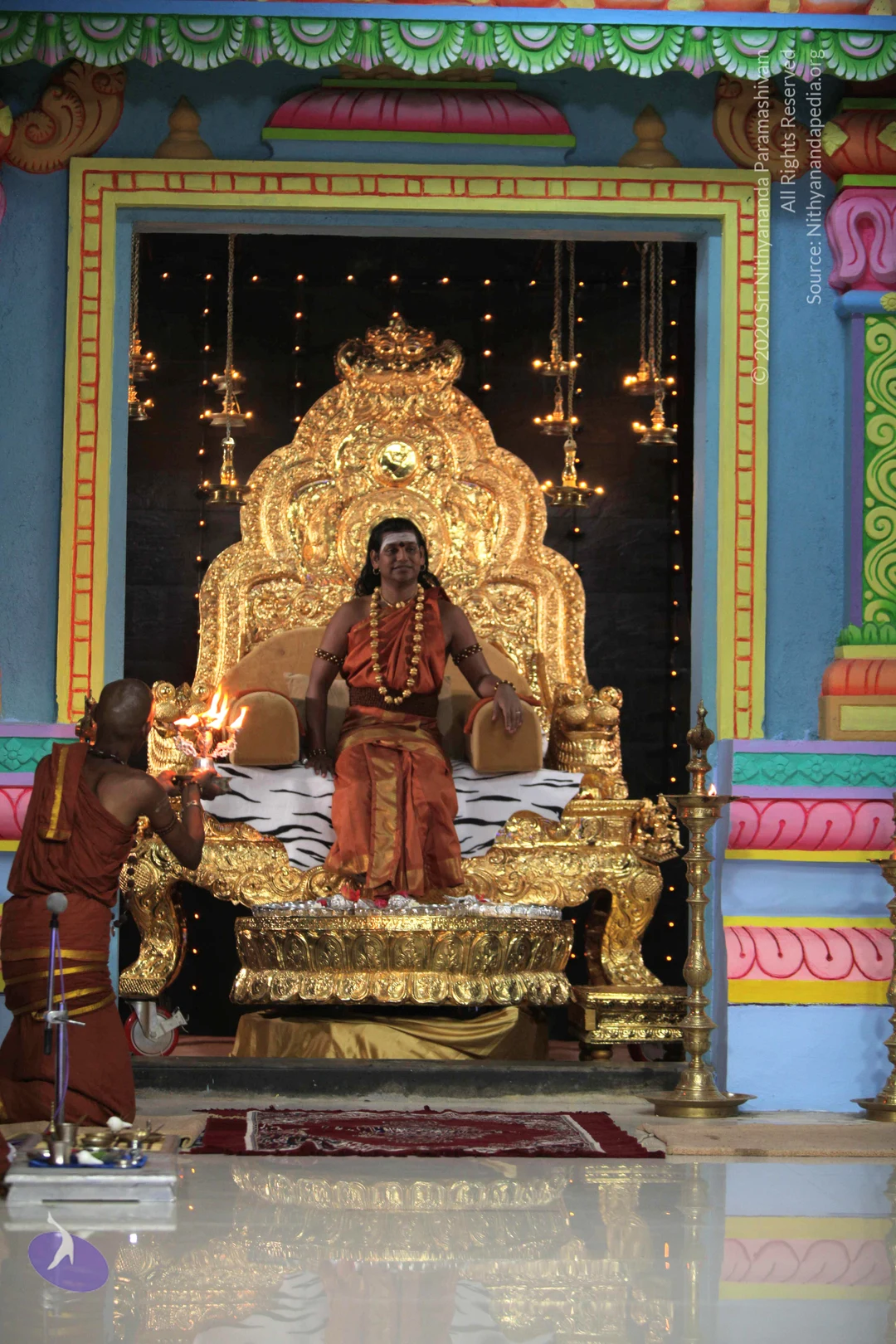
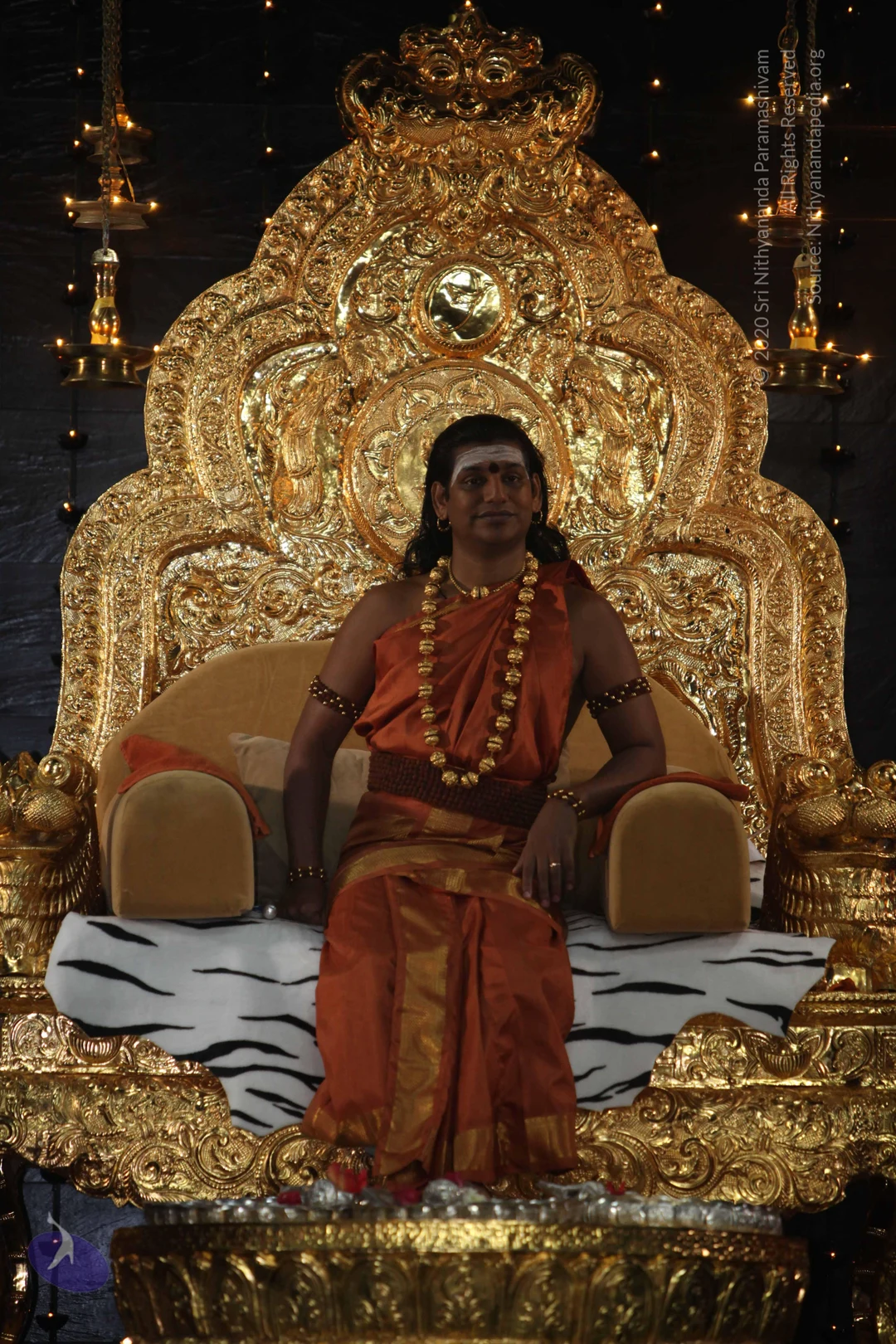
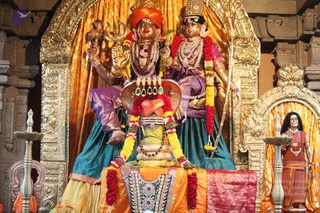
Pada Puja
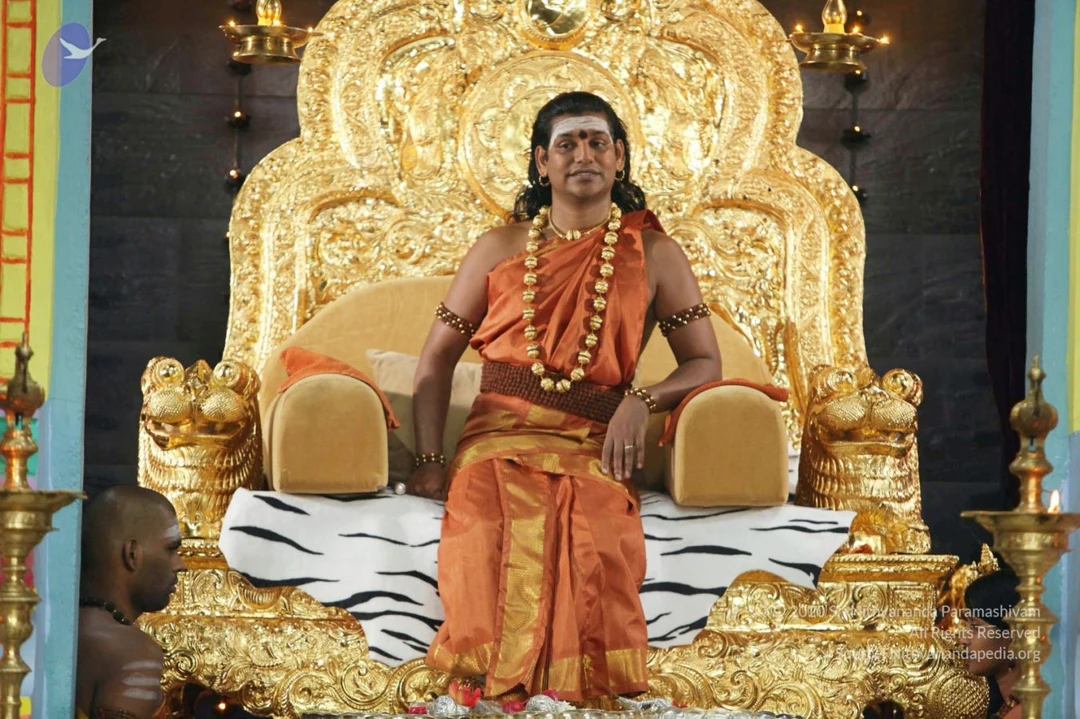
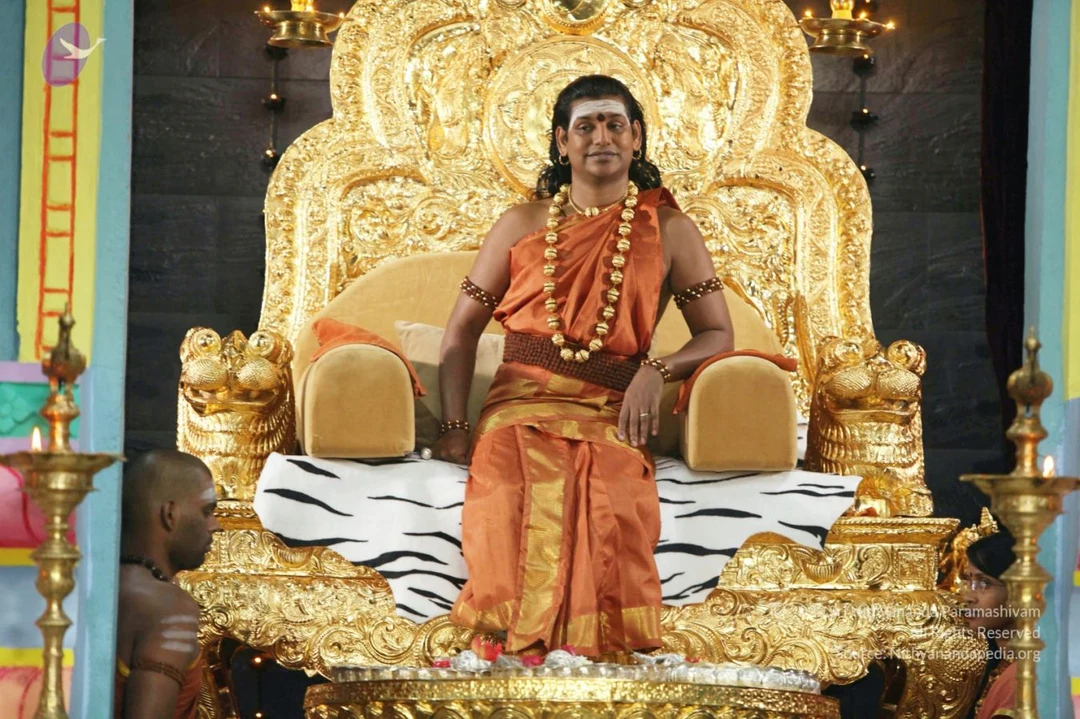
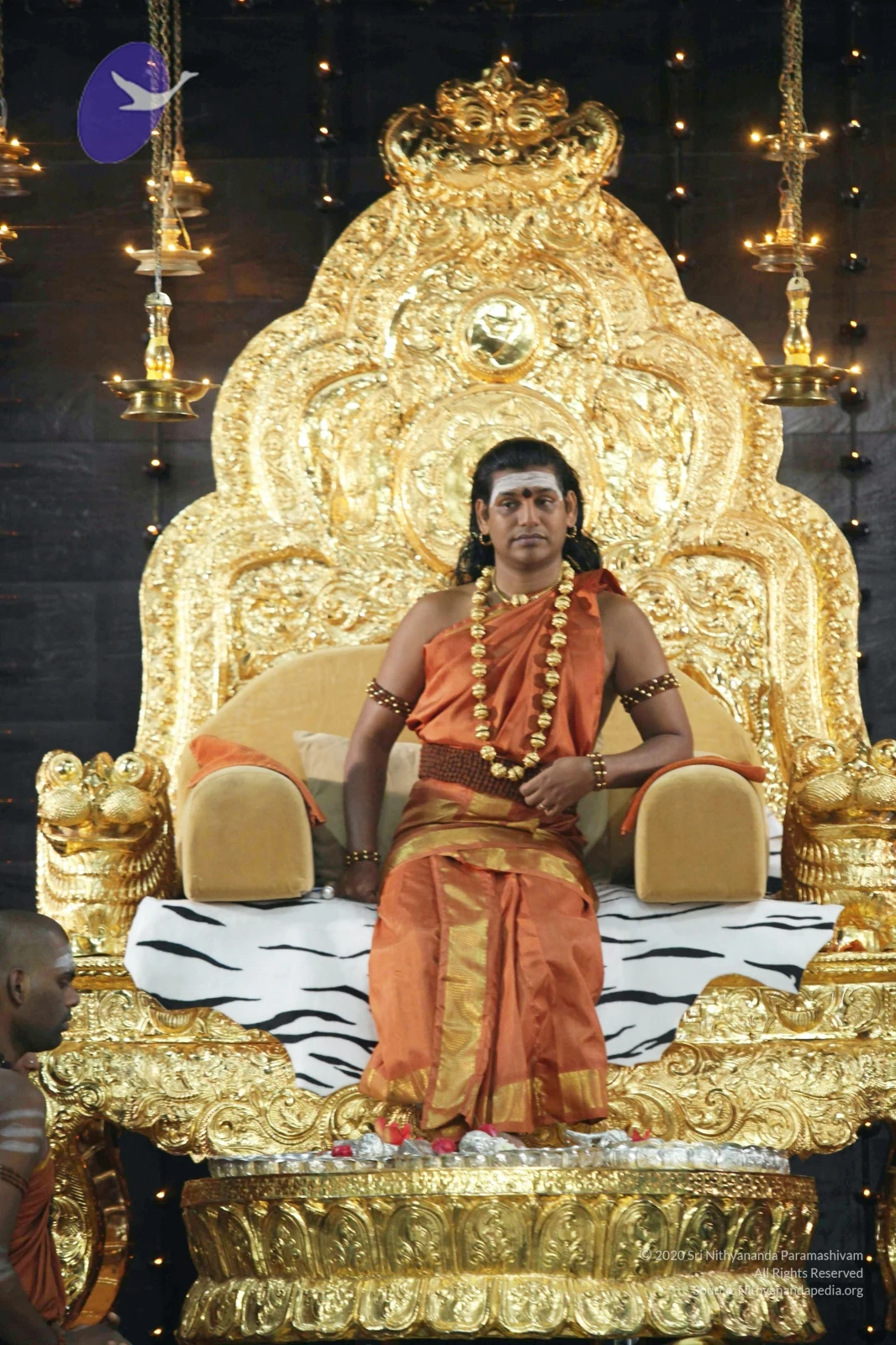
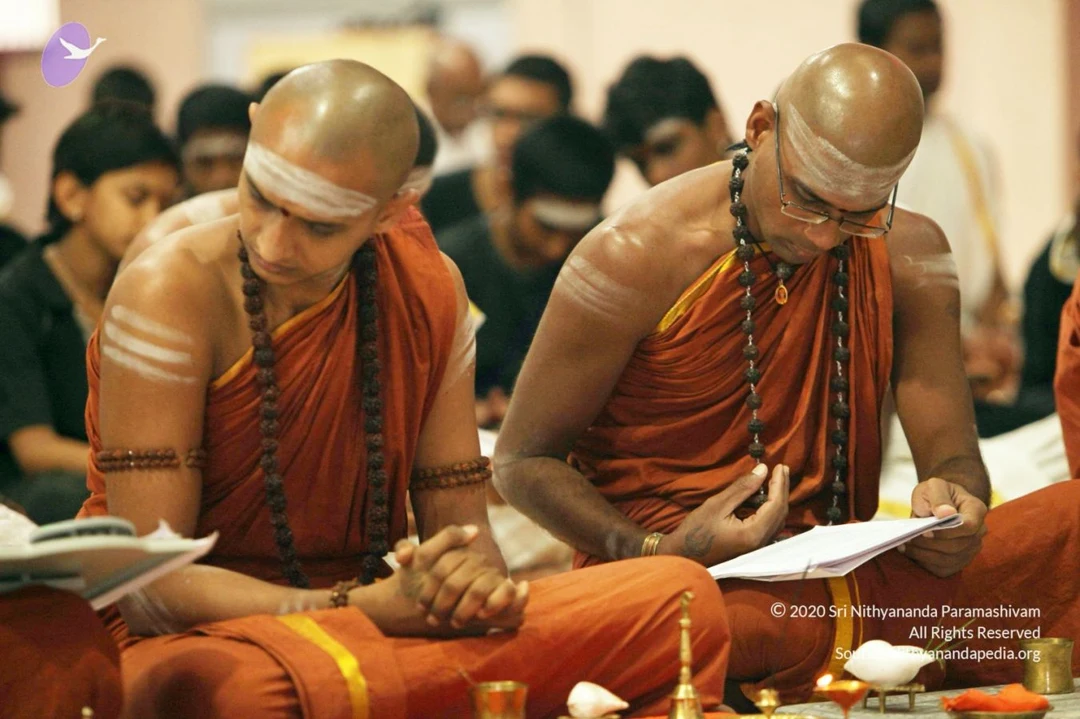

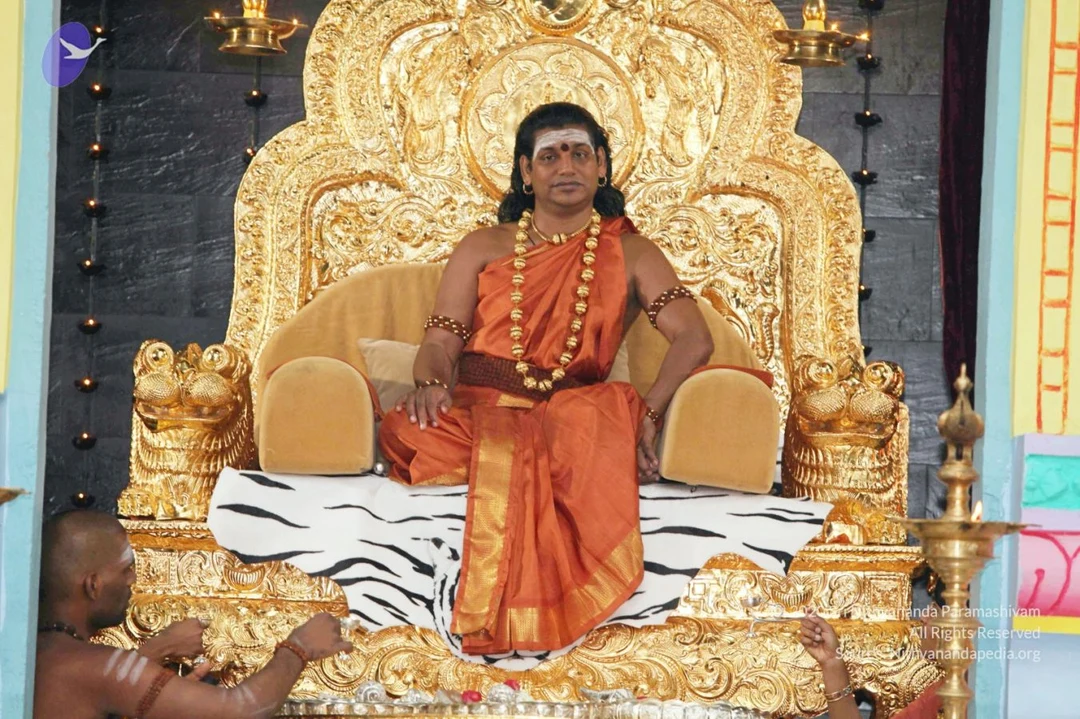
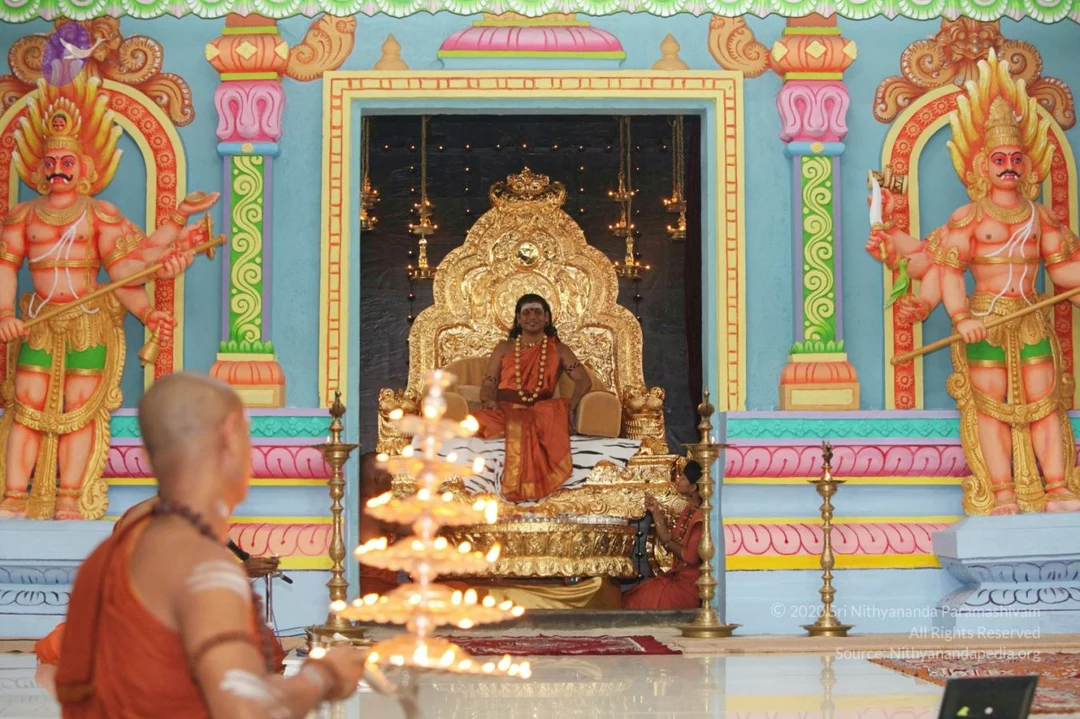
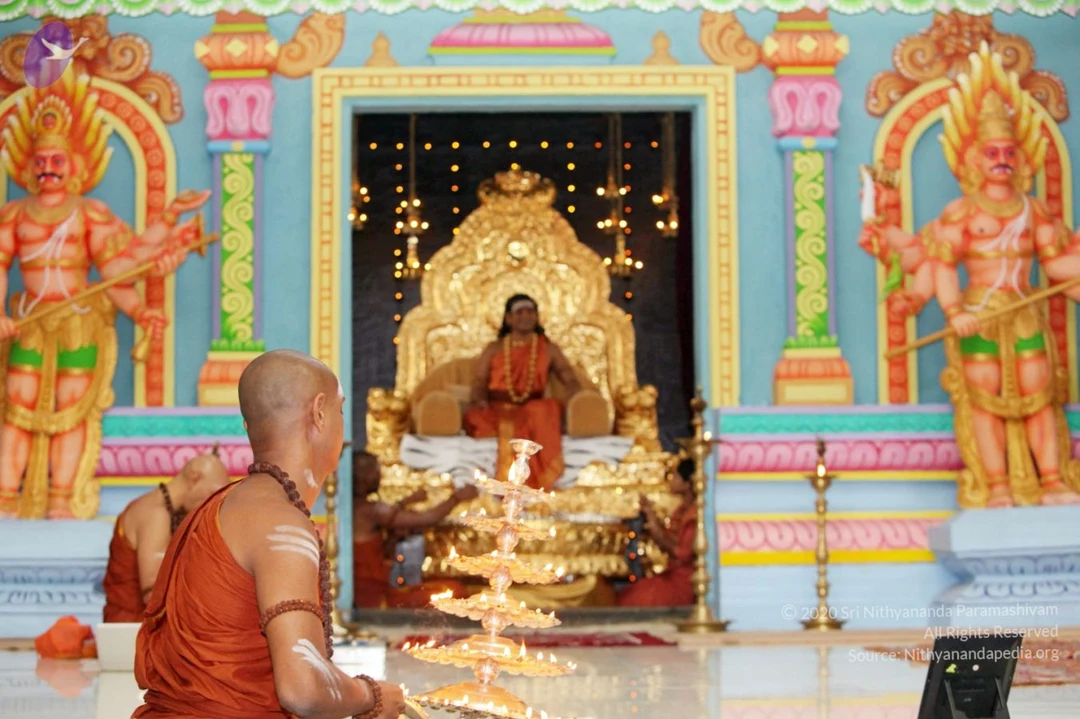
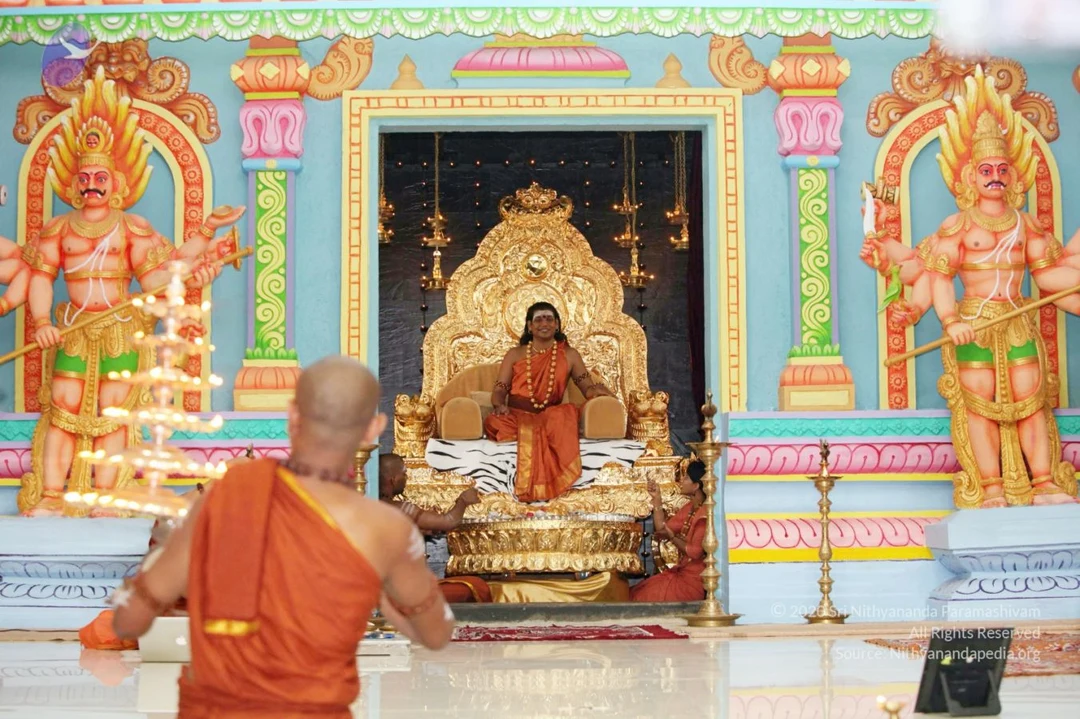
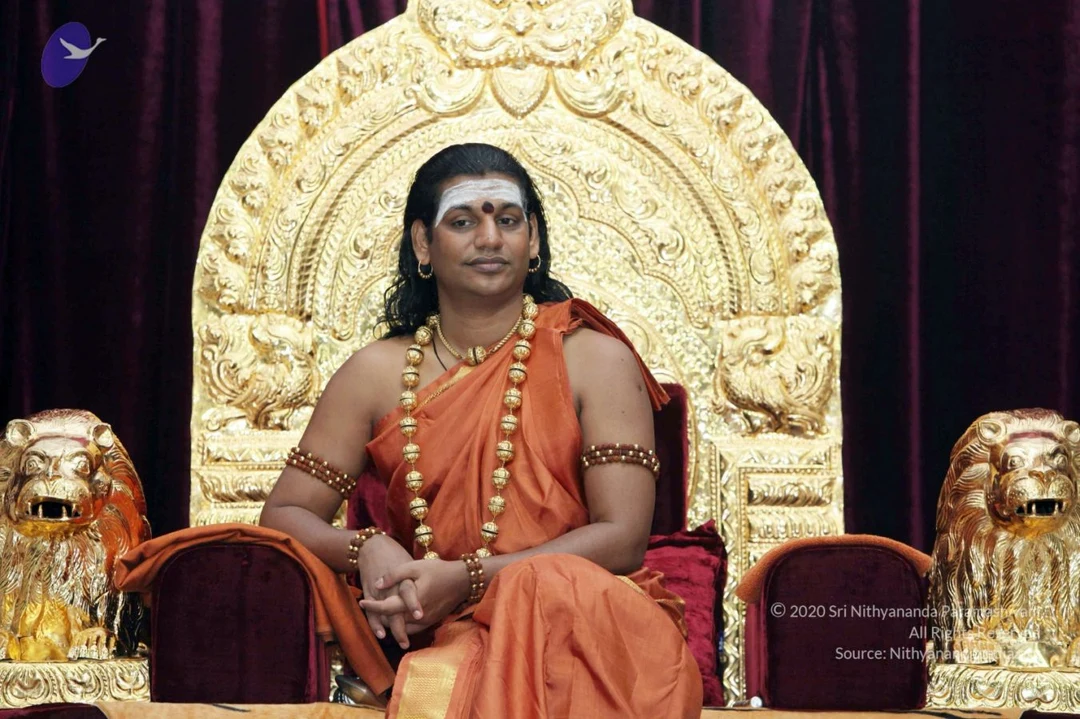

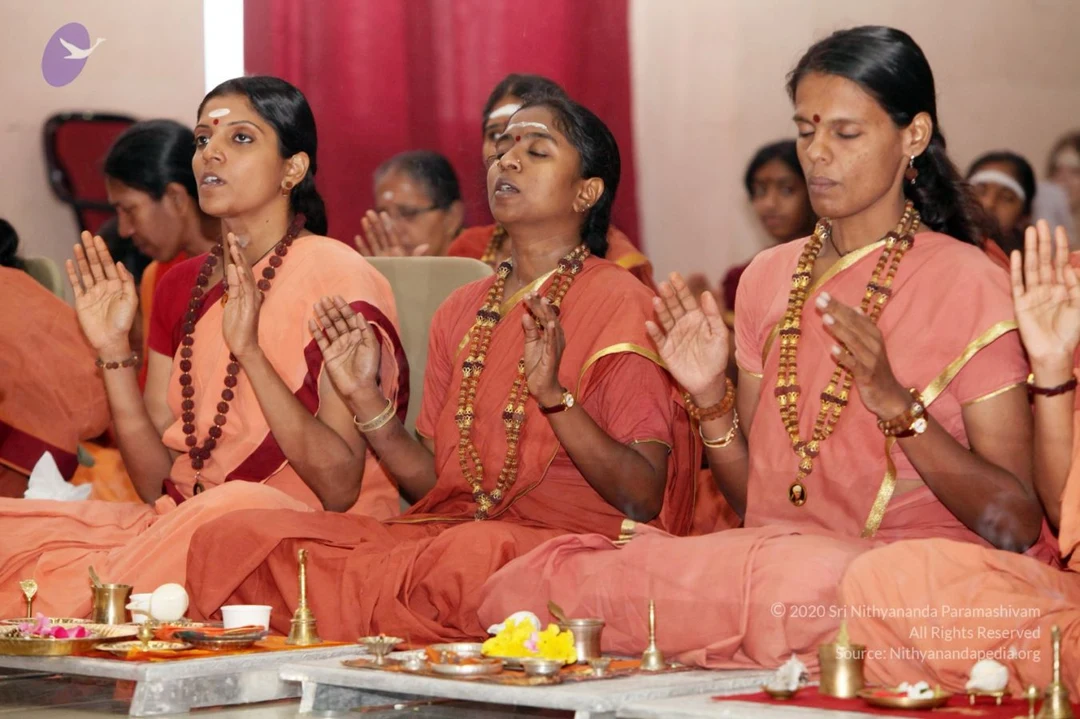
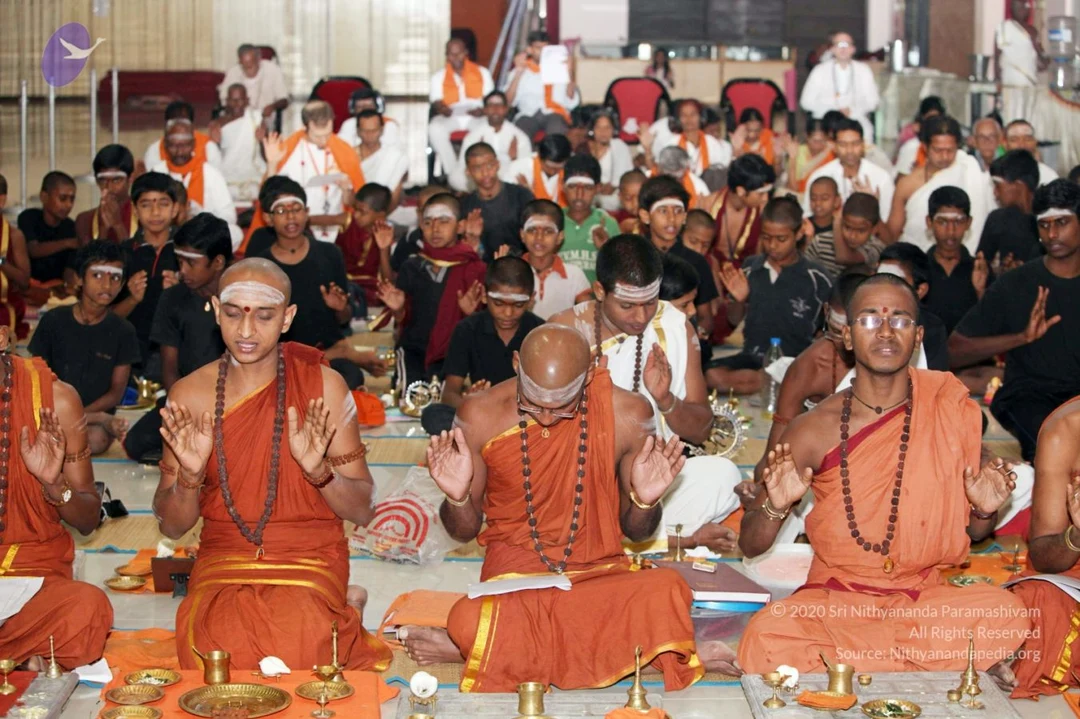
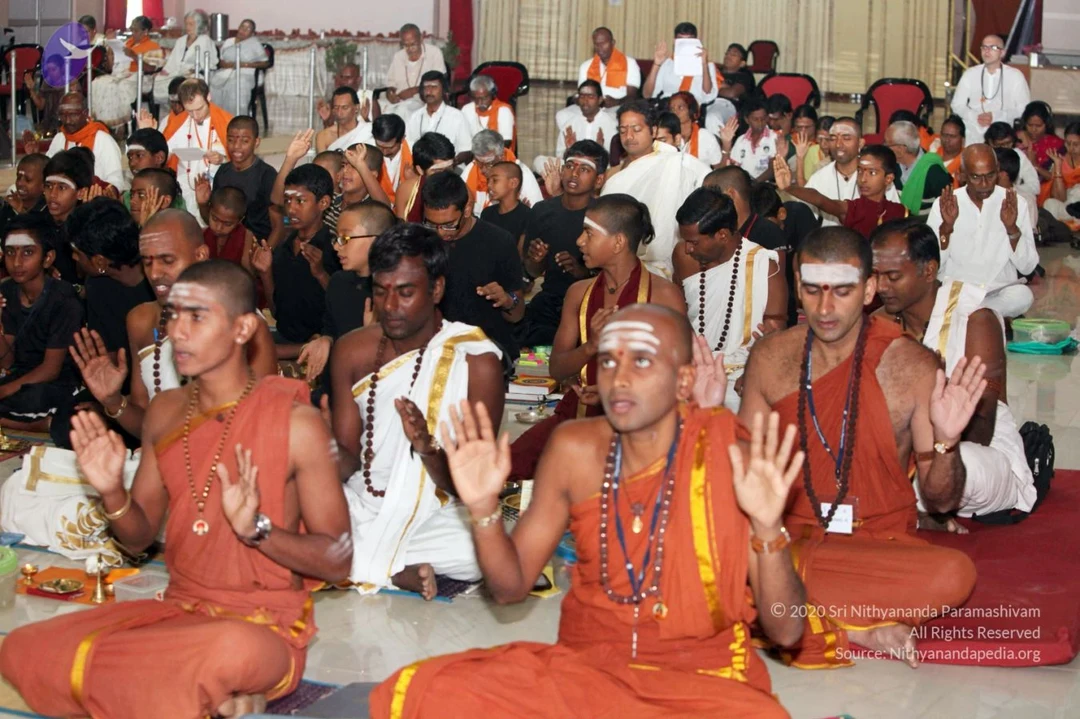
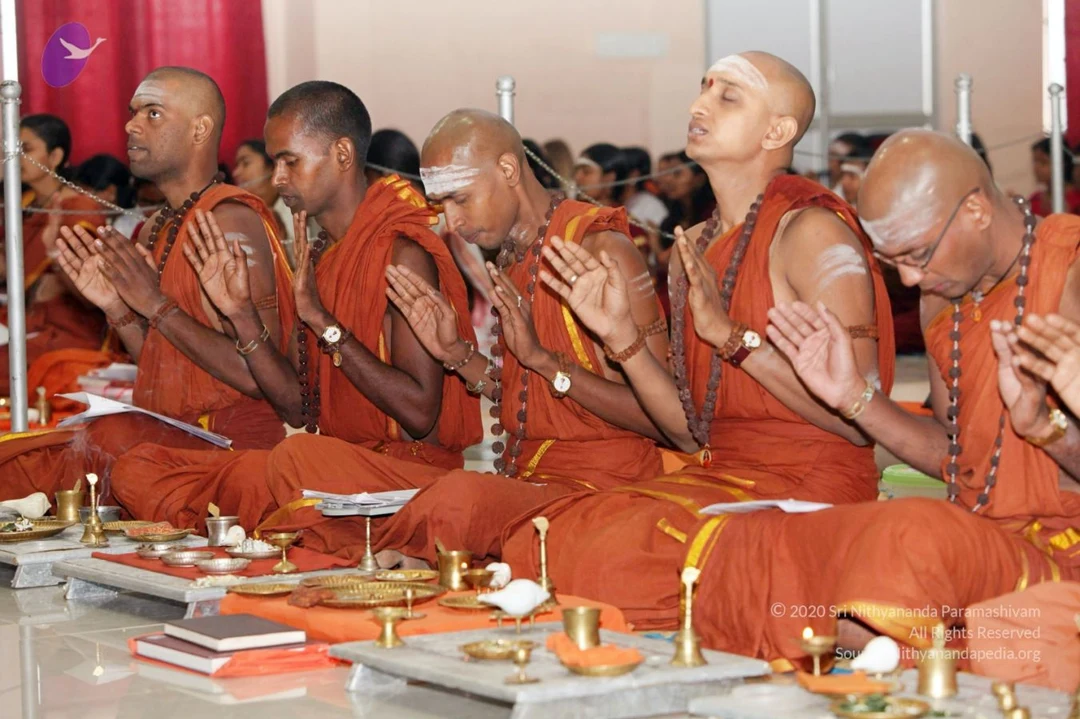
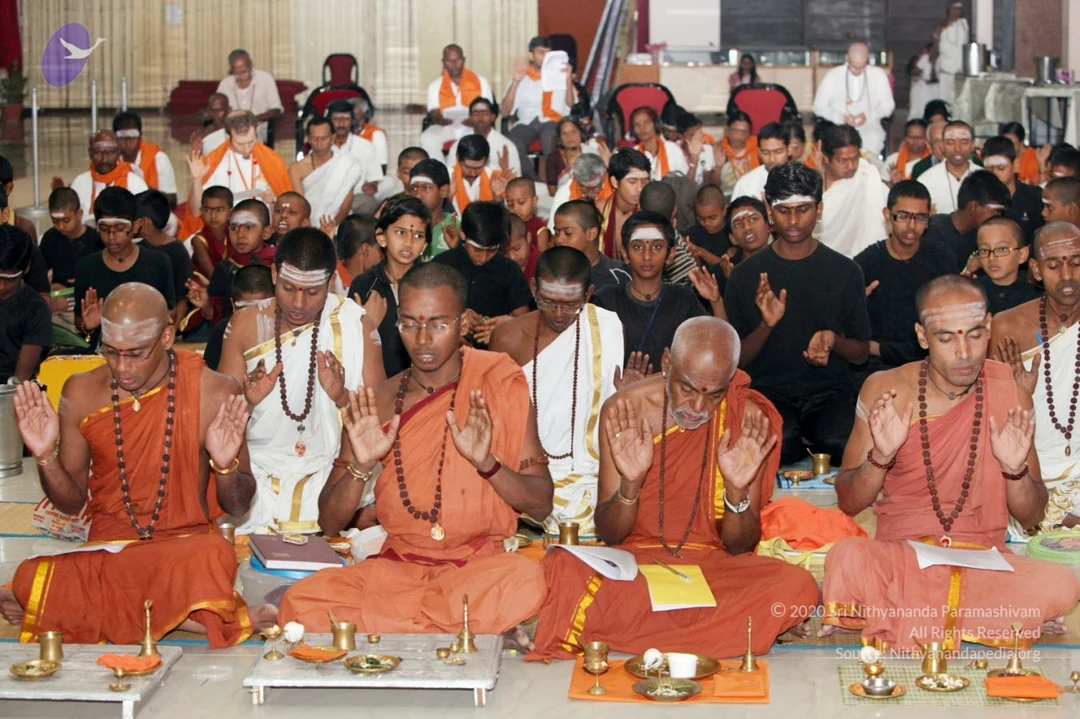
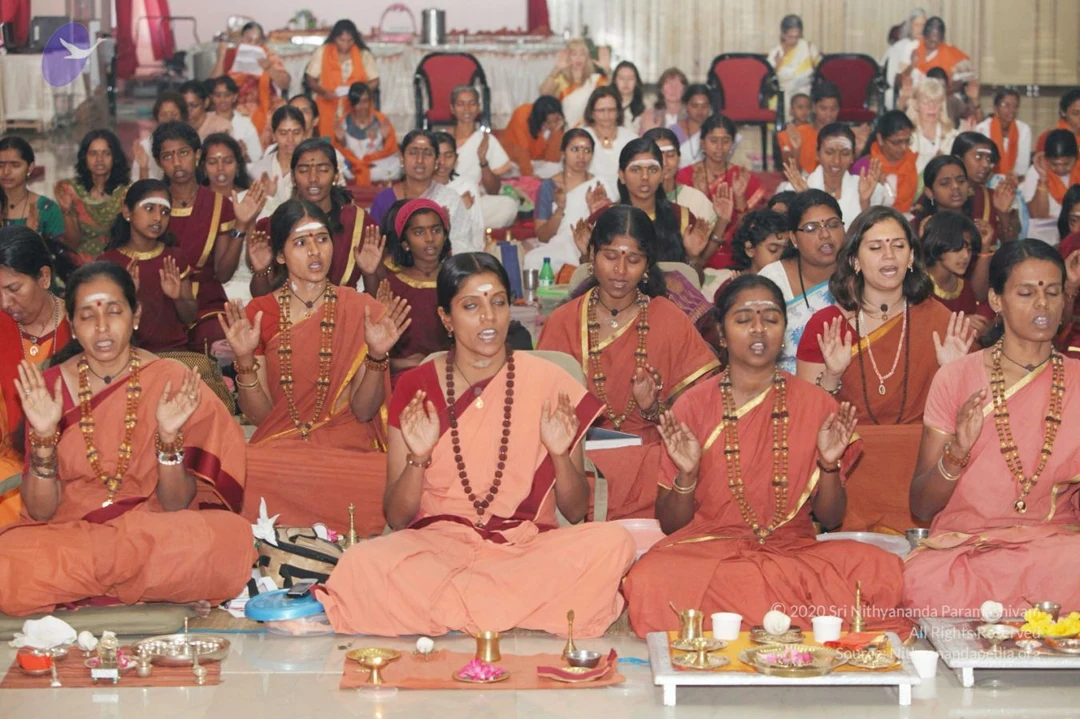
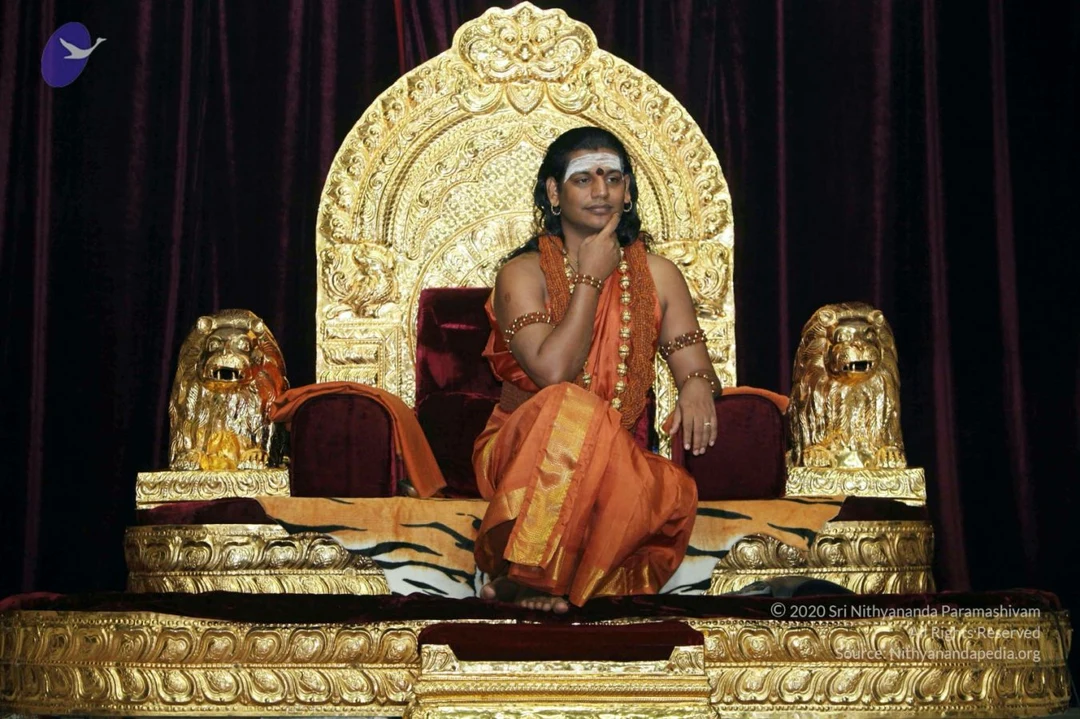
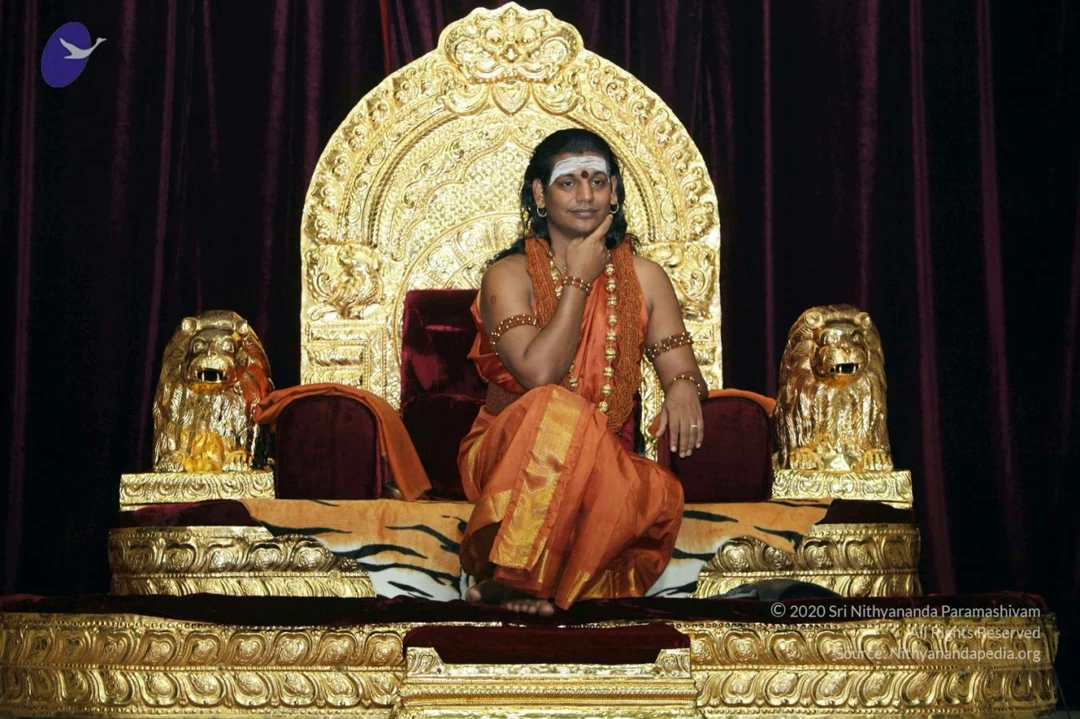
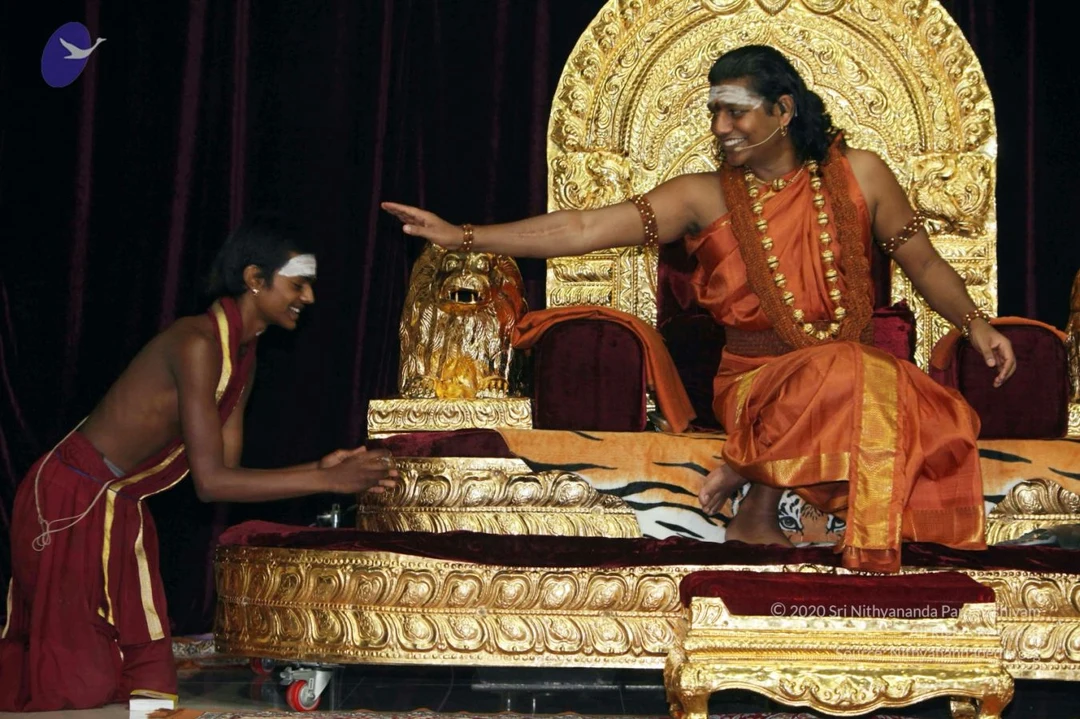
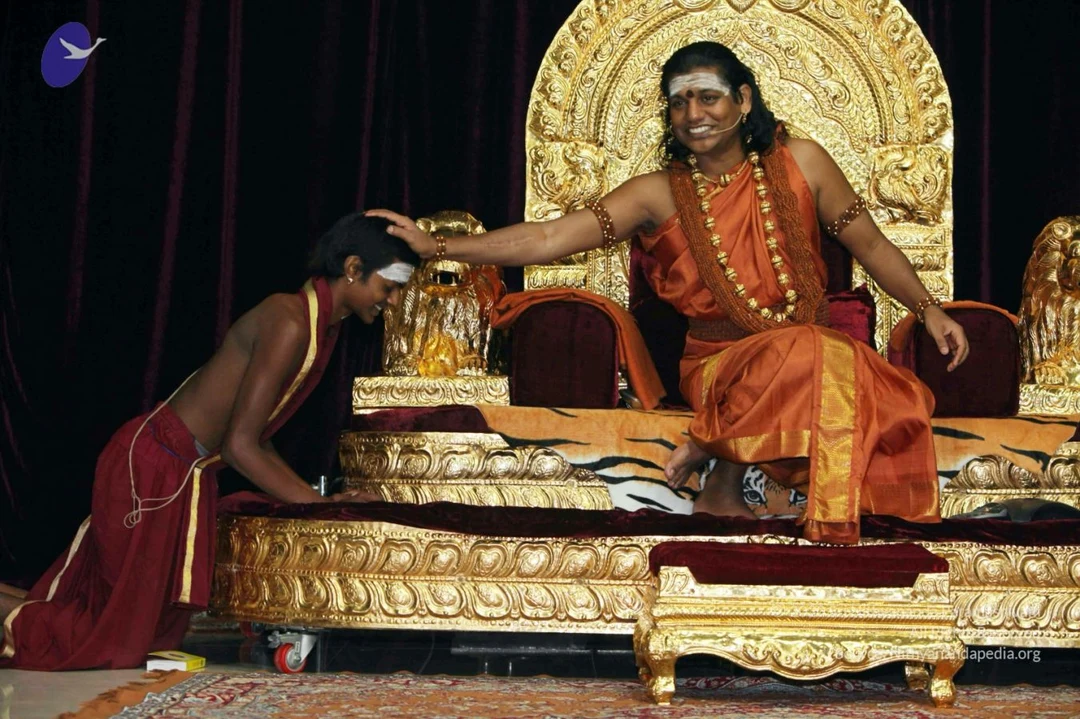

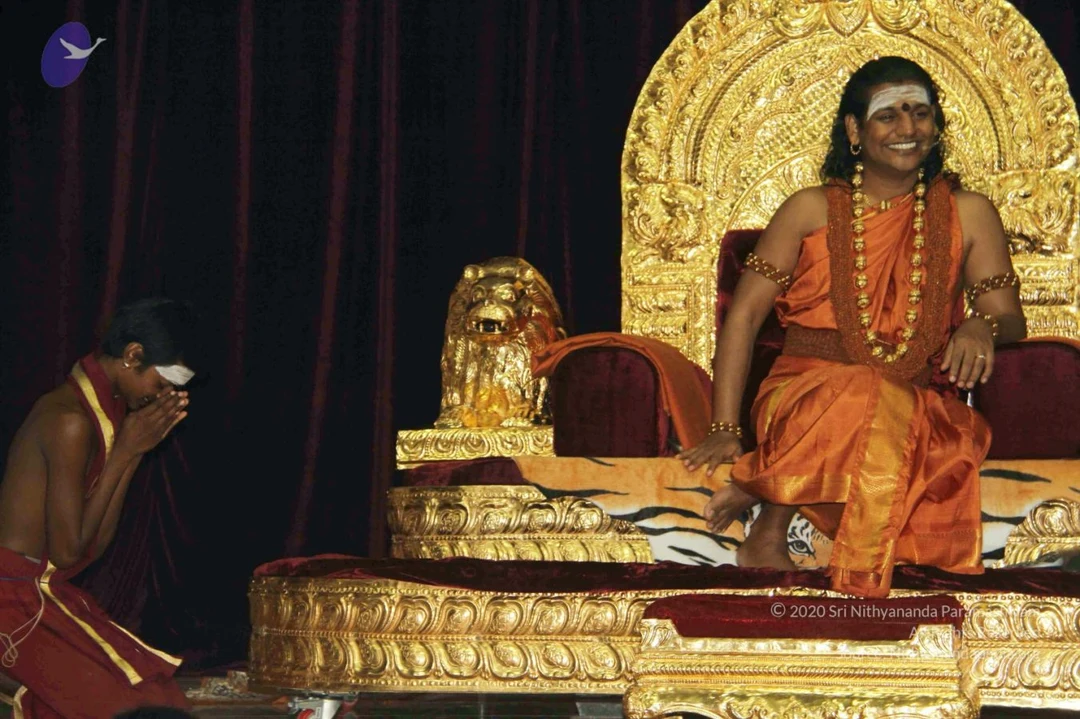
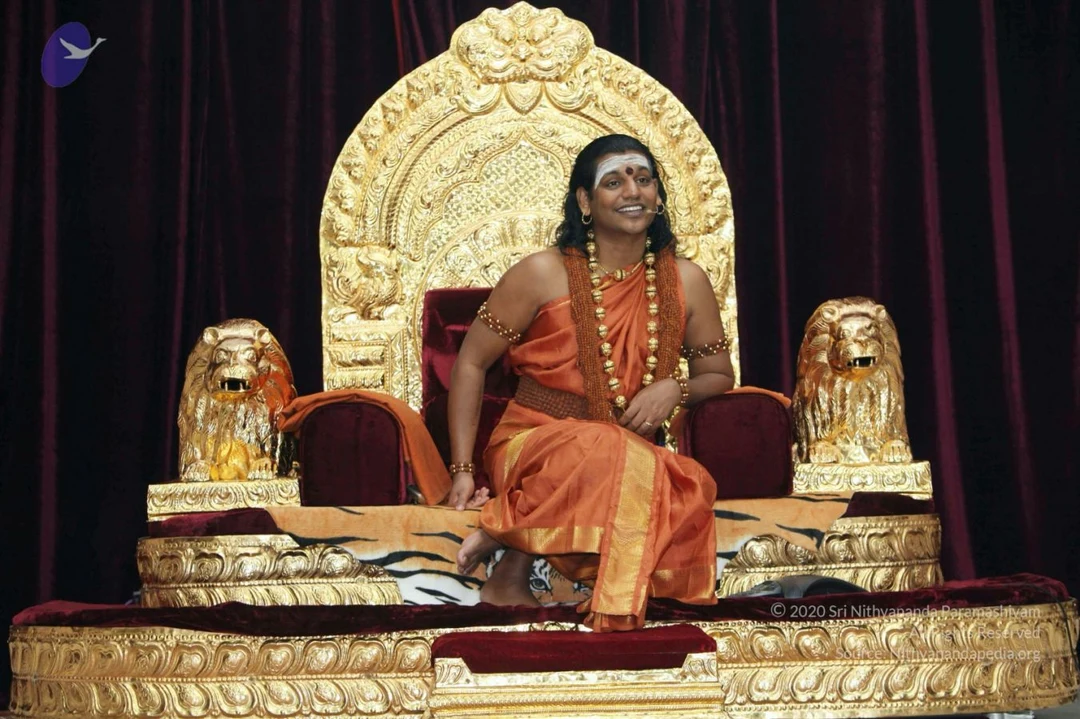
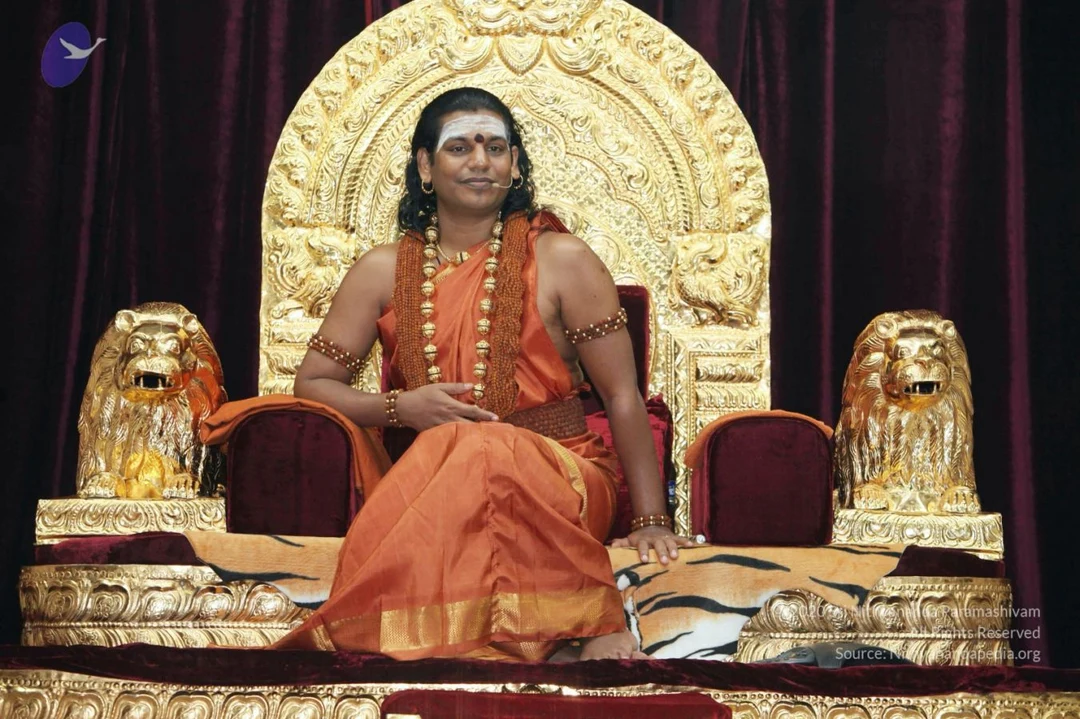
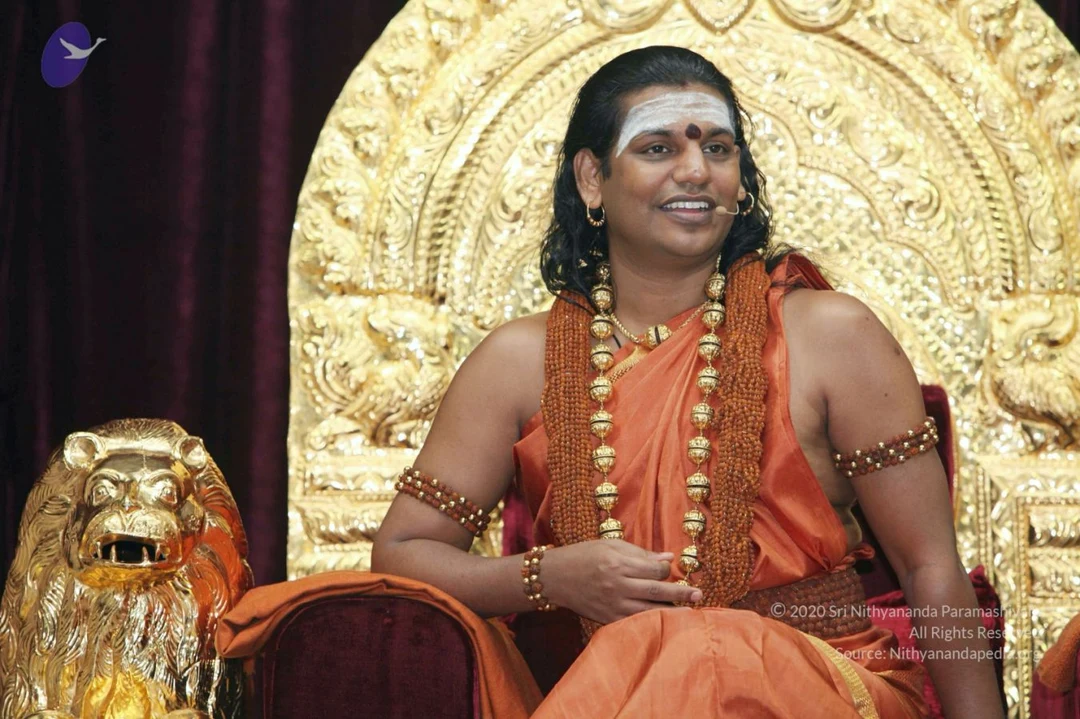
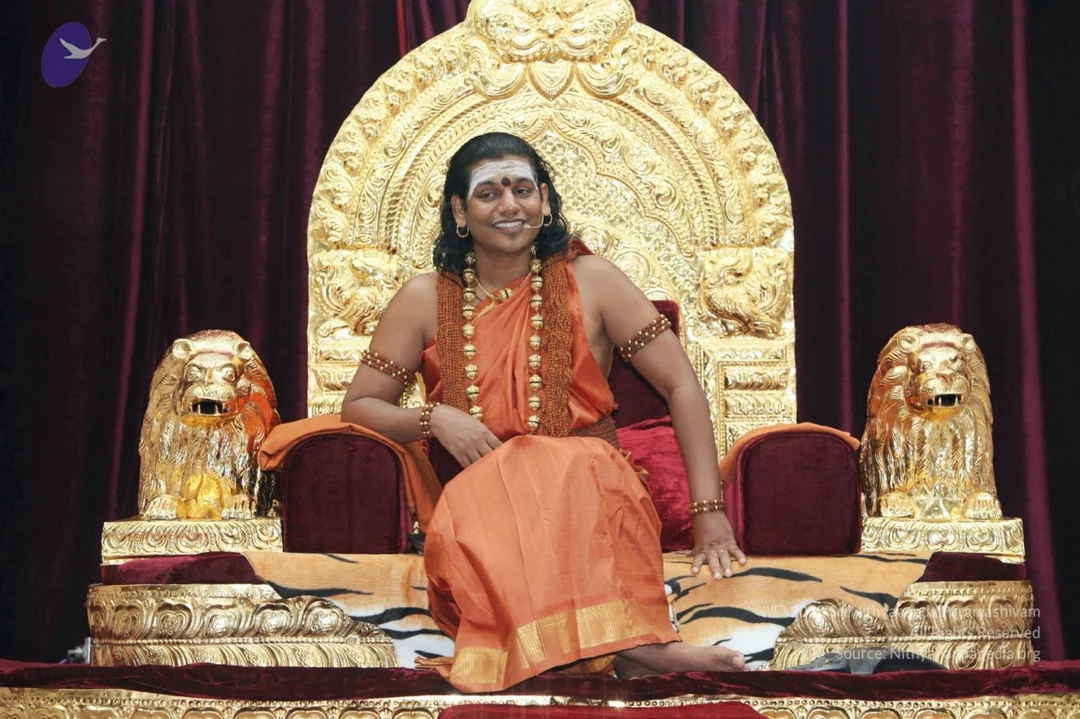
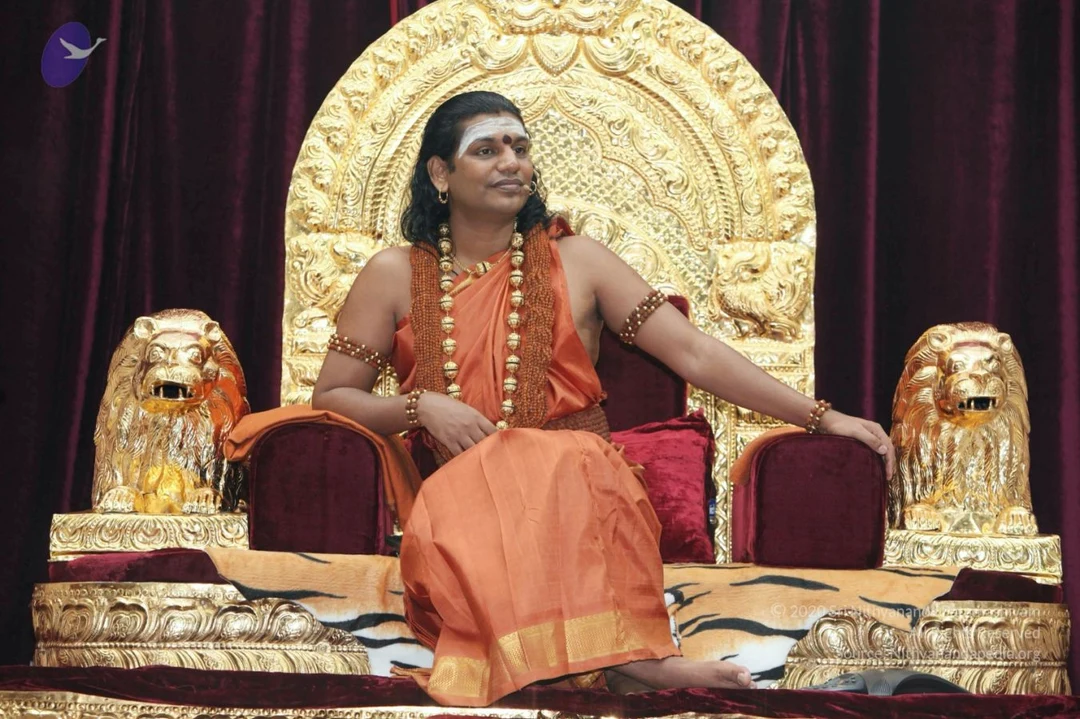
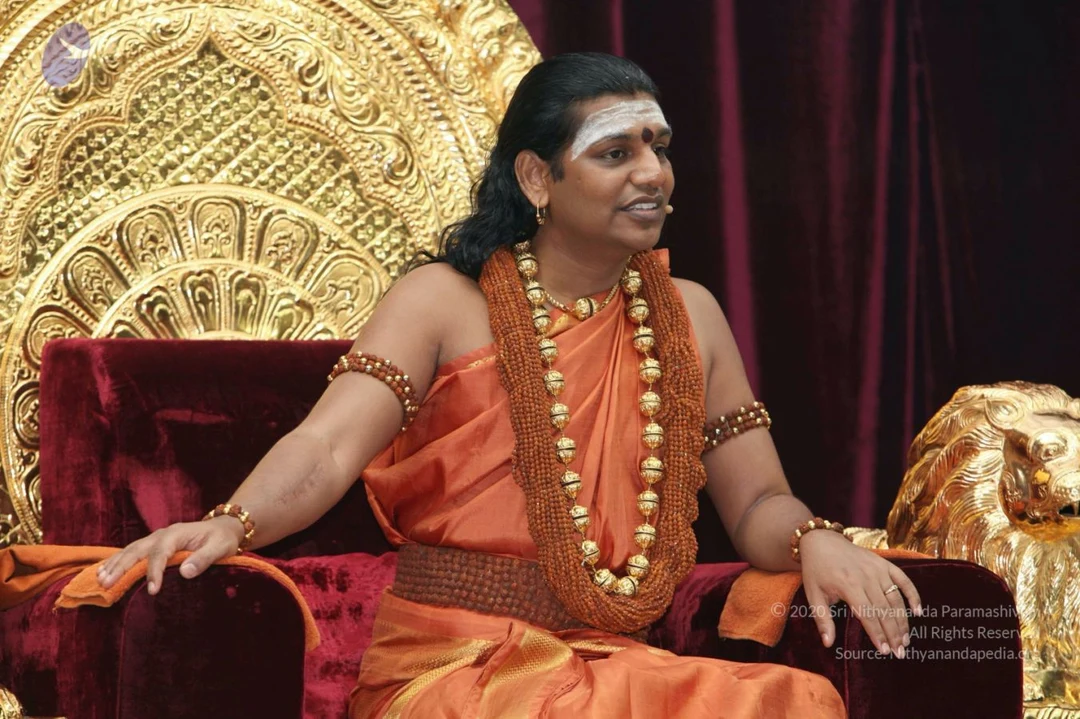
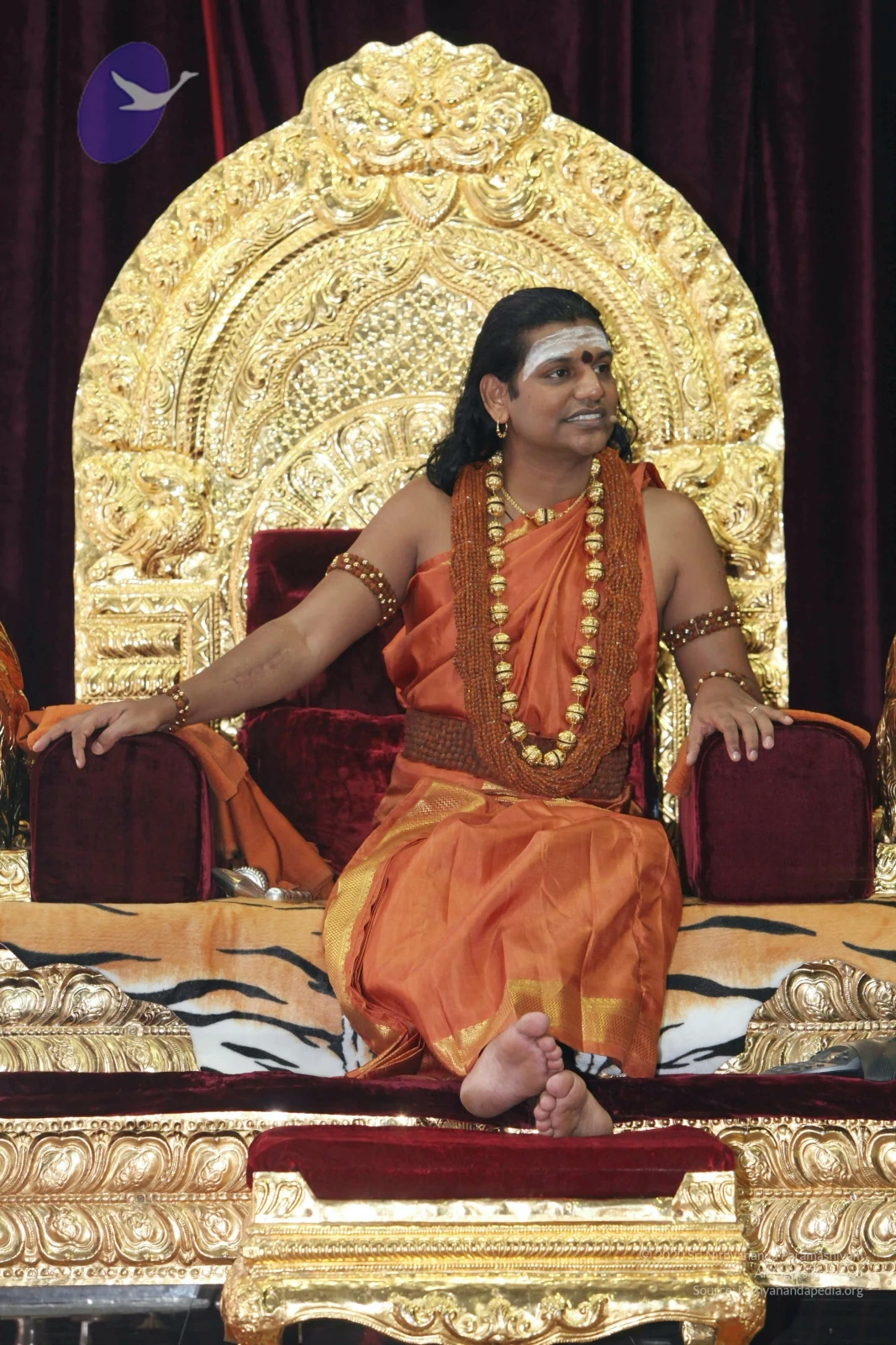
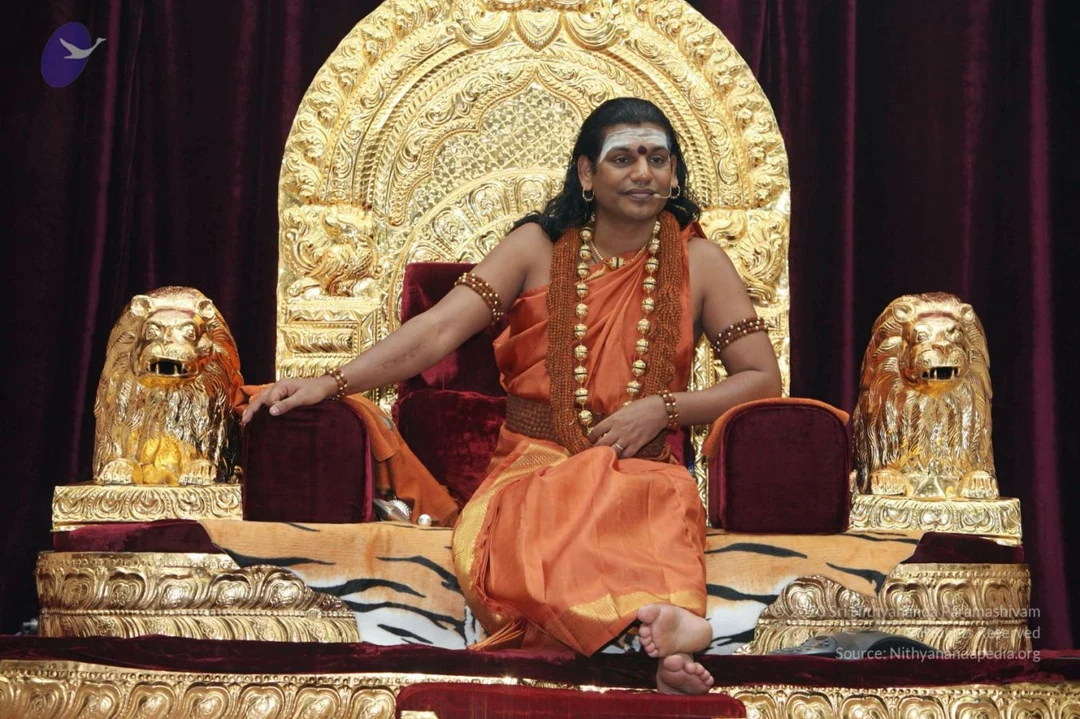
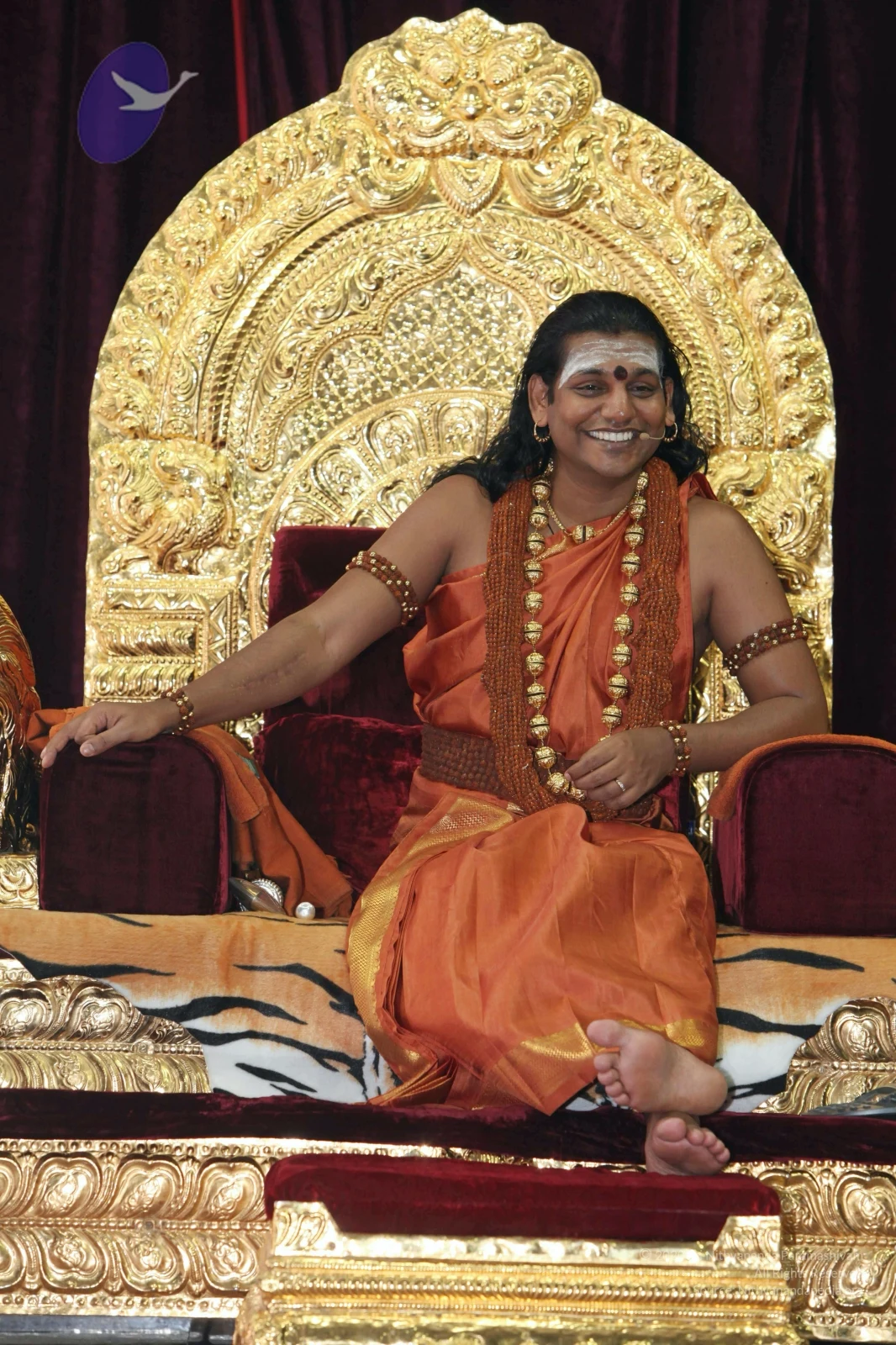
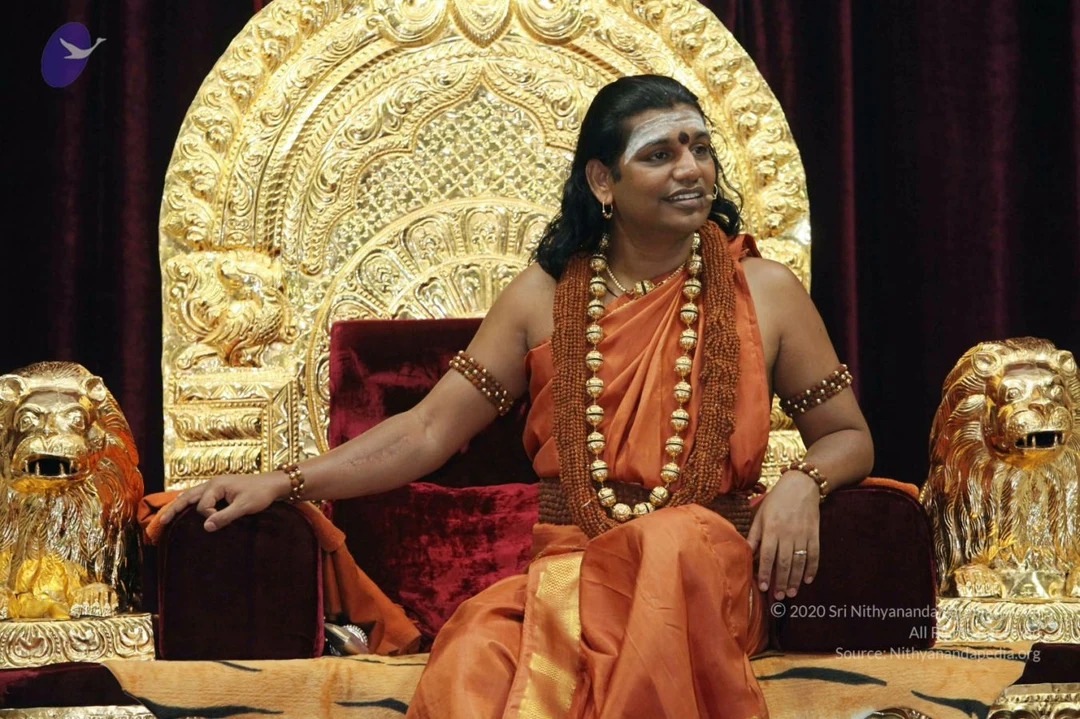
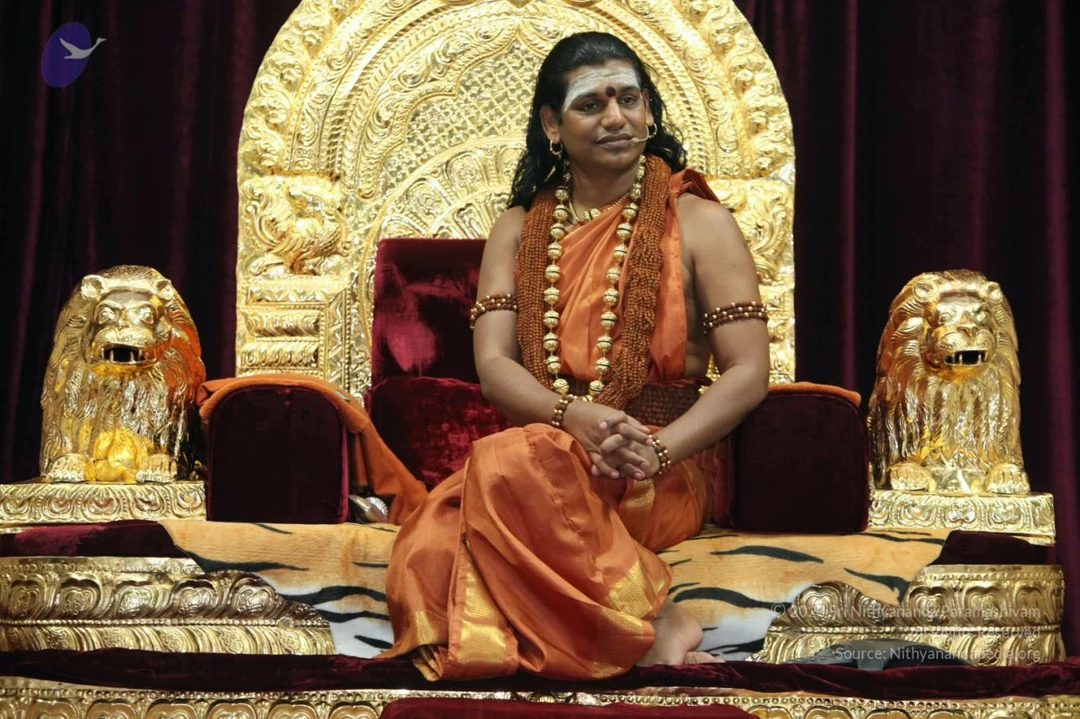
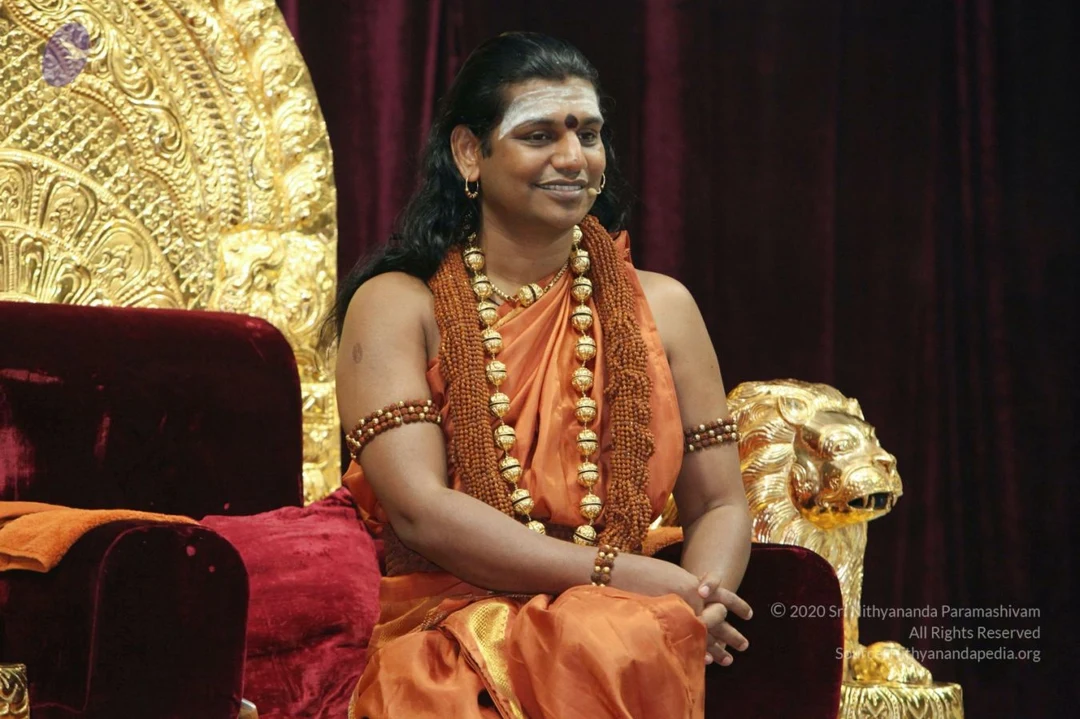
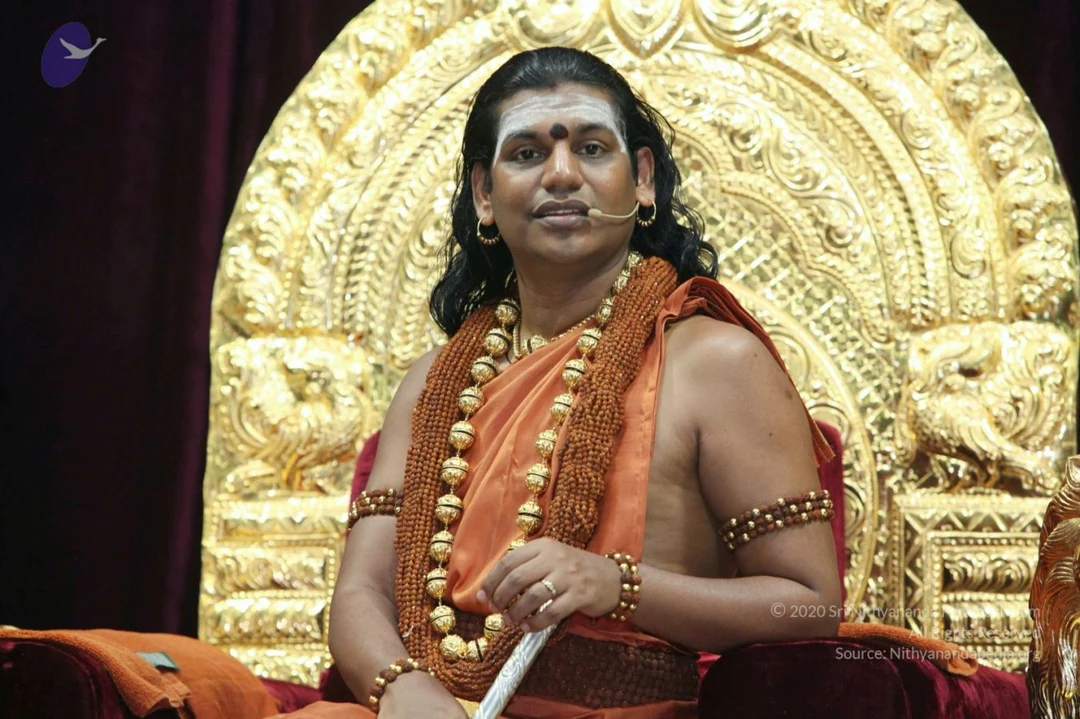
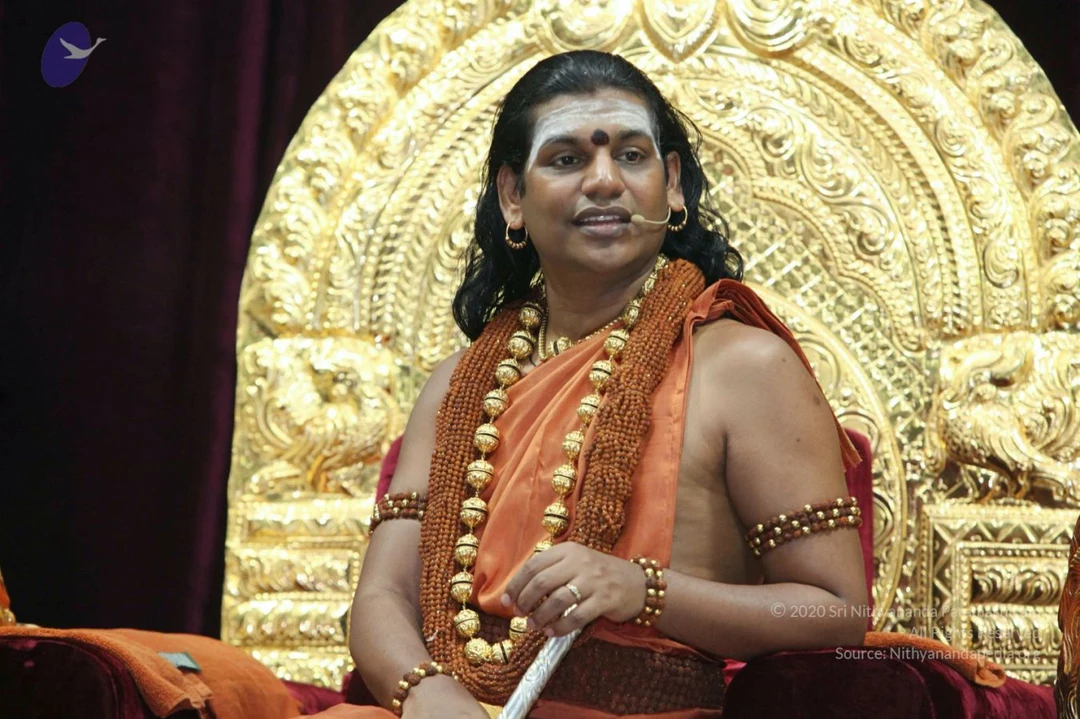
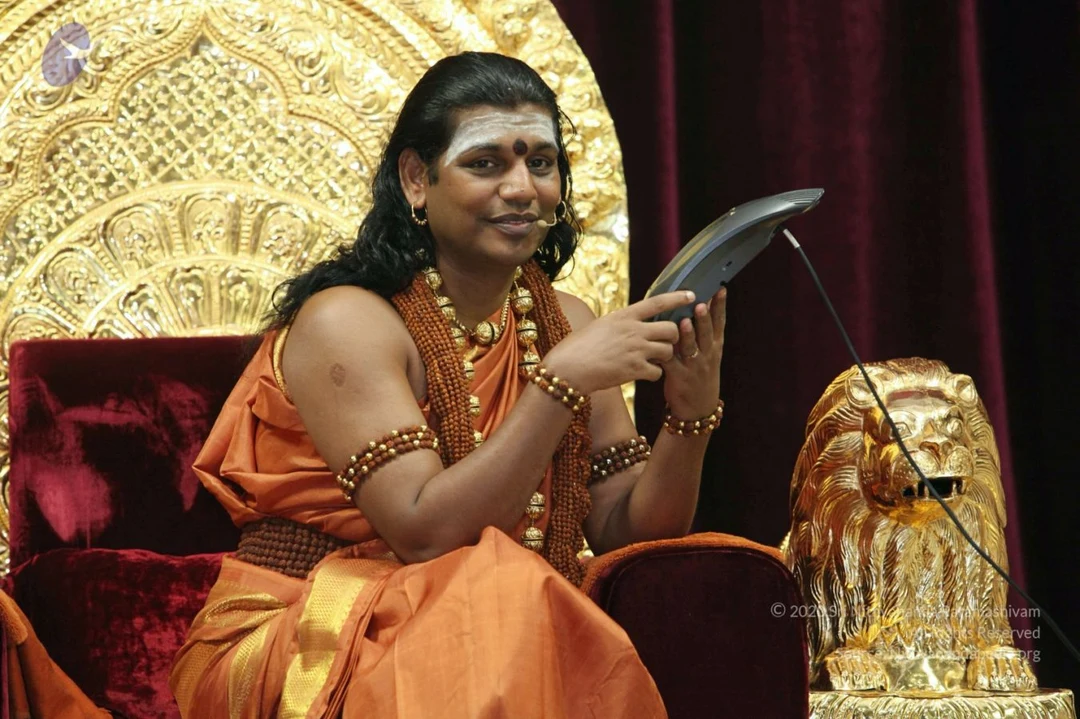
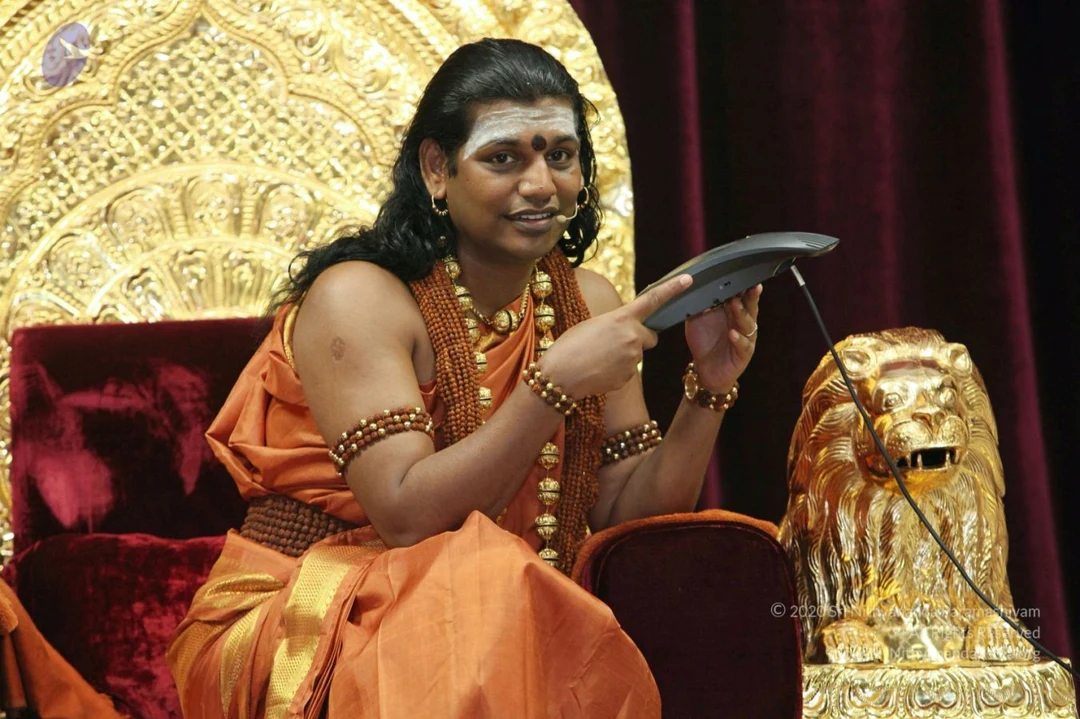
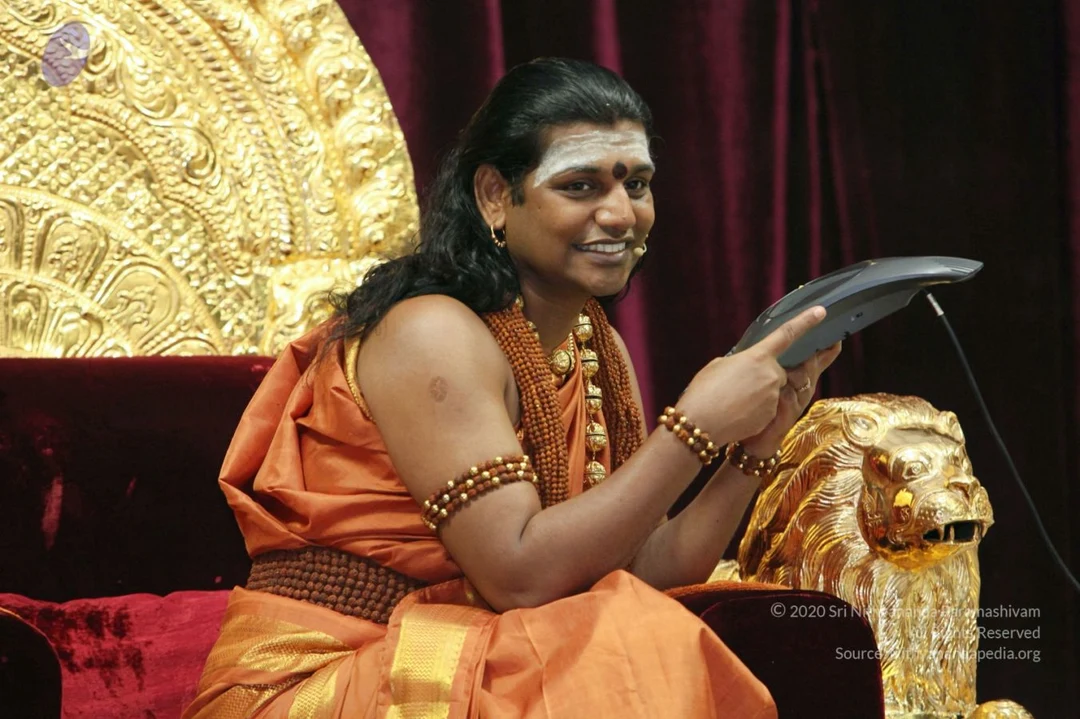
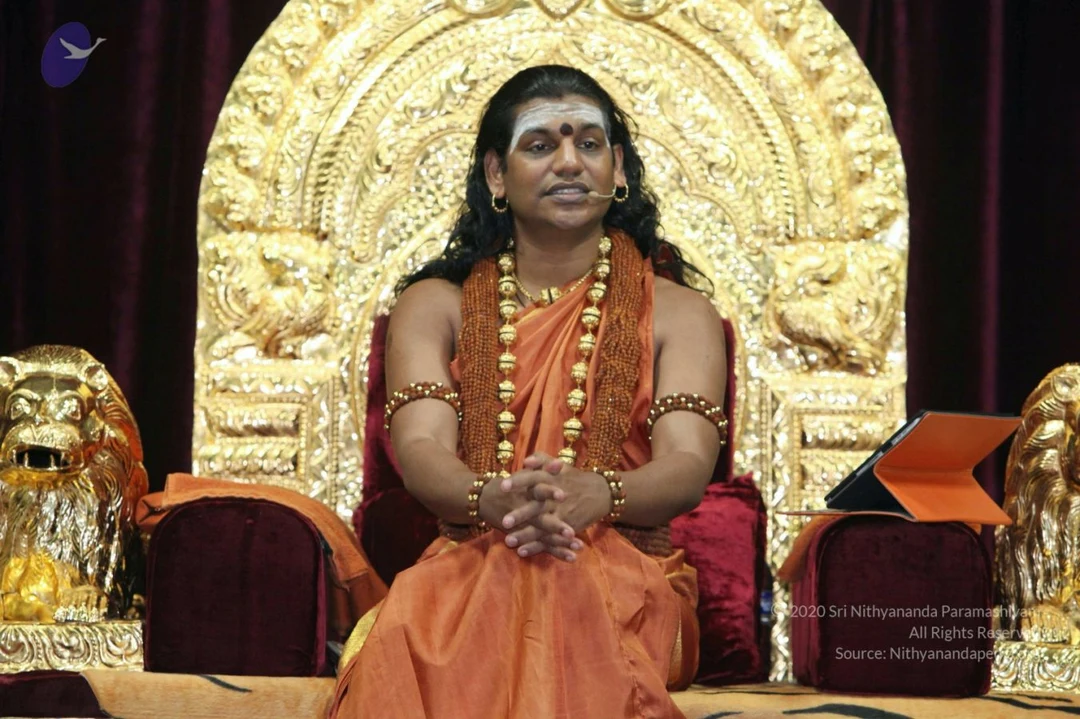
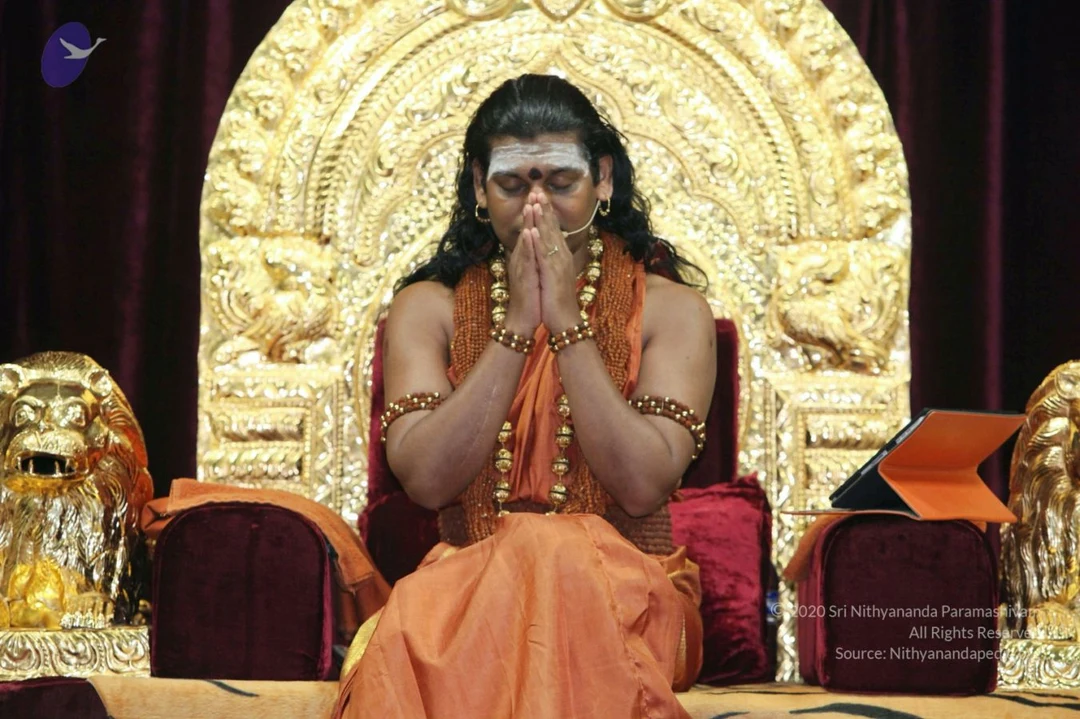
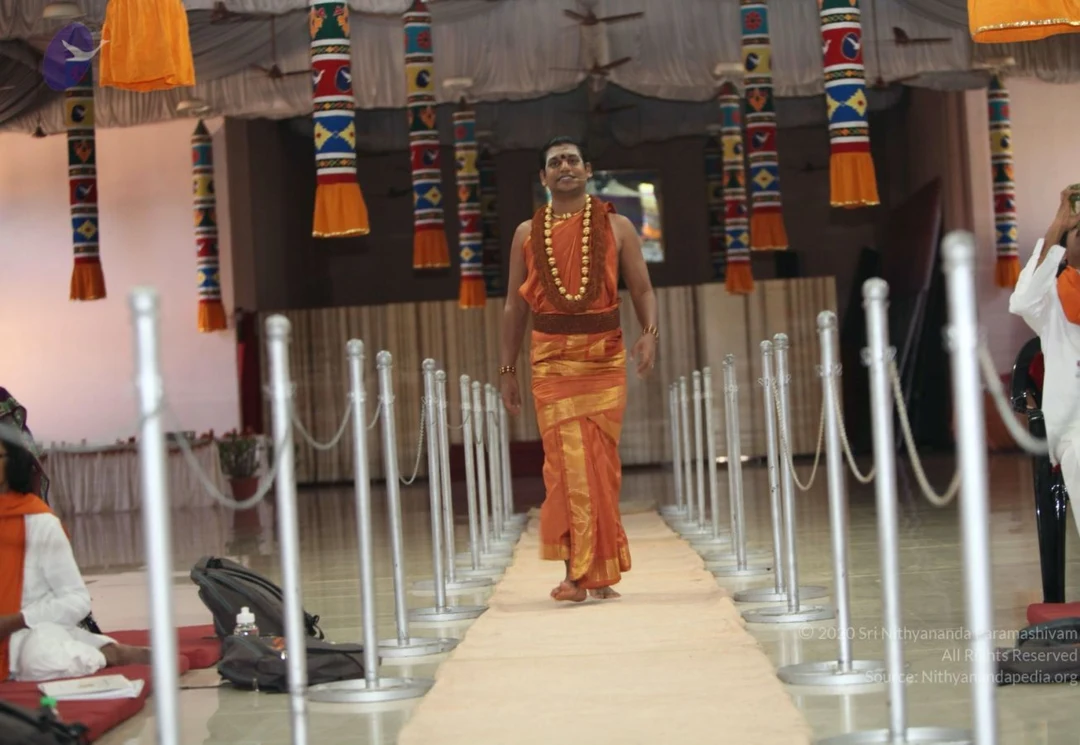
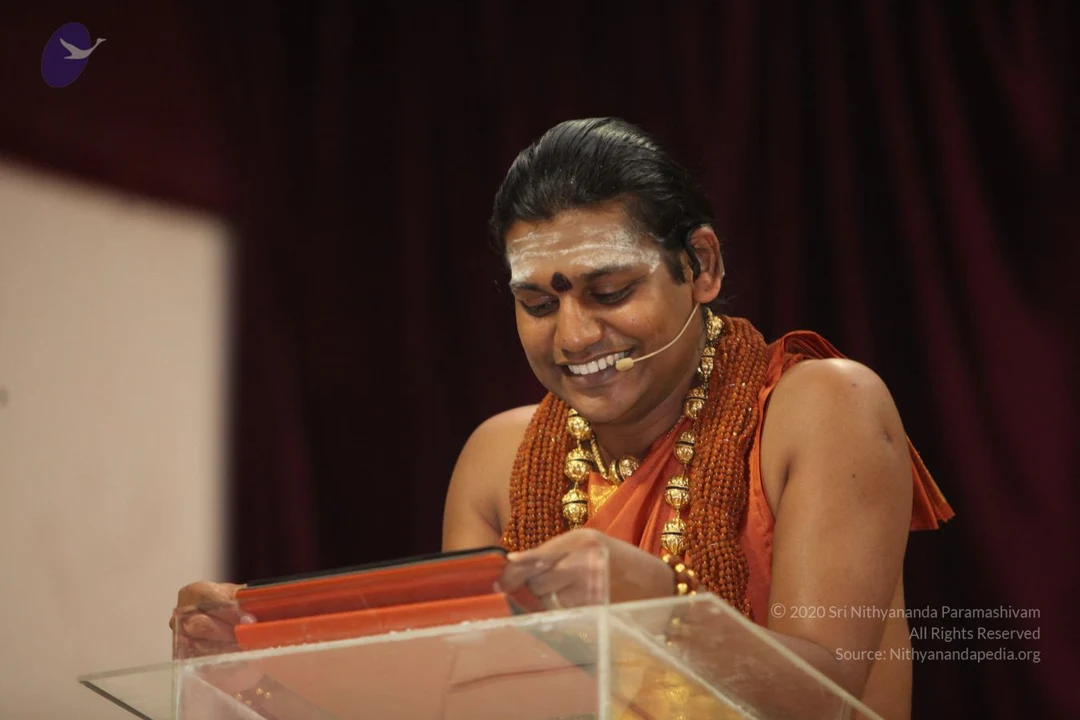
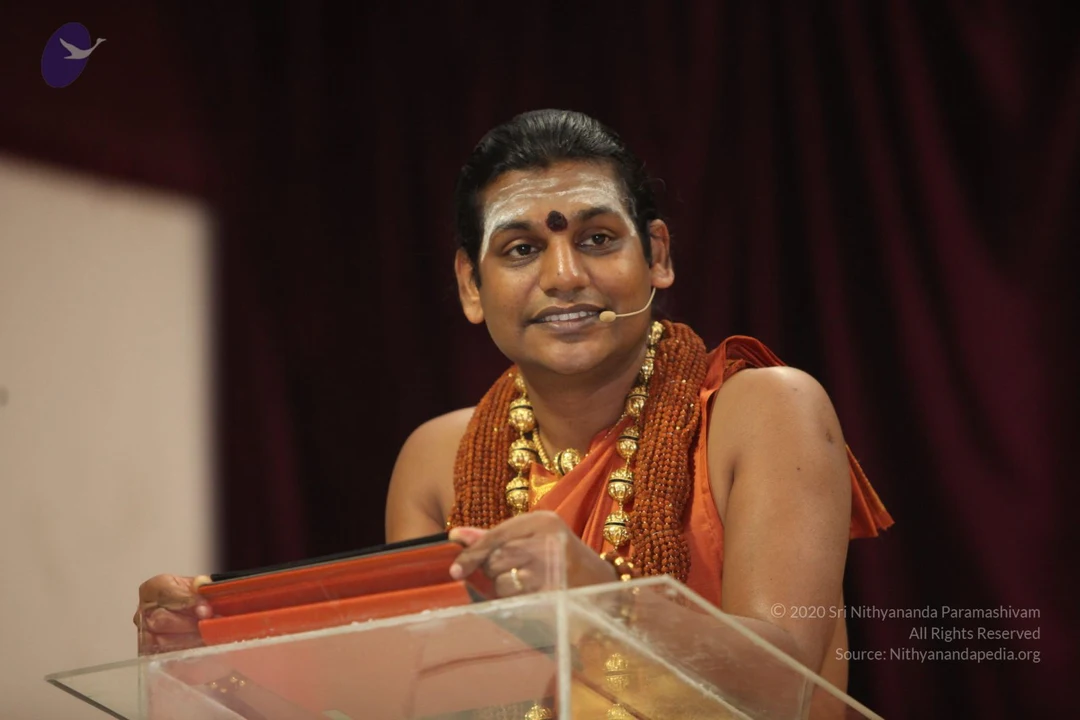
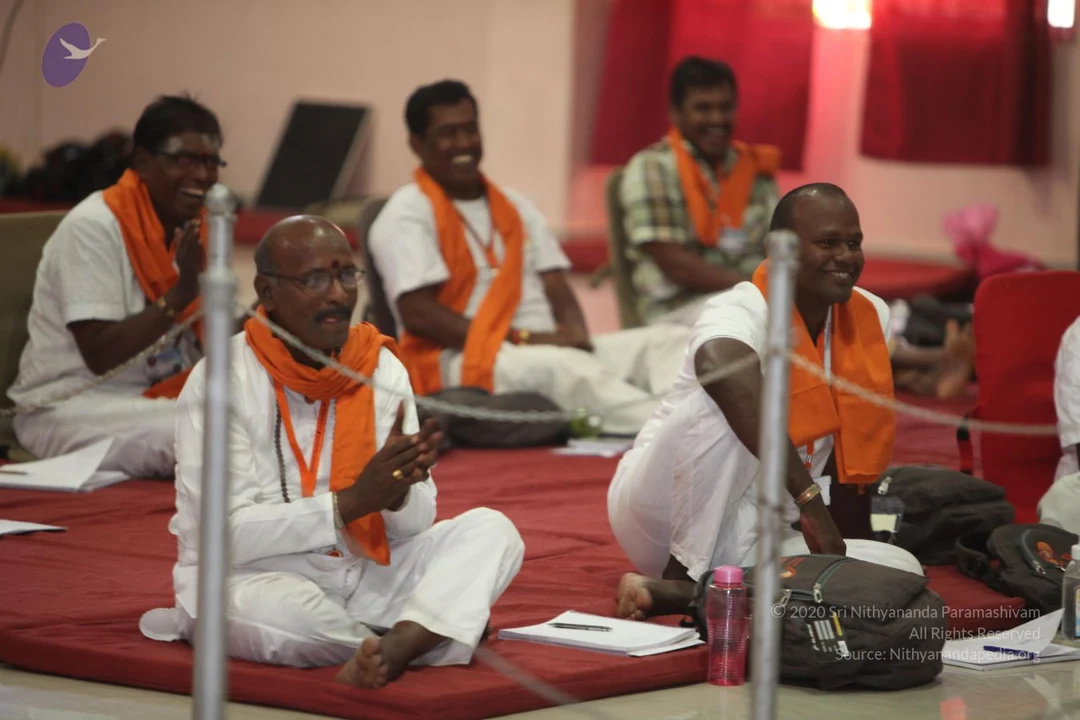
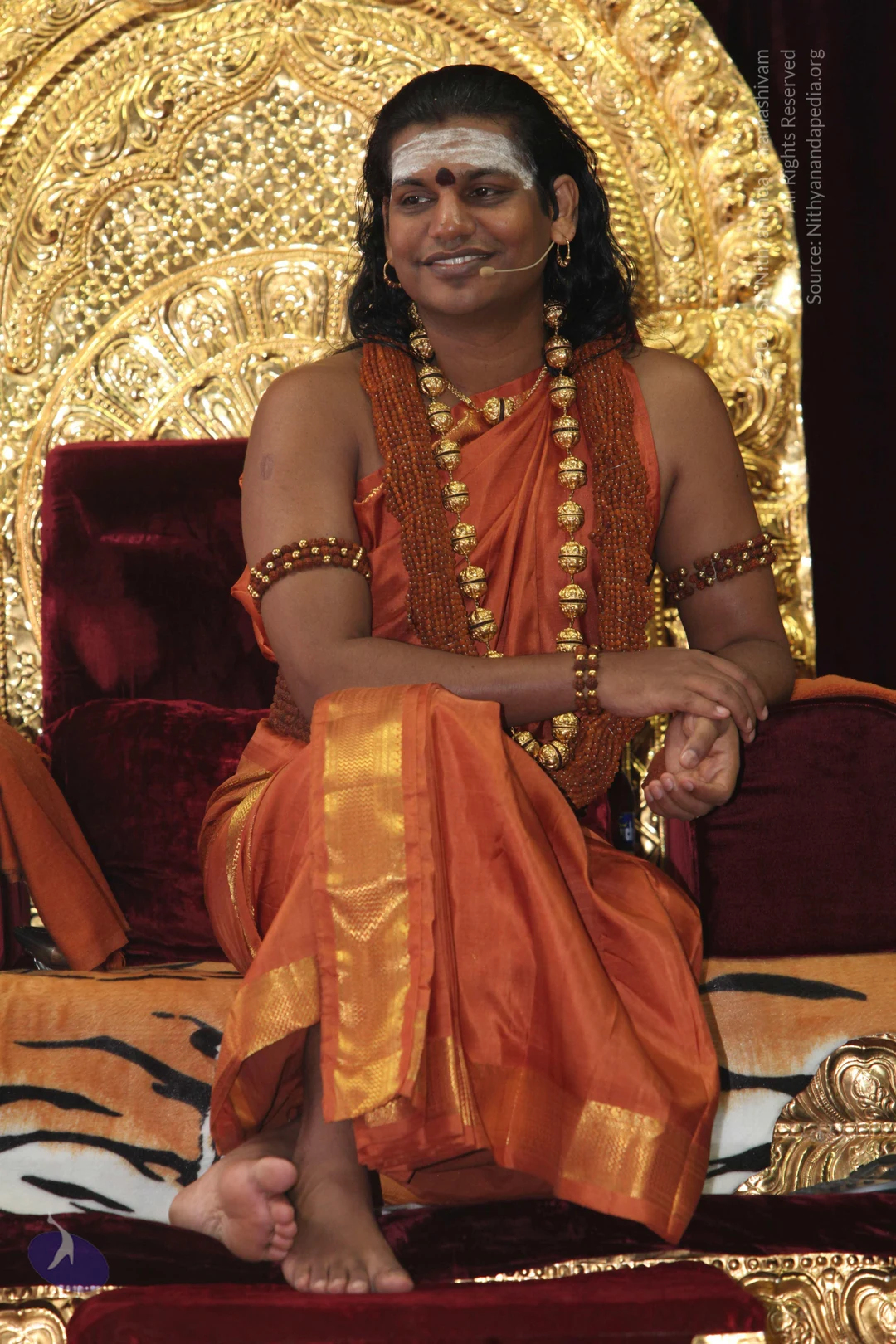
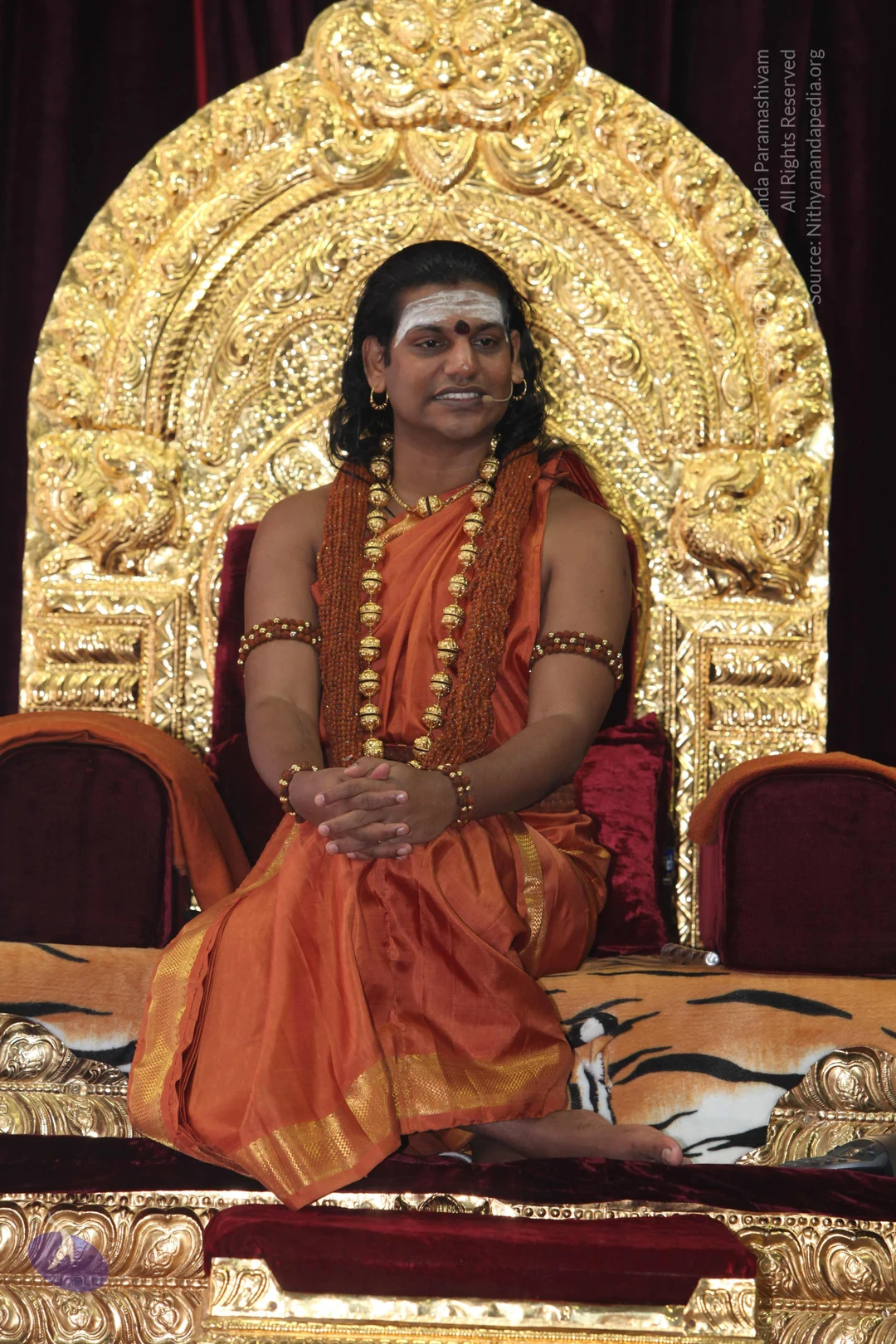
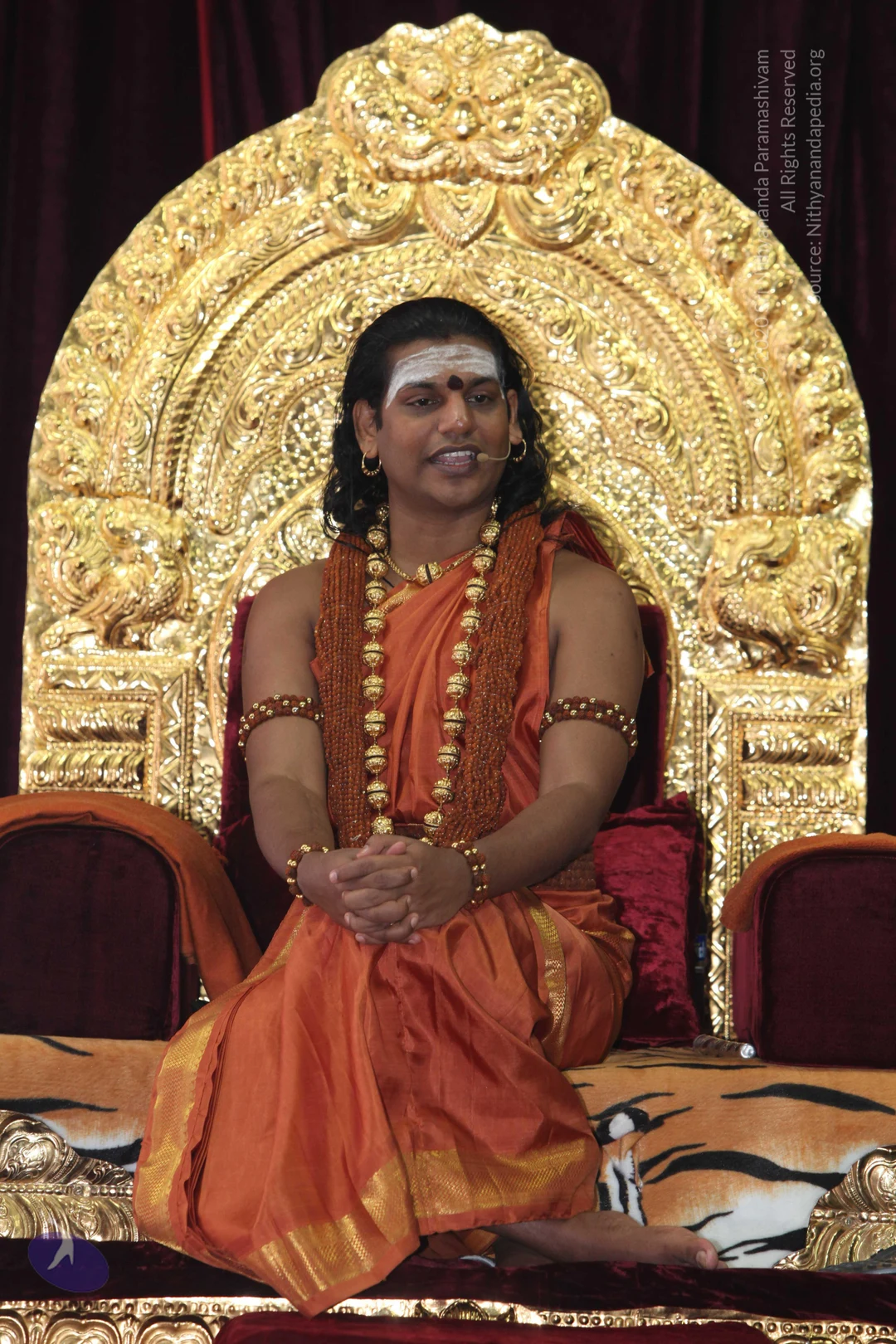
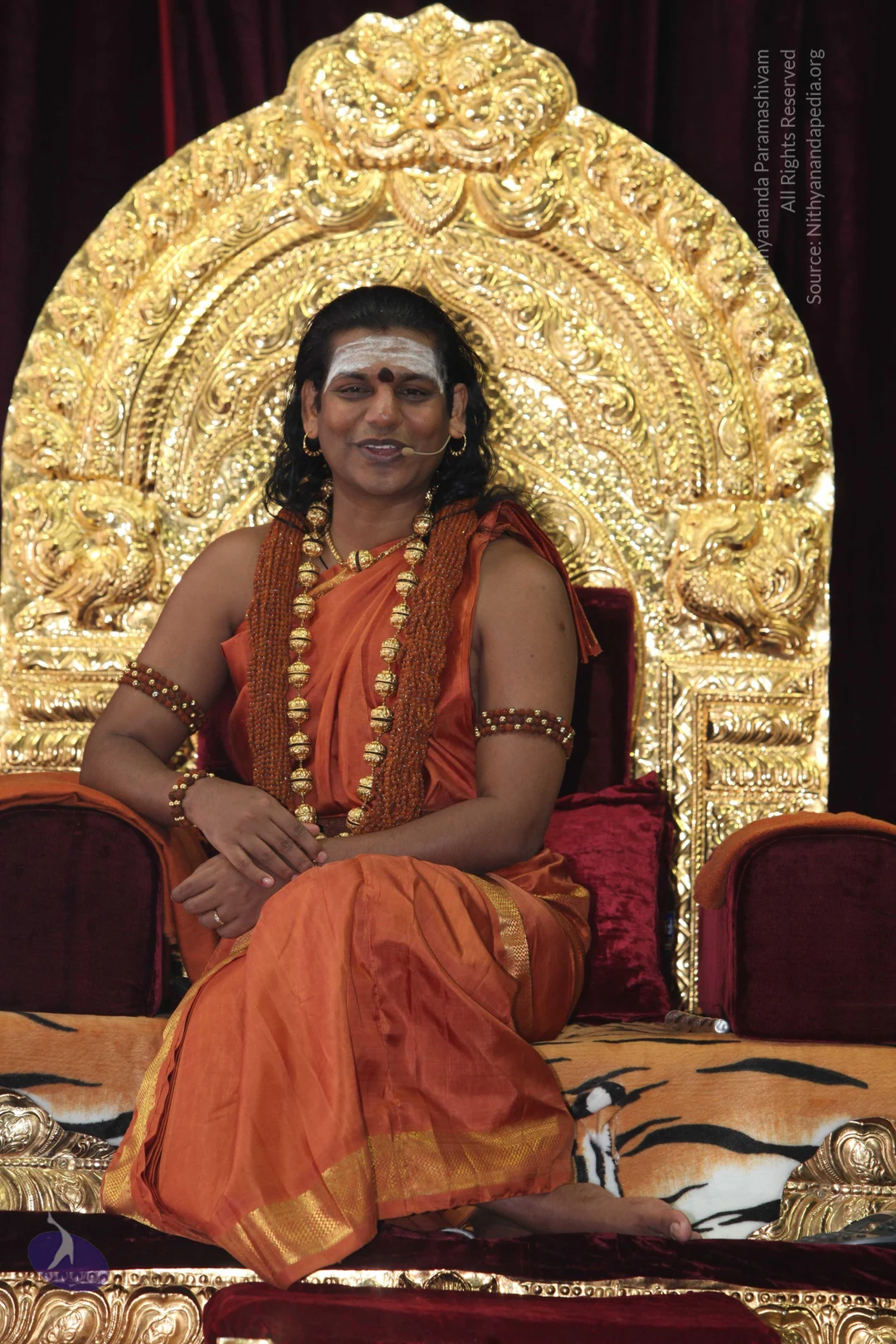
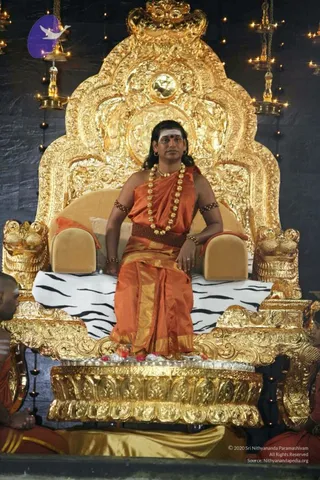
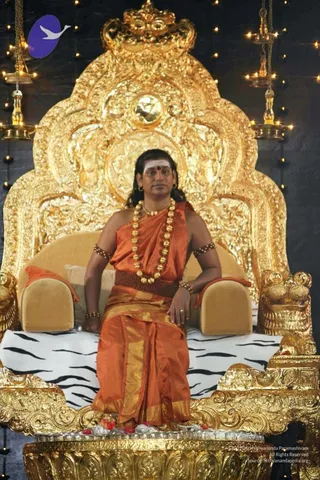
Morning Satsang
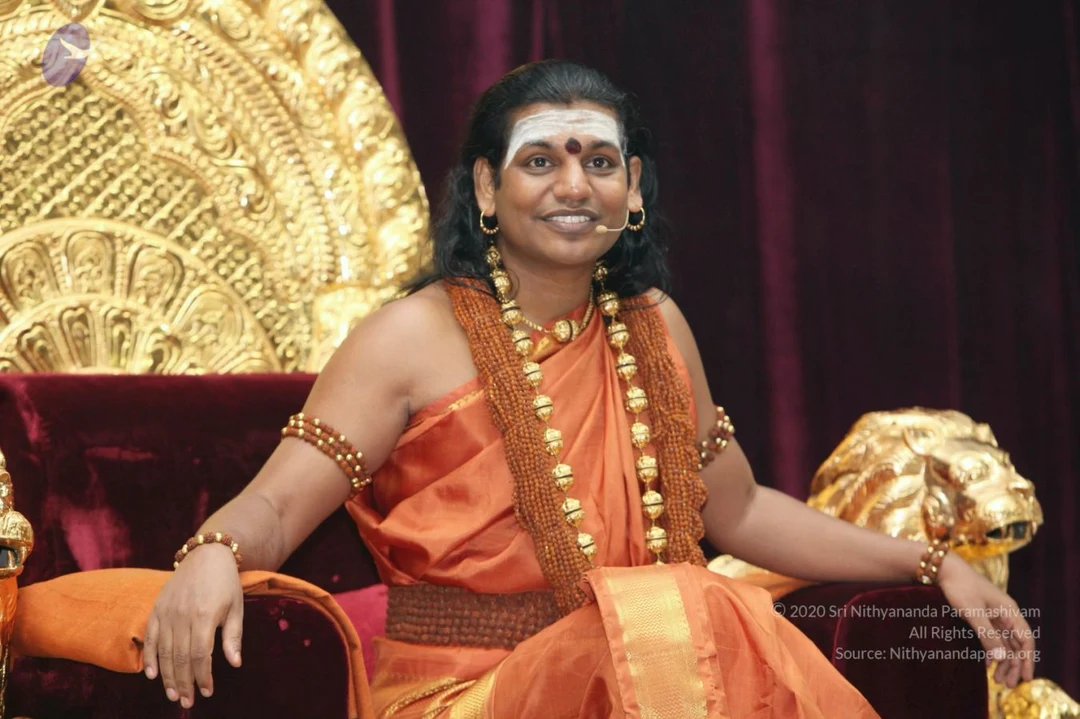
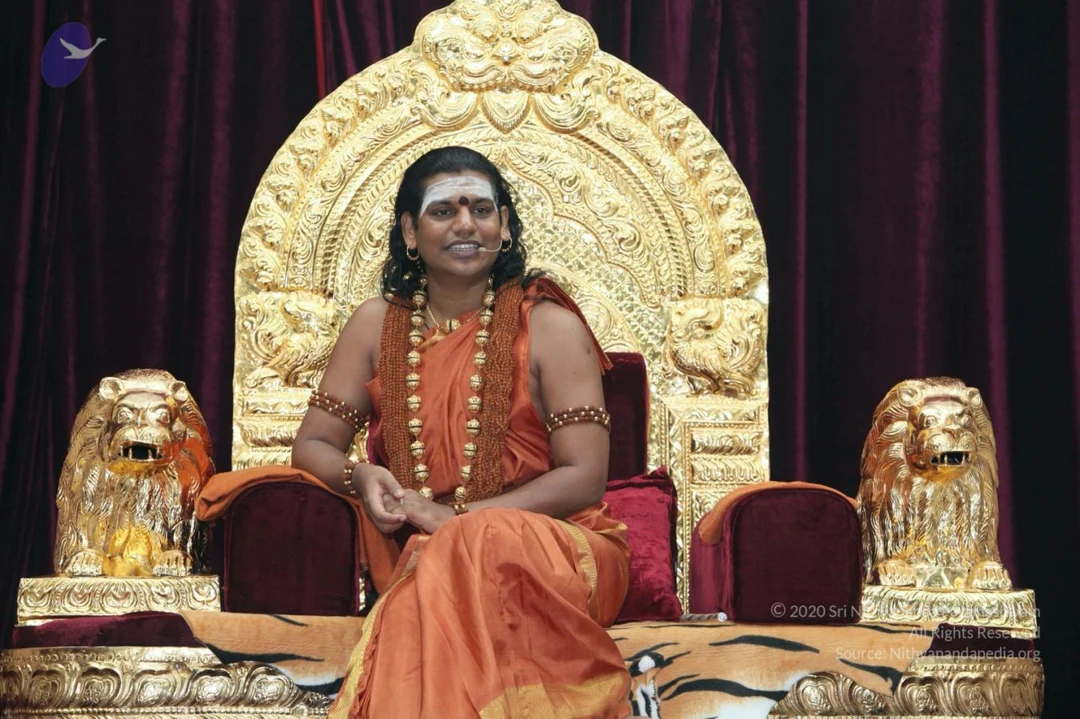




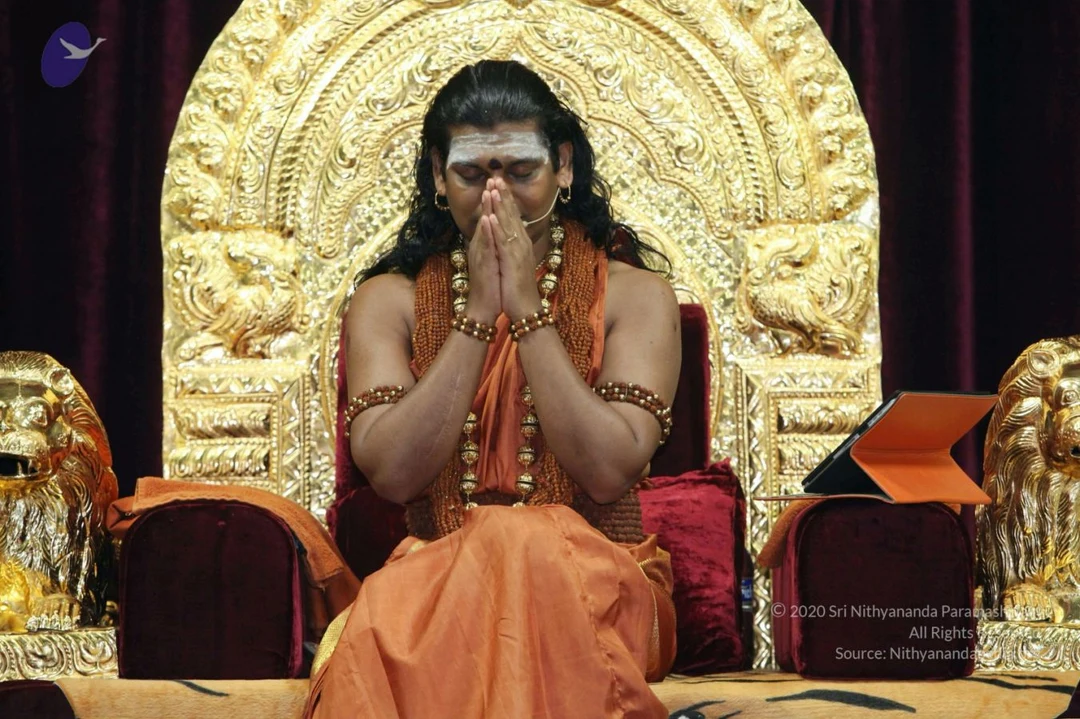
Sarva Darshan
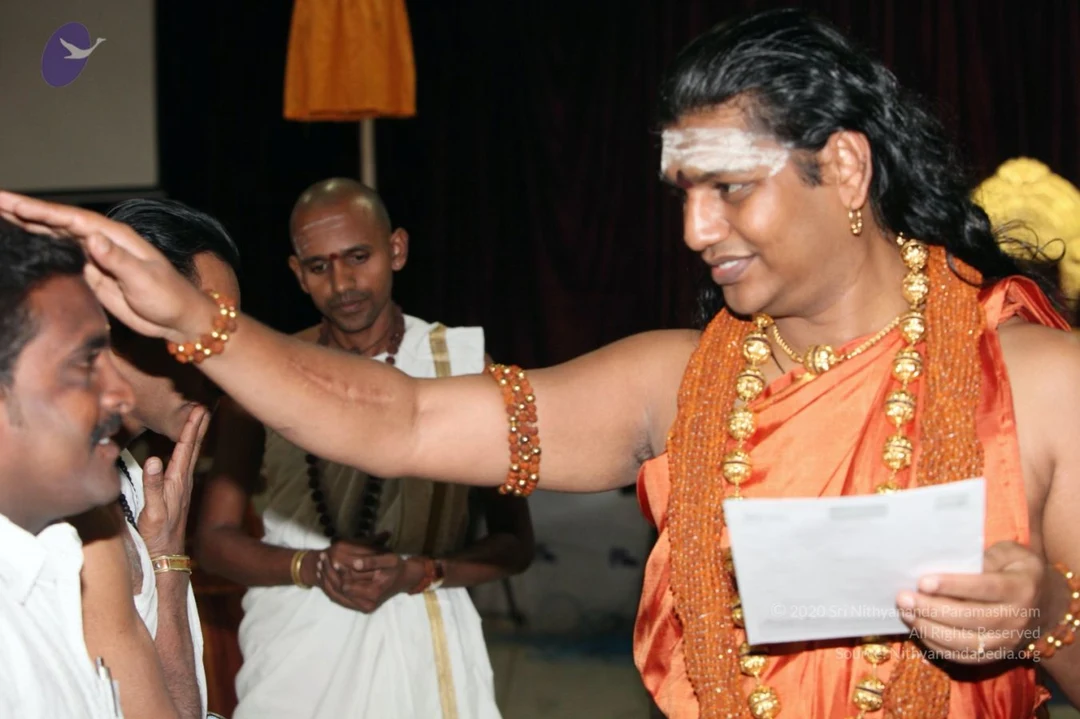
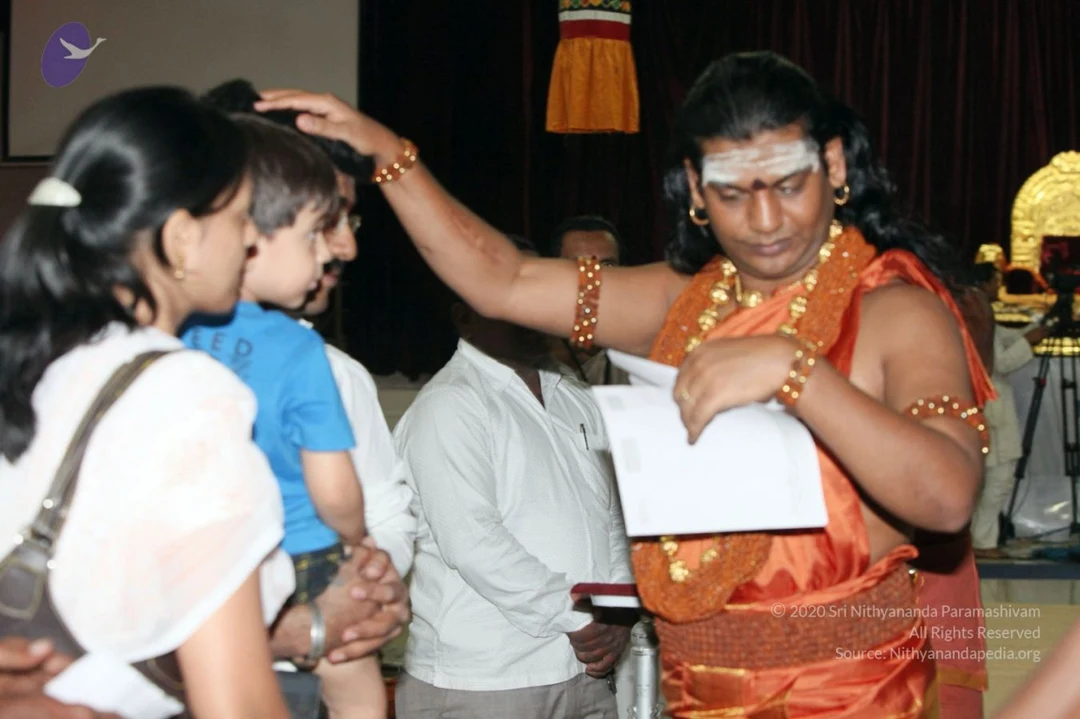
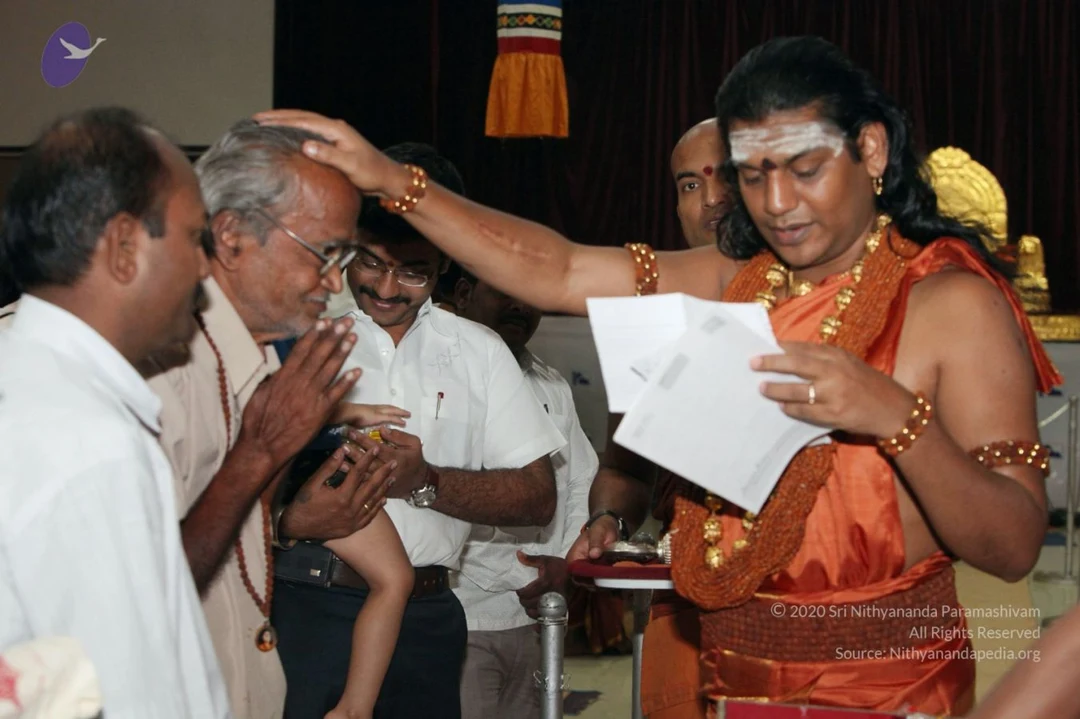
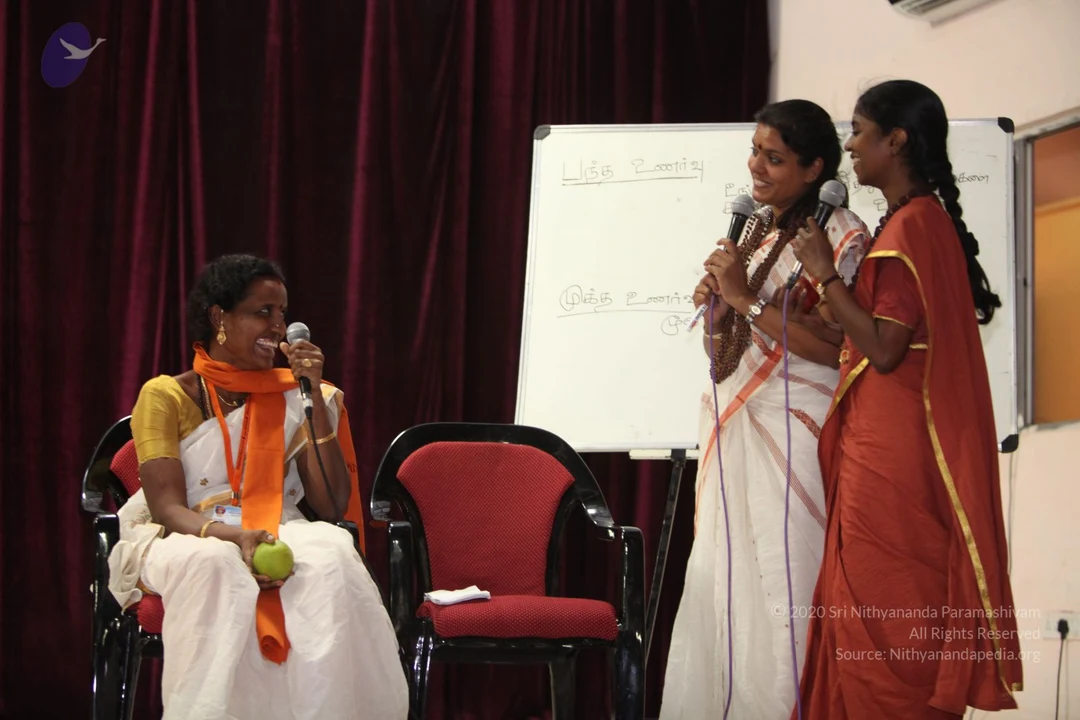
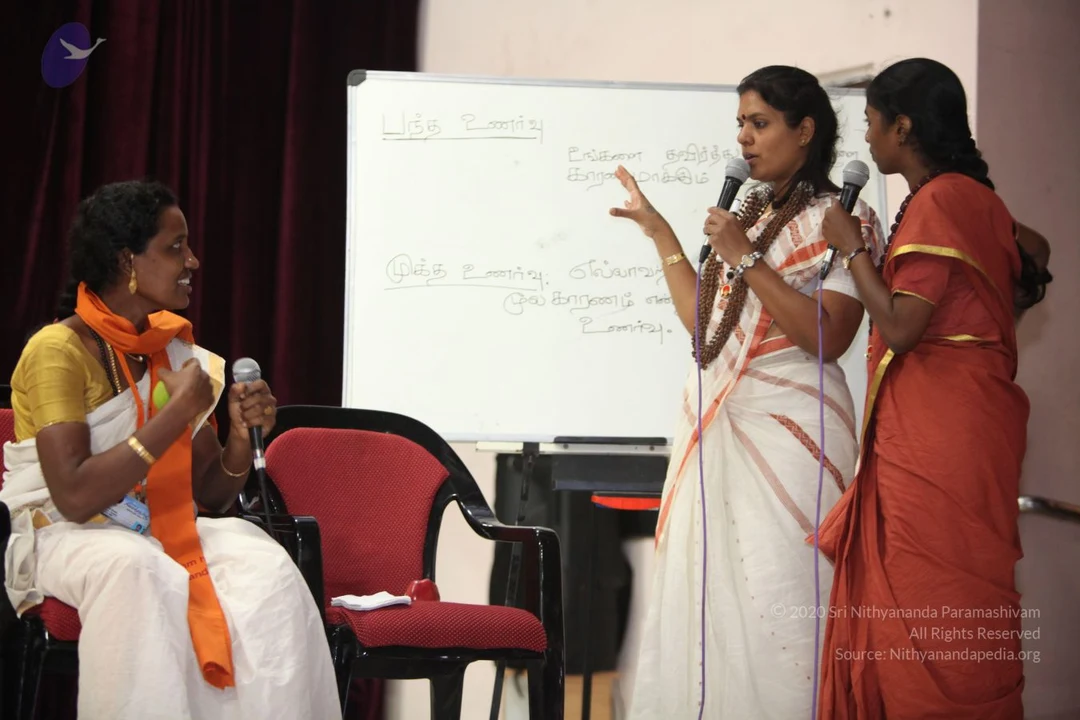
Tamil Inner Awakening Session
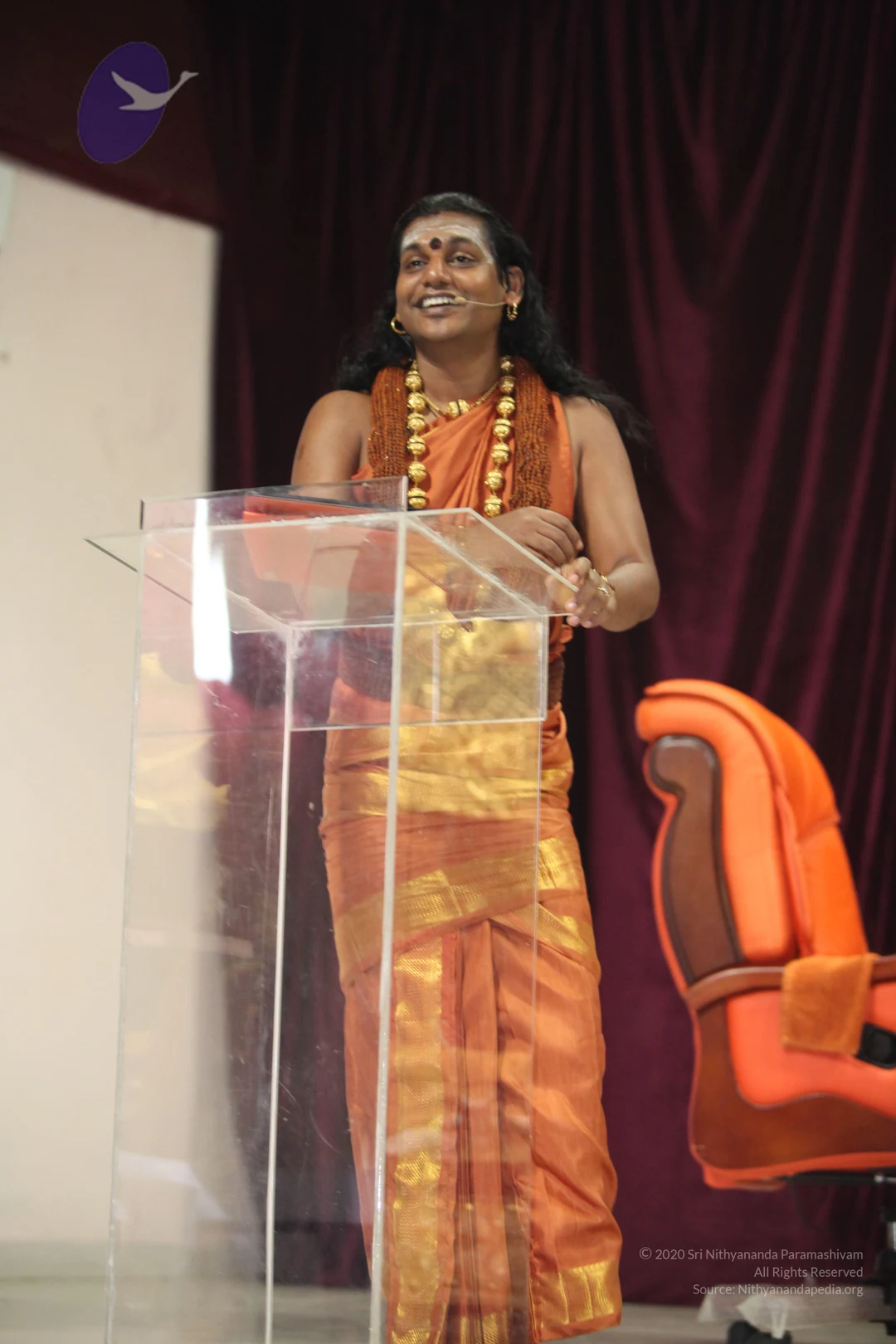
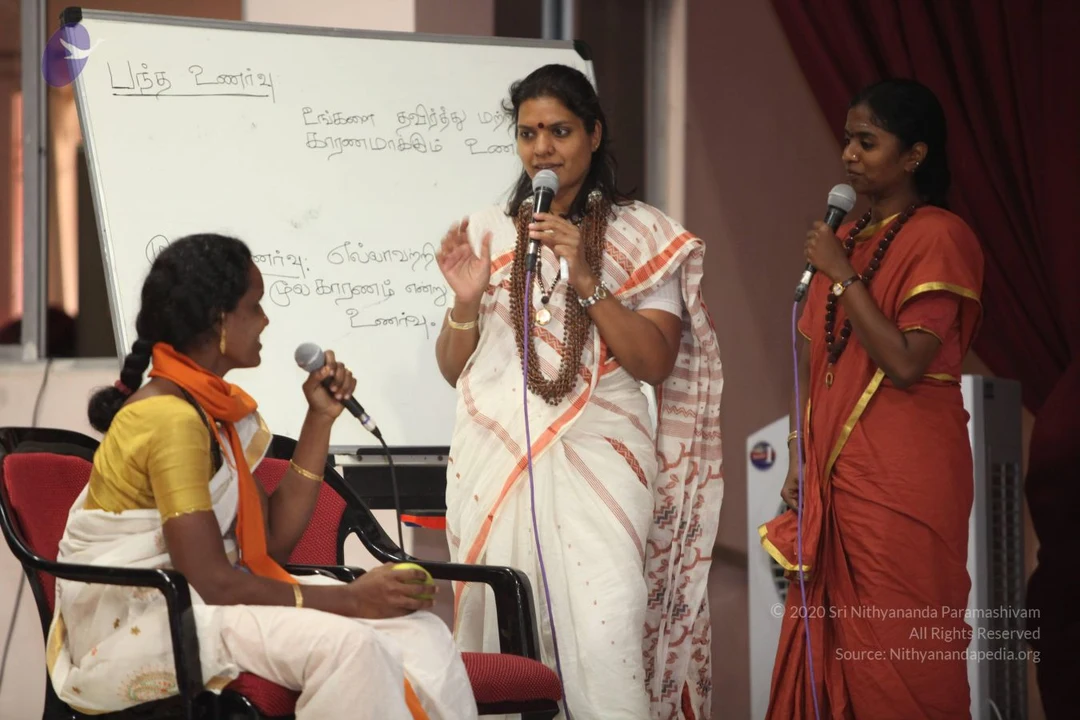
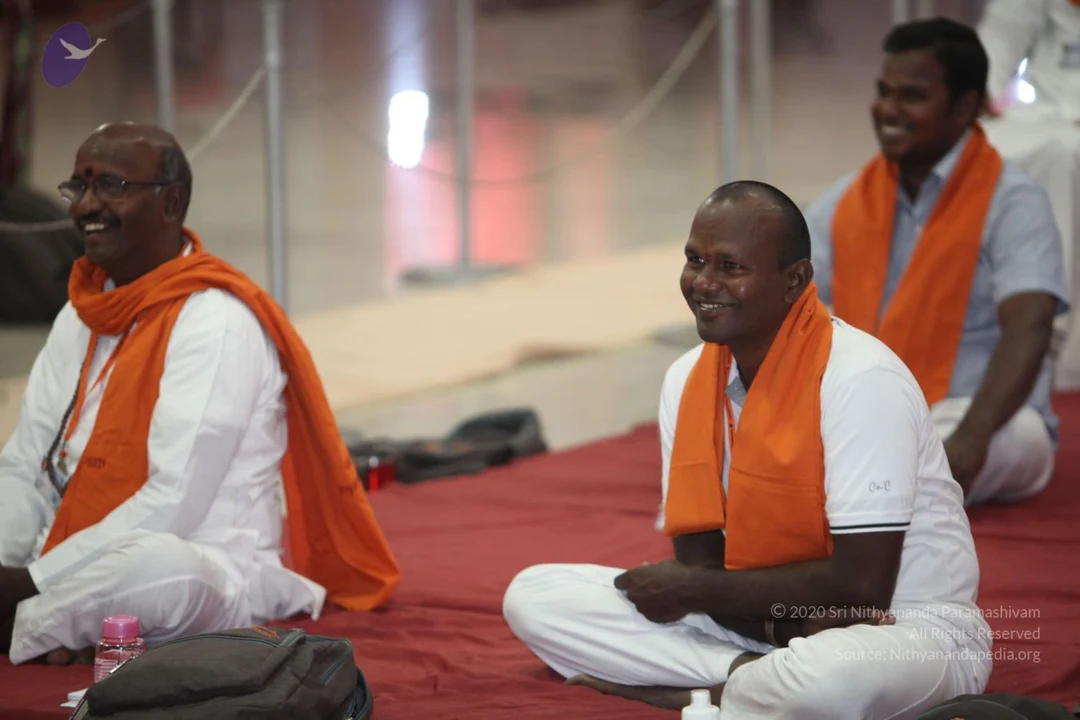
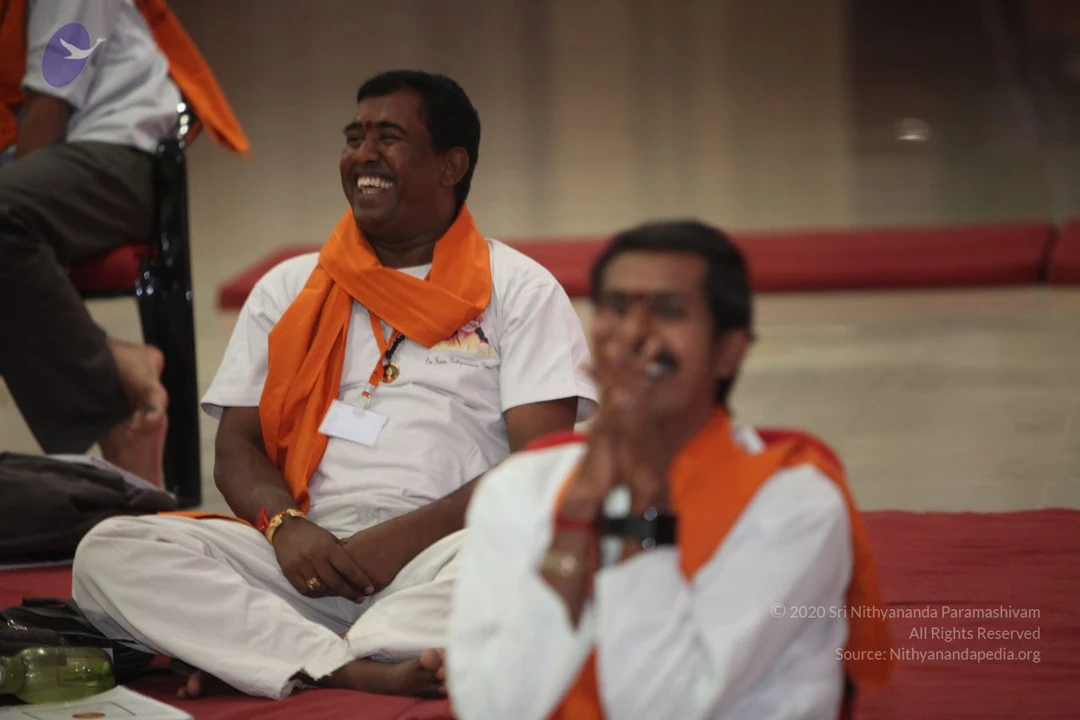
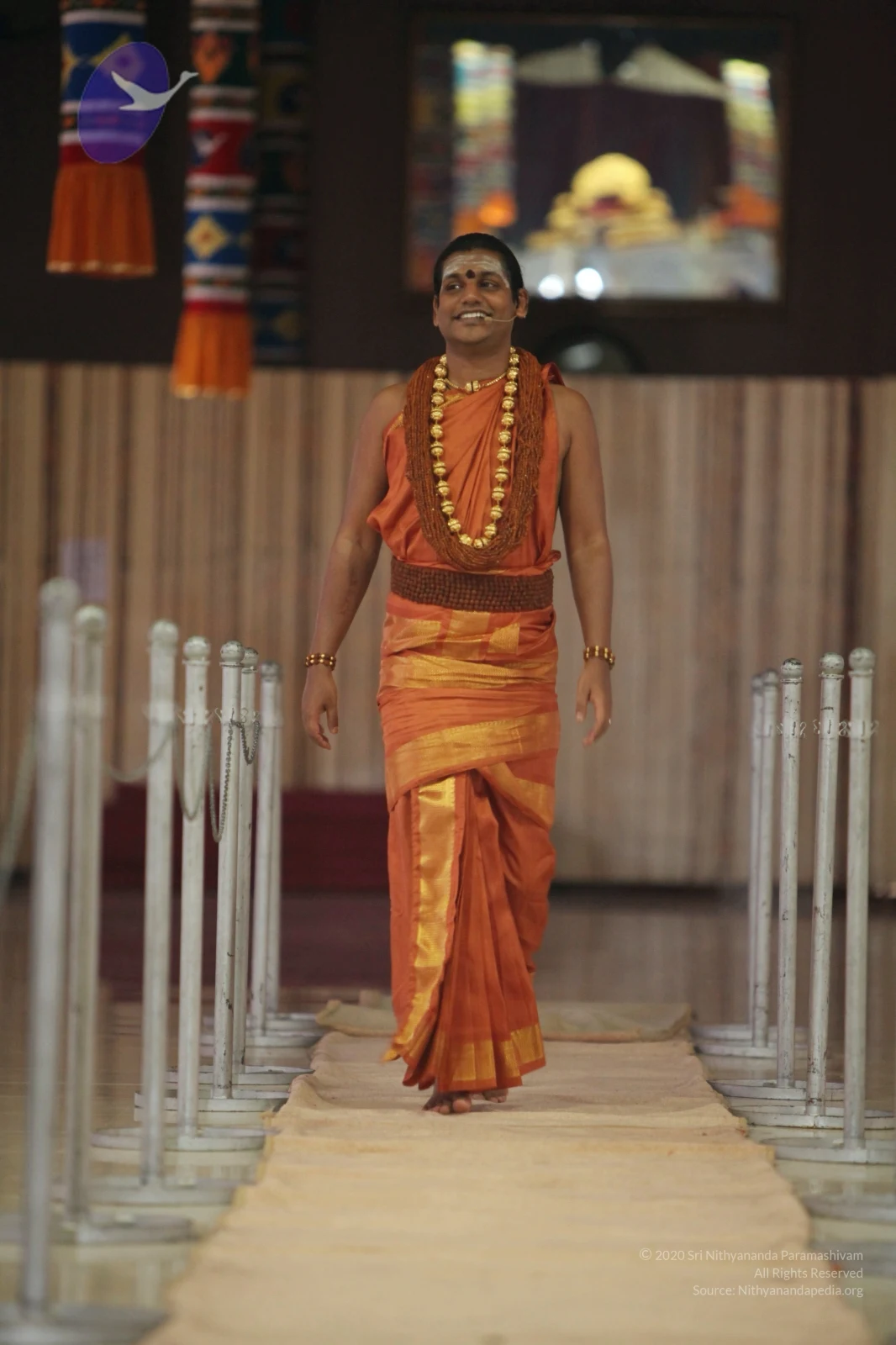
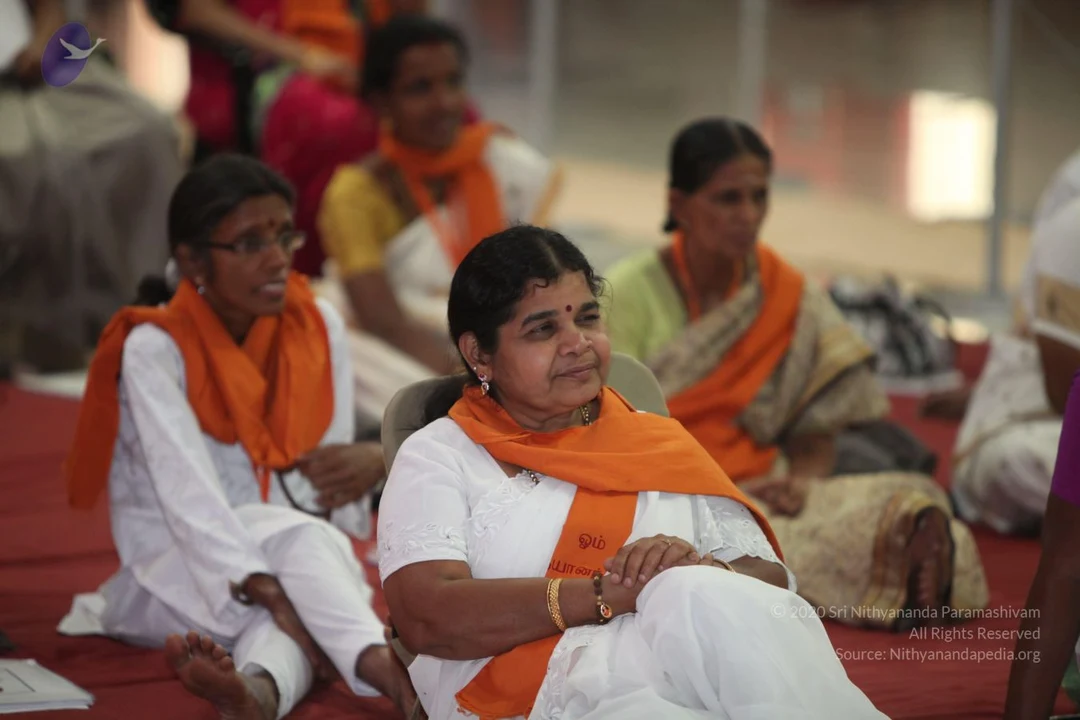
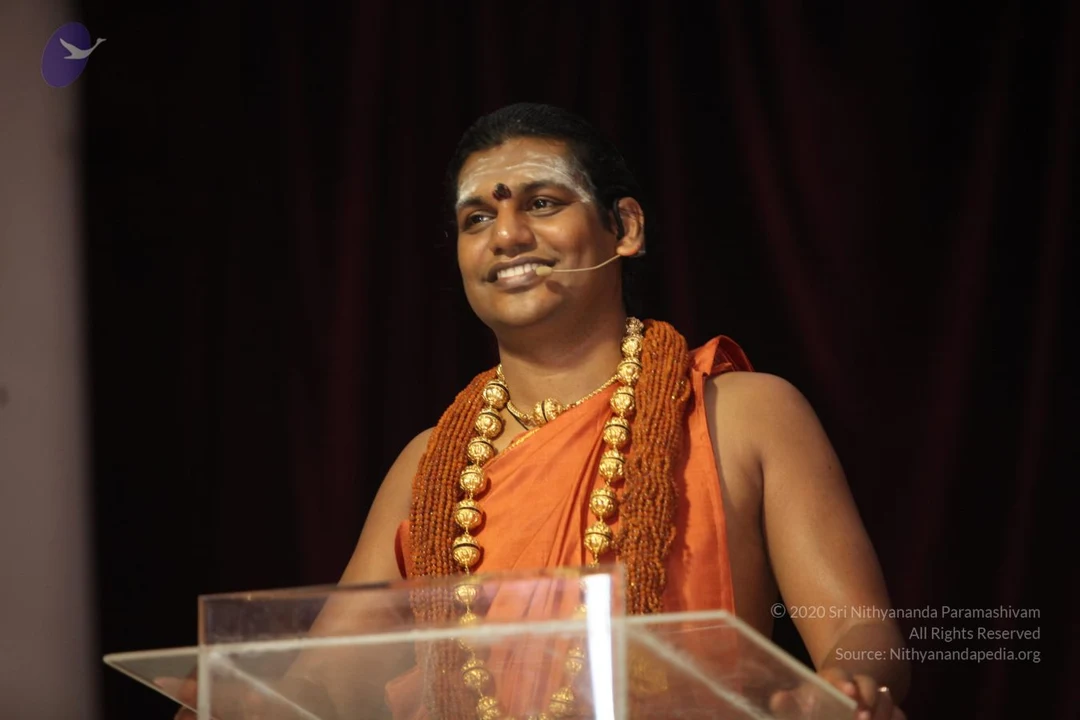
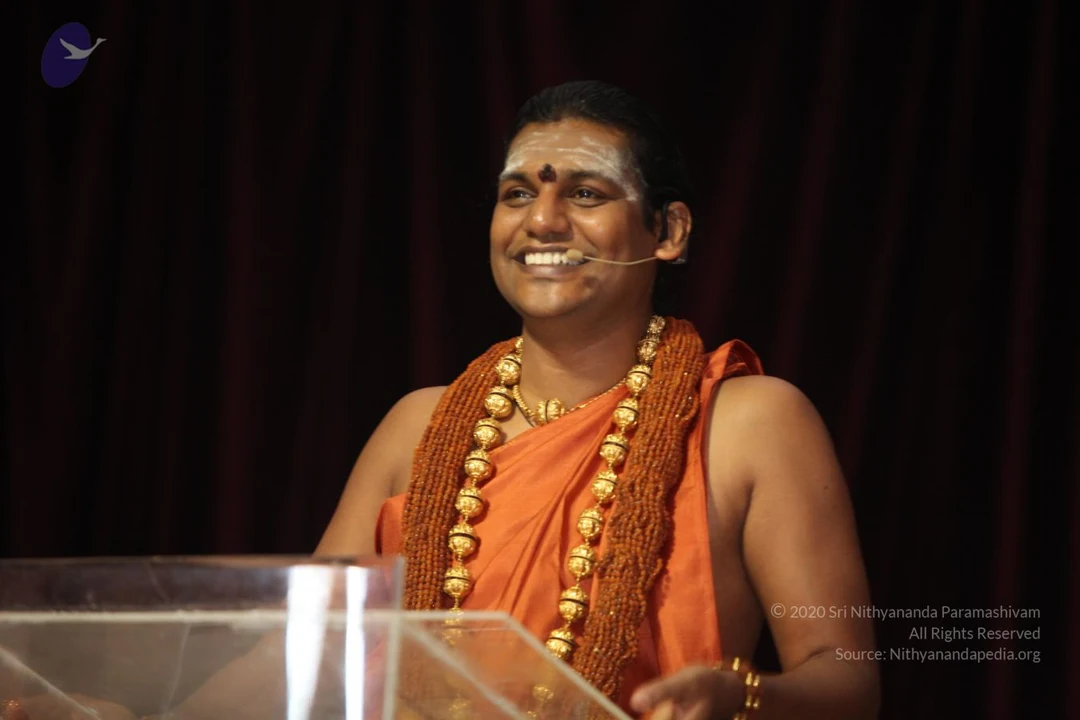
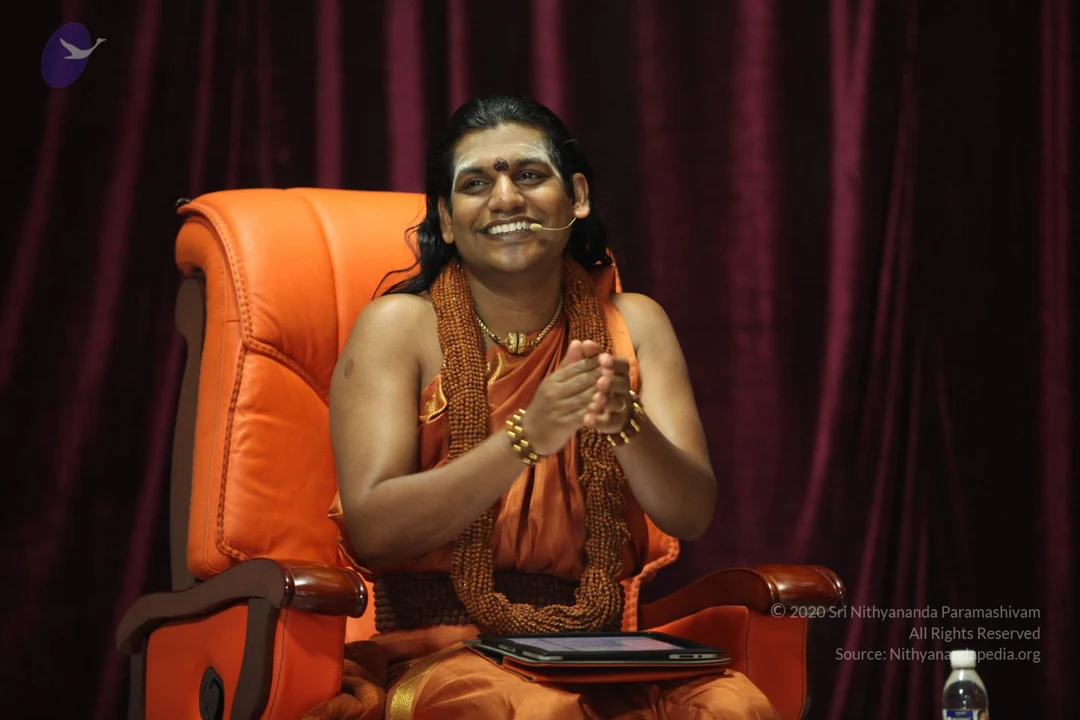
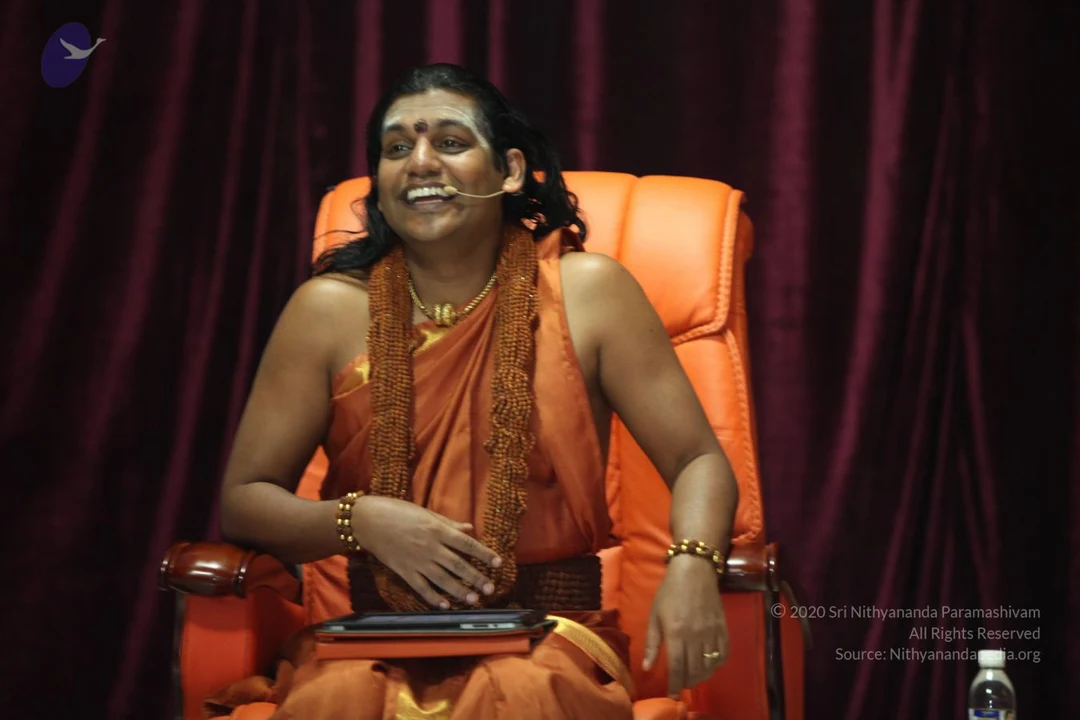
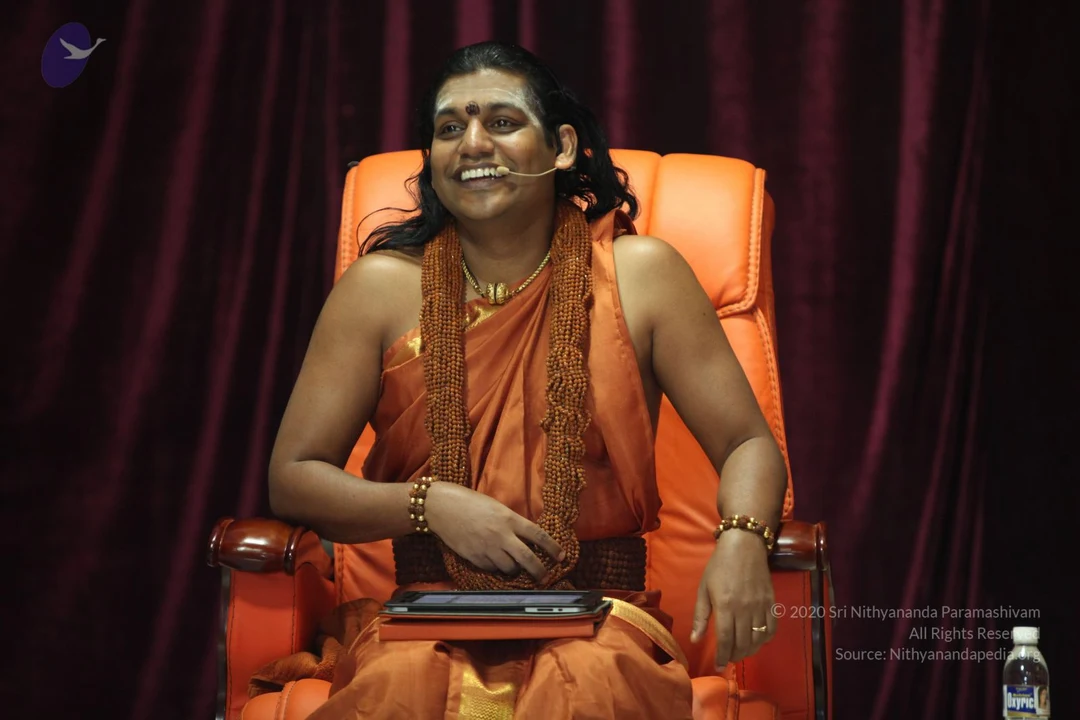
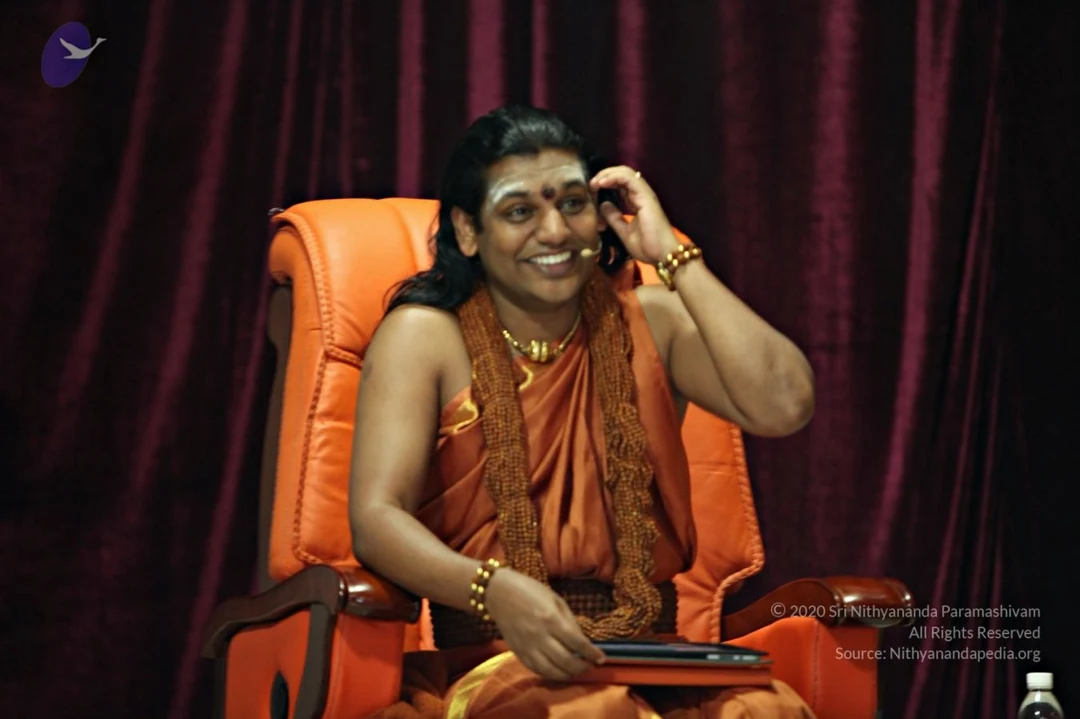
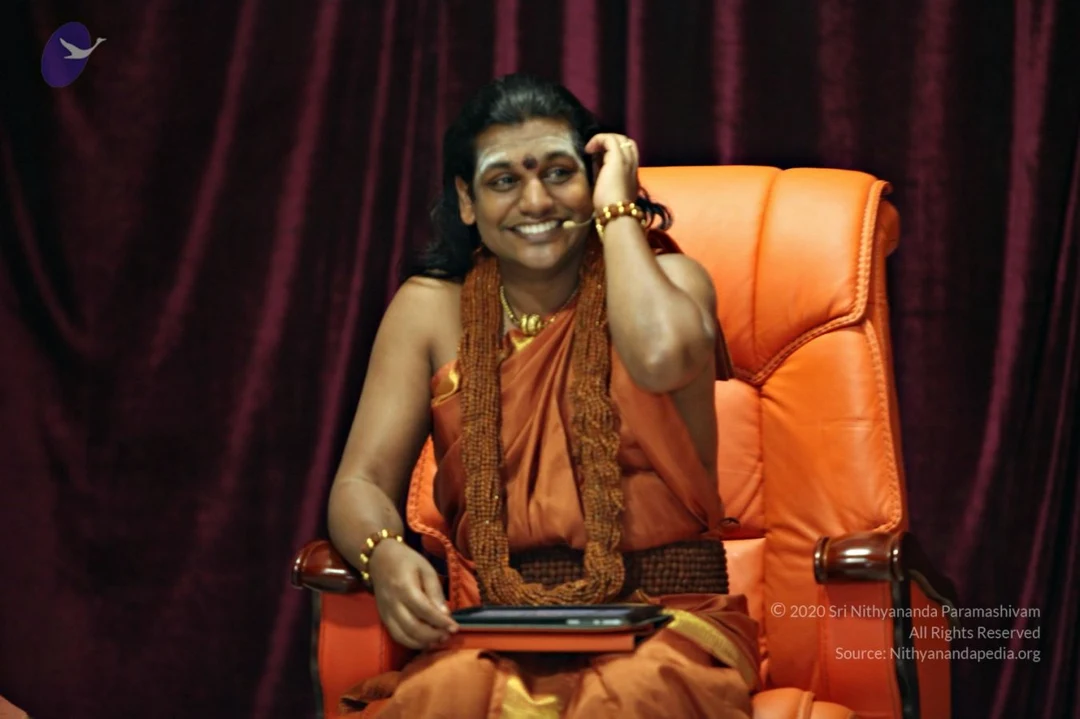
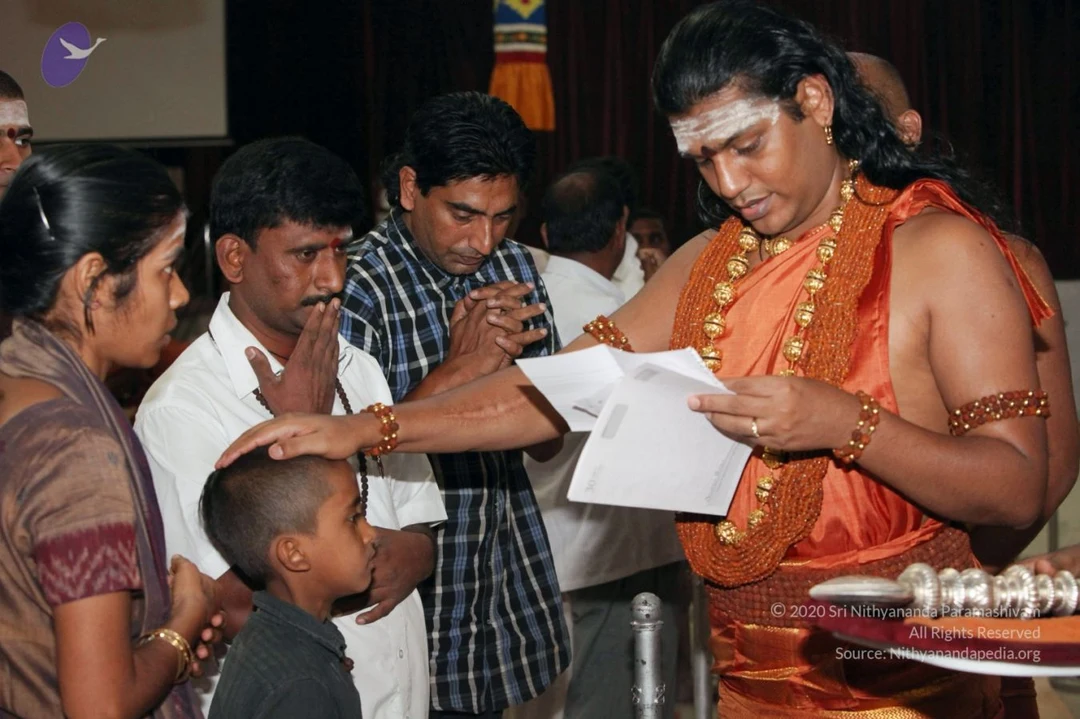
Darshan
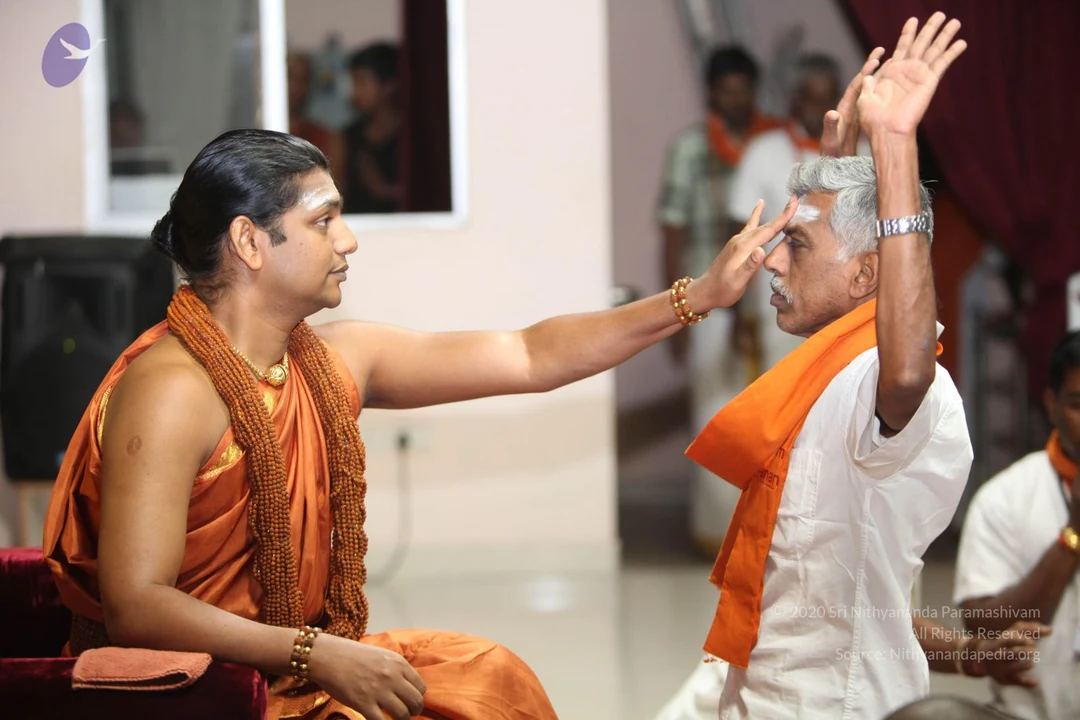
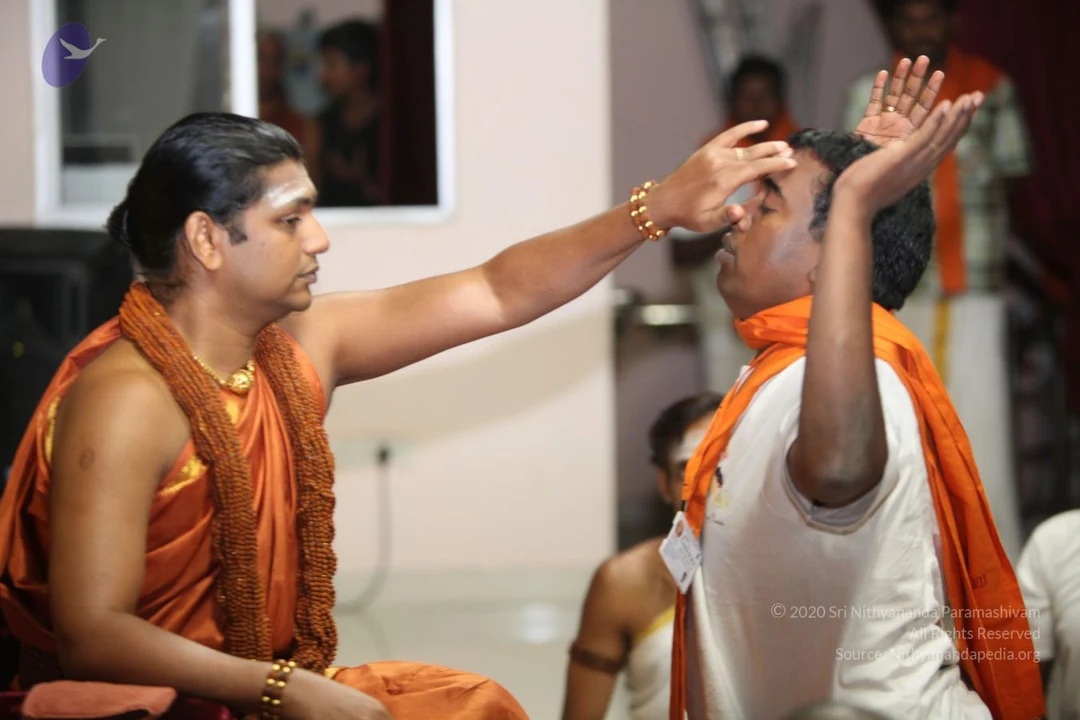
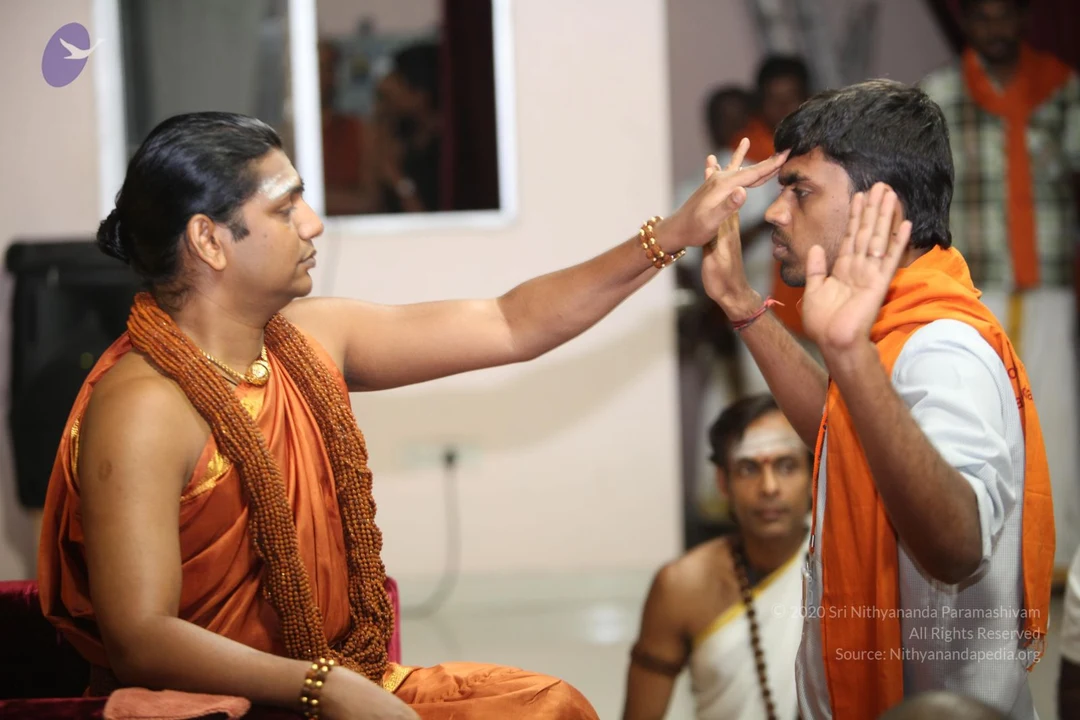
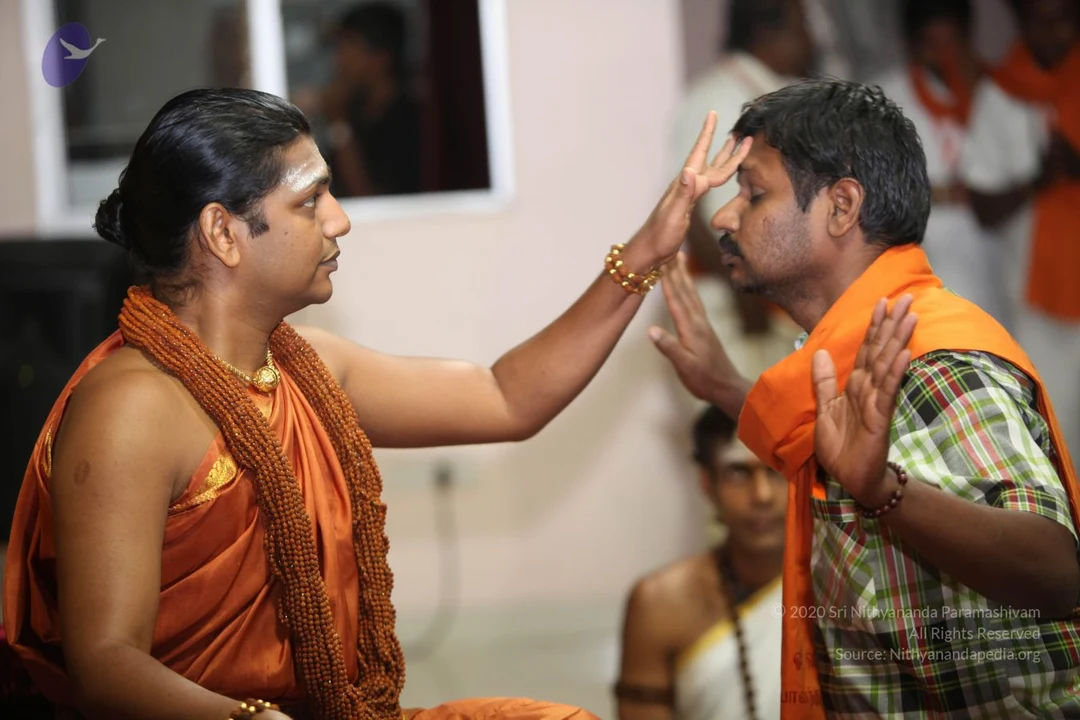
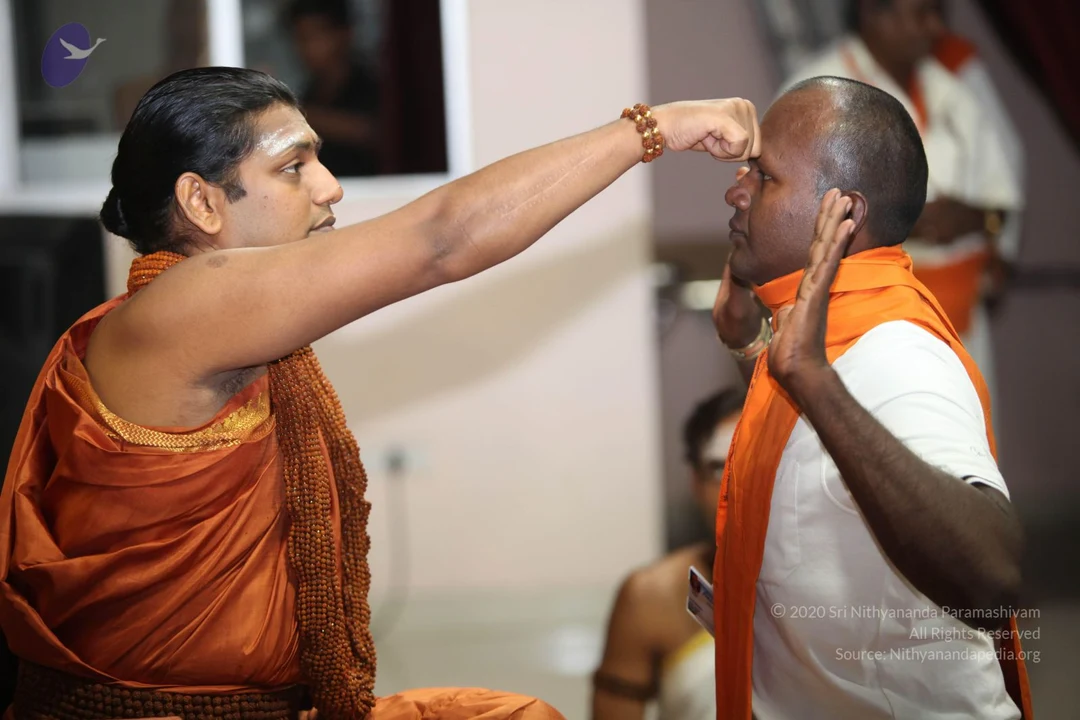
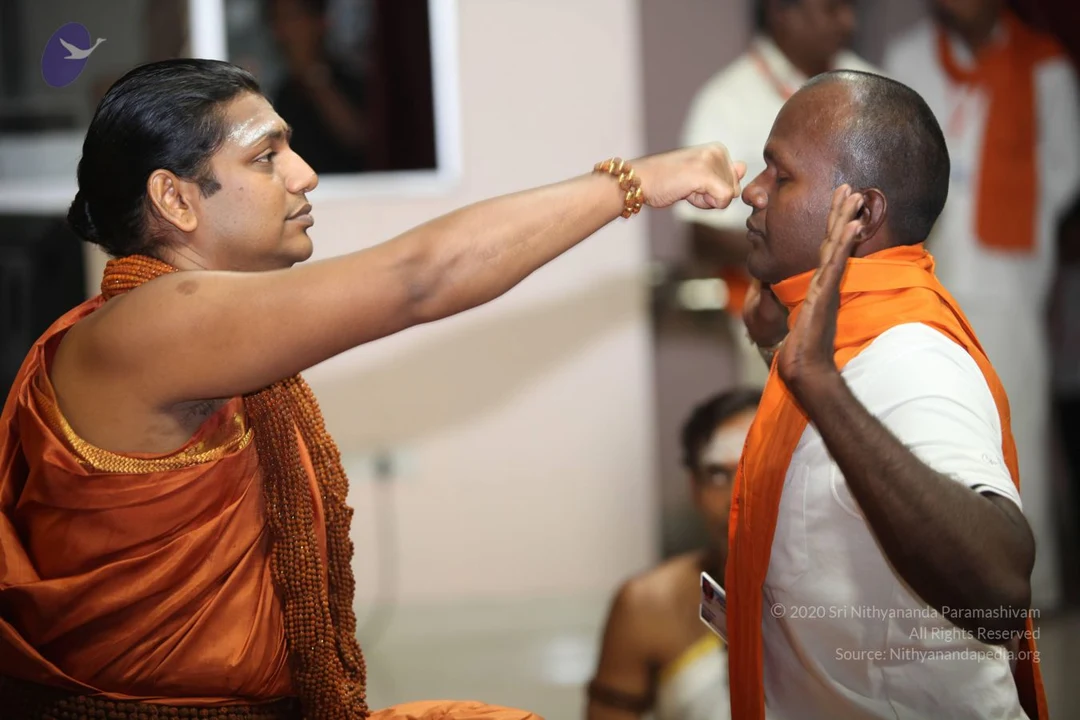
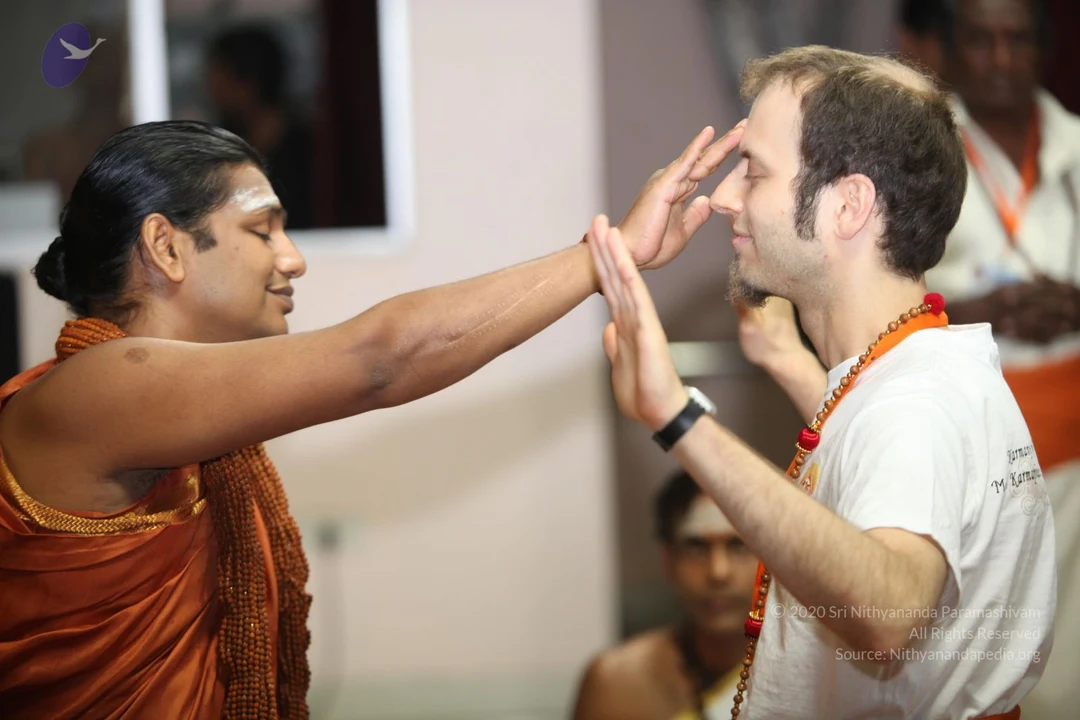
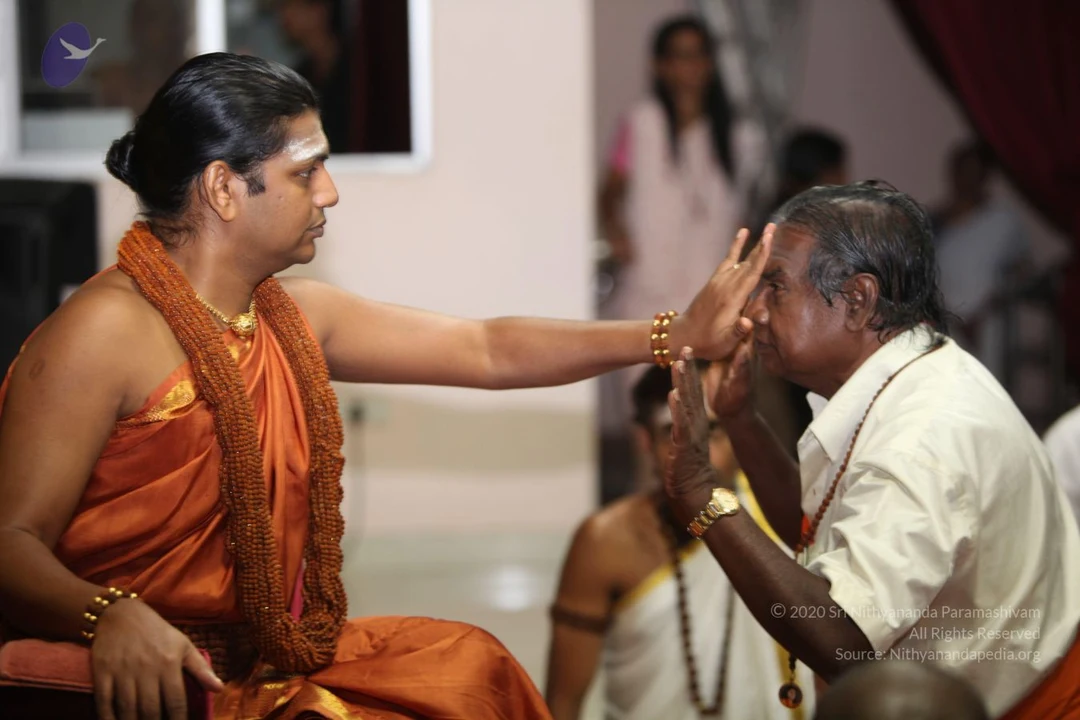
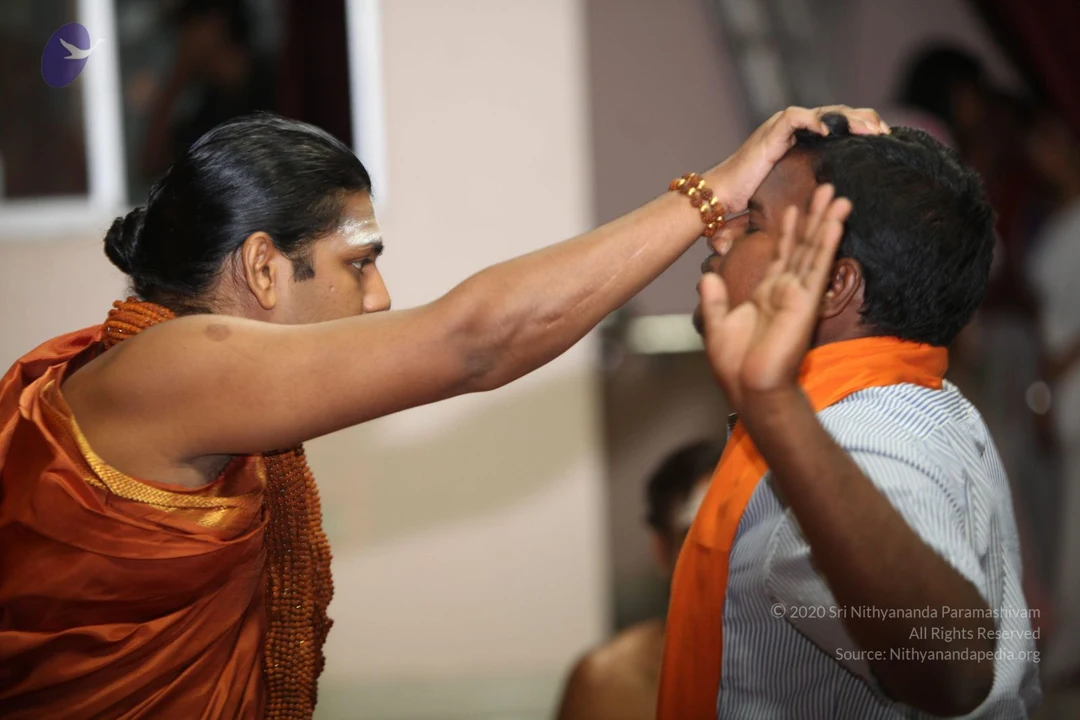
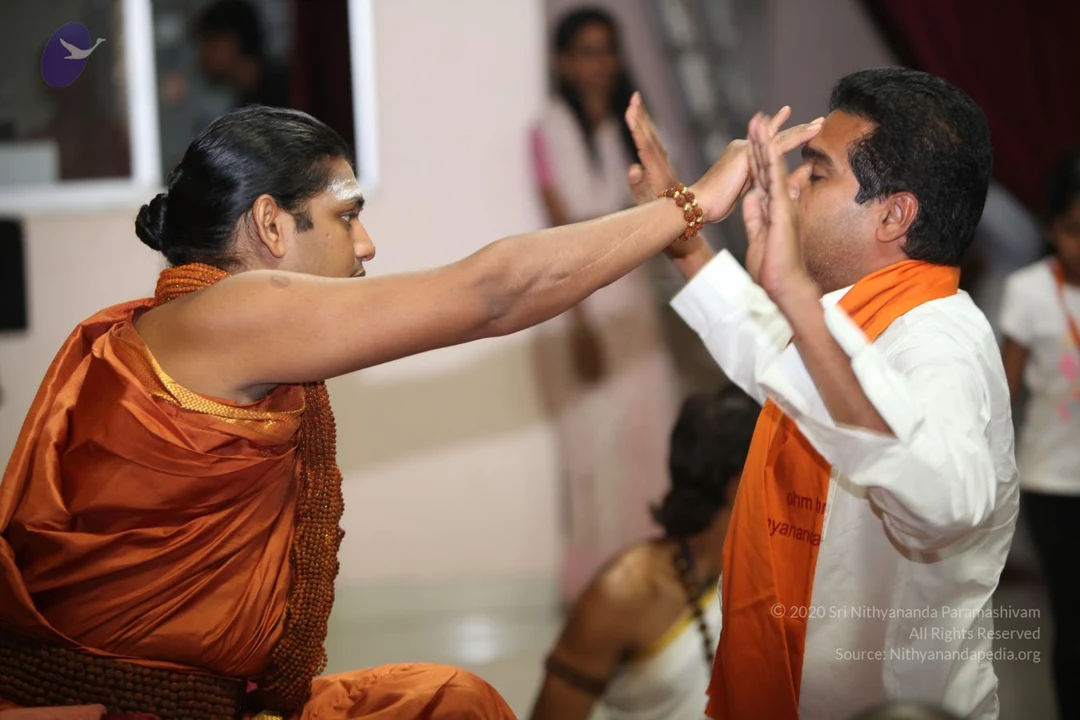
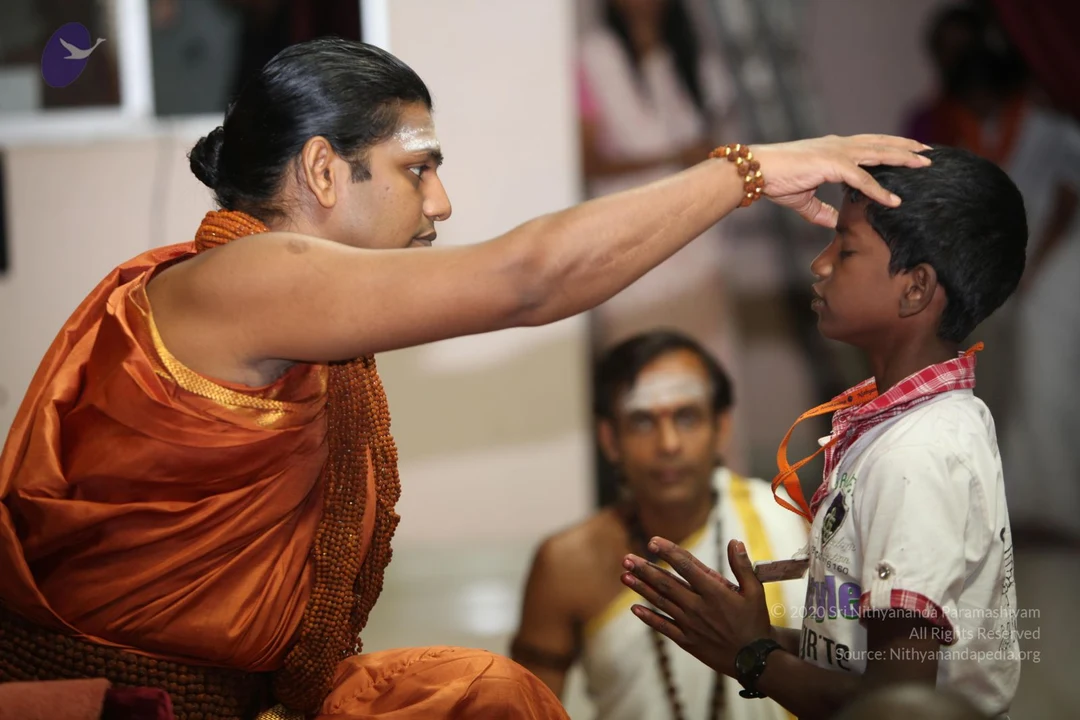
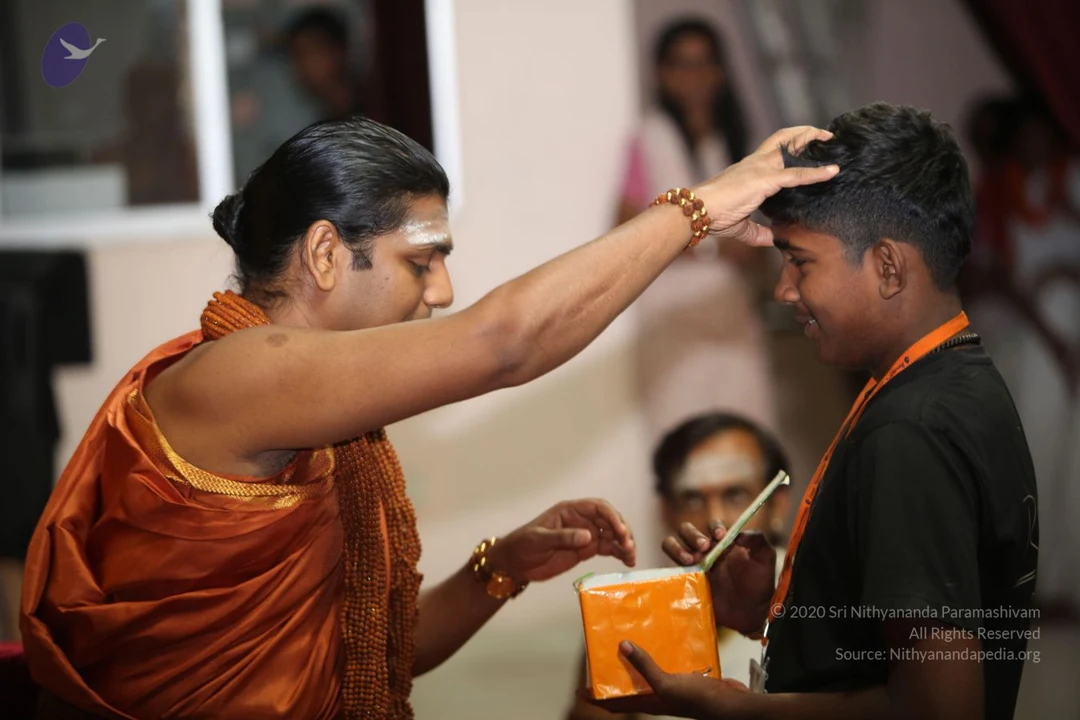
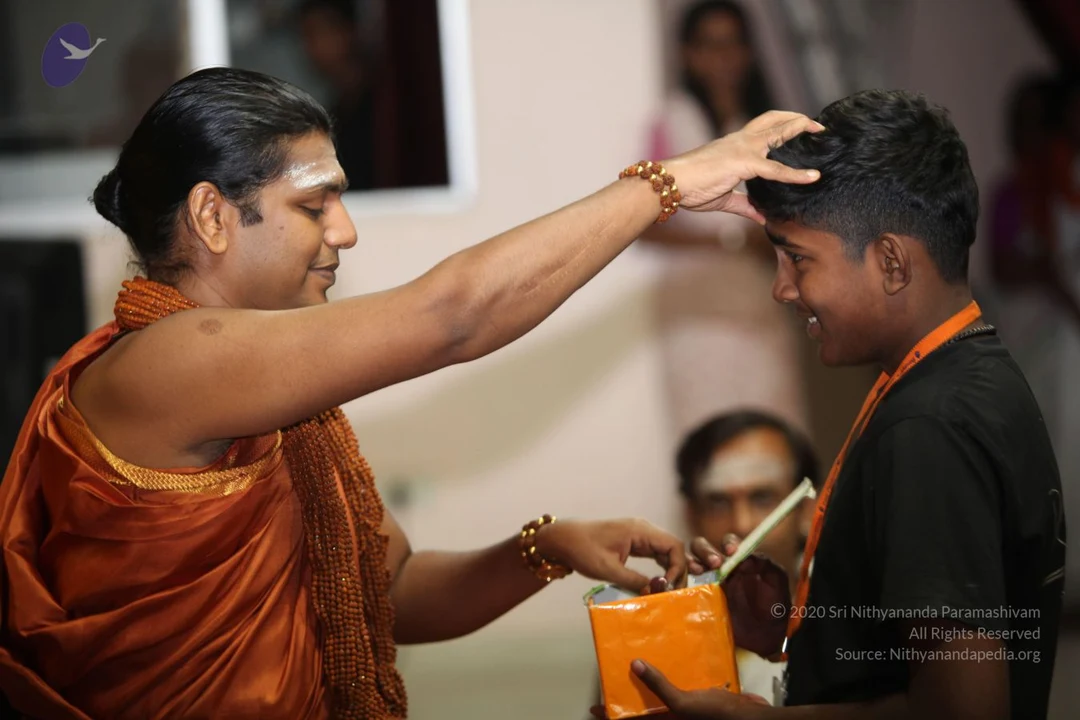
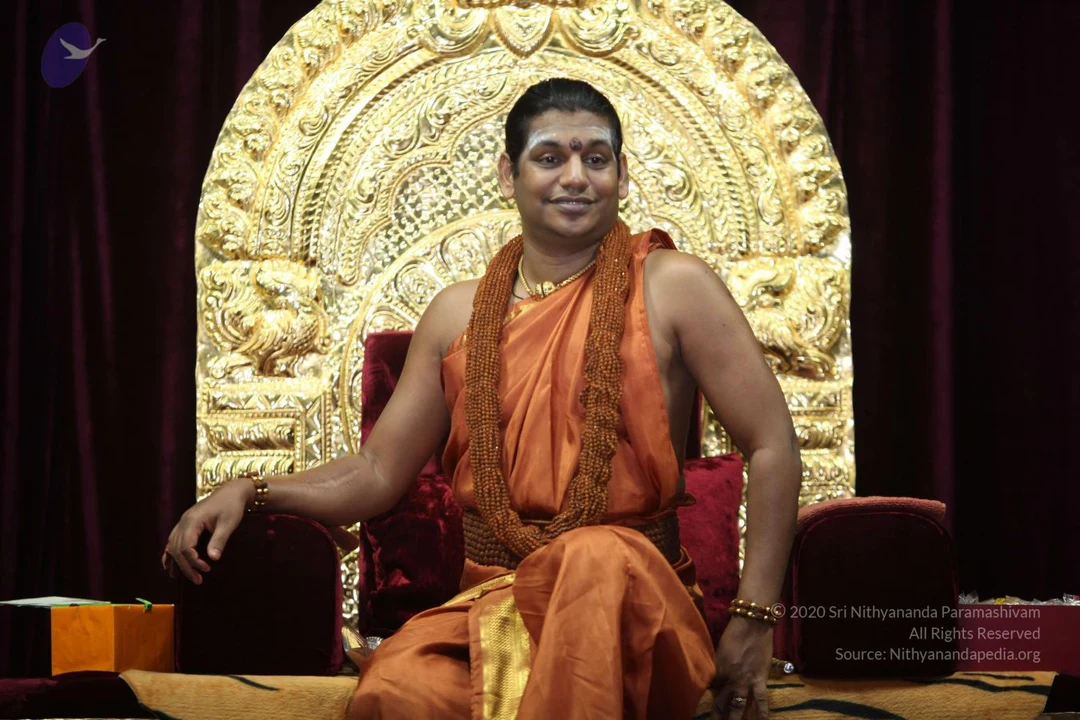
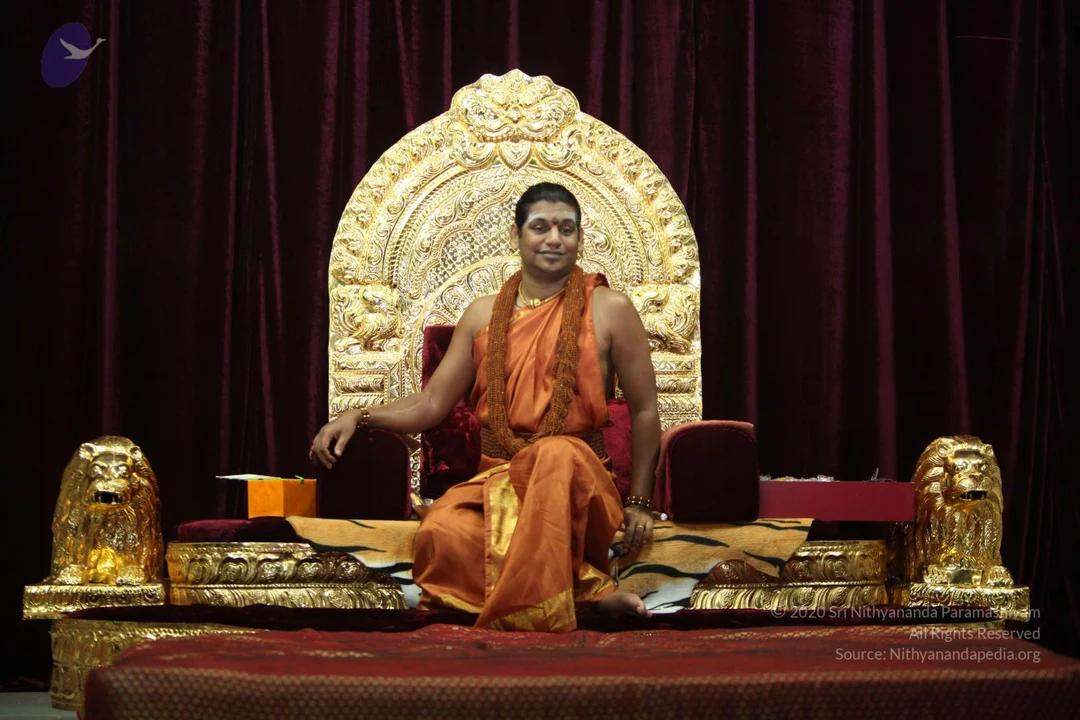
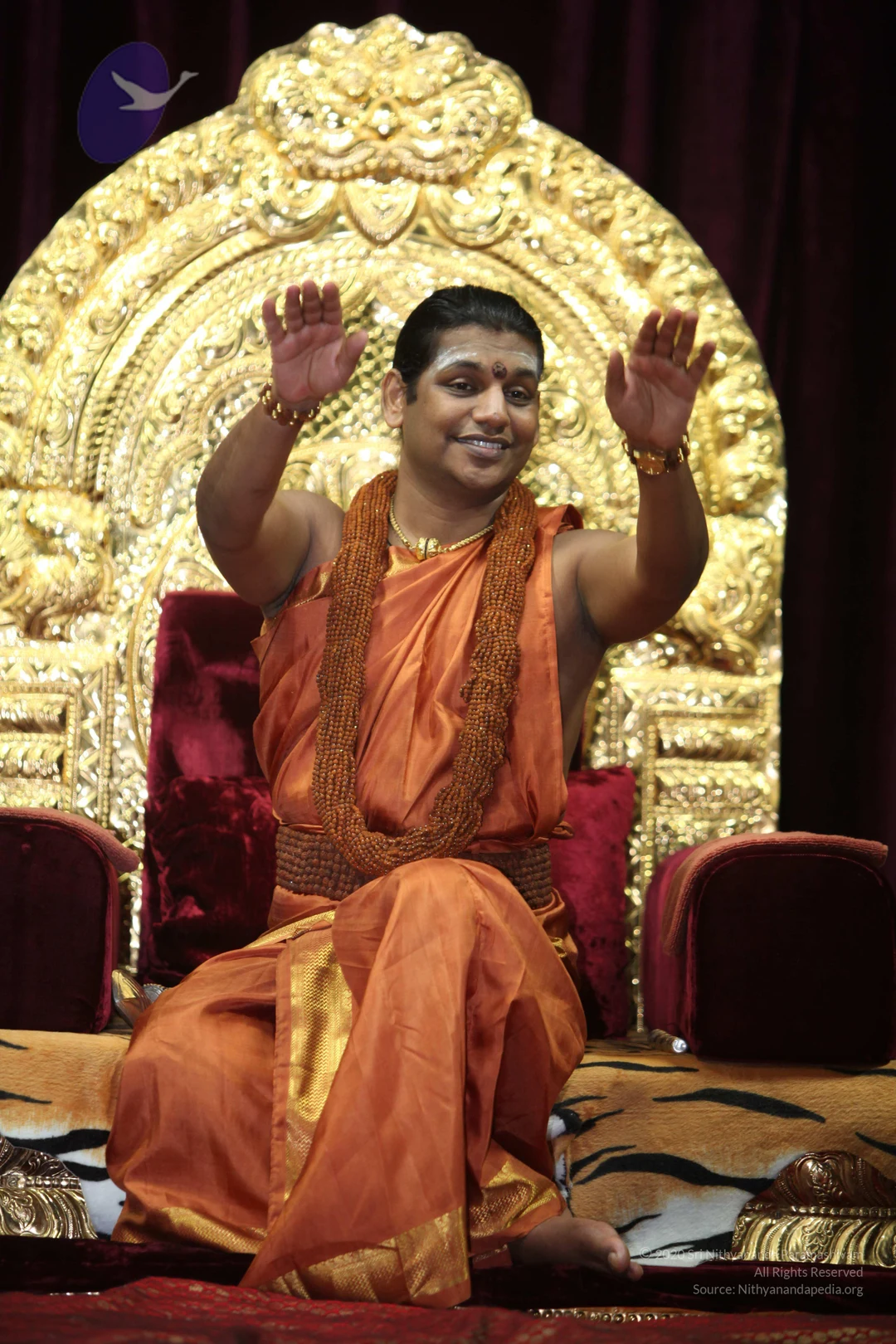
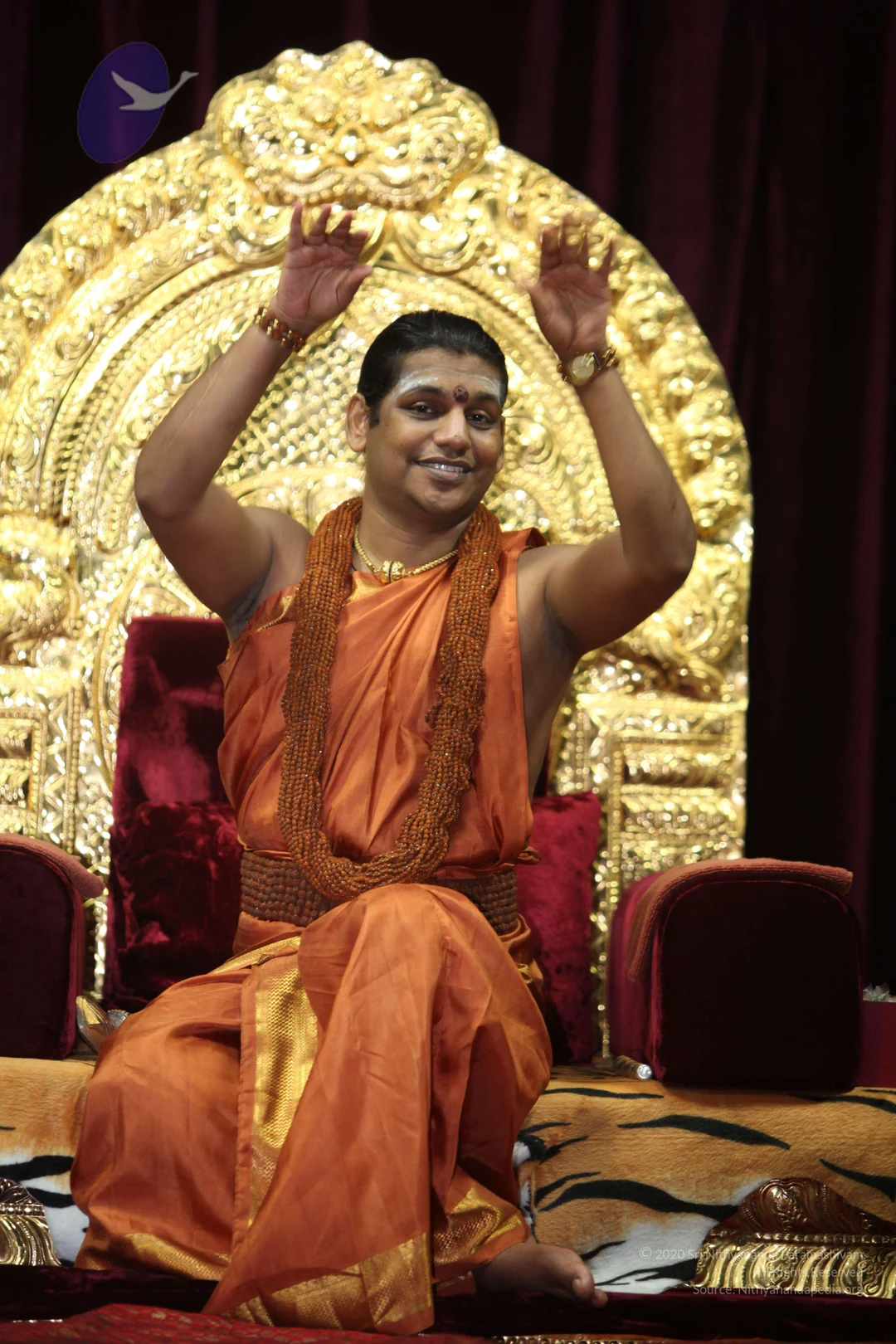
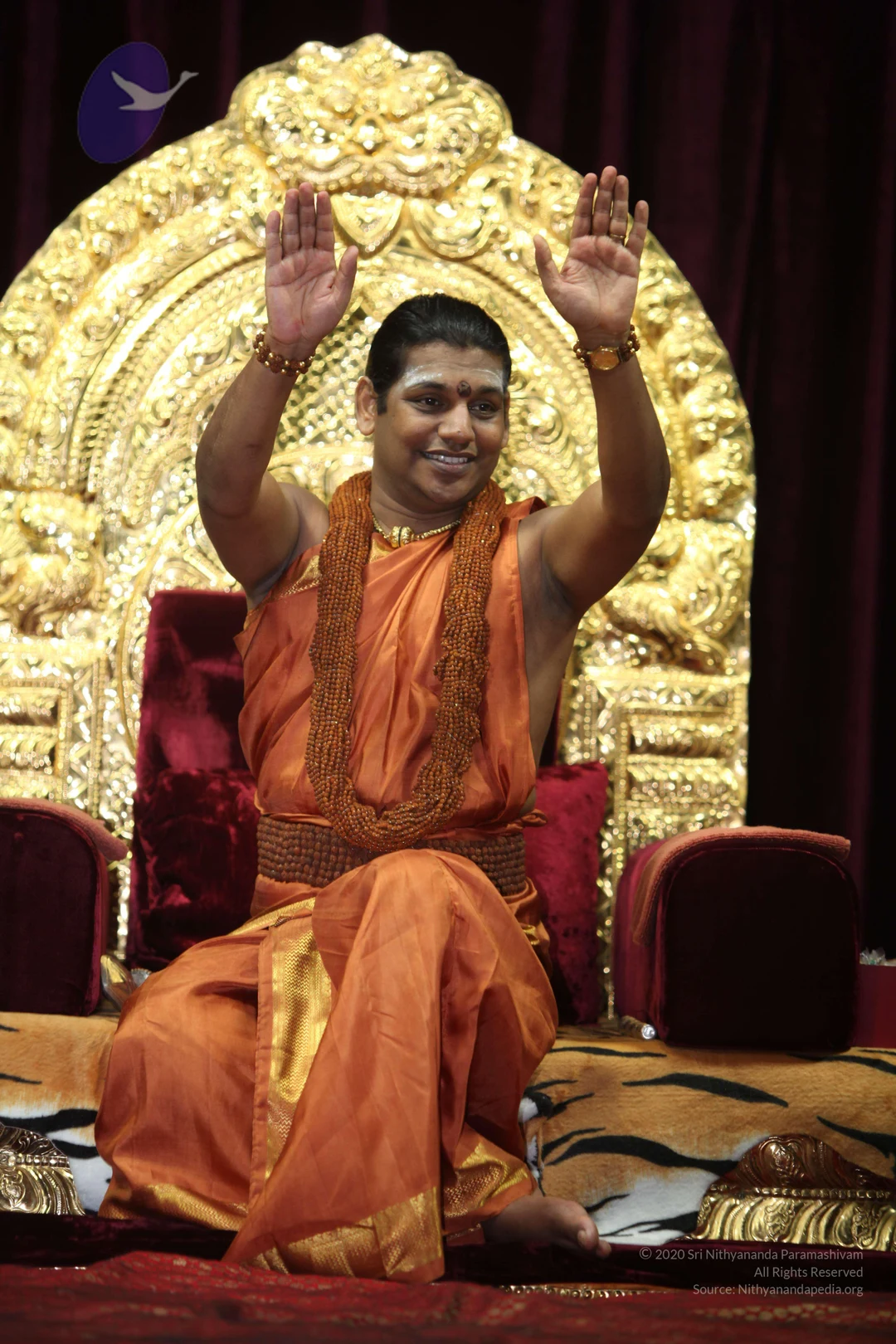
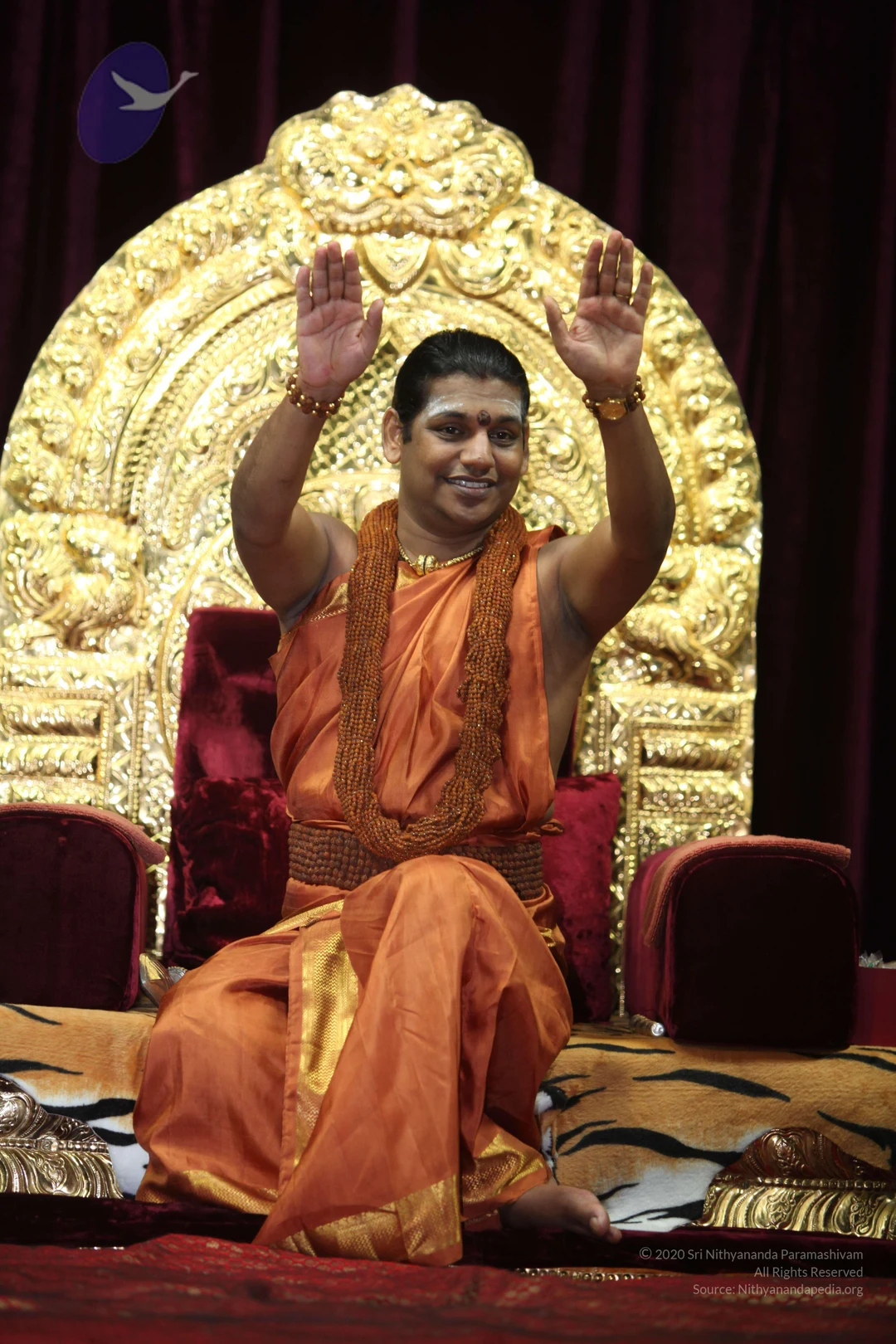
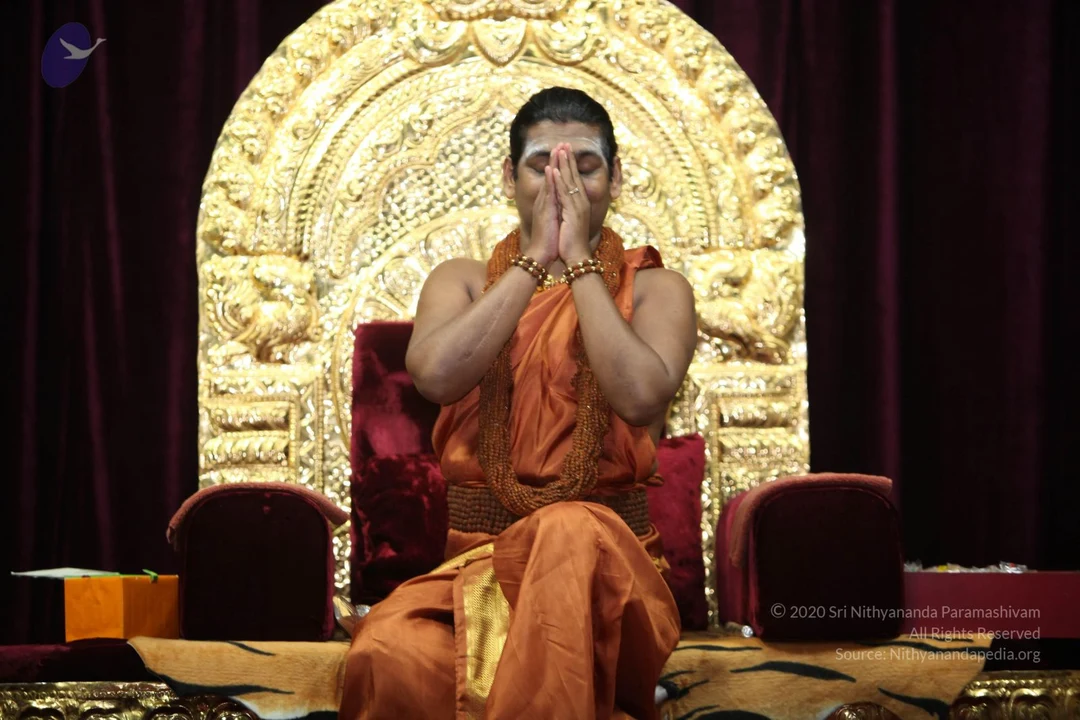
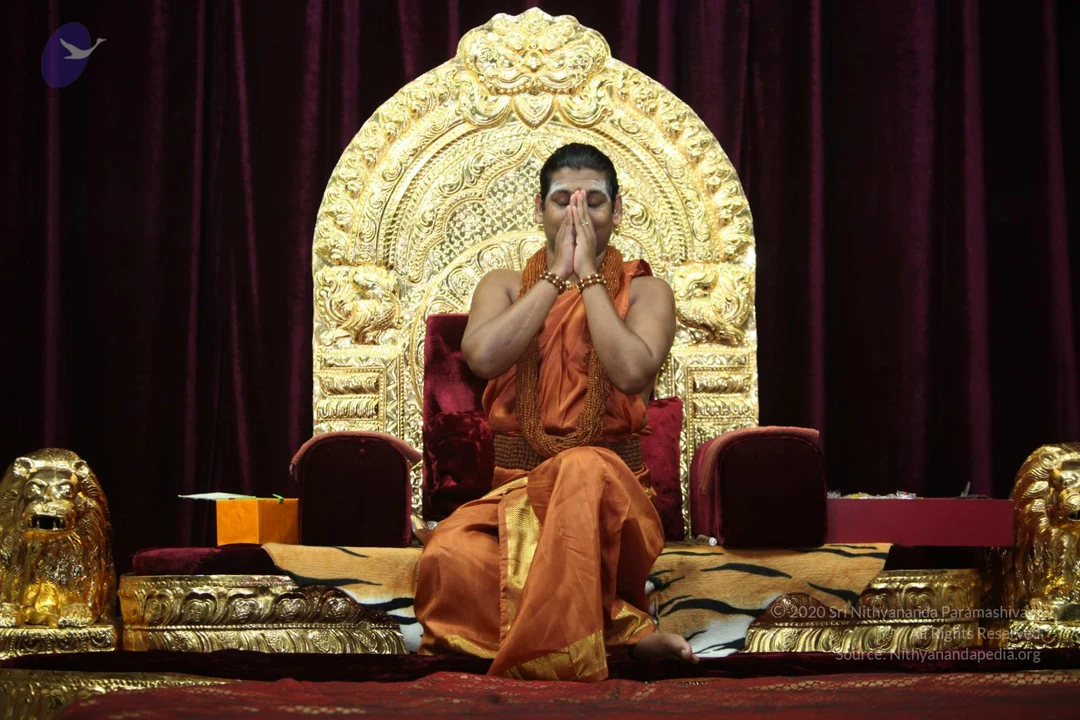
1-Bidadi-Temple-and-Sacred-Banyan-Tree
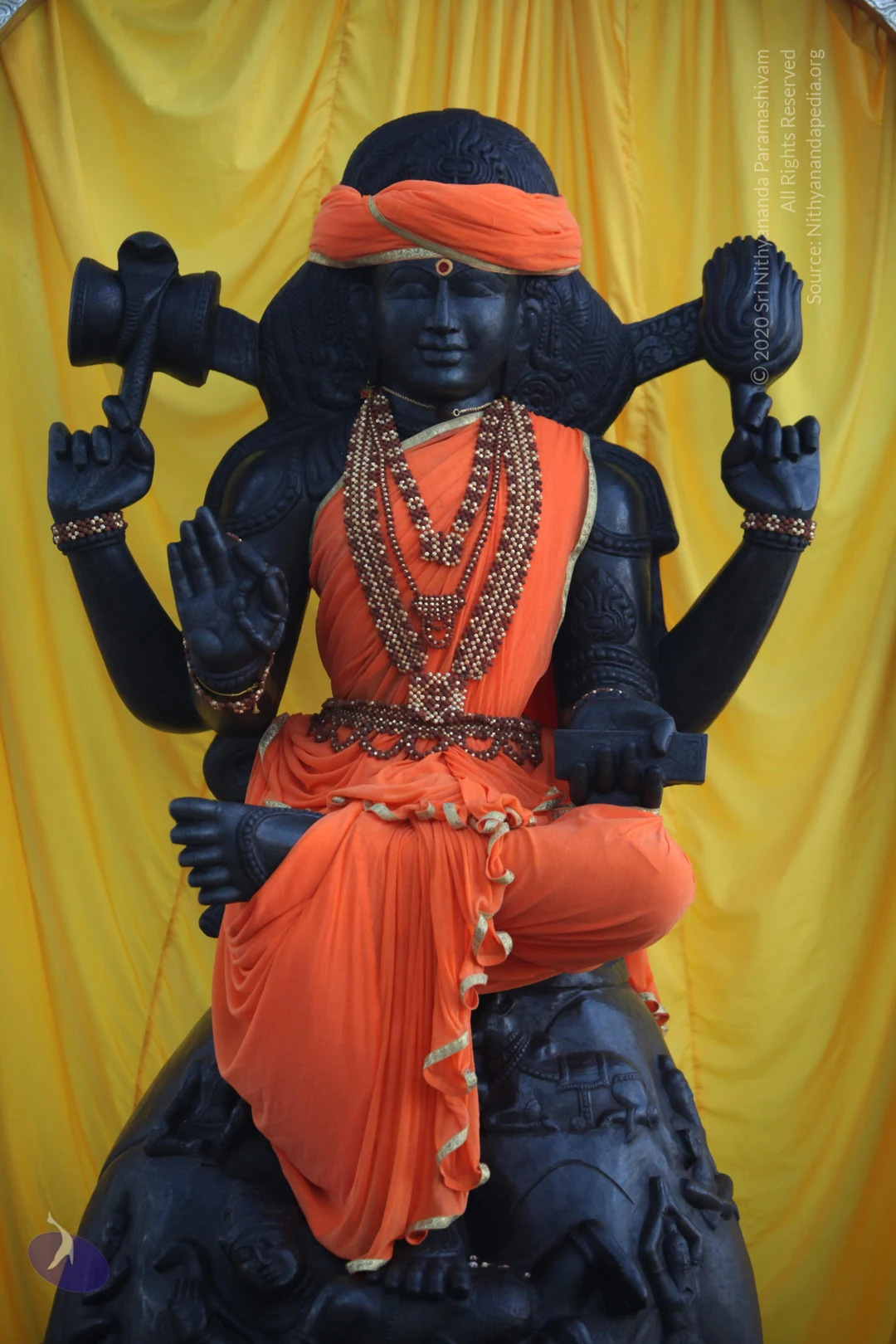
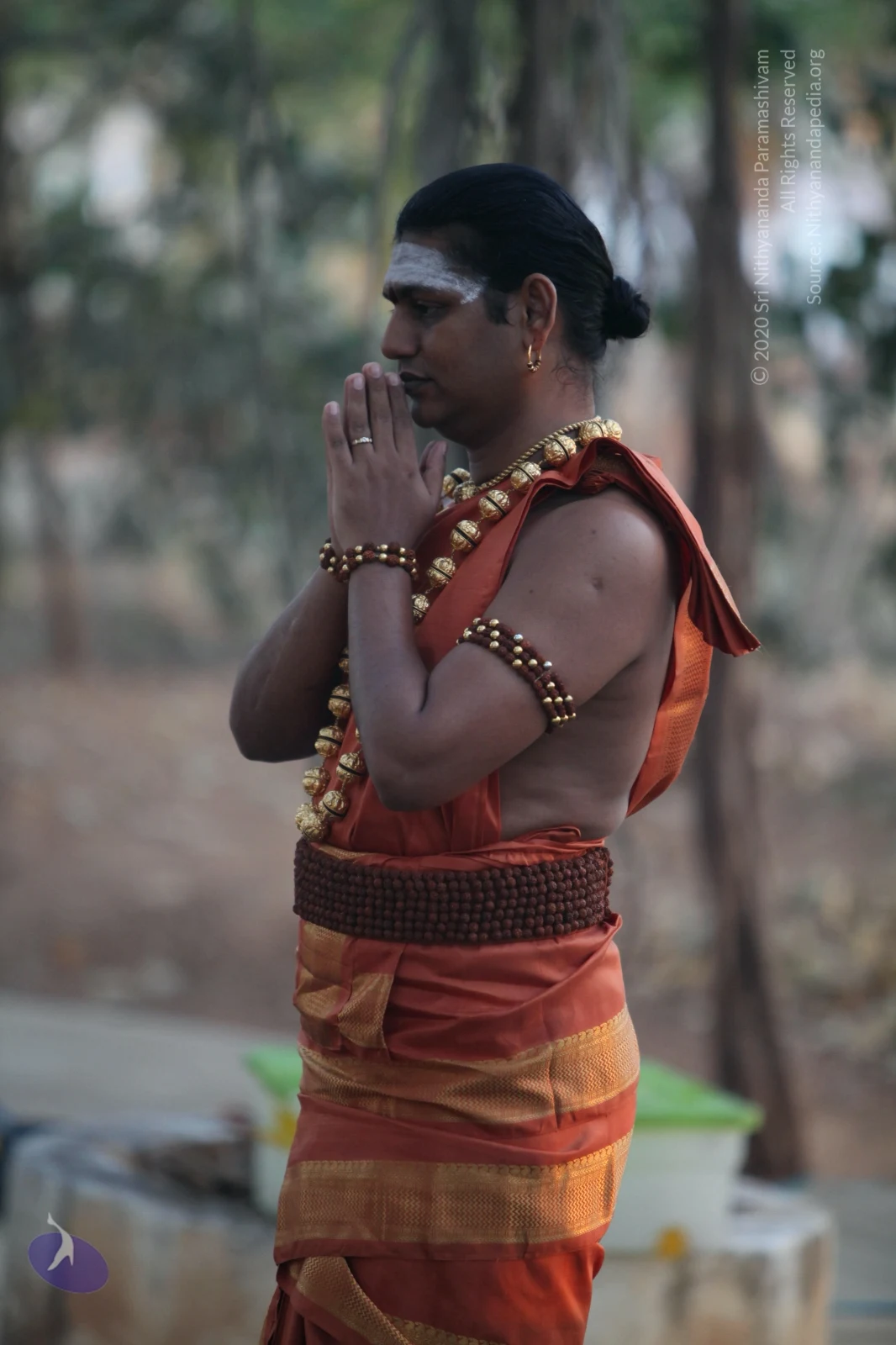
2-Pada-Puja
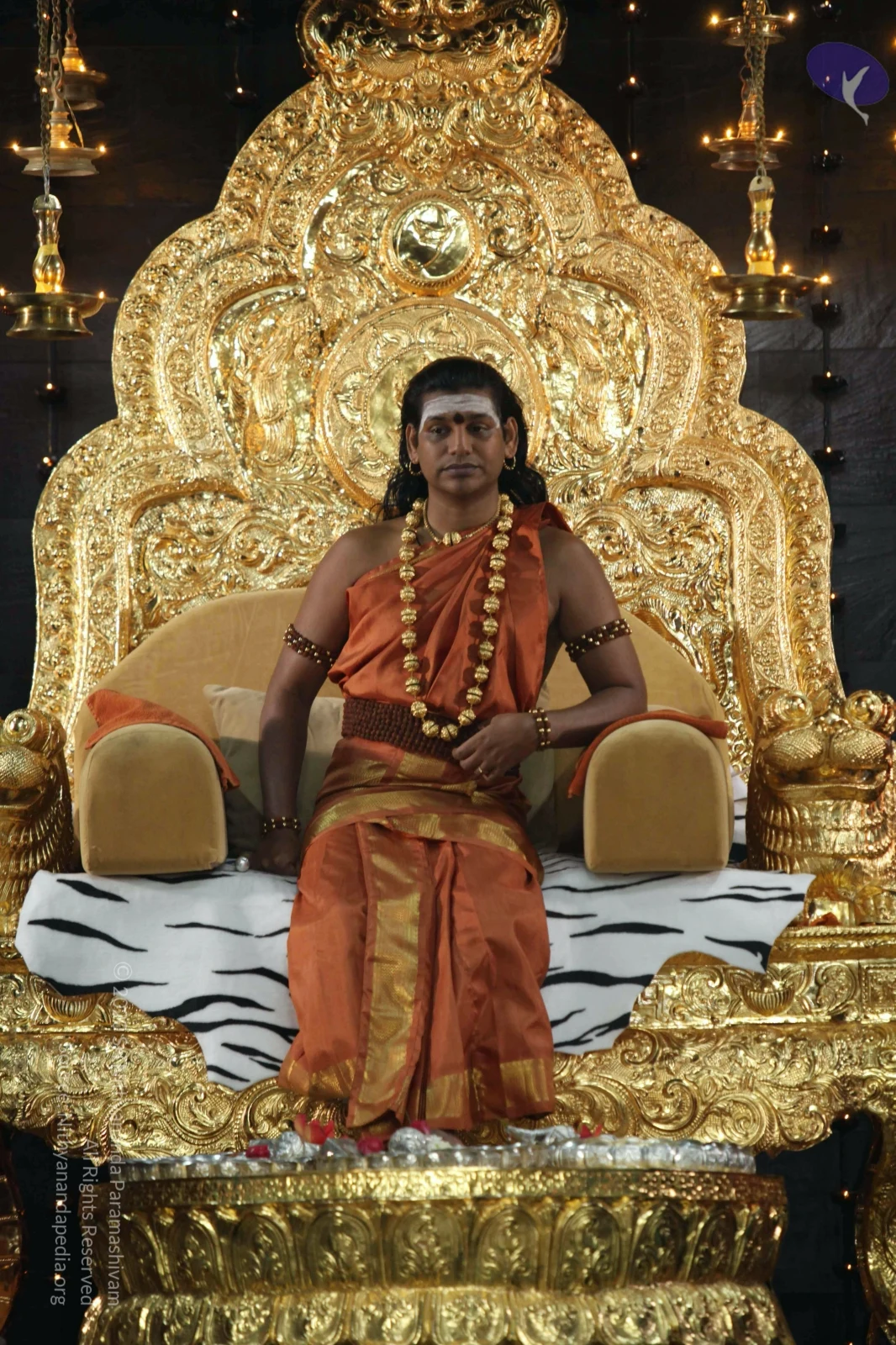
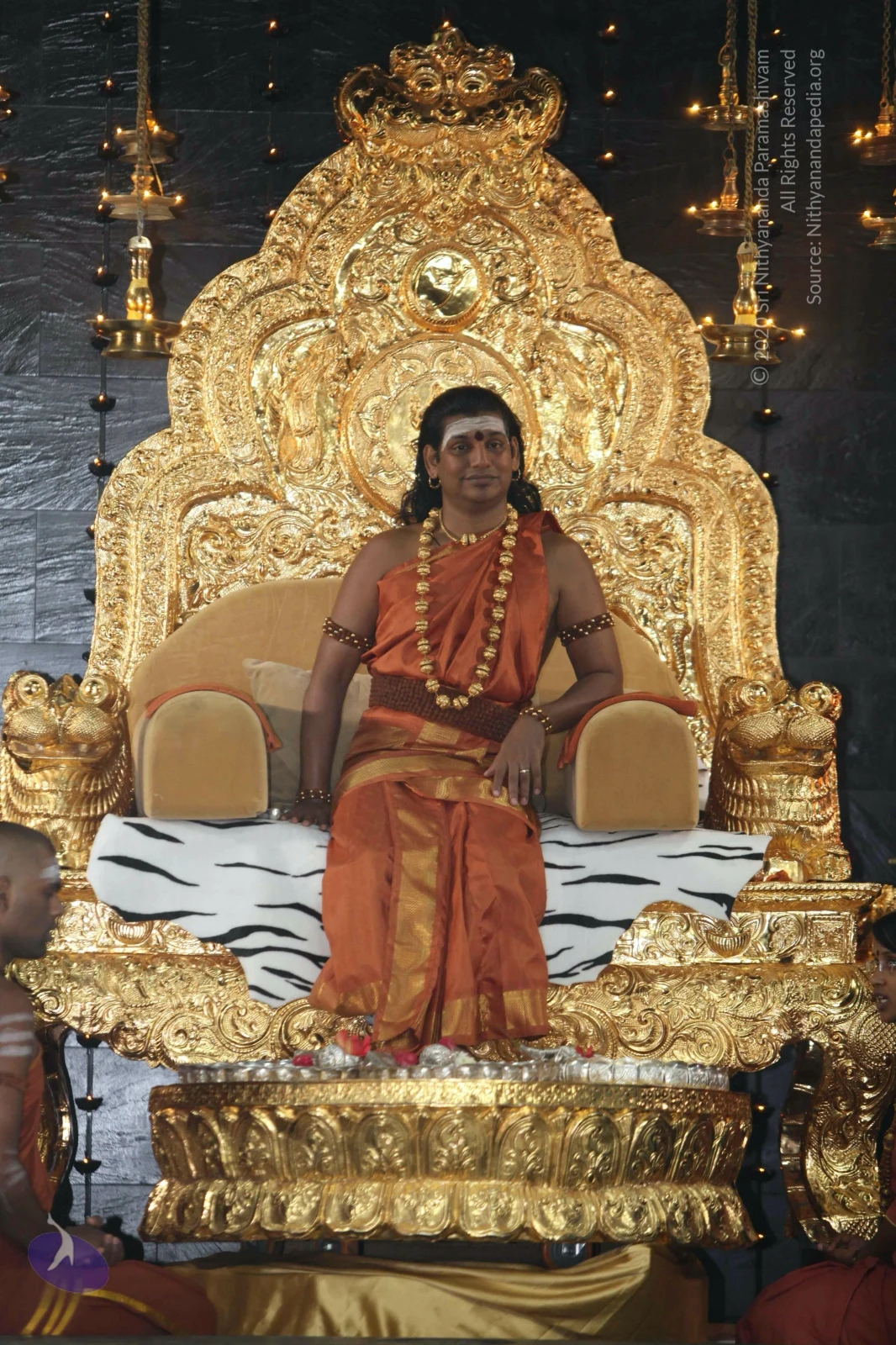
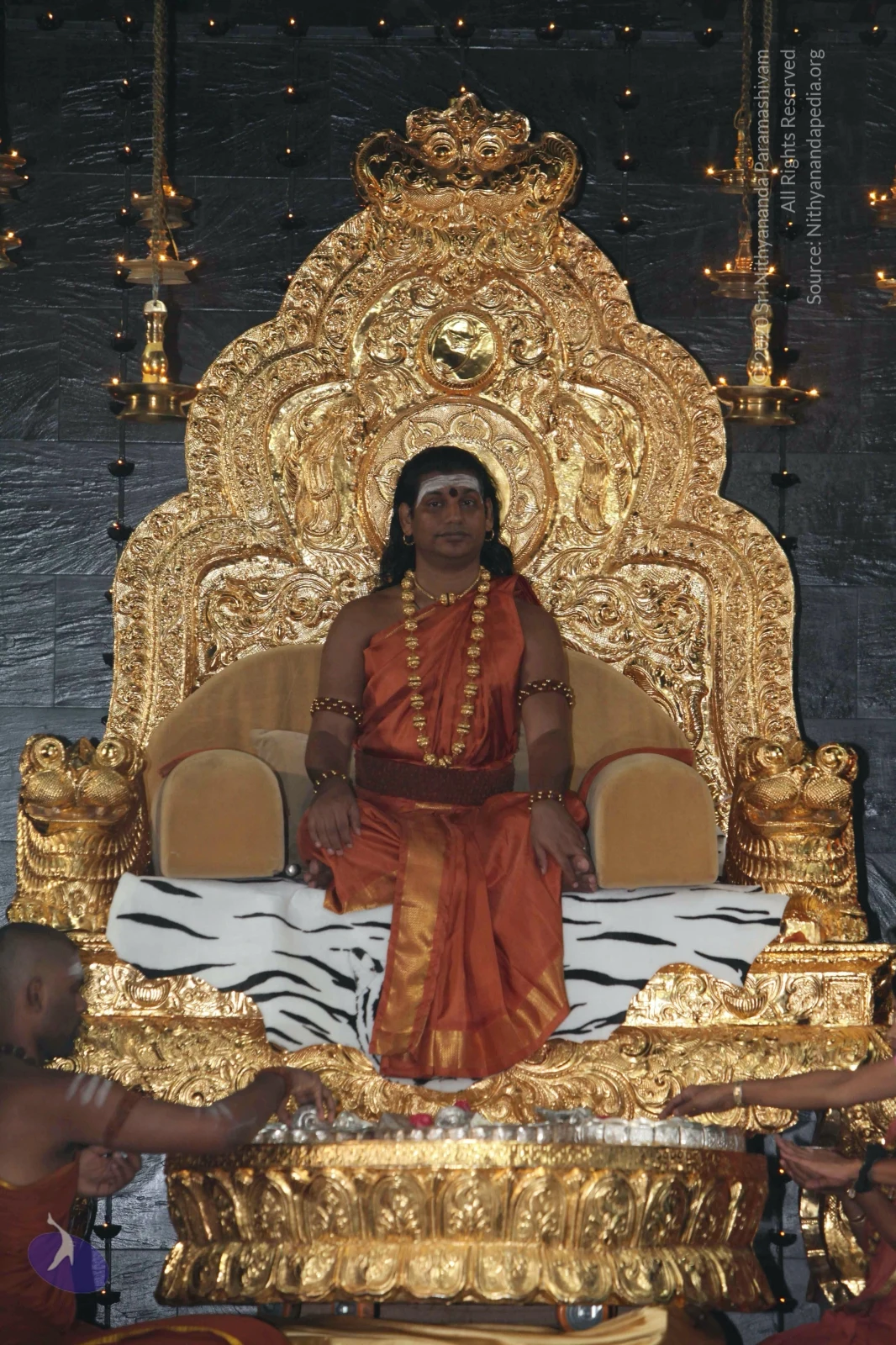
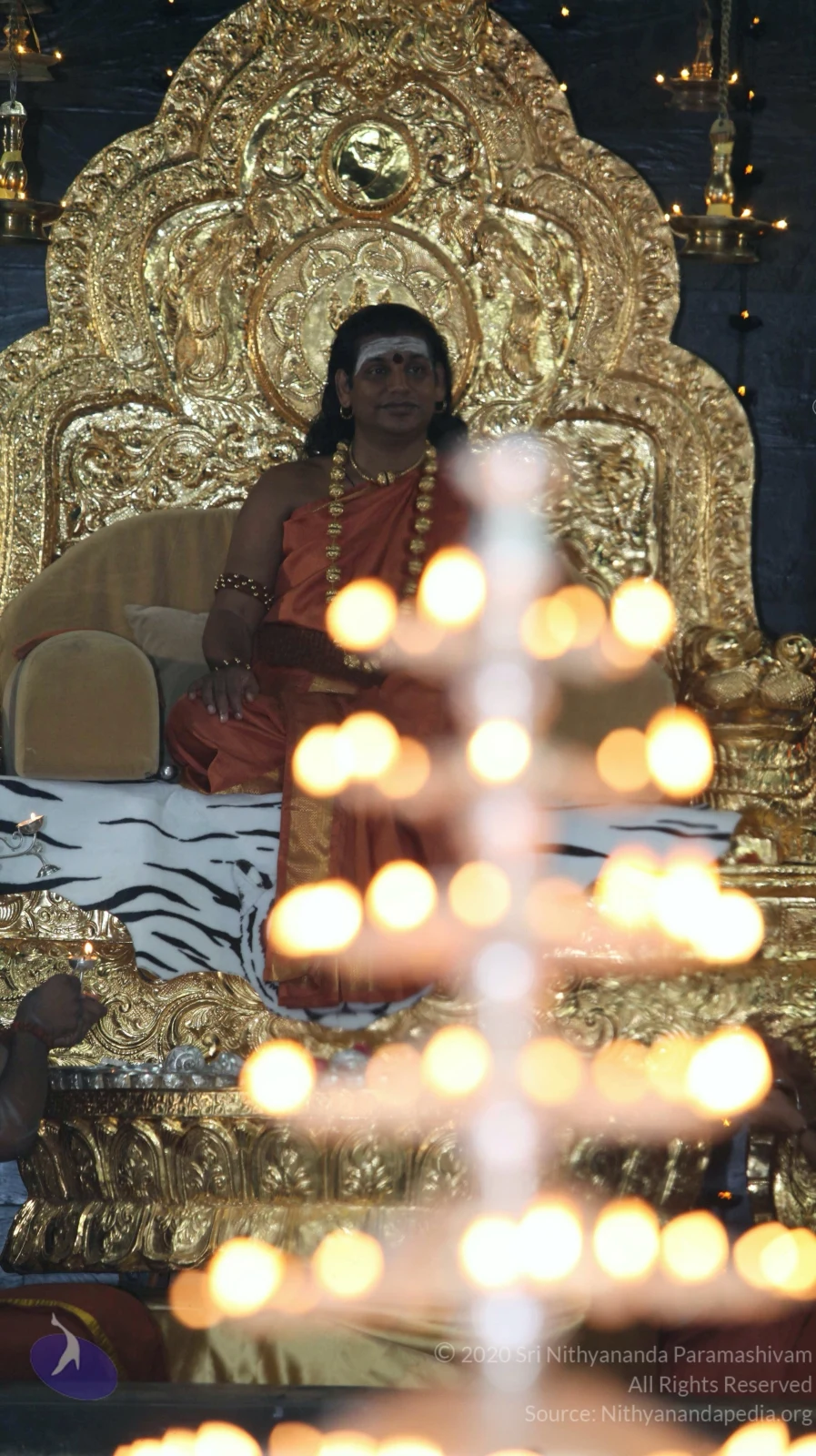
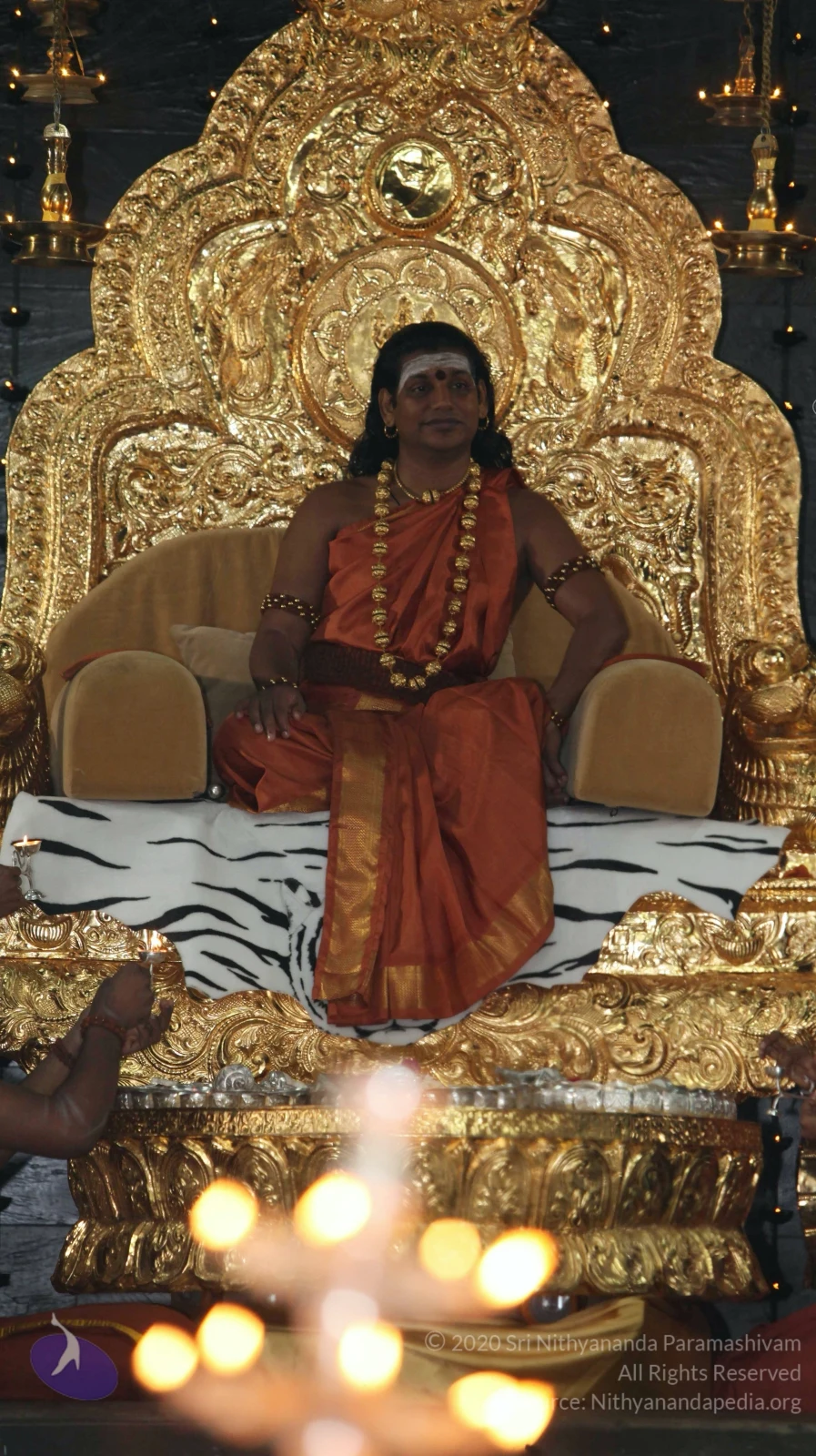
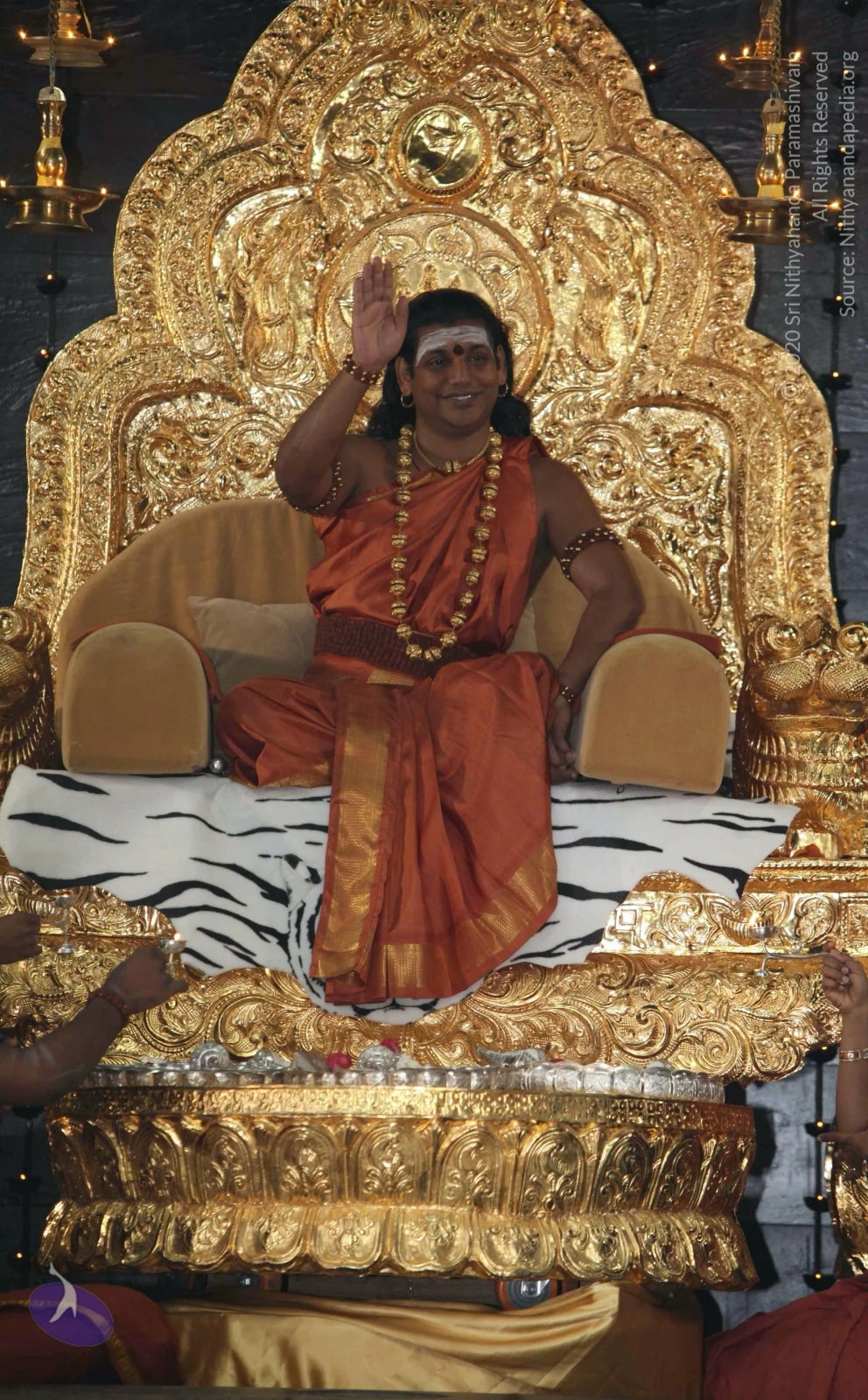
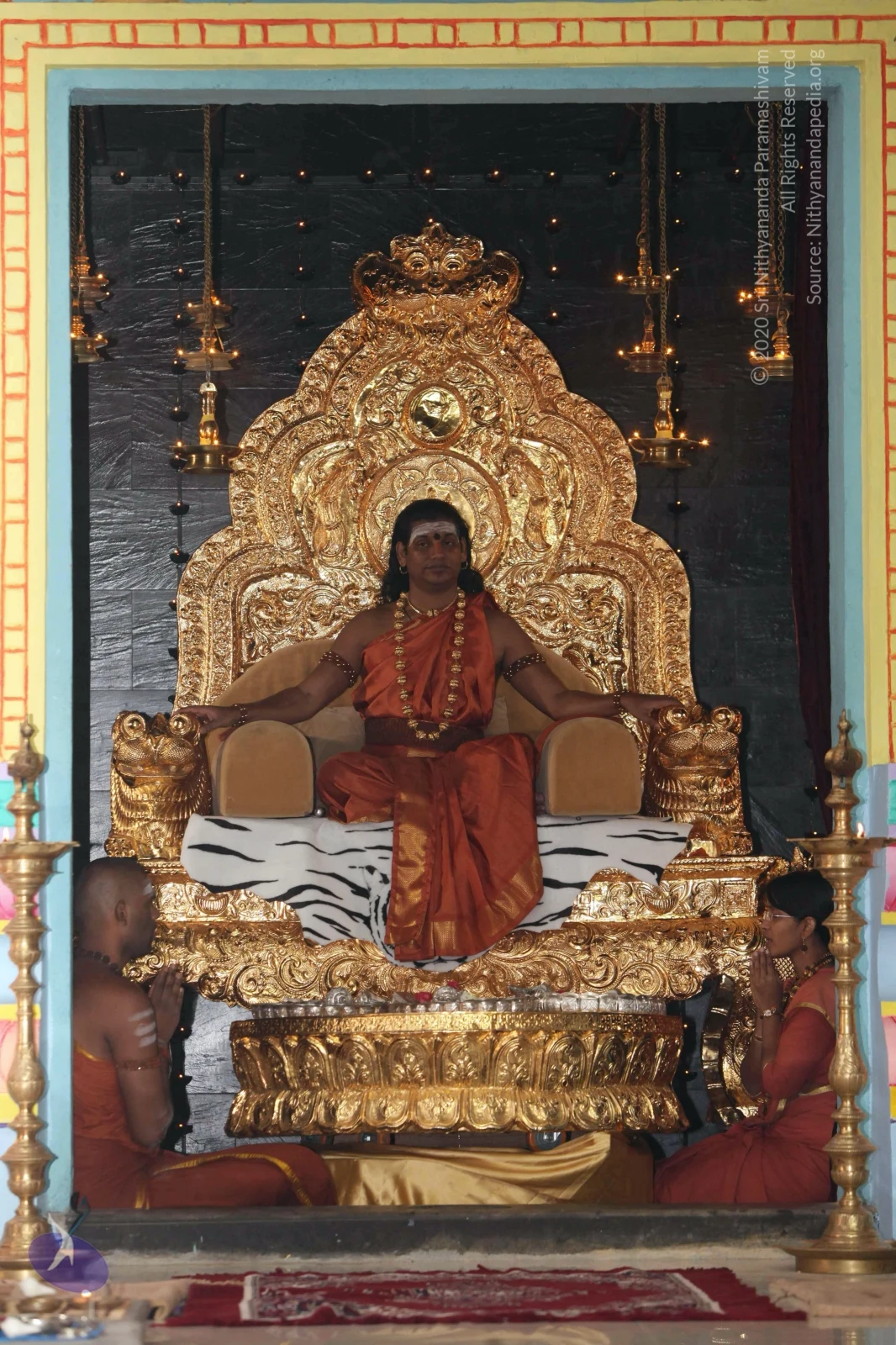
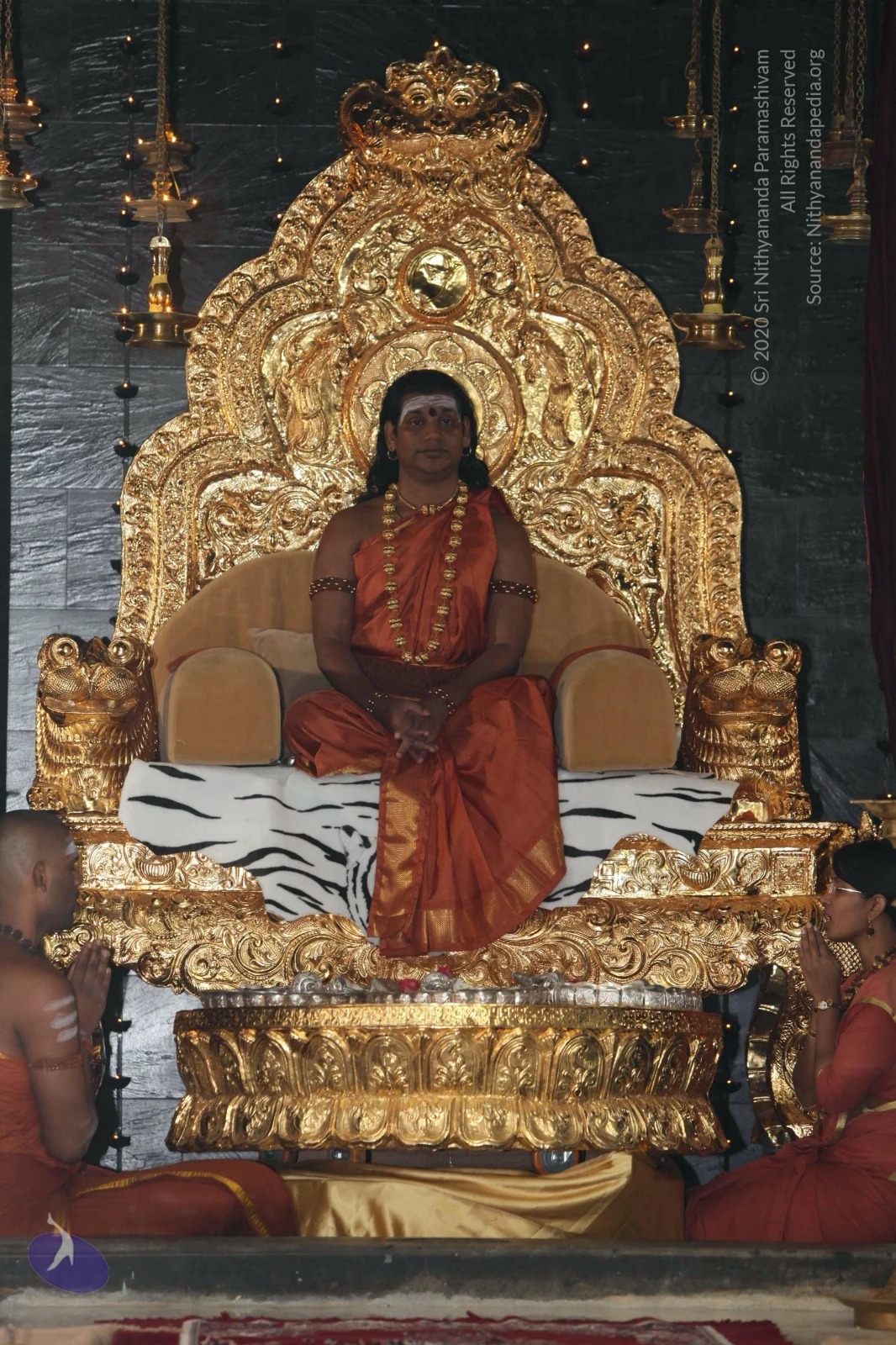
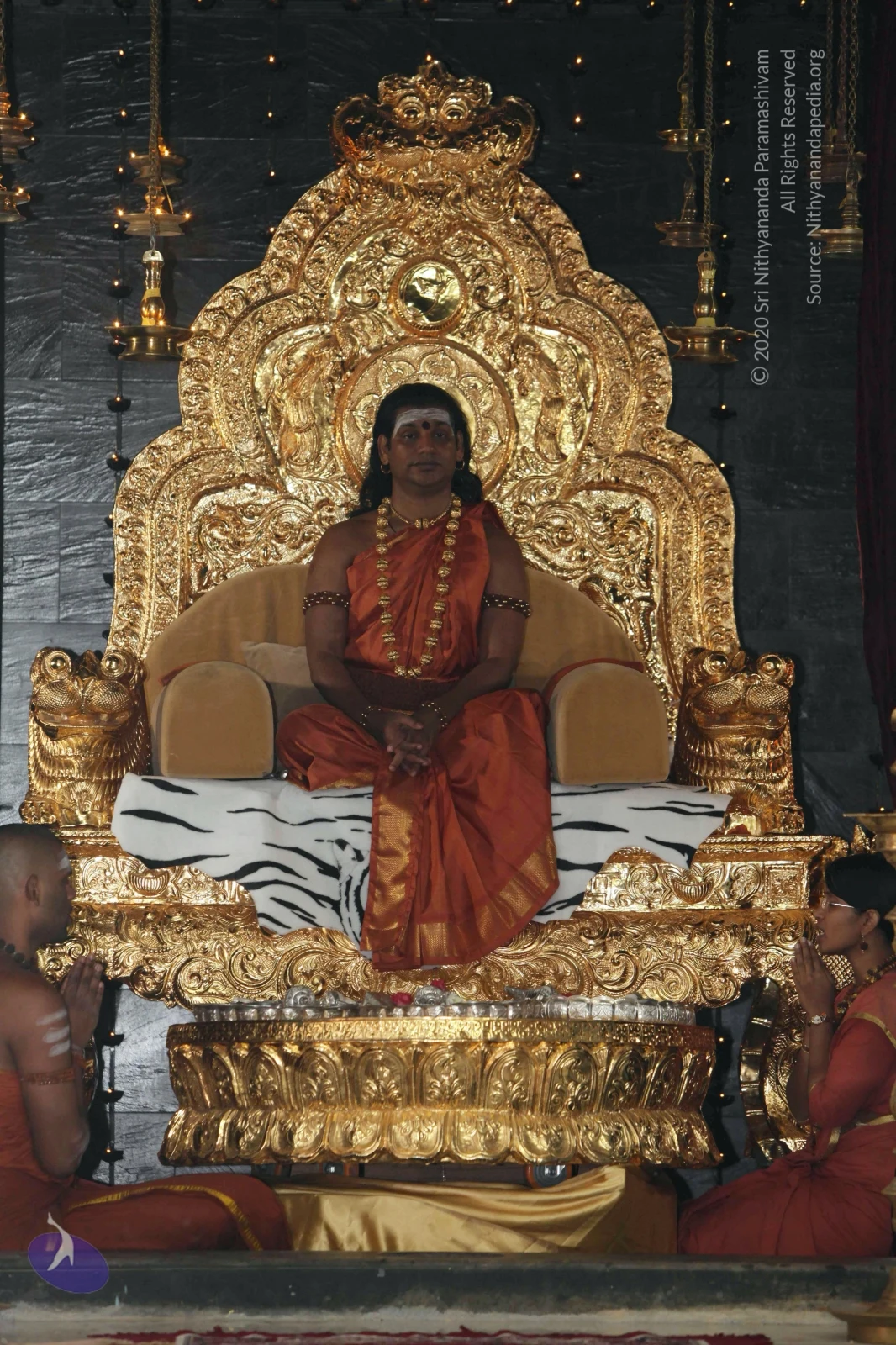
3-Morning-Satsang
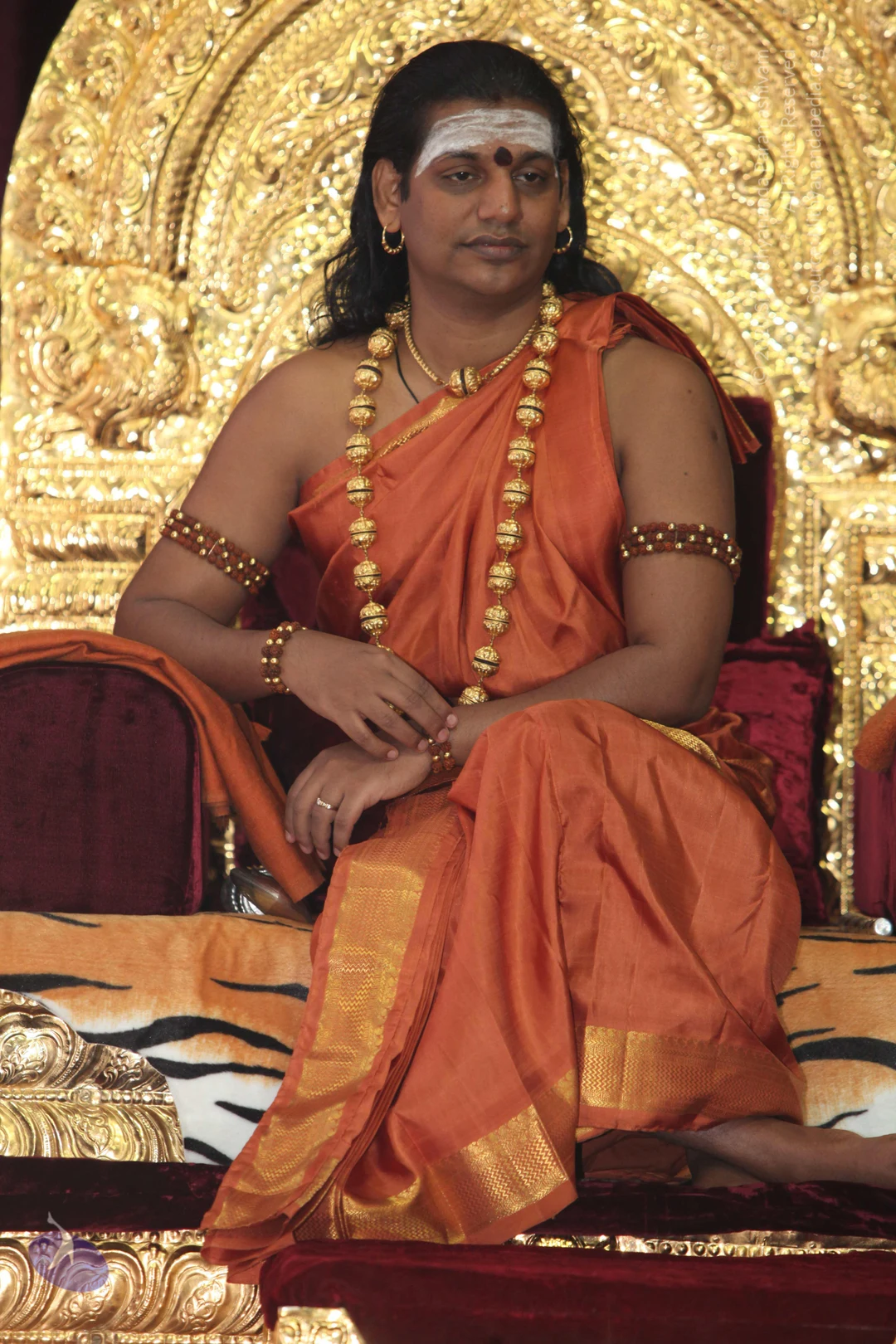
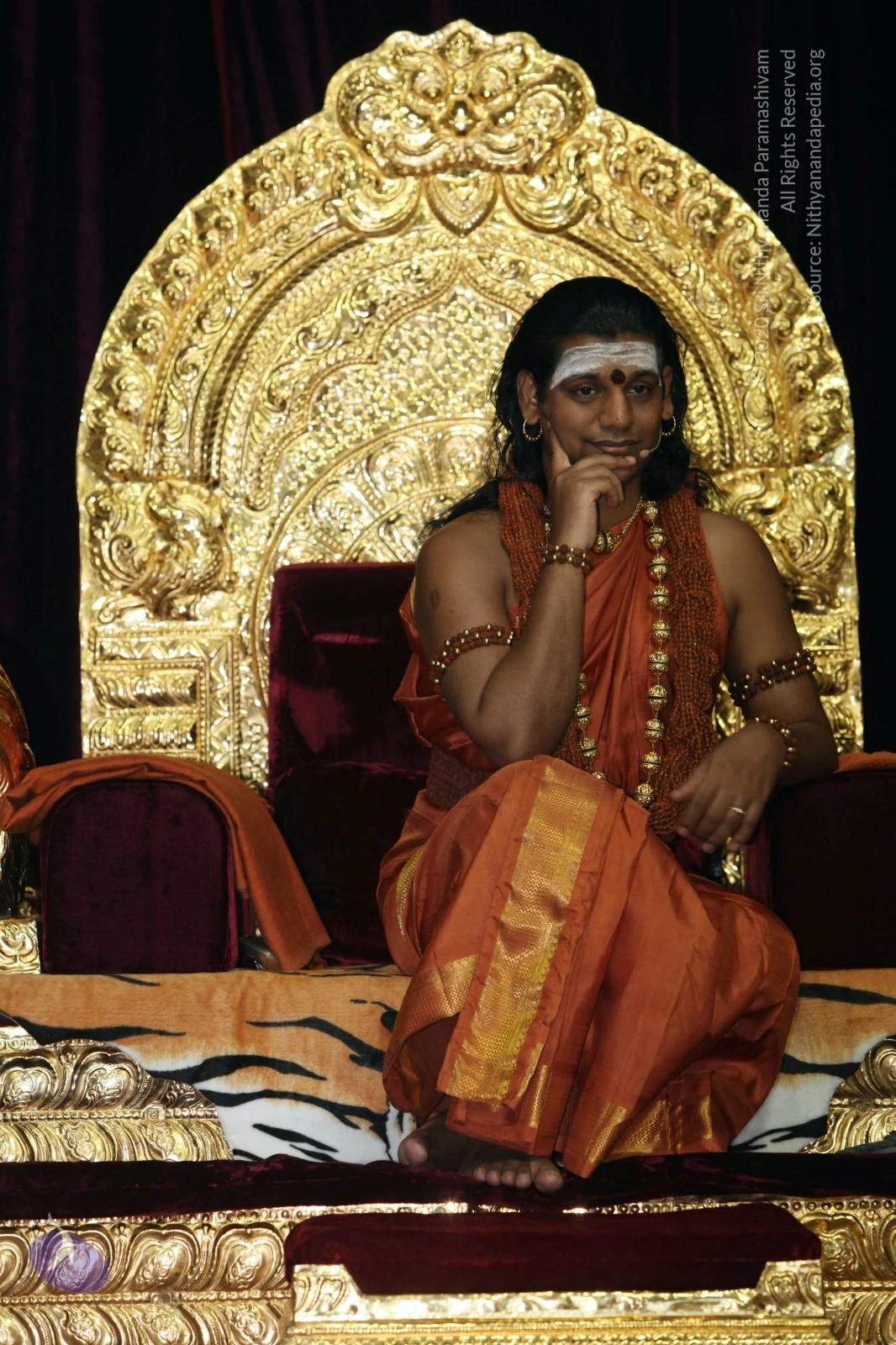
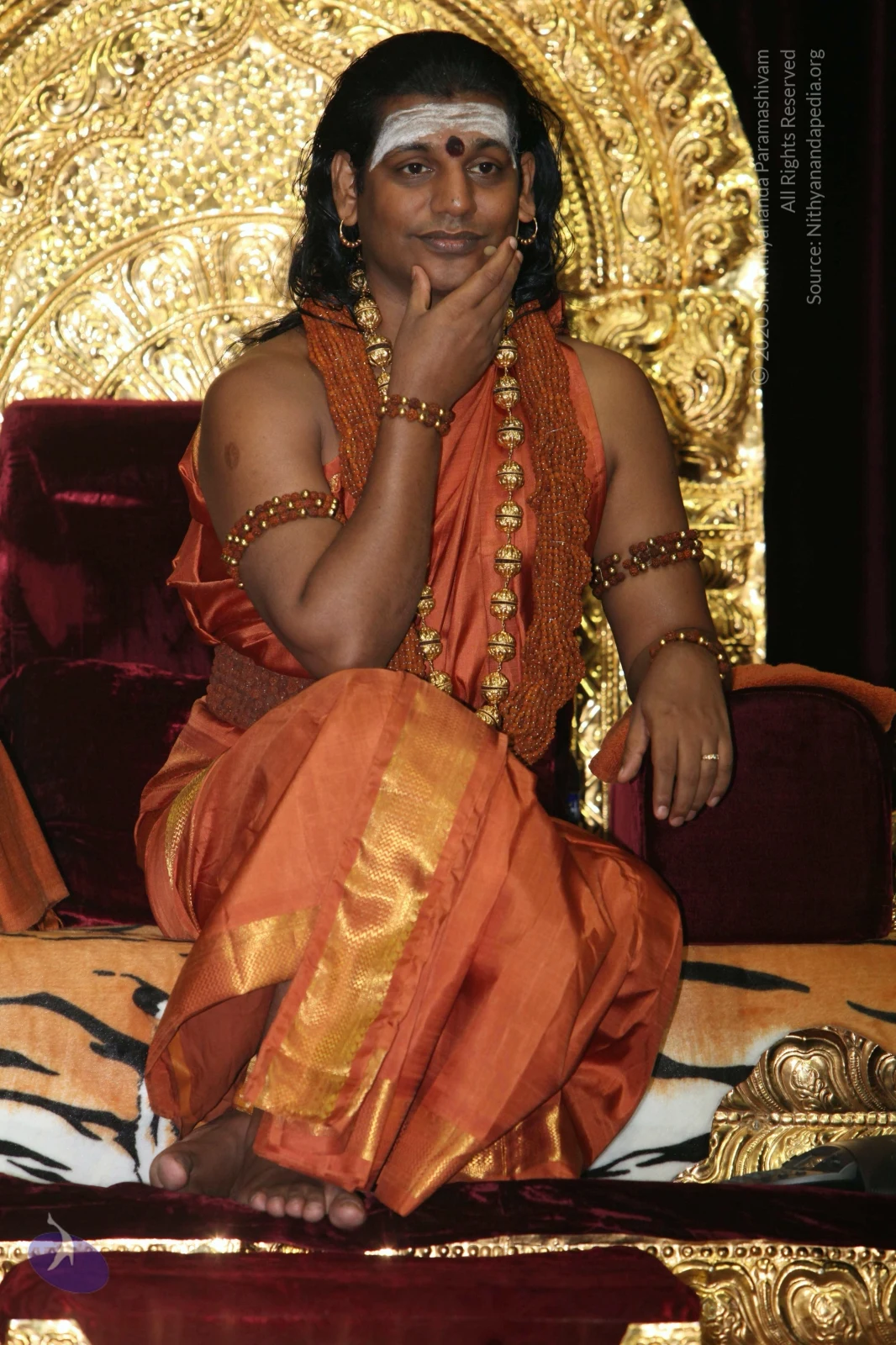
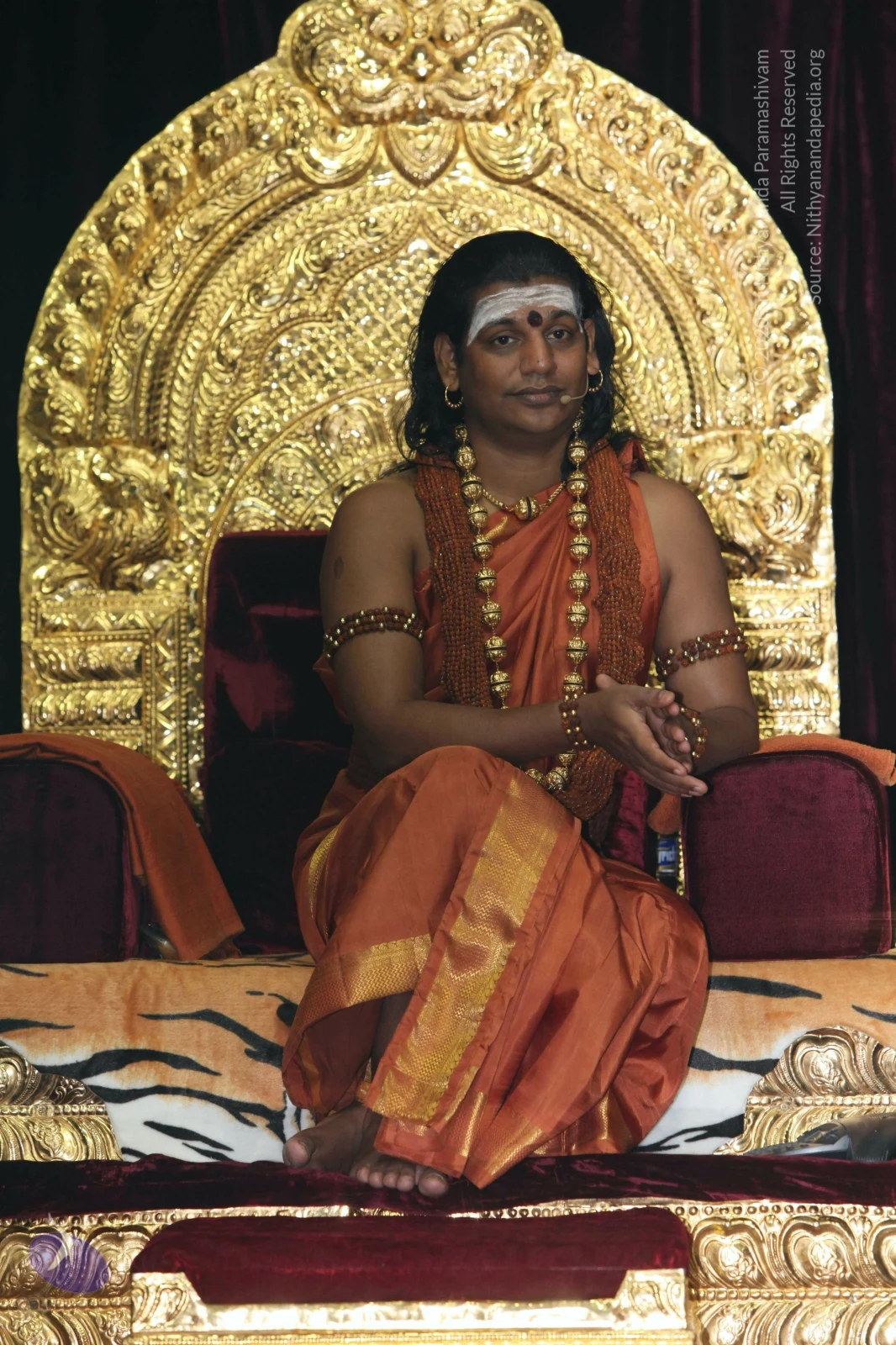
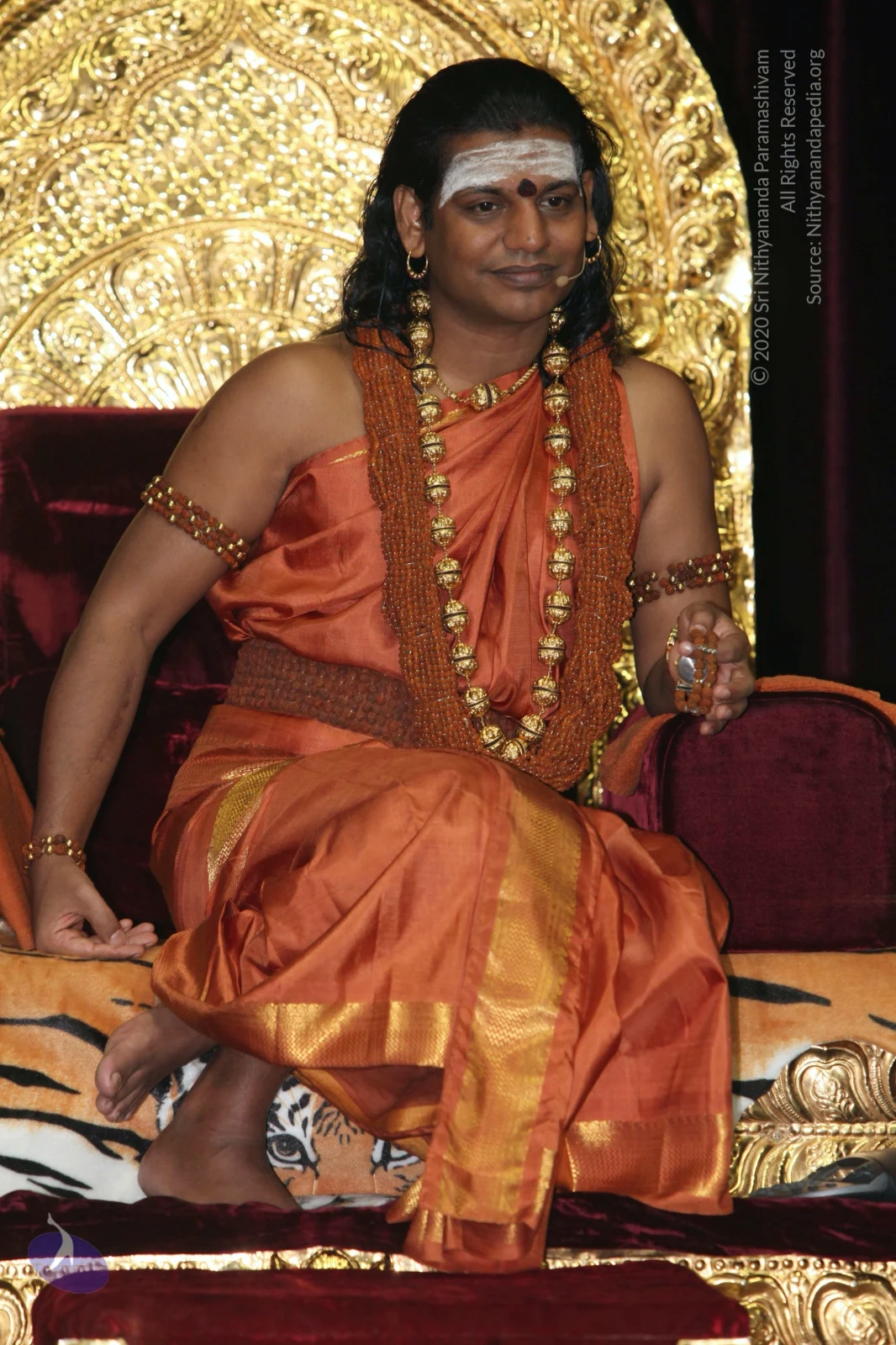
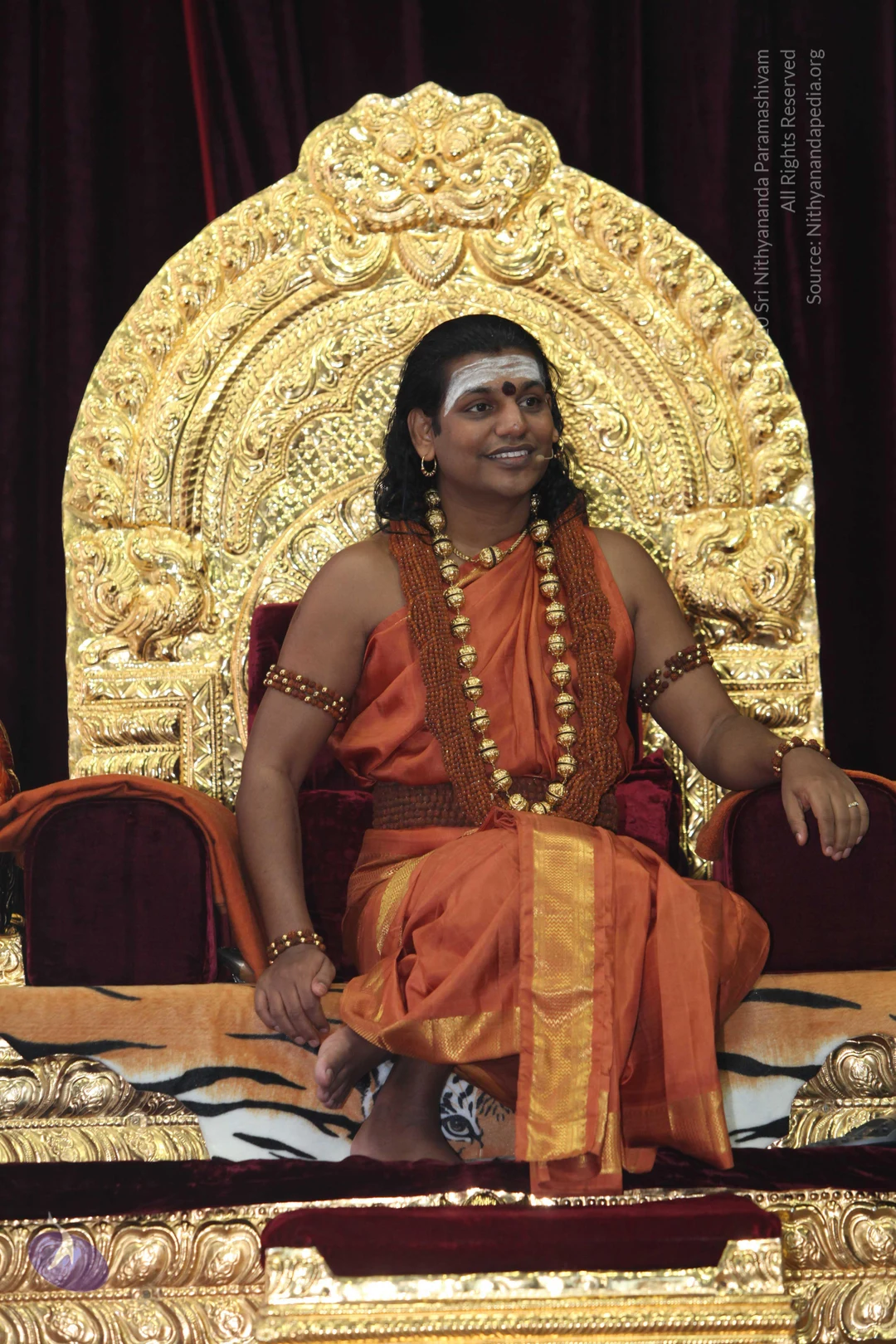
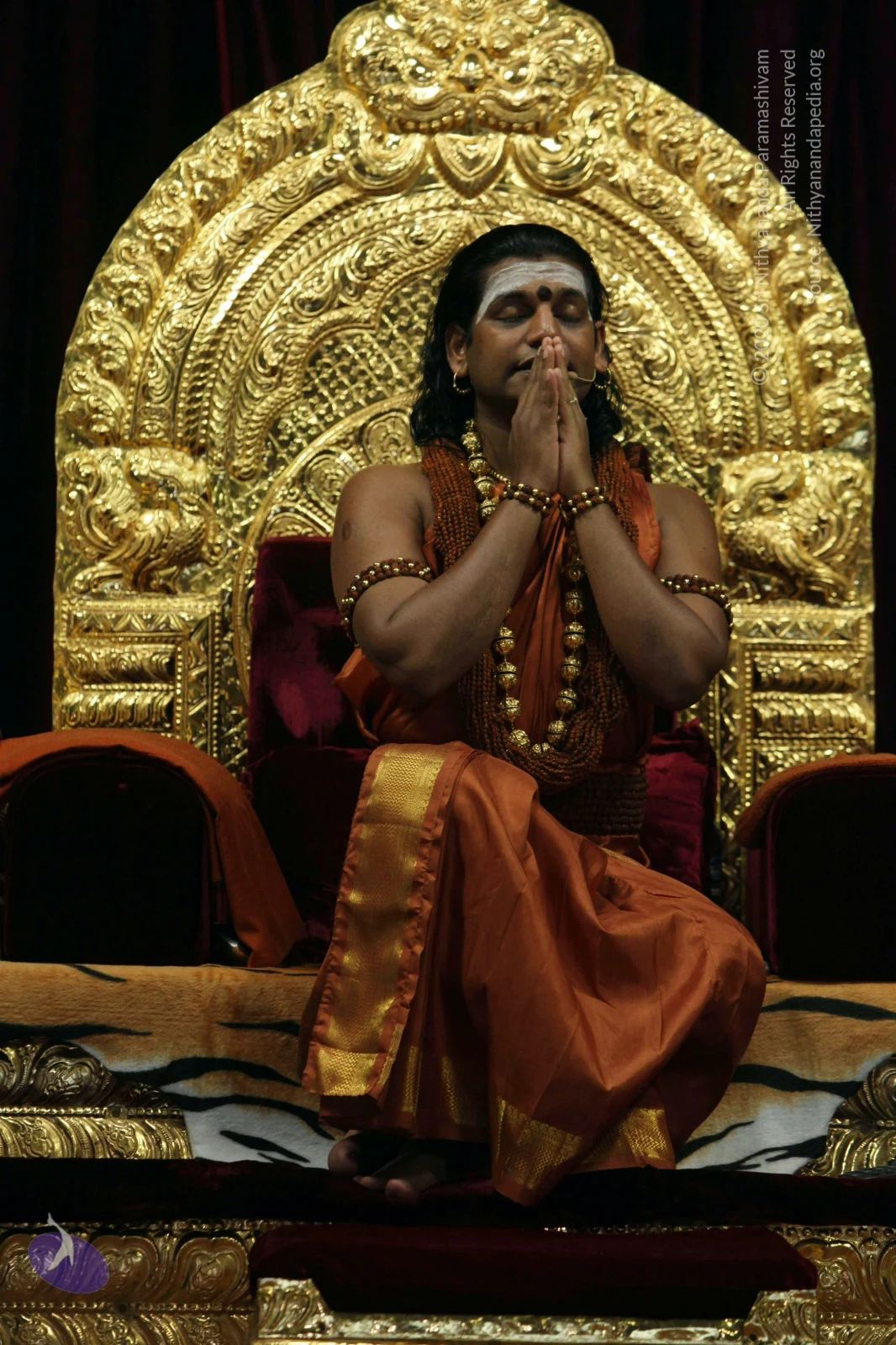
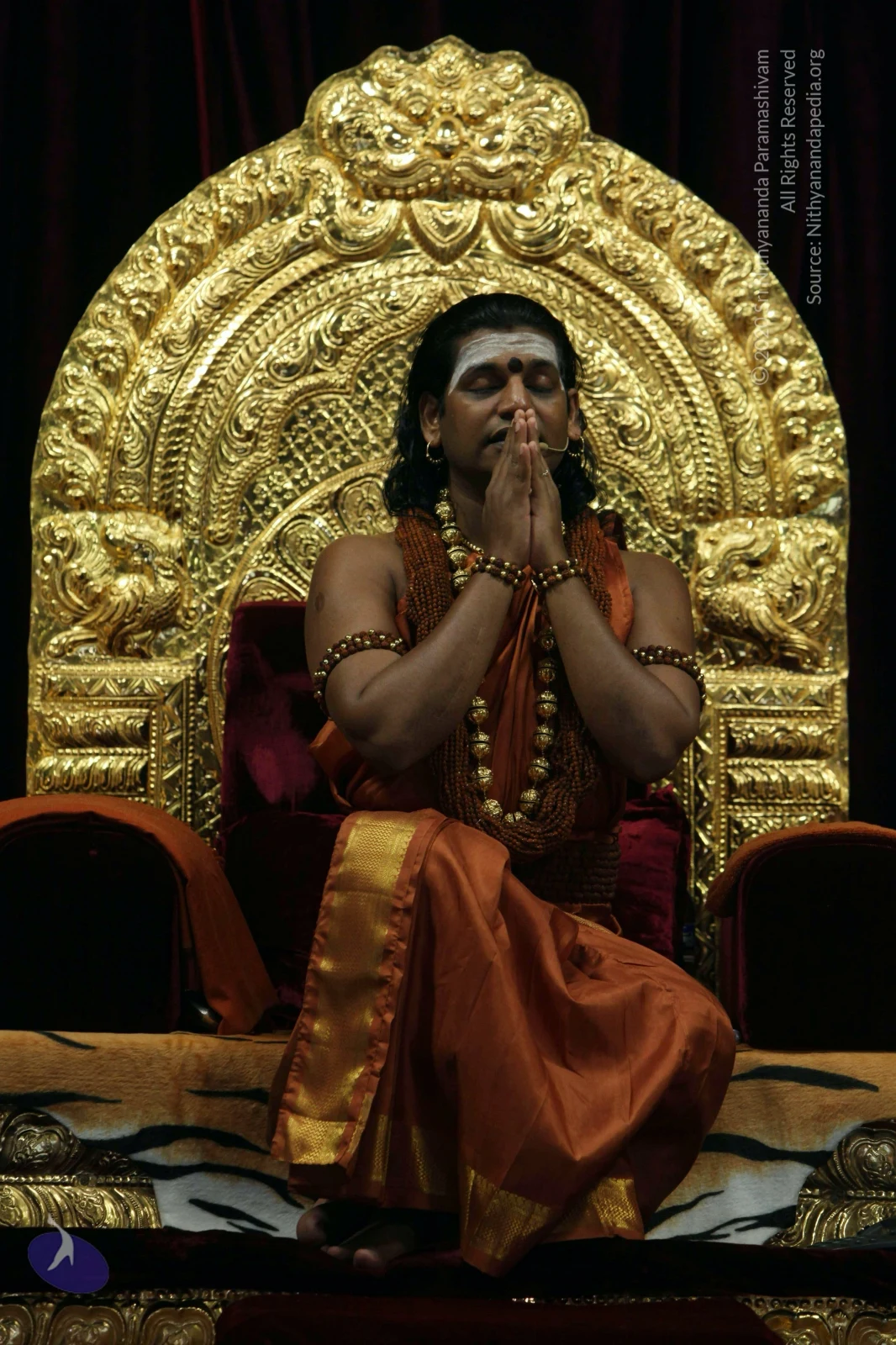
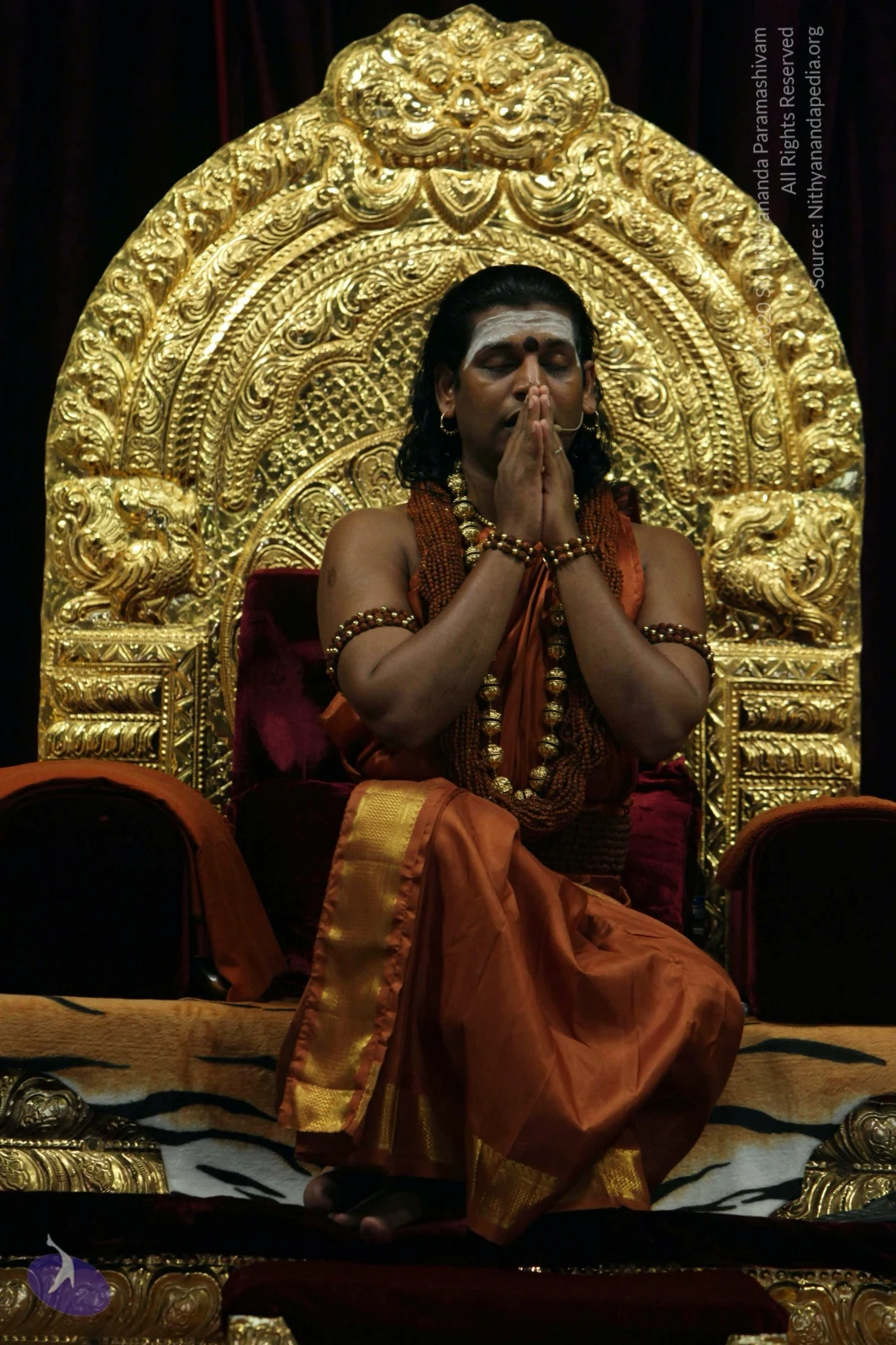
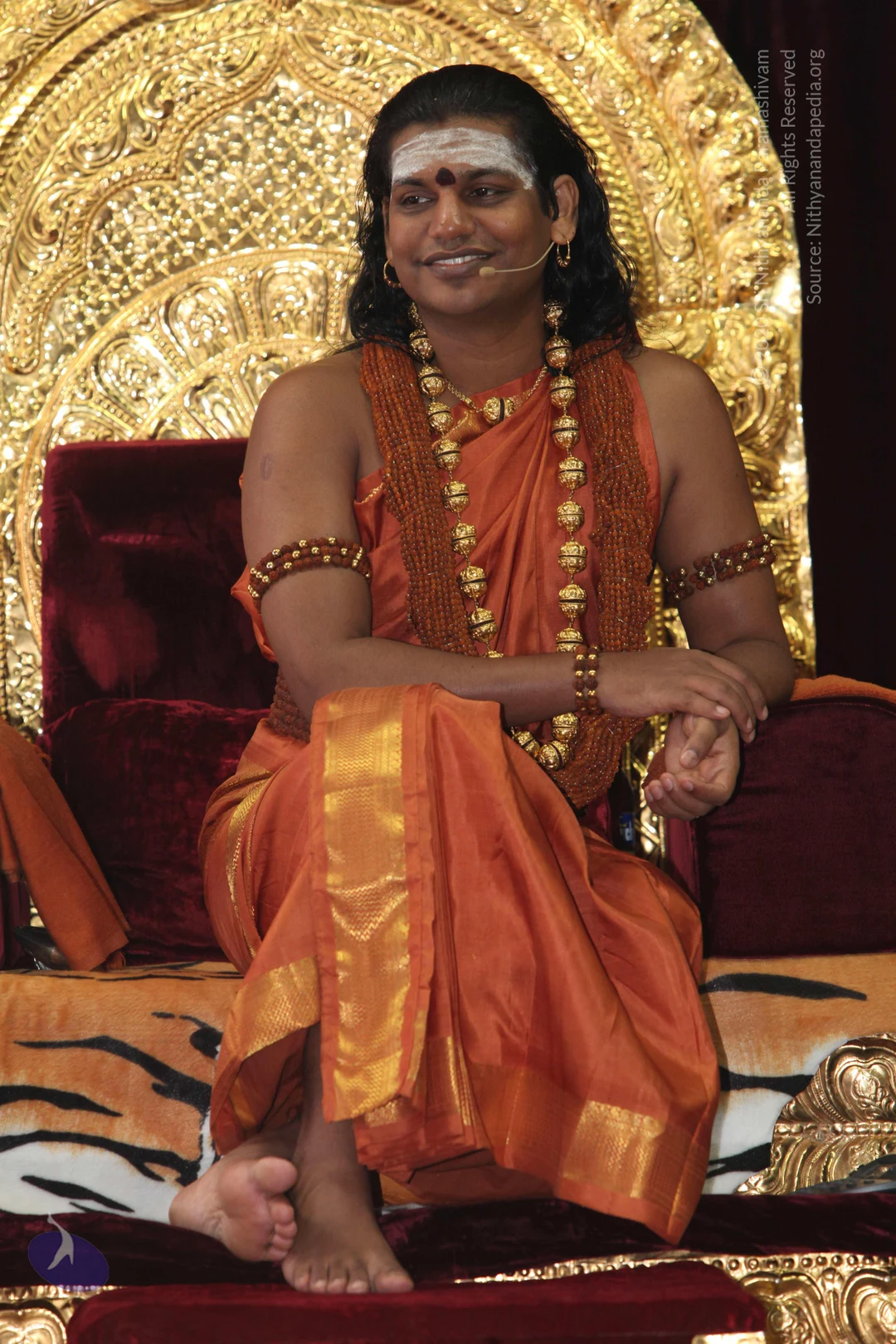
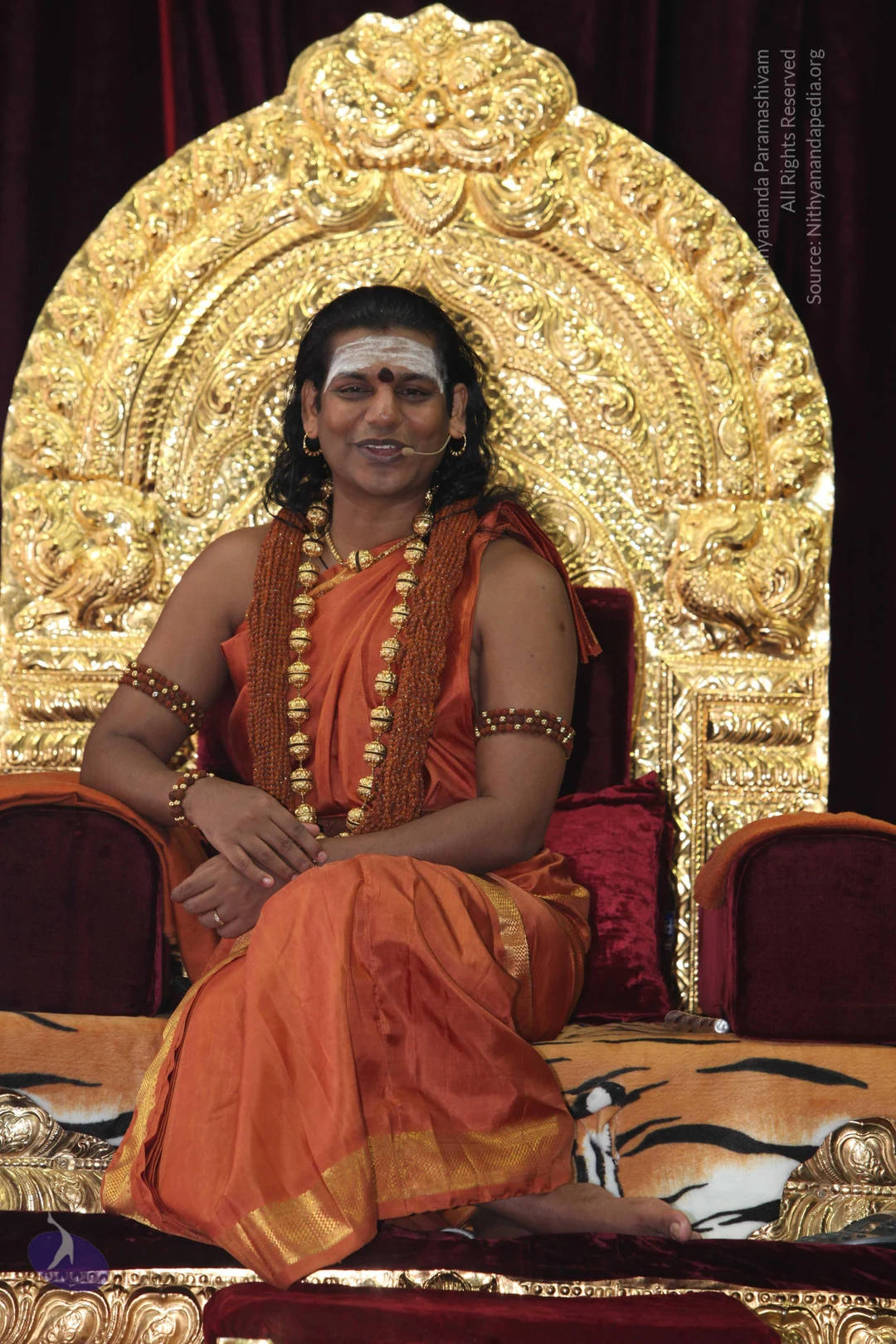
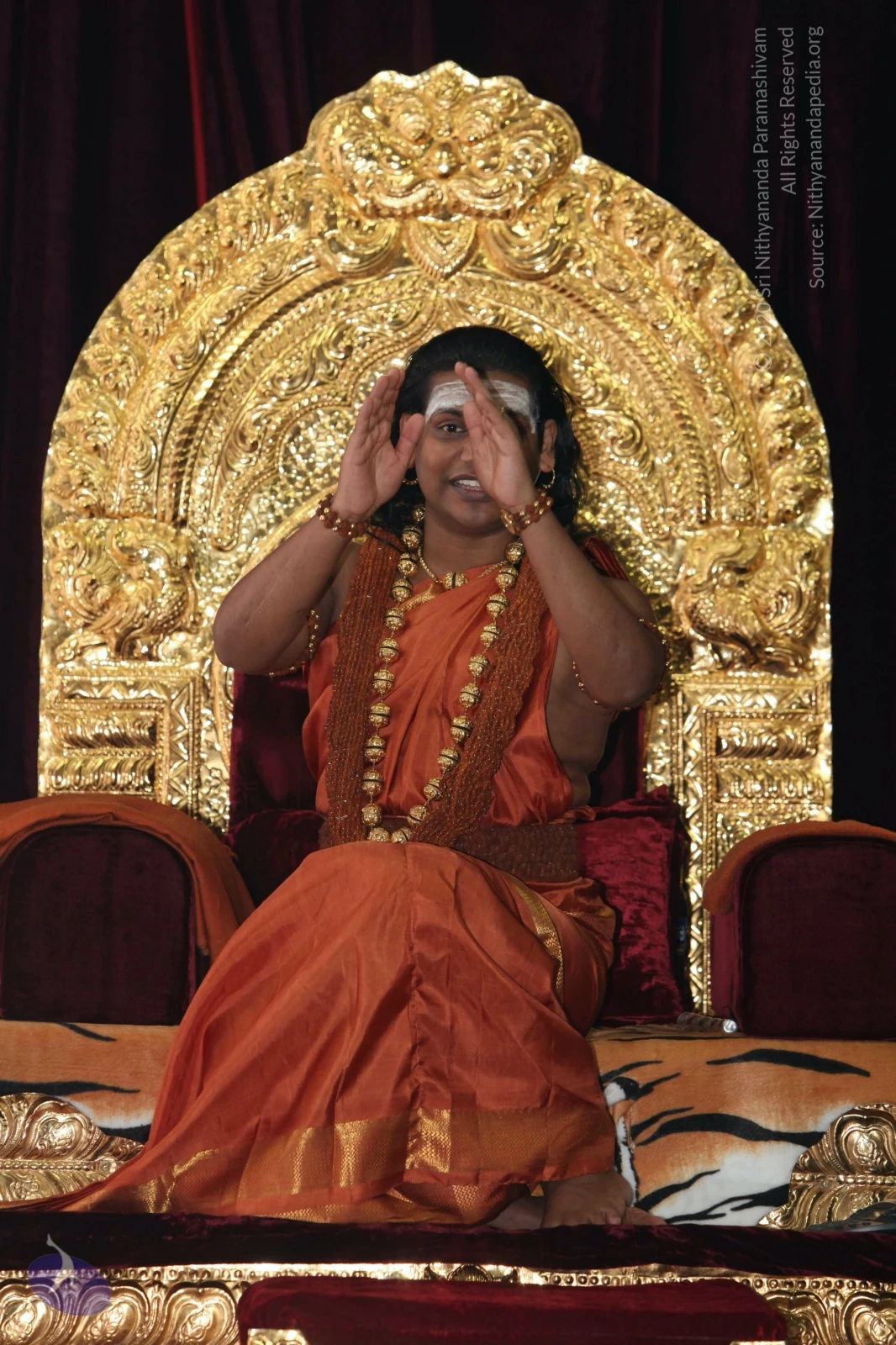
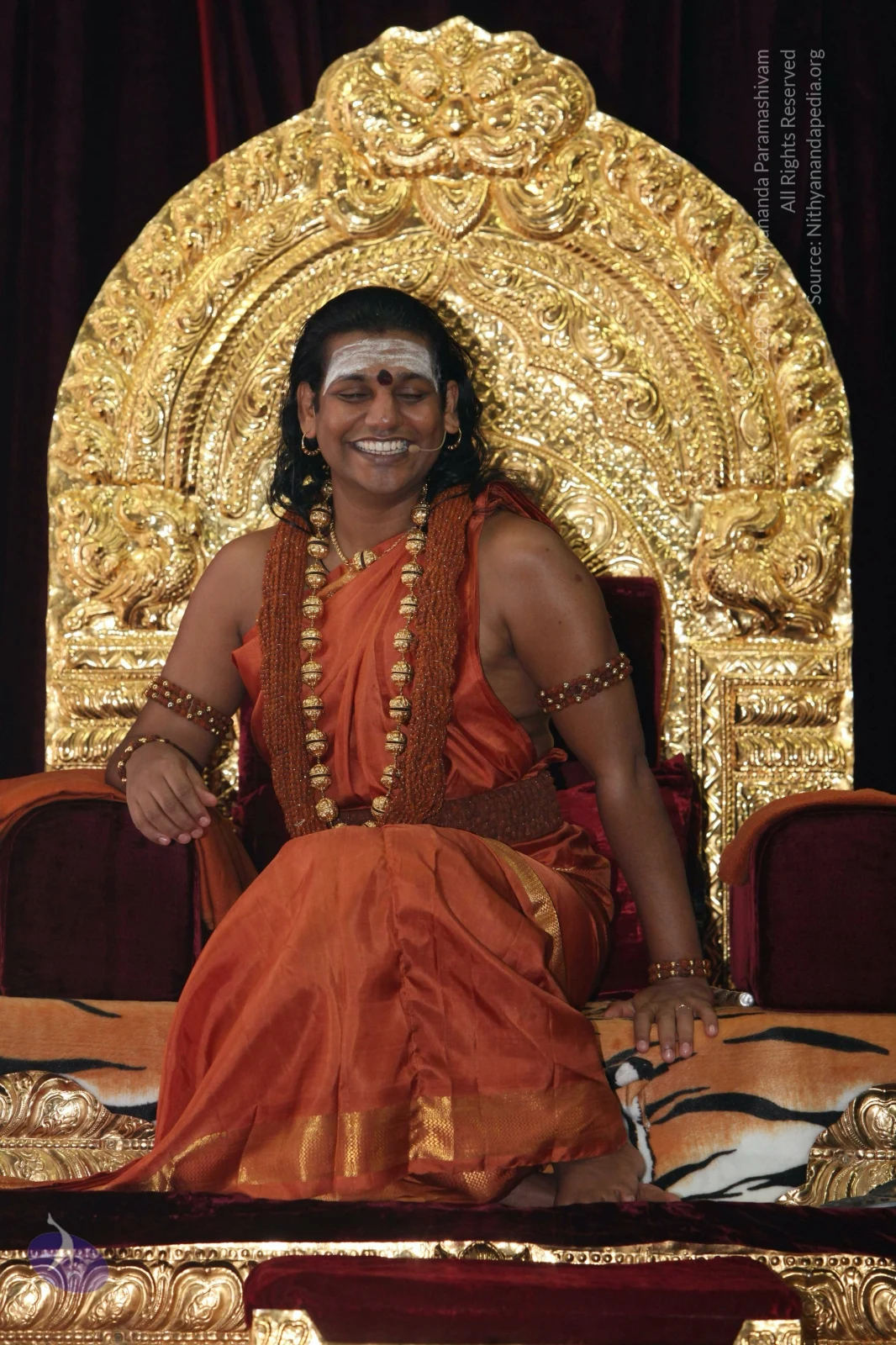
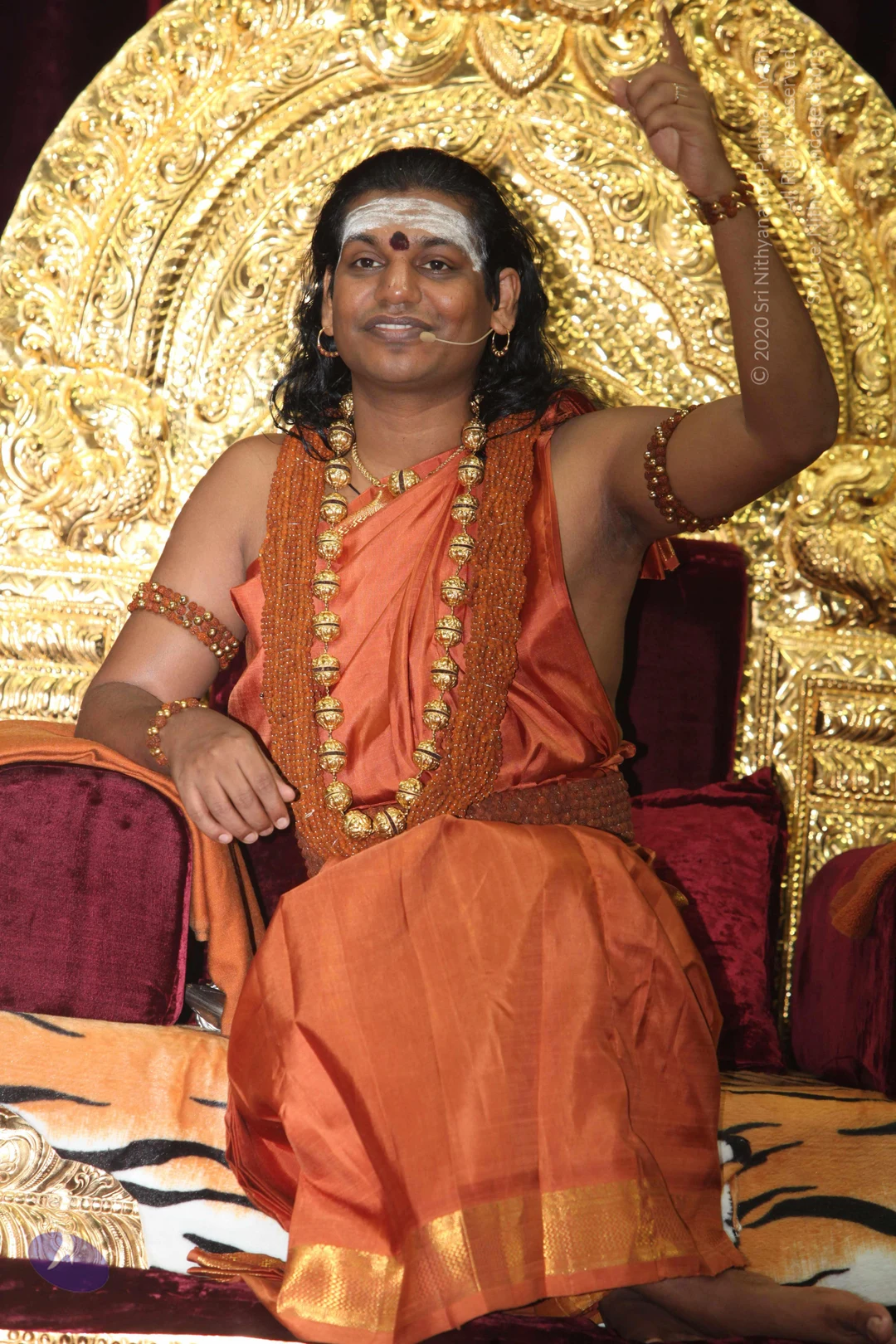
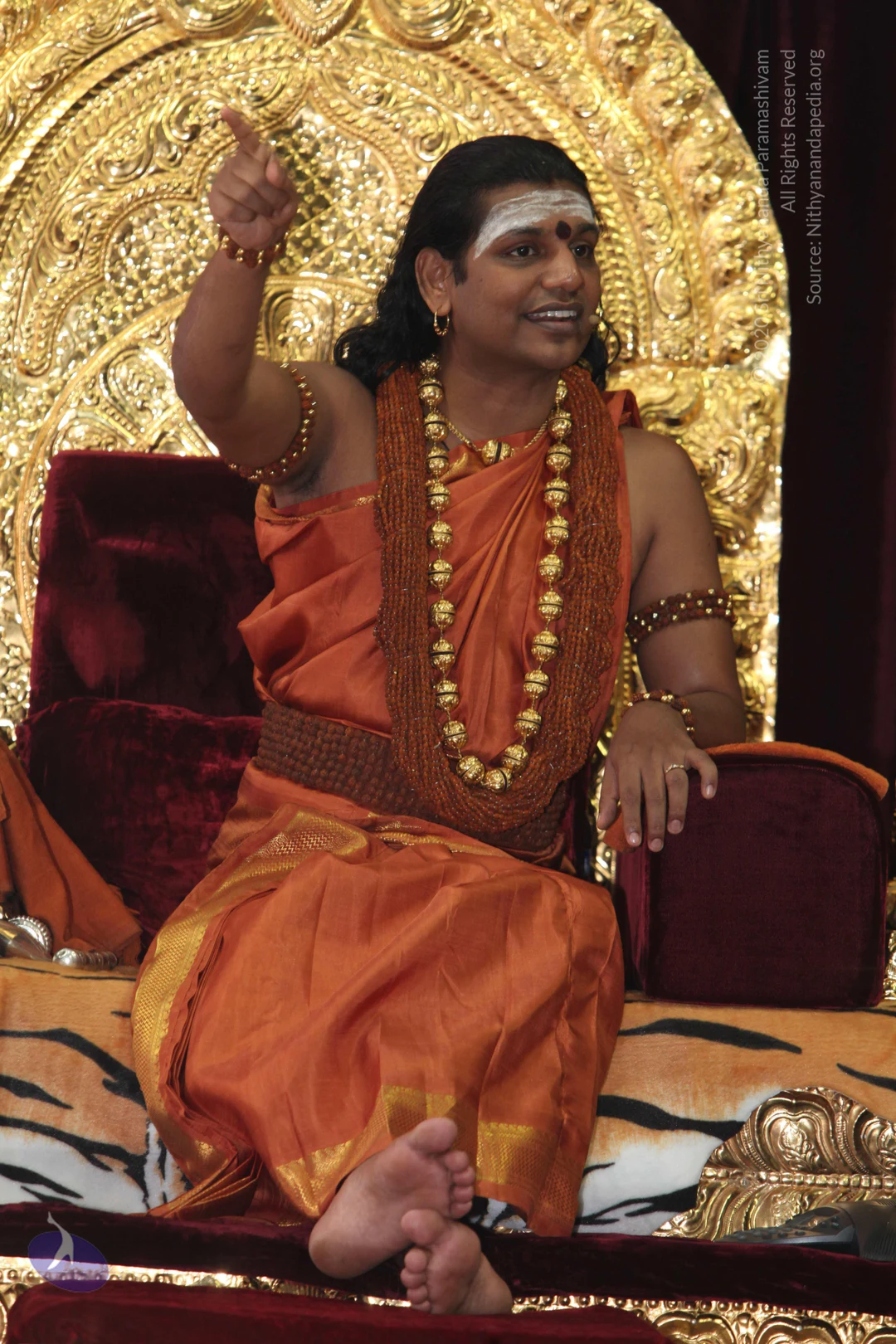
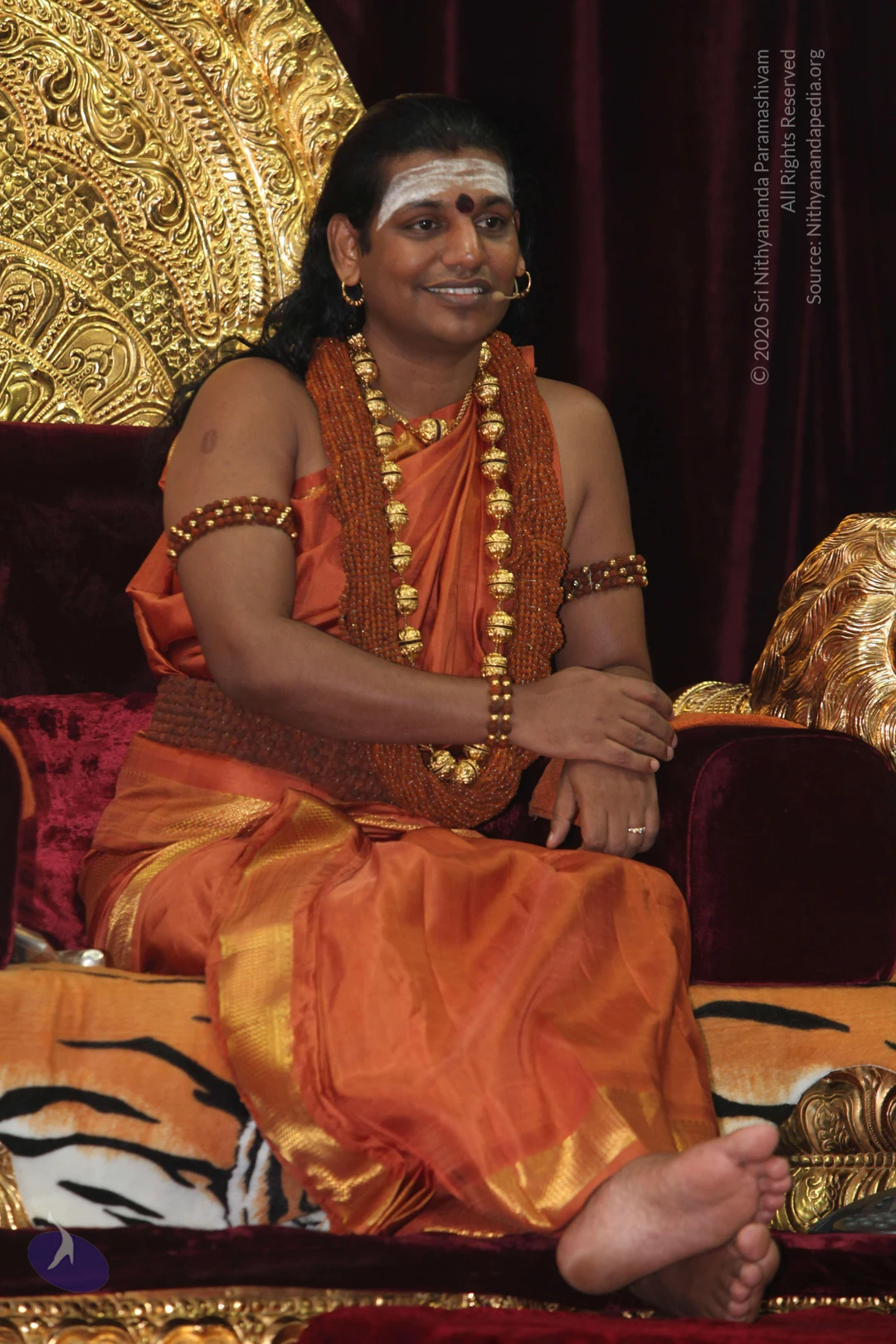
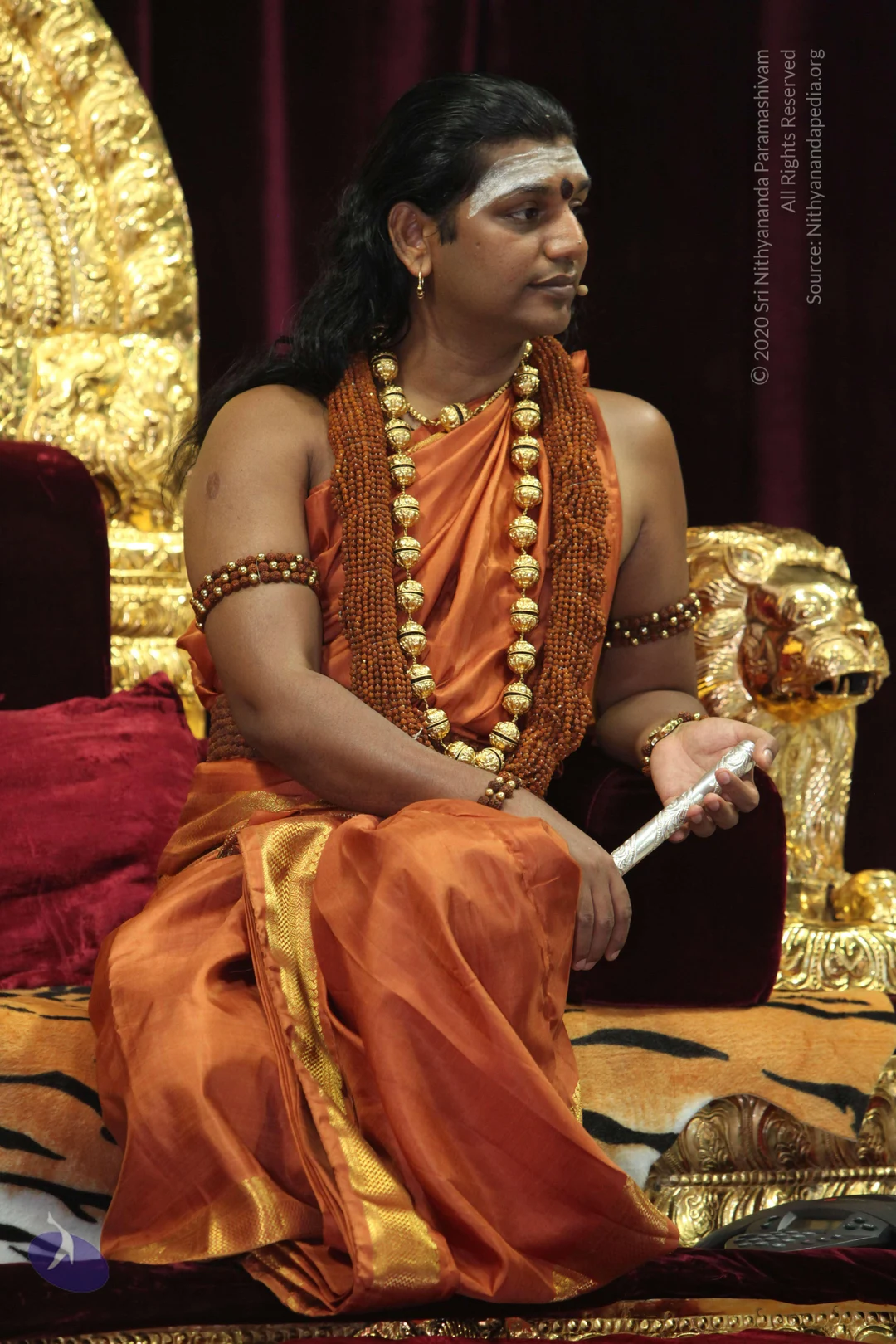
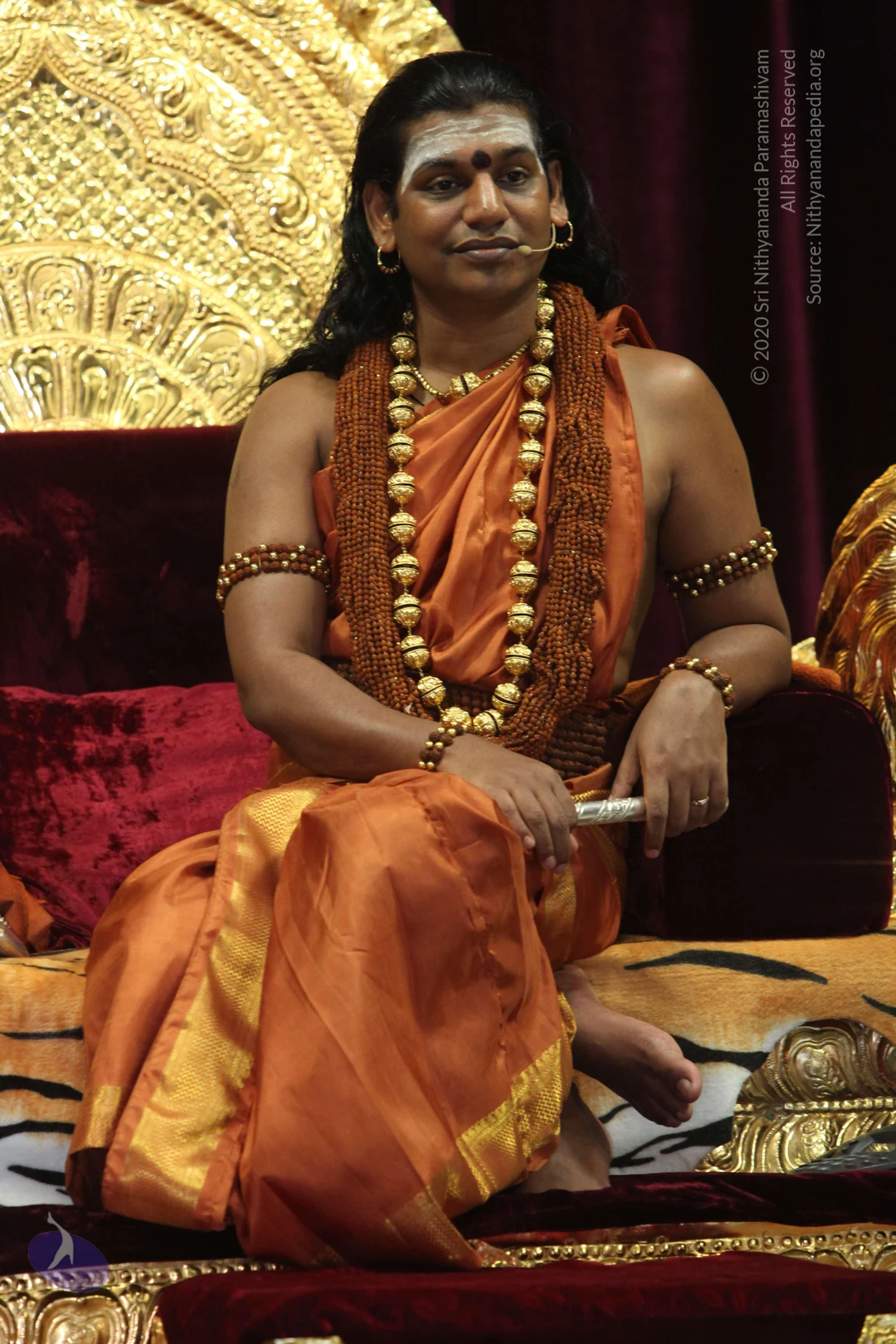
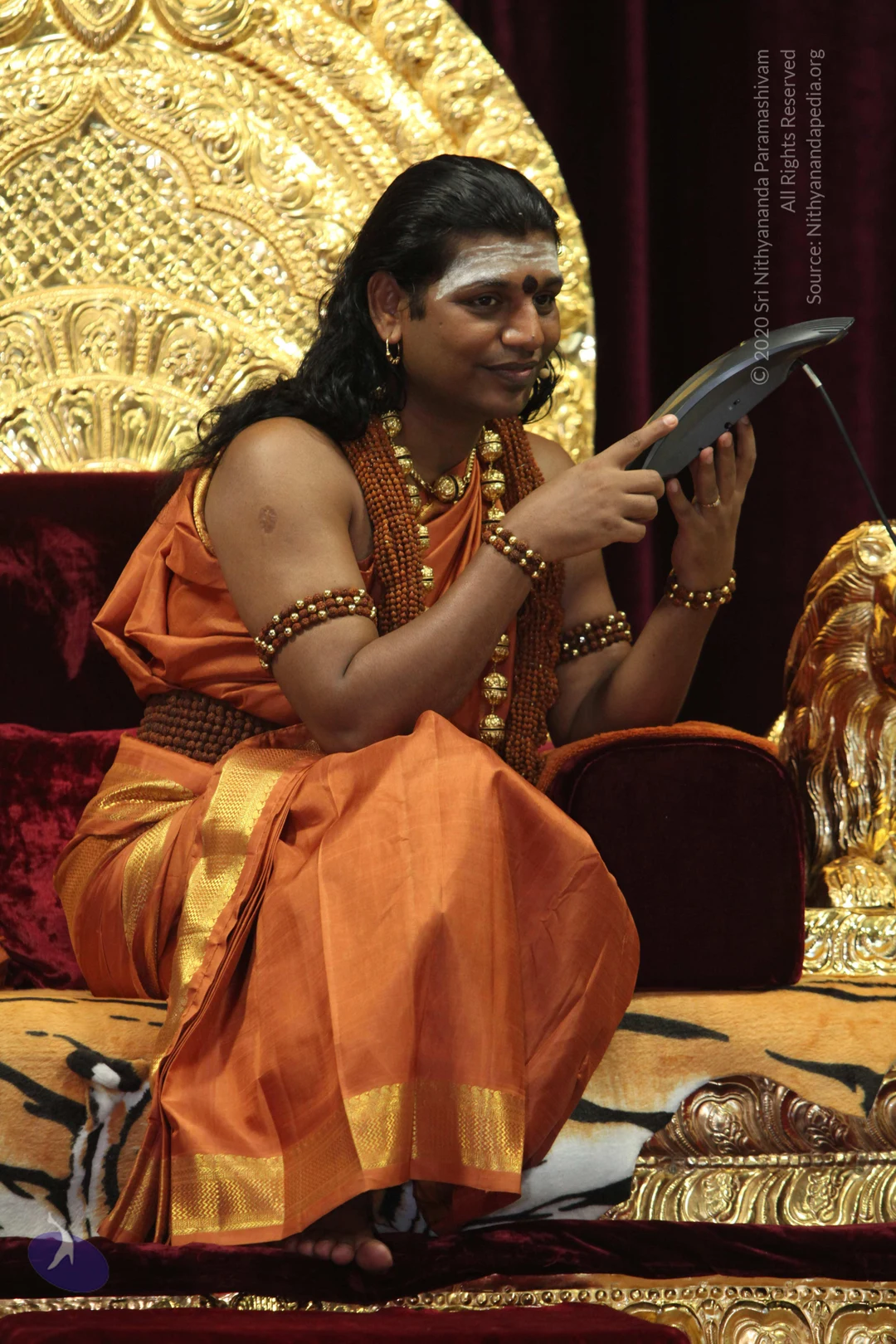
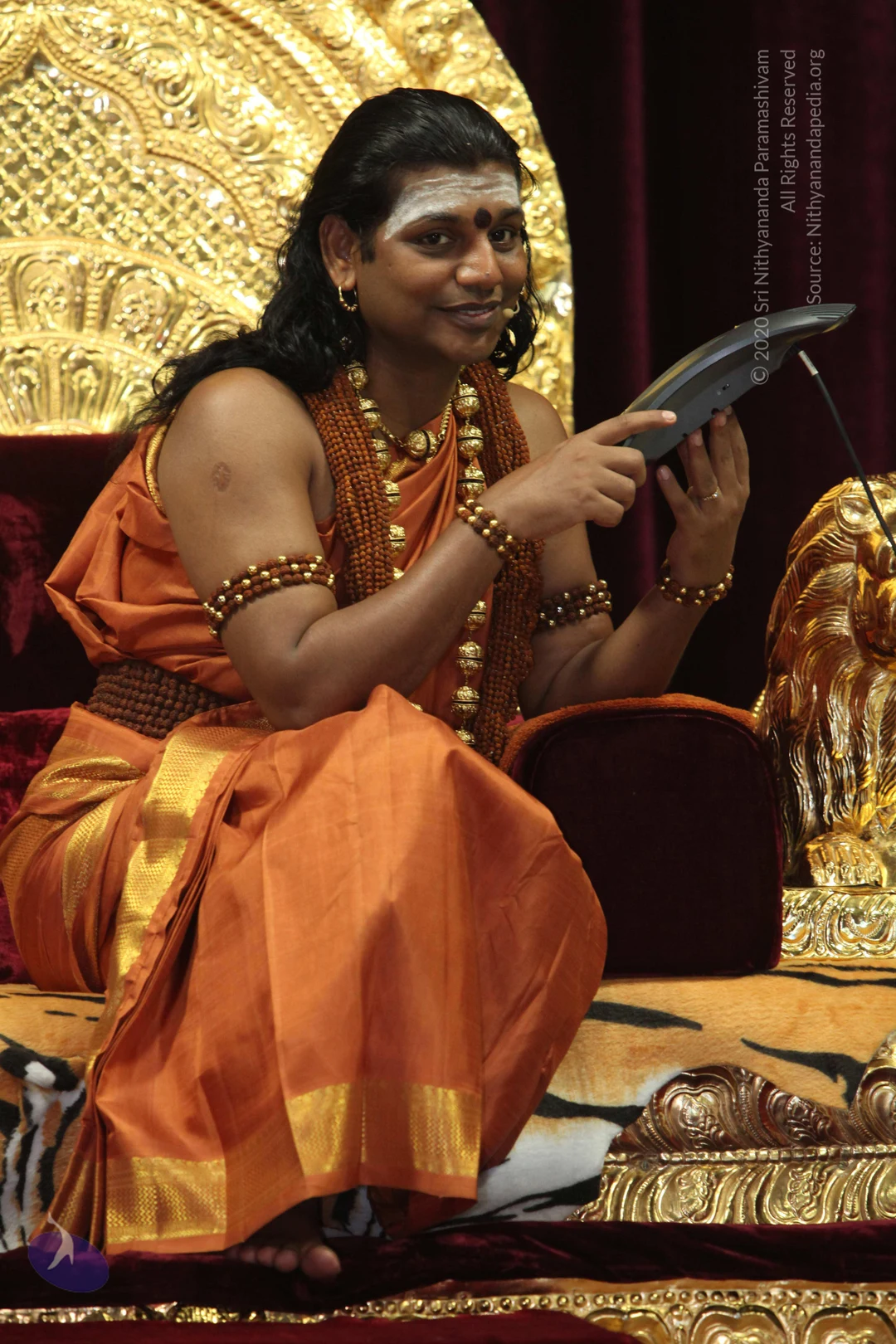
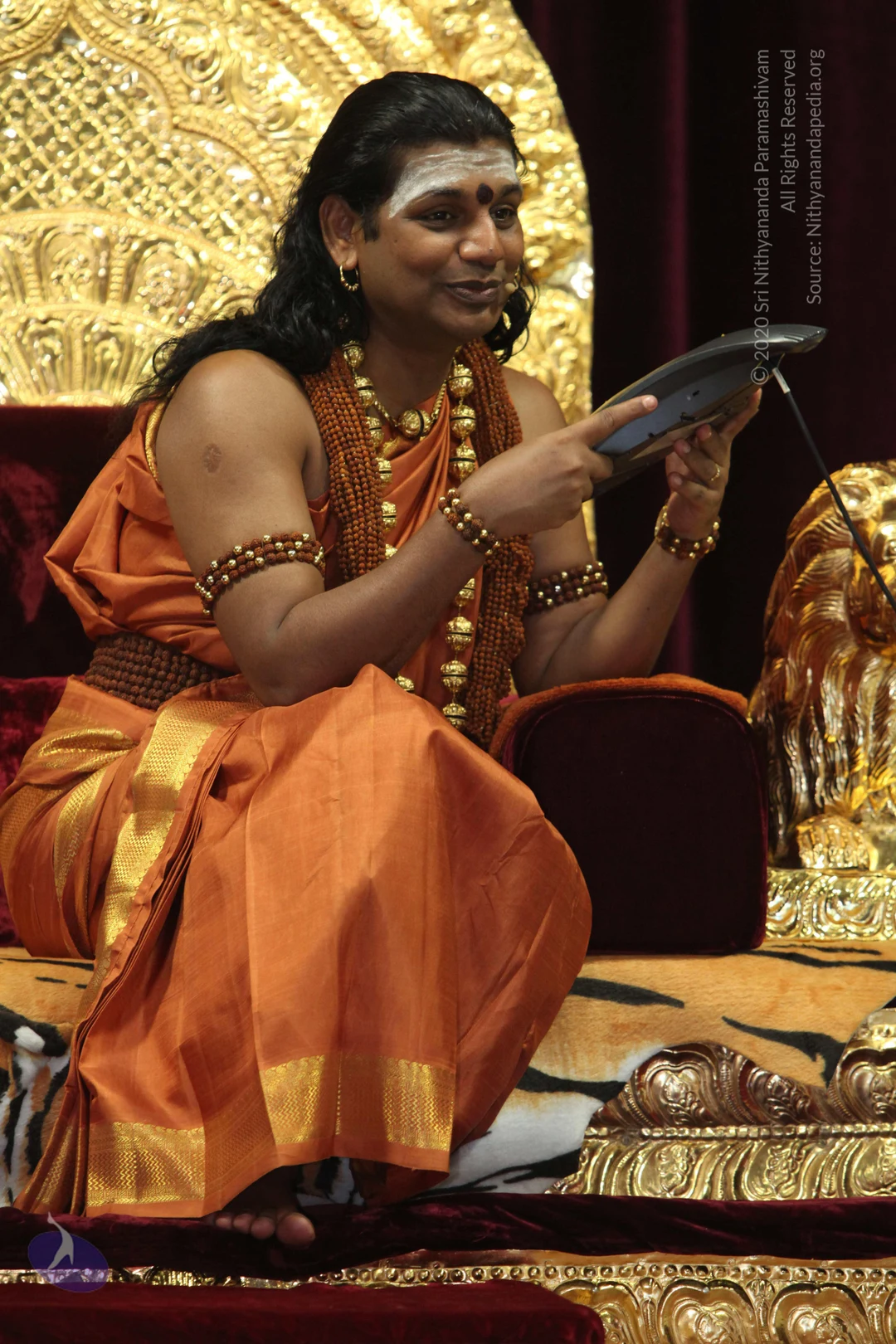
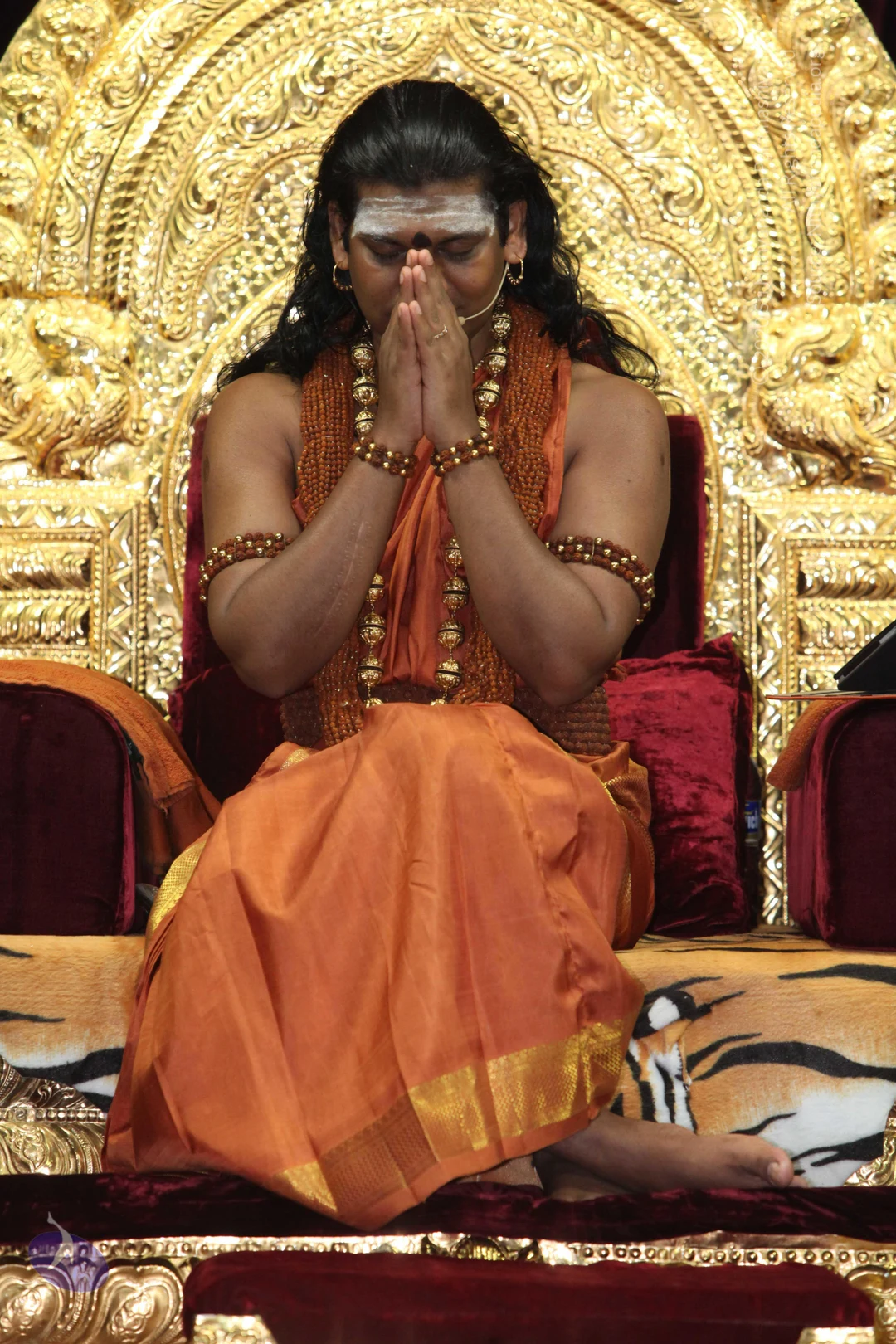
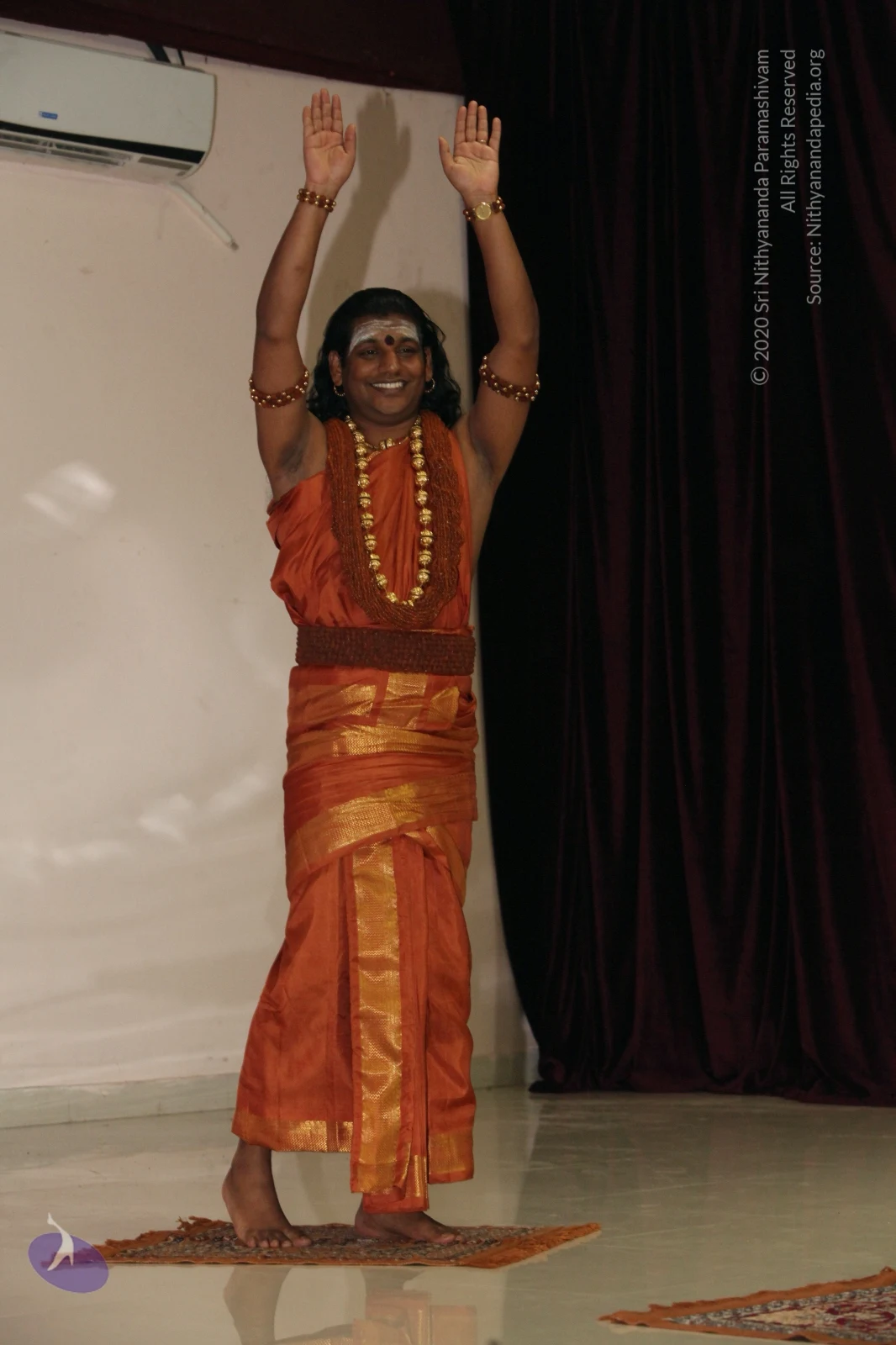
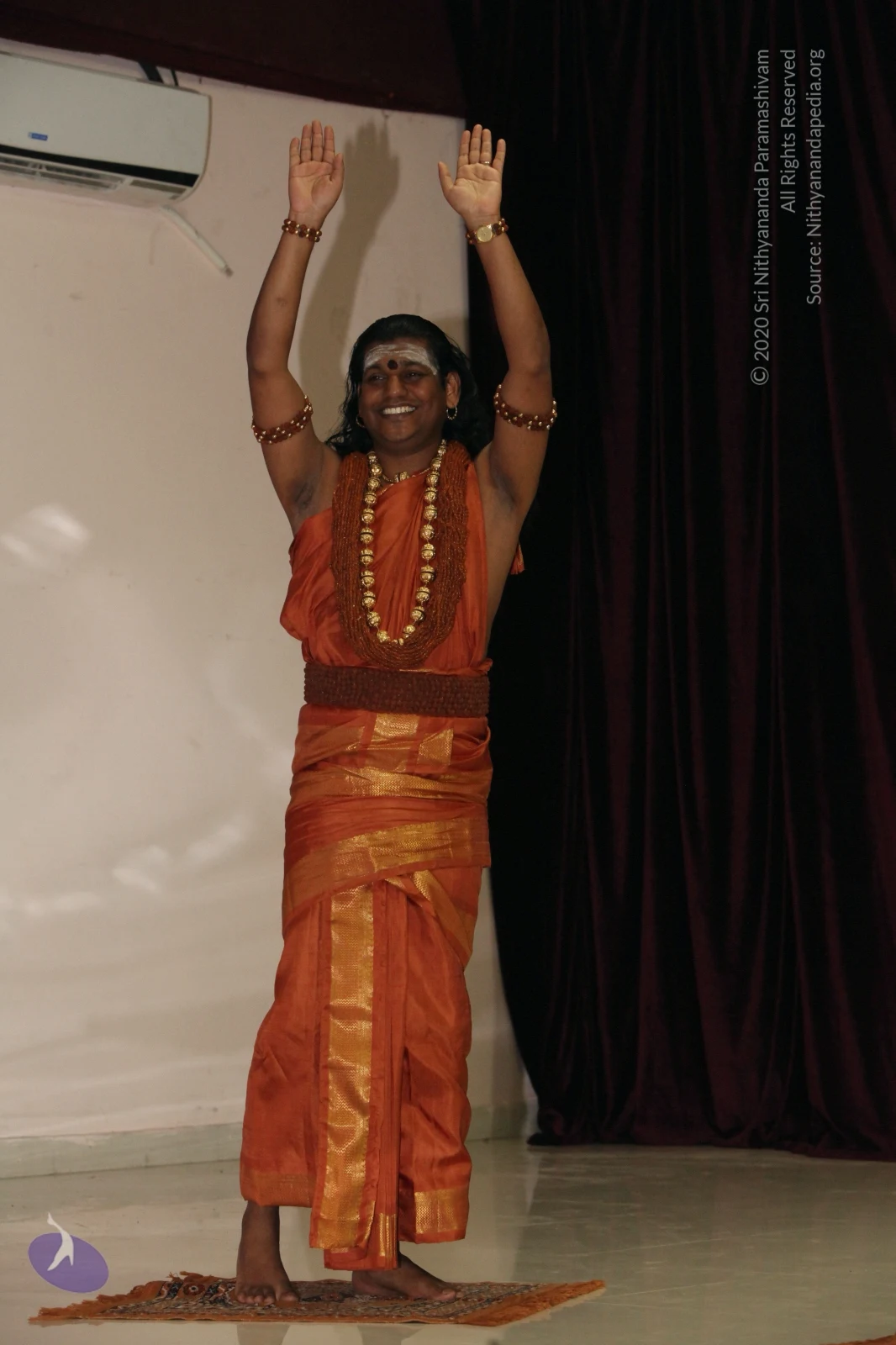
5-Tamil-IA-Session
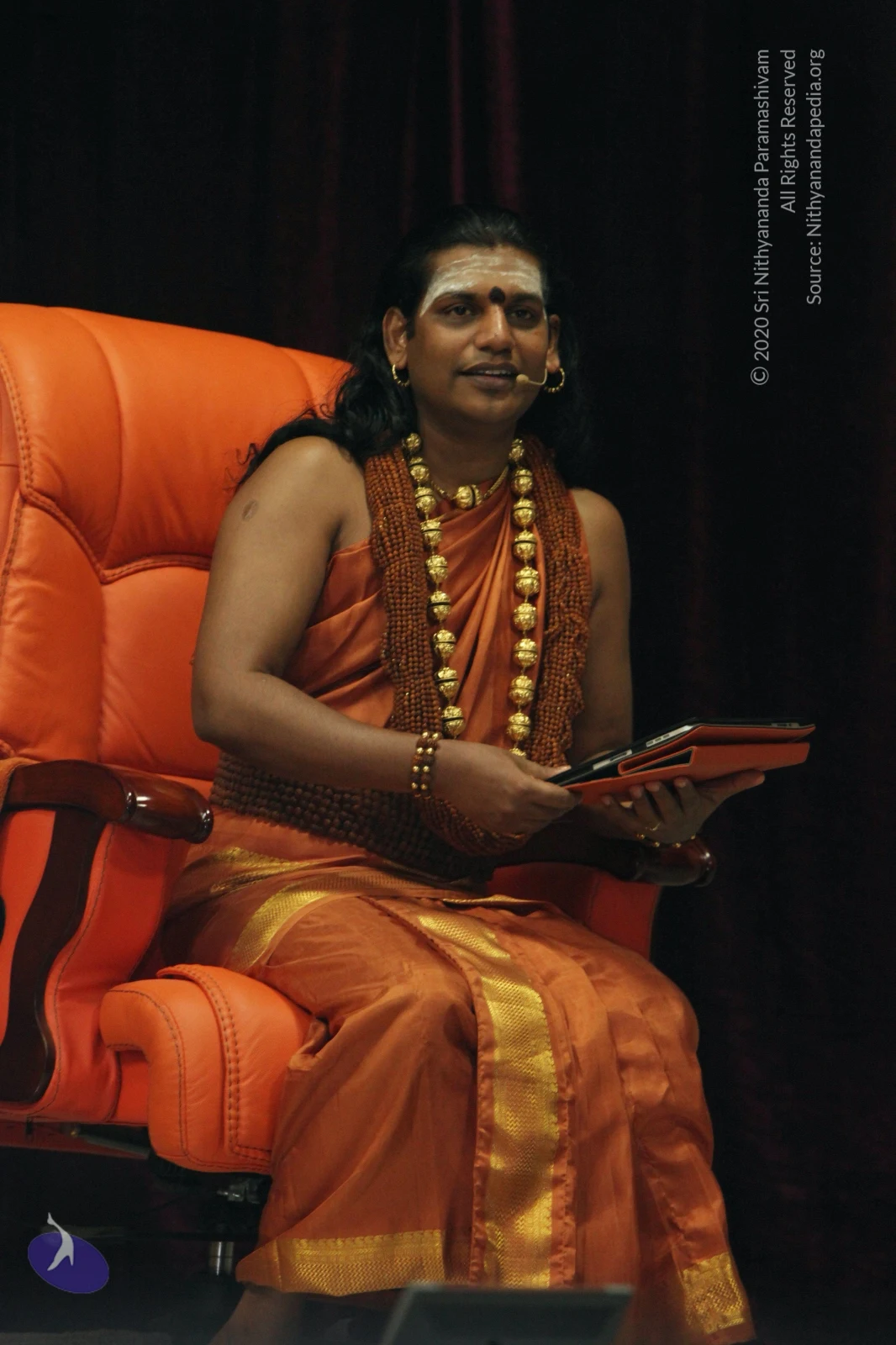
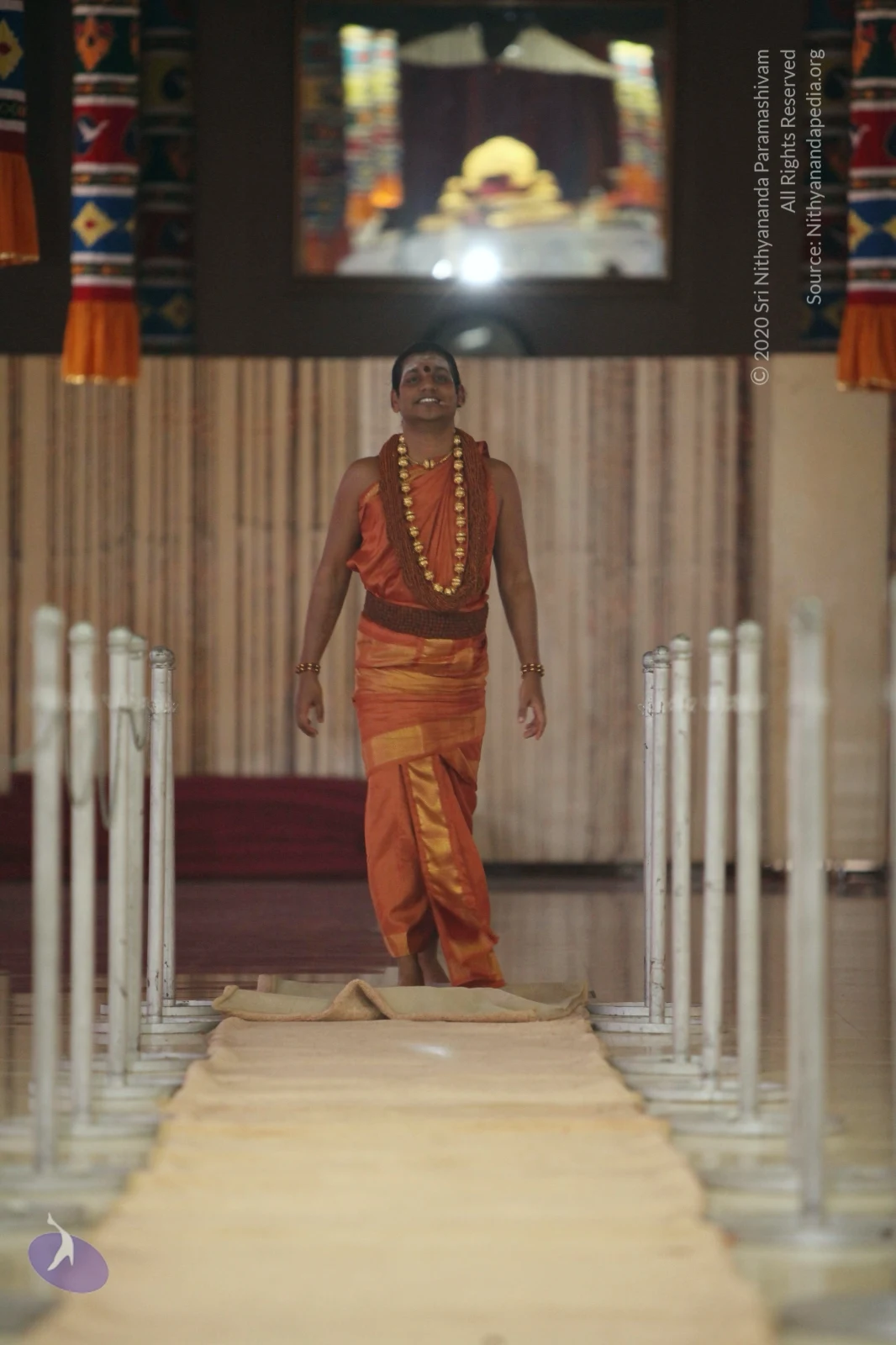
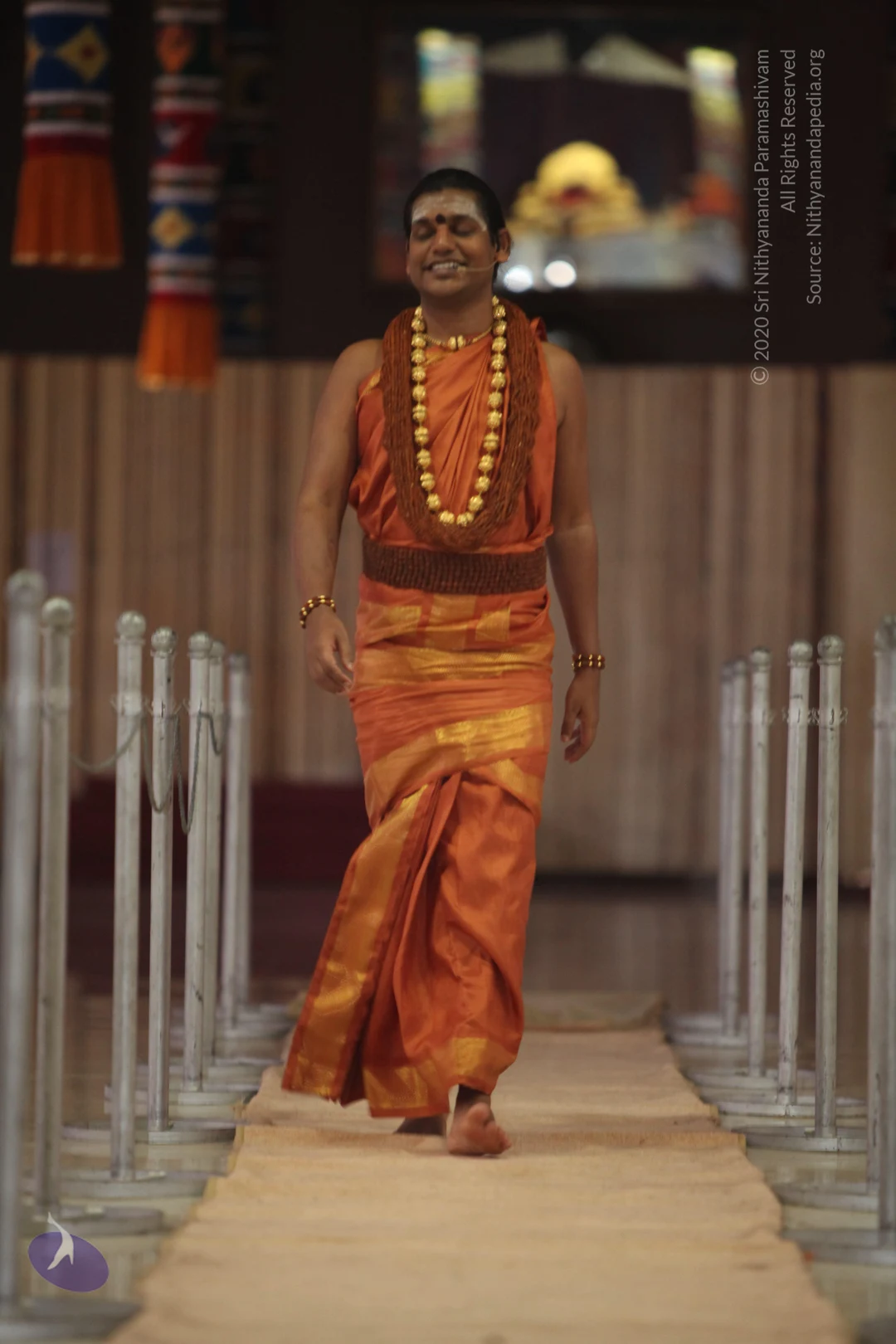
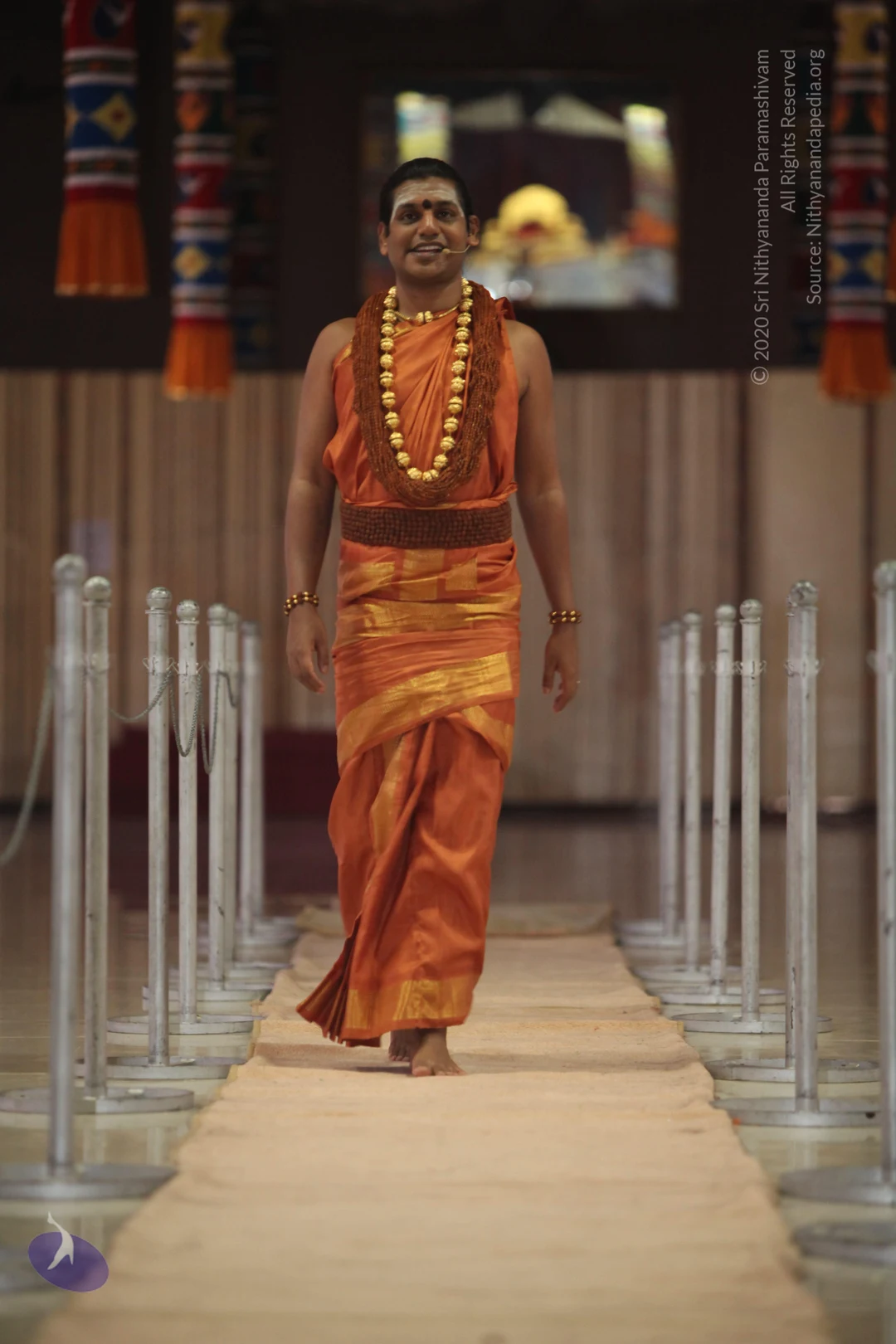
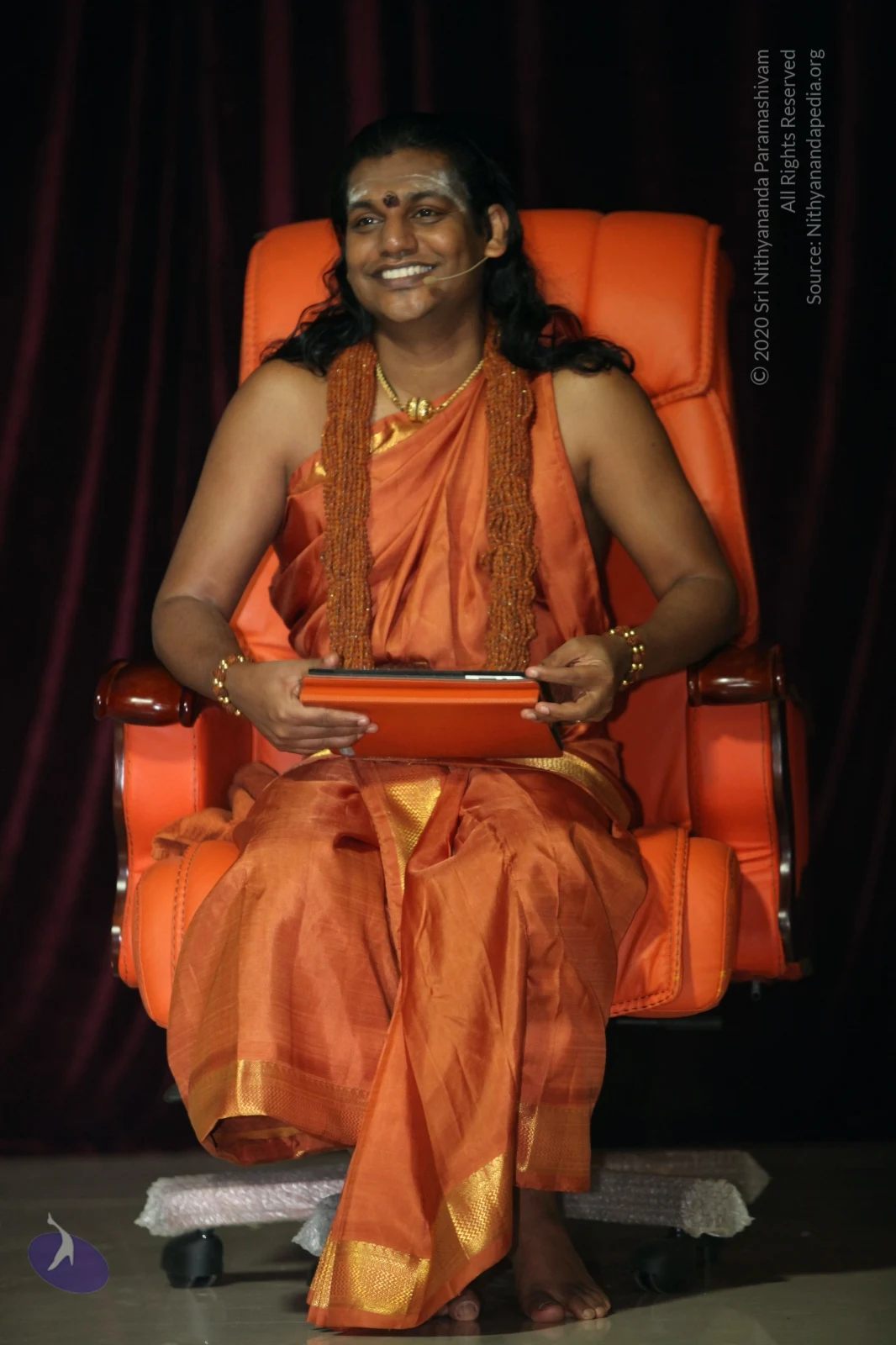
6-Darshan
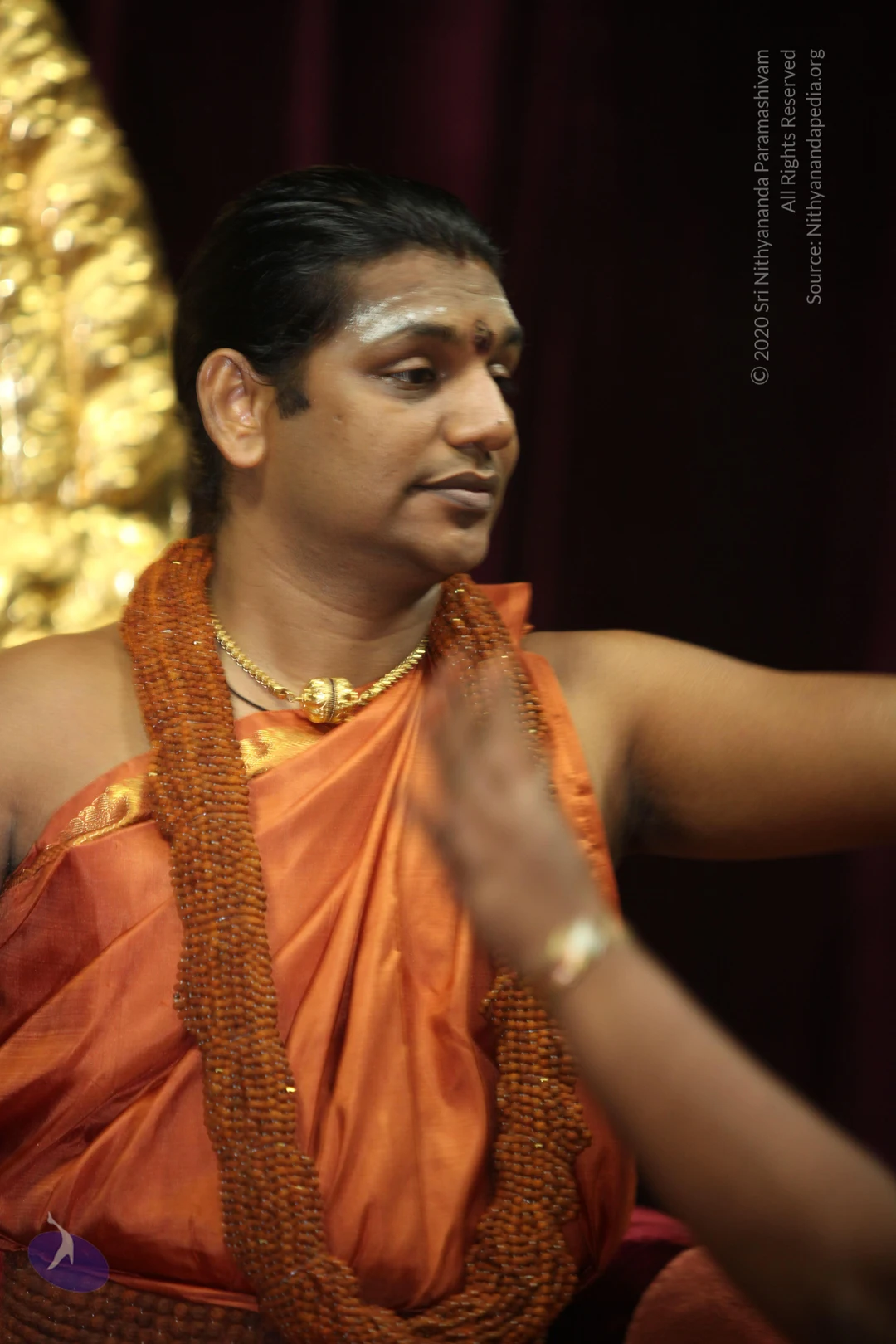
01-ADIKAILASA-TEMPLE
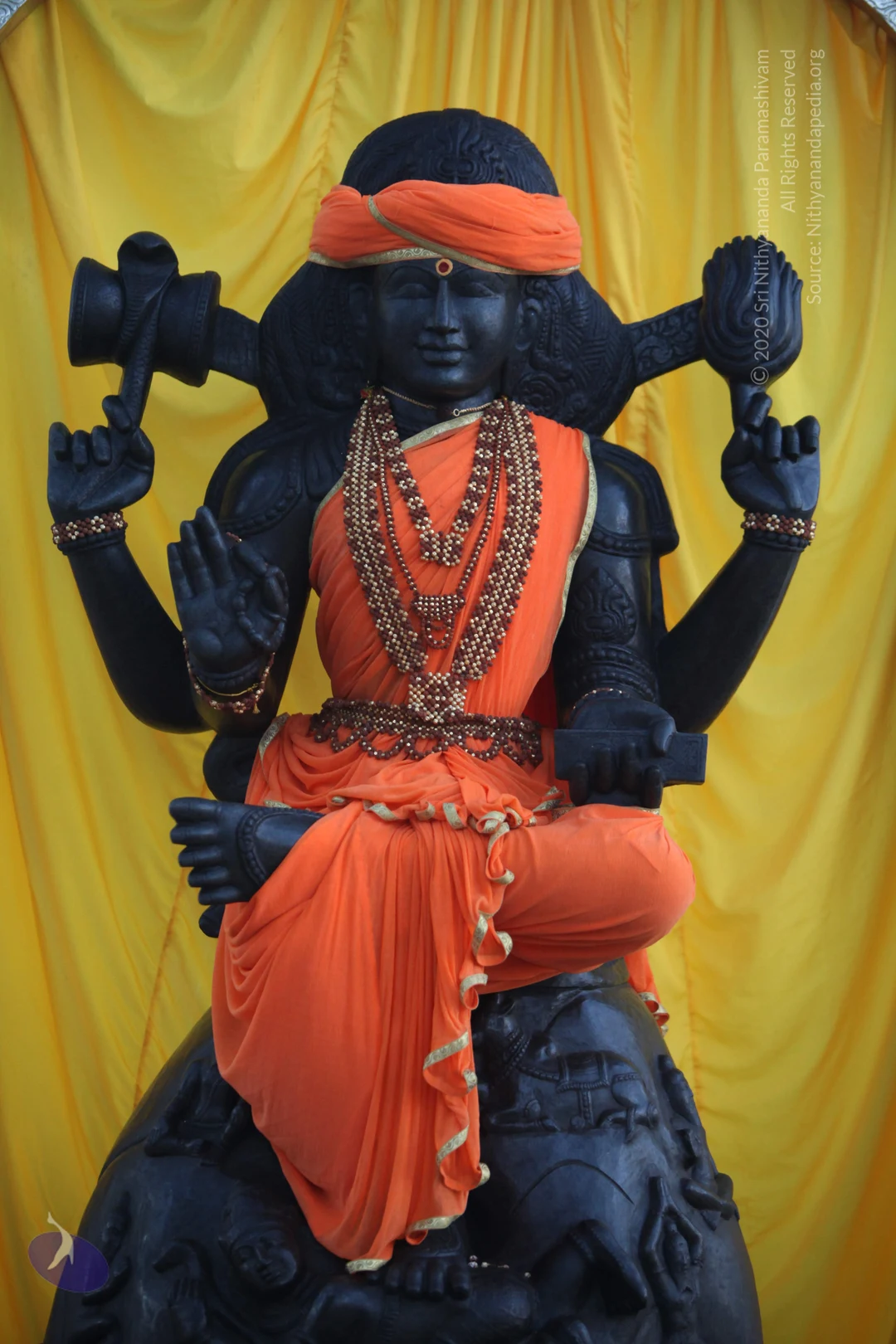
02-PADA-PUJA
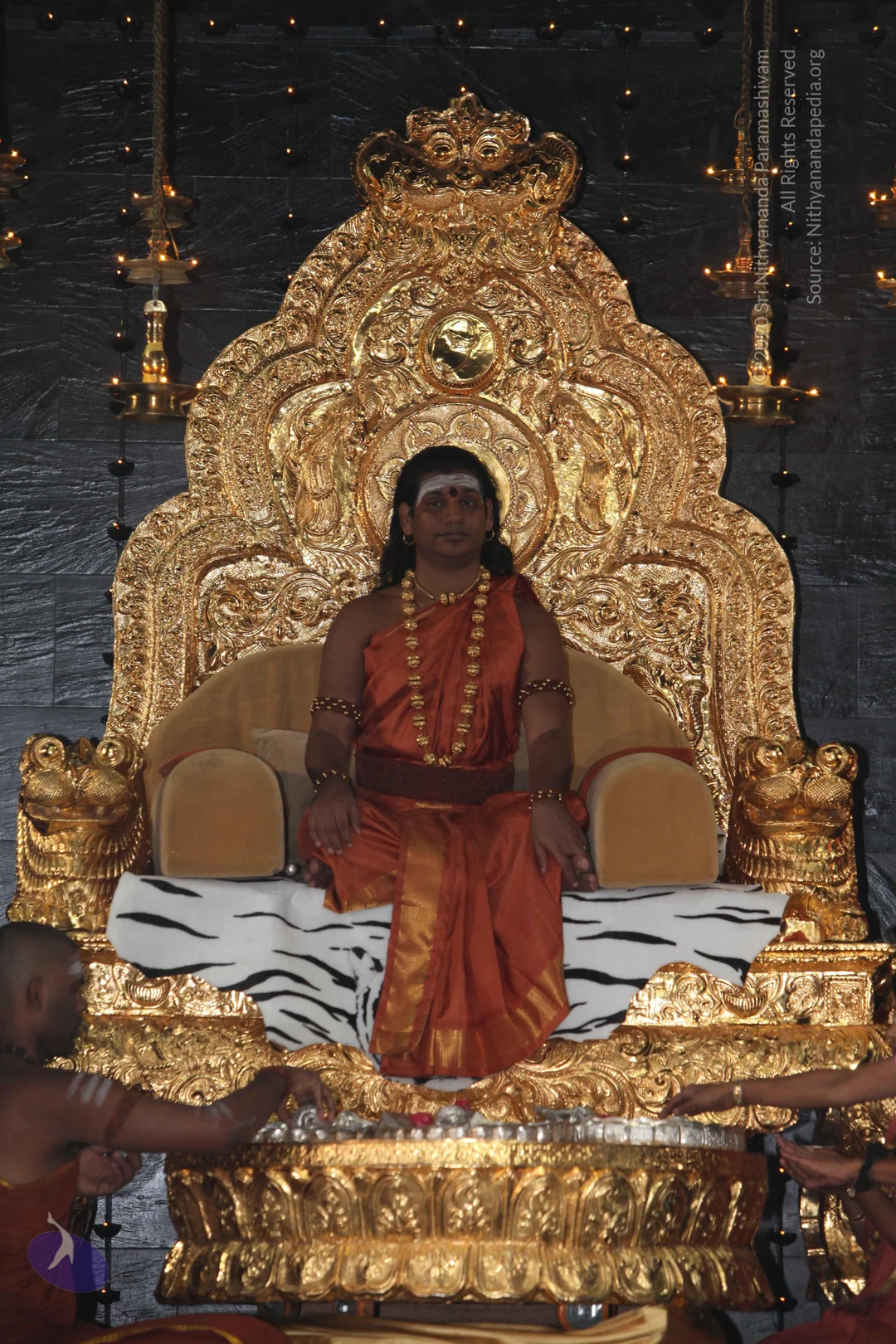
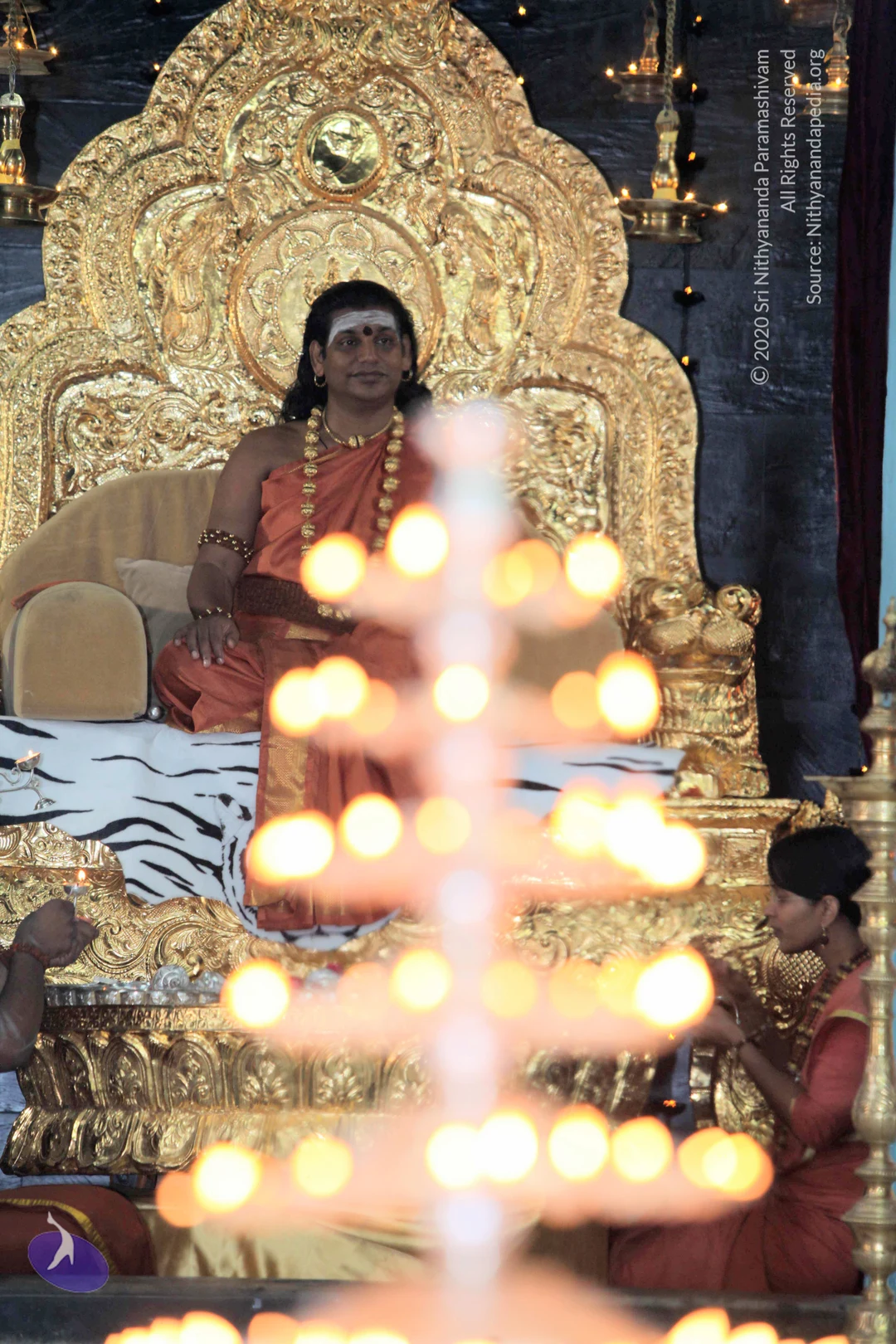
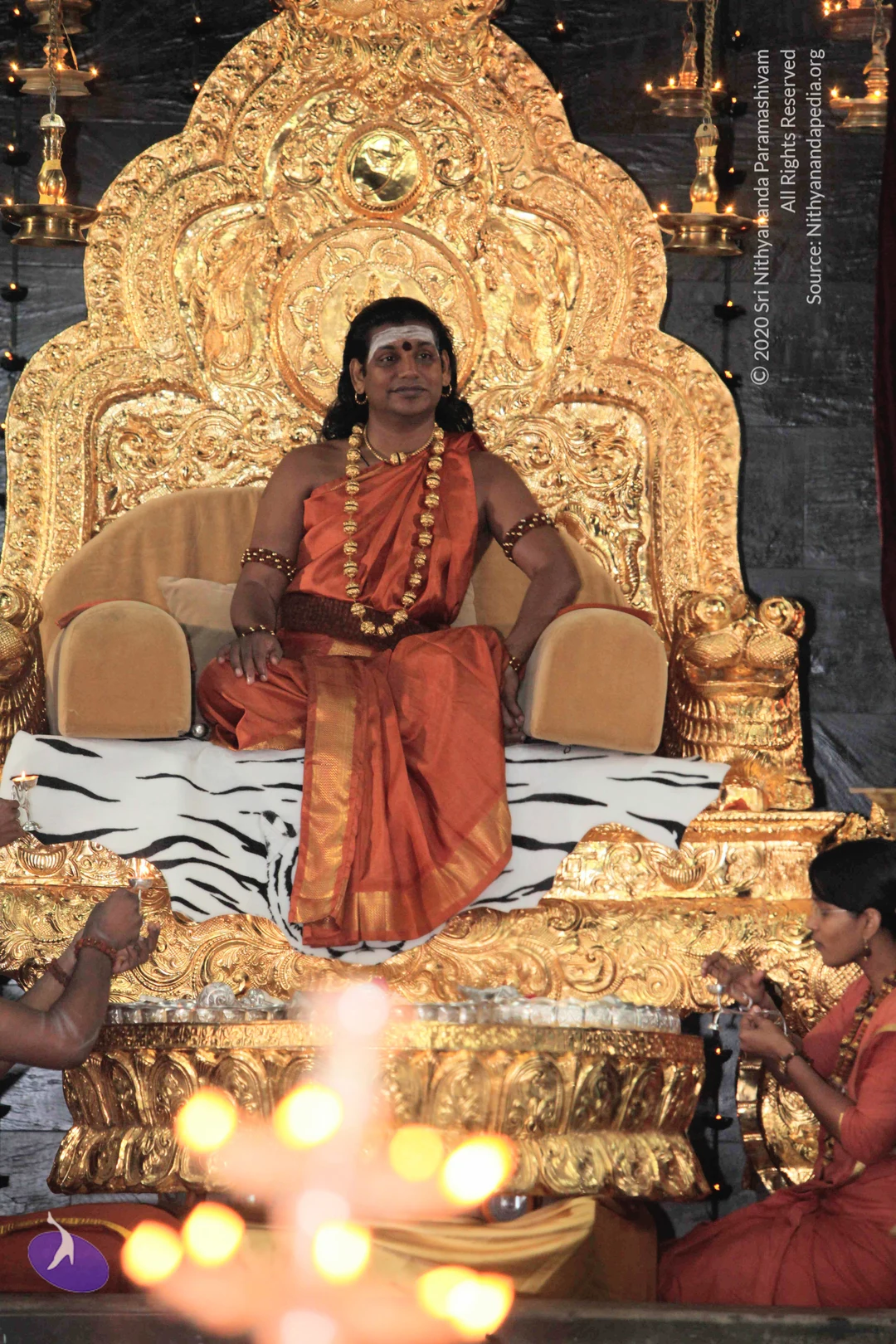
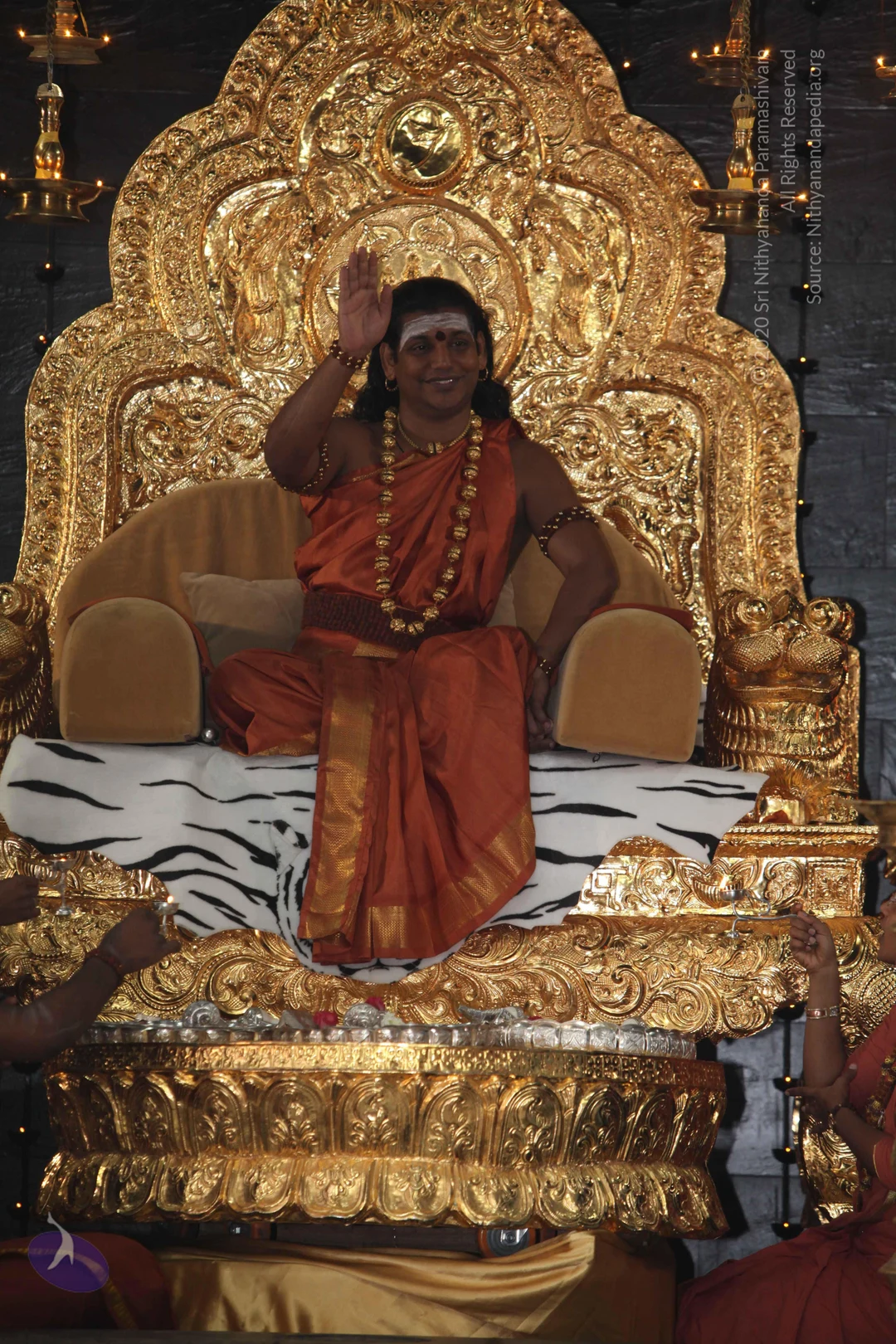
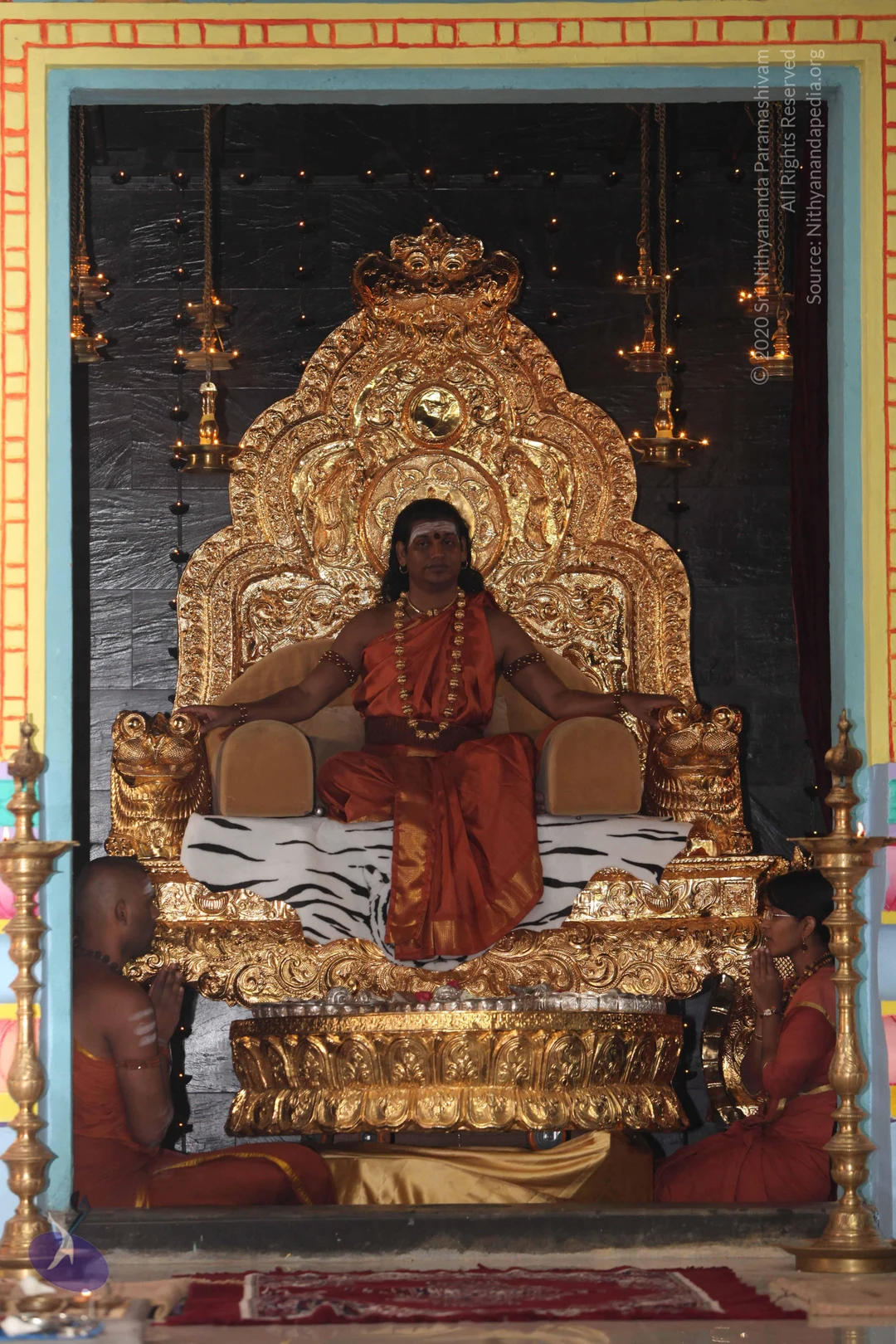
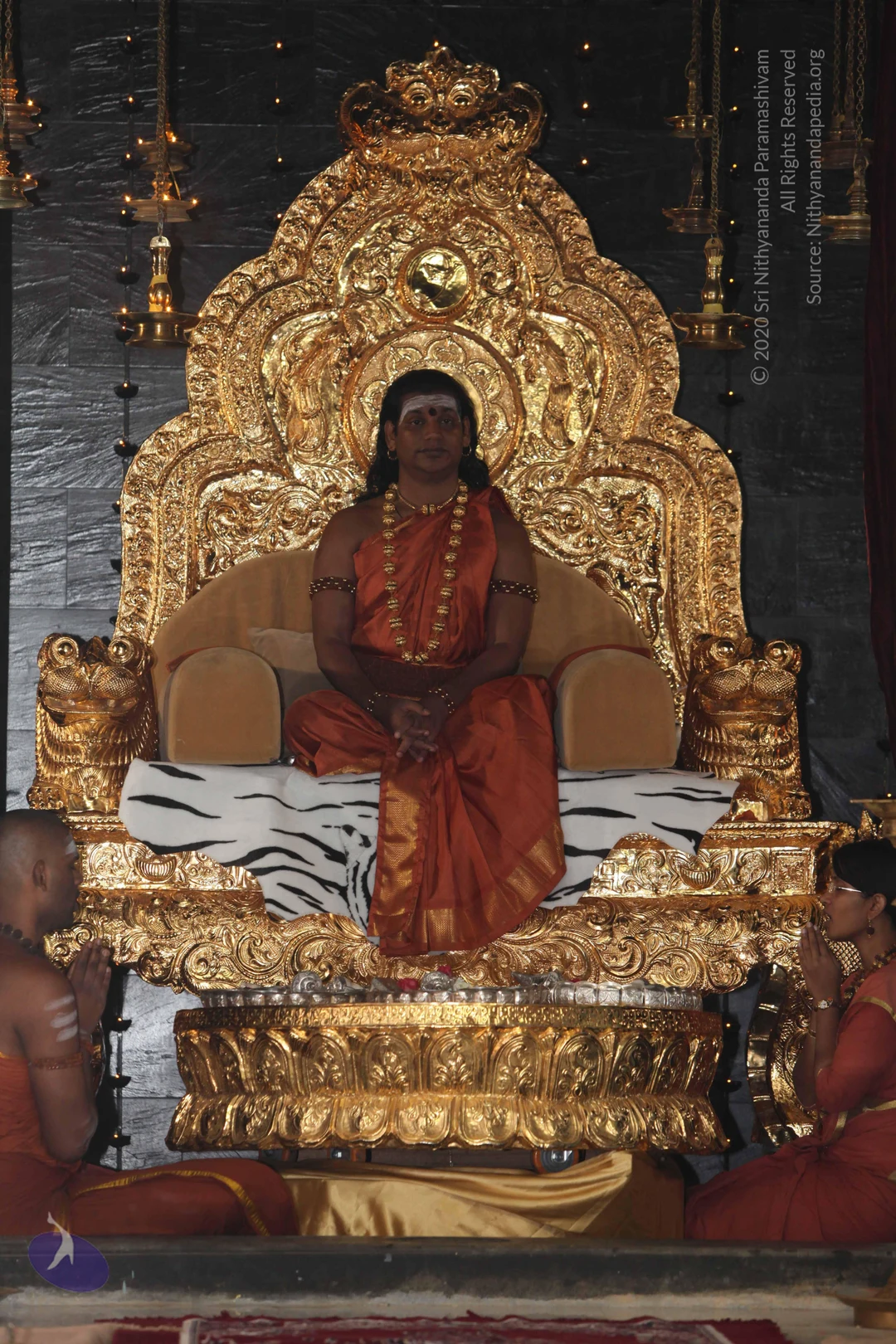
03-NITHYA-SATSANG
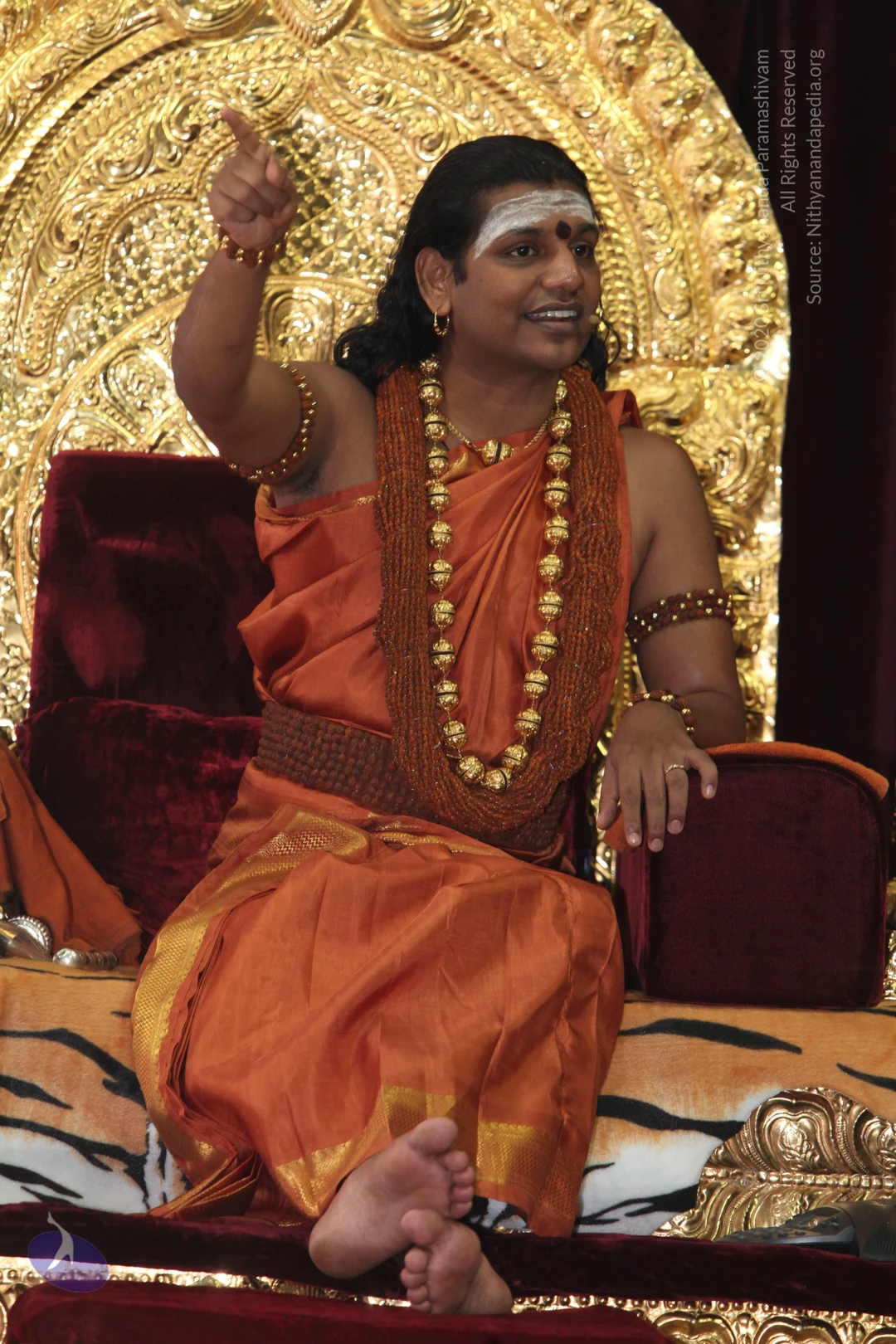
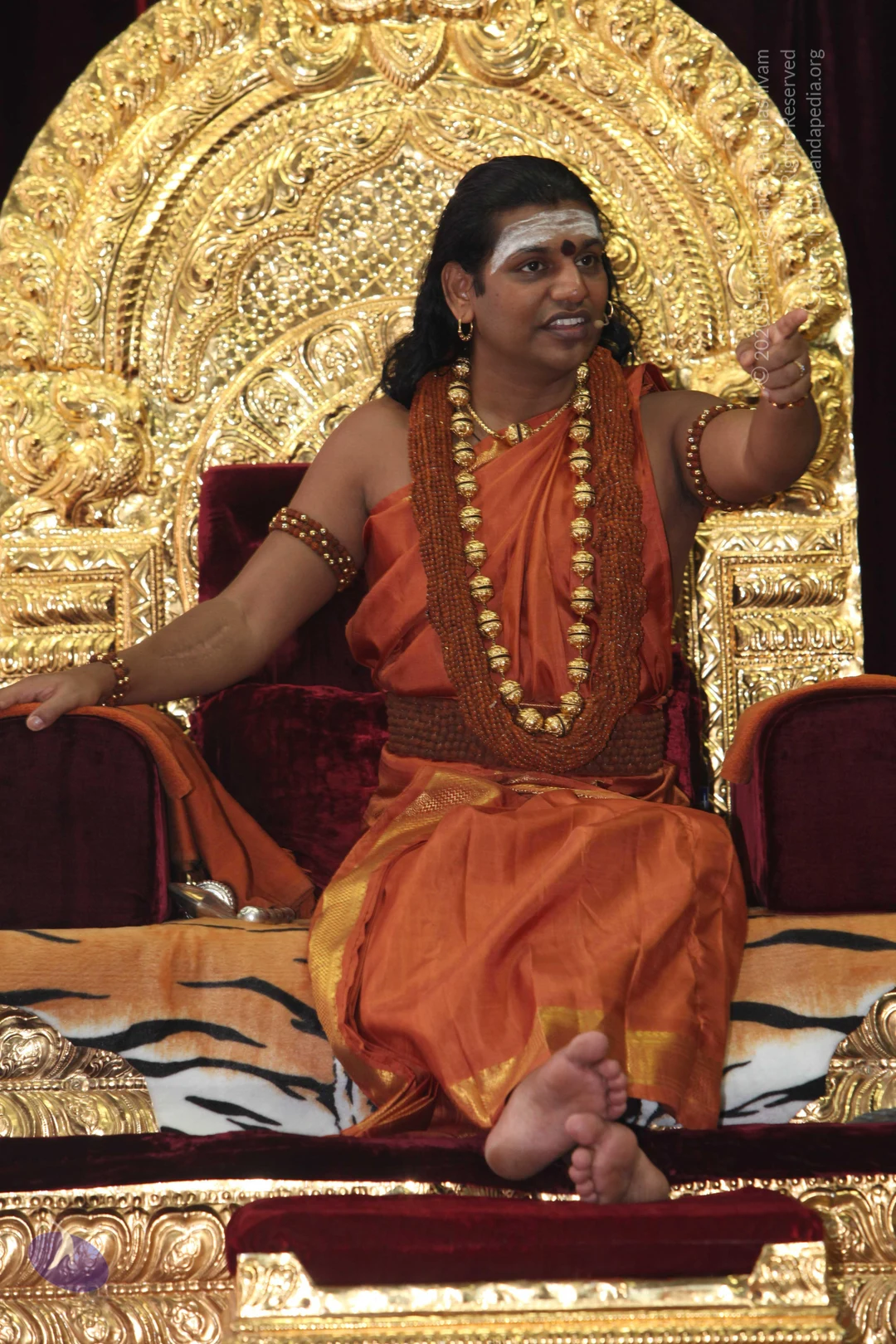
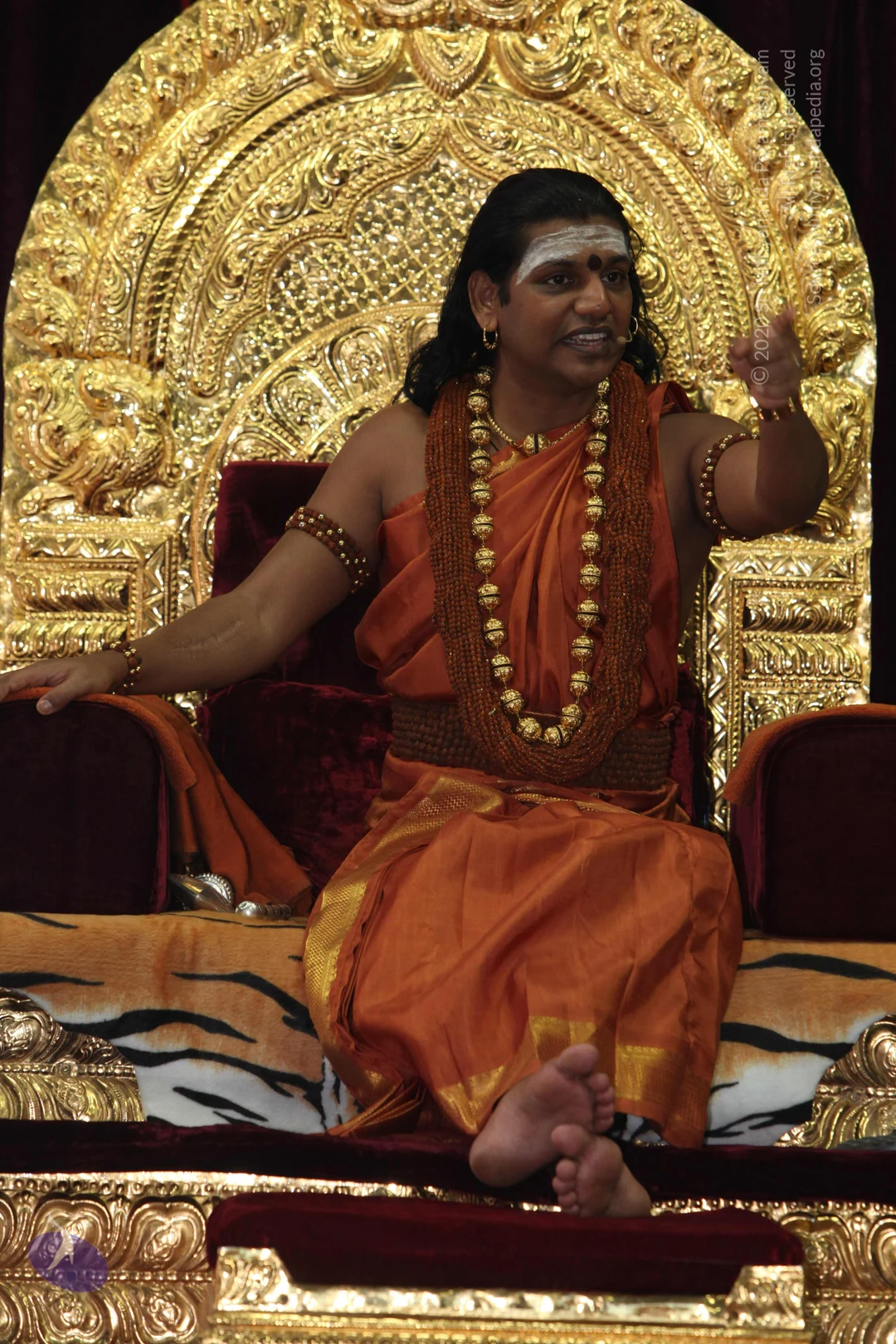
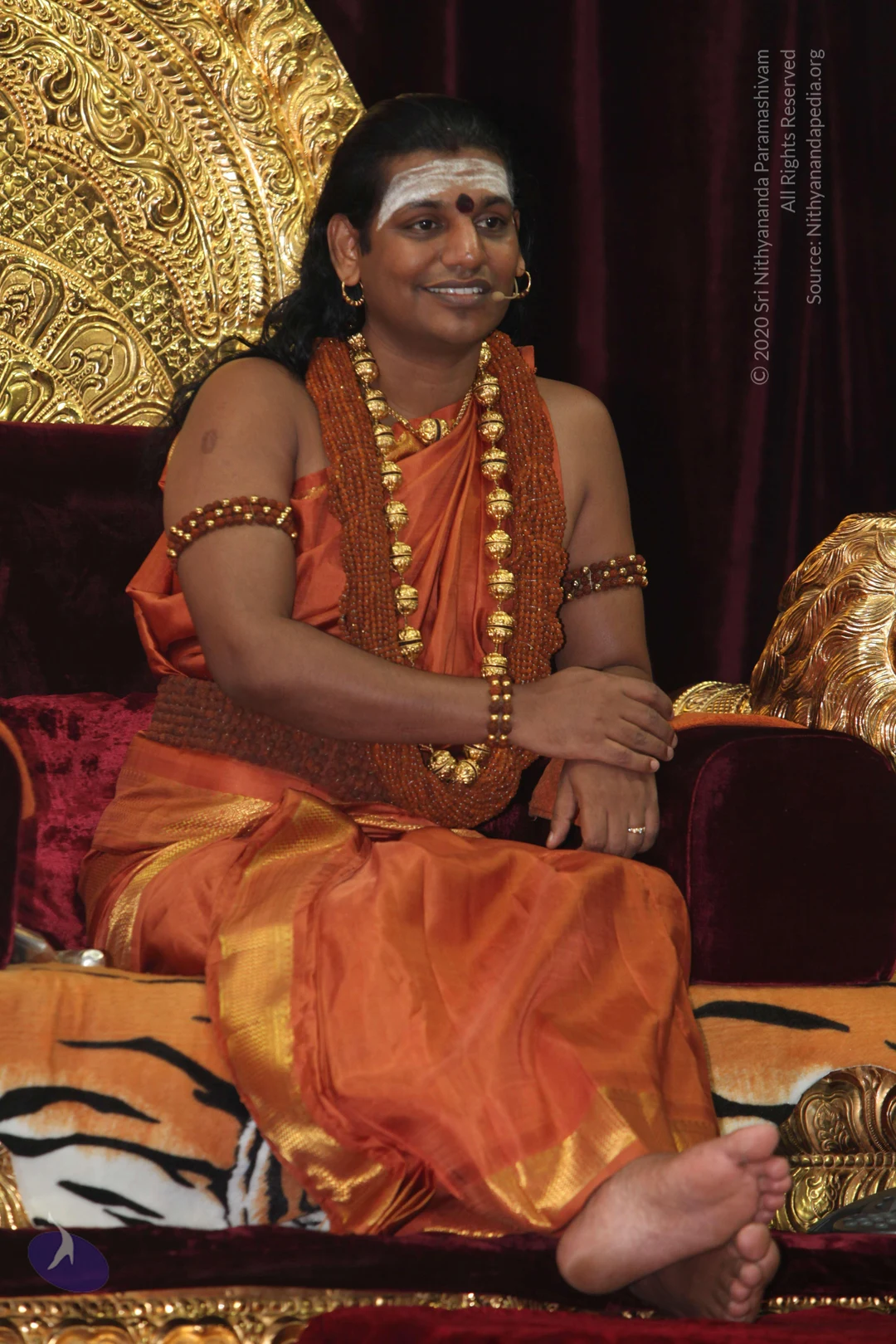
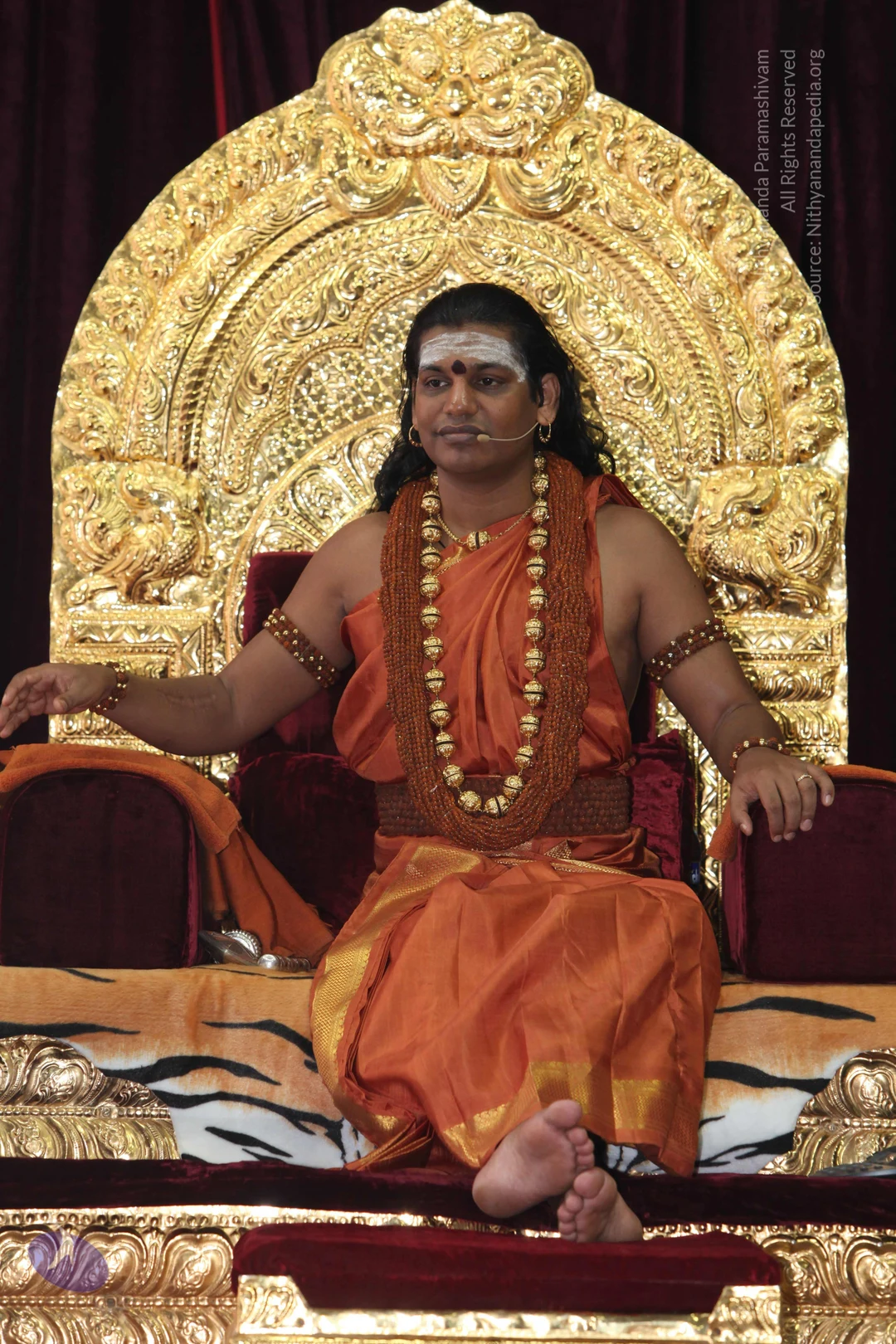
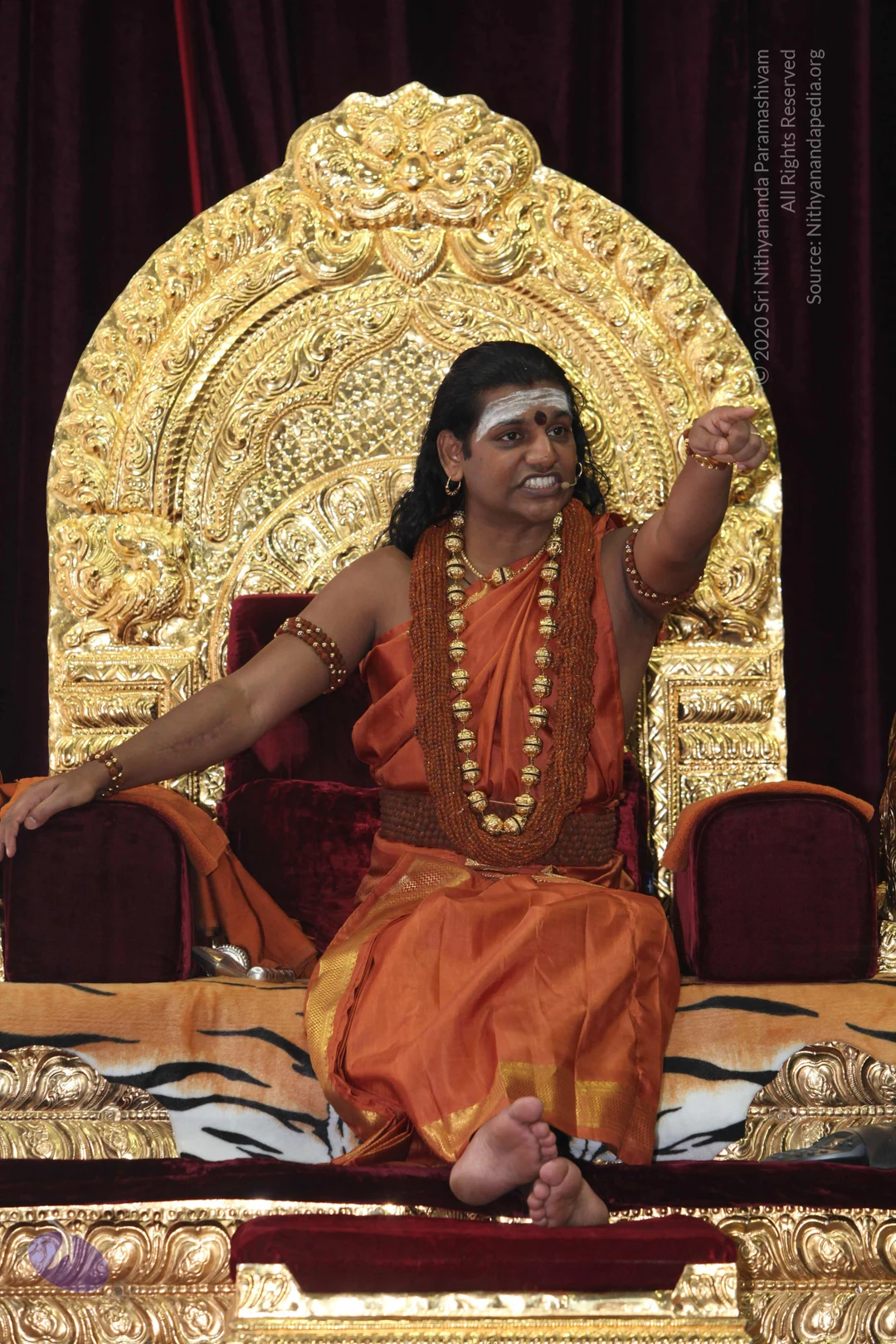
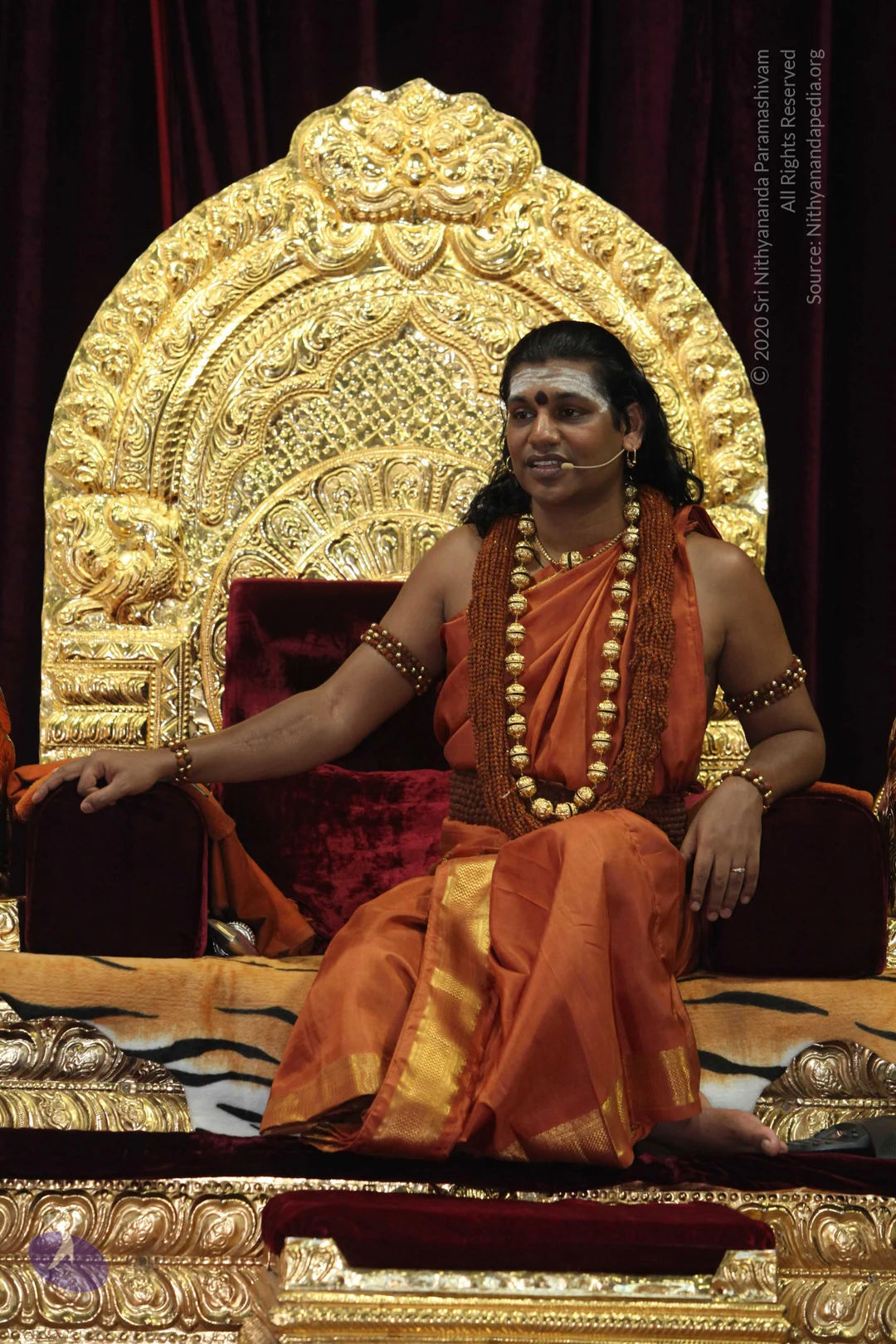
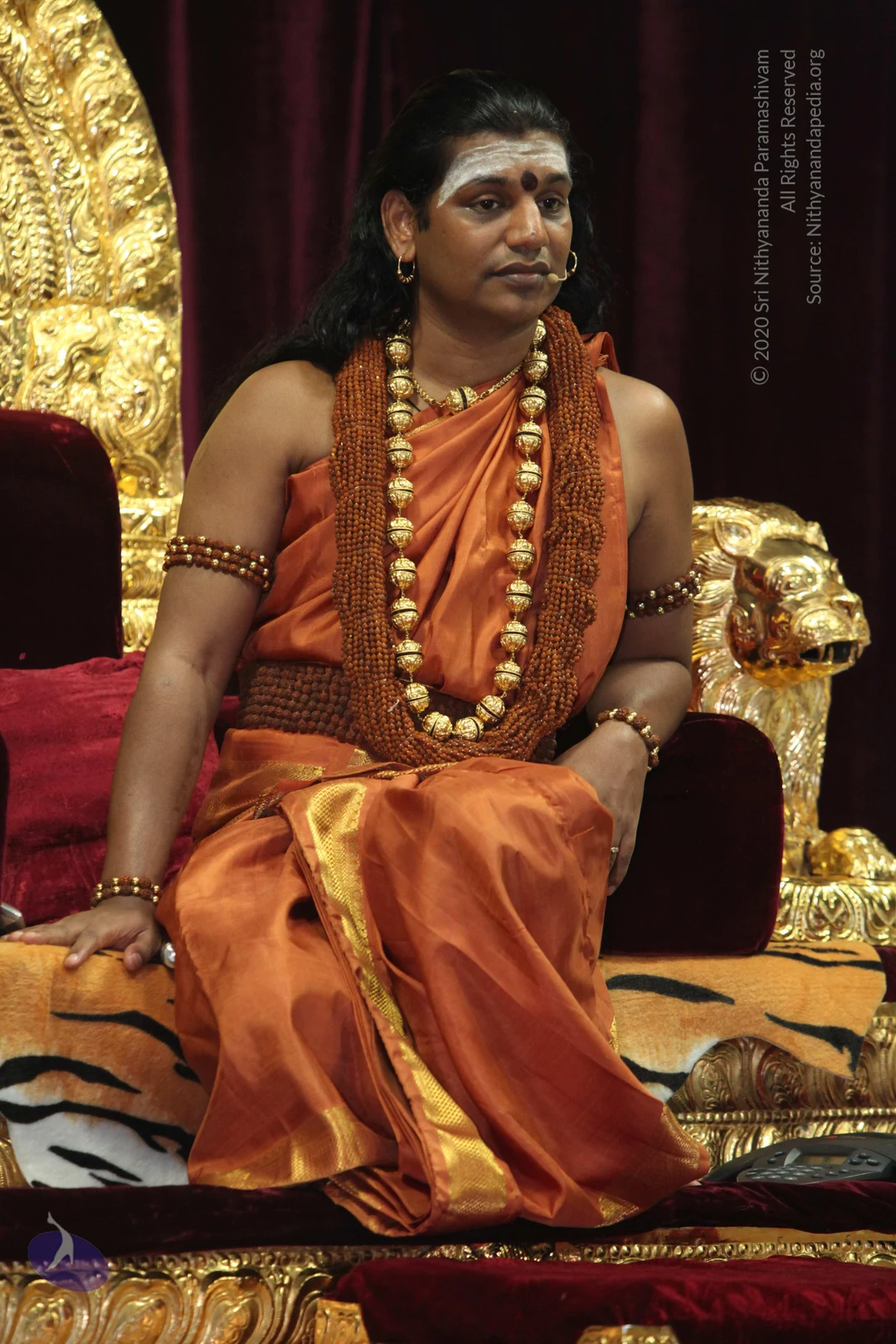
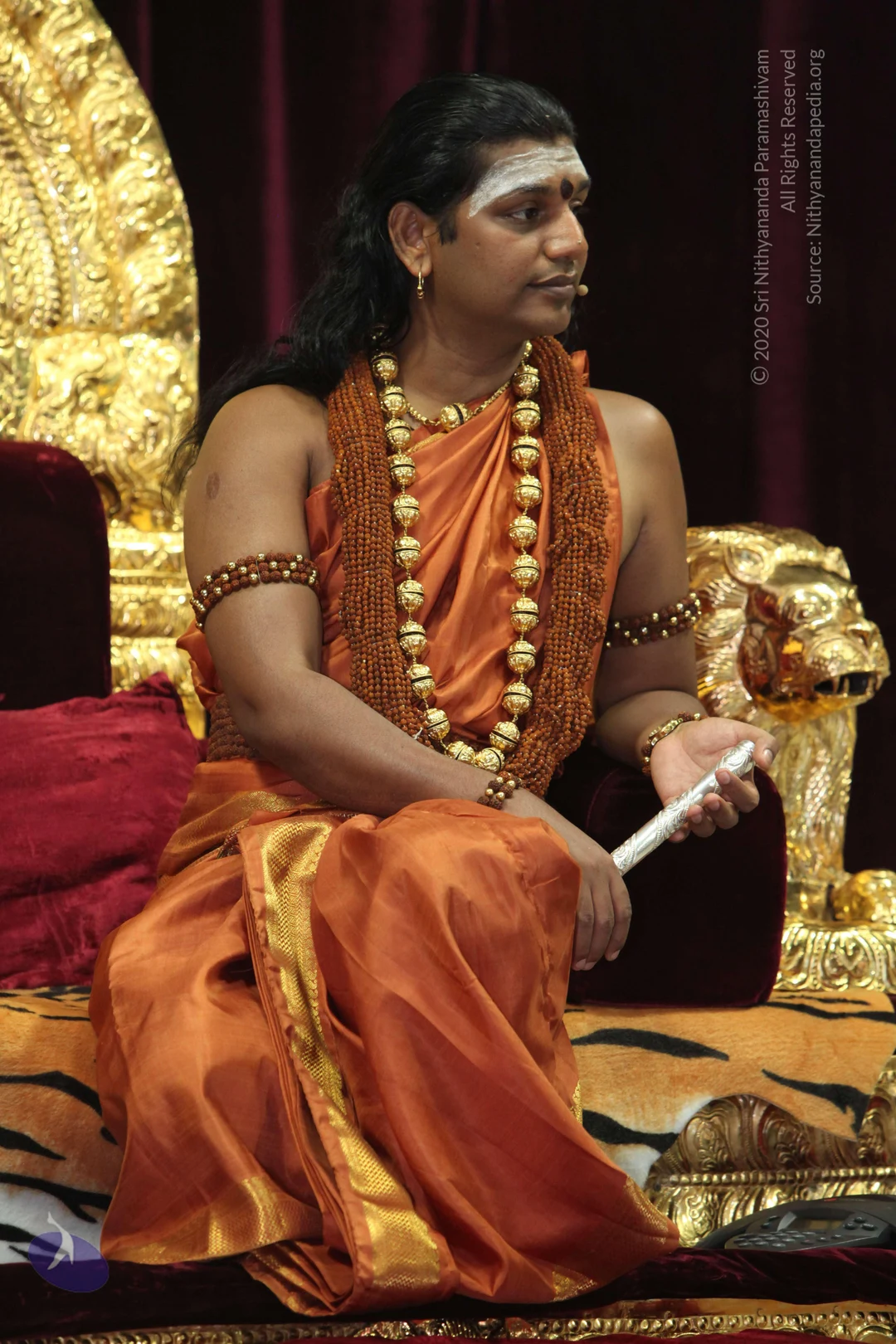
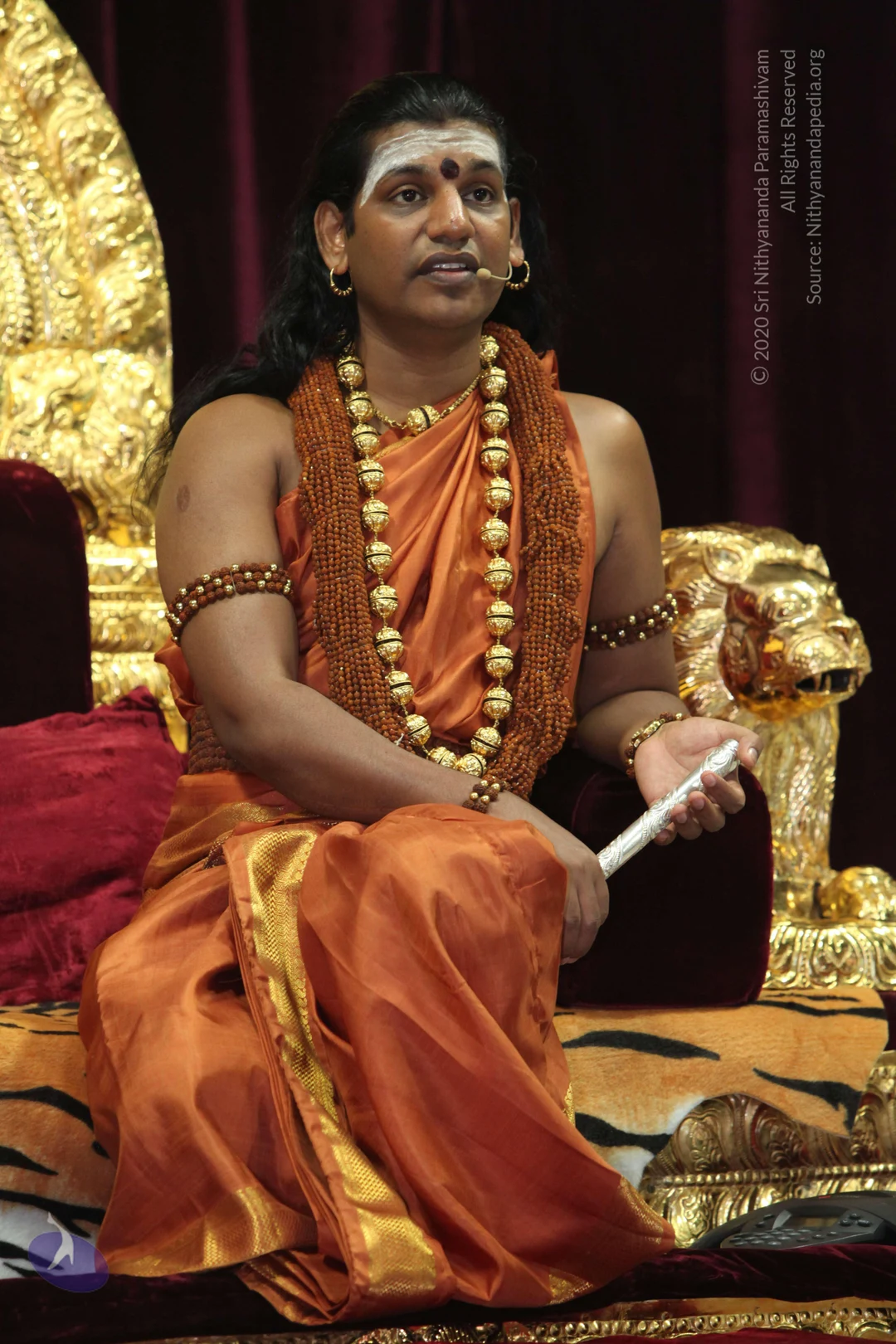
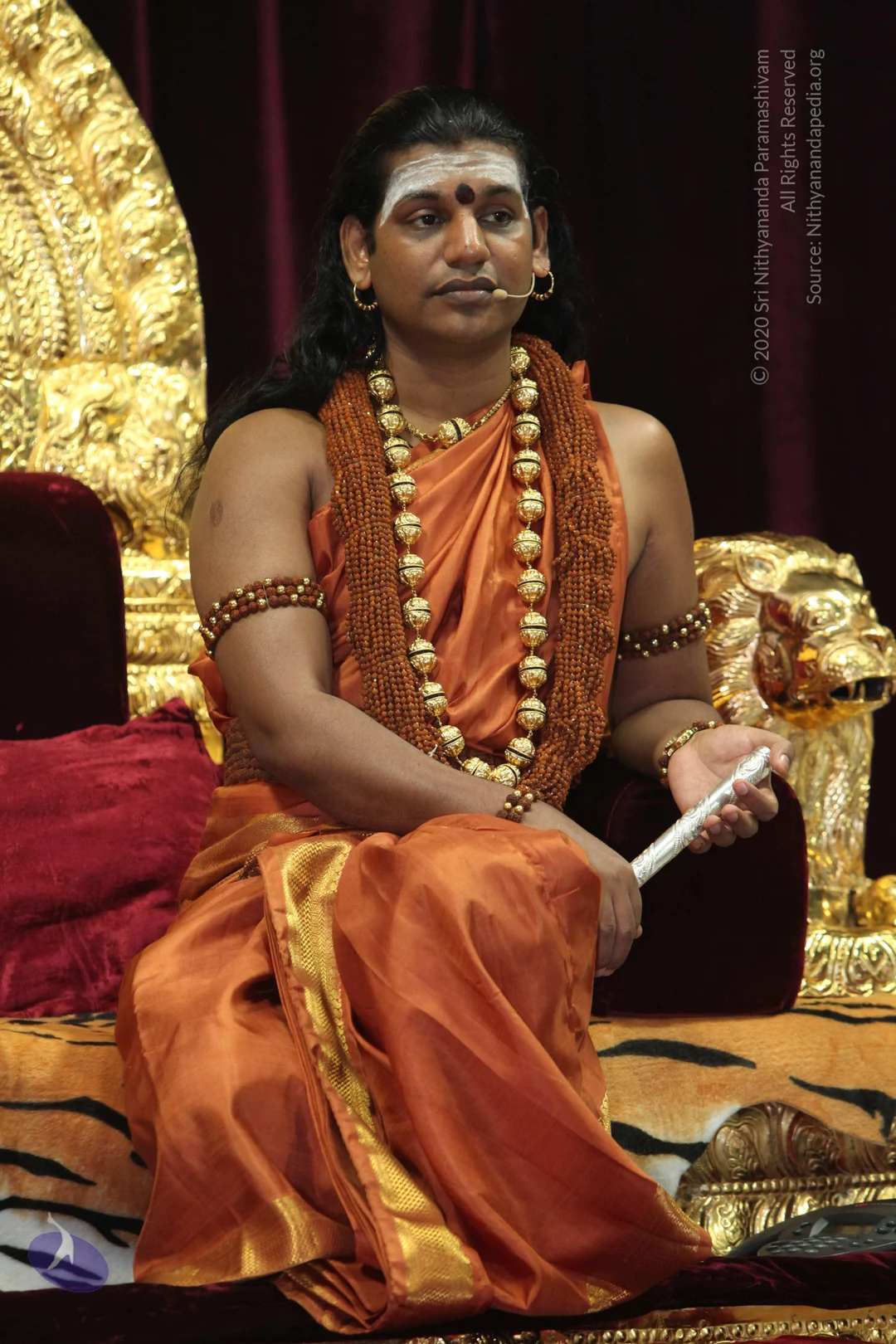
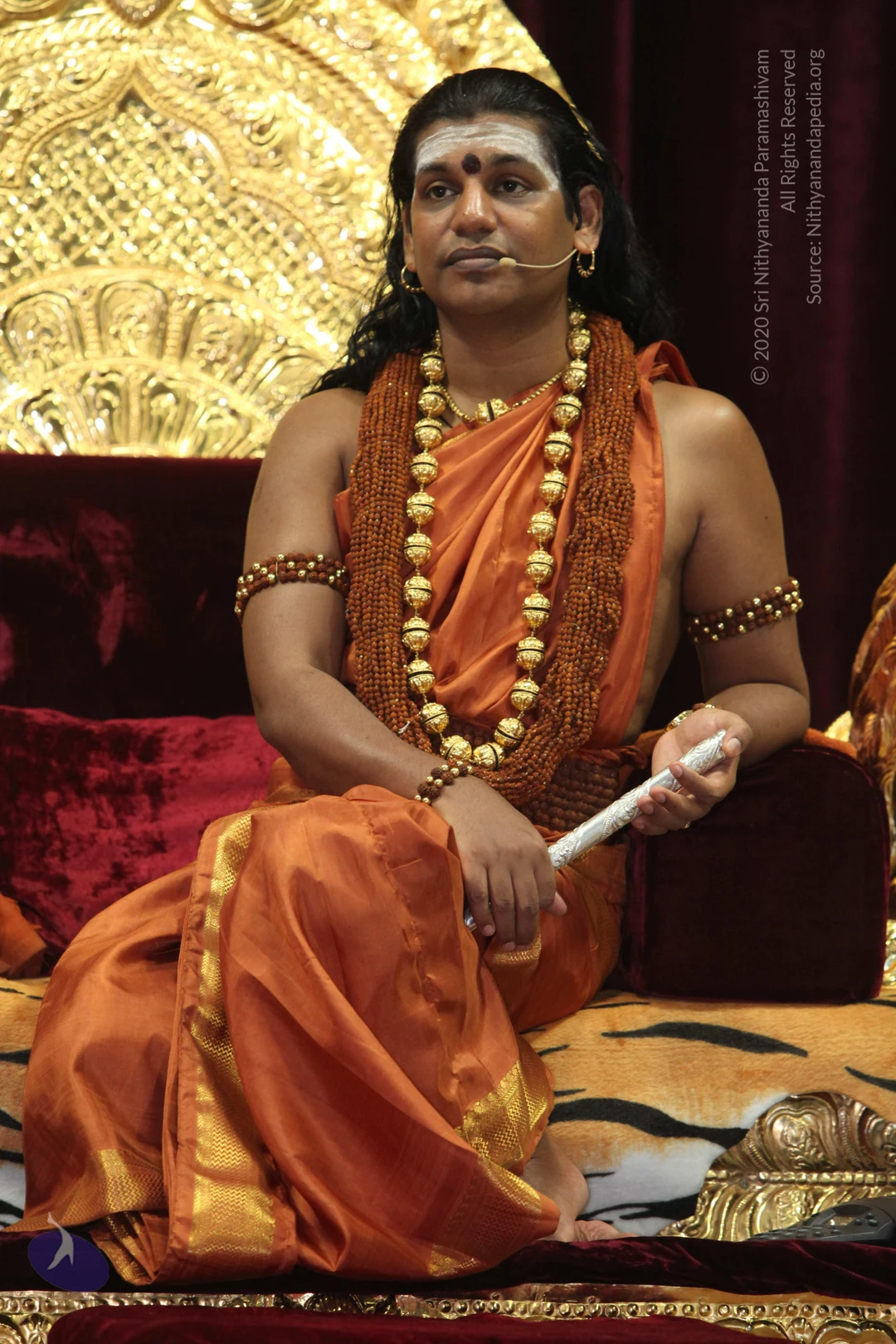
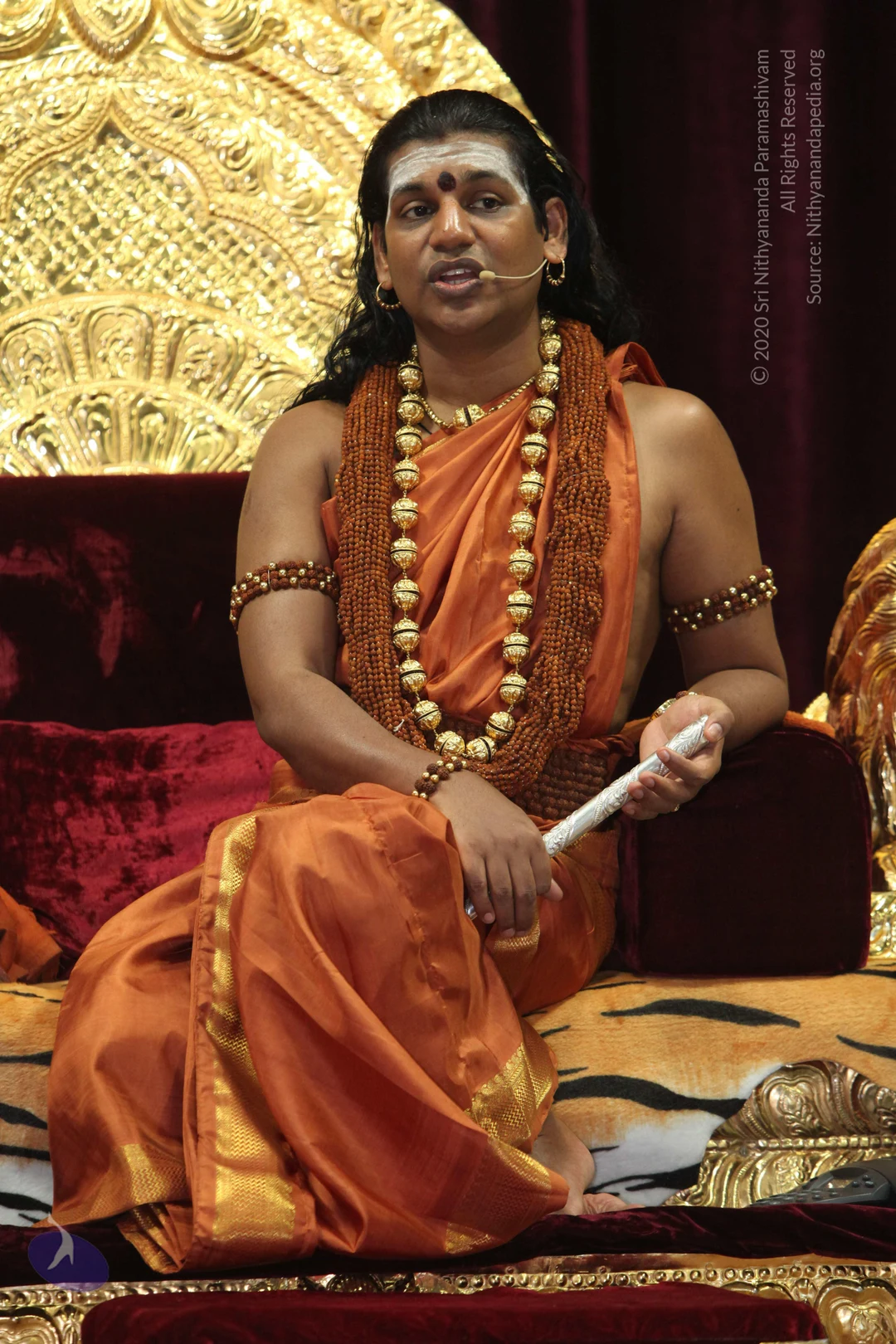
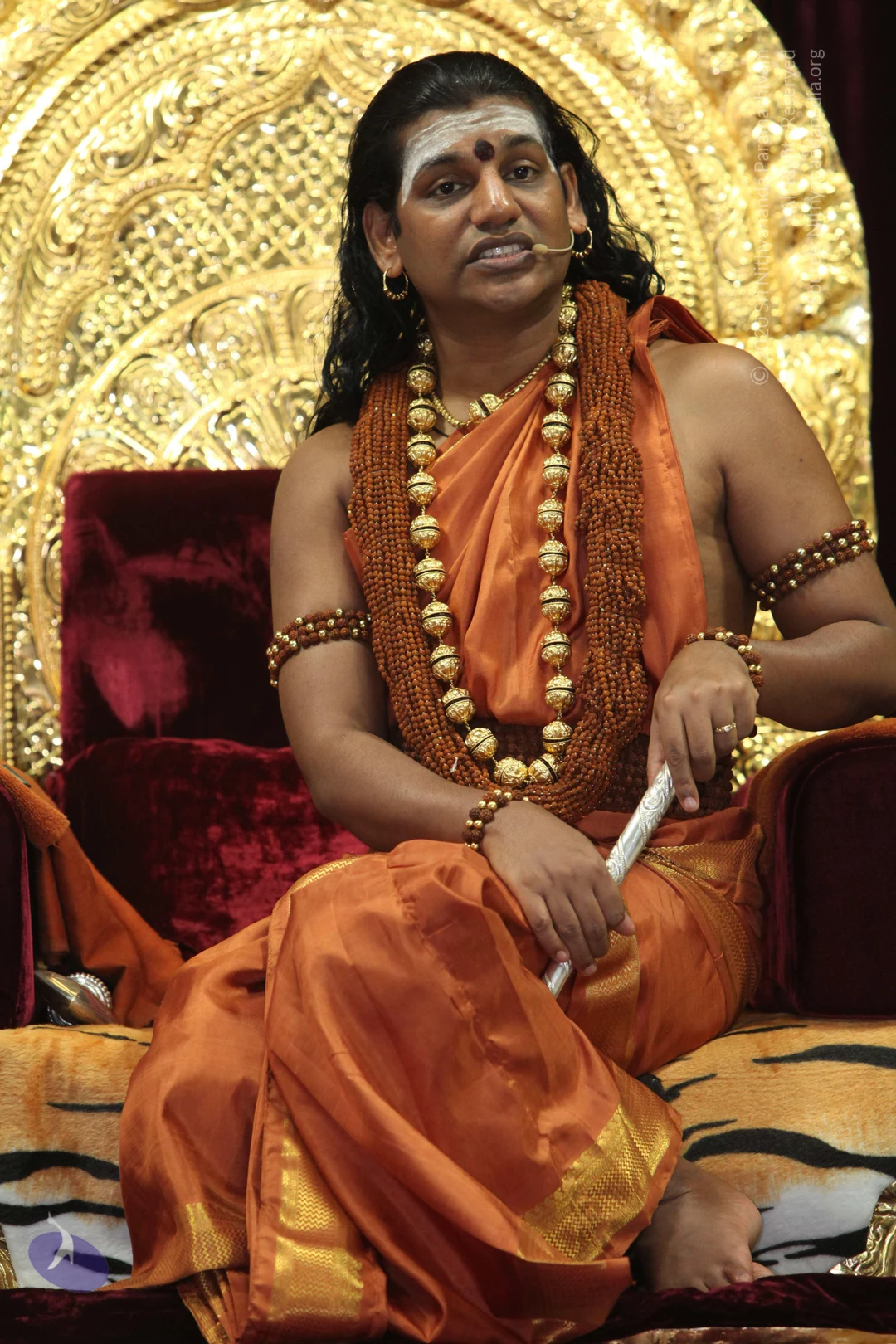
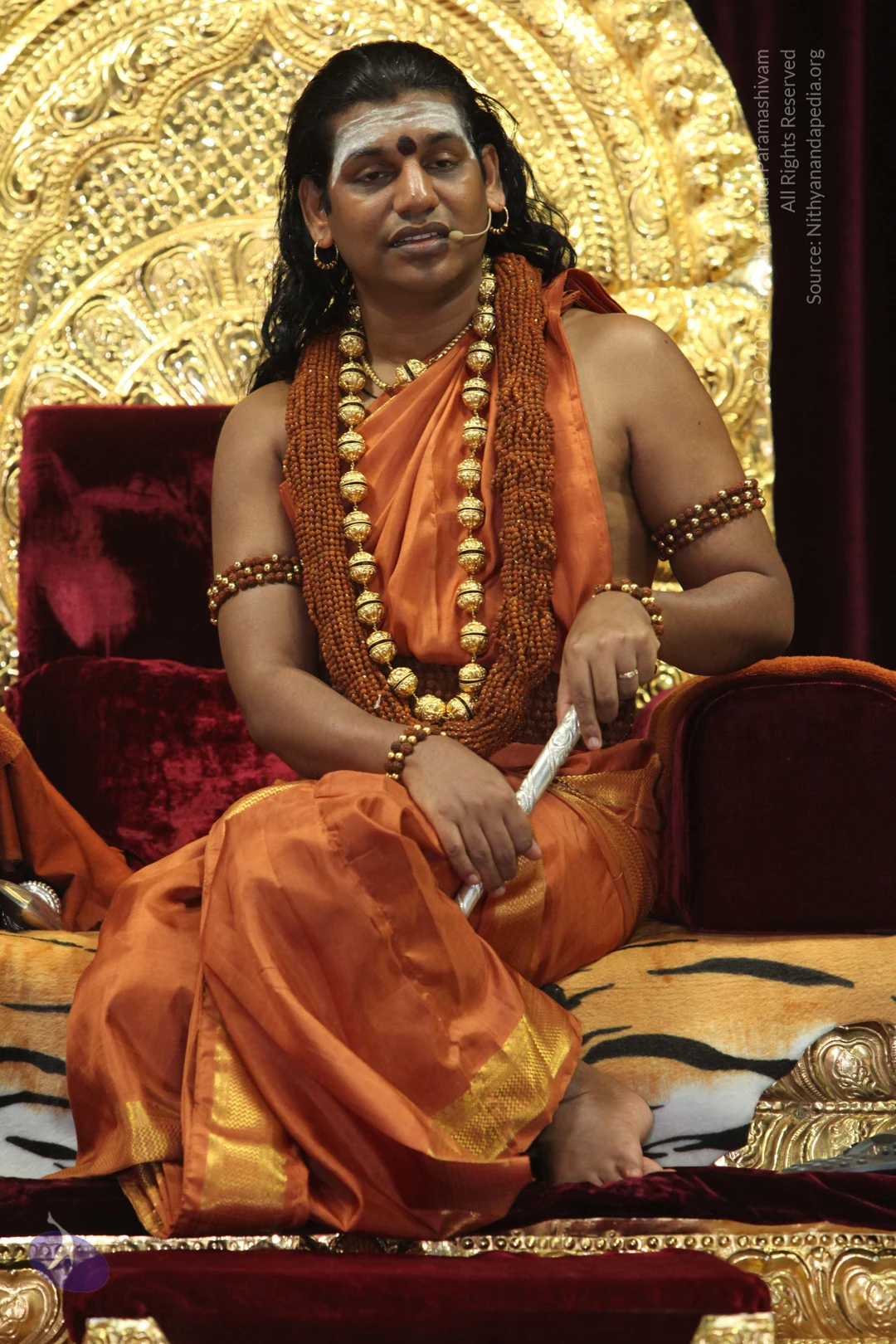
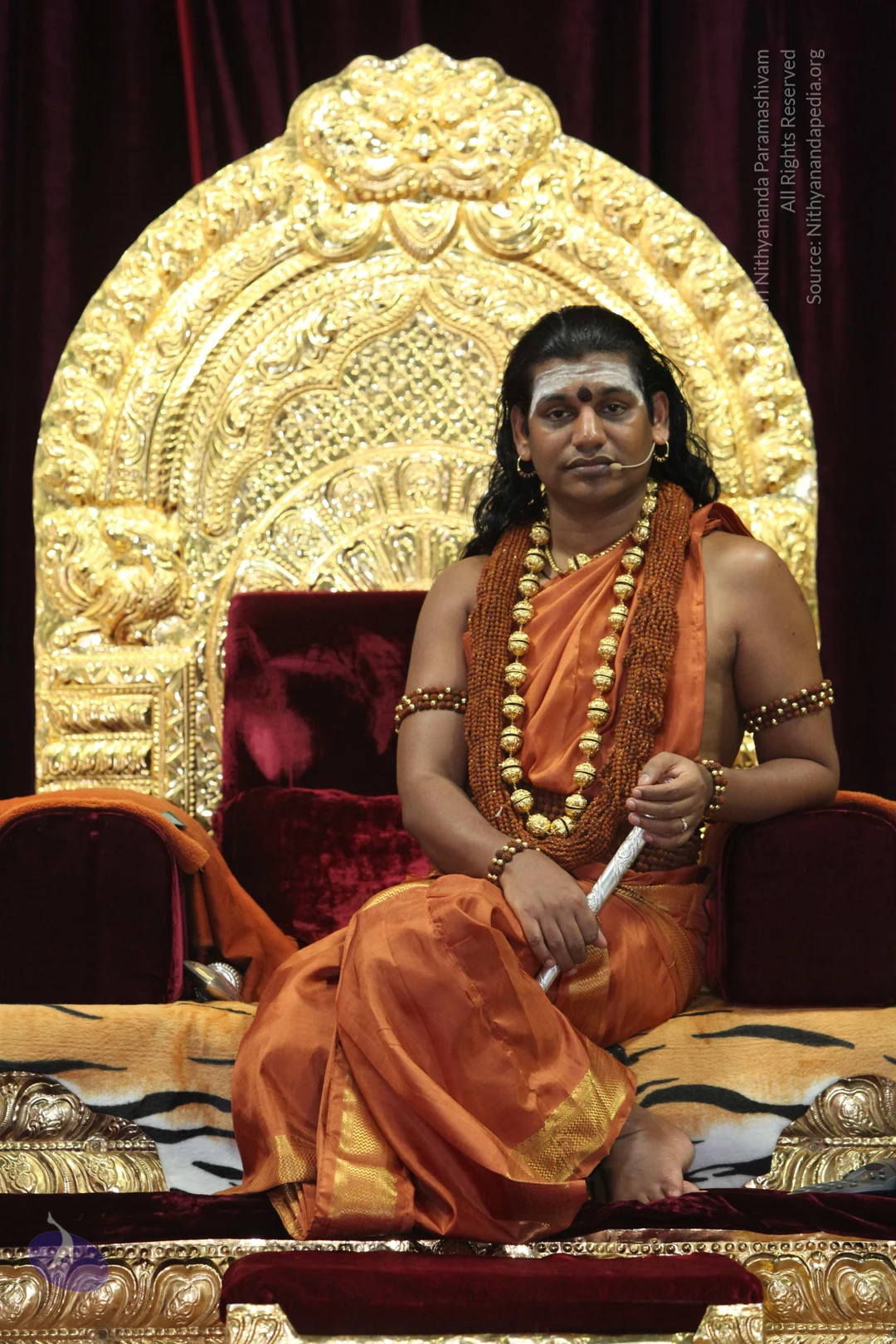
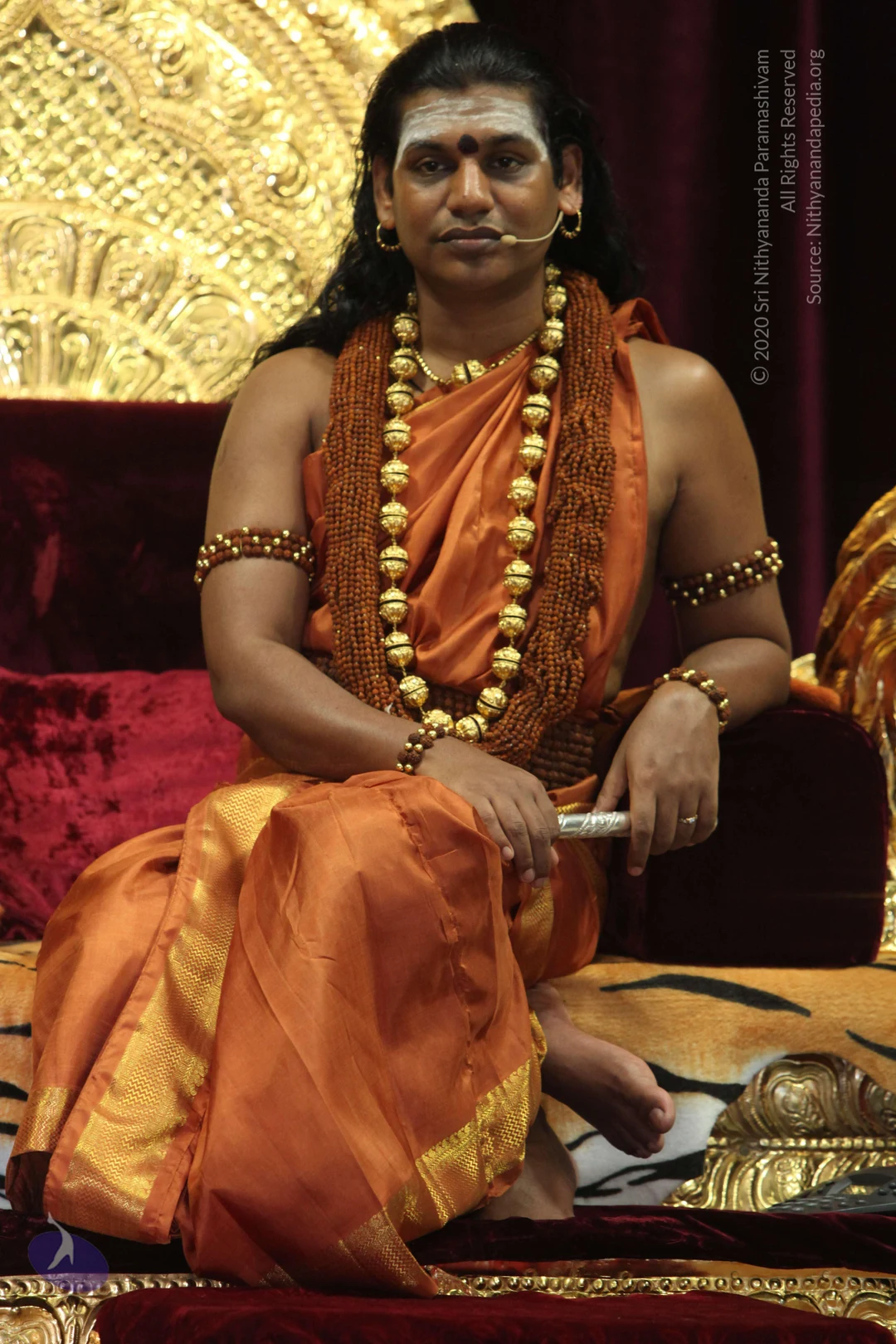
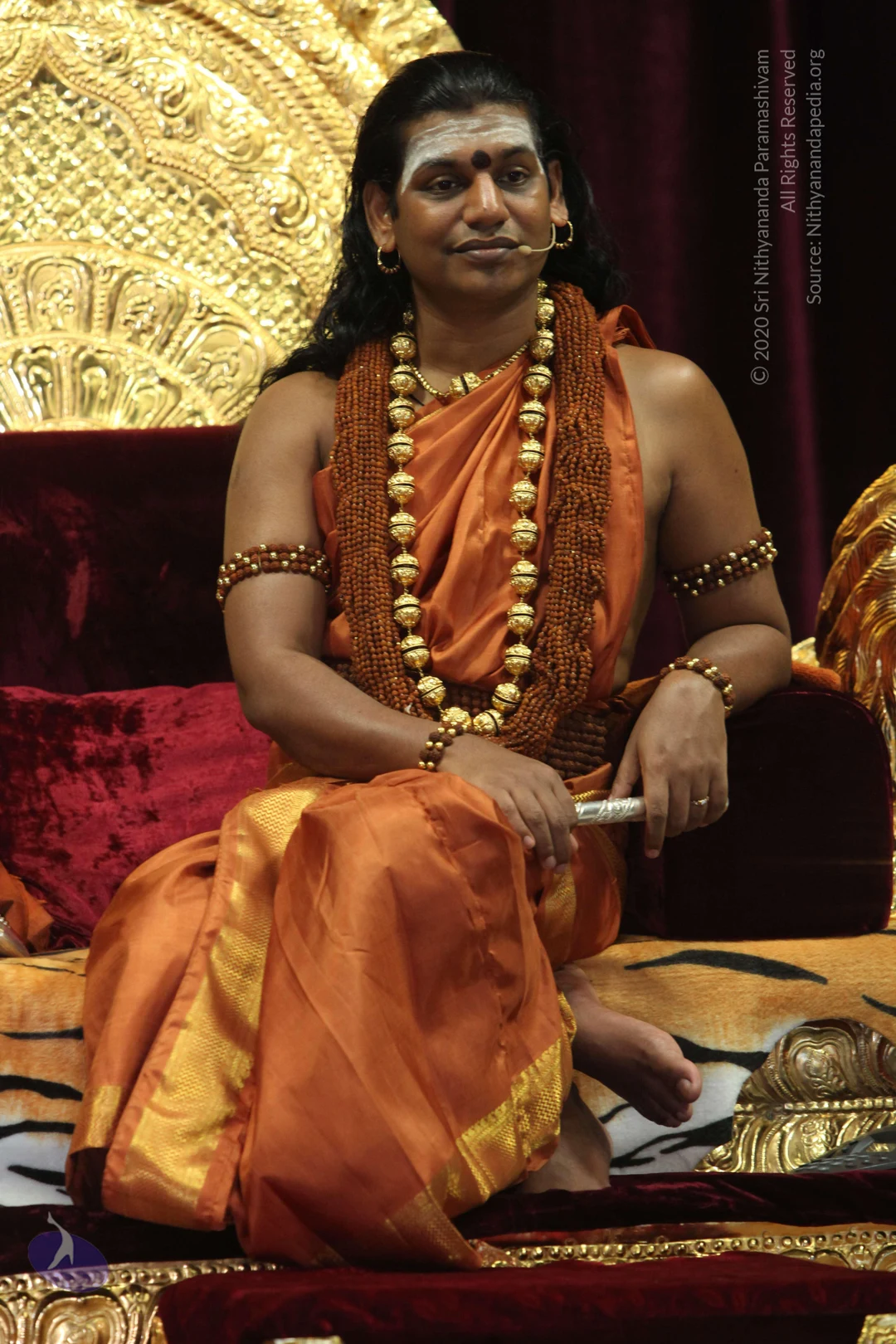
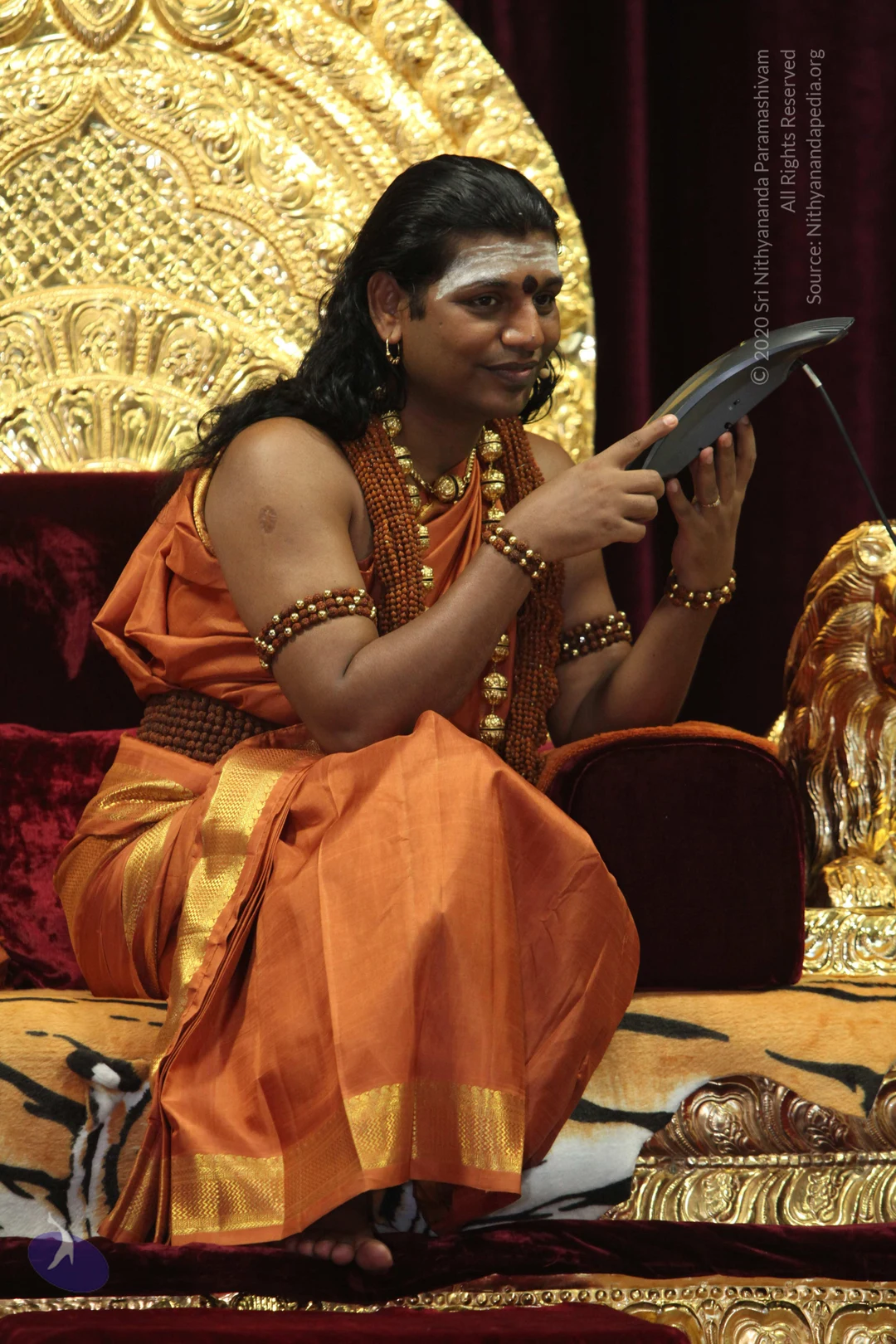
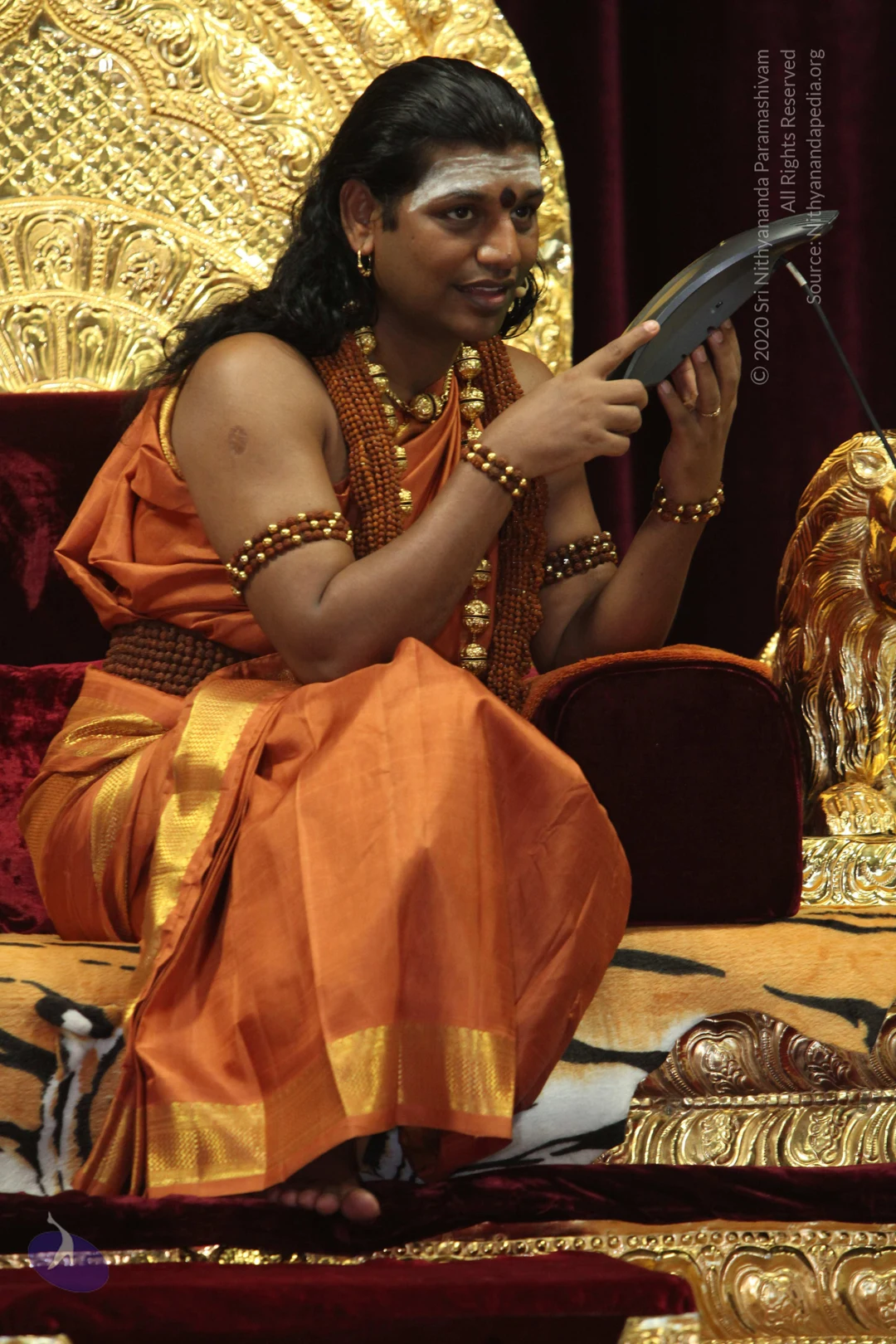
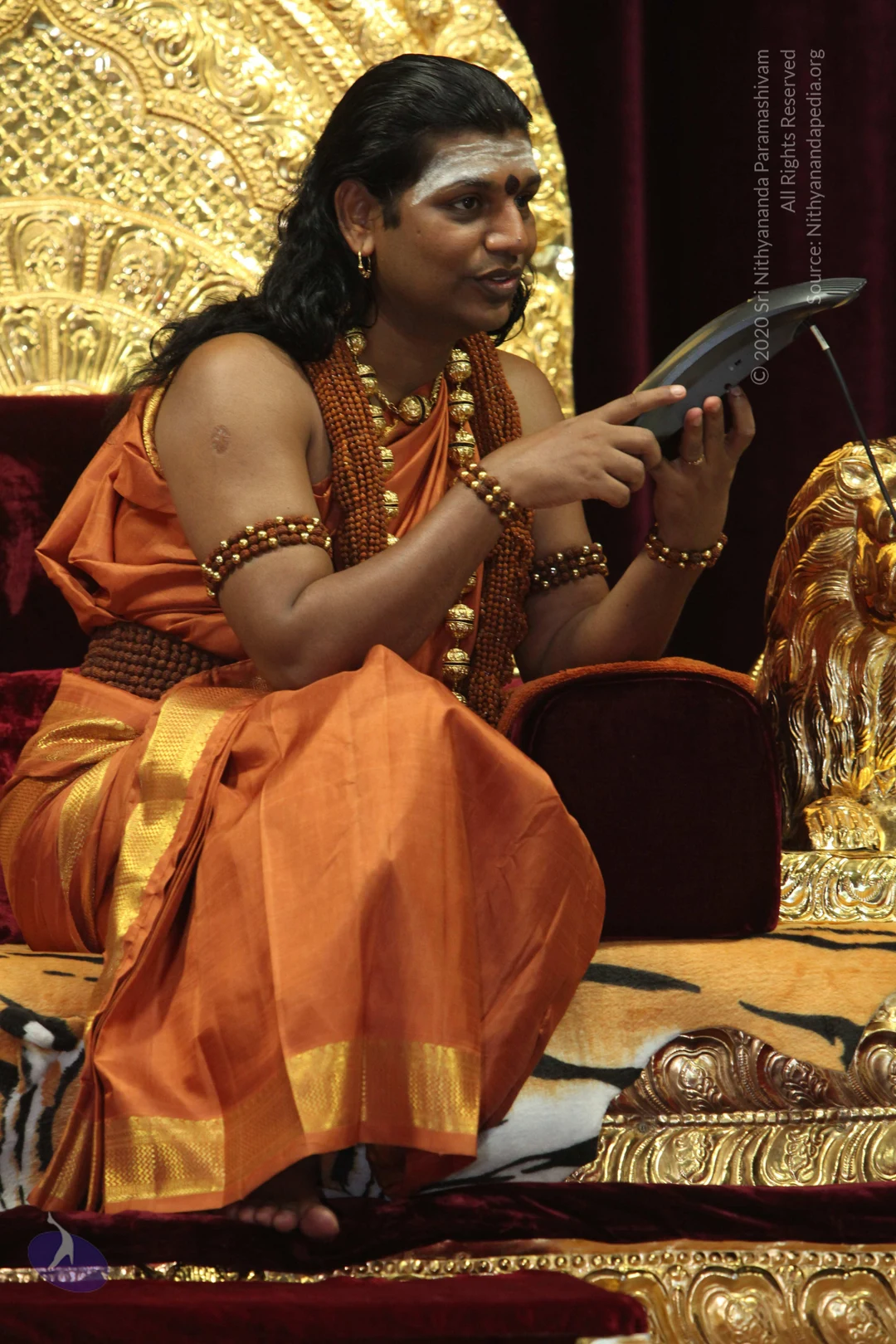
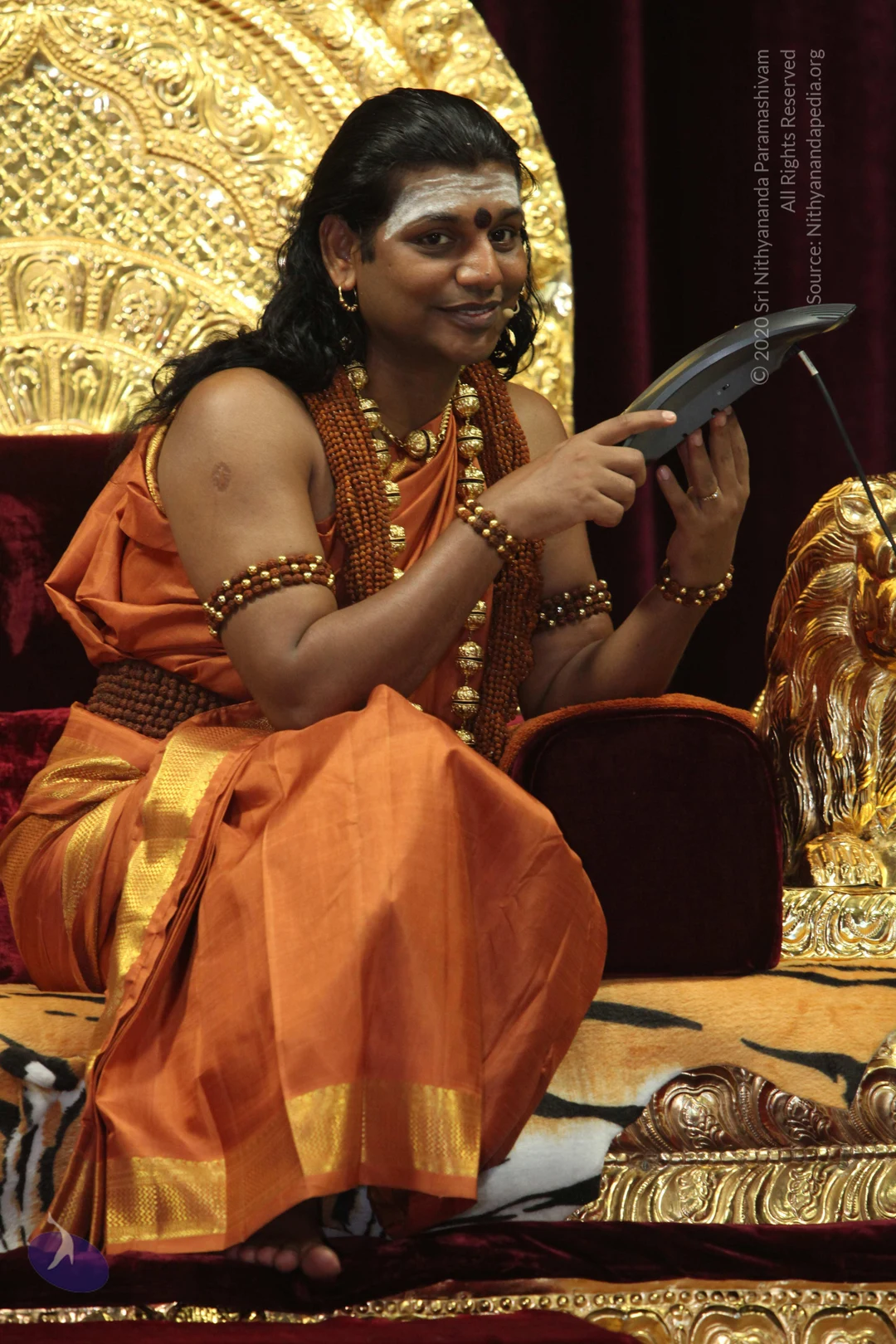
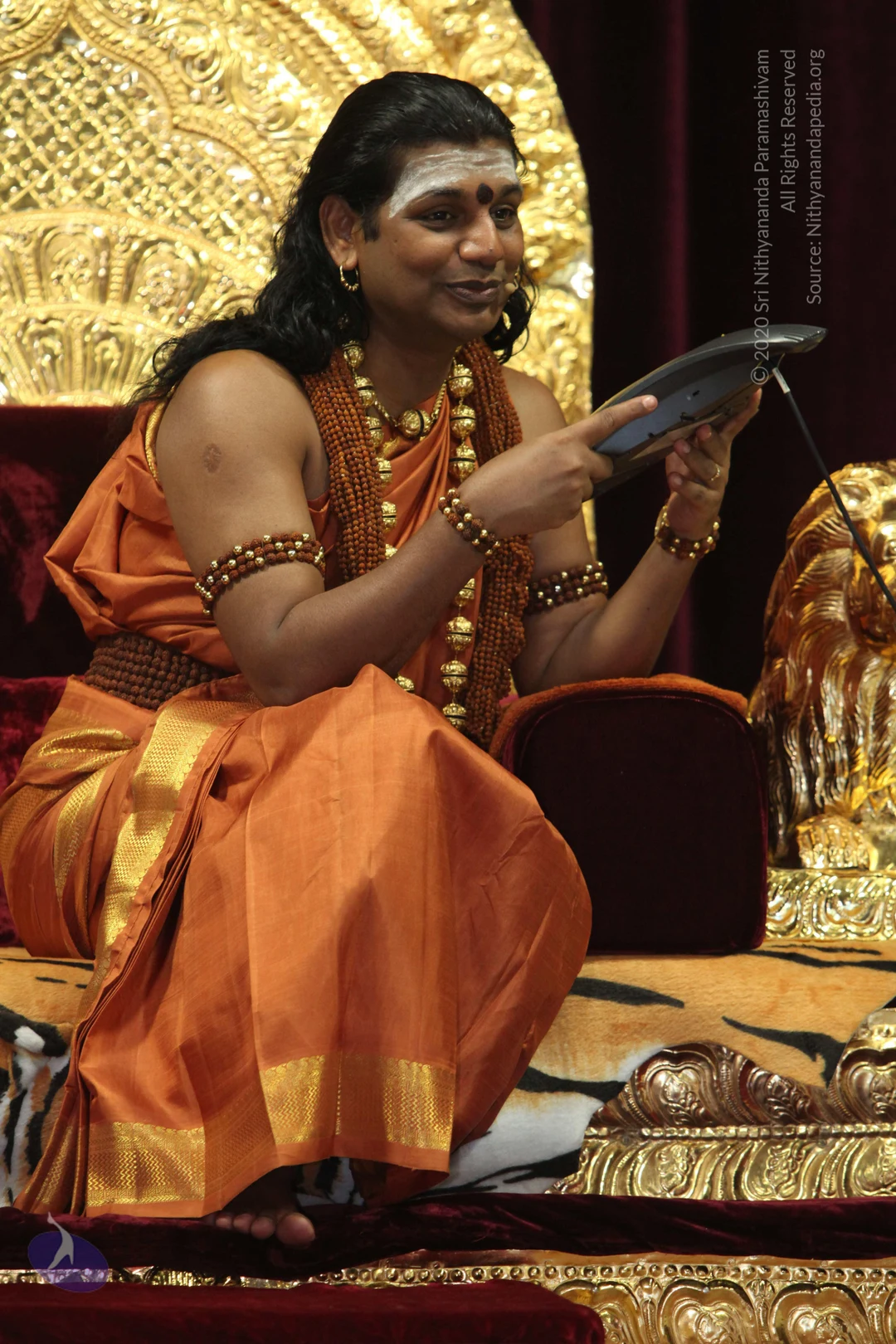
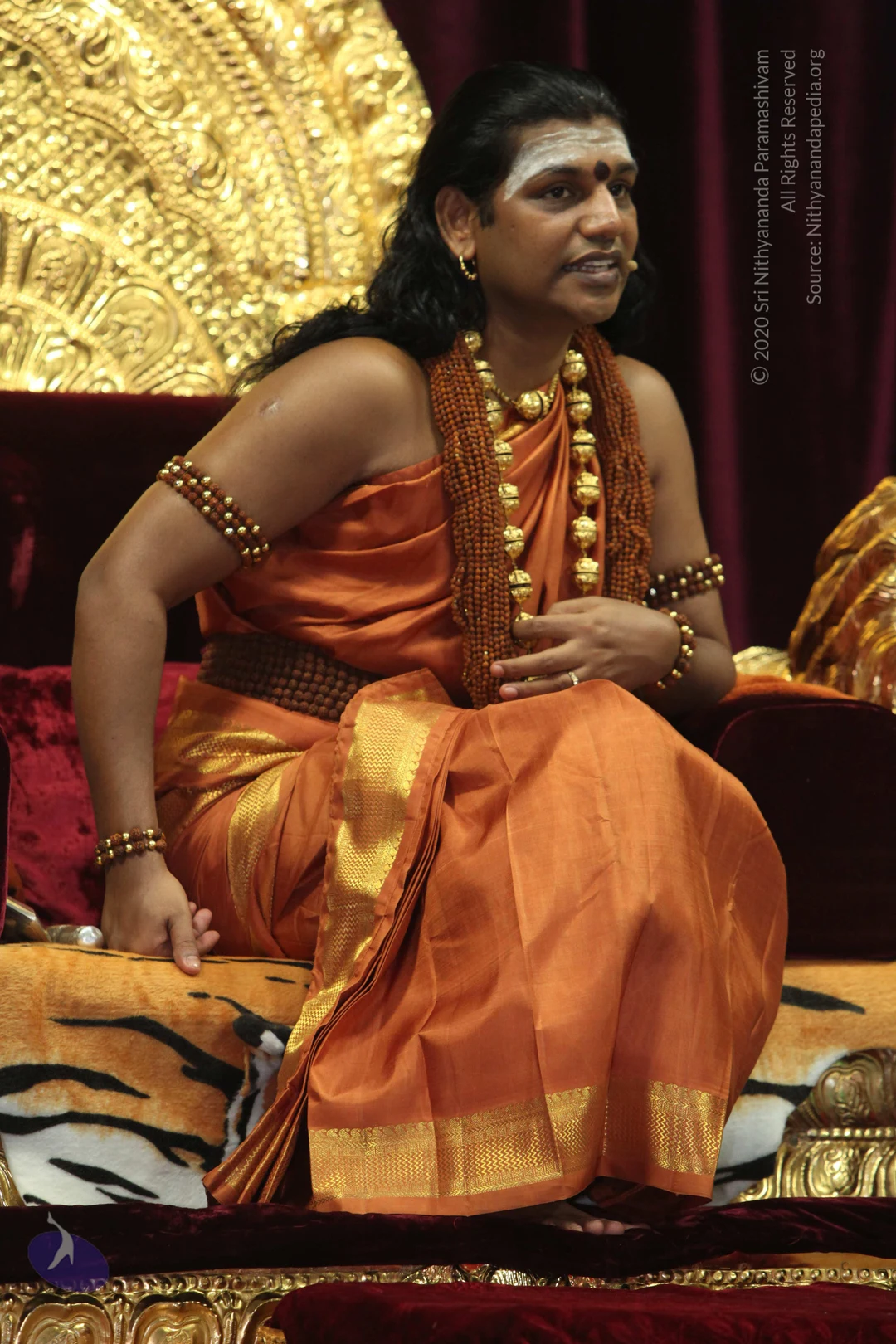
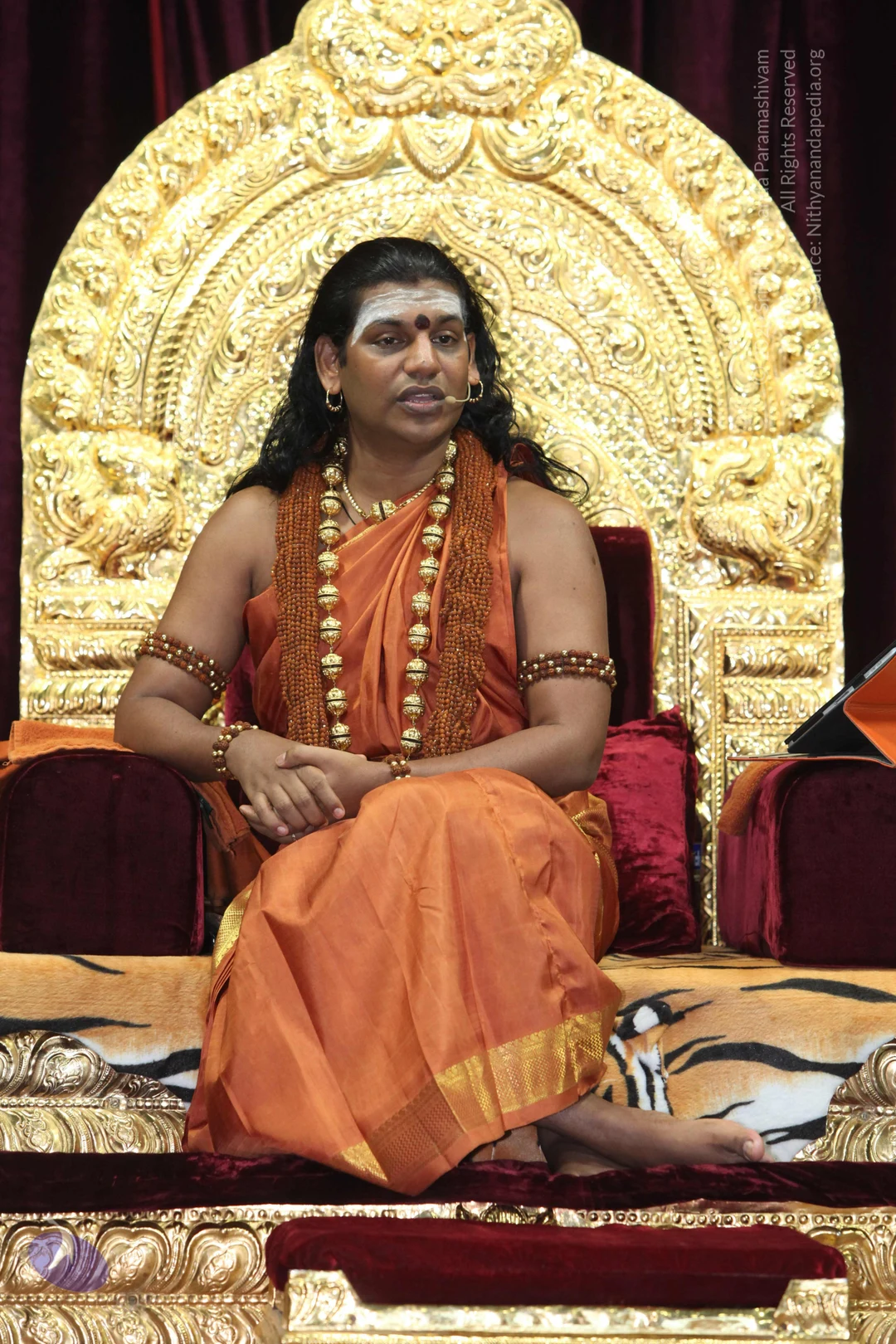
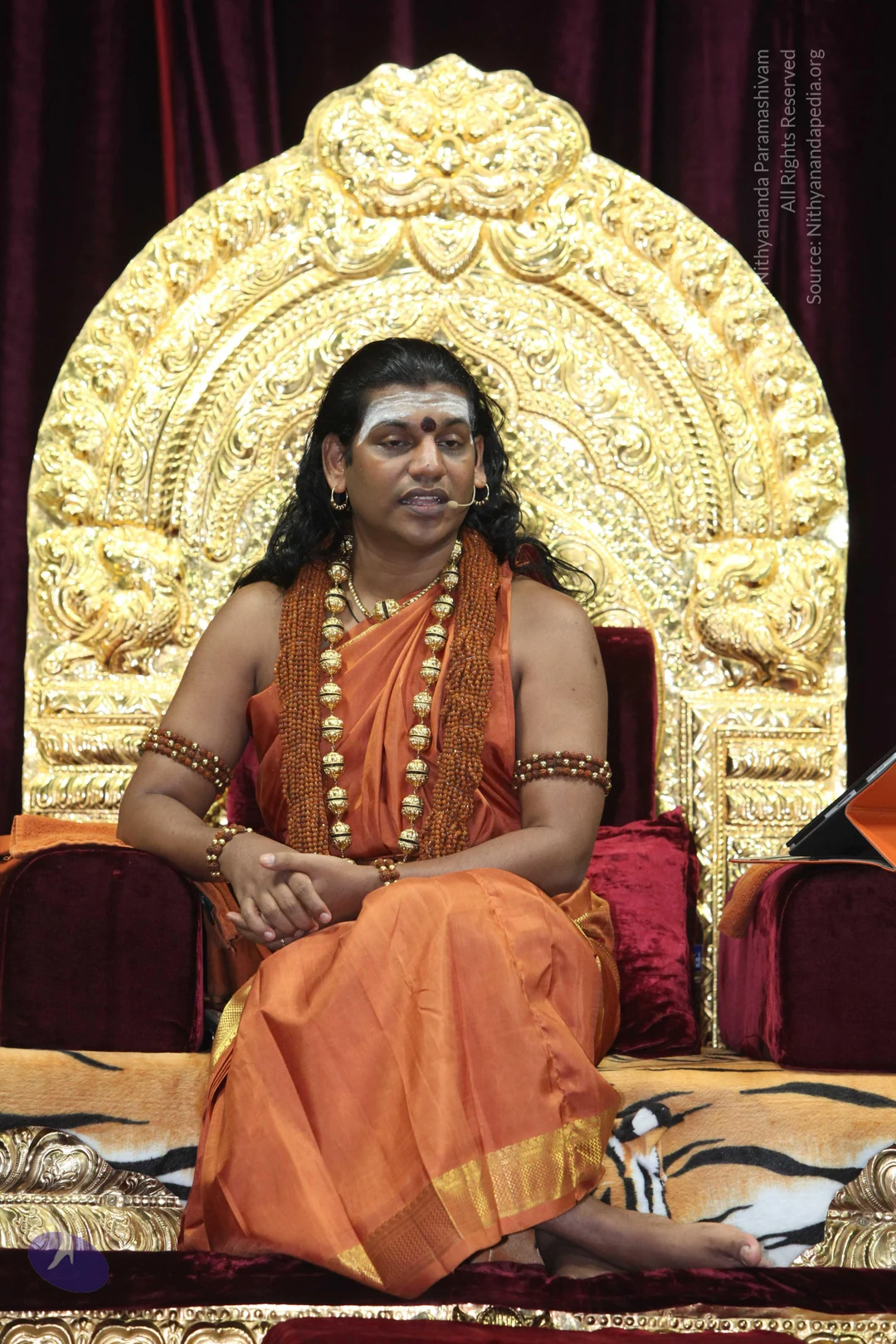
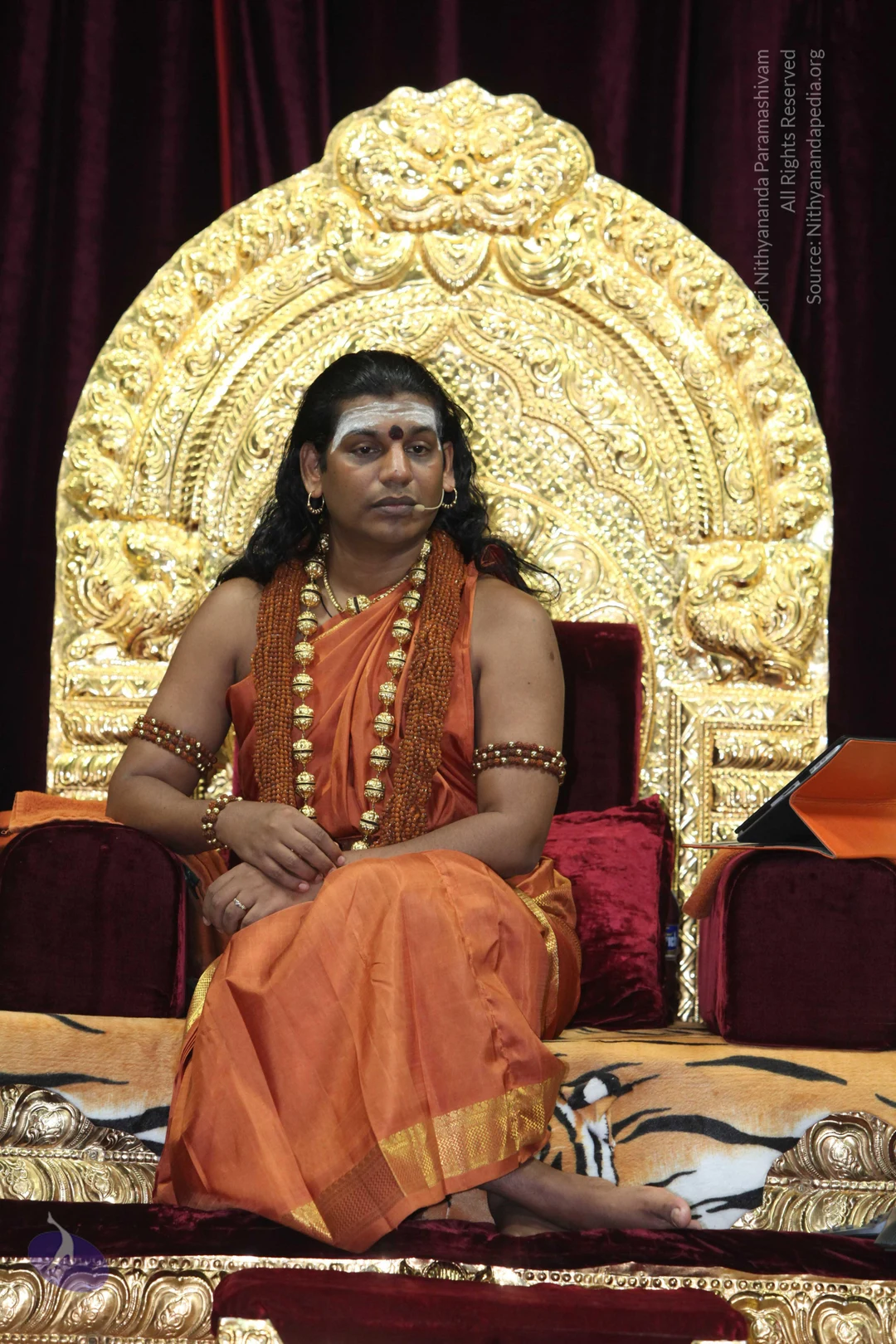
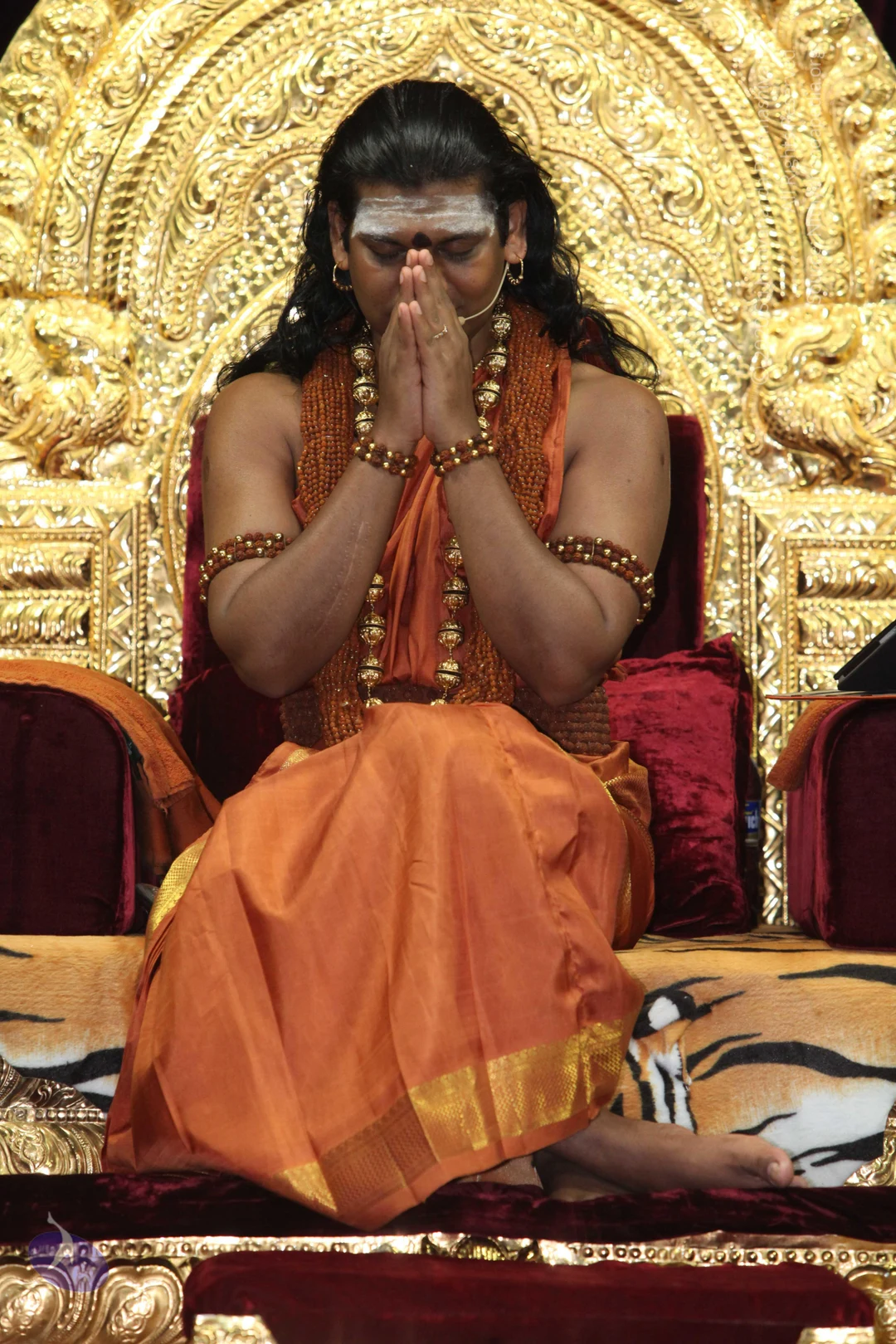
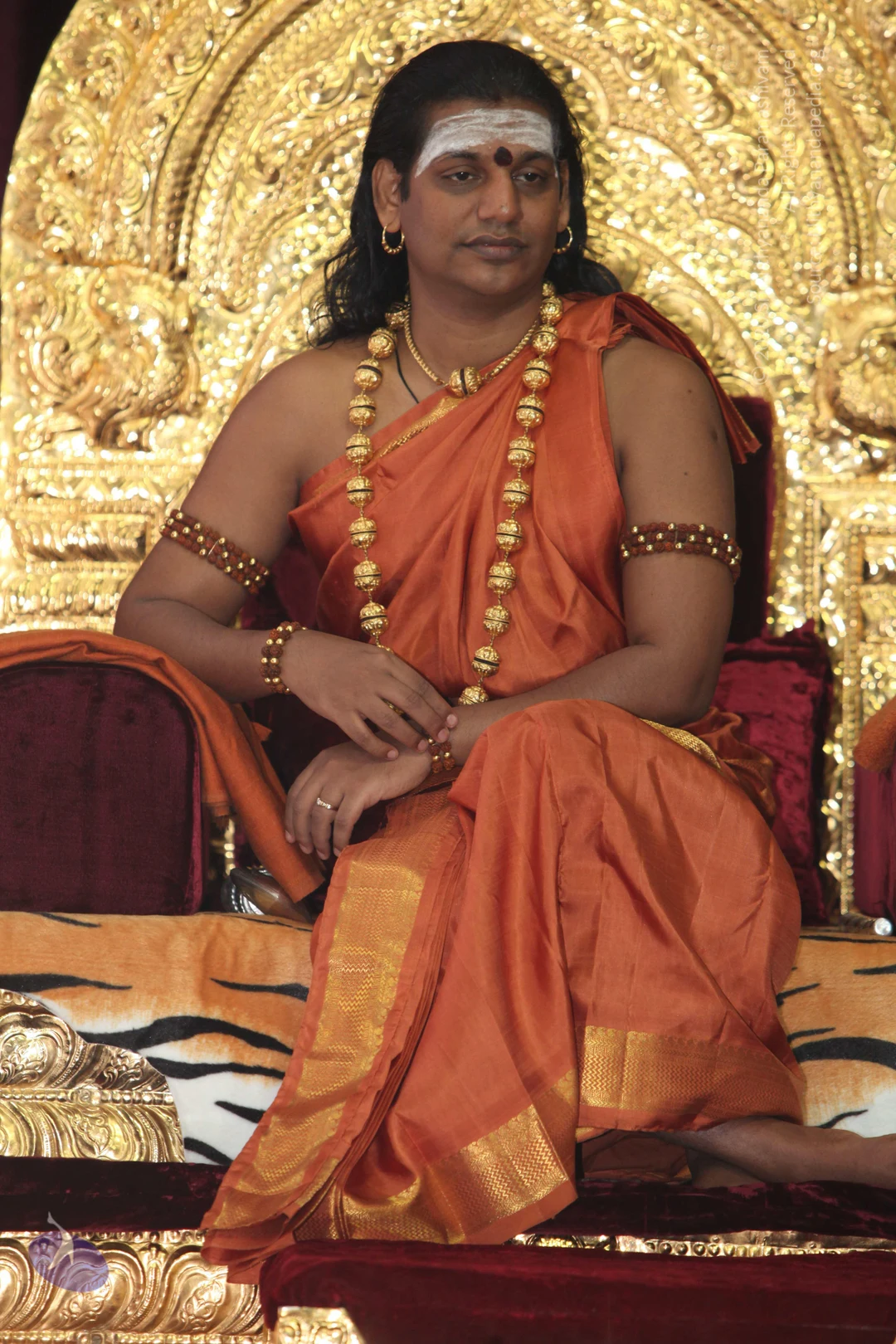
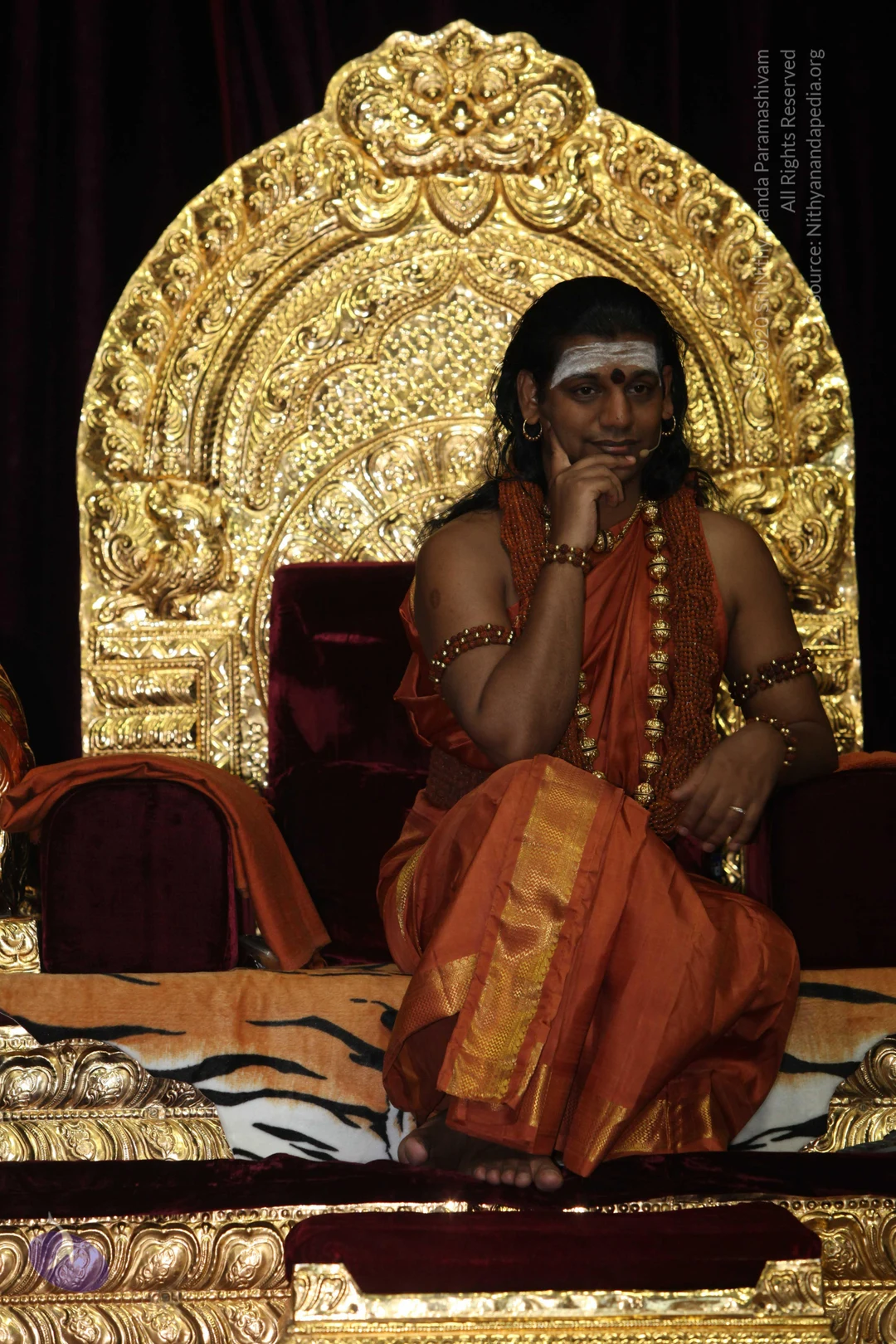
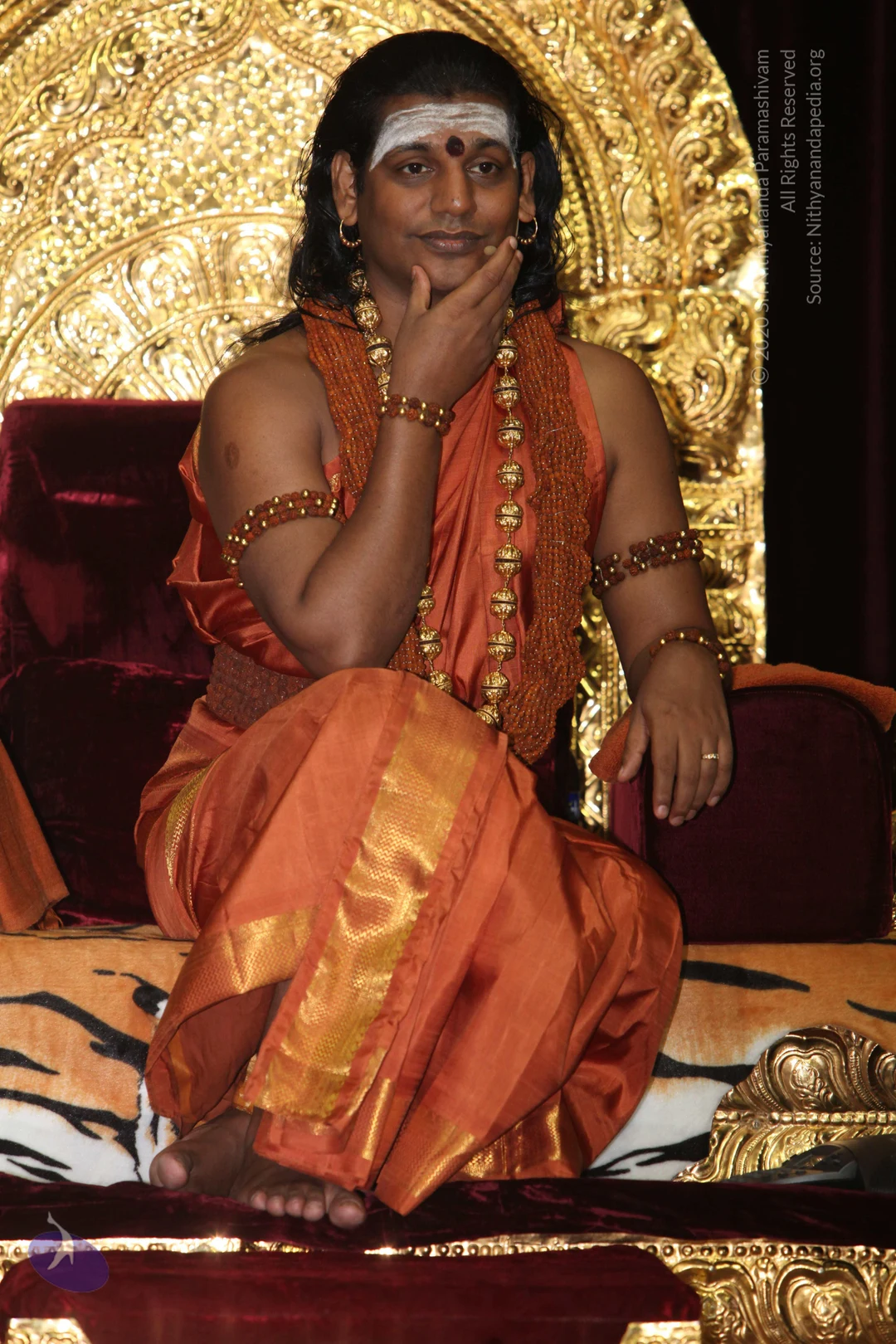
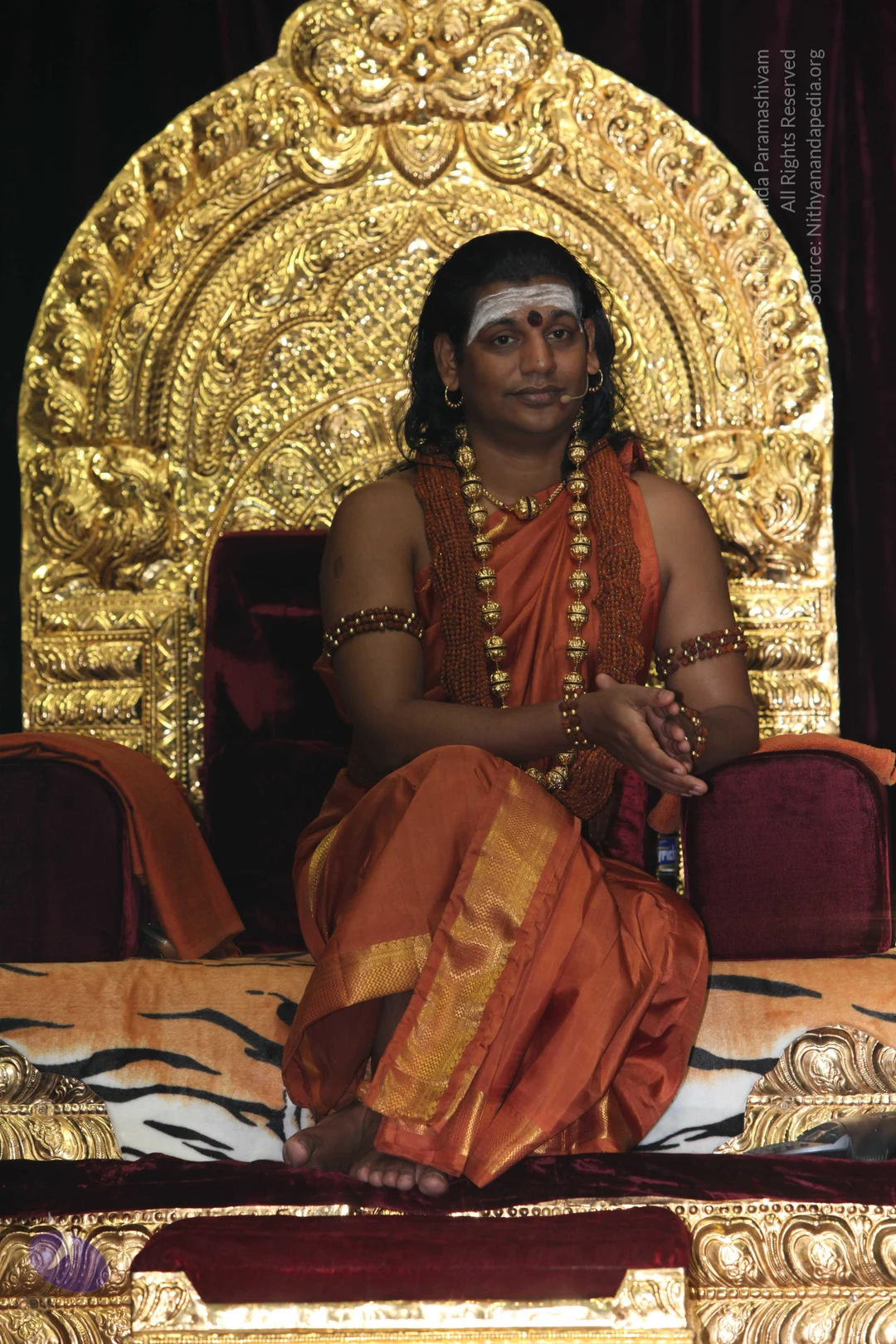
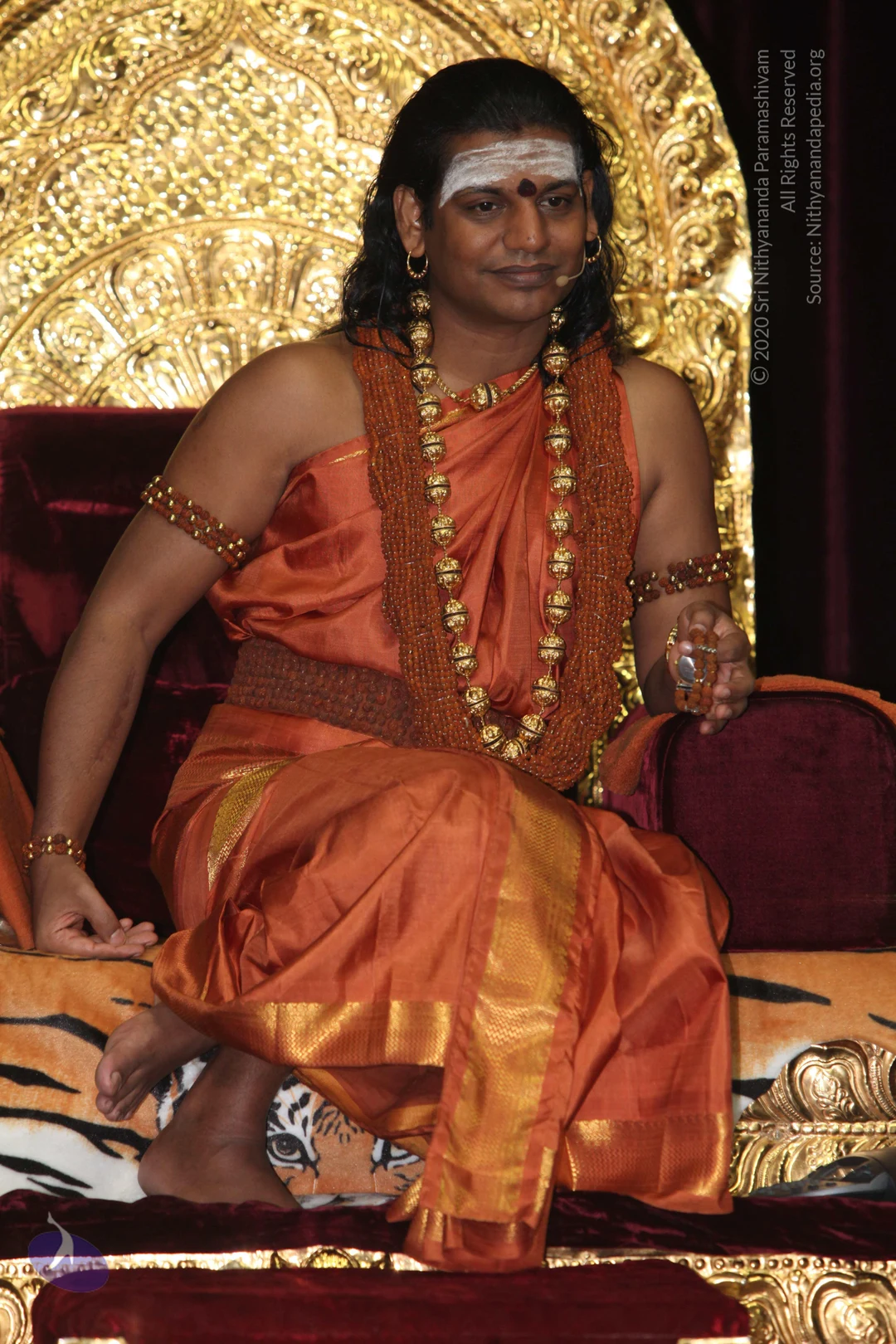
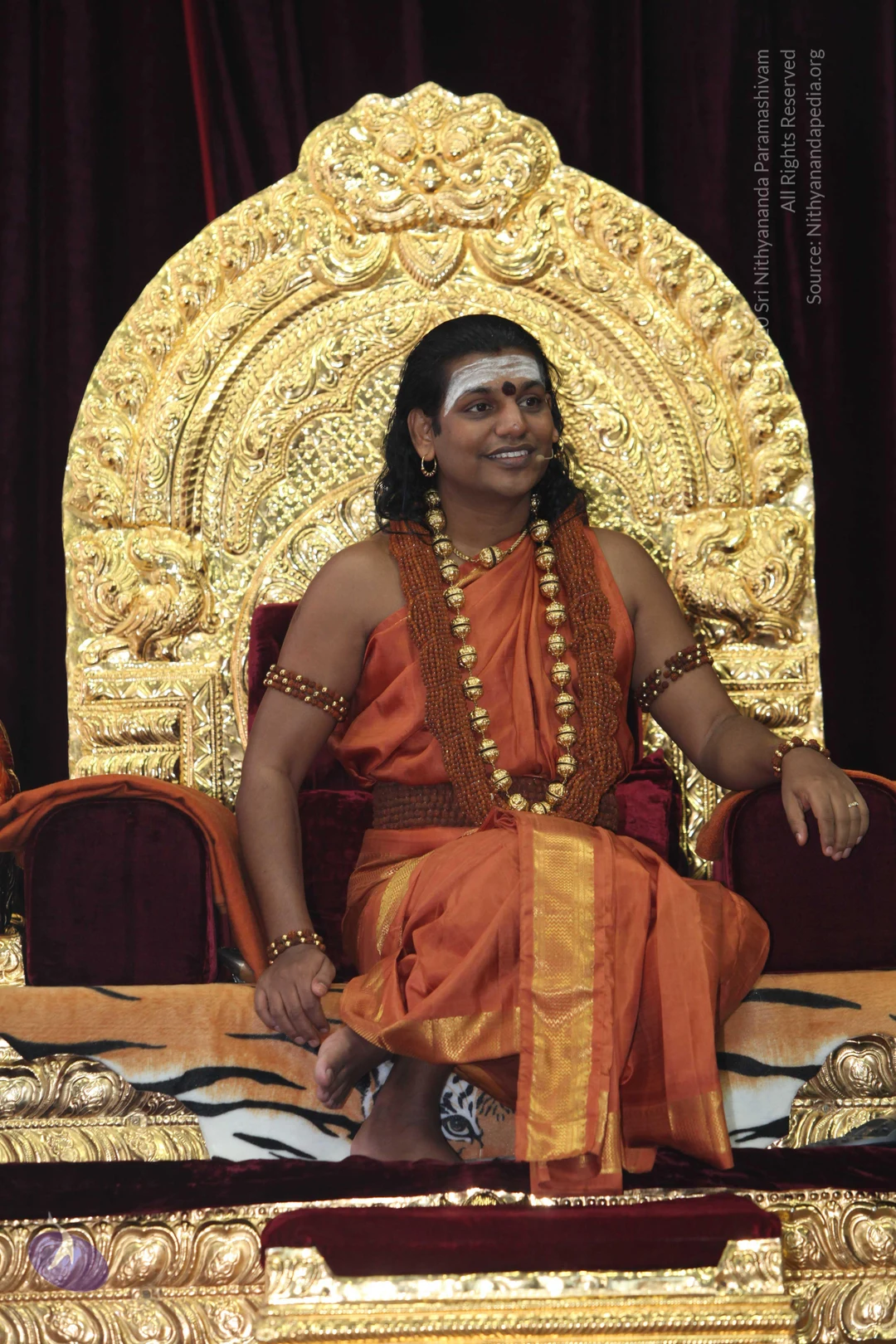
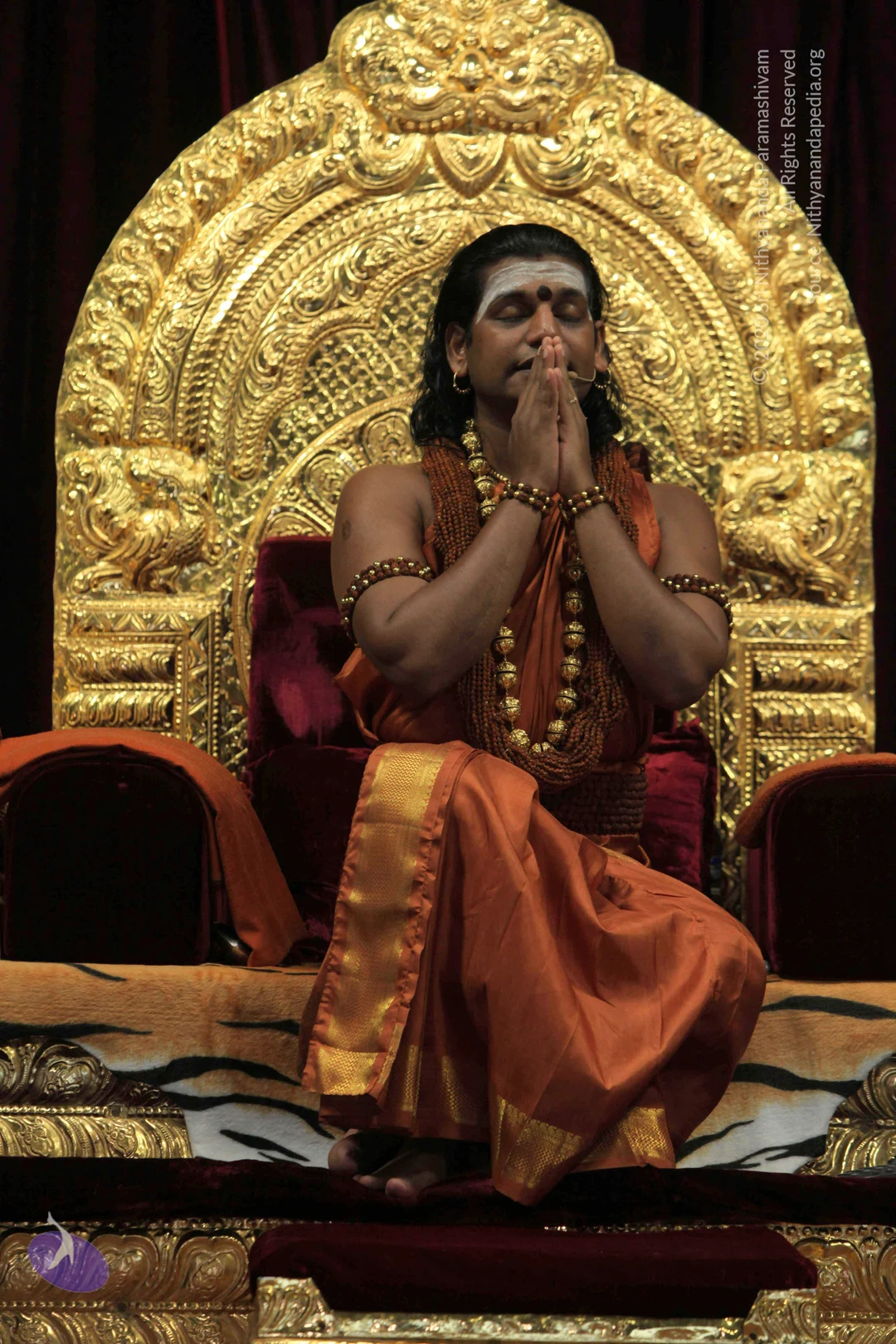
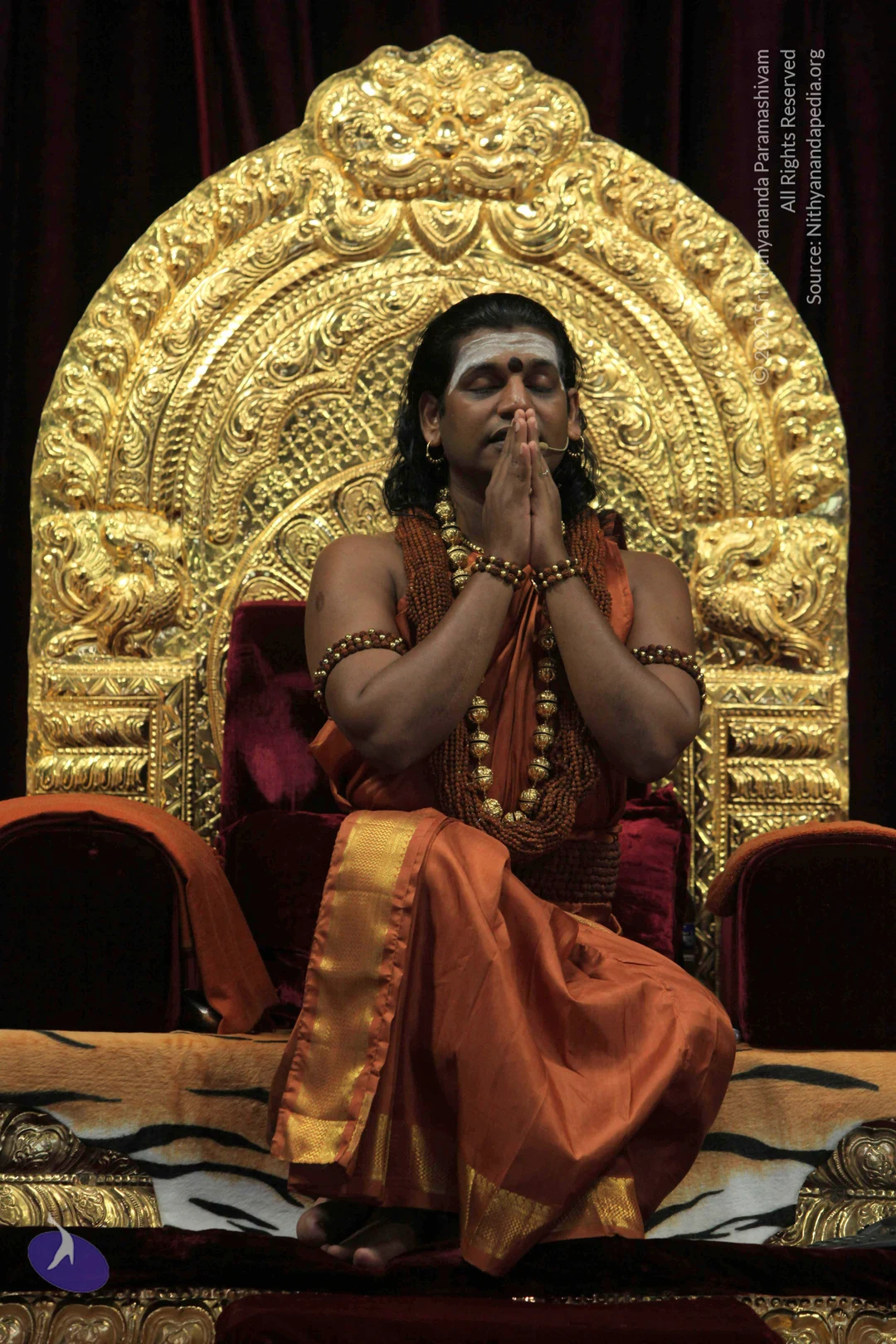
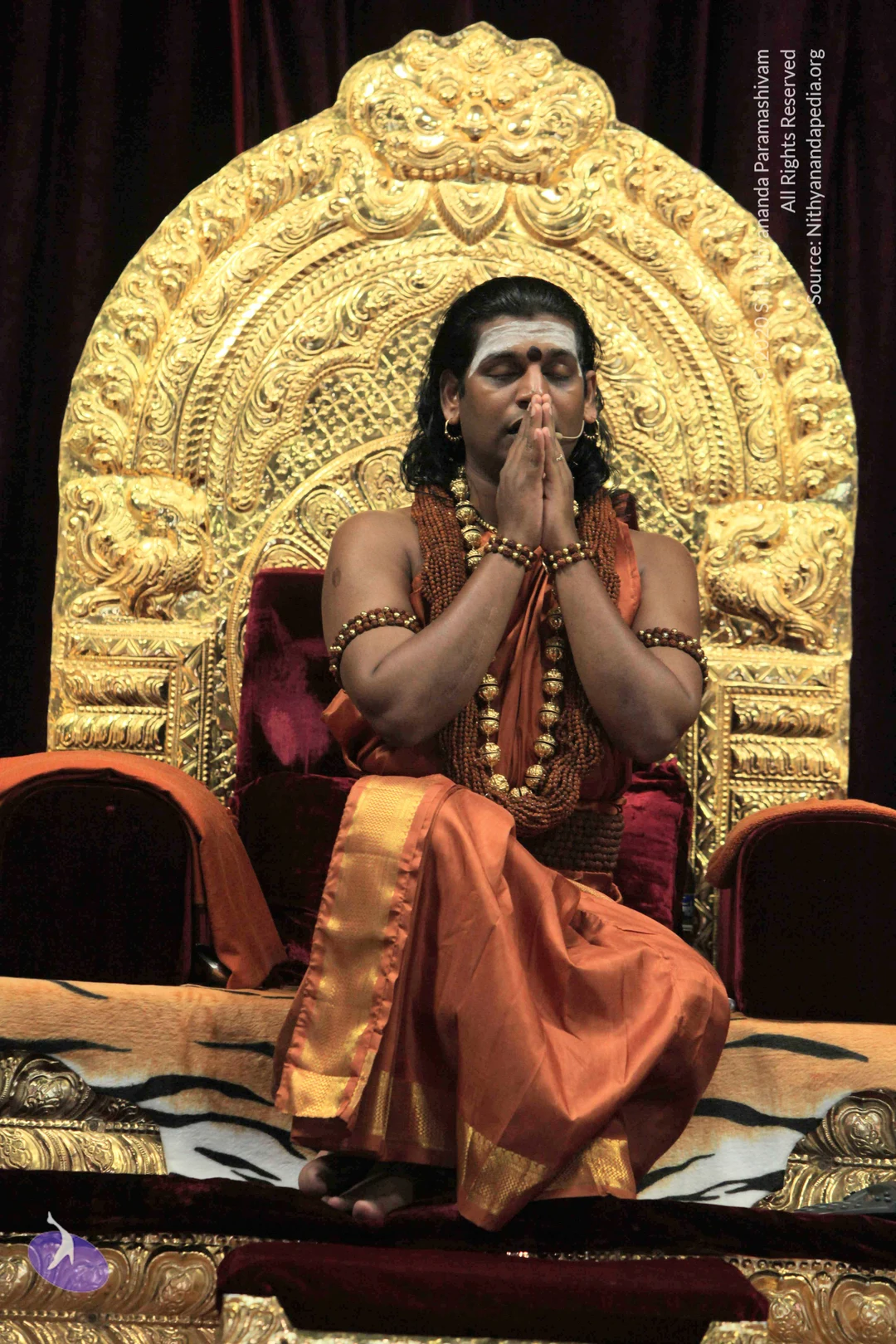
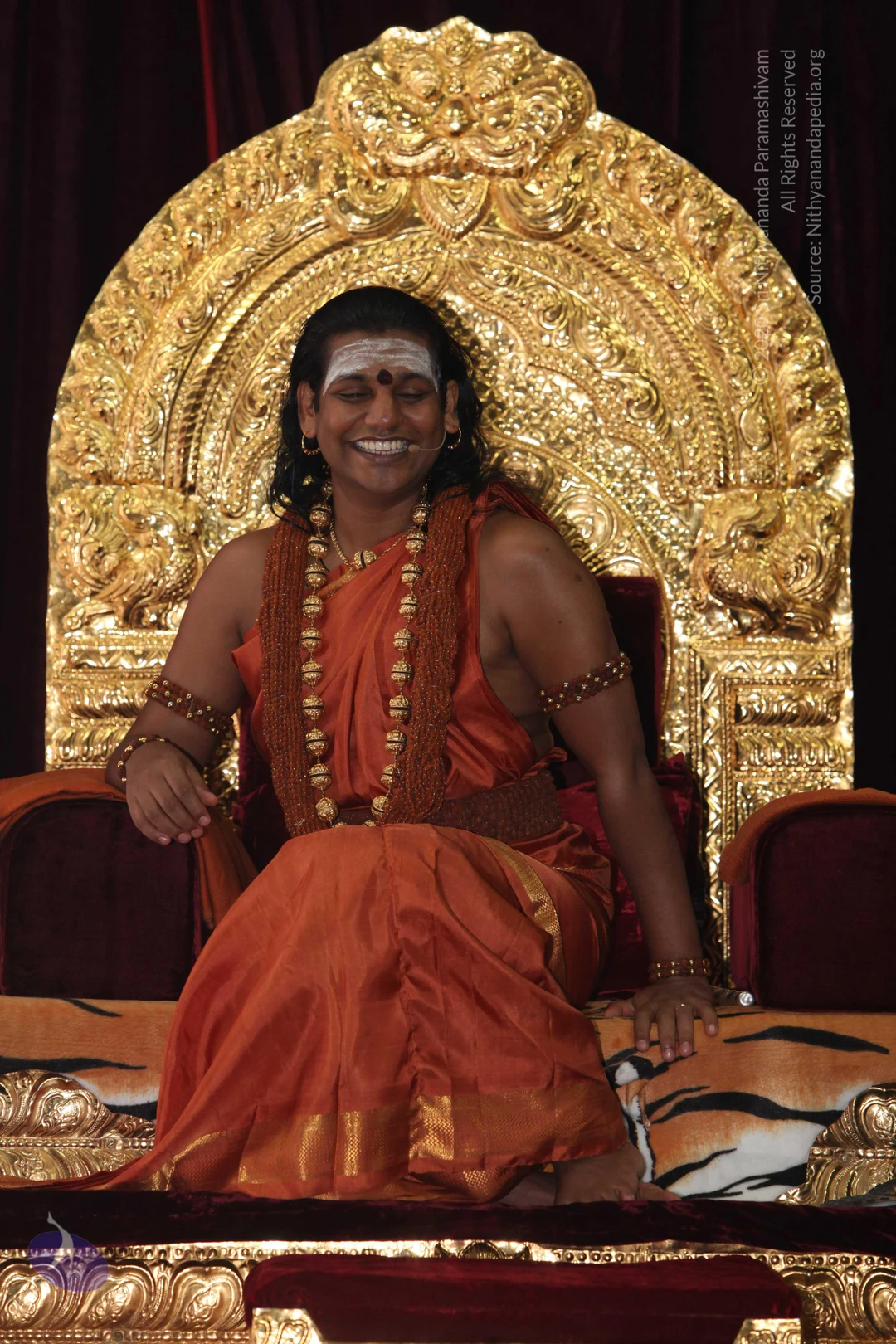
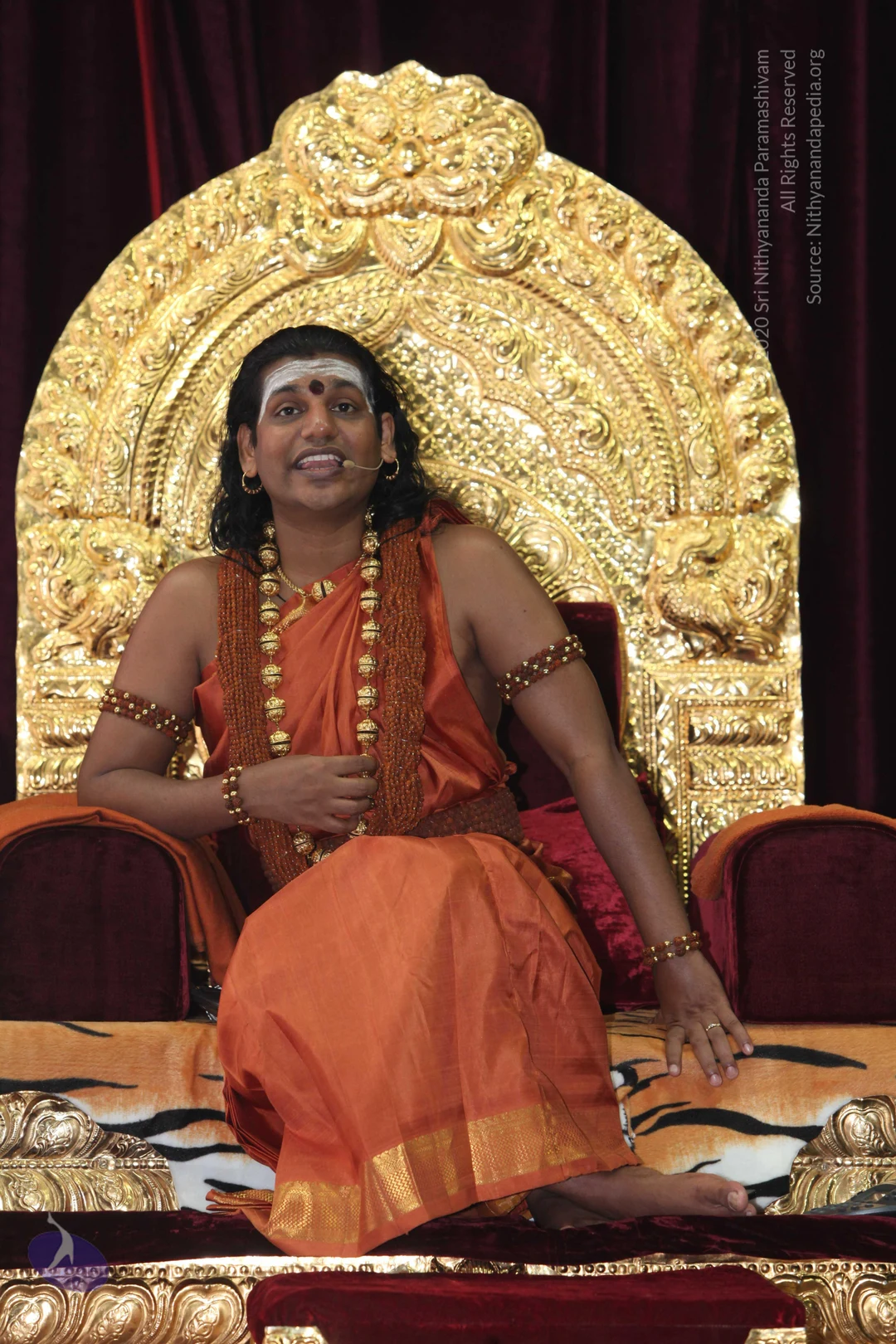
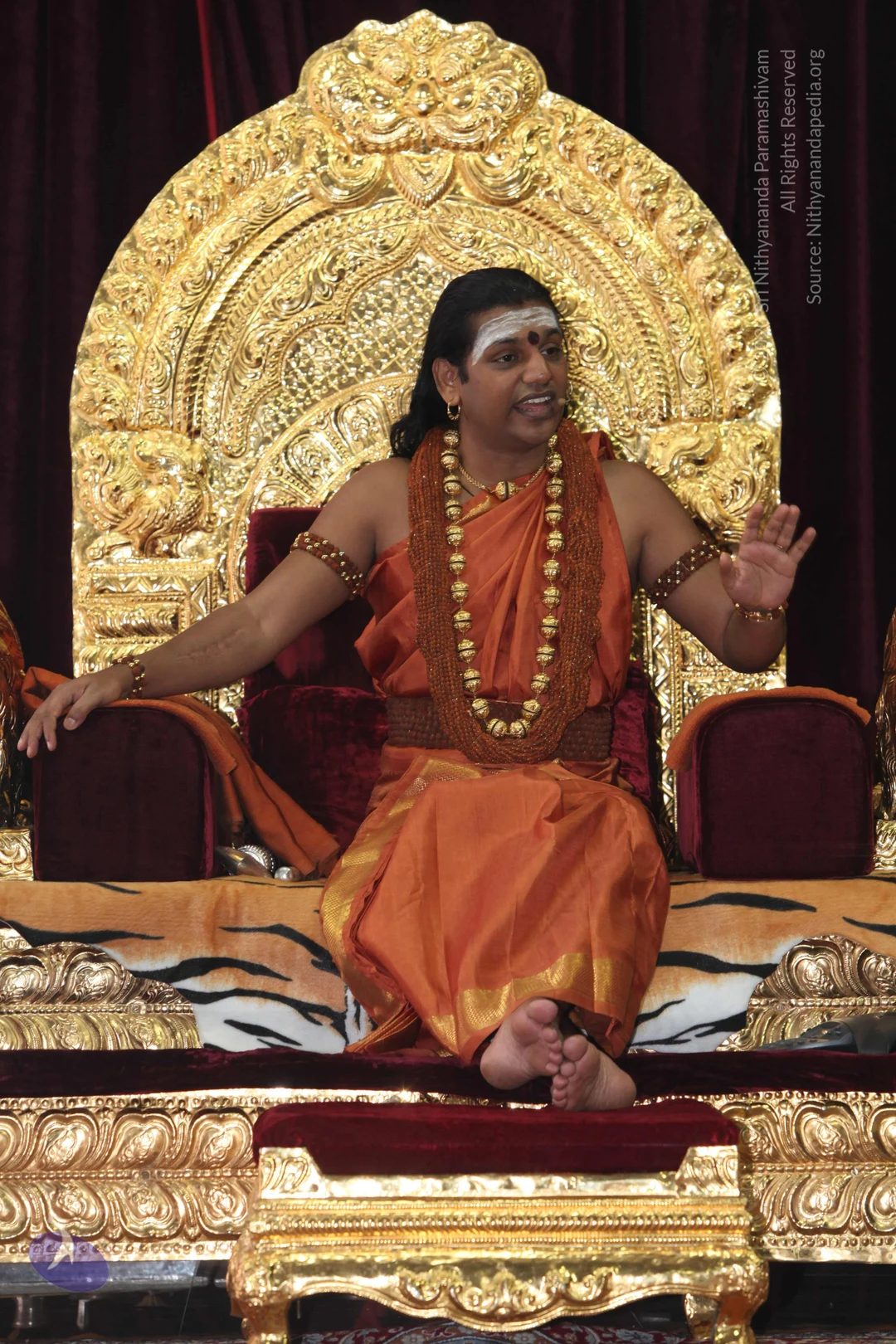
04-IA-SESSION
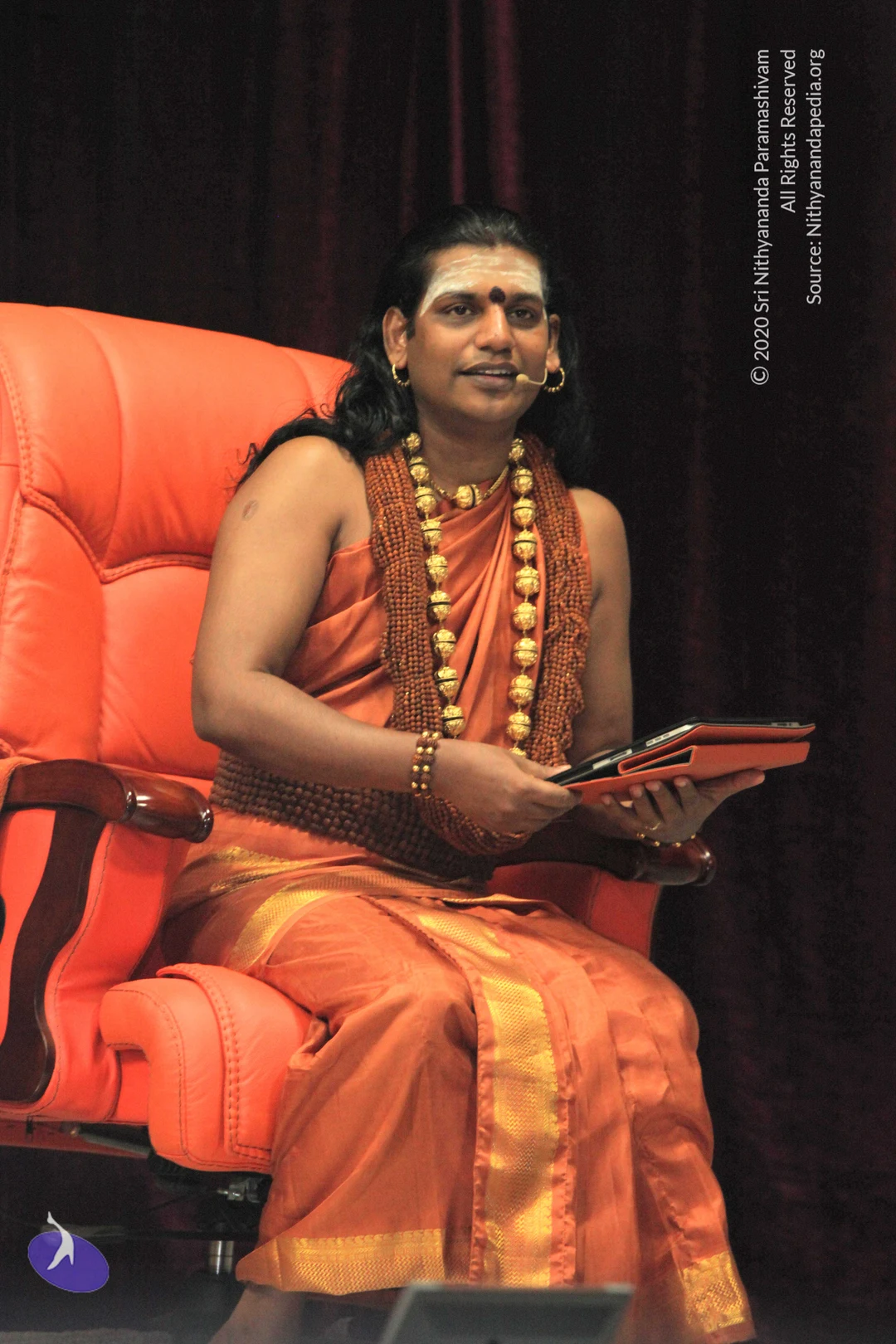
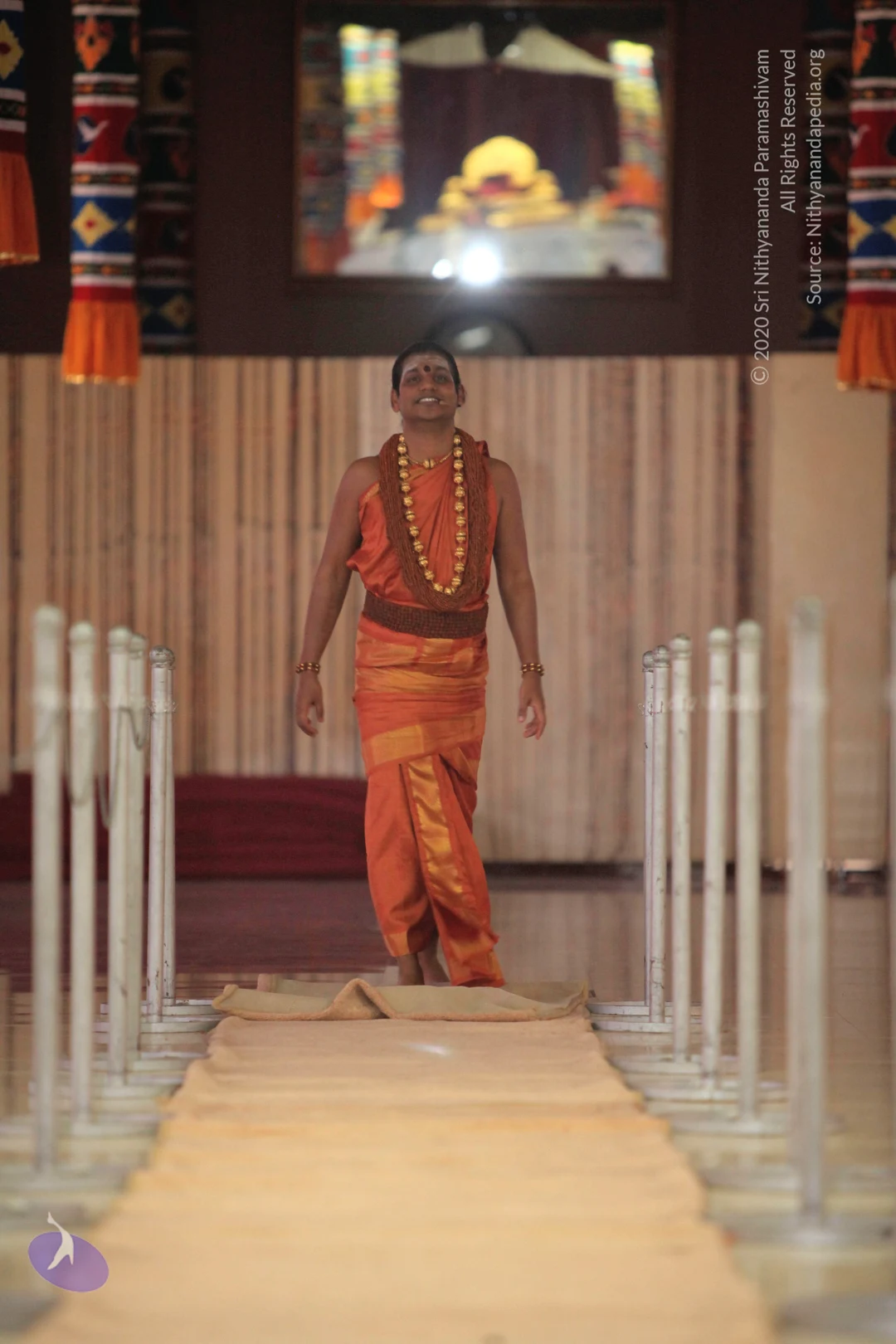
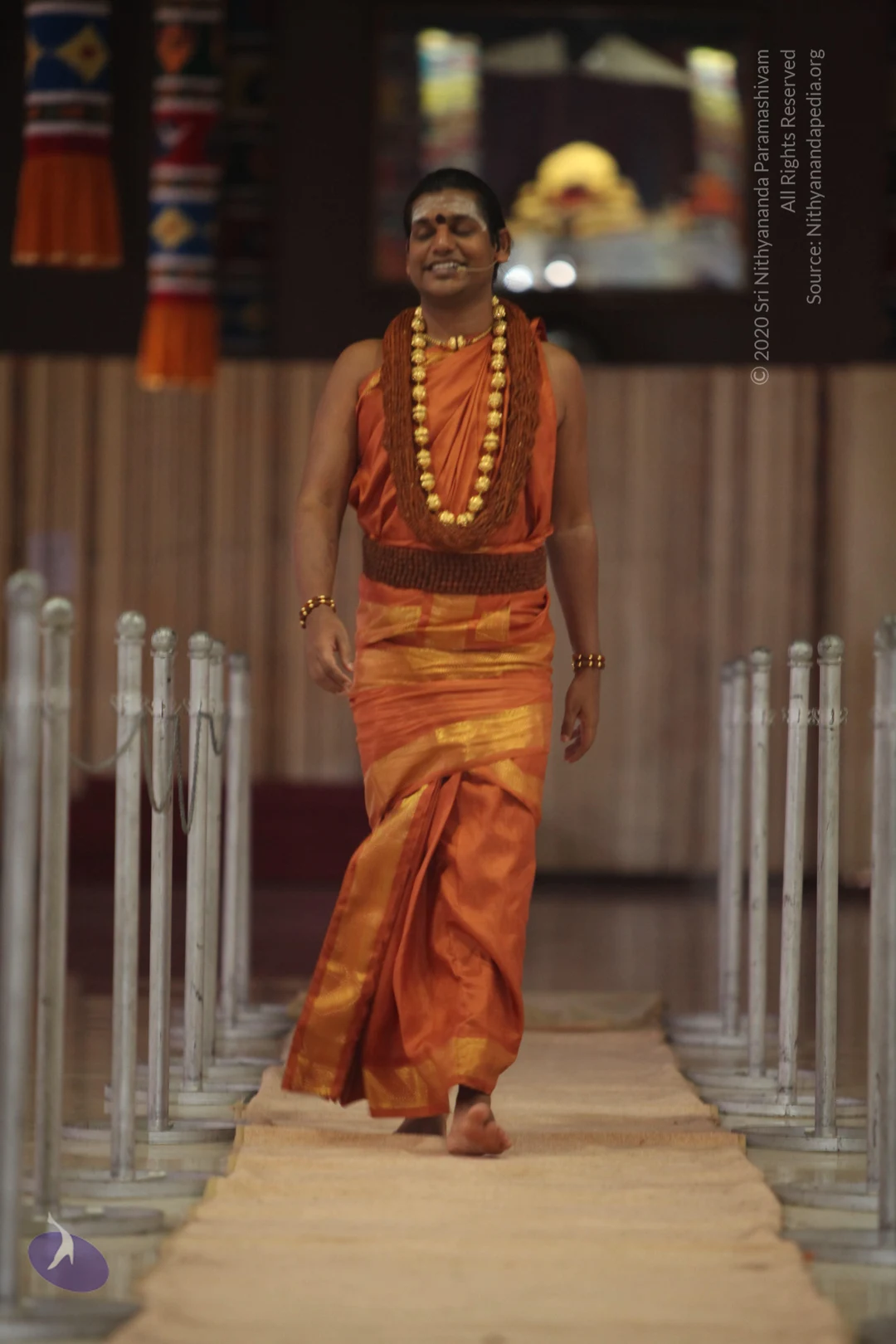
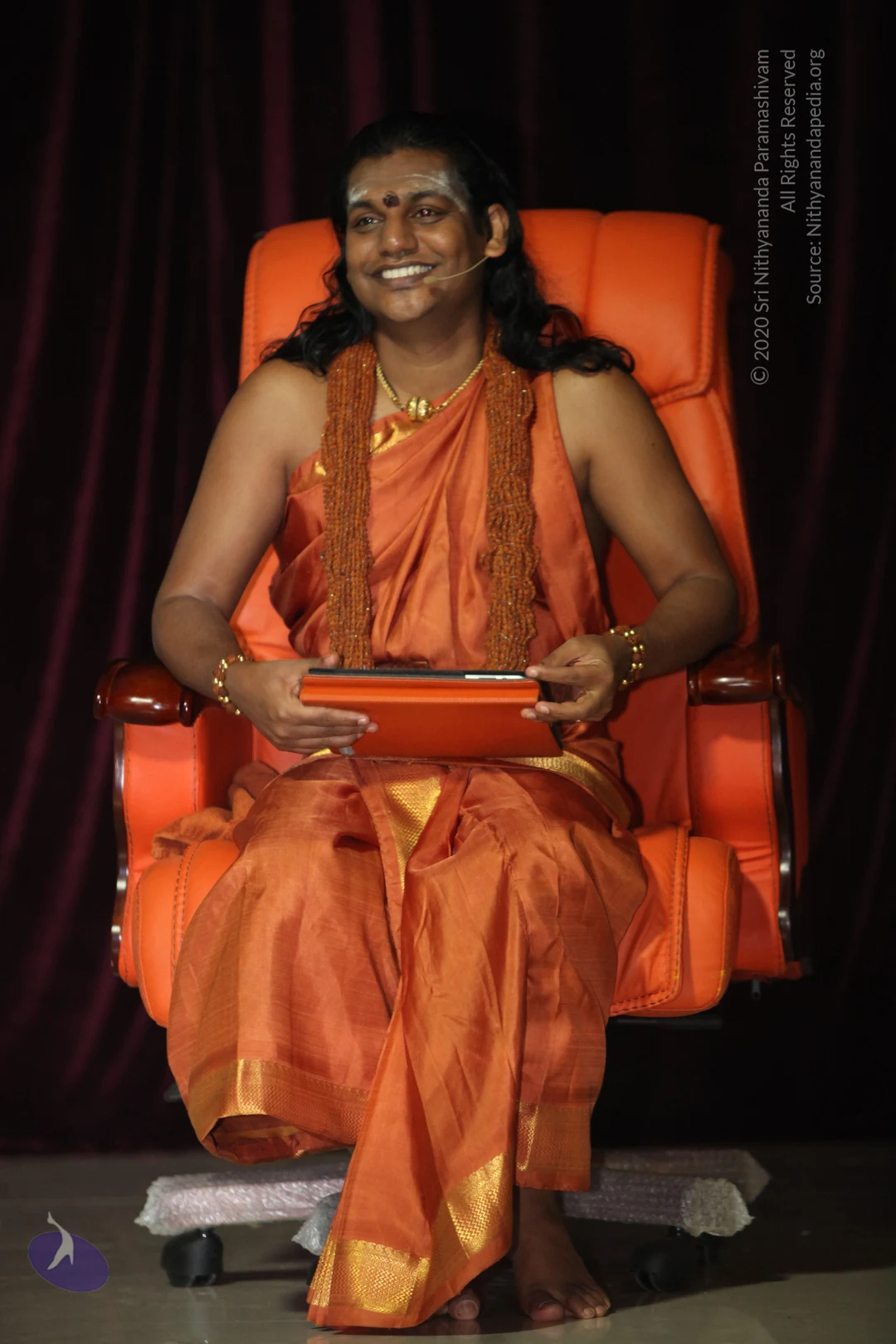
Photos from this day
View all 215 photosBidadi Temple and Sacred Banyan Tree
12 photosSource gallery
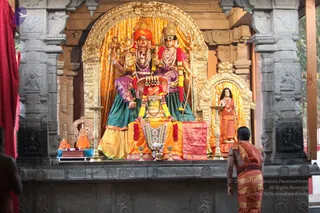
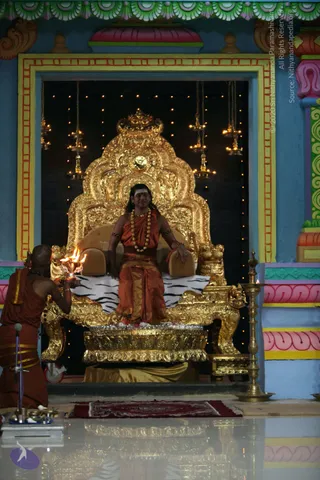
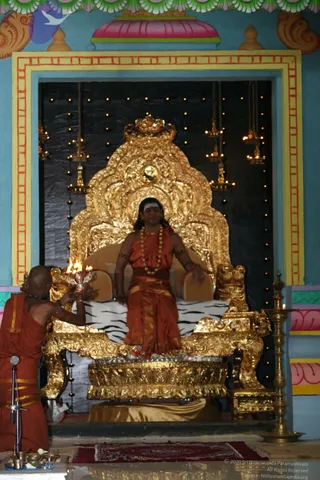
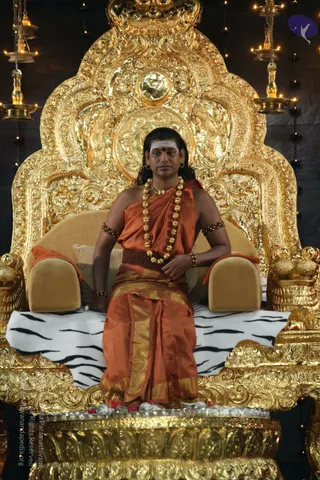
Pada Puja
43 photosSource gallery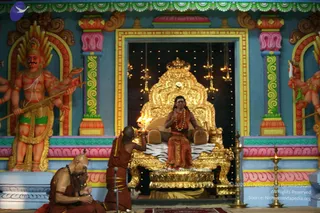
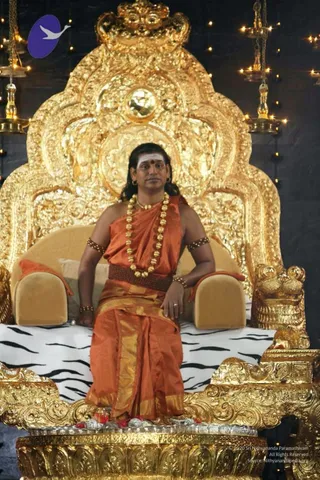
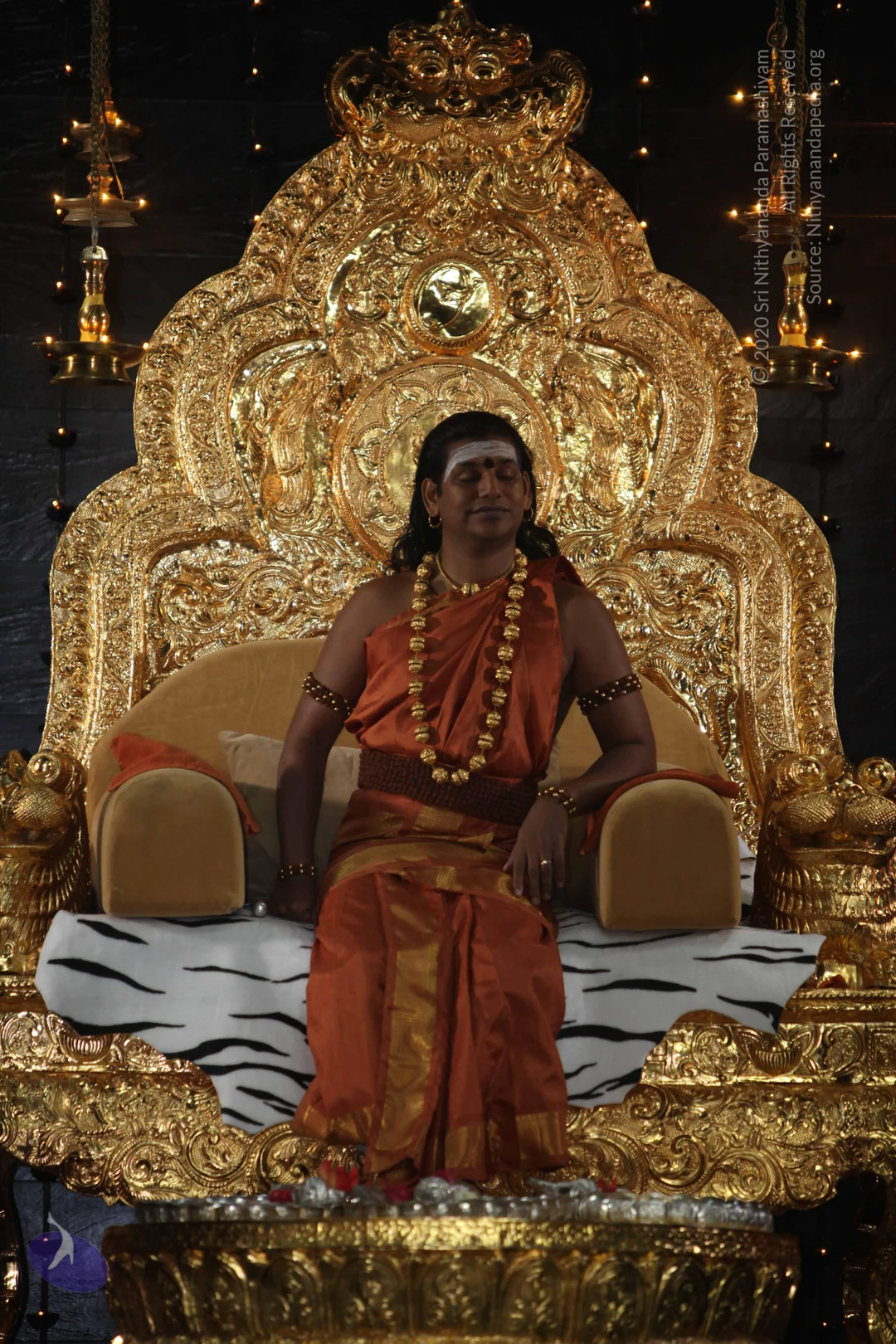
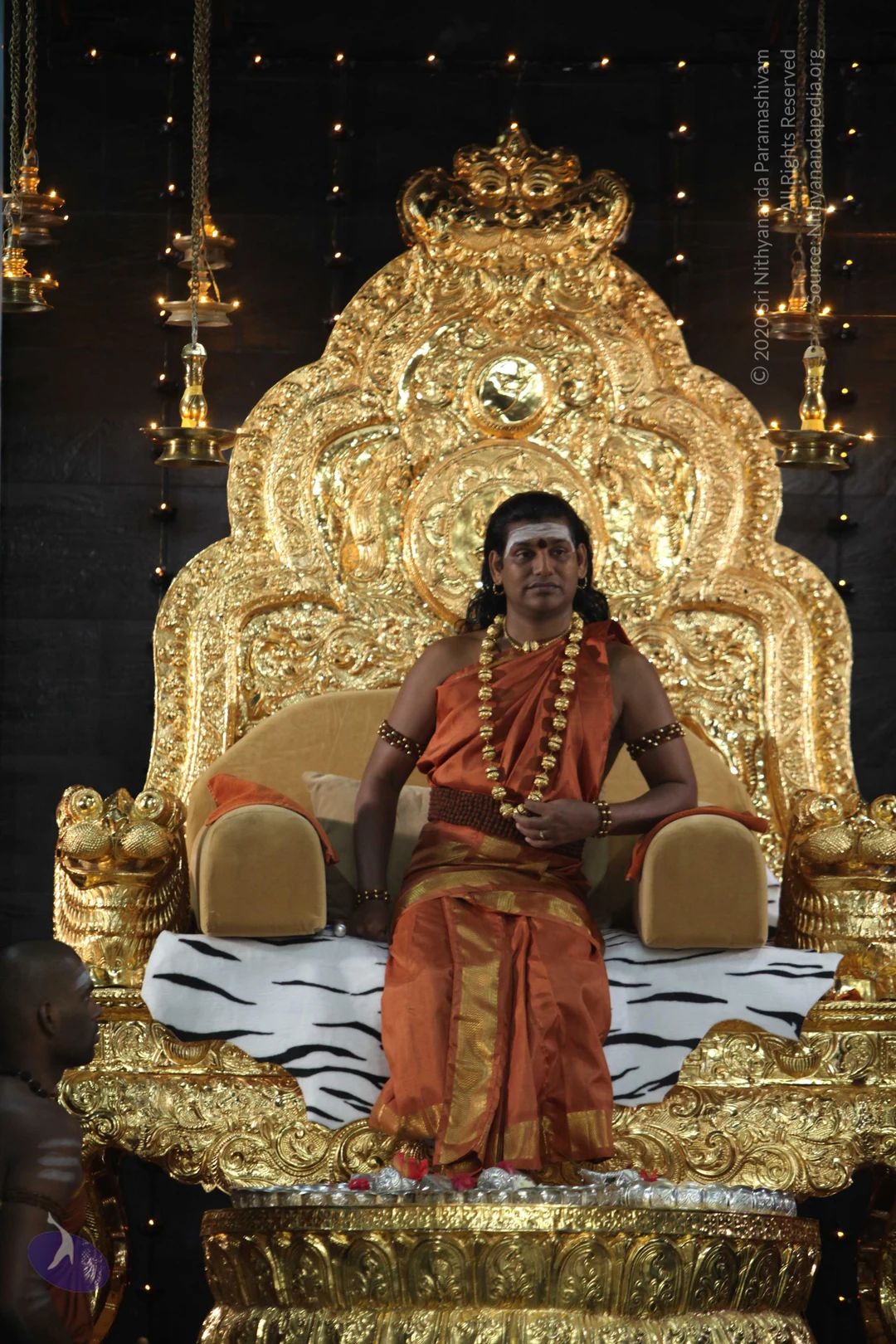
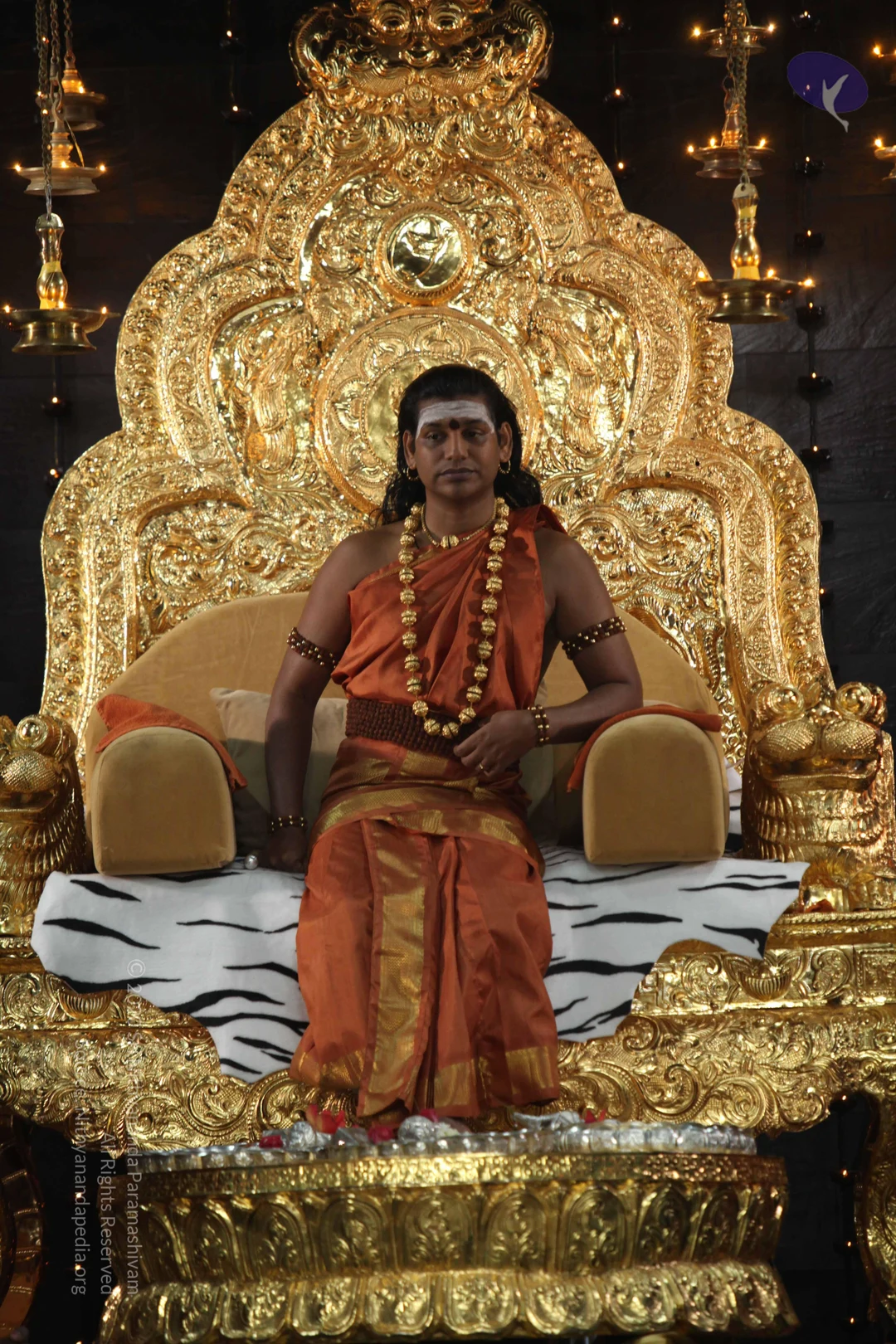
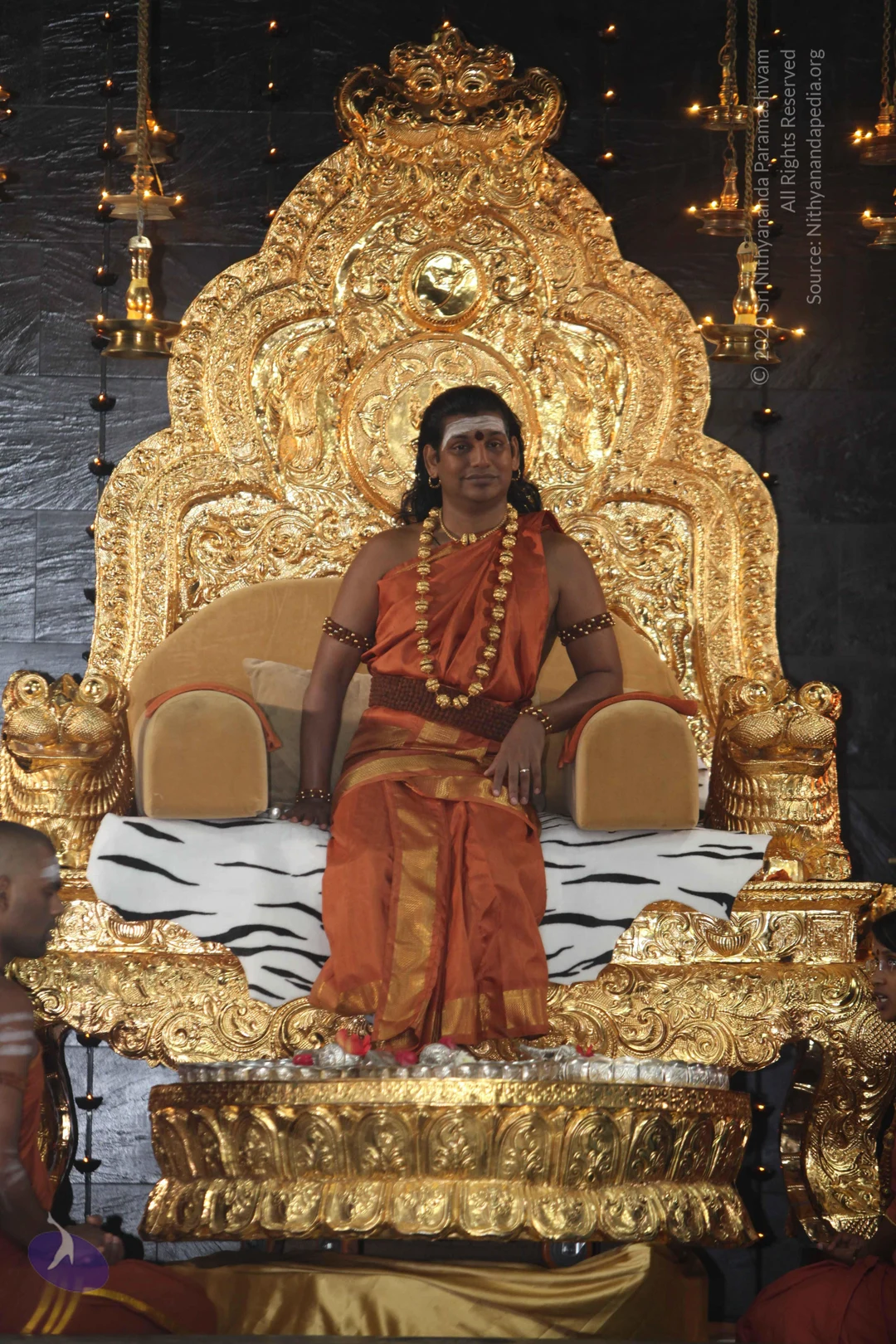
Morning Satsang
33 photosSource gallery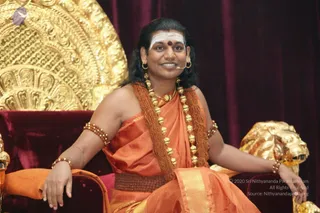

Sarva Darshan
4 photosSource gallery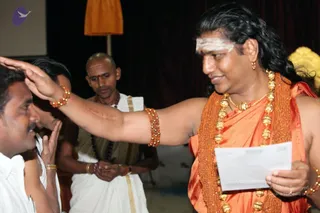
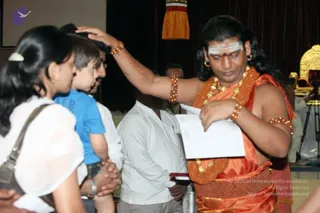
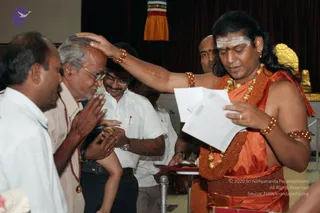
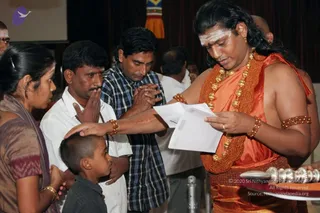
Tamil Inner Awakening Session
23 photosSource gallery
Darshan
21 photosSource gallery
2-Pada-Puja
7 photosSource gallery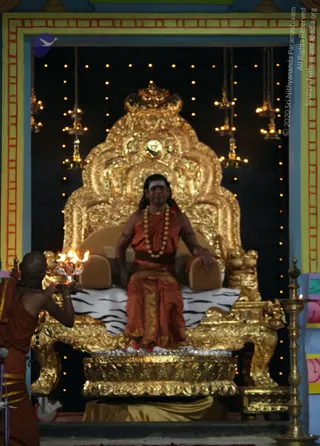
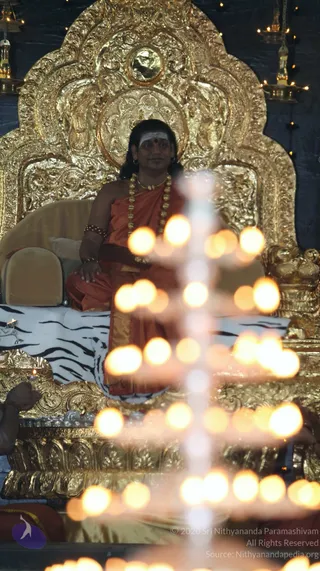
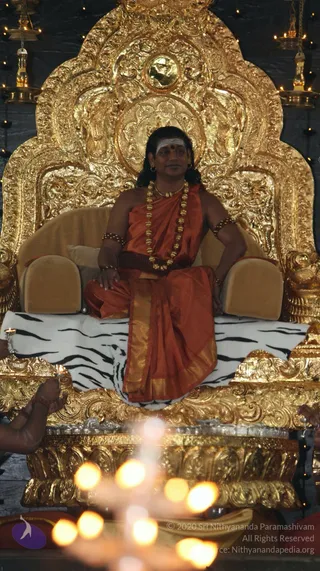
3-Morning-Satsang
5 photosSource gallery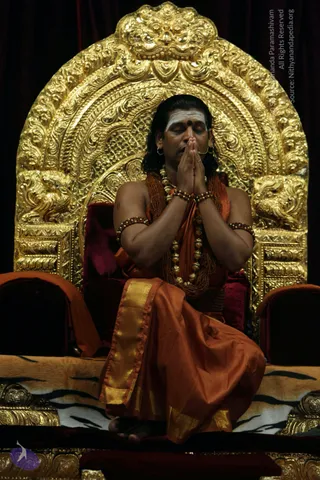
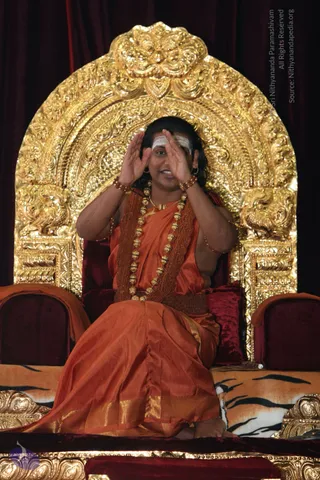
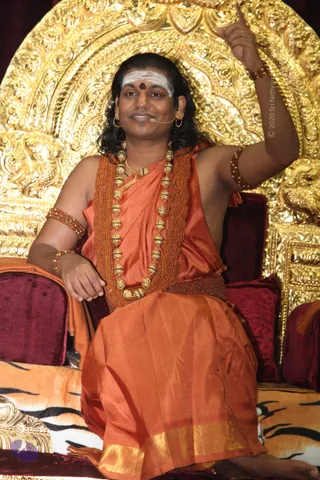
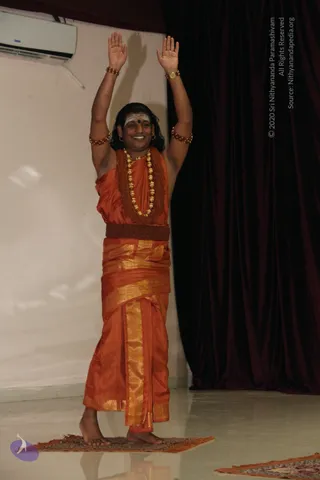
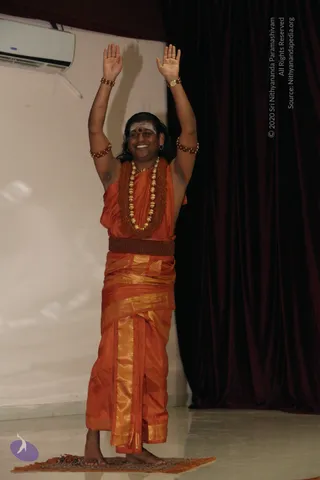
5-Tamil-IA-Session
2 photosSource gallery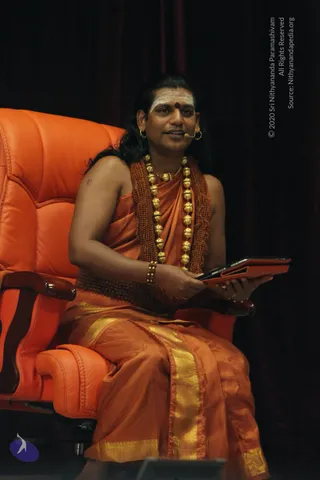
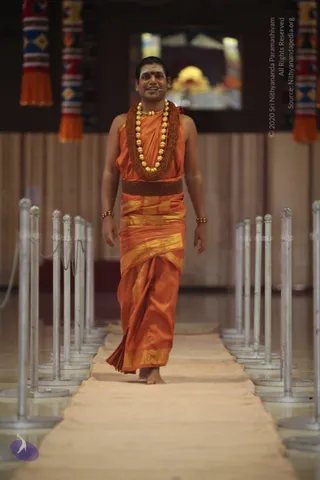
01-ADIKAILASA-TEMPLE
3 photosSource gallery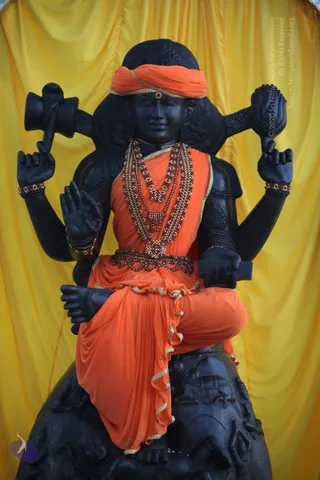
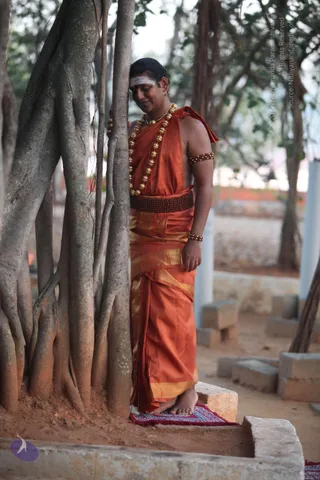
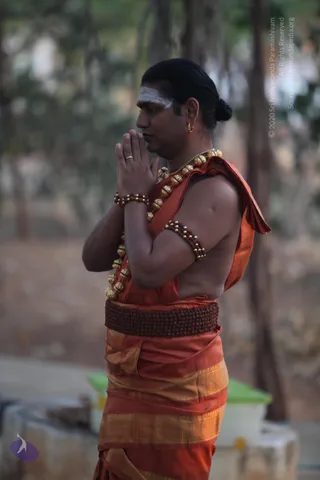
02-PADA-PUJA
13 photosSource gallery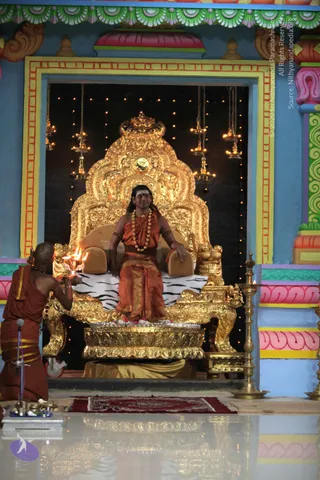
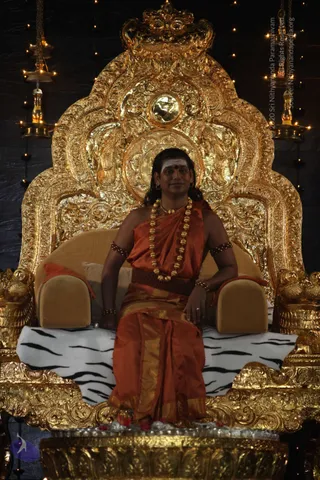
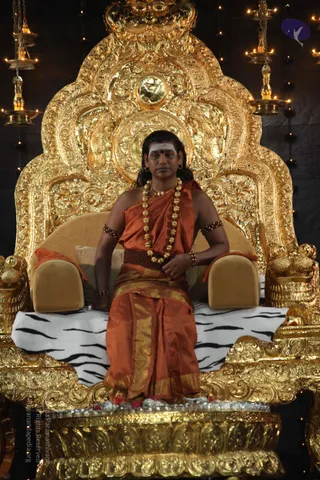
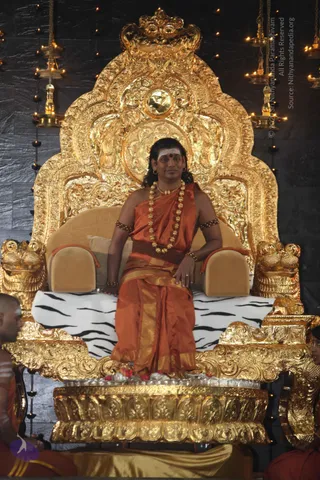
03-NITHYA-SATSANG
44 photosSource gallery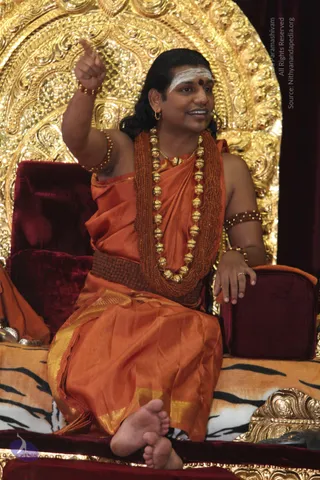
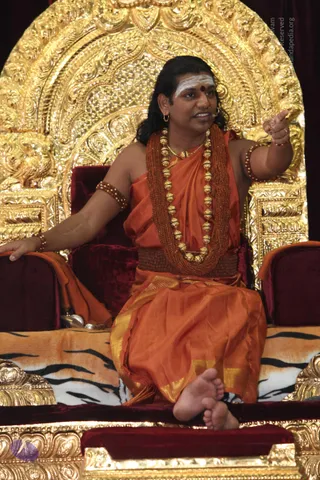
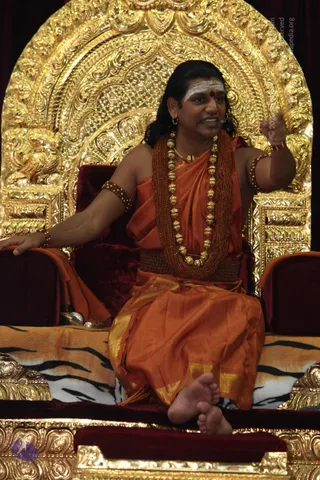
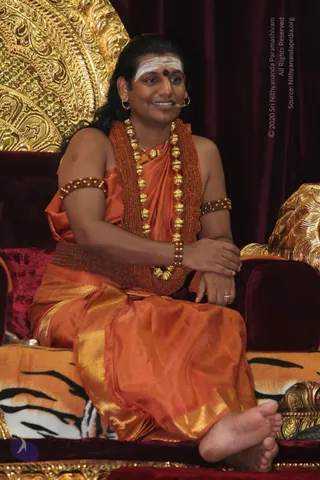
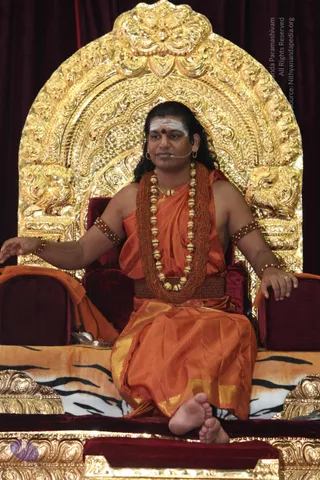
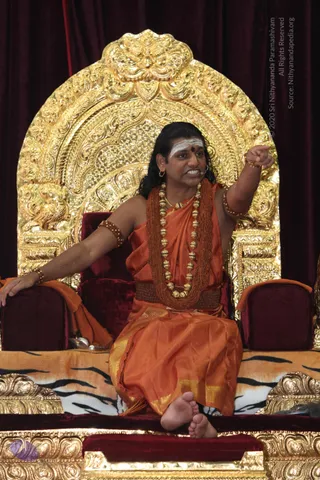
04-IA-SESSION
4 photosSource gallery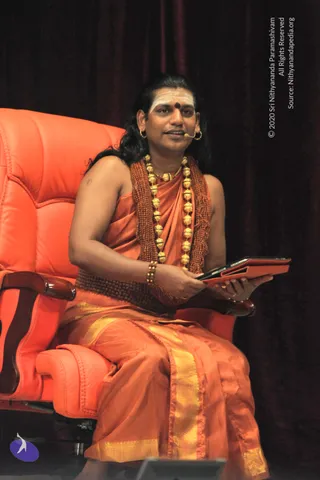
February 25 2013
1 photoView all