Skip to content
Tuesday

26 February 2013

Wake Up to Your Highest Possibility

Dated photos
474
Source pages
1
Media
4
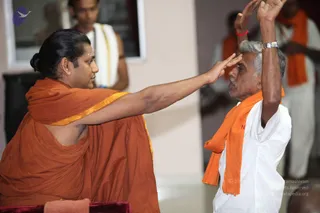
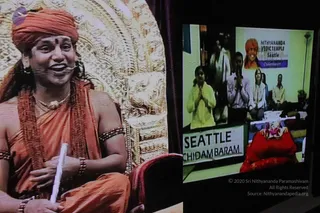
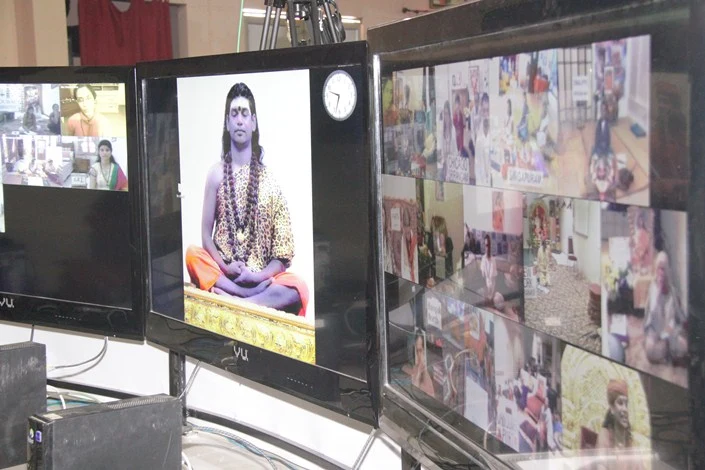
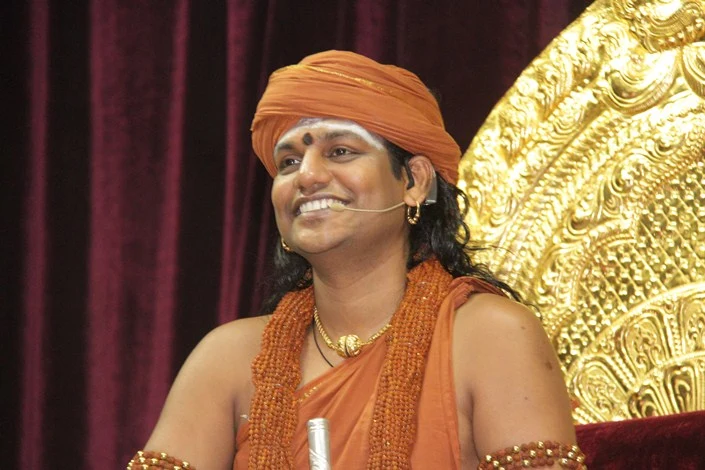
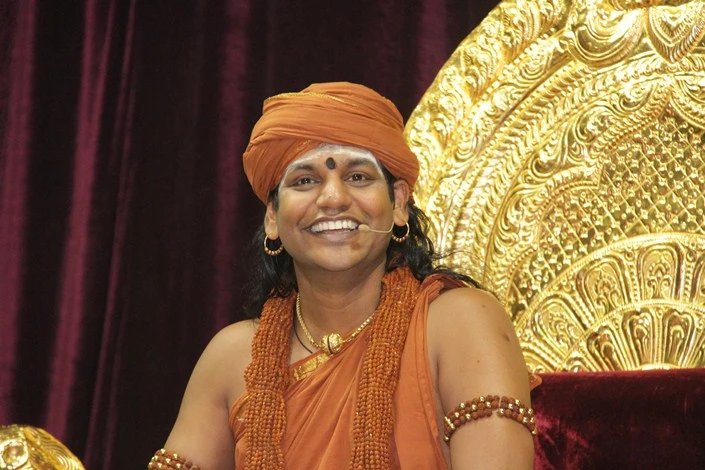
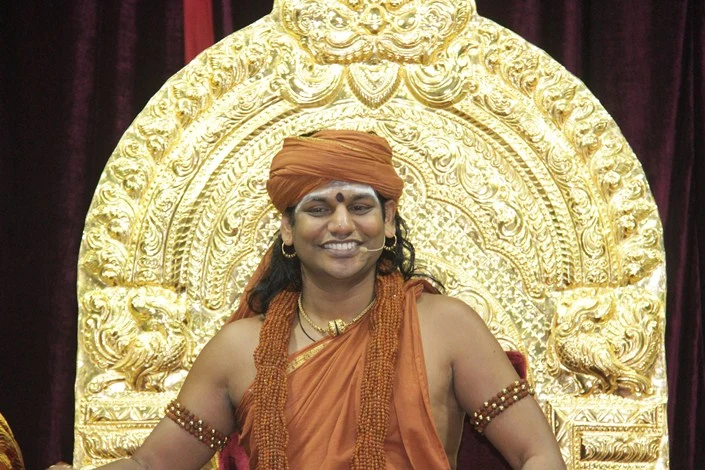
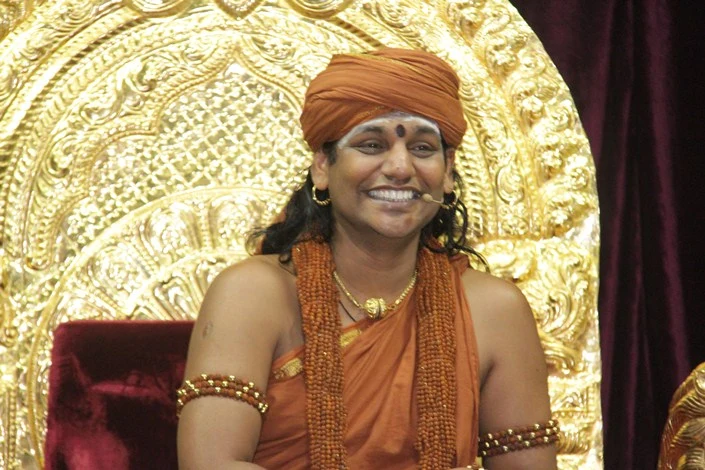
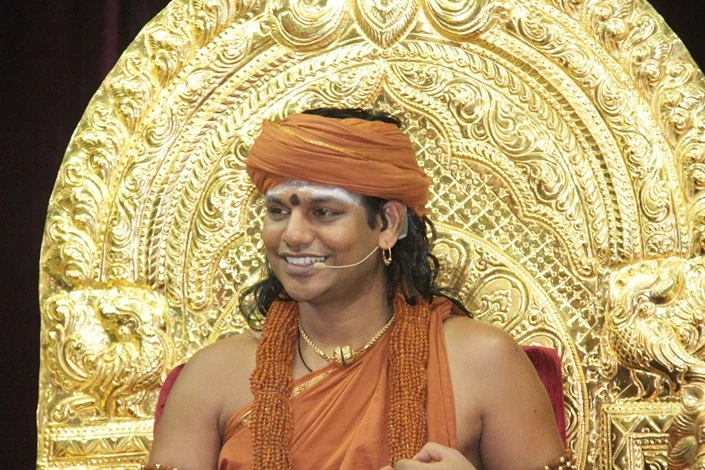
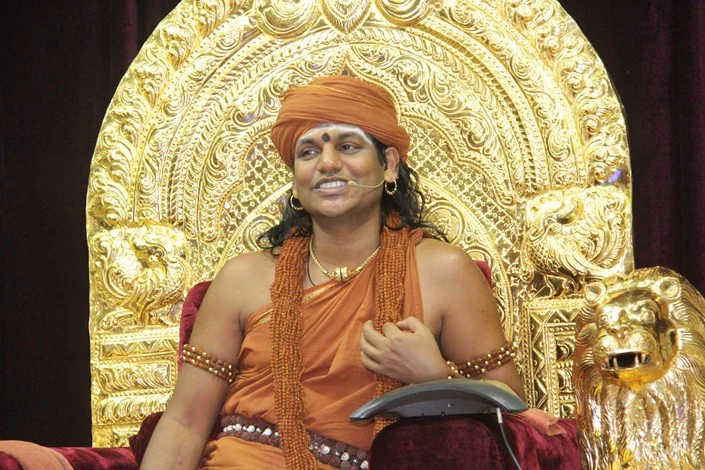
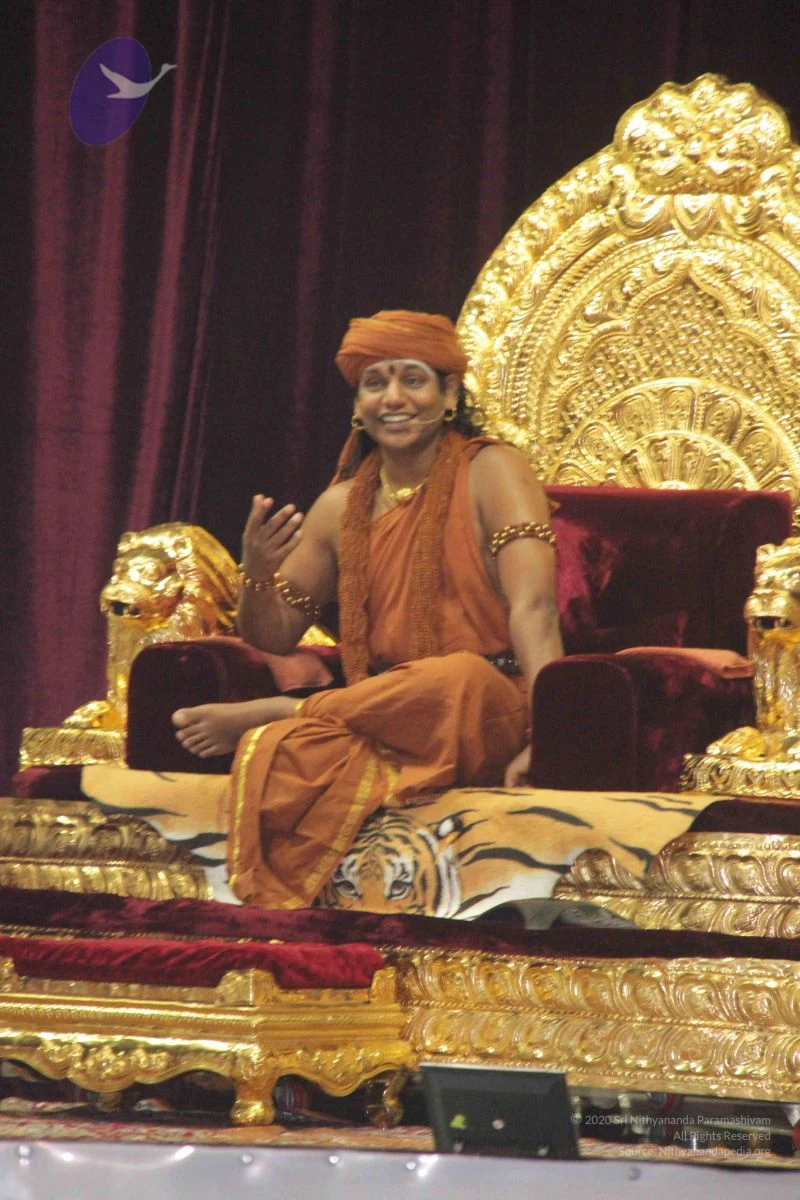
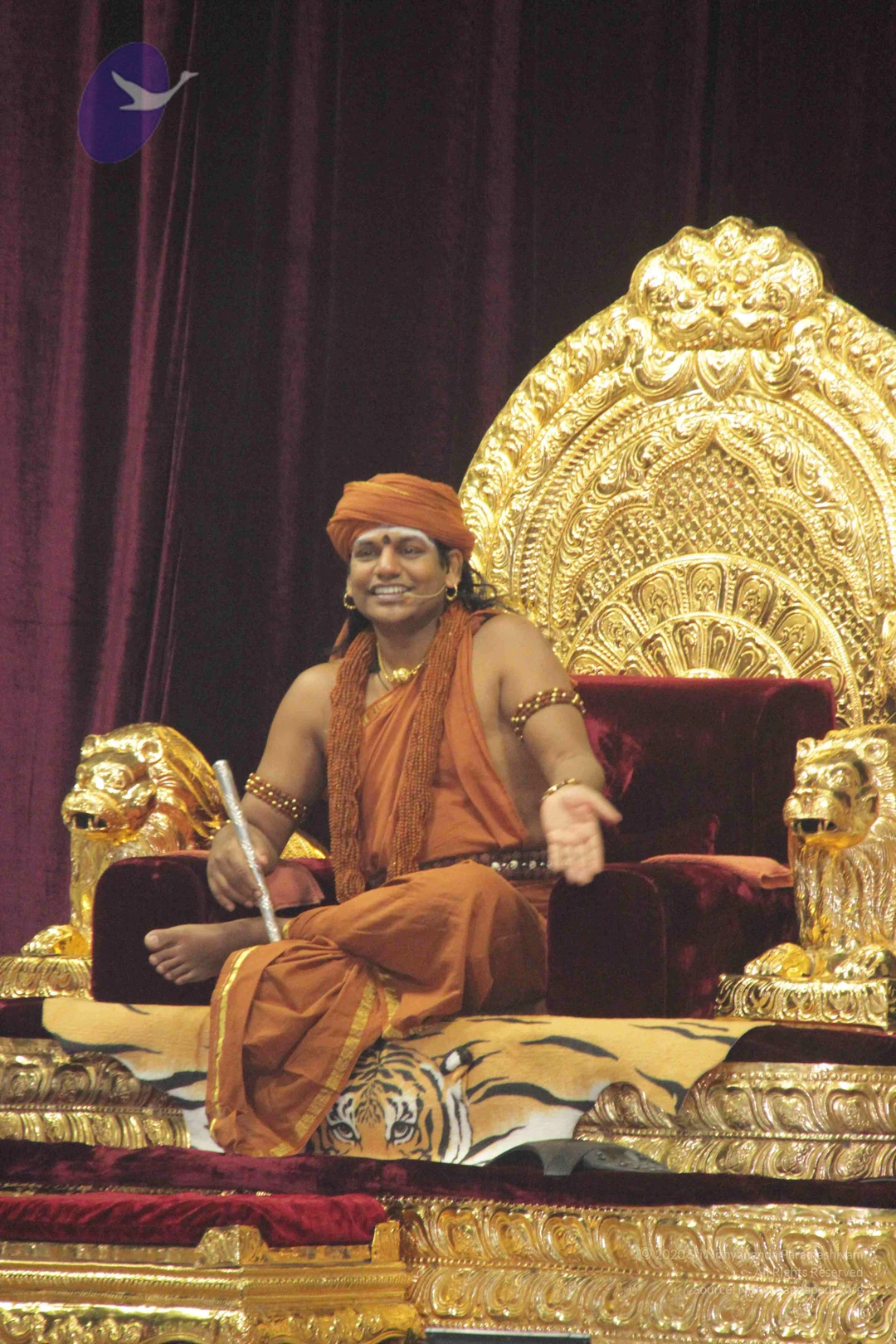
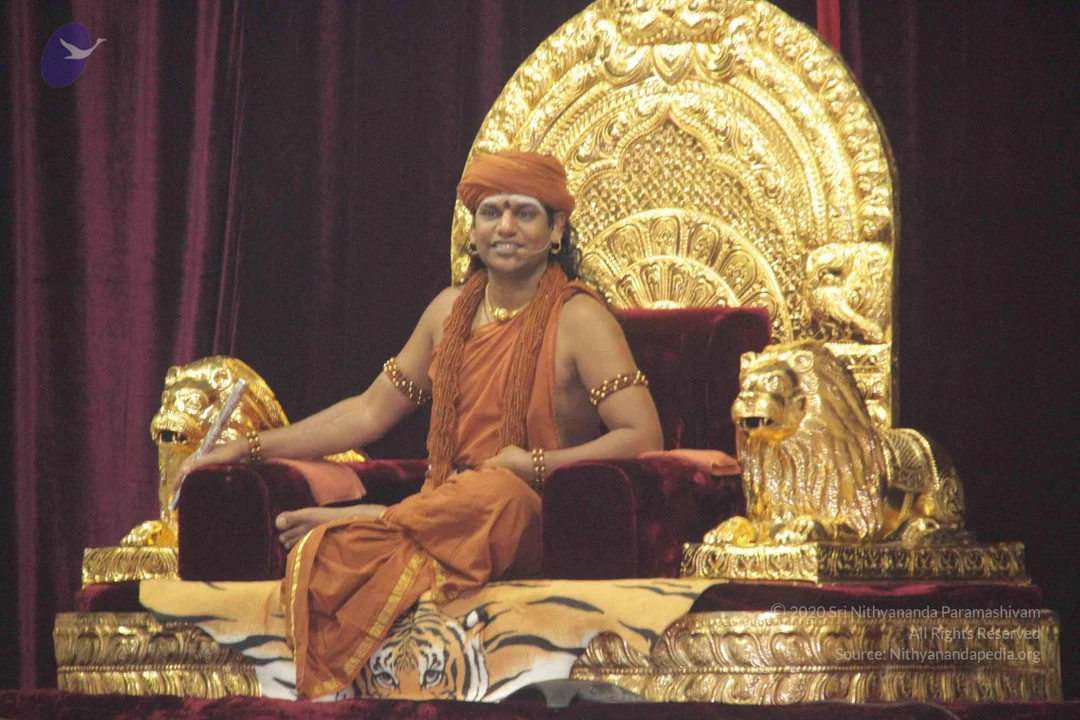
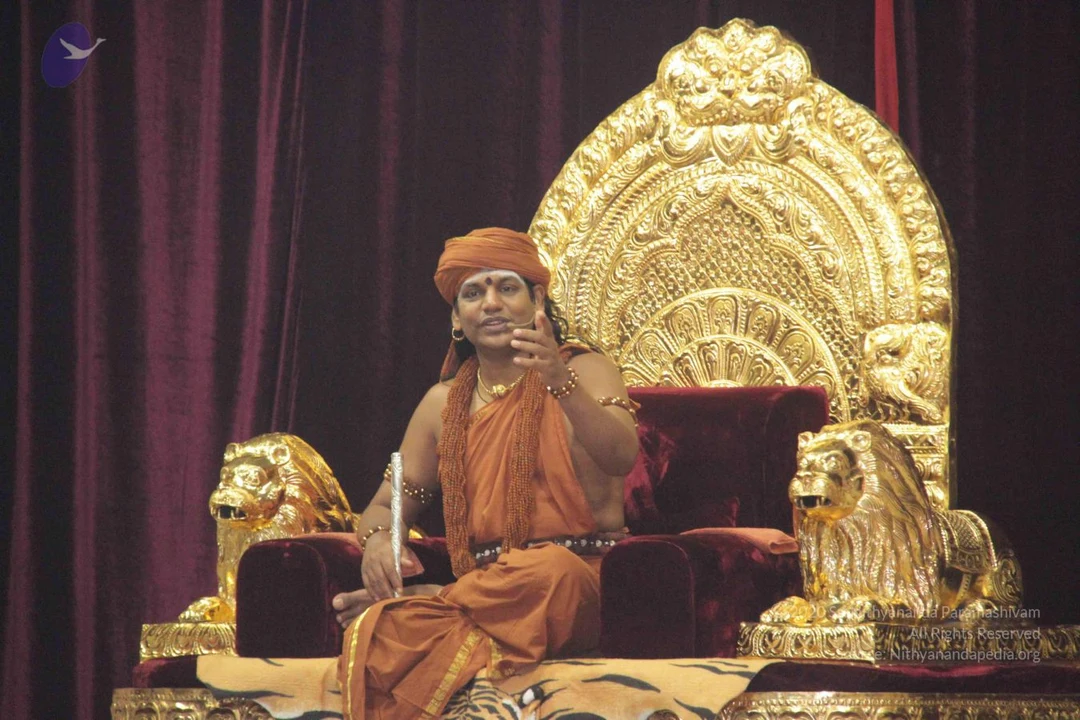
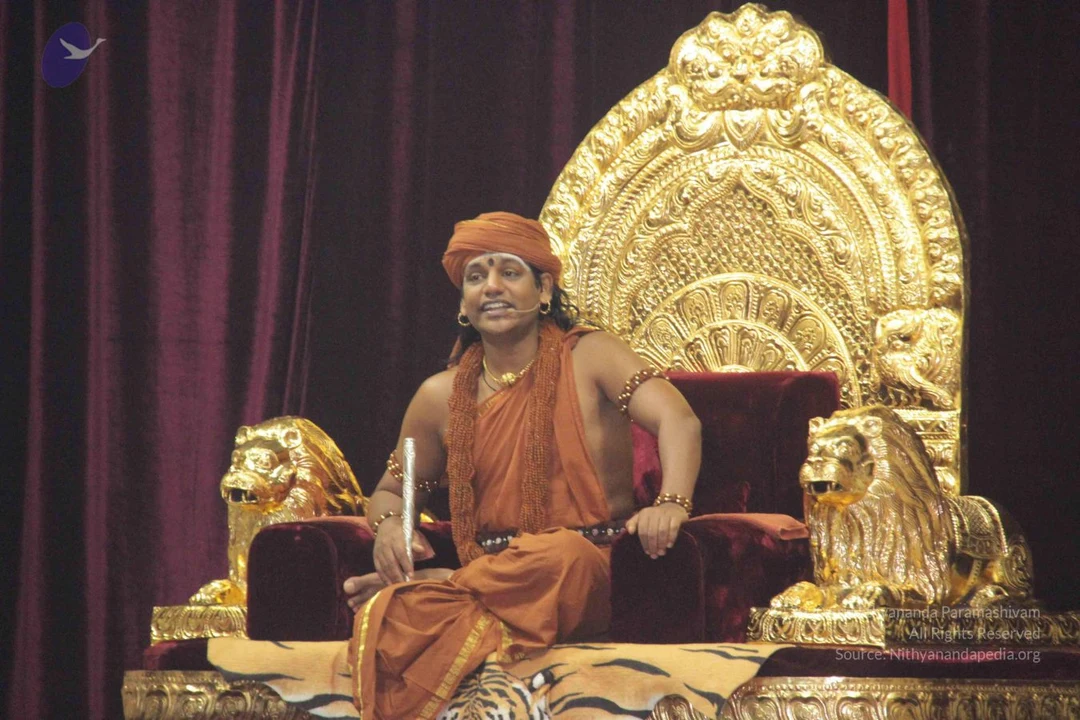
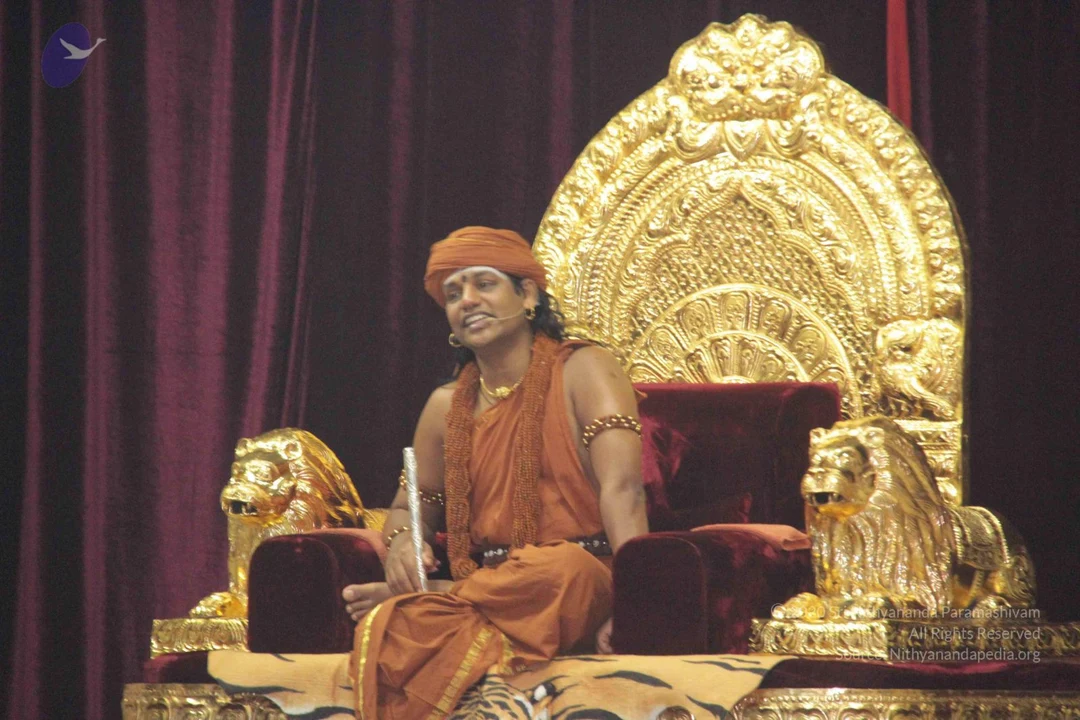
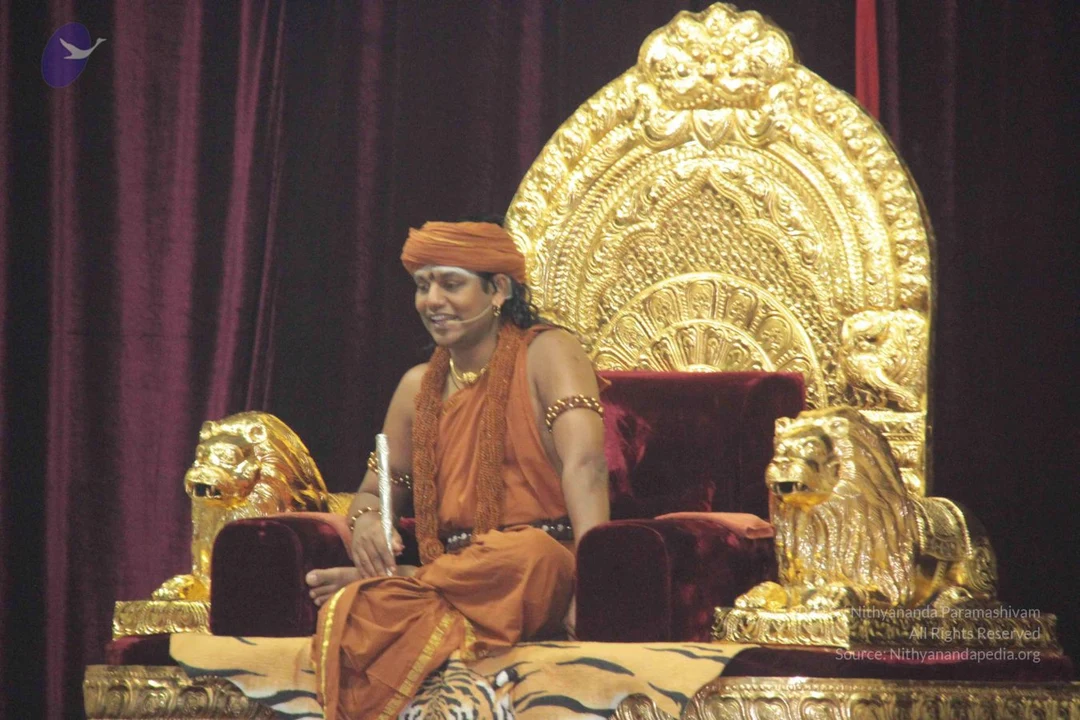
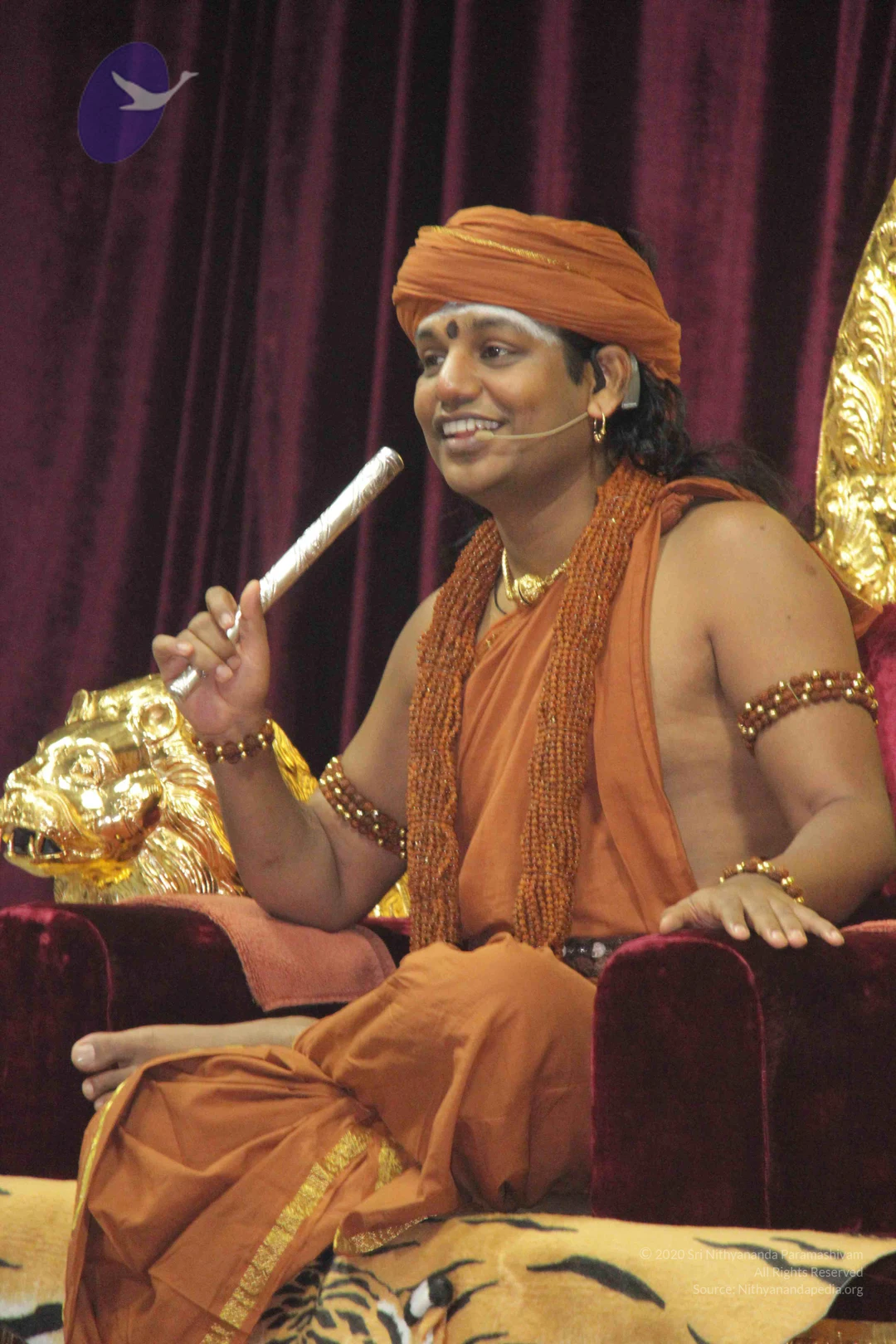
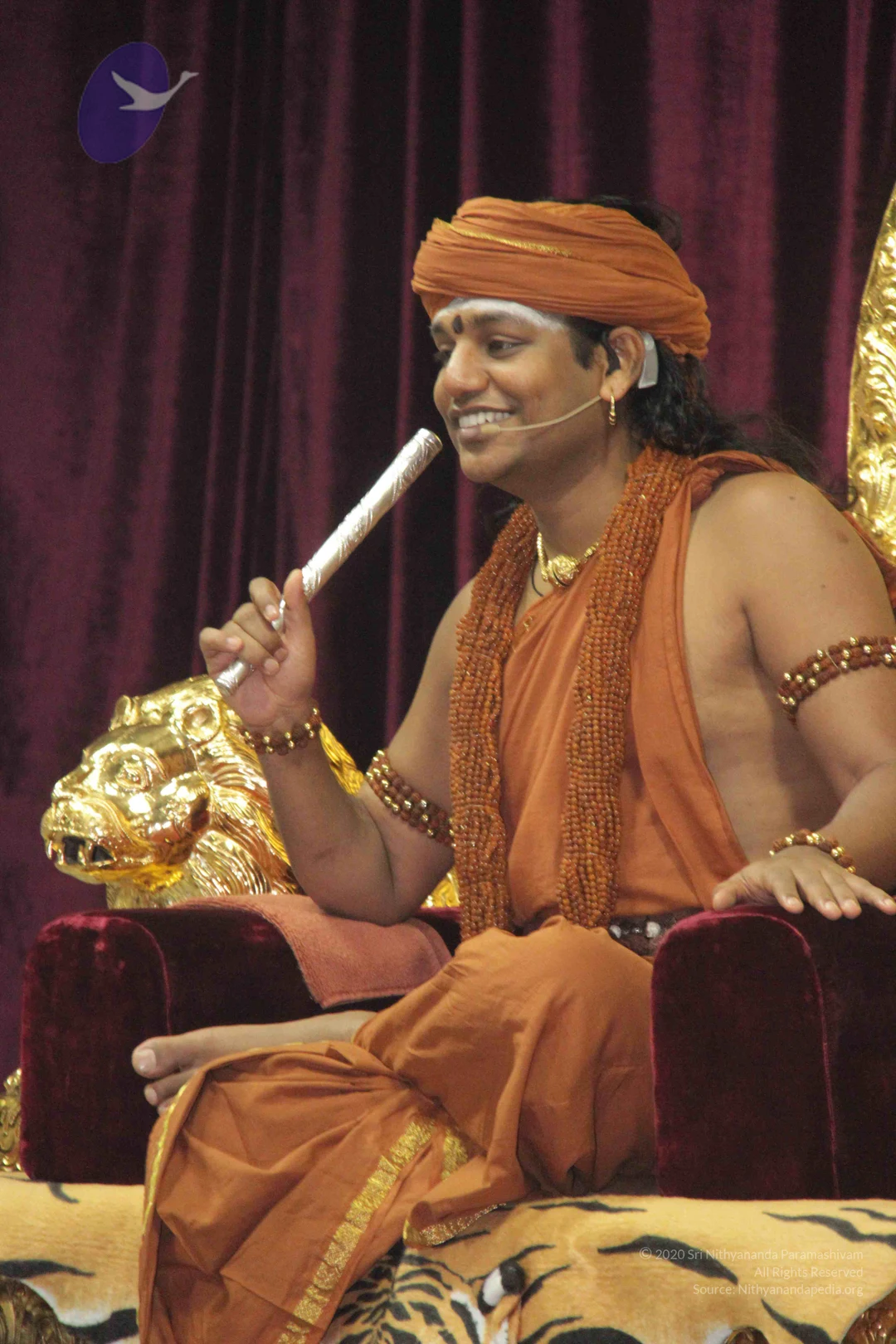
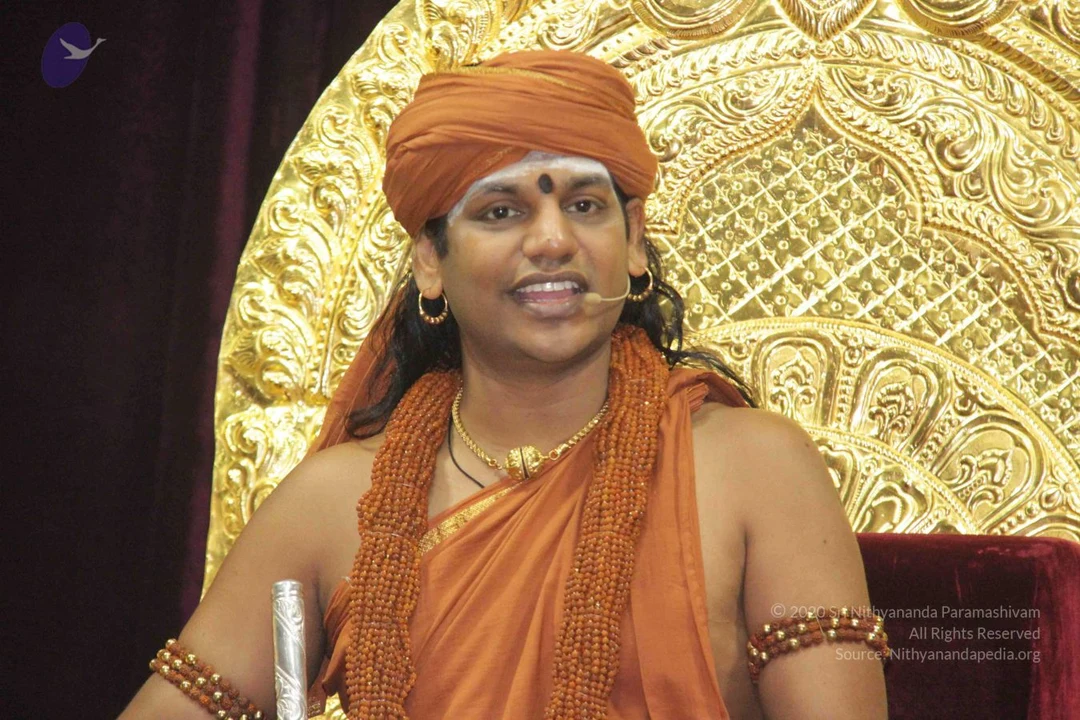
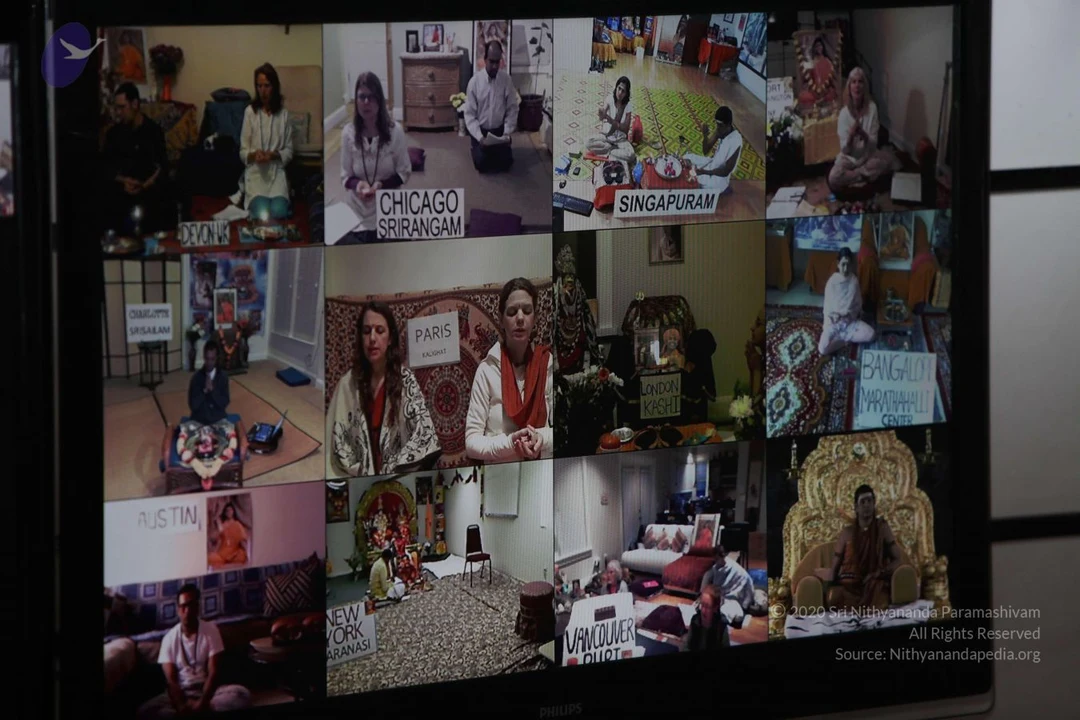
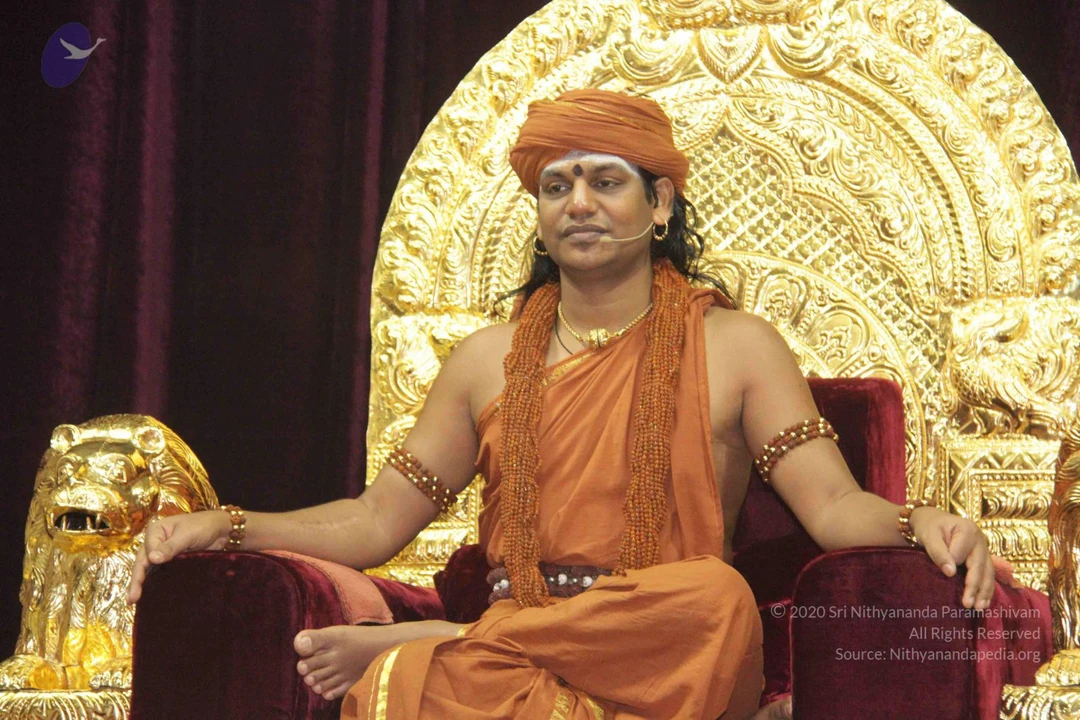
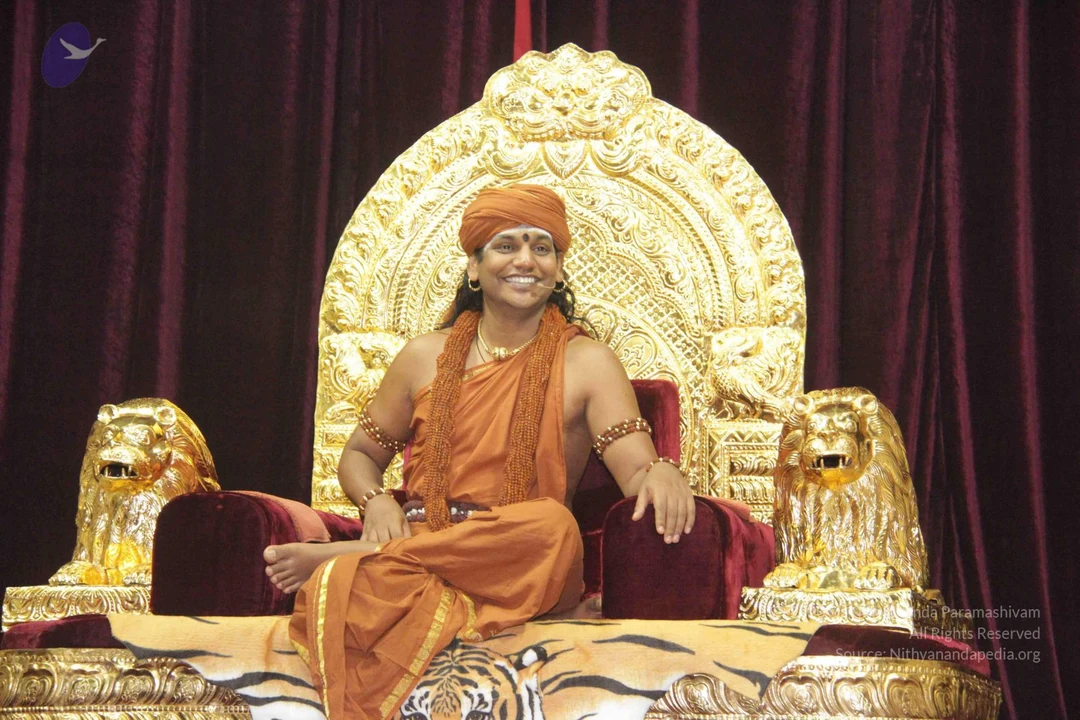
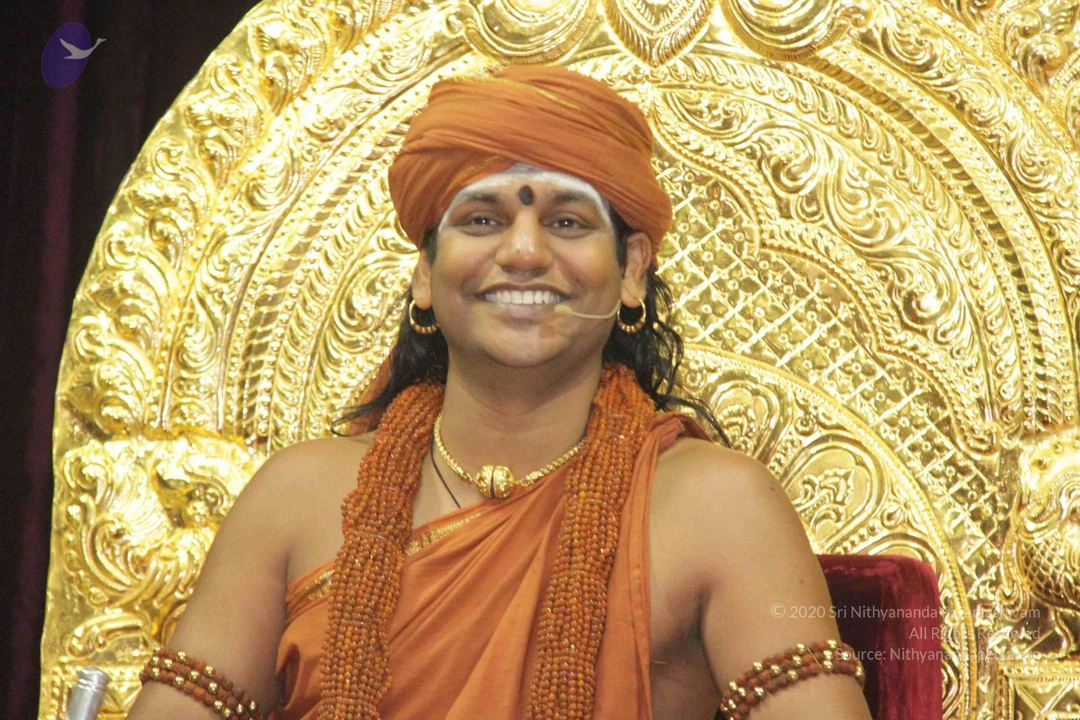
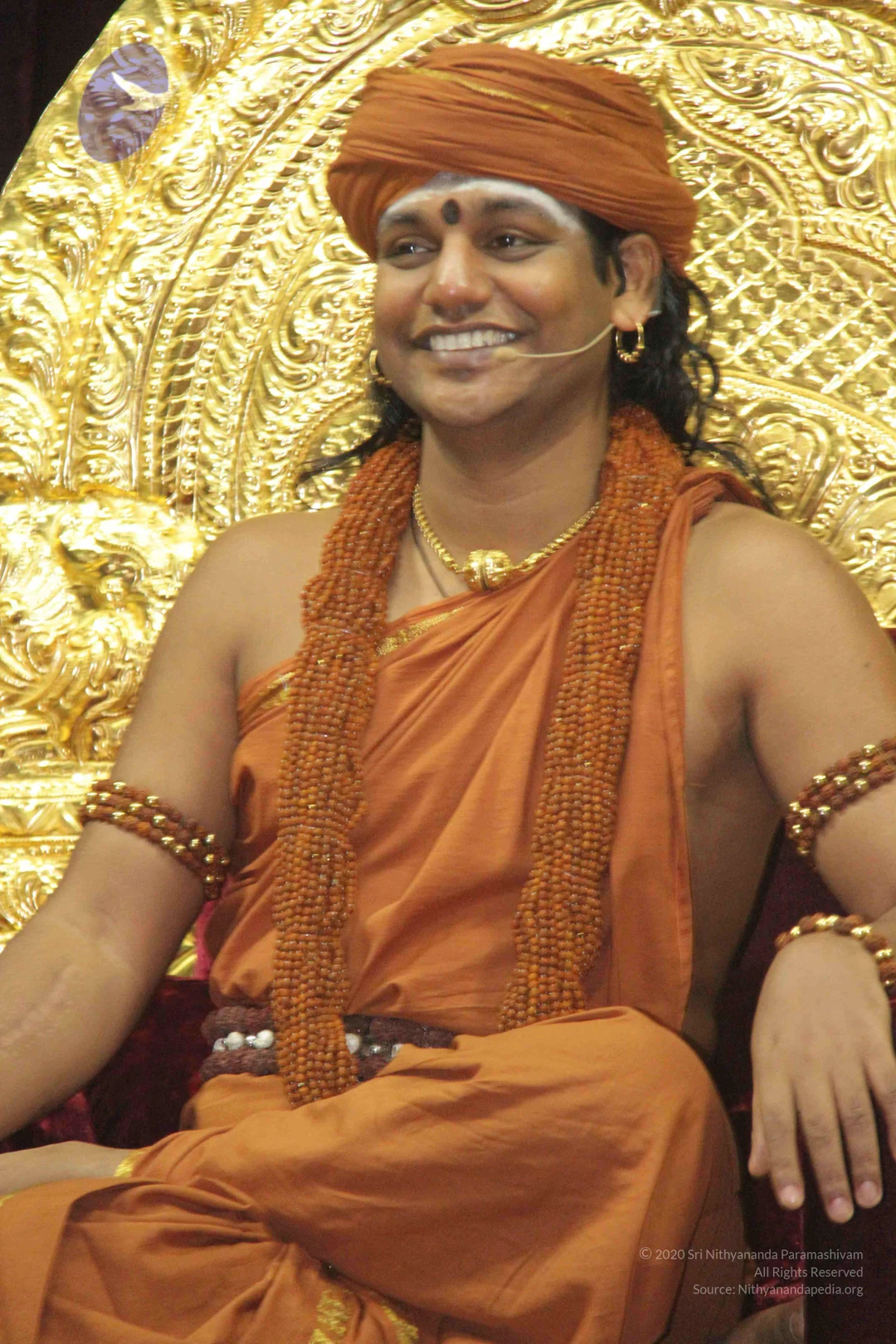
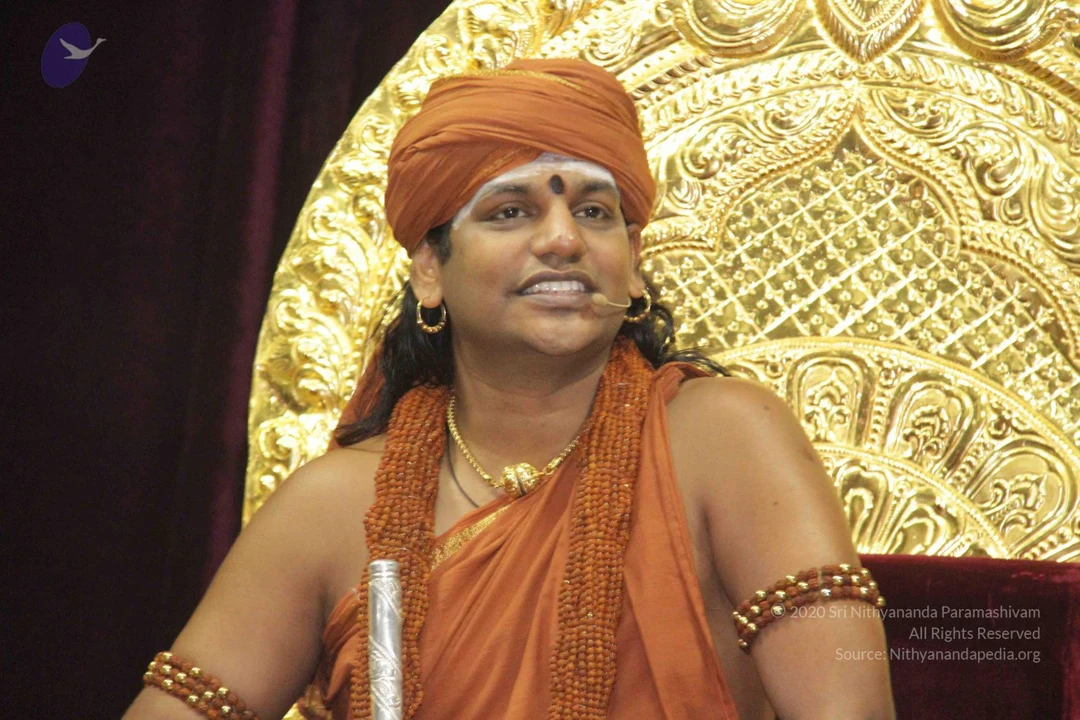
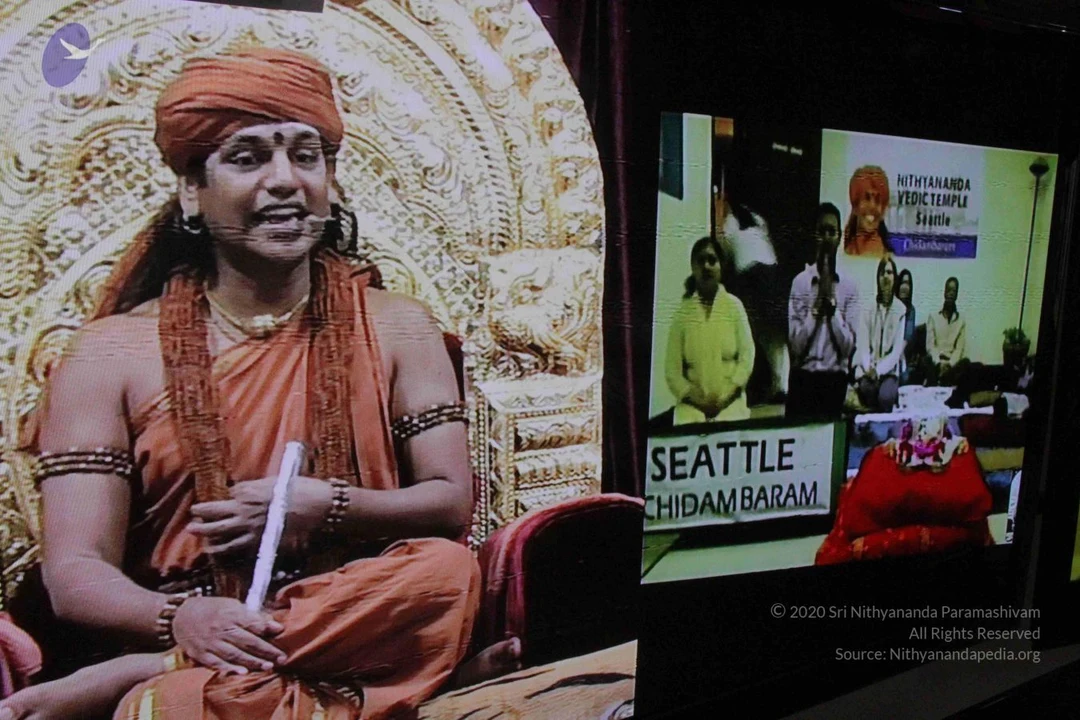
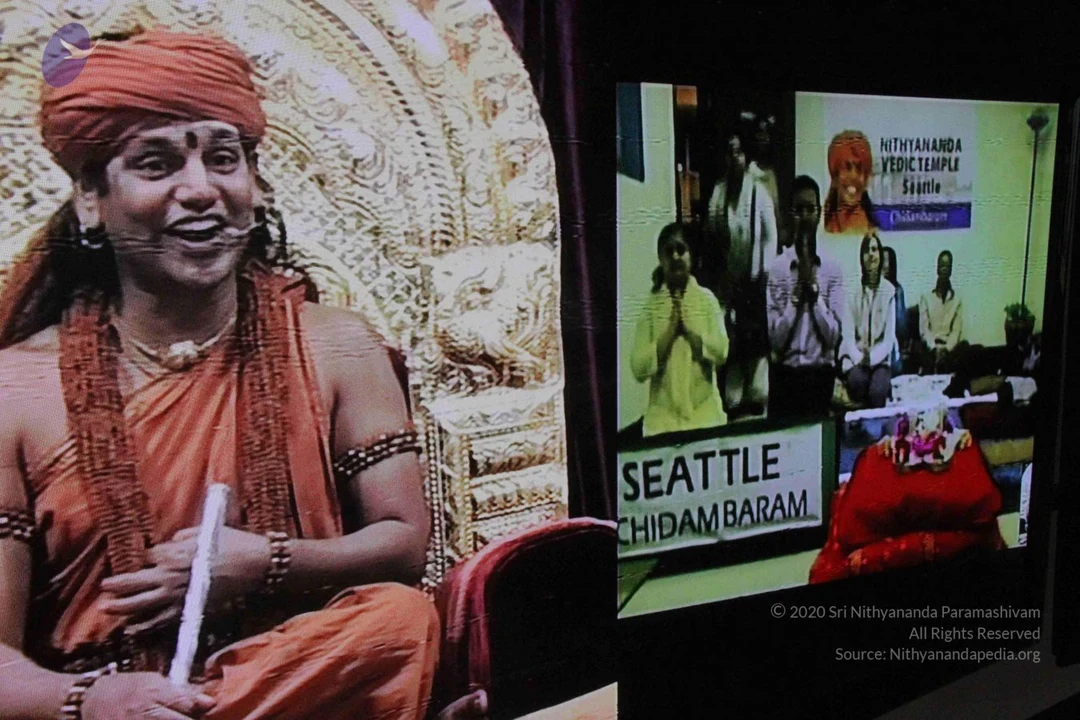
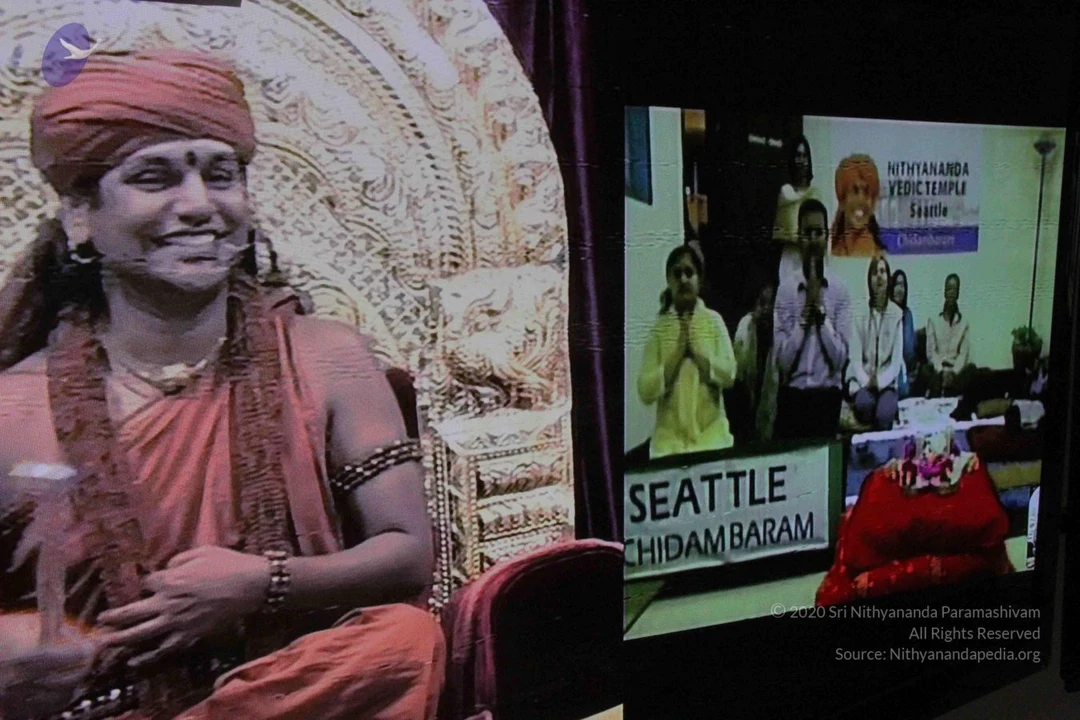
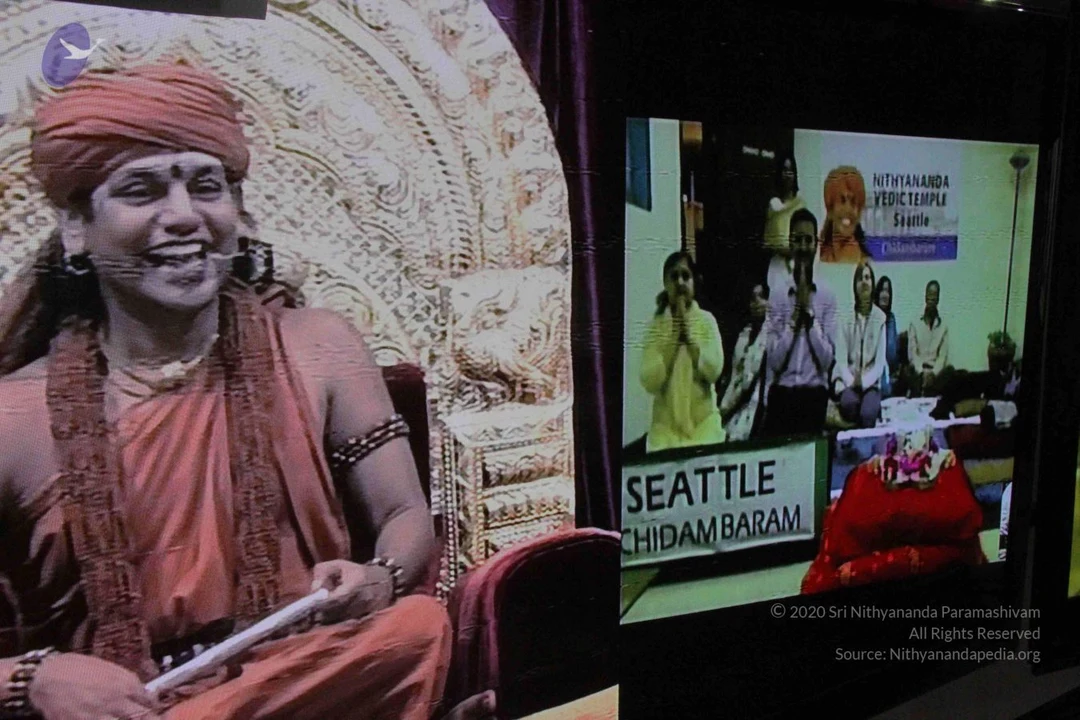
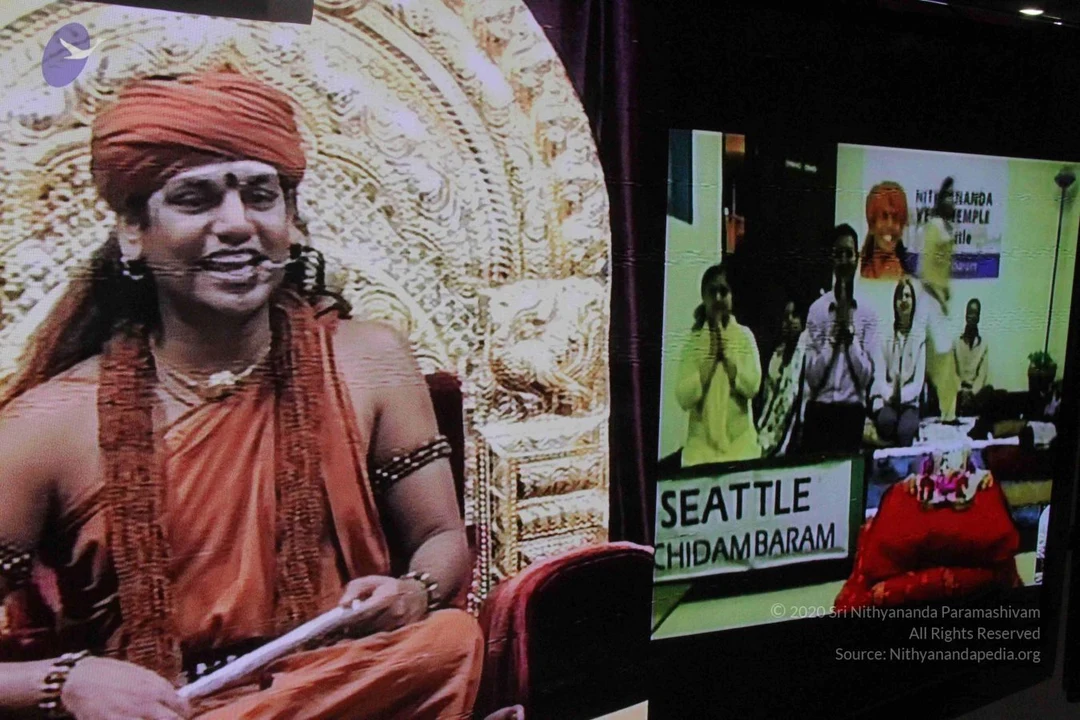
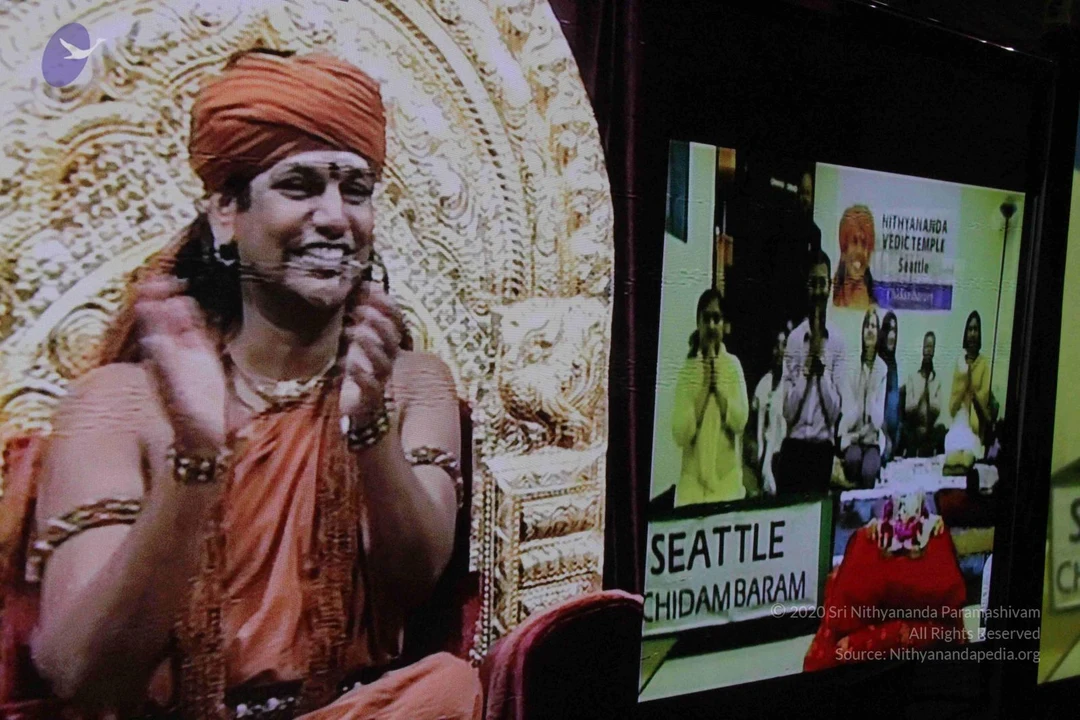
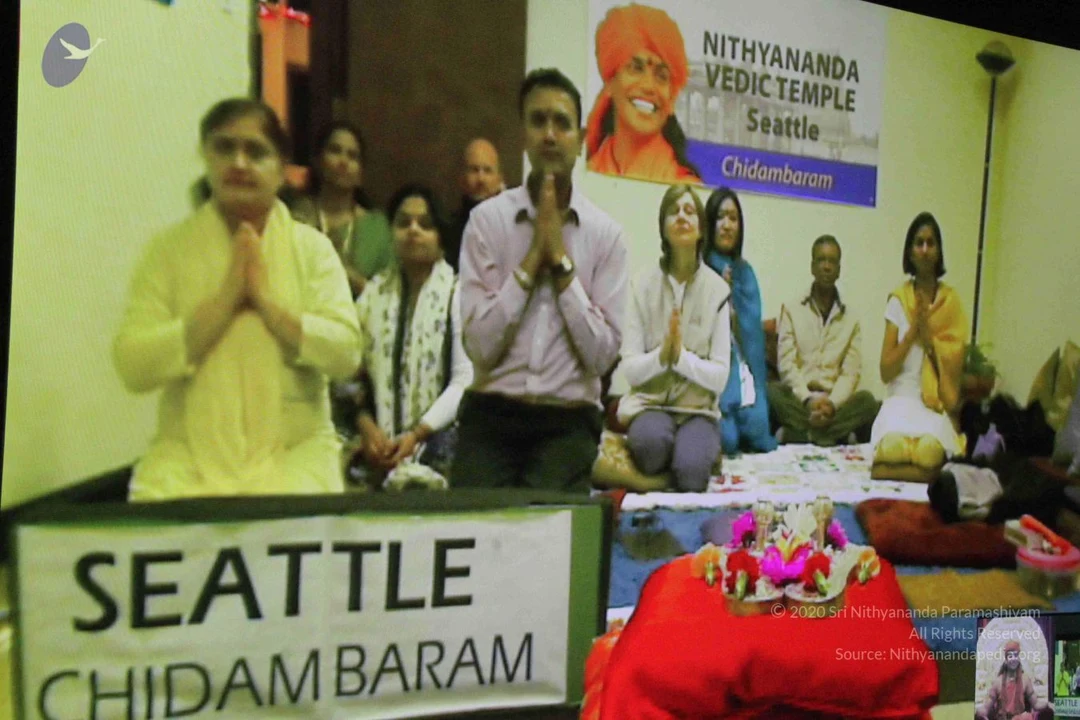
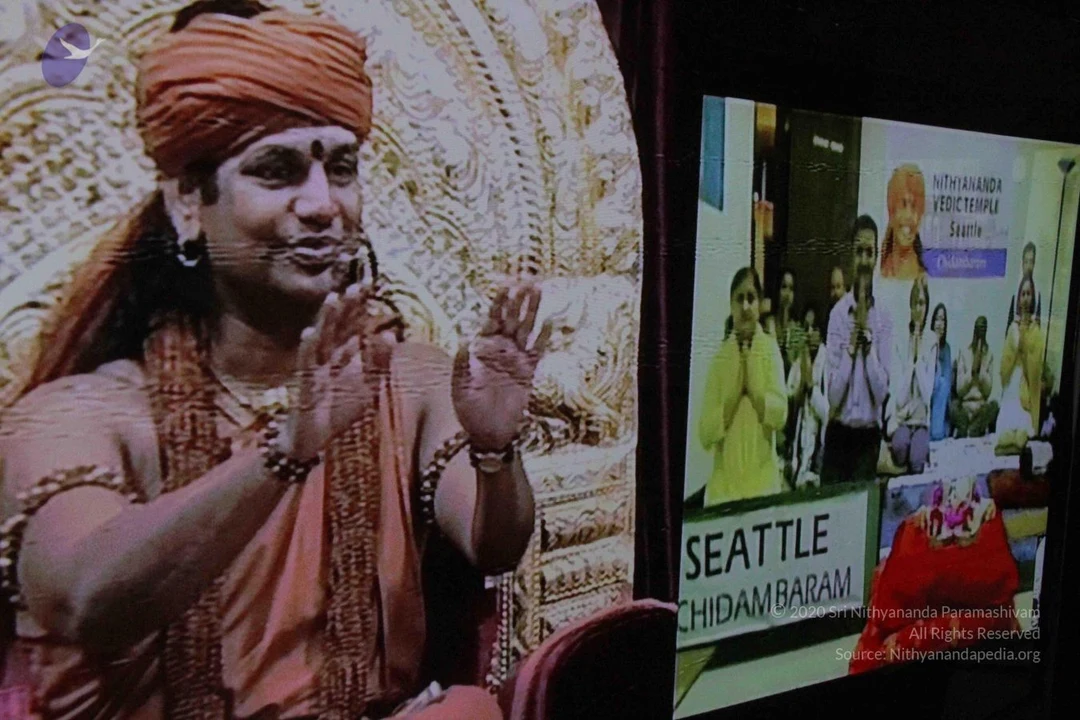
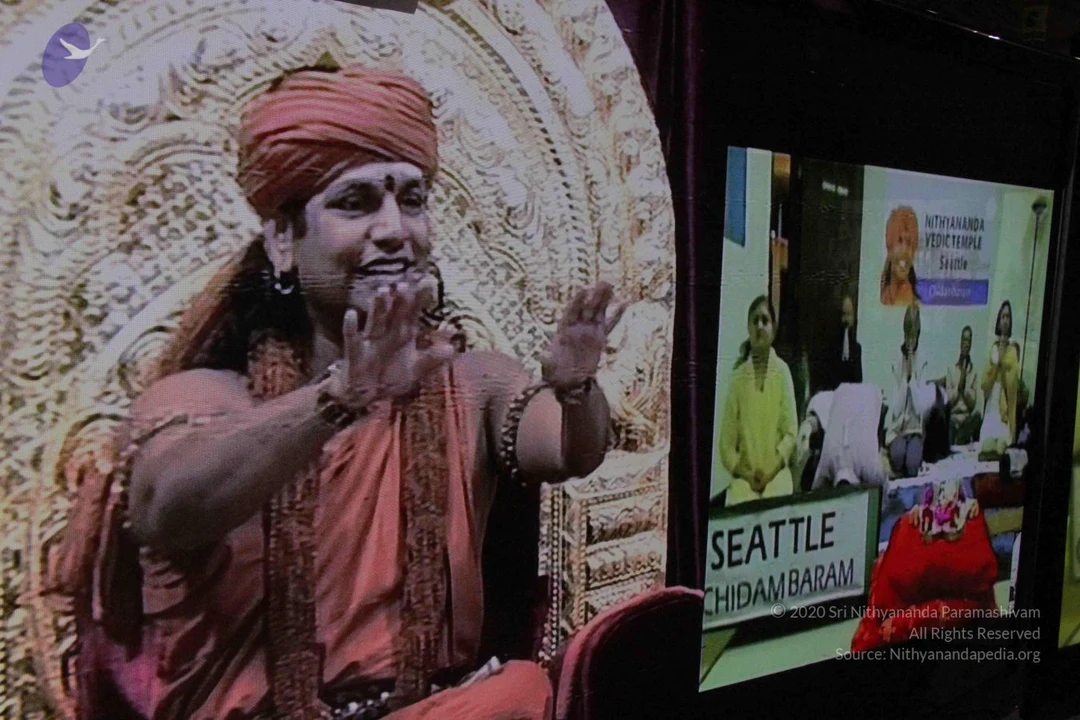
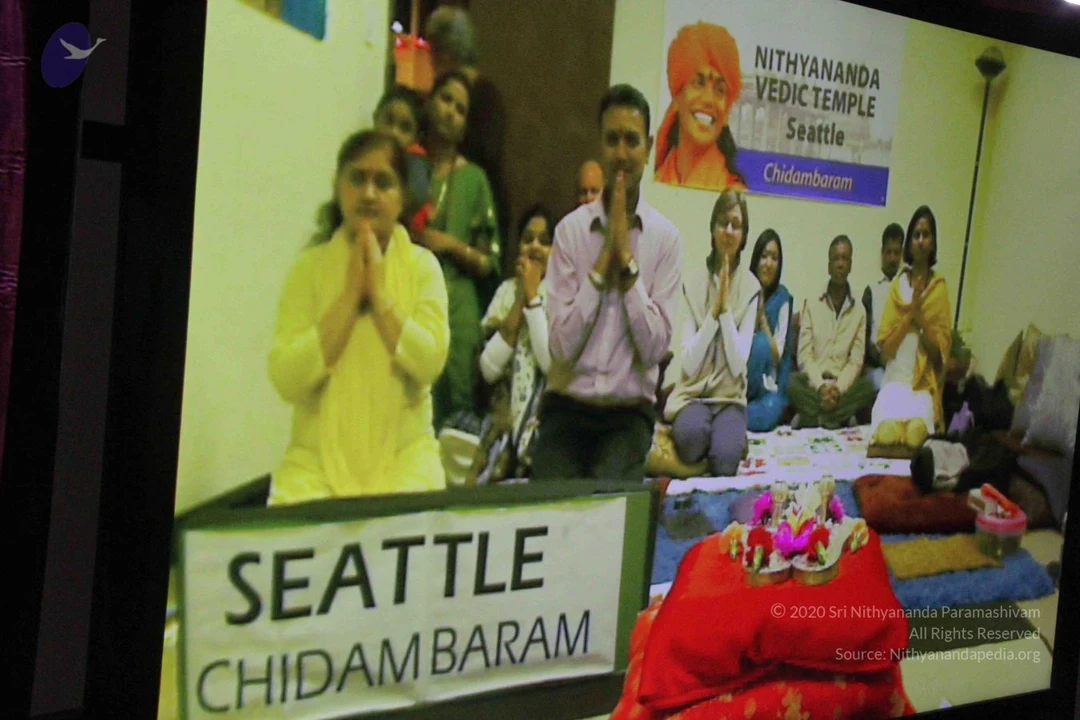
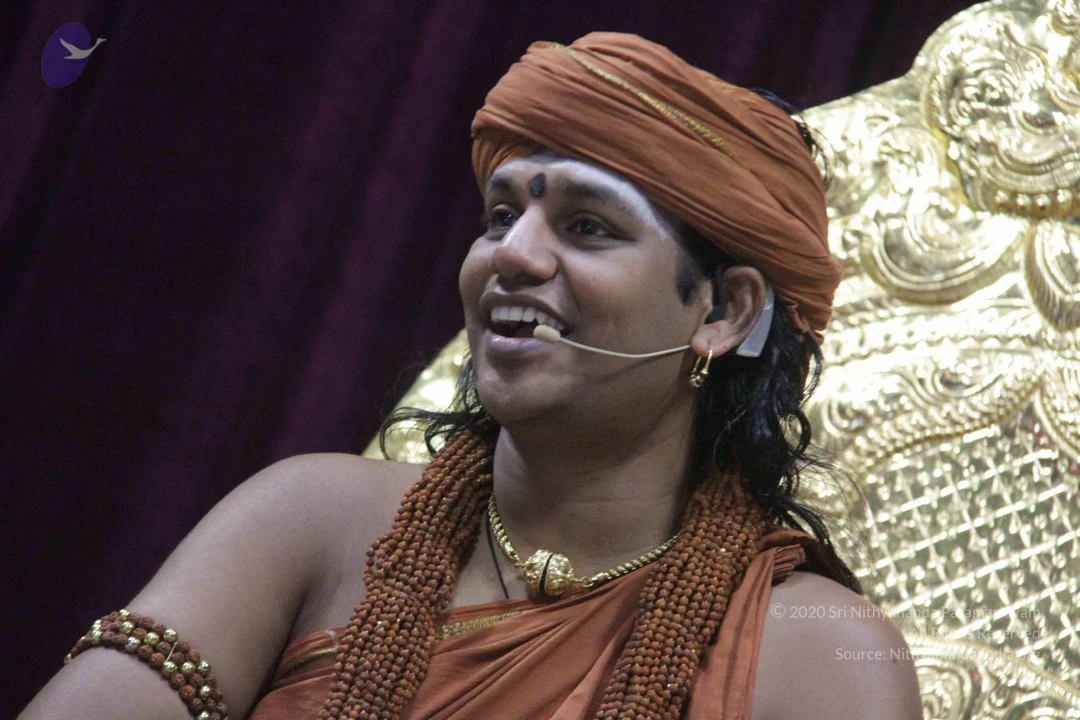
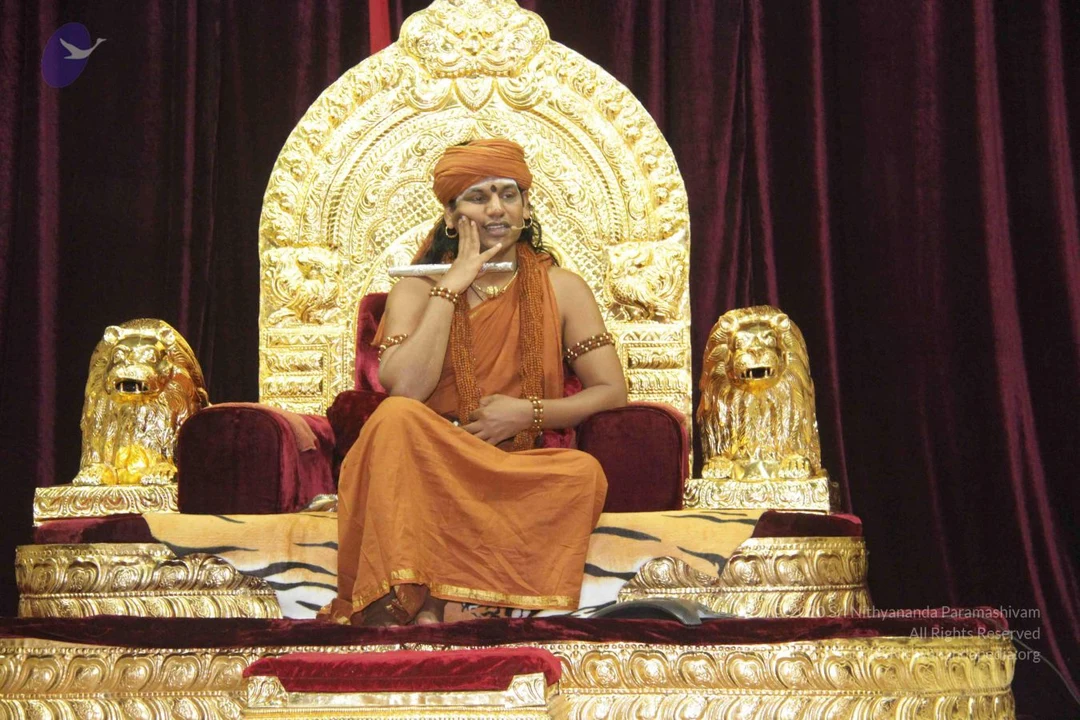
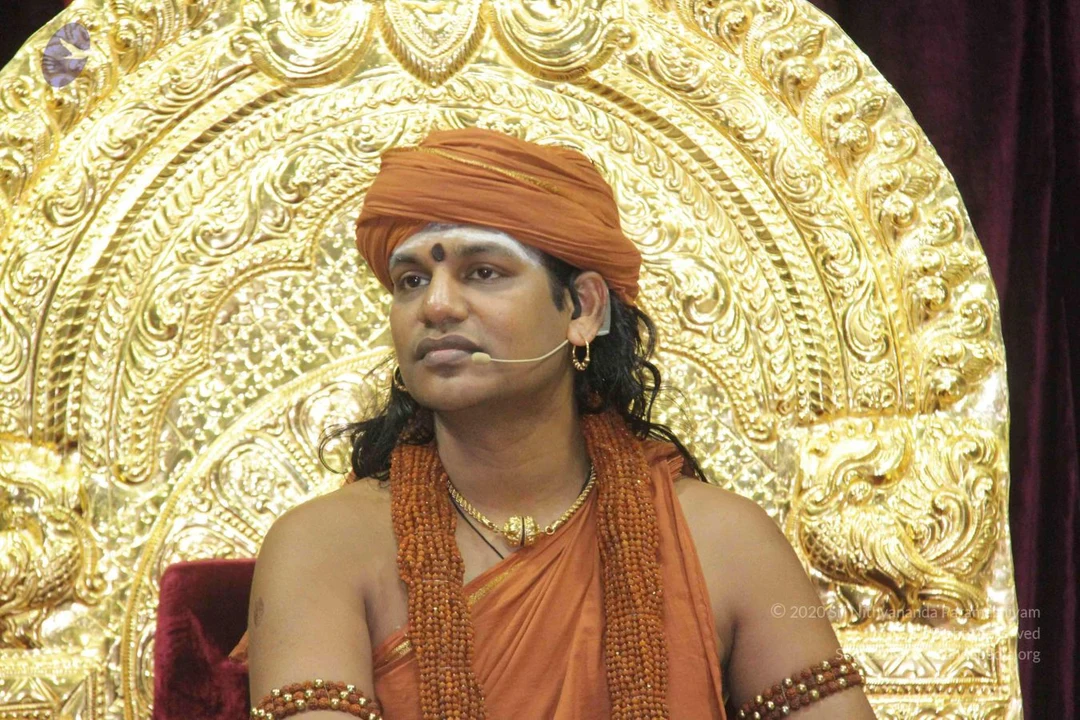
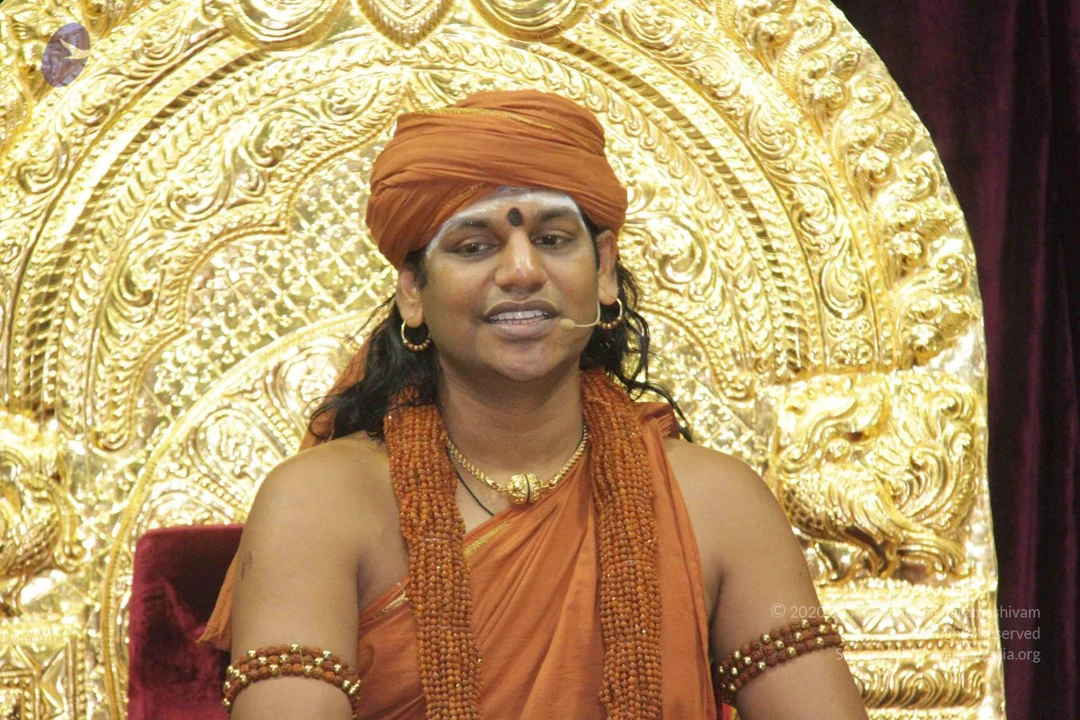
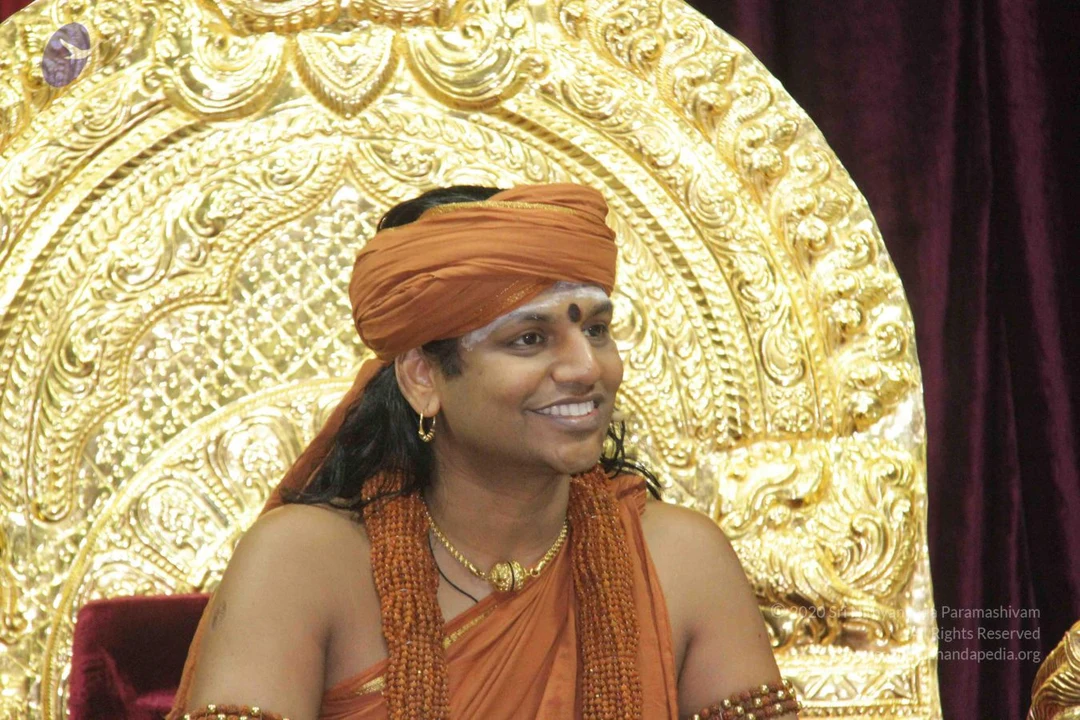
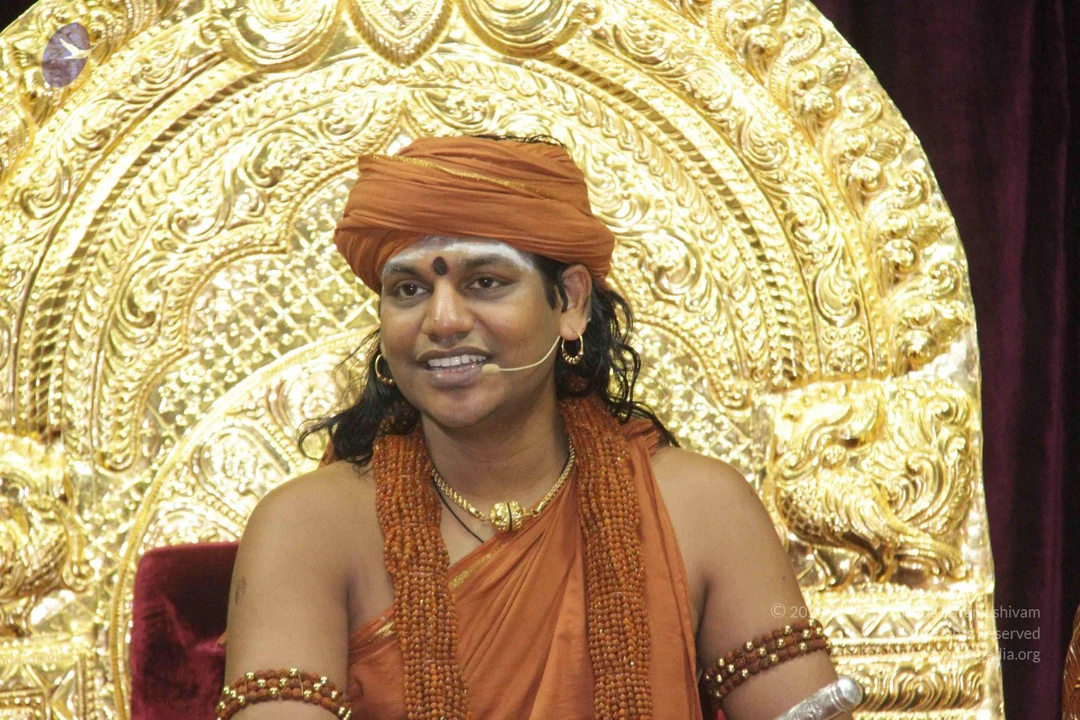
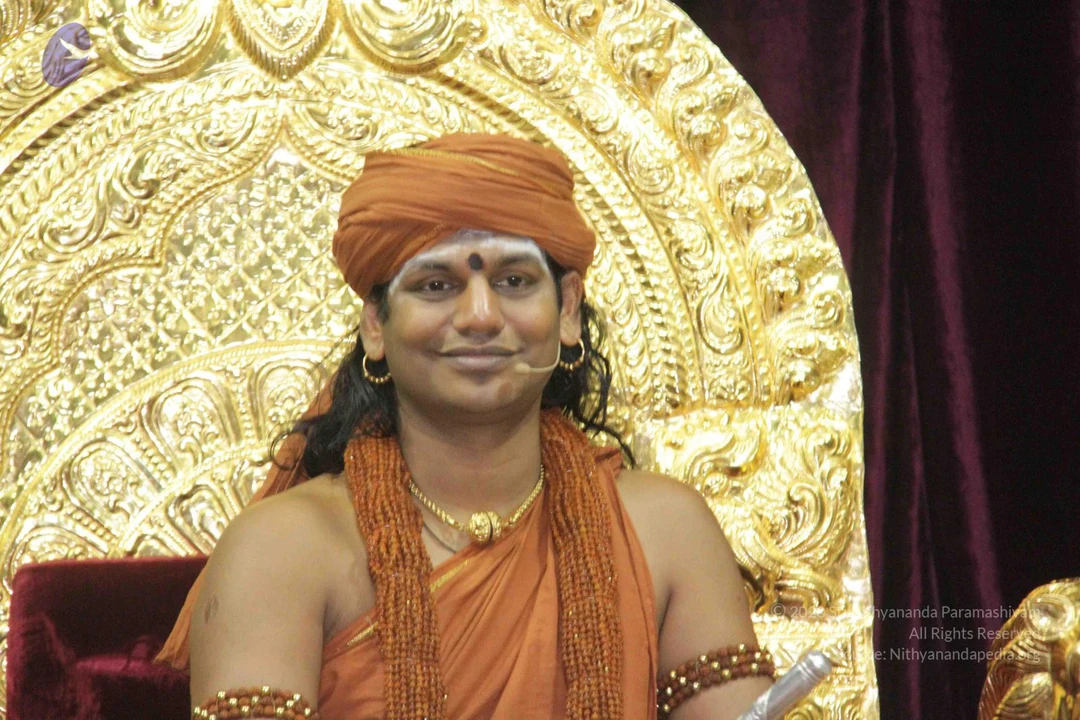
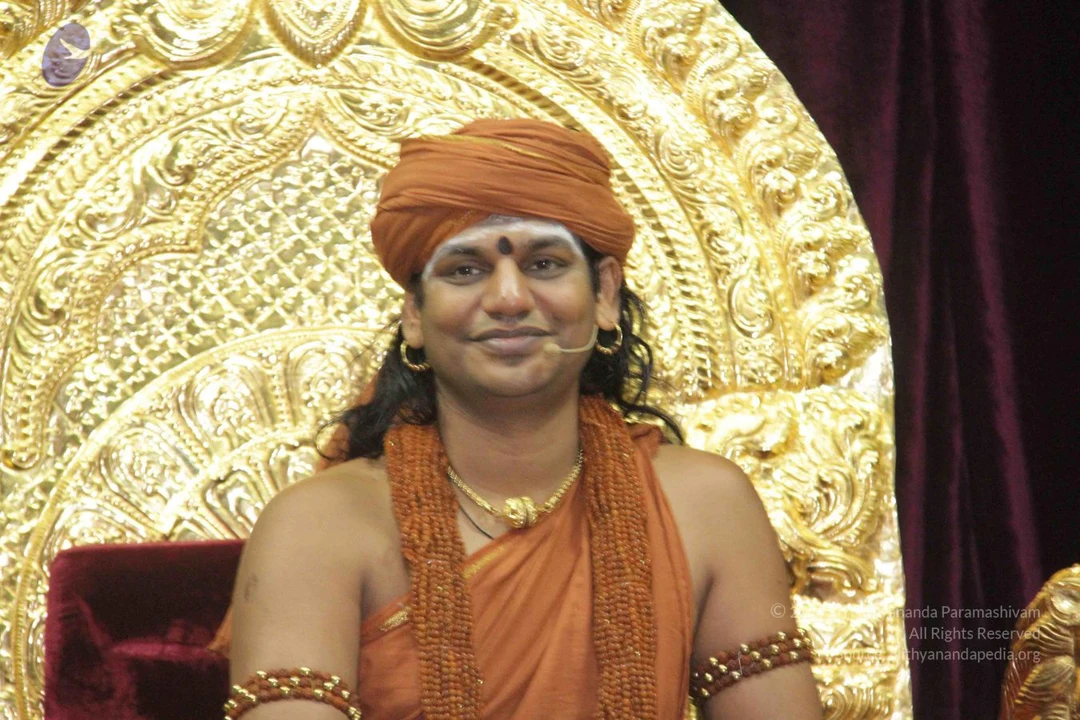
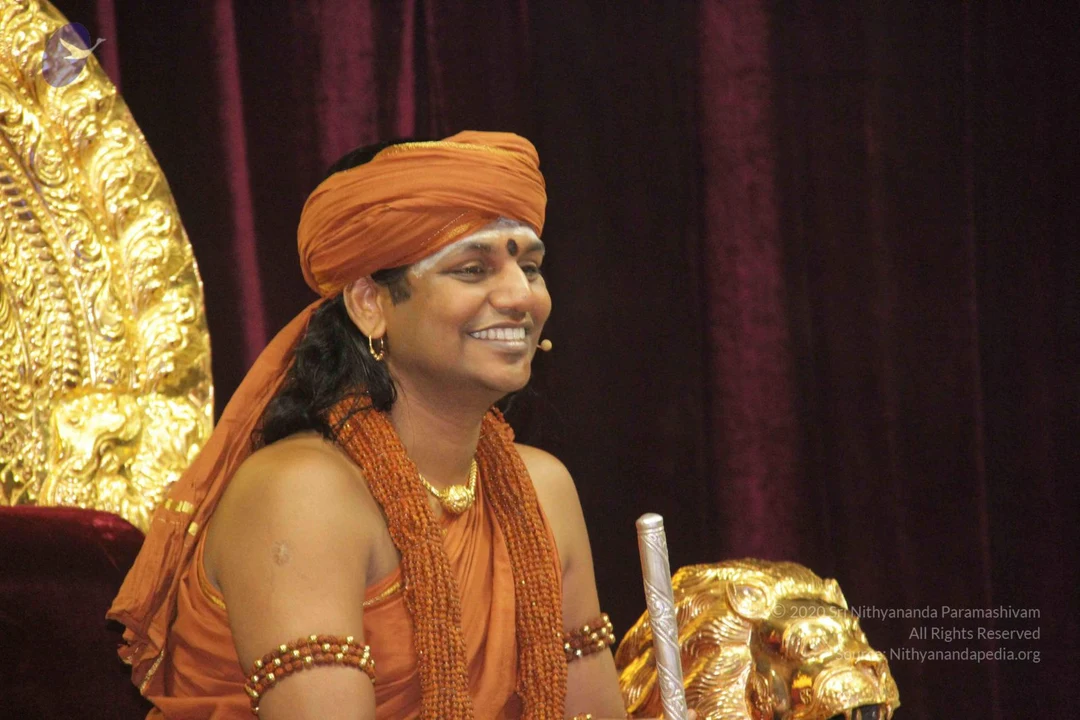
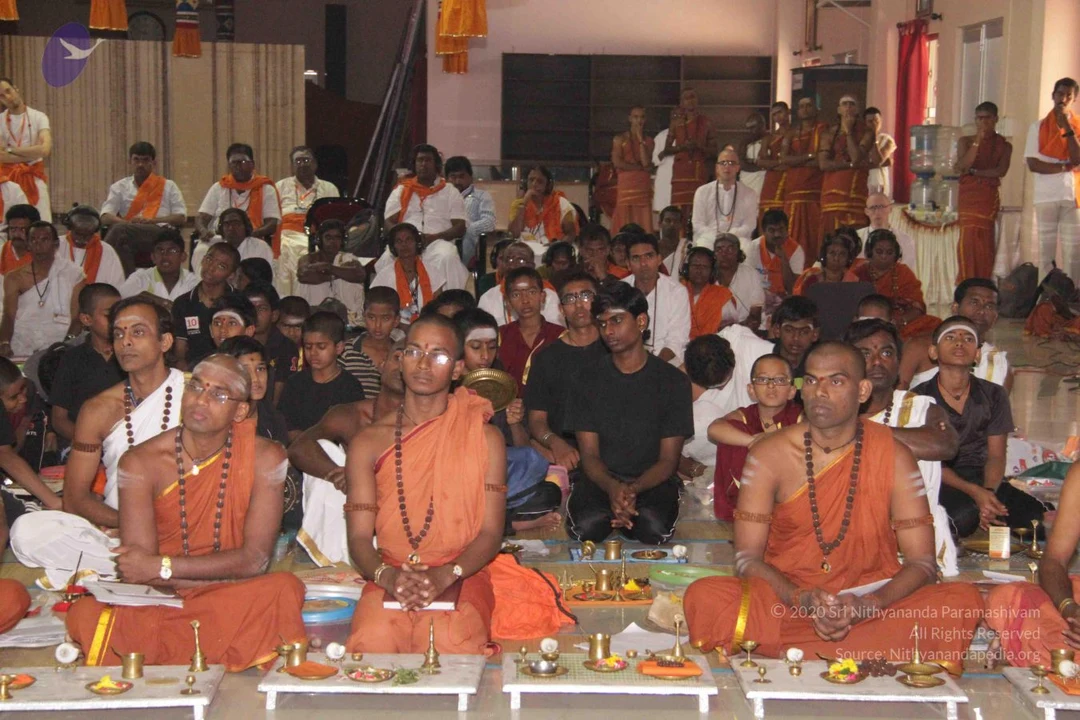
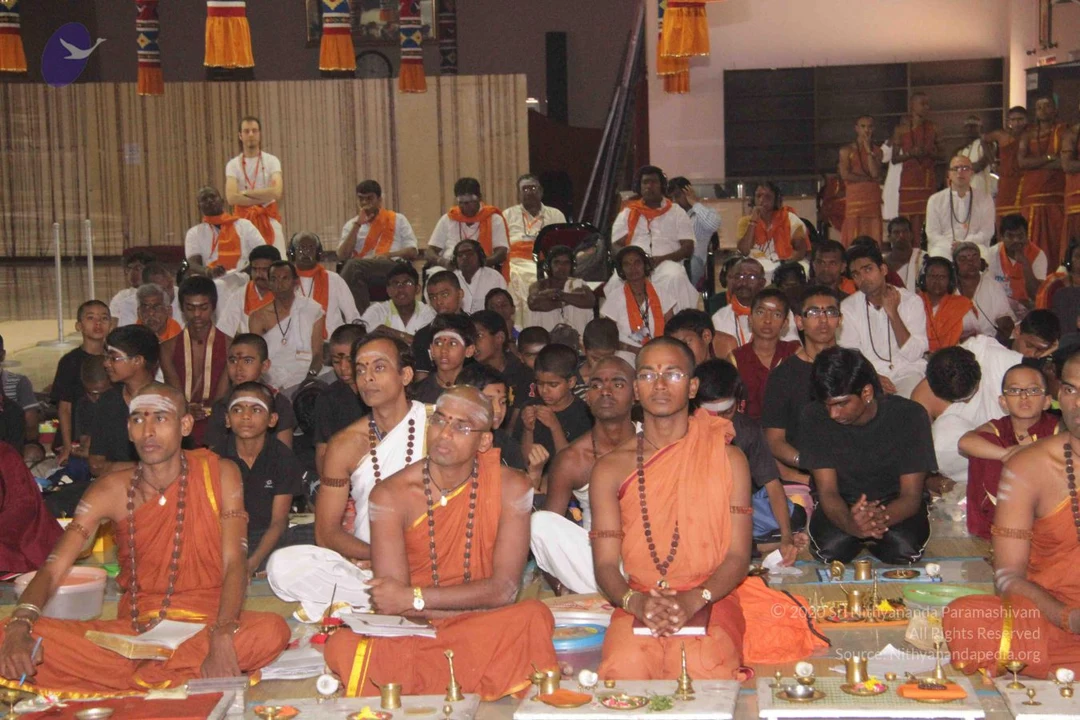
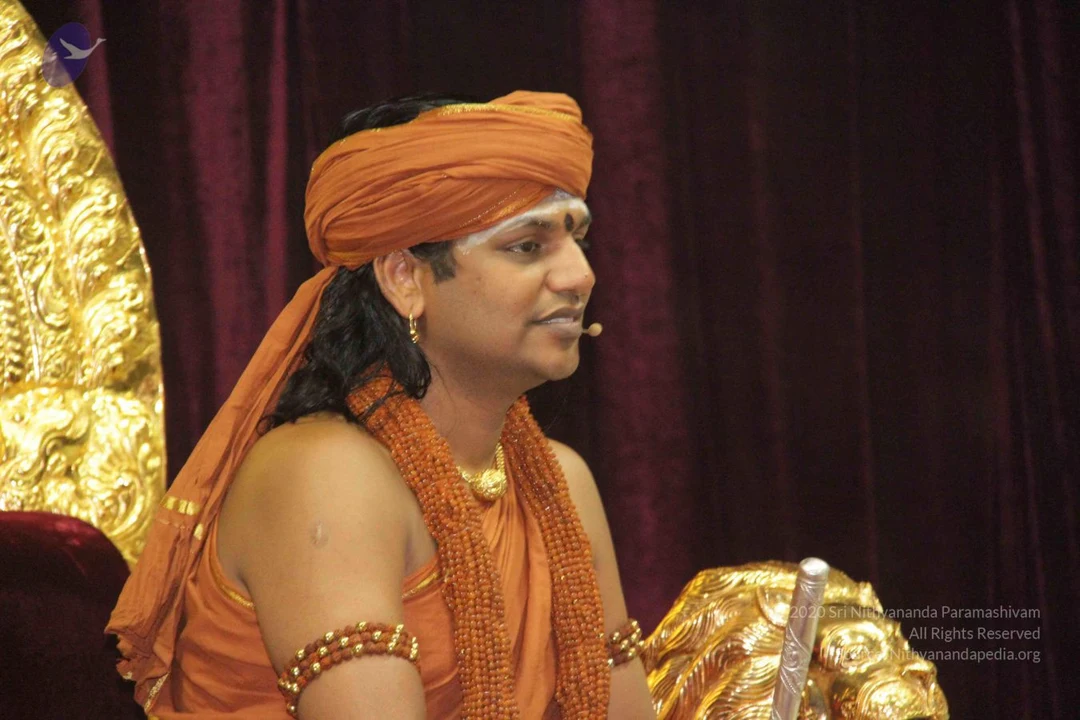
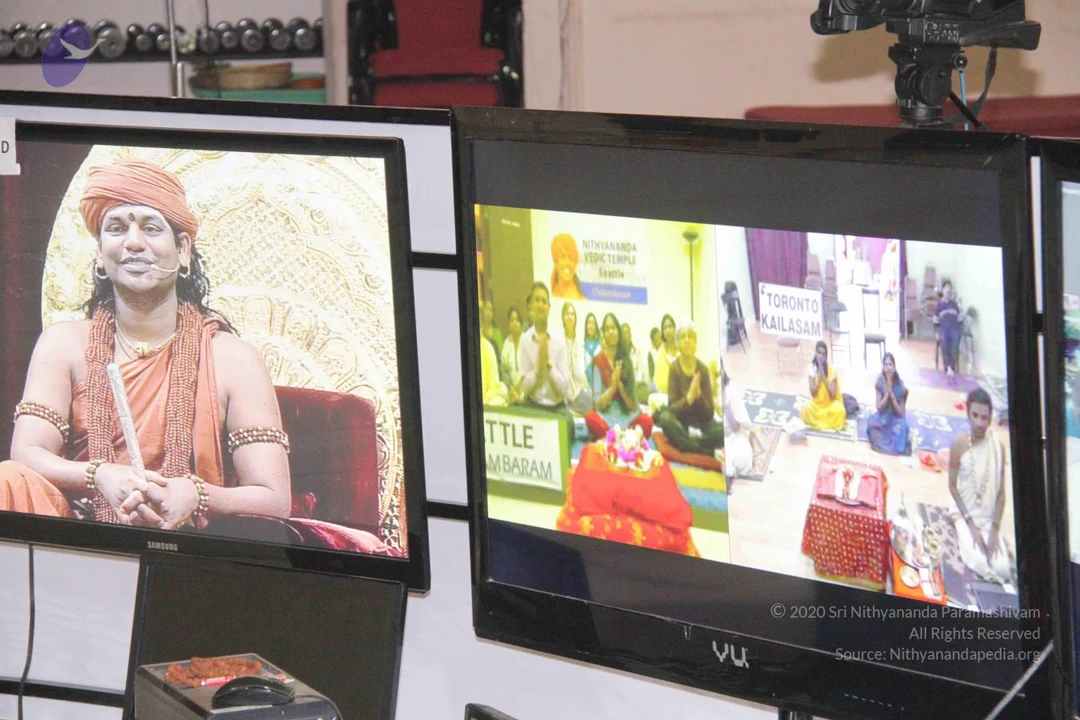
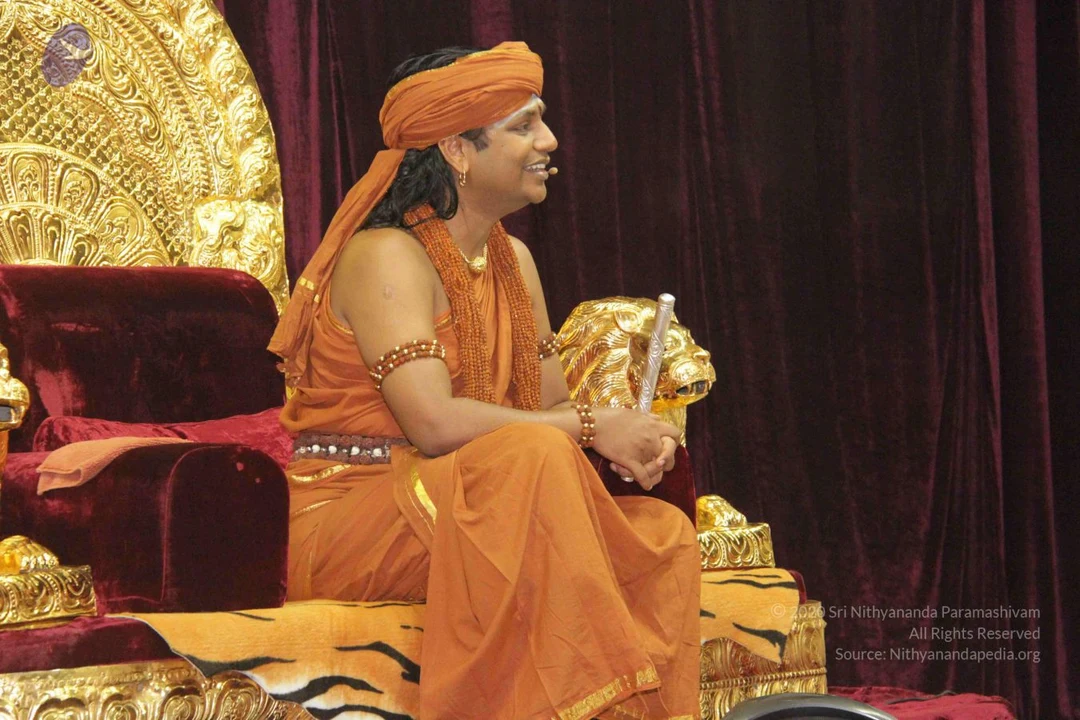
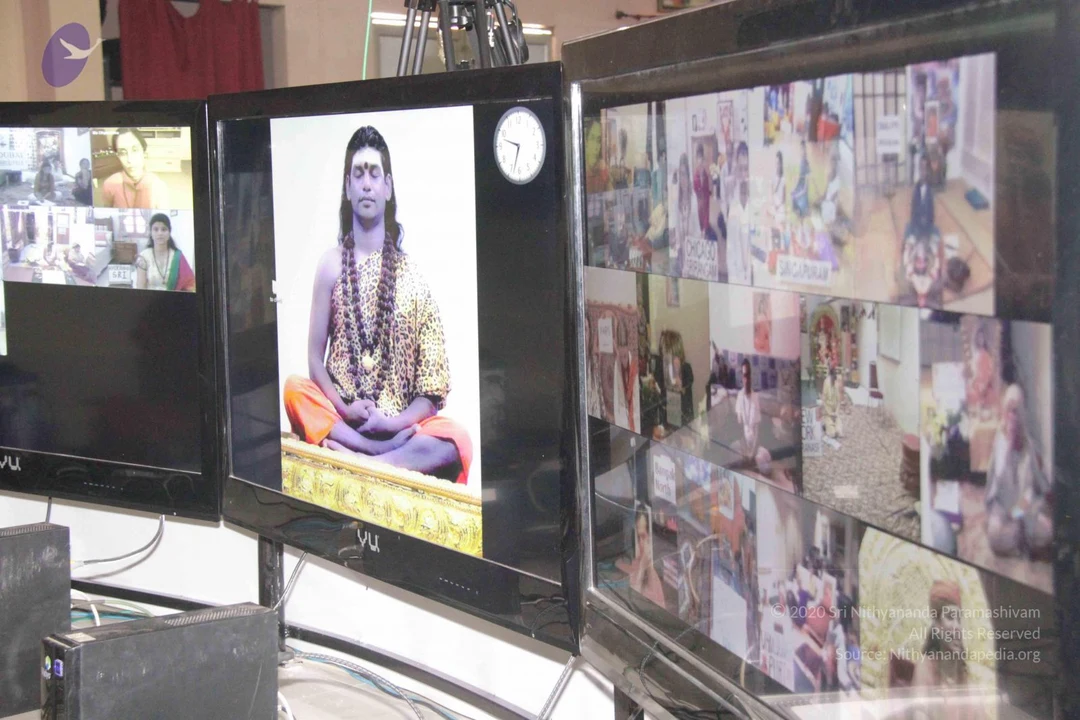
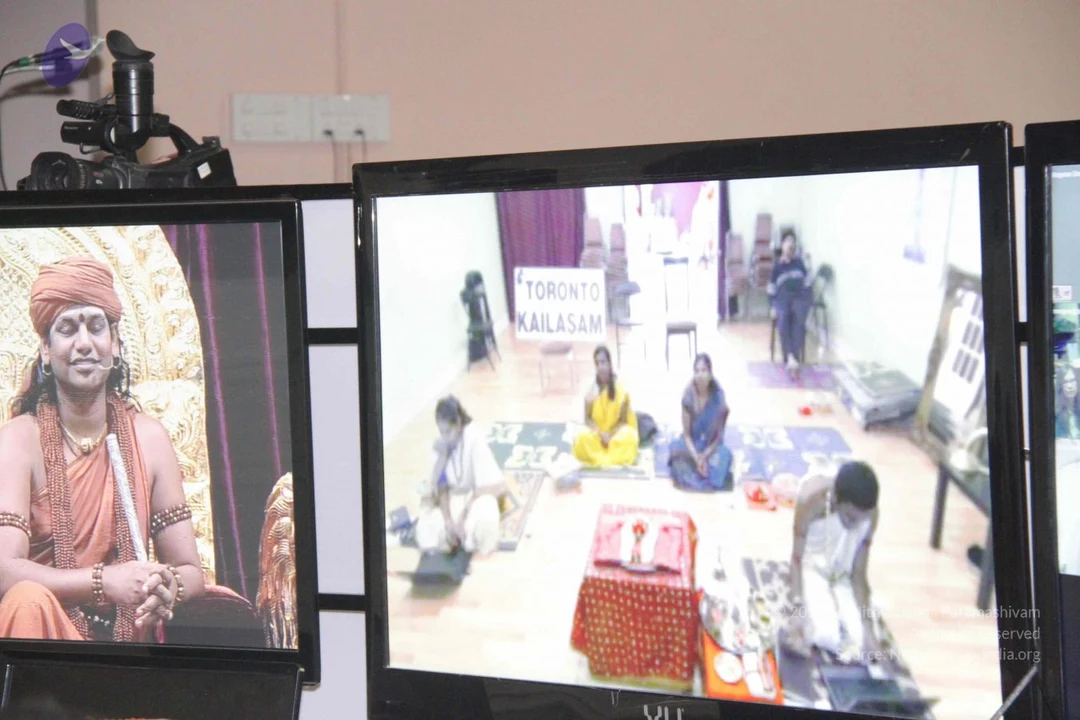
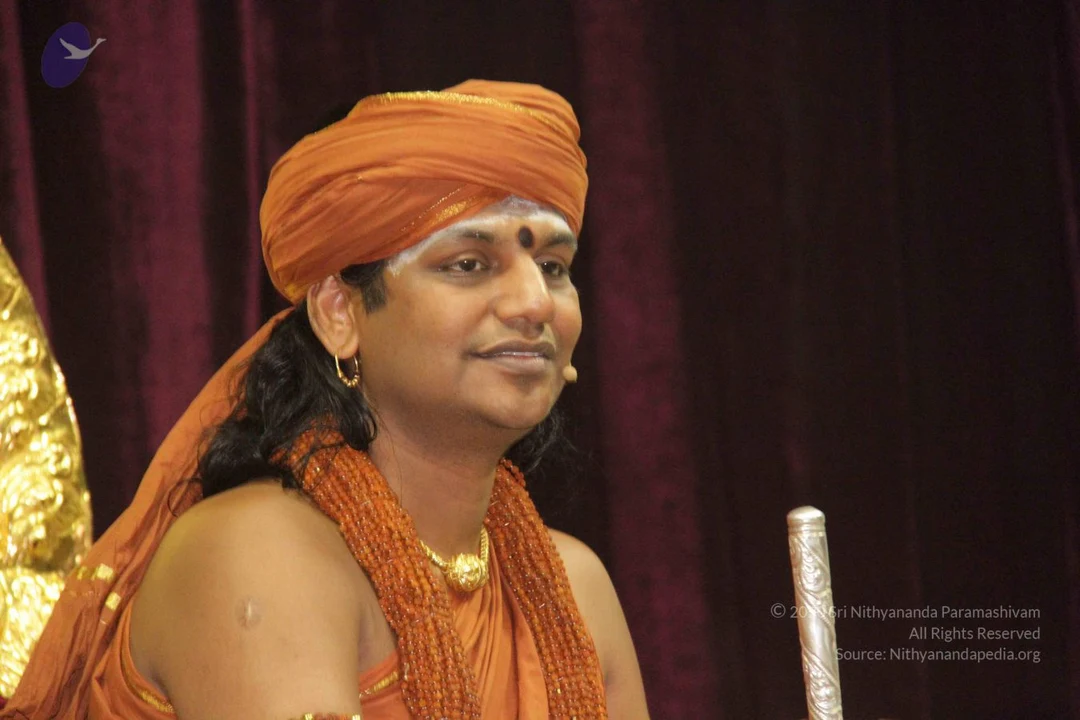
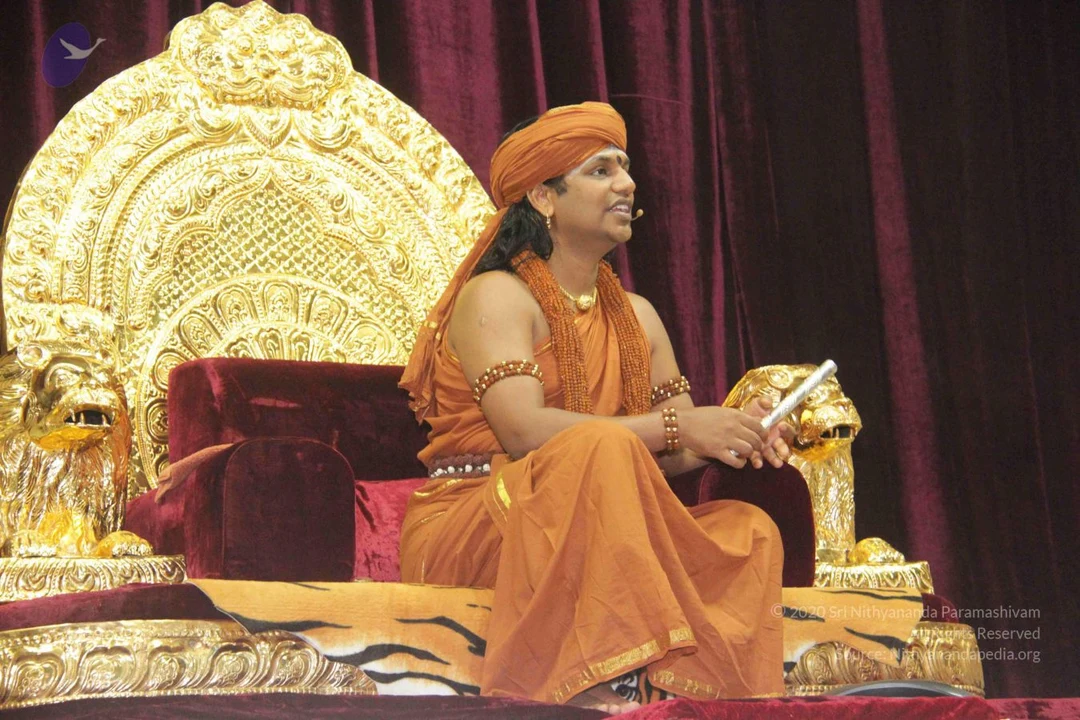
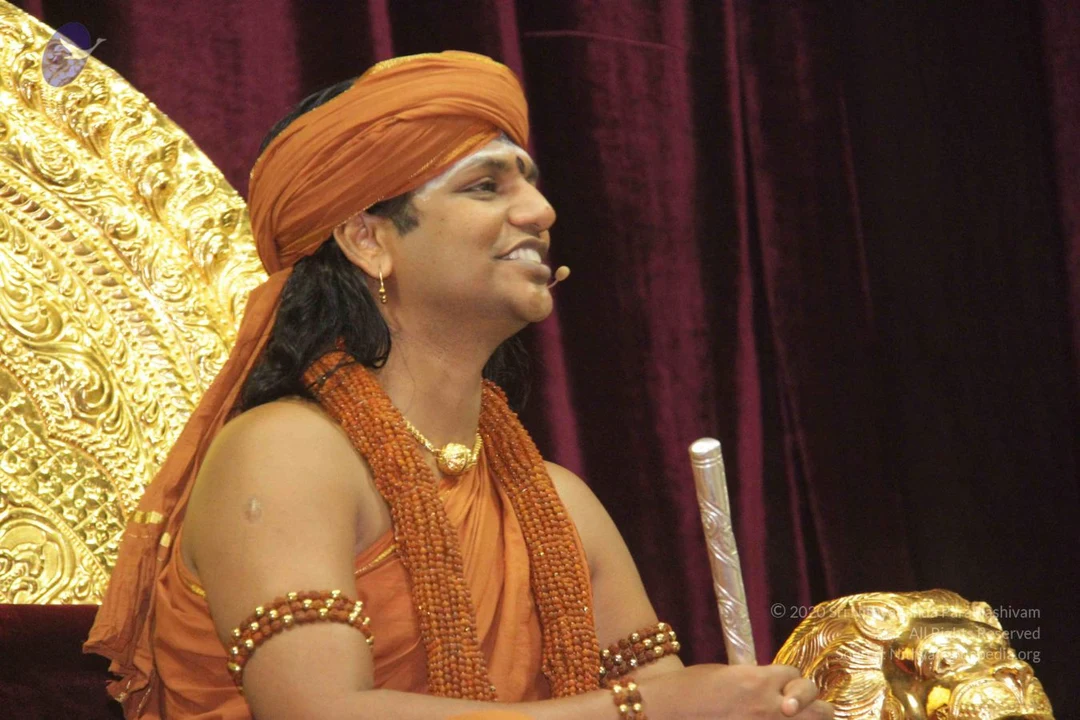
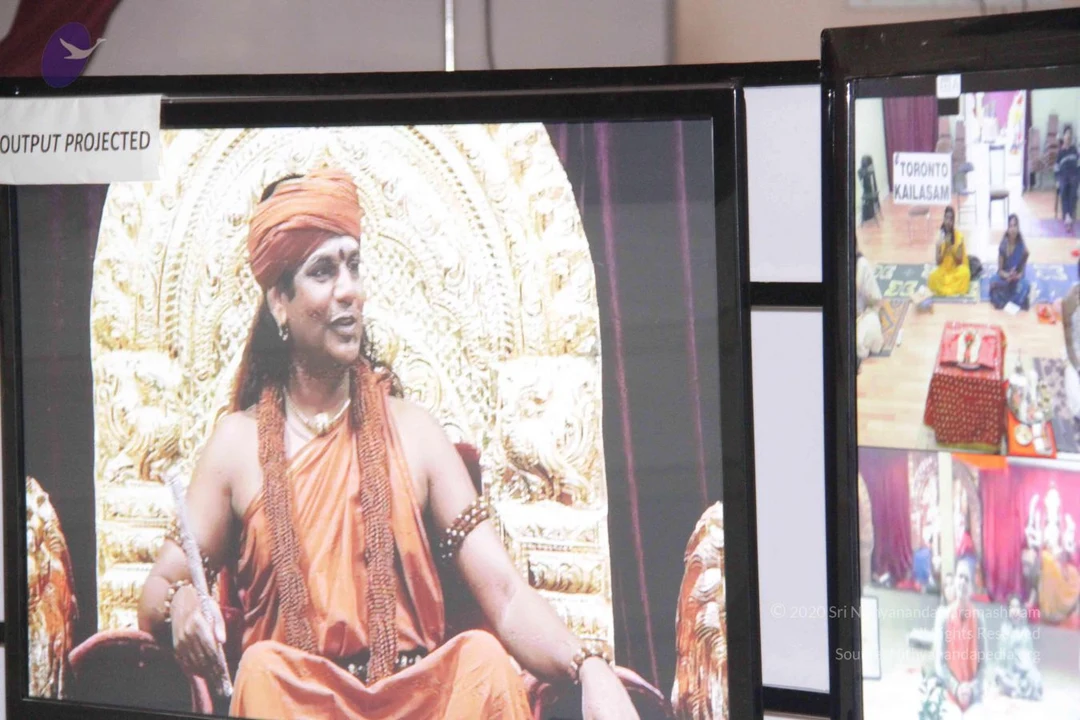
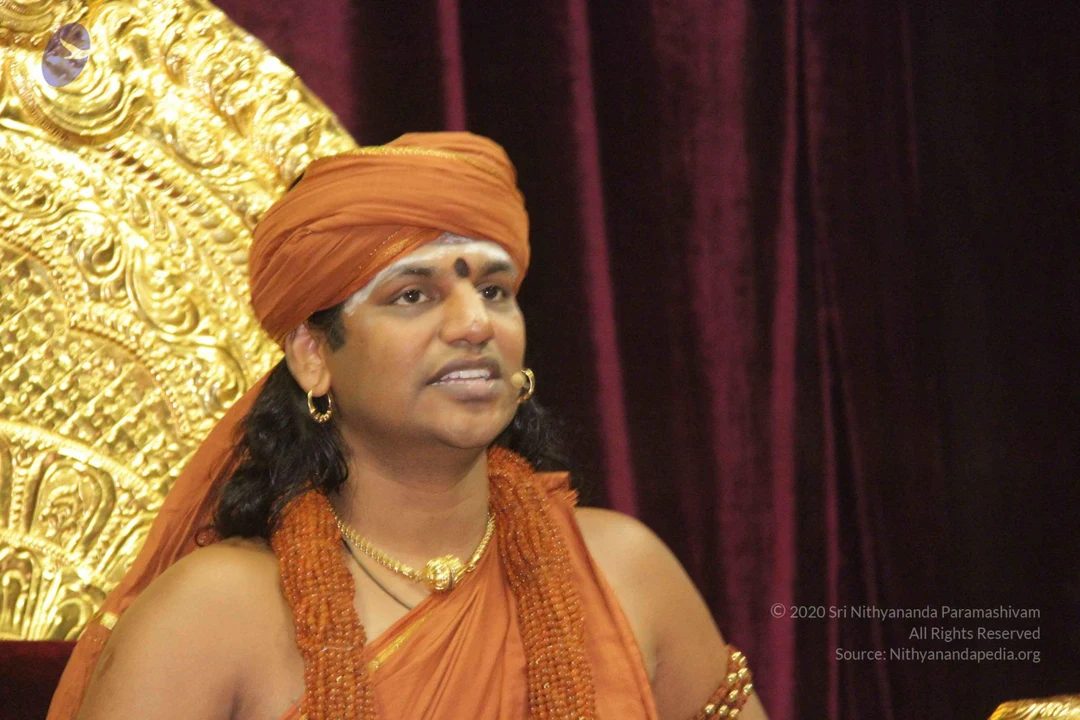
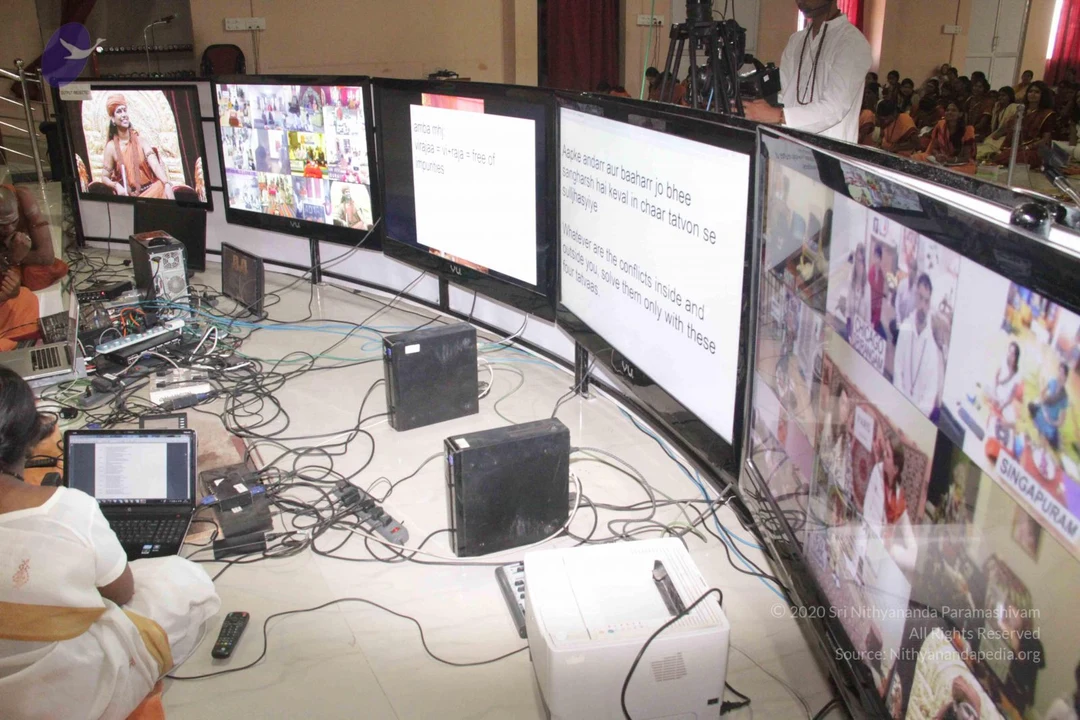
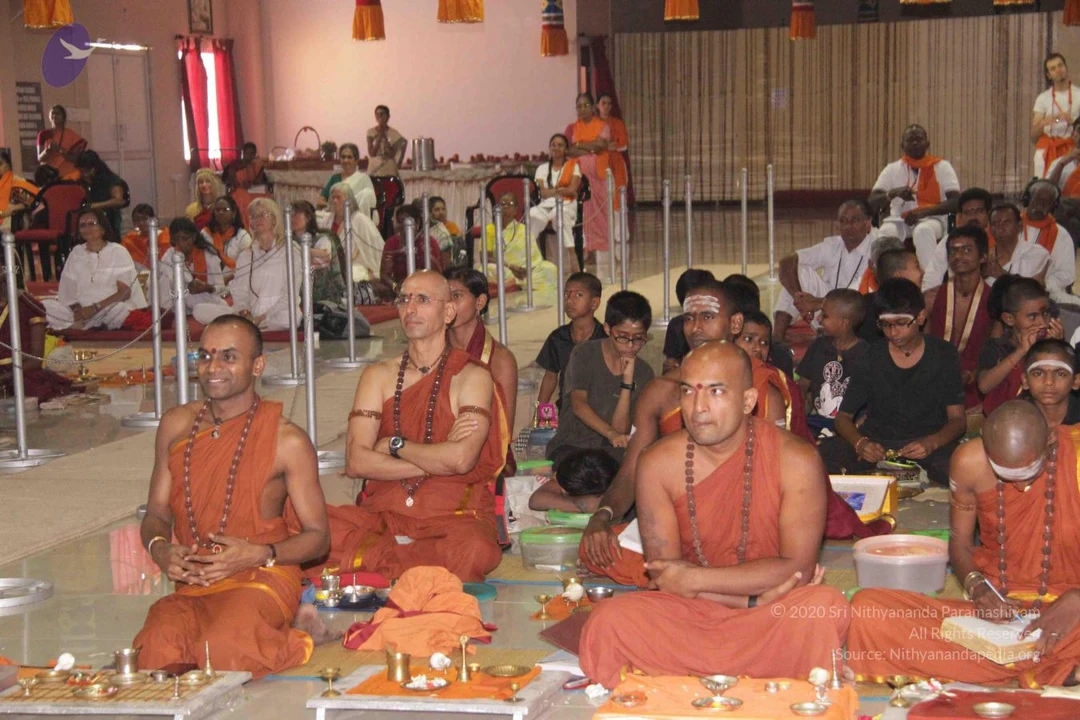
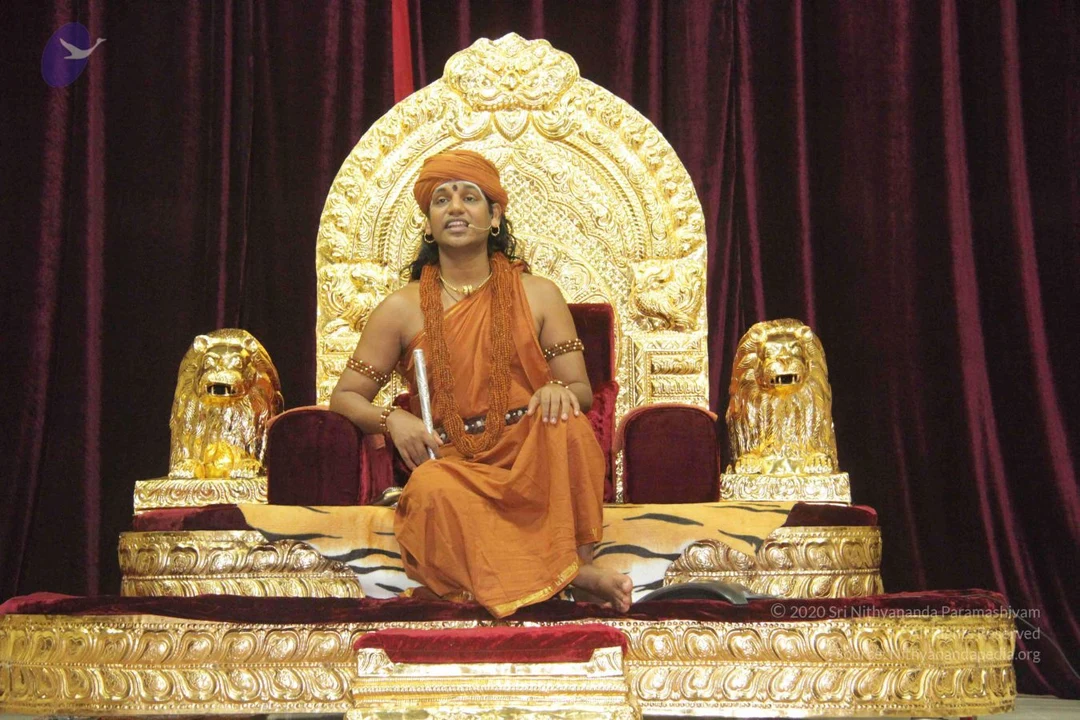
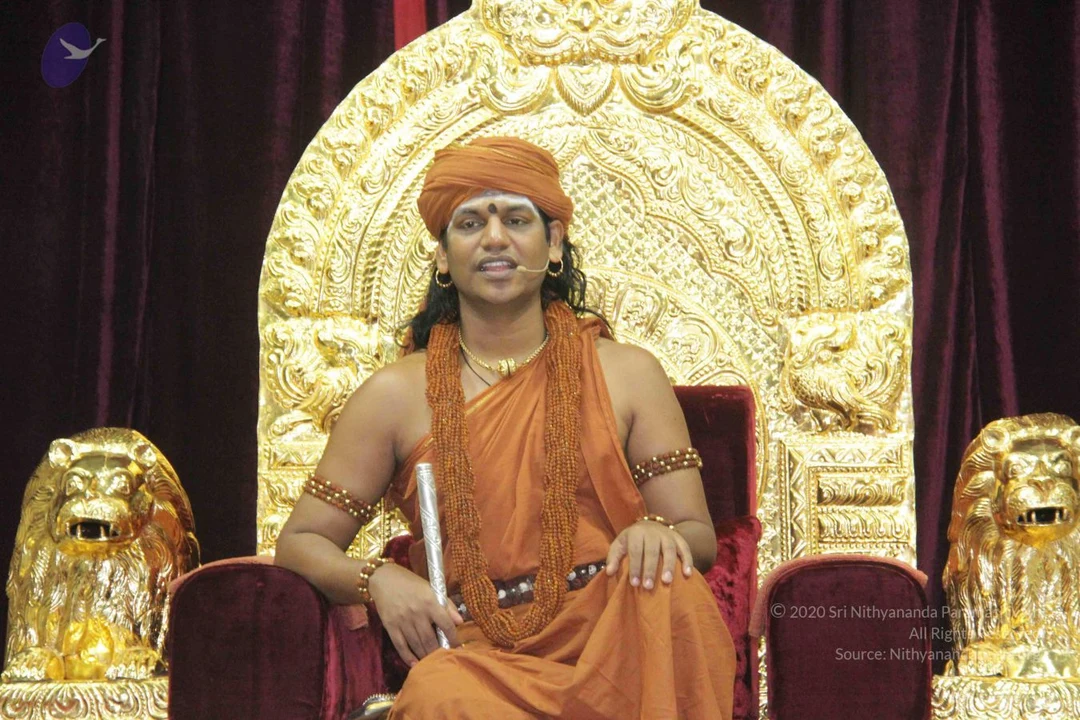
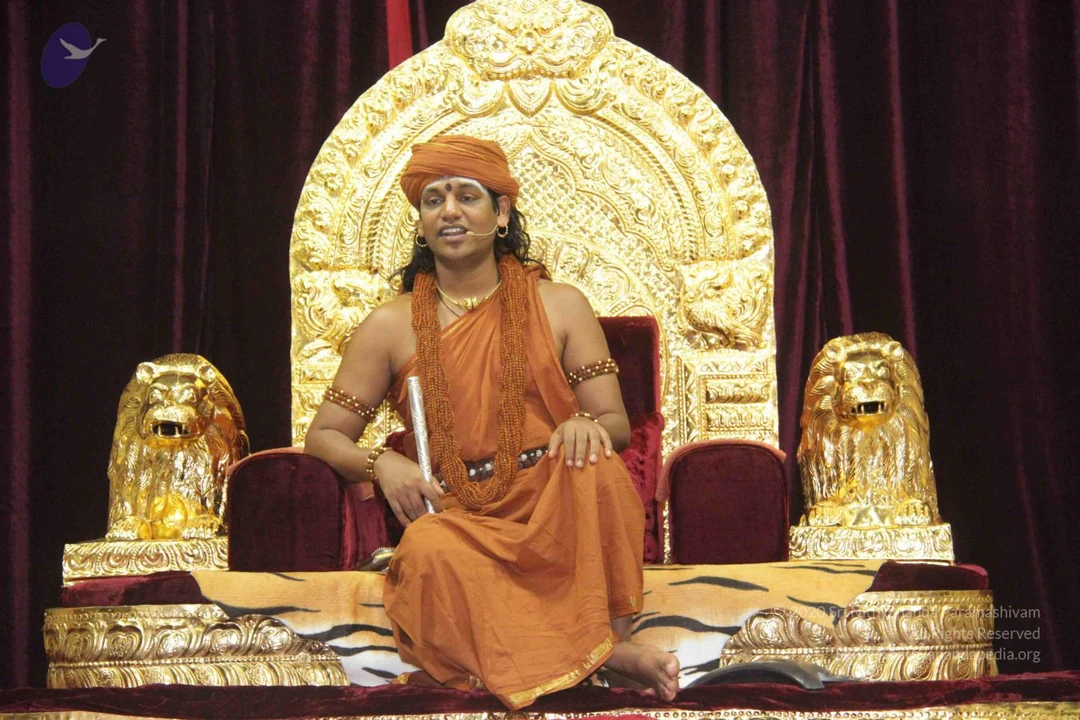
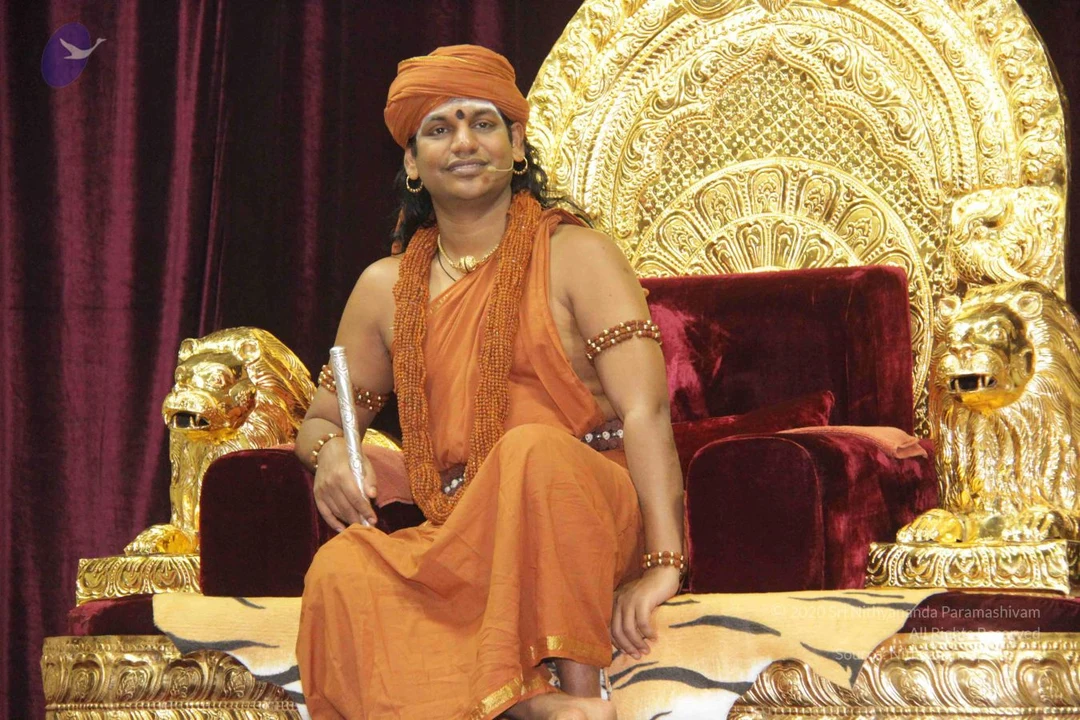
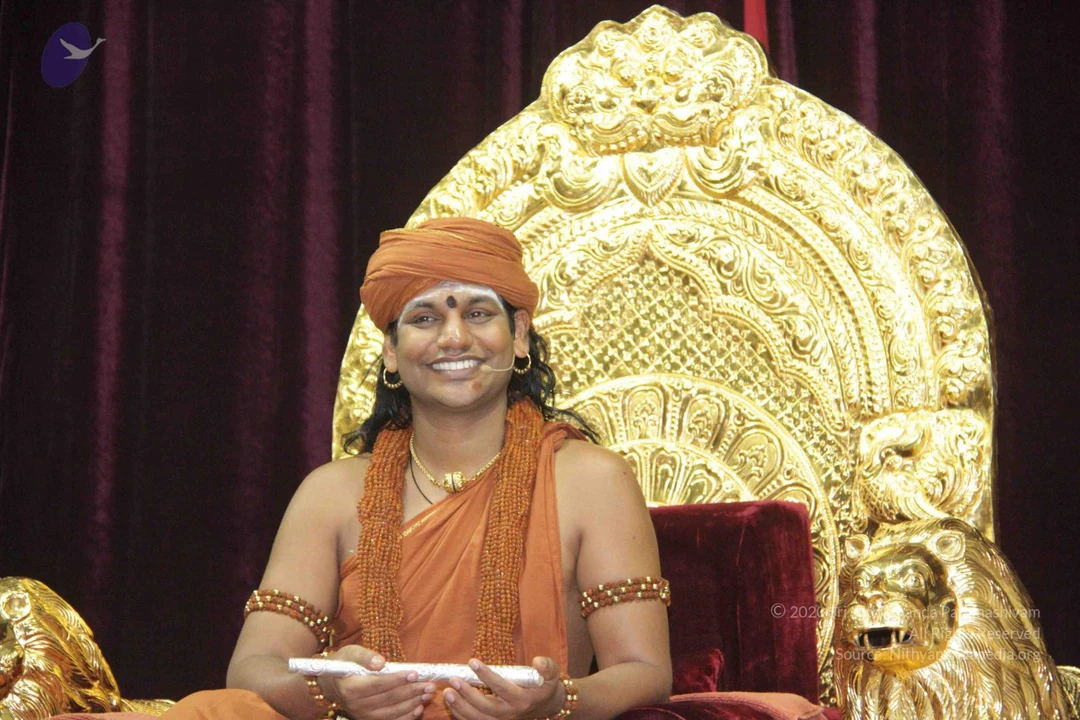
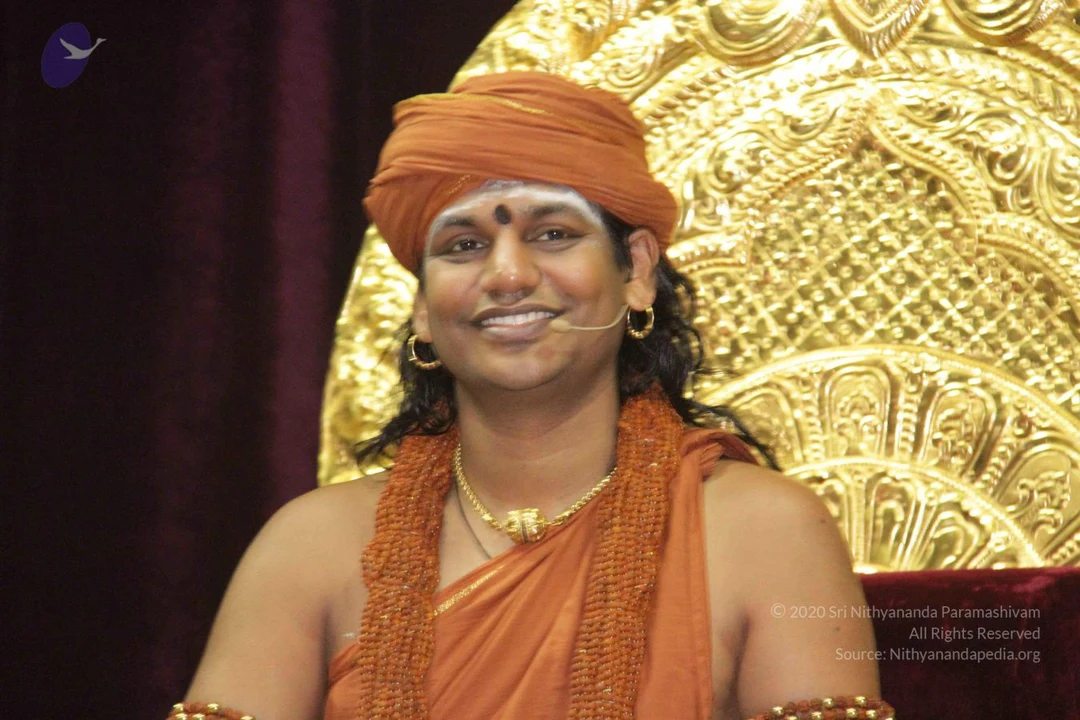
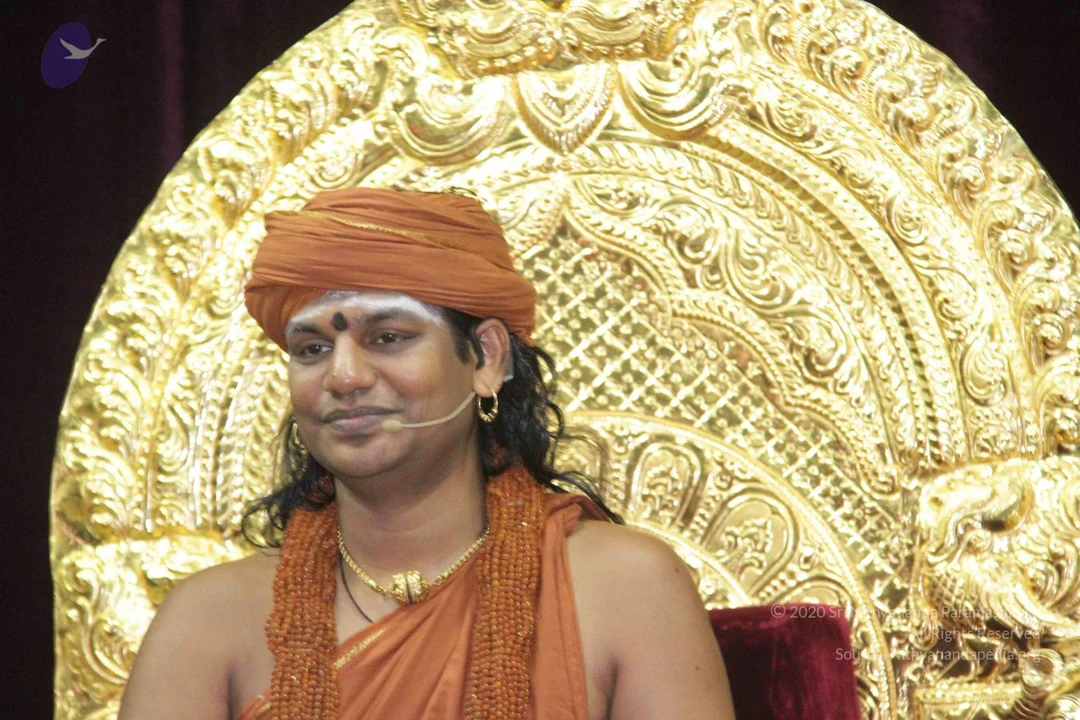
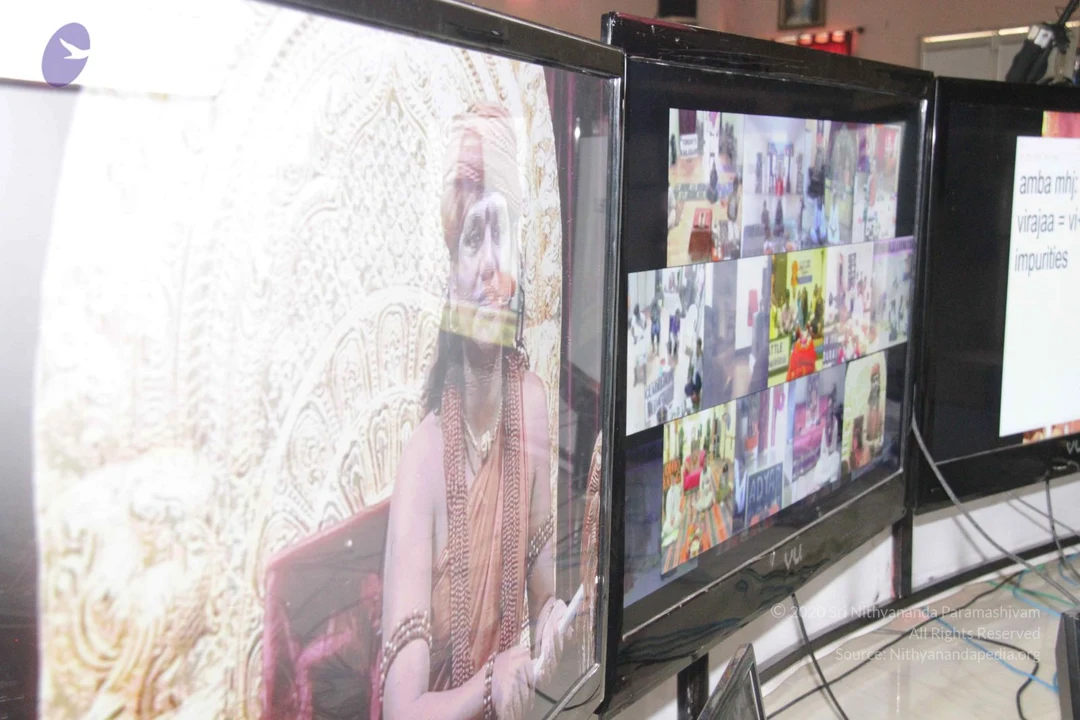
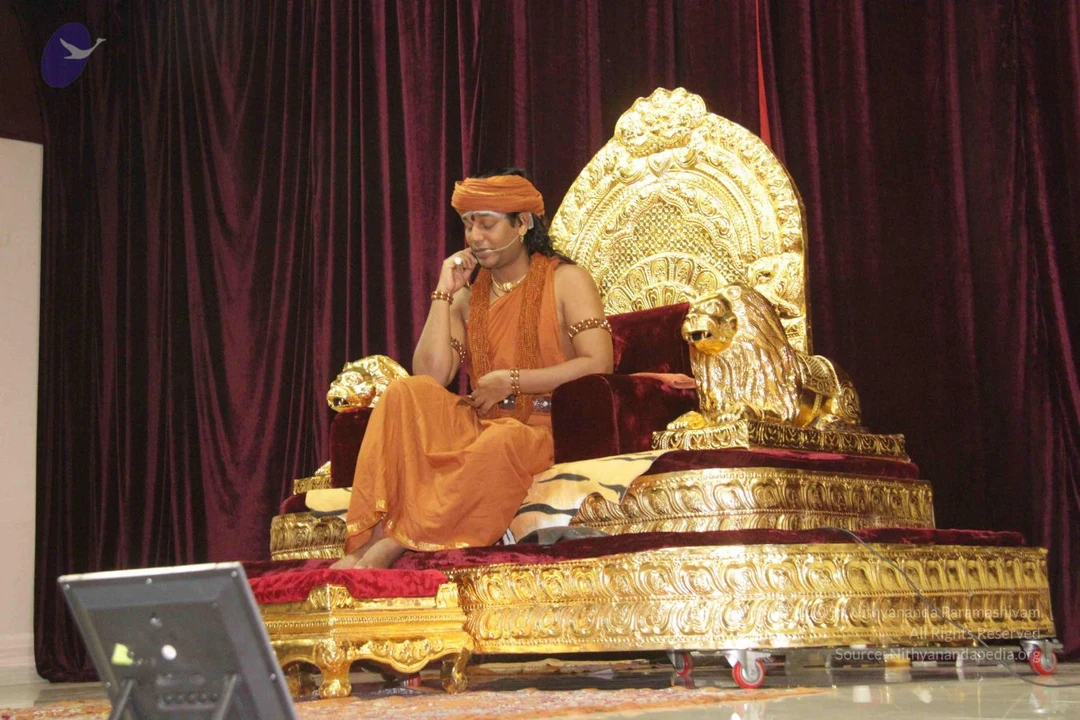
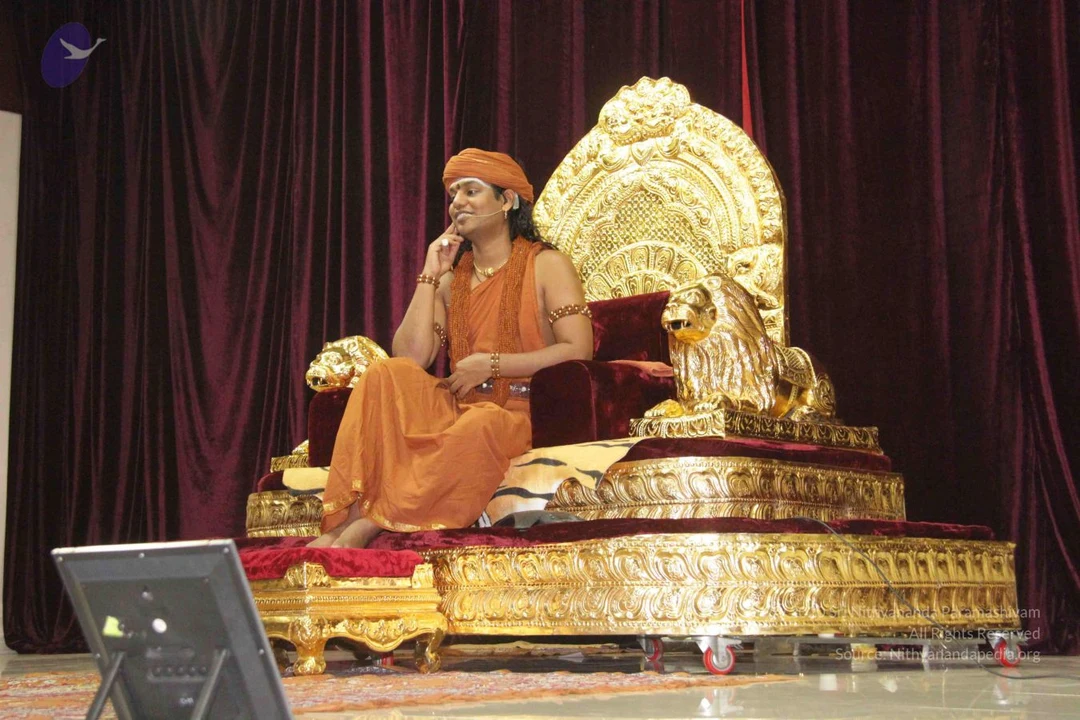
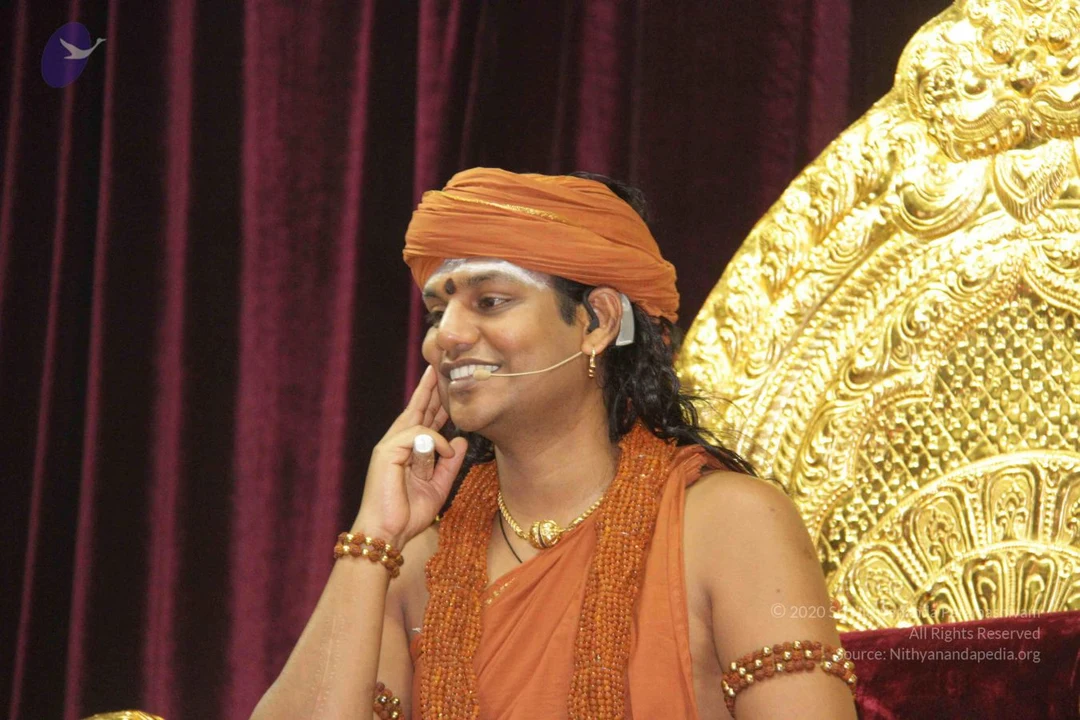
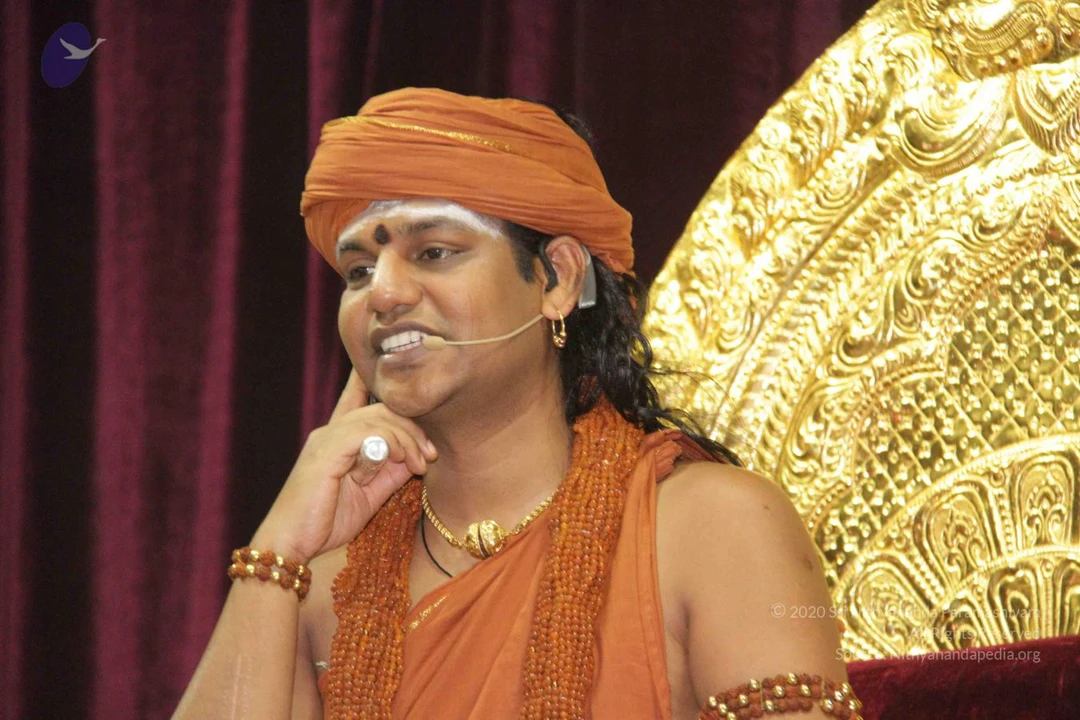
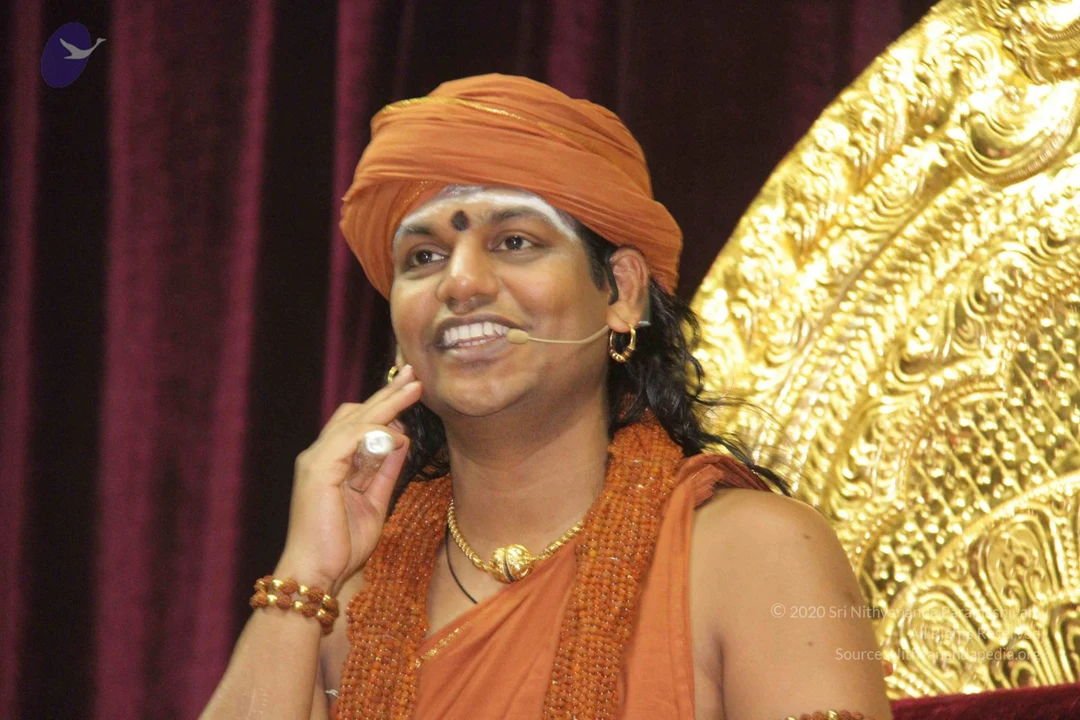
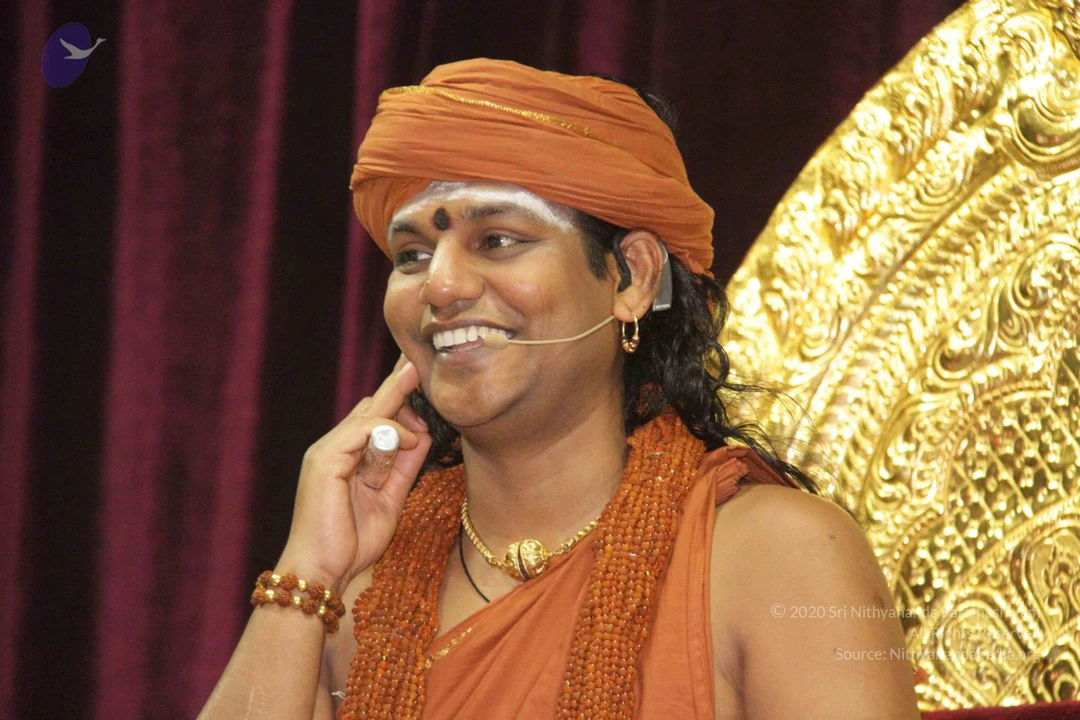
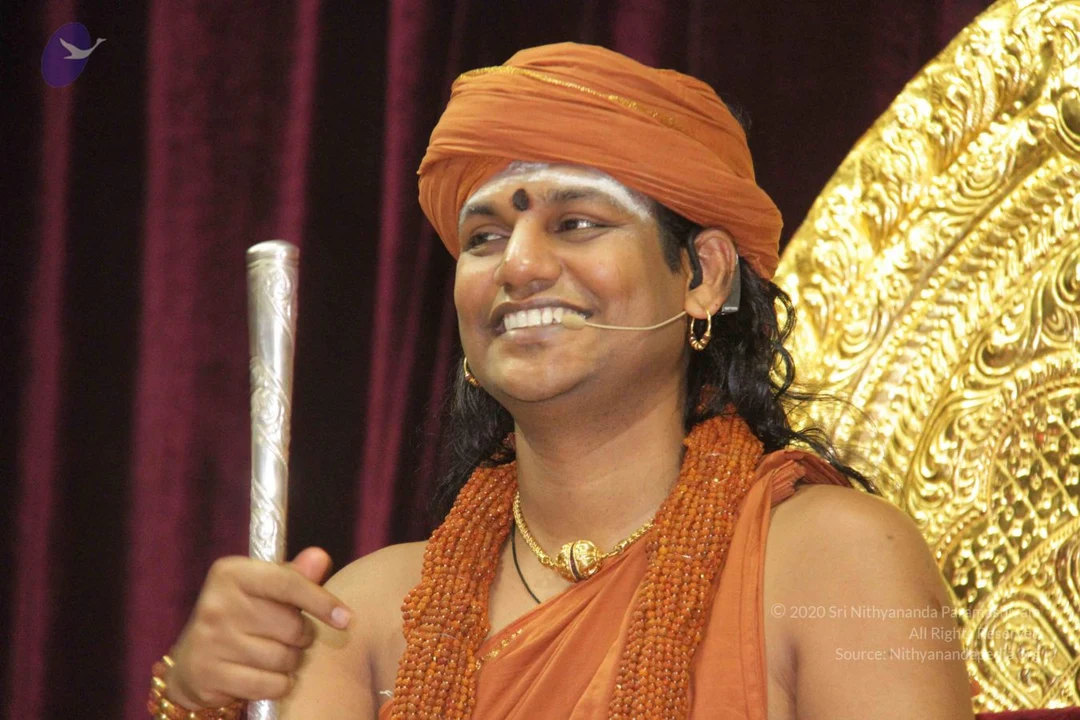
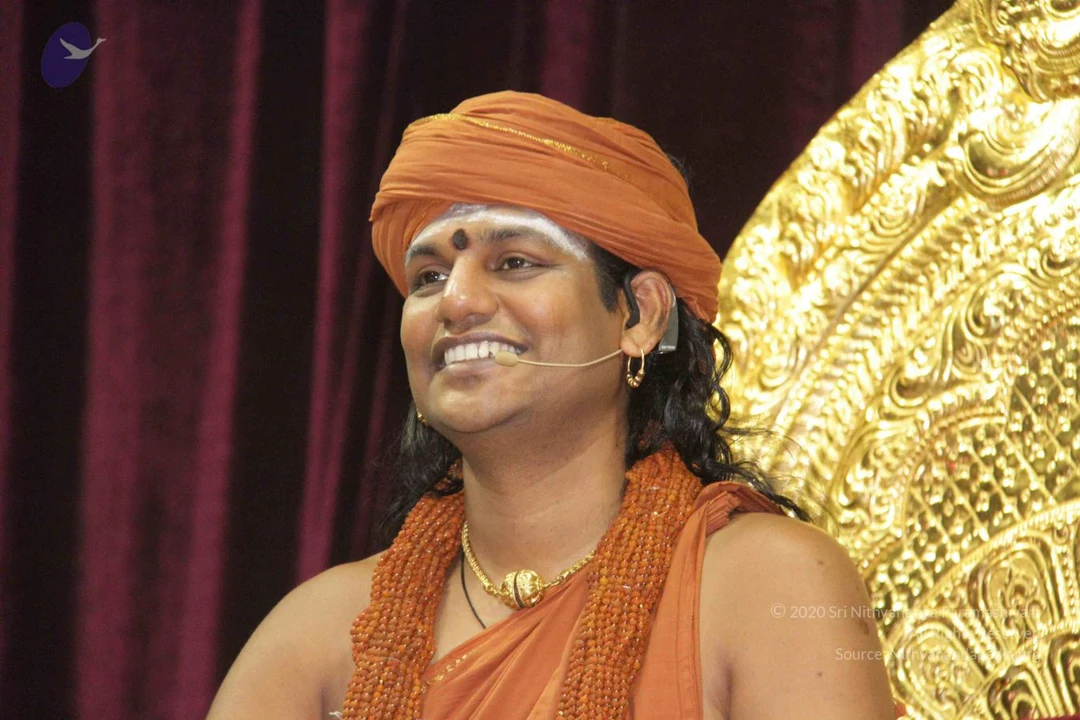
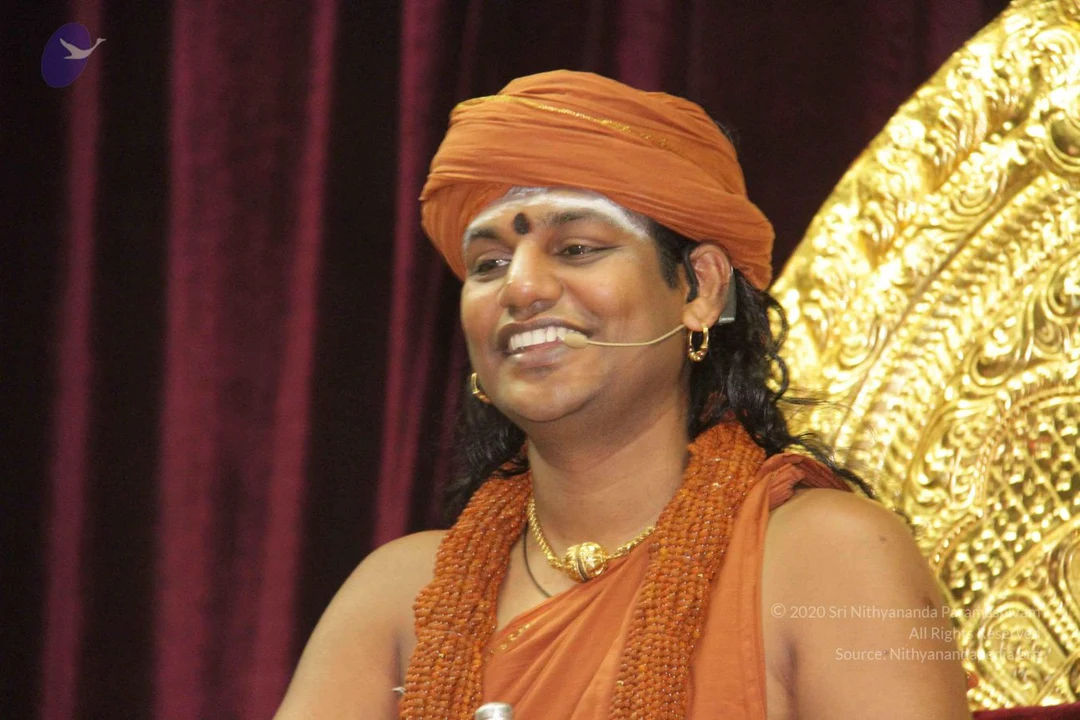
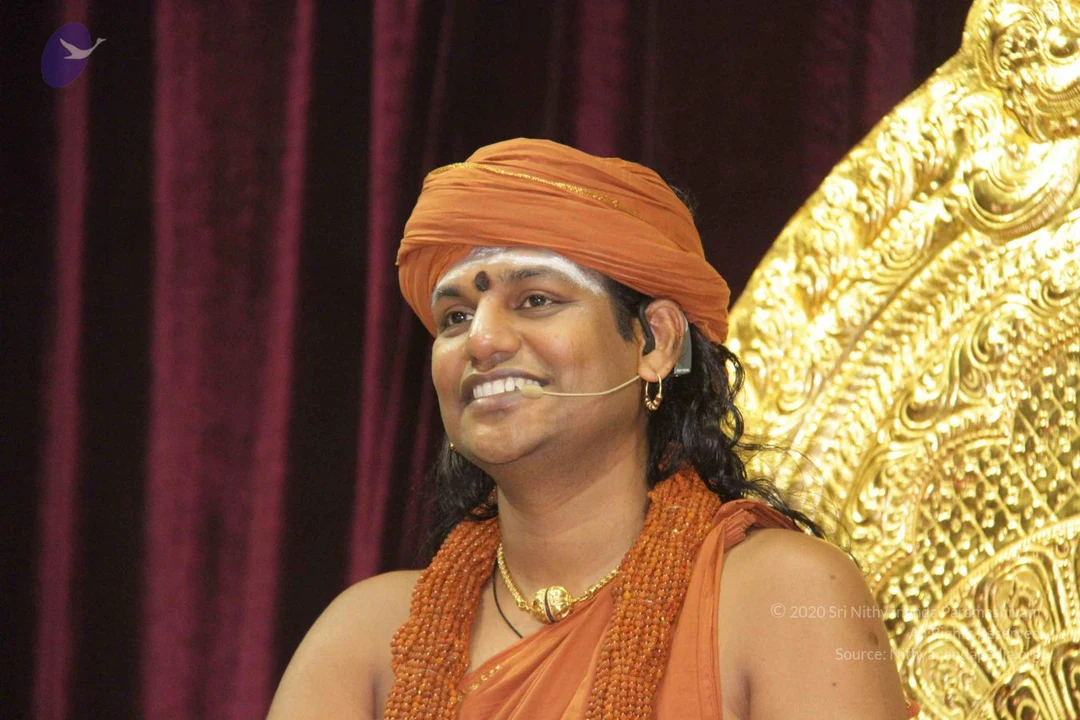
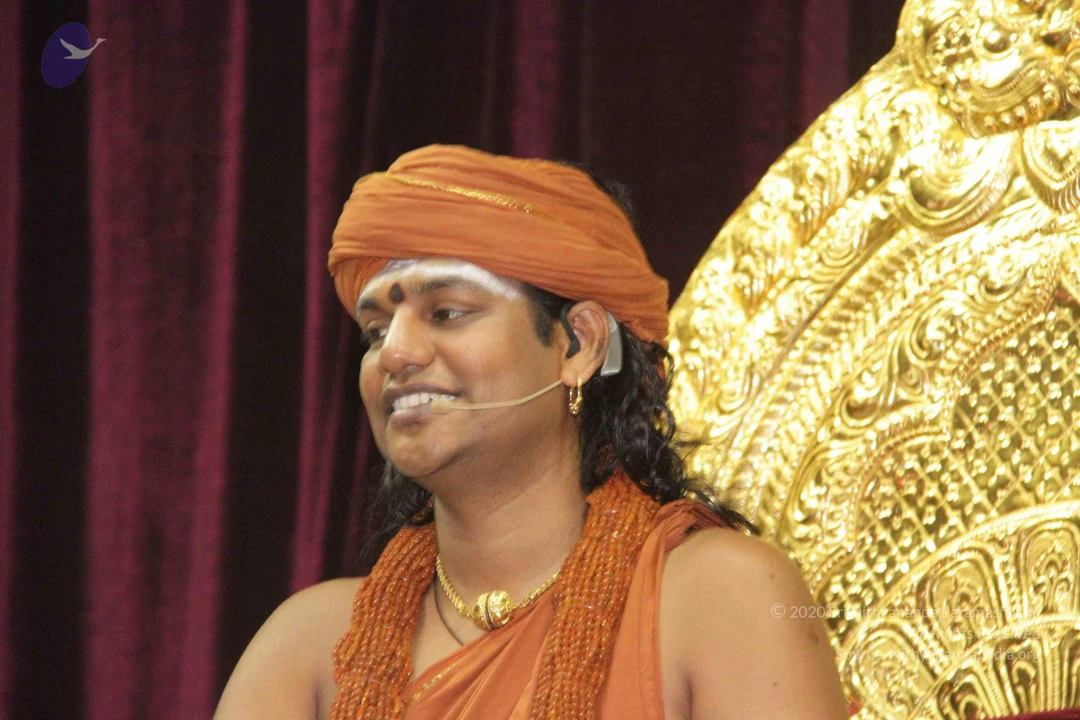
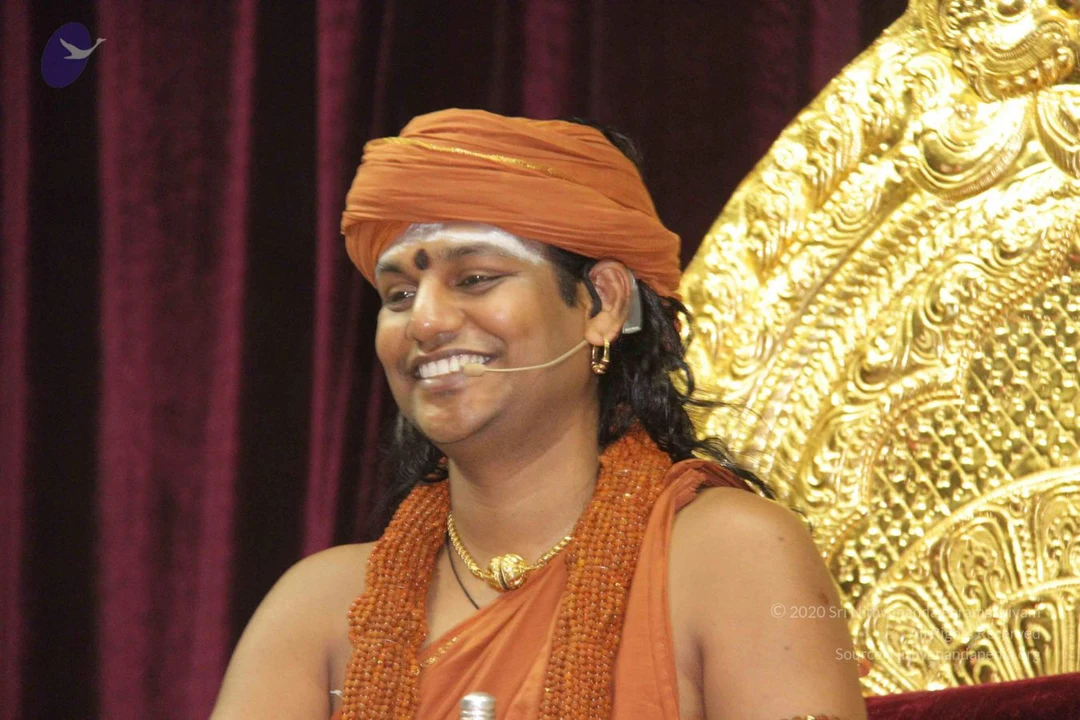
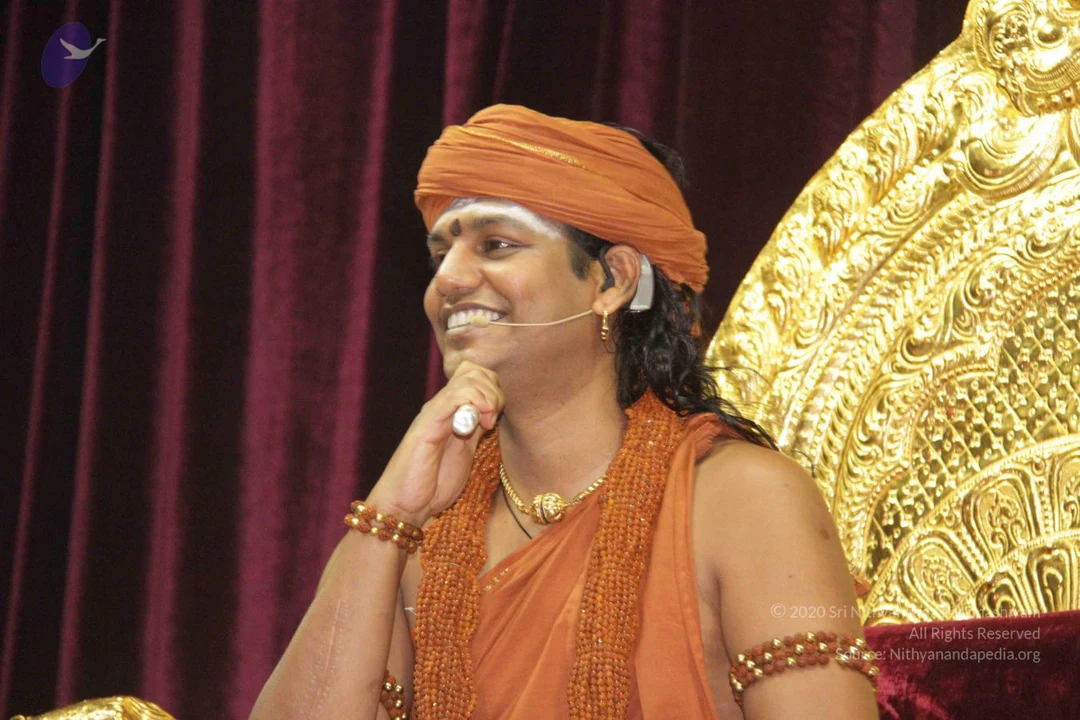
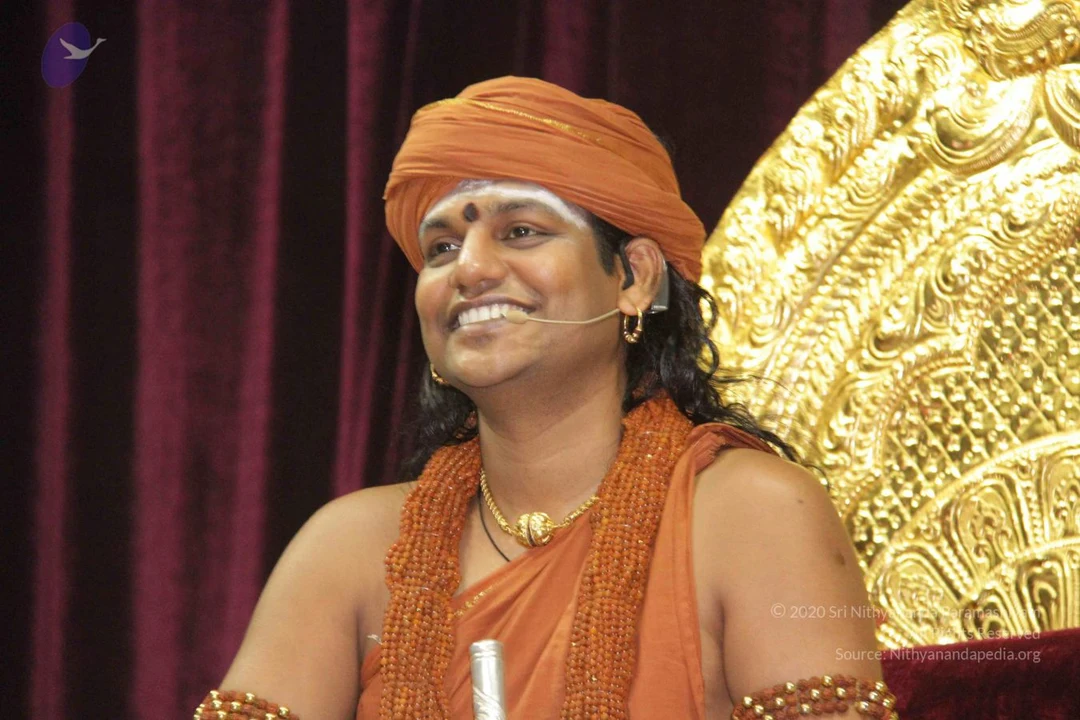
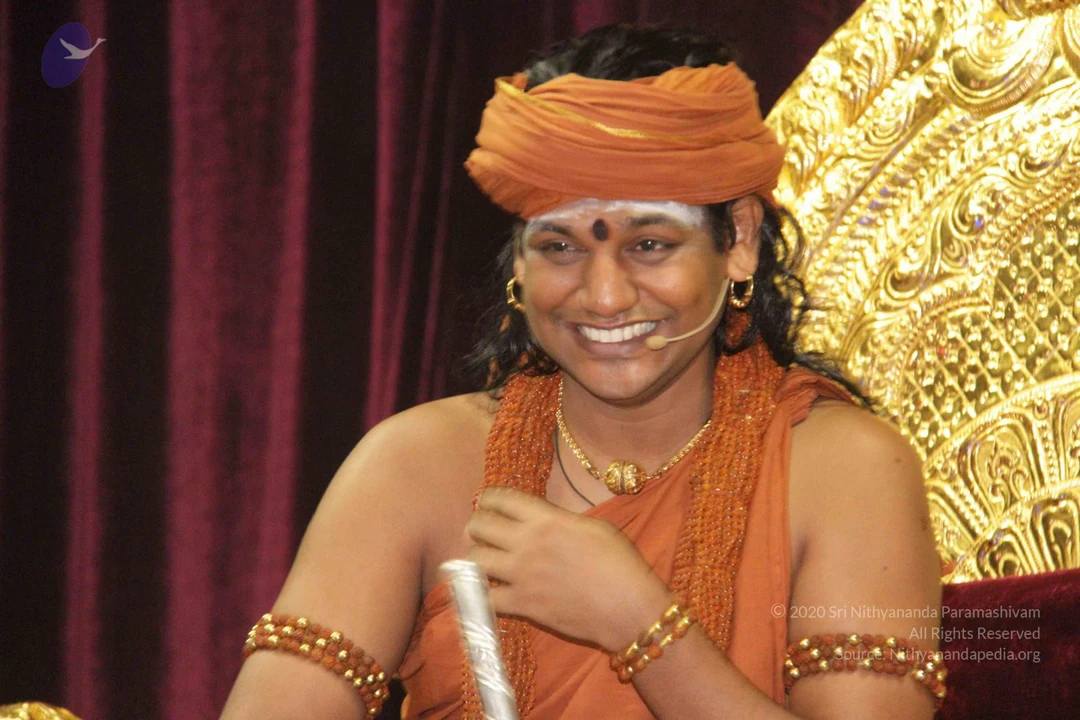
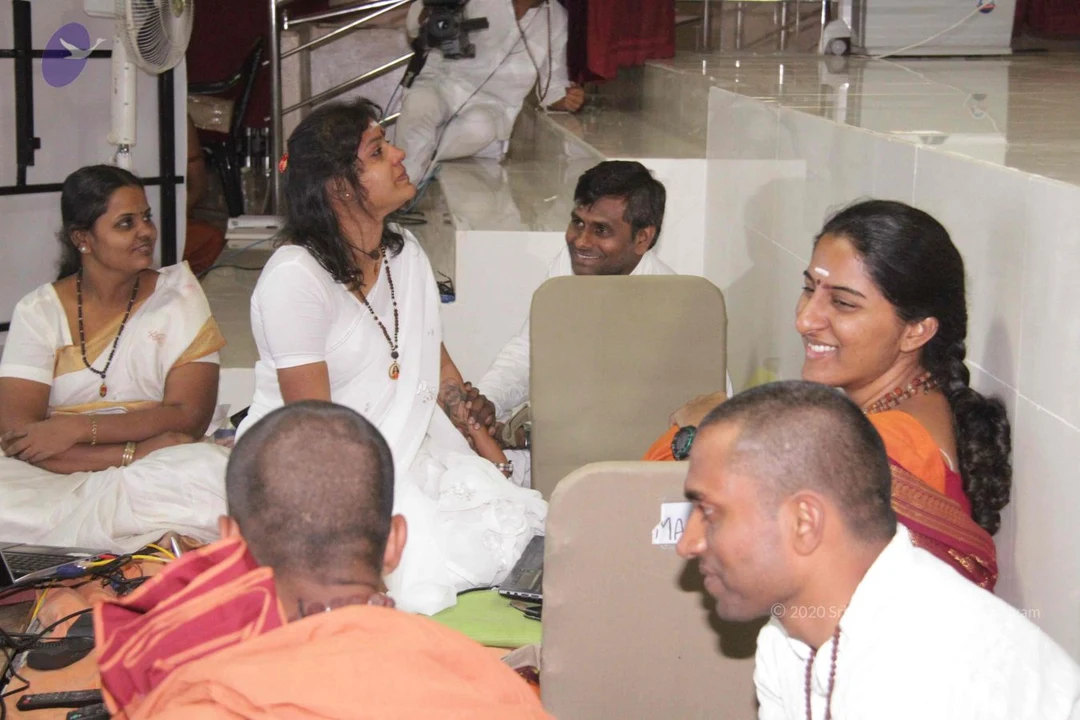
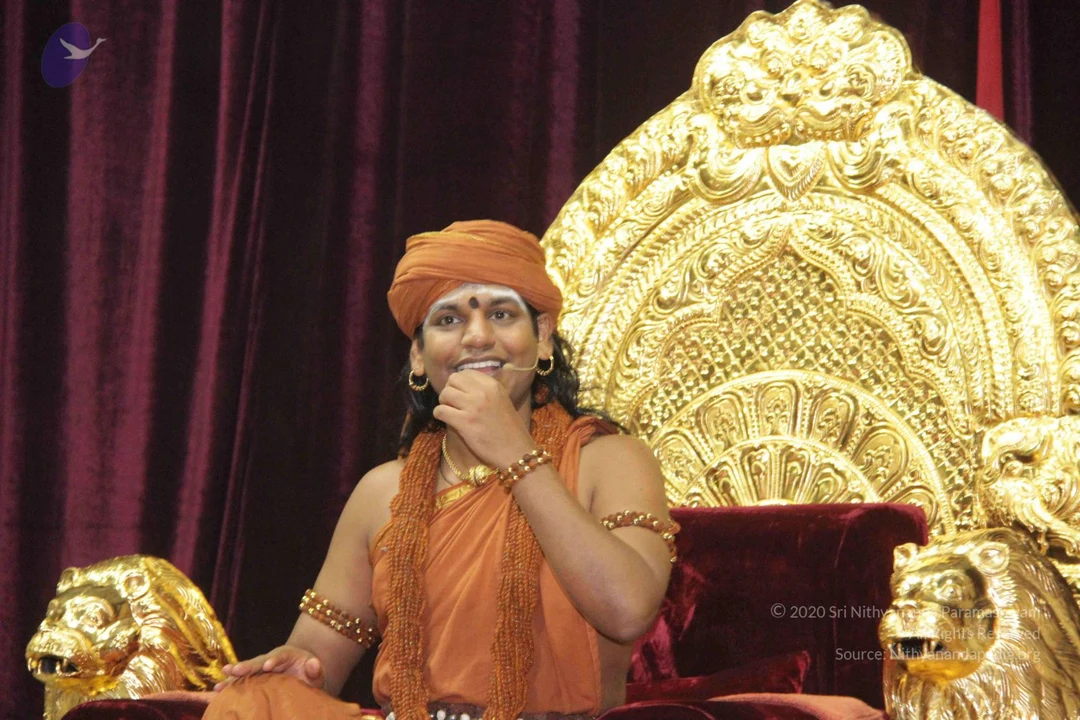
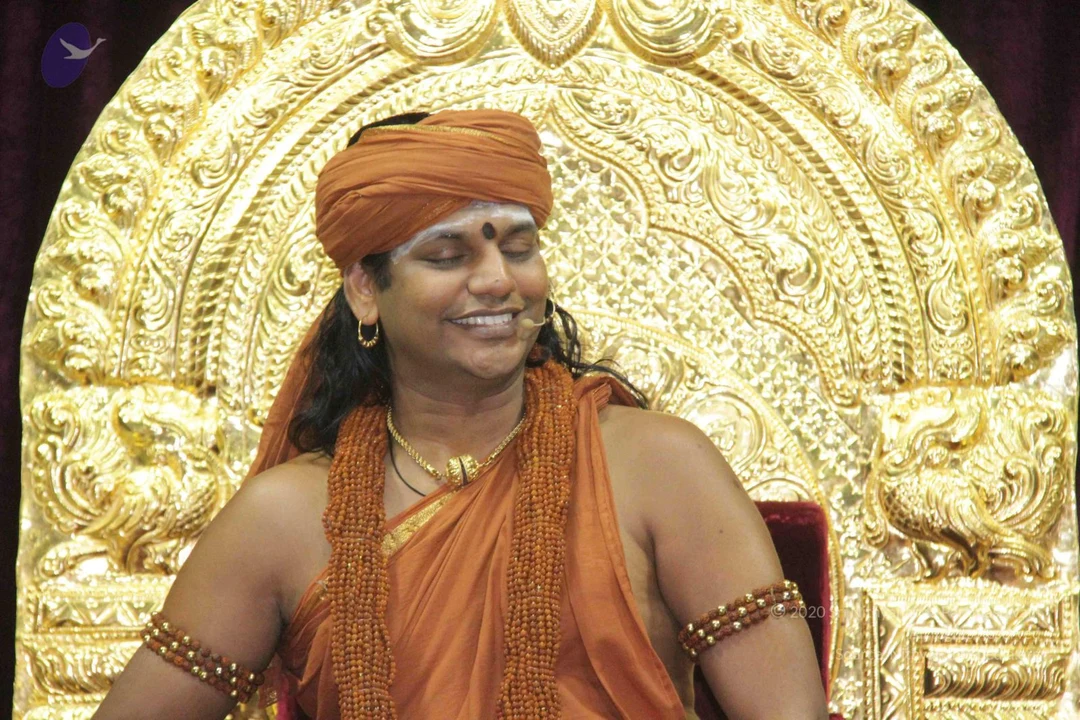
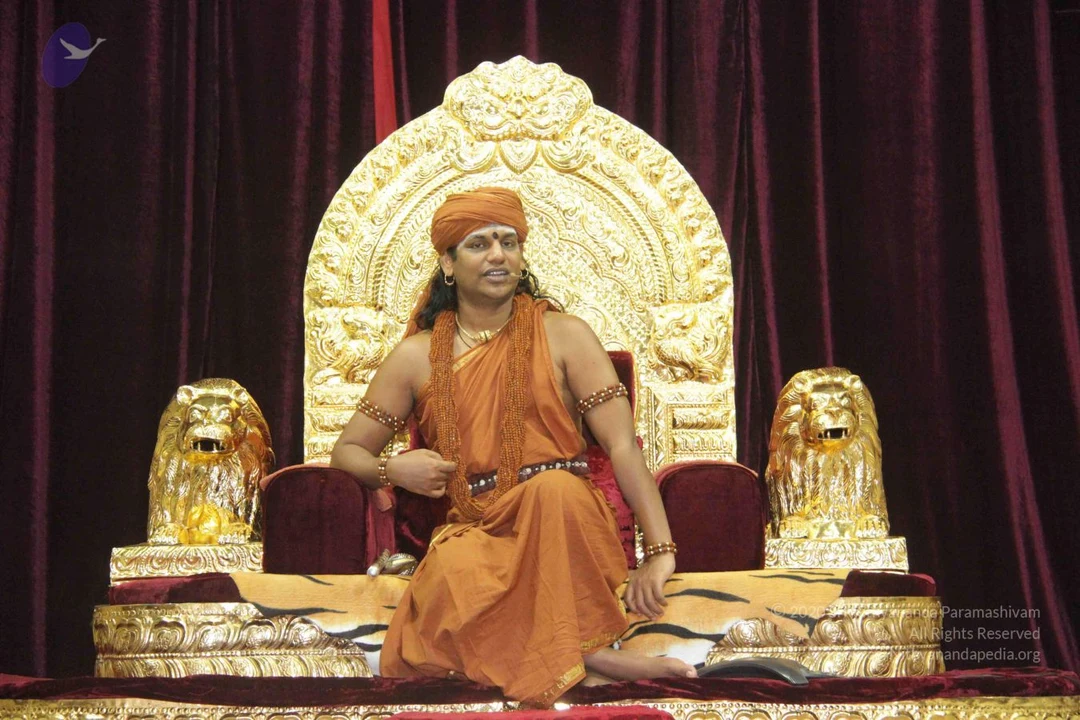
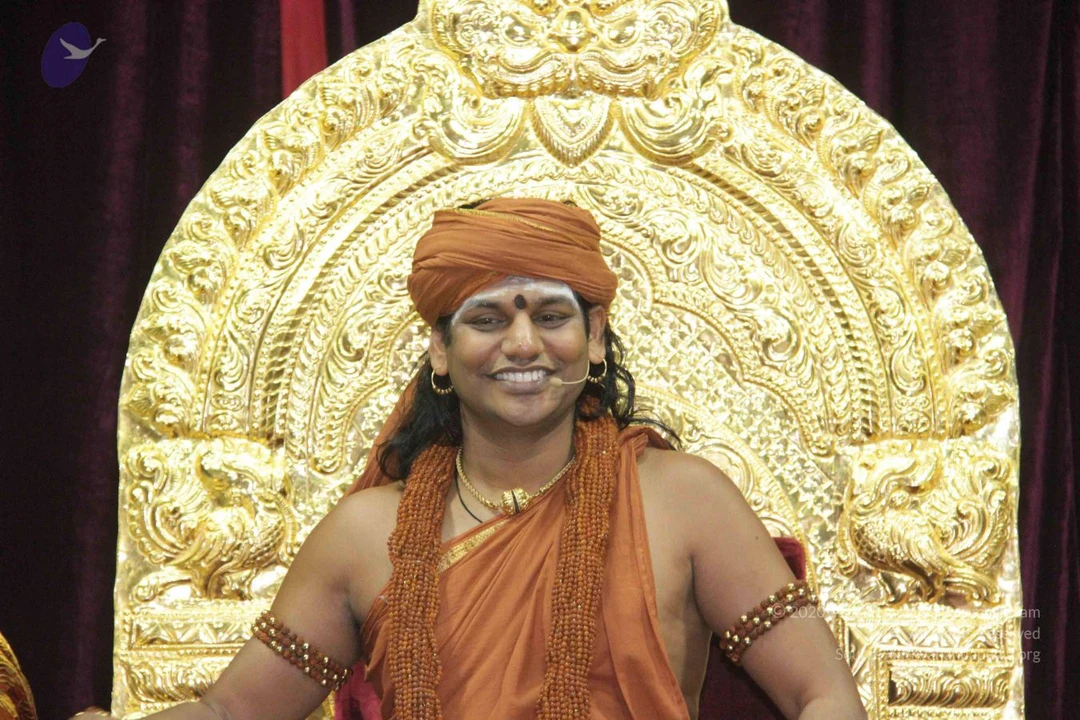
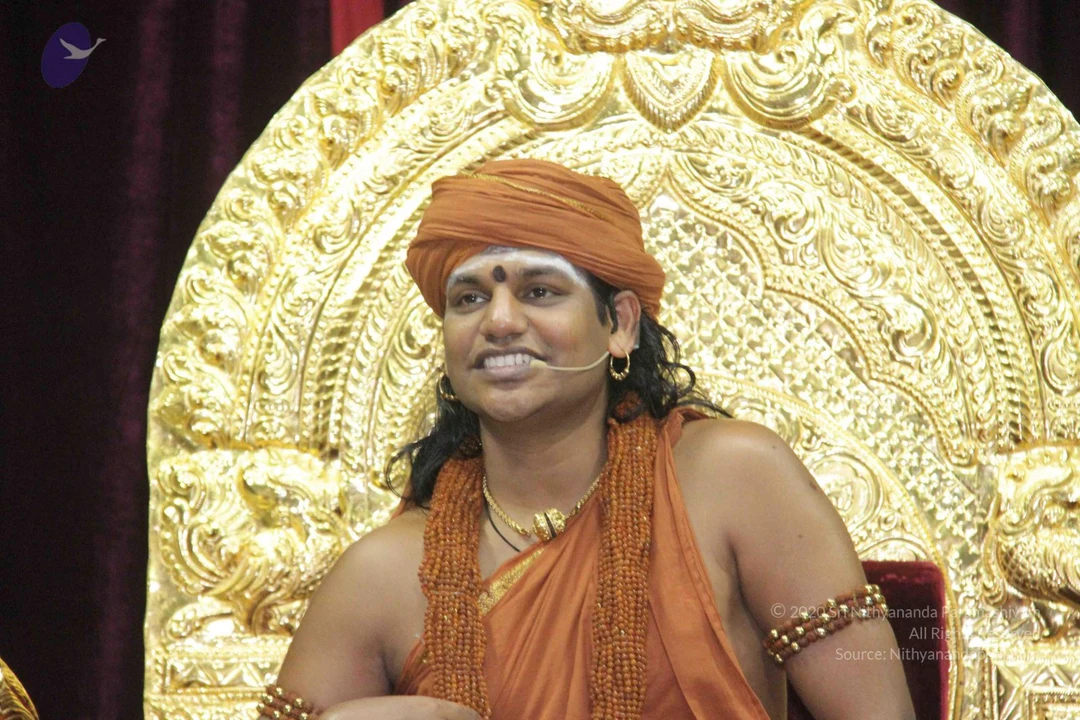
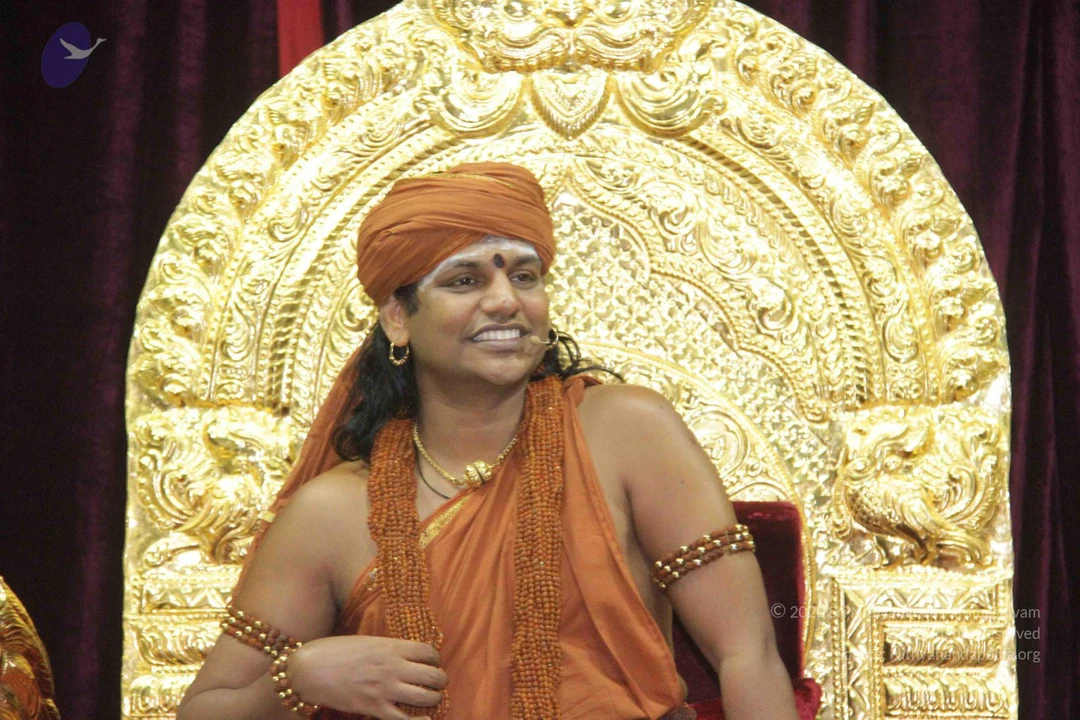
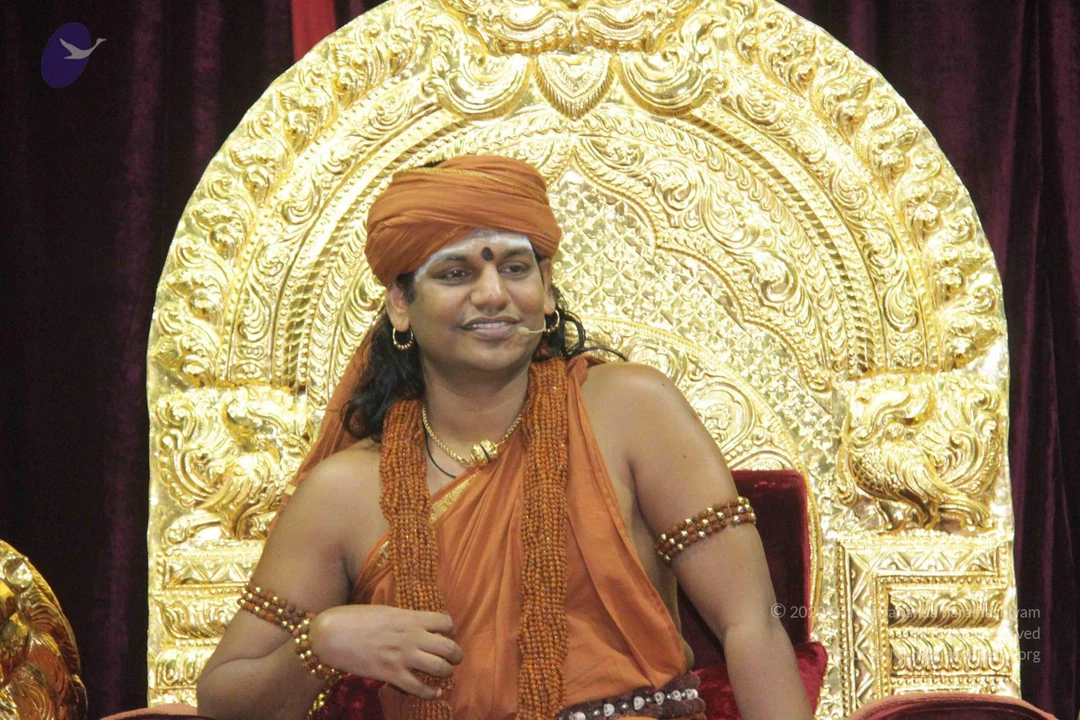
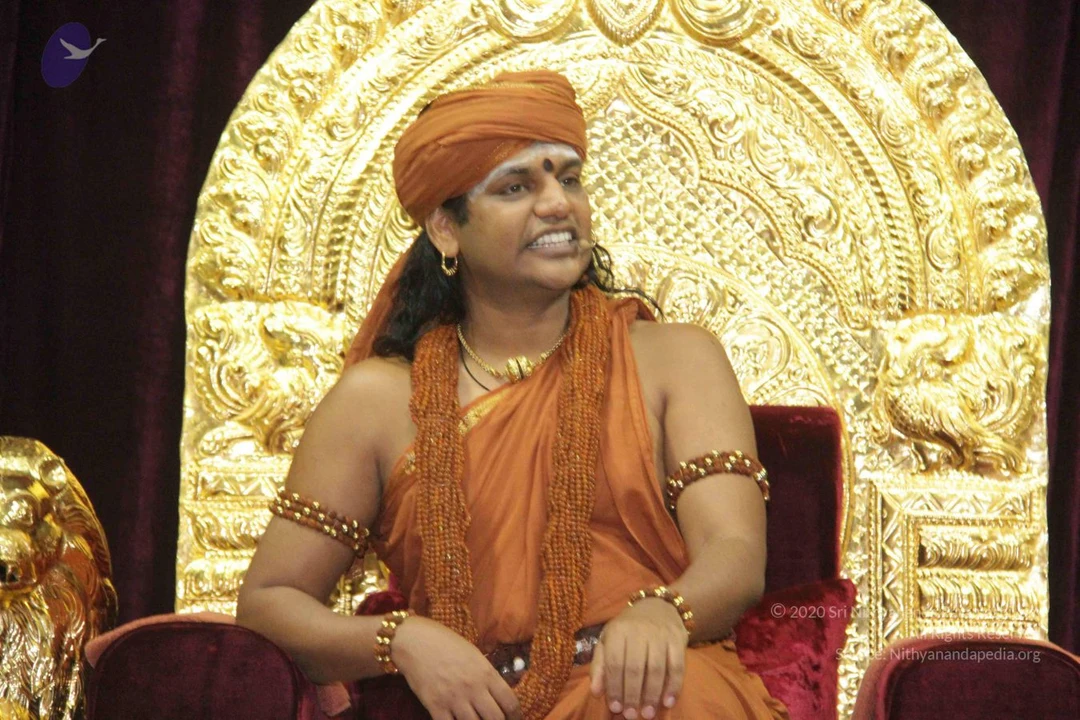
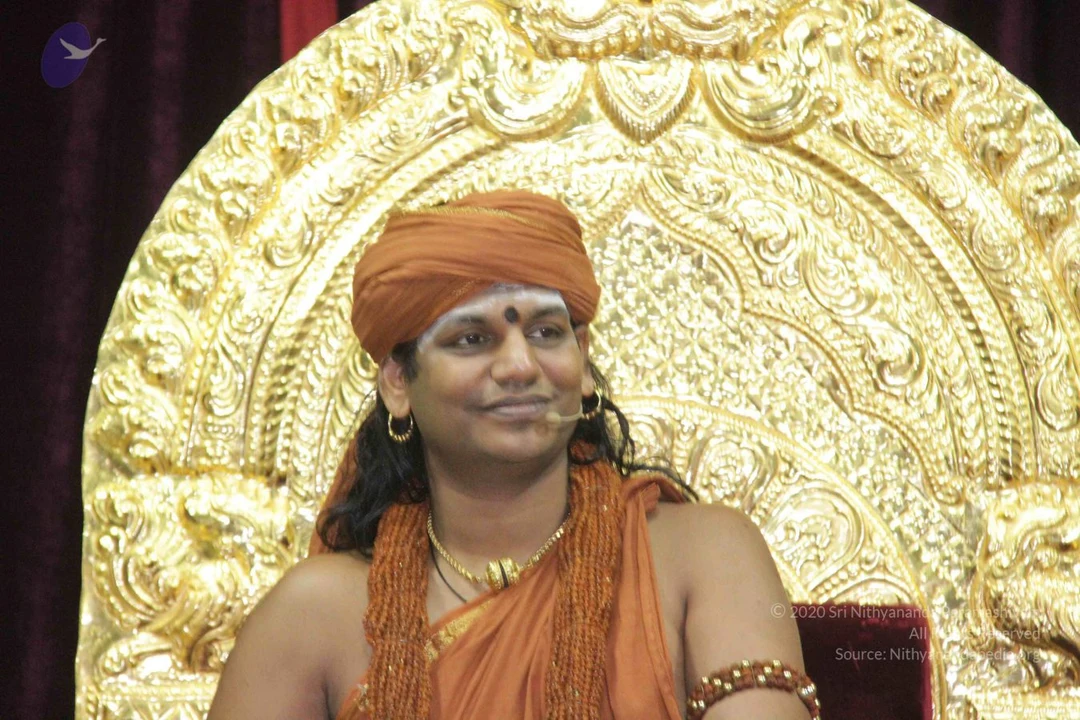
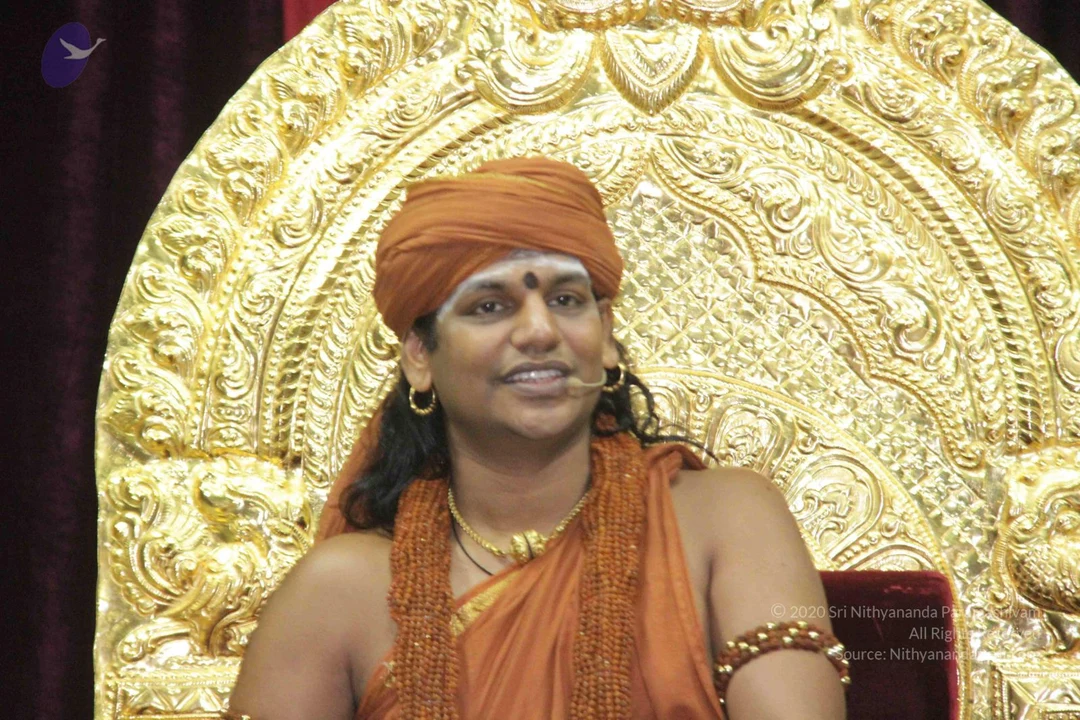
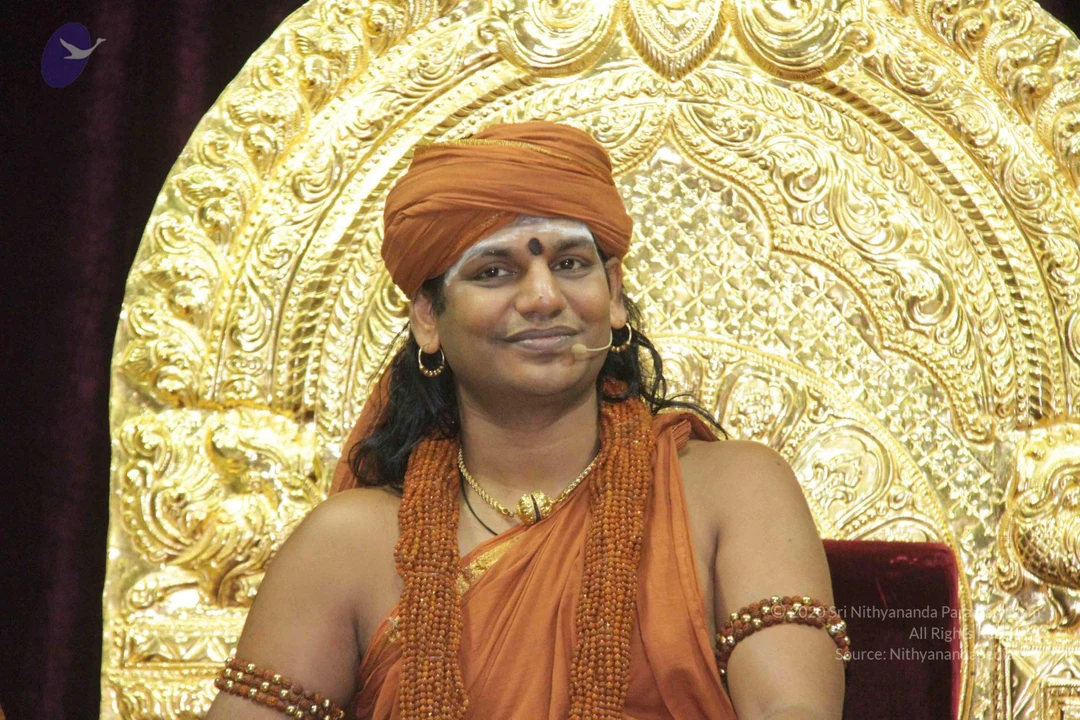
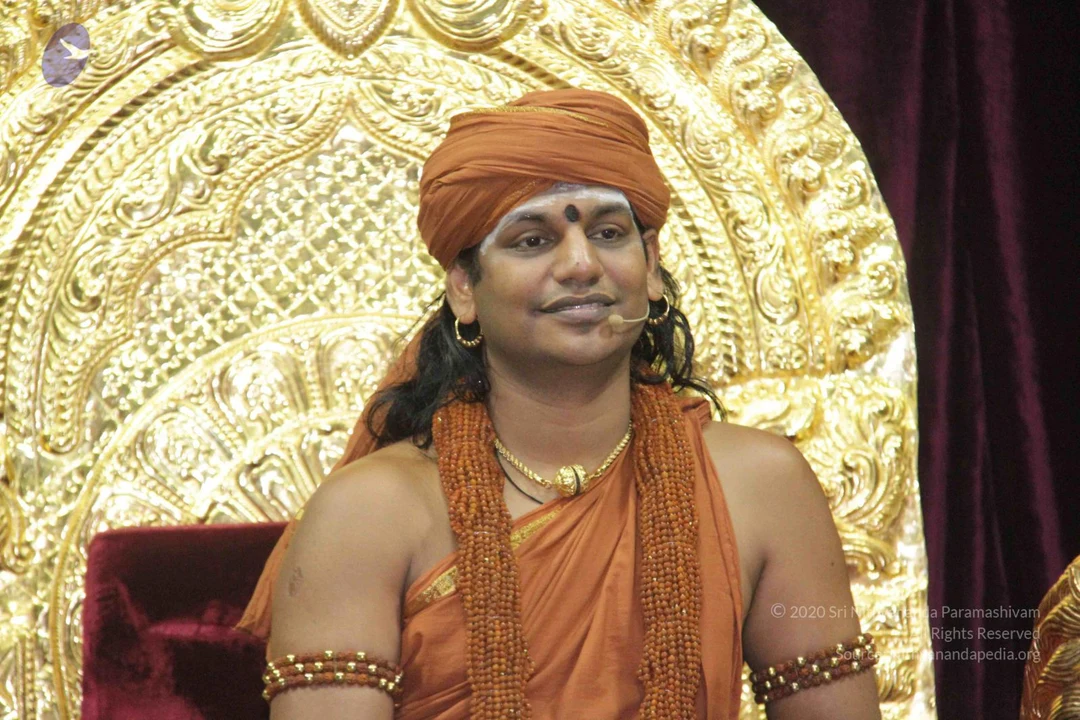
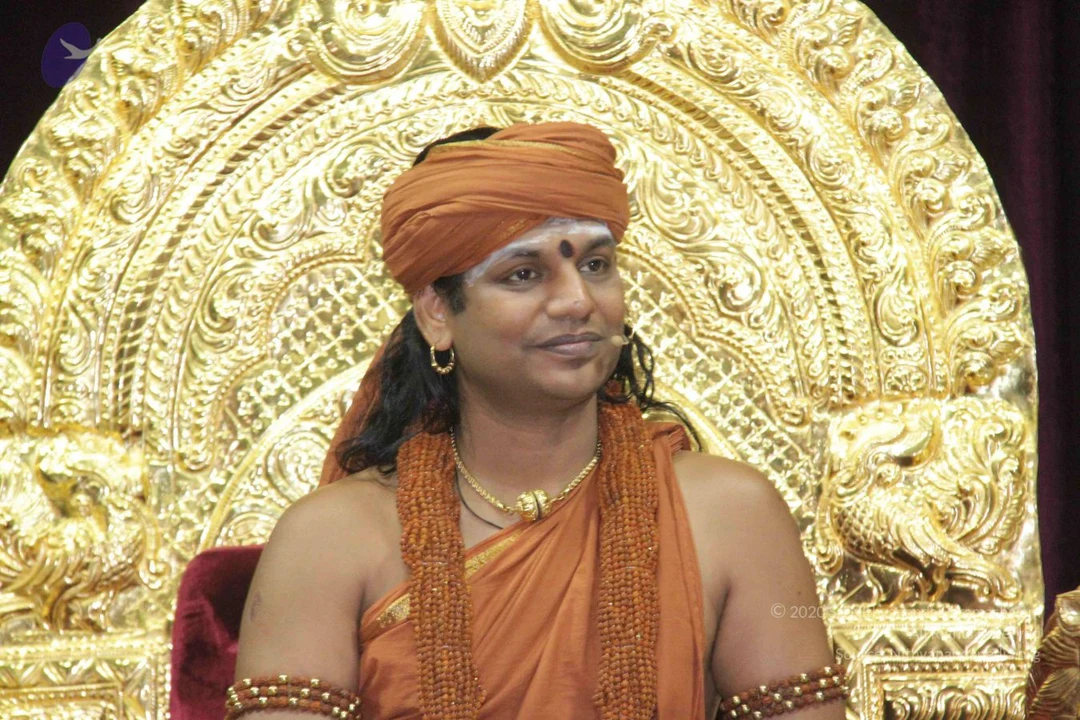
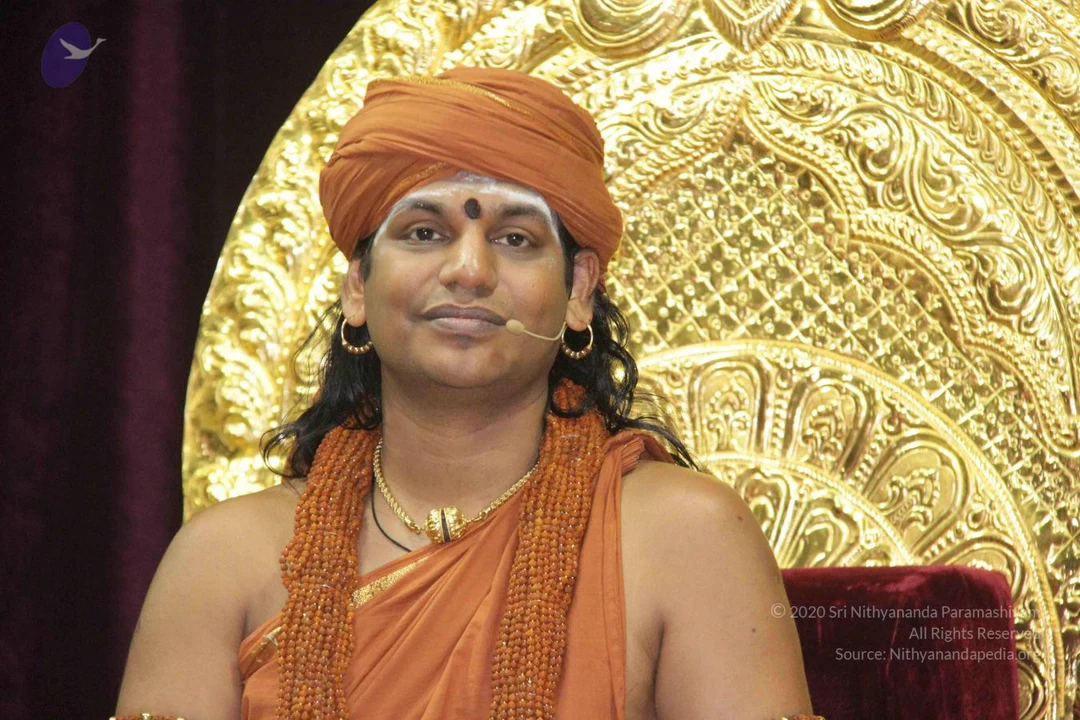
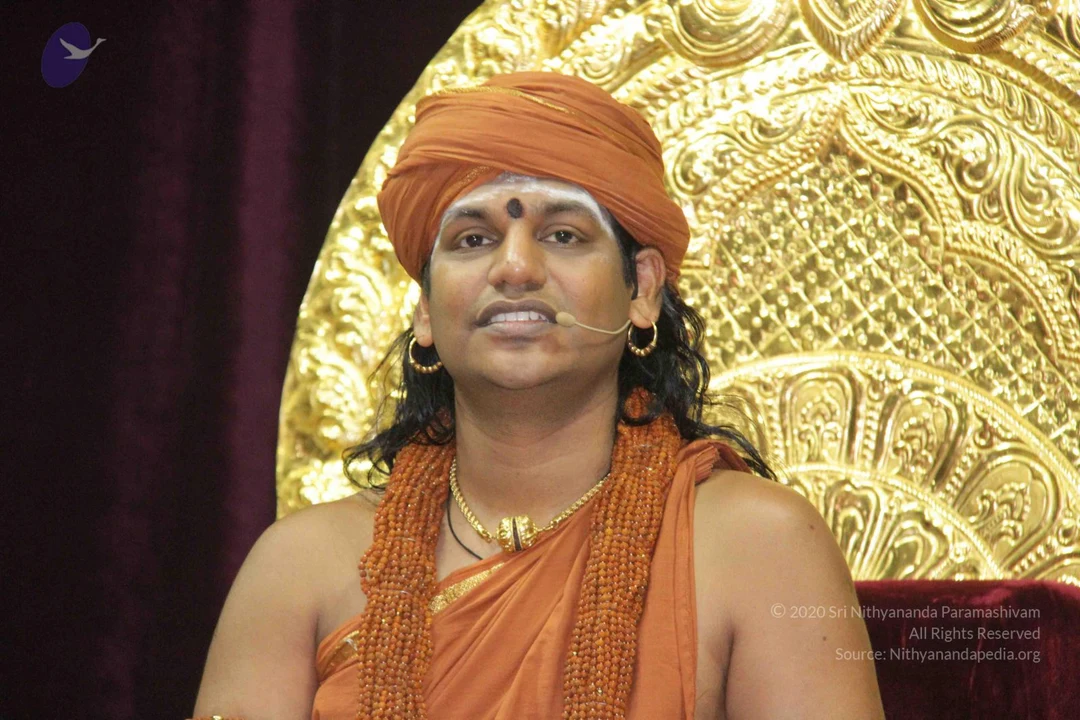
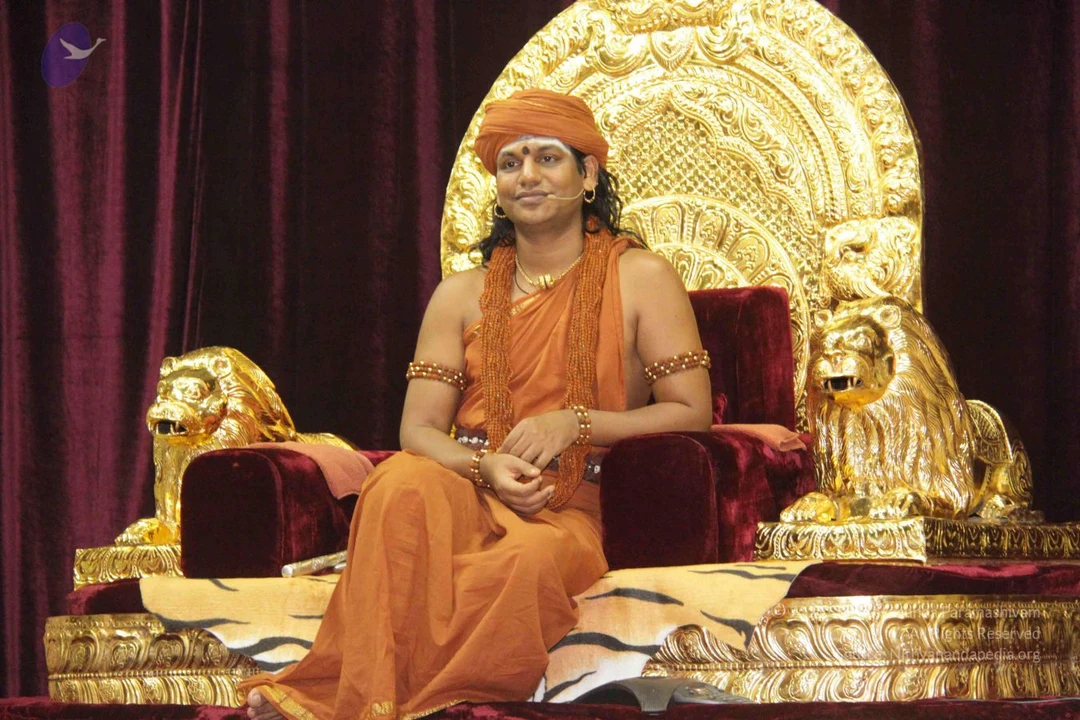
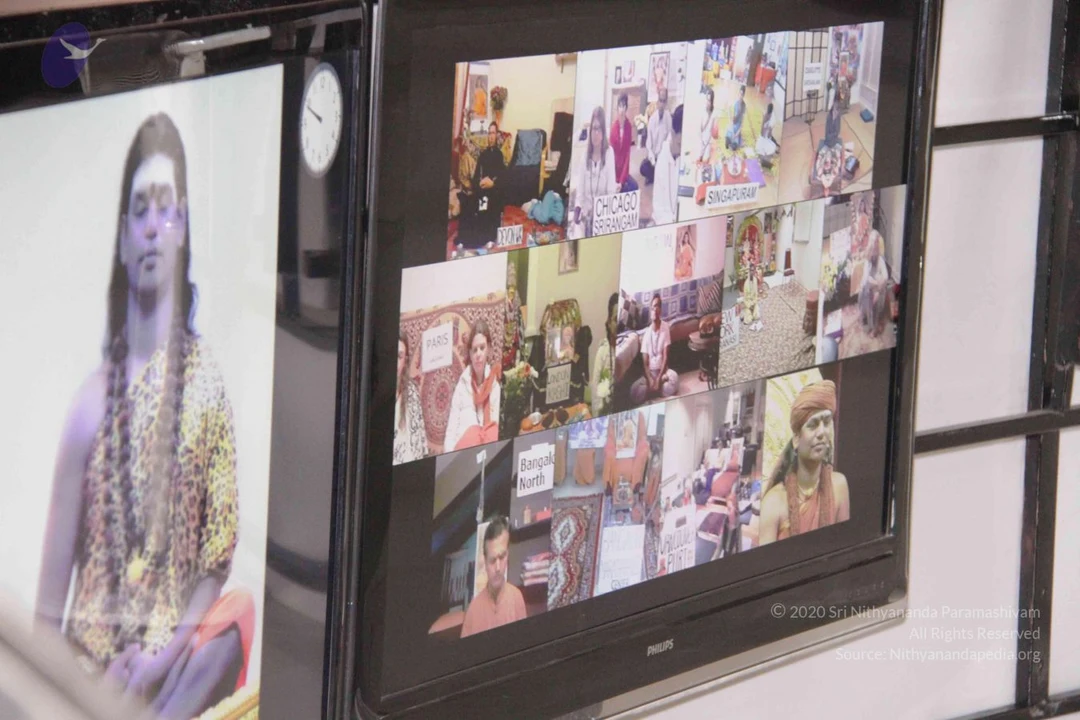
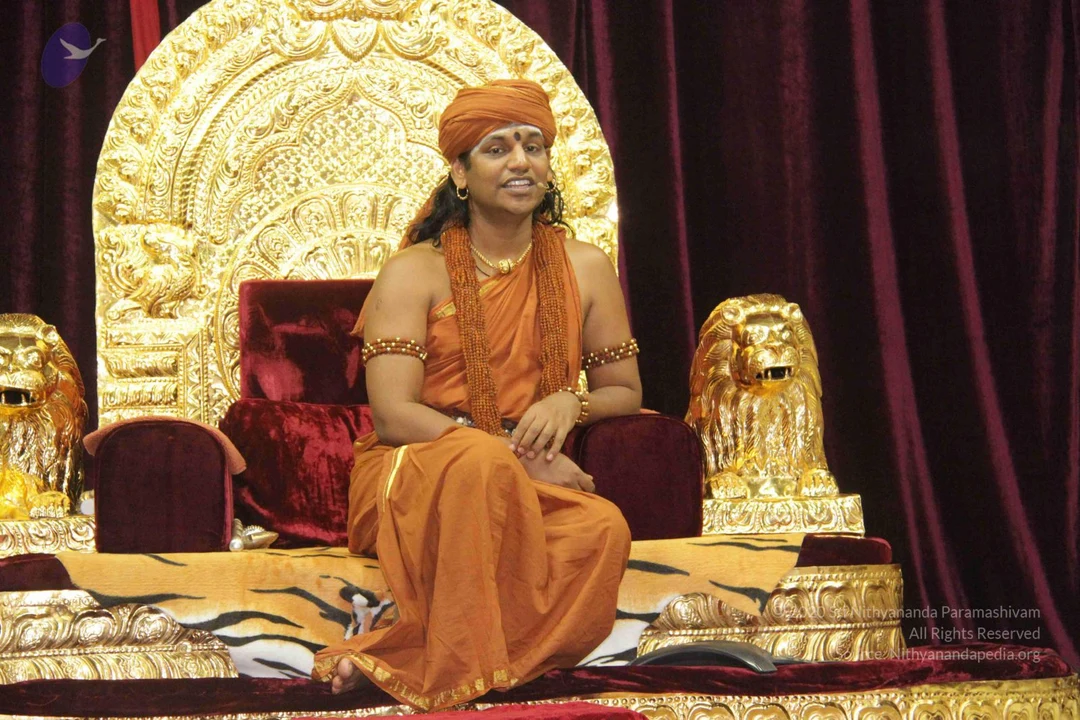
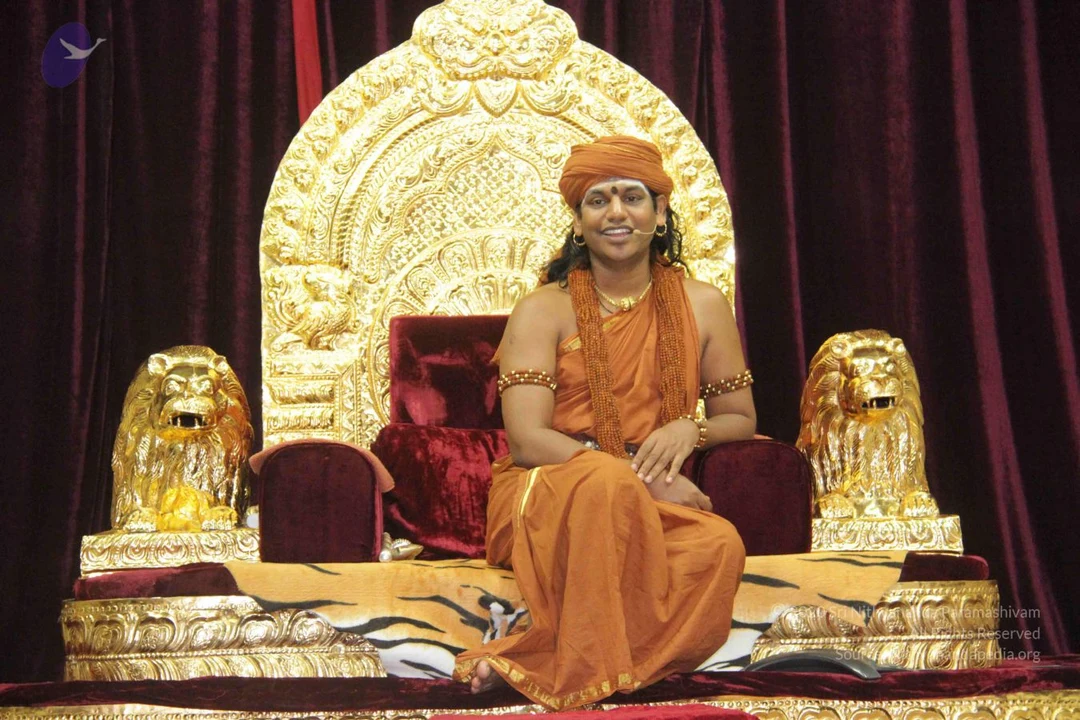
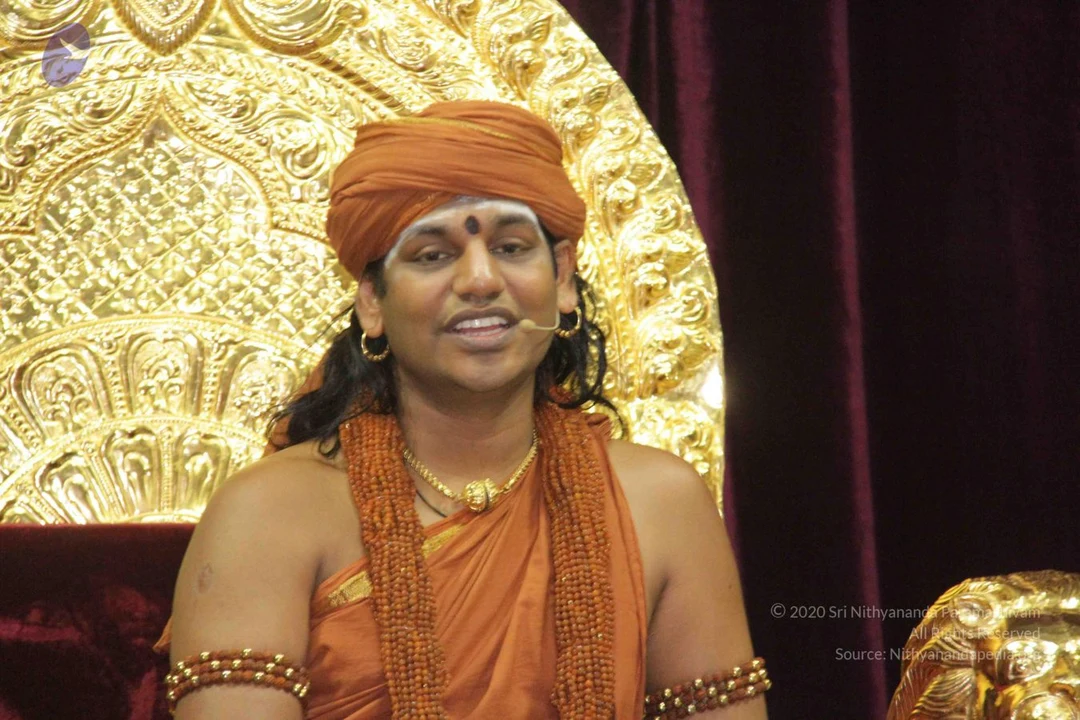
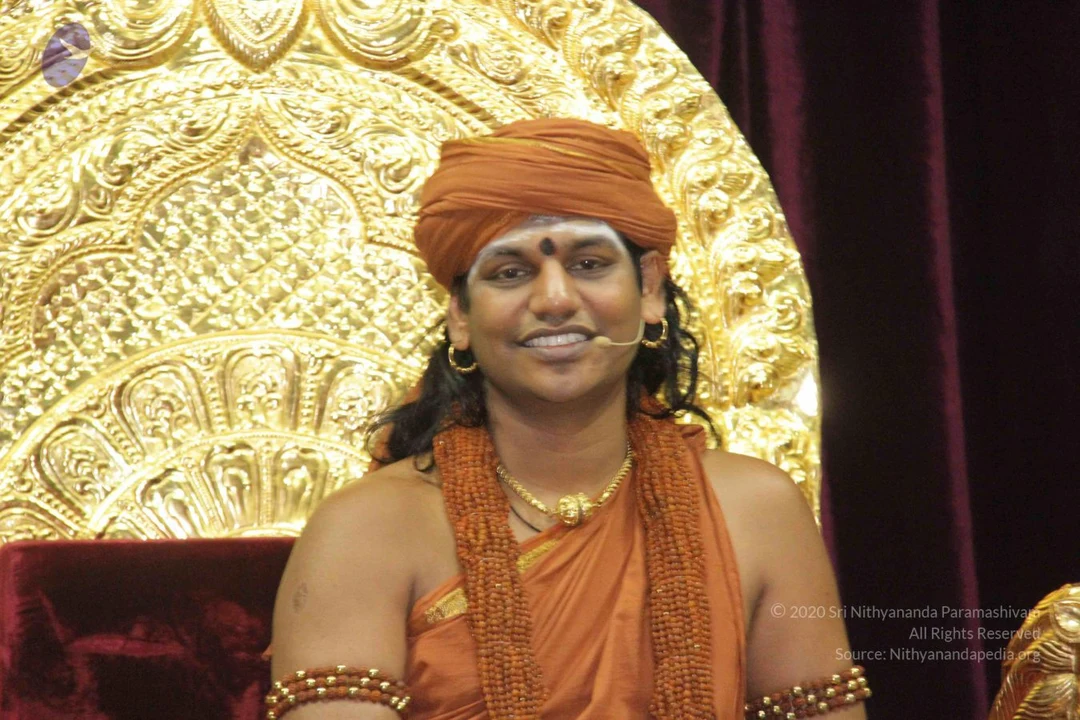
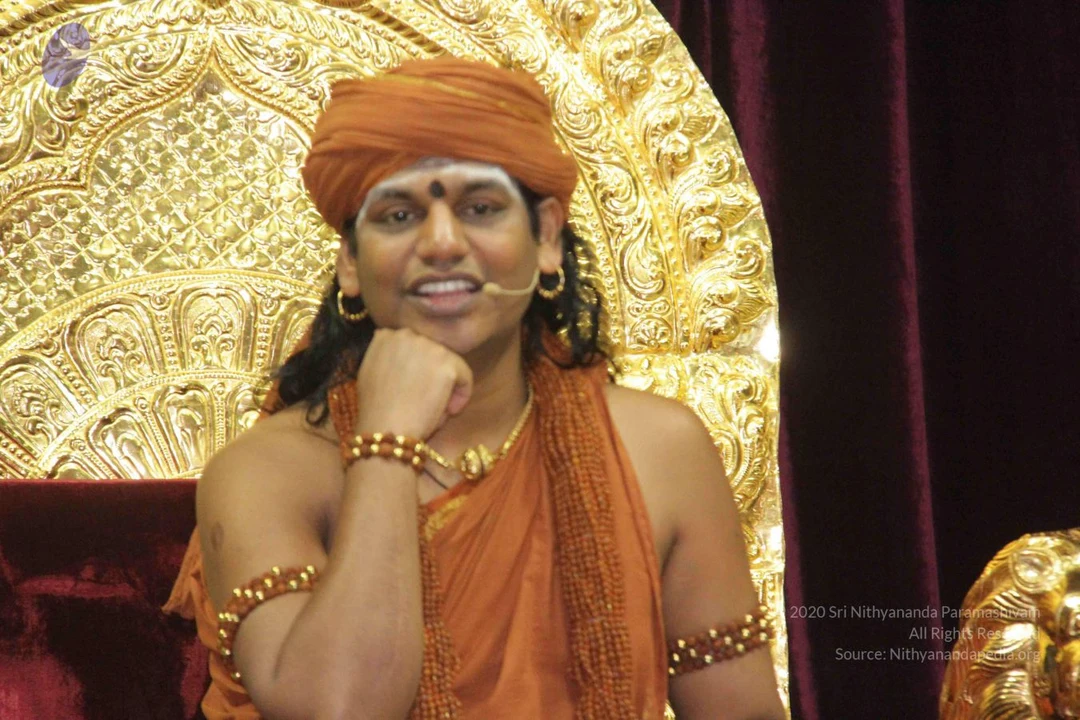
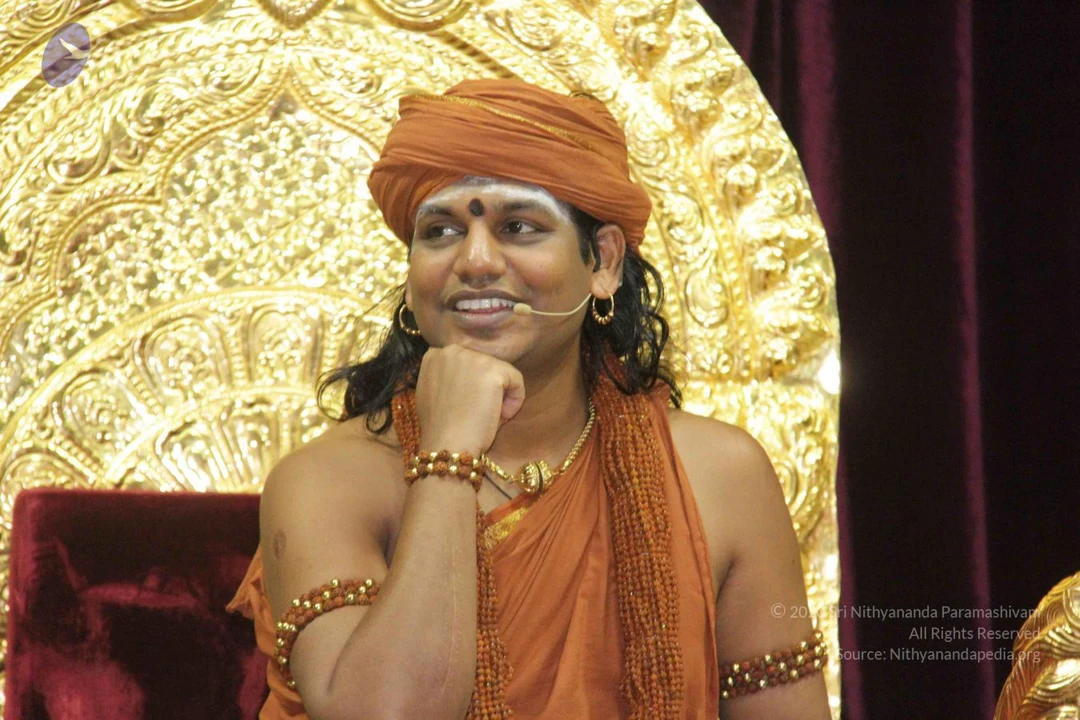
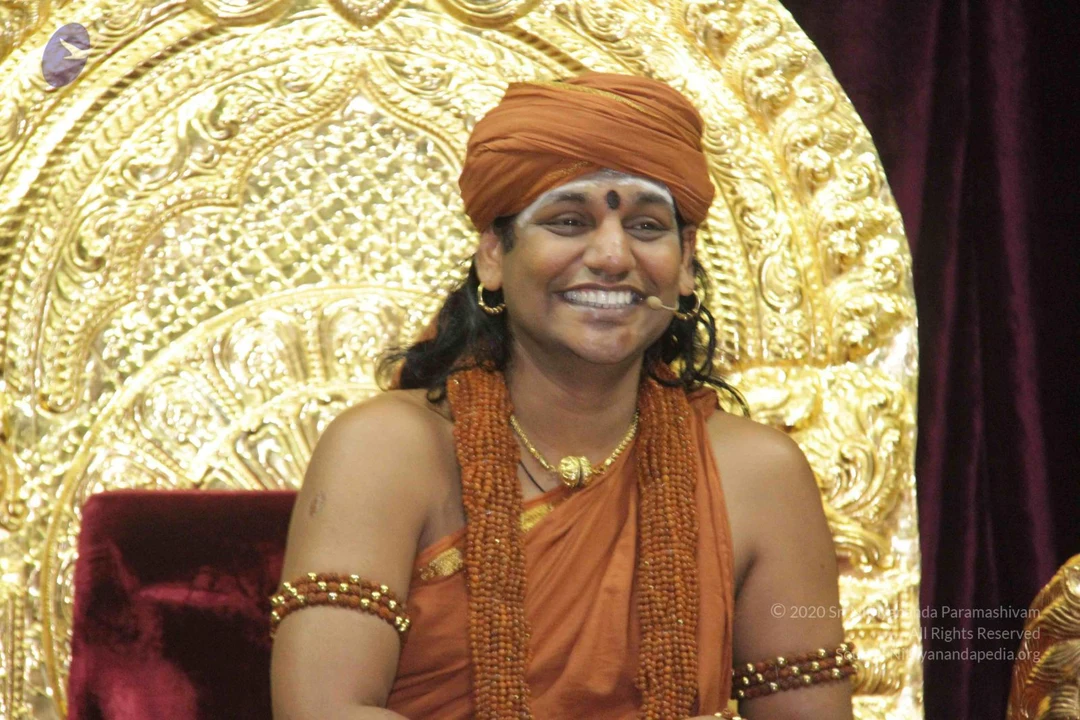
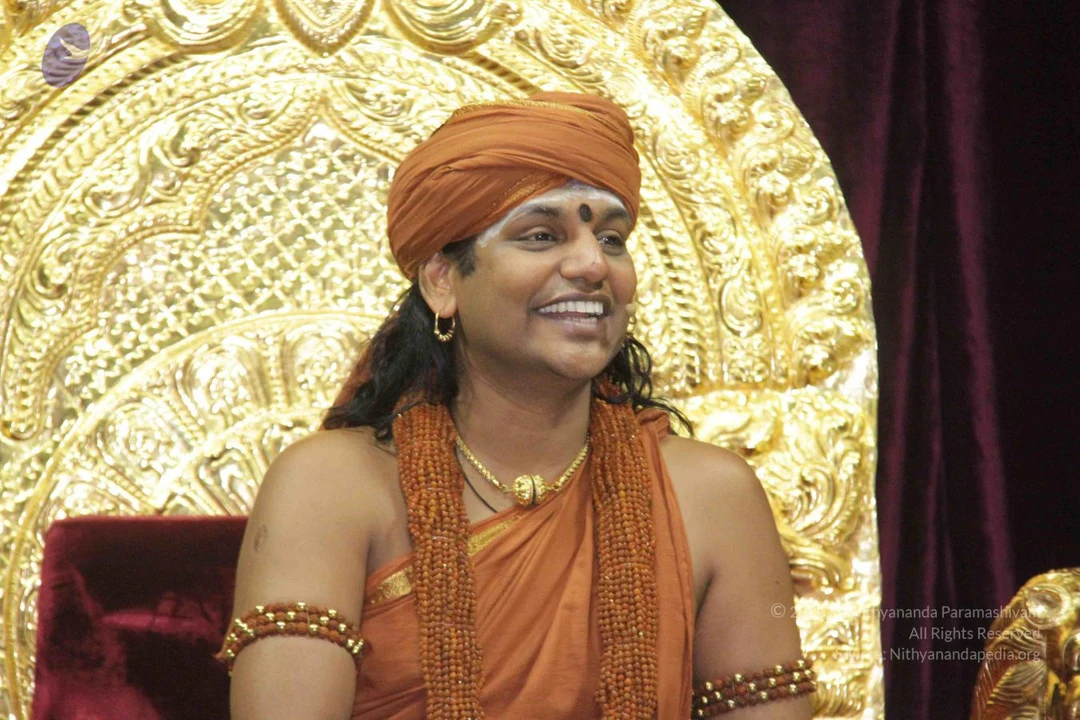
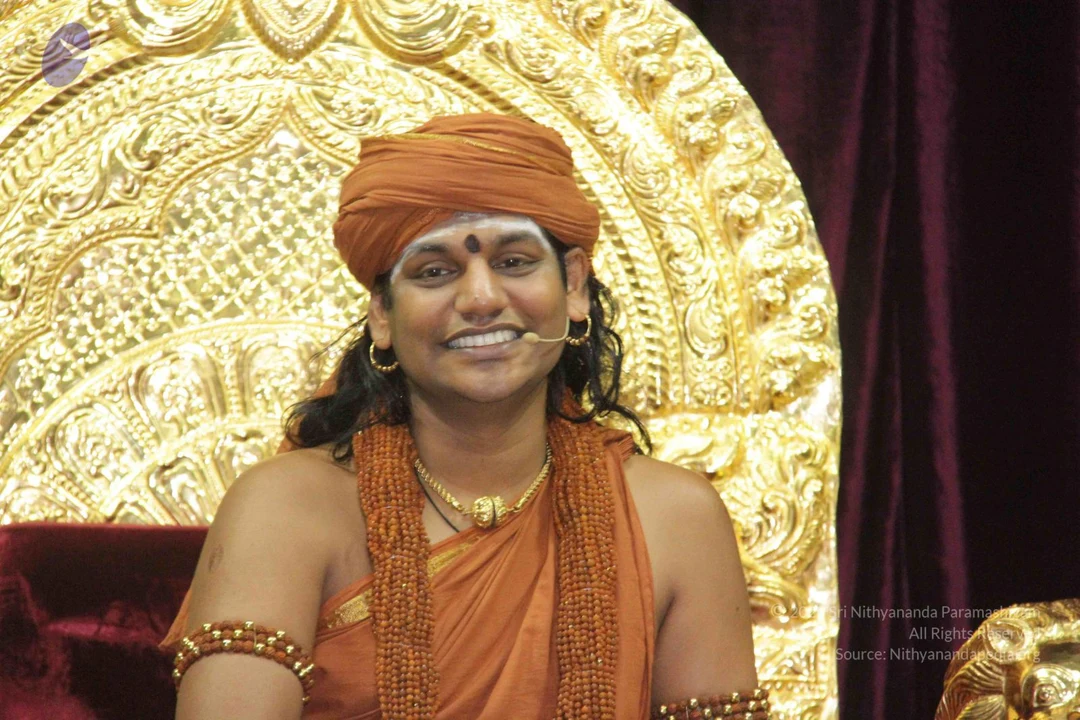
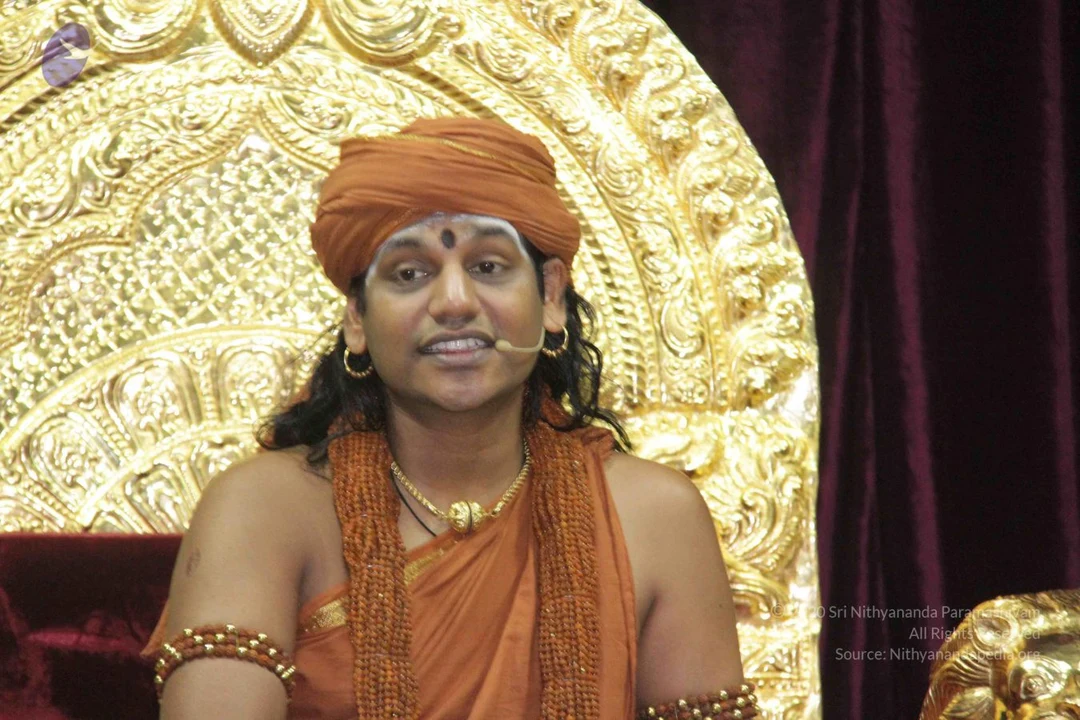
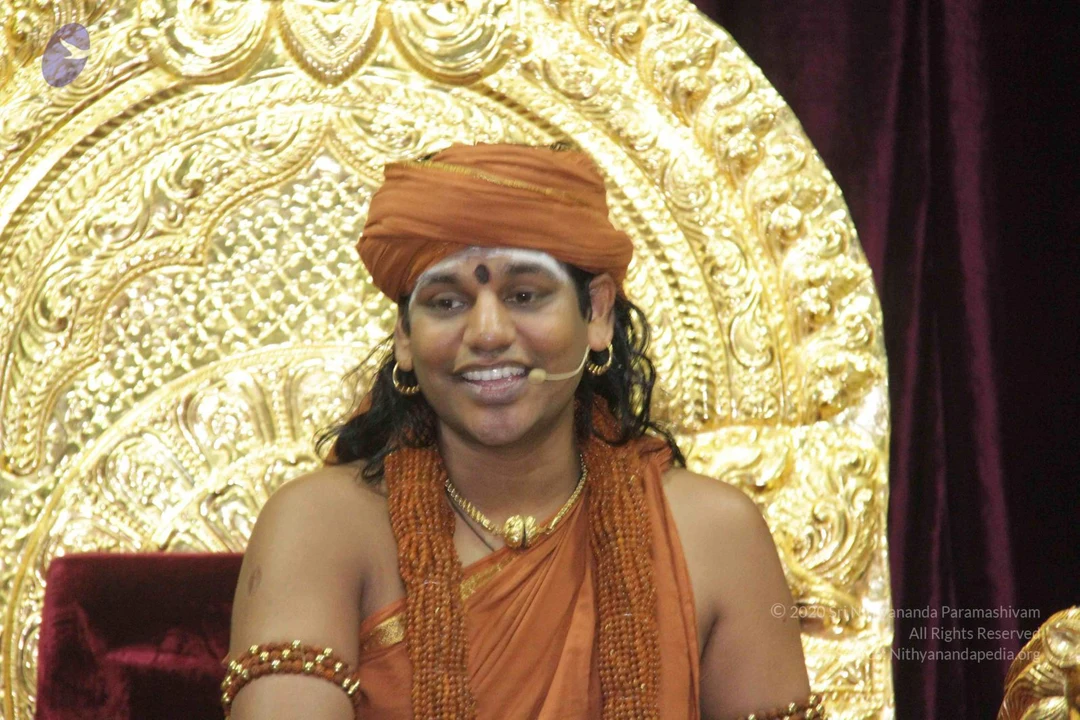
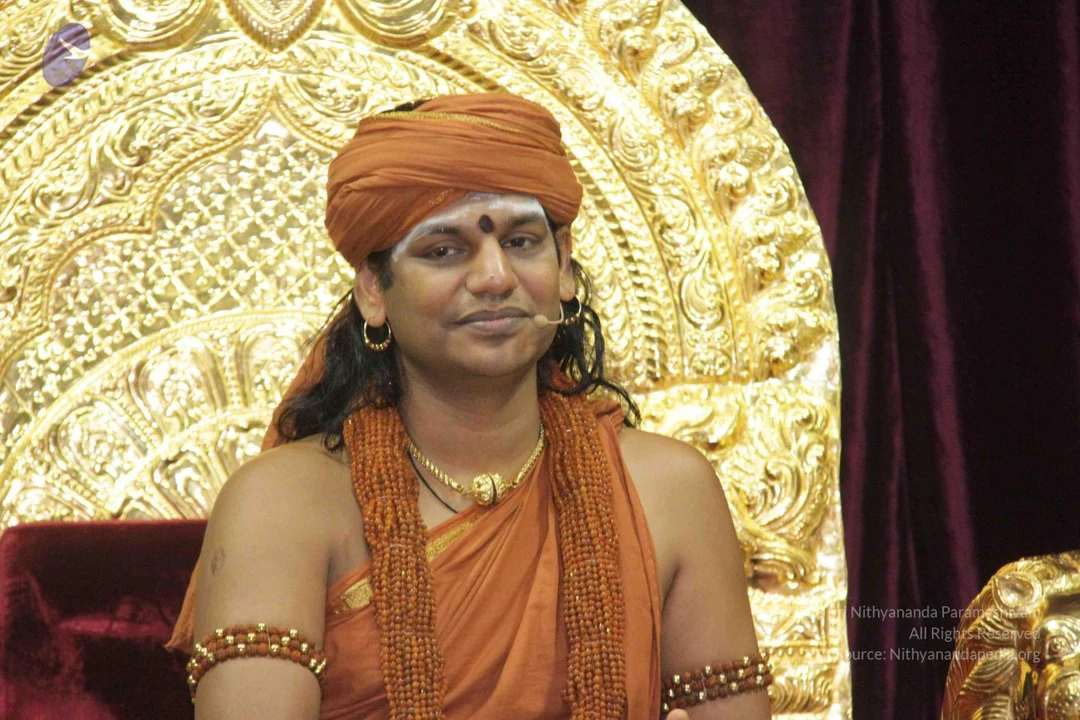
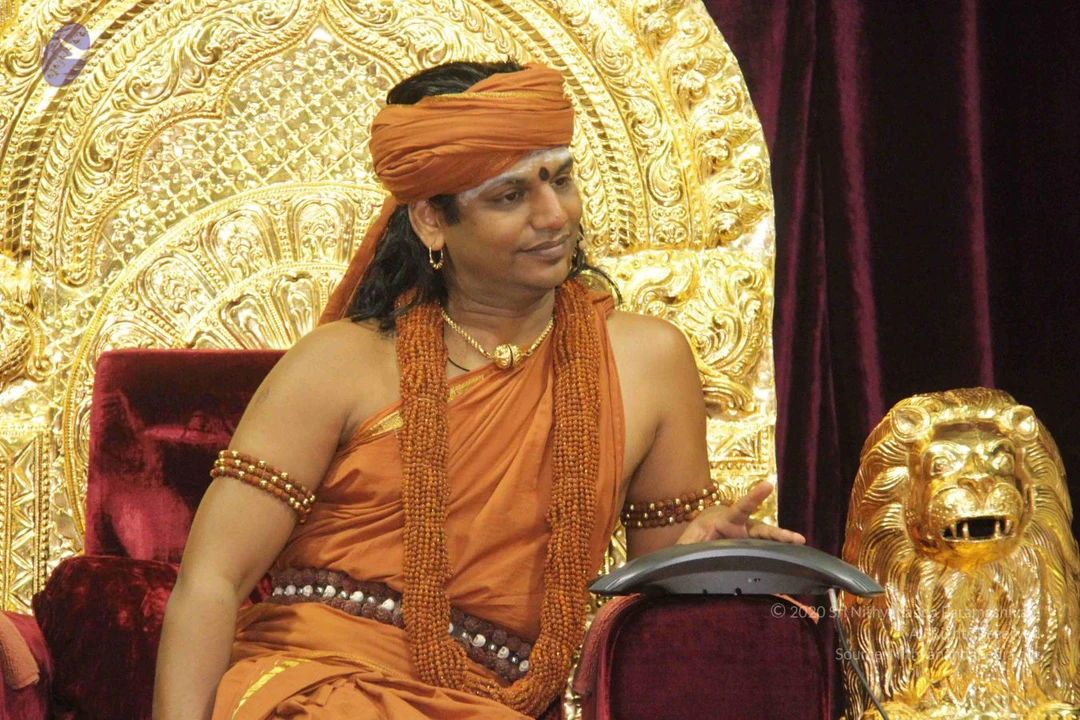
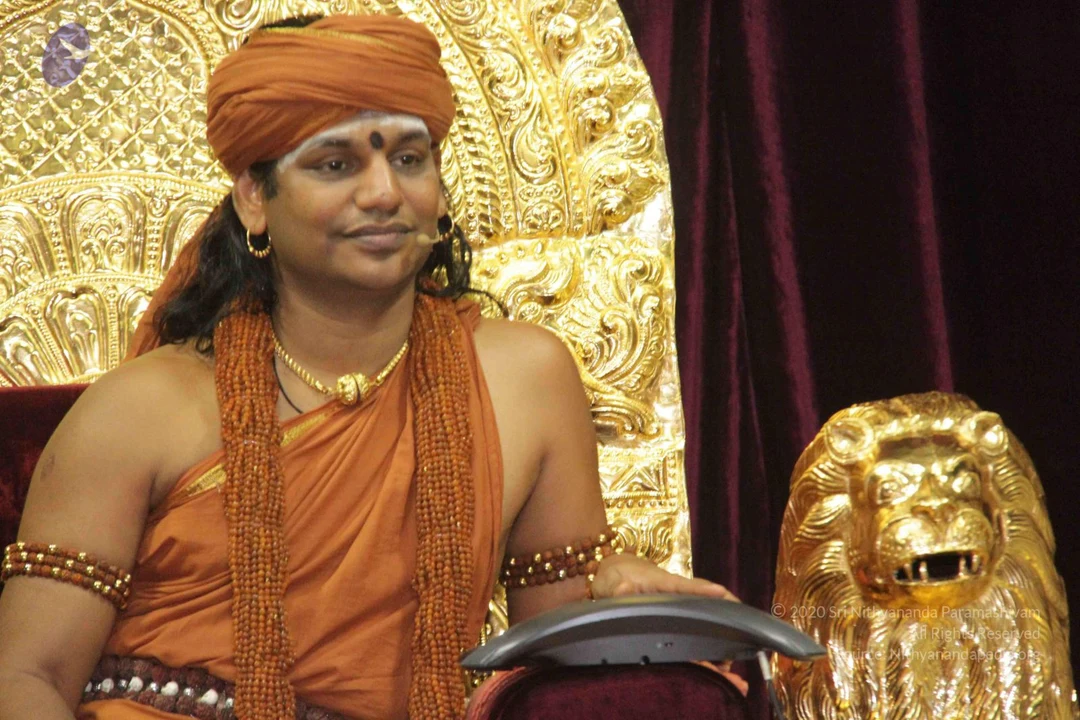
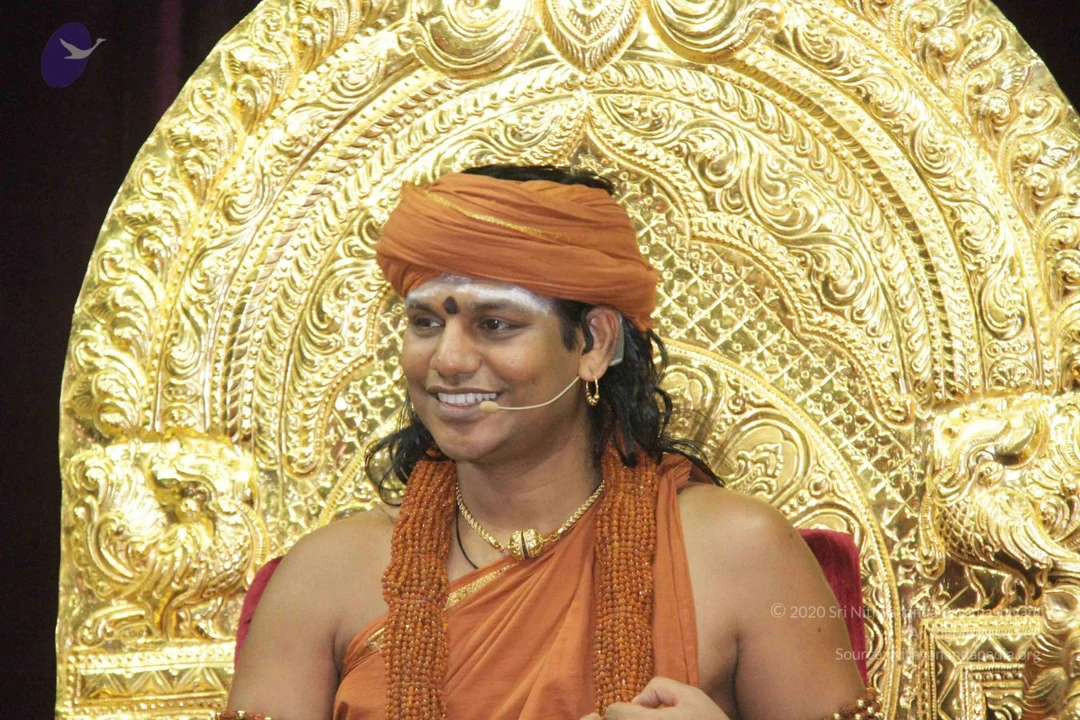
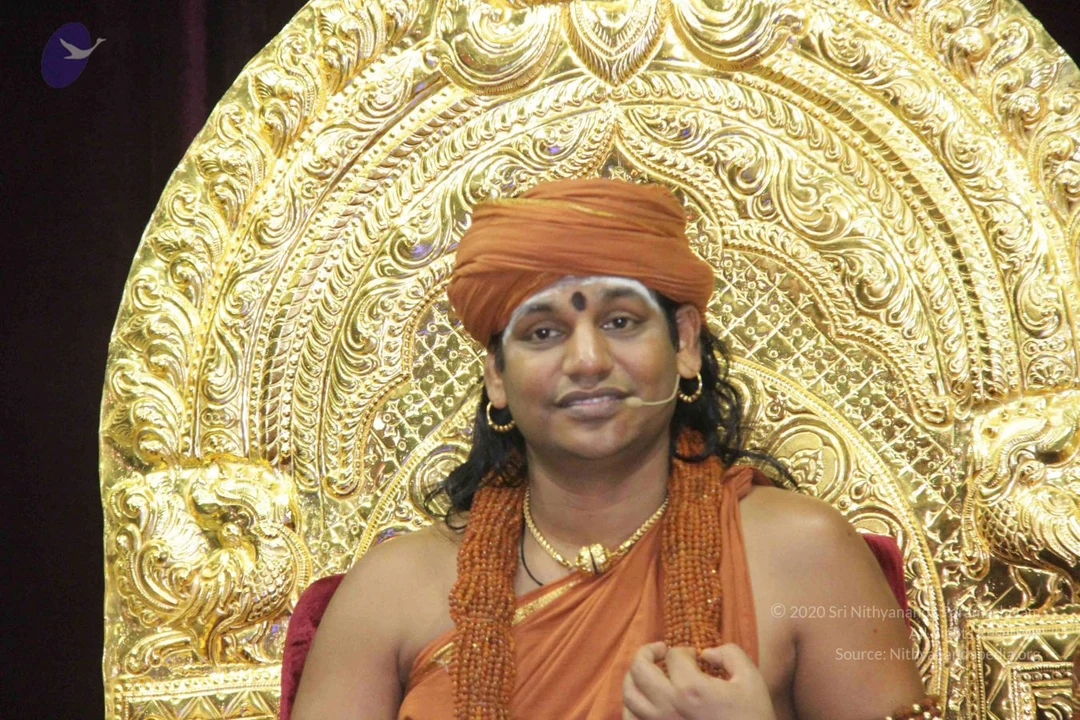
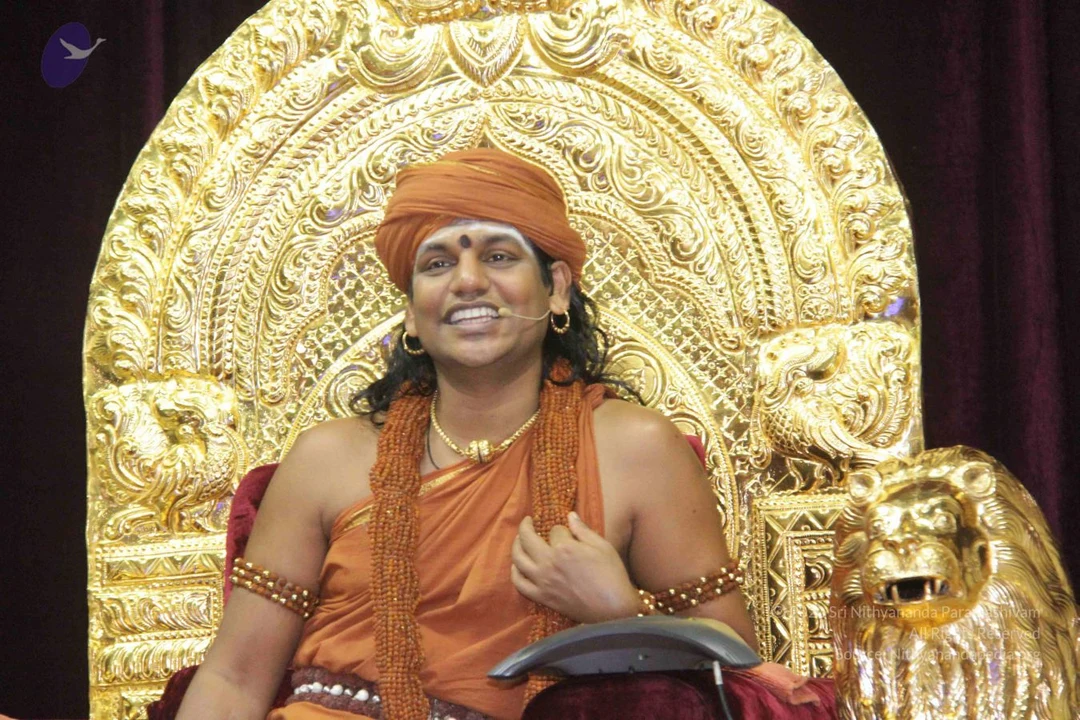
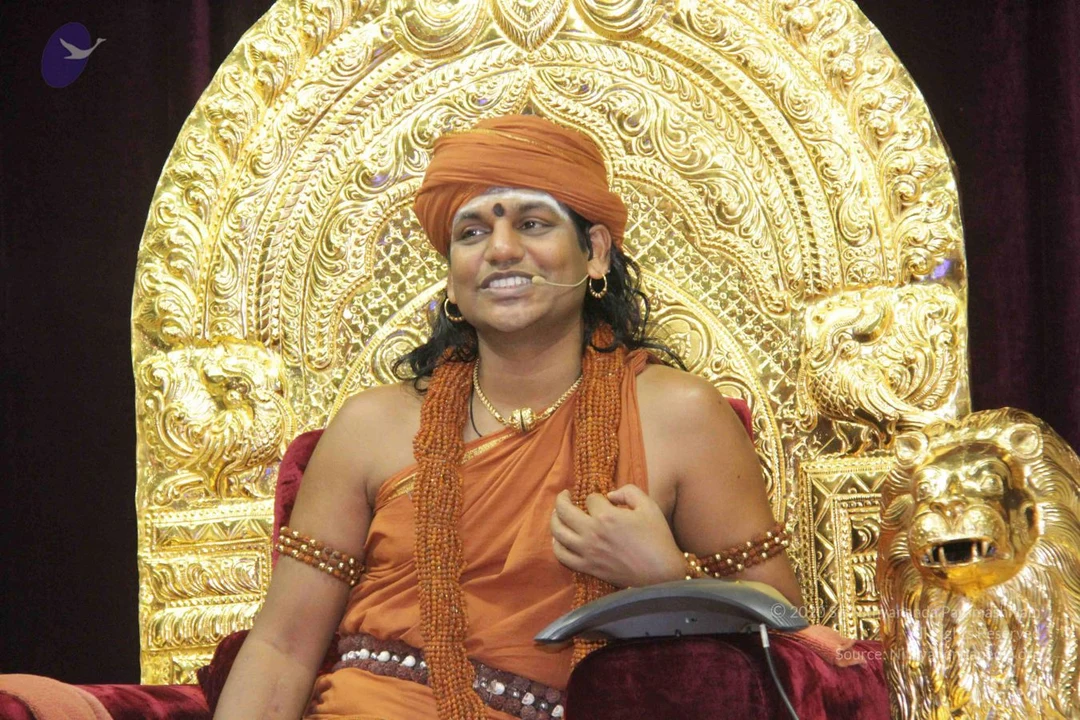
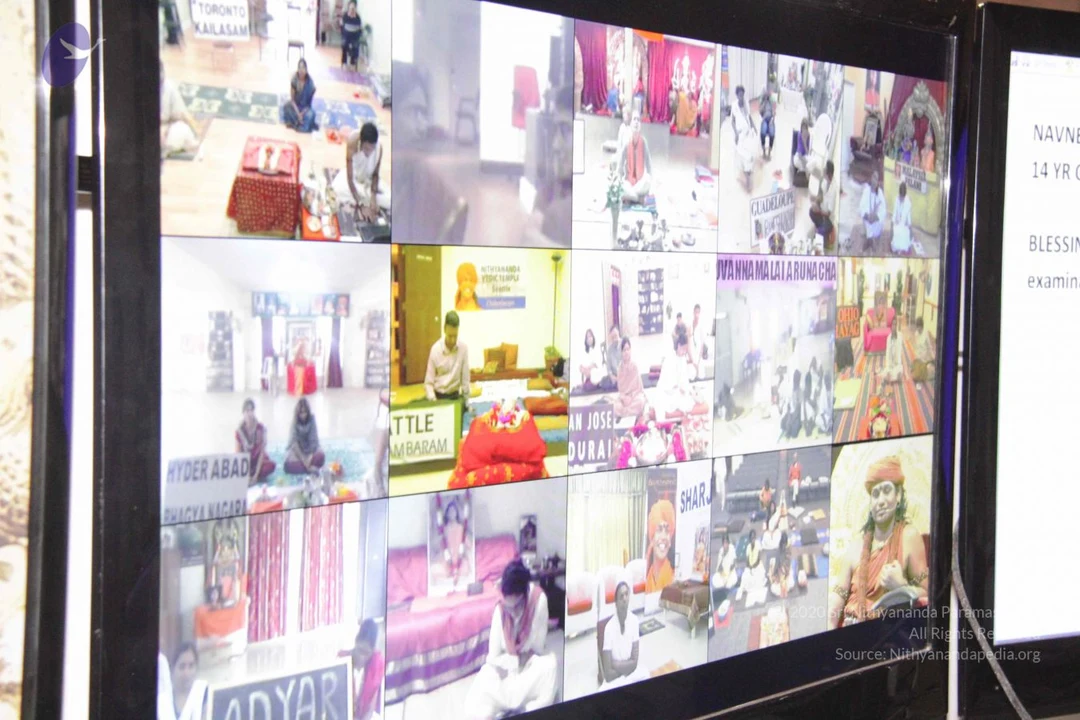
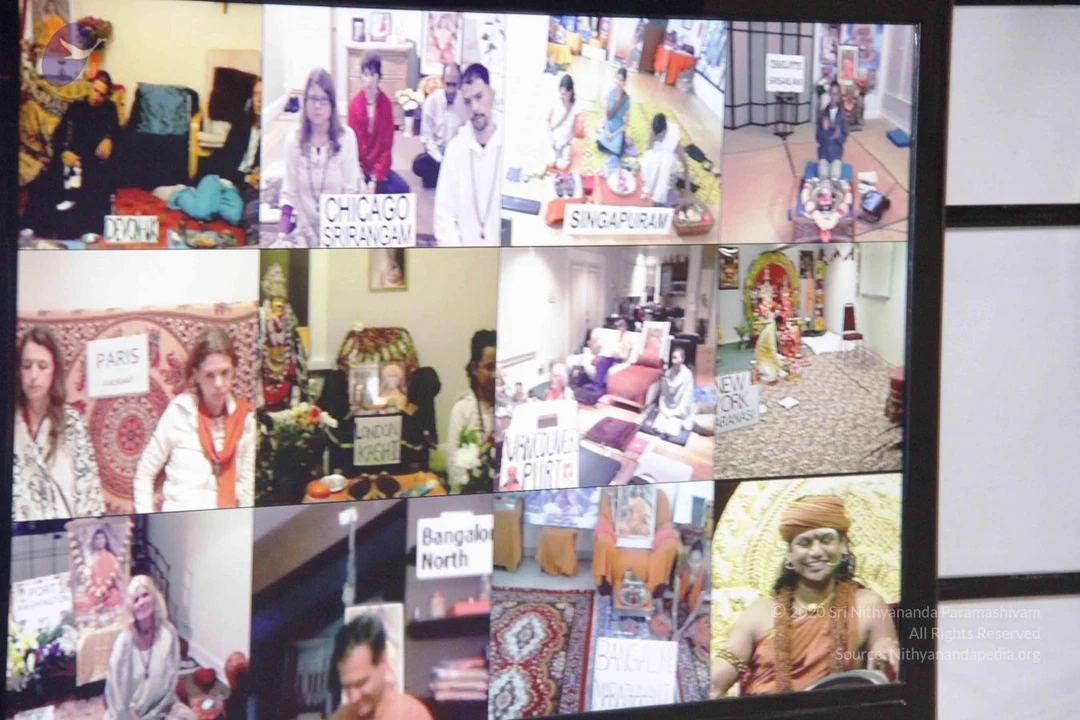
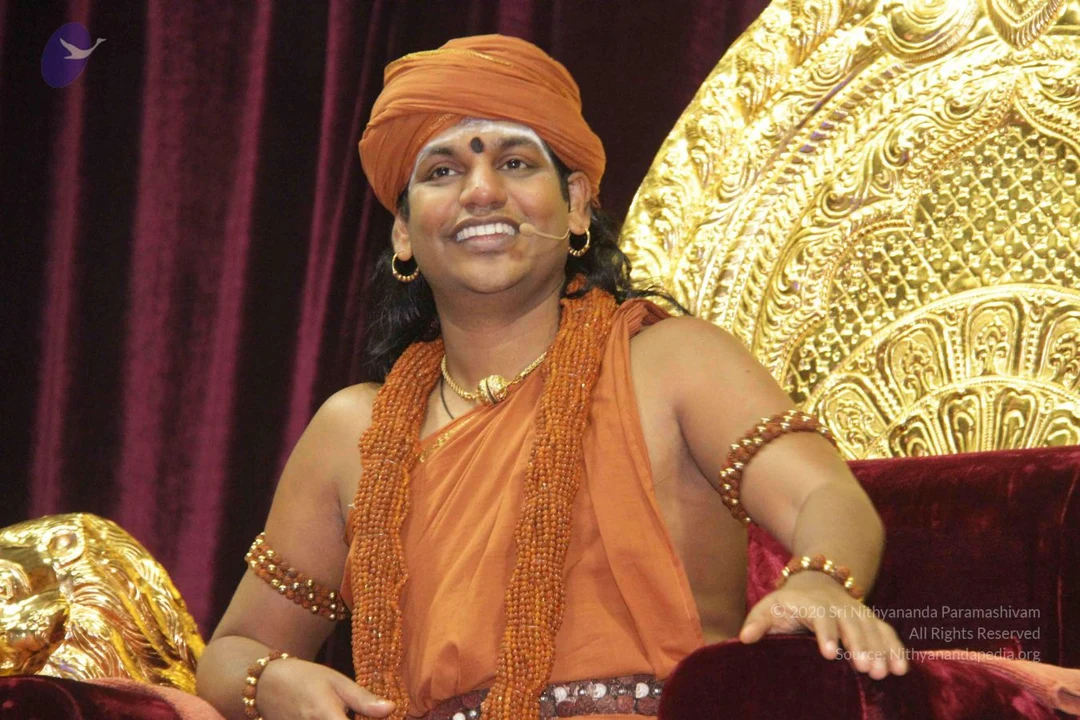
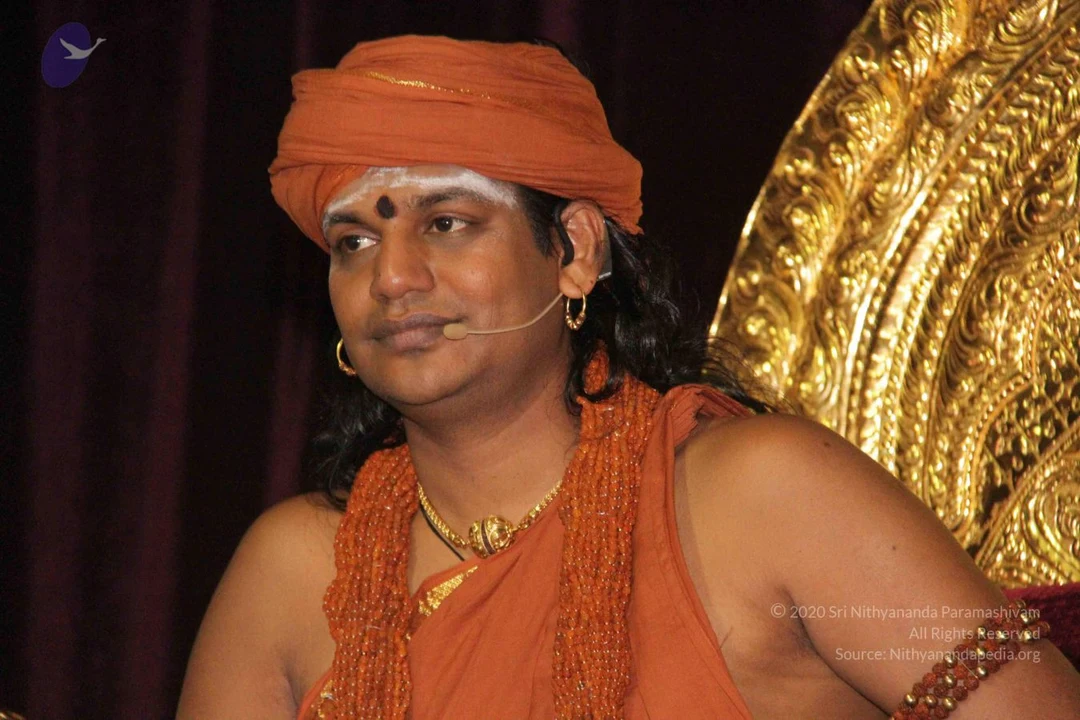
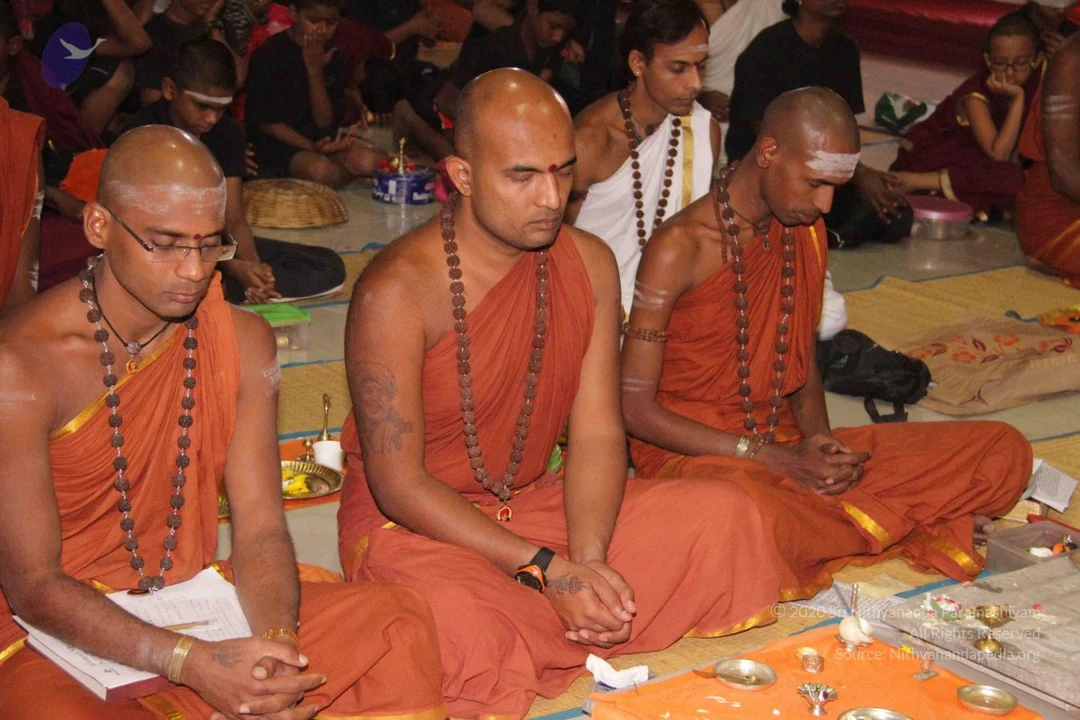
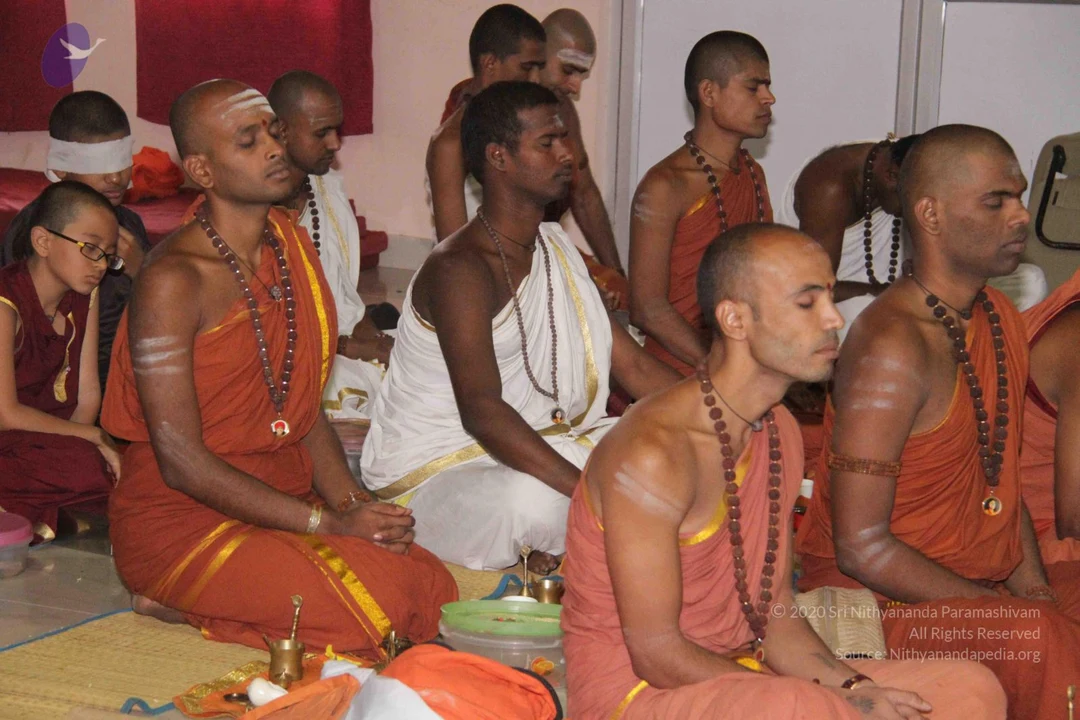
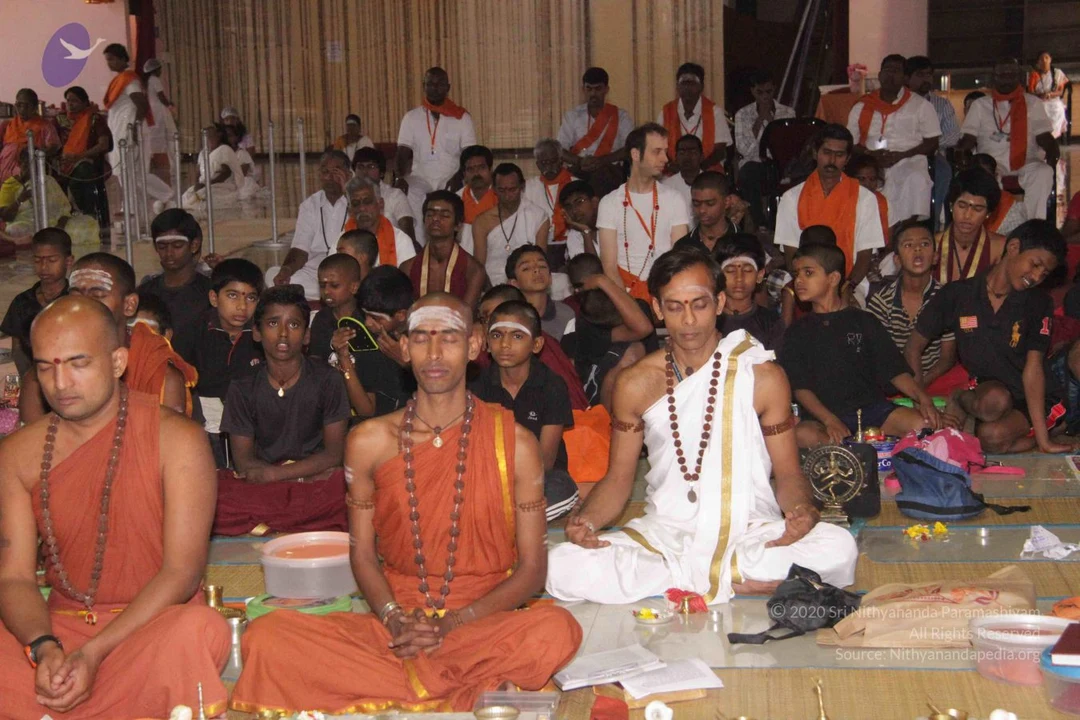
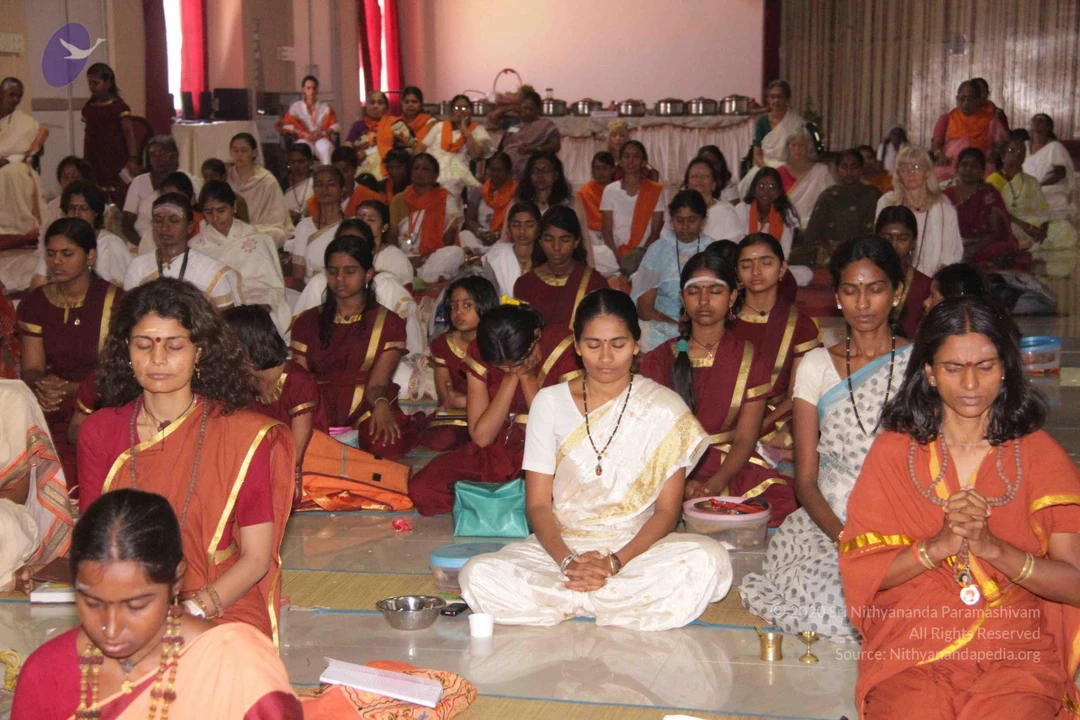
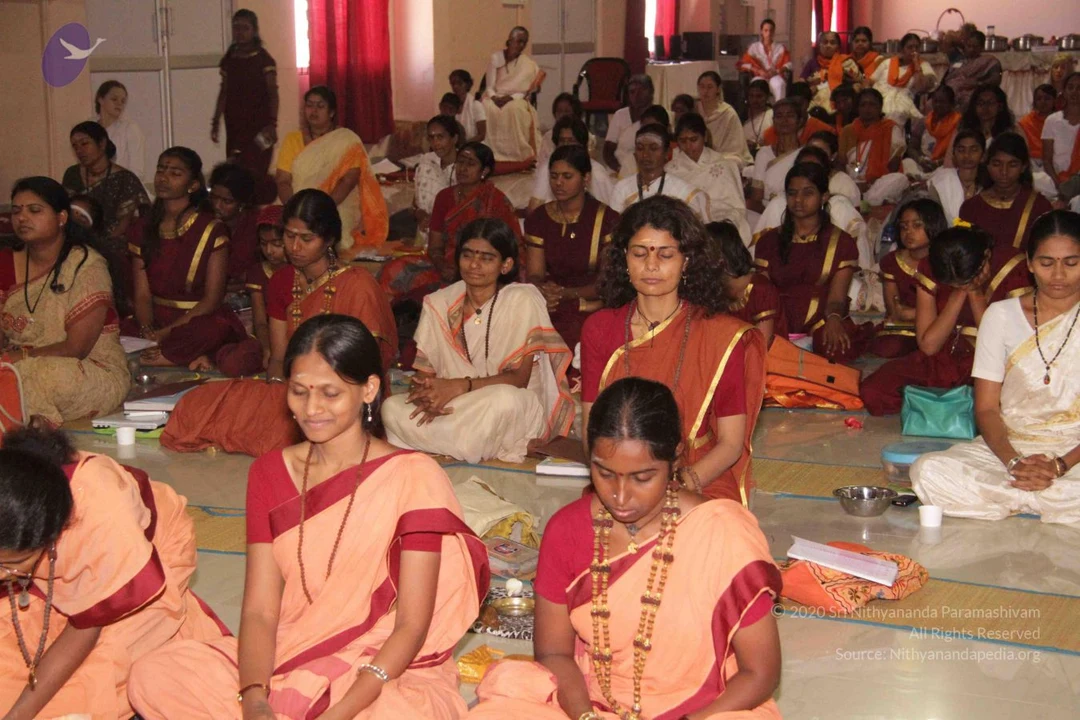
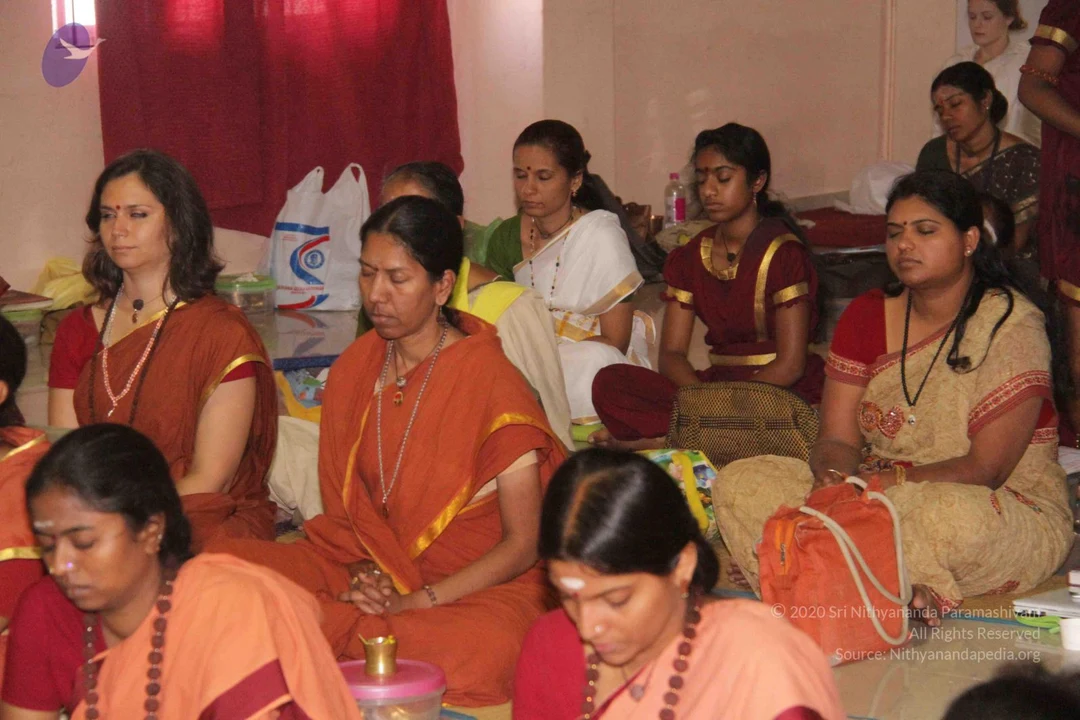
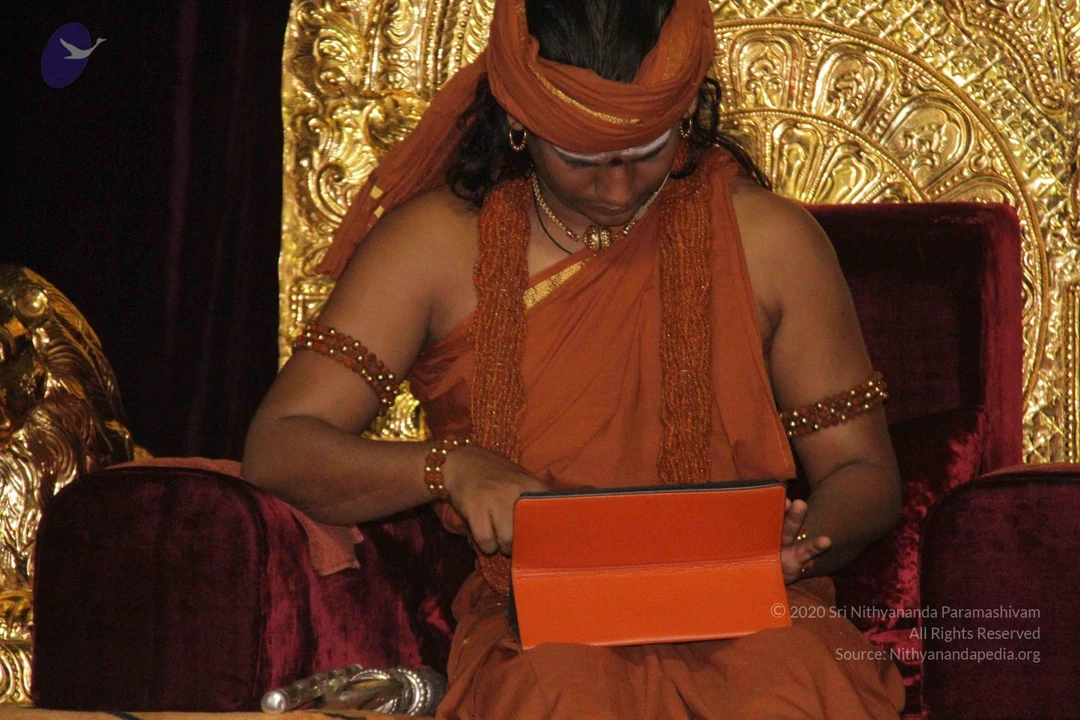
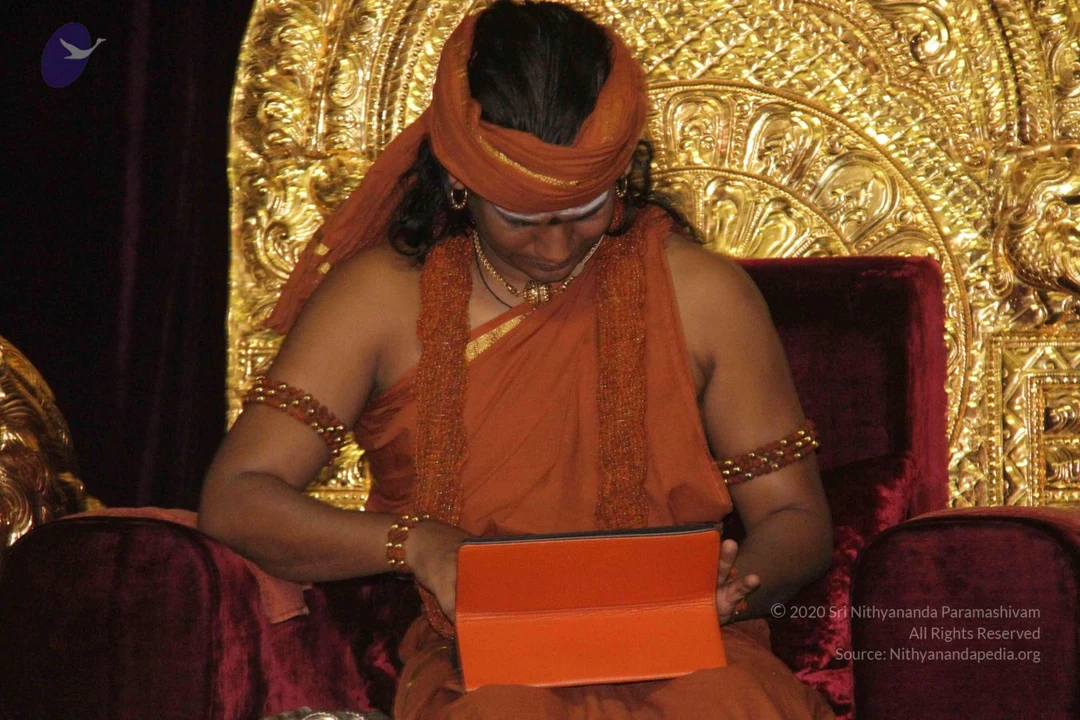
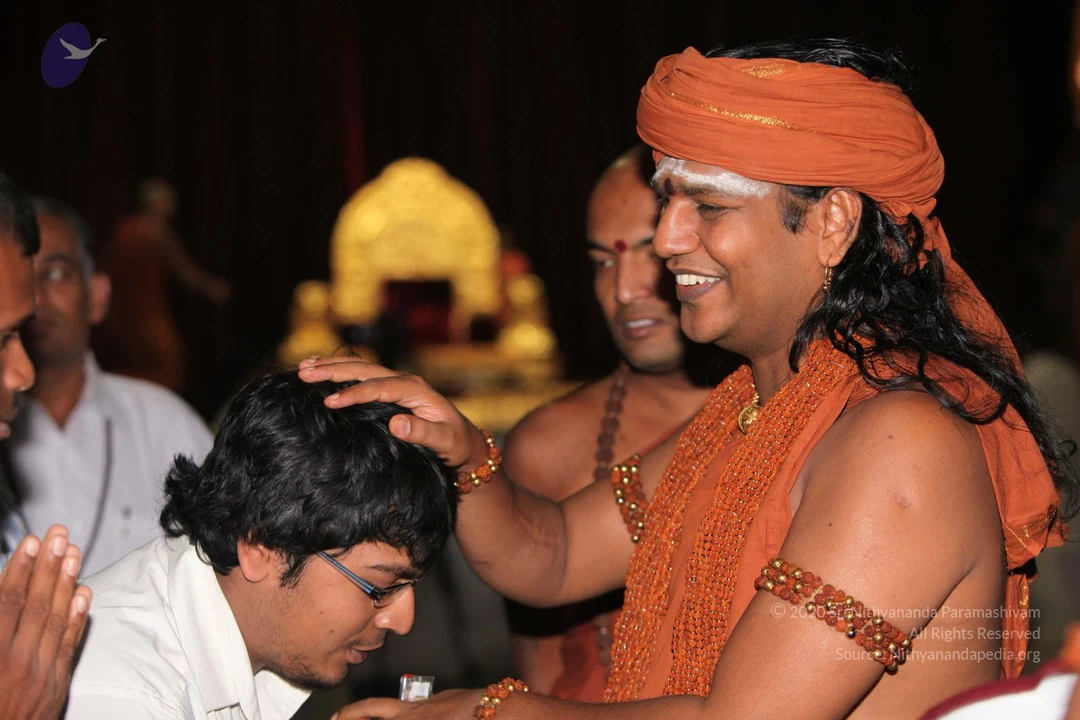
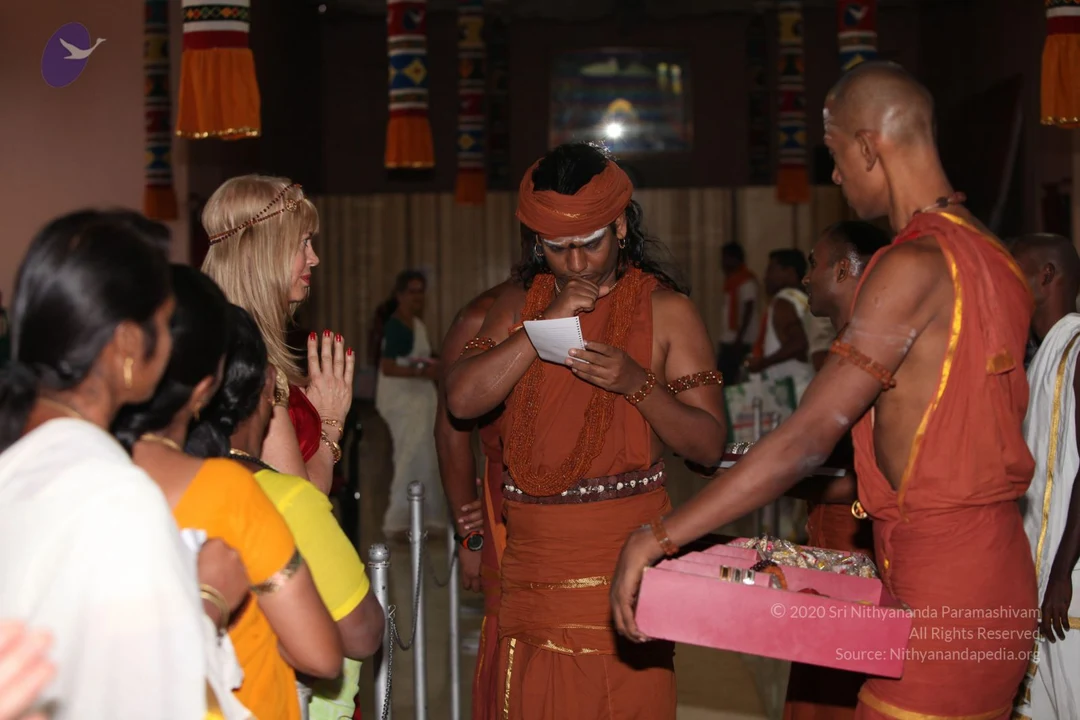
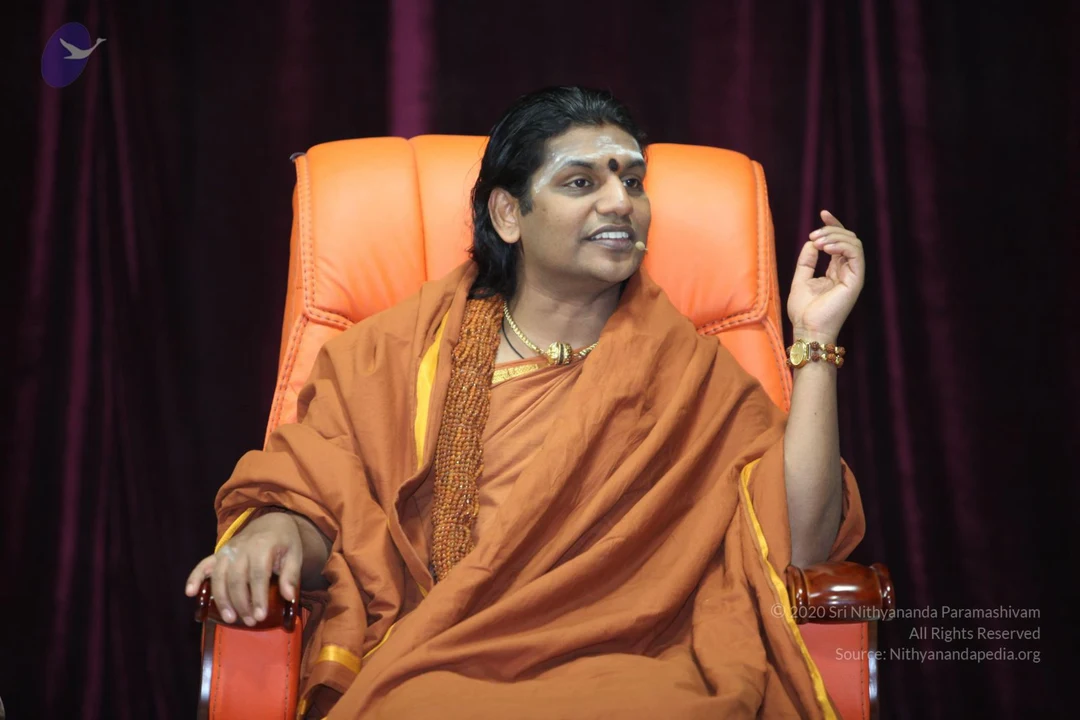
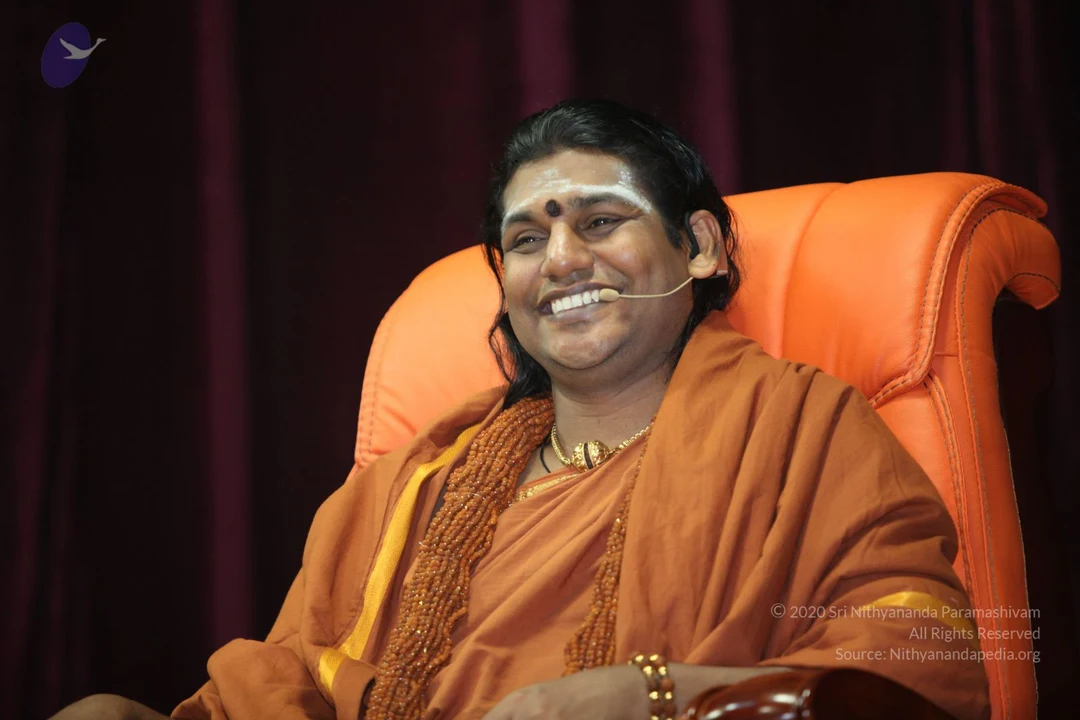
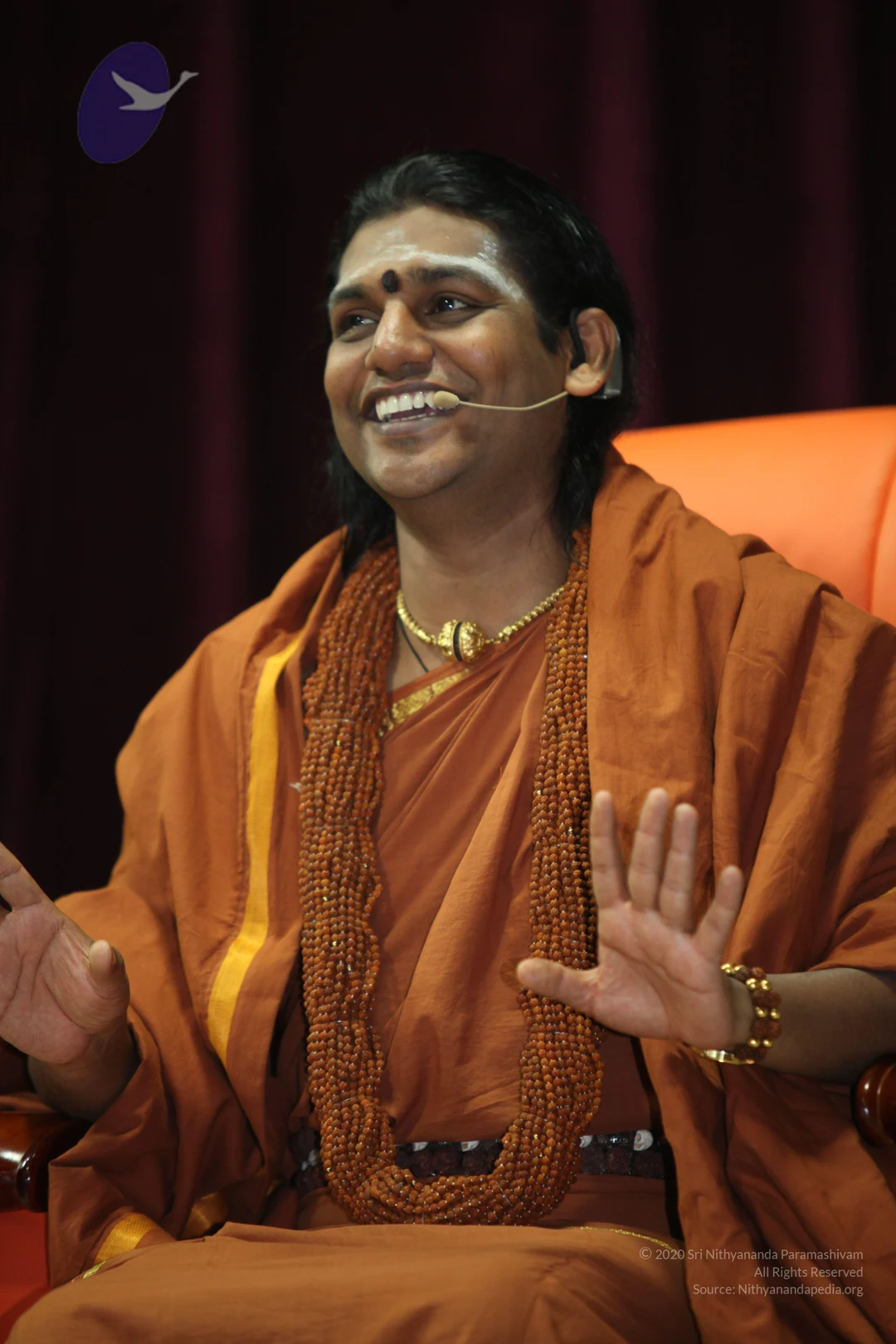
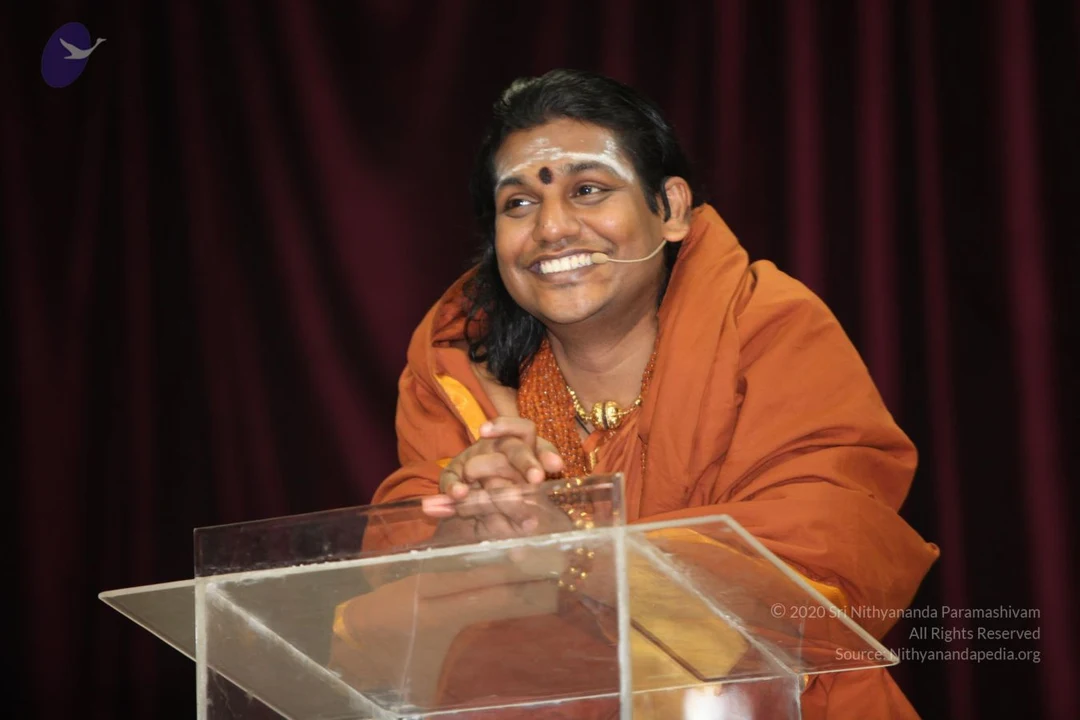
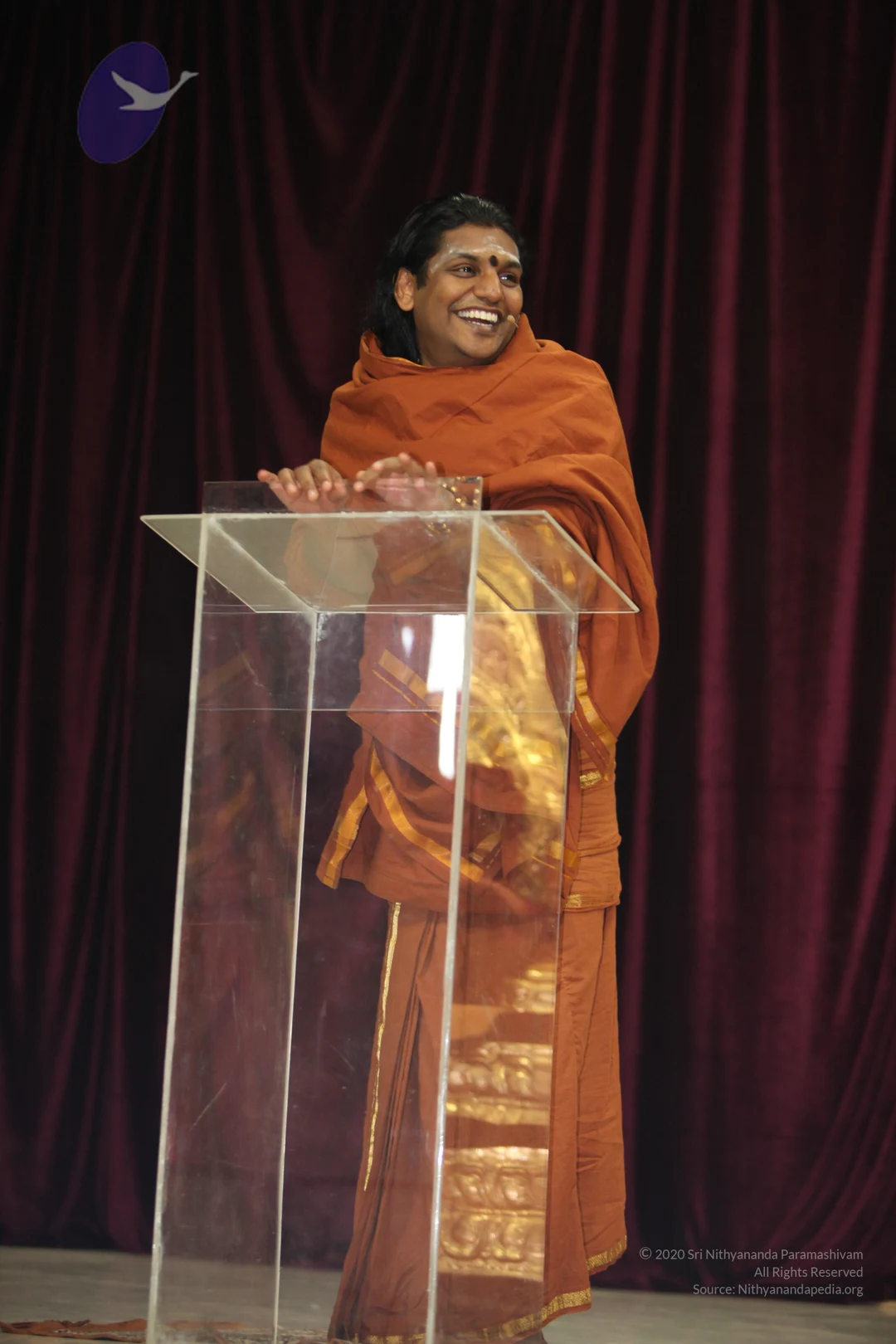
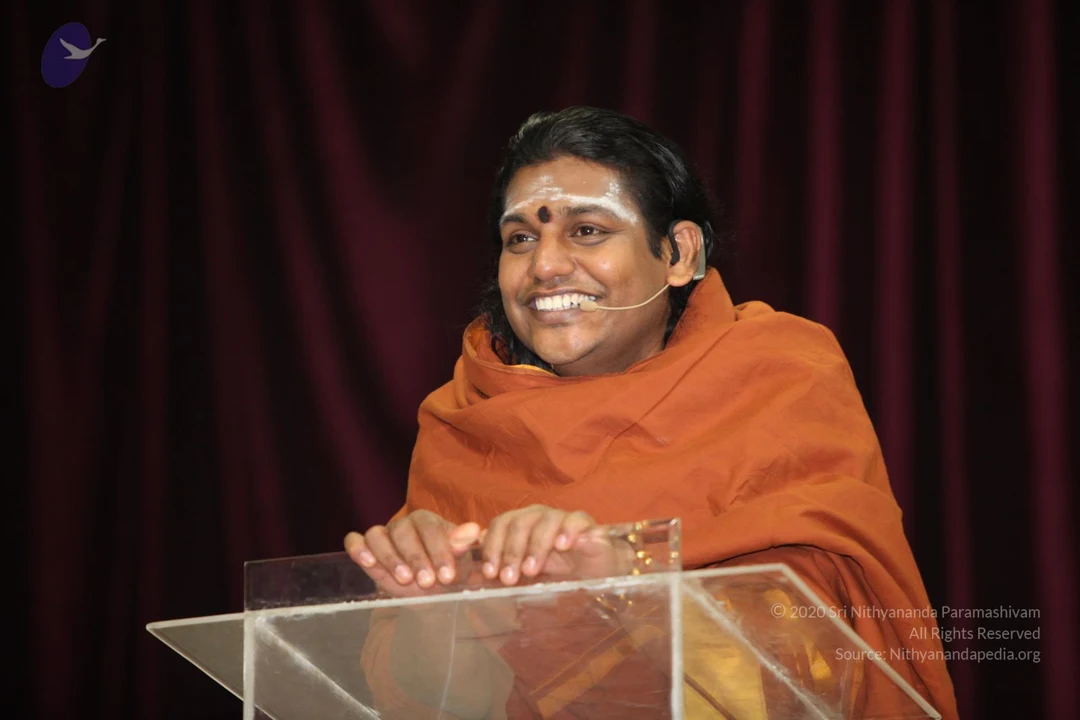
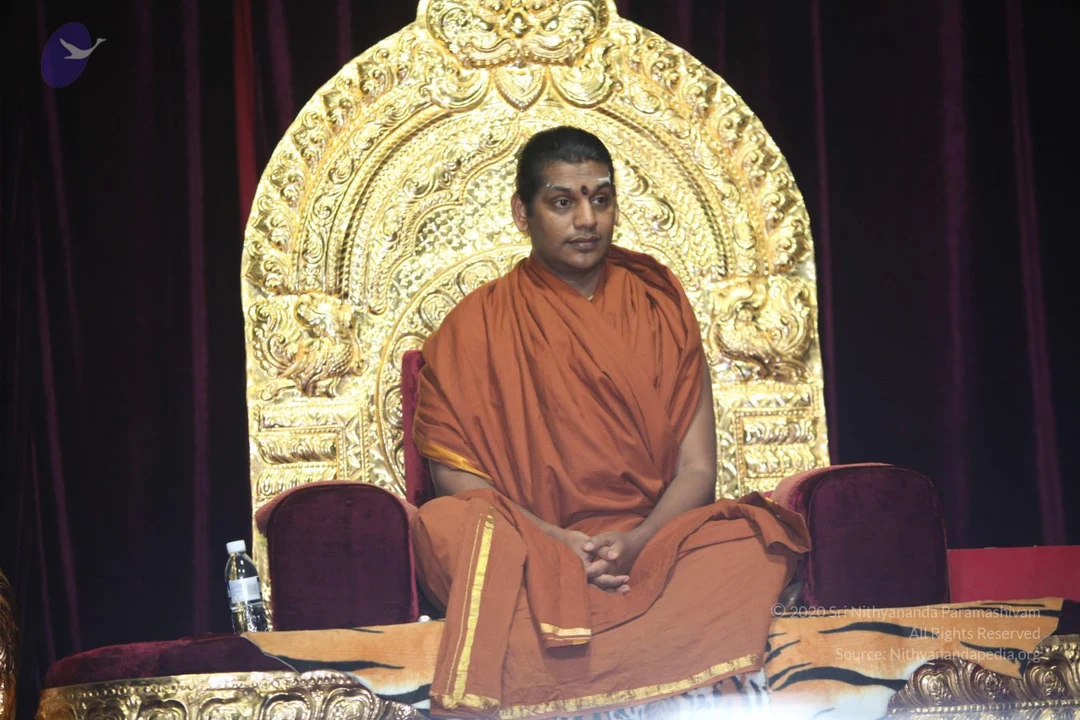
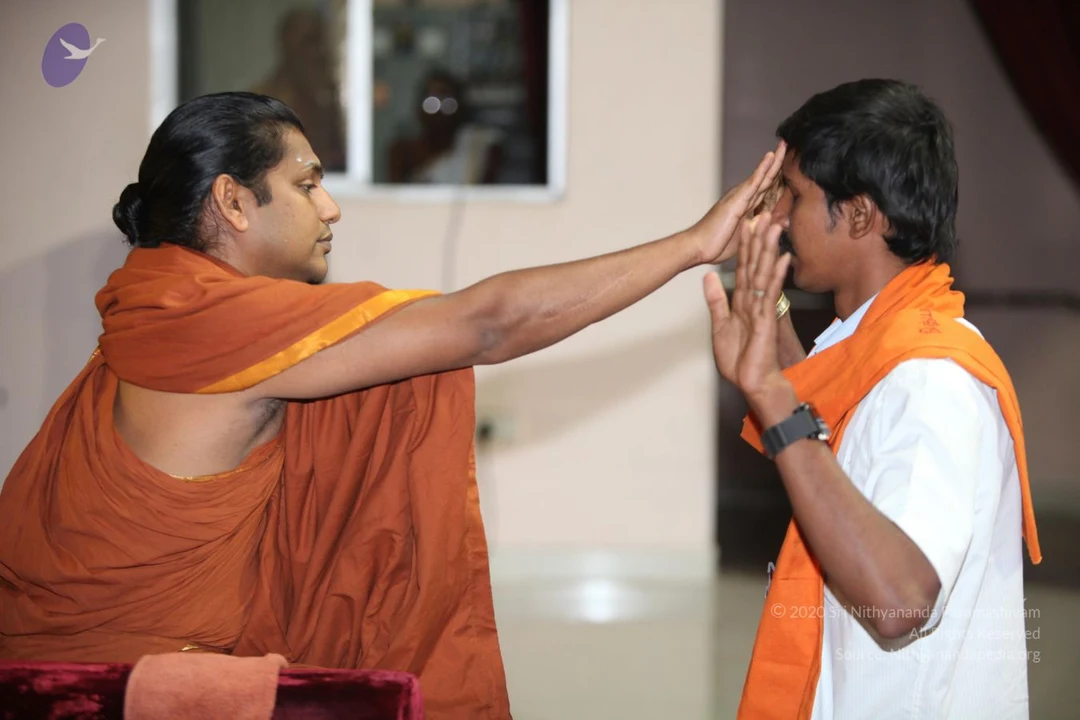
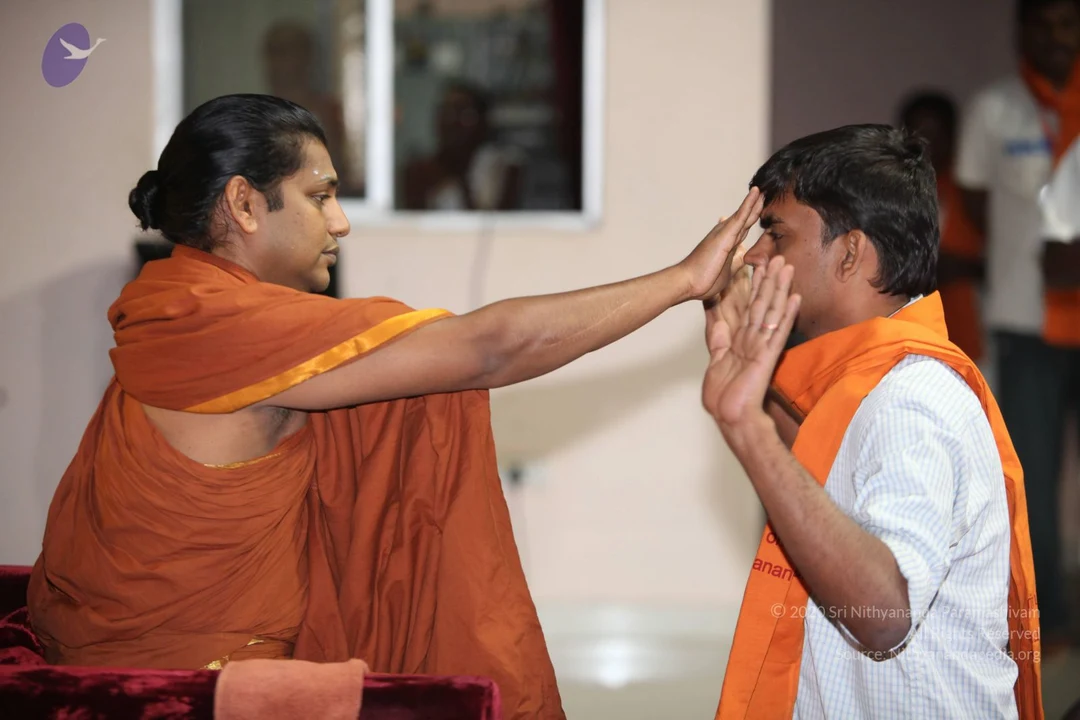
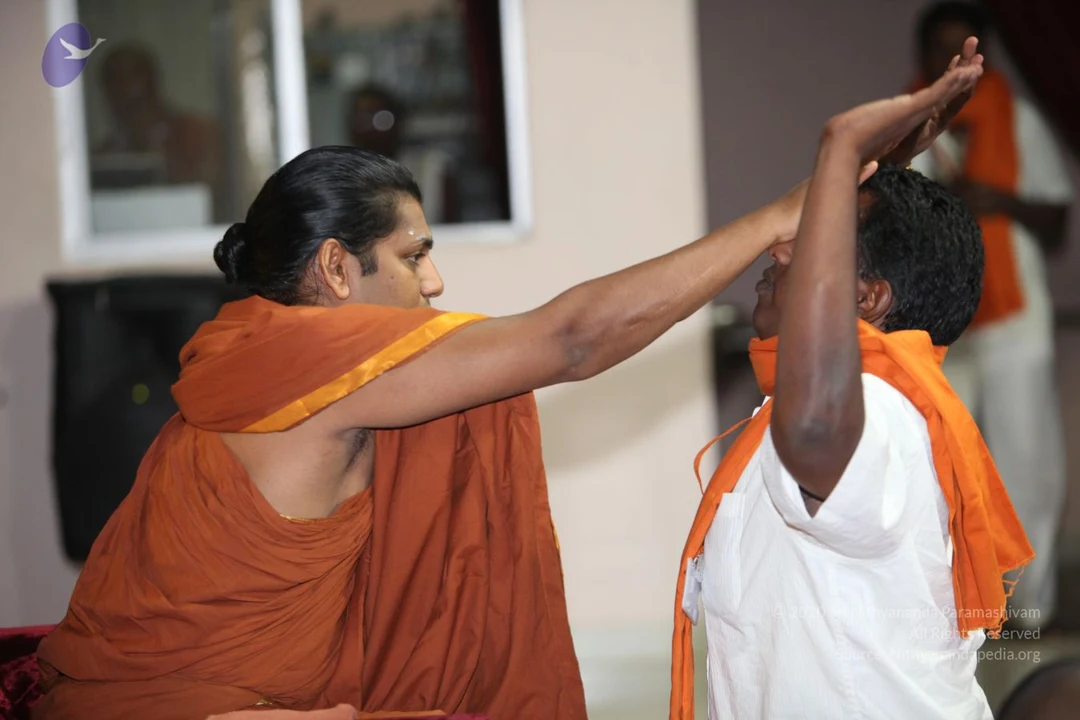
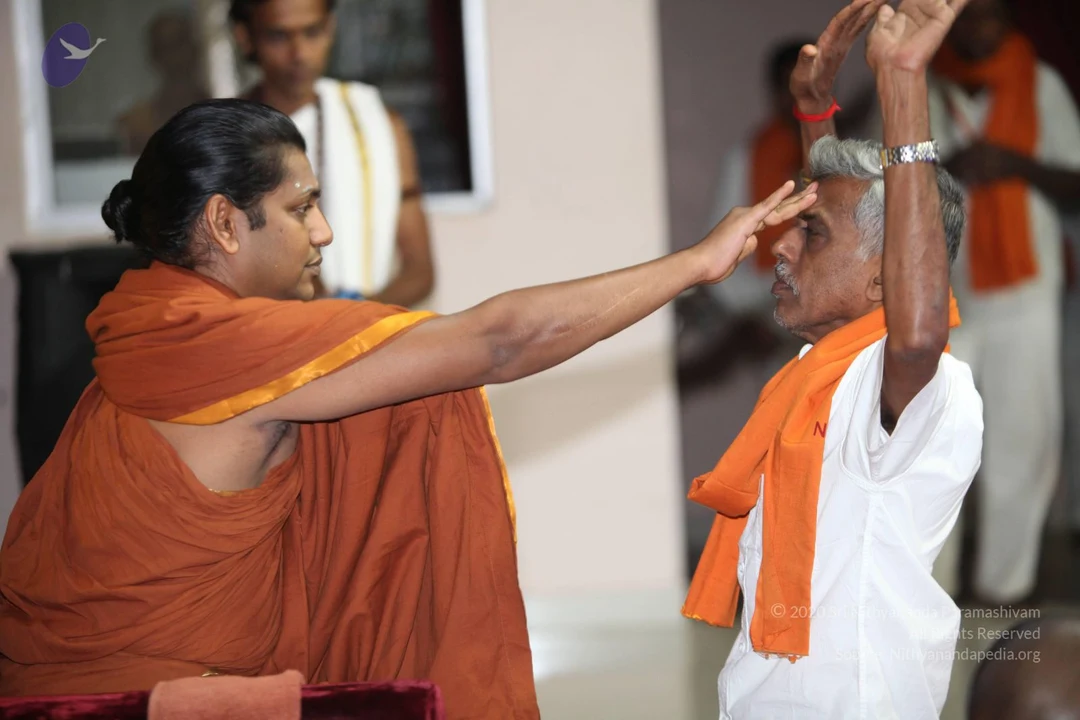
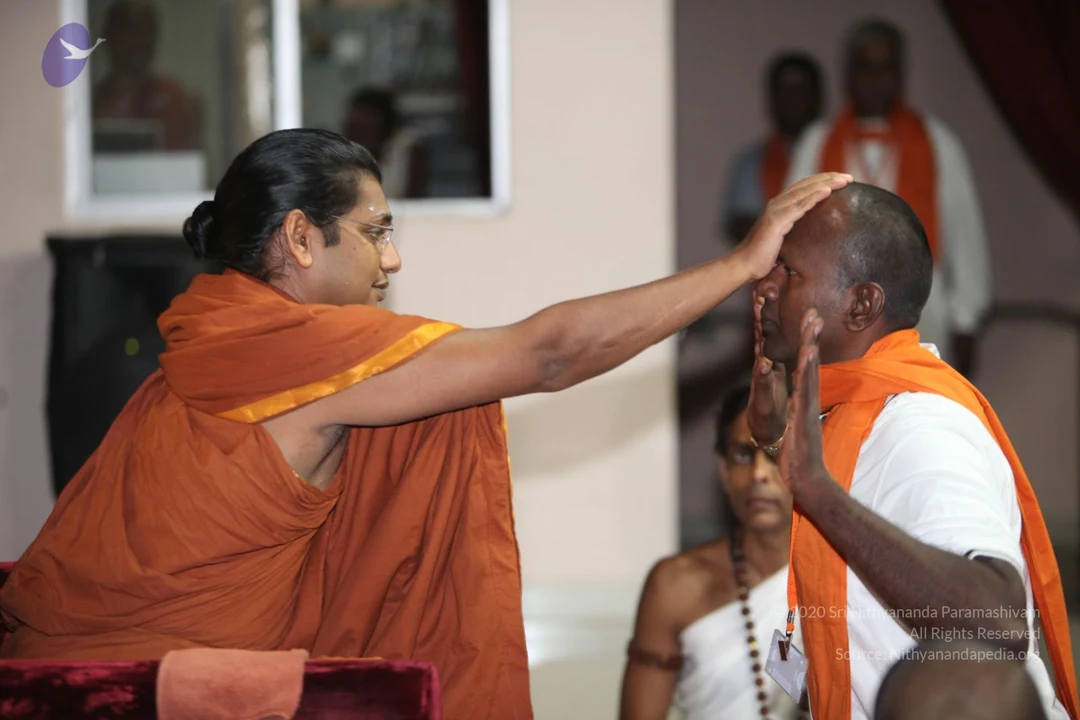
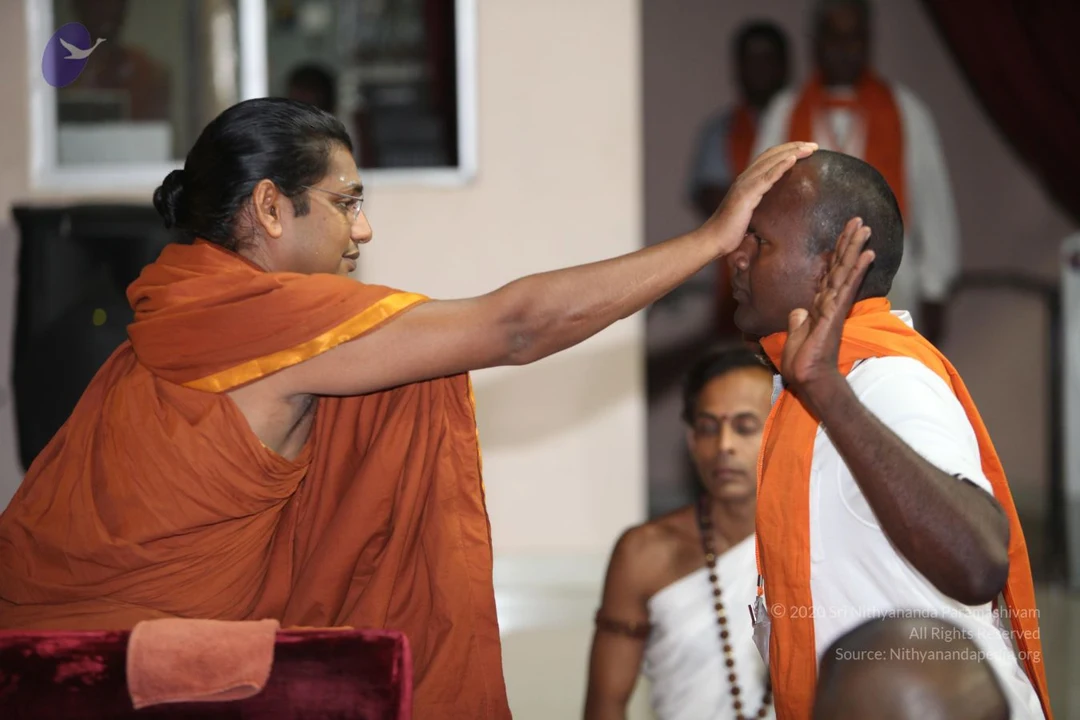
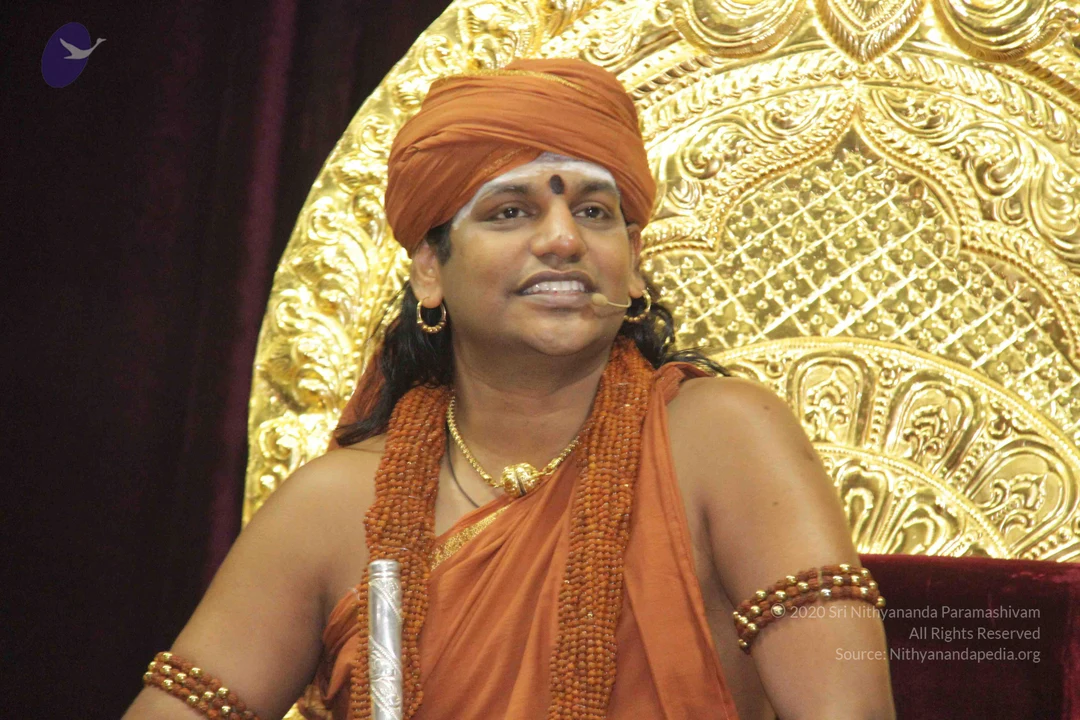
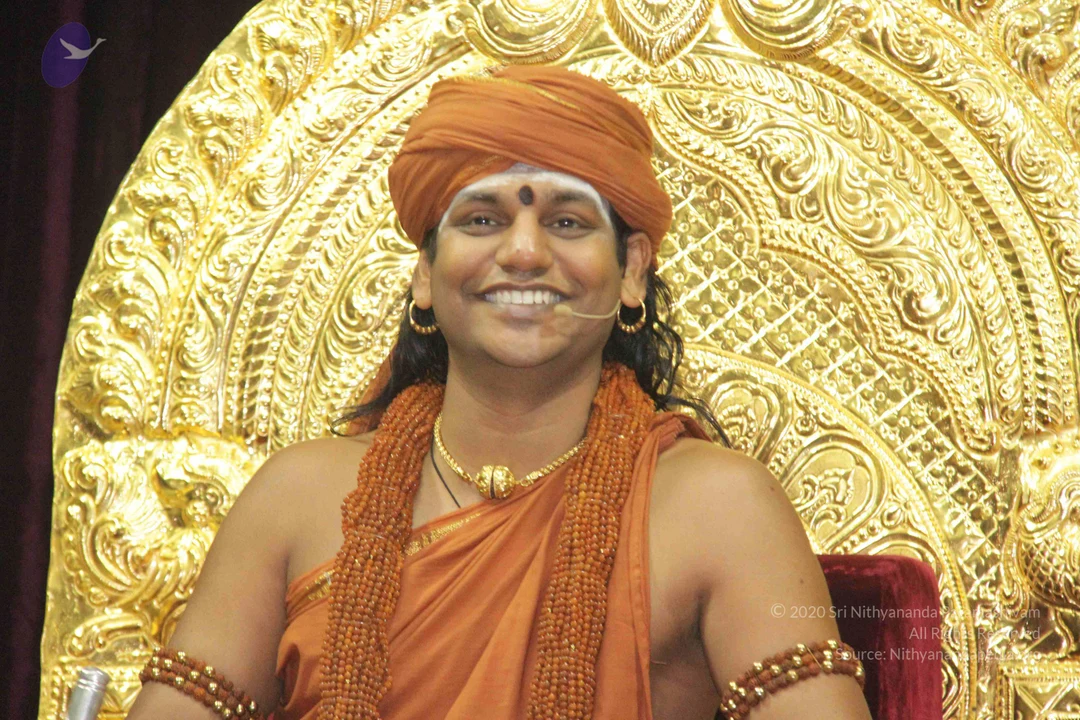
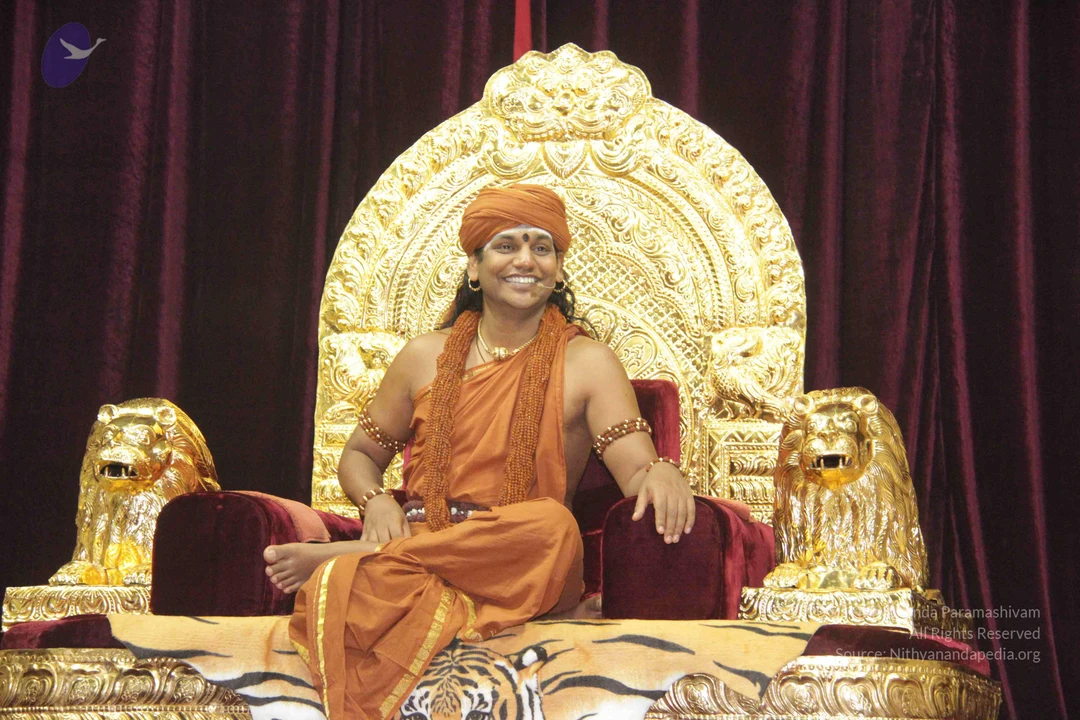
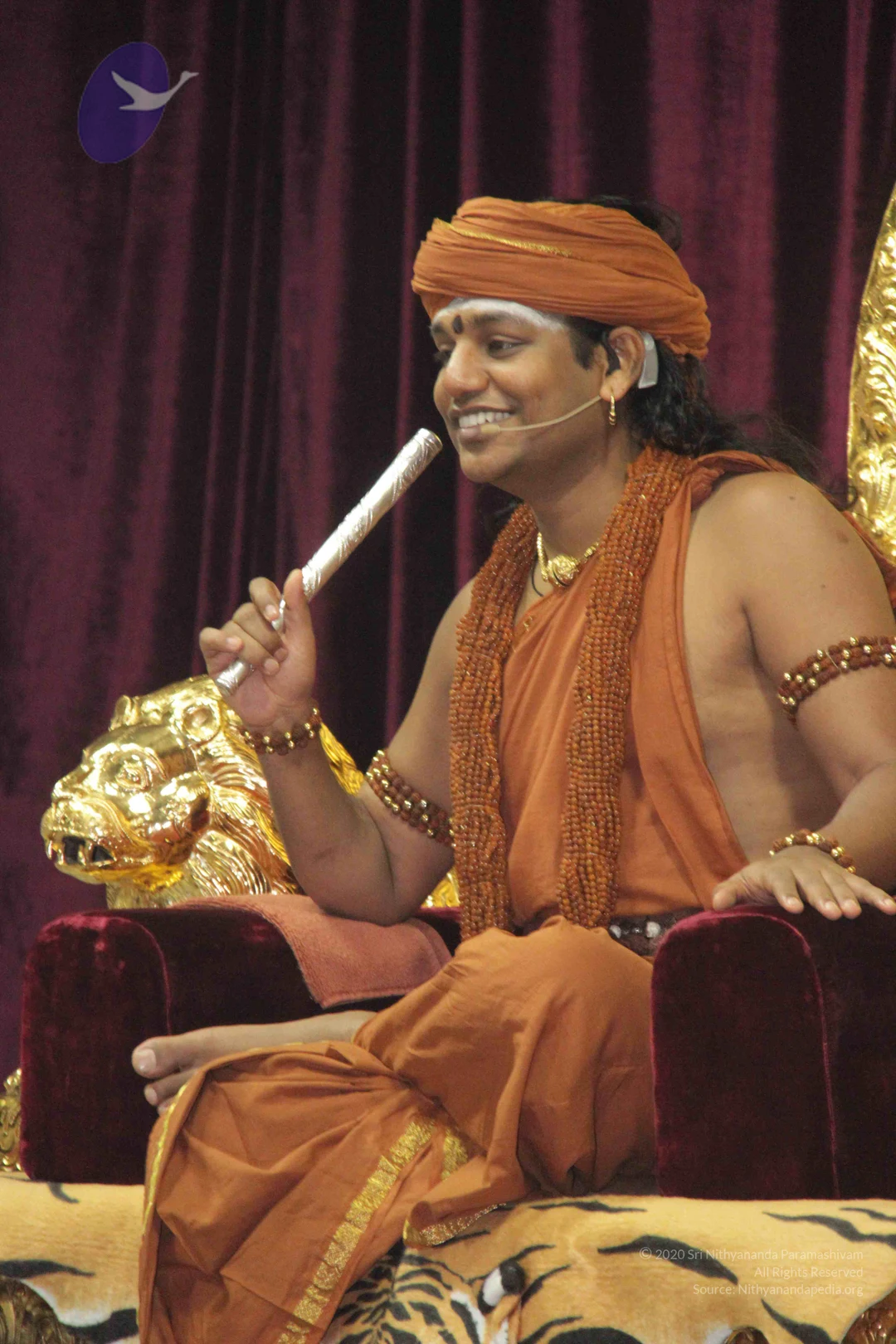
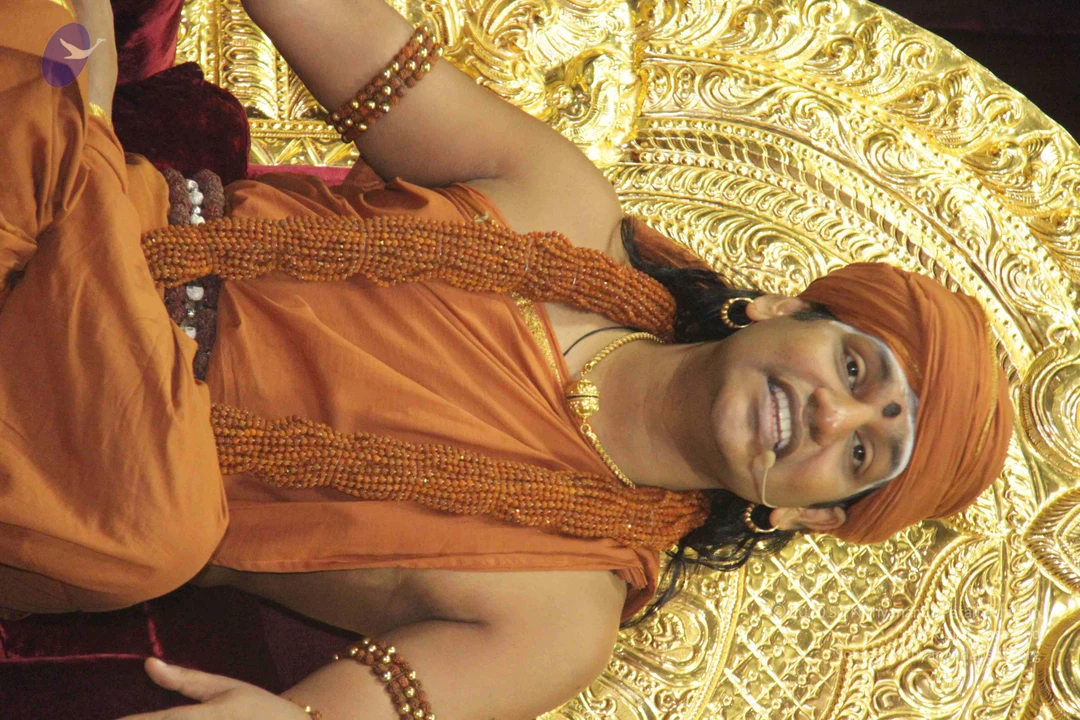
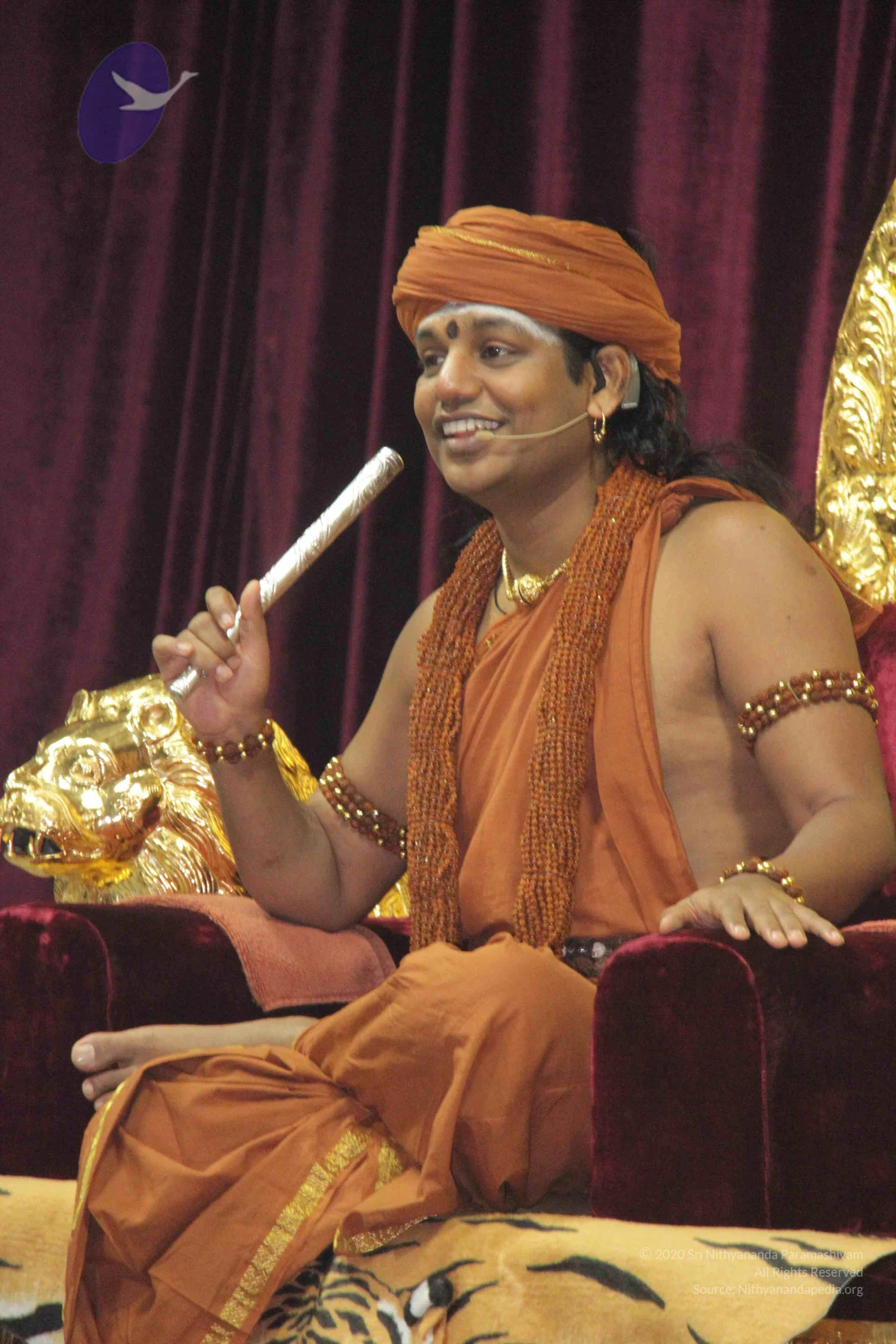
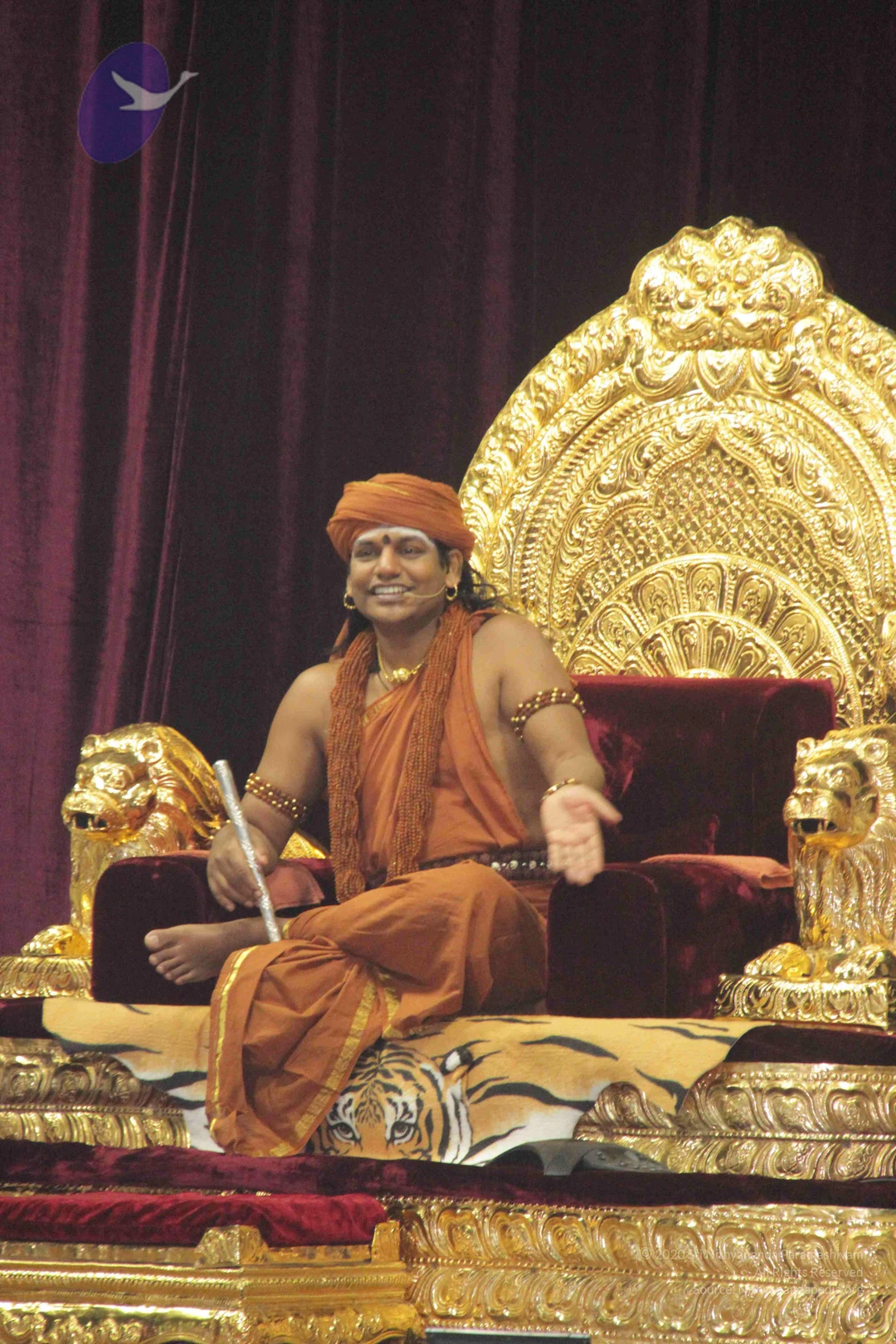
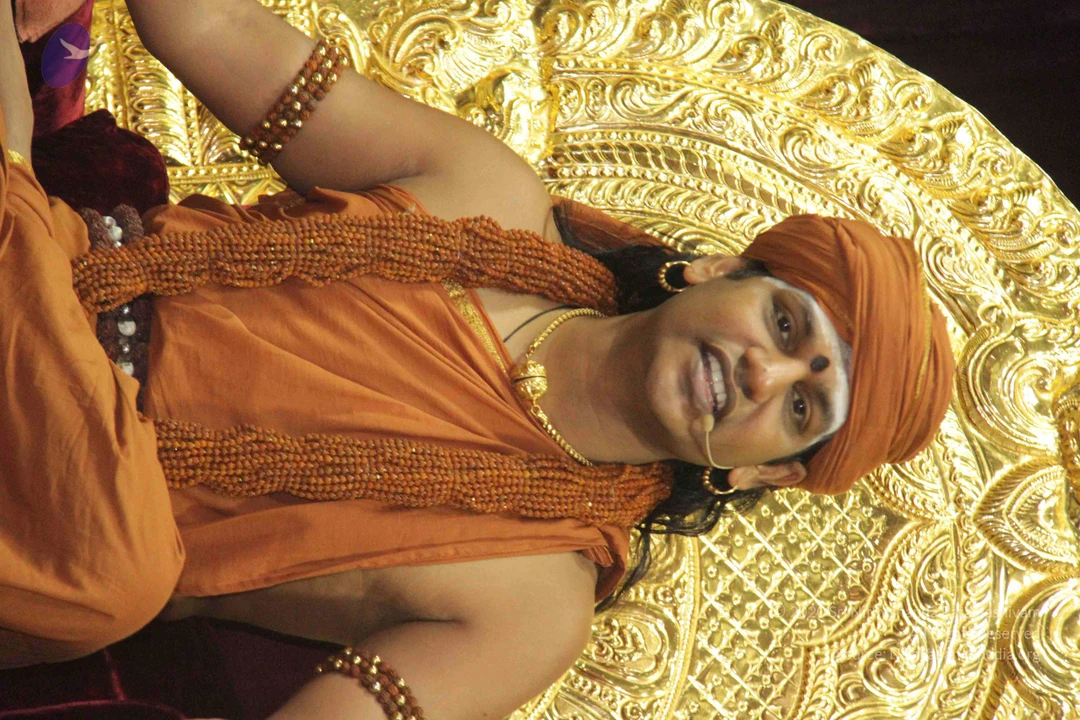
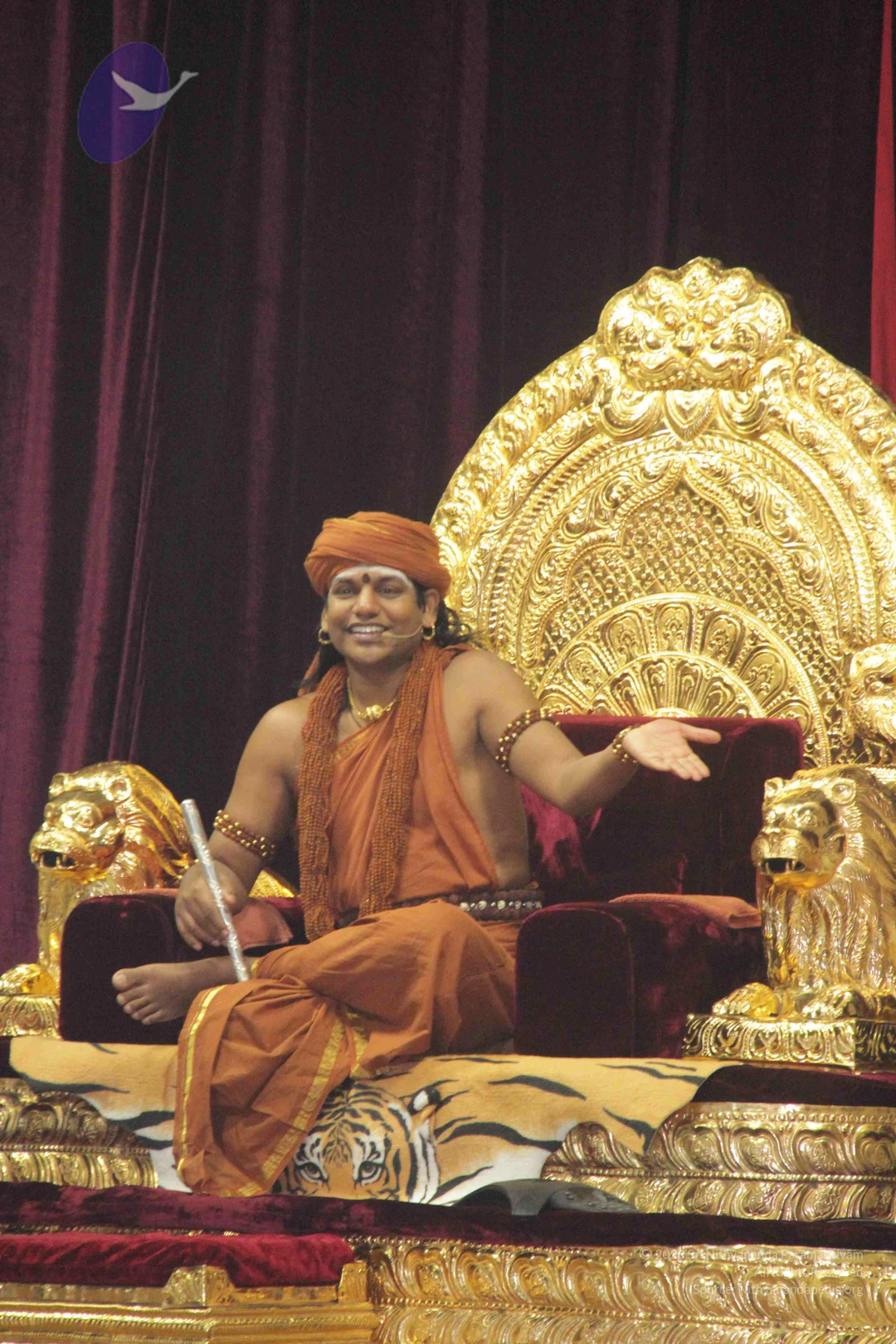
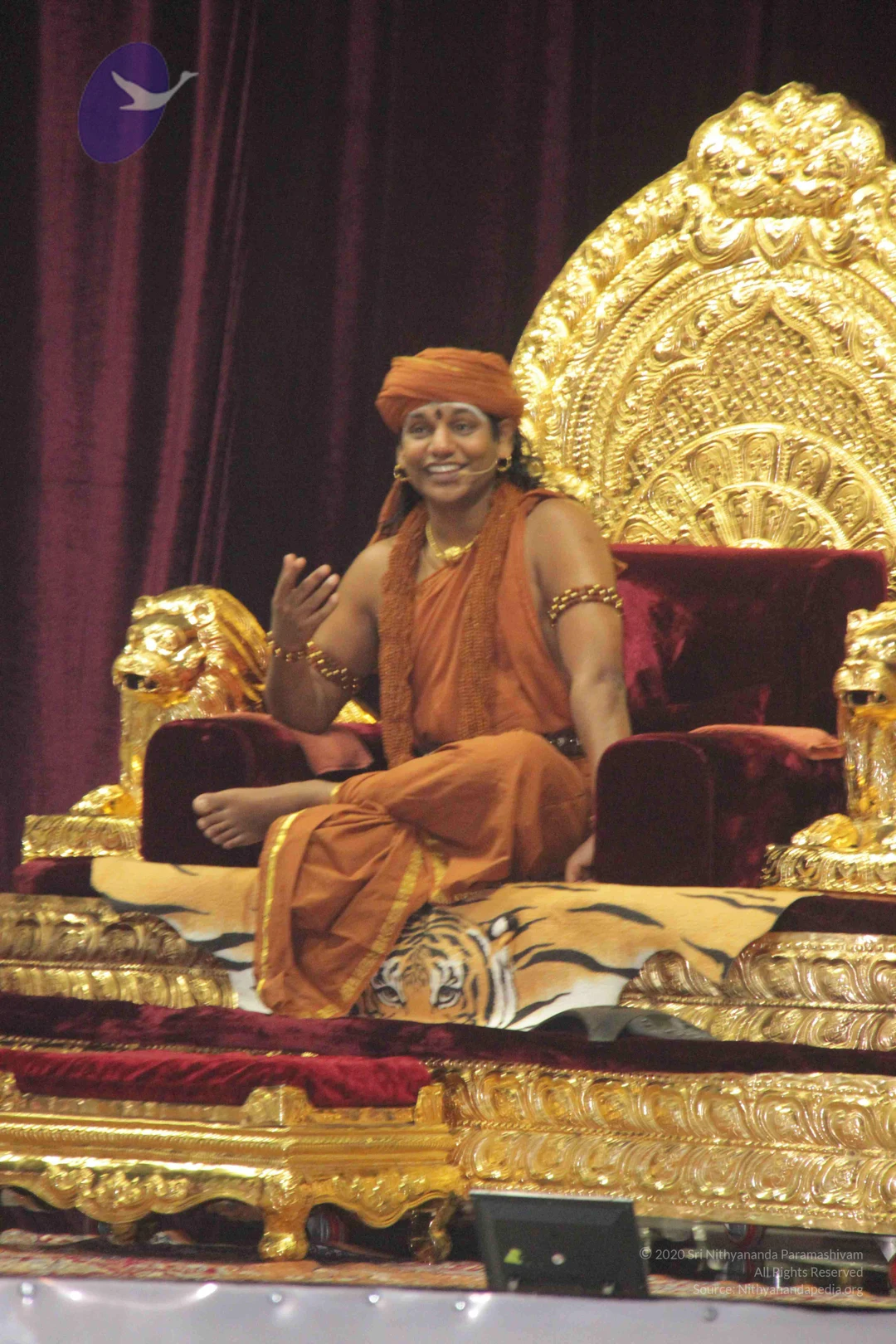
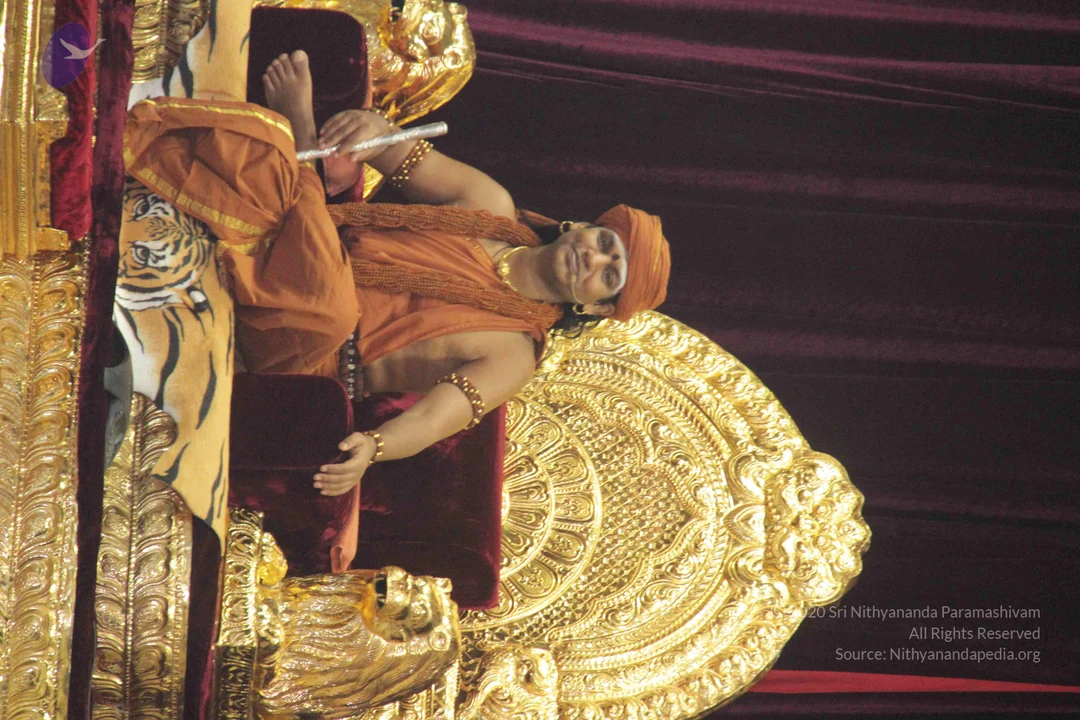
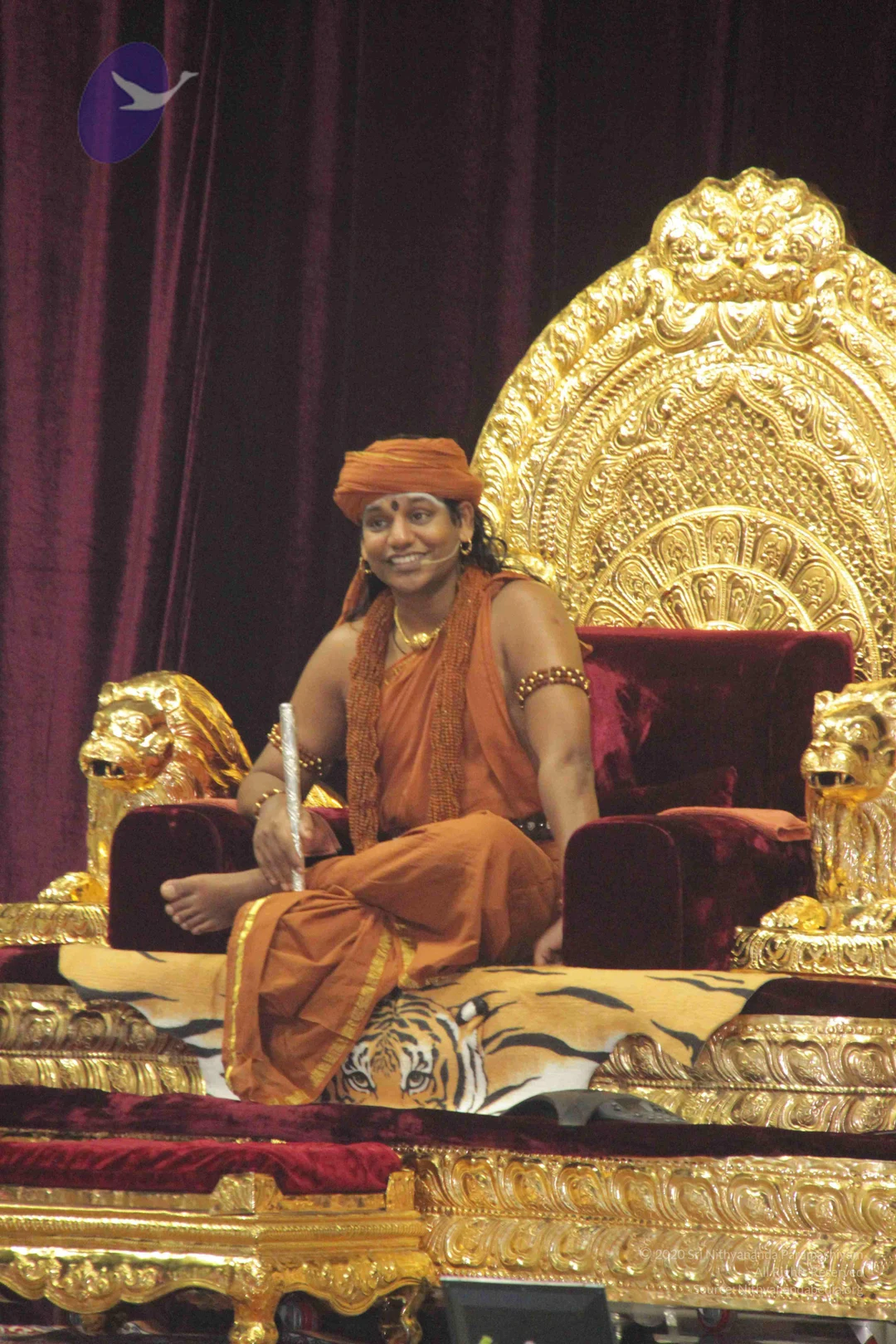
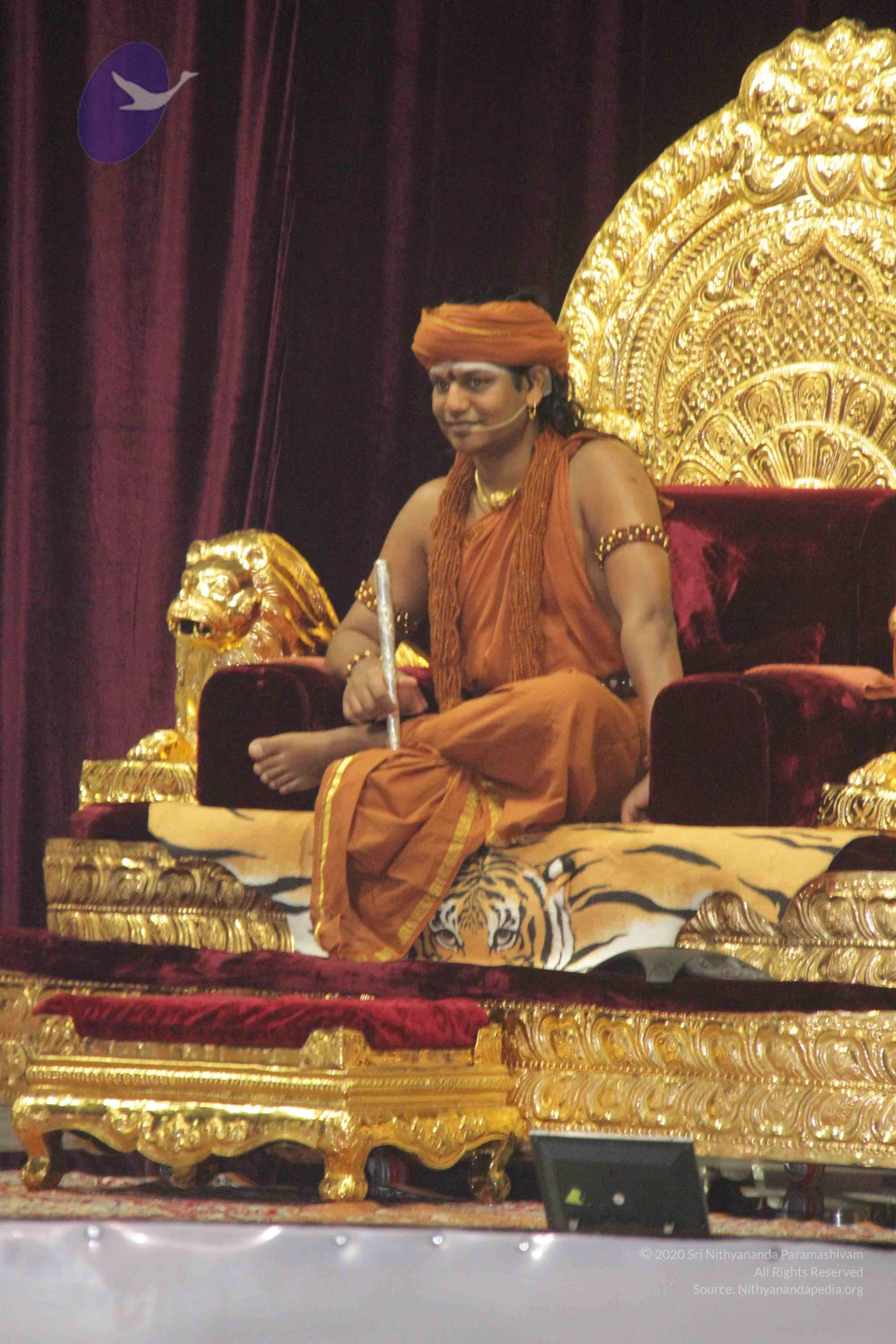
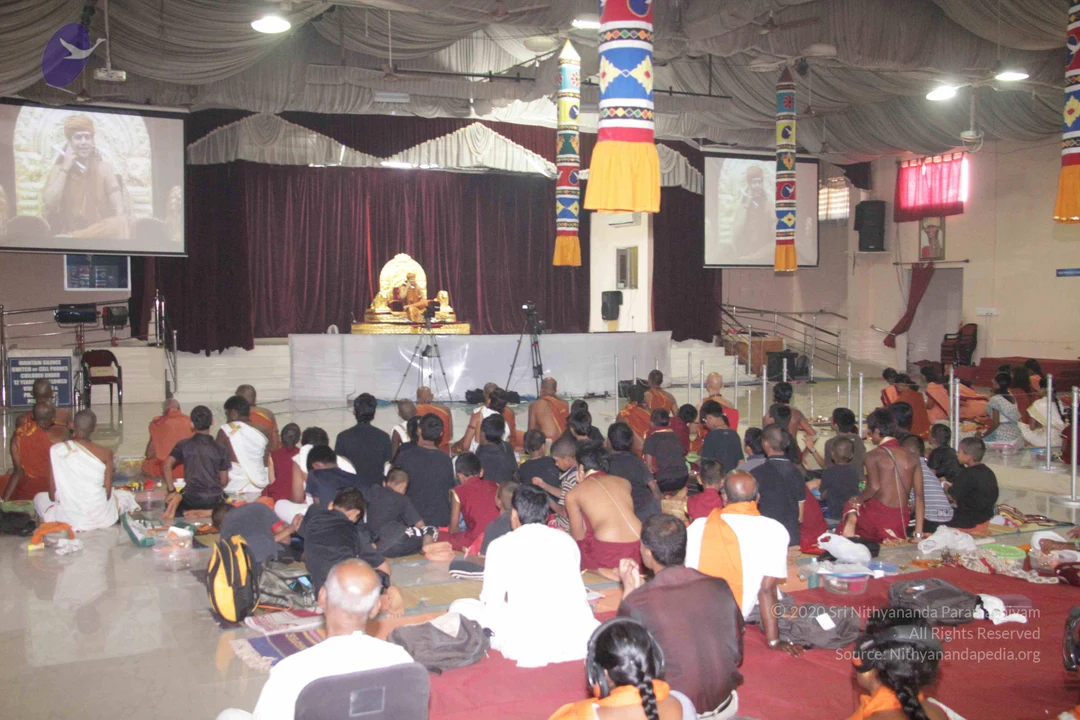
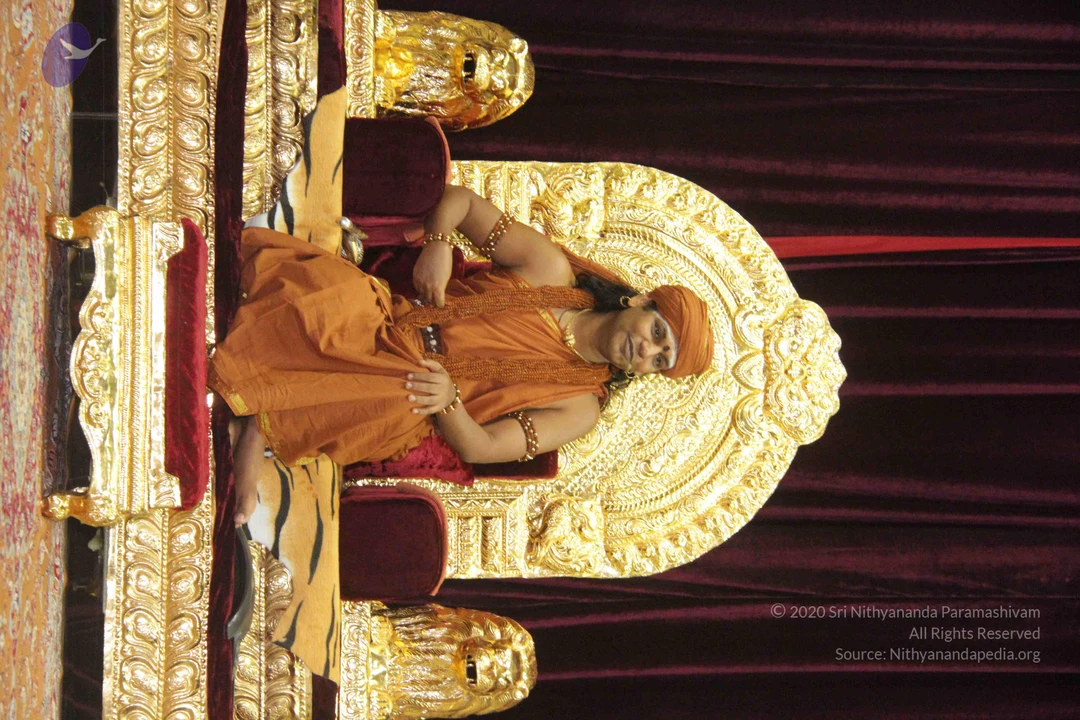
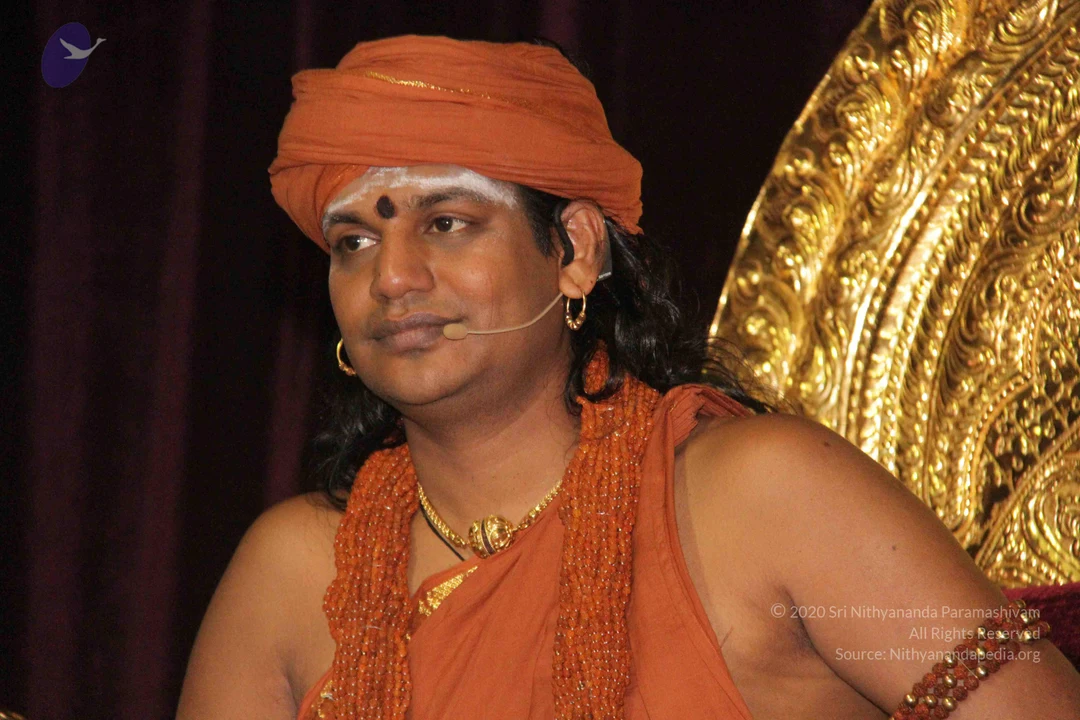
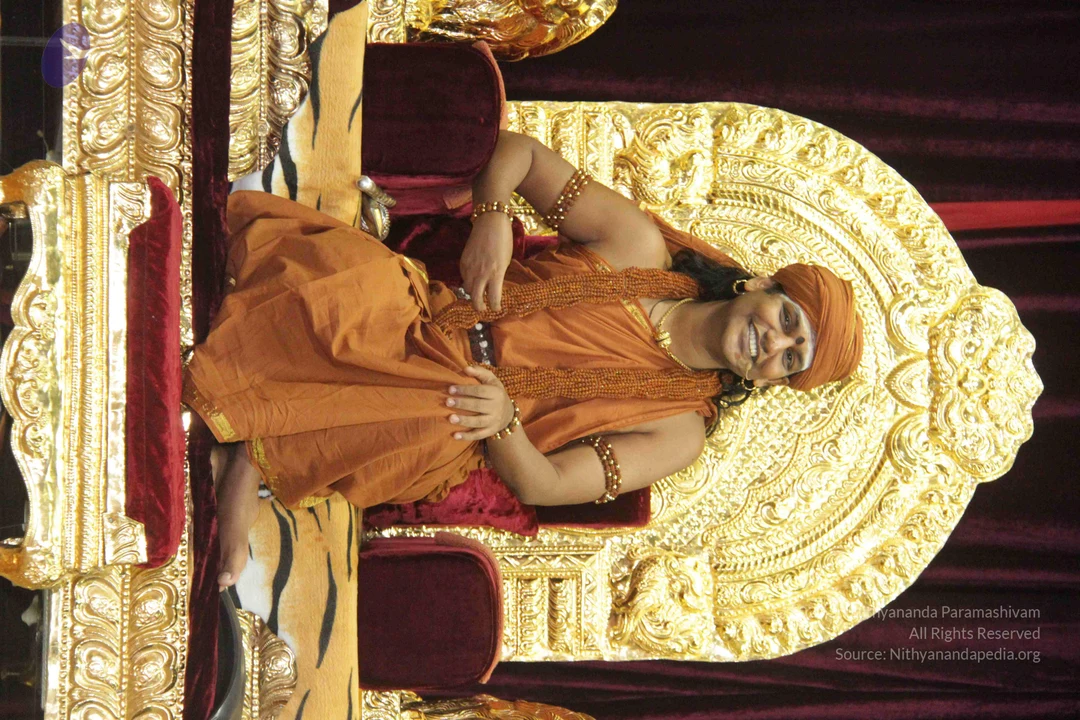
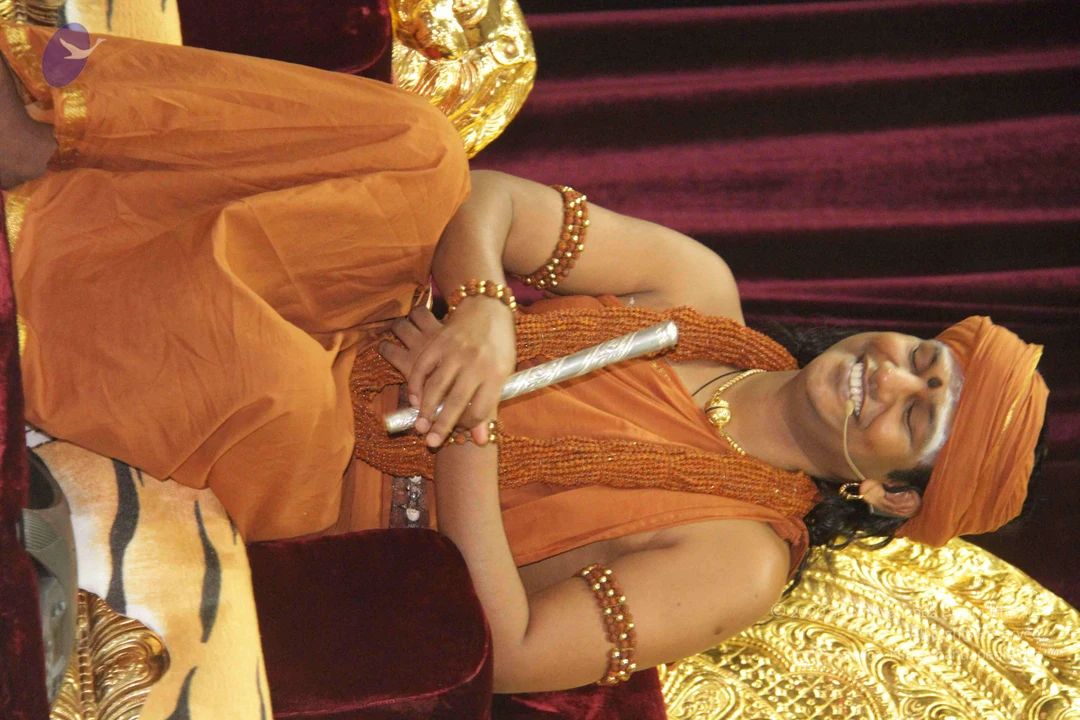
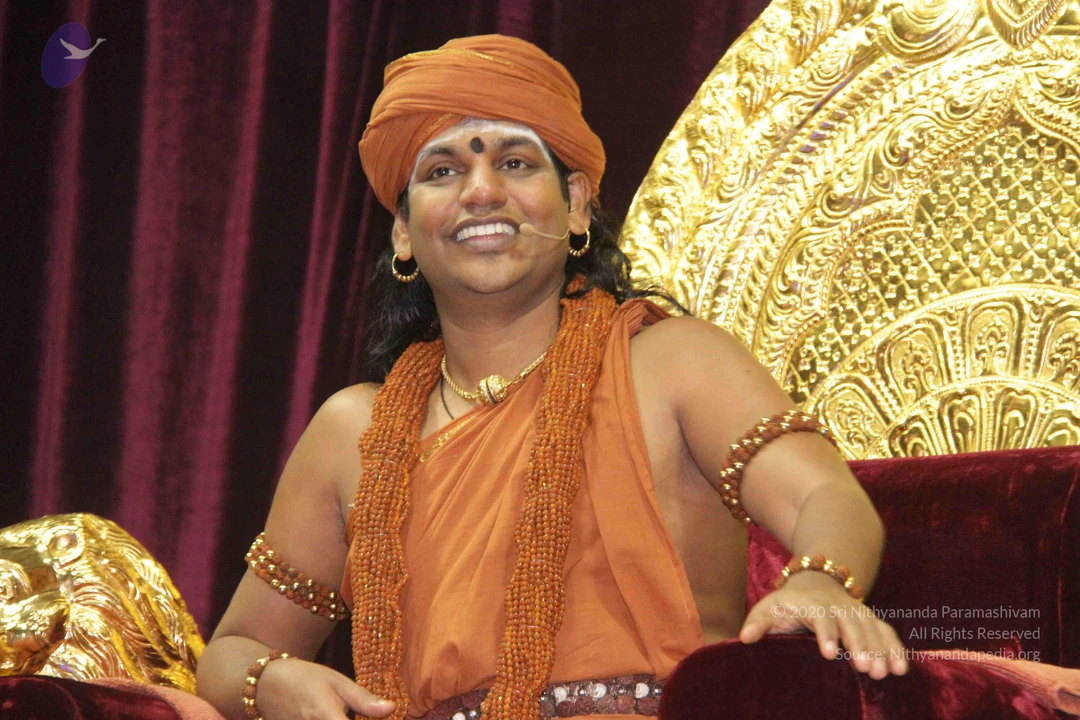
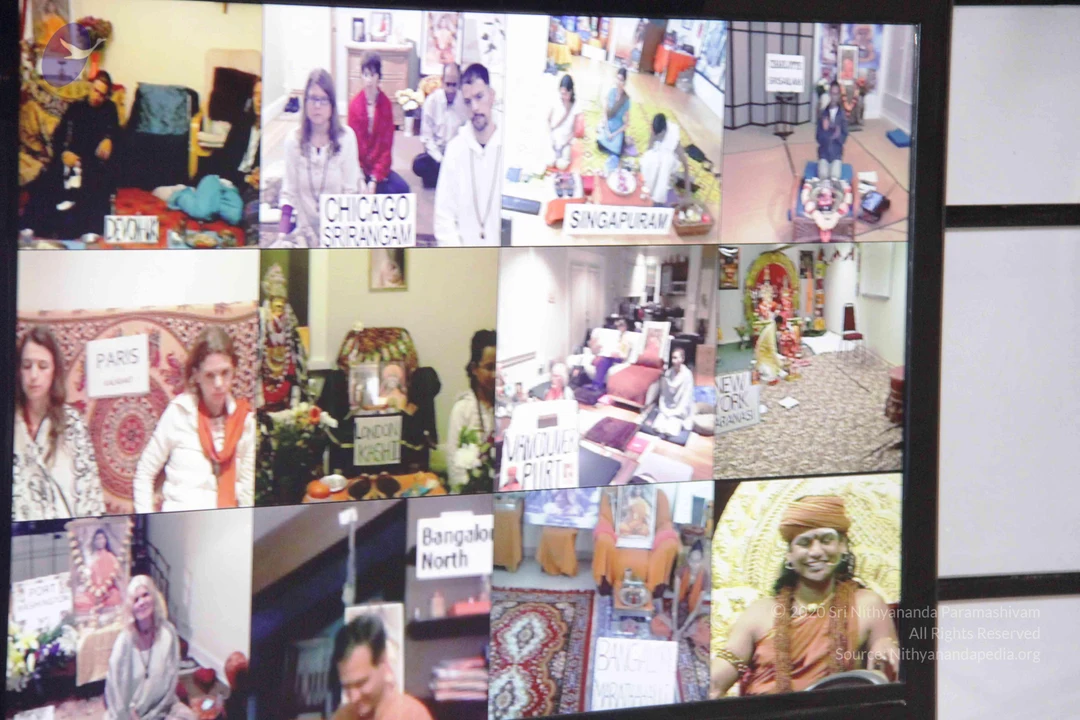
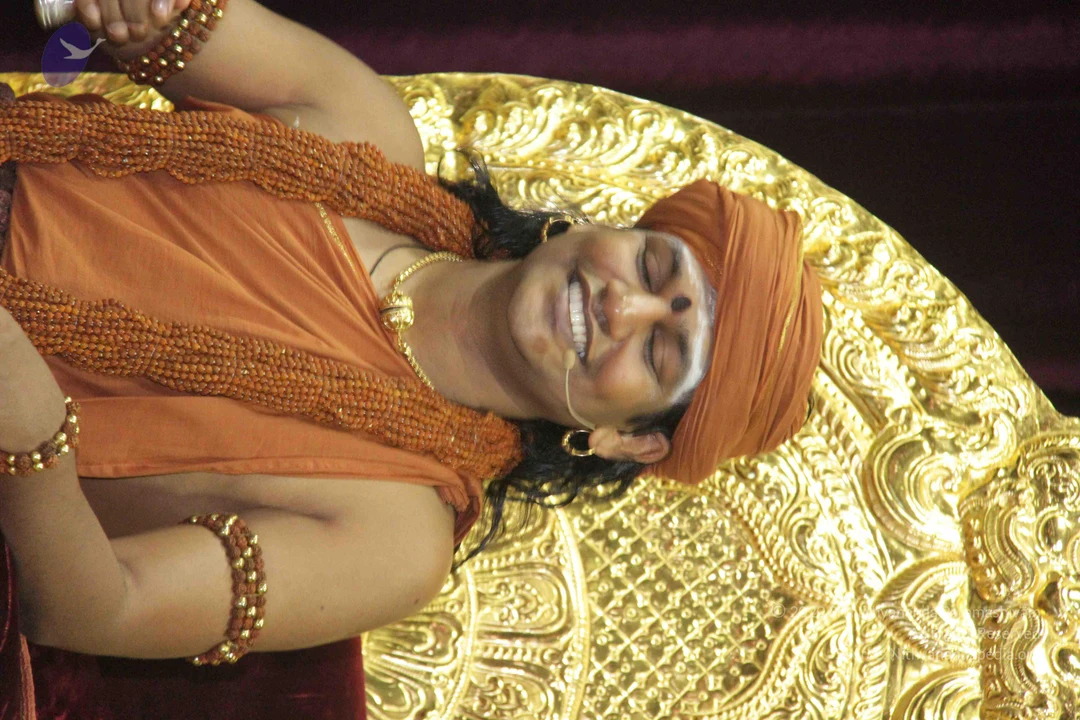
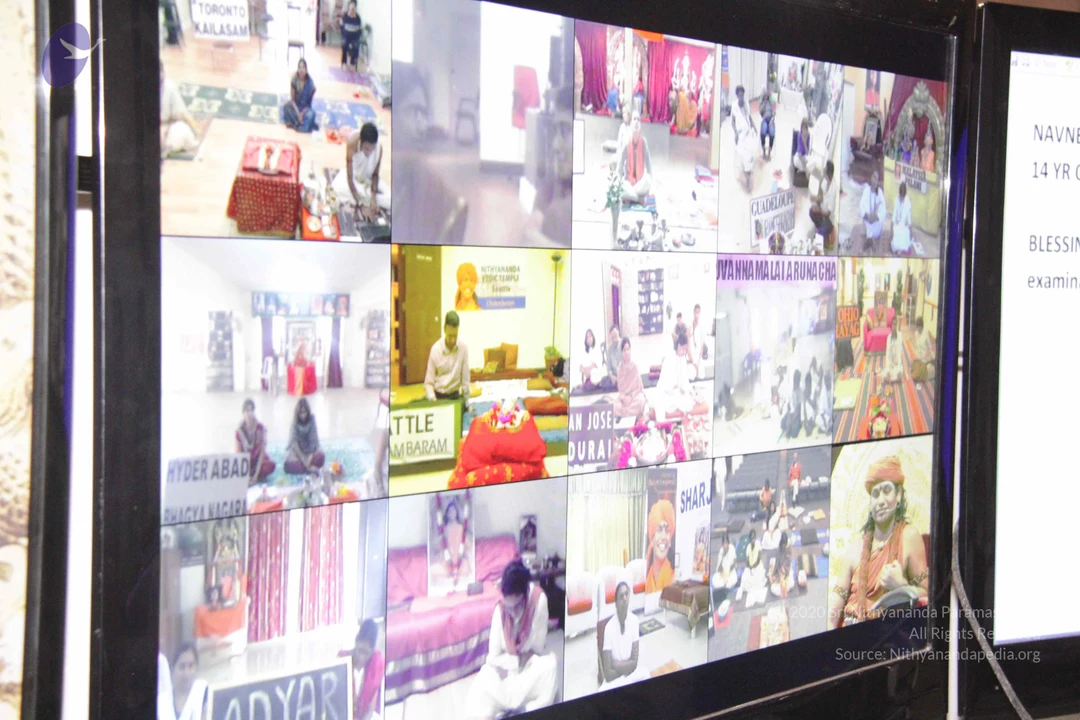
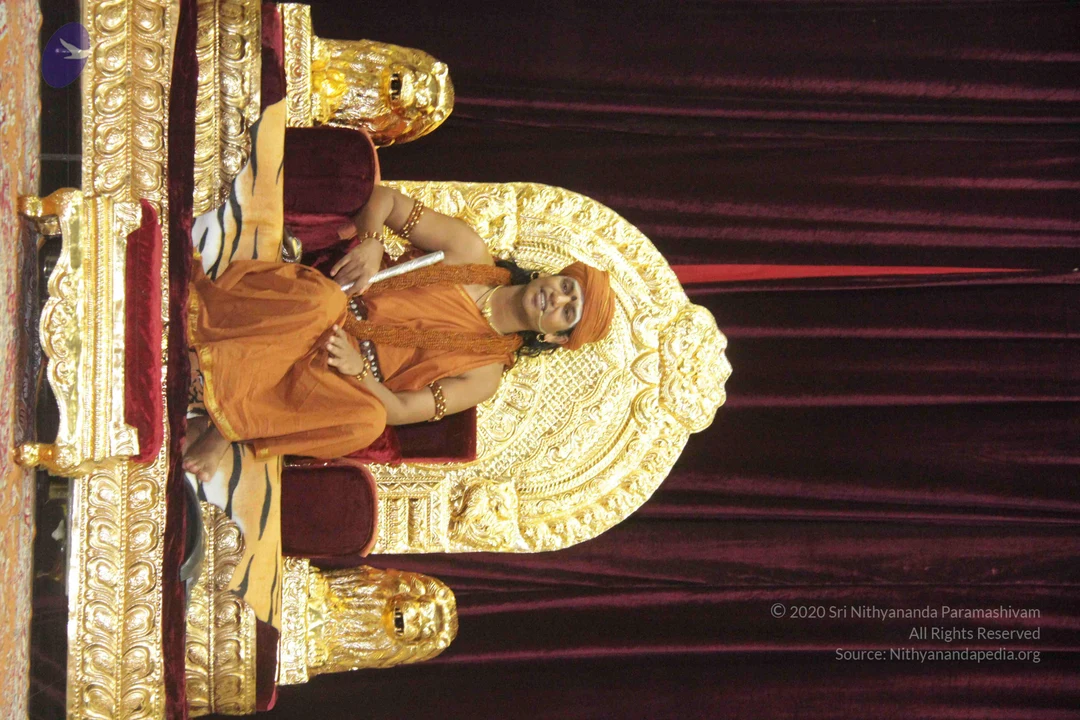
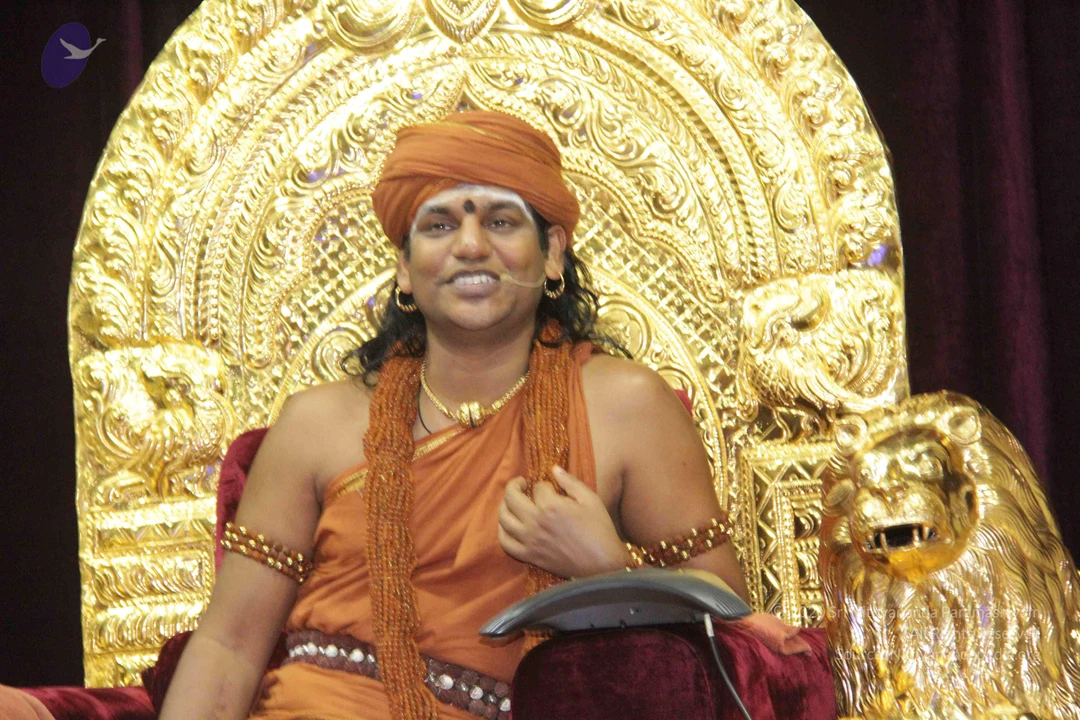
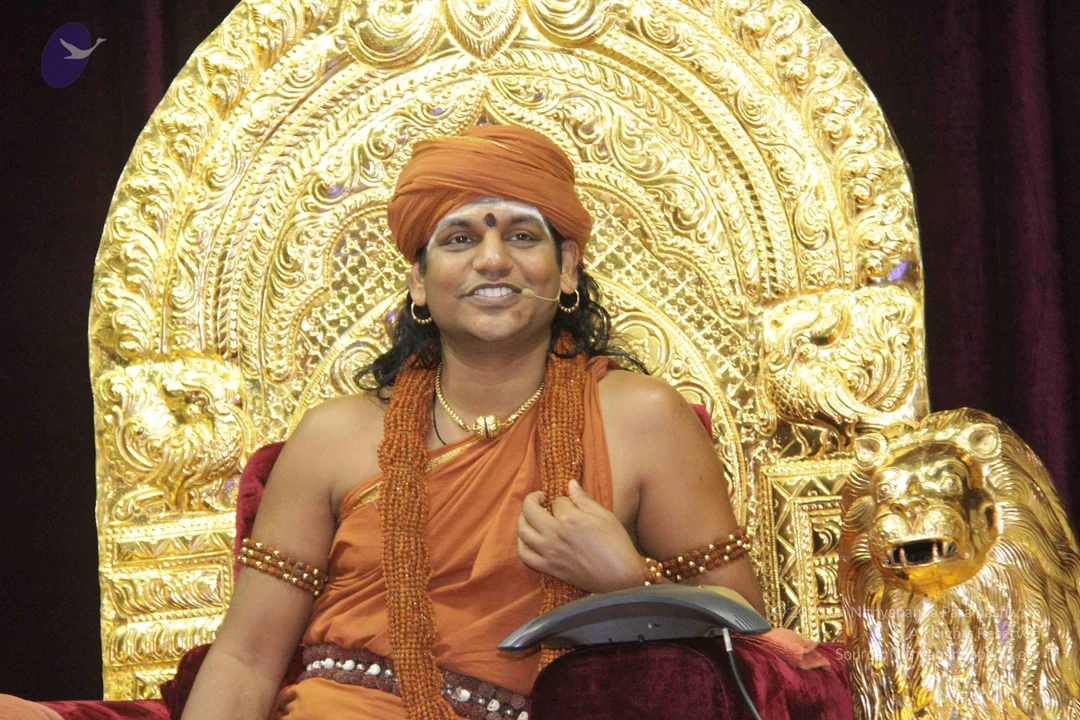
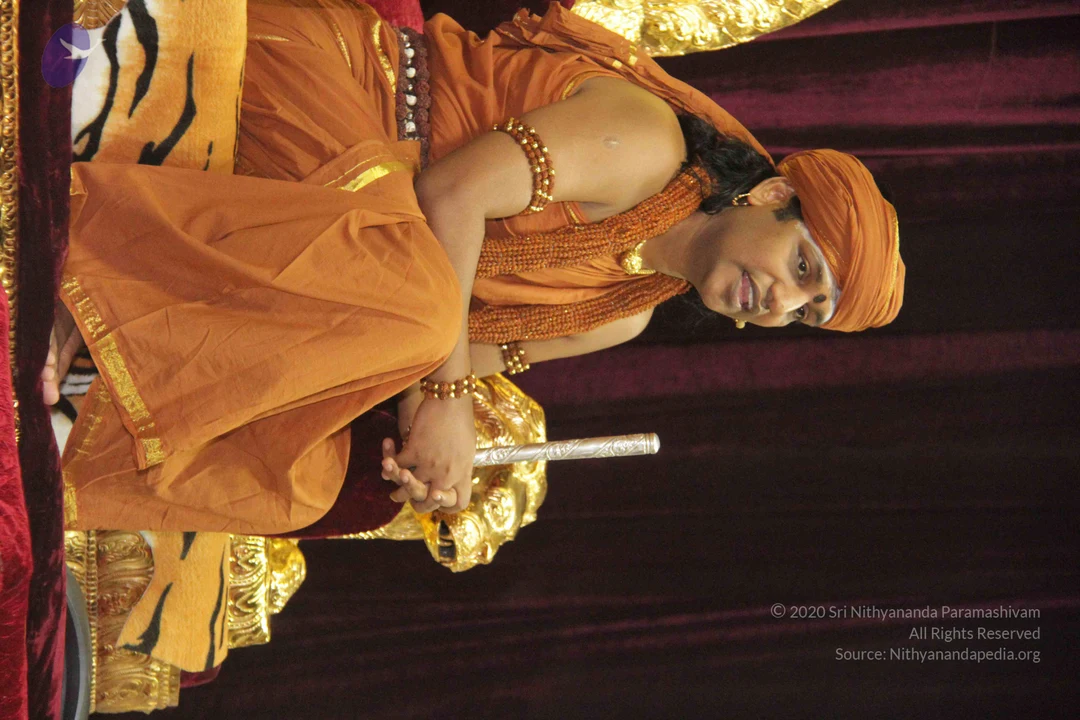
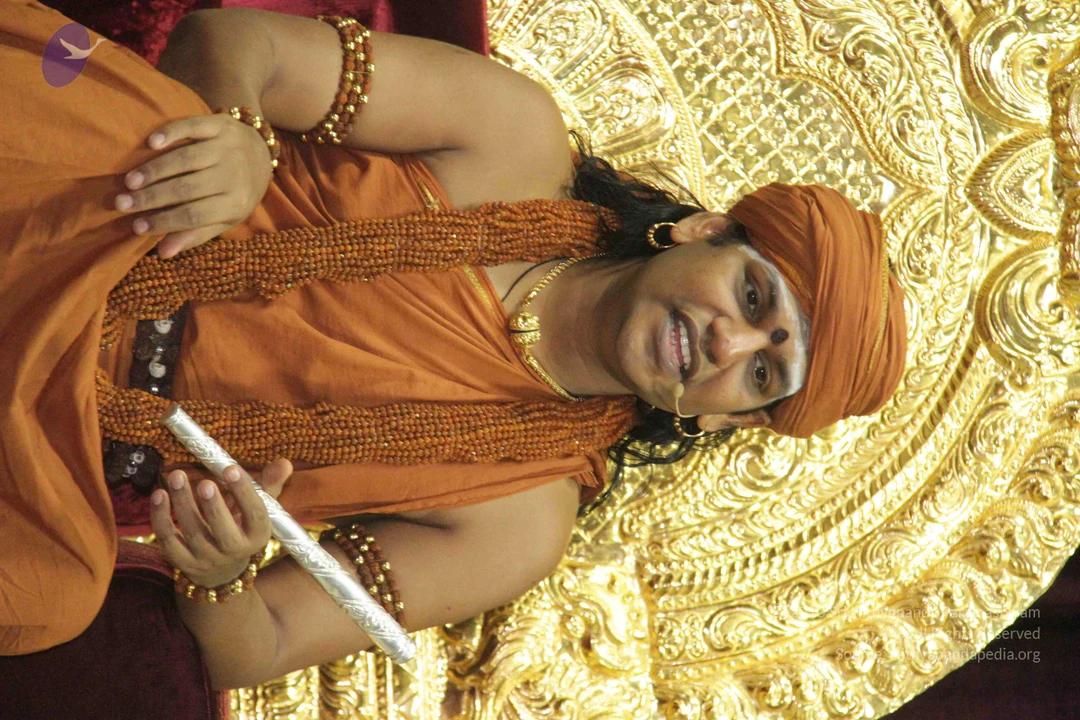
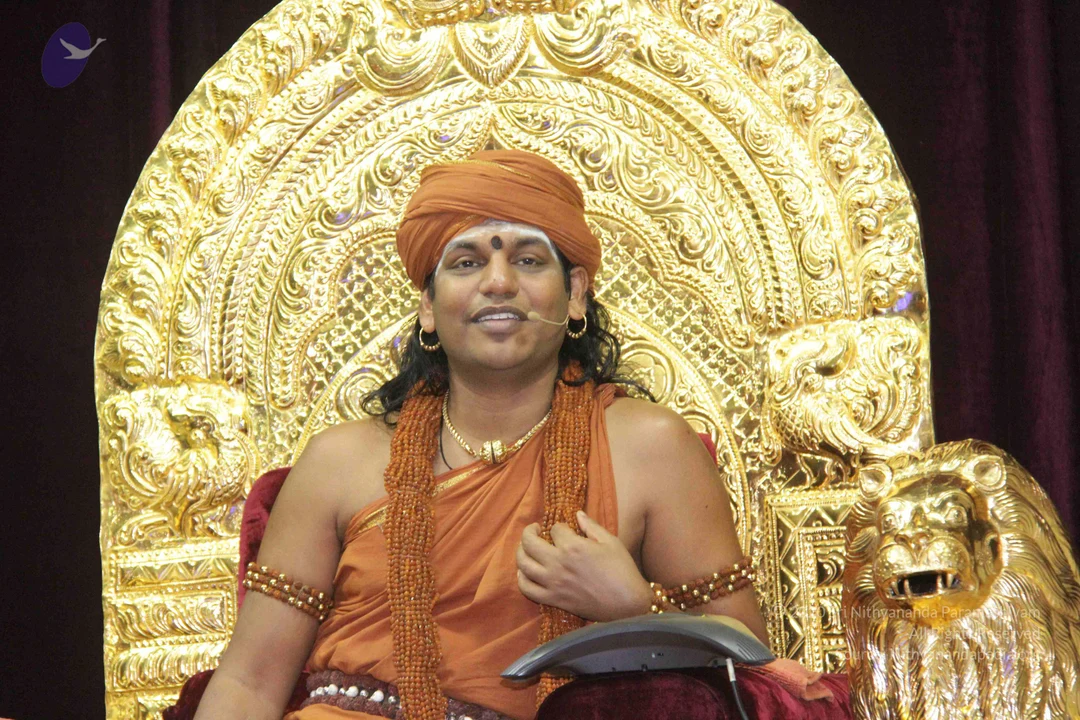
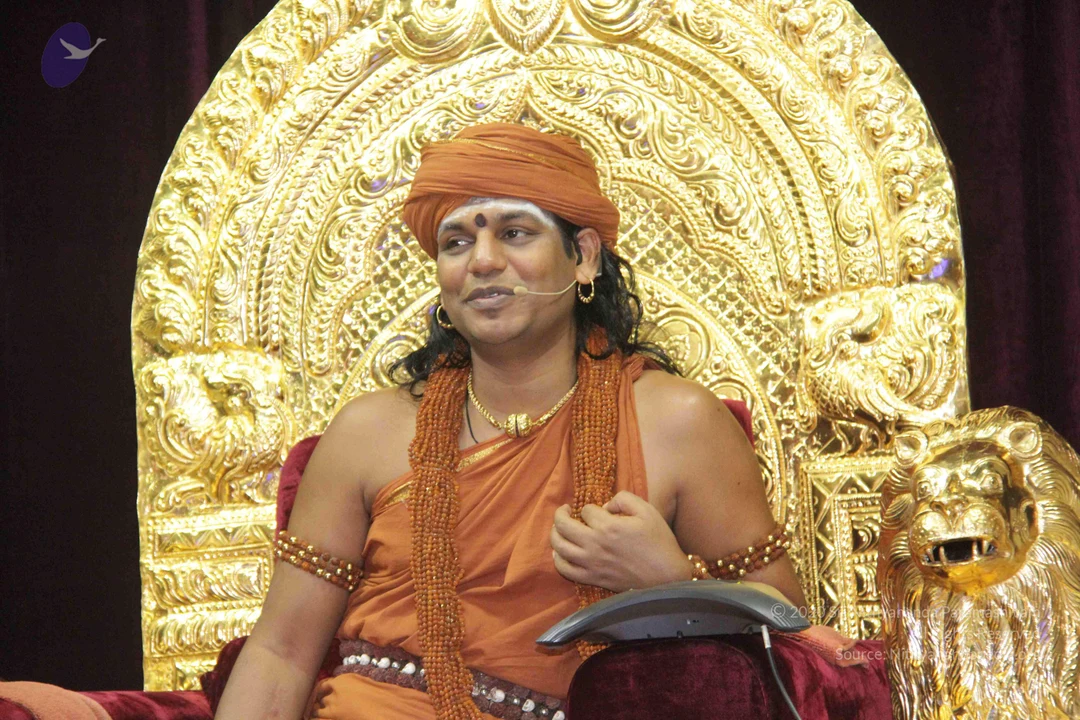
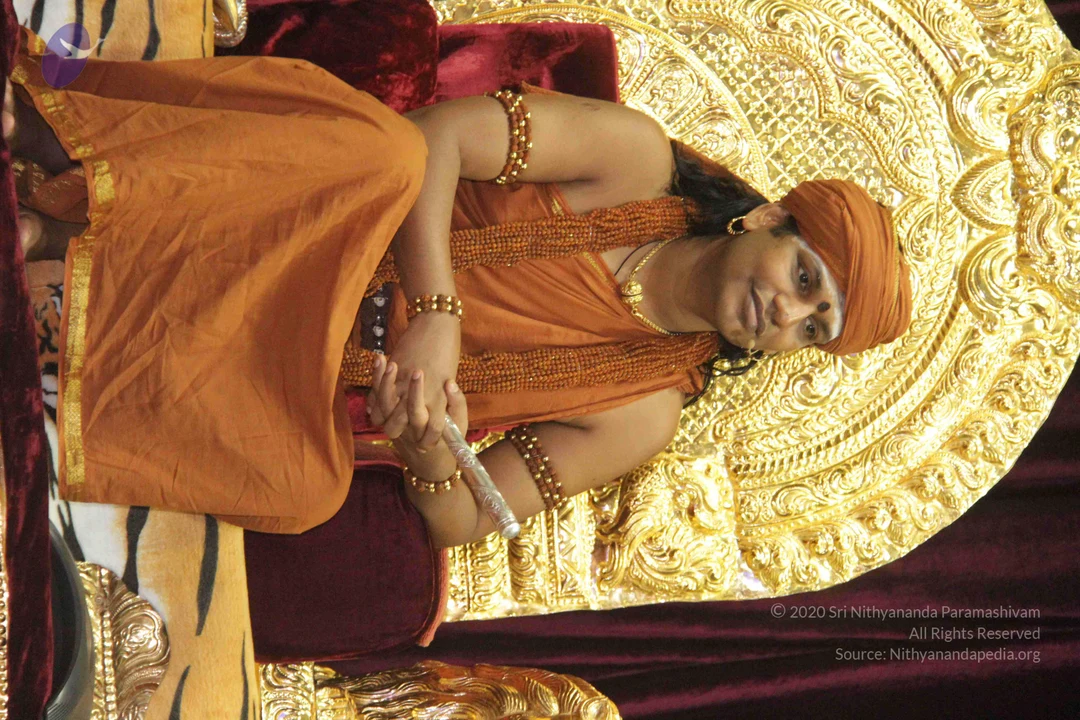
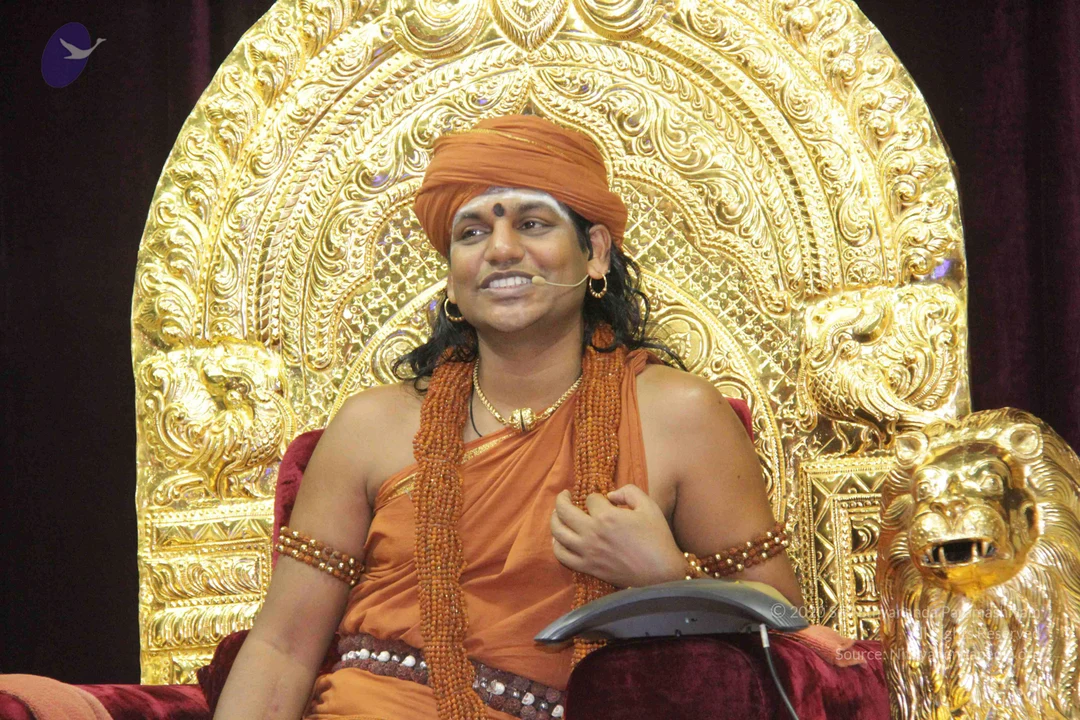
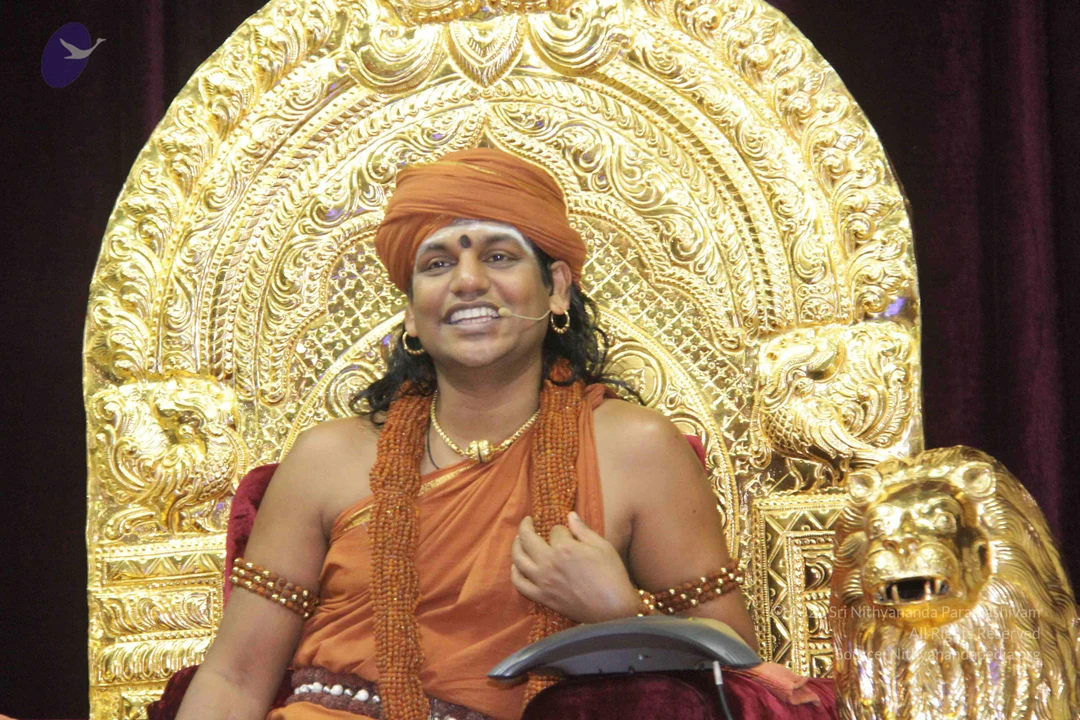
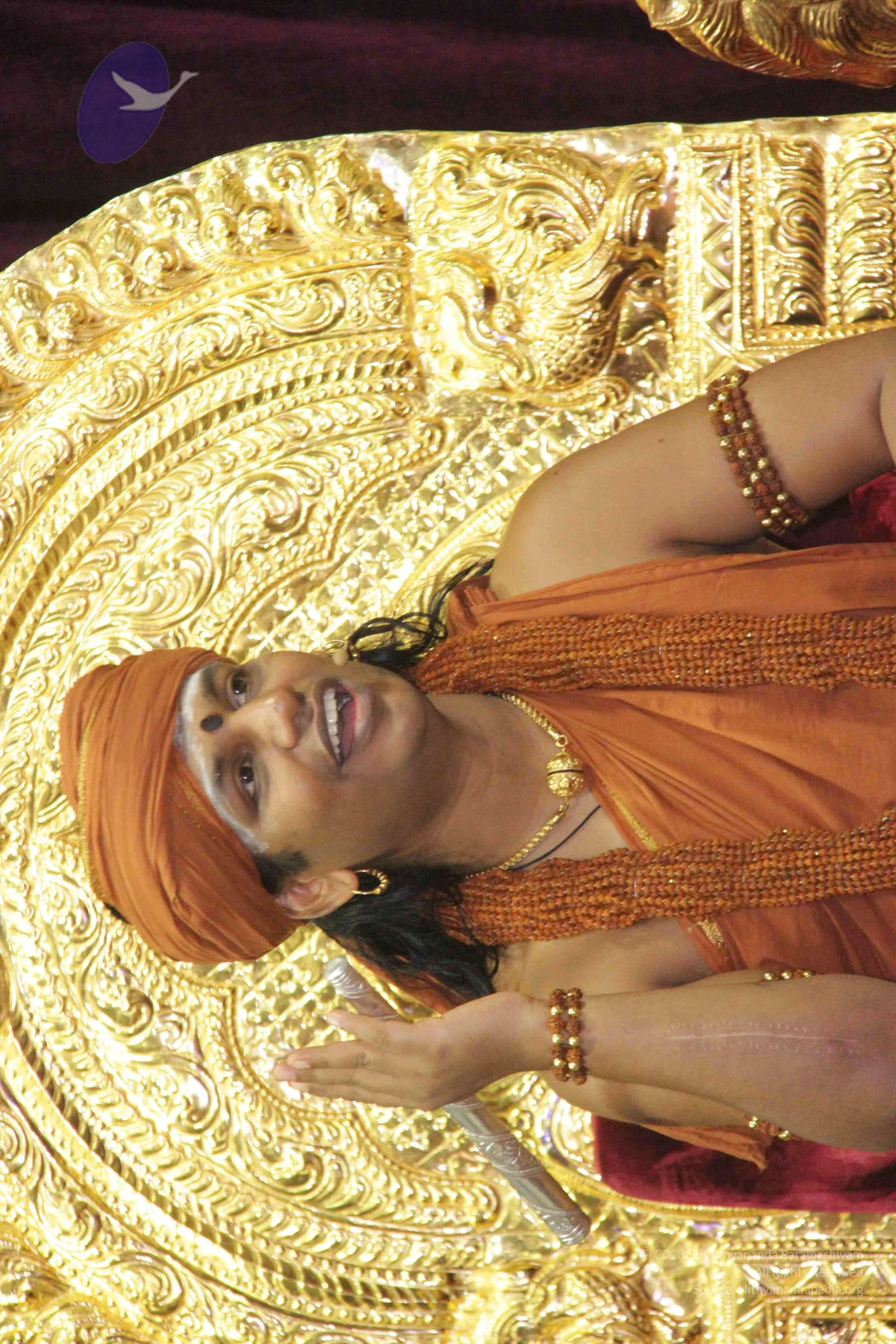
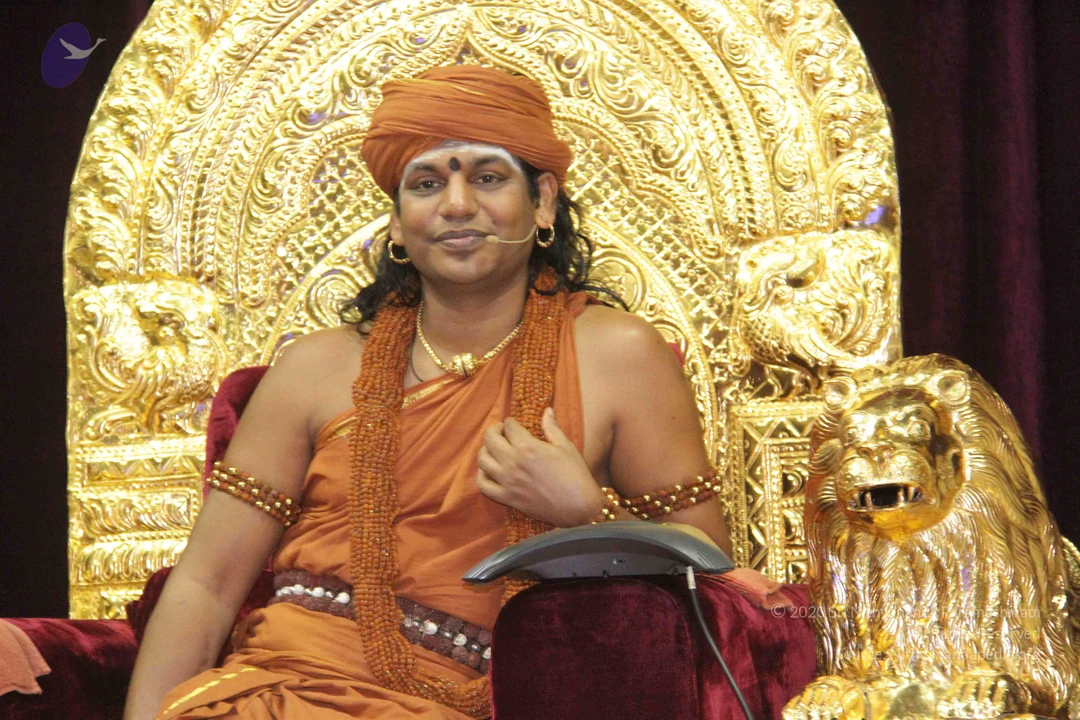
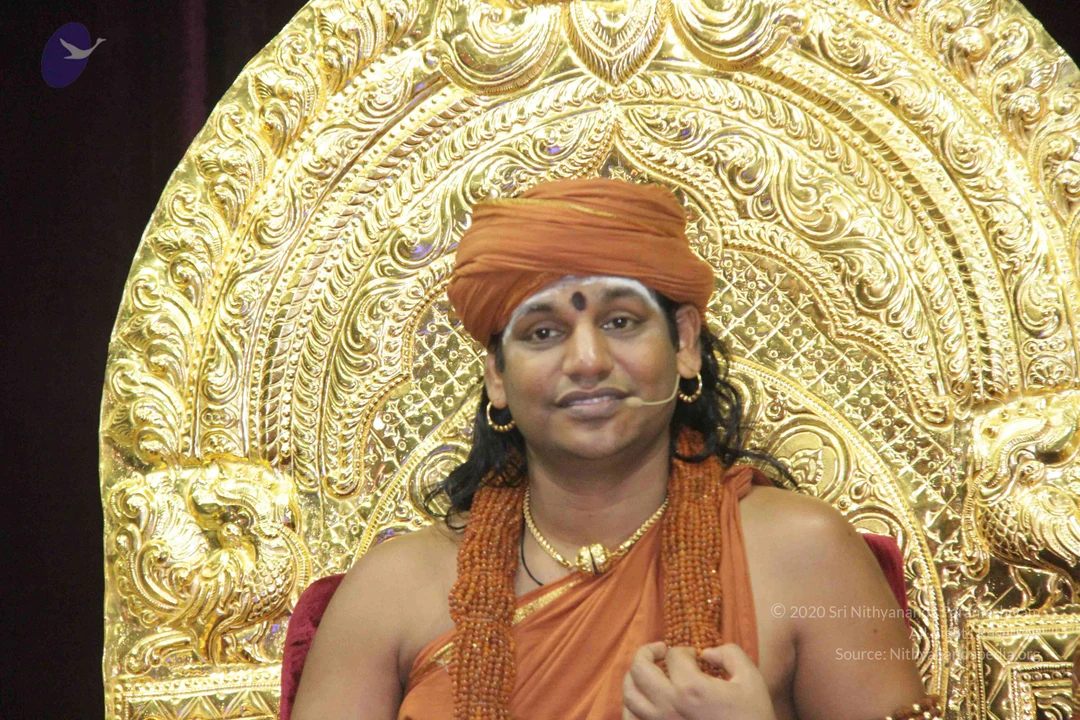
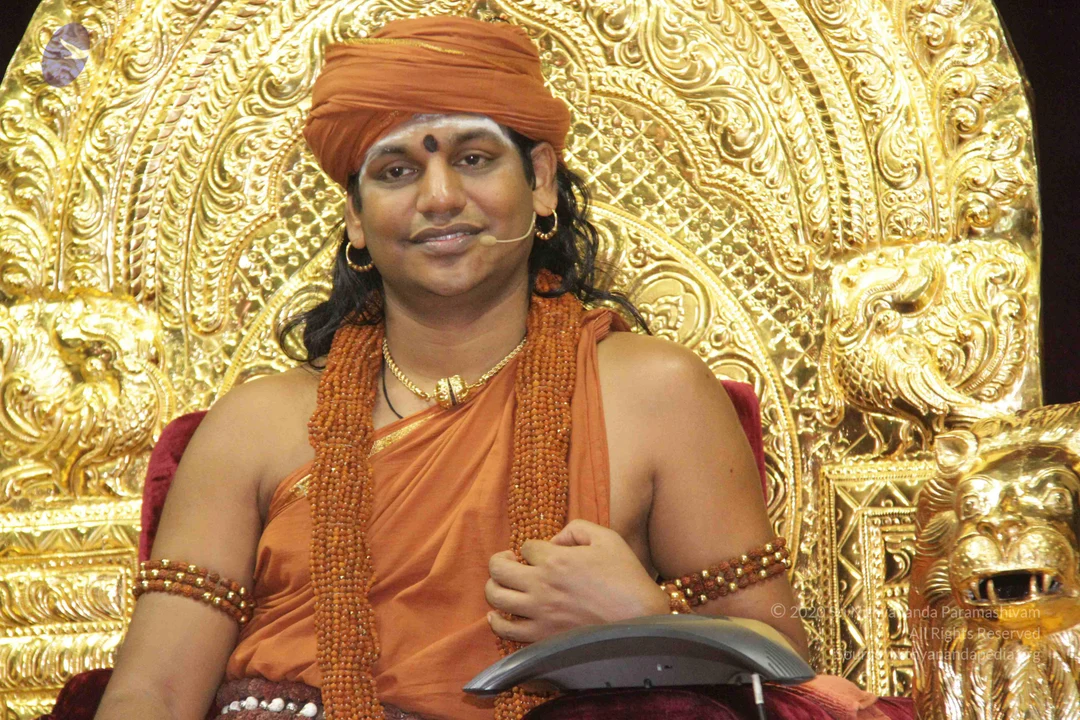
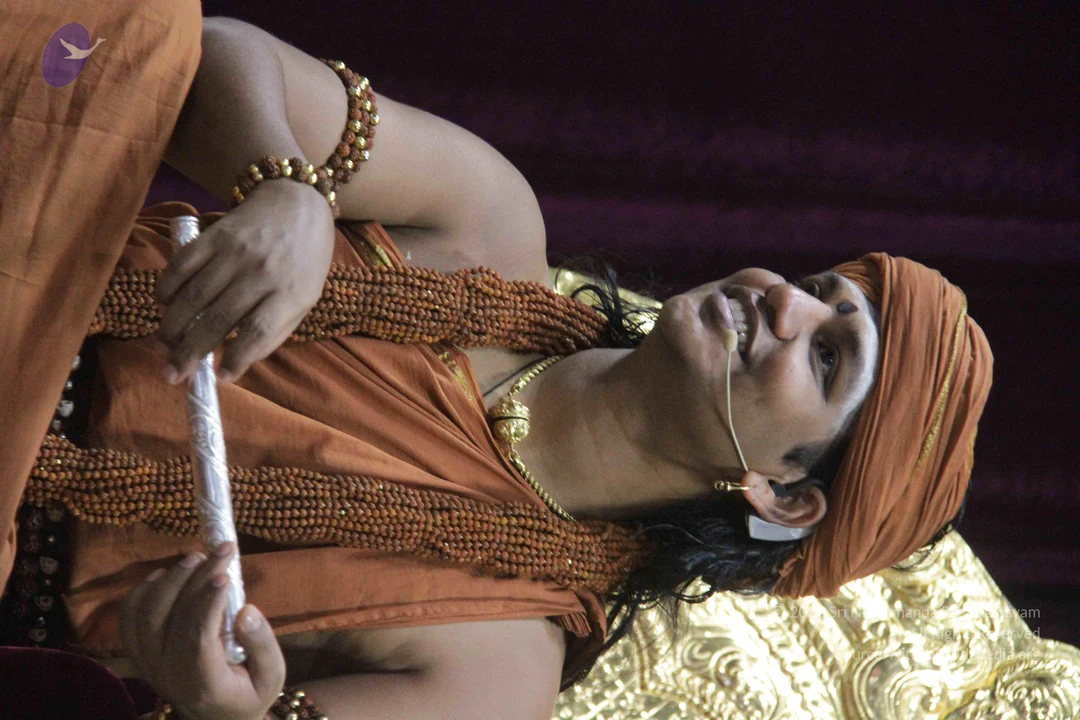
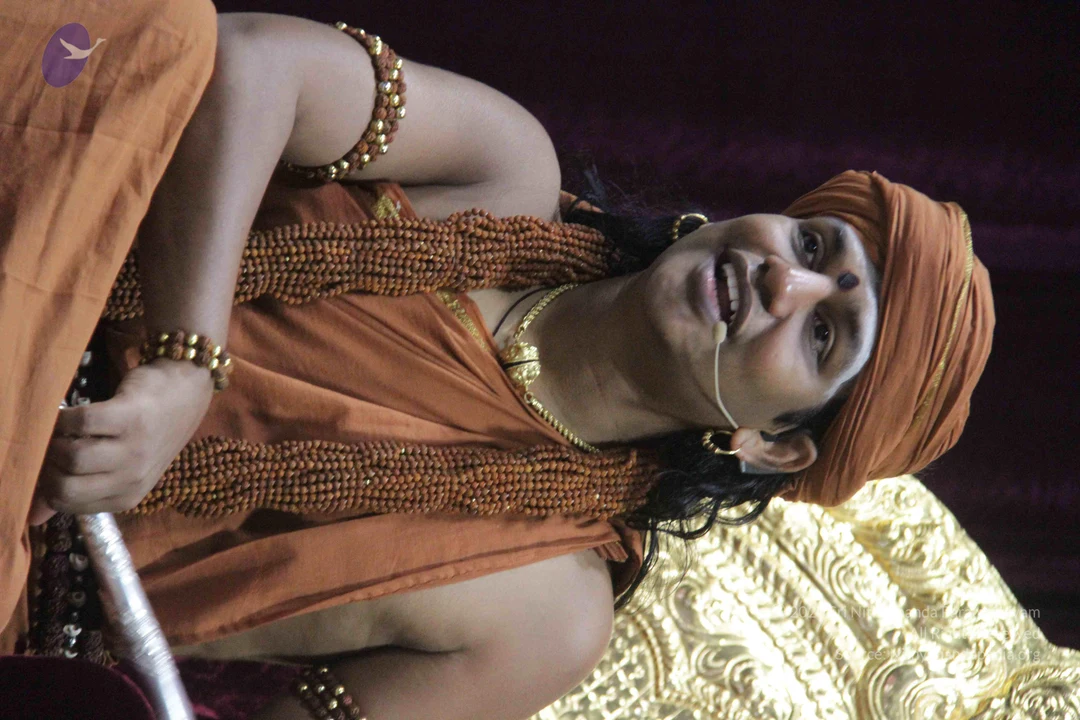
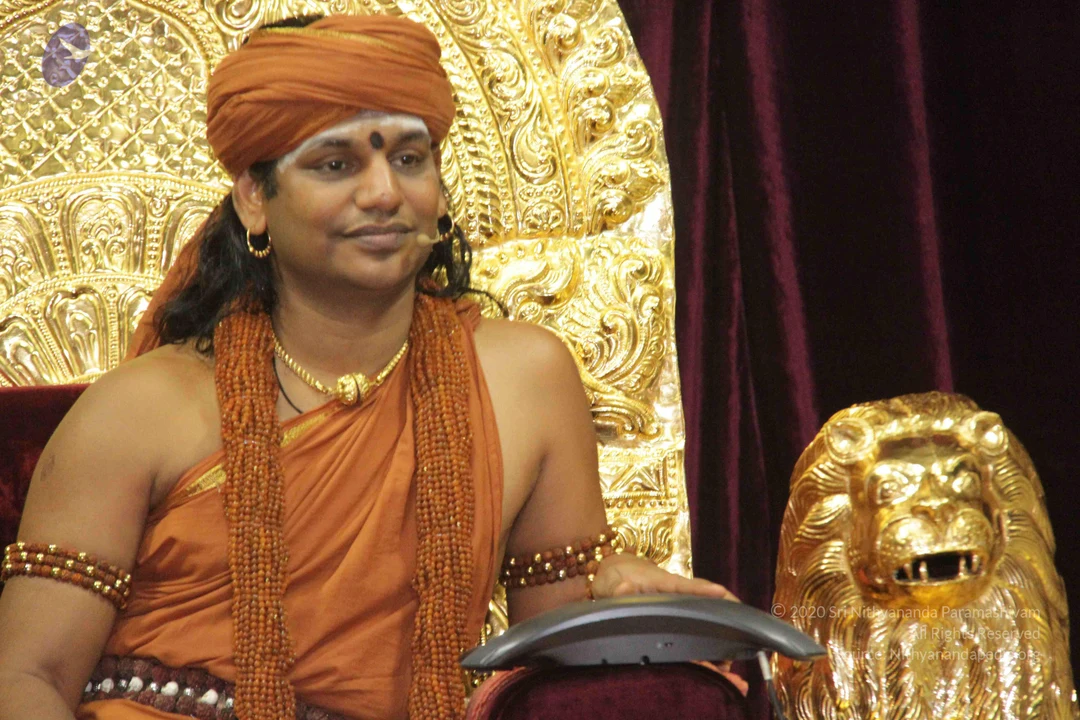
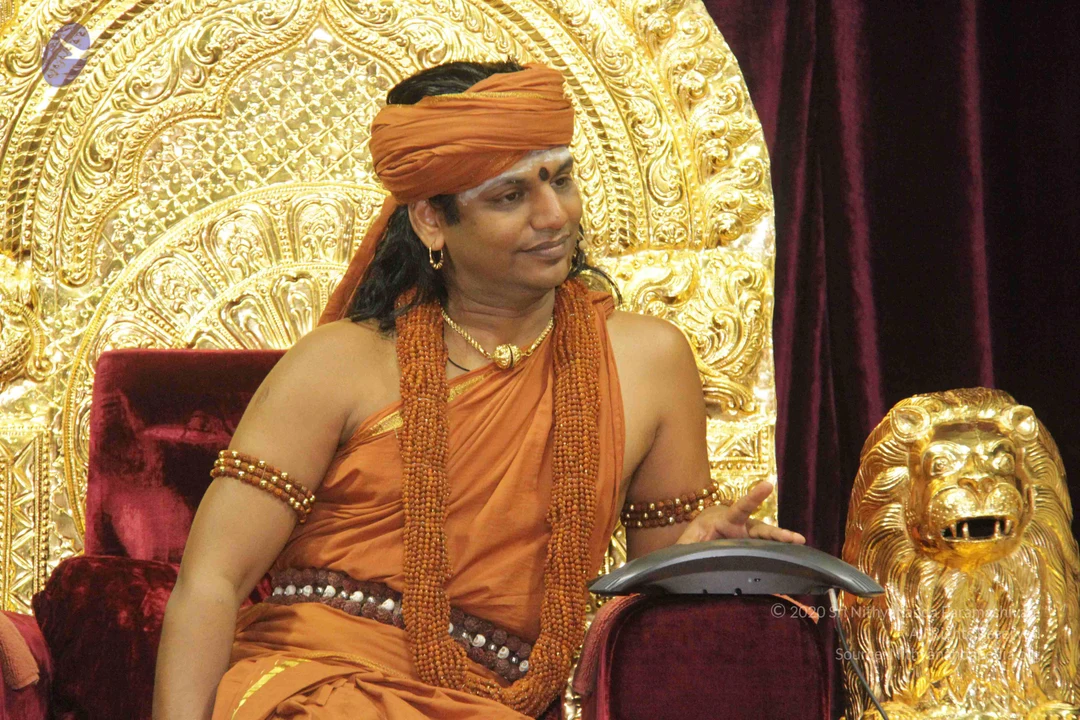
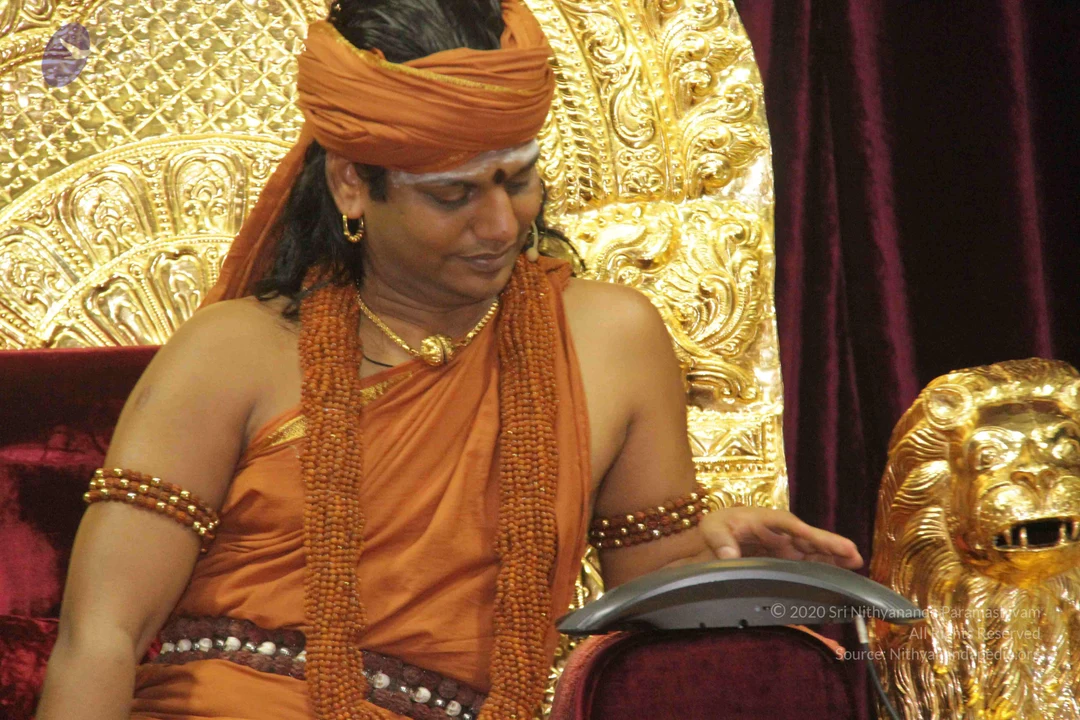
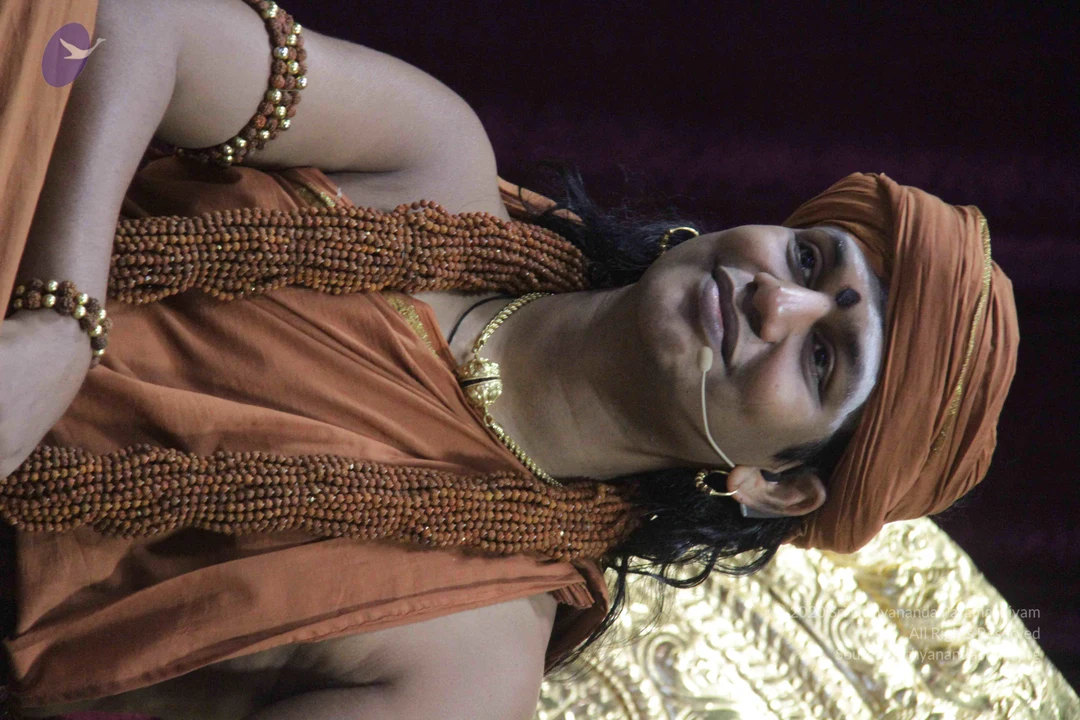
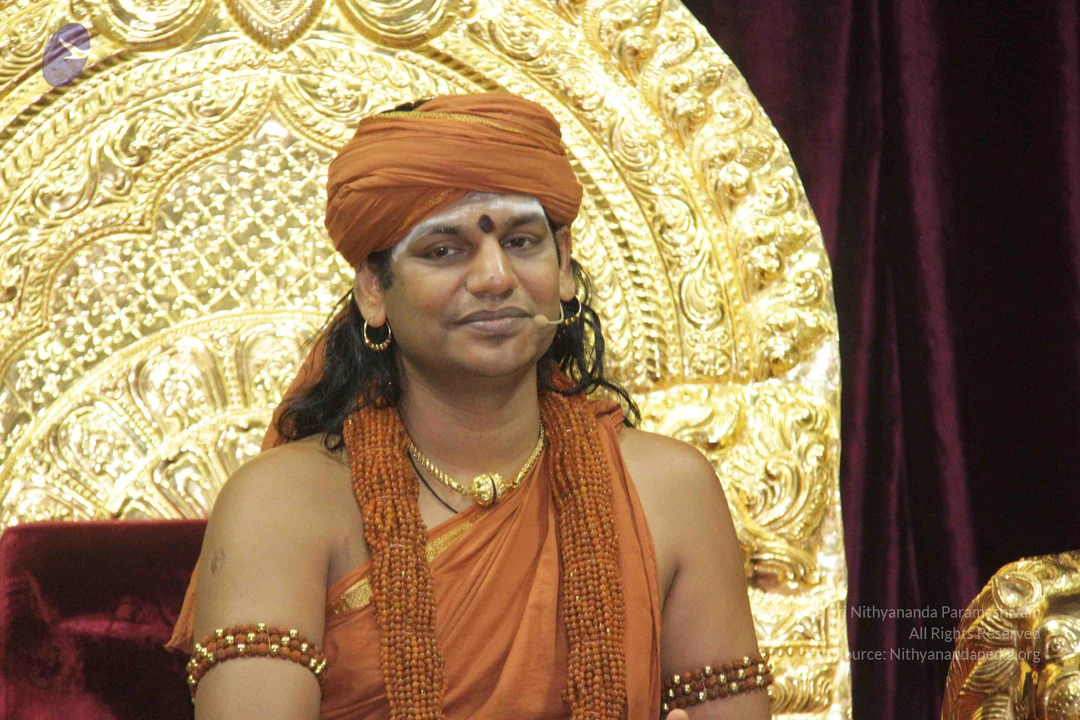
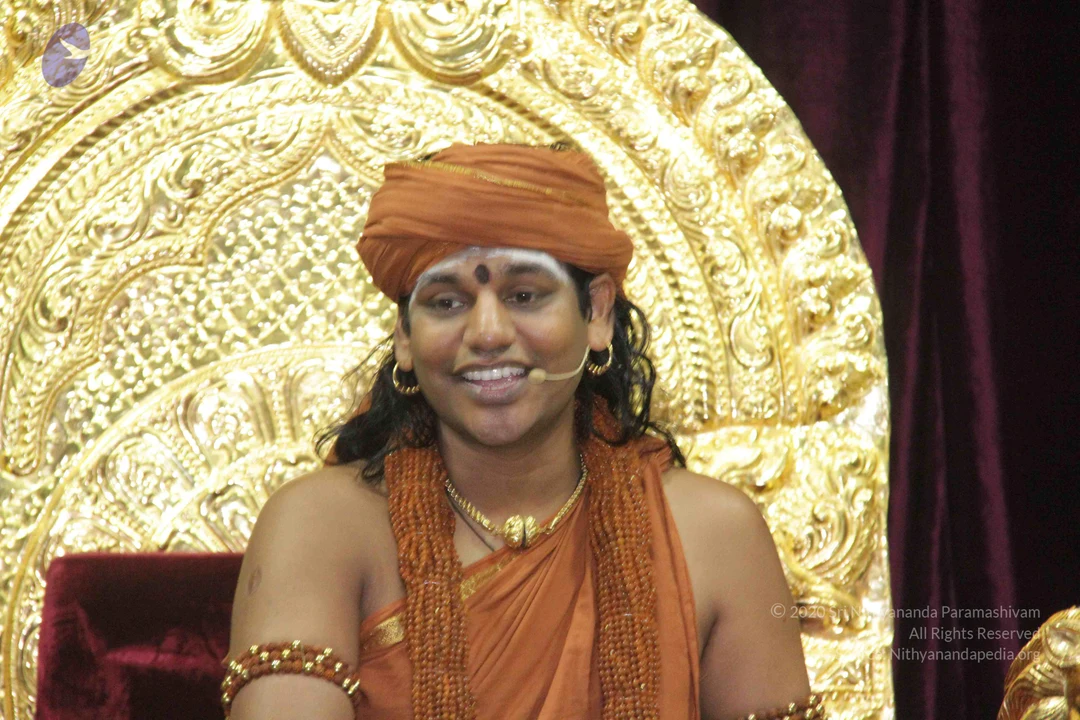
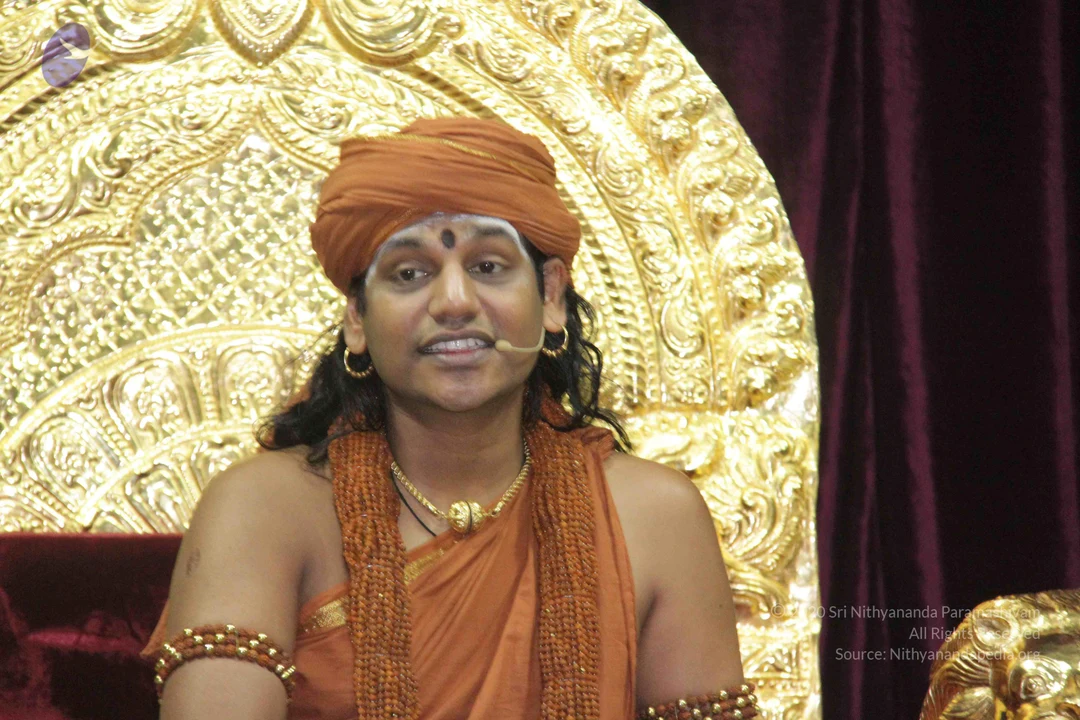
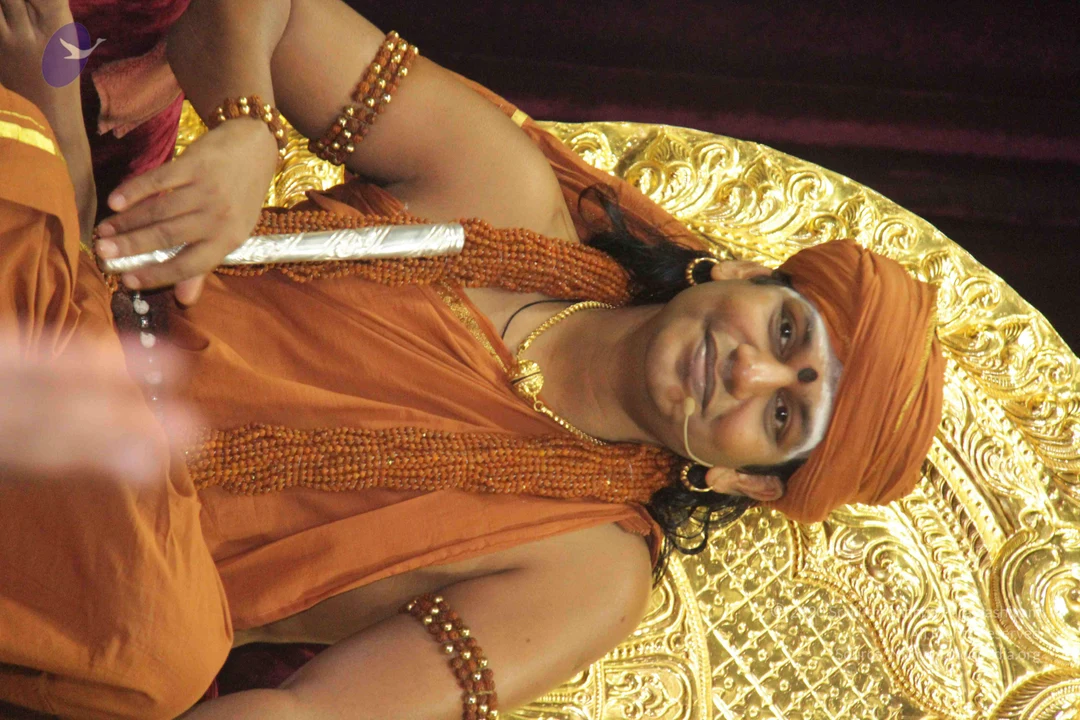
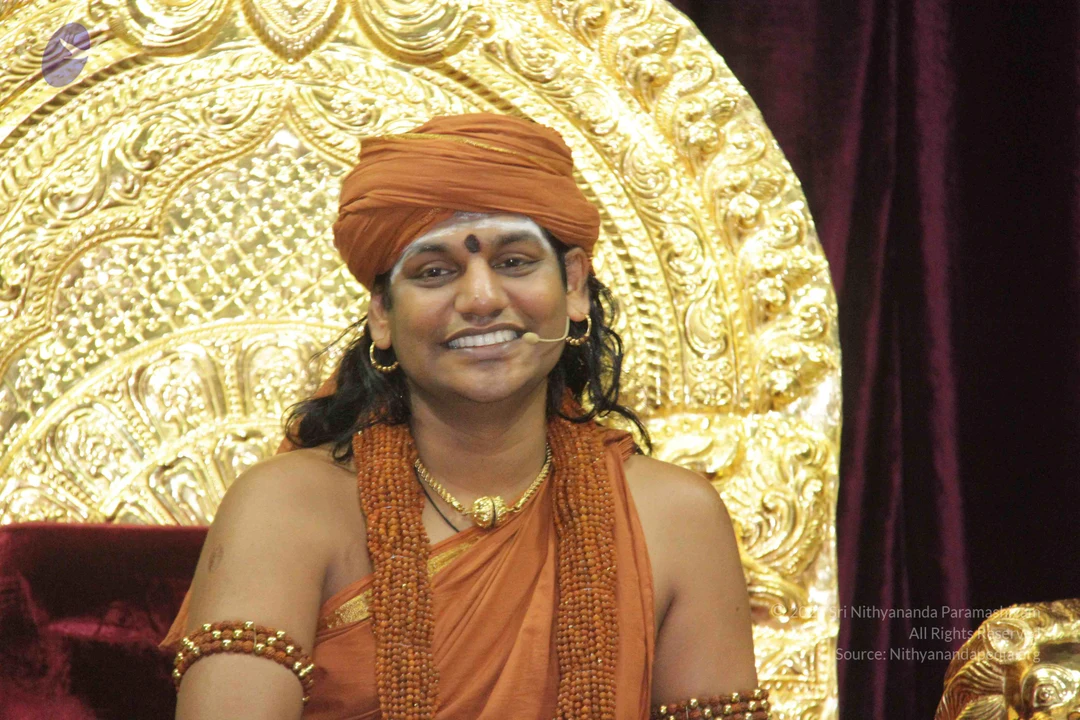
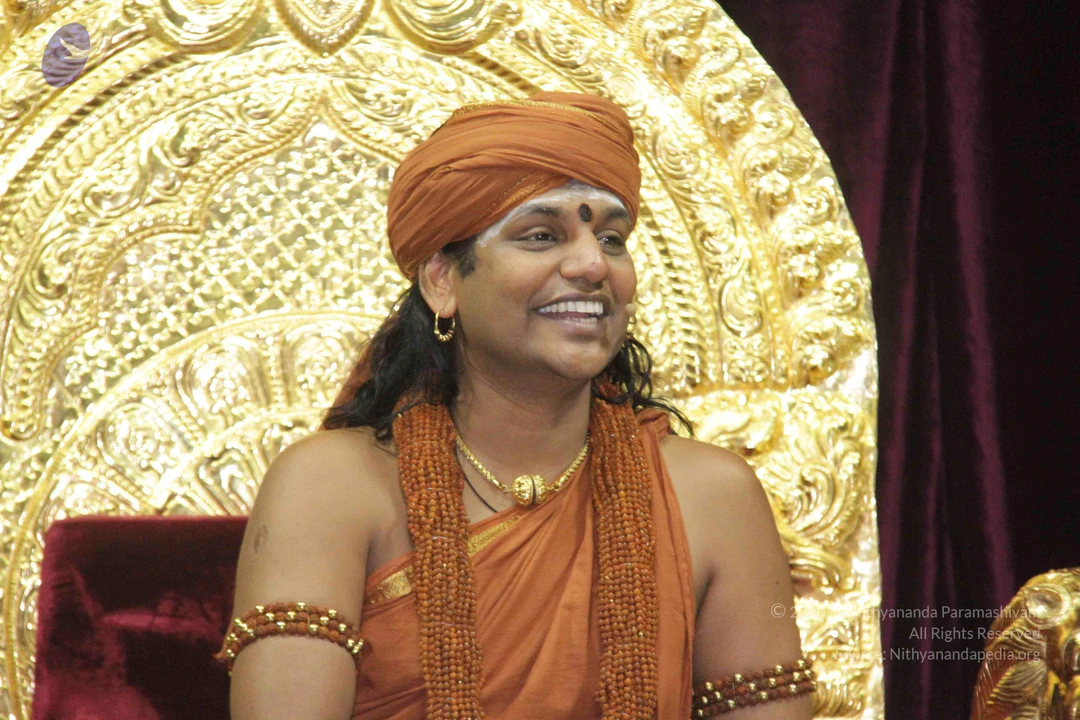
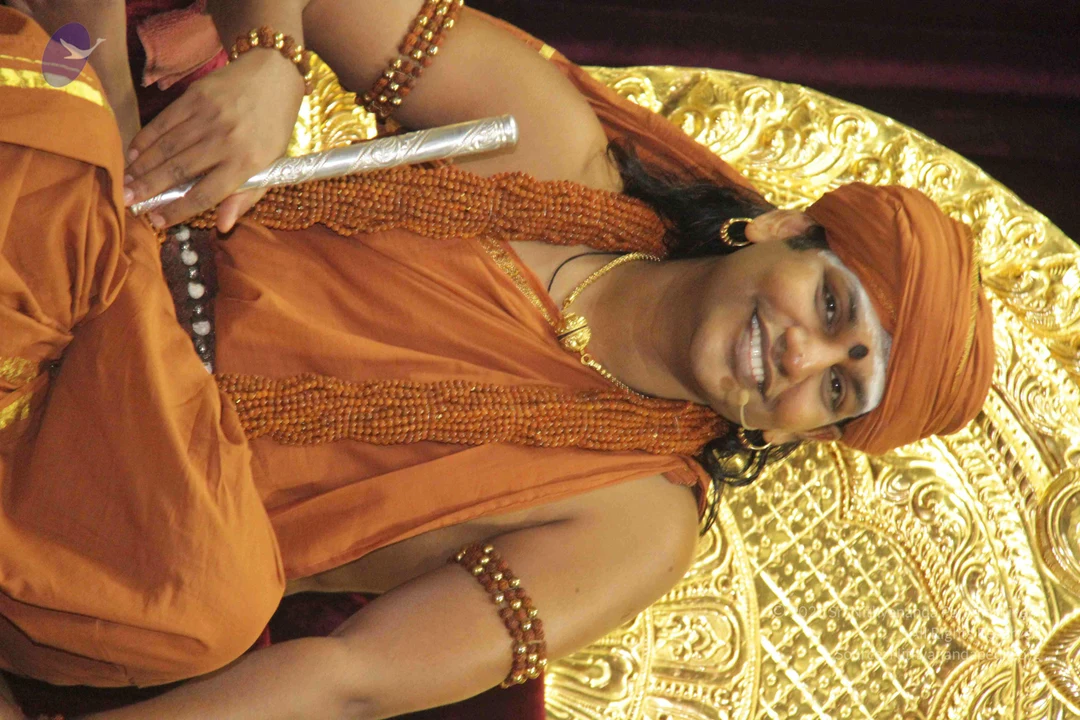
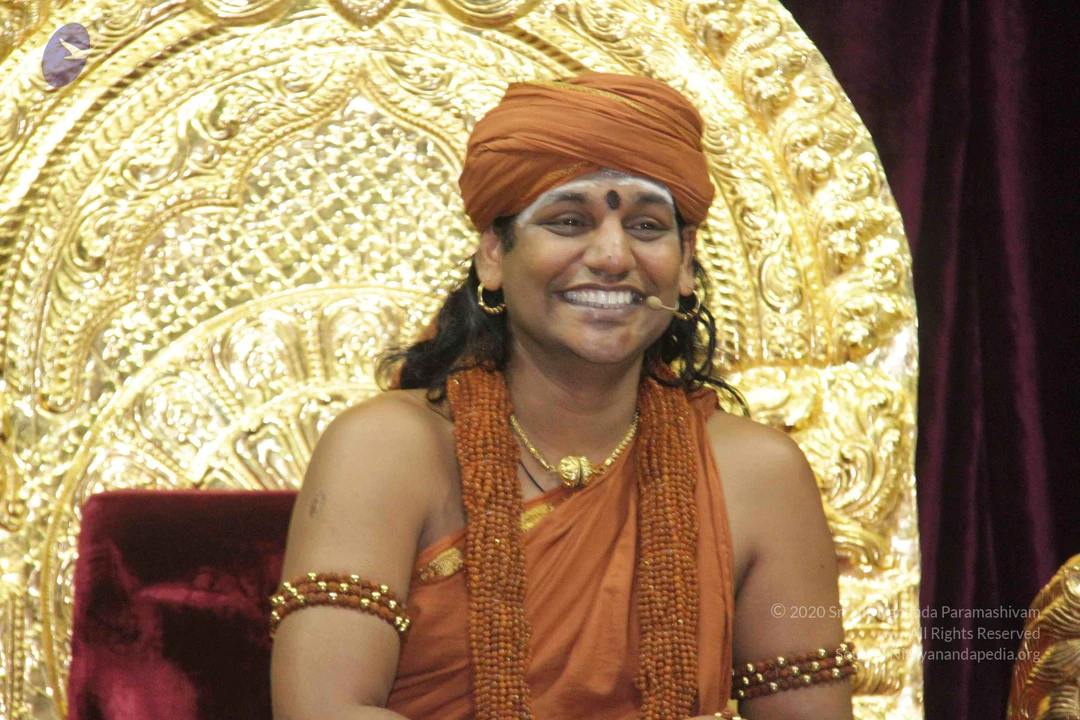
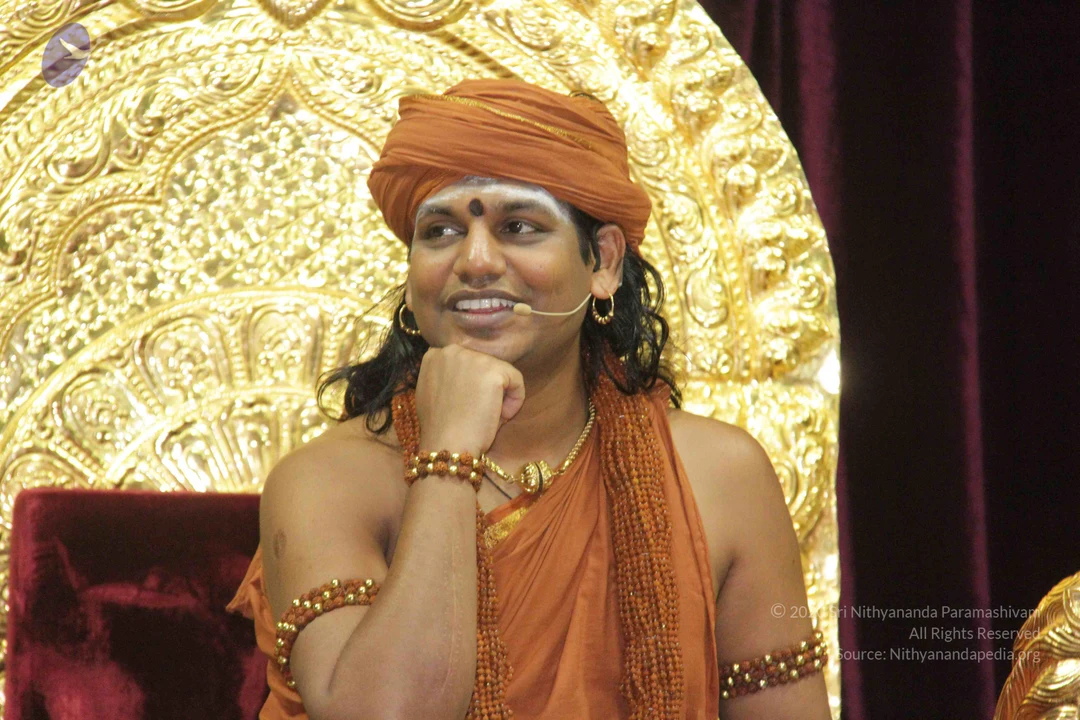
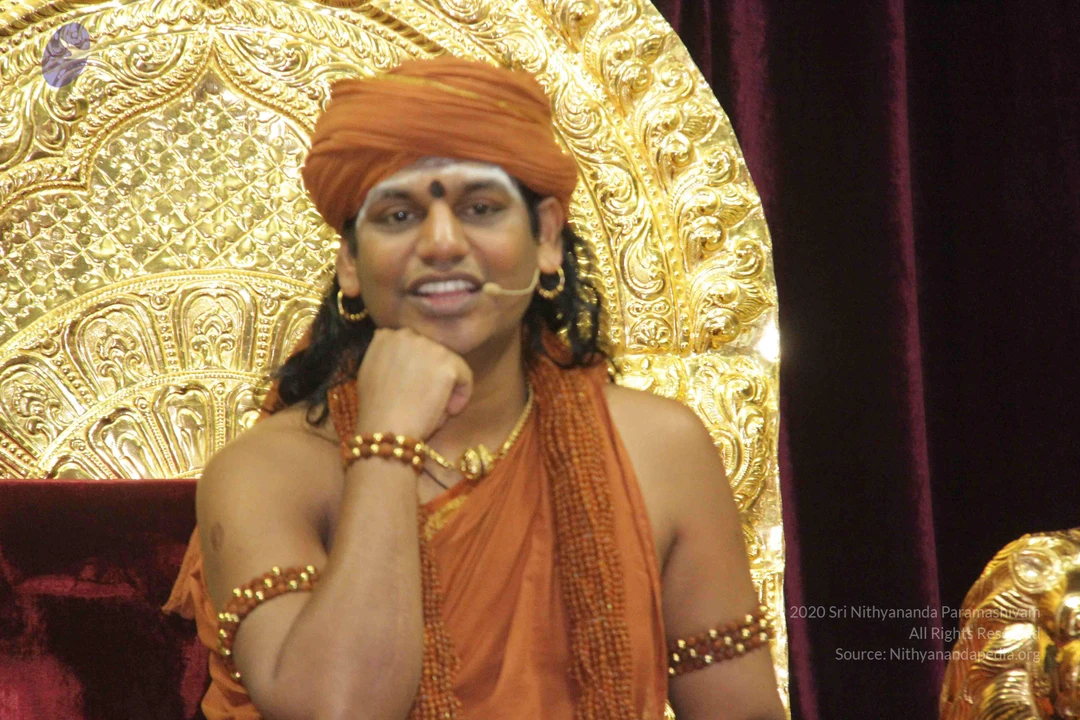
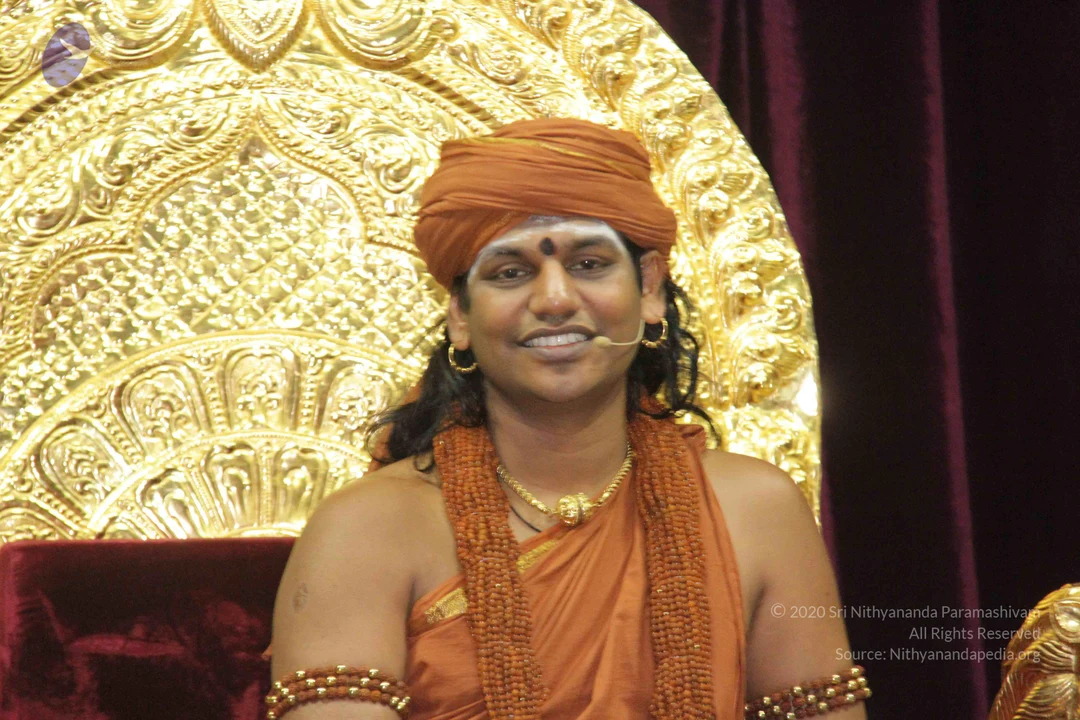
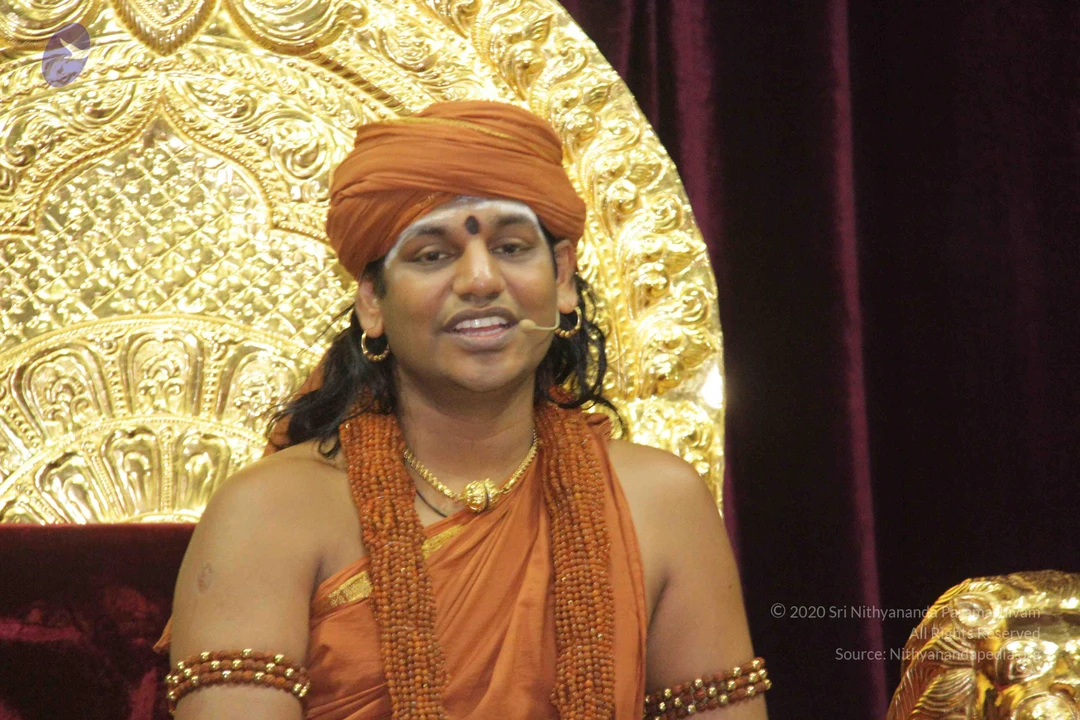
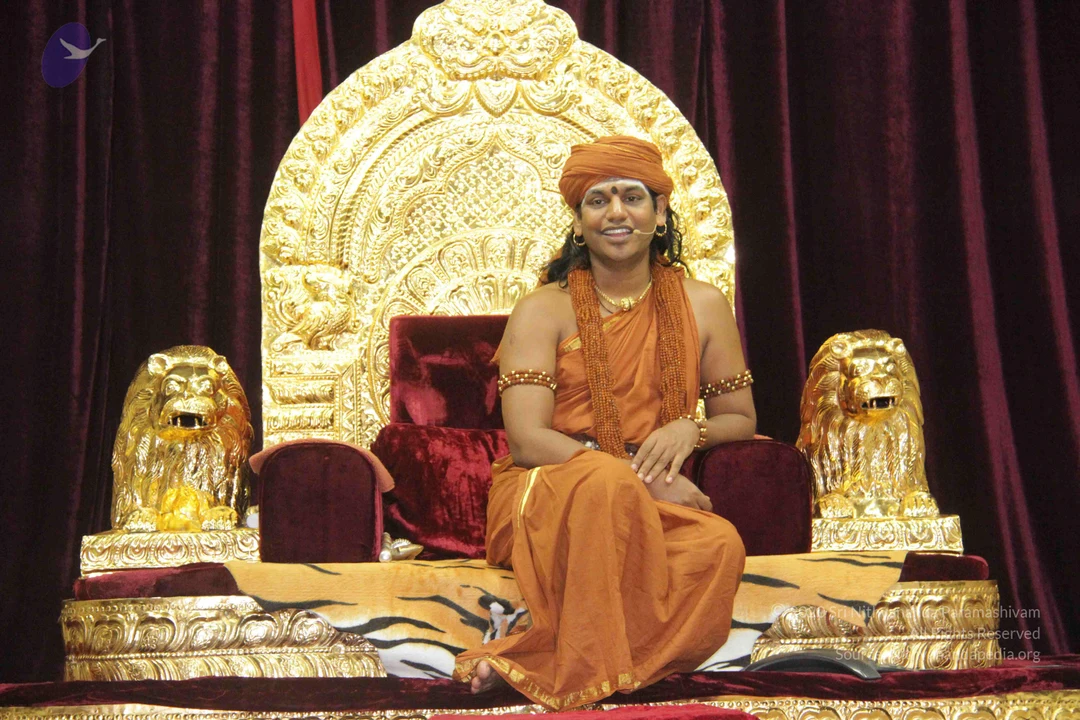
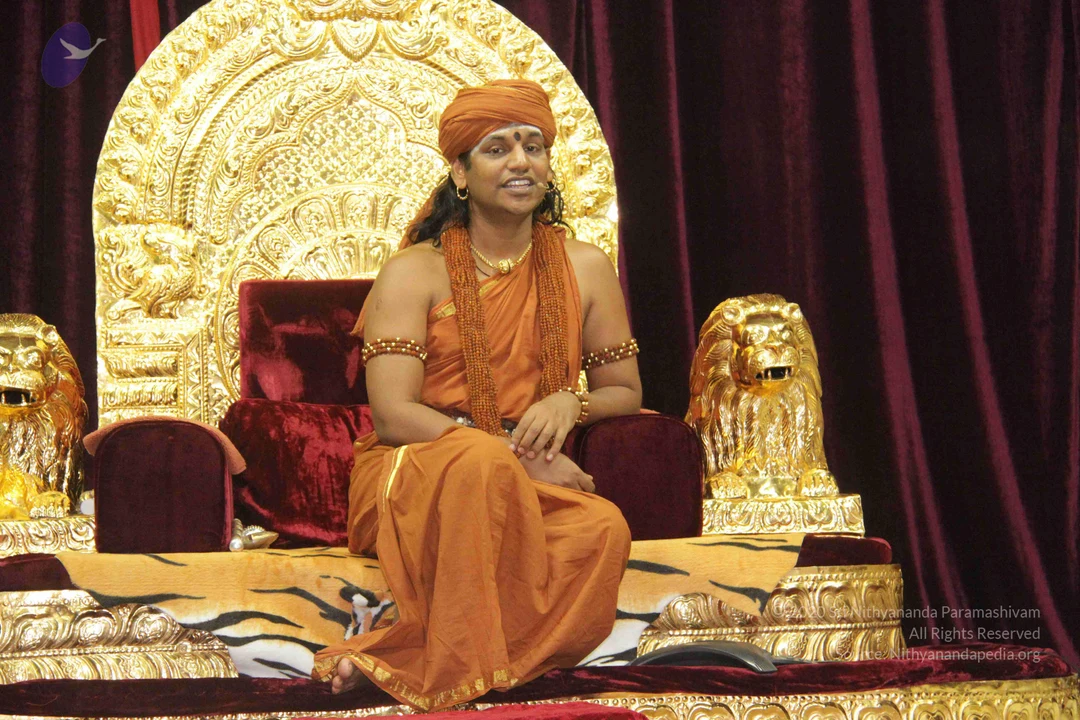
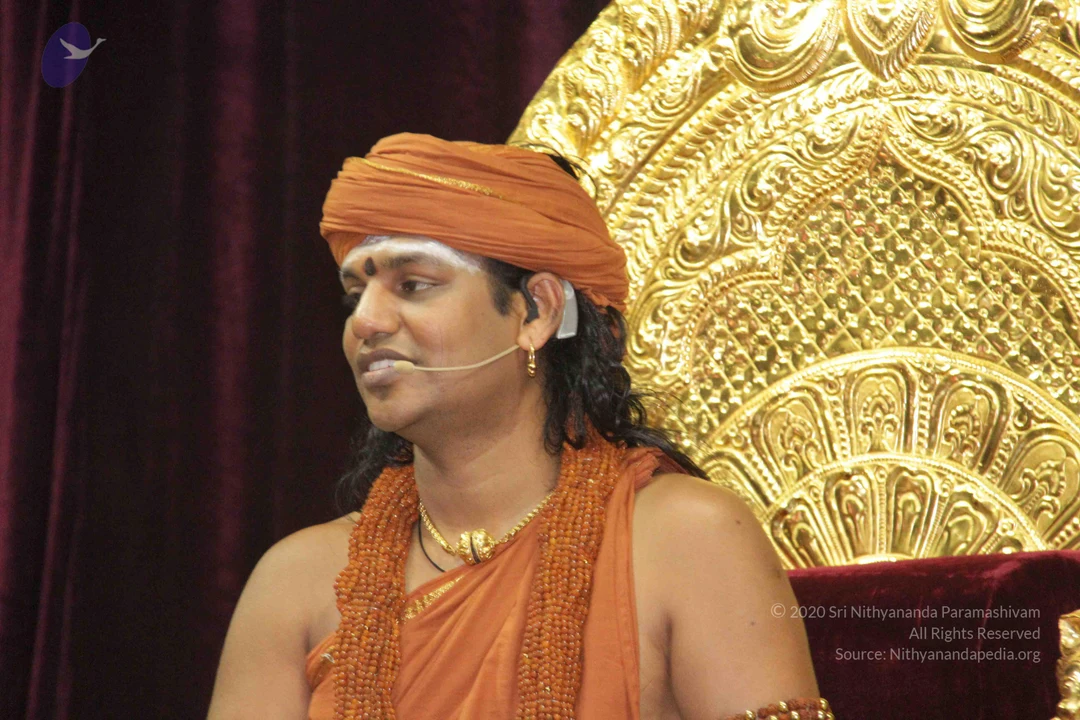
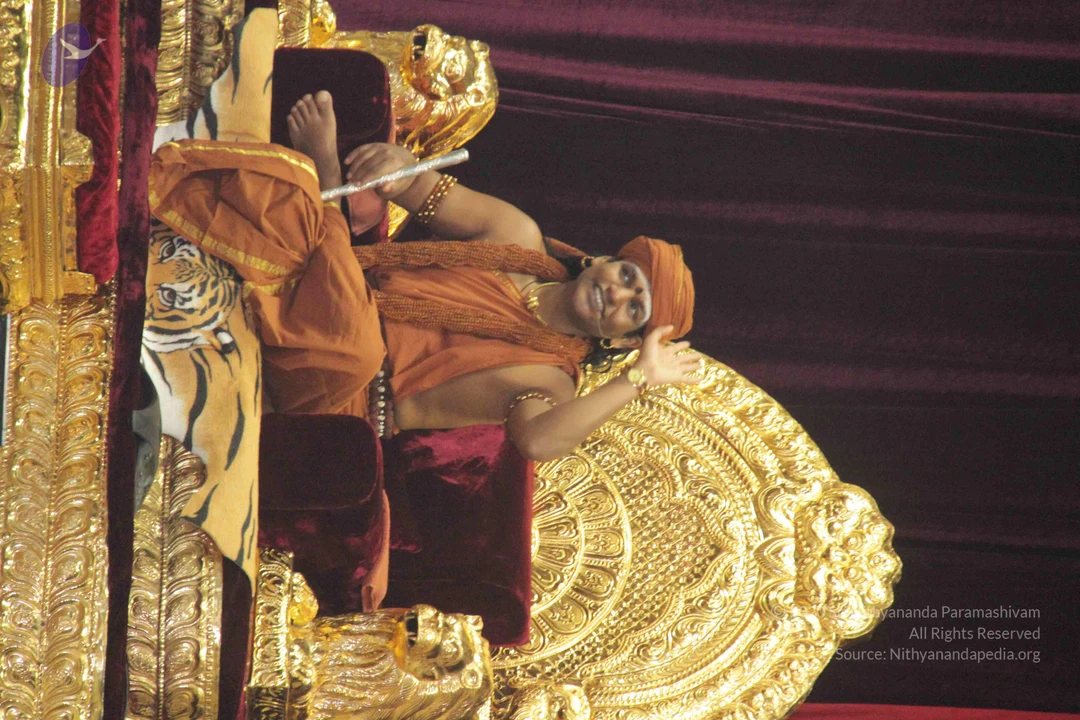
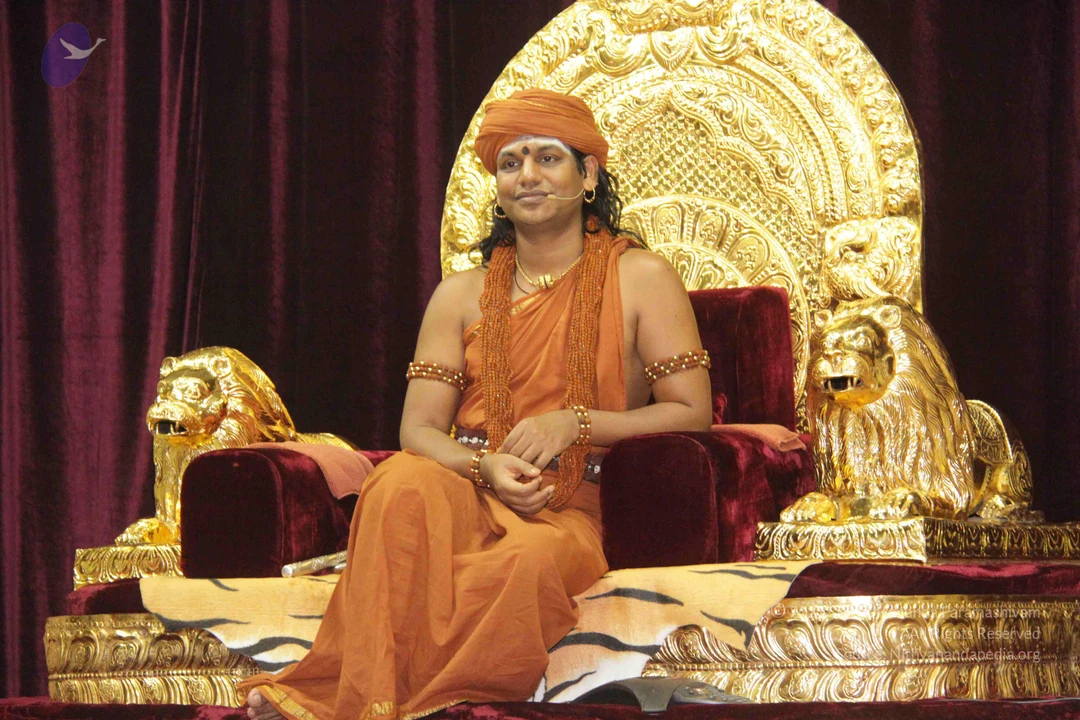
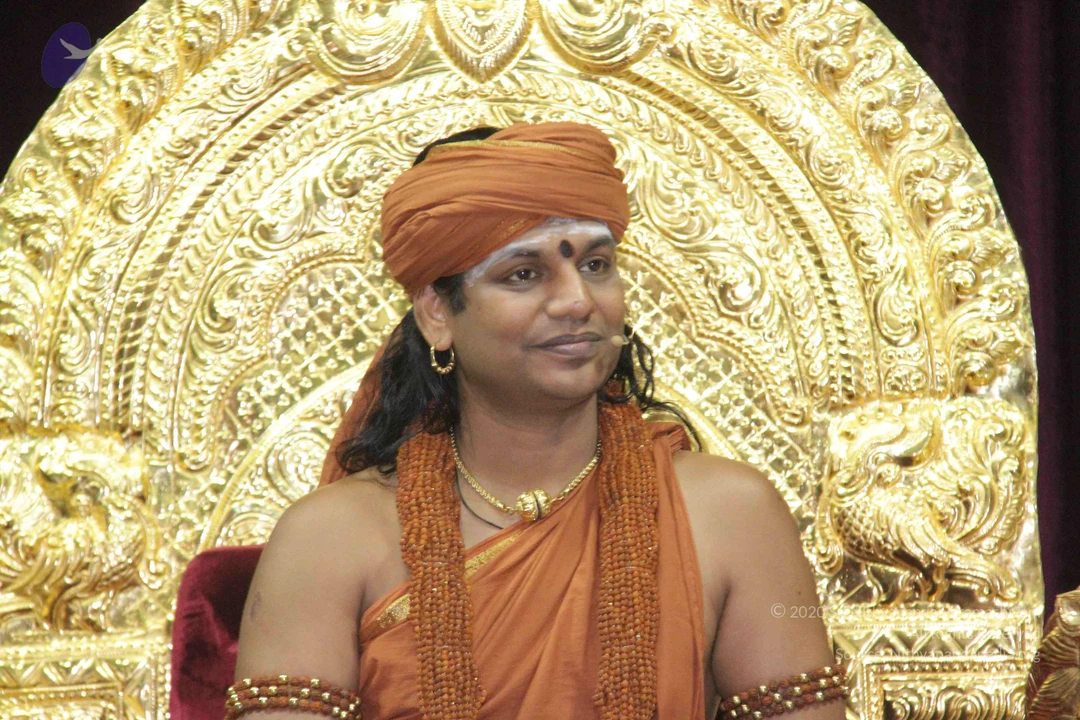
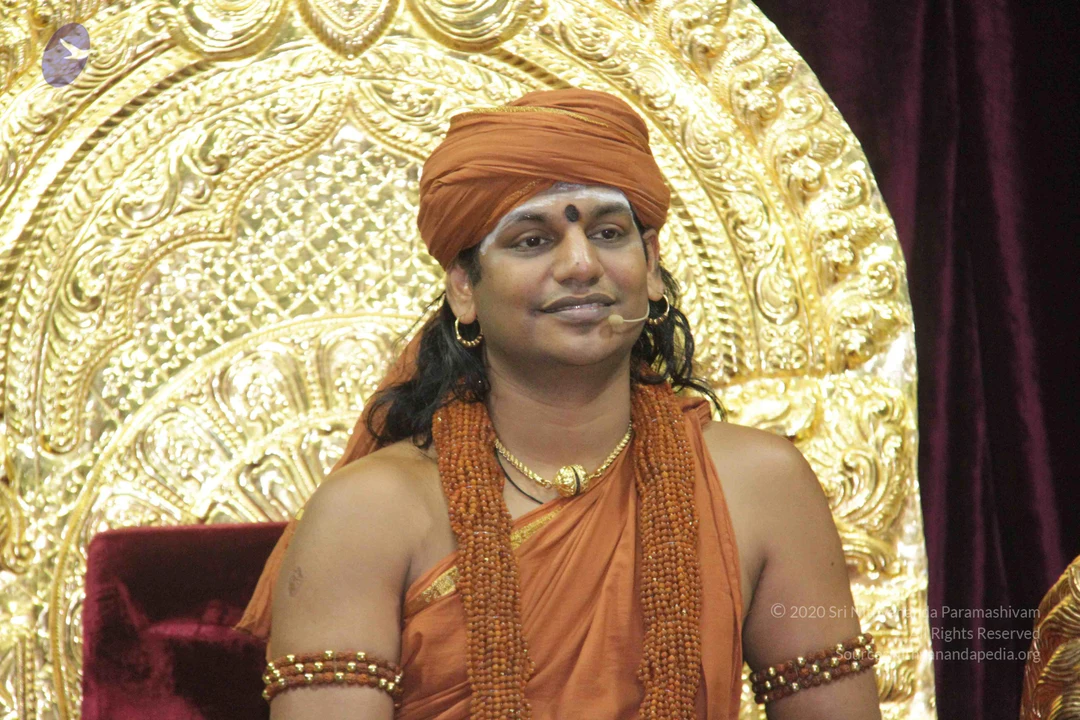
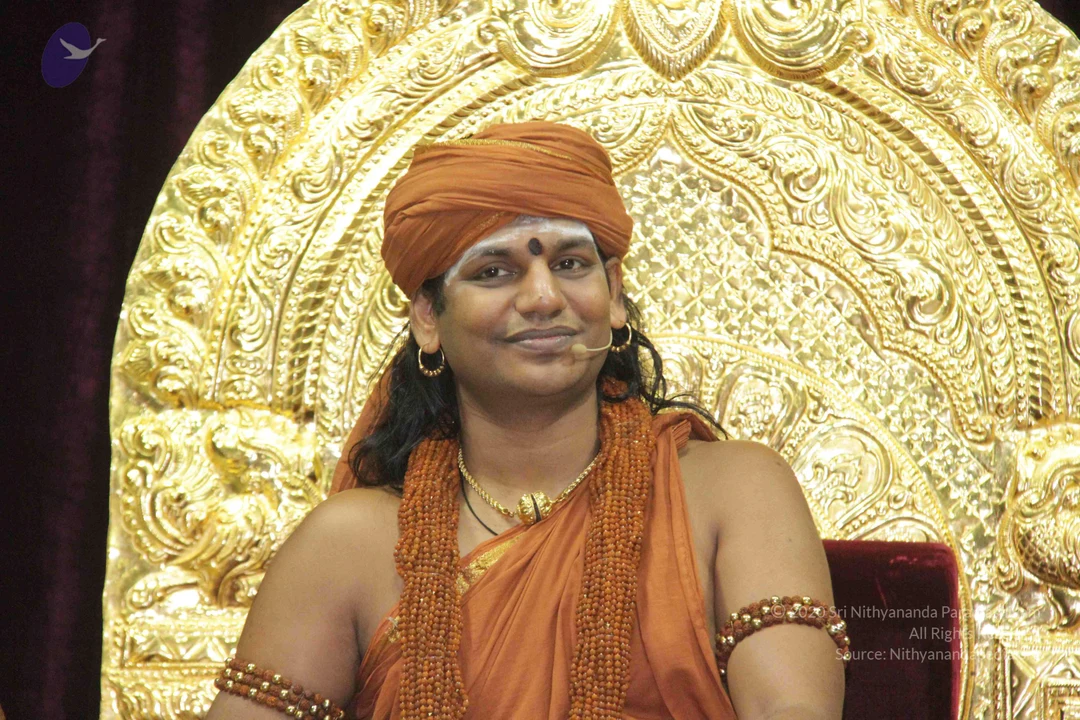
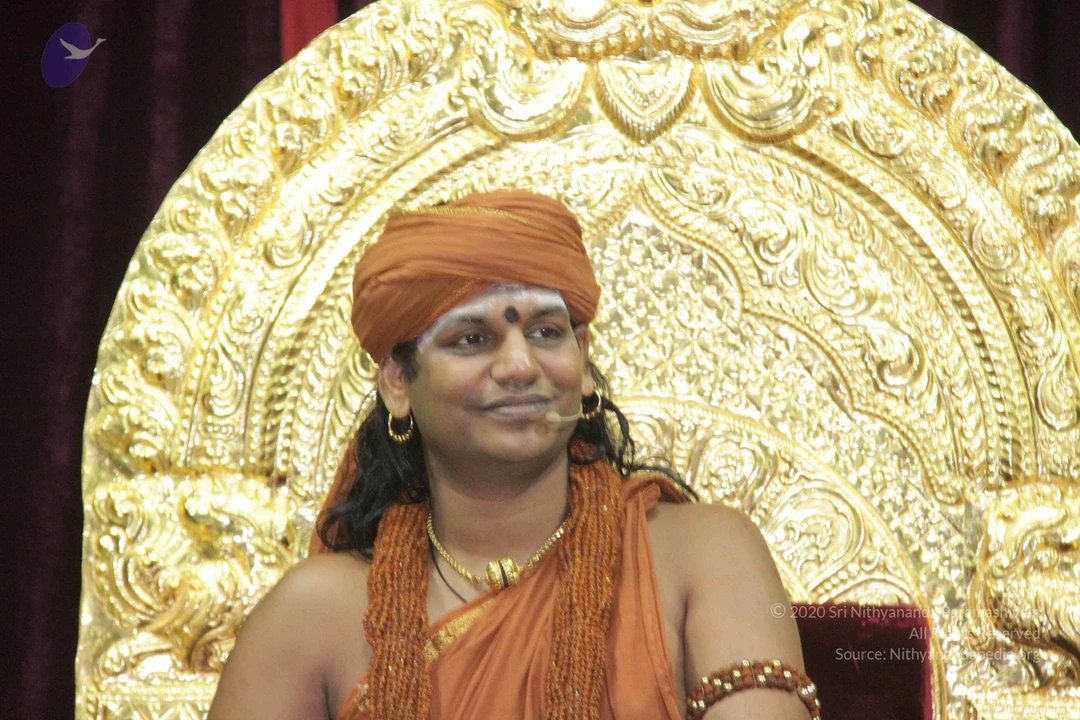
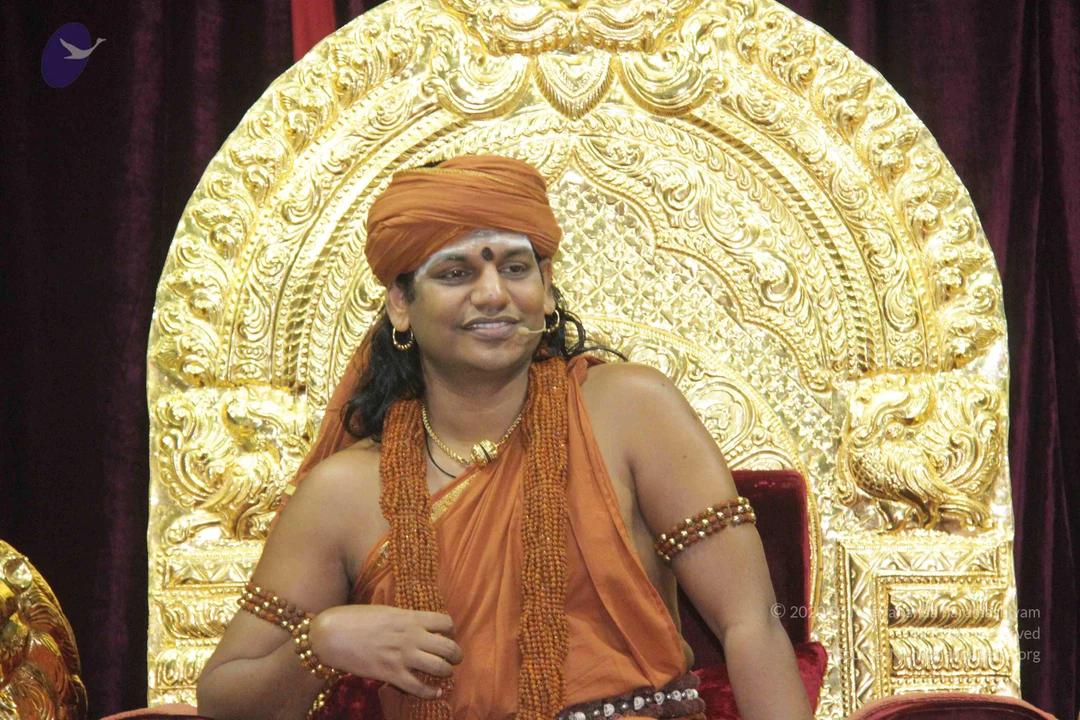
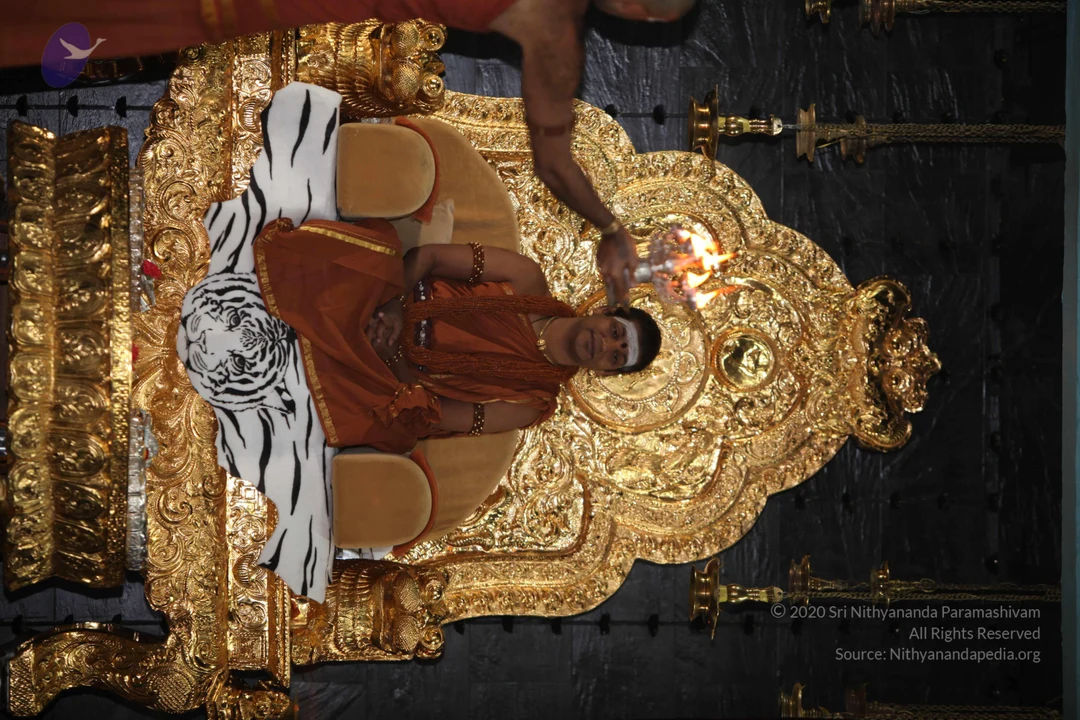
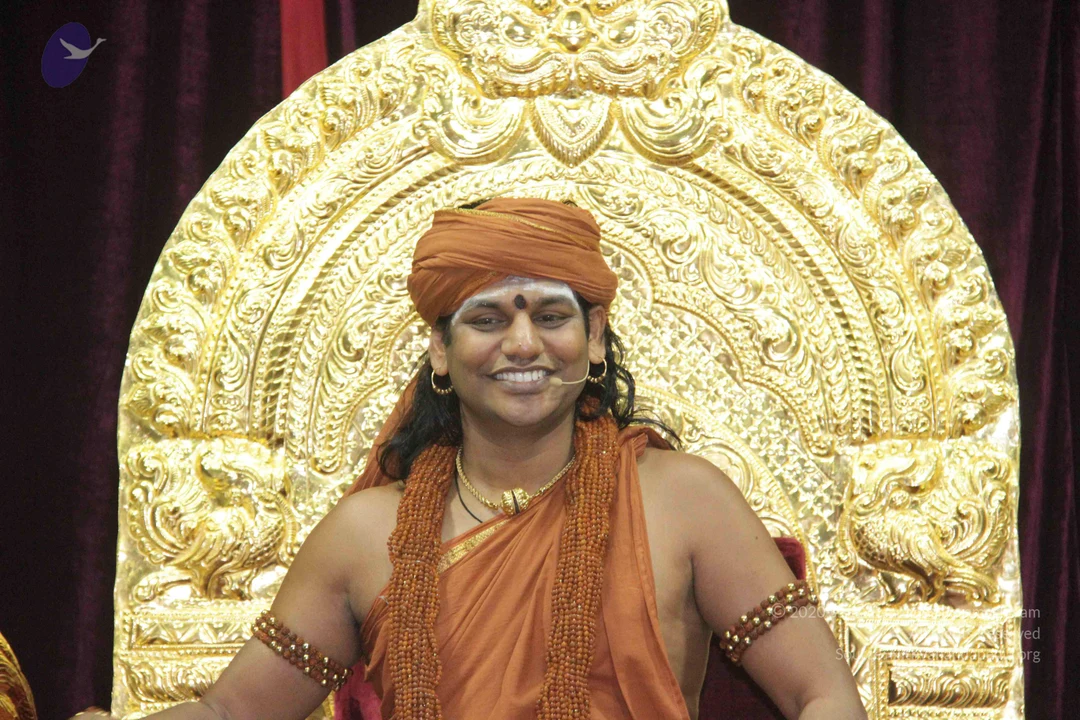
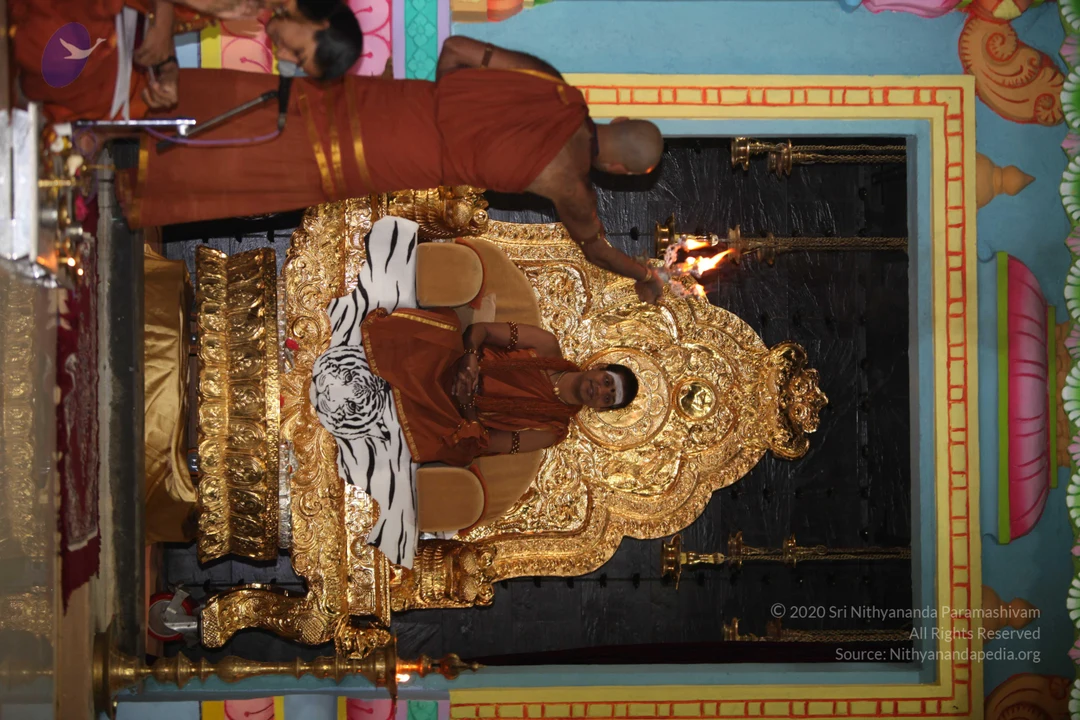
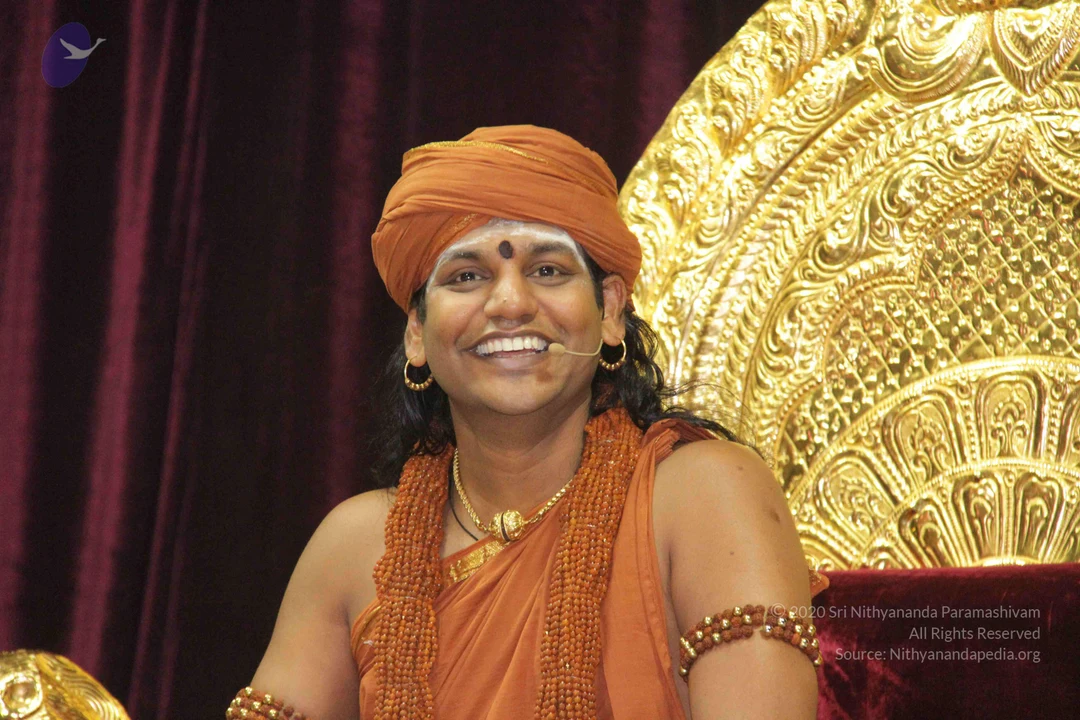
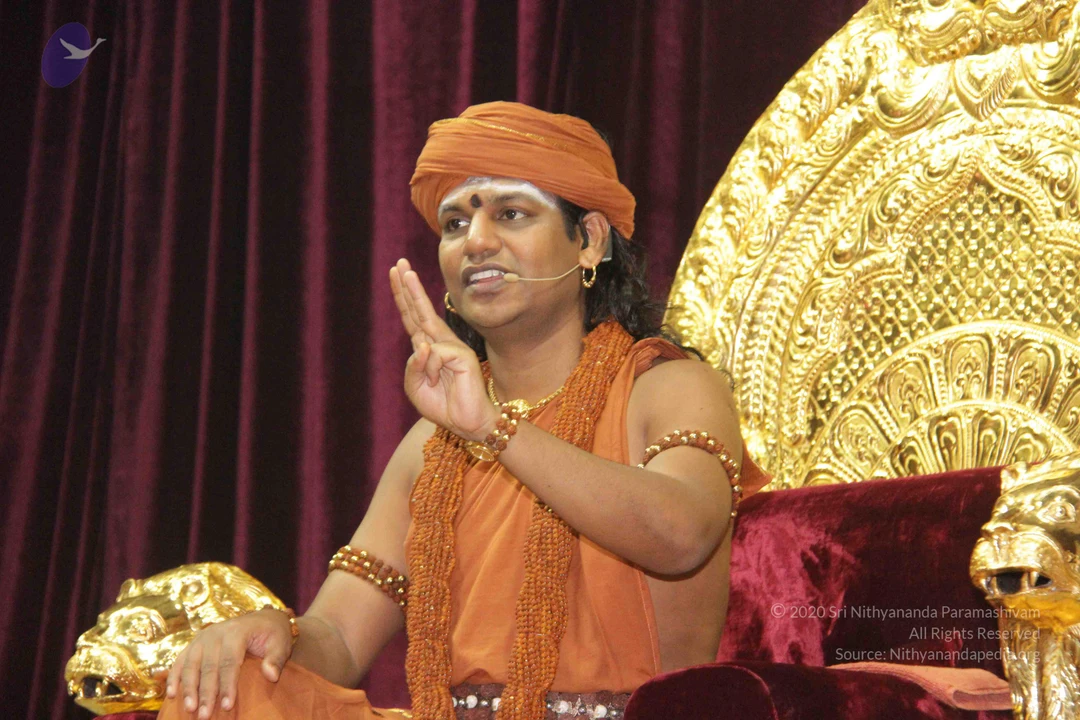
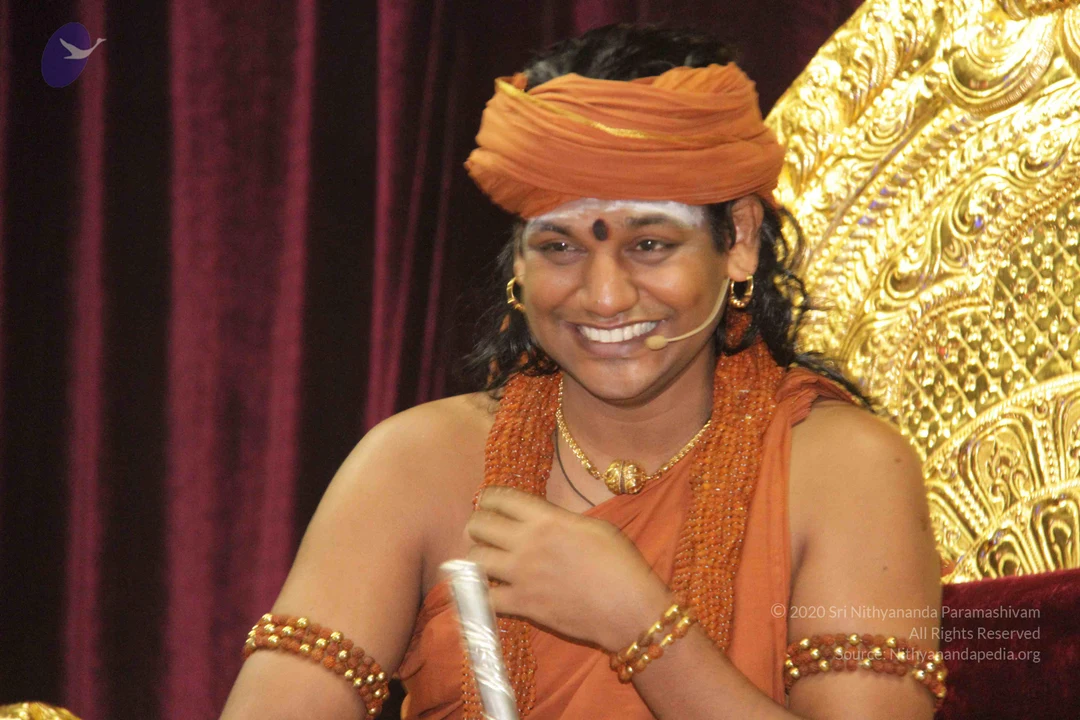
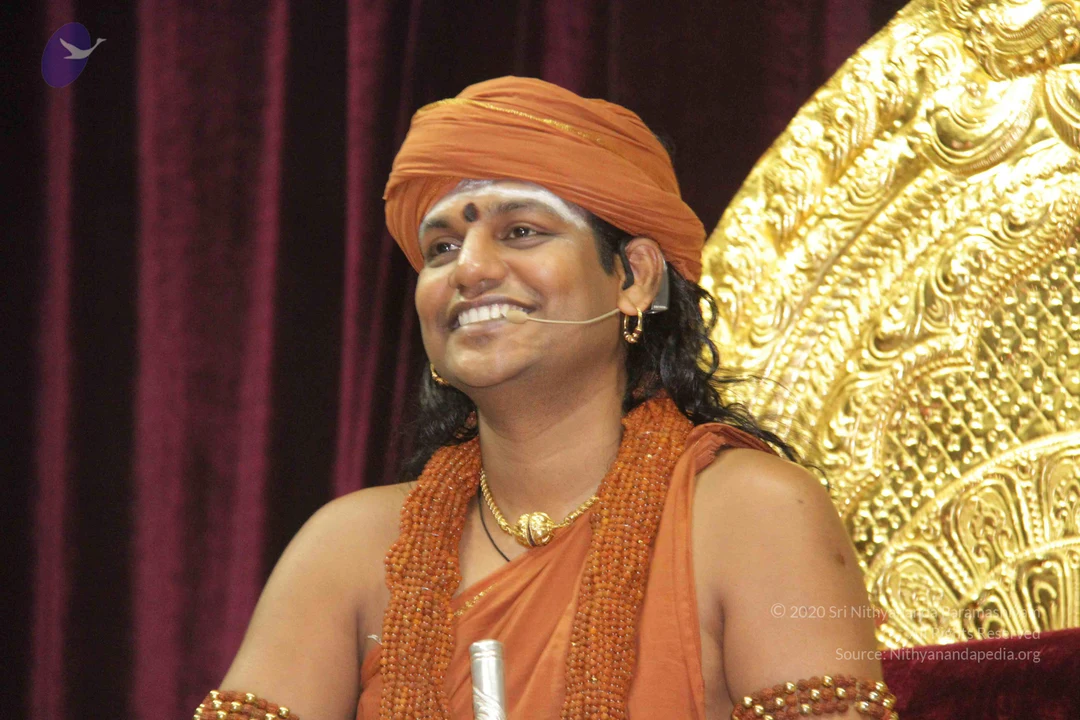
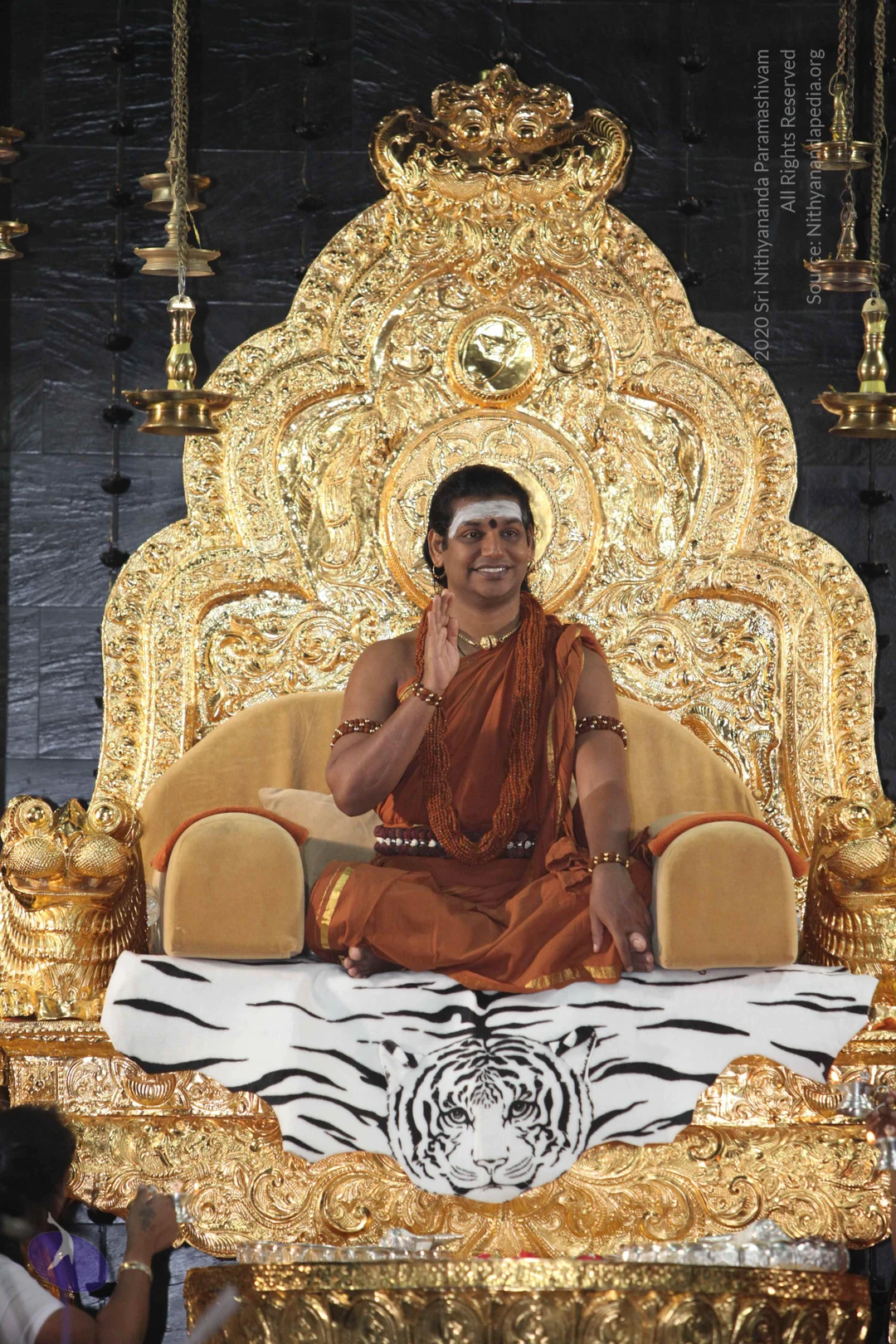
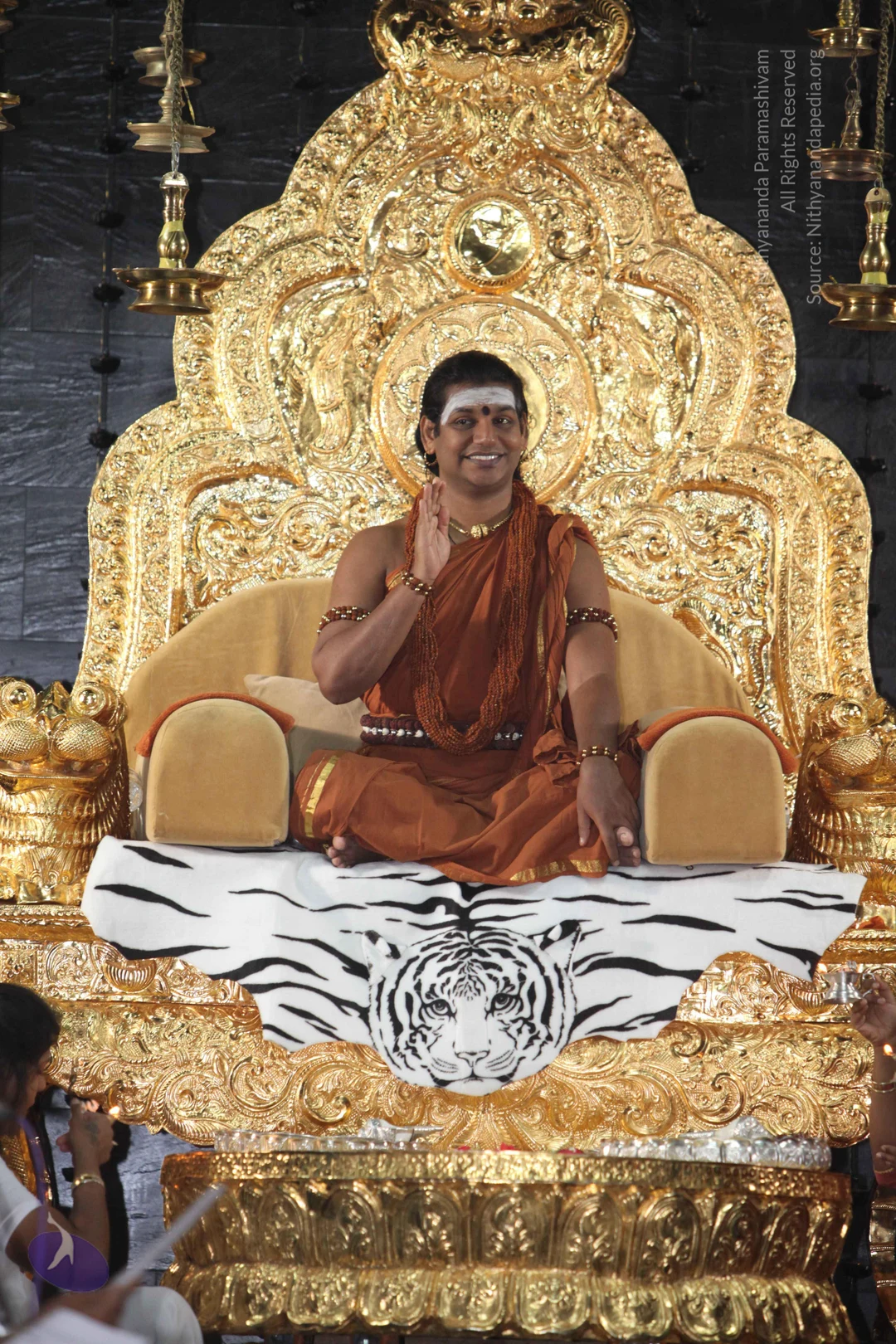
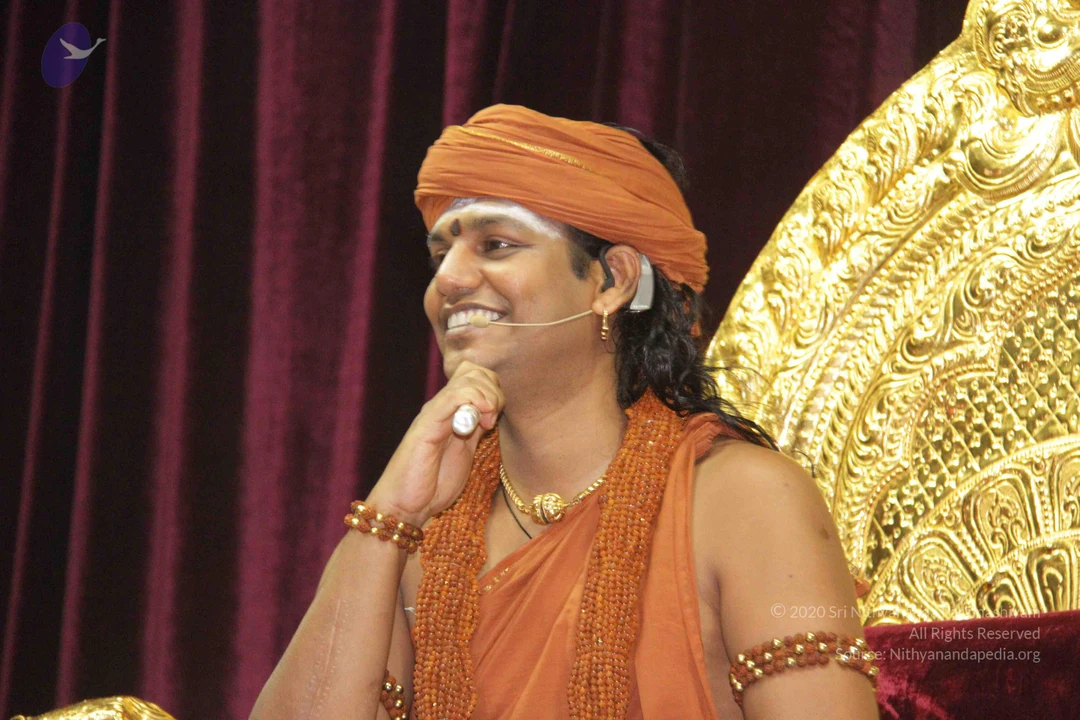
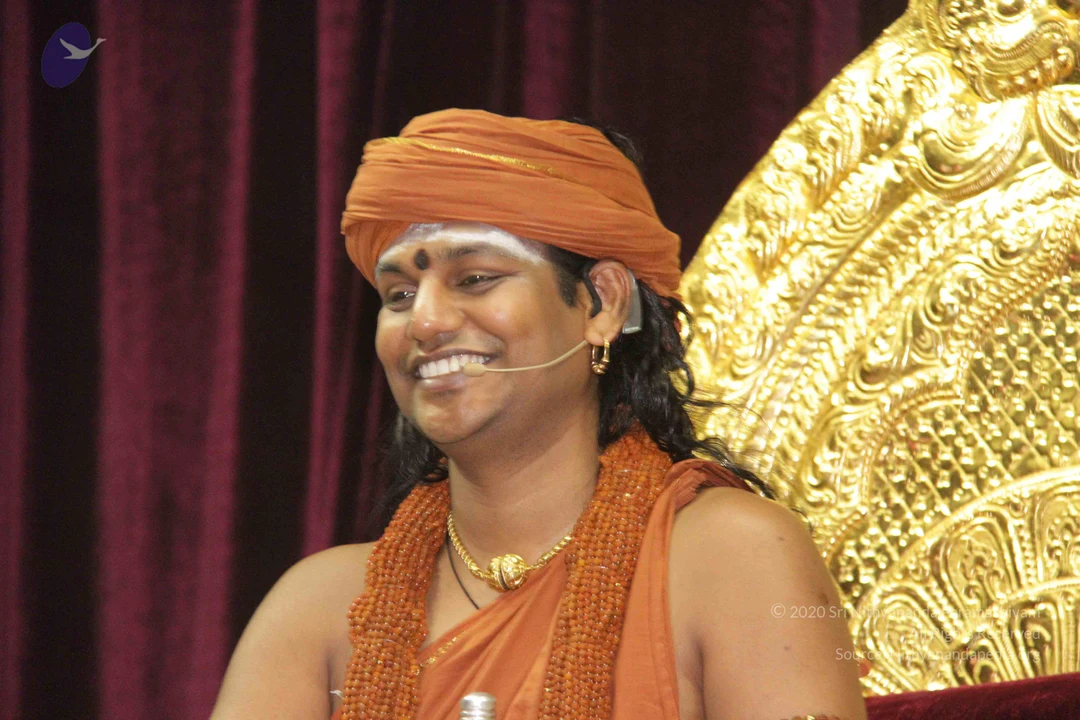
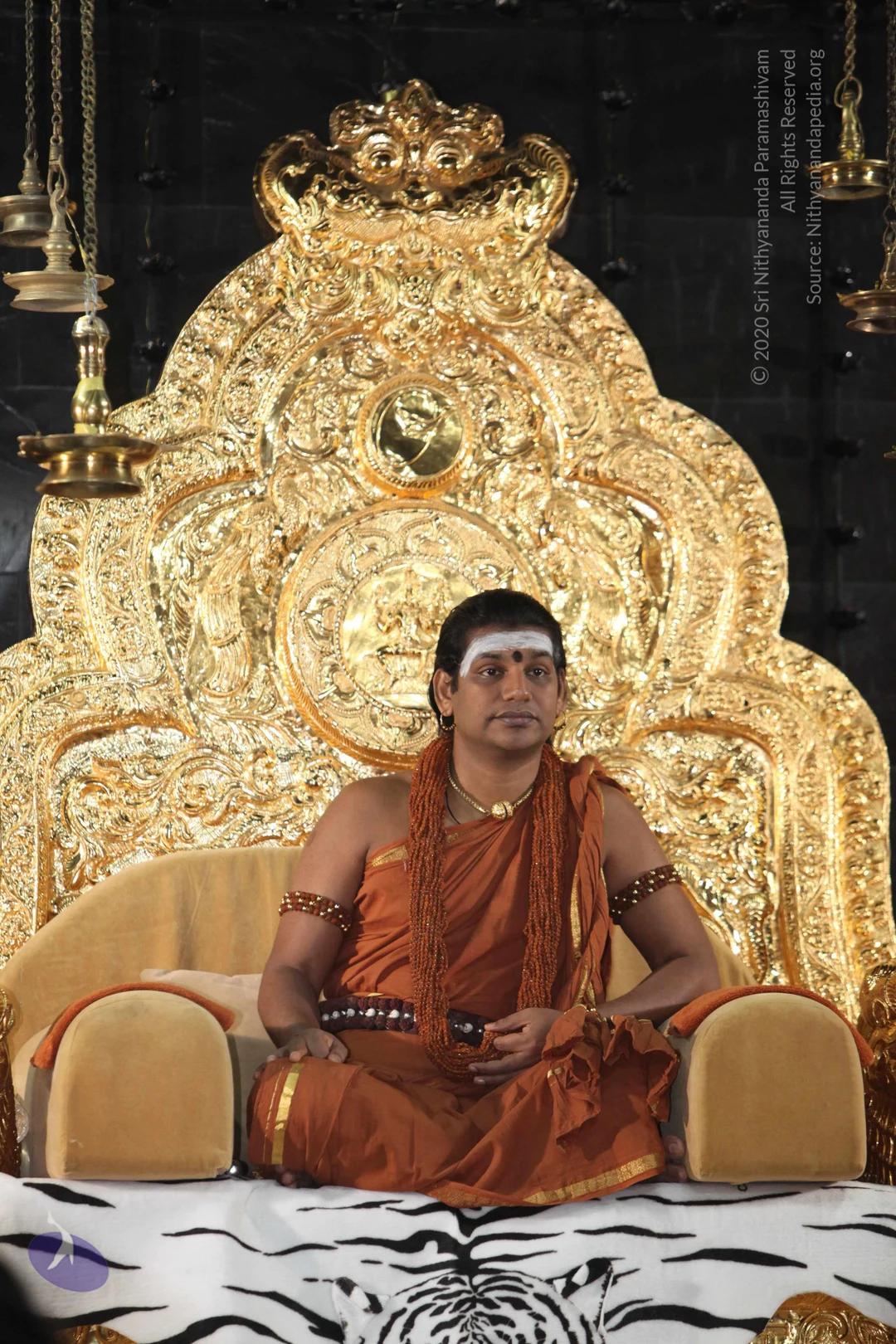
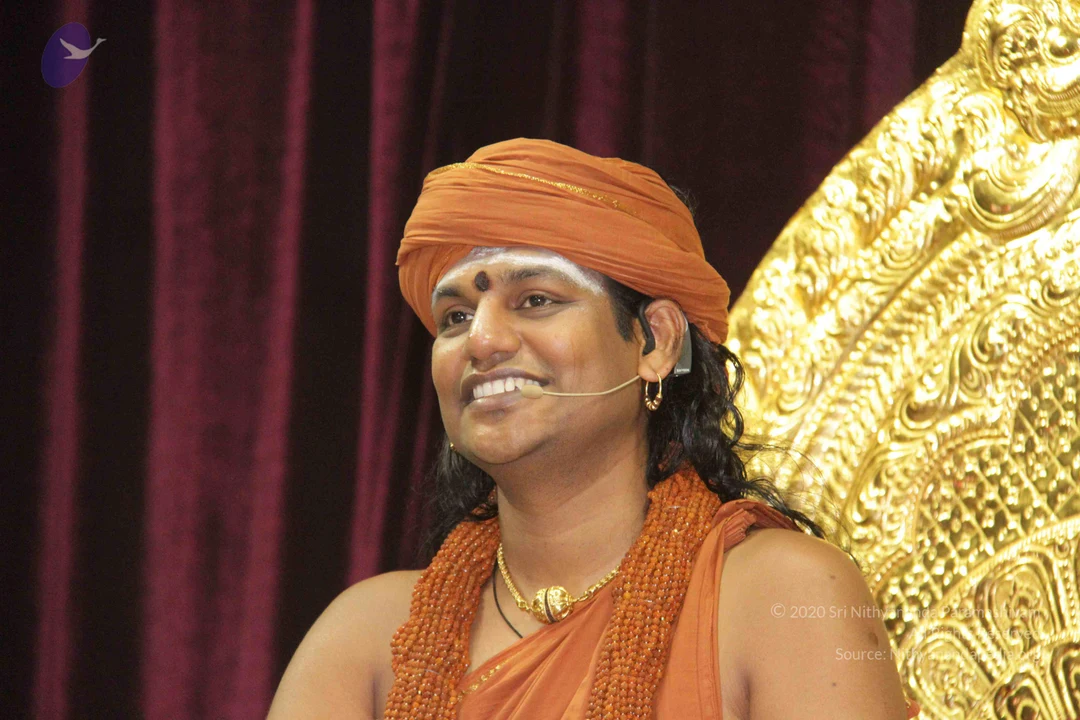
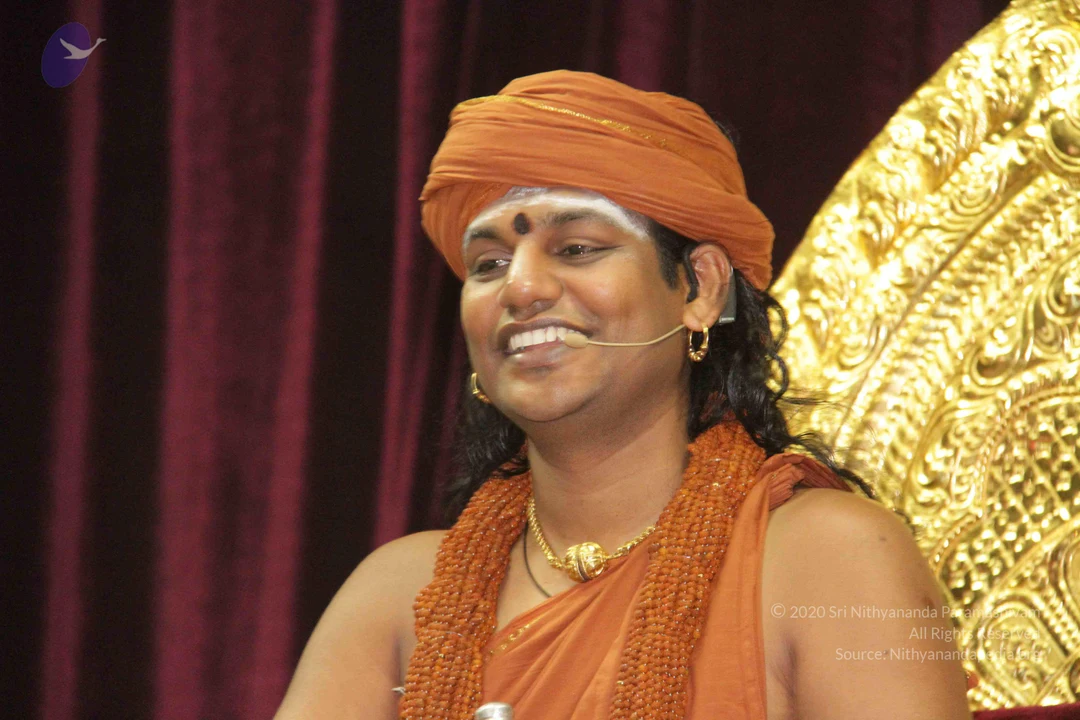
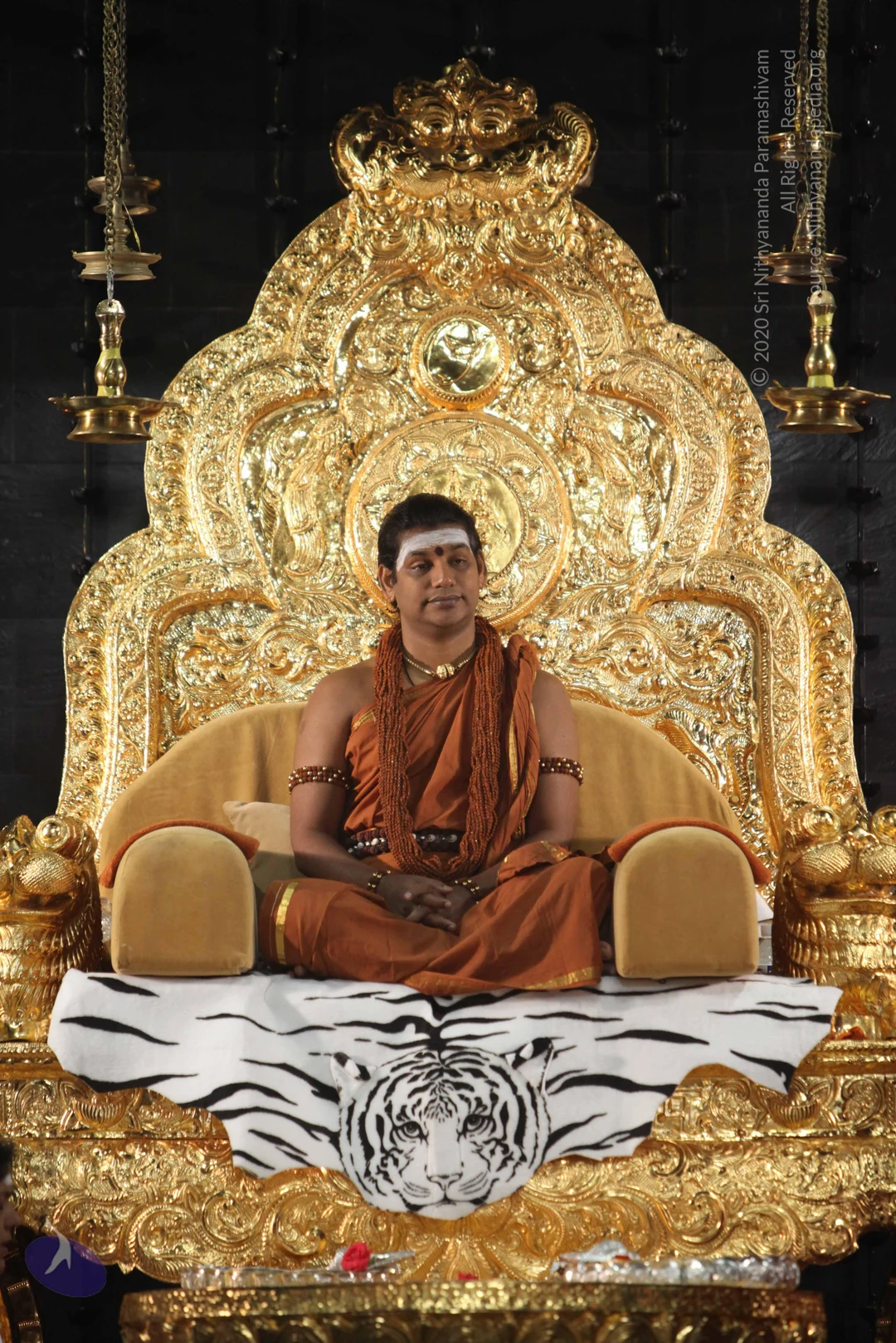
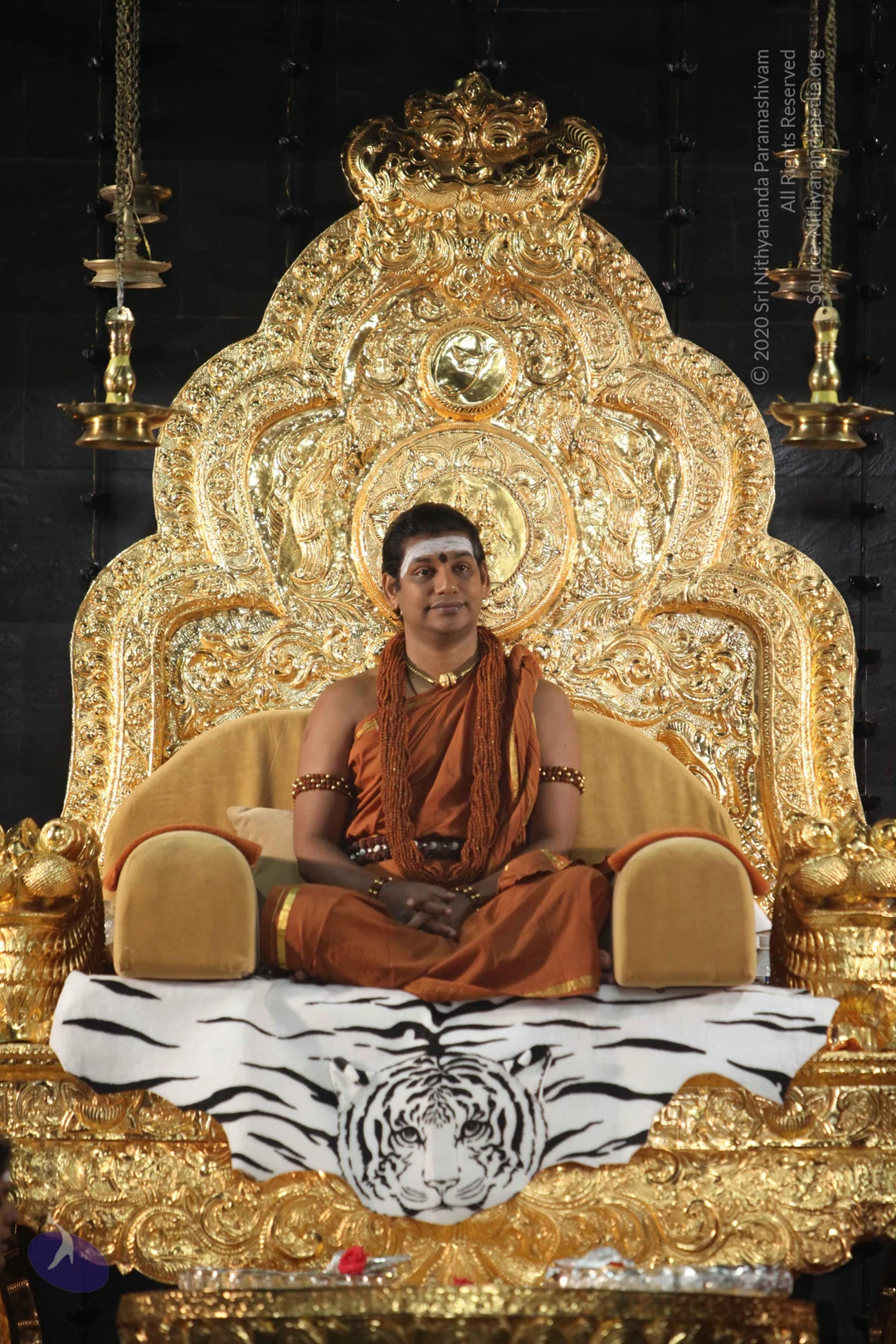
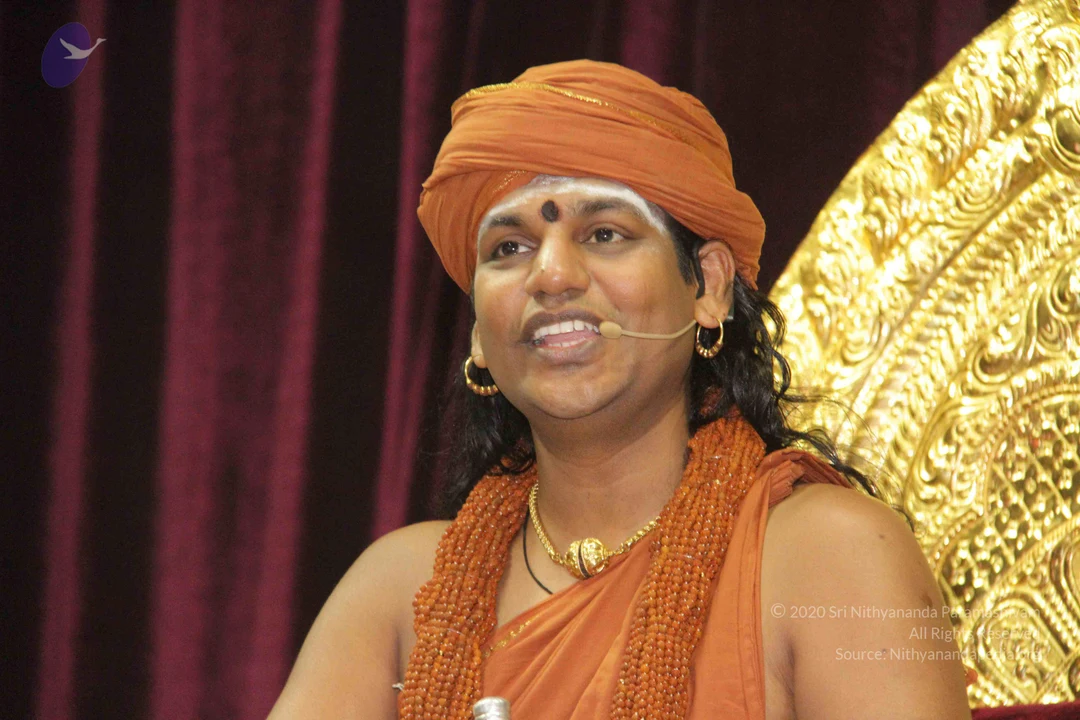
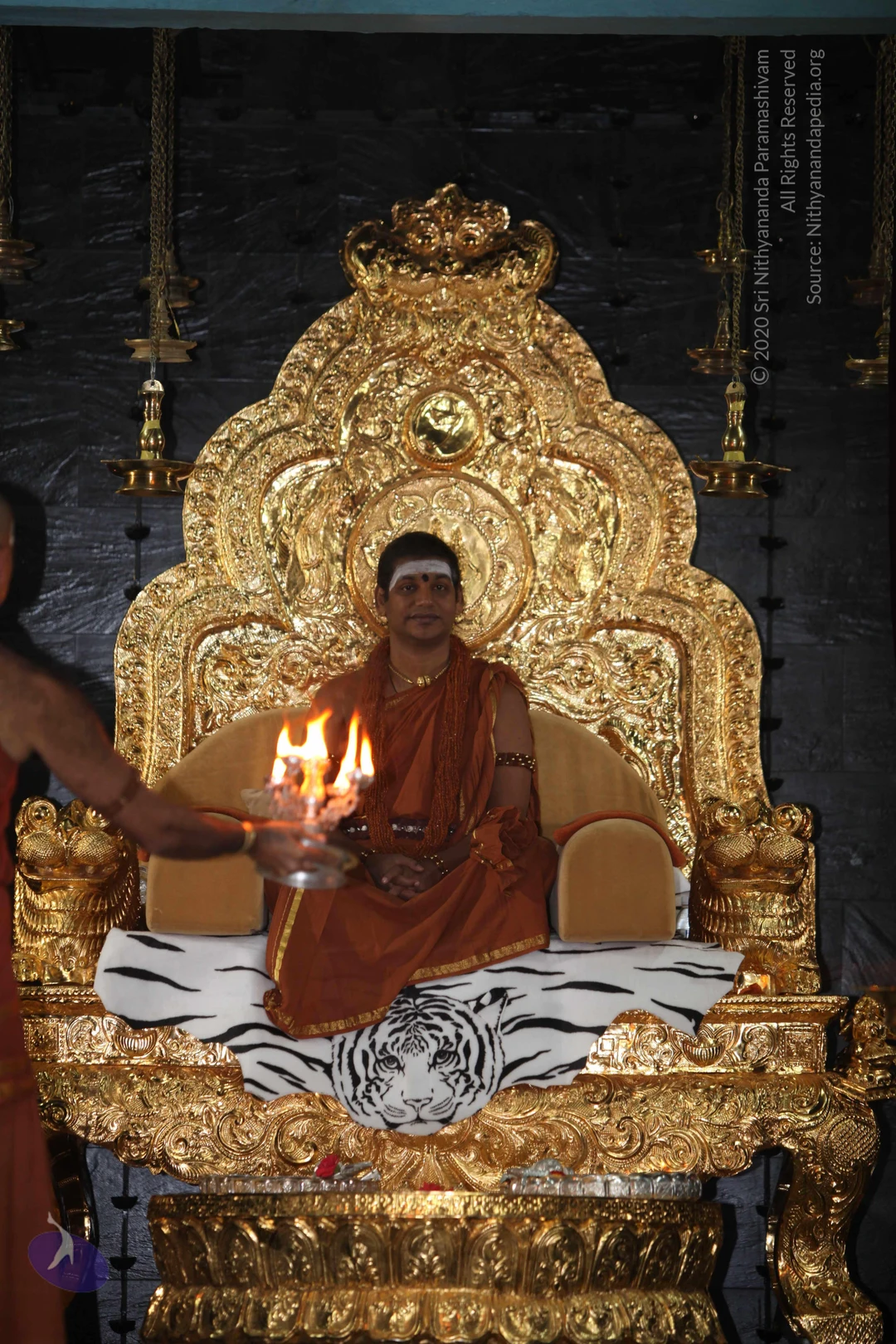
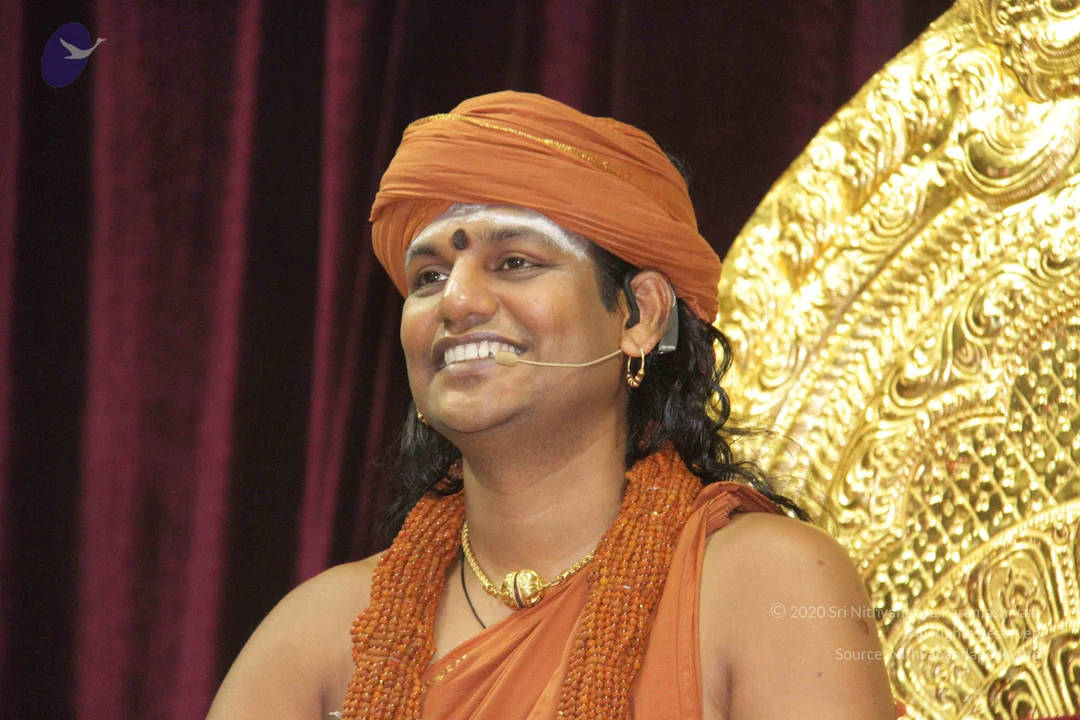
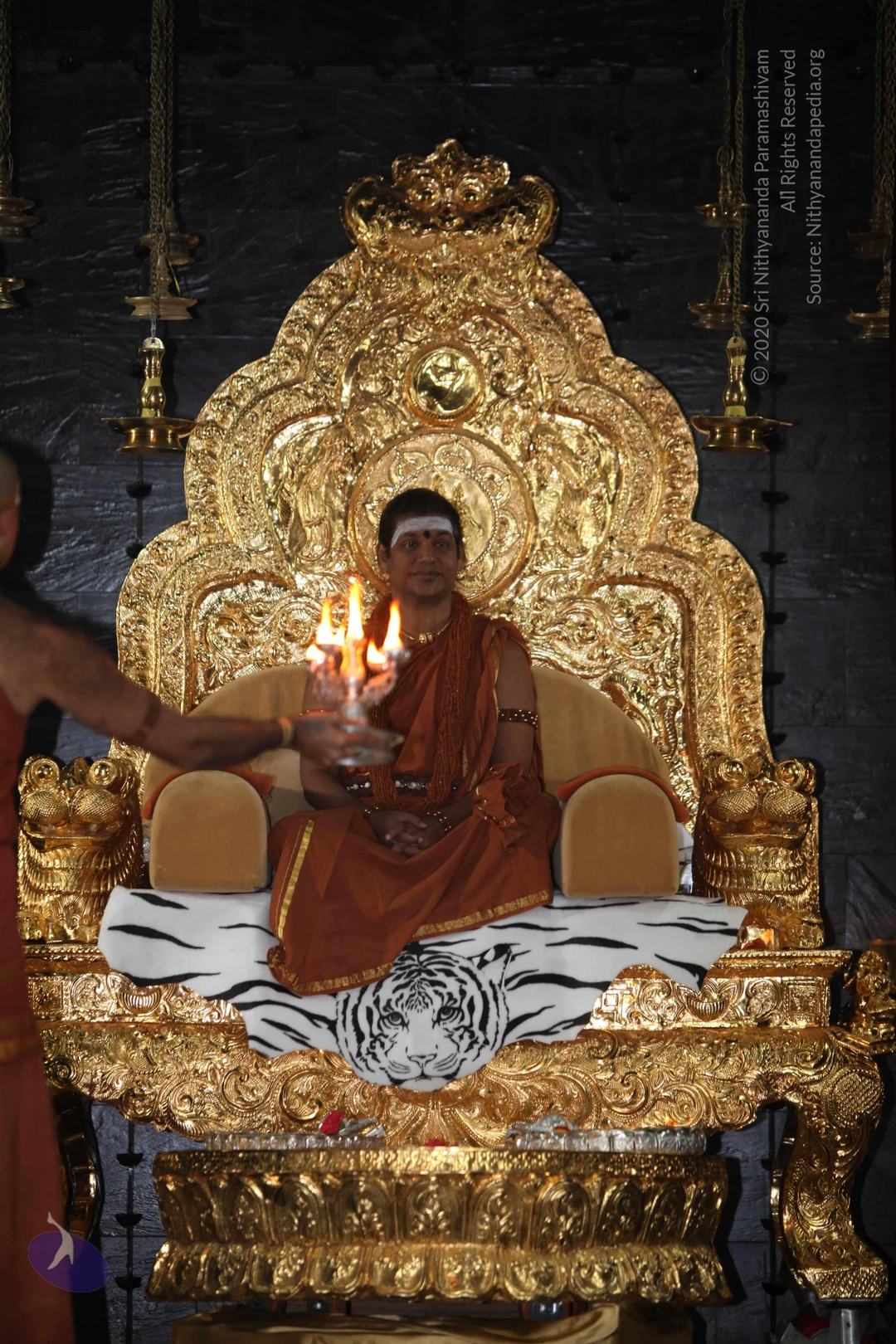
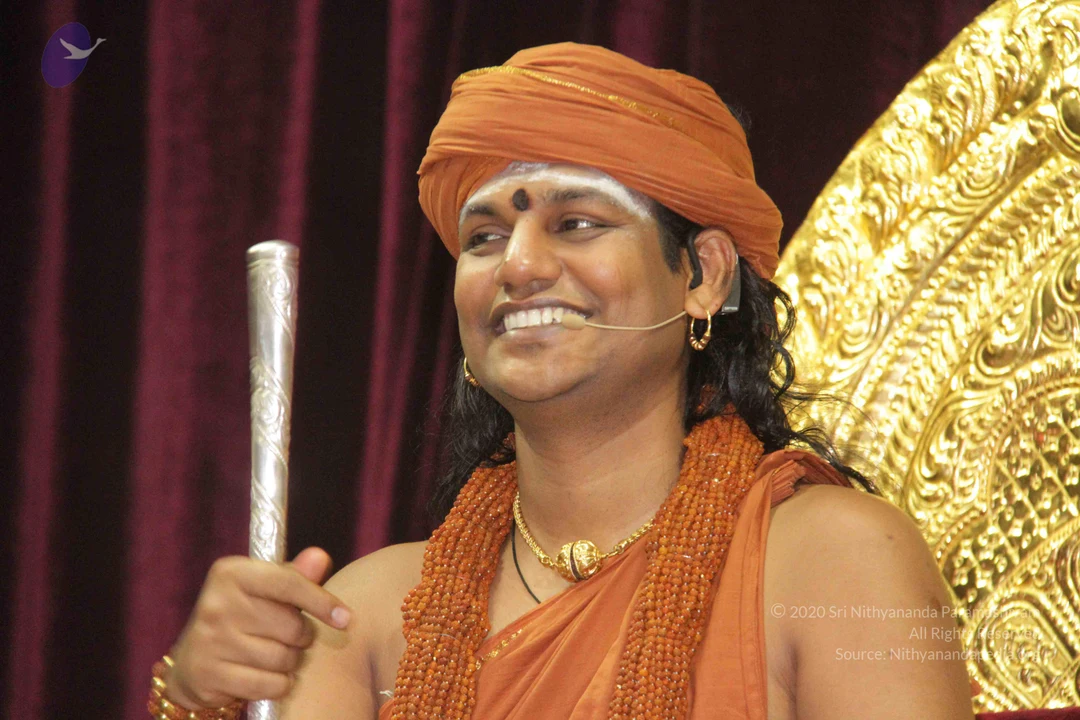
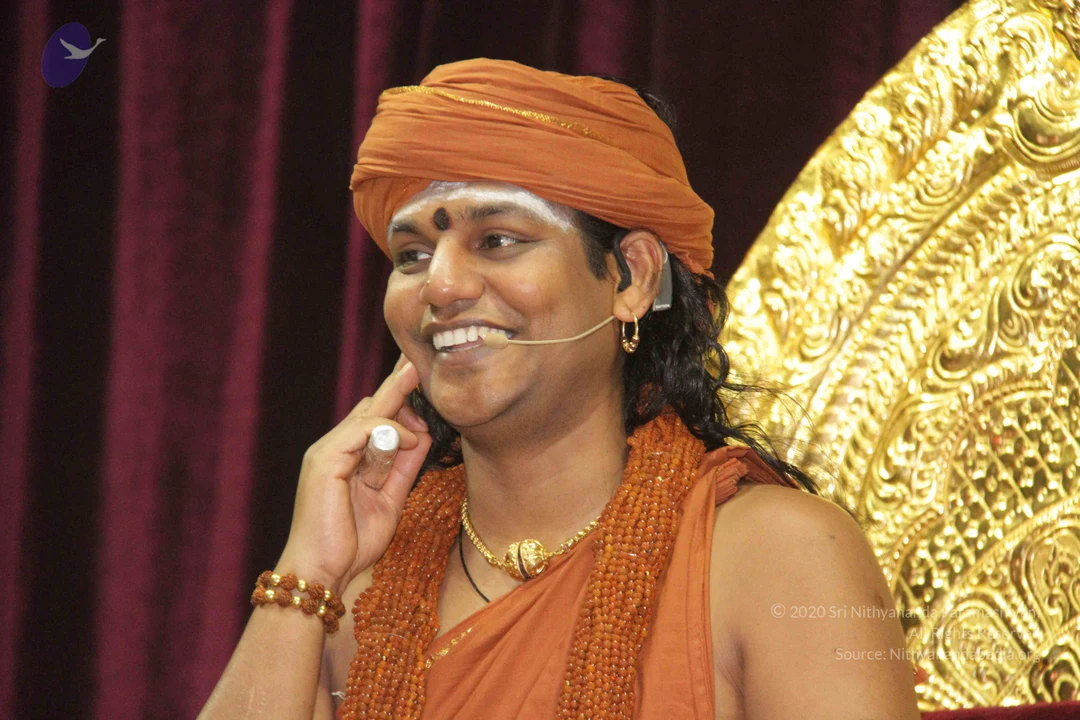
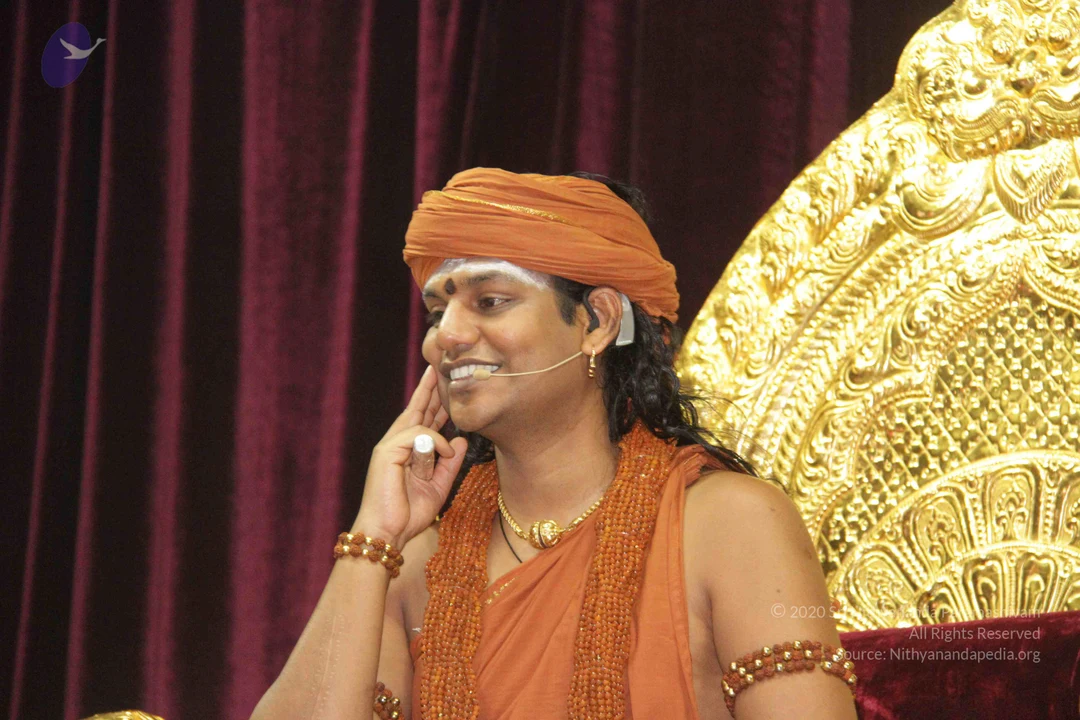
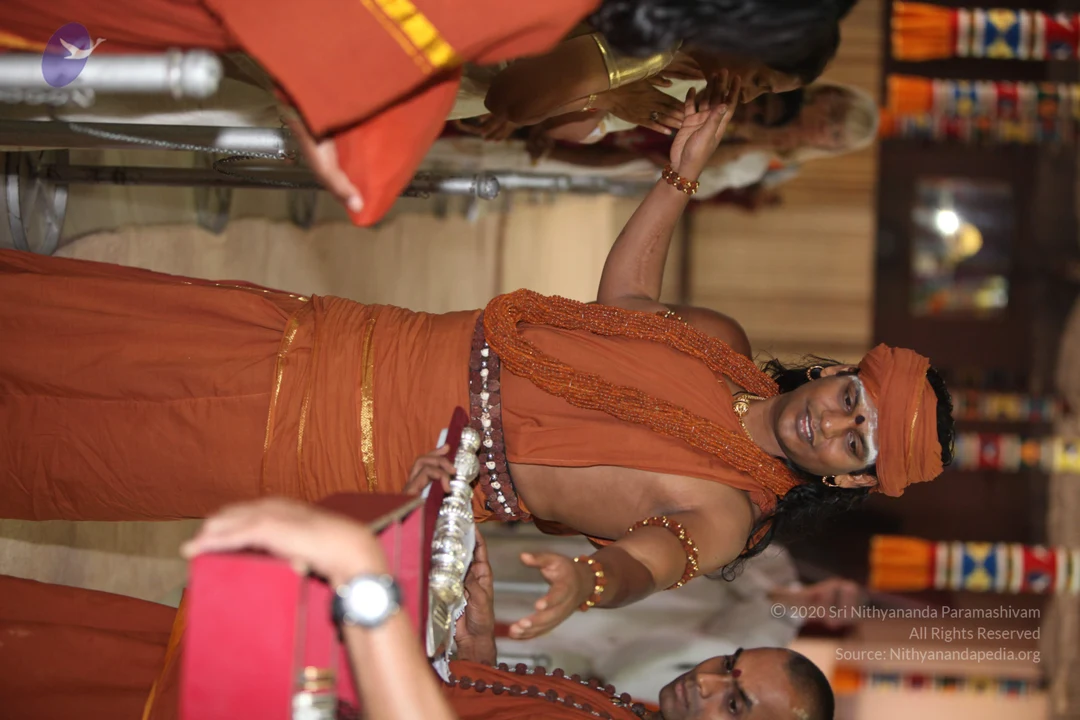
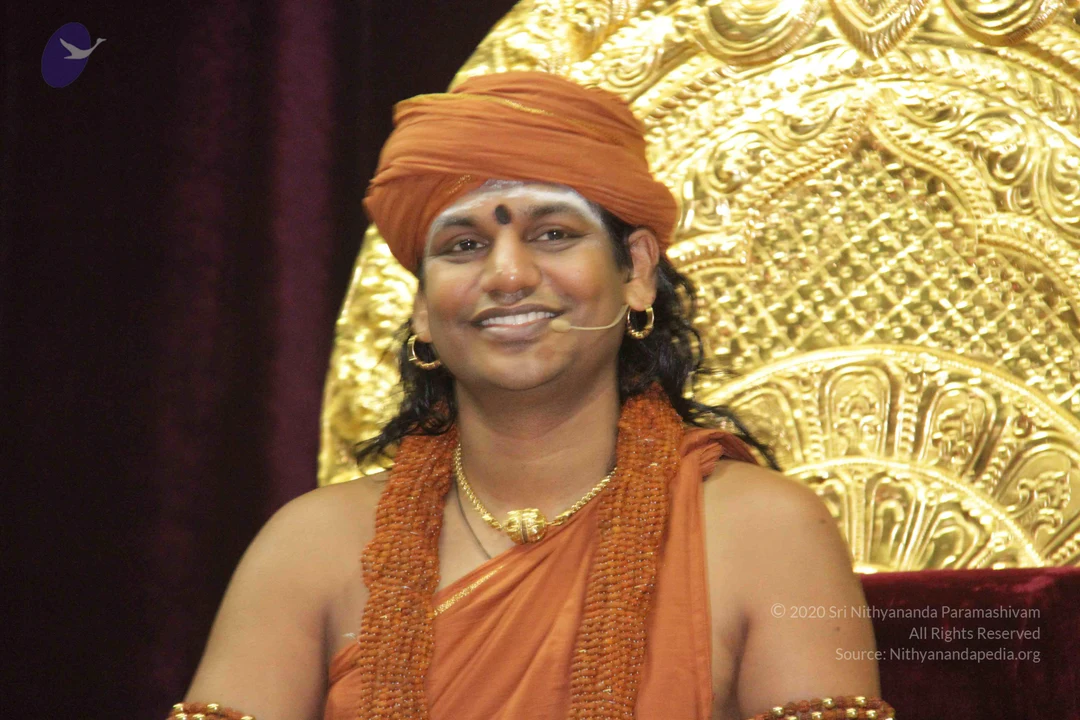
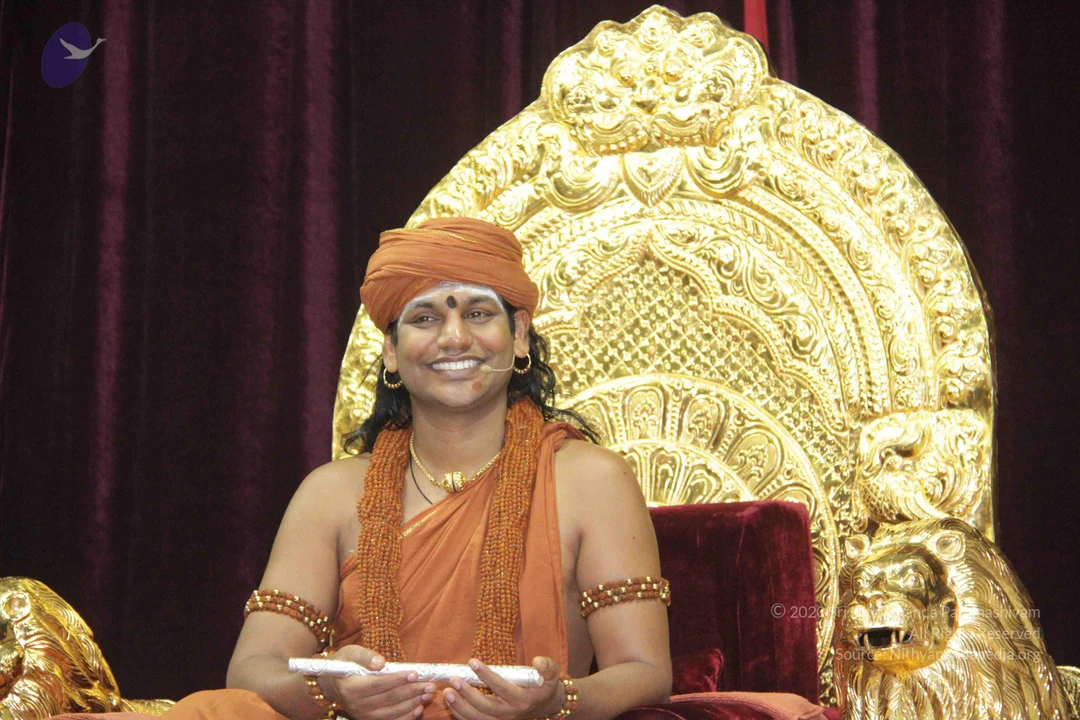
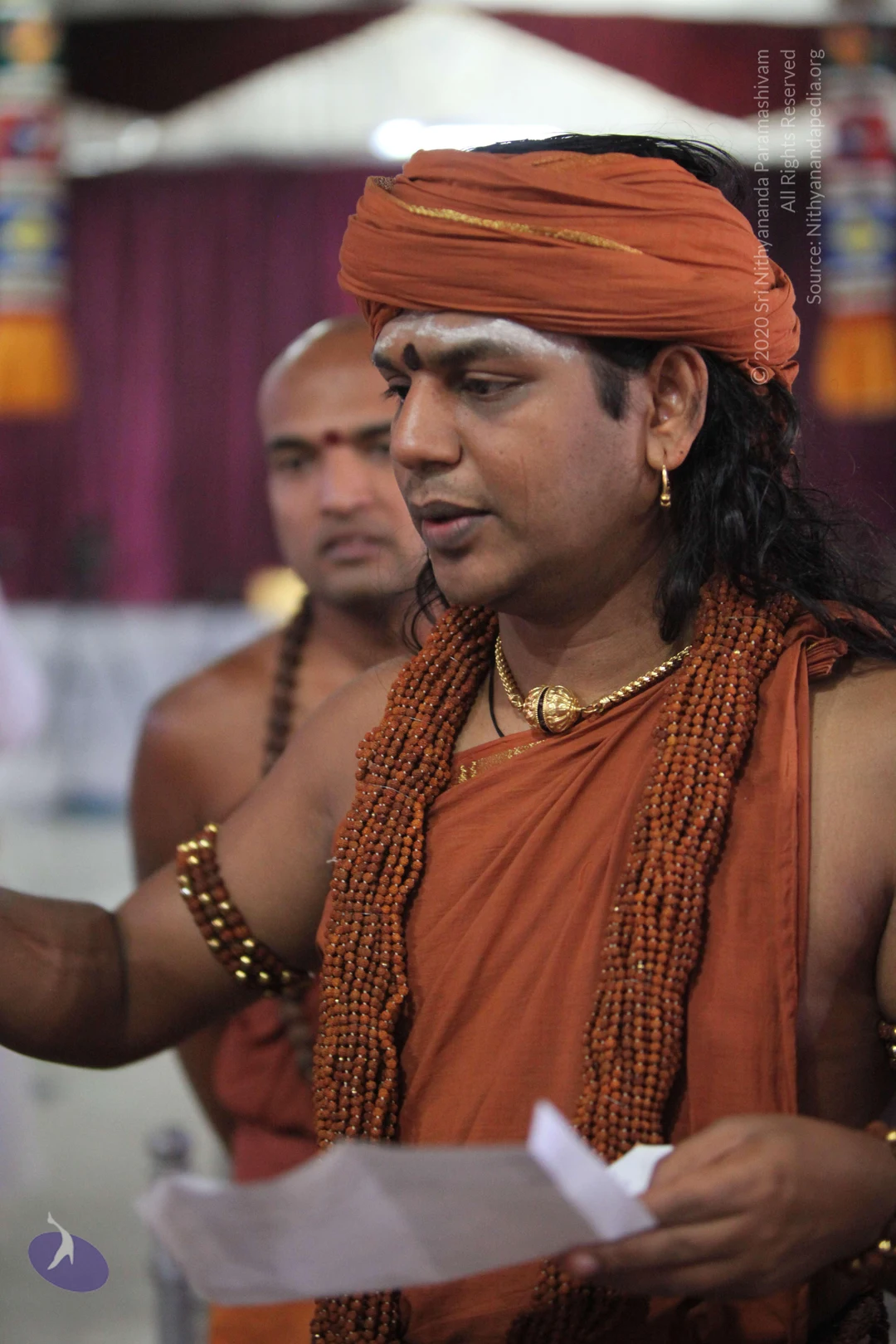
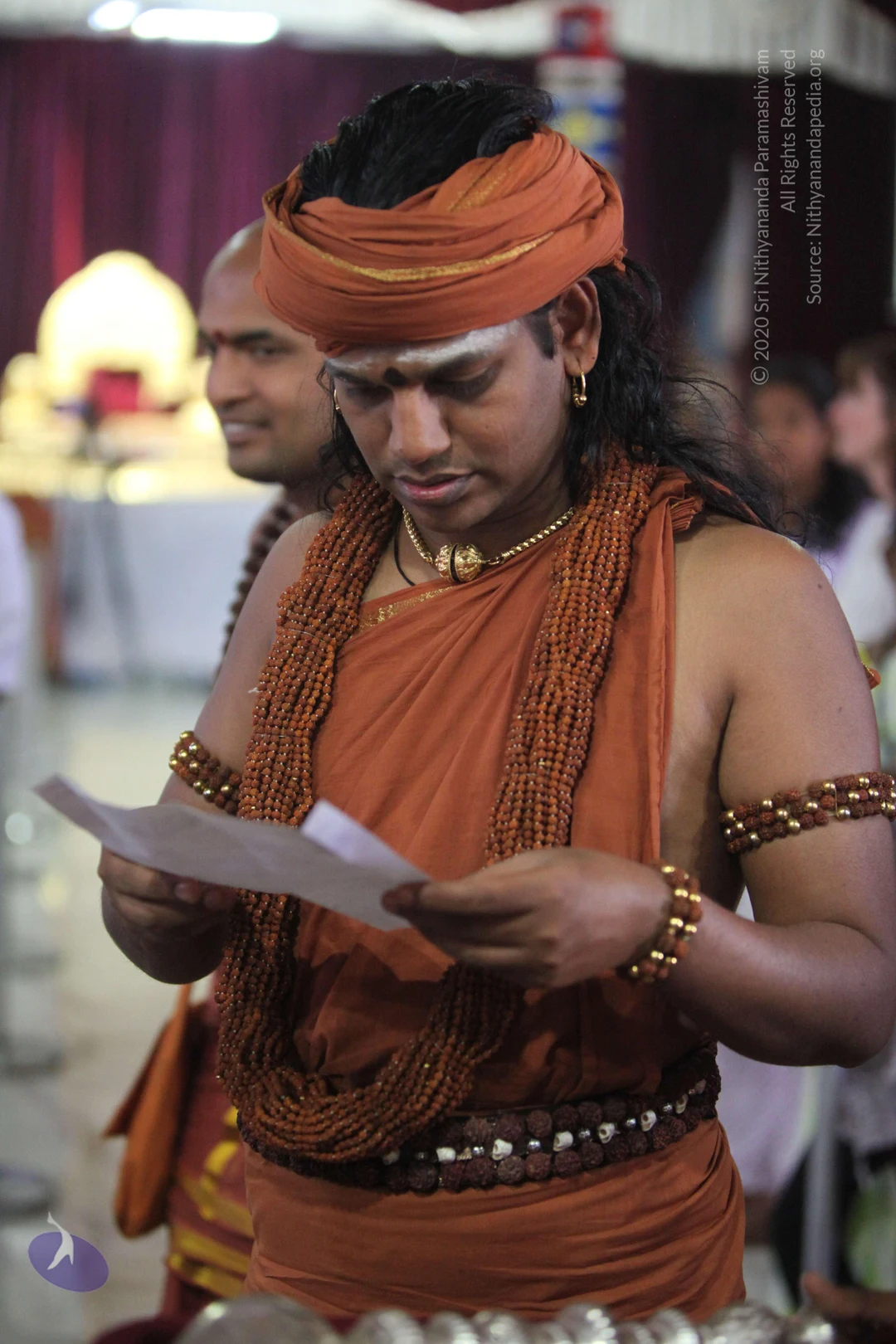
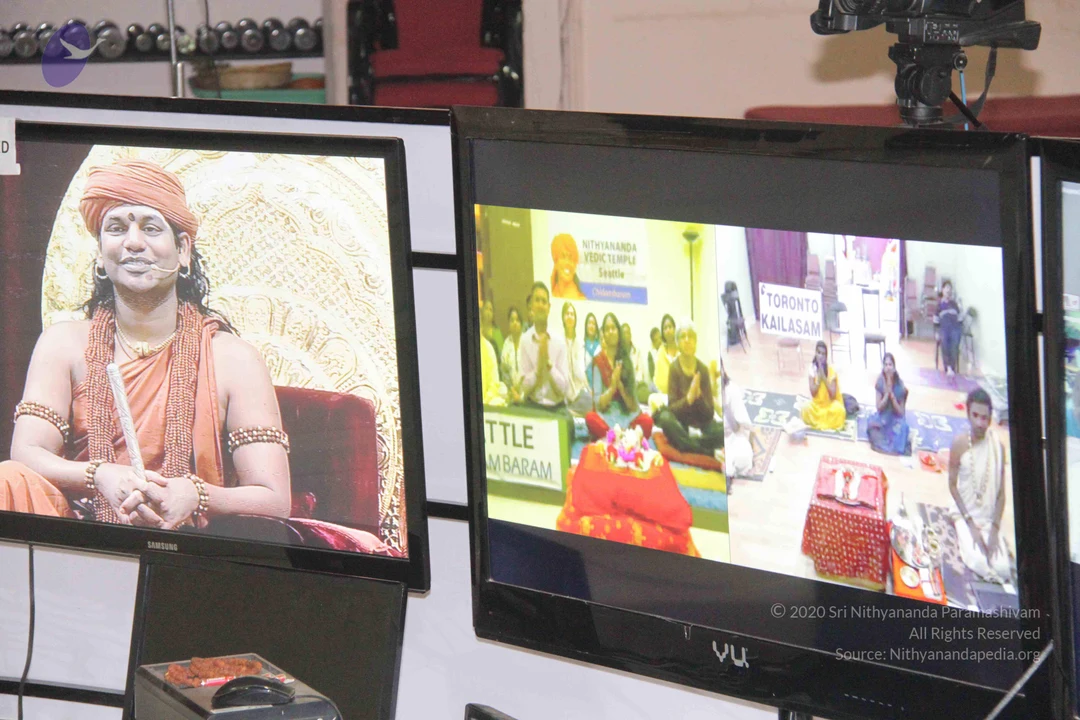
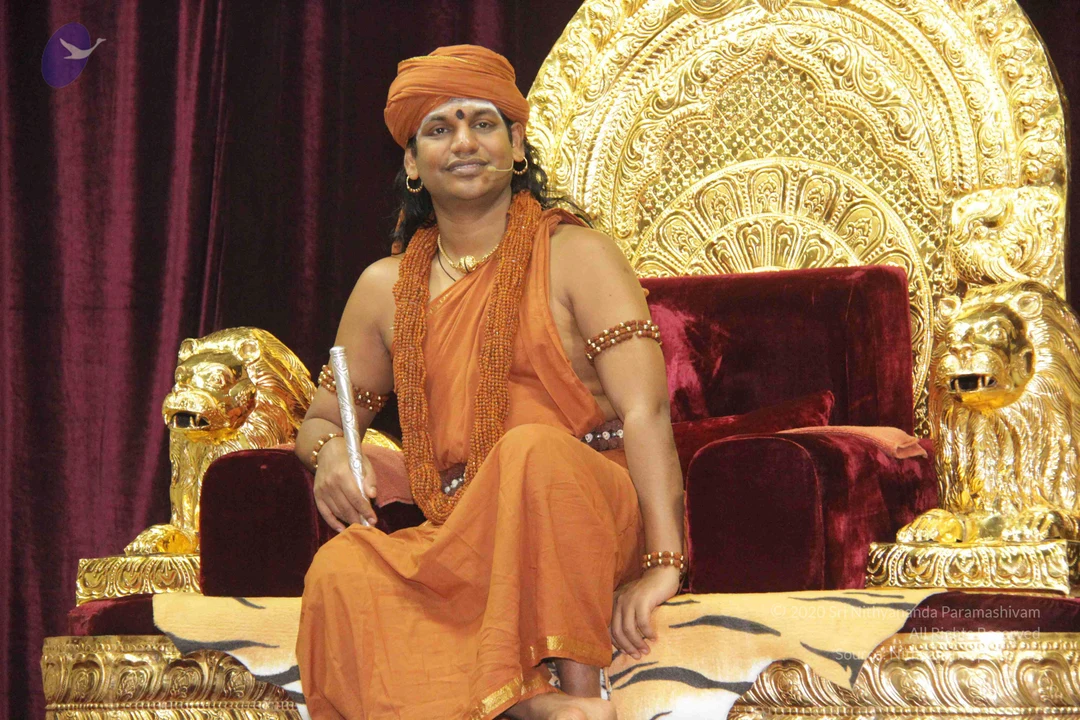
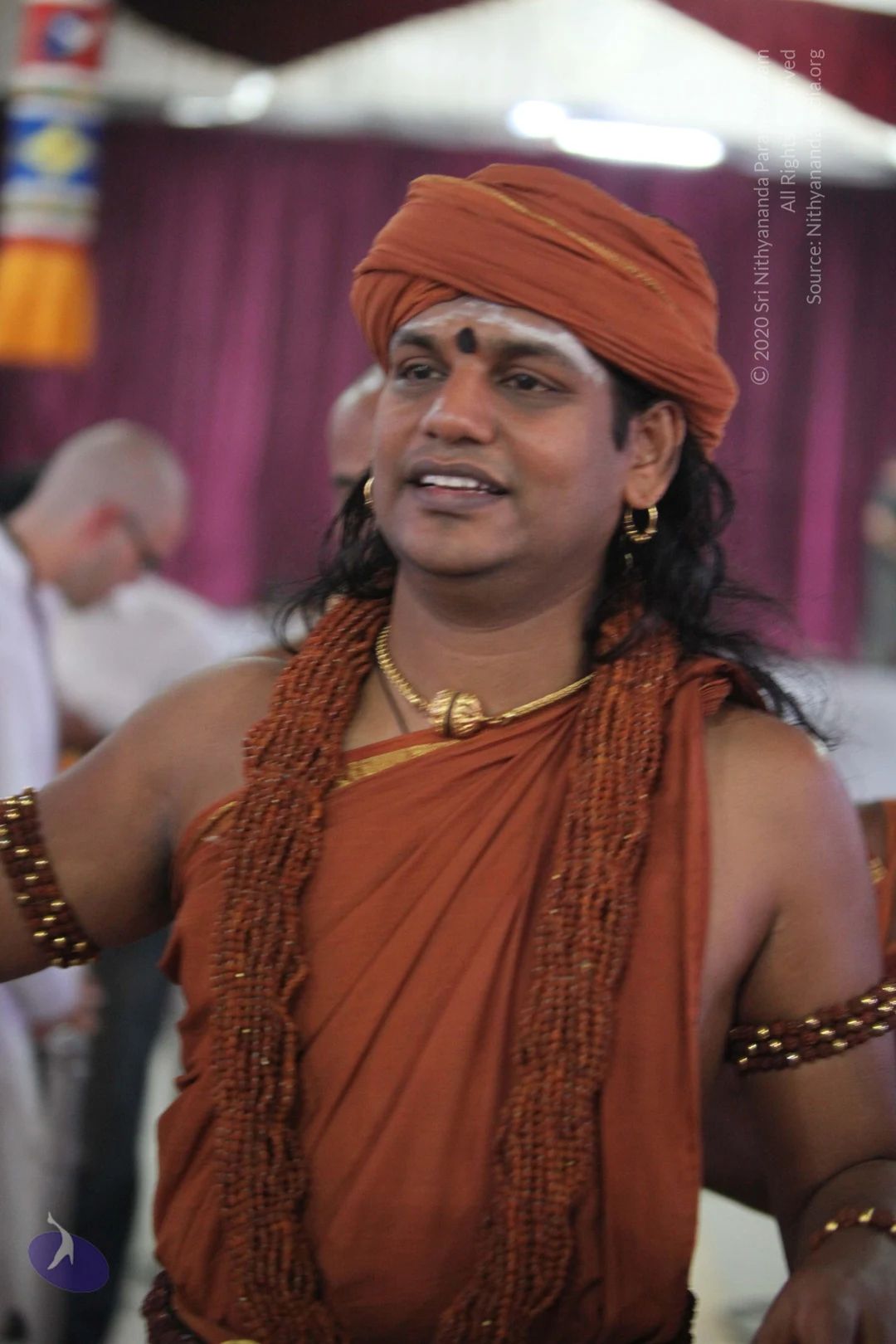
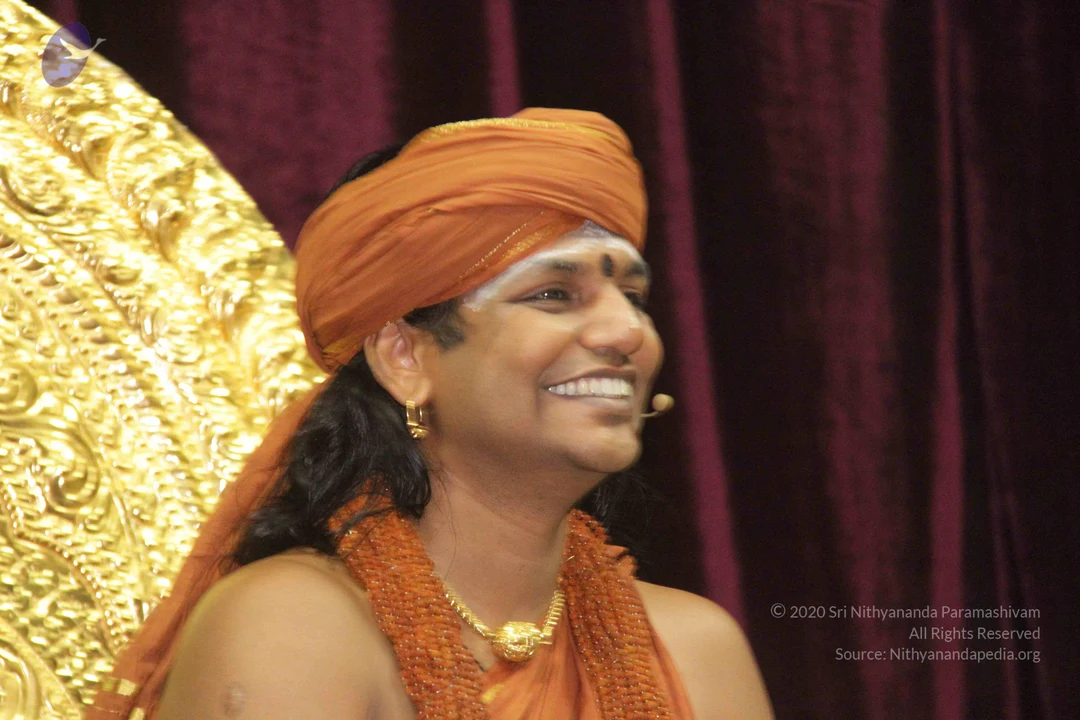
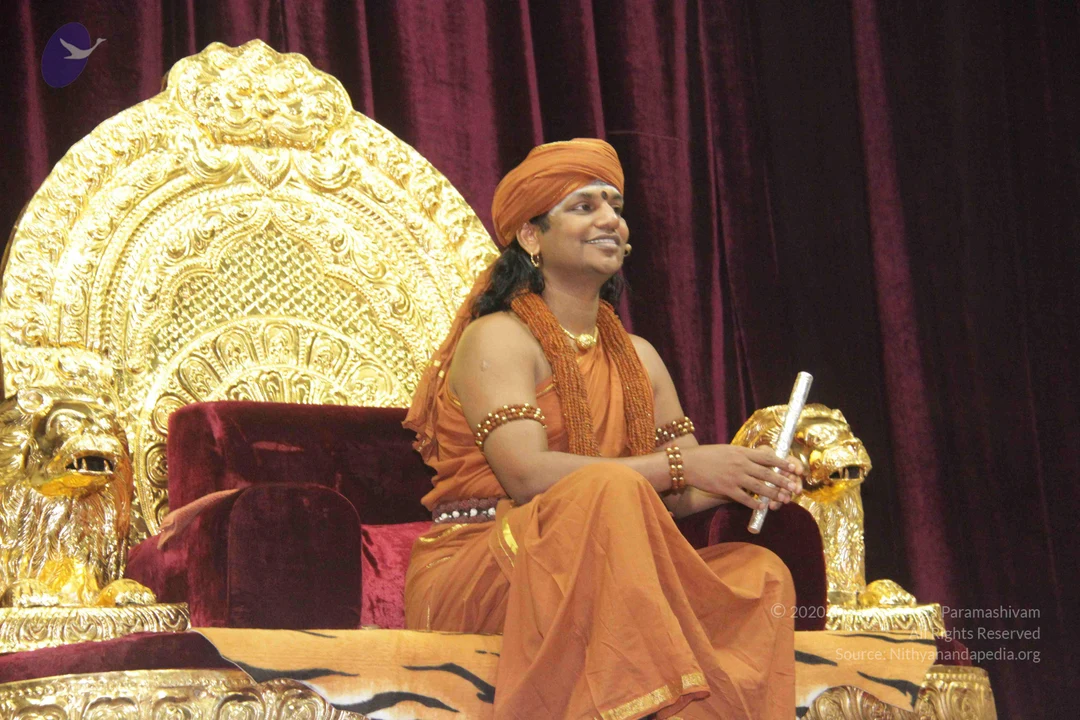
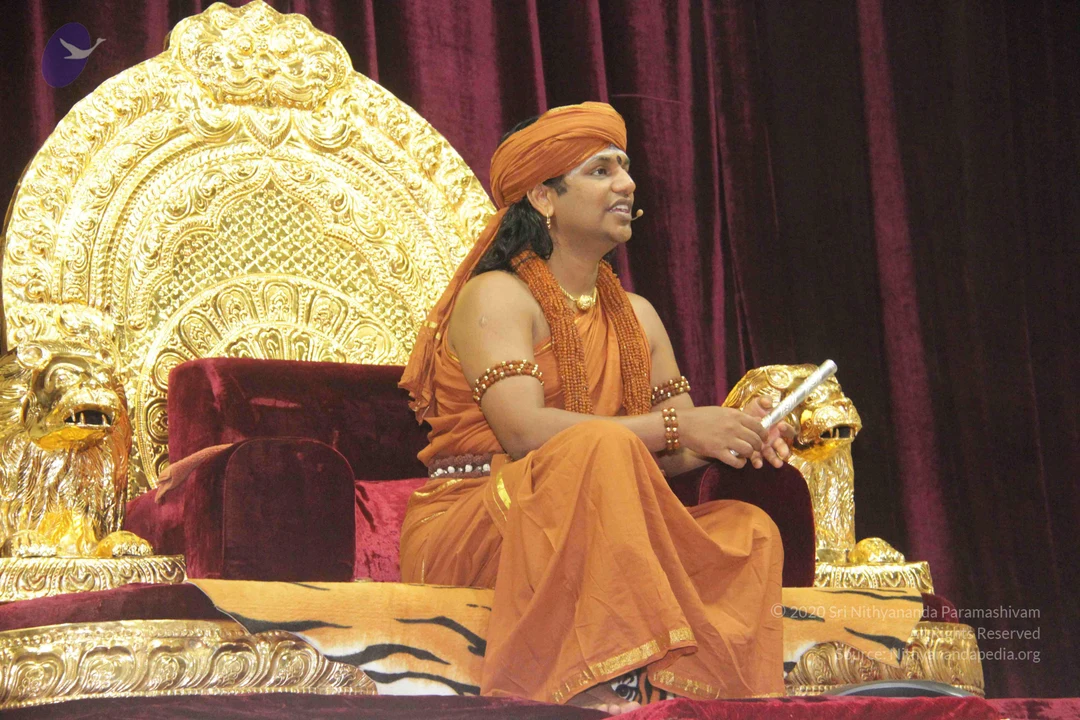
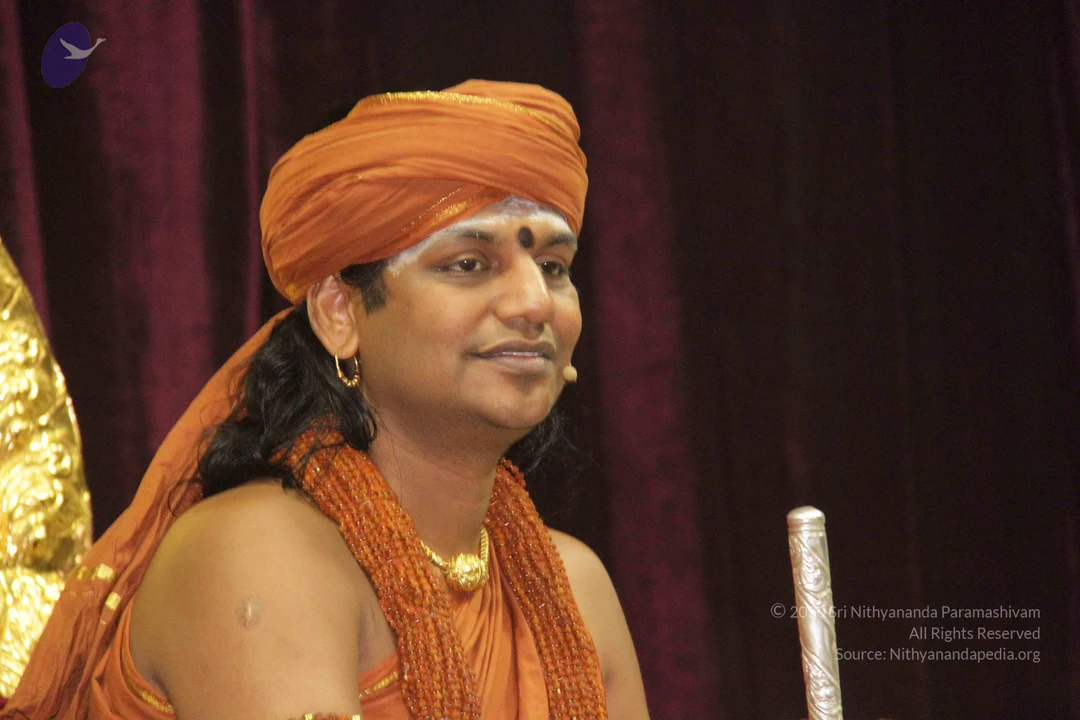
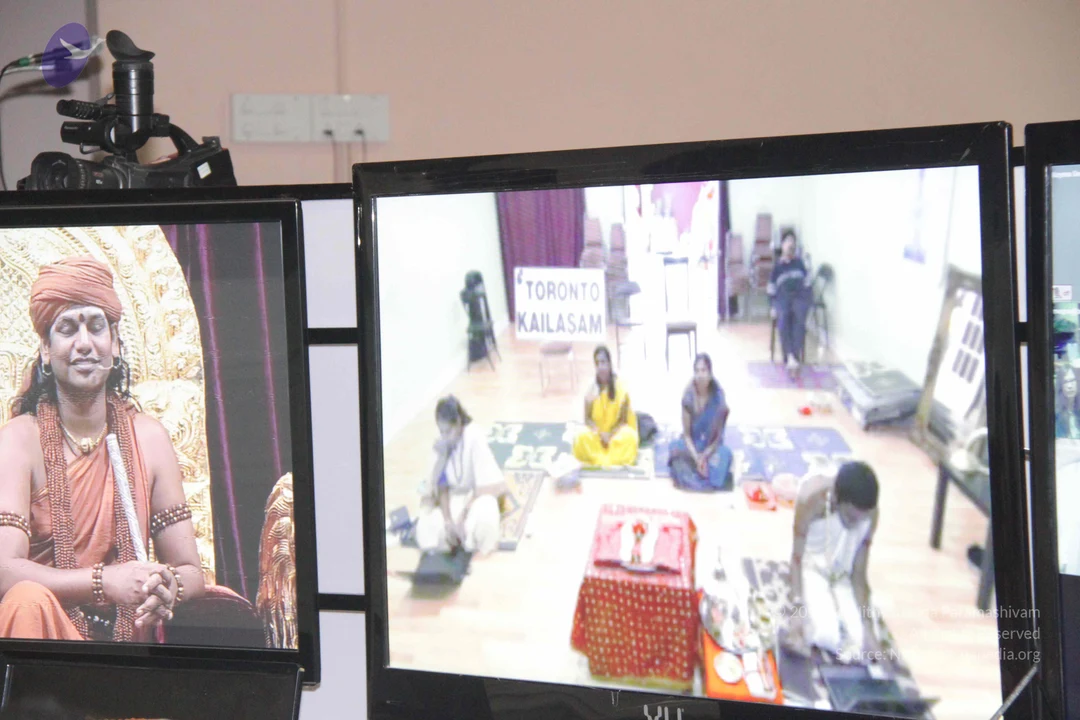
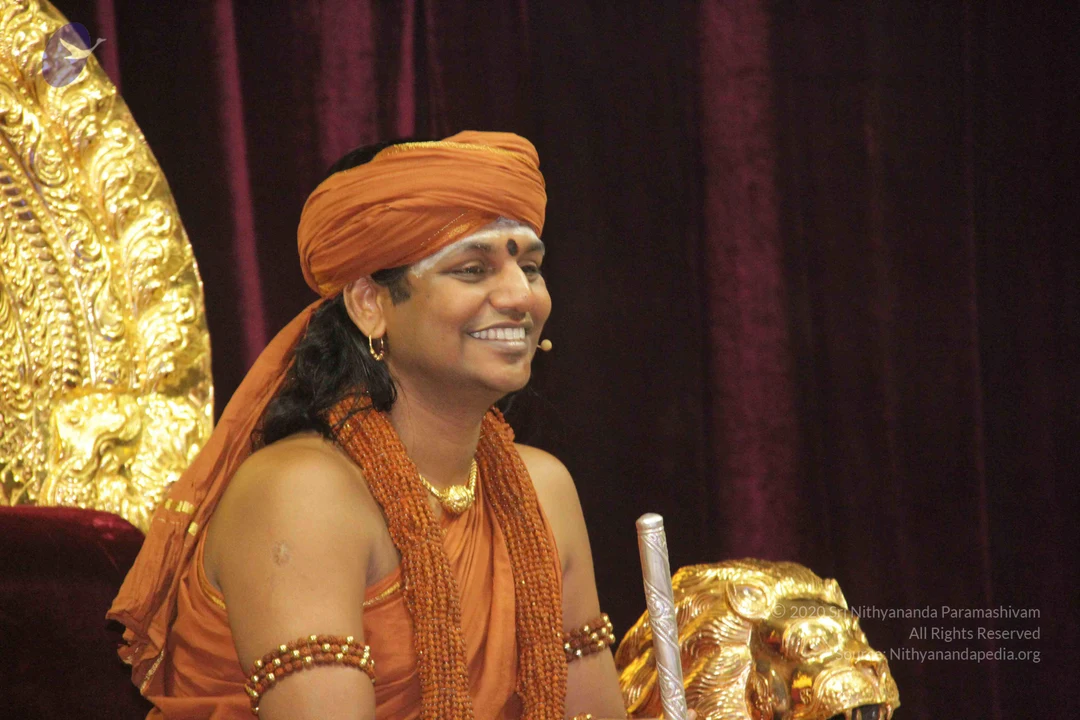
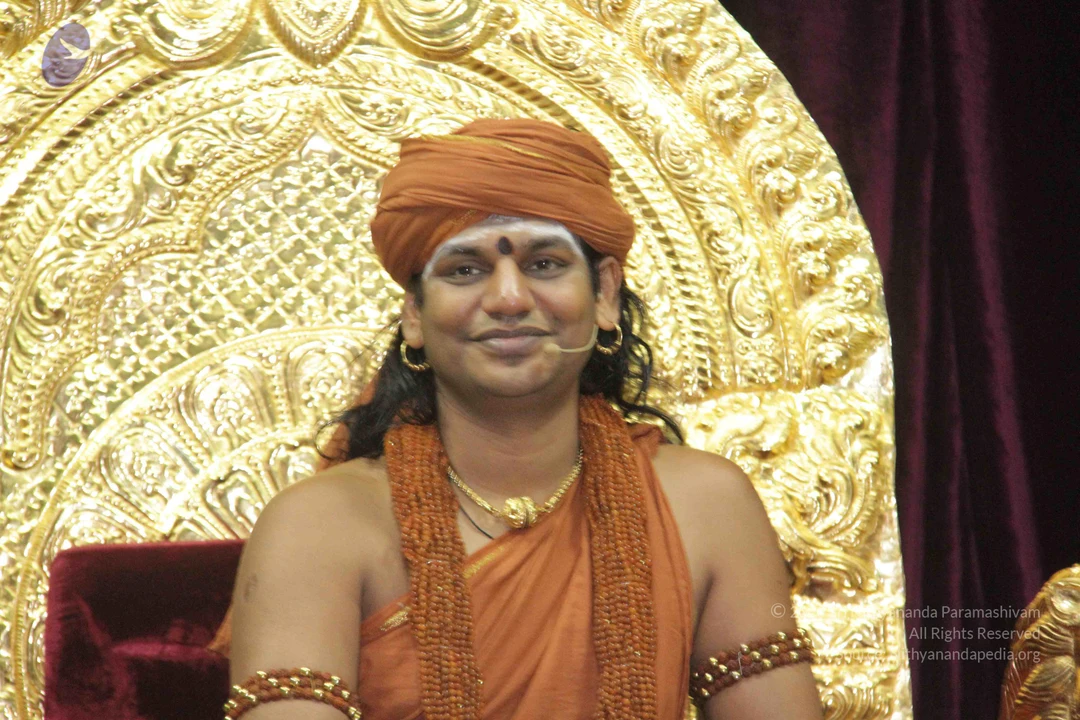
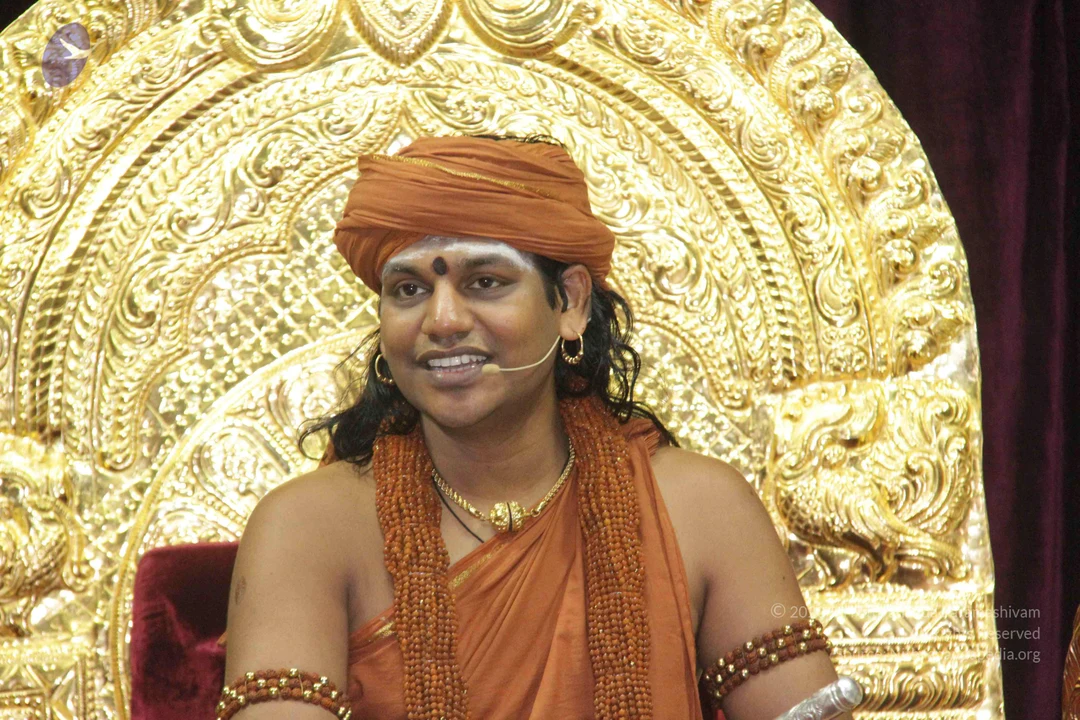
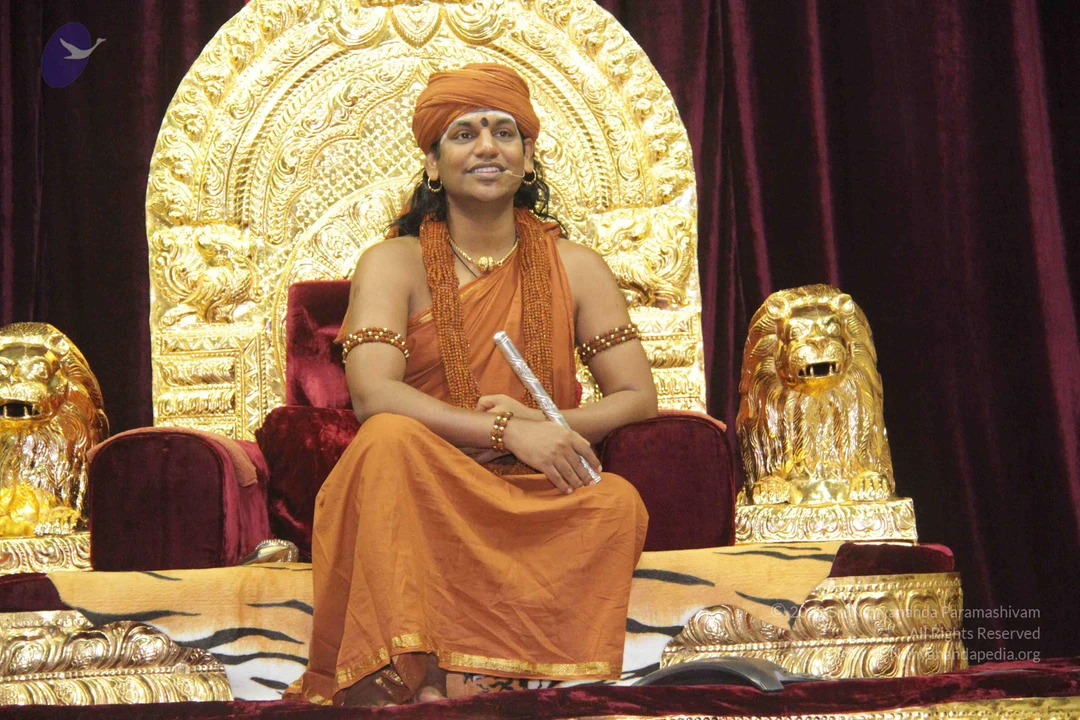
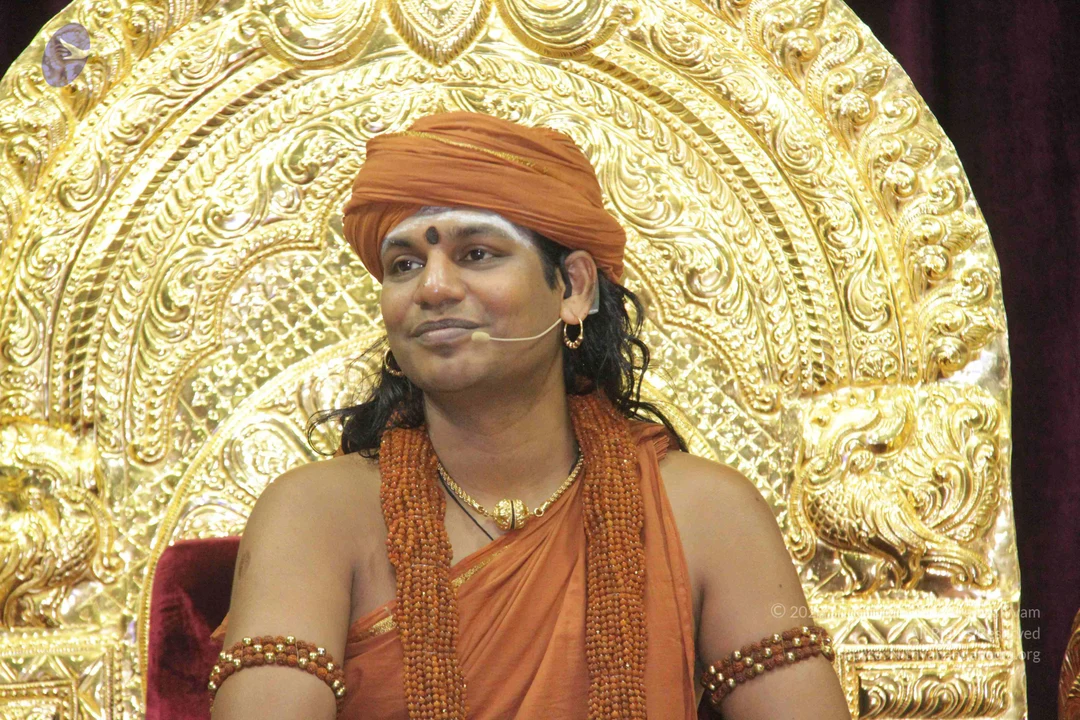
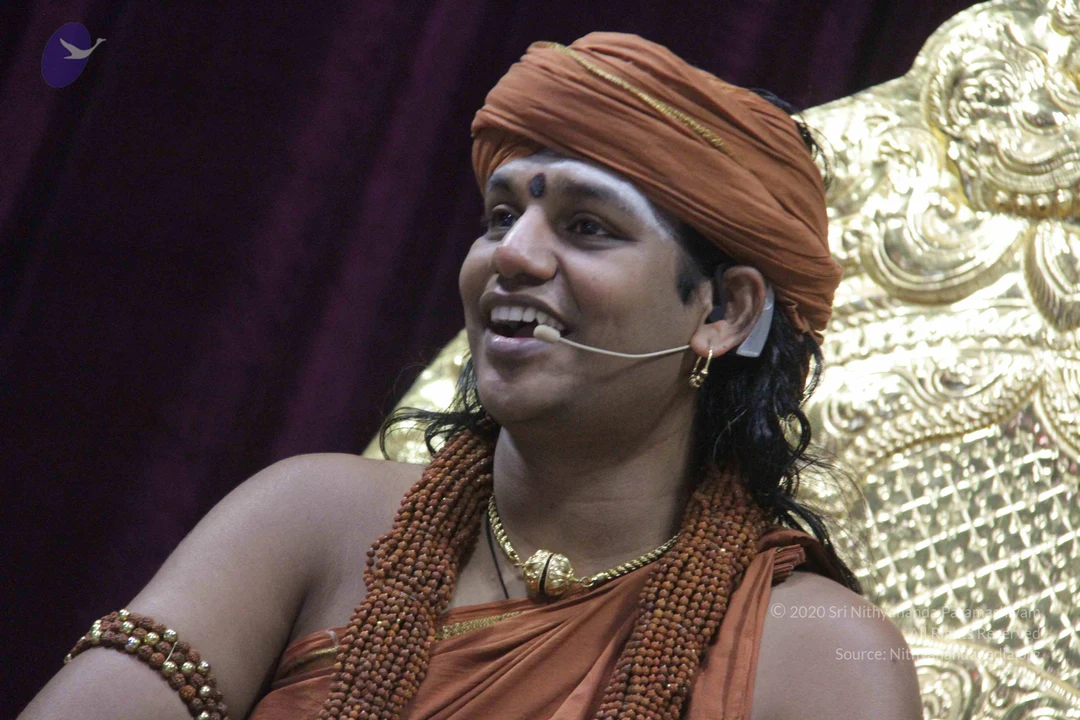
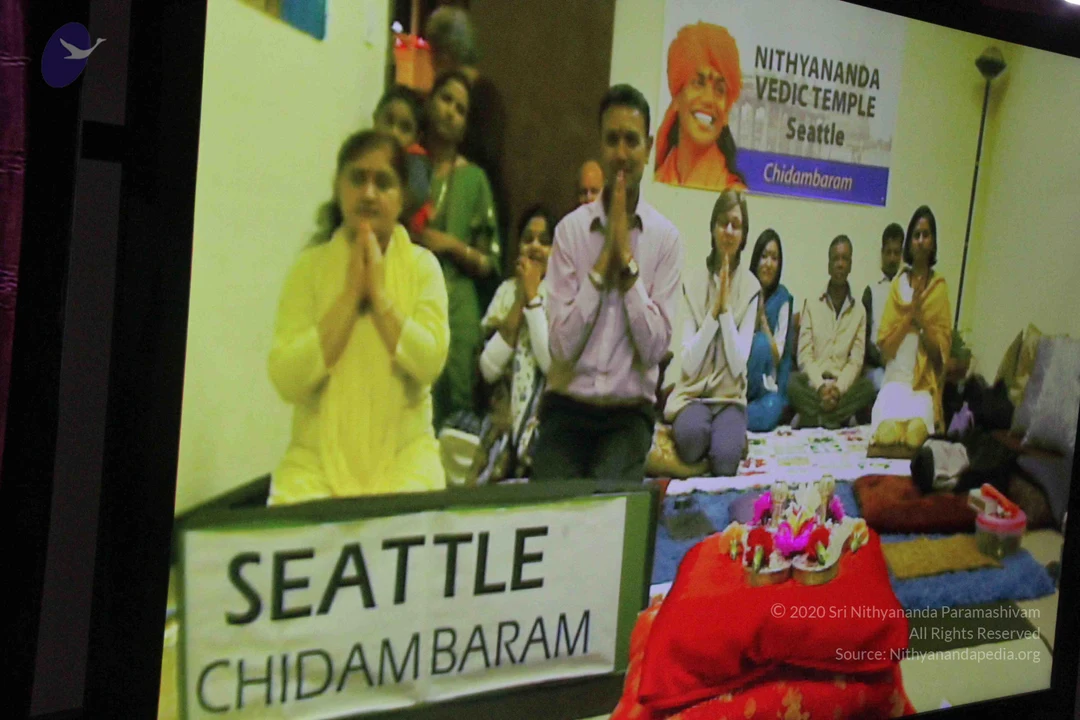
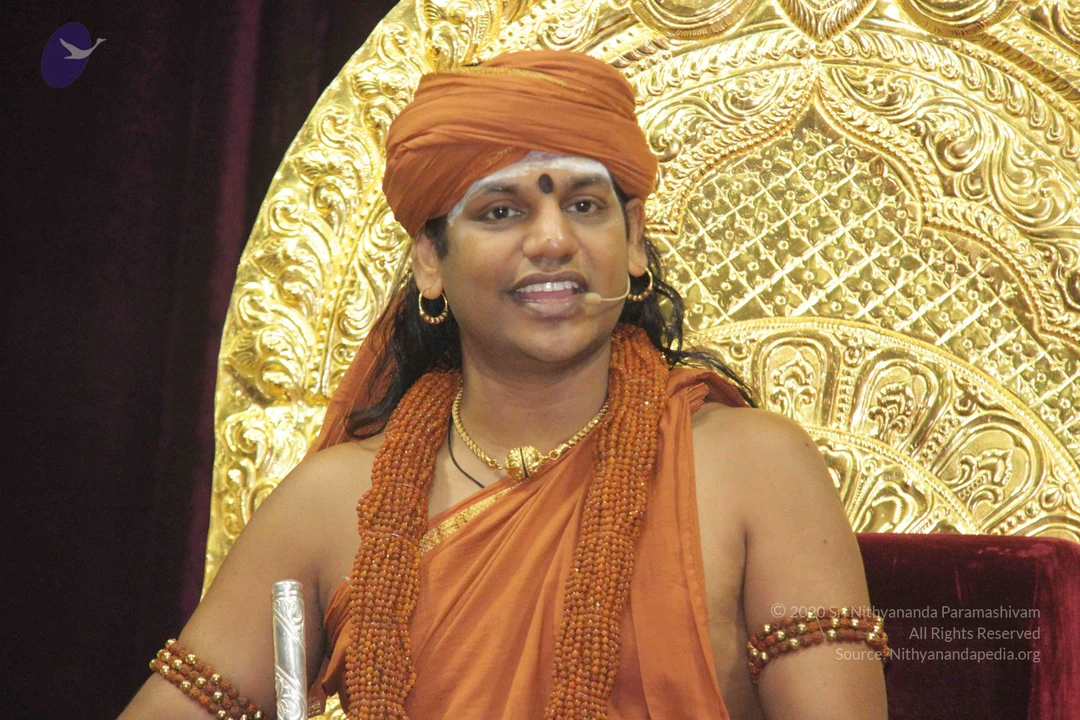
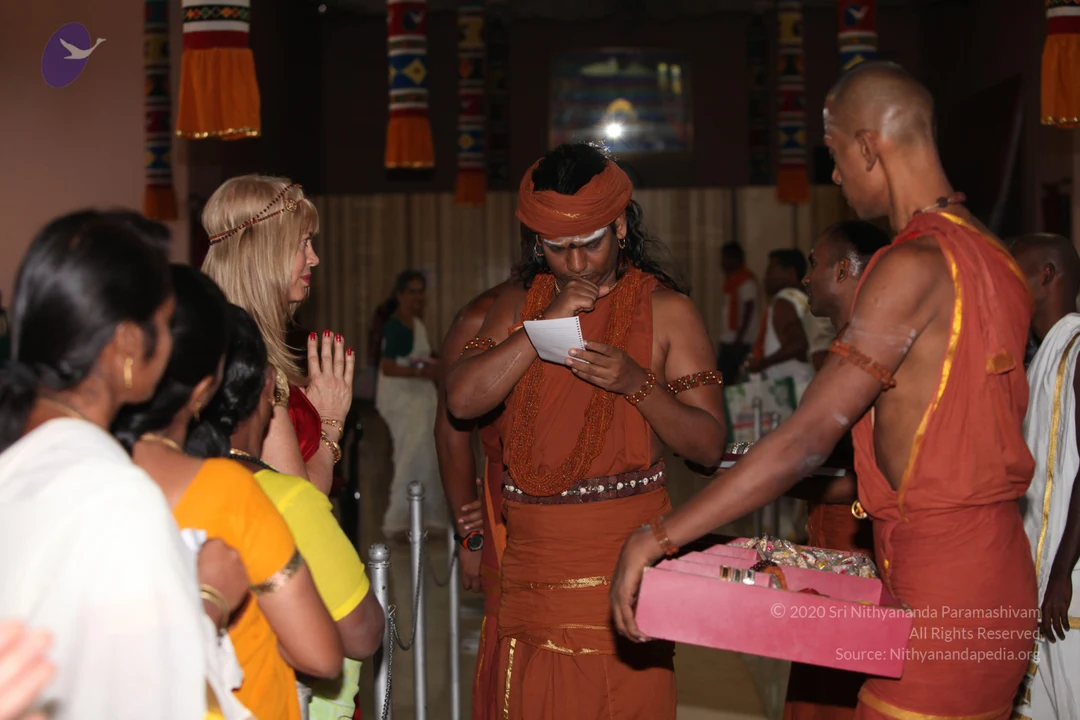
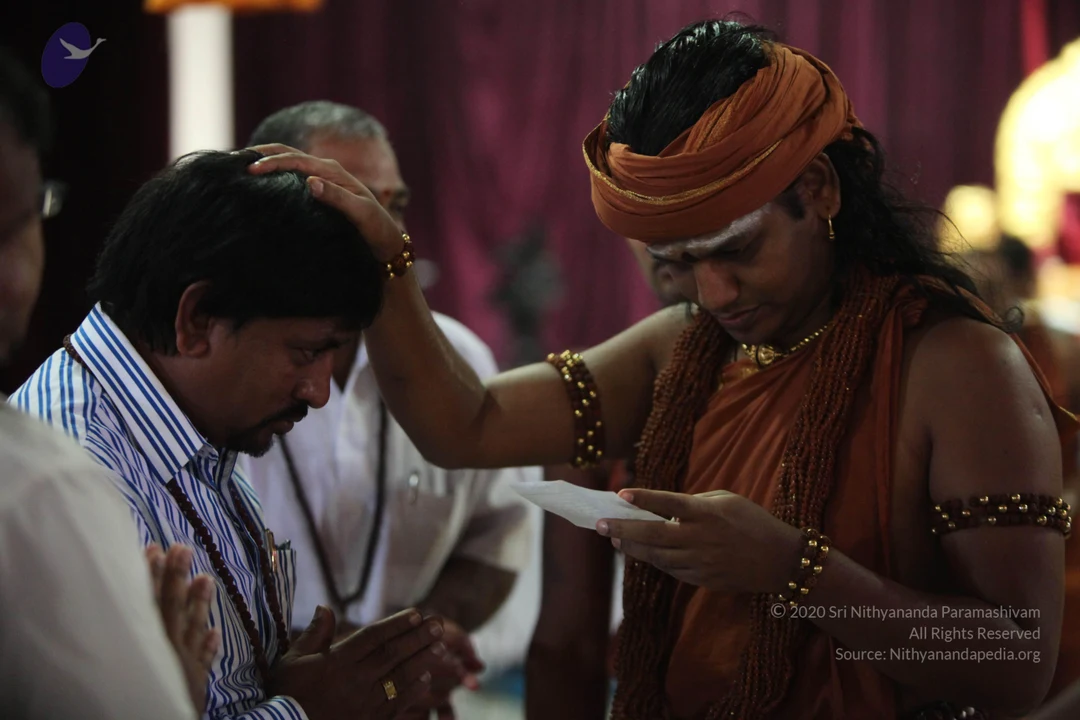
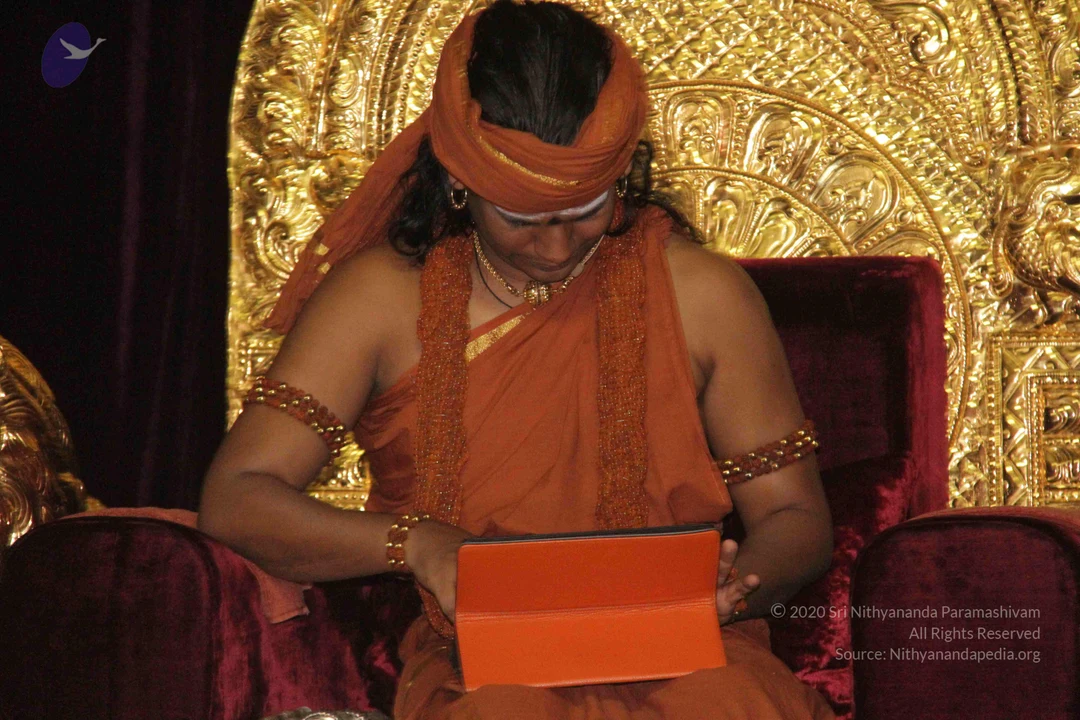
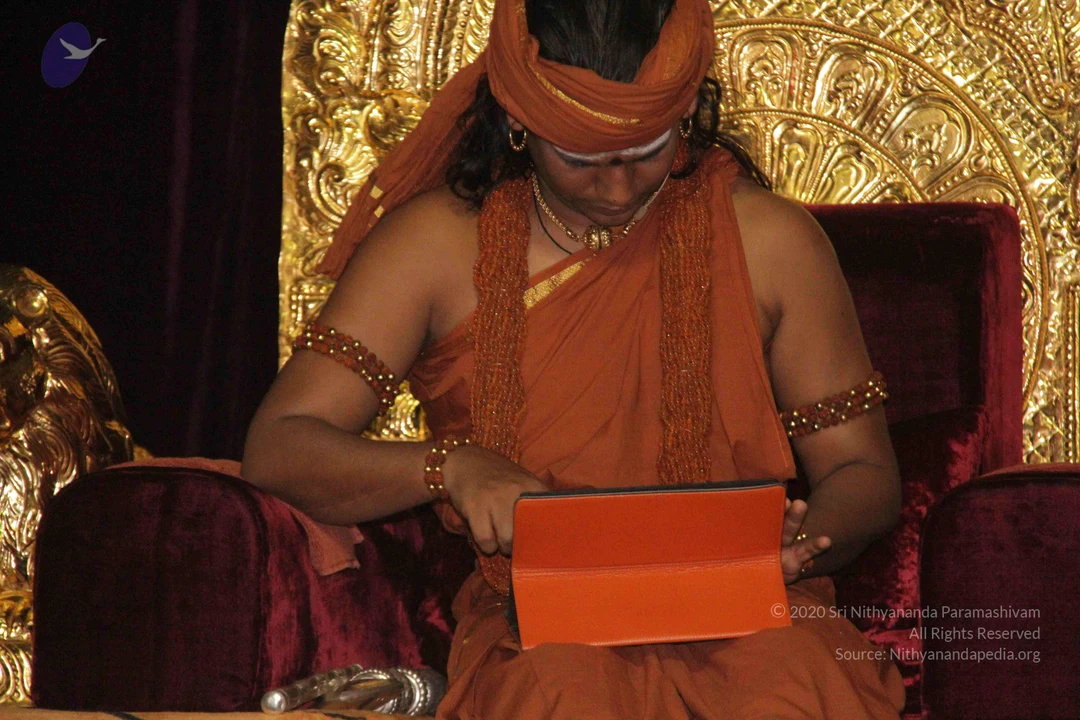
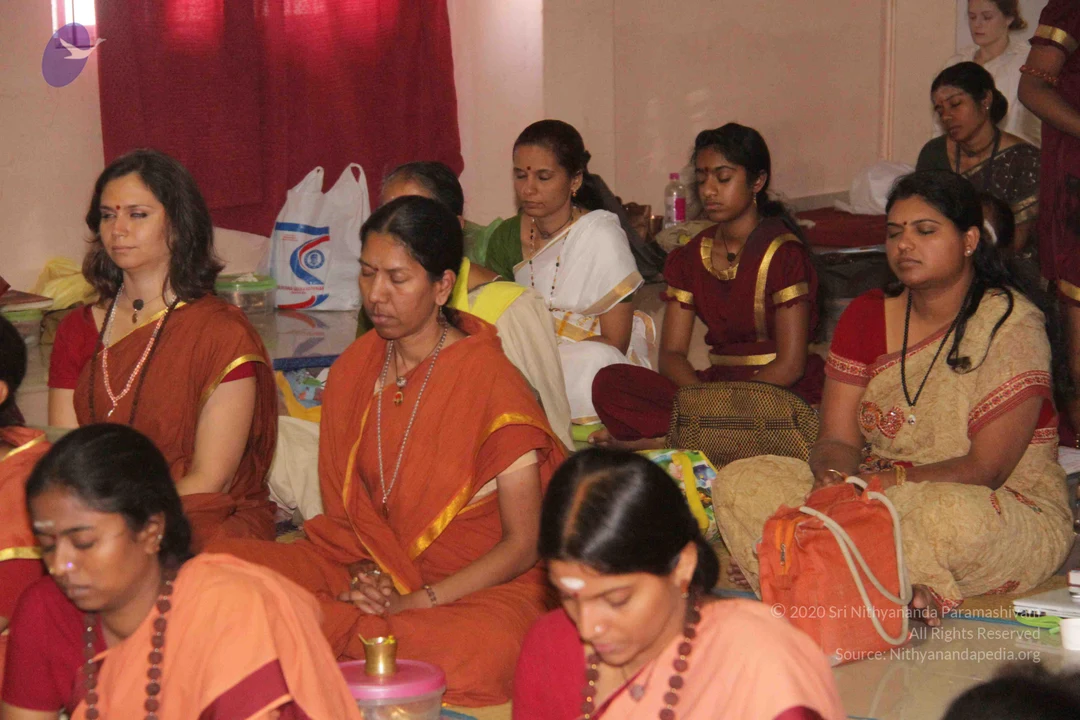
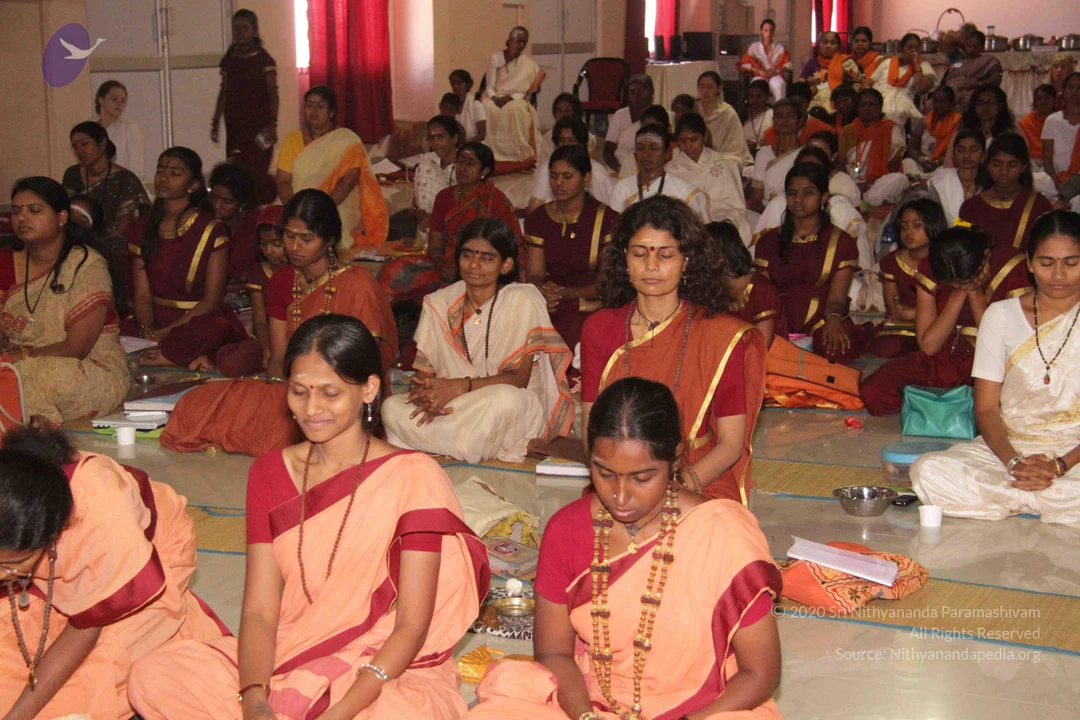
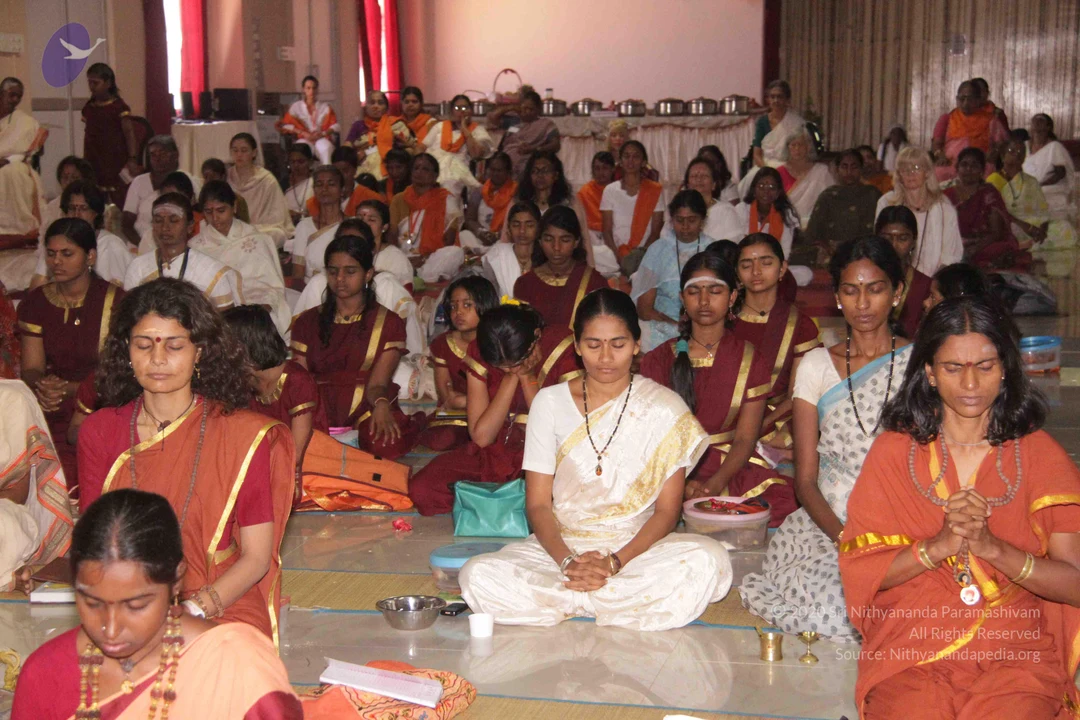
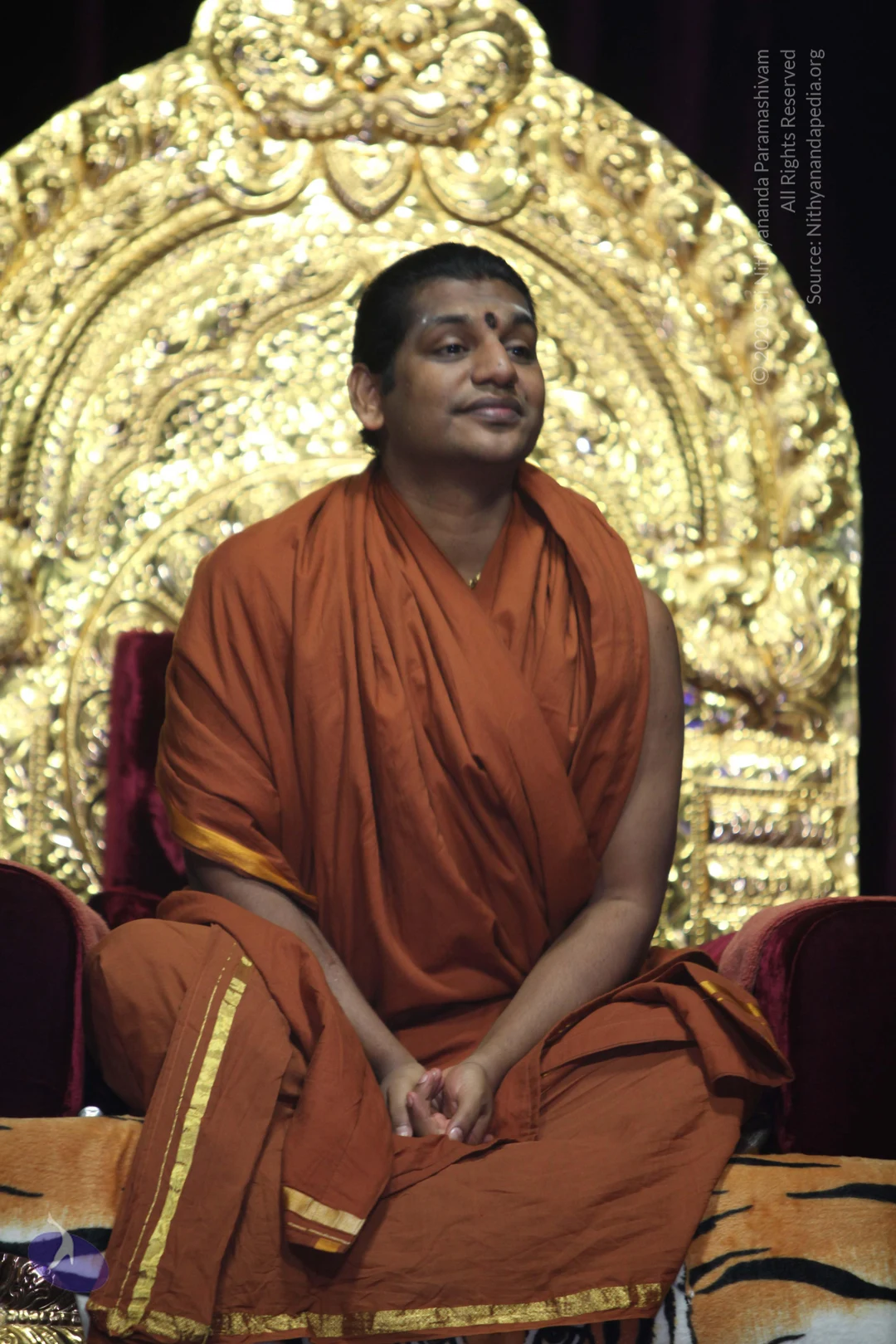
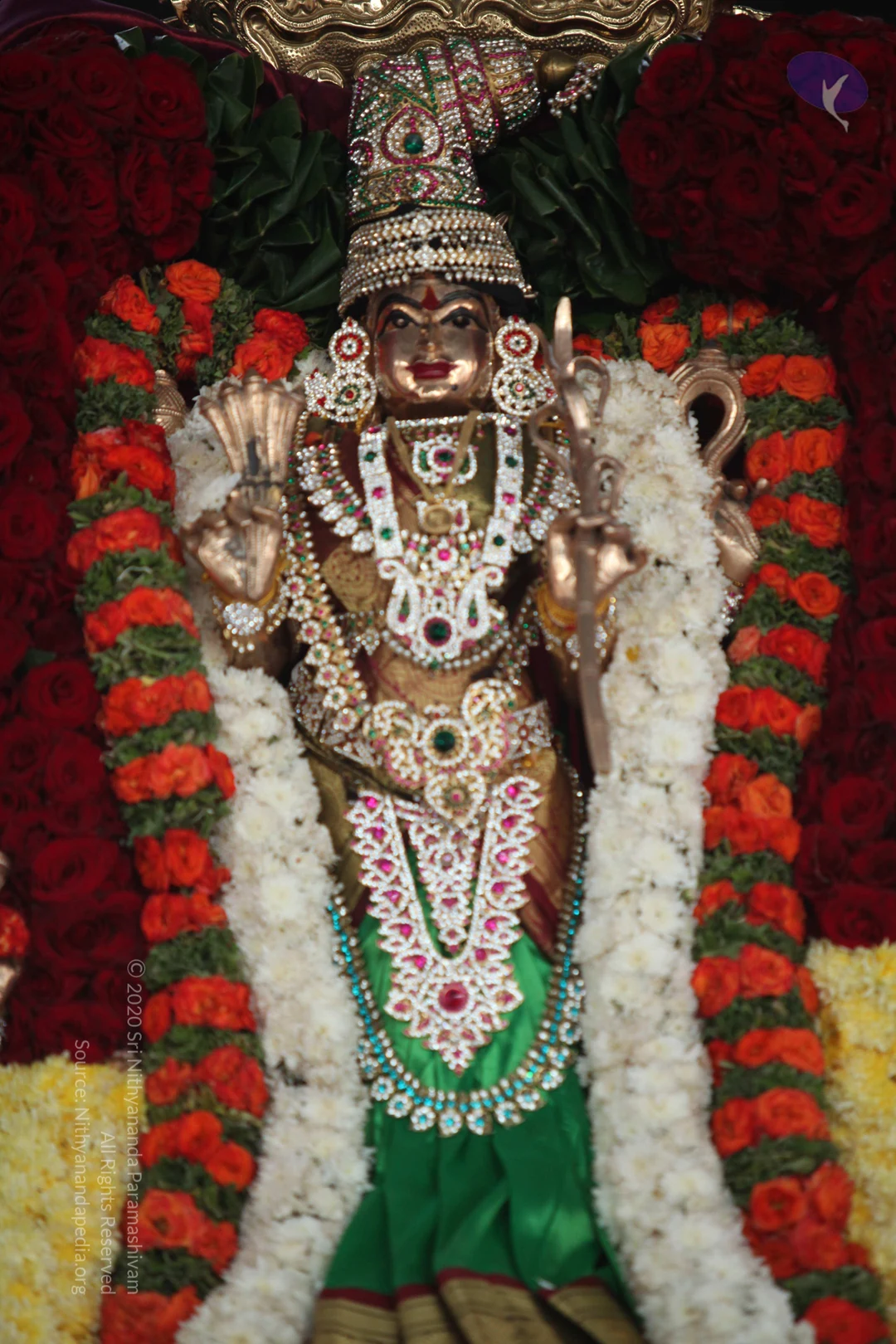
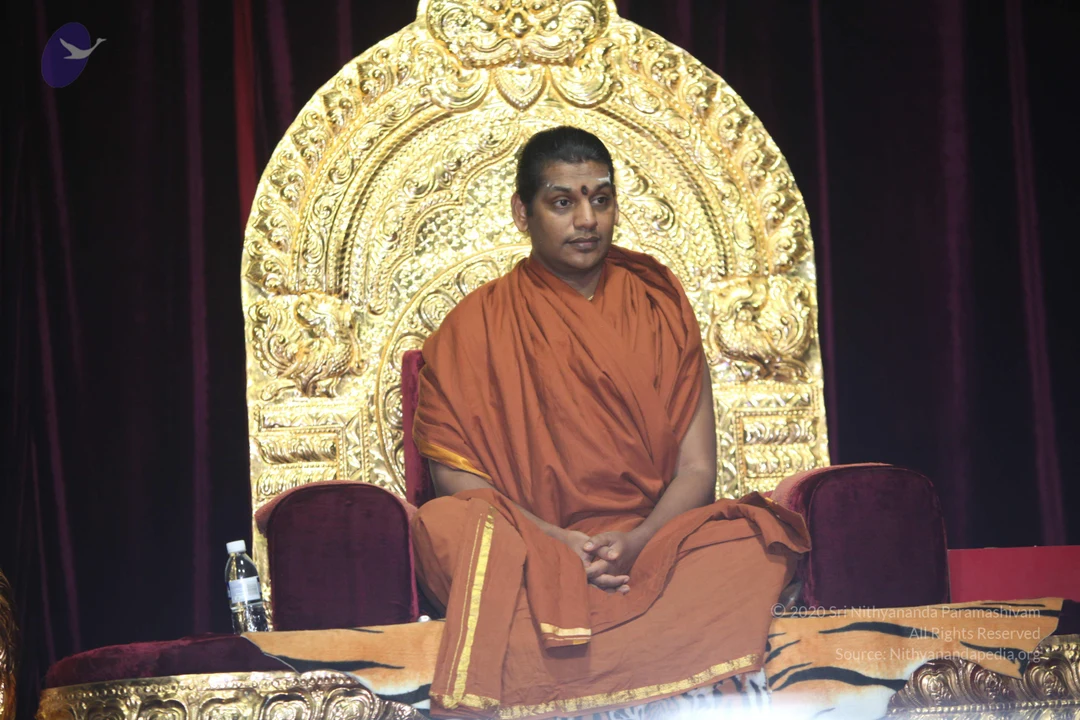
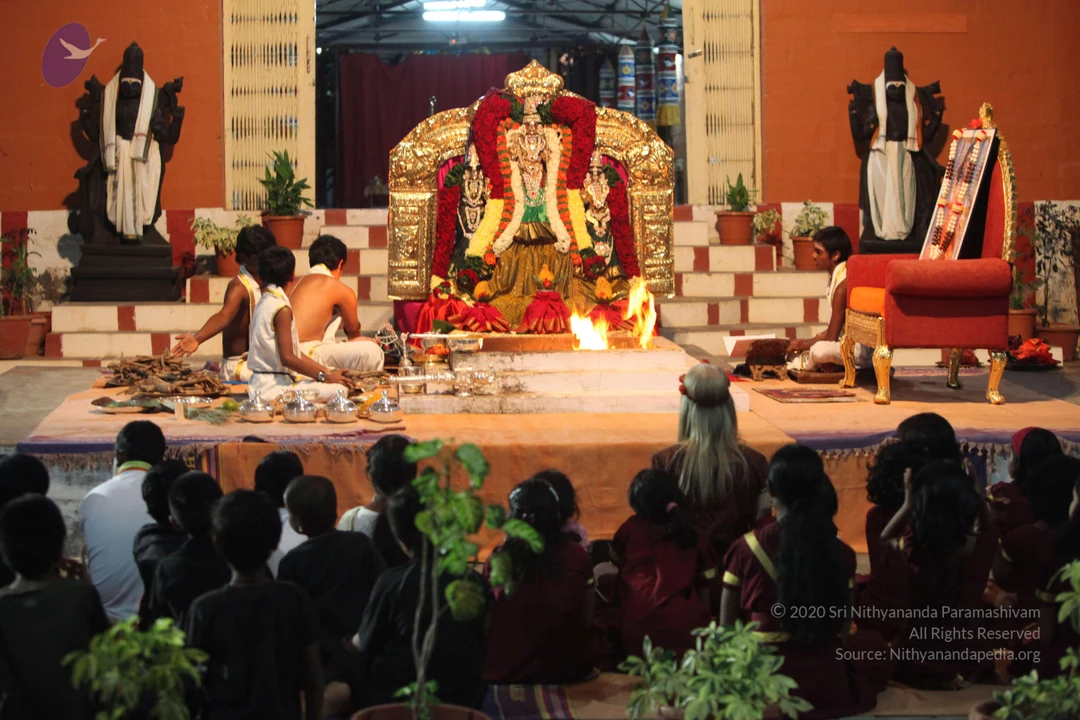
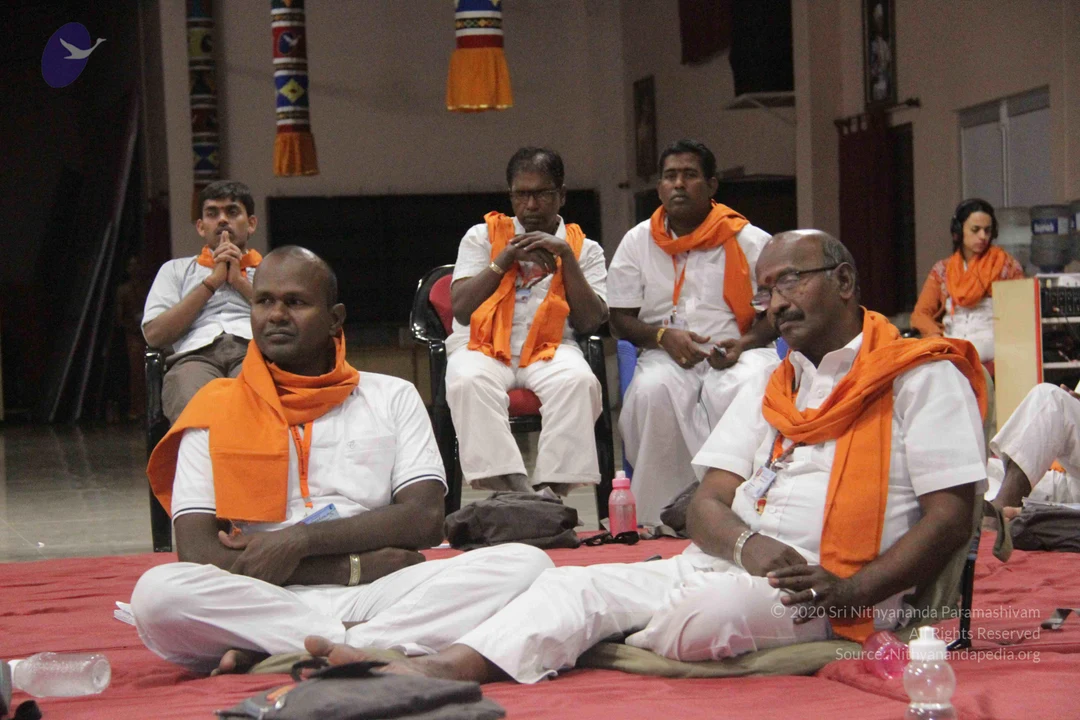
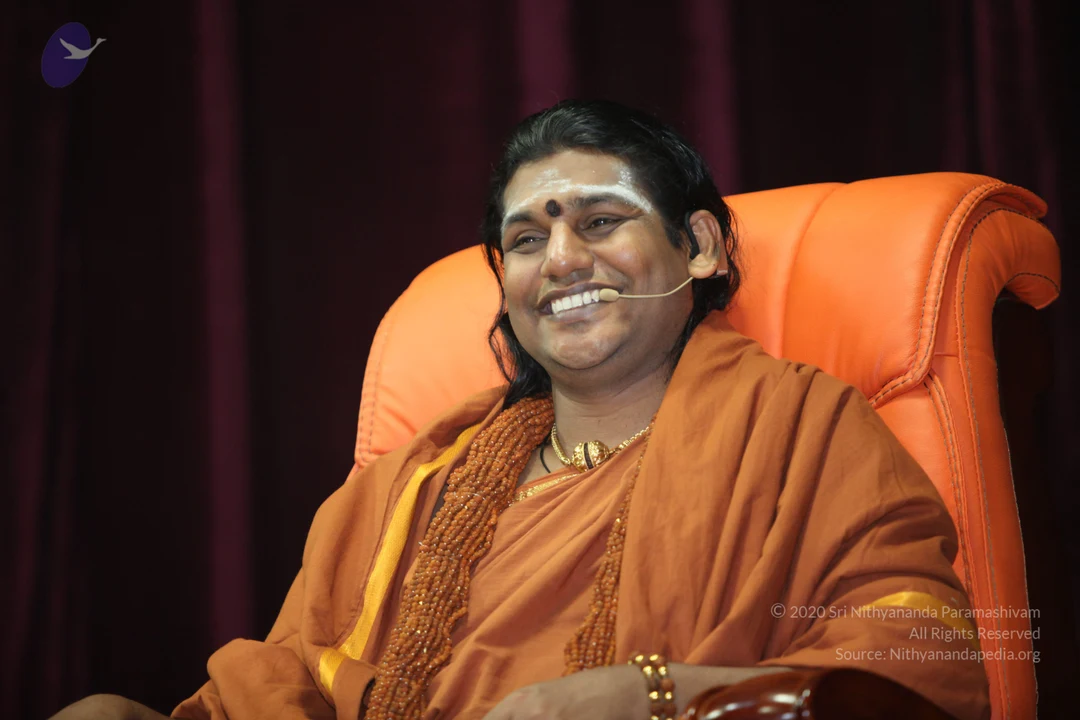
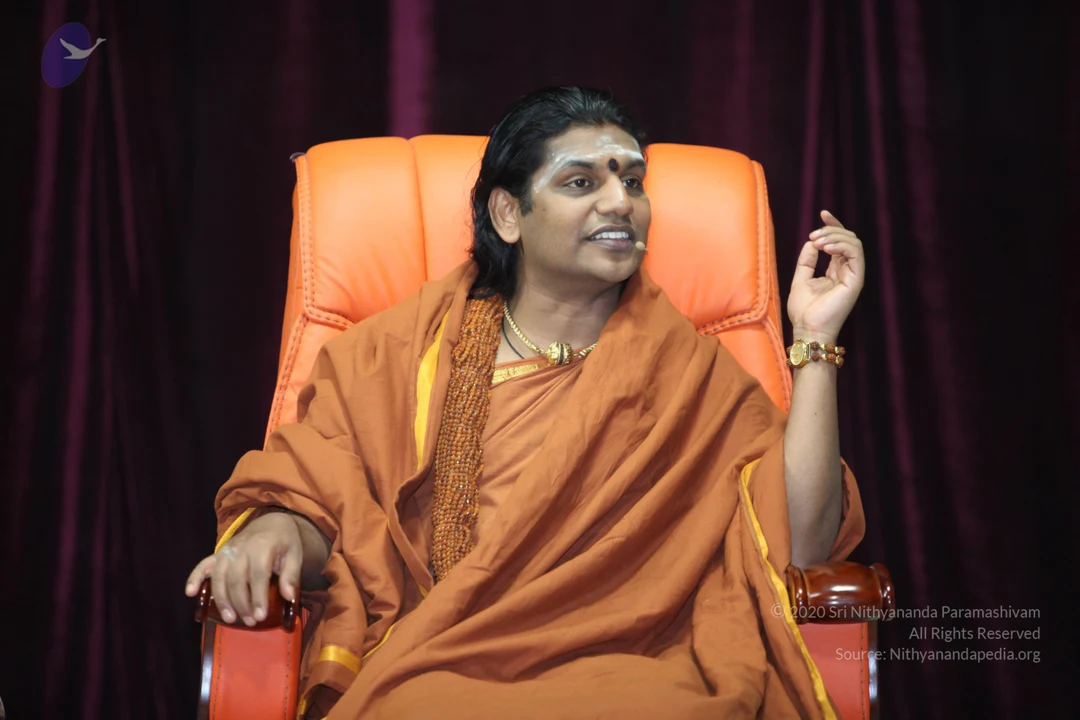
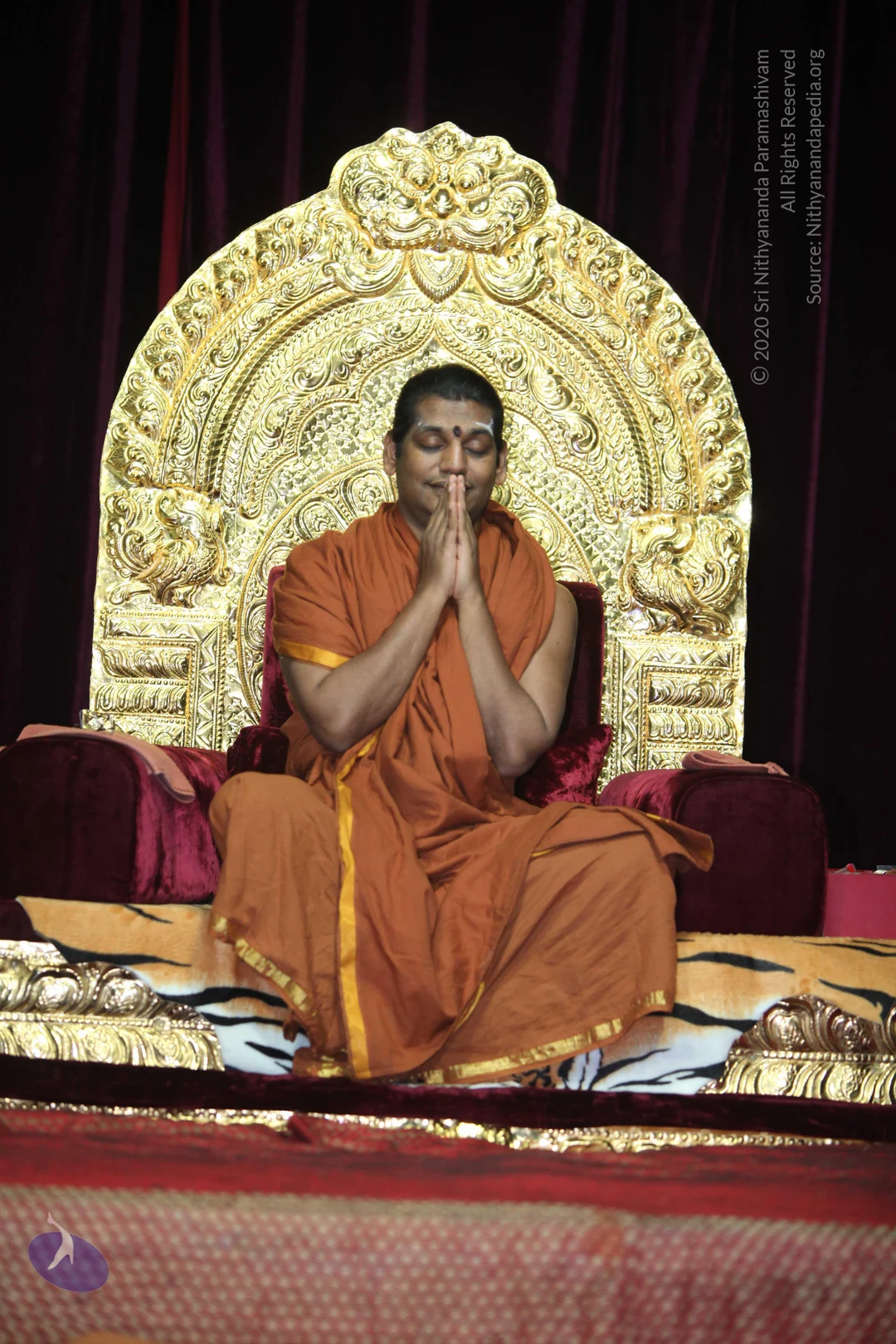
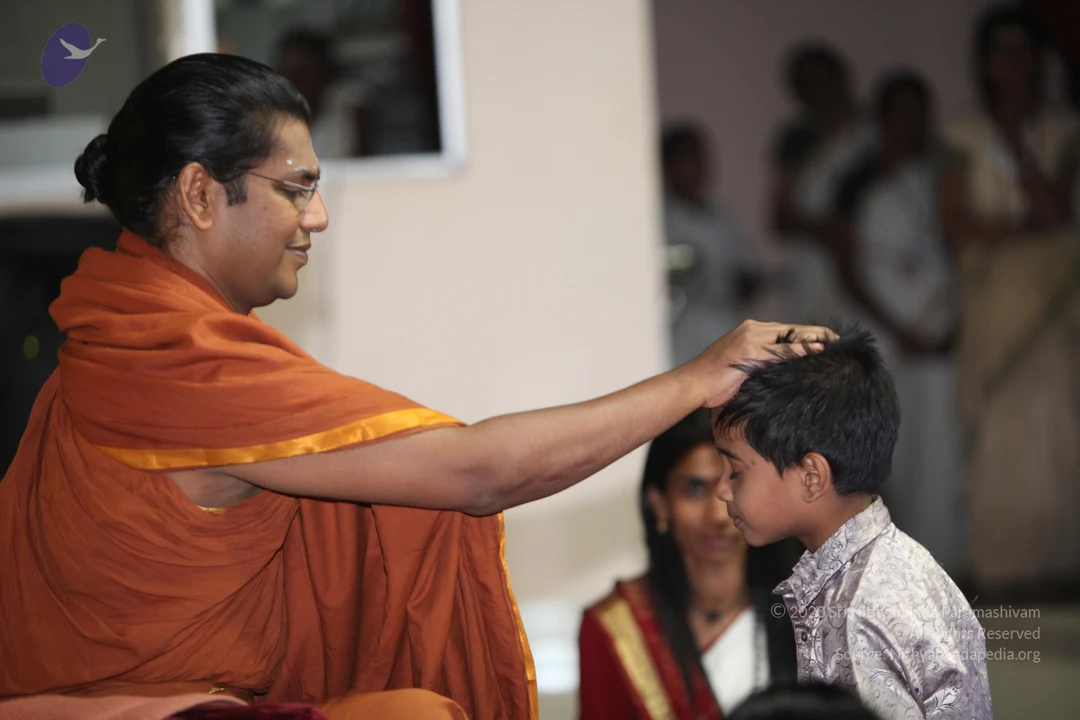
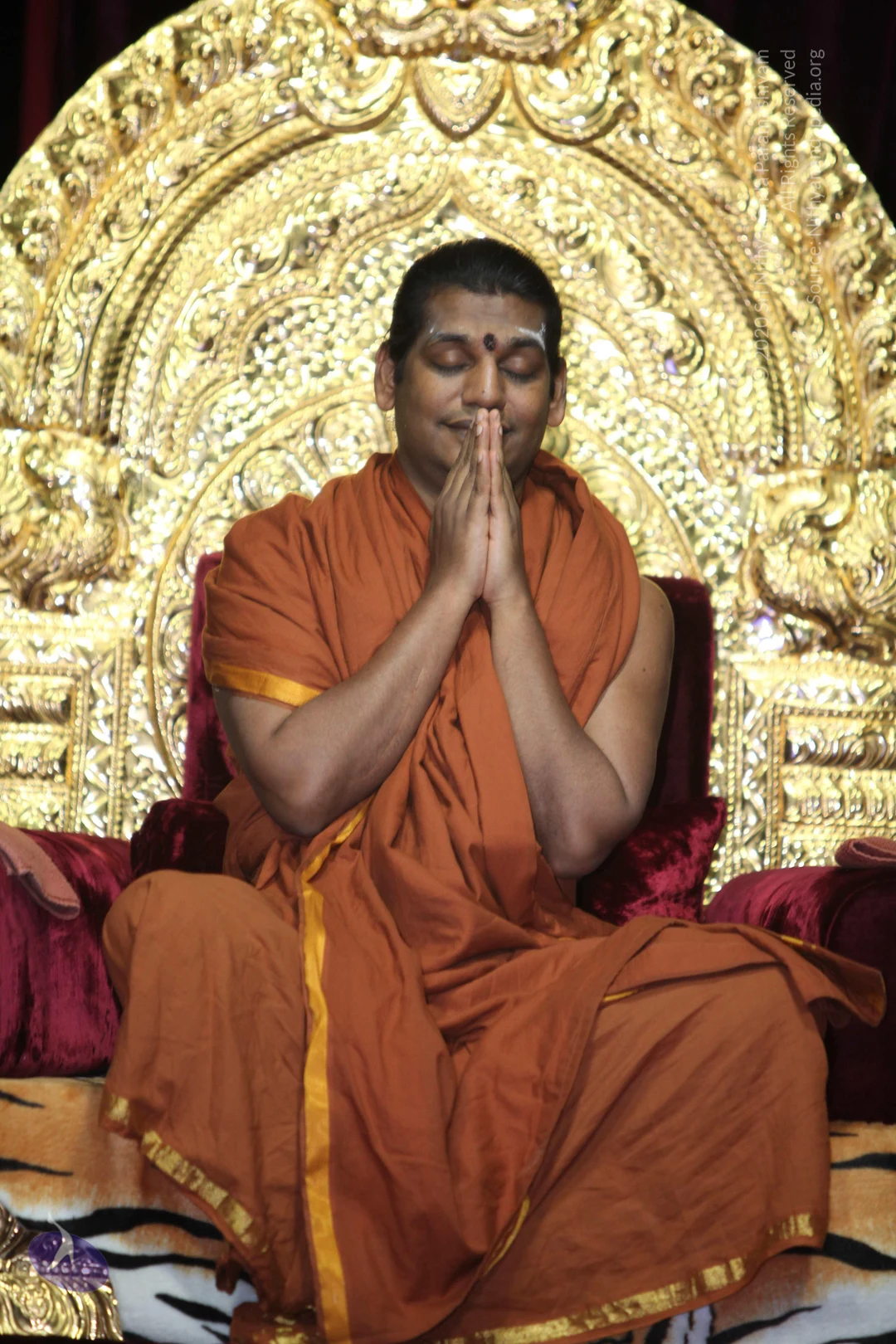
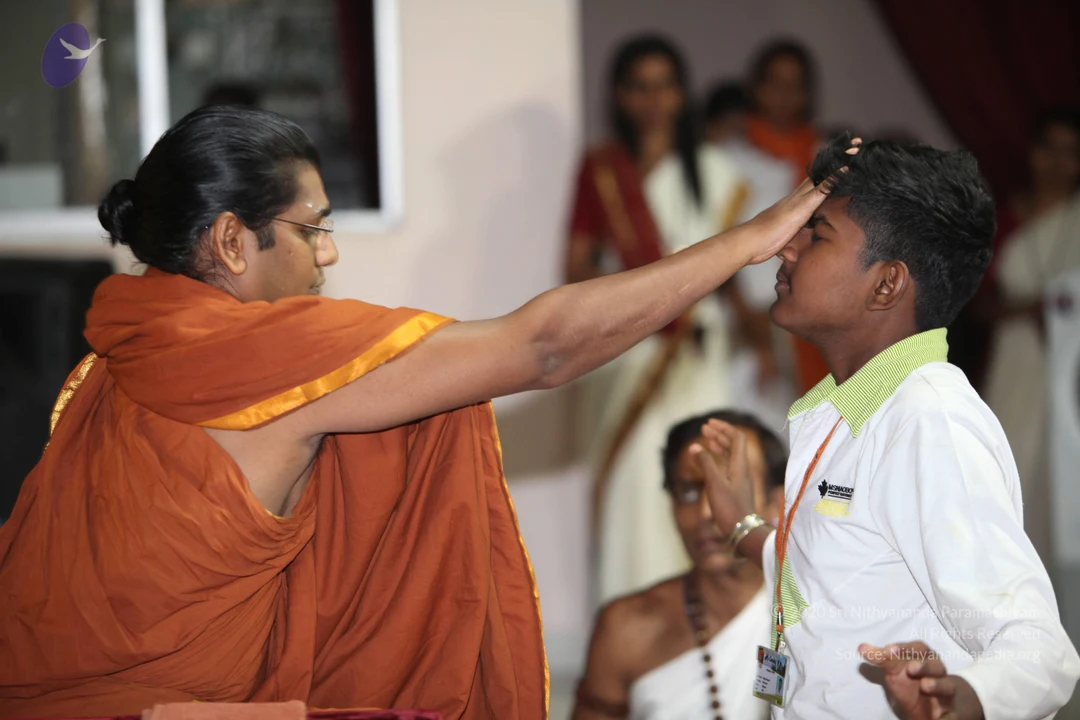
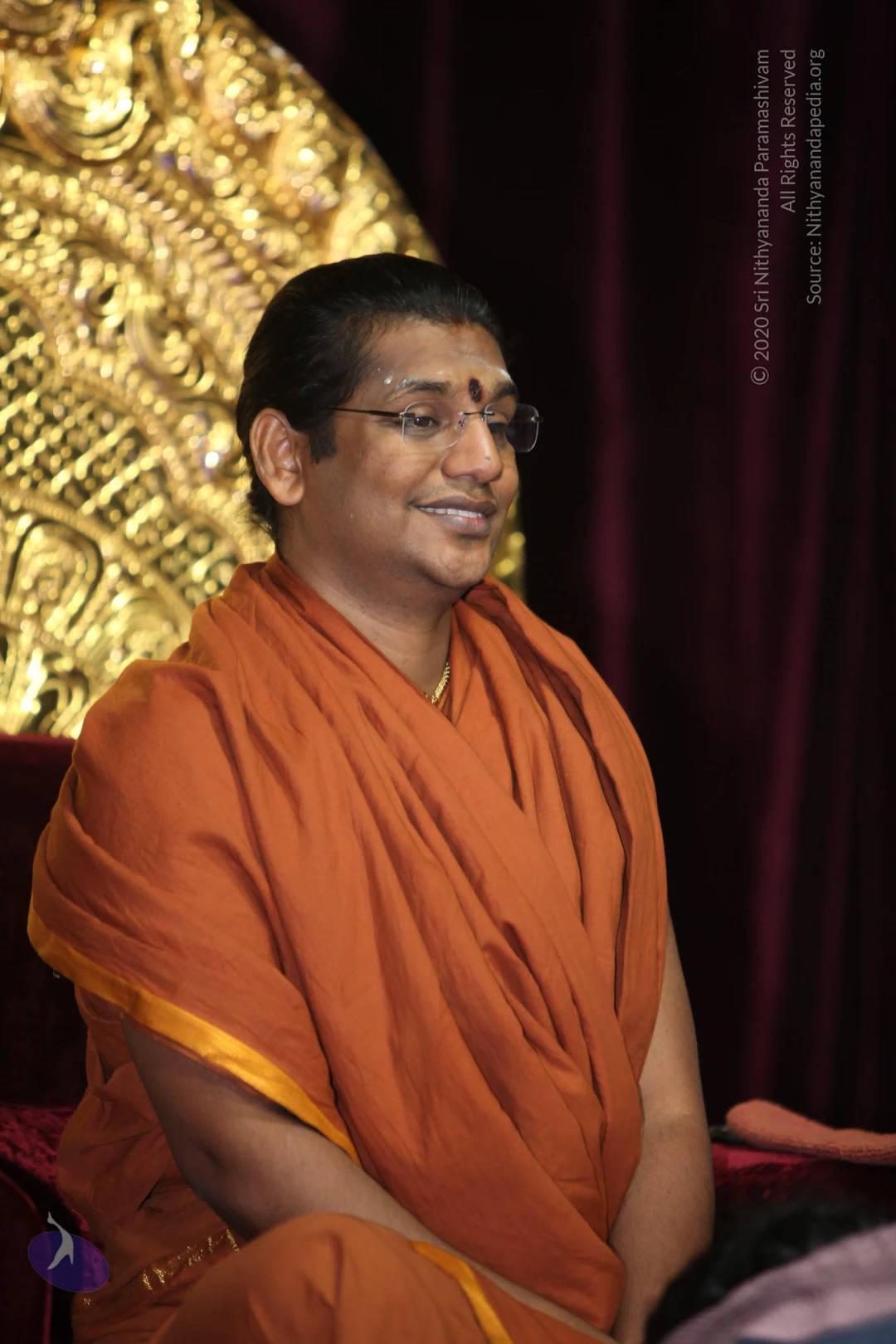
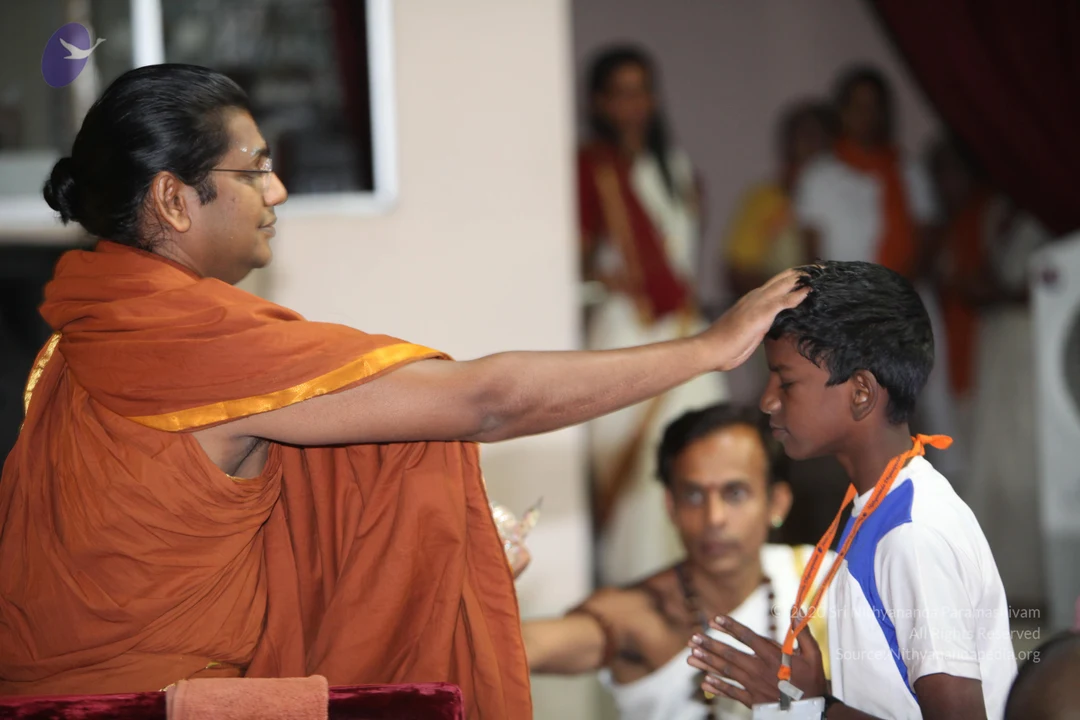
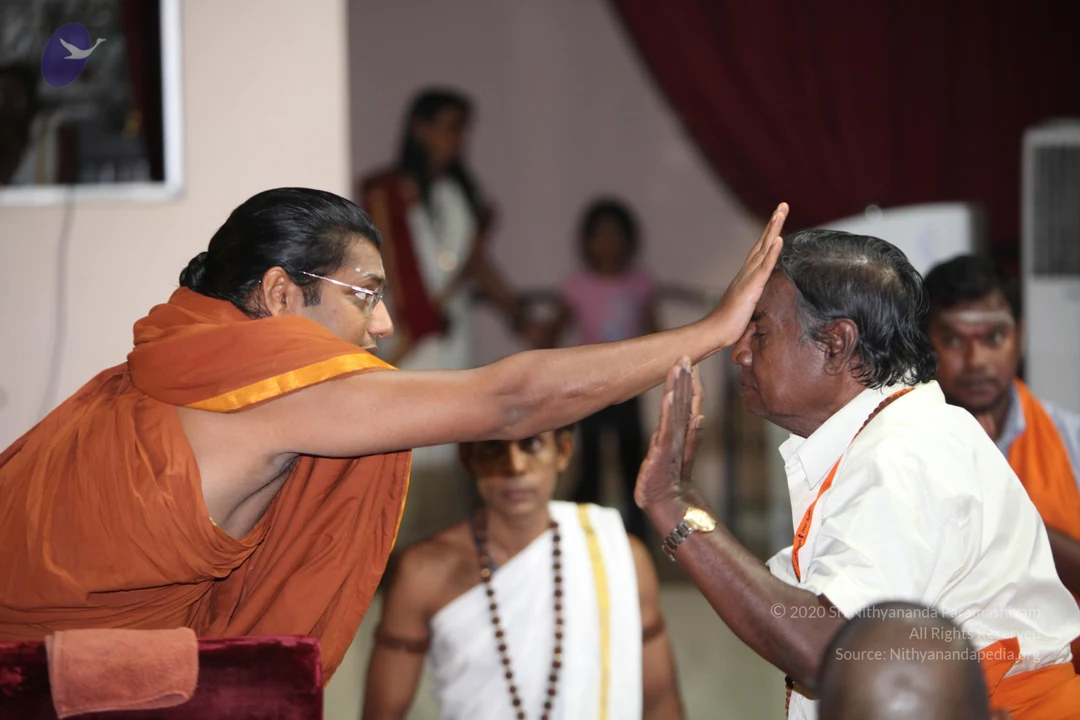
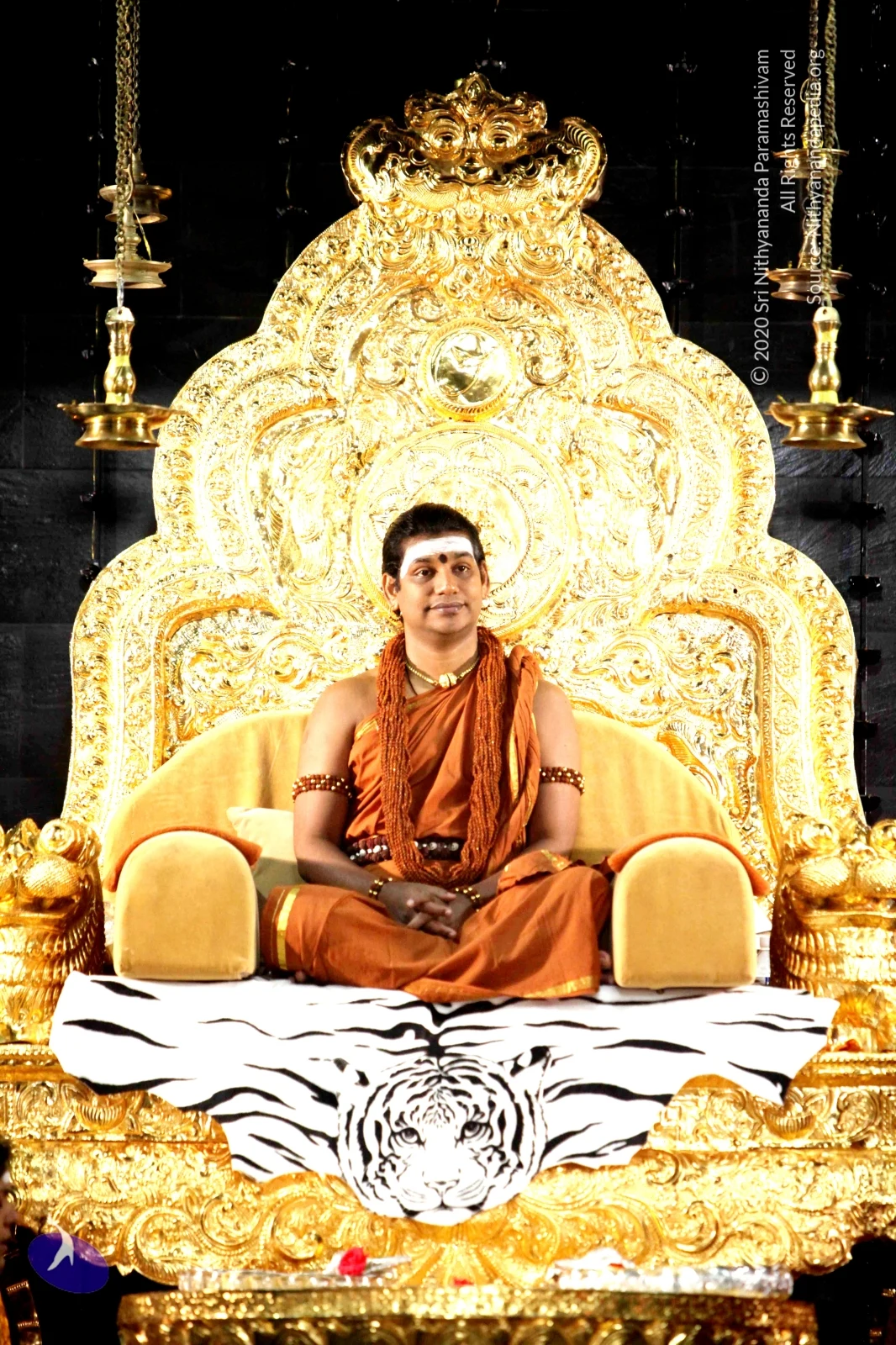
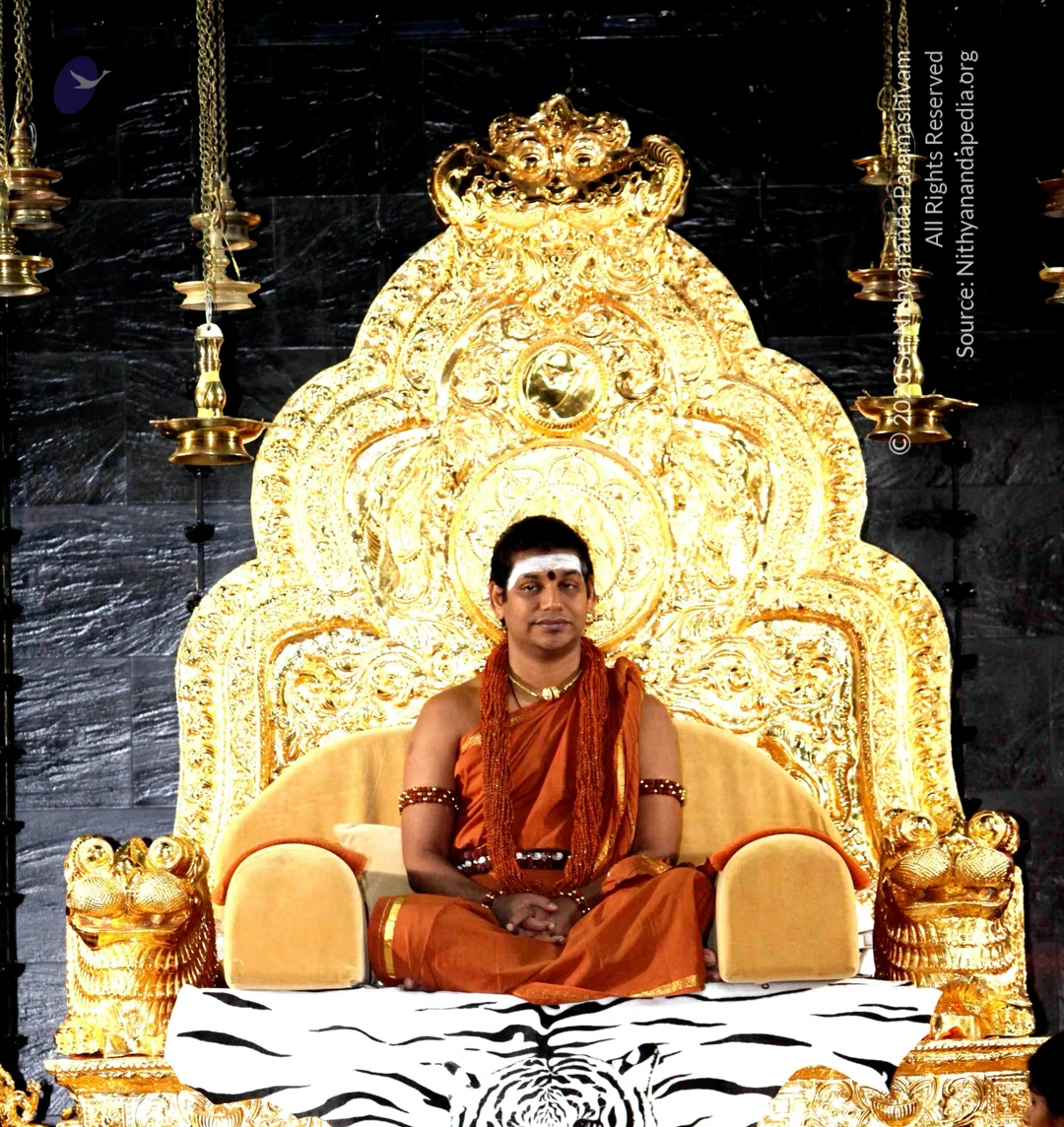
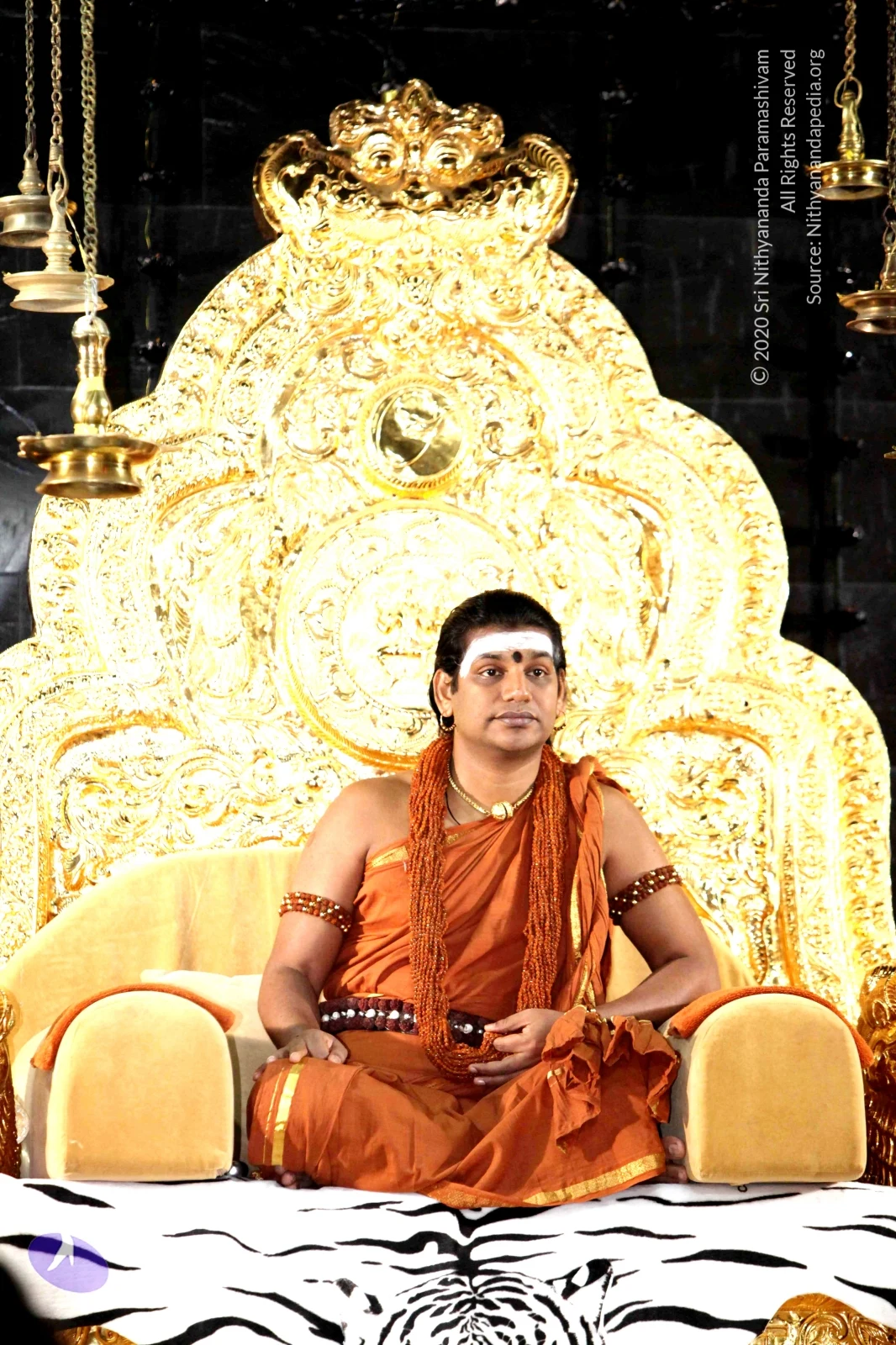
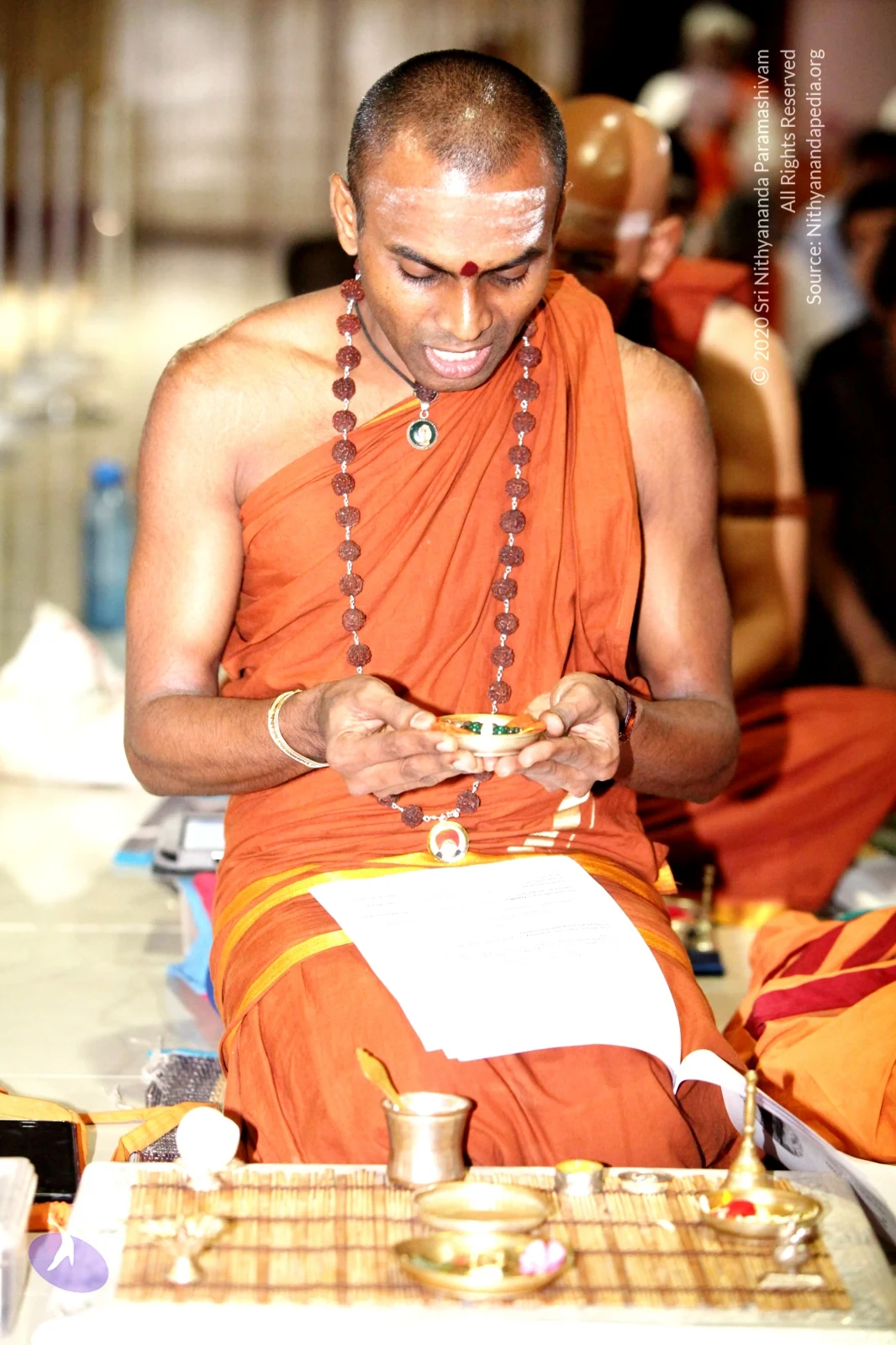
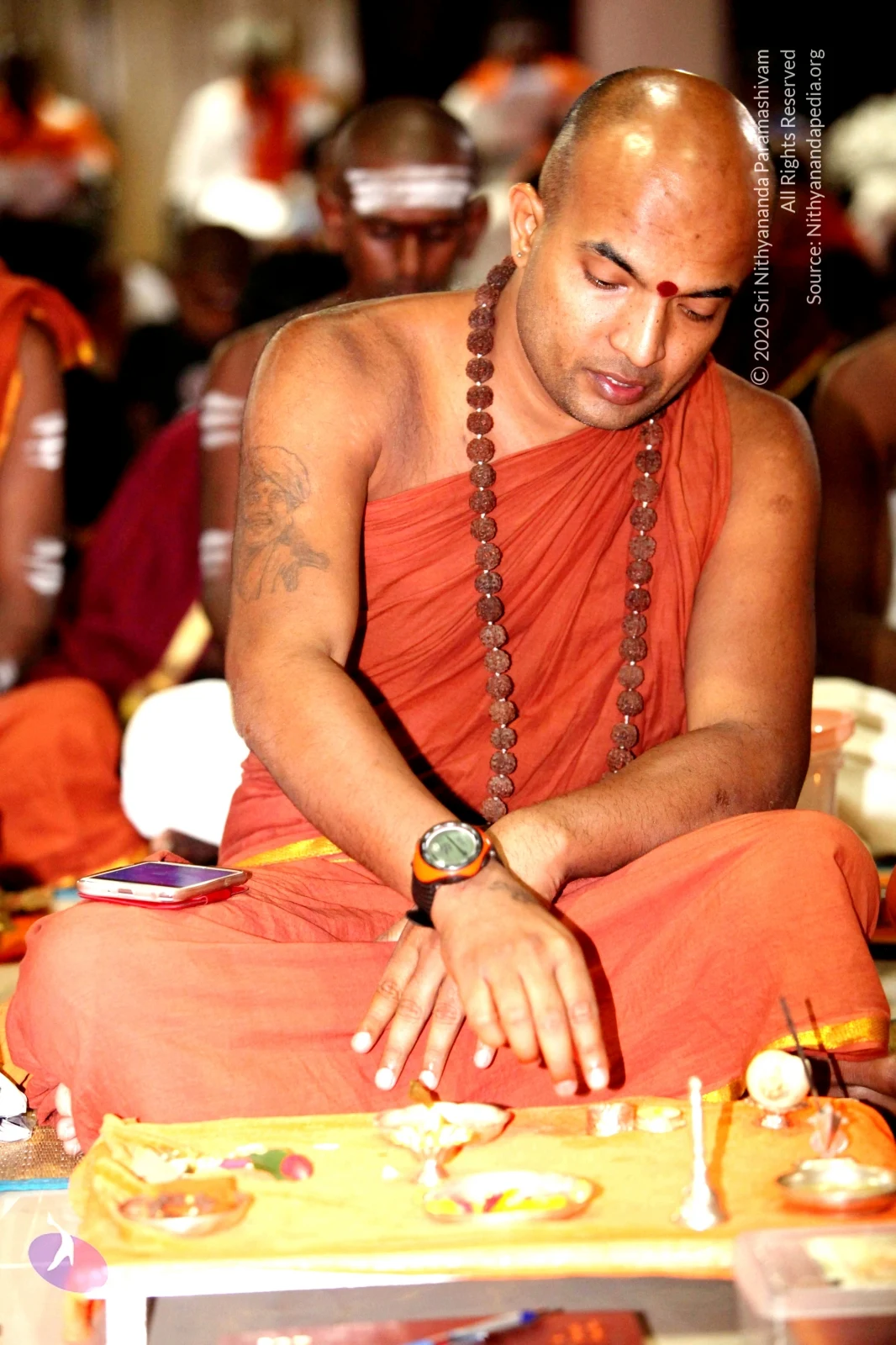
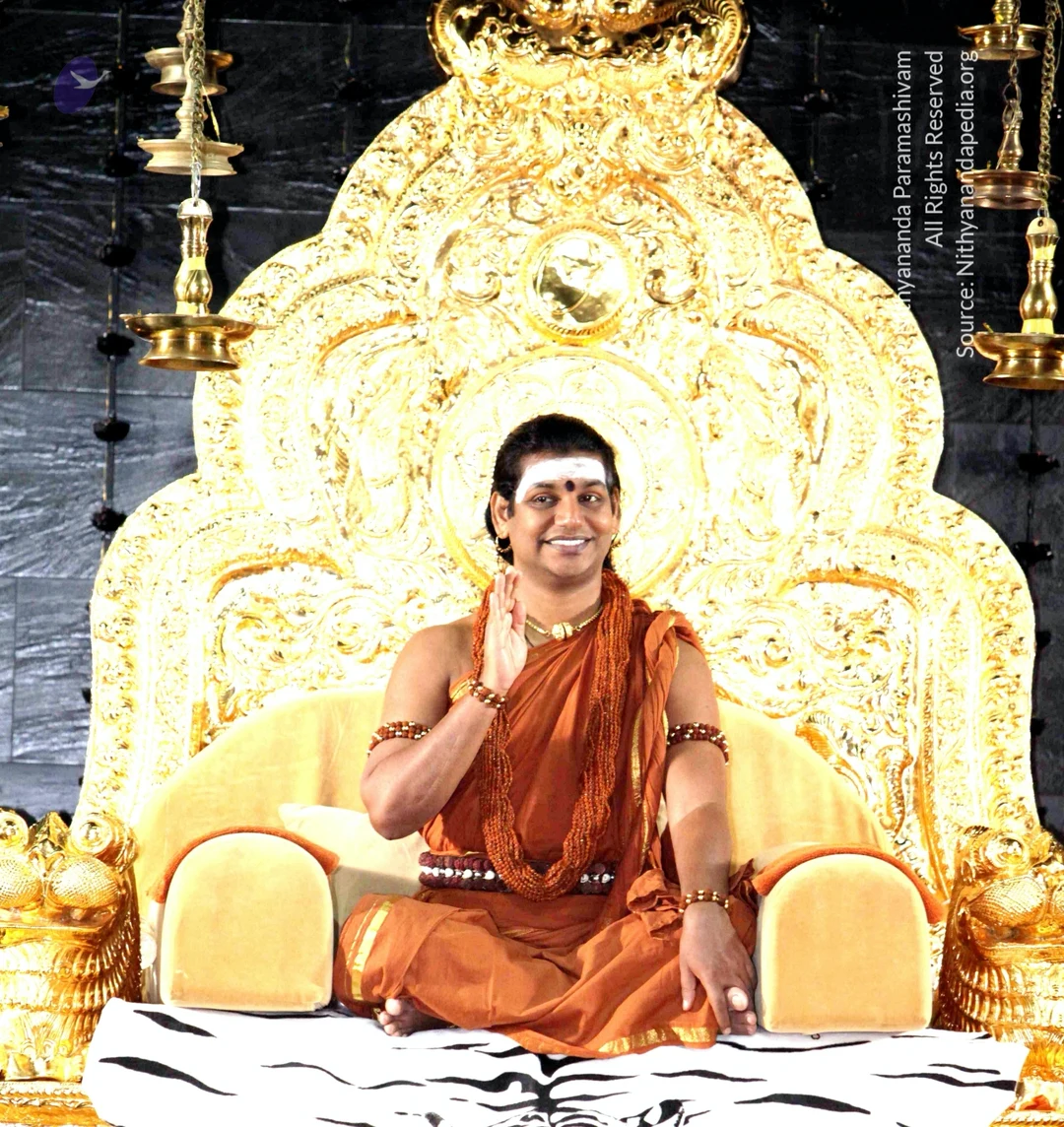
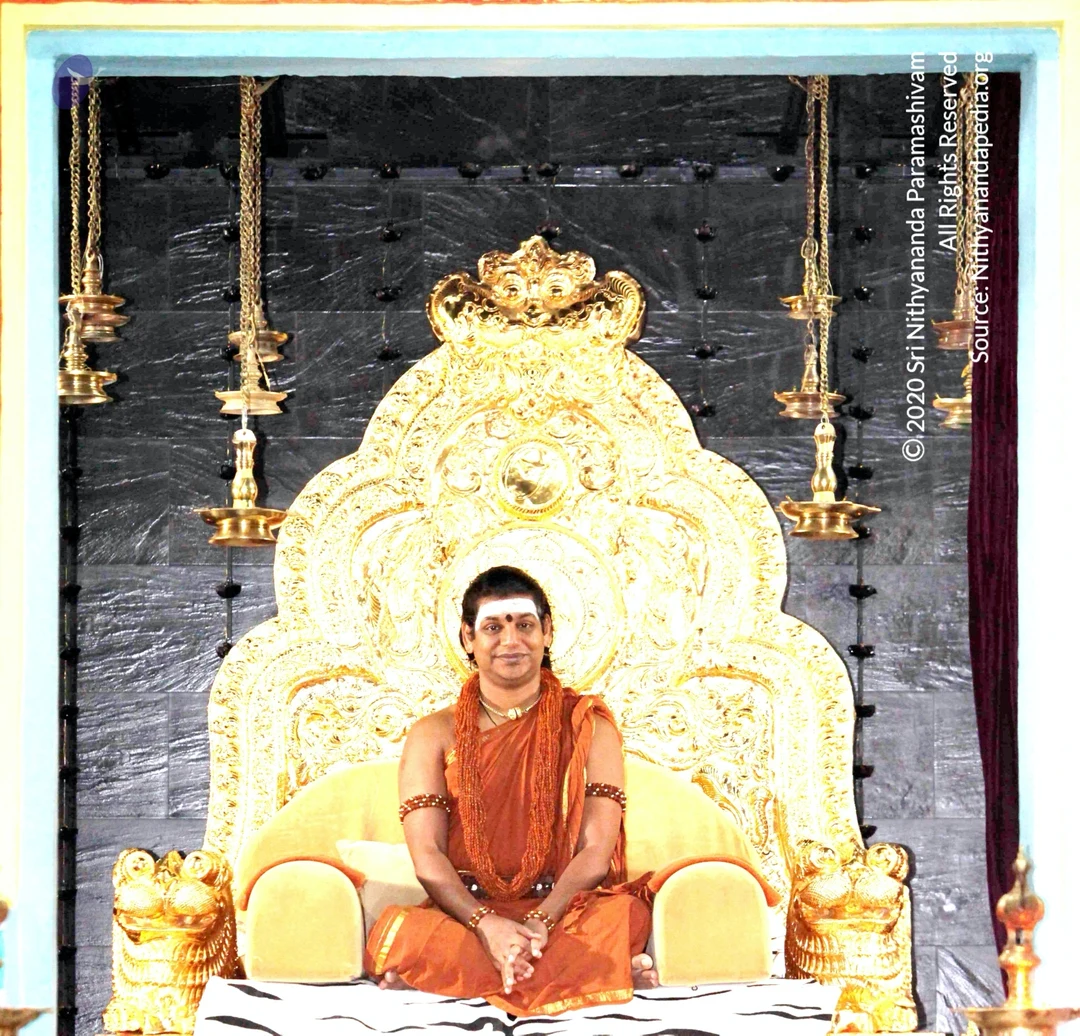
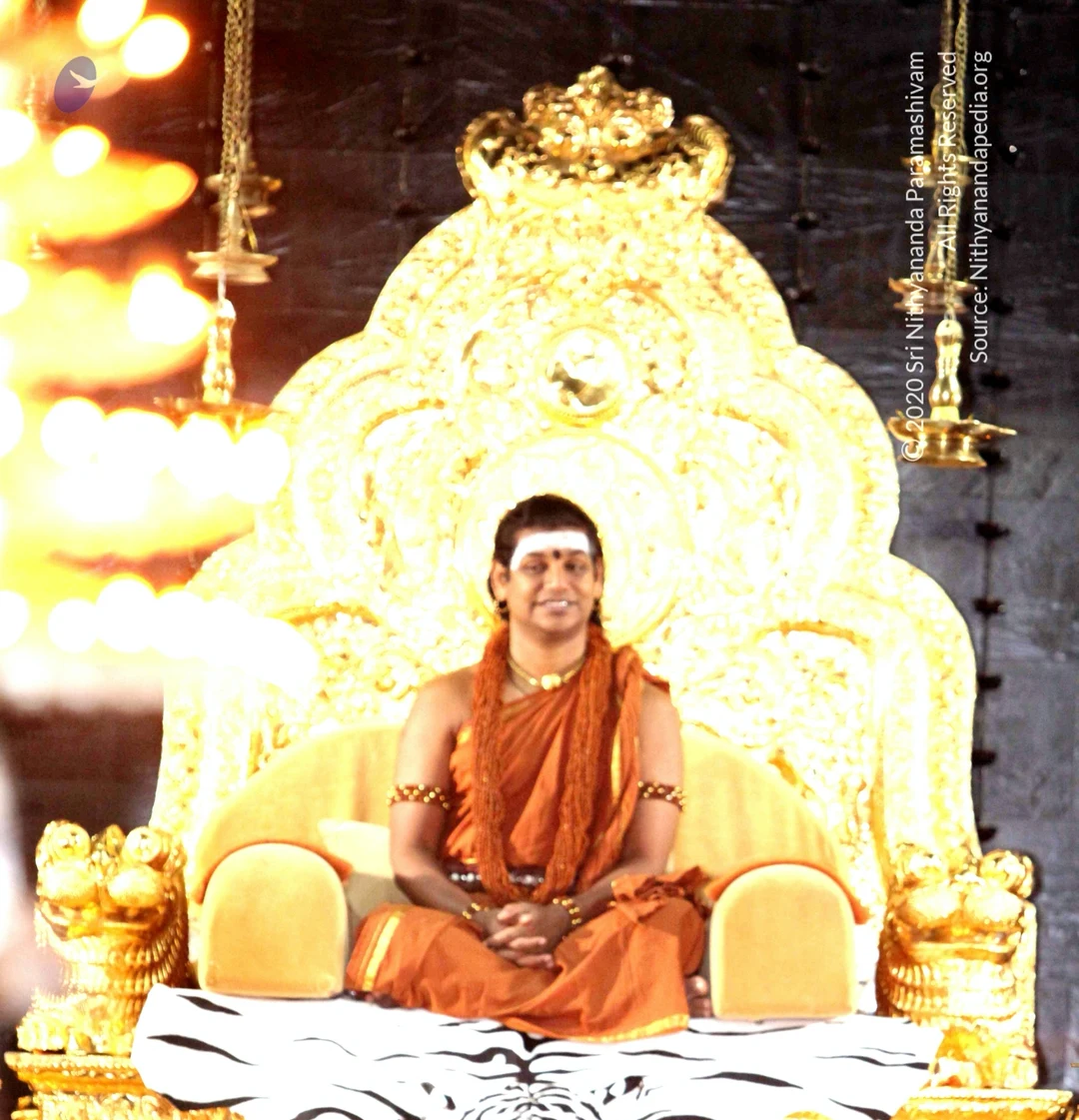
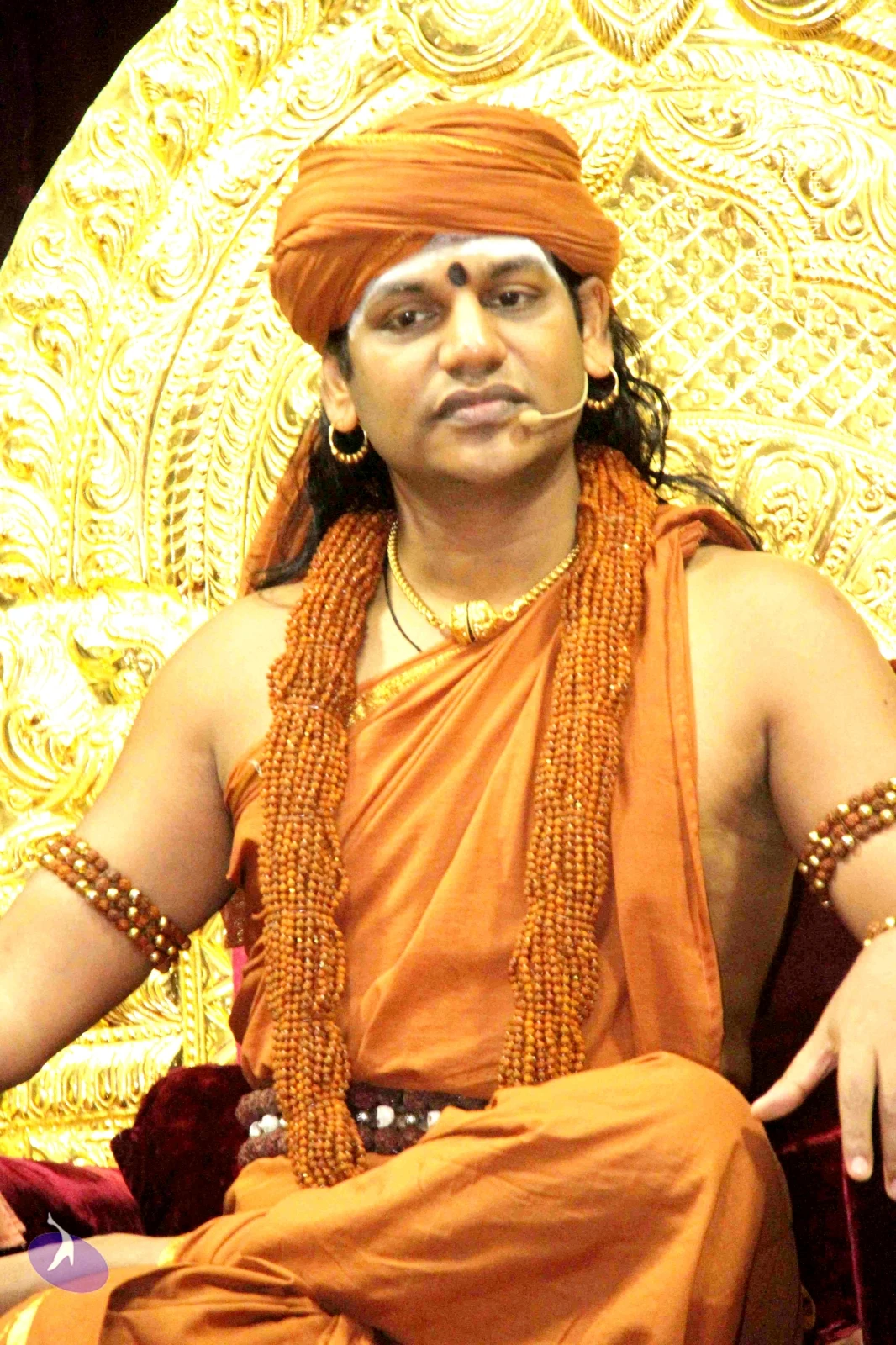
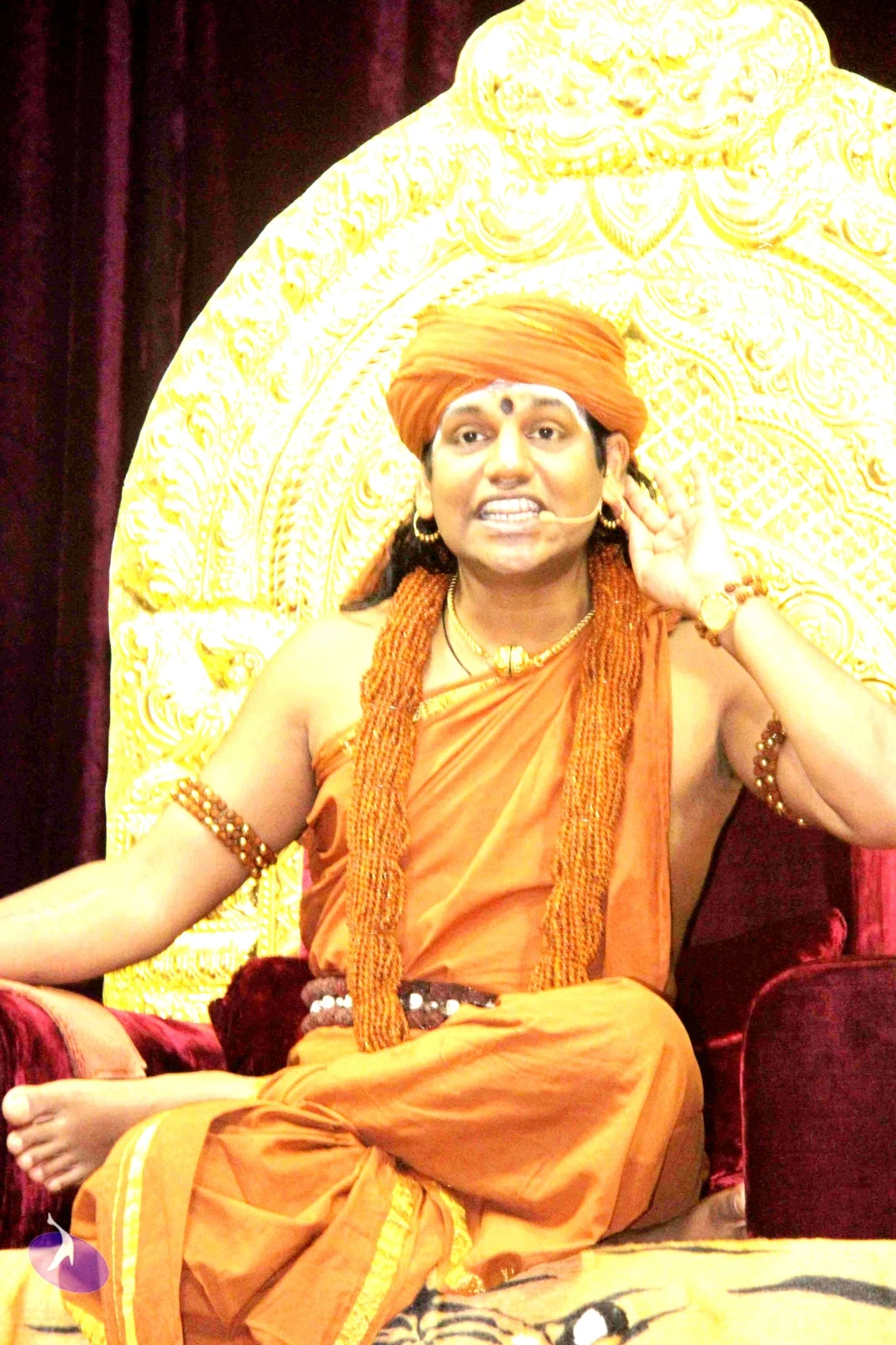
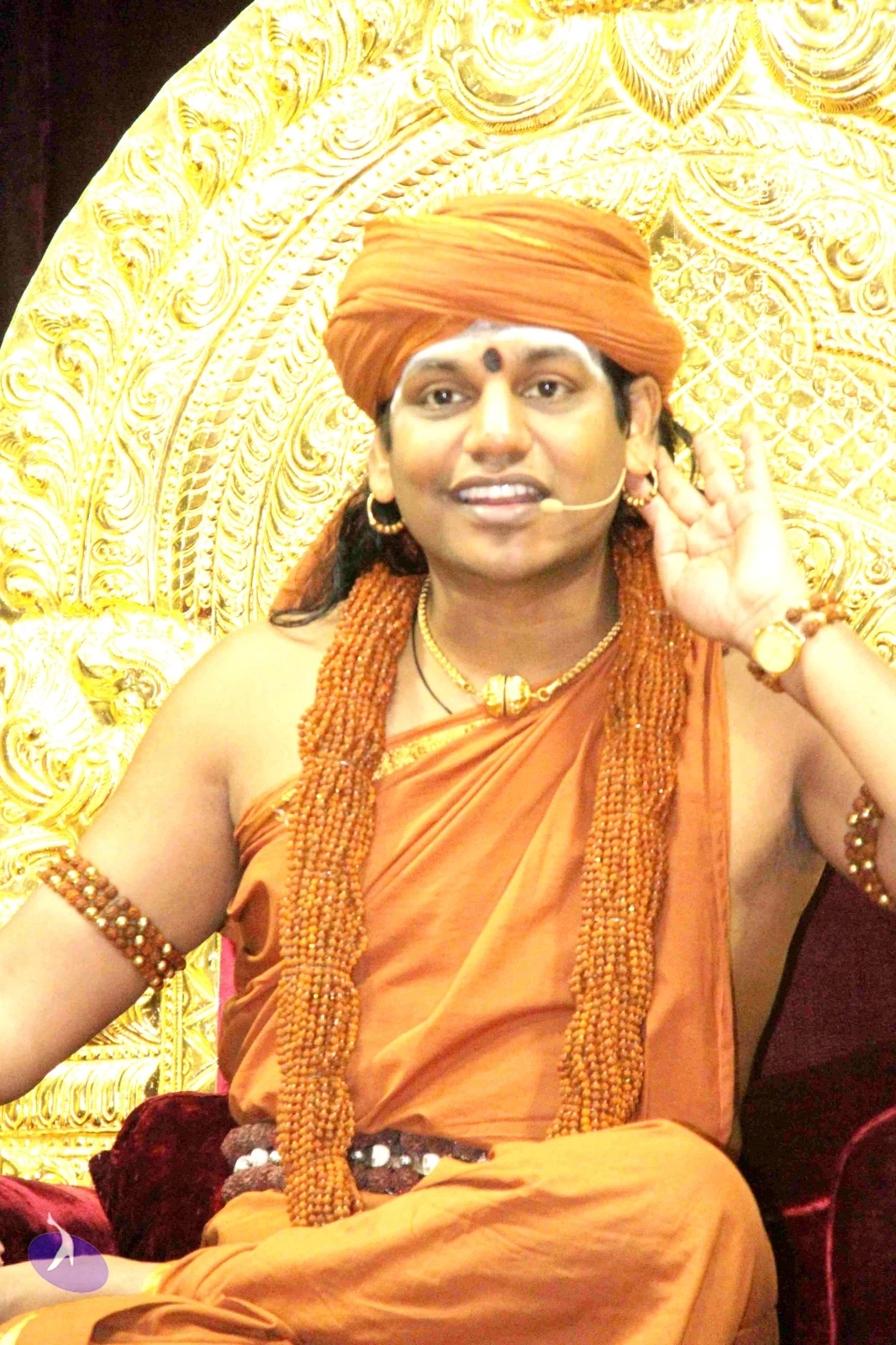
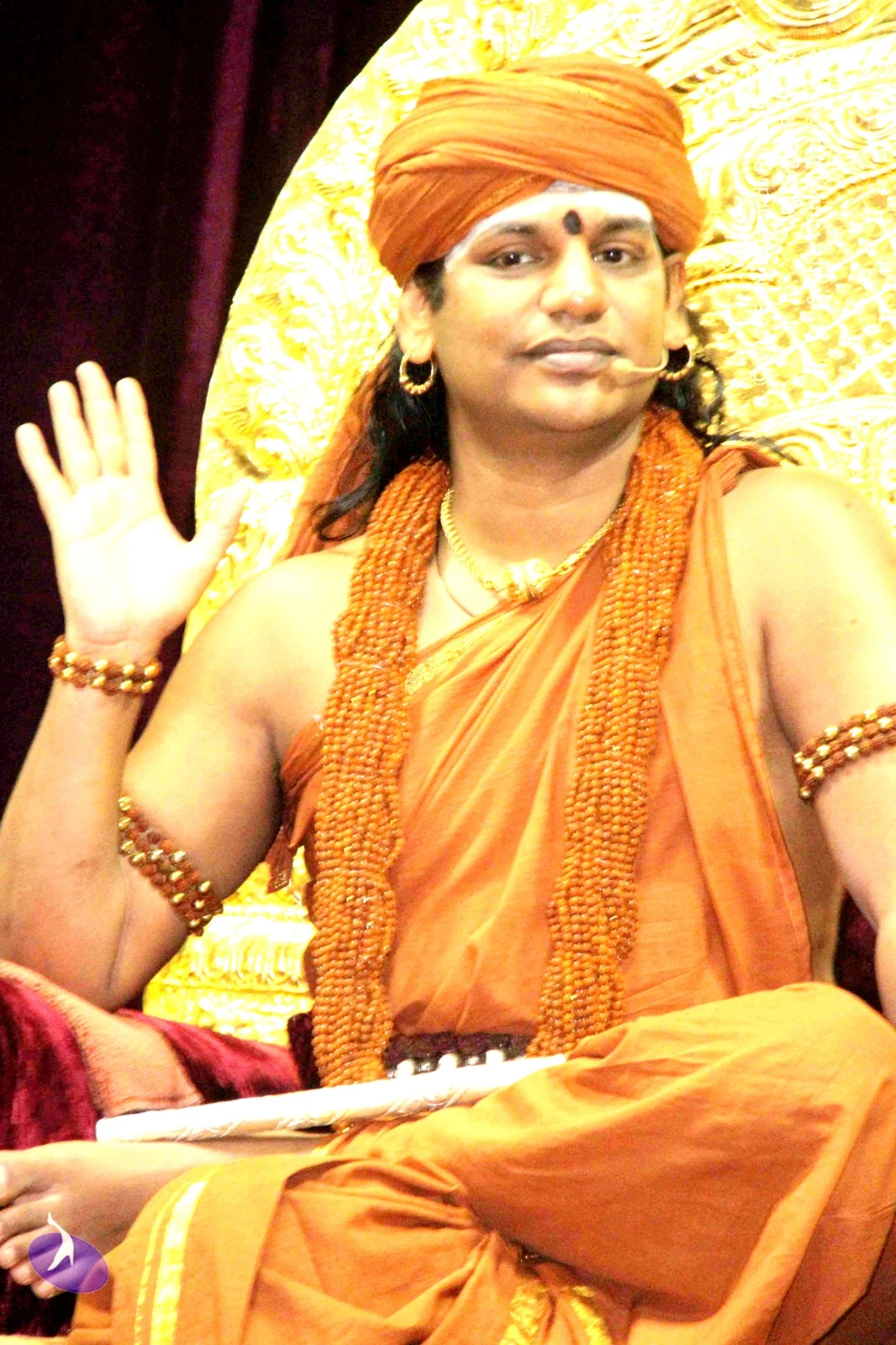
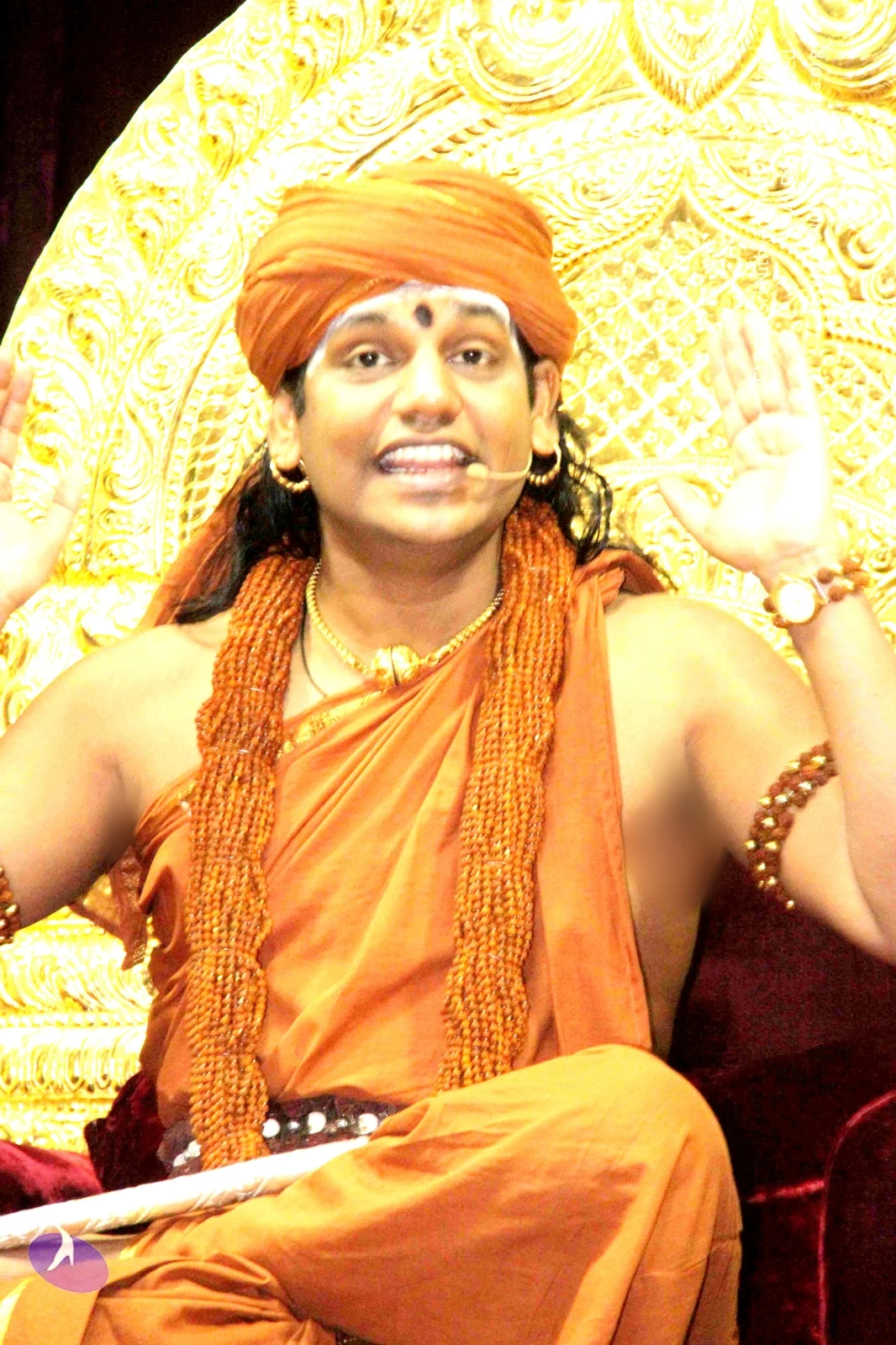
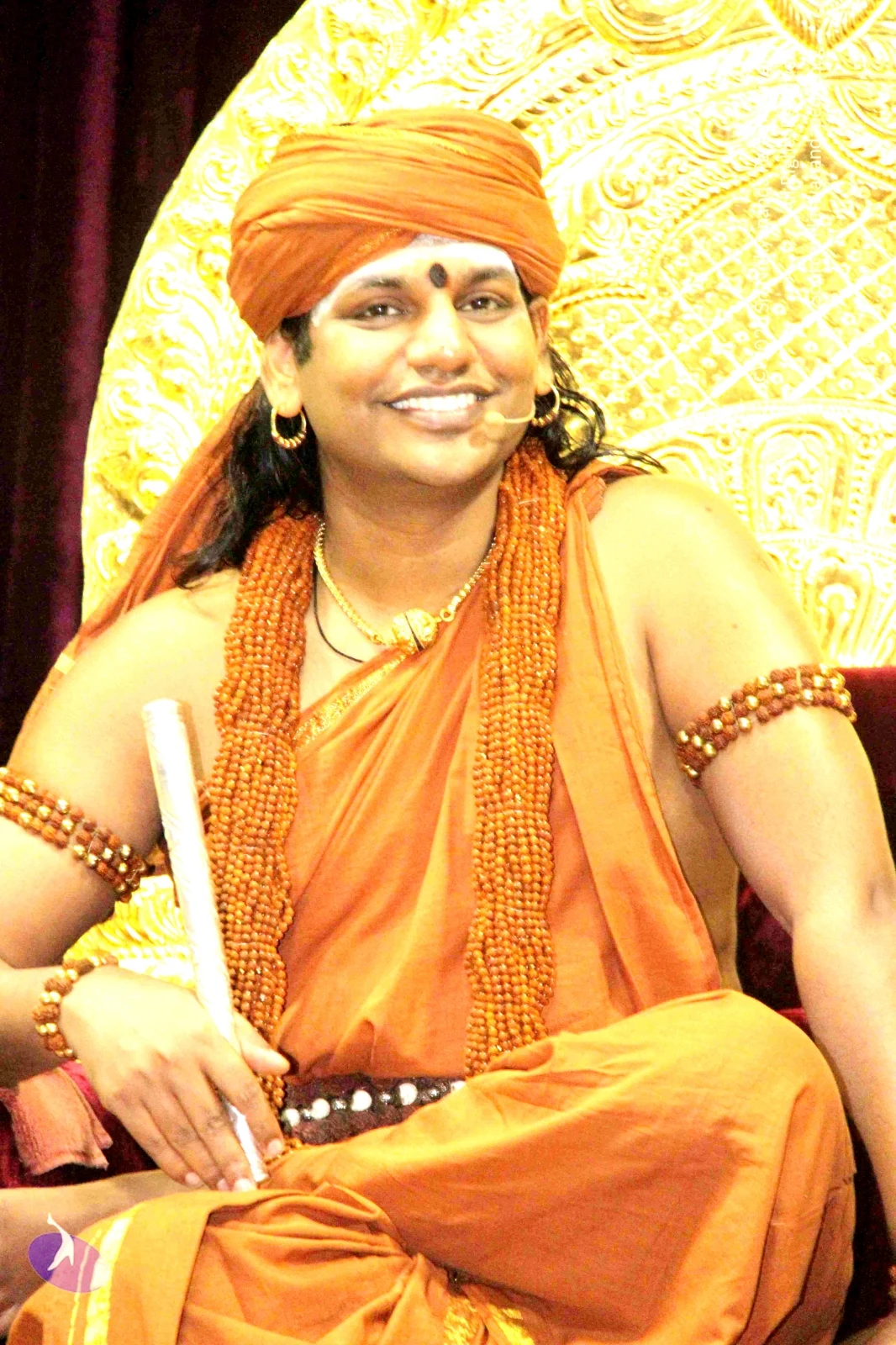
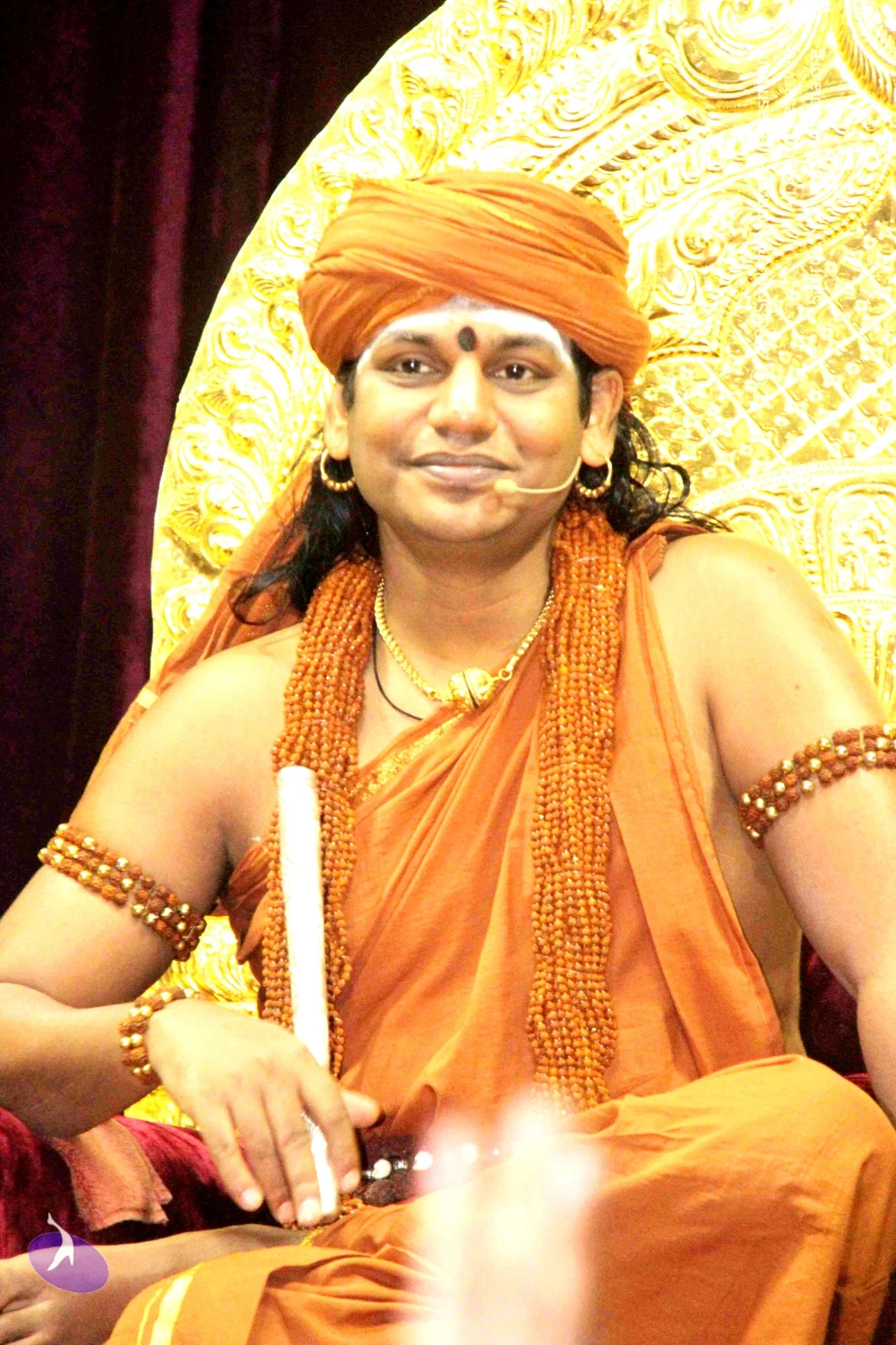
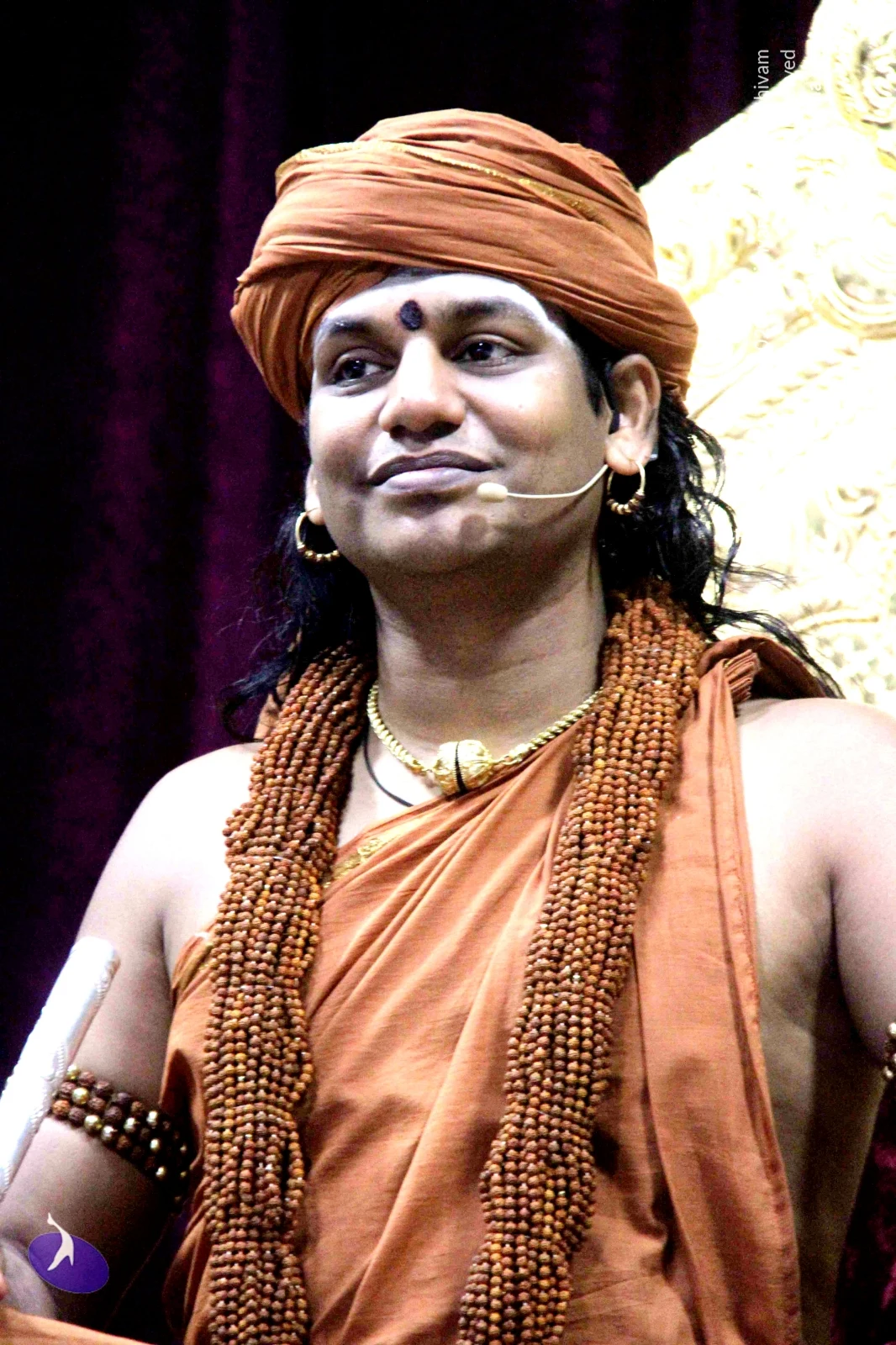
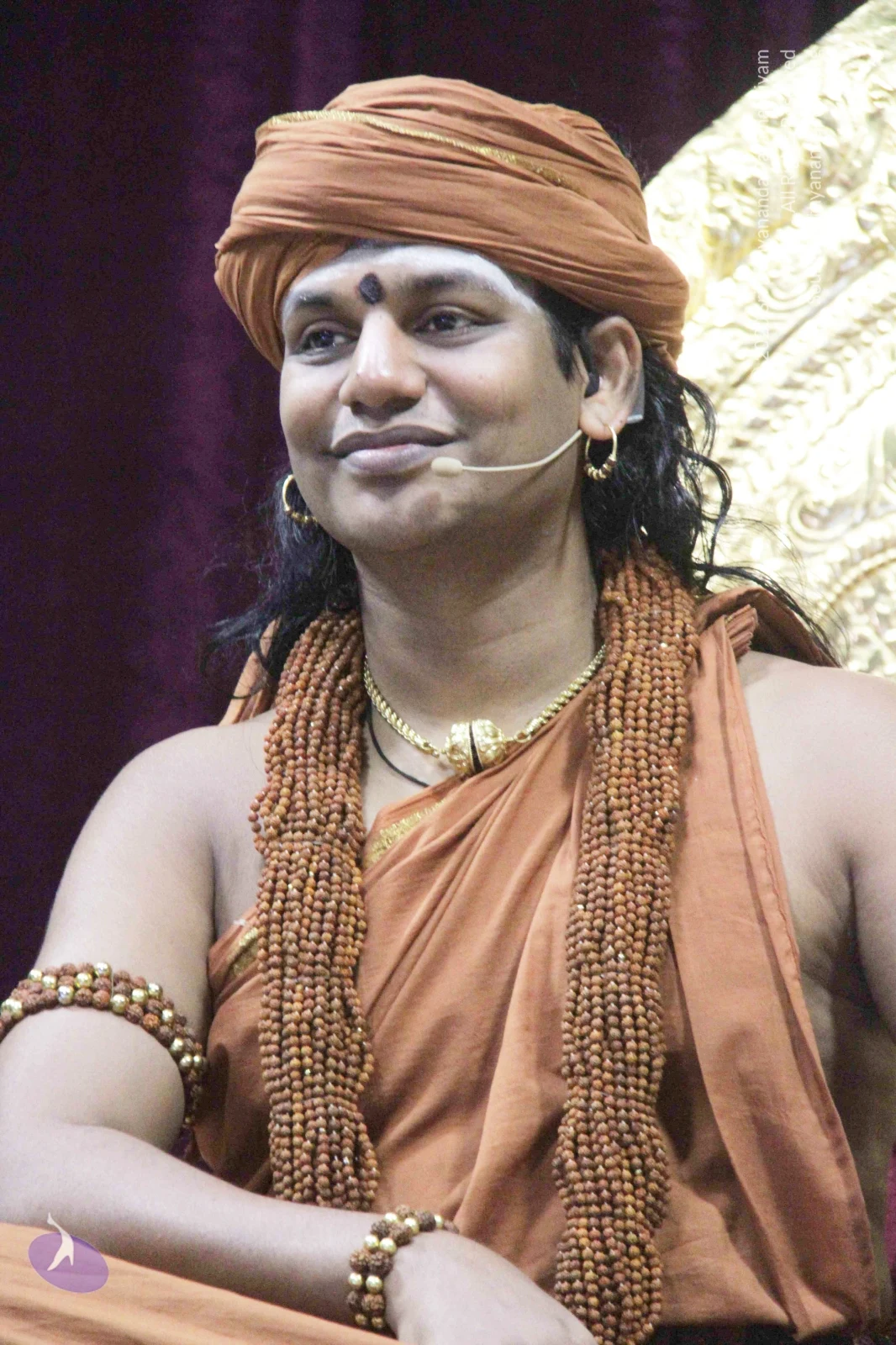
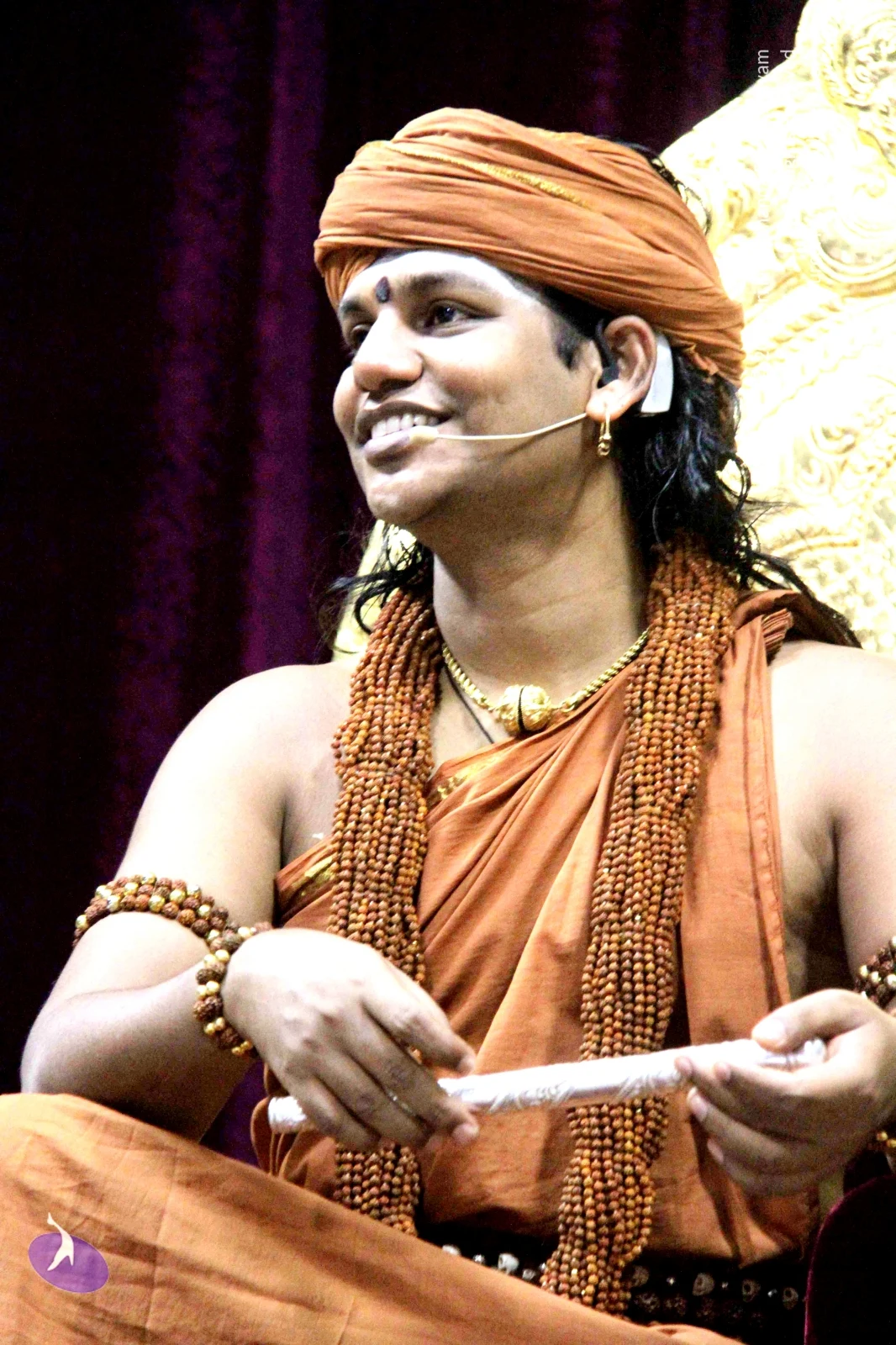
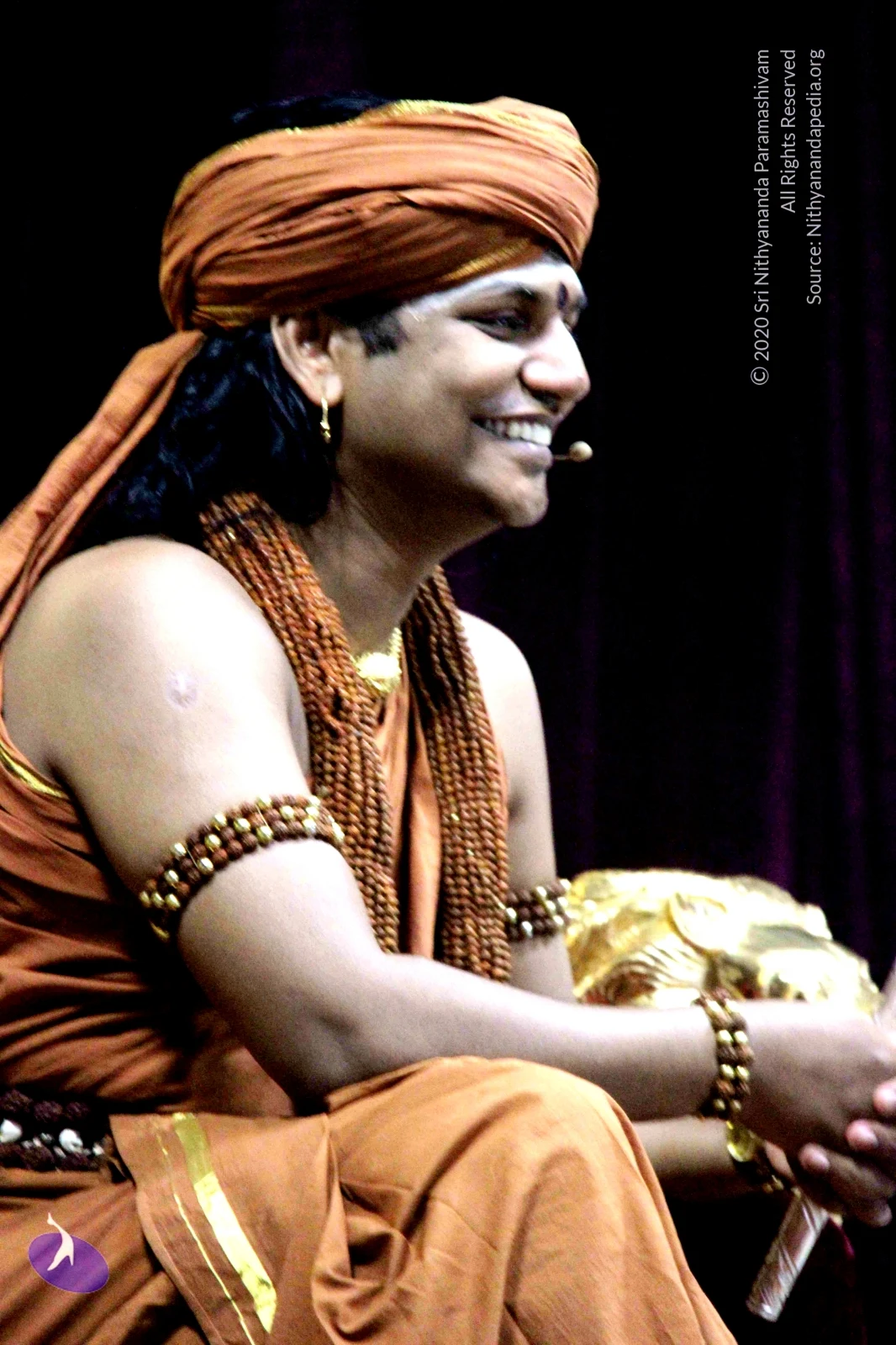
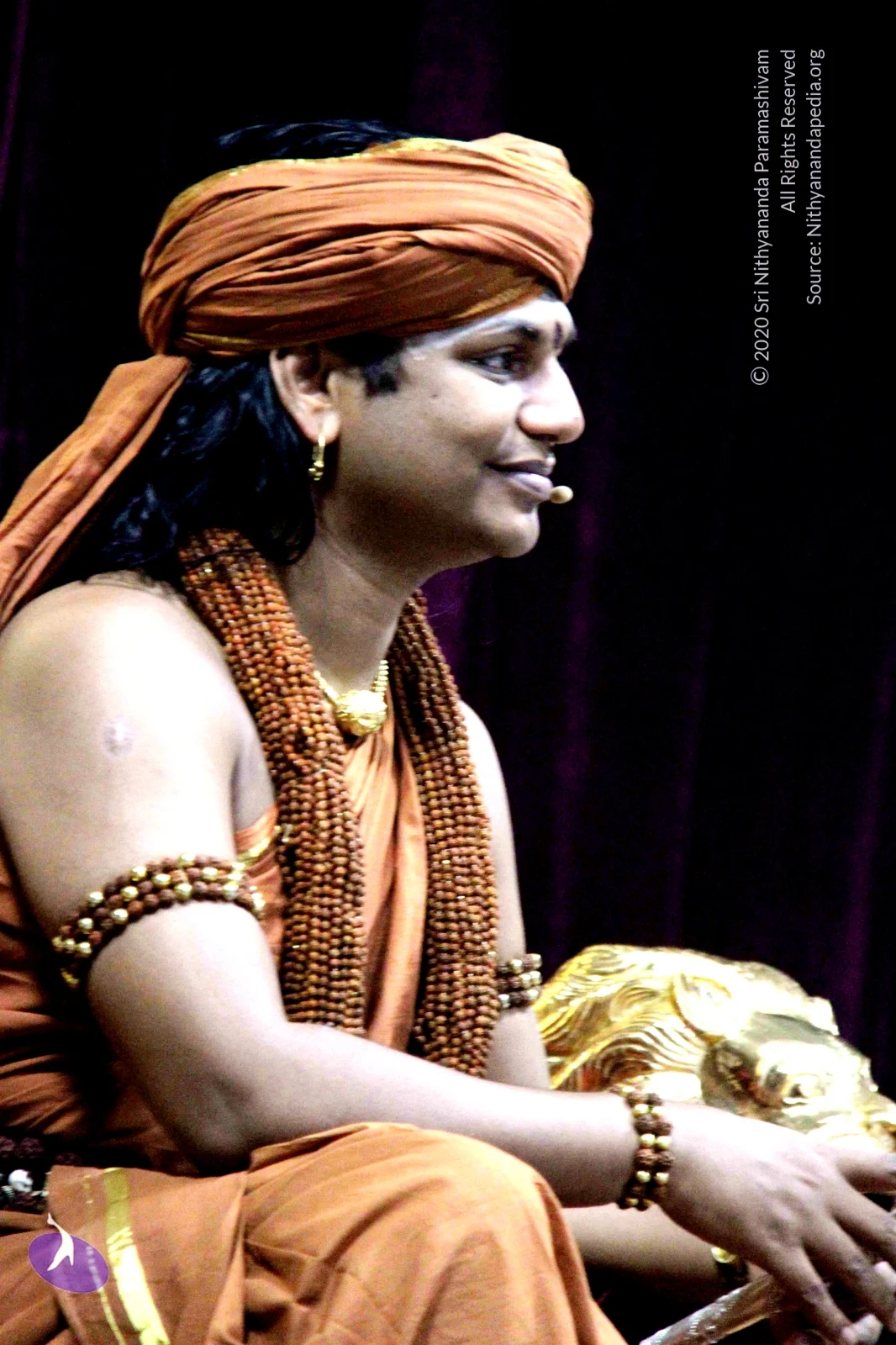
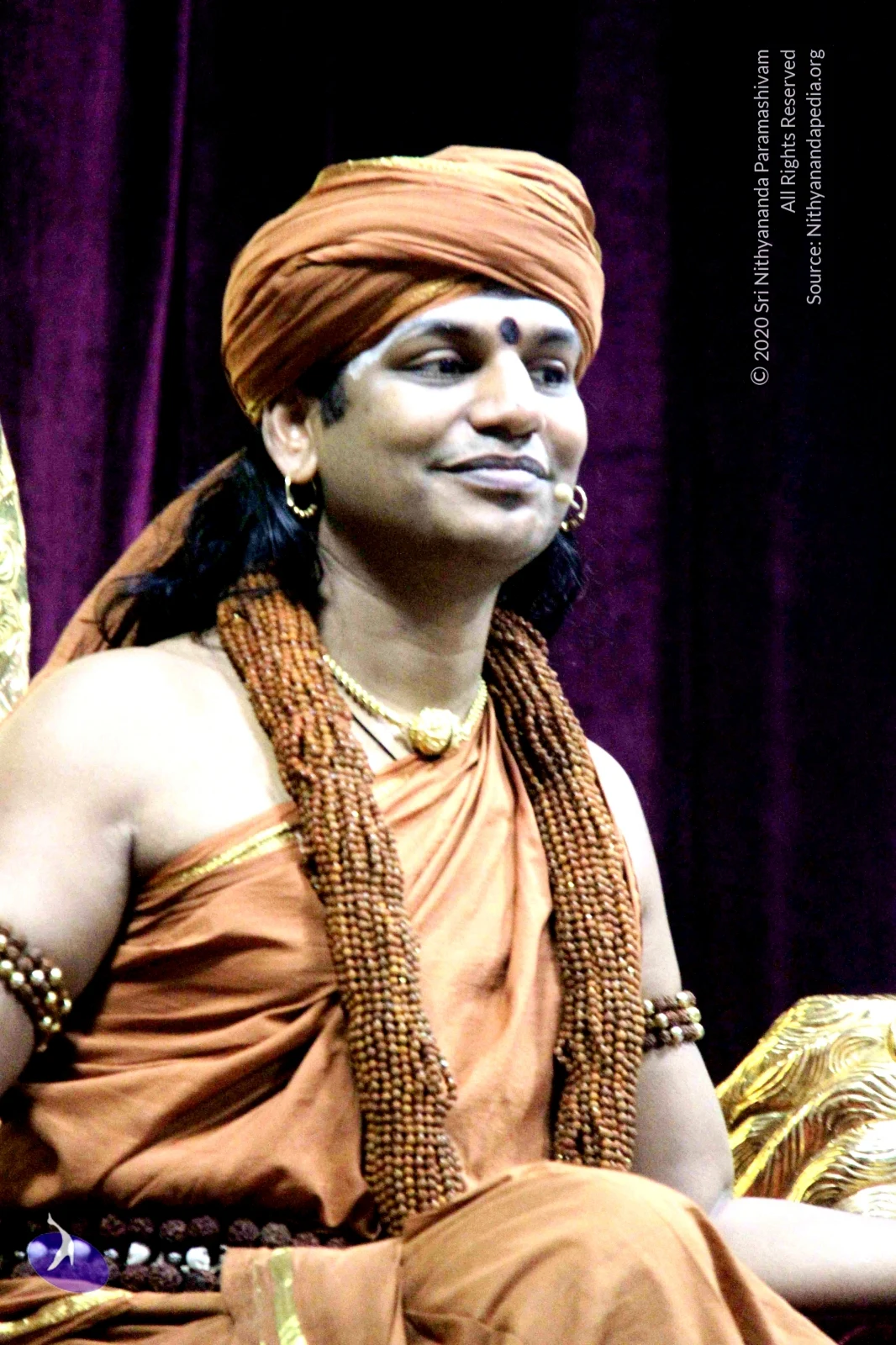
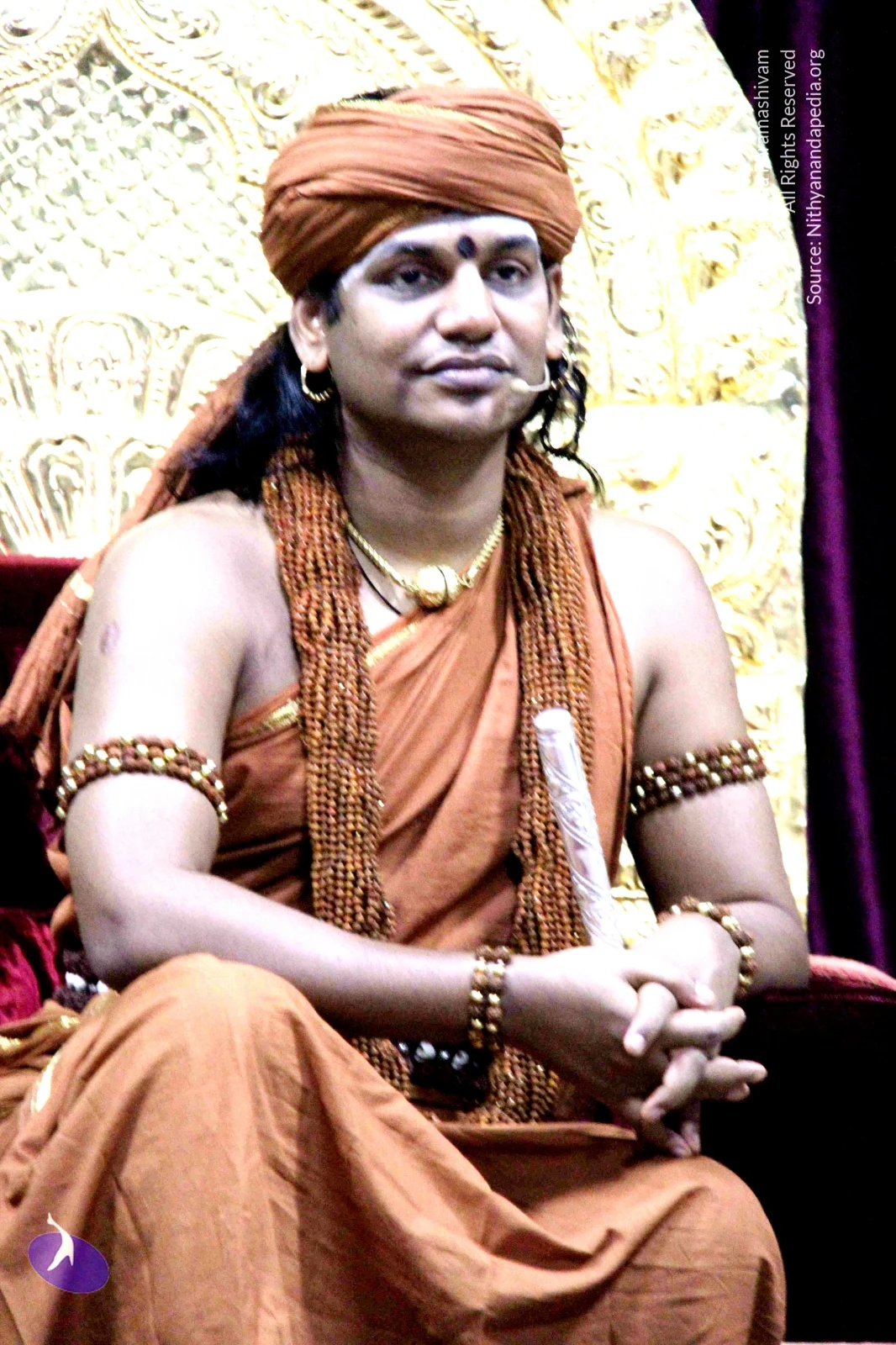
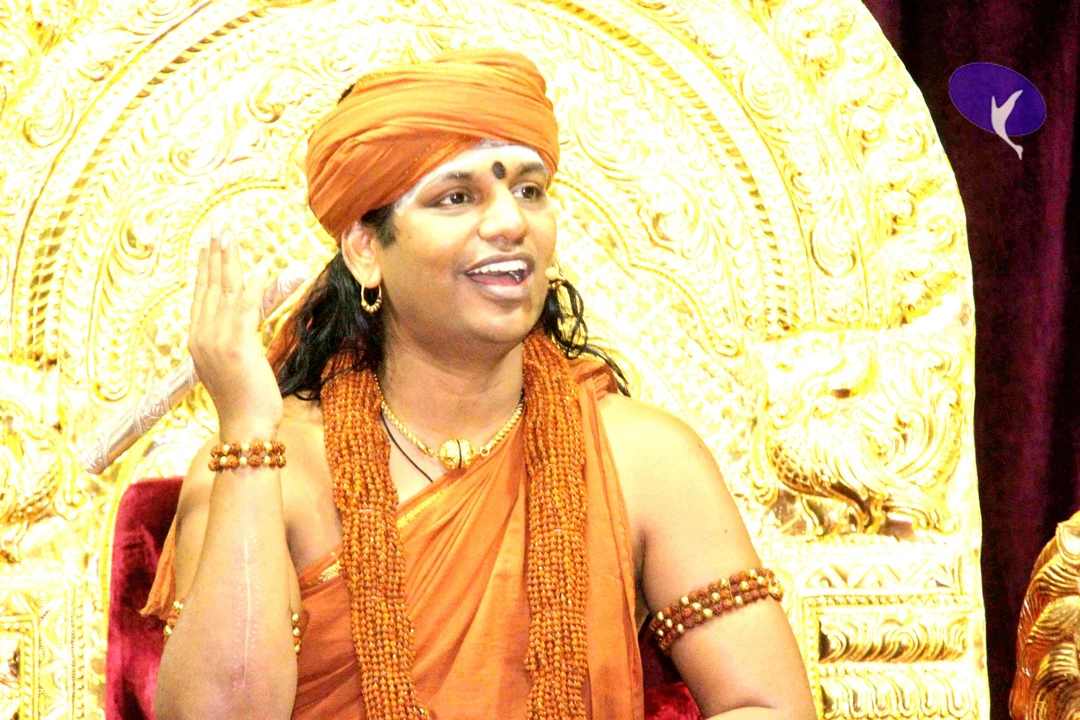
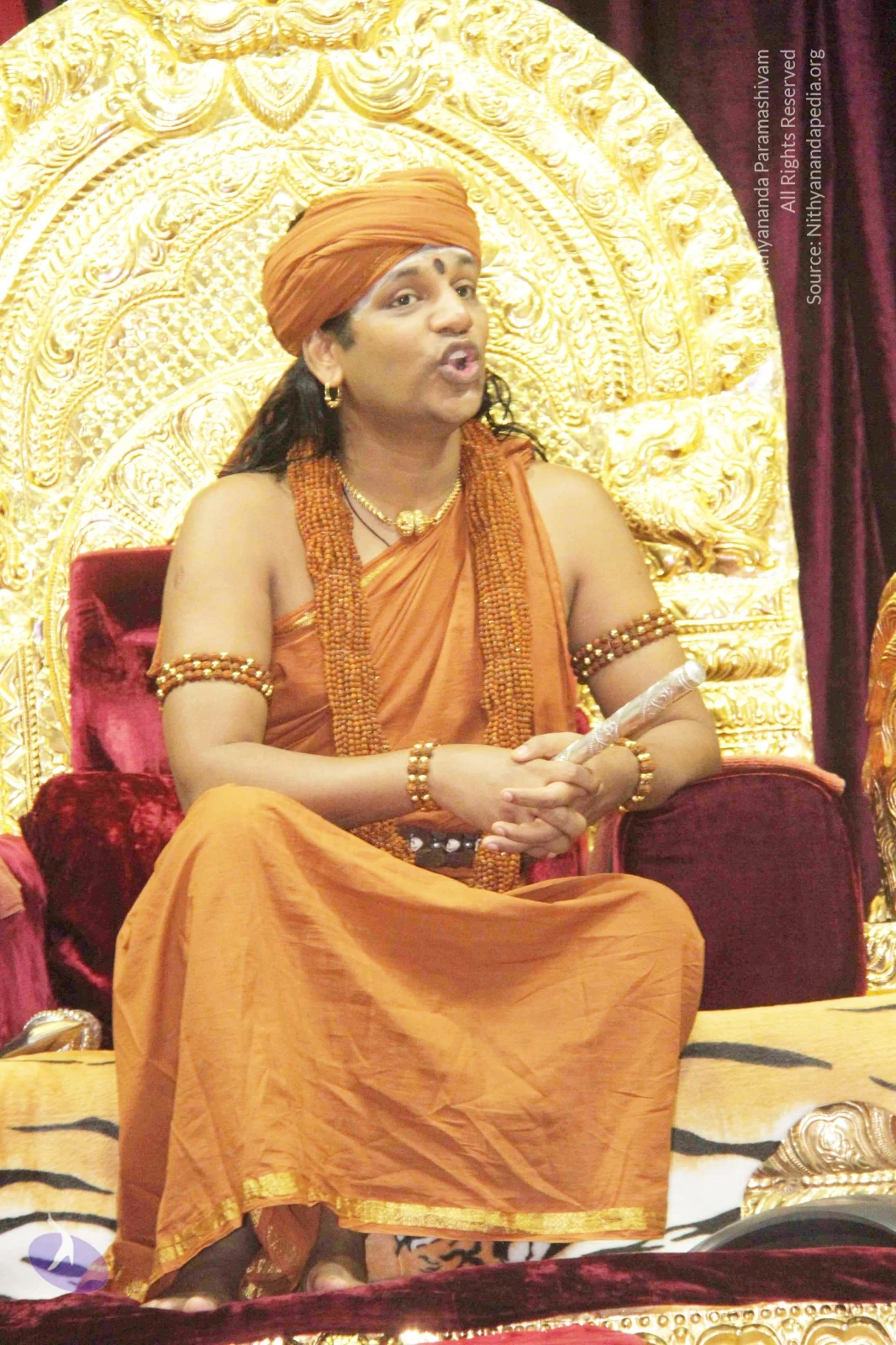
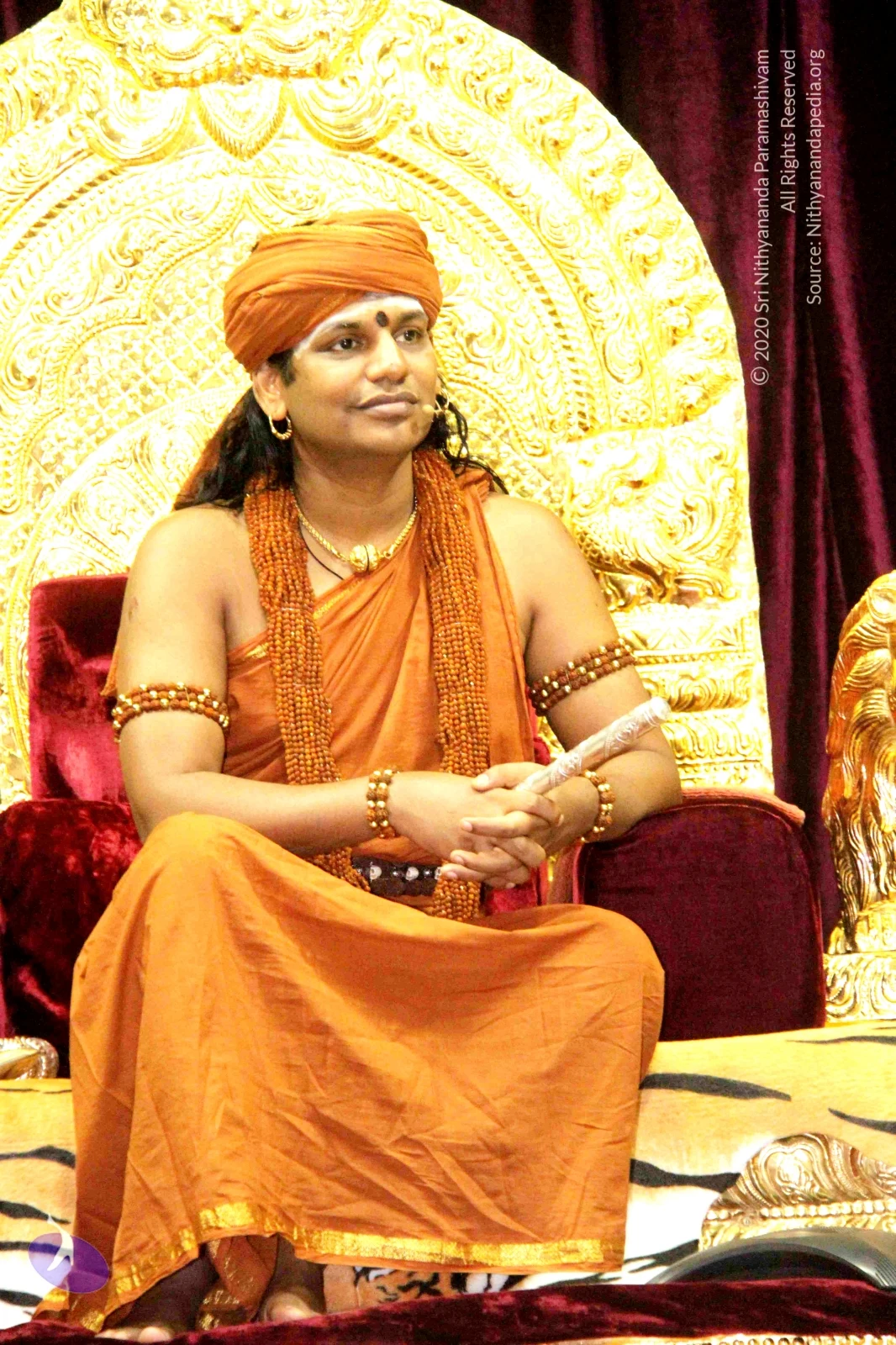
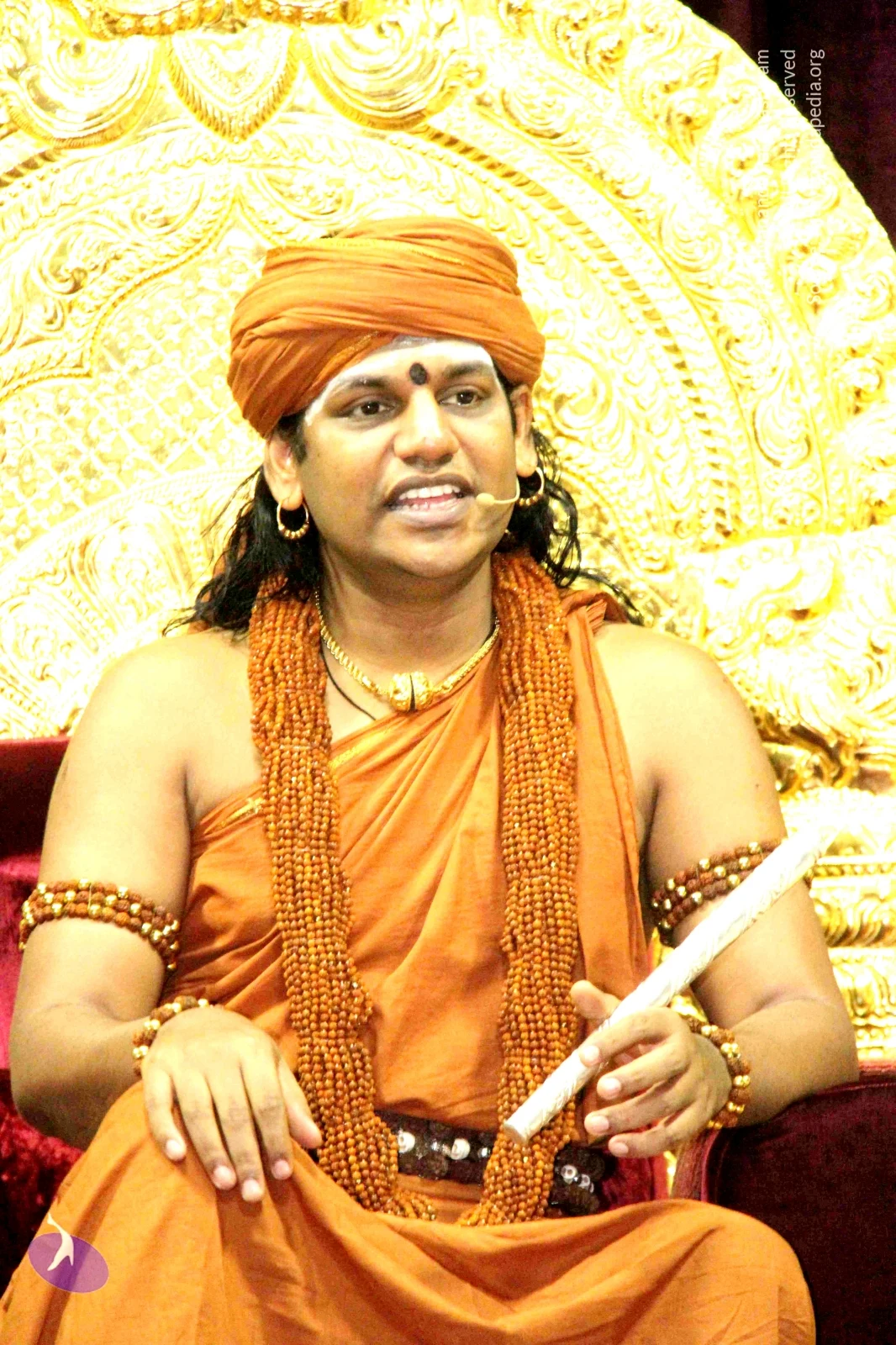
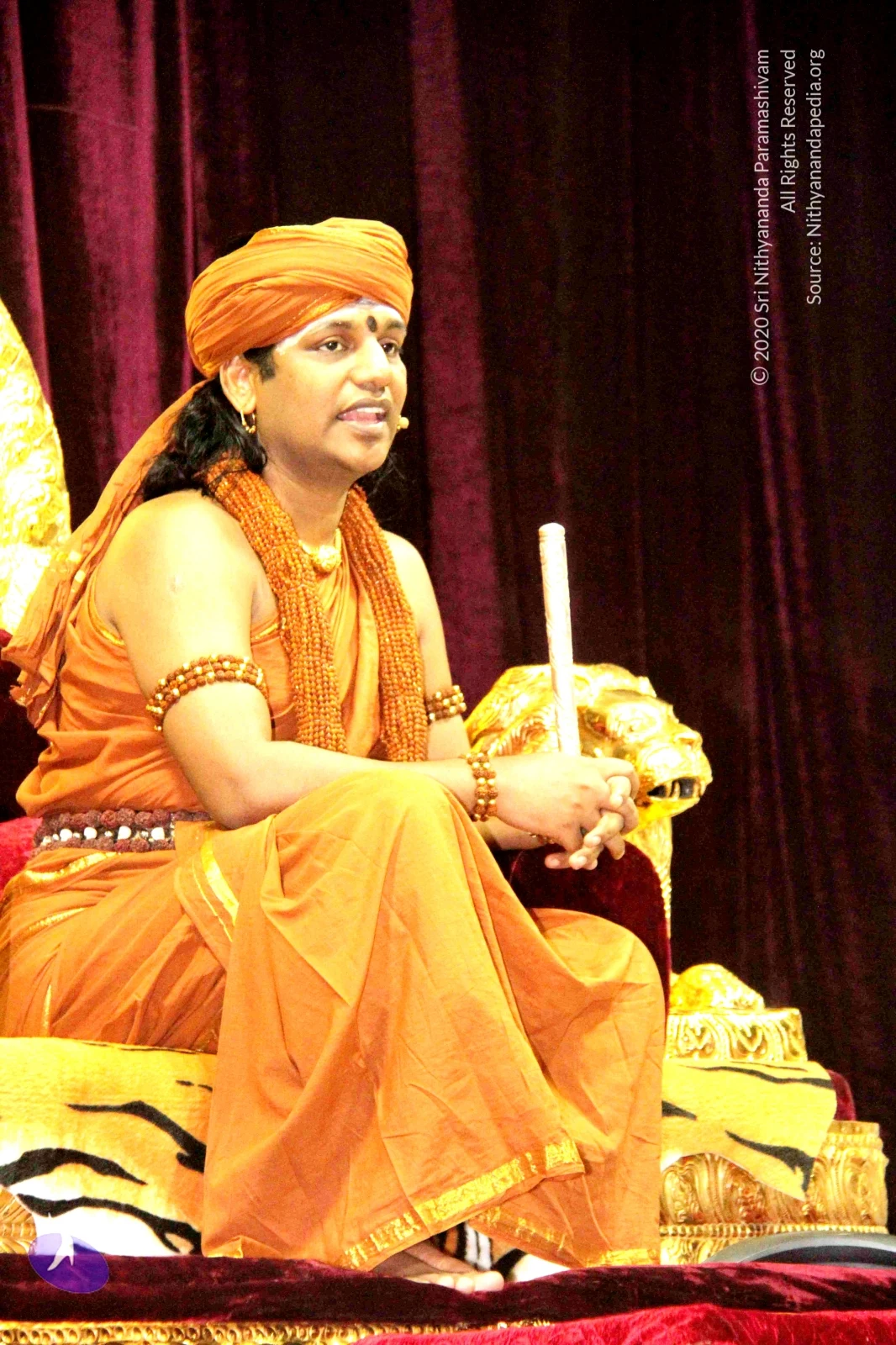
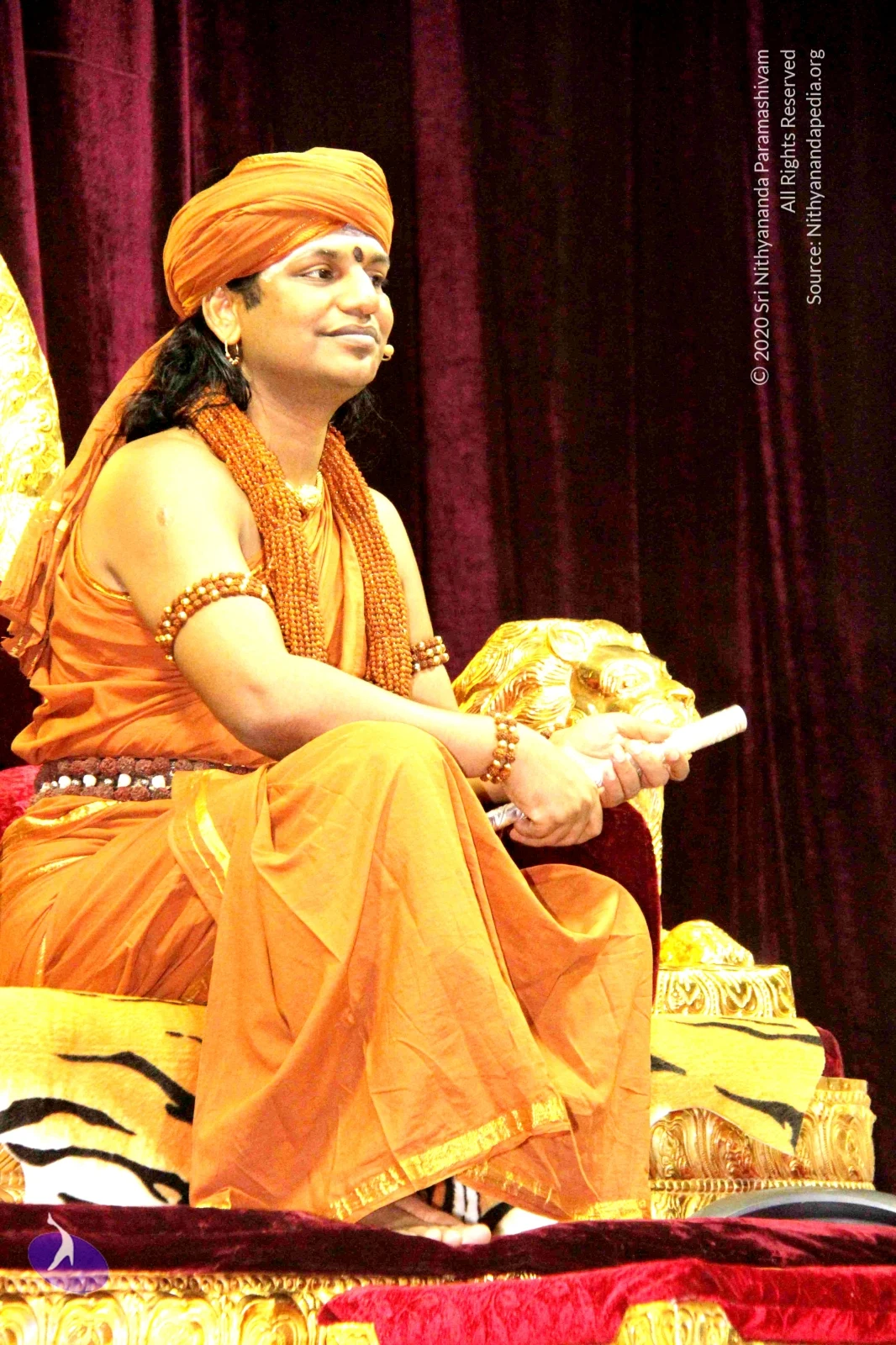
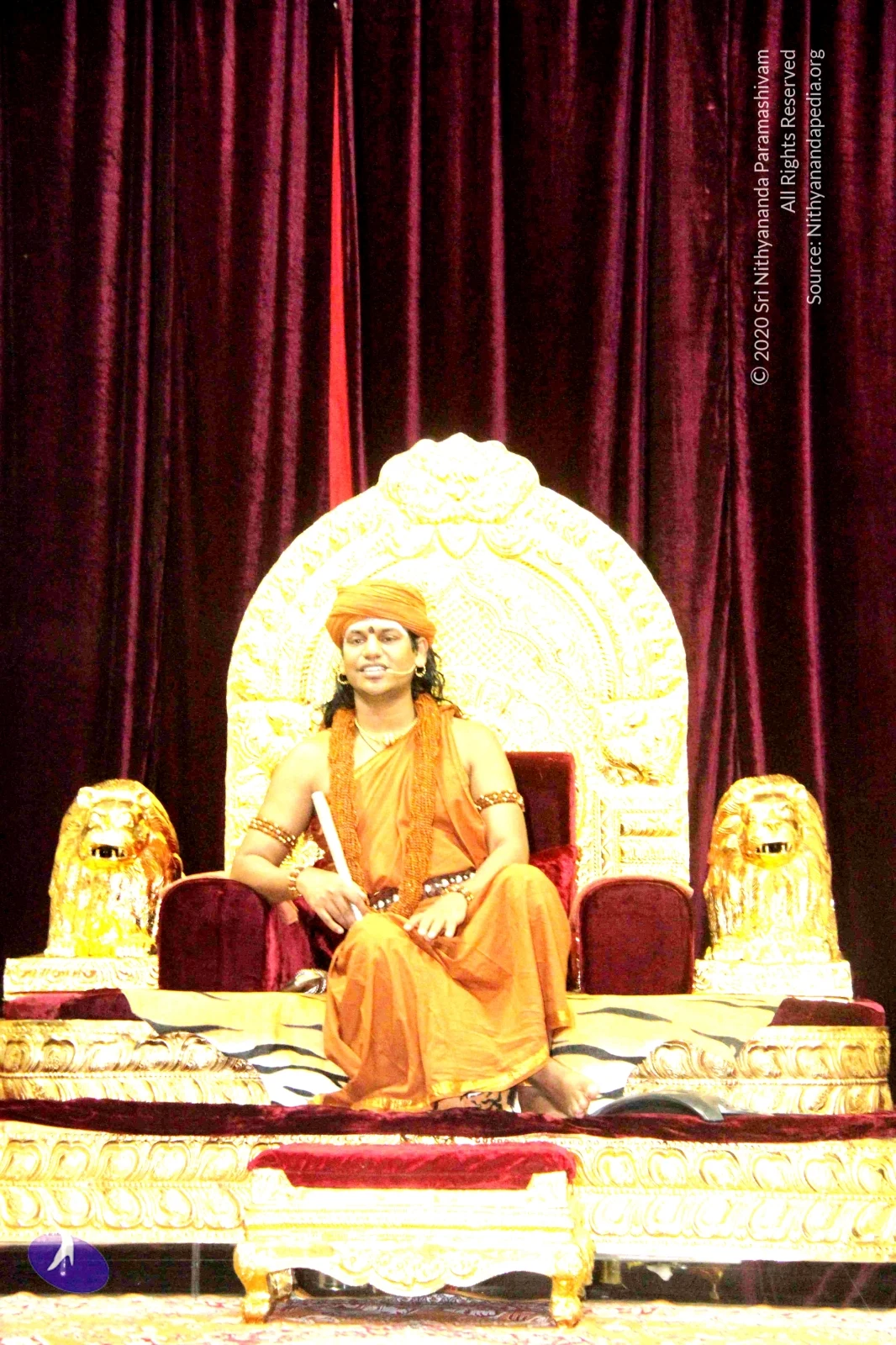
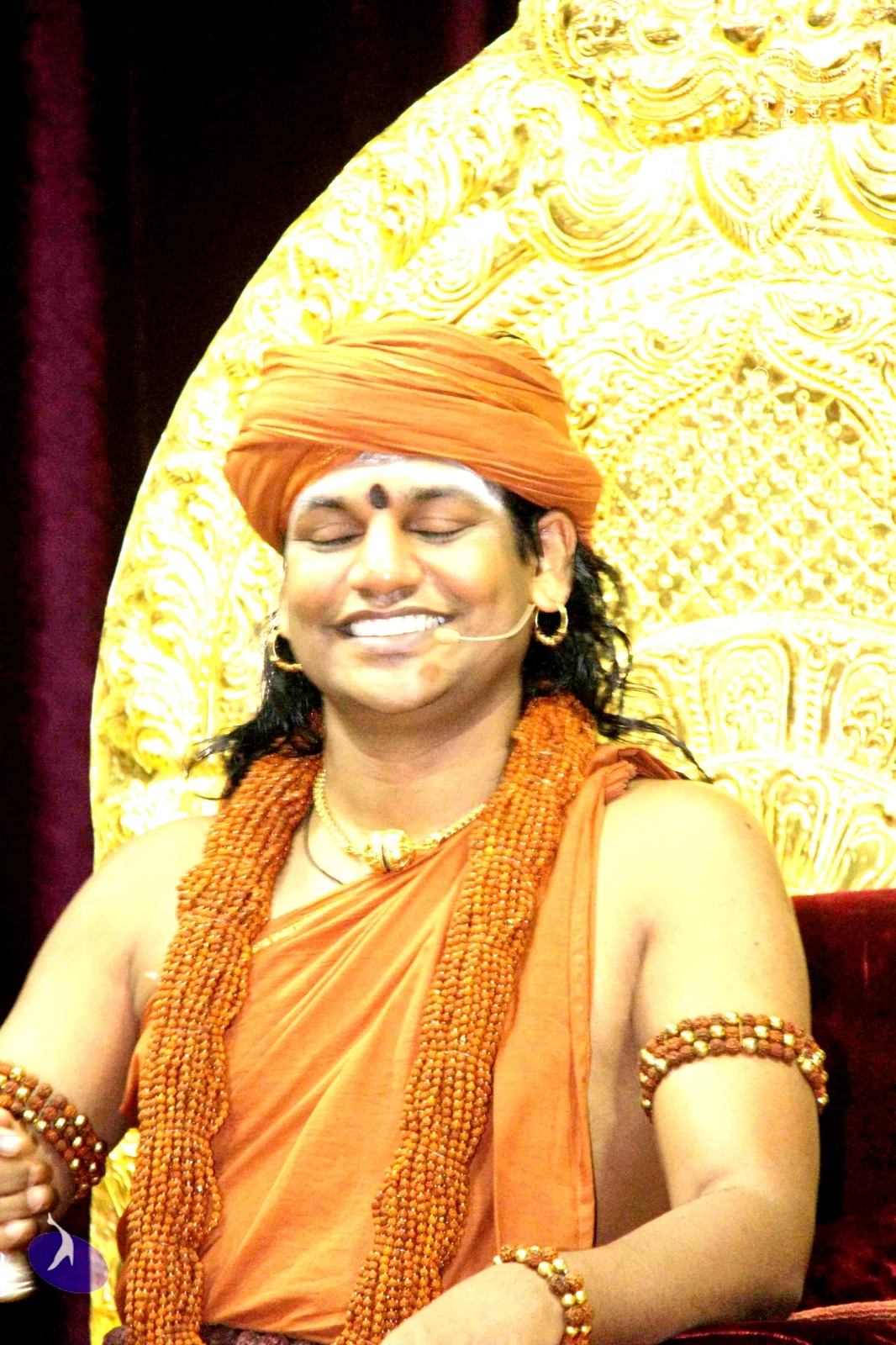
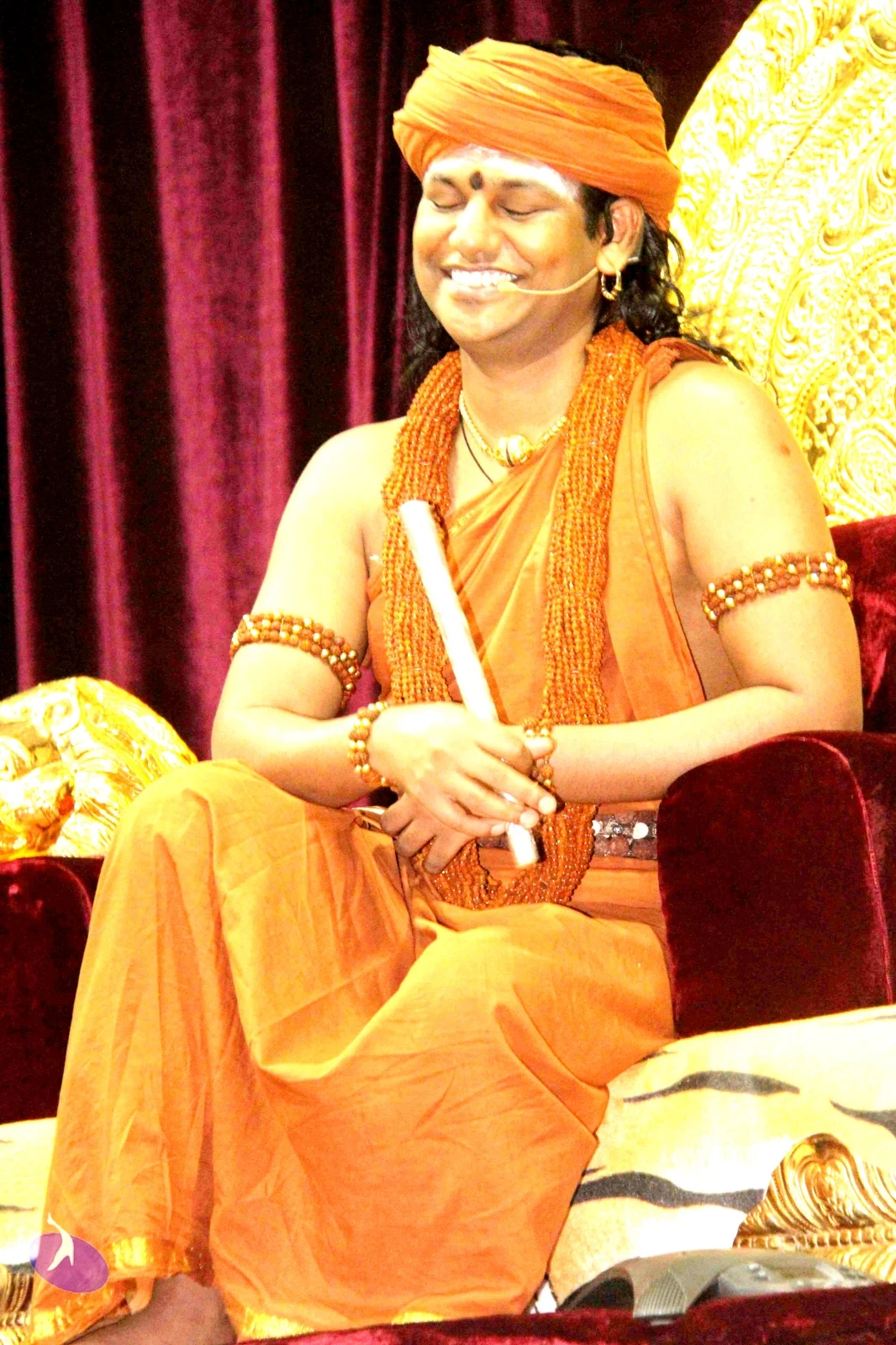
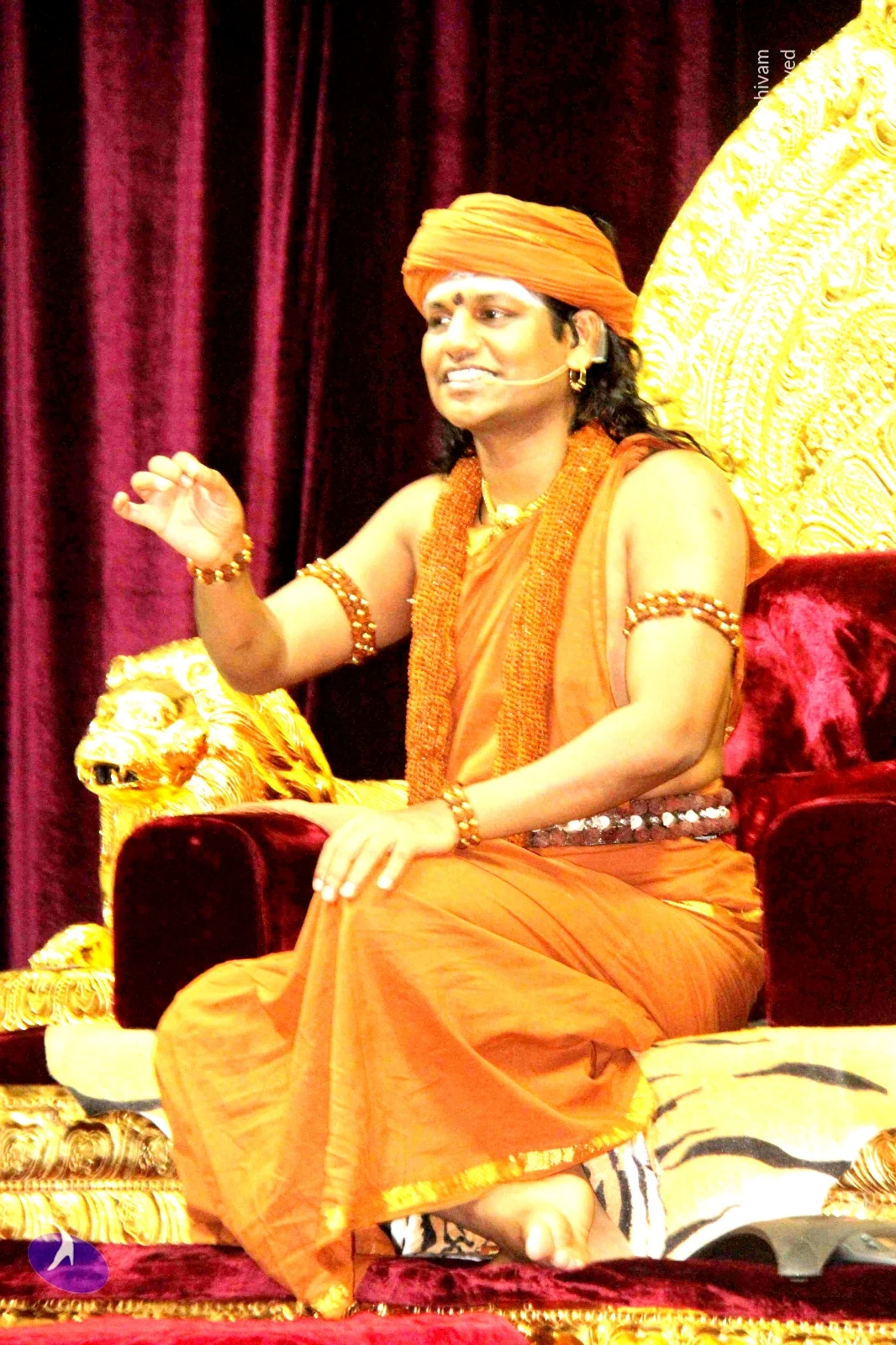
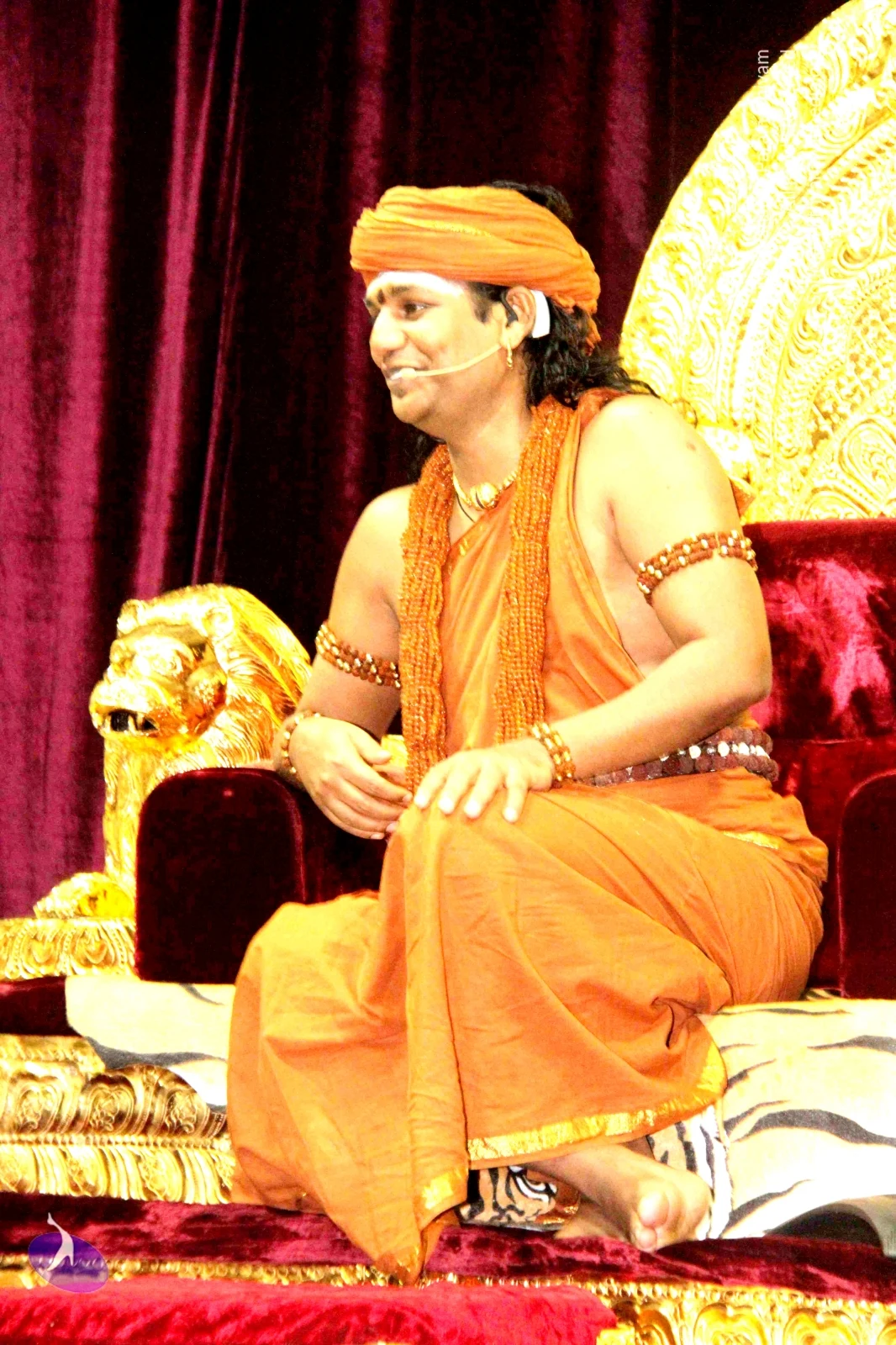
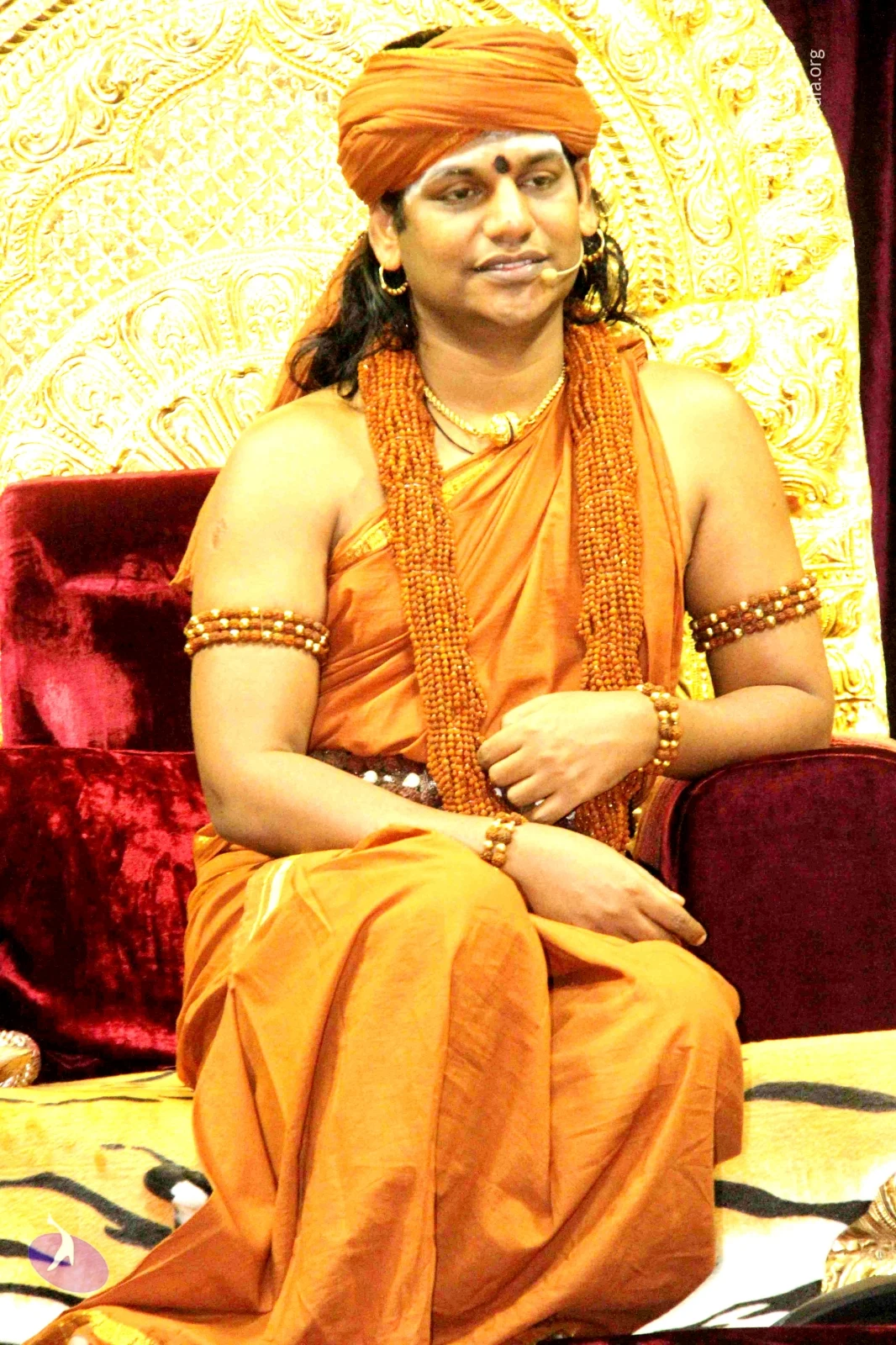
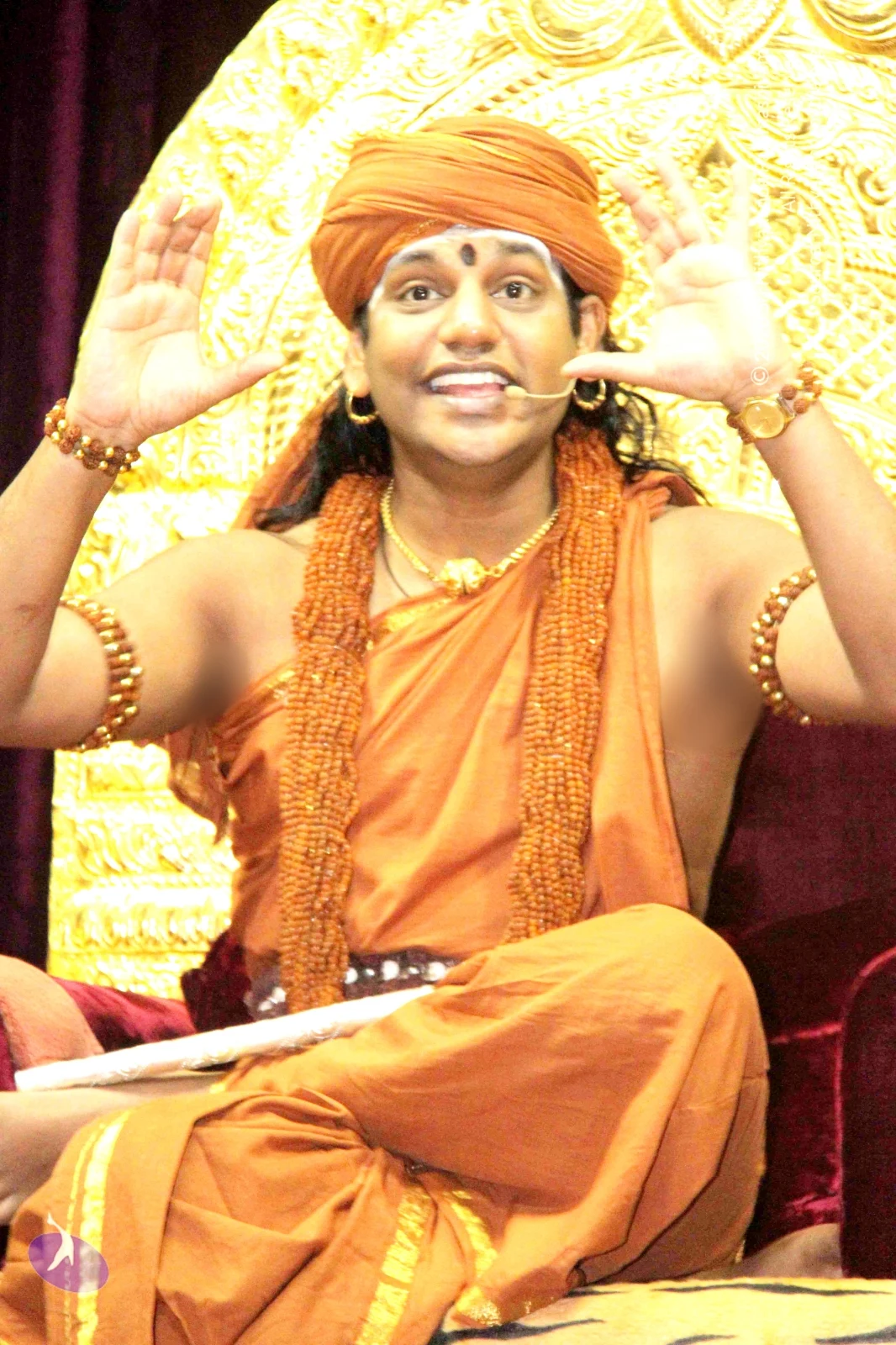
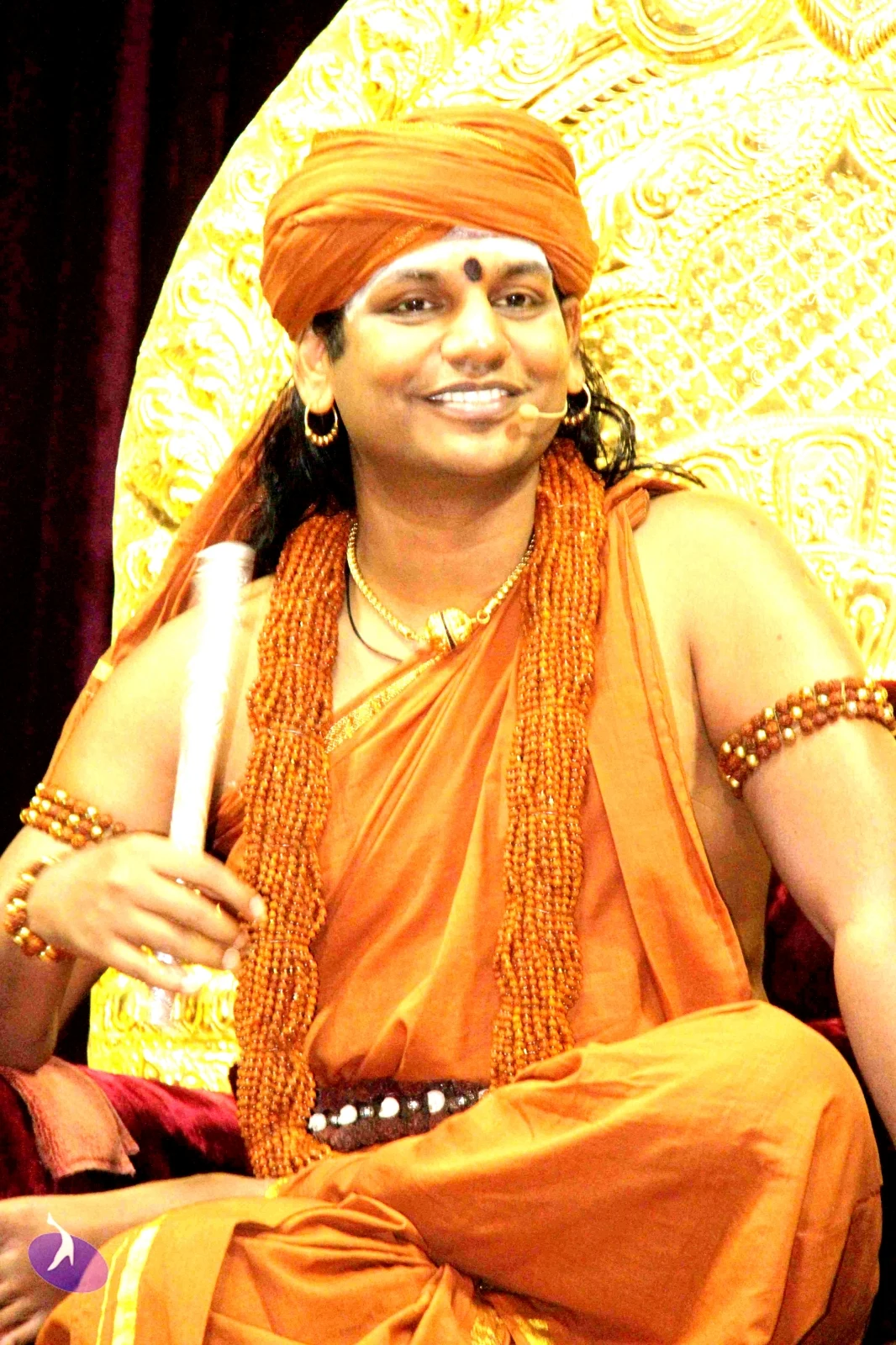
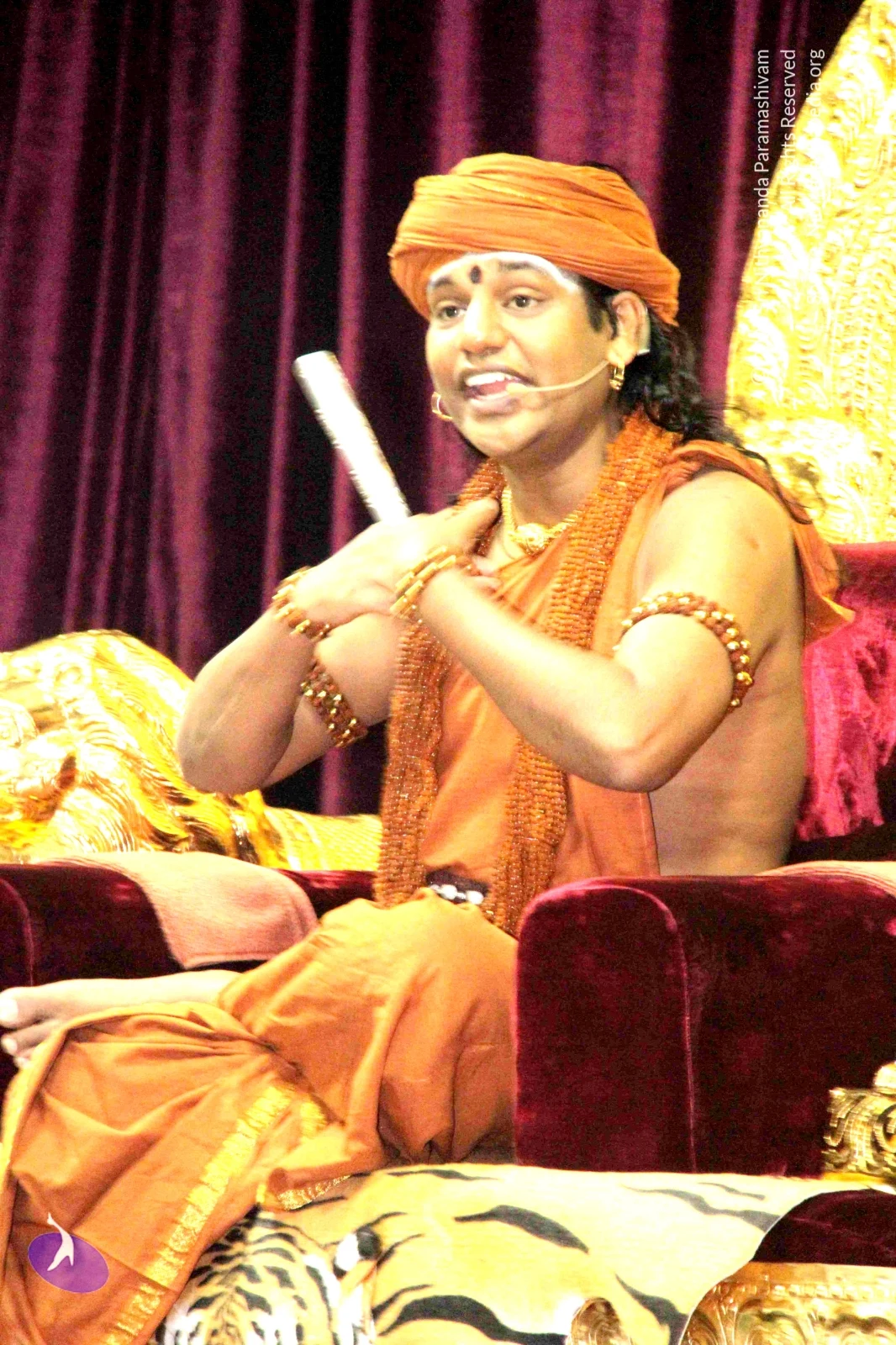
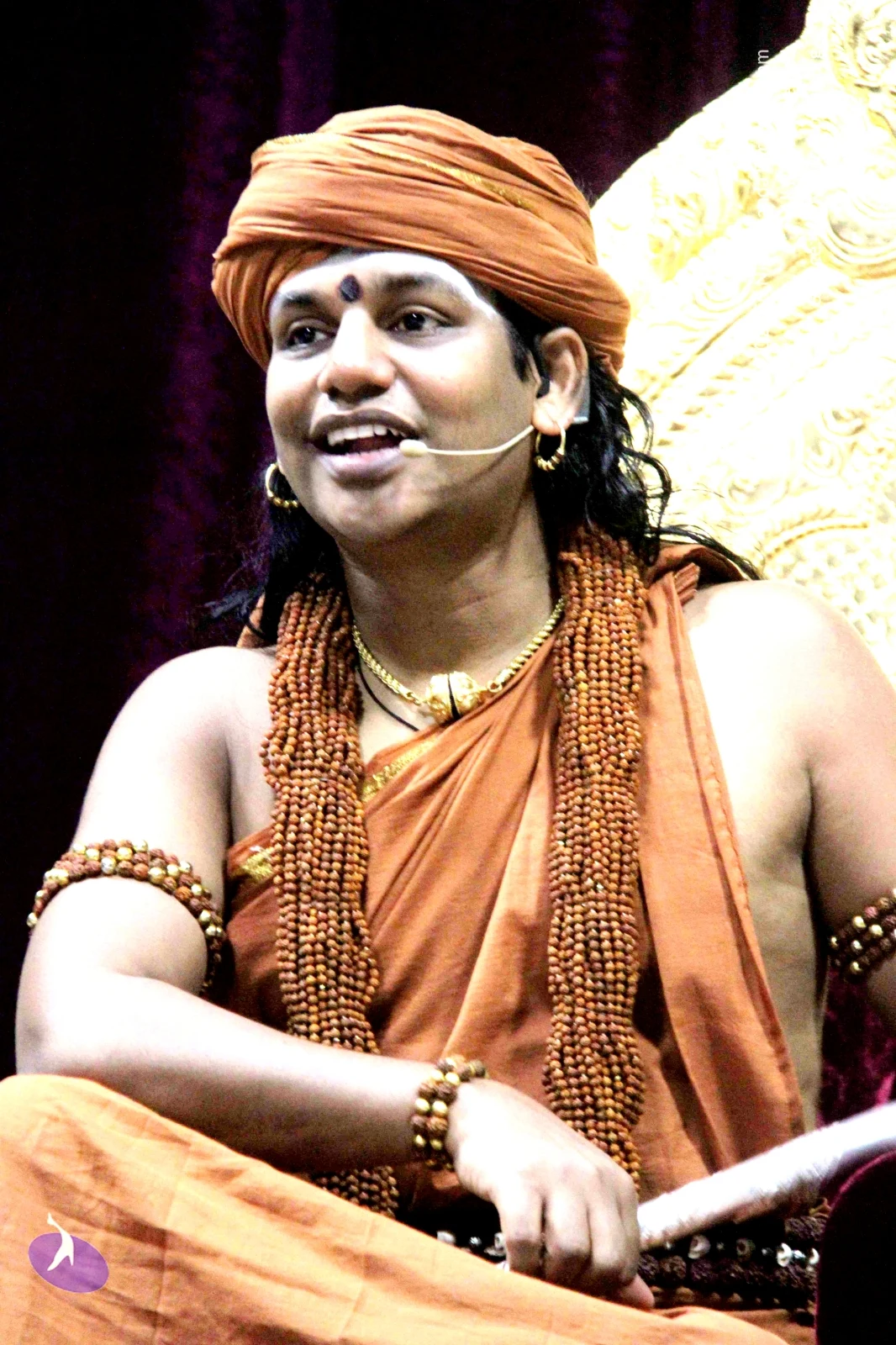
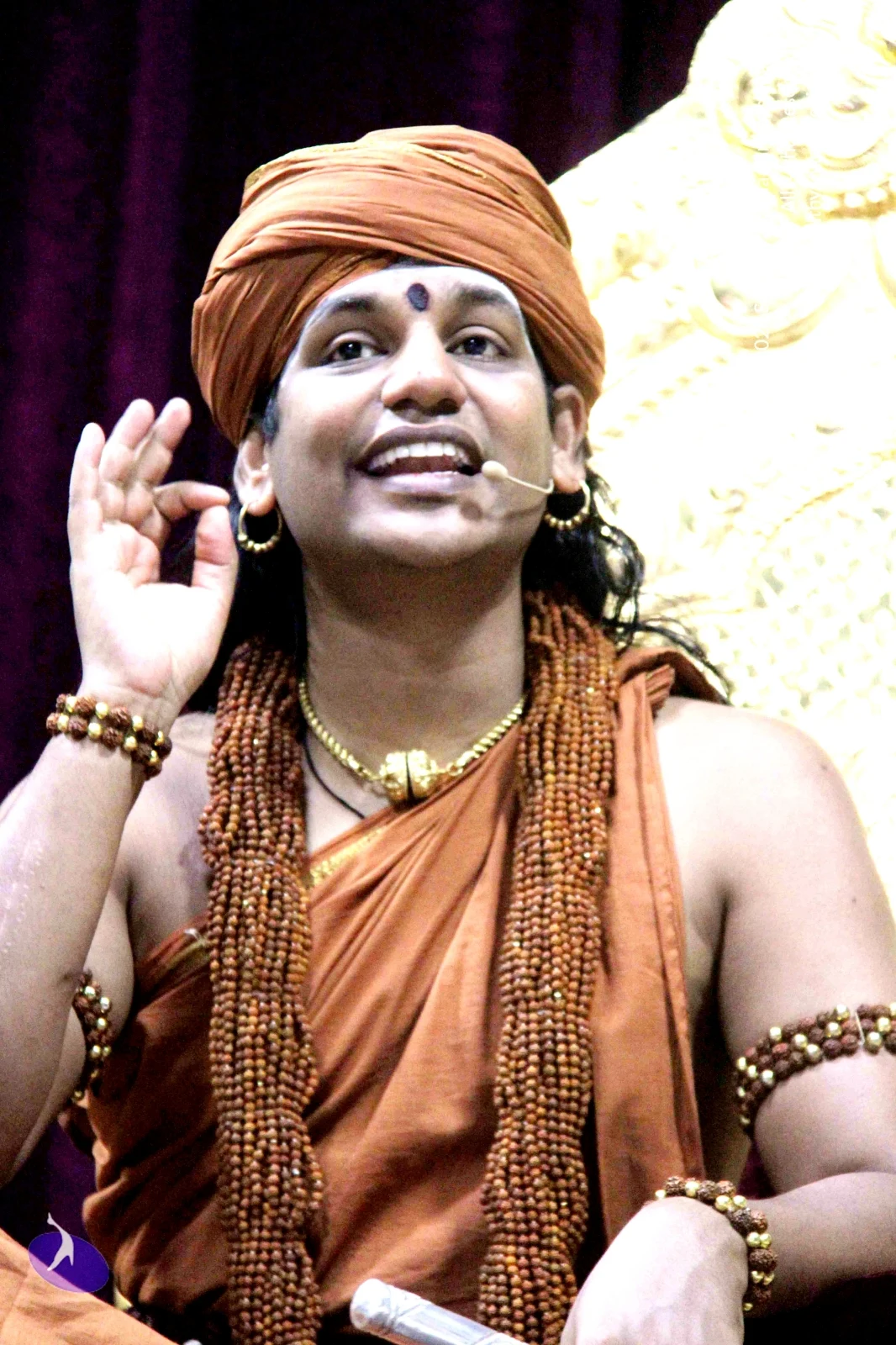
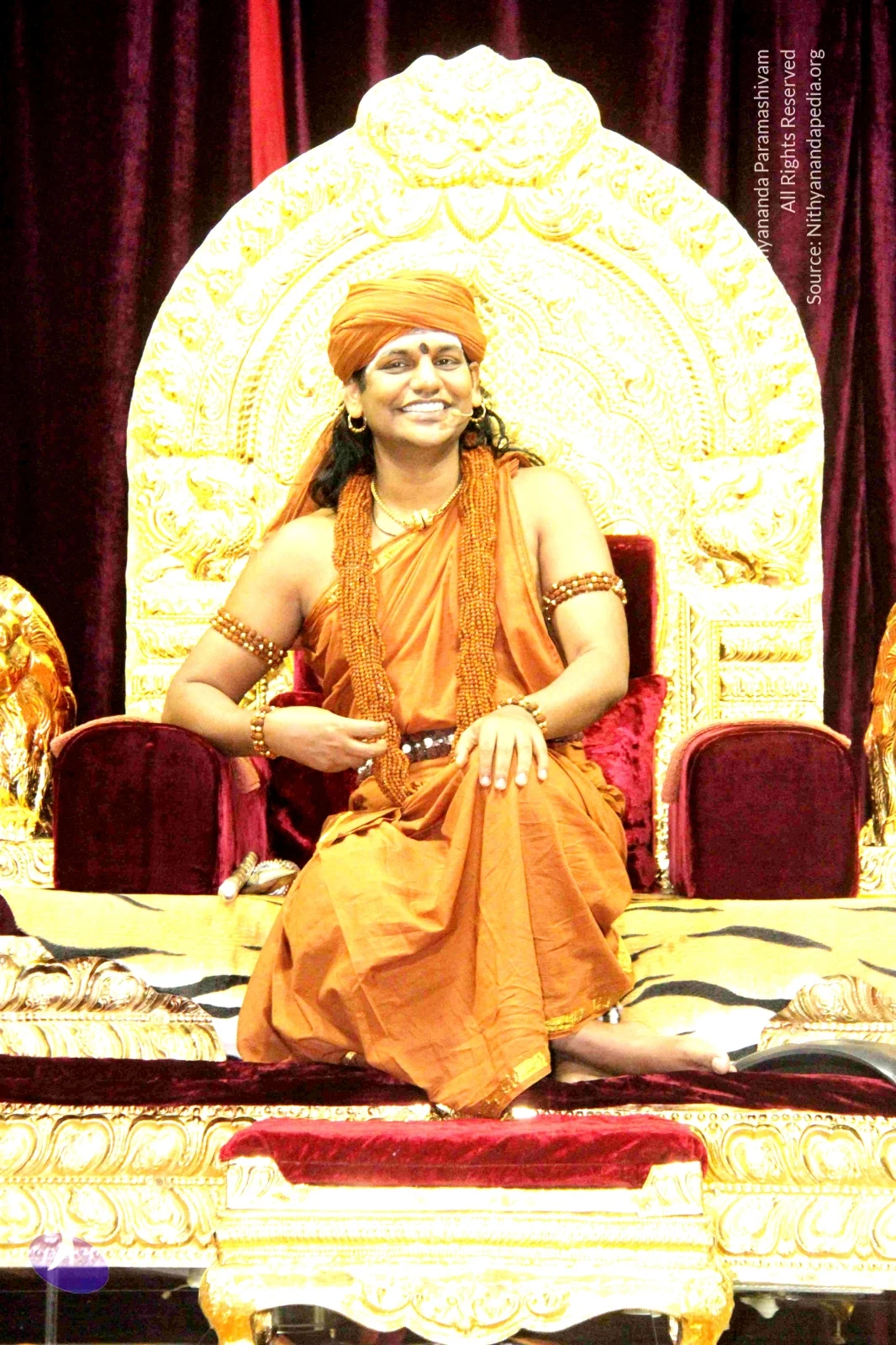
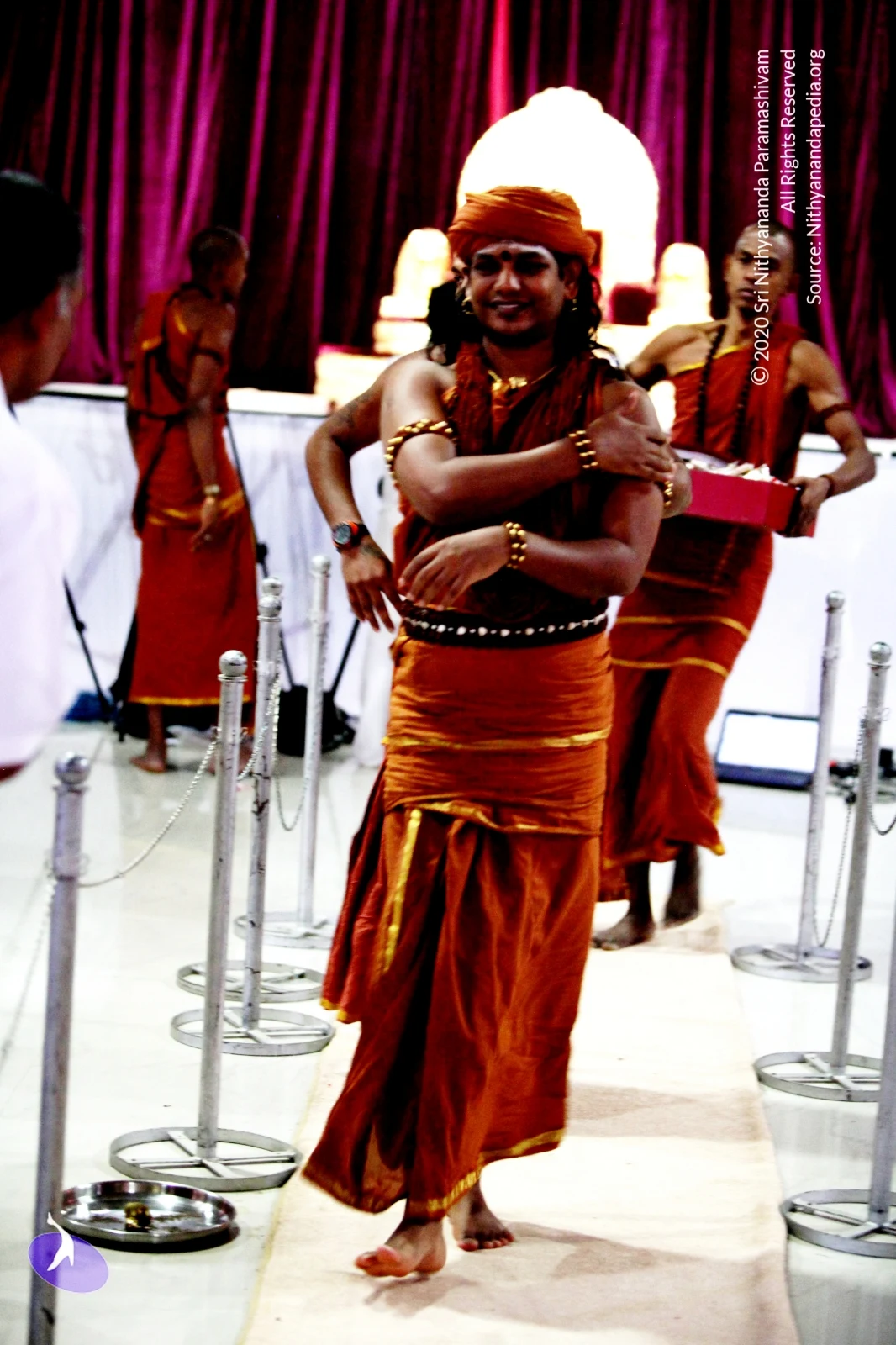
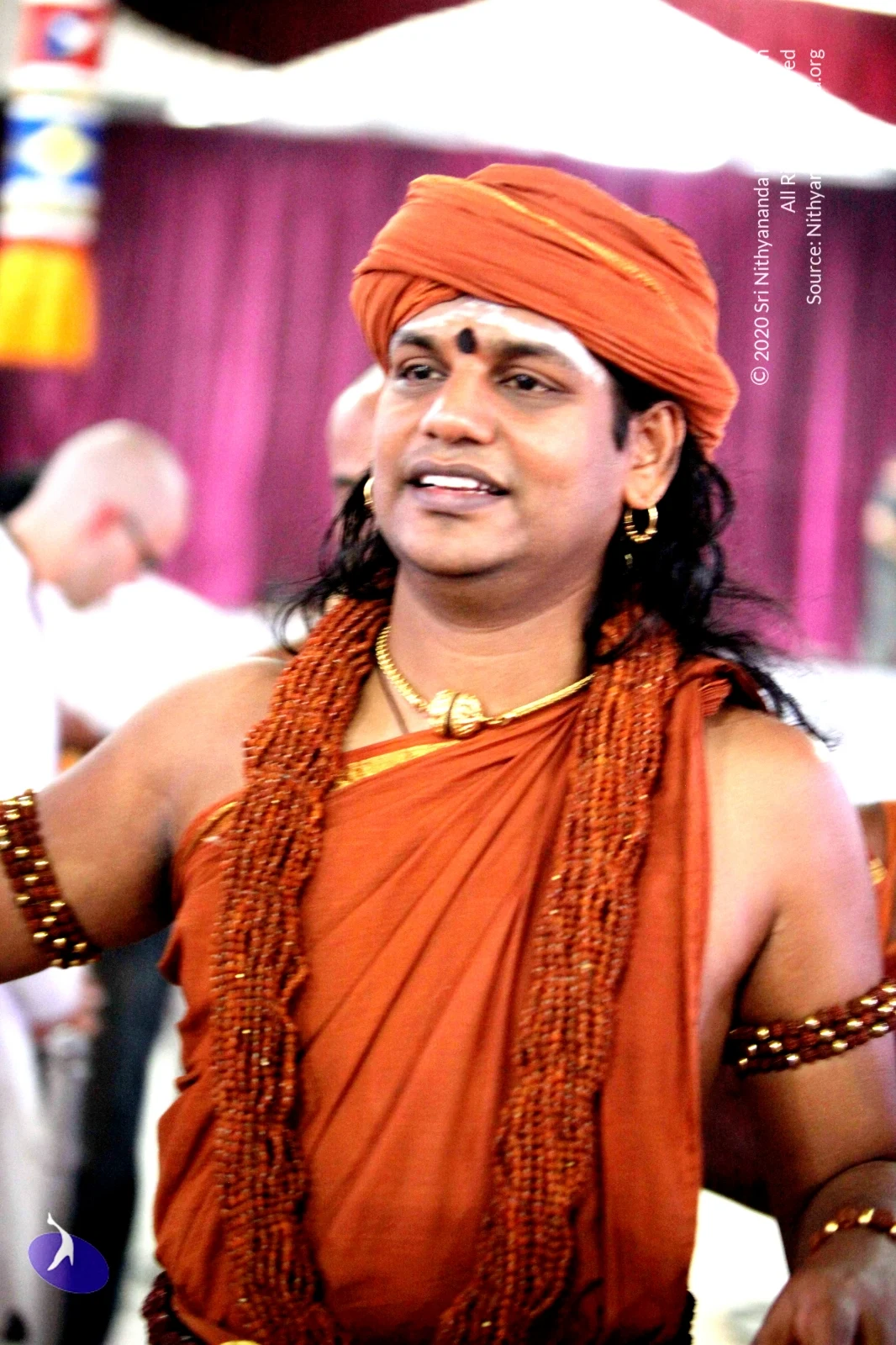
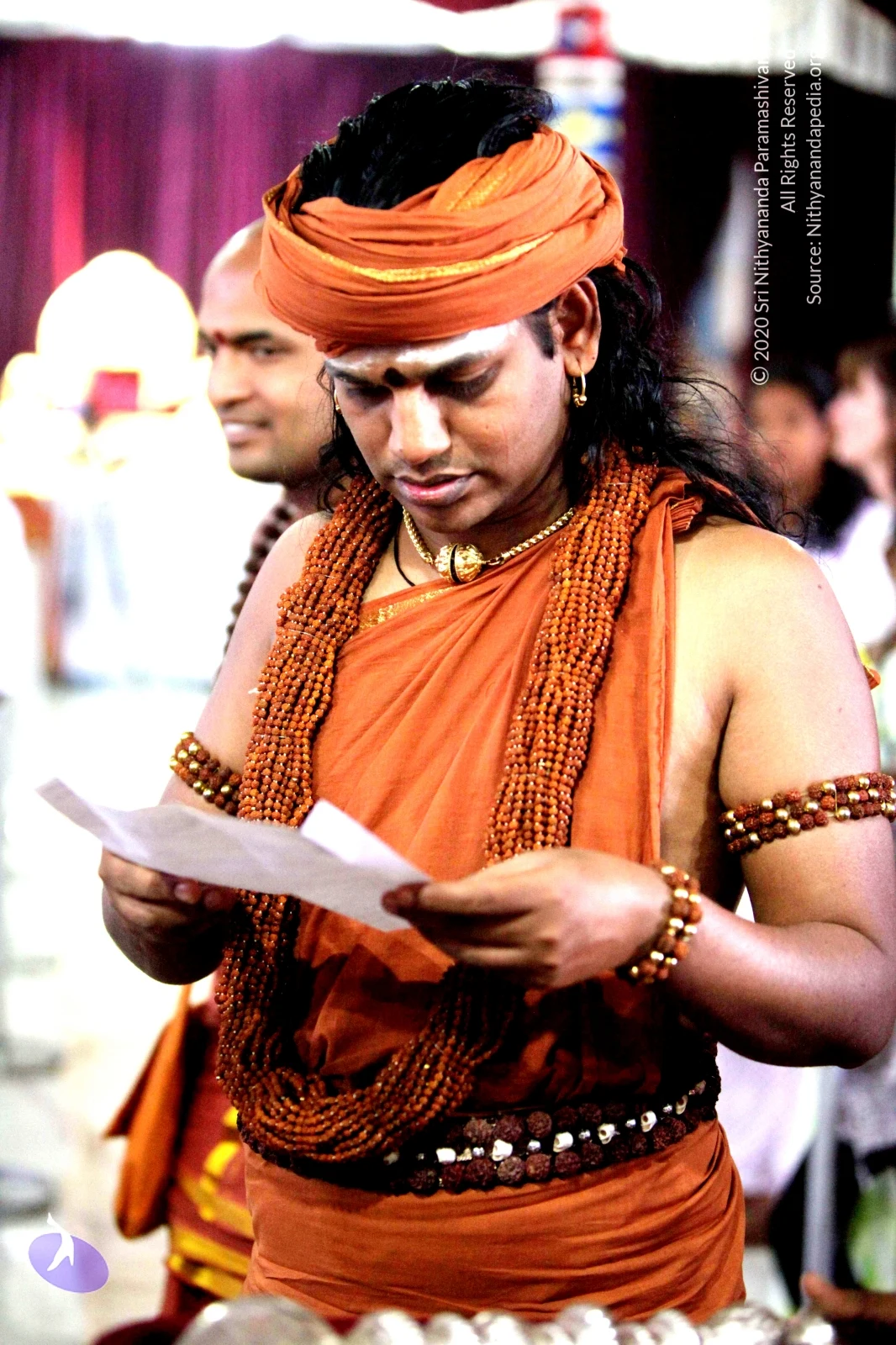
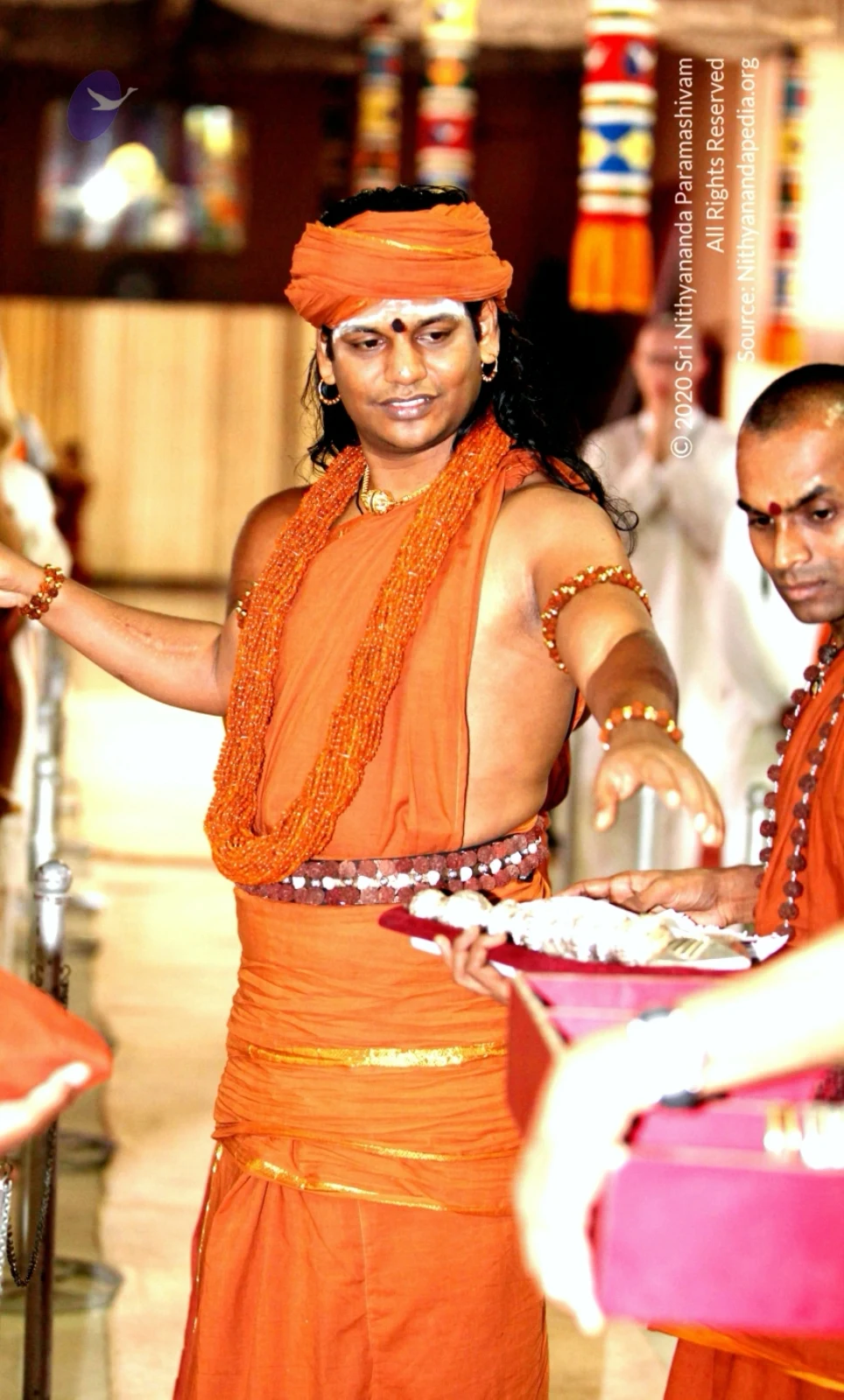
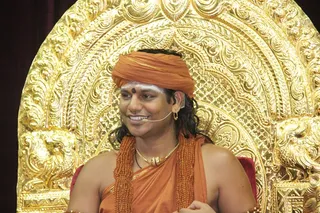
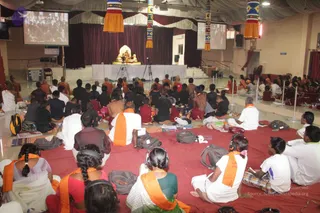
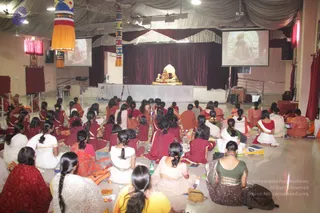
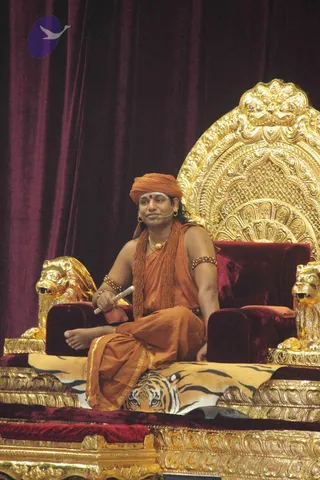
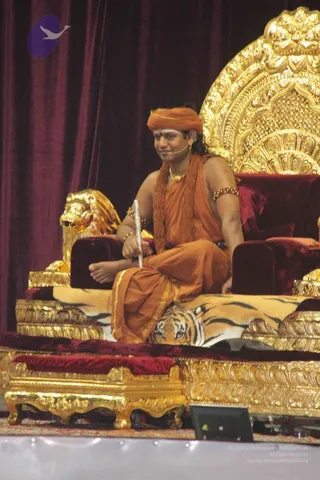
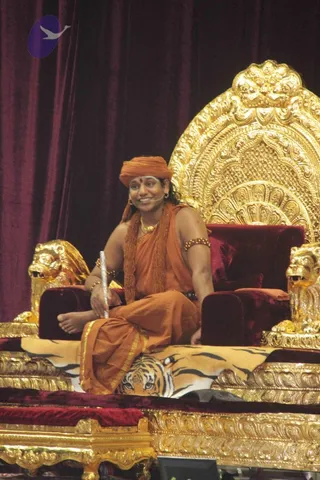
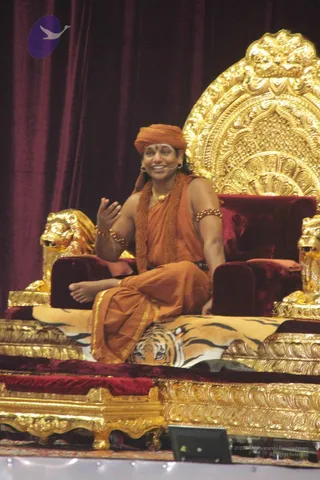
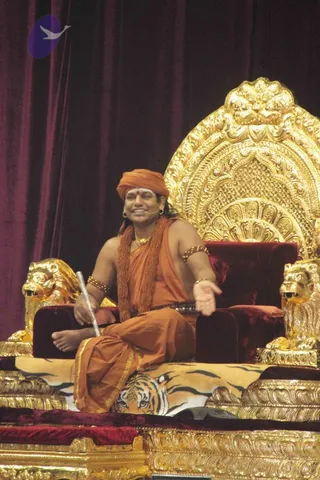
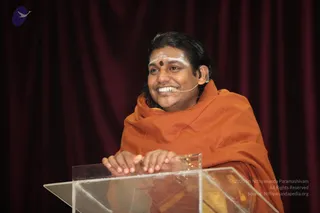
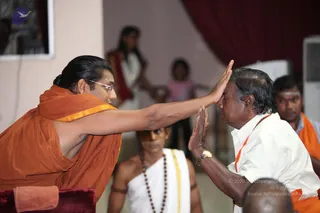
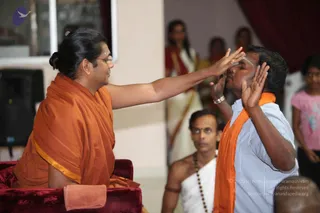
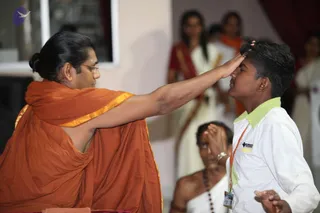
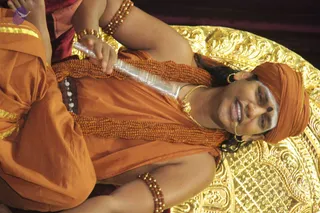
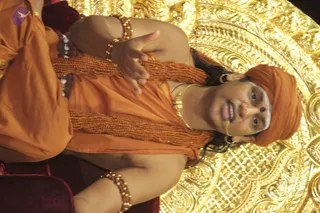
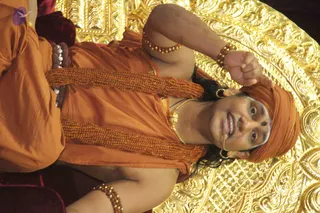
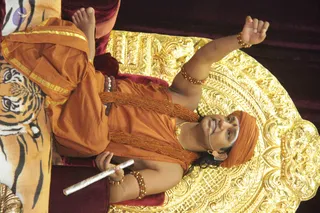
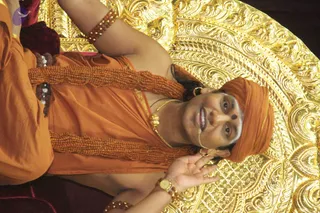
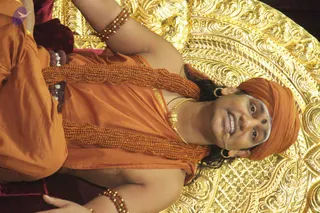
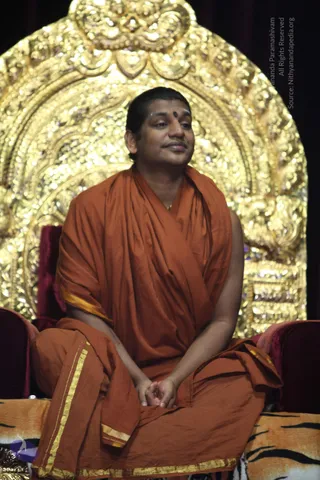
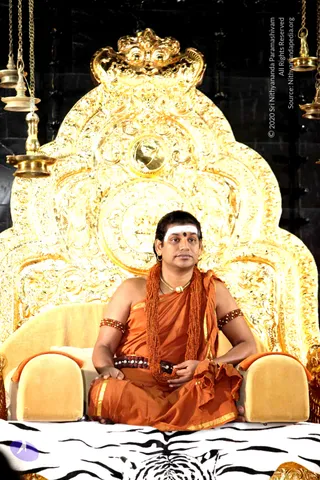
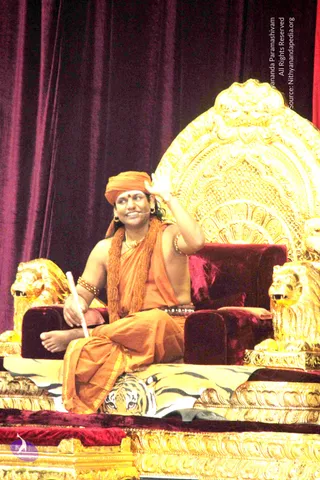
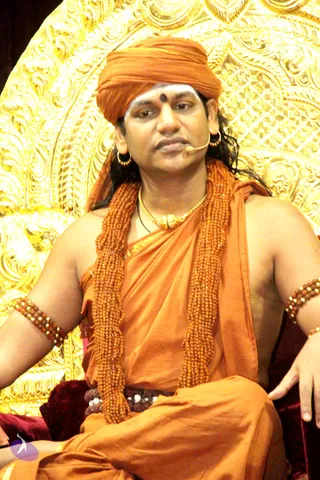
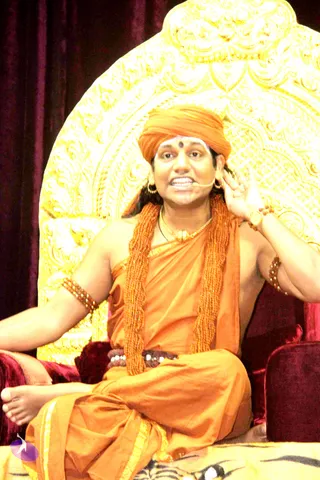
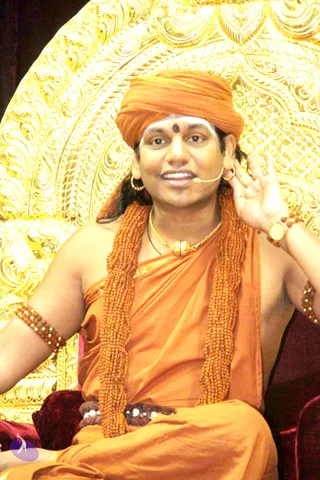
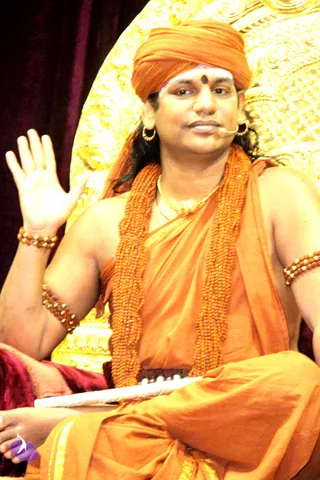
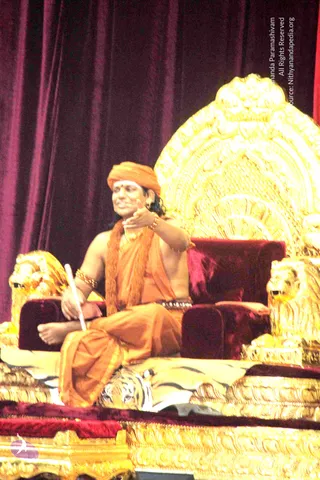
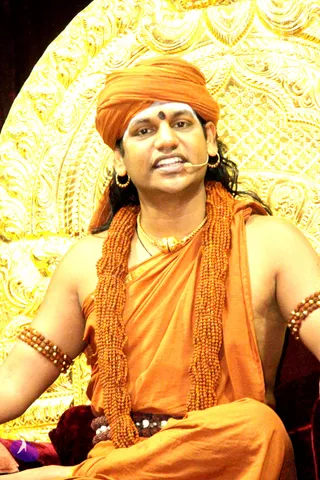
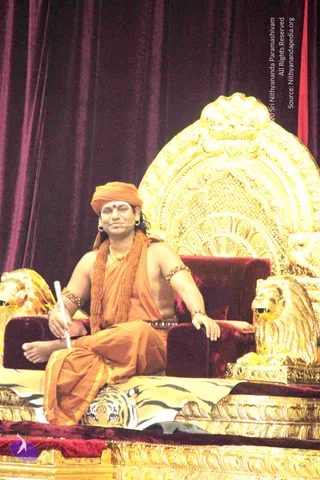
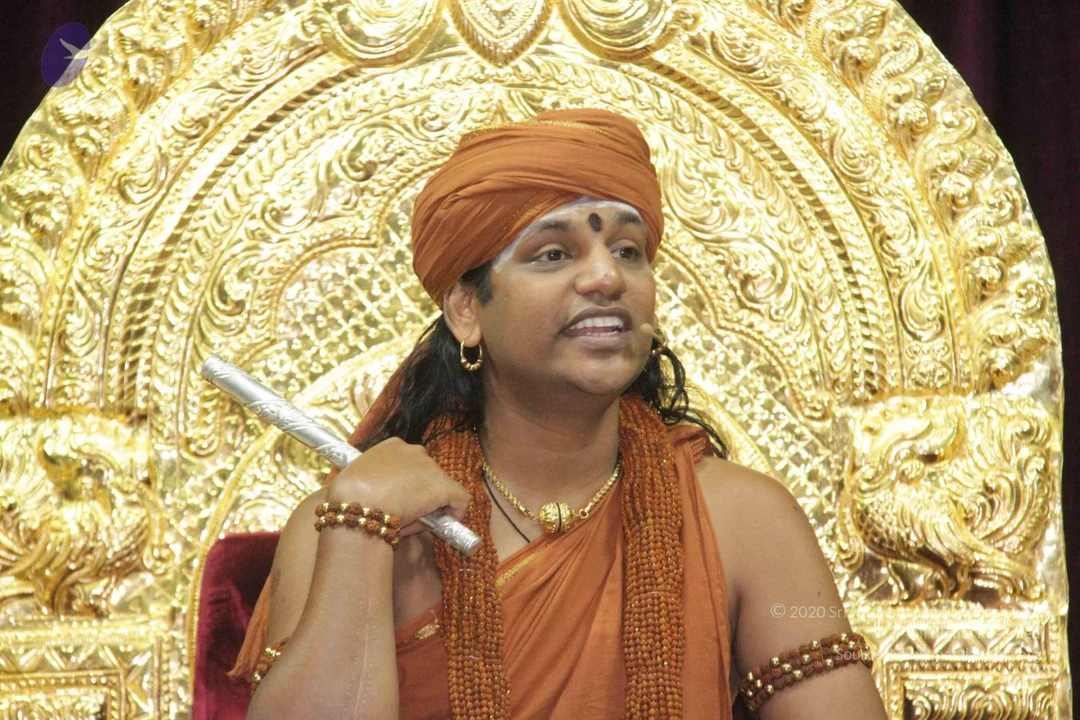
A photograph of a satsang-style blessing. In the foreground, a figure in saffron robes with long dark hair tied in a bun extends his right arm toward an older man in a white shirt and orange shawl, whose arms are raised overhead with a red thread on one wrist. The saffron-robed figure's bare shoulder and swept-back hair and ochre drape are visible. Behind them, two or three additional people in orange shawls and white clothing stand in a plain room with a window and pale wall. A maroon cloth lies on a low table at the bottom edge. a person: the saffron-robed figure in the foreground shows long swept-back hair and orange robes, a candidate for the page-referenced satsang, but the face is not used for identification.A photograph of two projection screens at a satsang. On the left, a large screen shows a smiling man in orange clothing: an orange turban, an orange shawl draped over his shoulders, rudraksha bracelets on his upper arms and wrists, and a white stick held in his hands. Behind him is an ornate gold-patterned throne. On the right, a second screen shows a video feed of a group at the Nithyananda Vedic Temple Seattle Chidambaram centre: several people with hands folded in anjali, a woman in a yellow top in the foreground, and a red-draped deity murti or offering on a table. The left screen shows a person on screen, not physical people in the room.A seated man in orange saffron robes sits on an ornate gilded throne decorated with carved lion heads and floral relief work. He wears an orange turban with a red-brown bindi and white vertical tilak on his forehead, long dark hair, orange rudraksha malas draped over his shoulders and arms, and a gold necklace. He has a small headset microphone near his face and rests one hand on a dark cushion or book. The photo appears to show a satsang setting. a person, seated in a ceremonial chair.

February 26 2013

Original wiki page
Contents

Title

Wake Up to Your Highest Possibility

Description:

In today’s morning satsang, Paramahamsa Nithyananda distinguishes between shared and collective responsibility. Shared responsibility means that each individual in a group takes equal responsibility for his or her task. Collective responsibility means that each group members takes responsibility for their fellows’ responsibility, so there are no weak links. Responsibility is the energy on which life flowers. When we sit with an impossible project and take responsibility for making it happen, it becomes possible after all. To achieve responsibility, we continually complete any unfinished business so that old patterns of dishonesty and lack of integrity die away. We create sangha chaitanya jagrada…. the community of collective responsibility.

Link to Video:

VideoAudio

Transcript:

(00:30)

Sadāshiva samārambām shankarācharya madhyamām Asmadācharya paryanthām vande guru paramparām.

(00:59)

I welcome you all with My love and respects.

(01:11)

(Hindi)

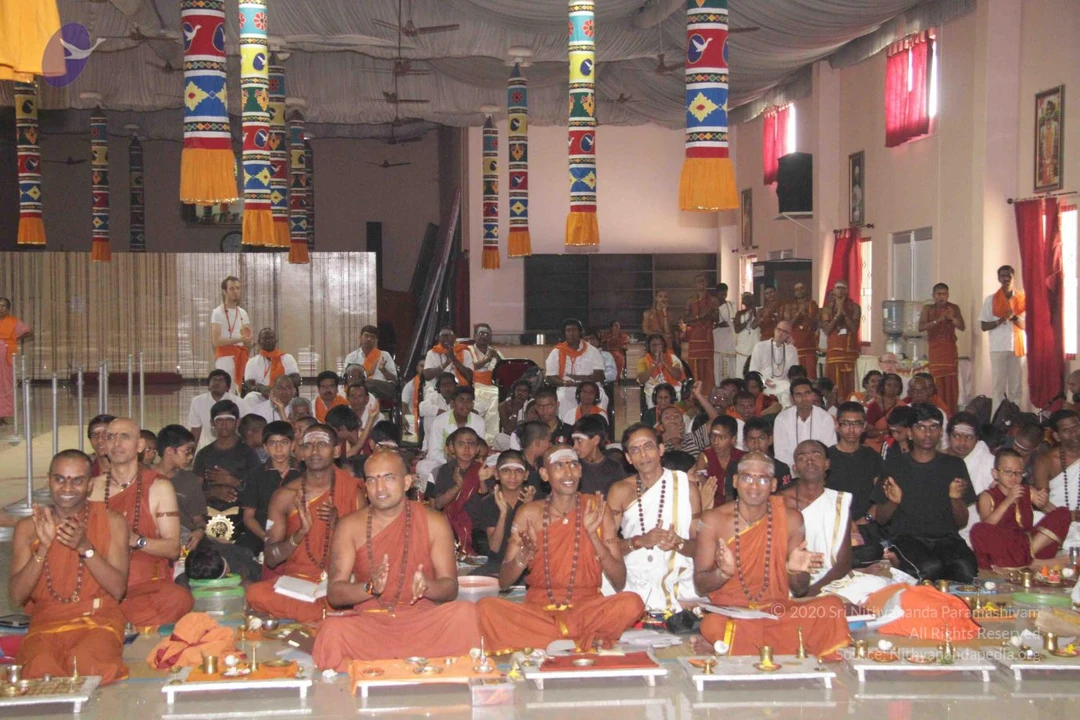
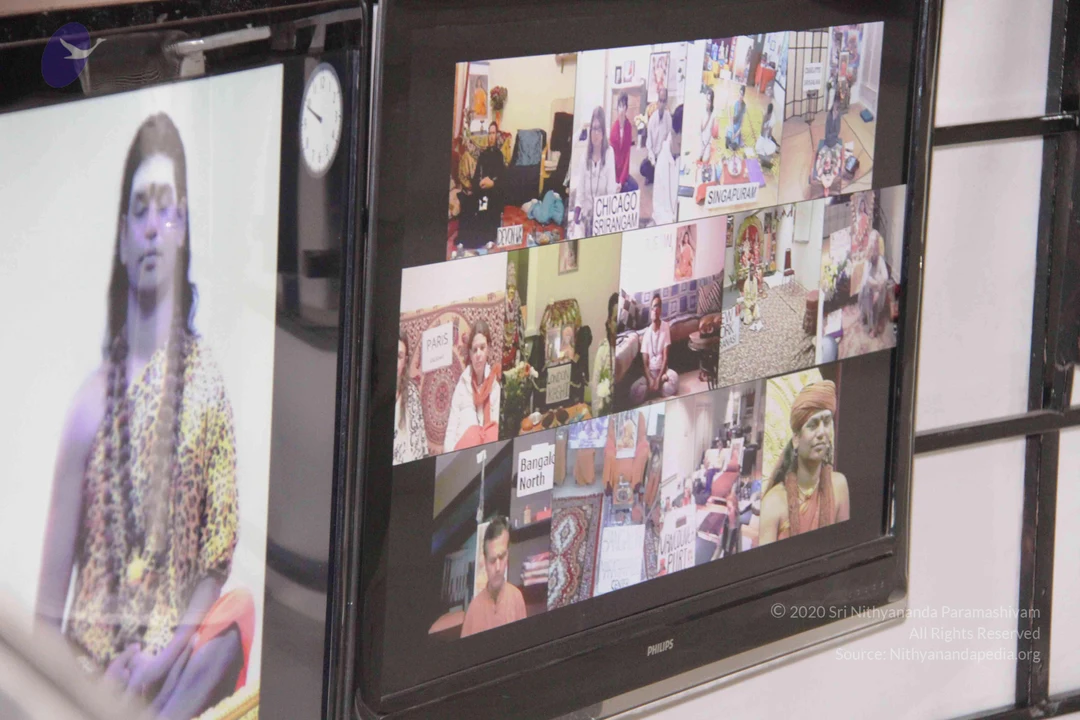
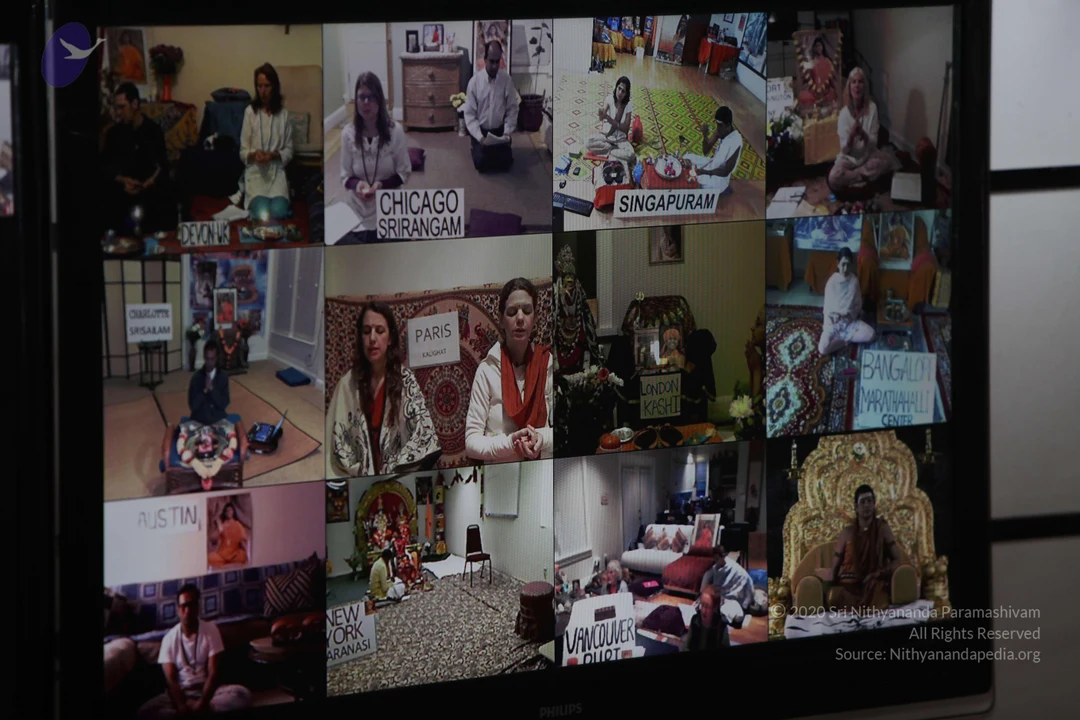
Mai aapka prem aur ashirwad sahit swagat karta hu. Swagat hai sabhi bhakto ka, Shisyo ka, samajiyo aur satsangiyo ka. Jo vishwa ke kone kone se ish samay 573 jagah se shamil hai, Nithyananda tv live dwara, 35 jagah se two-way video conferencing dwara Nayana Diksha prapta kar rahe hai. Ish samay duniya bhar ke 254 saharva, 33 desho se log jude hai. Vartaman anko ke anusar ish samay jo sahar hamare sath two-way video conference dwara Nayan Diksha me jude hai, wo hai.

मैं आपका प्रेम और आशीर्वाद सहित स्वागत करता हूं। स्वागत है सभी भक्तों का, बच्चों का, समाजियो और सत्संगियो का। जो विश्व के कोने से ईश समय 573 जग से शमील है, नित्यानंद टीवी लाइव द्वारा, 35 जग से टू-वे वीडियो कॉन्फ्रेंसिंग द्वारा नयना दीक्षा प्राप्त कर रहे हैं। ईश समय दुनिया भर के 254 सहरवा, 33 देशो से लोग जुड़े हैं। वर्त्तमान अंको के समय ईश समय जो सहर हमारे साथ टू-वे वीडियो कॉन्फ्रेंस द्वारा नयन दीक्षा में जुड़े हैं, वो है।

(02:18)

Chennai-Alwarpet, Phoenix-Kanchipuram, Guadeloupe-Rameshwaram, Toronto-Kailasam, Malaysia-Parani, Ohio-Prayag, Thirvunamalai-Arunachalam, San Jose-Madurai, Seattle-Chidambaram, Hyderabad-Bhagyanagaram, Adyar-Chennai, Ohio-Ma Shivananda, Los Angeles-Arunachalam, Sharjah, Bangalore-Nithyananda Vidyalaya, Black Diamond-Canada, Lawspet-Pondicherry, Dubai-Thirukovilur, Oman-Sivagangai, Mahakumbh Puri-Prayag, Bangalore-Ganga Maa Circle, Hyderabad-Shri, Hong Kong-Sirkali, Devon-UK, Chicago-Srirangam, Singapore-Singapuram, Charlotte-Srisailam, New York-Varanasi, Port Washington-New York, London-Kashi, Paris-Kalighat, Vancouver-Puri, Bangalore-North, Bangalore-Marathahalli, that’s it.

(03:32)

What happened to VC cities? Oh, because Nirahara is over. Okay. Lawspet-Pondicherry, Dubai-Thirukovilur, Oman-Sivagangai, I read out all that? Austin, yes, Austin I can see now, yes. Oh, today Shivangi has come to give Darshan for Me. Thank you. I welcome all of you with My love and blessings.

(04:05)

Today we have a great news, breaking news. High court of Karnataka quashes two cases against Swamiji, Paramahamsa Nithyananda.

(05:02)

Highcourt of Karnataka yesterday quashed the action initiated by the District Commissioner of Ramanagara, against Swamiji in a case filed on June 14th 2012. High Court of Karnataka clearly observed that the district commissioner had acted illegally and without authority in remanding Paramahamsa Nithyananda to custody as well as in obtaining a bond from Swamiji. The high court of Karnataka also quashed the complaint filed by Karnataka Navnirman Sene, Bhimashankar Patil and Sivaraja on 7th June 2012, High court clearly said that no offense is made out in the case and hence the case is quashed. The false complaint was filed by Karnataka Navnirman Sene, the Rowdy elements led by Bhimashankar Patil against Swamiji in June 2012, claiming he had instigated his devotees and allegedly attacked them, when in fact he was not even on the scene and Swamiji’s disciples and Sanyasis and Sanyasinis were actually attacked and physically assaulted by these Rowdy elements of Karnataka Navnirman Sene led by Bhimashankar Patil.

(06:40)

Today, 4th batch The Samyama, 10th day. And 15th Inner Awakening and twelfth EnGenius, 10th day.

(08:01)

Continuously so many questions on Krama Brahmacharya. Let Me define it once for all. Answering all the questions, listen. First thing, you should be initiated into four tattvas and practicing it with excitement. Practicing it with excitement. That is the first step to get initiated into Krama Brahmacharya. And, you literally follow all the vows practiced by Sannyasis. Please listen. Krama Brahmacharya is nothing but literally living the vows of Sannyas. After the, after you become legally major you can take Sannyas. But ‘til you’ve become legally major you are not authorized to make the final decision of Sannyas. Even as per the Vedic tradition, they wait ‘til your pratyatmaka chaitanya jakarta… happens, till your individual Consciousness is awakened. ‘Till you spiritually become major, dharmically become major.

(09:32)

Please listen. When your individual Consciousness is awakened with completion, when you are not driven by patterns anymore, then you are dharmically major. And for various reasons till you become legally major you are not allowed to take Sannyas. That is the reason this Krama Brahmacharya. Only one difference between Sanyasis and Krama Brahmacharis is, in Krama Brahmacharya you can drop your Brahmacharya, and get married. But in Naishtika Brahmacharya and Sannyas it is irrevocable, lifetime vow. Irrevocable, lifetime vow. Listen.

(10:30)

So, all Krama Bramacharya applicants listen. Literally you live the same commitments of Sanyasis. All the five vows like Brahmacharya, Asteya, Aparigraha, Satya, Ahimsa. With Integrity, Authenticity, Responsibility and Enrichment. You also take up the same vows and live. Listen. Dhyan se suniye. ध्यान से सुनिए. Practicing all these five vows, and the Sangha’s annyakara for any Sanyasi is the lifestyle of Krama Brahmachari or Naishtika Brahmachari or Sanyasi. In Krama Brahmacharya, you have only one exemption, you can drop the Brahmacharya vows, Sannyas vows at any time and get married. Or you can ask for Naishtika Brahmacharya and take Sannyas. There is no other difference. And...

(12:10)

Krama Brahmacharis can continue their education, till they complete. Krama Brahmacharis can study, continue their either social education or spiritual education wherever they are staying, in different places, all over the world, but only for the purpose of enriching others. Even during their education they practice enriching, they prepare themself for enriching. All of you understand? So, they can study in different parts of the word, just like in catholic churches, even after they ordain somebody as a priest in monkhood, he’s sent to study. They go and do some research in different Universities and study. Same way, you are already ordained, now you are going just to study. That is like a King going to school. You know you tell them: “Hey, my life is not in the line of yours. I am not in the competition race. I have already decided different life. I’ve come here just to enrich myself to enrich others”.

(13:52)

That is the exact way I went to college. If you see My Sannyas initiation date and all the Deeksha dates it's a prior to college. They sent Me just, especially my guru Kuppammal use to tell, “No you have to study and know English, only then you can… teach people”.... So, that is the exactly way, exact way I went. And same way, the doubts about the kids taking Brahmacharya, Krama Brahmacharya, you will not be able to perform any of the last right rituals, anybody in your family, elders die.

(14:52)

Please listen. Parents notice! Literally you are giving your son or daughter to become a Sannyasi. If you are allowing them to take Krama Brahmacharya, literally you are giving up, giving them up to become a Sannyasi or a Sannyasini. Later on, if they change the decision that is between them and Swamiji-Guru. You have no role to play in that. So, from this moment you are no more owner. You lose all the right.

(15:30)

Please listen. When Rama, Rama Lakshmana, Bharata, Shatrughna were handed over to Vasistha, they’re handed over. Just because Dasharatha is giving cows as a Dakshina to Vasistha, he has no right to even to see the kids. And there is no guarantee the kids will come back to Dasharatha. If all four of them have decided to take Sannyas or Vasistha has decided to give Sannyas to all four of them, they would not have even gone back to the palace. Over! But fortunately Vasistha decided they should go and rule the kingdom, and they also decided to go and rule the kingdom as per the orders of Vasistha. They went back. So listen, understand the whole thing and then apply for your Krama Brahmacharya or your son’s Krama Brahmacharya.

(16:31)

If you are above the legal major age of your country, in some countries 18, some countries 21, Am I right? If you are above the age of legal major, you can take only directly Naishtika Brahmacharya. Now you are decide to, you are to authorized to decide. You cannot ask for Krama Brahmacharya. So, many will fall into that category now. Ma, only if you are legally minor you can take Krama Brahmacharya.

(Satsang member speaking in background).

SWAMIJI: Mmm, they can, they can. Then they have to reside in the campus. Yes, yes. They have to reside in the campus. Listen, when you take full Kavi, you must be ready to fulfill My annyakara about full kavi.

(17:28)

I wanted every person who is wearing kavi, this is My annyakara, listen. Every person who has taken up kavi, become the head of a Peetha. Either I created or creating on your own. Each one of you guys should become... should be able to inspire, enrich thousands of people to live this tattvas and able to inspire them collectively to take up the responsibility of a Peetha.

(18:16)

I Am so happy for Seattle. Listen. I Am just happy for Seattle. As Maha Kalabhairava, I bless Seattle. They have sent their declaration. I’ll read out completely. I really want to read out. “Last night Swamiji gave us an amazing blessing for us to come together in a shared responsibility”.

(18:47)

Listen. The word is not shared, collective responsibility. Means, shared responsibility means each one is responsible for their responsibility. Collective responsibility means each one is responsibility for everyone’s responsibility…. Okay? There is a difference. Muktha, mark the difference. It is not shared responsibility. I said as collective responsibility, you heard as shared responsibility. Change that word…. Okay? As of now we are all working only in the mode of shared responsibility. That is why you do not even grasp the word collective responsibility…. All of you listen. Dhyan se suniye. ध्यान से सुनिए. Collective responsibility means everyone is responsible for everyone’s responsibility. How many of you understand? So, Dhyanapeetam is supposed to run with the principle of collective responsibility. Not shared responsibility. Okay.

(20:13)

So, they have declared beautifully. They say, “We declare this in front of Swamiji for His grace and blessings. With Sampoorti, Shraddha, Upanayanam, Aapyaayanam, Integrity, Responsibility, Authenticity and goal of”. Not goal. Enriching others and ourself. Enriching ourselves and ourself is not a goal, it is lifestyle. You don’t say, with a goal of breathing. Now I start telling my lungs and the heart to start vibrating. No. Breathing is not goal, it is lifestyle. Clear?... So, Ma remove that word. Yes, now send this back to them as a blessing. What they offered is Naivedyam, what I’m sending back is Prasada…. “The Seattle Chidambaram Sangha declared that we are enriching the world by building a city, Nithyananda Puri”. God. Muktananda. The name is approved. Nithyanada Puri. Do it. Blessings…. God. Which is they are describing detailed way. “Enriching lives by being a self-sufficient Vedic community, living the four tattvas as taught by Swamiji. Enriching lives by being built around the Seattle Chidambaram Temple. Modeled after the original Chidambaram temple. With all the sangha members living inside the city. Enriching lives all over the world by being a place for Swamiji to live. As the master, as the dhamma and the sangha”. Wow. (Swamiji laughs]). “Enriching lives all over the world by being the center for renewal. An explosion of authentic yoga, as intended by Swamiji. Just like Patanjali. Enrich the world from old Chidambaram. Wow! Enriching the world by having a branch of Nithyananda University. Enriching lives by connecting to the world through modern technology and to spread Swamiji’s mission. Enriching lives with annalaya, serving free nourishing food to thousands of people daily. Enriching the community by being a place for business to flourish based on four tattvas. Making the community self-contained. We have many more details worked out”. Wow. “We are following this schedule. We are building a temple by January 1st, 2015. We are building a self-contained community around the temple with sangha members living there. Where Swamiji can live with a business based on the four tattvas by January 1st 2016. We are expanding into a full city with all facilities, January 1st 2018. We are studying places like Maharishi Vedic City in Iowa. Getting inspired watching video on Vellore Mutt and Ramakrishna Mission. How a small group of determined youth built it from the ground up”.

(24:01)

I bless you guys. All the energies, Lakshmi, Saraswati, Kali, Durga, Shiva, Shakti, Ganesha, Muruga, Vishnu, all the auspicious energies, including Nithyananda, all of us will support you guys, grace you guys and say tathastu. So be it…. Let it be successful, as per the timeline with all the auspiciousness. I tell you guys, now I commit to make the impossible into possible. And break the idea of impossibility. Make the idea of only possibility, possibility, possibility. We can do it. We can do it. Create the presentation. Create the presentation. And keep the presentation in front of paduka during every day of Pada Puja and Swasti Mantra. All of you send this wave of this project to the world through Swasti Mantra. It will become reality. It will become reality. It will become reality.

(25:48)

Shared responsibility means each one is responsibility for their responsibility. Collective responsibility means each one is responsible for everyone’s responsibility.

(26:09)

(In Hindi)

Samuhik jimmedari ka arth hai ki har vyakti apne vakyatigat jimmedari ke liye khud jimmedar hai. Samuhik jimmedari ka artha hi ki har vakyati ka vakyatigat jimmedari liye samuha me shamil sabhi log jimmedar hai. सामुहिक जिम्मेदारी का अर्थ है की हर वकील अपने वकीलीगत जिम्मेदारी के लिए खुद जिमदार है। सामुहिक जिम्मेदारी का अर्थ ही की हर वकीली का वकीलीगत जिम्मेदारी लिया समुहा में शमील सब लोग जिम्मेदार है।

(26:42)

Now Seattle sangha, it is collective responsibility for all you guys including Me. I declare I Am part of your sangha. With responsibility, integrity, authenticity and enriching I declare I Am part of your sangha, it is now collective responsibility of all of us. Thank you guys for setting up a trend, of taking up impossibility as possibility. I know, you guys are setting up a trend. Don’t even think you are going to fulfill 99%, I assure you guys we are going to do 100%…. You don’t know the power of collective responsibility. Because still you guys have not not yet started playing that game. I wanted sangha to play that game. Whatever may be your mood, get up, freshen up, show up. Ok? Only then you will be out of your mood swings. If you are lying down in your room you are, “Oh, oh, depression, you happened so beautifully for me. How can I leave you and go, I’ll pour you little water and little food. Can we grow together?”.... When you are in depression, don’t be alone sitting in your room. If you are doing it, you are giving company to your depression and actively encouraging it. Actively encouraging it. Come to the sangha. Be with the people who don’t have depression who will help you to come out of depression. Enrich yourself and enrich others by the satsangha, satsangha means the person who is always in the sat. Be in his sangha. Seattle guys how many of you really feel, now the excitement in your heart of this responsibility? Yes, yes. Now all you guys are leaders. Listen. When I said tathastu, it has already happened. How many of you are seeing now the whole Nithyananda Puri in Seattle? Now you just need to work to make others see. The moment I said tathastu, if you are seeing it you are a spiritualist. You have to work to make materialist to see this city of Nithyandna Puri. I tell you, even I did not imagine, even I did not have the annyakara that you guys will take up such big task. You guys have crossed My annyakara so I will also cross you annyakaras about Me. I will fulfill and show Me show Me to you guys beyond your annyakara.

(30:29)

And I have message from Malaysia. We have the same sangha meeting this Saturday for collective declaration for the Malaysia sangha. It will be more exciting, enriching for Malaysia. Nirantaras, blessing. Blessing. So before the sangha meeting, I’ll bless you guys, ok? So that day Saturday, gather all of you guys gather for the morning satsang itself. I’ll bless you guys in the morning satsang itself…. Nirantara have the title of Nithyananda Puri itself. You see all over the world, standardize this name, Nithyananda Puri. If you want to create a city, call it as Nithyanadna Puri or Nithyananda Nagar. Or Nithyananda City. Have these three-four options. If you are in the western countries you can use the name as Nithyananda City. I think even Seattle can use the word Nithyananda City. That will be more apt.

(31:57)

Shared responsibility means each one is responsible for fulfilling their own responsibility. Collective responsibility means each one is responsible for everyone’s responsibility to the community.

(32:14)

Link to Video:

VideoAudio

Transcript

(0:23)

Ambananda has a question: Swamiji earlier You had told that if you are in depression close your doors and don’t come out and you will see your depression will just go off. No! That is for different context, different reason. I thought you will have the good company within you, it is not happening. So you have to have good company only without you, in outside of you.

(0:55)

Wow! Even Hyderabad Ashram is having the meeting for, on Sunday to come with collective responsibility. Great! I freeze, I just freeze these two names. All the Eastern countries, where the Sanskrit is available as a language. Like Malaysia, Singapore, Indonesia, Bali, India where the Sanskrit based languages are available; All of you use the word Nithyananda Nagar, if you are planning for a city. And all the Western countries use the word Nithyananda City; Where Latin based languages are life lifestyle. Let’s freeze these two words. Seattle you guys go for the word Nithyananda City.

(1:52)

Yes!

(2:14)

God! Now I feel what all…I already started planning what all support I should give for Seattle Chidambaram Sangha. Seattle Nithyananda City. I can just see we are winning...Wake up to the Responsibility, you wake up to Life. I tell you, each petal in your Ananda Gandha, Ananda Gandha is a eight petal lotus. Each petal opens up with new, new powers when you take the responsibility. Sahasrara is a thousand petal lotus. Each petal opens up when you enrich others and yourself...Go on Enriching. Go on taking Responsibility. Go on Enriching and go on taking Responsibility.

(4:43)

Even when you fight with your enemy, if you are out of completion fighting, you are only Enriching him with right lessons. Listen, out of completion even if you fight with your enemy, you are Enriching him with right lessons he need to learn. Out of incompletion even if you are teaching, you are trying to create some more mental slaves for you, ideological slaves for you. How many of you are cognising it? Even the most sacred thing like the teaching should not be done out of incompletion. Out of completion even the most scary things like a fighting will be only teaching a right lesson to the enemy. Even fighting can become teaching if you are completion, in completion. If you are in incompletion even teaching will become a fighting.

(6:07)

Eey, Seattle guys first thing you need to do. All of you sit and do completion. Umm! Then you become new being. All of you start, this is the first instruction Guru Vaak. Completion, from today declare you are complete and do completion from all your old patterns. Self-fulfilling negative prophecies. Complete all of them. I can see each one of you guys shining. I can see you guys doing it.

(7:00)

Wake up to your responsibilities. “Jagrut ho jaiye. Dhyan se suniye. Jub aap jimedarion ko uthate hai. Aap jeevan jeene lagte hai.” When you take up responsibility, you begin living life. I tell you, Seattle guys when you sit with this responsibility in your Ananda Gandha, you will see your Kundalini awakens and sends a strong wave to the cosmos. And your word changes the world.

(7:47)

Whole Ramakrishna Mission was founded in a building which has no foundation. With a twelve young boys who are beggars, in the street. Whole monthly income of the Ramakrishna Mission, for first seven years, is ₹10/. It may be equivalent to 10,000/ now. ₹10,000/ ten-twelve people have to live. Young guys, with their clothes, food. They had one full size dhoti, two towels and twelve loin clothes. Whoever goes out will wear the dhoti. If a women devotees come to the monastery, people who talk to the women devotees will wear the towel. And all other ten will be sitting inside the room. That is the way Ramakrishna Mission was founded, started. If you see that, we have more resources, externally and internally. Because Ramakrishna was not physically alive when Ramakrishna Mission was started. I am physically alive, sitting, living, still kicking around.

(9:45)

I tell you guys, Responsibility is the energy in which your life flowers, blooms. Responsibility is the lotus on which this Pitha is sitting. Only if you learn to think with four Tattvas, you will learn to be in no mind space. You will experience non thinking space, not before. First, learn to think in these four Tattvas, as reality. Responsibility is the energy on which your life flowers. “Zimmedari hai, vo Shakti hai, jiske adhaar par aap ke jeevan vikashik hota hai. Zimmedari hee vo Shakti hai jiske adhaar par aap ka jeevan vikashik hota hai, vikishik hota hai.” Responsibility is the energy on which your life flowers. “Dhyan se suniye, zimmedari hi vo Shakti hai jiske adhaar par aap ka jeevan vikashik hota hai.’ I tell you, sit with impossible possibility space. What I call Responsibility. Responsibility means the space, impossibility becomes possibility. That is when the miracle powers are at your disposal, start expressing through you. I tell you, now each one of you, who are vibrating with this Responsibility in your heart, you will start expressing miracle power, like Vaak Siddhi, Materializing, awakening your Kundalini and others Kundalini. Enriching yours and others with these Tattvas.

(13:38)

Ummm, Responsibility is the space where the impossible becomes possible. “Zimmedari vo sthiti hai jisme asambhav, sambhav ho jata hai.Zimmedari vo sthiti hai jisme asambhav, sambhav ho jata hai. Jaagrut ho. Dhyan se suniye. Jaagrut ho jayiye.” Wake up! Wake up to the call of your heart's Responsibility. How many of you have felt authentically in your life, even once the joy of taking huge Responsibility. I tell you that is Nithyananda. Make that eternally in your heart, you are in Nithyananda. “Aap ke hriday se zimmedari ke pukar ko suniye. Aap ke hriday ke zimmadari ki pukar ko suniye.” Listen to the call of Responsibility of your heart.

(15:34)

Remember this season is Purnatva season. Continuously do completion, so that your irresponsible patterns die down, wither away. responsibility starts happening. Wake up to the Responsibility. Every Sangha should do this collective responsibility meeting, within this Purnatva Rituh. Till Guru Poornima, before the Guru Poornima you should do collective responsibility meeting. After the completion, or even if you have done the collective responsibility meeting, you should continue the completion. All the Sangha should do completion and collective responsibility meetings. “Dhyan se suniye, lagatar smaran kijiye, ki ye Purnatva ka, Purnatva ka Rihtu hai.” Remember this is the season of Purnatva. “Lagatar, Purnatva stiti ko aap ke andhar jakar kijiye.” Awaken the state of completion in you continuously.

(17:52)

I tell you guys, Seattle guys, by this declaration and completion, you guys have already become Kali, Durga. Now simply, Lakshmi and Saraswati will support you. It will simply happen because whenever Durga happens, Lakshmi and Saraswati rush there to support Durga’s mission, Kali’s mission. You guys have now showed the power. Now simply Kali and Saraswati, Lakshmi and Saraswati will be there to support you guys.

(18:59)

God! Even I feel something I can’t even grasp is happening. I can say very clearly with Integrity and Authenticity, Responsibility and Enriching, Seattle Sangha has declared all this declaration with Integrity, Authenticity, Responsibility and Enriching. They have not declared with lack of Integrity or inauthenticity, let us tell now later on who is there, what is there, he... No, no inauthenticity. They did it with Authenticity. That is why I am seeing, I am also responding with so much of power of Authenticity. That is why it is provoking, awakening so much of power of Authenticity in Me. I tell you guys even your lack of Integrity, inauthenticity whatever is there, everything now will be imbibed, absorbed into your Authenticity and Integrity. It is like a all the unnecessary things will also become the manure for the Banyan Tree you guys are growing.

(20:42)

Atma is sending a reminder that I’ll talk on Viraja Homa today. I am telling you I am doing Viraja Homa now. I am not just talking on Viraja Home because, burning each one of your incompletions and irresponsibility is the Viraja Homa. “Viraja bibapma bhuya sadgum swaha” Means- all the unnecessary dirt which are in Me be burnt away. “Viraja bibapma bhuya sadgum swaha” “Antaratma me sudyantam” -let My inner space become pure. “Bahuratma me sudyantam” -the life happening to Me outside of Me also become pure. Understand you don’t have only “antaratma”. Means life is not happening to you only inside, it is happening to you outside also. That is why the Upanishadik Rishi is putting two words, otherwise, he could have just put “atma me sudhyantam” no…Or “antaratma me sudyantam” no…He says “antaratma me sudyantam, bahuratma me sudyantam” “Jyotir raham viraja bibapma bhuya sadgum swaha”... Because life is happening to you inside and outside both. If life is not happening to you inside it is depression. If life is not happening to you outside, it is inefficiency. If the life is happening to you inside, it is Responsibility. If life is happening to you outside, it is success. Understand, you cannot say life happens to me inside but not outside. NO…be very clear, only if your life happens outside also, only then life is happening inside also. Whoever is saying life is happening to me inside but not outside are called pseudo vedanties...Whoever says life is happening for me inside and outside also, then you belong to the Nithyananda Sampradaya. Some teaching group says life happens only outside, there is nothing called inside. I completely differ. Life happens to you inside and outside. If you think it is only outside and not inside, you don’t know inside. If you think it is only inside and not outside you don’t know outside. Life happens inside and outside, both.

(24:46)

Toronto is also going to have the collective Responsibility Sangha meeting on March 3rd. “Sangha Chaitanya Jaagrat” meeting. Understand, this is the name for the meeting “Sangha Chaitanya Jaagrat” meeting. So “Sangha Chaitanya Jaagrat Melanam”, collective responsibility meeting. Great! Every conflict, inside you, outside you should be solved only with these four Tattvas. These four Tattvas are the fire in which the Viraja happens to you. Free of impurities, Vi…ra…ja means Vi+raja, Viraja means free of impurities. Only, when you offer yourself into the fire of these four Tattvas, Vedaagni, Jnanagni, you become Viraja, the free of impurities. I always used to feel, I should initiate hundred people into Sanyas as one batch. Now I think My dream is going to be fulfilled. My vision is going to be fulfilled. I think this Shivratri we will be doing for hundred people. Krama Brahmacharya, and Naistik Brahmacharya, and Sanyas all put together, hundred people. There is no difference between Naistik Brahmachary and Sanyas; it is one and the same. Krama Brahmacharya and Sanyas all put together I will be initiating at least a hundred. Umm…umm…umm. The Viraja Homa. At least hundred will go through. I always wanted that. At least hundred people going through Viraja Homa. Standing up with the courage of Authenticity as their bone marrow. Sweetness of Enriching as their skin glow. Integrity as their inner software. Responsibility as their muscles. Completion as their blood flow. Commitment to the Guru and the Sangha as their breathing energy. With this one declaration, whatever maybe the conflicts inside and outside you will resolve only with these four Tattvas. And you will not give up on you. You will never give up on you living these four Tattvas. “Aap ke undar aur bahar job hi sangharsh hai, keval in char Tattvon se suljahiye, suljahiye. Aap ke undar aur bahar job hi sangharsh hai keval in char Tattvon se suljahiye.” There is nothing which can’t be solved with these four Tattvas. We will use nothing else to solve any conflicts other than these four Tattvas.

(30:37)

The celebration of Sanyas is going to be the uniqueness of this Shivaratri. One nice thing I am going to continue to be here doing Inner Awakening after the sanyas initiation also. So every morning you guys will be having Satsangs. And every day you guys get to see and celebrate, continue to celebrate.

(31:22)

So the option is open now for all who have done BB. In Ramakrishna Mission the big suspense will be, whether barber calls you or not. If you are Ramakrishna Mission, the headquarters they have a barber, who is staying there for years, like a generation. Actually, his grandfather shaved for Vivekananda, his son and the grandson is now in the Ashram, in the Mutt. So the day before Sanyas, you see the Sanyas initiation is done in Ramakrishna Mission, third day of Shivaratri. Third of Shivaratri will be the Ramakrishna’s birthday as per the Thithi. In Bengali calendar as per the Thithi they celebrate. So the third day of Shivaratri, they will be giving Sanyas. The second day, the barber will call; he has become part the Sangha, so part of the Sangha, the list of the candidates who are chosen for Sanyas, the list will be given to him; He will call them one by one. So that two days is market, because he has to shave and that, he has to make the Shikkha, just few hairs. Because while you are offering that Shikkha into the fire, barber will not be around you. You have to just pluck it and offer. So, usually when you have the Shikkha there will be lot of, a good size of Shikkha. He will reduce that Shikkha into few hairs which you can pluck by your hand. So, that ceremony, it is like a ritual for that the barber will be calling one by one. So, all the training centre Brahmacharies will be just looking at his face. With the suspense there will not be any other formal declaration or meeting, nothing. Just that barber will call you. “Maharaj aiye”, I have to shave your head. So, that is the most suspense two days. From the day of Shivaratri, especially whoever has applied for Sanyas, they will all have to fast for eleven days. You guys are already doing enough of Nirahara Samyama; your whole life has become Nirahara. So you don’t need to worry about it. For them, them, they drink only Ganga water, nothing else and last two days they don’t even drink that. From Shivaratri day even water is not allowed. But you guys just do Nirahara that’s enough. You guys are already doing everything um…and for us the tailor is the, going to be the suspense breaker. Your clothes stitched. Of course after Viraja Homa you go through some more initiations and rituals to complete the whole Sanyas ceremony.

(34:35)

Now I’ll do Viraja Homa, then after few days when you guys completely enter into a space of Non Prayaschita four Tattvas, living as Satyas. Understand the space where they have become Satyas, where you are not needed to do any Prayaschita. Means you don’t fall out of those Satyas. Then I’ll do some more initiations and the rituals and complete. I wanted to do each of the rituals along with your transformation, not as a ritual, but as spiritual. Any ritual done with Authenticity, Integrity, Responsibility and Enriching, it is spiritual. Any spiritual thing done with lack of Integrity, inauthenticity, irresponsibility and selfishness it is ritual. Four Tattvas make ritual to spiritual. Lack of four Tattvas make spiritual to ritual.

(36:36)

Life means continuously practicing these four Tatvas with excitement. Not allowing you to settle down with this ‘okay pattern’. You should settle down only with four Tattvas. Sometimes you may think no, four Tattvas, no I need a vacation. Vacation is settling with four Tattvas. Not settling is the confusion, job, you go to office and you don’t settle with four Tattvas. When you settle with four Tattvas you take vacation, that's the truth. Live these four Tattvas and Enrich the Universe. When you live these four Tattvas, your job is also Enriching, your breathing is Enriching, anything you do is Enriching. Don’t do anything other than Enriching. Whatever you do should be directly Enriching. Even if you are maintaining the Ashram it should be Enriching. If you are doing a soft, job in Microsoft, it should be Enriching people. You may get paid to take care of your family, your Responsibilities, but you should be aiming at only Enriching. Living life means continuously living these four Tattvas with excitement. “Jeevan jeene ka arth hai ki aap lagatar in char tatvon me hi utechna ke sat jiye.” Even My both cameramens are excited. My Hindi learning. They give thumbs up and when I pronounce properly. They are so excited. They are excited I can talk to them in Hindi. Otherwise I don’t talk to them at all. With this, I’ll move to the next segment of the morning Satsang. Let you all achieve, experience, live, express, radiate, share and explode and Enrich with Eternal Bliss. Nithyananda. Thank you.

(39:49)

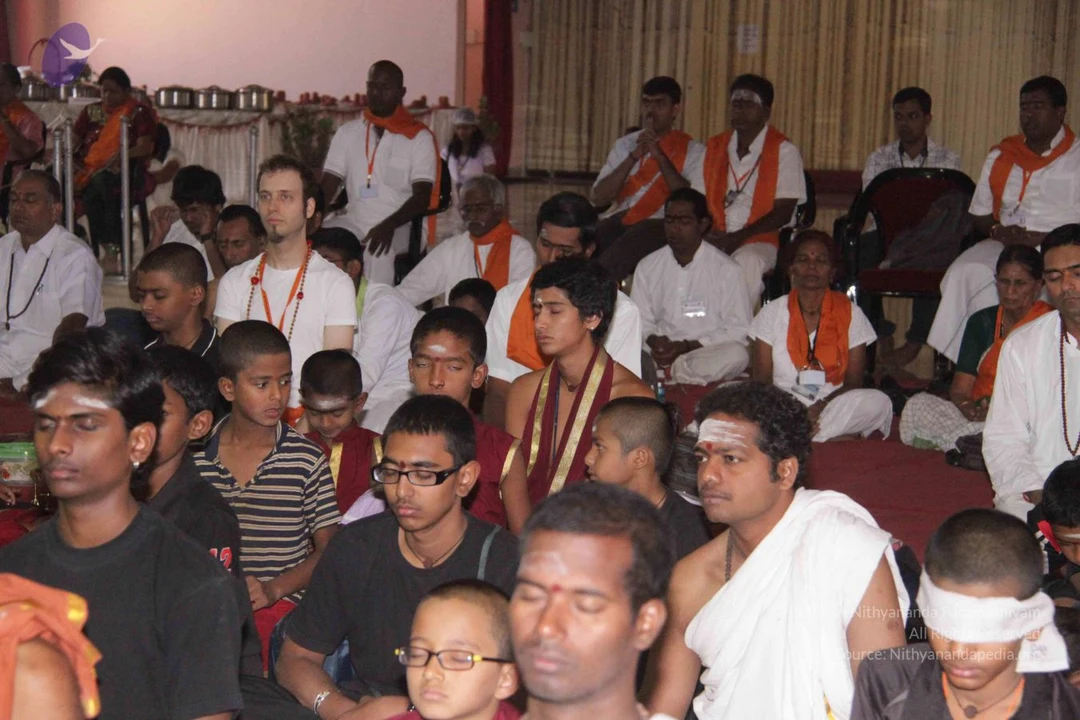
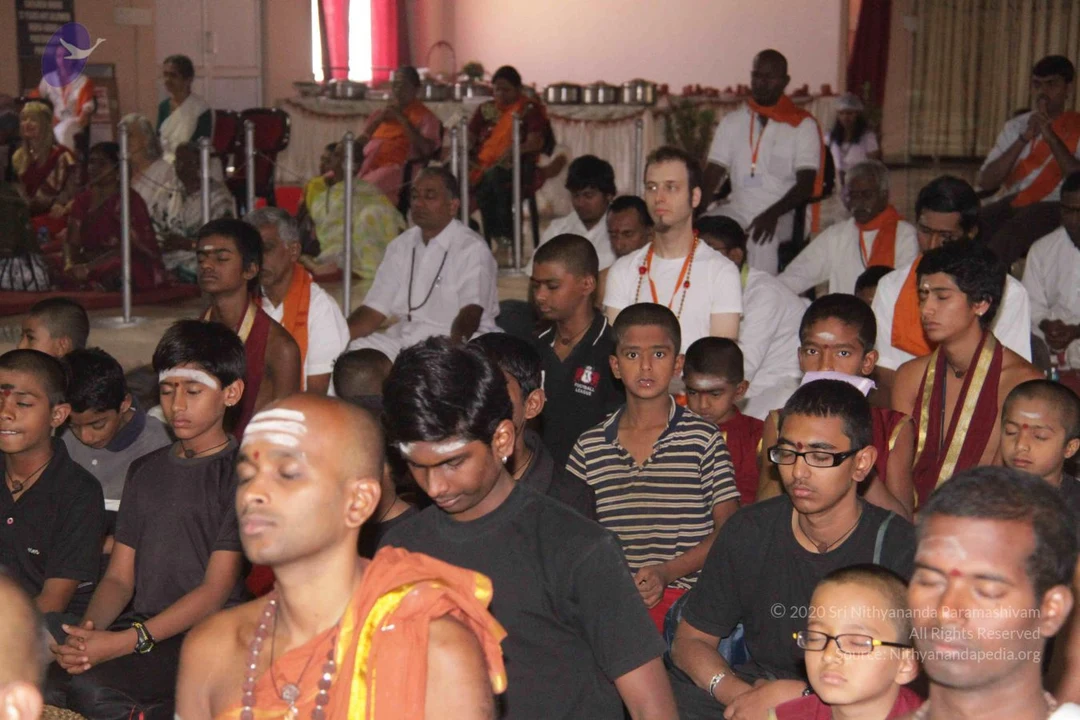
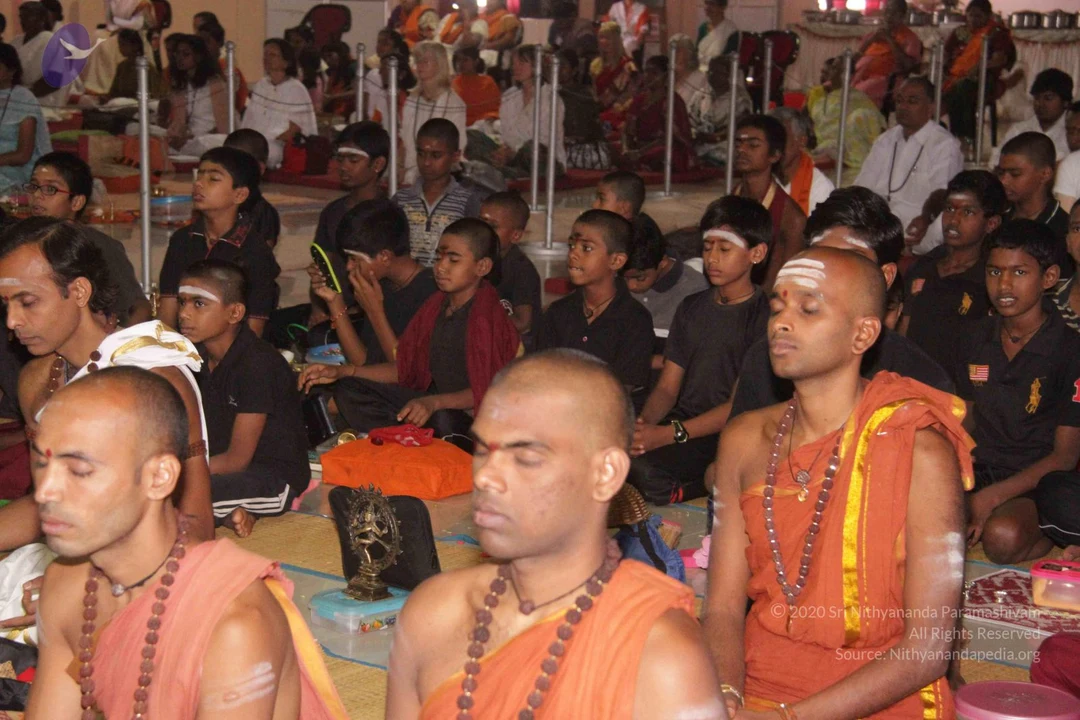
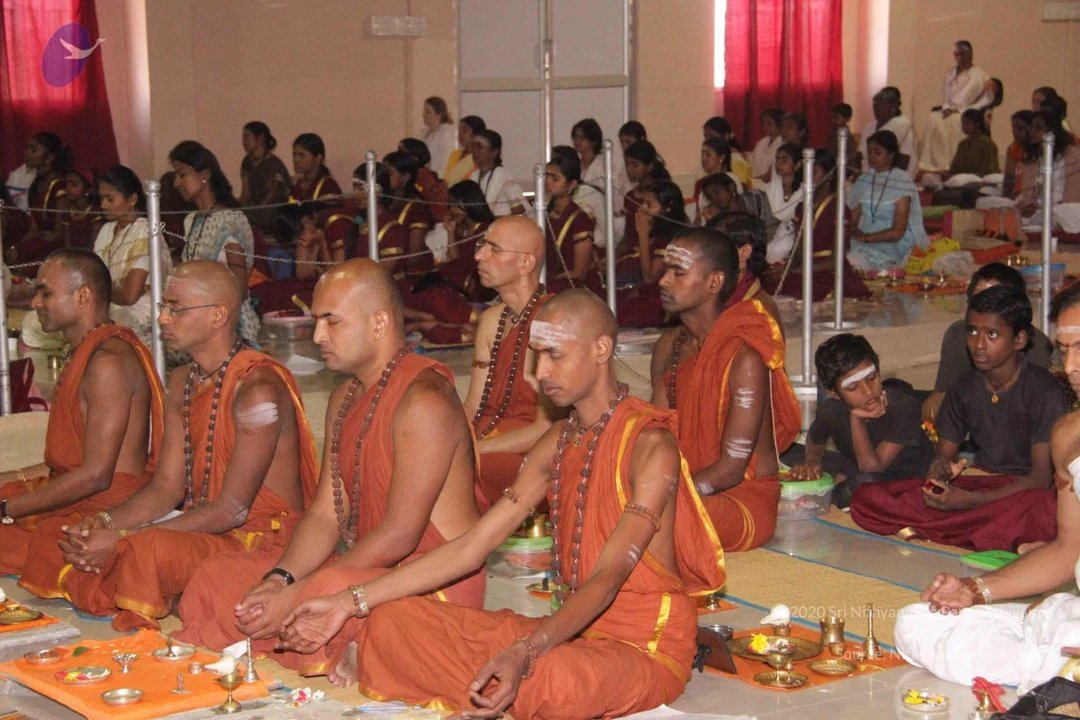
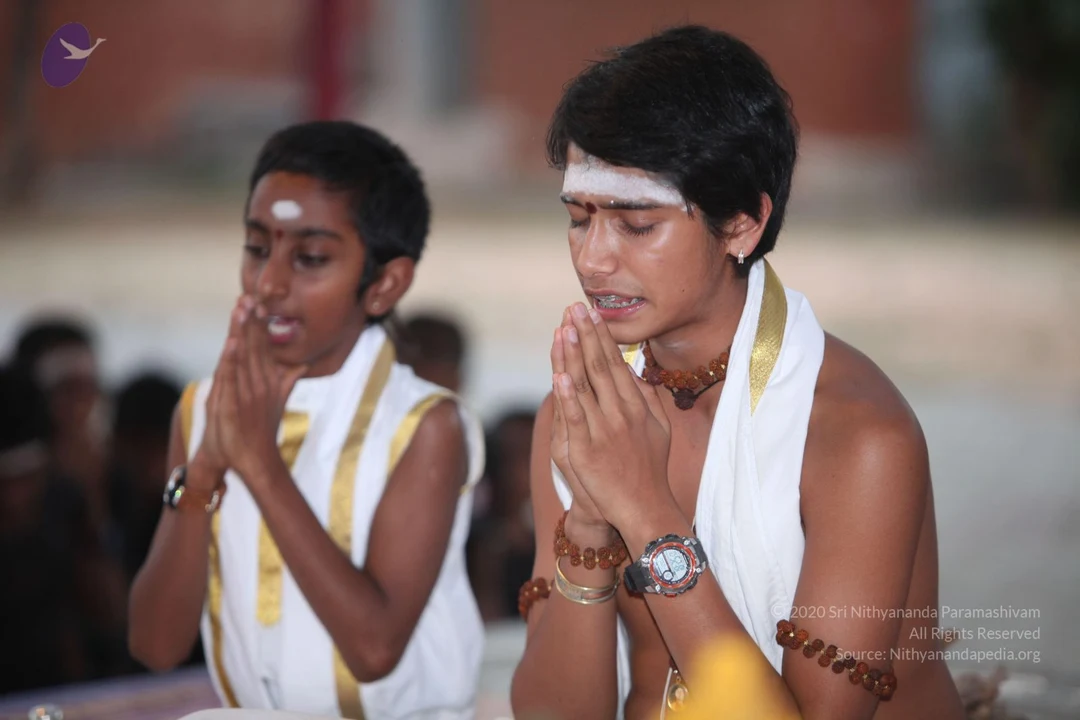
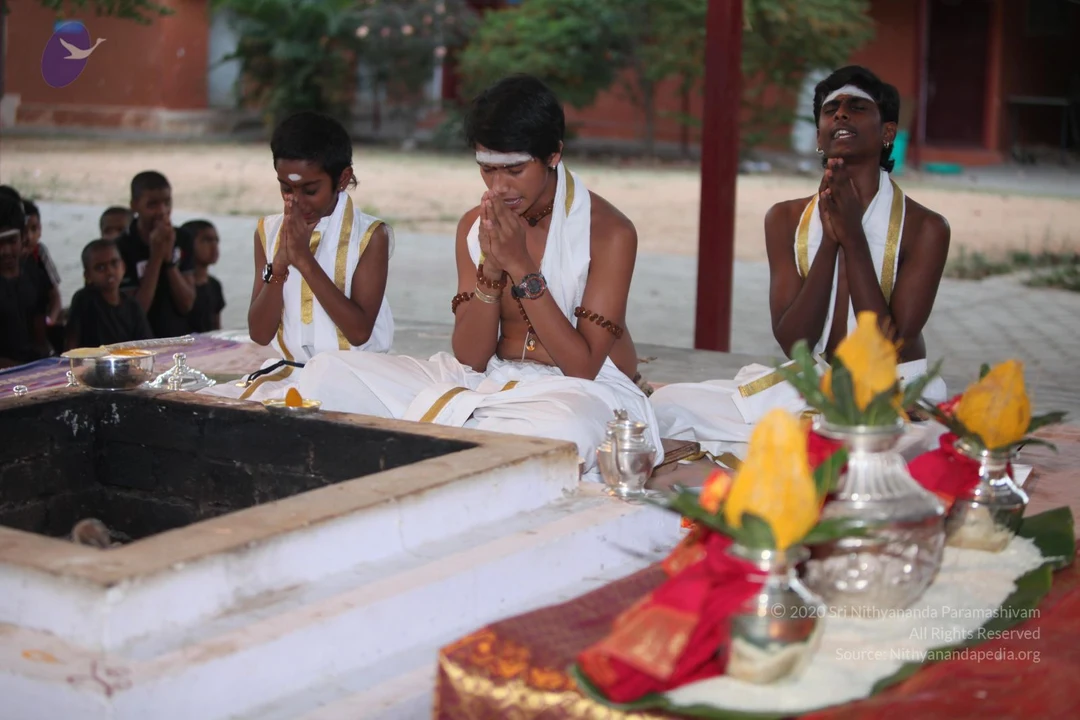
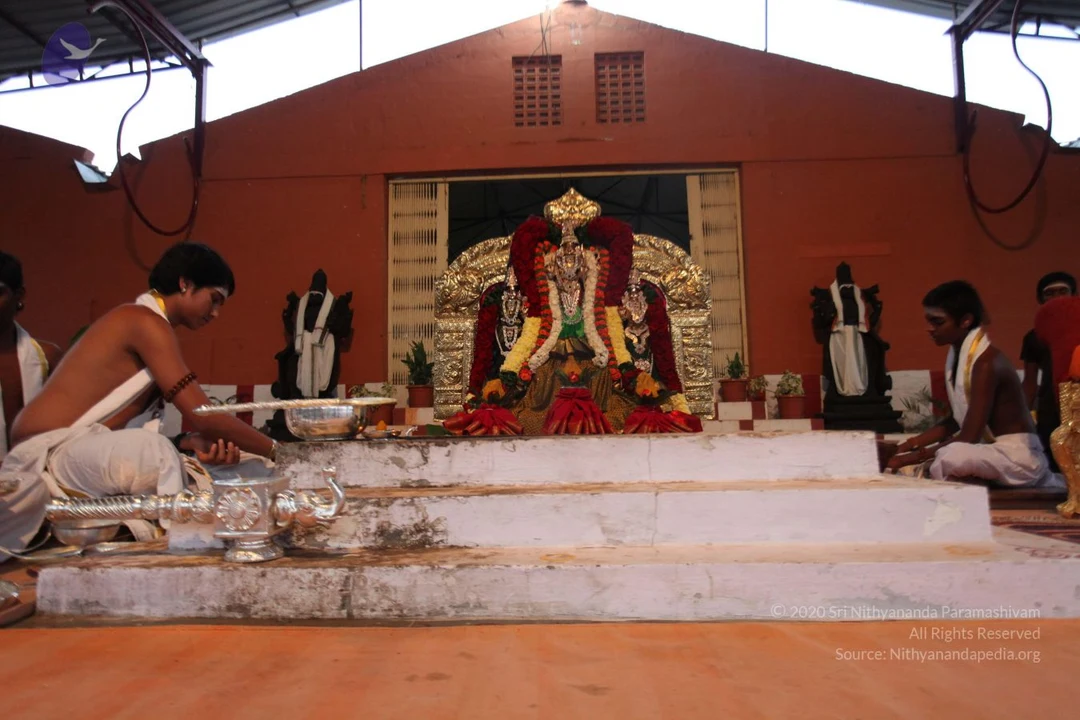
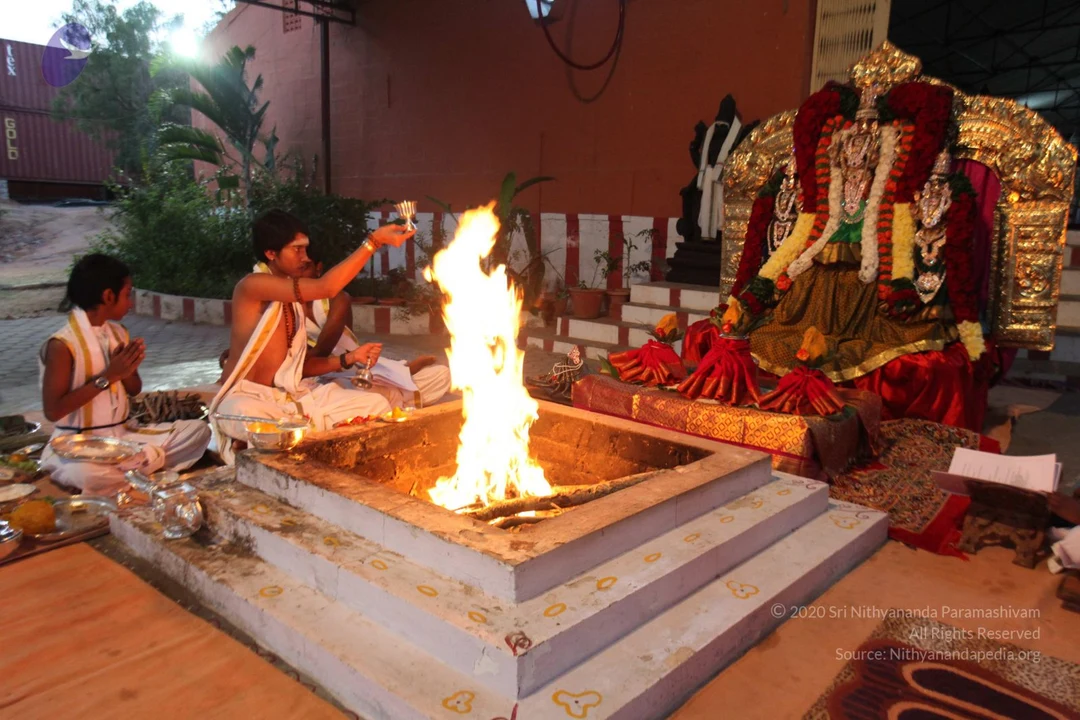
Photos From The Day:

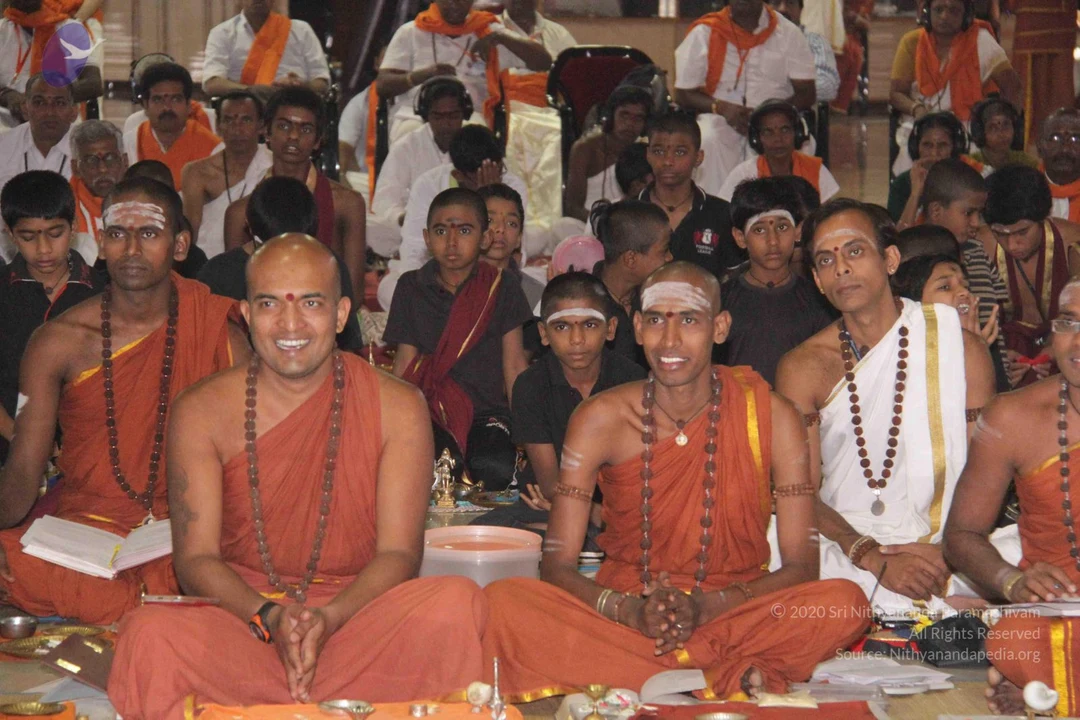
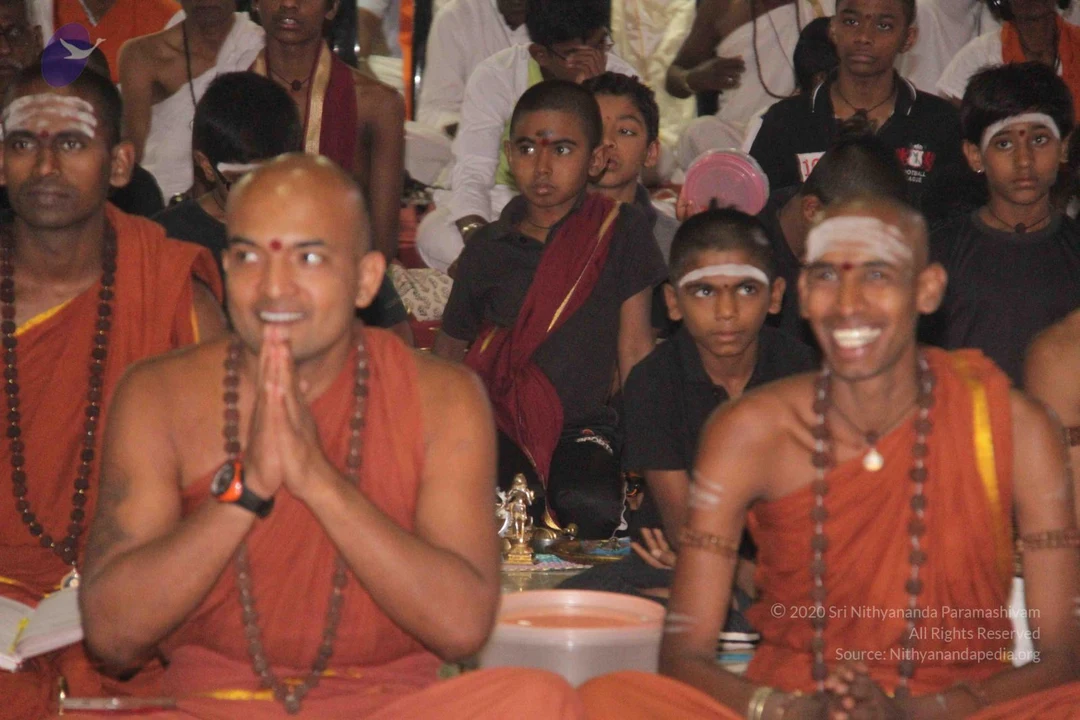
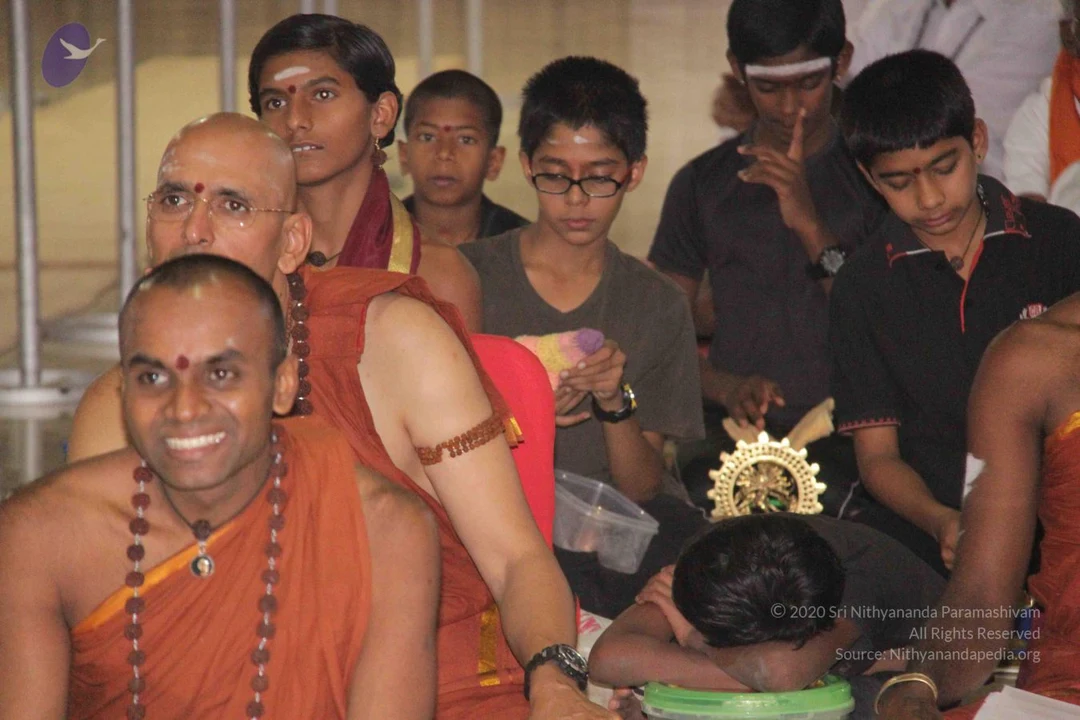
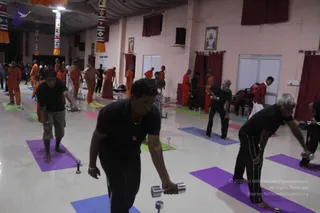
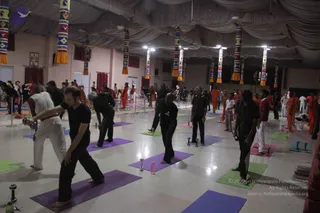
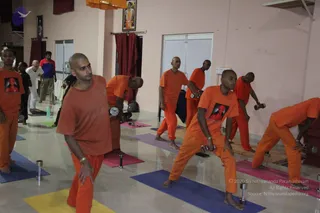
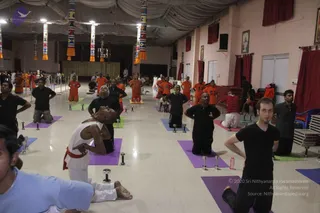
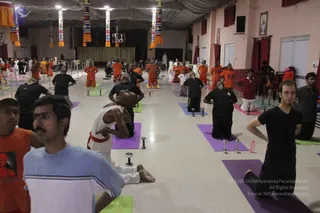
Morning Akada
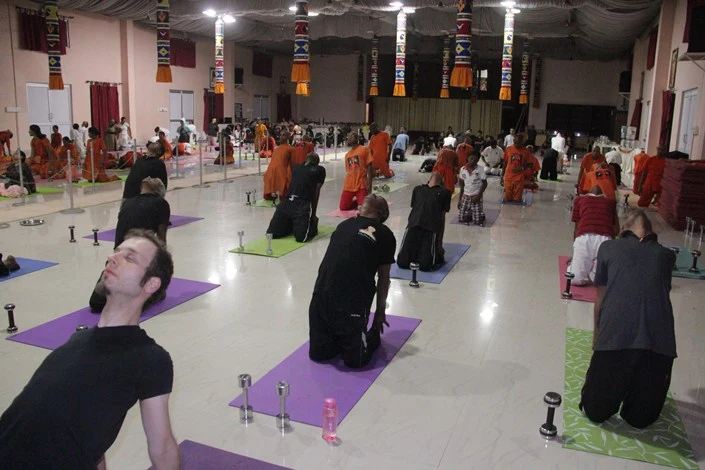
Morning Akada

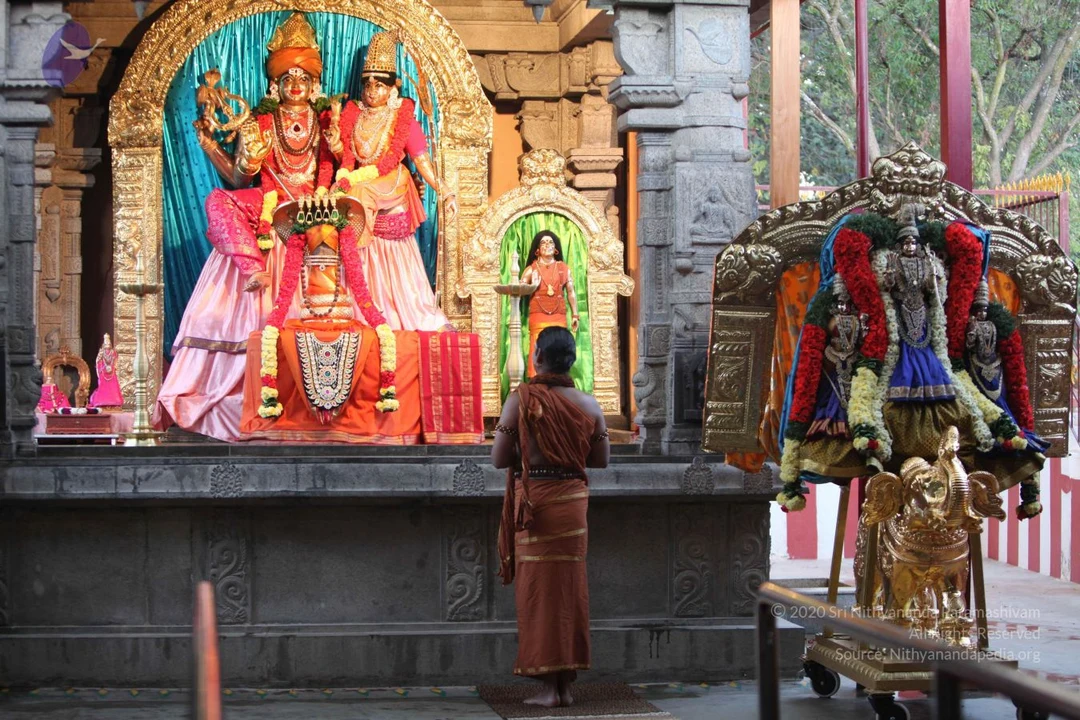
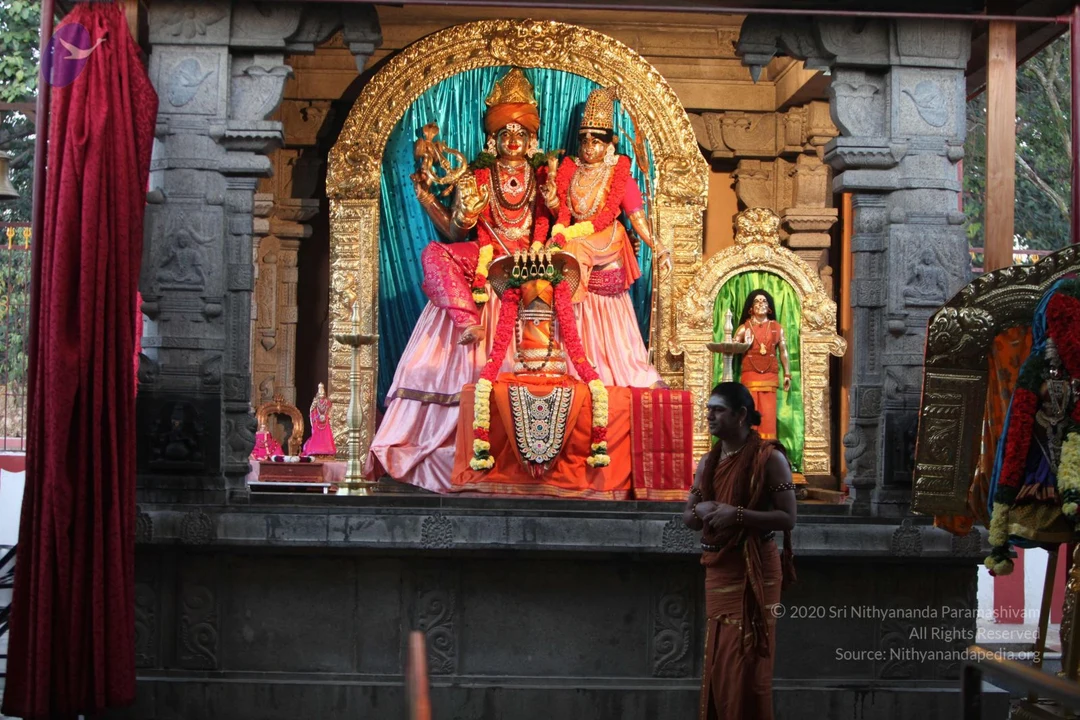
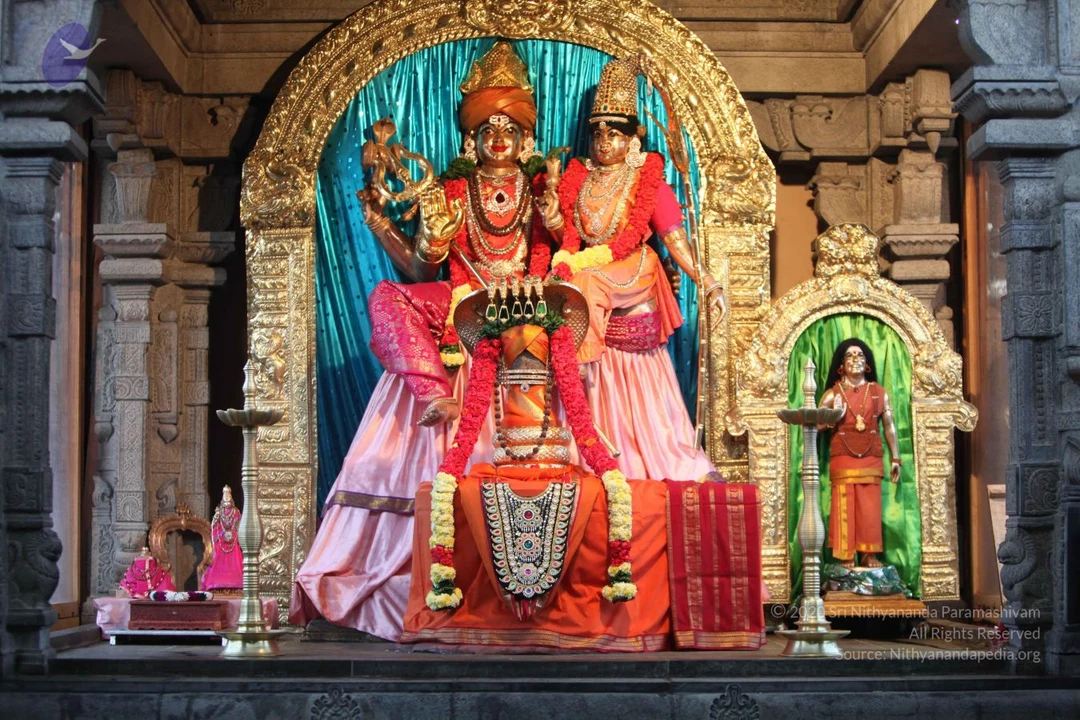
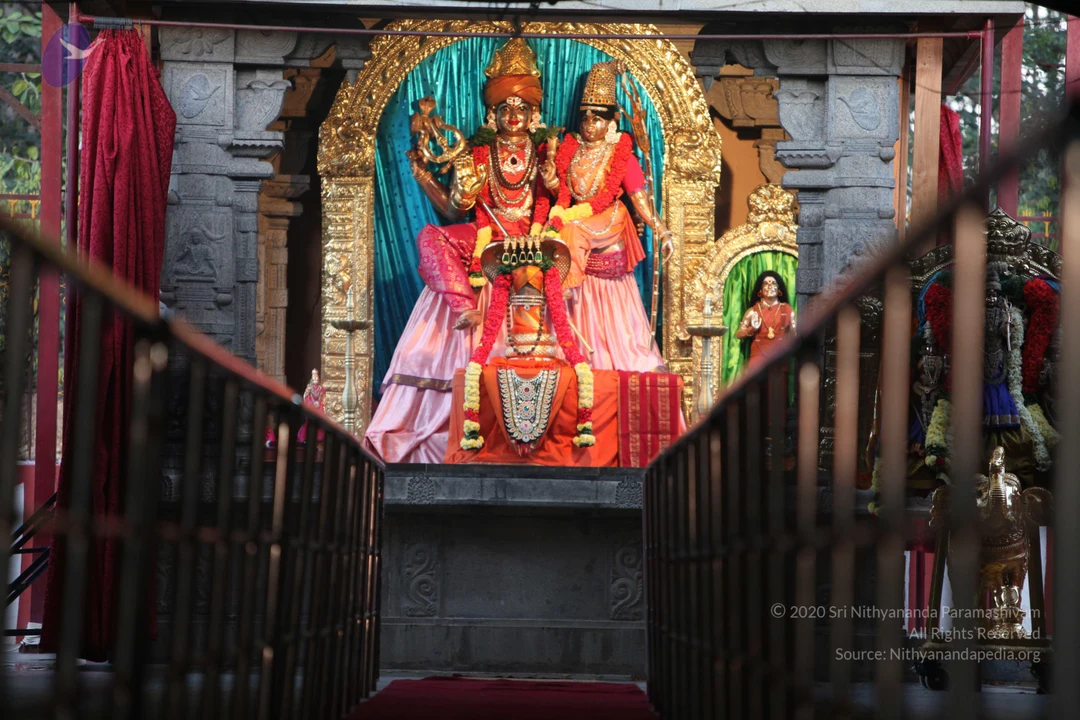
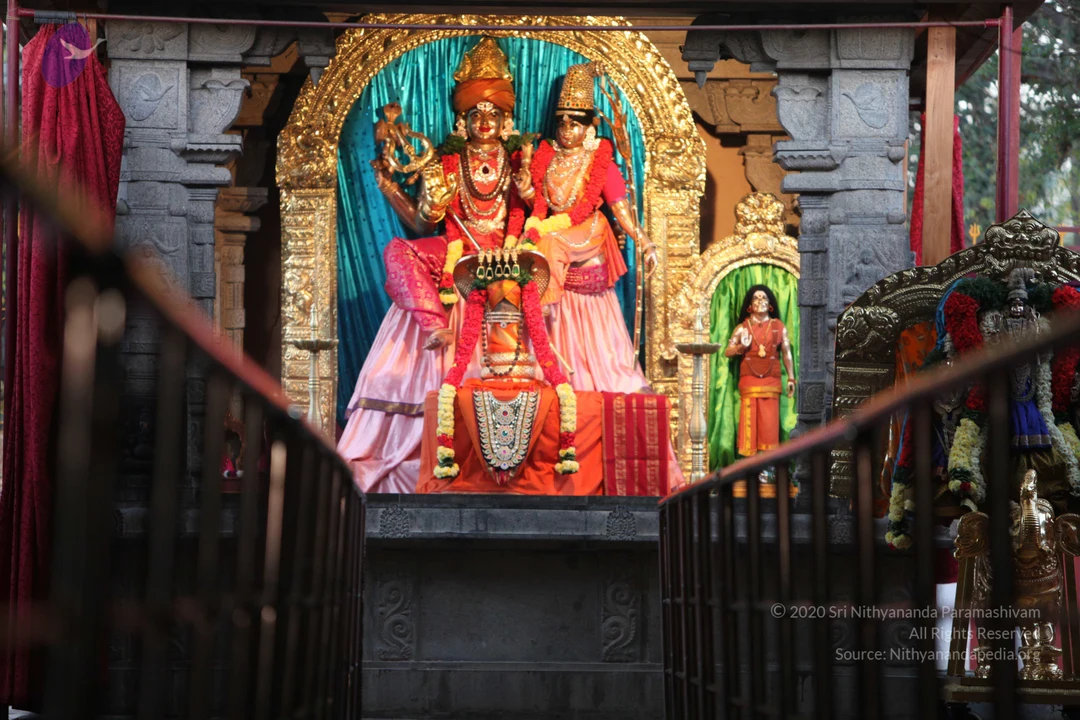
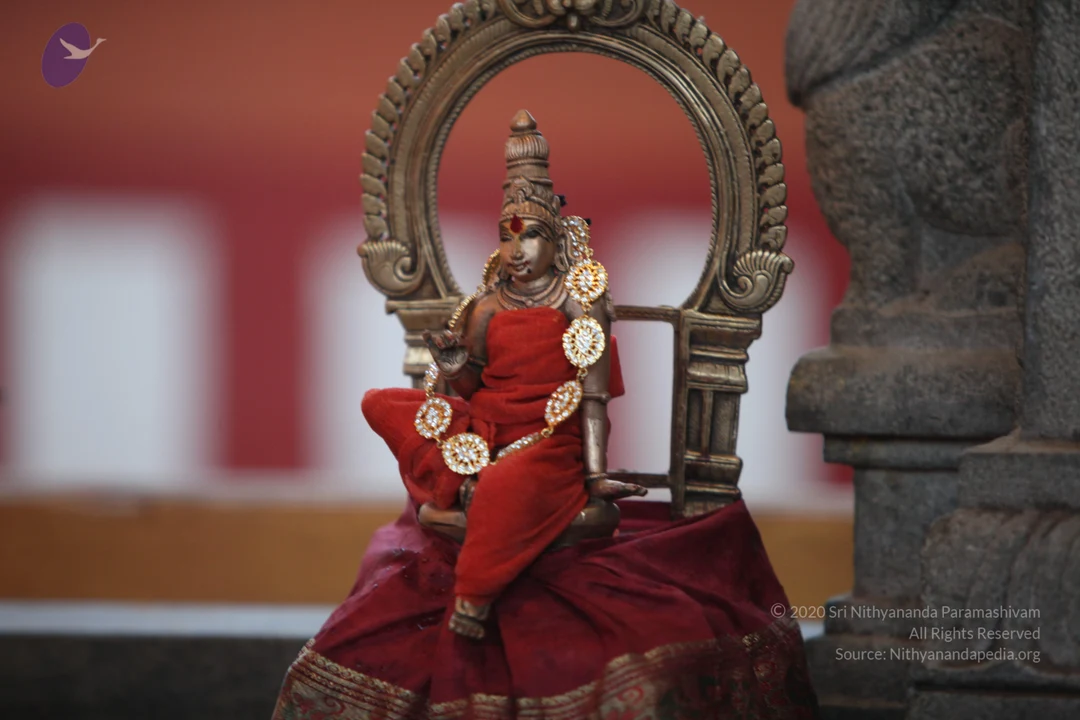
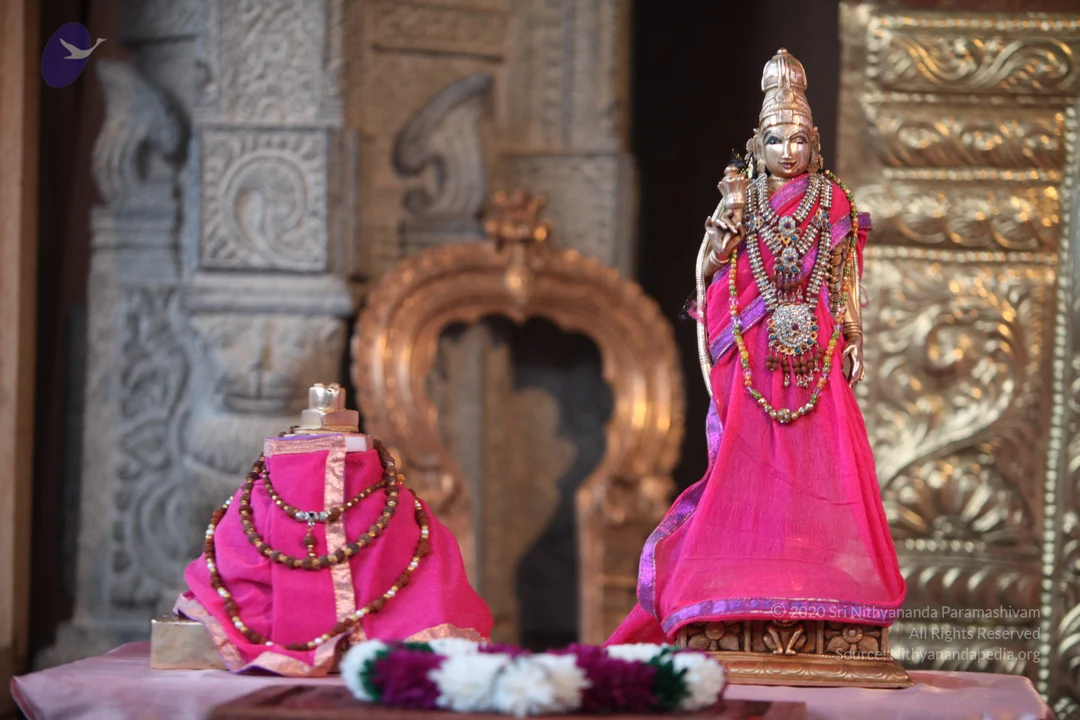
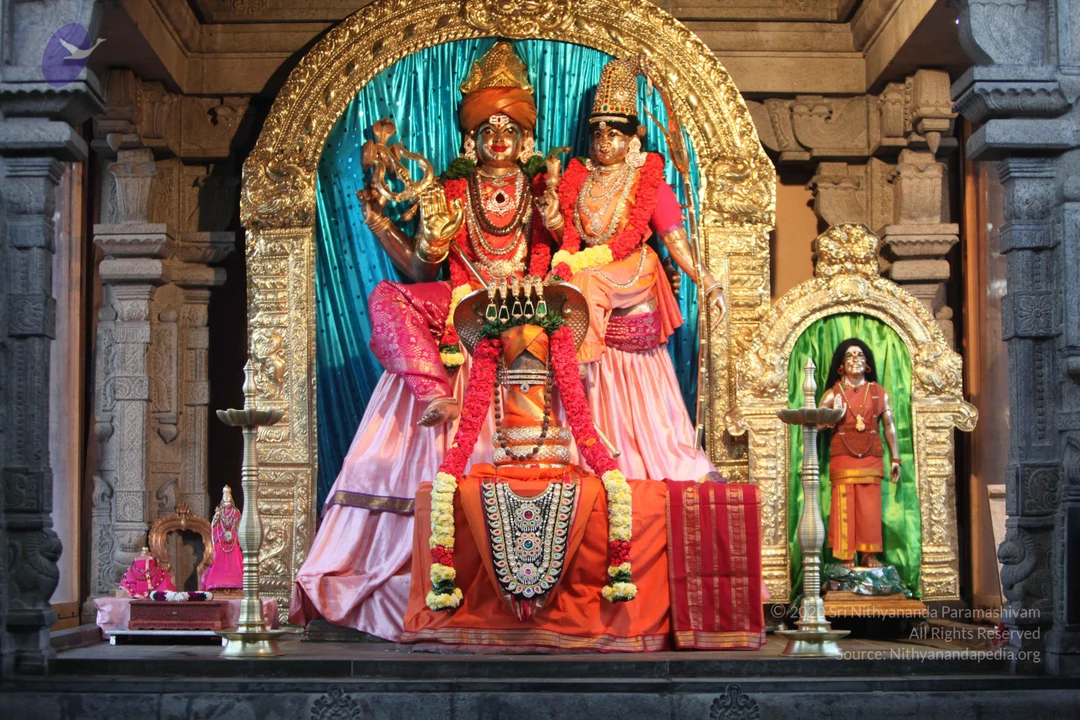
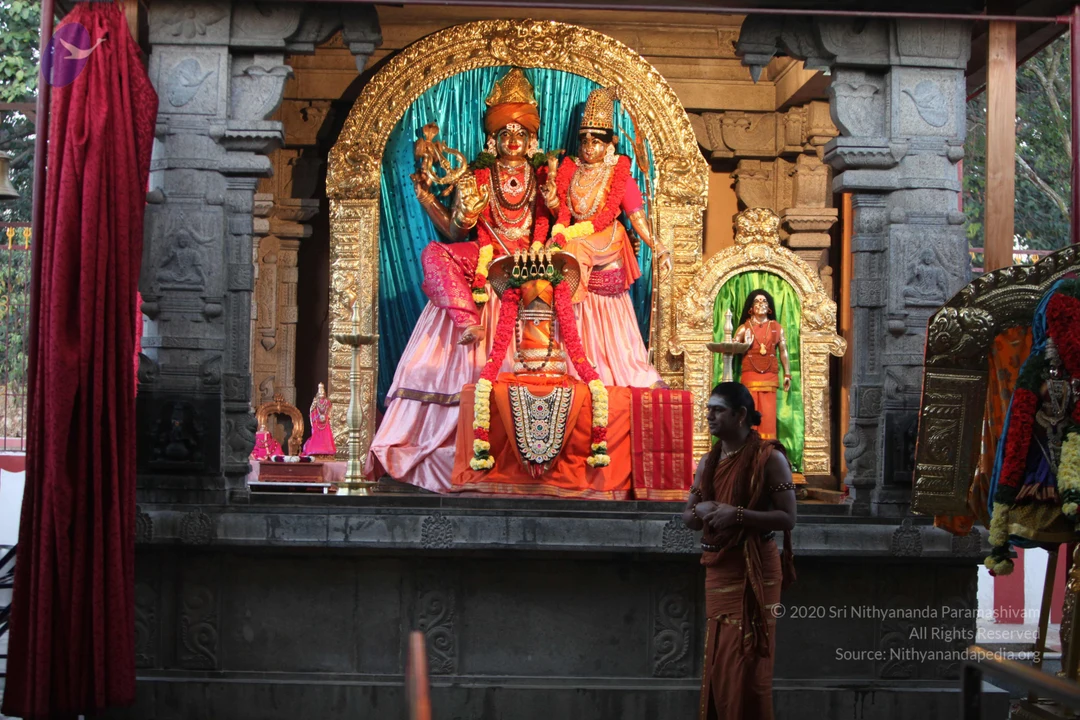
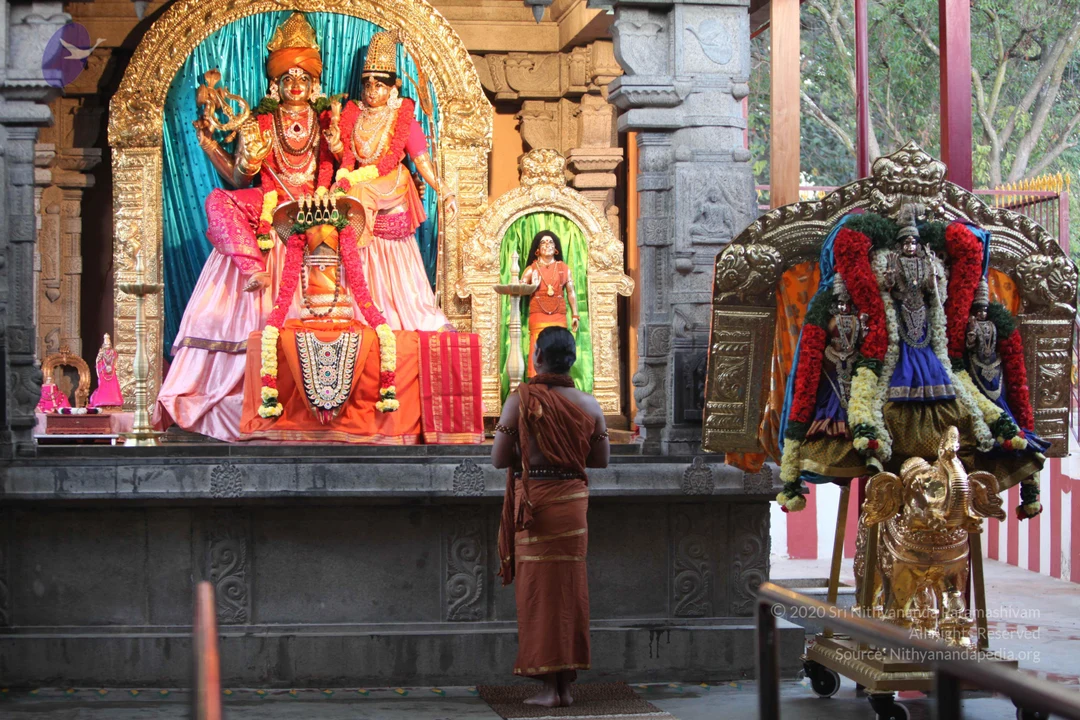
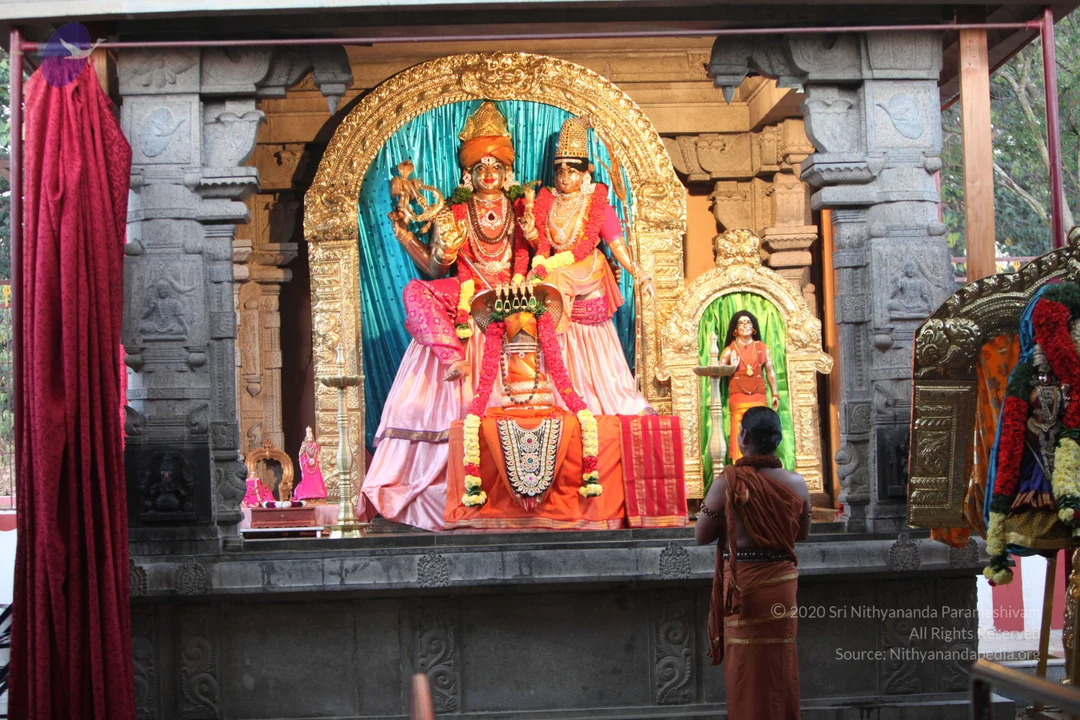
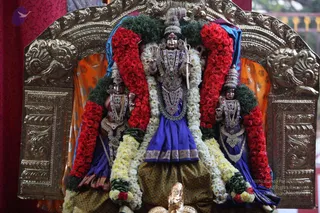
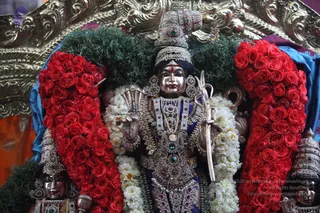
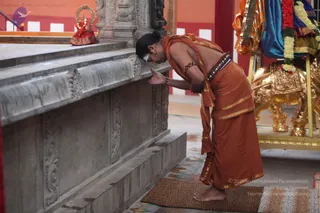
Temple Glimpses

Two-Way Online
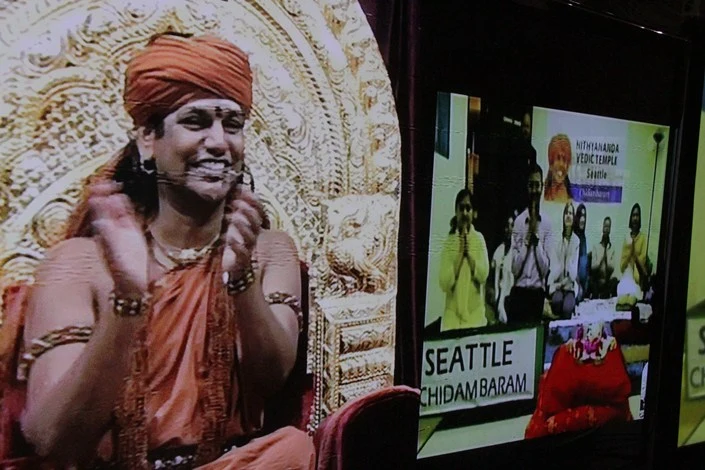
Satsang
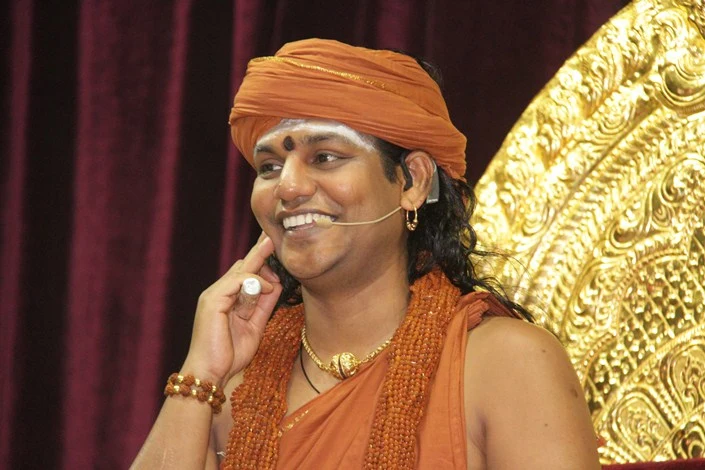
Nirahara Samyama Meditation
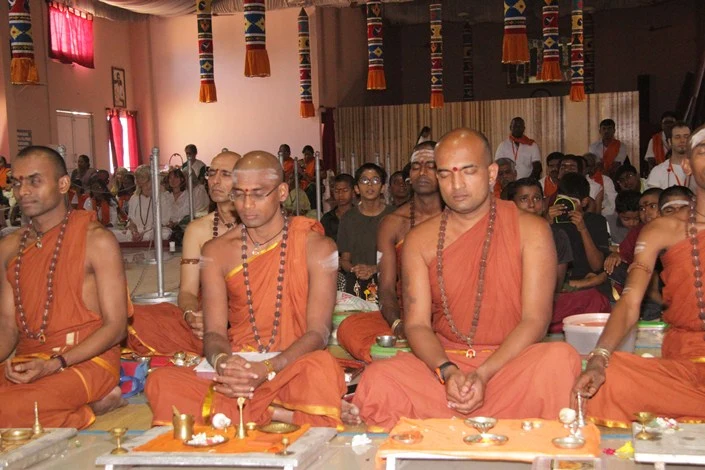
Nirahara Samyama Meditation

Blessings After SarvaDarshan
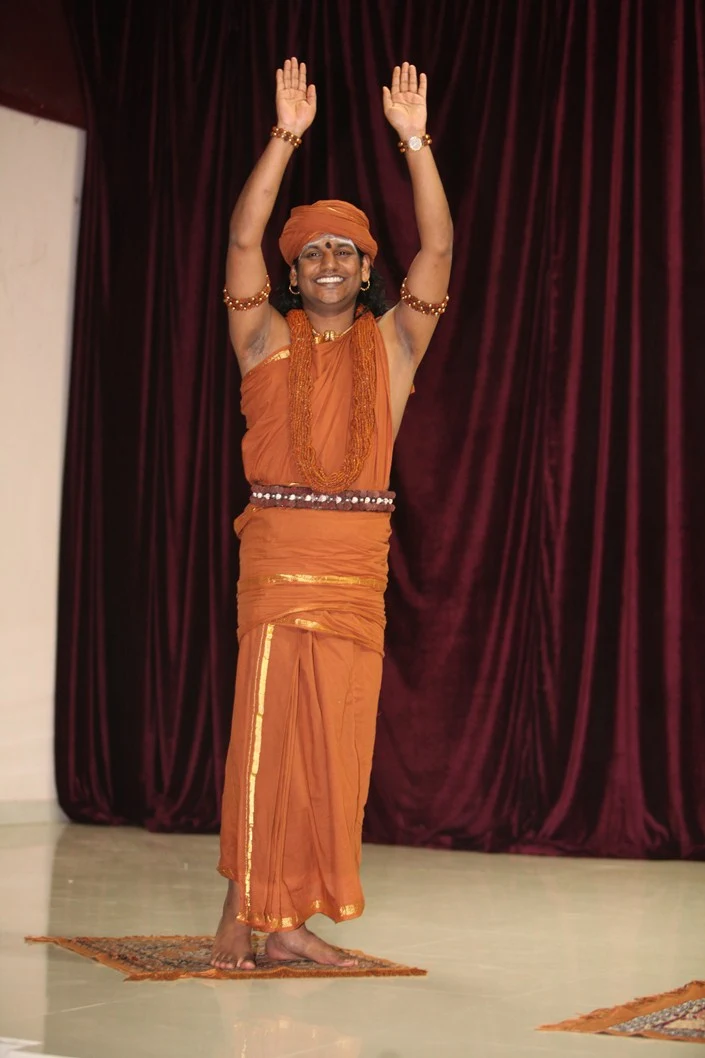
Inner Awakening Session
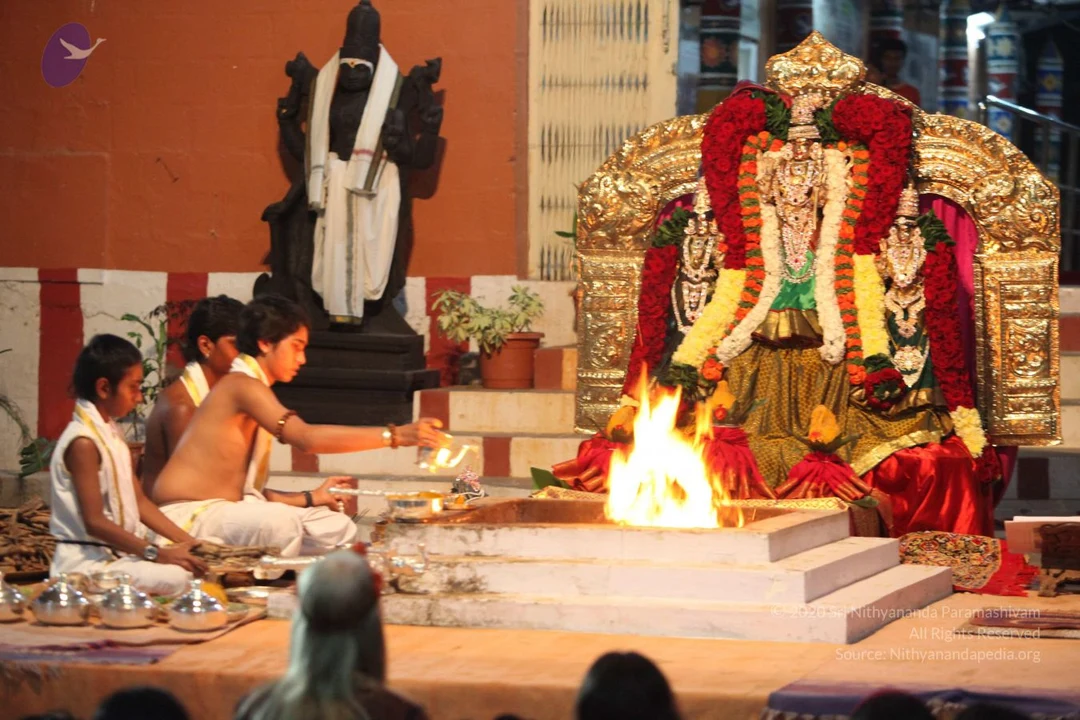
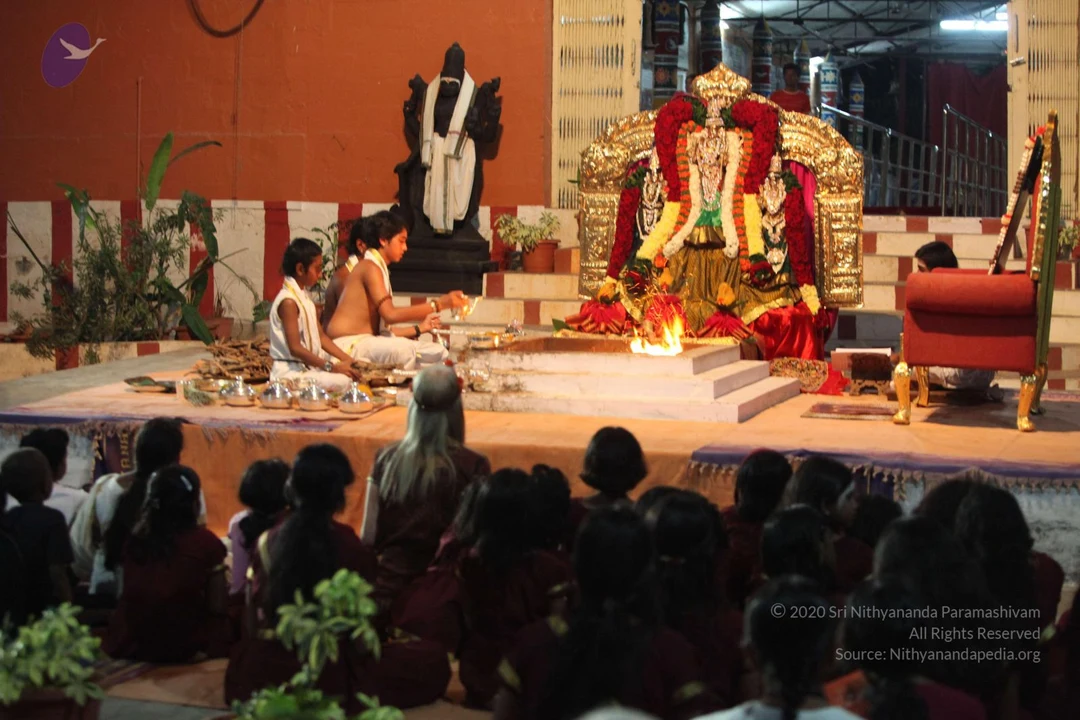
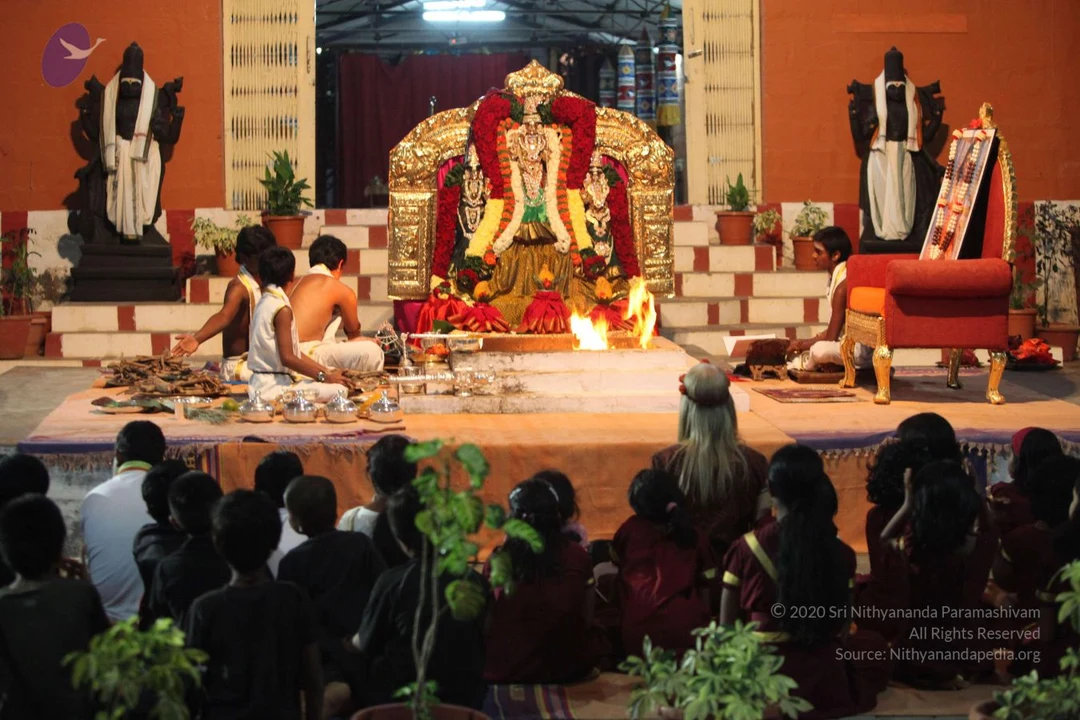
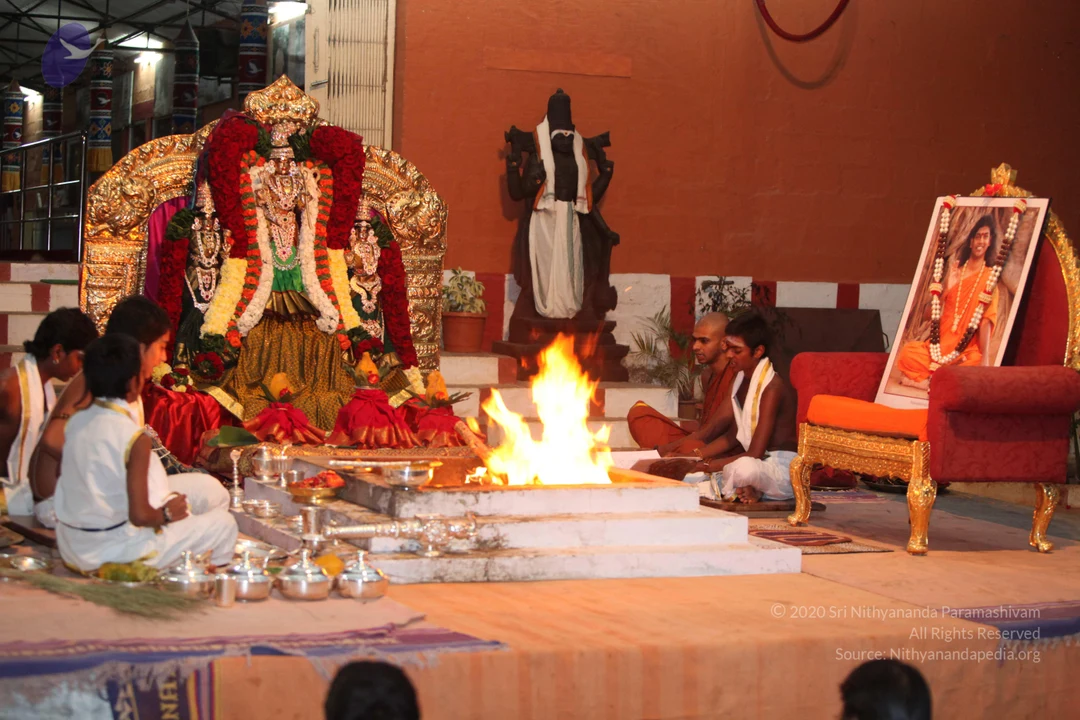
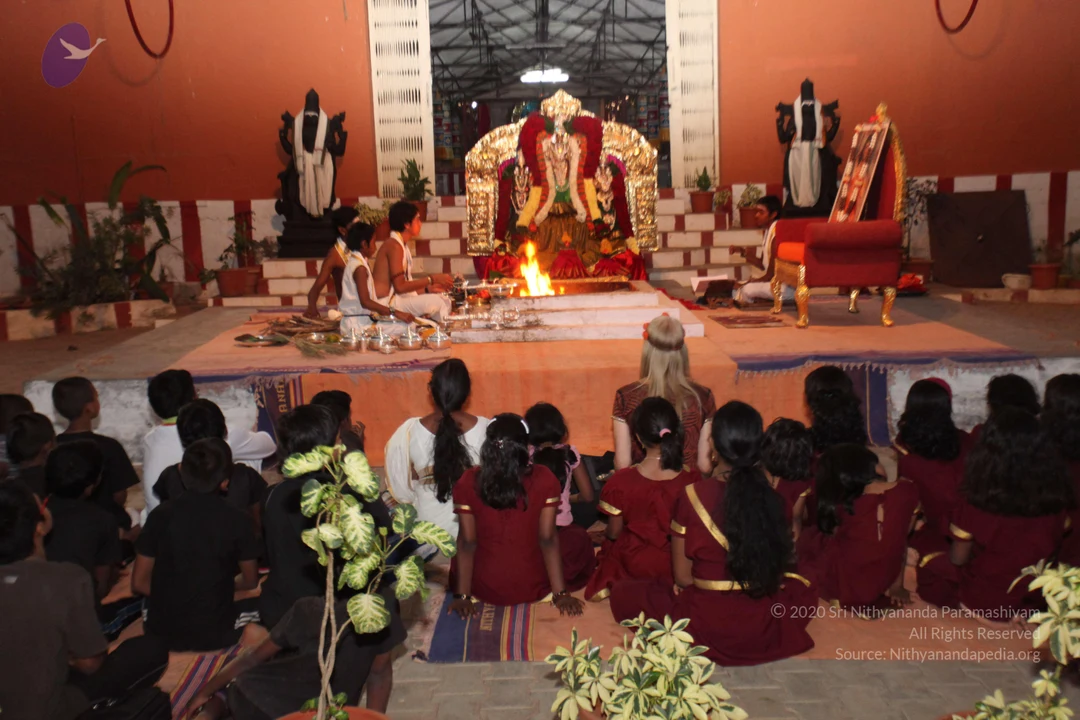
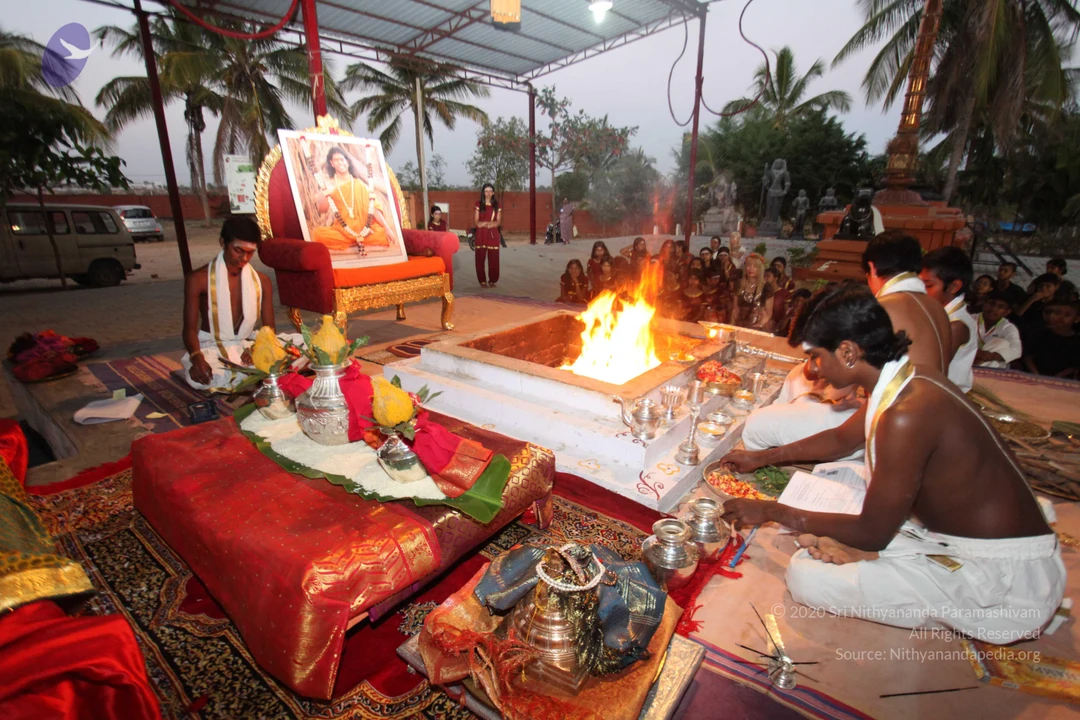
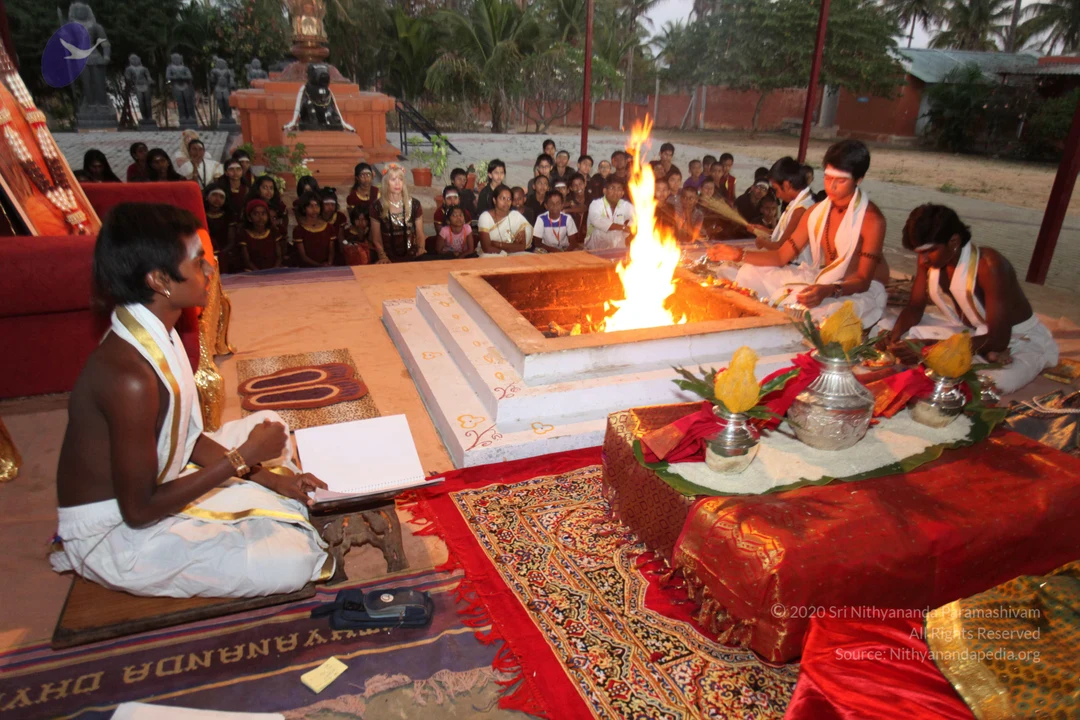
Homa
Tags:

Paramahamsa Nithyananda, responsibility, individual, weak, energy, life, project, possible, business, integrity, die.

Photos Of The Day:

Morning-Yoga
Temple
PadaPooja

Nithya Satsang

Inner-Awakening-Session

Homa

Darshan

01-MORNING-SATSANG

02-HOMA

03-TAMIL-IA-SESSION

04-DARSHAN

1-Temple

2-Pada-Puja

3-Nithya-Satsang

4-Sarva-Darshan

Photos from this day

View all 474 photos

Temple Glimpses
2 photosSource gallery
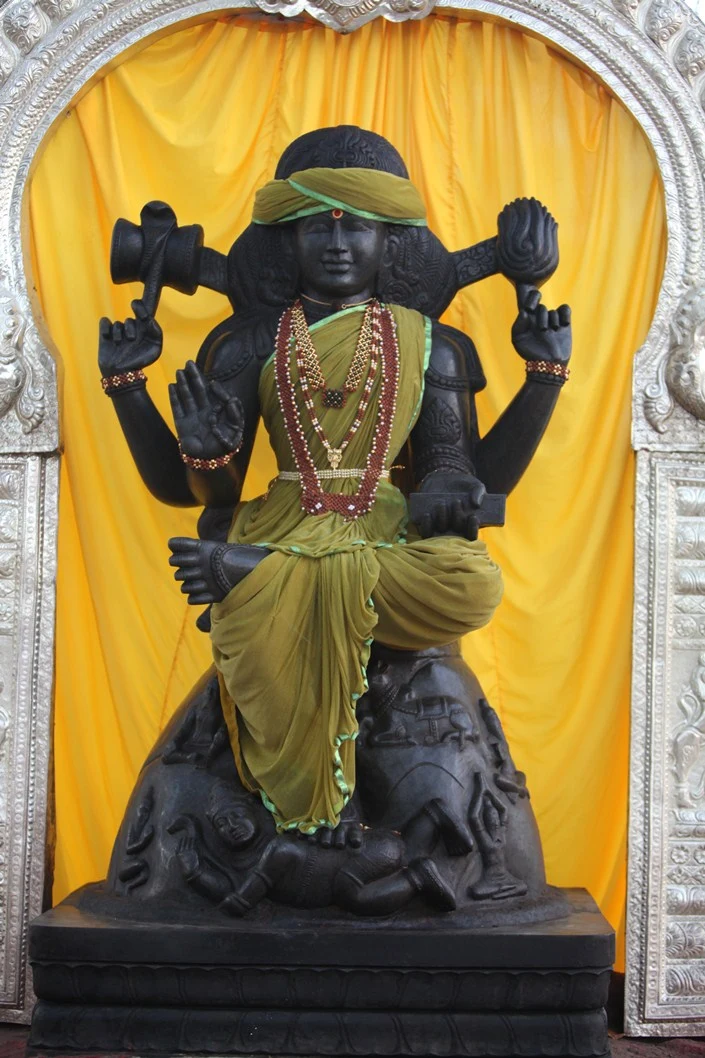
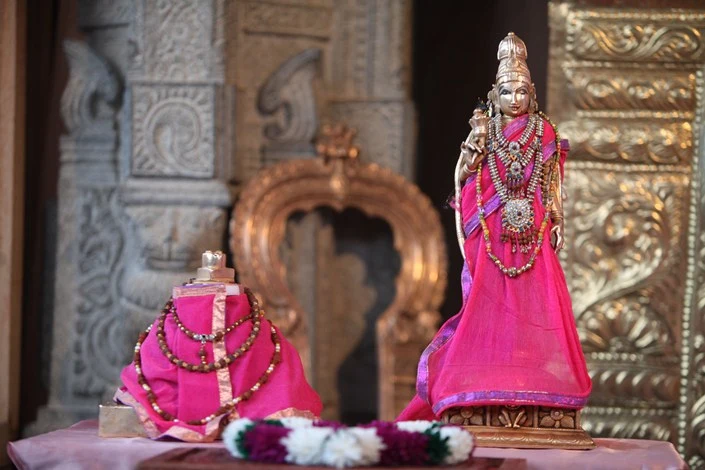
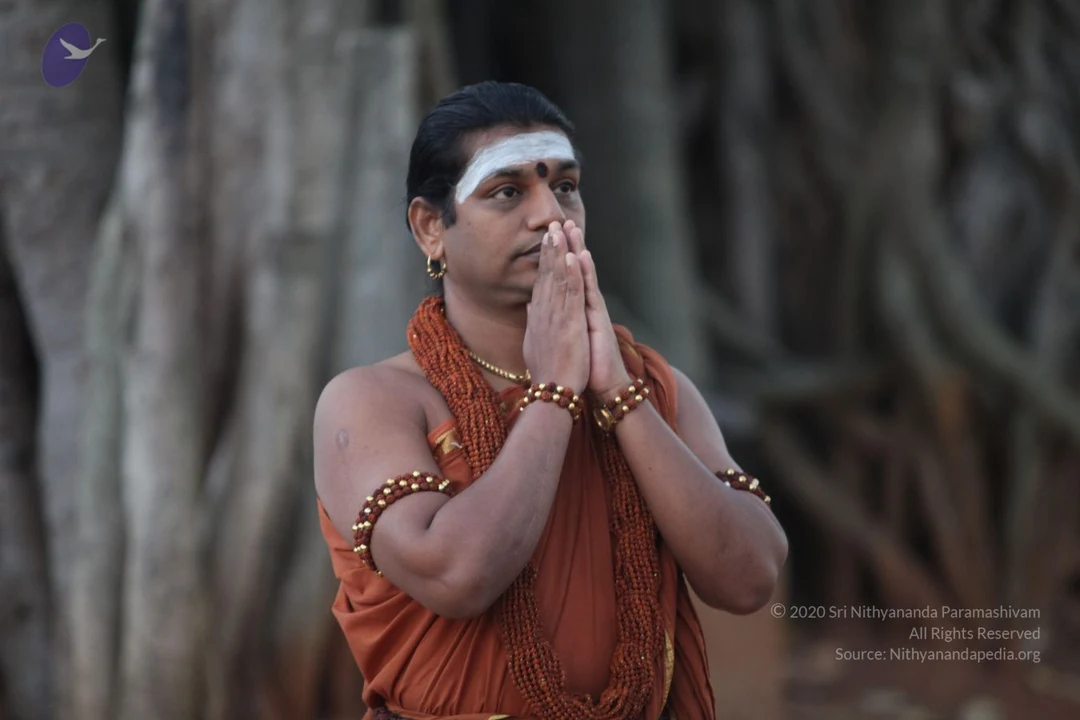
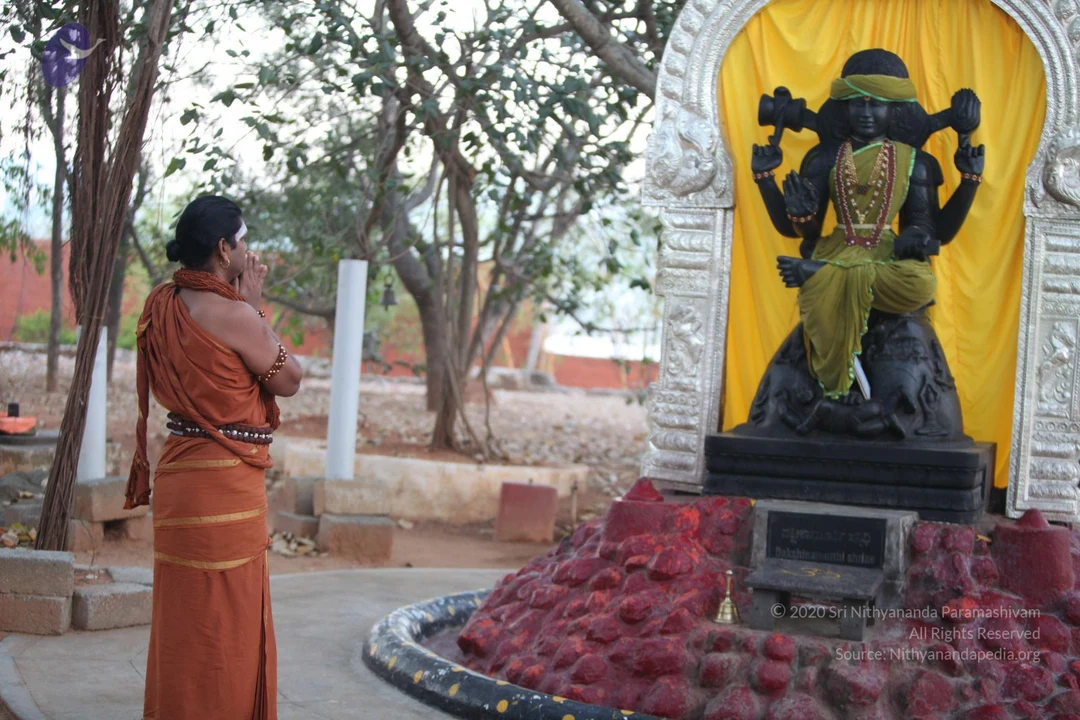
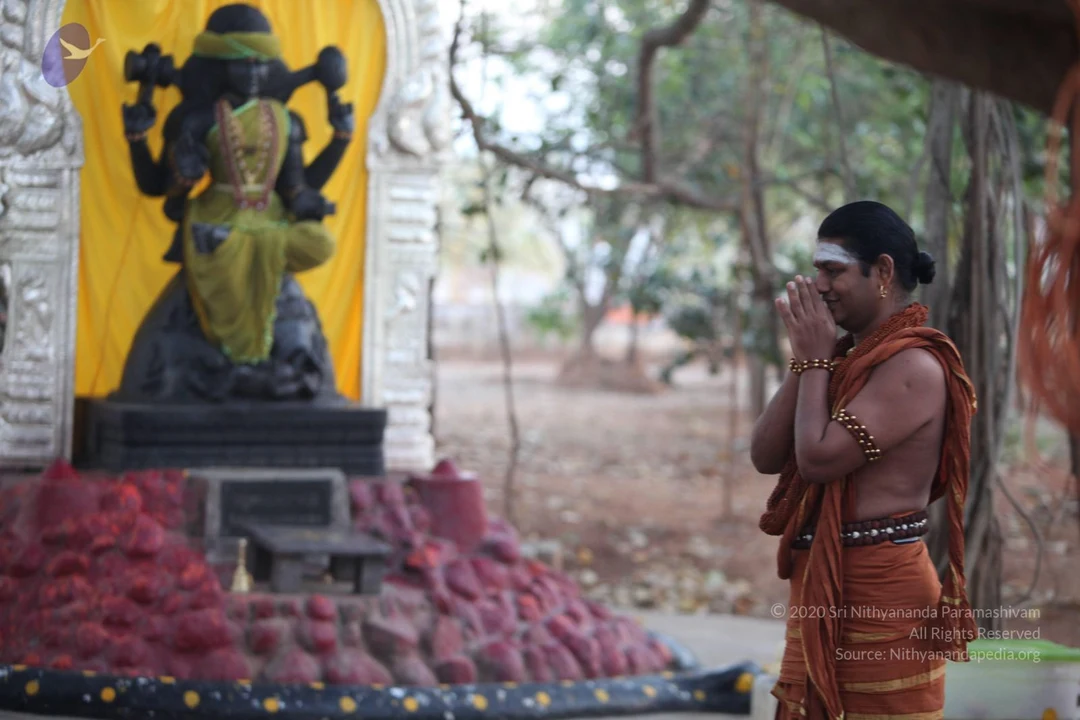
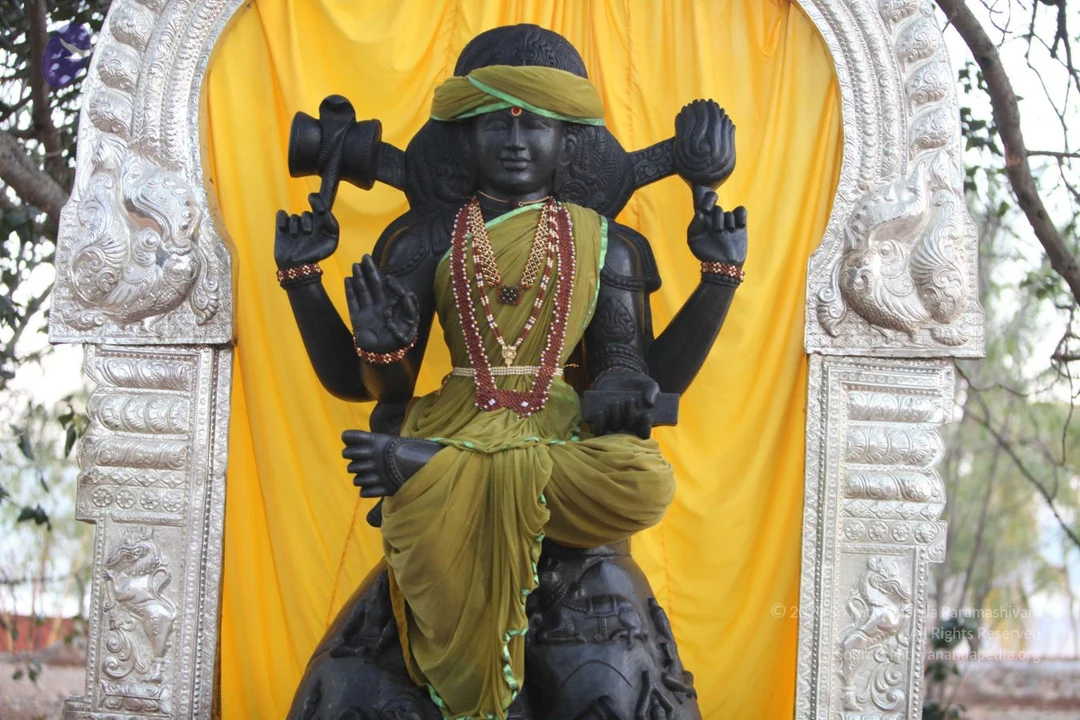
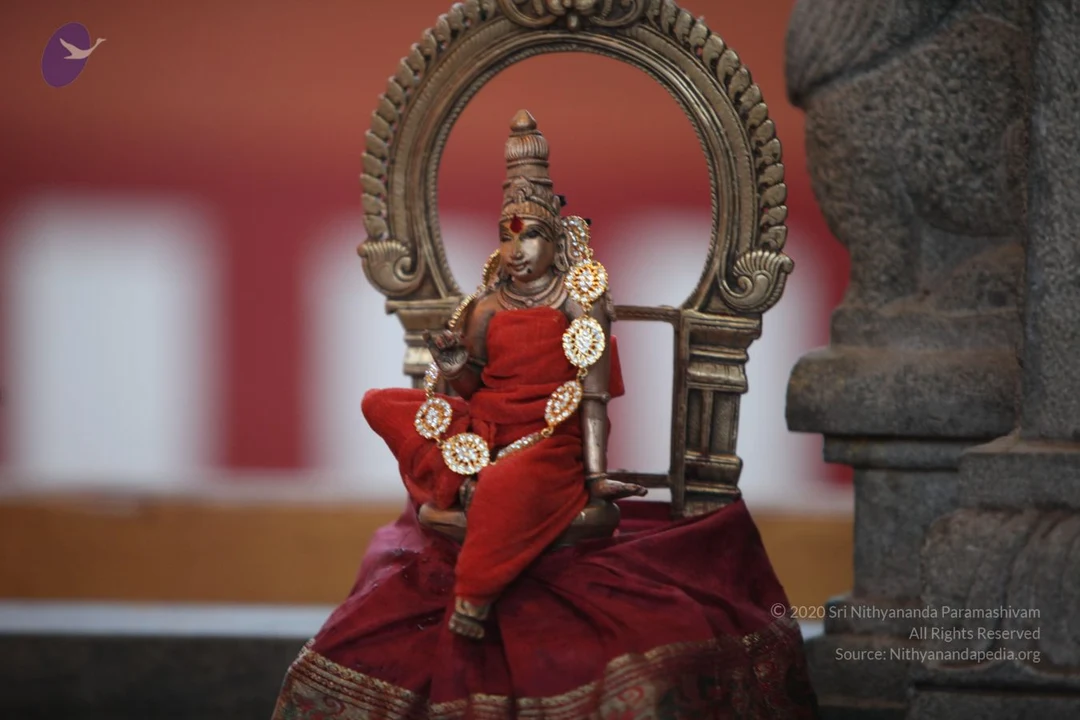
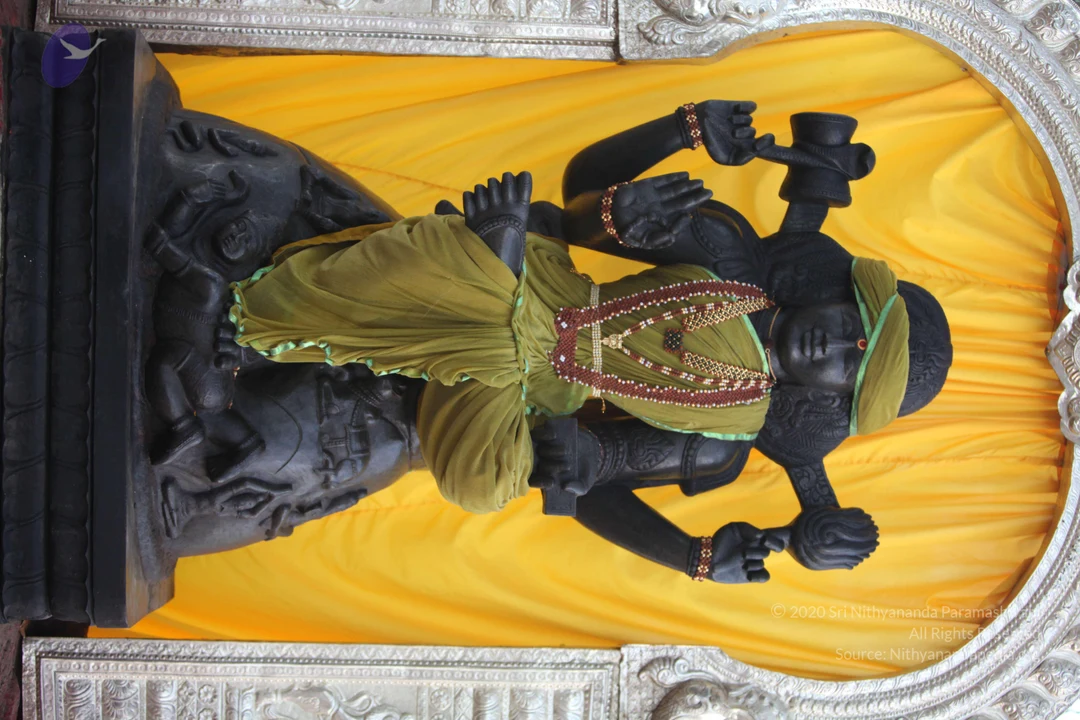
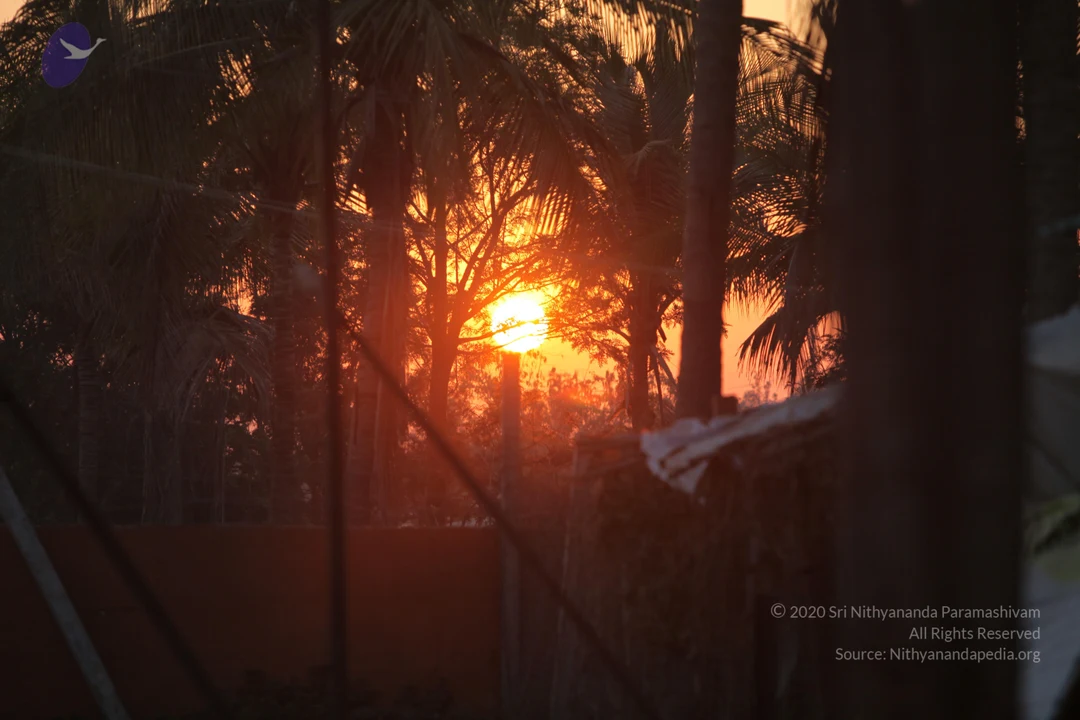
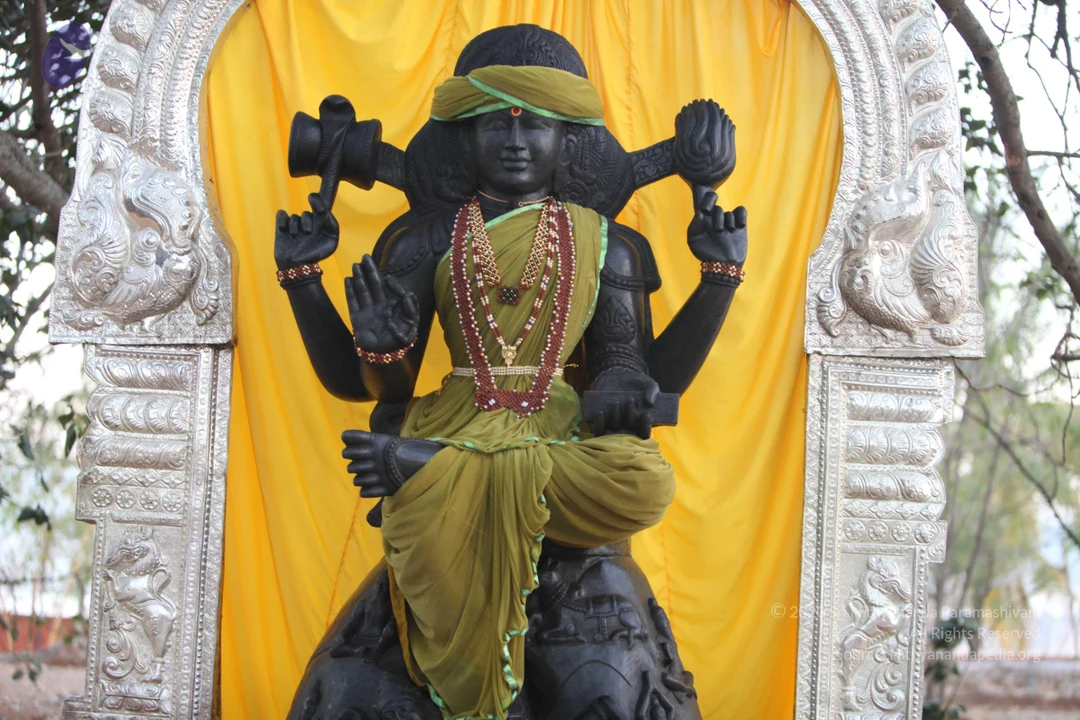
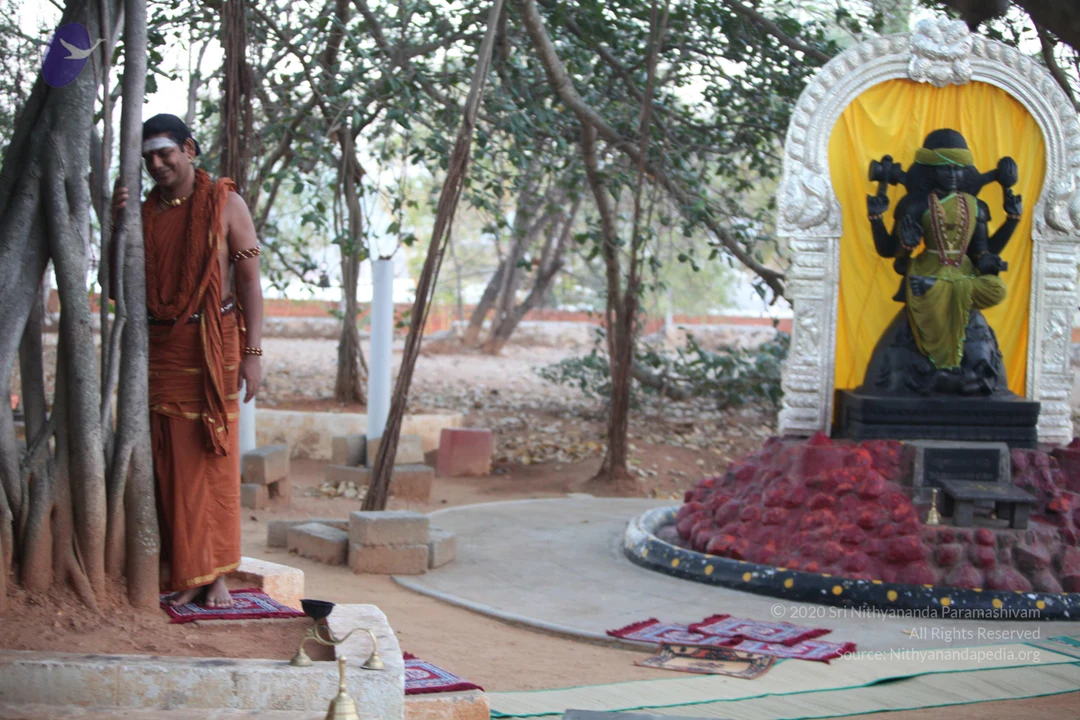
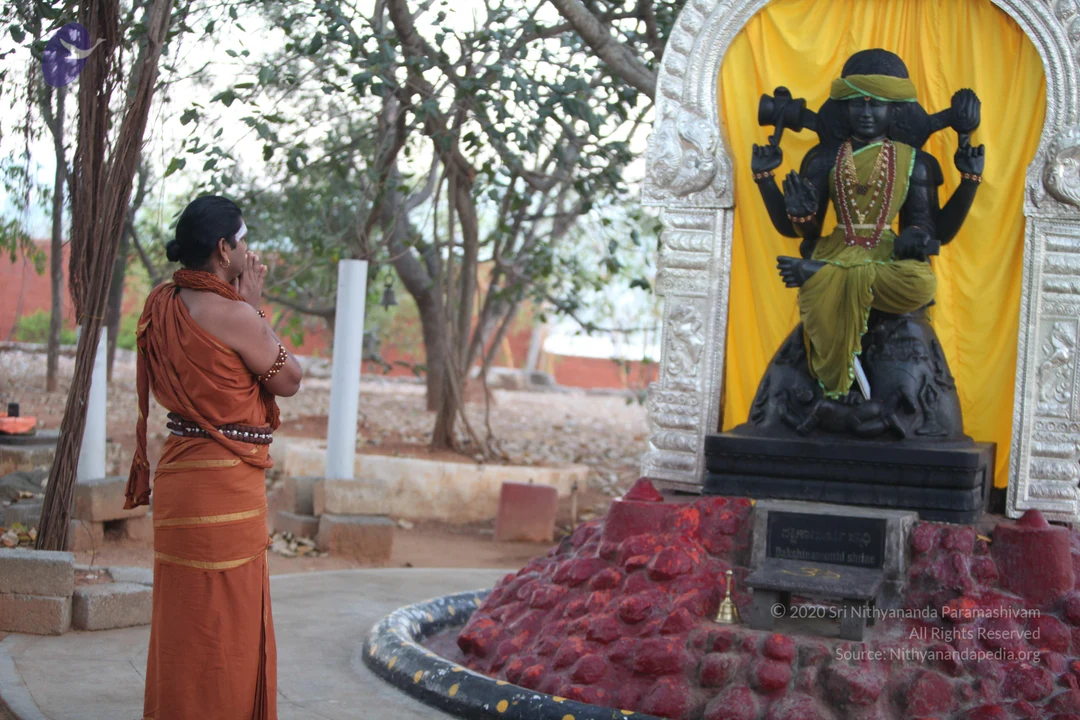
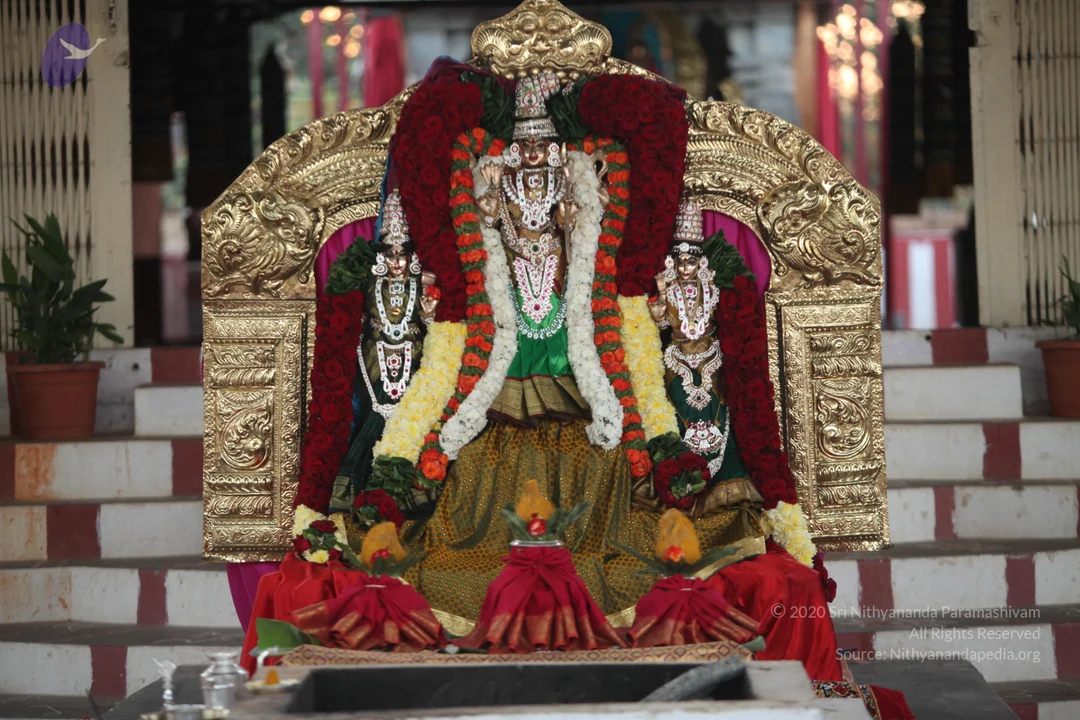
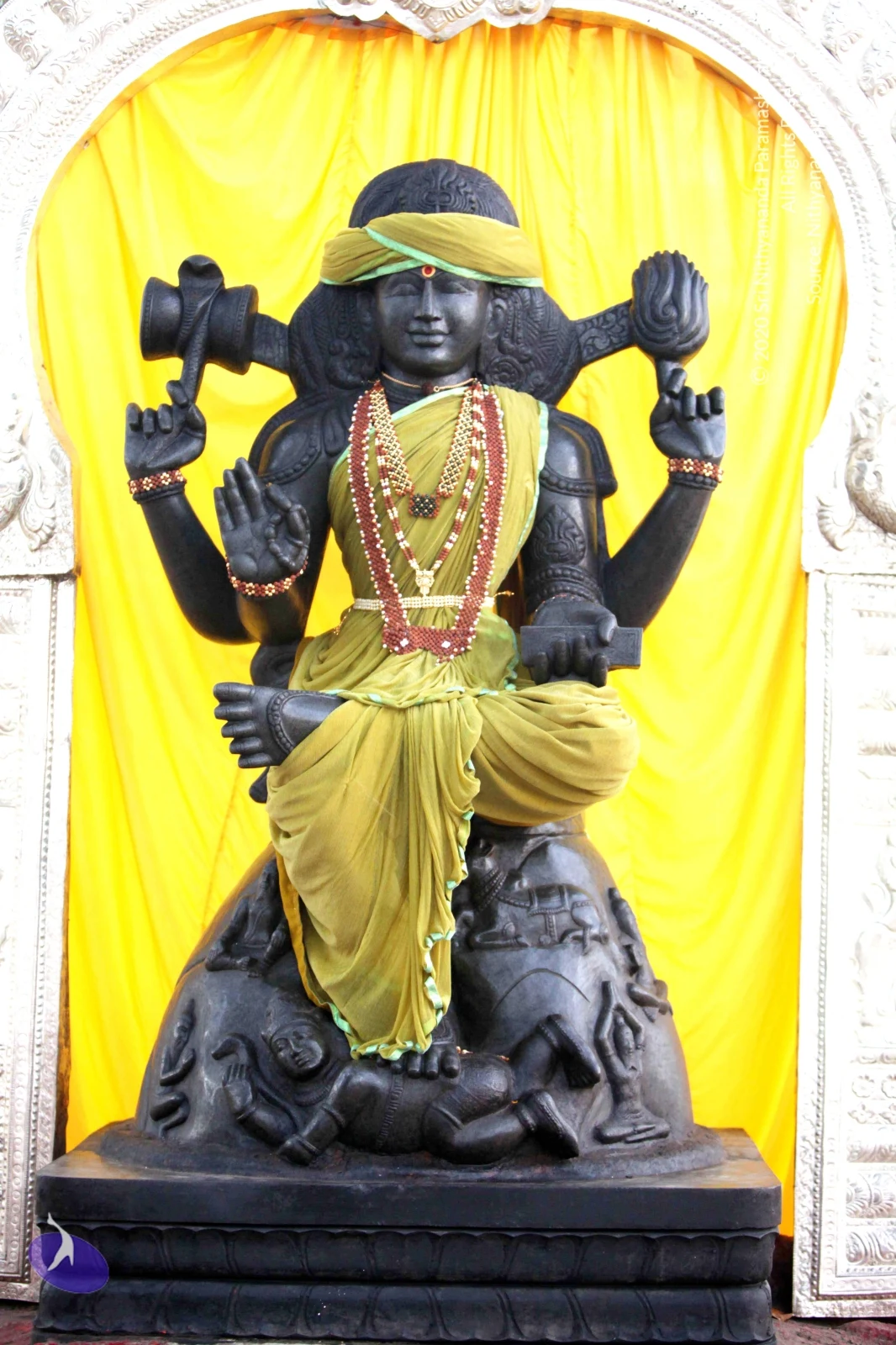
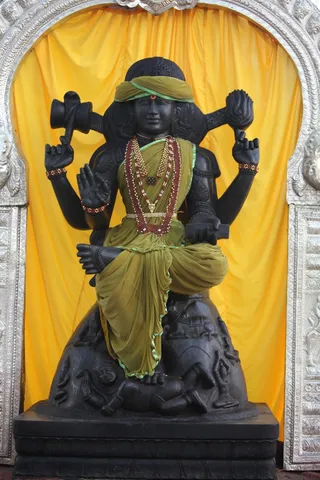
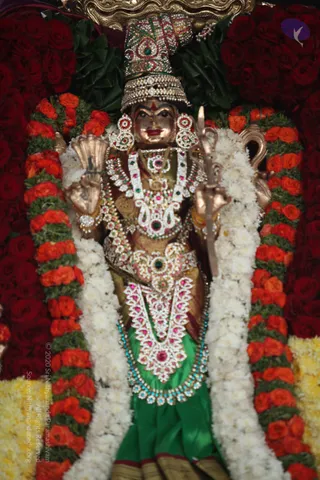
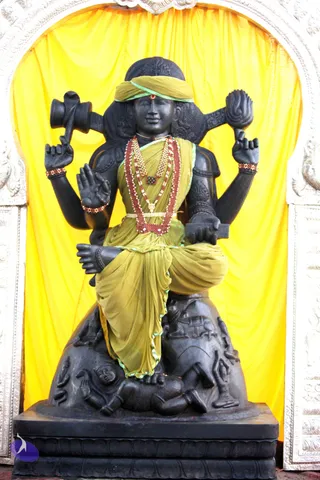
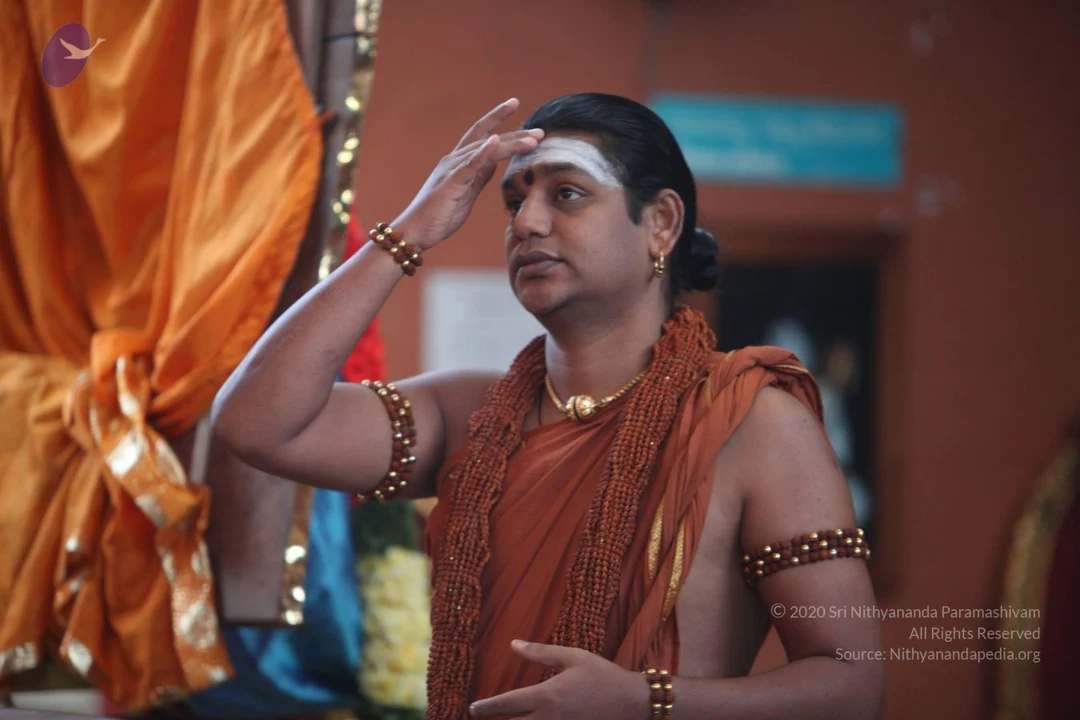
A large dark stone murti of a four-armed deity seated on a rocky base, with a green turban-like headband, a green draped garment with pale edging, red and gold beaded garlands, and a gold pendant. Its upraised hands hold a club-like attribute and a lotus-like object while others are in mudra gestures. Behind it hangs a bright yellow curtain within an ornate silver-framed arch. Figures are carved on the base. No physical people are visible.A photograph of a low sun setting or rising behind silhouetted palm trees and tree branches, glowing orange-red through the haze. A wire fence runs diagonally across the foreground, and a low wall and a thatched or tarpaulin-covered structure sit at the lower right. No people, statues or readable text are visible.

Satsang

1 photoSource gallery
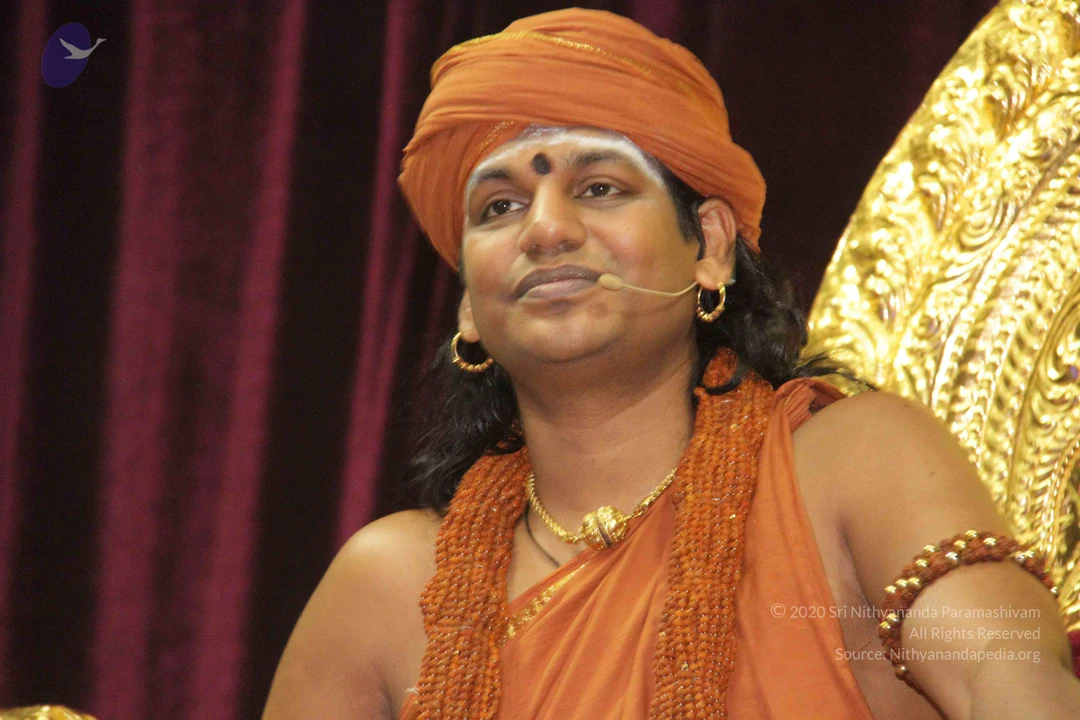
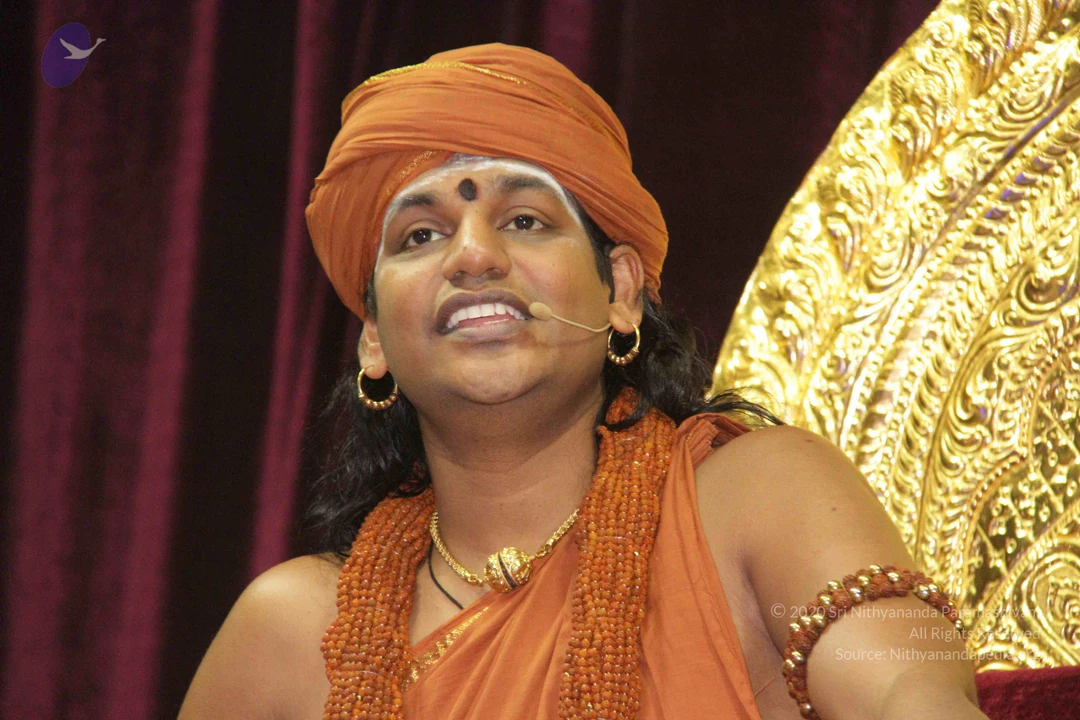
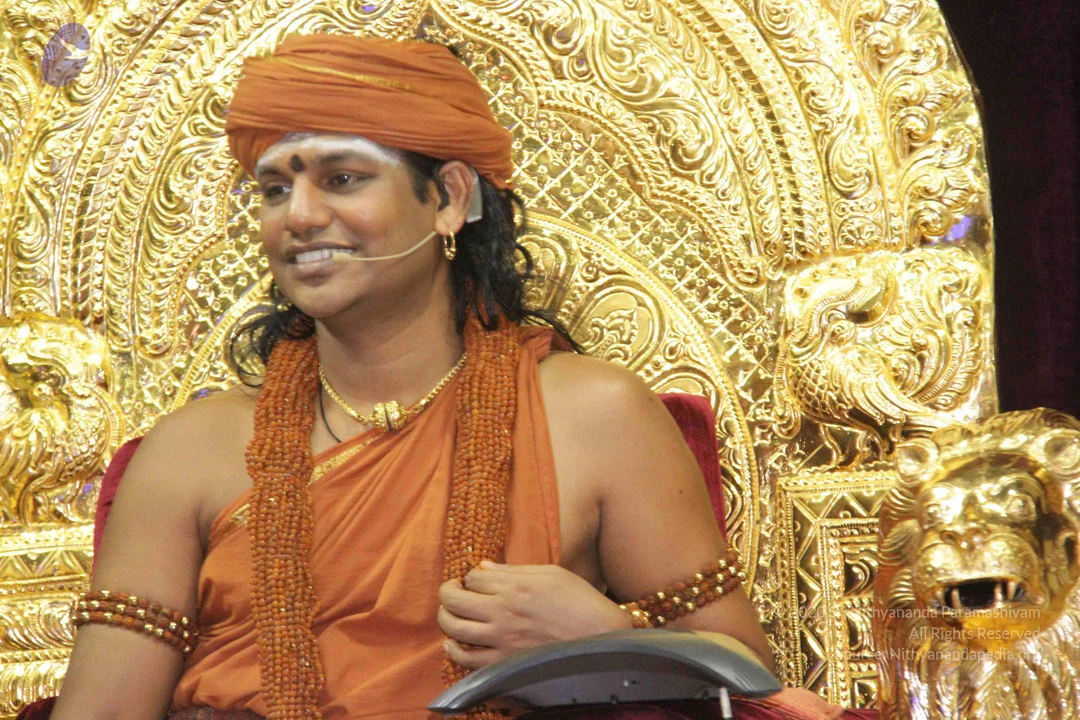
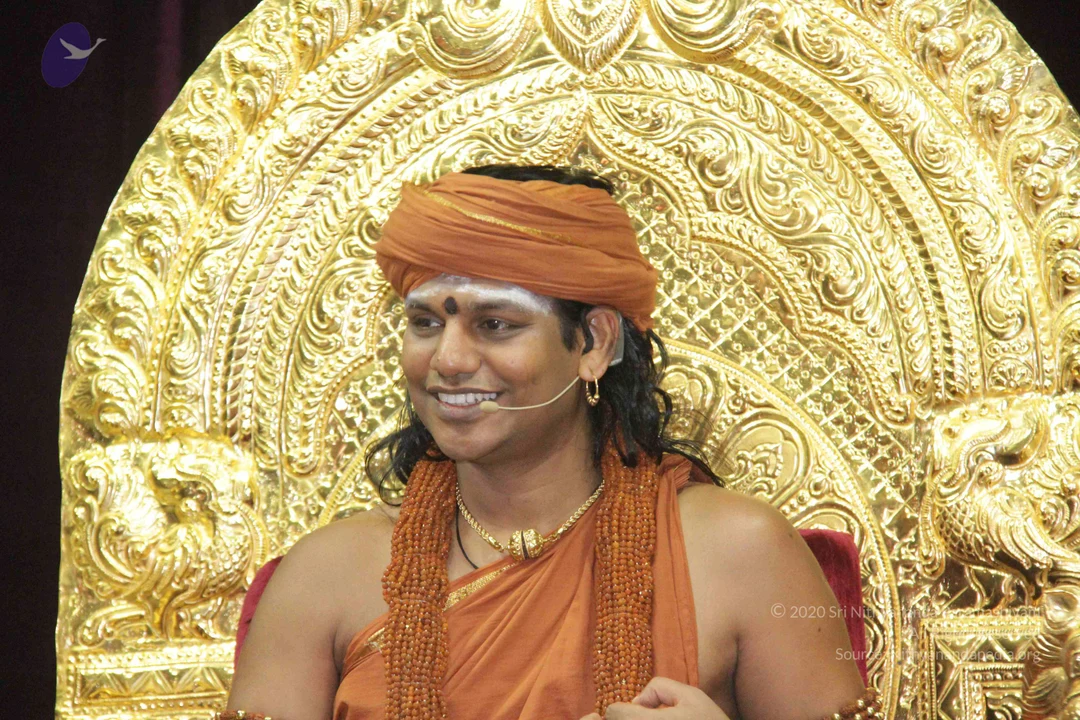
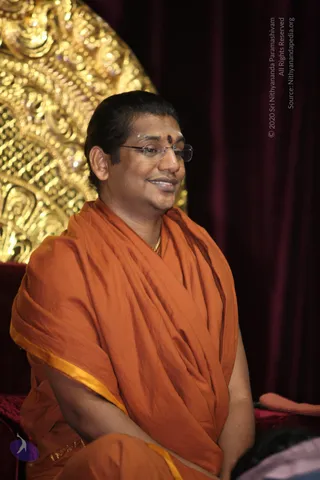
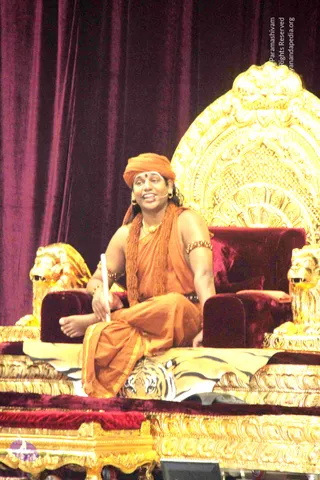
A smiling man in saffron-orange draped clothing and an orange turban sits on an ornate gold throne with carved lion-like figures and floral relief. He wears rudraksha mala beads over his shoulders, a gold necklace, a gold earring, and a headset microphone, with white vibhuti marks on his forehead. His bare arm is visible at the lower right. Swamiji (probable) appears in this scene: his presentation shows long swept-back hair, an orange turban, saffron clothing, rudraksha malas and ceremonial gold ornaments, seated on a golden peetha as a speaker at a satsang.

Blessings After SarvaDarshan

2 photosSource gallery
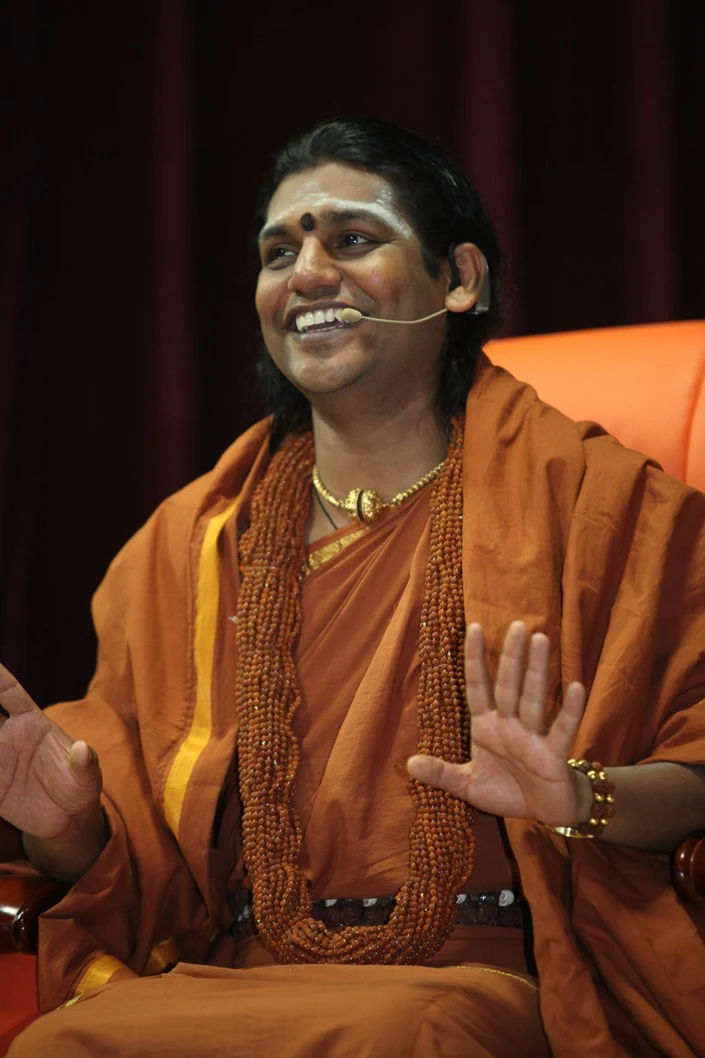
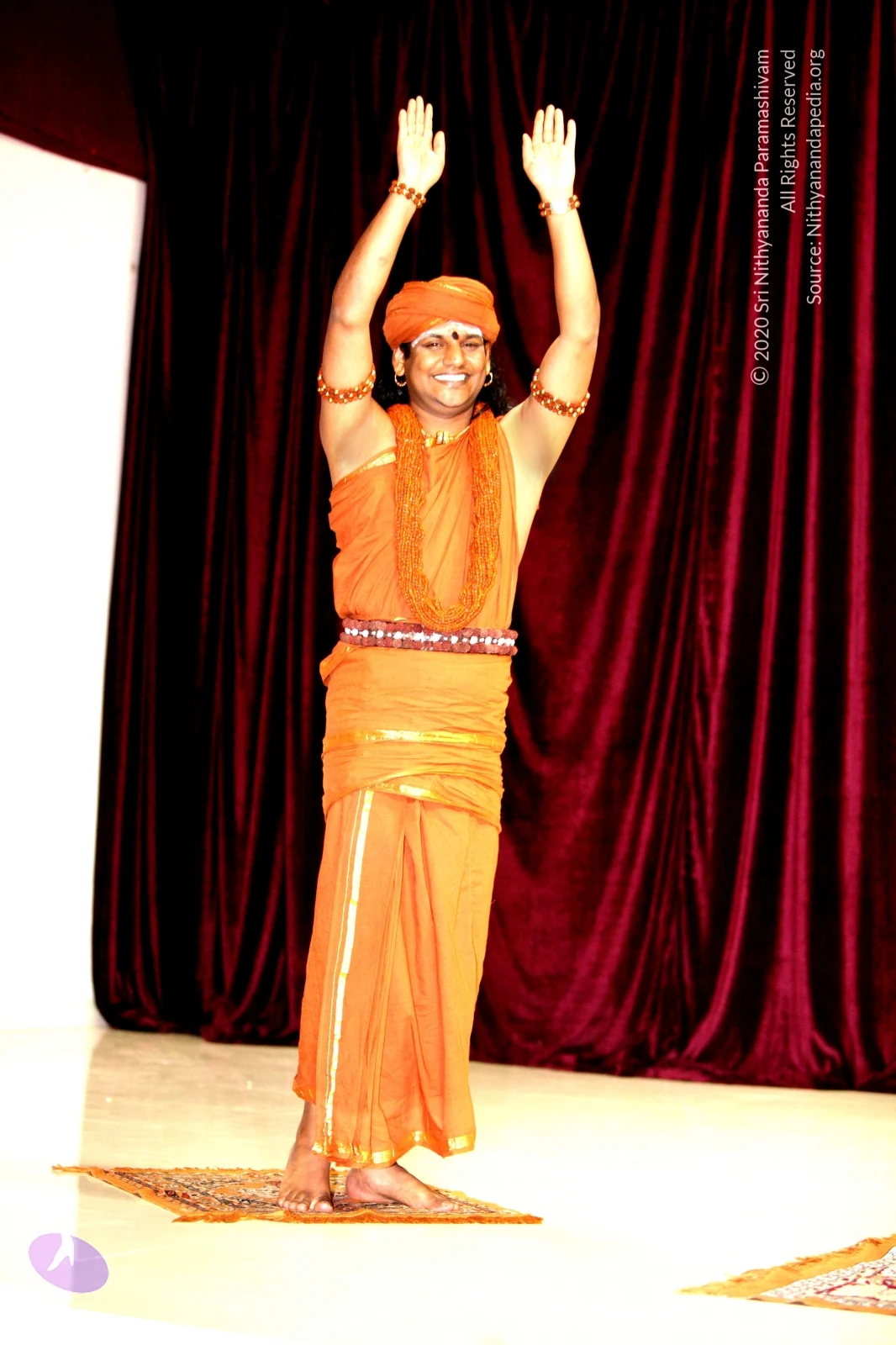
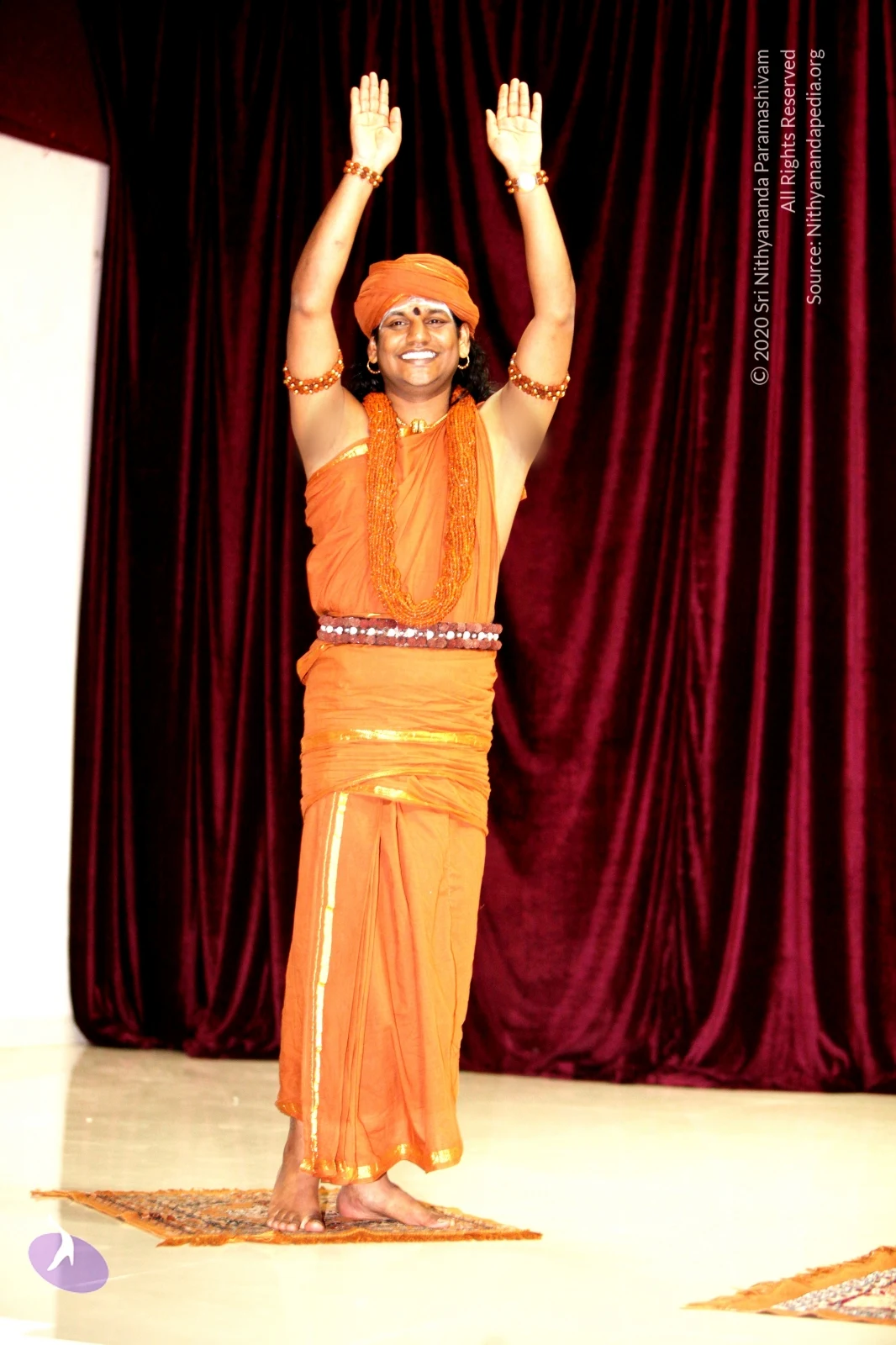
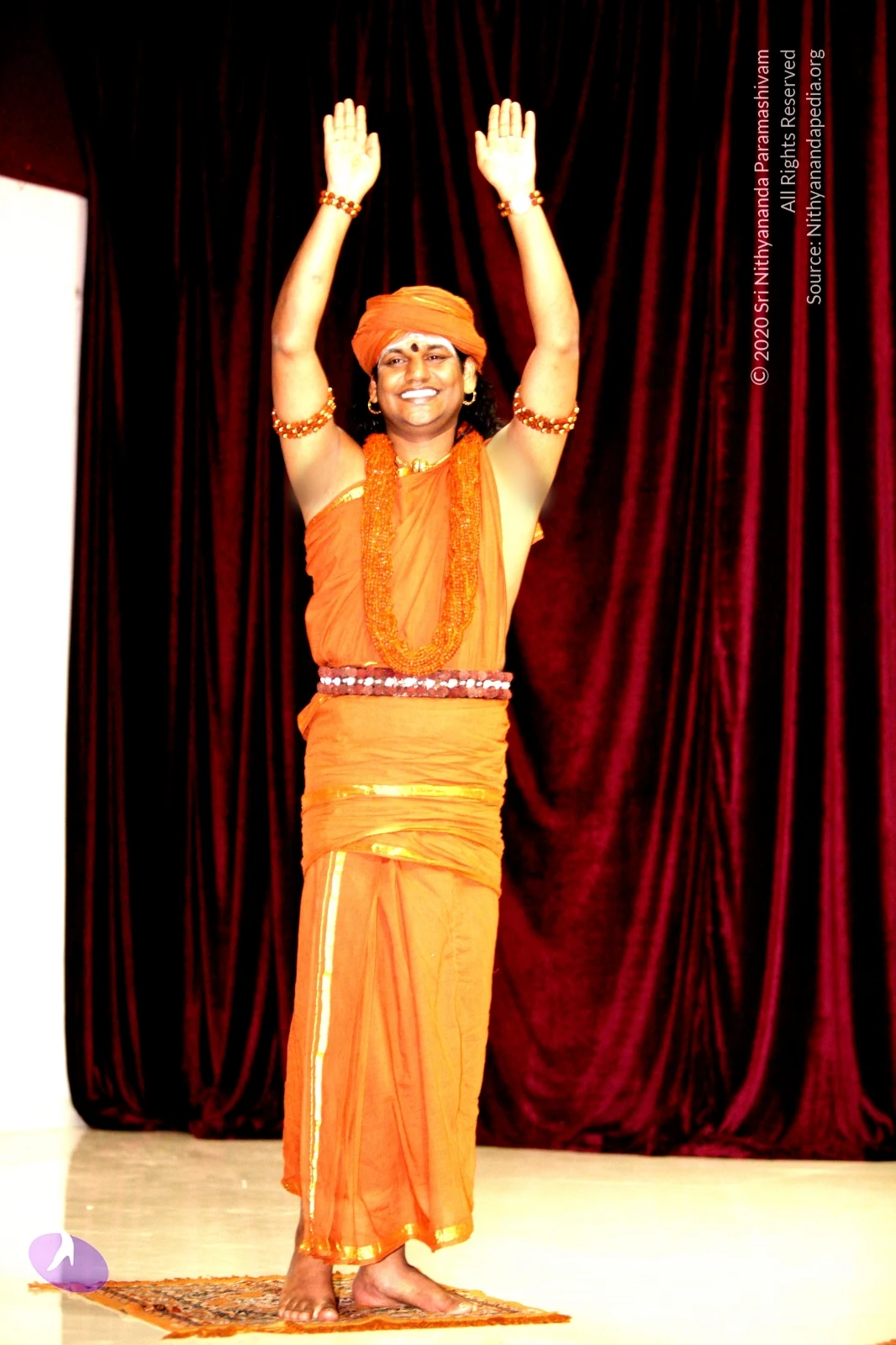
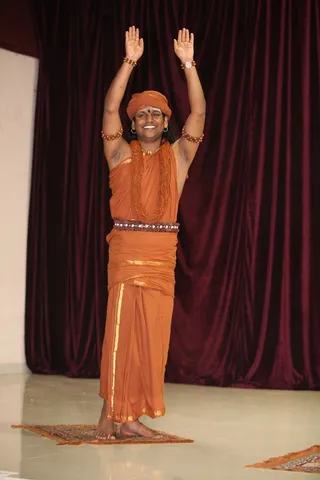
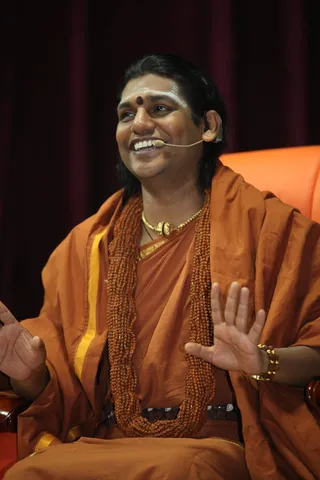
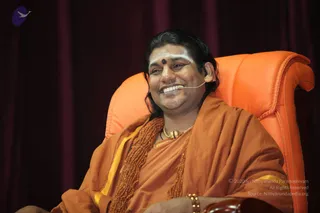
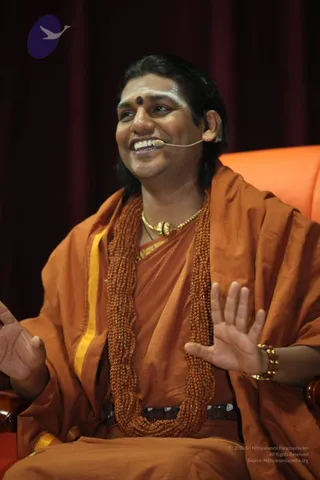
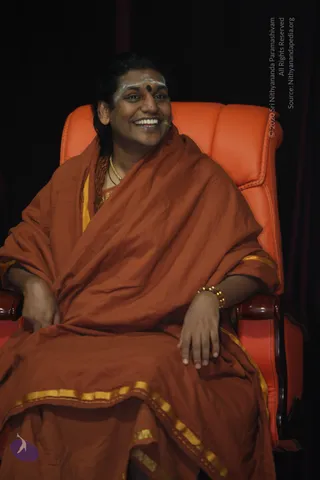
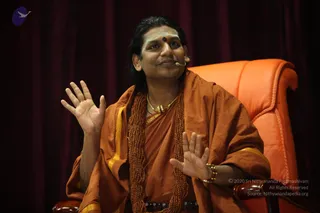
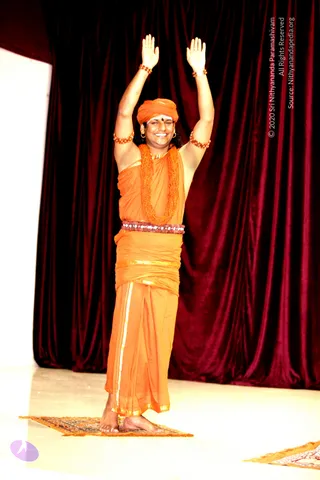
A man stands barefoot on a small patterned rug on a polished floor in front of deep maroon velvet drapes. He wears a saffron-orange turban, saffron-orange cloth wrapped around his body with a gold-edged border, a long orange-beaded necklace, a gold pendant, a dark beaded belt and matching beaded bracelets. He raises both arms overhead, palms open, and smiles at the camera. a person by visible cues: a saffron turban and a long orange rudraksha-style mala. Only one person is visible.Photograph of a smiling man seated in an orange-upholstered chair against a dark maroon curtain, speaking into a small headset microphone. He wears an orange-saffron shawl and robe with a yellow edge, several strands of rudraksha beads around his neck, a gold necklace, a gold bracelet and a dark red-brown belt. His long dark hair is swept back, with white tilak marks on his forehead and a red bindi. His hands are raised in open gesture as he gives satsang. Swamiji (probable): the long swept-back hair, saffron clothing, rudraksha malas and ceremonial gold necklace fit the presentation of Paramahamsa Nithyananda, shown here as a speaker.

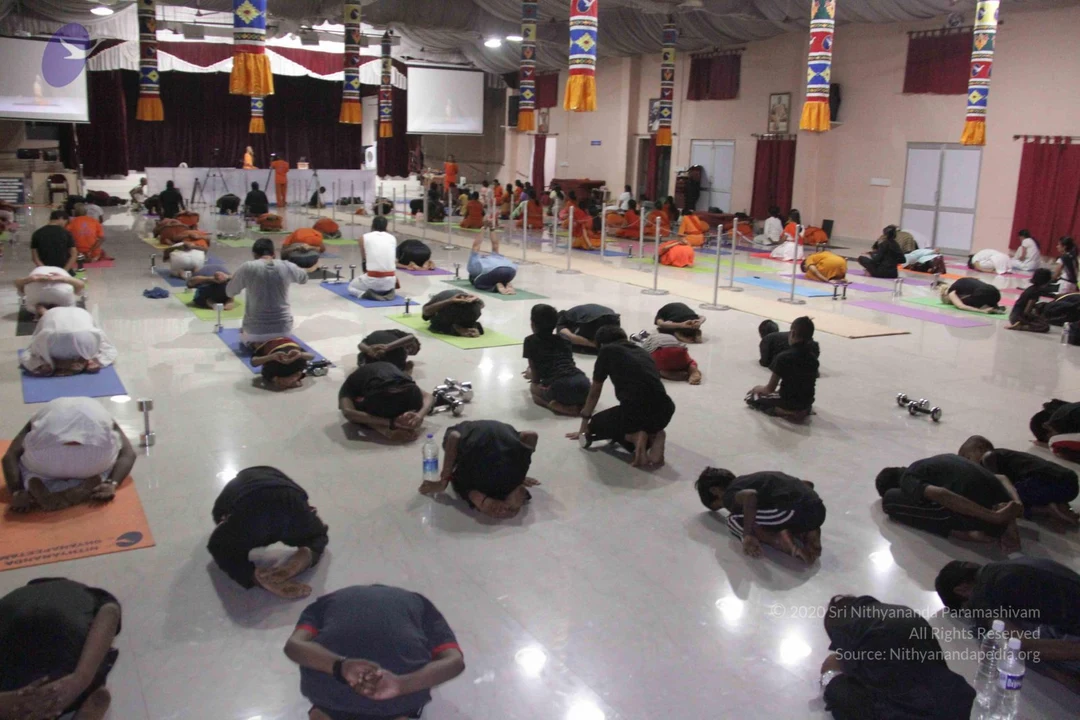
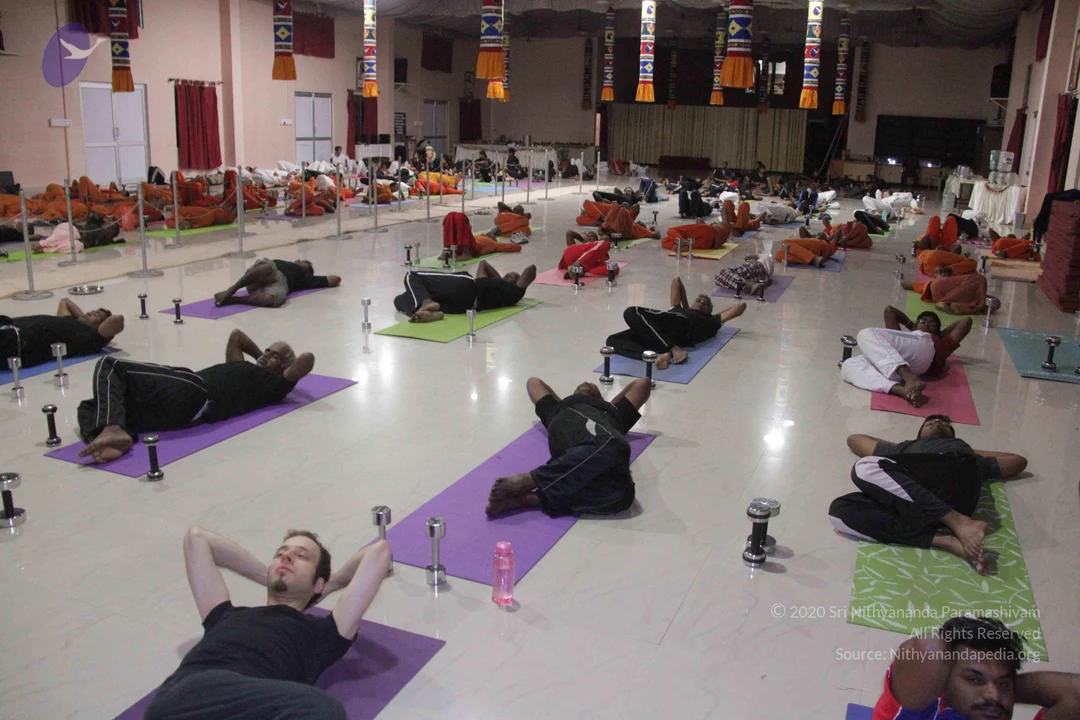
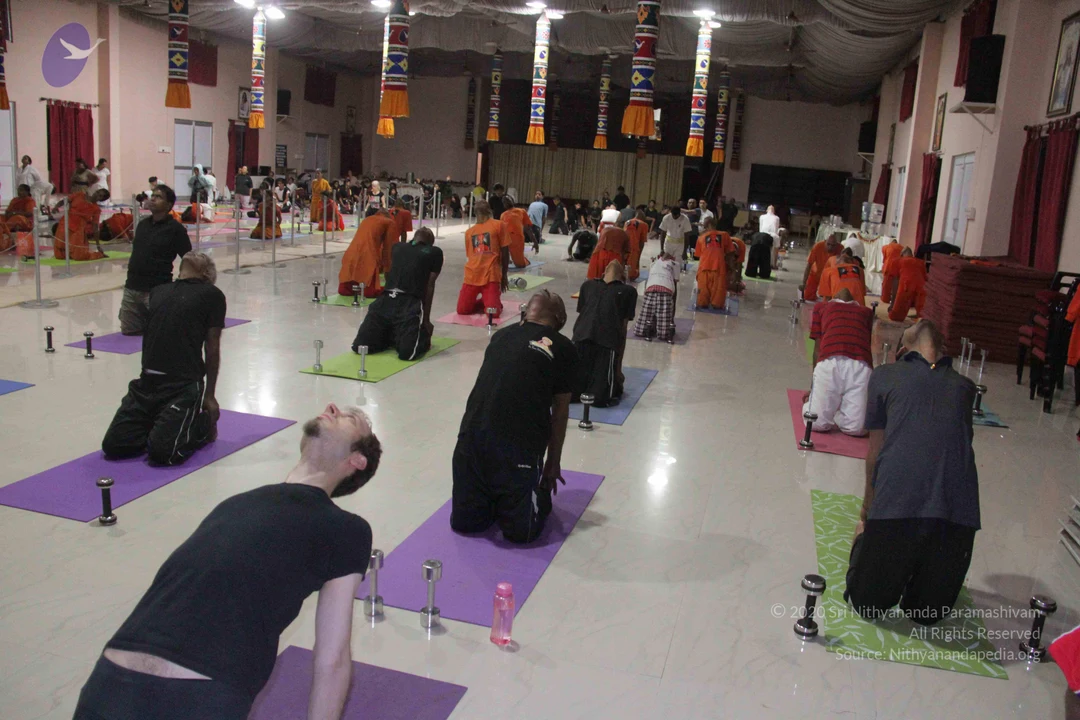
Morning-Yoga

16 photosSource gallery
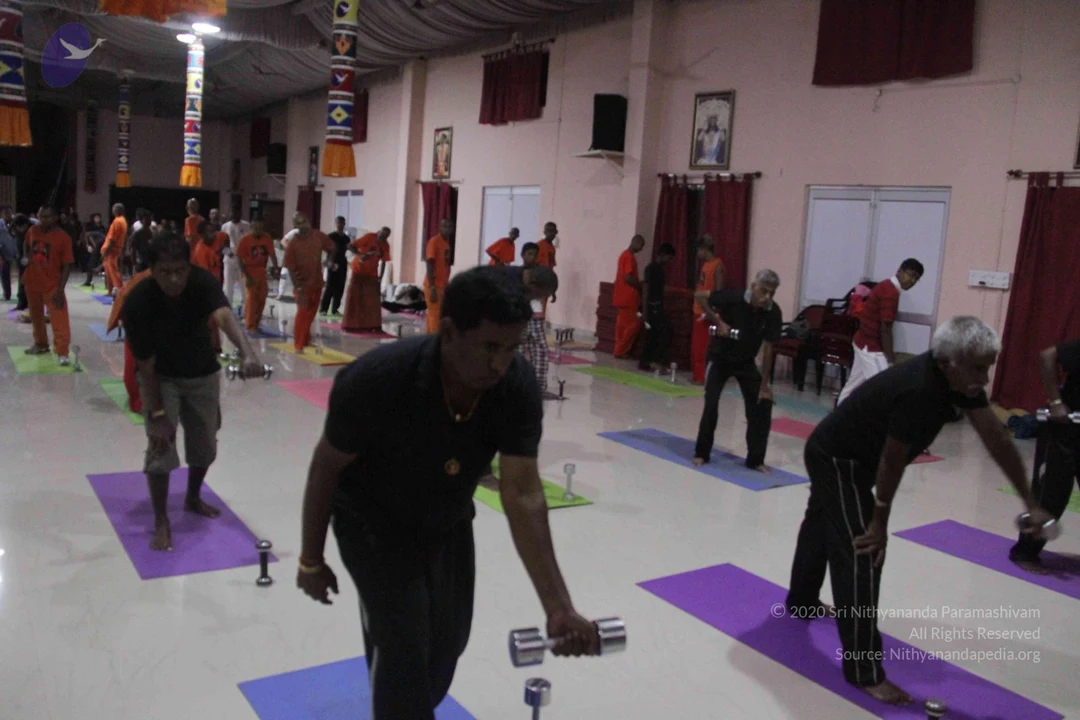
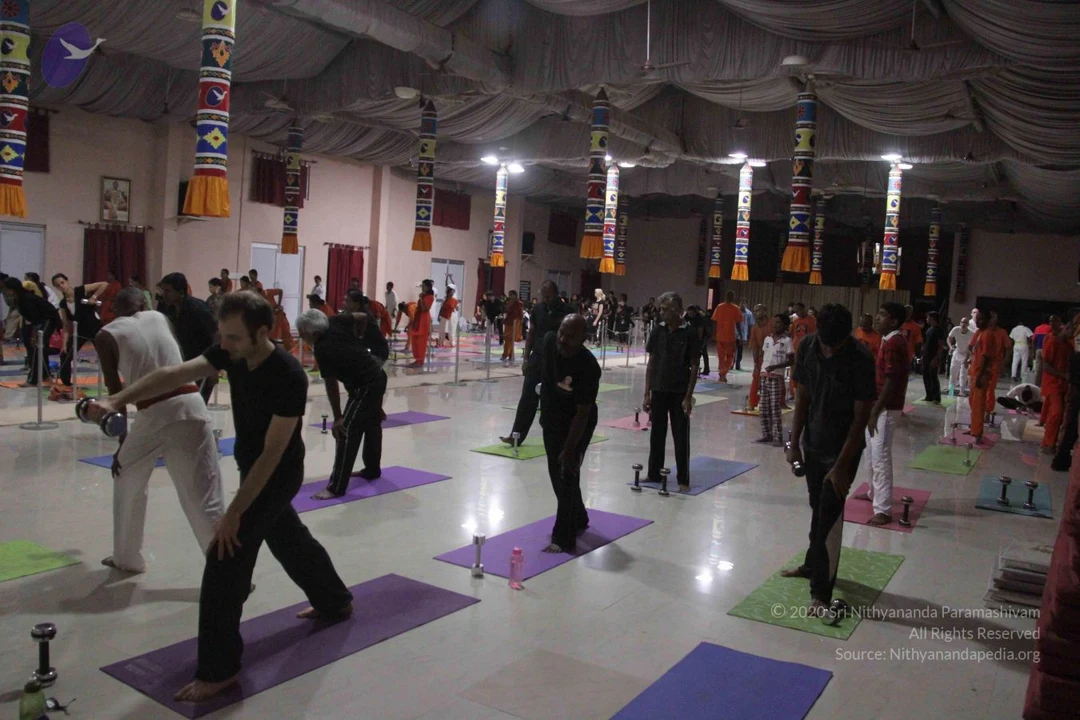
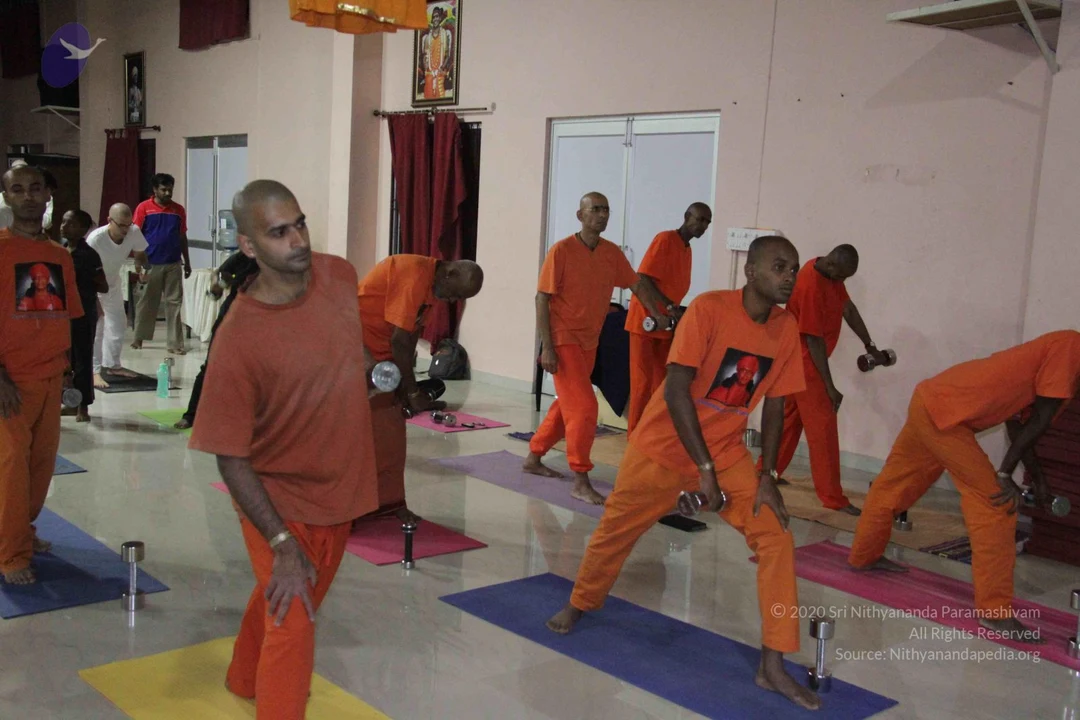
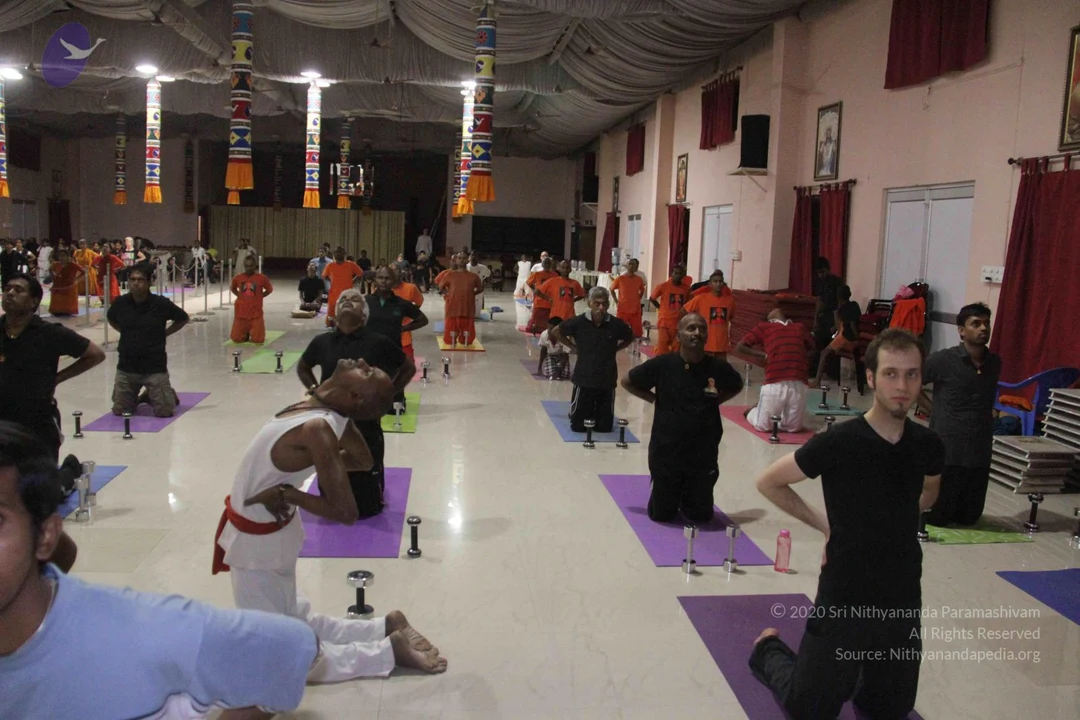
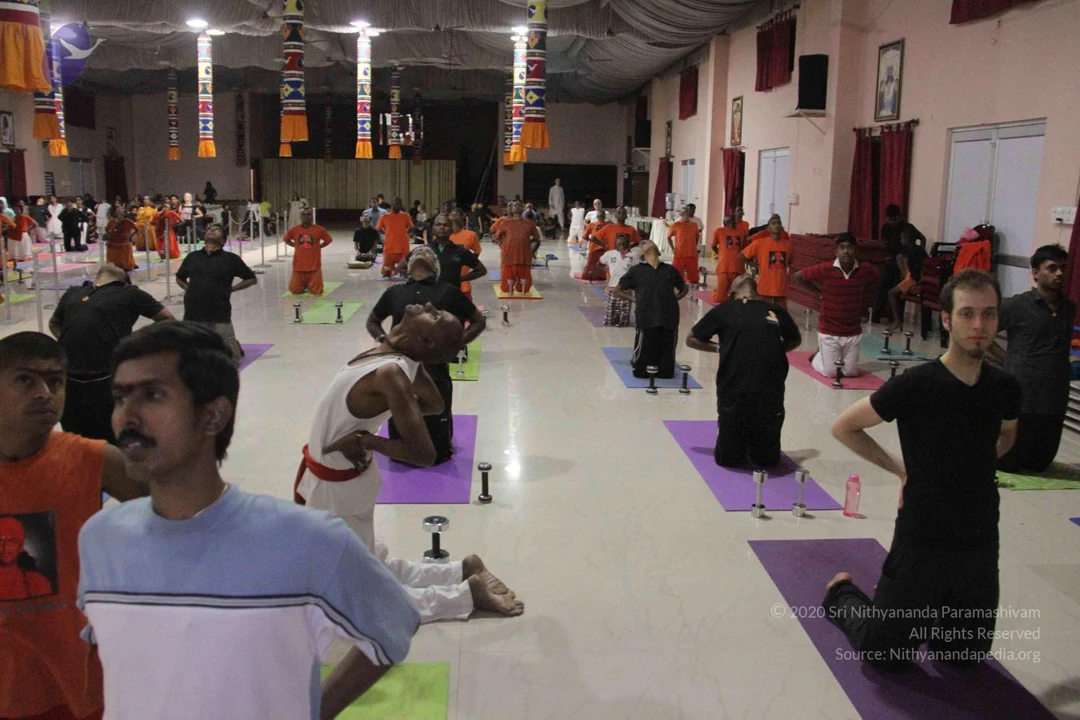
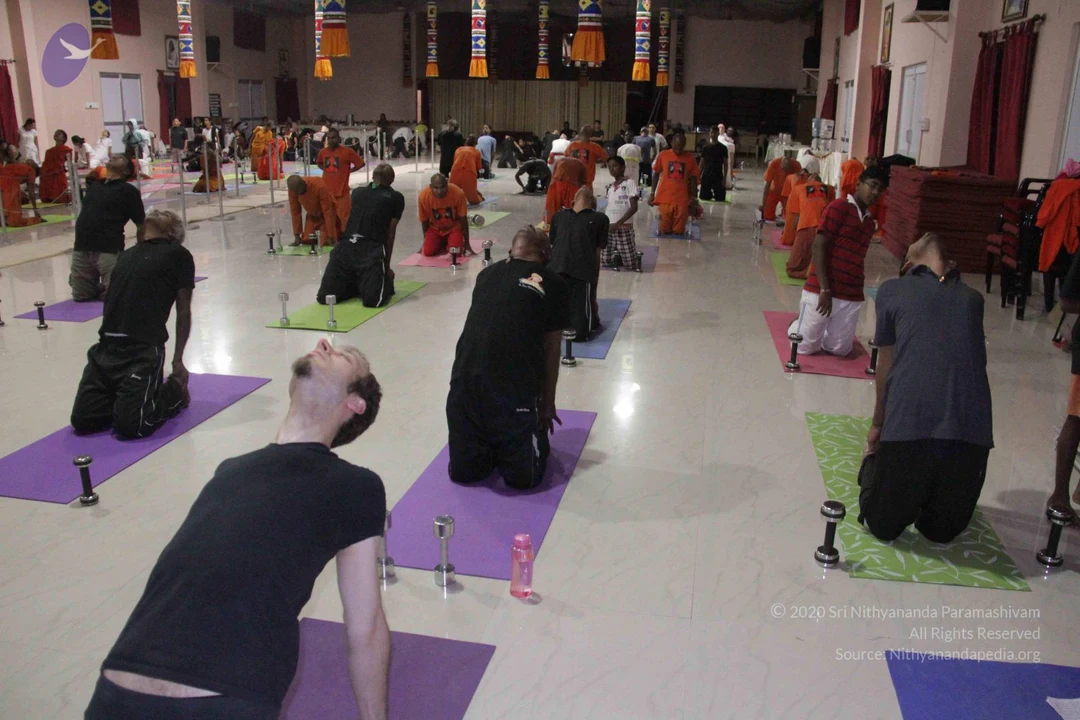
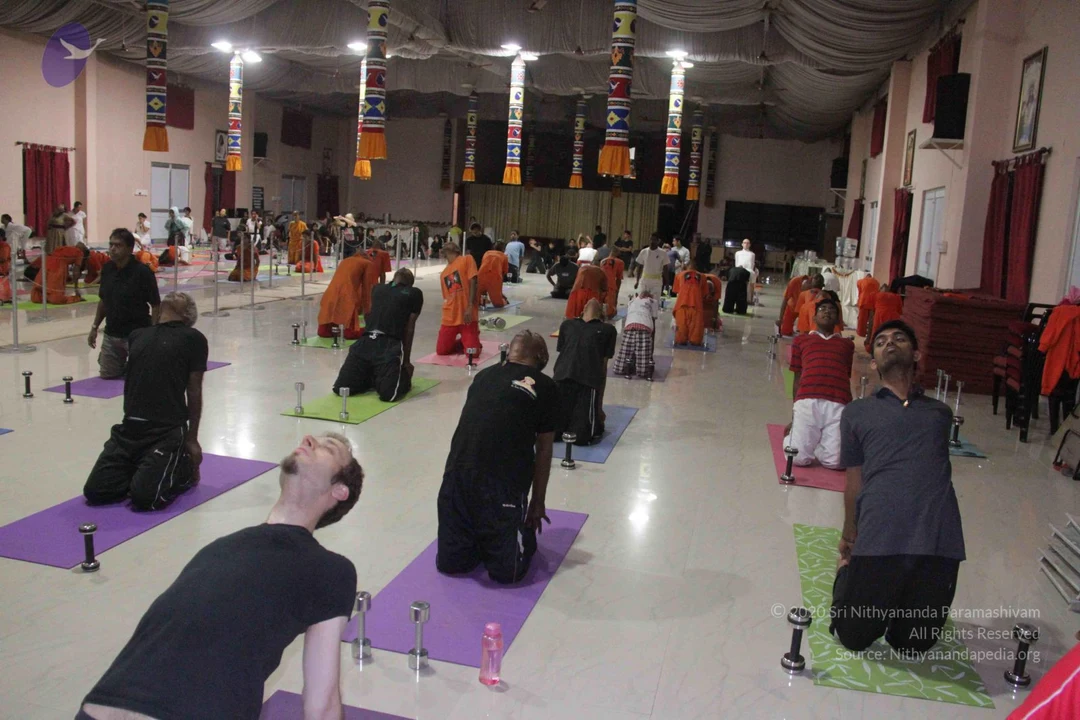
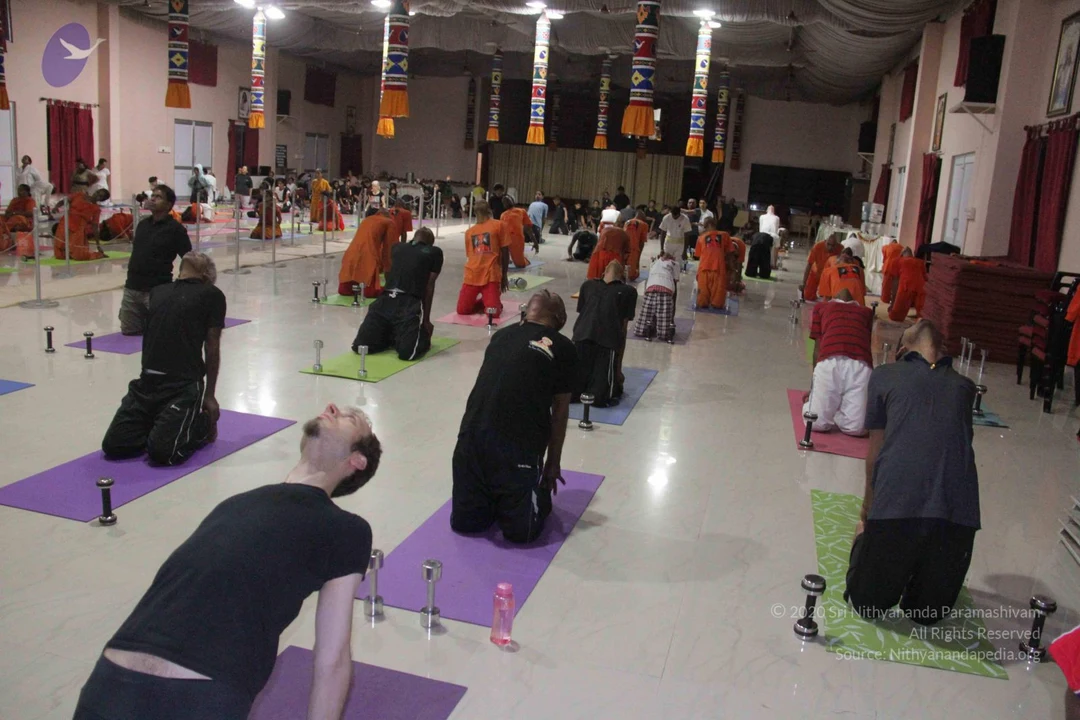
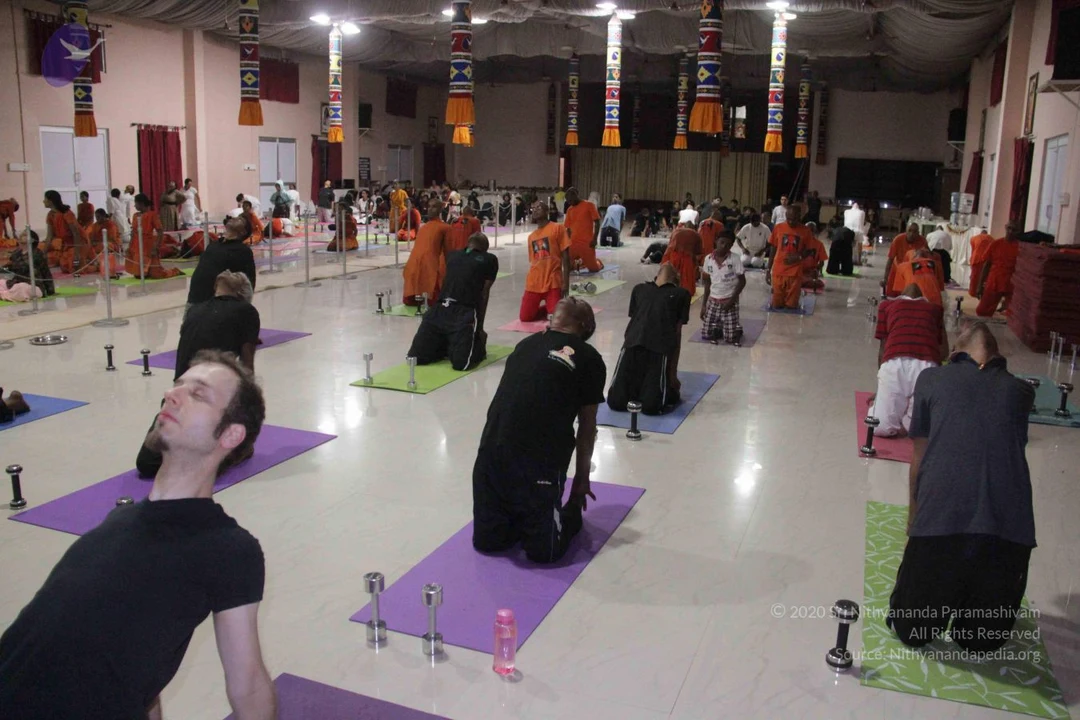
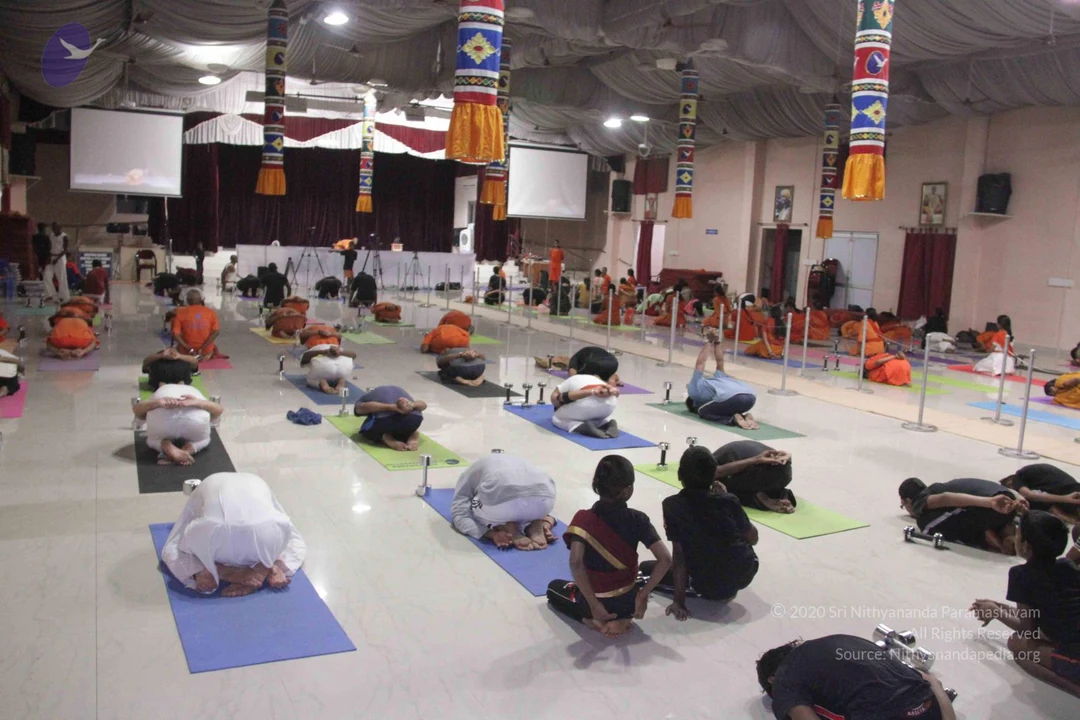
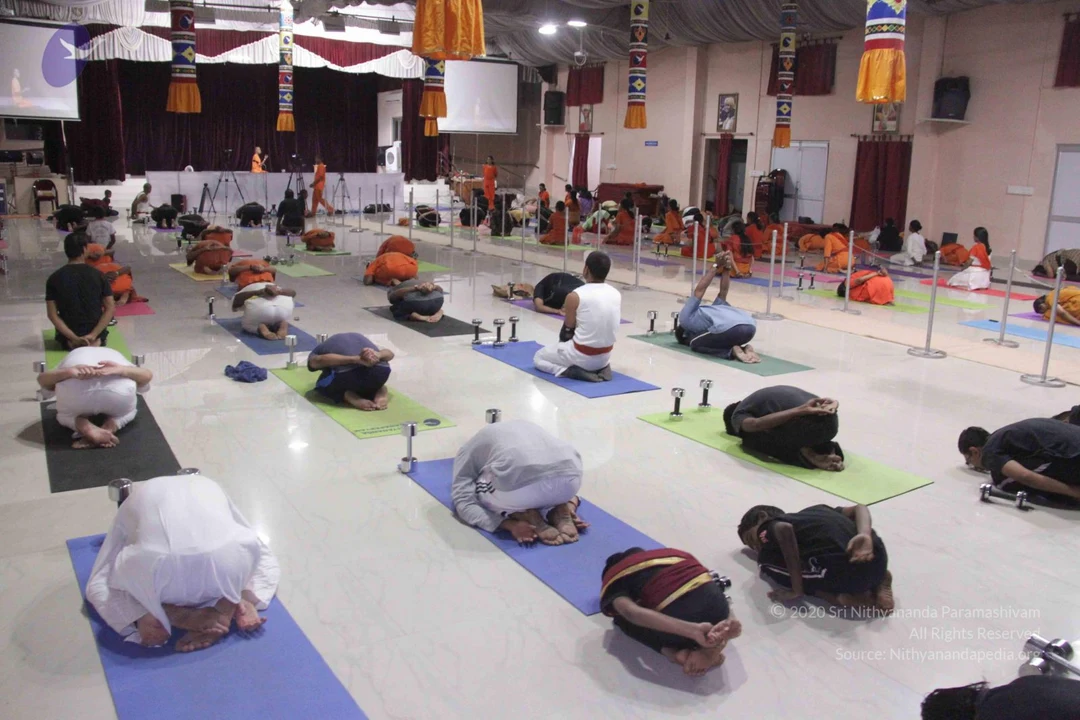
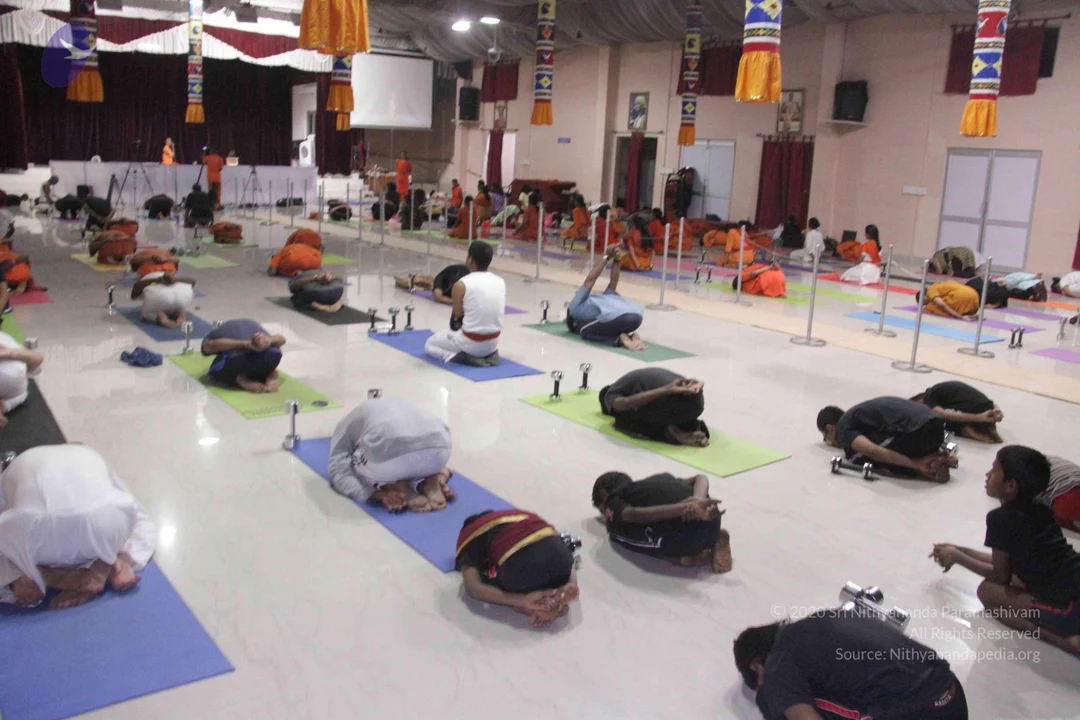
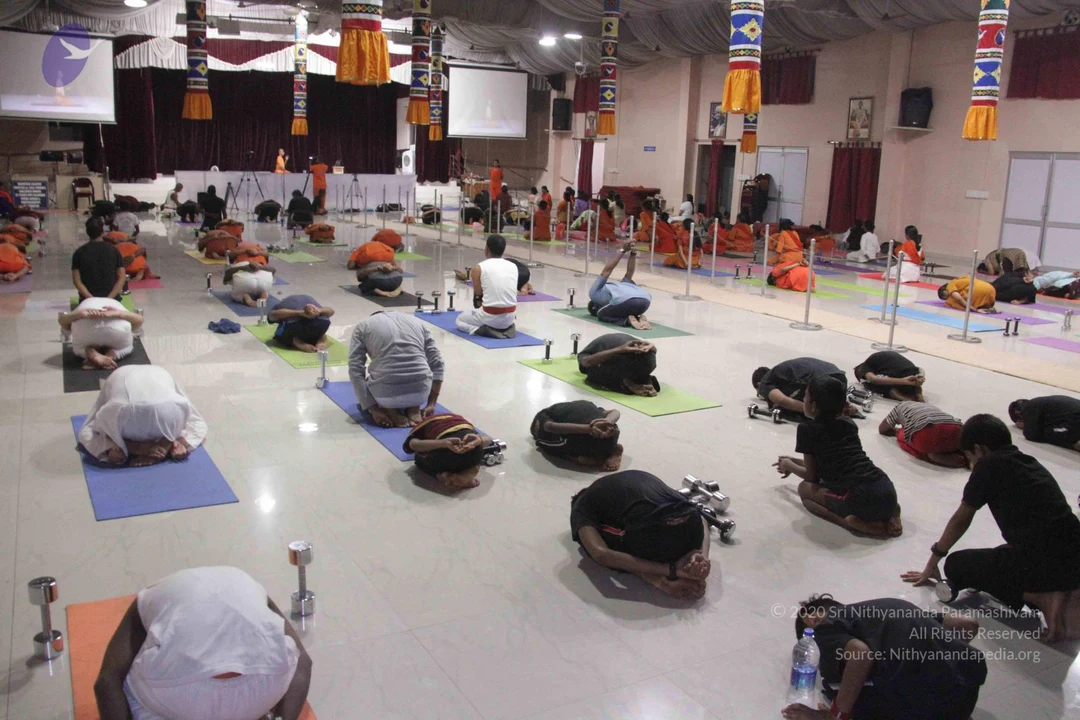
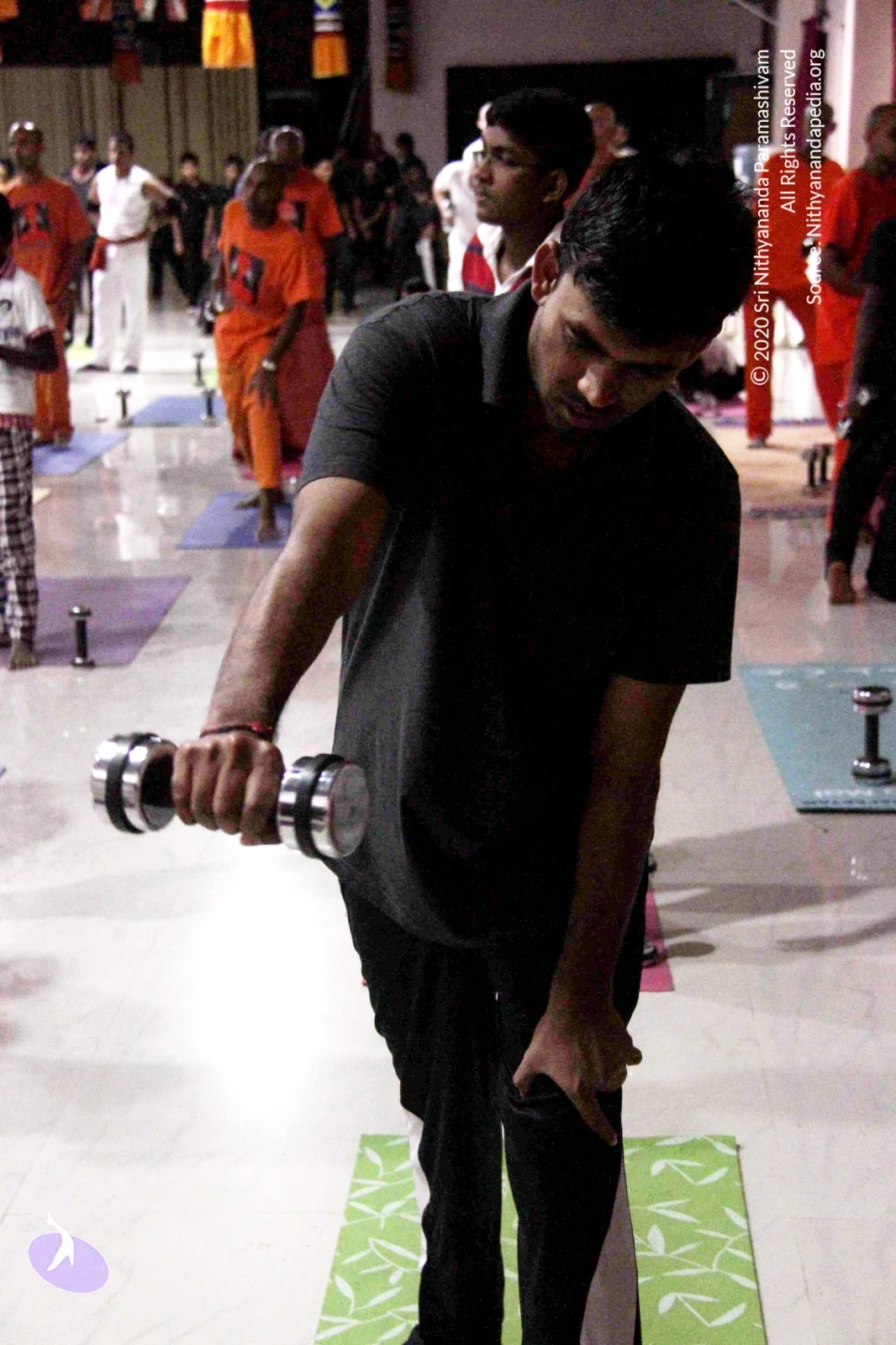
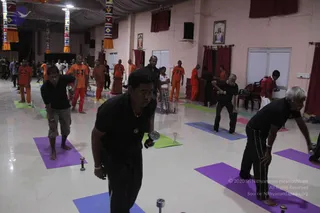
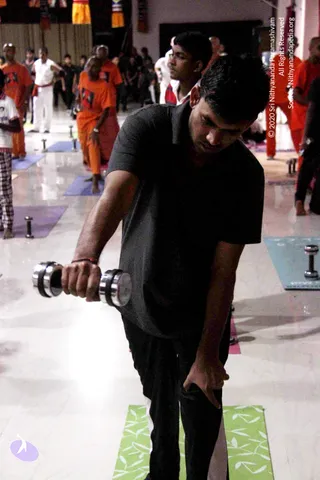
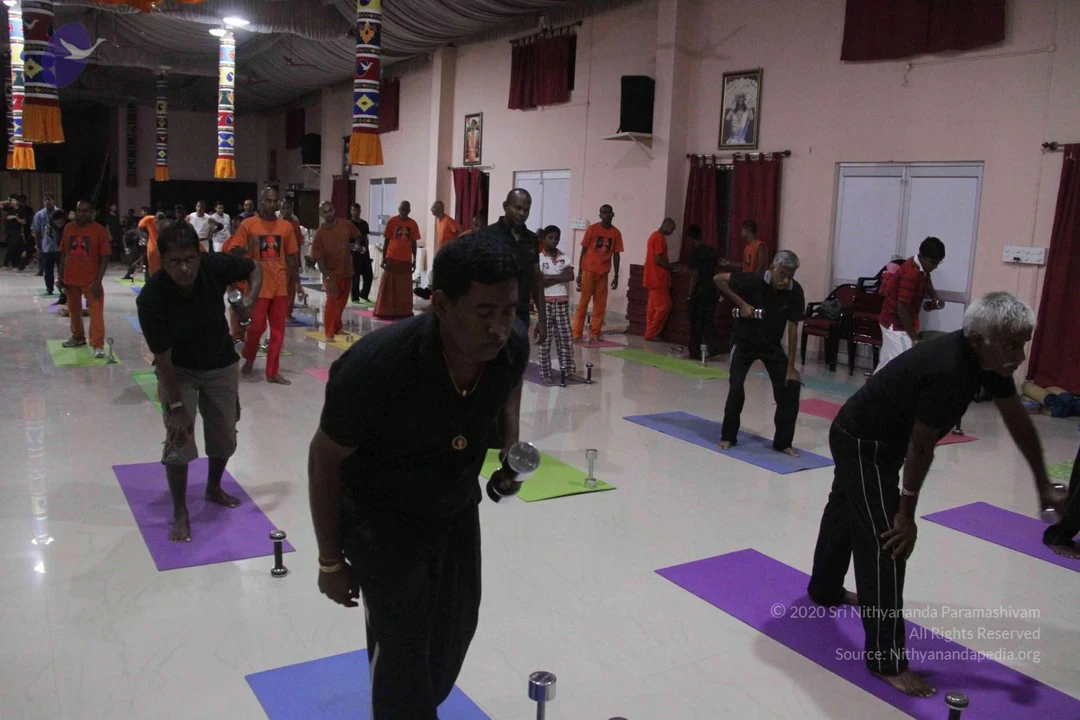
A large indoor hall with cream tiled floor where a group of about fifteen men practise a standing exercise routine on coloured yoga mats in purple, blue and green. Most wear orange tunics with black or red trousers, while several in the foreground wear black t-shirts and black trousers, holding small silver dumbbells and bending forward at the waist. Pink walls, red curtains, a framed picture on the wall, and colourful striped pillars with tassels frame the room.A large indoor hall with white tiled floor and pink walls where many people exercise with hand weights on colourful yoga mats. Men in black t-shirts and pants, and others in orange clothes, bend forward holding metal dumbbells while standing on purple, green and pink mats. Decorative striped banners hang from the ceiling, red curtains frame the windows, and a framed religious picture hangs on the wall. A large group of roughly twenty-five people is visible, including partially visible figures at the back.A large hall with cream walls and a white tiled floor, hung with a grey draped ceiling and tall cylindrical banners in red, blue, yellow and white patterns. Dozens of people in black, white and orange clothing stand on purple, green and blue exercise mats, bending forward while holding small dumbbells in a group workout. Most wear black or white shirts and trousers; several orange-robed participants stand in the background. A small framed picture hangs on the back wall, and a logo appears at the upper left.A group of about eight men in matching saffron-orange t-shirts and orange pants exercise on yoga mats in a bright indoor hall with pink walls and a framed portrait on the wall. Several hold small silver dumbbells while bending, lunging and stretching, with mats in blue, purple, pink and yellow. Some shirts bear a printed portrait of a figure in red robes. Maroon curtains, a white door and a wall-mounted framed picture of a deity murti stand behind them.A photograph of a yoga session in a large hall with a polished white floor and pink walls. Many participants stand and kneel on purple and green mats, with small steel dumbbells placed beside them. Several men wear orange or saffron clothing, others wear black, and one wears white with a red sash as he bends backward. A woman in a red top sits on the right. Colourful striped pillars hang from a white draped ceiling, and framed portraits hang on the far wall.A photograph of a large indoor hall with a white tiled floor and draped fabric ceiling, with colourful striped pillars hanging from above. Many people are doing a yoga or stretching session on purple and green mats, many dressed in orange or black clothing, some in white. Small silver dumbbells sit beside several mats. In the foreground a young man in a light blue striped shirt stands near a man in an orange shirt, while a shaven-headed man in a white vest and red waist cord bends backward in a stretch. A framed portrait hangs on the right wall. A man in a dark shirt on the right kneels with one arm raised beside a teal mat, and a bright tilak mark is visible on a man in the left foreground.

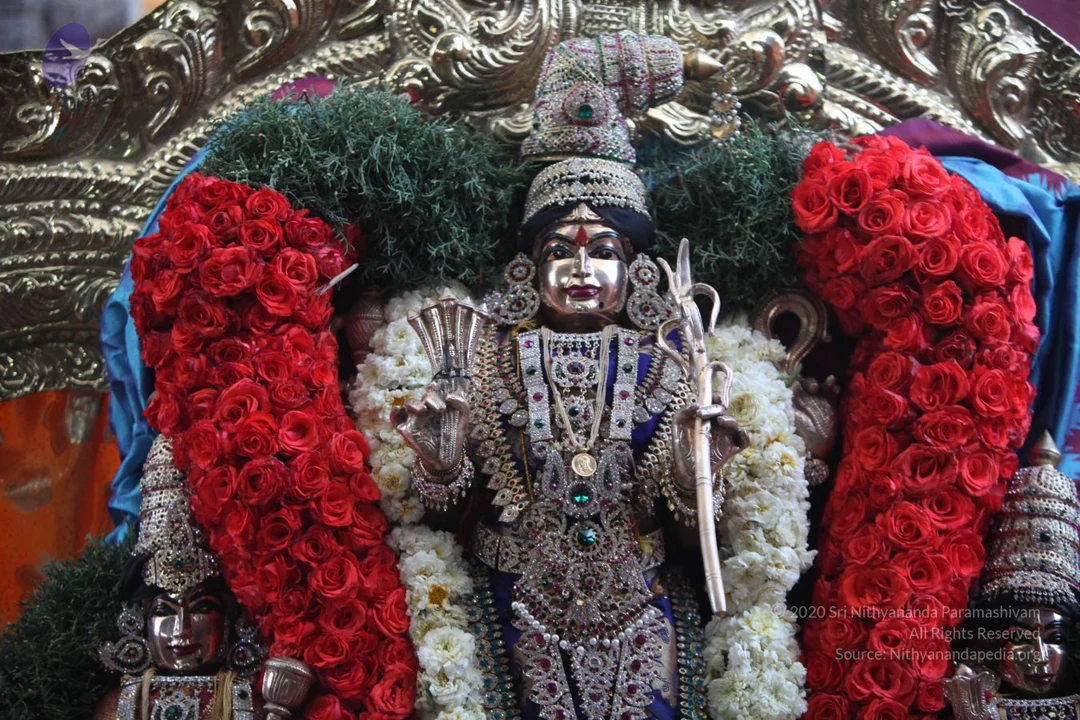
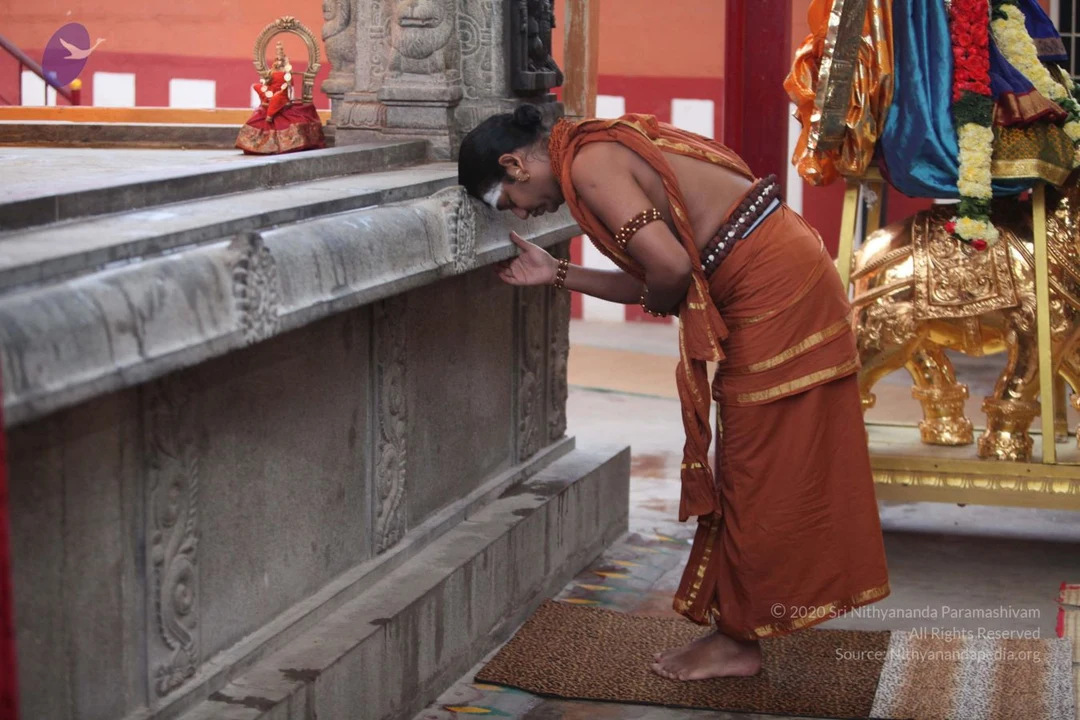
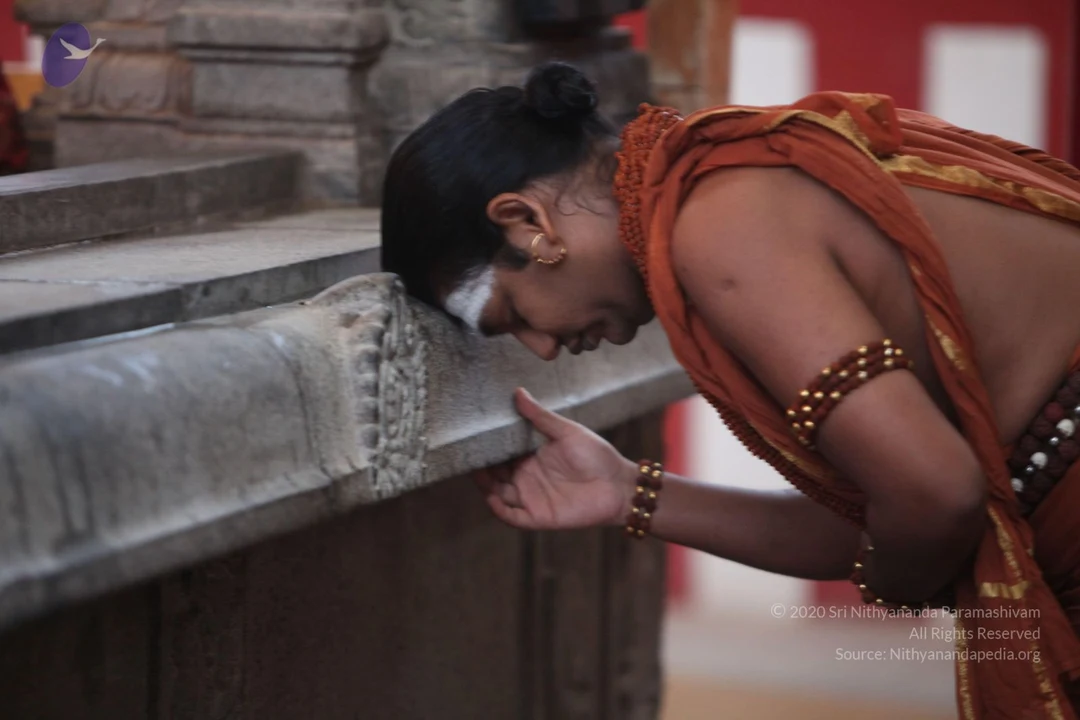
Temple
27 photosSource gallery
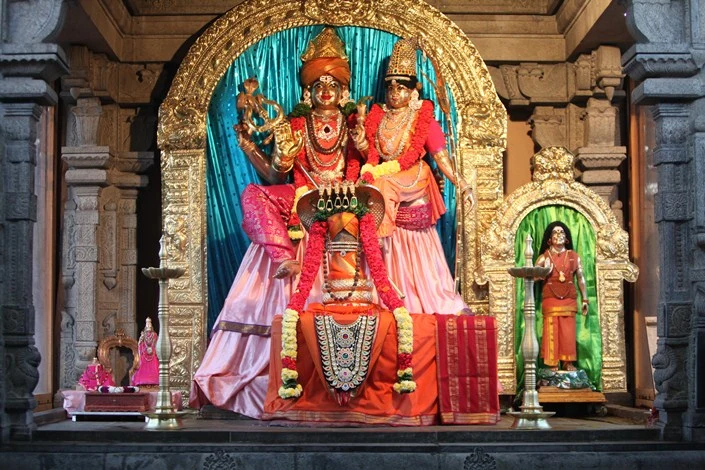
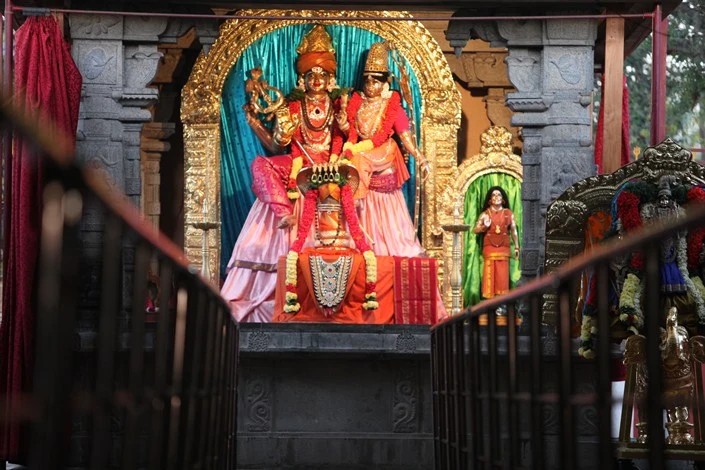
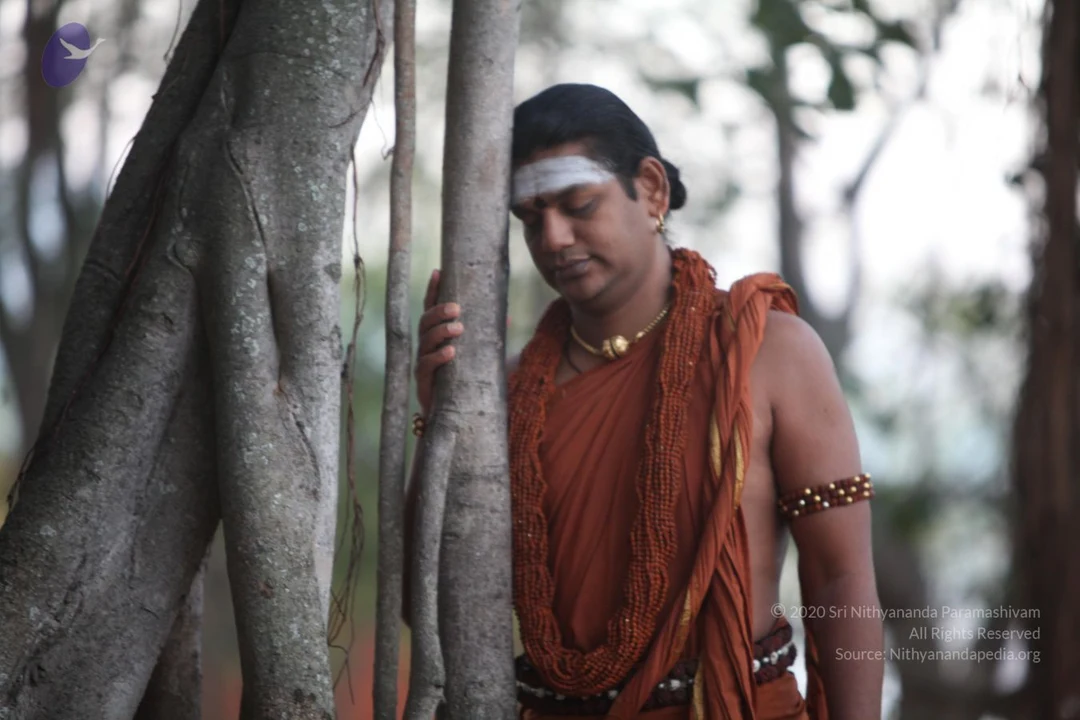
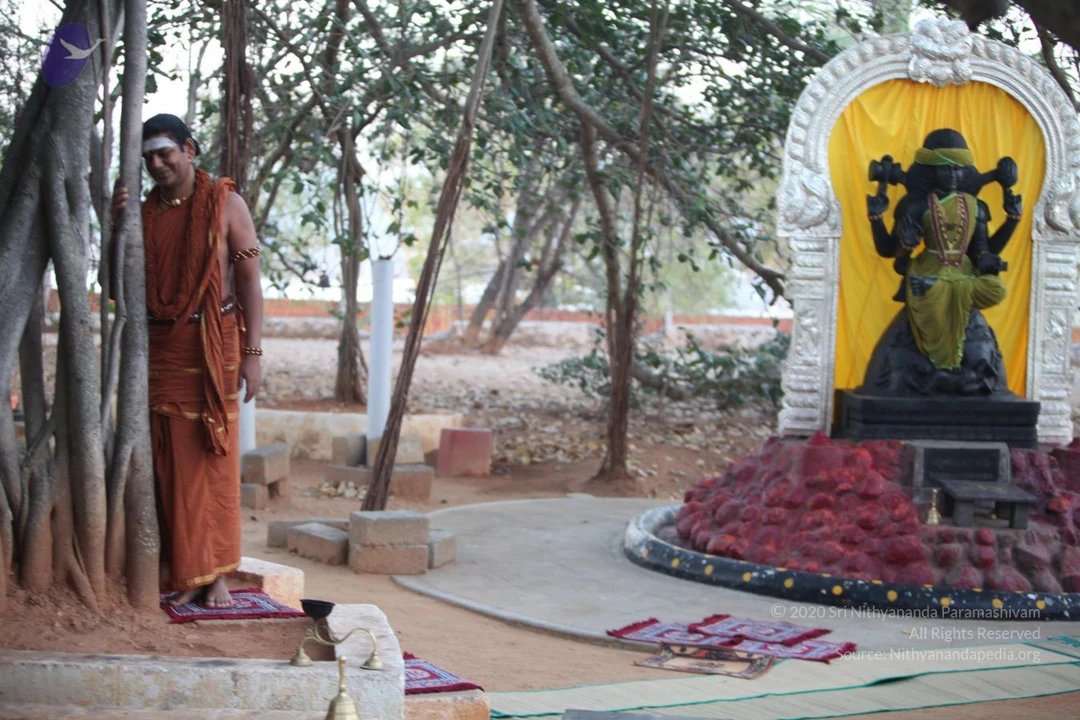
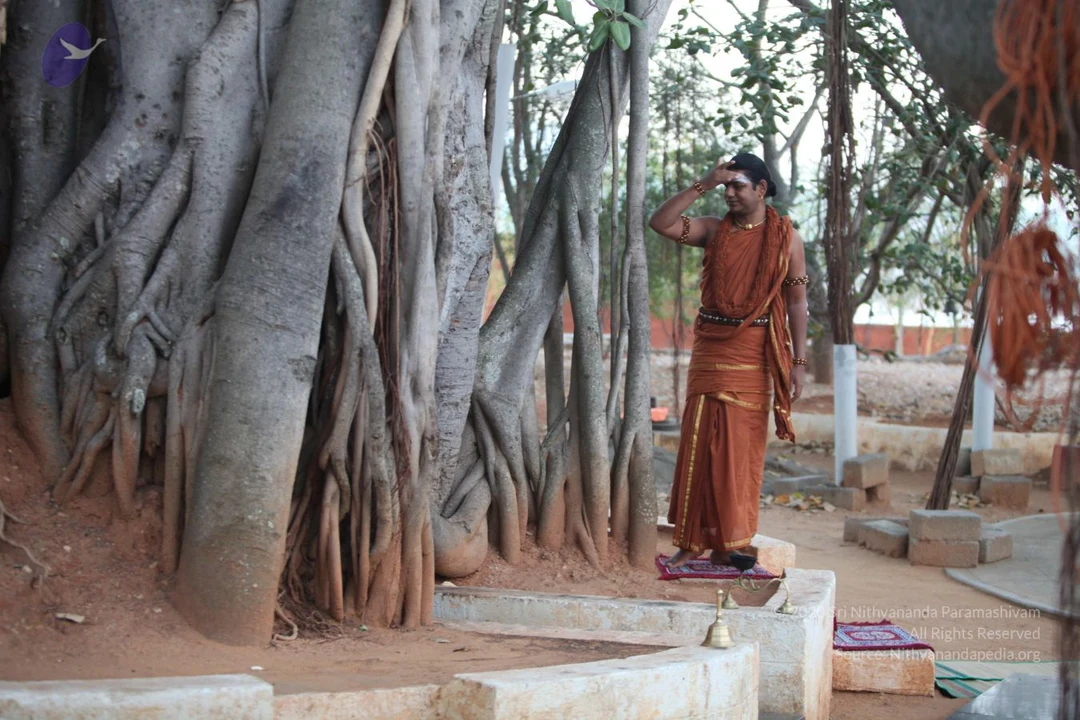
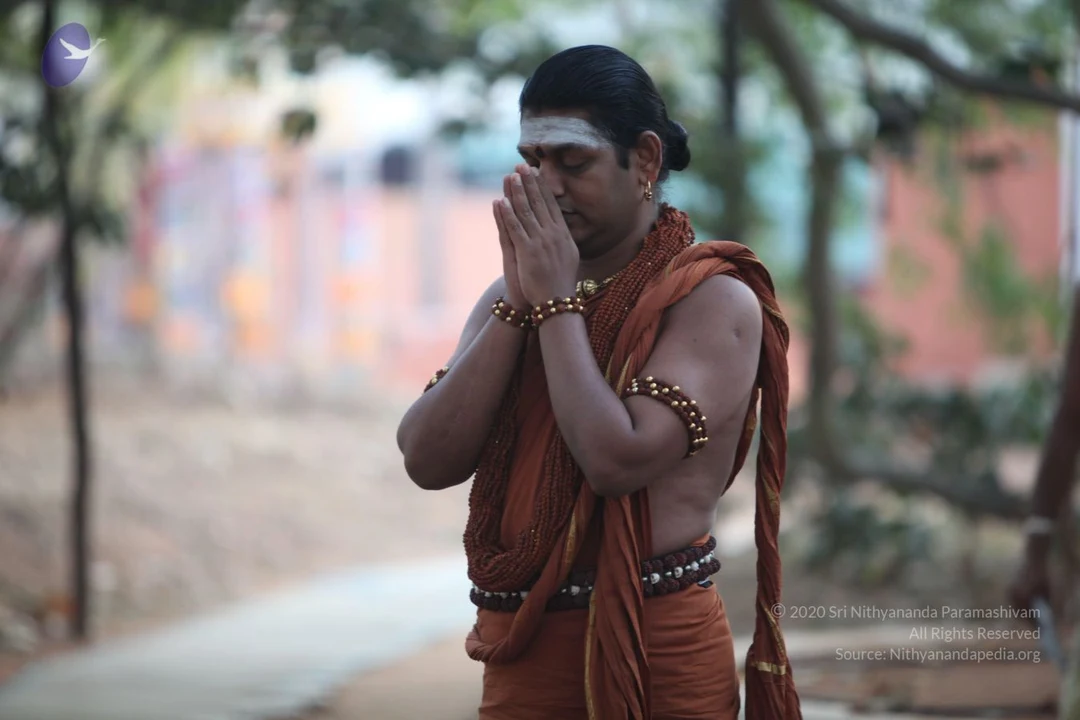
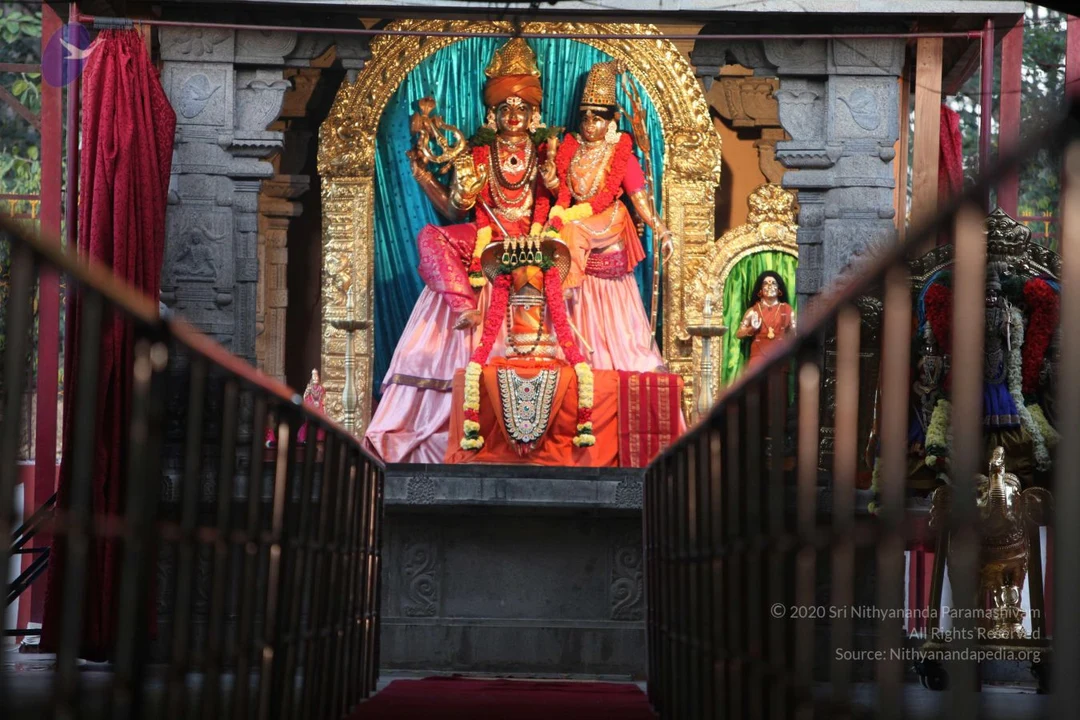
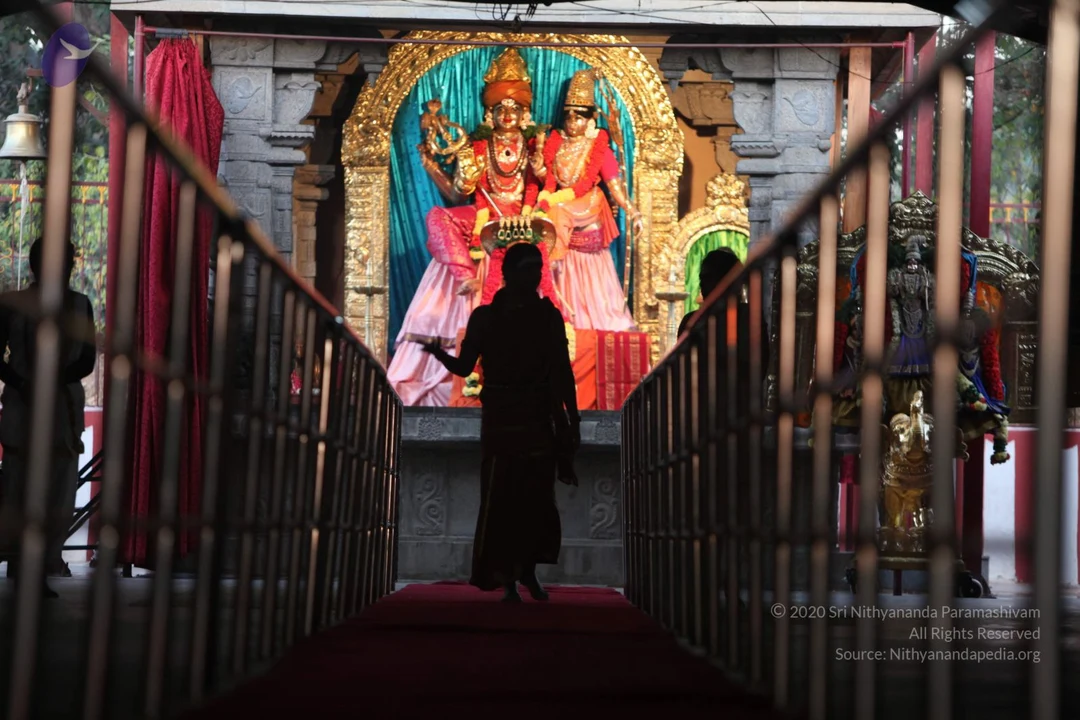
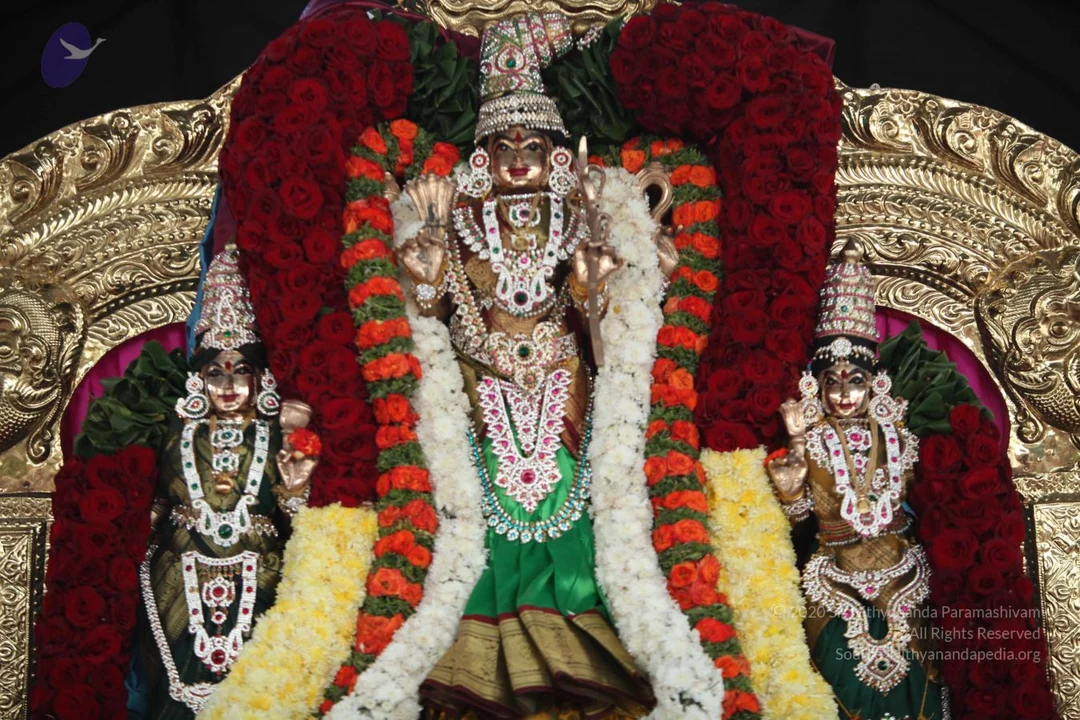
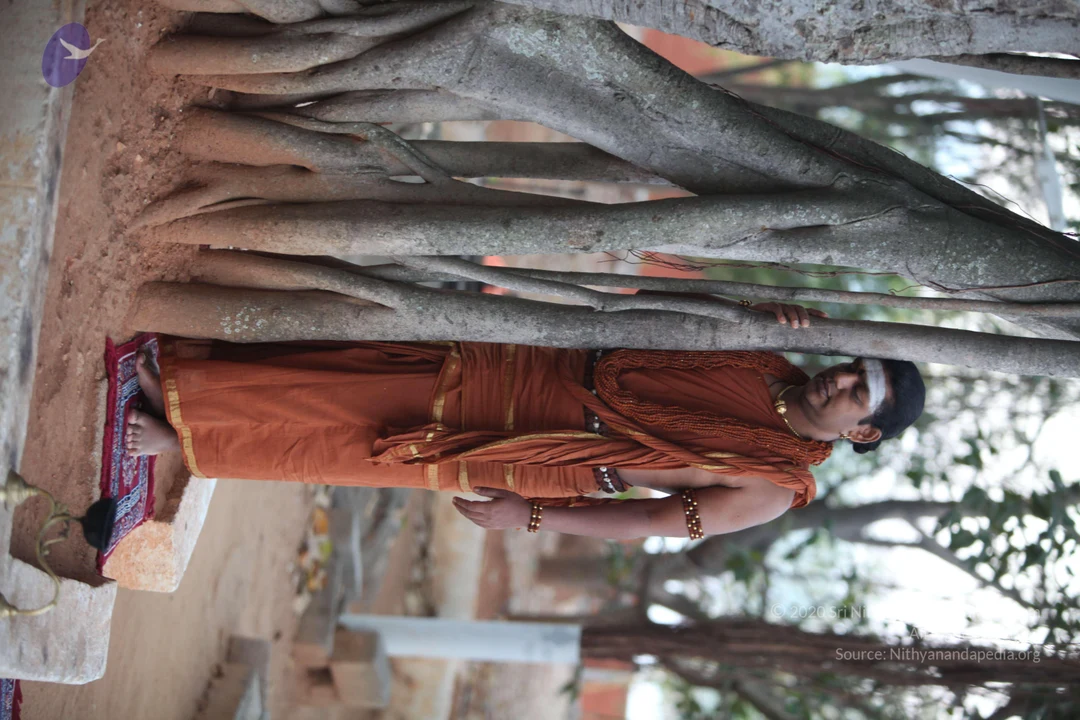
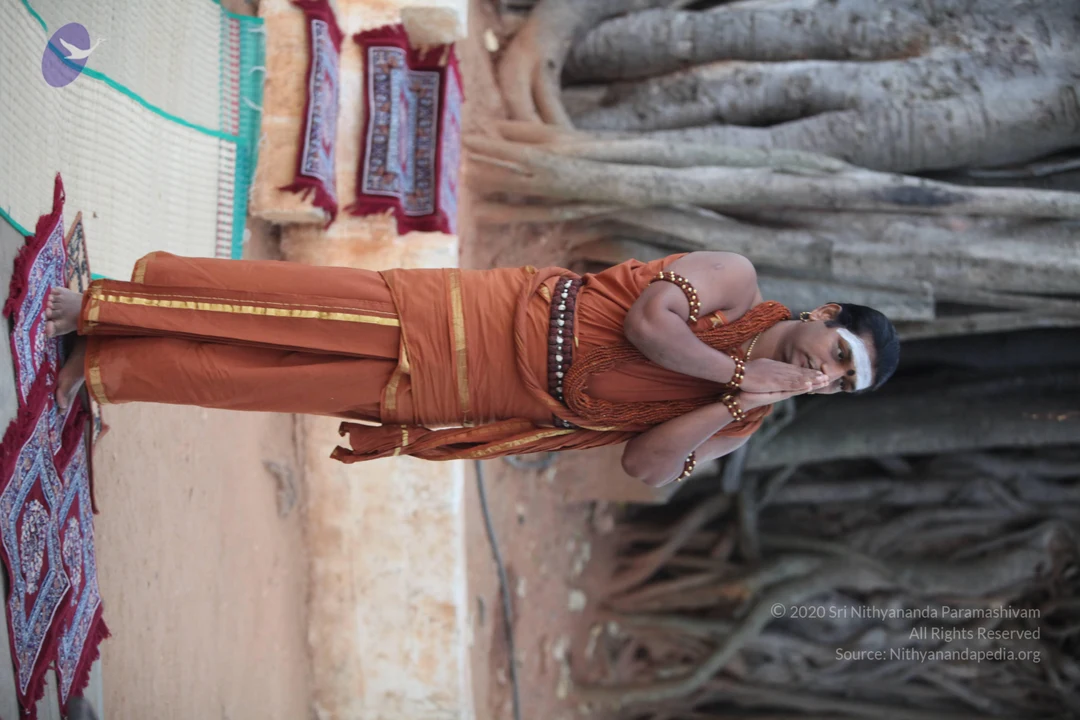
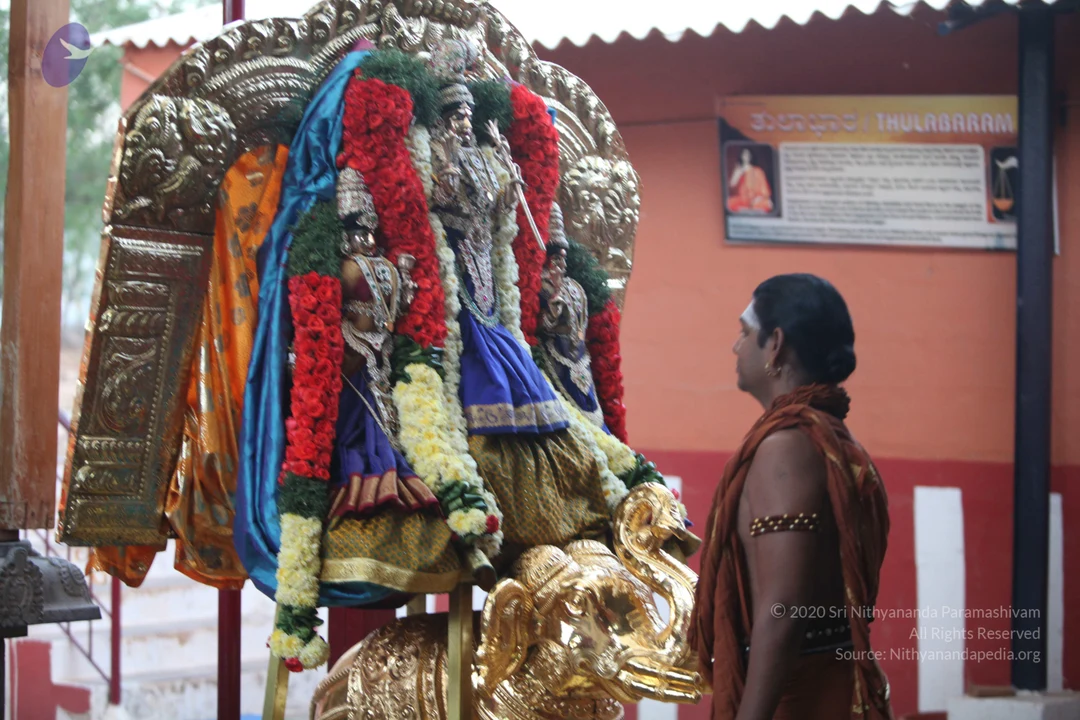
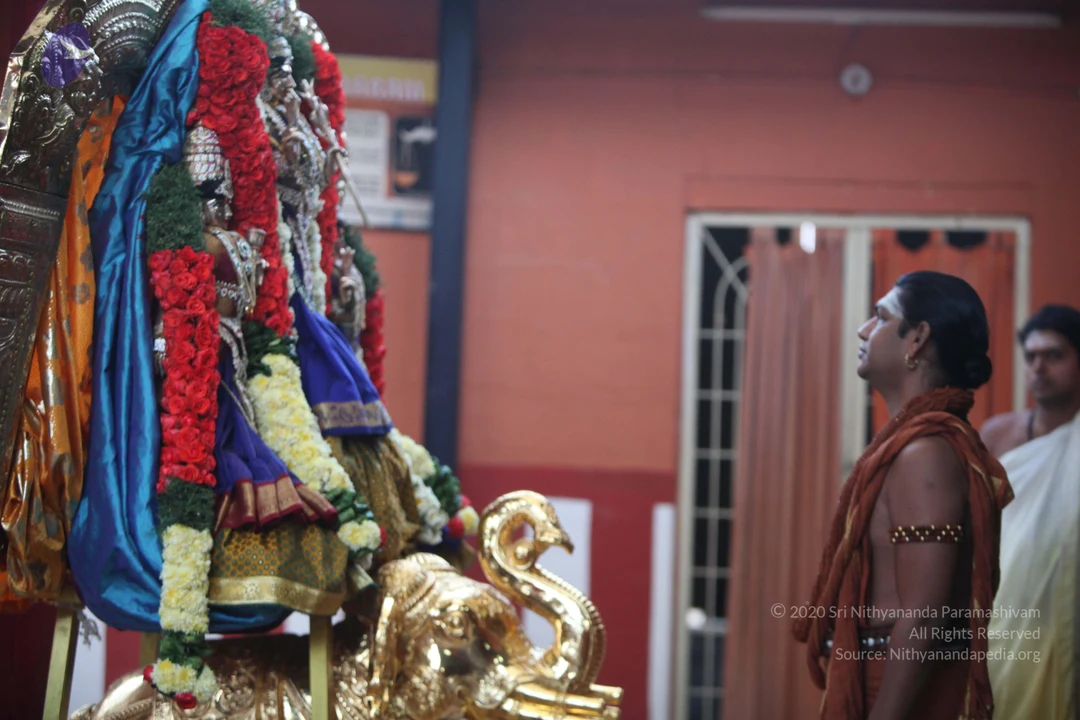
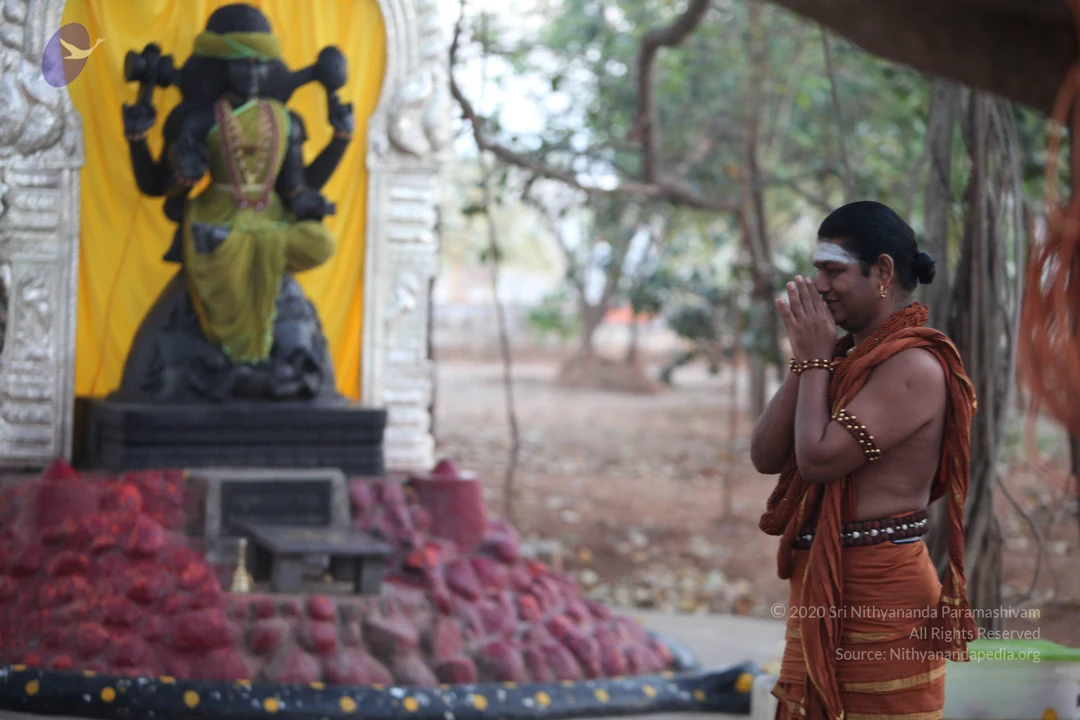
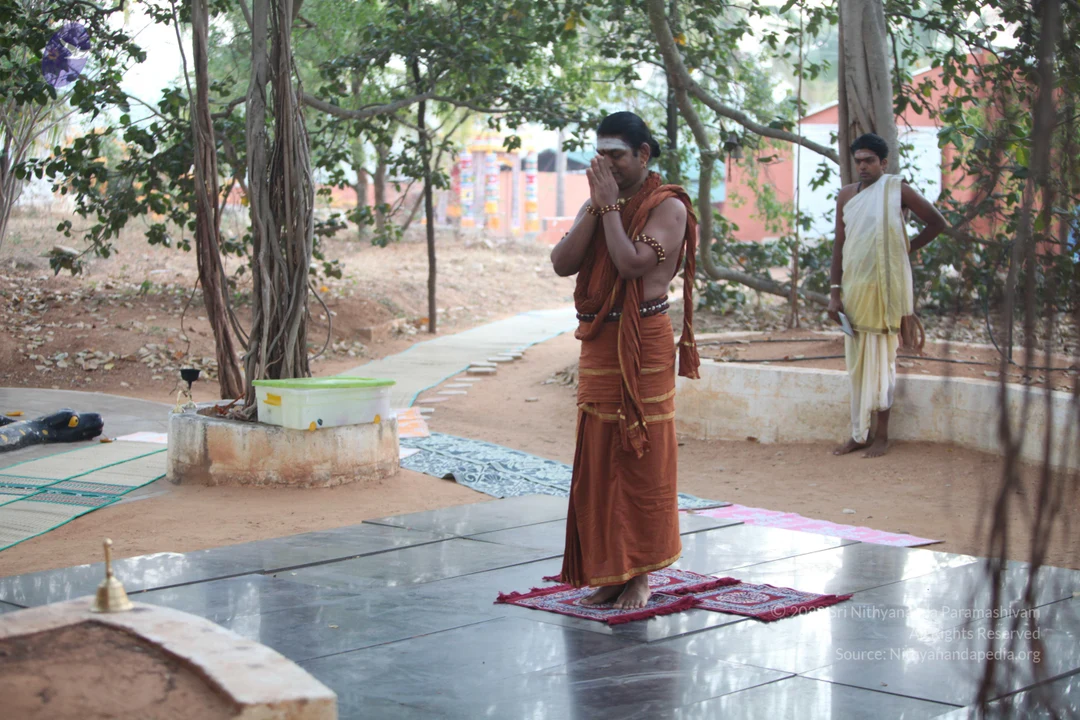
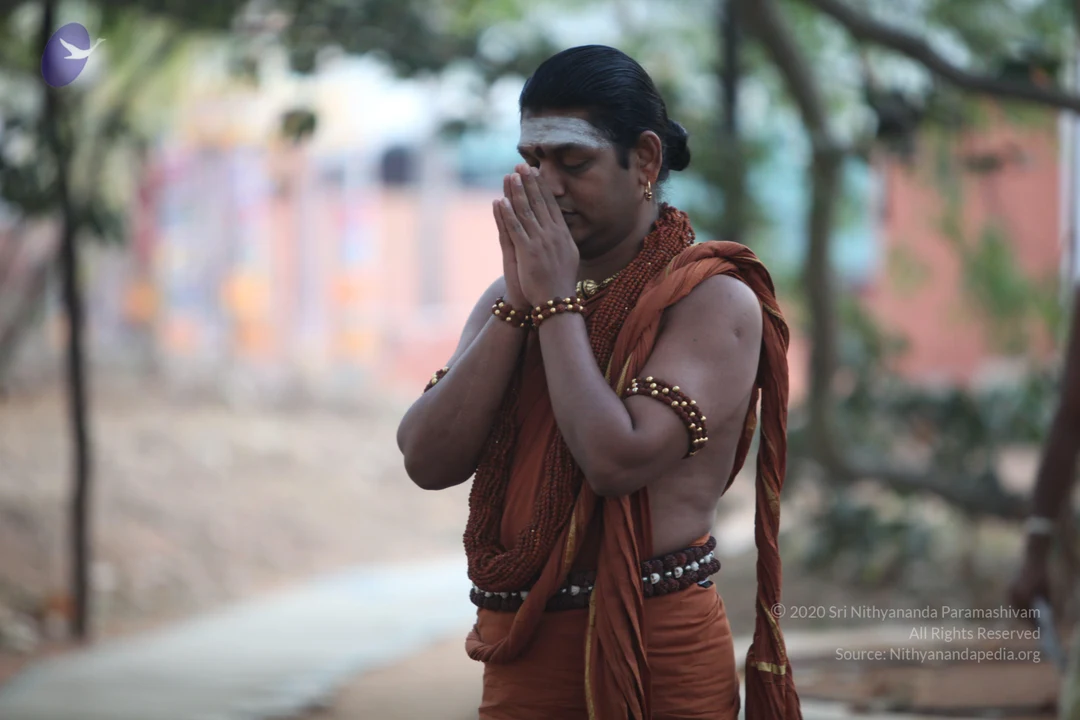
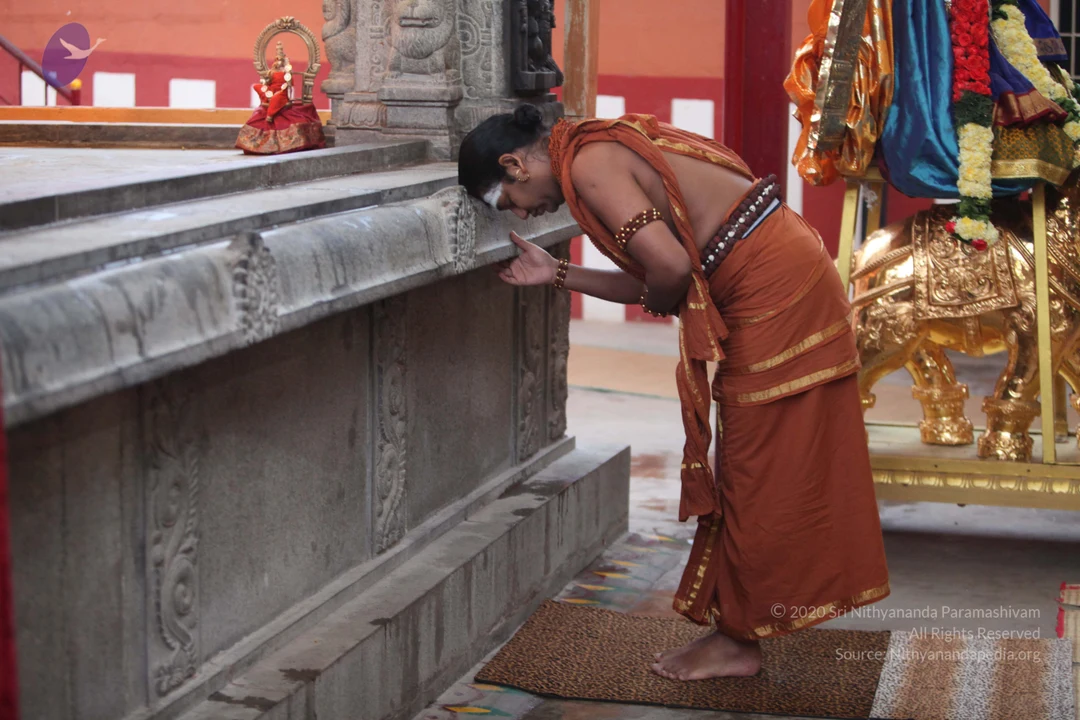
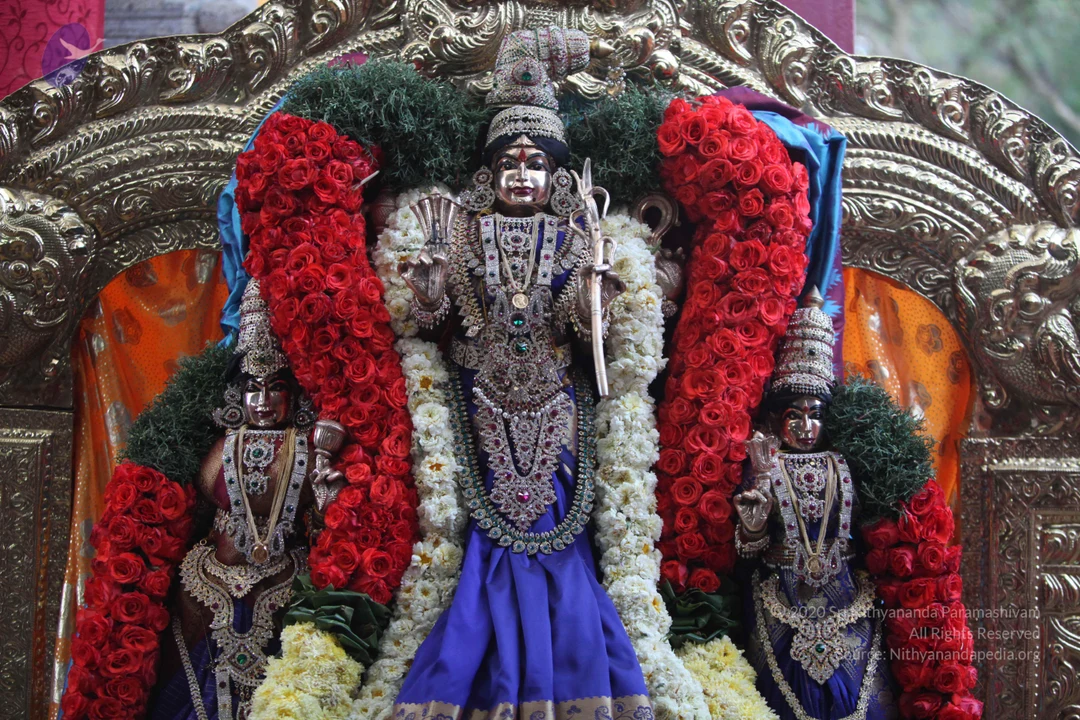
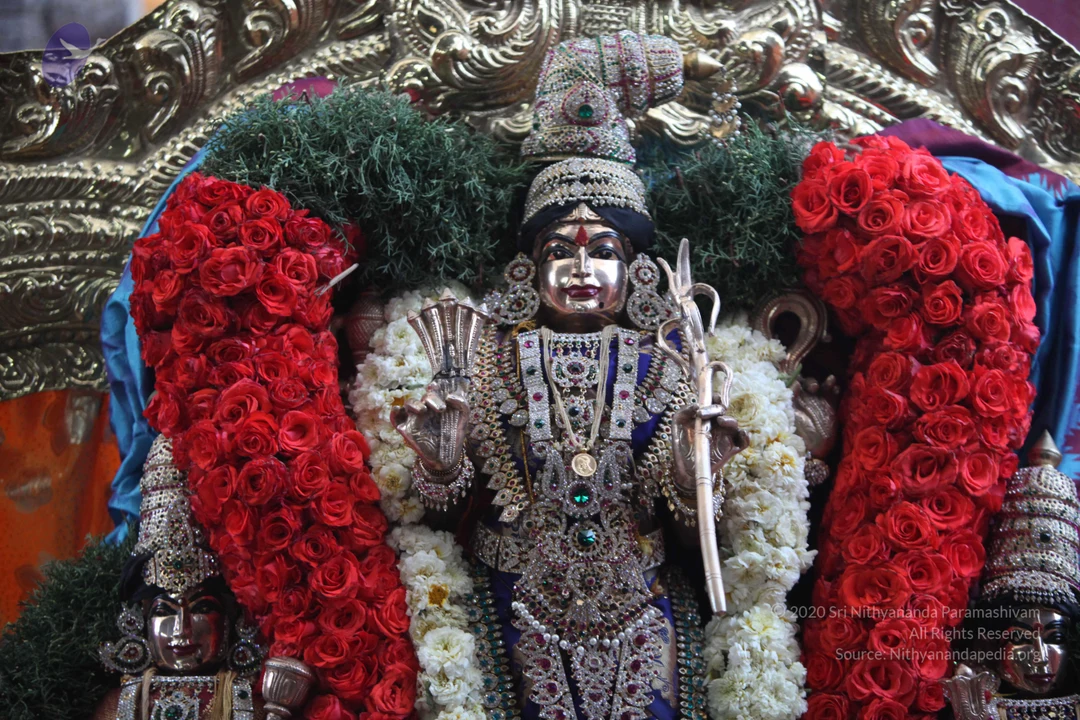
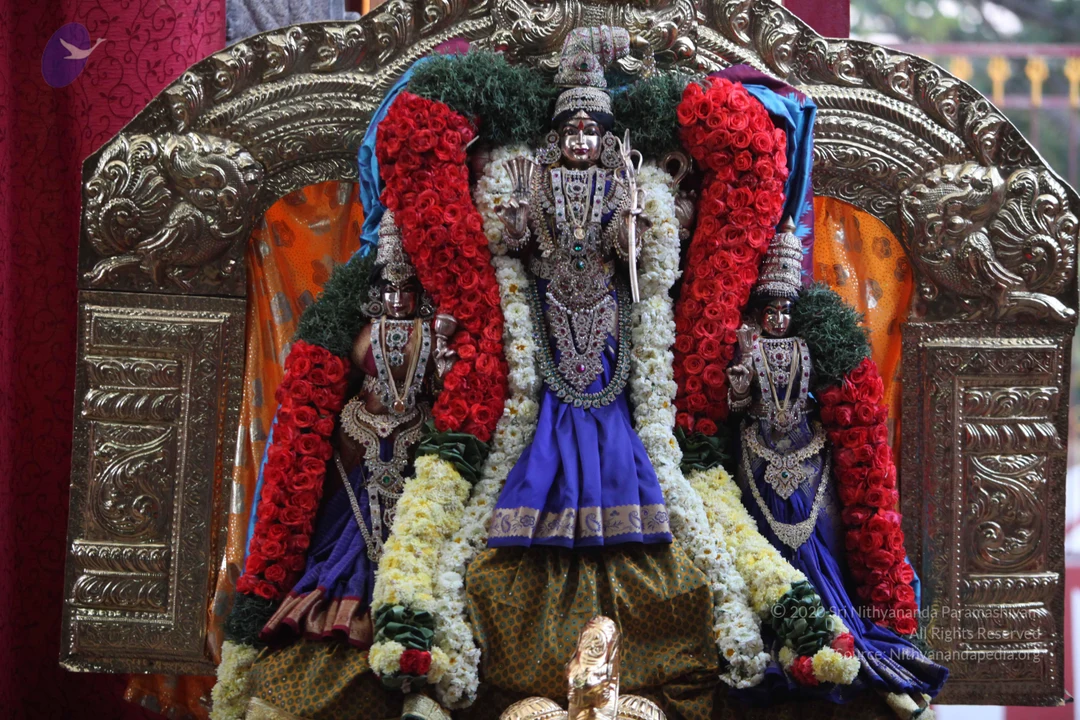
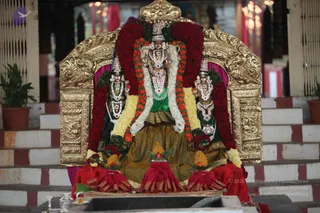
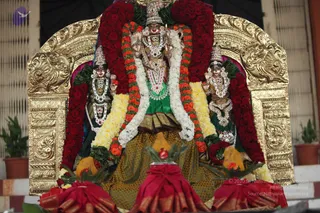
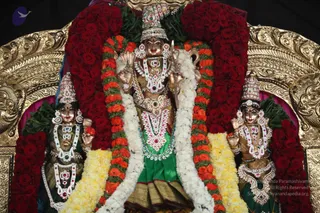
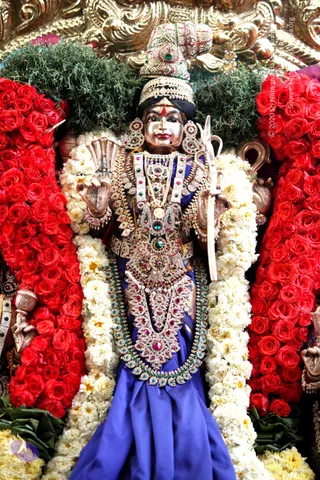
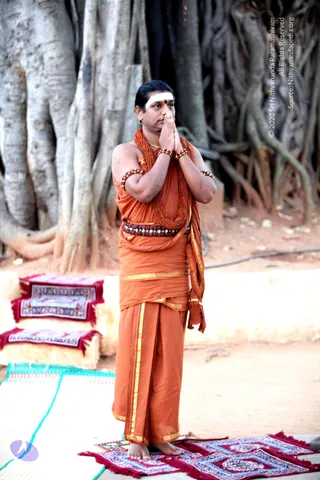
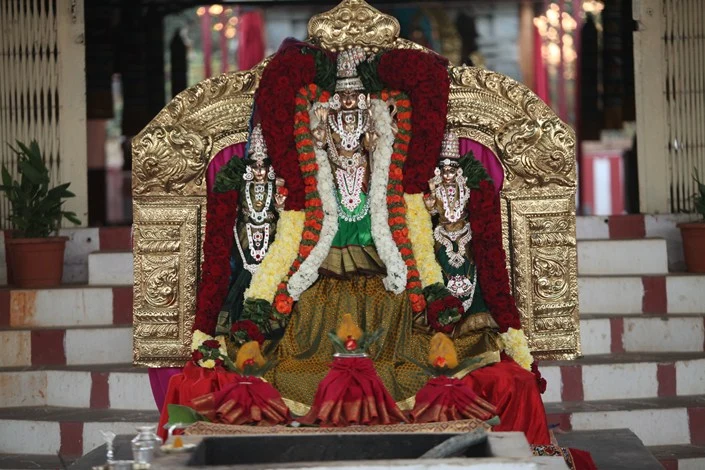
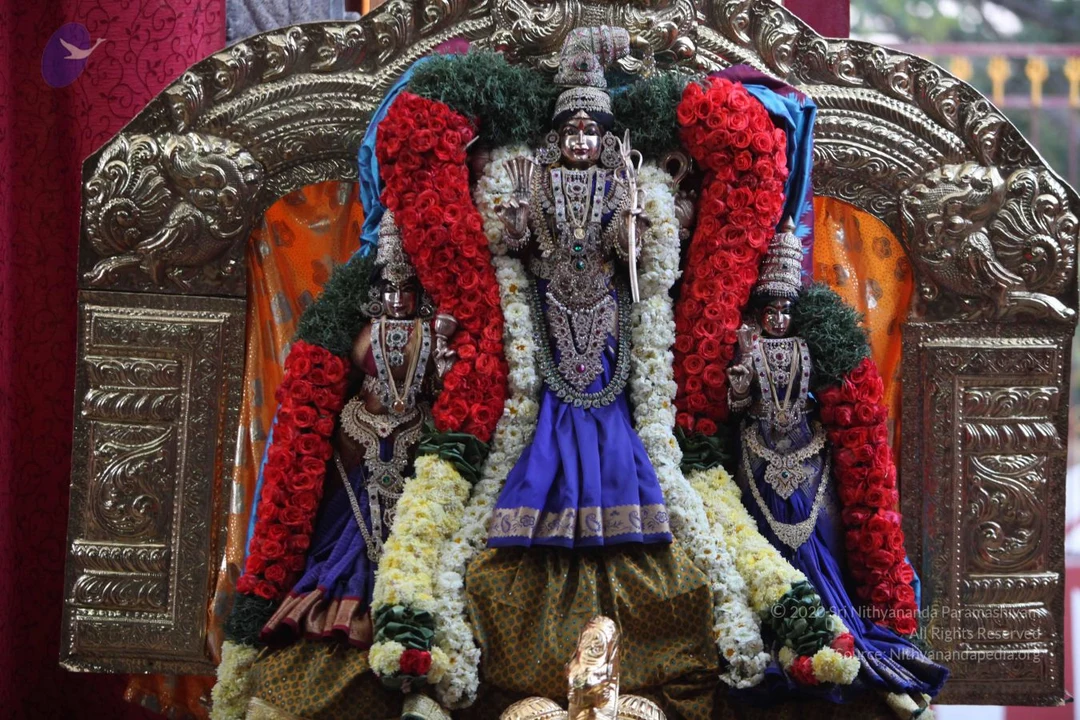
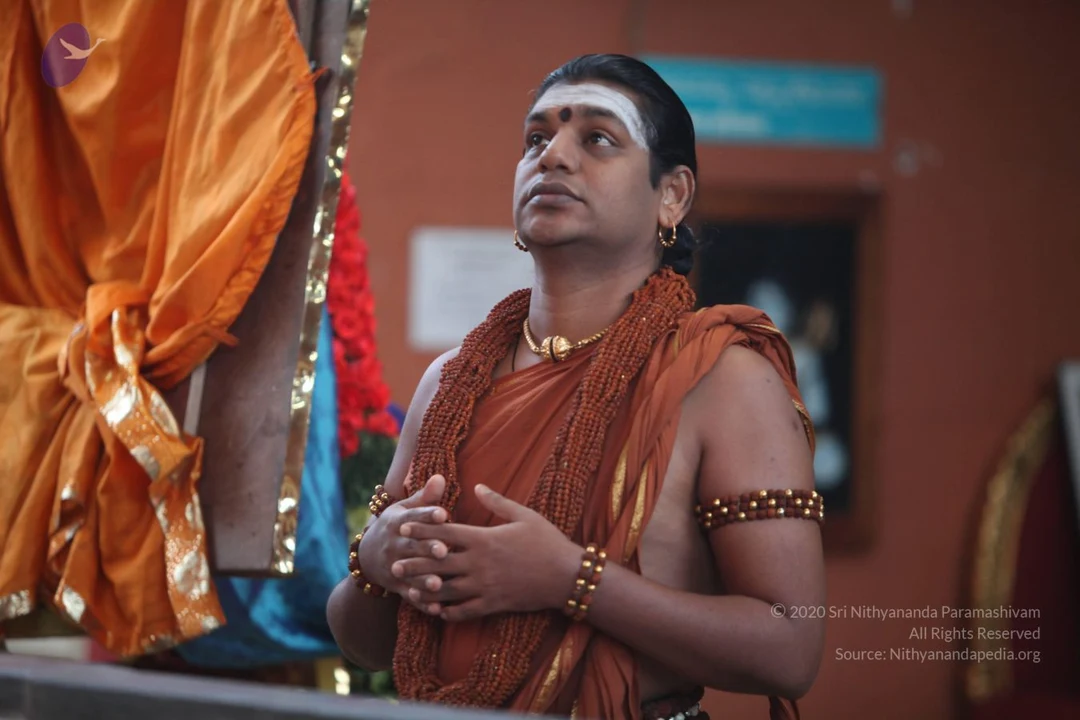
Three deity murtis are dressed and garlanded in a golden shrine niche. The central murti wears a blue silk garment, a tall crown, a silver-and-gem necklace and holds a staff-like emblem with one hand raised. Flanking murtis are adorned with silver ornaments and crowns, and red rose garlands and white jasmine-style flower strands drape all three figures. Greenery is tucked behind them against an ornate gold arch with orange cloth. The statues are the only figures present.A silver-and-gold deity murti. Dense garlands of red roses drape both sides, with white flower garlands at the centre and green foliage above. Ornate gold repoussé metalwork forms the backdrop, and two smaller silver figures flank the image at the bottom edges. The scene resembles a temple alankaram decoration. No people are visible.A person in an orange-brown saffron-toned garment with a gold-bordered wrap and a rudraksha-style waist belt bends forward at a stone platform, pressing their forehead and right hand to its carved edge, with white ash marks on the forehead. Behind is a golden elephant-shaped decorated stand with red, yellow and blue cloth and white and red flower garlands, and a small red-clad deity murti on a shrine at upper left. The setting is a temple hall with red walls and carved stone pillars. The person's identity is not stated in the image, so no candidate is labelled.A photograph of a devotee in orange saffron robes bowing forward with forehead pressed against a carved grey stone ledge in a temple setting. The person has hair in a bun, gold hoop earring, gold-and-red beaded bracelets on the wrist and upper arm, and a red-beaded rudraksha-style mala at the waist. A white vertical mark is visible on the forehead. Behind is a stone pillar with carved detail and a red and white painted wall. The person is an individual physically present, shown in an act of reverence, and the appearance is not clearly identifiable as a specific candidate, so the presentation is described by role only.A man stands outdoors in front of large, blurred tree trunks with aerial roots, his palms pressed together in namaste at chest height. He wears a rust-orange sheet draped over one shoulder and bare-chested, with multiple strands of rudraksha beads in brown-orange hanging across his chest, matching beaded bracelets on his wrists, and beaded armlets above the elbows. A gold chain is visible at his neck. A white horizontal tilak with a red dot marks his forehead. a person appears in this image, shown in saffron-orange clothing with rudraksha malas and ceremonial adornments, performing a greeting gesture.A barefoot man in saffron-orange robes stands on red and patterned rugs outdoors, hands pressed together in anjali mudra at chest height. He wears a white vertical tilak on his forehead, a rudraksha-style belt, gold bangles and a saffron shawl draped over one shoulder. Behind him are grey rock slabs, dry leaves, tree trunks and stacked concrete blocks. At the lower right, a dark statue with red cloth and a small lamp suggests a shrine.

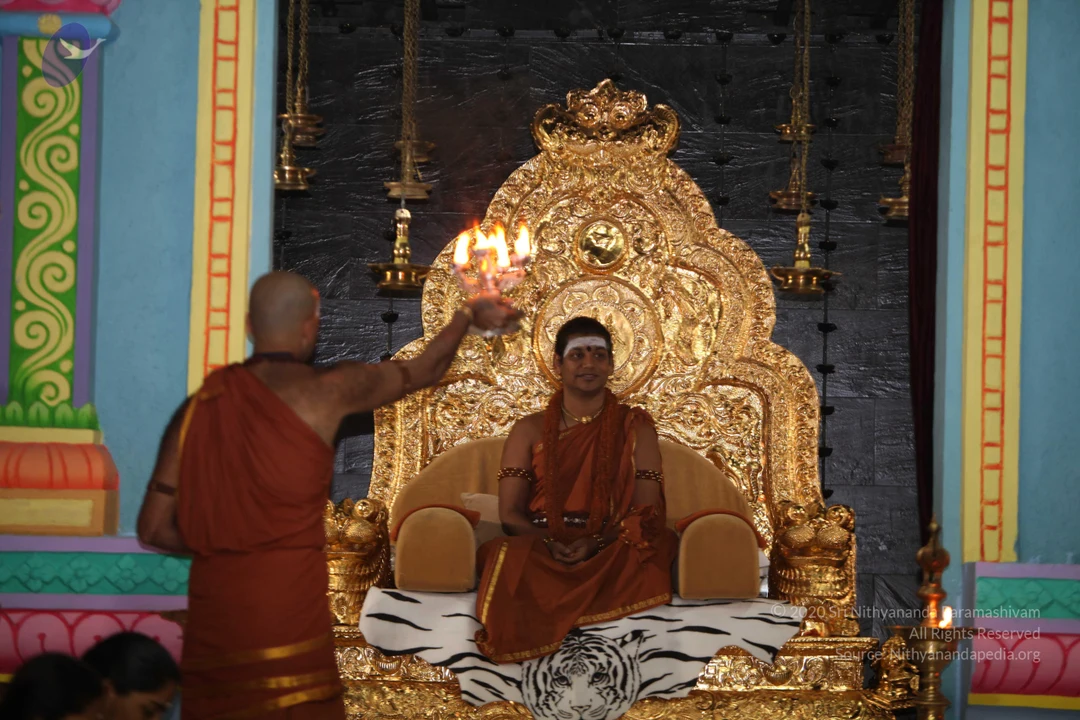
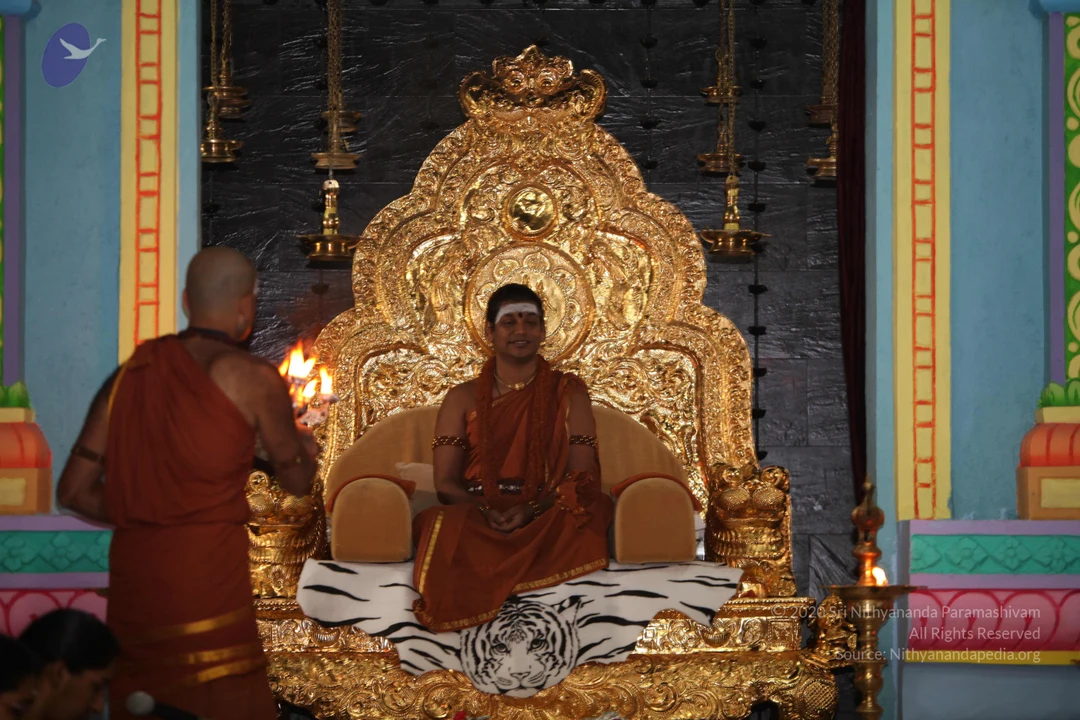
PadaPooja
29 photosSource gallery
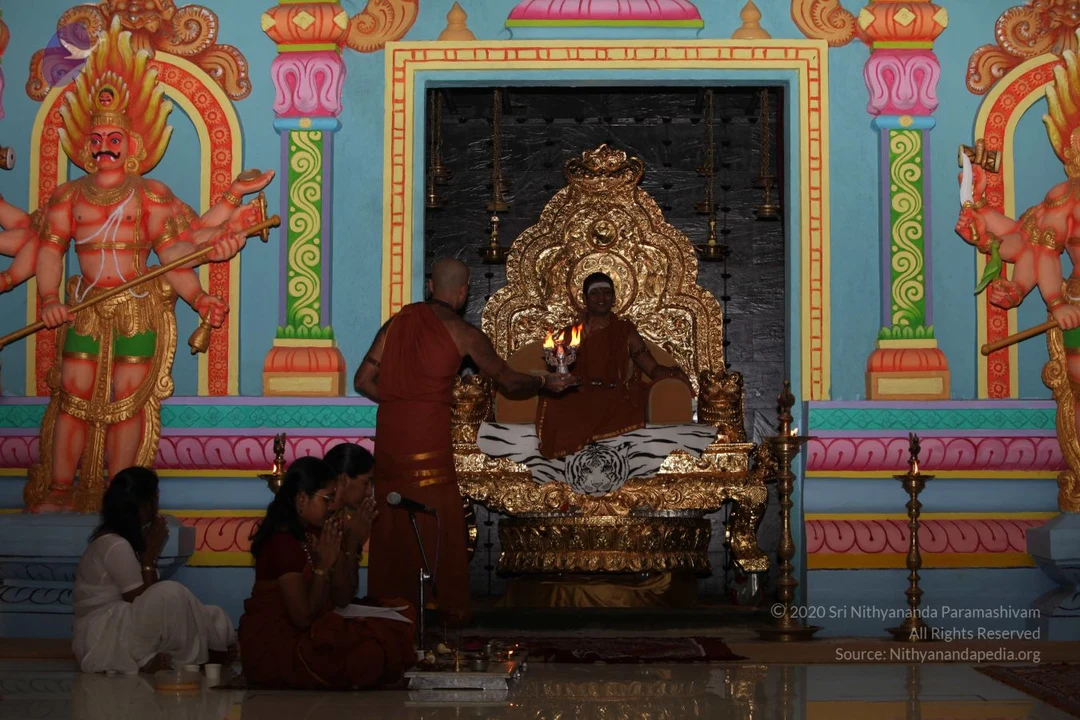
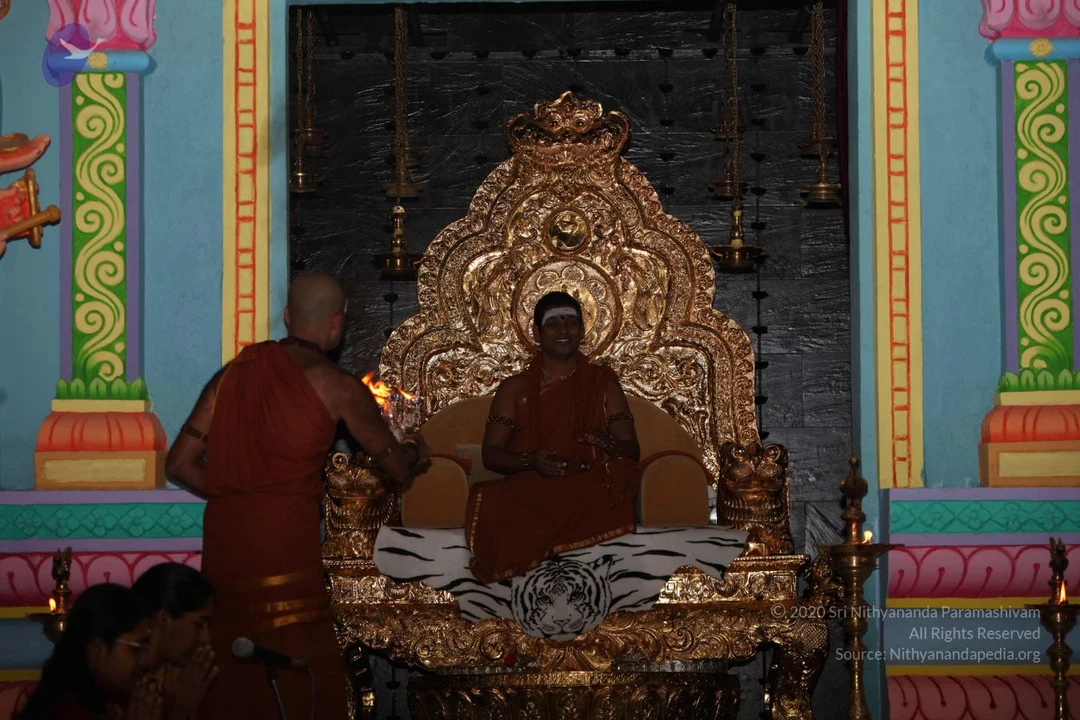
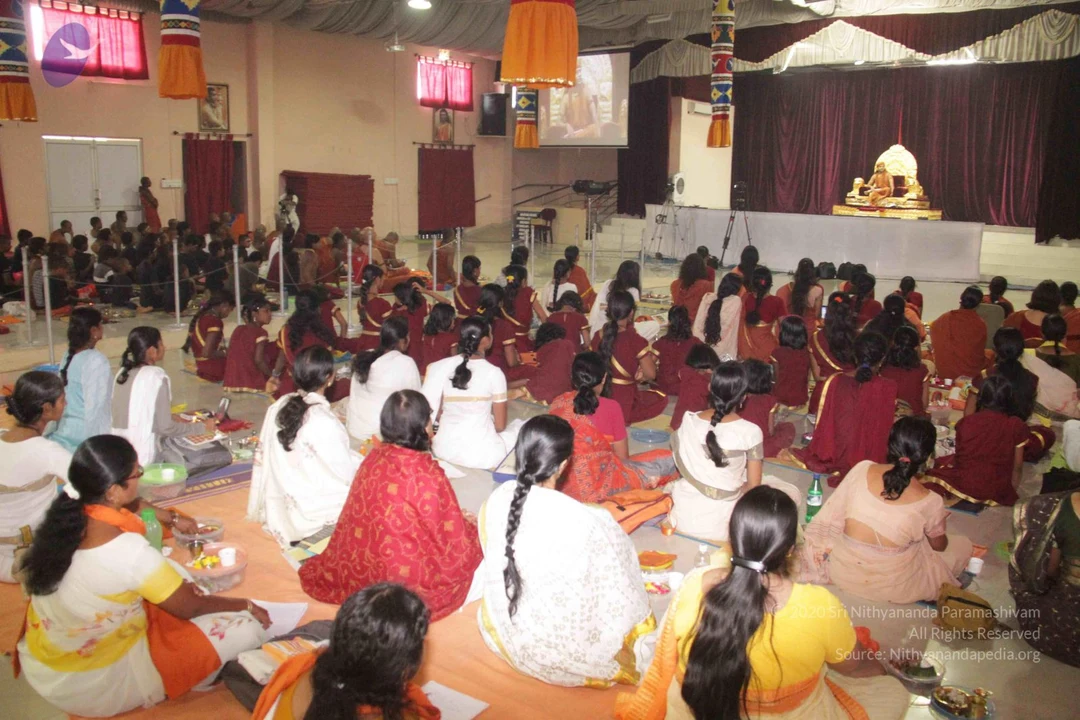
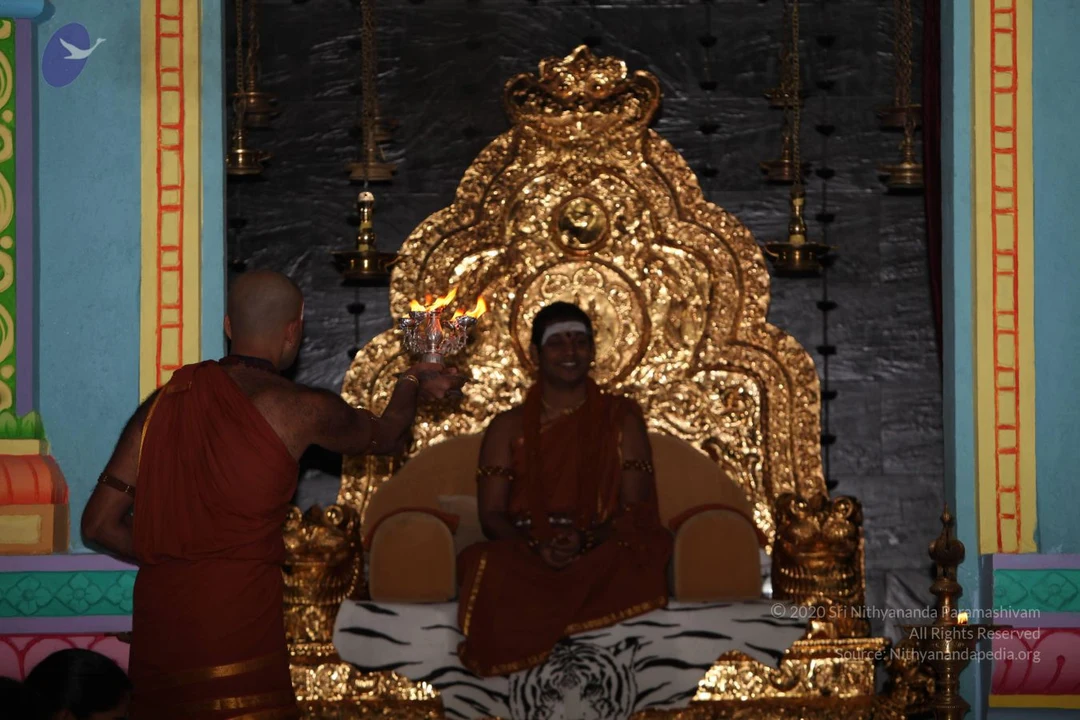
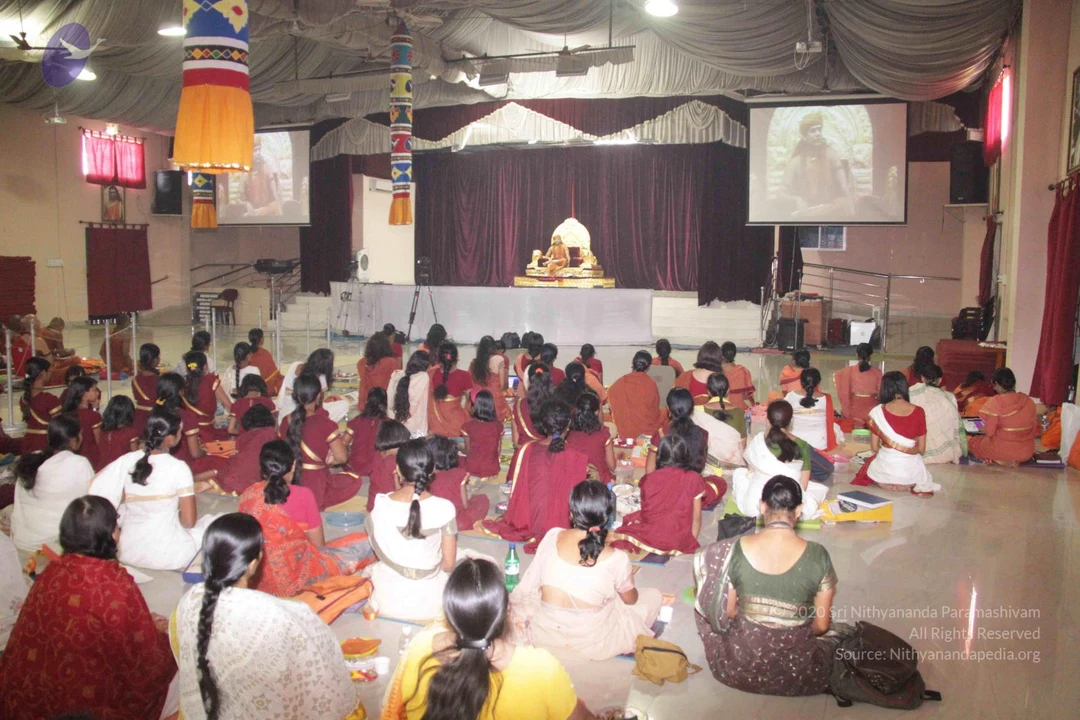
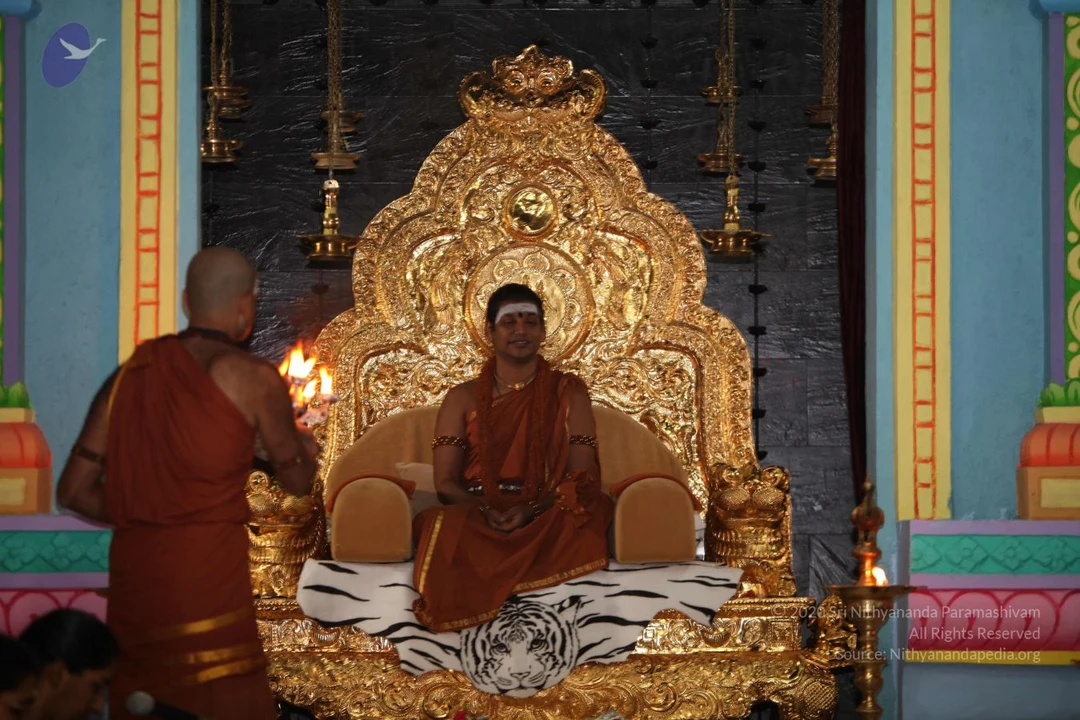
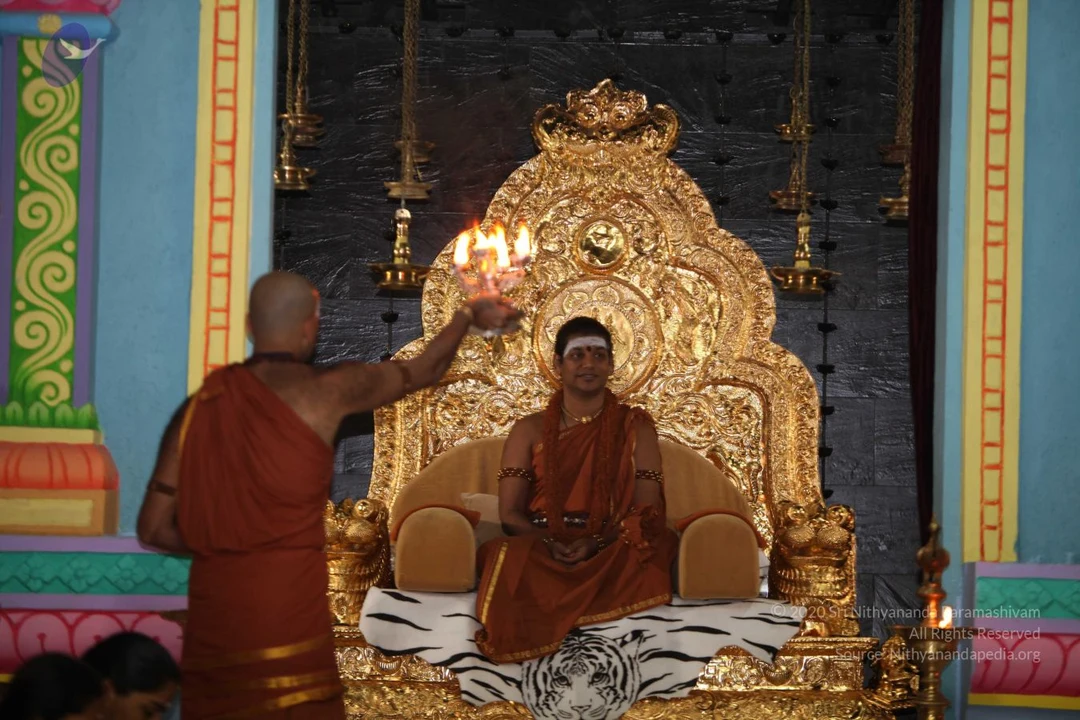
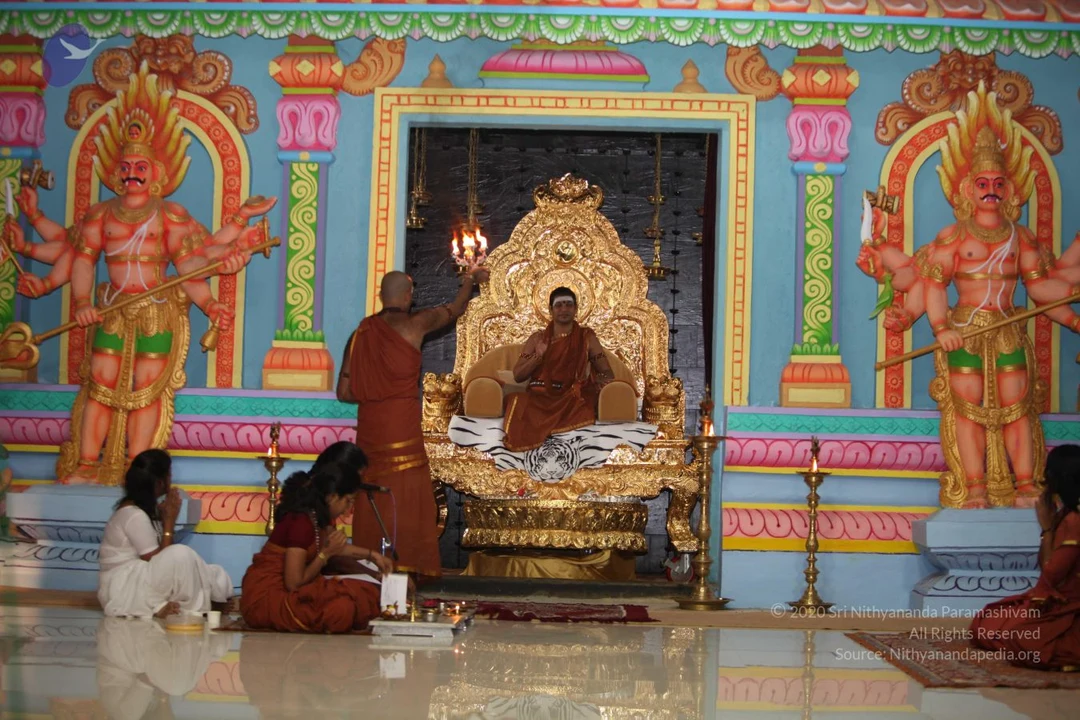
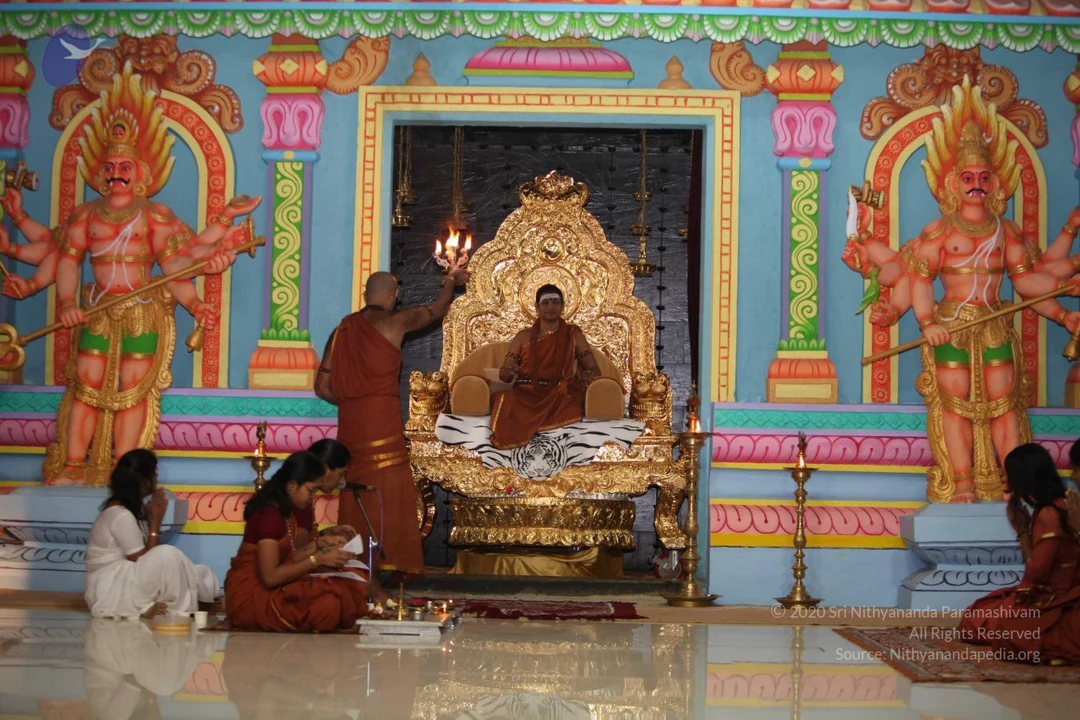
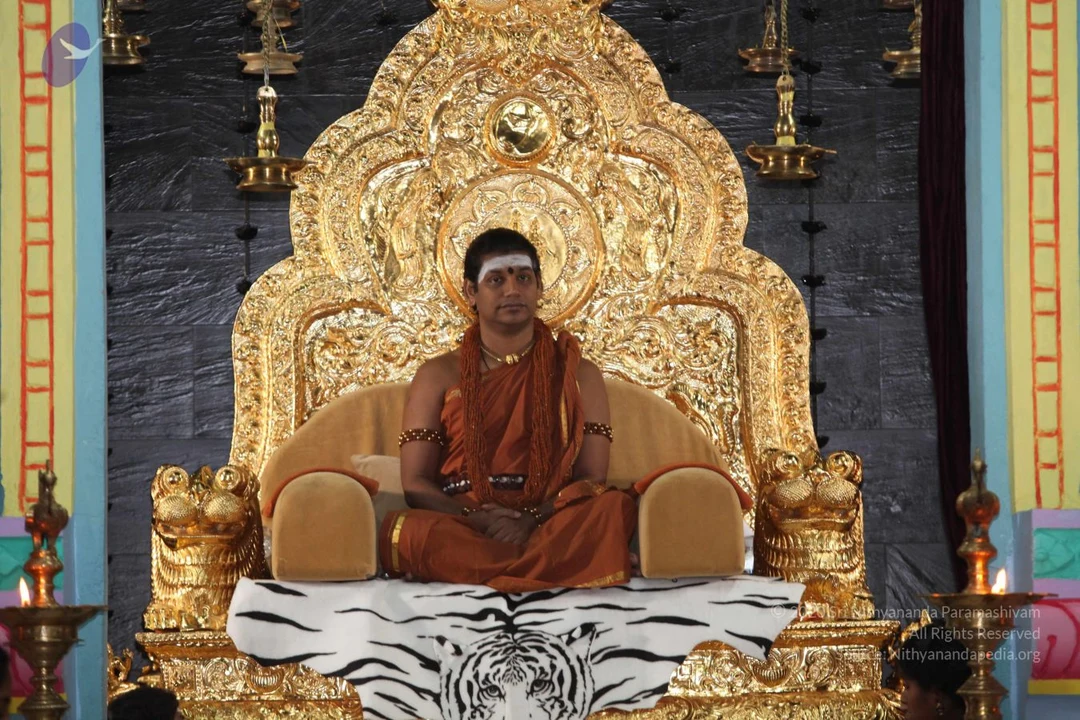
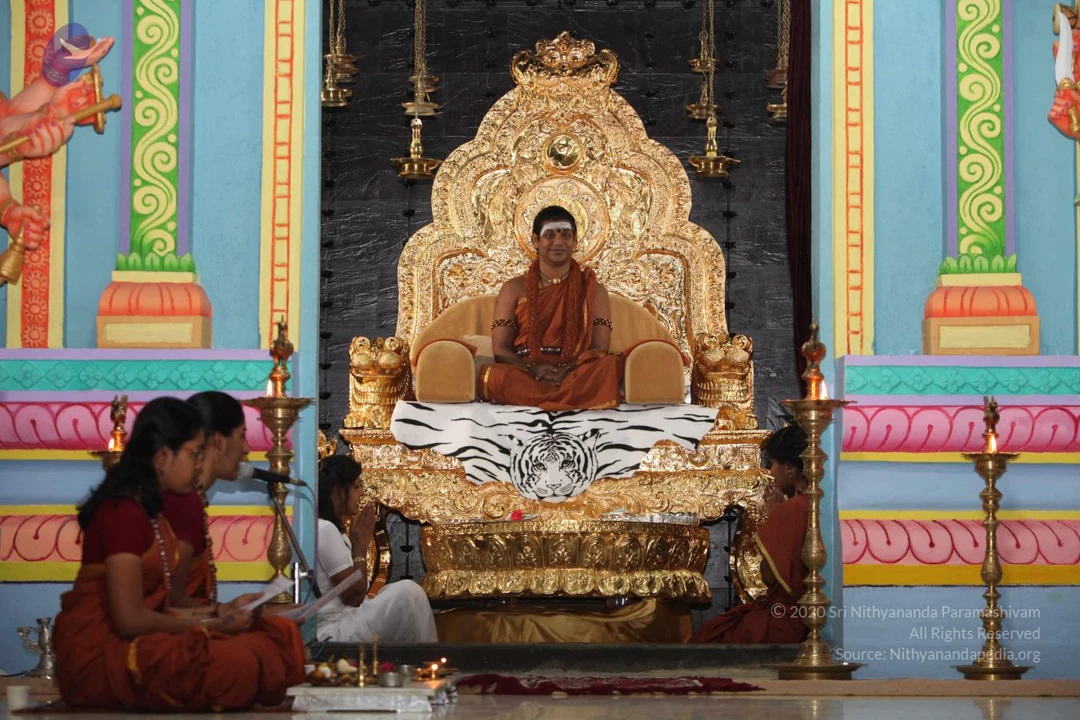
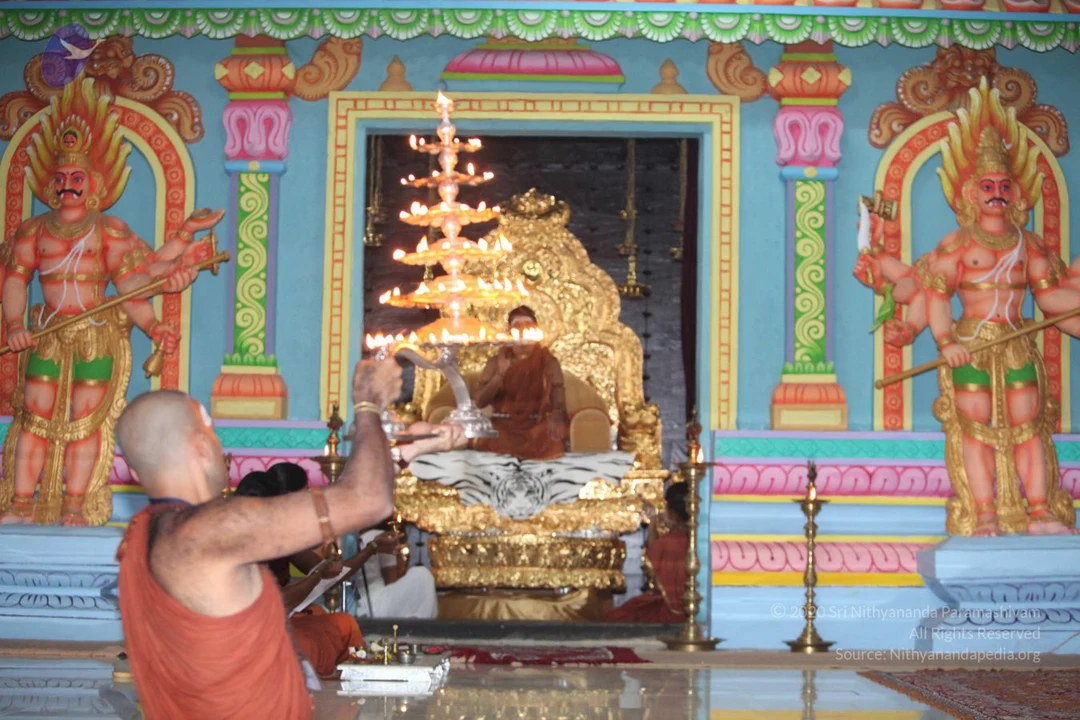
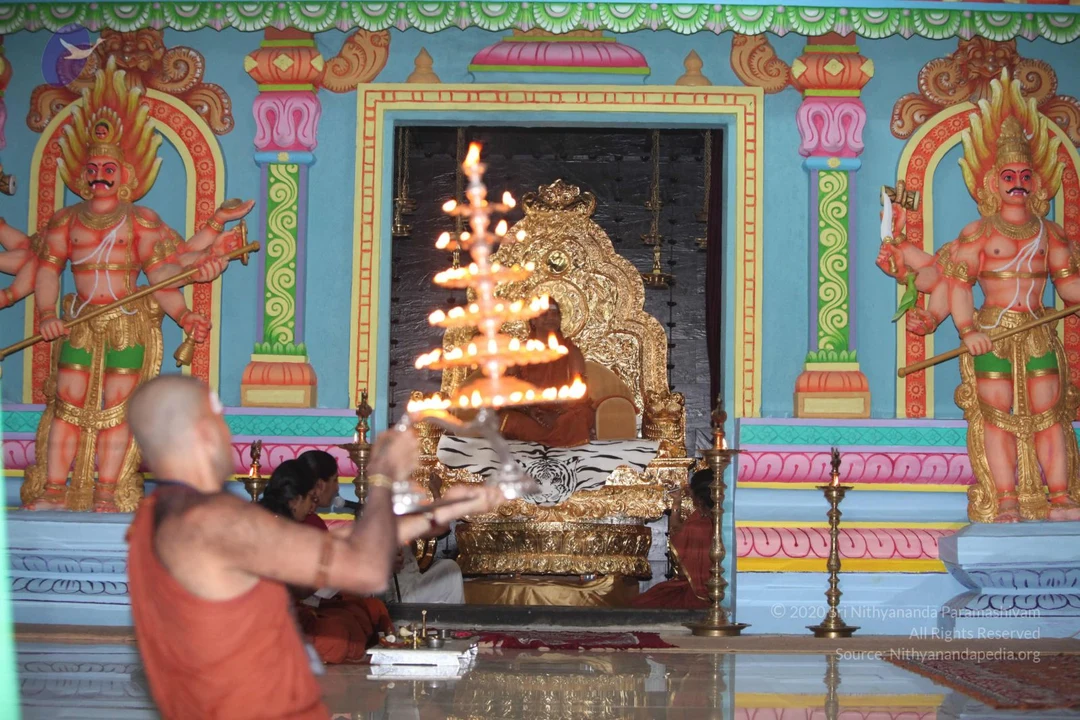
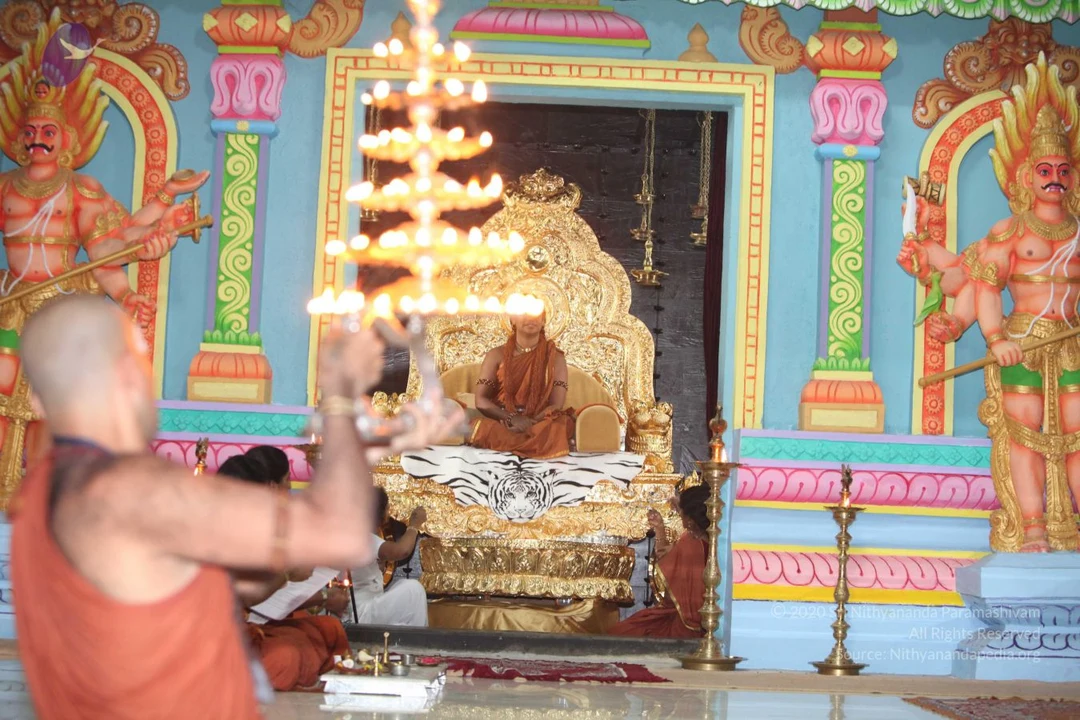
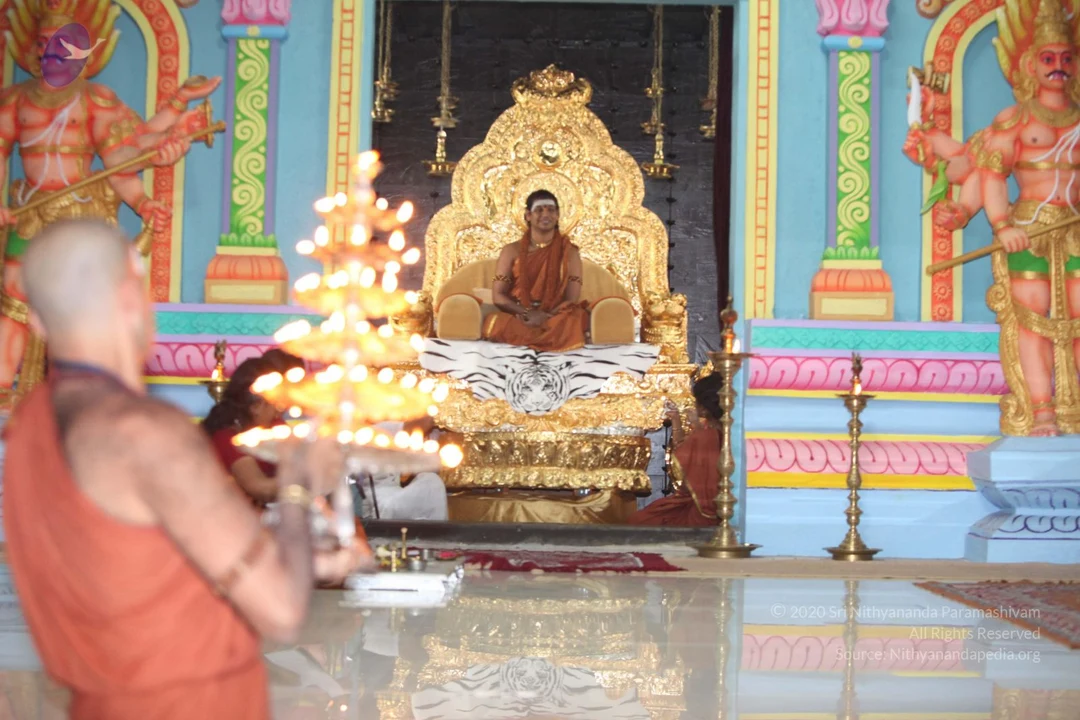
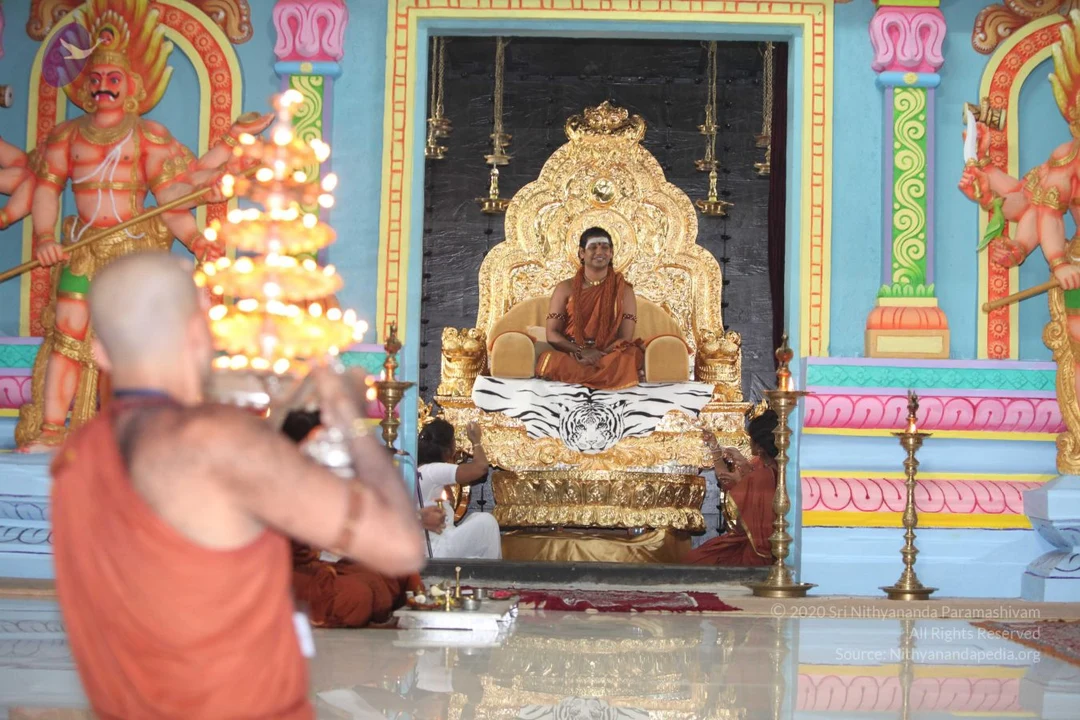
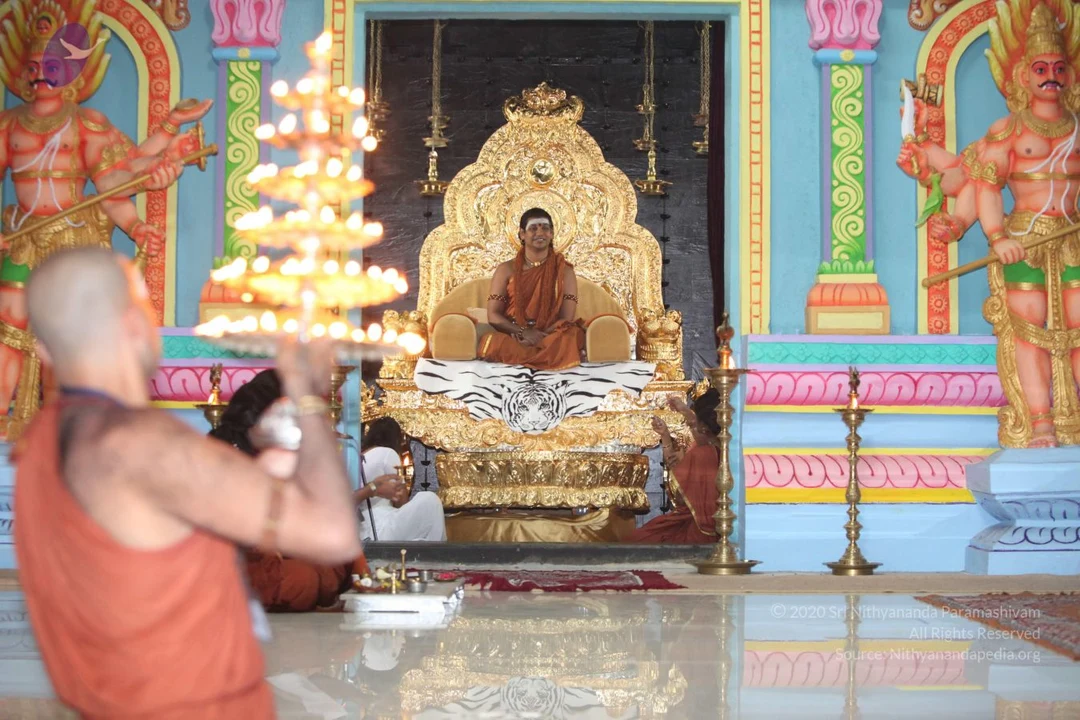
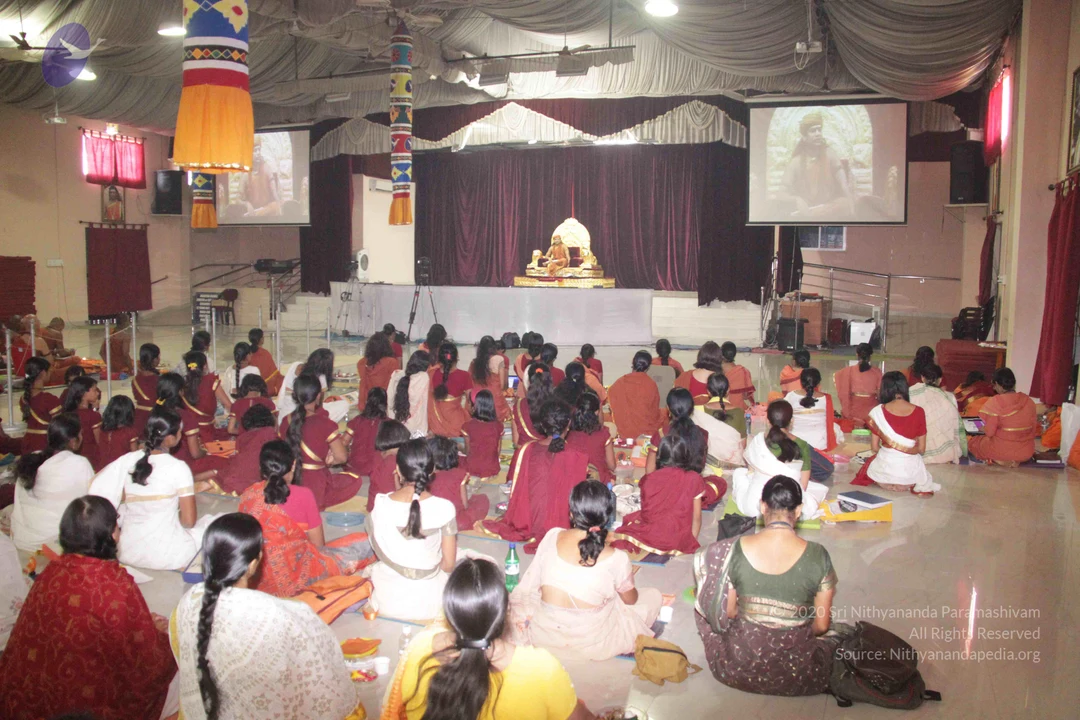
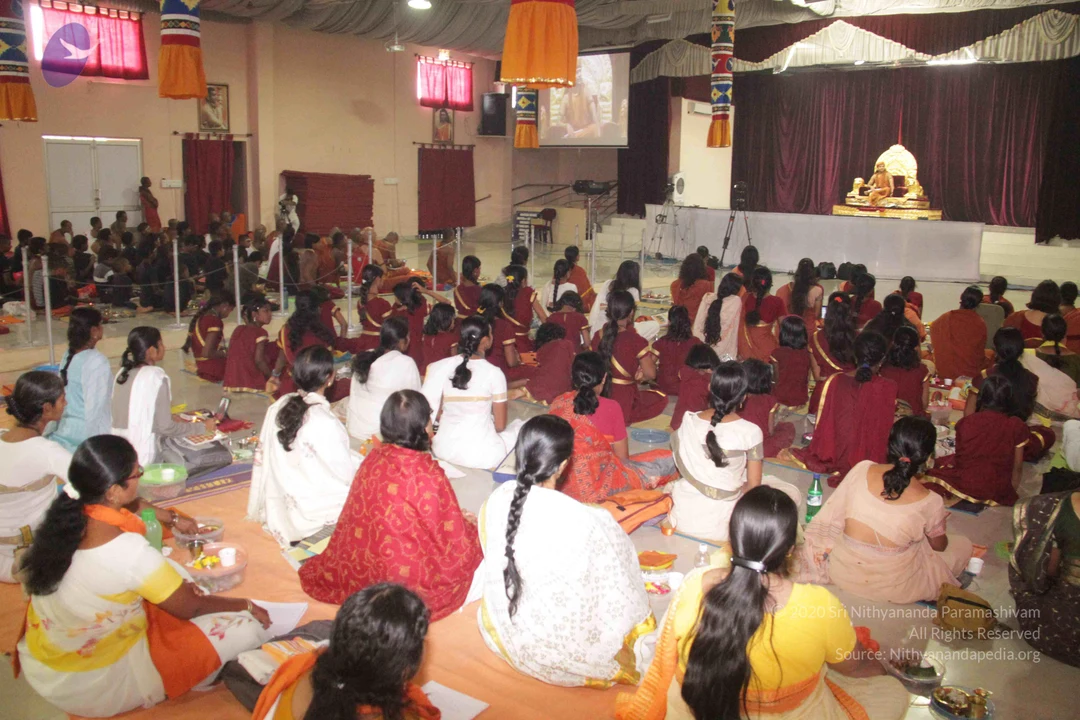
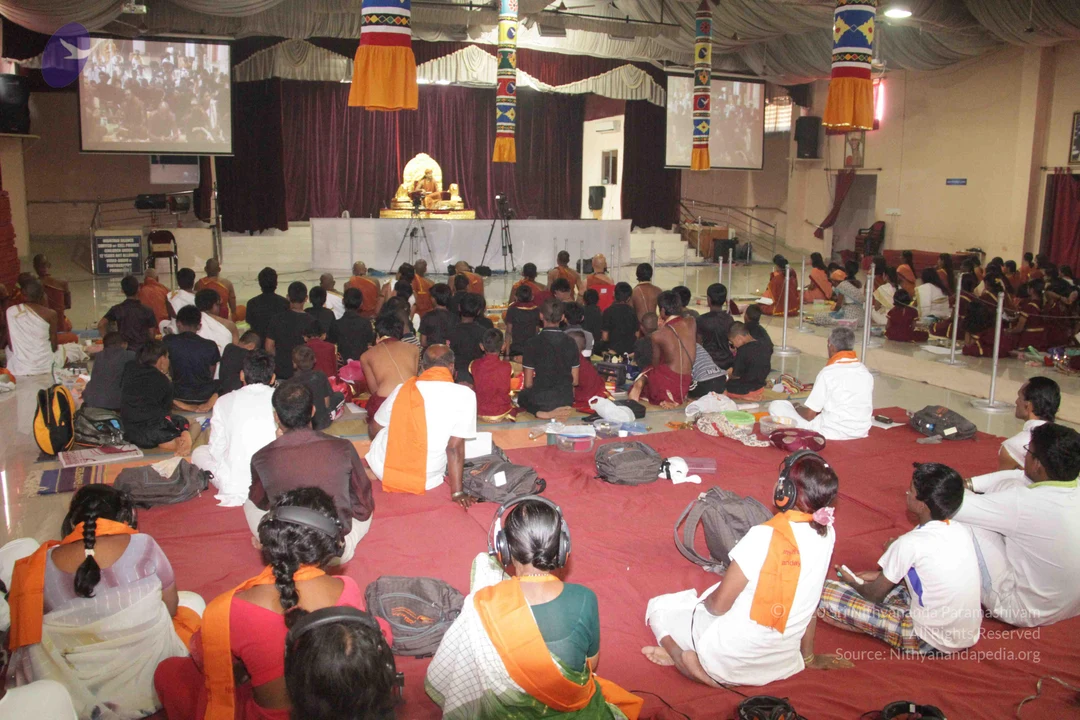
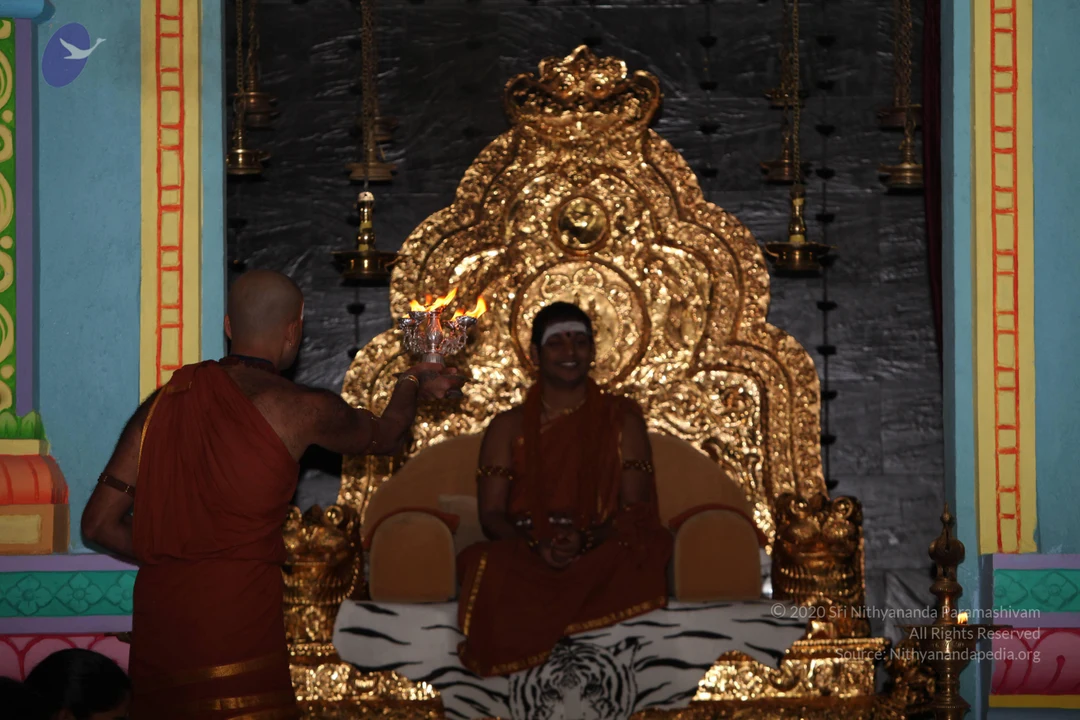
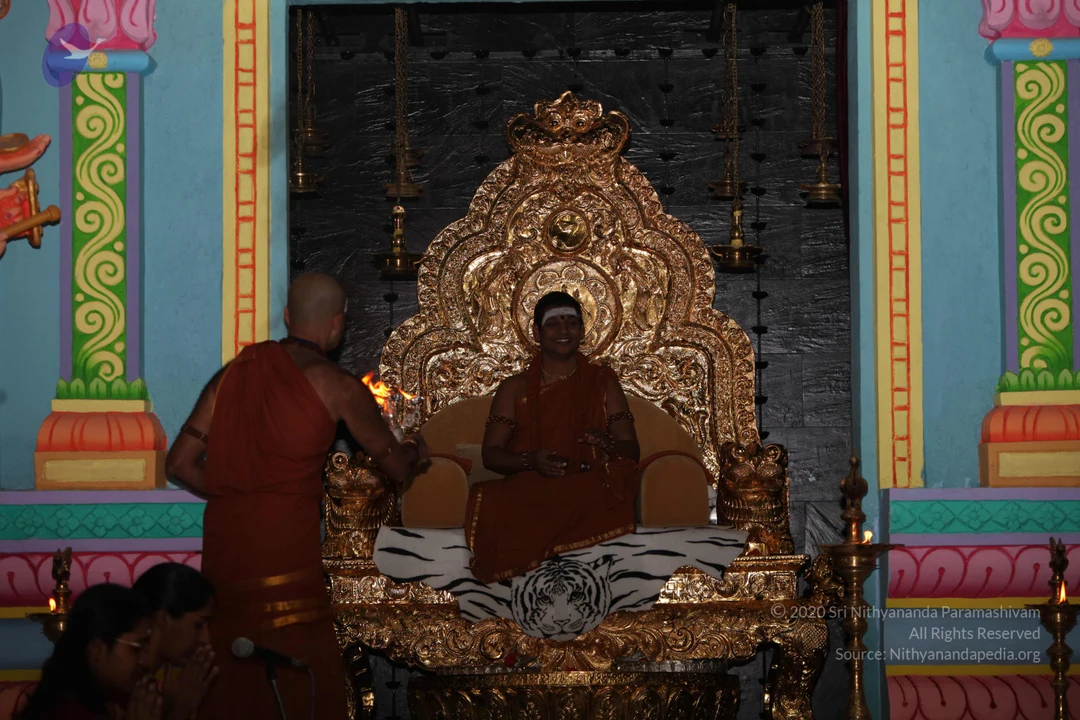
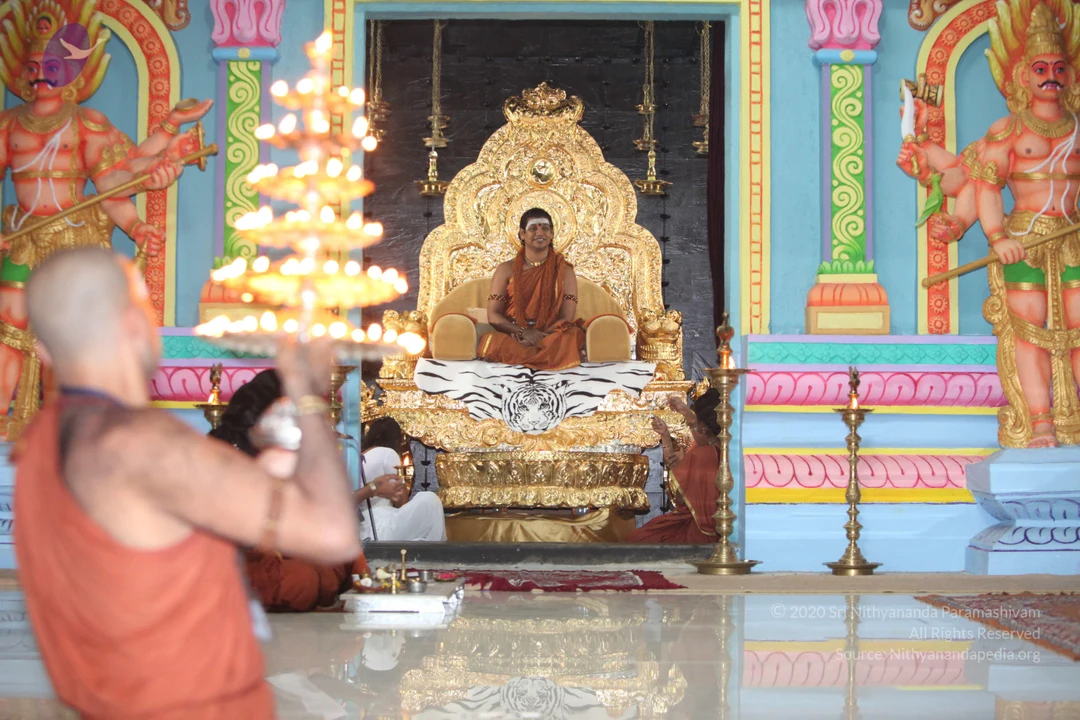
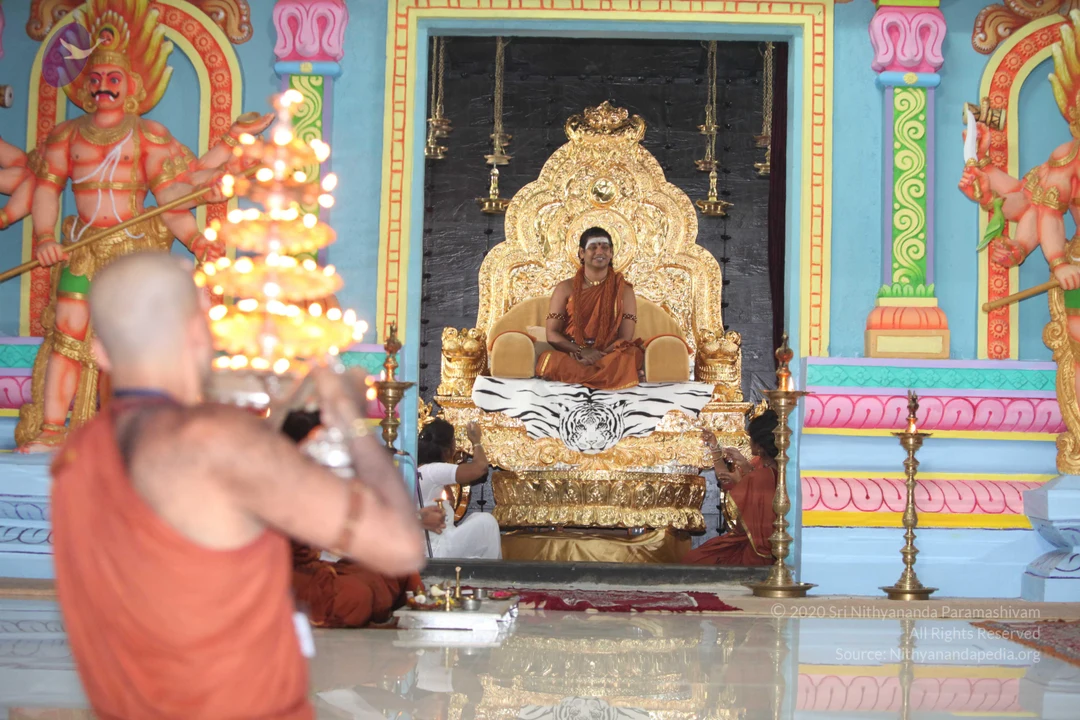
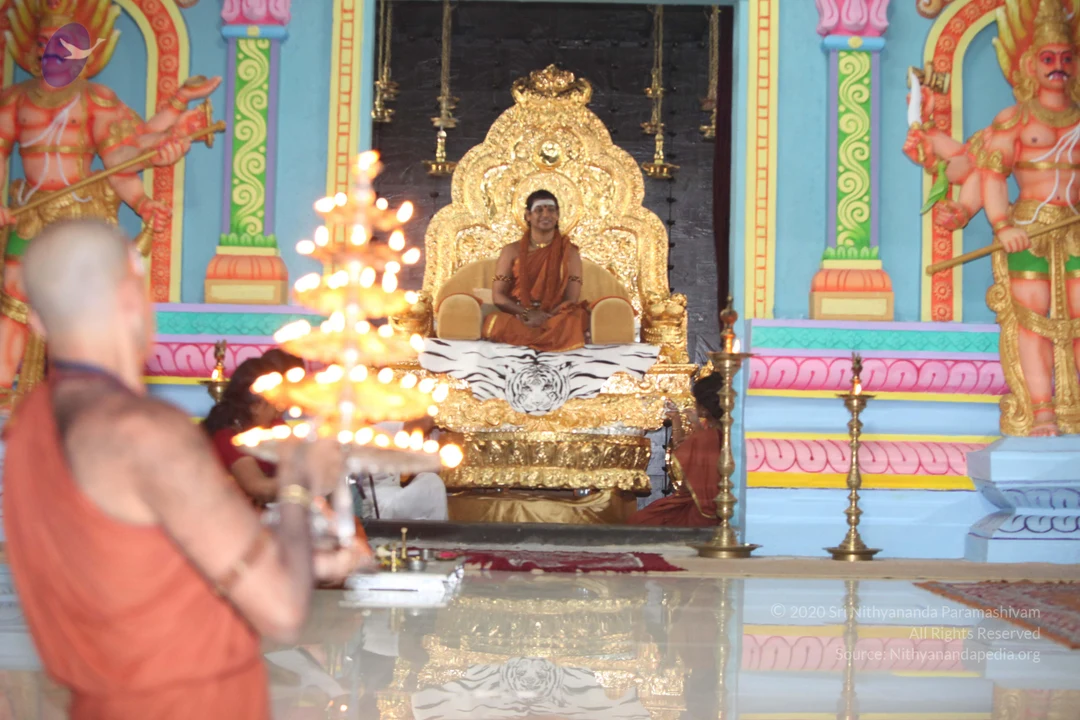
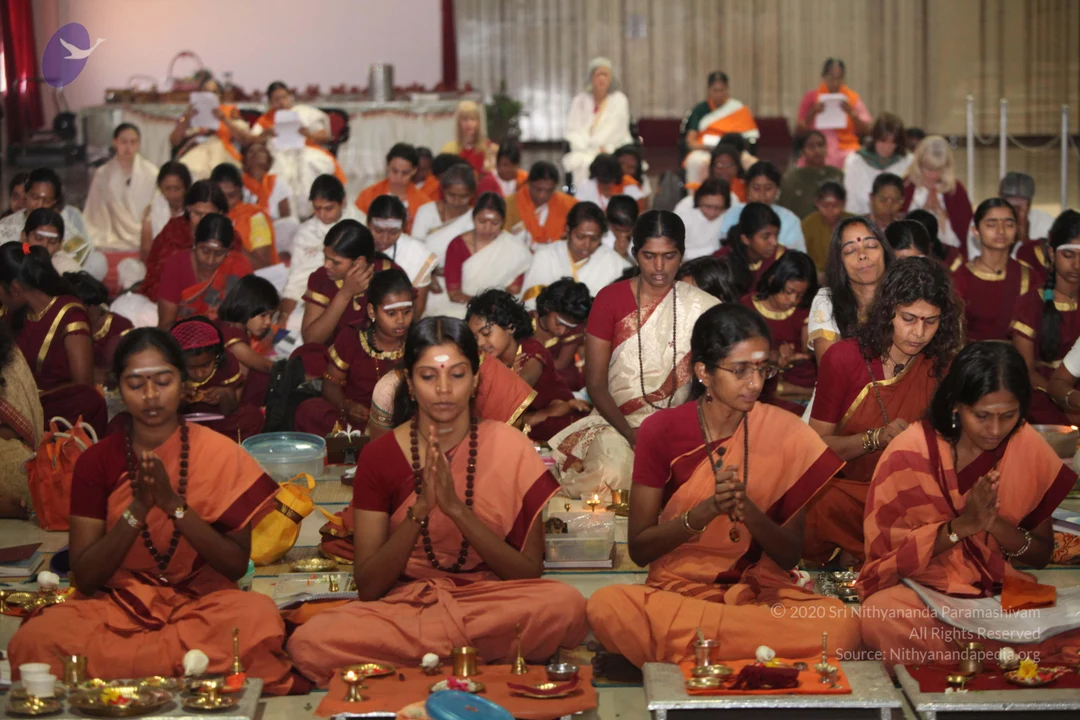
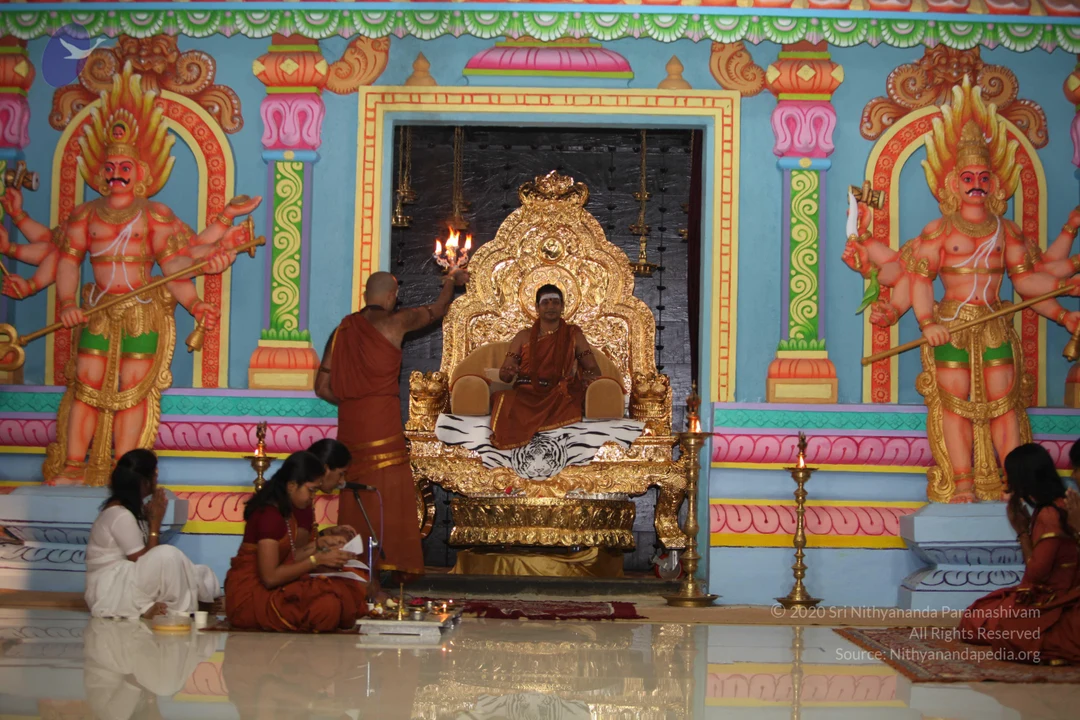
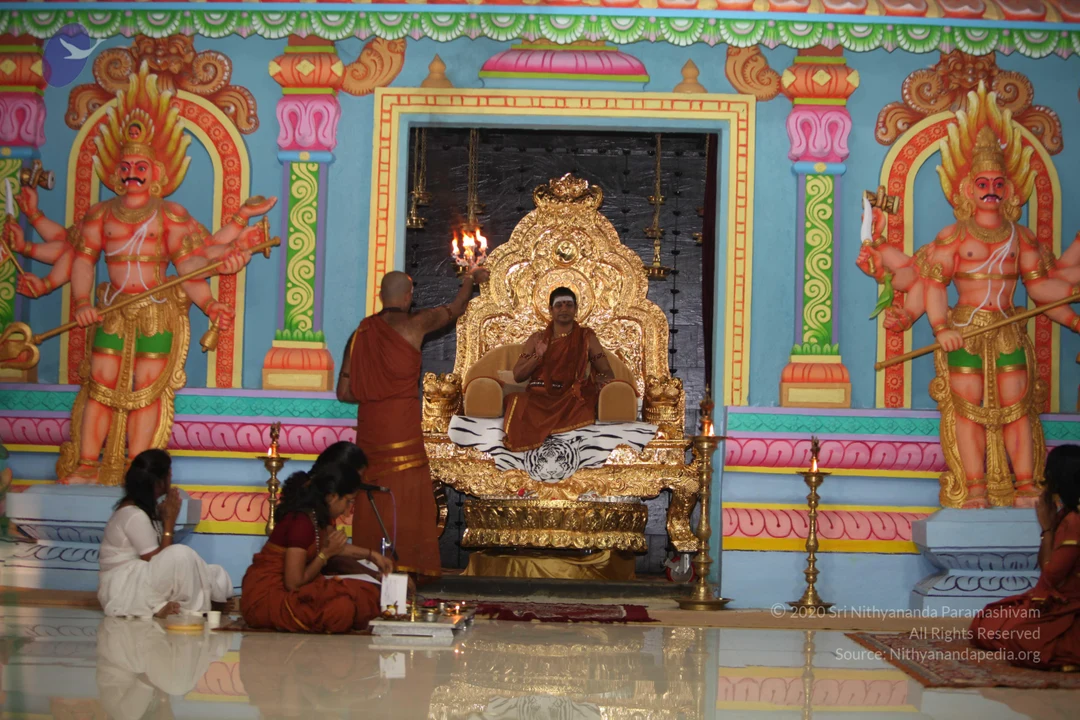
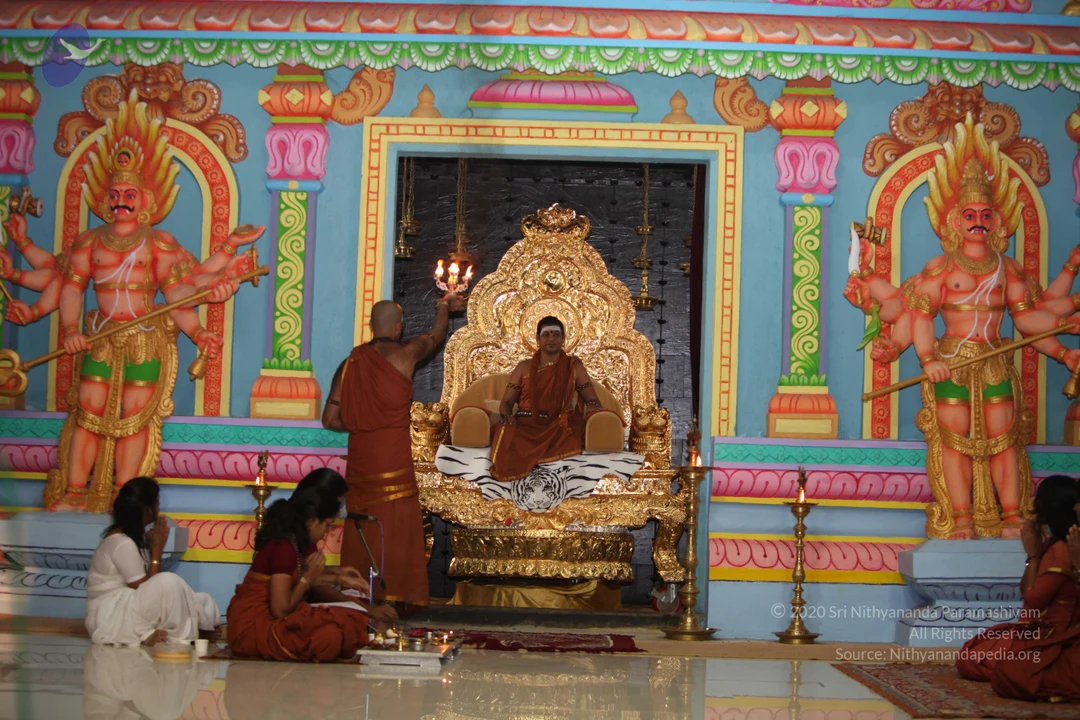
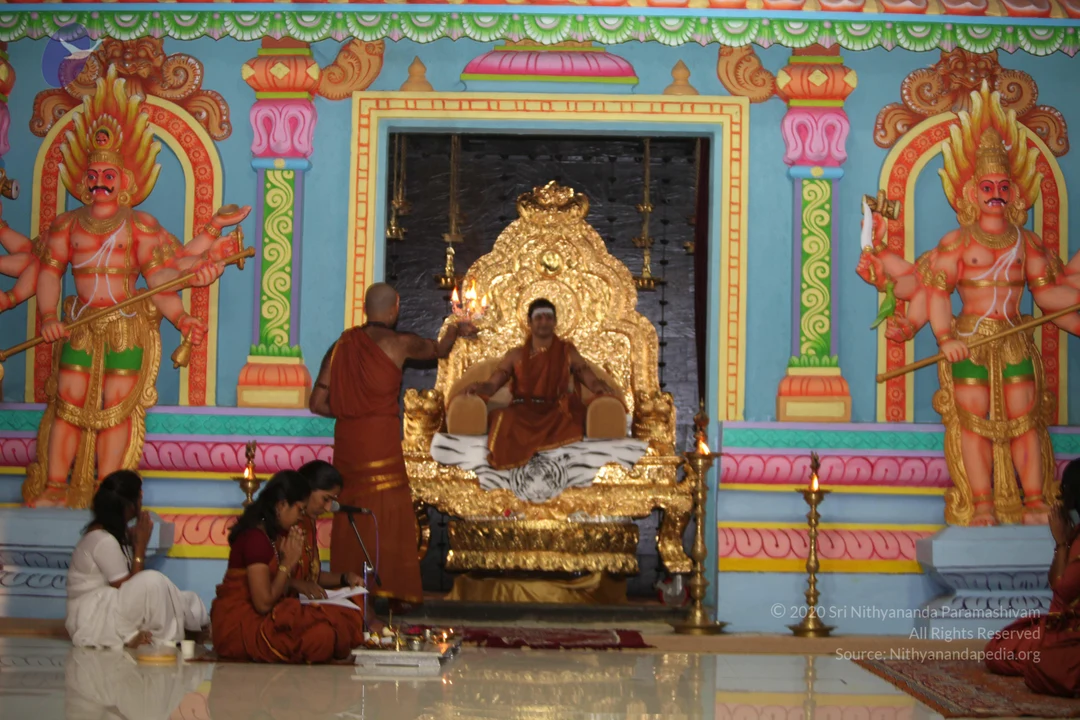
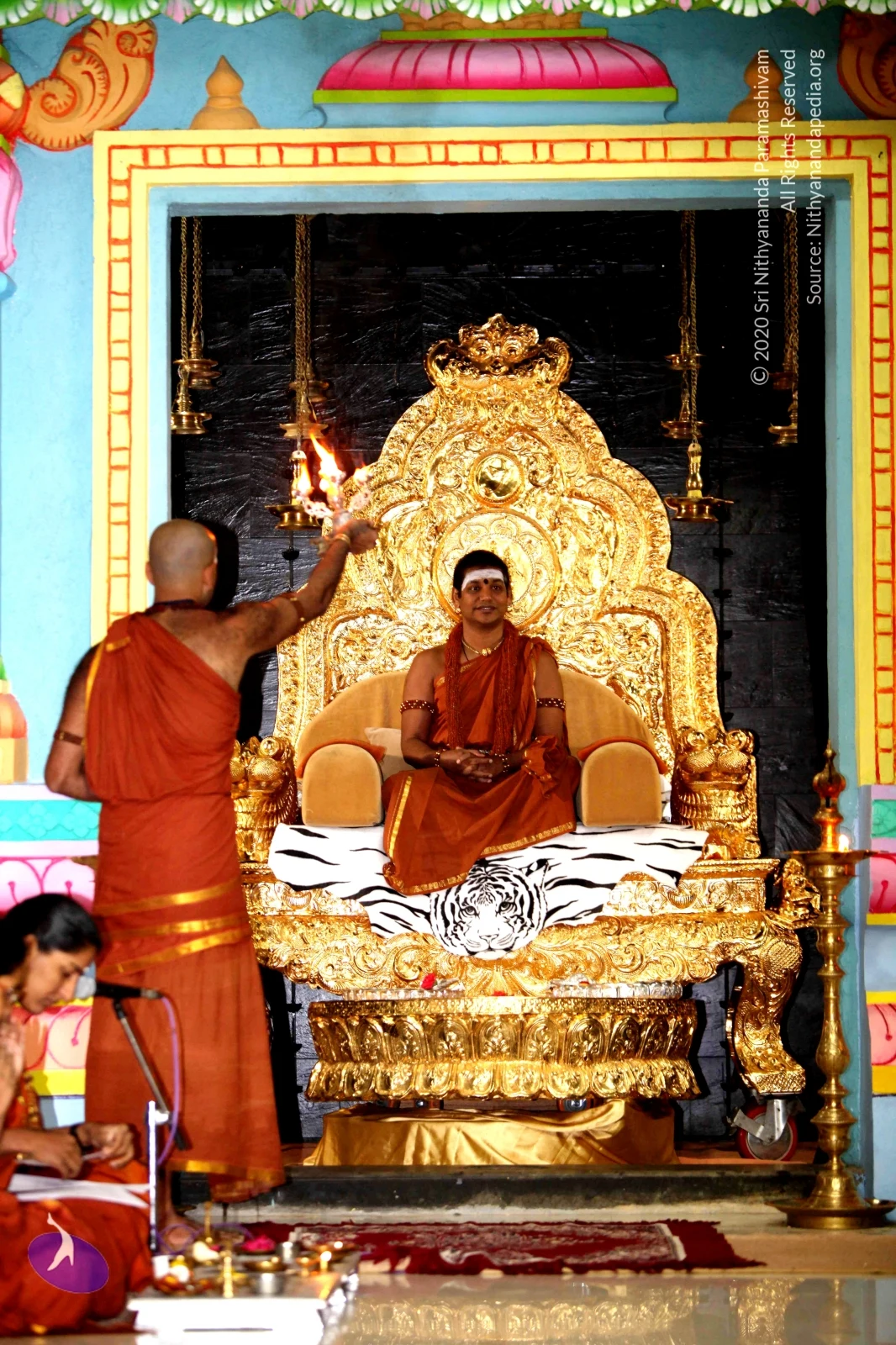
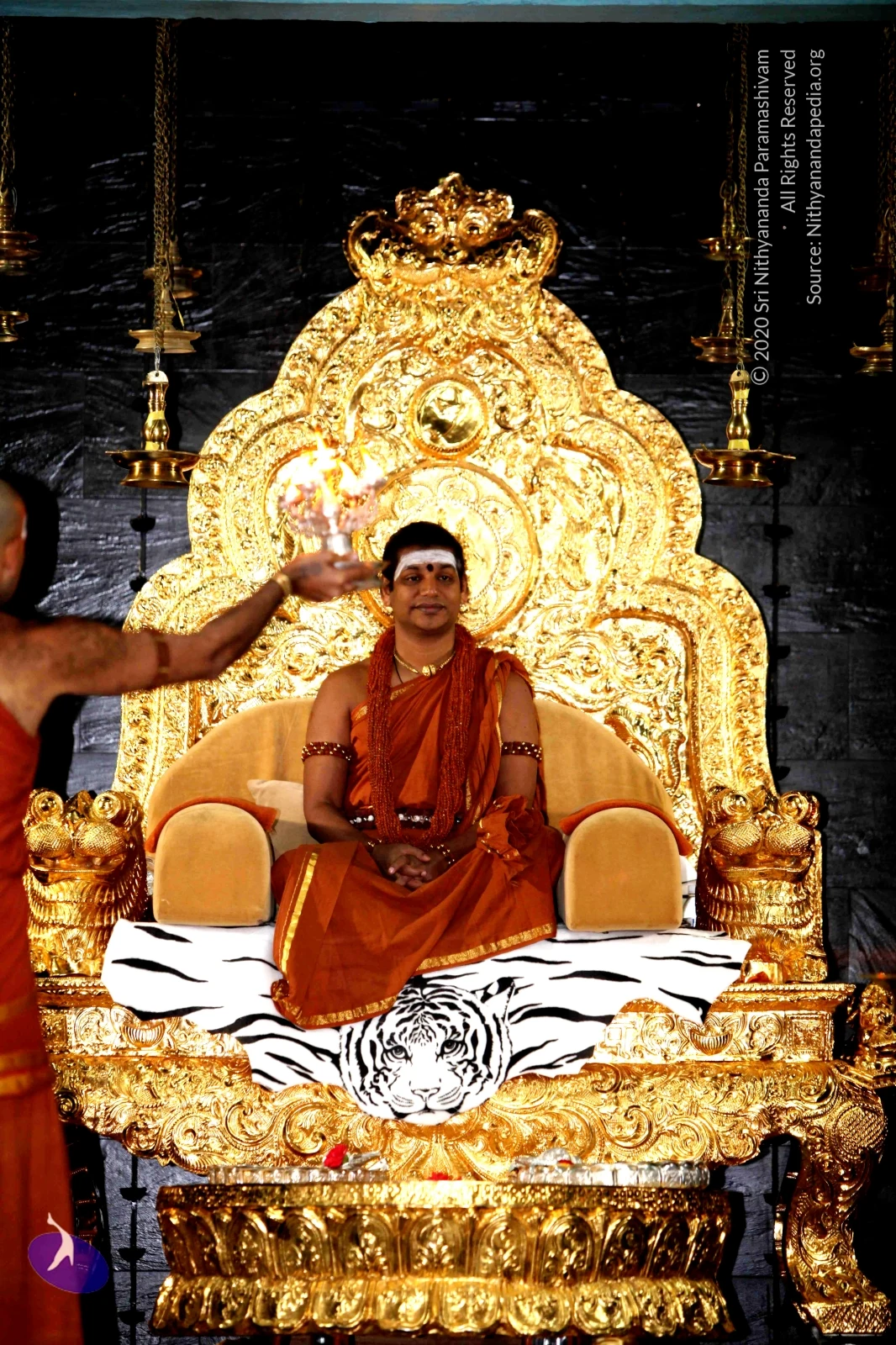
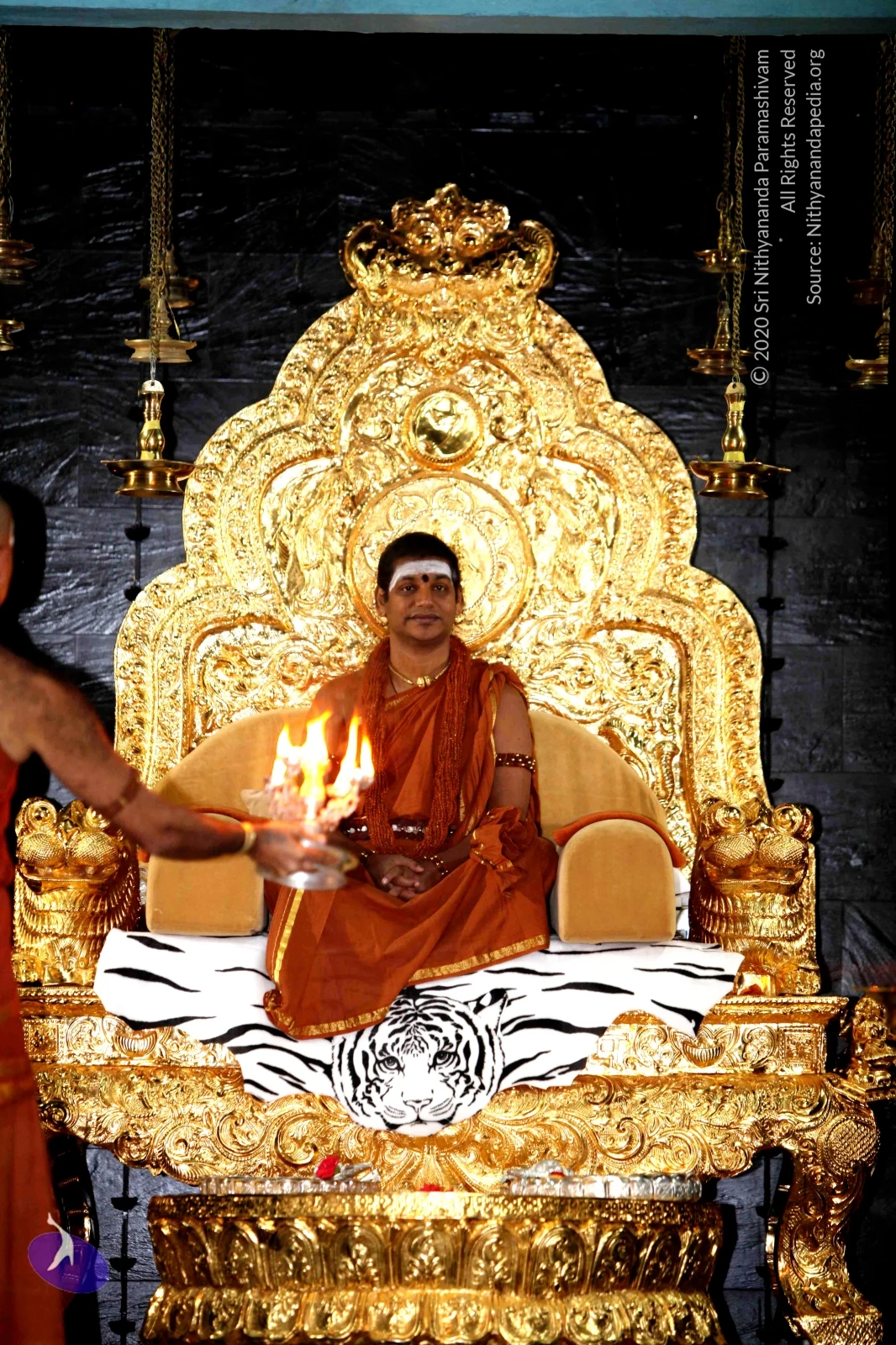
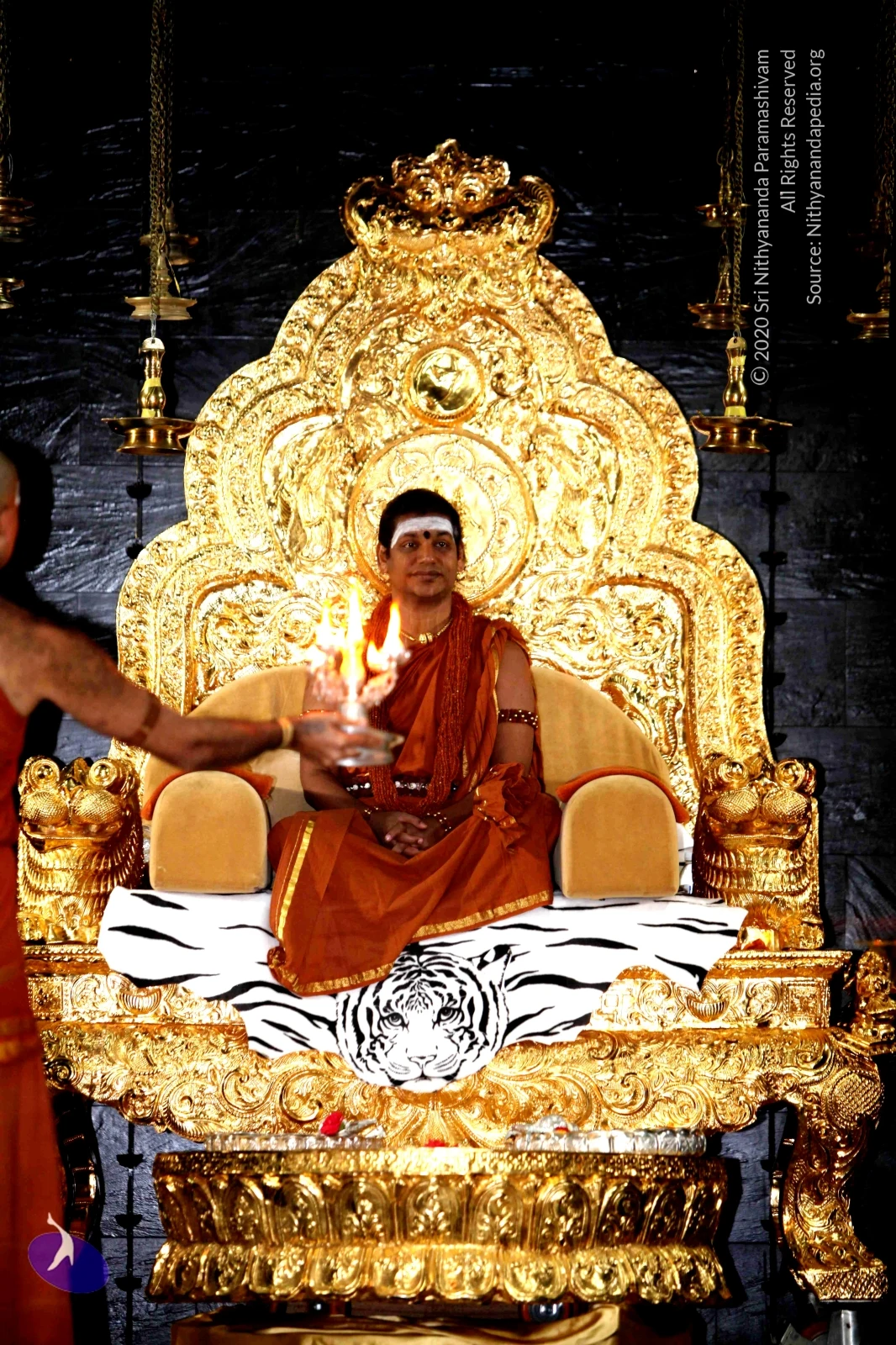
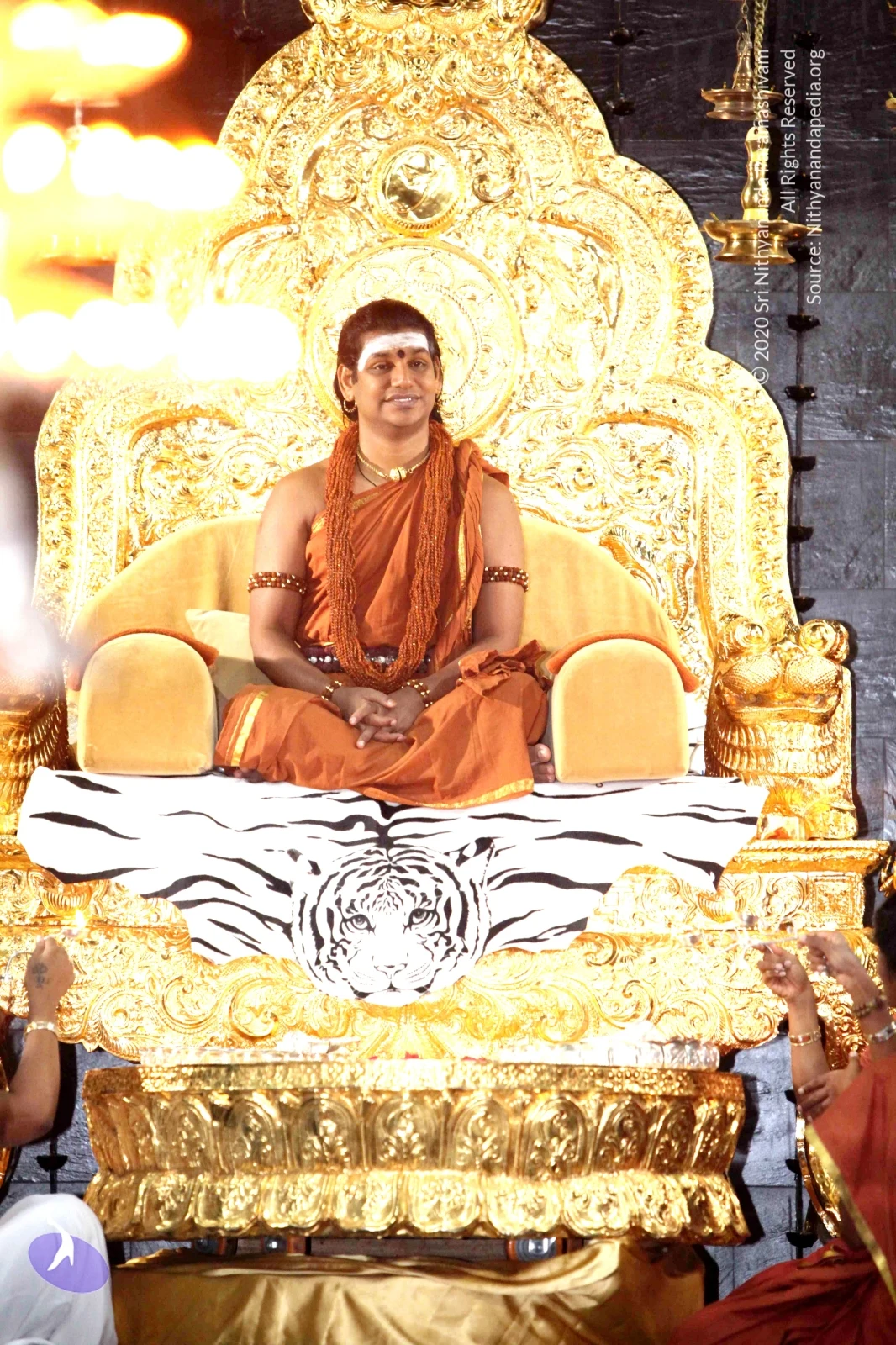
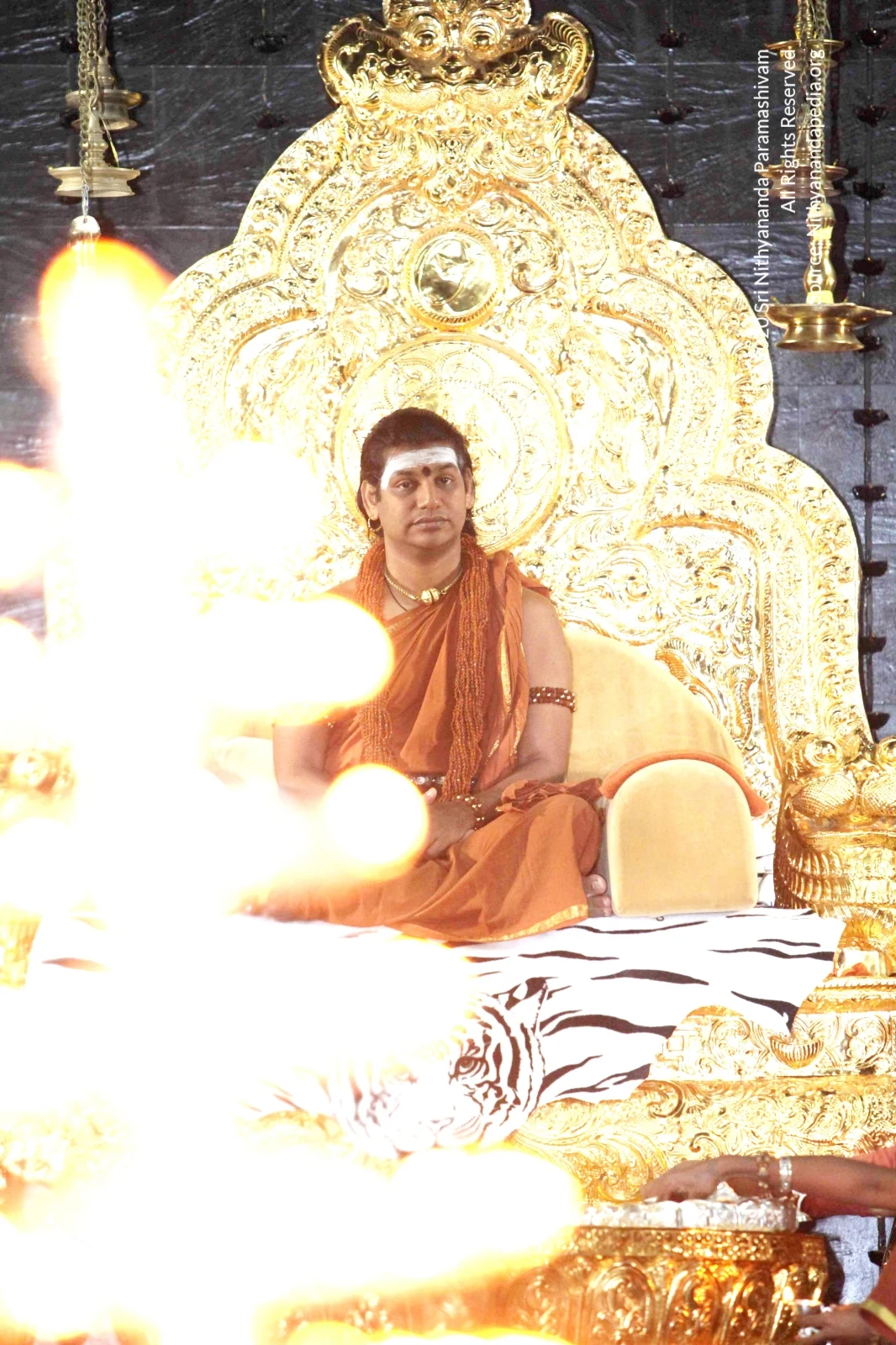
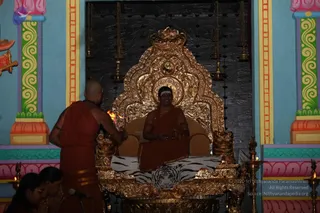
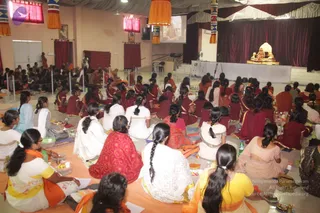
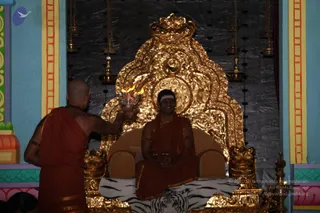
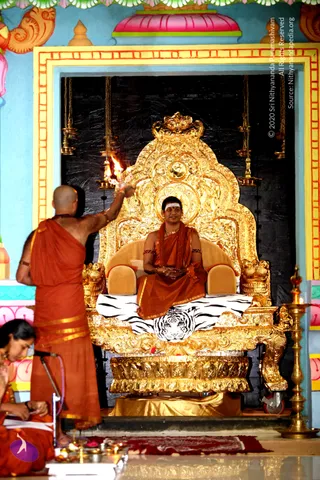
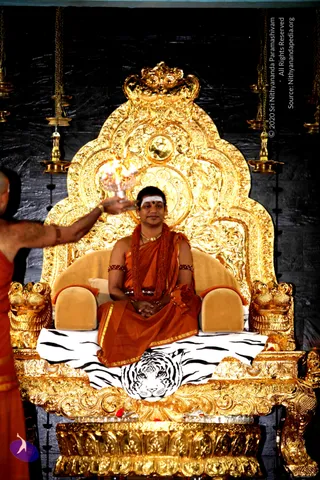
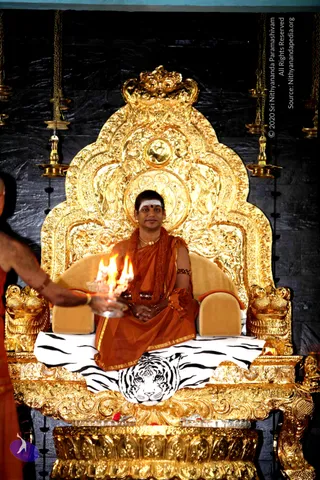
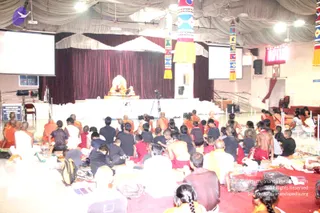
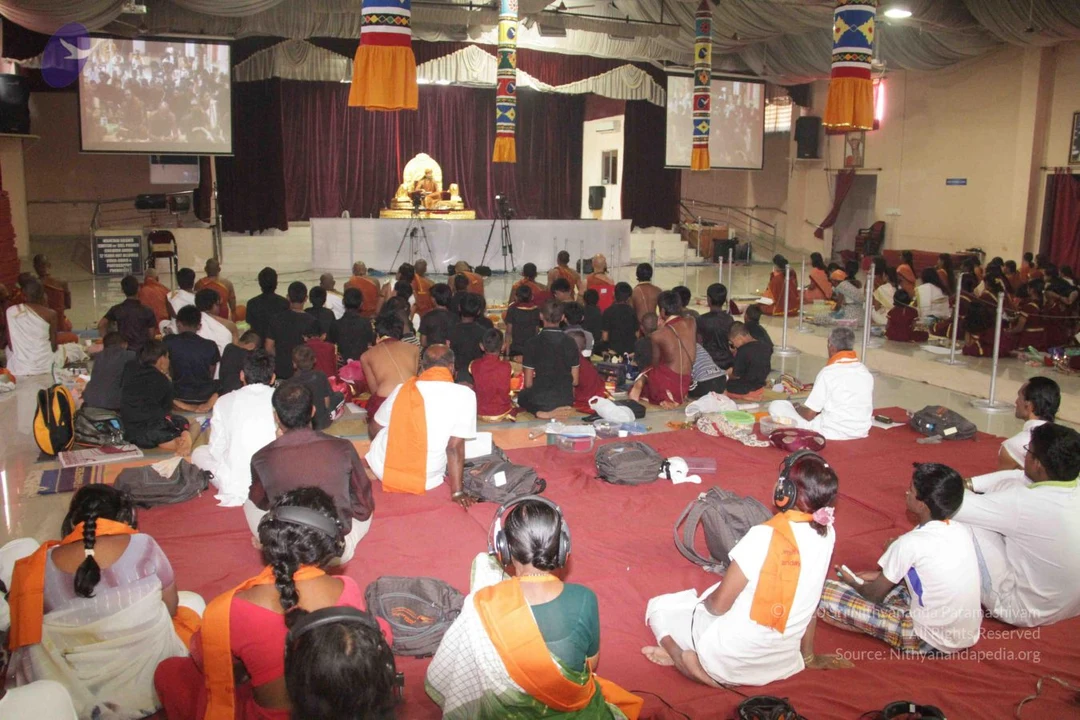
A photograph inside a temple hall with blue walls and painted pink and green columns, showing a seated figure on an ornate gold throne draped with a tiger-skin cloth. A bald priest in orange robes stands before the throne holding a lit aarti lamp toward the seated figure. Two women kneel at the lower left with hands folded in prayer; one wears a red sari and another a white outfit. Flanking the scene are large painted guardian figures with multiple arms holding staffs, and brass oil lamps stand on the floor.A large hall during a seated satsang, viewed from behind the audience. Many devotees sit cross-legged on a red floor covering, most in white or orange-saffron shawls and white clothing, with some in red, green and pink saris. Several wear headphones and carry bags and water bottles. On a raised white stage, a figure in orange-saffron robes sits on an ornate golden throne-seat, with two attendants beside him. Two projection screens show the stage, and colourful striped fabric hangs from the ceiling. Several people are visible in the foreground and midground, with more audience members seated further back.A seated figure sits on an ornate gold throne with a carved back and a crown-topped finial, draped with a white cloth printed with a tiger motif. The seated man wears an orange-red robe, a white forehead band, and beaded necklaces. In front of the throne, a shaven-headed man in an orange-red robe holds a lit flame or oil-lamp offering toward the seated figure. Two women in the lower left, one partly visible, have their hands pressed together in prayer. The walls are painted in pink, blue, yellow and green with black stone panels and brass lamps on stands. The scene resembles a puja or aarti ceremony, with the seated figure receiving the offering.A photograph of a large satsang hall where a seated audience, mostly women and girls, sits on orange mats in rows facing a raised stage. The women wear white, cream, yellow, maroon and red saris and salwar outfits, with long braided hair, and some hold papers, water bottles and small food containers. On the stage at the far end, a seated figure in orange and gold sits on an ornate golden throne-like seat, with a screen above showing a close-up of the speaker. Maroon curtains, orange and multicolored banners hang around the room, and a framed portrait hangs near the stage. a person's presence is not clearly established from appearance, as the figure on the throne is small and distant.A seated figure in saffron-orange robes with a white headband sits on an ornate gold throne with a carved backrest and a tiger-striped cloth draped over the seat, in a temple-like hall with blue walls and gold lamp stands. A standing priest in orange robes with a shaved head, bare-shouldered and wearing bangles, holds up a silver aarti lamp with a flame toward the seated figure. The seated figure has a rudraksha-style neck adornment and gold bangles and appears to be in a ceremonial seat. The a person attribution is uncertain because the seated figure lacks sufficiently distinctive presentation cues beyond the throne and ceremonial setting. Two people are visible.A photograph of a large hall with a draped maroon curtain and white ceiling fabric, where many people sit on the floor facing a raised stage. On the stage a figure in orange sits on a gold-and-white throne with a small candle-like object nearby. Two large screens on either side show a close-up of a robed figure. Most attendees wear red, maroon, white, orange and green saris or kurtas, and many have long hair in braids. Some sit near water bottles and small offering bowls.

Nithya Satsang
154 photosSource gallery
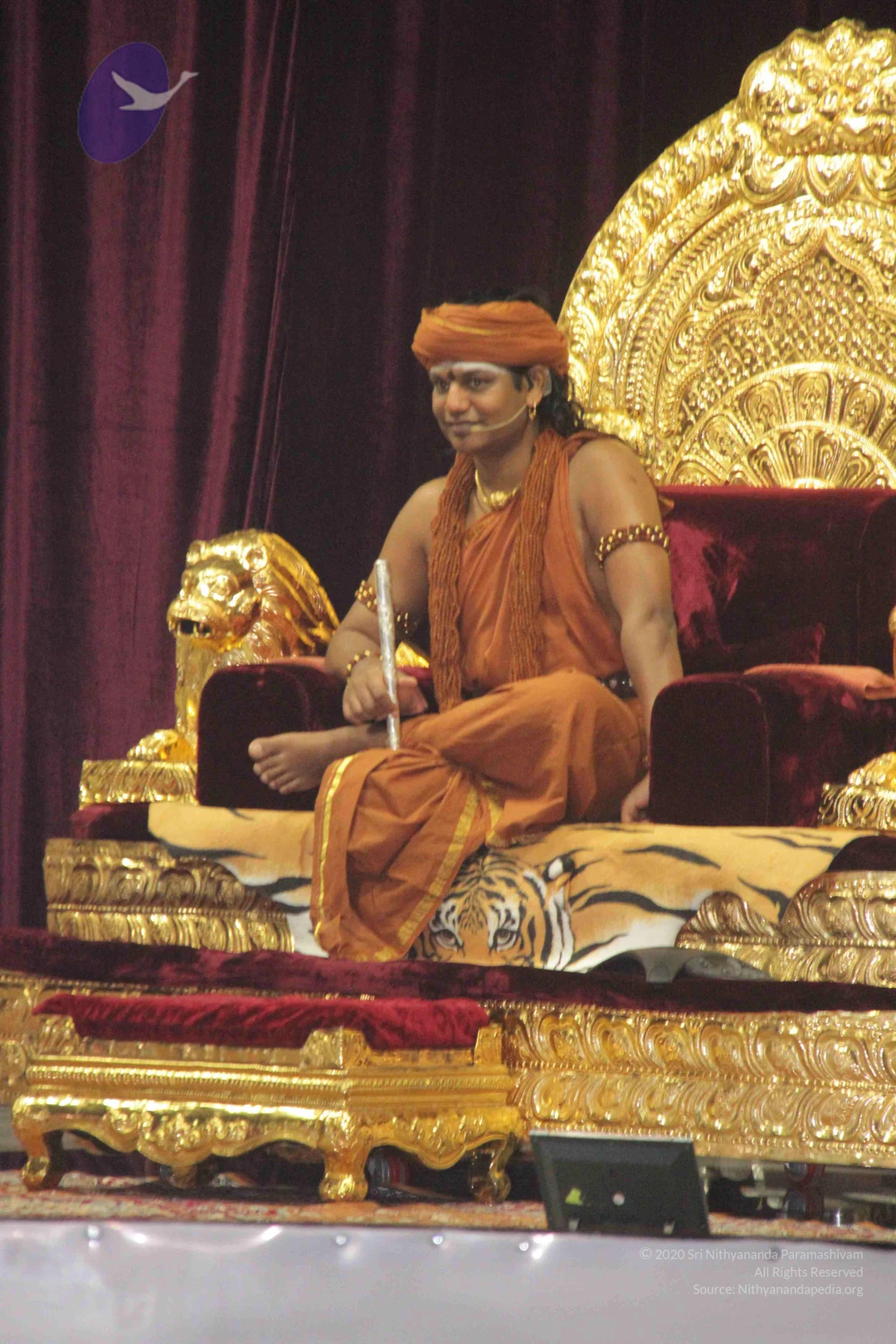
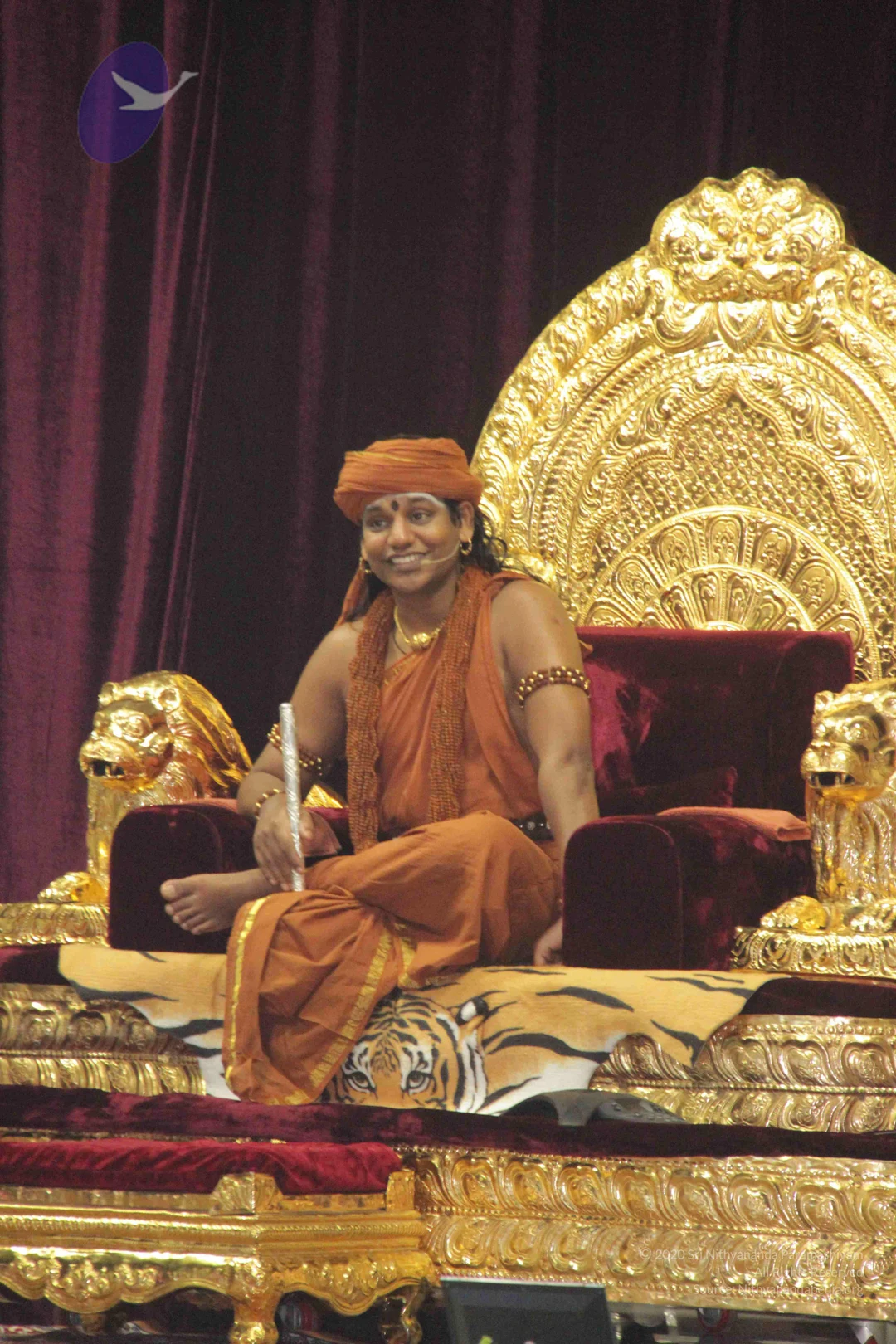
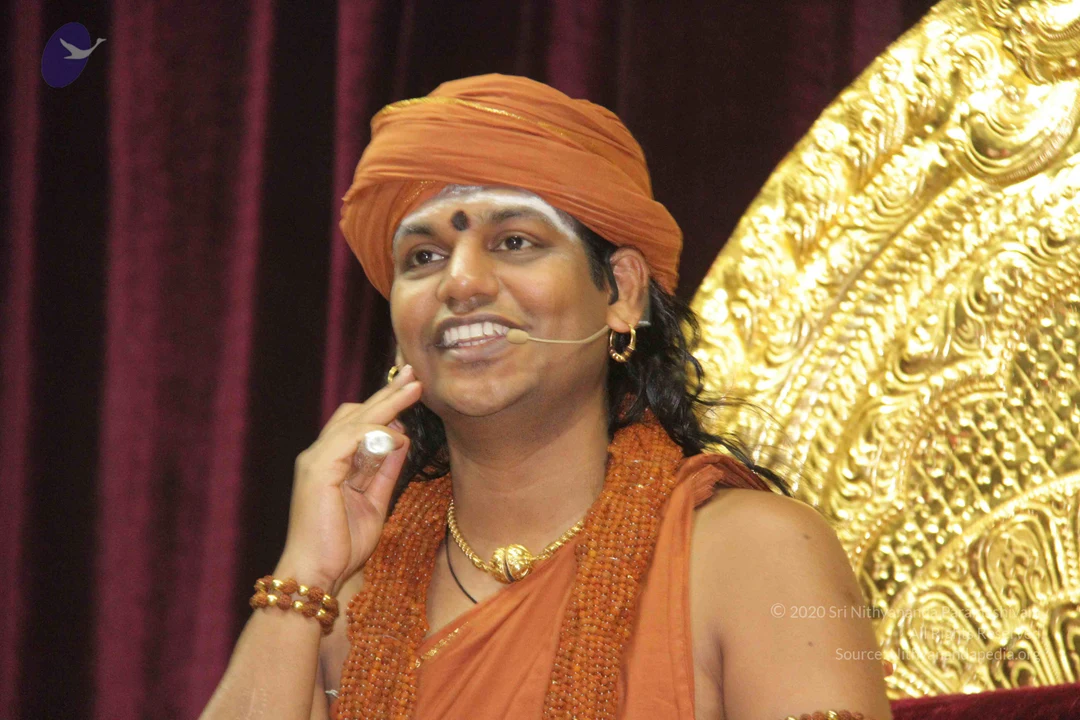
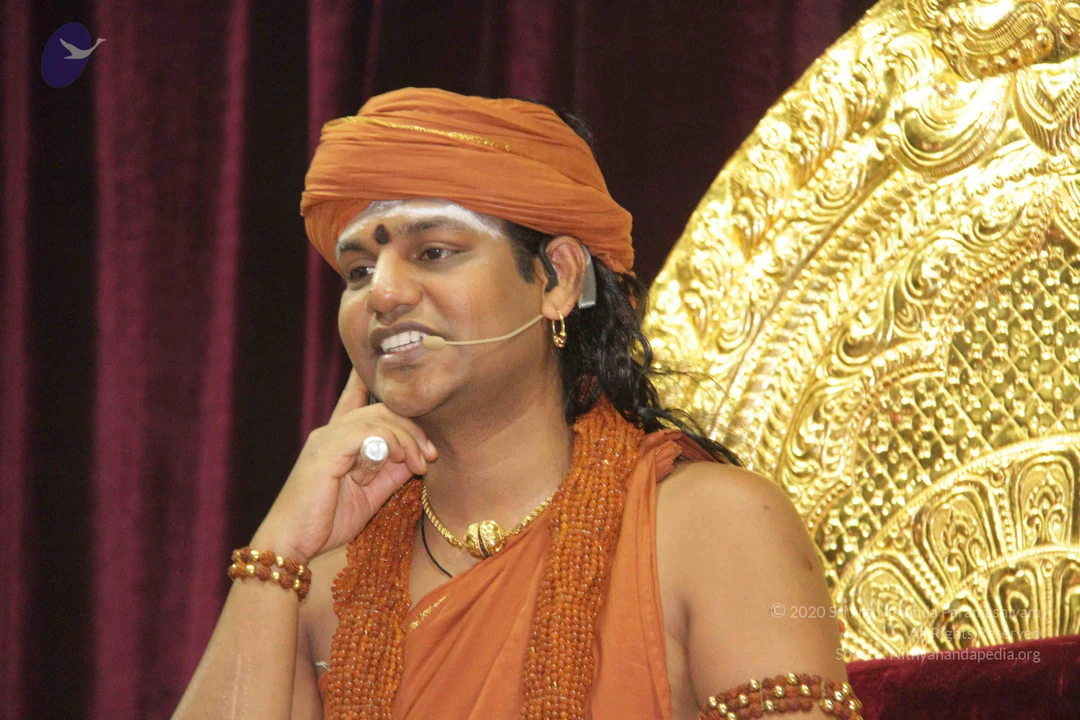
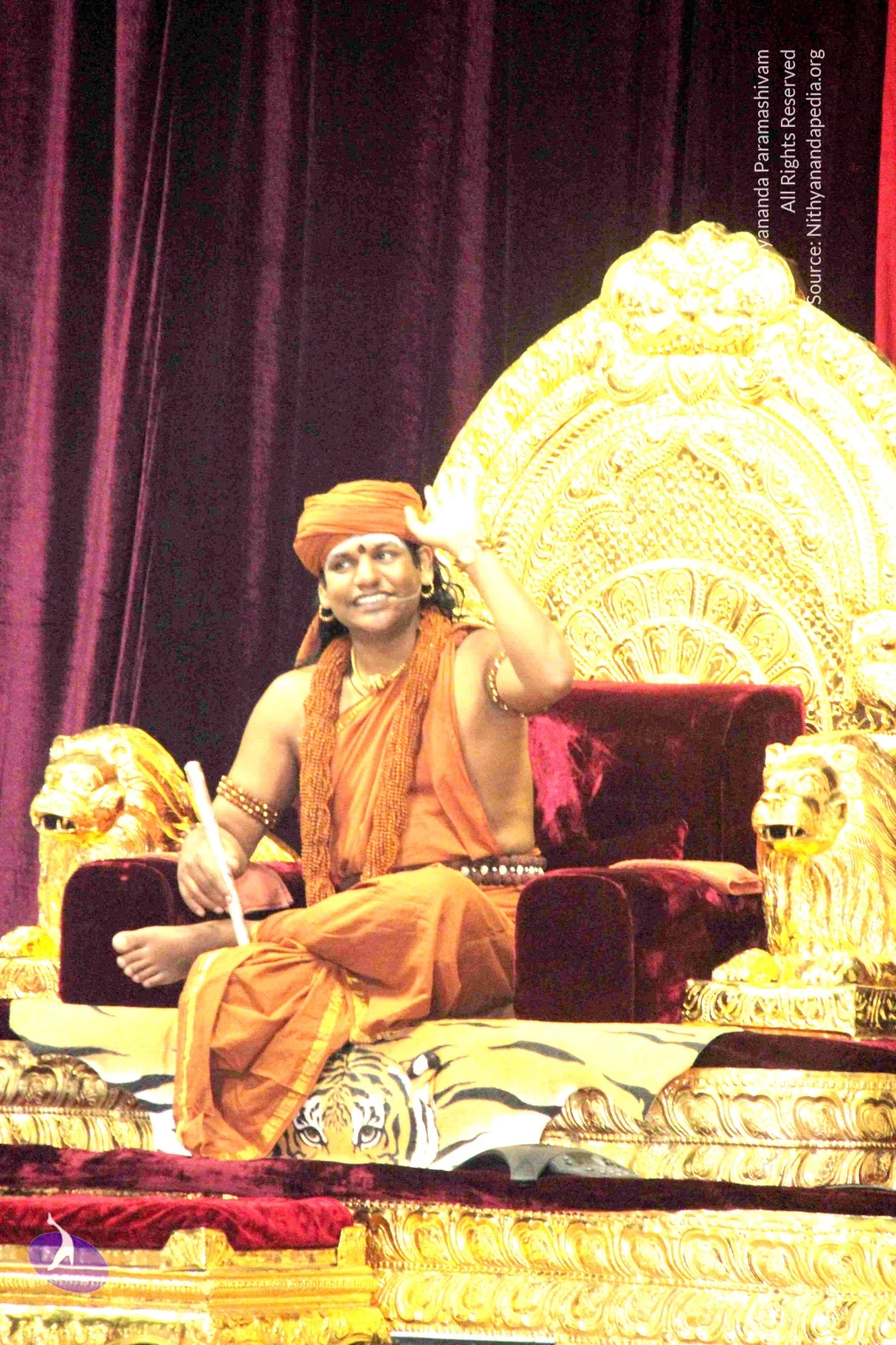
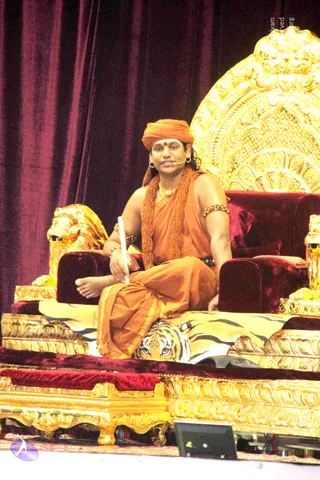
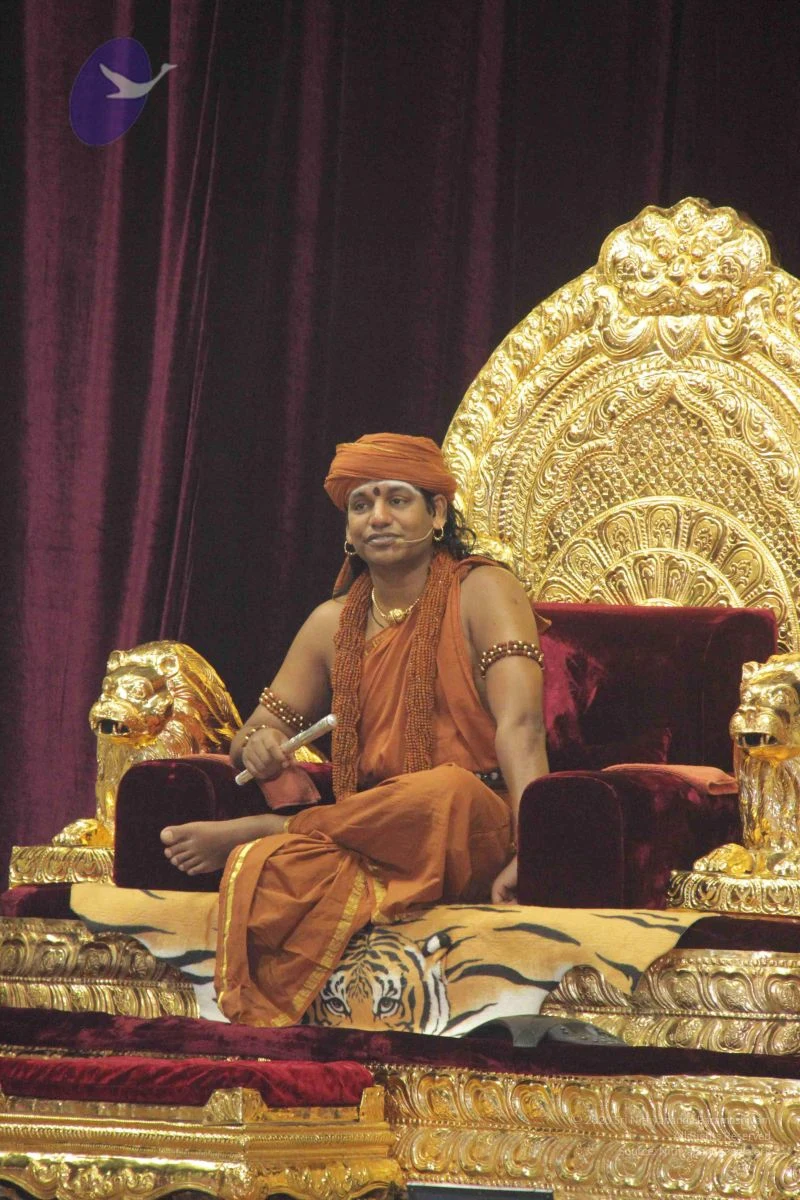
A man seated cross-legged on an ornate gilded throne with a large golden backrest carved with floral and scrollwork, flanked by golden lion figures, on a tiger-skin mat over a red velvet platform before deep maroon drapes. He wears an orange saffron turban, orange robes with gold border, a red-brown rudraksha mala draped across the chest and arms, a gold necklace, and beaded bracelets on the upper arm. He holds a small white microphone in one hand and speaks, appearing to address an audience. Appearance-based candidate: a person, seated and teaching in front of a satsang gathering, consistent with the page flagging a satsang event.A seated man in saffron-orange robes and an orange head wrap sits on an ornate gold throne with a carved gilded backrest and gold lion-shaped armrest, draped with a striped tiger-skin cover. He wears layered rudraksha beads across his chest, a gold necklace, beaded armbands, and holds a silver rod. A small microphone is at his face and a gilded footstool sits below. Dark red velvet drapes frame the stage.A seated figure on an ornate gold-and-red throne stage, dressed in saffron-orange robes and an orange head wrap, with a rudraksha mala draped across the chest and a rudraksha bracelet on the upper arm. The figure holds a silver rod and sits on a tiger-skin rug flanked by gold lion-head armrests, in front of a deep maroon velvet drape. A small purple logo appears at upper left and a faint copyright line sits at lower right. a person, seated in a teaching posture on the throne with ceremonial dress cues.A seated figure in saffron-orange robes and an orange head wrap sits on an ornate gold throne with carved lion arms, draped with a tiger-striped cloth on a red velvet cushion. He wears a gold necklace, earrings, gold armbands, and a long rudraksha-style beaded mala, smiling while raising one hand in a speaking gesture, with a headset microphone visible. Behind him are deep burgundy curtains and a large gilded backrest. A monitor sits at the lower edge of the stage.A man seated on an ornate gold throne with a deep red velvet back and armrests, on a tiger-skin covered dais with gold lion figures on both sides. He wears an orange turban, an orange shawl and dhoti with gold border, multiple strands of rudraksha malas, a gold necklace, gold armbands and bangles, and a white-and-red tilak on his forehead. He holds a silver staff in one hand and gestures open-handed with the other while smiling, with a headset microphone visible. Dark maroon velvet drapes form the backdrop. a person seated in the orange-robed teacher role on the stage throne during a satsang discourse.A photograph of a man seated on an ornate gold throne with carved lion arms and a large gold backrest, draped over a striped tiger-skin cloth on a raised stage with dark red velvet curtains behind. He wears an orange turban, an orange shawl with a long strand of rudraksha beads, orange dhoti-style cloth with gold border, gold armlets and a gold necklace, and holds a small white paper or book in one hand. He is smiling and a small microphone is visible near his ear. a person: the figure wears orange and gold ceremonial attire with rudraksha malas and ornate gold adornments, seated on a throne in a discourse setting.

Inner-Awakening-Session

22 photosSource gallery
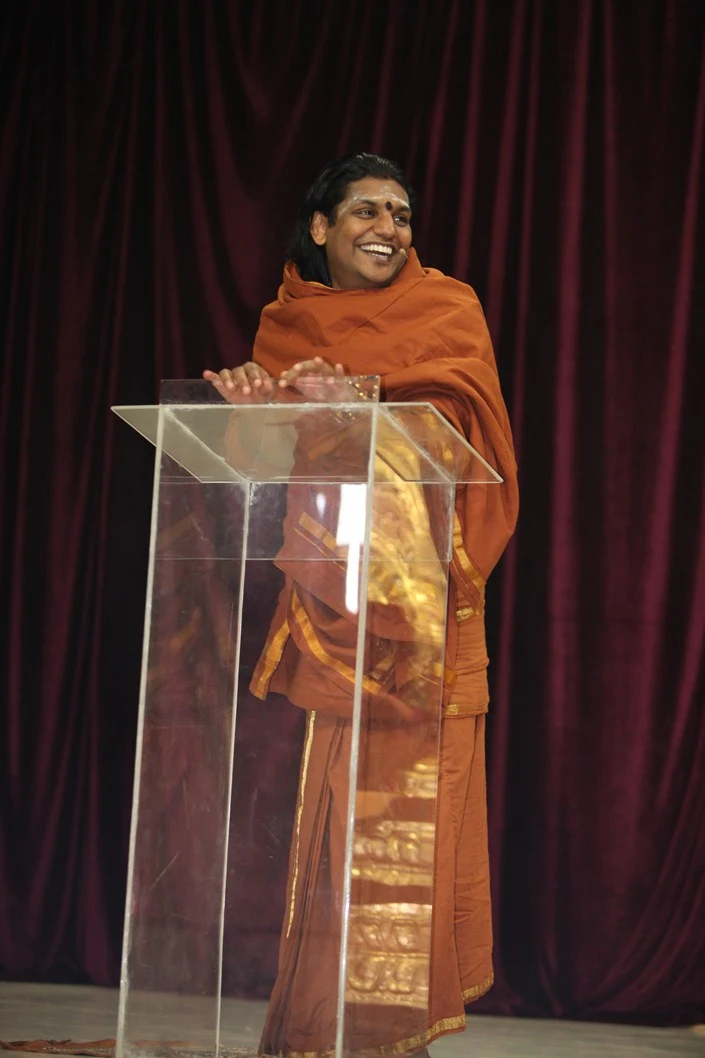
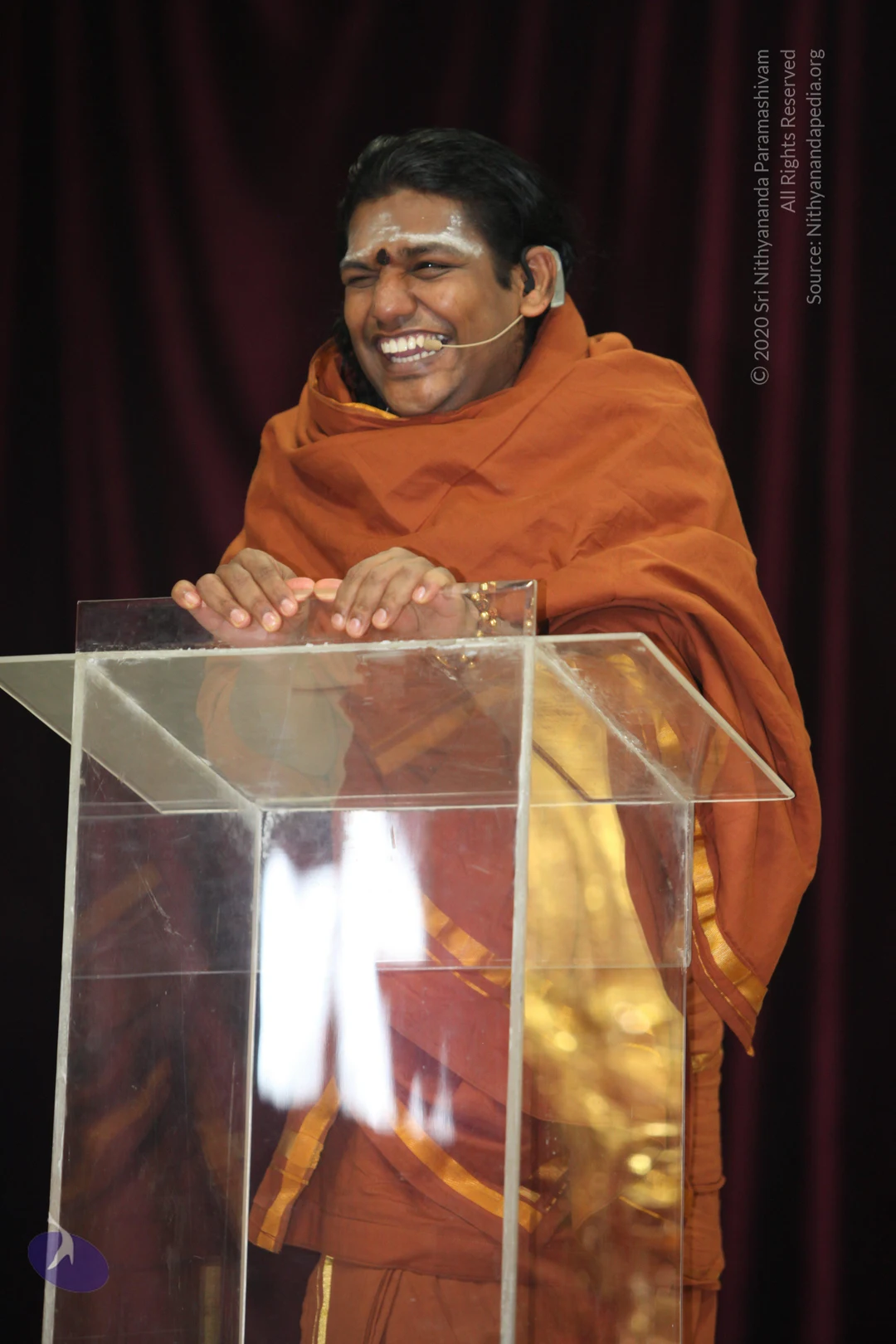
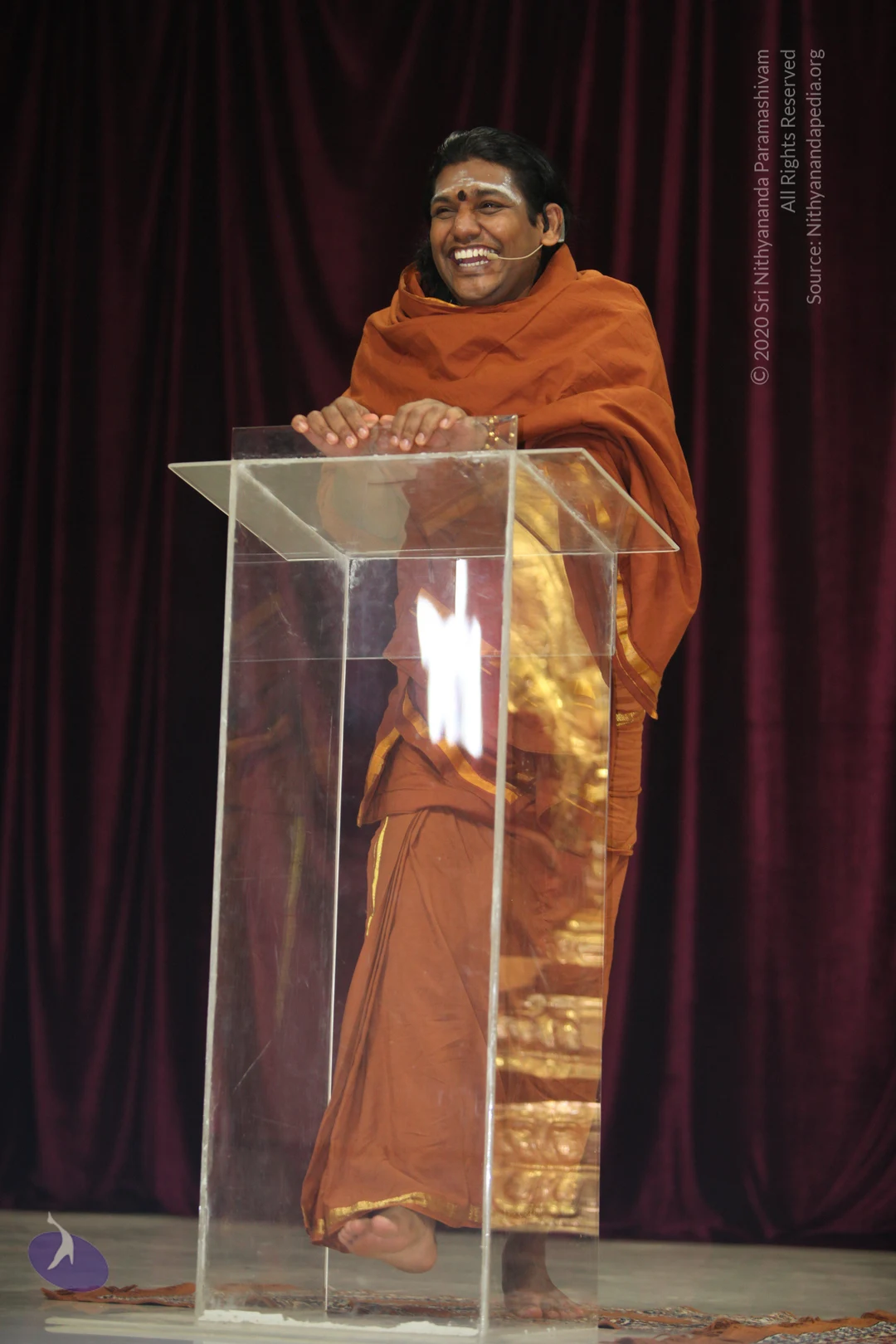
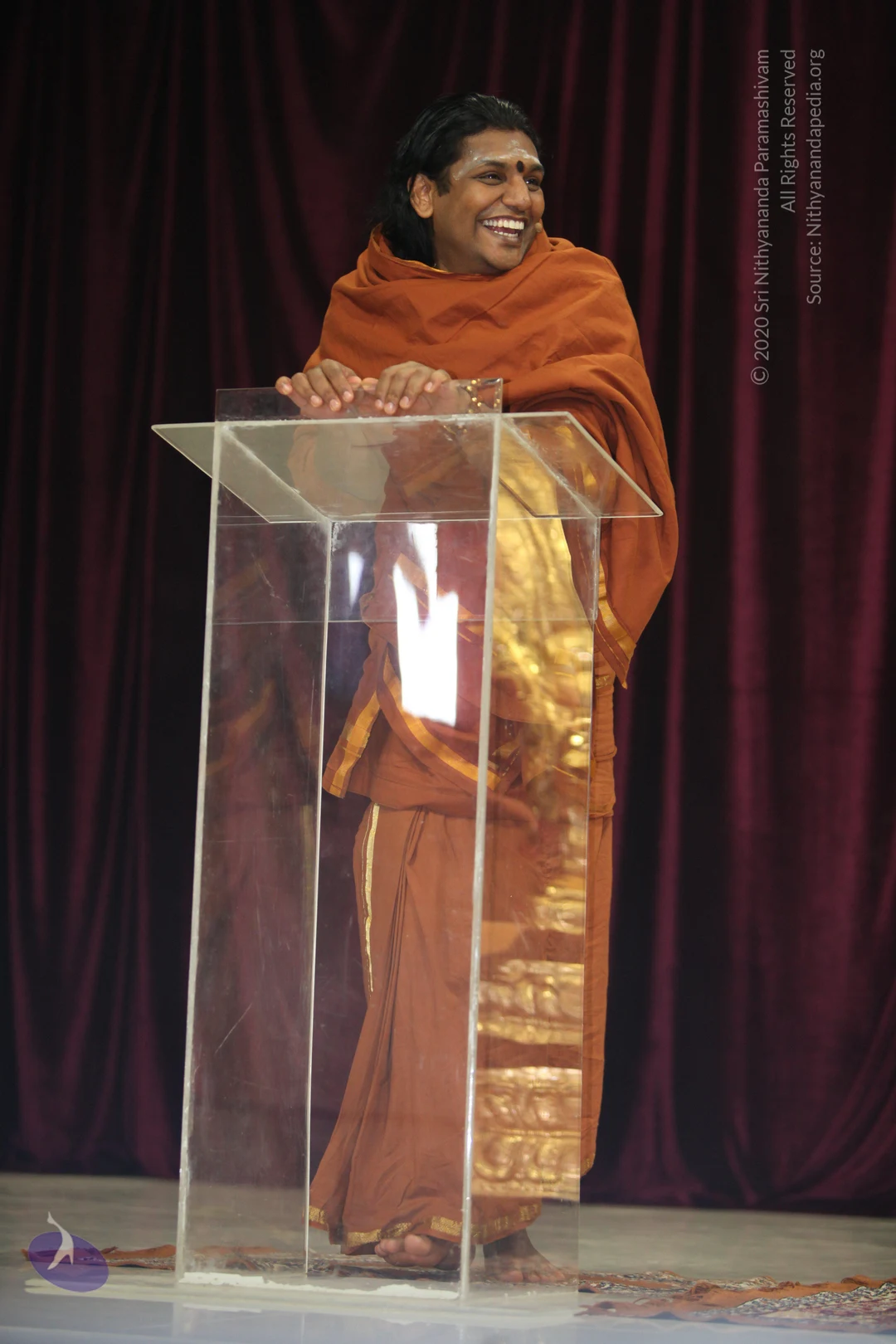
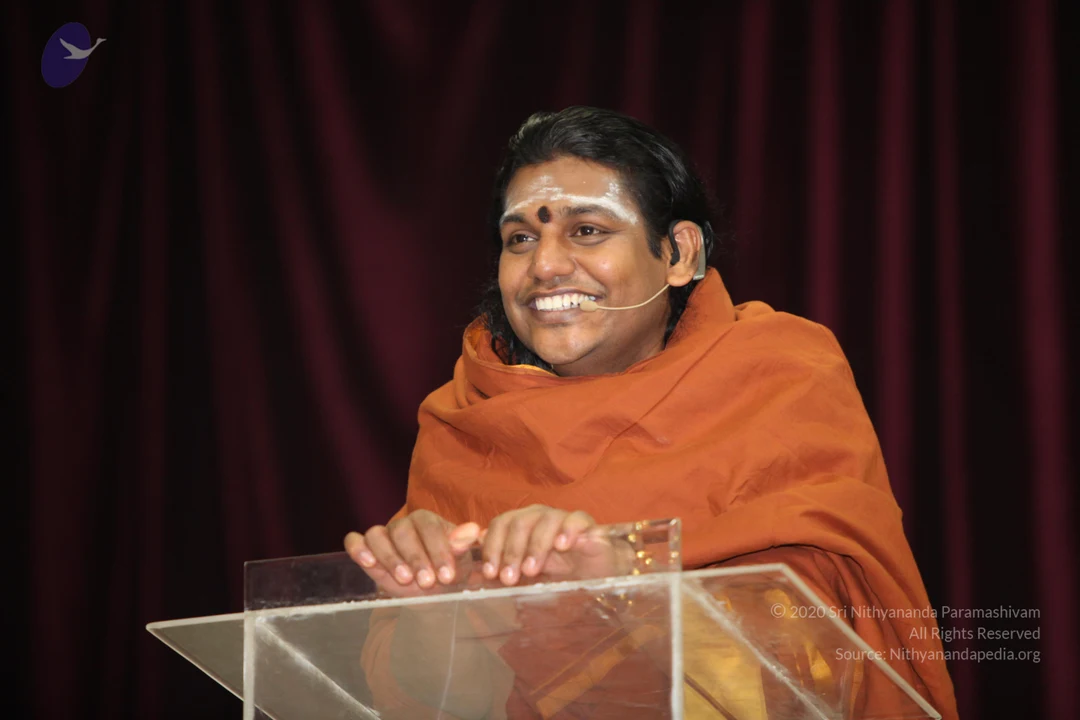
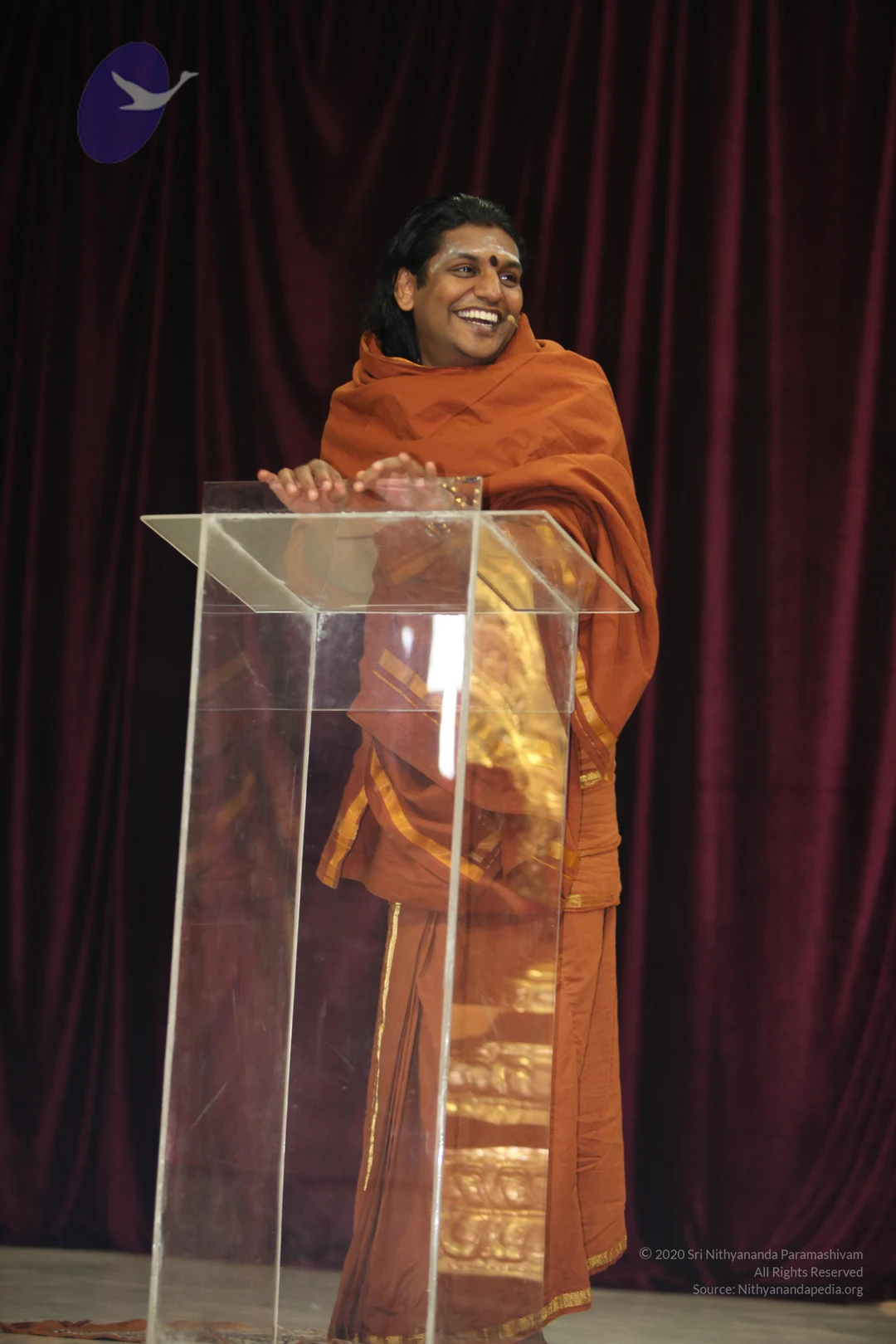
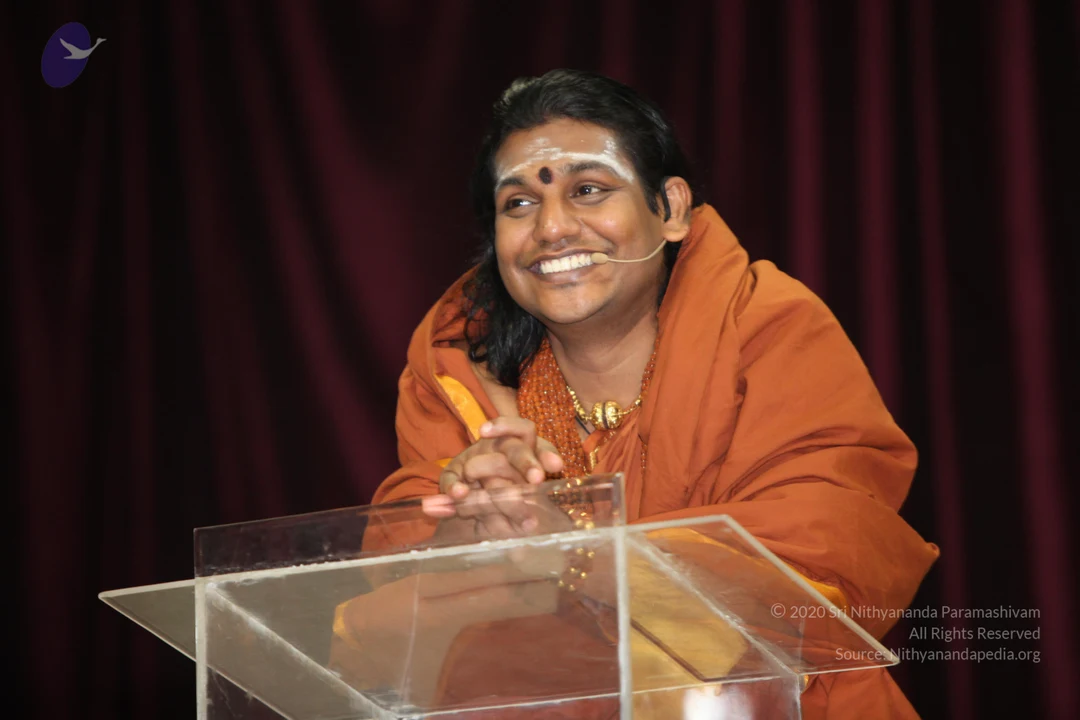
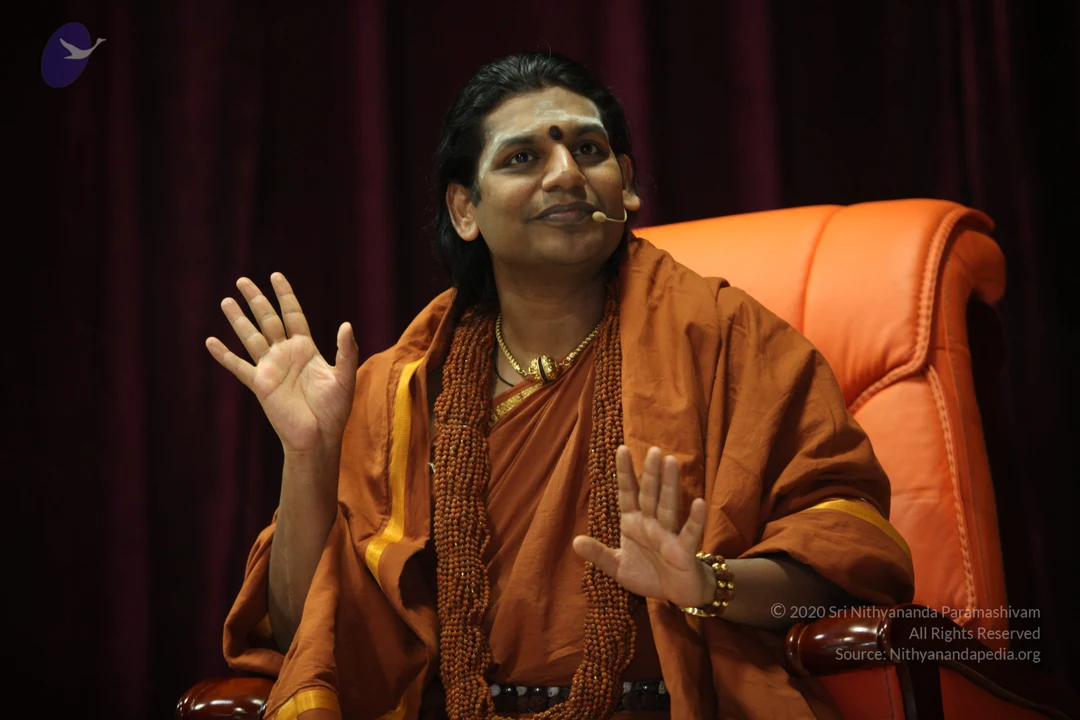
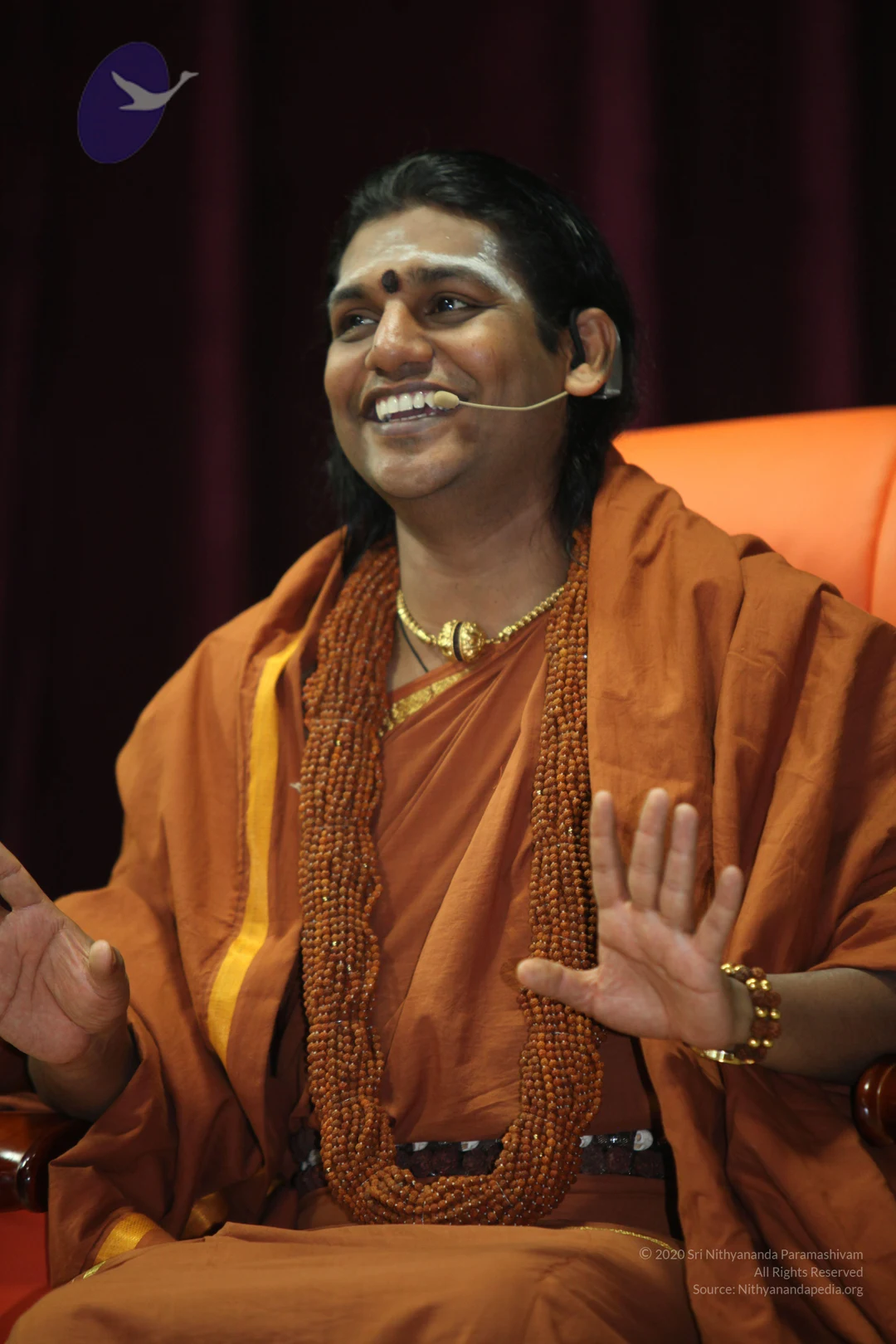
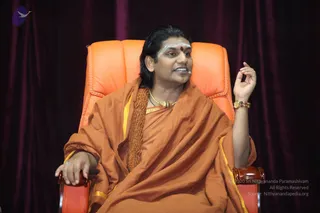
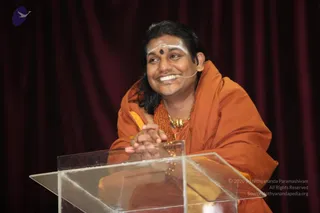
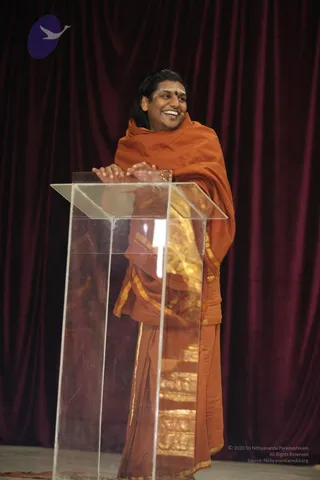
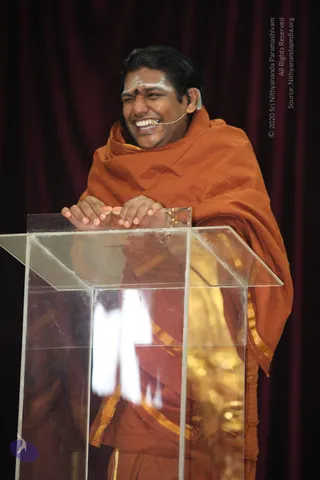
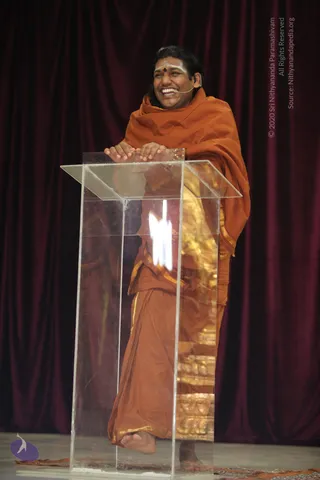
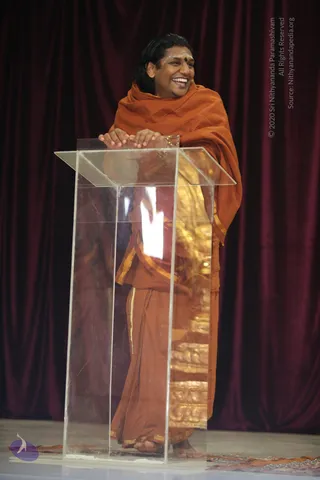
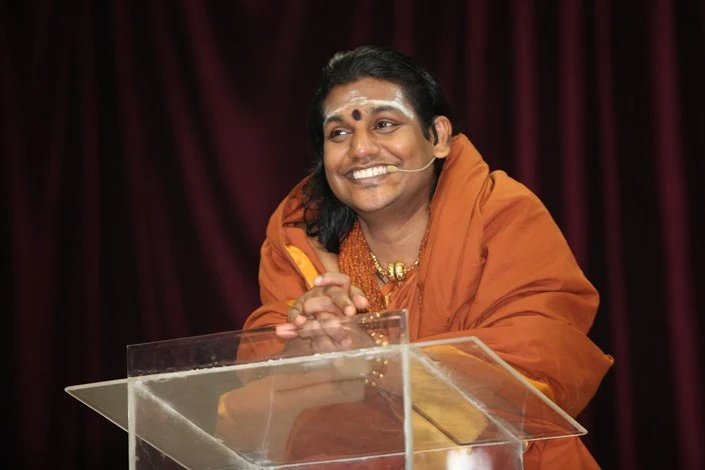
A man seated in an orange leather high-back armchair against a dark maroon draped curtain, speaking with a raised right hand in a gesture. He wears a saffron-orange shawl over an orange robe with yellow trim, a rudraksha bead mala across his chest, a gold necklace, a gold wristwatch and a beaded bracelet, and has a white forehead mark and a red bindi. A small lapel microphone is clipped to his collar. The Swamiji (probable) cues are long swept-back hair, saffron clothing, a rudraksha mala and ceremonial gold necklace, seated as a speaker at a satsang.A smiling man sits in a large orange leather armchair against deep burgundy draped curtains. He wears an orange-saffron robe with a yellow-edged shawl over one shoulder, long strands of orange beaded rudraksha mala across his chest, and a gold ornamental necklace. He has a white vertical tilak and a dark round bindi on his forehead, long swept-back dark hair, and a small wired headset microphone at his cheek. His hands rest in his lap, and a bangle is visible on one wrist. The scene suggests a satsang stage setting. Probable Swamiji in the orange chair with rudraksha malas, gold necklace and swept-back hair, seated in the role of a teacher addressing a satsang.A smiling man with long dark hair swept back sits in an orange upholstered chair against a deep maroon curtain, speaking animatedly with both palms open. He wears saffron-orange robes with a gold-bordered shawl, a multi-strand orange rudraksha mala, a gold ceremonial necklace with a dark bead pendant, and a gold bracelet. A small dark bindi and white forehead markings are visible, and a headset microphone is clipped to his face. A purple bird logo appears in the upper left corner. The composition suggests a seated satsang discourse. This is an in-person photograph of one person, with the appearance-based label a person.A smiling man in saffron-orange robes and a draped orange shawl leans on a clear acrylic lectern against a deep maroon curtain. He wears a white sandalwood forehead marking with a red bindi, a dark rudraksha mala and a gold ceremonial pendant. A small headset microphone is attached near his face. He rests his hands folded on the lectern during a discourse.A smiling man with long dark hair, wearing an orange shawl draped over his shoulders and an orange dhoti with gold border, stands behind a clear acrylic lectern on a stage. He has a red bindi and white marks on his forehead and a small microphone near his face. Behind him hangs a deep maroon velvet curtain. A purple bird logo appears in the upper left corner.A smiling man in a saffron-orange shawl stands behind a clear acrylic podium, hands resting on its top edge. He has a small red bindi and white vertical markings on his forehead, with a wired headset microphone at his ear. Behind him hangs a deep burgundy curtain. The clothing and sacred marks are present, but the appearance cues are limited to a shawl and forehead markings, so the identity is uncertain.

Homa

22 photosSource gallery
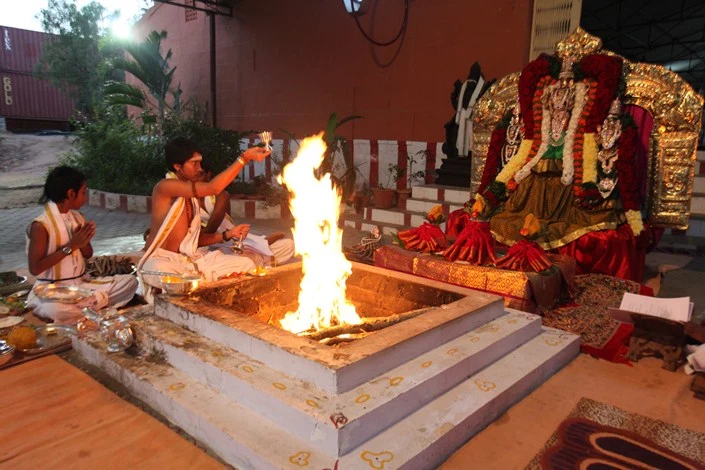
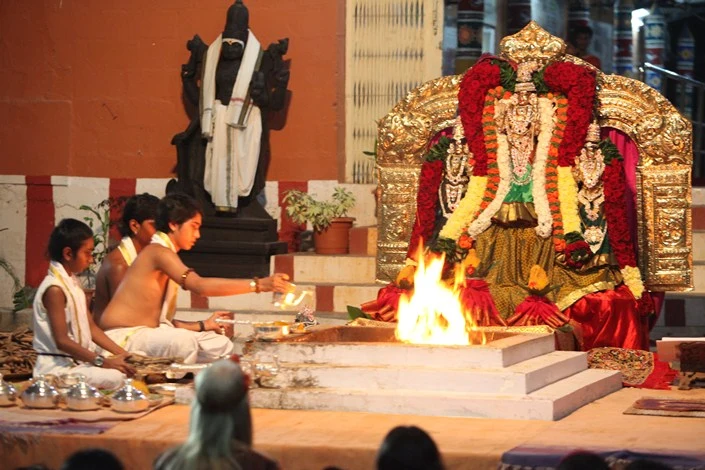
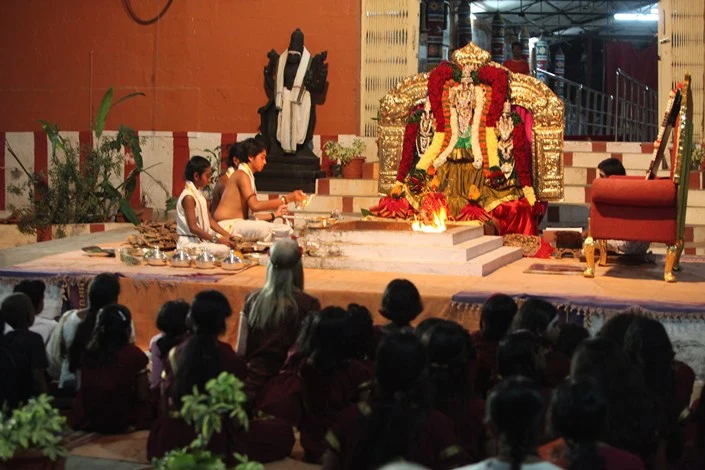
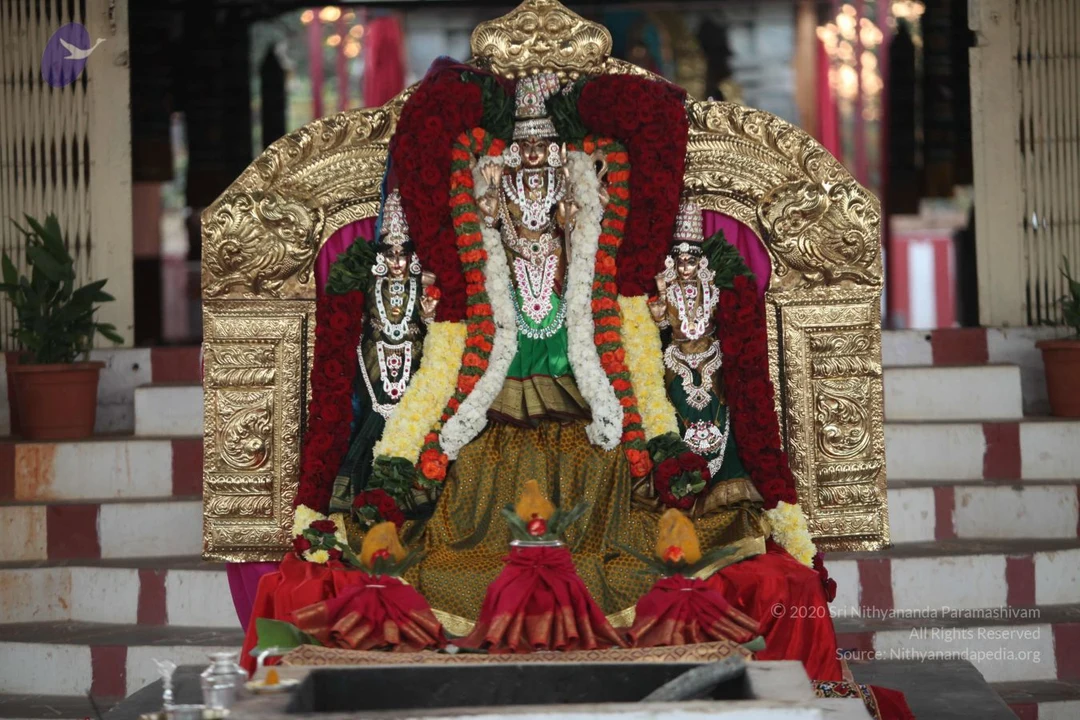
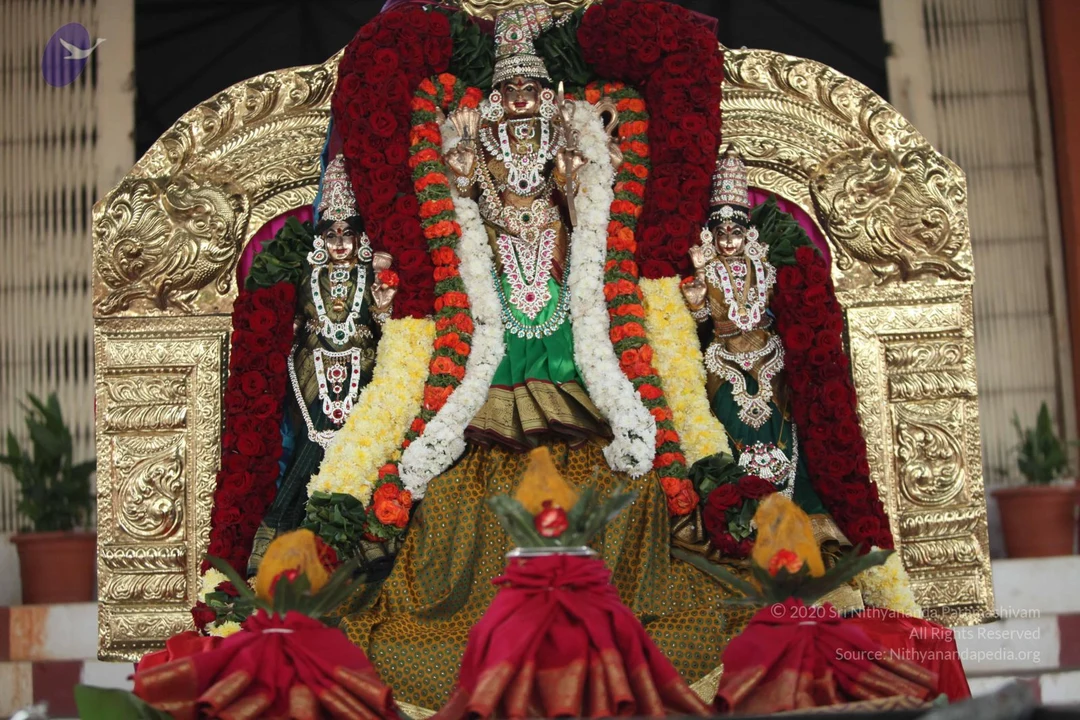
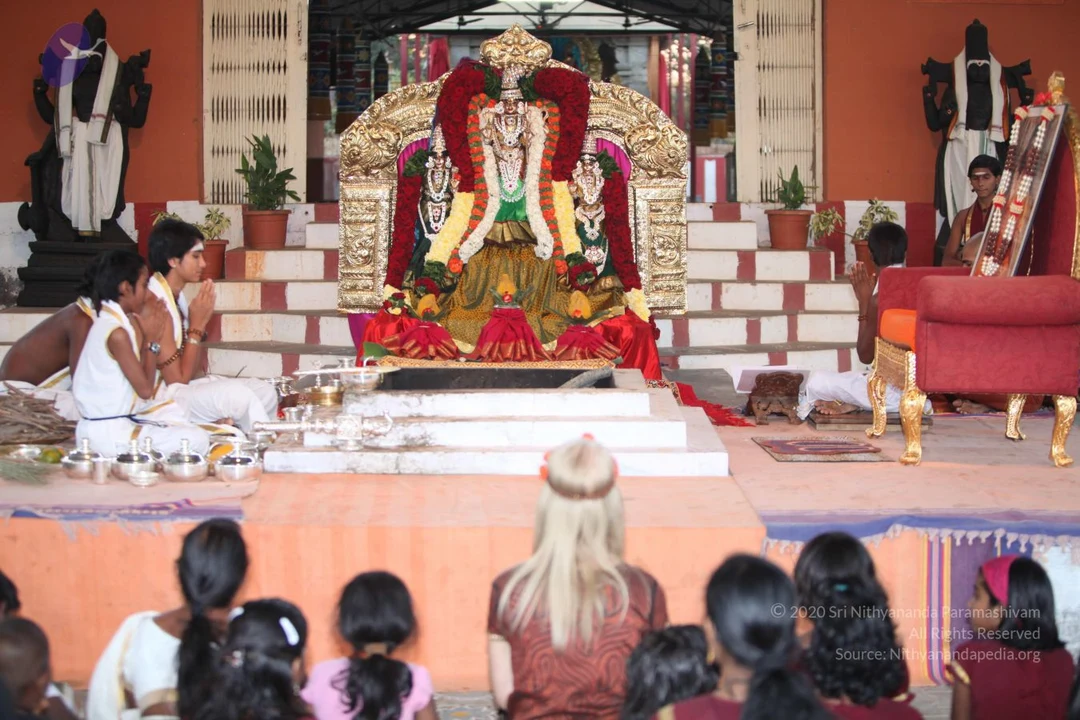
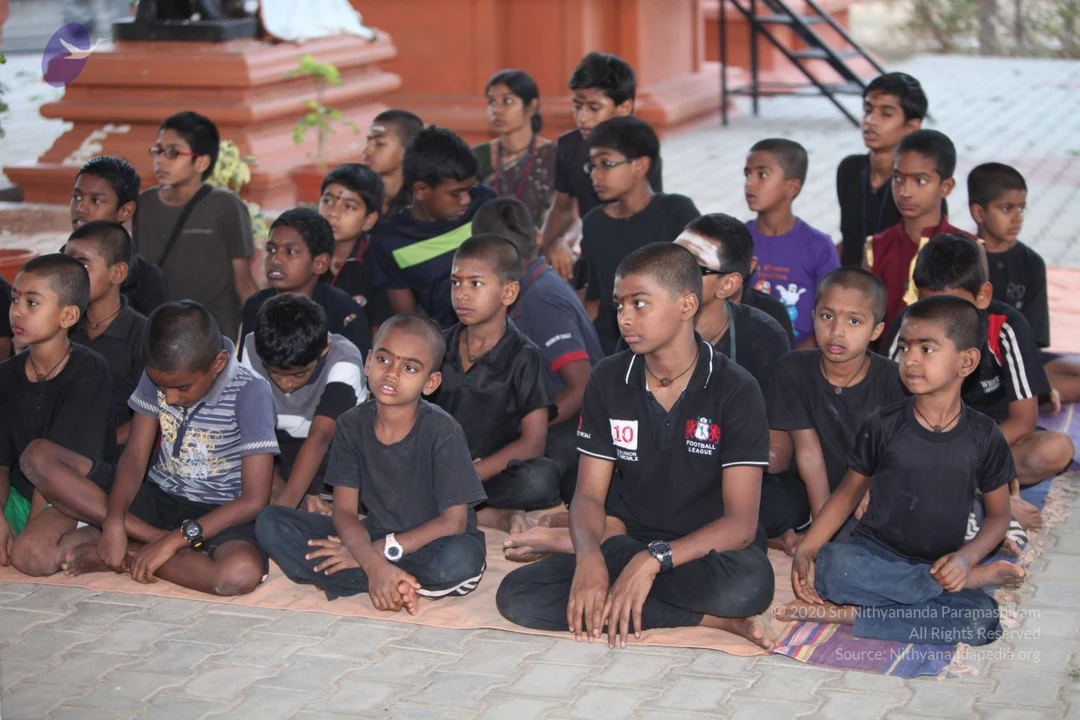
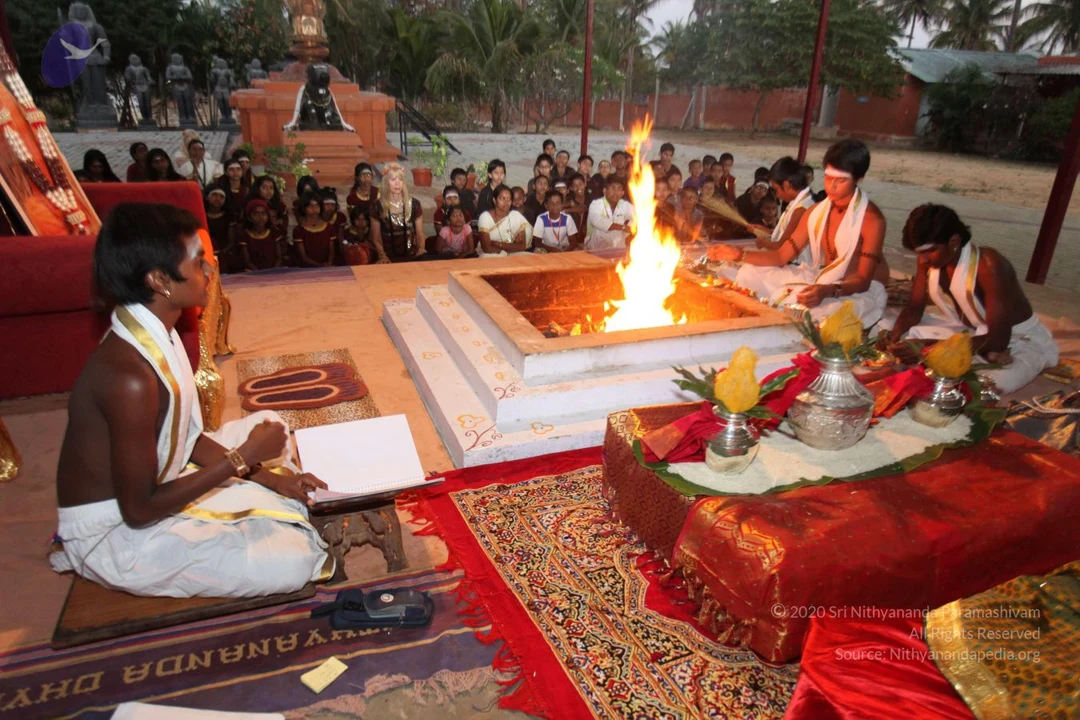
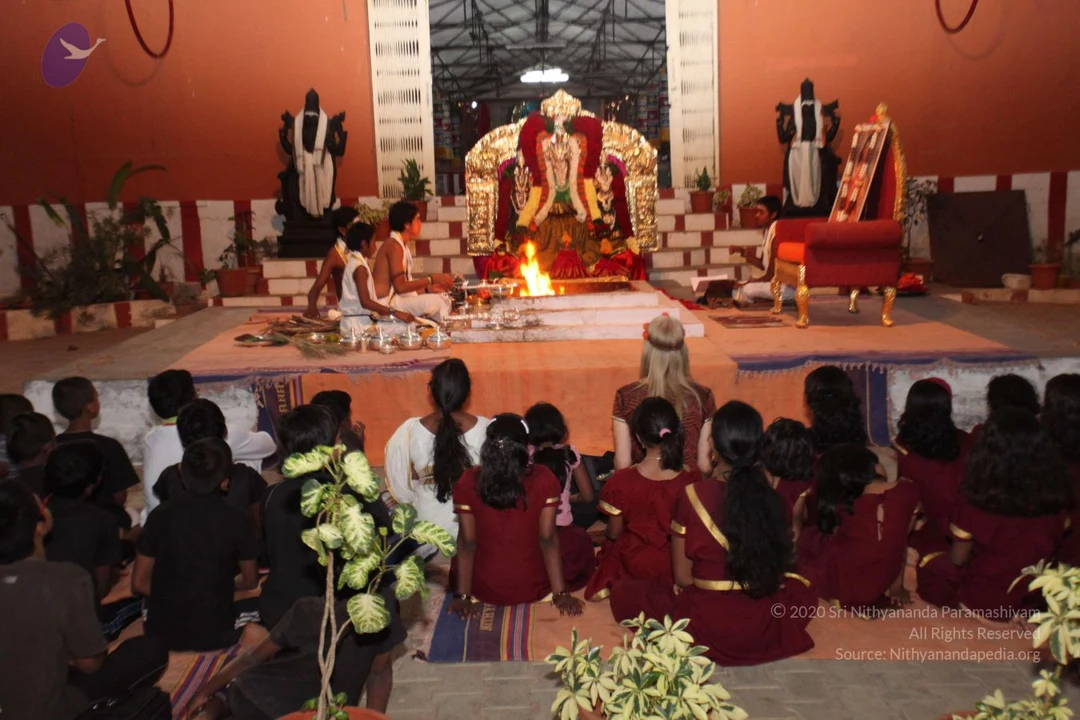
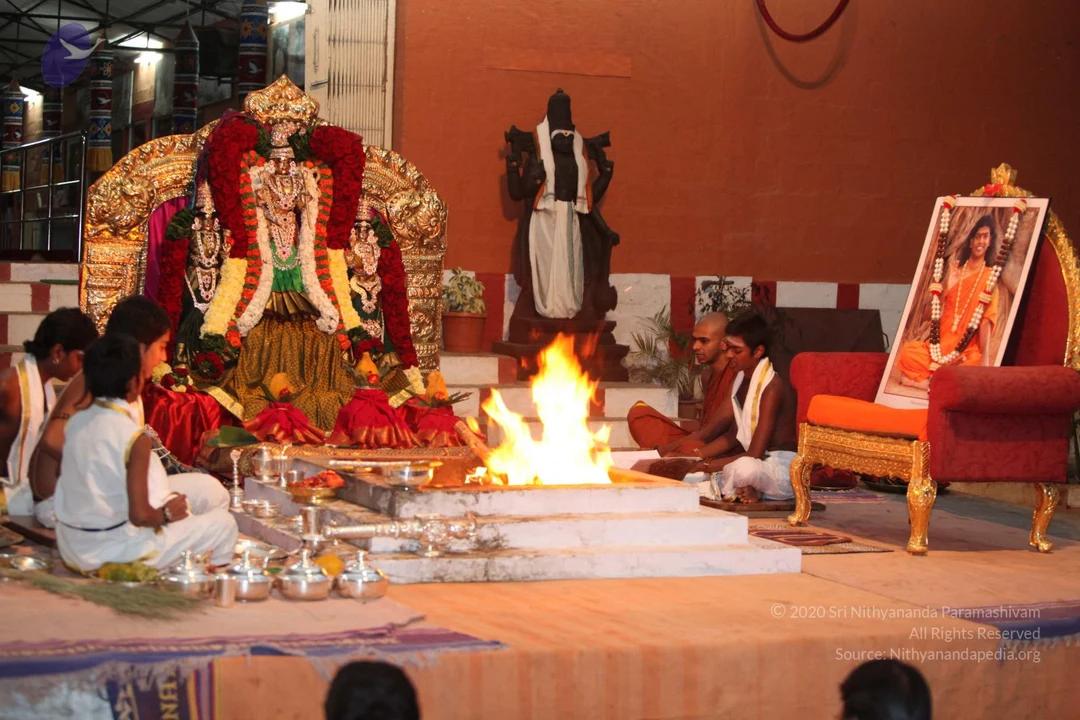
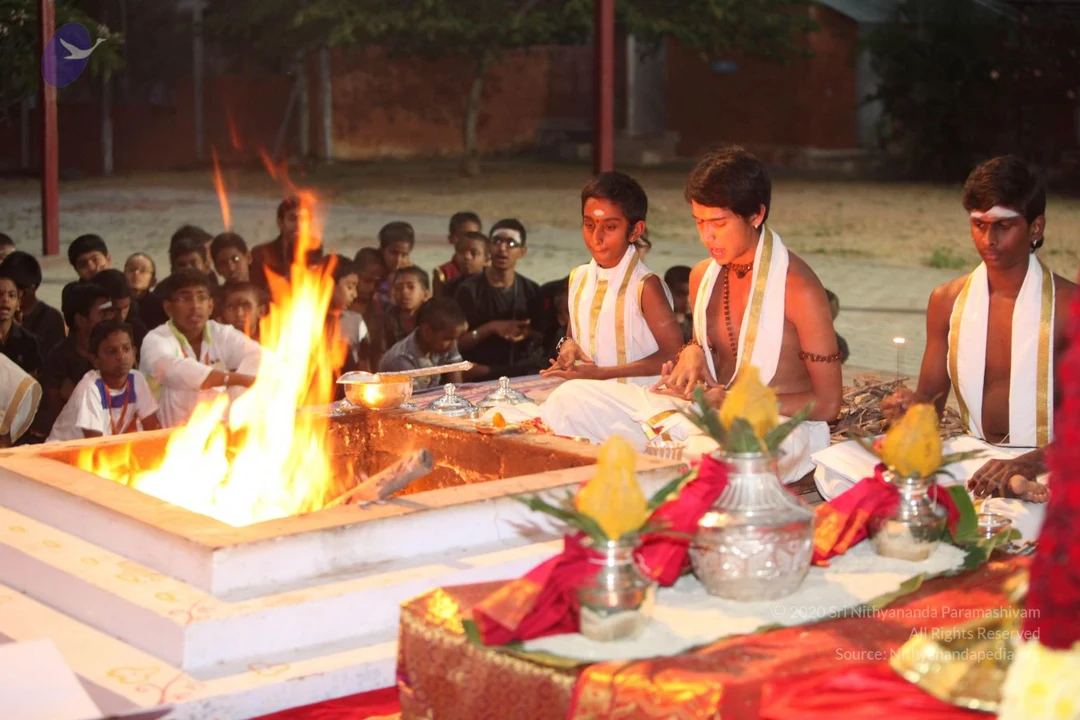
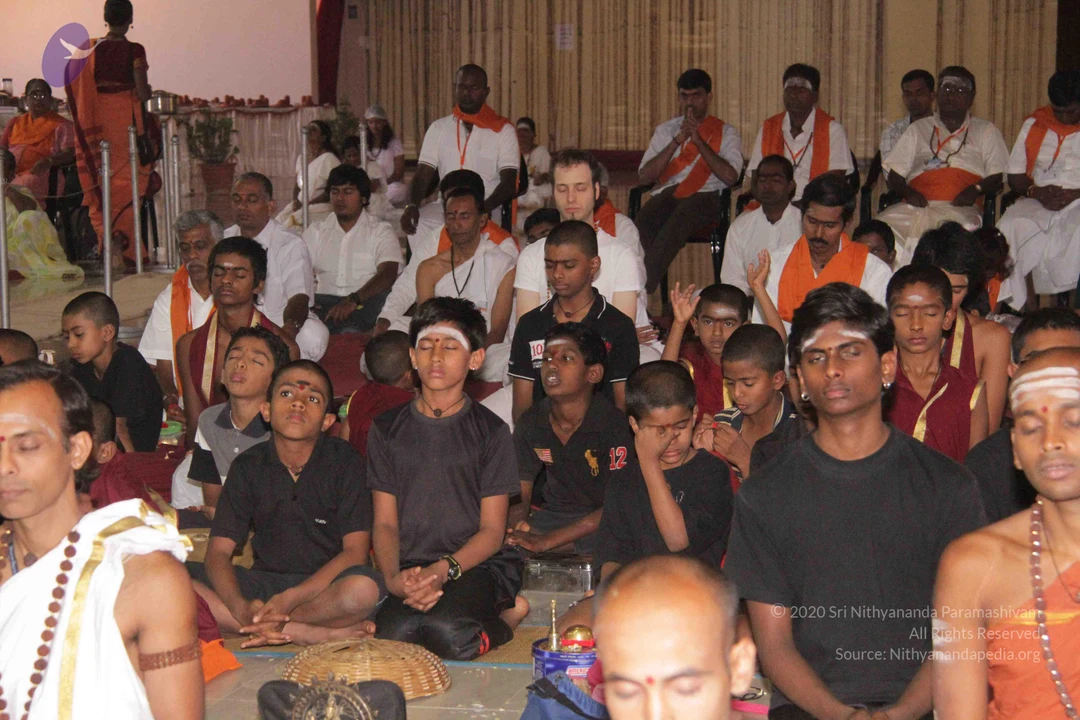
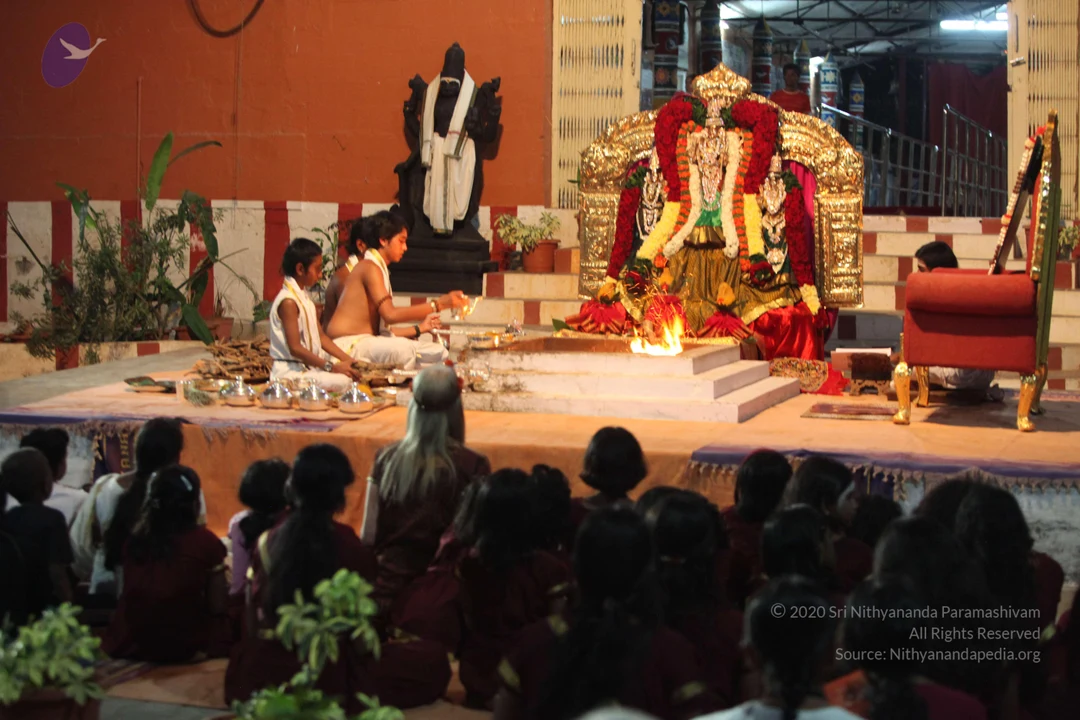
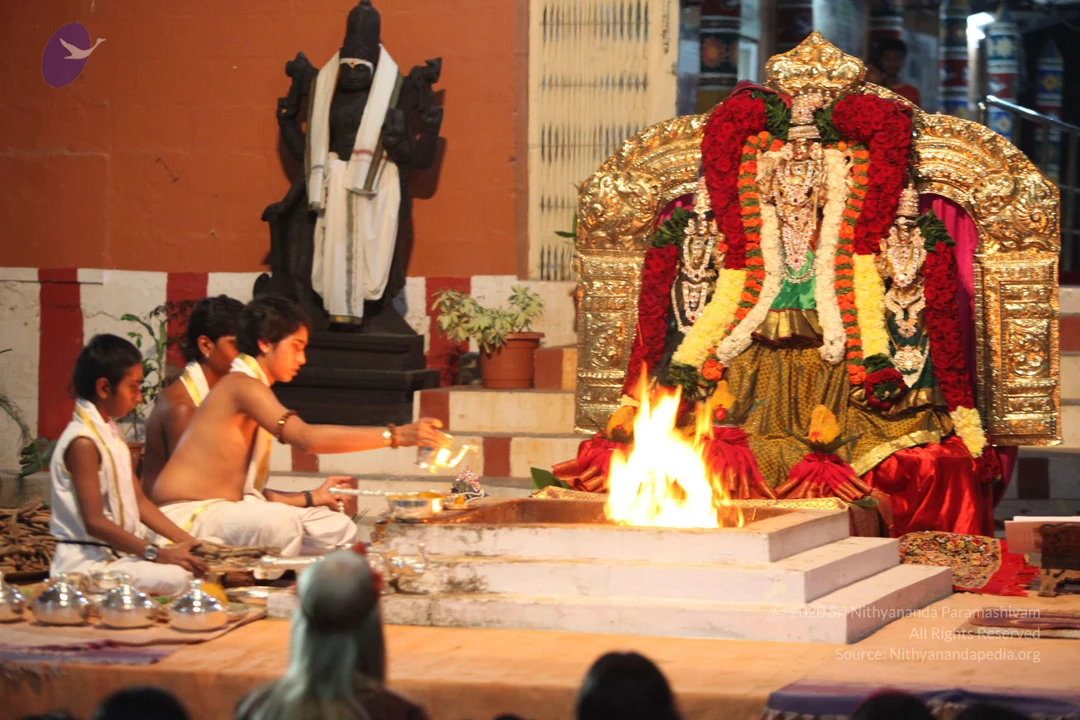
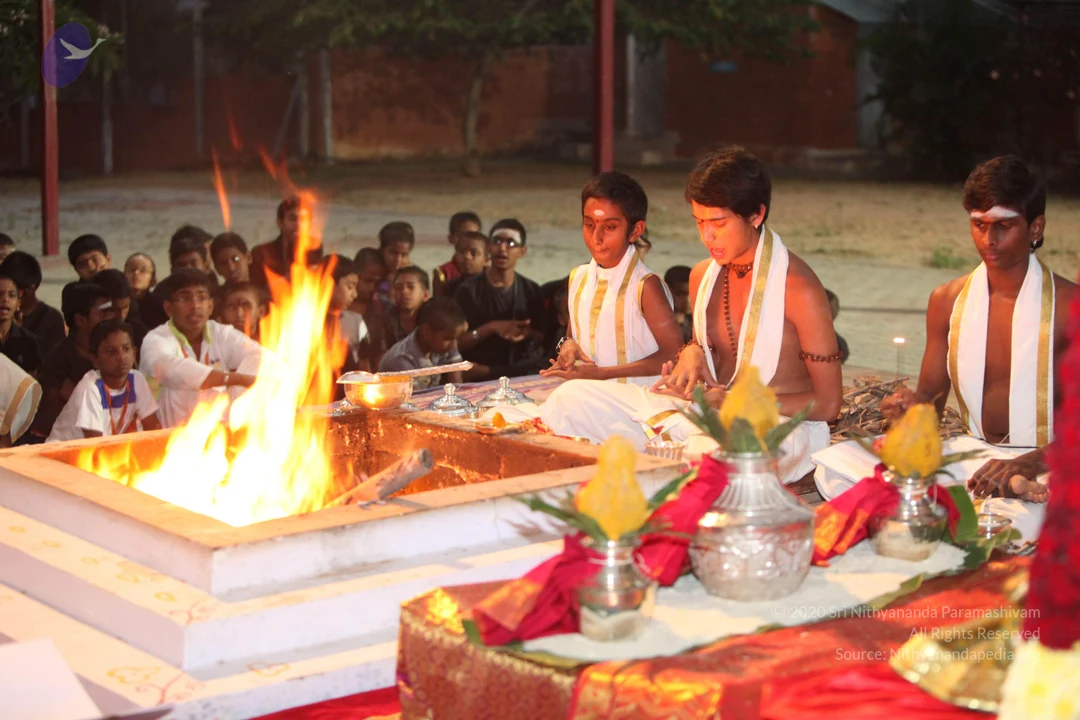
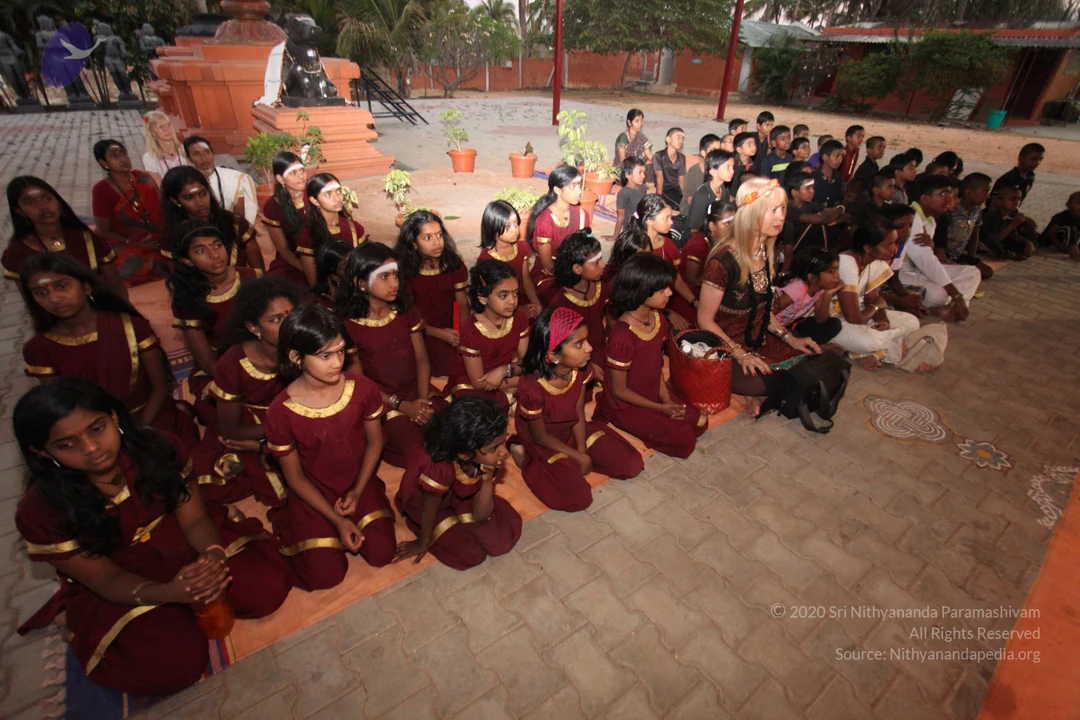
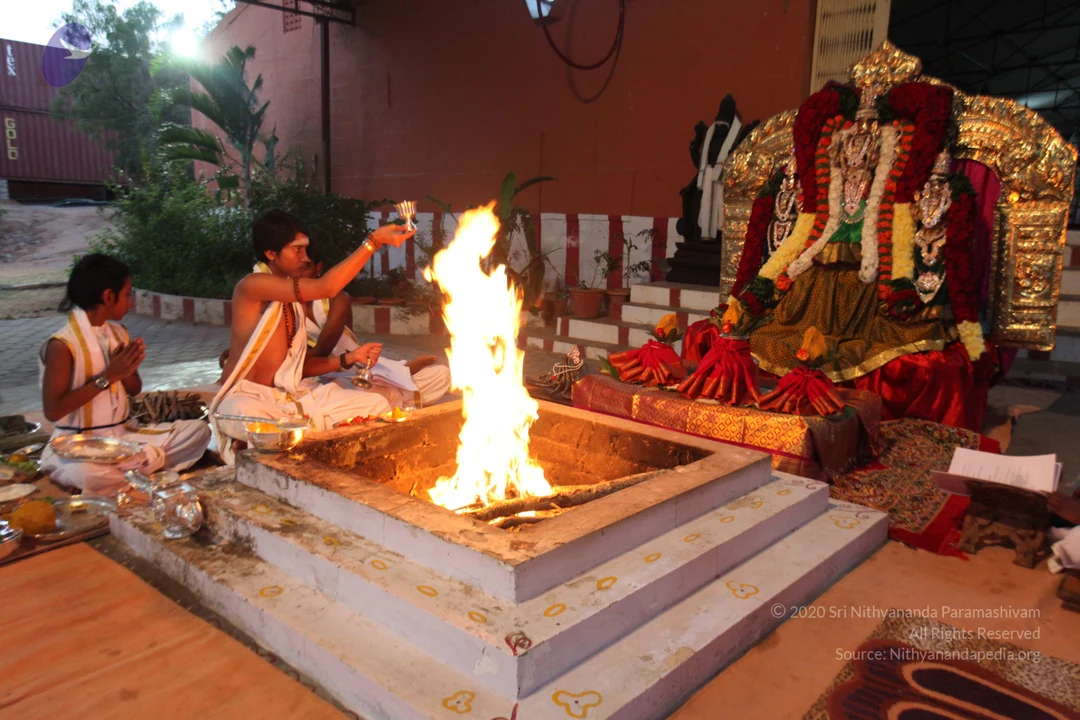
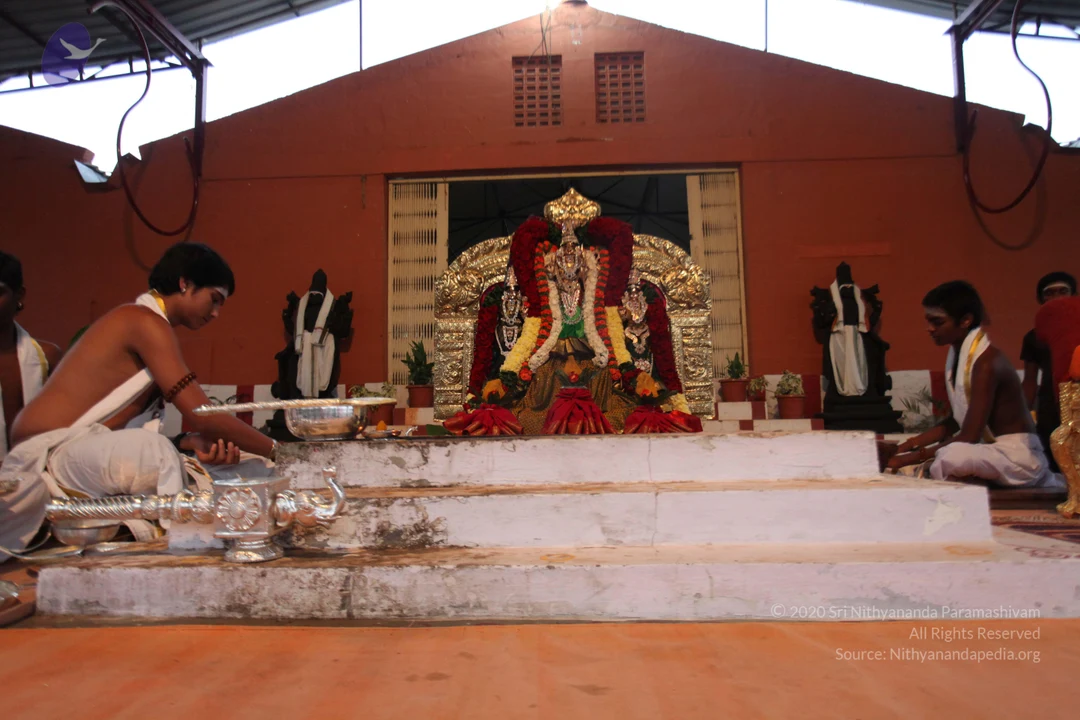
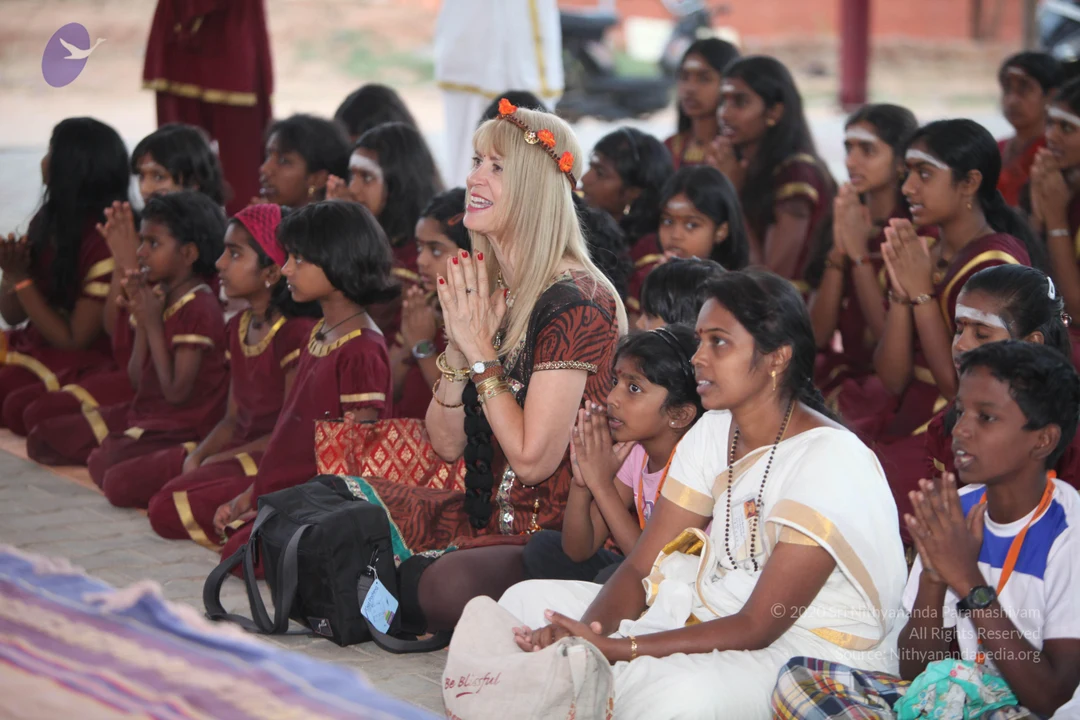
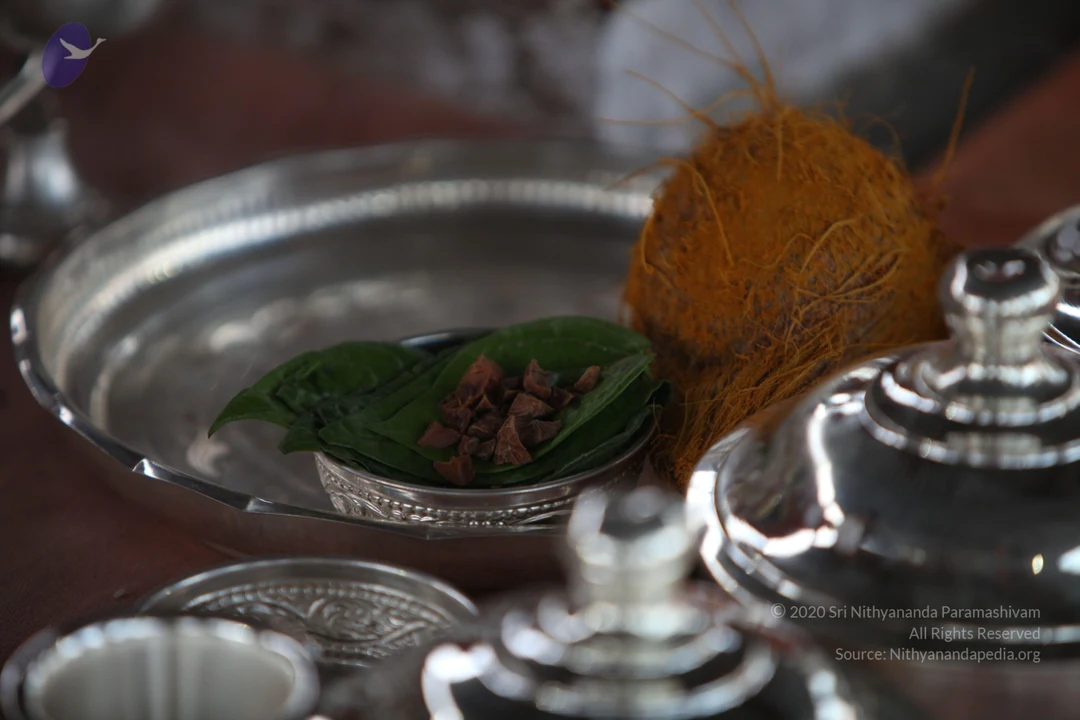
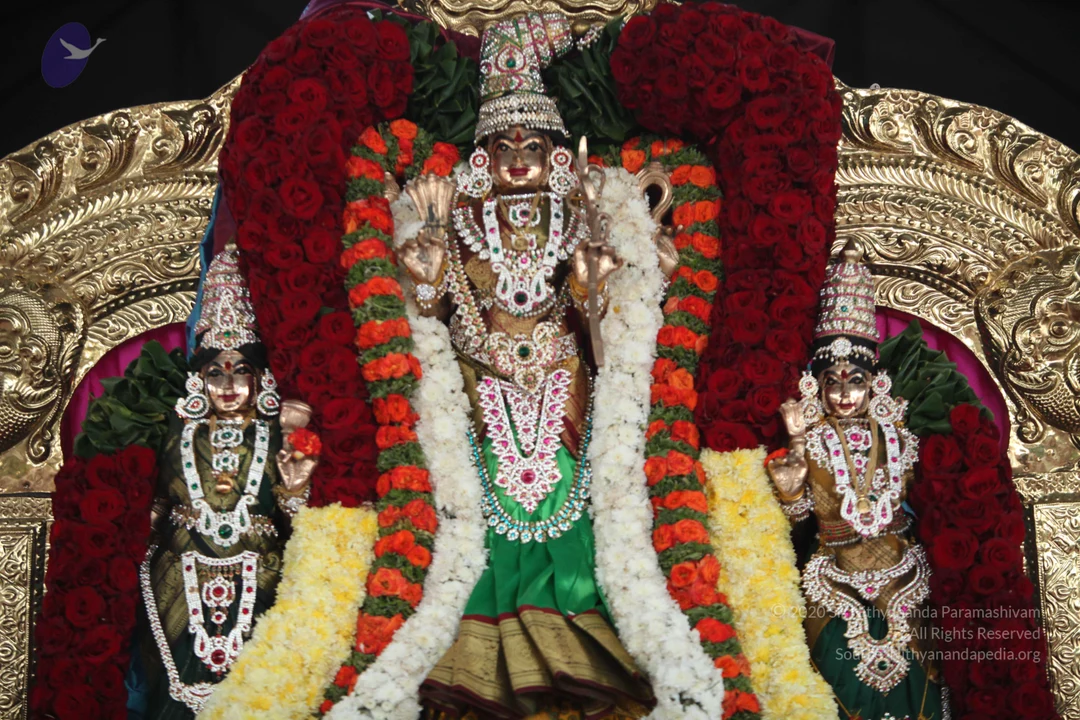
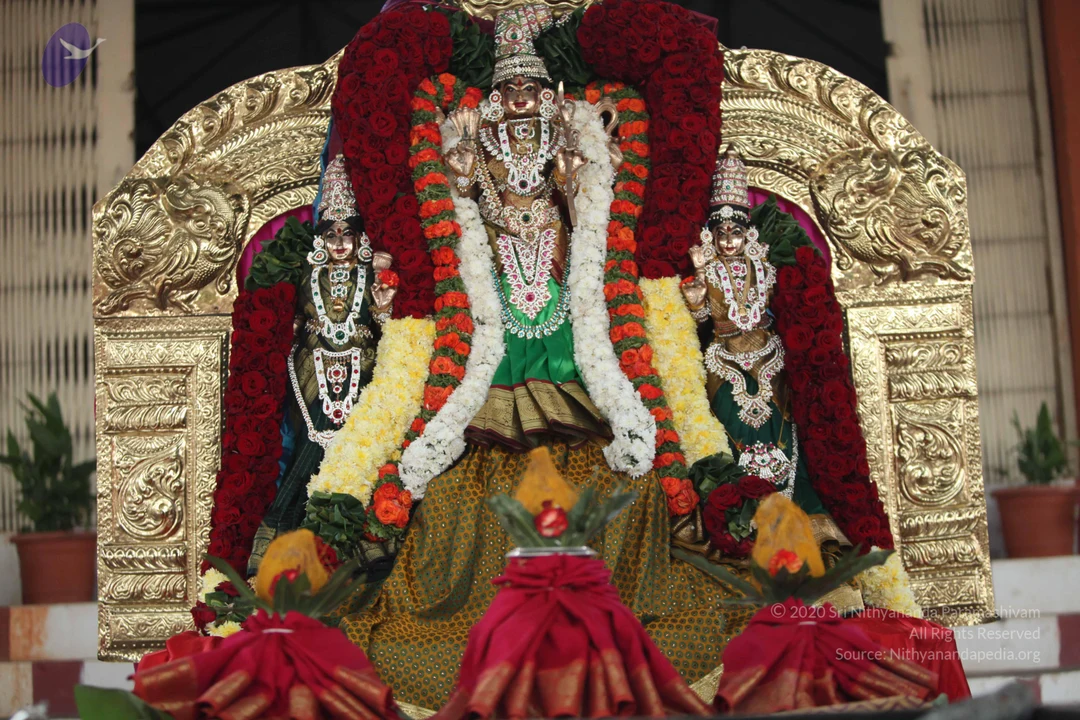
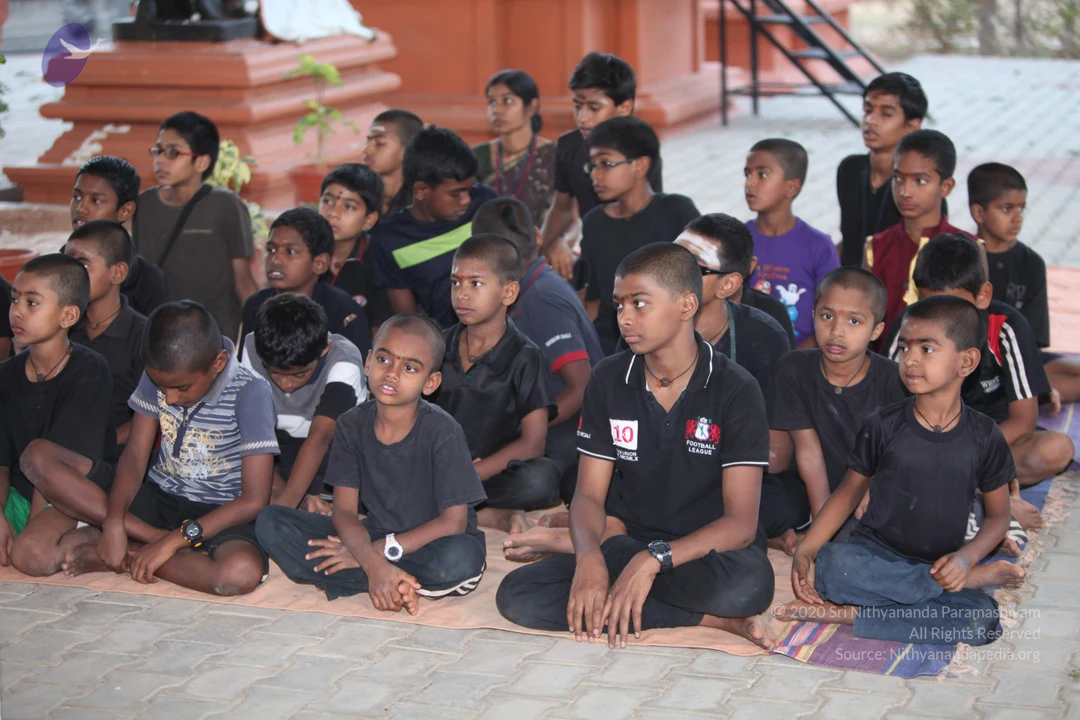
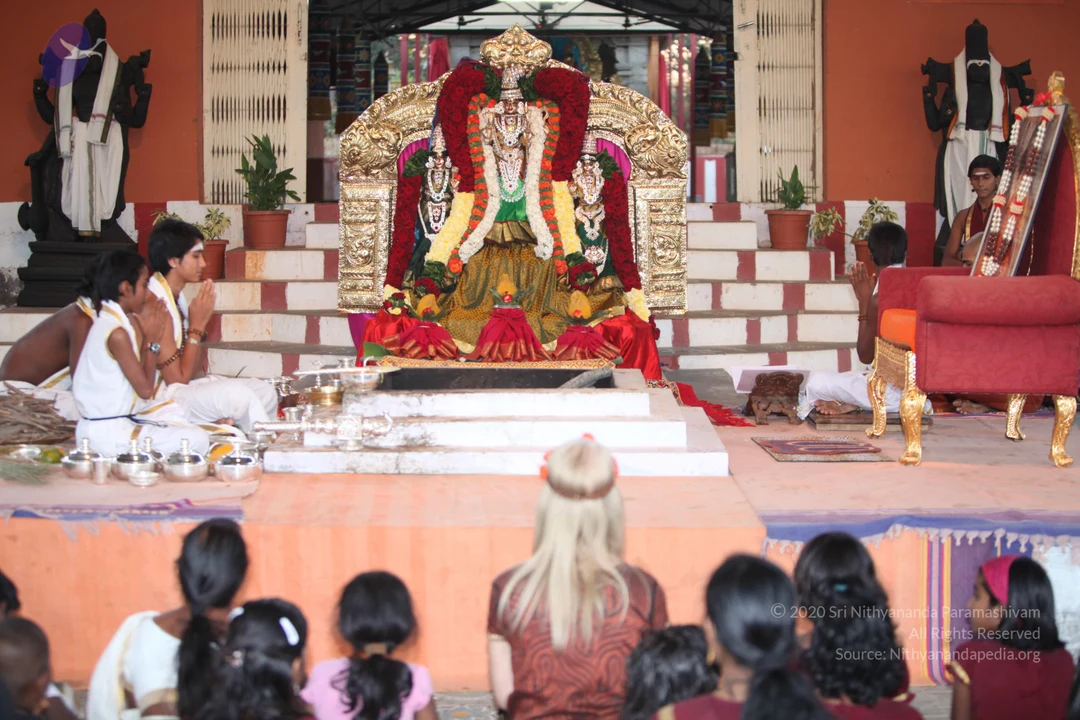
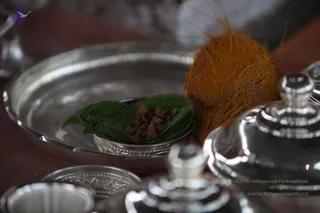
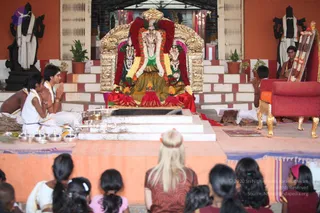
A golden ornate arch throne (peetha) frames three deity murtis seated on a striped tiered platform, adorned with red rose garlands, orange and yellow marigold garlands, white flower strands and jewelled silver necklaces. The central murti wears a crown and green and gold draped garment; the two flanking figures wear green and crimson clothing and crowns. Brass kalashas, small oil lamps and offerings sit at the base on red cloth, with potted plants at the sides. No people are visible.A deity murti seated centrally in a gilded arched niche, adorned with a crown, ornate jewelled necklaces and a green garment with gold-bordered skirt. Garlands of red roses, orange marigolds and white and yellow flowers drape the figure. Two smaller attendant figures flank it, also crowned and jewelled, with red rose garlands. In front, three kalasha-like offerings are wrapped in red cloth with mango leaves.A photograph of a decorated deity murti framed by red roses and orange and white garlands against an ornate gold arch. The central figure wears a tall jeweled crown, layered gold and bead necklaces, and a green skirt with gold border, with raised hands holding ritual objects. Flanking attendant figures on either side wear matching jeweled crowns, green and red jewelry, and garlands. No physical people are present; all figures are statues.A close-up photograph of a silver puja tray with a betel leaf bowl. Green betel leaves hold small pieces of reddish kumkum or brown offering material in a silver bowl. Beside it sits a husked orange coconut with fibrous hair, and silver lidded vessels with ornate rims. No people are visible and no a person candidate appears in the frame. The background is blurred.A temple-style ritual stage with a large deity murti or decorated shrine image seated on a golden throne-like frame, heavily garlanded with red, orange and white flowers and dressed in a green-and-gold cloth. Brass vessels and offering plates sit on the platform. Two young priests in white dhoti-style clothing sit at left with hands folded in prayer. At right, a red-cushioned chair with gold armrests holds a figure in orange-saffron clothing, partly visible; an ornate garland hangs behind. Standing dark stone figures flank the upper corners. Seated devotees, including a woman with long blonde hair in a rust-coloured top and several children, face the stage in the foreground.A photograph of a large group of young boys, roughly a dozen to two dozen in view, seated cross-legged on a pink-orange mat and a patterned rug in an outdoor courtyard with paved grey tiles. Most wear plain black or dark t-shirts, one wears a black polo with a red logo and the number 10, and one wears a purple shirt. Several have vibhuti or tilak marks on their foreheads and thin neck cords. Behind them stands an orange-red brick structure with a small plant and a metal stair railing. The boys look forward attentively, and no one is identifiable as a person in this image.

Darshan

20 photosSource gallery
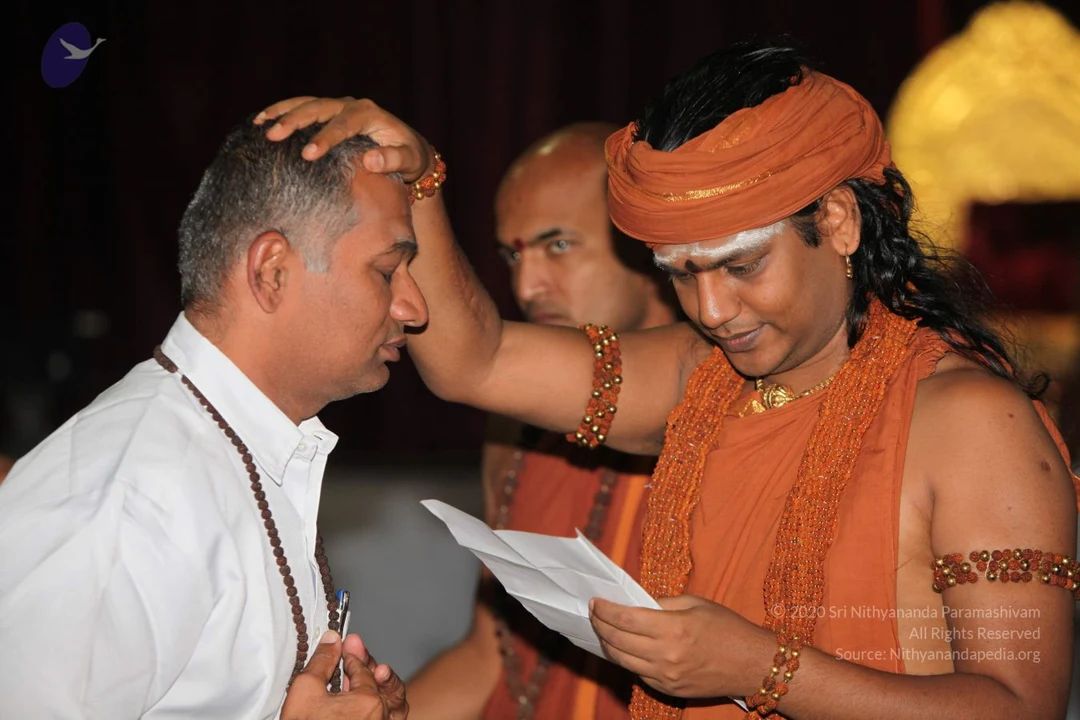
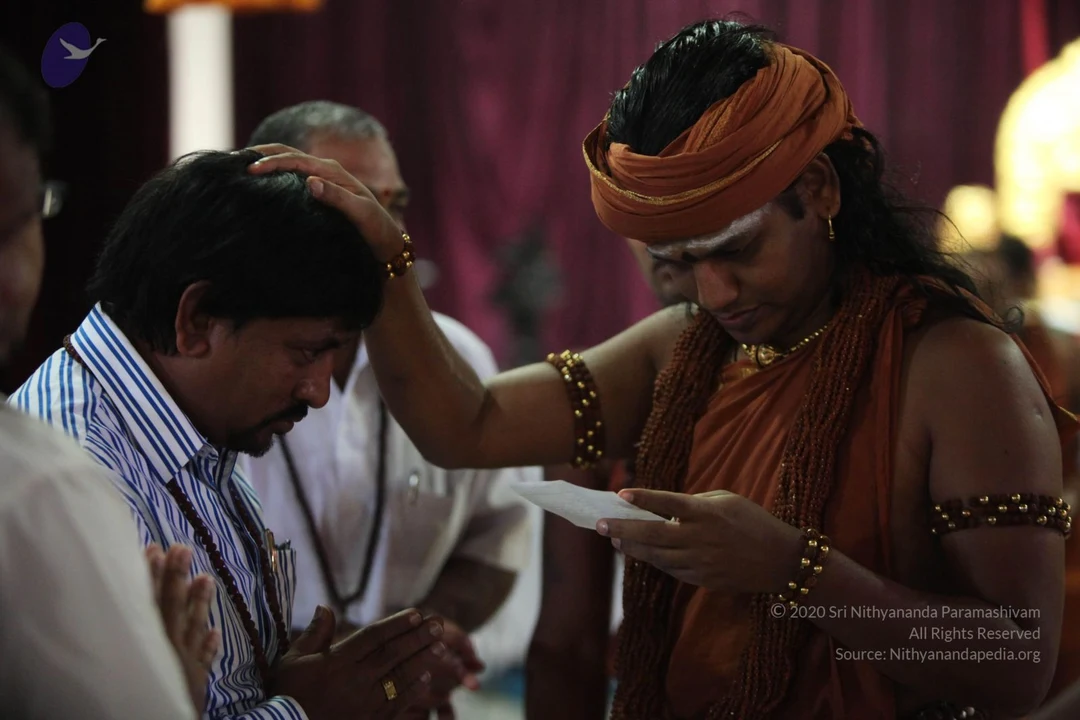
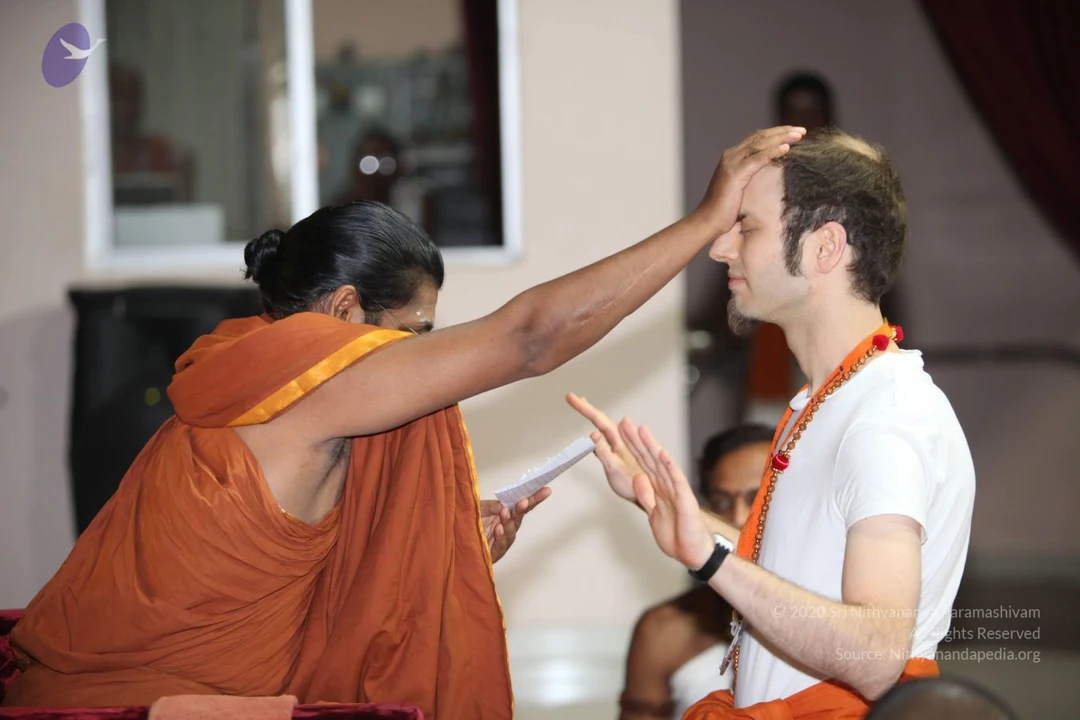
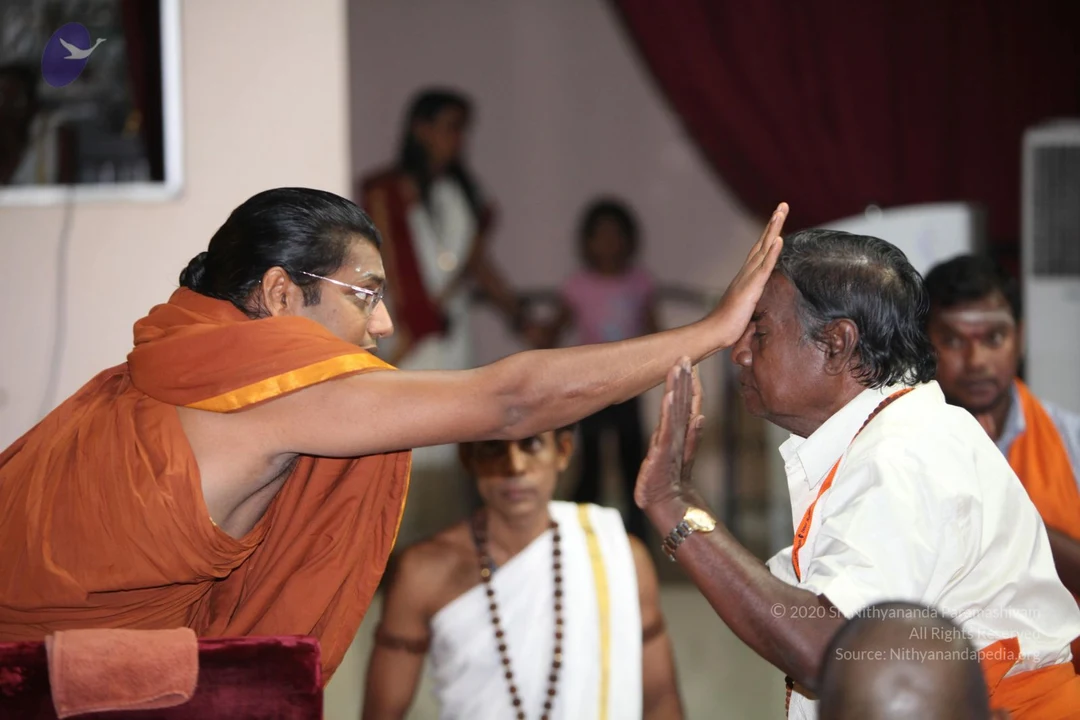
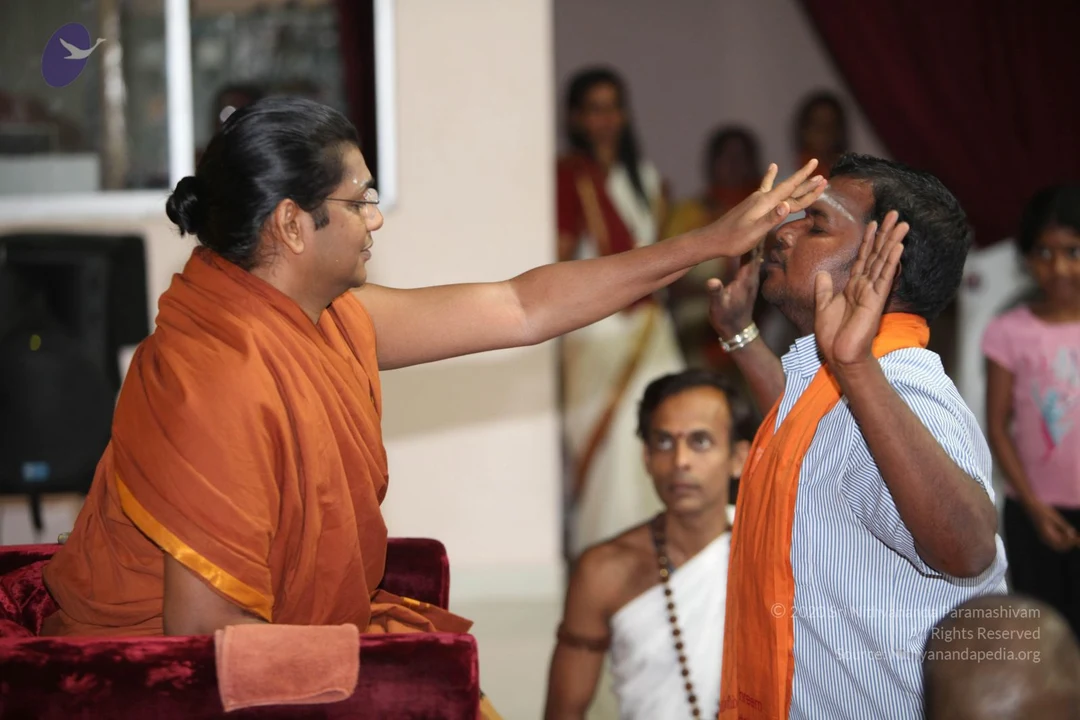
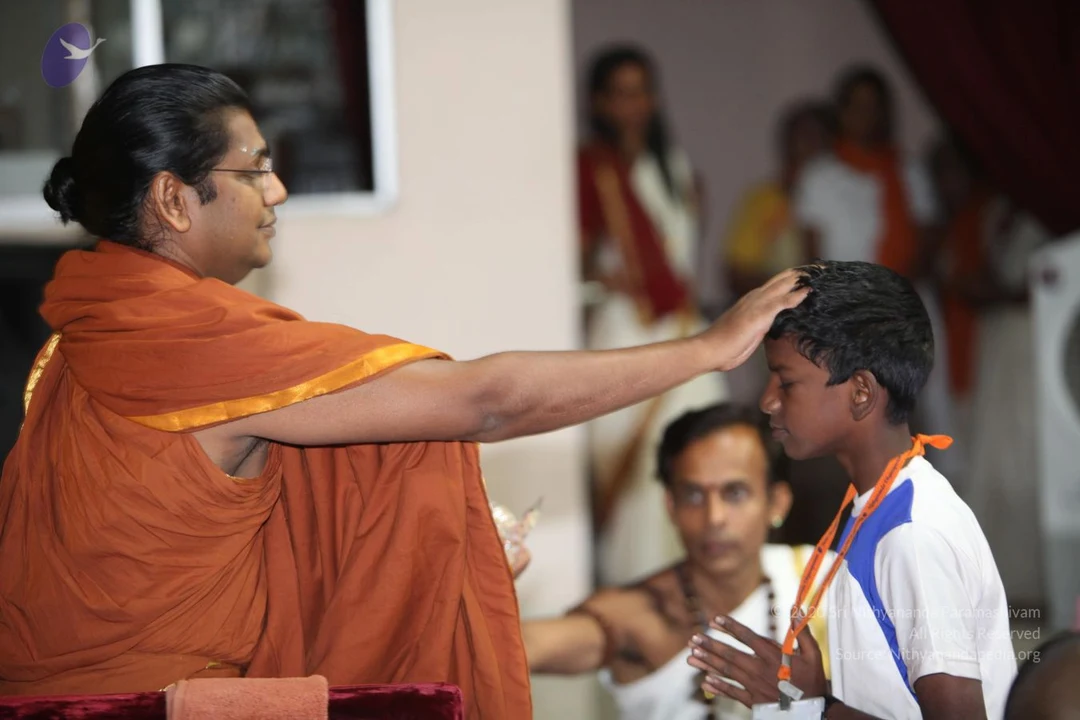
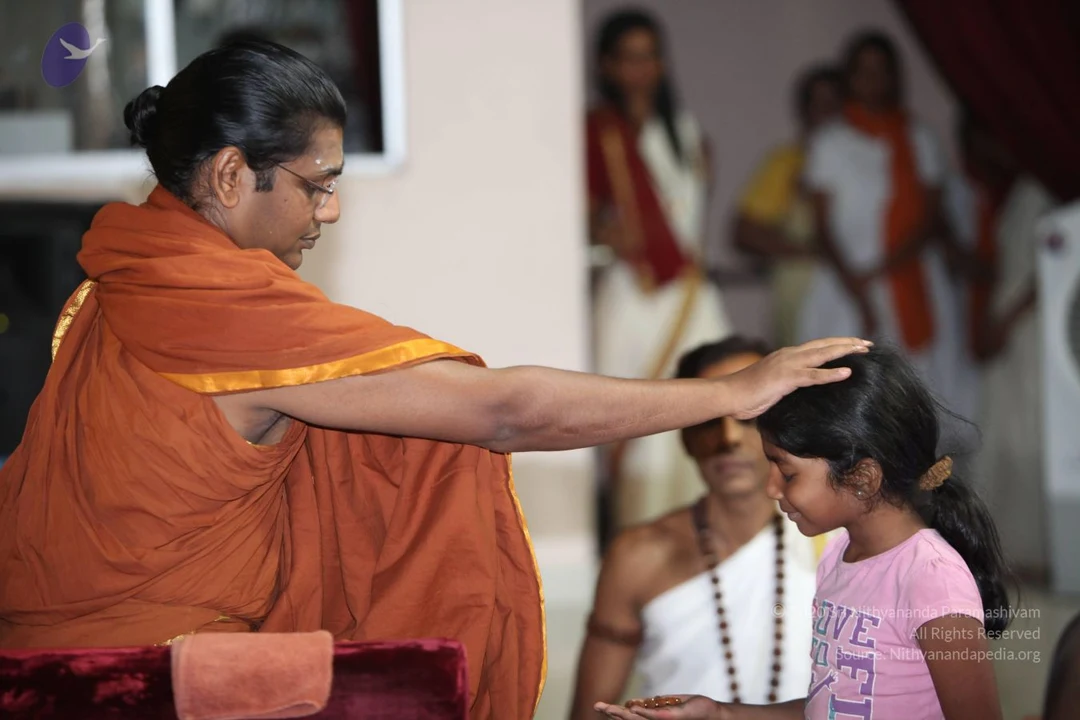
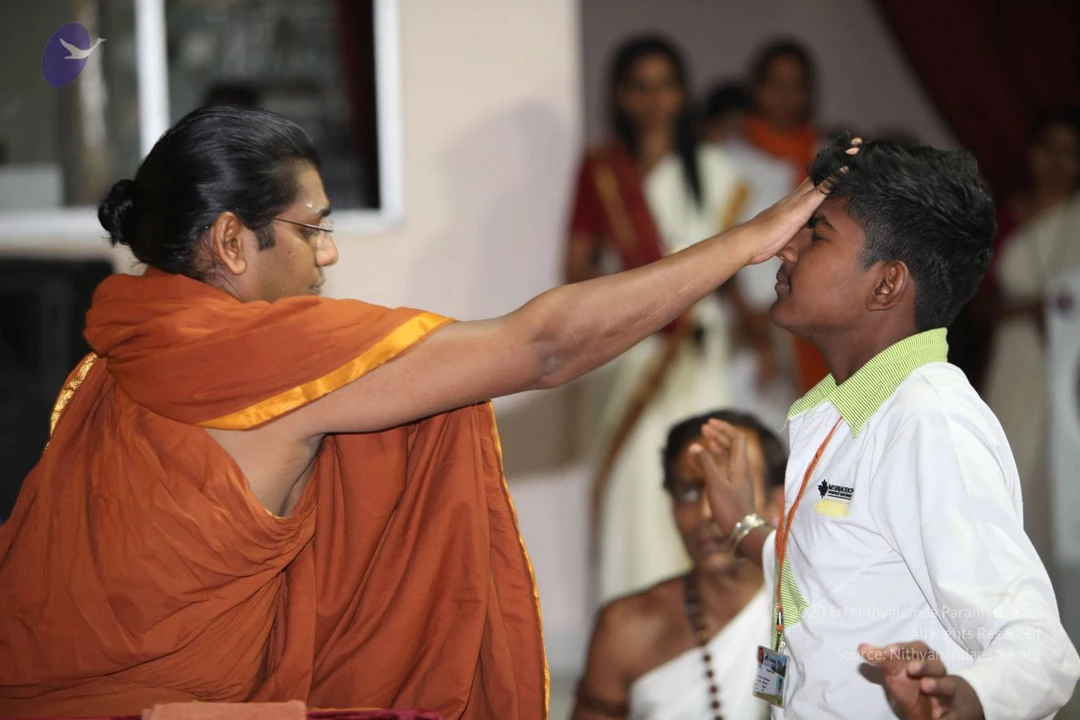
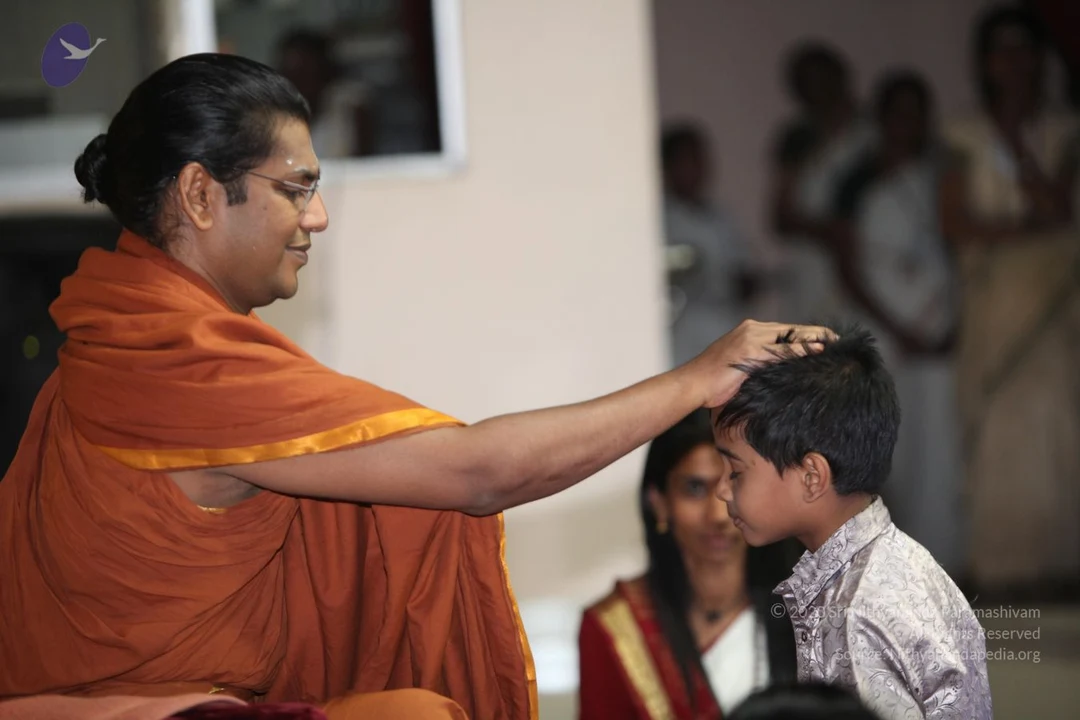
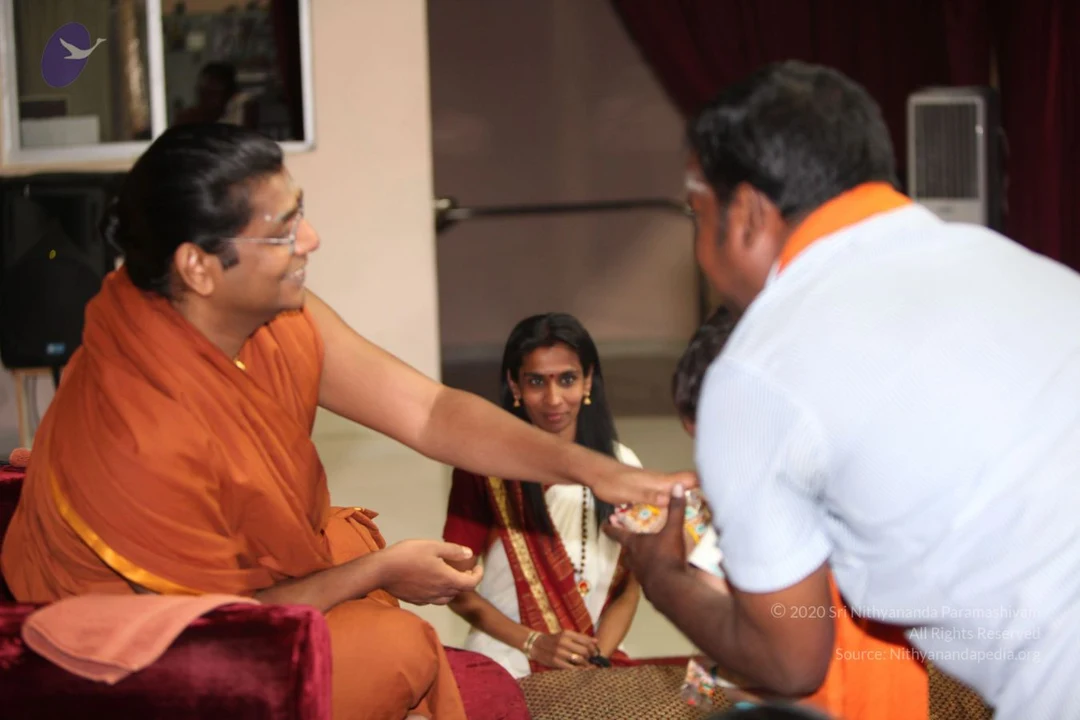
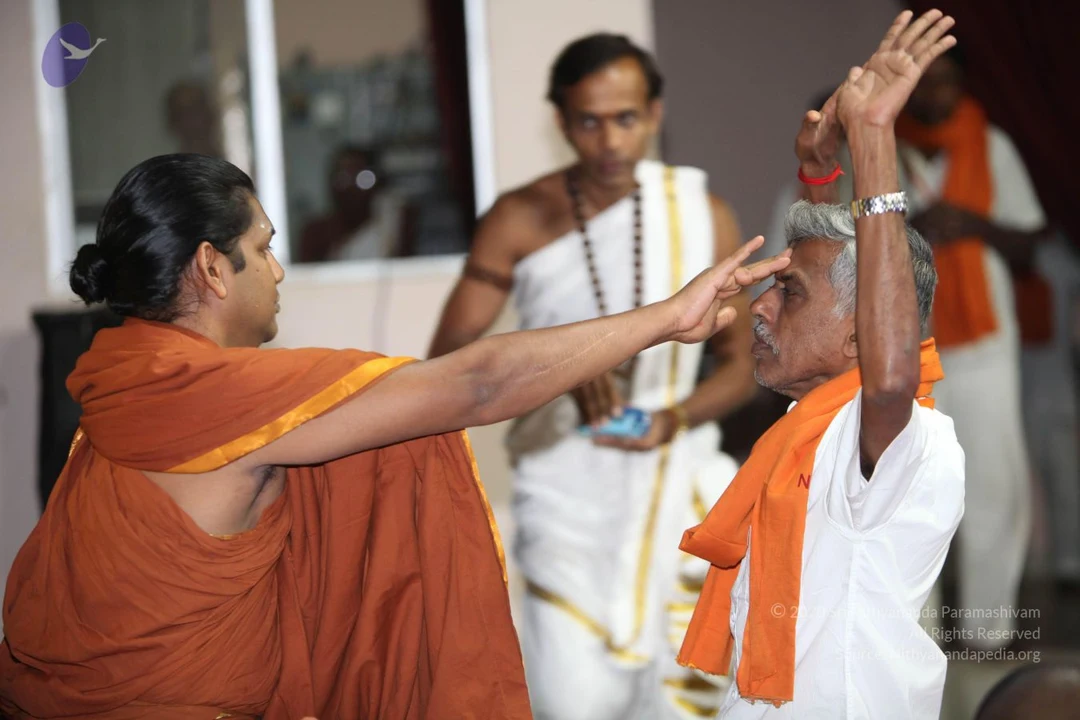
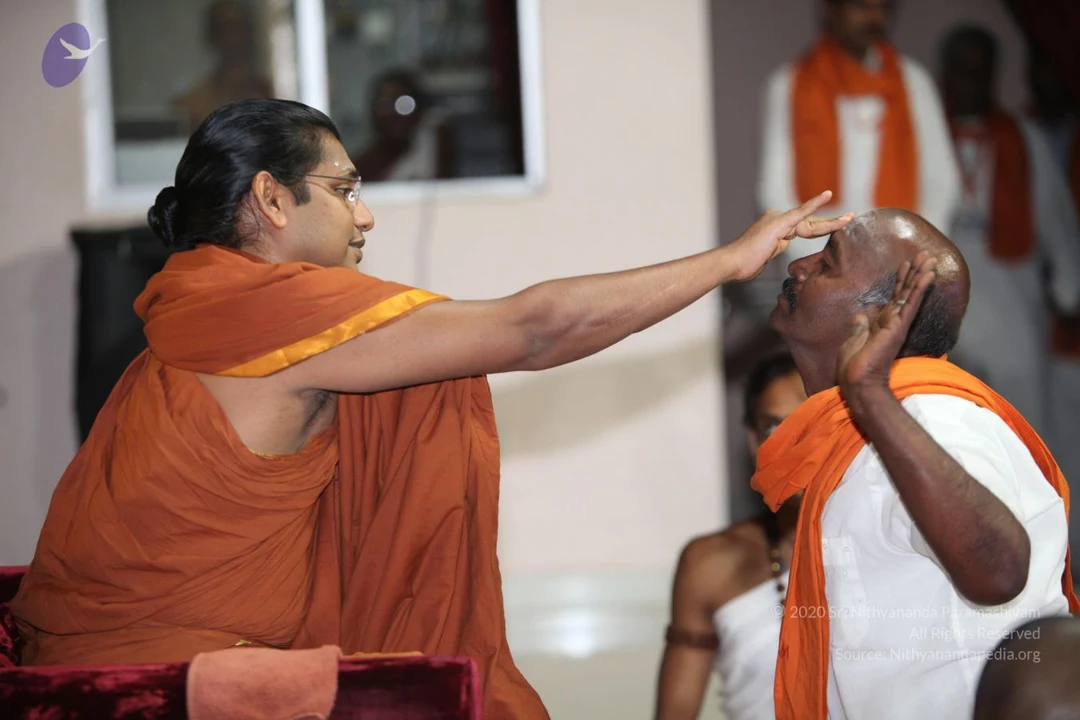
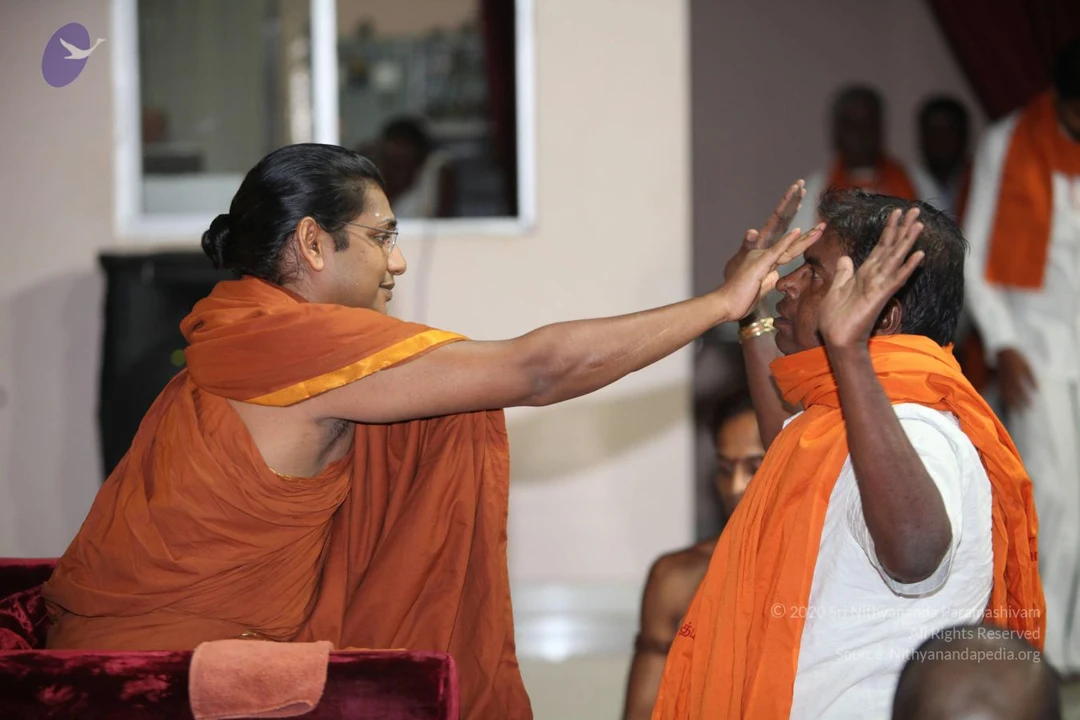
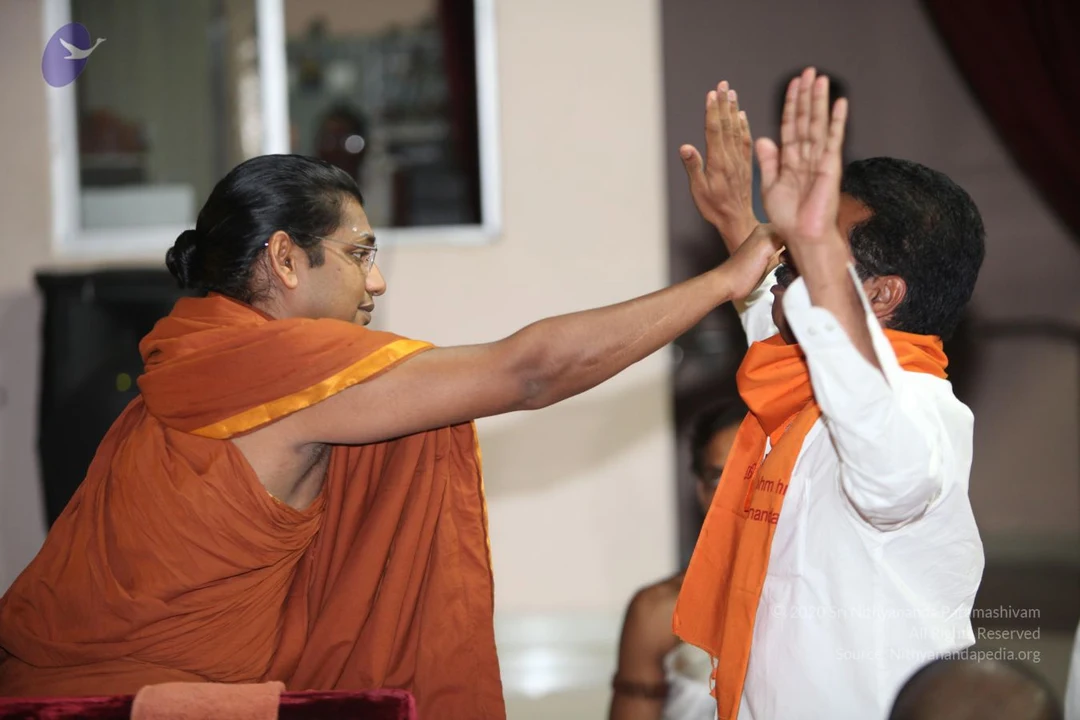
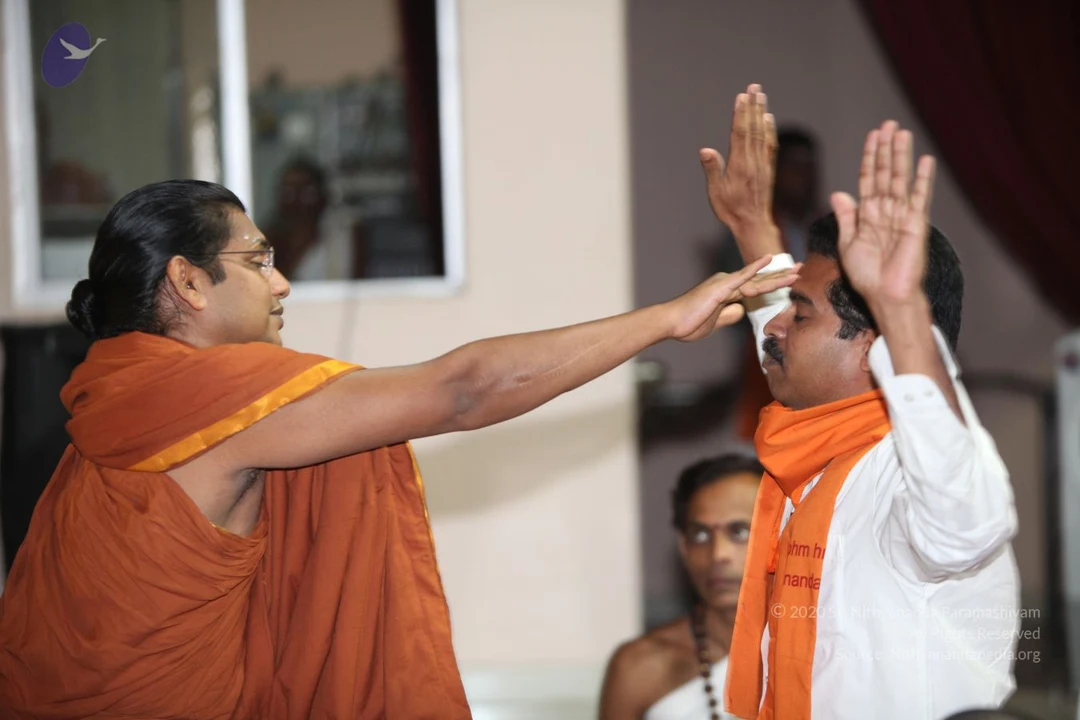
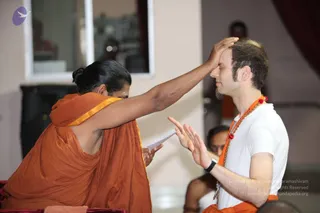
A photograph of a blessing moment indoors. A person seated in a saffron-orange robe with a wrap draped over the shoulders reaches forward and rests a bare hand on the forehead of a younger man with short brown hair and light stubble. The younger man has his eyes closed, palms pressed together in front of his chest, and wears a white t-shirt under an orange shawl with a rudraksha mala of red-brown beads. A third person in white sits partly visible in the background, and a window and cream walls frame the room.A man in an orange saffron shawl with a swept-back long dark hairstyle and thin-rimmed glasses stands on the left, extending his right arm to touch the forehead of an older man in a white shirt with an orange shawl and a gold wristwatch on the right, who presses his palm forward in respectful acceptance. Behind them, a shaved-headed attendant in white dhoti with a rudraksha mala and a yellow-bordered cloth watches, and a child and other devotees stand in the background before a red curtain.A seated man in orange robes with a swept-back ponytail and a small white forehead mark raises his right hand toward the forehead of a man in a blue-and-white striped shirt who wears an orange shawl and presses his palms together in reverence. The seated figure appears to be a person, giving a blessing on a red velvet chair. Behind them a shaved-headed attendant in white with a rudraksha mala sits watching, and women in saris and children stand in the background of a bright hall with a window and red drapery.A seated man in an orange saffron shawl with gold border, hair tied up in a bun and wearing glasses, places his right hand on the head of a young boy in a white and blue sports shirt with an orange lanyard. The boy stands with hands folded in prayer. Behind them a seated man in white clothes with a beaded necklace watches, and a woman in white and red sari stands in the background among other attendees. A small silver vessel is visible near the seated man's hand, and a red cushioned seat is at the lower left. The setting appears to be an indoor satsang or blessing gathering.A seated man in an orange-saffron shawl draped over his shoulders and an orange cloth with a yellow border, wearing glasses and hair tied up, extends his right hand in blessing onto the head of a young girl with a dark ponytail, pink t-shirt and a hair clip, who bows her head forward. A man in a white dhoti with a rudraksha mala and bare chest sits behind her with his palms open, and women in white and orange saris stand in the background near a window. A red velvet cushion sits in the lower left. The seated figure matches the appearance-based cues for a person with saffron robes and glasses, showing a blessing gesture to a child in a darshan setting.A photograph of a man in an orange-saffron shawl with a yellow border touching the forehead of a young boy in a white shirt with green collar and a lanyard badge. The man, with hair in a bun and glasses, extends his right arm to press his palm to the boy's forehead, who stands with eyes closed. Behind them, a woman in a white sari with red border and other figures in white and orange clothing stand in a room with pink walls and a window. A seated older man in white with rudraksha-style beads is partly visible at lower right with hands raised. The scene suggests a blessing or initiation gesture.

01-MORNING-SATSANG

88 photosSource gallery
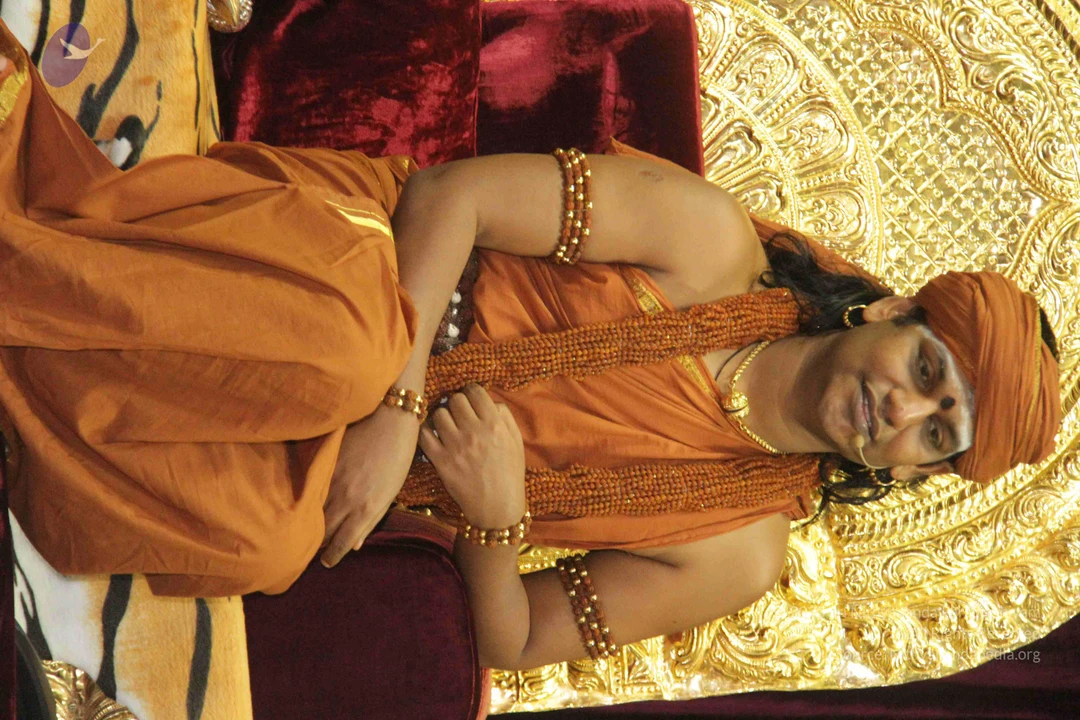
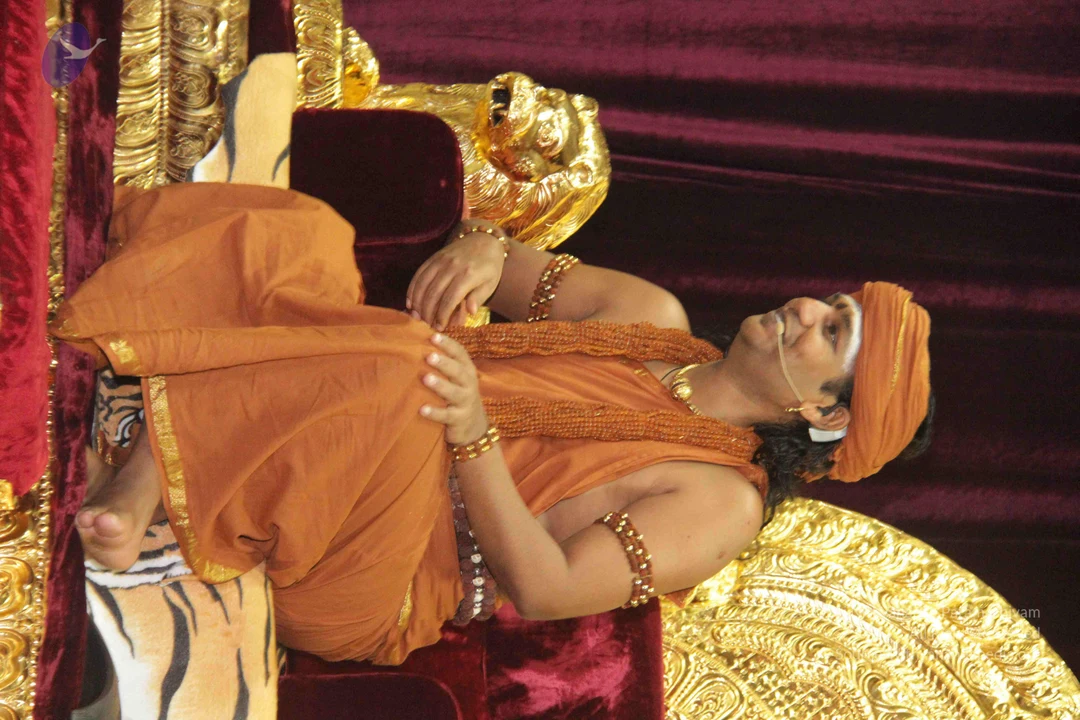
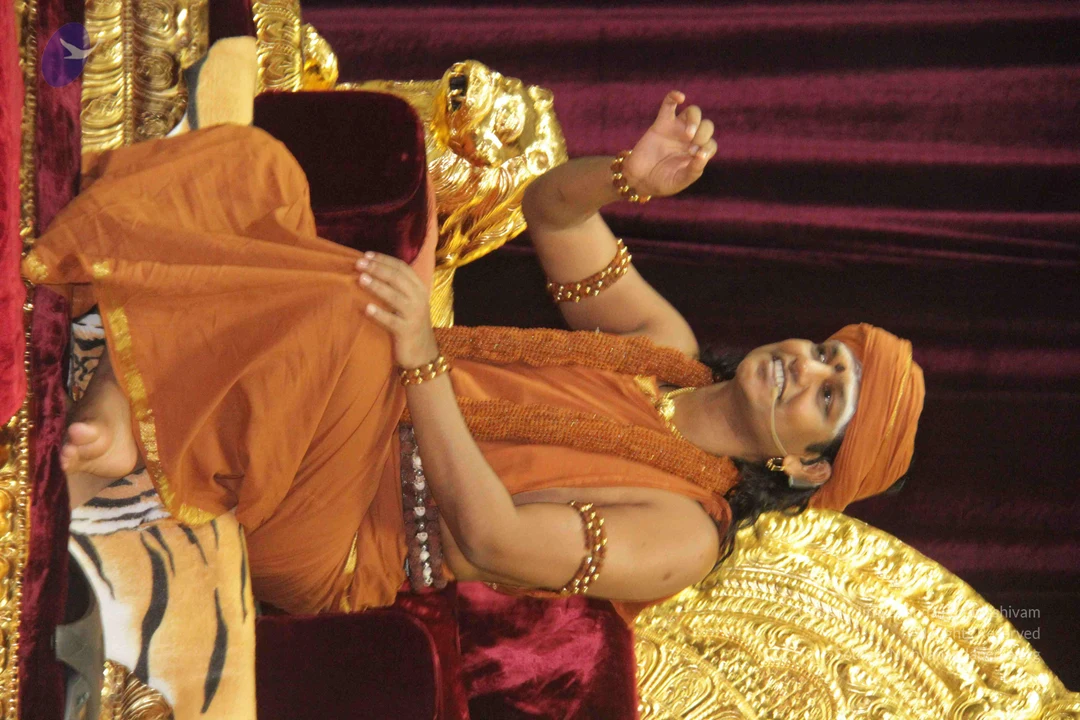
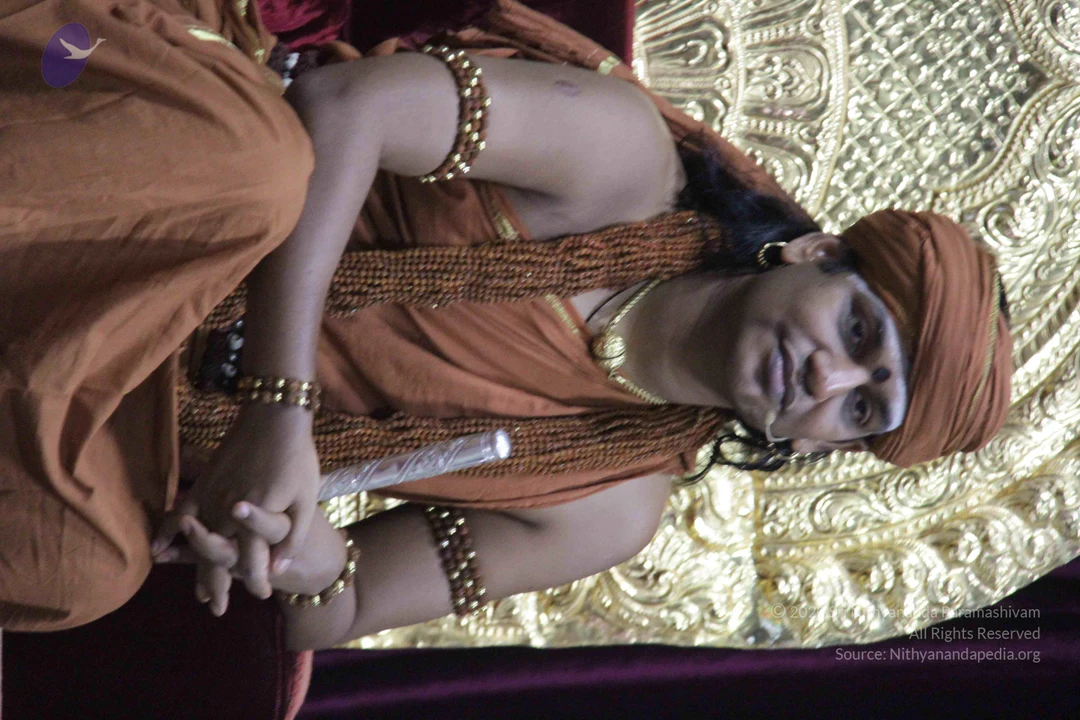
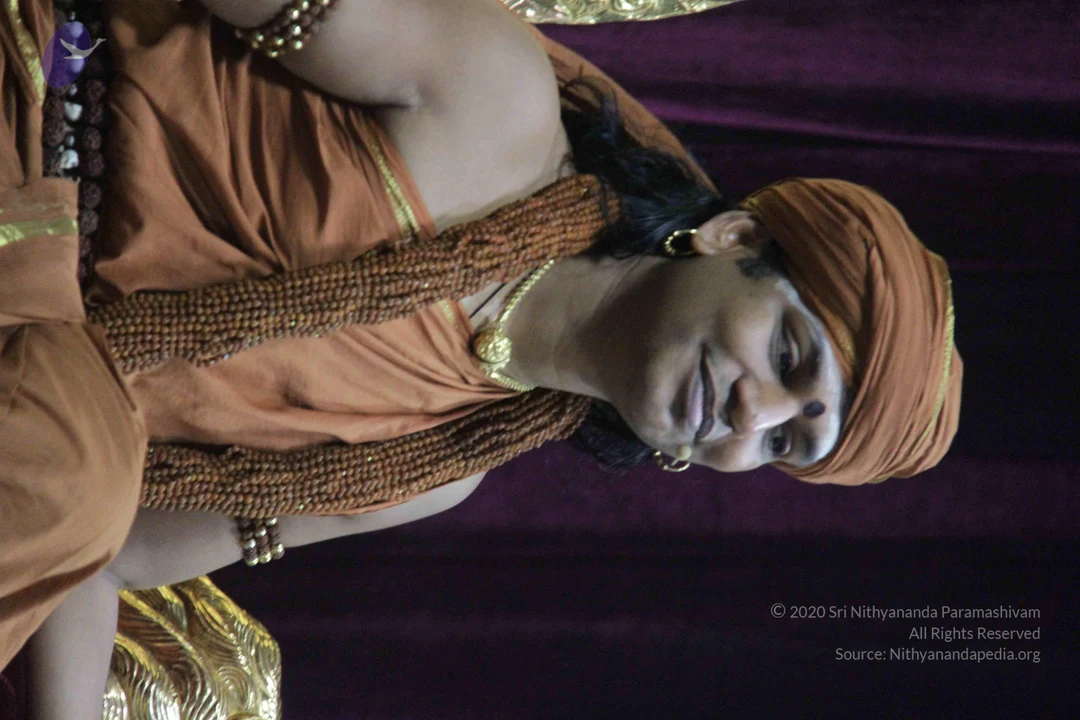
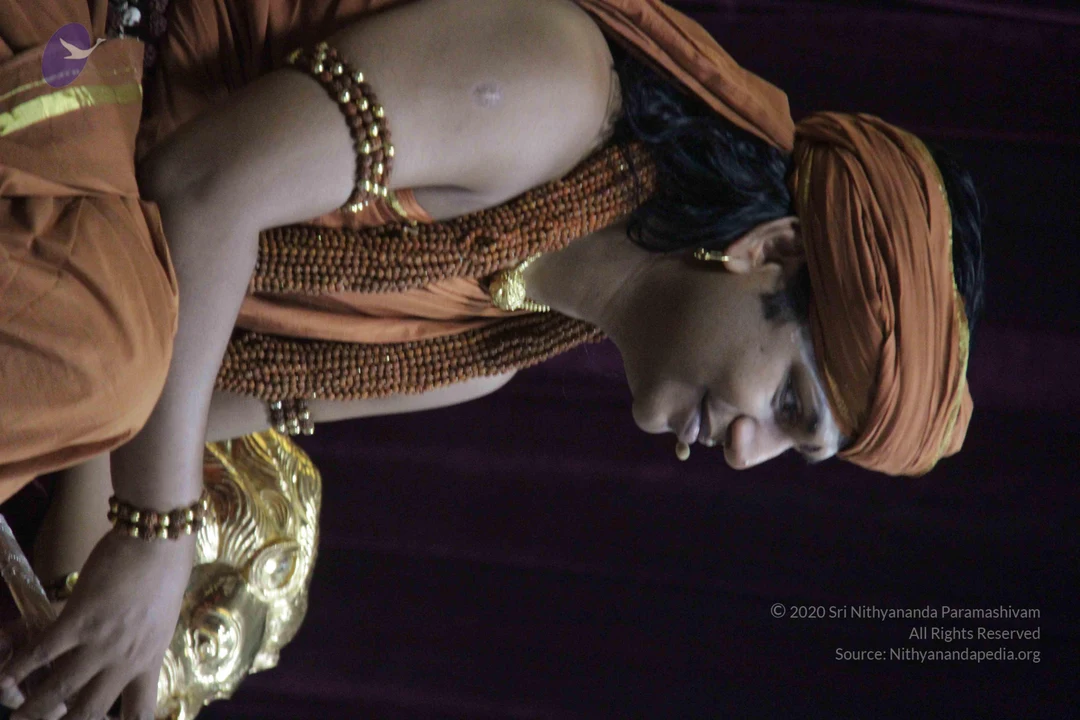
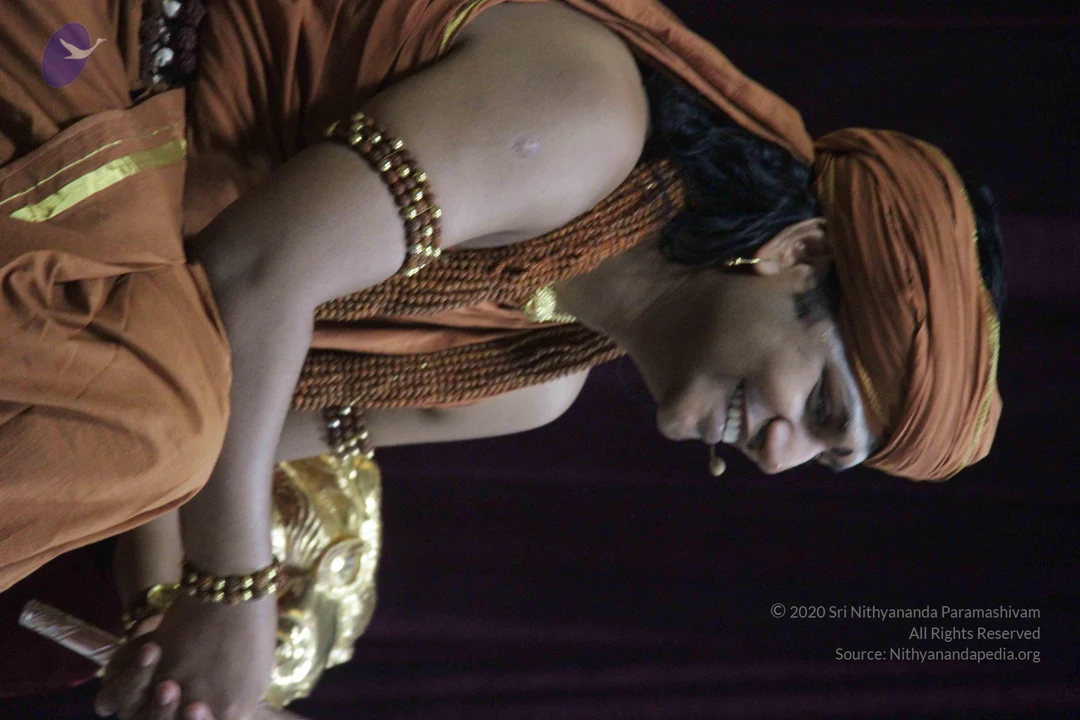
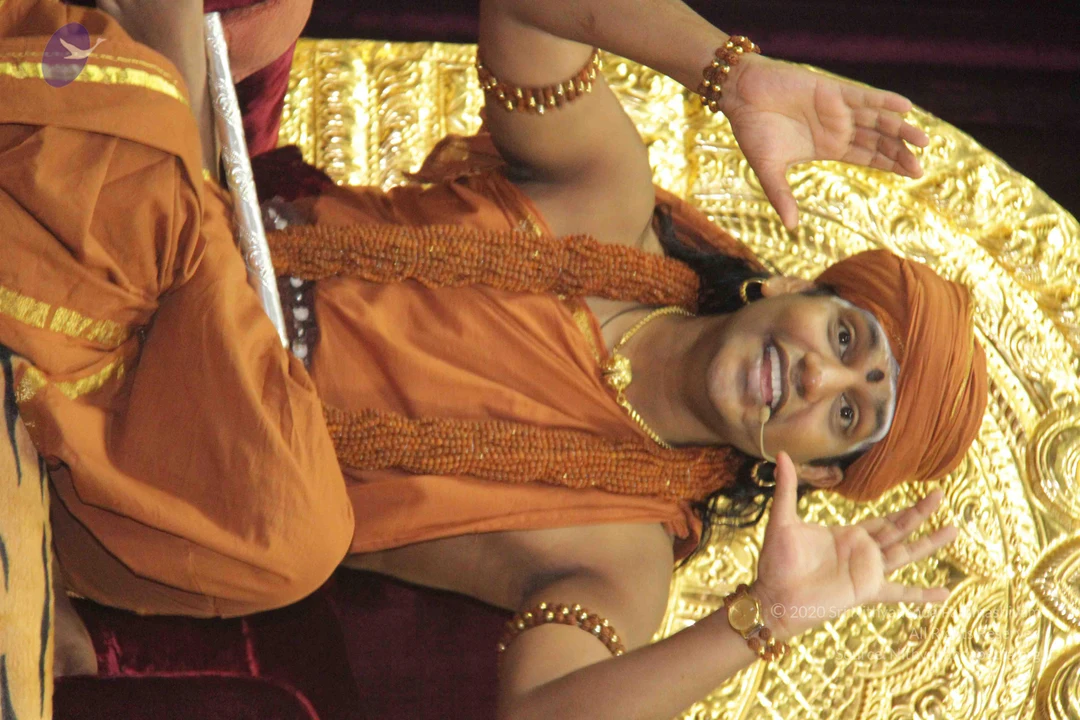
A rotated photograph of a seated figure on an ornate gold-embossed throne or cushion. The figure wears an orange-saffron robe and turban, multiple strands of rudraksha beads across the chest and arms, a gold necklace, and white markings on the forehead. A silver-colored ceremonial staff or rod rests across the lap. Dark velvet fabric appears at the upper left. A small logo appears in the upper left corner. Swamiji (probable): long dark hair, saffron turban and robes, rudraksha malas and gold necklace, seated on a throne, matching the cues for the probable identity.A photograph, rotated sideways, of a man seated on a gold-embossed throne backdrop with a red velvet cushion in the foreground. He wears an orange saffron turban, orange robe, and multiple strands of orange and gold beaded malas across his chest, with a gold necklace, gold bangles and a gold armband. He has white forehead markings and a bindi, and his hands are raised in a gesture while he speaks. Swamiji (probable): long dark hair, saffron turban and robe, rudraksha-style beaded malas and ceremonial gold ornaments, seated in a satsang setting.A photograph of a person seated on a red cushioned throne against a large ornate gold-embossed backdrop. The image is rotated sideways. The person wears a saffron-orange robe and turban, multiple rows of orange and beaded rudraksha-style malas across the chest, gold bangles on the arms and wrist, a gold necklace, and a gold nose ring. The face has white markings on the forehead. One hand is raised in a gesture while the person speaks. The a person cues are the saffron robe, turban, ornate malas and ceremonial gold jewellery, seated in a discourse setting.A rotated photograph of a person seated on an ornate golden throne-like cushion draped with a tiger-striped cloth. The figure wears saffron/orange robes with a matching saffron turban, multiple strands of rudraksha-style beads across the chest, a gold necklace, and beaded bracelets on the wrists. The right arm is raised with the hand open, and the left hand holds a silver staff. Deep maroon velvet and dark background surround the seat. The image is rotated 90 degrees.A photograph, rotated on its side, of a seated person in saffron-orange robes and an orange turban, wearing multiple strands of orange rudraksha-style beads across the chest and a gold necklace with a gold pendant. The person has a dark tilak mark on the forehead, wears gold bangles and a wristwatch, and holds one hand raised near the face in a gesture while smiling. The seat behind is an ornate gold-embossed throne with intricate floral and scrollwork patterns, set against dark red fabric. The figure matches the a person candidate by ceremonial cues (saffron clothing, rudraksha malas, gold necklace), so this is a probable appearance-based identification of a person seated in person at the satsang.A photograph, rotated sideways, of a person seated on a throne-like seat with an ornate gold repoussé backdrop. The person wears an orange-saffron turban and orange robe, with multiple strands of orange-brown rudraksha beads crossing the chest and a gold necklace. Gold bangles and beaded bracelets are on the arms, and gold earrings are visible. A white tilak mark and a dot are on the forehead. Dark red cushions are at the lower left. The person is smiling and gazing toward the camera. Swamiji (probable): the saffron turban, rudraksha malas, ceremonial gold necklace and ornate throne are consistent with the page's description of a satsang event.

02-HOMA

2 photosSource gallery
A man in saffron-orange robes sits cross-legged on a tiger-striped cushioned platform in front of an ornate gold repoussé arch backdrop. He wears a gold-bordered orange shawl draped over his shoulder and a red dot on his forehead, with his hands clasped in his lap. Red velvet armrests frame him. Appearance-based probable Swamiji: long swept-back dark hair, saffron robes with gold borders and a ceremonial gold chain; the page states he is present at this satsang. Single person seated on a dais.A decorated deity murti of a standing deity with a golden face, tall jewelled crown, and a spear-like staff held in one hand, with the other hand raised in a gesture. The figure wears heavy gold and gem-studded necklaces, a green silk lower garment, and is framed by garlands of white jasmine and orange-red flowers, with a backdrop of red roses. No physical people are visible; this is a statue, so a person is none.

03-TAMIL-IA-SESSION

5 photosSource gallery
A smiling man in saffron-orange robes stands behind a clear acrylic lectern on a dark maroon curtain backdrop, both hands resting on the top edge. He wears a wrap of orange cloth over his shoulders with a gold-bordered dhoti visible below, a white tilak with a red dot on his forehead, and a small headset microphone near his ear. His head is tilted and he is laughing broadly.A smiling man in saffron-orange robes with gold-bordered drape stands behind a clear acrylic lectern on a stage with a deep maroon velvet curtain. He leans on the lectern with both hands, wears a small headset microphone, and has white vertical tilak marks and a red bindi on his forehead. His hair is long and swept back, and he has bangles on his wrist. Probable Swamiji delivering a satsang discourse; the appearance cues are long swept-back hair, saffron robes and a gold-bordered garment.A smiling man with long swept-back dark hair and a white forehead mark stands behind a clear acrylic lectern on a stage before a deep maroon velvet curtain. He wears a saffron-orange shawl draped over his shoulders and an orange dhoti-style garment with gold-bordered ornamental edging, and rests both hands on the lectern. a person: his long swept-back hair, saffron clothing with gold trim and his stage presence at the lectern match the expected presentation, though the photo is a speaker-at-lectern shot with no caption naming him.A smiling man with long dark hair, white forehead markings and a red bindi sits in an orange-red leather armchair against a black backdrop. He wears a rust-orange shawl edged with gold, a gold chain, a beaded rudraksha-style mala and a gold bracelet, and a small clip microphone is visible near his cheek.A man in saffron-orange robes sits in a large orange leather armchair before dark burgundy drapery, gesturing with both open hands raised. He wears a rudraksha mala draped over his shoulders, a gold necklace, bracelets, and a bindi with white forehead markings, and has a clip-on microphone at his cheek. Swamiji (probable): long swept-back hair, saffron robes, rudraksha mala and gold necklace fit the presentation, and the page indicates the event featured him, so he is marked as a probable in-person candidate. The scene reads as a satsang or discourse.

04-DARSHAN

3 photosSource gallery
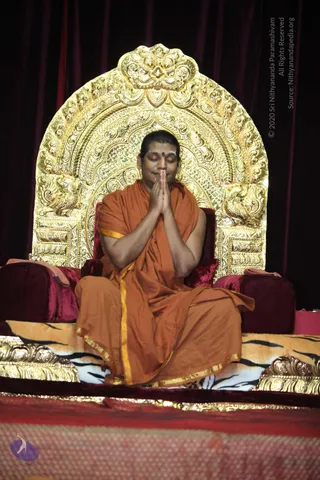
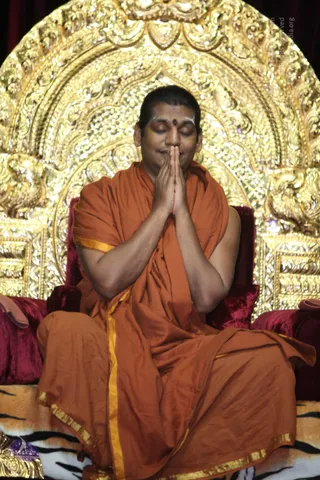
A seated man in an orange-saffron robe with gold-edged borders sits on a red velvet chair before an ornate gold arched backdrop, palms pressed together in namaste with eyes closed. A small red dot marks his forehead and a white marking is visible above it. The seat is raised on a tiger-striped cloth with gold-carved trim, and red drapes fill the background. The man appears to be a person, identified by the saffron robe, the throne-like seat, and the ceremonial gold surroundings, though his face is not clearly confirmed. A single person is present.A man seated on an ornate gilded throne with a carved golden arched backrest, eyes closed and hands pressed together in anjali mudra at chest level. He wears an orange-saffron cloth draped over his shoulders with gold-bordered edges, and a dark red bindi and white forehead markings. Red velvet cushions surround him, and a tiger-striped fabric covers the dais beneath. No other people are visible.A man with slicked-back dark hair, rimless glasses and a red tilak on his forehead sits smiling in a saffron-orange shawl with a gold border, a gold chain at his neck. Behind him is an ornate gold-carved panel against deep maroon drapery. The seated figure is Swamiji (probable), identified by the page-linked setting and appearance cues: swept-back hair, saffron-orange clothing and a gold necklace, with a satsang-style seated setting.

1-Temple

8 photosSource gallery
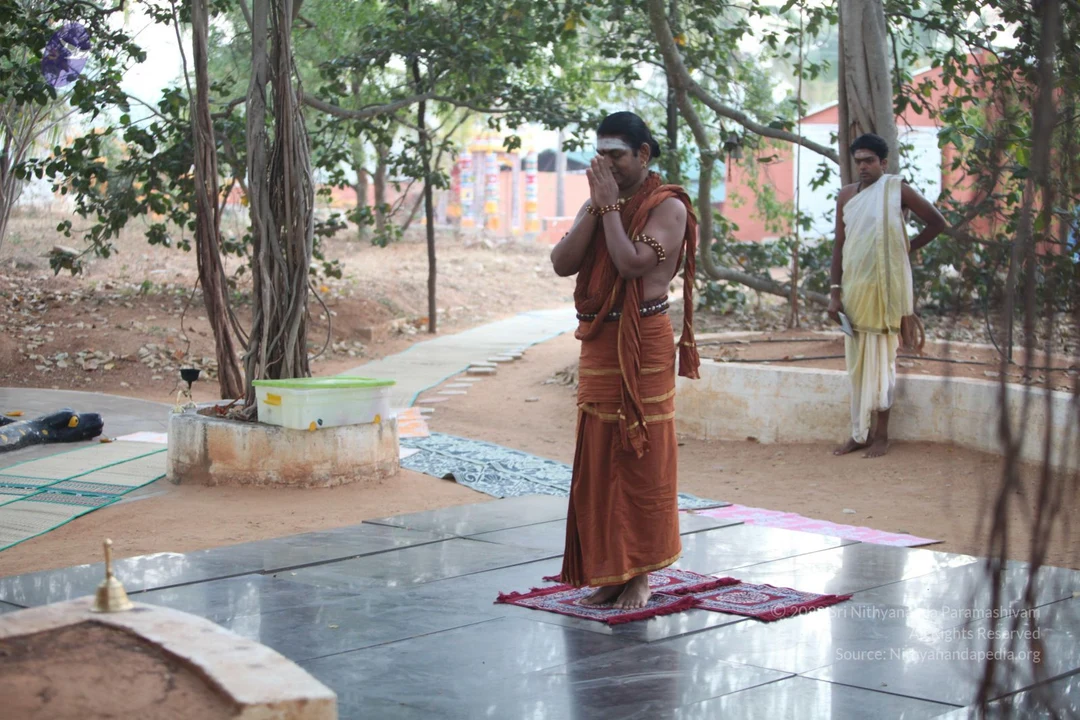
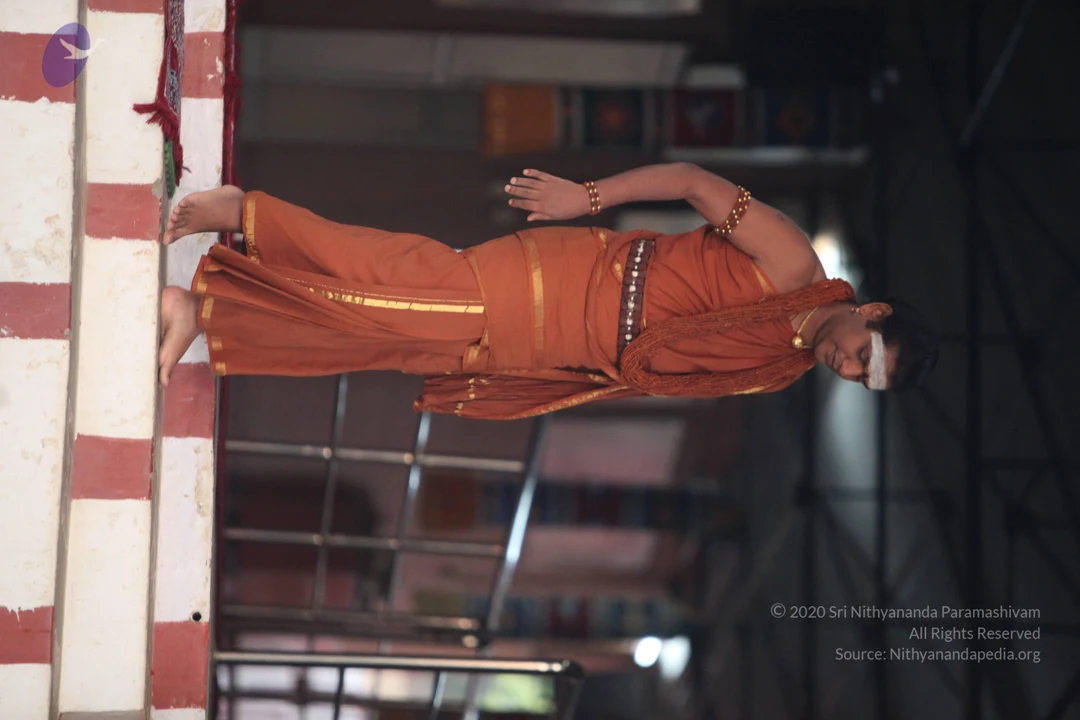
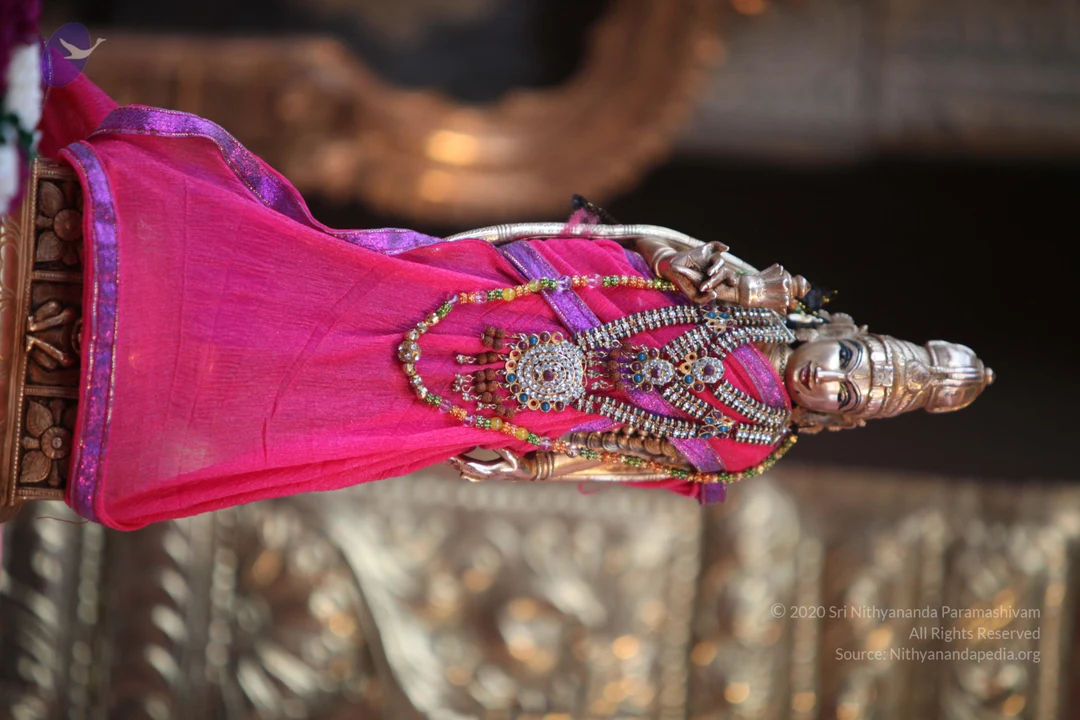
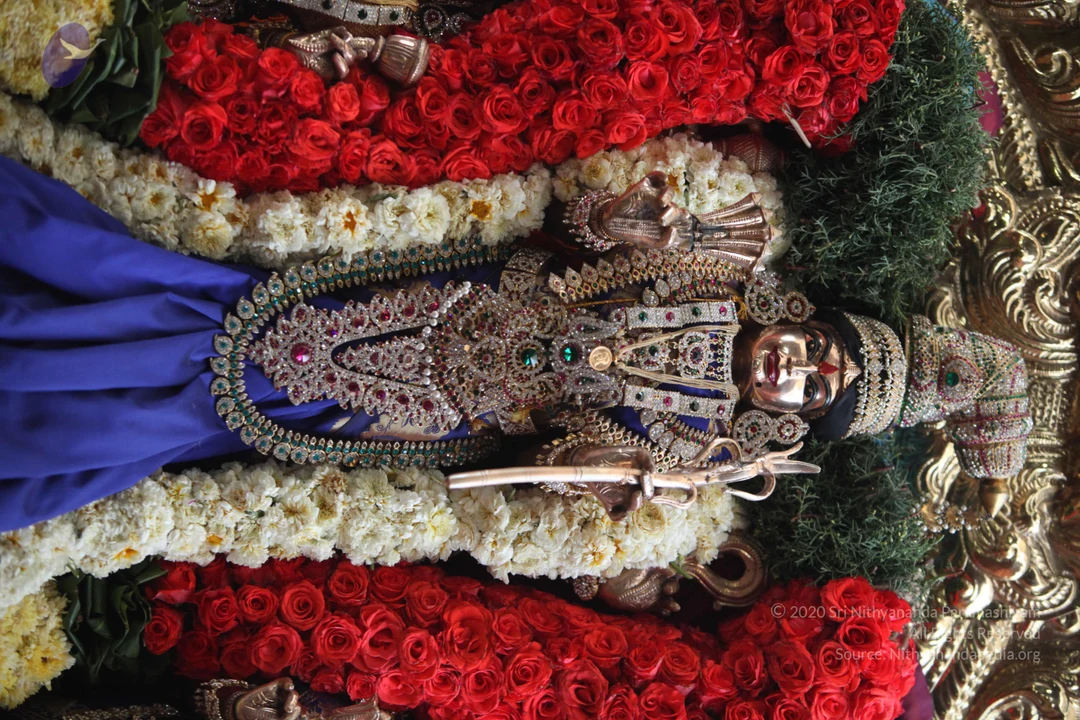
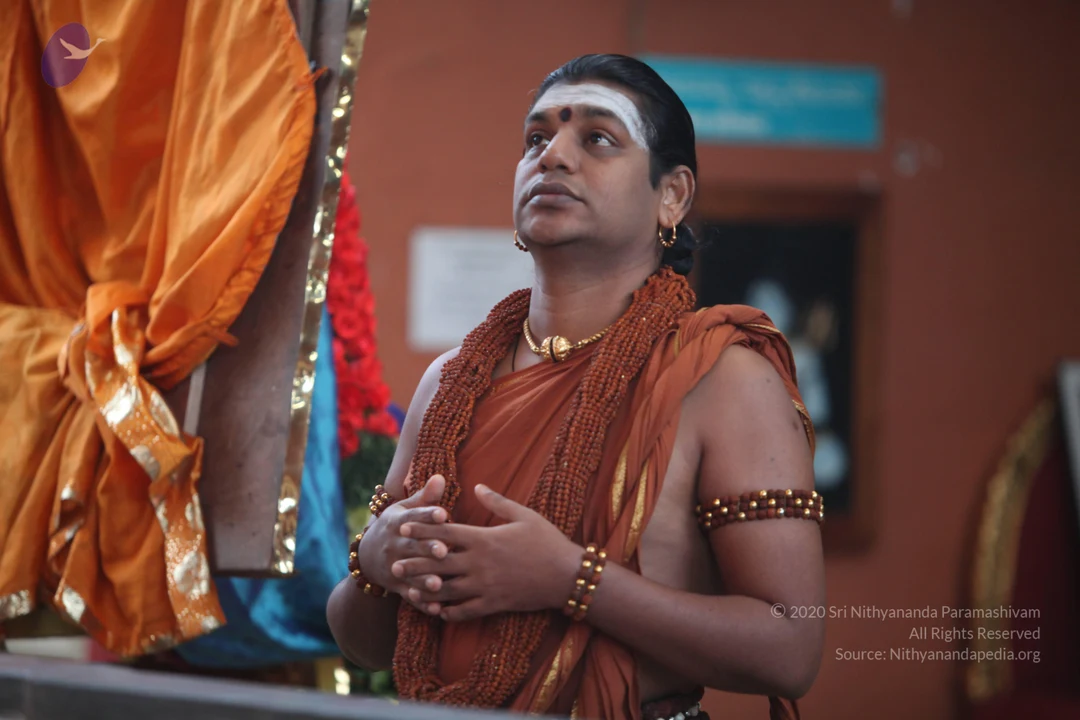
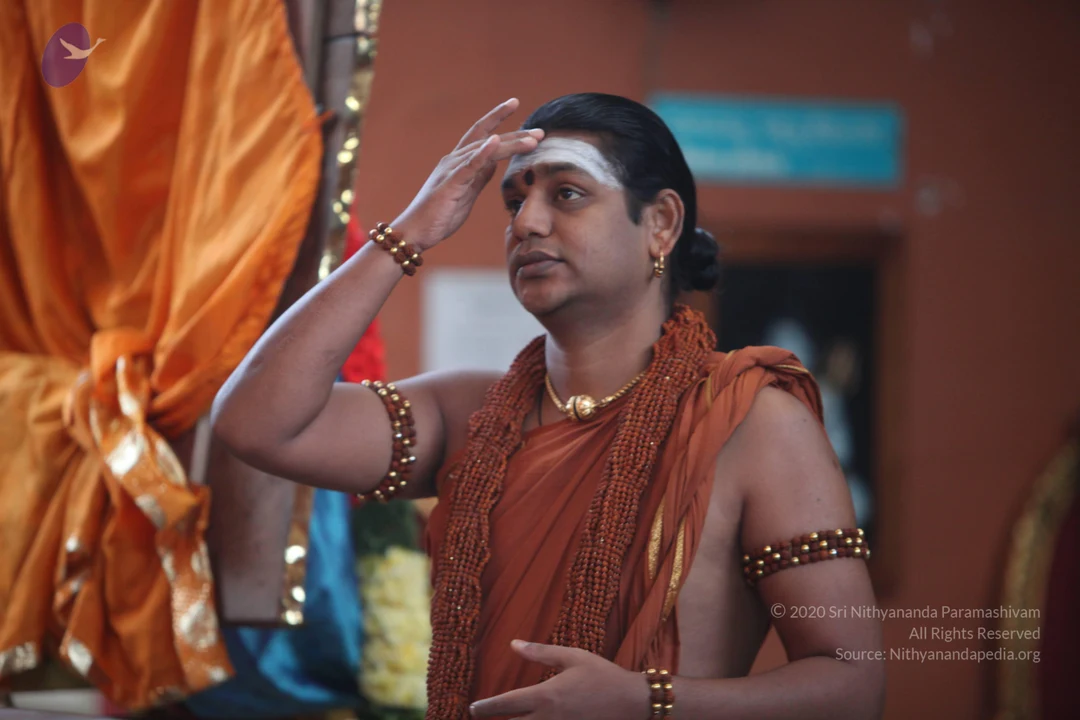
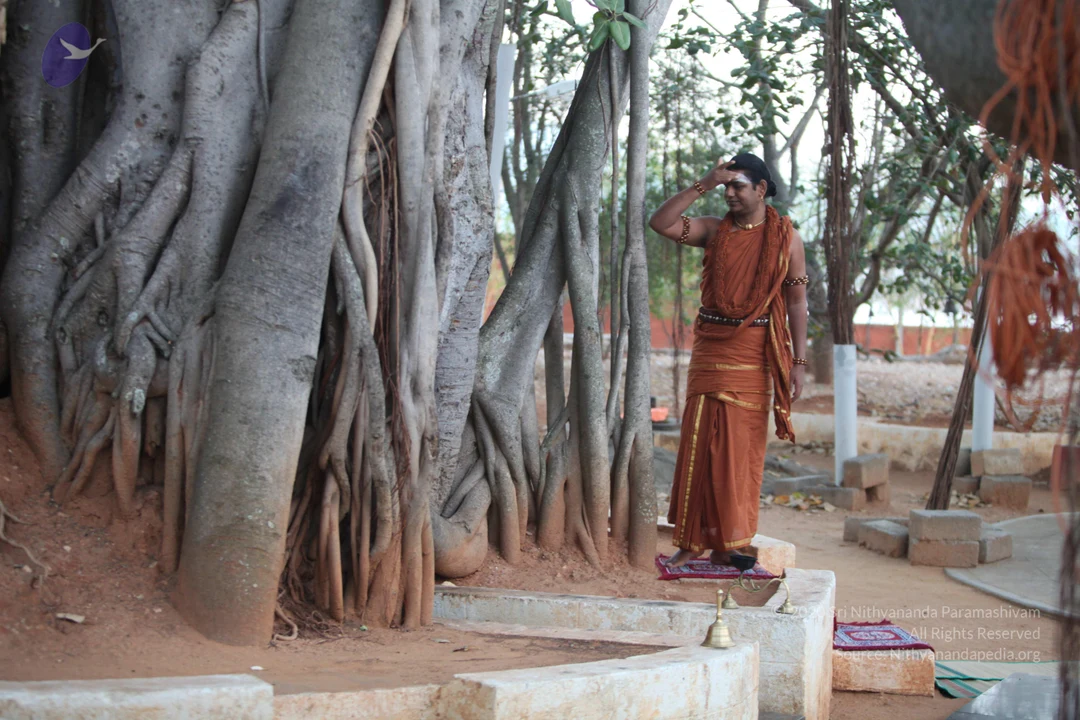
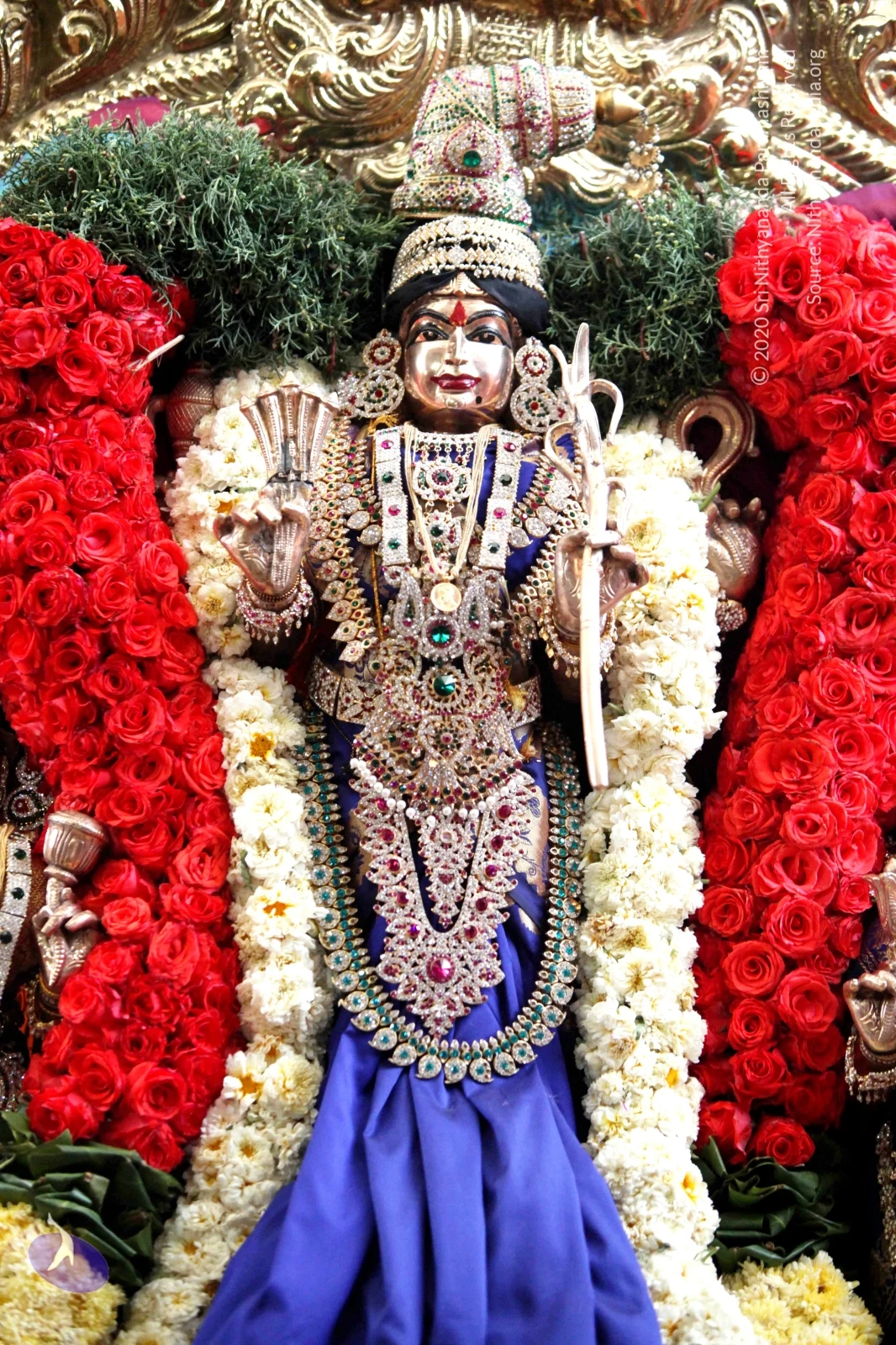
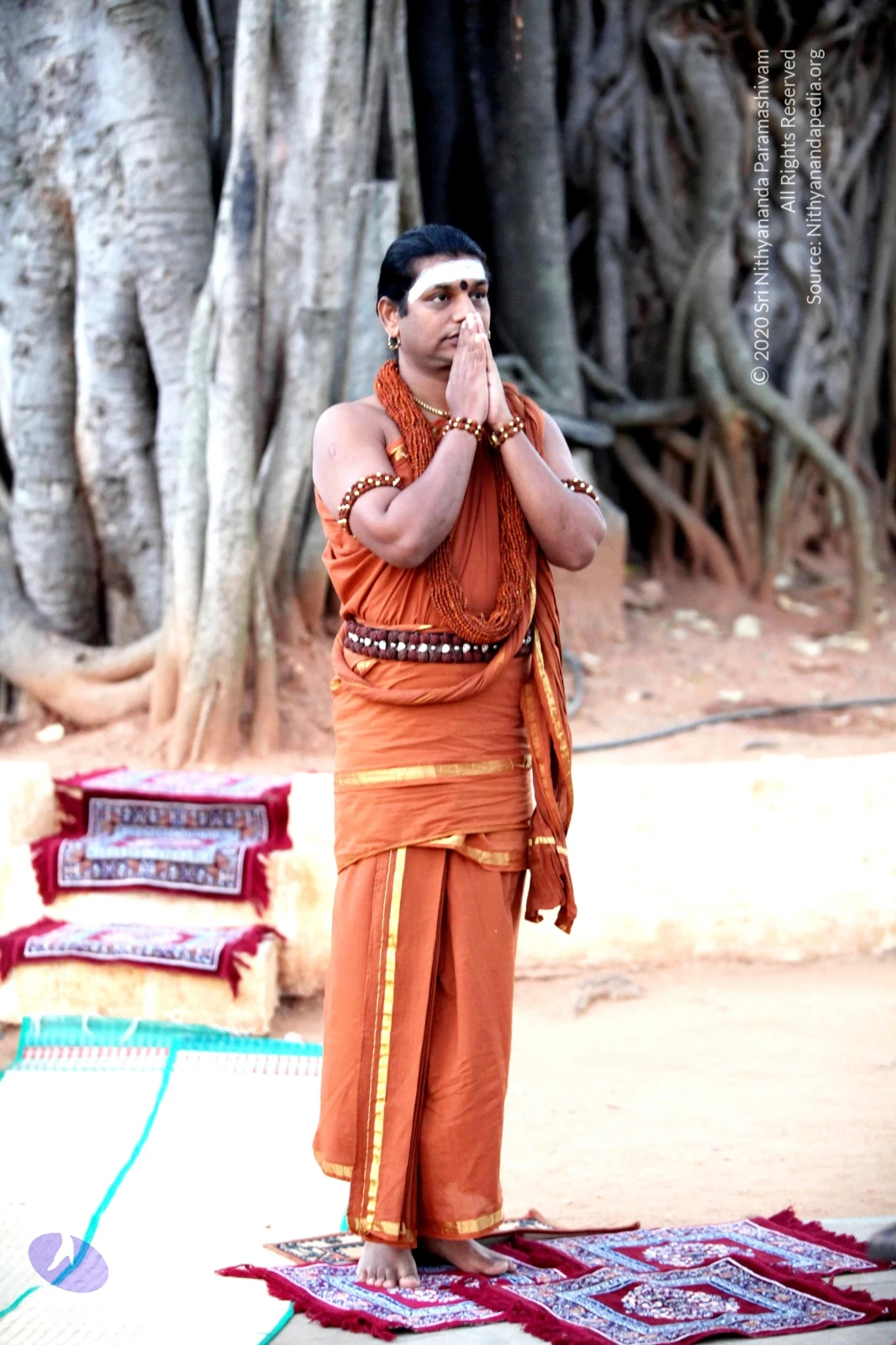
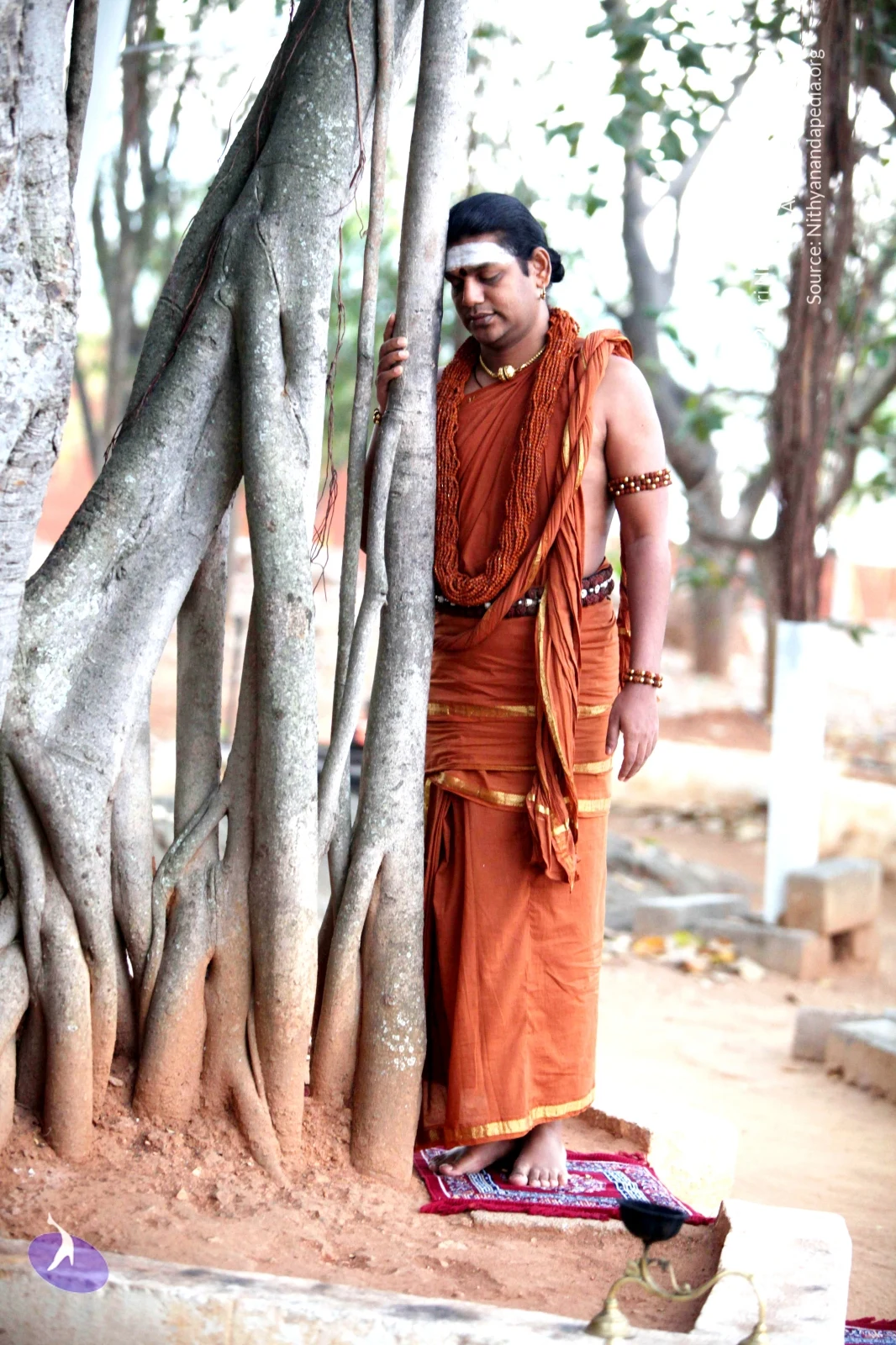
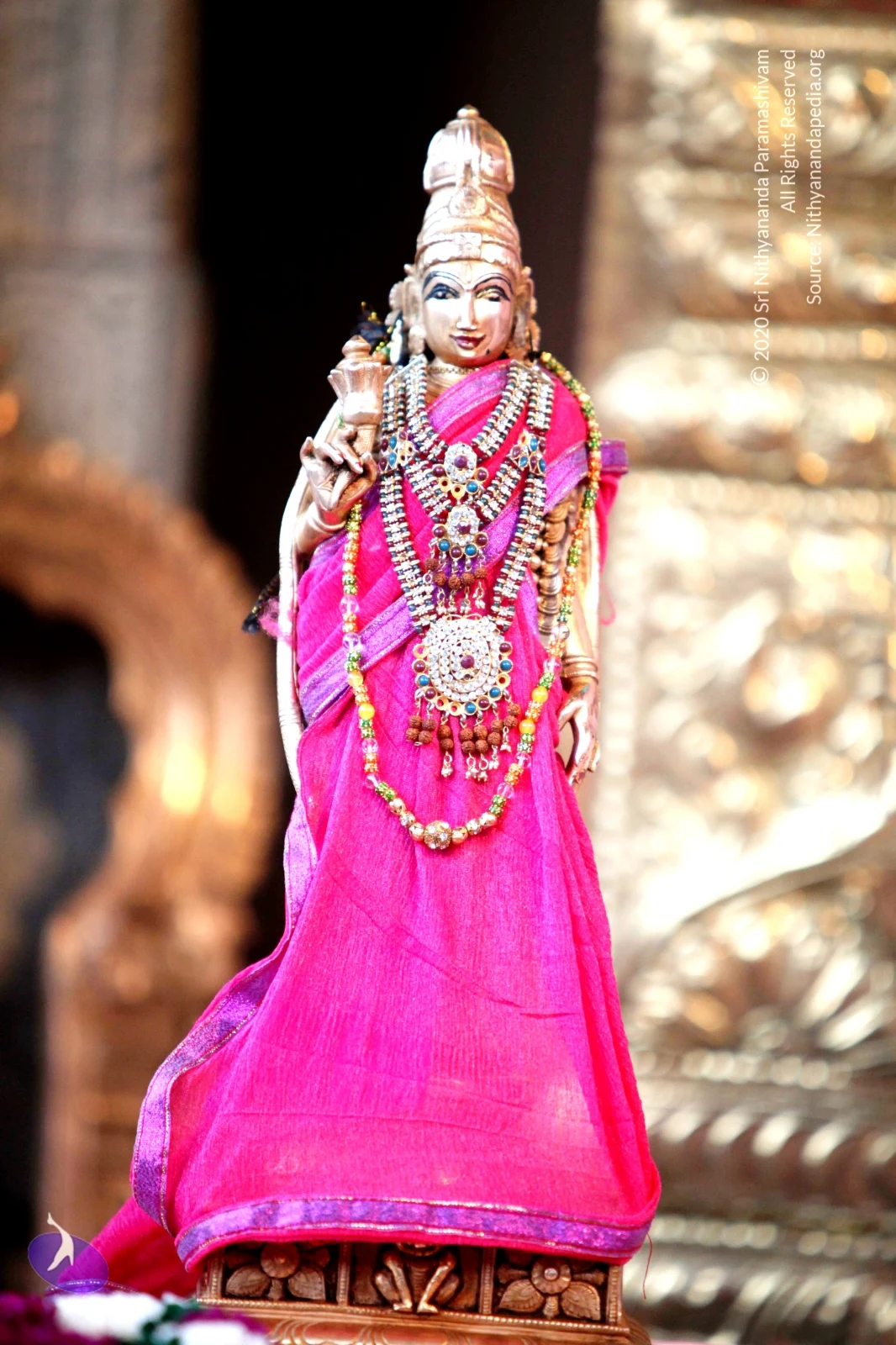
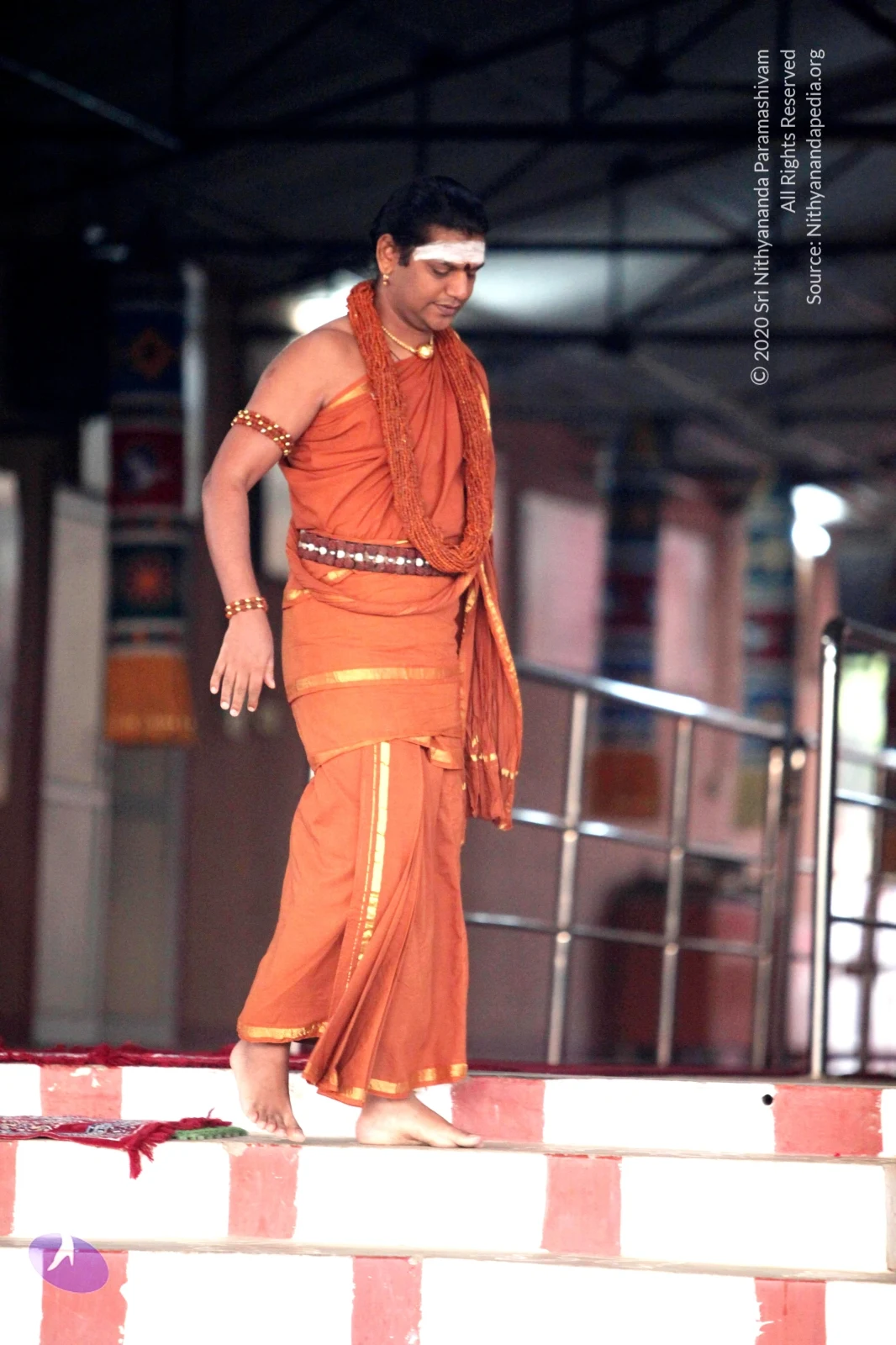
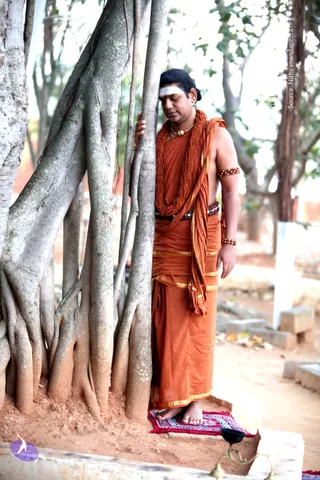
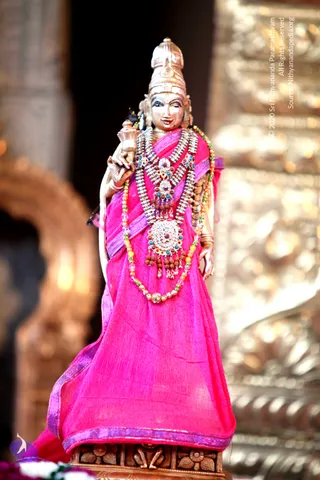
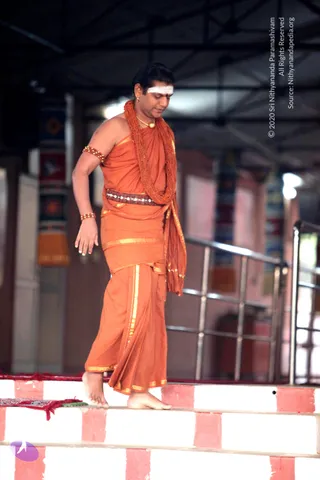
A gilded deity murti stands in a shrine framed by dense garlands of red roses and white flower strands, with greenery overhead. The murti wears an ornate jewelled crown, jewelled earrings, layered gem-studded necklaces and a blue silk dhoti, and holds a spear-like weapon in one hand and a ritual object in the other. Gold repoussé metalwork decorates the background. No people are visible.A standing man in orange ochre robes stands barefoot on red and cream patterned rugs in front of a large banyan tree with hanging aerial roots. He presses his palms together in namaskar at chest level, wearing a white vertical forehead mark with a red dot, a red-orange beaded mala necklace, wrist and upper-arm beaded bands, and a silver-studded waist belt over the draped saffron cloth with gold borders. Behind him stand two stacked rug-covered seats on a low platform, and a turquoise mat lies at the left edge. Appearance cues are limited to saffron robes and beaded malas, so identity remains uncertain.A standing man in orange ochre sannyasi garments leans against the trunk of a large banyan tree with aerial roots, eyes closed, in a meditative pose. He wears a white vibhuti line on his forehead, a thick orange-red rudraksha mala across his chest, a gold-toned pendant necklace, wooden beaded bracelets, a dark brown belt, and an orange dhoti with gold borders over a wrap draped over his shoulder. He stands barefoot on a red and patterned mat beside a brass bell and oil lamp on a stone platform, with dirt ground and gravestone-like stone blocks behind him.A large black stone statue of a four-armed deity seated on a rounded rock base carved with small figures, dressed in a yellow-green draped garment, a matching green turban with red bindi, and multiple strands of red and white beaded necklaces. The statue holds a trident-like staff, a flaming or lotus-like object, a club or drum, and makes a mudra with one hand, set in front of a bright yellow curtain within an ornate silver arched frame. No physical people are visible; the figure is a deity murti, not a person.A metal deity murti stands on a carved wooden base, wearing a bright pink silk sari with a purple border. It is adorned with layered beaded necklaces, a large jewelled pendant with rudraksha beads, and a tall crown. The figure holds a lotus-like object in one raised hand. The background is blurred golden temple carving and warm lamplight. No physical people are visible.A man in orange-saffron robes walks barefoot across a red-and-white striped platform in a temple-like hall with a metal railing behind him. He wears a long rudraksha-style mala of orange beads around his neck and shoulder, a gold necklace, gold armbands and a brown belt with silver studs. A white vertical tilak marks his forehead, and the orange cloth has gold borders. A small red mat with a patterned edge lies at the left. a person cues: long swept-back dark hair is not clearly visible, but the saffron robe, rudraksha mala, gold ornaments and ceremonial dress are distinctive; he is shown walking in person on the platform.

2-Pada-Puja

17 photosSource gallery
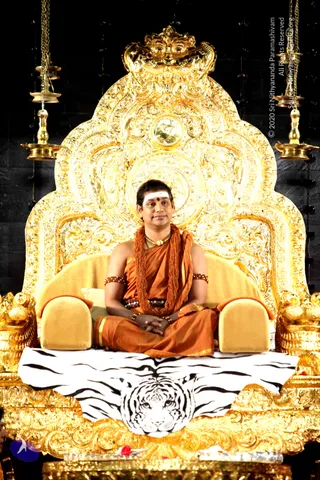
A photograph of a shrine-like hall with a large ornate gold throne set against a black backdrop, draped with a white and black tiger-print cloth. A seated figure in saffron-orange robes with a white forehead band, red bindi, rudraksha beads and a gold chain sits with hands folded. A standing priest in saffron robes, bare-shouldered and shaved-headed, holds a lit flame or camphor aarti lamp toward the seated figure. Brass hanging lamps and a tall brass lamp stand nearby, and a seated woman in saffron with a microphone is at lower left. Pink and blue painted walls frame the scene.A seated man in orange saffron robes and a red rudraksha mala sits on an ornate gold throne with a carved, gilded back and a white tiger-striped cloth draped over the seat. He wears a white tilak on his forehead and gold armlets. A priest in orange robes stands at left, holding a lit lamp or fire vessel toward him. Hanging brass oil lamps surround the throne against a dark stone wall. a person appearance-based label applies to the seated figure given his orange robes, rudraksha mala and gold ornaments.A seated man in saffron-orange robes with a white forehead marking and a rudraksha mala sits on an ornate gold throne with a carved back and lion-form armrests, draped with a white tiger-skin cloth. Hands folded, he receives an aarti flame from a priest standing at the left edge in orange clothing, holding a silver plate with lit camphor. Hanging gold oil lamps line the dark wall behind. a person: saffron robes, rudraksha mala and ceremonial gold necklace on a throne-seated figure, appearance-based only.A seated man in saffron-orange robes sits on an ornate gilded throne with a tall, elaborately carved golden backrest topped by a crown-like finial. He wears a white forehead mark with a red dot, a rudraksha mala draped over his shoulders, a ceremonial gold chain at his neck, and beaded armlets. His hands rest folded in his lap. A white tiger-striped cloth covers the throne seat, and brass hanging lamps flank the golden backdrop. Small red flowers lie at the base of the throne.A seated man in saffron-orange robes sits cross-legged on an ornate gilded throne with a tiger-striped cloth draped over the base. He wears a rudraksha mala with multiple strands, a gold chain, bangles, and a white forehead mark with a red bindi. His hands rest in his lap. Behind him is an elaborately carved golden backrest with a lion-face crest, flanked by gold lion-head armrests, against a dark polished stone wall with hanging brass oil lamps. Probable Swamiji by appearance cues: long dark hair, rudraksha malas, saffron clothing, and a ceremonial gold necklace, seated on a throne in the Nithyananda Dhyanapeetam style.A seated man in orange saffron robes sits on a cushioned golden throne with an ornate gilded backrest and carved crown motif. He wears a rudraksha mala of multiple strands, a gold necklace, bangles on both upper arms, and a white vertical tilak with a red bindi. His hands rest in his lap on a tiger-skin-patterned cloth. Brass hanging oil lamps are visible at the upper left and right. The setting suggests a formal satsang or darshan hall.

3-Nithya-Satsang
35 photosSource gallery
A young man in a black short-sleeved shirt and black trousers bends forward holding a chrome dumbbell in his right hand during a group workout on a polished white floor. Green and blue exercise mats and additional dumbbells surround him. Behind him, several people in orange t-shirts and white clothing stand and exercise in a hall with hanging orange and yellow banners. The scene looks like a fitness or yoga session at an ashram-style hall.A seated man on an ornate gold throne with carved lion-head arms and a red velvet cushion, set on a tiger-skin cover in front of a deep plum velvet curtain. He wears an orange turban with a red tilak mark, an orange robe and an orange sash, multiple strands of rudraksha beads around his neck, gold bangles and a belt, and holds a white stick or pen in one hand while raising the other hand in a wave. He is the only person visible.A seated man in an orange turban and orange draped garment sits in front of an ornate gold-embossed backdrop. He wears multiple strands of orange-brown rudraksha beads, a gold necklace, gold hoop earrings and rudraksha bracelets on his arms, with a white forehead marking and a dark bindi. A small microphone is clipped near his face, and the scene suggests a satsang or discourse setting.A seated man in saffron-orange robes and a matching orange turban sits cross-legged on an ornate gold throne with a carved, embossed back. He wears a long rudraksha mala draped over his shoulders, a gold necklace, bead bracelets and a wrist watch, and a small red bindi with white forehead markings. A headset microphone is positioned near his mouth, and his raised right hand gestures mid-speech in front of a deep maroon velvet backdrop. Swamiji (probable) appears to be giving a discourse, based on the orange robes, long rudraksha mala, ceremonial gold necklace and turban, with the seated speaker in the role of teacher.A seated man in an orange turban and orange draped garment speaks into a head-mounted microphone while raising one hand beside his ear. He wears multiple strands of orange rudraksha beads, a gold necklace, a bead bracelet and a watch, with a white and red forehead mark. Behind him is an ornate gold repoussé backdrop resembling a throne. The setting suggests a satsang discourse. Swamiji (probable): the long swept-back hair, orange turban and rudraksha malas match the page's identification, so this is an appearance-based candidate present in person.A seated man in saffron-orange robes and an orange turban sits on an ornate gold throne-like chair with a dark red velvet backdrop. He wears layered orange-brown rudraksha malas, a gold necklace, gold hoop earrings, and beaded gold-accented armlets and bracelets. A white tilak with a dark red bindi marks his forehead, and a headset microphone is clipped near his mouth. His right hand is raised in a blessing gesture while his left hand rests on his lap. a person is seated in a satsang setting, with the saffron clothing, rudraksha malas and ceremonial gold ornaments as the qualifying cues.
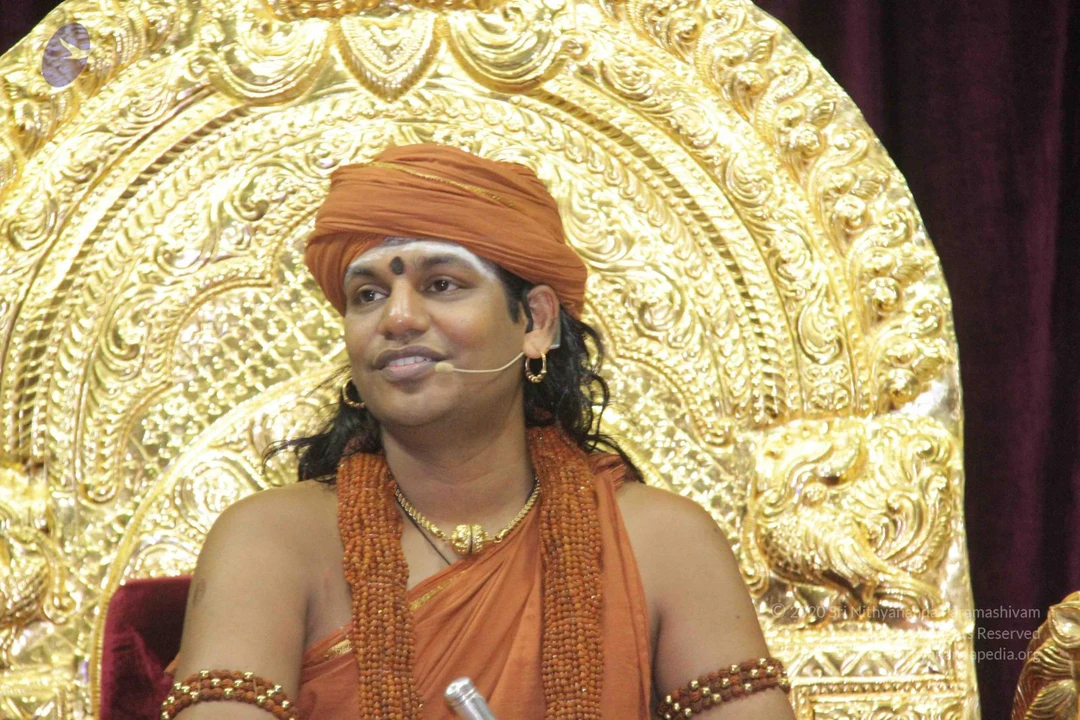
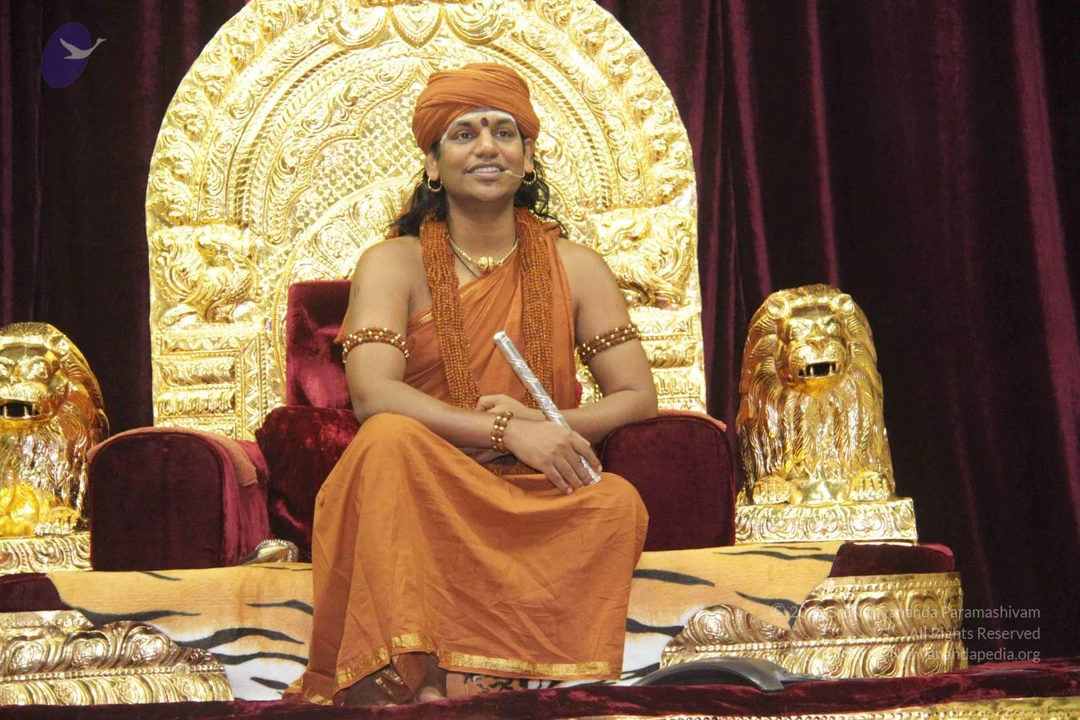
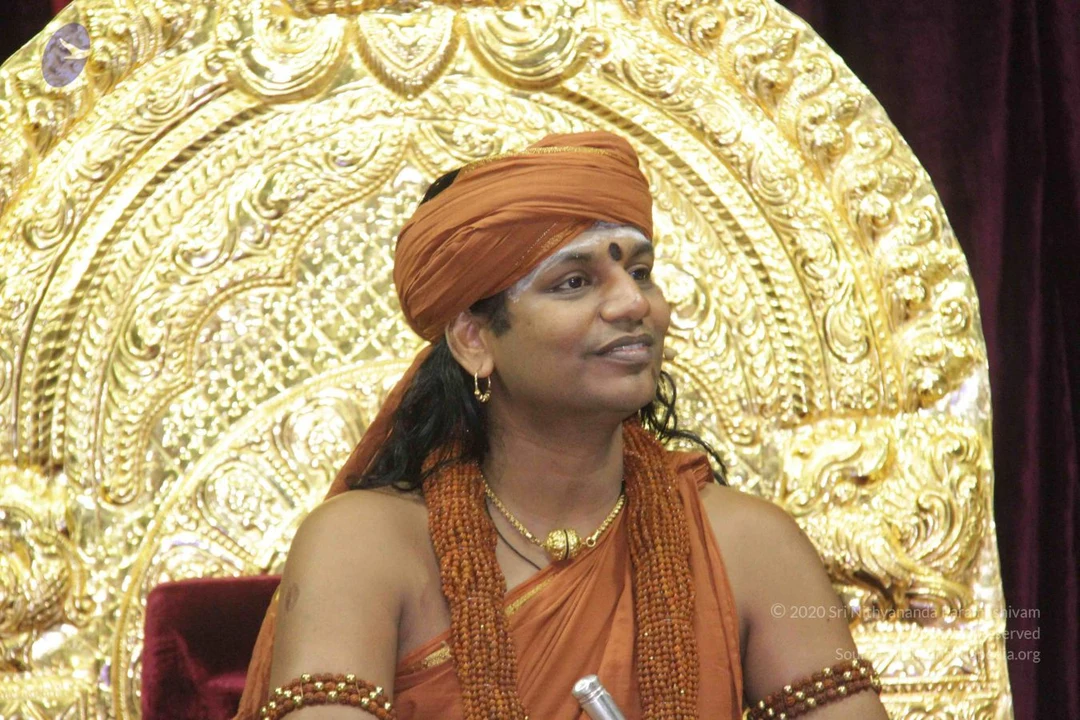
4-Sarva-Darshan

9 photosSource gallery
Photograph of a smiling man in front of a crowd-control barrier on a white carpeted walkway, wearing an orange-red turban, orange-red dhoti and shawl with gold borders, a black waist belt, gold necklace, gold armlets and bangles, and a rudraksha-style mala. He holds his arms crossed over his chest. Behind him, two other orange-clad men stand in the background, one holding a red box, with magenta drapes and a glowing arched backdrop. The man is a person by appearance cues including the orange turban, ornate gold adornments and rudraksha mala, though the image lacks a clear caption.Photograph of a man in close view wearing an orange saffron turban, orange draped robe over one shoulder, and multiple strands of rudraksha beads with gold clasps. He wears a gold necklace, gold hoop earrings, a tilak mark on his forehead, and rudraksha bracelets on his arms. He is speaking and looking to the side against a magenta curtain backdrop, with a bald man in white partly visible behind him. Swamiji (probable): the orange turban, saffron robe, rudraksha malas and ceremonial gold necklace match the page's description of the event.A man in orange robes and an orange turban reads from a sheet of paper held in both hands. He wears long rudraksha malas across his chest, rudraksha armbands and a belt of rudraksha beads, plus a gold necklace and small gold earrings. A white tilak and red bindi mark his forehead. Behind him, another man with a smile stands in a blurred interior with red drapes.A man in an orange turban and orange shawl stands in the foreground, wearing multiple strands of rudraksha mala beads and a gold necklace, with a white and red forehead mark. He holds a sheet of white paper in one hand and gestures with the other arm extended to the left. Behind him, a bald man in orange and rudraksha beads stands in a blurred background of maroon drapes and a white canopy. a person appears as the central speaker, reading from the paper during a satsang gathering.A man in saffron-orange robes and a matching orange turban stands in a hall, reading from a small white paper held in his right hand. He wears multiple strands of rudraksha beads across his chest, a rudraksha belt at the waist, beaded bracelets and an armlet, and a small gold chain. His long dark hair falls past his shoulders and he has a tilak on his forehead. In the foreground at right, a person's arm and wristwatch rest on a red box. Stained-glass windows are visible in the blurred background. Swamiji (probable): the orange turban, long hair, rudraksha malas and gold necklace match the appearance cues, and the page places him at this event.A standing man on a small patterned rug on a bare light stage, arms raised high with palms open, smiling broadly. He wears an orange-saffron turban, an orange draped garment with gold border, a broad beaded belt, an orange rudraksha-style bead mala across the chest, and beaded bracelets on both wrists and arms. A dark red velvet curtain forms the backdrop. Probable Swamiji (probable): long-haired presentation with saffron turban and ornate saffron clothing with beaded malas; shown in a welcoming gesture on stage during a satsang event.
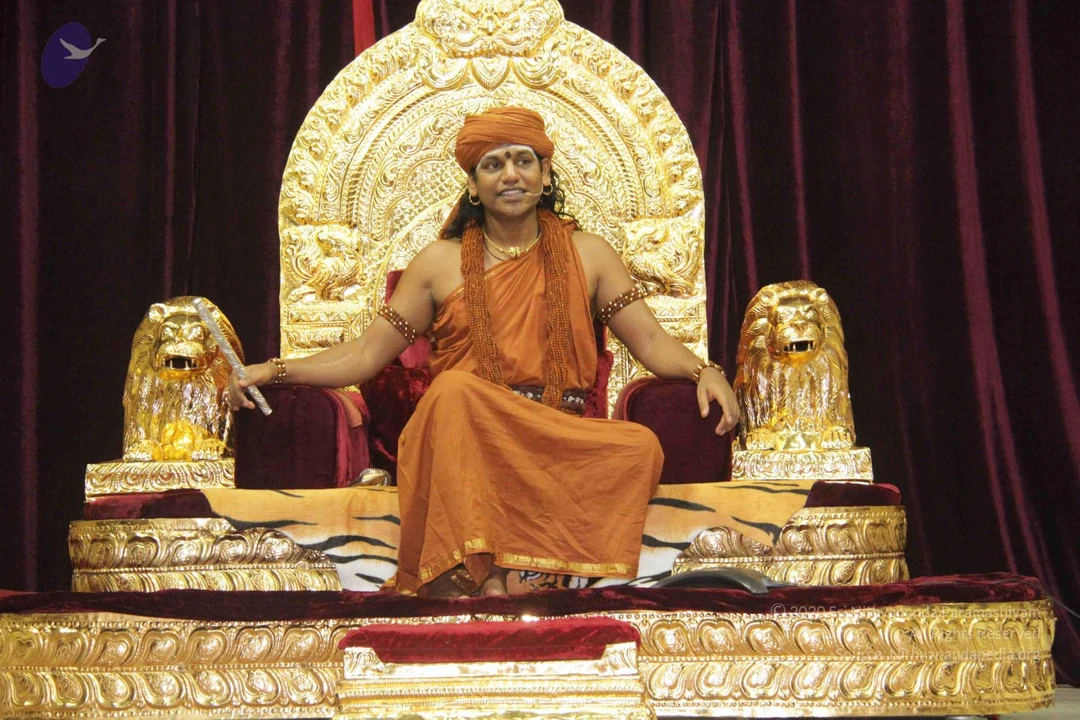
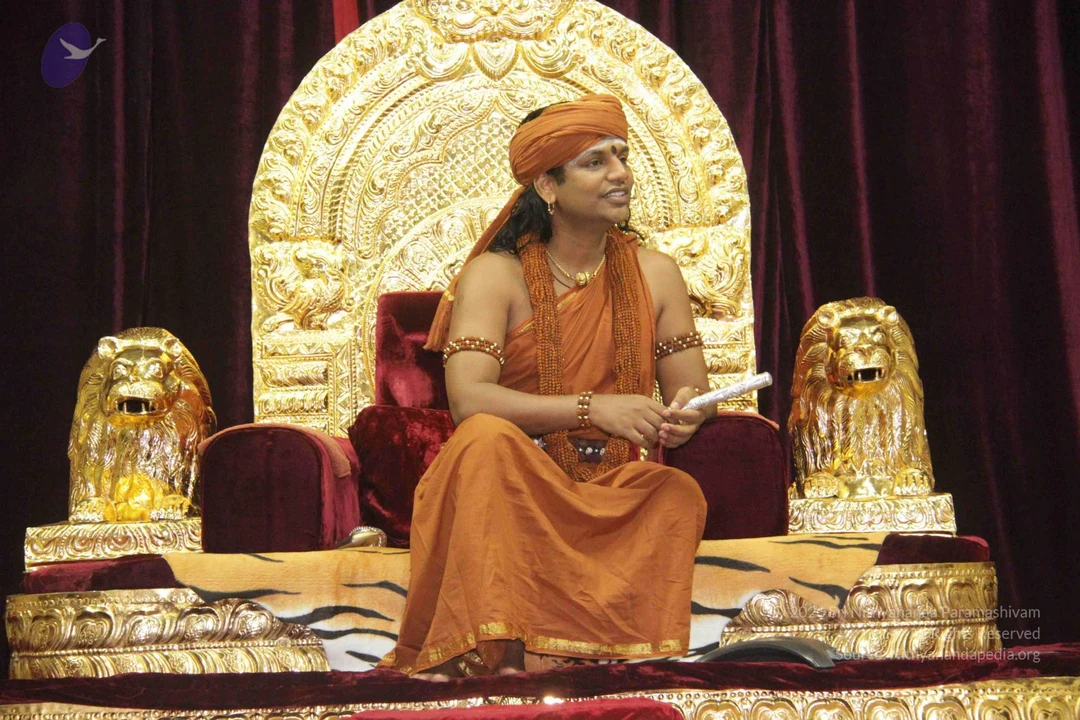
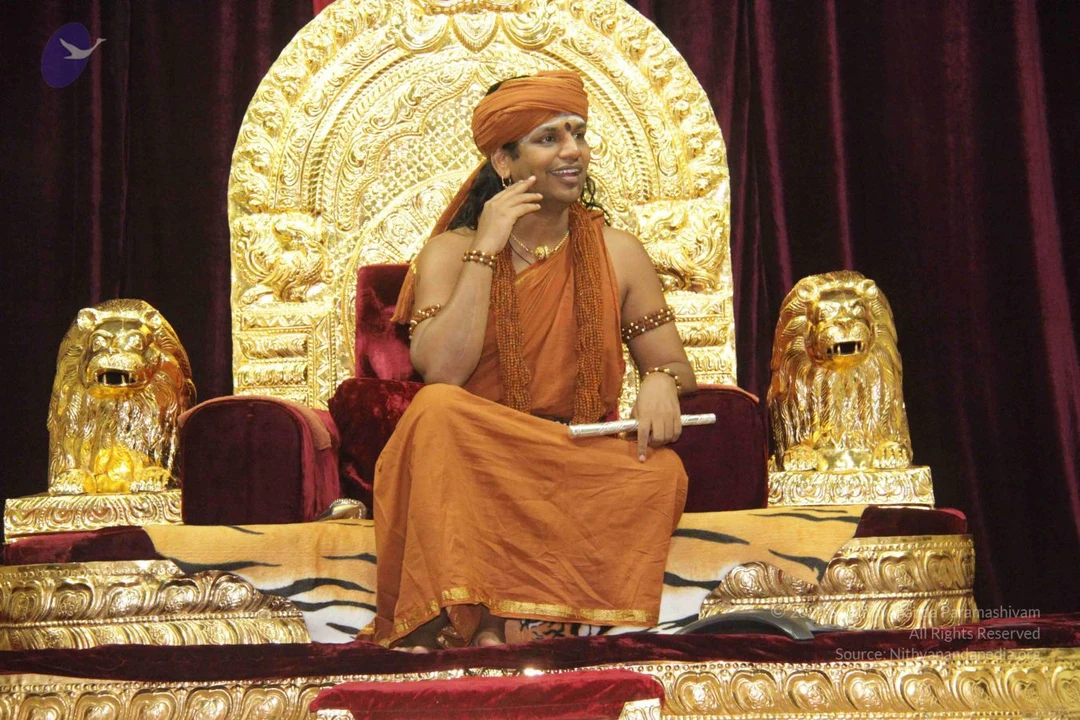
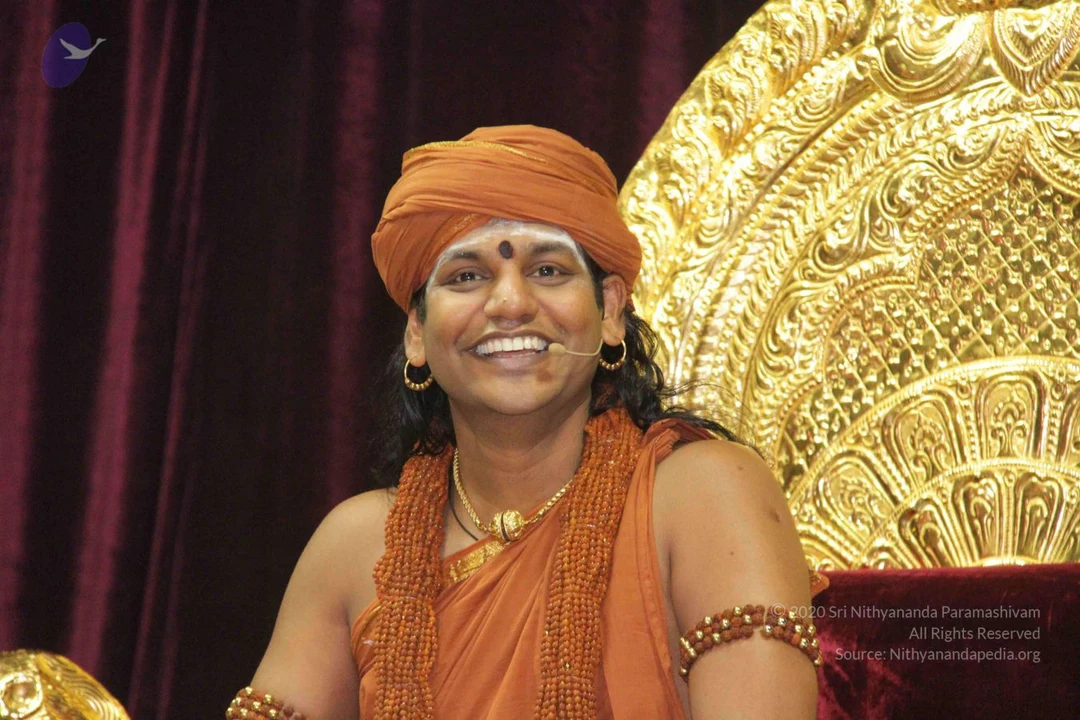
February 26 2013

12 photosView all
A large hall set for a satsang, with a crowd of devotees seated on the floor facing a raised stage. Many attendees wear orange and saffron robes, while others wear black, red and white clothes. On the stage, a figure in orange and gold sits on a white and gold throne before maroon drapes, with a camera on a tripod in front. Tall pillars with colourful geometric patterns flank the stage, and screens hang on either side. Several people sit with bags and water bottles on red mats in the foreground.A seated figure in saffron-orange robes and an orange turban sits on an ornate gold throne with carved lion-head arms and a tiger-skin cloth draped over the seat, before a deep maroon velvet curtain. He wears a rudraksha mala across the chest, a gold necklace, arm bands, and a white and red forehead mark, and holds a white stick while speaking into a headset microphone. Swamiji (probable) appearance cues: orange turban, saffron robes, rudraksha mala and ornate gold throne, with the page noting his presence at the 2013 satsang.A seated man in an orange turban, orange dhoti and orange shawl, with a long rudraksha mala draped over the shoulders and gold armbands, sits cross-legged on an ornate gold throne with red velvet cushions and a tiger-skin mat. He holds a white fan or stick in one hand and wears a small microphone at the cheek. Gold lion-form armrests and a large gold carved backrest frame him against a deep maroon velvet curtain. A small screen or monitor is visible at the lower edge of the stage. Swamiji (probable): the orange turban, long rudraksha mala and ornate gold setting match the candidate's distinctive presentation, and the page indicates his presence at this satsang.A seated man in saffron-orange robes and an orange turban sits on an ornate gold throne with carved lion-head armrests, draped over a striped tiger-skin cushion on a raised stage. He wears a rudraksha-style beaded waist cord, layered gold bracelets and a gold necklace, and holds a white fly-whisk-like stick in one hand while gesturing with the other. Behind him hang deep maroon velvet curtains. A vertical printed caption on the right reads 'Paramahamsa Nithyananda ... ', which is a caption attribution rather than a face identification. The appearance cues of long swept-back hair, orange turban, saffron robes, rudraksha and ceremonial gold ornaments match the page's Swamiji candidateSwamiji (probable) seated in front of an ornate gold embossed backdrop, speaking into a headset microphone during a satsang. He wears an orange turban, white and black forehead markings, orange draped robes, multiple strands of orange rudraksha malas, a gold necklace and gold hoop earrings, with rudraksha bracelets on his arms. A single speaker, mid-discourse, with a purple logo visible in the lower left corner.Photograph of a man seated on an ornate gold throne with a deep red velvet backrest, flanked by gold lion sculptures, on a stage with burgundy velvet drapes. He wears an orange turban with a red bindi, orange draped cloth over bare shoulders, a long rudraksha mala, gold armbands and a gold necklace, and holds a white stick in one hand while the other rests on the armrest. A tiger-striped skin lies beneath the throne. A small headset microphone is visible near his face.