Thursday
26 February 2015
One is Dead, Oneness is Living
- Dated photos
- 116
- Source pages
- 1
- Media
- 3
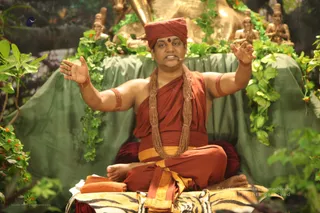
February 26 2015
Original wiki pageTitle
One is Dead, Oneness is Living
Description:
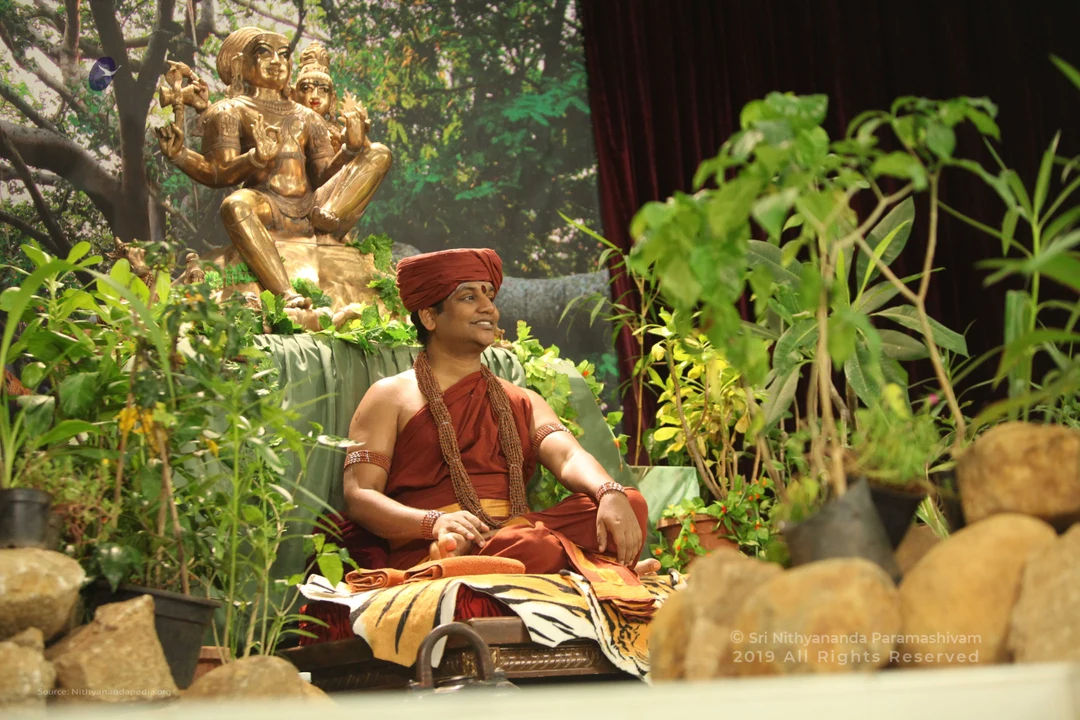
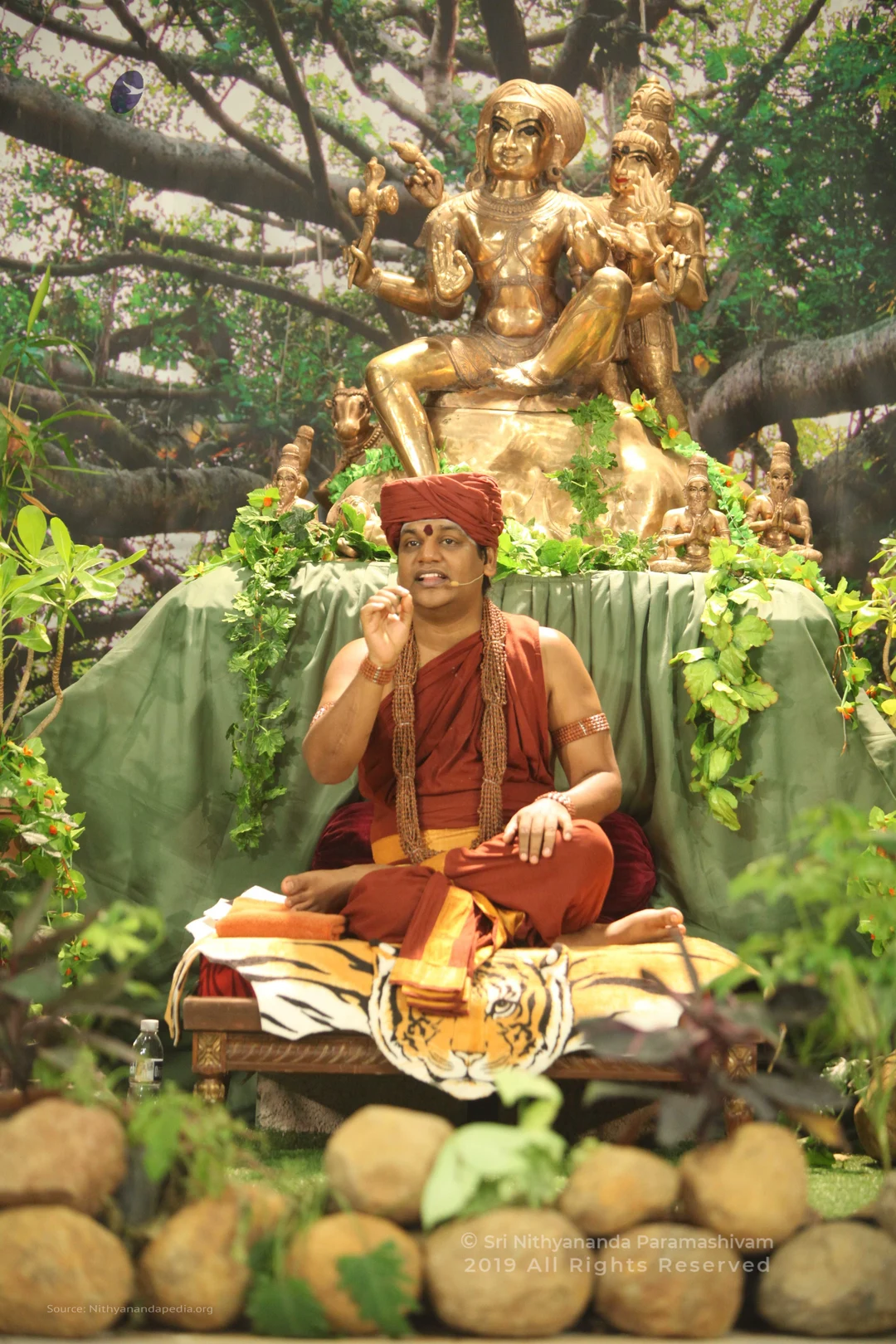
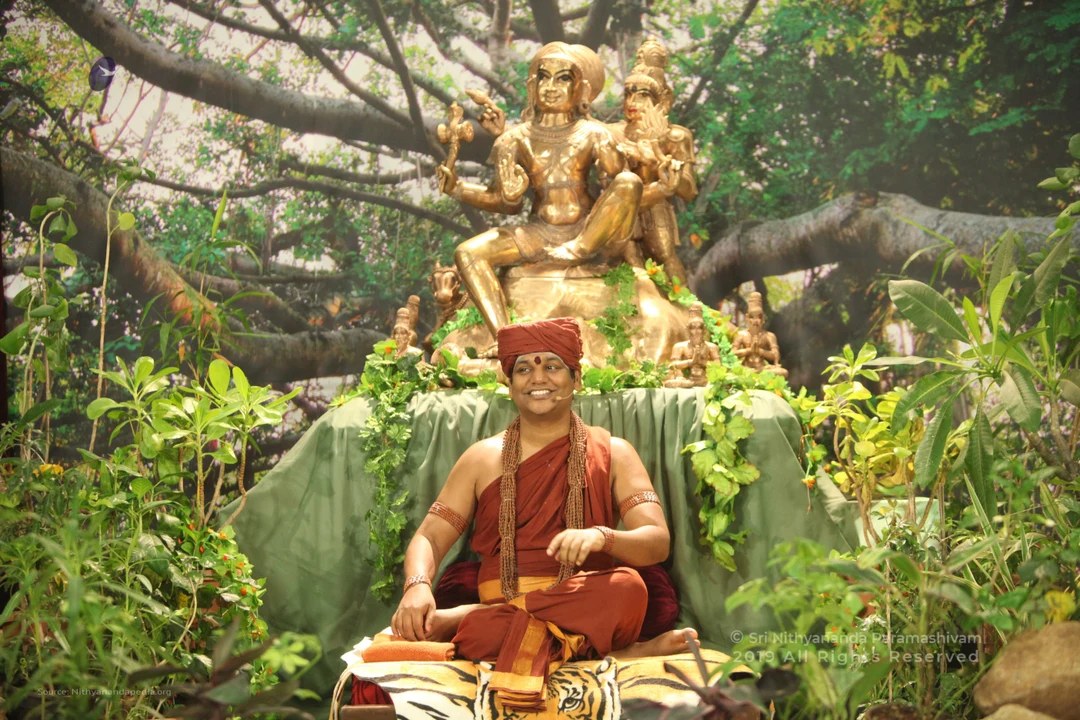
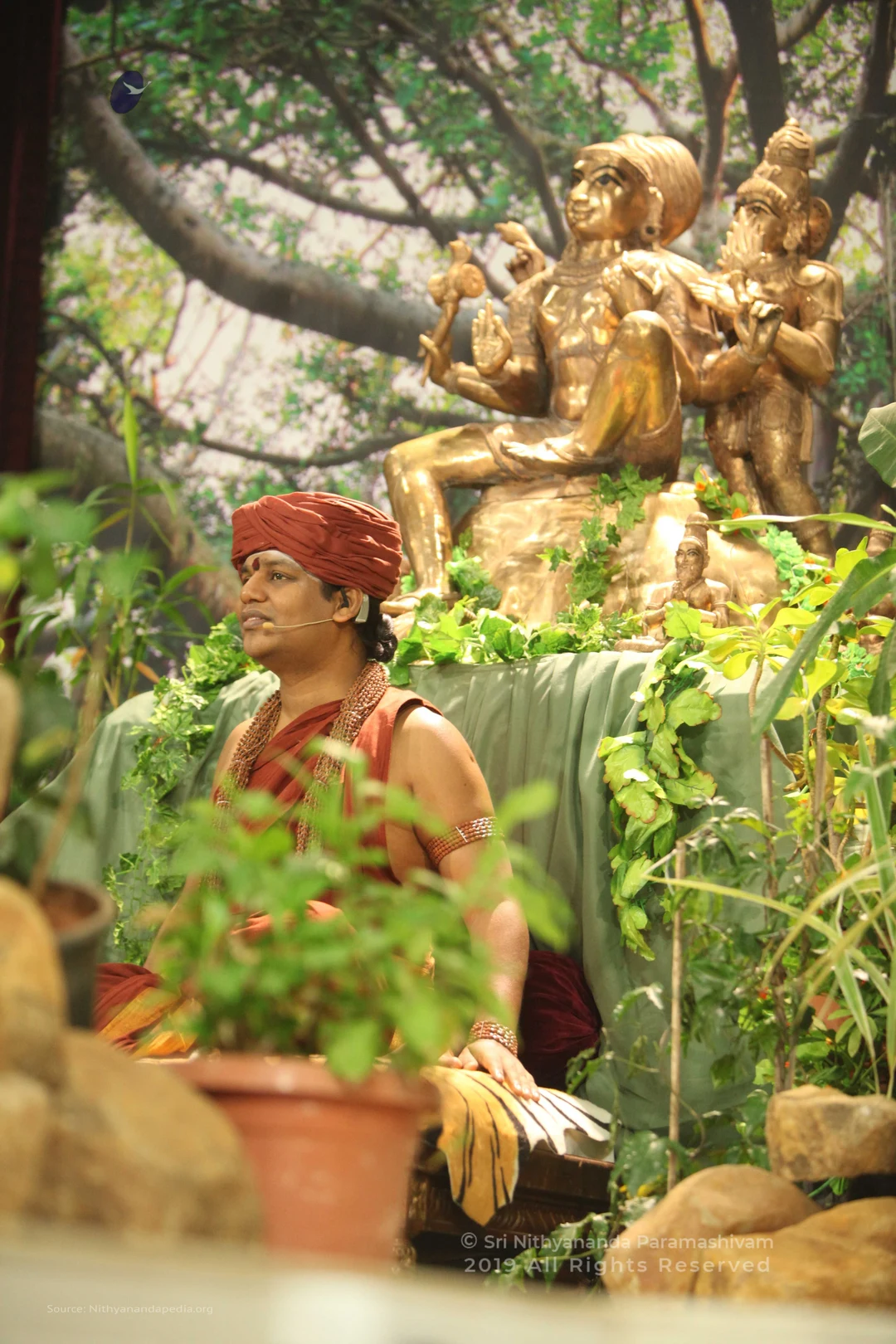
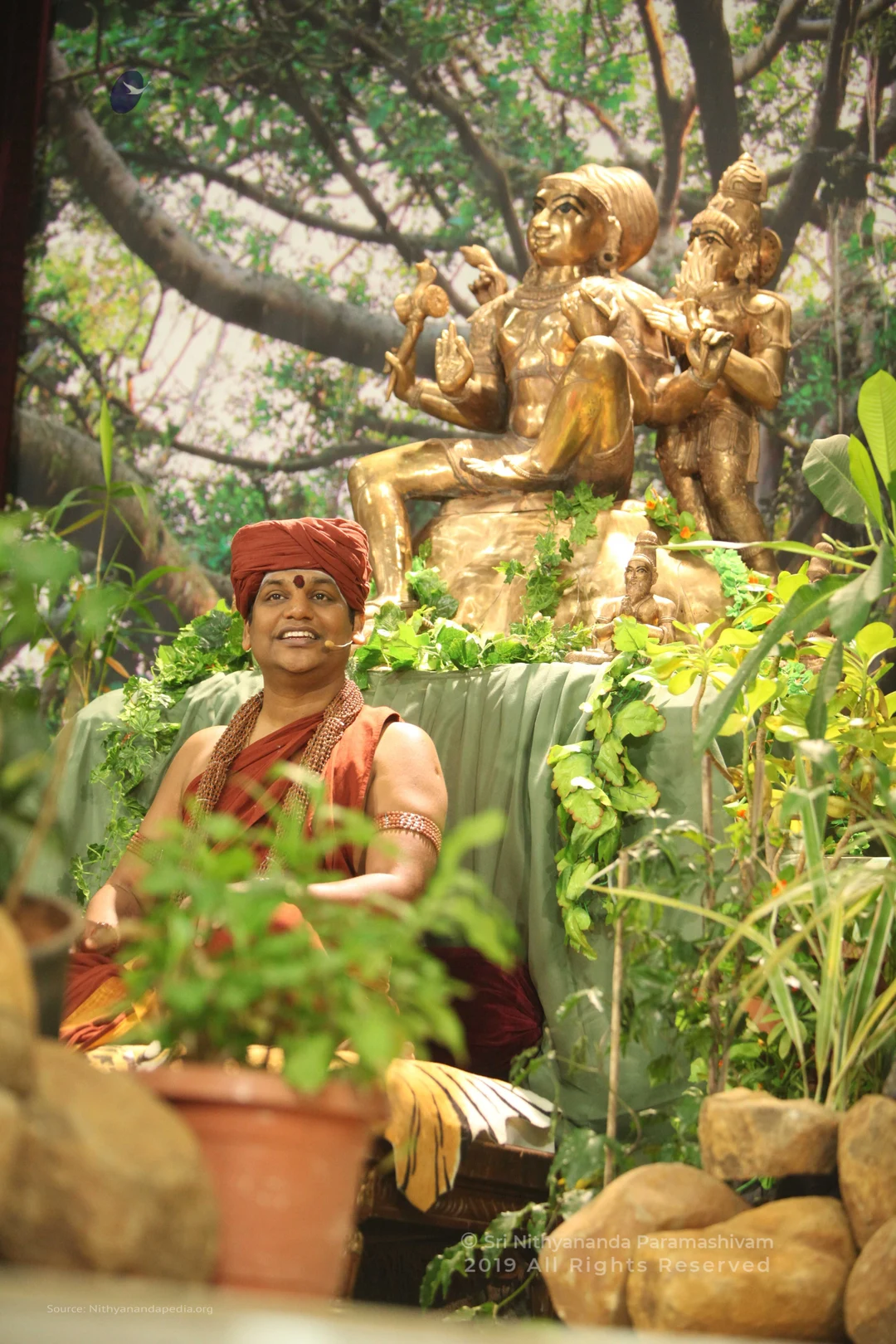
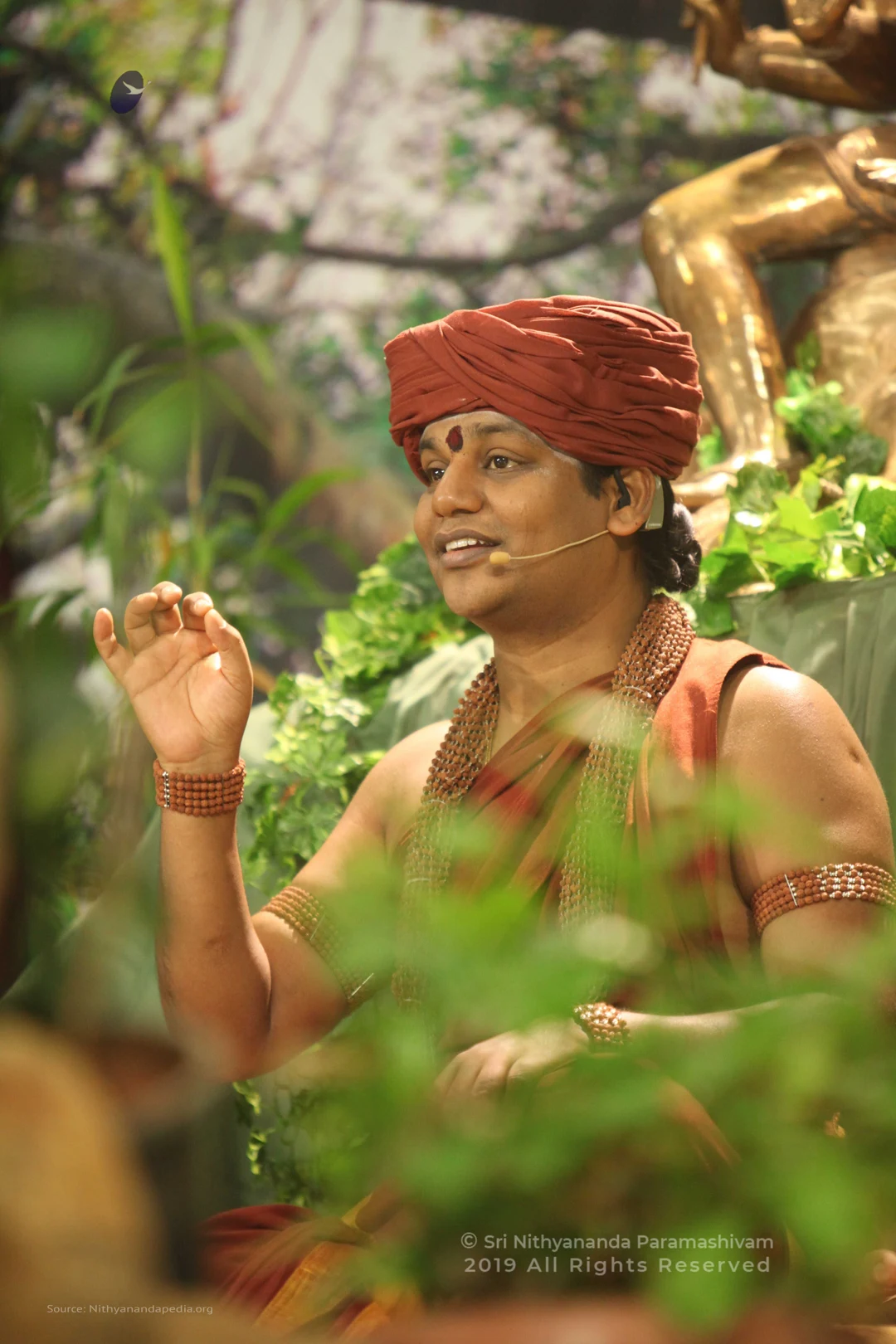
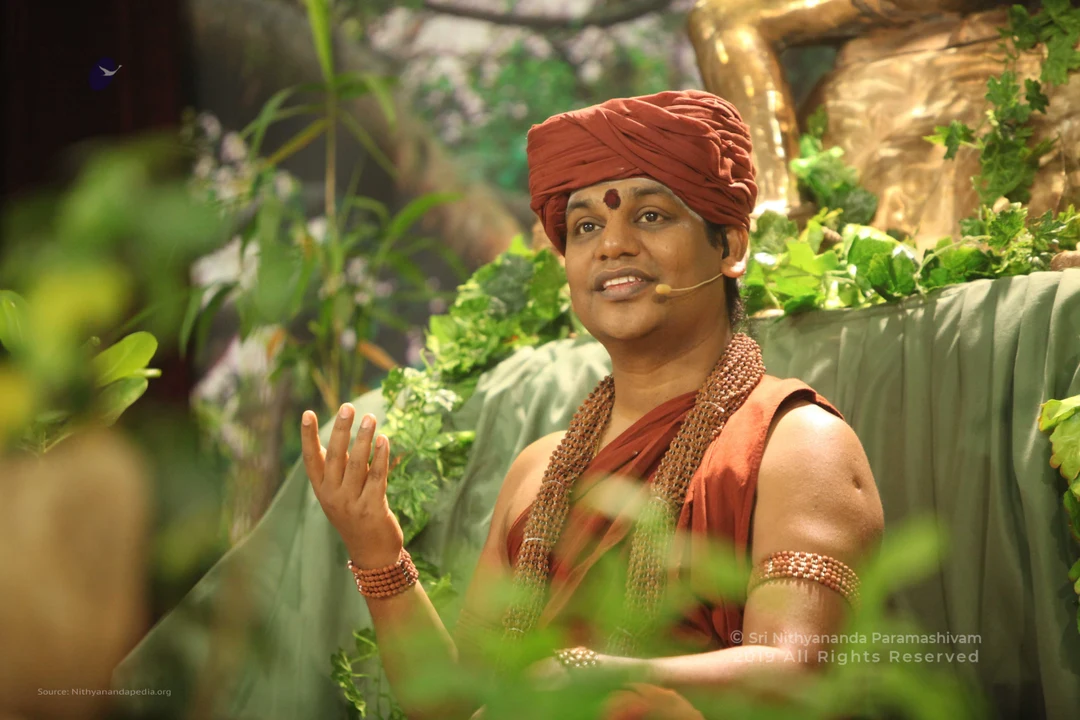
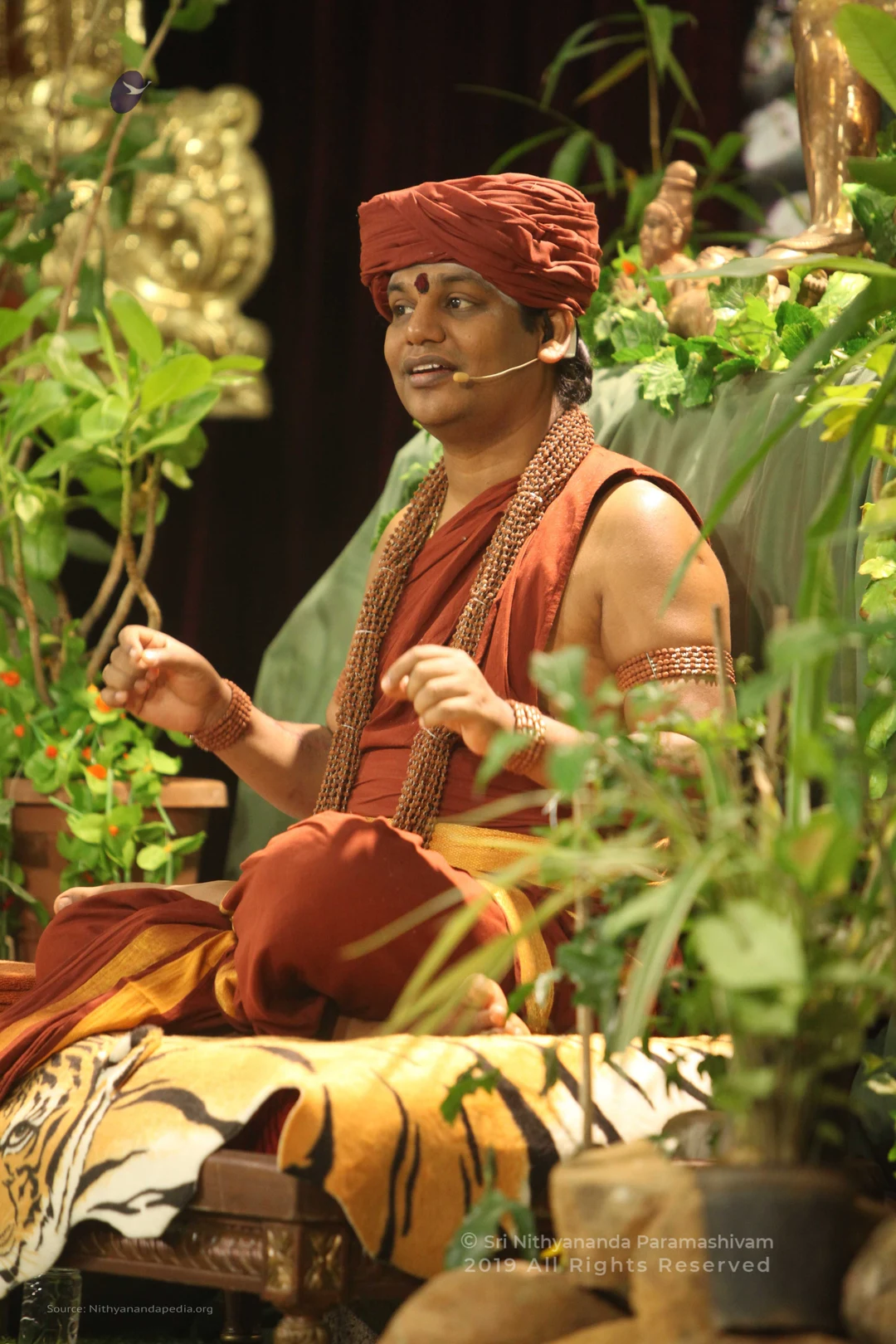
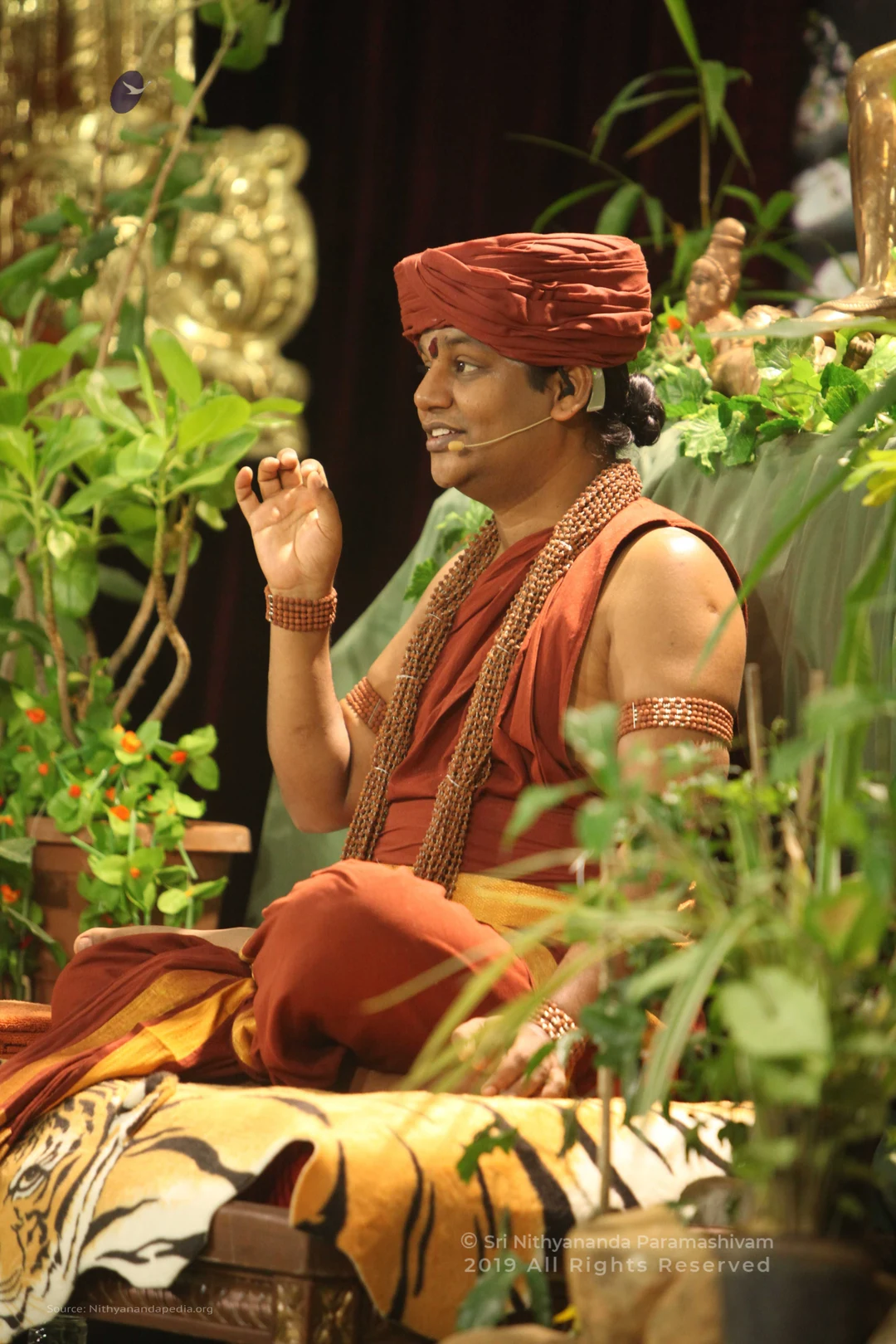
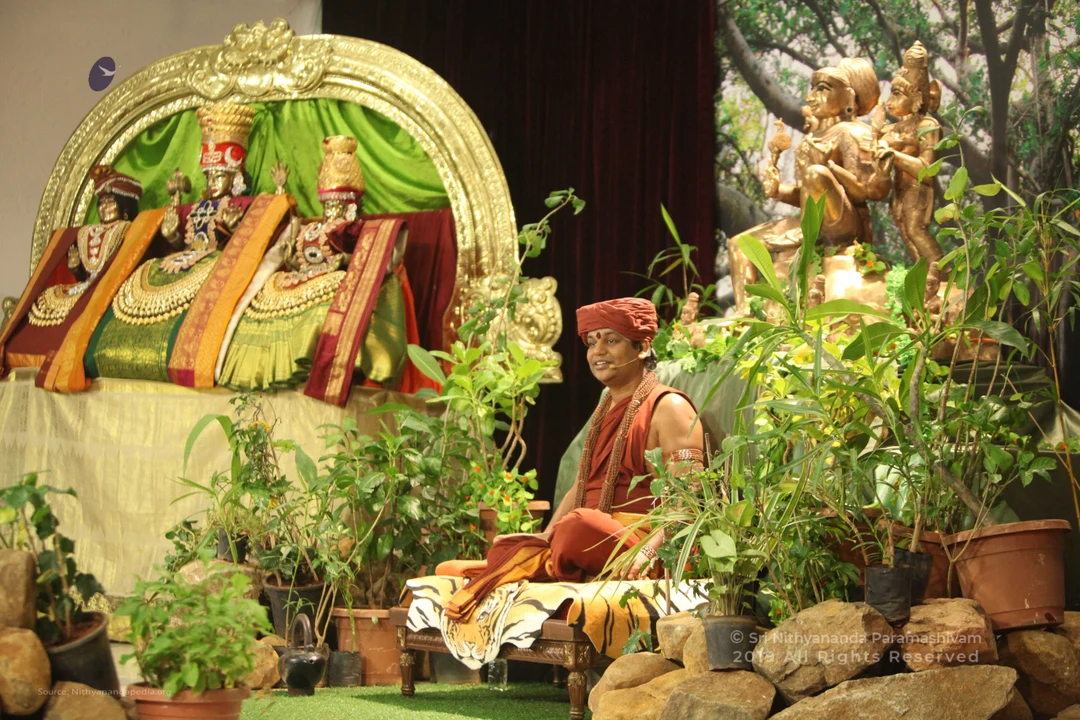
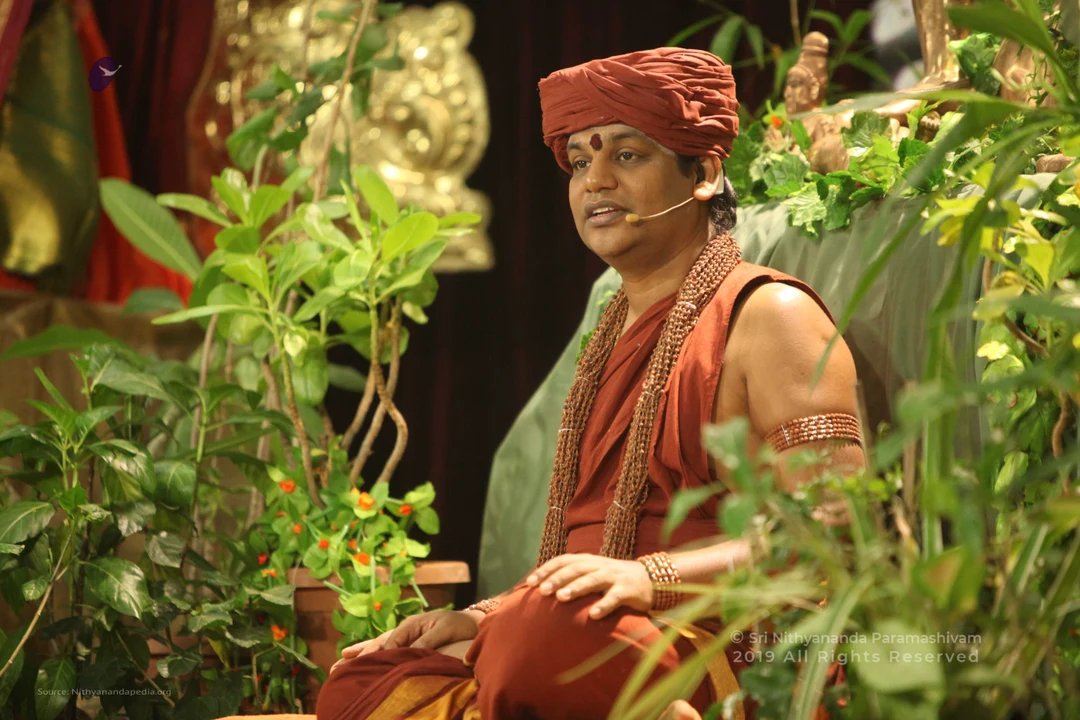
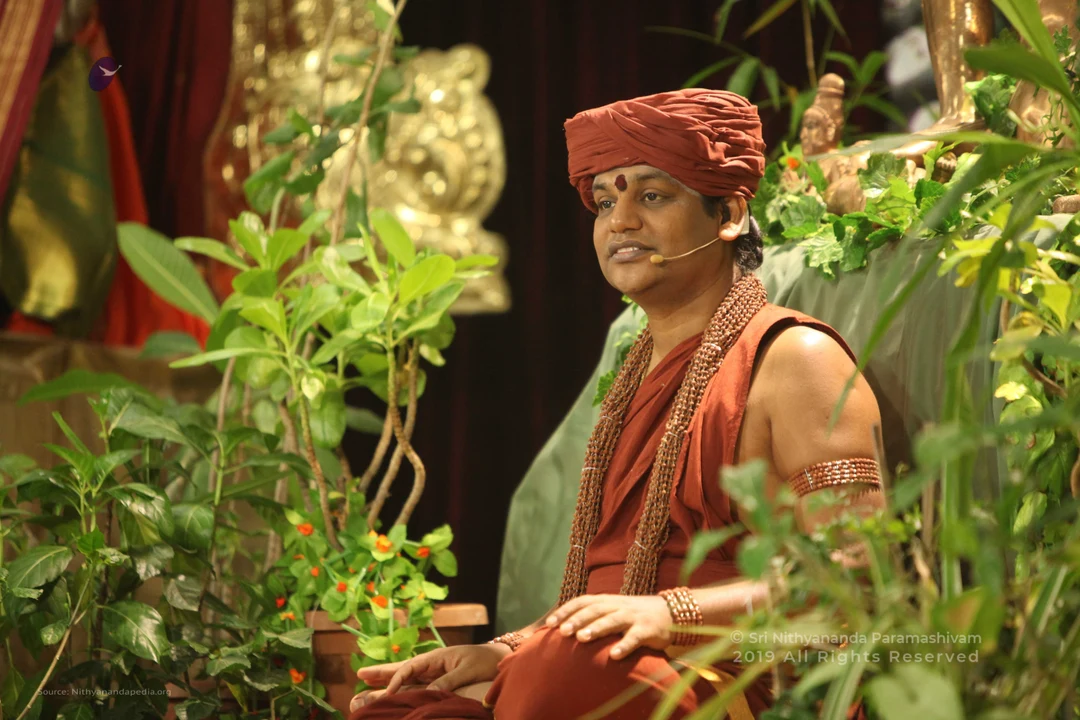
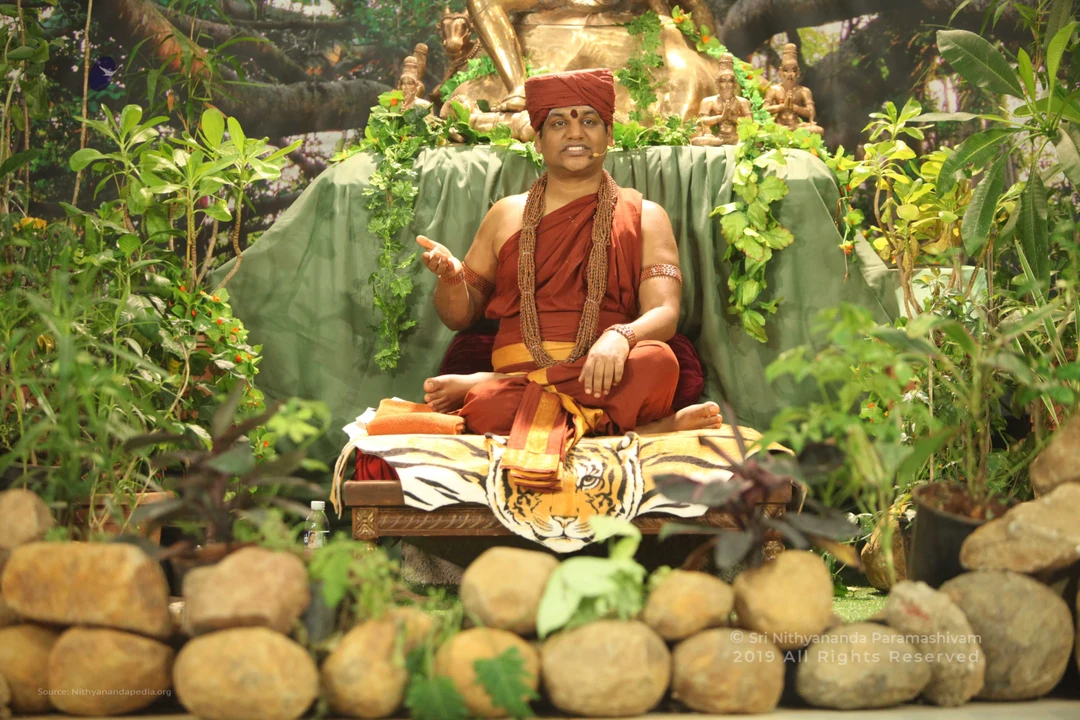
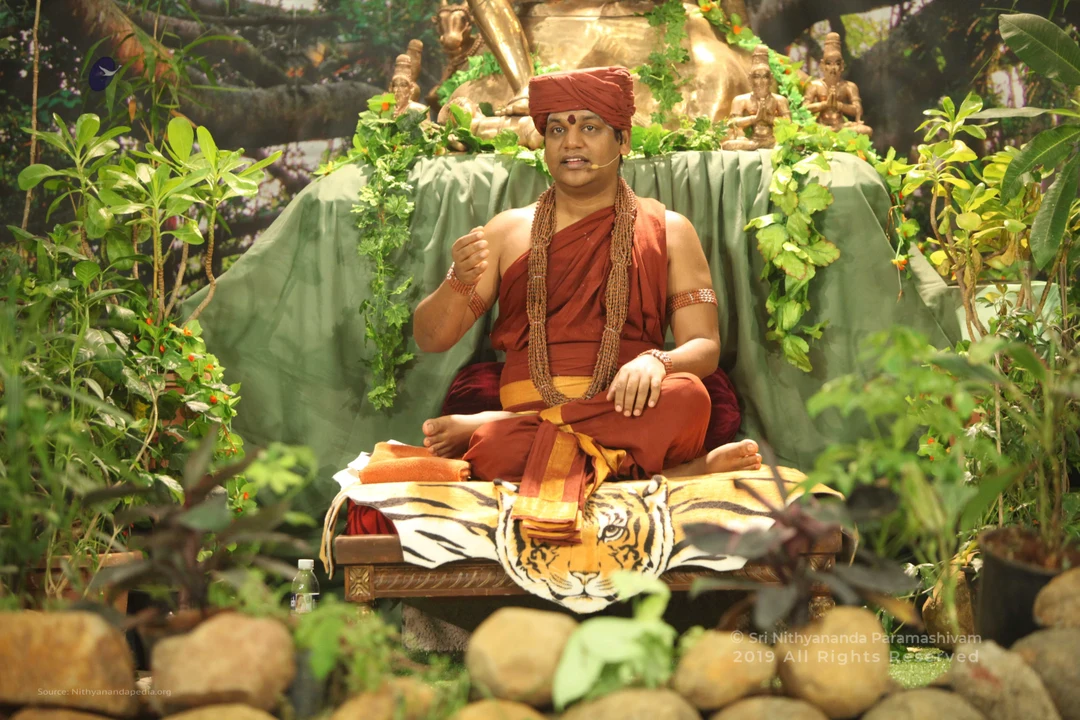
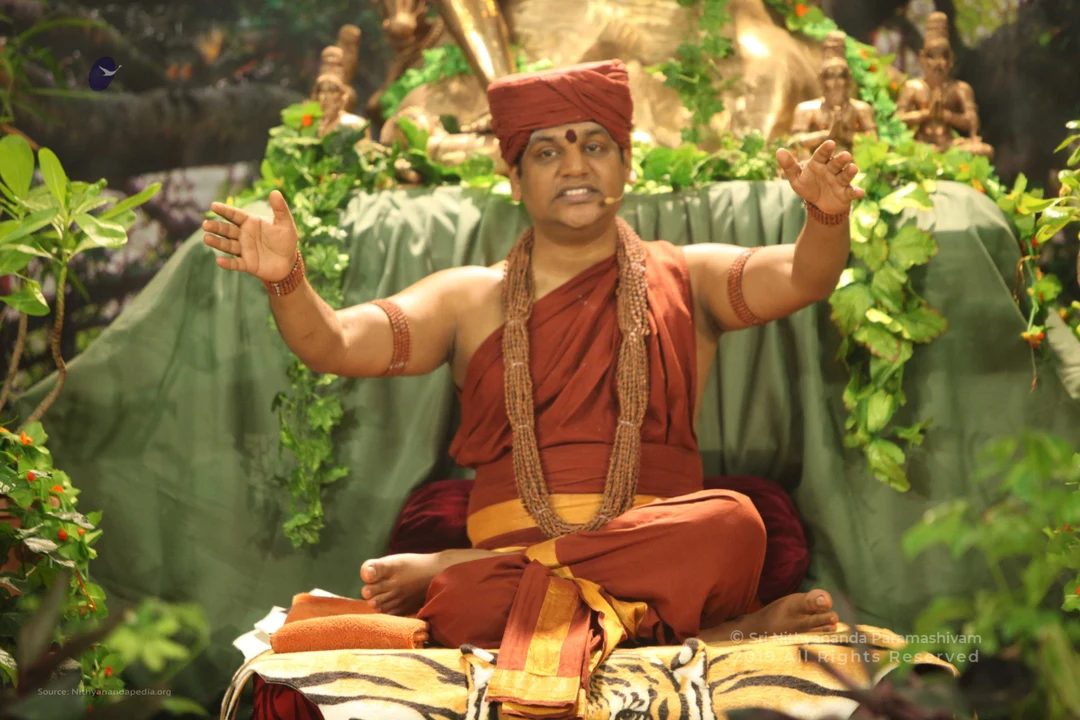
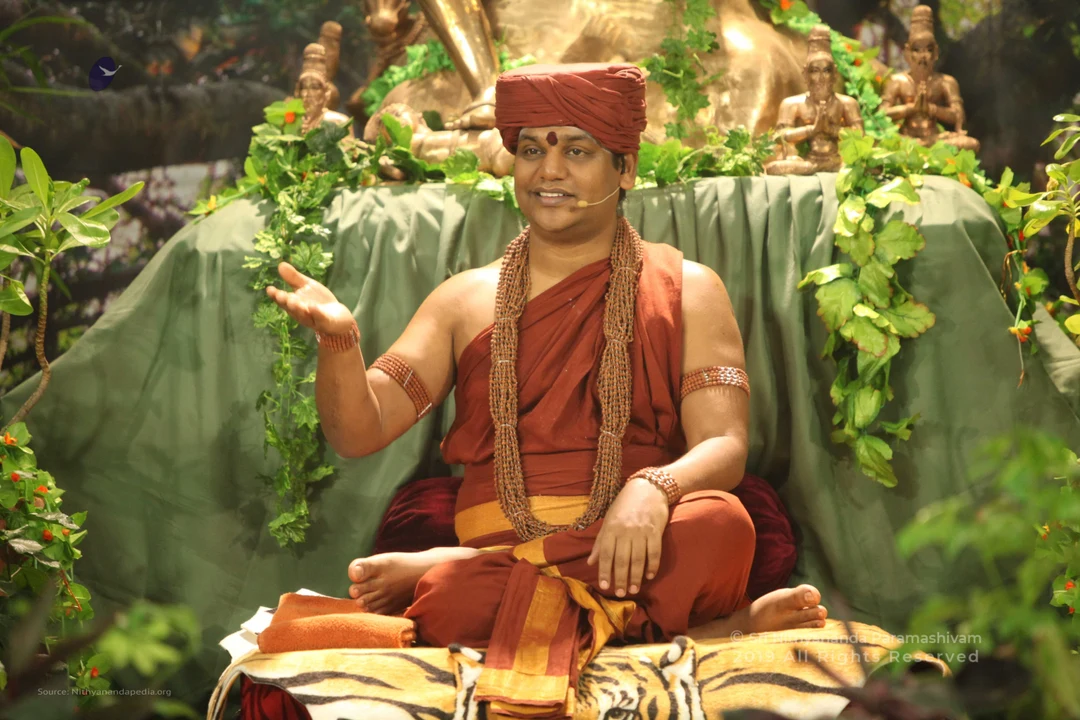
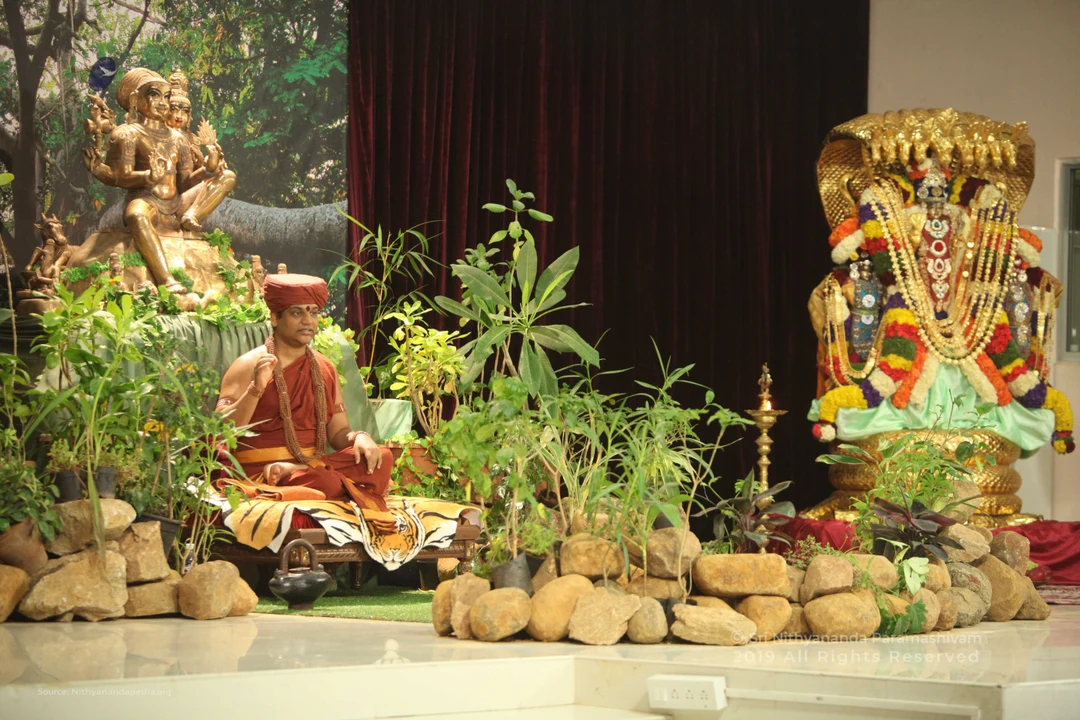
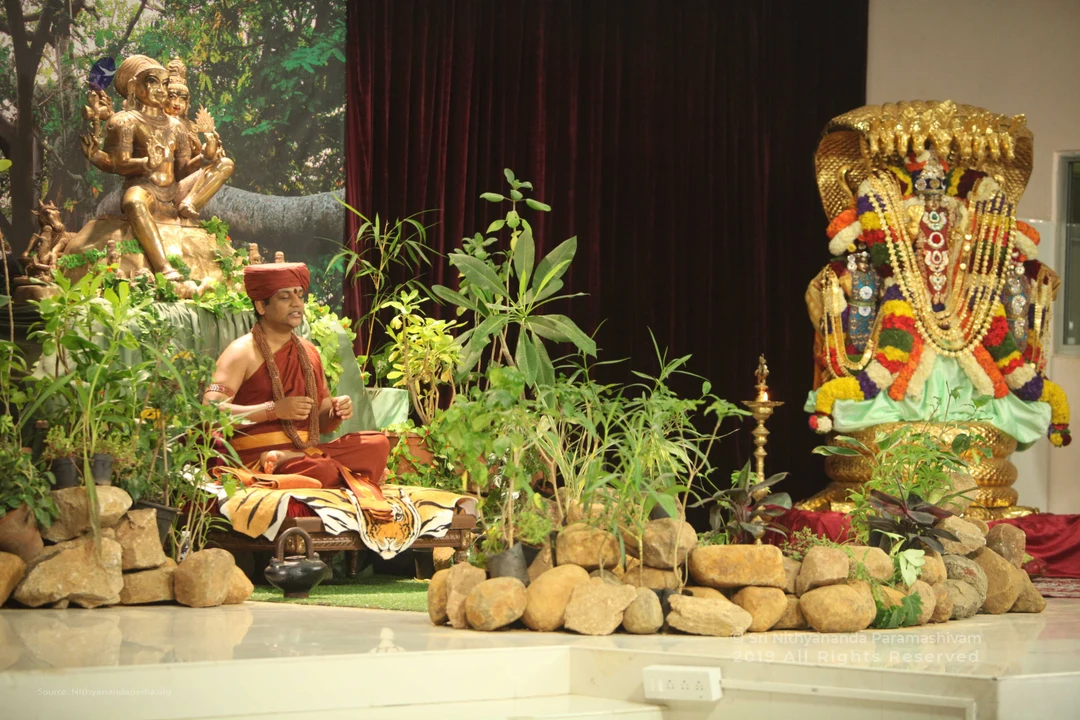
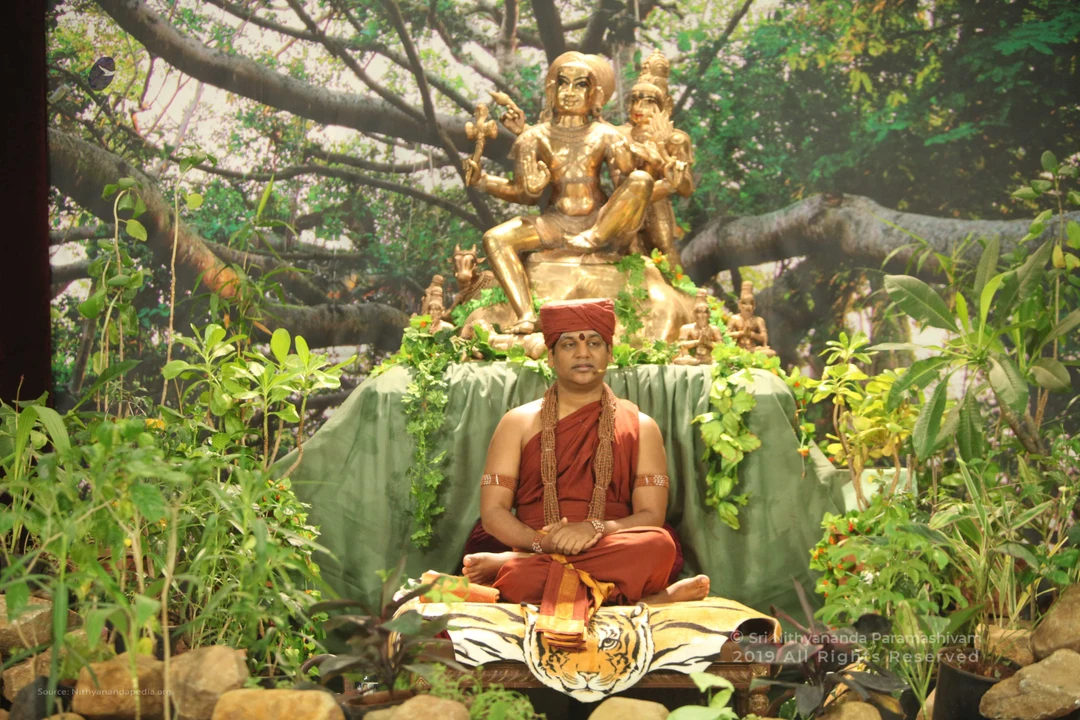
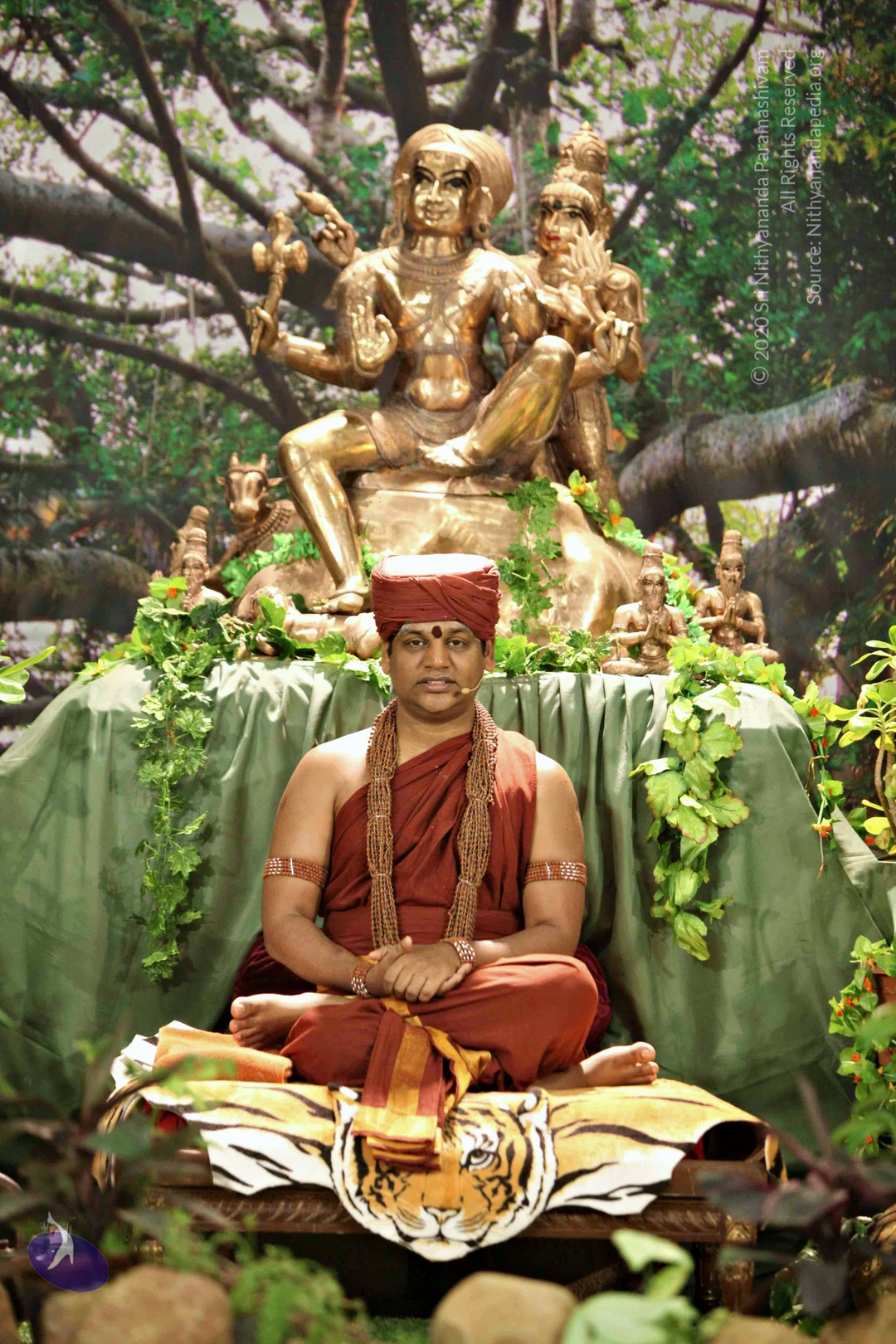
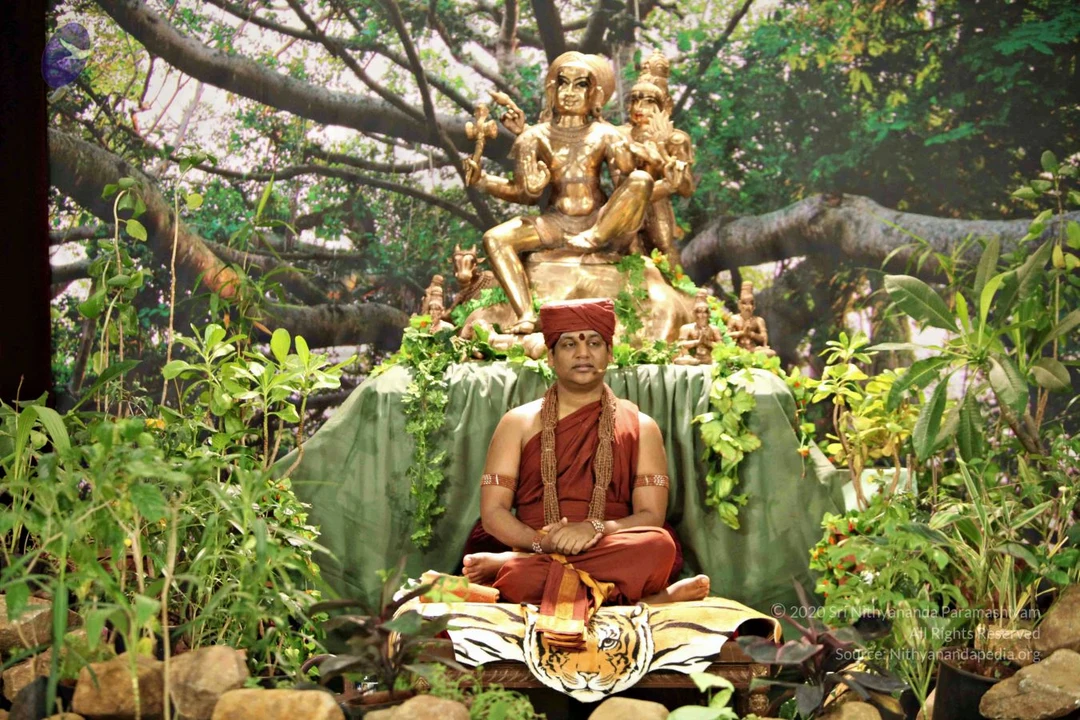
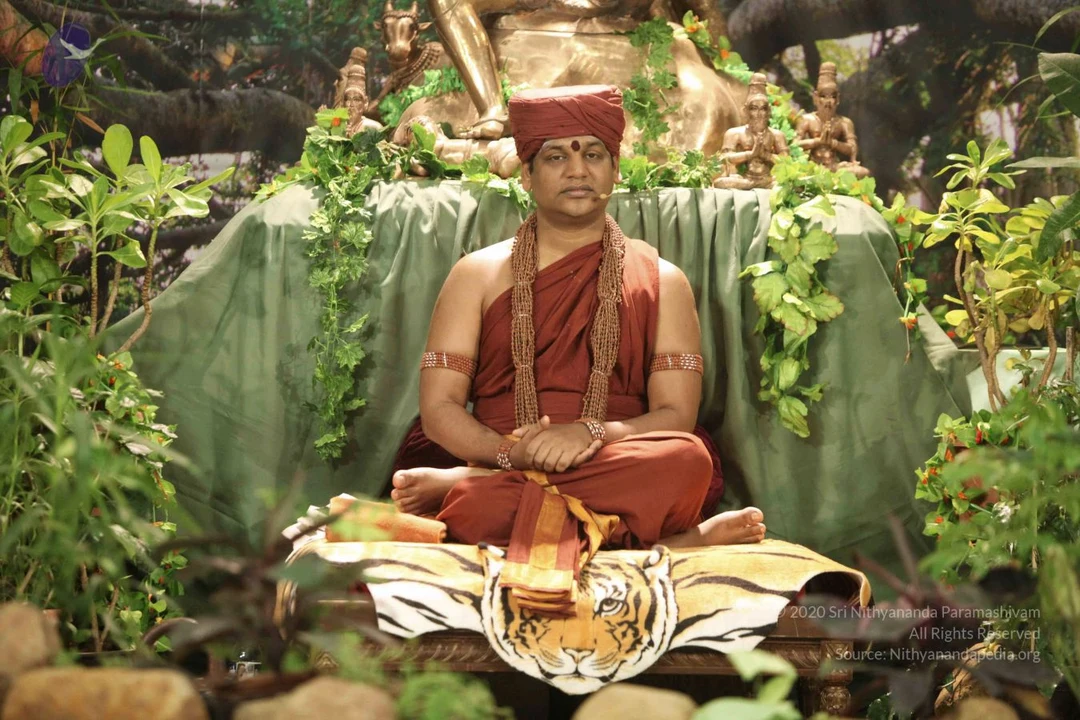
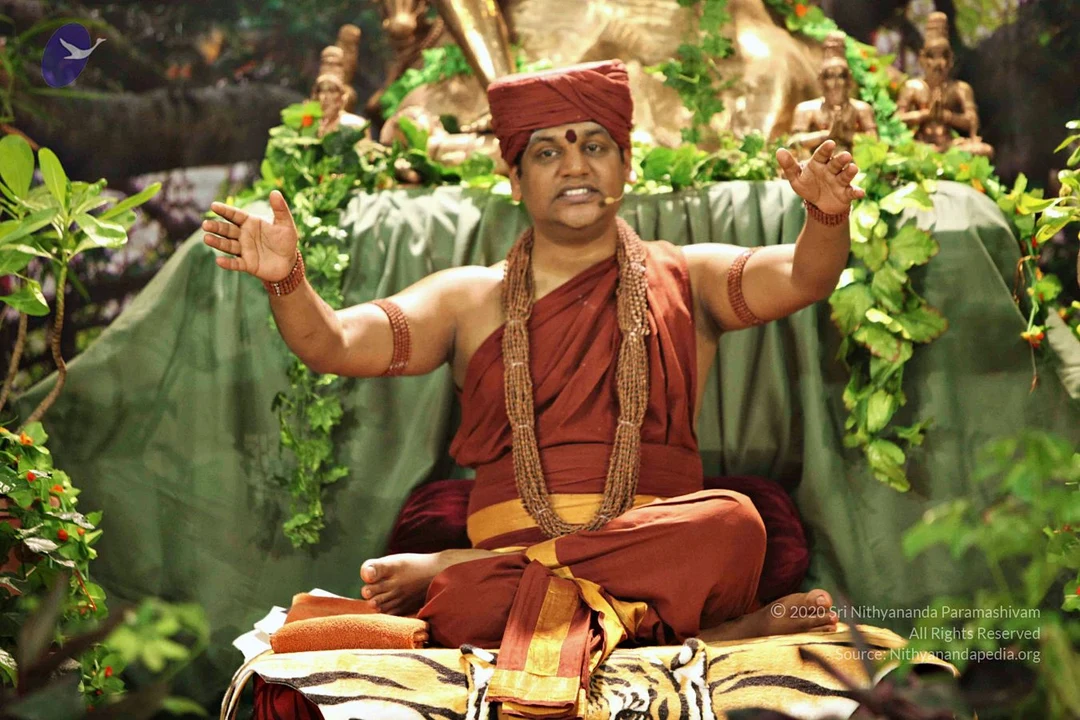
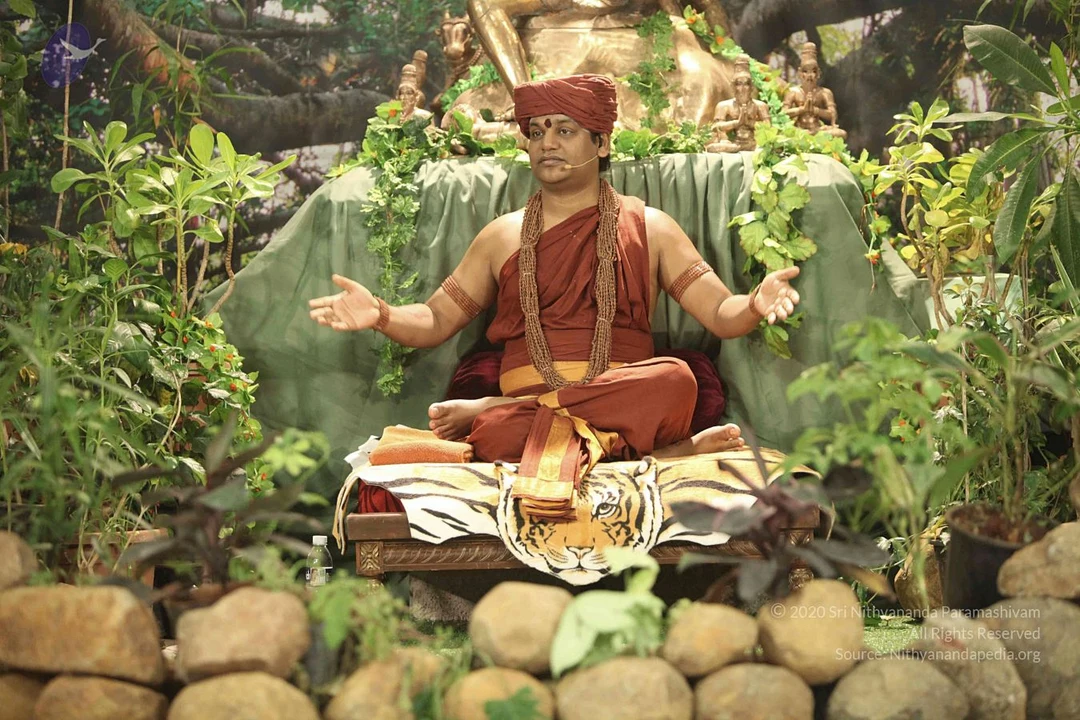
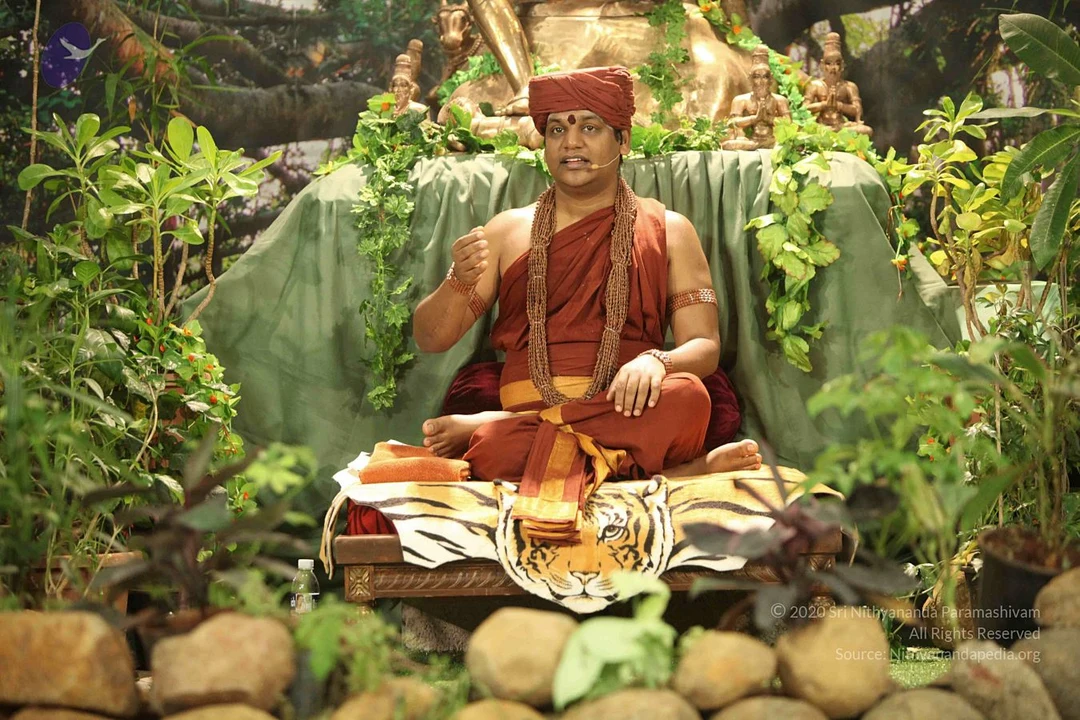
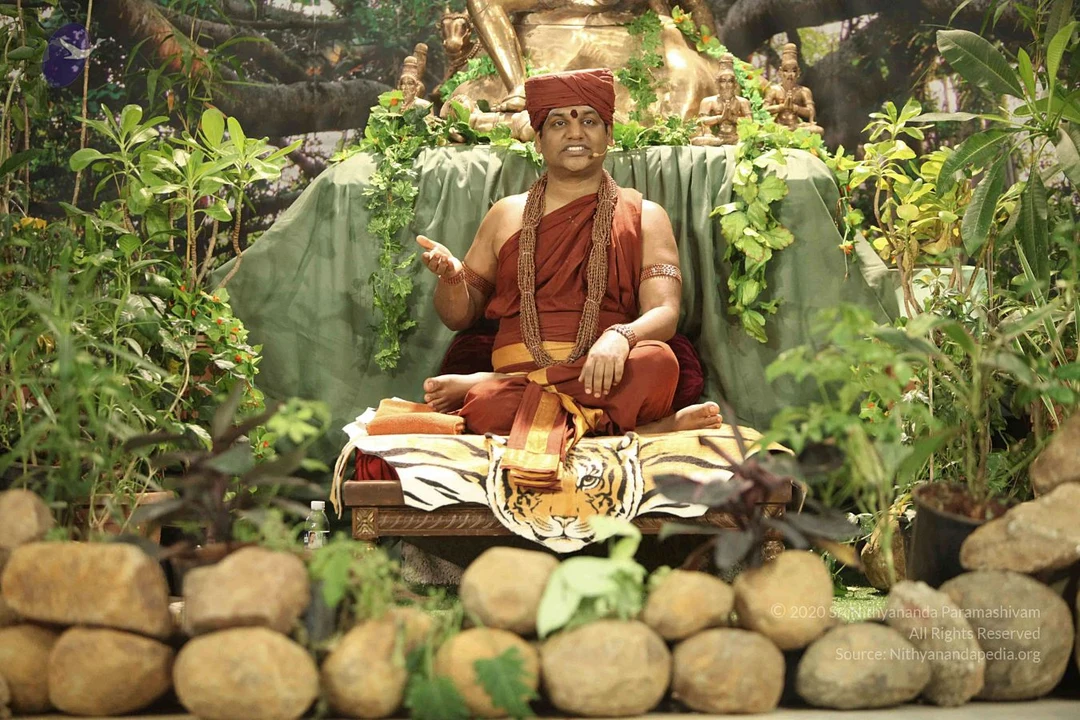
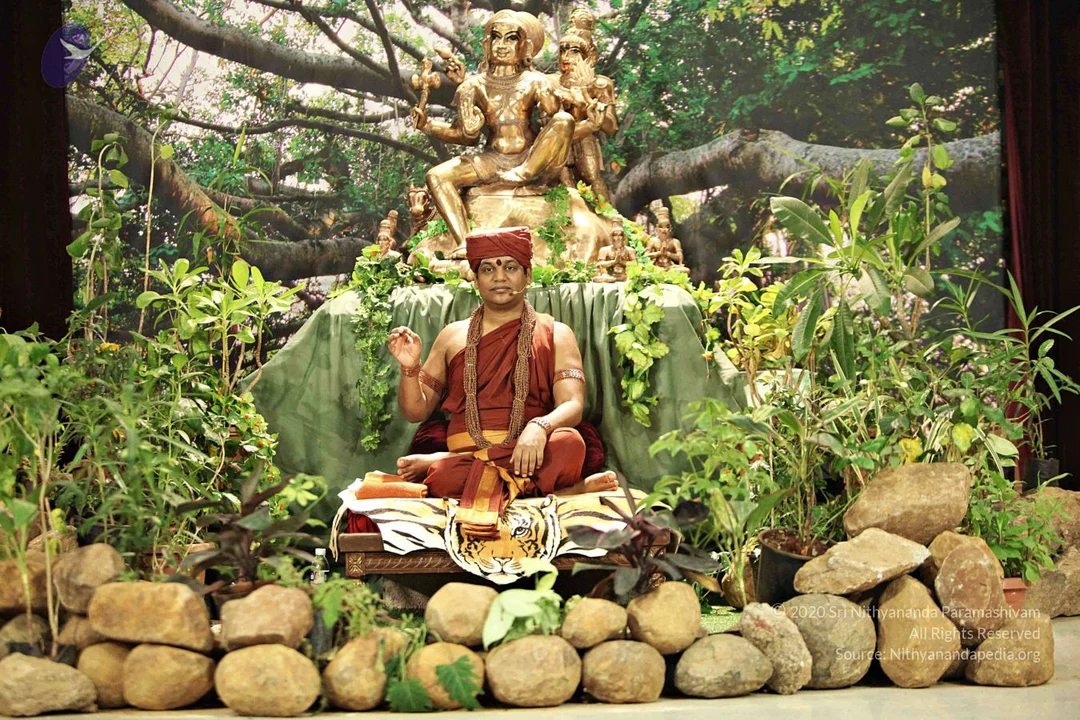
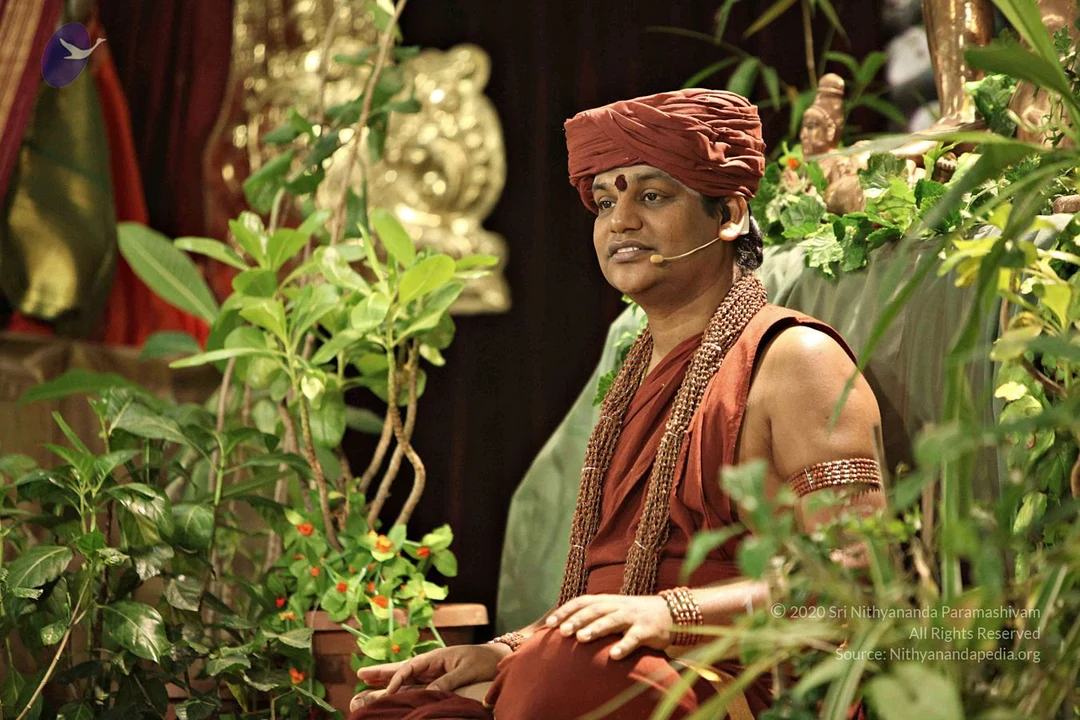
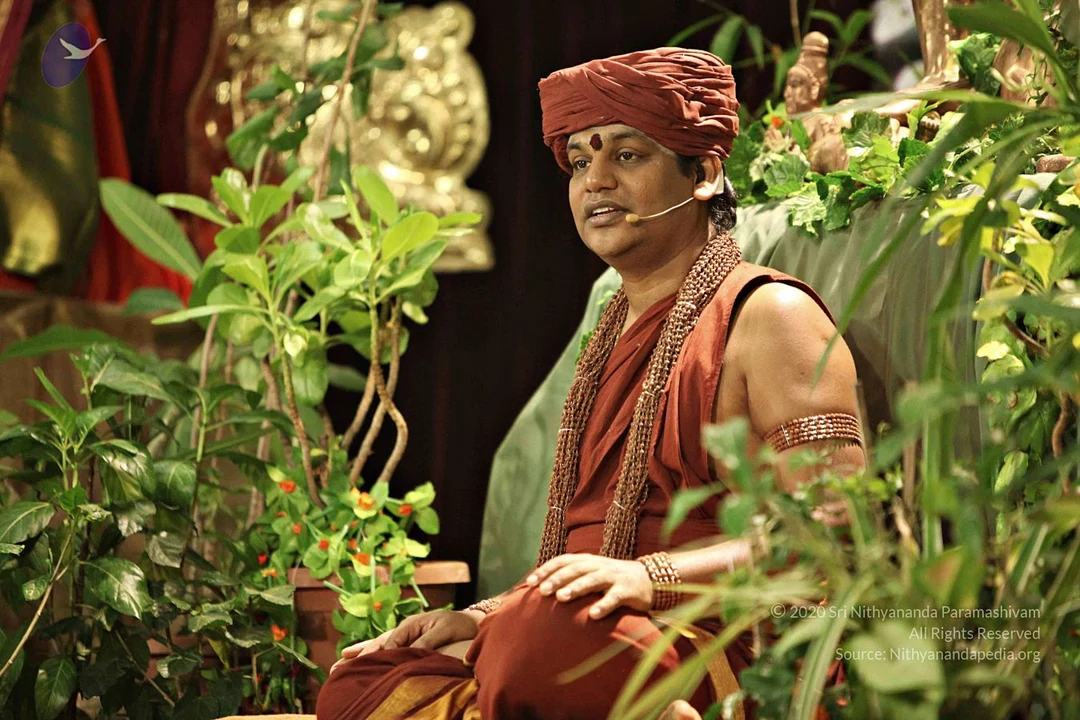
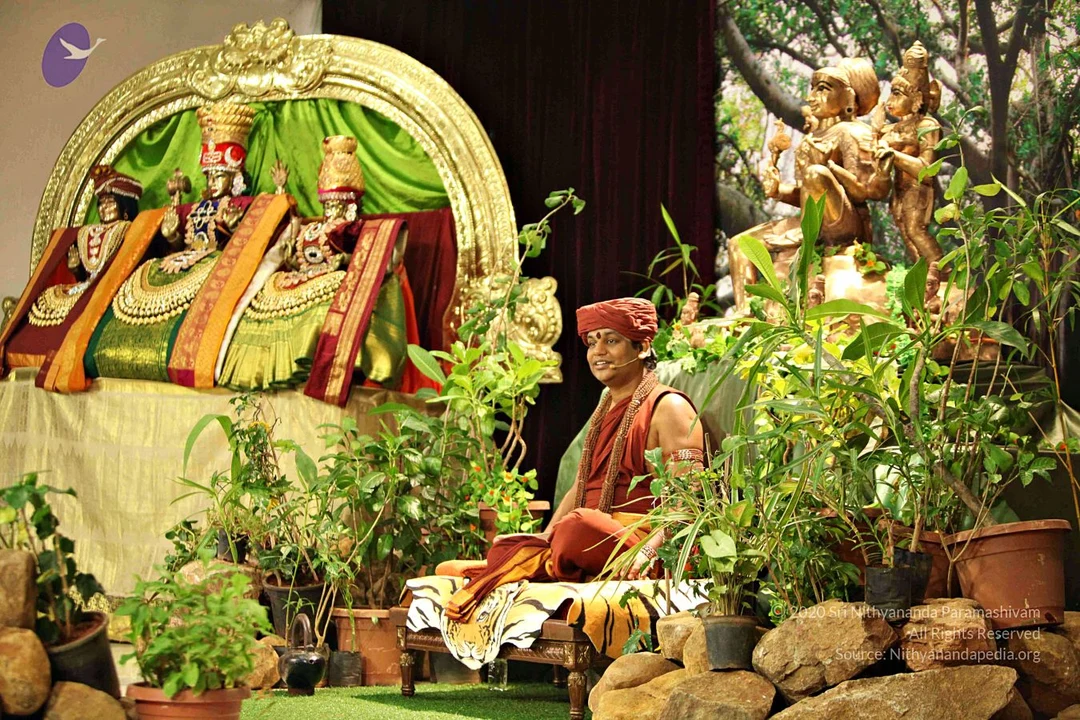
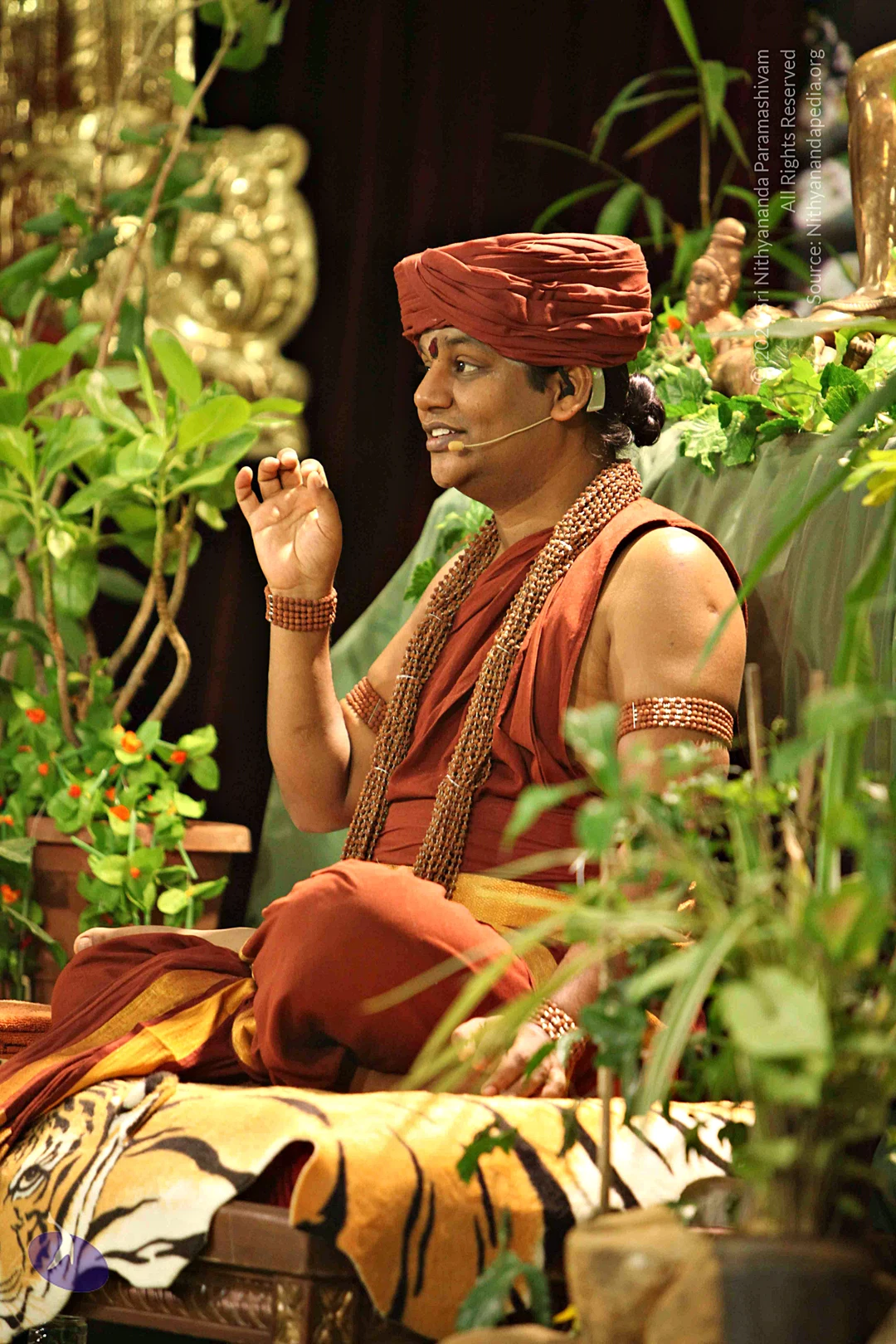
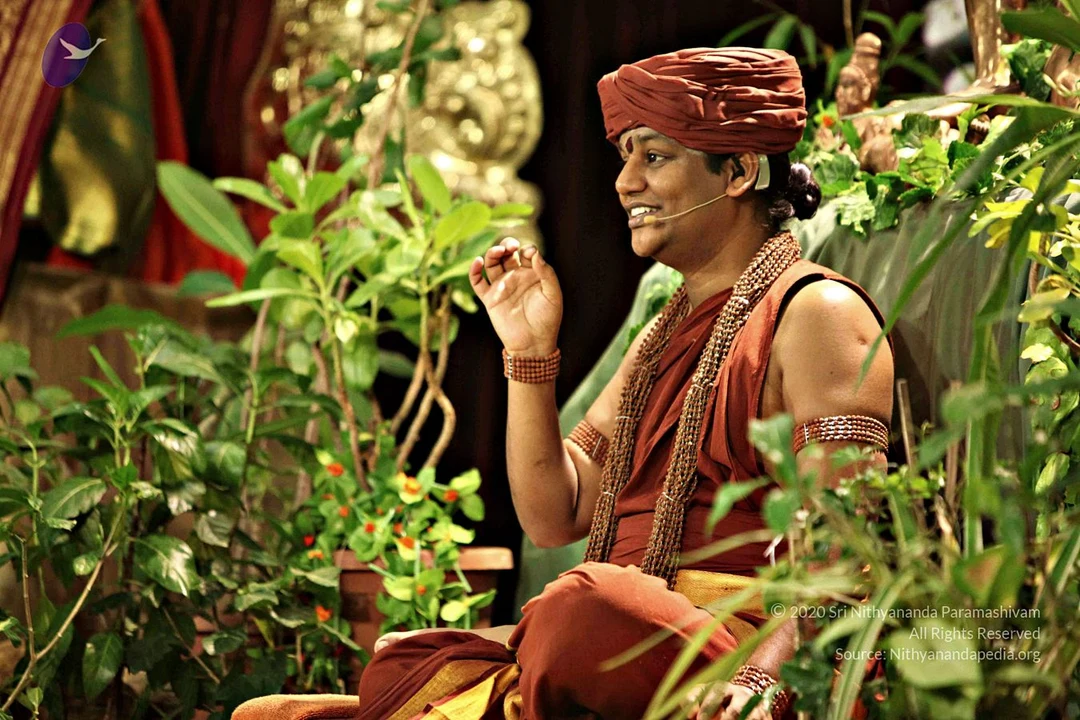
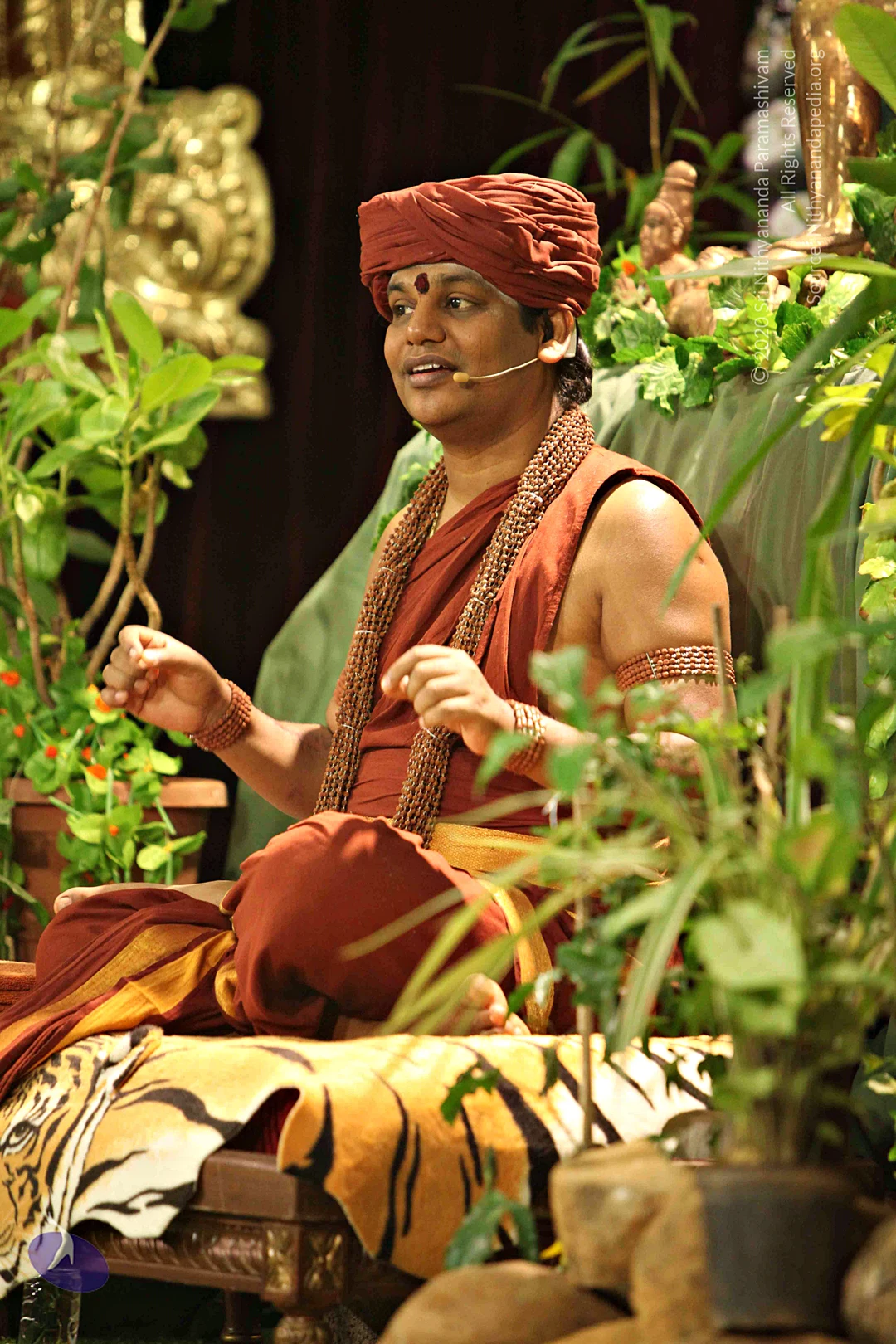
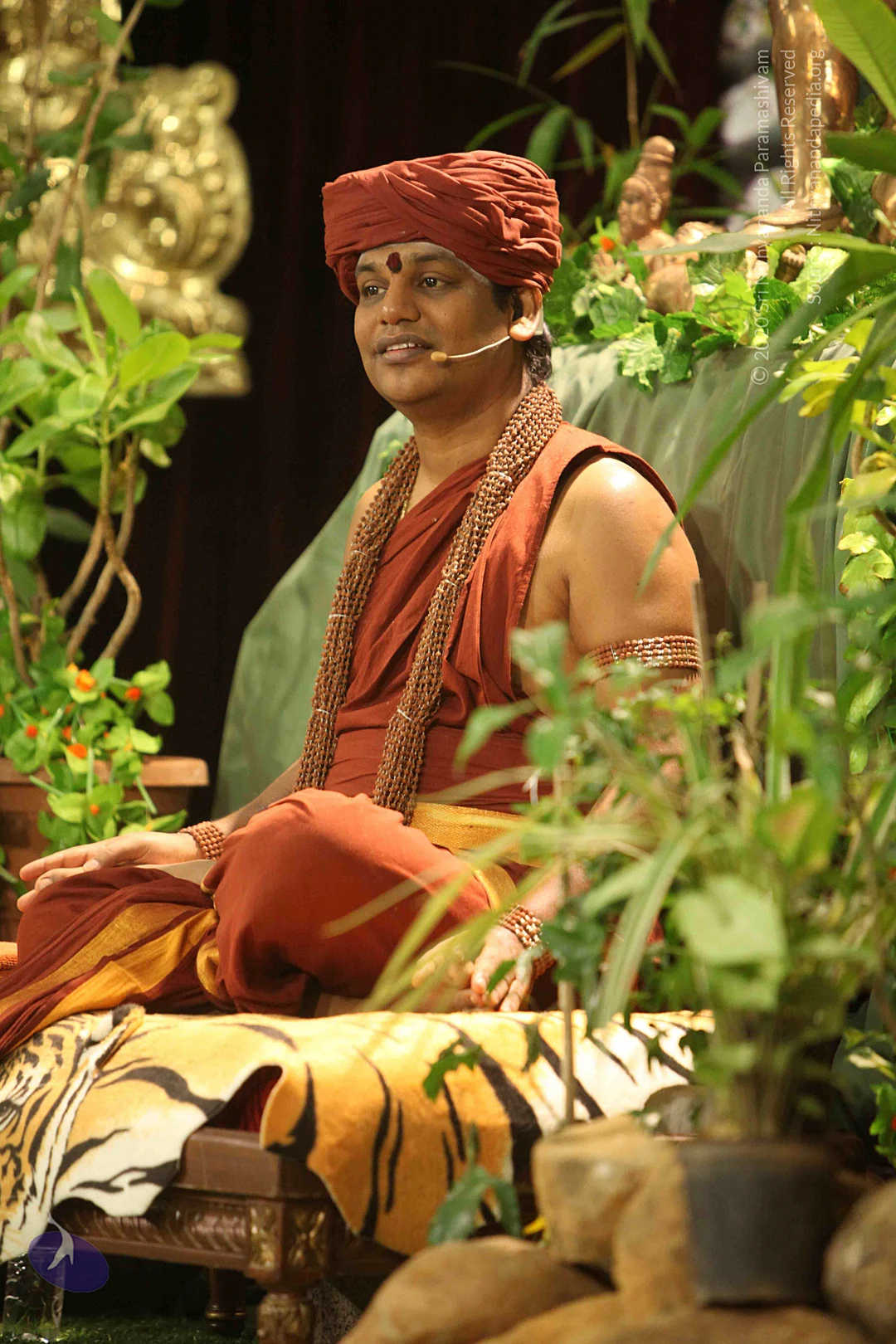
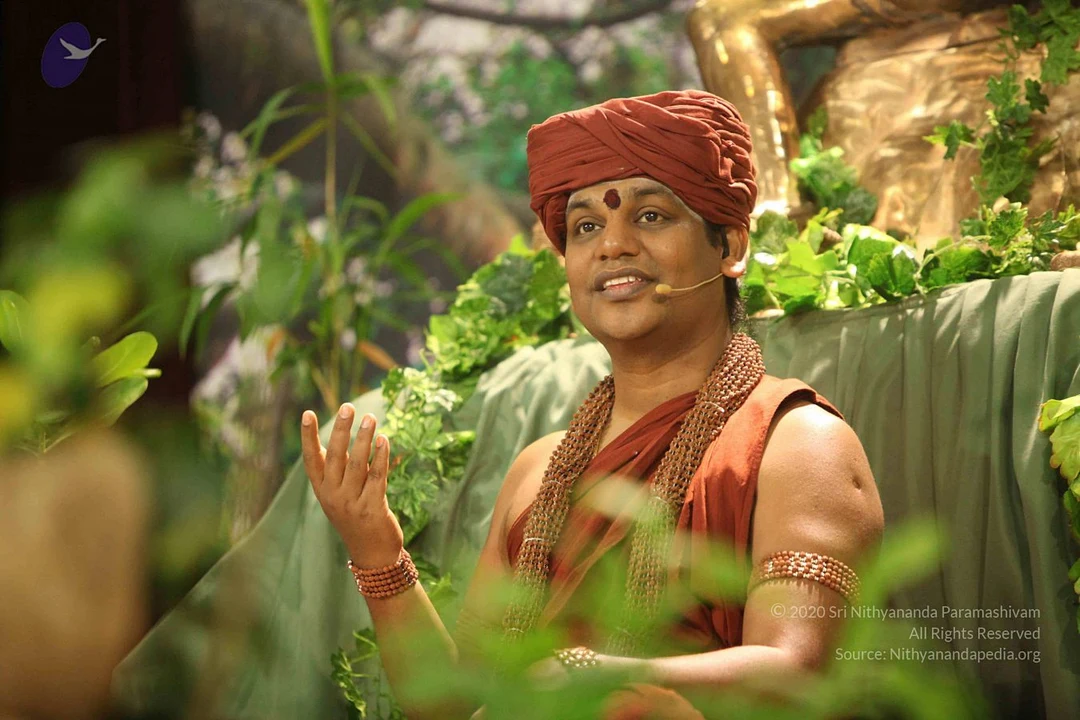
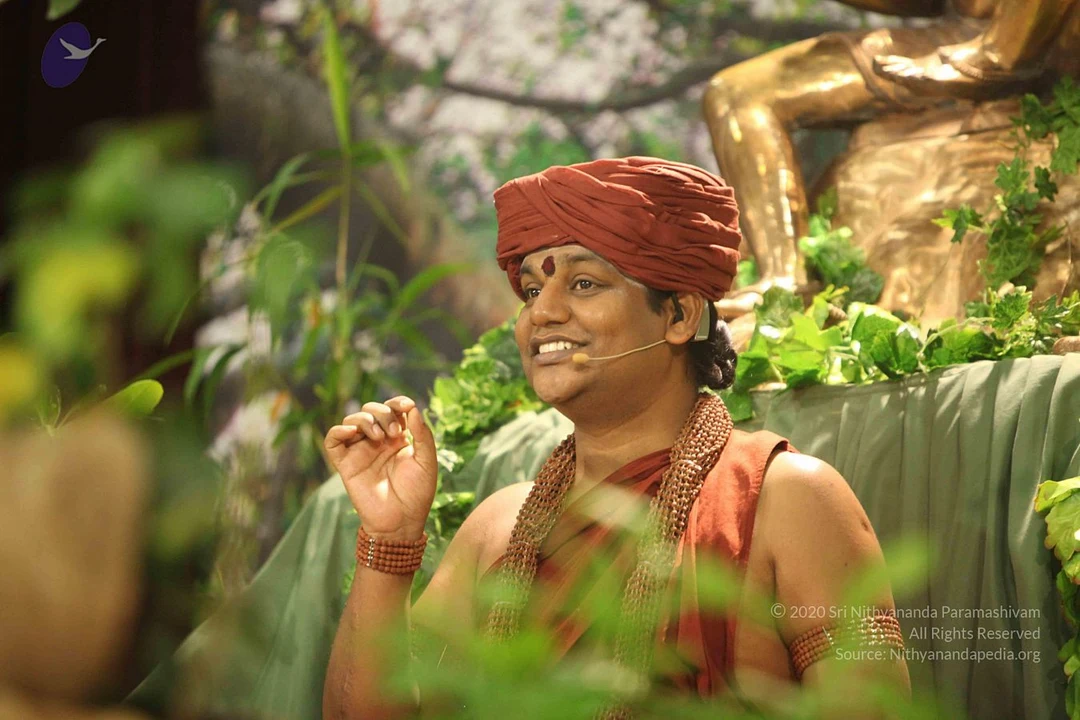
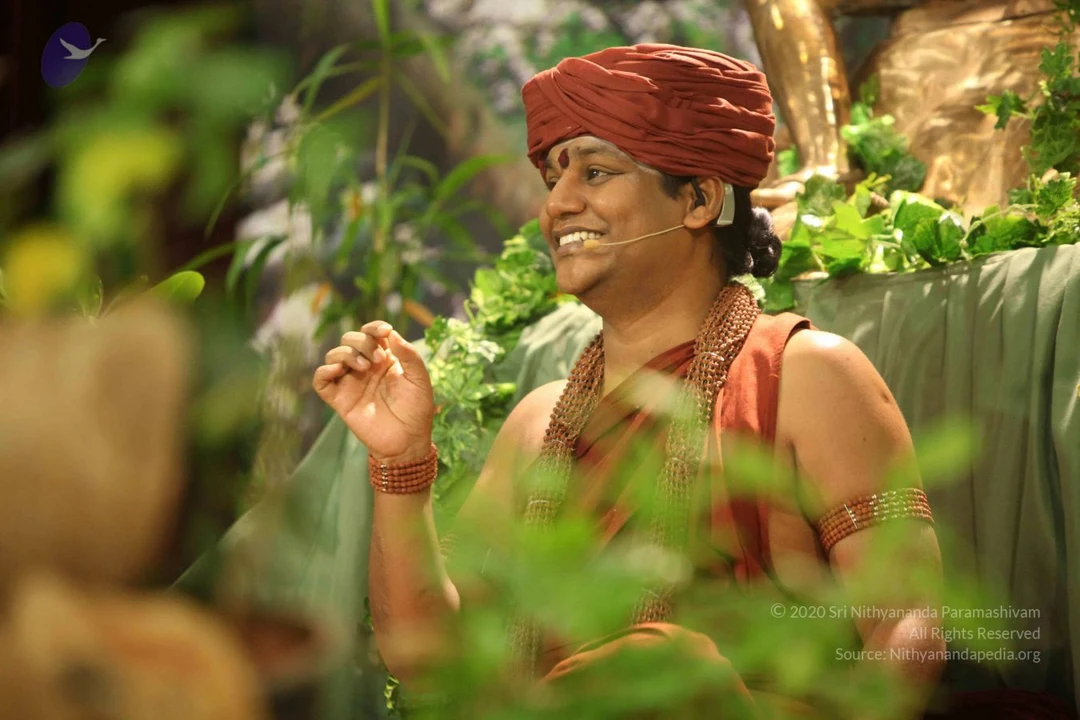
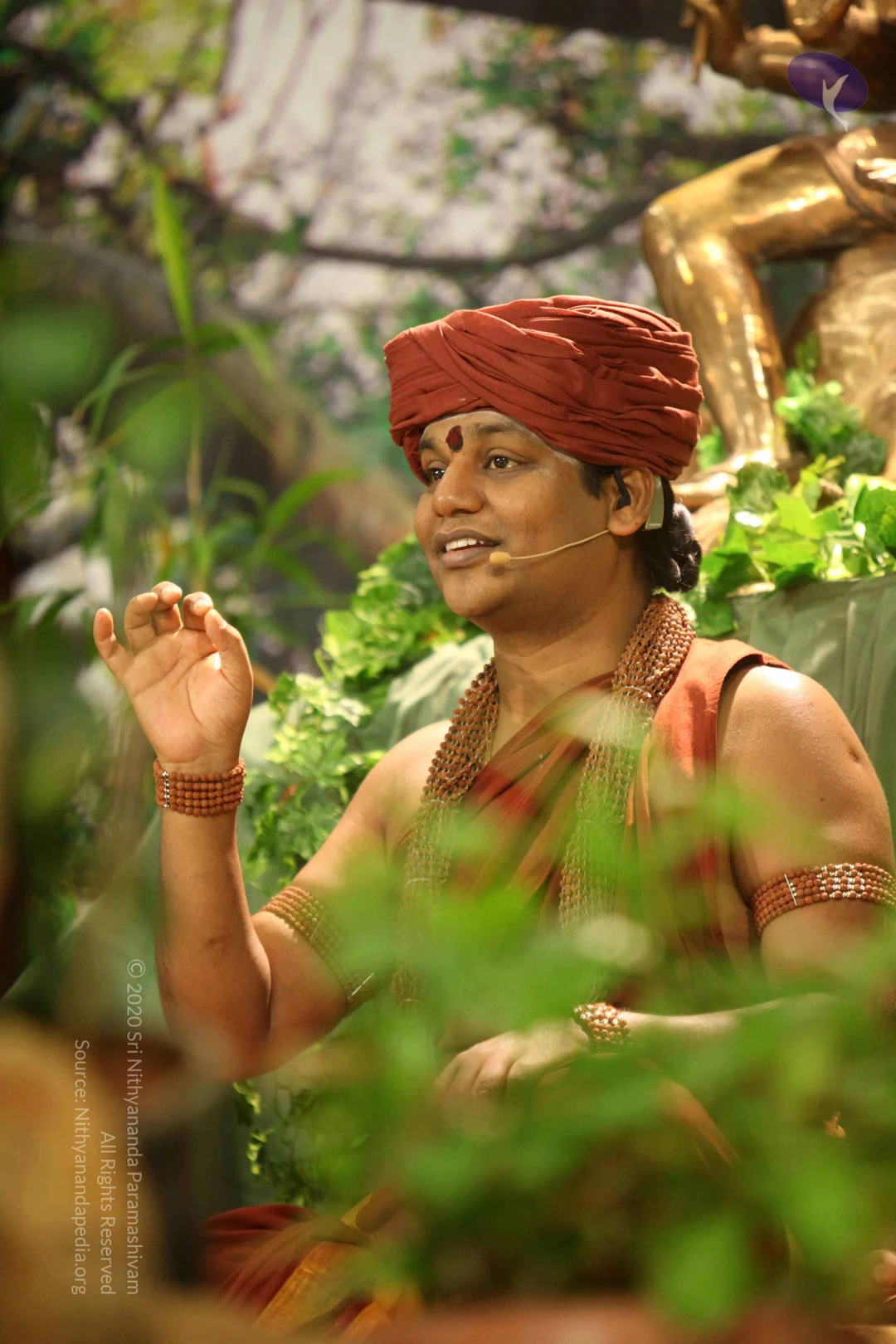
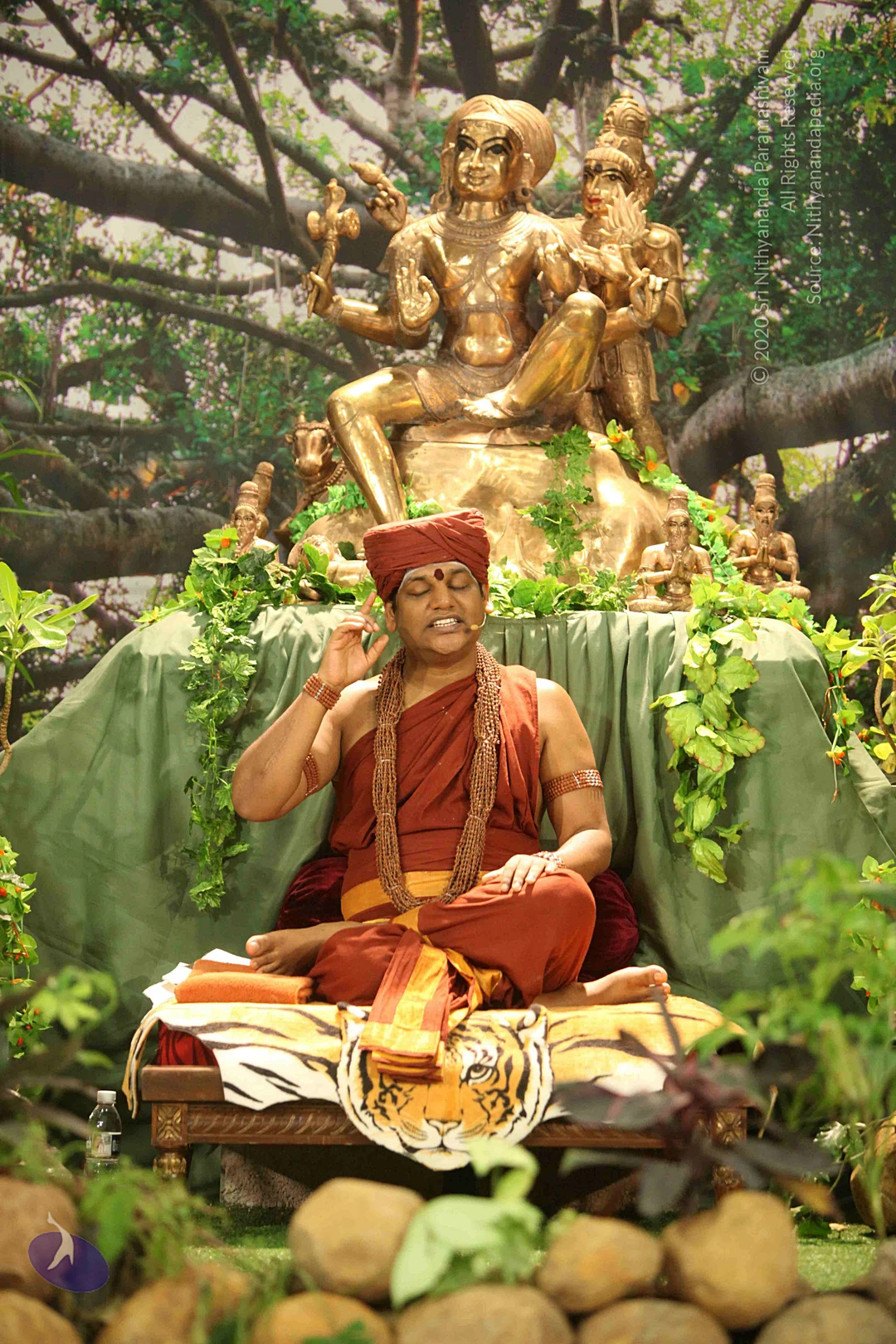
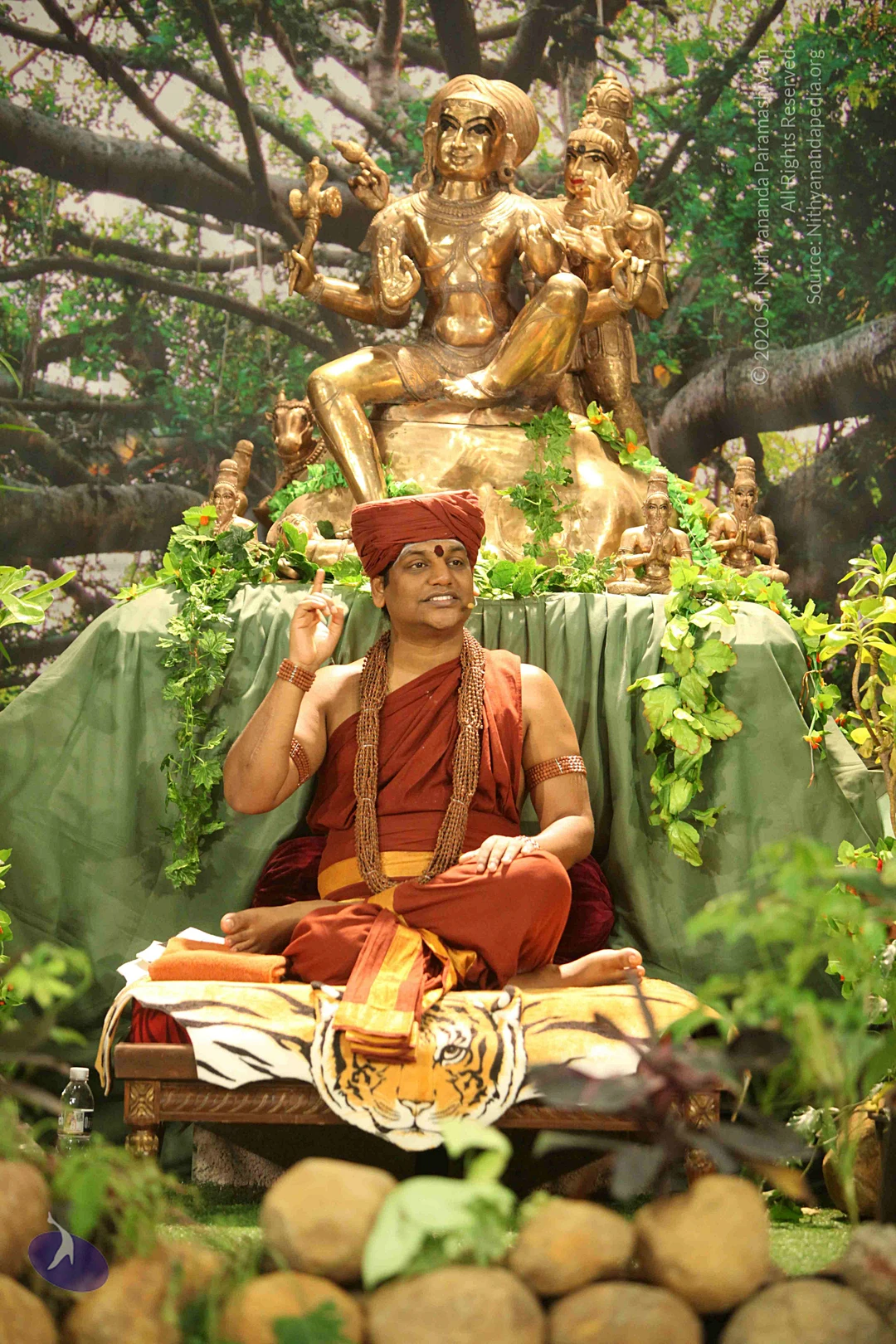
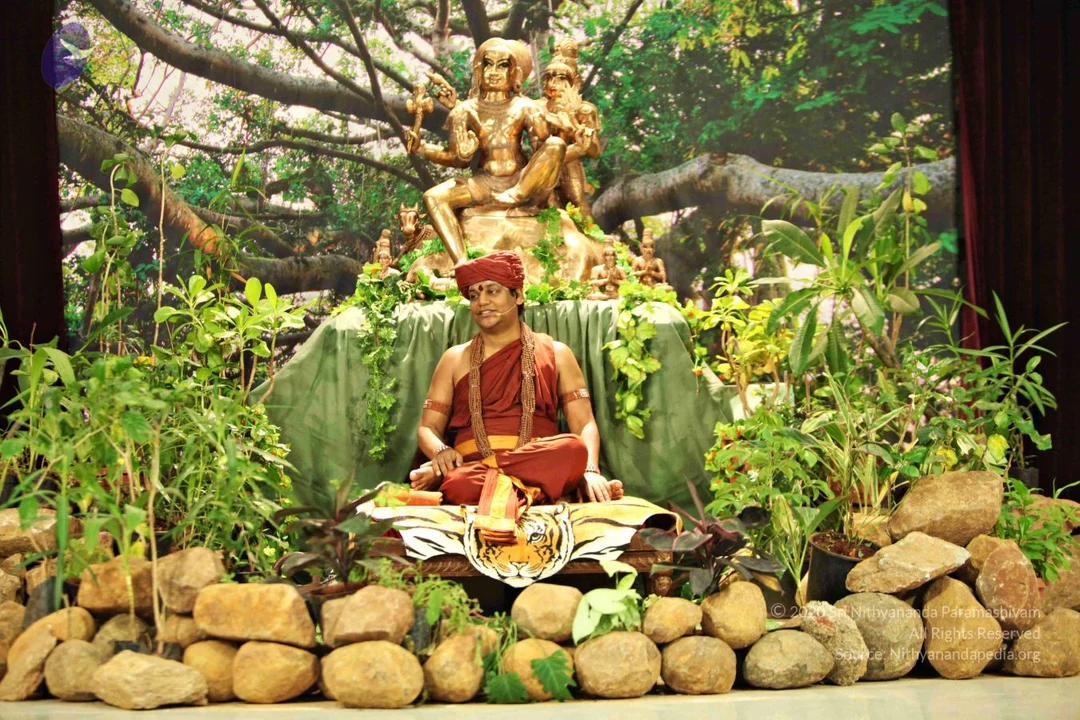
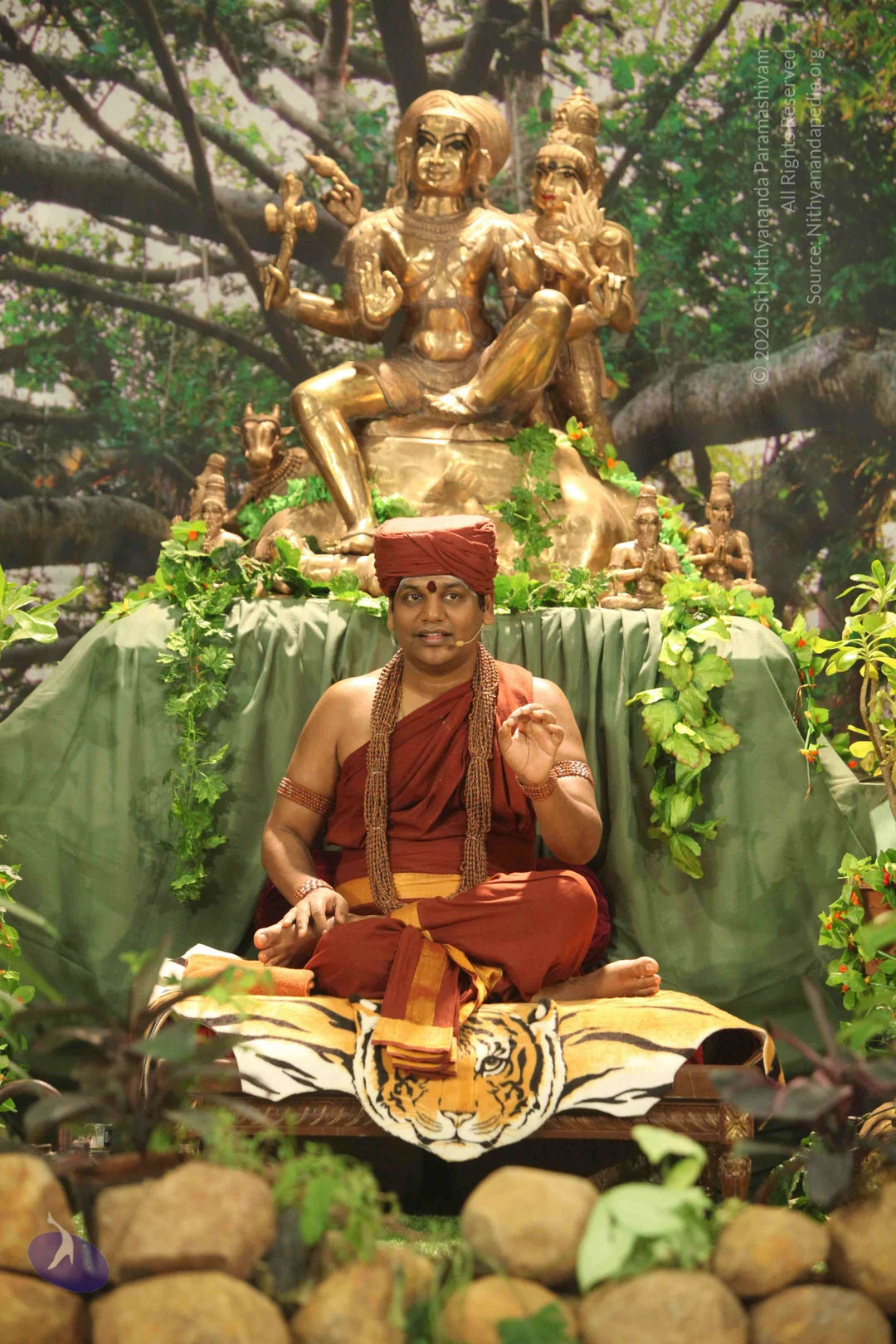
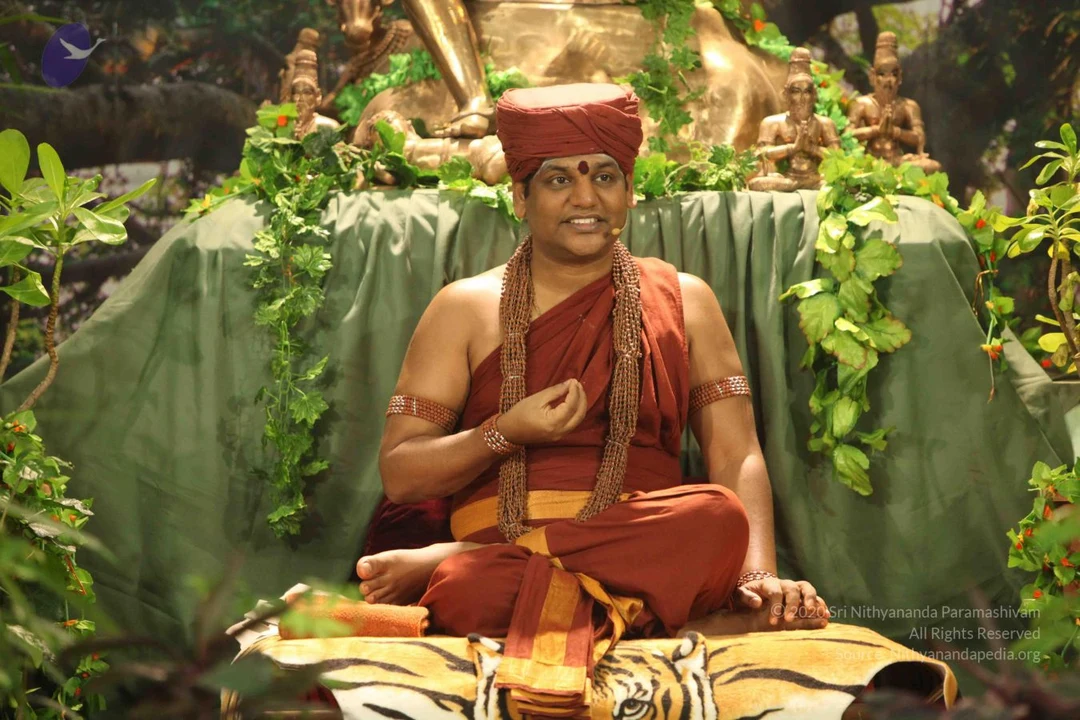
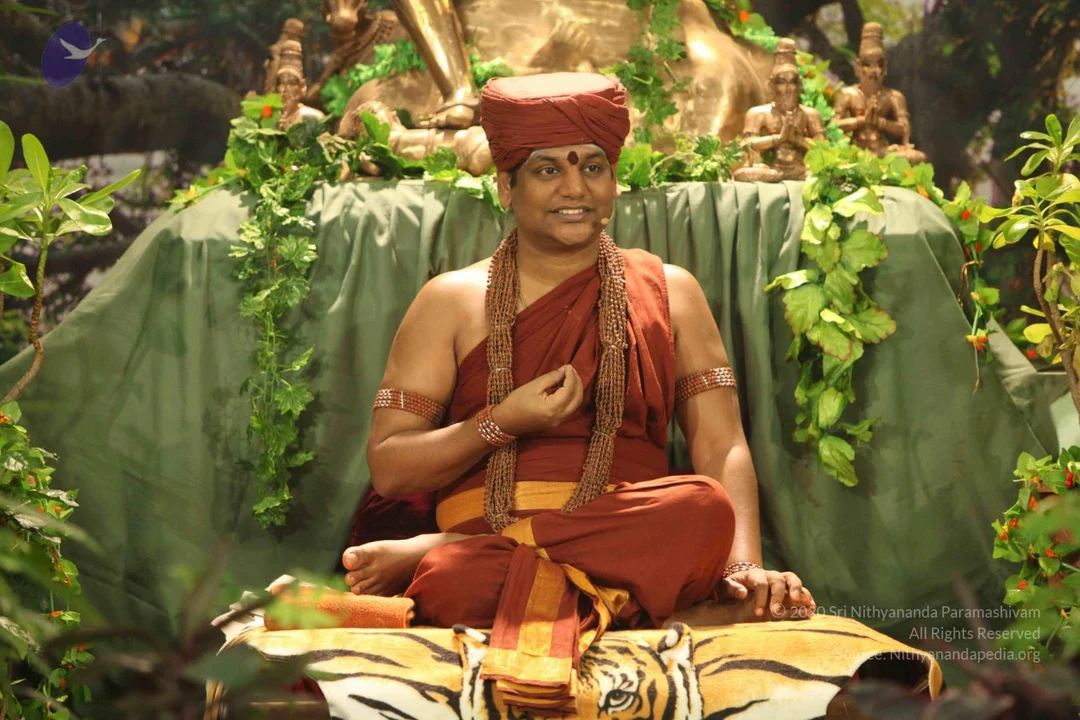
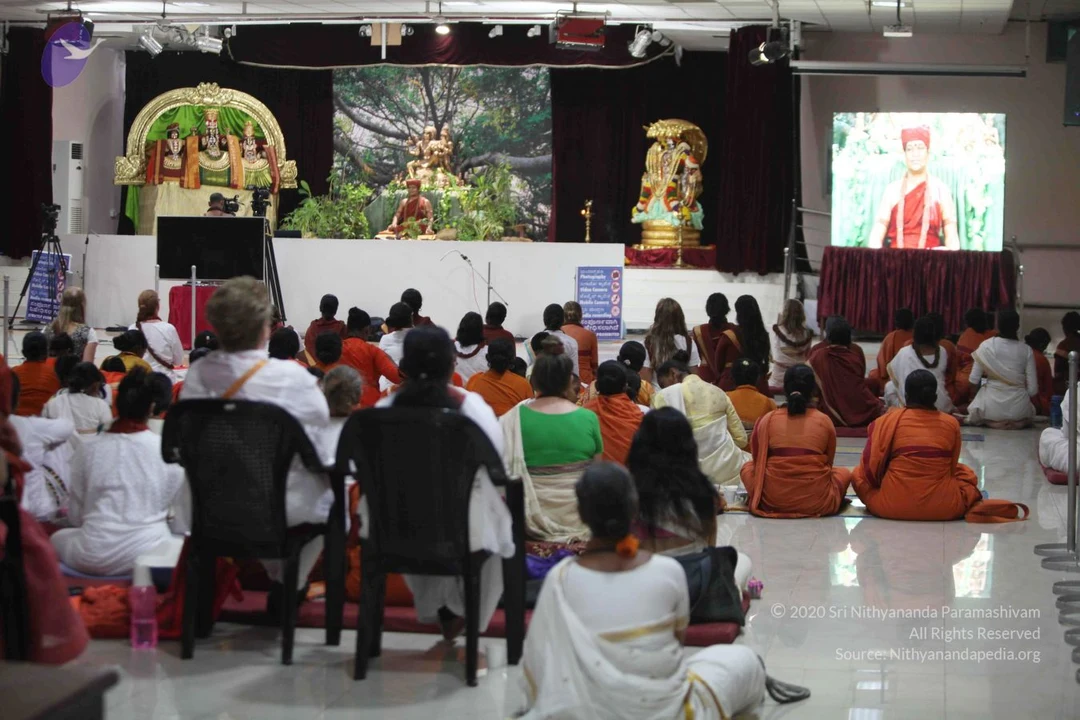
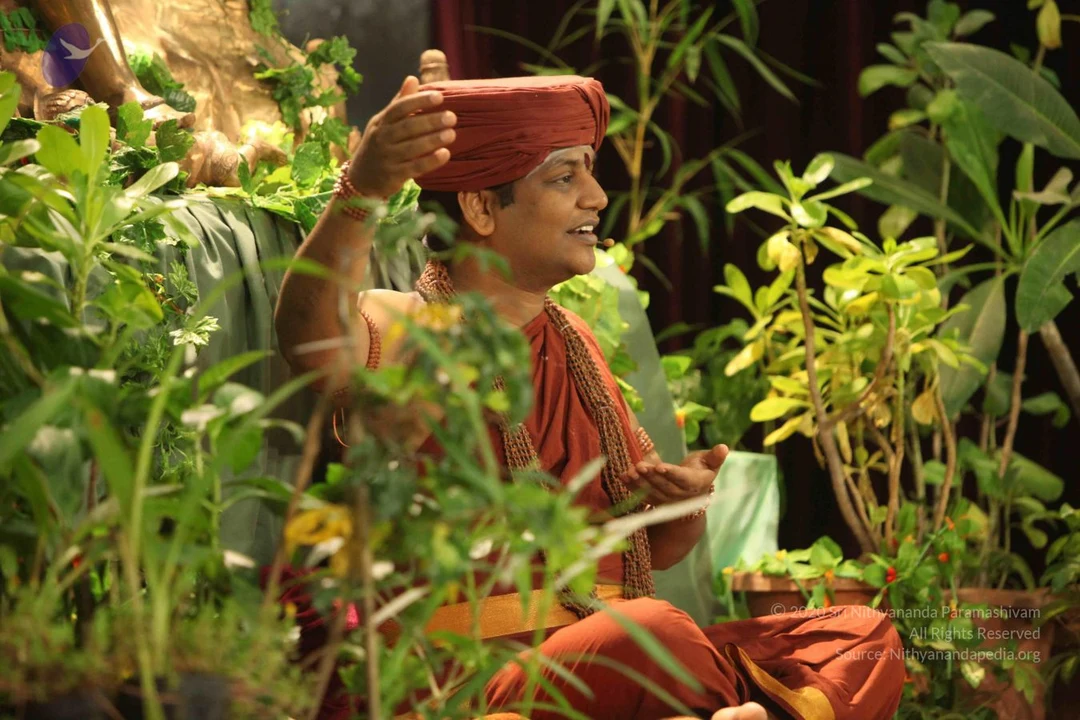
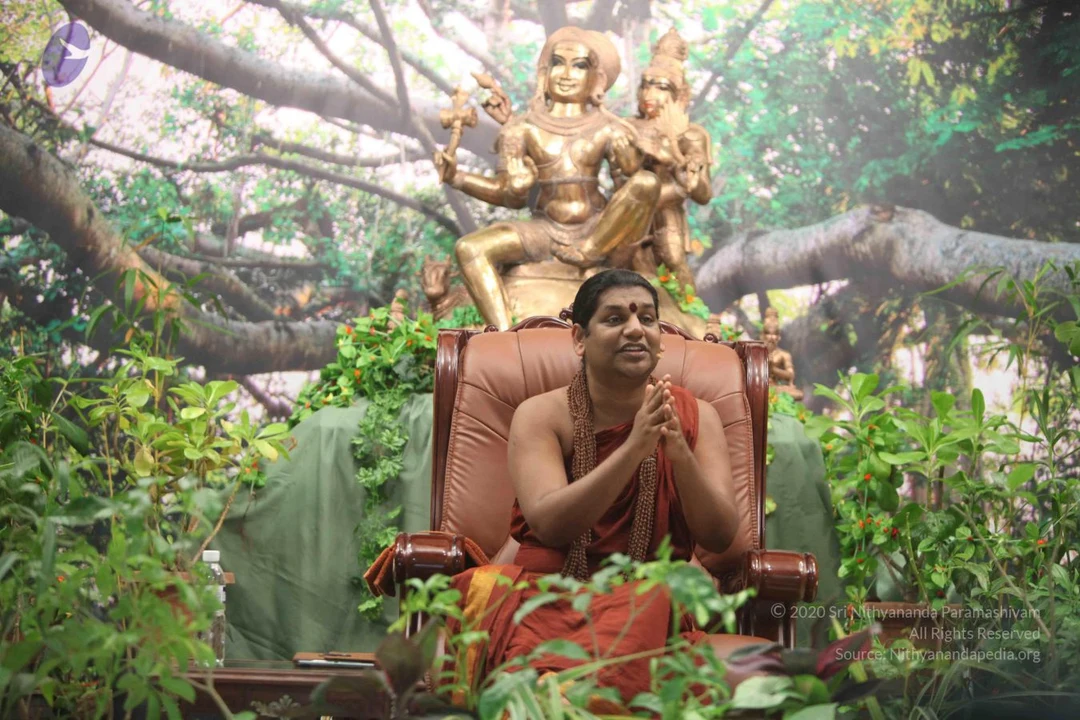
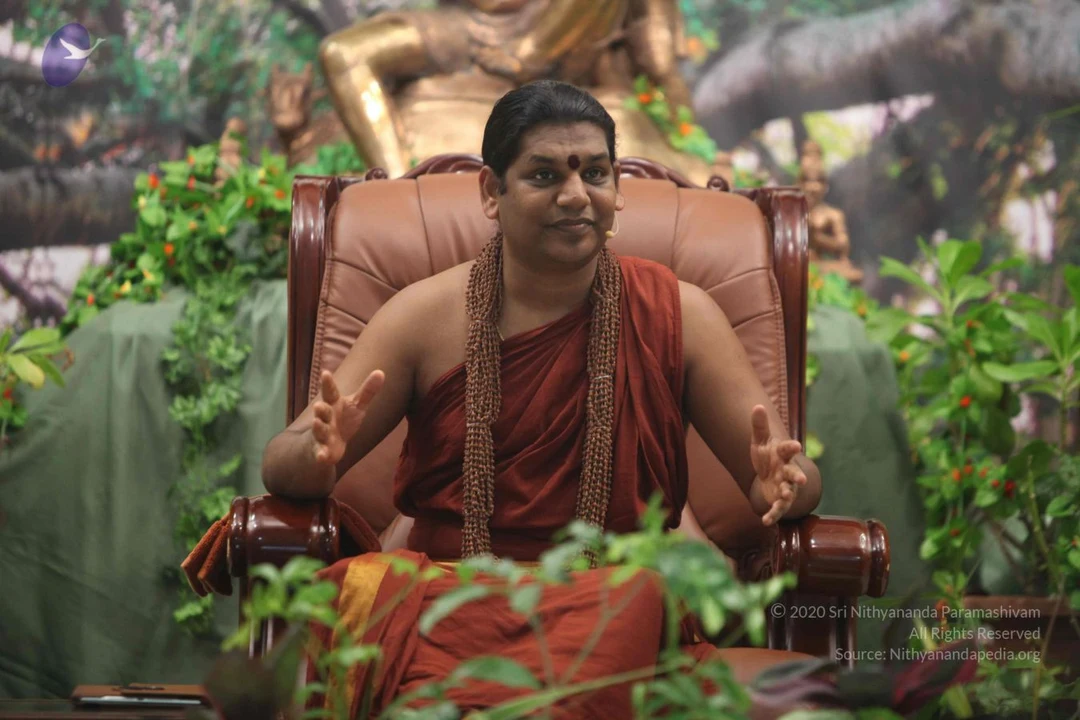
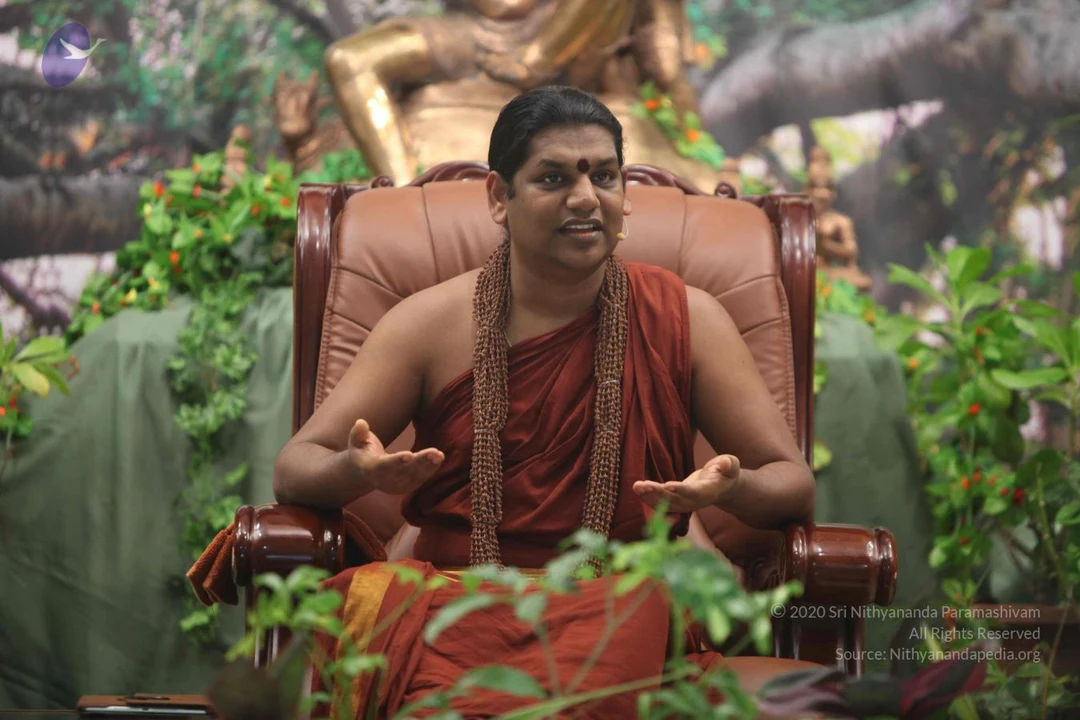
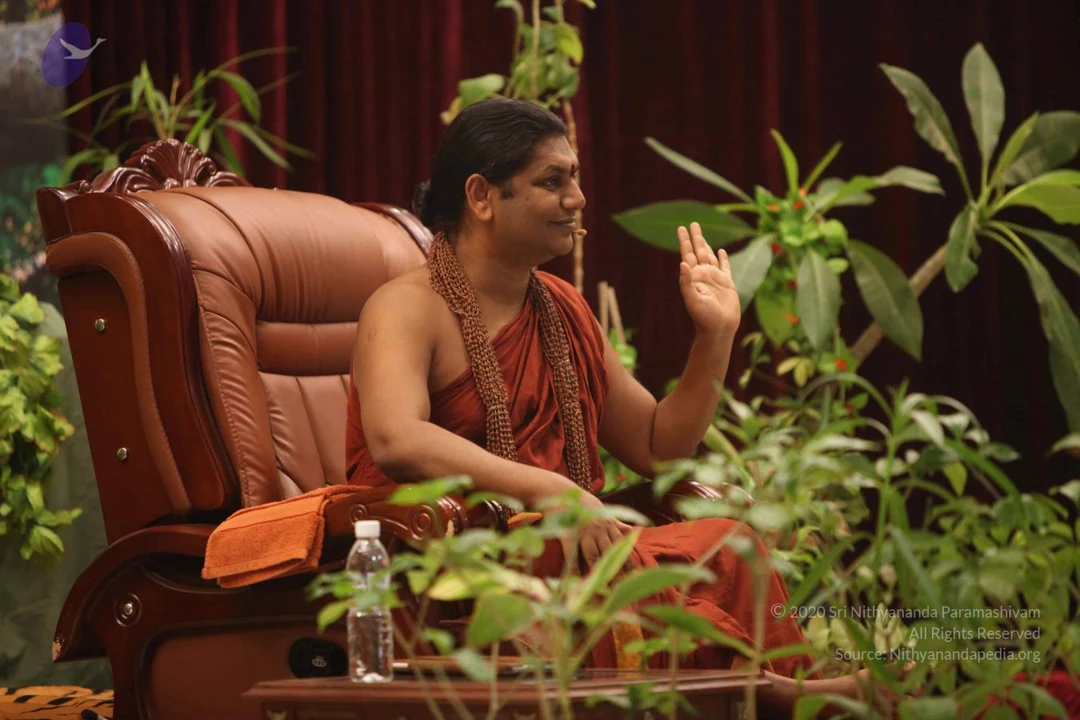
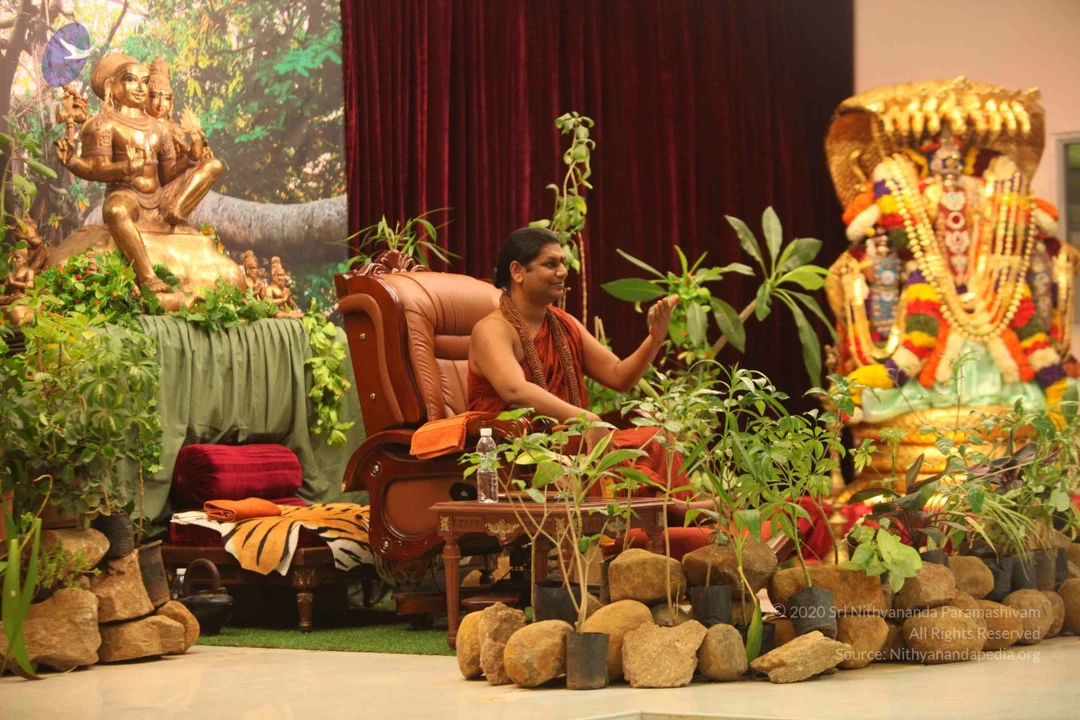
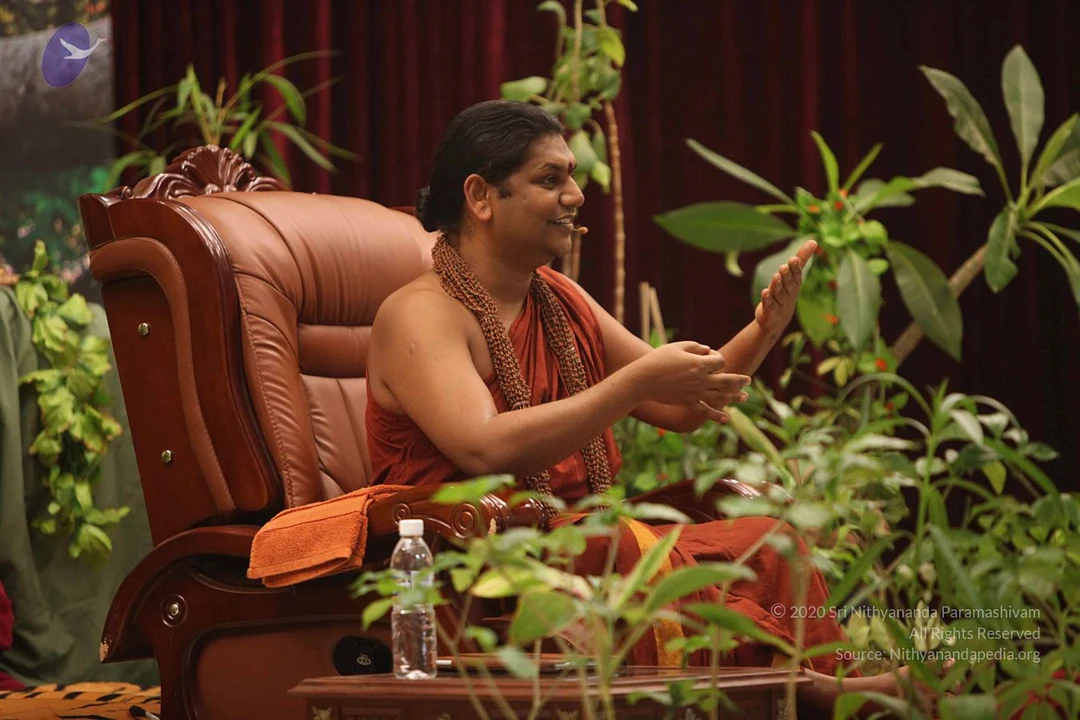
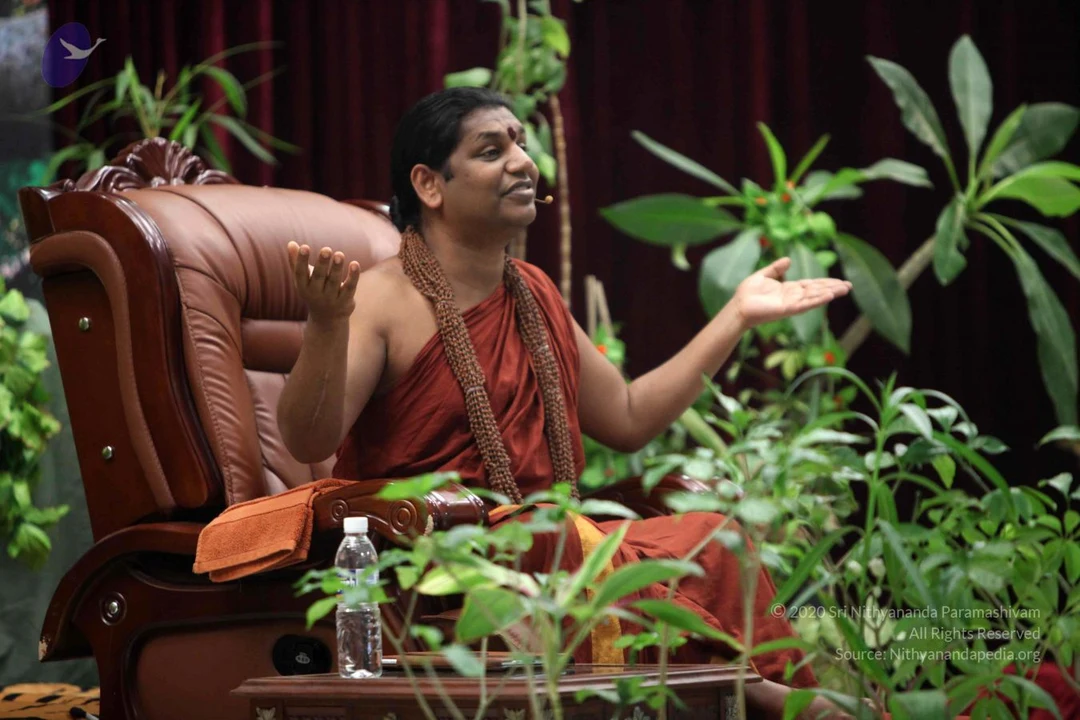
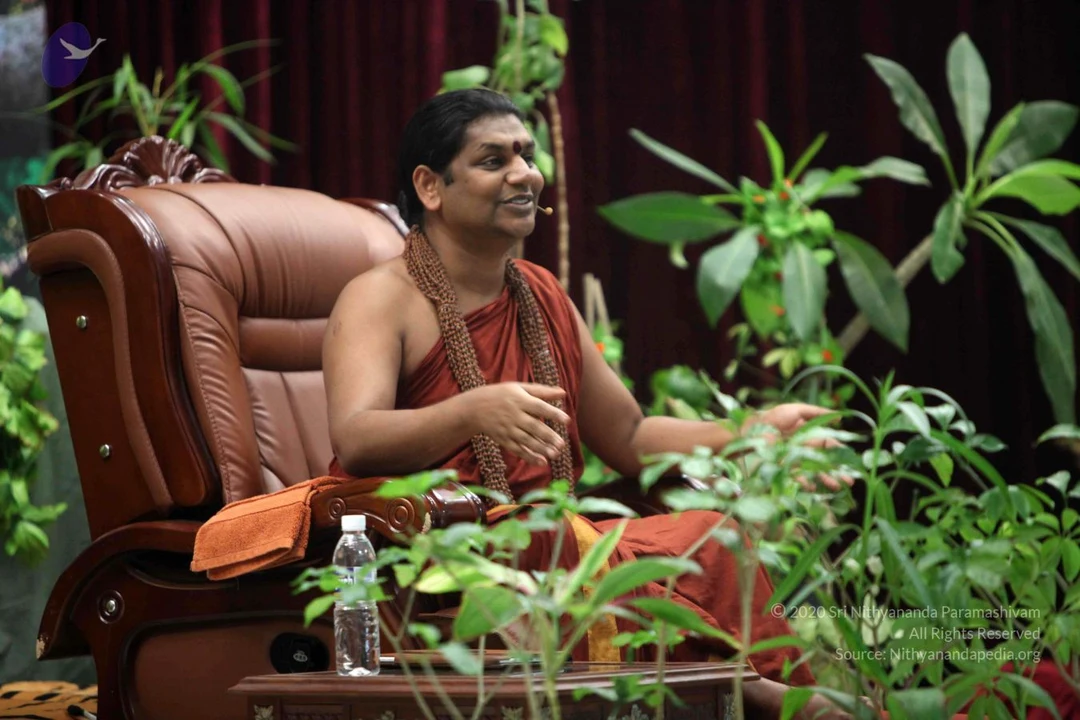
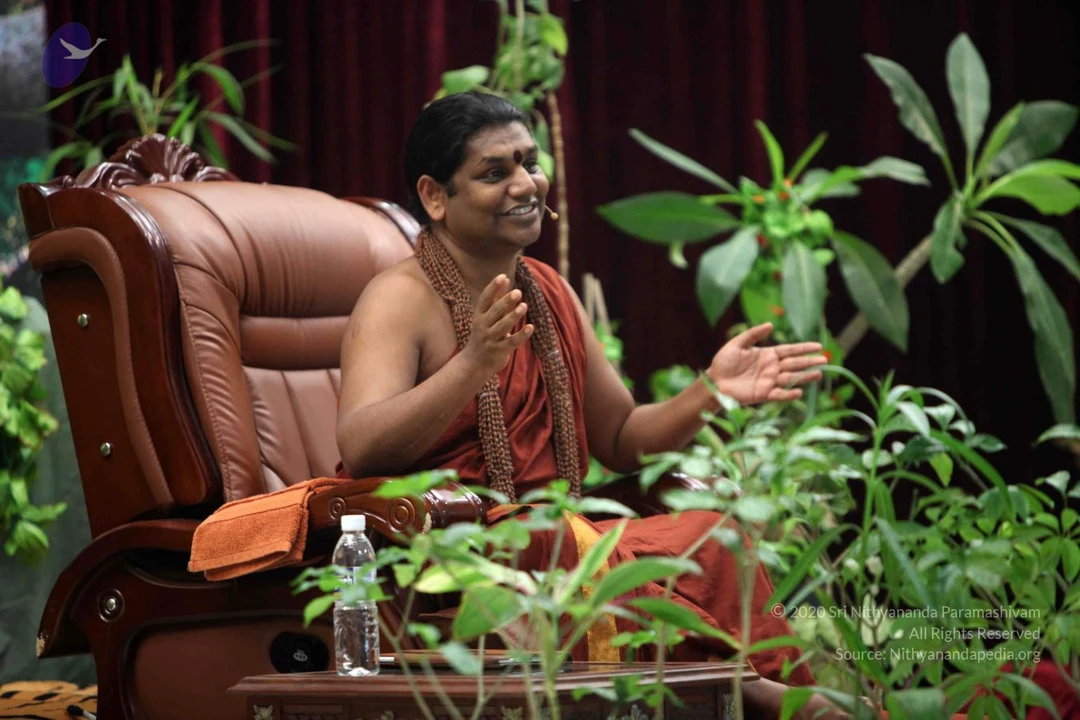
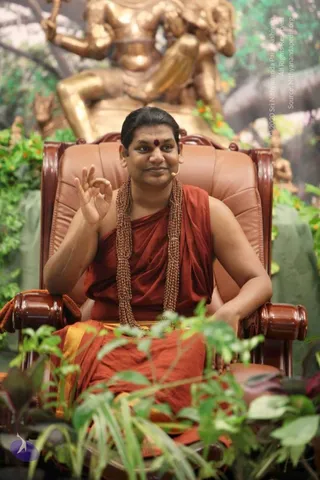
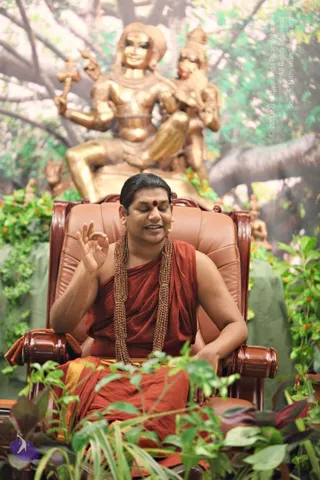
Today’s (26th February, 2015) Morning Satsang continues with the Upanishads Series - Living Advaita. Isha Upanishad–Verse 4: anejad-ekaṁ manaso jivīyo nainad-devā āpnuvan pūrvamarṣat | tad-dhāvato’ nyān atyeti tiṣṭhat tasminn apo mātariśvā dadhāti || 4 || In this profound delivery of the Isha Upanishad, Paramahamsa Nithyananda reveals how the mind cannot move towards the source by the force of hard power, which only suppresses and depresses. Using soft power helps us set the right context for our life so we can understand what is the goal, the path and the purpose. Cognizing each word of Verse 4 puts us into meditation, setting the context for our mind, leading us to the Source.
Link to Video:
| Video | Audio |
Transcript:
(0:18)
||nithyānandeśvara paramashiva samārambhām nithyānandeśvari parāshakti madhyamām | asmad ācārya paryantām vande guru paramparām ||
(00:47)
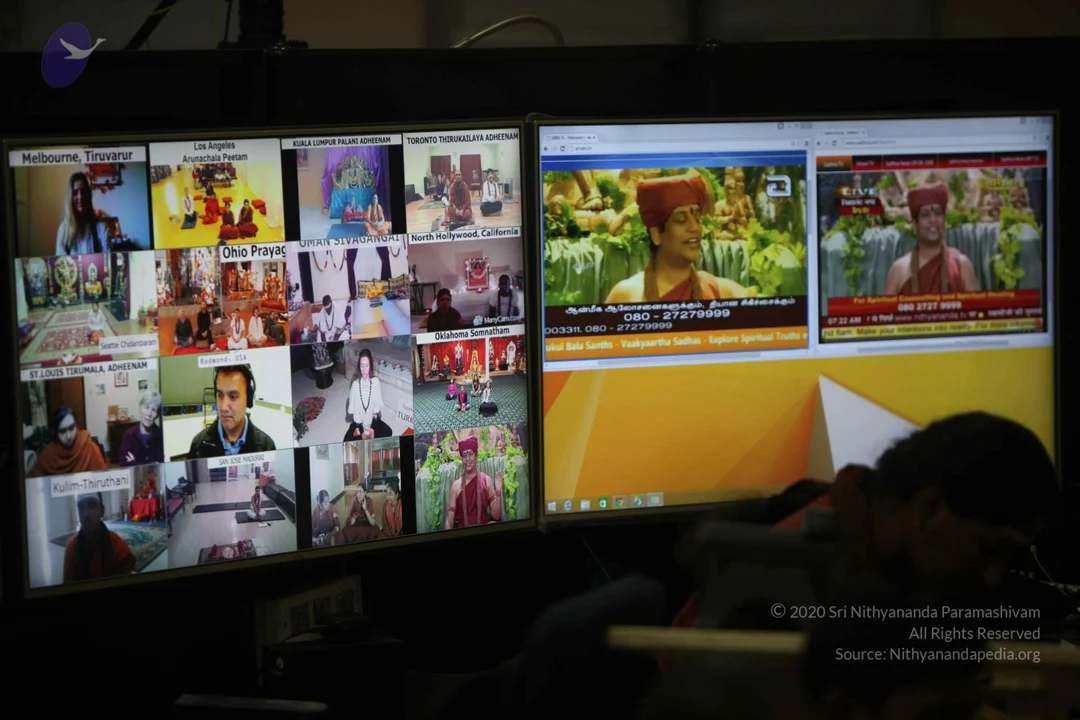
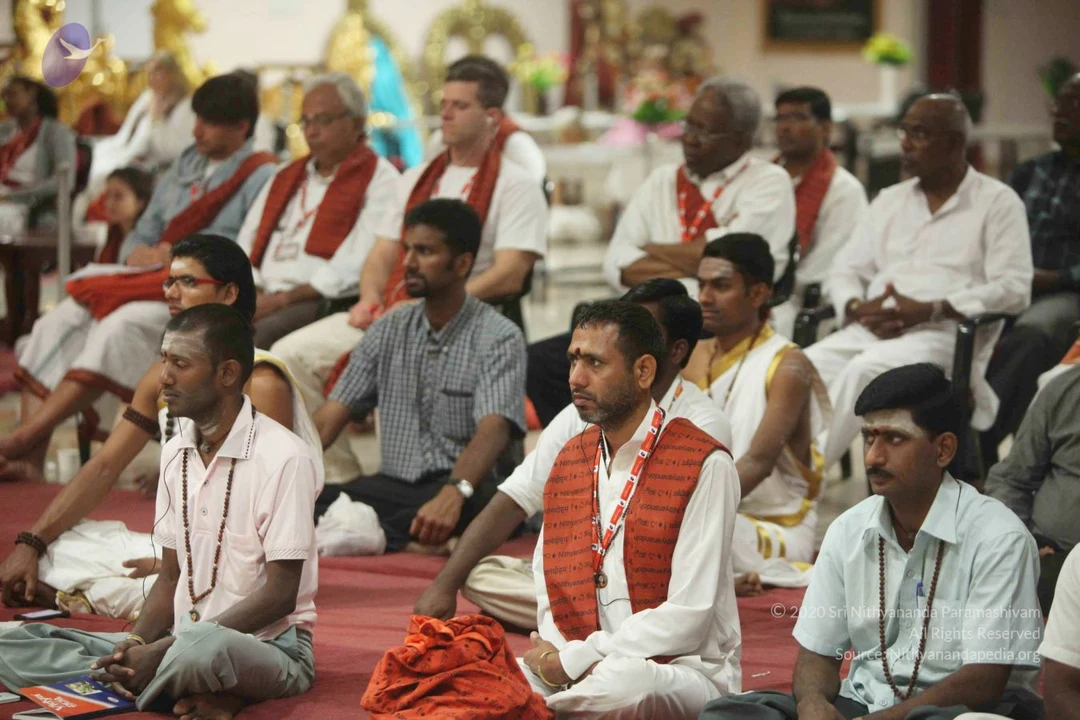
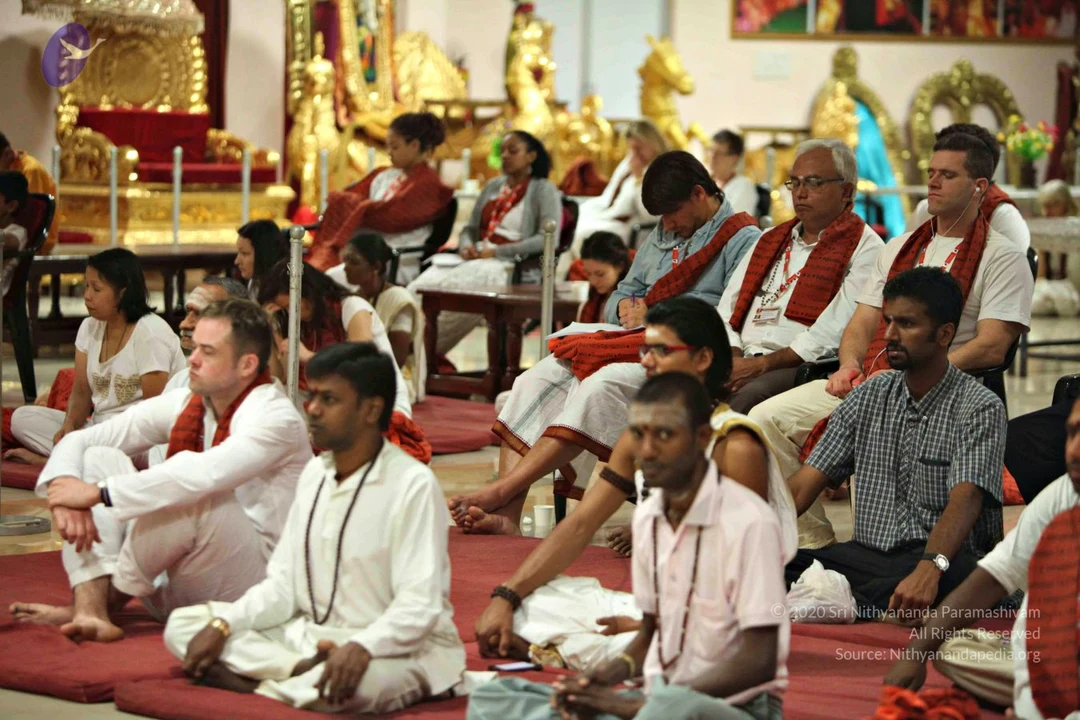
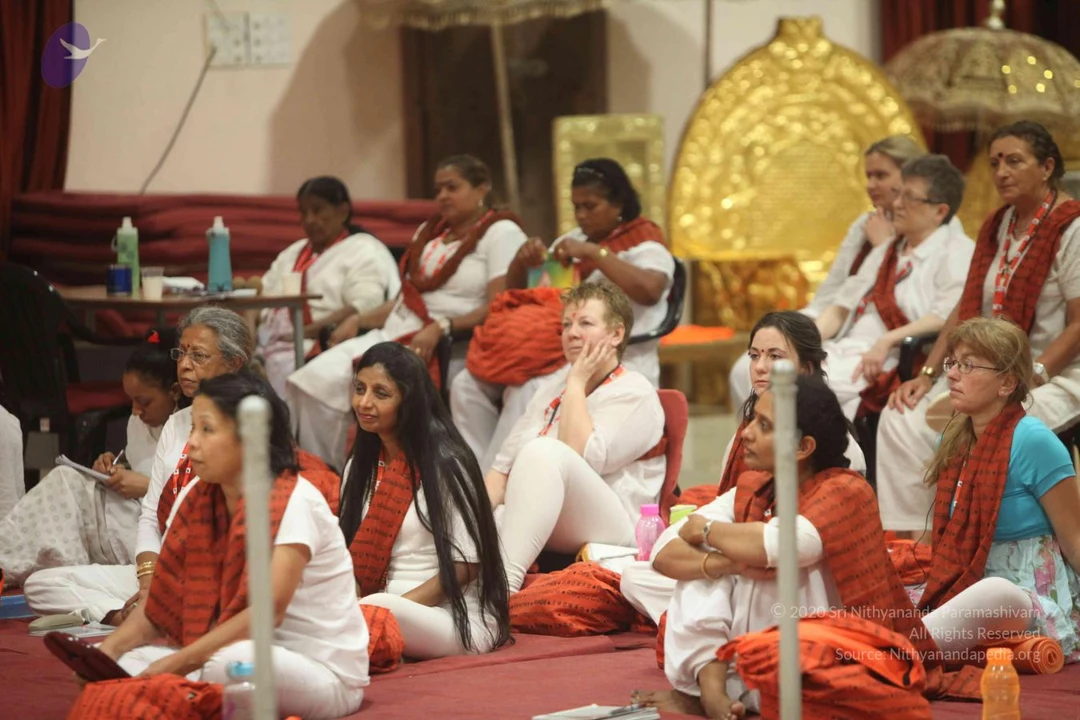
I welcome all of you with My love and respects. I welcome all the devotees, disciples, Samajis, Satsanghis sitting with us through Nithyananda TV, Sadhna TV, Aara TV and two-way video conferencing all over the world having Nayana Deeksha. Cities sitting with us all over the world having Nayana Deeksha: Melbourne, Los Angeles, Kuala Lumpur, Malaysia, Toronto Canada, Seattle, Redmond, Saint Louis, San Jose, Oman, Ohio, Turkey, Oklahoma, Kulim, North Hollywood California, Dacota Dunes, Houston Texas, Vancouver, Madurai, London, Dubai Vaidyanatham, Doncaster UK, Hyderabad, Trinidad, Charlotte, China, Thiruvannamalai, Singapore, Hyderabad Guptakashi and many more cities are joining, Pudduchery. More are joining. I welcome all of you with My love and respects.
(2:40)
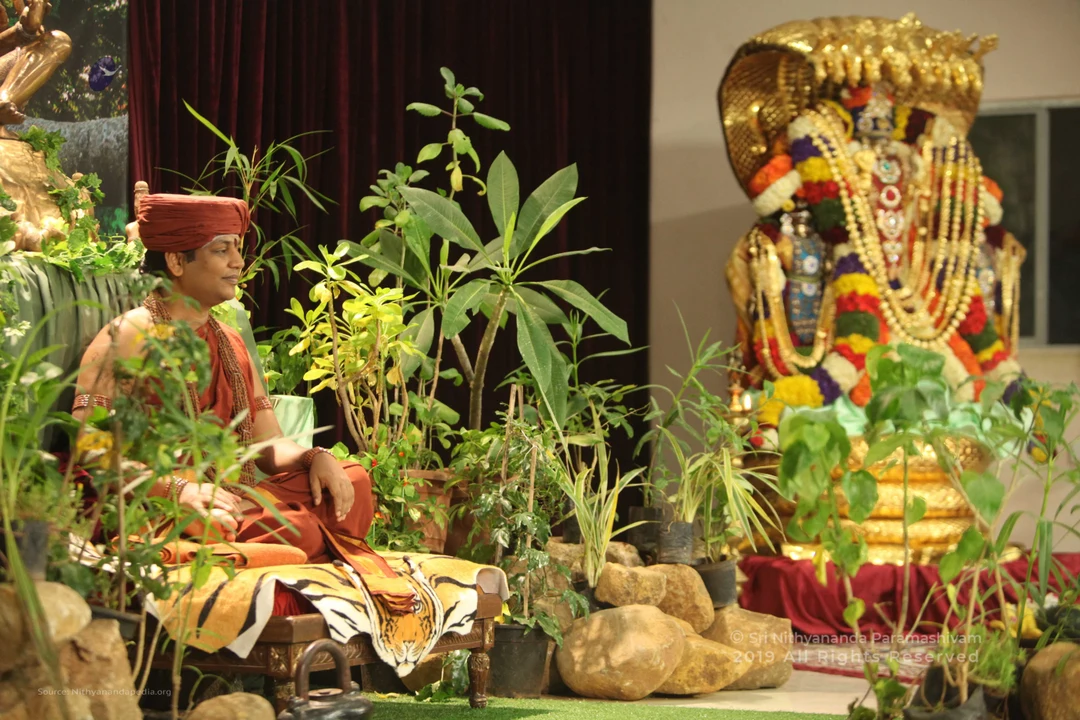
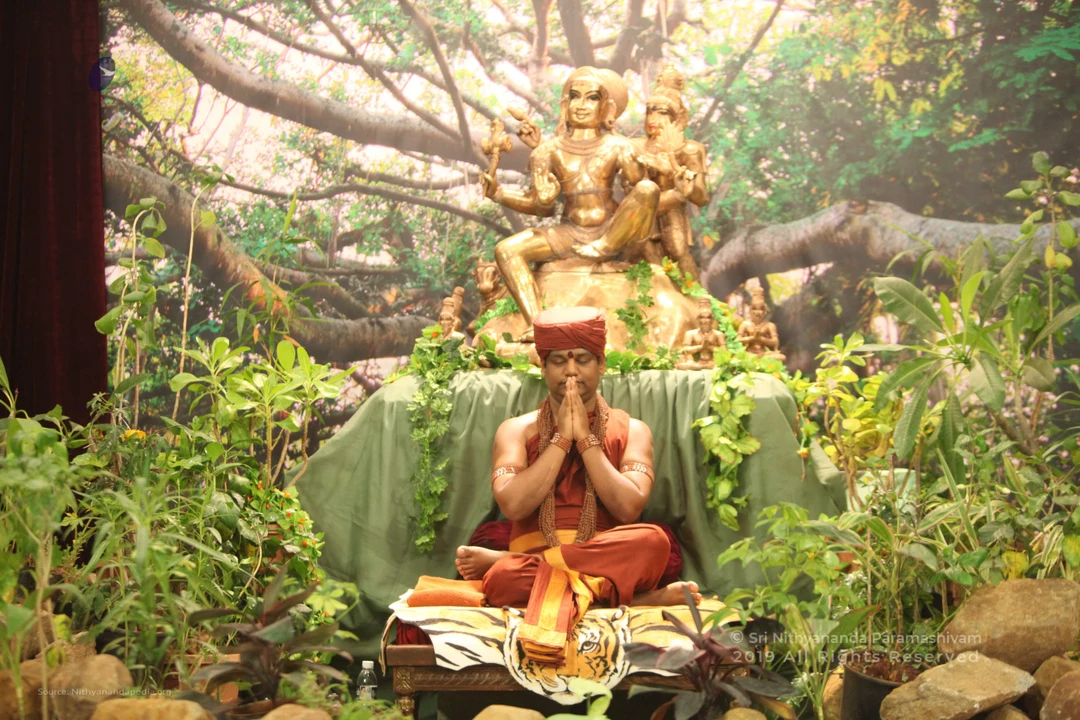
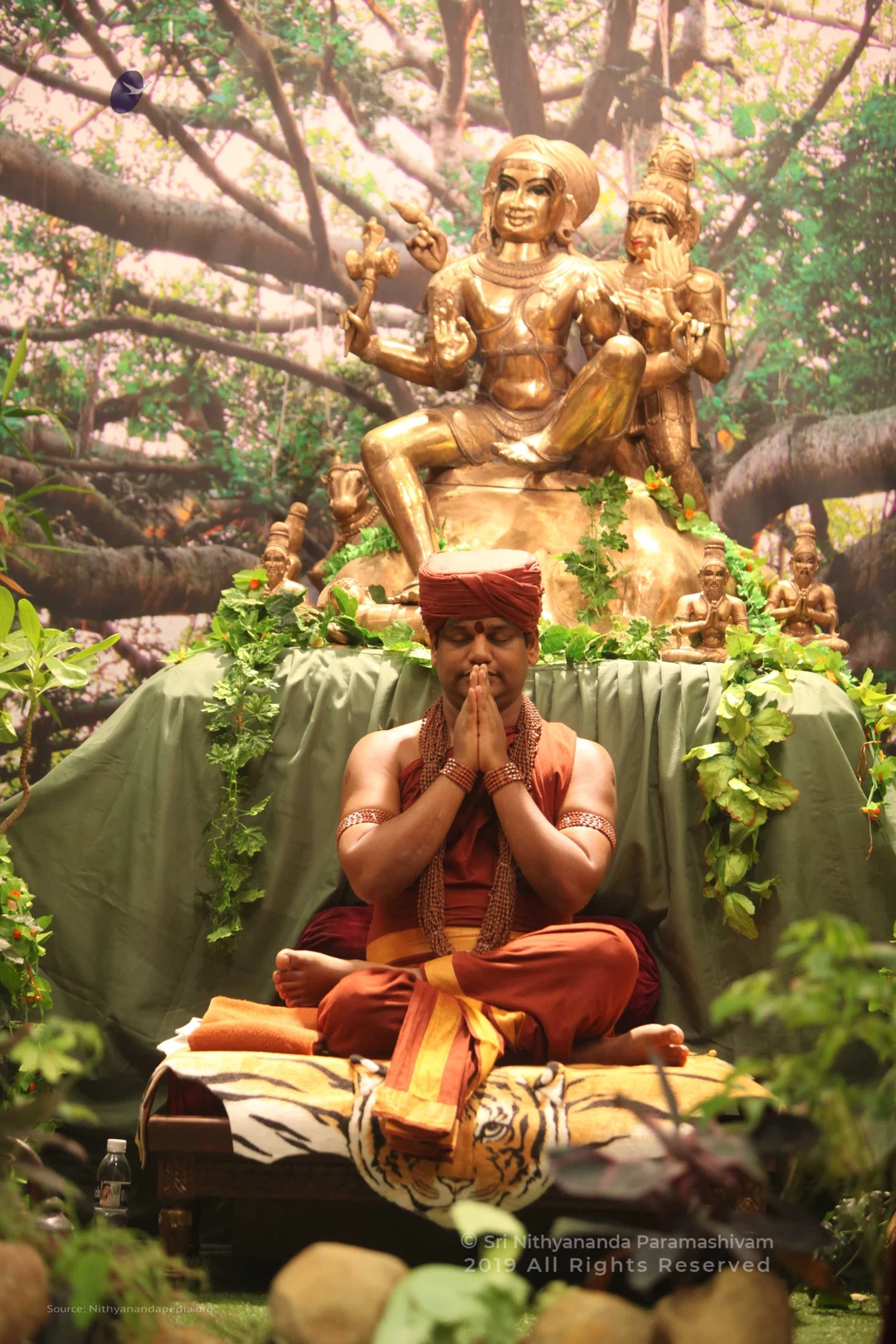
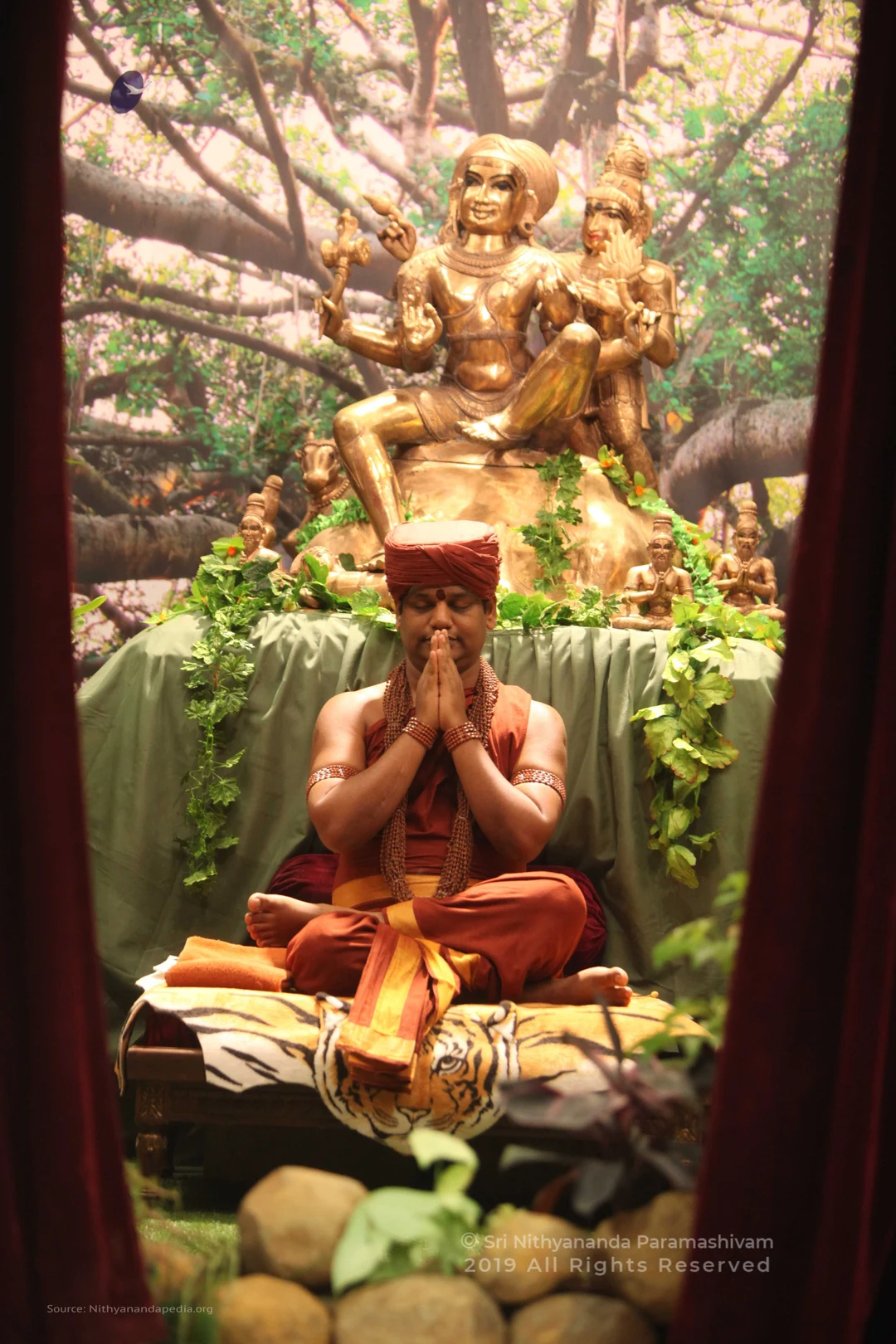
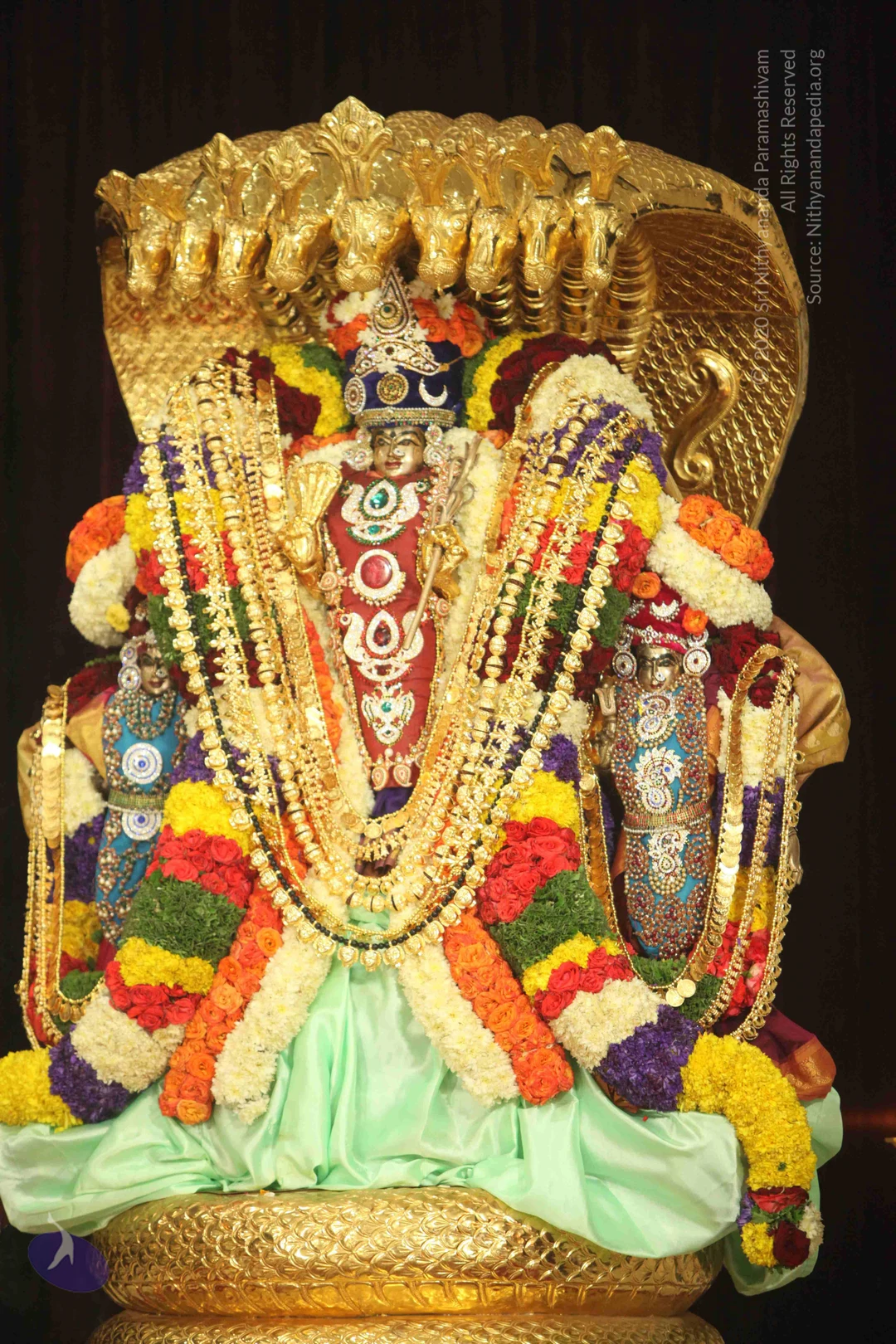
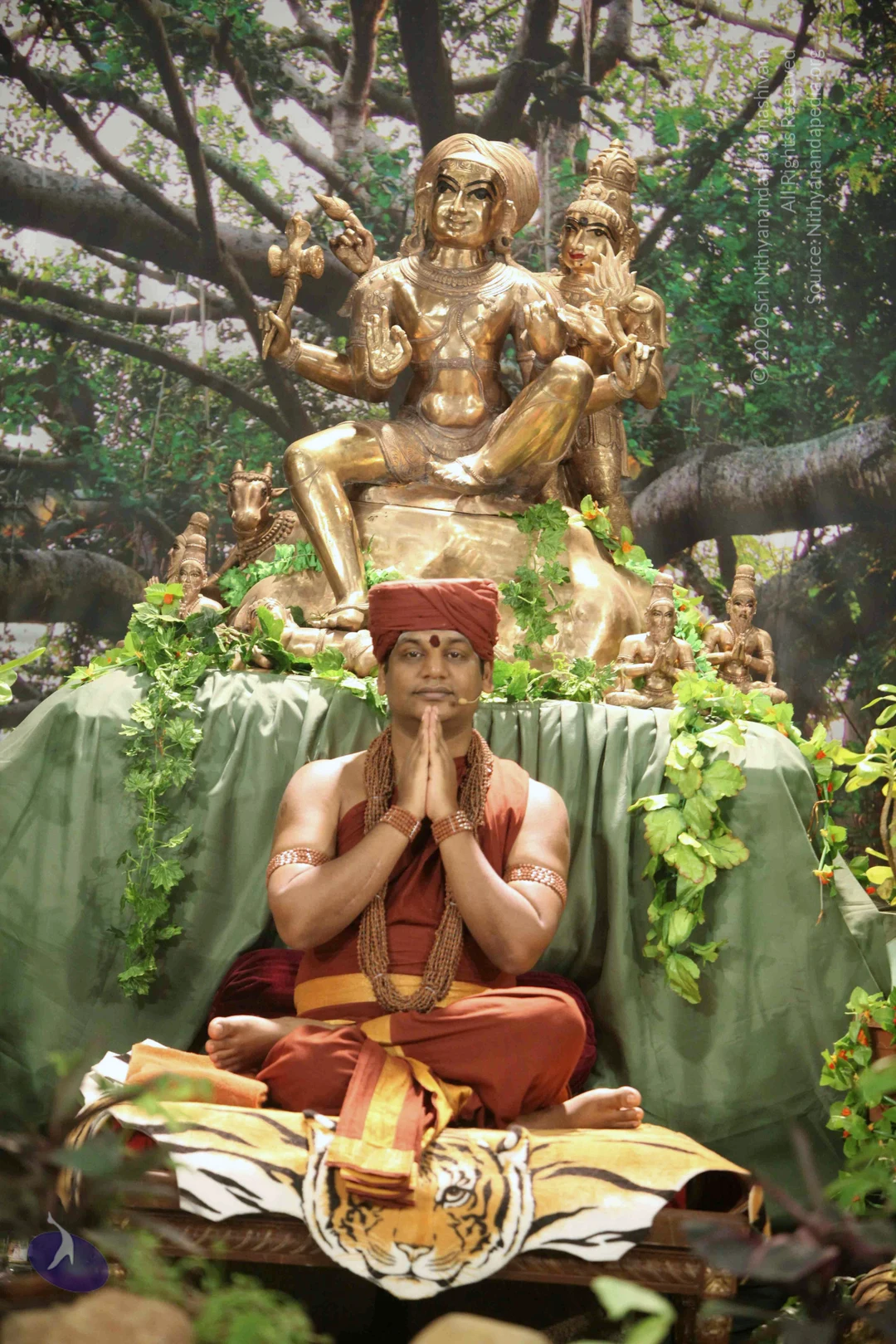
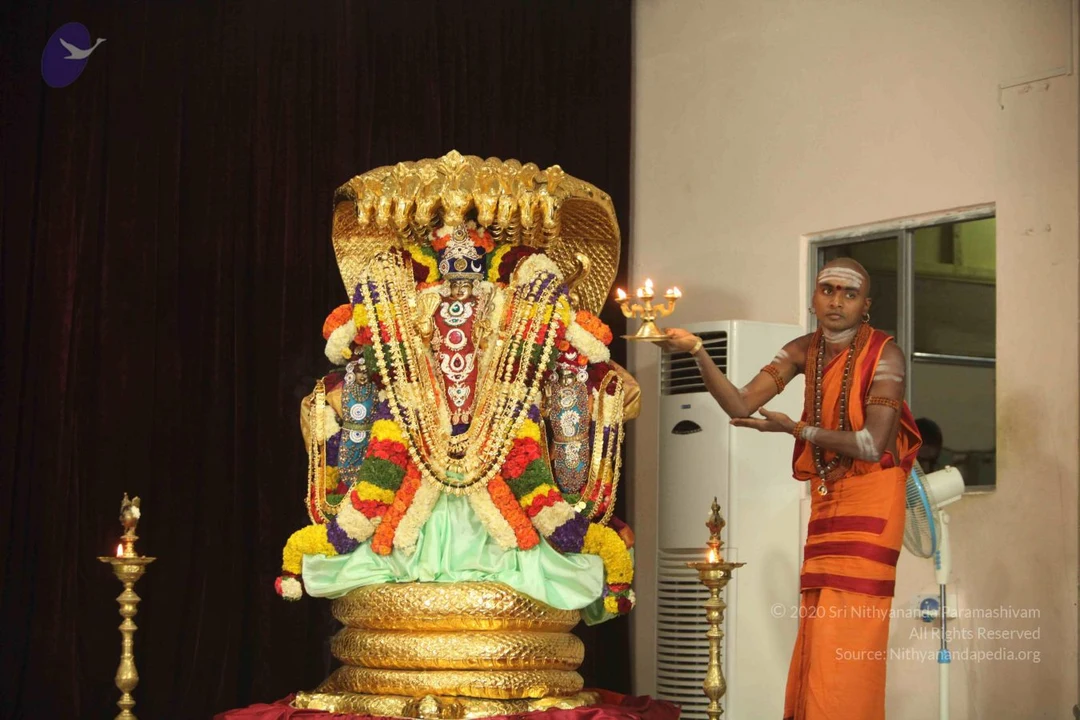
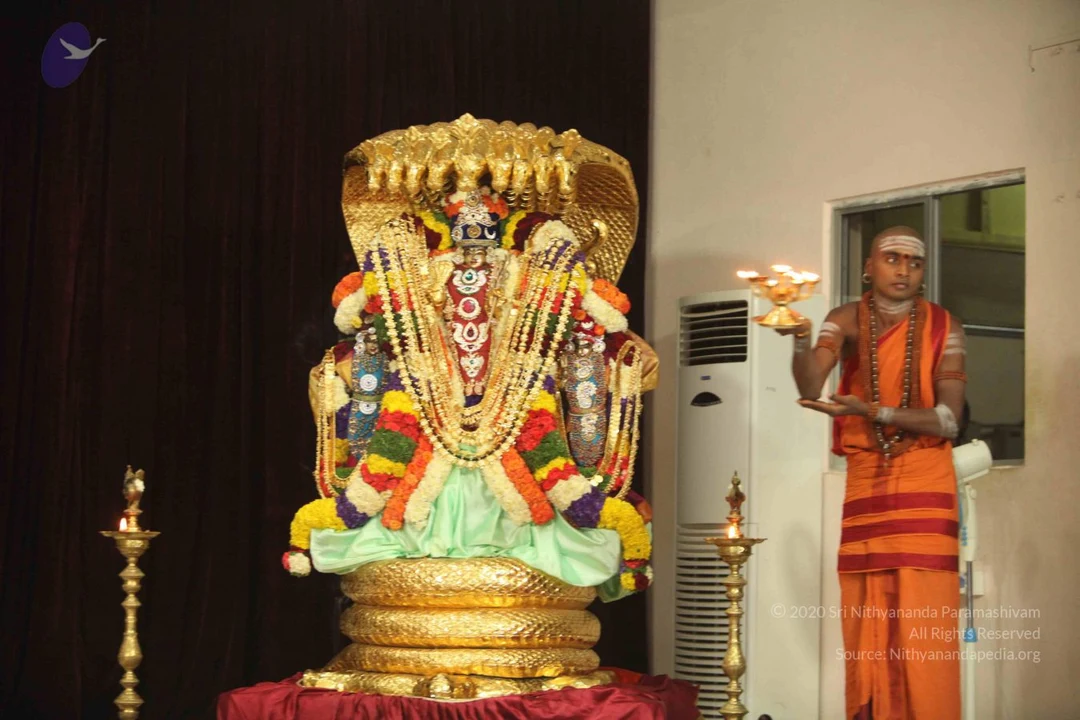
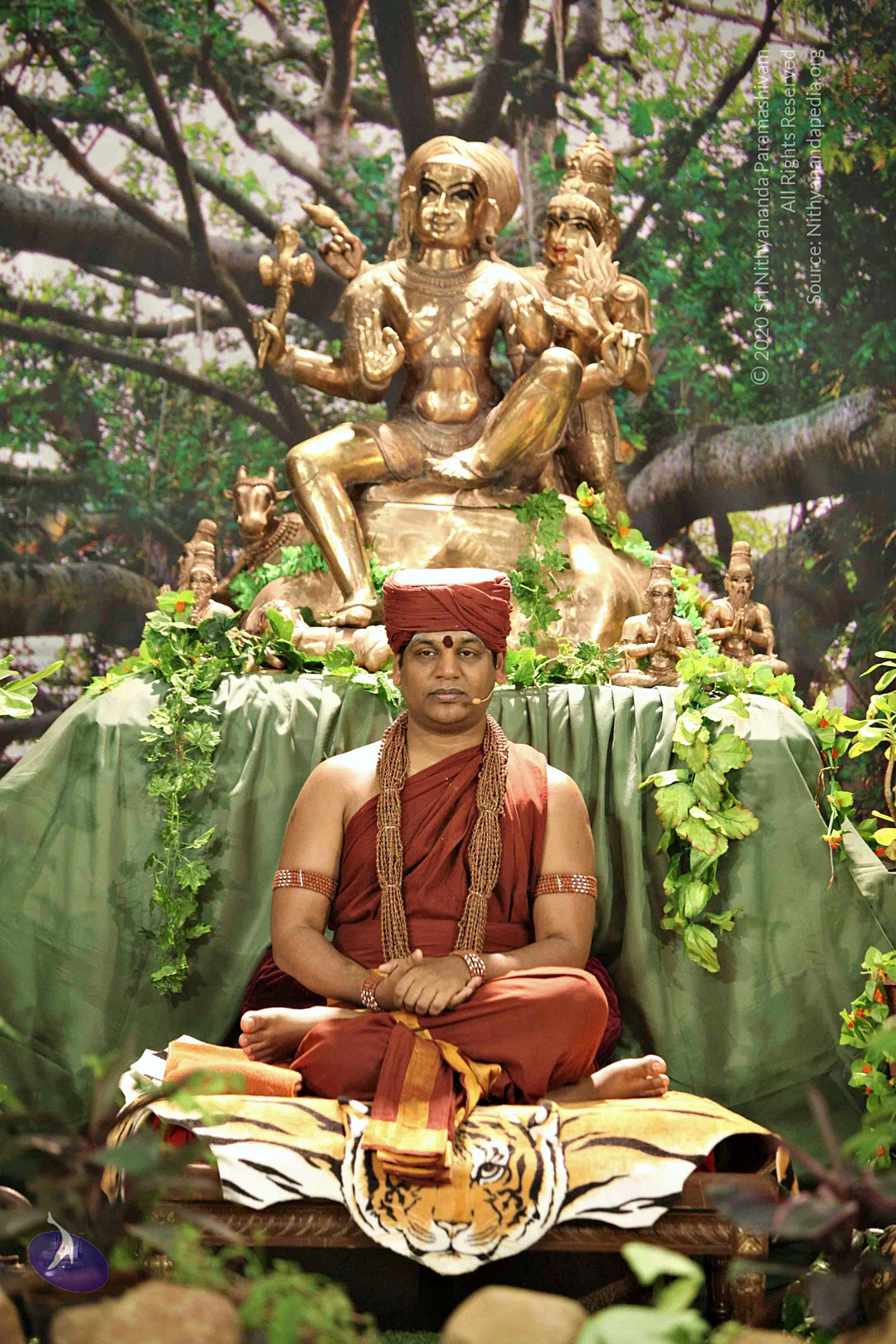
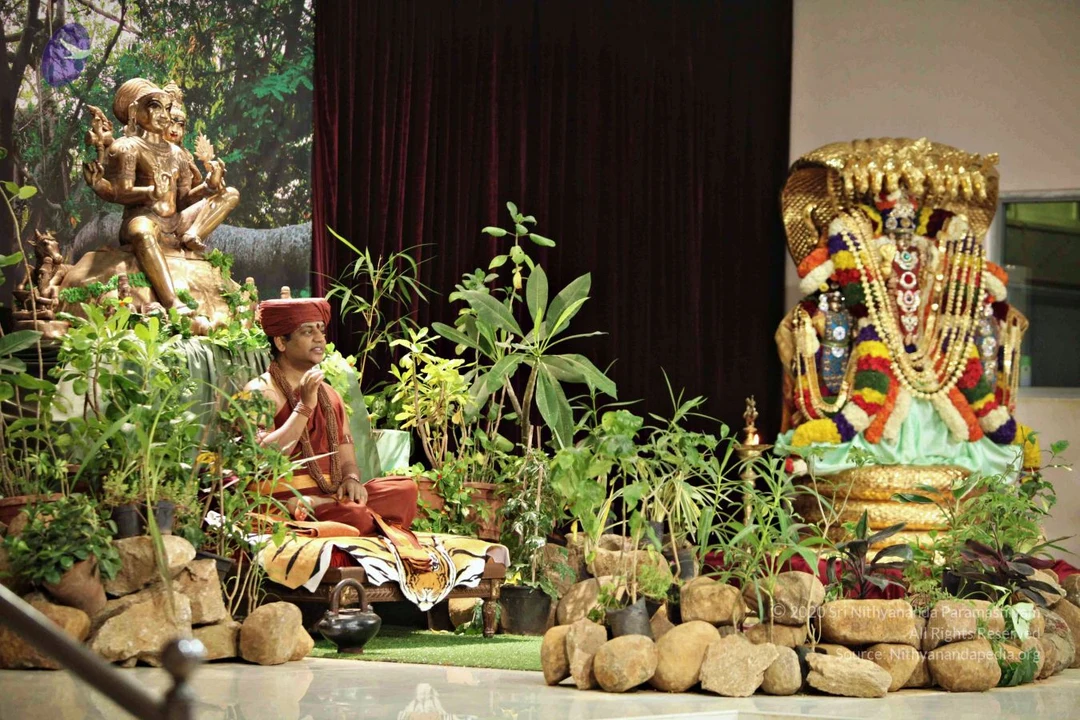
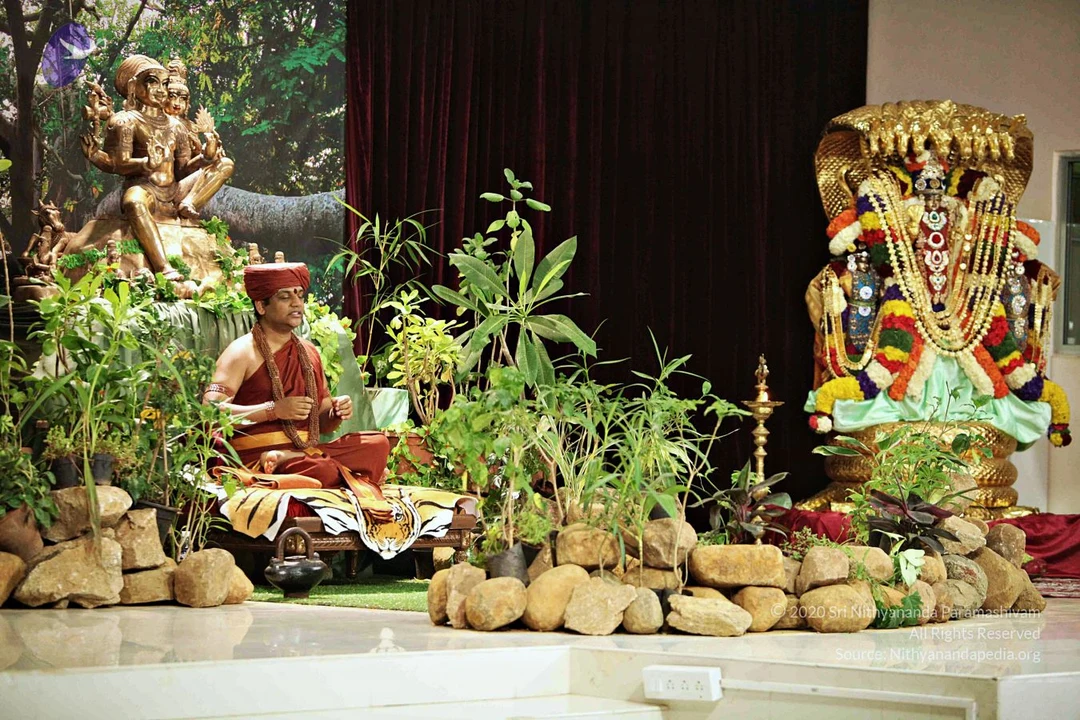
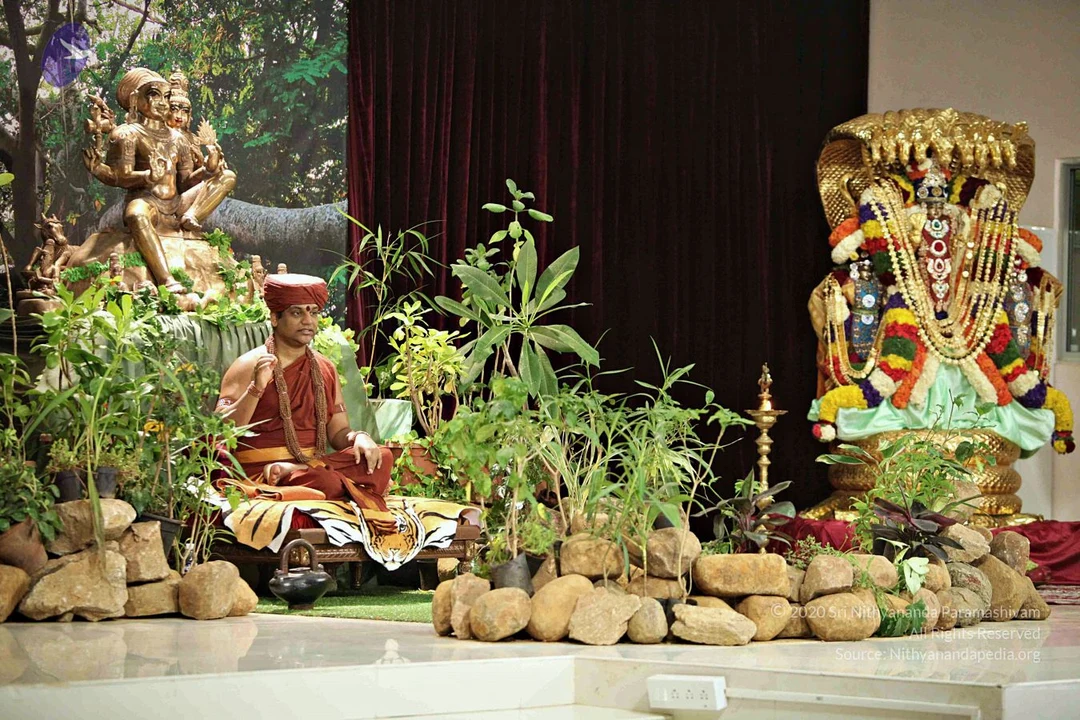
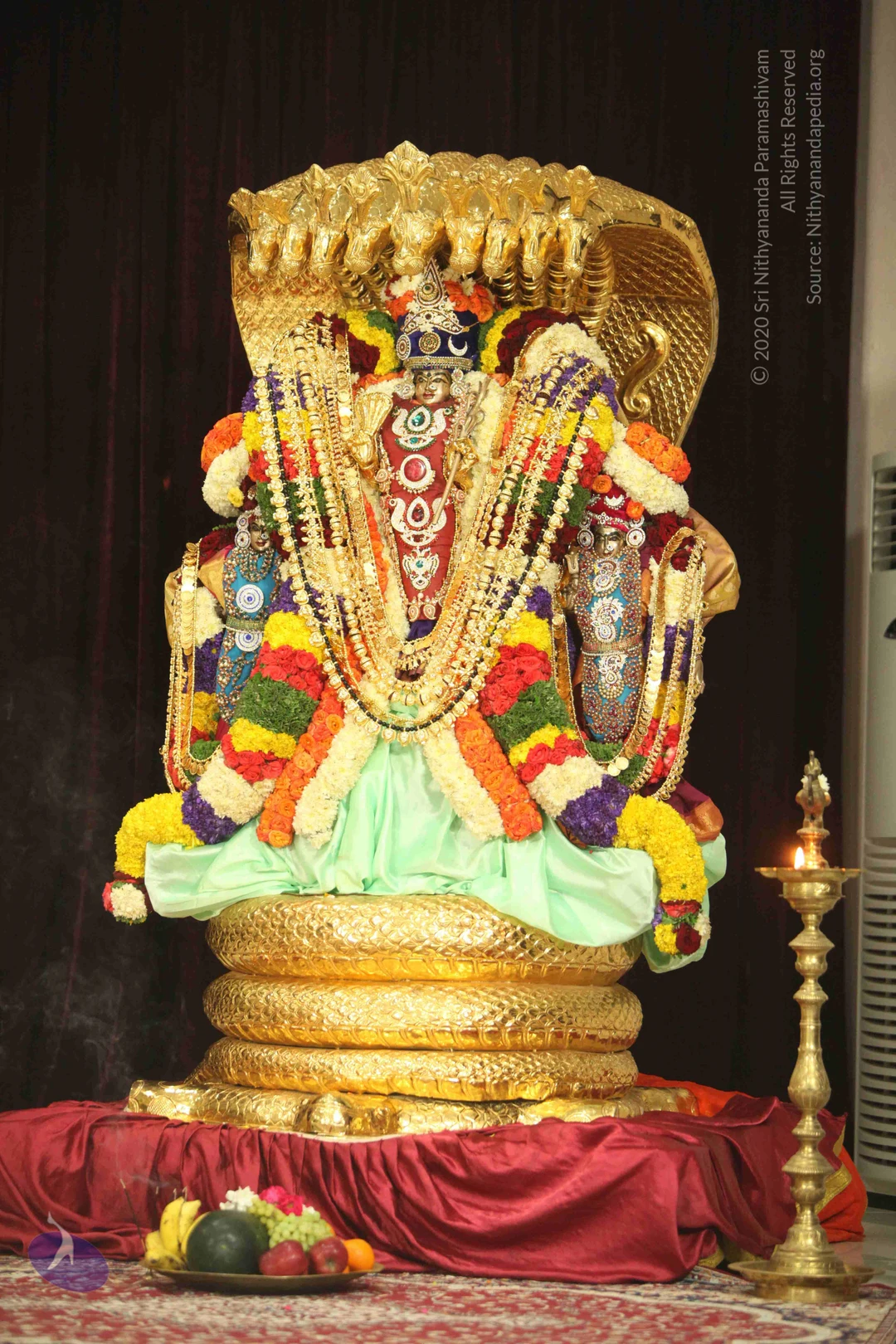
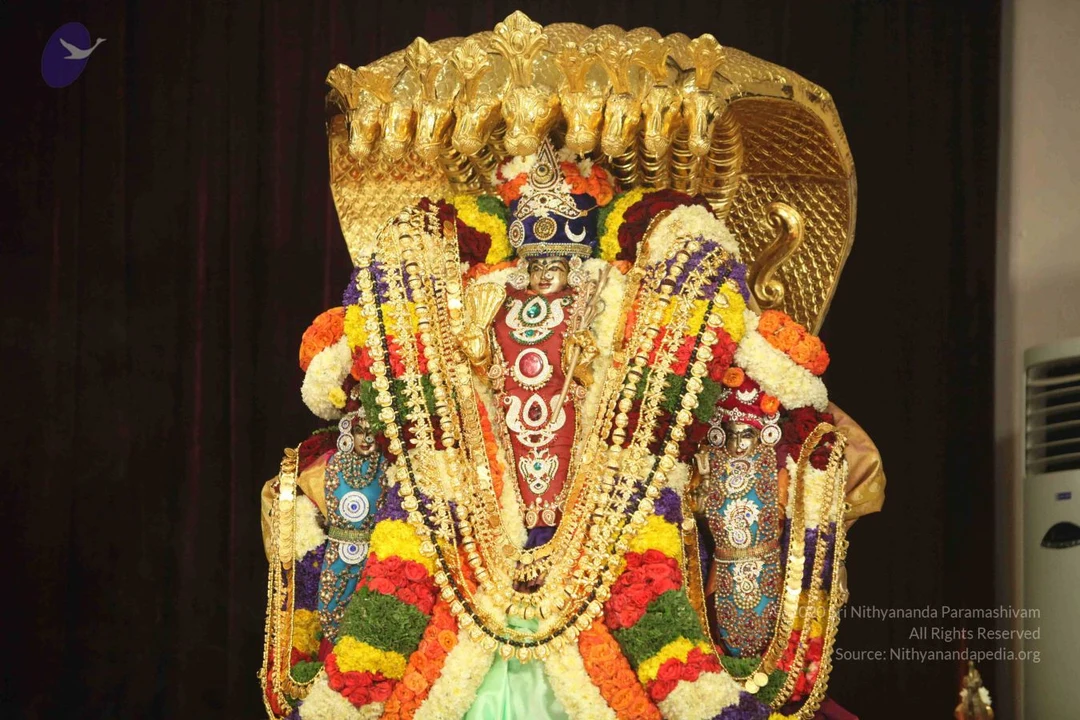
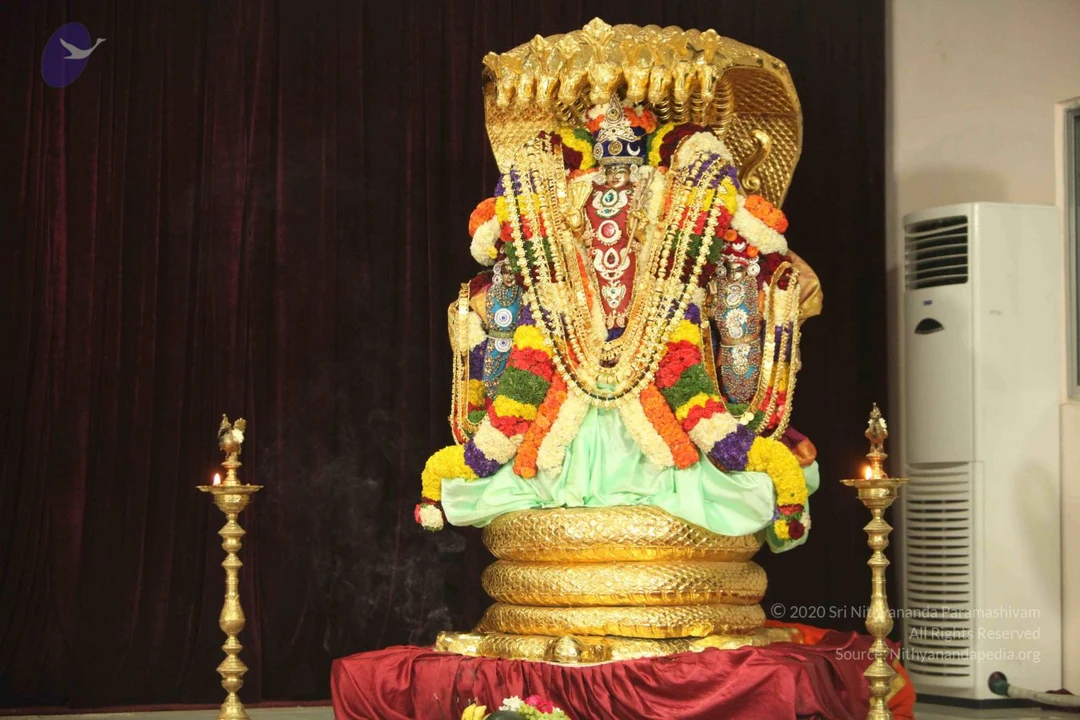
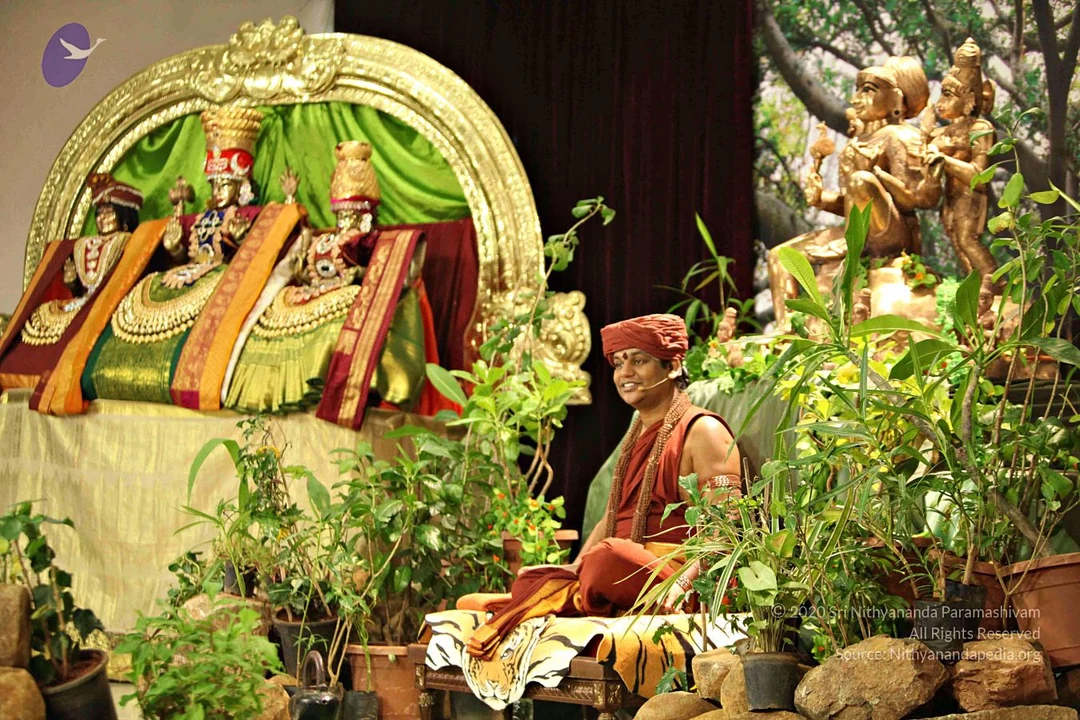
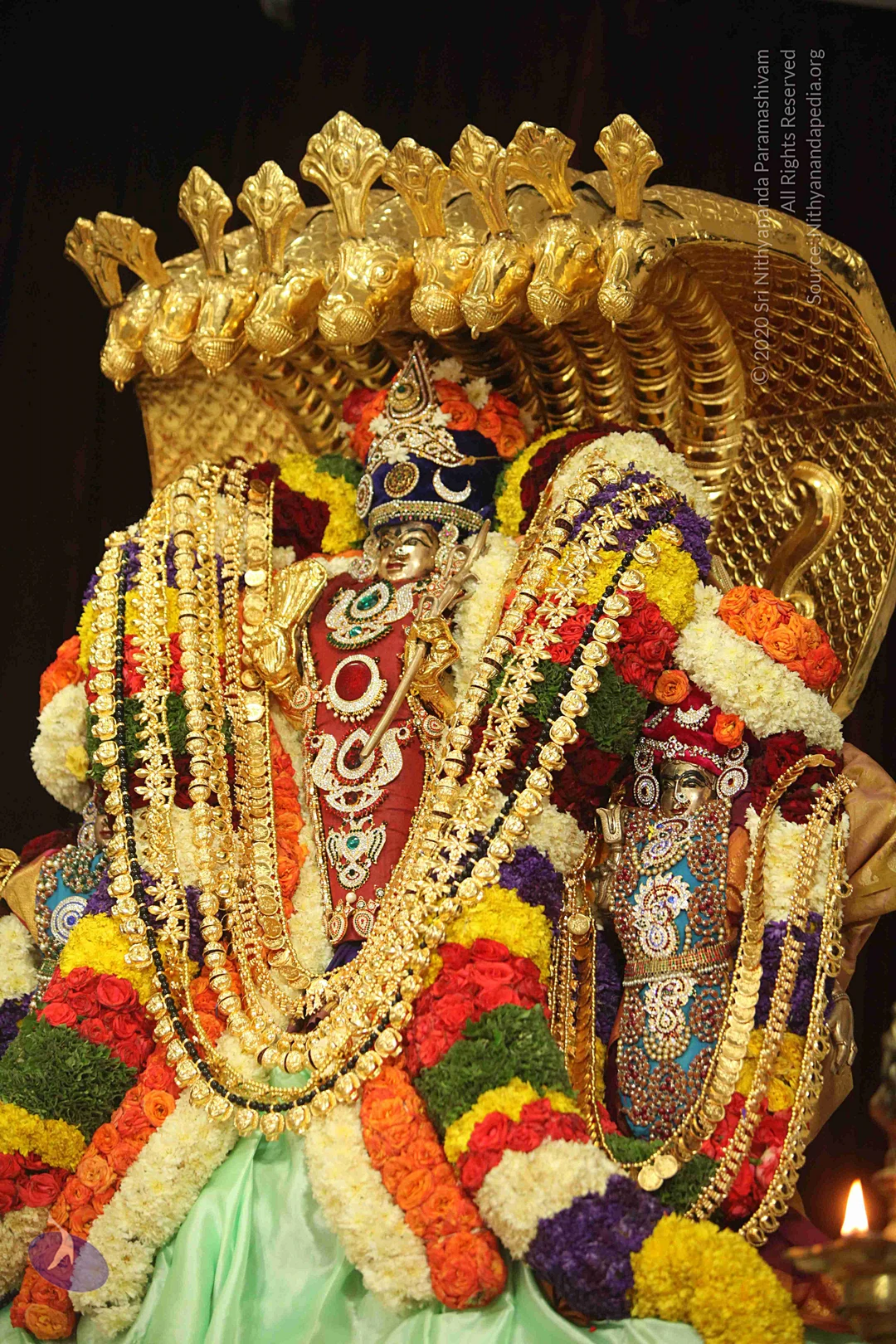
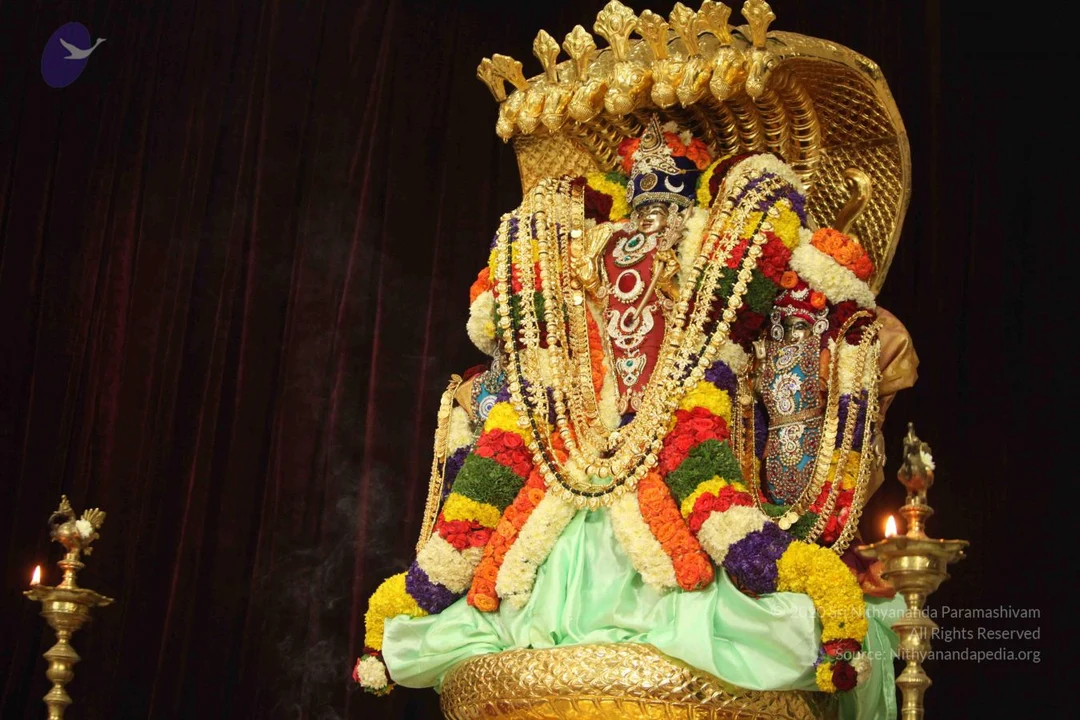
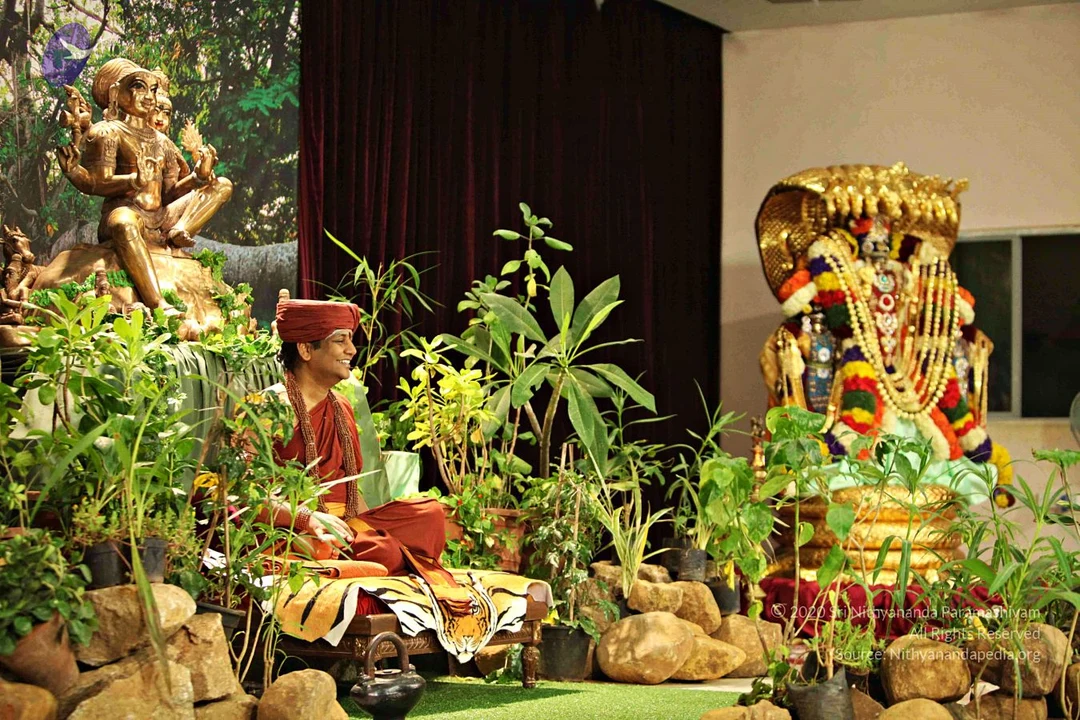
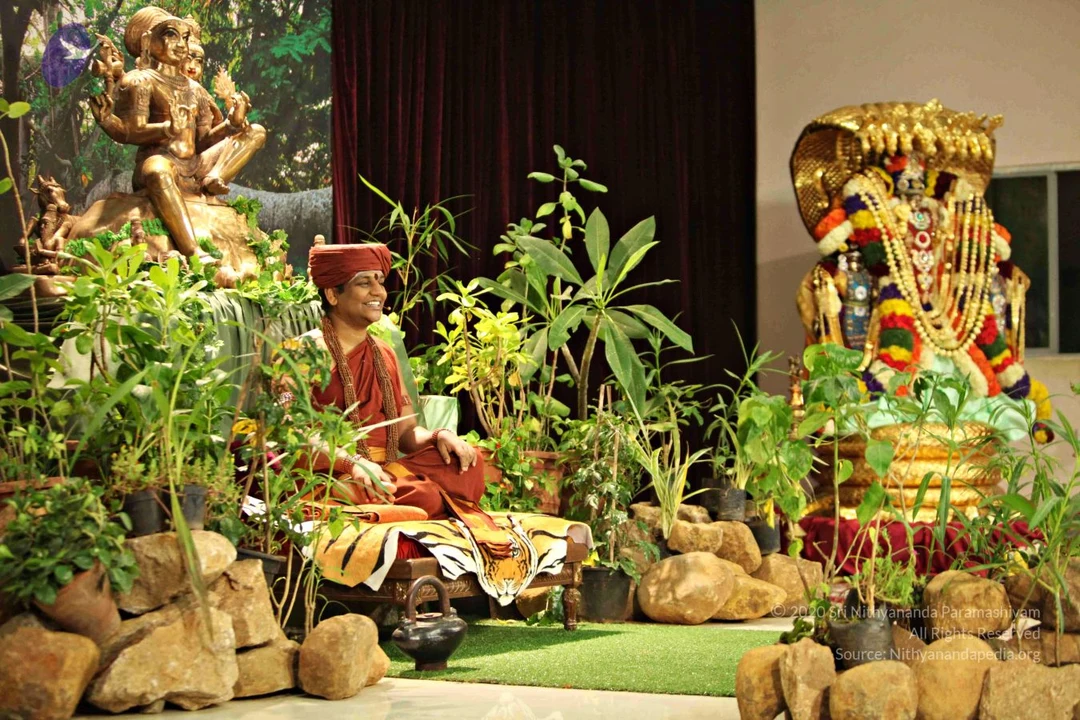
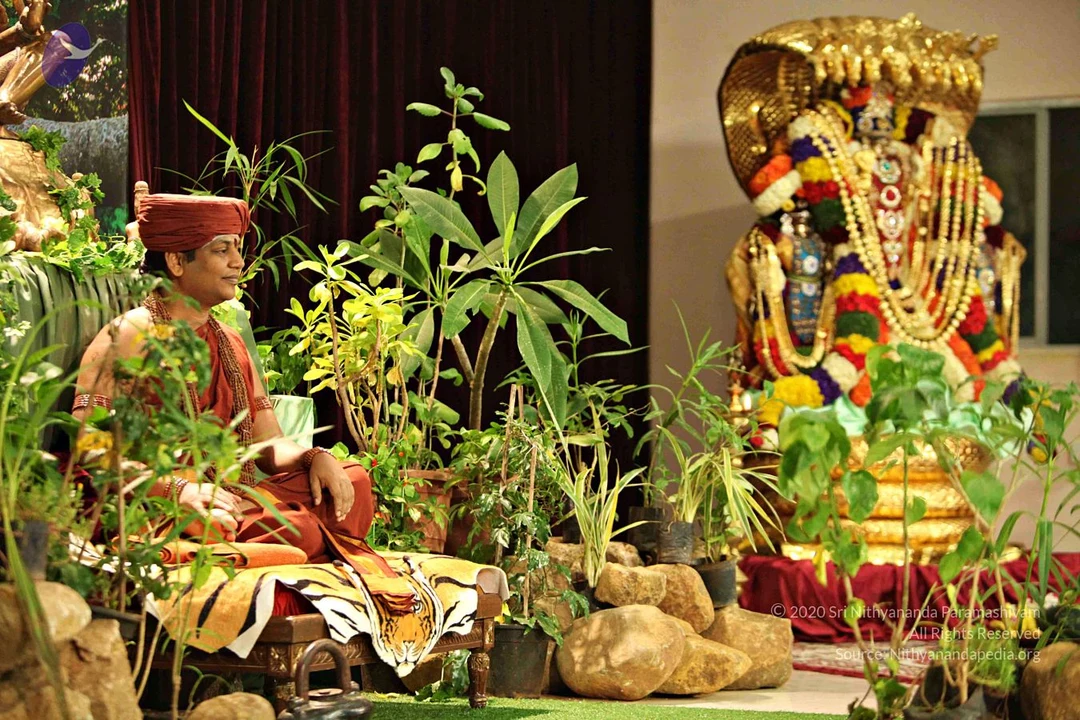
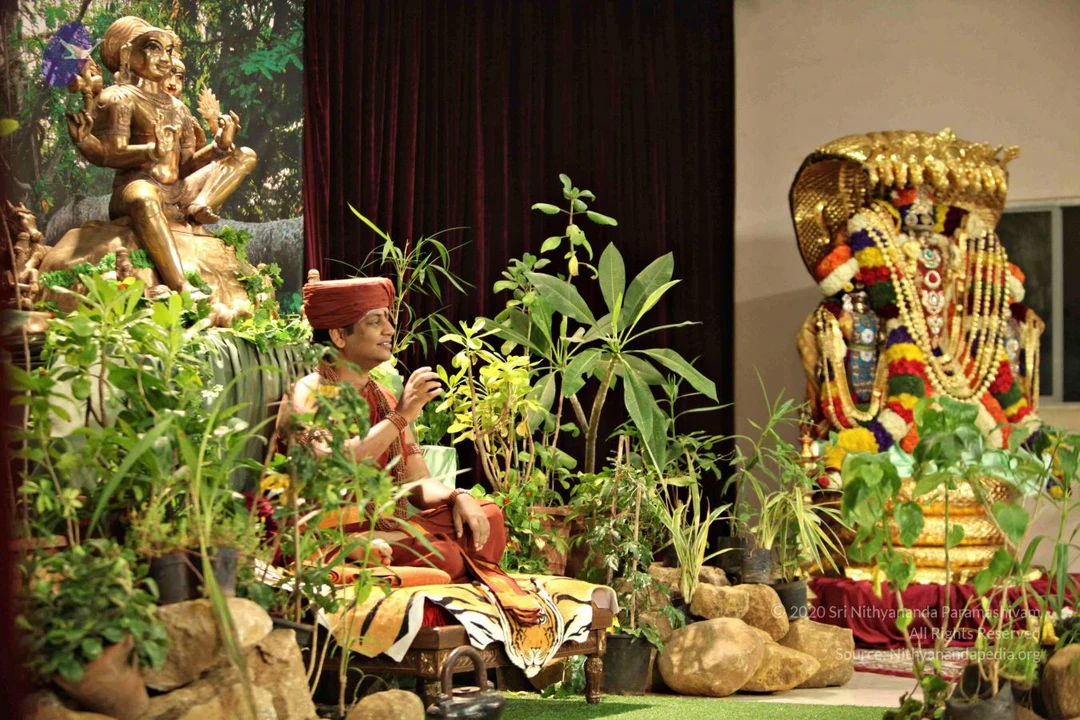
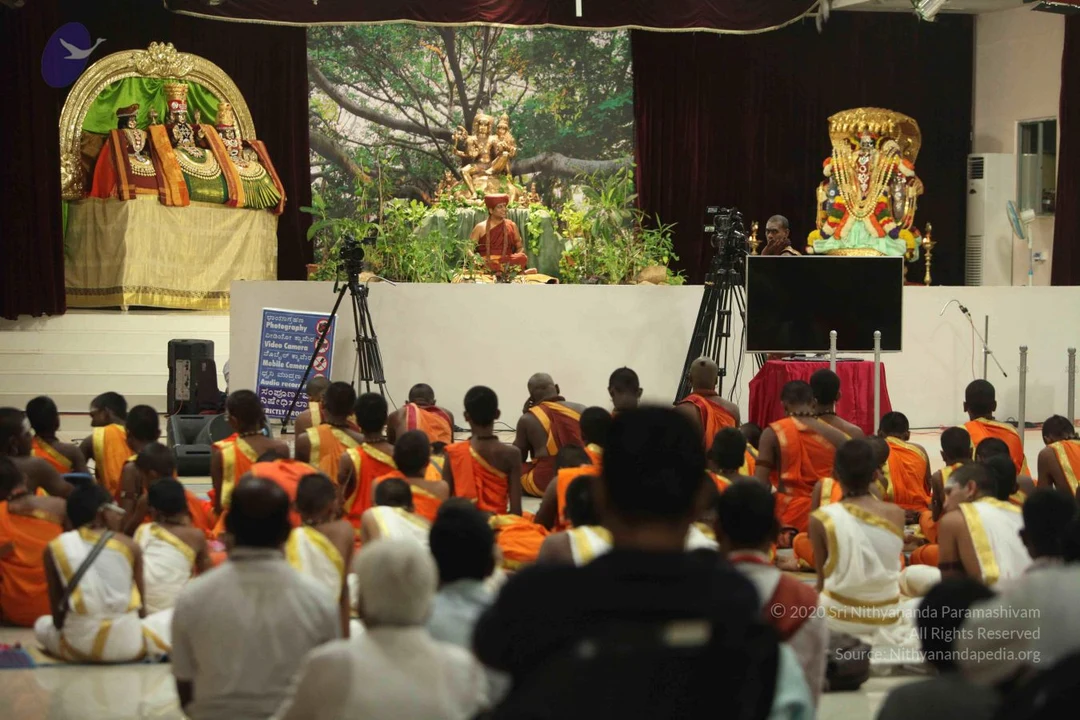
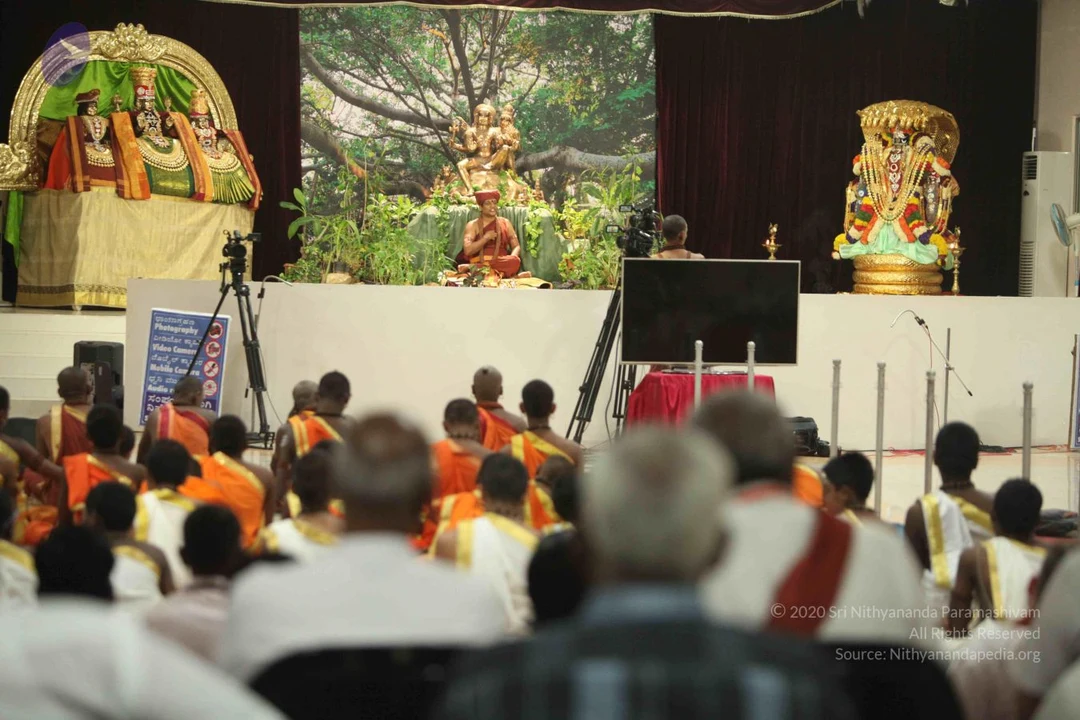
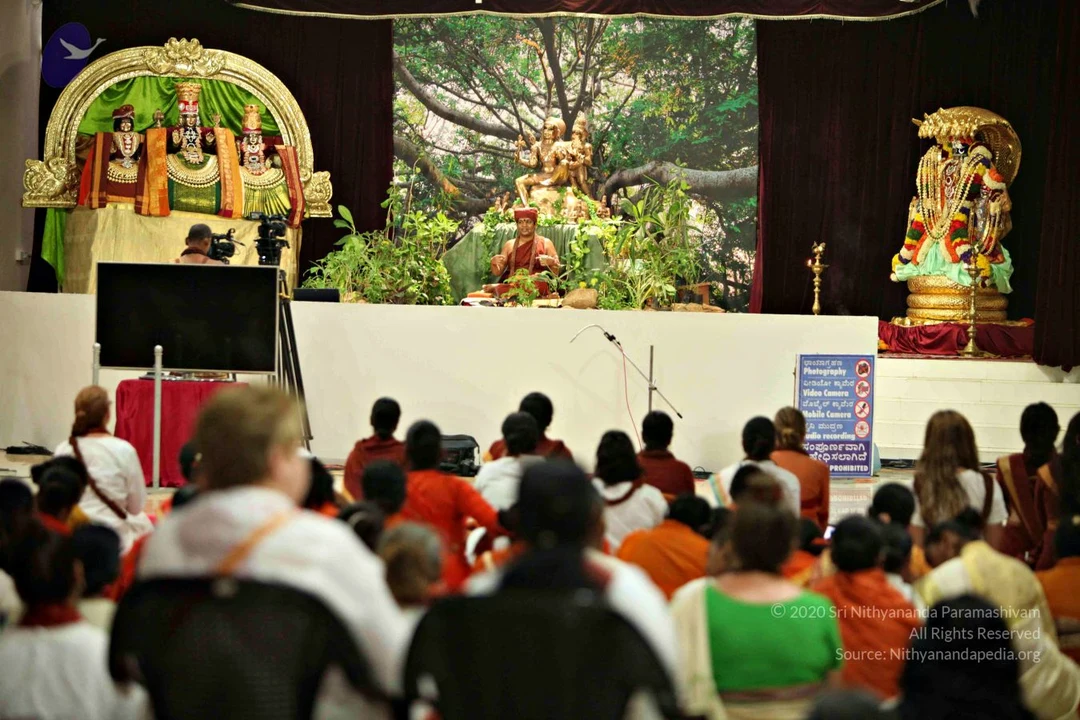
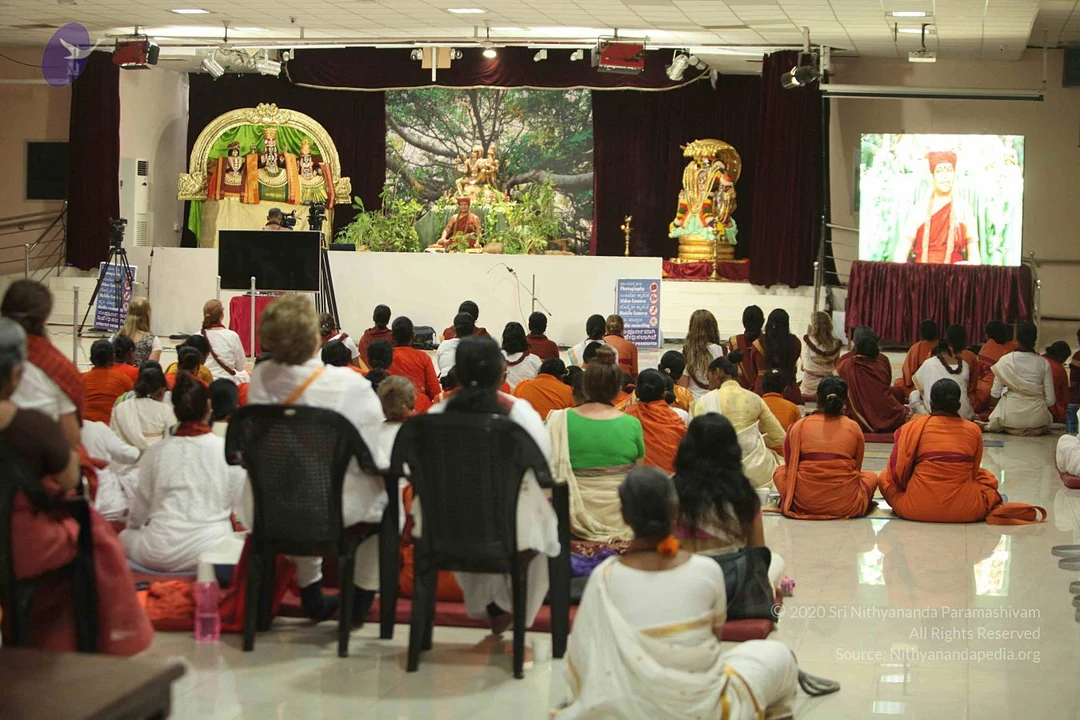
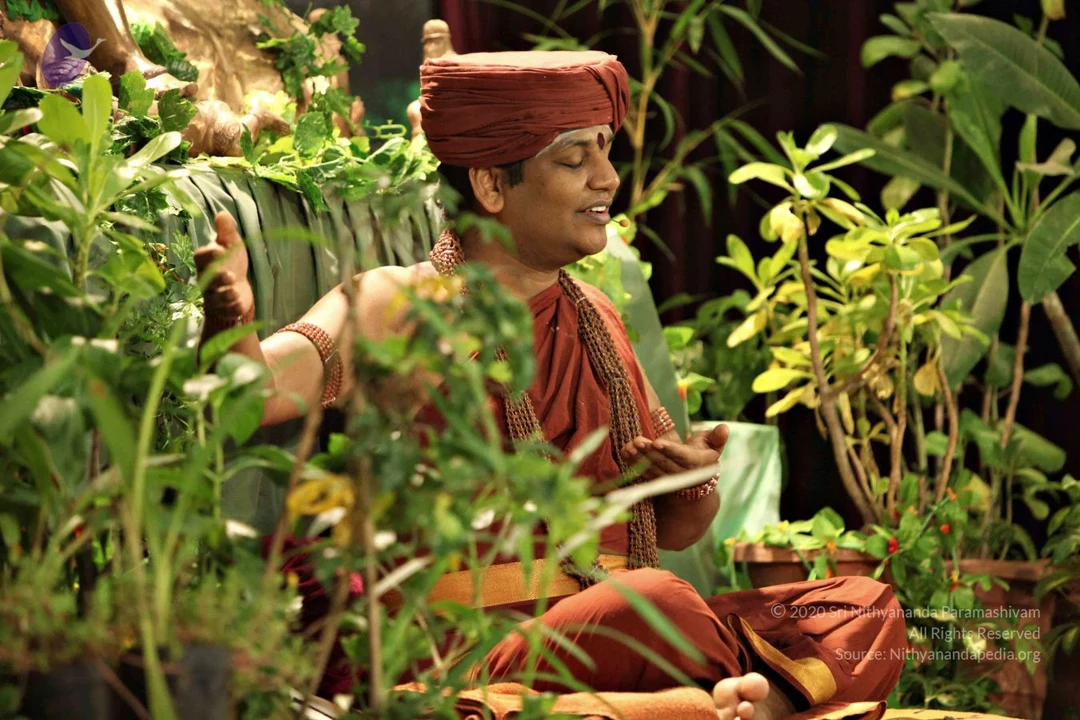
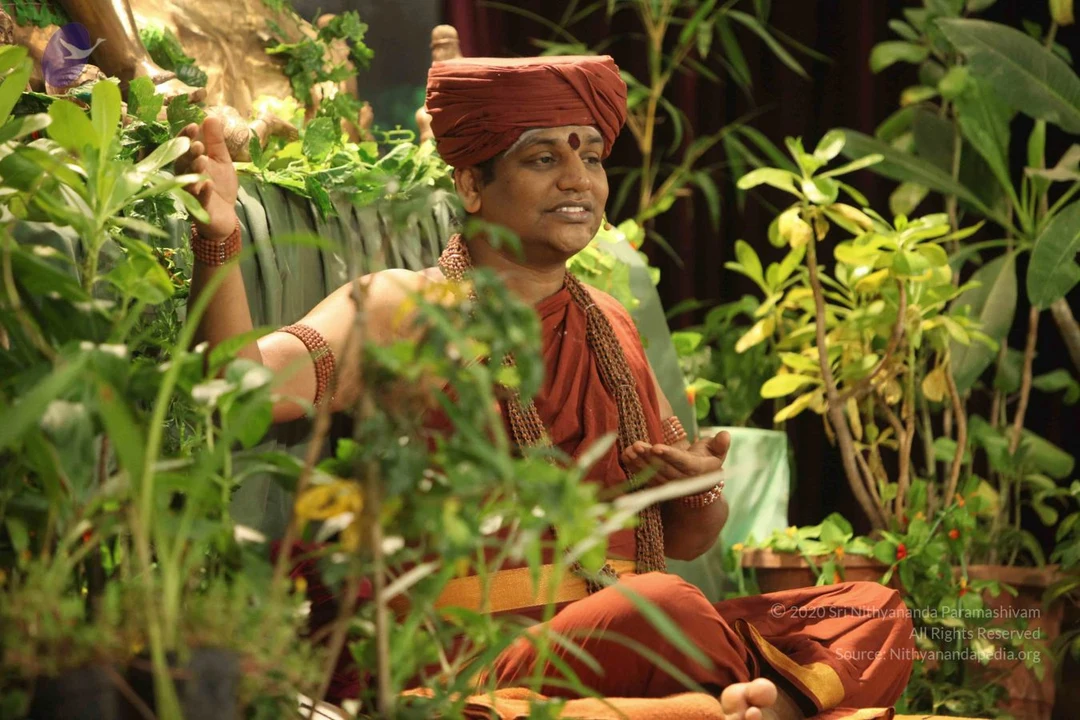
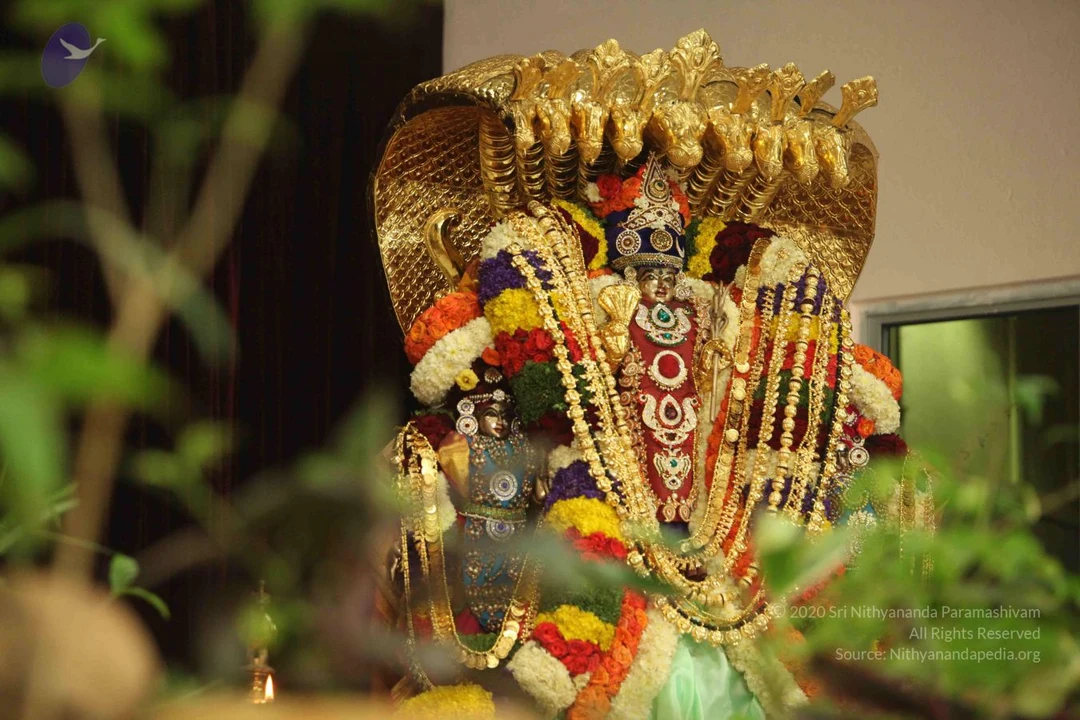
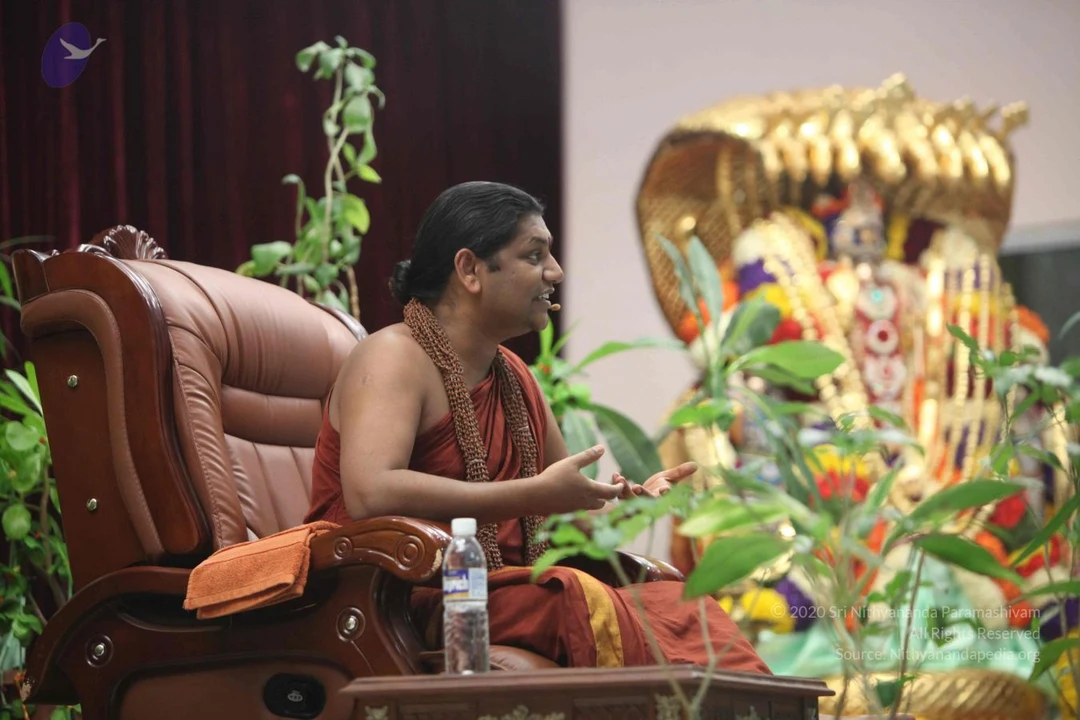
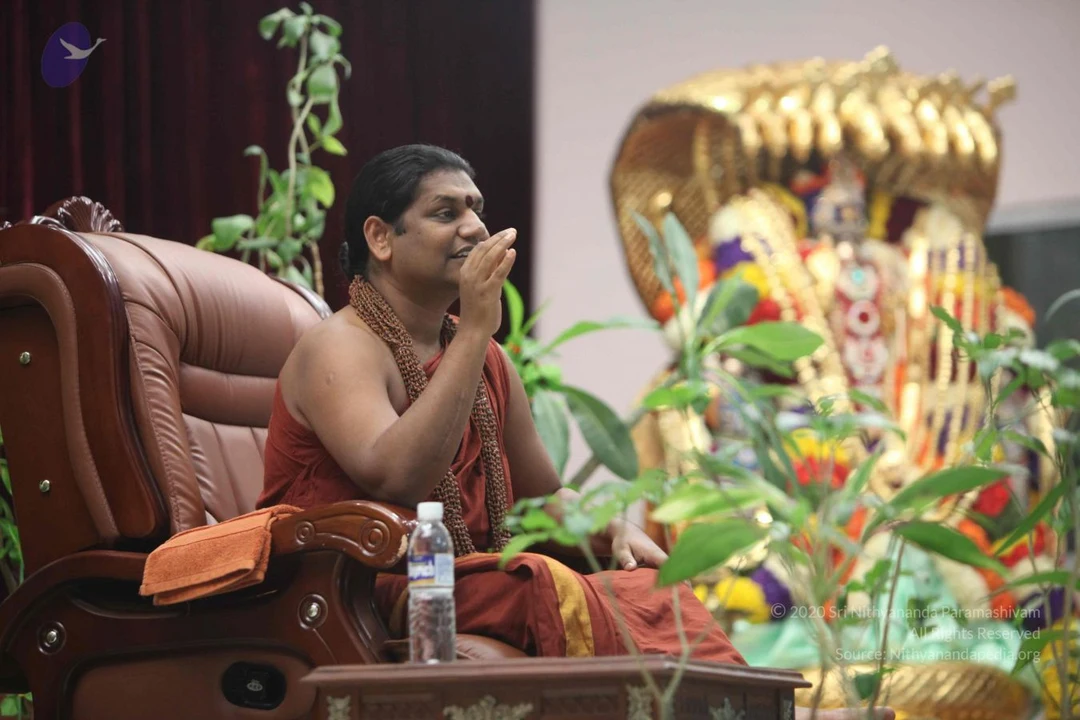
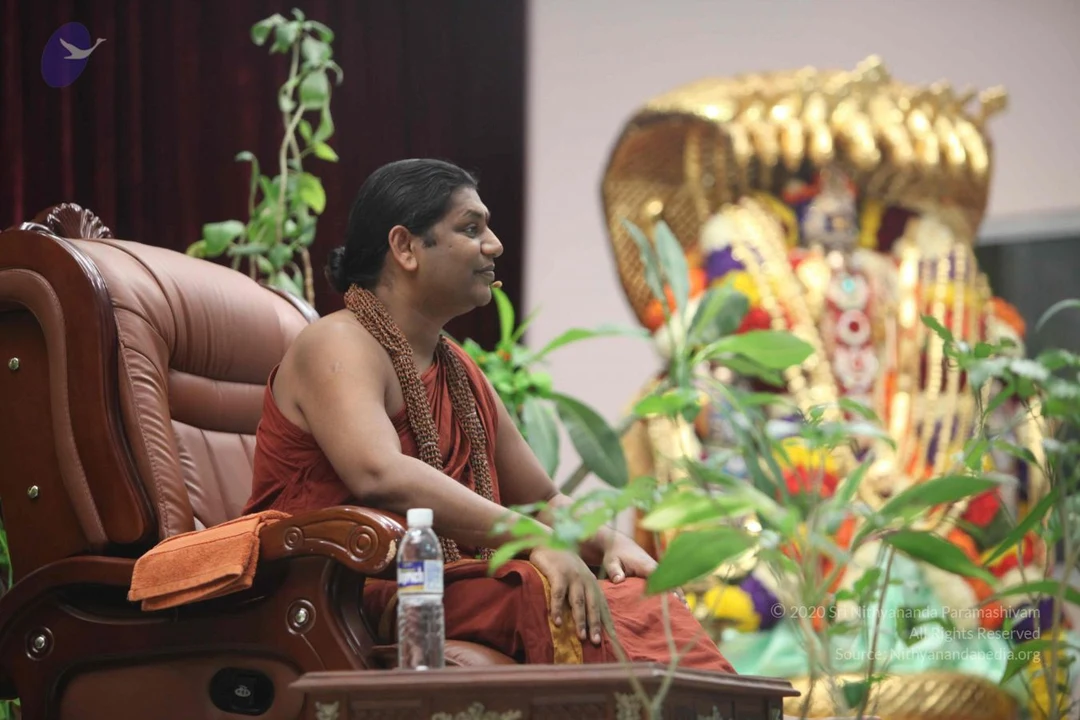
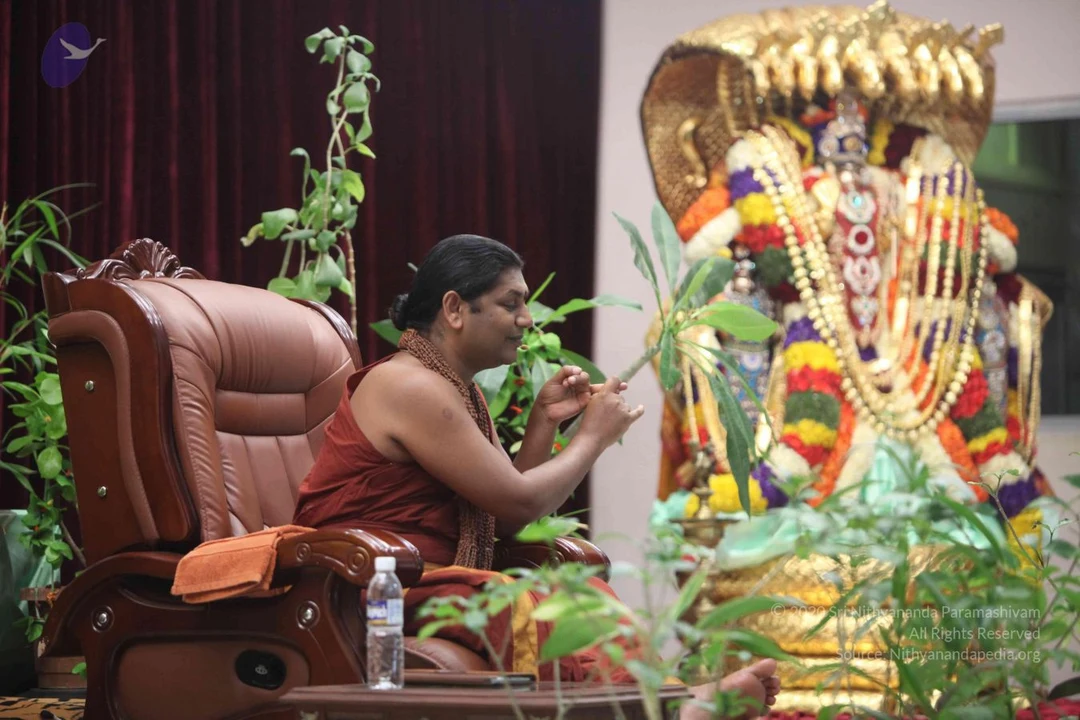
Today, Rajarajeshwari Brahmotsavam, Devi is gracing on Swarana Naghavahana – Golden Shesha Vahana- Golden Snake Vehicle…. Rajarajeshwari Brahmotsava, with Lakshmi and Saraswati, Devi is gracing all of us sitting on Golden Shesha Vahana, golden snake.
(3:42)
Let Me enter into the verses. Today I will be expanding on Upanishad – Ishavashya Upanishad fourth verse. Please recite along with Me
anejatekam manasochaviyaha nainattevo aapnuvanpurvamarshate | tattavato jnyanatyeti tistastasmin napo matarishwatatati ||
अनेजतेकं मनसोचवियह नैनत्तेवो आप्नुवन्पुर्वमर्षते| तत्त्वतो ज्न्यनत्येति तिस्तस्तस्मिन नापो मातरिश्वततति||
Listen. The Upanishad, the ultimate book, Book of the books, declare the definition, the qualities of the Cosmos. Please understand, the most important instruction human beings need to be given is about the goal, path, purpose of their life and setting the context, setting the context for their life. I tell you, in this fourth verse Upanishads are trying to tell you – set the context for the life. Whatever you think constantly, you will become that. Please understand, whatever you think constantly you will become that. So Upanishads are setting the context. What you are expected to think. The direction in which your mind needs to move. Please understand. Mind by its very nature goes through the senses, means through the outer perception, because that is the least resistance path. Cognizing the external informations is easy for the mind, so naturally it moves in that direction. If mind is forcibly turned towards the Source by the hard-power, please understand, hard-power means, ‘by the rules, regulations’ – it becomes suppression and depression. That is why mind hates rules. But if the mind can be made to understand, with the right context, to turn towards the Source – that is what I call soft-power.
(7:40)
Understand, soft-power is not that soft really. You need to know, soft-power is not that soft! Just the other day, one of My disciple was telling – she is from Croatia – she said in their country, in churches they ban drugs, alcohol and Yoga. It seems they tell in their church, “We don’t allow drugs. We don’t allow alcohol. We don’t allow Yoga.” See how they connect Yoga with the drug? What a! Because Yoga is soft-power. All the religions based on hard-power are afraid of Yoga. I used to wonder, “Why you should be afraid of Yoga”, because if you see Me, whenever I see anything unique, great in any religion I immediately try to follow it, try to take it. Some of the great books inspired me: ‘Imitation of Christ’ by a very saintly being, Thomas Kempis. And same way, some the books of St. Francis of Assisi. Still I have them and I read them. Egyptian Catholic Churches Publications. Actually when they went and settled in Egypt, they assimilated lot of mystical sciences of Egypt into Catholicism. So there is so much to learn from them. So whenever I see, I only try to learn and rise Myself.
(10:07)
God I thank you, you put Me in a religion where it teaches Me to learn from all the sources, never to deny. I thank you just for that. Only when I listen from My disciples here and there, how the Yoga is banned, this is banned, that is banned, I understand oh God what a freedom we have! What an amazing freedom we have! If you see My first book ‘Guaranteed Solutions’ which is our first program ‘Nithya Dhyan Yoga’, I have taken meditation techniques from various religions. I have taken meditation from Christian traditions, Islamic traditions, Buddhist traditions, the Hindu Advaitic tradition and Saiva Agamas…. I was wondering, “Why are they banning Yoga? Why are they afraid of Yoga?” Now I understand, it is soft-power and soft-power is not that soft.
(11:54)
See, the authority your dad has over you is a hard-power. The authority your uncle has over you is soft-power. Because these uncles always give you candies. See they don’t have responsibility about you. They just fulfill some of the wishes you have. That is why all the time you run behind the uncle not behind your father and you fulfill whatever your uncle says. Because it is a soft-power, please understand. And soft-power is not that soft.
(12:39)
Setting the right context and turning the mind towards the Source through soft-power is what Upanishads are trying to achieve in this verse. Through hard-power it is not possible. Please understand, just because you have a huge buildings and religious infrastructure, don't expect people will follow you, No! I know how many Hindu Ashrams, Monasteries, vast structures lying empty. And I also feel – other than few exemptions – all big structures remain unused…. All huge structures remain unused. That is the reason here I have not put up any big structures. I want first the people who will use it then let us put the structures…. People who will use it. Then we can put the structures. Without people to use, putting the structure is stupid.
(14:14)
I tell you, Truth has authority but authority does not mean Truth…. Through hard-power, trying to push the mind towards the Source from the senses is only going to lead to suppression and depression. But the good news is soft-power is enough to push your mind to the Source and realize its divinity. I tell you, this verse, each word of this verse is setting the context for your mind to enter into the Source. Each word in this verse leads you to meditation. Sit and cognize, intranalize,
anejatekam manasochaviyaha nainatteva aapnuvanpurvamarshate | tattavato jnyanatyeti tistastasmin napo matarishwatatati ||
अनेजतेकं मनसोचवियह नैनत्तेवो आप्नुवन्पुर्वमर्षते| तत्त्वतो ज्न्यनत्येति तिस्तस्तस्मिन नापो मातरिश्वततति||
My pronunciation as I heard from My Gurus. My Guru was born and brought up as Tamilian so you will see a thick Tamil accent in this Sanskrit pronunciation. But as a respect to them, I Am not changing the Paath-bheda. I Am just retaining it as it is.
(16:31)
Understand, anejat – unmoving. Sit. When you sit and contemplate on unmoving you are setting the context for your mind to reach its Source and purify itself, complete itself. Cognizing each word in this verse. Meditating on each word in this Sutra, will lead you towards the Source and lead you towards Completion, lead you towards fulfillment.
anejat ekam
(17:32)
Listen, yesterday I asked you to meditate on the word anejat. Now, today, we will work on just this one word ekam. Ekam cannot be translated as ‘One’. It can only be translated as ‘Oneness’. Please understand, if something is unmoving and it is only ‘One’ then it should be the largest. Then nothing else can happen. It will be a Huge One Stone. So the word ‘One’ for ekam is not the right translation. ‘Oneness’ is the right translation because in ‘One’ internal evolving expression is not possible but in ‘Oneness’ internal expansion, evolution everything is possible. Understand, ‘One’ is dead, ‘Oneness’ is alive. The very word ‘One’ means dead. ‘Oneness’ means living.
(19:05)
The soft-power, soft-power, using the soft-power and moving towards the Source, Completion. So each of this words set a context for you to experience Consciousness. This ekam – Oneness, if you sit and contemplate on Oneness. Please understand, the tiredness and boredom cannot be entertained when you are trying to go towards the Source. See your mind was always pushed towards the Source by the hard-power, means whenever you see failure, rules, regulations, laws outside; your mind out of powerlessness turns towards the Source. That is why turning inside you hate it. You hate turning inside. One of My Sanyasini, she has this big fear of injections. When she fell sick she went to hospitals, the moment they picked up the injection she started crying. When I heard I started laughing, “What is this”? But finally when I spoke to her she said – the young age experience as a child – her experience with the injection. See as a child, parents will actually threaten the kids, “if you don’t listen I will take you to doctor and he will put you injection.” Injection itself is so small and designed to cause very less pain for you but it will appear in your mind like a crow-bar. Because constantly repeated.
(22:01)
Understand, whenever out of powerlessness you turn inside, the turning inside becomes such impossible job. See for her the first experiences about injection was so difficult or made to believe so difficult or she started believing it as so difficult, so even now it remains. Injection means, “haa, doctor is going to take a crow-bar and hit at you”. Many time in your life when you were young, only when you are powerless you turned inside. When you did not get the mark which you expected in the examination, you sit with you. When your friend says no to you, you sit with you. When you don’t get what you want, you sit with you. When you propose your love, he or she, if they reject only then you sit with you. If they accept, the next scene is duet. See the mind it is always the moment the acceptance happens it is only extrovert – going externally. Only when there is a failure, the hero will be sitting like this (right hand forefinger on the chin, thumb on cheek and looking up to the left).
(23:50)
Going inside to the Source, intranalyzing was always described as some act done only when you are powerless. Please understand, that is why even when the soft-power tries to turn you inside by setting the right context the first thing will come up is boredom, tiredness, why am I doing what I am doing, am I wasting my time! As if you are going to go and change the whole universe and everyone is waiting to listen. This “wasting time” that concept is a stupid concept, I tell you. Whoever does not want to waste time you just need to do only one thing – maintain your breathing as slowly as possible, as deeply as possible. You will never waste time. You will have time as much as you want in the planet earth. Understand, whenever your breathing is chaotic be very clear you are wasting time.
(25:22)
Understand, the, if you have seen the machine from which they make thread, Gandhiji uses all the time. They will put the cotton one side and the thread will be taken out – spinning wheel. Same way, see a cotton is put and thread is taken out, that spinning wheel – same way, putting the life energy and making time, years for your life, longevity. I Am giving you the technique to spin more number of years for you from the life force. Life force is infinite! So much is available. That’s a raw material out of which you can spin the number of years you need for you. The process of spinning is – maintaining your breath as slow as possible and as deep as possible. That’s all. Understand that is the spinning of number of years for you. So when your breathing is chaotic you are wasting time. When your breathing is deep and soft you are gaining time. And don’t believe this stupid western concept of “wasting time”. There is no such thing as limited time available for you.
(27:22)
First thing you need to know: when you turn inside the Source to achieve meditation or Completion through this Upanishad verse using the soft-power, means setting the right context and turning towards your Source. Please understand, you mind can be turned towards Consciousness through two way: hard-power, soft-power. Hard-power means with the rules, laws, regulations you can be pushed but that will always be suppression and depression. You will hate it…. One of the biggest success of Sanatana Hindu Dharma is – it is voluntary. Nothing is forced. Voluntary. Come come, don’t come don’t come. Come come, don’t come, don't come. It's voluntary. Understand, that retains its beauty. This voluntariness retains its beauty and its Glory…. Without using the hard-power of rules, regulations just using the soft-power turning your mind towards the Source, Completion, Consciousness is the job of this verse. Each word in this verse when you meditate on it more and more, when you think about it more and more, when you internalize it more and more your mind will move towards the Completion. Don’t entertain tiredness and boredom because earlier tiredness and boredom happened because through the hard-power you have been forced to go into Consciousness. Now, it is soft-power so you don’t need to entertain the tiredness and boredom.
(30:43)
Ekam – Oneness. Ekam – Oneness. Go on meditating on it. Today’s subject for Vakyartha Sadhas is the word ‘Ekam’. Oneness, not one. God is Oneness, not one. The moment you utter the word one, it has become complete political structure – only one person can be authority. The second always threatens the one. First, so insecurity between these two it goes on and on and on. No. Oneness. It is because of the Oneness, Sanatana Hindu Dharma can live with any number of Gods and Goddesses. Ekam, meditate on Oneness. The deepest level of existence is Oneness. So there is something really really is same between you and even your worst enemy or the best person towards whom you have love or greed or possessiveness or lust whatever you want. Please understand, the beings persons towards whom you have love, respect, lust, reverence, possessiveness keep all those list. Sometimes it will all be separate separate on different different persons. Sometimes something will be mixed up. And the other side the person about whom you have fear, little fear, more fear, terrible fear, horrible fear, the moment you remember you are terrorized.
(33:25)
I used to wonder. My mother, the moment she hears her mother-in-law’s name she will be terrorized. She will fall sick. No, I have seen. Please understand, it is not that only when she was living with her. Even after she left the house and she came to the Ashram and settled here, took Sannyas and the funny thing is even after her mother-in-law died, the moment she remember the name or hears the name she forgets mother-in-law is dead. First she will get terrorized, after that she will remember mother-in-law is dead and settle down…. First she will get terrorized. After half an hour she will remind herself, “Oh I think she is dead so no problem” and she will settle down.
(34:30)
So all the beings about whom you have fear, terrific fear, horror, horrific horrible fear whatever; see with all these beings you have some kind of Oneness. Try to dig out what is That. Because as a pure truth Consciousness is Oneness and everyone has Consciousness. Whether Indra, who is enjoying the peak of heaven or the demon who is in the depth of Paataala or the Kinnara, Kingara, Kimpuruda, Gandharva, Gandhara, Yaksha, Rakshasa – all jivas are called jiva because they have jiva. All beings are called as beings because they have being. Understand! There is some Oneness between you and the beings you have greed and the beings with whom you have fear. Whether it is a Shani who is trying to attack you, catch you Sadhesath or the Guru who is trying to protect you. Guru is the only Graha in Navagrahas never gives any bad results. Wherever he is, he will always be protecting…. He will always be protecting. Neither directly nor indirectly he will be harming. Sukra, by giving the pleasures and wealth He can create a indirect harm. He will shower you so much you will lose your sense and fall prey to Rahu. I’ll tell you what is Rahu, you know, when you are doing your actions you know you are inauthentic and hypocritical; knowing that you skip, you jump the gun – that is exactly Rahu. Because he knows he should not be standing in the line of gods and receiving the nectar. He should be only standing in the line of demon, but he jumps the line and stands, quickly grasps the nectar and swallows it. Swifter than the Vishnu, understand. The person who is serving there is Mohini – Maha Vishnu Himself. Swifter than the Maha Vishnu, grabs. Your buddhi which protects your life is Maha Vishnu. So this hypocrisy can take over you at some times giving all justification, swiftly…. And make you jump the gun or jump the line – that is Rahu.
(38:47)
Meditate on Oneness. There is Oneness between you and the beings you are afraid of, you and the beings you have greed or you and the whole. When you try to smell that Oneness, understand, you can’t catch it you can only smell it. It is so subtle. It is so subtle. You can’t catch it. You can’t say I’ve caught hold of Ganga, I’ve caught hold of Ganga come on come and take it come and take it. No. The moment hands are closed, Ganga is not there anymore in your hand. As long as the hands are open only Ganga is flowing in your hand. This Oneness is so subtle, so subtle, listen you can only smell it. You can’t grasp it. You can't grab it. You can neither grab not even grasp. You can only smell it. But the moment you smell the Oneness, the greed and fear both buildings will just be bulldozed. Not brick by brick getting removed. No. Just today morning in the Nithyananda Times how one of our IA participant said, “Oh He did not remove brick by brick, He bulldozed it.” I Am bulldozer because I sit on Bull…. I don’t believe in removing brick by brick. When? How long? No no no.
(41:18)
Somehow in the west the word bull has become wrong word. Here it is so sacred. It’s a very sacred word. When you smell Oneness between you and the persons who are all, about whom you are always afraid, the moment Oneness is smelled suddenly the whole fear is bulldozed. If I have to use a better word – bombarded. Same way, the moment you smell the Oneness between you and the people with whom you entertain, cherish greed, love, lust, possessiveness all that - suddenly all of that will be blasted, bombarded. I am not saying you will become a dry insensitive being, no. From sensitivity you will move to sensibility…. Your sensitivity will be very sensible. A sensible sensitivity…. Out of the powerfulness of Oneness whether you show love or anger it will become power for the other person who is receiving. Out of powerlessness whether you show love or anger whatever it will lead the other person to powerlessness.
(43:21)
If you want to be established in powerfulness, the best technique is – meditate on Ekam, Oneness. There is a Oneness; the good news for you is, there is a Oneness between you and Mahadeva. The great news is, He is waiting to make you, give that experience. Understand, the good news is there is a Oneness between you and Mahadeva. The great news is He is waiting to give that experience to you. When you cognize Mahadeva, don’t cognize Him as your competitor. People think, if I say I am Shiva maybe He will be hurt. He will ask, “What? You have become that qualified or what? You started telling Shivoham.” No. He will say, “Dear, start telling Shivoham, I will make you qualified.” He is not going to demand entry ticket and qualification certificate to give you the experience of Shivoham. He is only going to say, “Start. I will give you the qualification.”
(45:02)
So cognize always Mahadeva as a person who is sitting encouraging you to start and He will give you the experience. Don’t cognize Him as a rough person sitting, “Aah. You have become qualified? You’ve started telling Shivoham. Even Narayana has not yet achieved that experience. You think you will achieve?” No. He is not there to tell that and He is not that type. I Am telling you. I Am telling you the Truth as it is. When you say Shivoham and unable to maintain that powerful space and fall, He will only come and tell, “Don’t bother, repeat more and more, cognize more and more, behave, act, live more and more like Shivoham. There will be some part hypocritic. There will be some kind of a hypocrisy in the initial level. Don’t bother. Start. That will be aligned.” So understand, He is here to make you experience Him because Oneness between you and Him is Consciousness…. Understand, He is waiting to have you as part of Him. He is waiting to receive you to be with Him. He is waiting for you. You don’t even need to knock on the door. Go near the door, it is open, He is standing to receive you…. The very idea, “door is locked and you need to knock”, is the stupid idea given to you and you started believing it because you never went near the door. From the distant you assumed the door is locked, you have to knock. No. Go near, it's open, He is standing there to receive you.
(47:23)
And I also wanted to tell you, I Am going to speak on Kathopanishad for on all 21 days when I Am in Varanasi…. On Death!... Kathopanishad is Death introducing itself. You say in-a, in English there is a proverb – ‘from horse’s own mouth’. So from here I can say – ‘from Buffalo's own mouth’. Because Buffalo is the vehicle of lord Yama. So death from Death itself. Death from Death itself. In the city where death is liberation and celebration, come to learn about death. The morning Satsang will be on Kathopanishad – Death, by Death. The book will be titled as: Death, by Death. What is death? – by Death. It will be live relayed in Nithyananda TV as usual if the Vision department blesses all of you. My blessings are there but you need the Anga Devata, Aabharana Devta, Chamcha Devta’s blessings also to receive My blessings. So better you all pray to them once also and say Hi! Hi! how are you? See, when you go to a temple – that’s My style – I will not miss a single God. I’ll say ‘Hi’ to everyone. Who knows the blessings are coming through whom and coming to you. Even if one person is incomplete and says, “Aah, you did not wish me? Ok let me see the file stands with me.” And better to wish anybody who you see.
(50:05)
You can expect Kathopanishad to be relayed, live relayed in the Satsang. I invite everyone to come and experience Kathopanishad. If you are not able to physically come, at least keep your time to listen through the Satsang. The series will come out as book as: ‘Death by Death’. Varanasi IA also last one week is going to be Shivoham process and the IA kids program. Kids also will join the Shivoham process for last one week.
(51:14)
With this, I bless you all. Let you all radiate with Integrity, Authenticity, Responsibility, Enriching, Causing Living Advaita – the Eternal Bliss. Nithyananda. Thank you. Be Blissful.
(51:38)
Description
The Daily Video Magazine of the Nithyananda Sangha. Nithyananda Times - 26 February, 2015
Link to Video:
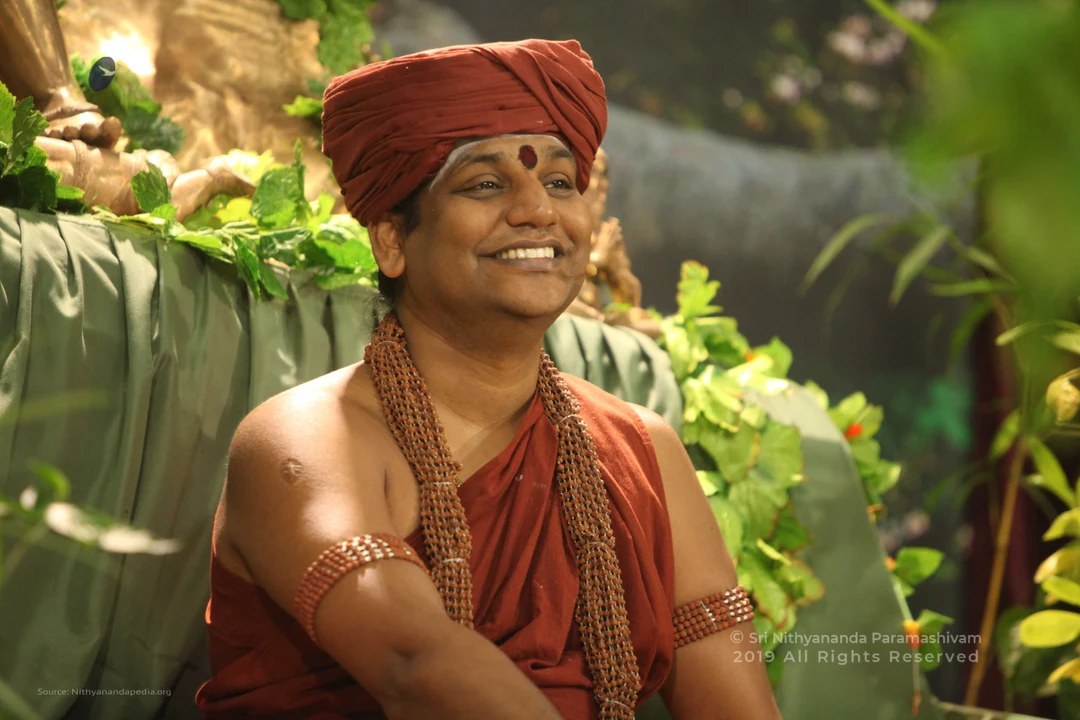
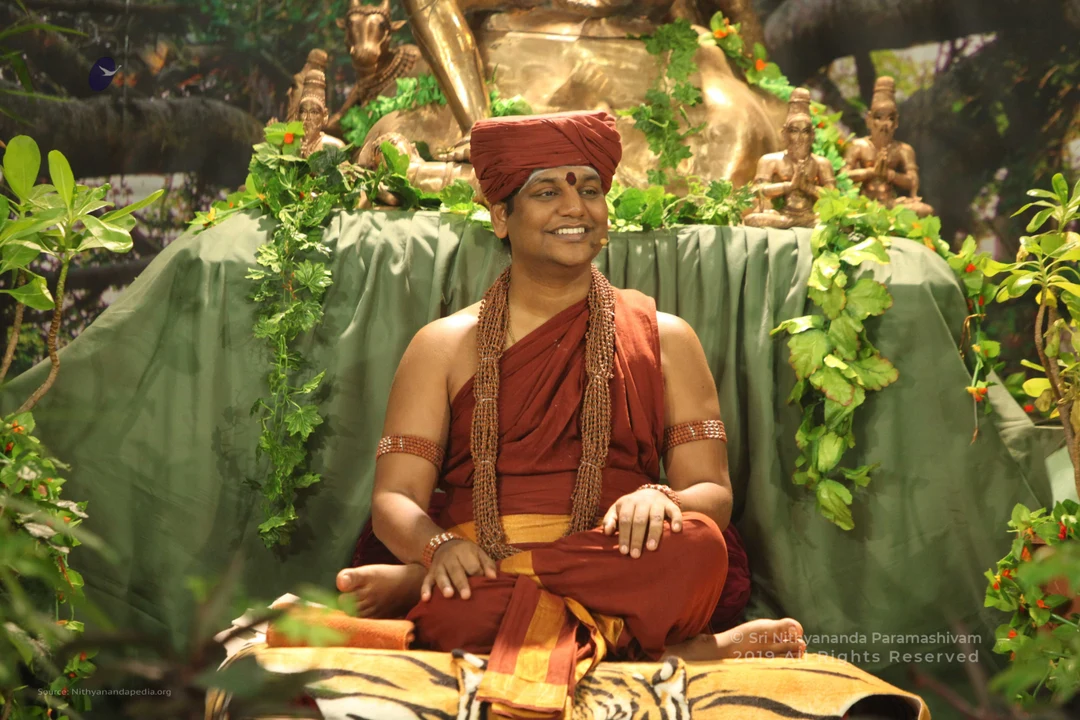
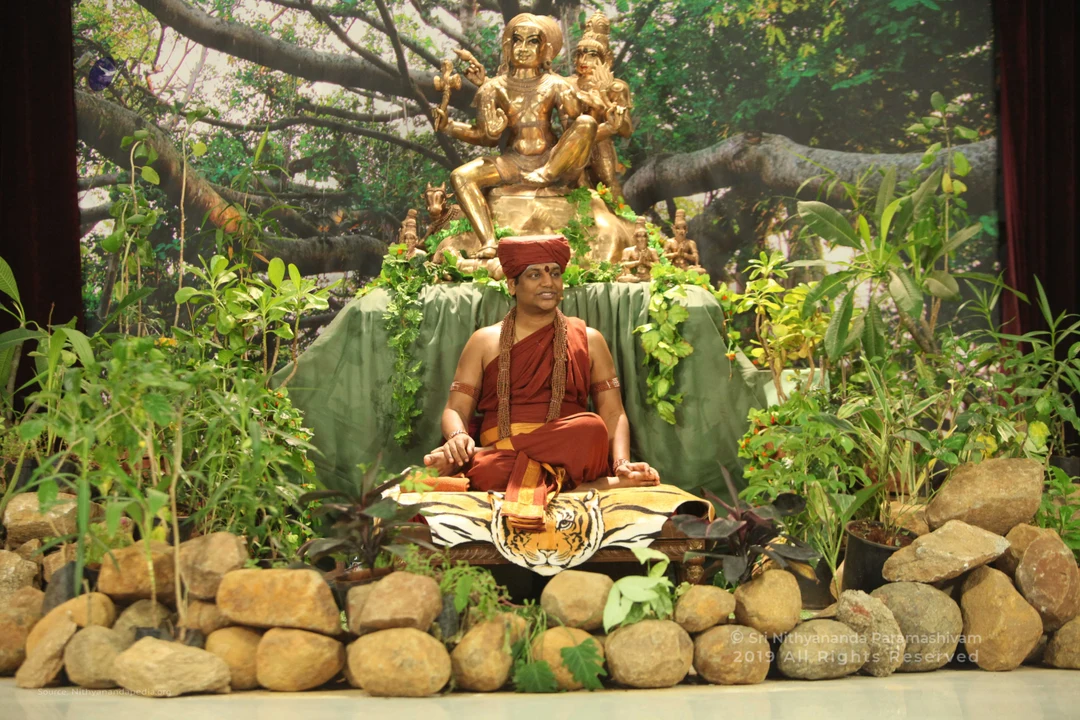
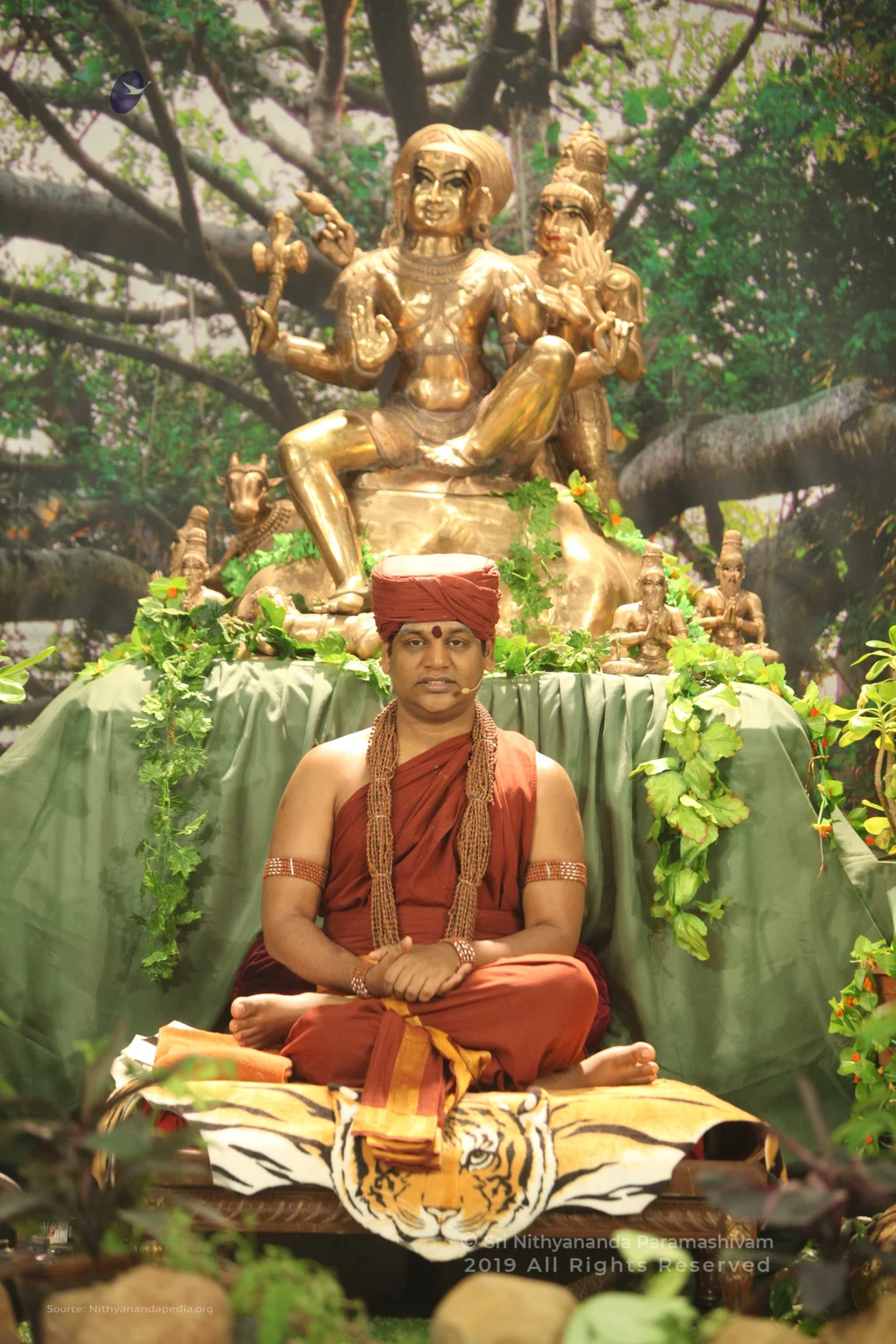
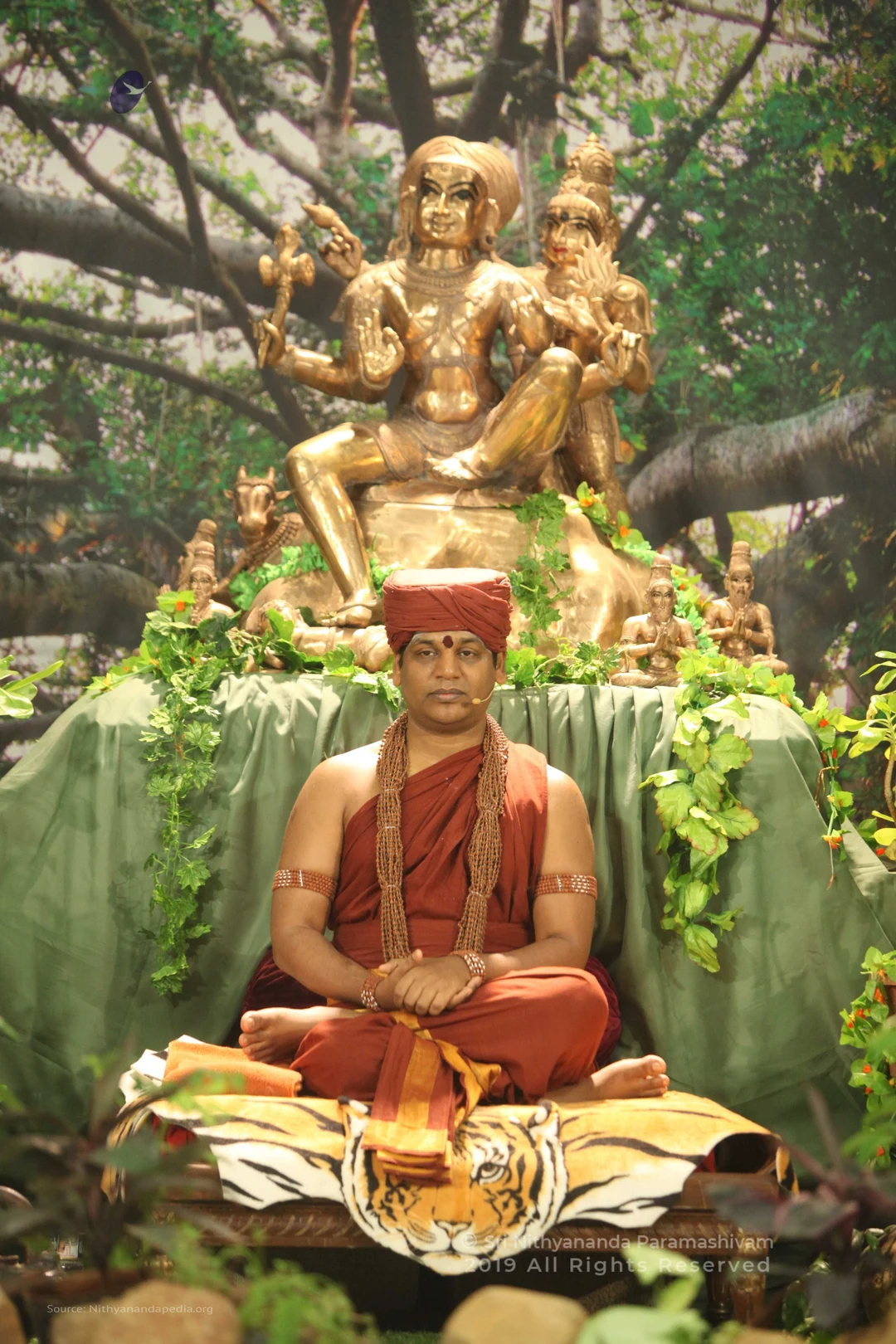
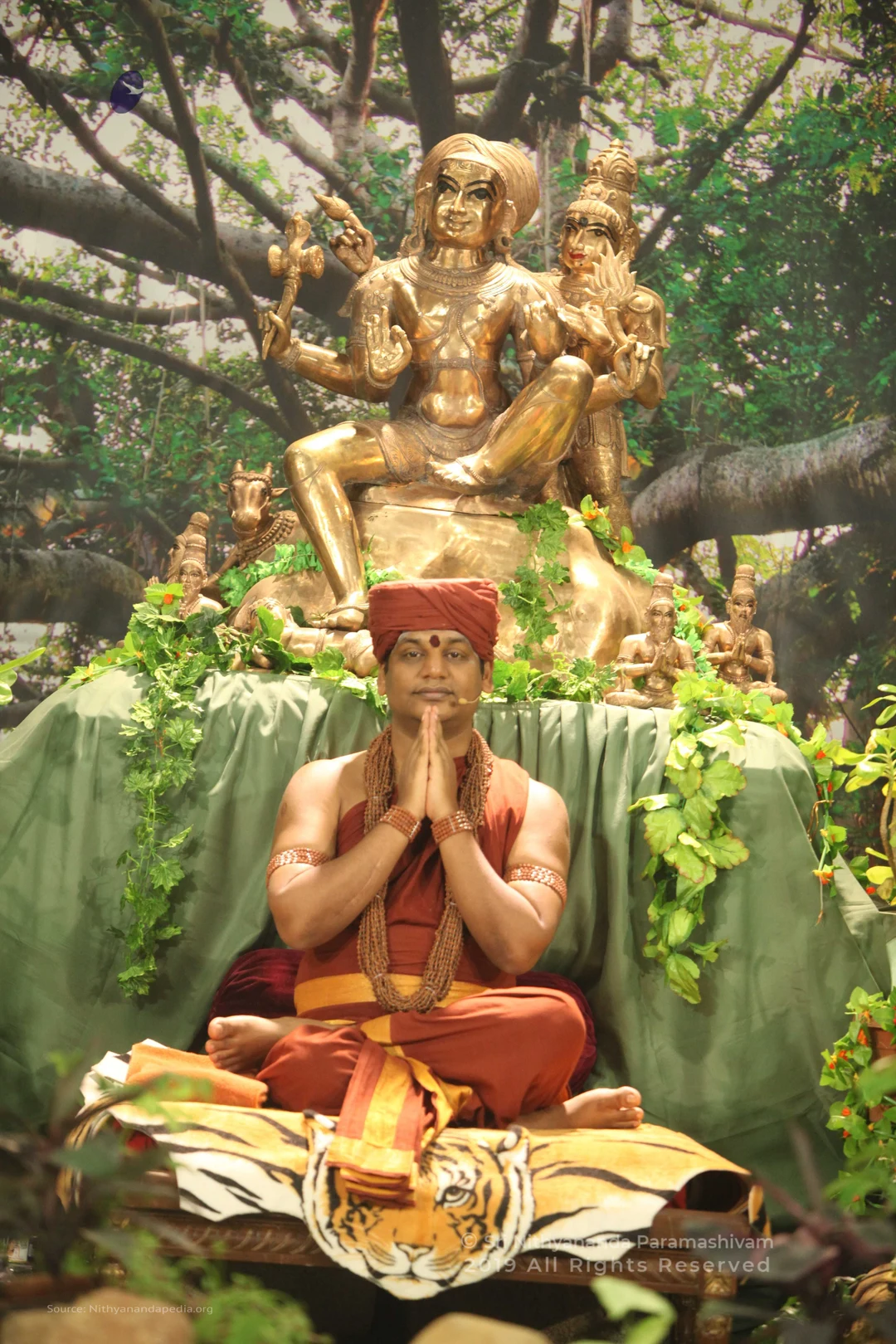
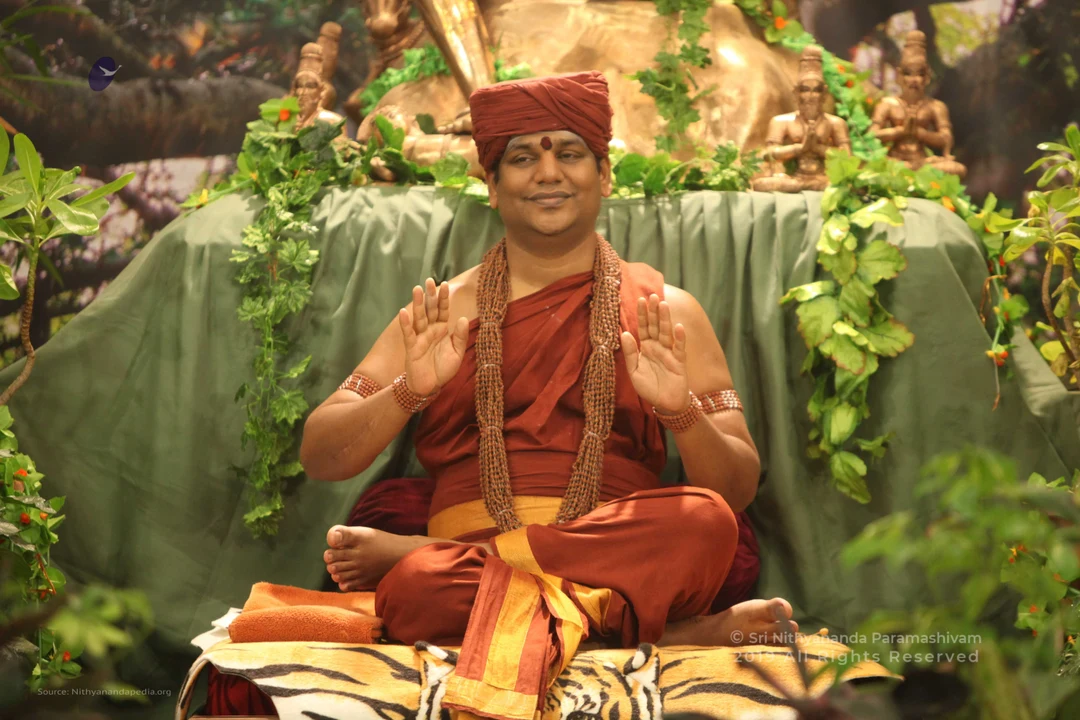
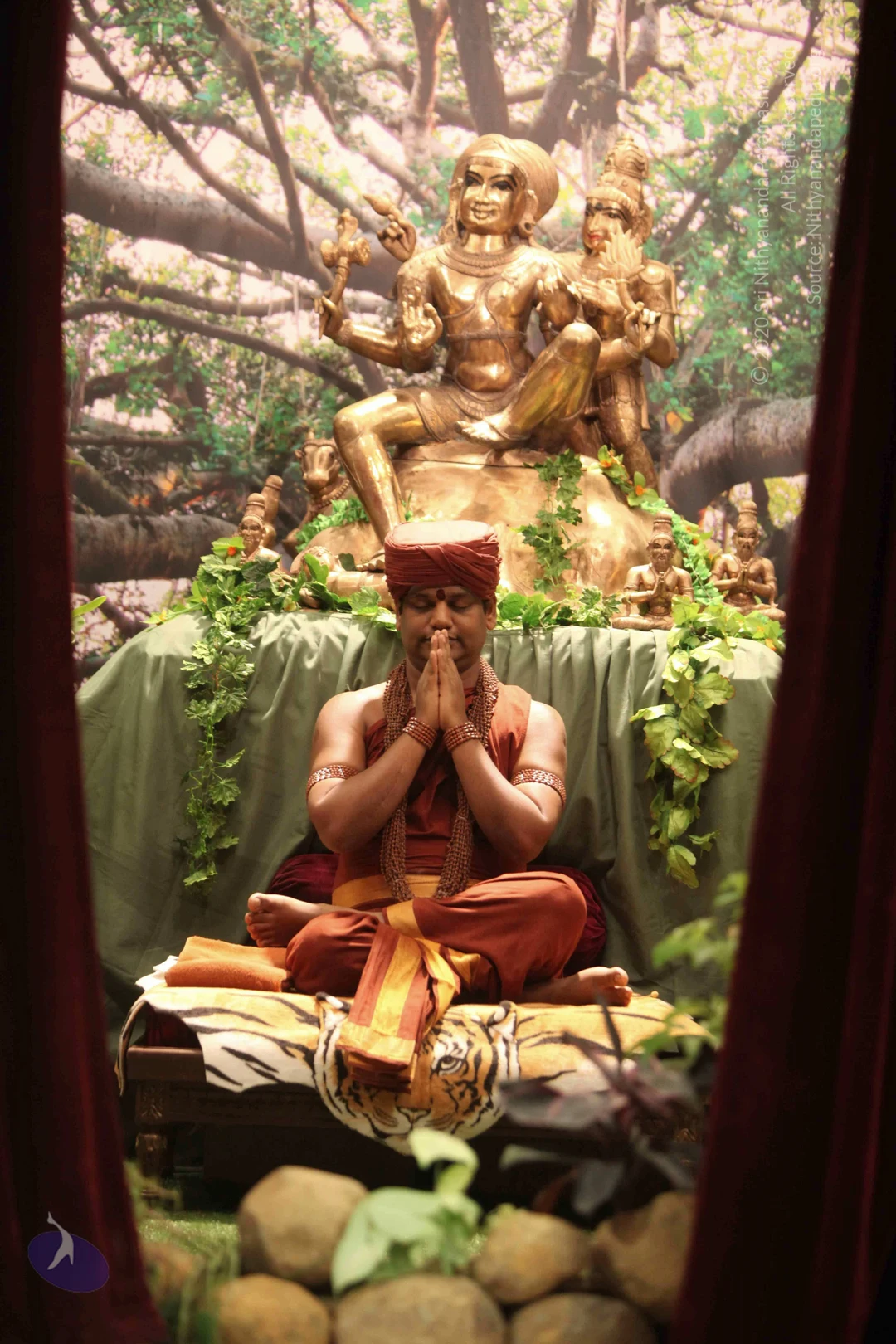
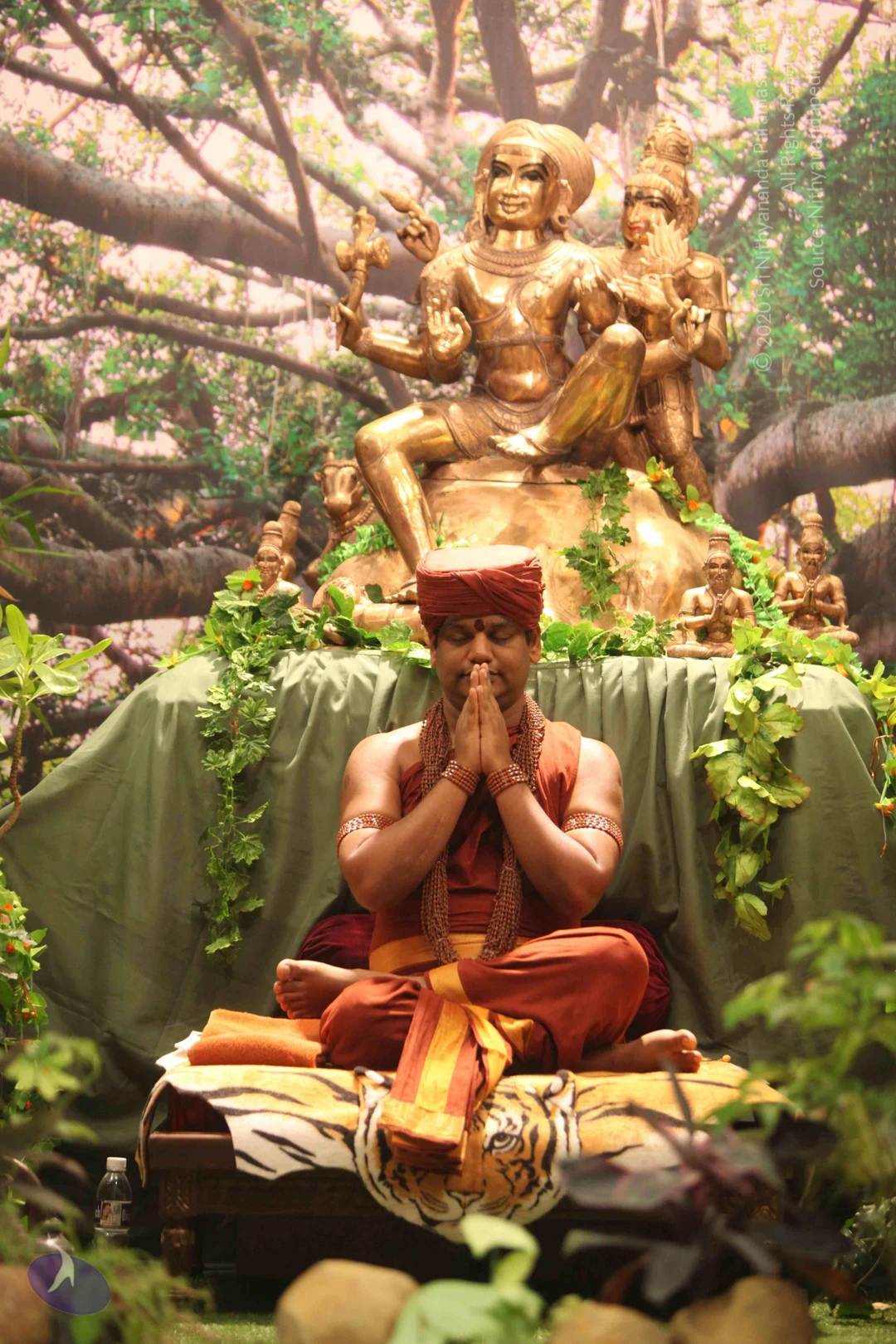
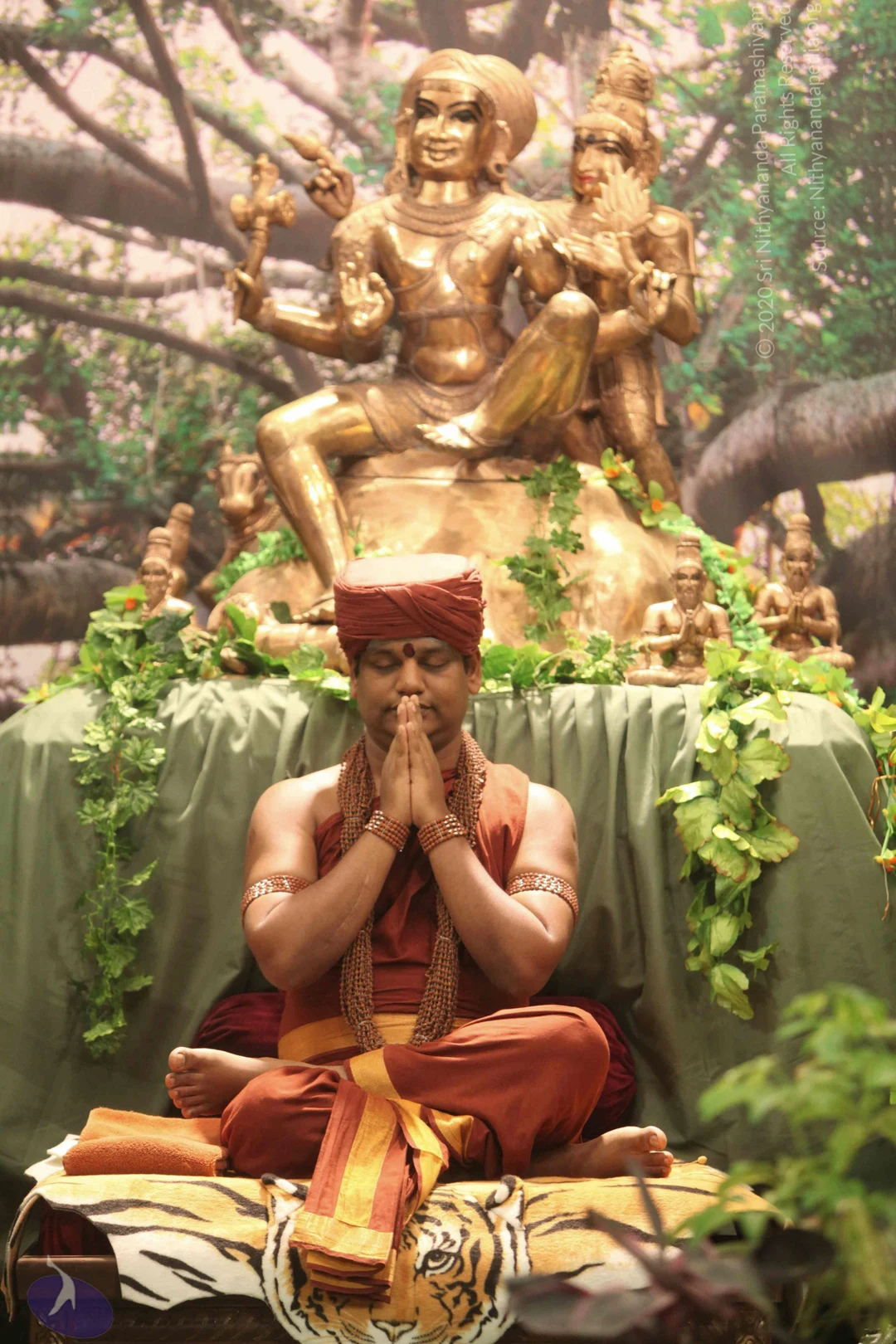
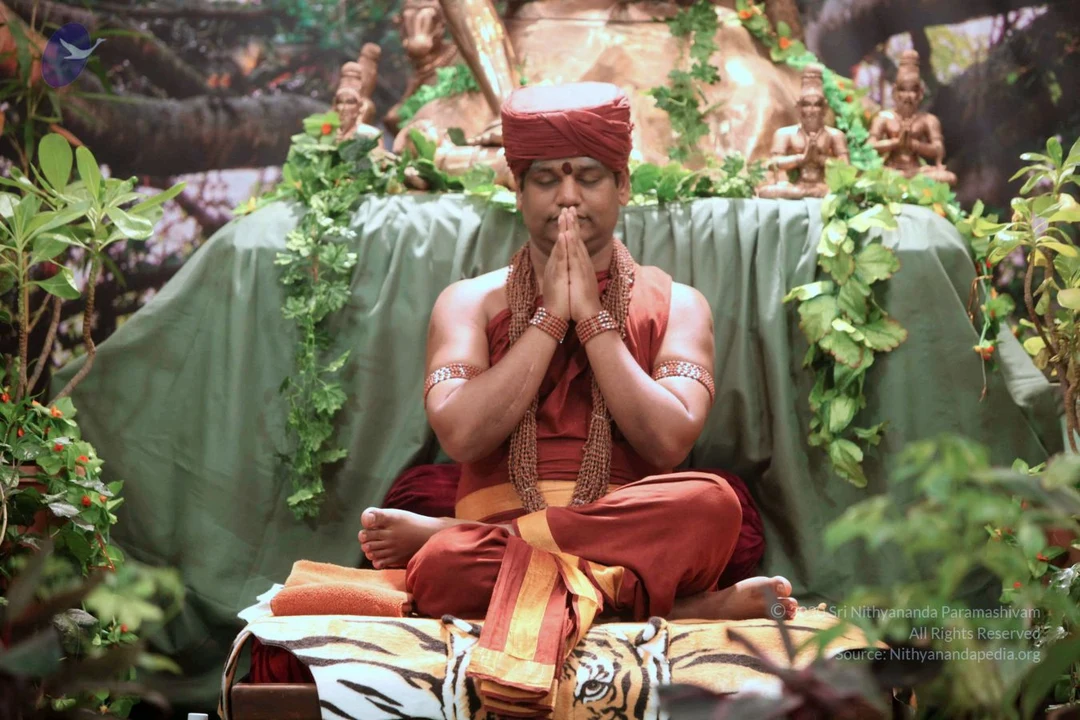
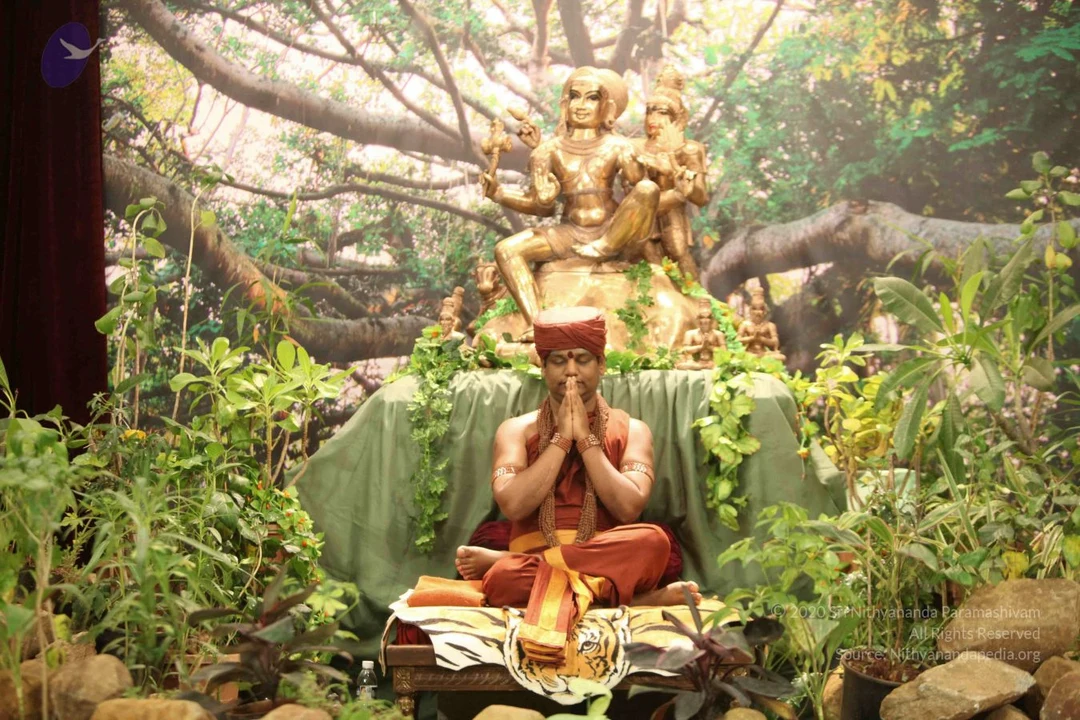
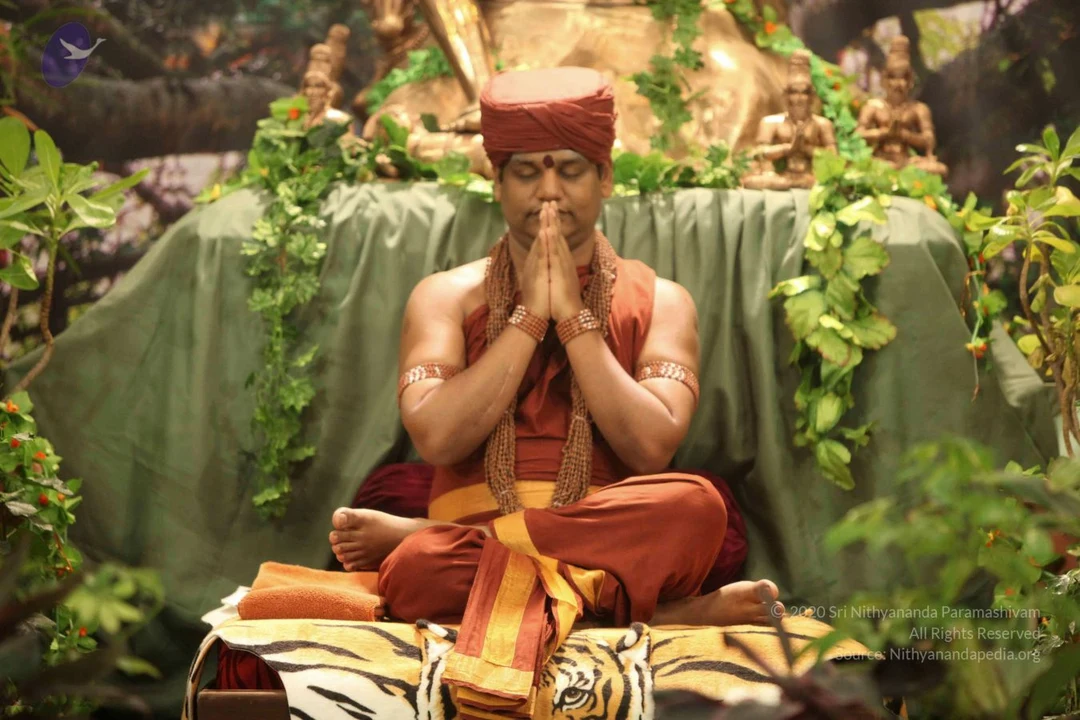
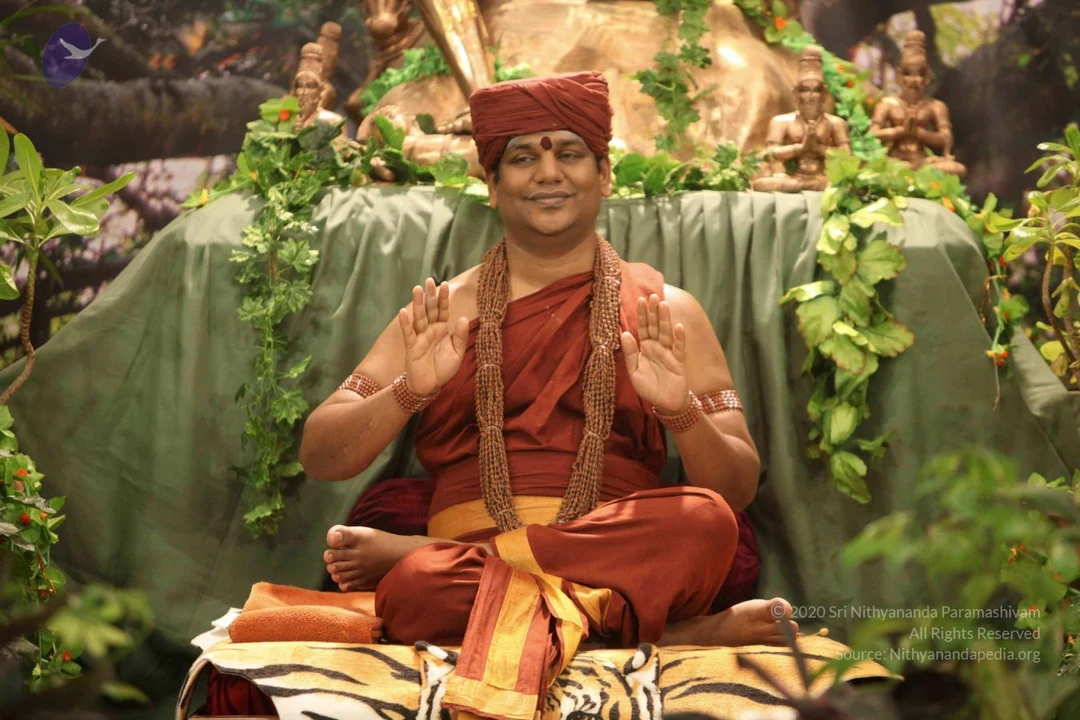
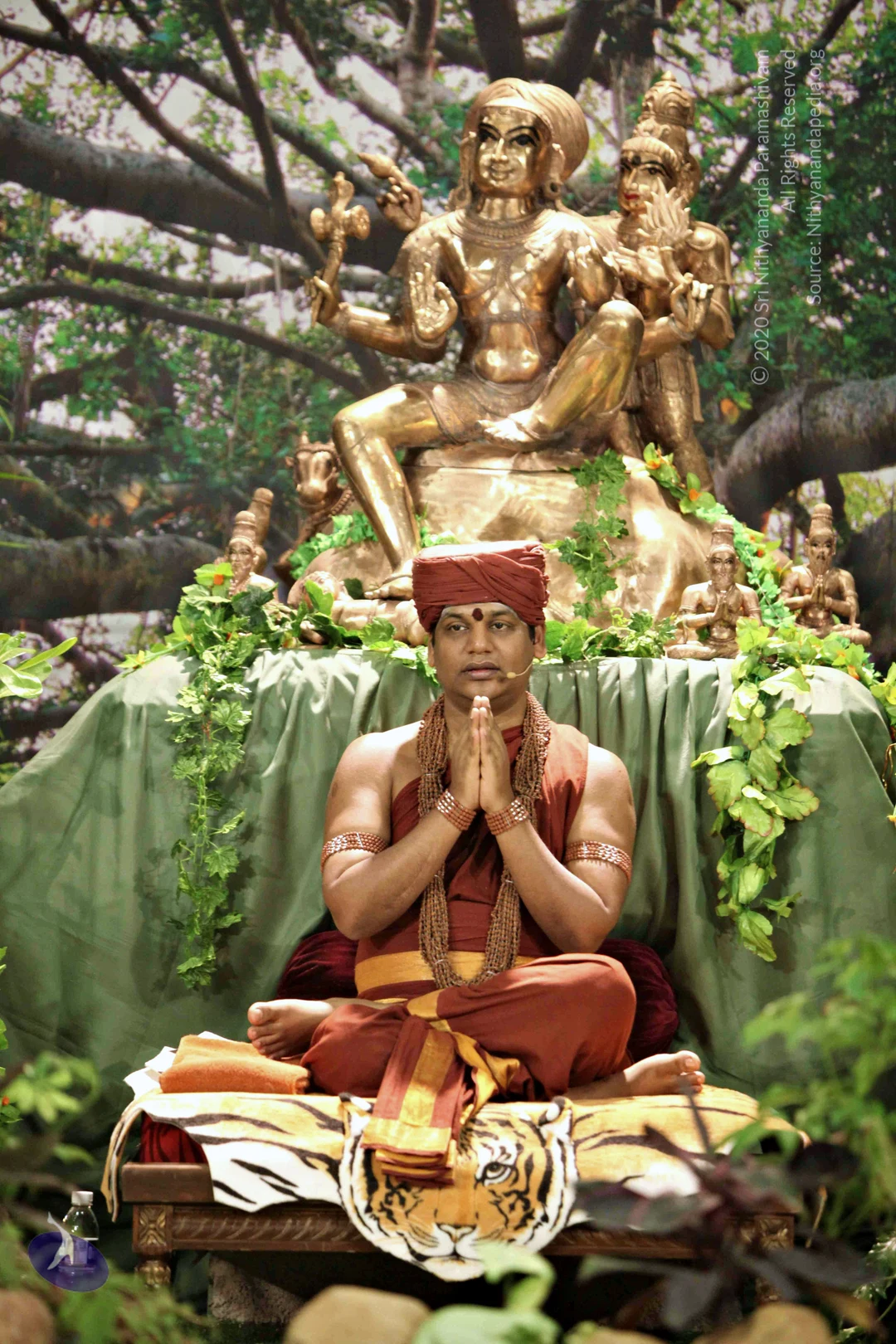
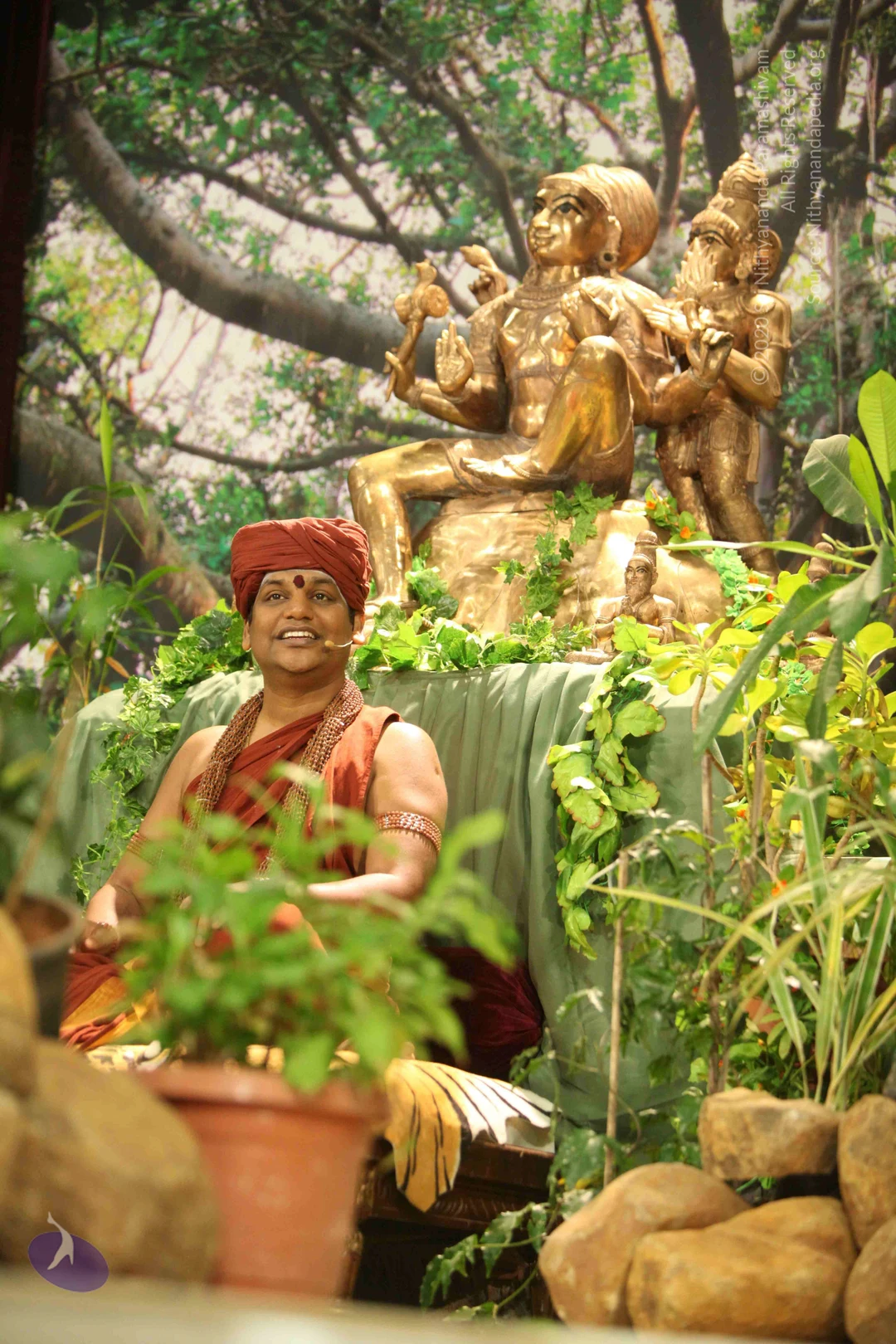
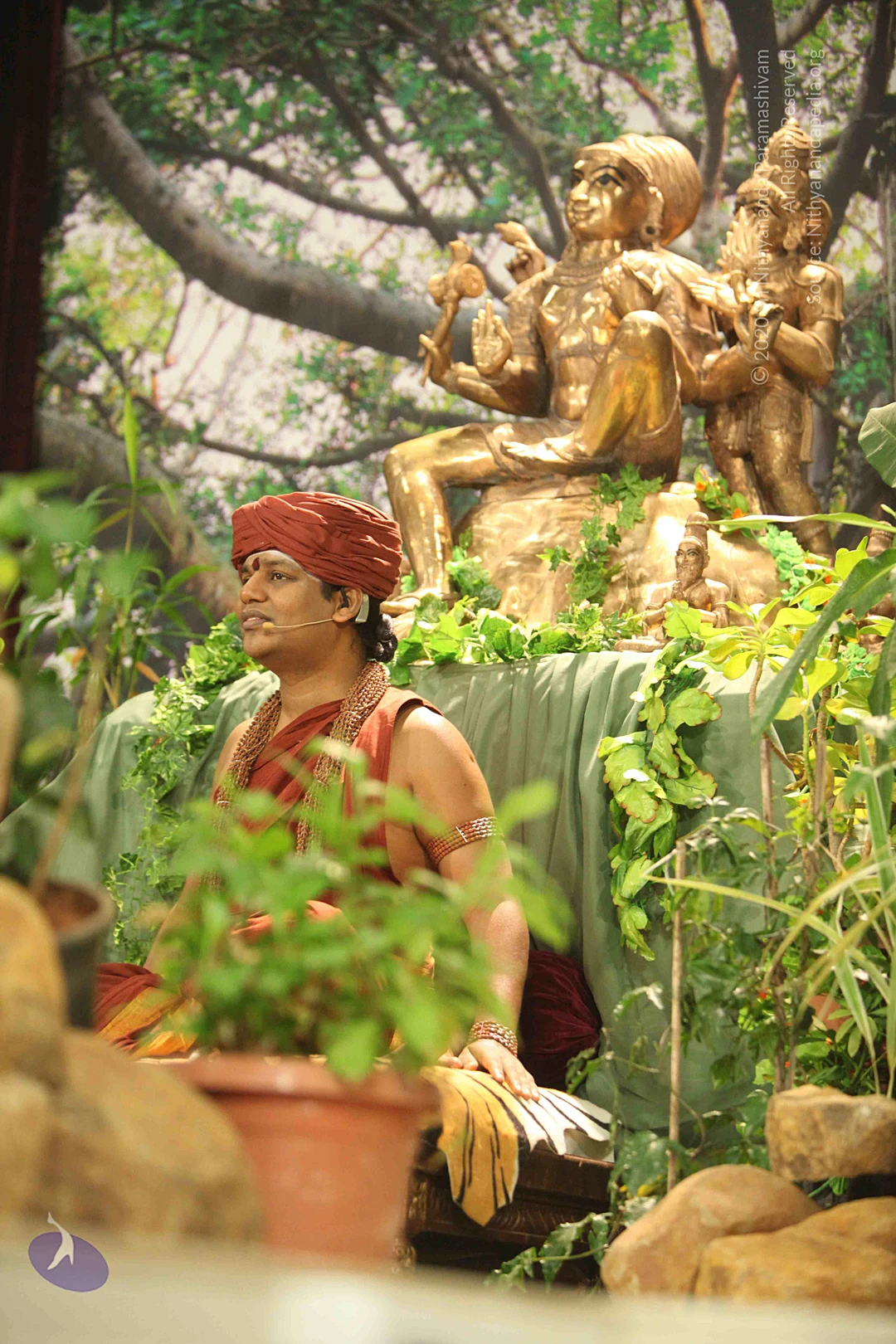
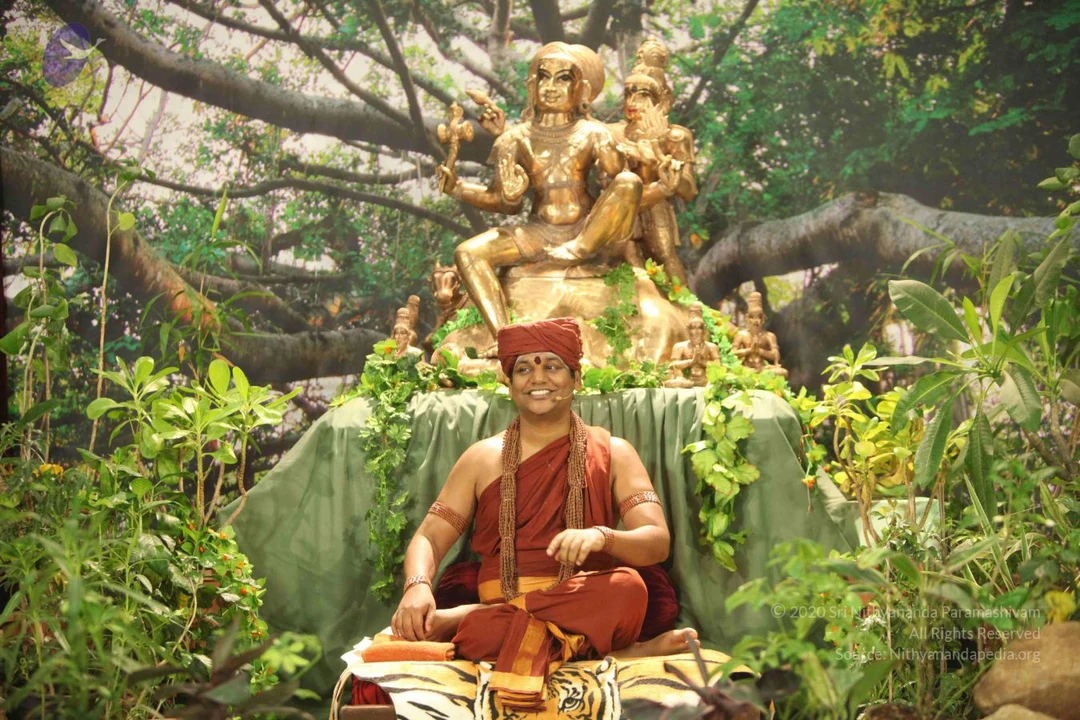
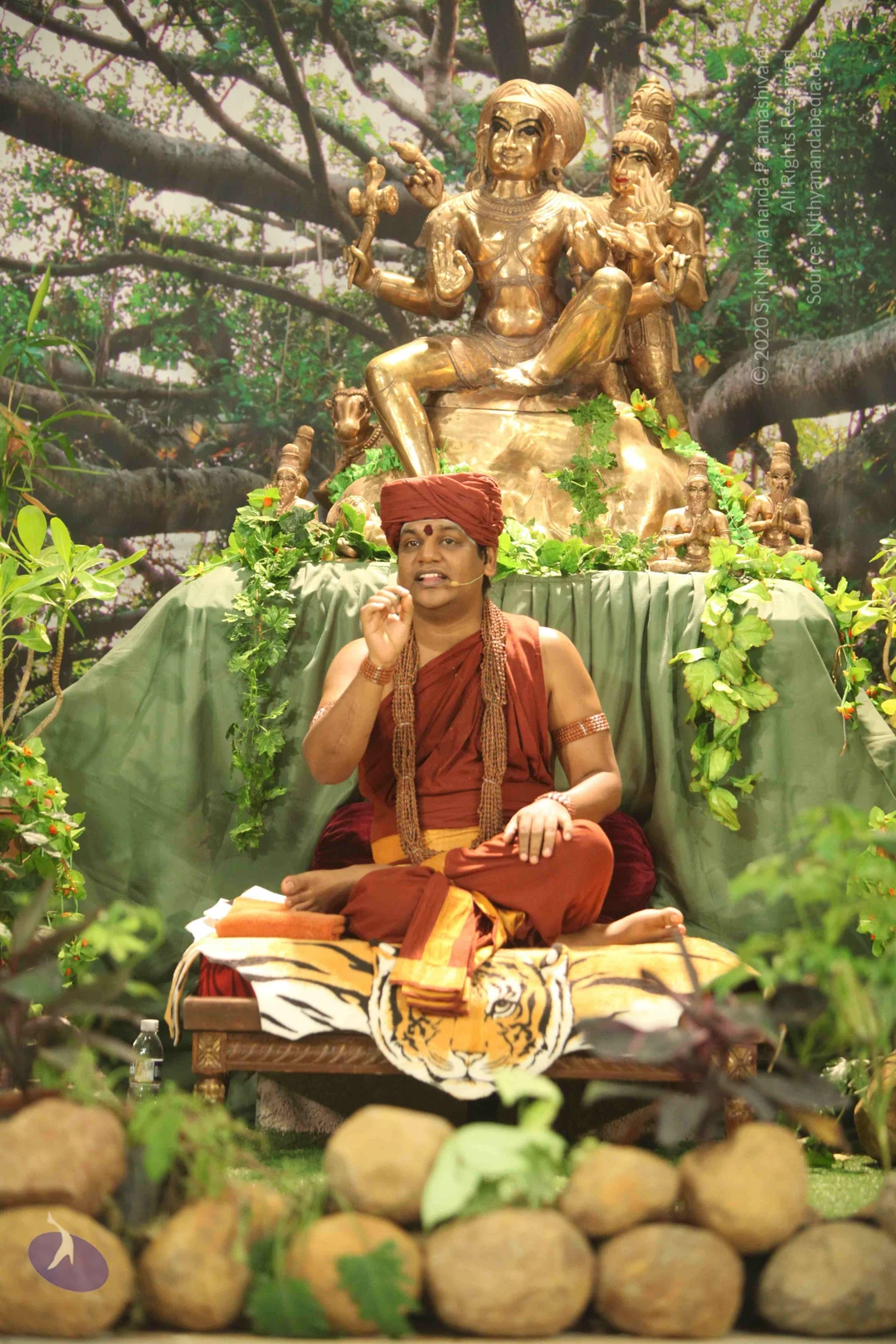
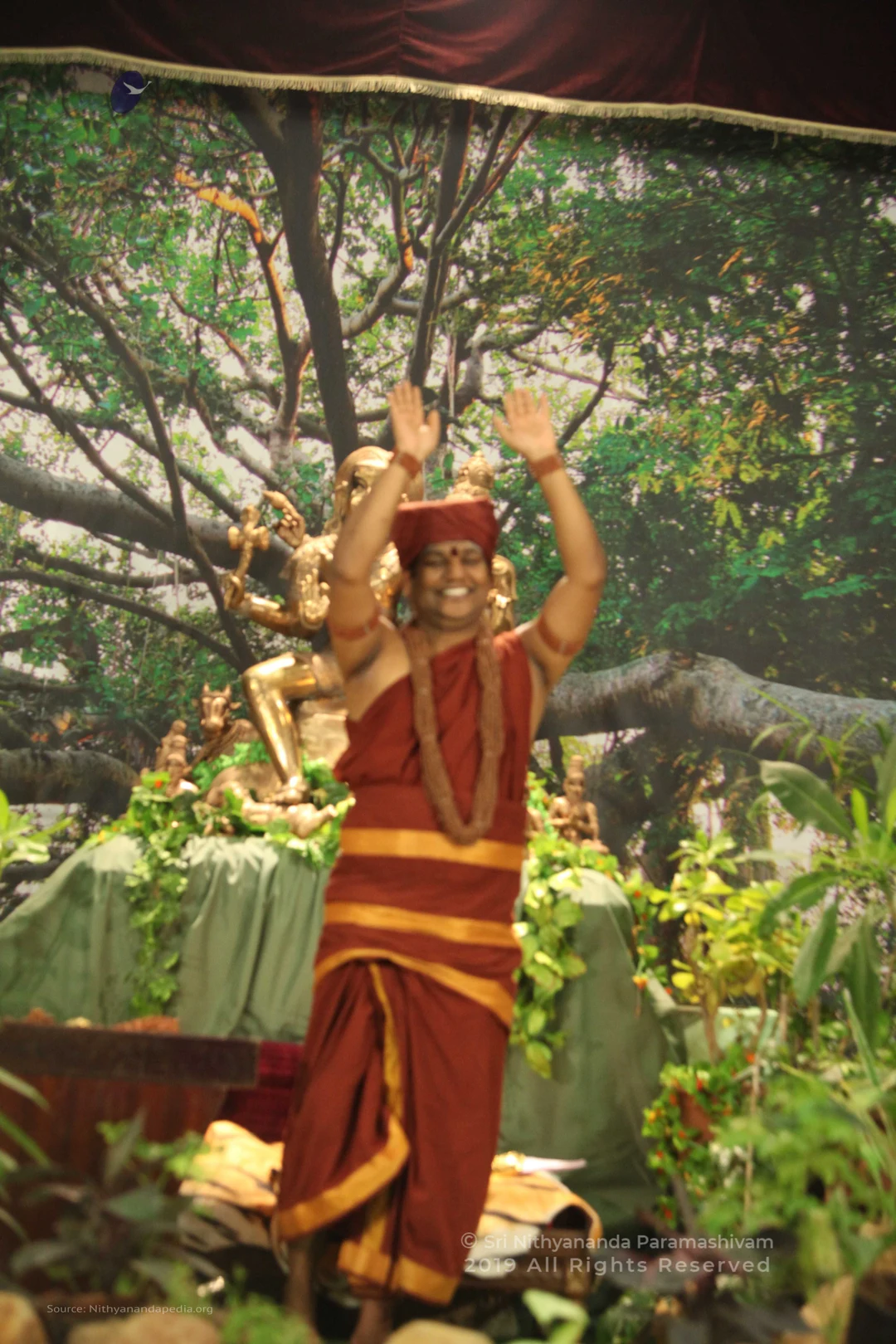
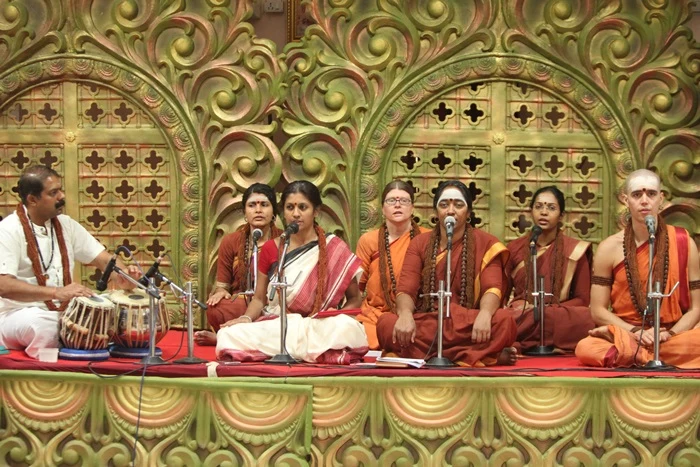
Photos Of The Day:
Nithya-Satsang
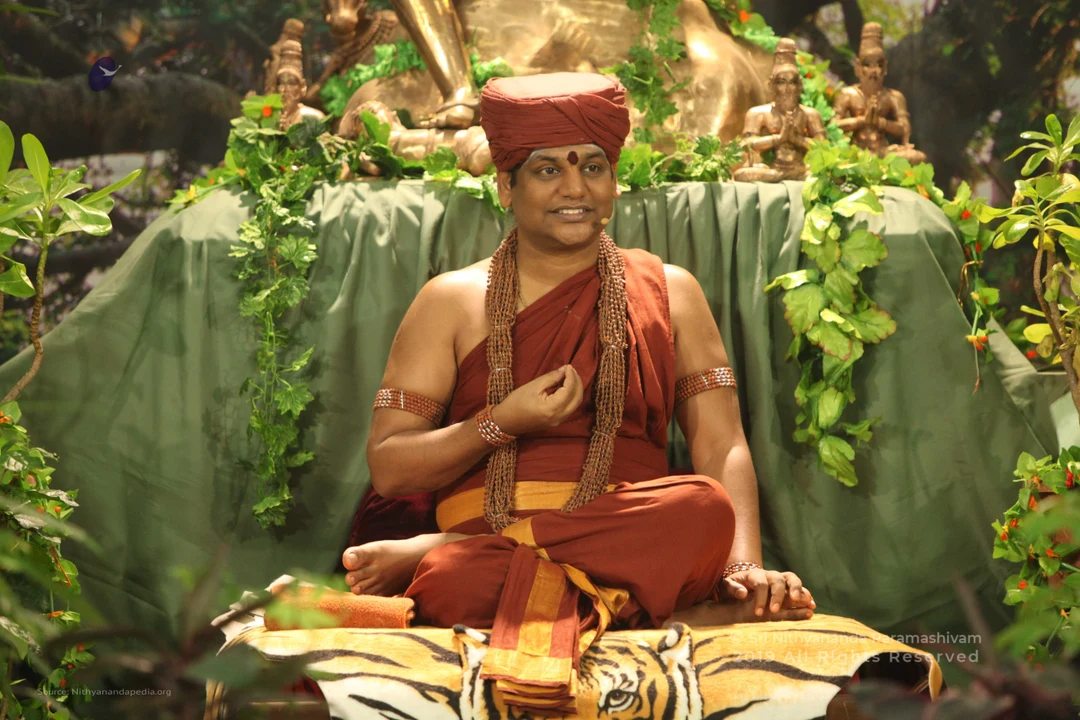
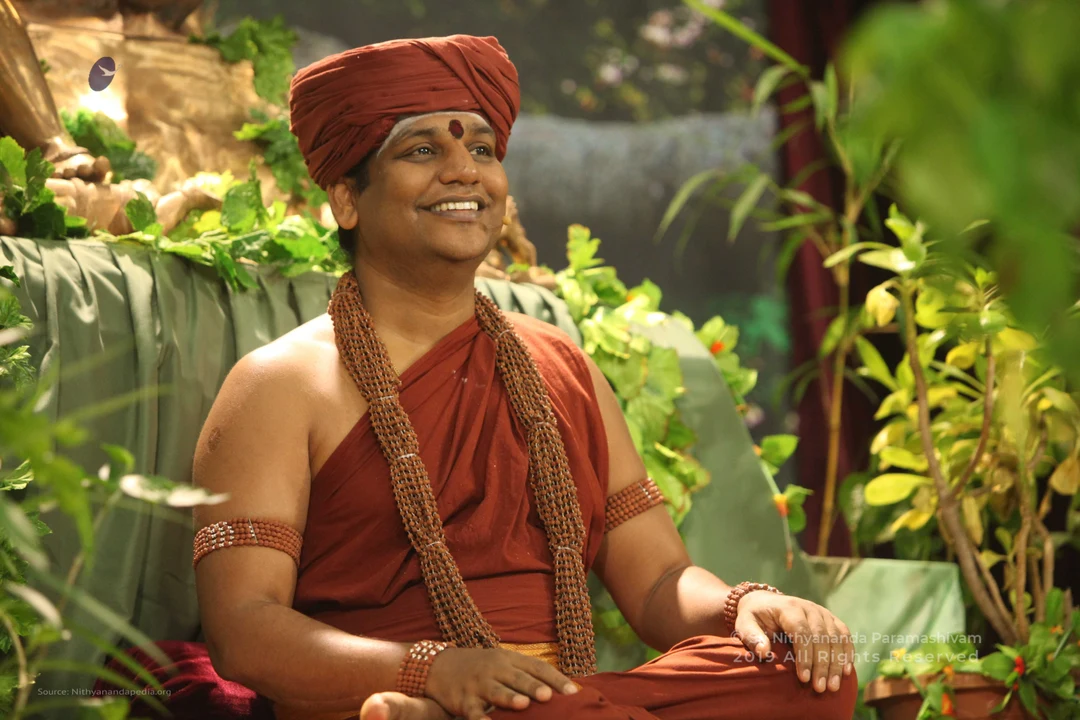
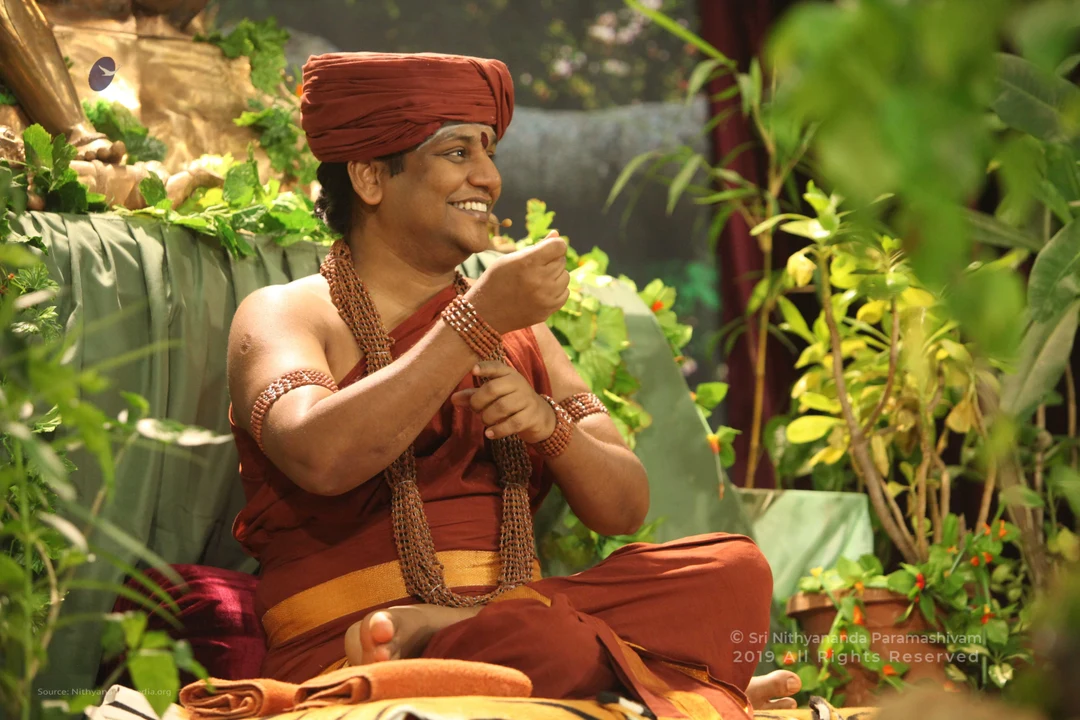
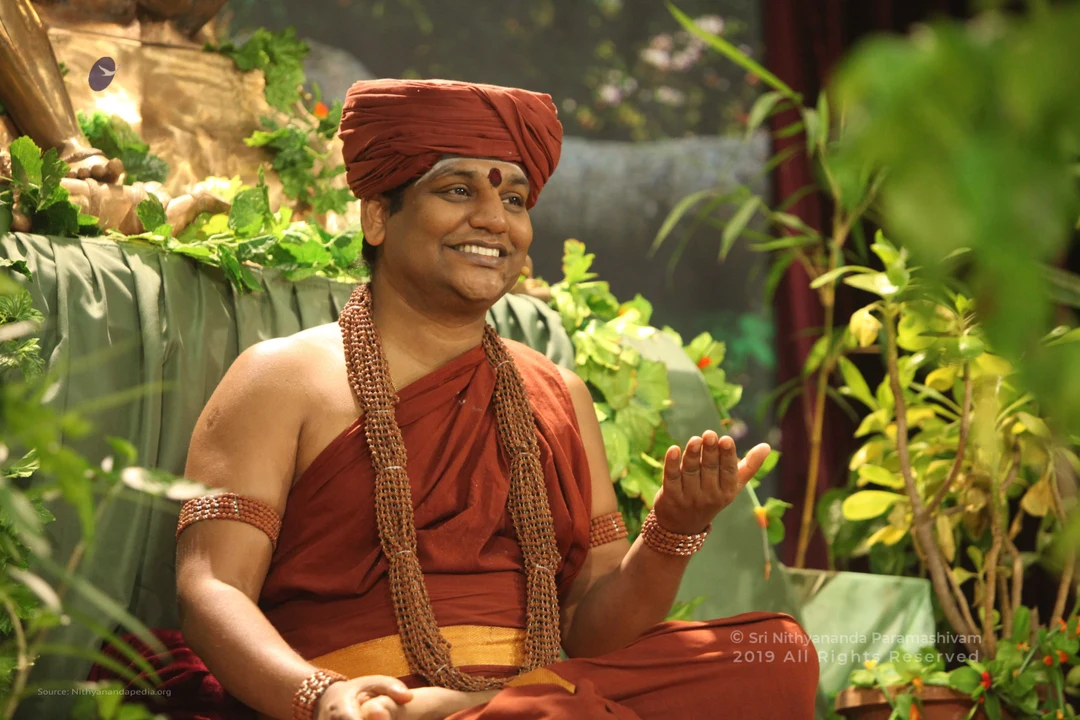

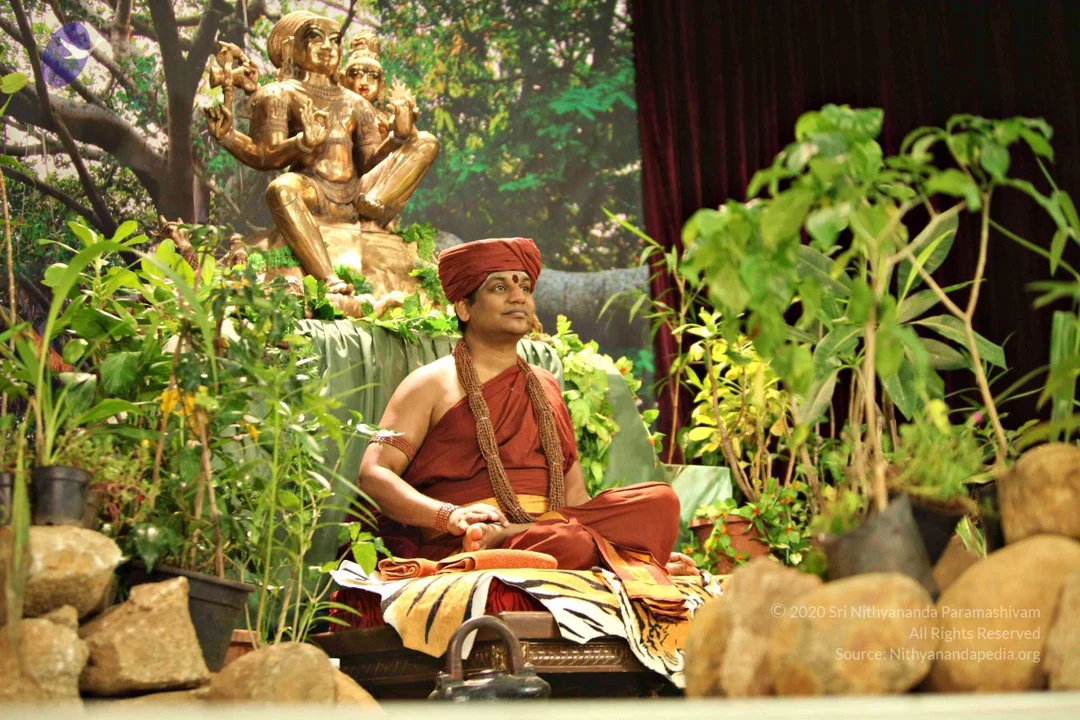
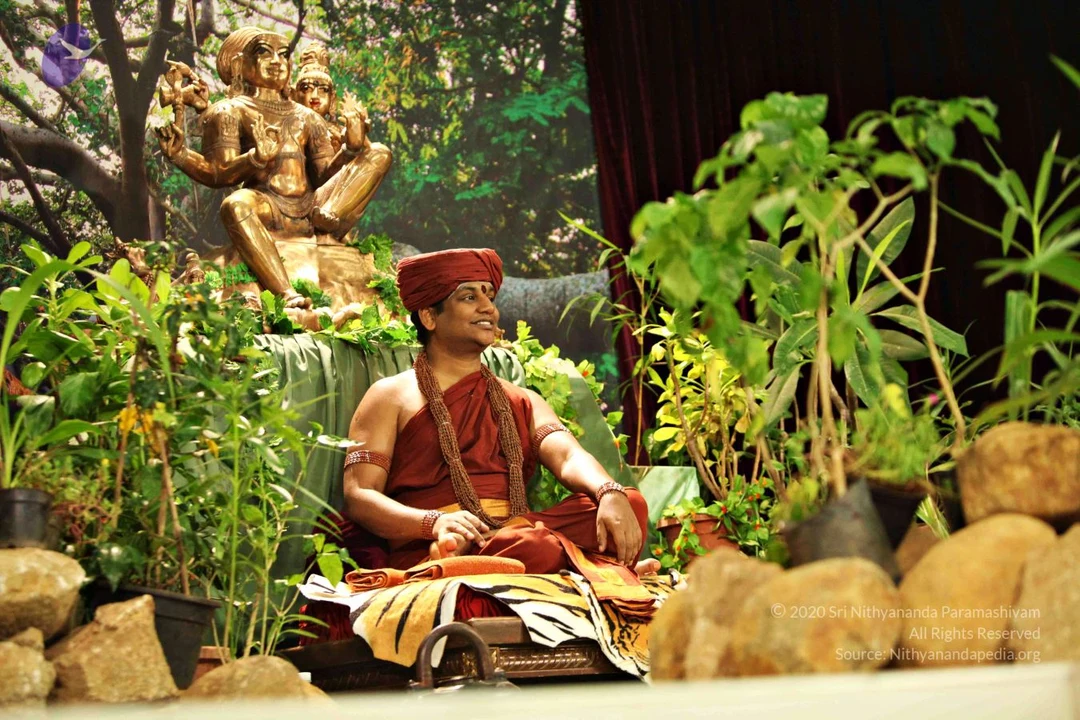
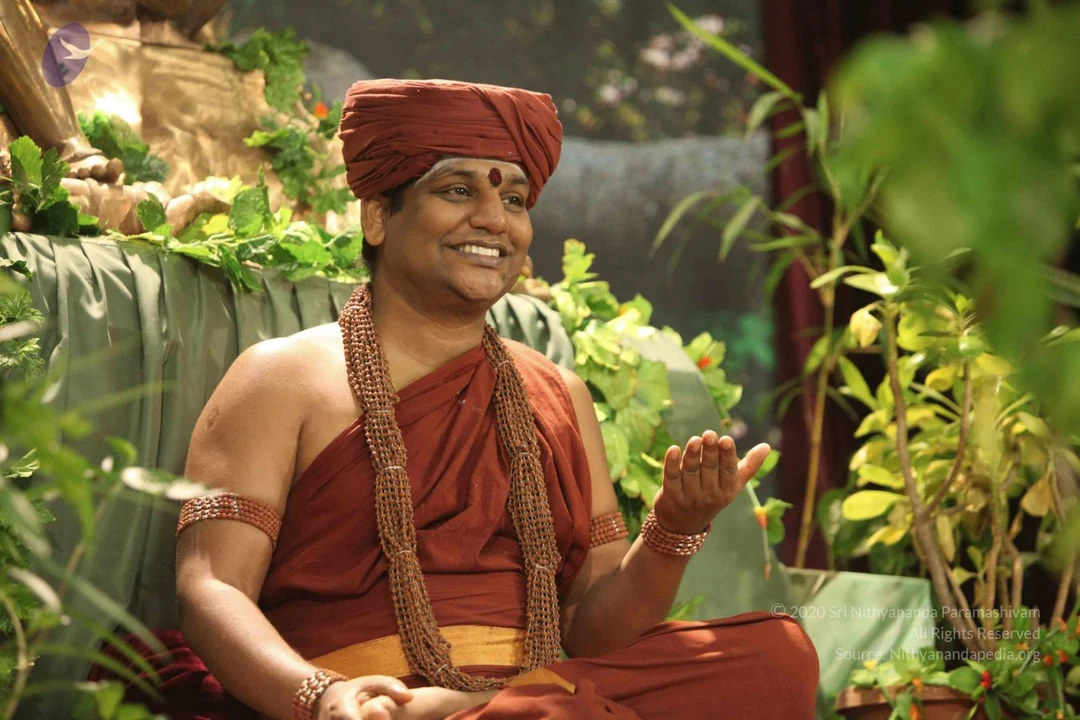
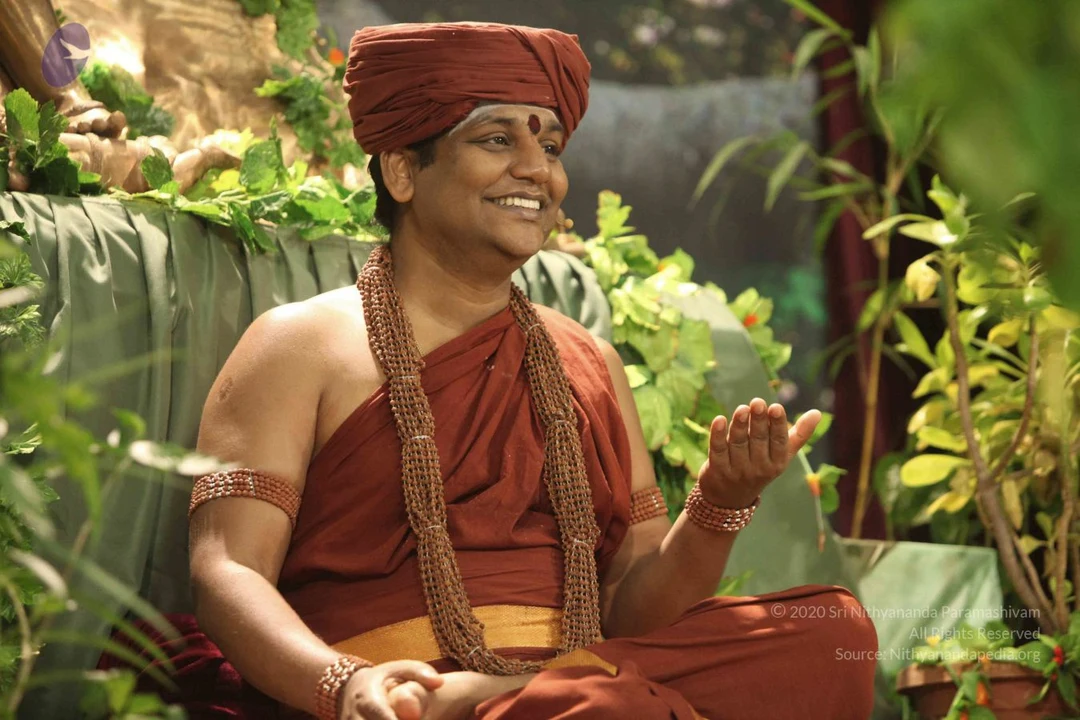
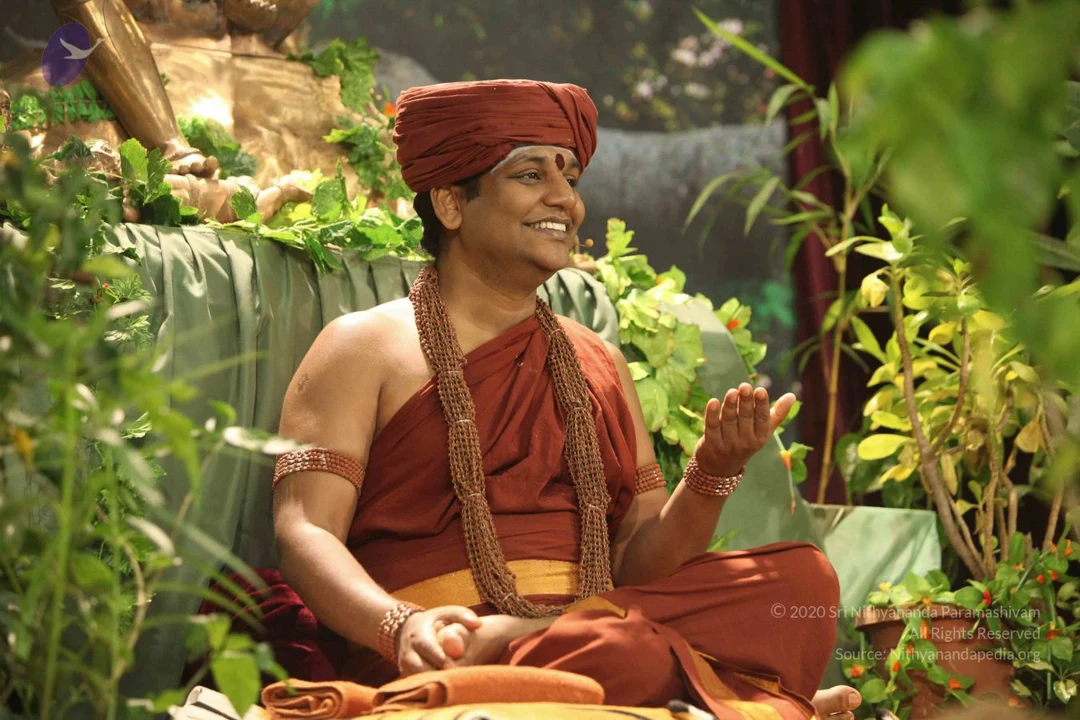
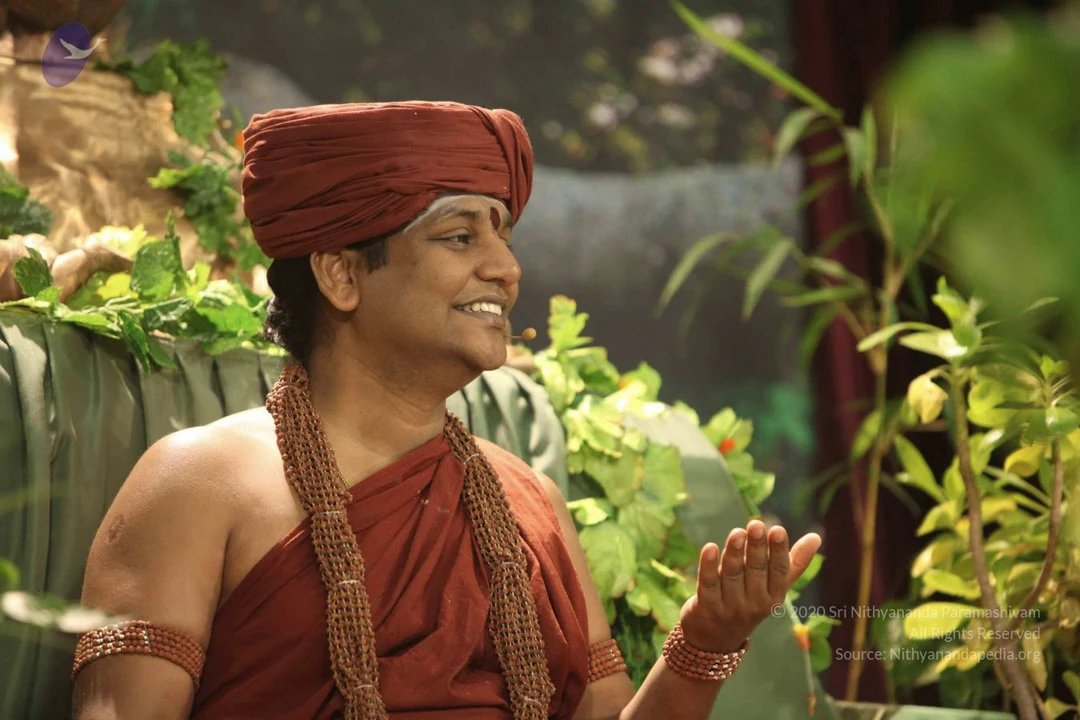
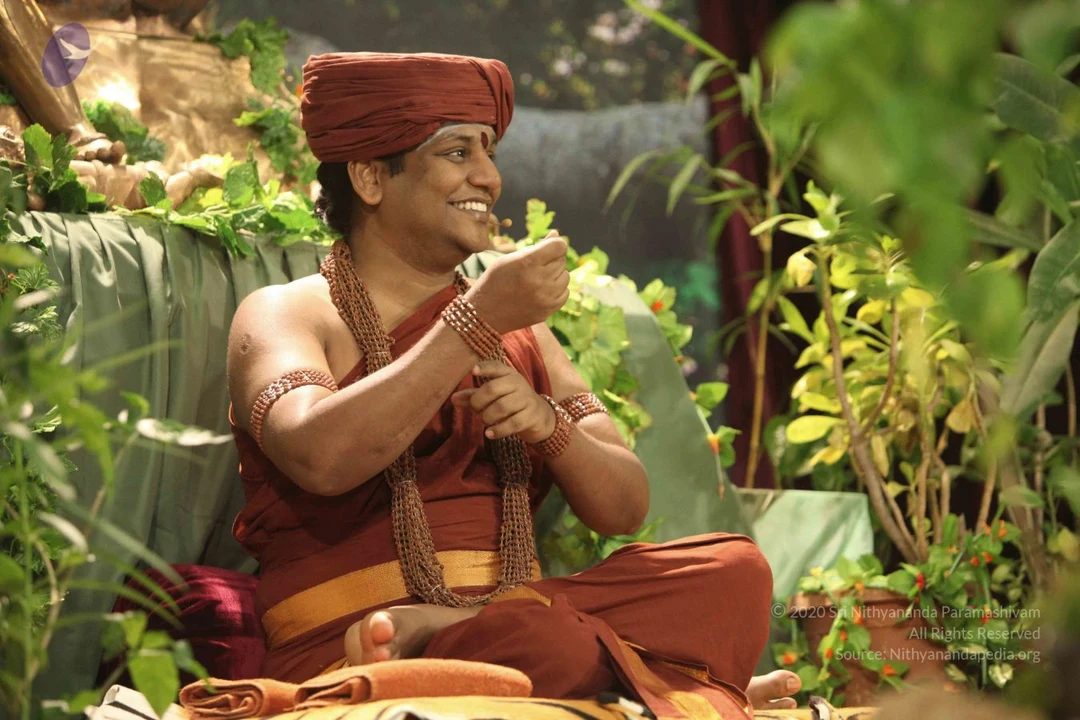
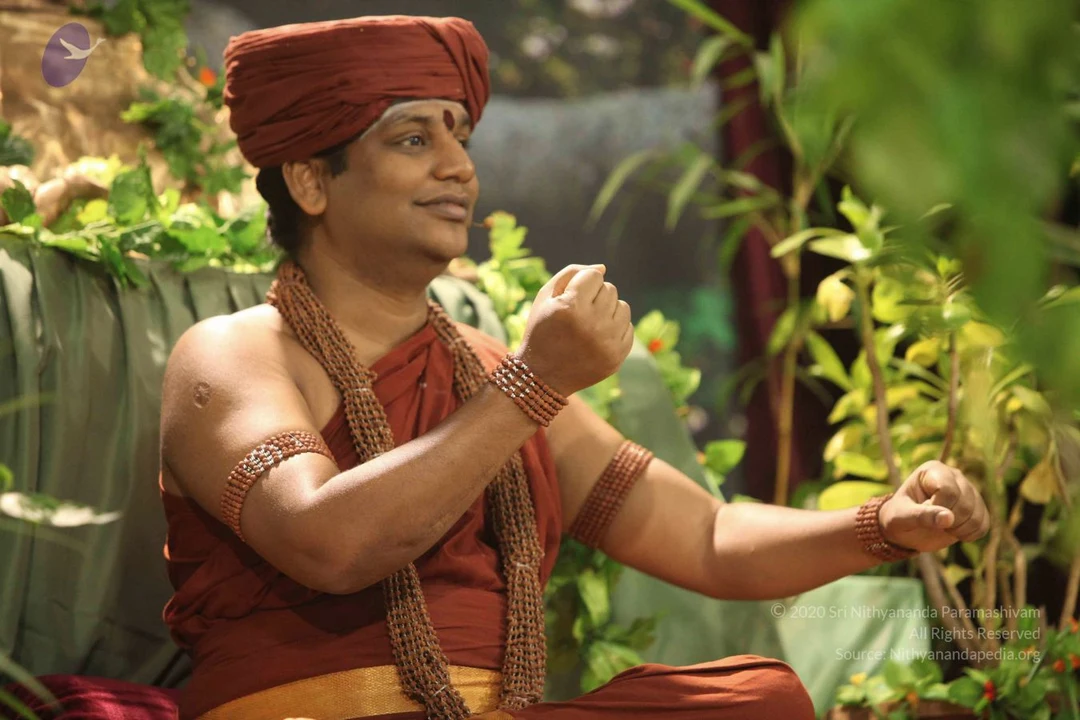

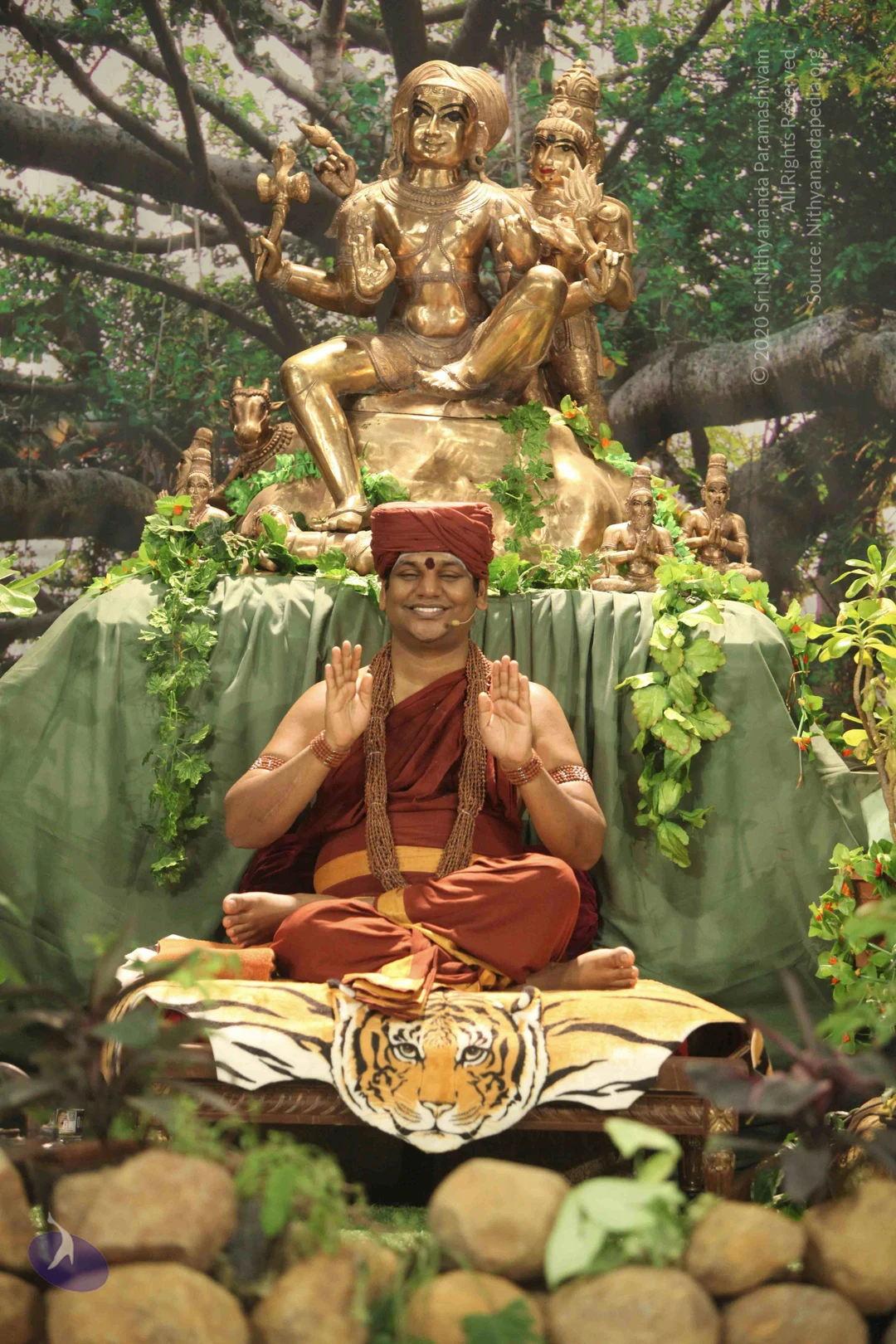
kalpataru-darshan
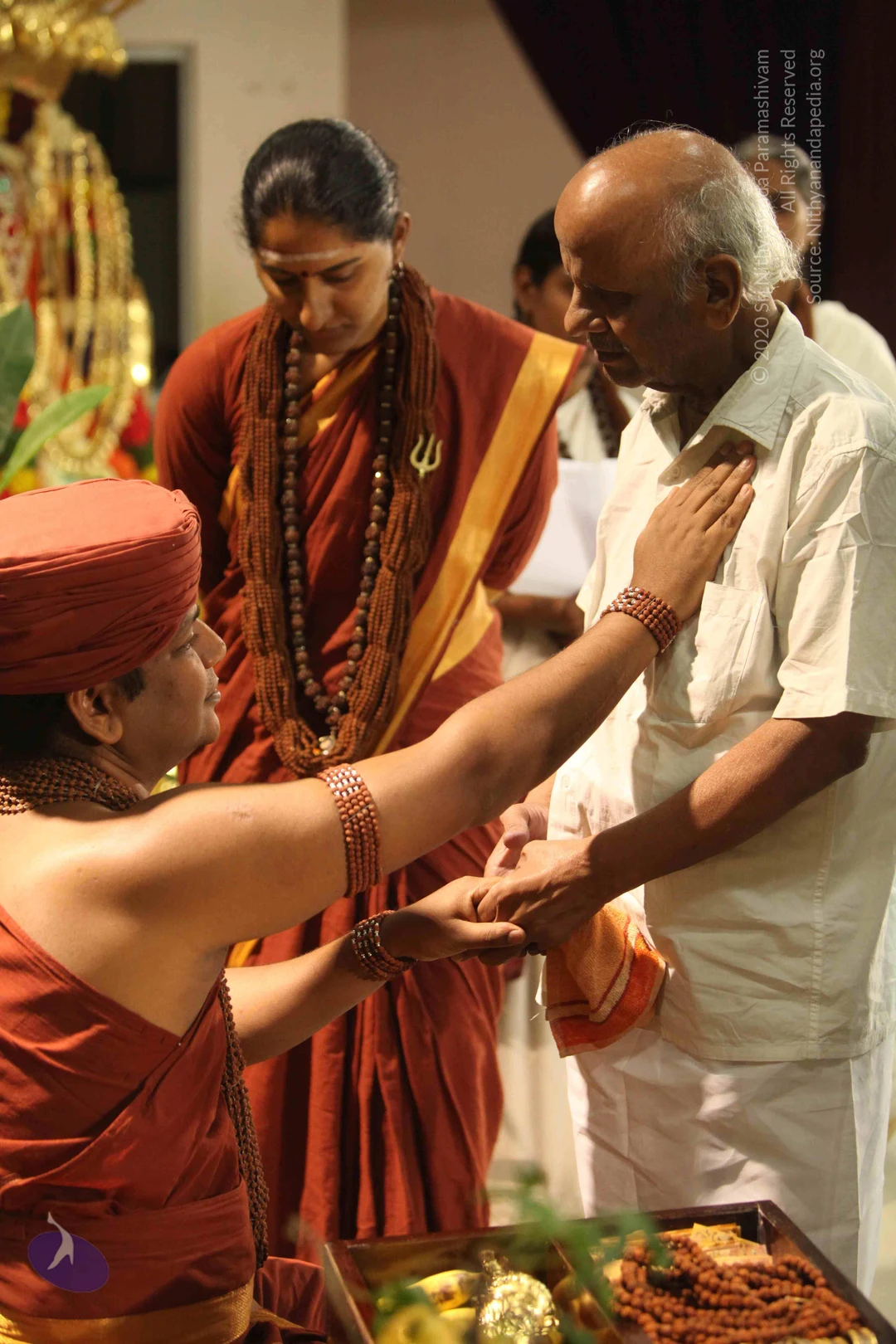
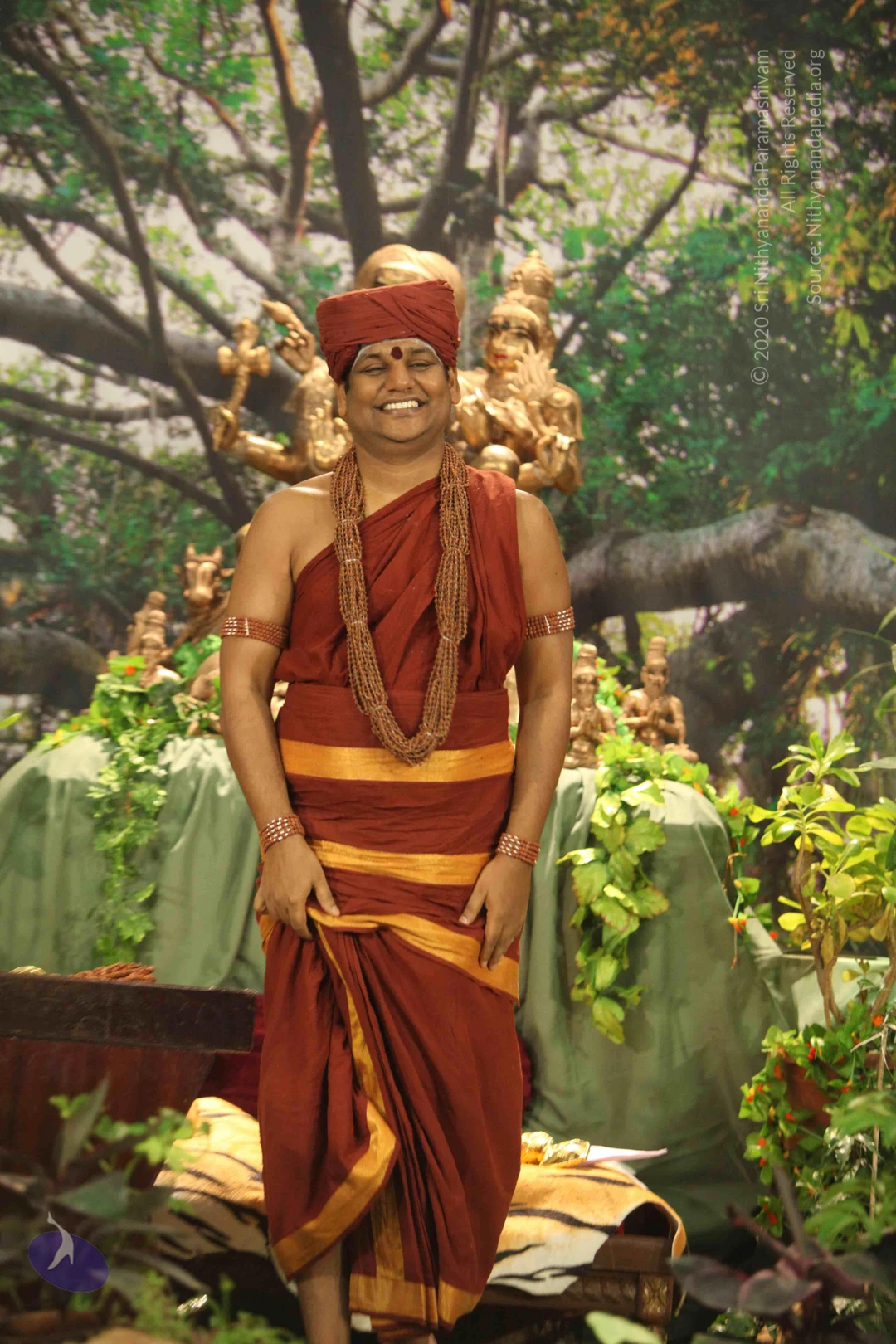
IA-Morning-Session
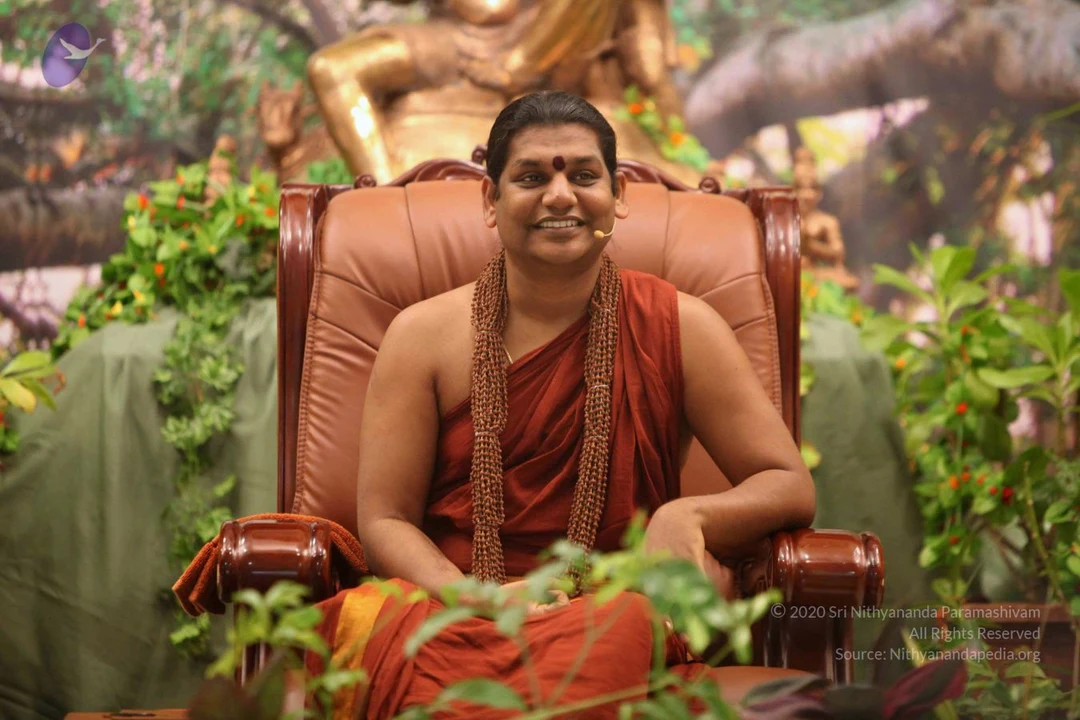
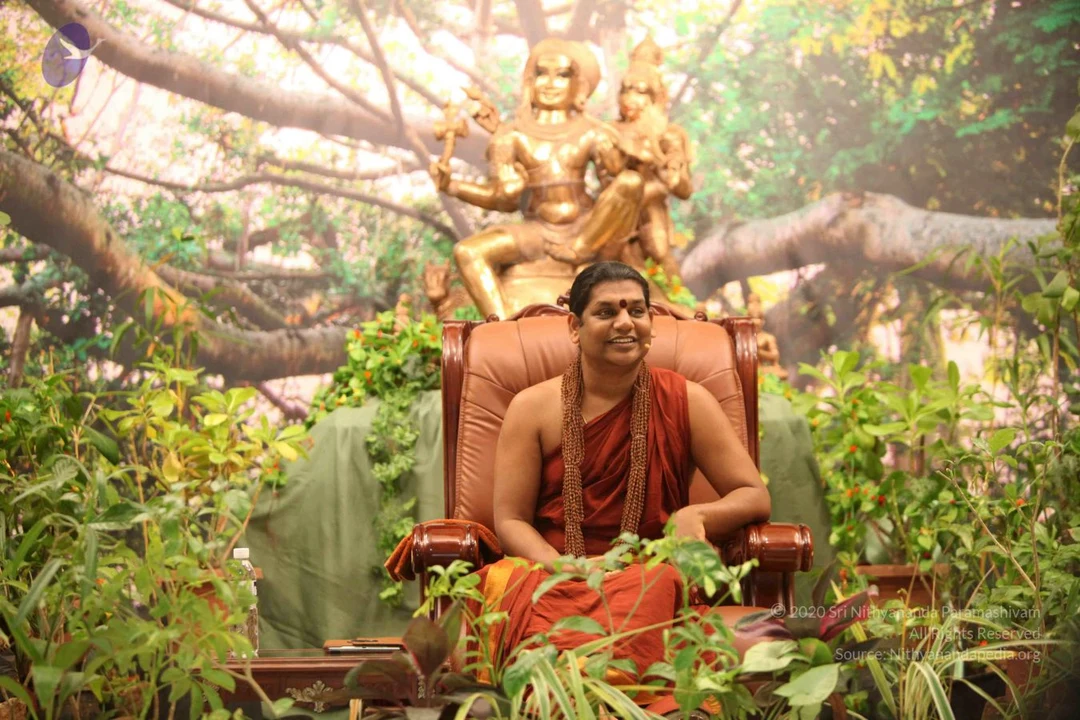
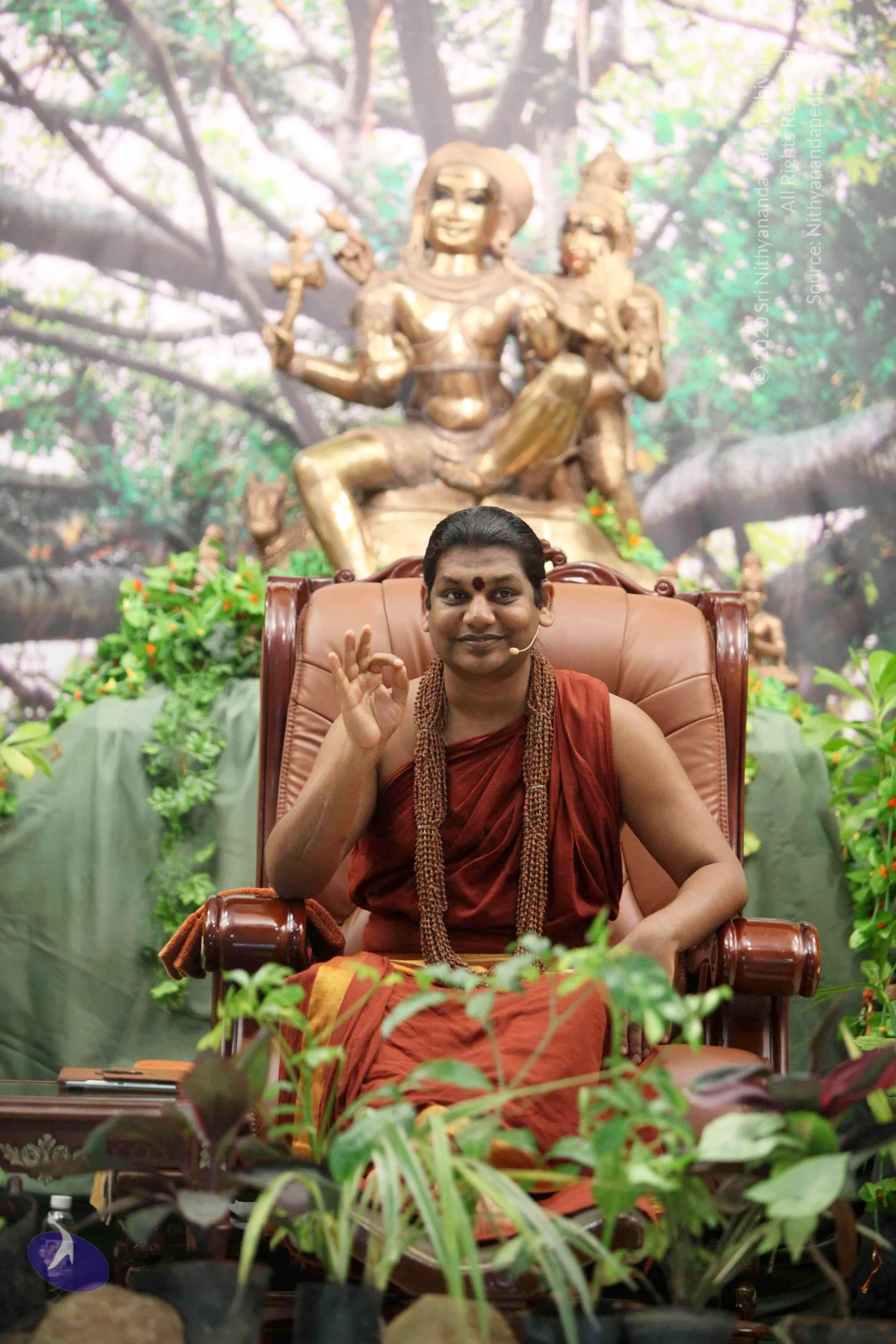
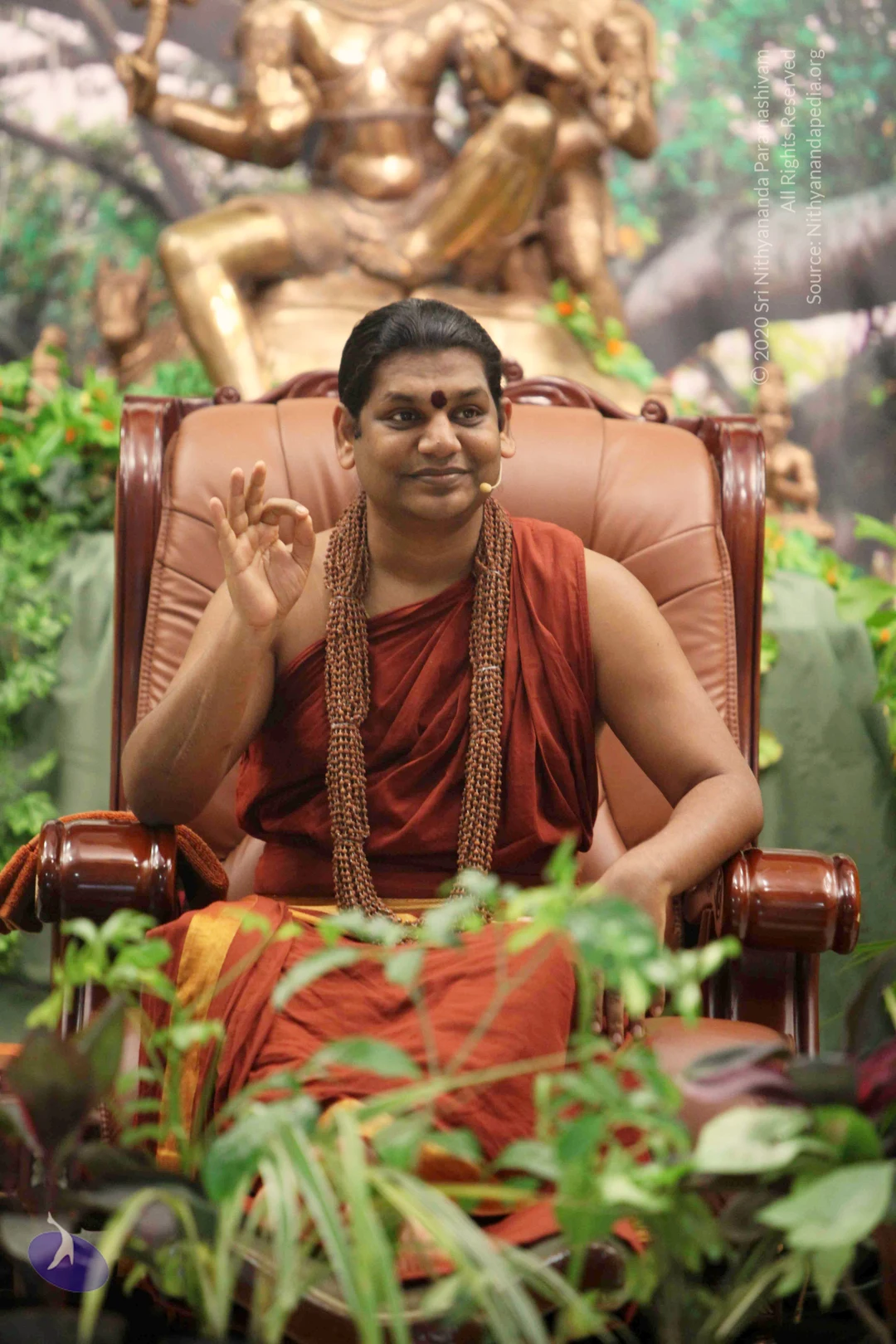
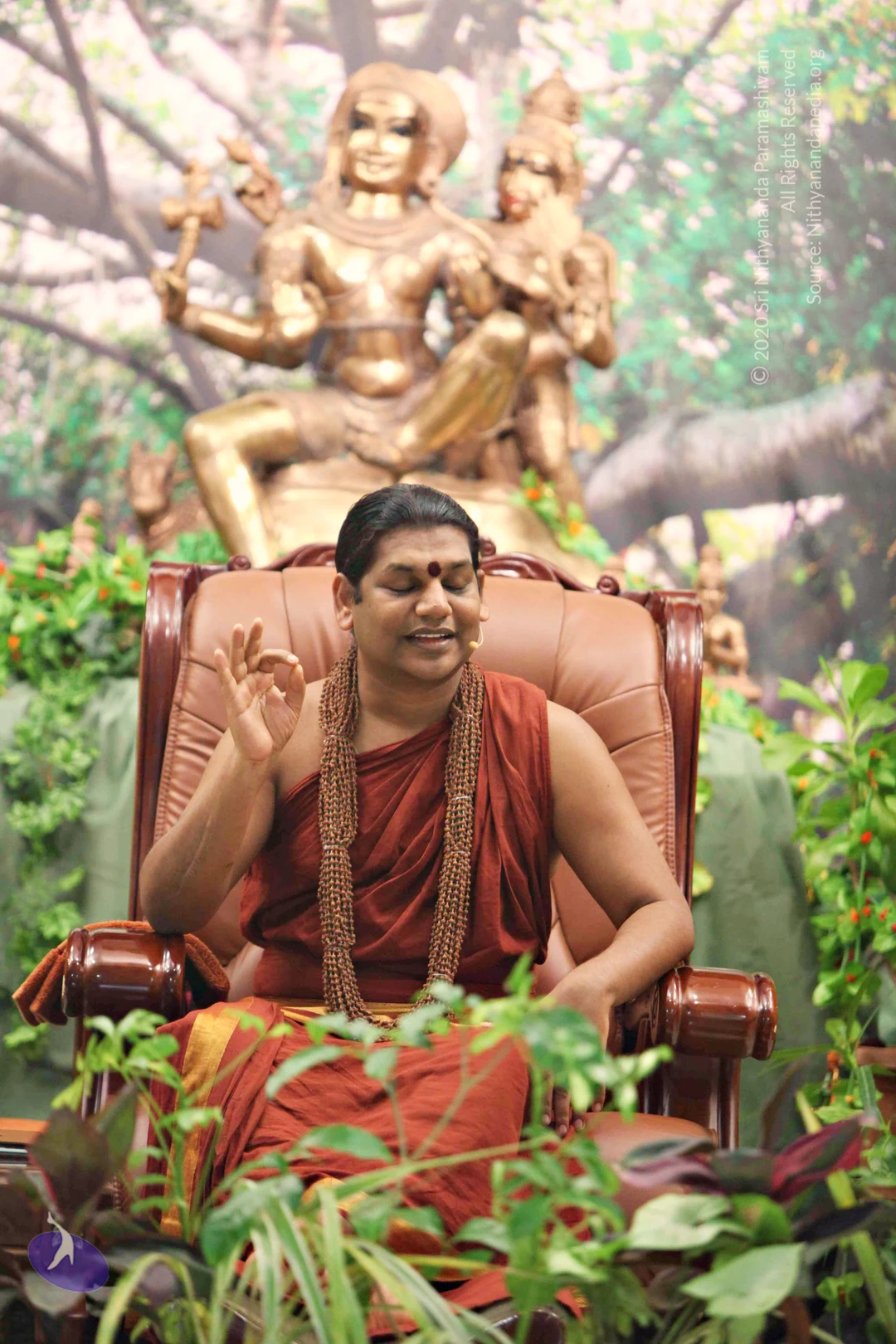
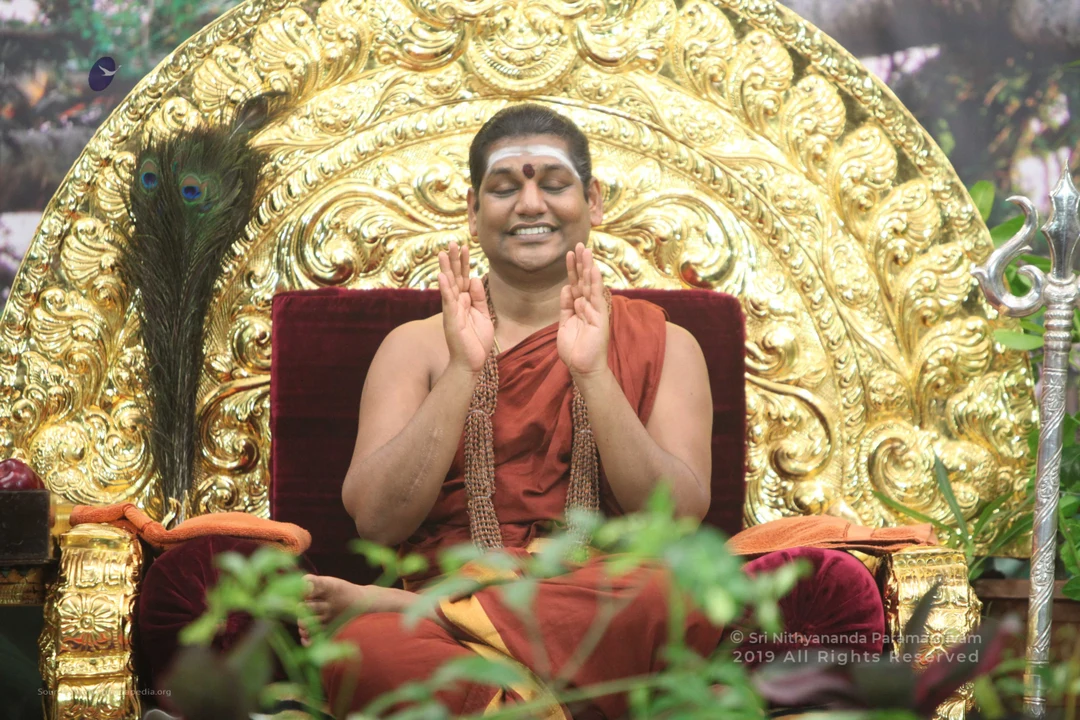
Darshan
Tags:
Upanishads, Advaita, Isha Upanishad, Isha Upanishad Verse 4, Paramahamsa Nithyananda, Isha, Satsang, power, depress, meditation, Source.oneness,nithyananda,
Photos from this day
View all 116 photosNithya-Satsang
7 photosSource gallery
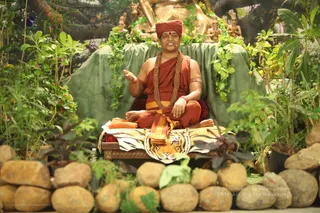
Nithya-Satsang
84 photosSource gallery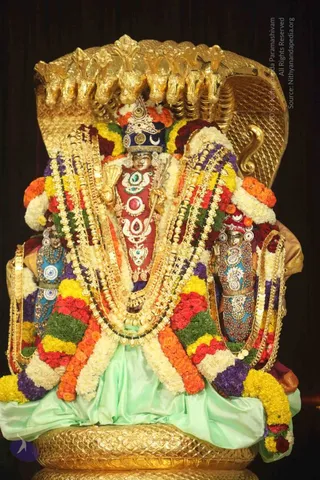
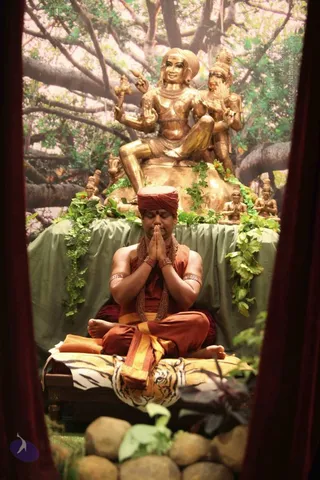
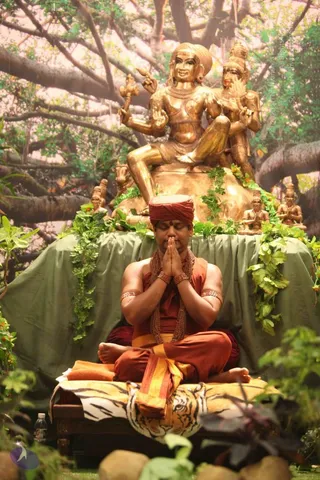
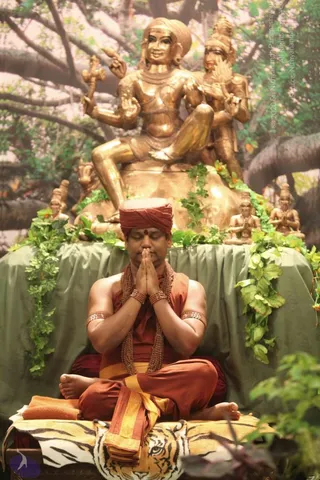
kalpataru-darshan
2 photosSource gallery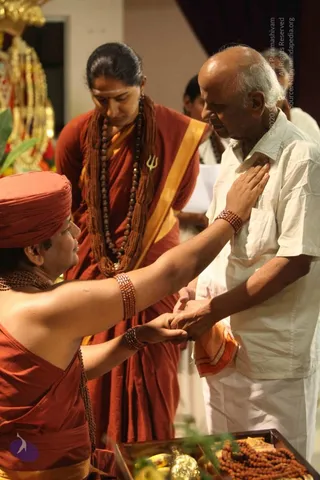
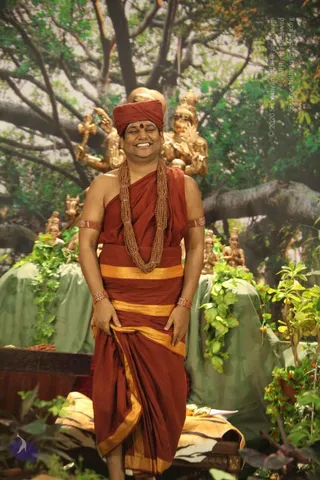
IA-Morning-Session
20 photosSource gallery
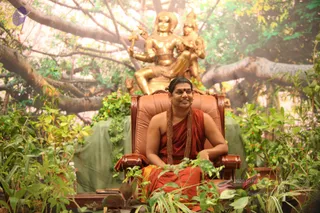
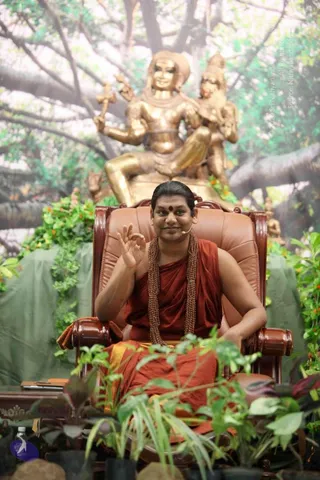
Darshan
10 photosSource gallery