Wednesday
25 February 2015
The Visiting Card of Consciousness
- Dated photos
- 184
- Source pages
- 1
- Media
- 3
February 25 2015
Original wiki pageTitle
The Visiting Card of Consciousness
Description:
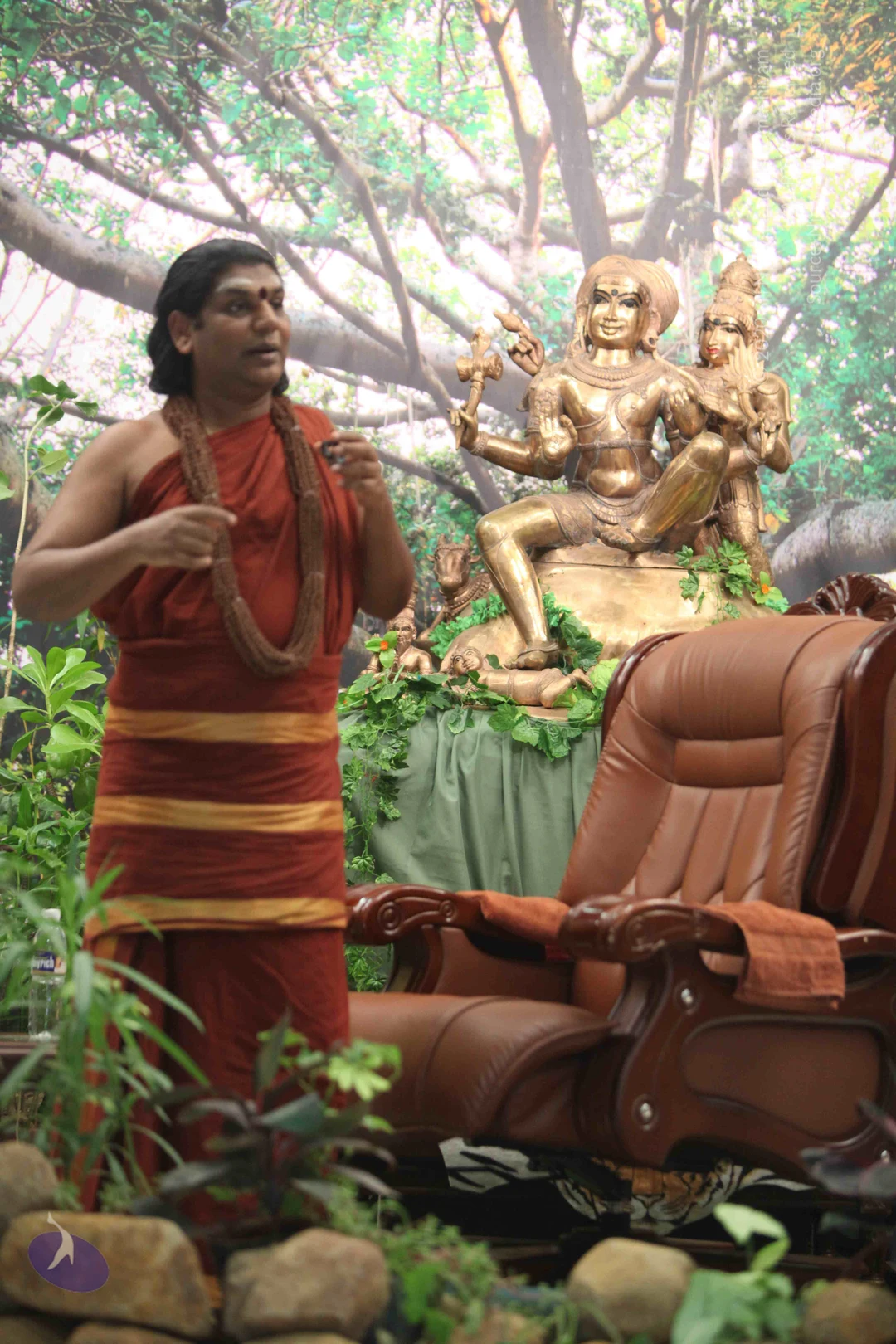
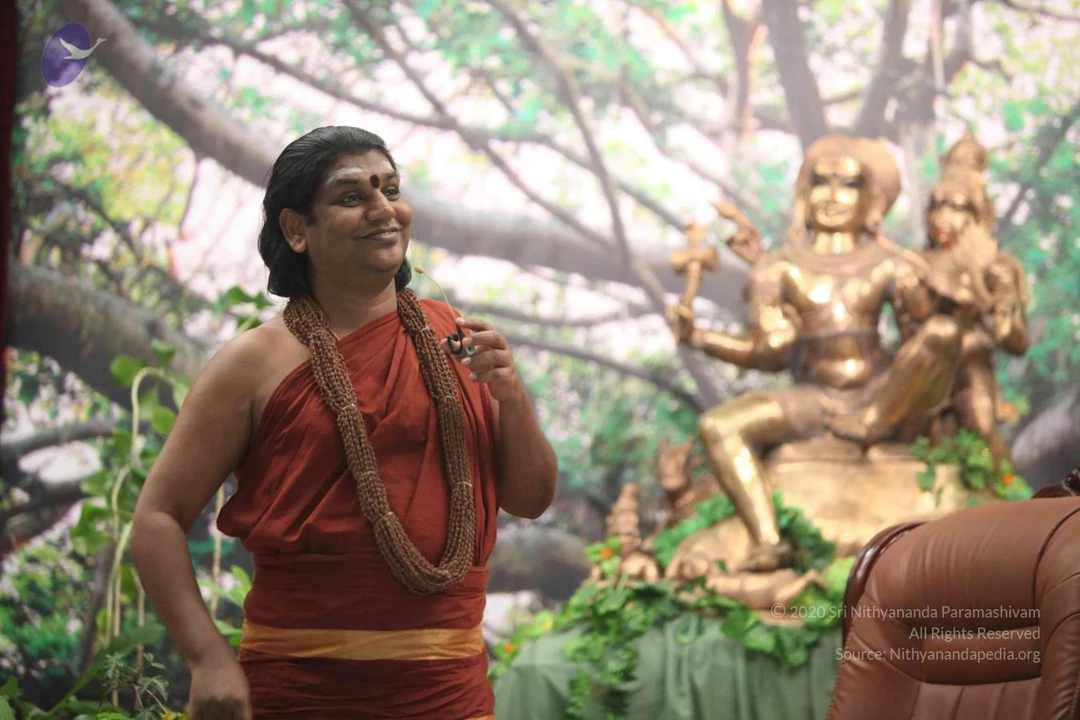
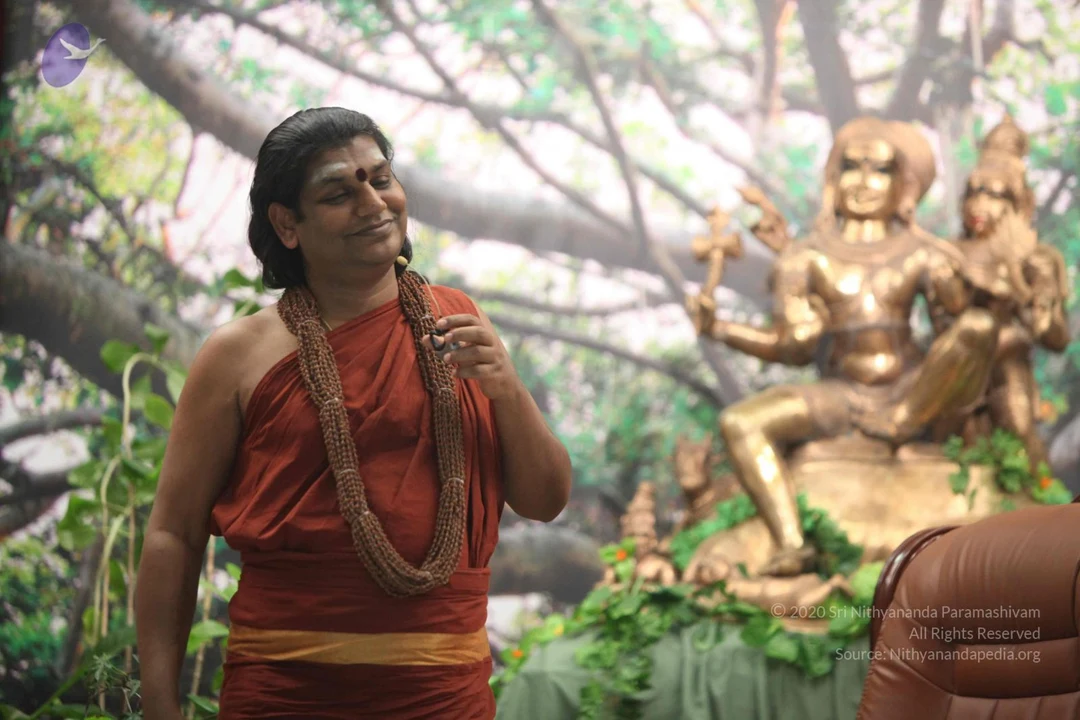
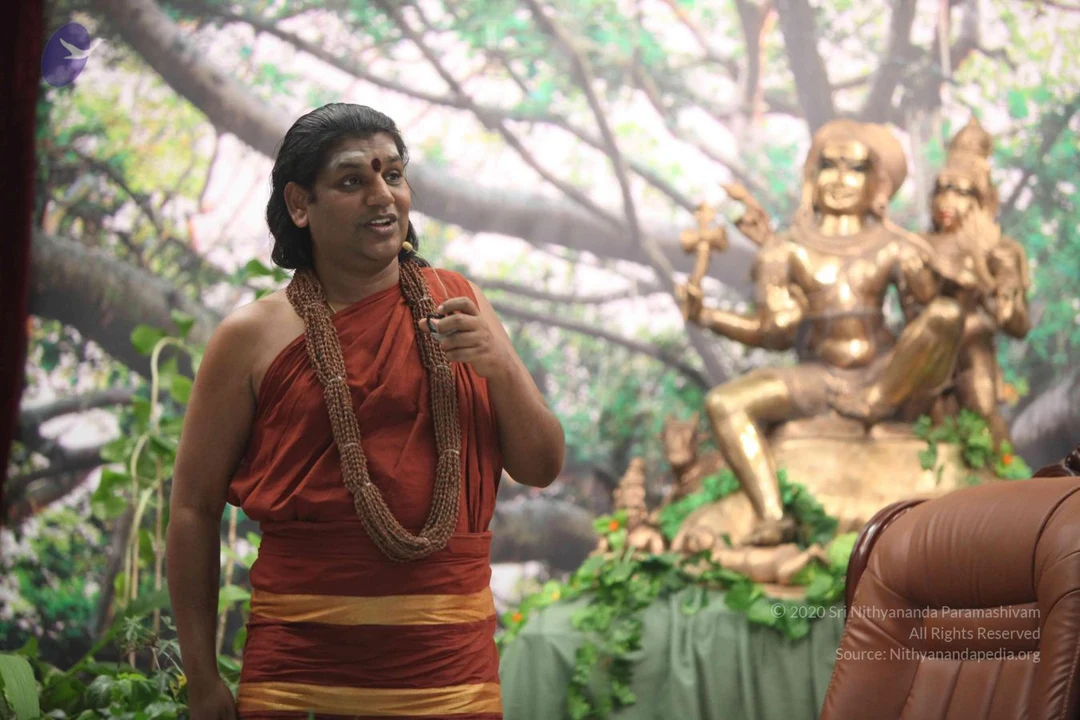
Today’s (25th February, 2015) Morning Satsang continues with the Upanishads Series - Living Advaita.
Isha Upanishad–Verse 4:
anejad-ekaṁ manaso jivīyo nainad-devā āpnuvan pūrvamarṣat | tad-dhāvato’ nyān atyeti tiṣṭhat tasminn apo mātariśvā dadhāti || 4 ||
In this profound delivery of the Isha Upanishad, Paramahamsa Nithyananda describes how Verse 4 is the step-by-step instruction to reach Isha – pure consciousness. There is a big difference between grasping and grabbing. The mind is always unsettled, moving and trying to grab and possesses things, even existence itself. Existence can never be experienced through grabbing. Contemplating what is unmoving, not of the mind, will help us whittle down the answers, reaching the Truth.
Link to Video:
| Video | Audio |
Transcript:
(00:19)
||Nithyānandeśvara samārambhām Nithyānandeśvari madhyamām asmat āchārya paryantām vande guru paramparām ||
(00:45)
I welcome all the devotees, disciples, samajis, satsangis, Shrimahants, Mahants, Kotharis, Thanedars, visitors, viewers, everyone sitting with us all over the world through Nithyananda TV, Sadhna TV, ARRA TV, and two-way video conferencing having Nayana Deeksha all over the world.
Cities sitting with us through two-way video-conferencing: Vancouver, Houston, Dakota Dunes, London, Richmond, Washington, Indrani-New Jersey, China, Hyderabad, Charlotte, Hong Kong, Madurai, Rajapalayam, Ponca City-Oklahoma, Thiruvannamalai, Hyderabad, Melbourne, Toronto, St. Louis, Ohio, Oman, Guadeloupe, Los Angeles, Seattle, Kuala Lumpur......and more cities. I welcome all of you with My love and respects.
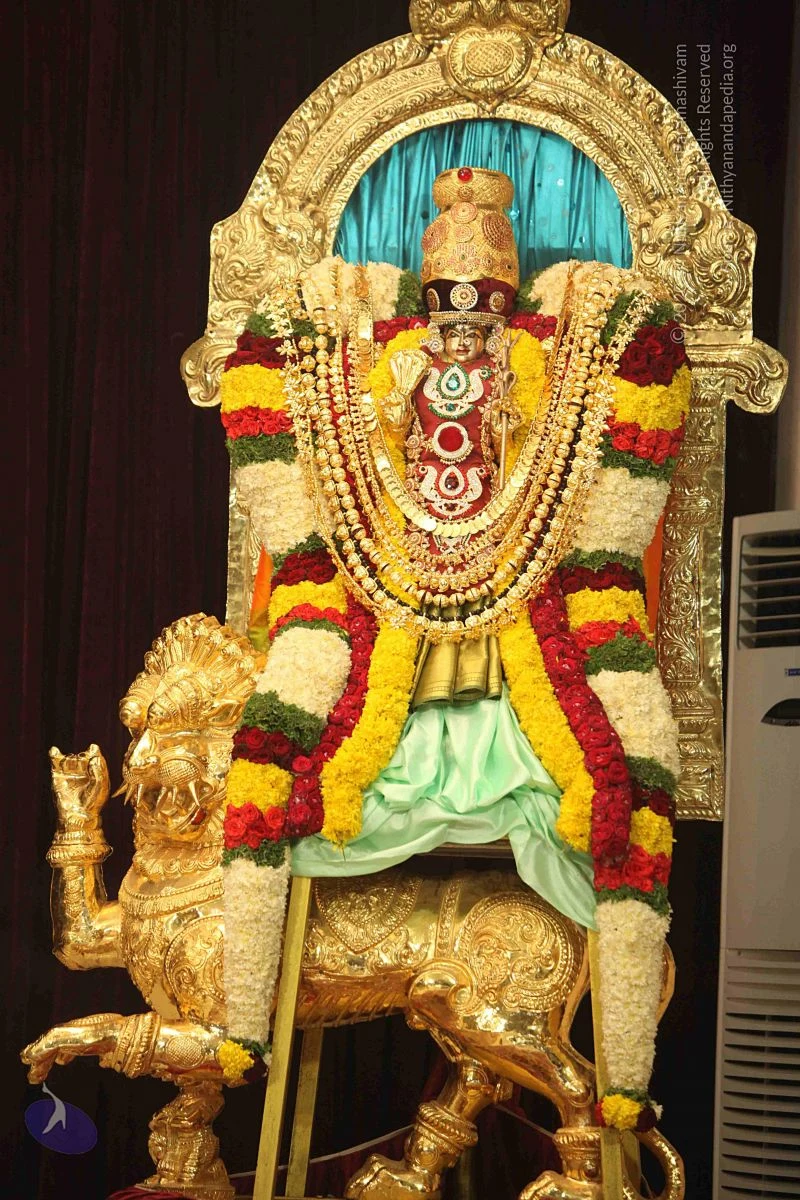
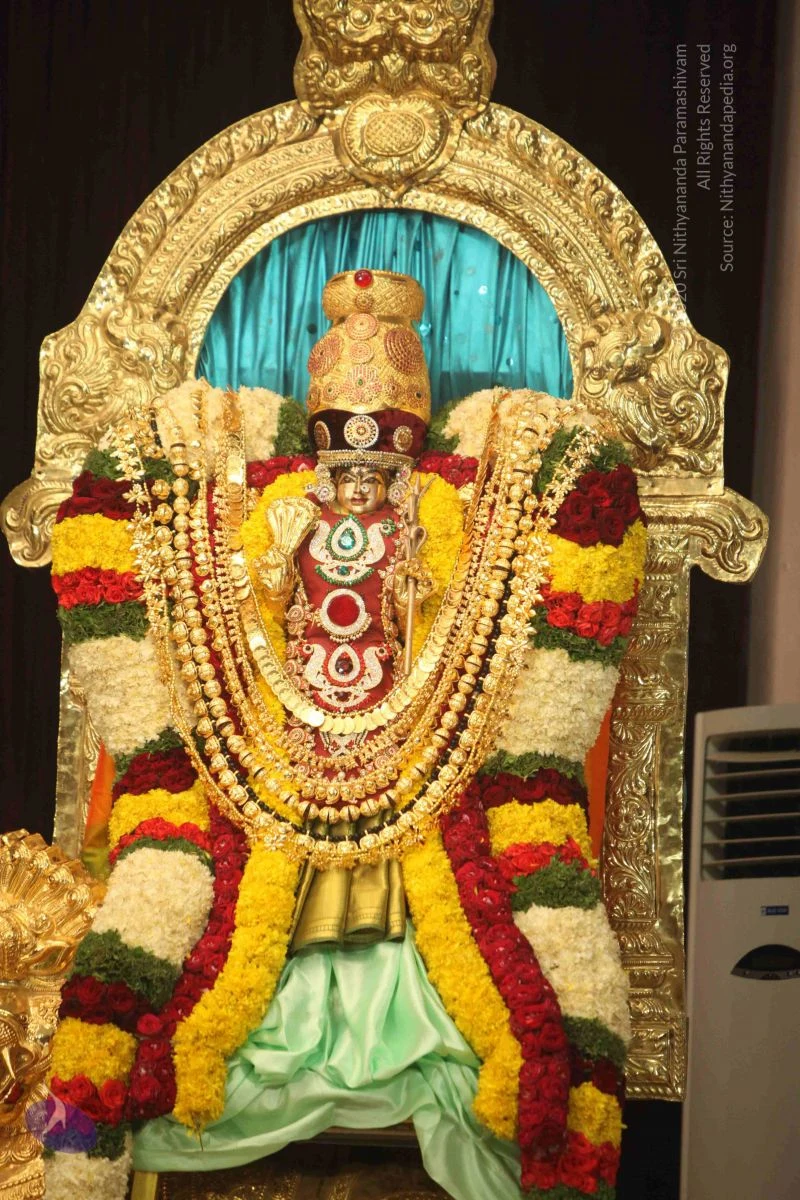
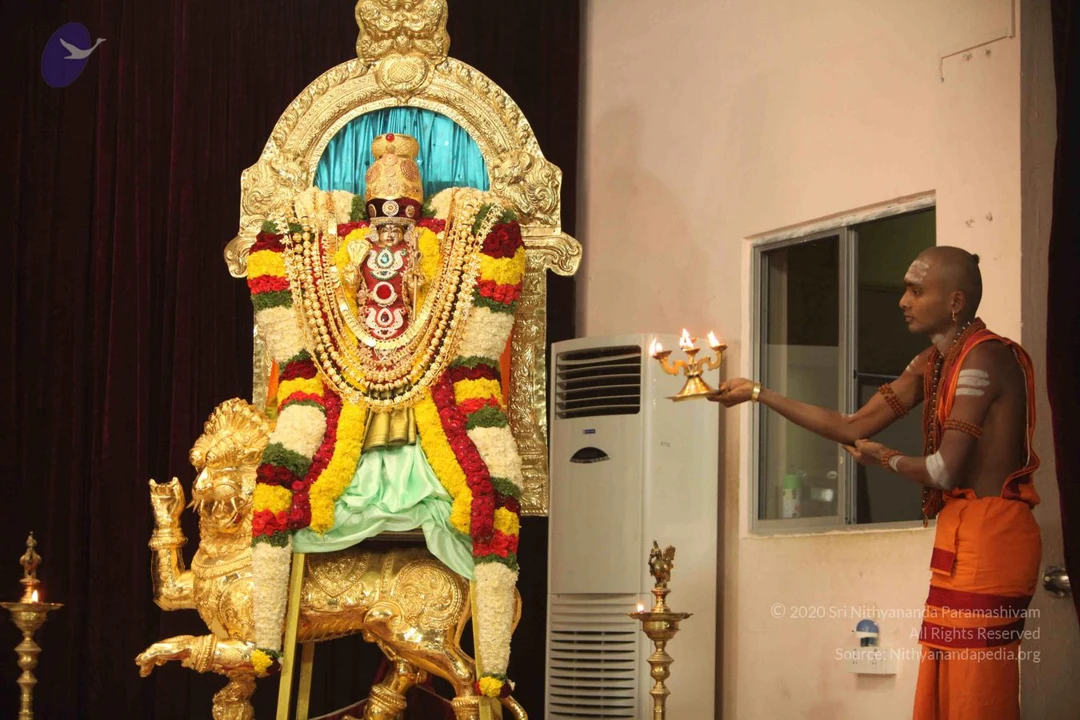
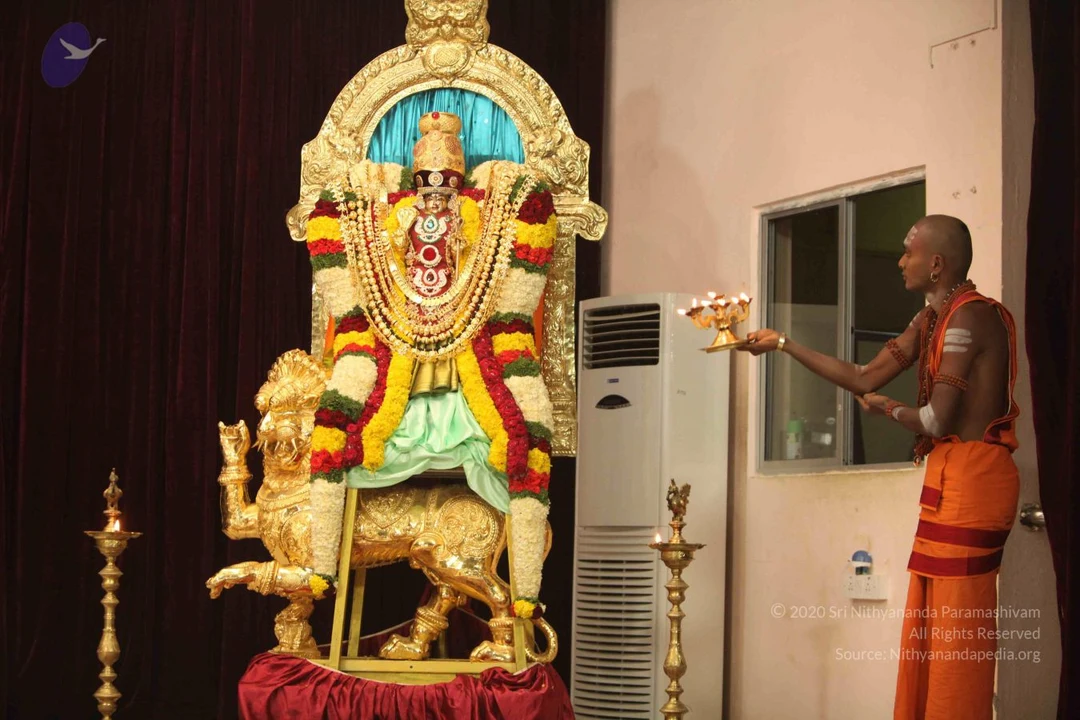
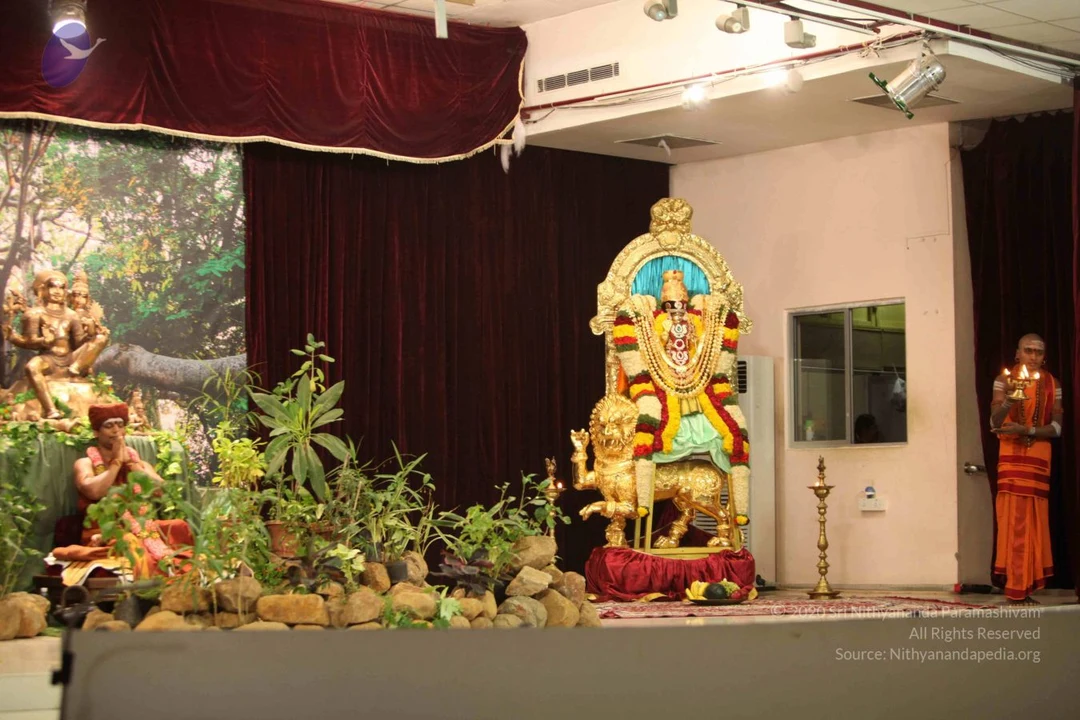
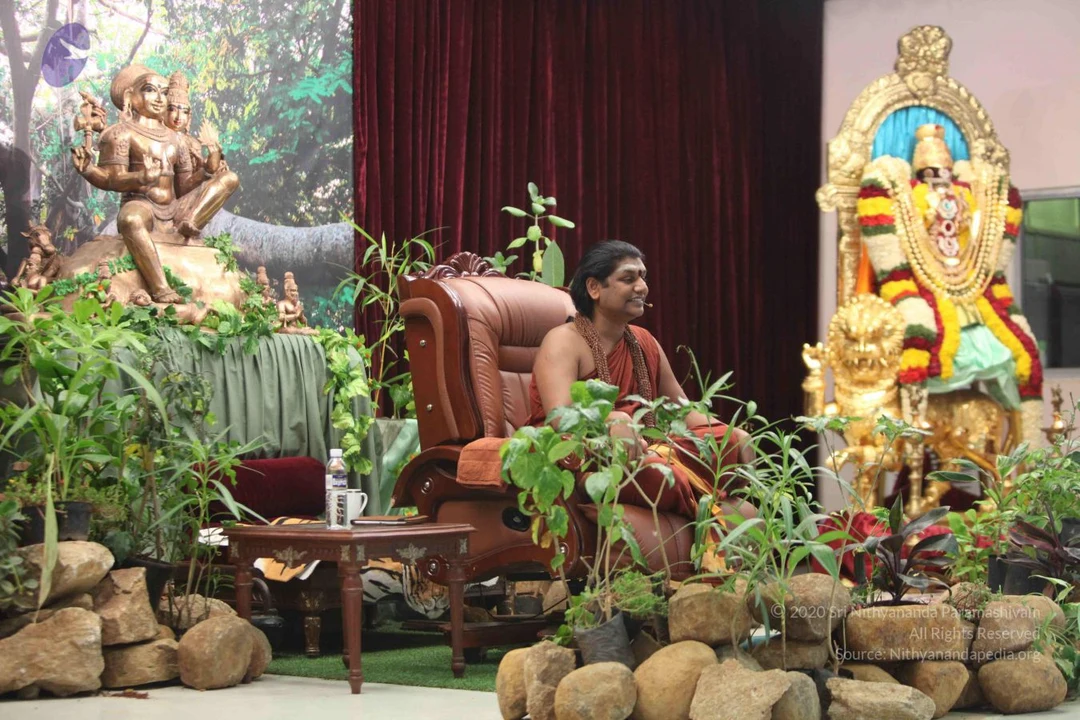
Today, the Rajarajeshwari Brahmotsavam third day! Devi is gracing on Swarna Simha Vahanam, Golden Lion Vehicle, with all the Sarvaalankaara.
(Aarti displayed)
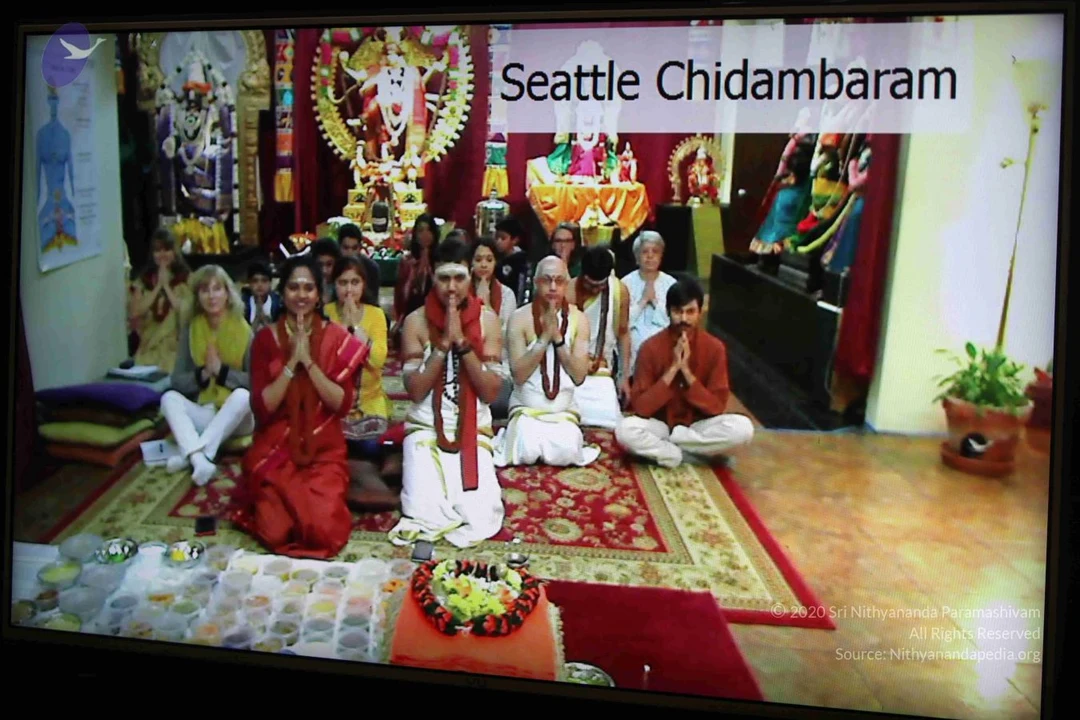
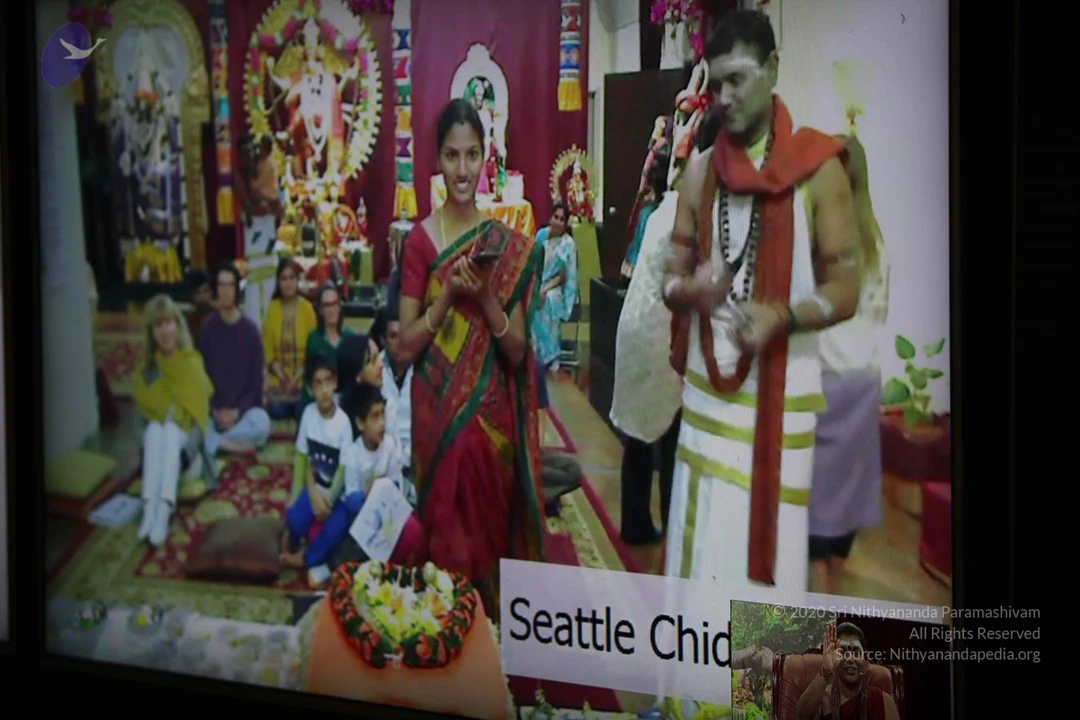
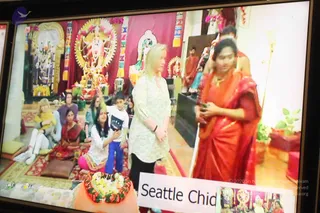
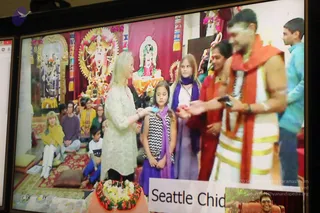
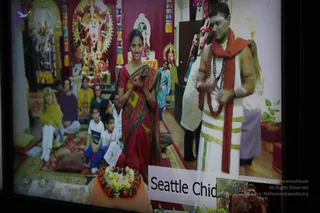
And, today also the Seattle-Chidambaram, which was called earlier Nithyananda Vedic Temple, now it is functioning with a new name – Nithyanandeshwara Hindu Temple. The temple’s seventh anniversary…. My blessings to Seattle. And I also accepted all the 108 naivedyams offered. Blessings to every one of you who created, held the temple together throughout the period. All the organizers, donors, volunteers, who worked directly, indirectly for everyone My blessings.
(03:57)
And, Mahadeva will continue to do his Cosmic Dance in Seattle and bless not only our Sangha, the whole Seattle. Blessings. Blessings to everyone. Mahadeva will continue to do His Cosmic Dance and bless everyone. Ananda Nataraja, He will do His Cosmic Dance and bless everyone. My blessings! Seven years running a temple, only the people who run they know.😊 Along with His dance, He made us all dance, do all the Cosmic Dance.😊 He has shown us Creation, Maintenance, Destruction, Covering, and Gracing. Means, Srishti, Sthithi, Vinaasha, Thirobhaava, Anugraha, all the five Leelas He has done. And He has shown all the five to us. Now He is gracing. From now He will continue to bless us and grace us. 😊
Let Me enter into today’s satsang. I will expand on the fourth verse of Ishavasya Upanishad. Please recite along with Me.
अनेजदेकं मनसो जवीयो नैनधेवा आप्नुवन्पुर्वमर्षत् | तद्धावतोऽन्यानत्येत तिष्ठत् तस्मिन्नपो मातरिश्वा दधाति || Anejadhekam Manaso Javeeyo Nainadhdheva Aapnuvanpurvamarshath | ThadhDhaavathonyanathyetha Thishttath Thasminnapo Maatharishva dhadhDhaathi ||
Understand. Yesterday I was expanding on why these qualities of Consciousness, Eesha, are described. As I said, even if you describe a negative quality, Eesha becomes Eeshwara. The moment you try to perceive, relate, connect, even to become one with Eesha, He has to grace us as Eeshwara. Only then He can make us as Eesha.
(07:15)
Please listen. Again and again, I repeat, ‘Aham’ can never become ‘Shivoham’. Only Shiva can extend Himself and just take the whole Aham inside and radiate as Shivoham. Eesha, the pure space, the Consciousness, without any attributes, you cannot even give the attribute of Super-Consciousness or Super, Super- Consciousness. The attributeless. I can say, “attributeless” is a .. it’s not a proper word; that word doesn’t convey the meaning. Unattributable – you can’t attribute anything. That Consciousness, the moment you try to describe, positively or negatively, the moment you try to describe, “Oh, it is compassionate. It is ever- loving. It is graceful.” Then you are giving a positive description. Or, if you do negative description, “It cannot be realized by mind, speech, senses, where the life energy moves and expands.” – where you give the negative description – “Gods of senses cannot overtake and go beyond it.” – “Nainadhdheva Aapnuvanpurvamarshath”, It cannot be cut by the sword and what not. Understand…. Whether you give positive attributions or negative descriptions, the Eesha becomes Eeshwara to support us to experience Eesha. But Eesha and Eeshwara are not two; it is pure Oneness…. Listen. Eesha and Eeshwara are not two; it is pure Oneness. That is why working on the Consciousness, whether through the positive attributes, or through the negative descriptions, makes us experience Eesha, the Consciousness.
(10:36)
Listen. Yesterday I was expanding why these qualities are described in the Upanishads, why Upanishad is taking one full shloka to declare. This whole Upanishad can be written just in a postcard. In those days, India used to have postcard. I don’t know whether still it exists! Telegram has stopped. I don’t know whether postcard still exists. Just in a postcard you can write this whole Upanishad. You don’t need A4 size paper to write this whole Upanishad. Such short Upanishad. Please understand to tell something very short, you need more time.
One of the great author, he wrote a forty page book. Somebody asked, “Why did you write such short book, just forty page book? You didn’t have time?” He said, “No, I had enough time. That is why I wrote forty page. If I didn’t have time, I would have written four-hundred page.”
Understand. Condensing takes intelligence and energy; not expanding, expanding, expanding. When you are expanding, you are not responsible; you can utter whatever you want. Only when it is condensed, you are responsible; you are bound by every word you utter. Listen. The bhaashyakaaraas, the freedom bhashyakara’s experience, Commentators experience, Sutrakaaraas don’t have. People who create the original verses don’t have the freedom enjoyed by the Commentators. It is all just a few verses. Maybe, I think, eighteen or nineteen verses. In this, why one full verse is dedicated, especially for the negative description? It is not even positive attributes for the negative description – Anejadhekam Manaso Javeeyaha. What a description!
(13:17)
Anejadhekam - Anejadh ekam - Unmoving Oneness; Manaso Javeeyaha Swifter than the mind. So, any form your mind assumes, it is already gone beyond that. It cannot be grasped, grabbed by the mind. Please listen. Mind never tries to grasp anything; it can only try to grab. Because it is based on restlessness. Please understand. Grasping a person is - Love. Grabbing a person is - Lust. Grasping an Existence is - Communion. Trying to grab it is - Taking Possession.
Understand. When you grasp, both will be in the space of Completion. When you grab, both will be in the space of incompletion. Mind never plans to grasp. It is buddhi grasps. Mind always grabs, ALWAYS grabs. See what we have all done to Planet Earth. Never ever there was a time so much damage was done to Bhooma Devi - Mother Earth. And now these fellows are moving towards Mars. I told Angaraka, the God of Mars, “Be aware. My fellows are coming.” 😊 “What they have done here if you want, send your representatives and see.” What to do?
(15:52)
No, wherever we go, the mess, the way we grab and even after grabbing so much, we have not provided for everyone. Please understand. That is what.... So much of “NO” has been said to life. End of the day, if all the human beings are provided the basic needs like food, shelter, clothes, and house, at least it can be tolerable mistake, tolerable blunder. But, I tell you, a Consciousness from which you feel you need to provide for everyone, you will never be able to grab. The mind from which you grab, you will never have the feeling you need to provide for everyone. That is why so much of grabbing is done and still people are not provided. This concept – “If people are provided will become lazy” – is completely wrong. Please understand. Saraswathi and Ganga, both the mothers have provided so much, so much for us, even after that we never became lazy.
(17:52)
Please understand. In the Vedic Civilization, Saraswathi and Ganga..... Actually, the whole Vedic Civilization happened between these two rivers. And they did not merge into the ocean as you think in West Bengal area. The Ganga moved lower than Sri Lanka, because the whole thing was land. When Vedic Civilization evolved, almost Ganga went up to Australia, and below the Australia it merged into the ocean. And, I can give you enough of evidences from Akashic Records and many research scholars who are working on the history, and how the geography changed in course of time, and all that. So, between these two rivers, Saraswathi went up to this side, below the South Africa, and Ganga went up to this side, till Australia, and merged into the ocean. The area covered between these two rivers is the place where Vedic Civilization flourished.
(19:47)
Please understand. Ganga Matha and Saraswathi Matha, both of them provided so much for us, but we never became lazy. I tell you, just because the basic needs are provided human-beings will become lazy is a wrong concept. Human Consciousness, by its nature, it is programmed for action. Krishna says very clearly: Gahano Karmano Gatihi. The world is programmed for action. How many days you will sleep? How long you will be running your life without a strategy? How long you will be entertaining boredom? How long you will be entertaining tiredness? As long as you have that hatred towards your boss whom you think is exploiting you, just to take revenge on your boss, you will lie down in the beach in the name of vacation; that’s all. All vacation is nothing but taking revenge on your boss; that’s all. I Am telling you, just to take revenge, “You are exploiting me. You are swindling me. Come on. See now. I won’t do anything.” Throwing tantrum. Even in your inner-space, when you feel exploited, somebody takes undue advantage of you, then you throw tantrum, and you protest, and you decide – “I am not going to do anything.” But how long you can entertain your boredom and tiredness and rebelliousness? I tell you, not more than a few days. If you can entertain your tiredness and boredom forever, I have no problem. Try to entertain. The lazy people, tamasic people, they may not use their body, they may not do any action, but they will always feel the body pain. Understand. You can’t entertain laziness for too much, too long; you will be active, you will start expressing.
(22:37)
Whether you grab, or deny the responsibility of sharing, please understand, both are from unconsciousness. Mind always tries to grab. That is why, here, Upanishad declares “Manaso Javeeyo”. It outruns the grabbing mechanism you have. All of us have this grabbing mechanism called - mind…. The Consciousness outruns the grabbing mechanism. Yesterday I described the context, the reason why these qualities about Consciousness is described. Today, let us see one by one. Today’s subject for Vakyaartha Sadhas is: Studying all these qualities, based on these descriptions, trying to grasp Consciousness. Not grab; you can’t. Trying to grasp Consciousness means, you need to have a subtle intellect – sookshma buddhi to grasp these truths. Please understand. Whenever My teachers wanted to teach subtle concepts..... I should not use the word teacher. I should use the word Masters. I wanted to complete and change the word Masters. Whenever My Masters wanted to teach Me the subtle concepts, they will put Me on herbal diet. They will give Me the Arugampul (அருகம்புல்). I don’t know the English name for that grass. It is a unique grass which grows near the water ponds, which is used for worshiping Ganesha.
(25:32)
So, they will give that juice. Sometimes the Bael juice, Bilva. Sometimes Bermuda Grass. The Arugampul’s english name is Bermuda Grass. They will give Me the Bermuda Grass juice and Bael juice. Sometimes Neem juice. And, they will cook pineapple fruit in the night, and take the juice in the morning and process it with some traditional herbs and give. This kind of a juice diet they will put Me. Of course, I enjoyed everything other than Neem juice. They will put Me on the juice diet sometimes even for one month. I used to wonder why the teaching, means learning of Vedanta, should go with this kind of herbal diet. One day, I asked them also. Then they said, “Alright, you eat whatever you want and come back.” And, as usual, in those days, that the big feast means that Vadai and Paayasam. That is the traditional feast. I went and had all the traditional feast and came back. They tried to explain some of the concepts, truths of Vedanta. I tell you honestly, I was not able to grasp. Then they gave Me gingelly oil and cleaned My stomach, and haritaki powder for two days. After two, three days, again they started teaching the concepts. I was just like that able to grasp. Then I understood the power of that food and that sutra which says, “Ahara Shuddhi....”: “Based on the purity of food, your intellect gets purified, your memory gets purified, your ability to grasp increases.
(28:27)
See, when you are not able to grasp, but you have to act as if you are an intelligent person, you try to grab and mess up the whole thing. You always have the pressure that you have to show you are intelligent person, you understand everything better than others. But, when you are not able to grasp what you do? You grab and mess up the whole thing. One day I asked him. The great Isakki Swamigal was sitting, and Kuppammal was sitting with the book, and Raghupathi Yogi was just cleaning his teeth. He will have all the time one small stick and be constantly cleaning his teeth and listening, and chewing that stick also once in a while. And, these other, one or two old sadhus were sitting. I asked them, “Everyone who studies Upanishads and Vedanta, all these concepts, do they go through this kind of diet?” Because, that day, it was neem juice. And, I also have been told I have to take the neem juice at least for the next two weeks. And, I asked them, “So, everyone who goes through studying the Vedantha, do they go through this kind of a diet, herbal diet?” Because, in Thiruvannamalai, in another one ashram, there the Vedanta Paatta goes on; means, Vedanta classes happen. I see there, people have nice good food, and feasting and enjoying and coming and sitting in the class and I asked, “Why, they all don’t follow that Aharashuddhau Satthvashuddhih, Sattva Shuddhi Dhruva Smrithi”?
(30:47)
I asked, “Why, they don’t follow all that and..?” Means: when the food is pure, then the Satthwa becomes pure, when the Satthwa is pure, then the Smrithi, means, the ability to remember and connect and grasp. Understand. The definition of Smrithi is: Ability to recollect the essence and connect it with the present and grasp it and assimilate it. I asked, “I don’t see they all doing any herbal diet and all these preparation.”
This Isakki Swamigal, usually He will just sit in Samadhi. This Kuppammal only will read the book. I have to sit and listen. This Raghupathi Yogi is such an active being, He will be sitting and cleaning the teeth with that small stick He has. And this person will be sitting in Samadhi. Rarely He will open his eyes and interfere with this whole flow and say something, and again close his eyes, be in Samadhi. Isakki Swamigal, He never wears any cloth… clothes. So, when He sits, He will just put a small towel on him. He is Avadhootha and this... this is the scene. So, I asked Kuppammal when she was talking about this food and all that. I said, “Others don’t do all that. Only I Am drinking the neem juice every day.” She just smiled at Me, didn’t answer. She was looking at Isakki Swamigal. Then Isakki Swamigal opened His eyes and said, “They are all trying to understand only for themselves. Even if they make a mistake, nothing wrong. You have to teach to everyone. You can’t afford to make a mistake.”
(33:11)
In Tamil, I will repeat the exact word: “அவனுக்கு புரிஞ்சாலும் அவிஞ்சாலும் அவனோட அழிஞ்சு போகுமட. நீ சொல்லி உலகம் கேக்க போகுது. உனக்கு புரிஞ்சே ஆகணும்! - Avanukku purinjaalum avinjaalum, avanoda azhinju pogumada. Nee solli ulagam kekka pogudhu. Unakku purinje aaganum!” He said, ‘Whether they understand or not, whether they grasp or grab, finally, the result and responsibility goes just with them. They get destroyed with what they understood, misunderstood. Whether they understand or misunderstand, it gets destroyed along with them. But, in your case, we can’t take the risk, because, whatever you are going to say, the world is going to listen. So, you HAVE to understand properly. You HAVE to understand properly.”
I tell you, really these subtle principles, subtle concepts, especially if these concepts like a oneness.... I can give you very simple examples. Take Haritaki Powder in the night. Next day morning try to read the Upanishads, and see the depth of understanding you are able to have. Another one day, take McDonald’s burger. What is that? Multi-storey size. And grasp a large-size Coca Cola. Ending it with multiple topping pizza. And fill yourself and lie down. Next day morning … first of all, let us see whether you will wake up or not! Then if you wake up, try to grab some Vedanthic book and try to read and understand. Then you will see the difference why the herbal diet is required… Even in Inner Awakening, why I insist on having Haritaki Powder? Why I insist on having the Sattvic food, pure vegetarian food? Because, your system develops subtle intellect where you can grasp, you don’t need to grab. See, if you GRAB the word Ekam, you will only understand as - One. If you GRASP the word Ekam, only then you will understand - Oneness. The most subtle understandings happen when the subtle grooves develop in your brain, which happens by the pure sattvic food and herbal diet.
(37:01)
Step by step, let us try to grasp what Upanishads are declaring in this verse. It is actually Consciousness giving its own address and declaring about itself to all of us. This verse is the Visiting Card of Consciousness. If you just follow this verse, you will reach Eesha, you will reach the Pure Consciousness. First Anejadh, the word Anejadh - Unmoving. The first verse of Ishavasya Upanishad said:
ईशावास्यमिदं सर्वं यत्किञ्च जगत्यां जगत् ।
Eeshaavaasyamidham Sarvam Yathkincha Jagathyaam Jagath | Jagathyaam Jagath means: Changing square. Change established on Change. Change established on Change. Changing square. Now, please understand. Eesha, Consciousness, it is filled. Actually, the whole universe is change established on change. Even though the change is established on the change, it is filled with Eesha, Consciousness. Now, Upanishads are declaring, it is “Unmoving, but that itself does not change.” Please understand. Eesha, Consciousness, it fills the universe which is change established in change – Jagathyaam Jagath. But, this itself is Unmoving. I think you should not become tired psychologically or feel bored mentally. You should meditate on this truth.
(39:53)
I will give you one simple practical tip: Next eleven days, every morning, drink that Bermuda Grass juice, the Arugampul juice (அருகம்புல் சாறு), maybe two hundred ml. That will cleanse your system so much. Please understand. As I Am working with thousands and thousands of different disorders and diseases in the world – diagnosed, undiagnosed. Some production problems, or post-production problems with all types and all sorts I am working, with that authority I Am telling you, the moment creatinine increases in the body, the ability to grasp reduces. I Am just trying to give some examples for you, so that you can understand the connection between body and mind. Just have this Bermuda Grass juice for next few days. We will continue to meditate on each of these quality. Today’s Vakyaartha Sadhas is only on this one word Anejadh that’s all. Unmoving. What is it that is Unmoving? Earth is moving. Moon is moving. Sun is moving. Don’t believe the Sun is not moving. It is moving, but in a pace where you can’t grasp. It takes billions of years. See, the whole Sun family is moving, centered on something else…. So, everything is moving. What is that, that is Unmoving?... The idea you exist is the only one unmoving. Understand. Before you grasp anything, the experience you remember that I exist, before you perceive anything, before you are able to think anything, before you are able to understand anything, whether an idea or a concept or a truth or the sensory experiences, whether it is Sun or Moon, or Earth or Universe, you only have to grasp. The being which grasps its ‘isness’ is the only Unmoving. If it goes above your head, wash your hair with Gingelly Oil means, let it become a little cool.
(44:26)
You will have to sit and do manana, intranalyzing. What is that Anejadh? What is that Unmoving? Consciousness is declaring itself, “I am Unmoving.” If you grasp ‘What is Unmoving, you will grasp, ‘Who Am I?’, ‘What Am I?’ So, grasping the Consciousness is the first priority for all of us as seekers. For that only we are doing whatever we are doing, whether it is standing upside down, or practicing vegetarianism, or applying the vibhuti from temple to temple, or trying to collect the brown color cows and their cow dung to make the vibhoothi, bhasma, or wear big-big rudraksha malas which catches the eye-balls of the people! Whatever we are doing, building temples, rituals, everything, the purpose is to grasp ‘What is Consciousness’. Here, direct technique, directly Consciousness, Eesha, is giving his visiting card. I don’t want to say, “his or her.” Eesha is giving. I cannot even say, “its”. Eesha is giving visiting card.
In the visiting card, the first line it says, “Unmoving”. It is like a Unmoving Apartment, Oneness Street, Manaso Javeeyo Nagar means which moves swifter than the mind Nagar and Nainadhdheva Aapnuvanpurvamarshath Taluk. That is what the visiting card says. Let us start grasping which happens by manana. Please understand. Manana by intranalyzing, internalyzing.
(47:25)
Anejadh - Unmoving. The beauty of these descriptions are such, YOU only can realize; no one else can teach you by the commentaries. No. The more I try to comment on this verse, more questions I will create in you. That’s the real commentary. If I Am giving you more answers, no, it is not commentary; it is just lullaby.. lullulayeeee... Okay, this is the way the Consciousness is. You please rest, don’t worry.’ No! I Am not going to sing lullaby. I Am going to give you the weapon. Understand. The weapon to analyze. Questions are the weapons with which you can analyze and intranalyze. Somebody told Me the other day, “Swamiji, now I have more questions than the number of questions I had when I came to you.” I said, “I have done My job exactly. I have job satisfaction now.” I always tell you, please understand. The Guru who only answers your questions will lead you to a cult, just following. The Guru who questions your answers, who makes you think, internalize, intranalyze, only He will lead you to a culture…. Understand, the Vedic tradition is always a culture where following is purely voluntary. We were so strong about our ability of transmitting the truths, we were so clear about the heaviness of our presence, we declared our religion as ‘voluntary following’. Understand. Nobody forces you to go and buy the rice and cook and eat. It is voluntary. If you have hunger, you know where the food is; go and buy and cook and eat. Same way, we are so clear these truths are the only way for you to get out of your sufferings, we made it as completely voluntary.
(50:50)
Please understand. People who don’t want to follow the Vaidhik structure, or the lifestyle, or this dharma, were given full freedom and space in all kingdoms, in our own culture itself. So, understand that is why we didn’t have organization. We only had educating centers. We never had organizations; we only had educating centers. We were so sure about.....we were and we are so sure about the whole thing, we made the whole thing voluntary. Understand! Voluntarily if you want, you can follow. If you don’t want, you don’t need to be. That space gives the space for everyone to discover Sanatana Hindu Dharma.
The most discovered religion is Sanatana Hindu Dharma…. I don’t want to say, “most followed”. No. The MOST DISCOVERED religion is Sanatana Hindu Dharma…. Most discovered tradition is Advaitic Shaivite Tradition. Let us meditate on this one truth today. Anejadh – Unmoving. And, today’s Vakyaartha Sadhas is all about Unmoving. What is Unmoving? Which is Unmoving? What is the definition of Moving? Come on, try to grasp. Try to grasp by having Vakyaartha Sadhas, internalizing this one word: Anejadh – Unmoving. Because, only if there is a space where you are not filled, you will be able to move. See, there is a space where I Am not filled. In this seat, for example, I Am sitting. There is a space in this seat where I Am not. So I can move. But there are some people, if they sit in this seat, they will be filling this seat. So, no space where they will be moving. Inside this seat they can’t move, because they already filled.
(54:50)
So, understand. Why does Consciousness declares itself as Unmoving? Because, it has filled every possible space exists. It has already filled. That is why it cannot move anywhere any more…. So, try to grasp, define: what is Moving, What is Unmoving? Why something is moving? Why something is not moving? And, what all moves? What all does not move? Among the things which don’t move, what should be Consciousness? What is the truth the Consciousness is trying to make us understand by this word, Anejadh – Unmoving? Have Vakyaartha Sadhas and enjoy. Come back for tomorrow’s satsang to understand and internalize the word Ekam. With this, I bless you all.
Let you all radiate with Integrity, Authenticity, Responsibility, Enriching, Causing Living Advaita, Eternal Bliss, Nithyananda! Thank you.
(56:33)
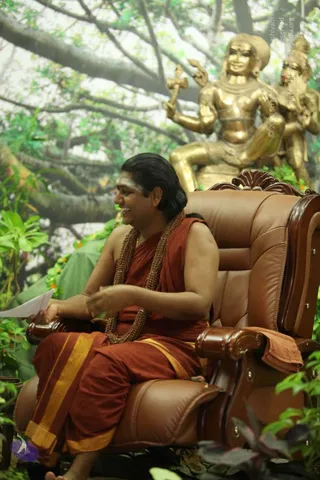
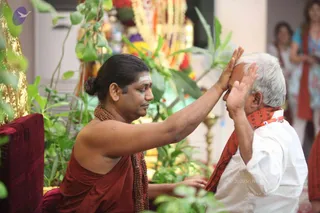
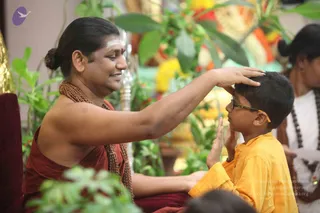
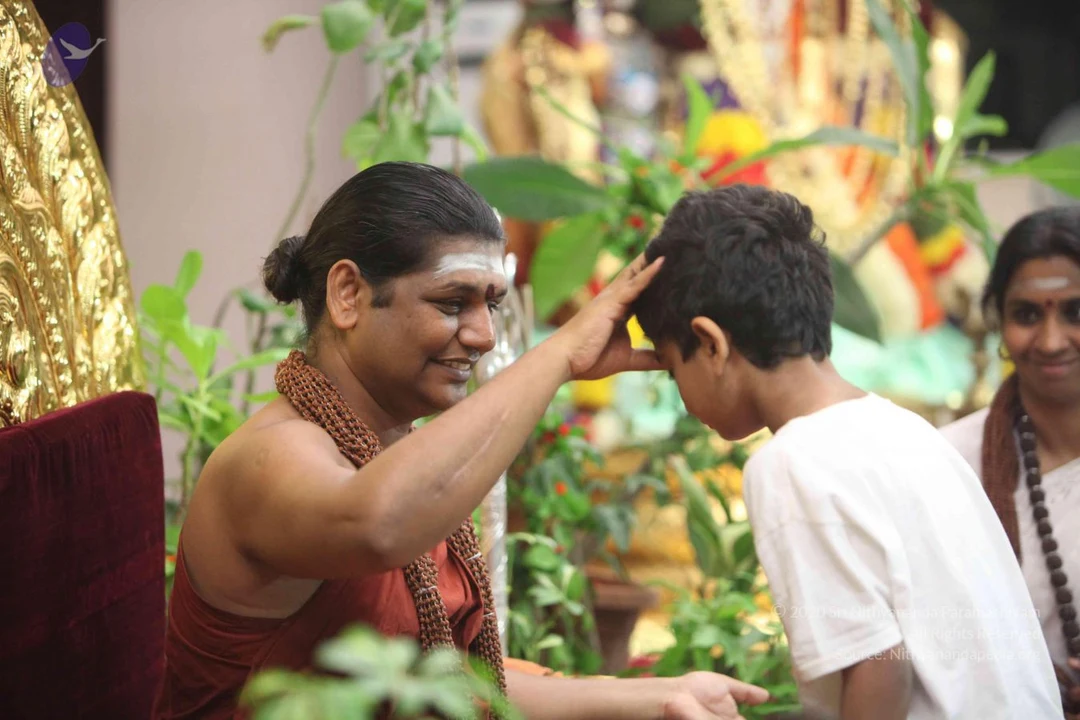
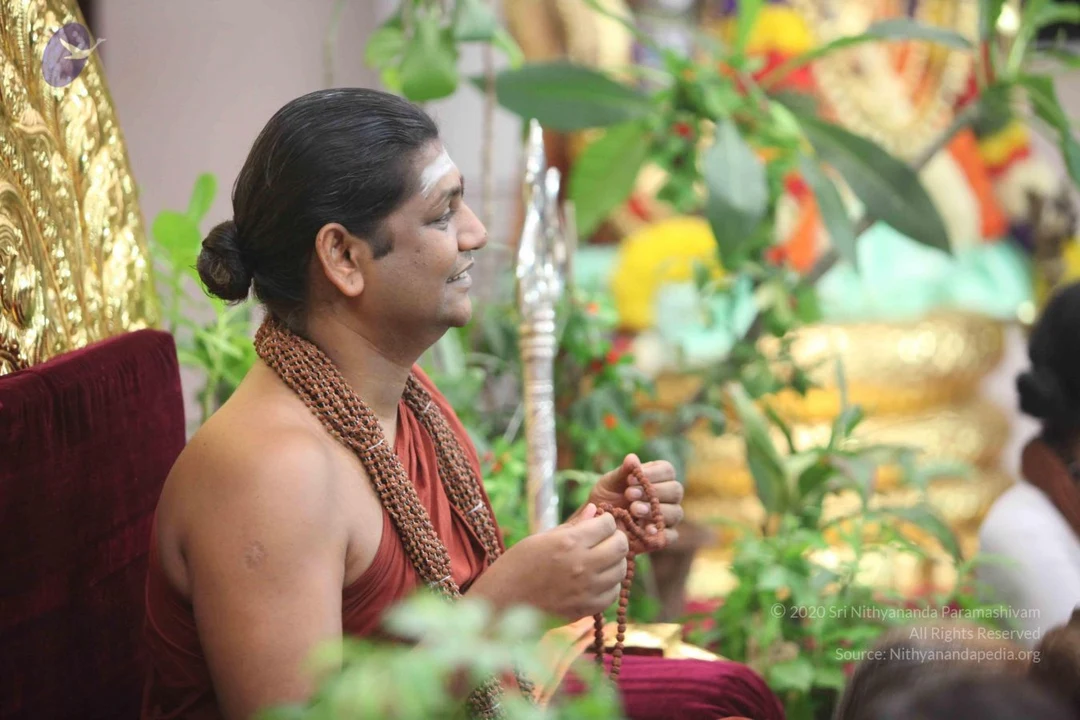
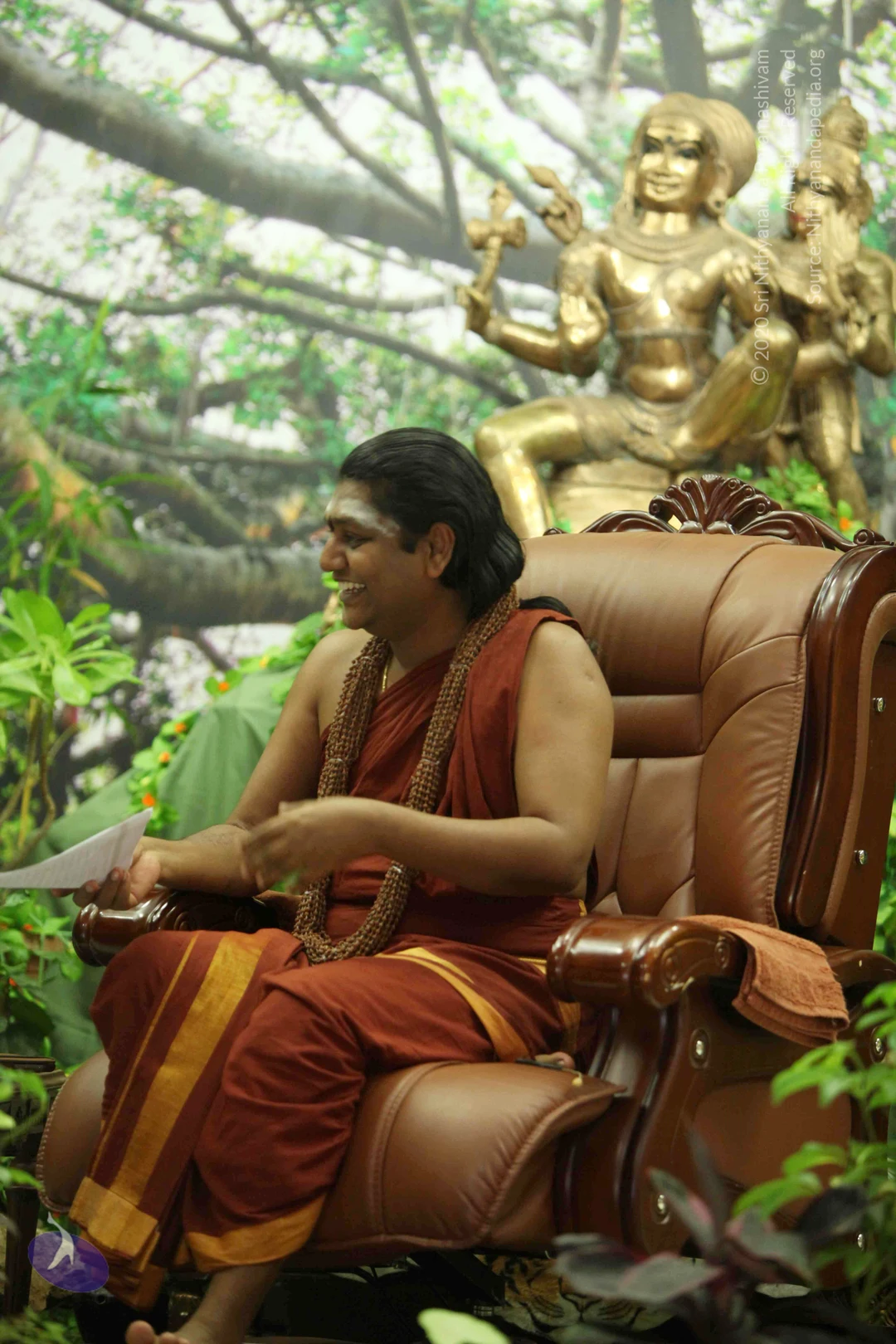
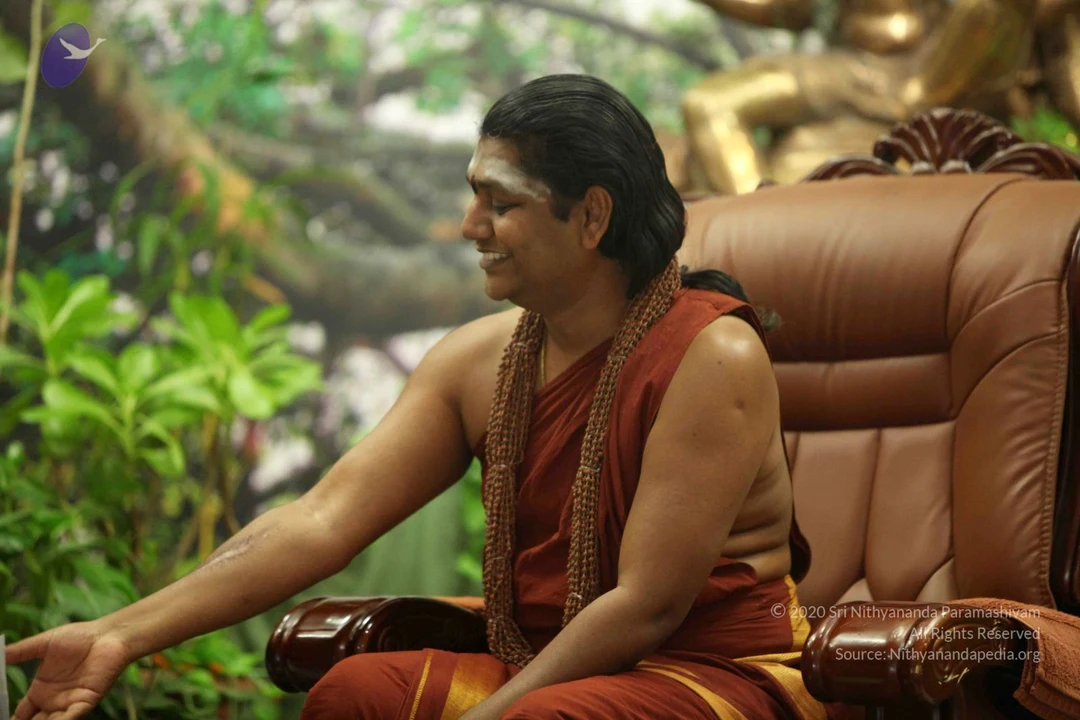
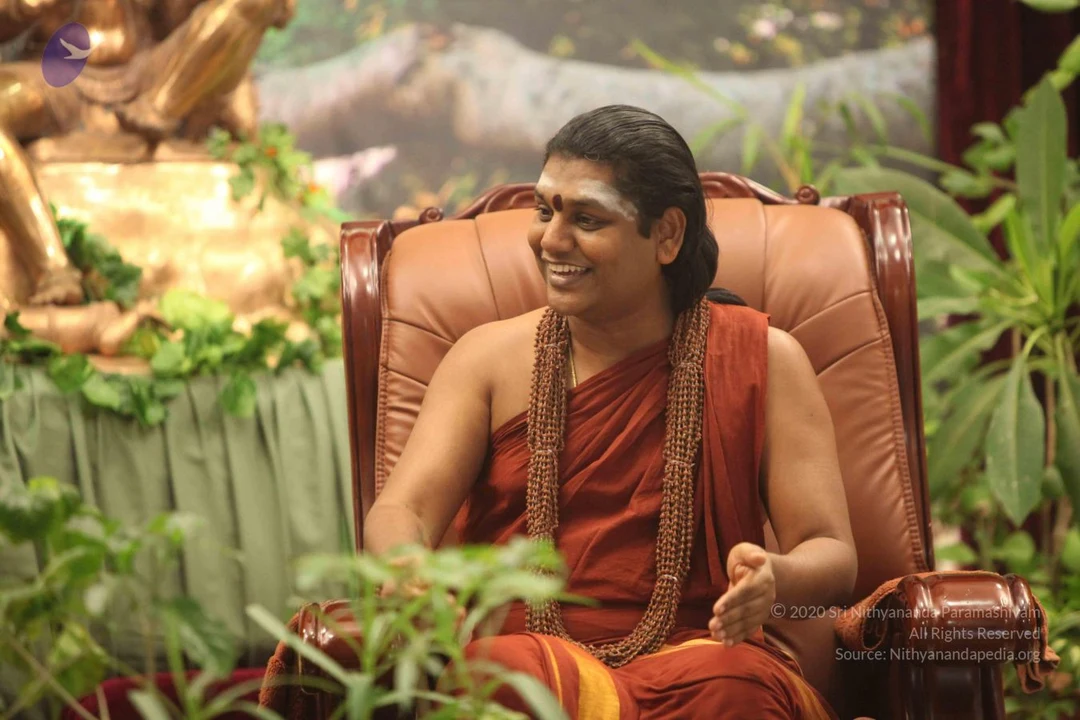
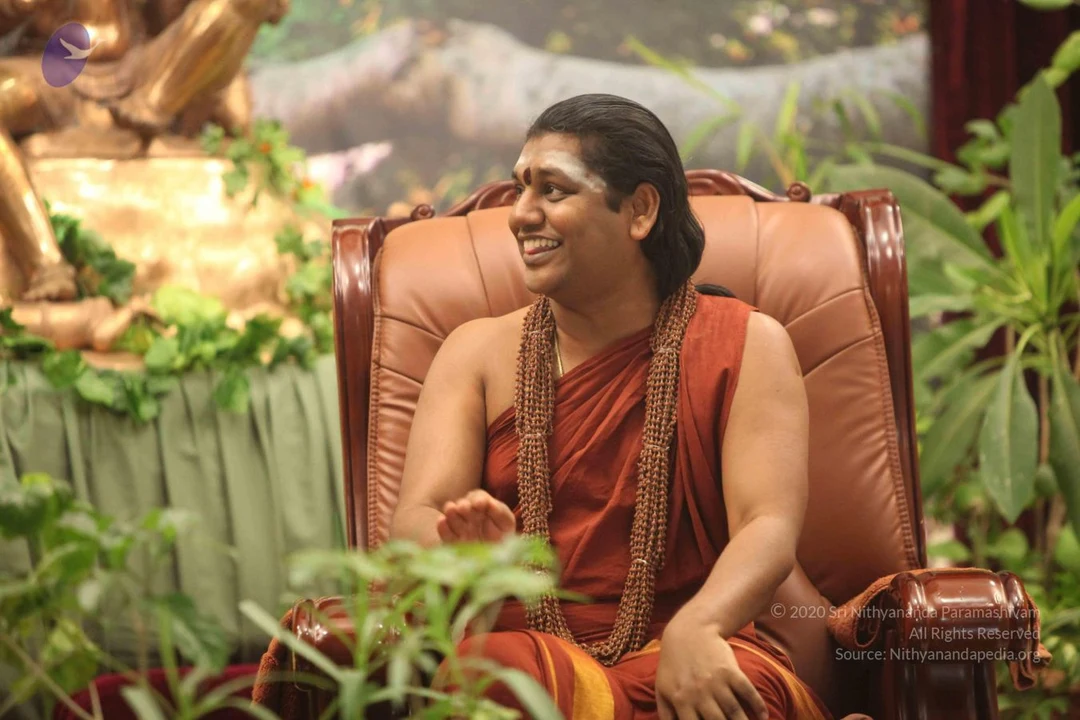
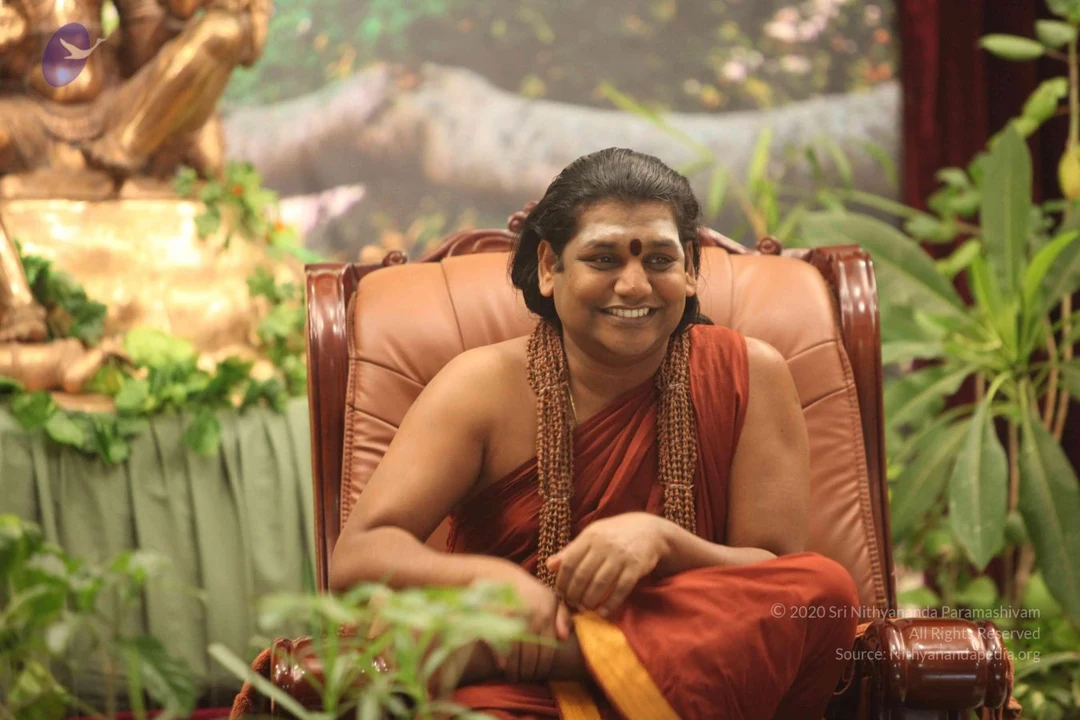
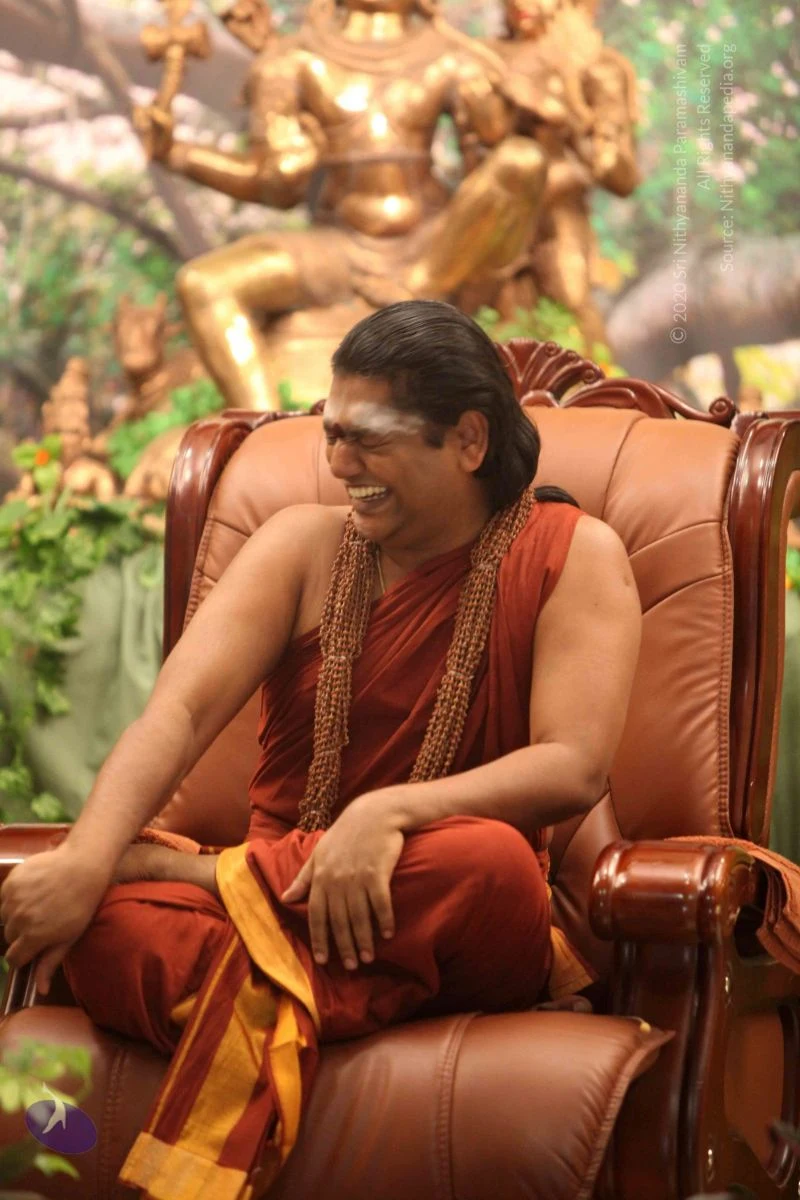
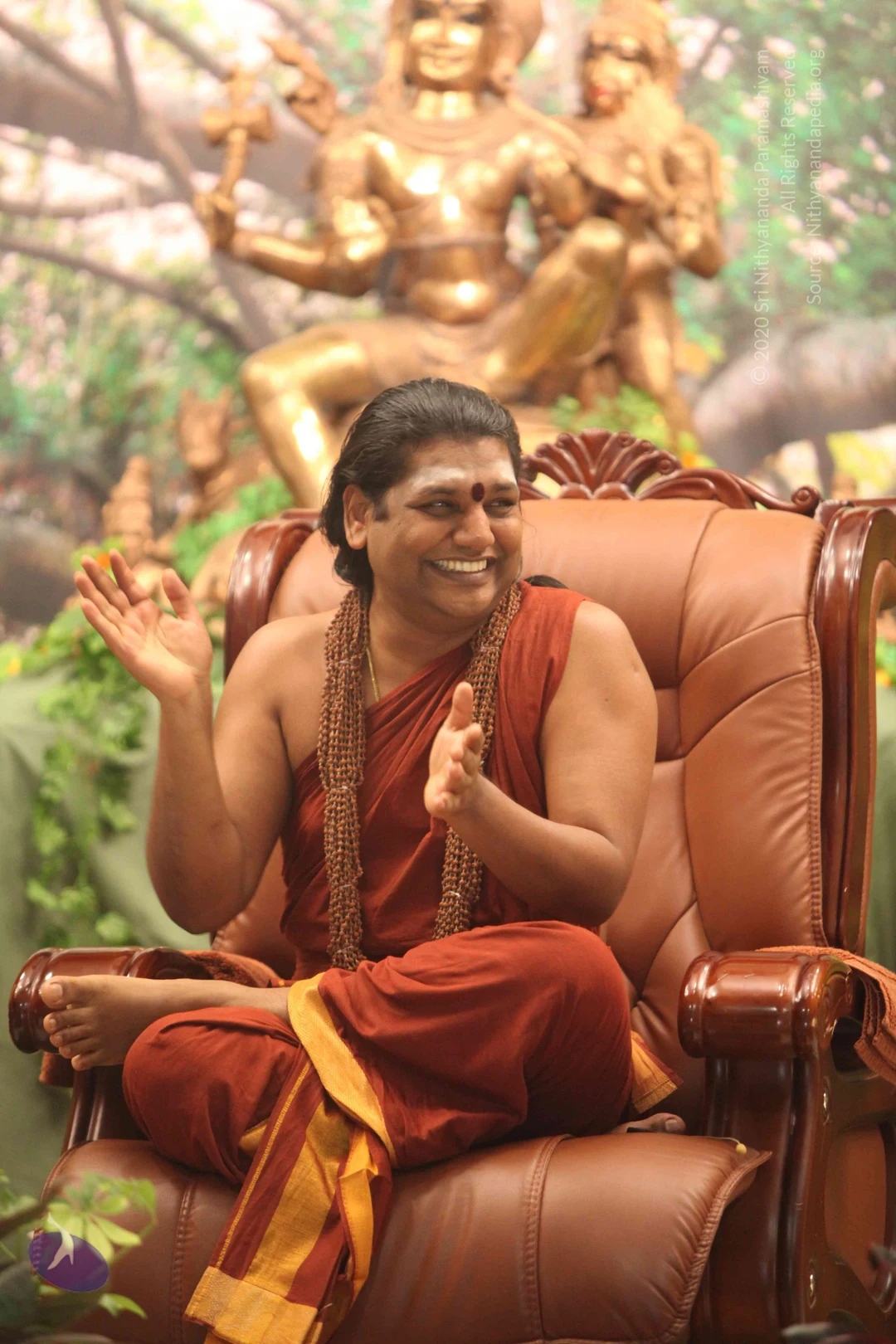
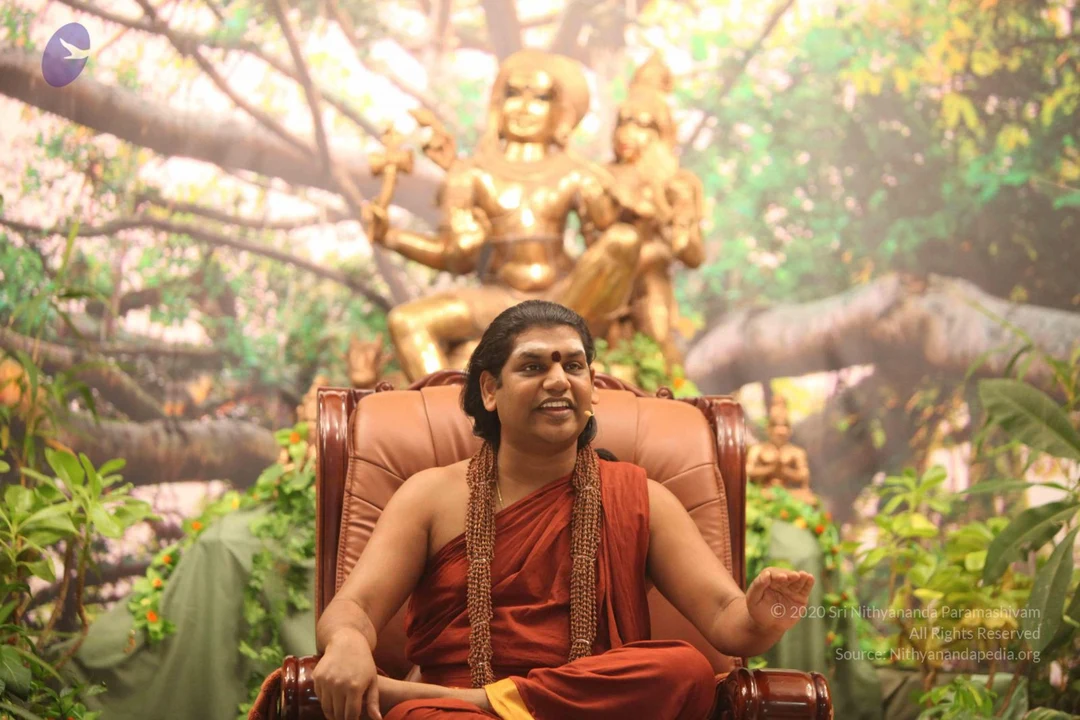
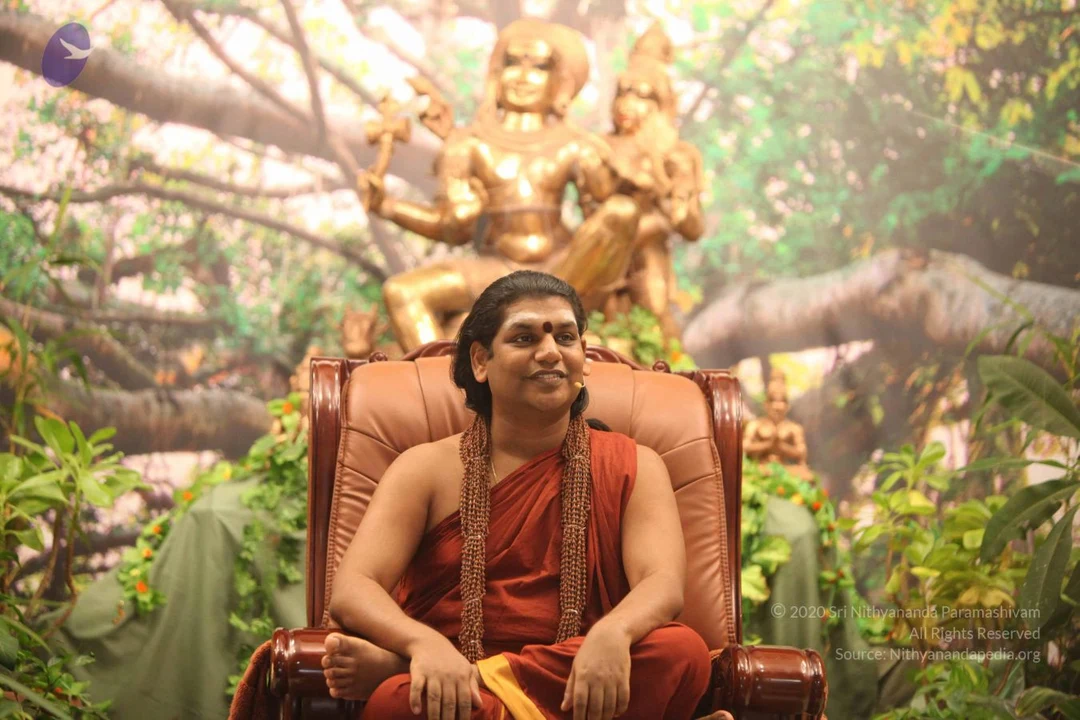
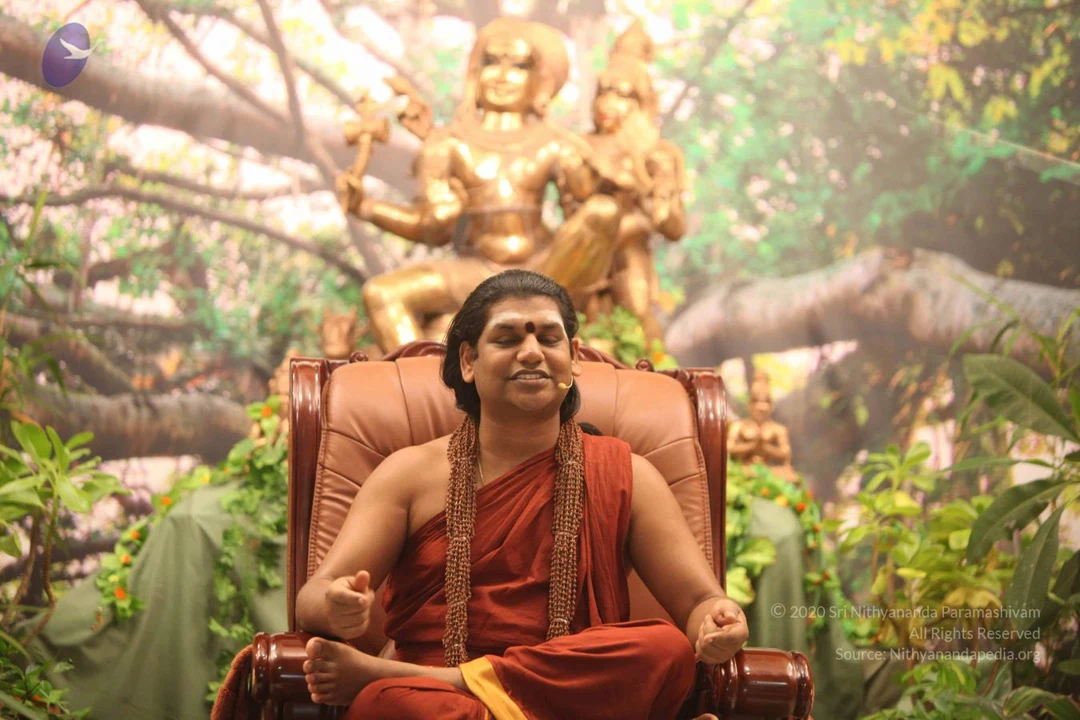
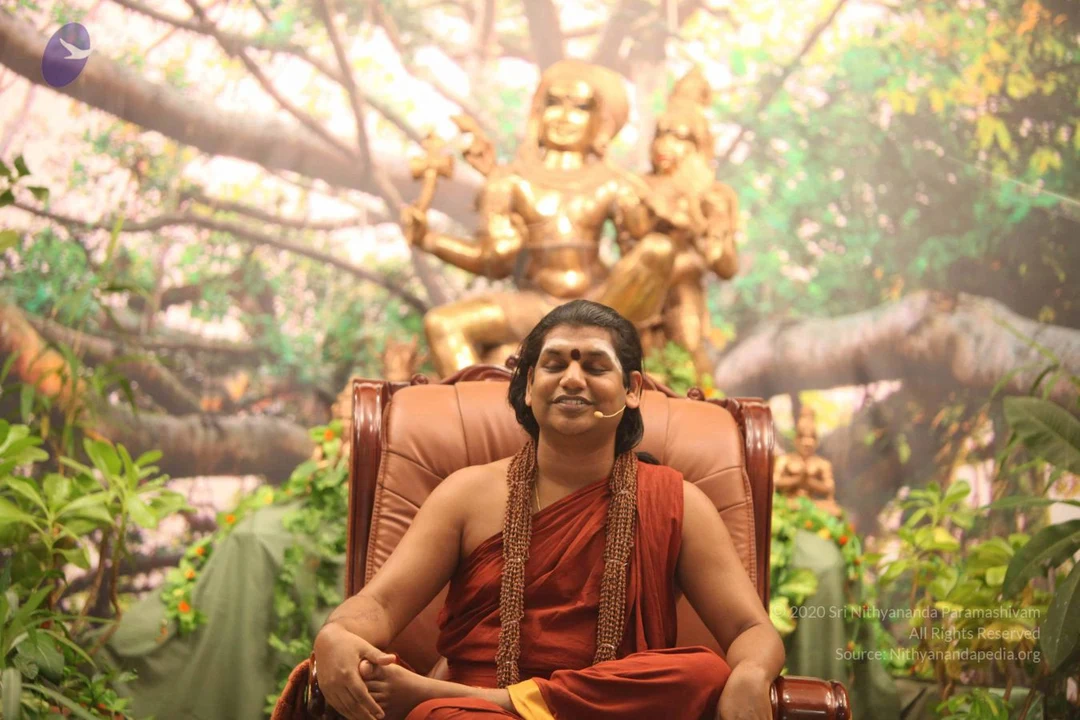
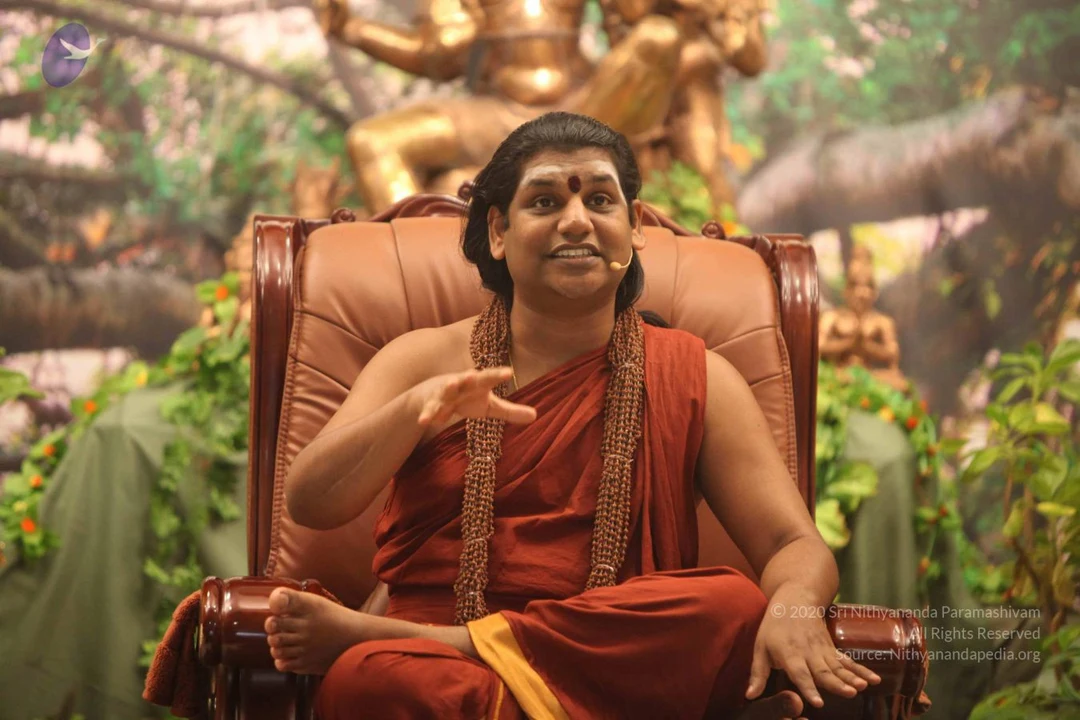
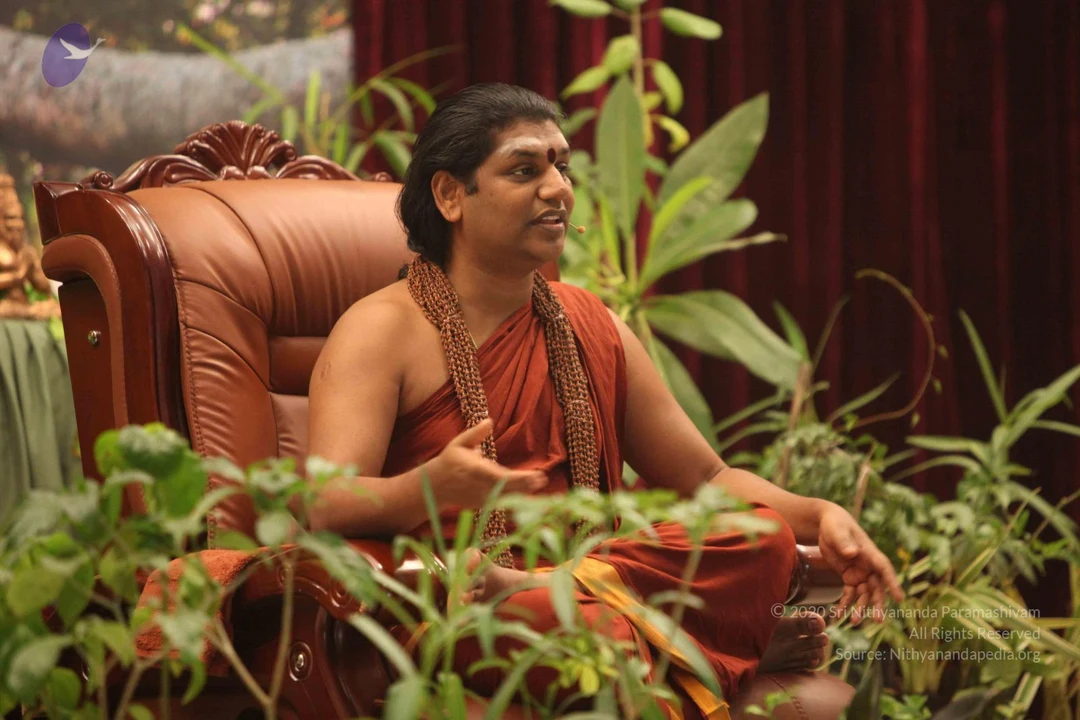
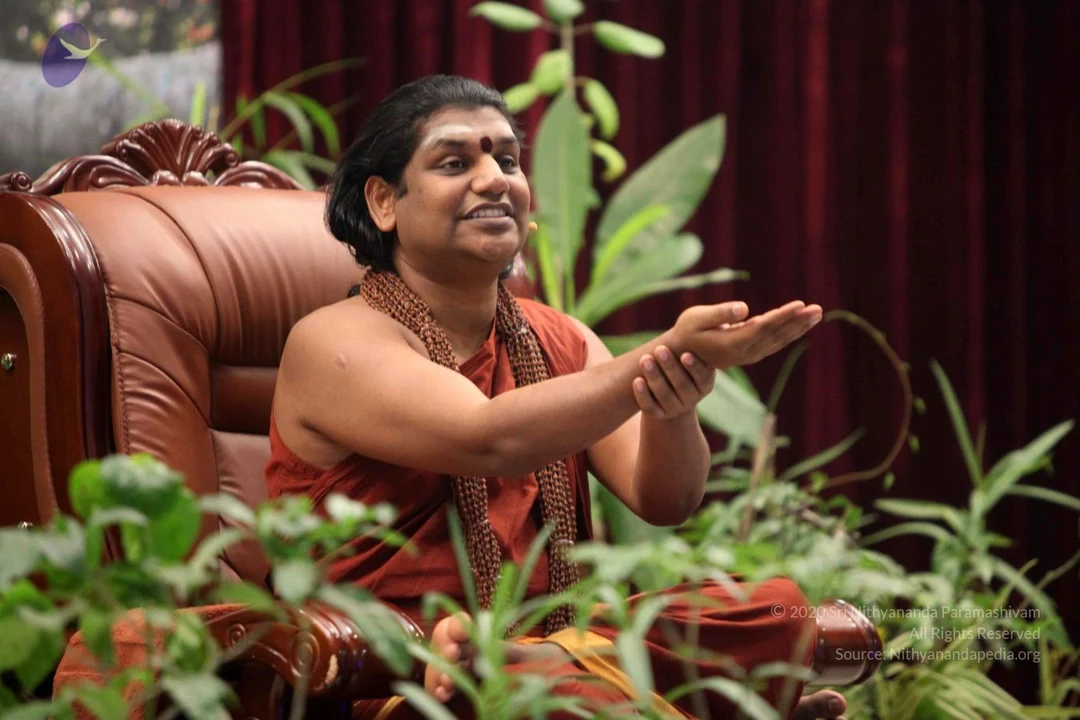
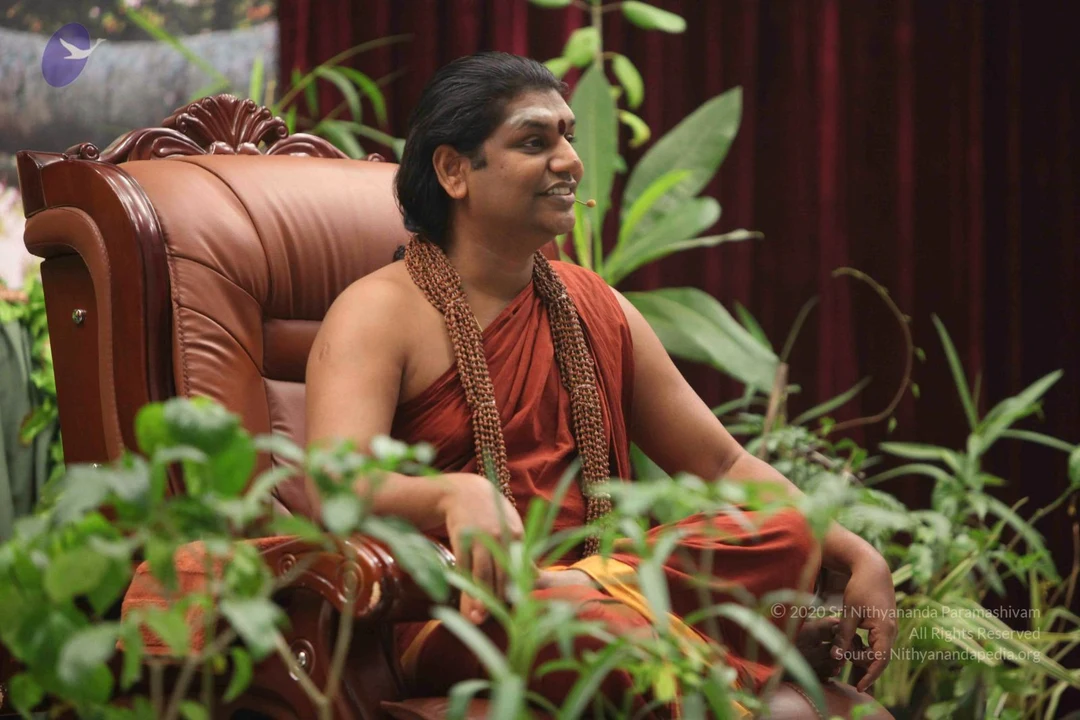
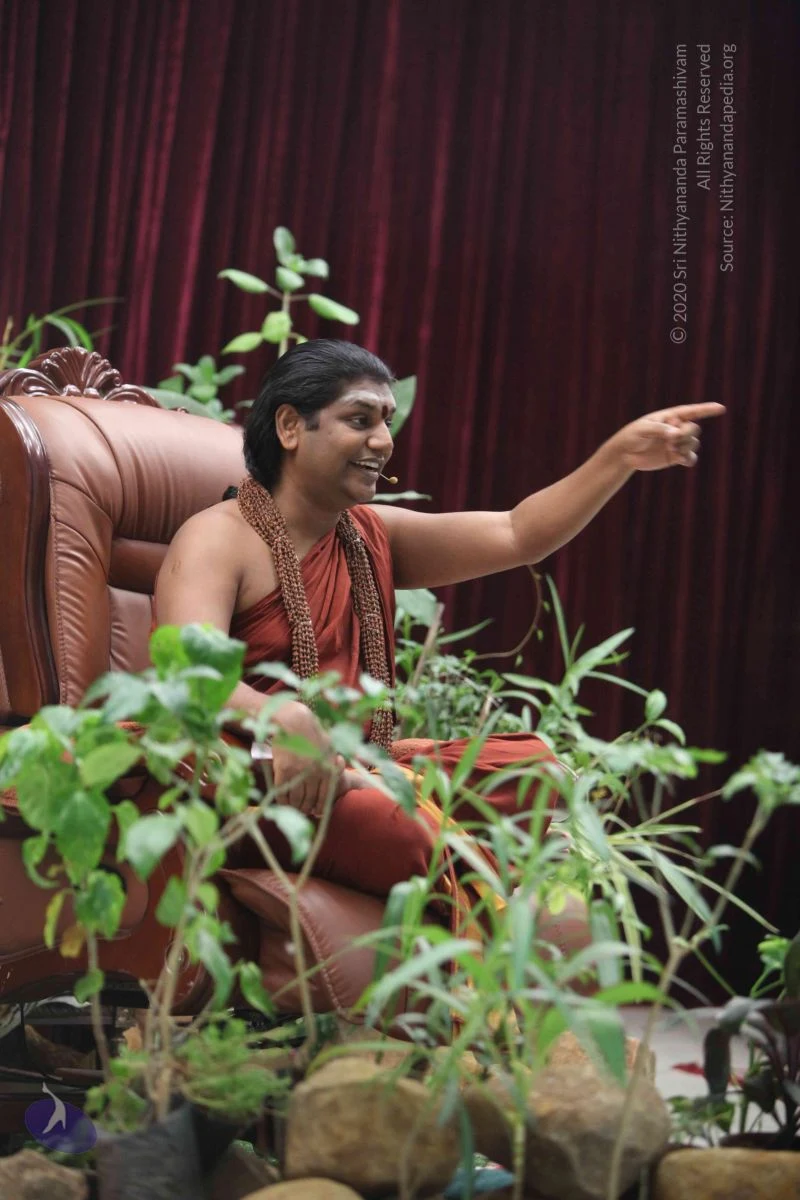
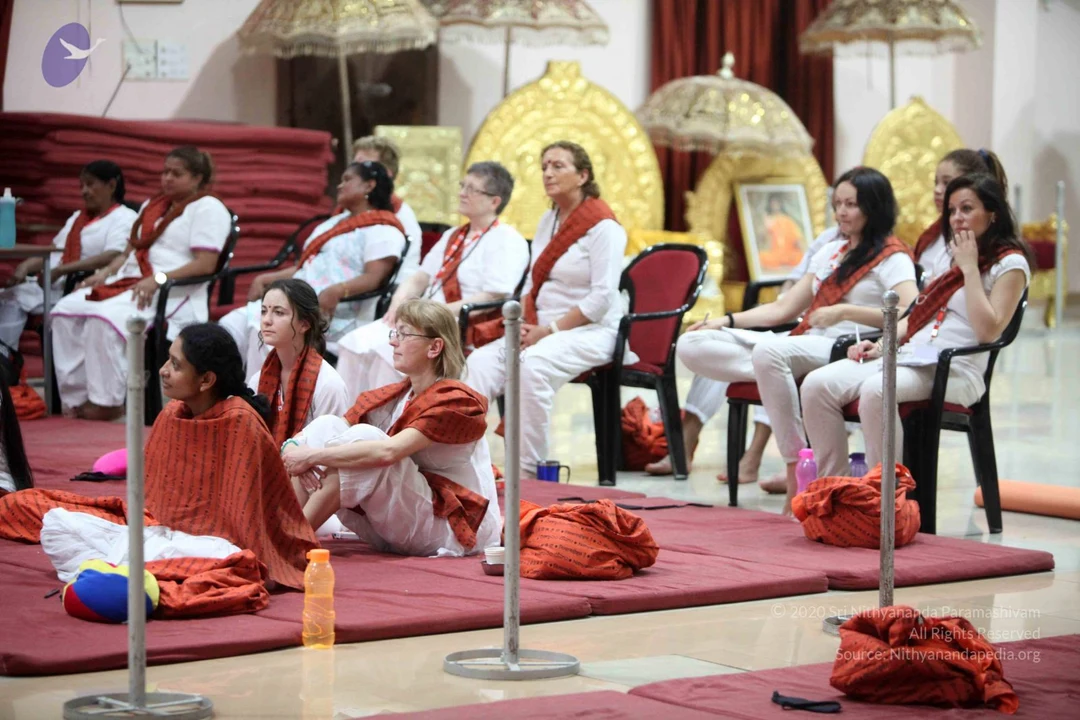
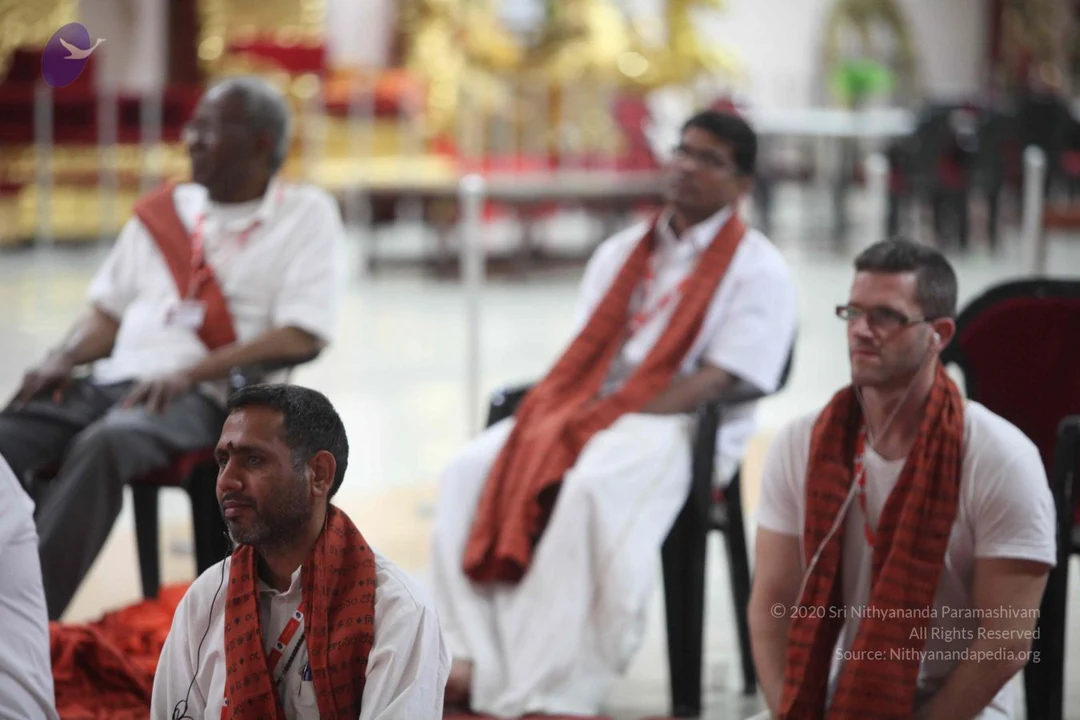
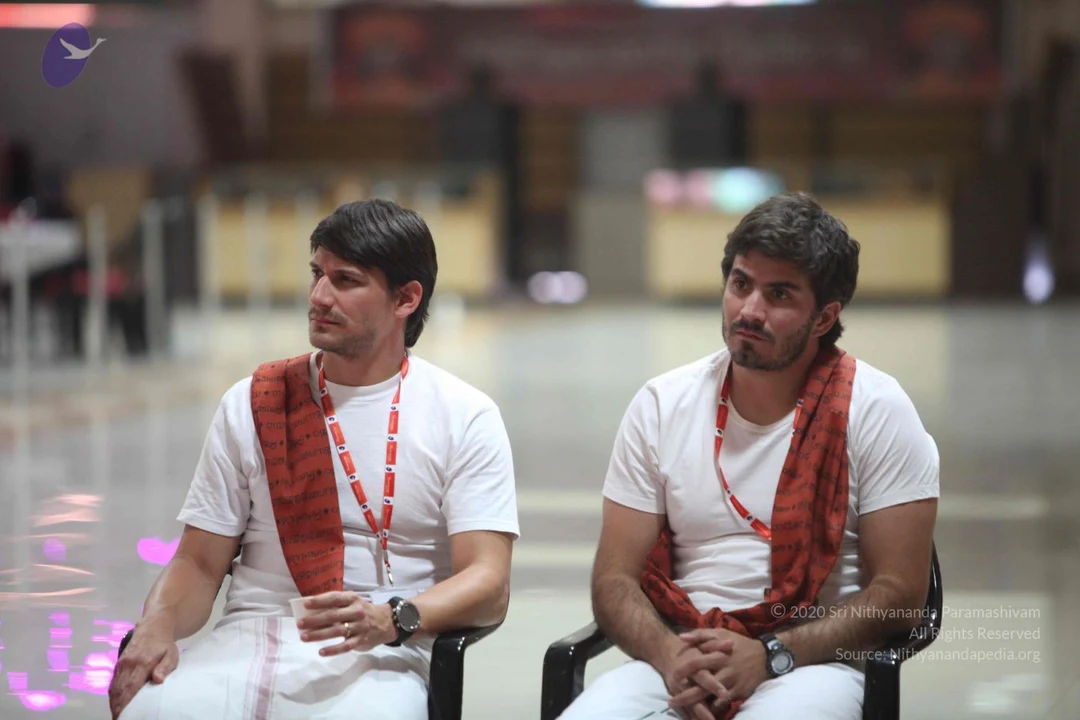
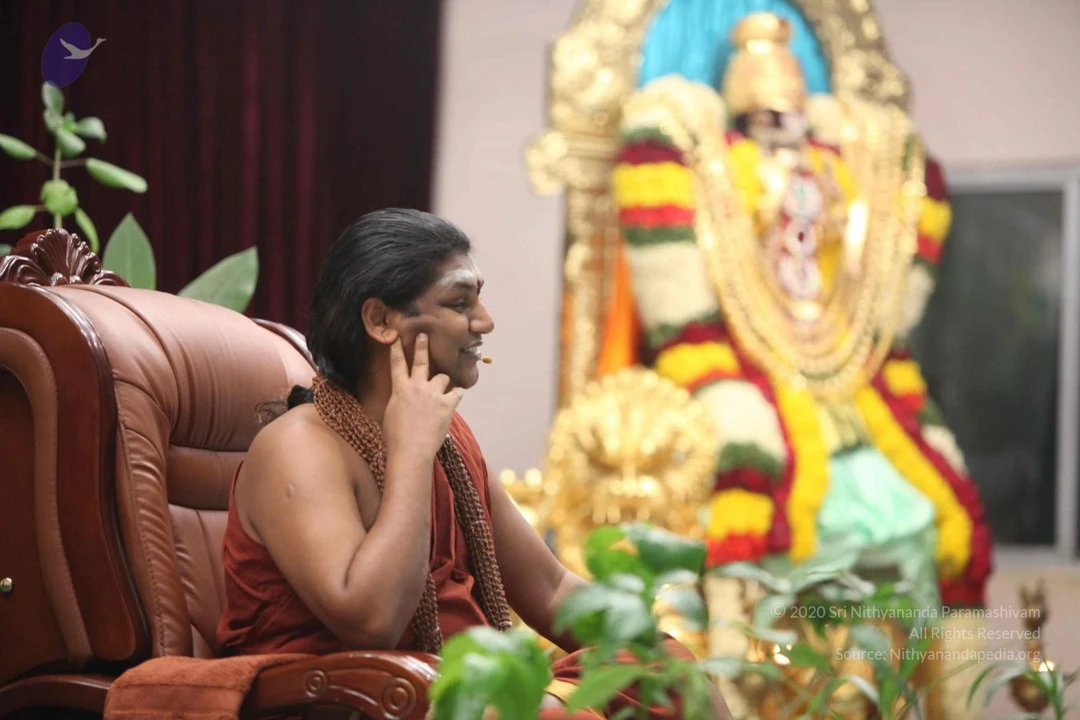
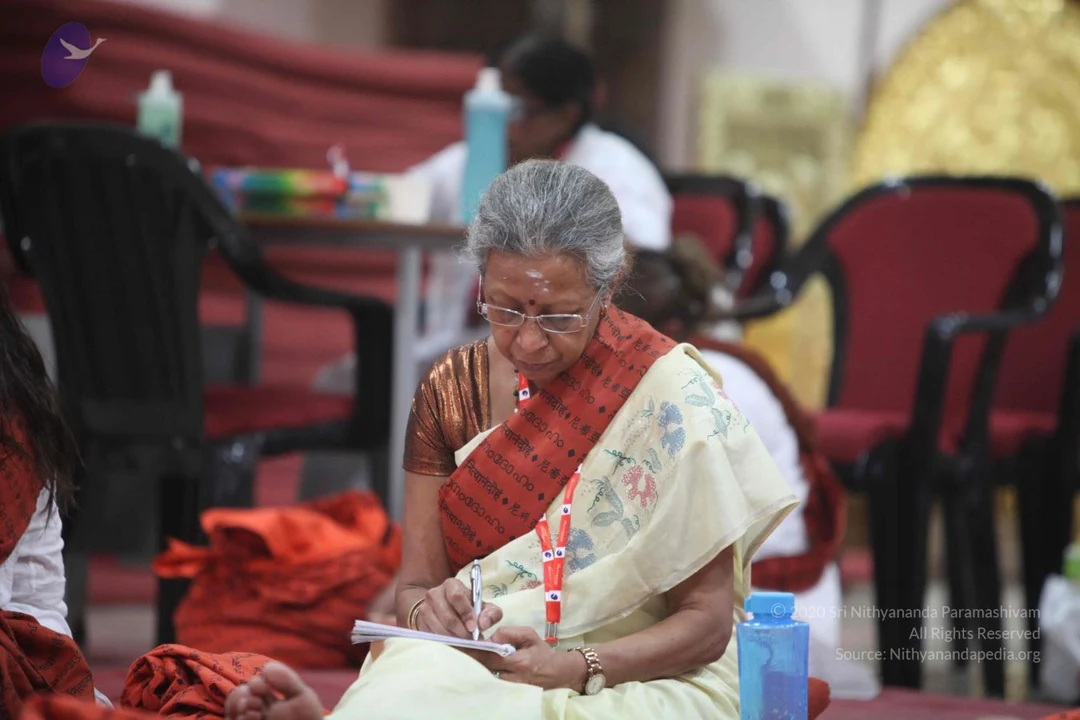
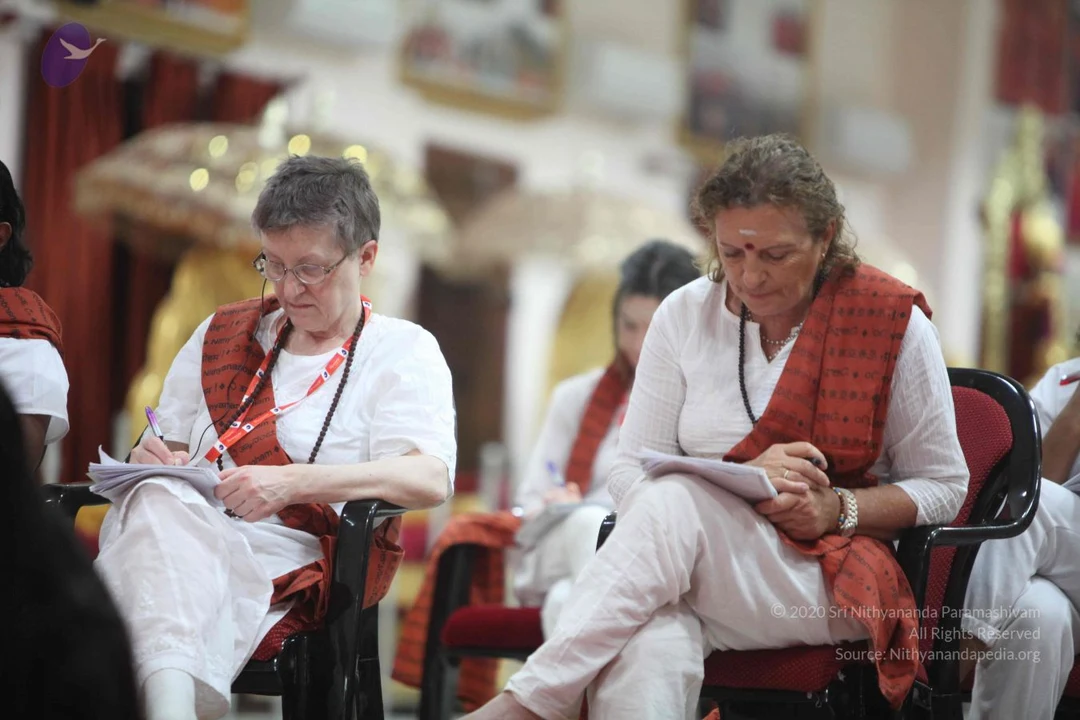
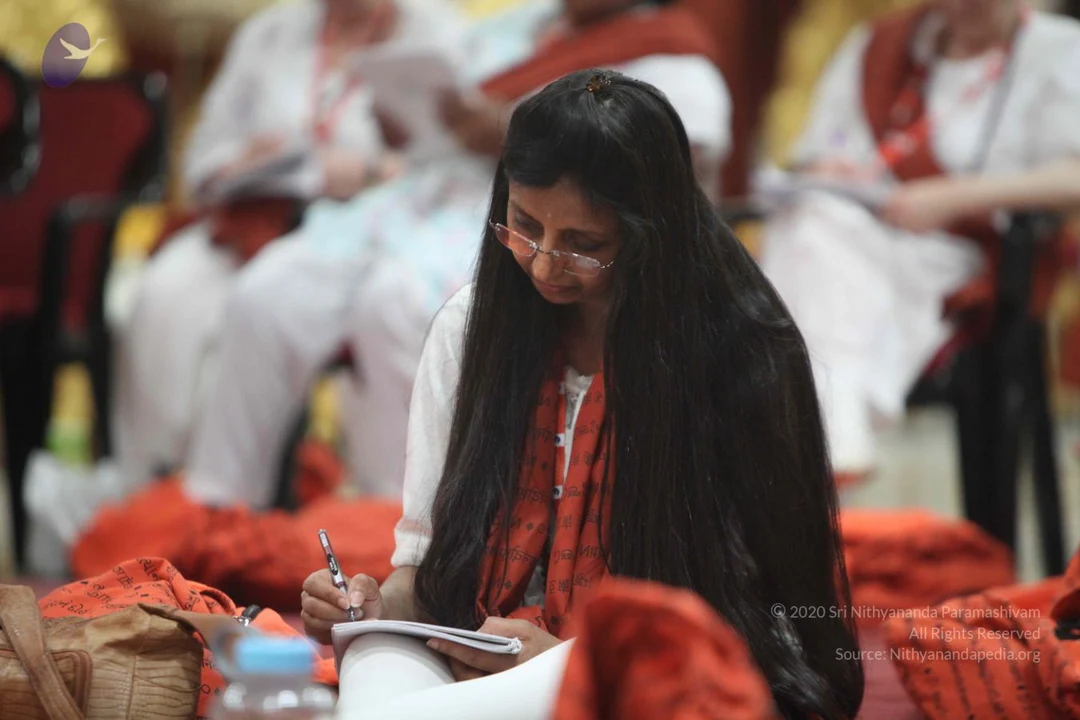
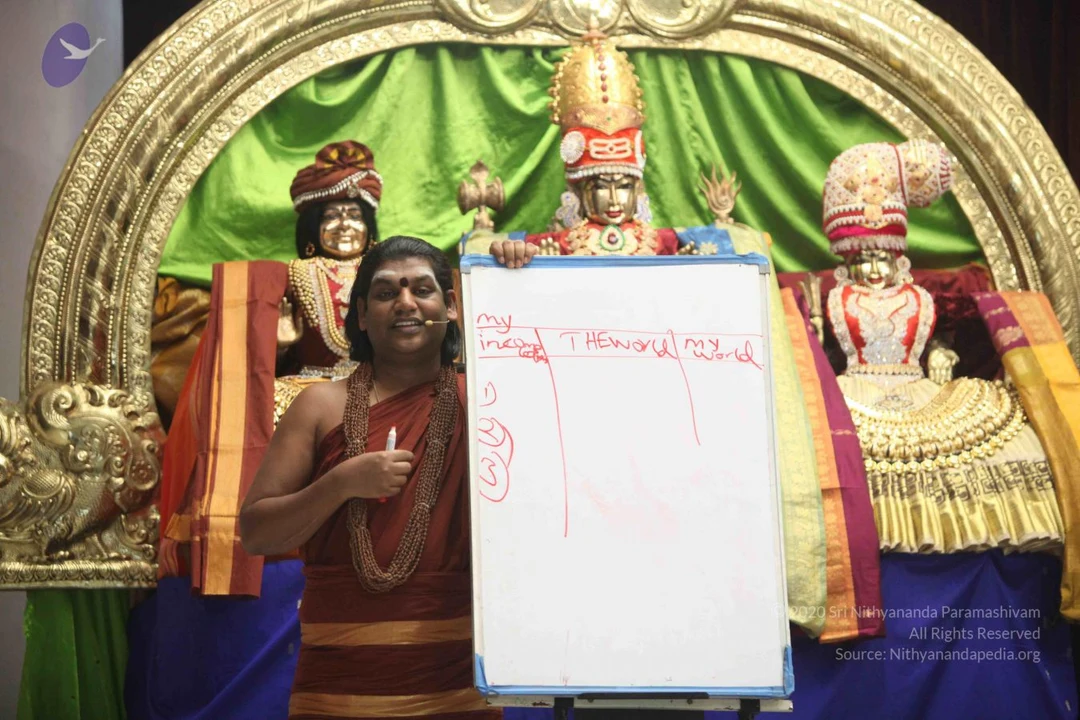
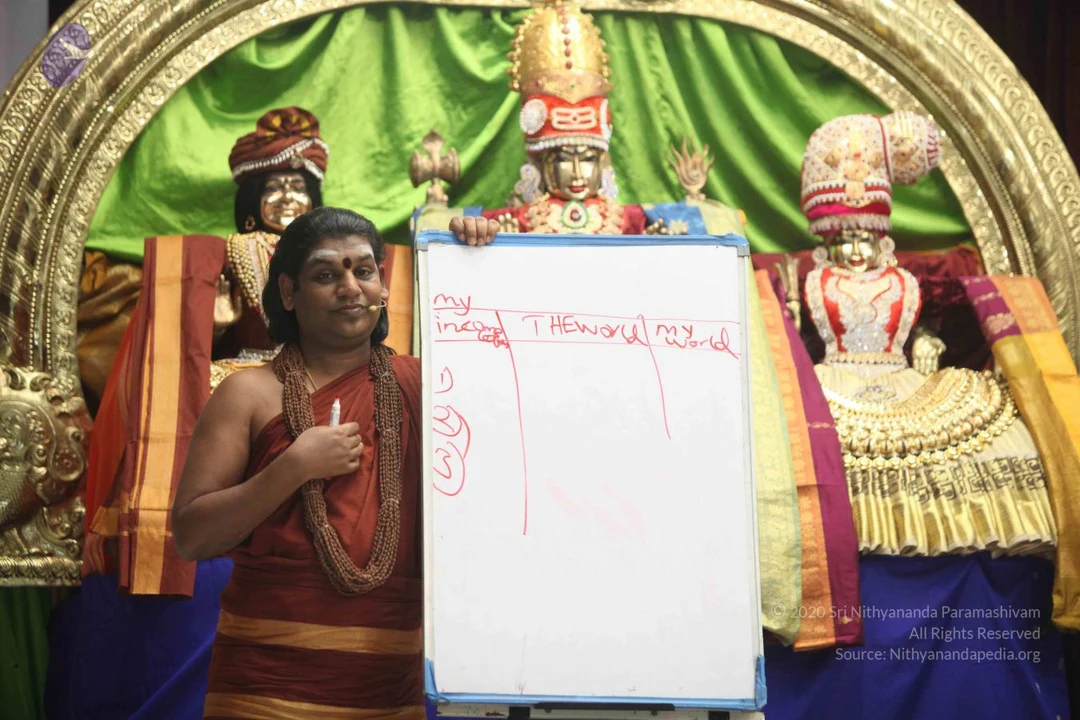
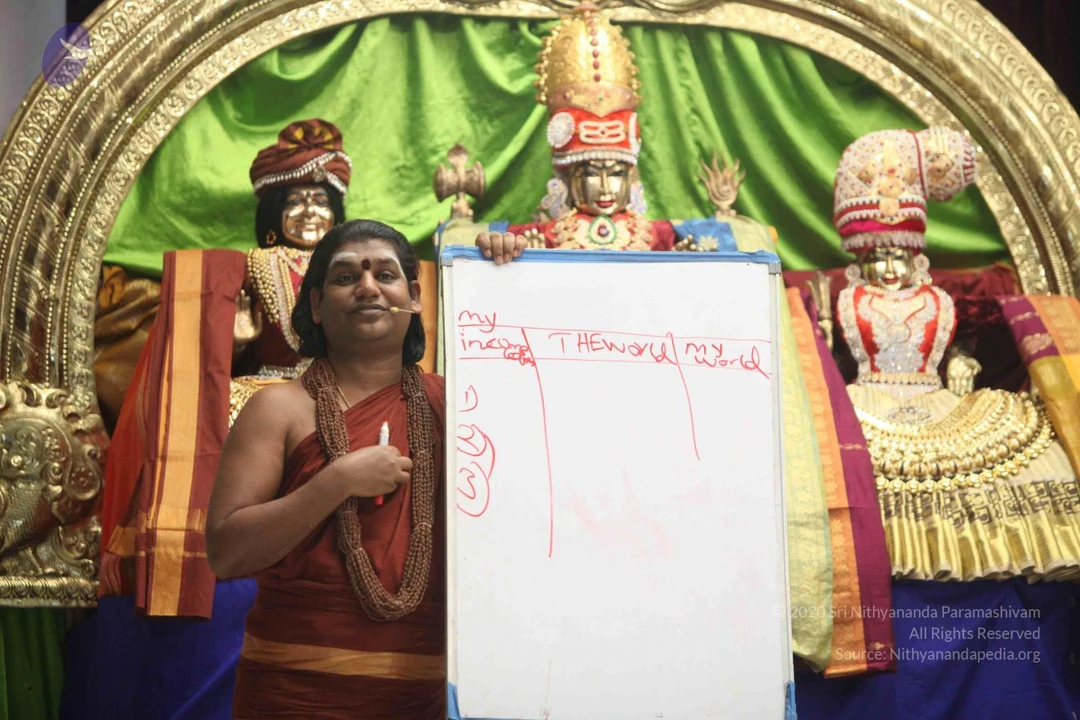
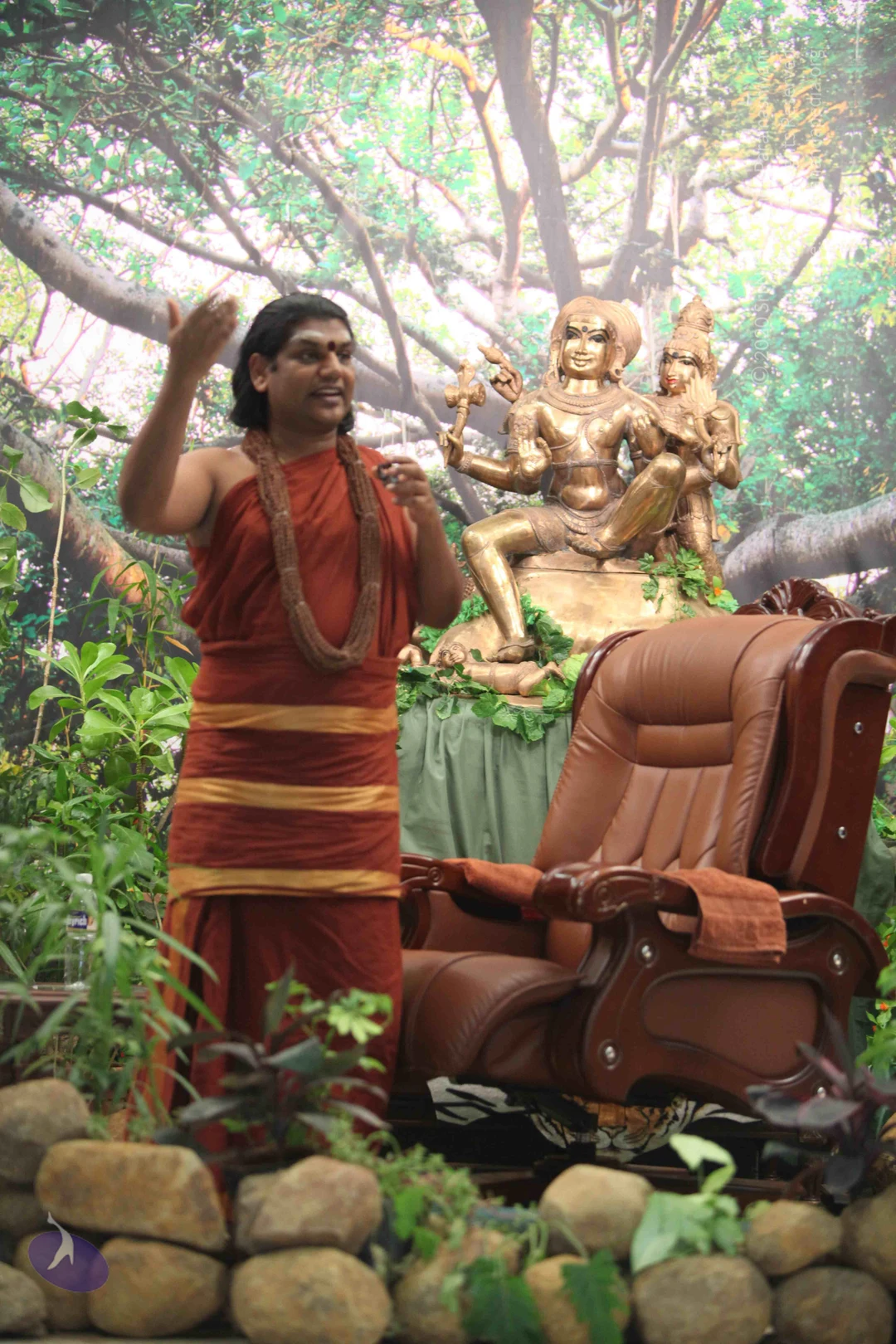
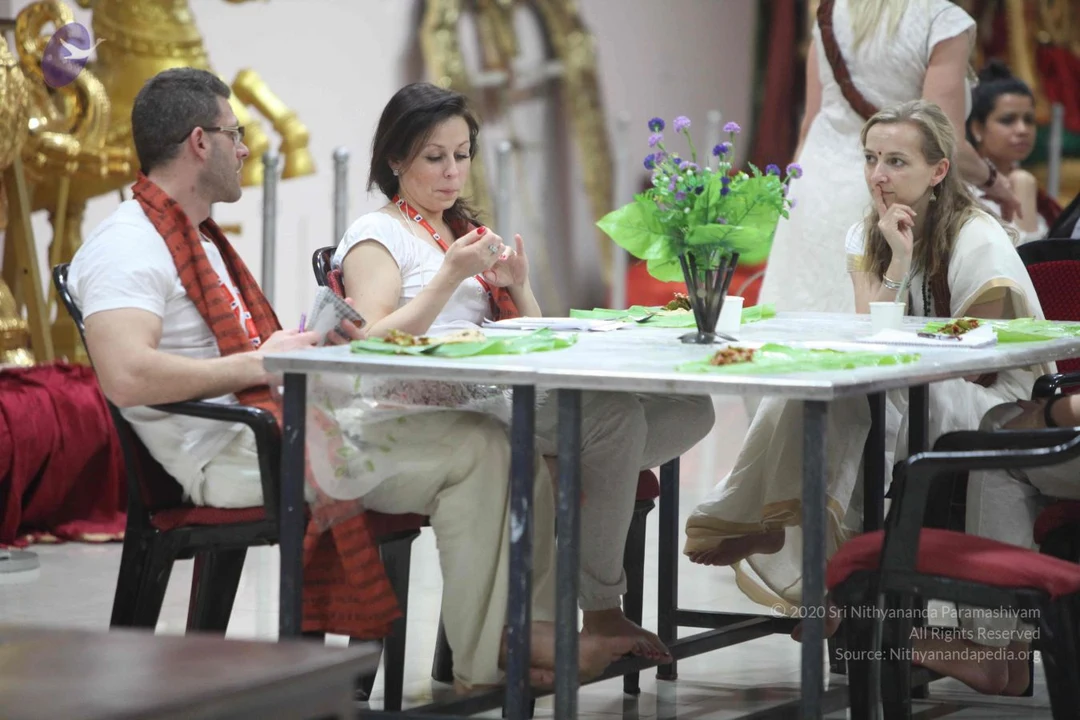
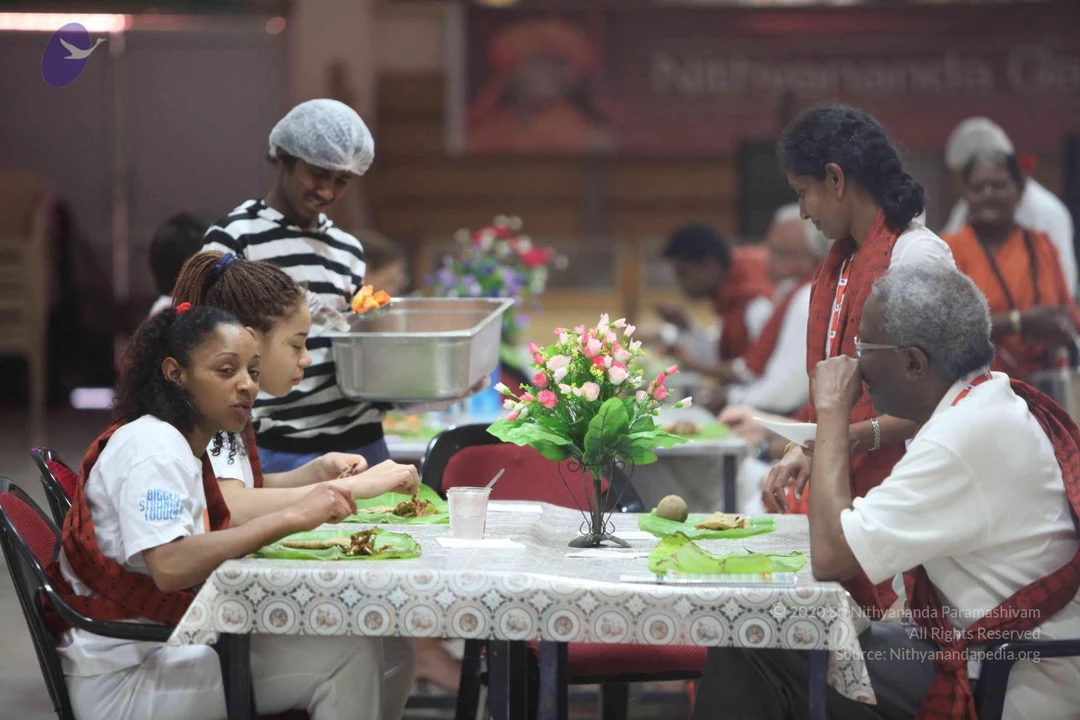
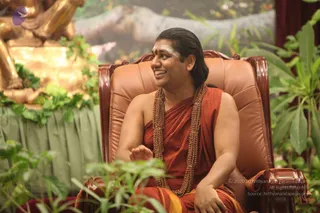
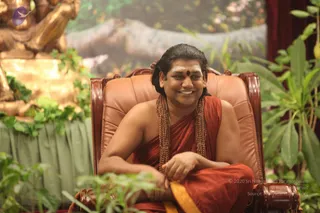
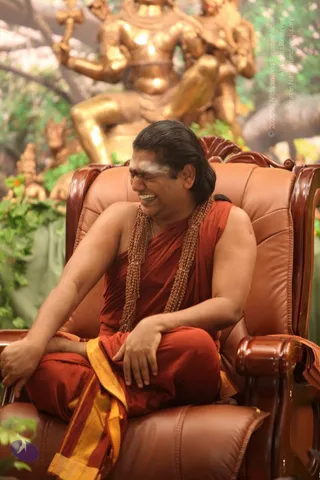
Photos Of The Day:
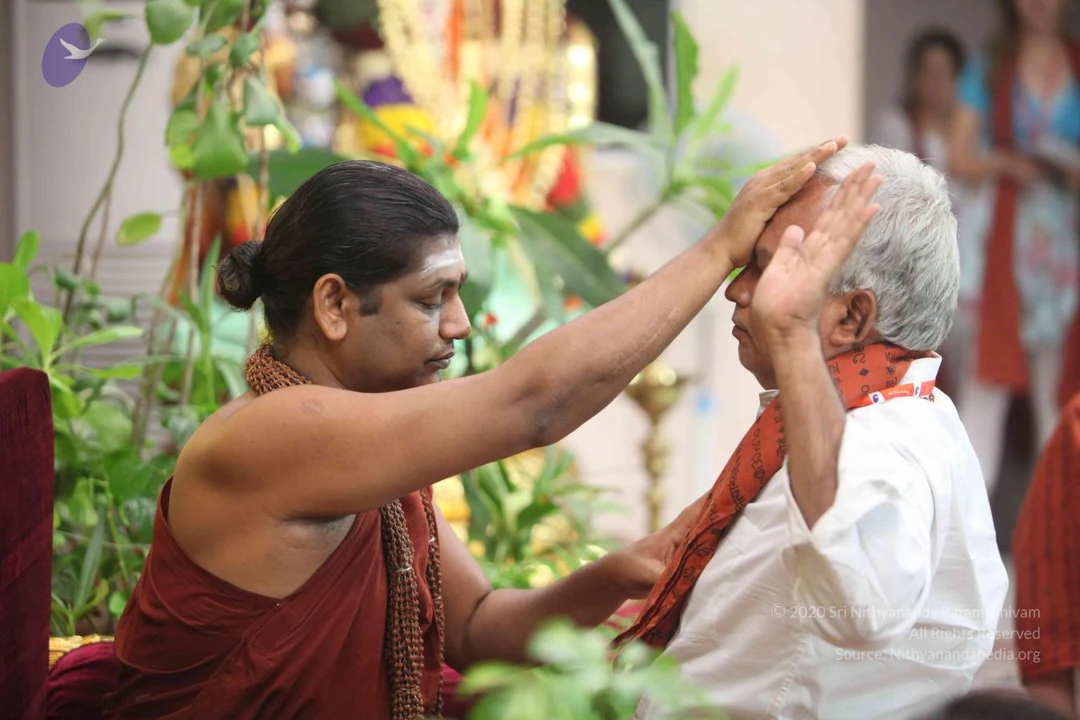
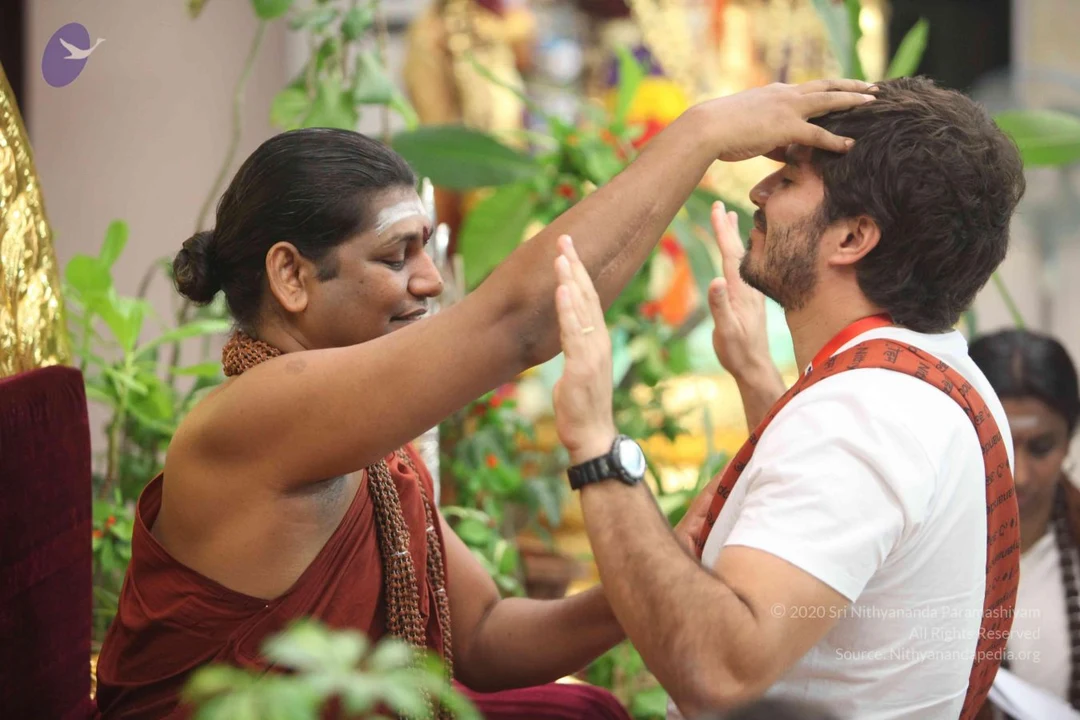
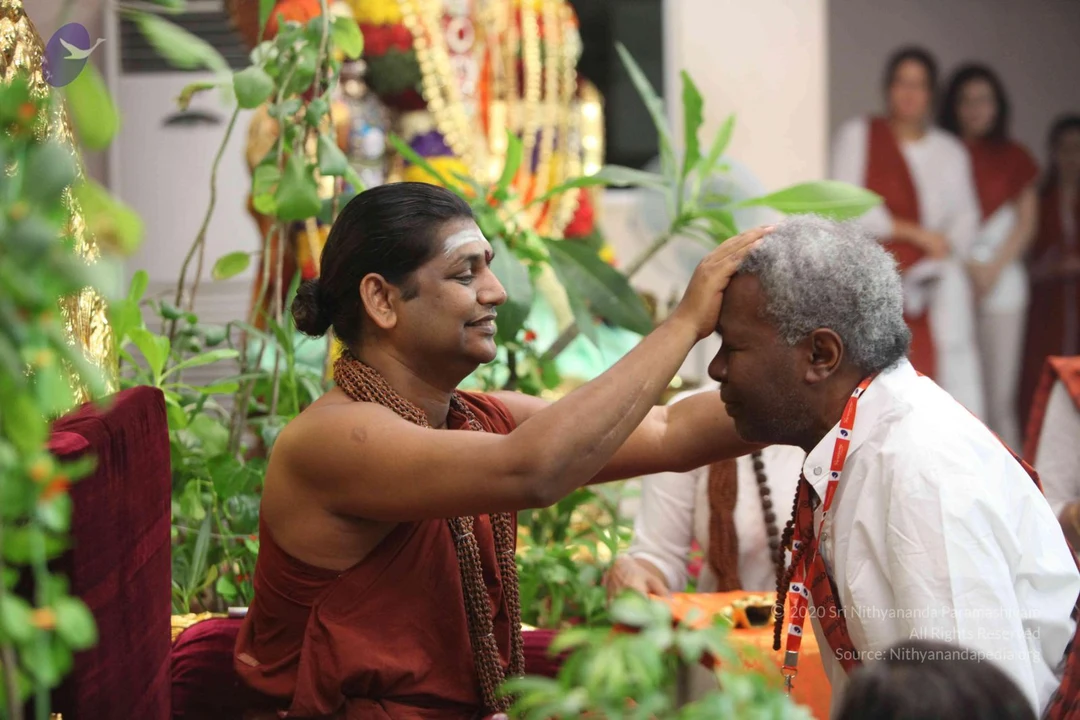
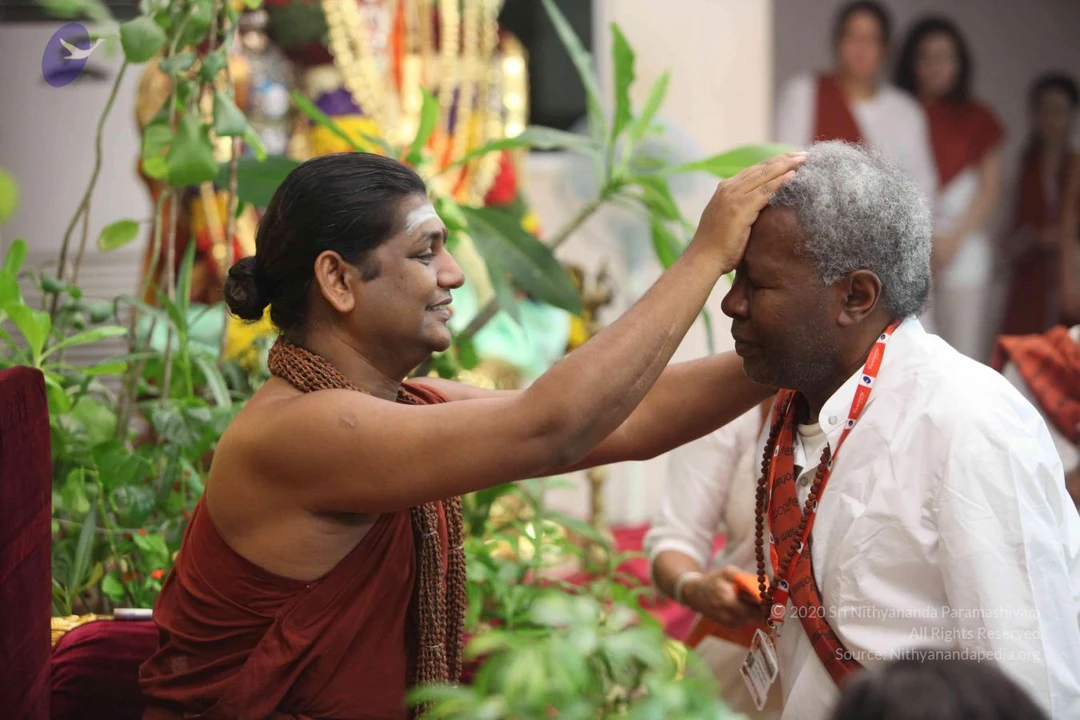
Kalpataru-And-IA-Darshan
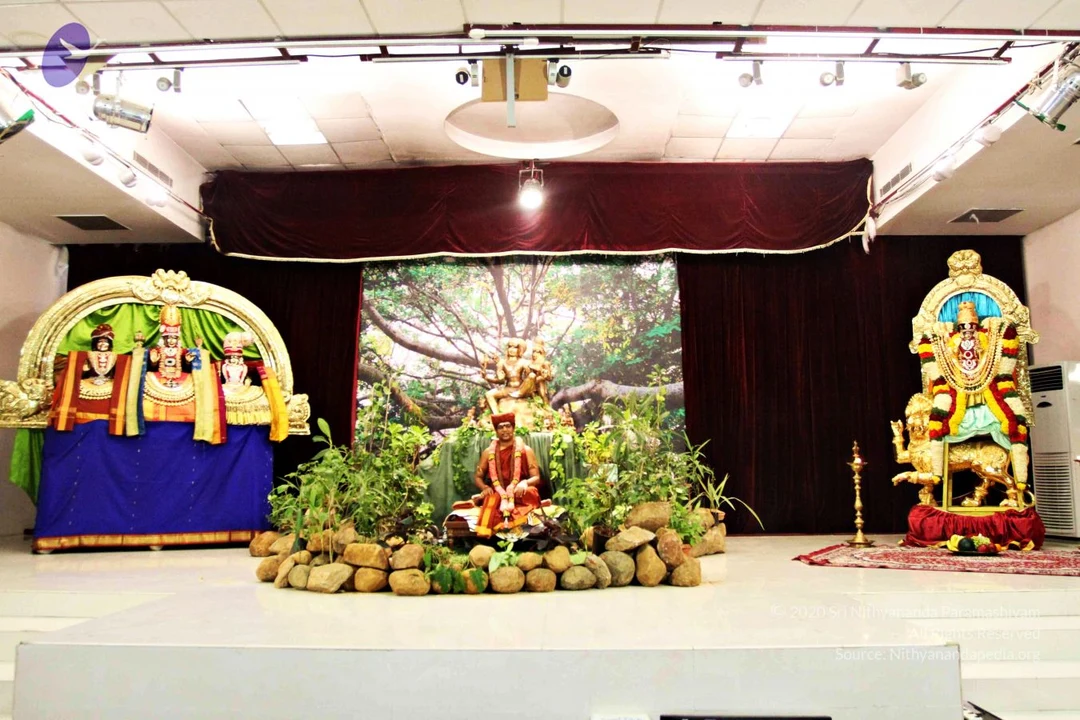
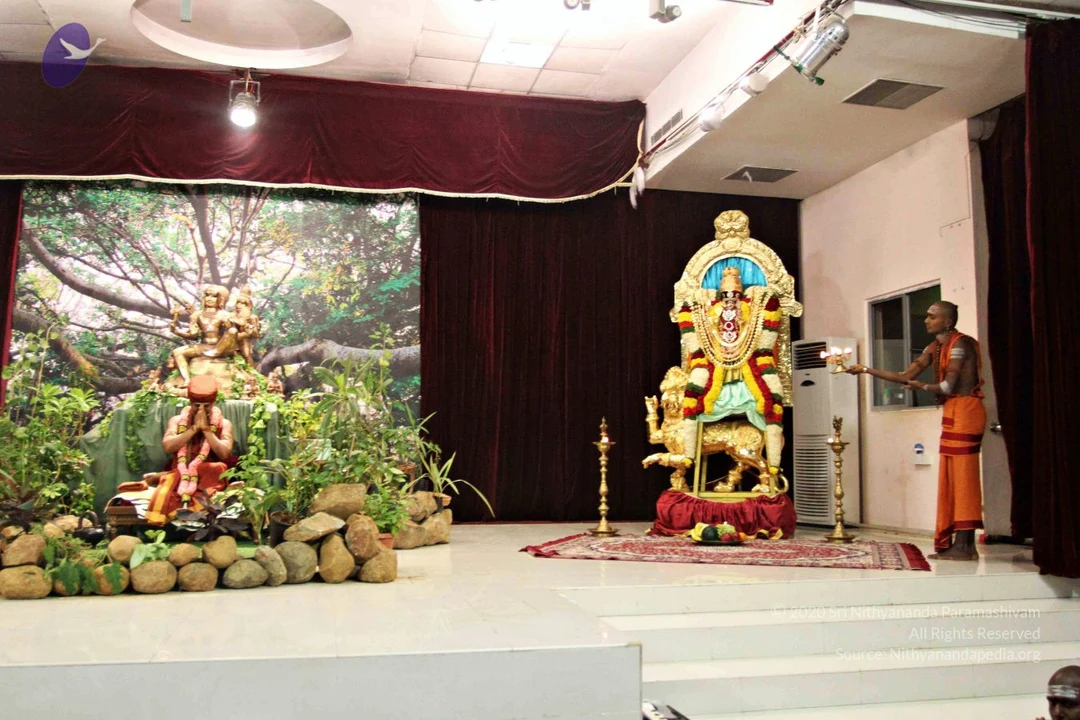
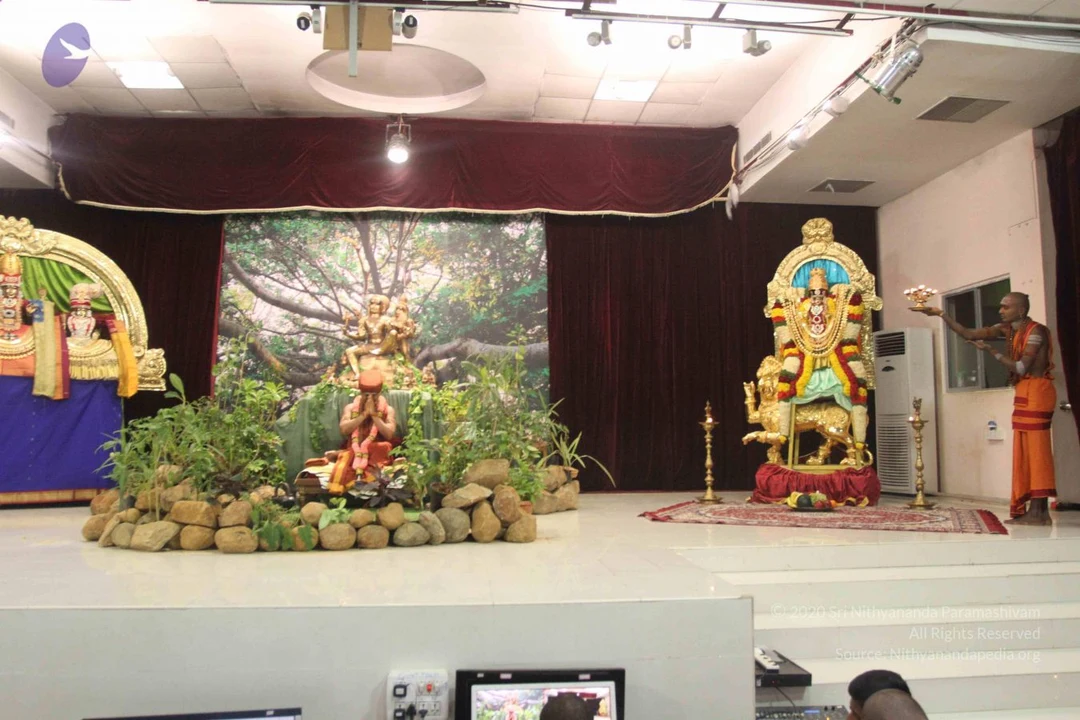
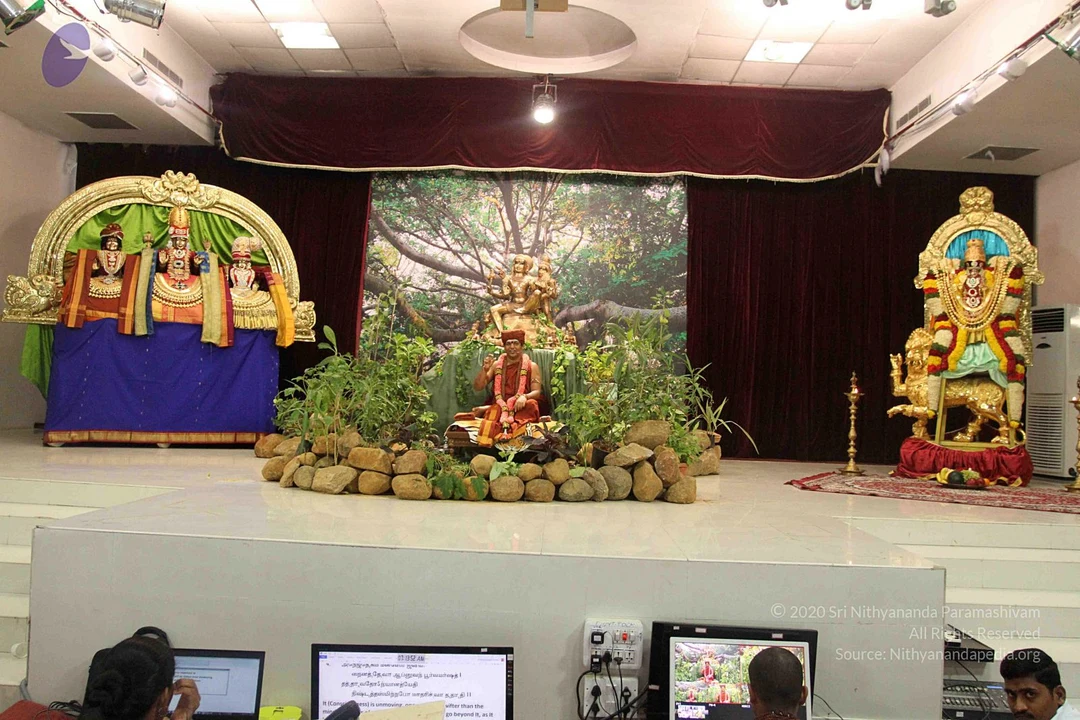
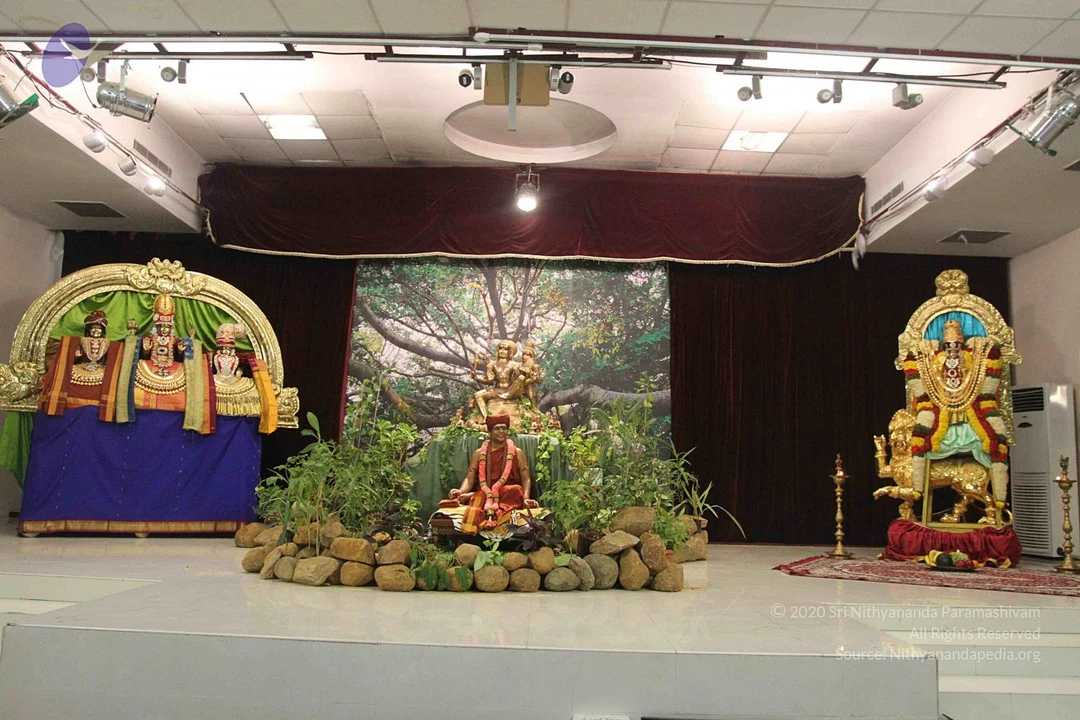
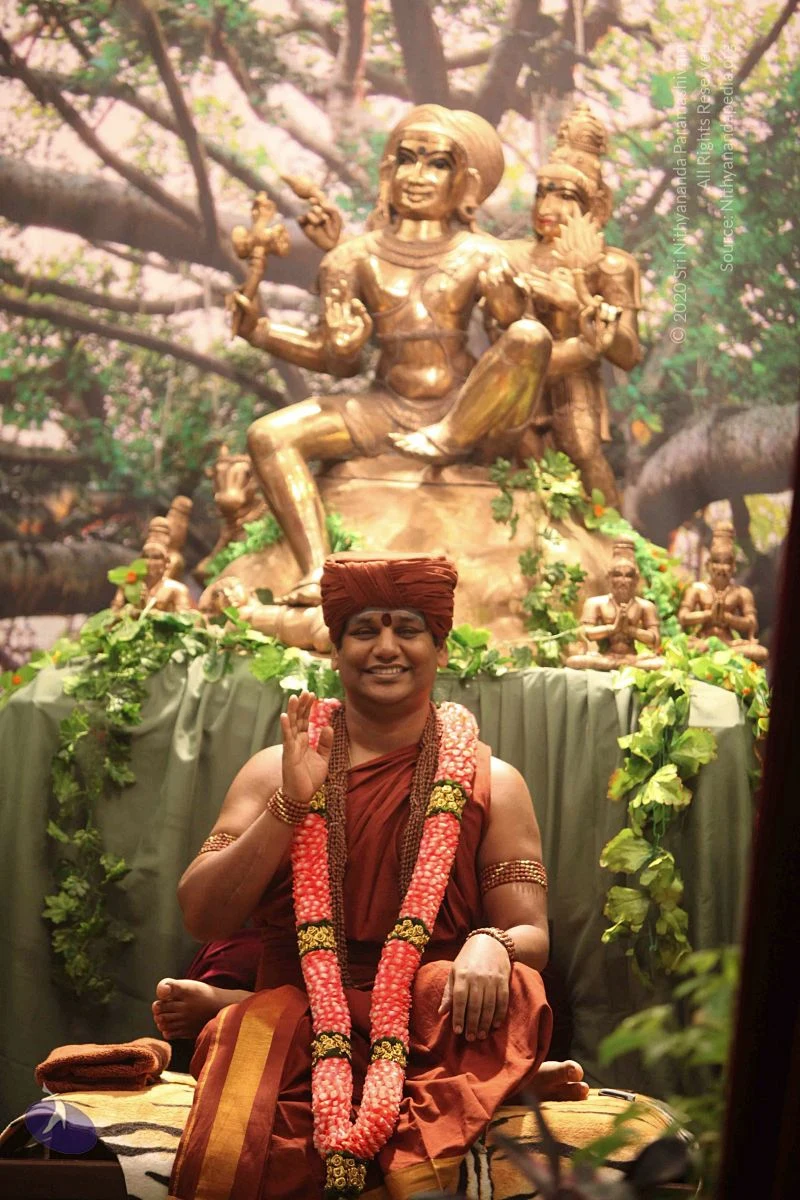
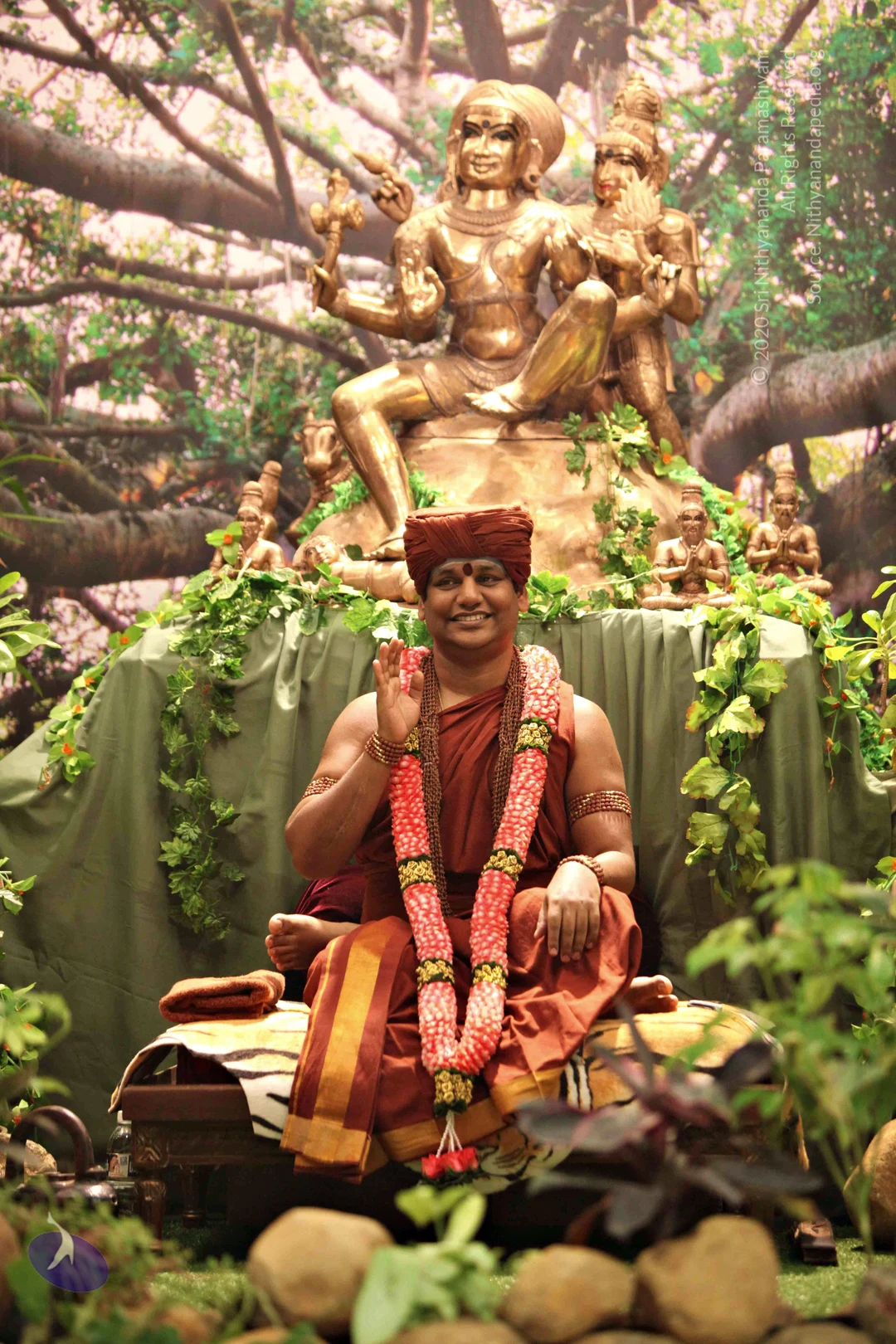
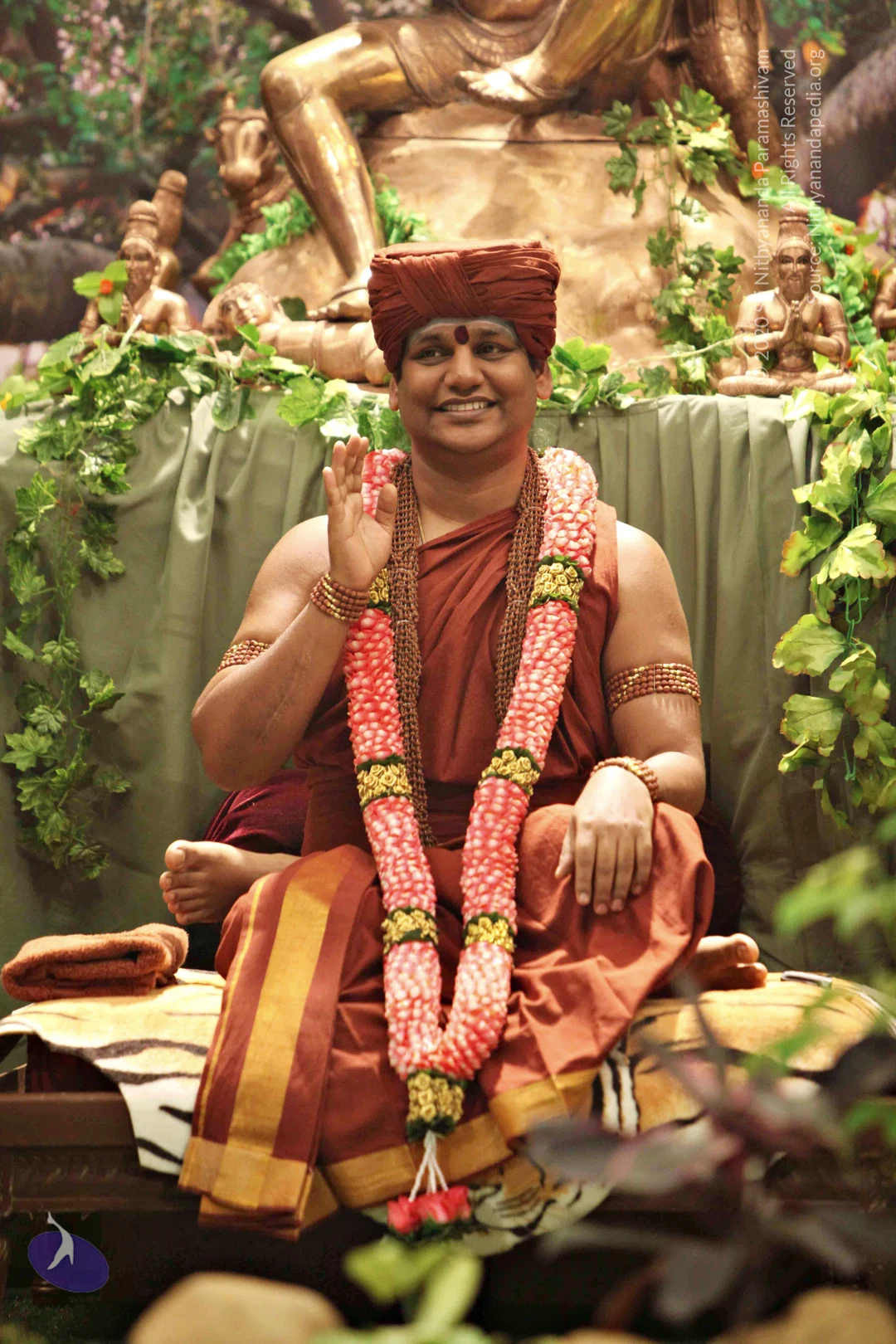
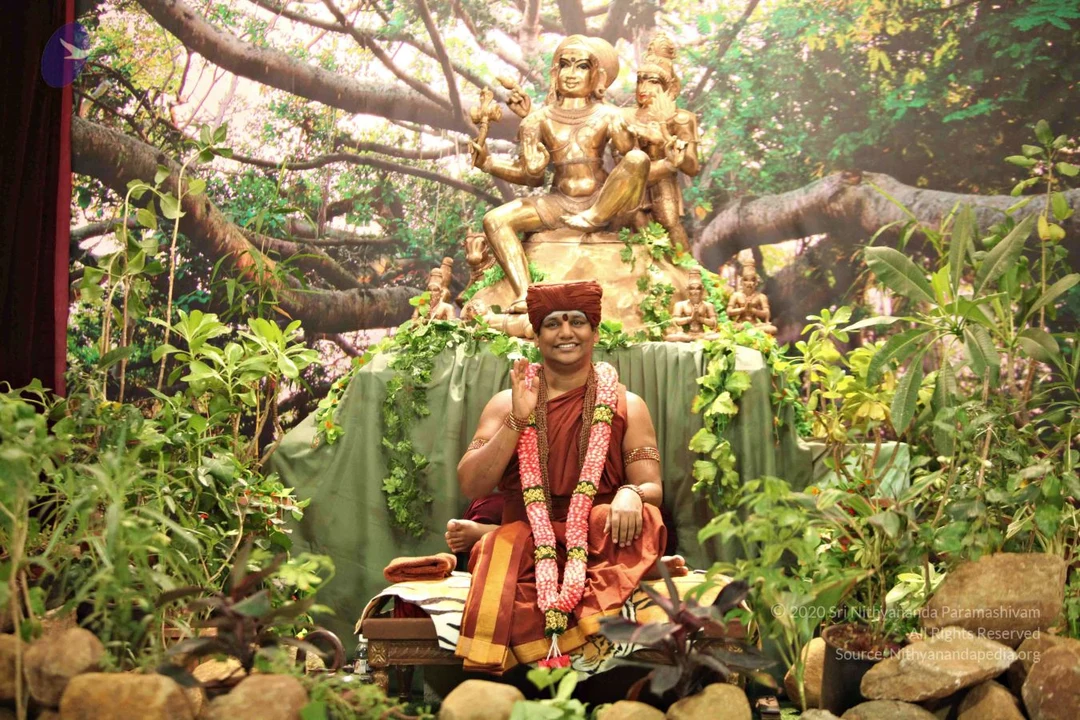
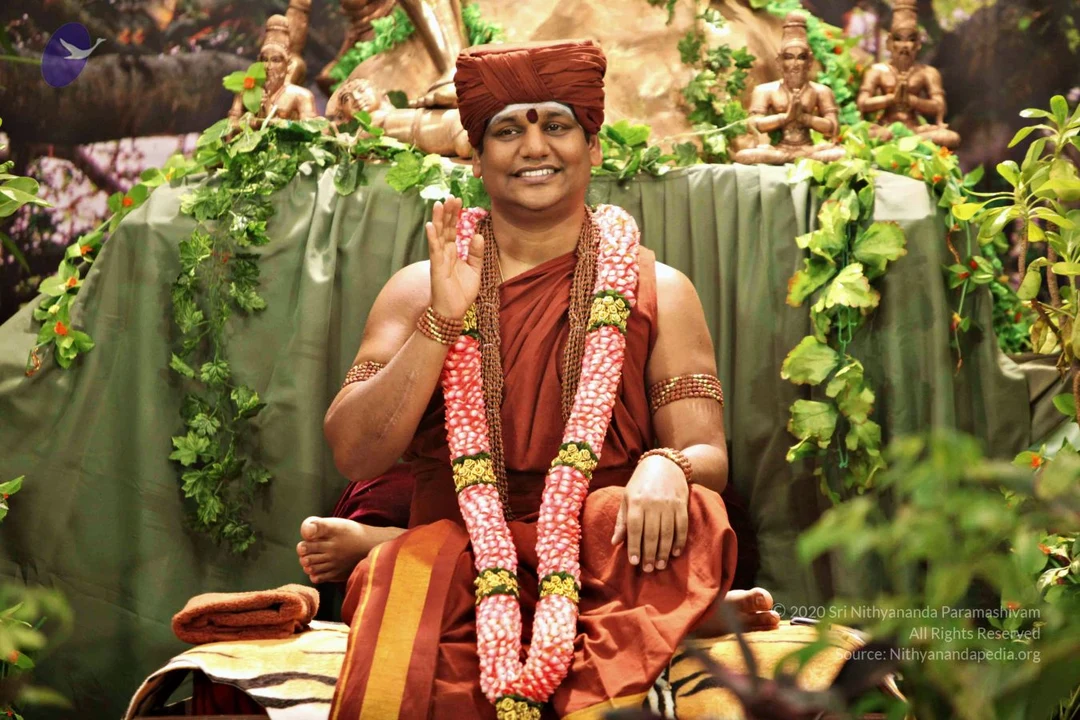
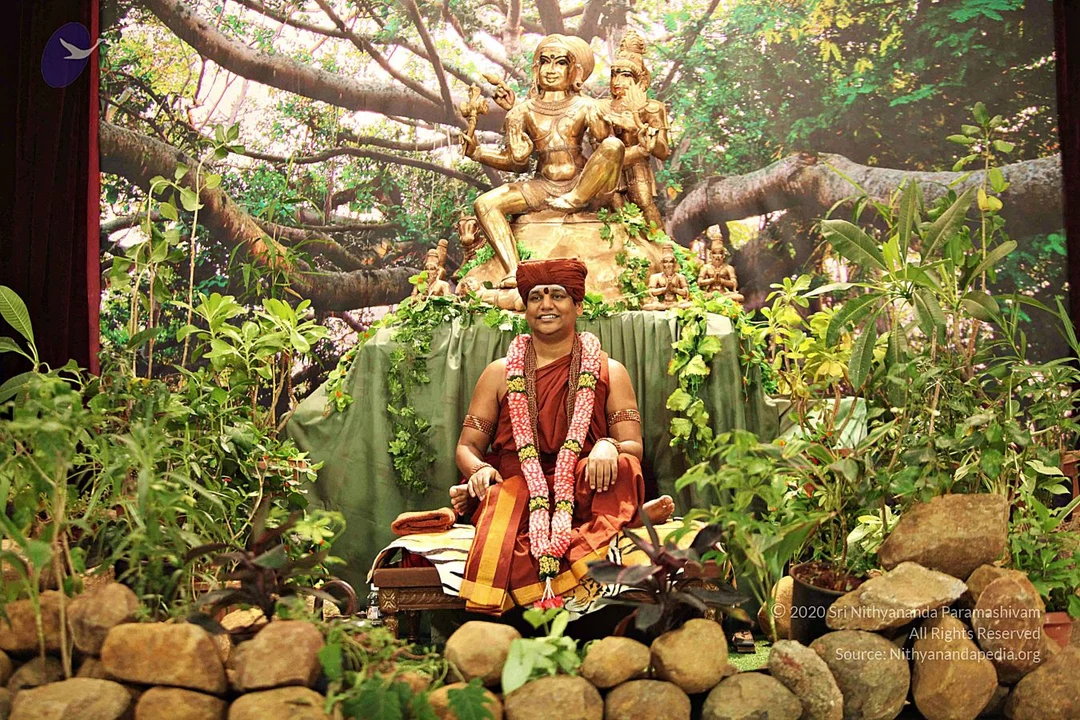
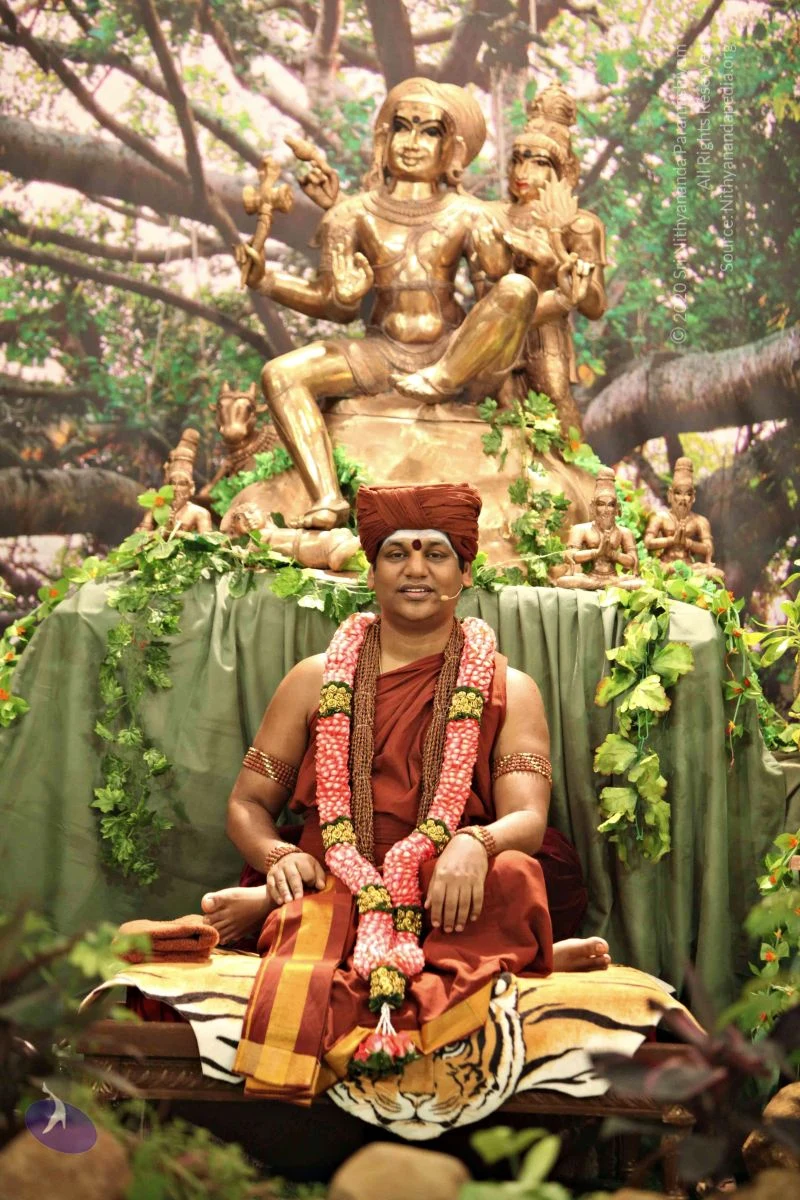
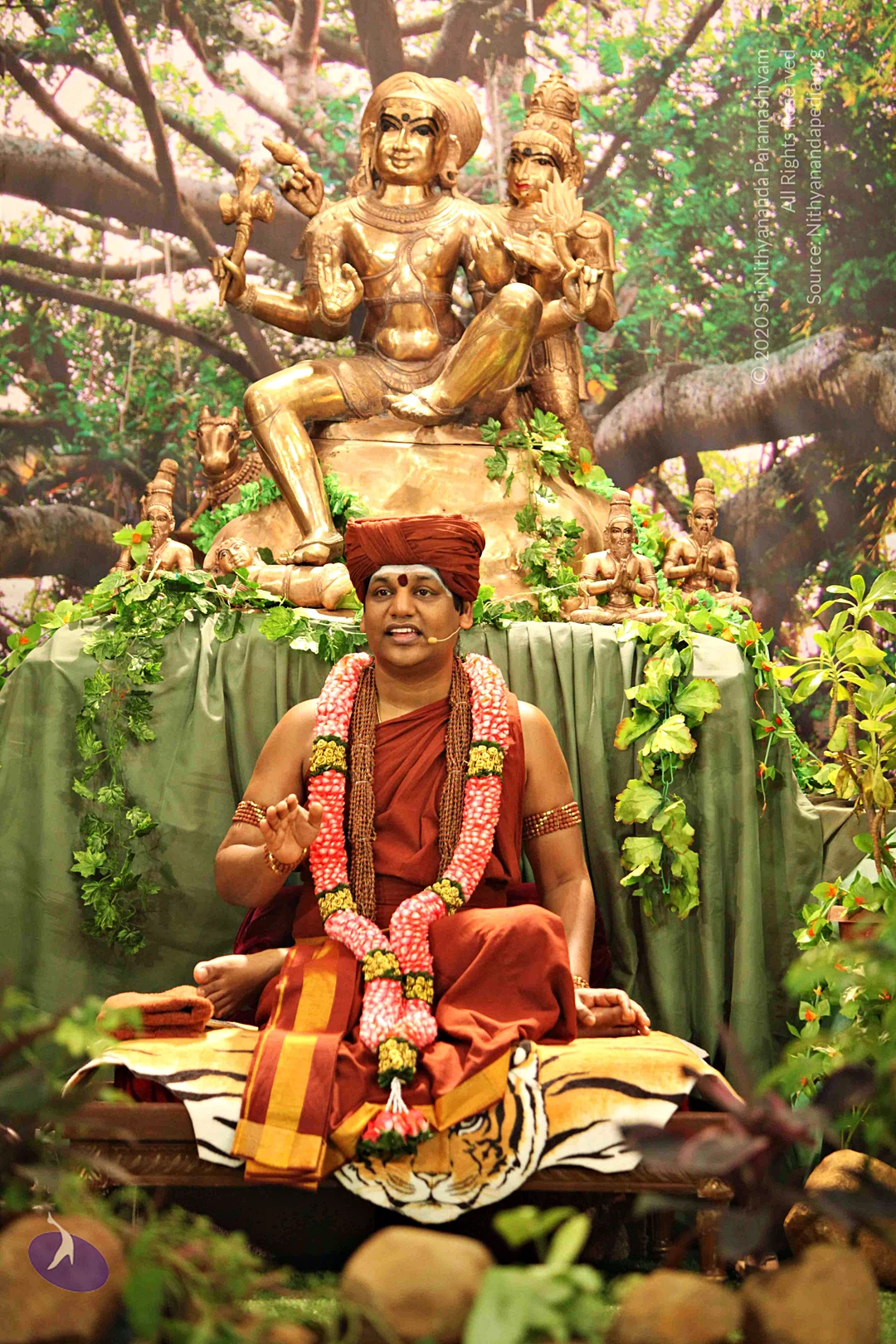
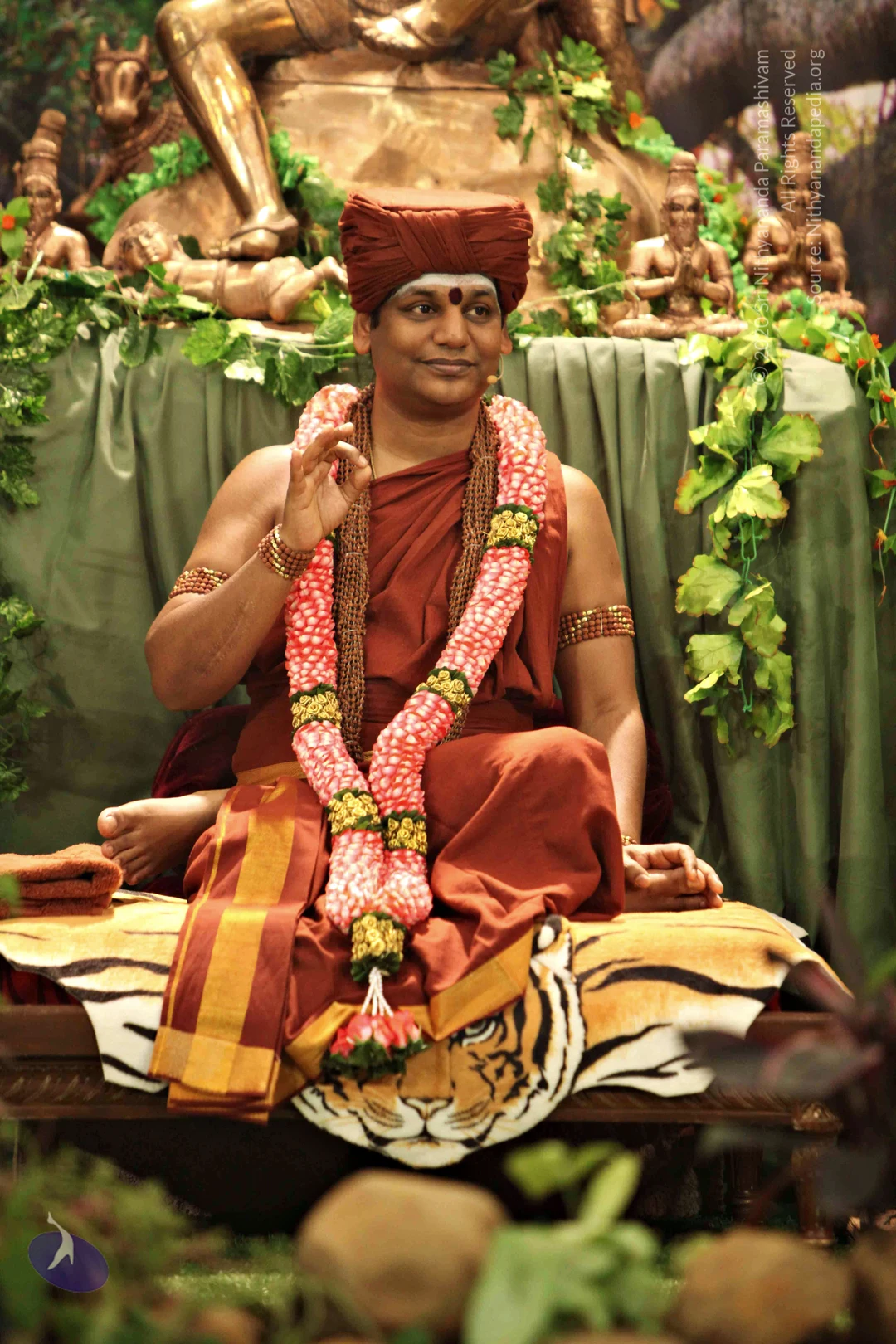
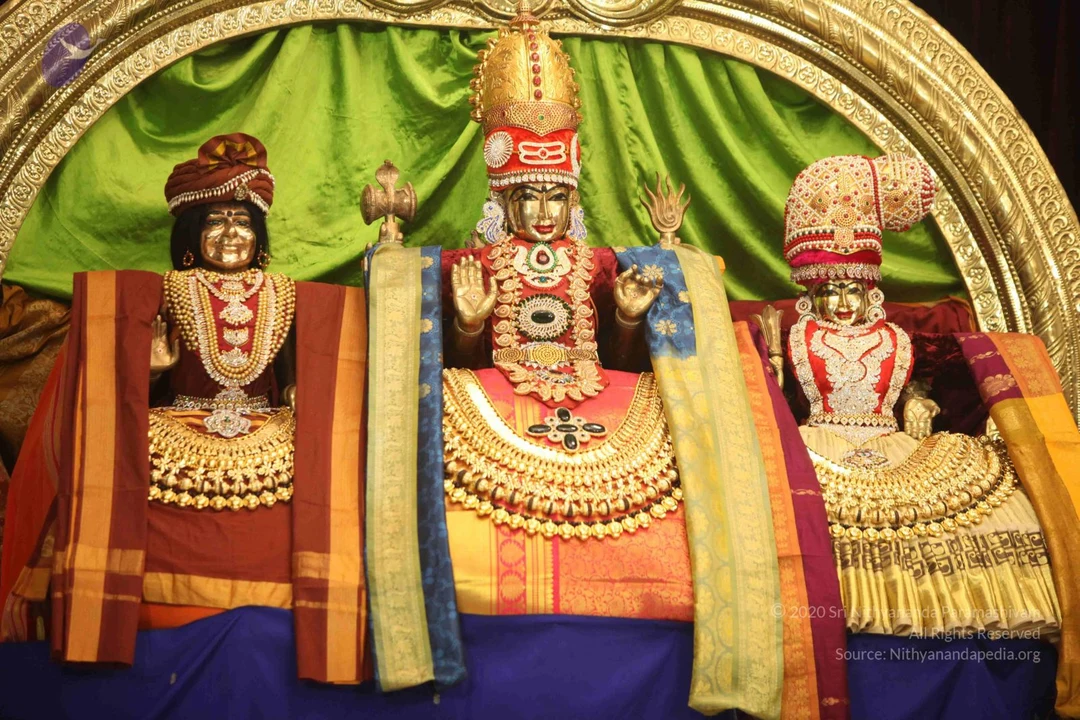

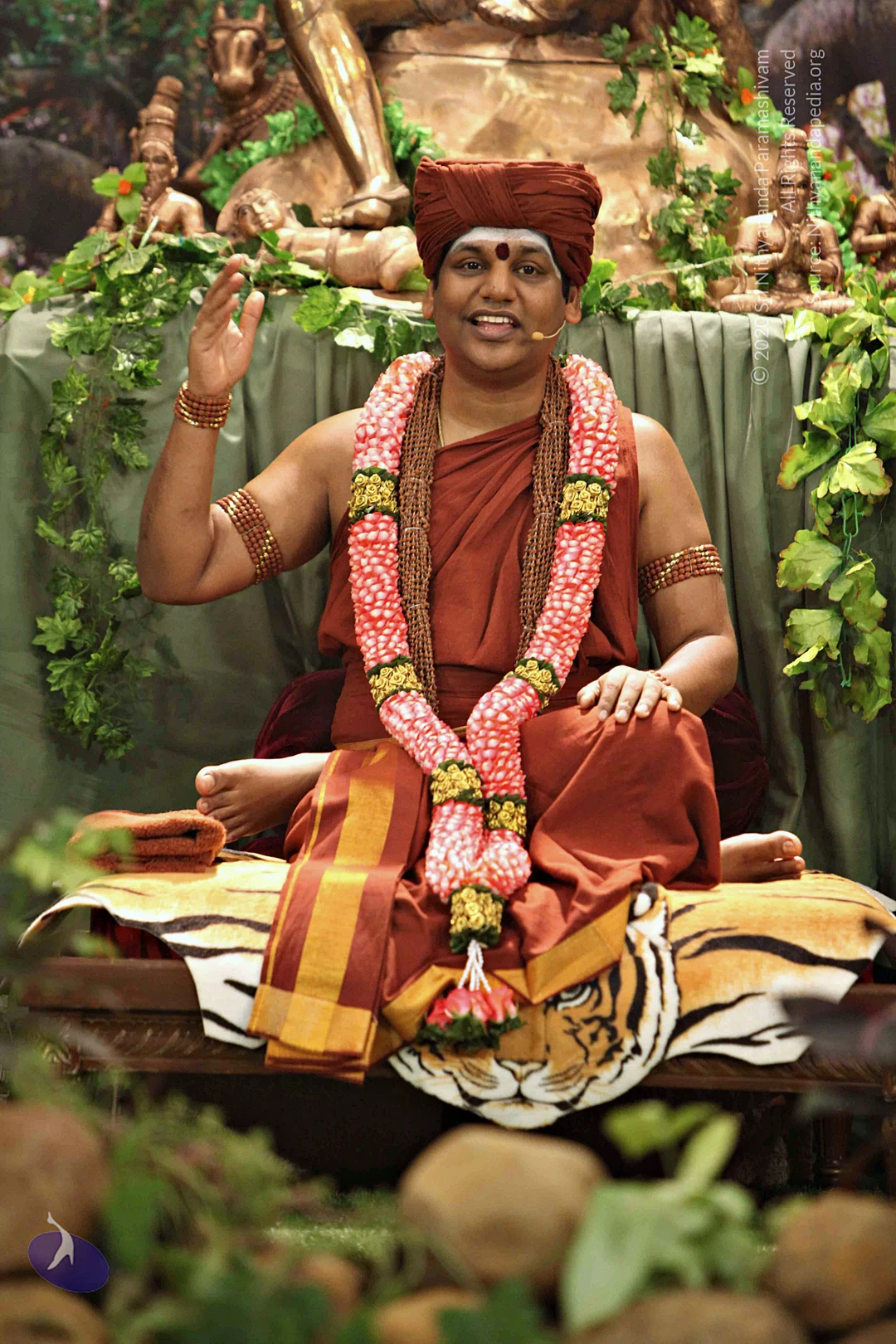
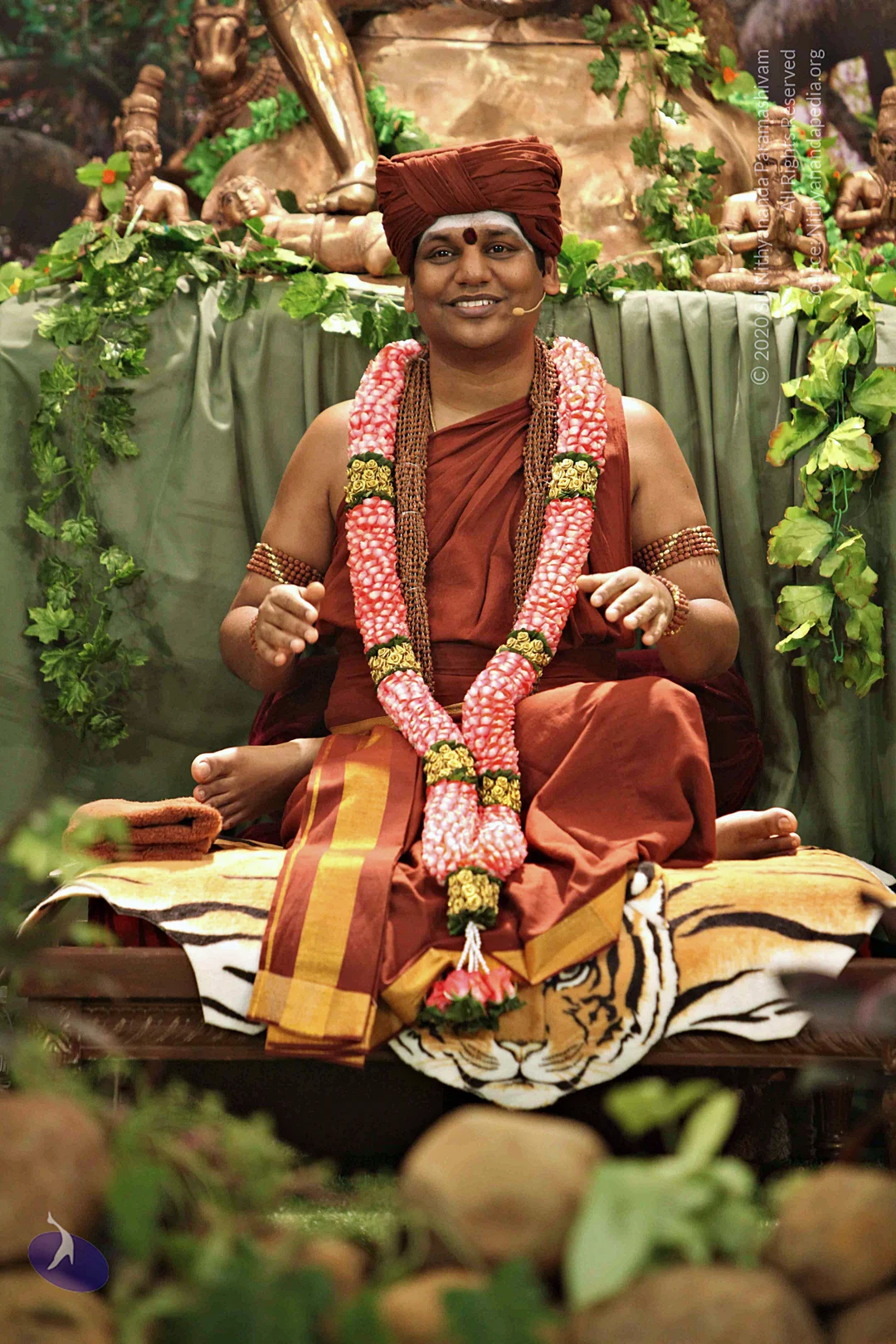
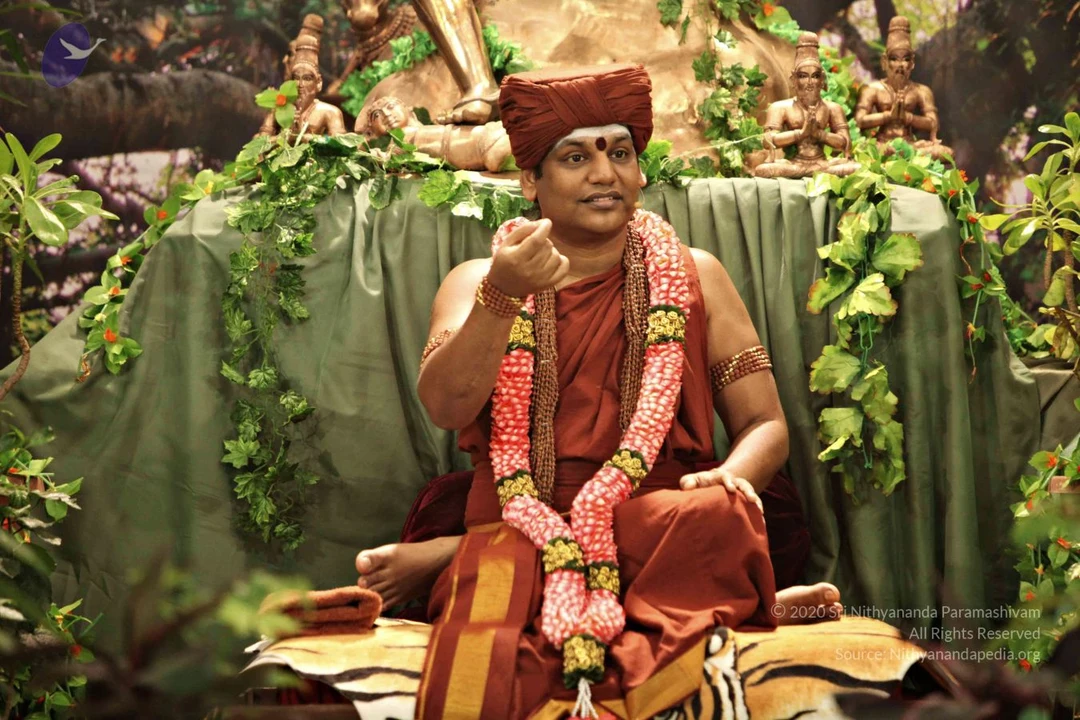
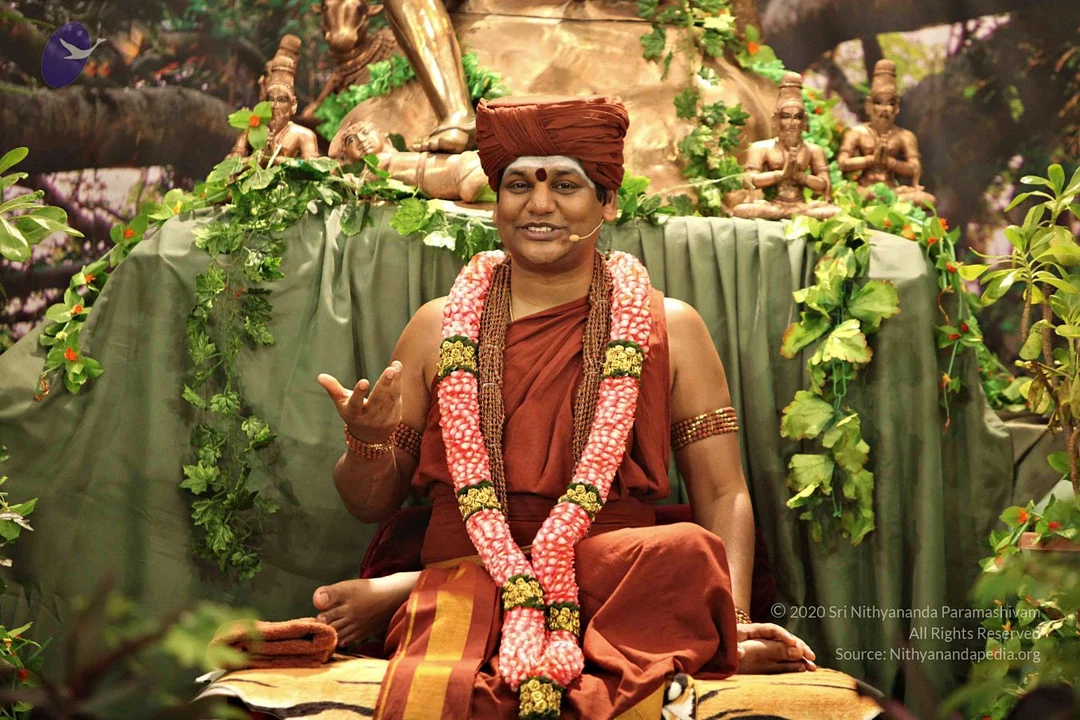
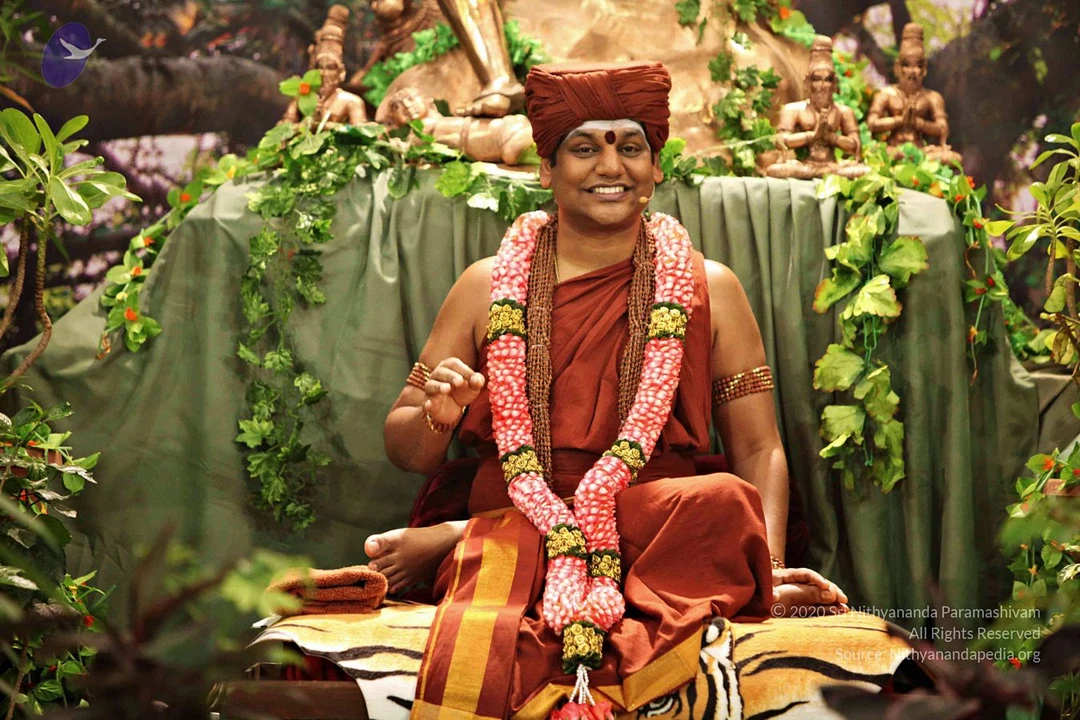
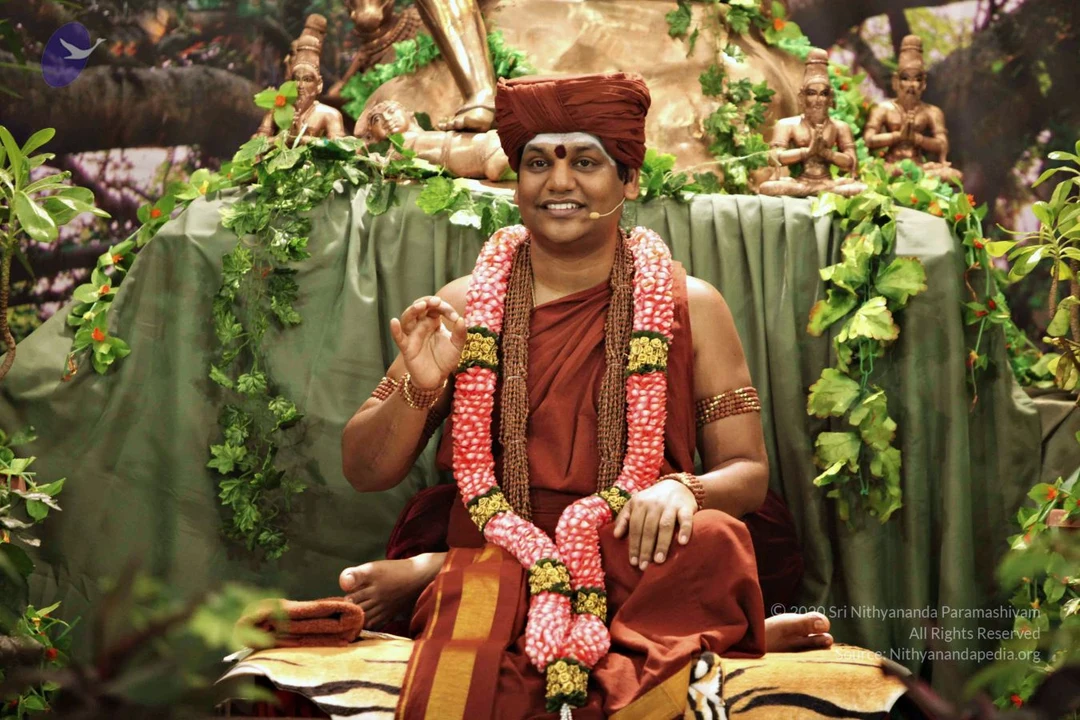
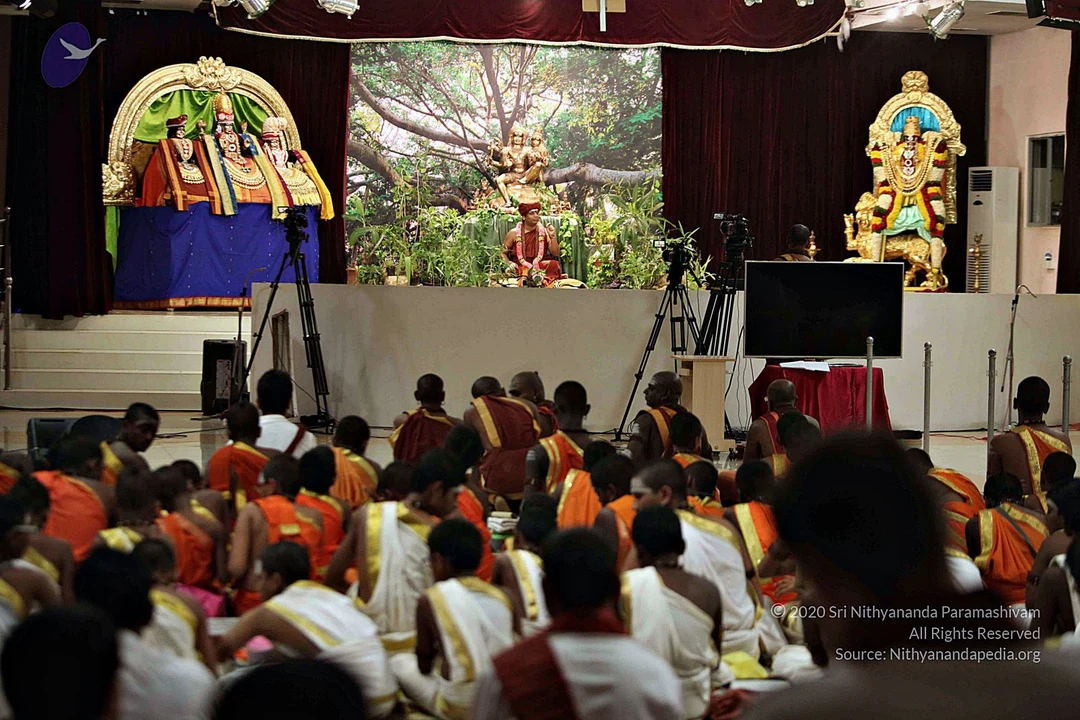
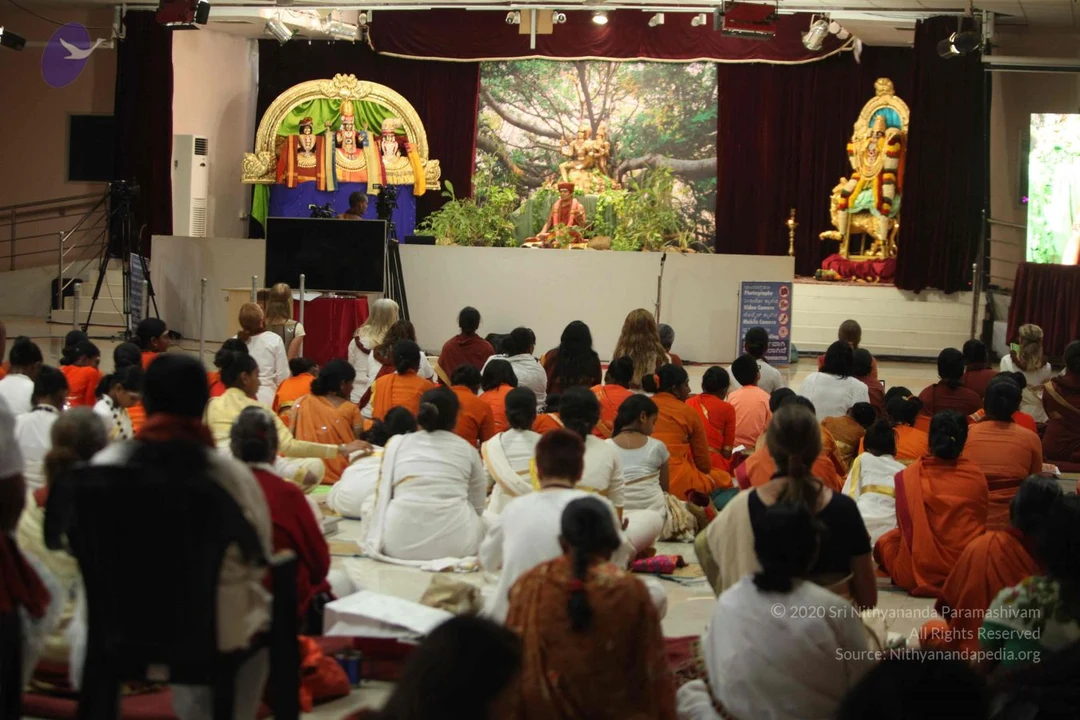
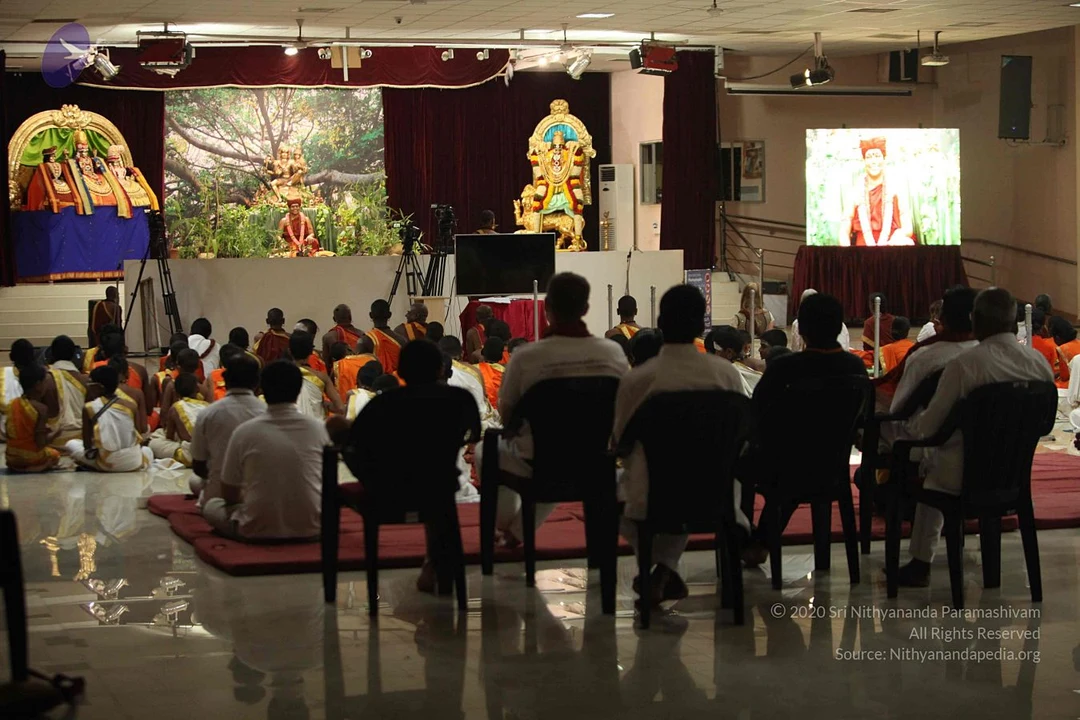
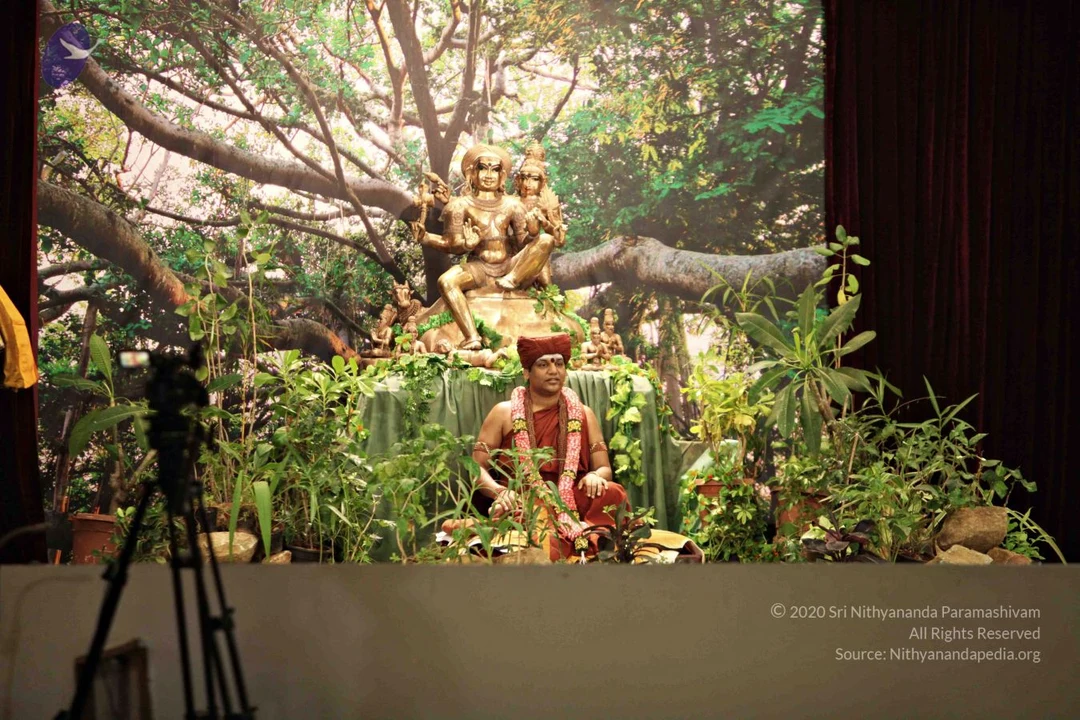
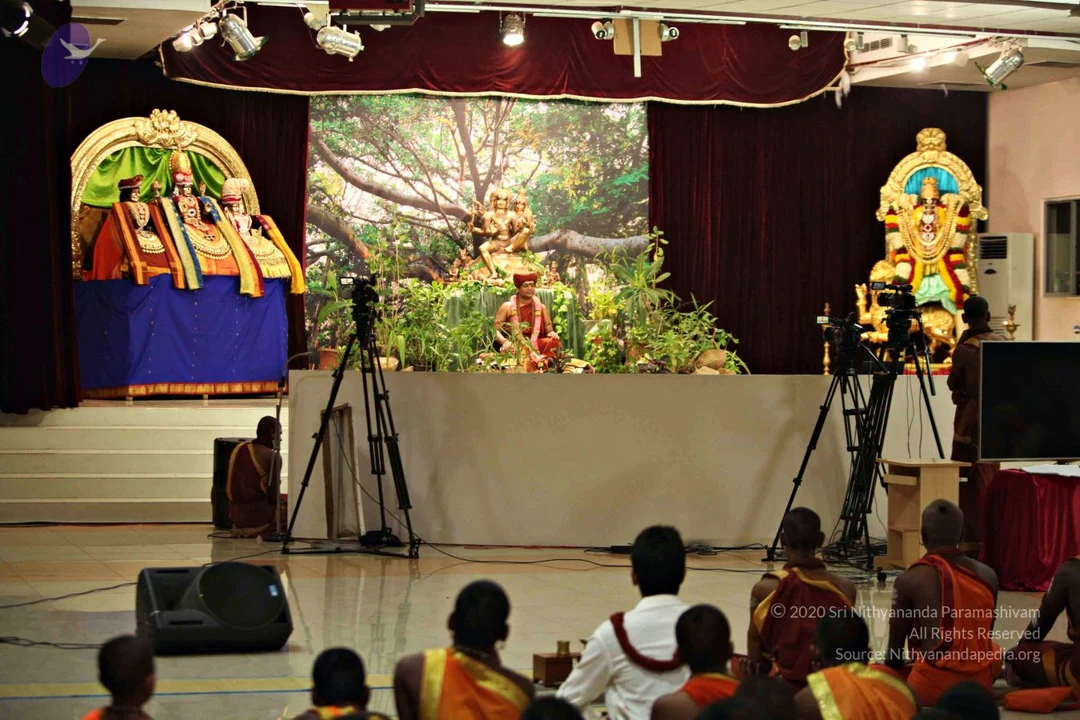
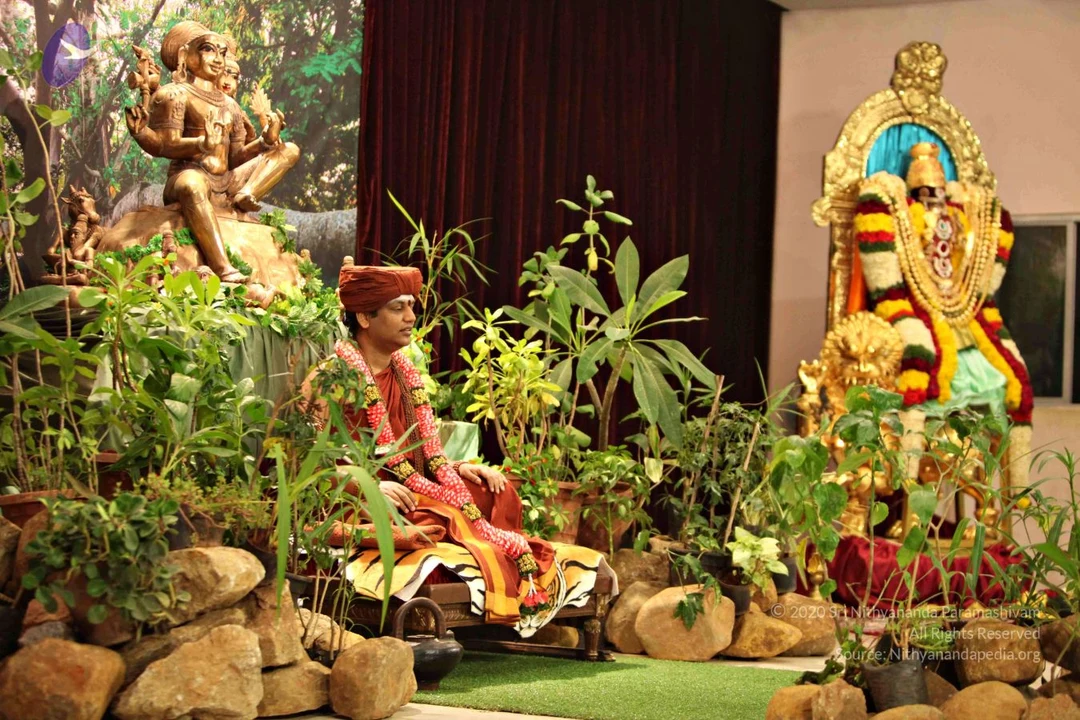
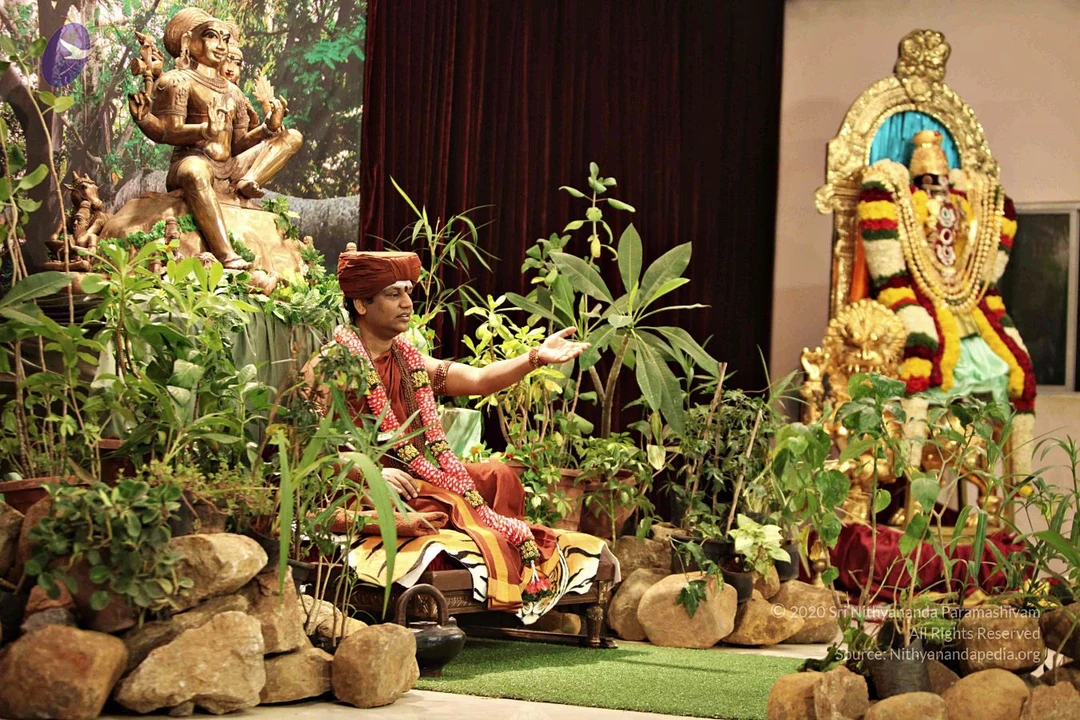
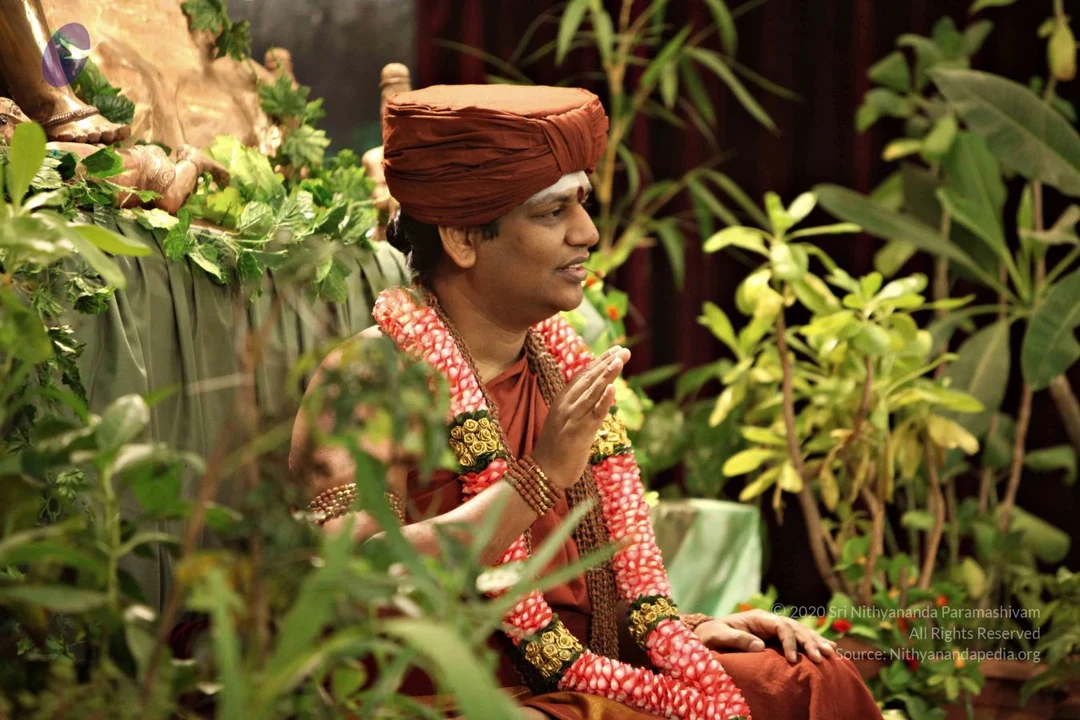
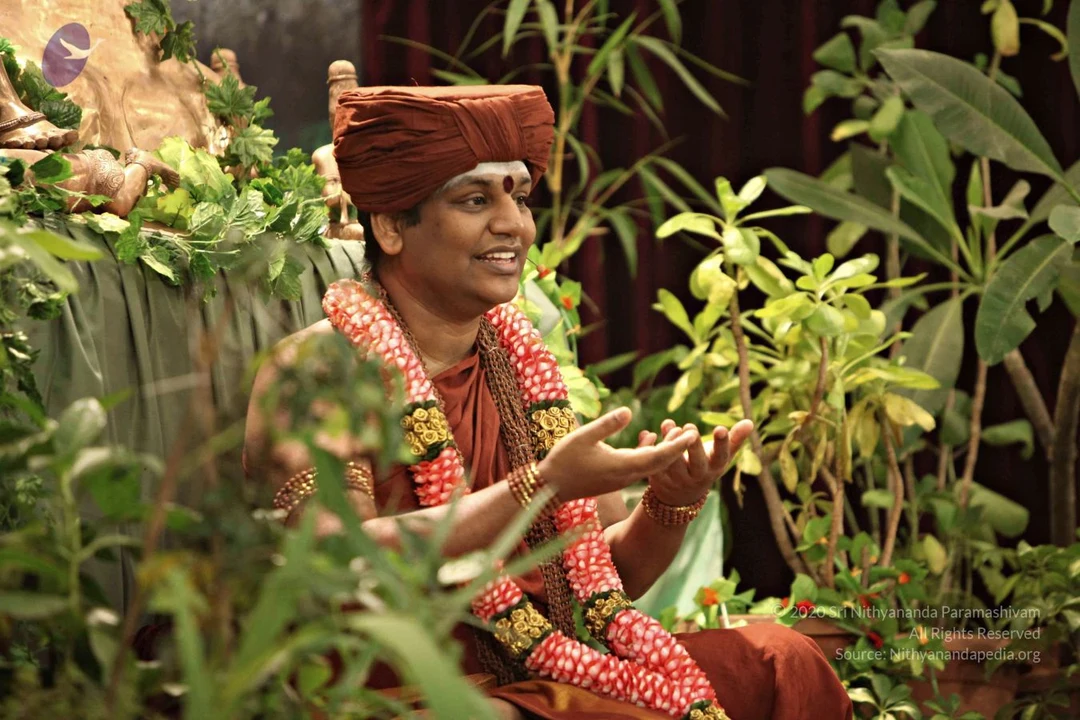
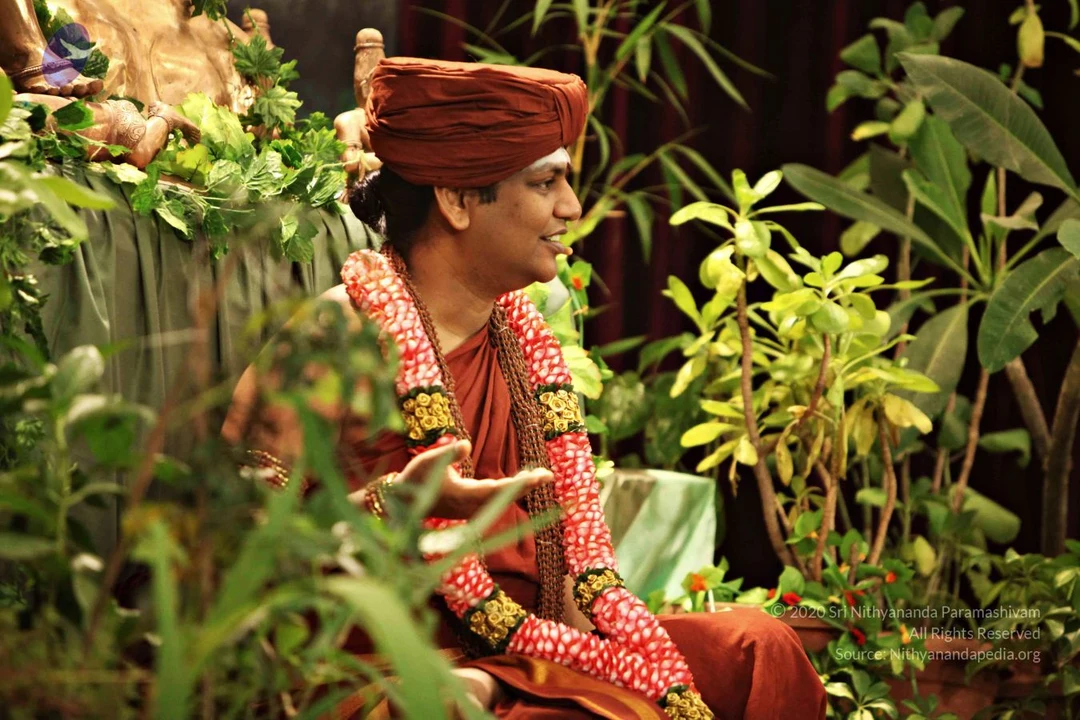
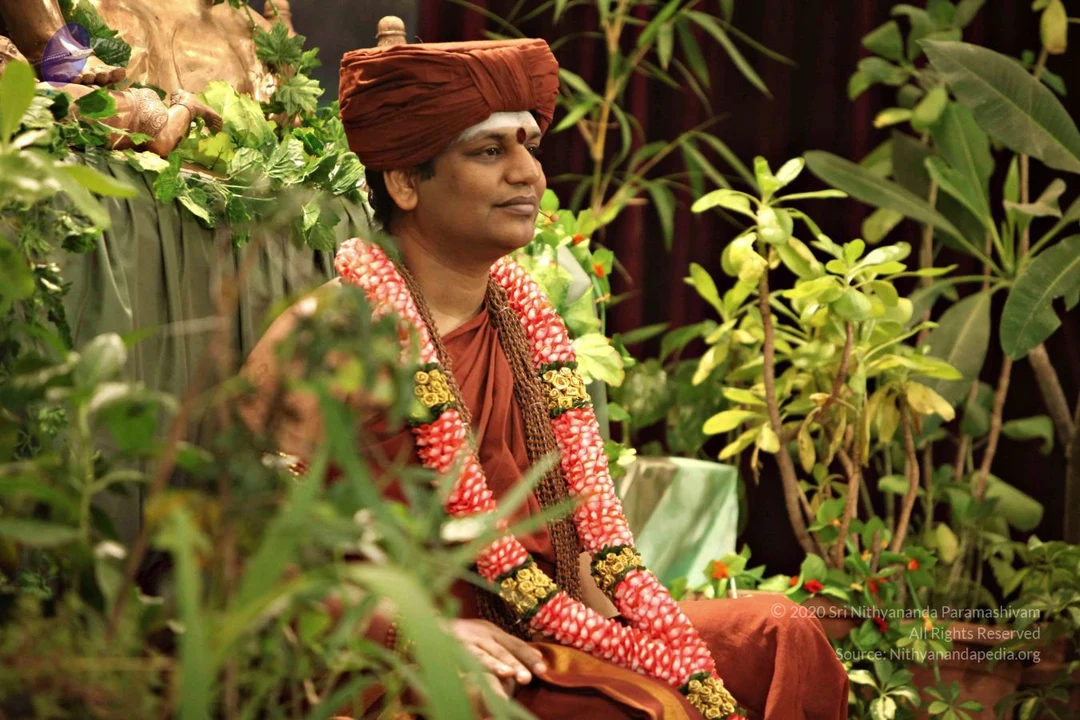
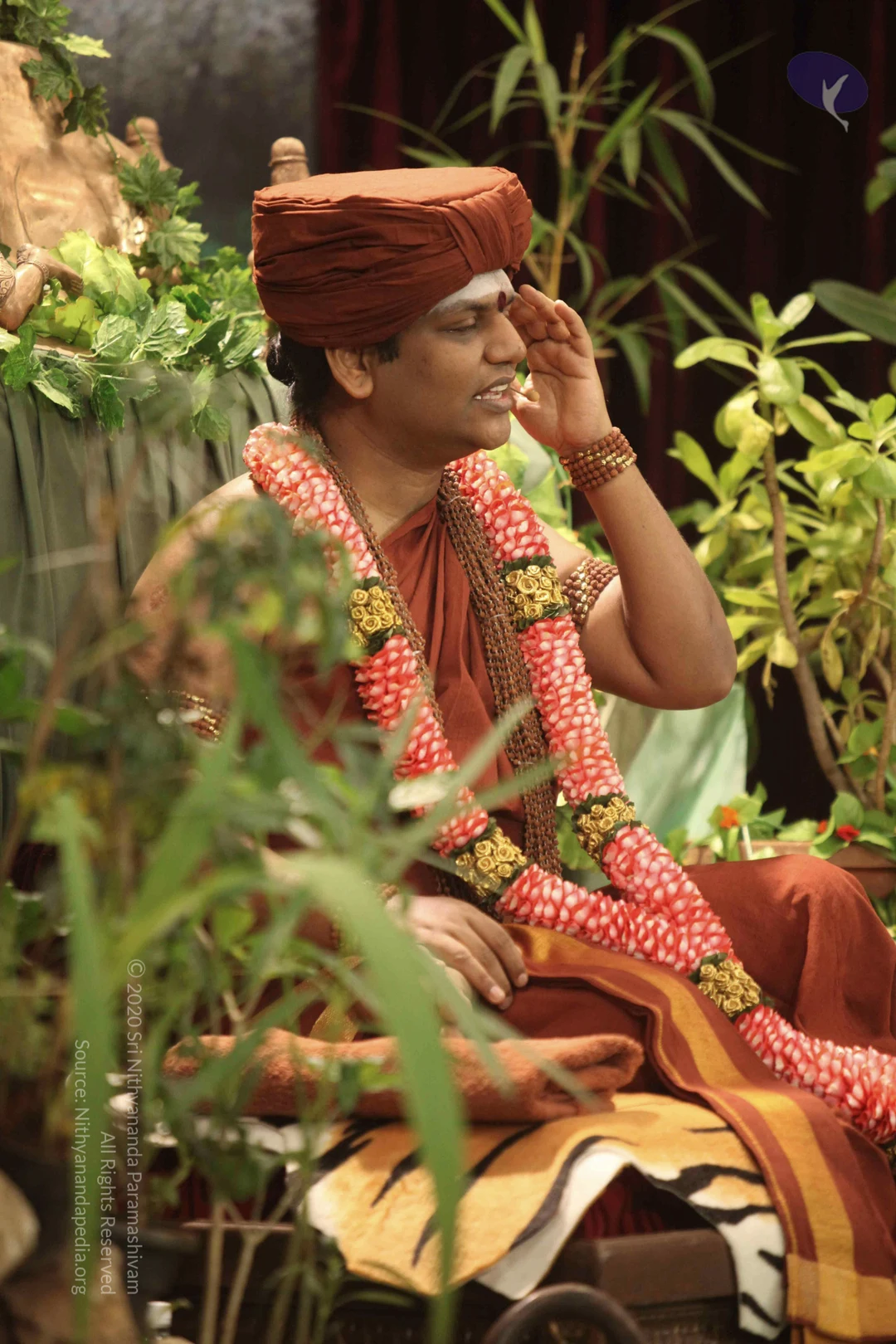
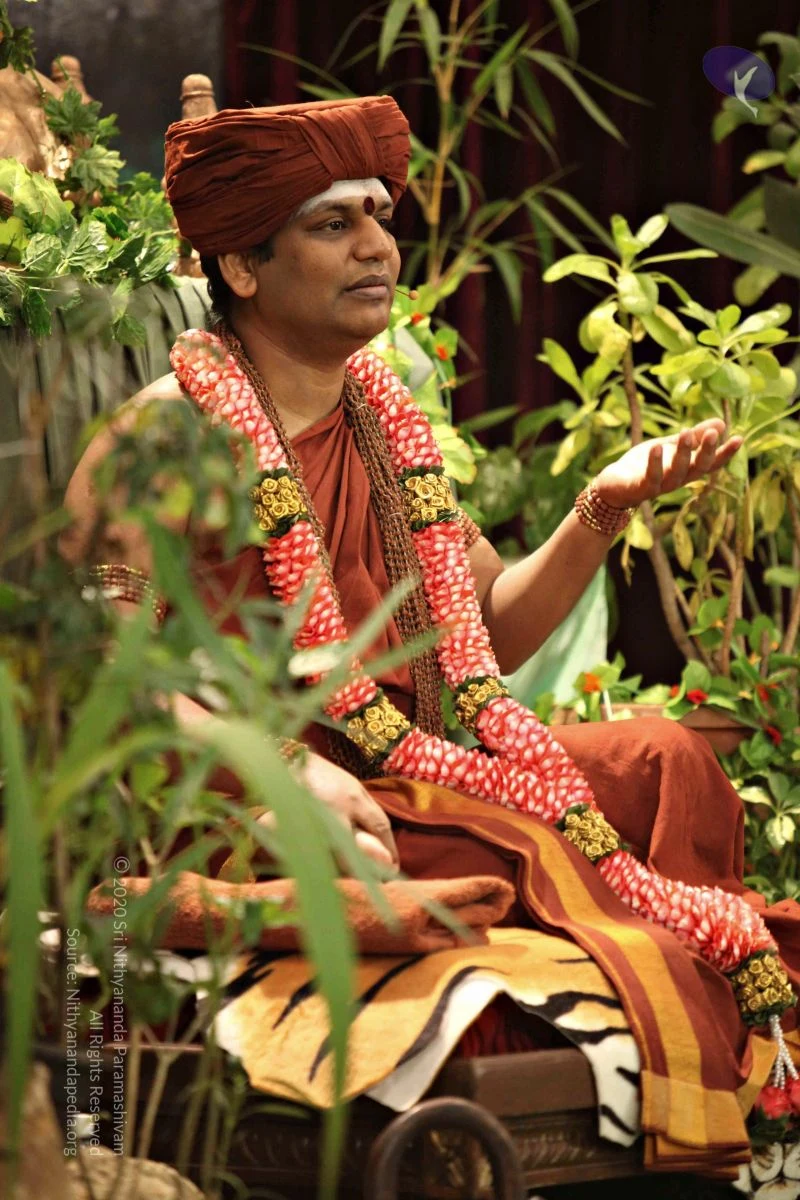
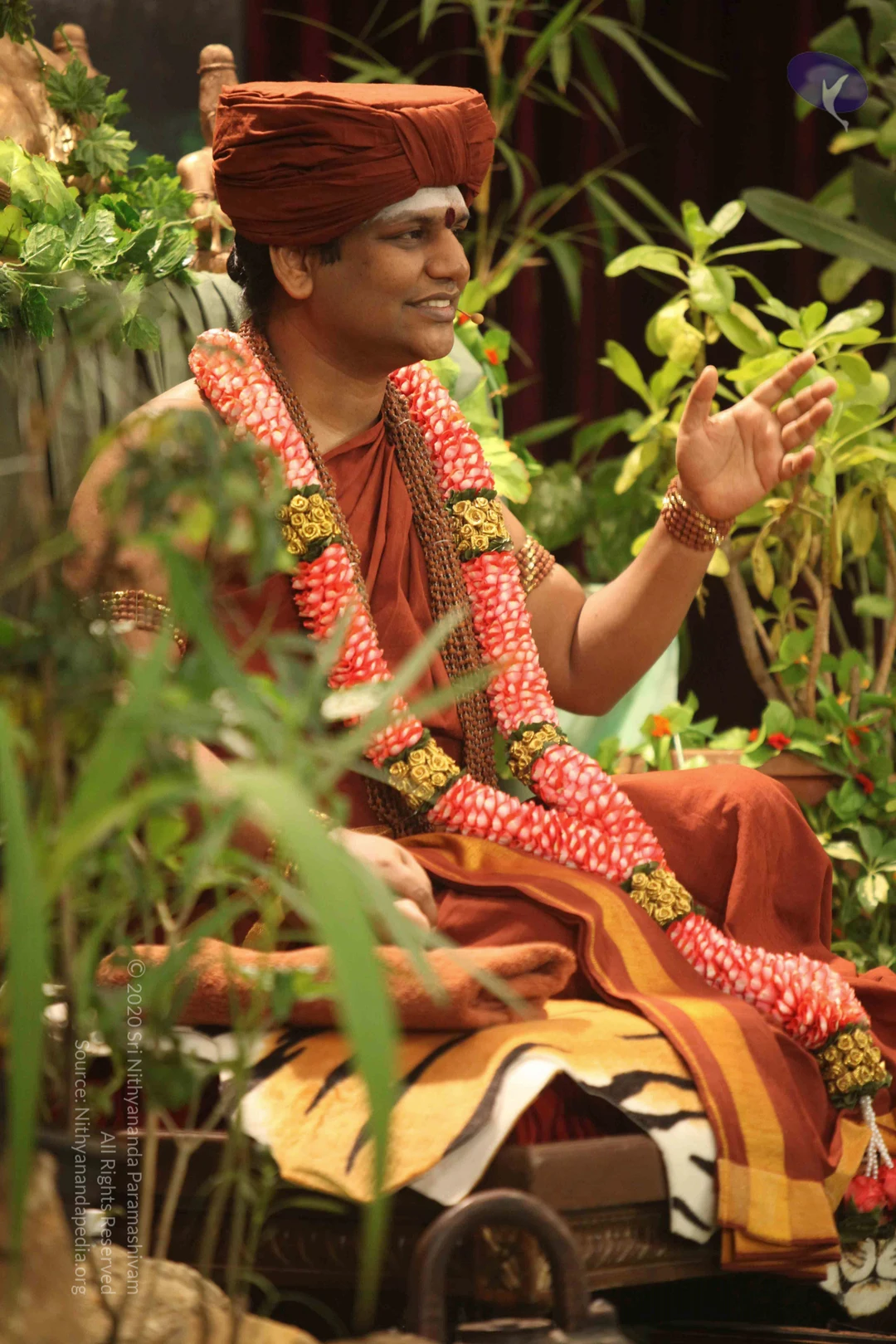
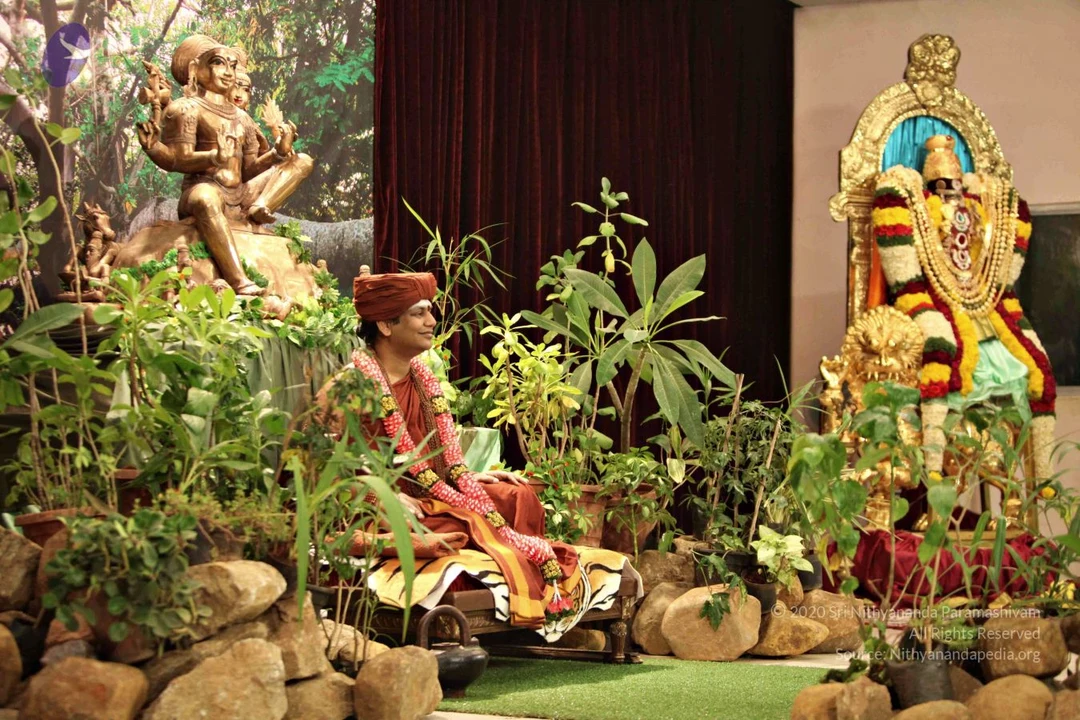
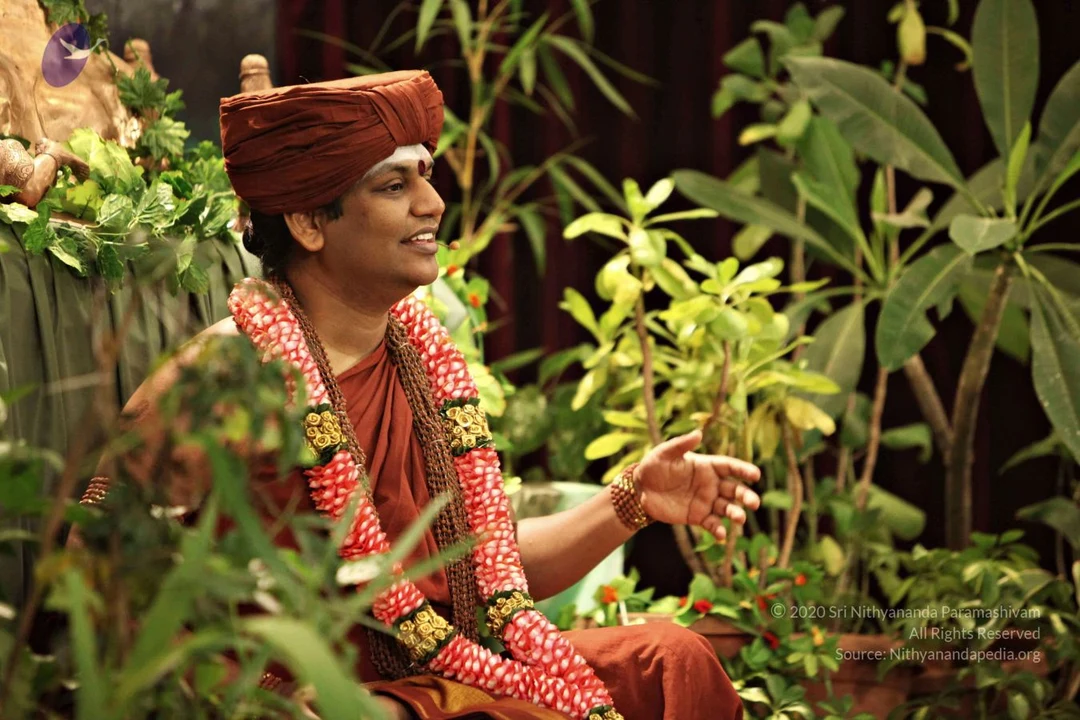
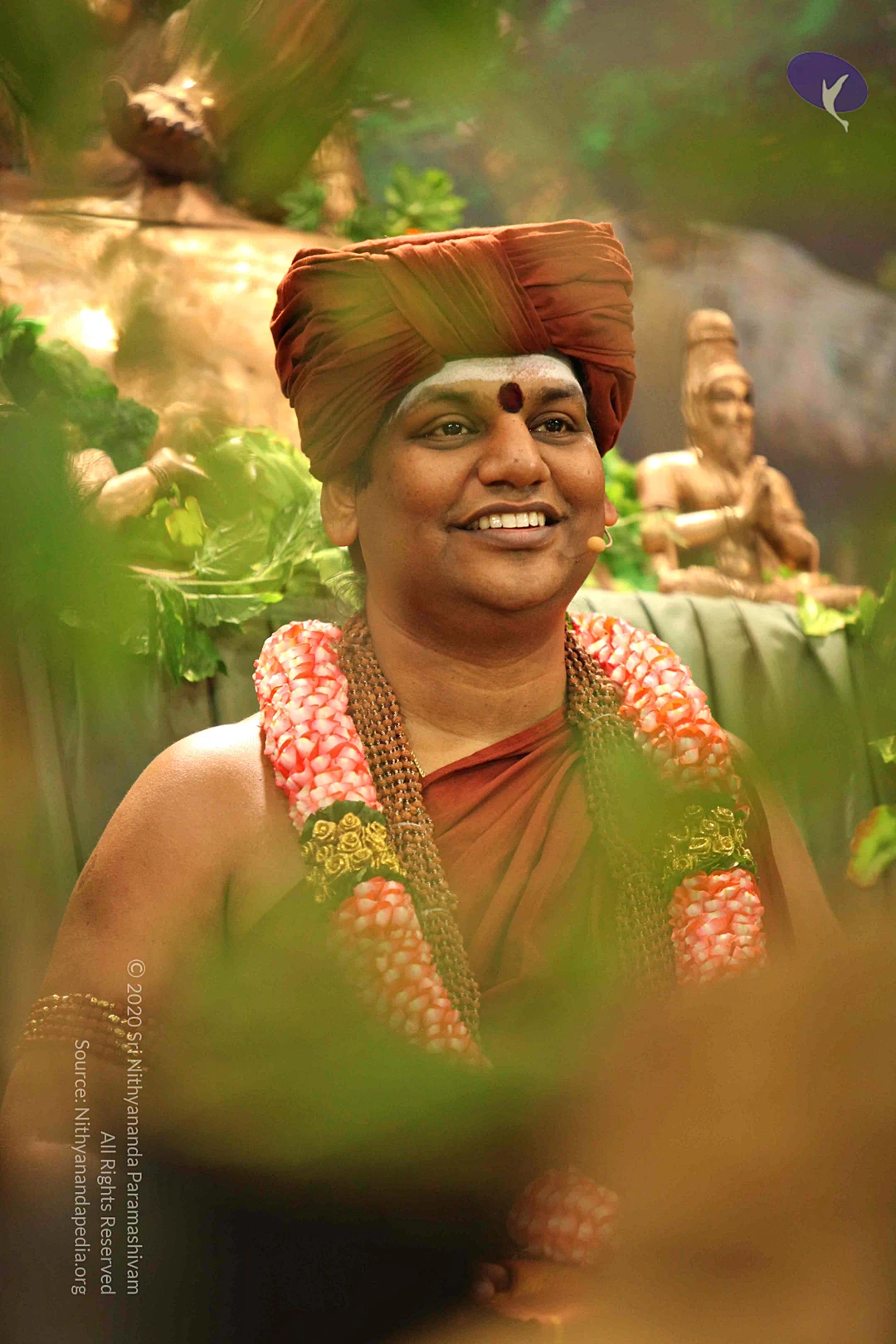

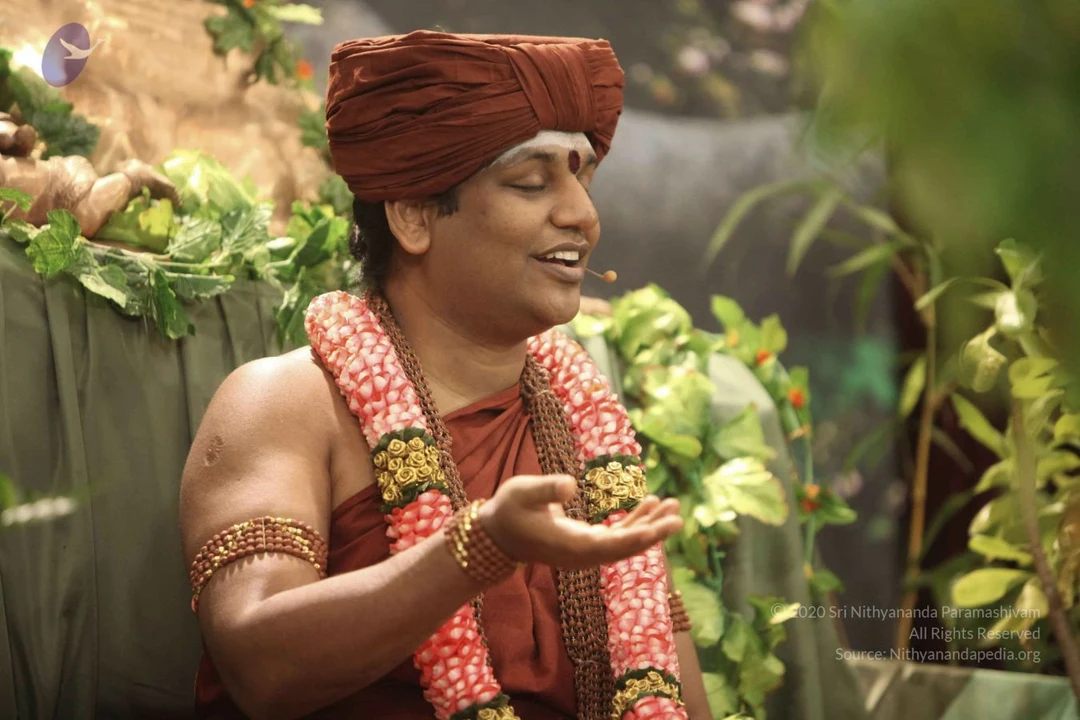
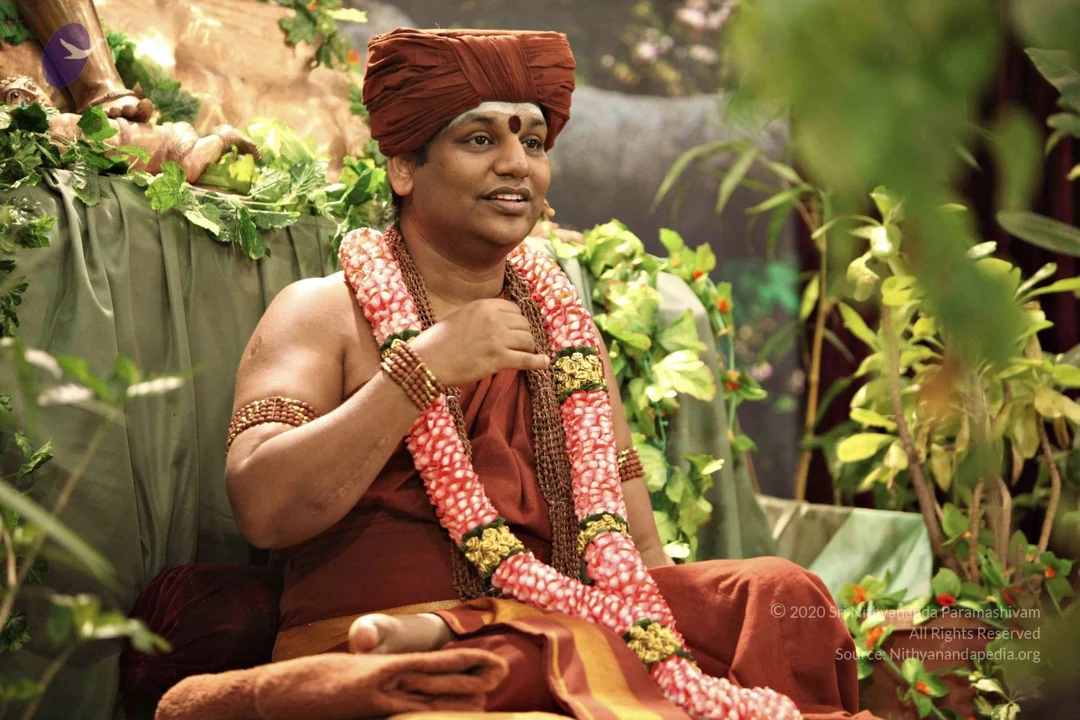
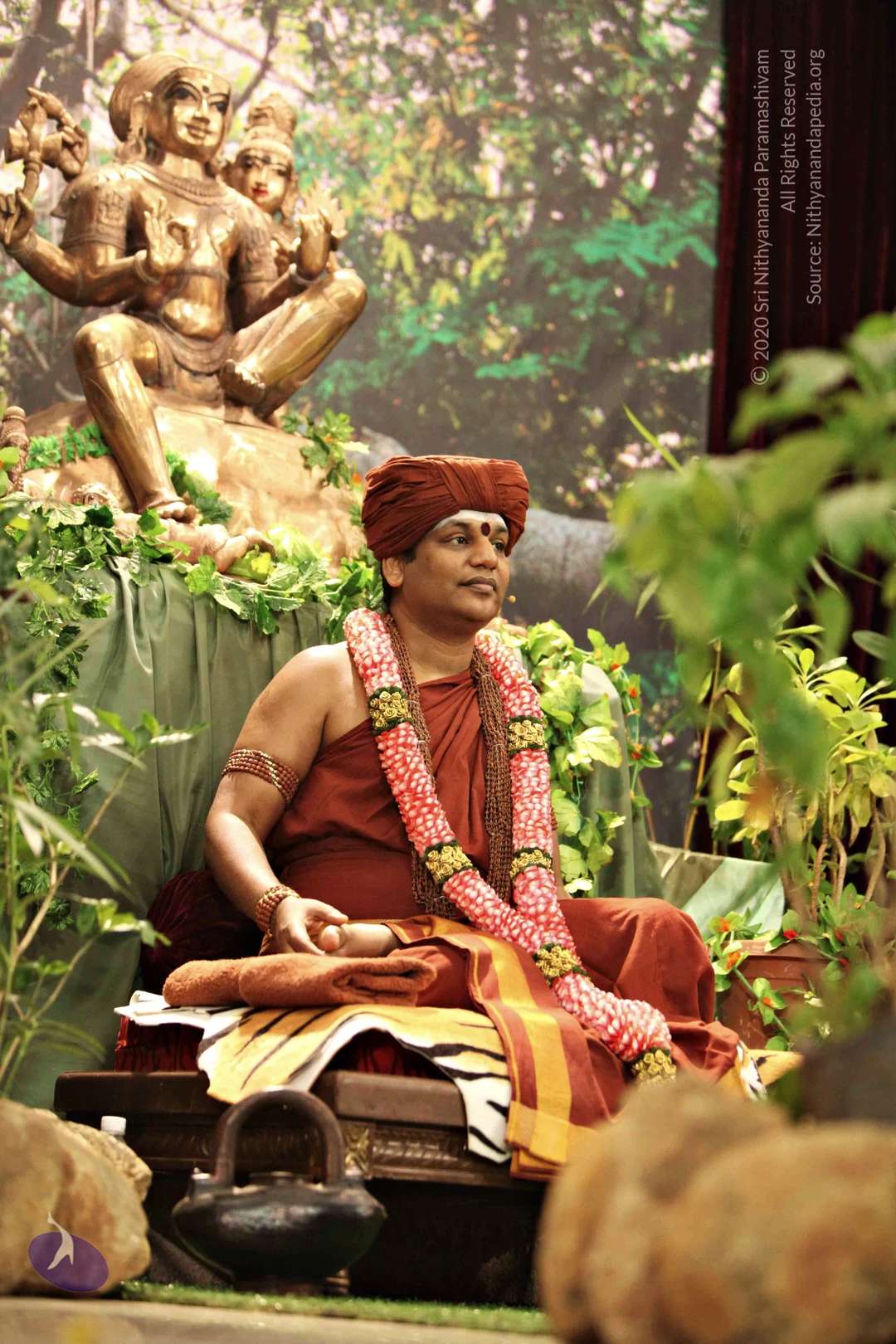
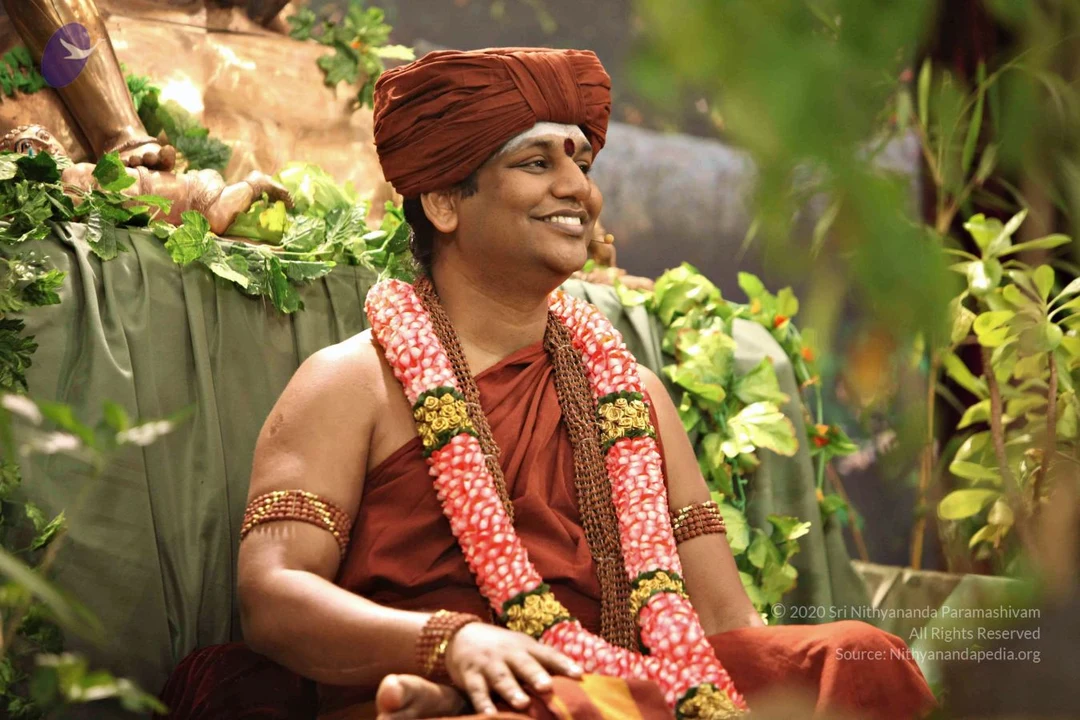
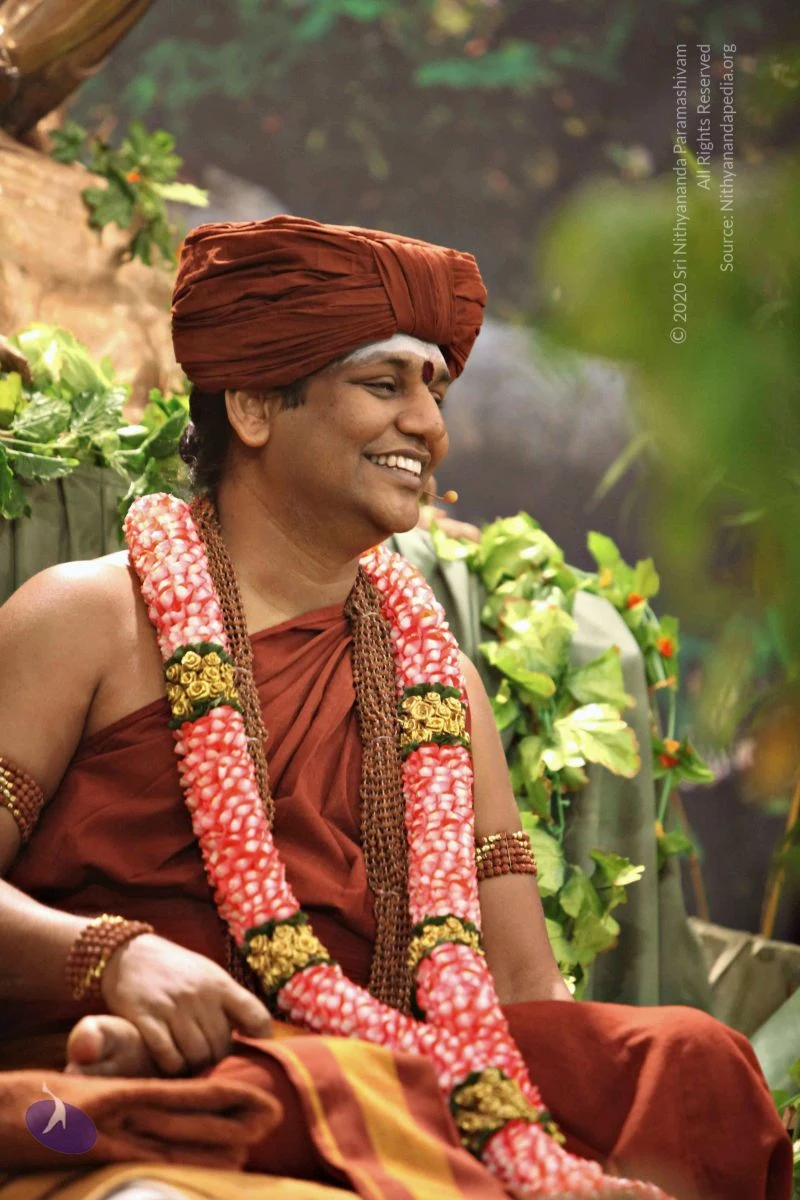
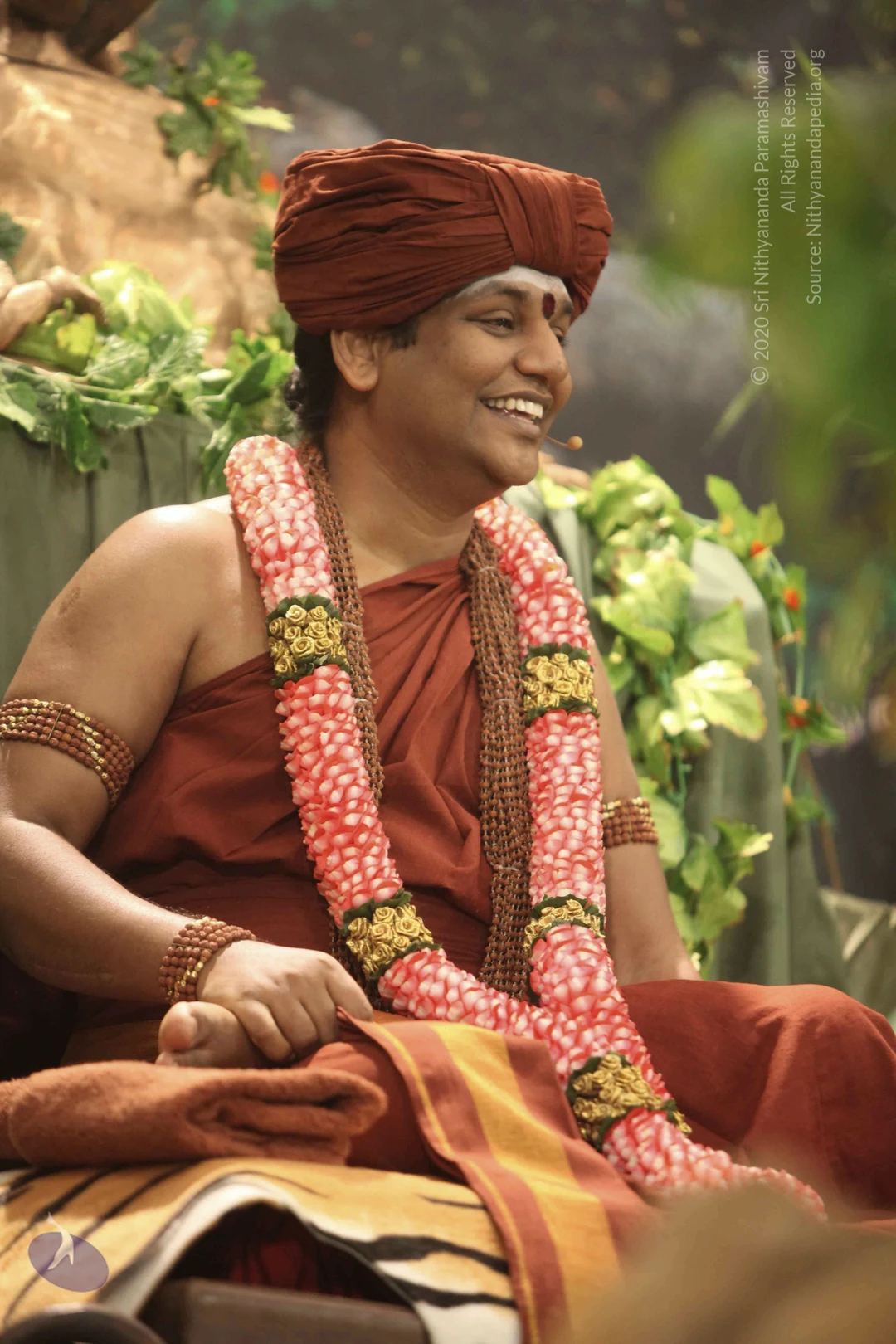
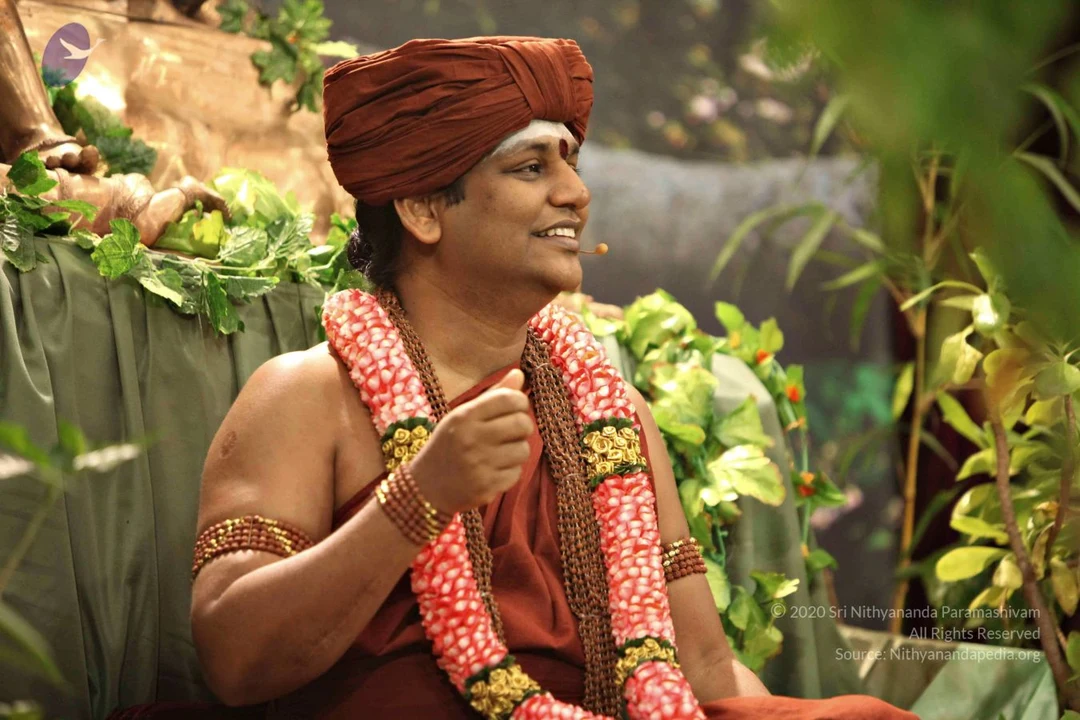
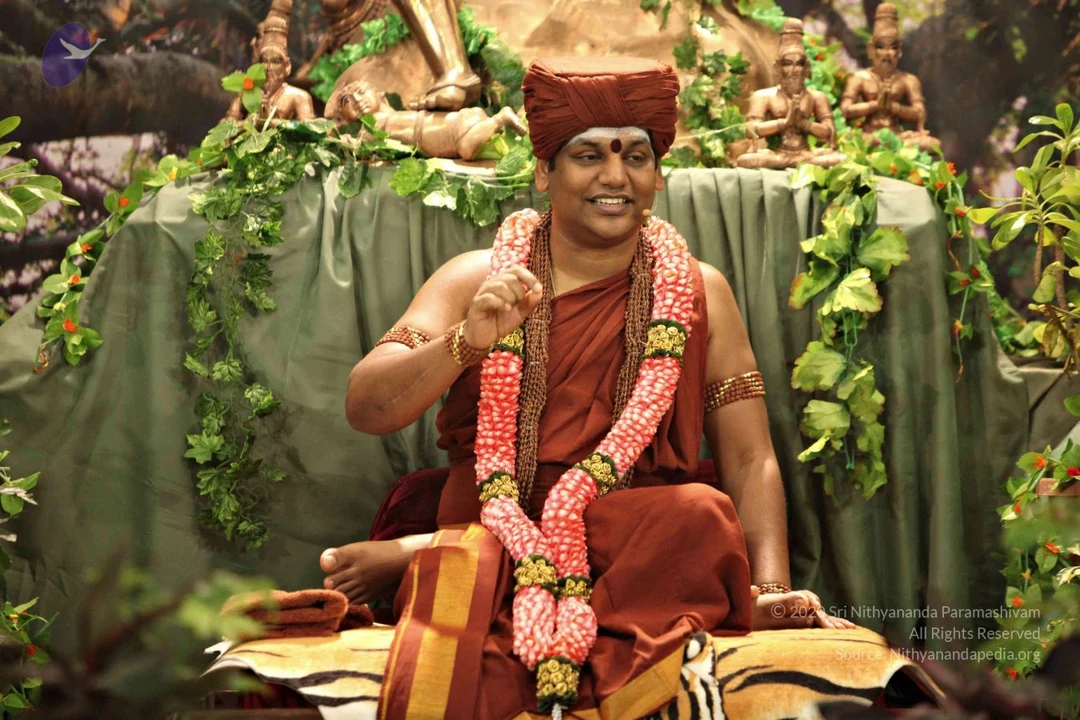
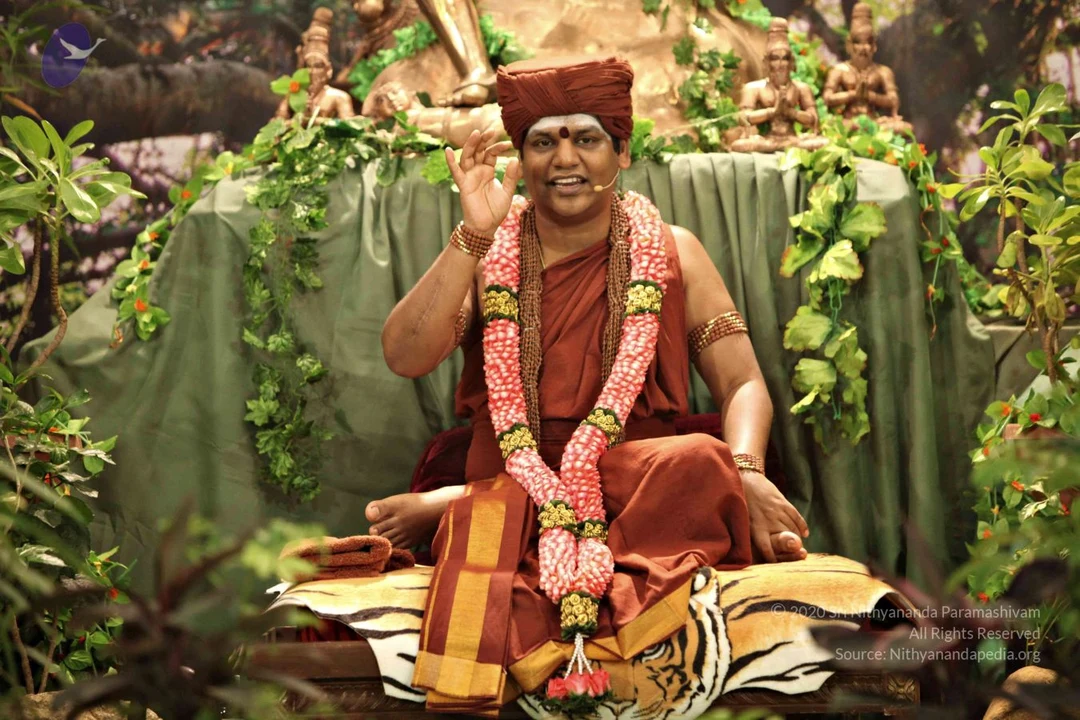
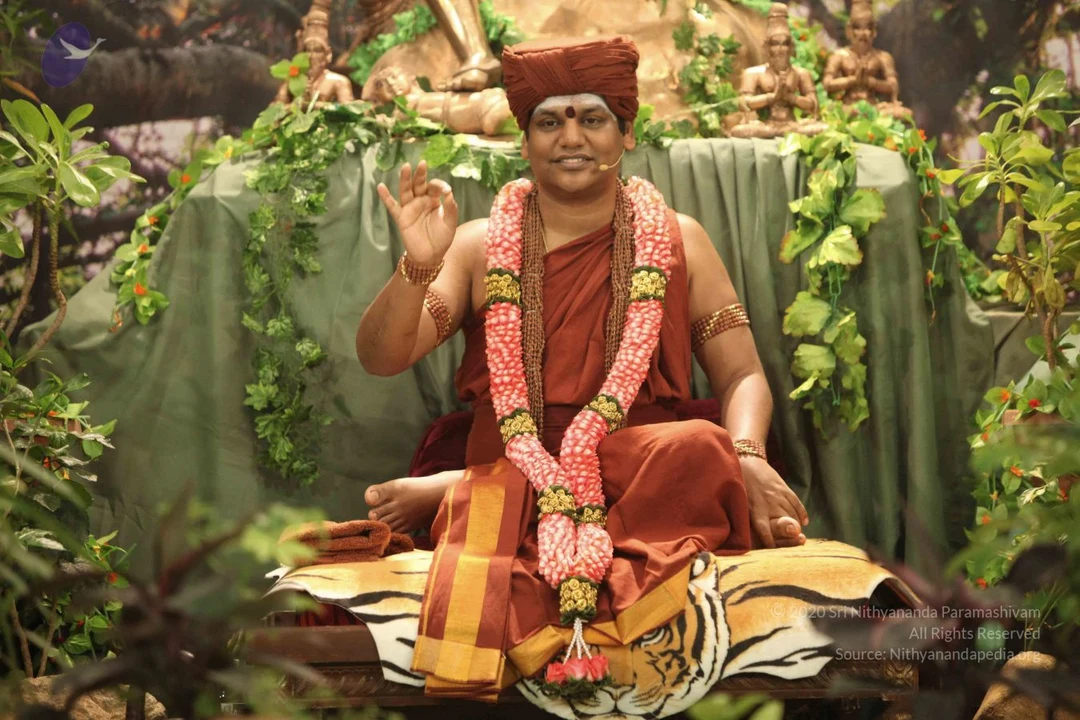
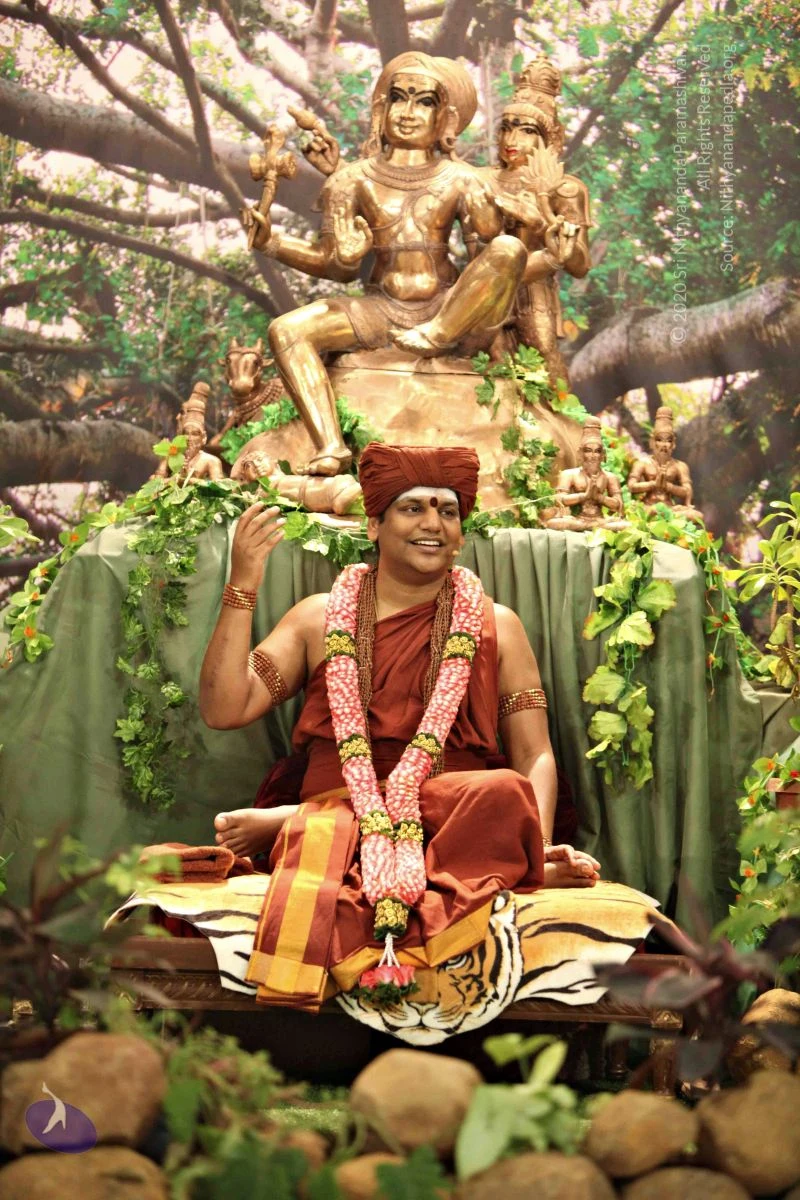
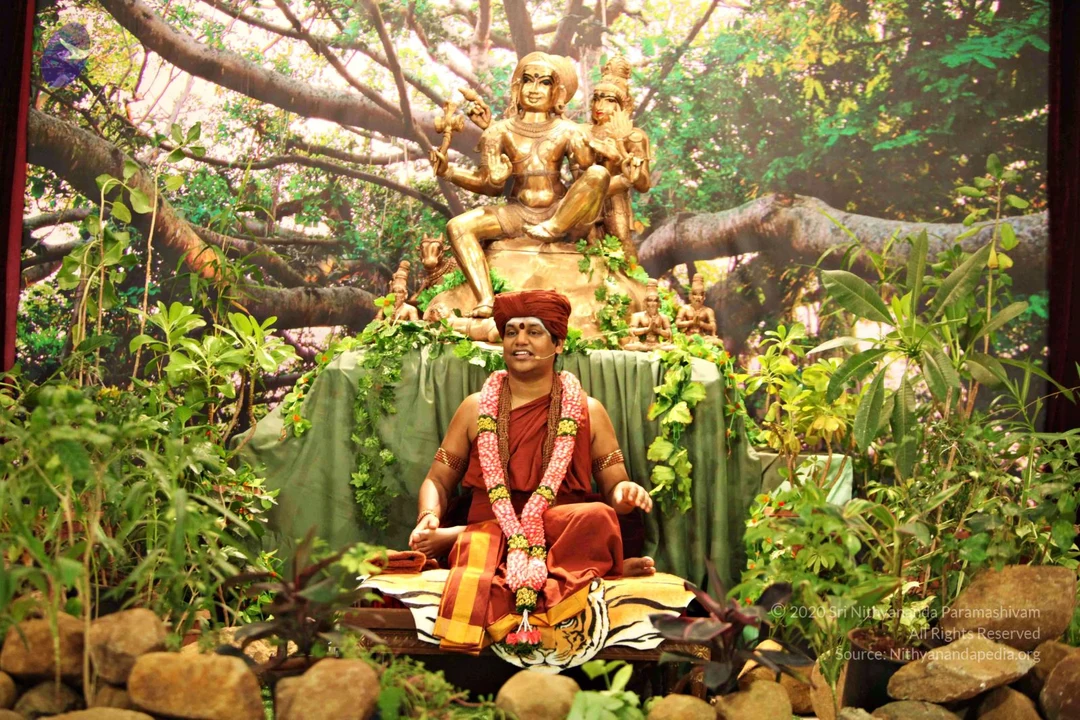
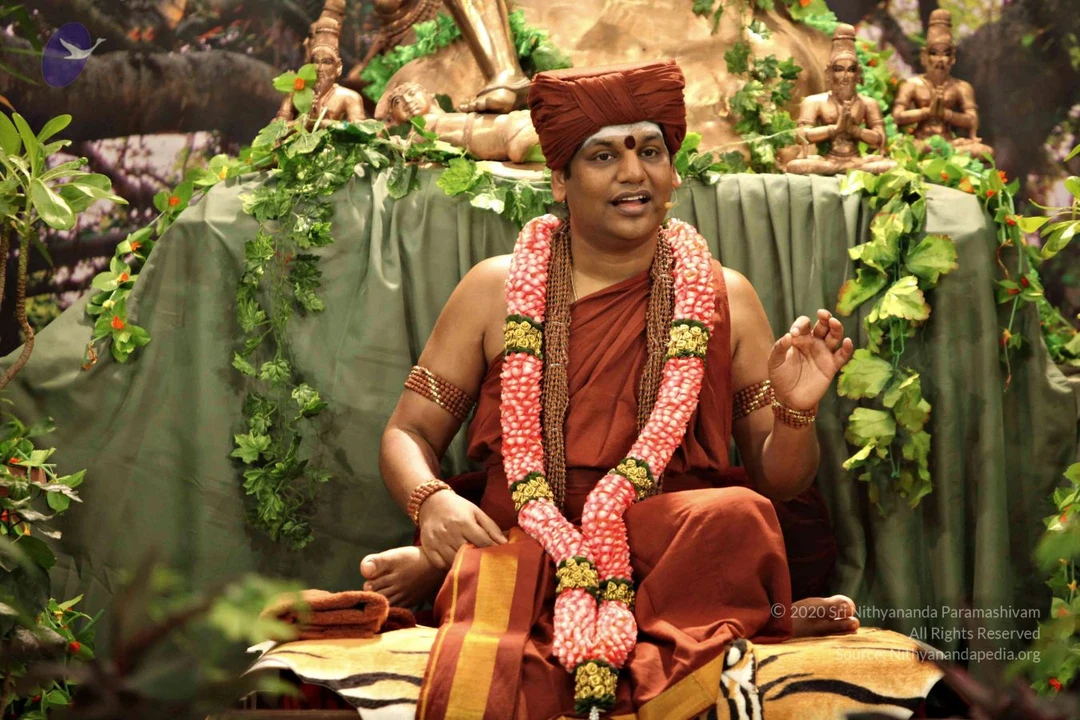
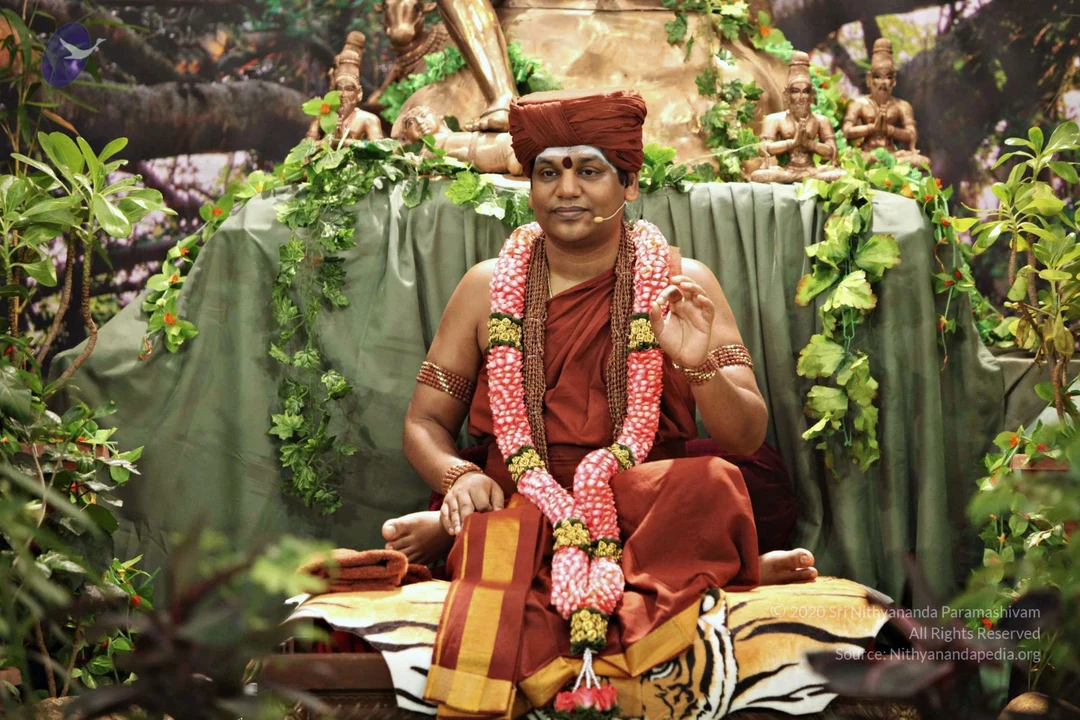
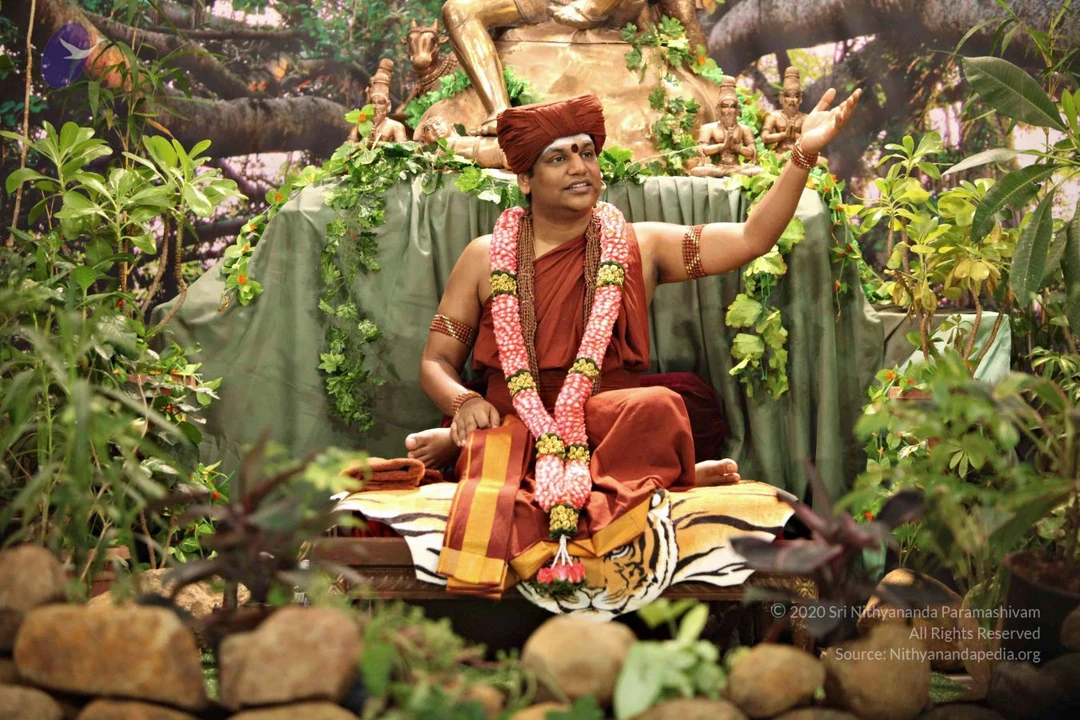
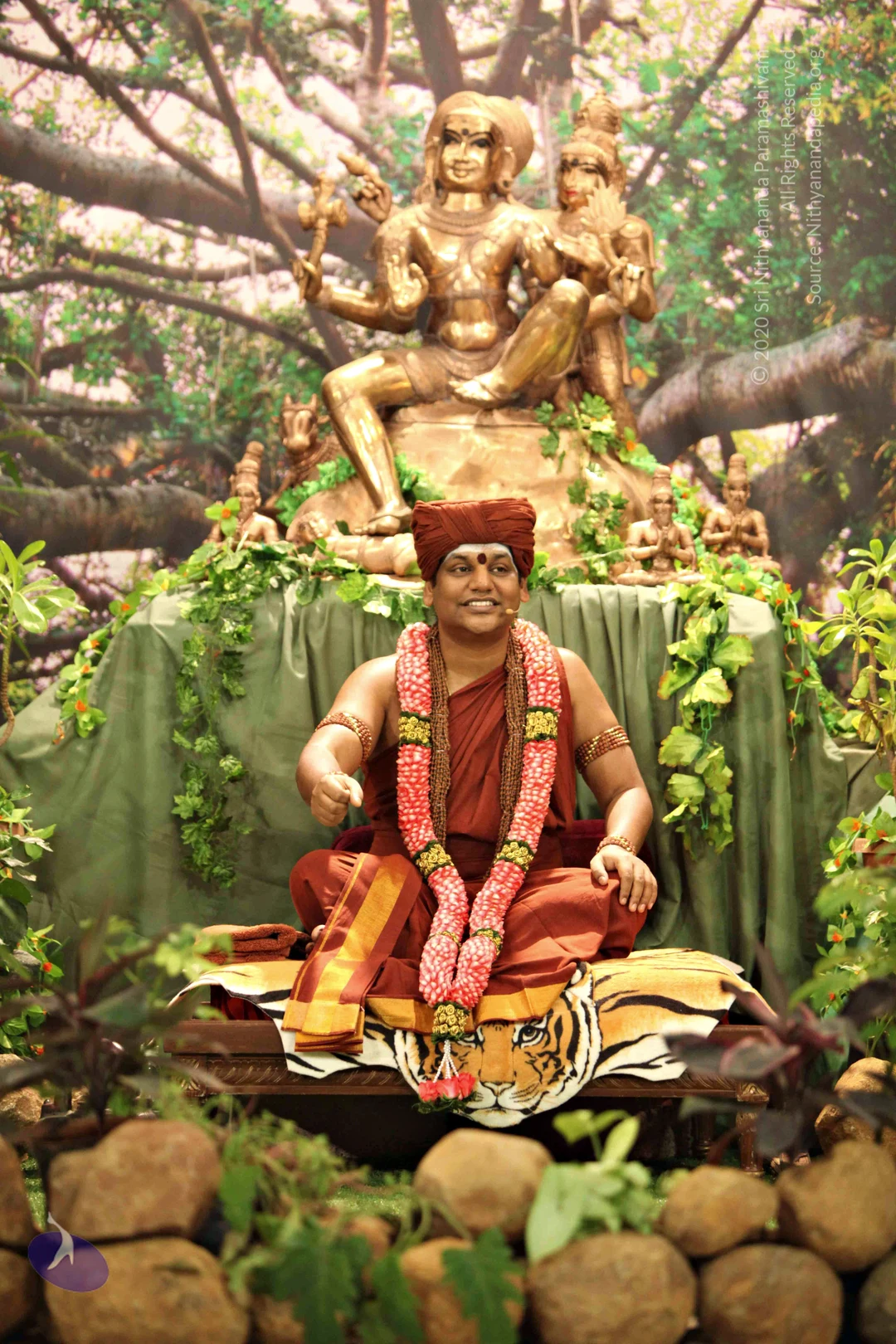
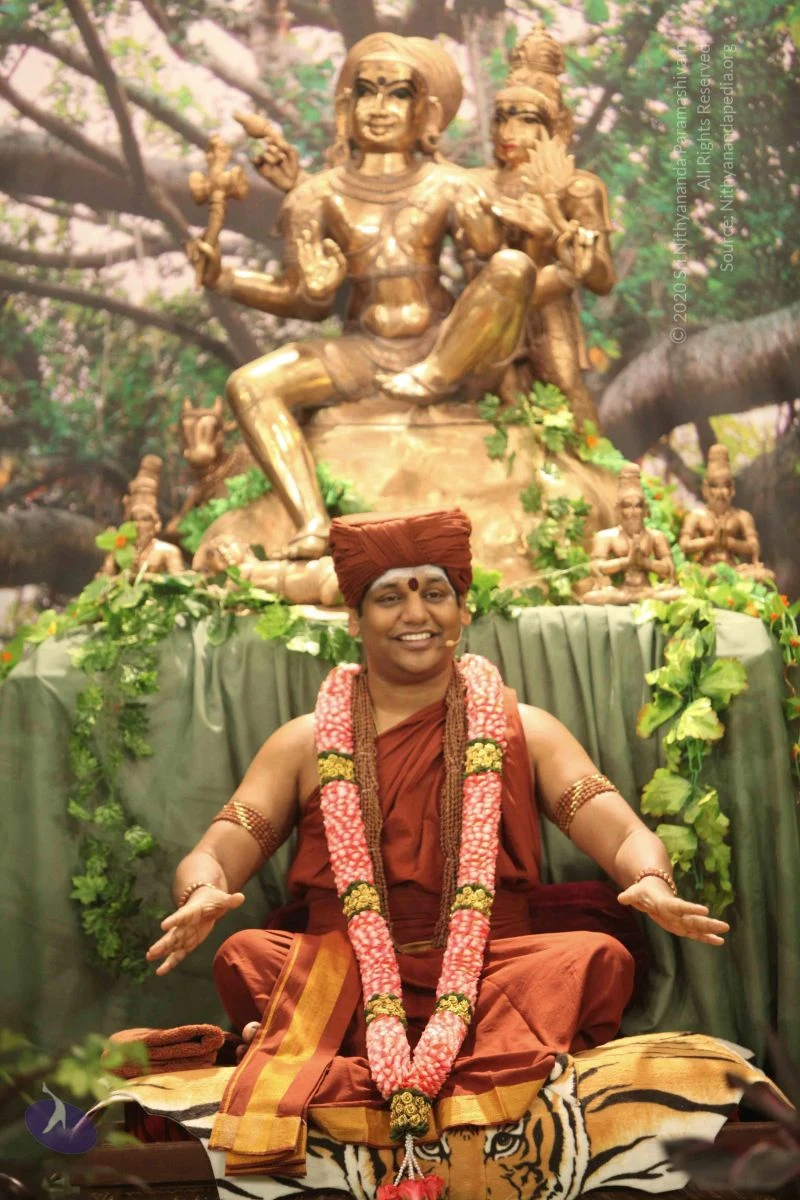
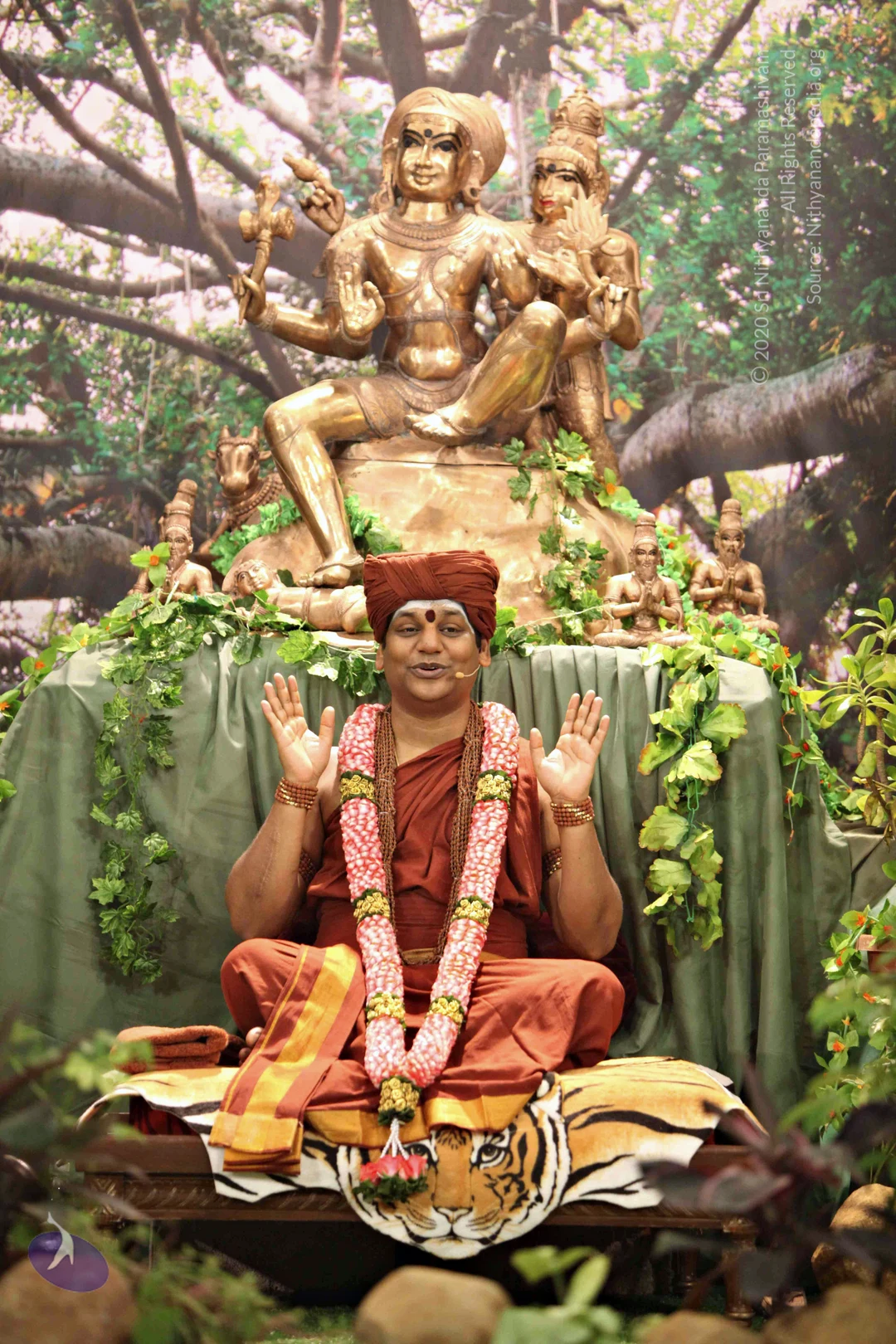
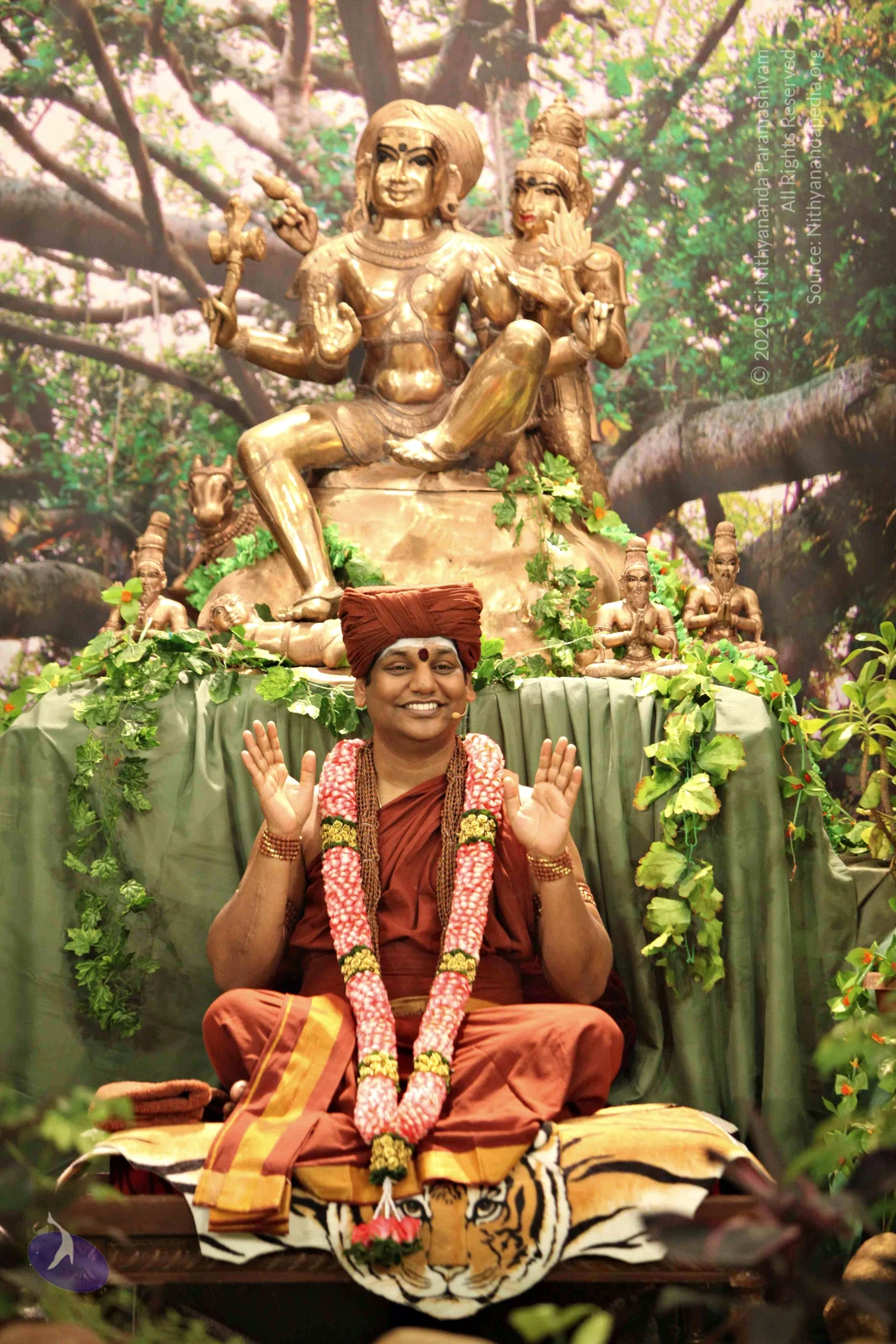
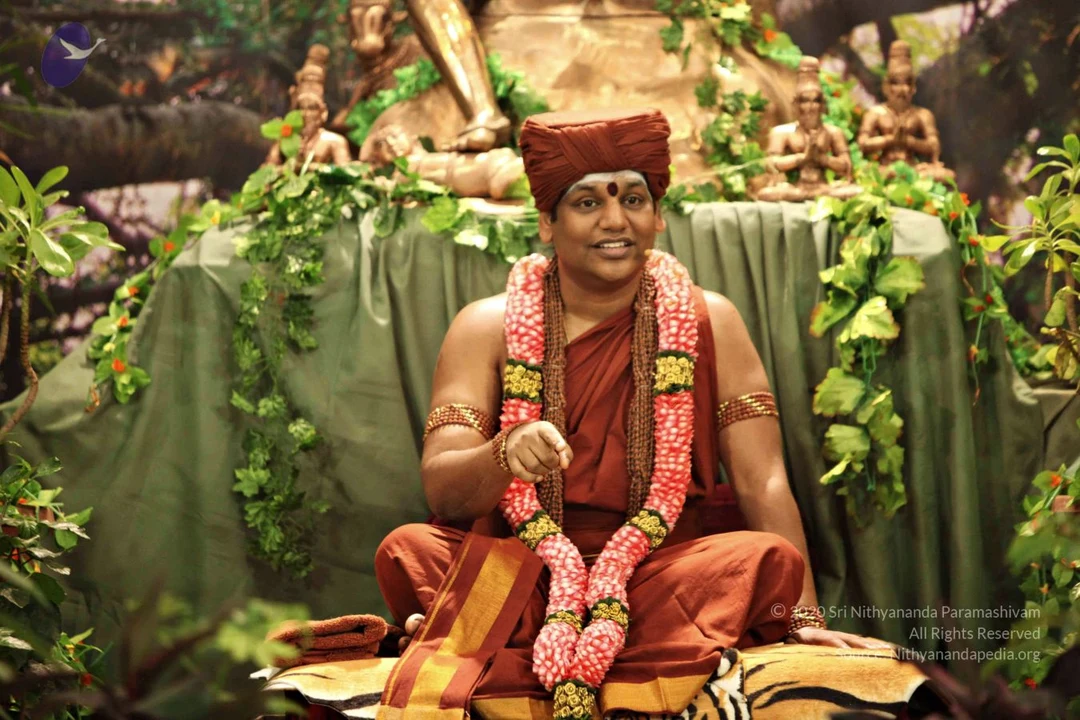
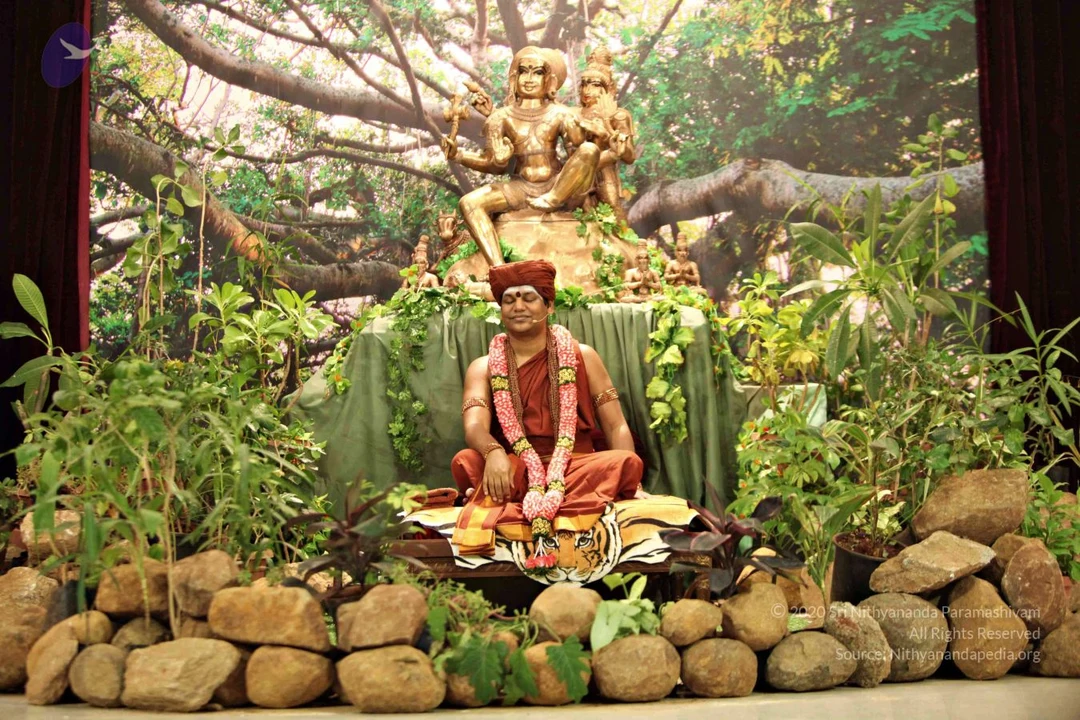
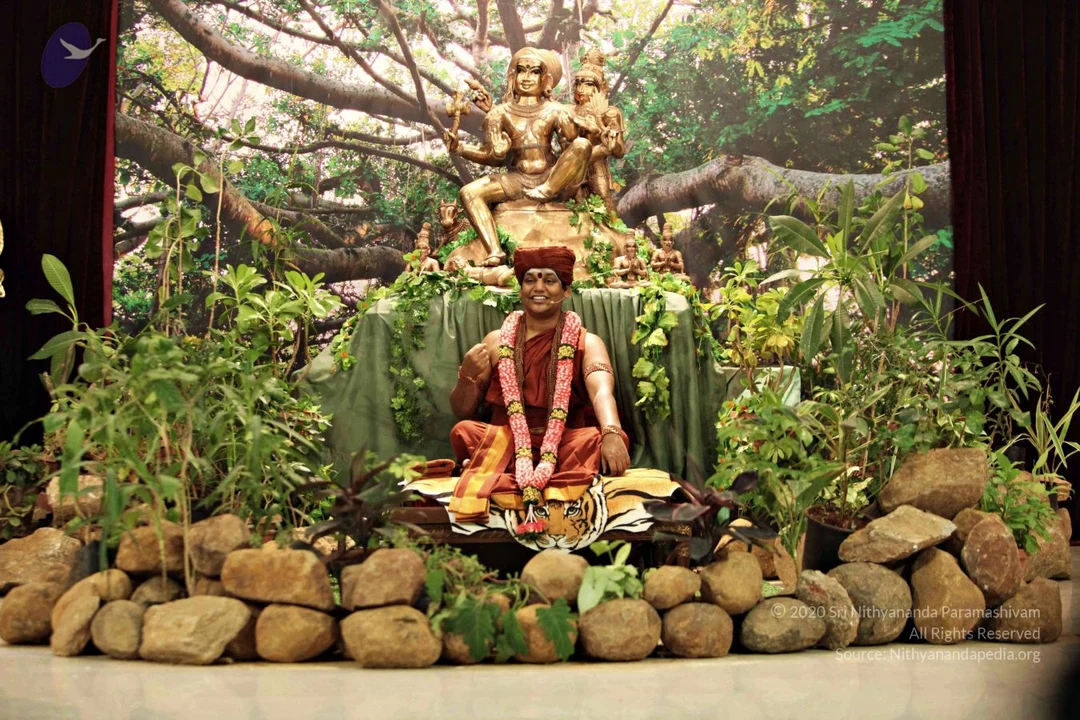
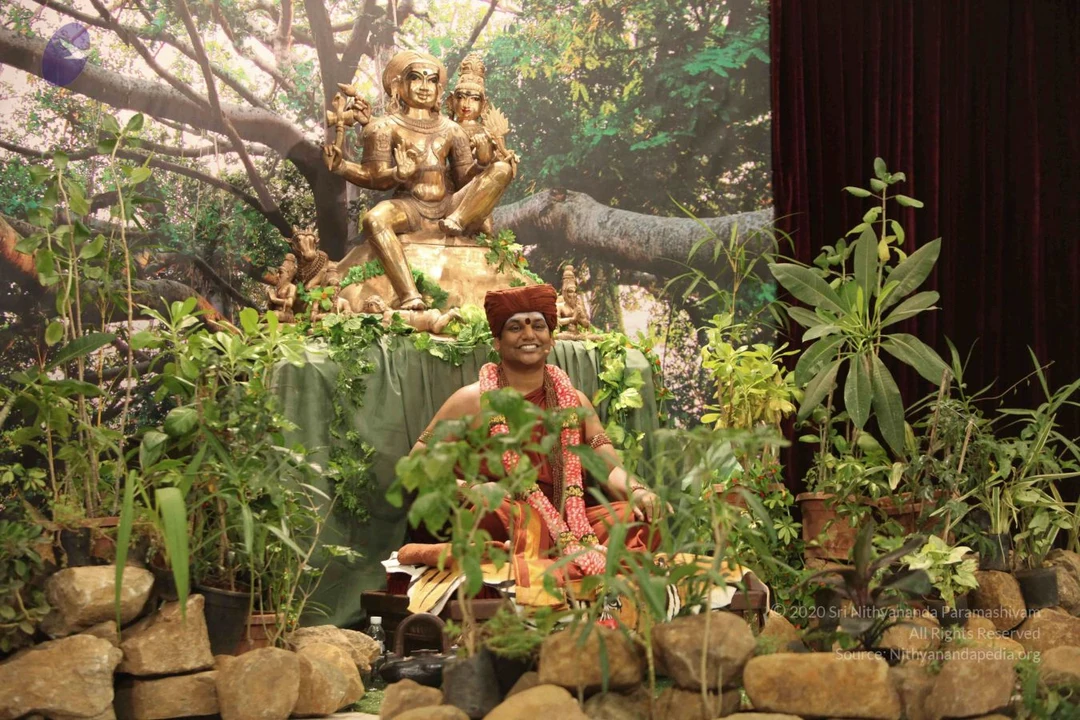
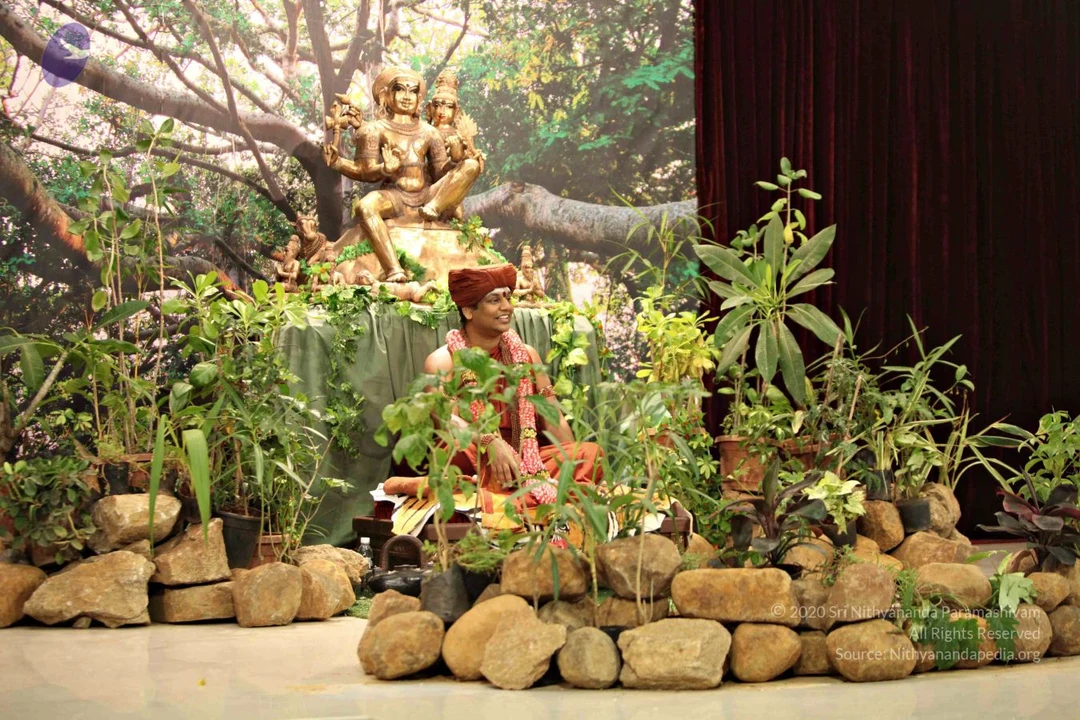
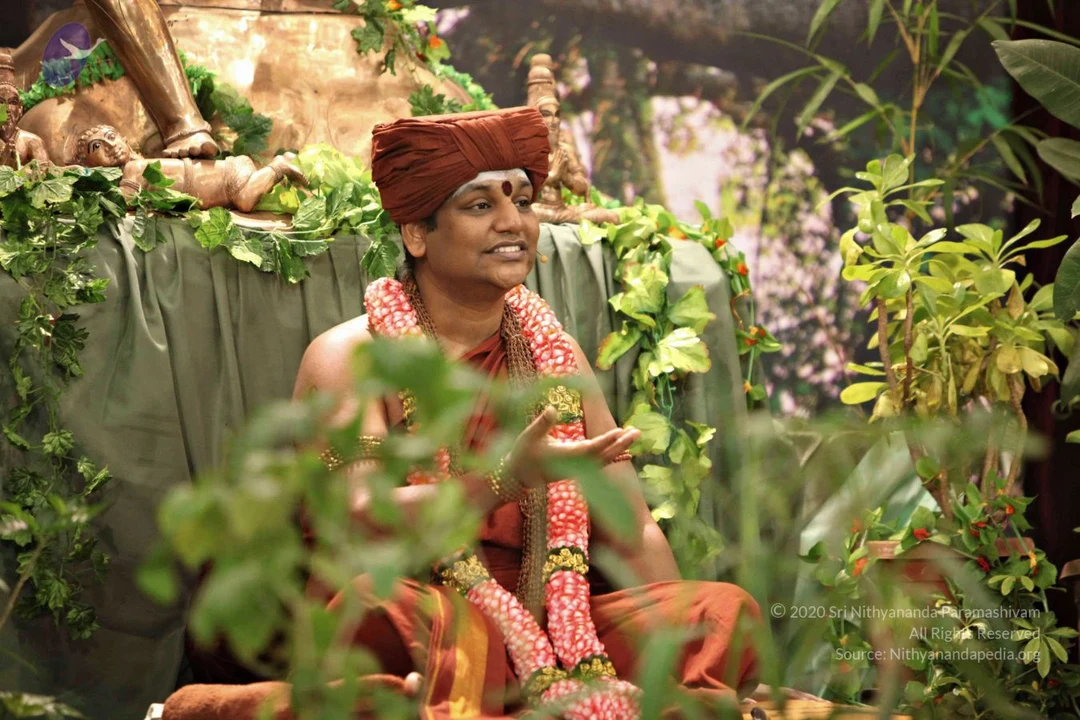
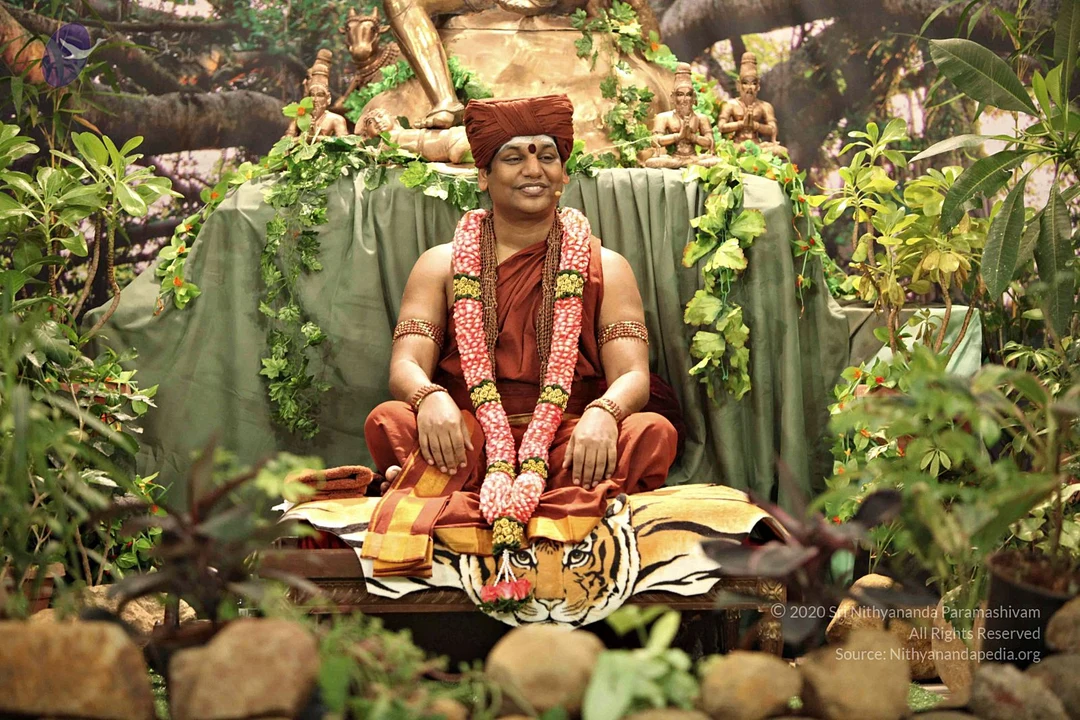
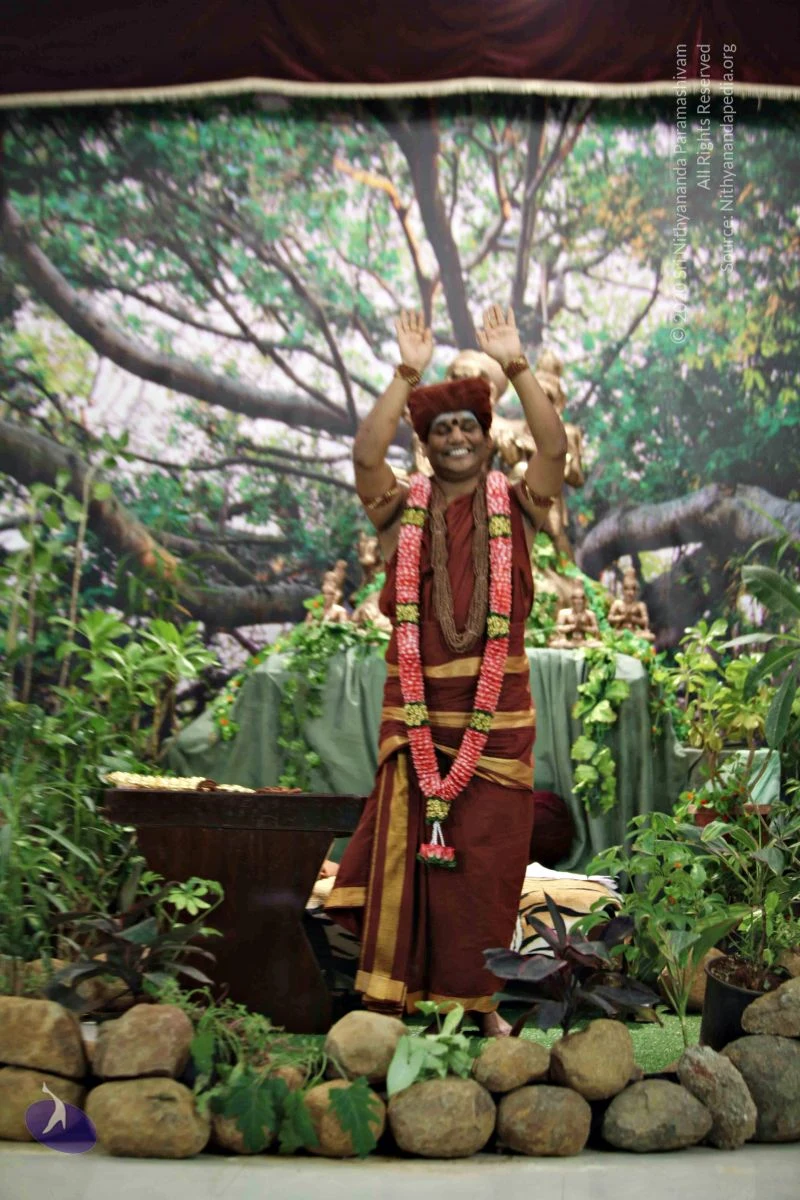
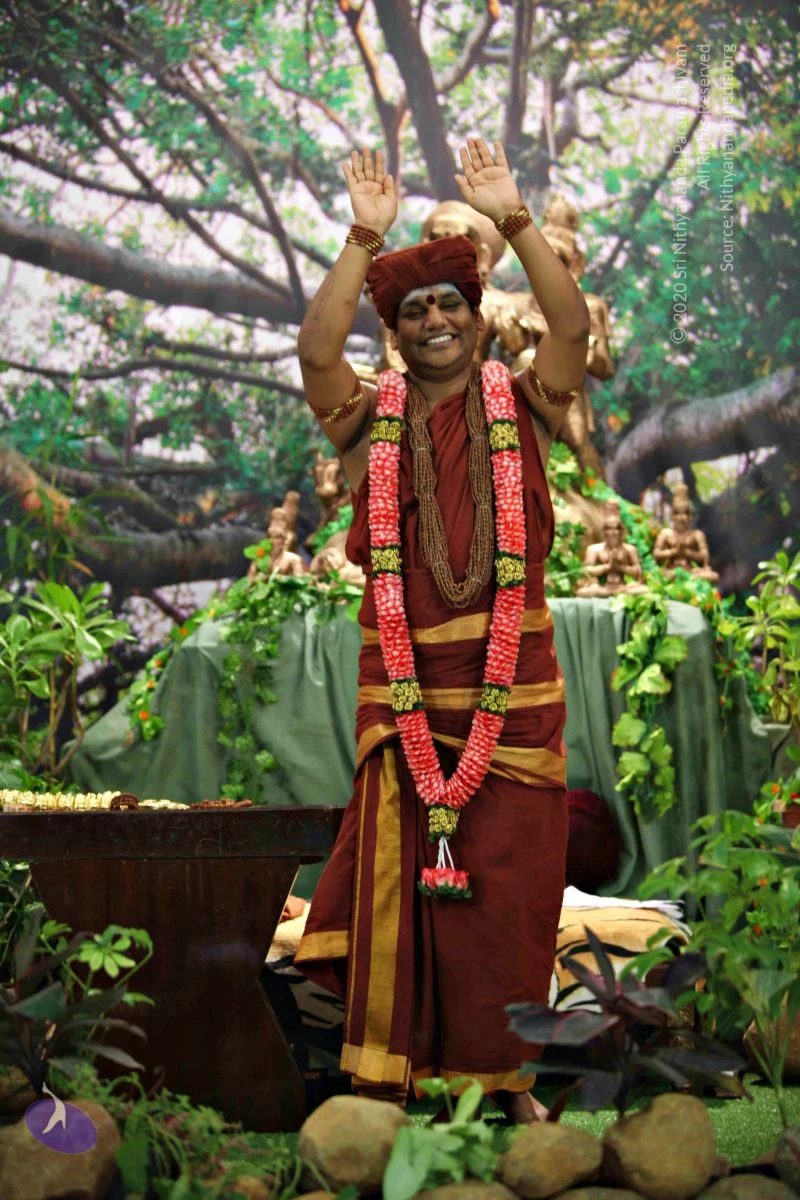
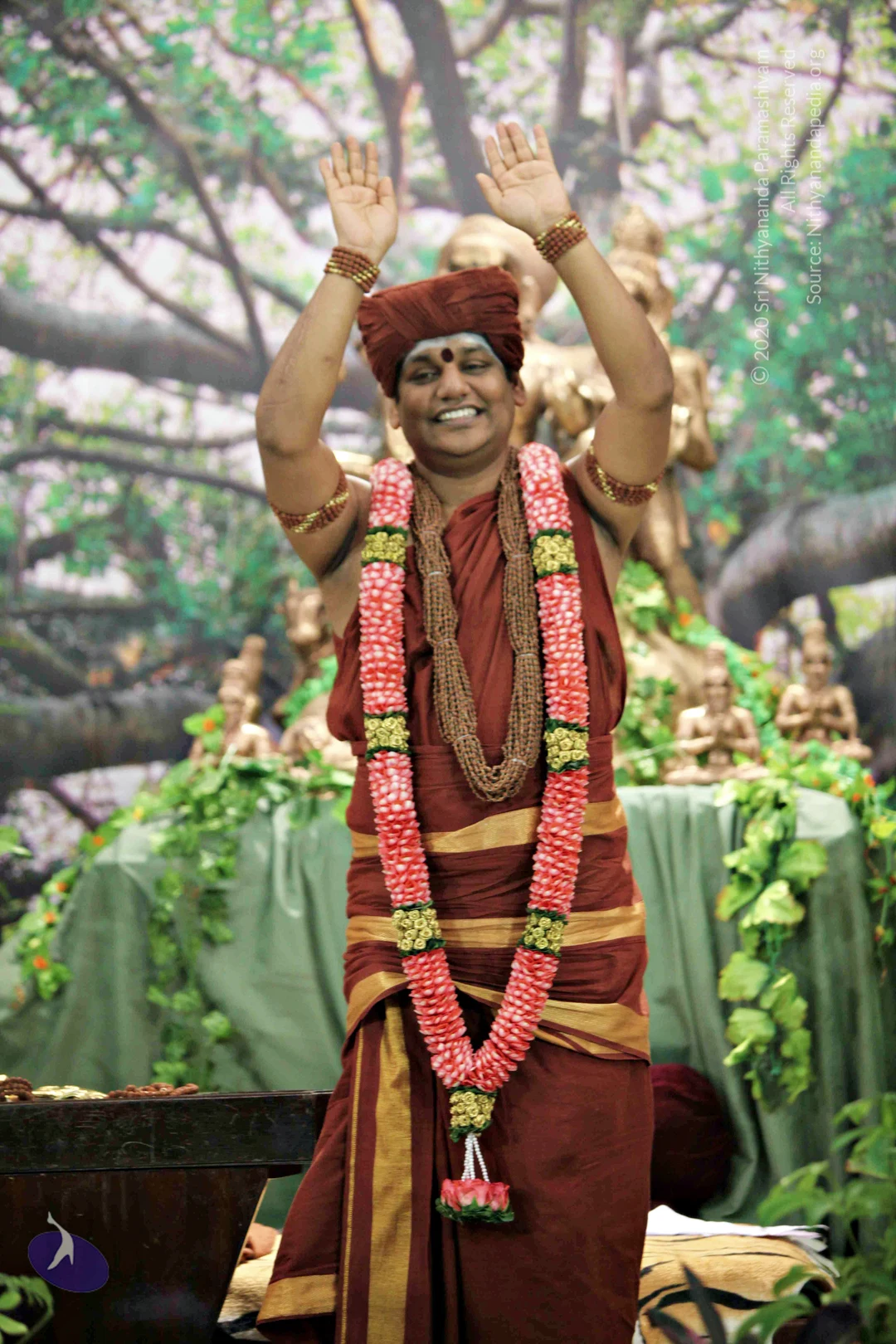
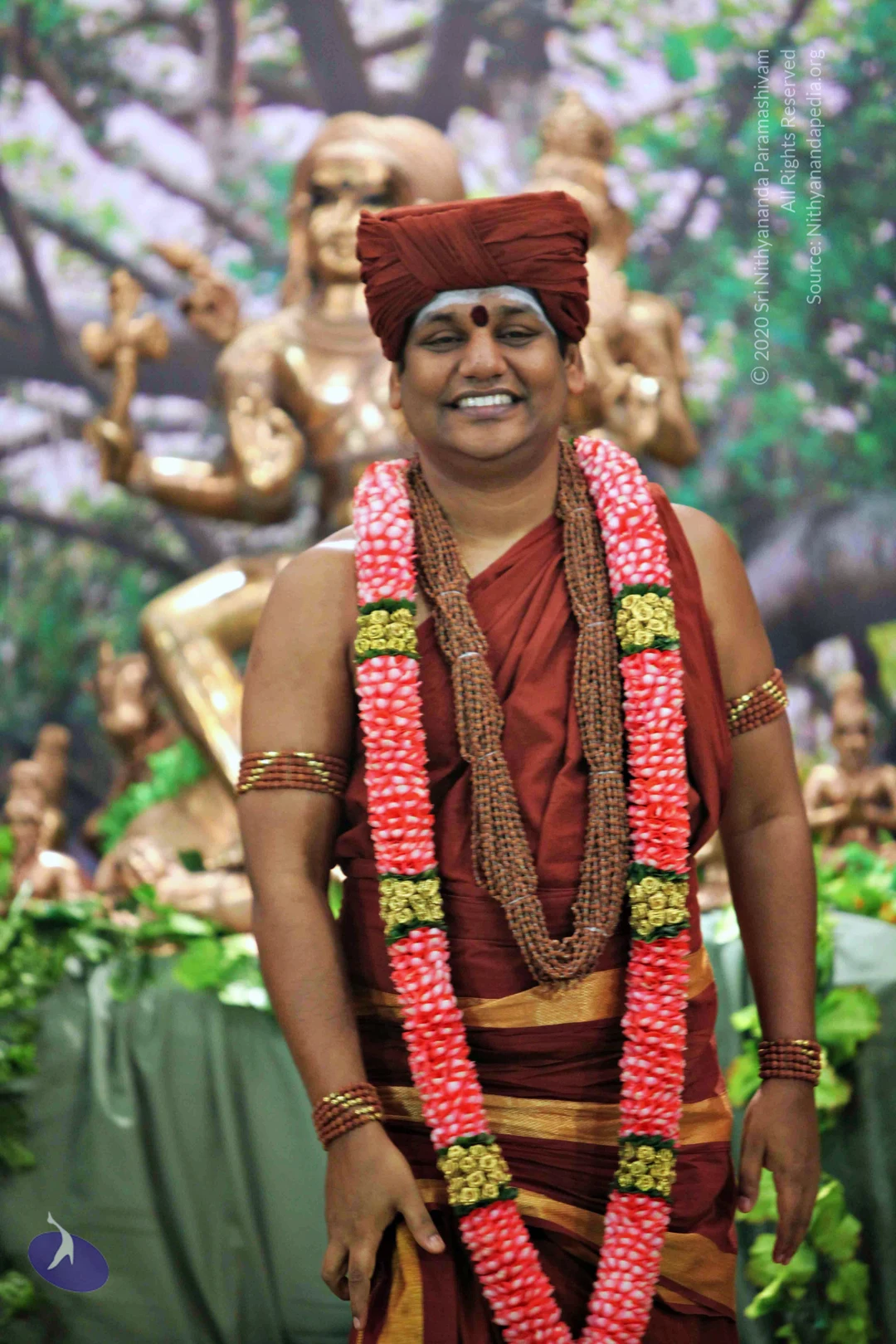
IA DARSHAN
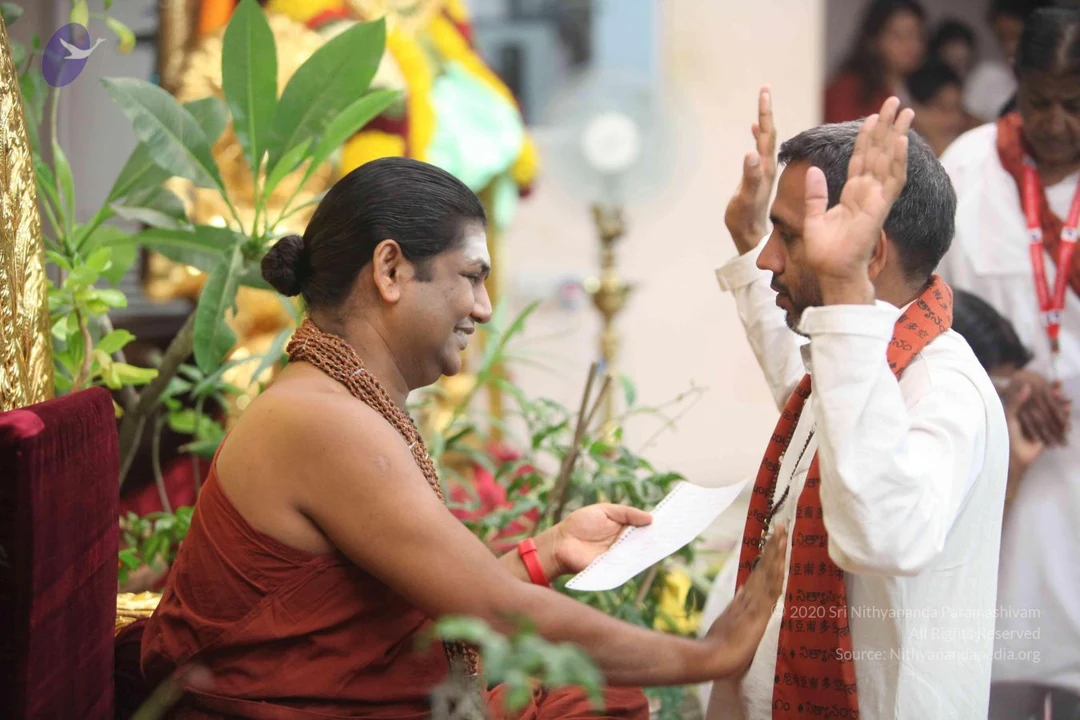
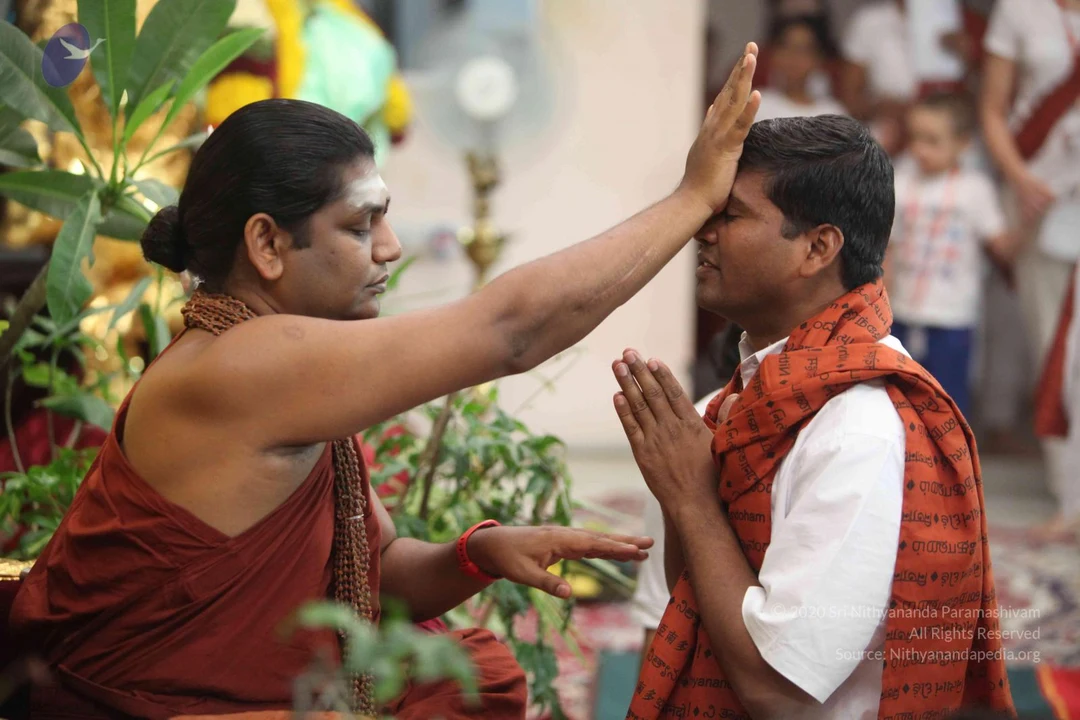
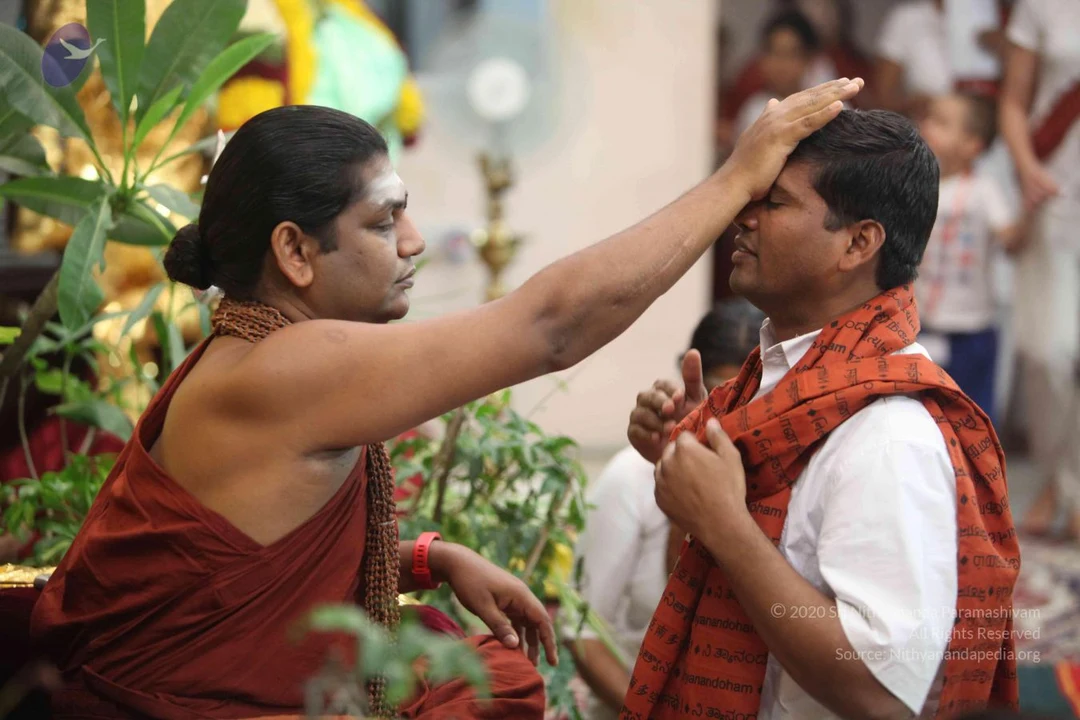
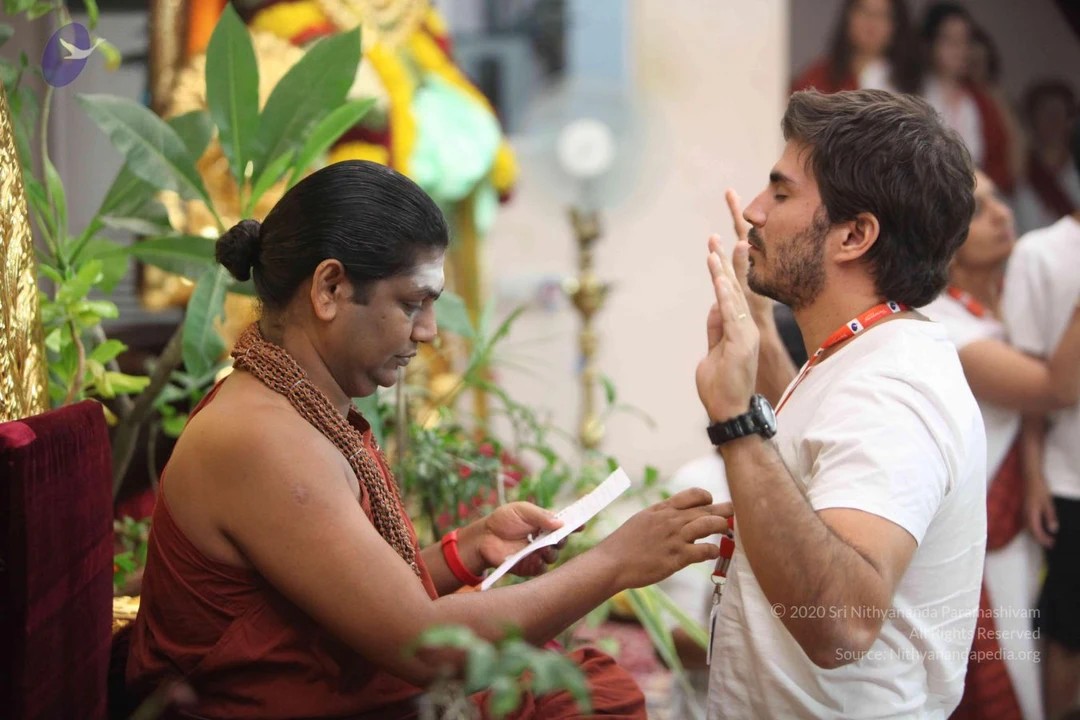
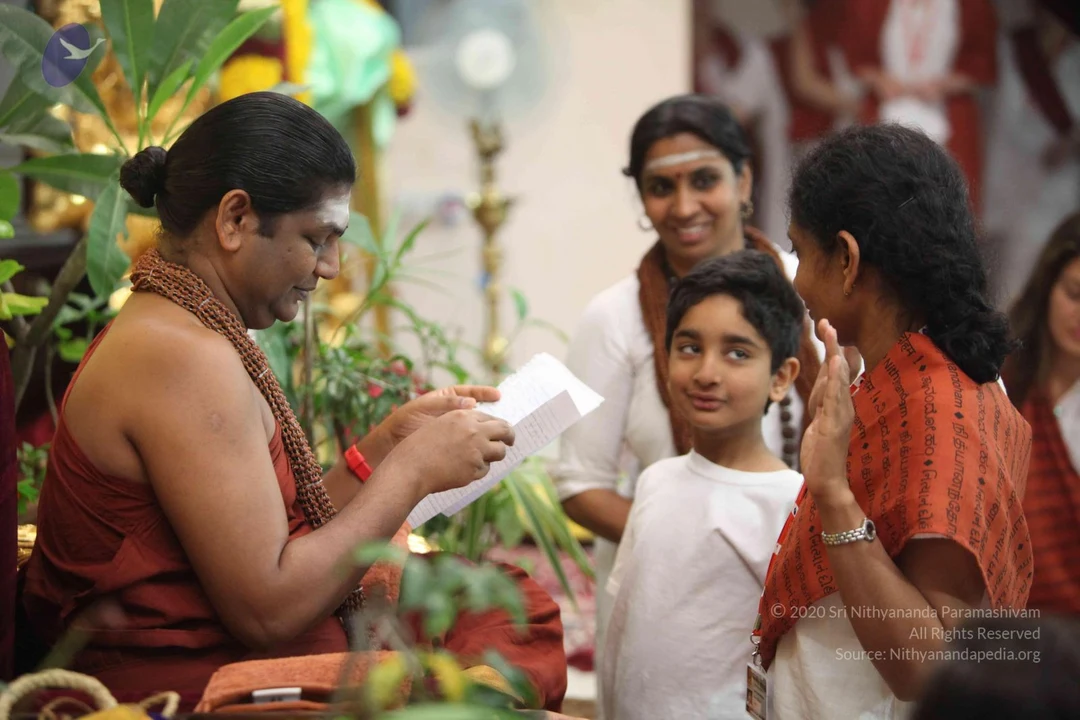
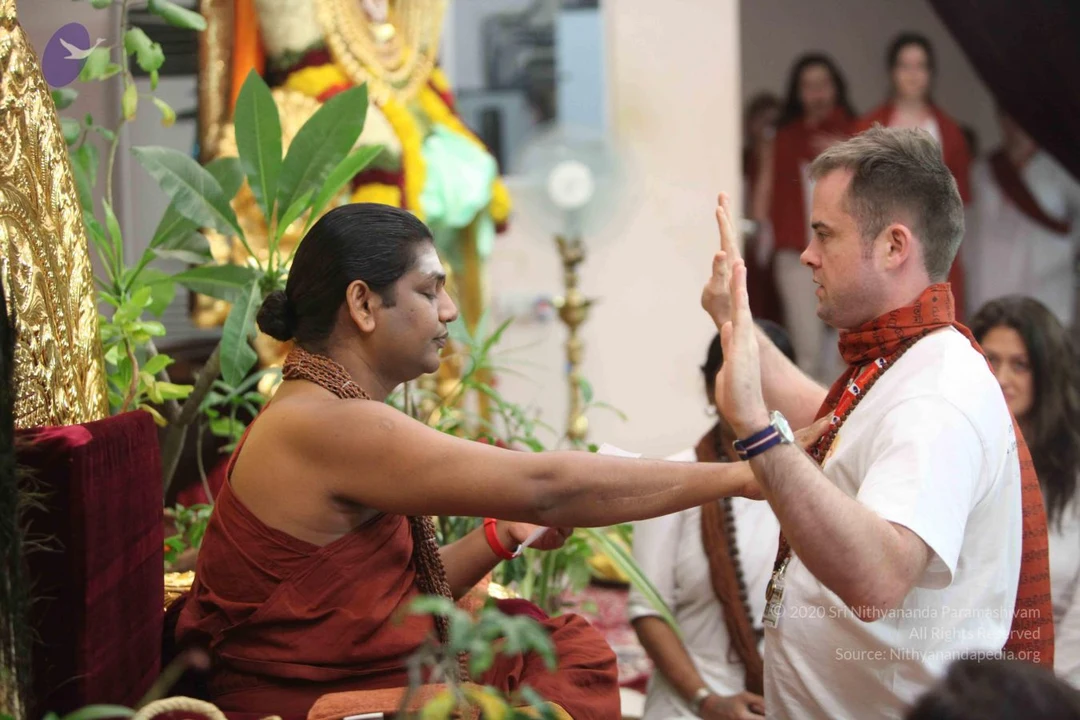
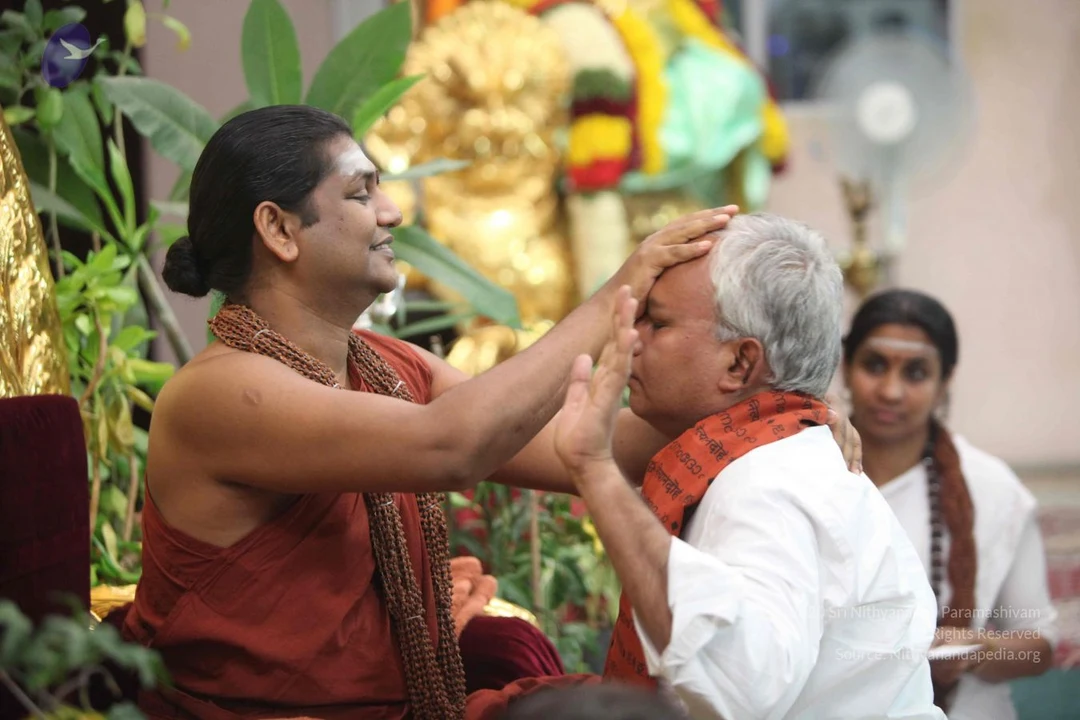
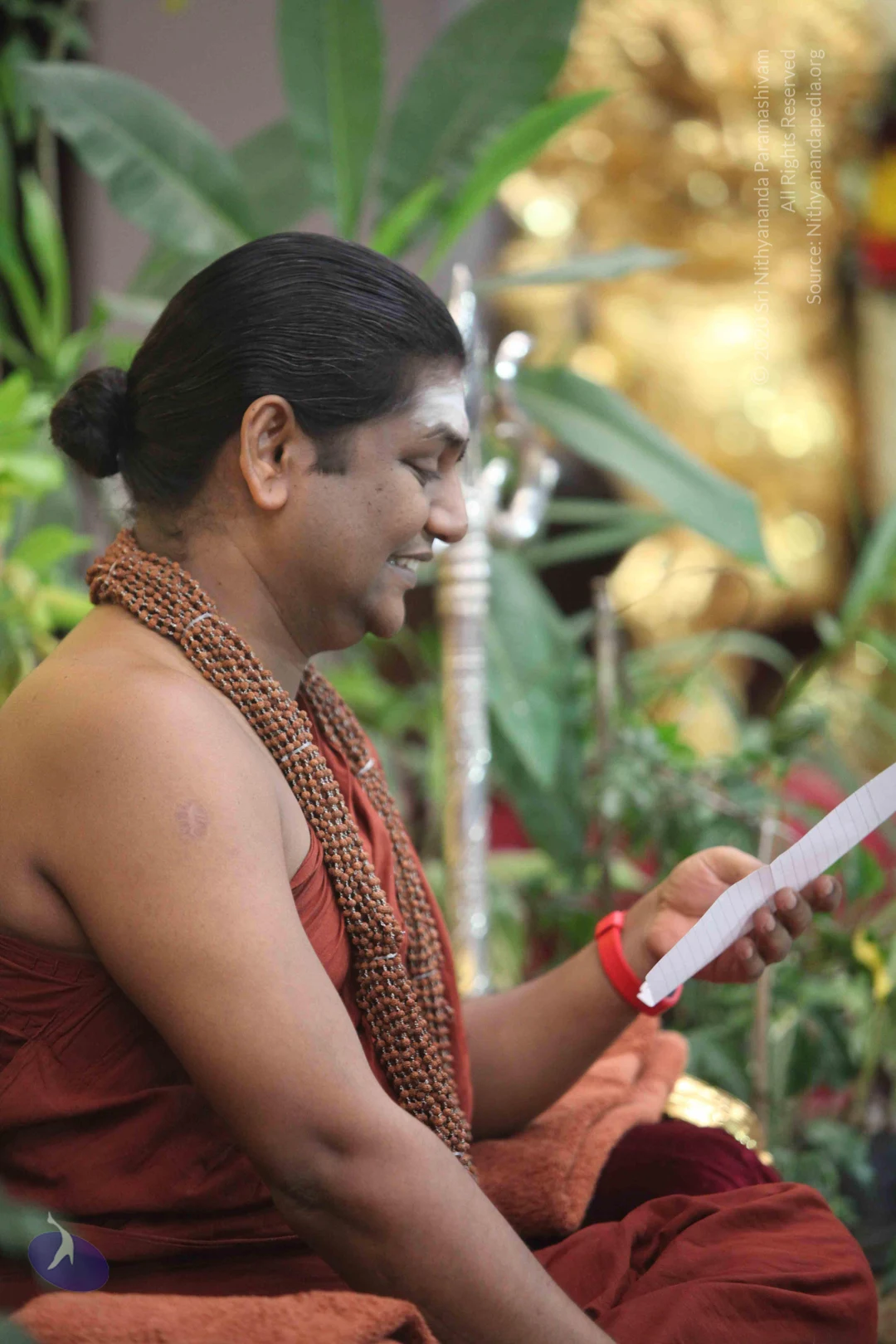
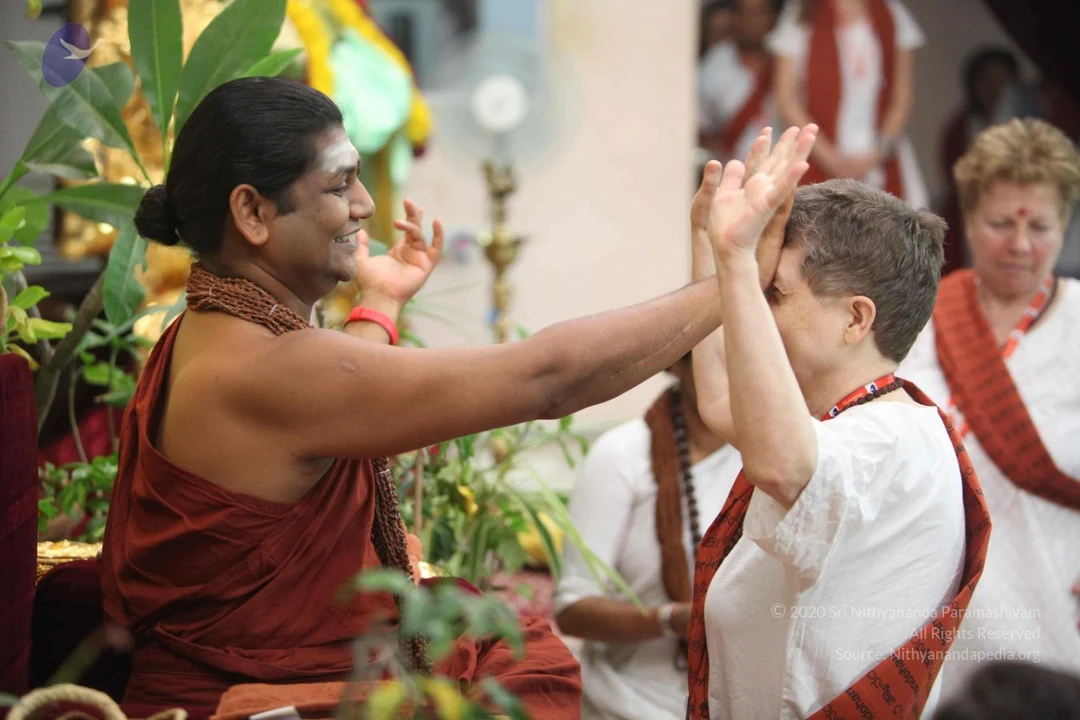
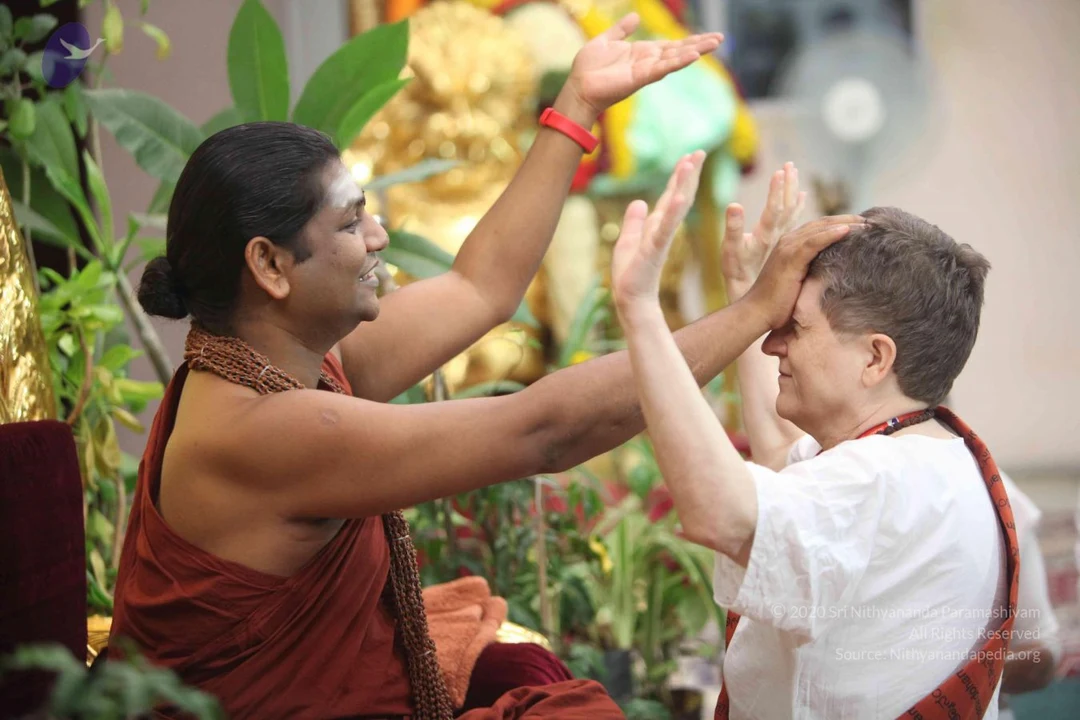
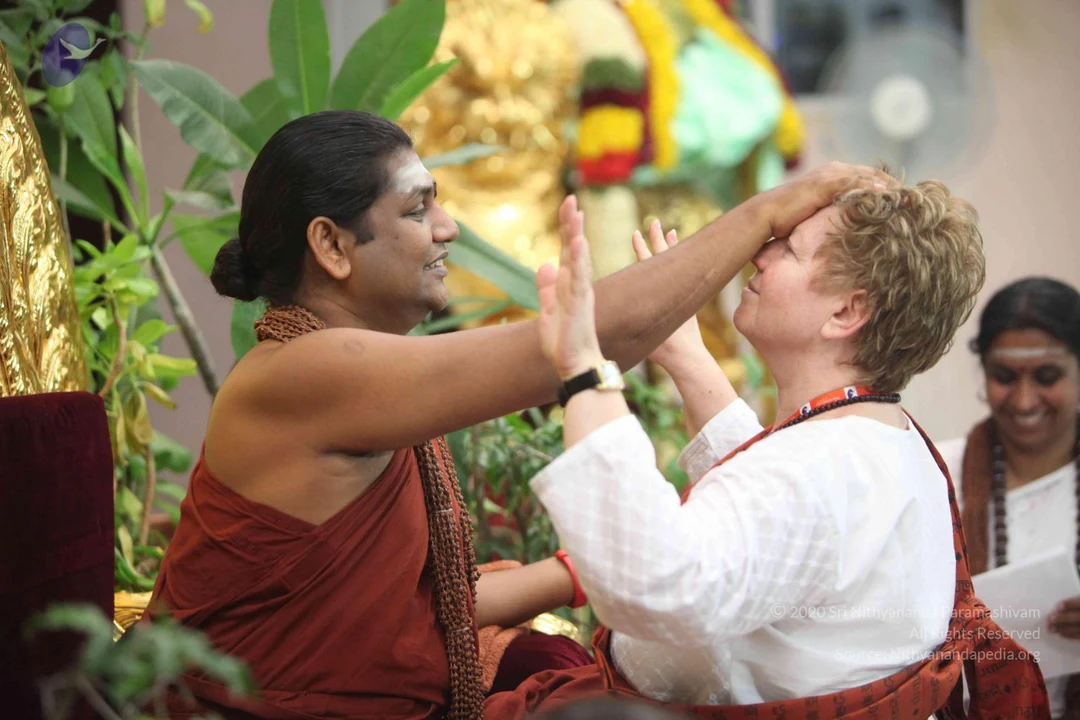
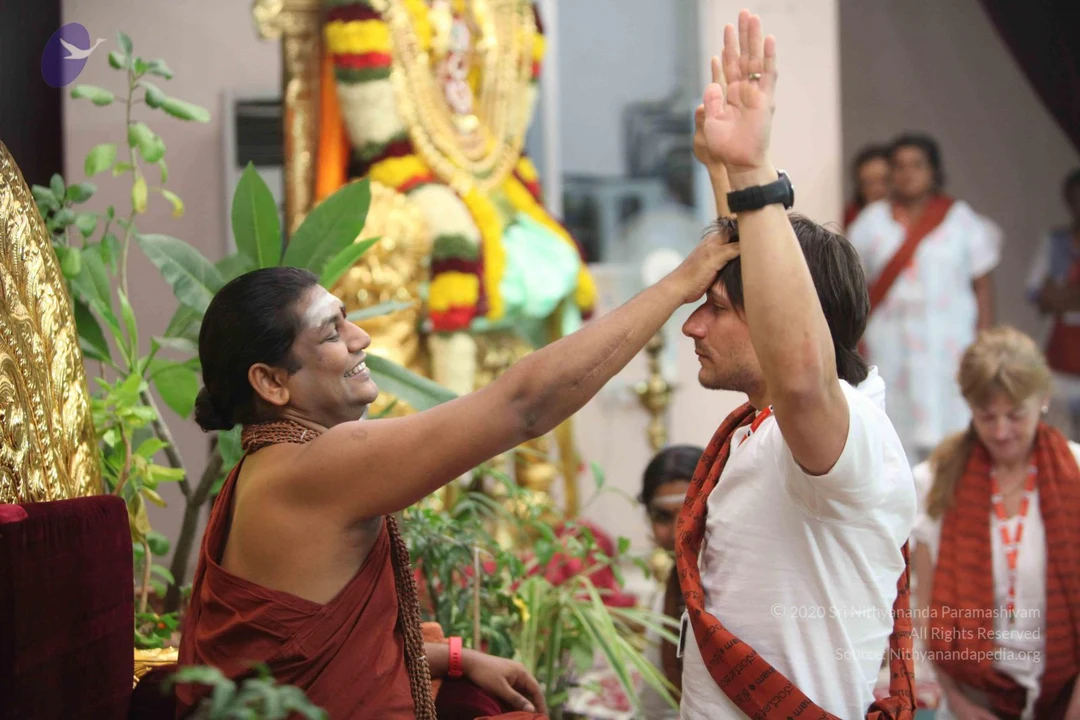
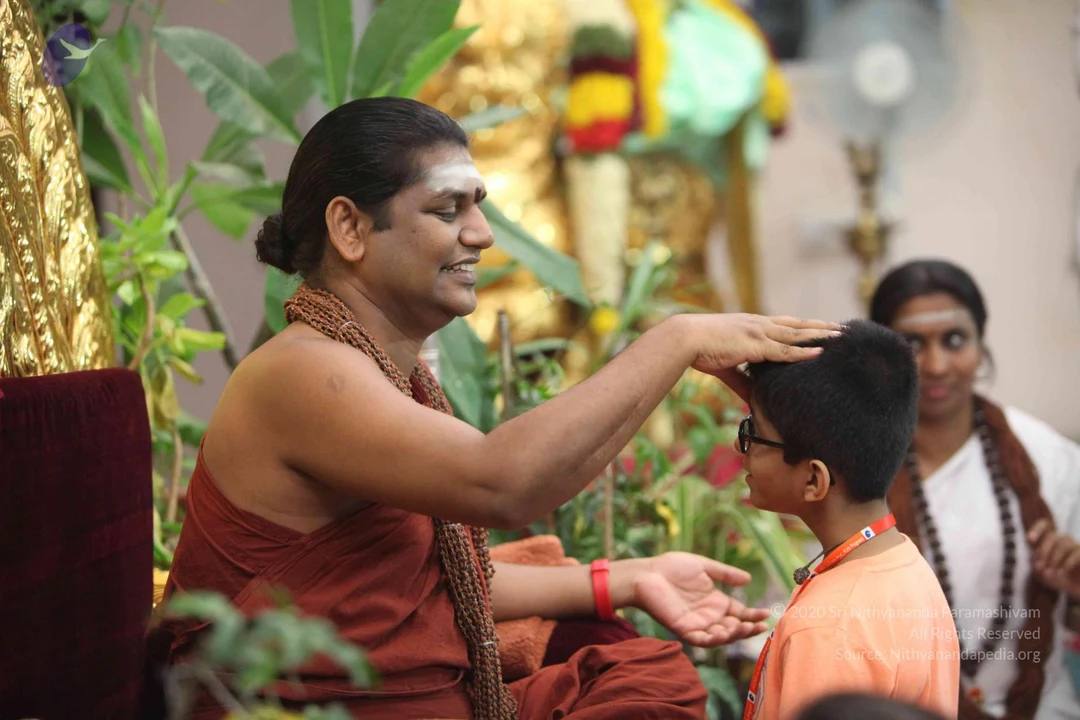
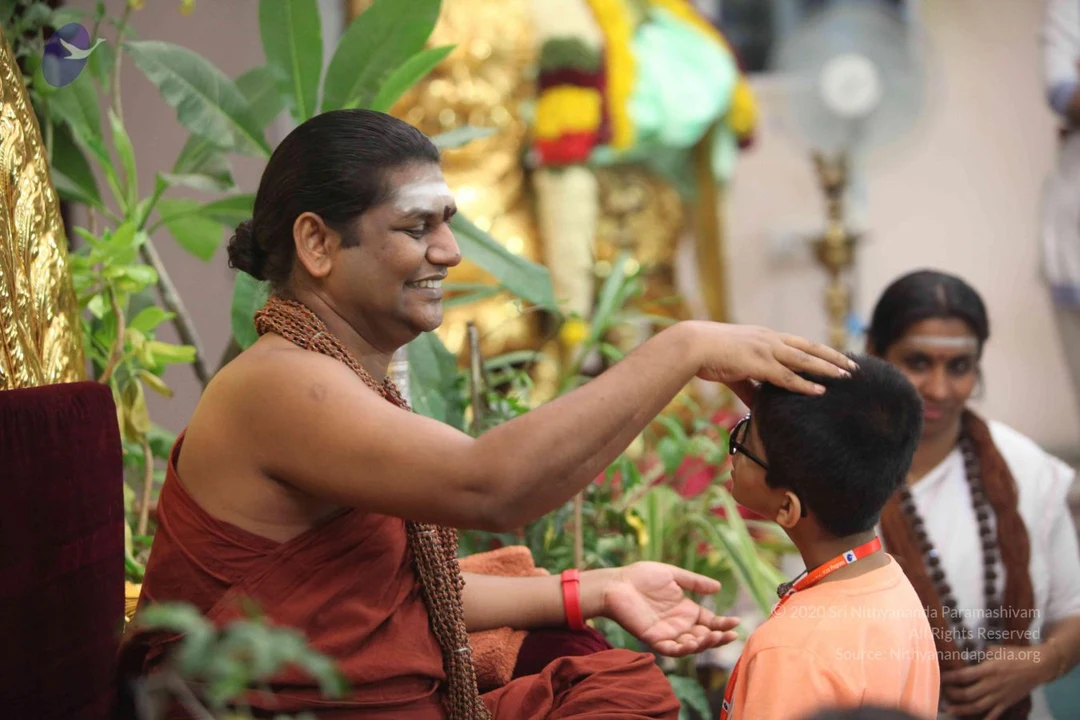
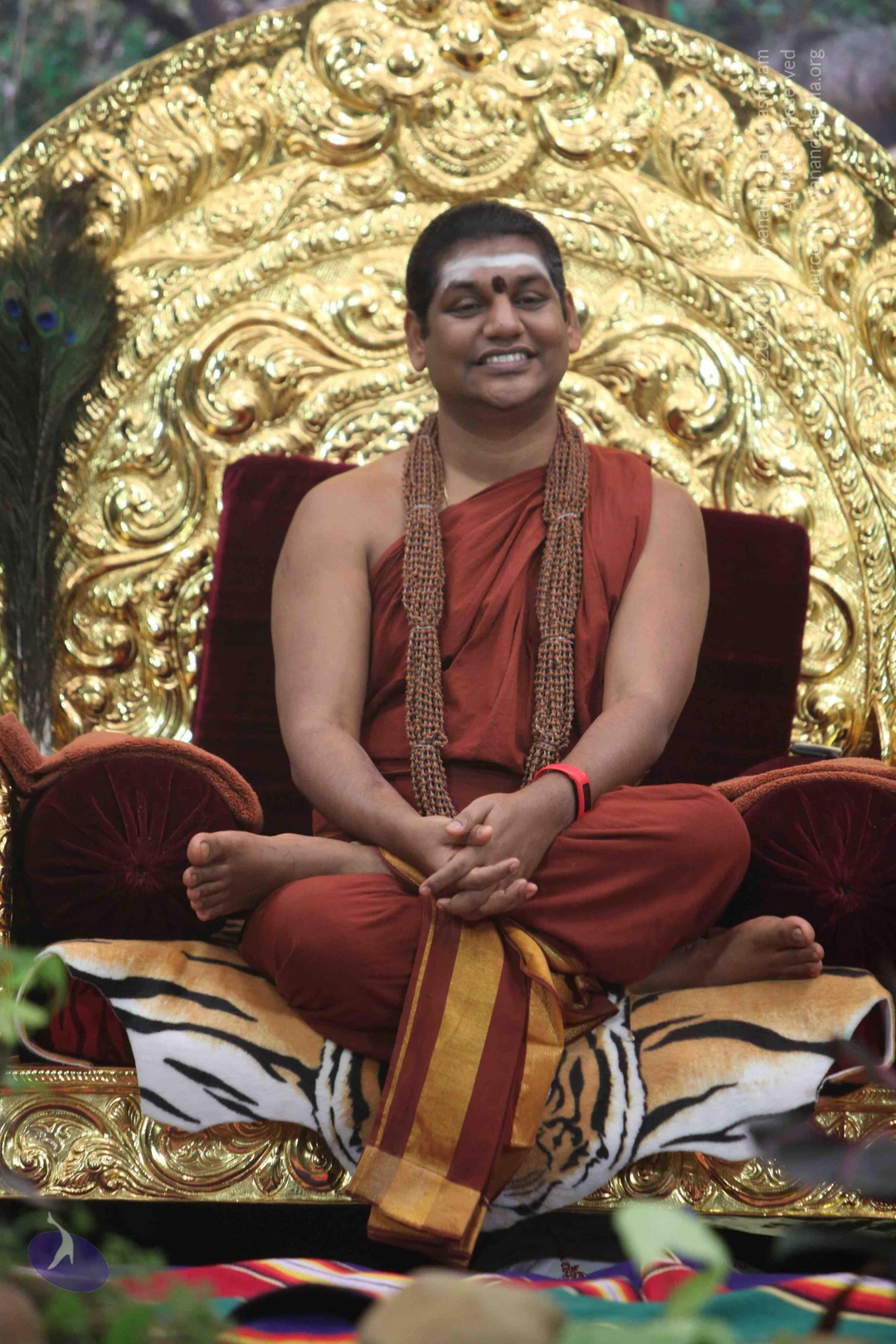
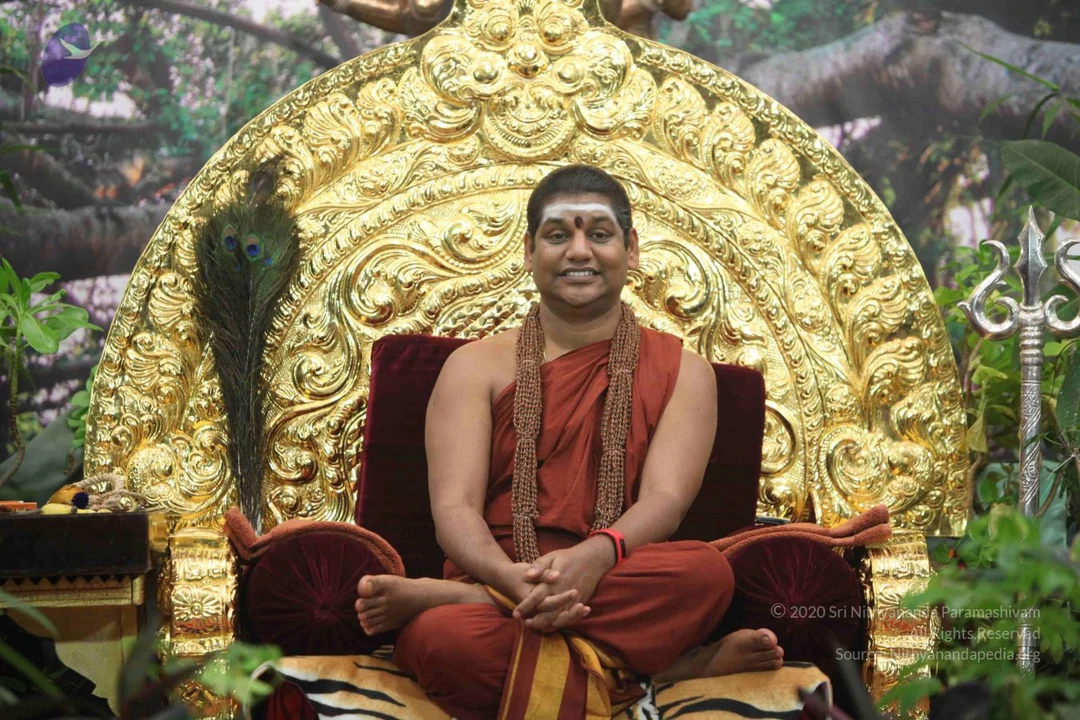
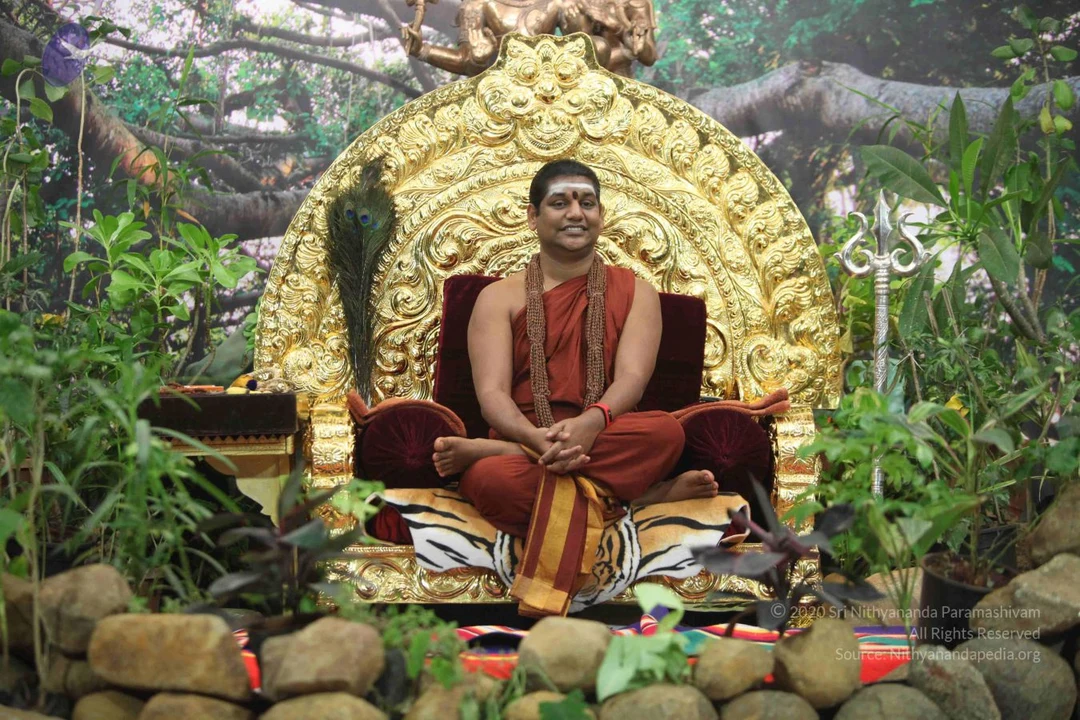
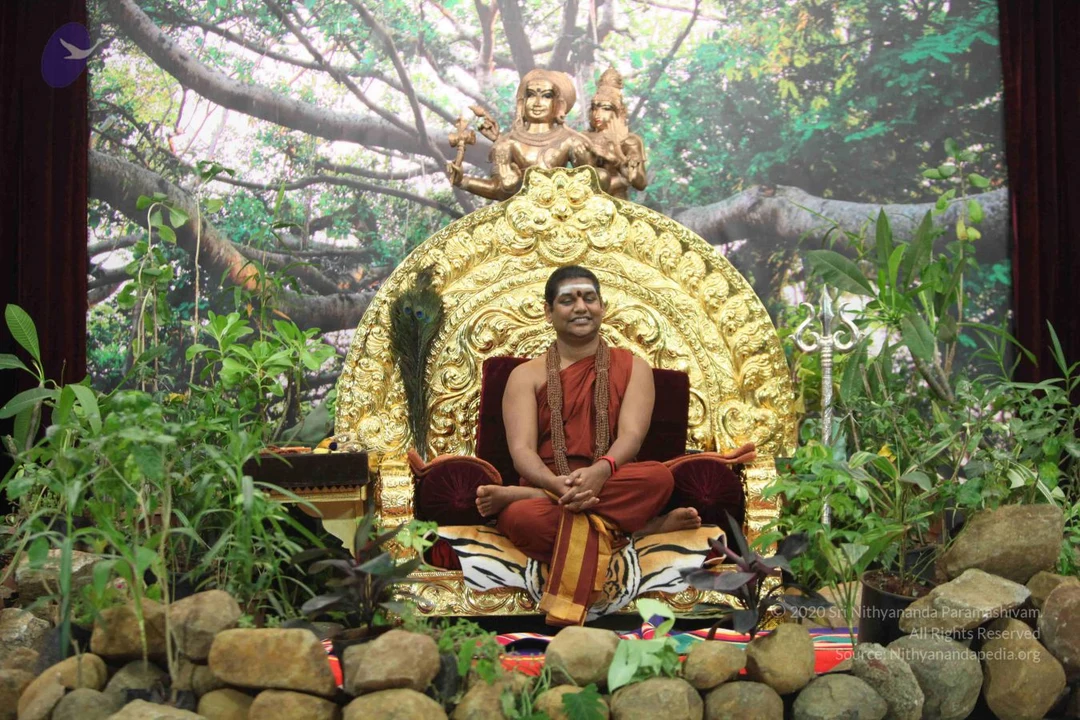
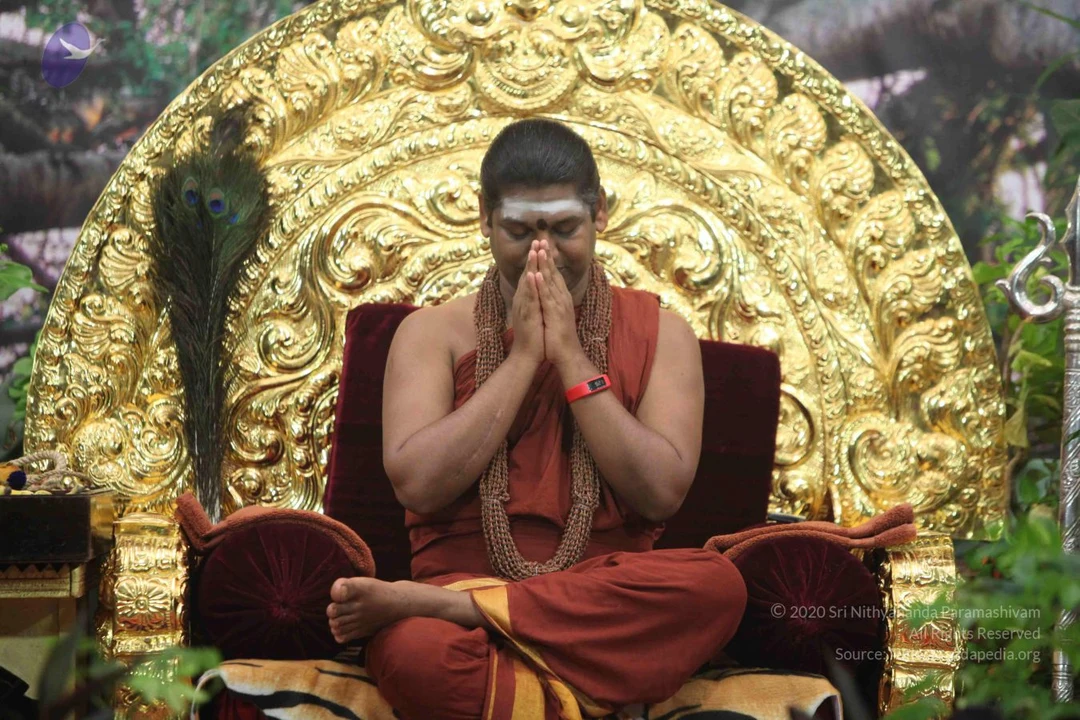
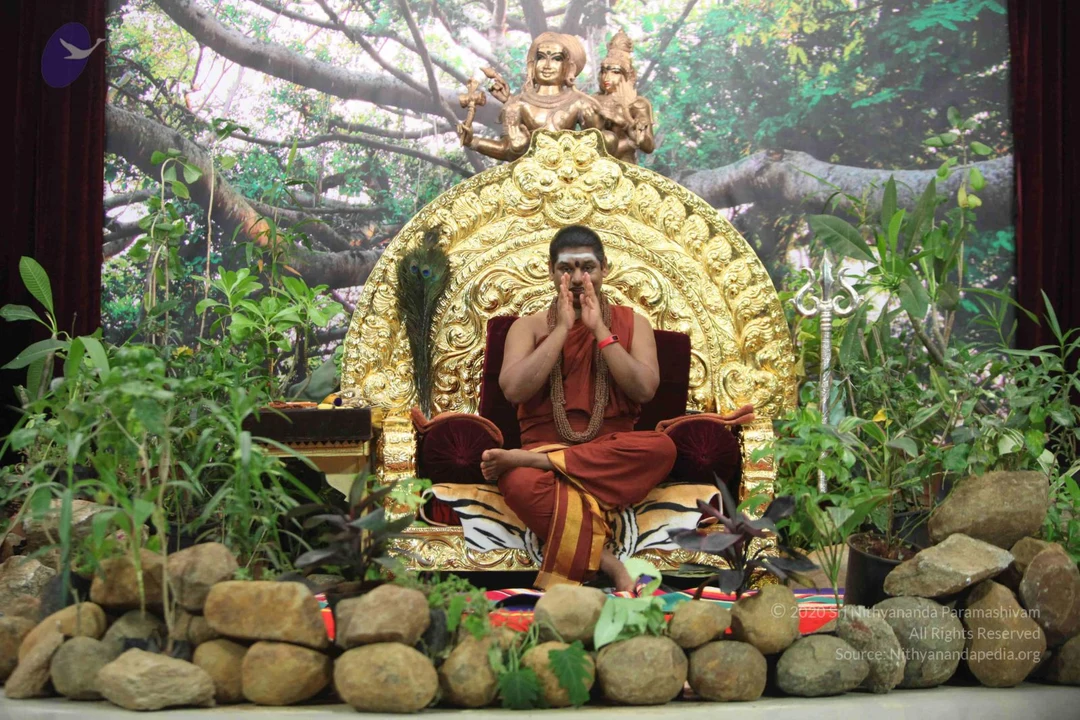
IA DARSHAN
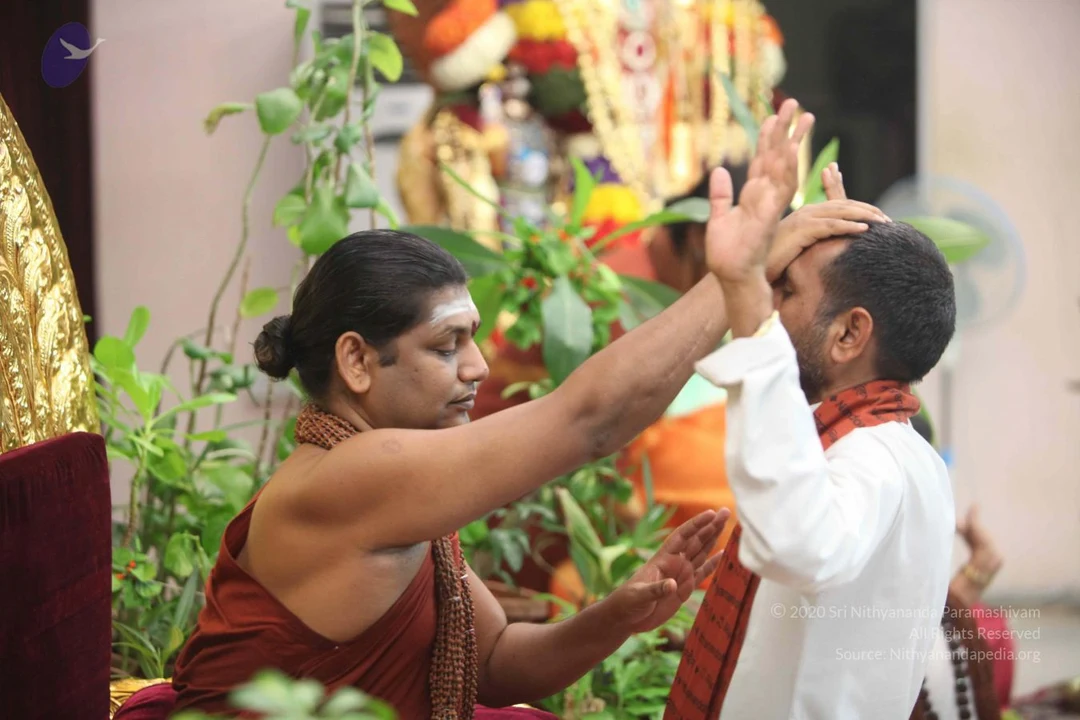
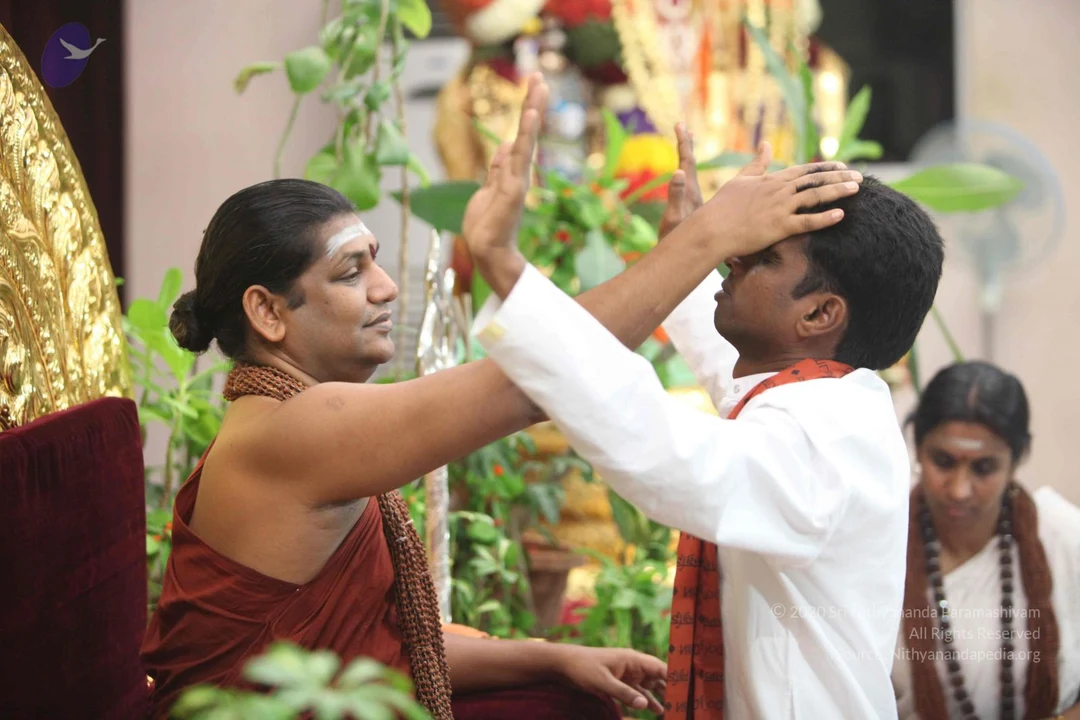
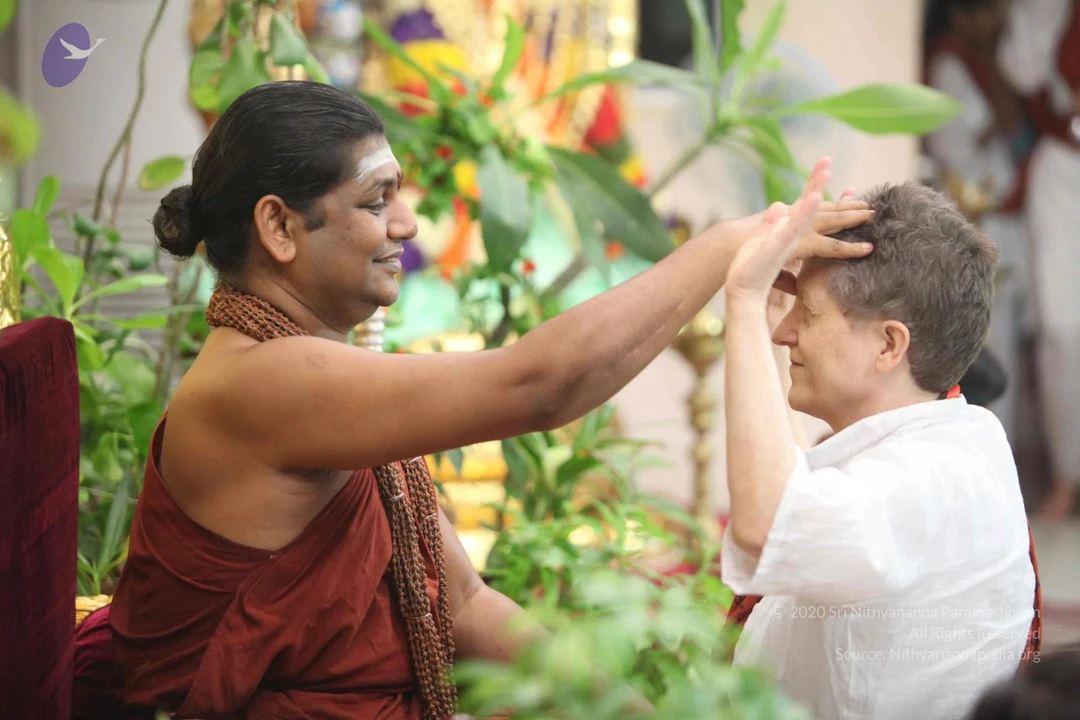
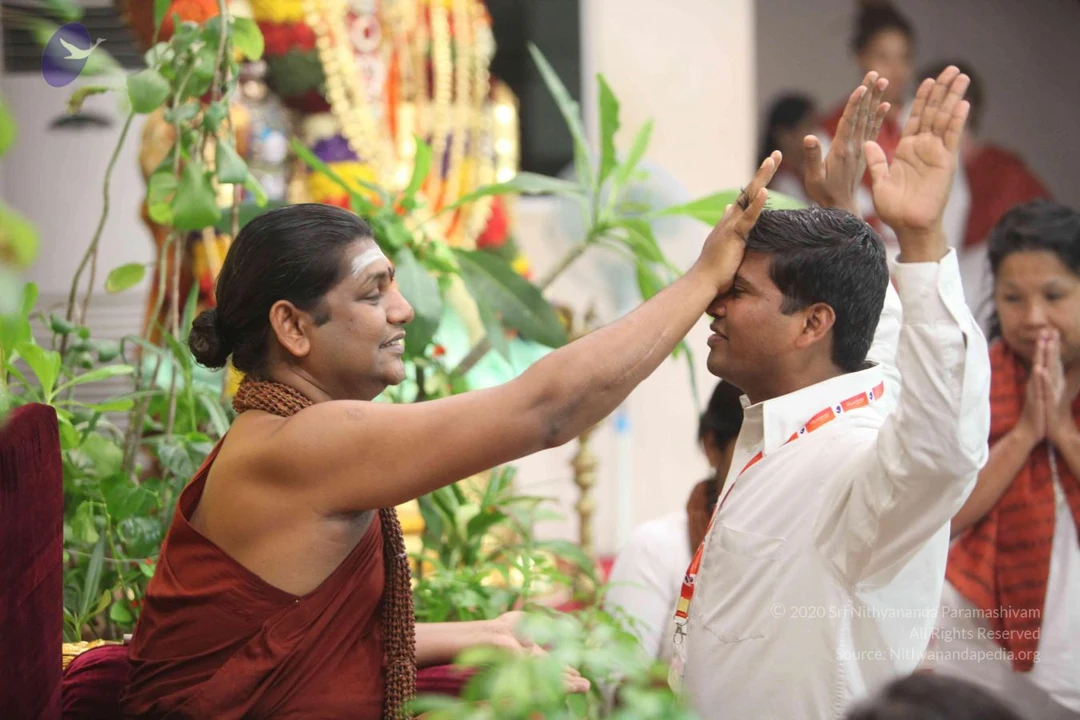
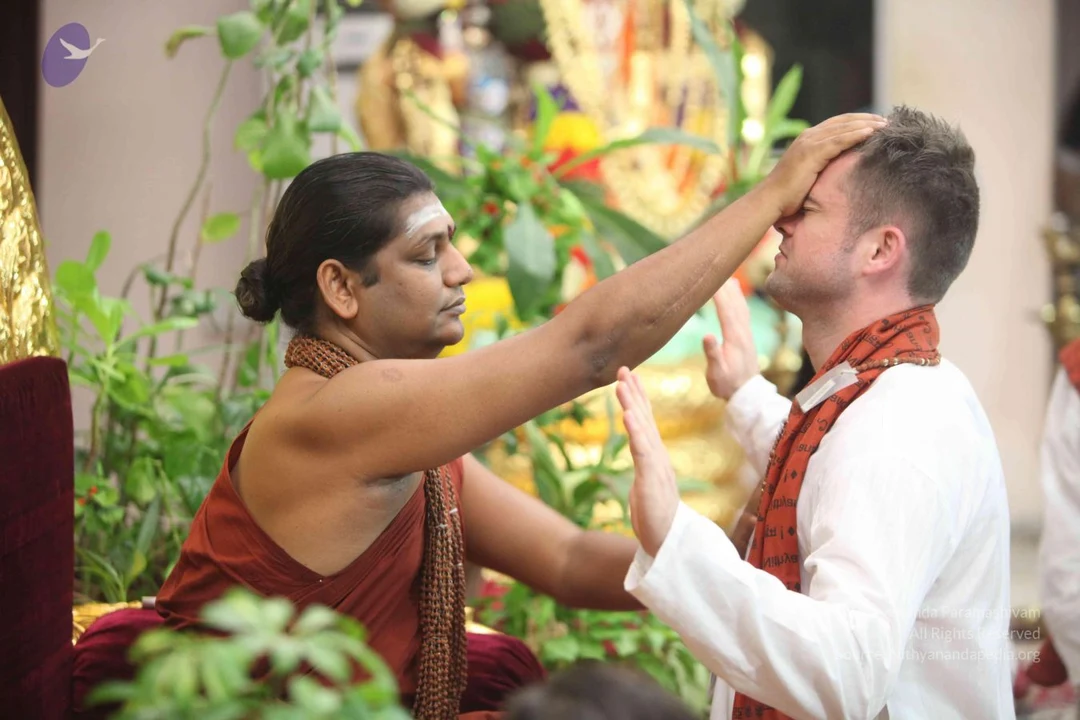
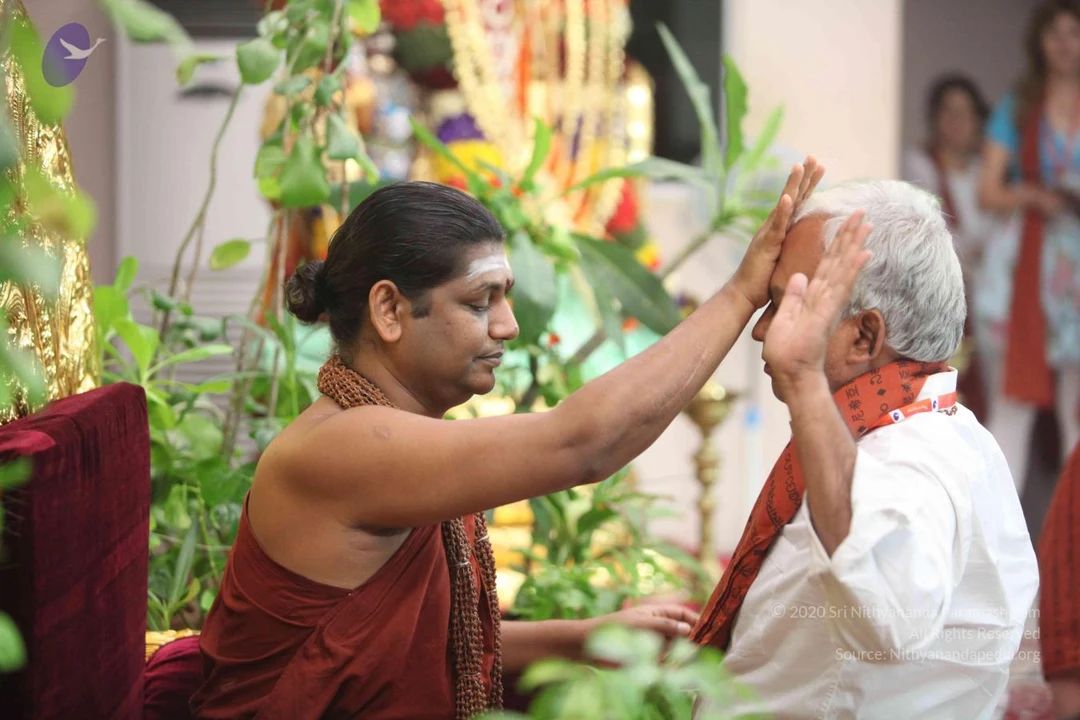
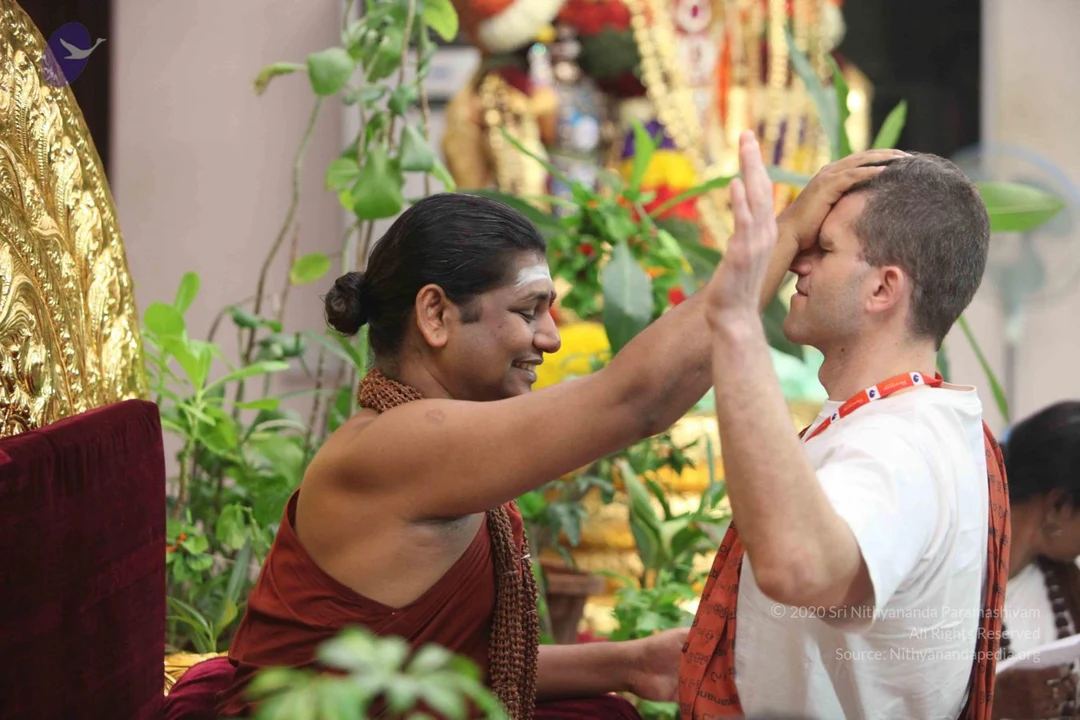
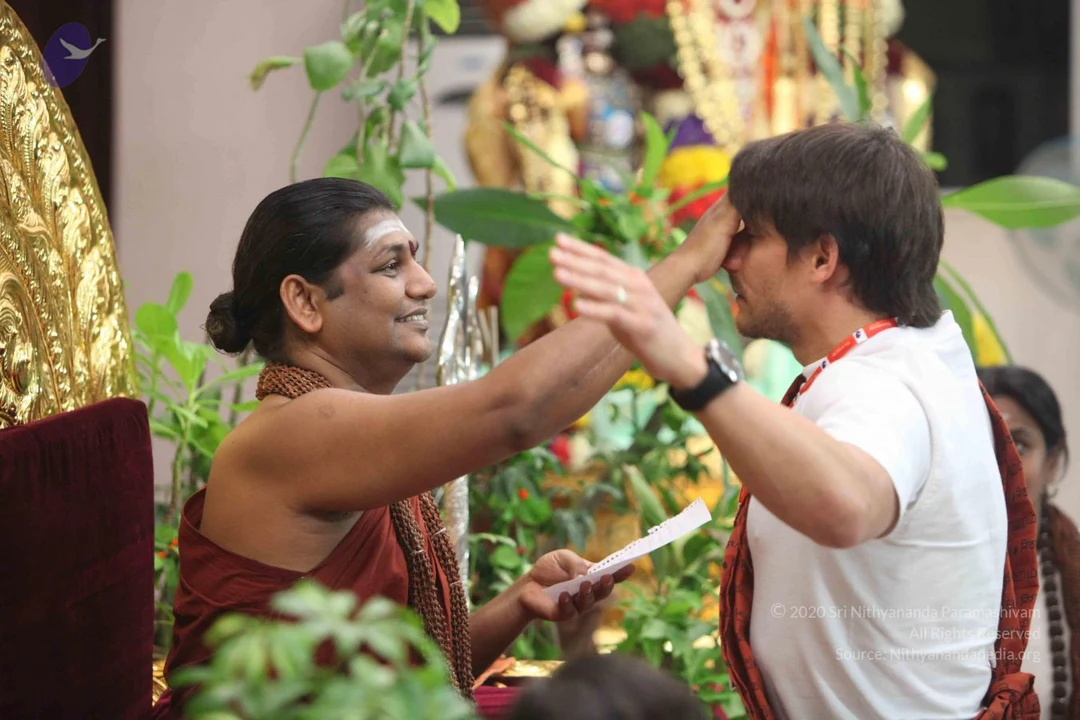
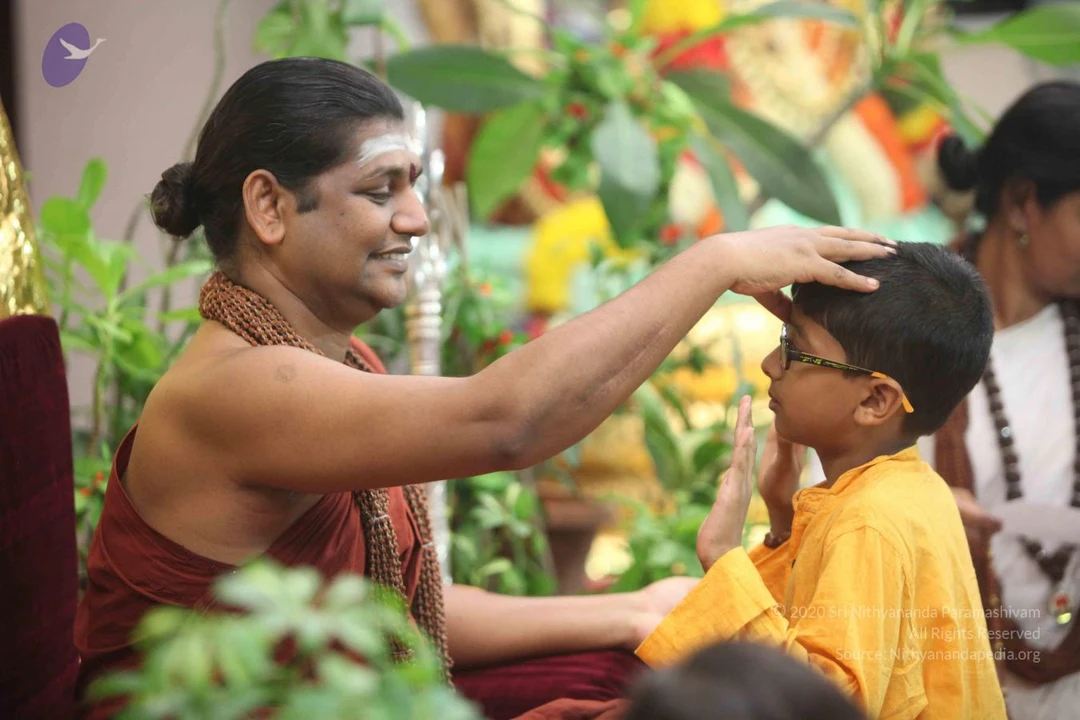
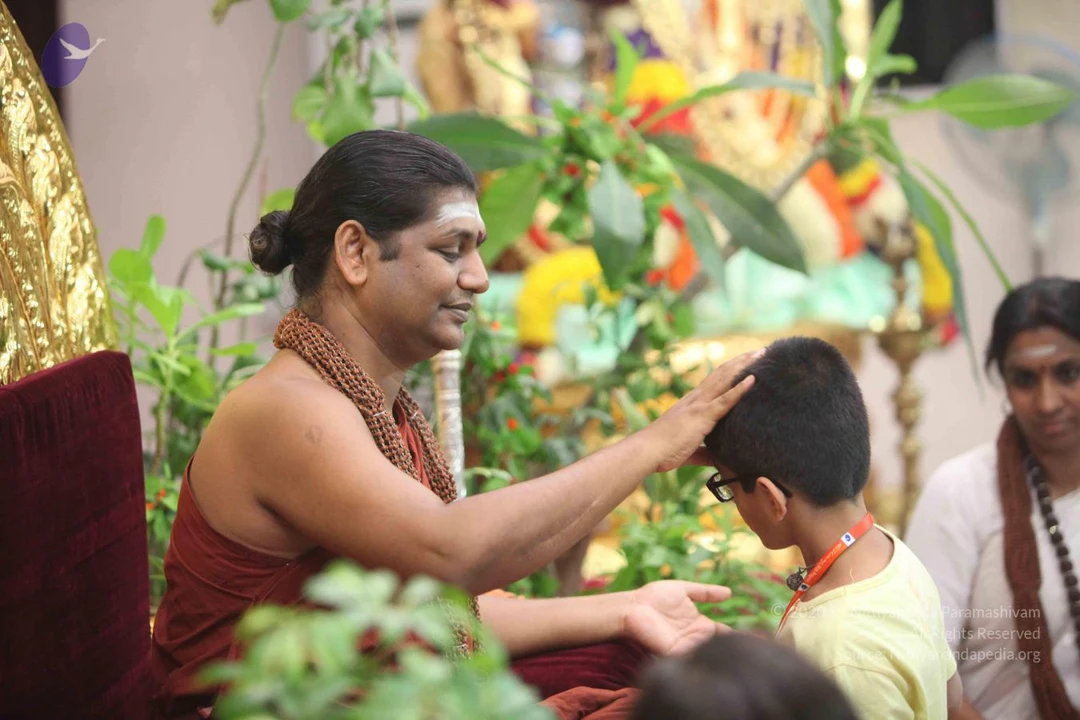
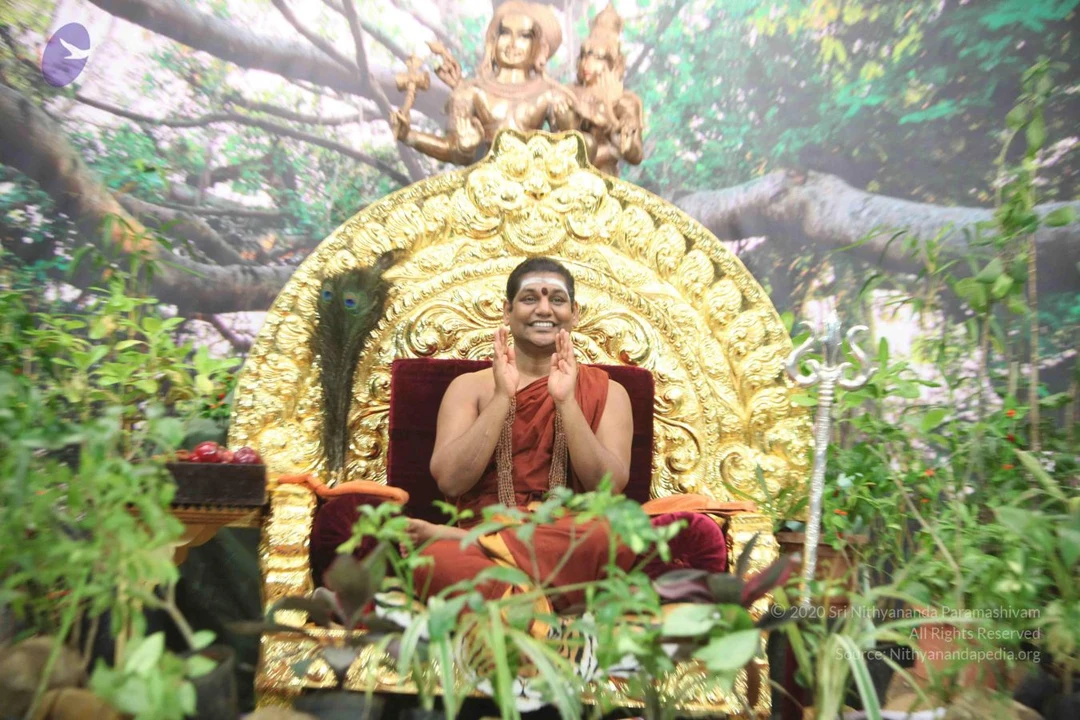
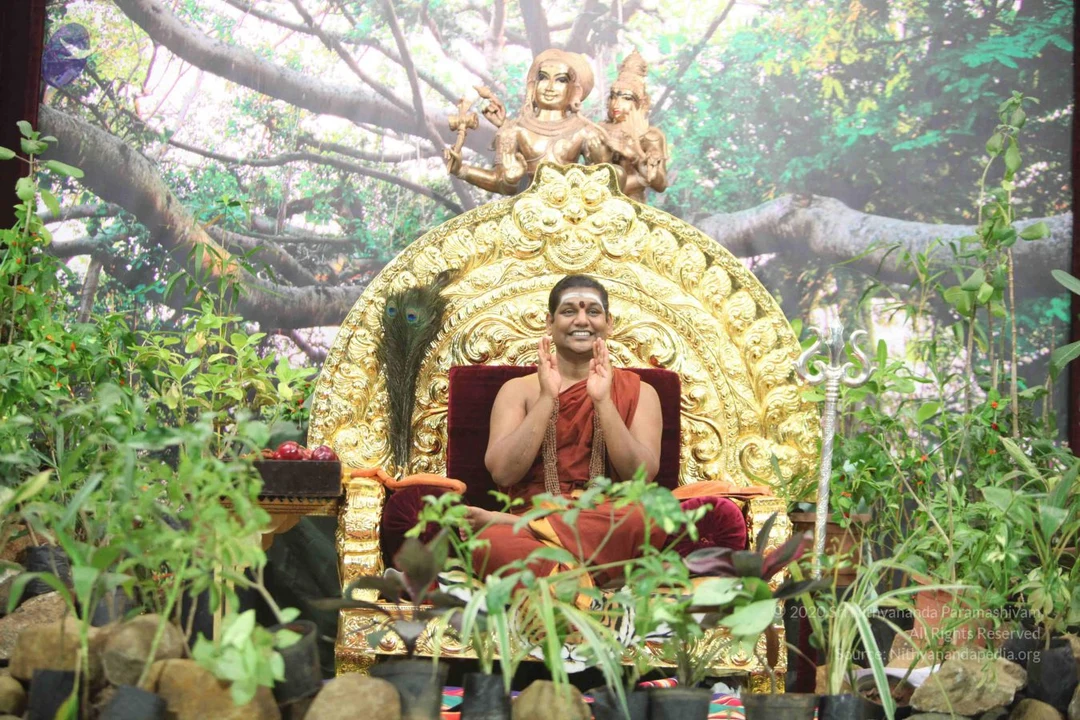
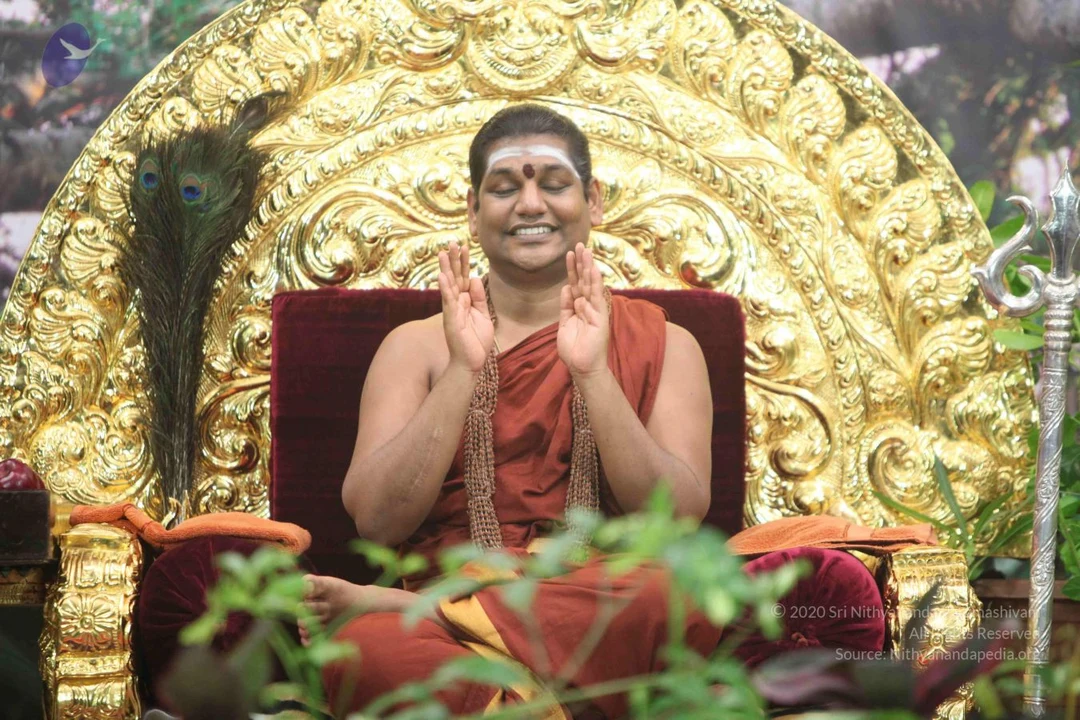
eKalpataru
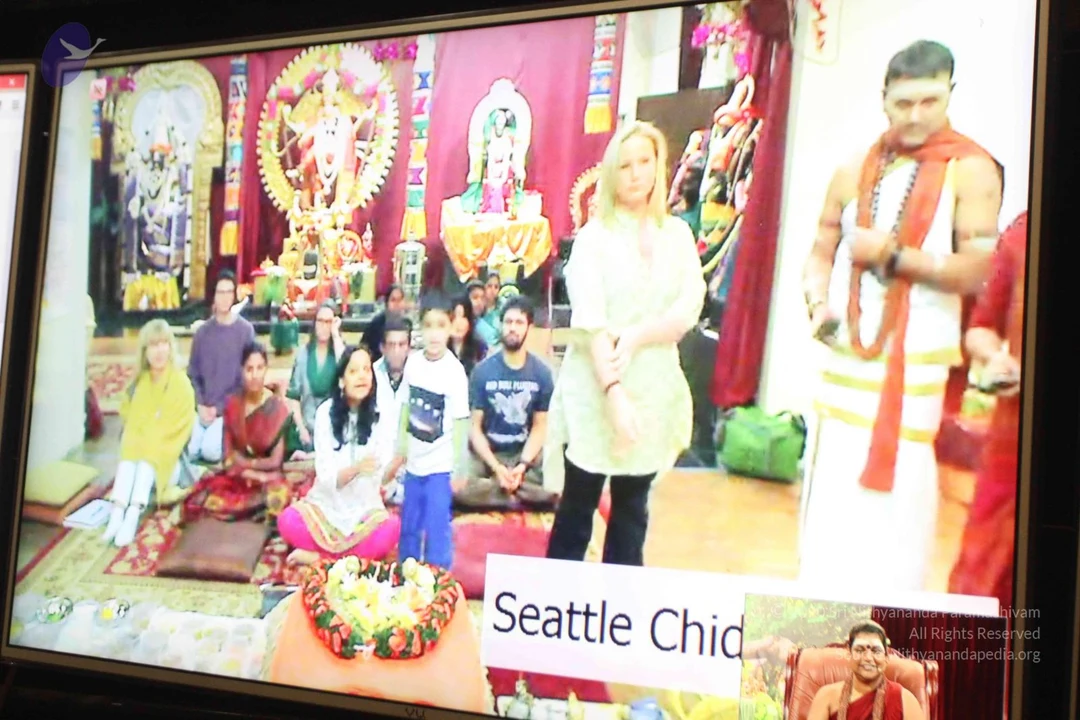
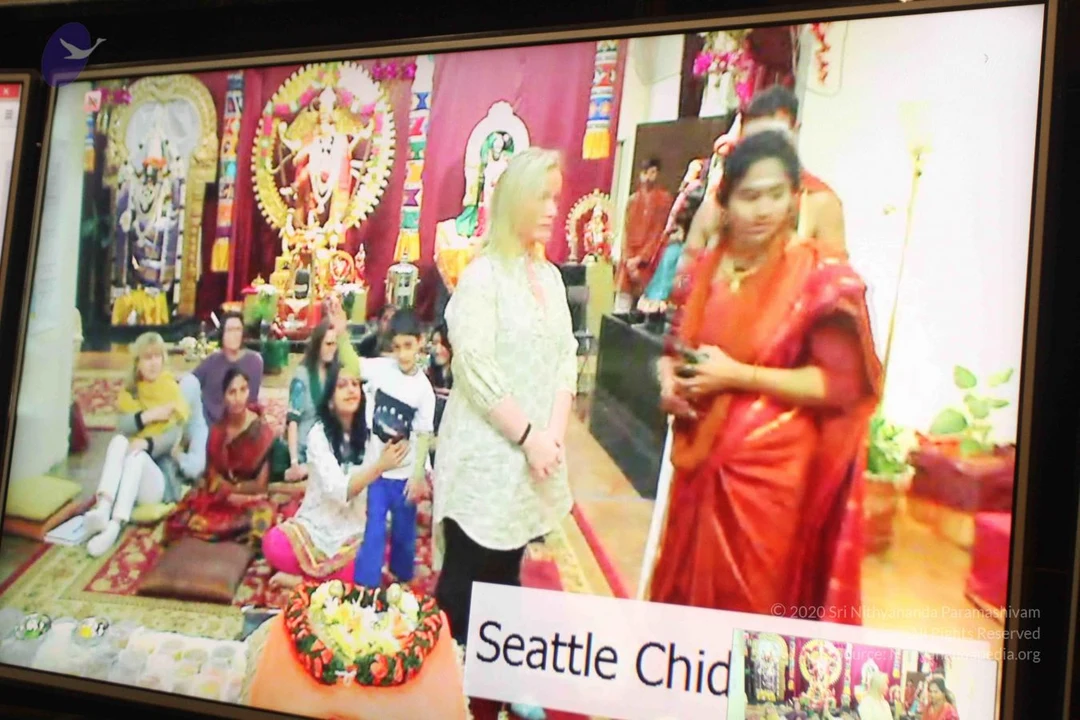
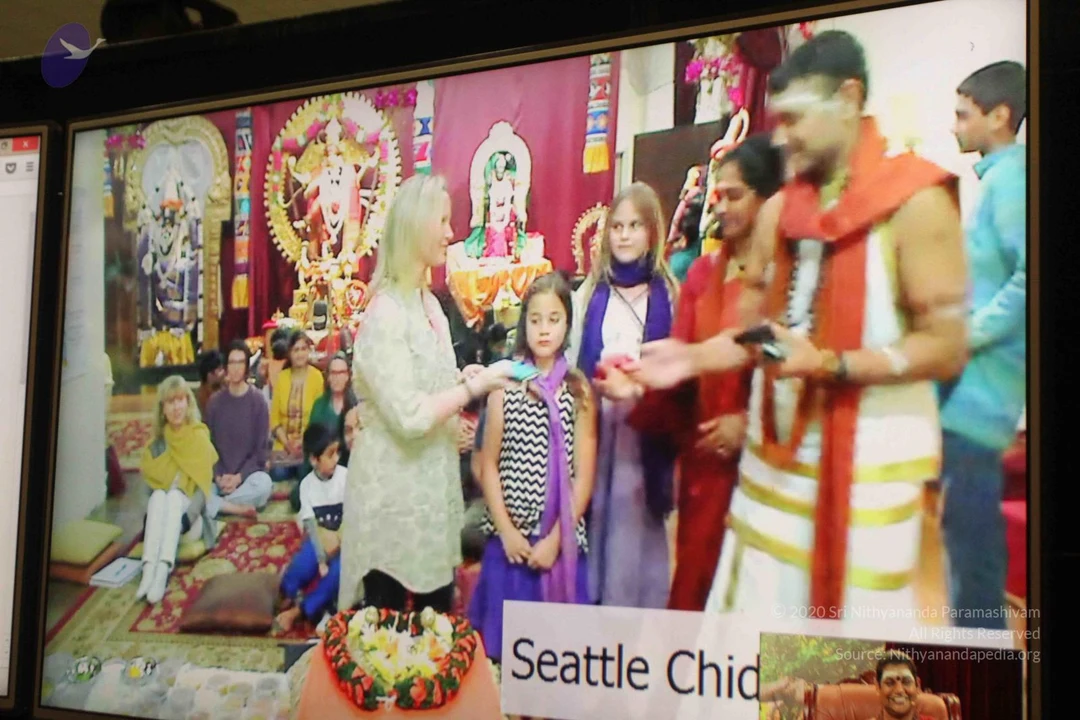
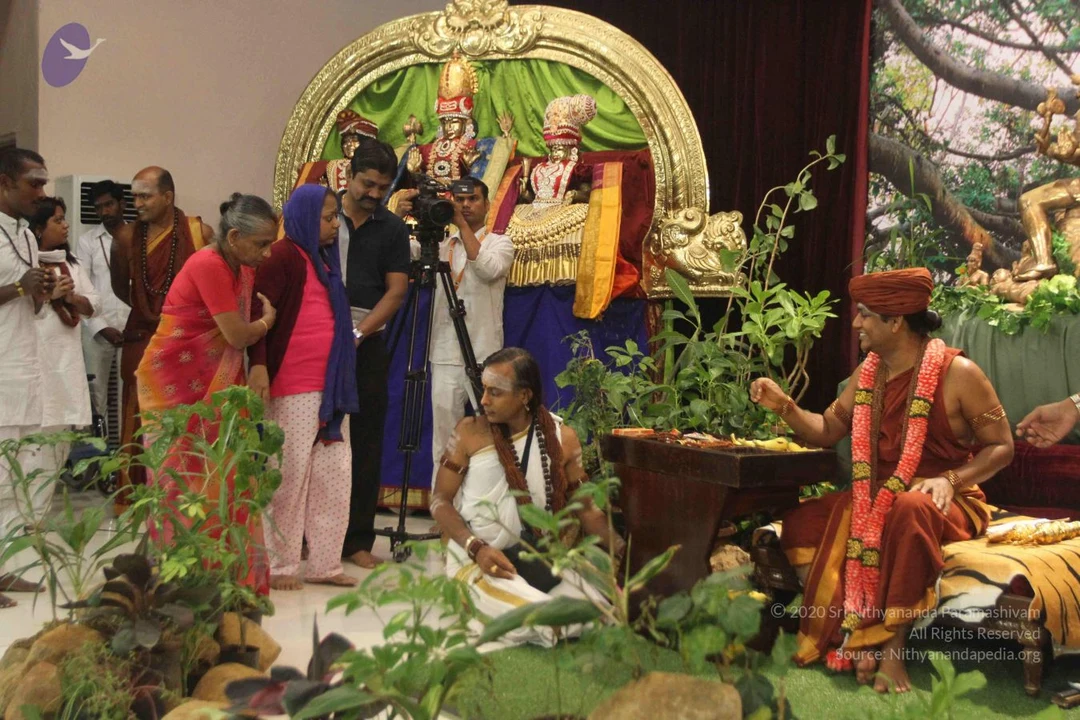
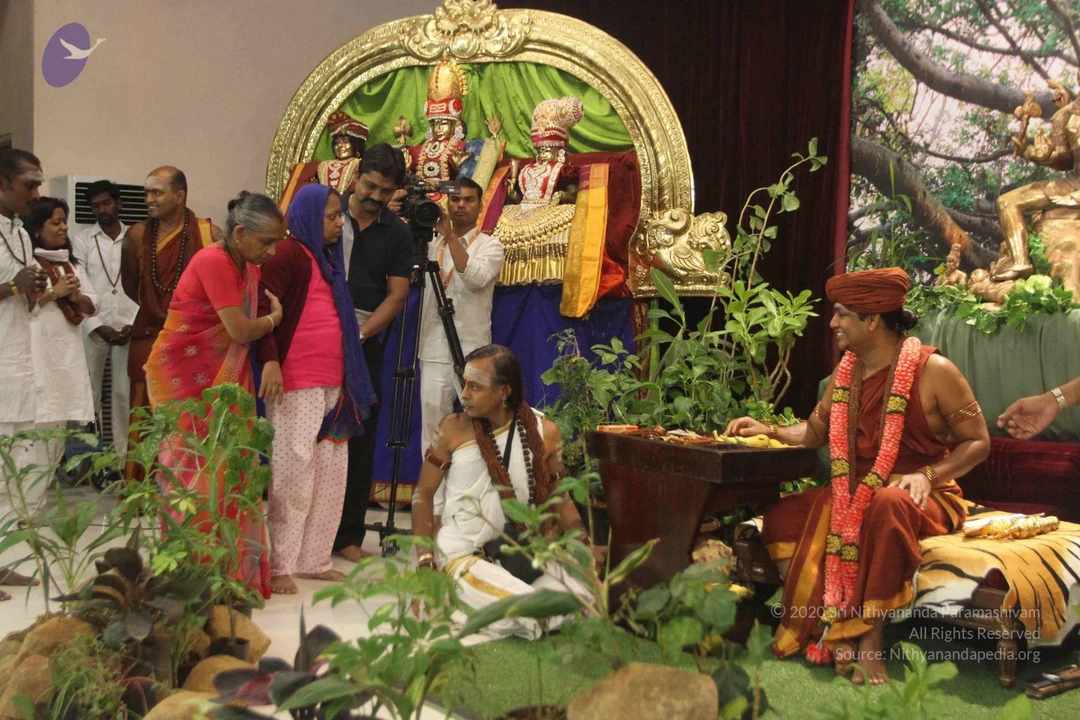
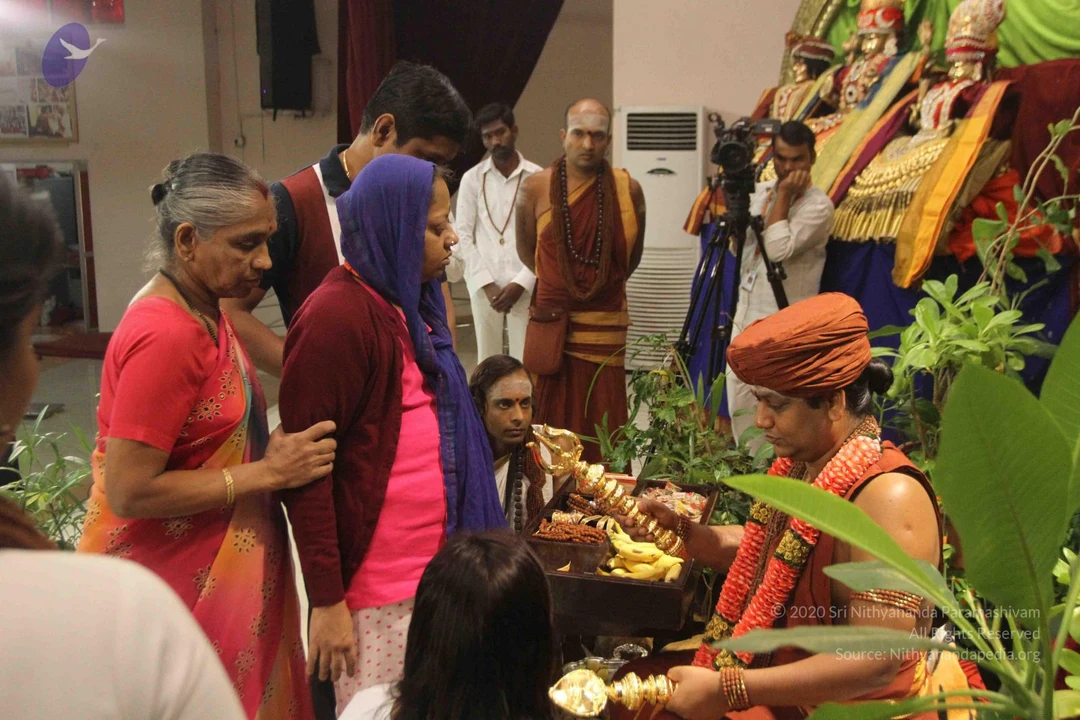
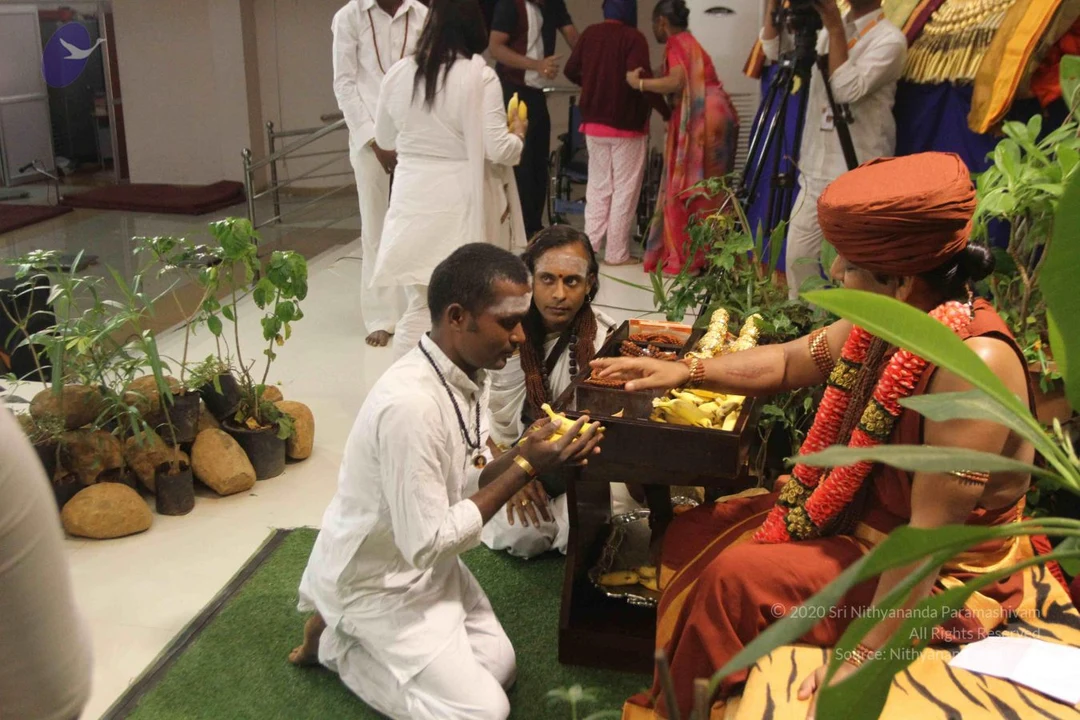
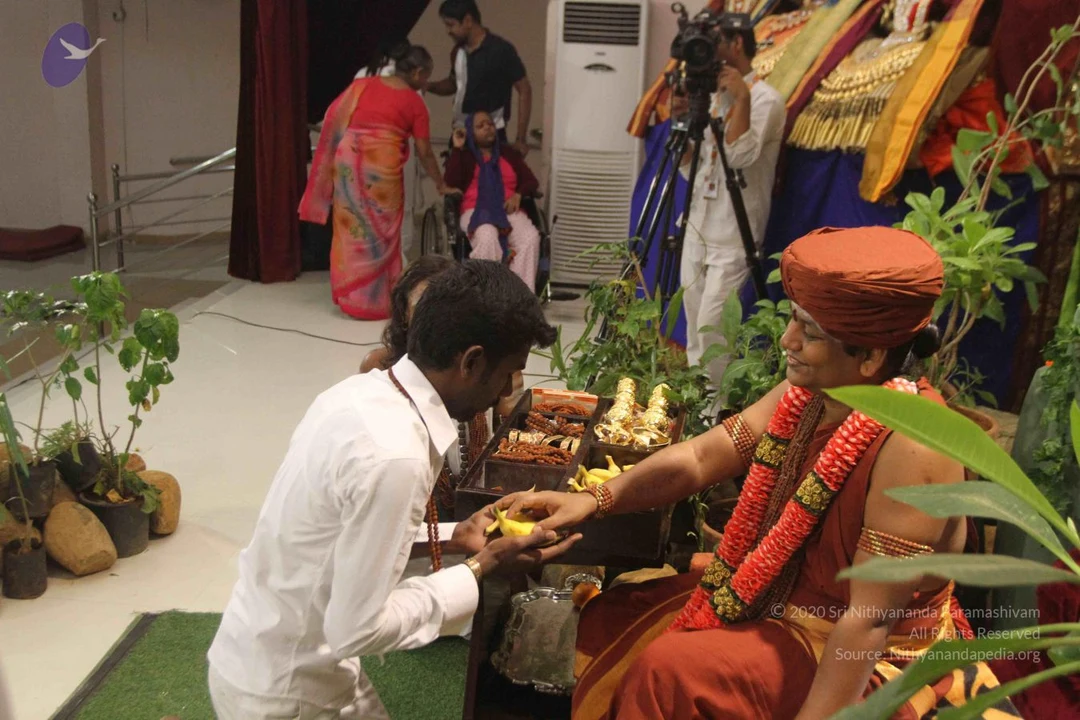
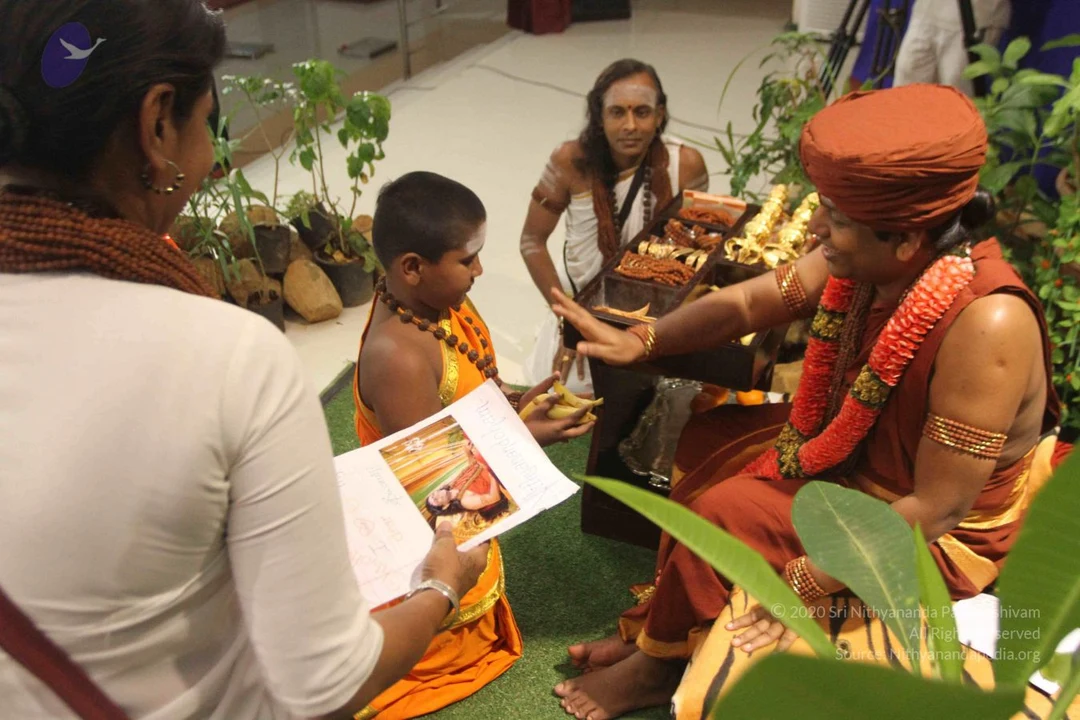
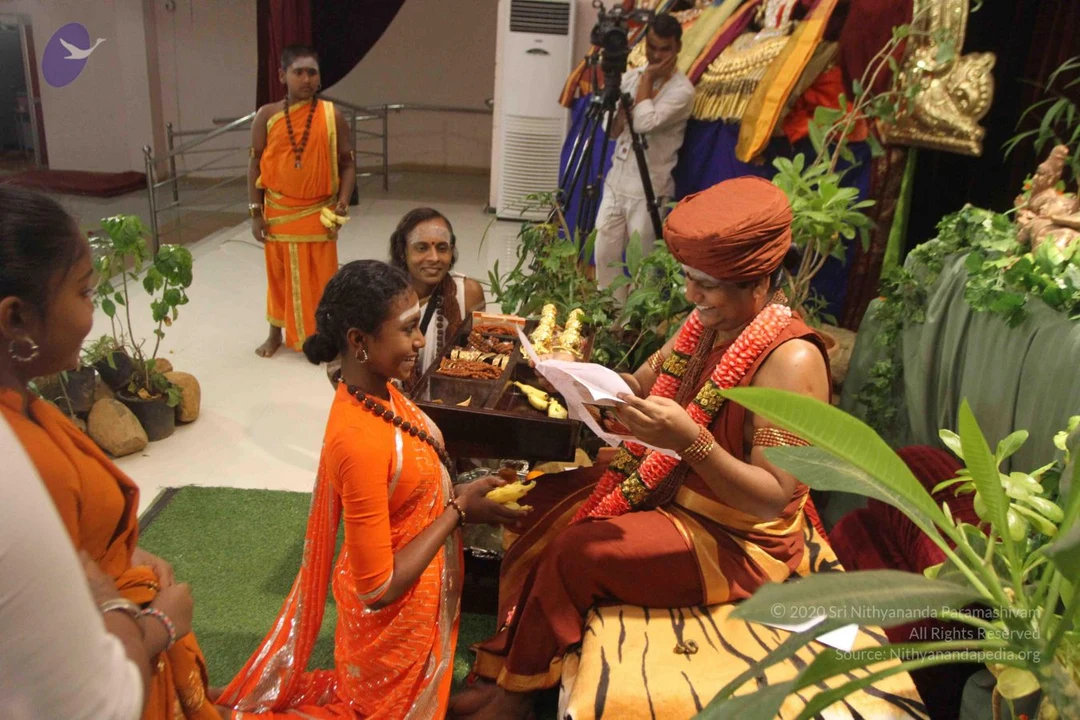
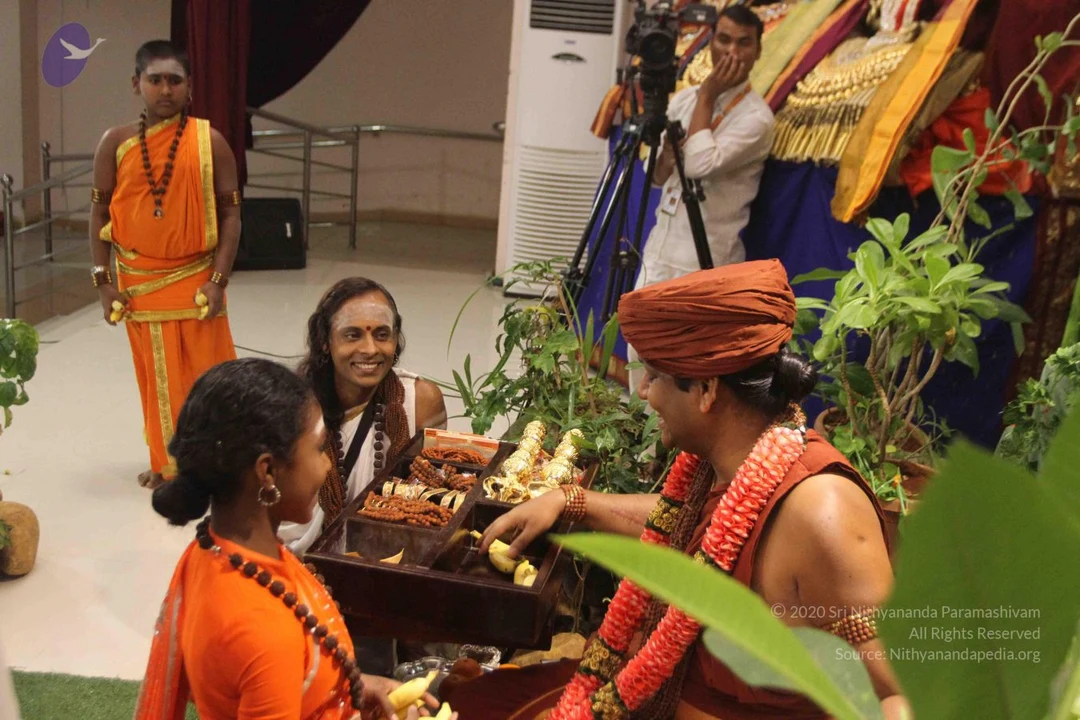
IA-Perpetual-Completion-Session
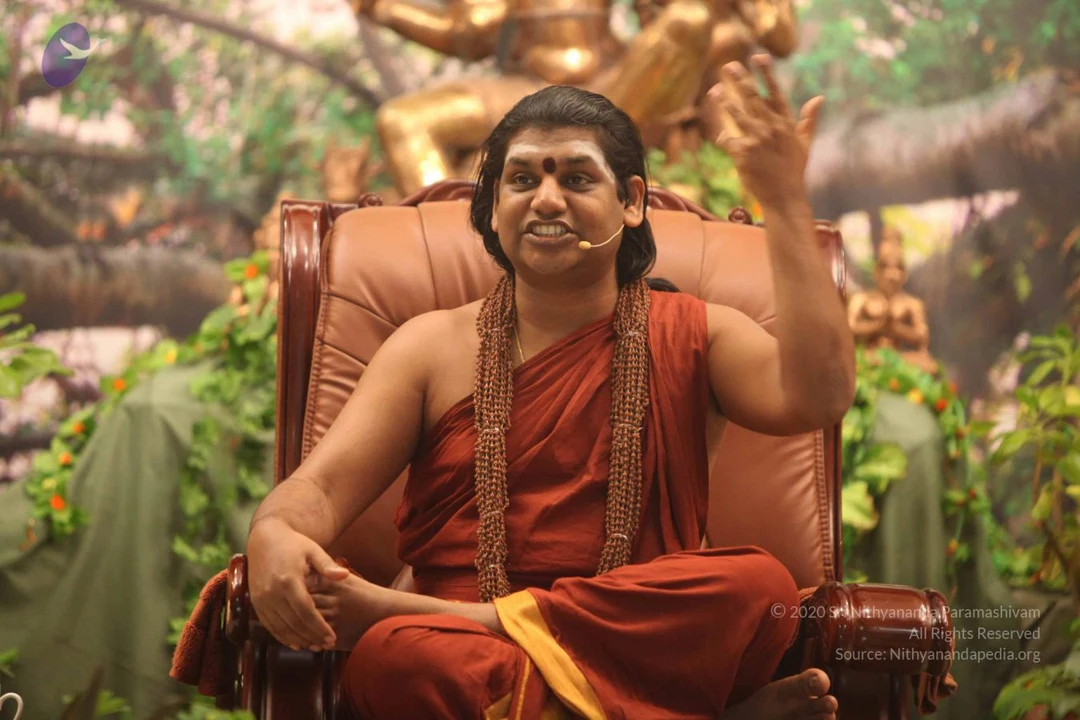
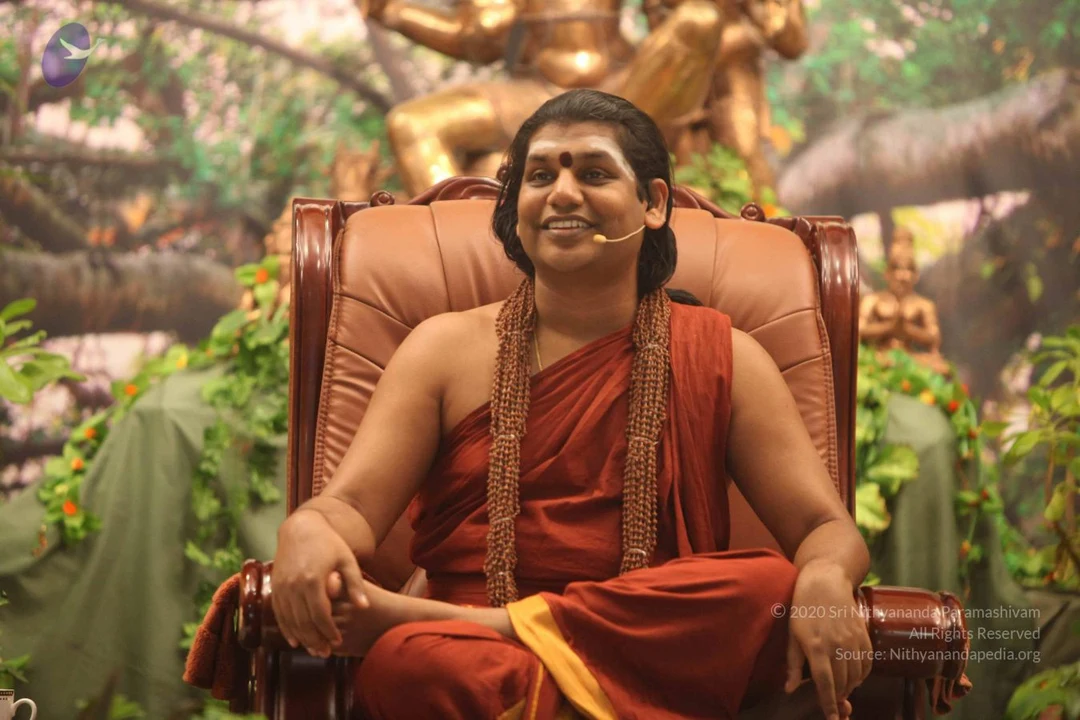
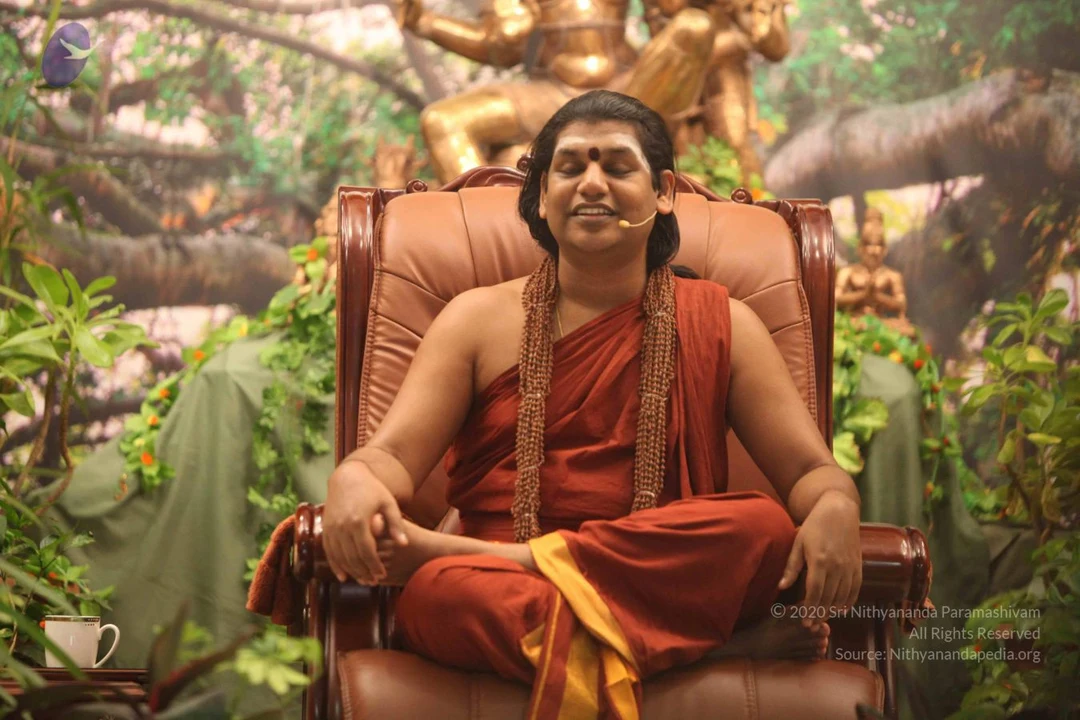
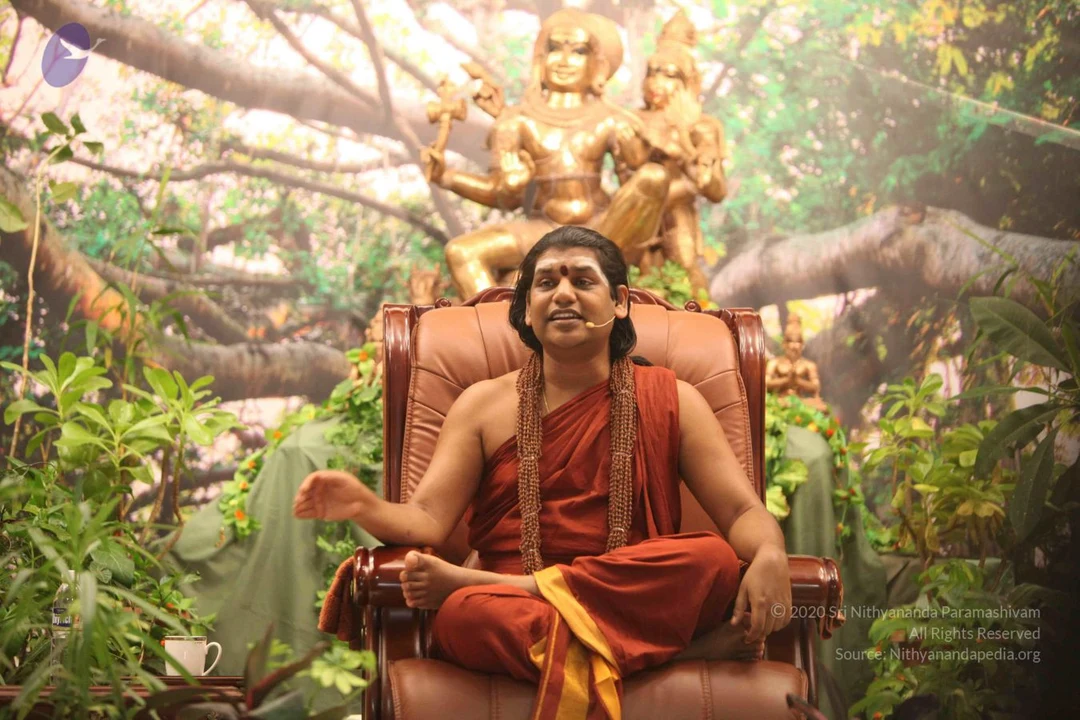
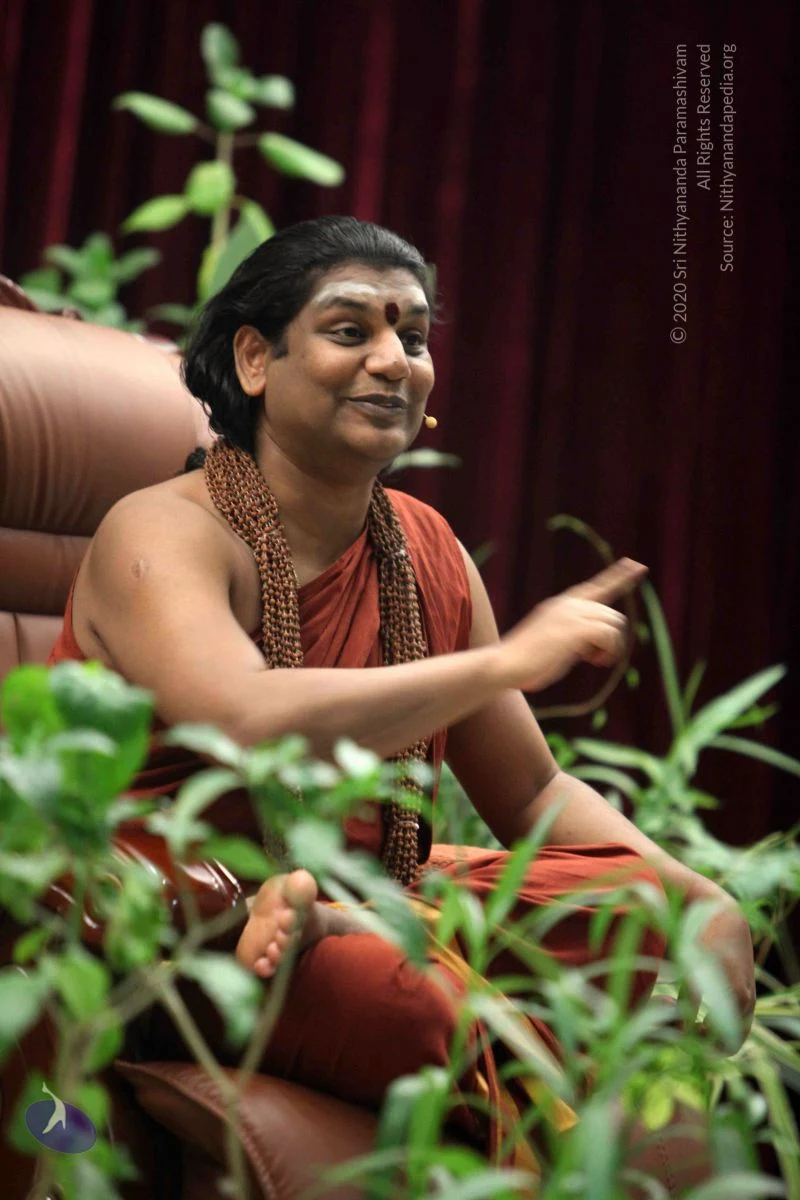
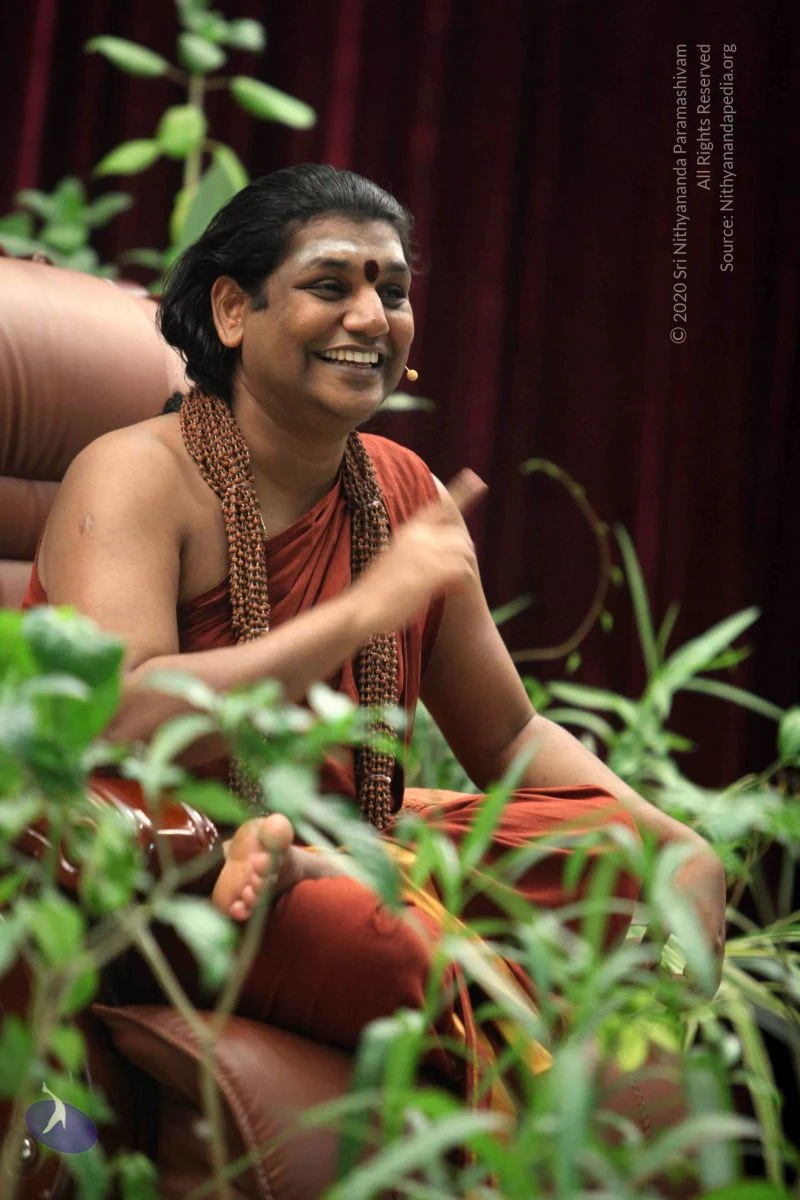
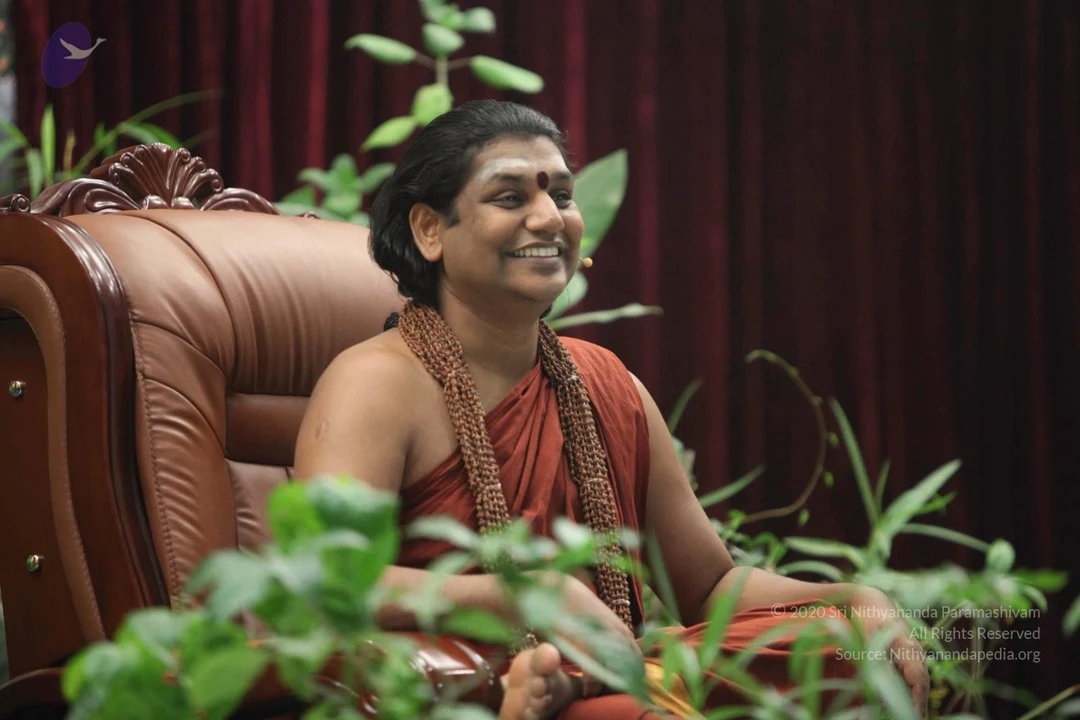
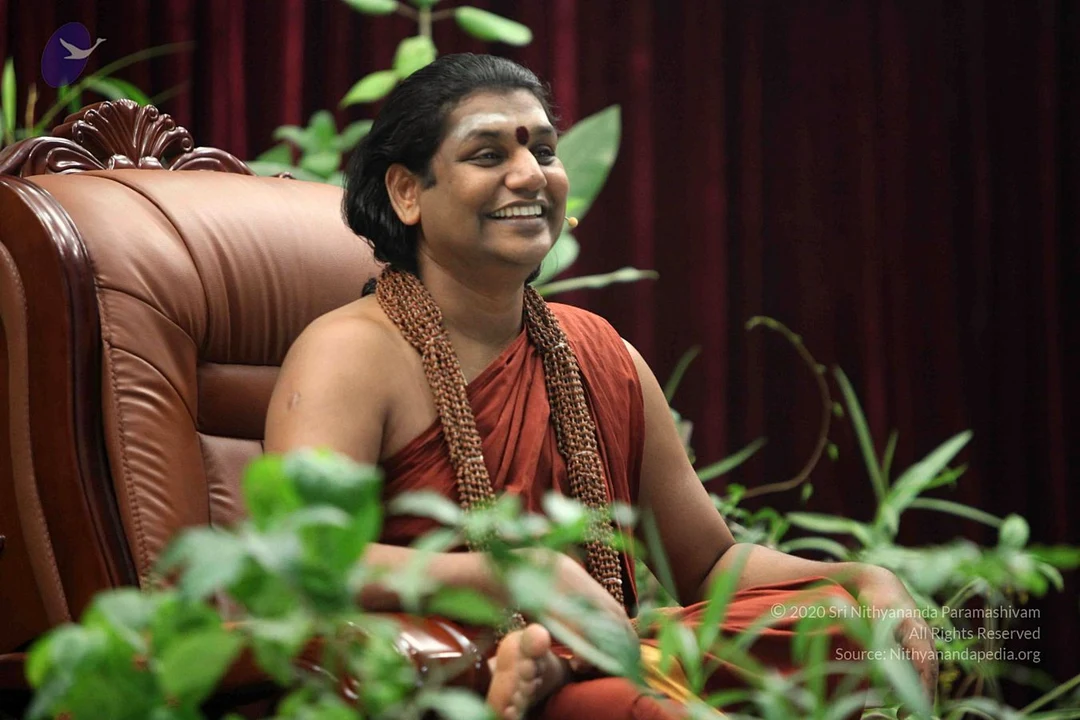
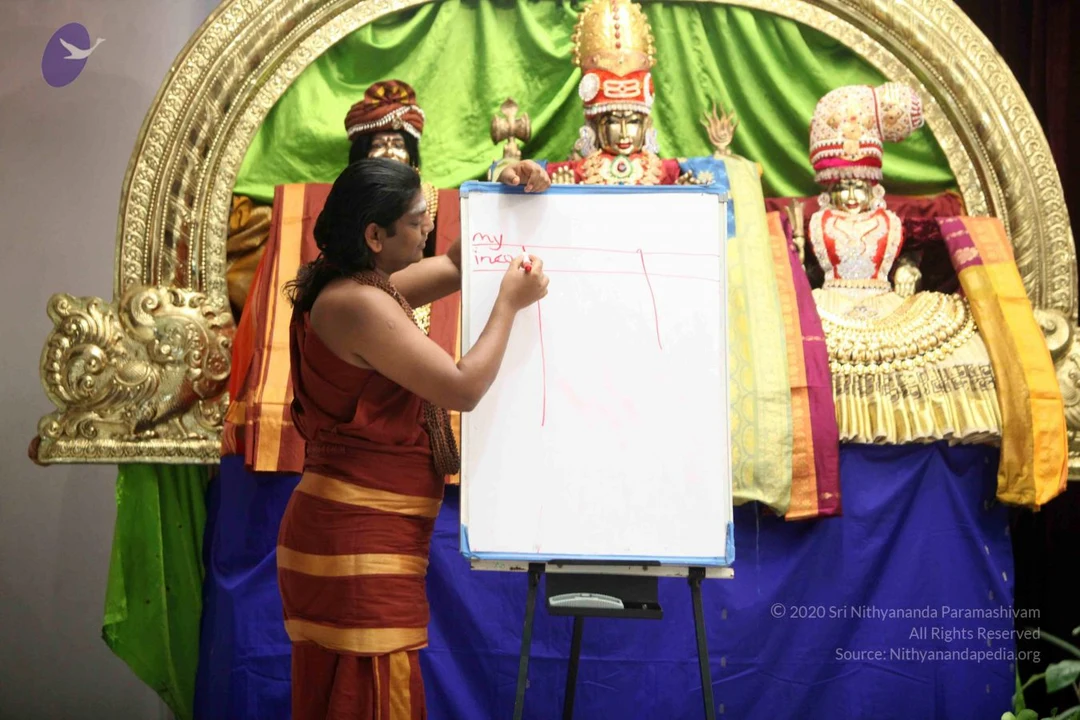
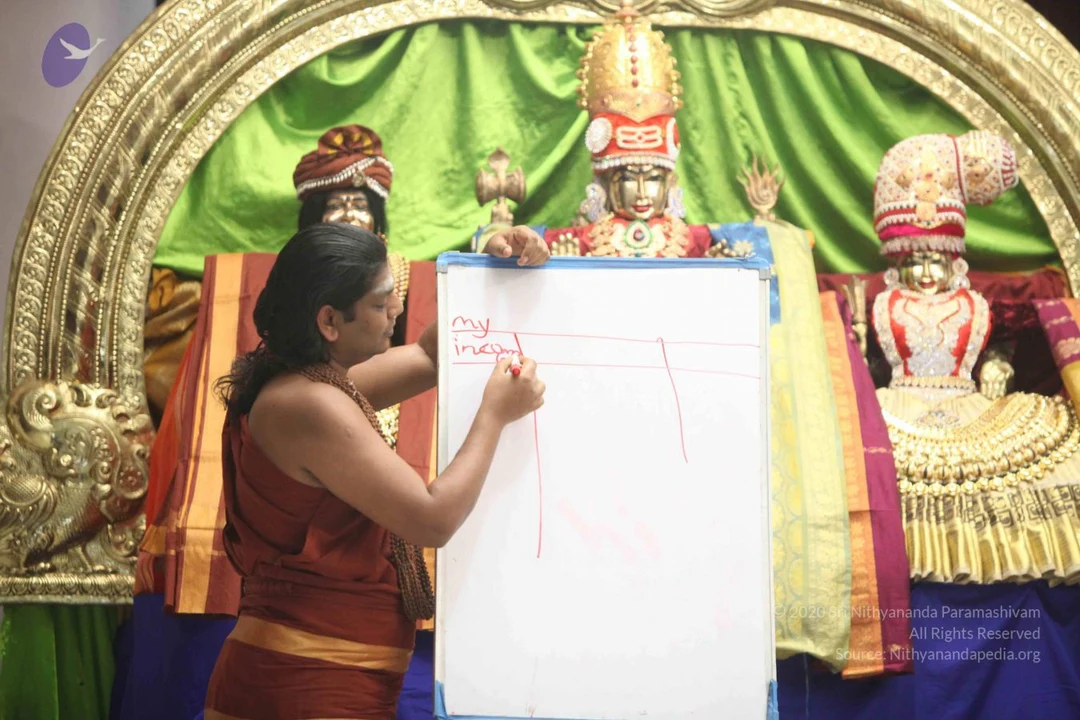
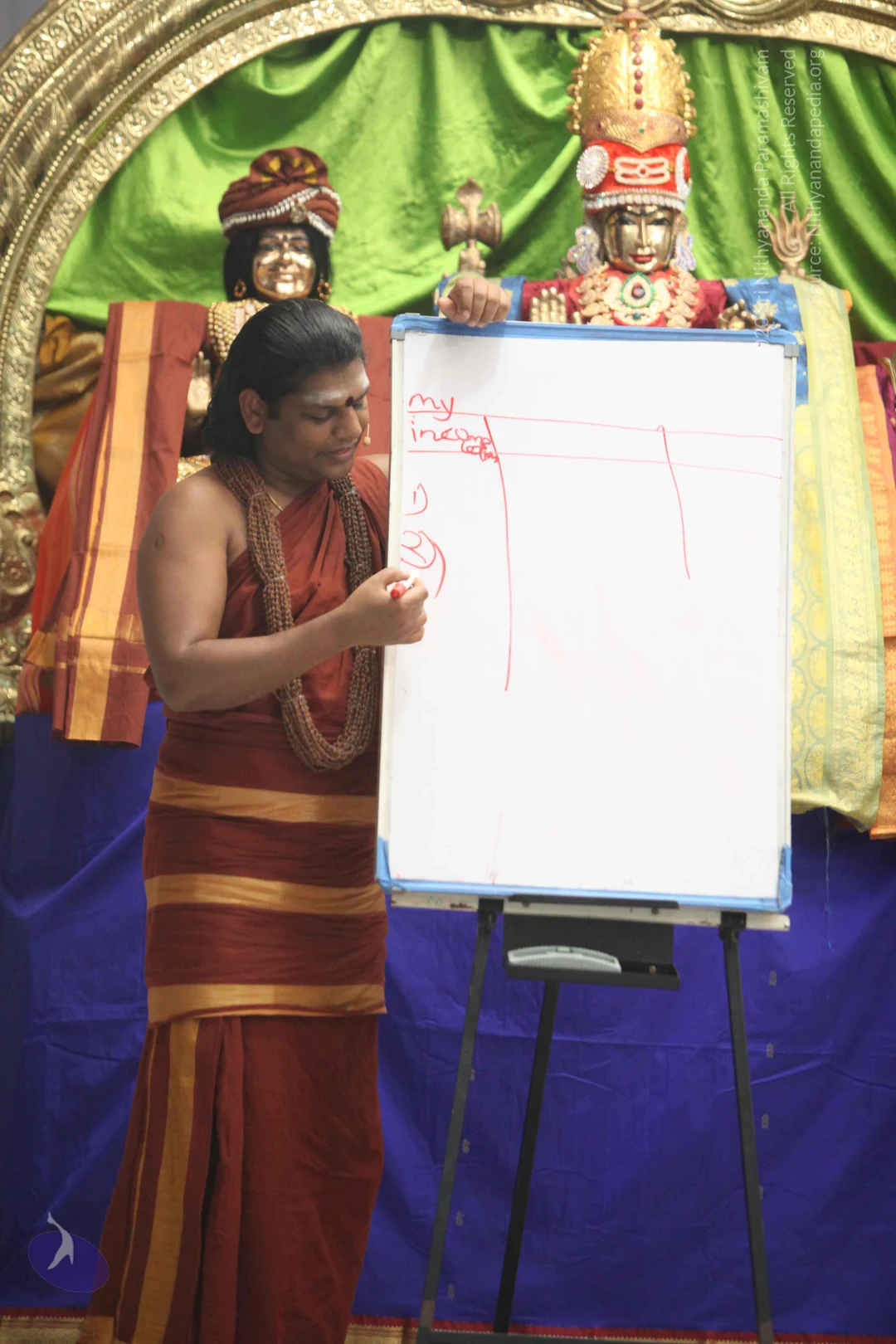
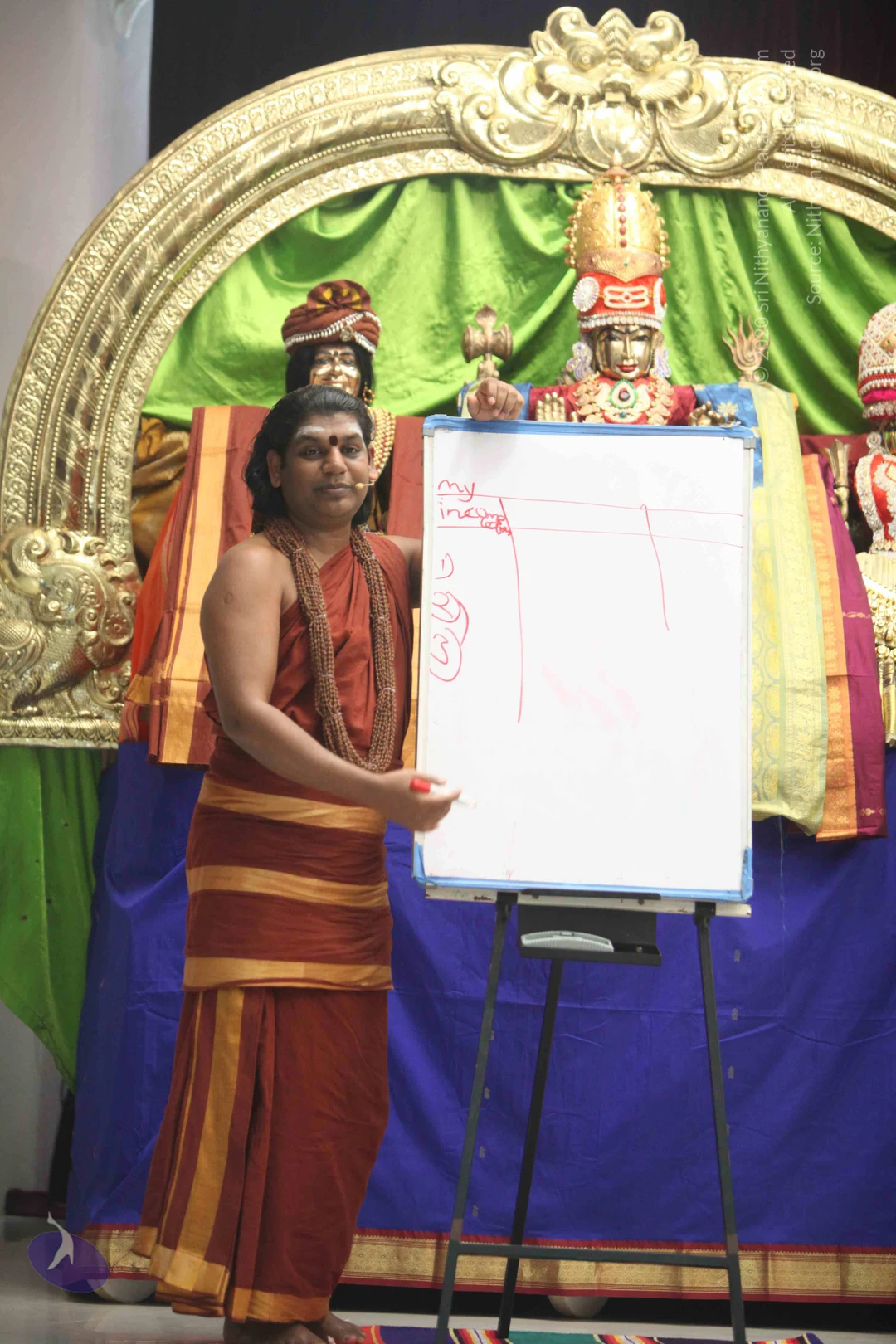
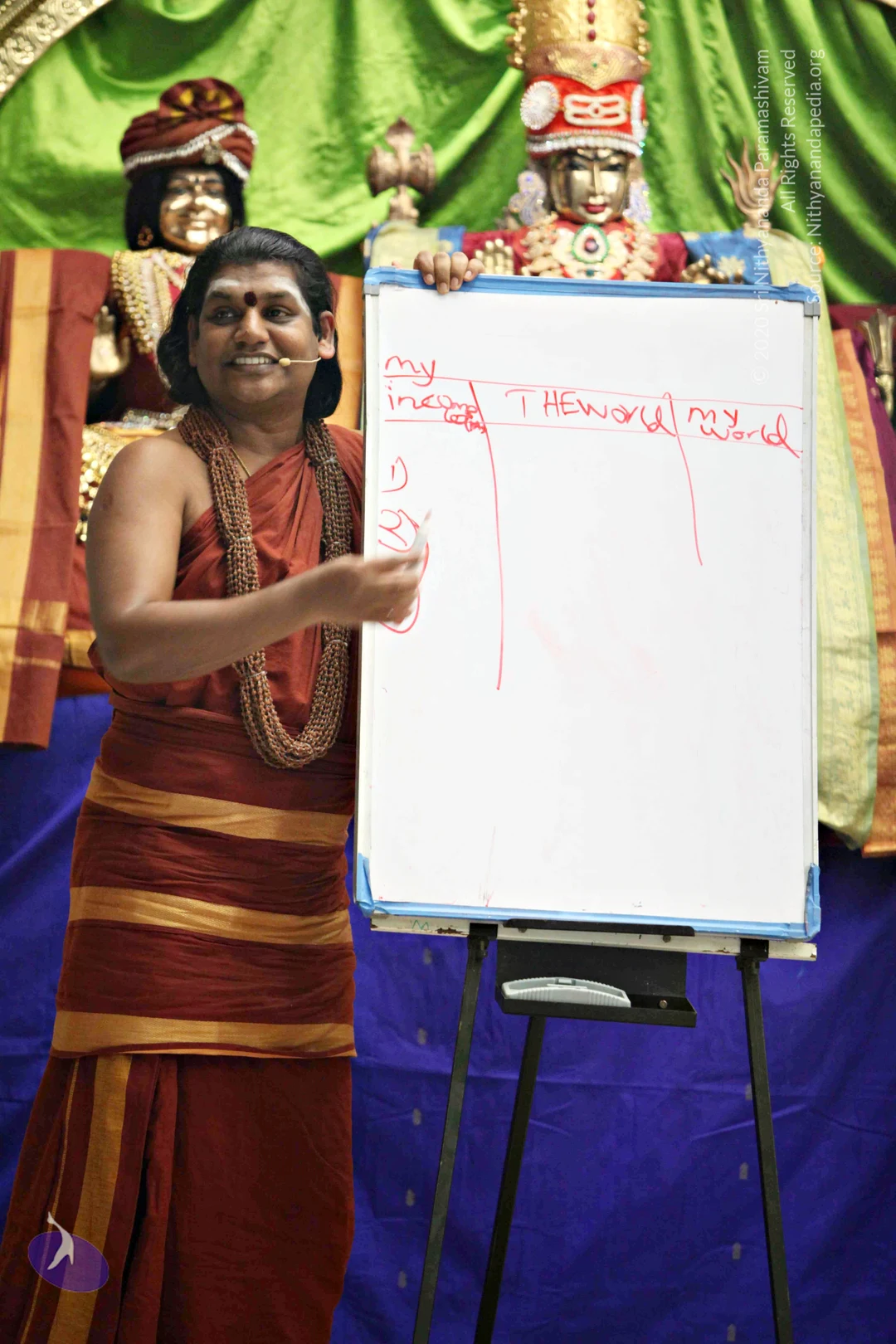
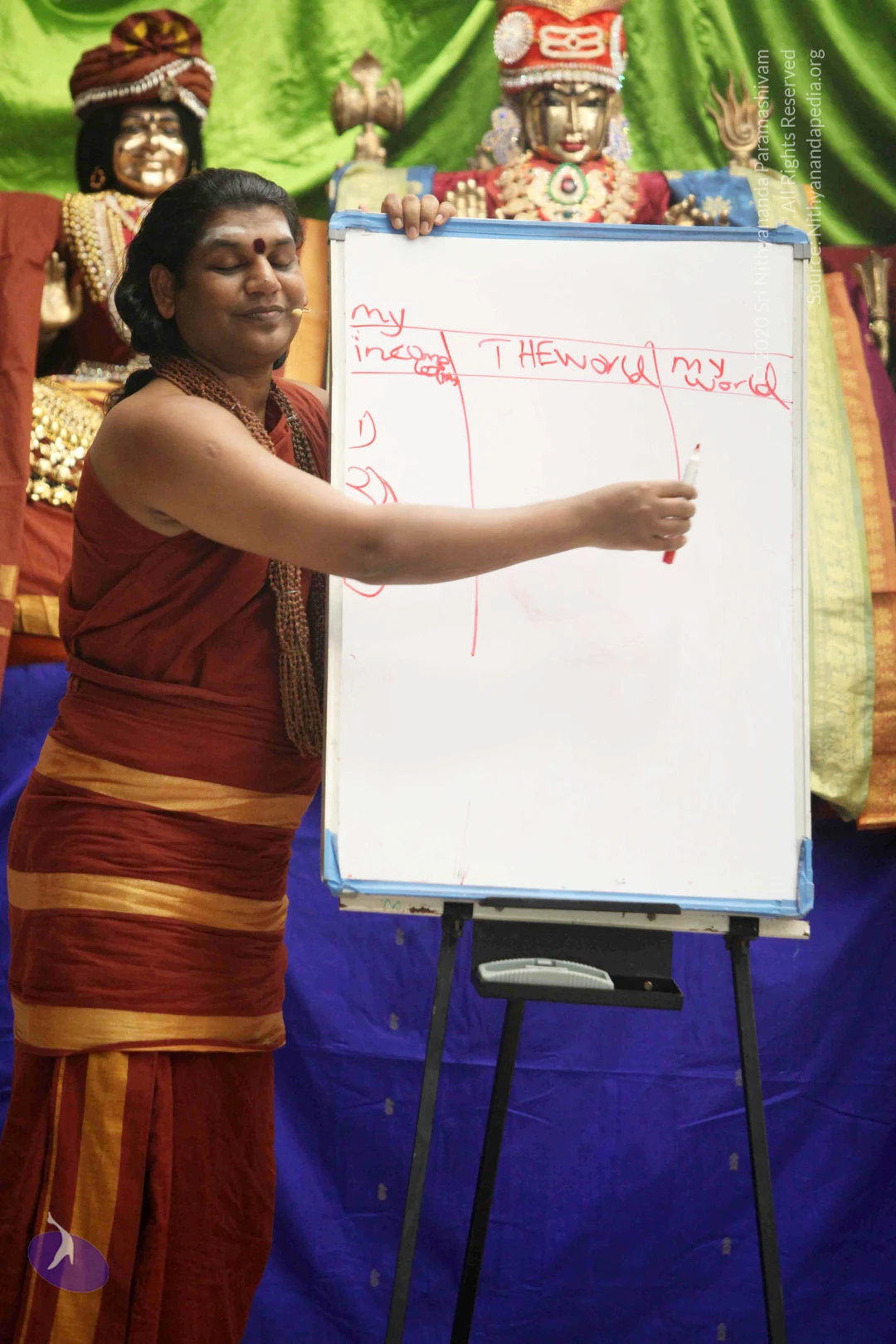
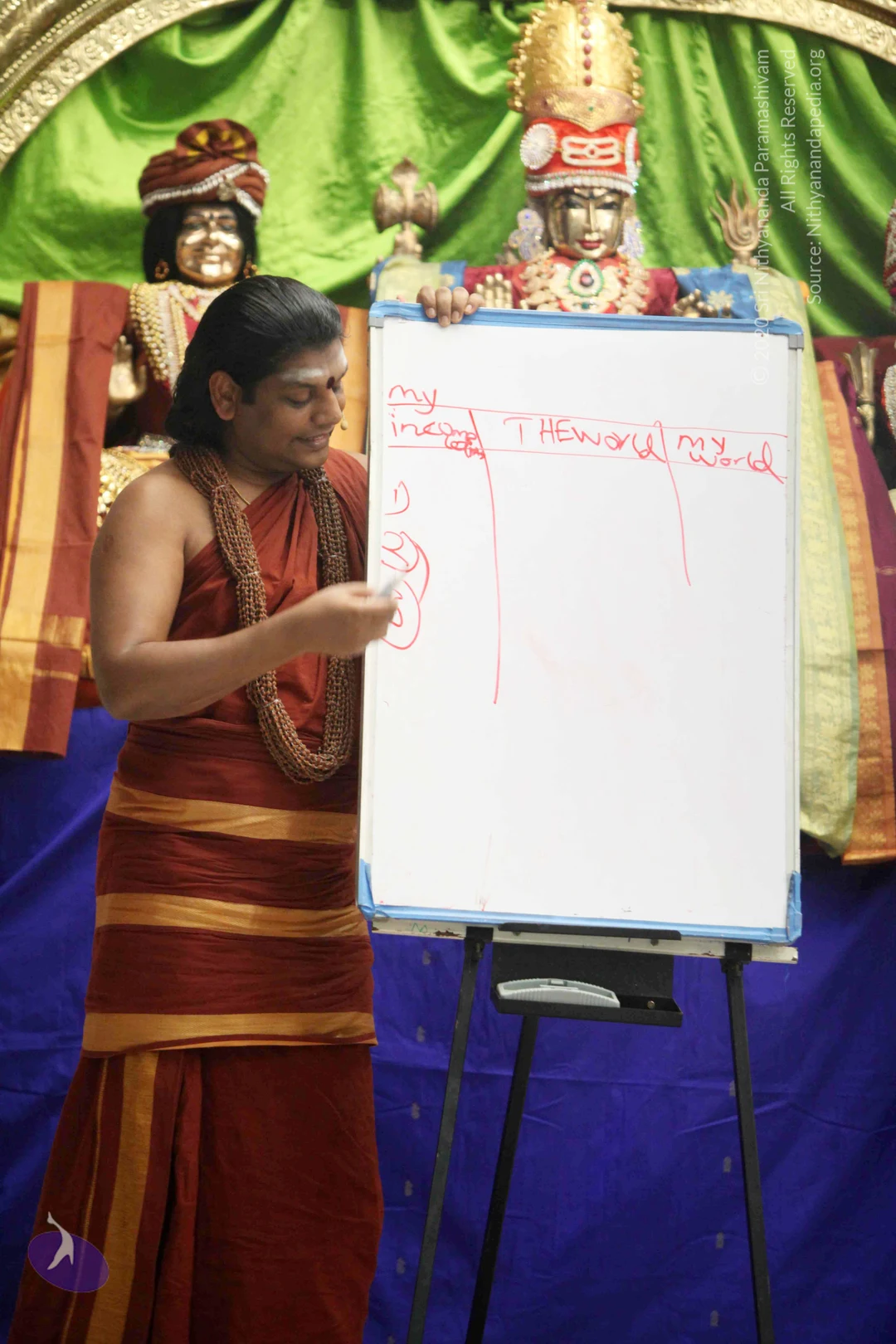
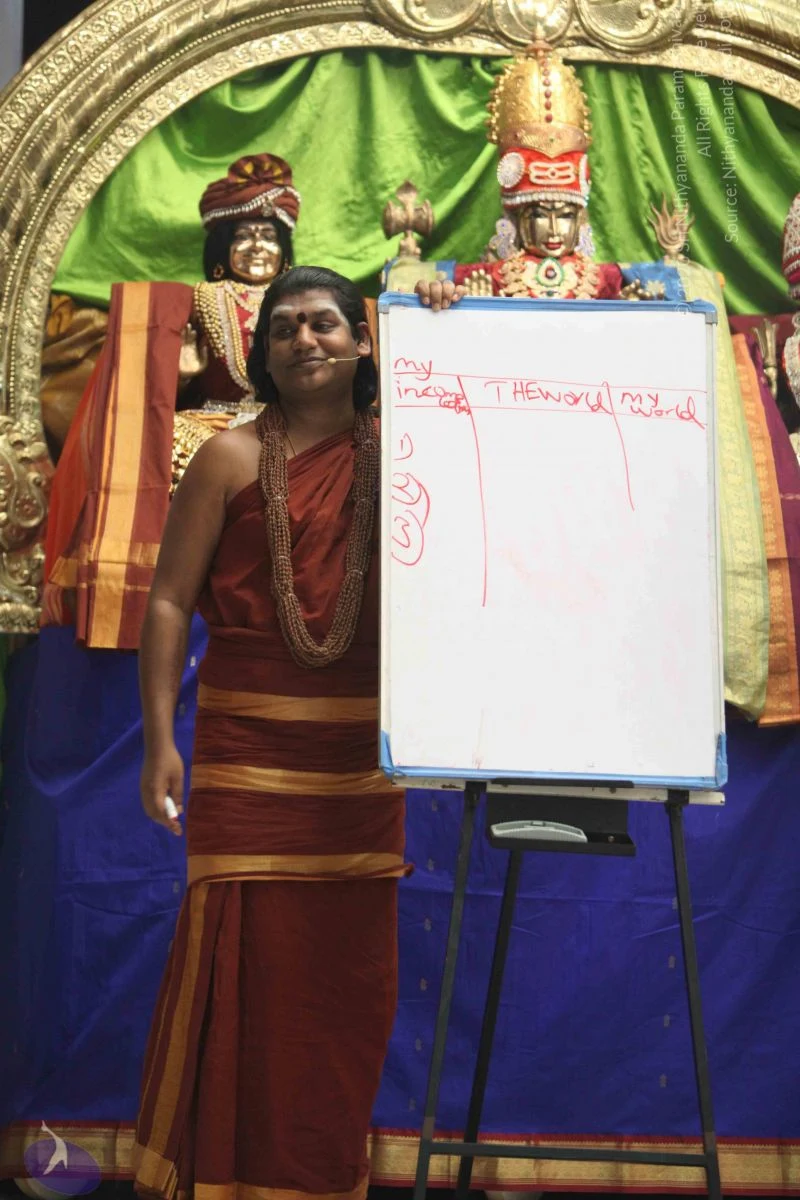
Link to Facebook Post
https://www.facebook.com/ParamahamsaNithyananda/photos/a.321615927926264/794416007312918
Tags:
Upanishads, Advaita, Isha Upanishad, Isha Upanishad Verse 4, Paramahamsa Nithyananda, Isha, Satsang, consciousness, existence, Truth
FB-Photos-of-the-Day
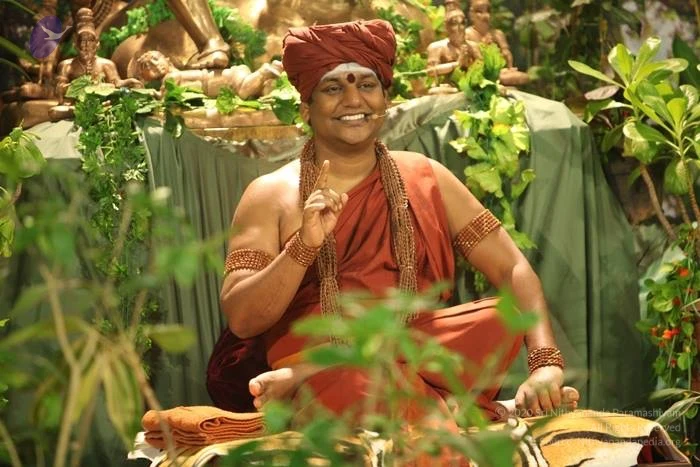
Photos from this day
View all 184 photosKalpataru-And-IA-Darshan
75 photosSource gallery
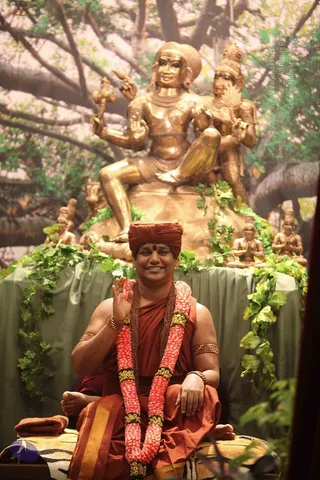
IA DARSHAN
20 photosSource gallery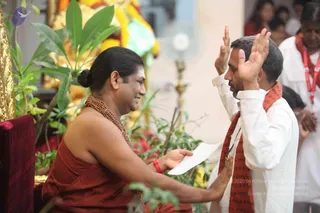
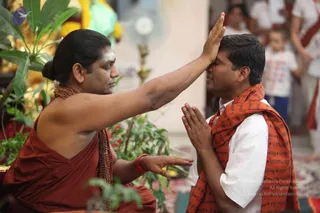
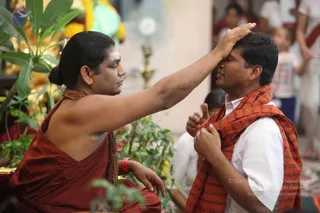
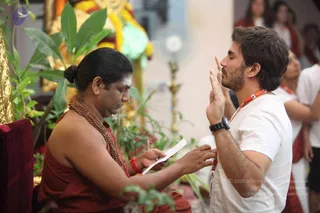
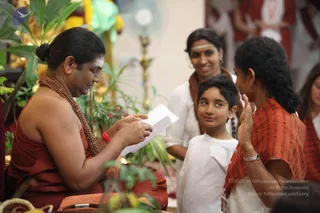
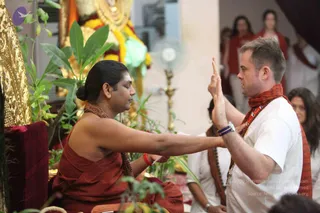
IA DARSHAN
19 photosSource gallery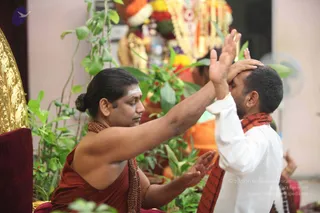
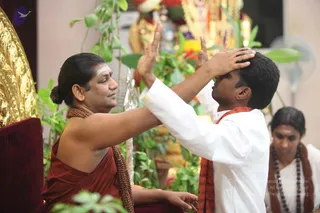
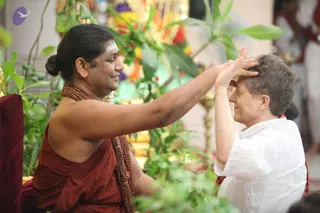
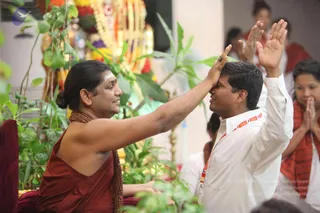
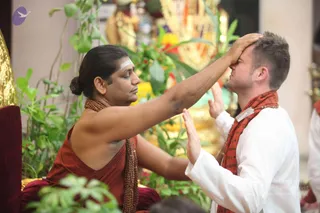
eKalpataru
15 photosSource gallery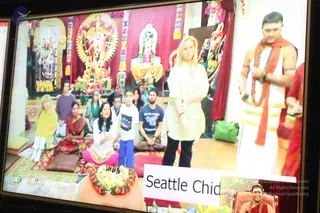
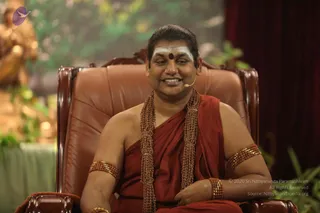
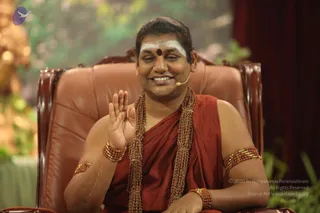
IA-Perpetual-Completion-Session
54 photosSource gallery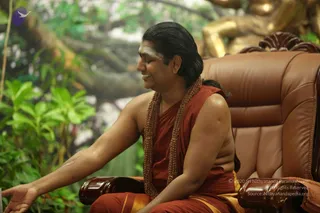
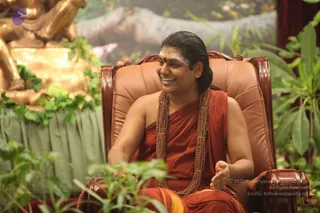
FB-Photos-of-the-Day
1 photoSource gallery