Thursday
25 February 2016
Master Your Thought Current
- Dated photos
- 252
- Source pages
- 1
- Media
- 3
February 25 2016
Original wiki pageTitle:
Master Your Thought Current
Day's Event
Summary of Nithya Satsang:
Upanishads are not giving us answers or dos and don’ts but thought currents in which to build our lives. If we contemplate and entertain the thought currents of the Upanishads, we will have the solutions to all of our problems.In a similar way, transformation of thought current is the success of education. Failure or success should be decided based on the transformation of thought current not memorizing the information. Essence of Kenopanishad is seeking the source of the Whole.Isavasya Upanishad is seeking the source of you.
Kathopanishad is seeking what happens after death.
Description
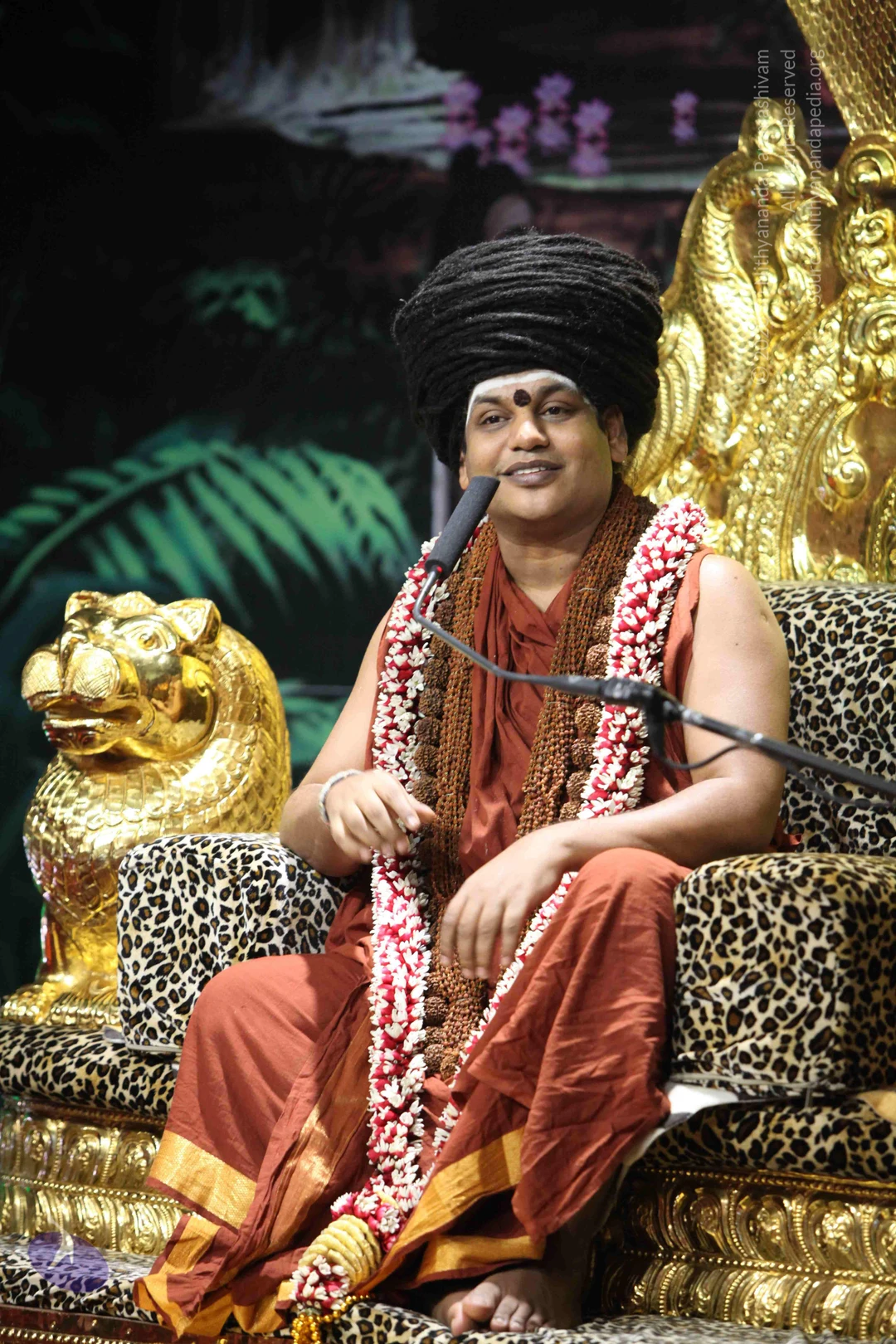
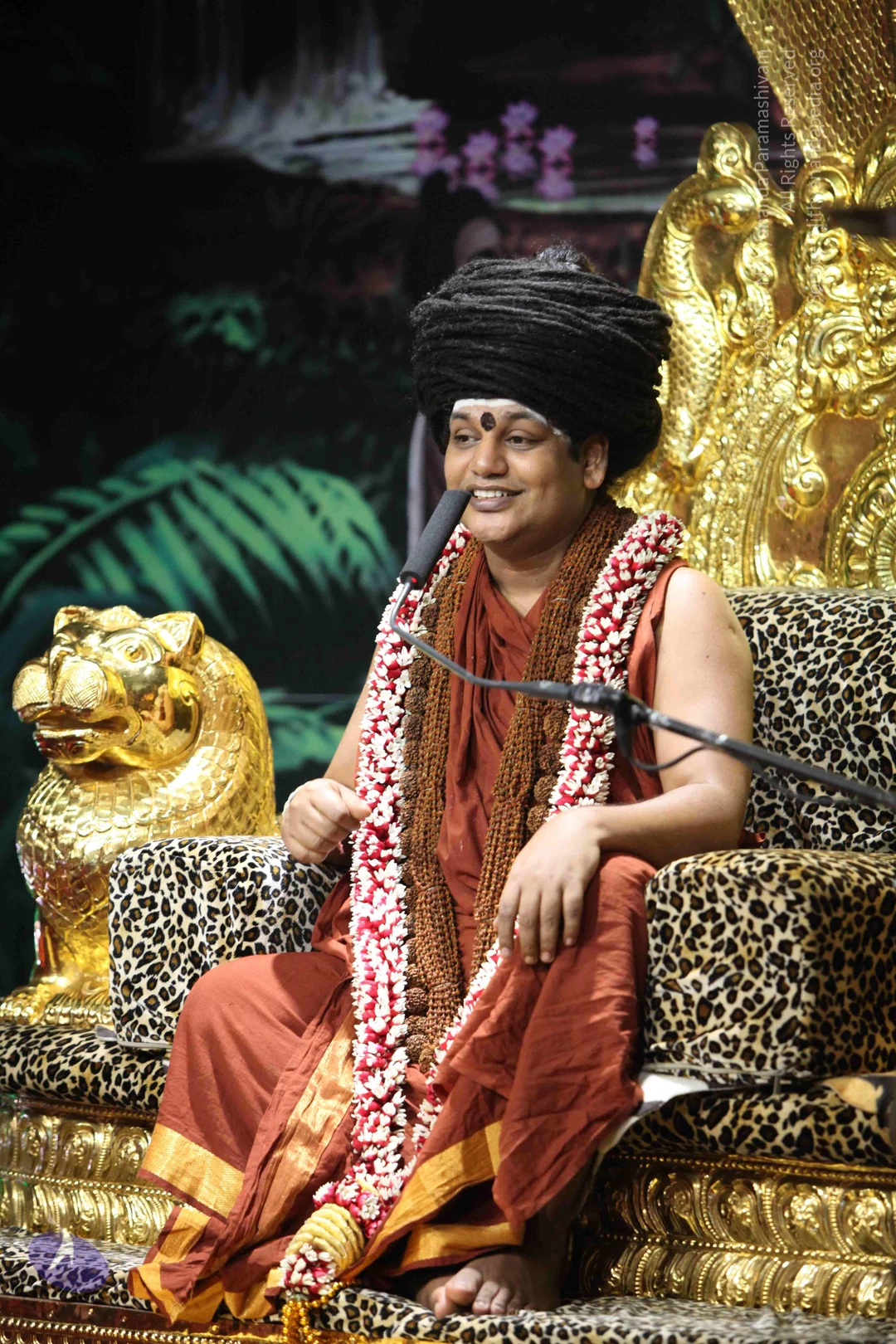
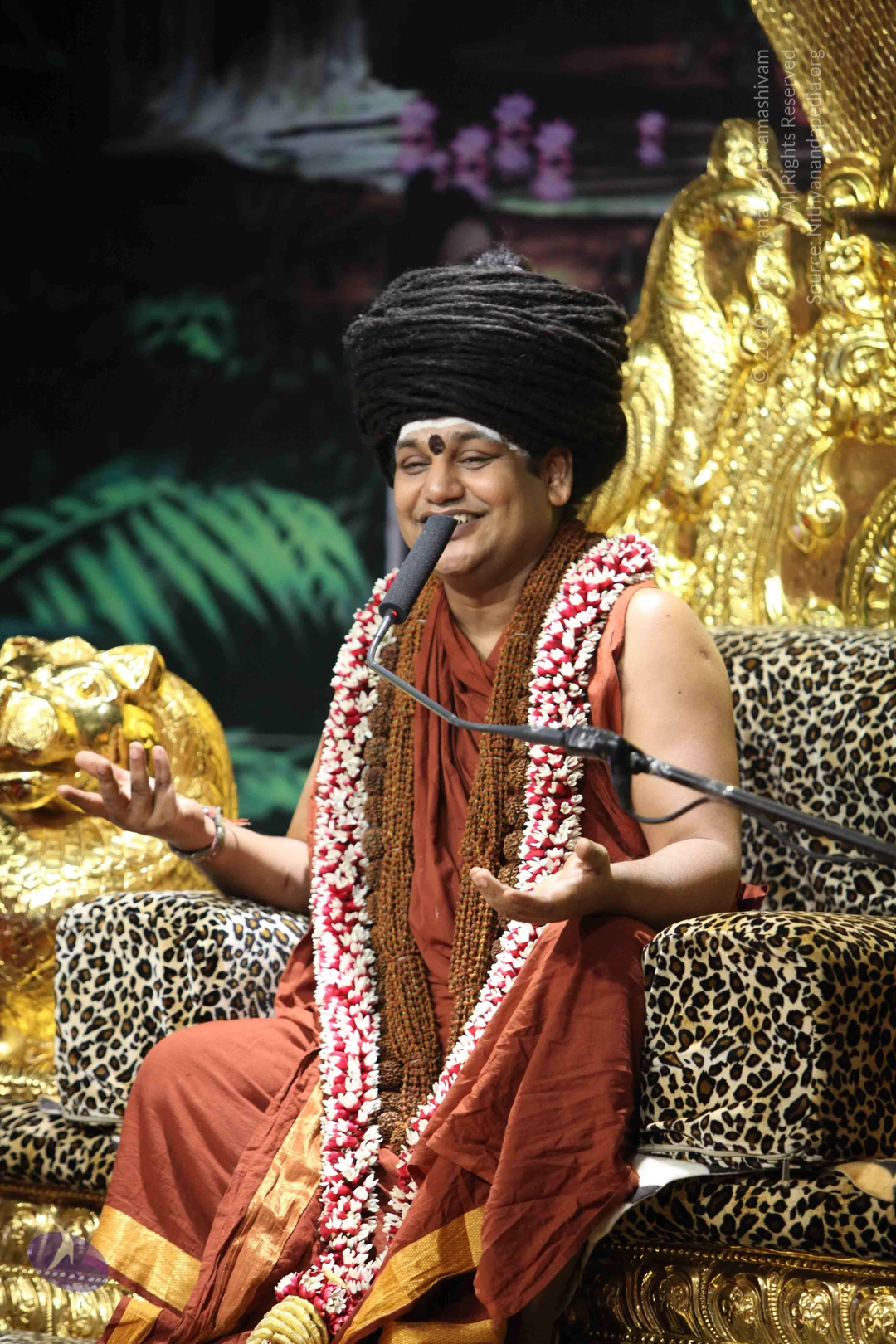
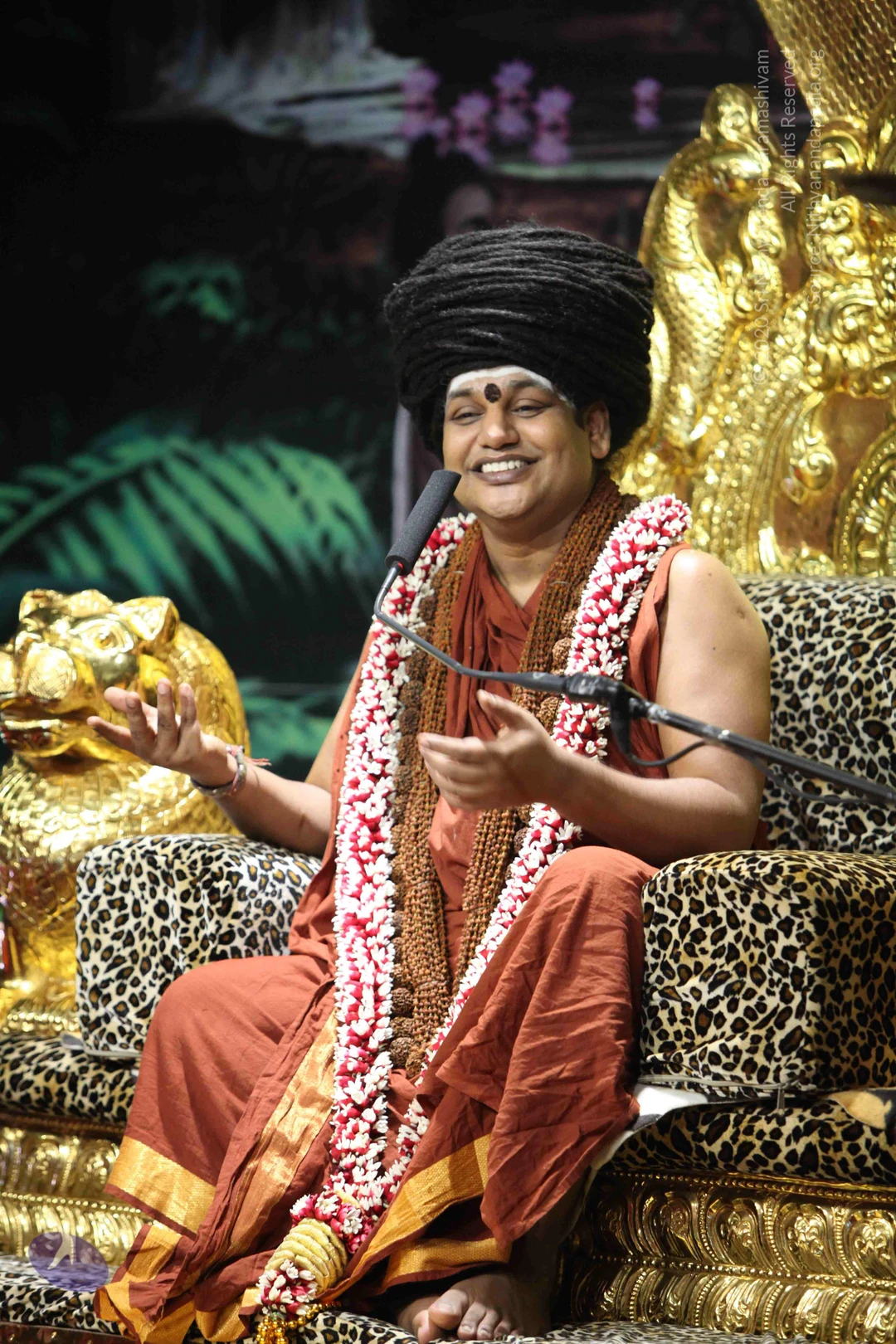
In today's Nithya Satsang (25 Feburary 2016), Parmahamsa Nithyananda continues to expand on the introduction of Kenopanishad, the second of the primary Upanishads. Upanishads are to enjoyed like the sweetness of sugarcane. Upanishads enrich us to master our thought current, which becomes our cognition. Drawing a parallel between the Vedic education system and the English (Macualay's) education system — He reveals that the Vedic education is all about mastering a thought current, where the exams are not done as per the question, answer method. A student is prepared by making him speak on a specific thought current, to verify if he/she can spontaneosuly express that idea; whereas the English education, forces you to memorise information. "Change of thought current, transformation of thought current is the success of education; not memorizing information.", He asserts, thus, the glory of Vedic education. Watch, Share and Subscribe to our channel to be notified of the next upload click http://www.youtube.com/subscription_center?add_user=lifeblissfoundation to subscribe. visit: http://www.nithyananda.org http://www.nithyananda.tv http://www.innerawakening.org https://www.youtube.com/user/LifeBlissFoundation https://twitter.com/SriNithyananda https://www.facebook.com/ParamahamsaNithyananda https://plus.google.com/104086565286265959836/posts
Link to Video
| Video | Audio |
Transcript:
(0:14)
|| nithyānandeśvara samārambhām nithyānandeśvari madhyamām asmat āchārya paryantām vande guru paramparām ||
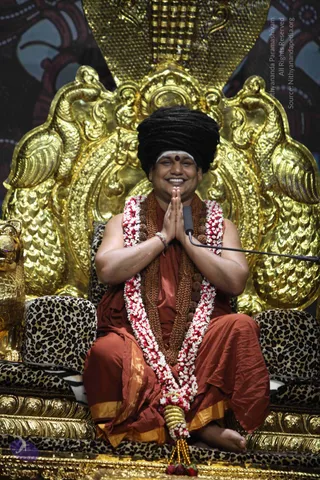
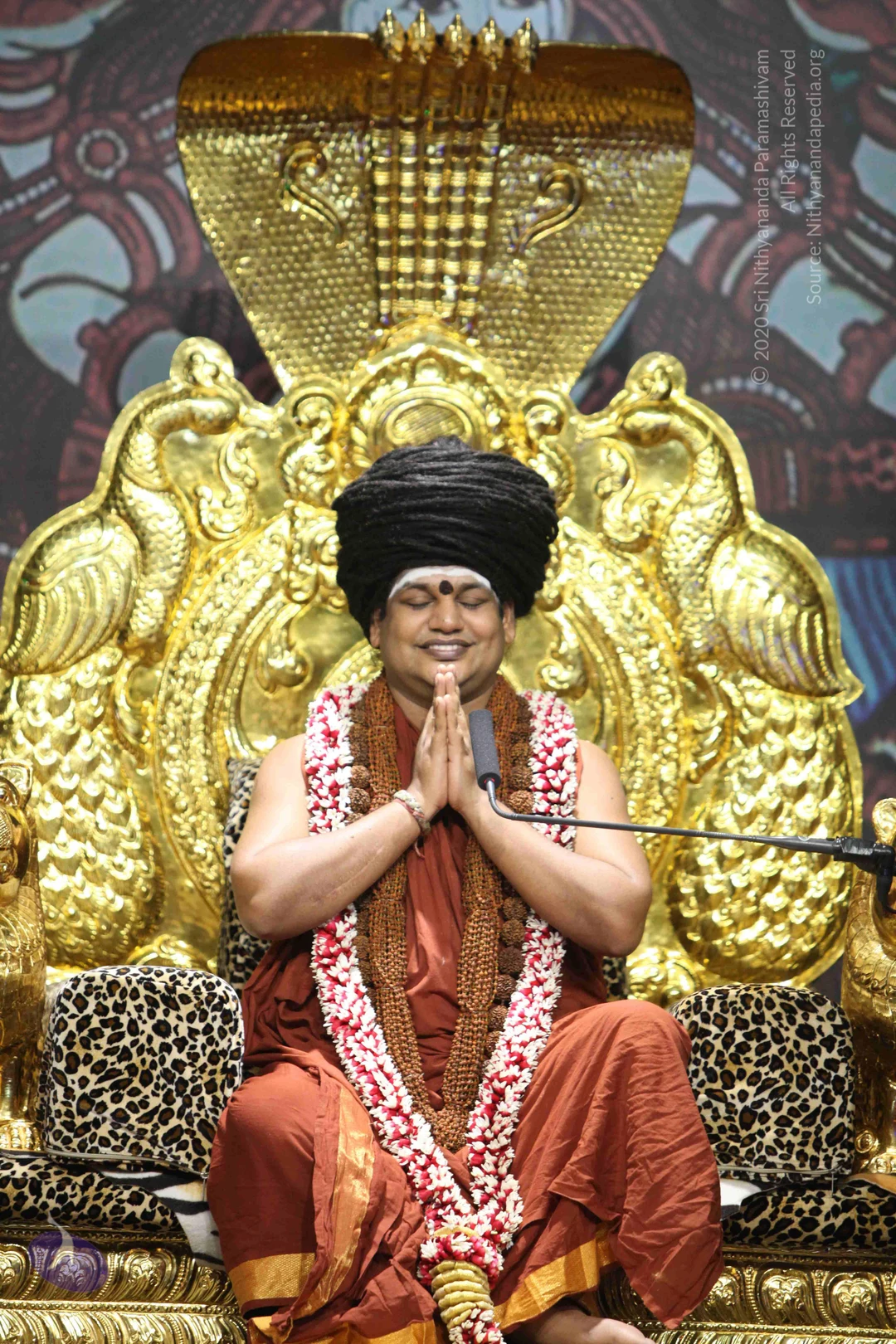
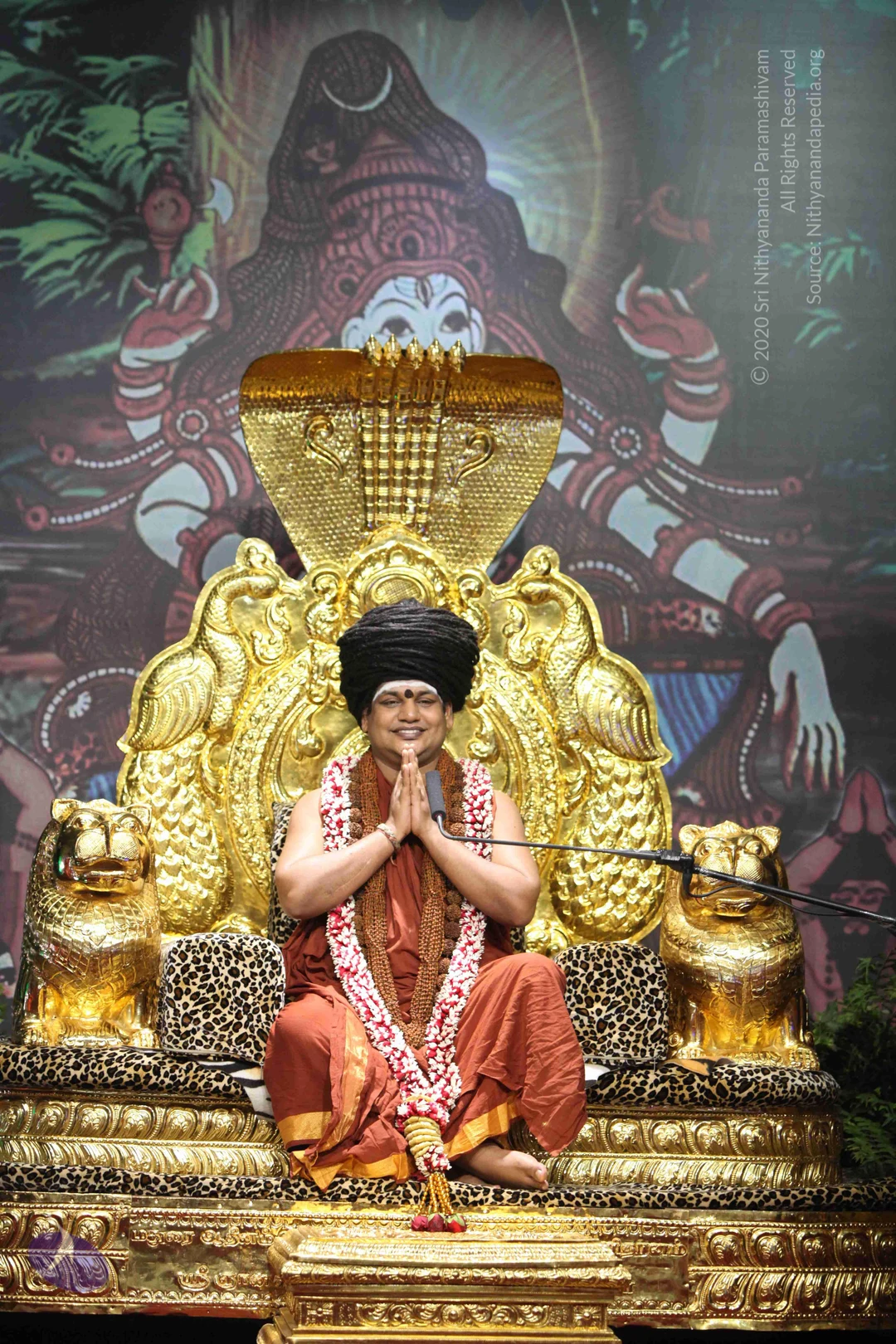
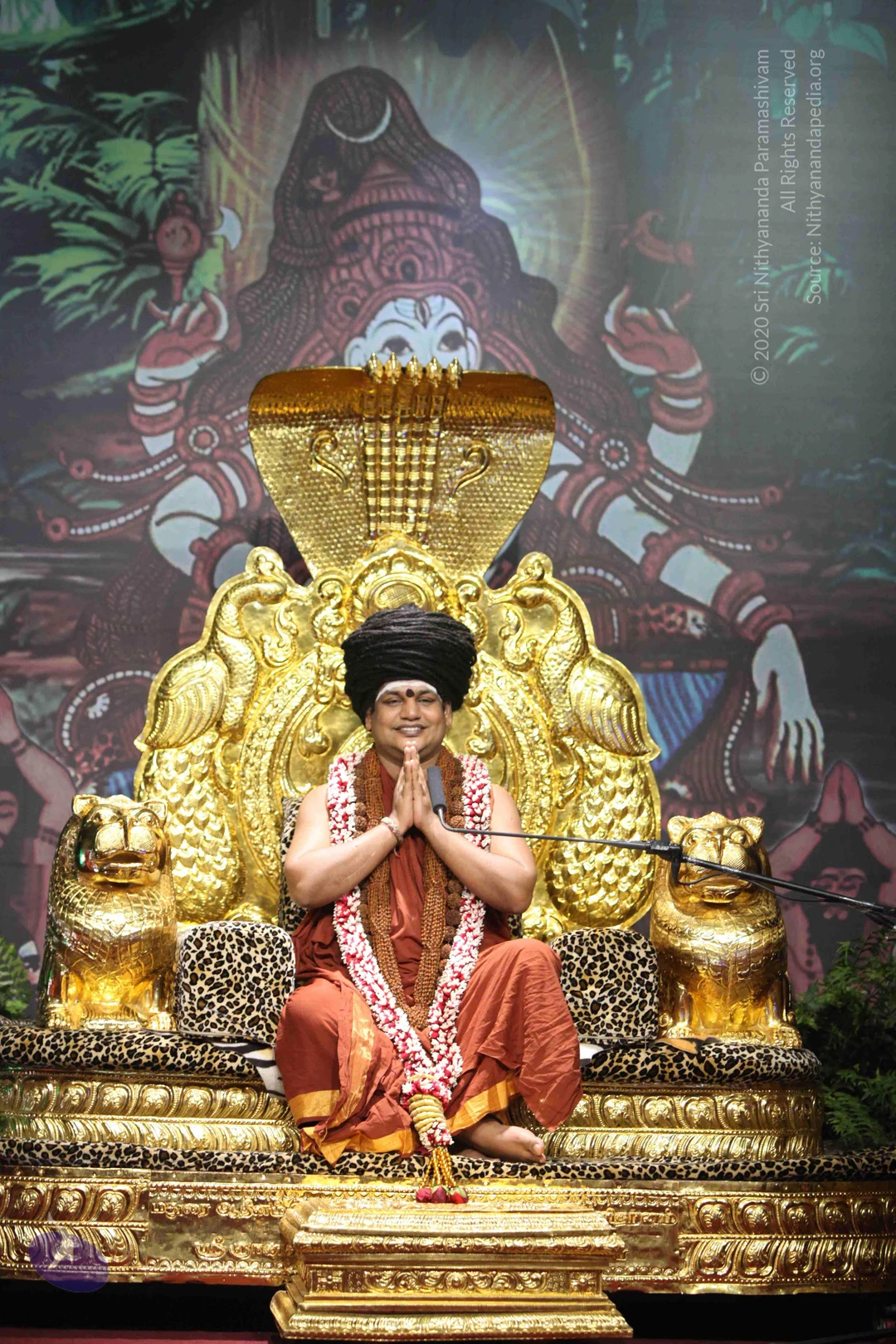
I welcome you all with My love and respects. I welcome all the devotees, disciples, Samajis, Satsangis, IA volunteers teamily, SriMahants, Mahants, Thanedar, Kotharis, visitors, viewers, everyone sitting with us through Nithyananda TV, and 2-way video conferencing having Nayana Deeksha, I welcome all of you with My love and respects.
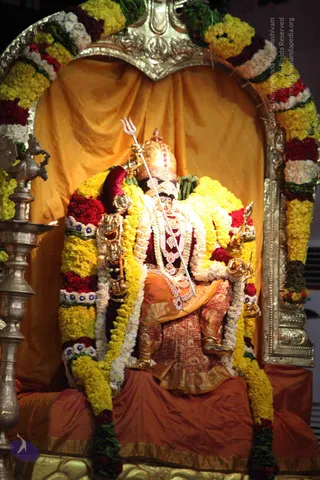
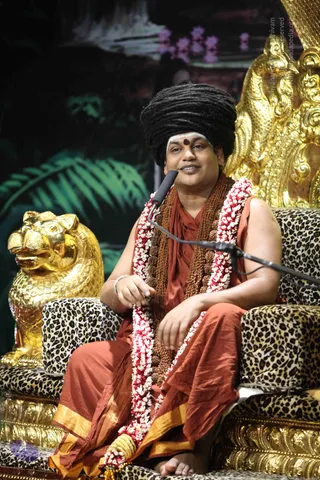
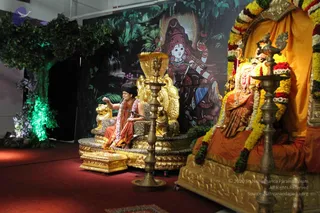
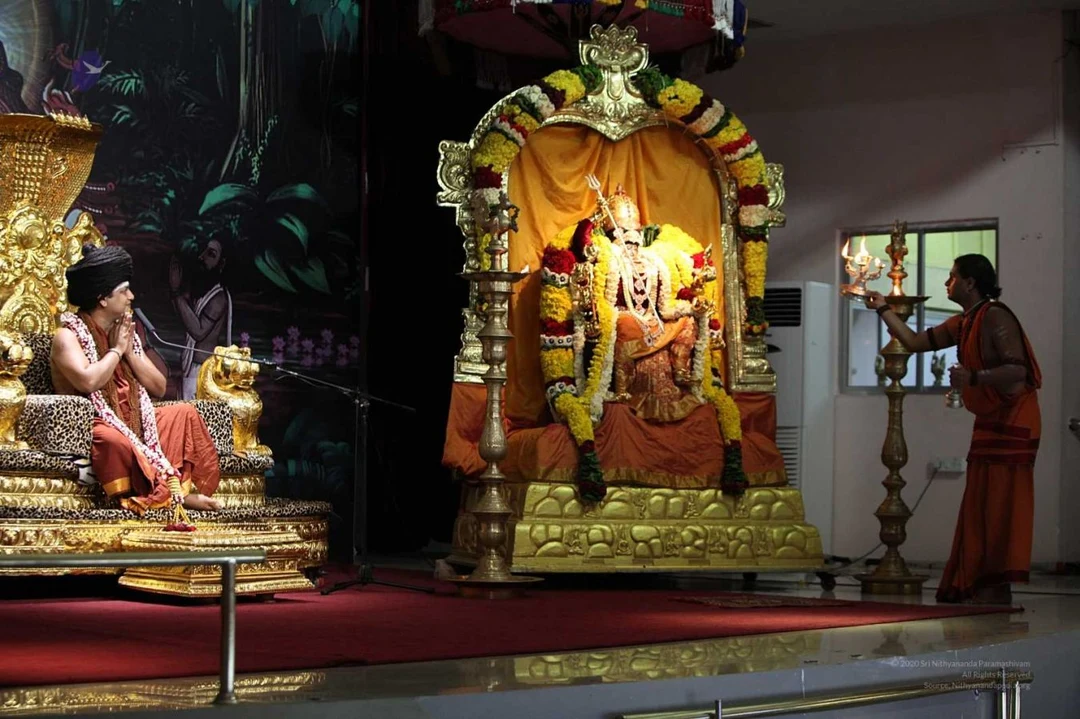
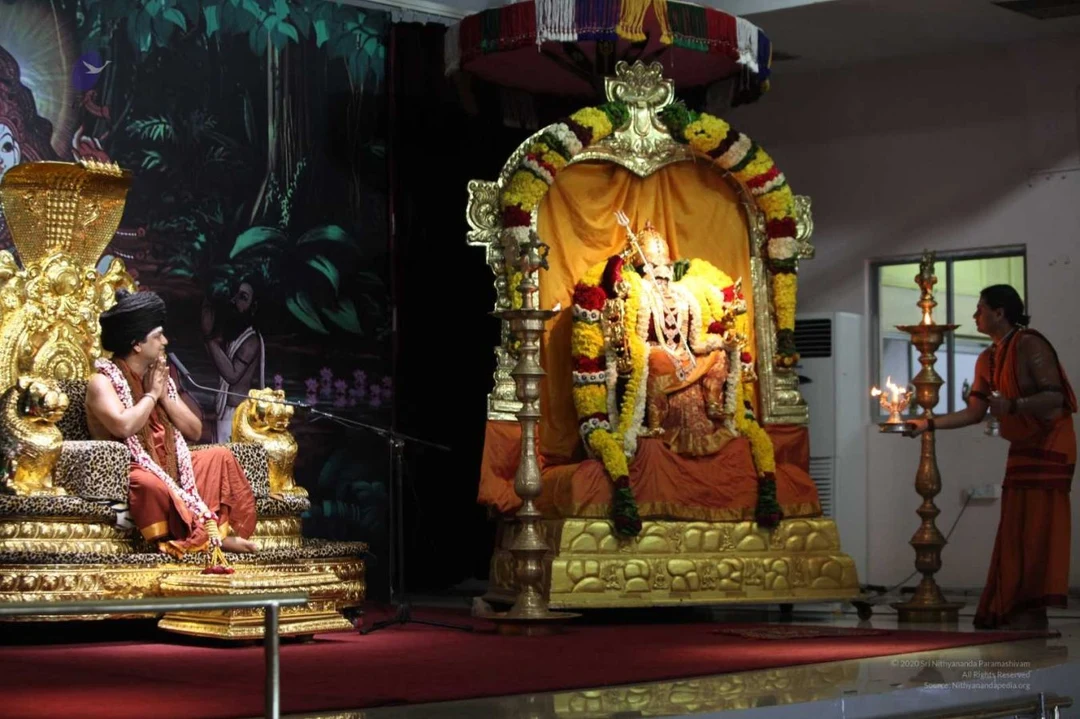
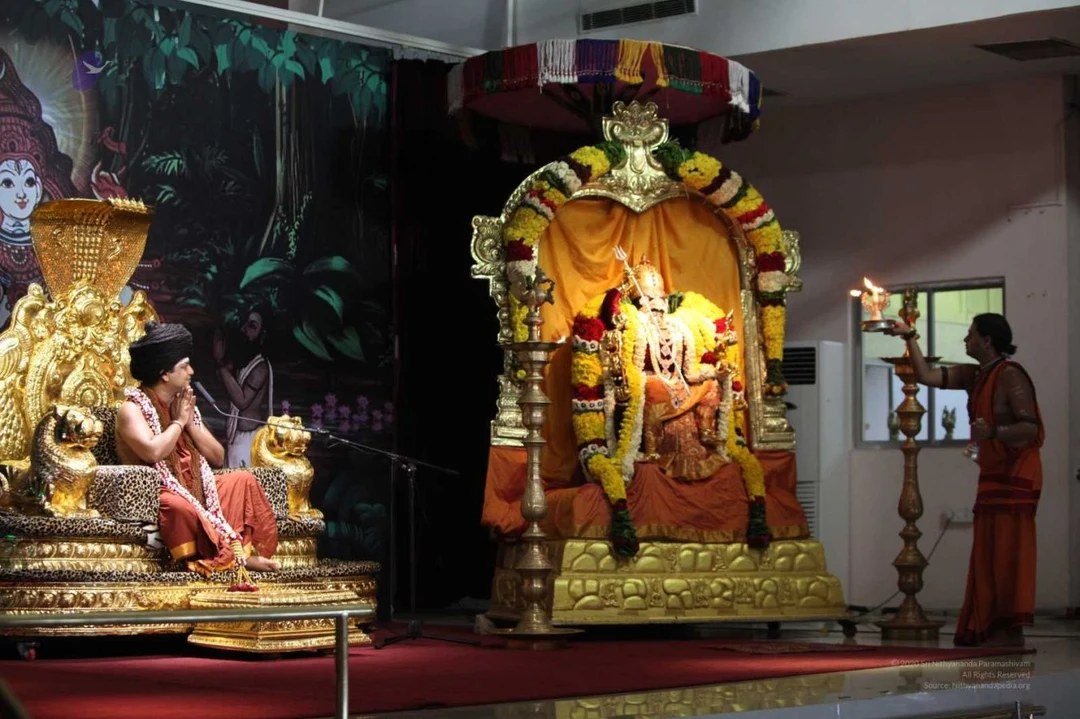
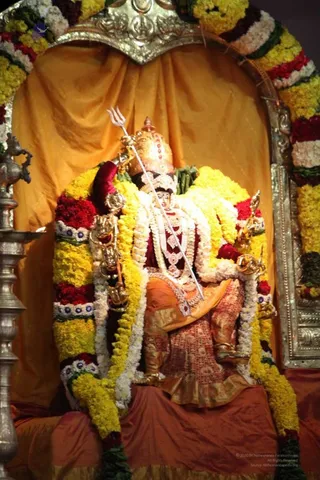
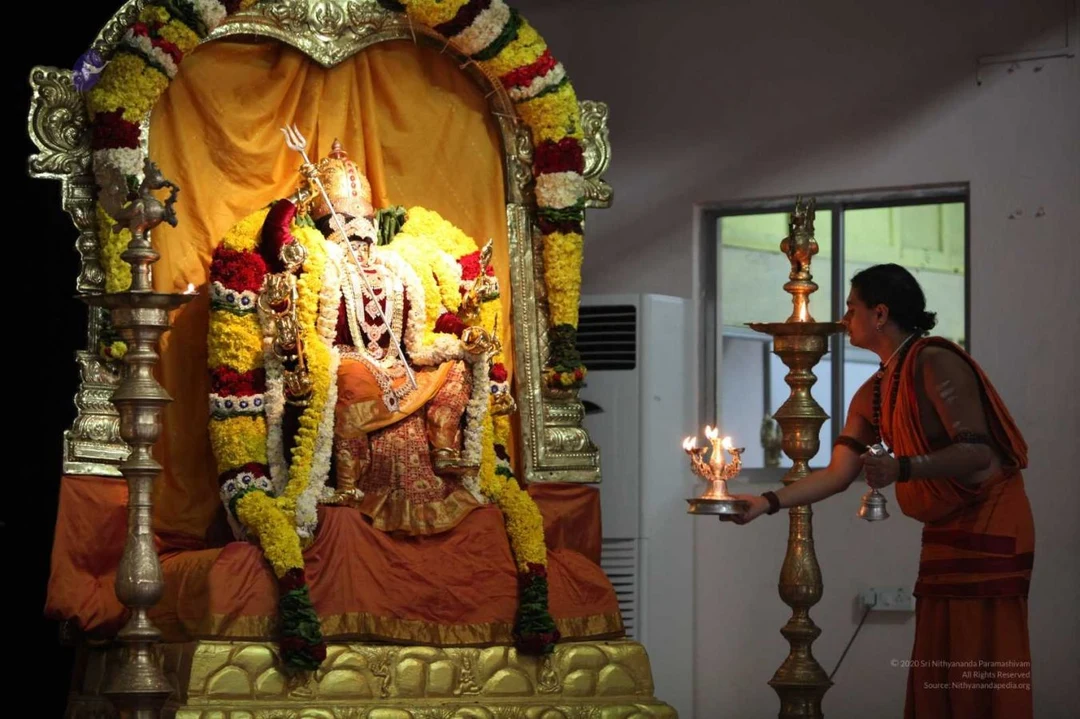
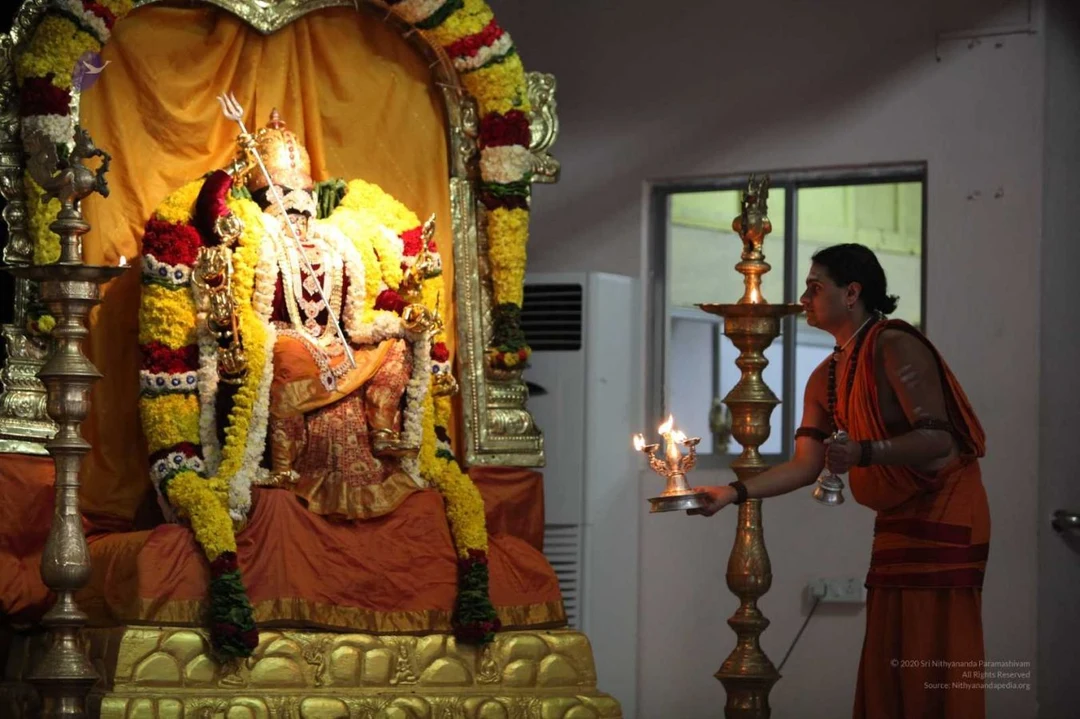
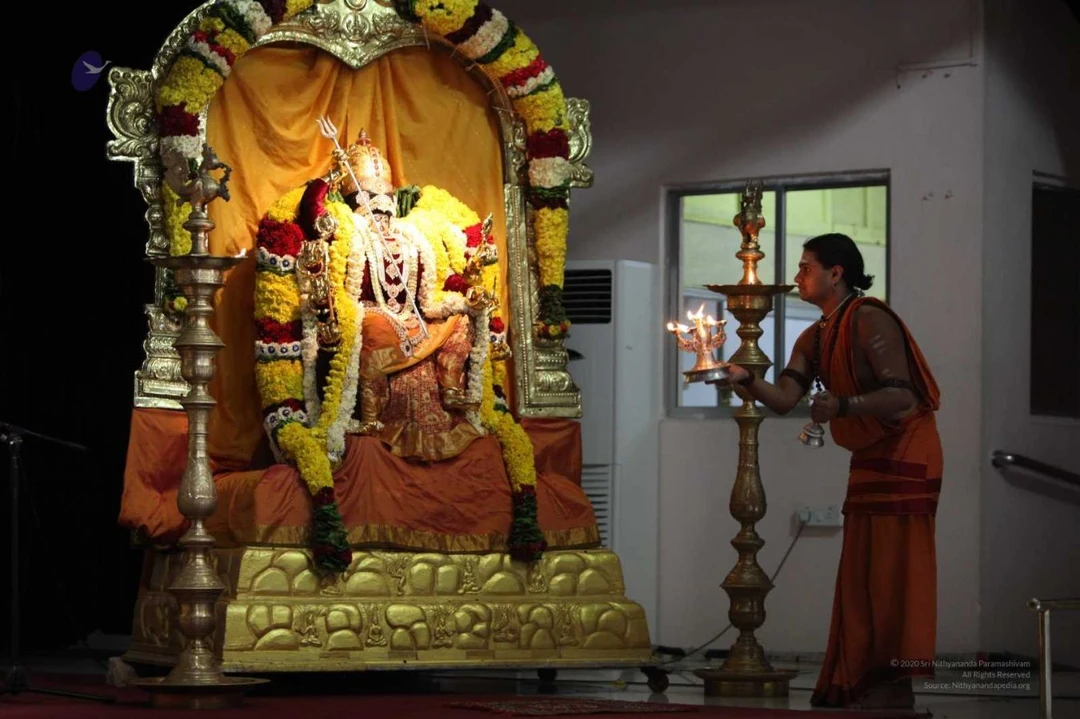
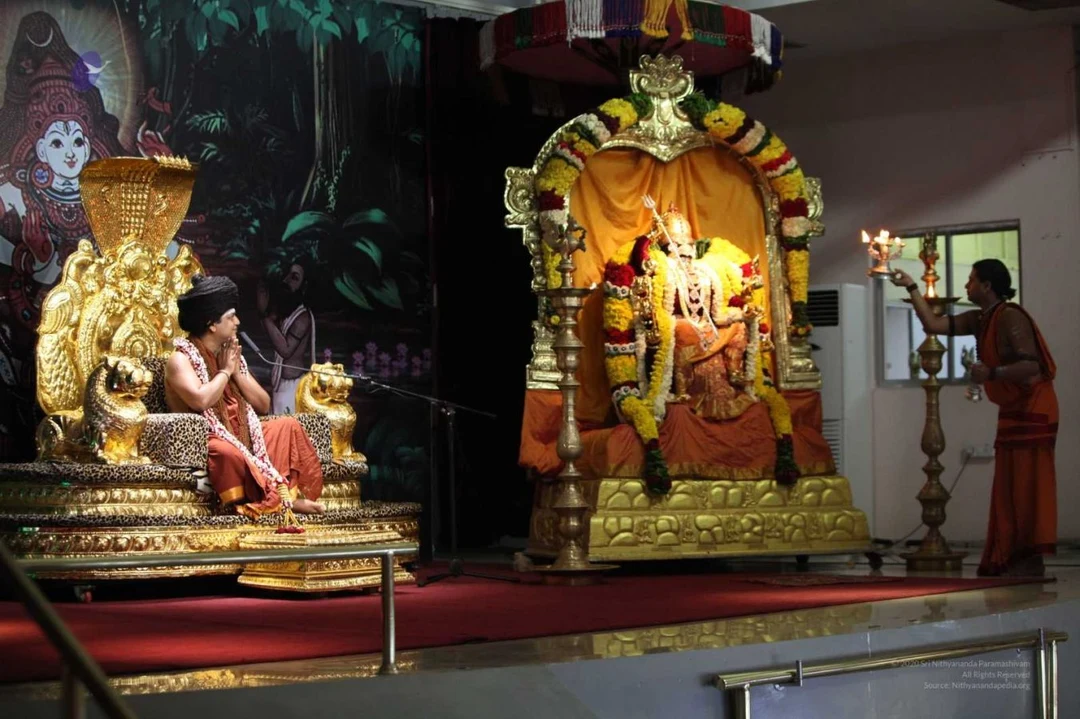
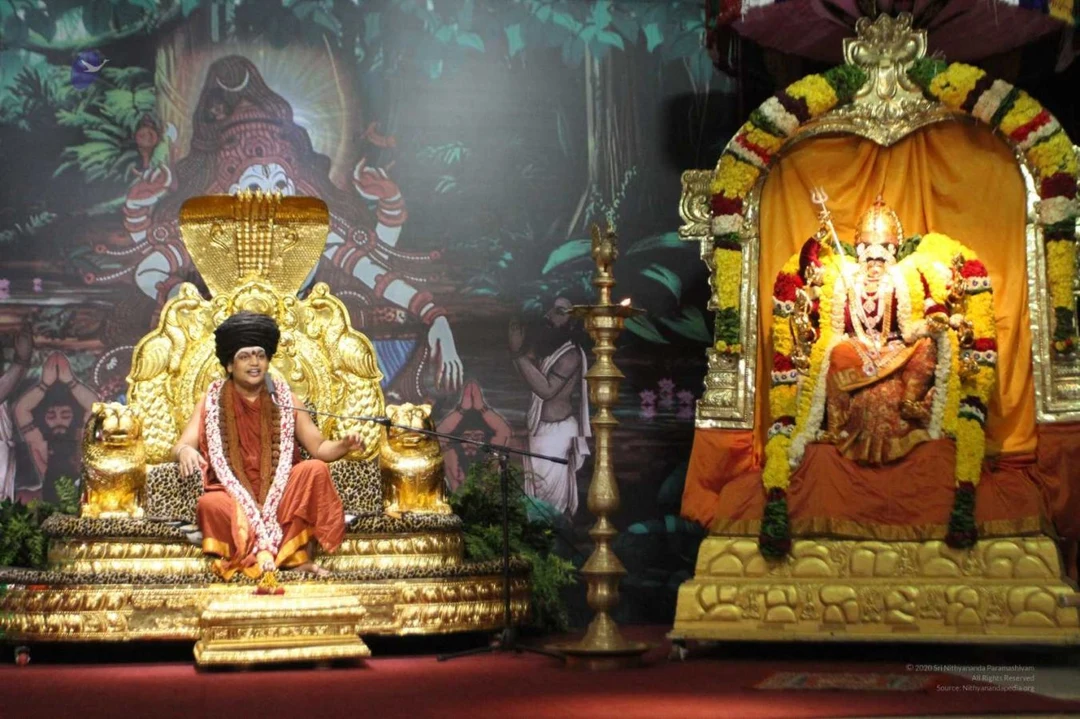
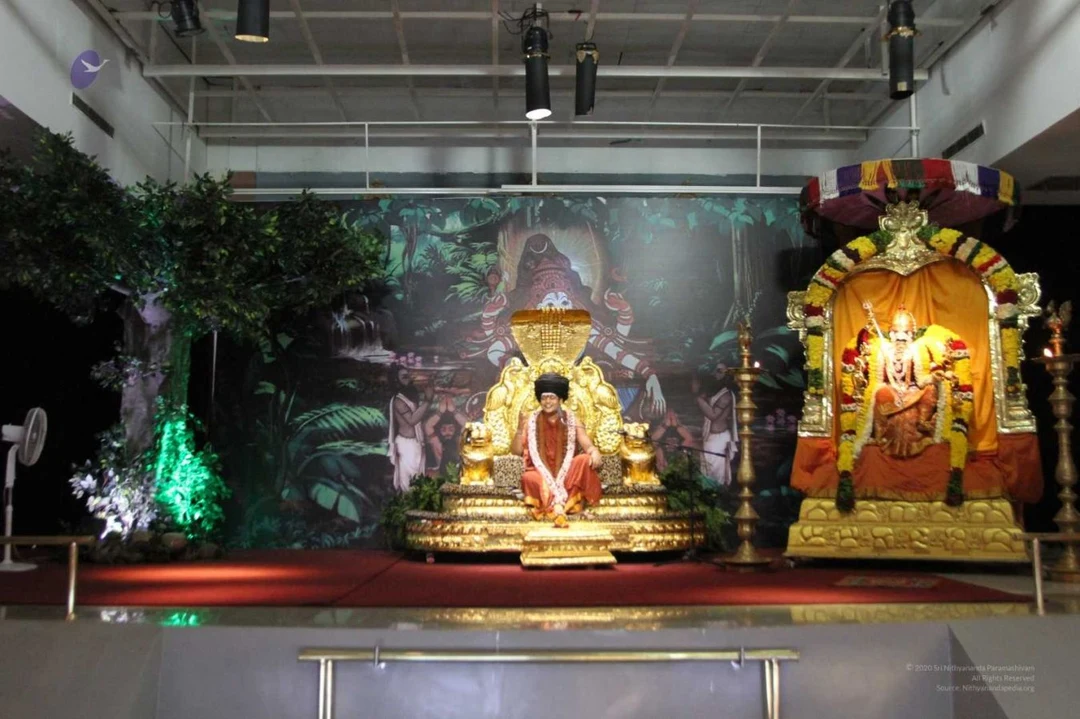
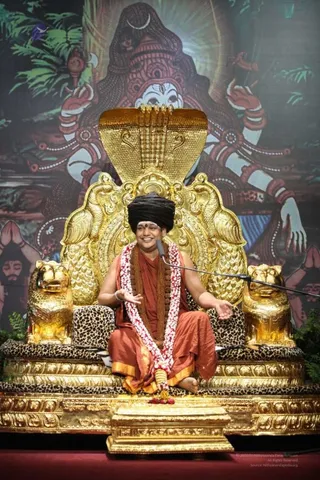
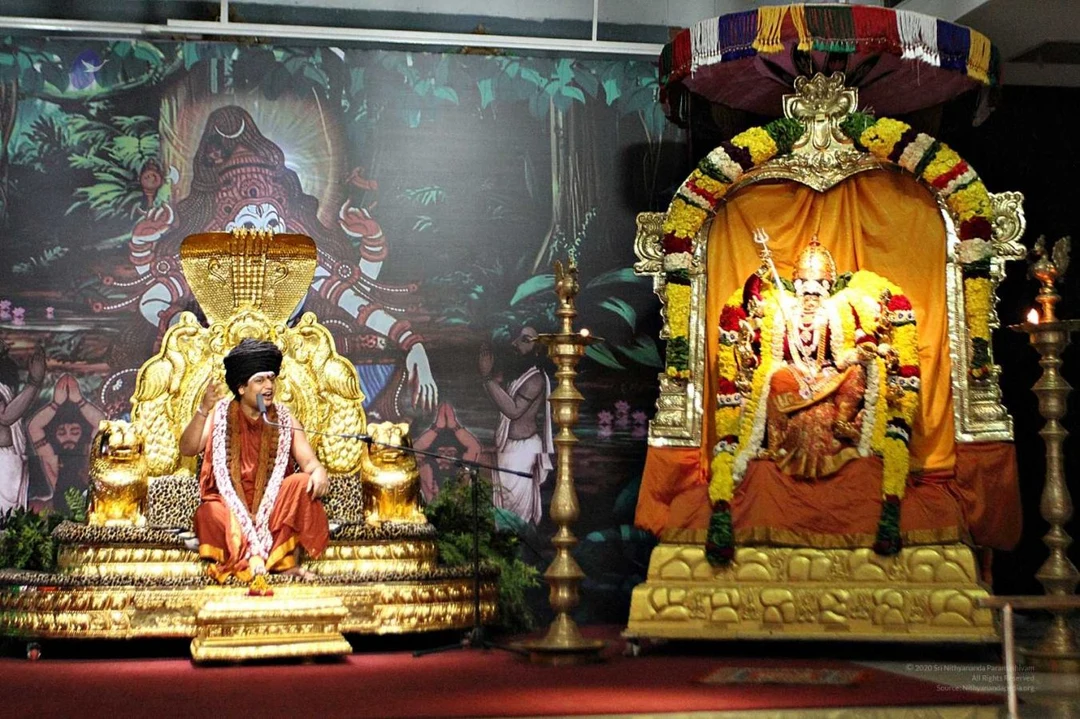
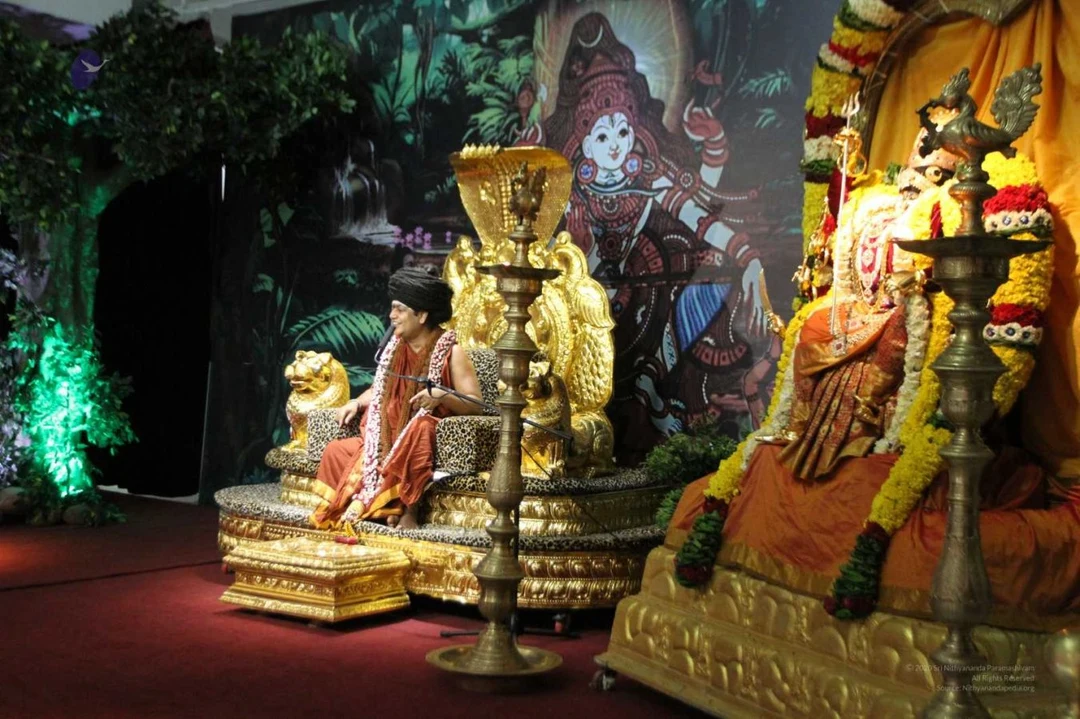
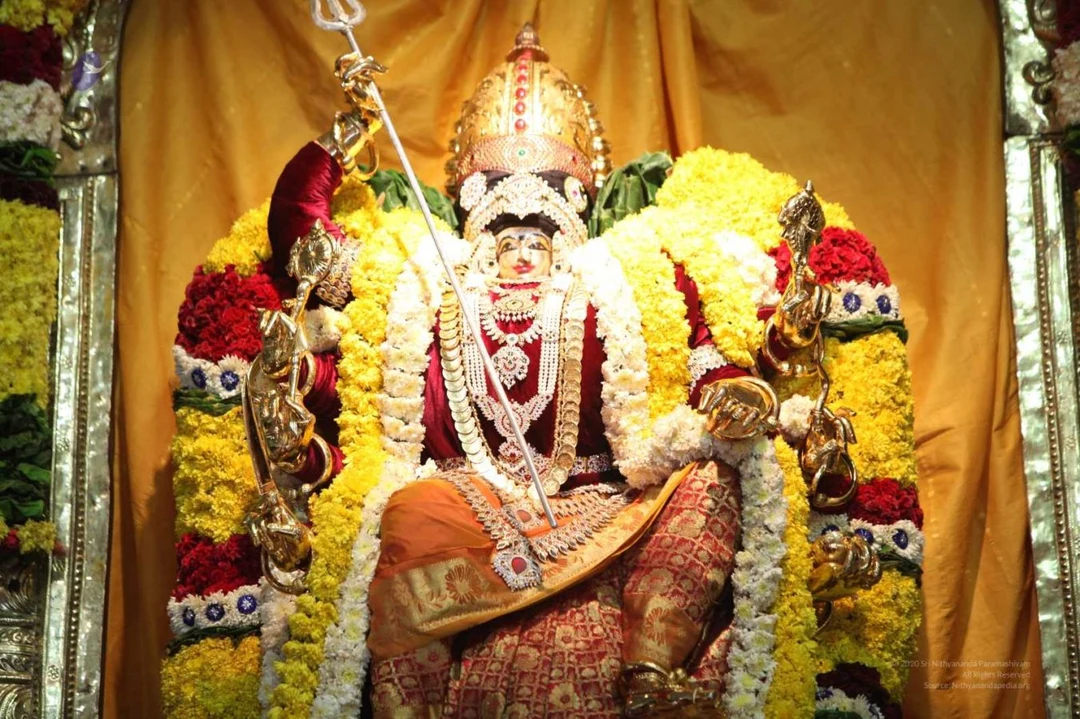
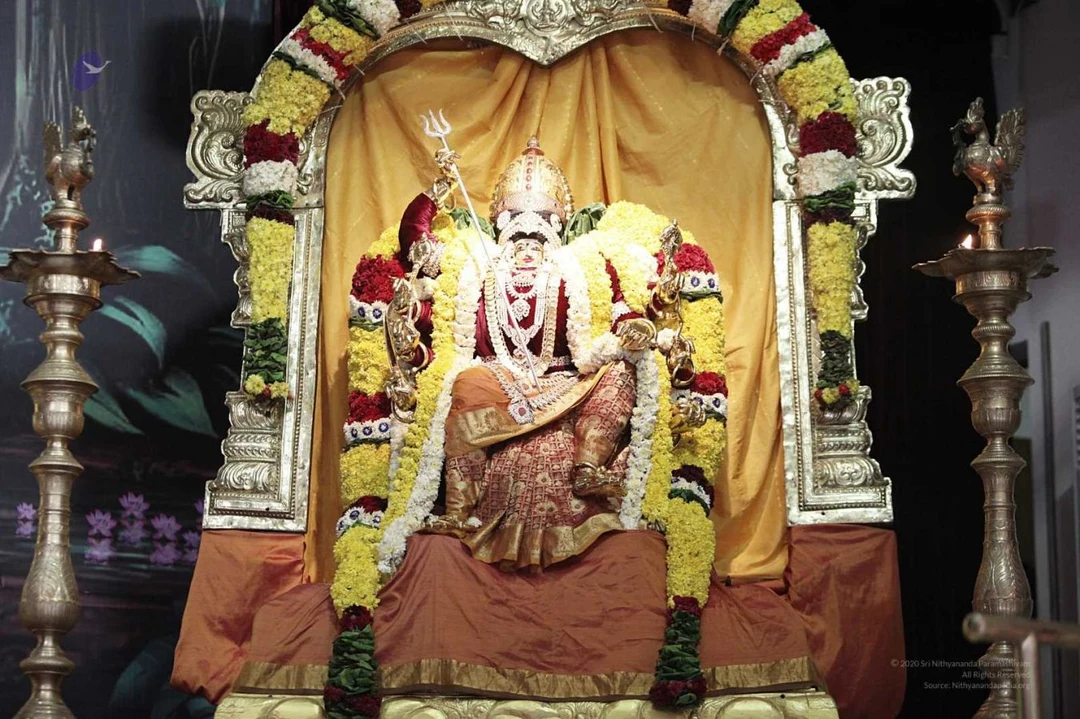
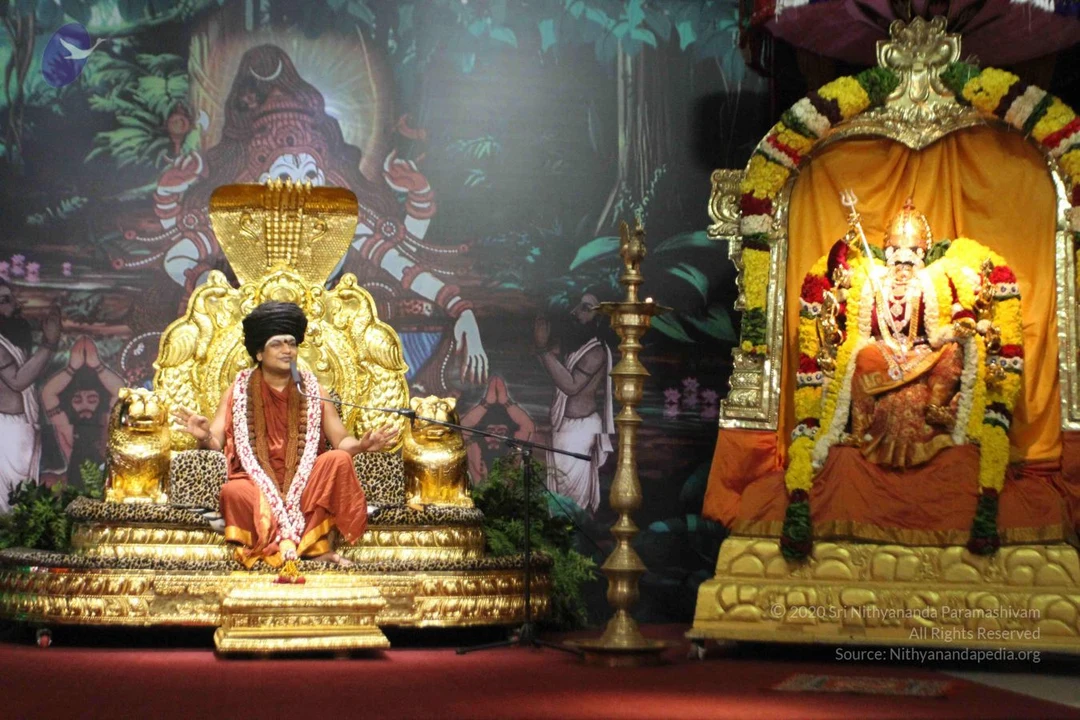
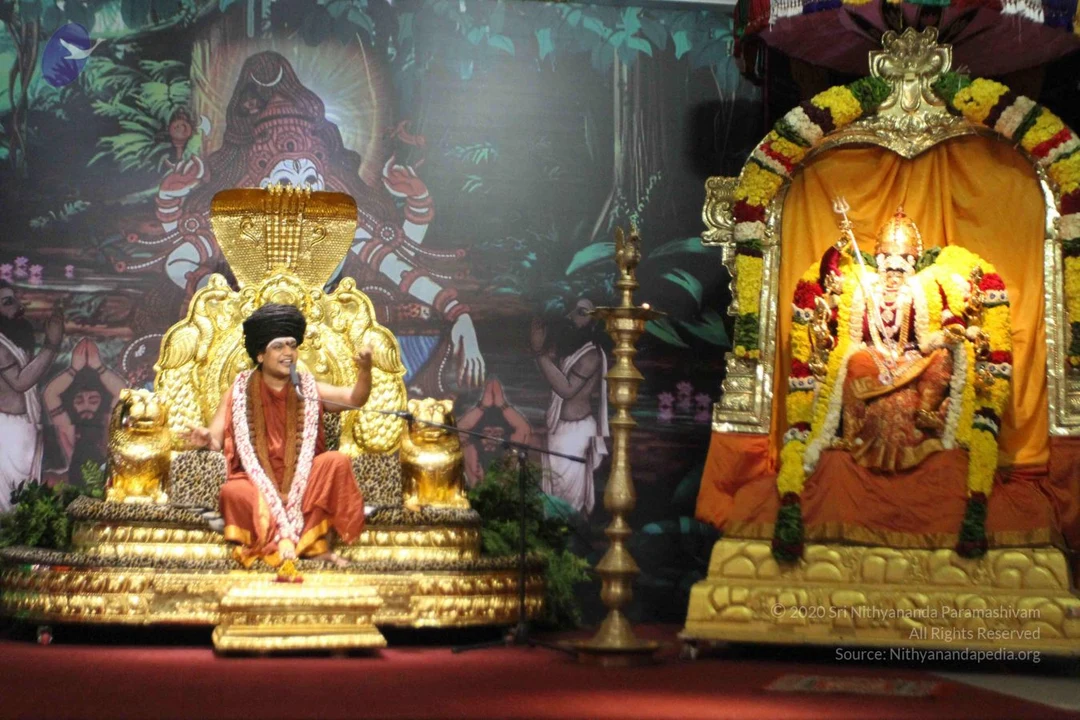
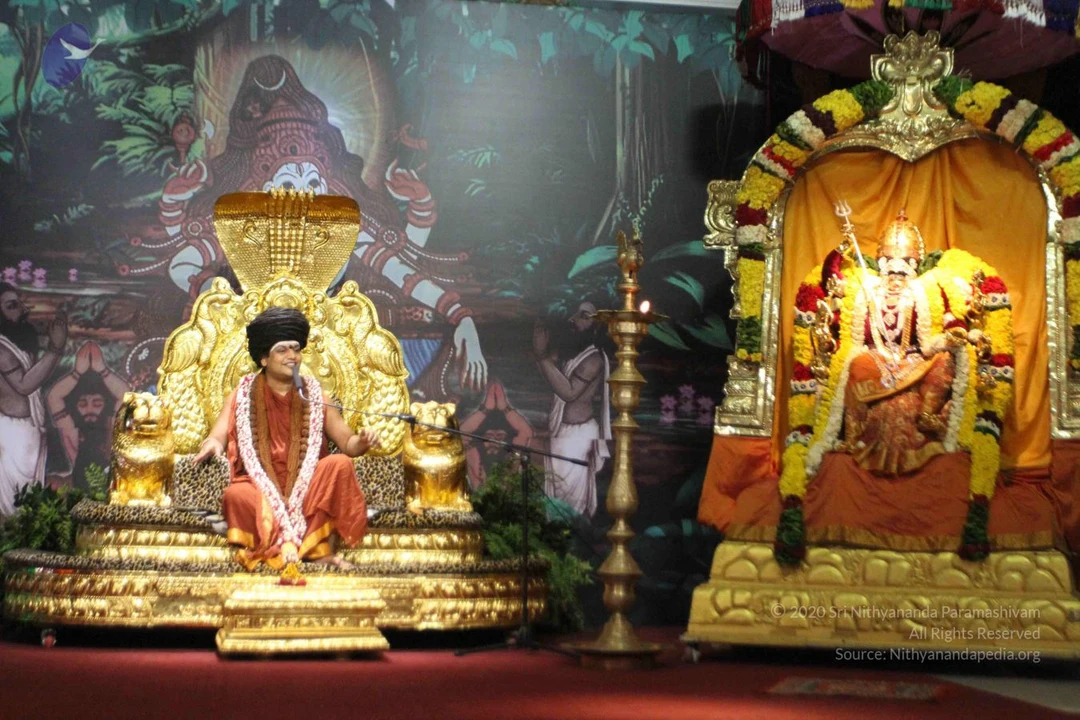
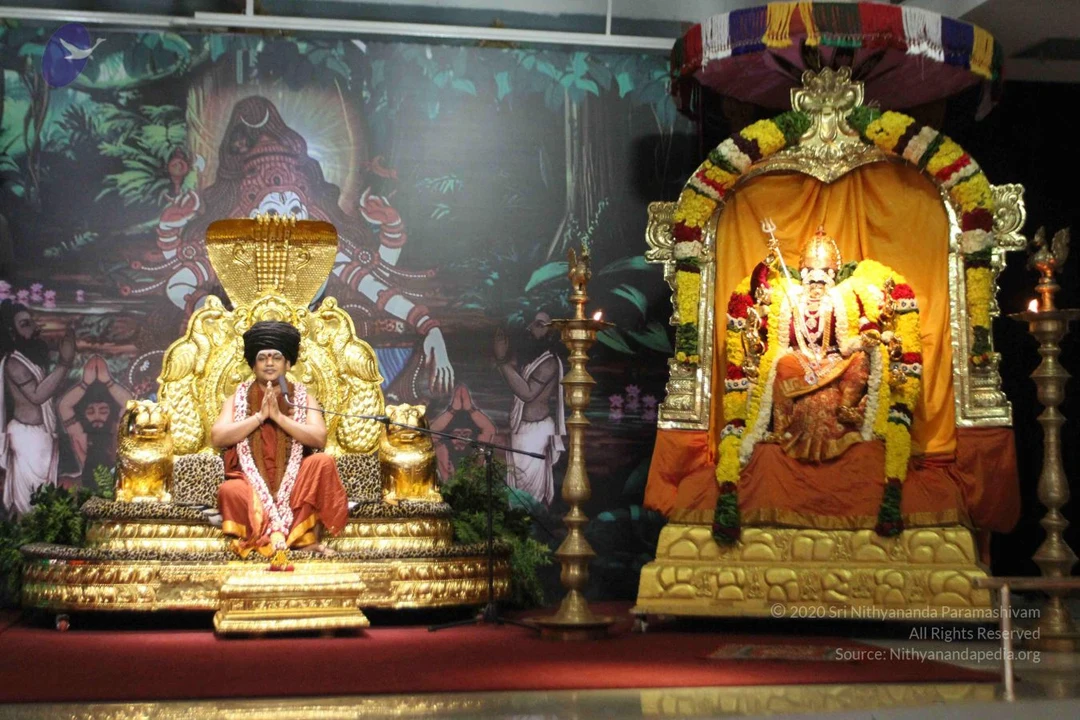
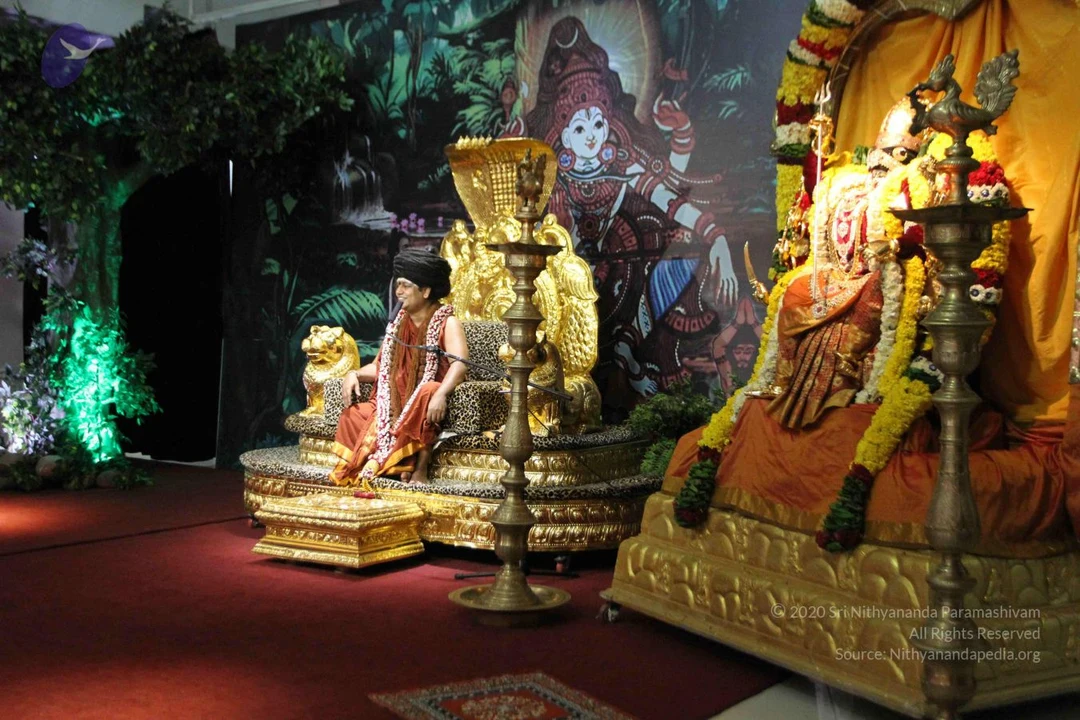
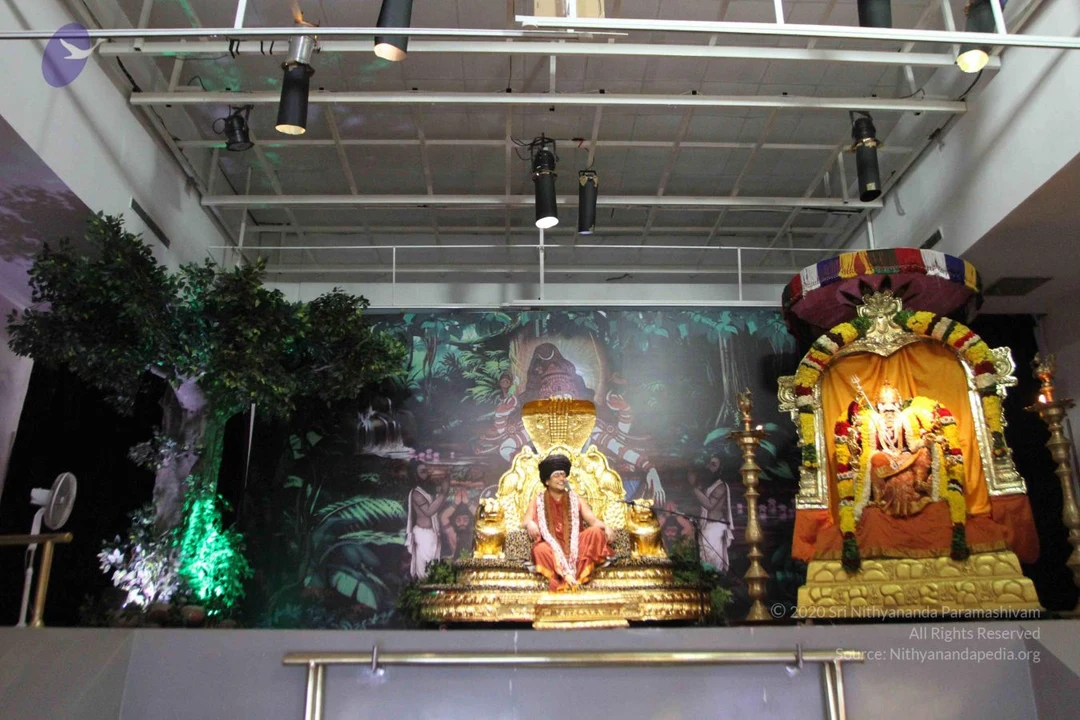
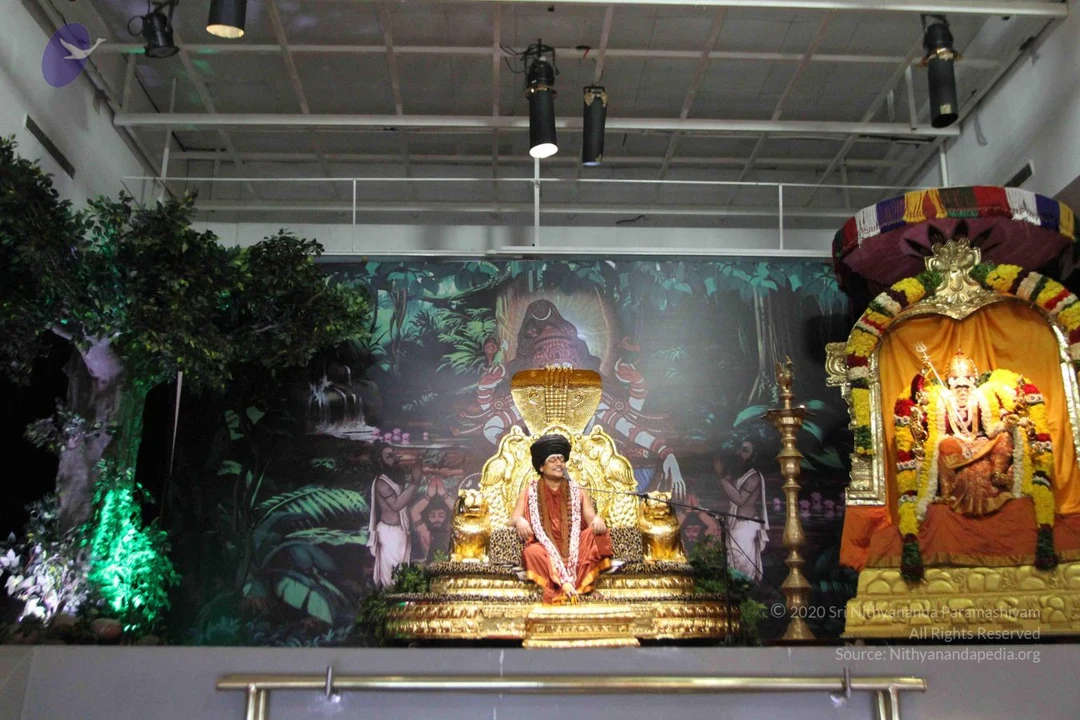
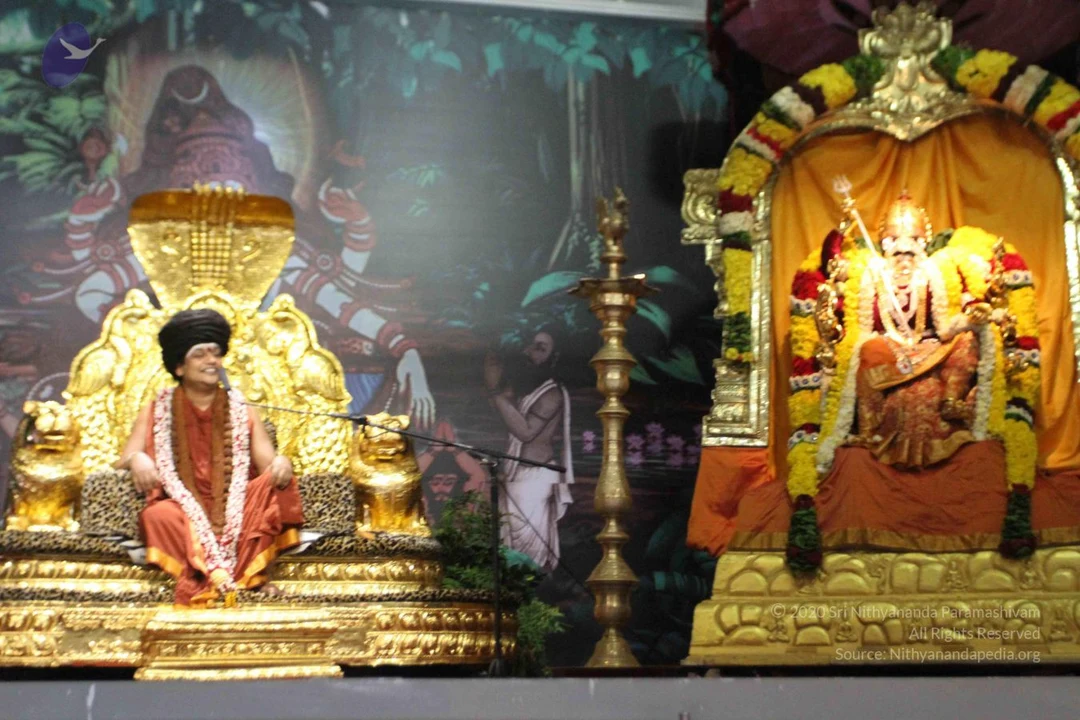
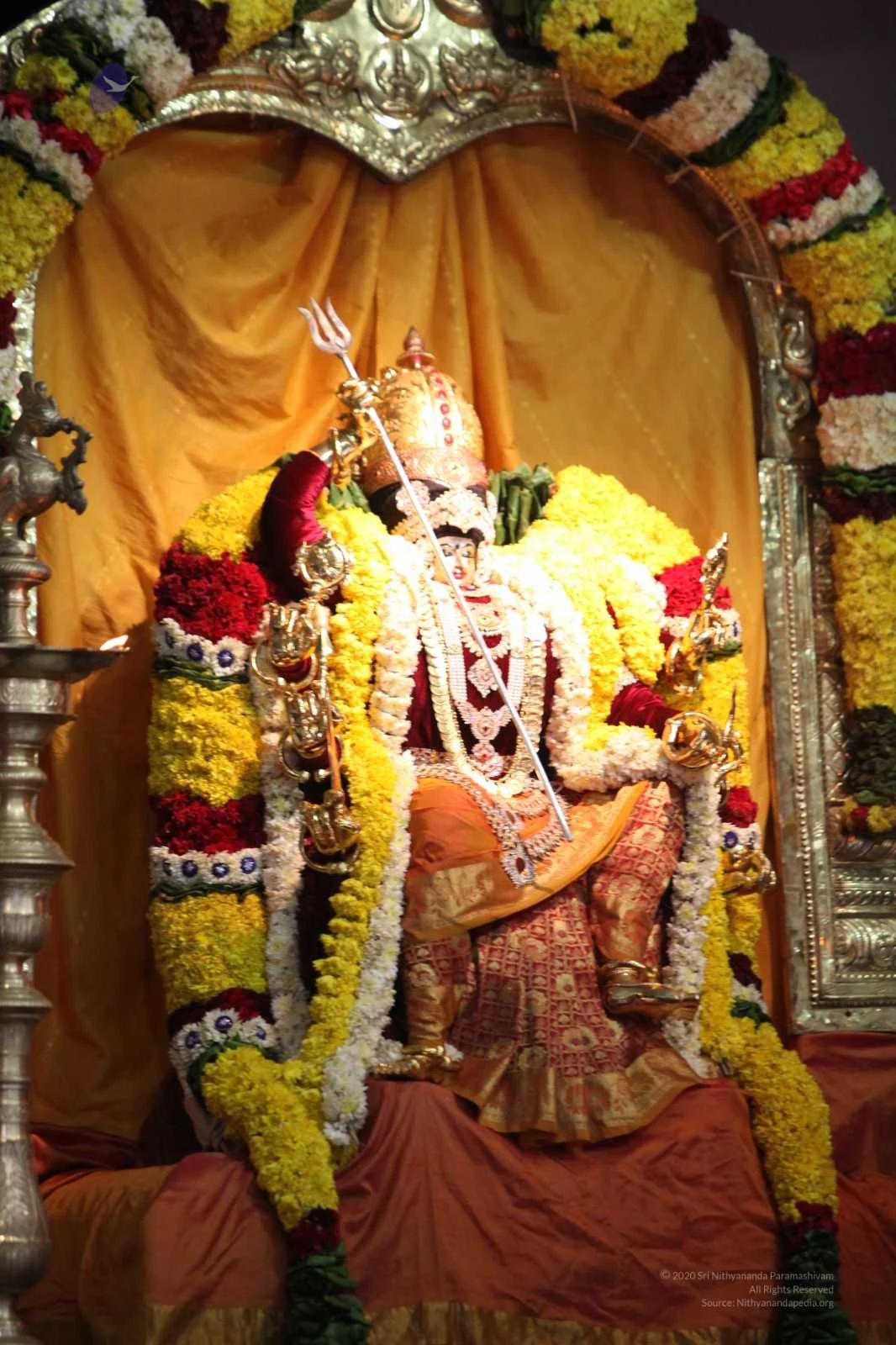
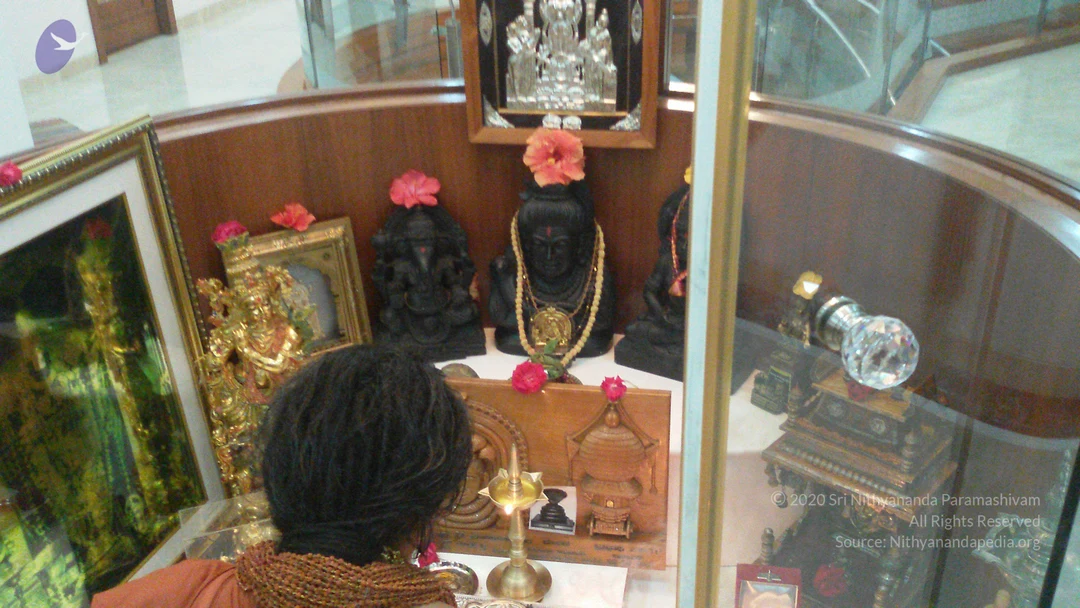
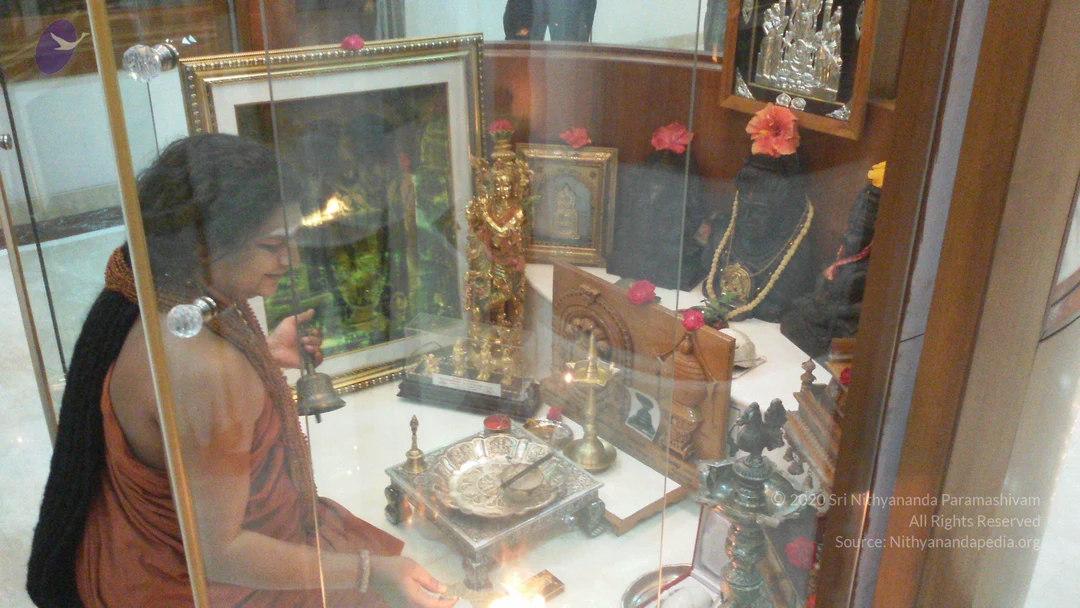
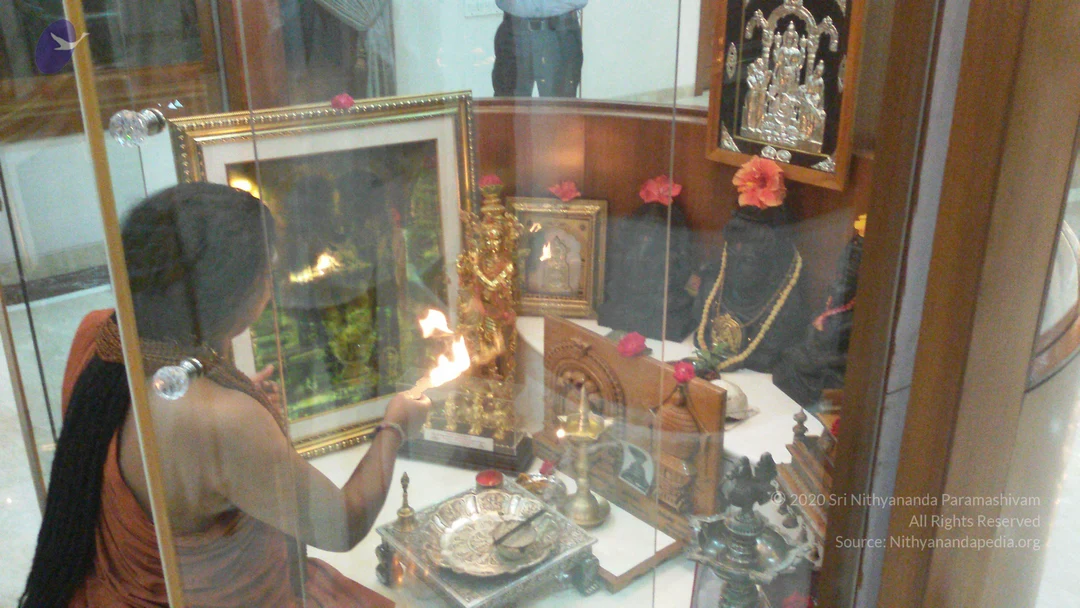
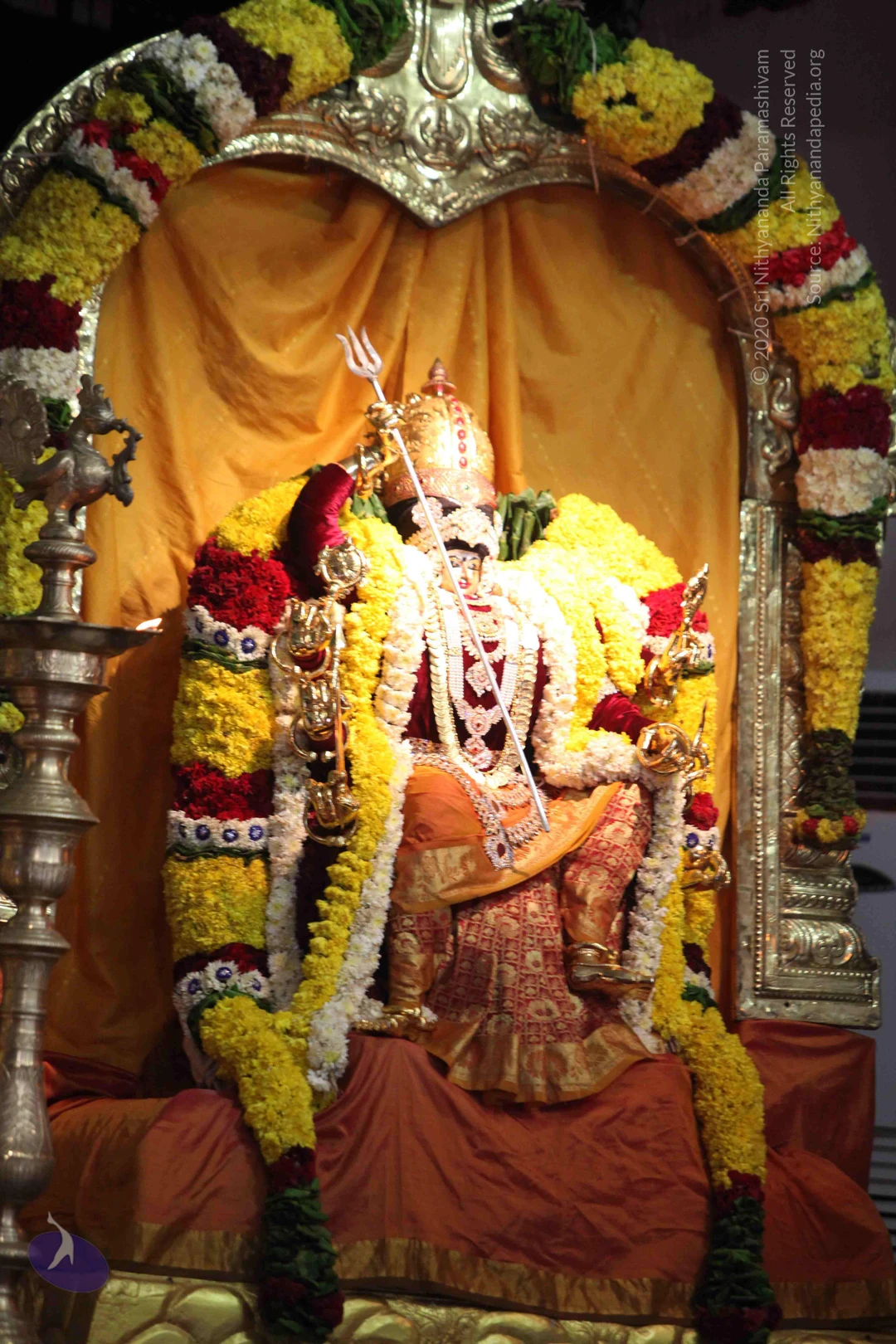
Today, as part of the concluding day of Raja Rajeshwari Brahmotsavam, Devi Rajarajeshwari is gracing...has eight hands — ashtabhuja, alankara on siddhapeetha. Let’s receive Her grace, then enter into the satsang.
(1:41)
I will continue to expand on Kenopanishad introduction. The essence of Kenopanishad is—asking, seeking the source of the Whole. Understand, seeking the source of you is essence of Isavasya Upanishad. Seeking the Source of the Whole is the essence of Kenopanishad. Seeking what happens after death is the source of, that’s the essence of Kathopanishad.
Each Upanishad, please understand, carefully you have to listen now: each Upanishad gives a thought current, not answers, no. If you read Isavasya Upanishad you’re not going to have the answer for “Who am I?” NO. If you read Kenopanishad, you are not going to have the answer for “What is the source of all this?” No. If you read Kathopanishad, you’re not going to have the answer for “What happens after death?” No. But if you contemplate, if you do manana, if you entertain, engage with the thought current this Upanishad opens up in you, suggests in you, you will have answers. You will have experience, you will have experiential solutions.
(3:42)
Listen carefully. If you entertain the thought current of Isavasya Upanishad, you will simply have solution for the problem of —“Who am I?” The identity crisis will just dissolve the pratyagātma caitanya jāgratam – the individual Consciousness awakening, will simply happen in your system. And, listen carefully...Upanishads are penned down in such a way, if you start entertaining them, start cherishing them, celebrating them, they open up experiences in you, but you can never make a shop out of them. Means, you can’t sell the ideas from Upanishads; because in no Upanishad, no conclusion will be given to you as dos and don’ts. Do this, don’t do that, no. Vidhi niśedha cannot be given.
(5:00)
I Am fortunate I Am born in a tradition where you can’t make a franchise. You can’t make a franchisee, the franchisee religions. The Vedic tradition is so pure, it can only give thought currents. You enjoy, celebrate the thought currents, you will find solutions for your life.
Every Tom, Dick and Harry questions Hinduism. Stupid fellows, saying “Oh, Hinduism is so weak. It cannot spread because it doesn’t say clear-cut dos and don’ts”. No, I Am telling you this is the strength. We are not a religion to be spread, we are religiousness which is the essence of all religions which is spreading. Understand, wherever religiousness is practiced, I tell you it’s from Me, My tradition…. We are the owners. We are the proprietors. It’s from Hindu tradition. We don’t give dos and don’ts, we give thought currents.
(6:41)
Thought currents! The whole Isavasya Upanishad, you should go on cherishing it, thinking about it, contemplating on it, do Vakyartha Sadas with it. More and more Vakyartha Sadas should happen. Listen carefully. When the thought currents are engaged, when you entertain with the thought currents you grow a new method of cognizing. A new way of existing, the new way of perceiving, new way of experiencing. That is what I call divya sharira, a divine body. With that divine body you perceive, cognize, respond, react, celebrate this whole Universe. Each of the thought currents, when you entertain the thought currents of Ishavasya Upanishad you will not have any dos and don’ts, but your identity crisis problem will be solved once for all!
(8:19)
With this Kenopanishad, if you entertain the thought current of Kenopanishad, you will not be given an answer: “Who created this world?” Nobody is going to tell you in Hindu tradition, “somebody woke up and created all this and then rested for a few days, and then again”. Ah no, you won’t get any of these stories, no. If you go through the thought current of this Kenopanishad, you will just know from where this whole thing happens and how you are related to that, how that is related to you, how the whole can exist and coexist in the space of completion. How this whole thing can exist and coexist in the space of completion.
(9:24)
If you read Kathopanishad, you will get a thought current, you will develop a nervous system, suddenly the fear about death will disappear, and the mysteries of death will be revealed in front of you; before, during, after. The whole thing you will simply know and you are ready, and experientially liberated from fear, fear of death, and any powerlessness related to death. Kathopanishad is not going to tell you after you die who will come and take you, where they will take you, what will happen, no. No! It’s only going to tell you to entertain certain thought current. With that, your whole being will become powerful and see through the death.
(10:25)
Every time I speak about Upanishads, not only I feel I Am just pouring the nectar, the nectar is...I Am also tasting that in My tongue.
I tell you, I think because I celebrate speaking on Upanishads. I may be speaking on 108 Upanishads whole life! Because I Am celebrating. The good news is I will be speaking forever. The bad news is that you will not get all the 108 Upanishads (laughs) at any time sooner, with My commentary. You see it’s like a, sitting with a good old friend and reminiscing all the olden, golden days and talking about it, that’s exactly the feeling I have the moment I sit with the Upanishad mantra. Even with that word Upanishad, “Oh God! I have so much to catch up with it!” When you see a good old friend and start talking to him, how you feel, “Oh, I have so much to catch up with him.” That is exactly I feel when I said just with the word Upanishad. “Wow! I have so much to catch up with this guy, and I have so much to tell about him, speak about him.”
(12:05)
Each of the thought current is experiential. It’s like a cooking. First add rice, then put a little salt, then put a little turmeric, then put a little tamarind juice. Same way your, your pure analysis ‘dhi’ is the rice, then Isavasya Upanishad, little salt. Then Kenopanishad a little turmeric, then Kathopanishad a little tamarind juice, then comes Mahanarayana Upanishad, maybe cashews. So put all that, by the time you finish 10, 12 Upanishads you are the best turmeric rice, or tamarind rice…. Even you will celebrate your existence.
The beauty of these Upanishads are precisely they can awaken the thought current and guide you to be powerless. Please listen, I am uttering, listen to this word. Guide you through all your powerlessness with that thought current. Means: I will give you the example. You have so much powerlessness about death. Questions, unknown, mystery, pain, unknown fear. Kathopanishad, one Upanishad is enough! If you just catch the thought current that Kathopanishad is suggesting, you can just go through the whole powerlessness, win over the whole thing. Just win over the whole thing! It can sail you through all powerlessness and reach the shore of powerfulness, and liberate you once for all!
(14:29)
Mahadeva’s breathing is Upanishads, His words are Agamas. His breathing is Upanishads, His words are Agamas. Every breath Mahadeva gave is one thought current, He want to produce in you.
I never feel I Am not capable when I start any project, anything! This Golden temple, casually I said one day “Come on! Let’s make a golden temple for Shiva.” I read a book, where Rajaraja Chola made a whole Tanjore temple covered with gold because his Guru, his Guru is Gurumaha Sannidhanam of Tondai Aadheenam. There’s a document in Tondai Mandal Aadheenam that Sannidhanam chose a girl who will be Queen, main Queen of Rajaraja Cholan, whose son will be the successor. So, he did all the marriage and rituals and everything and then he ordered Rajaraja, “You make a temple and gold coat it. Cover it with gold.” So he made the temple and invited Sannidhanam to come and do all the prana pratishta and every, all the rituals, and Karurara and Sannidhanam also went and they did everything need to be done, and then after that Sannidhanam gave a command “Please, cover it with gold.” Then Rajaraja Cholan accepted his command and did the same thing, covered the whole temple with gold.
(16:14)
So when I read the story I felt “Oh God, what happened to that whole gold now? Now only the stone temple is there?” But there is solid evidence the whole temple was covered with gold because when the gold sheets were drilled, that holes are there, completely throughout the temple, throughout the tower. Thick gold sheet, being drilled. Throughout the tower that marks are there. So, we have enough evidence, once there was Golden temple for Mahadeva. Now it may not be there. I said, “Alright. Let’s make one Golden temple for Mahadeva with His grace.” Casually only I started.
I never feel something is not possible, when I start a project. But when I Am starting talking about the Upanishad, I don’t feel it is not possible, I only feel, “Oh God, how long I Am going to take? How long I Am going to take? Because 108, I finished only one! Which is shortest Upanishad!
(17:30)
Actually the whole Isavasya Upanishad, you can write in one Indian postcard. 15 paise in those days. If you see the 15 paise postcard, in that you can finish writing the whole Isavasya Upanishad. About that one postcard only I Am talking one year. One full year I spoke about the material which can be written in one postcard. And now it is more sutras, this Kenopanishad, I don’t know how long I Am going to explain!
The thought currents which Upanishads generate in you, experientially liberate you! Experientially liberate you! Sit with this context and understand, sit with this context and understand. Upanishads can’t be eaten like a rasgulla or mysore pak [Indian sweets], just take and put it in the mouth, chew and goes. No, Upanishads have to be enjoyed like sugarcane [Swamiji shows eating a sugarcane with sounds]. In between sitting and chatting, and then [eating sound]. It’s a sugarcane, it is not mysore pak or rasagulla. You can’t swallow it.
(19:02)
There are two types of religious books. Some books where you can just swallow it. Some you just have to sit and celebrate it. Chew it. Chew it, then remove the unnecessary things from your mouth and throw it, and then again [eating sound], next and chew it. Only take the juice and then throw the unnecessary things. It’s a thought current you need to celebrate. Thought current you need to enjoy. See the whole Inner Awakening program, I may be giving some five thought currents, major thought currents. Completion with yourself, completion with others, creating your reality, creating others reality, and doing that through the sound and visualization. Doing that with the science of Unclutching and silence. The first four steps you have to do, the next two steps I will be doing. The whole thing is just six thought currents. But each Upanishad is a thought current. So, if you listen to all the whole Upanishad satsang, you will be having 108 thought currents. Almost equivalent to attending 10 or….sorry I don’t know, how many Inner Awakening? 108 by 6...listening to the Upanishadic satsangs and imbibing is equivalent to 18 Inner Awakenings…. But I don’t know when I will finish all the 18 Inner Awakenings.
(21:13)
So one Upanishad, one year, even then 108 years. I think I will not be able to go to some other subject. Even if I continuously finish, it is so juicy, each thought current. Maybe I will have to decide to extend My life, a few more years just to do the Upanishad satsangs.
(21:53)
Already I told, none of My Sannyasis can sit in the seat of Sannidhanam because you are disciple, you are disciple, 3 more, 4 more generations will be only My Sannidhanams. At least 3-4 more generations are going to only be My Sannidhanams.
Each of these Upanishads and the thought currents, the way it transforms not just your psychology, the way it transforms your very biology. The very YOU in your muscle-memory and bio-memory. So if I take even one year per Upanishad so I have to live for 145 years now to complete the 108 Upanishads. Each of these thought currents, when you entertain them, when you cherish them, when you celebrate them, your very biology changes. Understand, if you create suffering for yourself with your confusion, wrong analysis, depression, then you just picking up some of the dos and don’ts is enough, you will be free from your depression. But if it comes from your parents, the depression is from your mother, suffering is from your father, then dos and don’ts will not solve the issue, you will have to cherish the thought current of Upanishads. You will have to cherish the thought currents of Upanishads.
(23:55)
āpyāyantu mamāṇgāni vākprāṇaścakśuḥ śrotram-athobalam-indriyāṇi ca sarvāṇi | The moment I read out, even utter 2 or 3 lines in the Kathopanishad I feel like choking, “Oh God, don’t read more, don’t read more...” because there’s so much to explain. There is so much to explain.
First of all I have to explain the whole context, only then…. In Vedic tradition examinations are not done by question answer method. No. that’s is Macaulay’s method, clerkmaking. No, in the Vedic tradition it is, all examinations are conducted based on the thought current you carry. Please understand, if you have to check somebody has mastered Nyaya or Vaisheshika or Yoga or Purva Mimamsa or Uttar Mimamsa or Agama, the person would be made to speak in the presence of the pandits who have mastered those thought currents. So they will see whether spontaneously he is able to express that thought current, then they will declare if he passed. Not by any question, answer.
(25:46)
In the modern education you can be a great pandit of yoga philosophy, but you can’t even bend your neck, and touch your own belly, forget about leg. You can be like that in modern day because it does not need to become your thought current, just memorize – yogaḥ citta vritti nirodhah. That is what is being done to our Indian kids in the modern day. Actually, for our Indian DNA, the memorizing is very easy. That is why in the modern education our kids excel. Not just in India, go to any country, any university, the toppers are Indians; because it is too small for us. Our education was all about developing certain thought current.
(26:53)
What is real education? The other day I was telling one of My Mahant, “What is real education?” If we are teaching the Science of Completion to our kids, we should be able to guarantee you can’t get even one lie out of My Gurukul kids. If they are here studying the Science of Completion for 2-3 years, I can challenge, you can’t a lie out of them. That is what is education. Education is making them master a thought current, which becomes their lifestyle; which becomes the cognition style; which becomes their very being. That is the Indian examination method.
People who have mastered the thought current will sit together and ask this person who is getting examined to speak for hours. For hours he will speak. For hours you cannot speak on a subject, unless that became your very thought current, cognition system; the way you cognize.
(28:33)
If somebody is able to make any one of My Gurukul kid tell a lie, that kid has failed. If you are not able to make My Gurukul tell a lie, by providing anything. Even if you play with their fear and greed to the extreme, and you are not able to make them tell a lie, then they are educated, they are successful.
(28:48)
National average in degree holders in the US is 30%, but Indian Americans 70%. It’s from Wall Street Journal. National average is 30, Indian-Americans 70. See the gap, because this education is too small for us. But that does not mean I Am praising you fellows. You have, it is like a 1-liner I read on the Facebook. A fellow was talking to his friend saying, “This lady is so inauspicious. Unfortunate.” All the bad words he was using against the lady saying, “This lady made her husband millionaire.”
The friend said, “Why are you cursing her, and saying she’s inauspicious? She made her husband a millionaire?” “No, no, no, before marriage he was a billionaire!”
(29:53)
Understand, understand this 1-liner. Yes, you guys have become millionaire, but from where? From billionaire. Listen. Yes, you have become millionaire, but from where? From billionaire you have become millionaire. This education is nothing for you. It means, I Am not saying, “Go ahead, go on with this”, no! I Am saying, come back to our examination method. The Vedic examination method, where we test the thought current of a person and certify; where we test the thought current of the person and certify.
(30:41)
So understand, change of thought current, transformation of thought current, is success of education…. Transformation of the thought current is the success of education.
So today’s subject for Vakyartha Sadas: transformation of thought current is success of education. Failure or success should be decided based on the transformation of thought current, not the memorizing the informations. It is about the transformation of thought current, not memorizing the informations. Clear?
(31:43)
So, essence of today’s satsang: Each Upanishad adds a thought current to you. Transformation of thought current is success.
So with this, we will move to the next meeting. Today I have a meeting with all the Mahants about Kumbh Mela. Kumbh chalo! Get ready for Kumbh Mela, the plans have started, and it’s going to be. Don’t even compare if you have attended Allahabad and Nashik Kumbh Mela. Plan itself we have started 2 months ahead...and it is really going to be as I wanted this time.
(32:56)
And we have started planning for you, you just plan for you to be dropped in Ujjain. Just steal yourself and drop yourself in Ujjaini Kumbh camp. Do not listen to any of the thought currents you are having other than going. If you have any other thought current other than Kumbh Chalo, just kidnap yourself! You yourself, kidnap yourself and come and drop yourself in the Kumbh Ghat, in the Nithyananda Peetham tent. Because 70 initiations. Only if your Rahu, Maya, delusion, some pilli, shunyam, devil, all of them are working on you, only then you should be stopped from this GREAT possibility. Even if one person is not strong enough, just kidnap yourself and come and drop yourself in the Kumbh Ghat…. Unless the devil is locking you inside a room with a chain, don’t give any reason. If you have been kidnapped by devil, OK nothing can be done. Otherwise, just kidnap yourself and come and drop yourself in the Kumbh ghat.
(34:44)
I have nothing more to add. I have nothing more to tell. I have nothing more to add. This is the first time I Am telling, “Kidnap yourself...from all your thought currents and just bring yourself and drop yourself in the Nithyananda Peetham Kumbh tent. And you have only 4 more days, 29th. Till 29th only you have time to register. Please register immediately because we will have to make all the arrangements. Even for Nithyanandoham I did not tell, “Kidnap yourself, and come drop yourself there.” You are going to have multiple spiritual processes, powers, awakenings, experiences. I give you one small tip, it is going to be equivalent to 70 Nithyanandoham processes. I will repeat once more: It is going to be equivalent to 70 Nithyanandoham processes. That’s all…. So plan for Kumbh Mela. Plan for kidnapping yourself, by yourself. Come and drop yourself there.
(36:17)
I bless you all: let you all radiate, let’s all radiate with Integrity, Authenticity, Responsibility, Enriching, Causing, Living Shuddhadvaita Shaivam, the Eternal Bliss, Nithyananda. Thank you. Be Blissful.
(36:36)
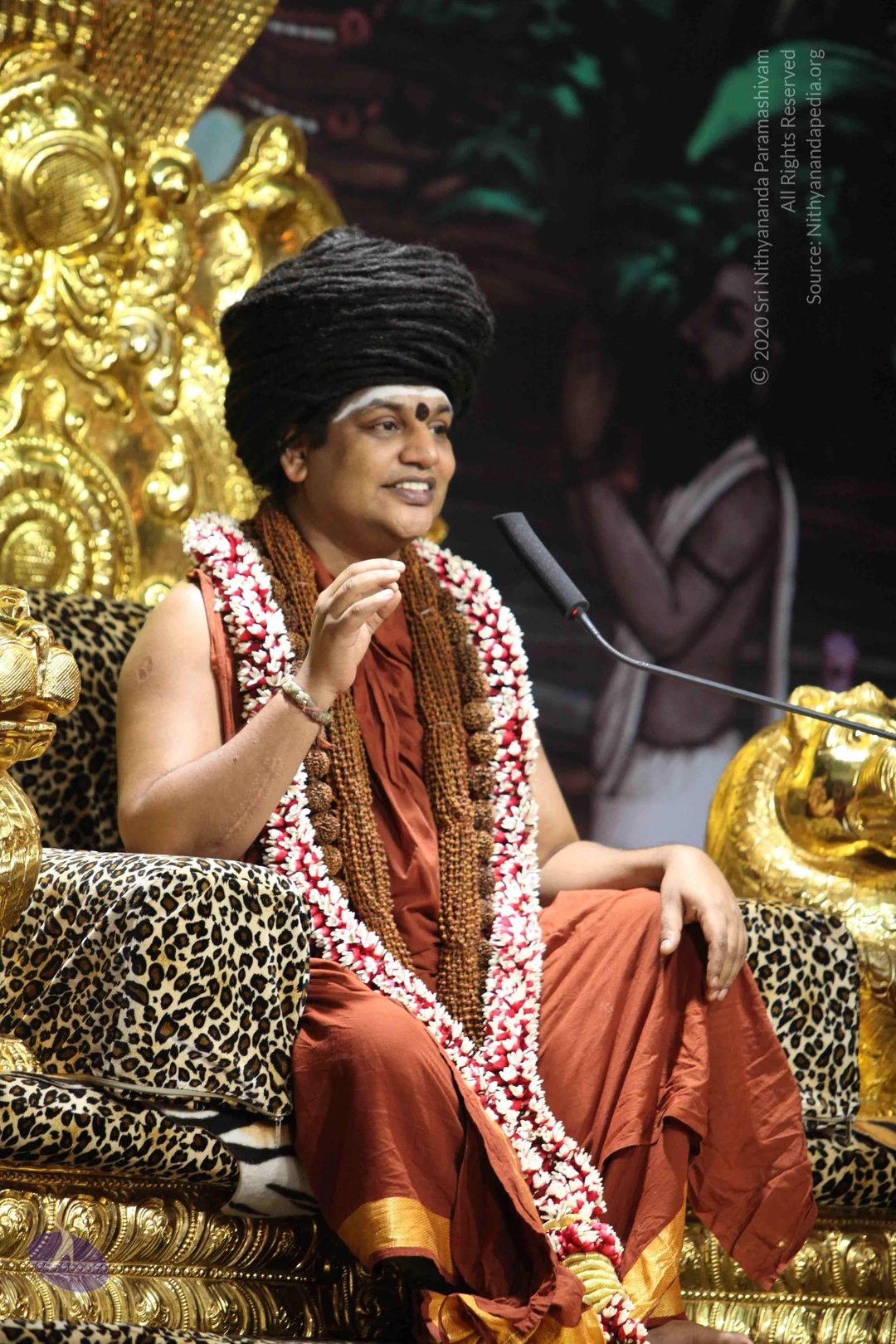
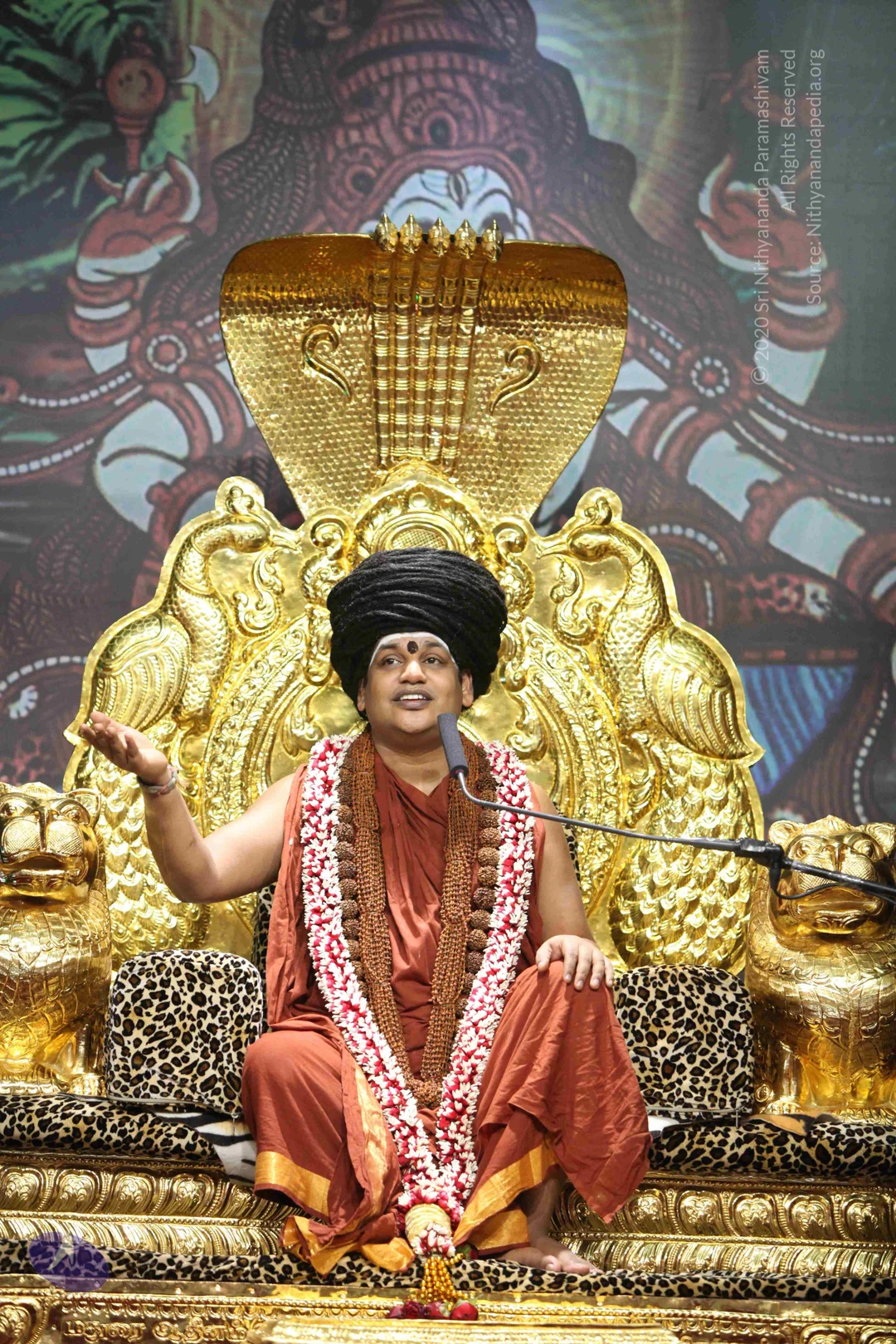
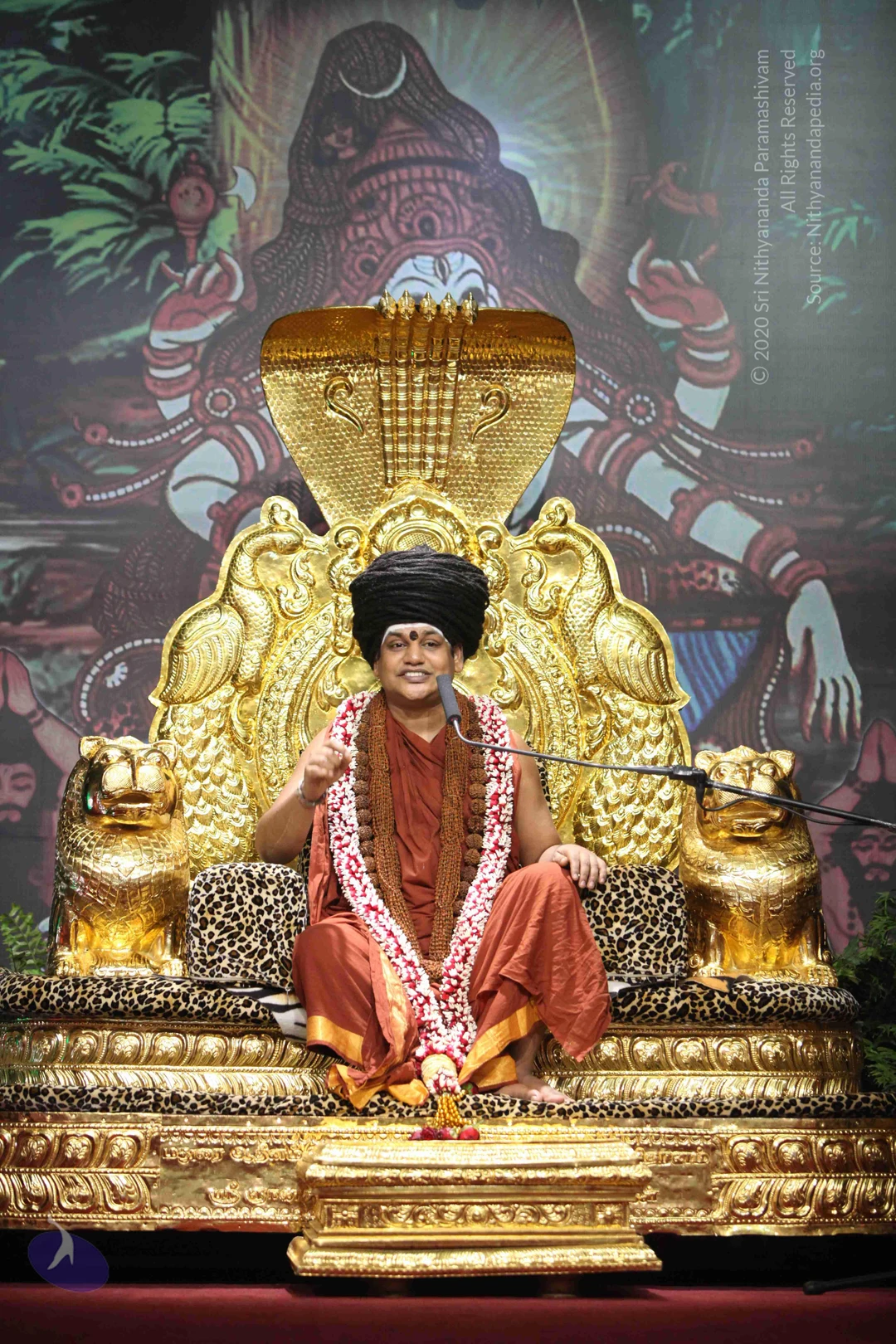
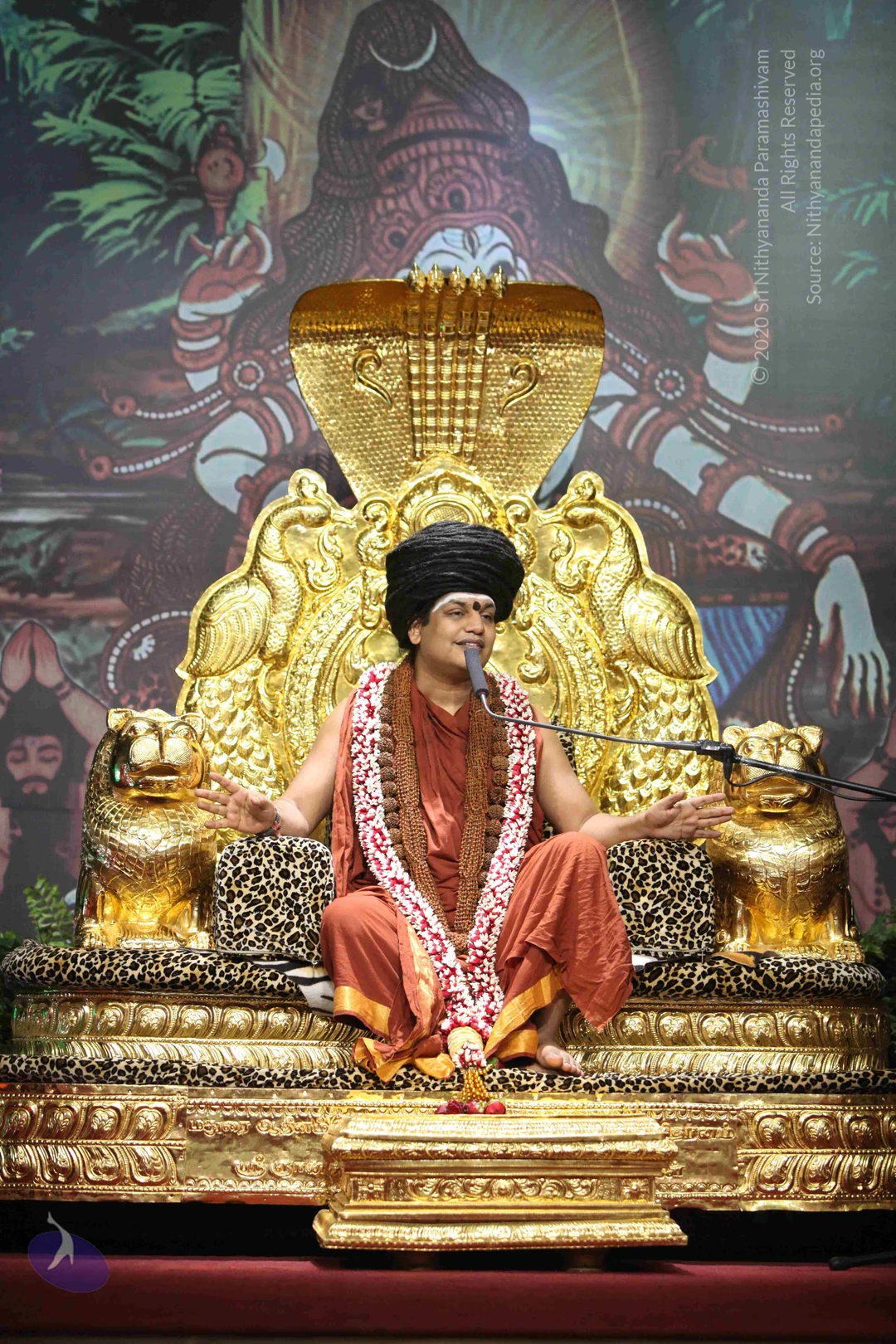
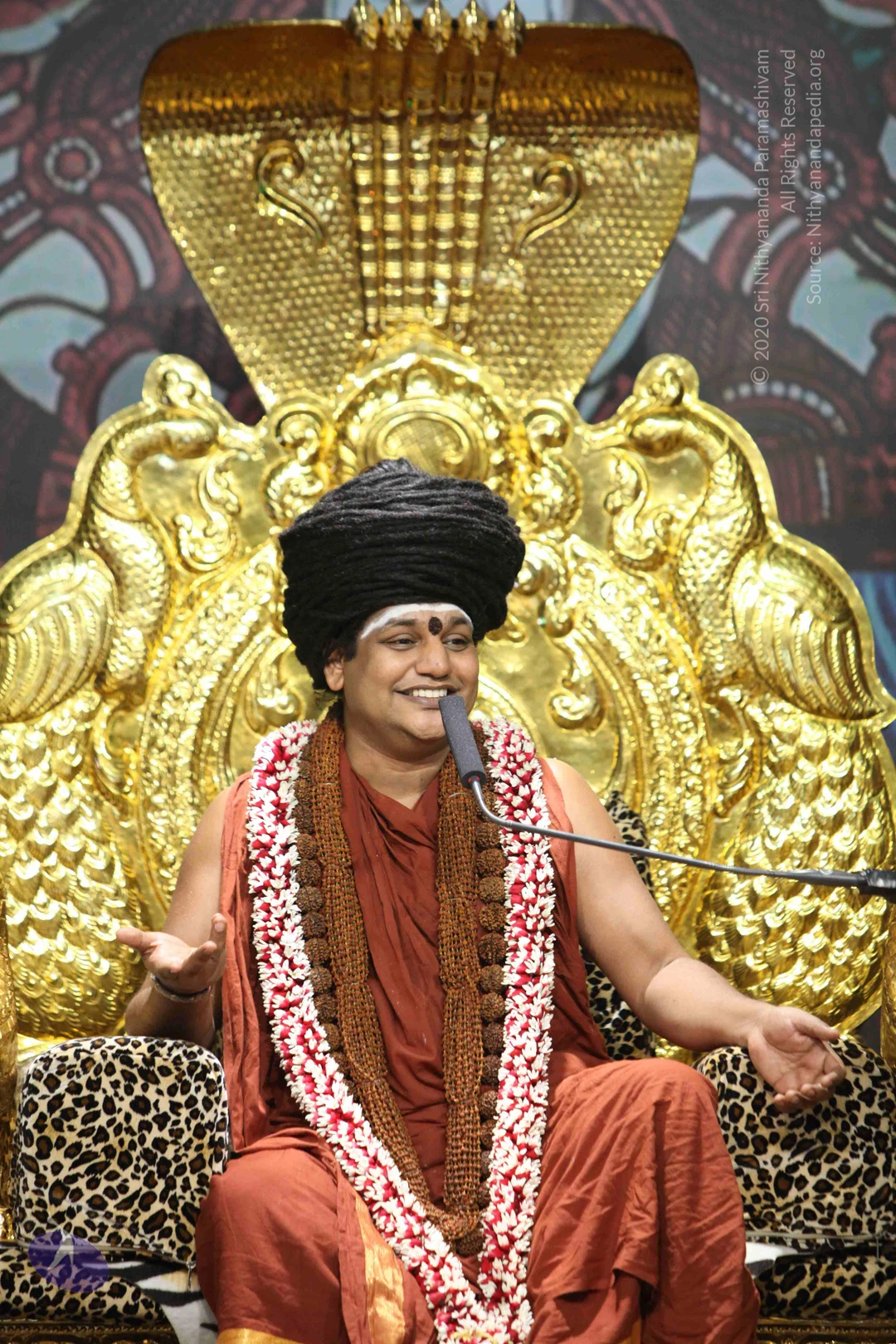
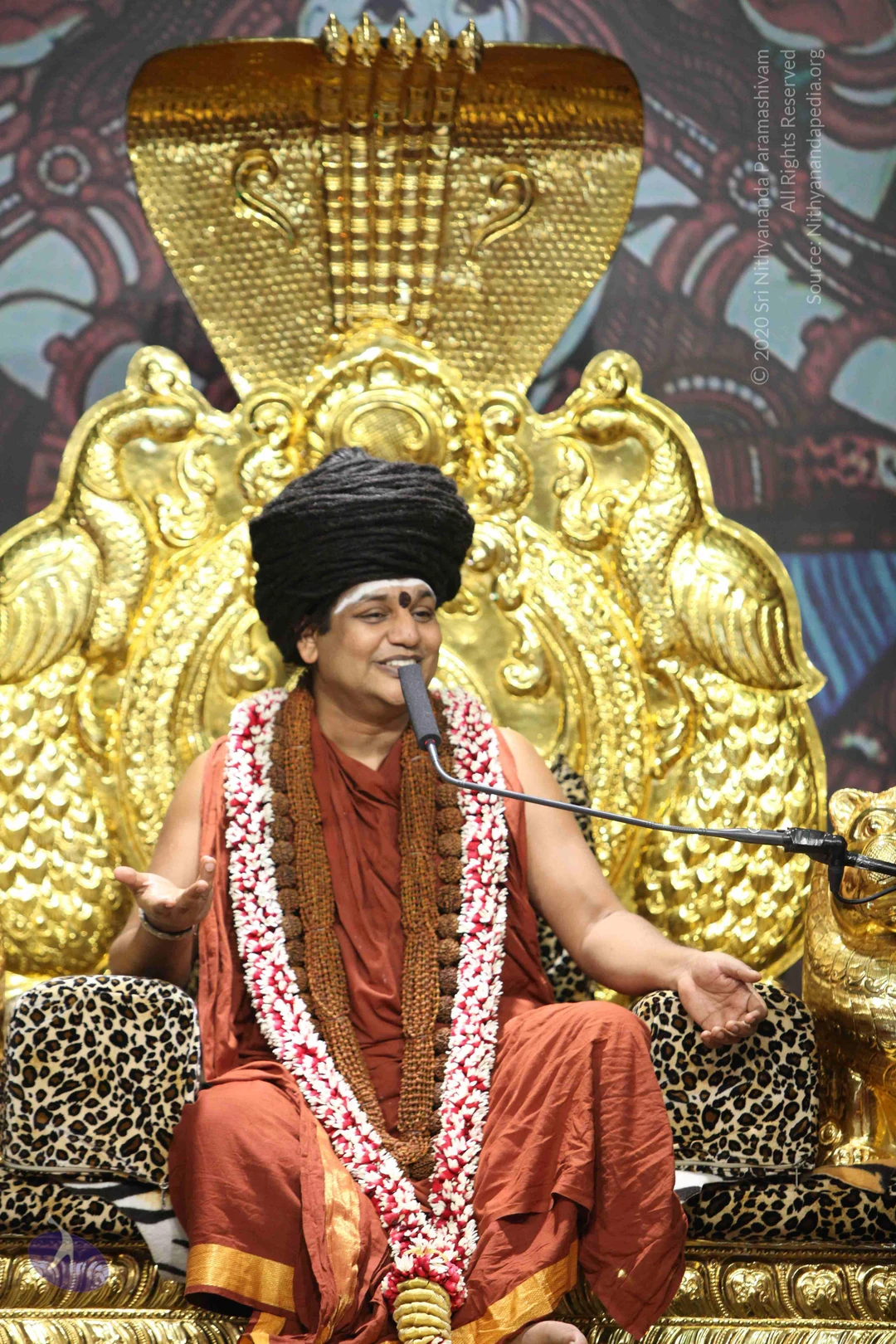
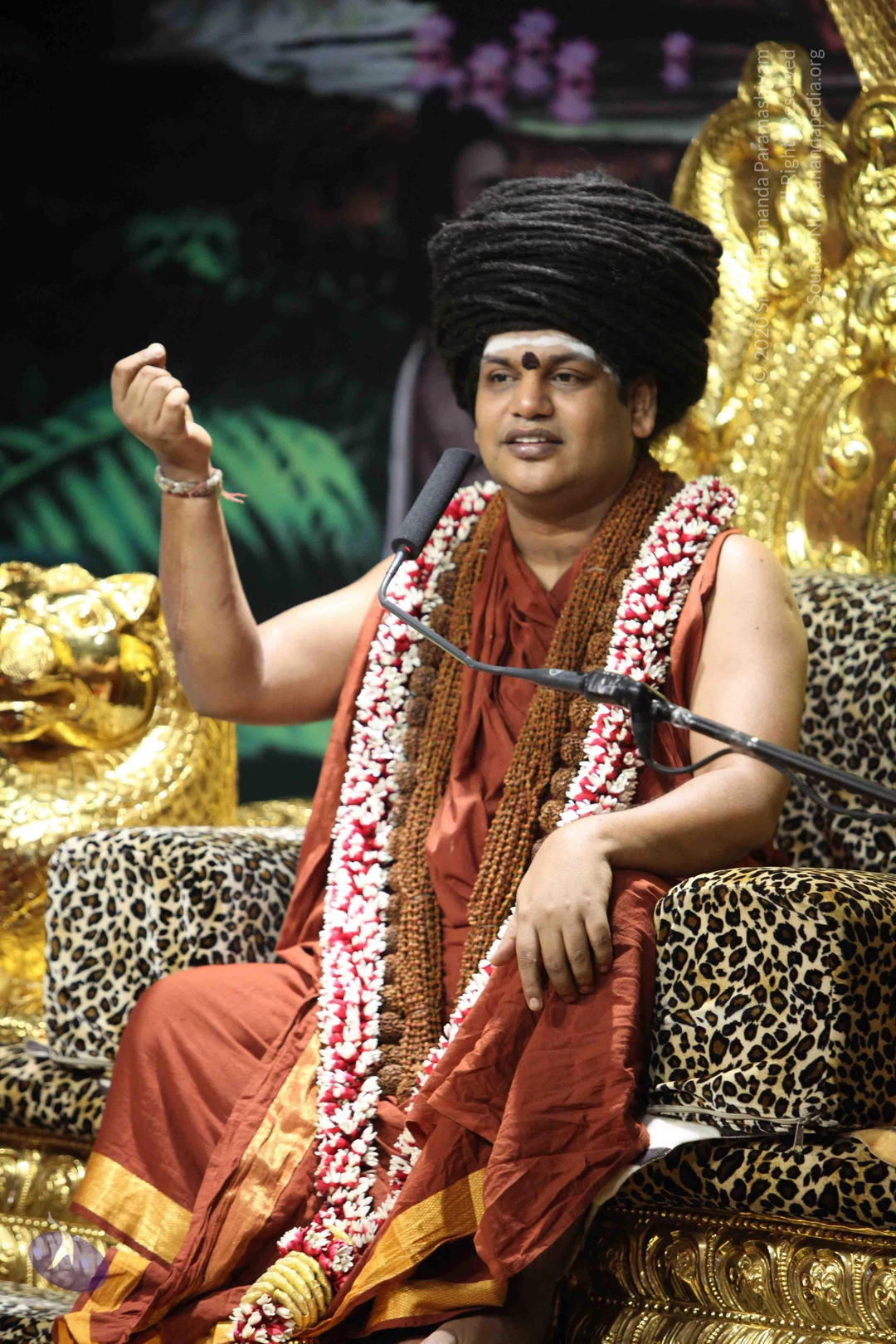
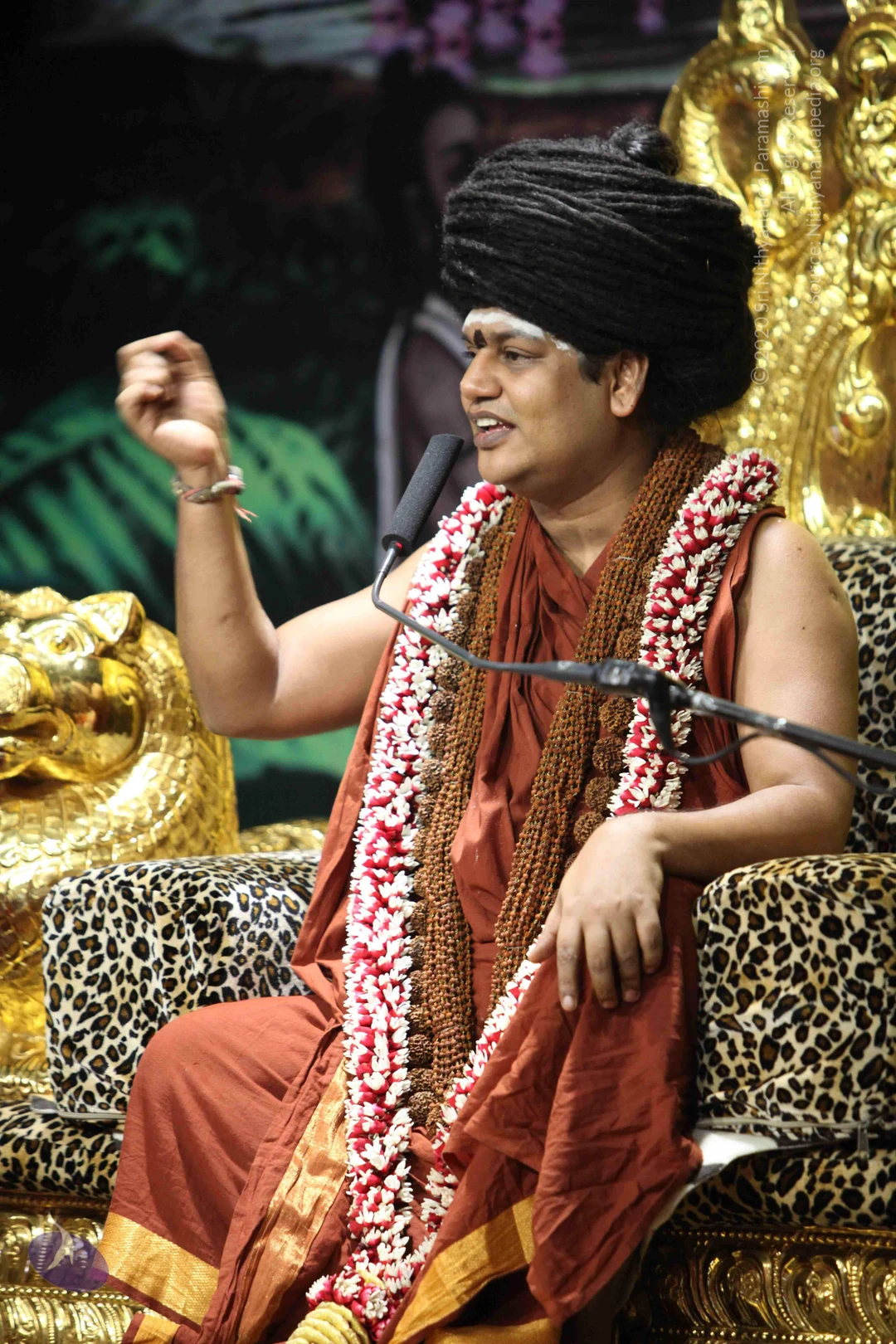
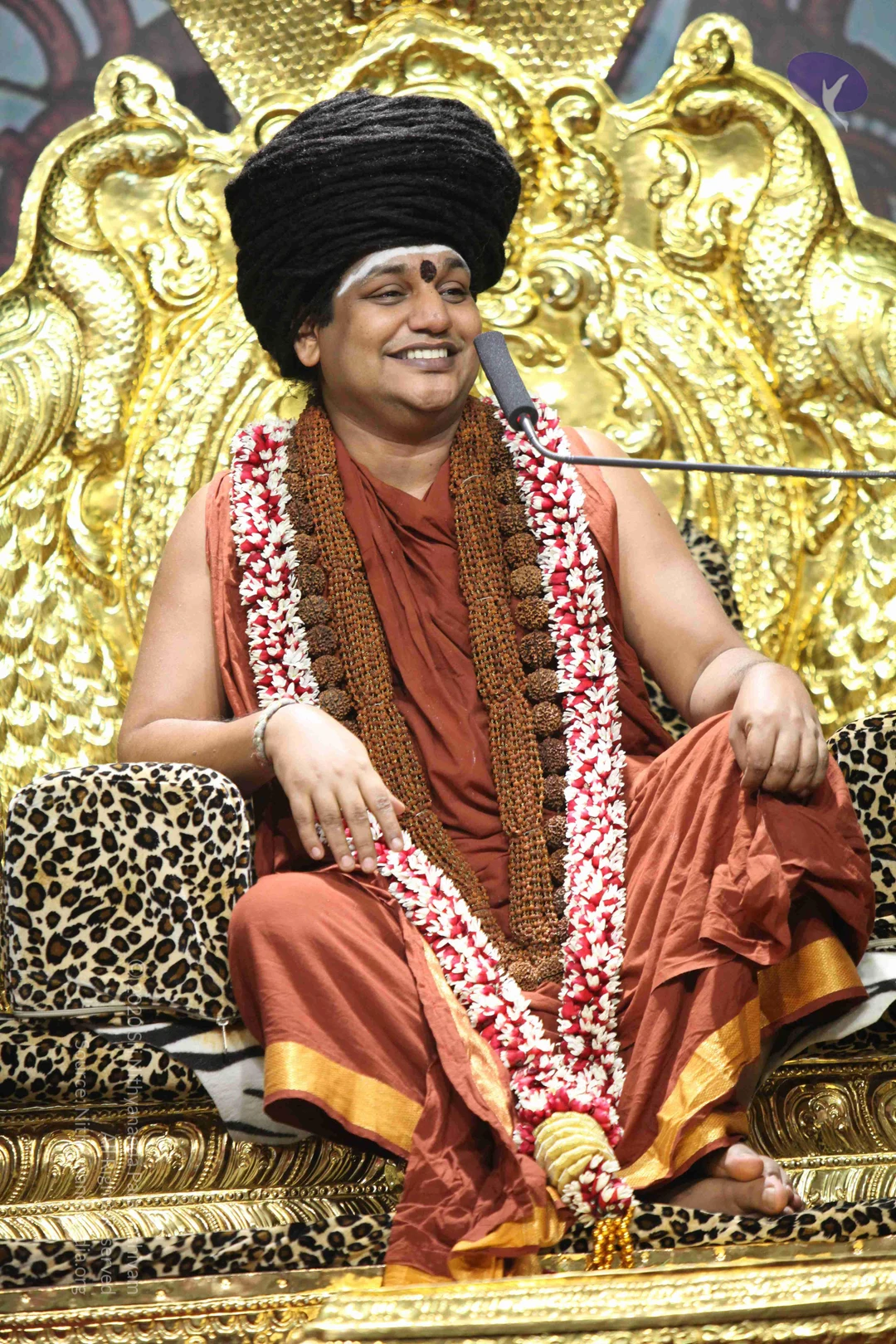
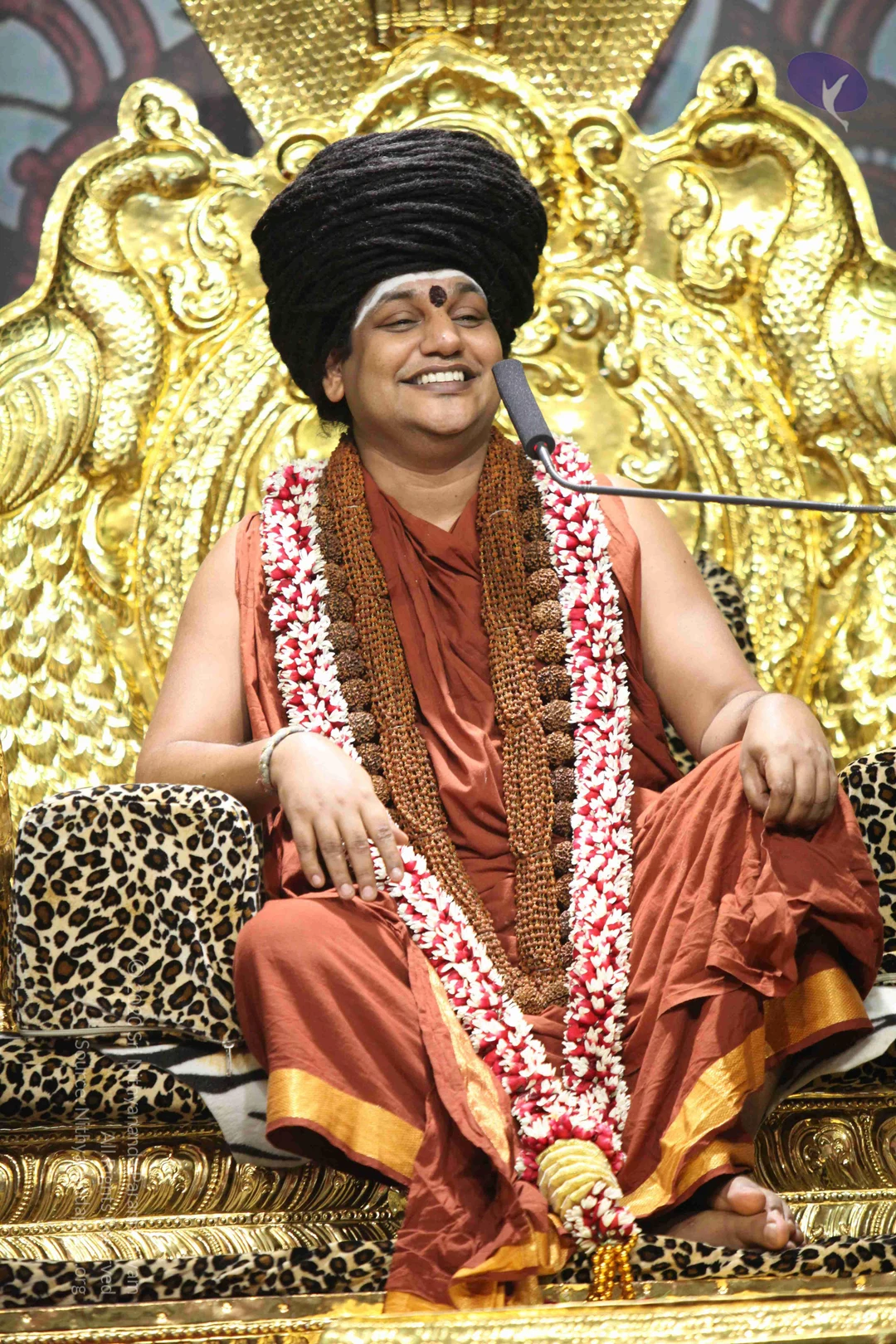
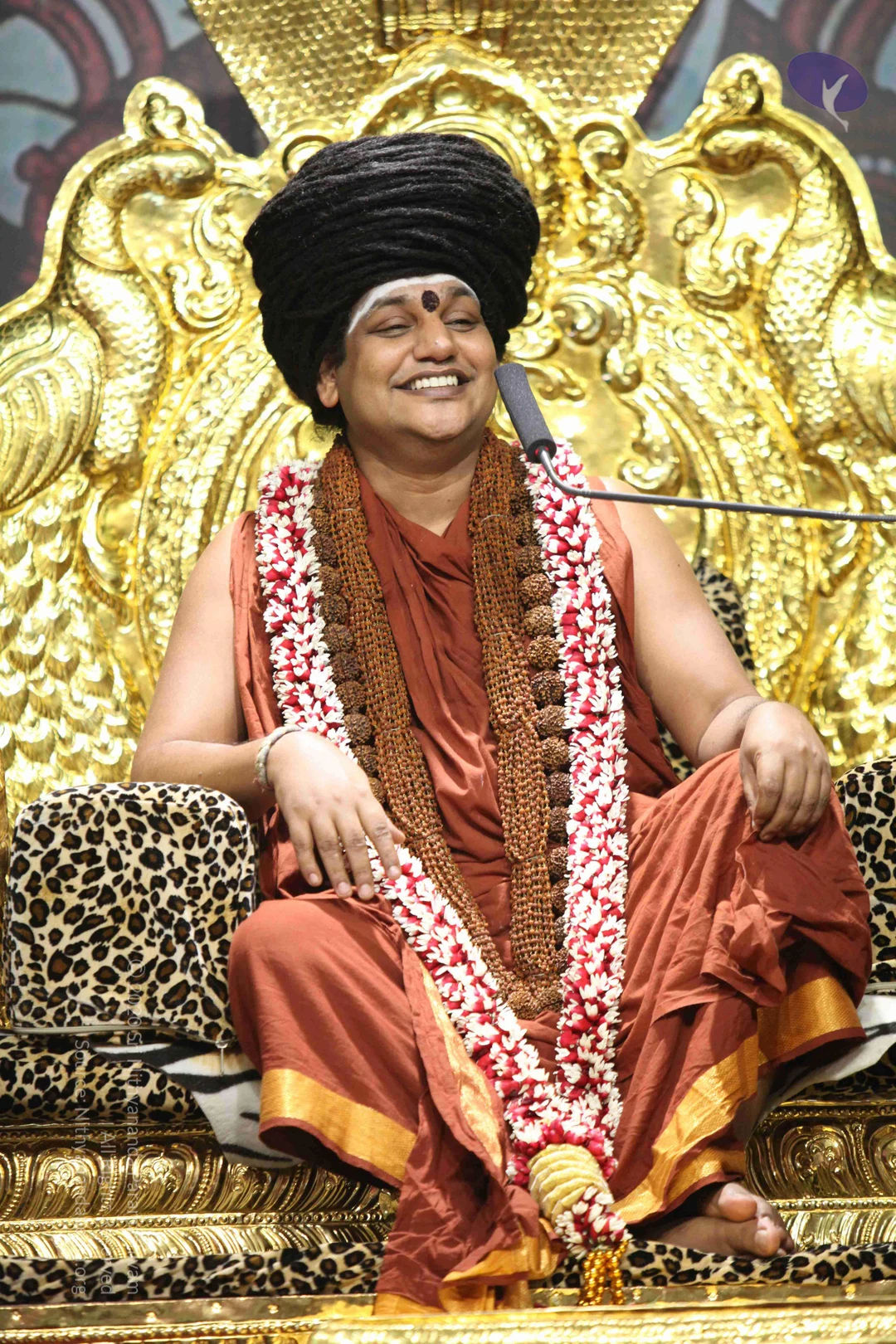
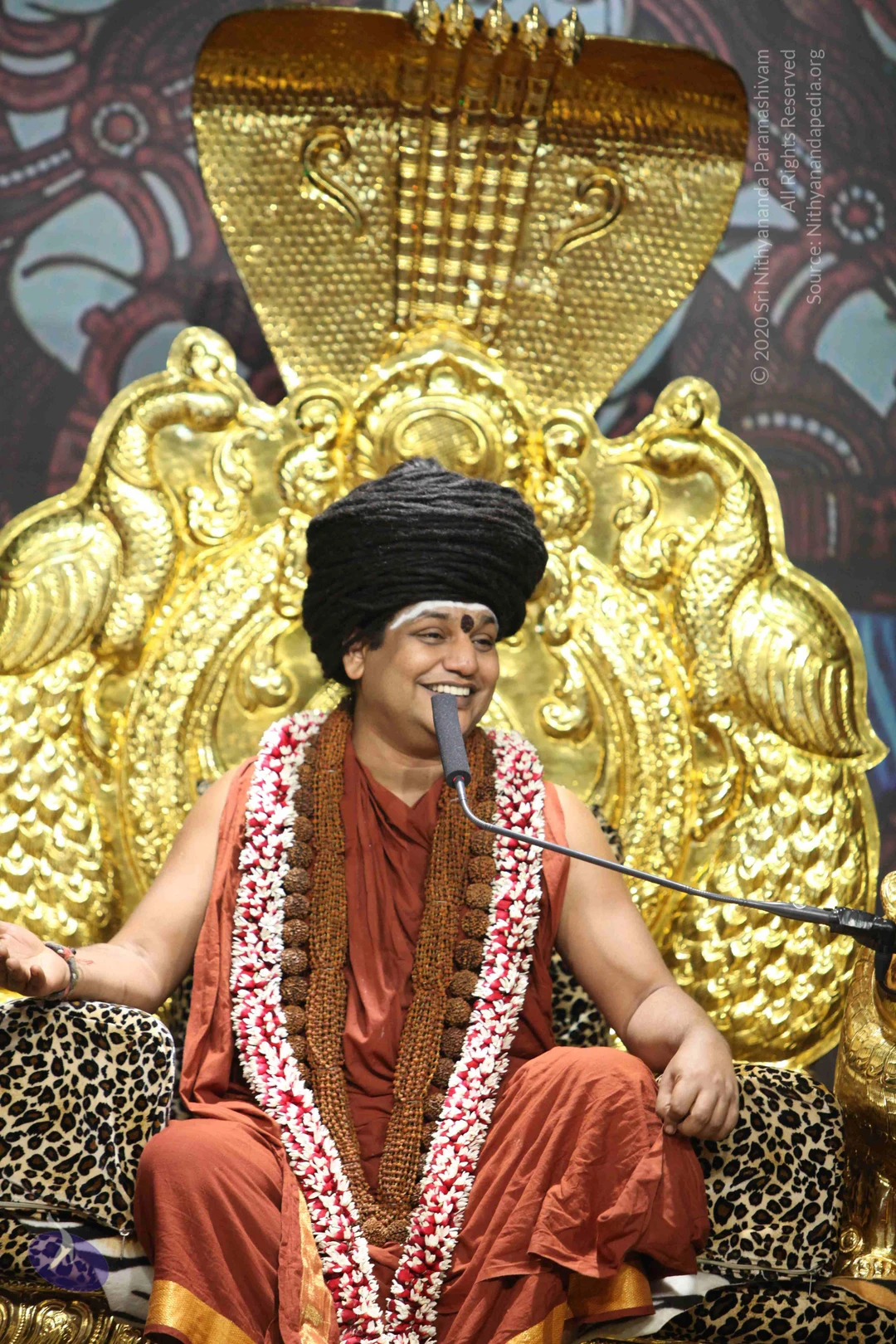
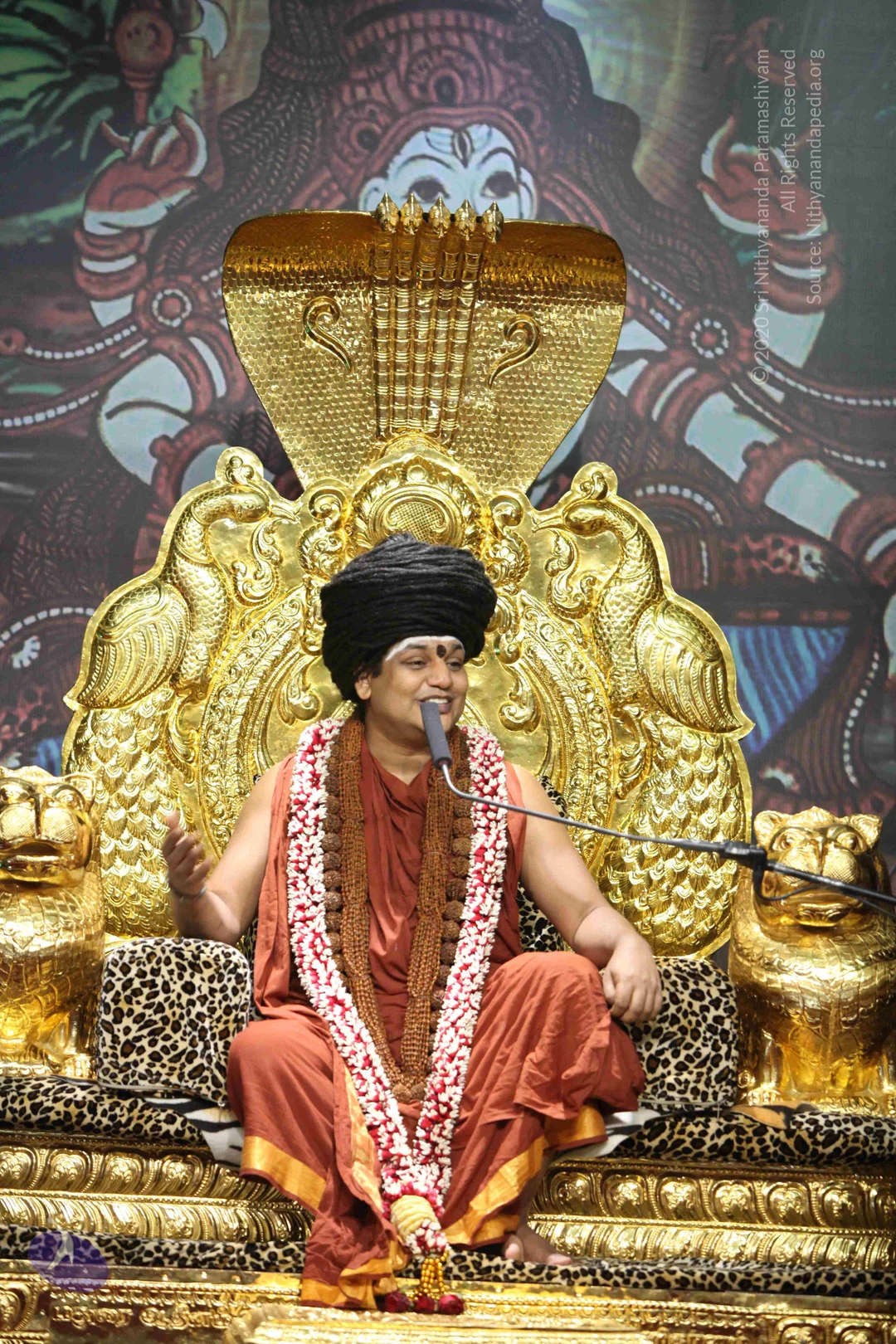
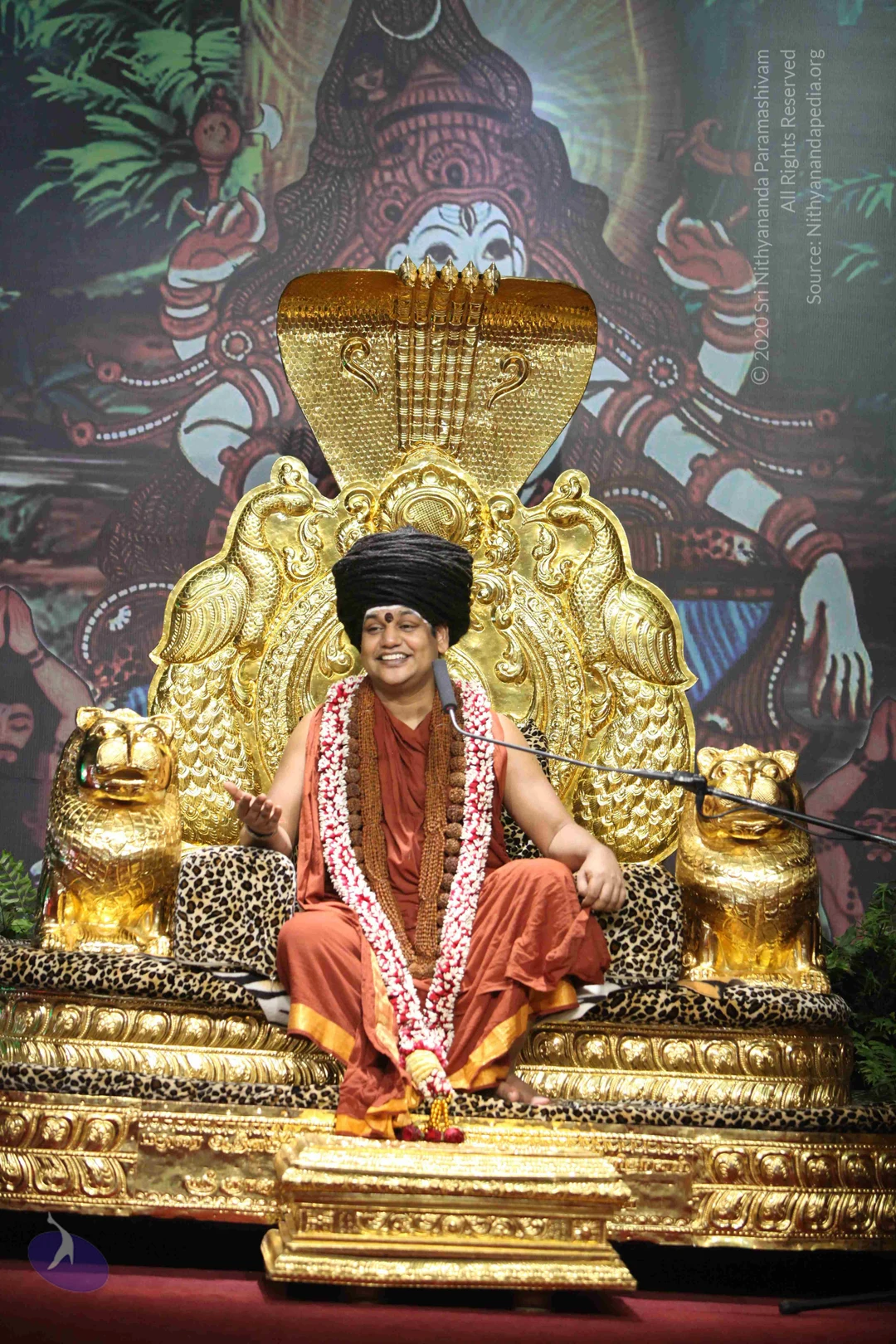
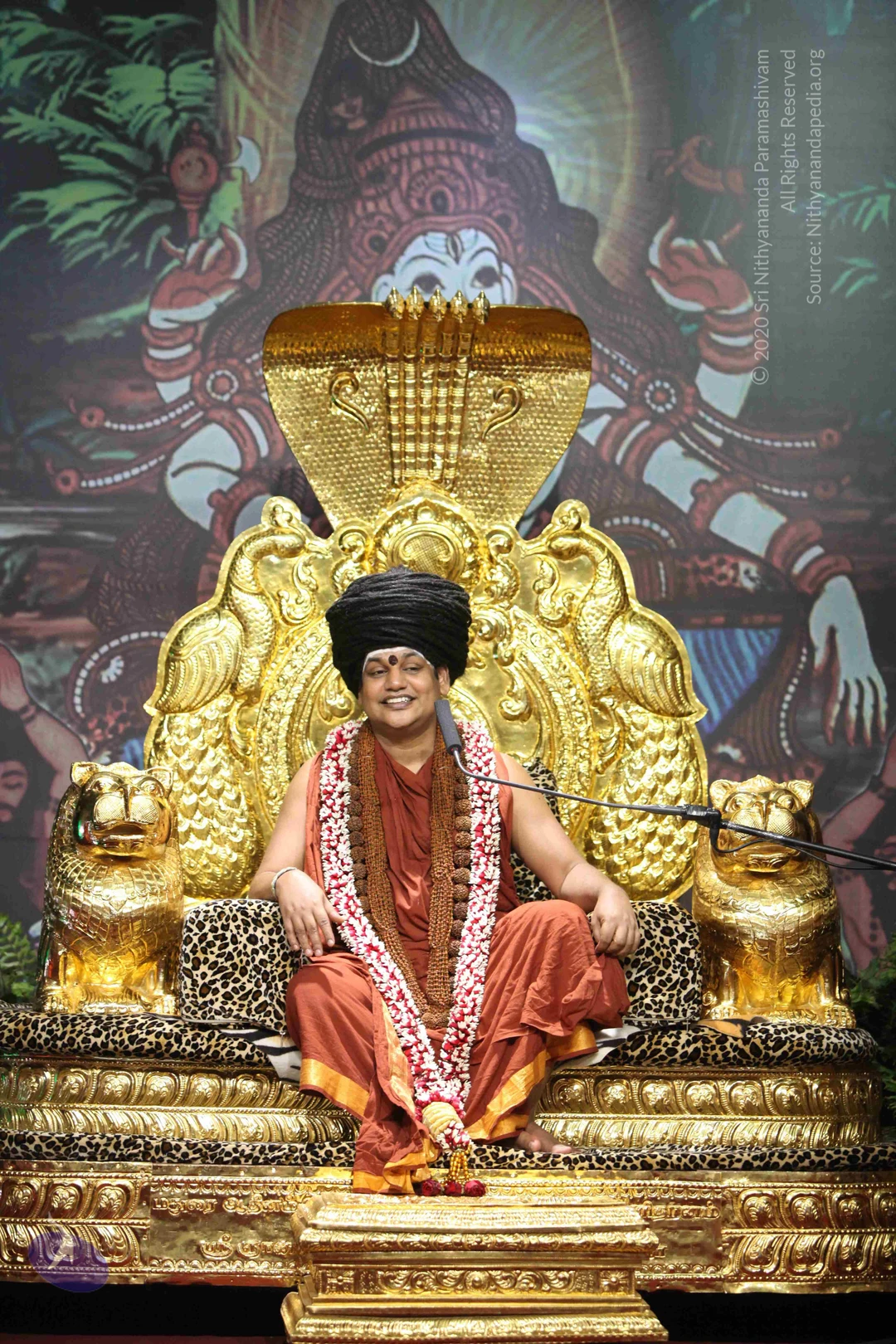
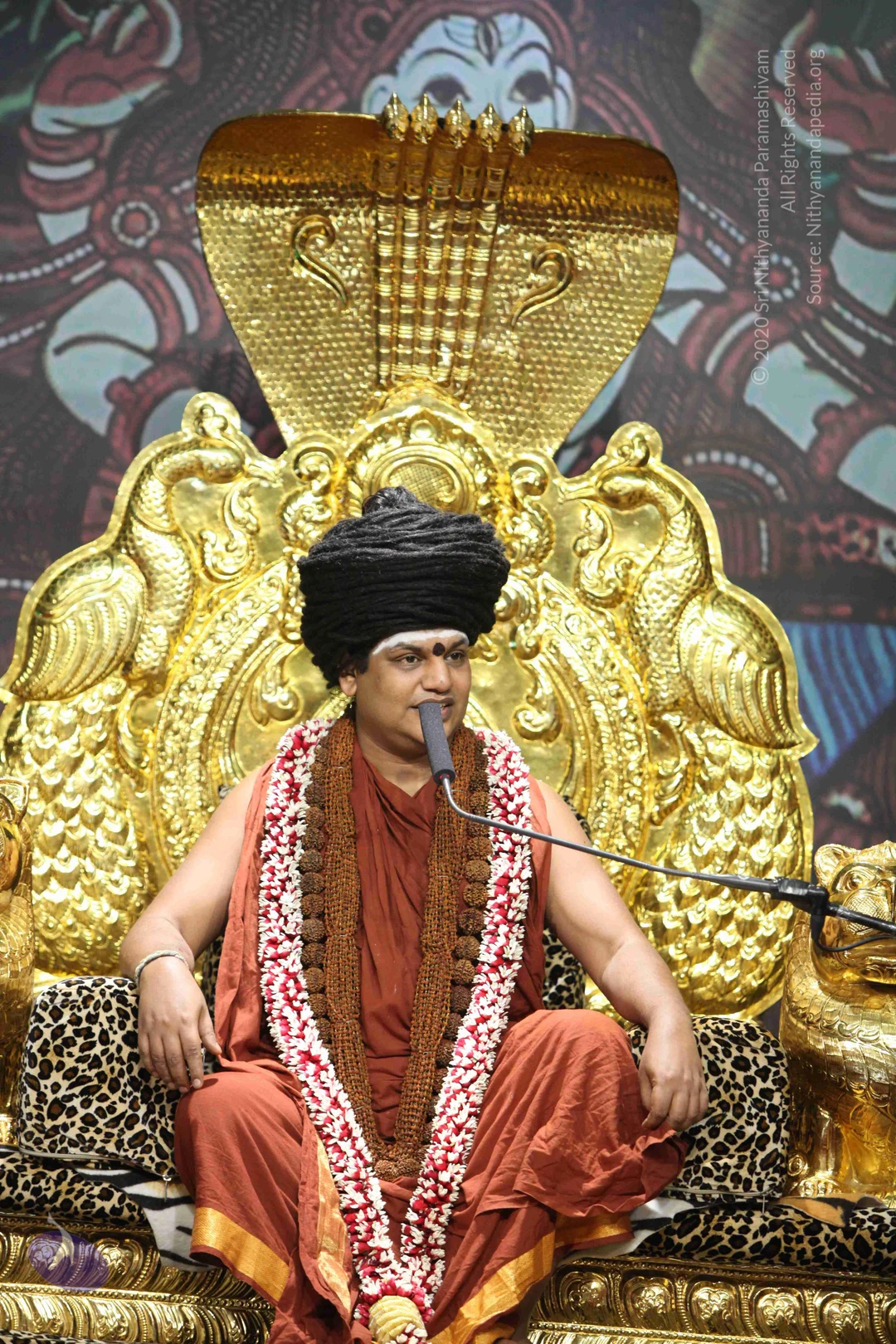
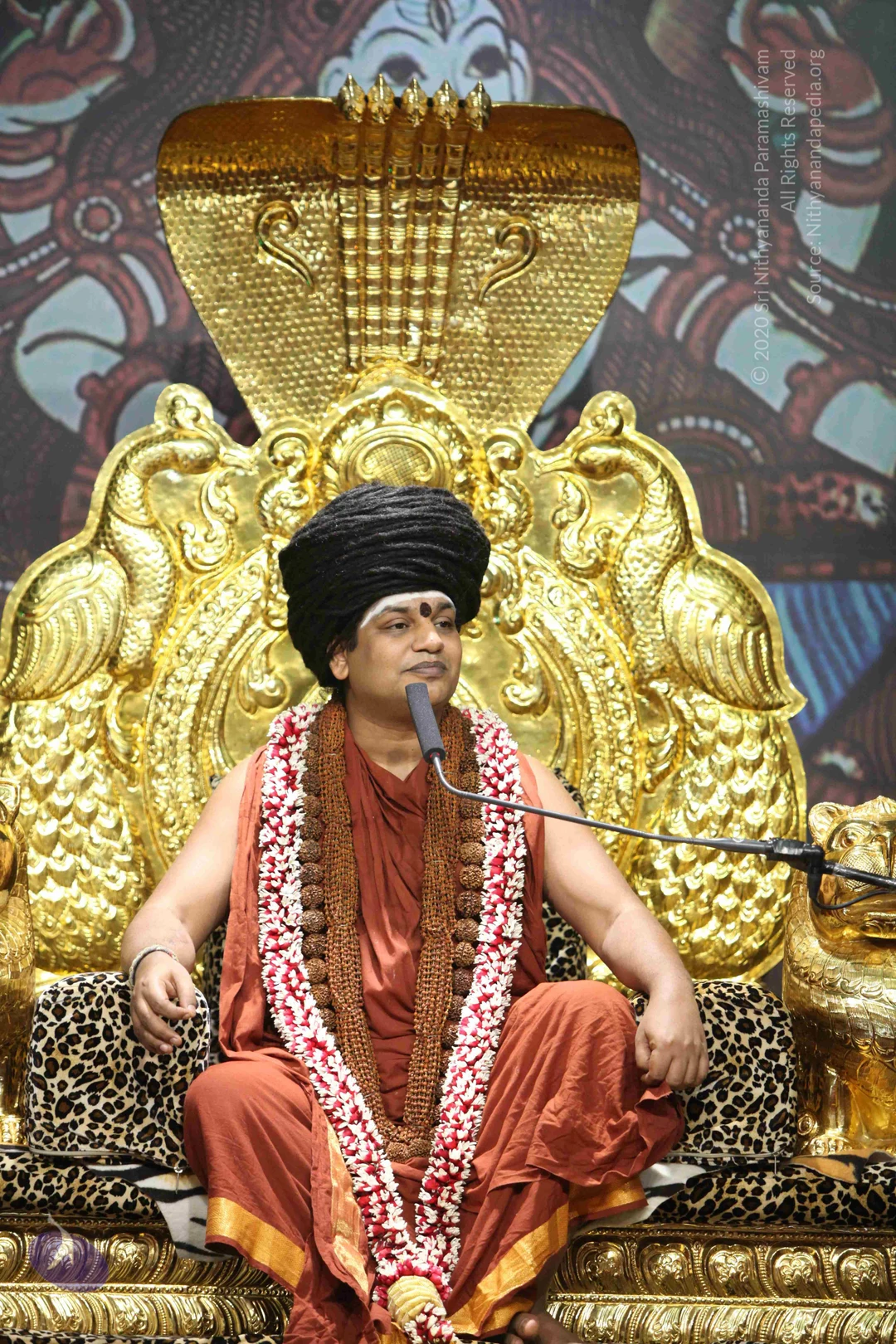
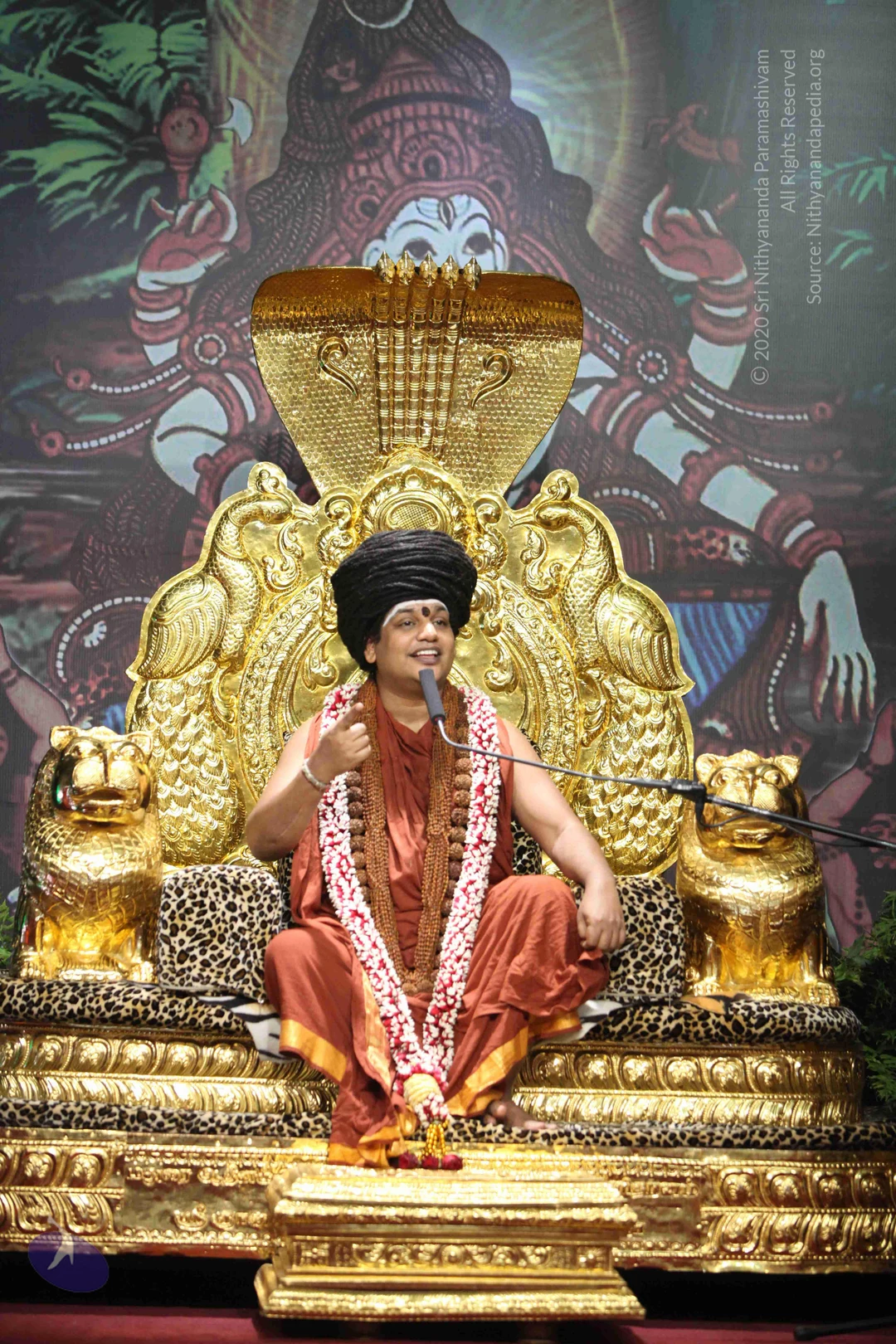
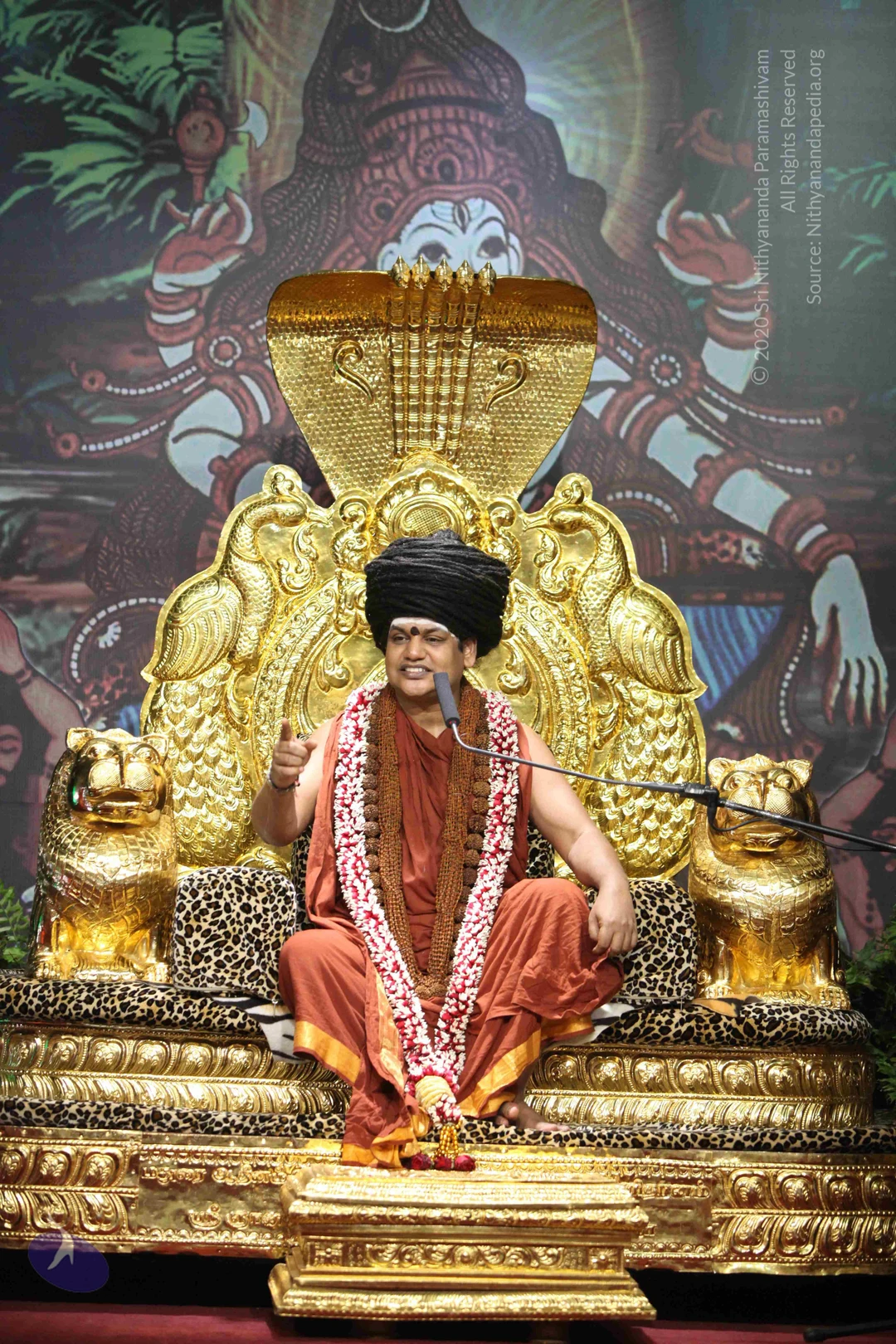
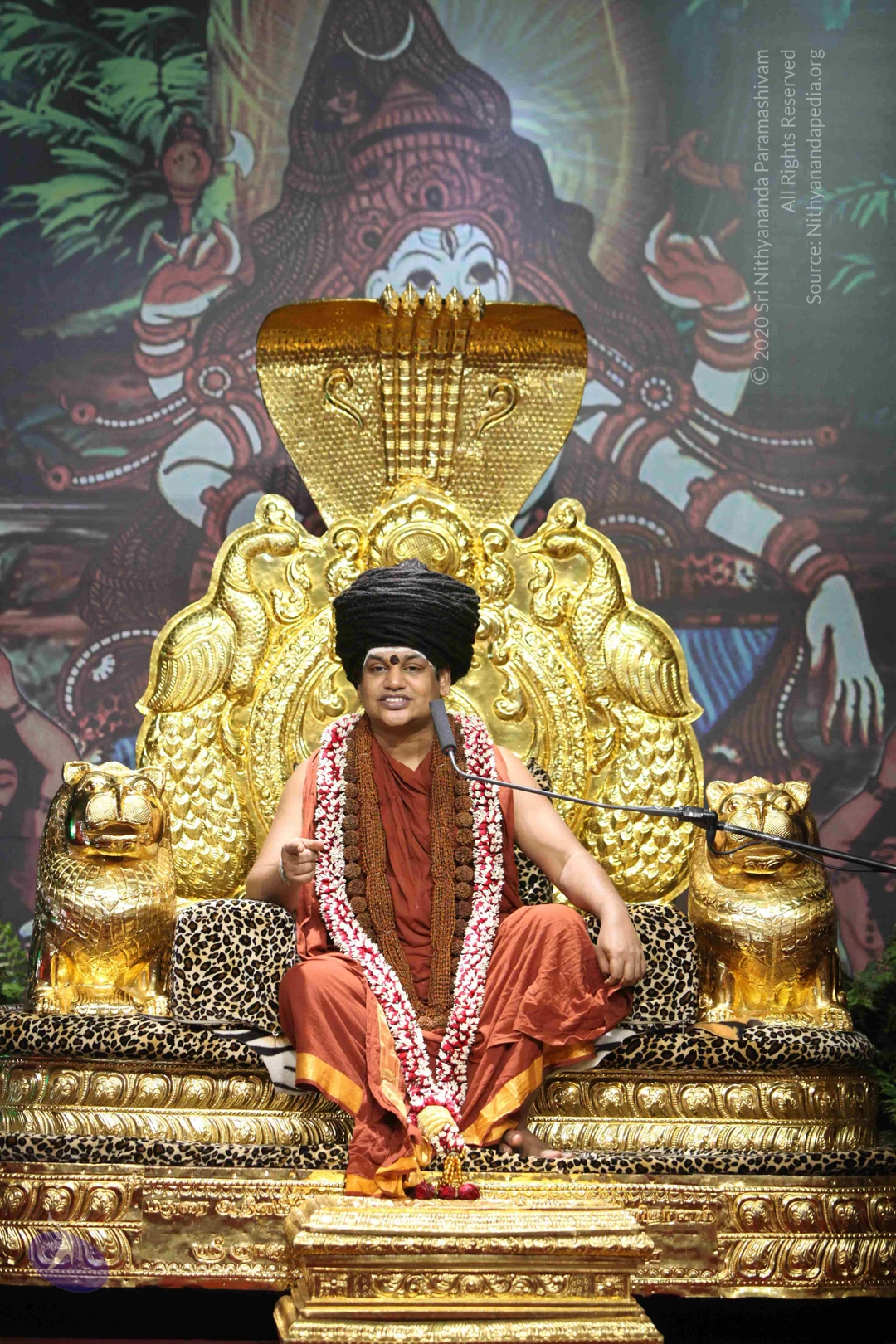
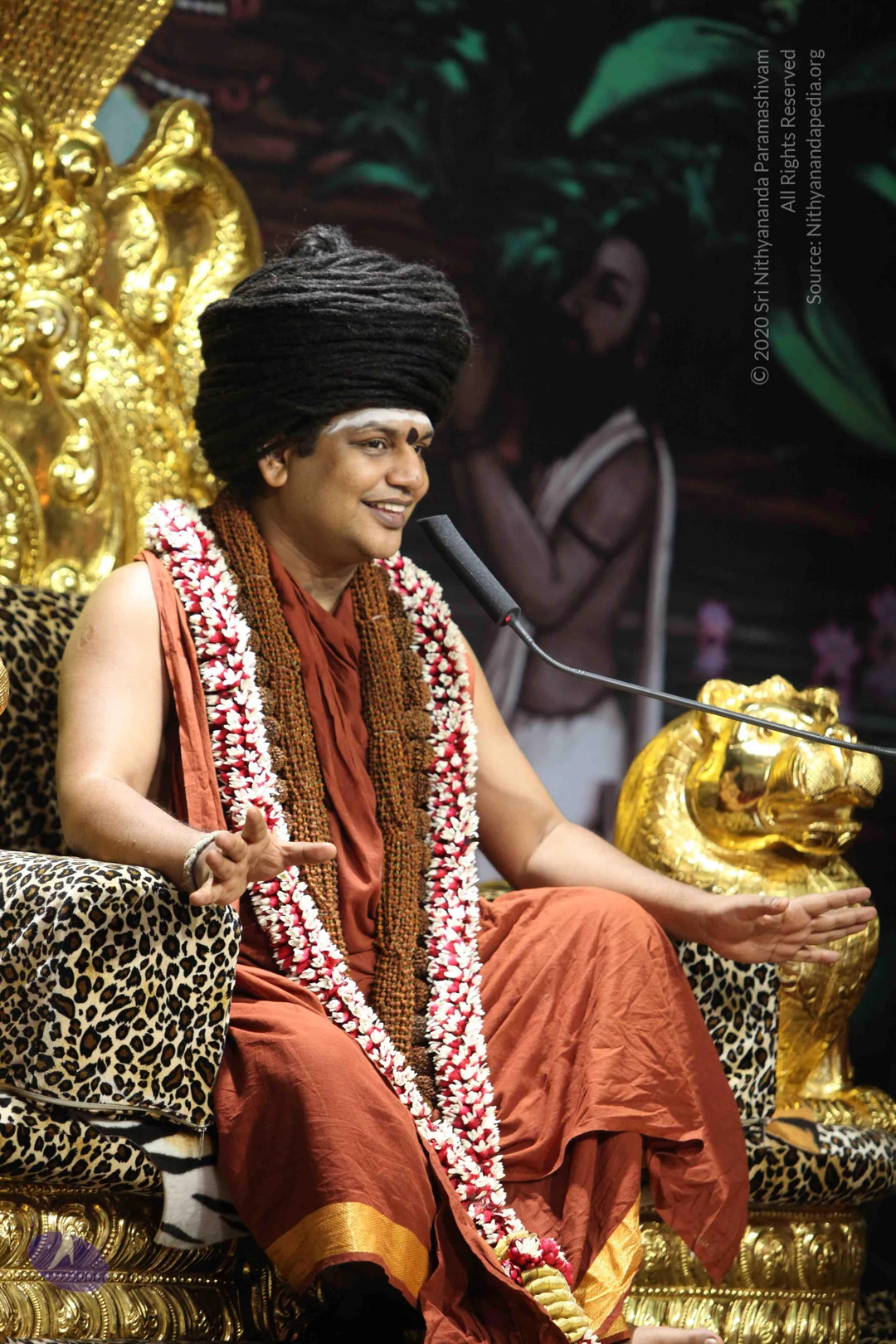
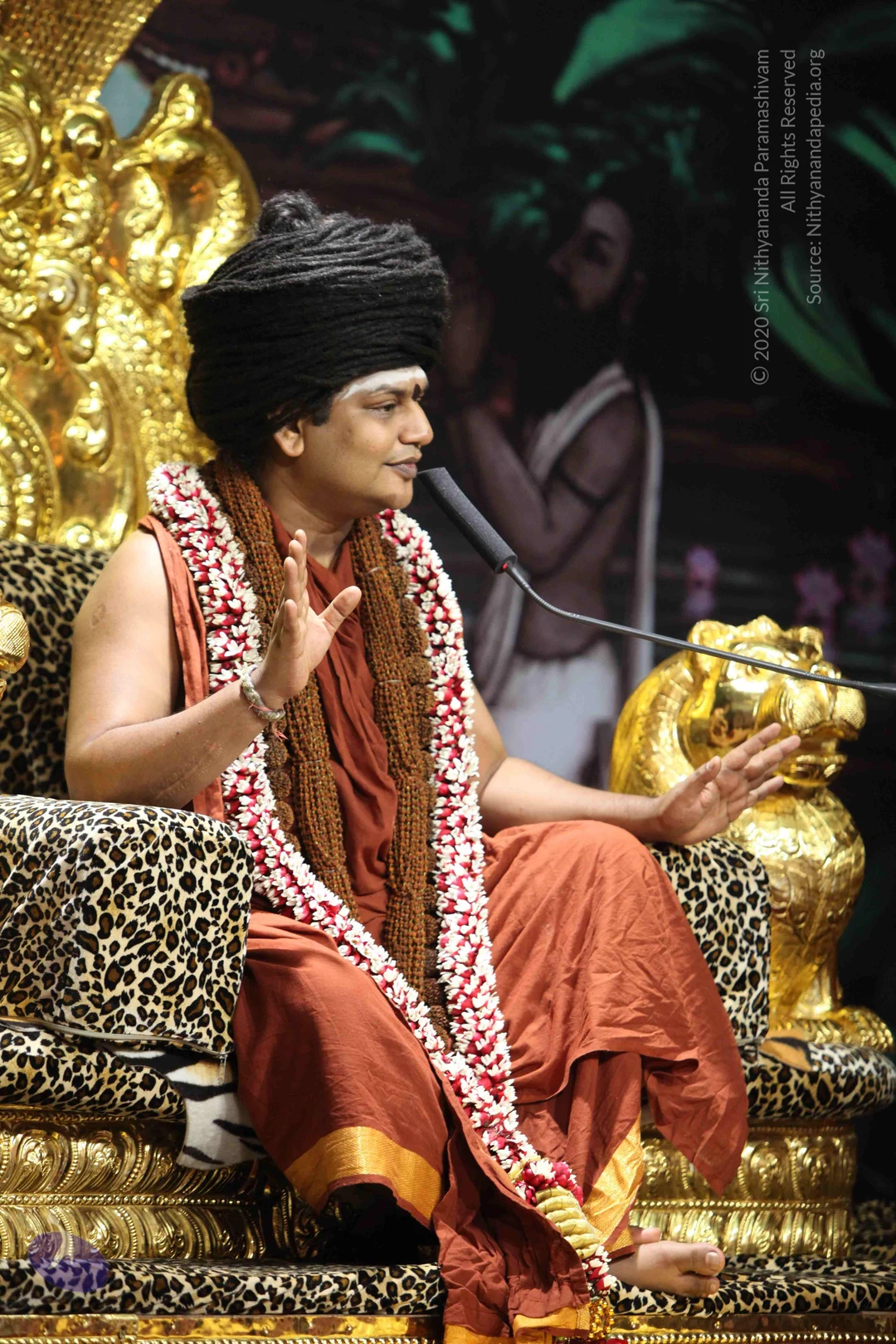
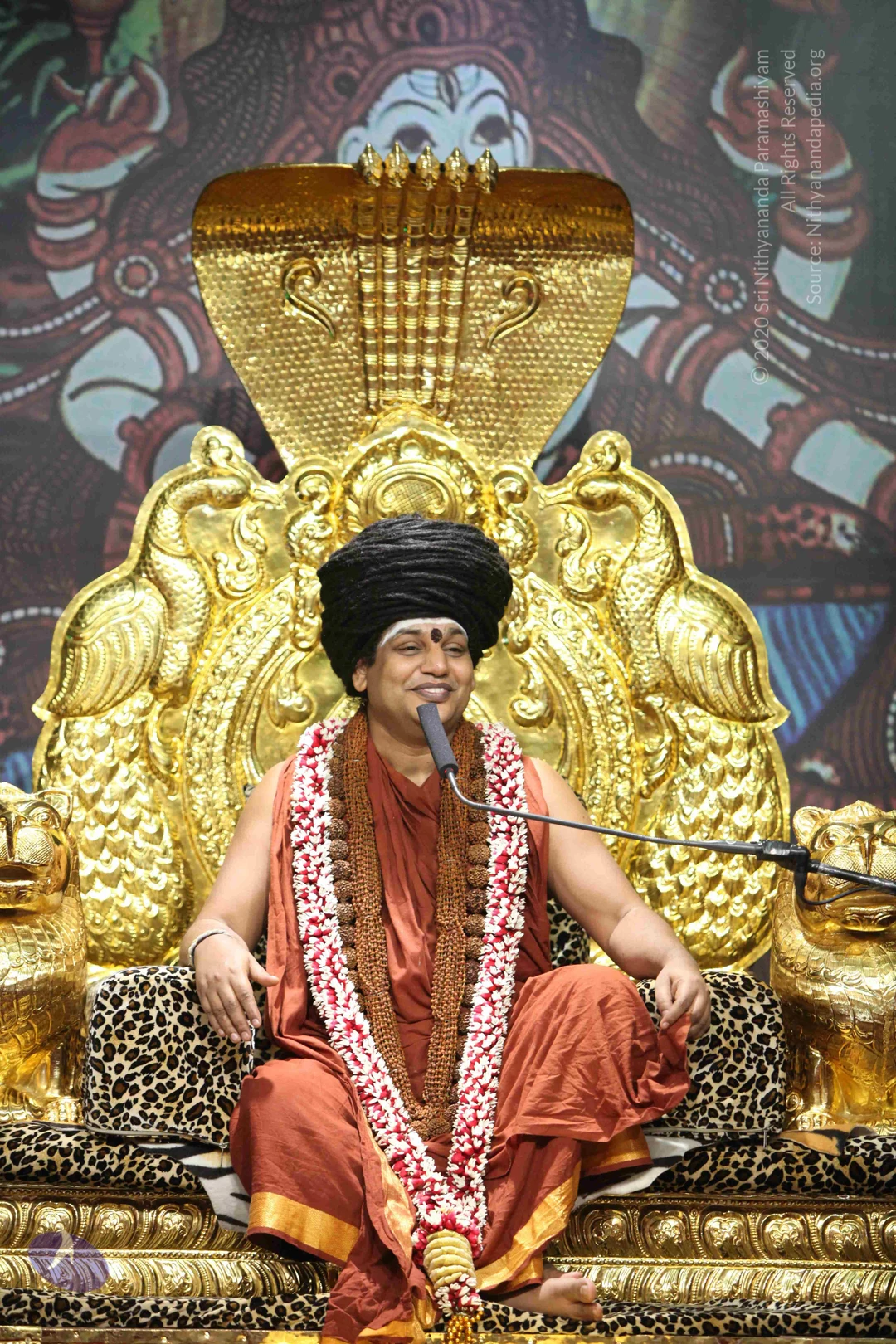
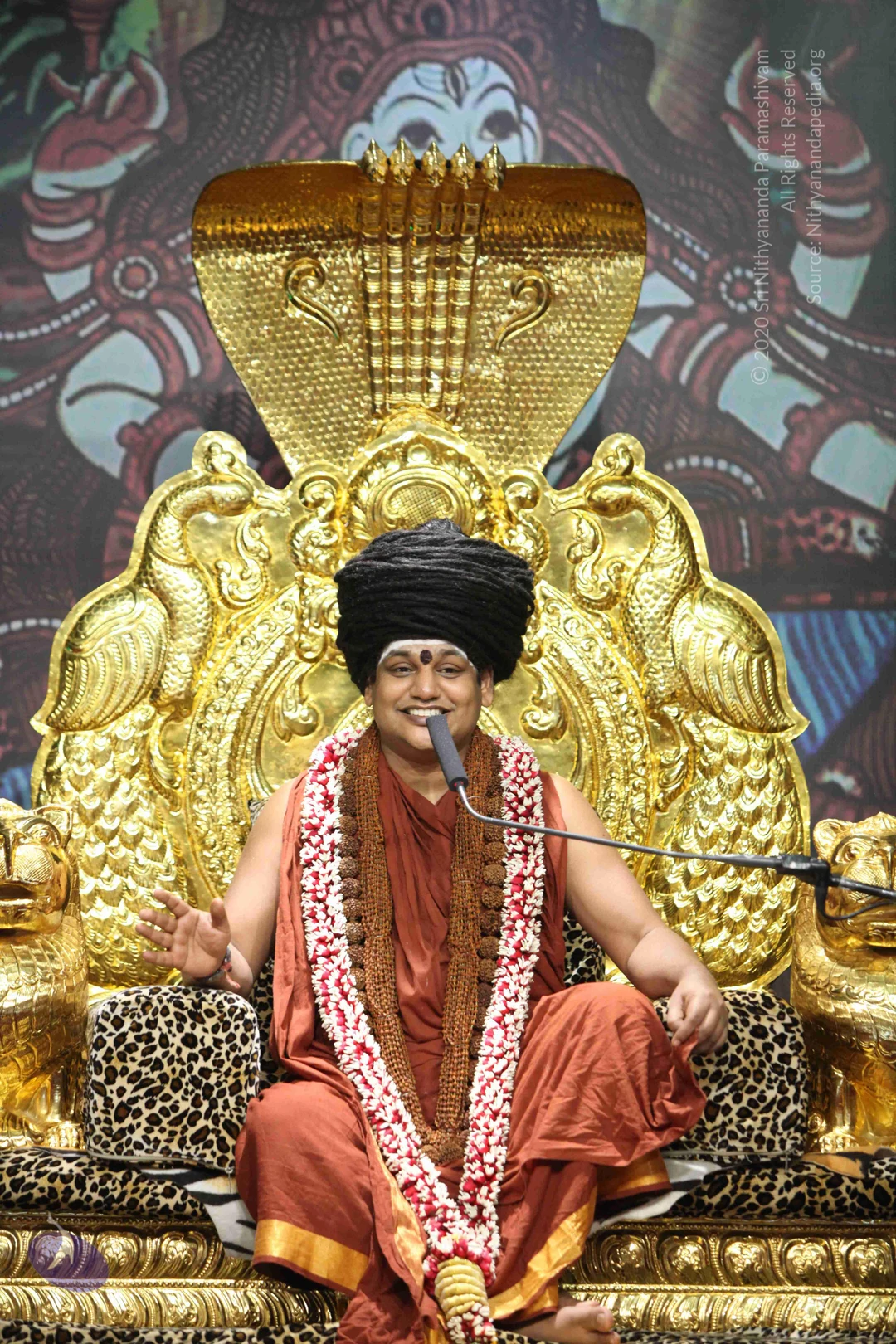
Photos
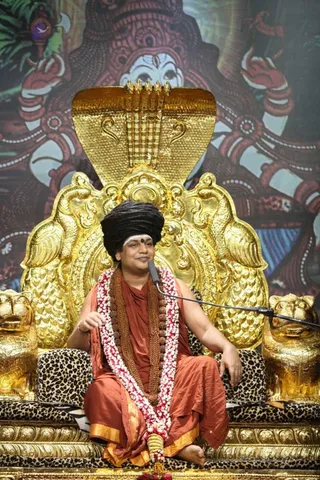
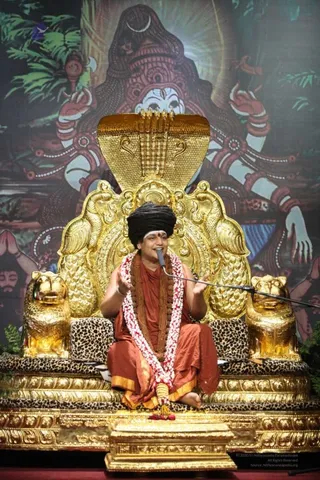
Evening Satsang
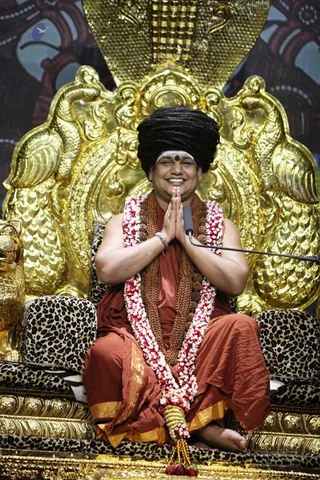
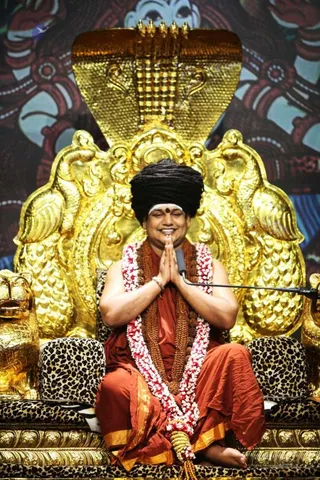
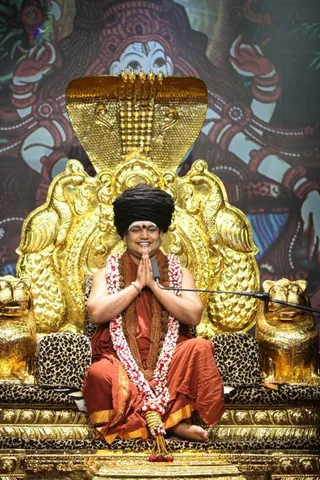
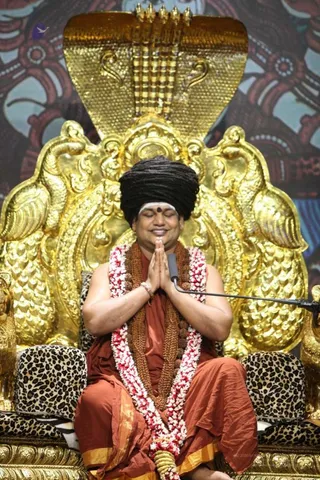
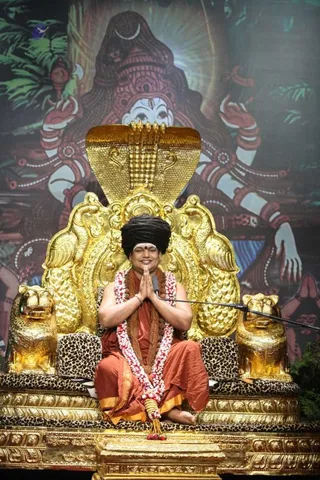
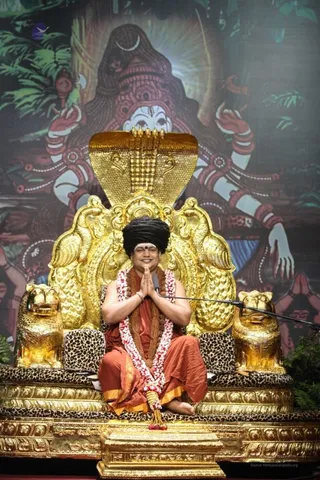

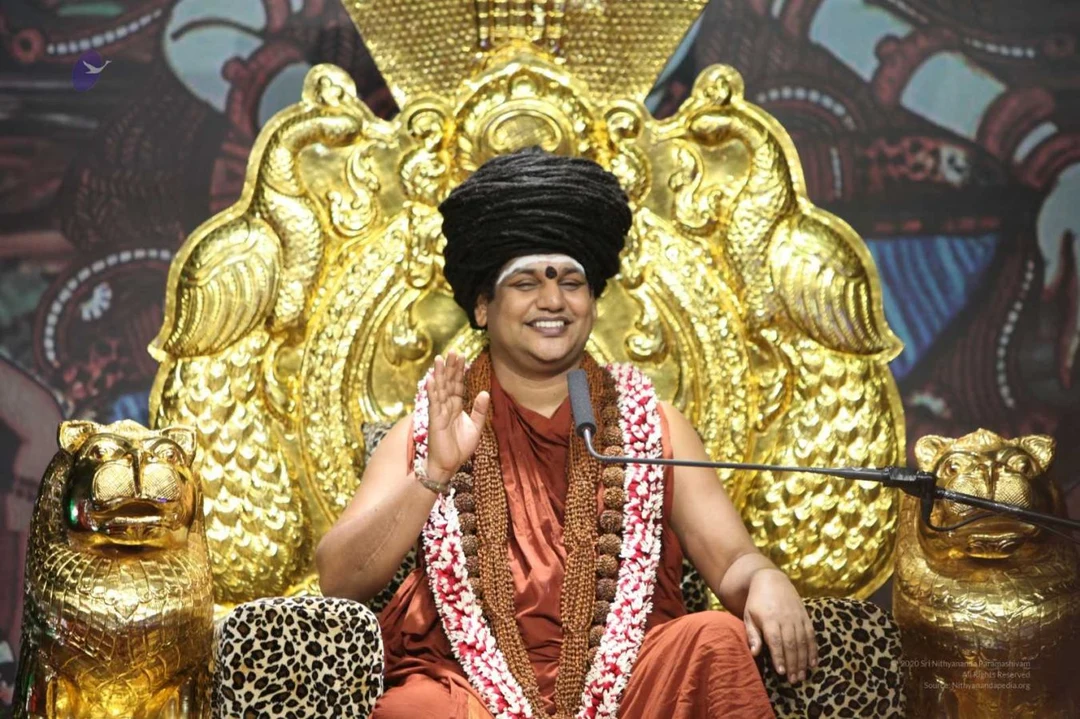
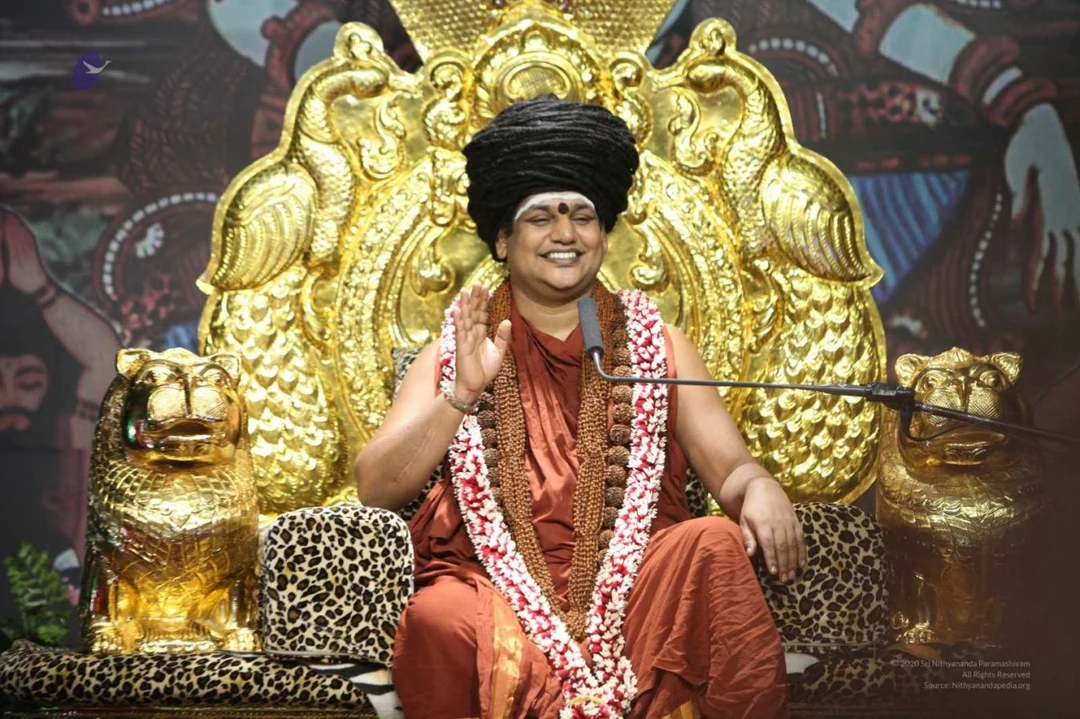
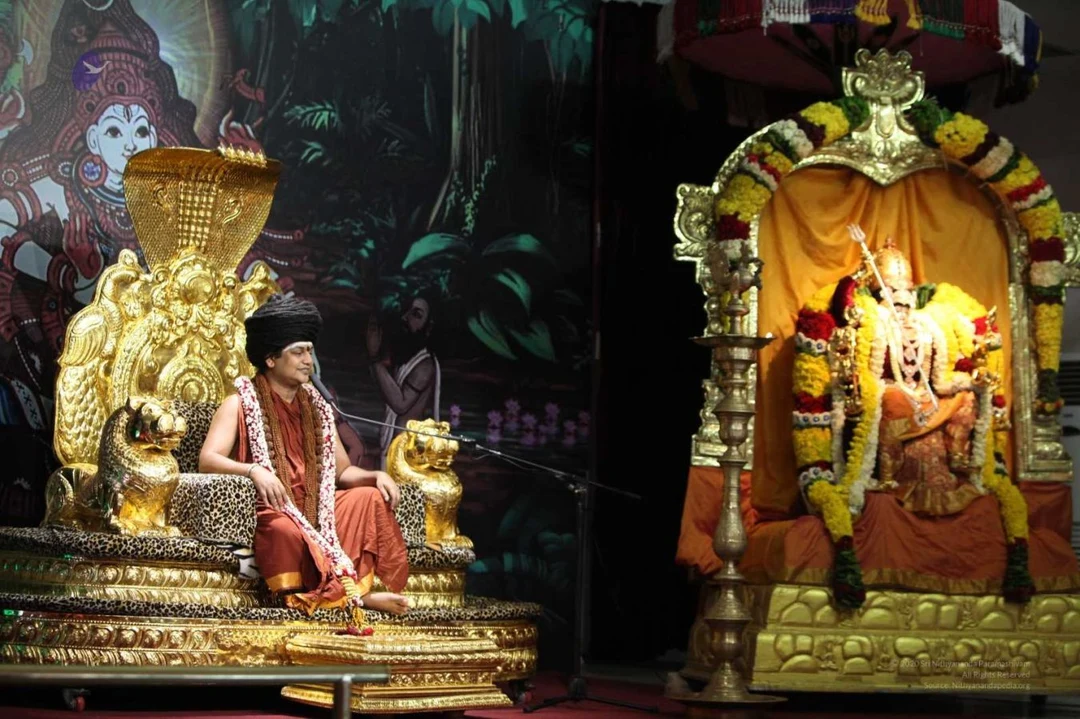
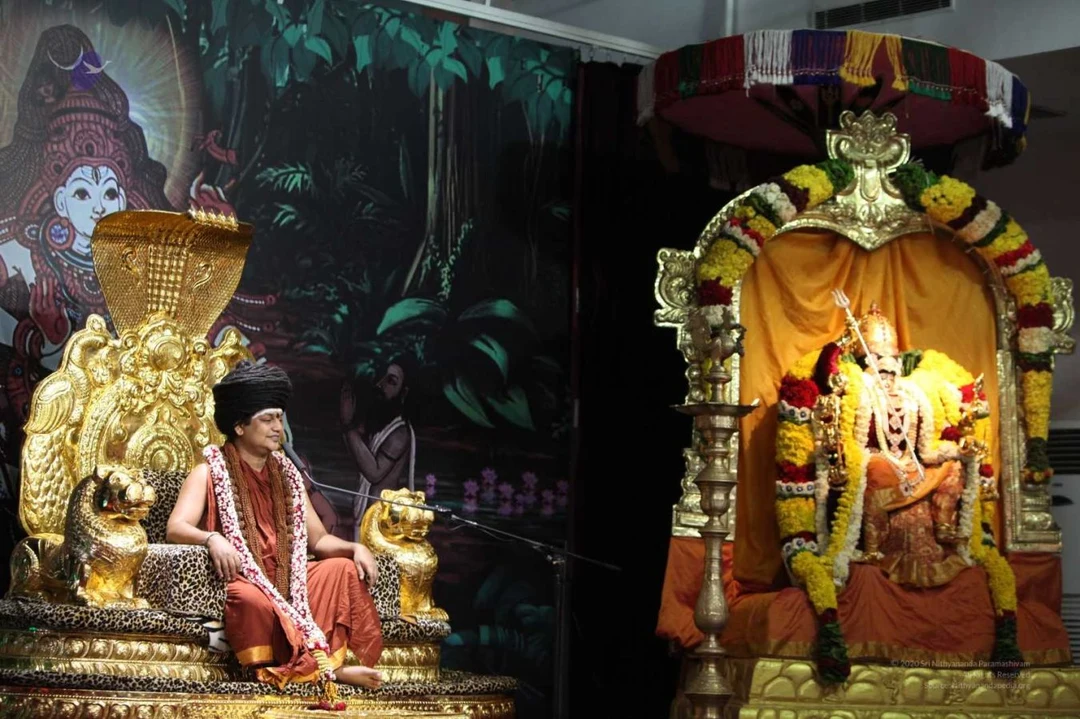
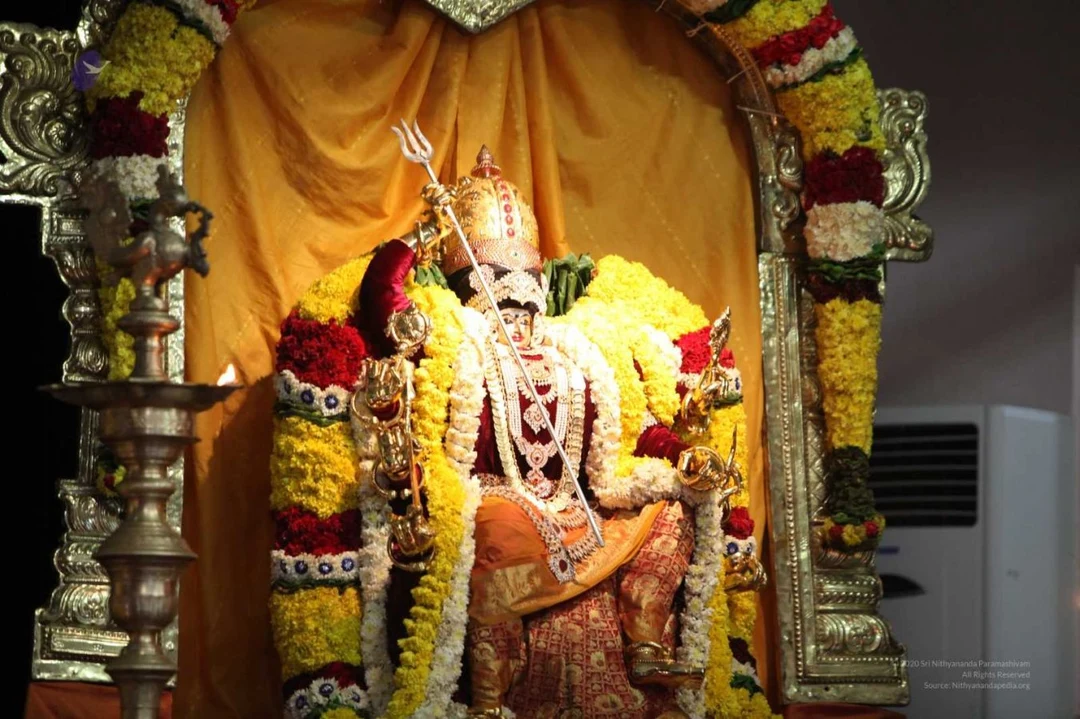
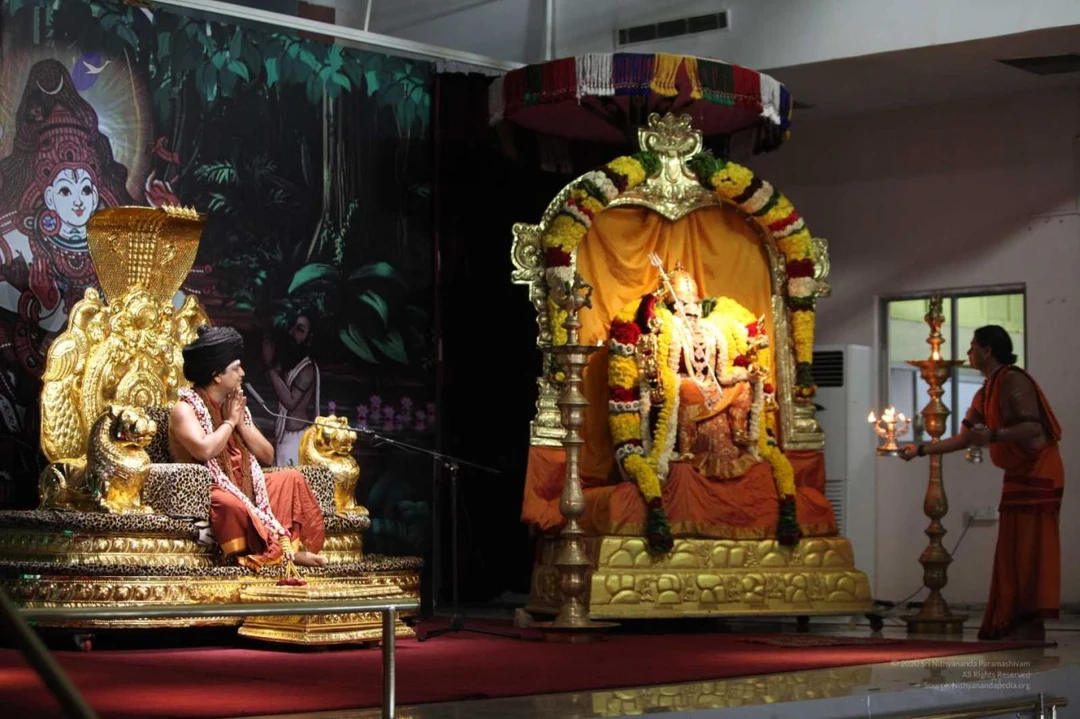
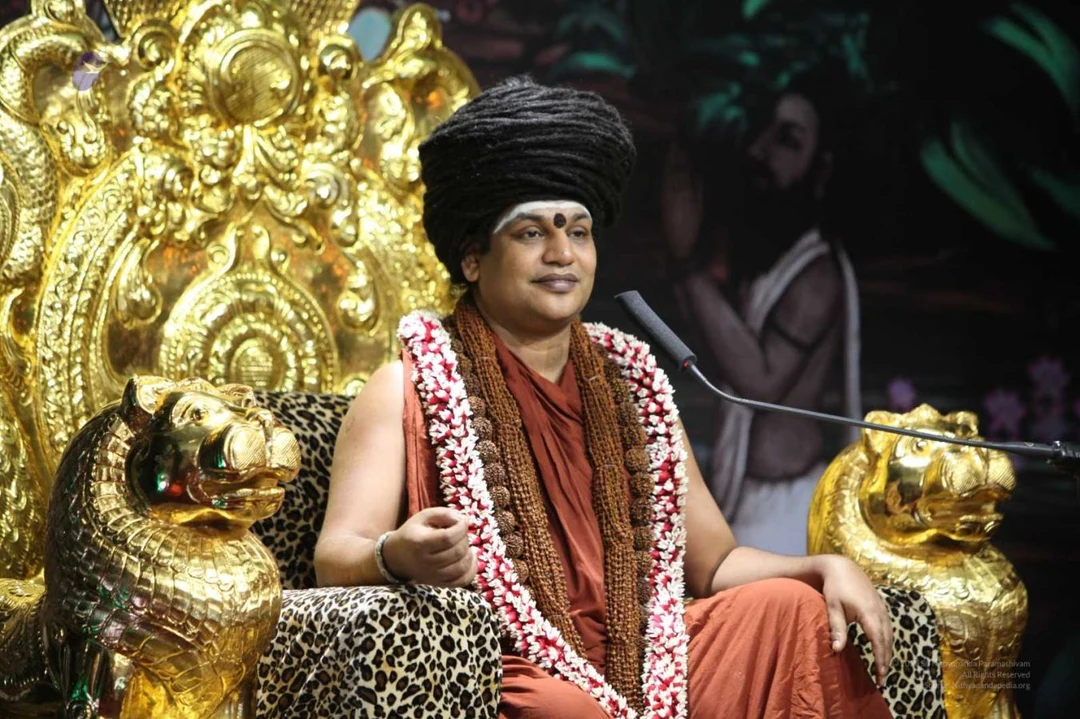
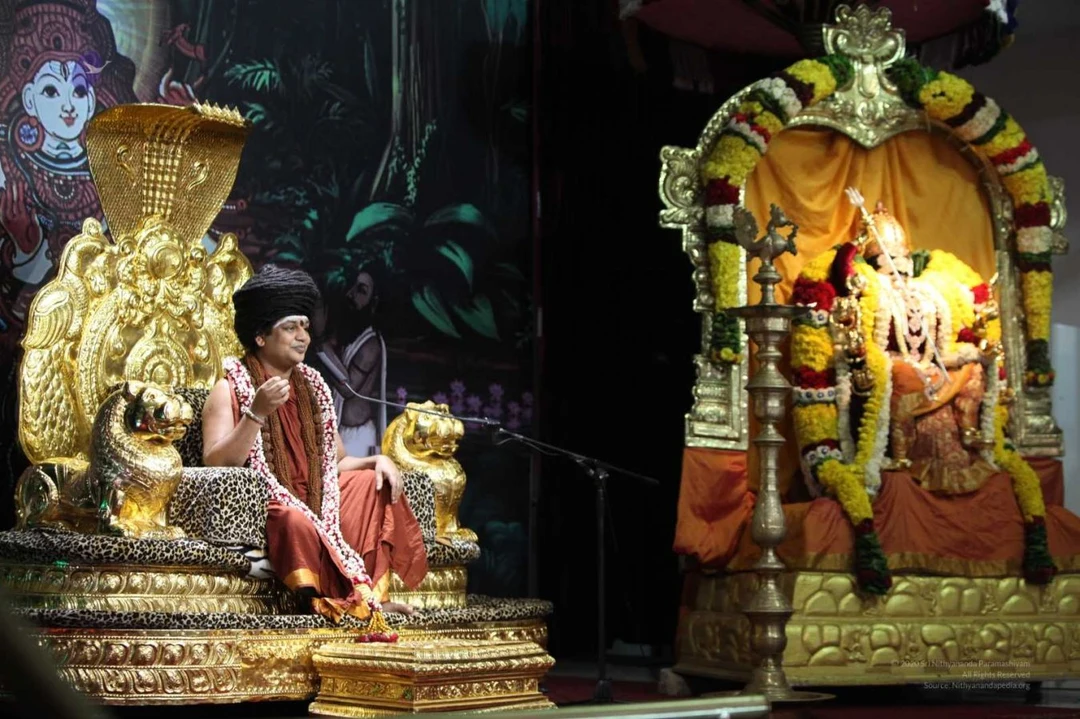
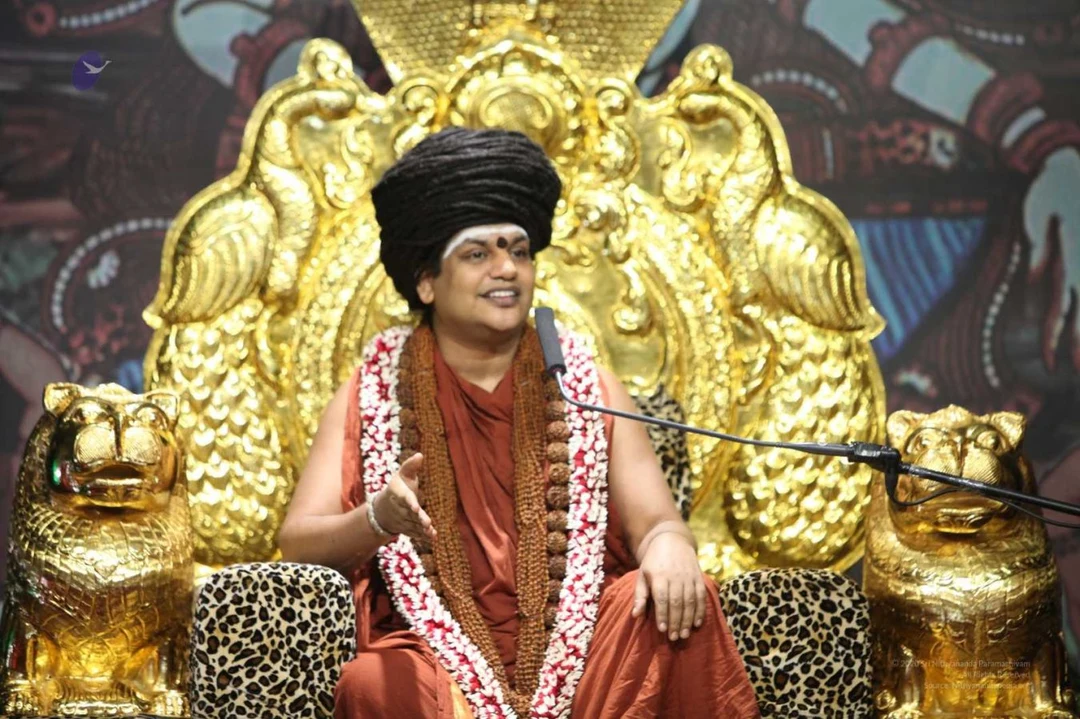
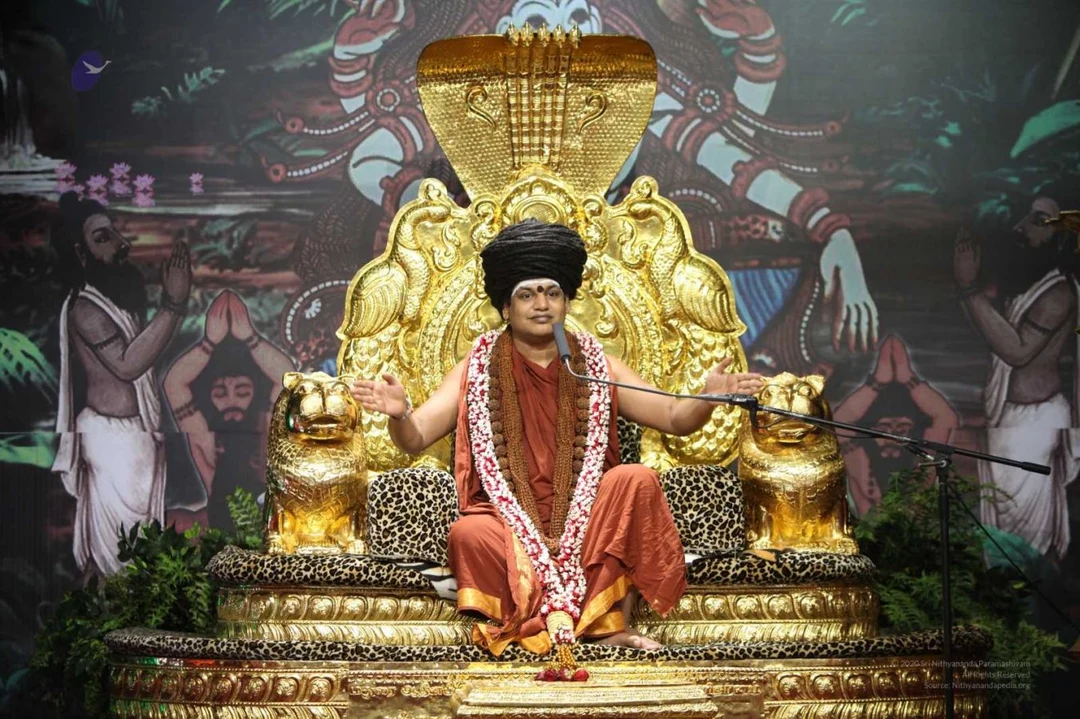
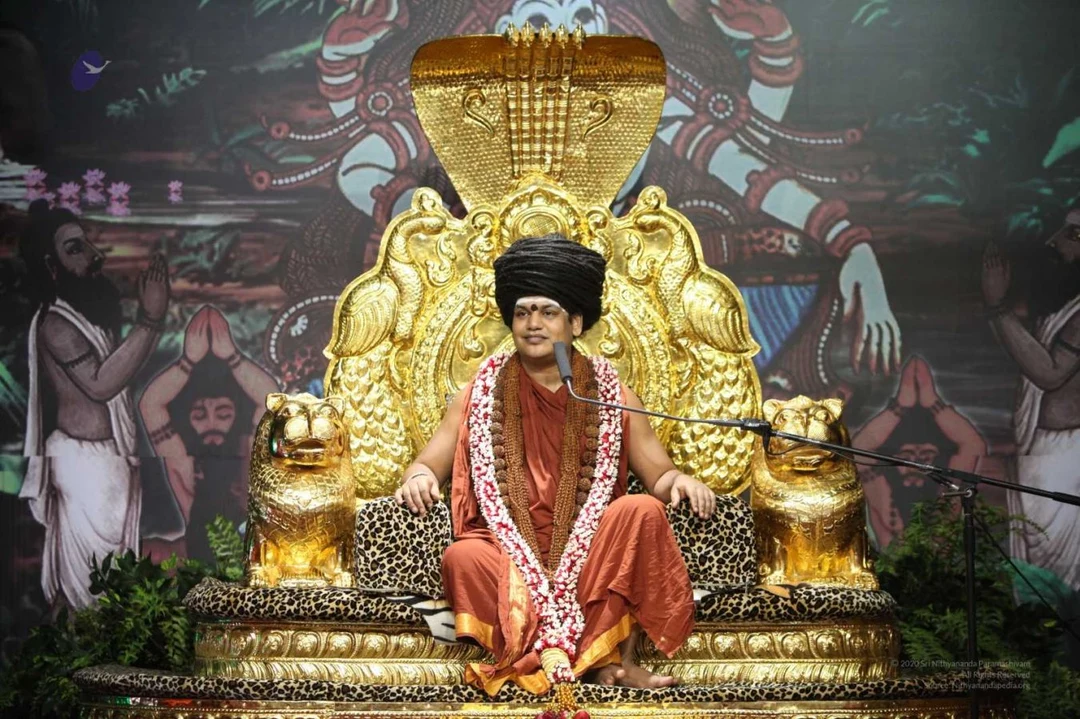

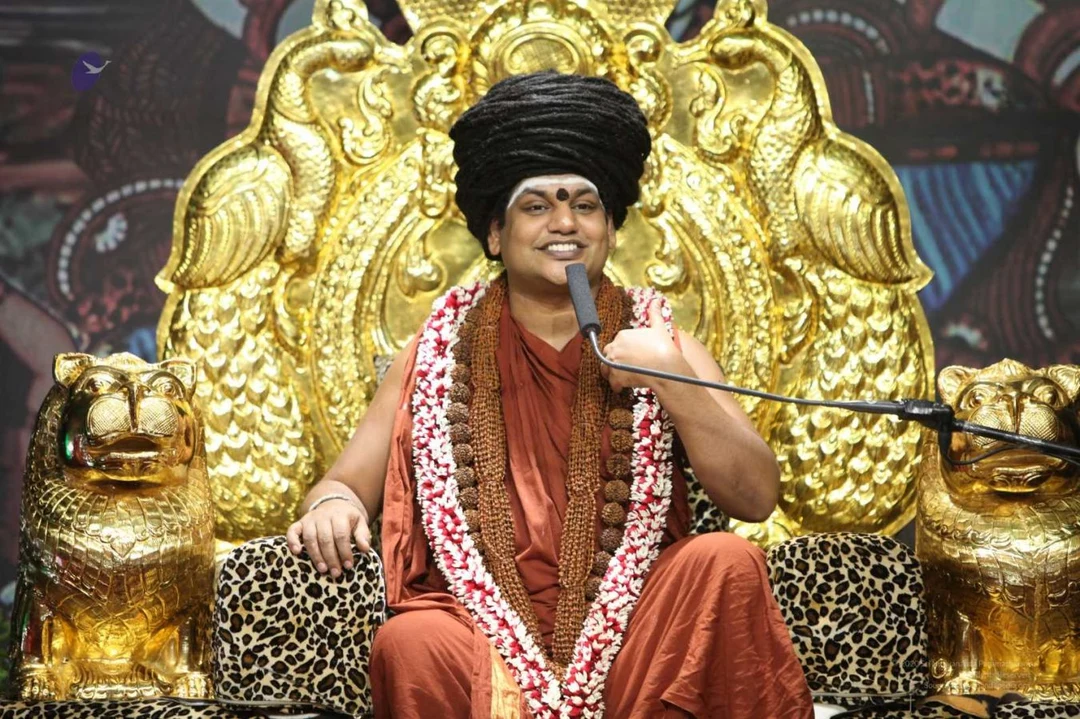
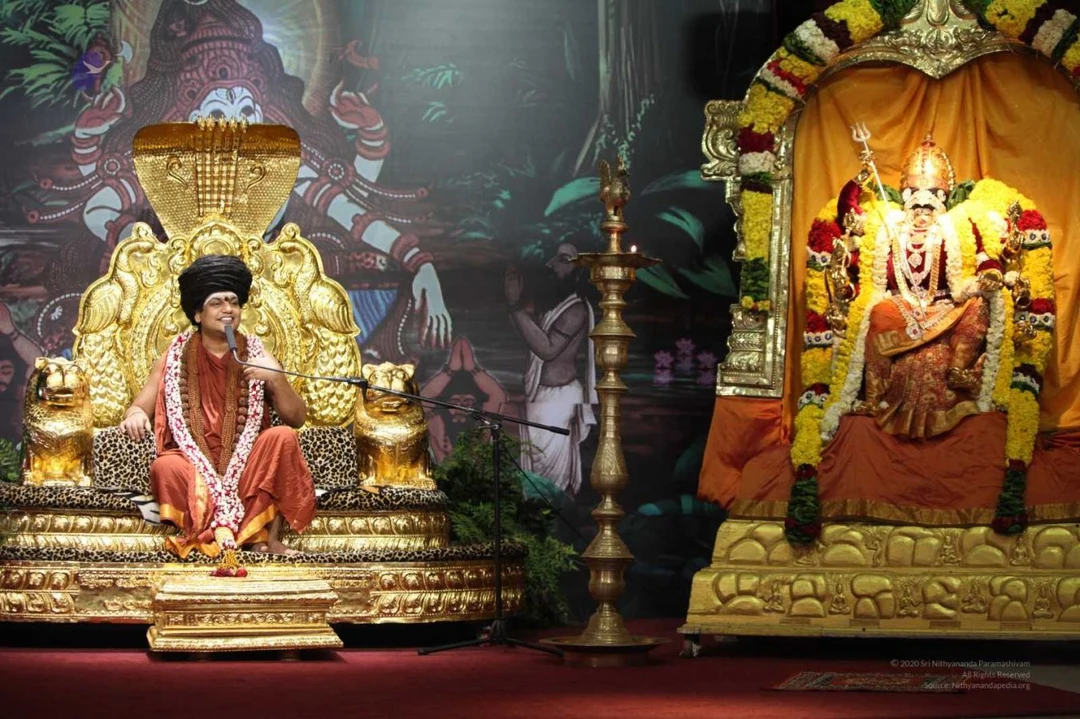
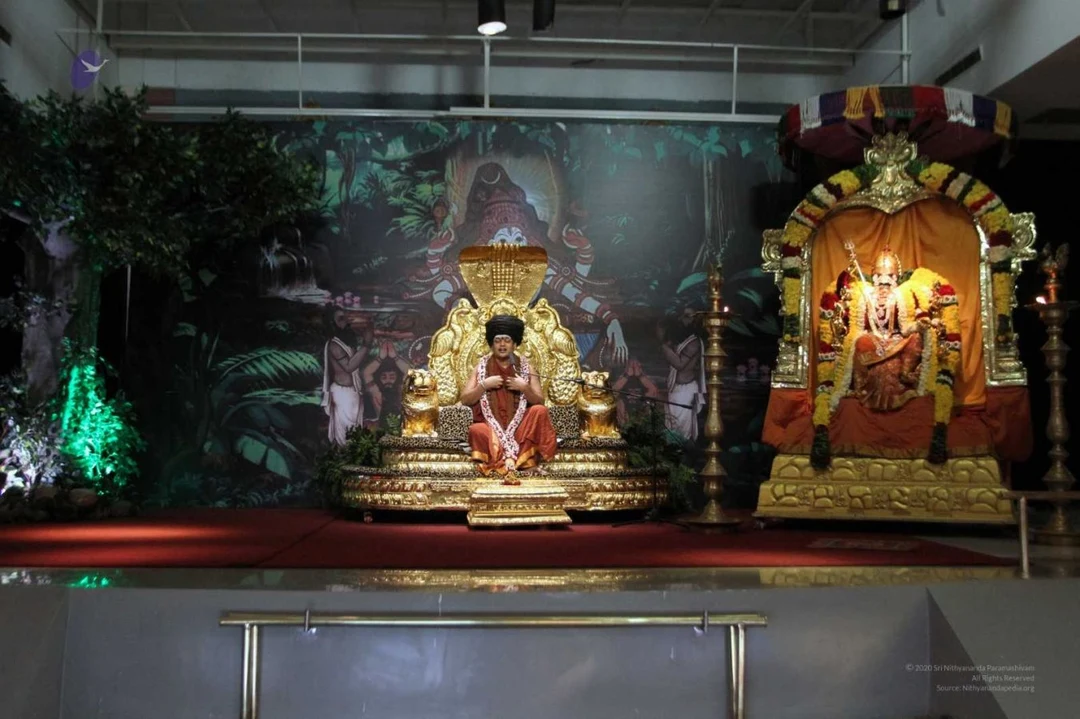
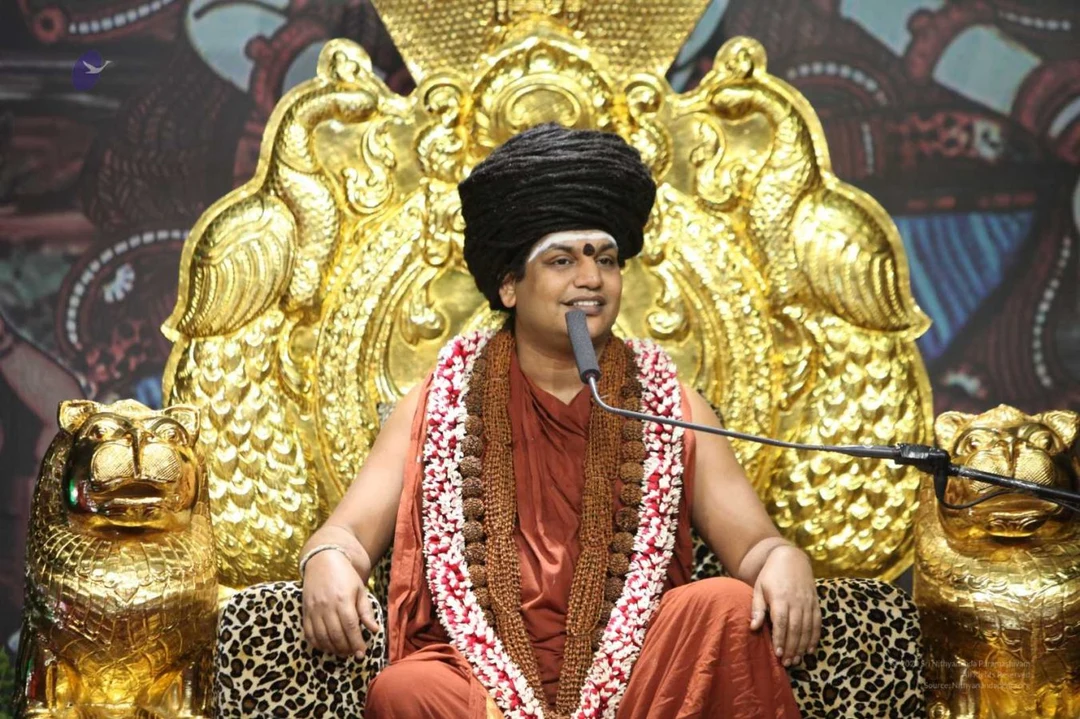
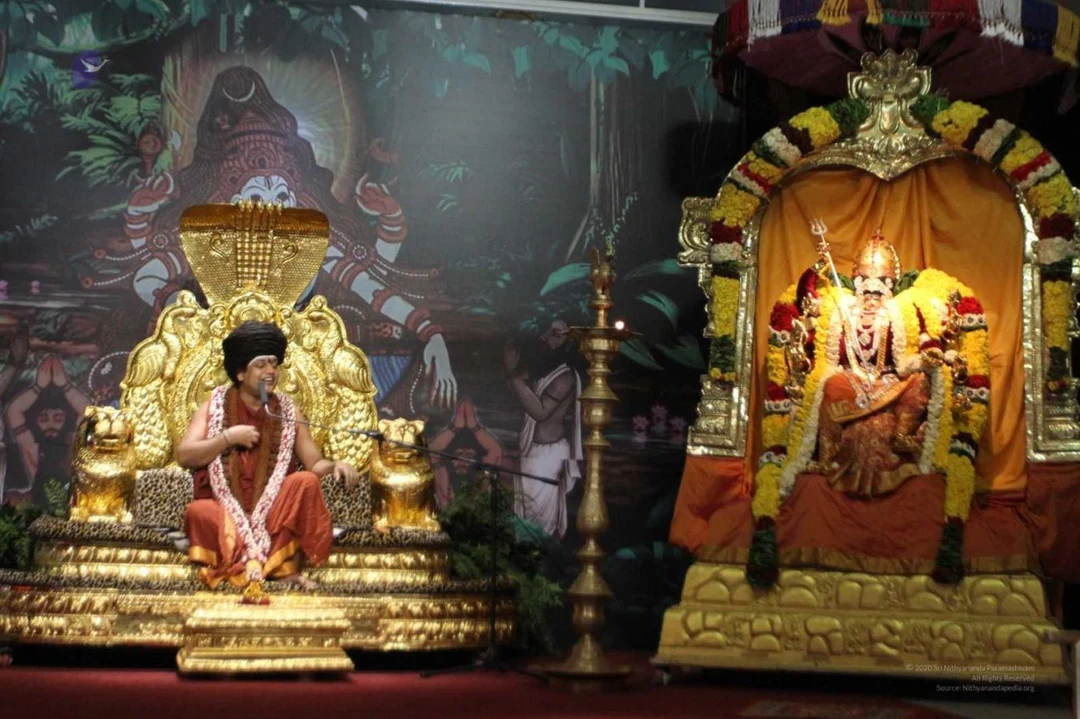
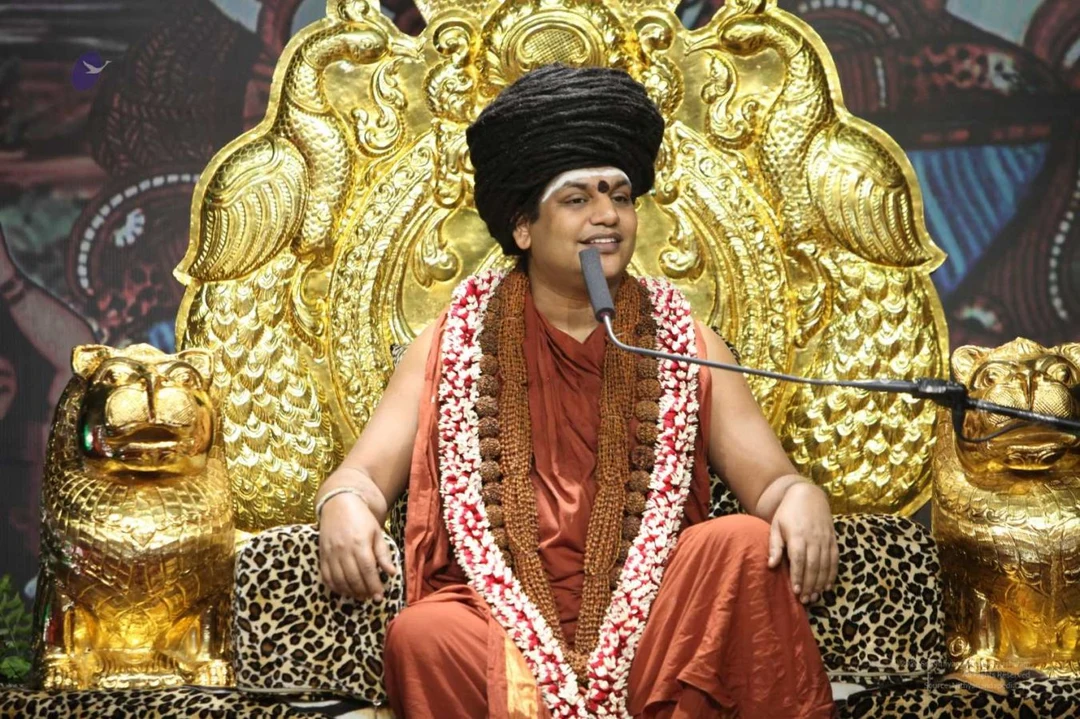
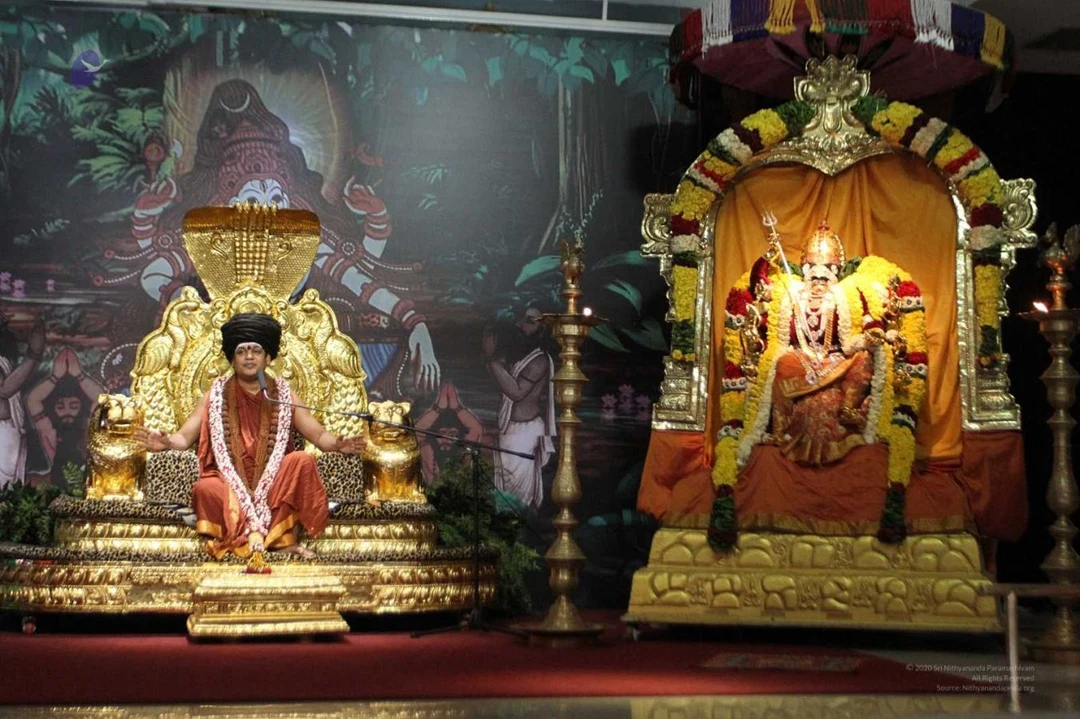
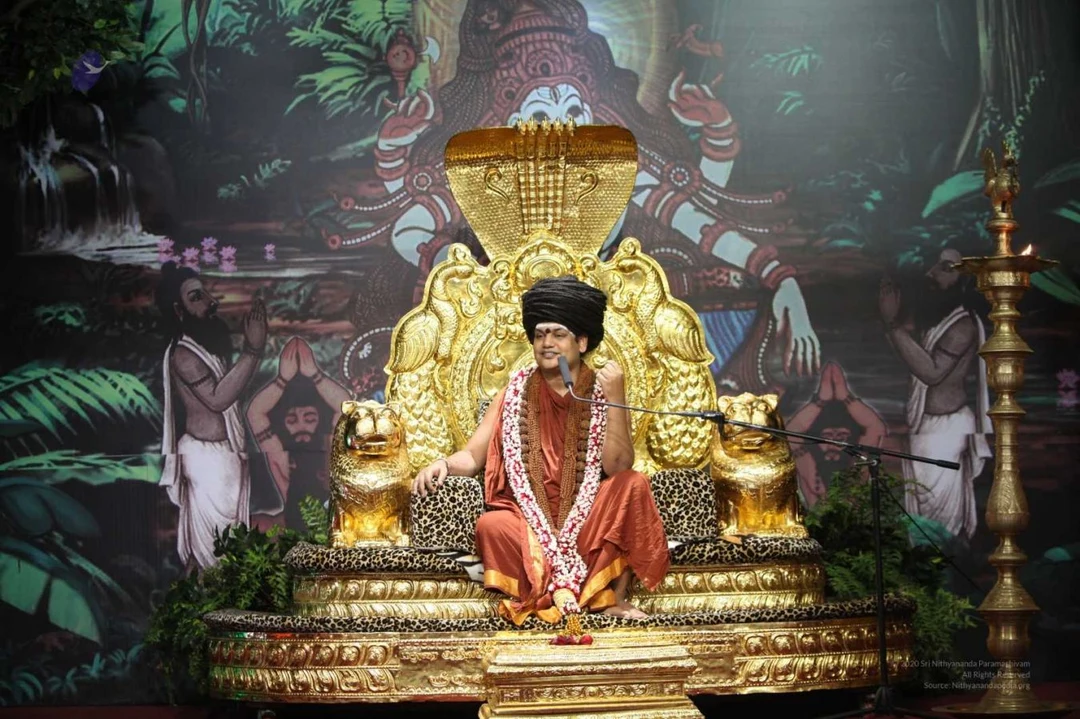
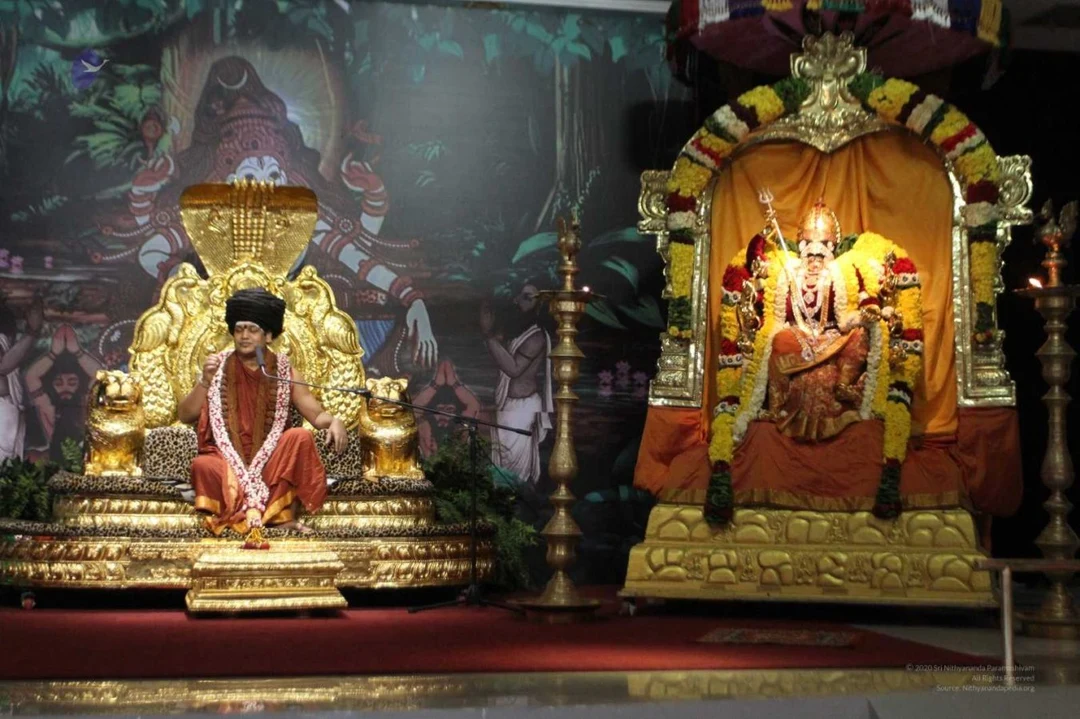
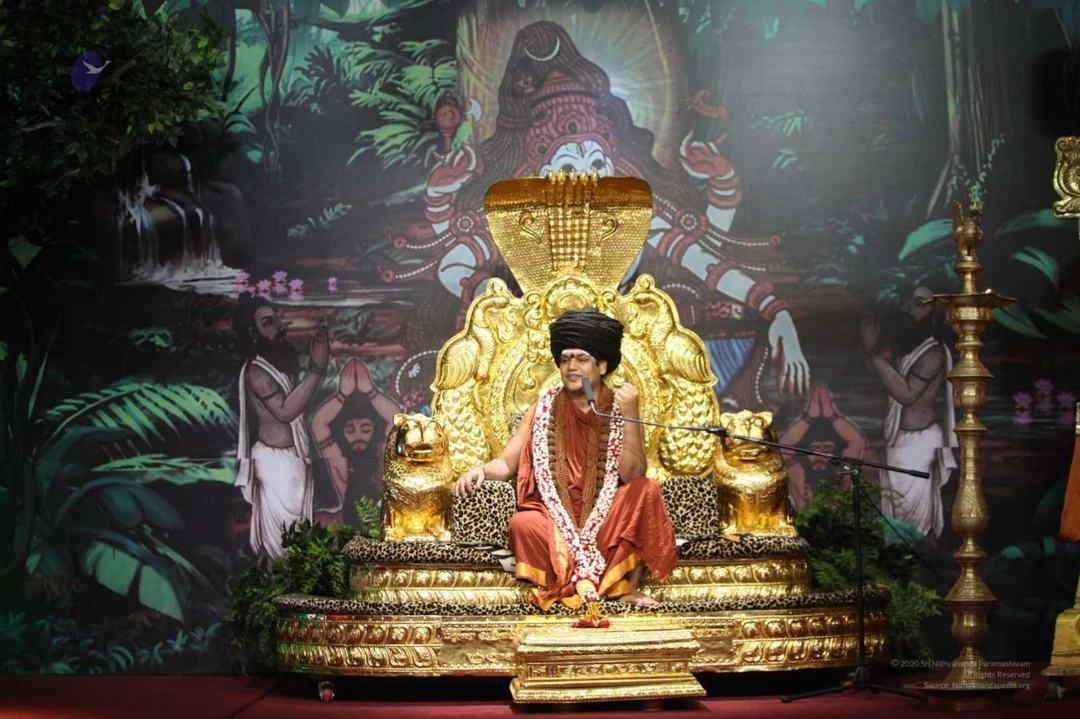
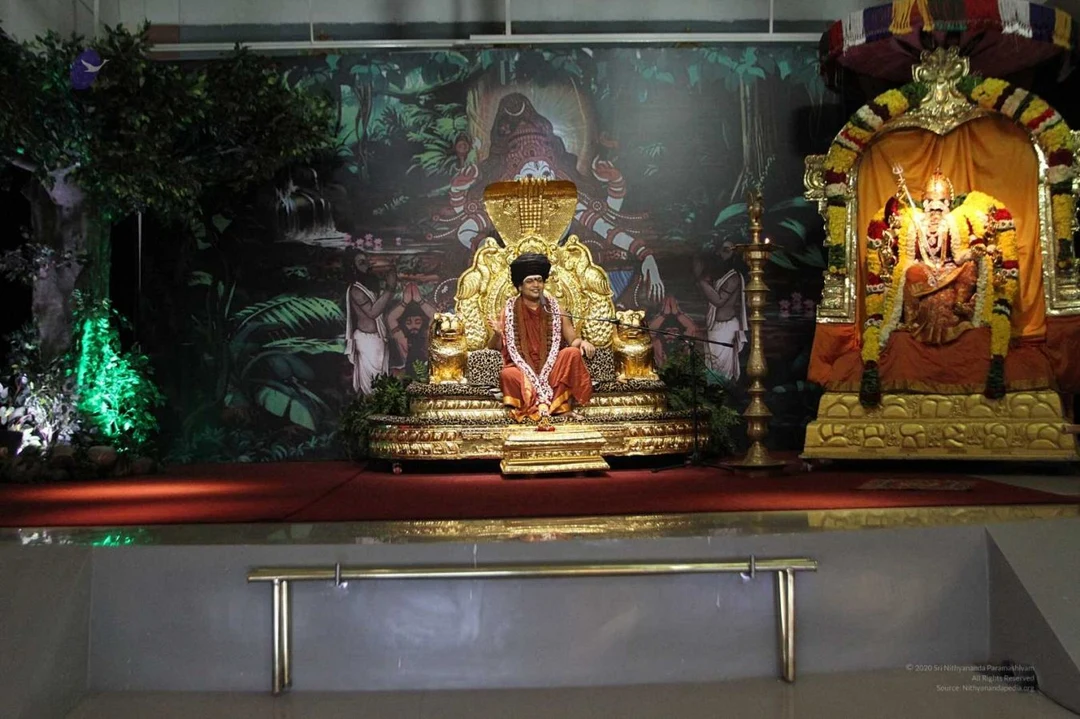
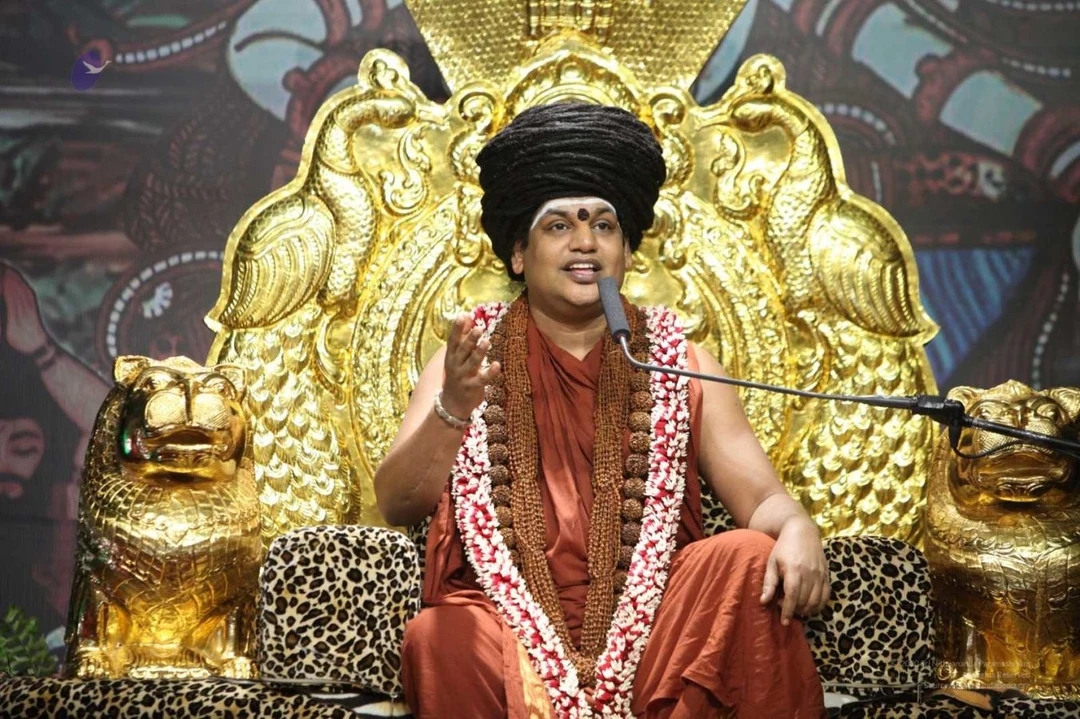
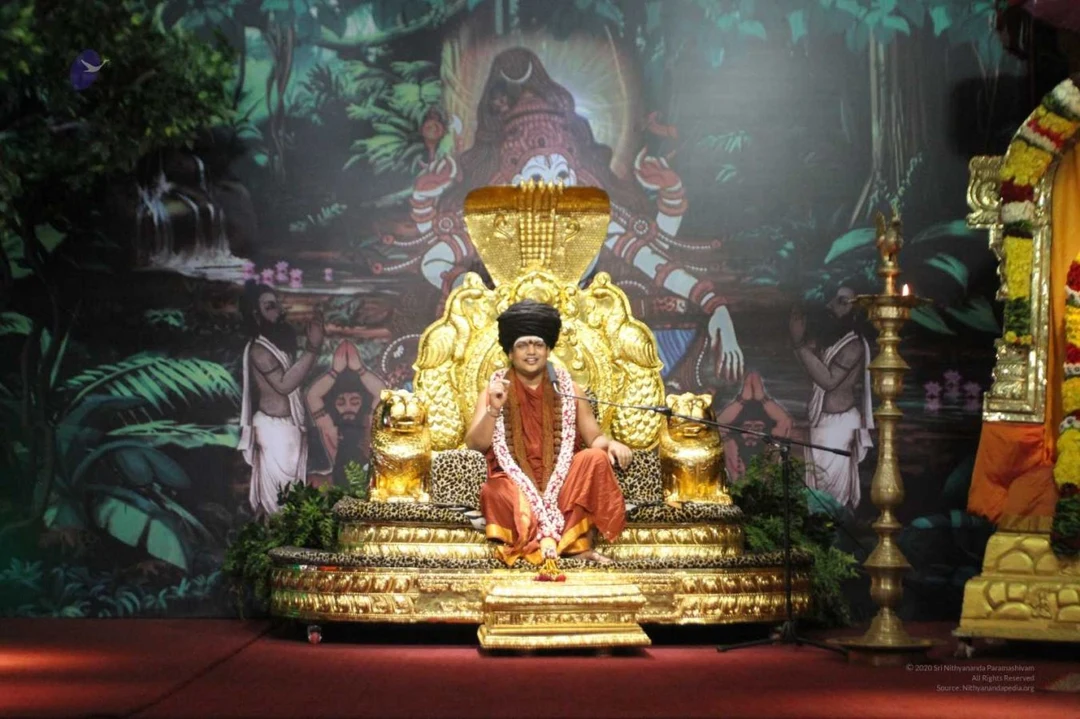
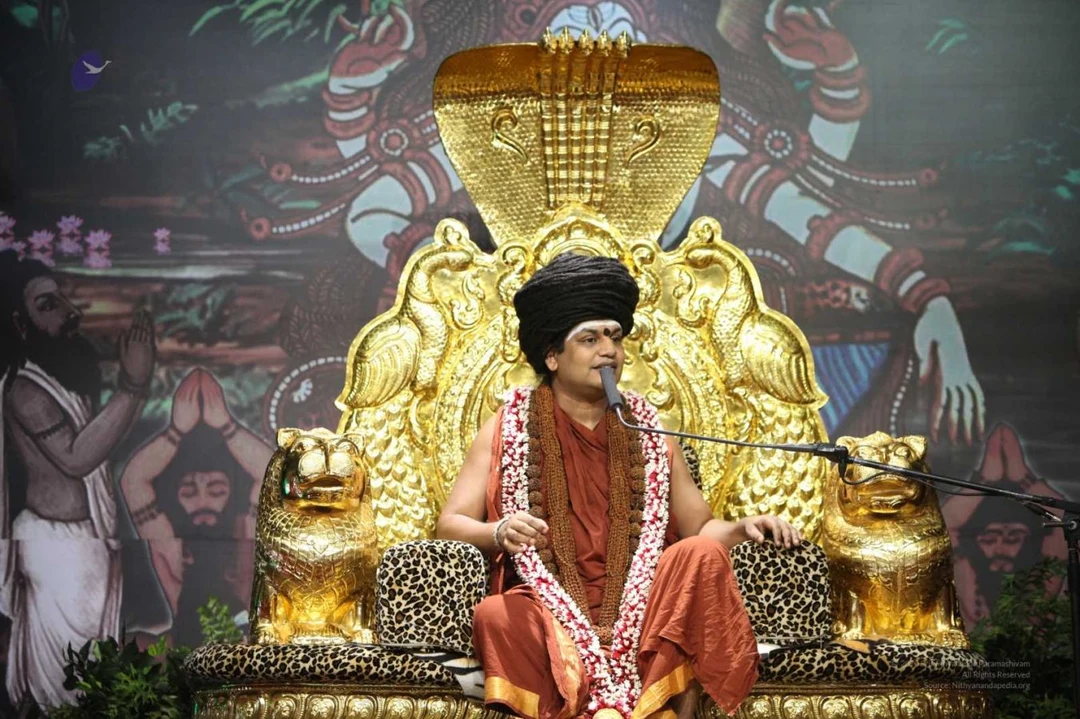
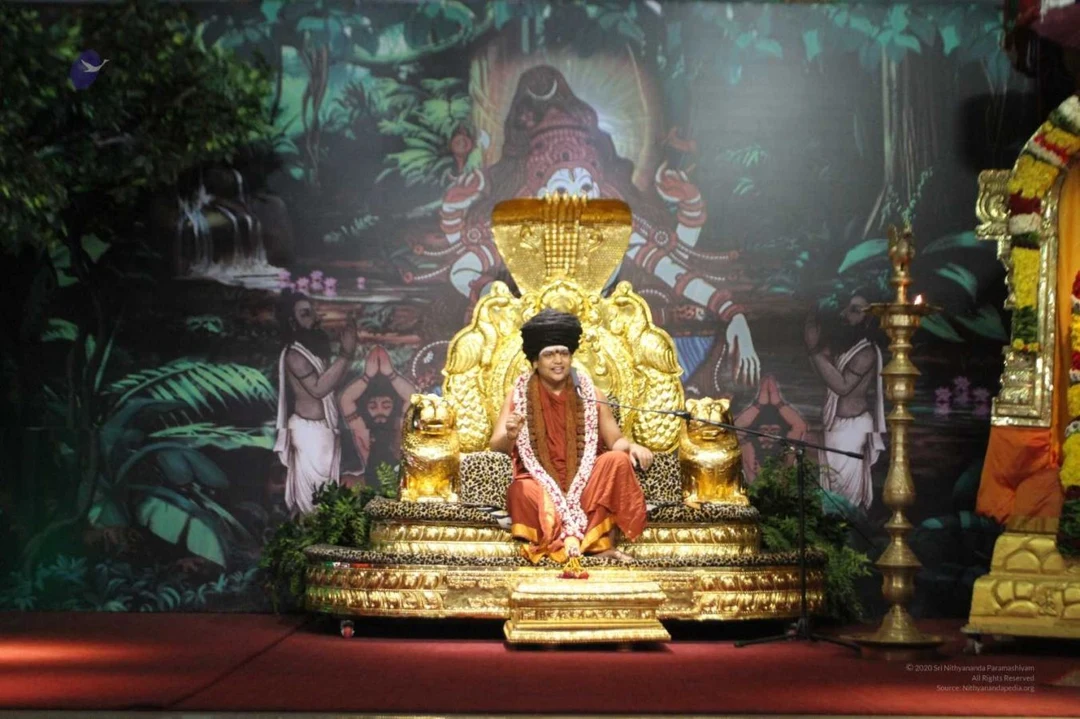
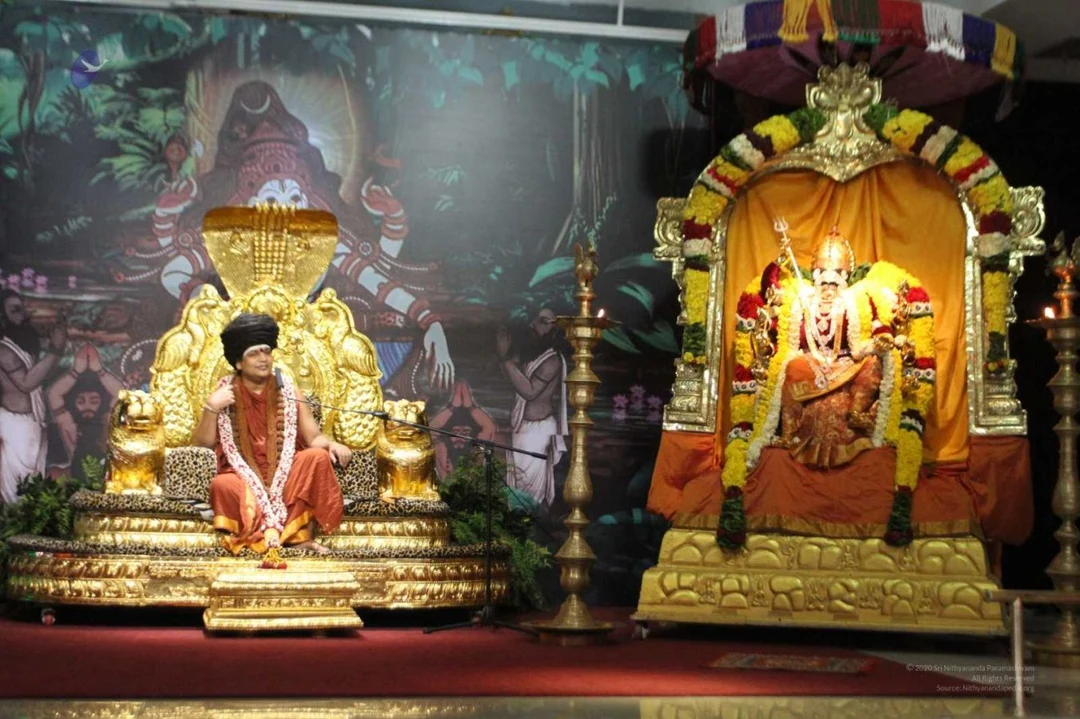
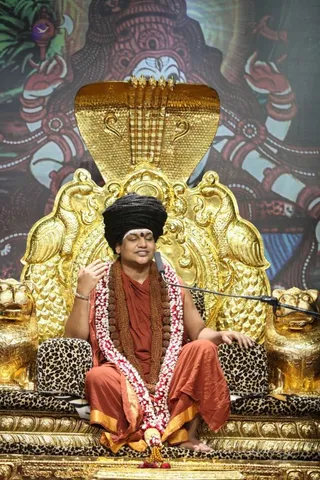
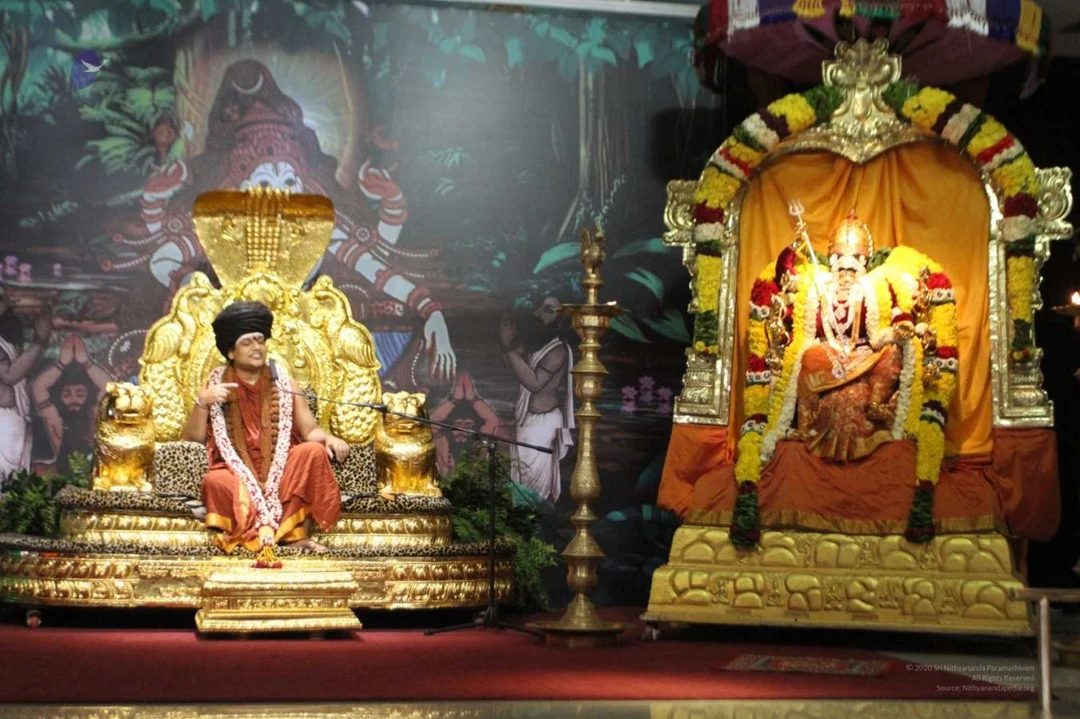
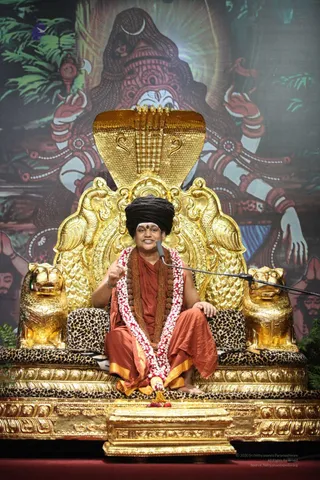
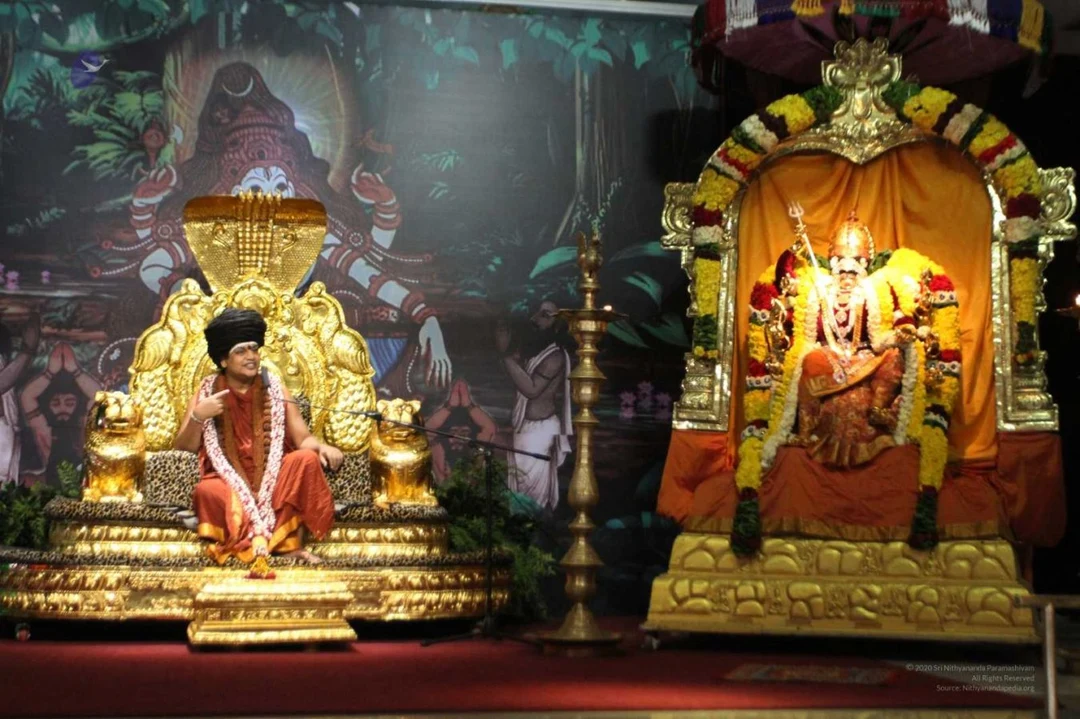
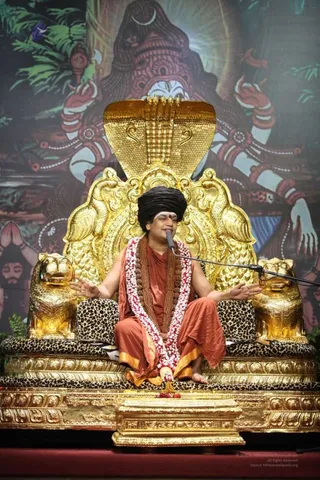
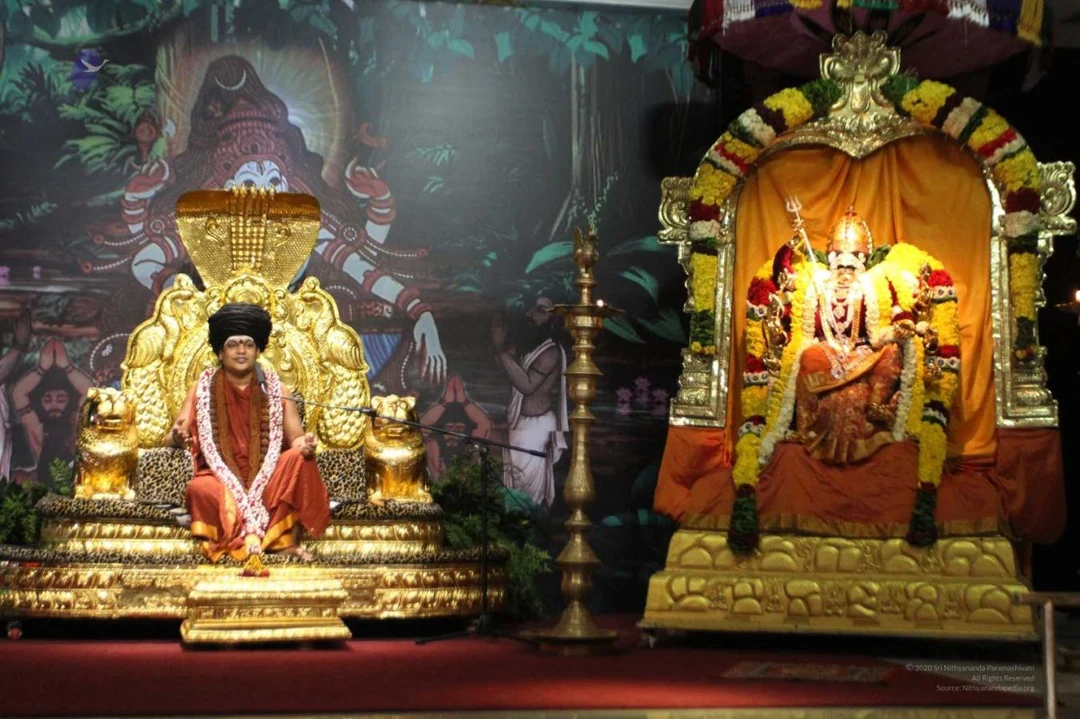
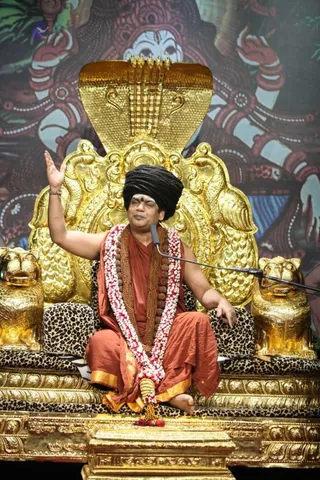
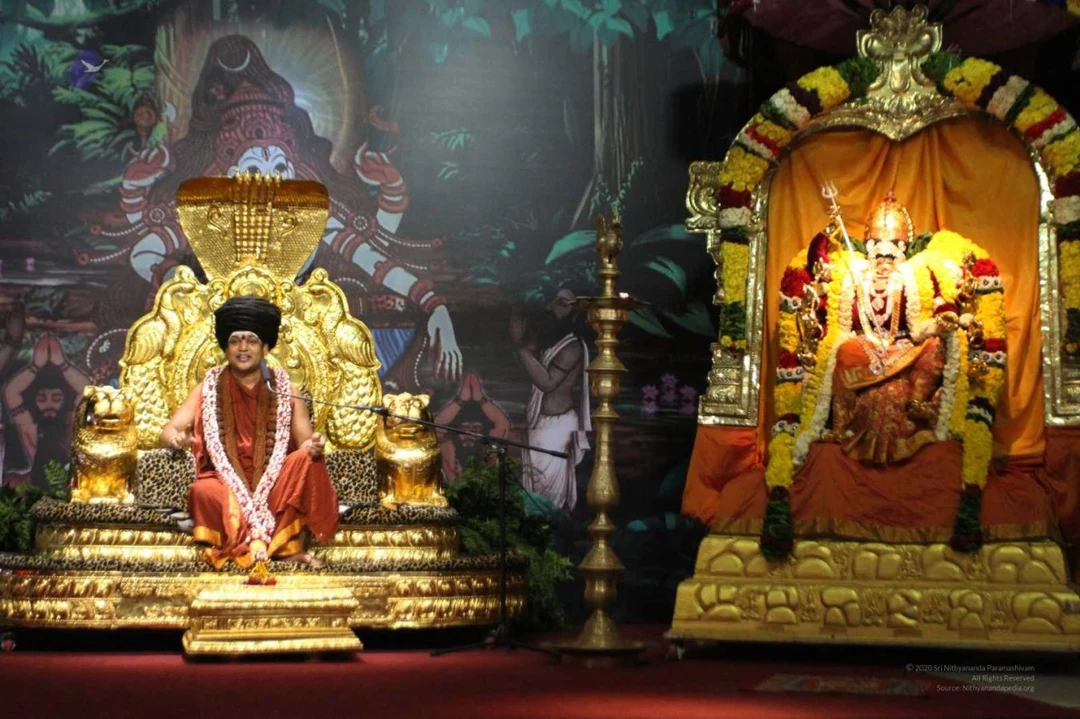
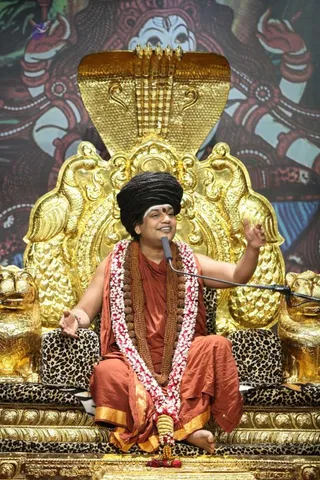
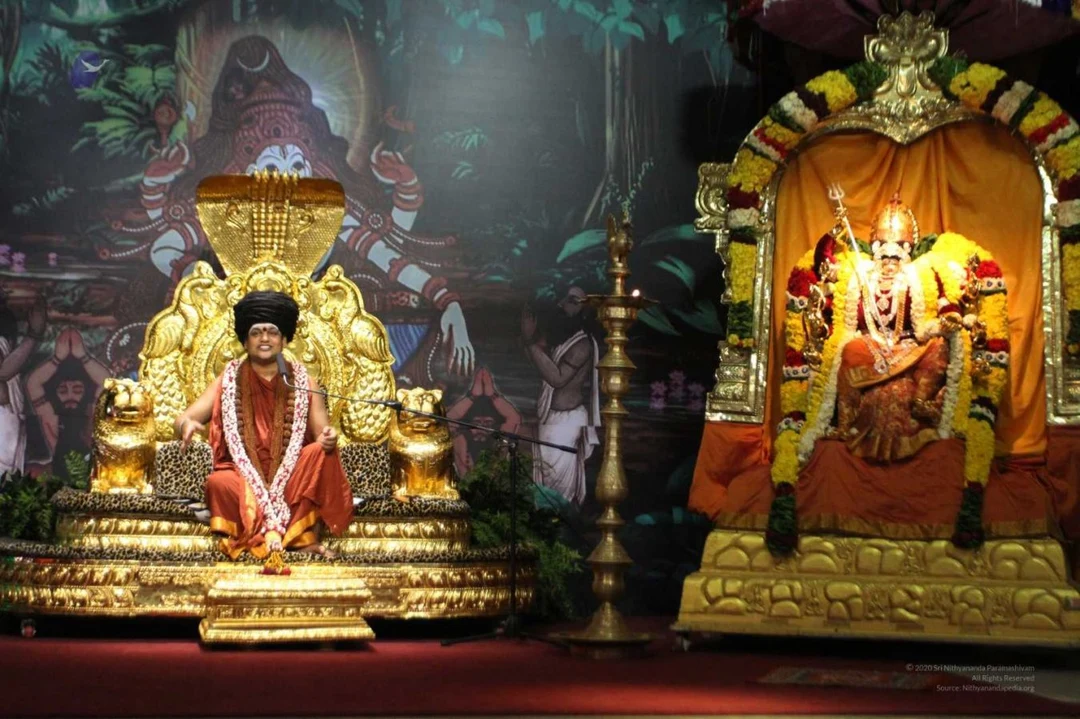
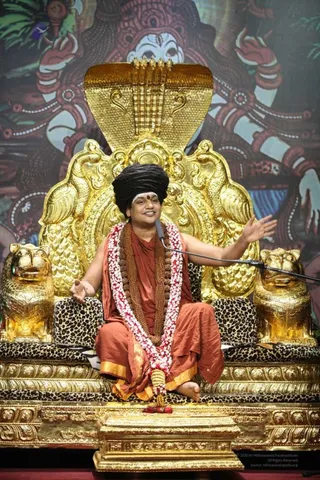
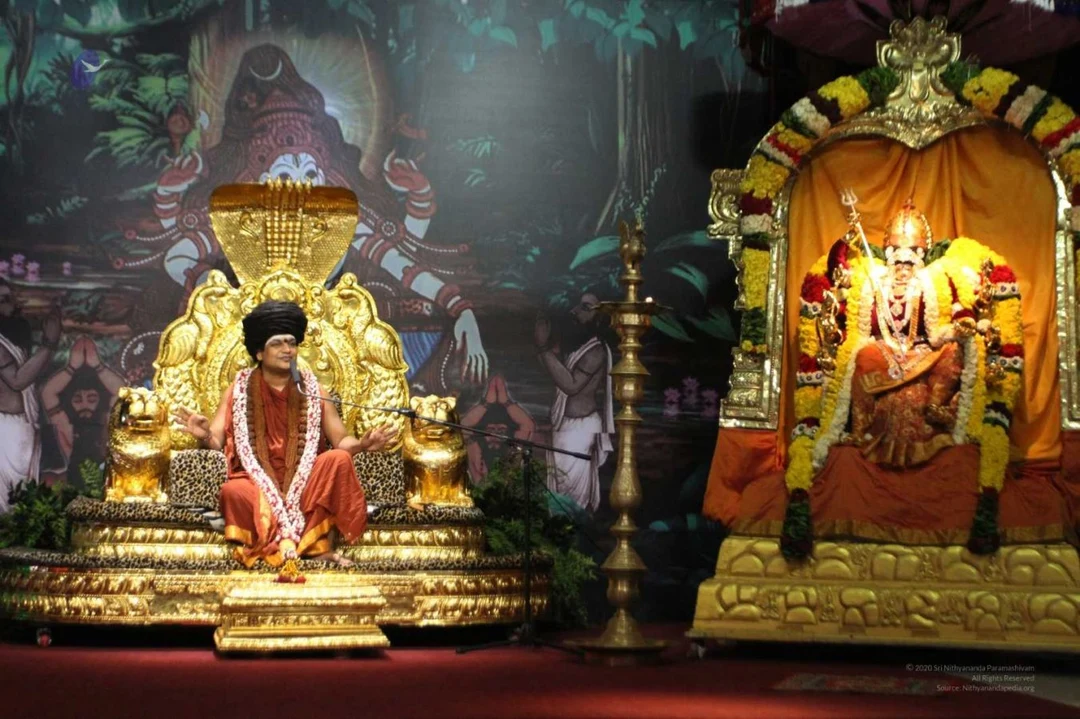
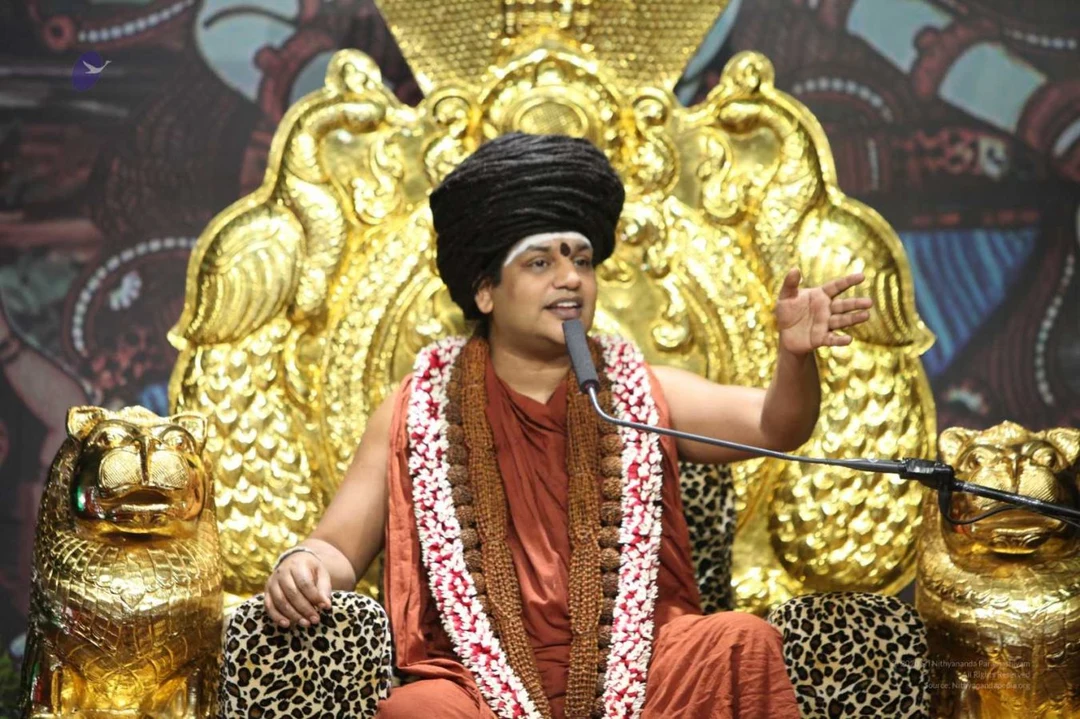
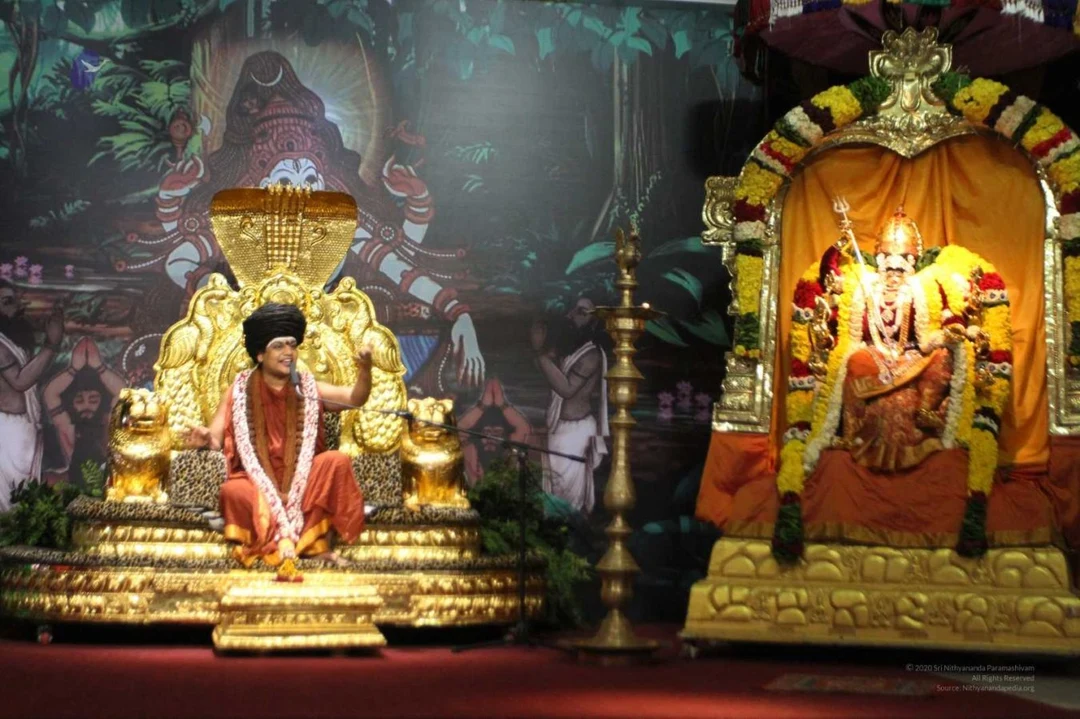
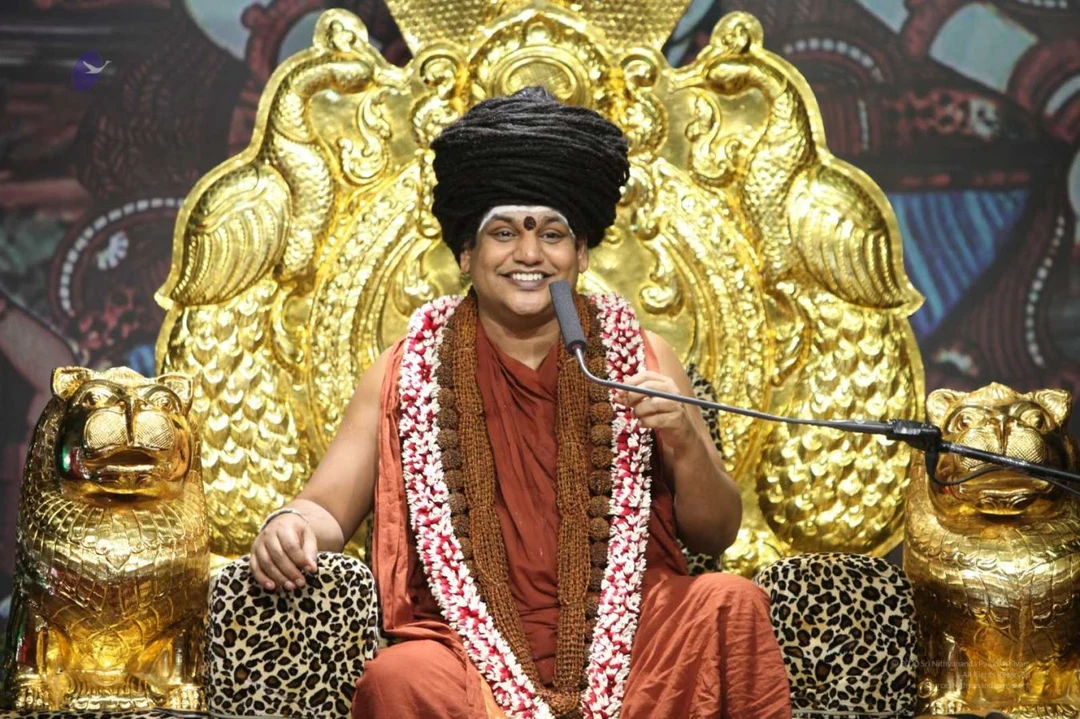
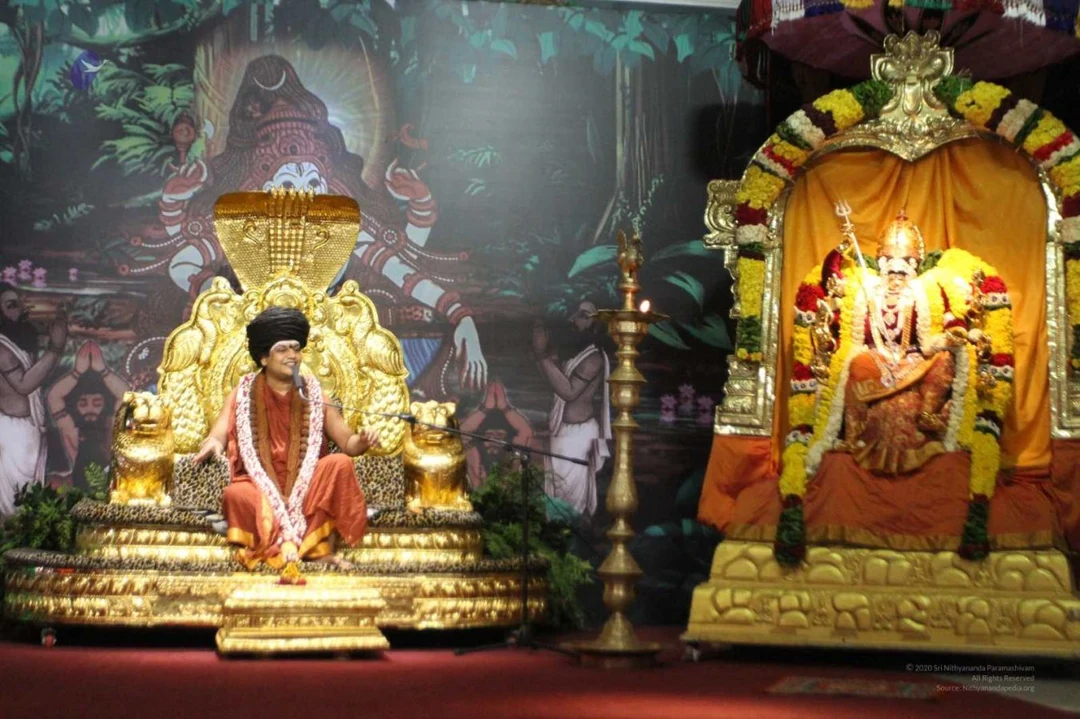
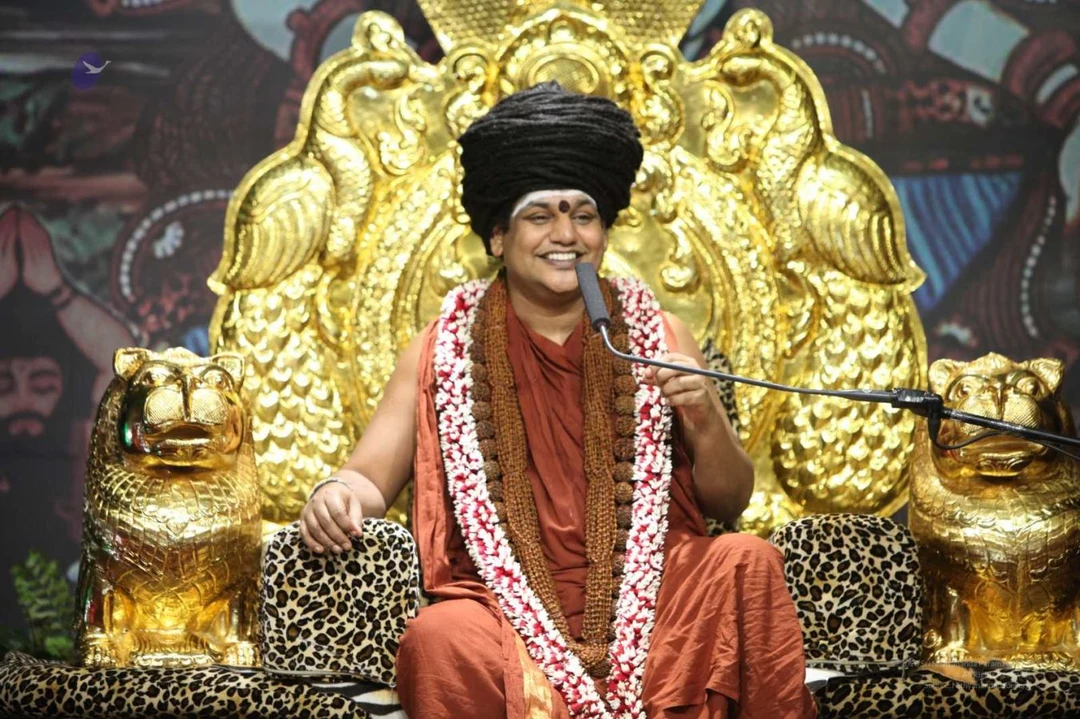

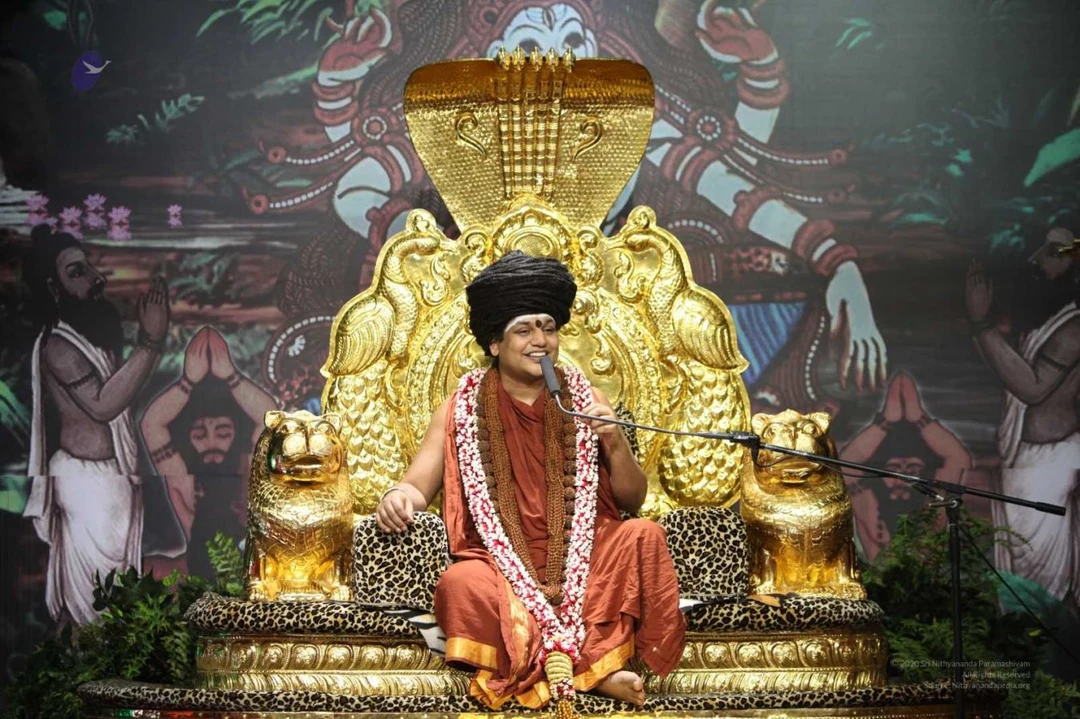
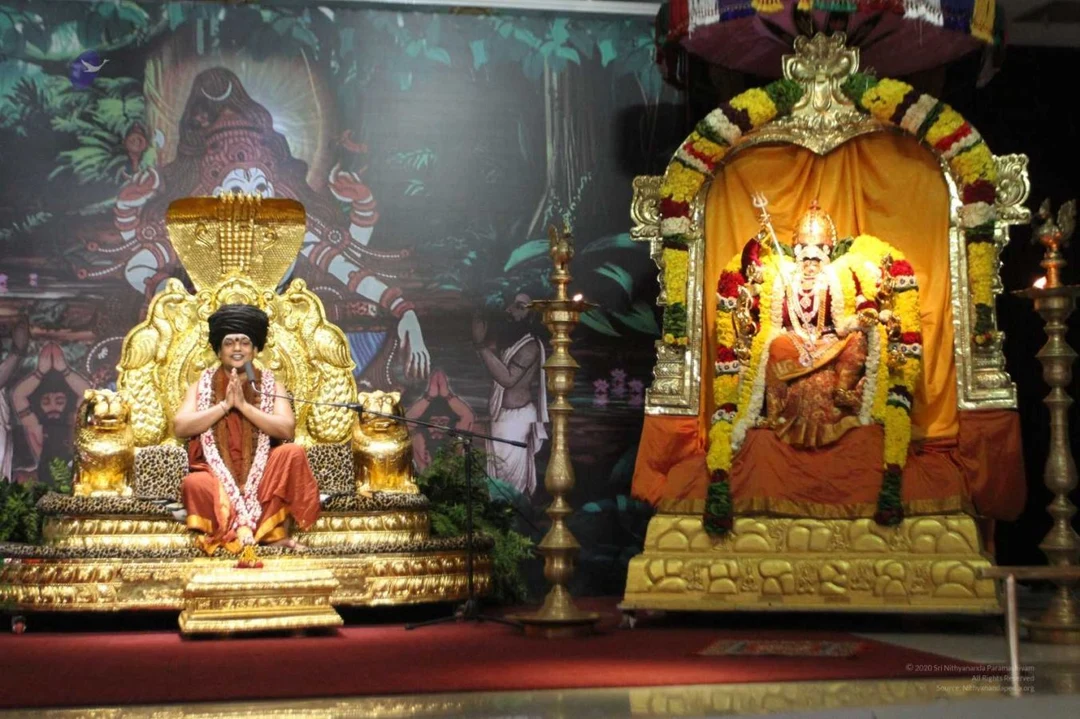
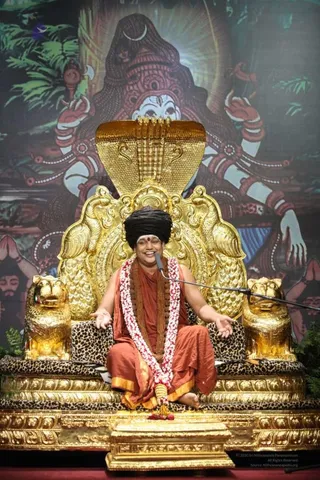
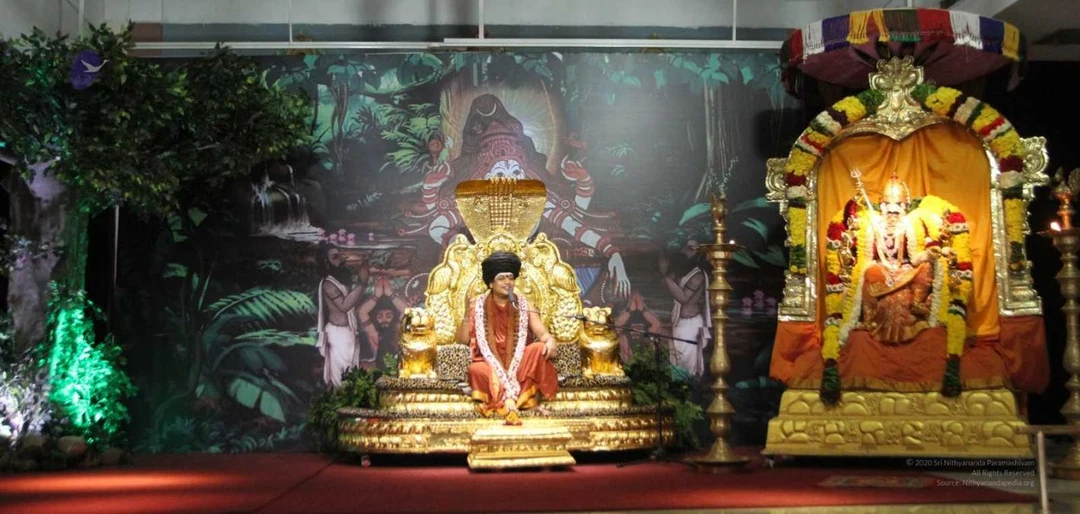
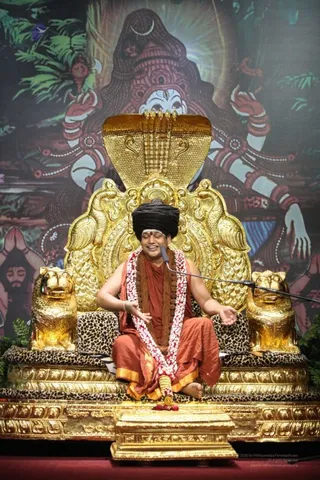
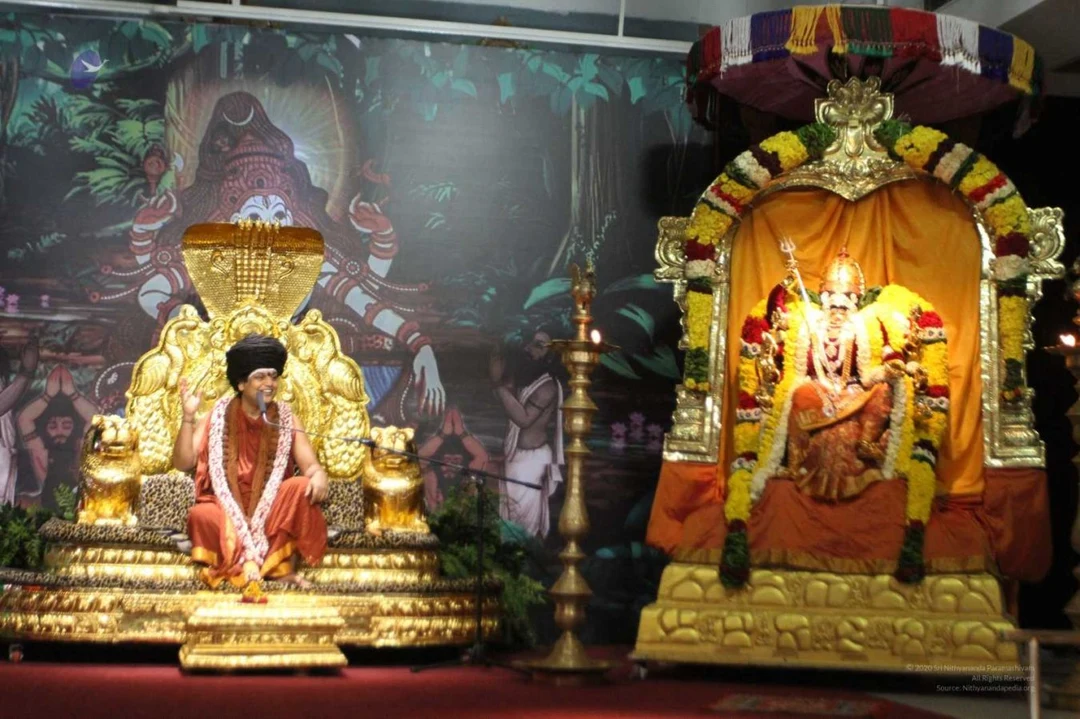
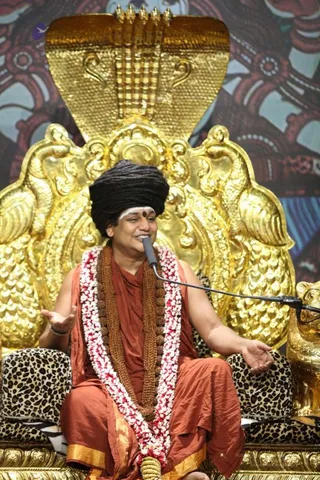

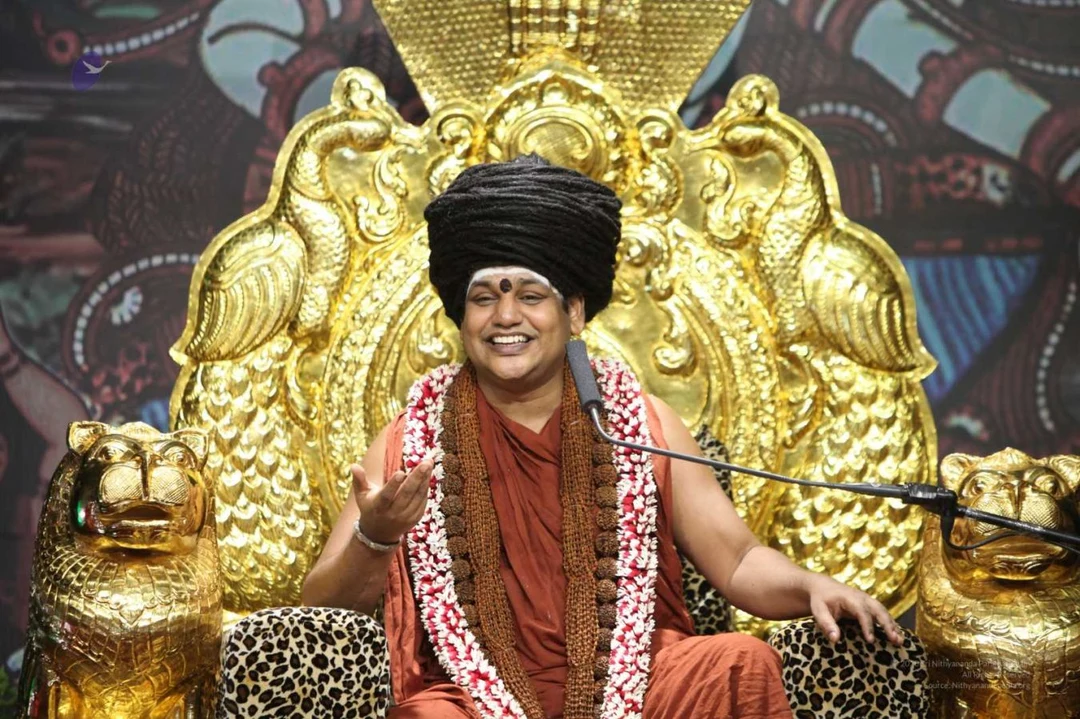
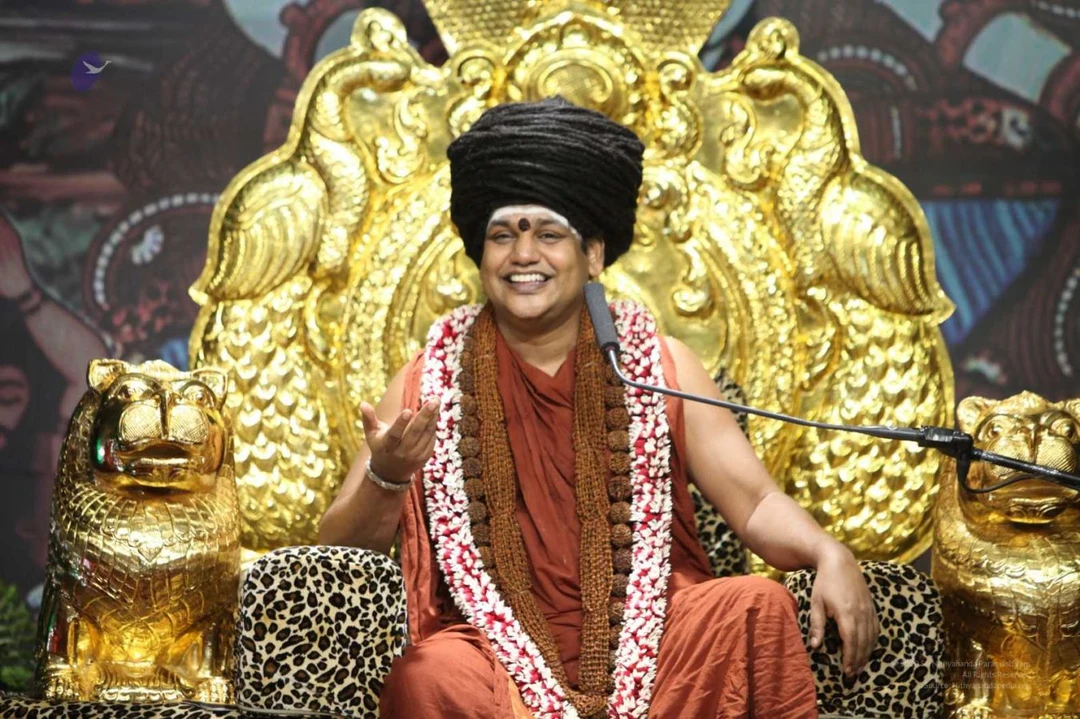
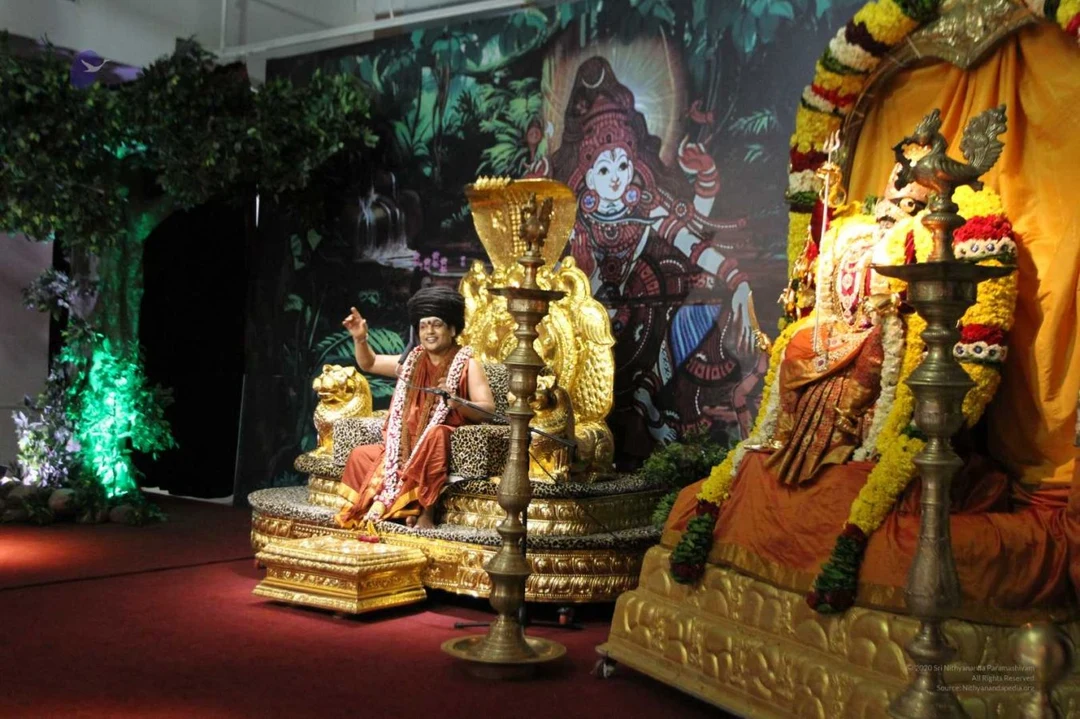
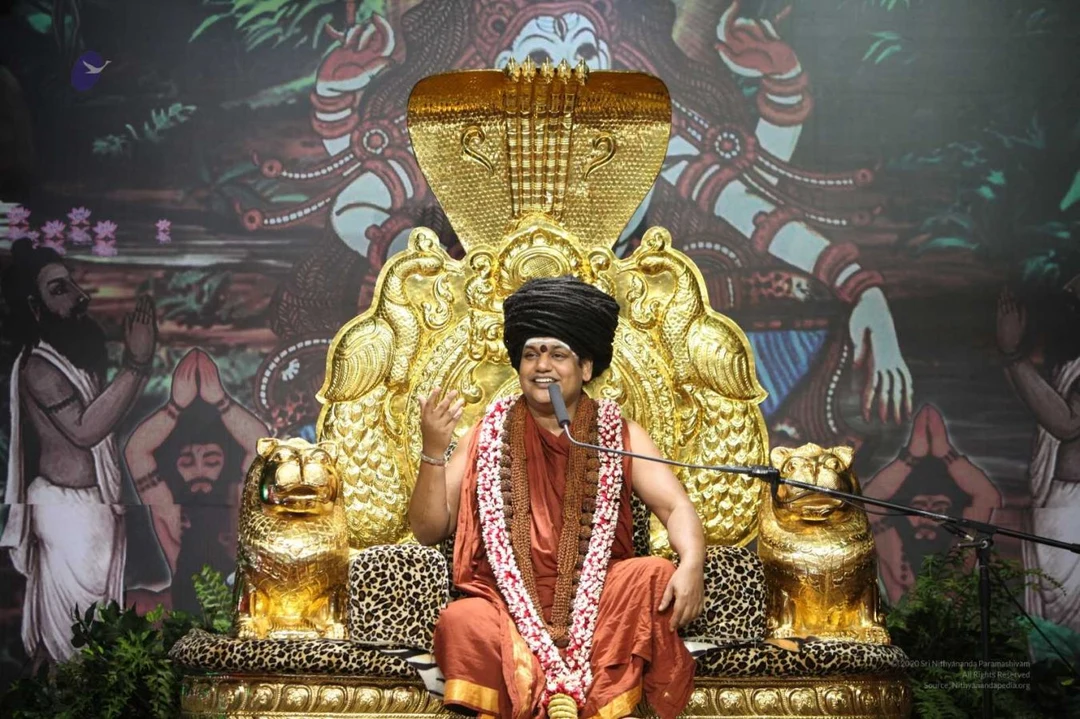
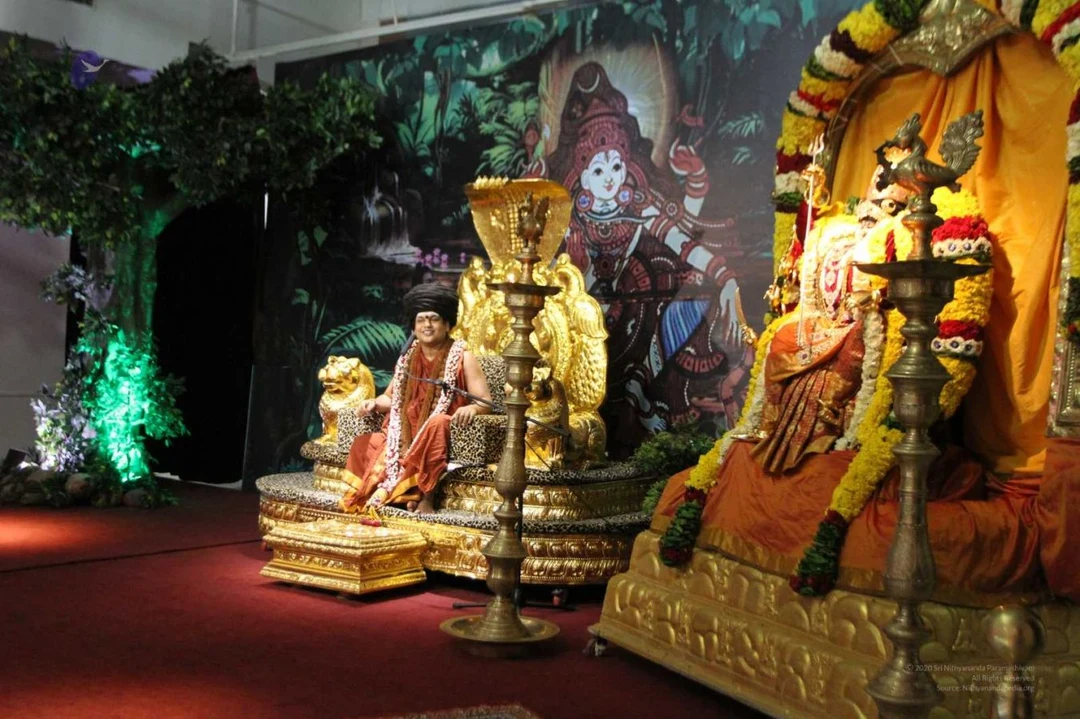
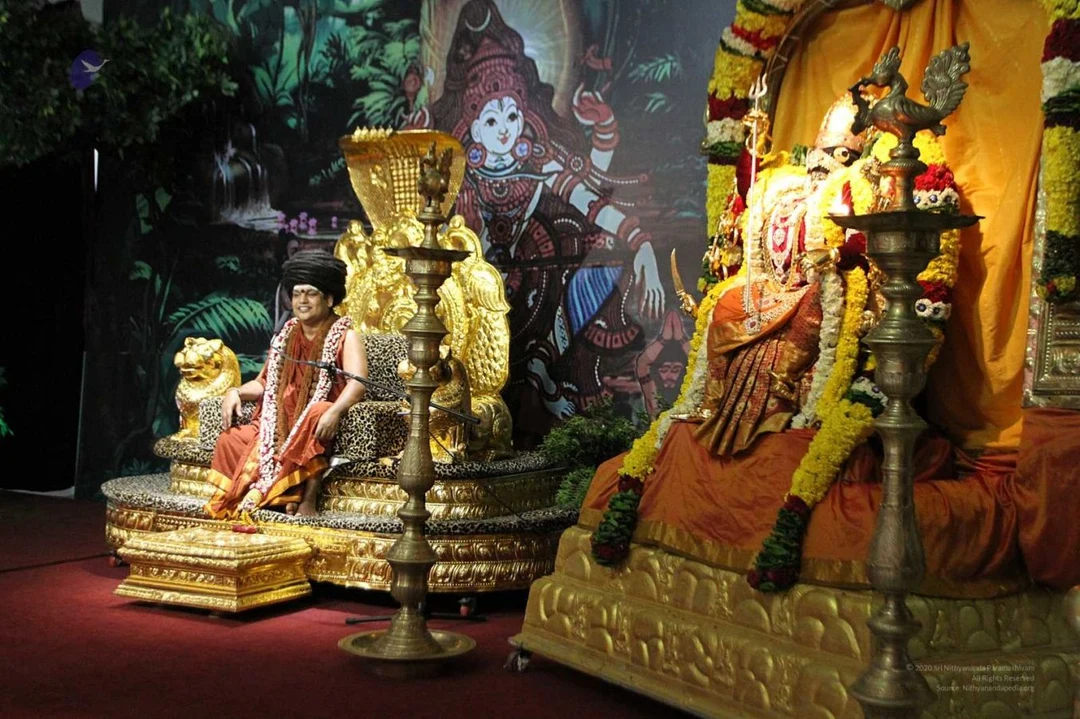
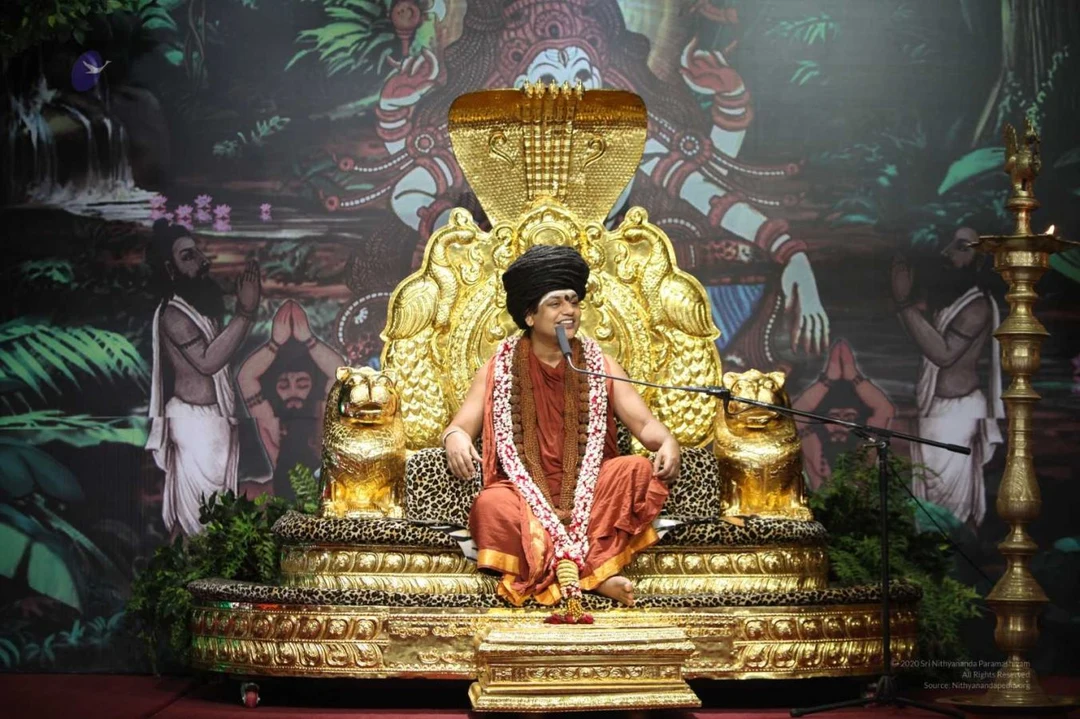
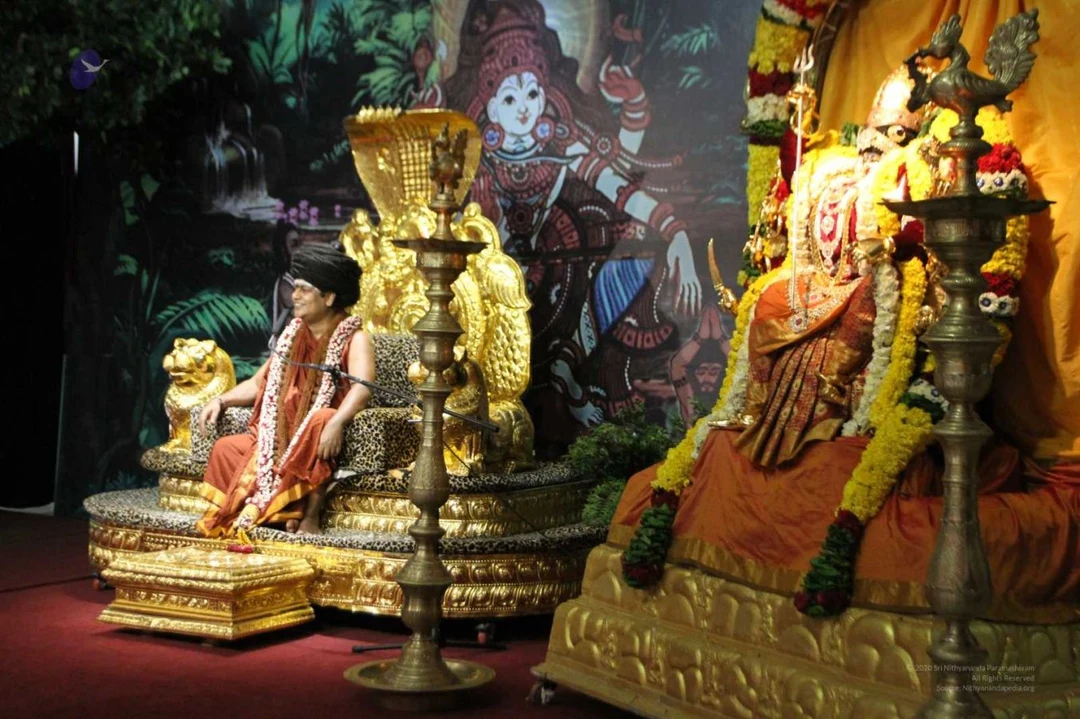
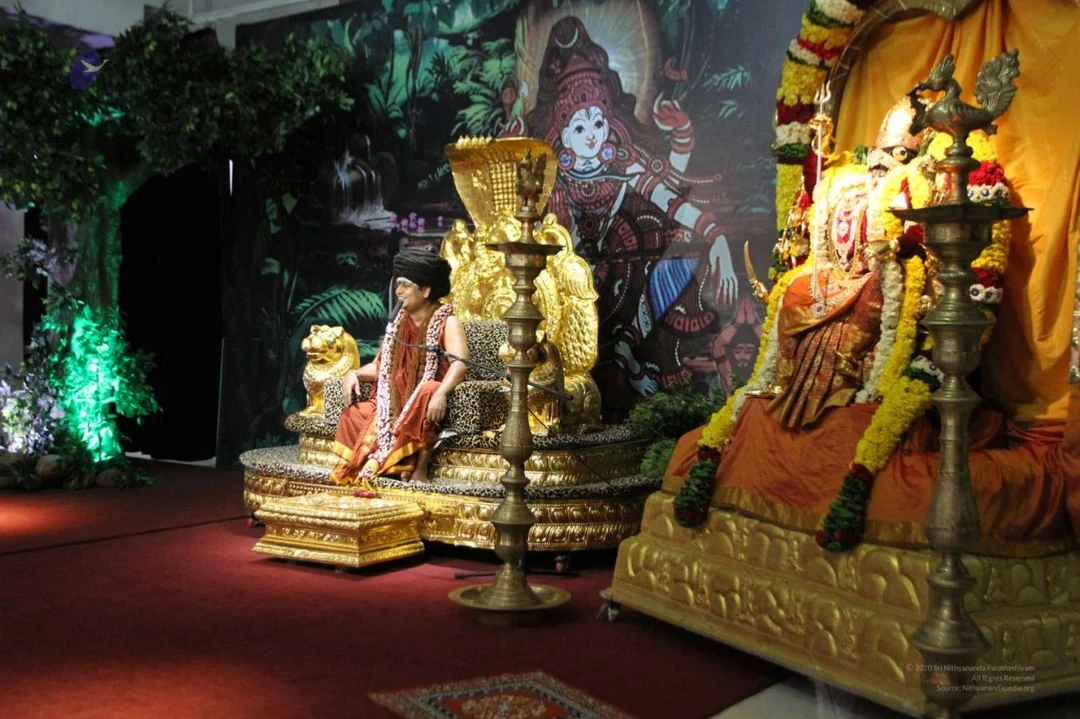
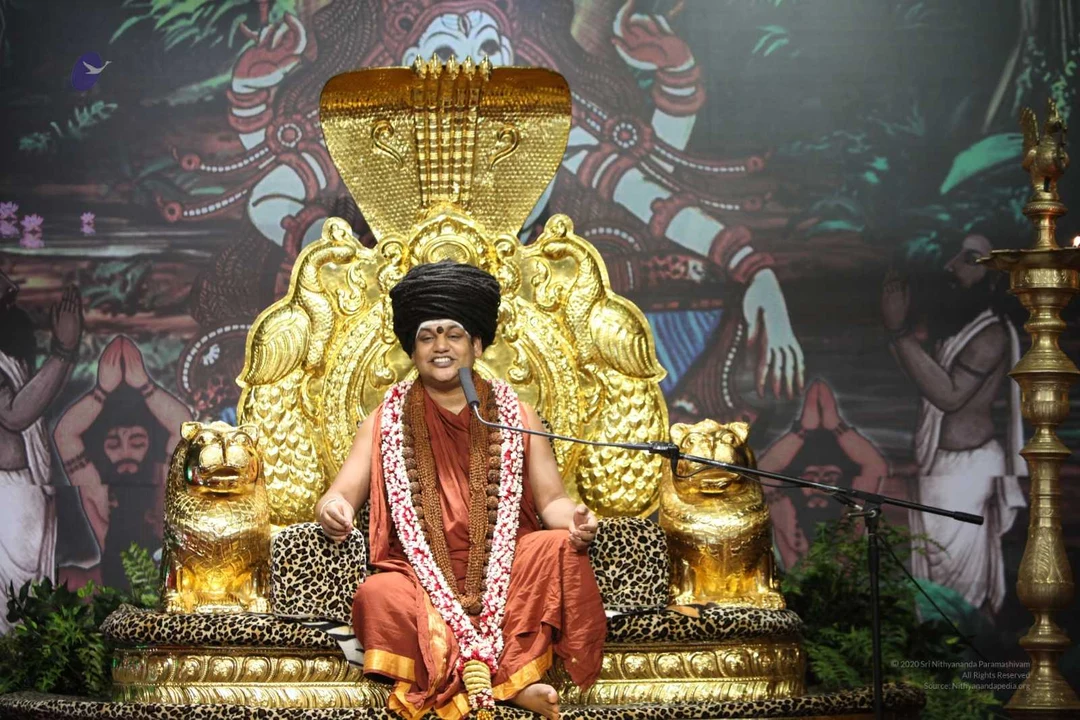
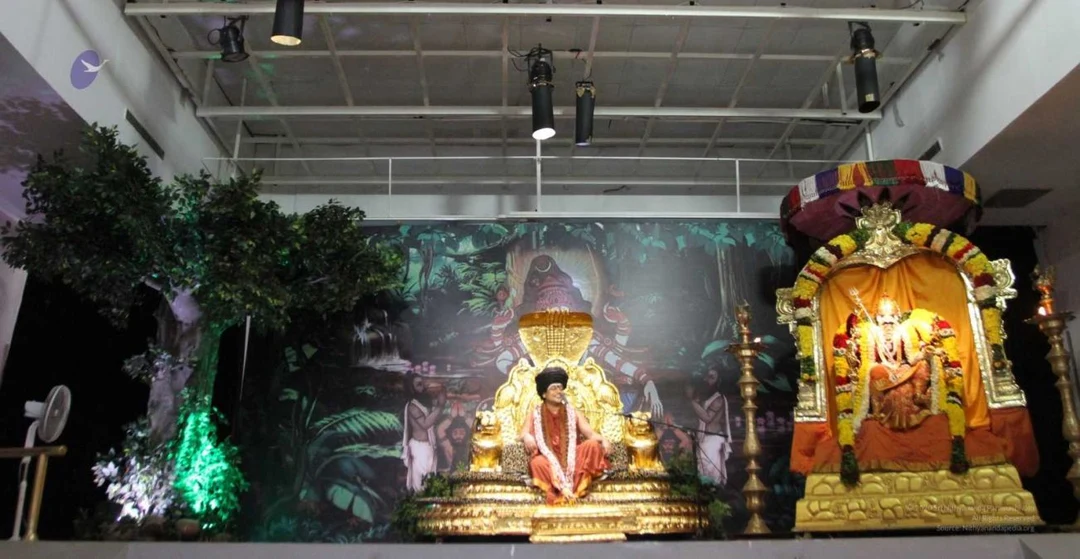
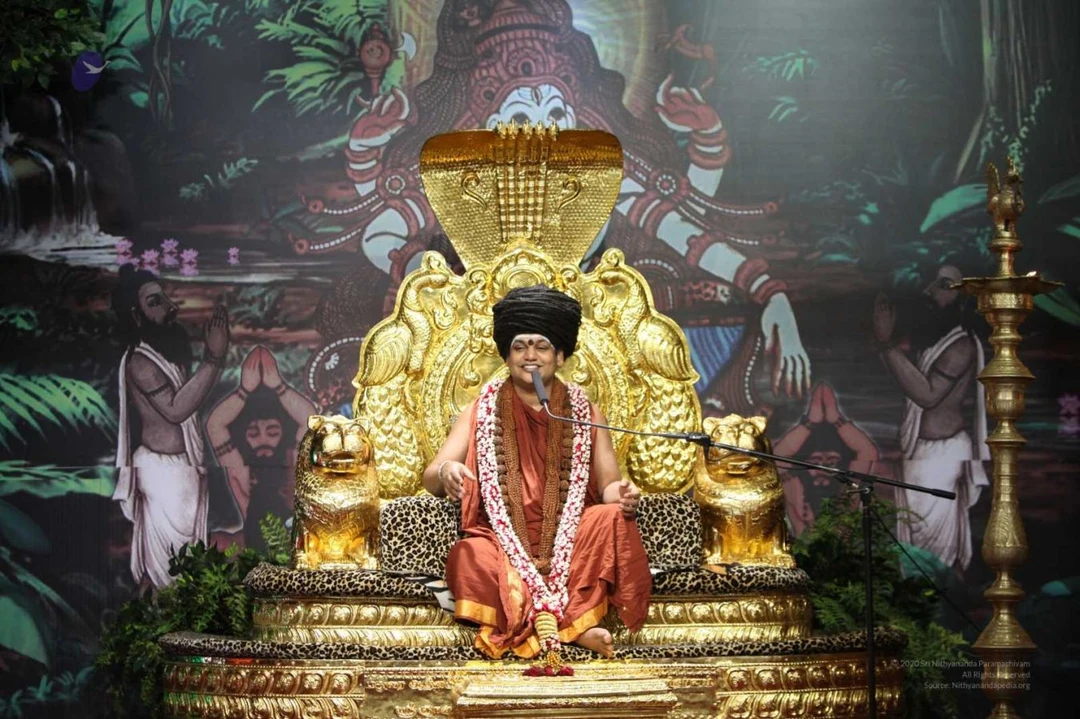
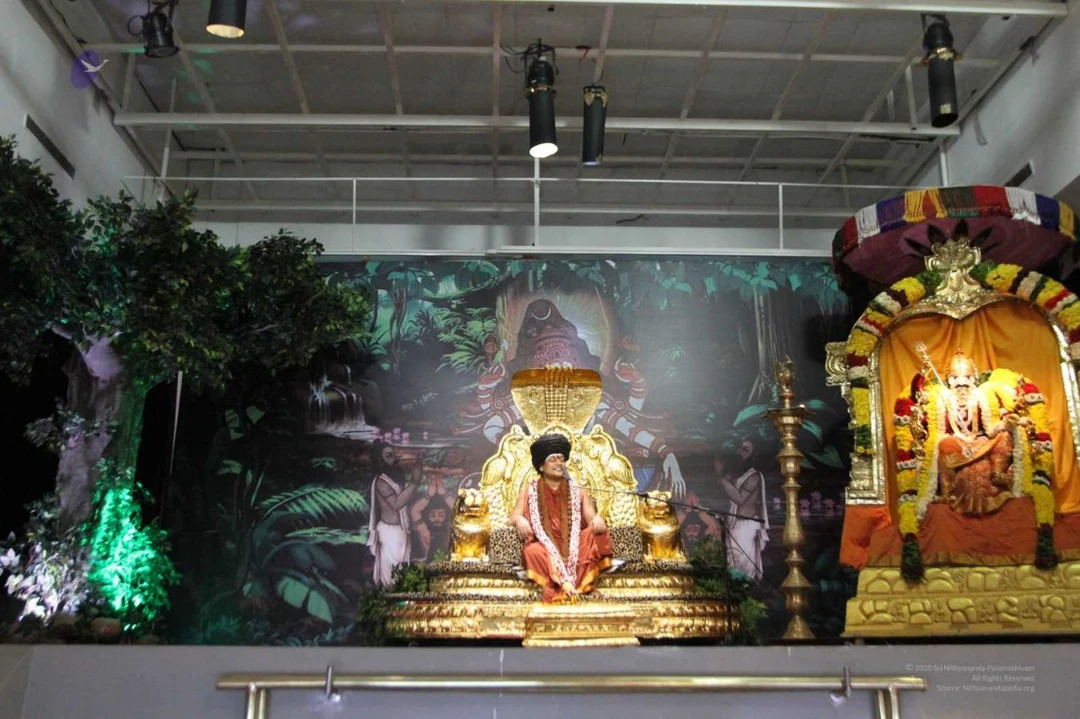
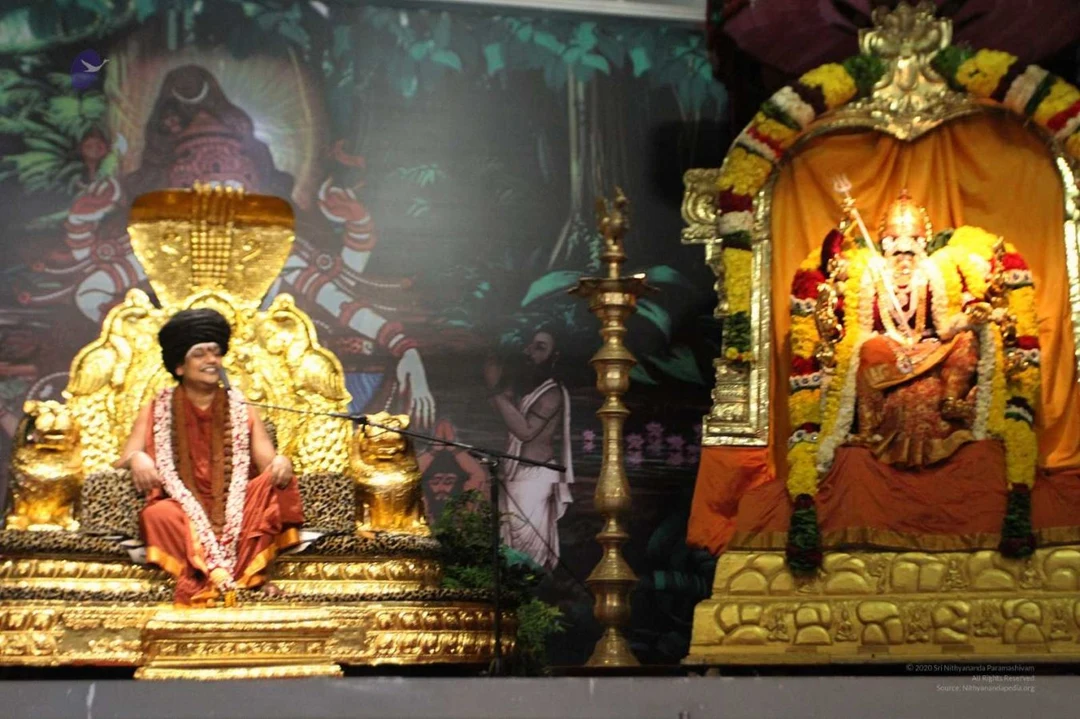
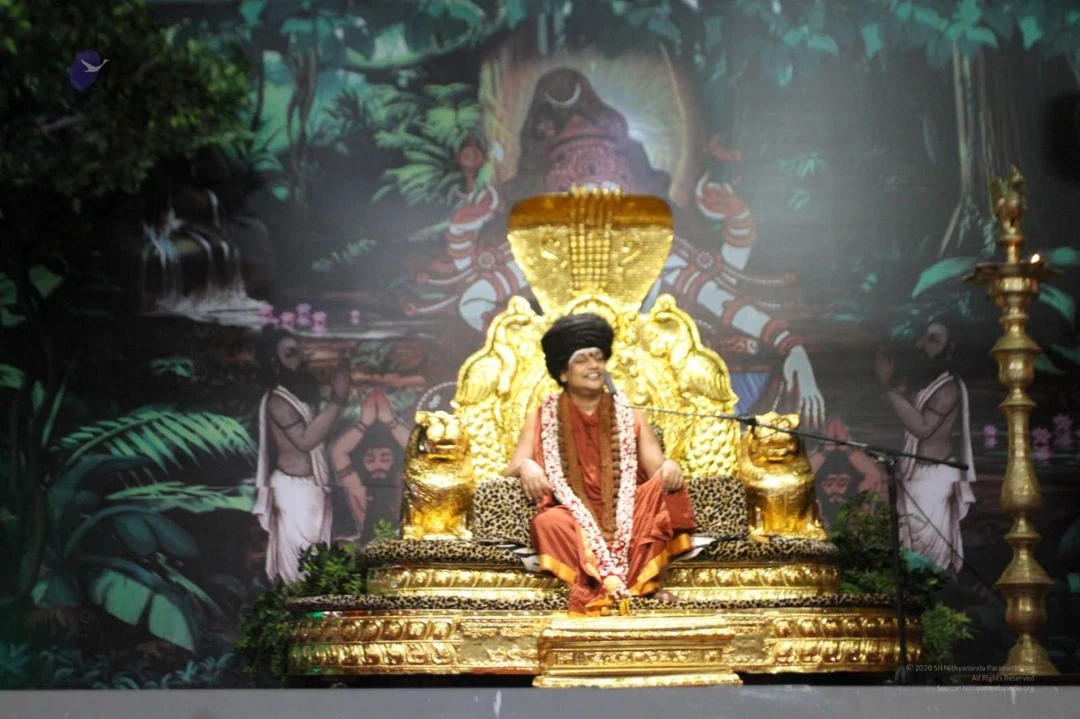
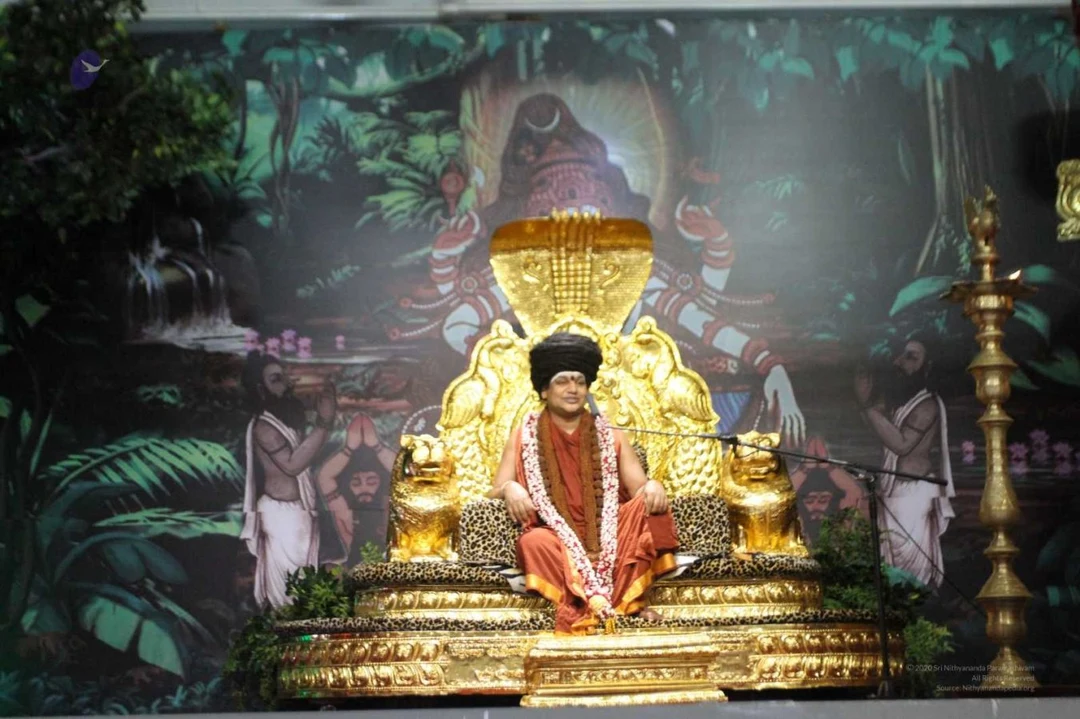
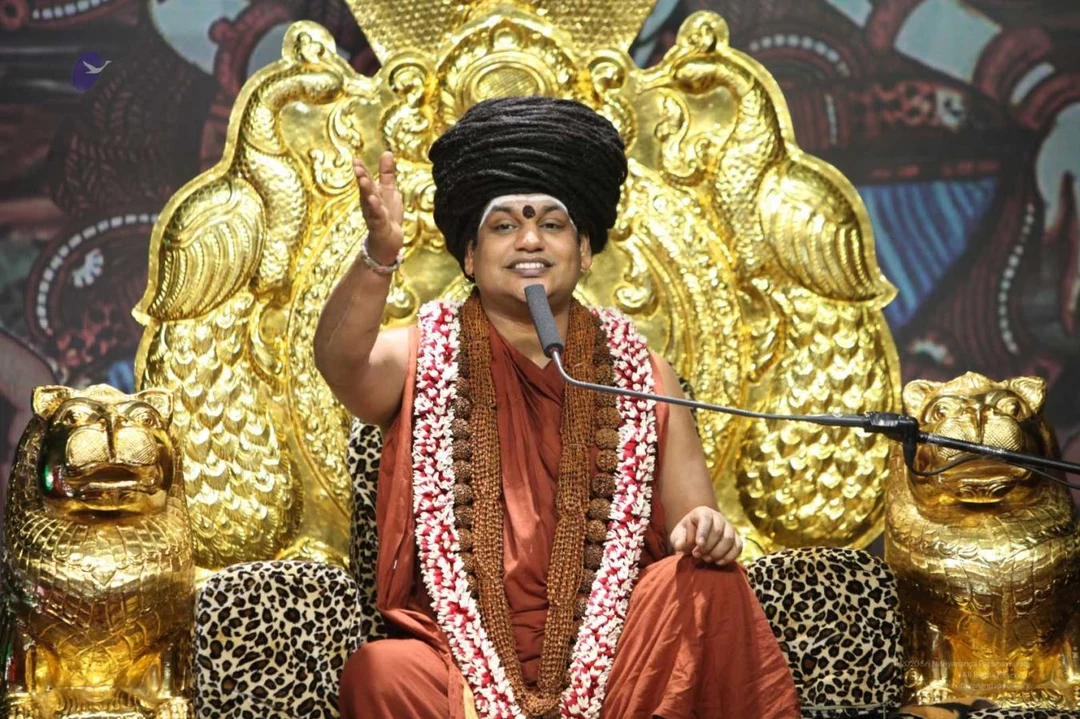
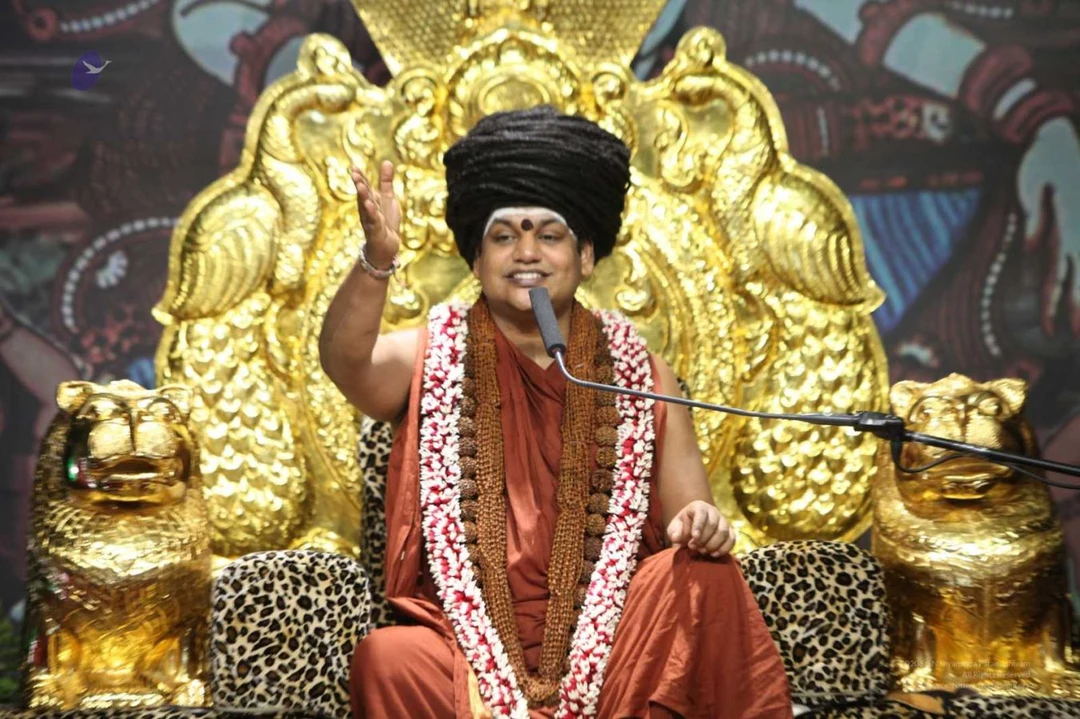
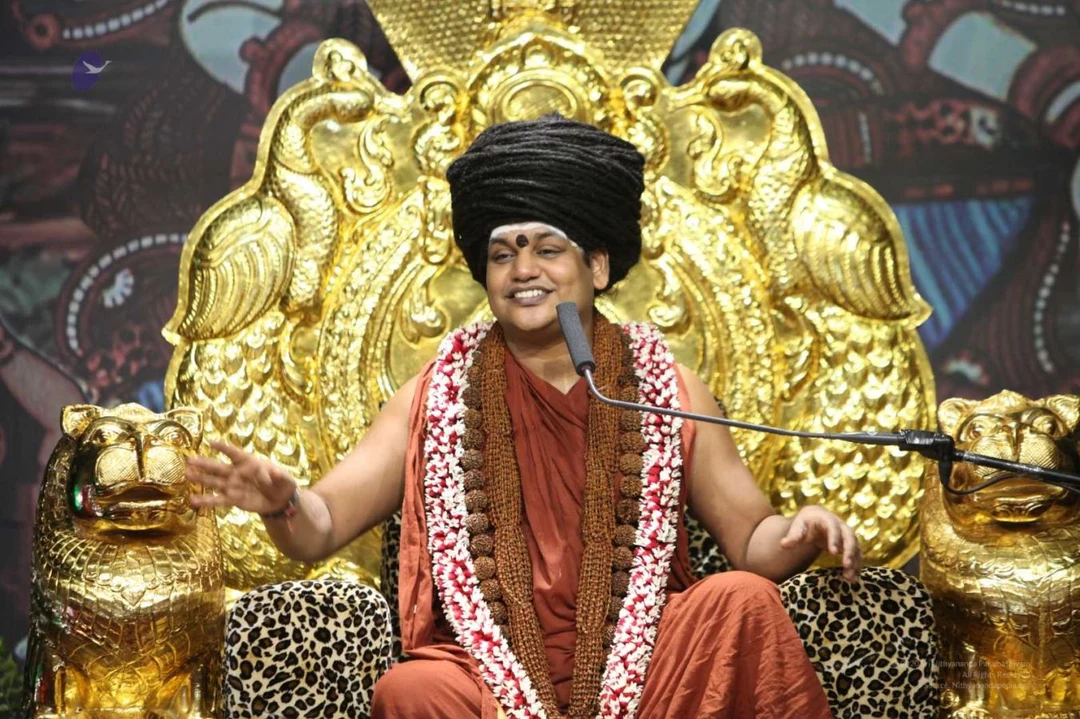
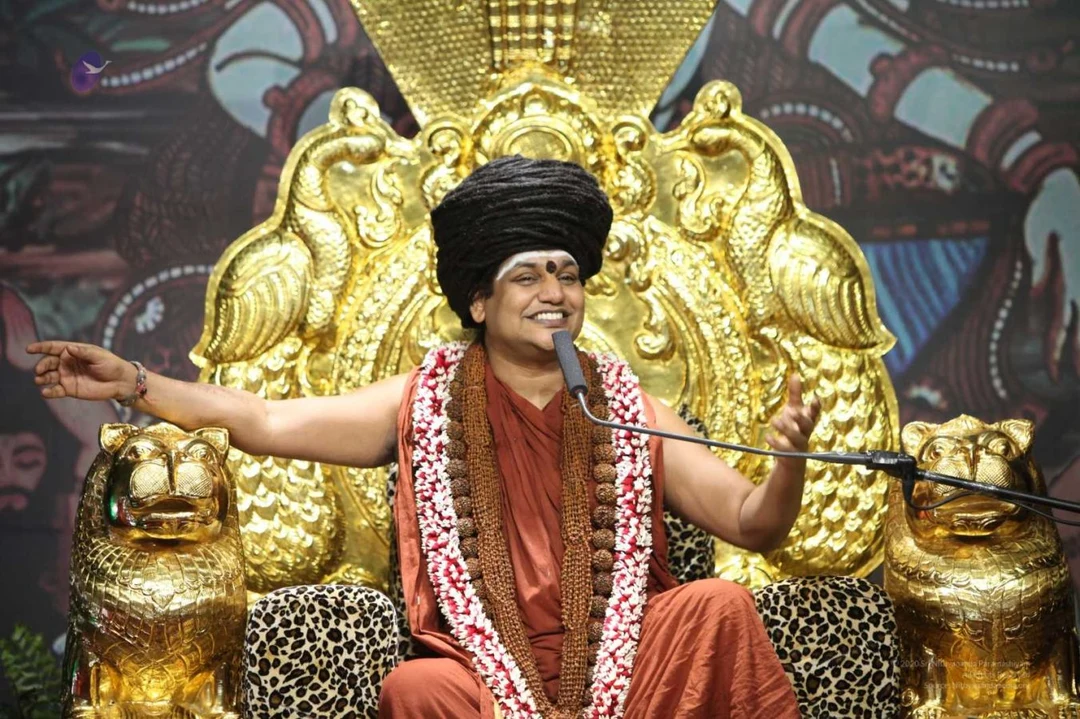
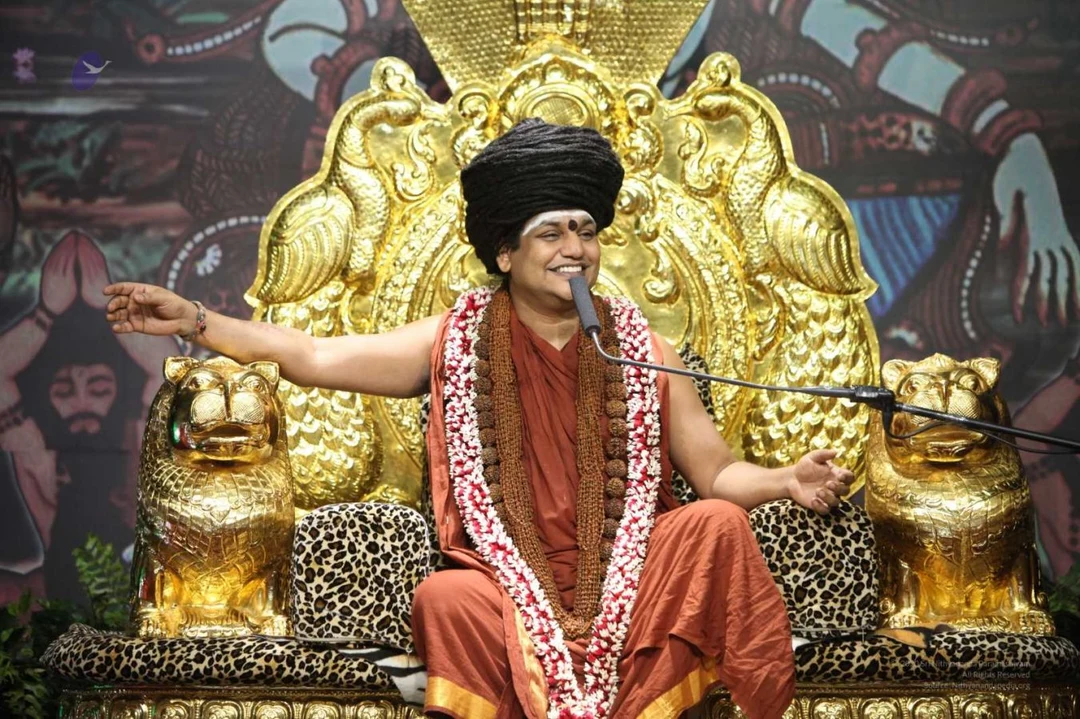

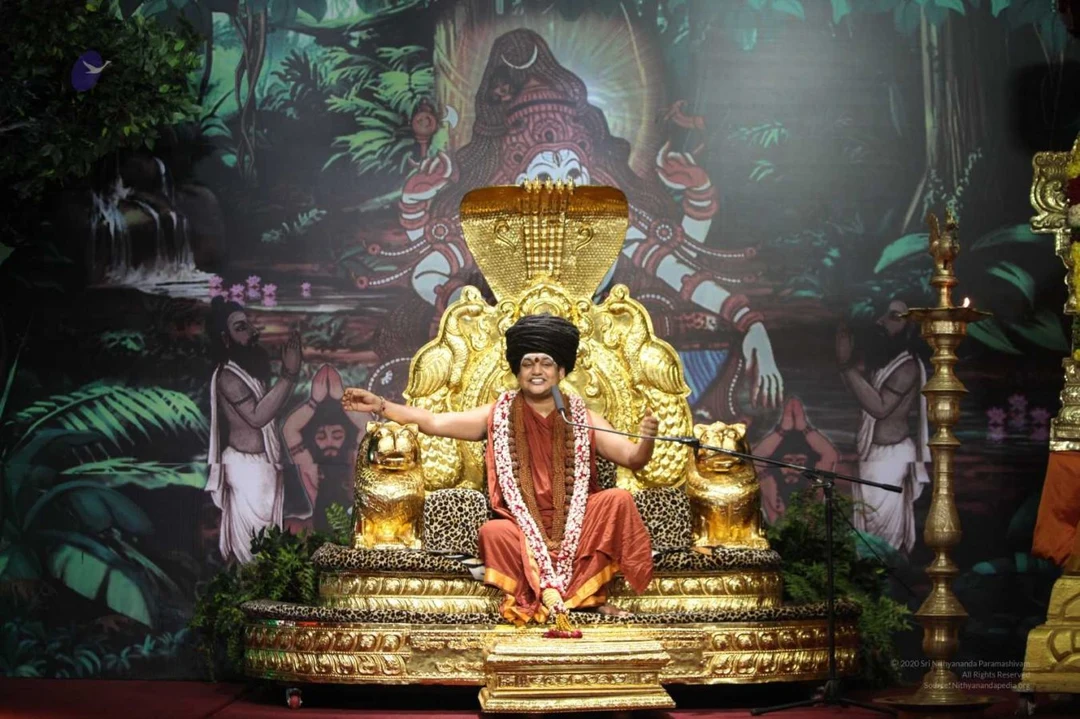
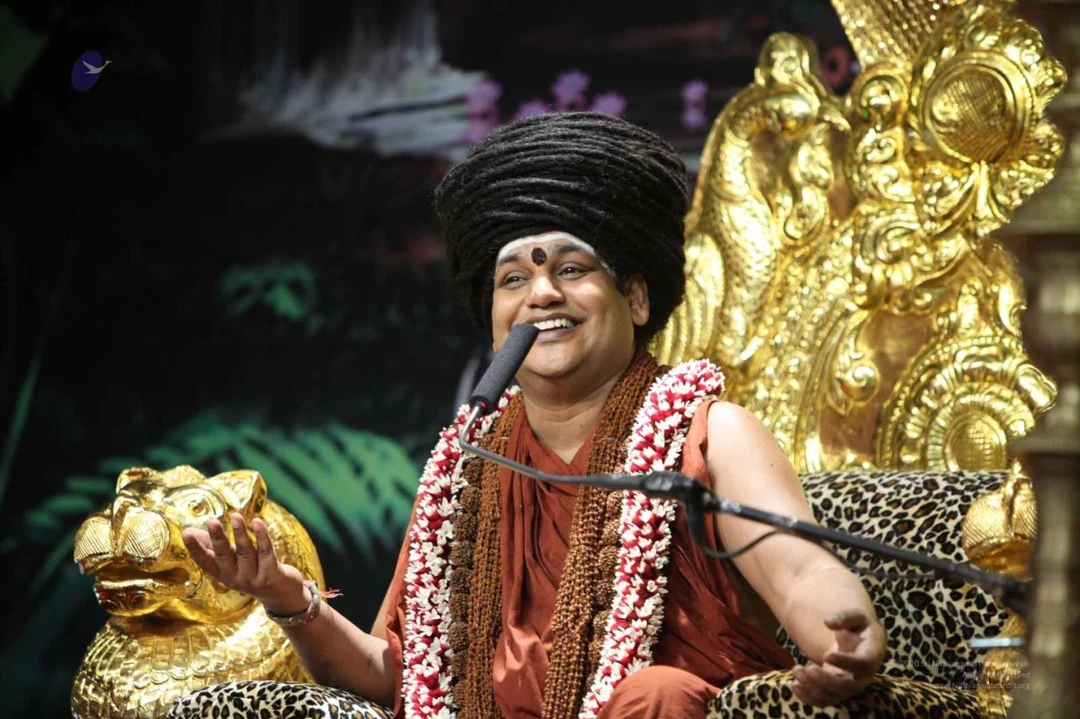
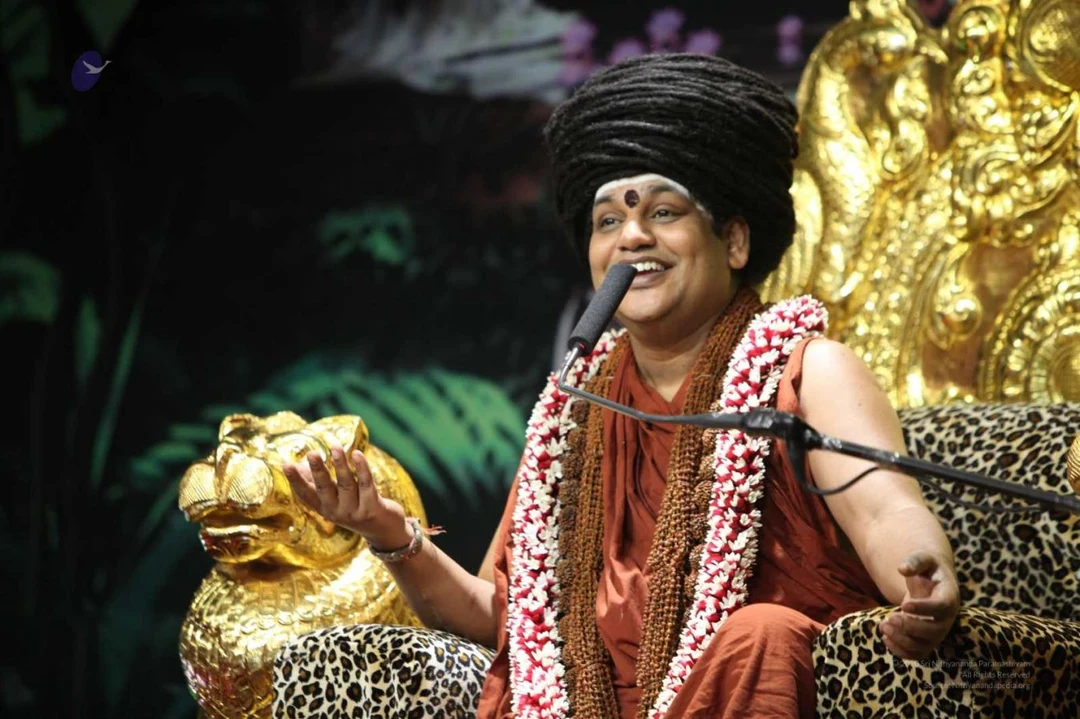

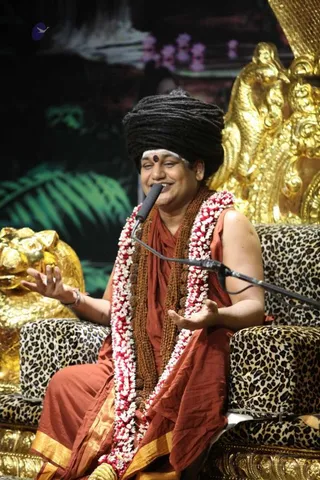
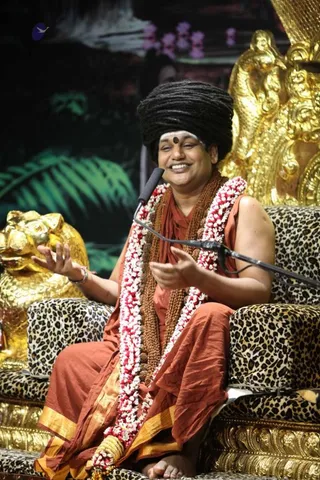
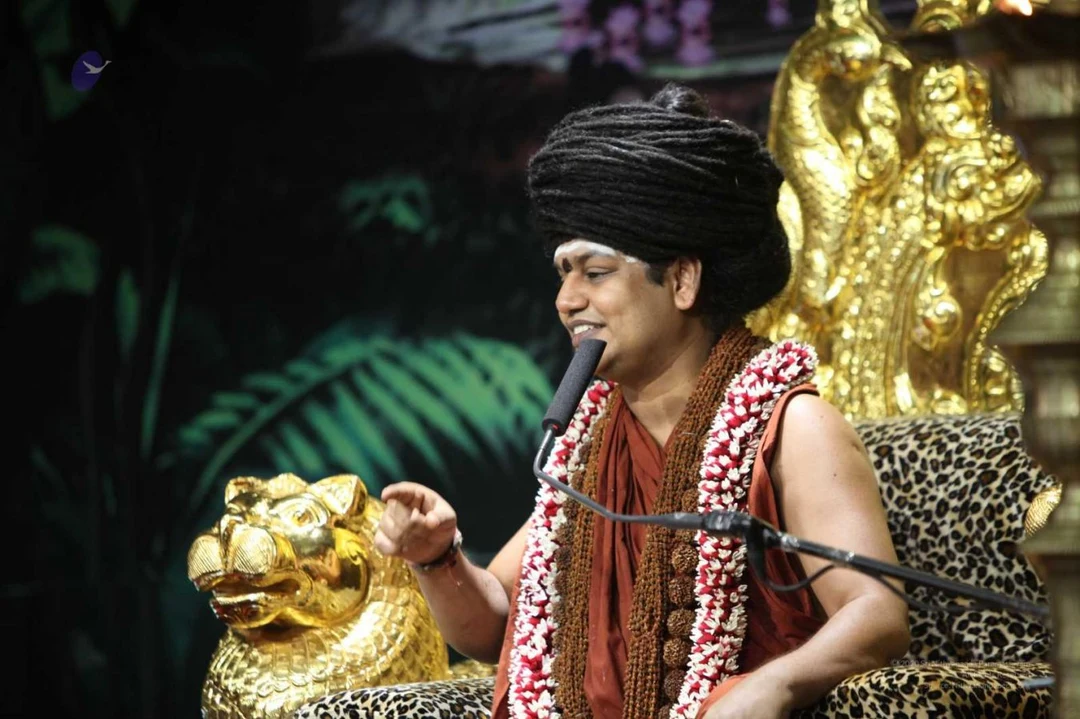
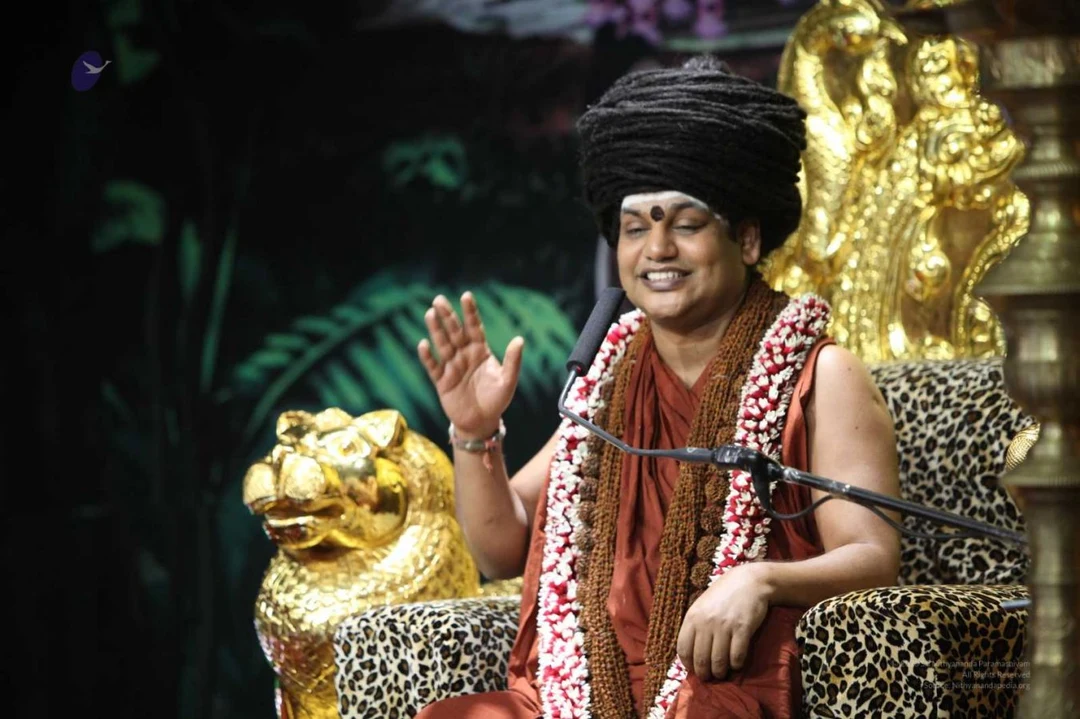
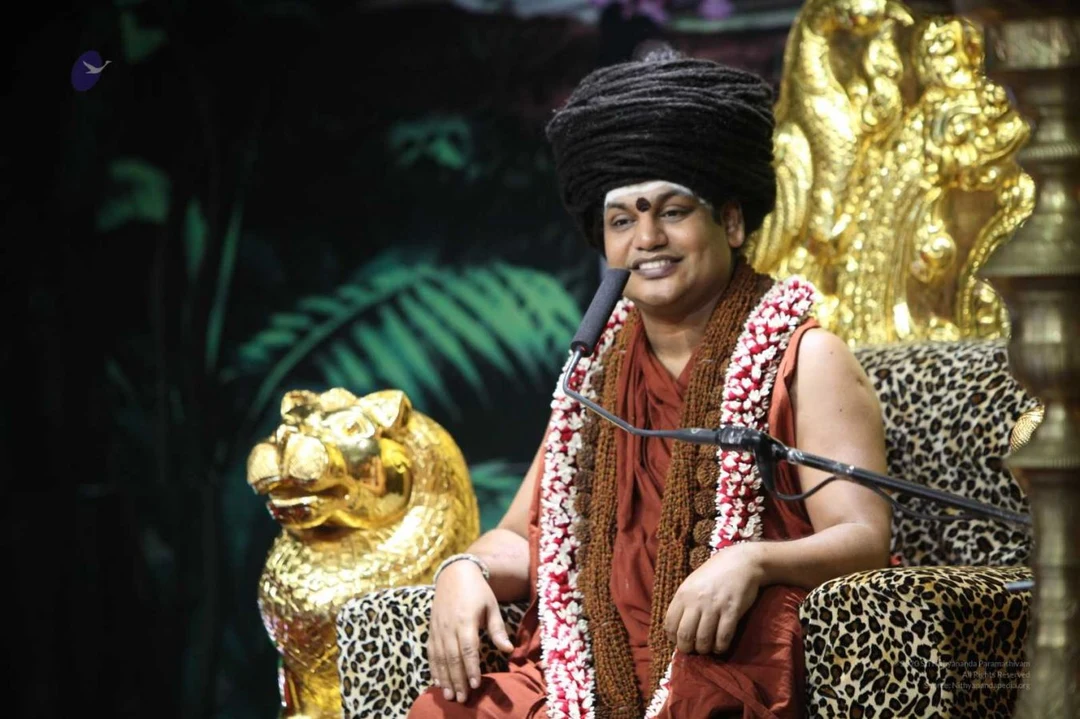
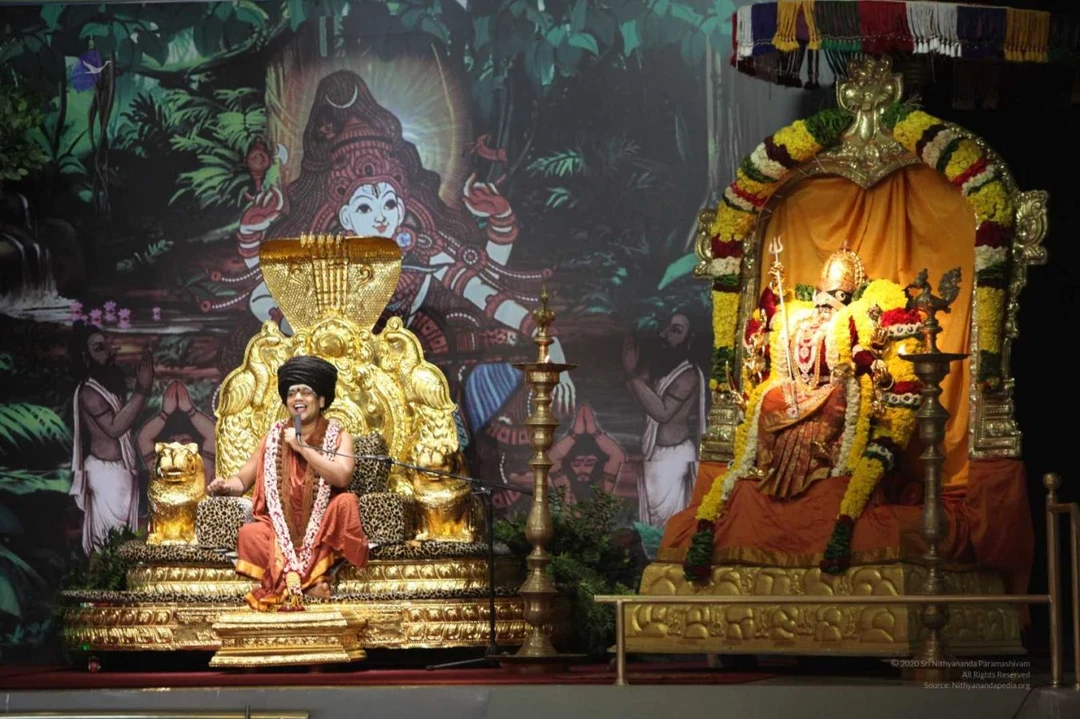
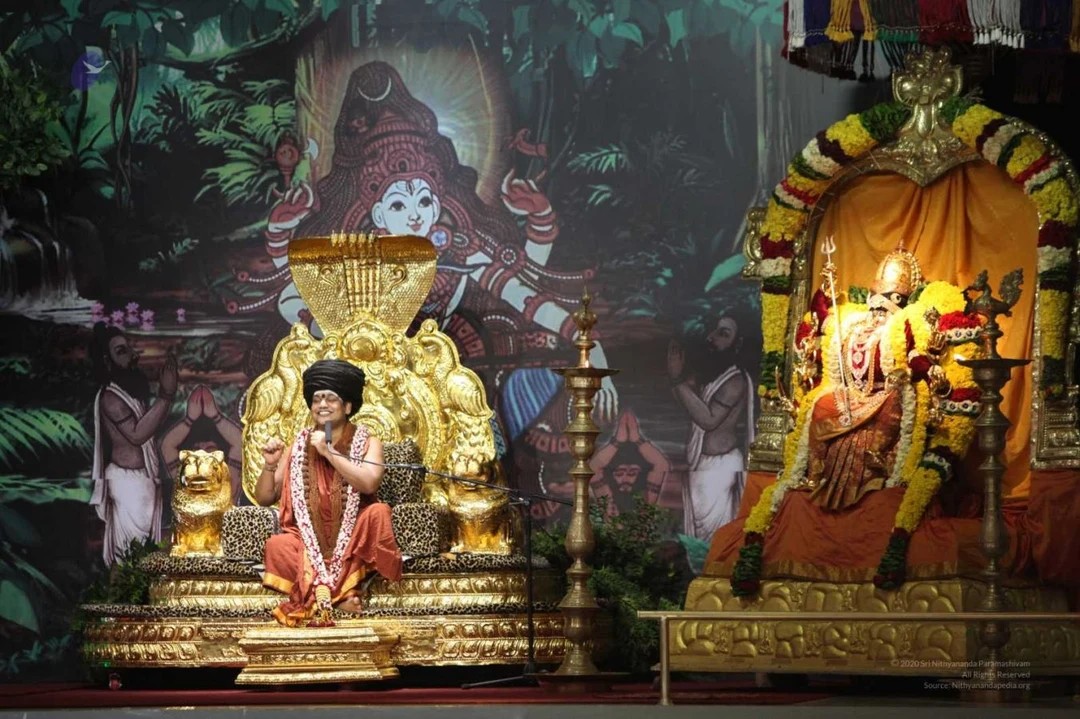
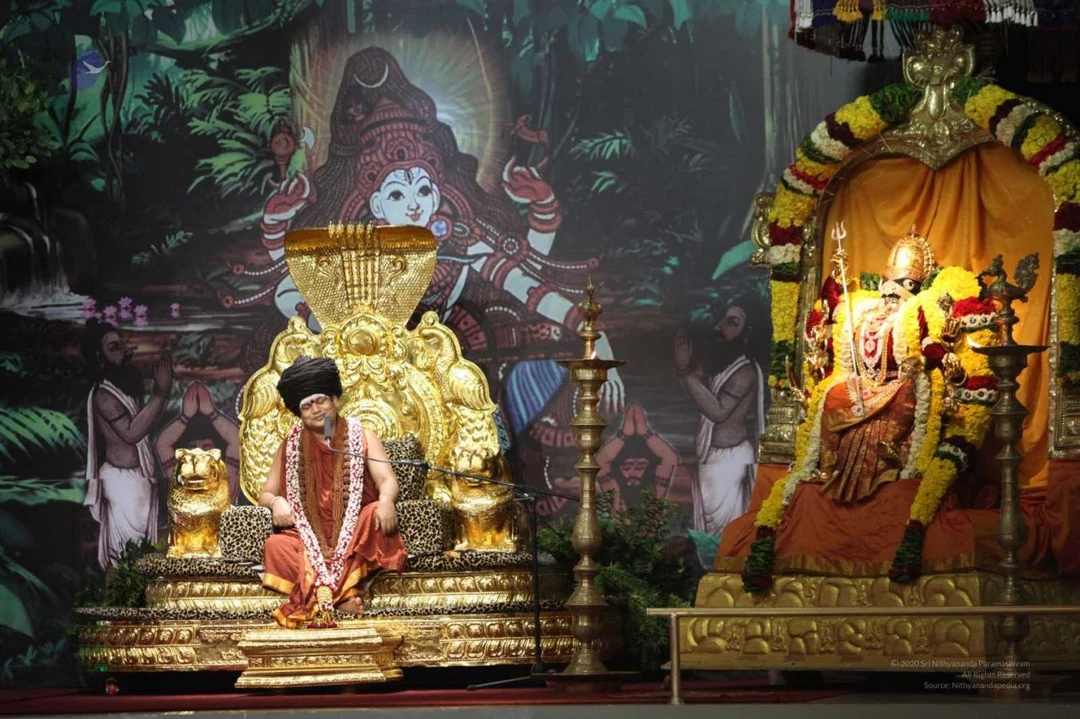
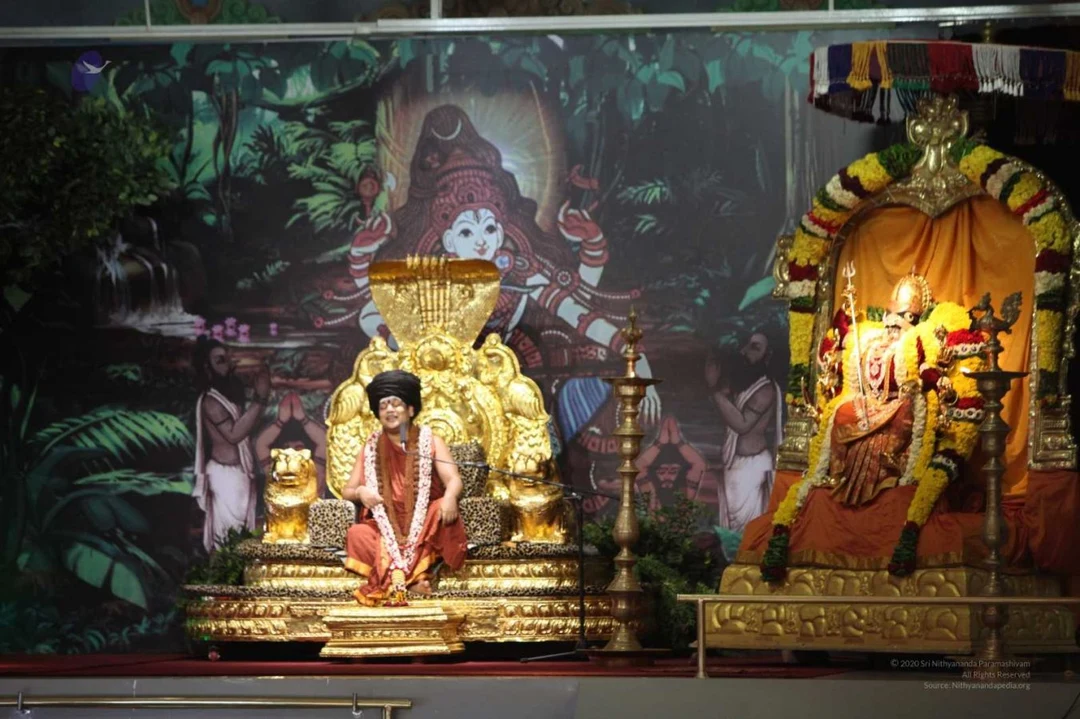
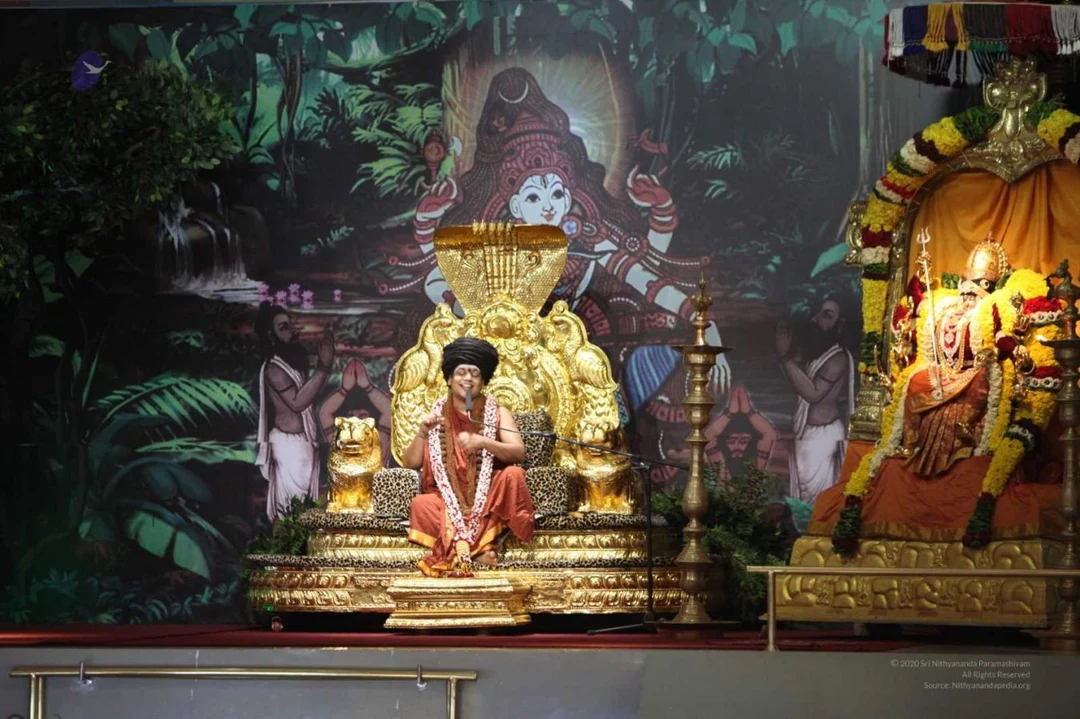
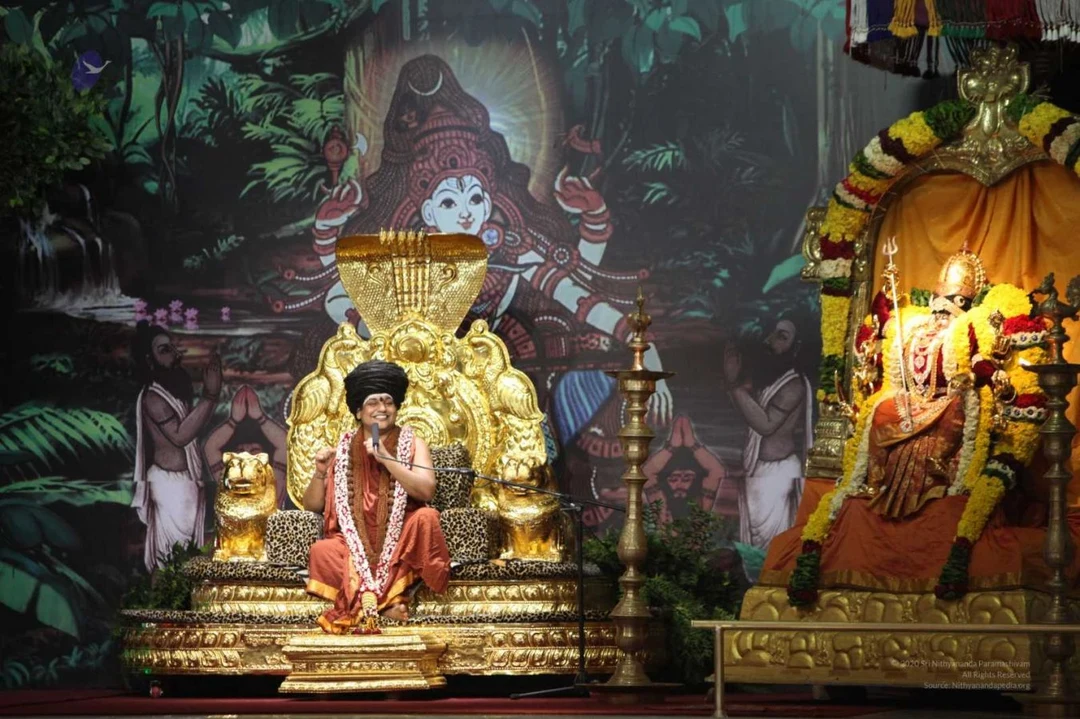
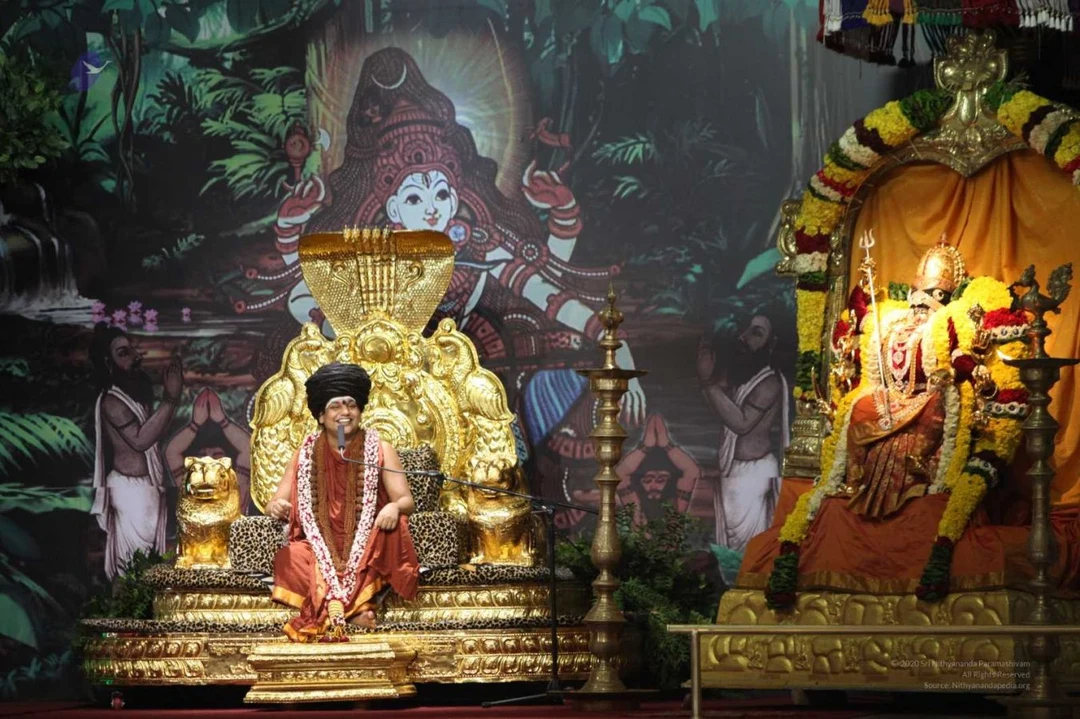
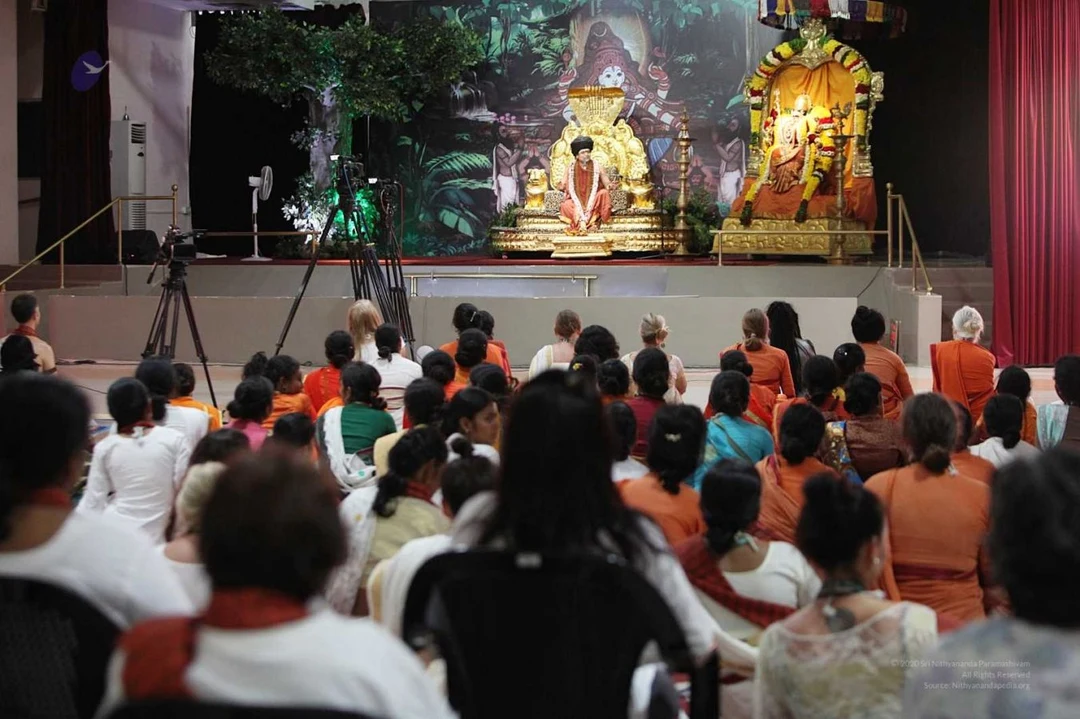
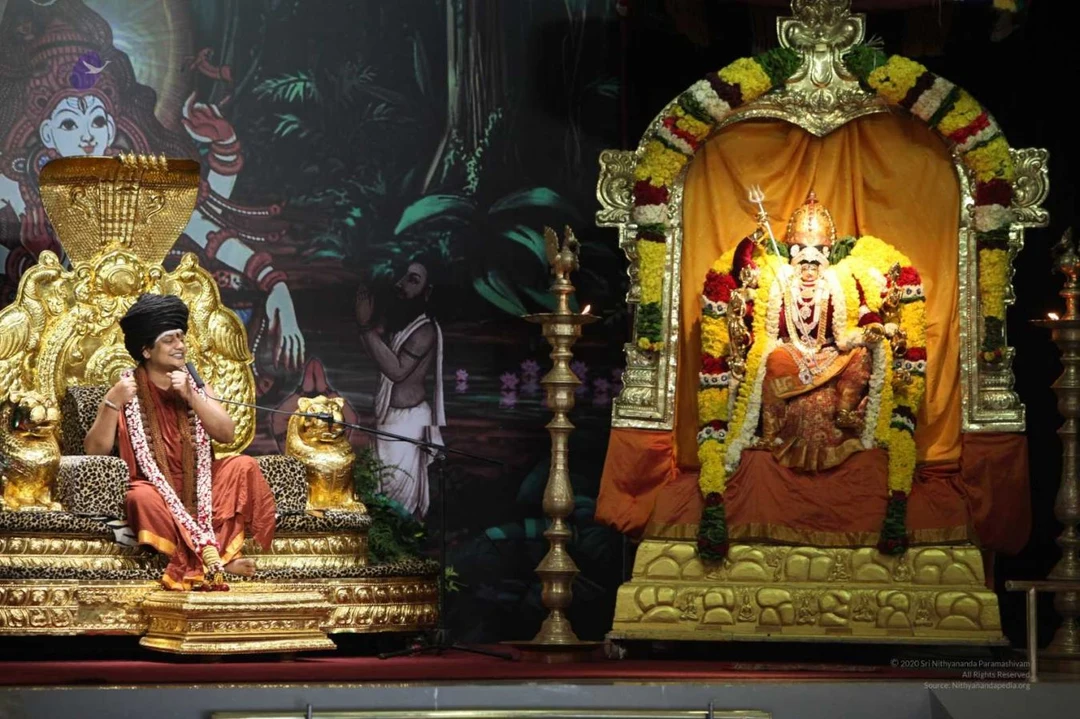
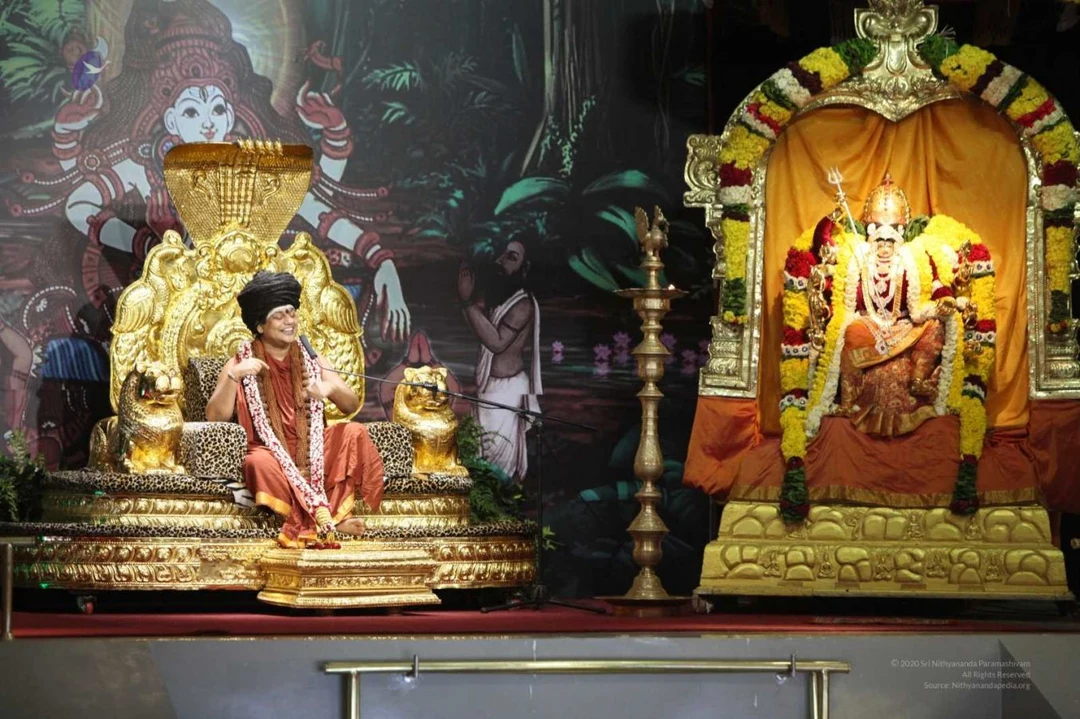
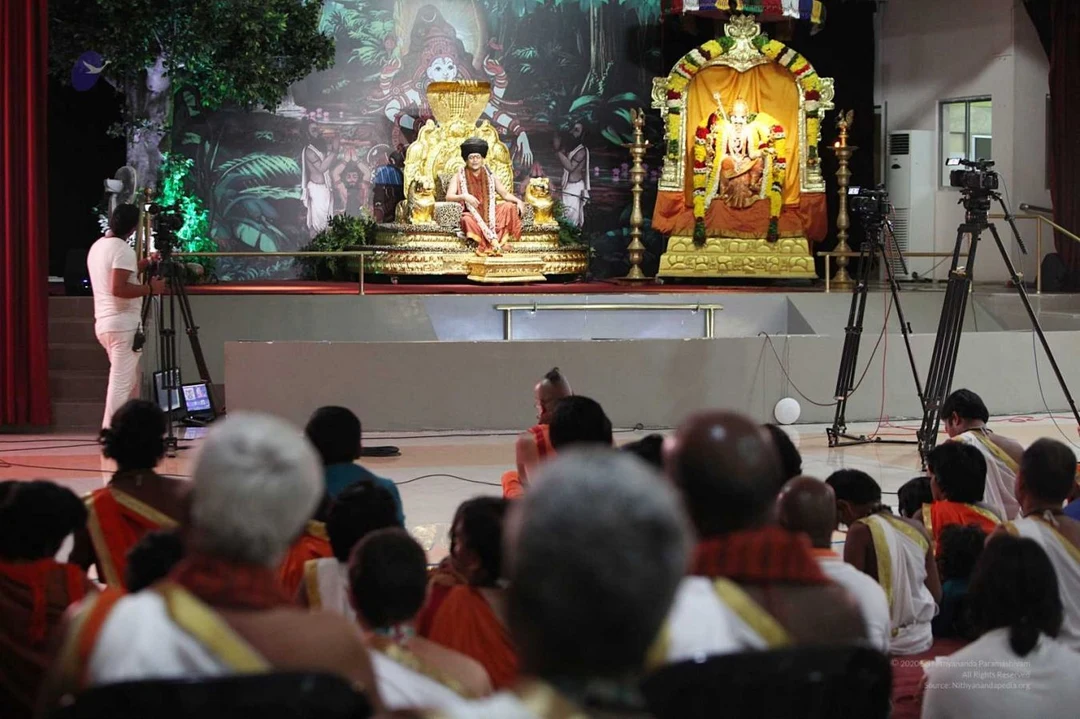
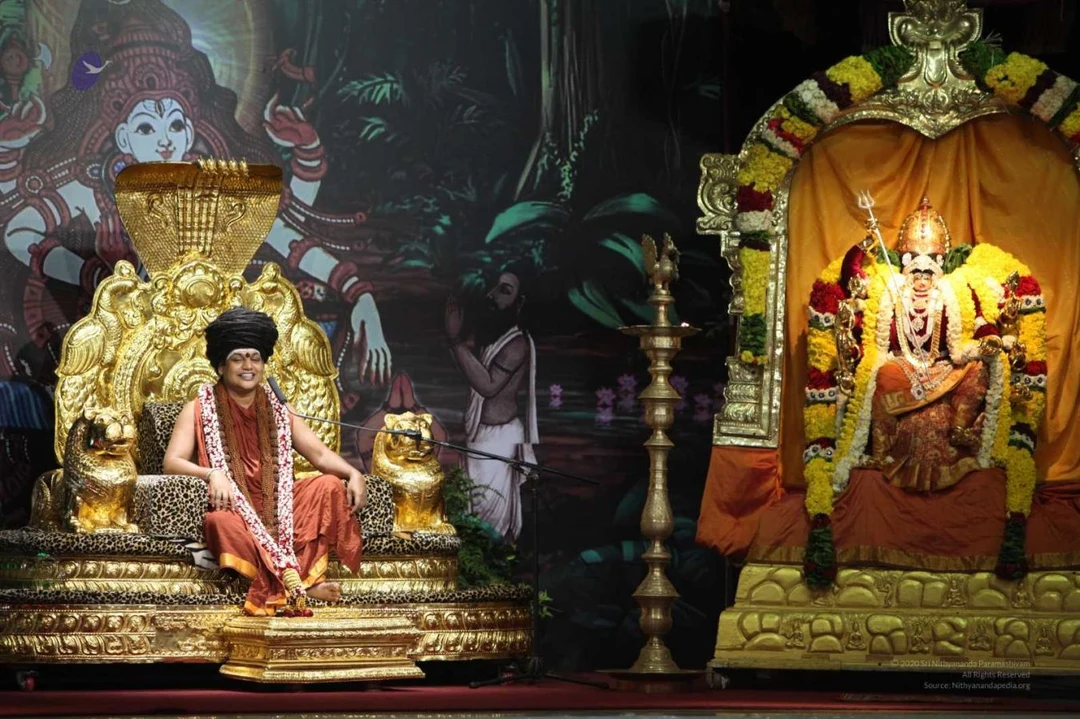
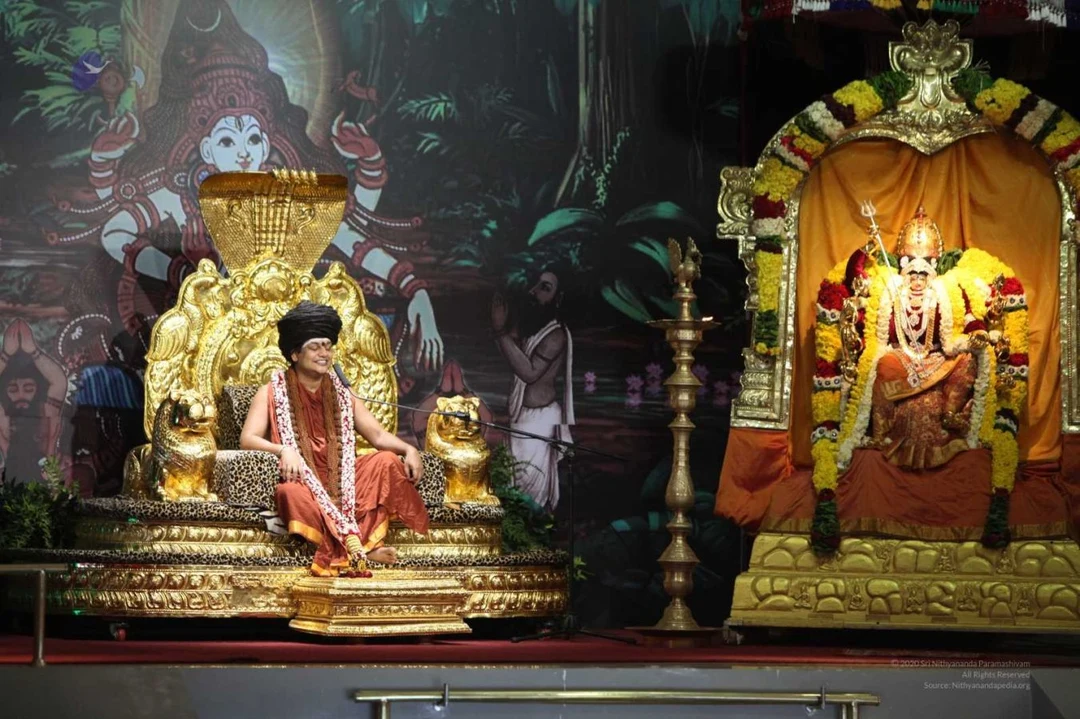
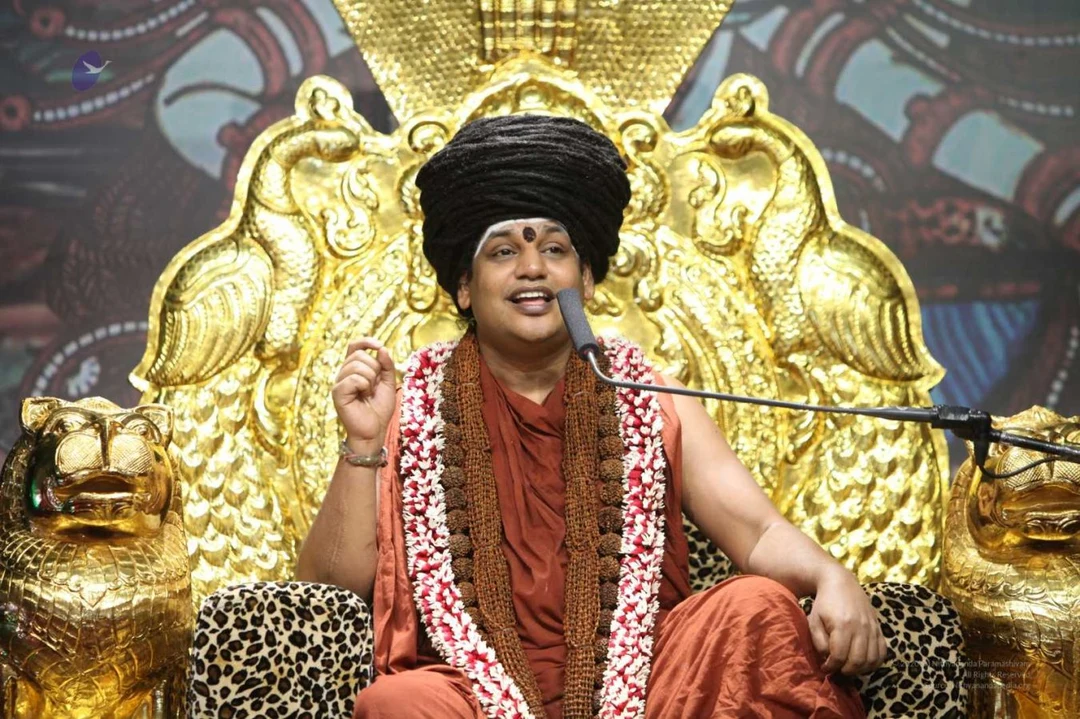
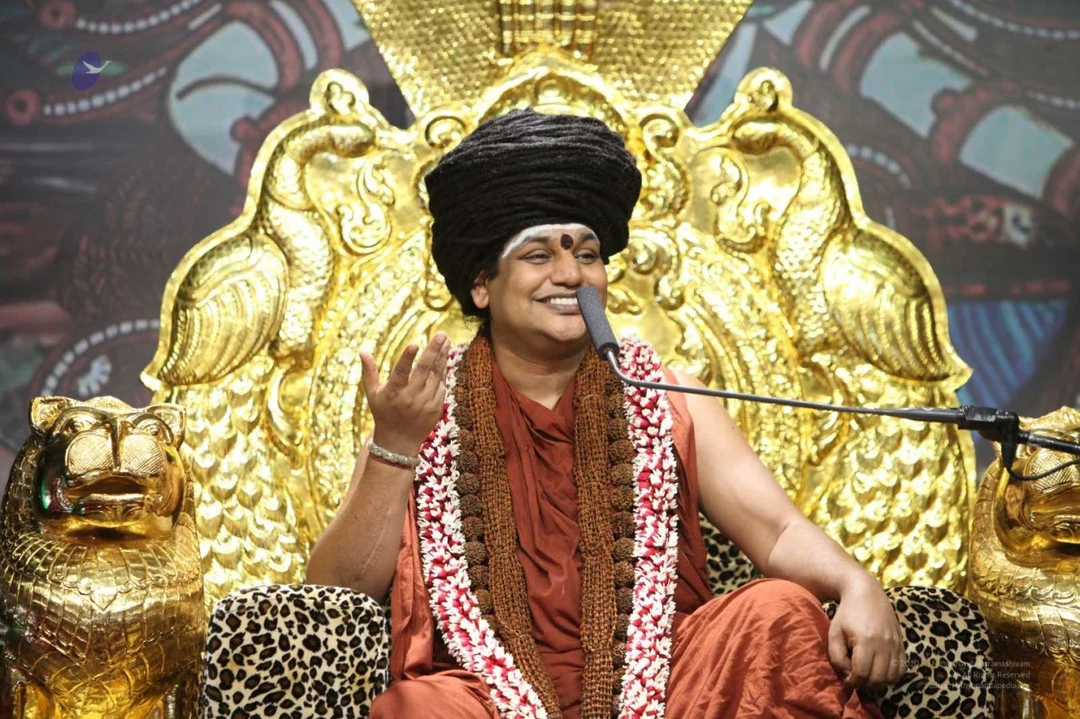

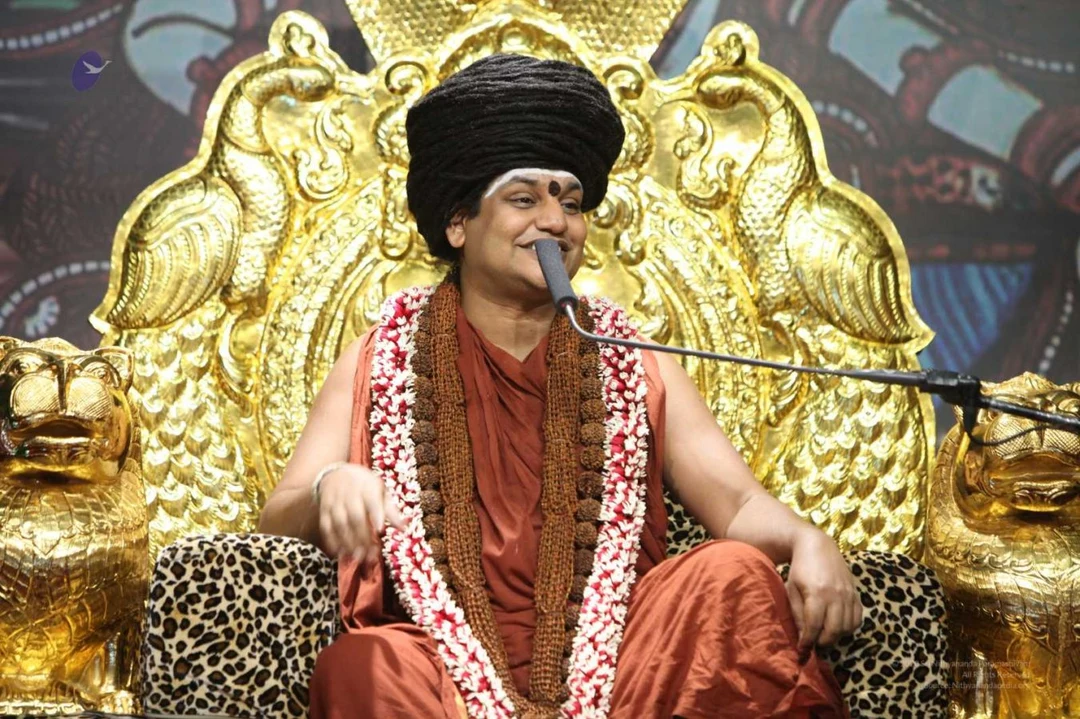
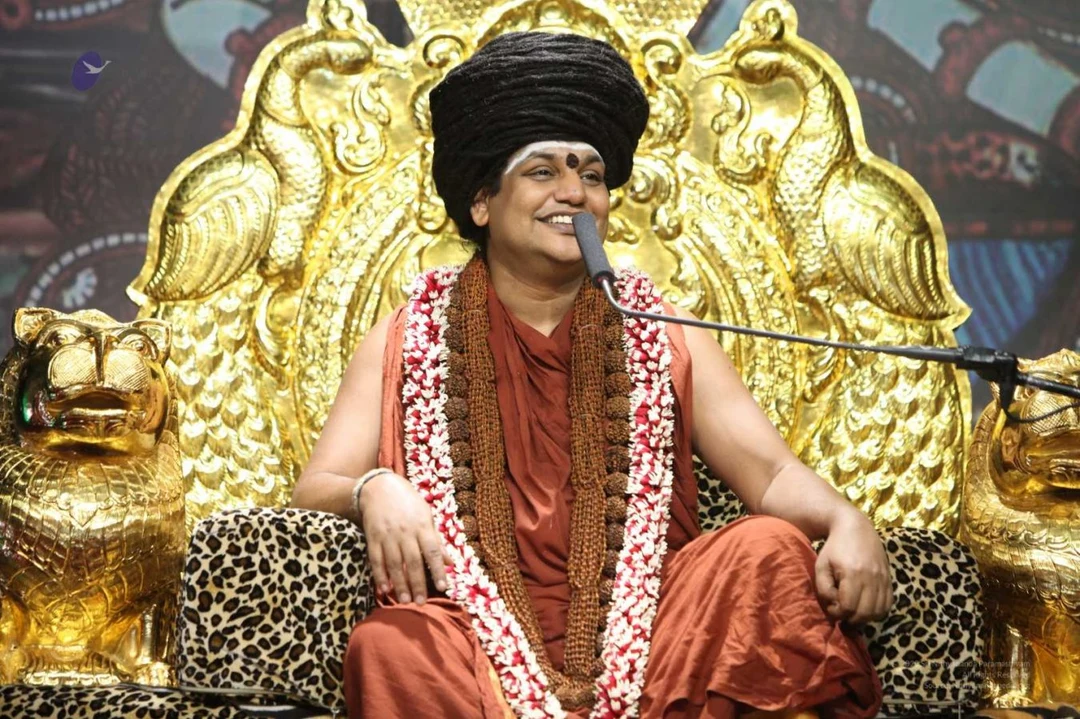
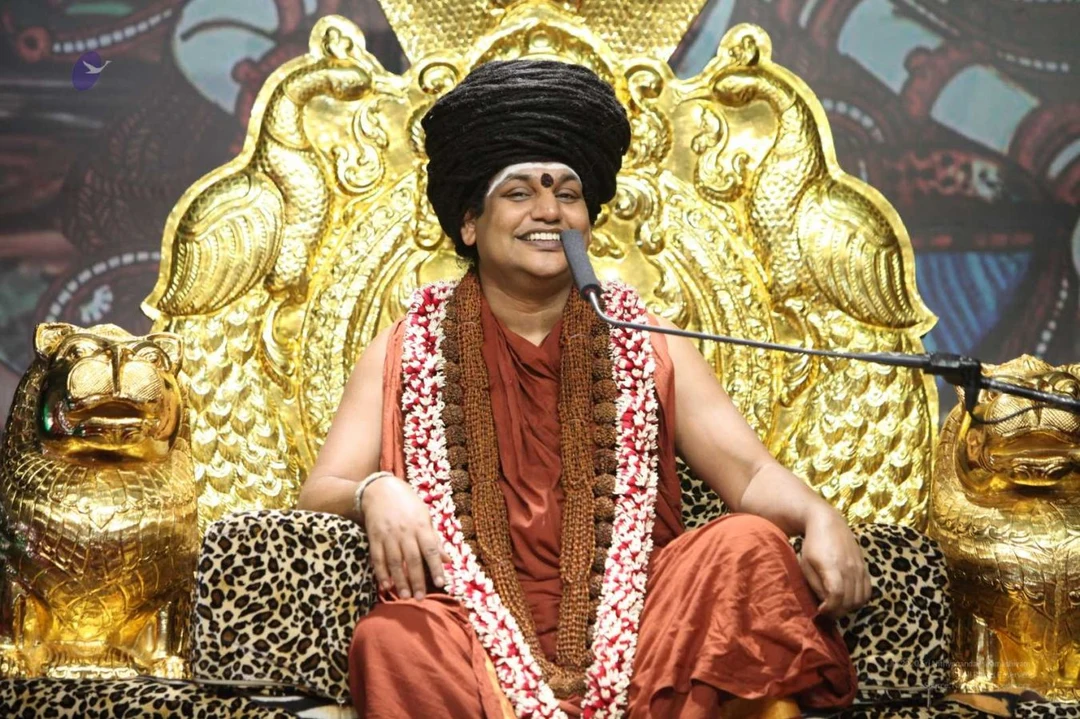
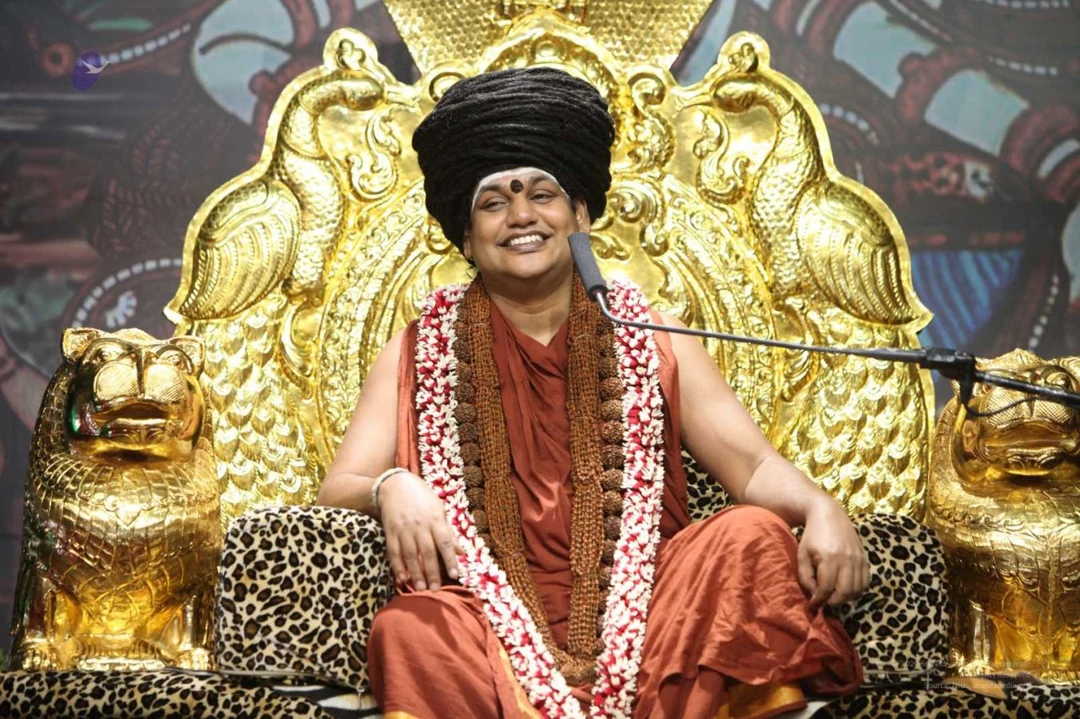
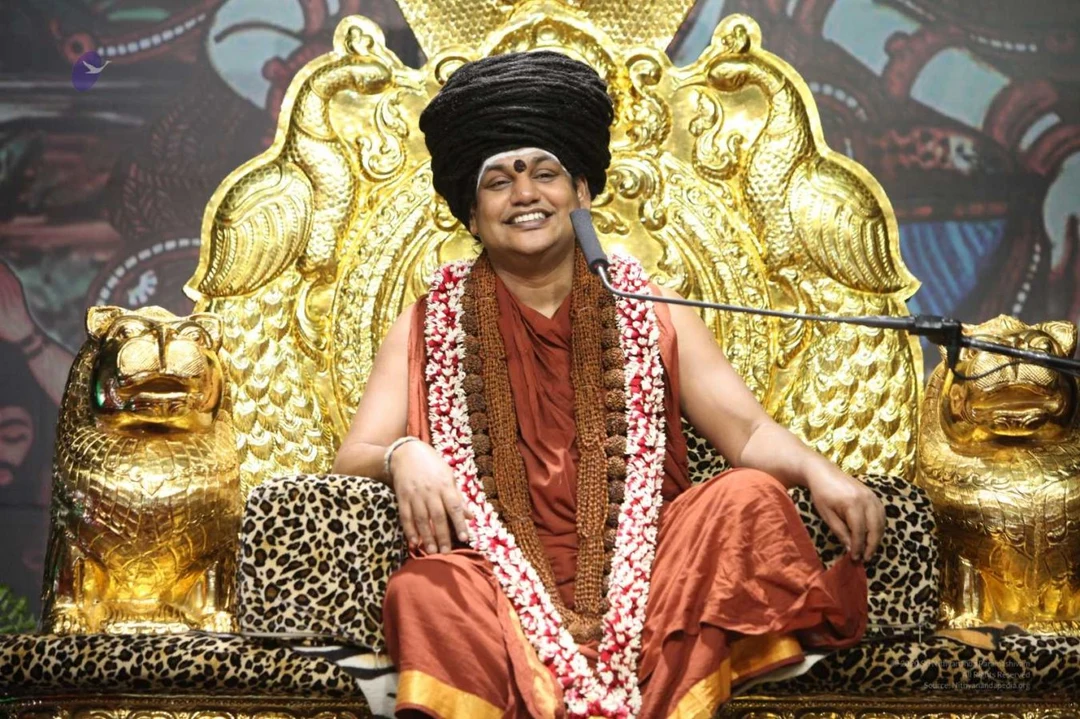
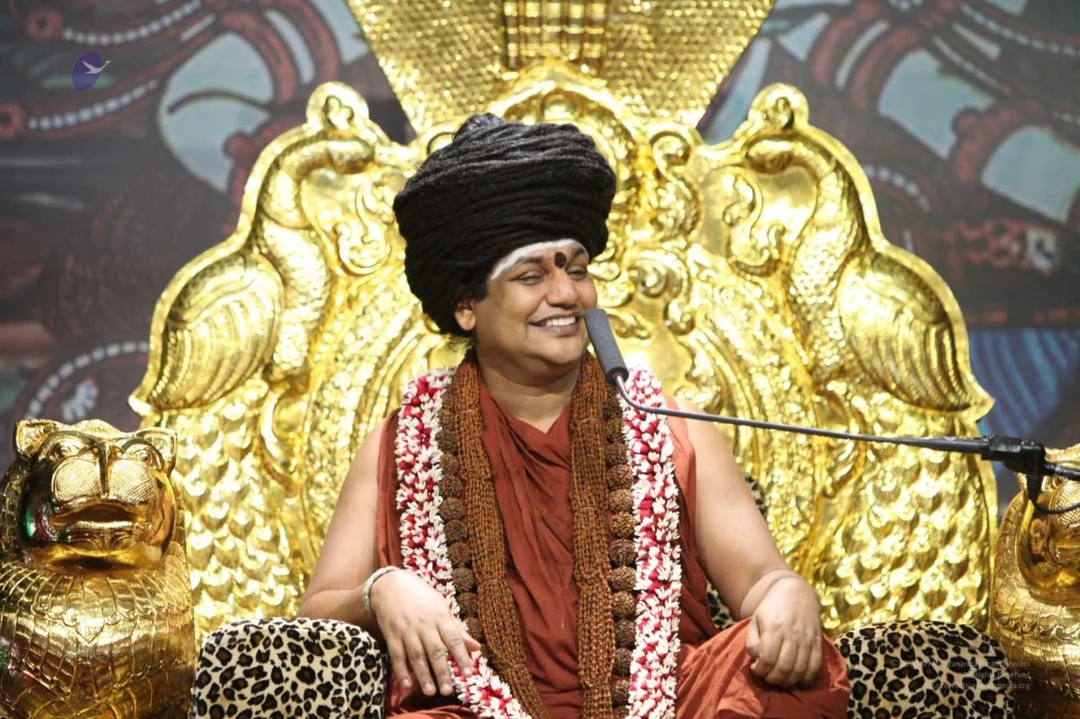
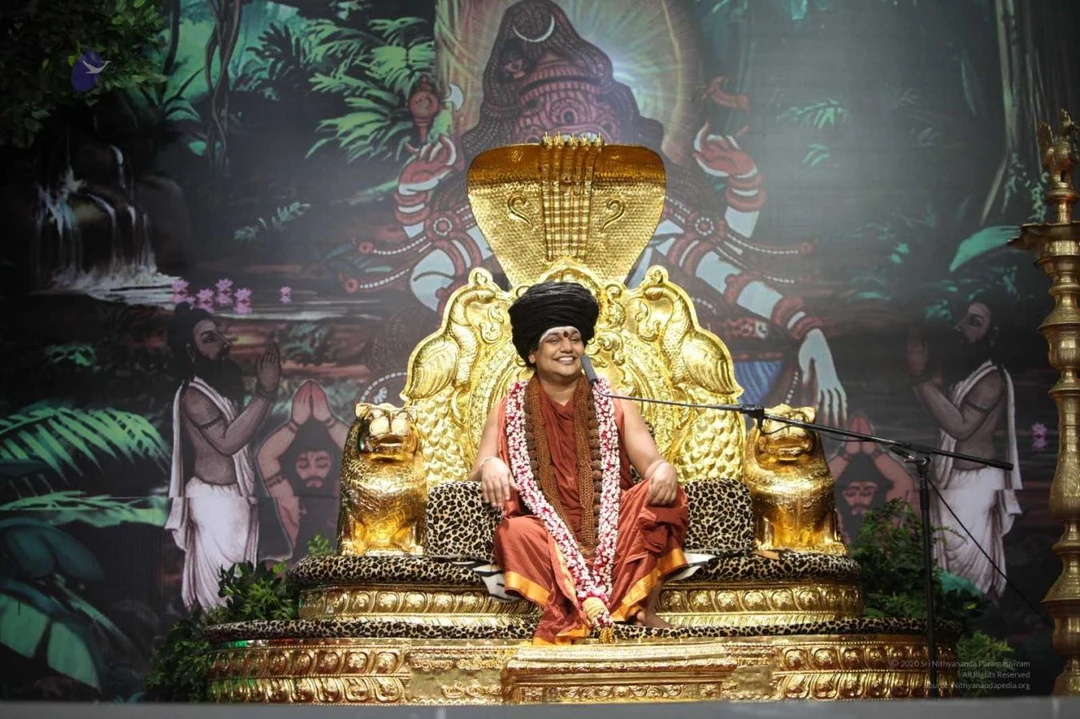
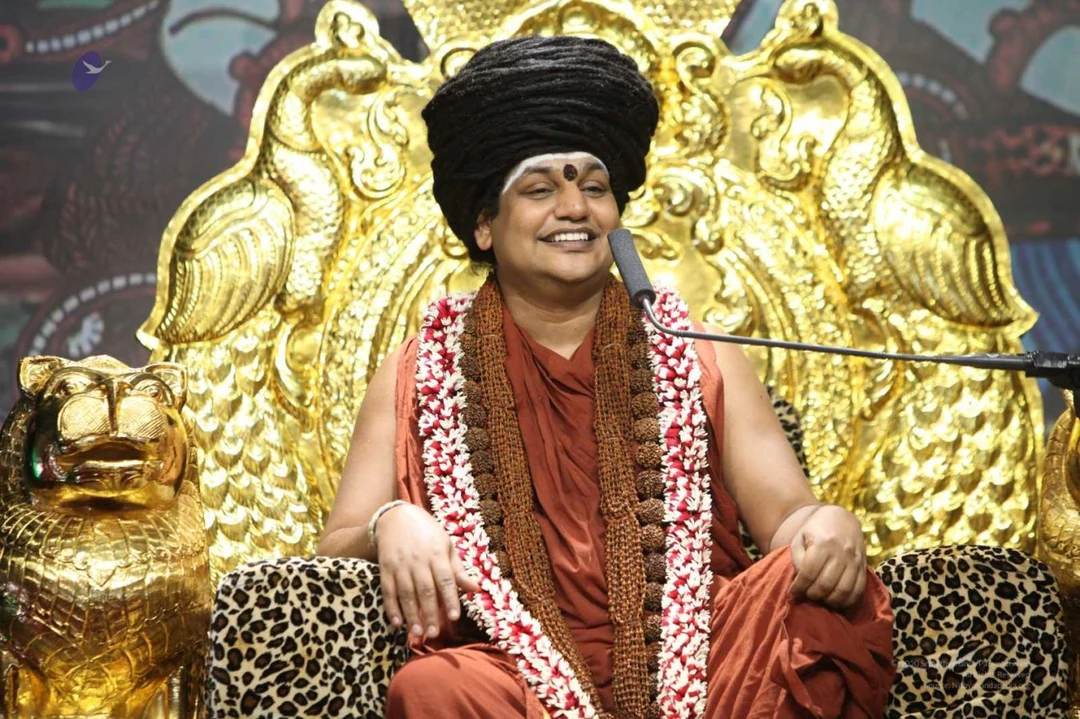
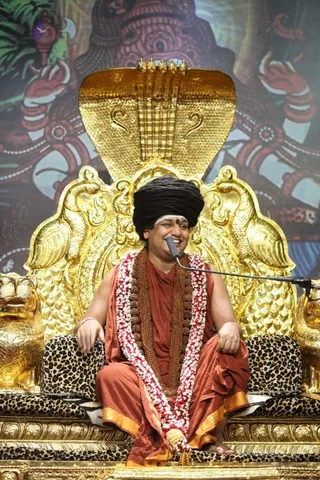
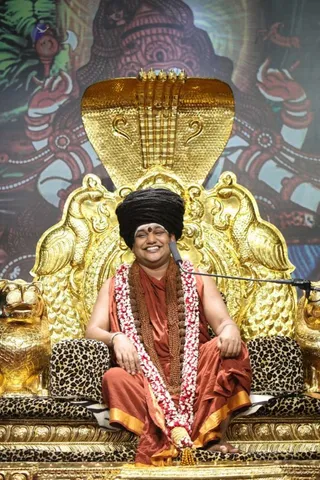
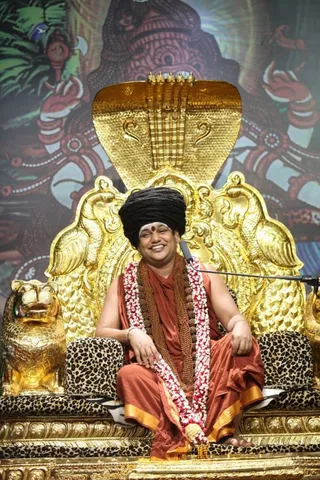
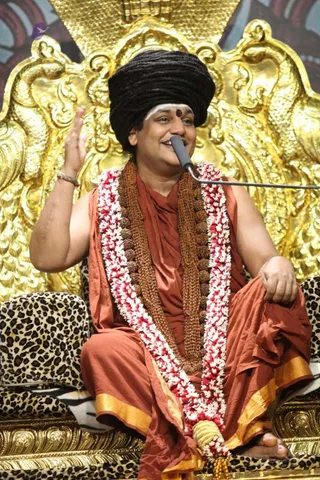
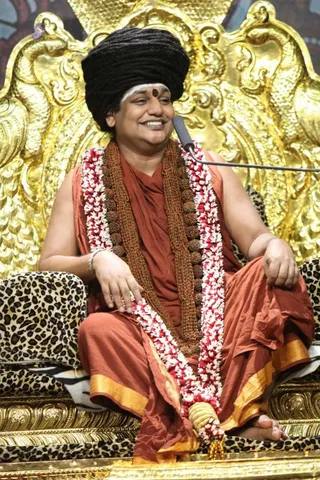
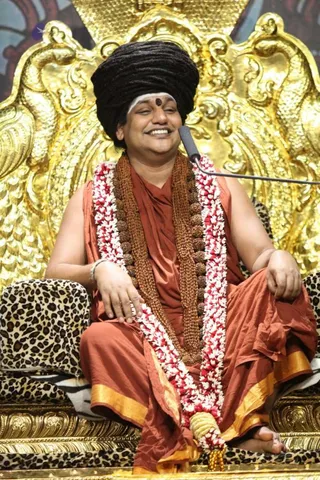
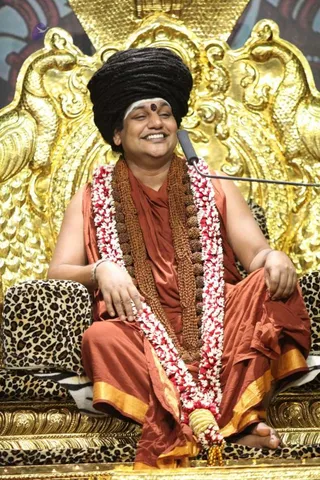
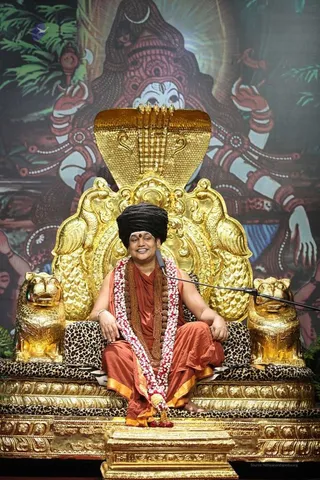
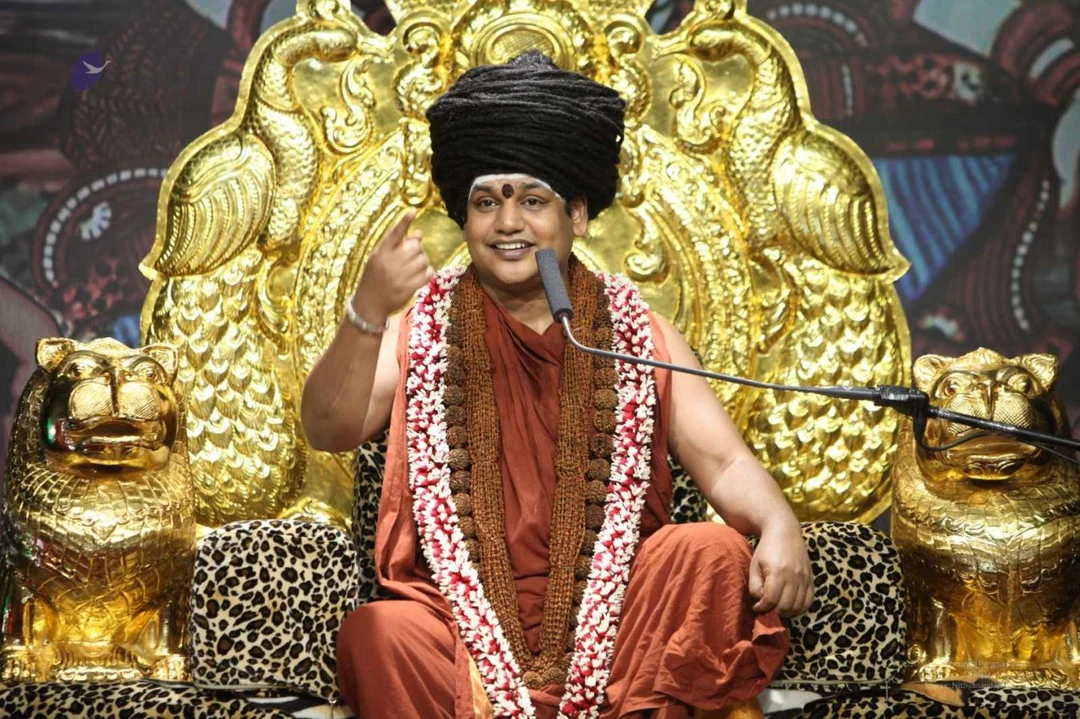
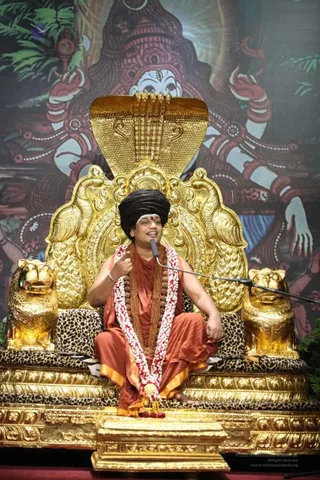
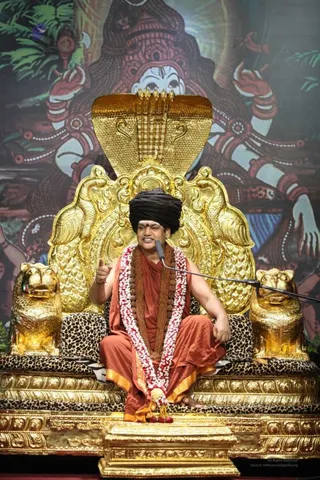
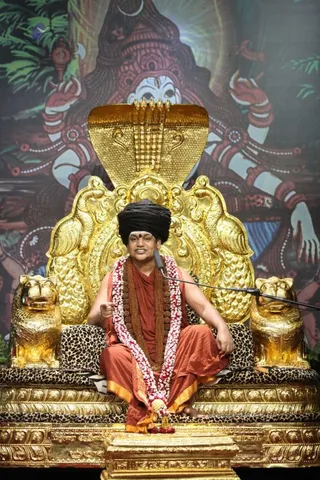
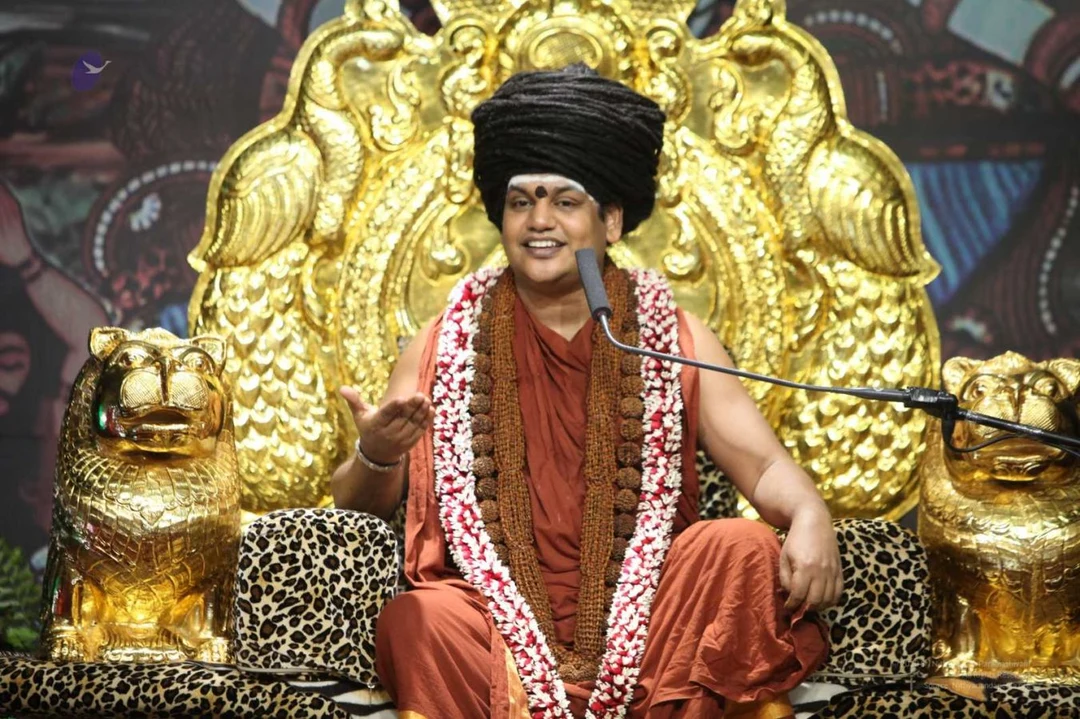
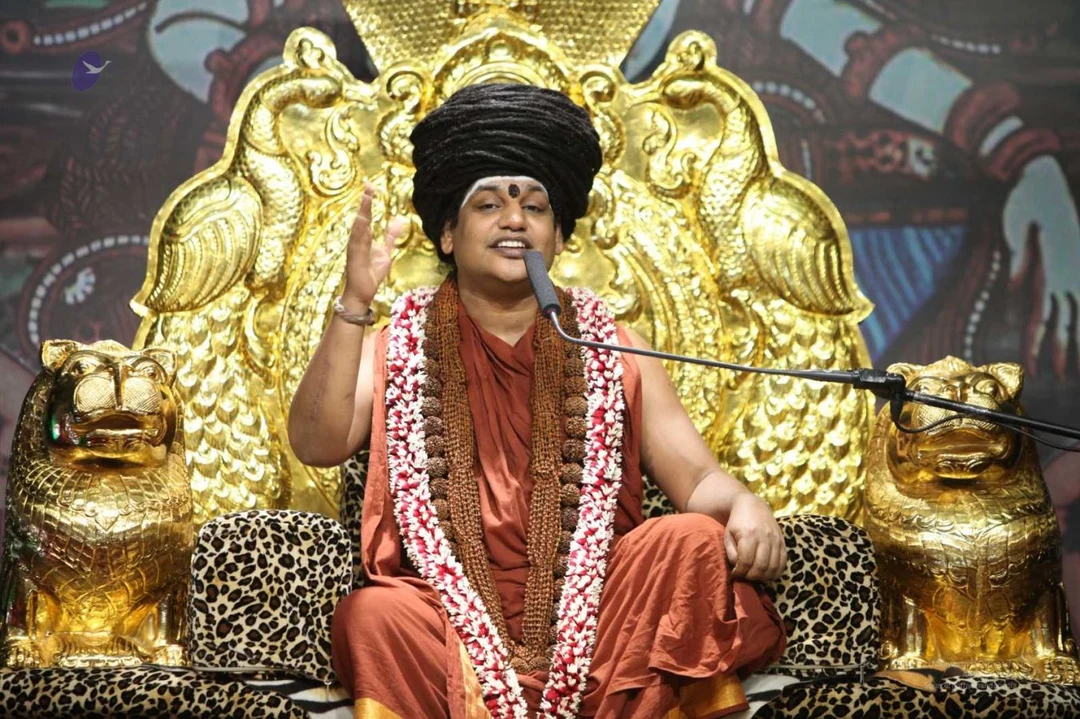
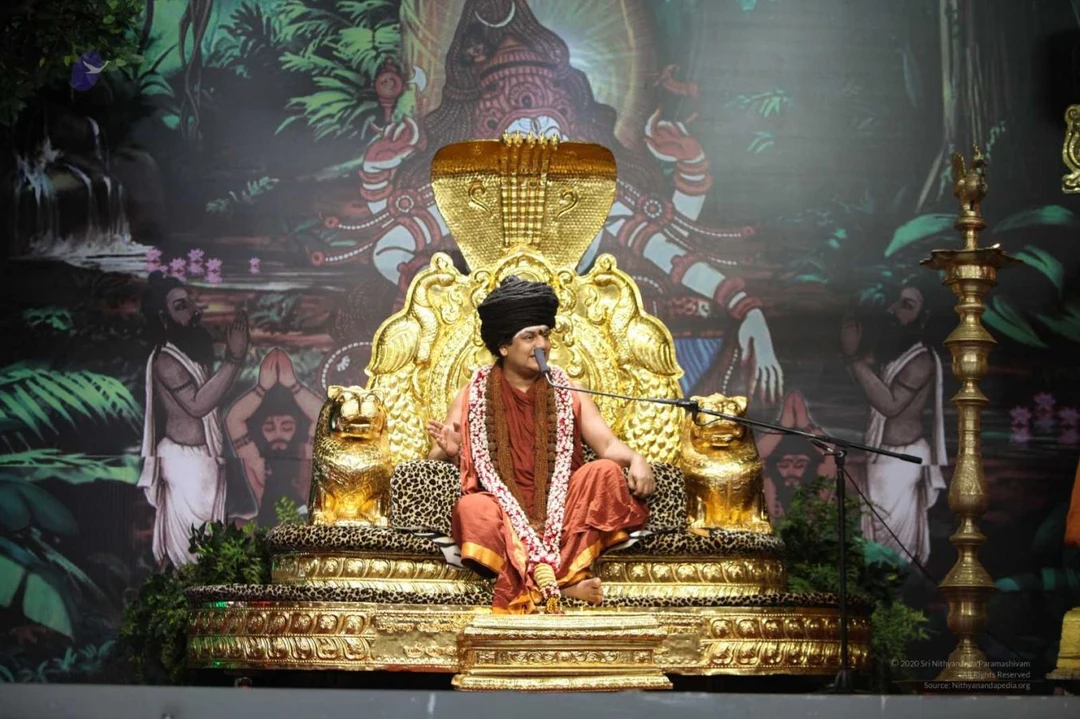
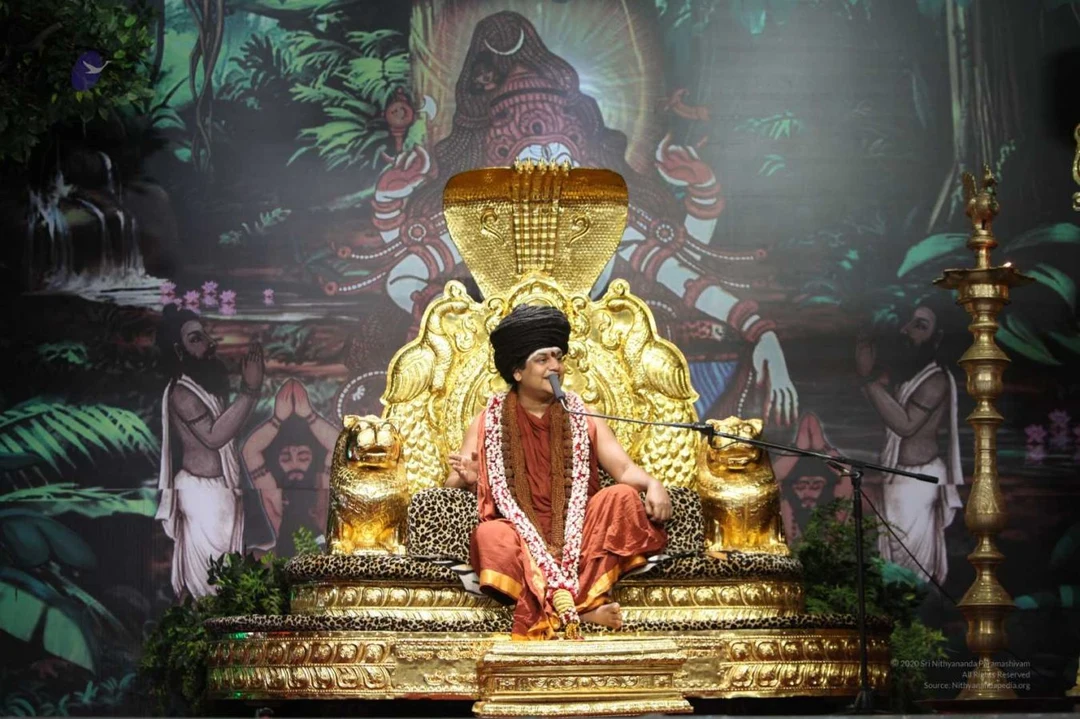
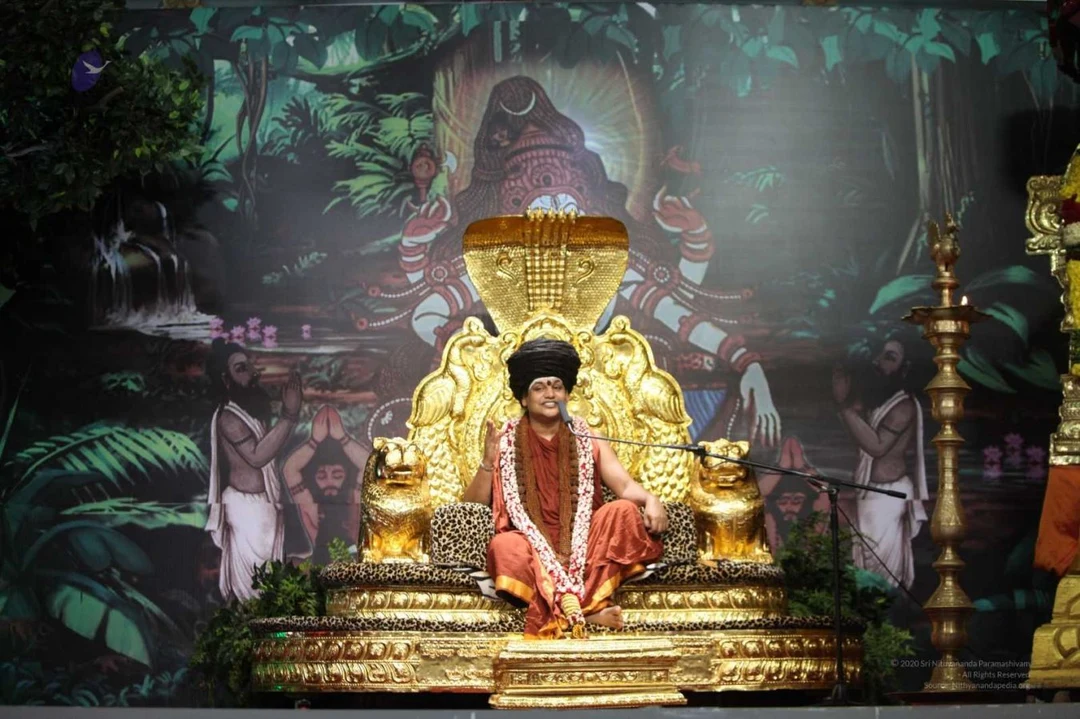
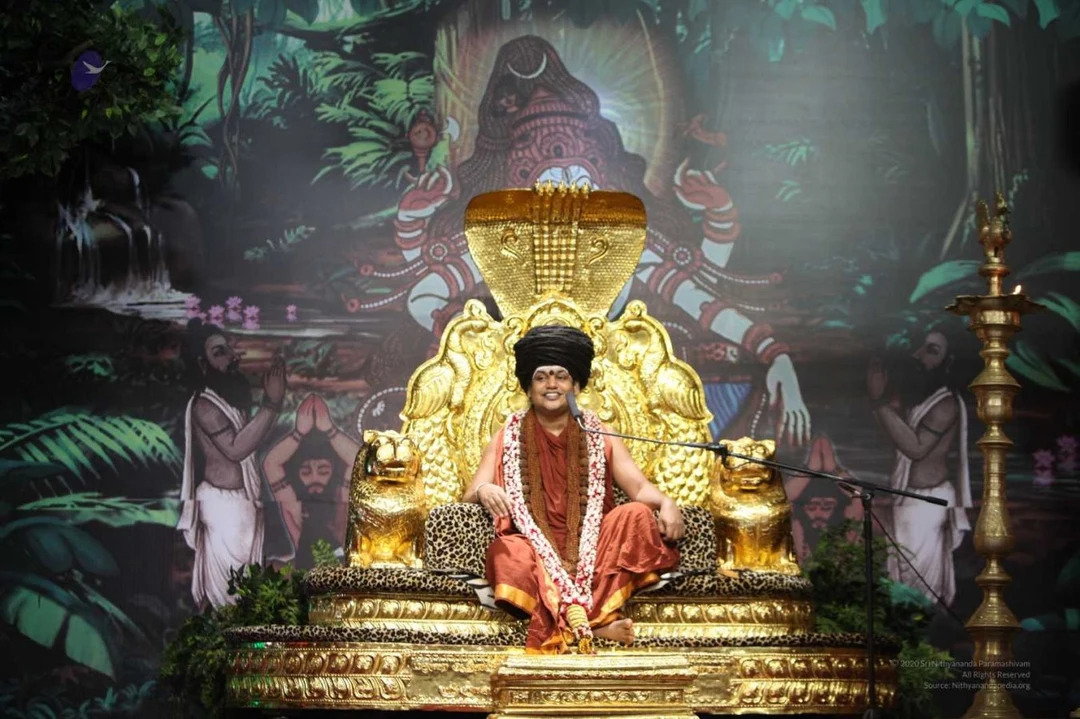
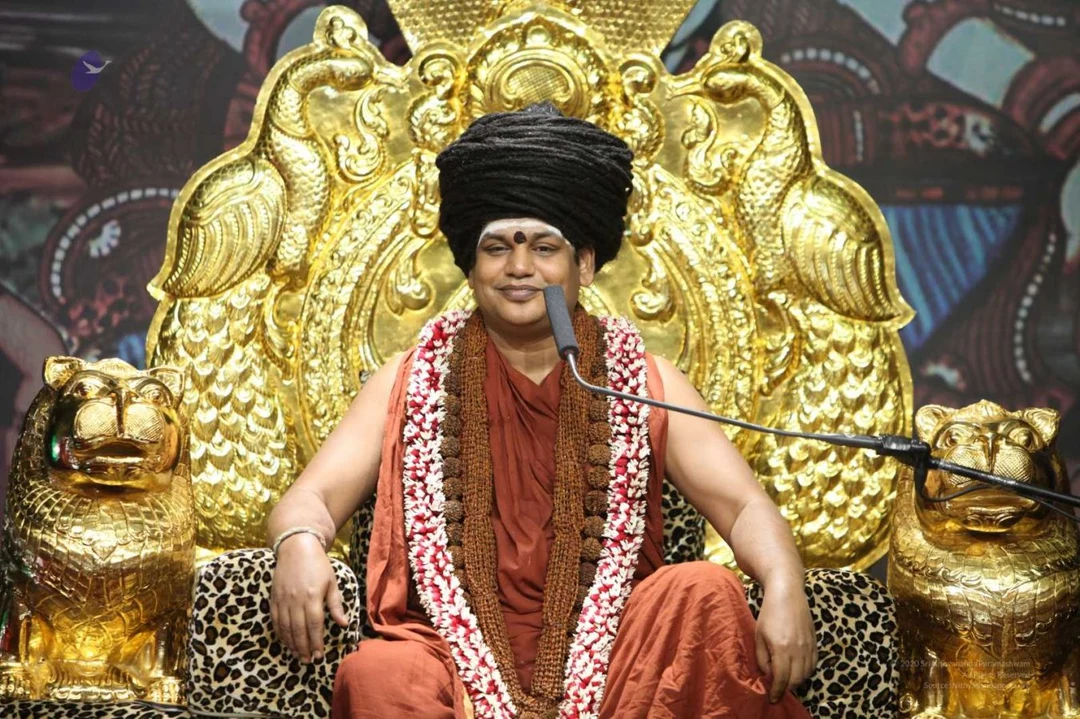
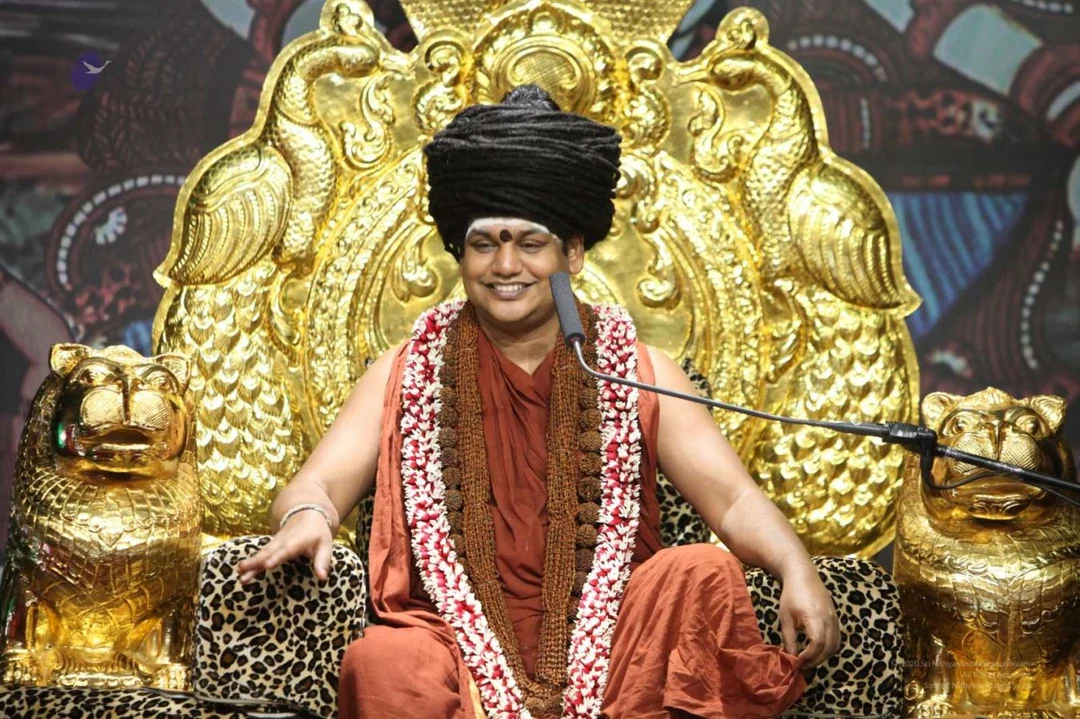
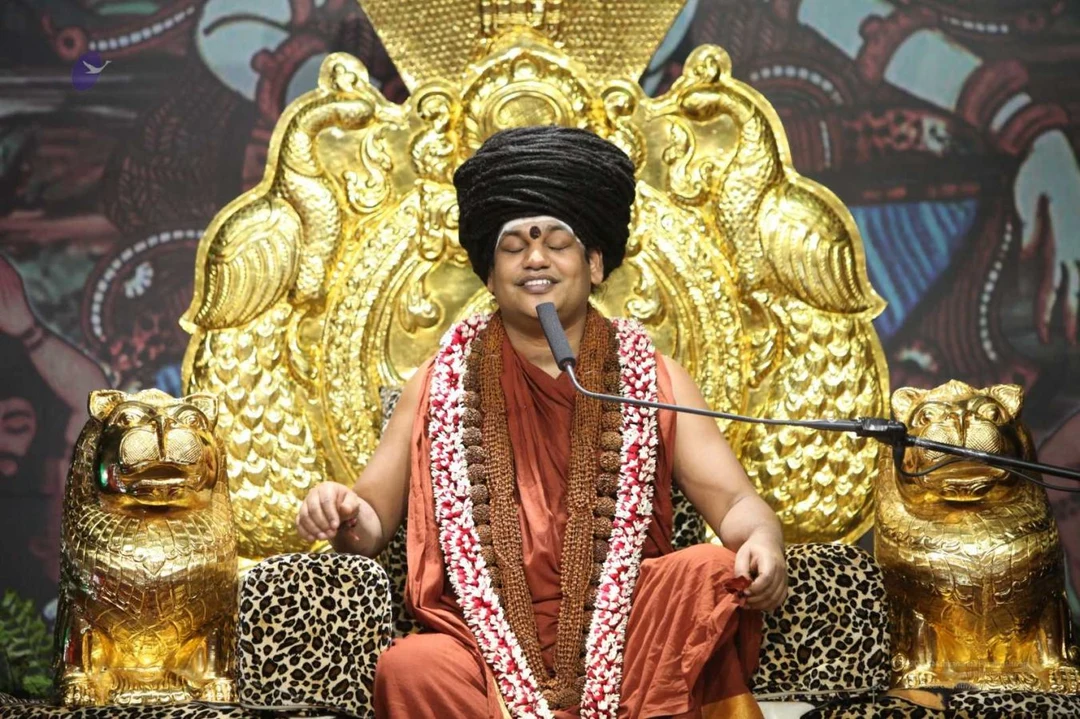
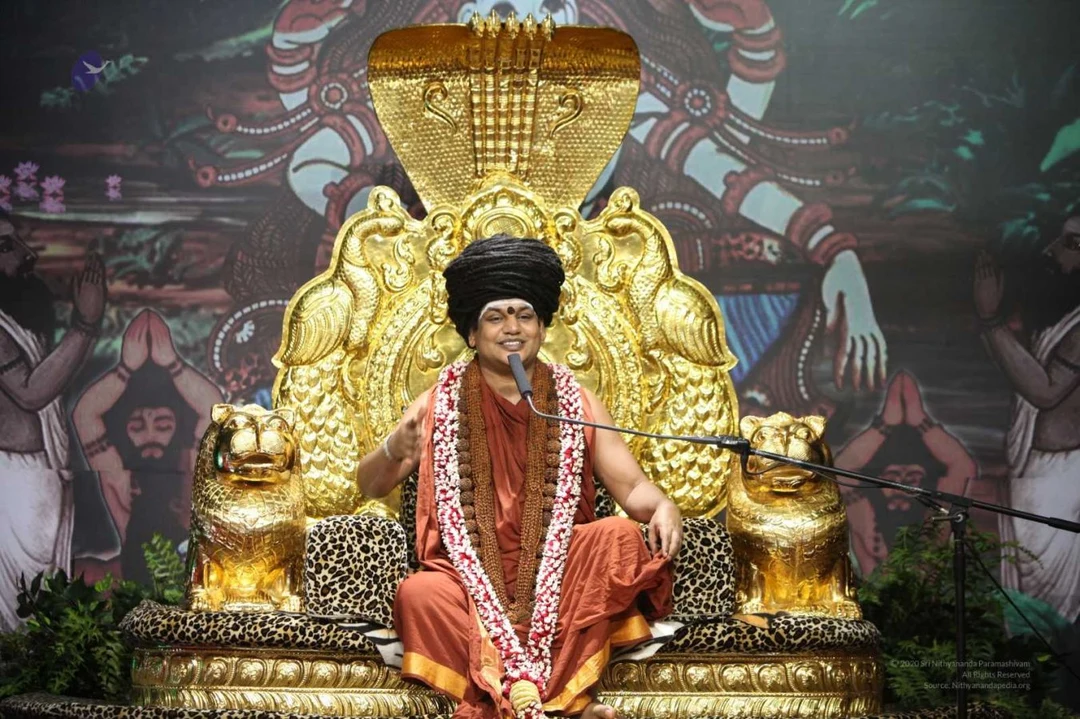
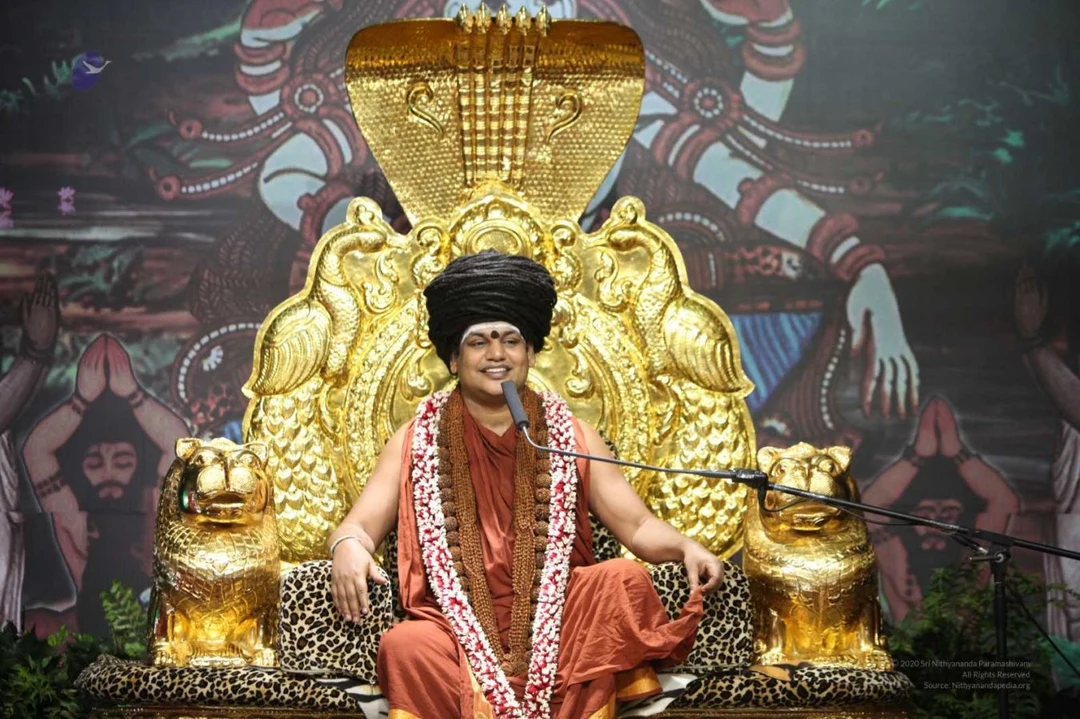
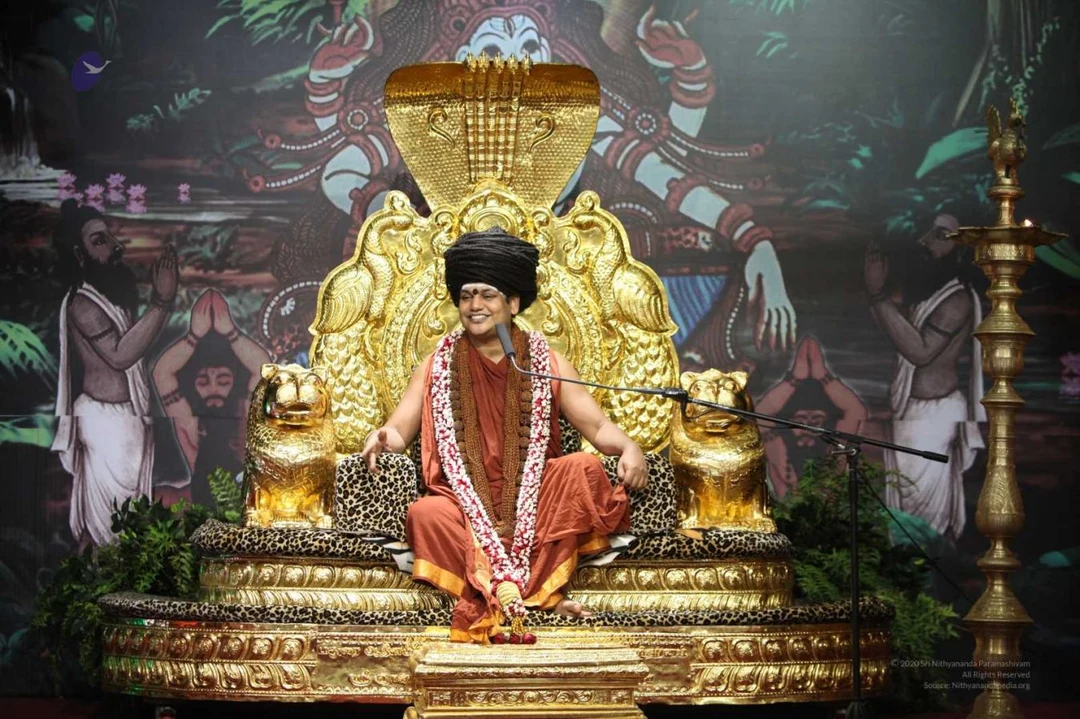
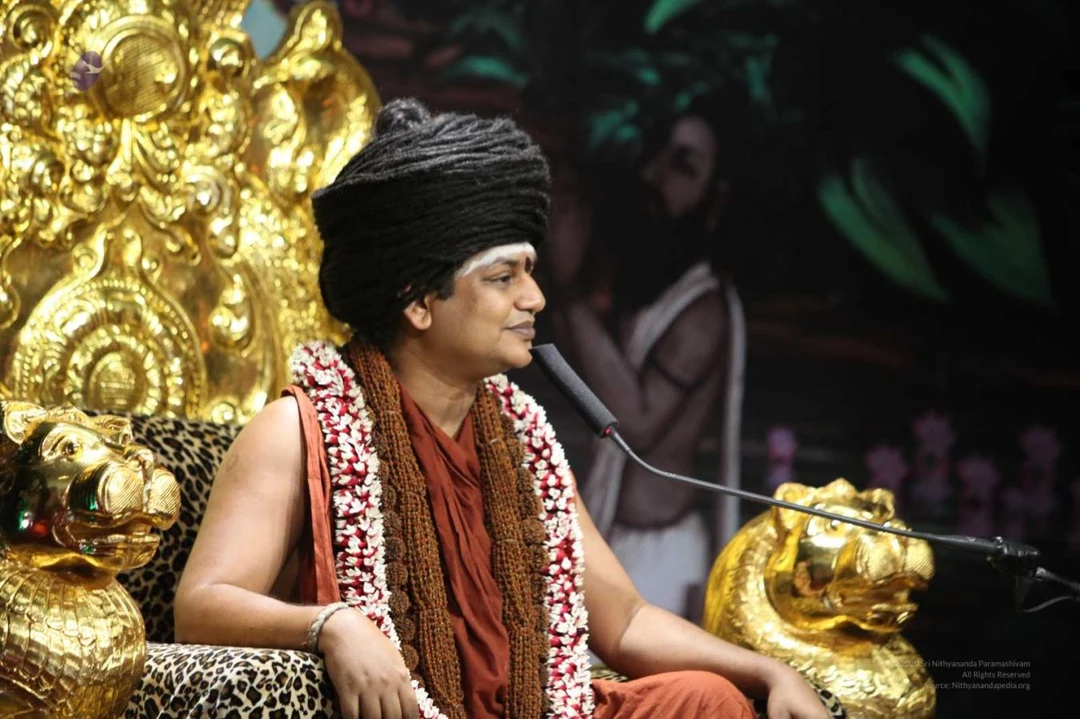
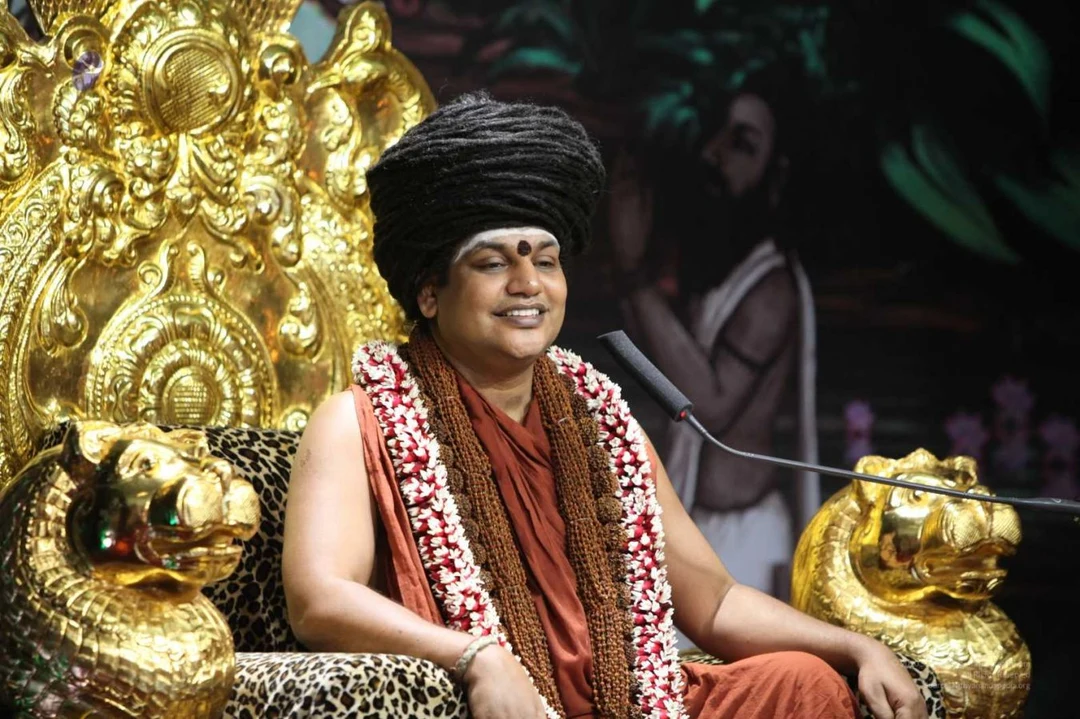
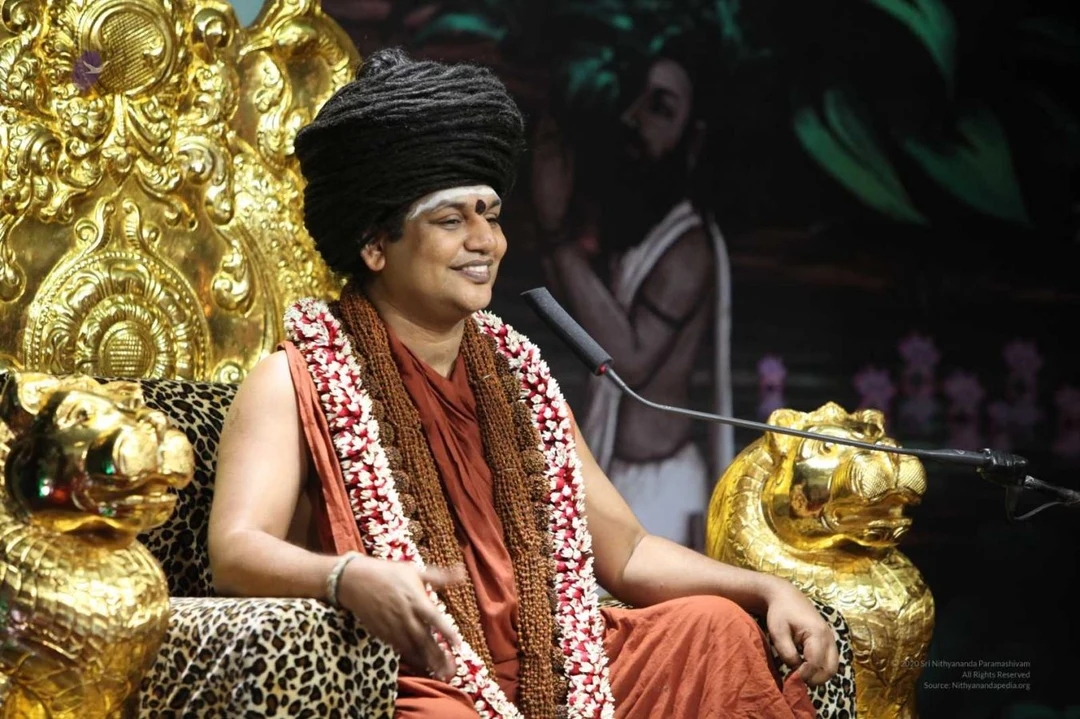
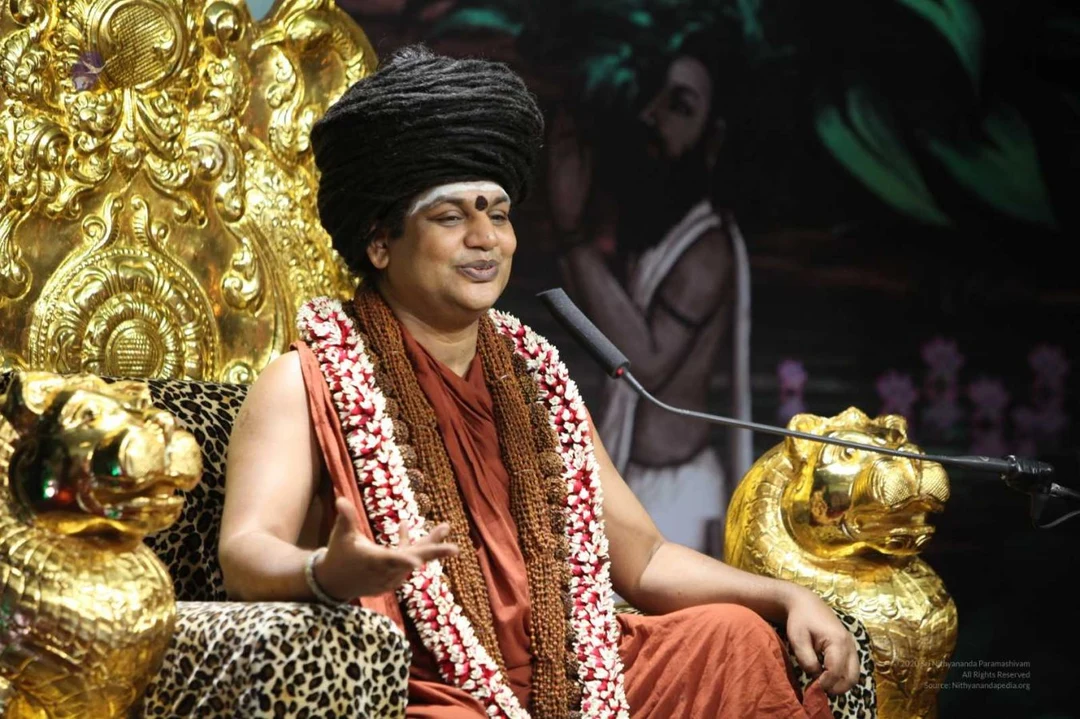
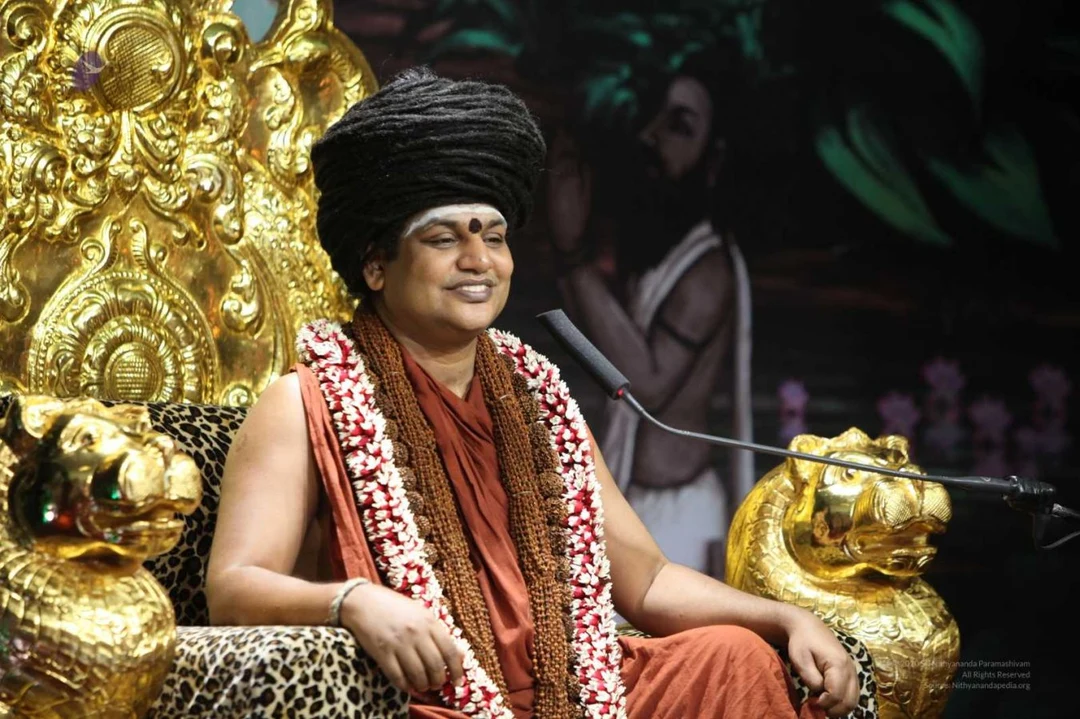
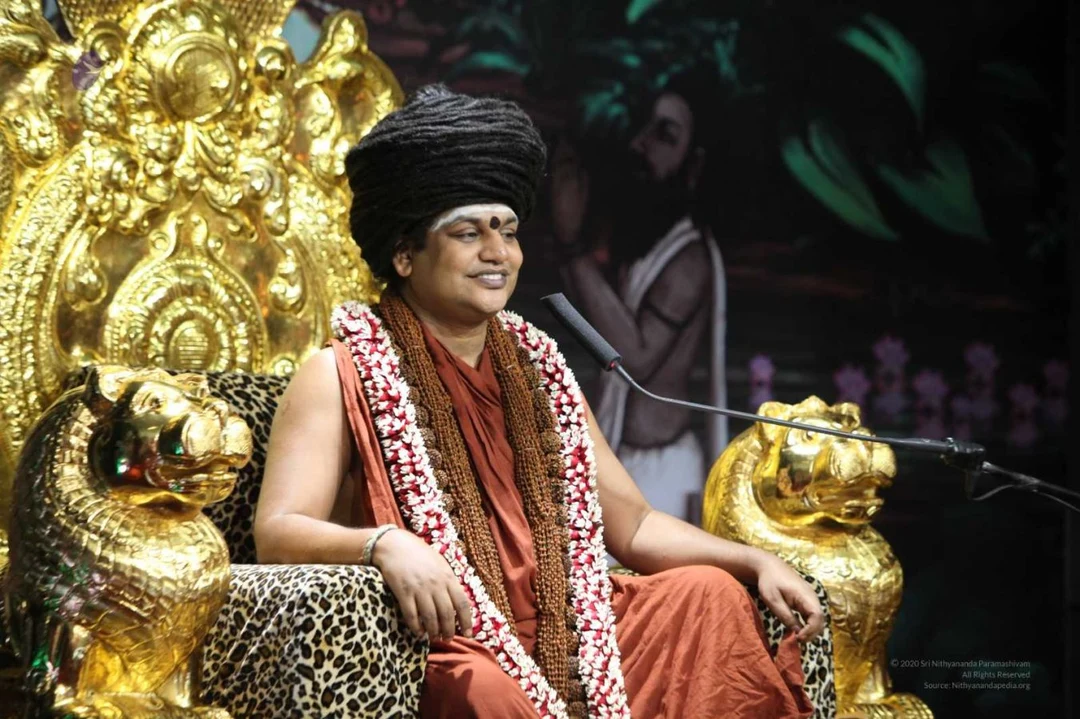
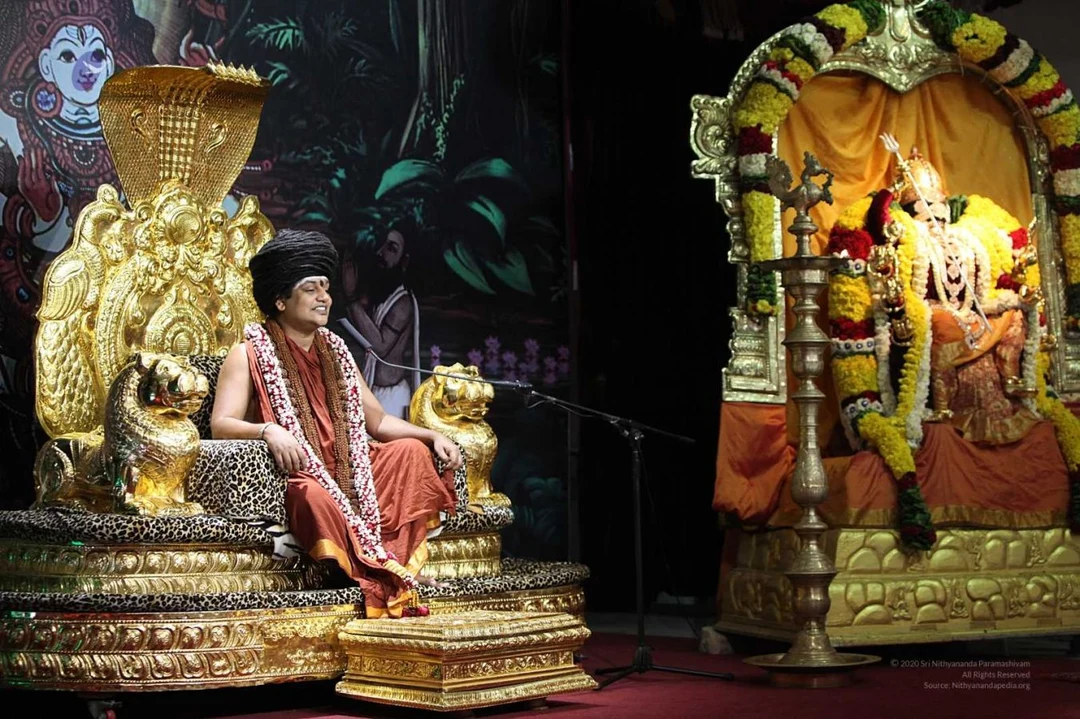
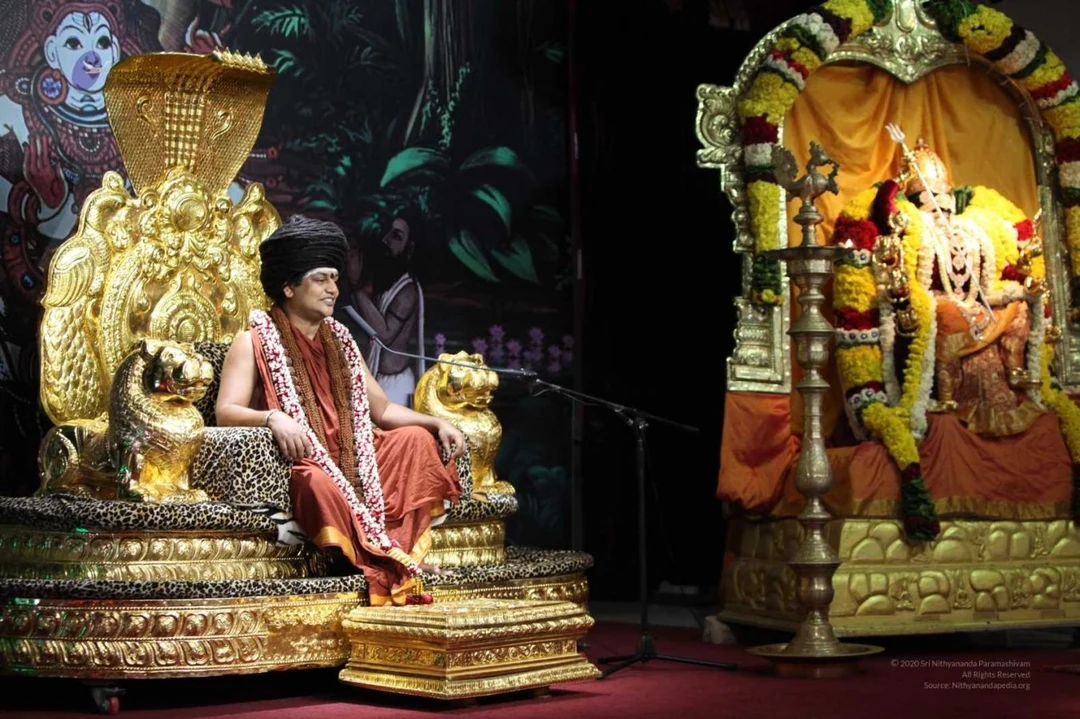
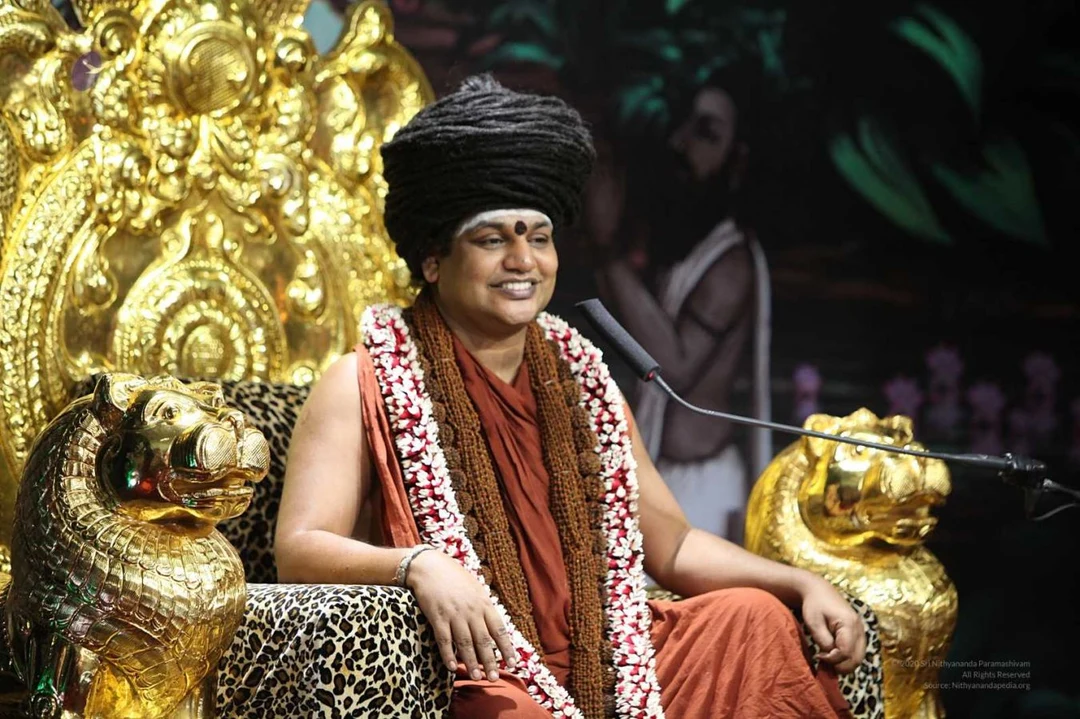
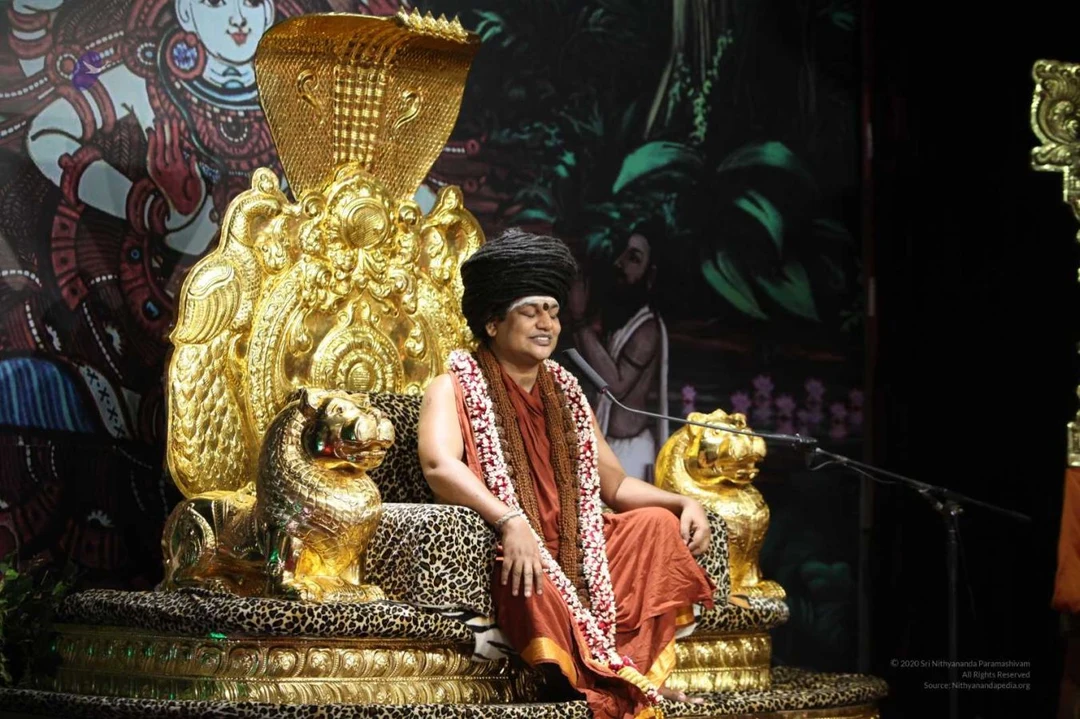
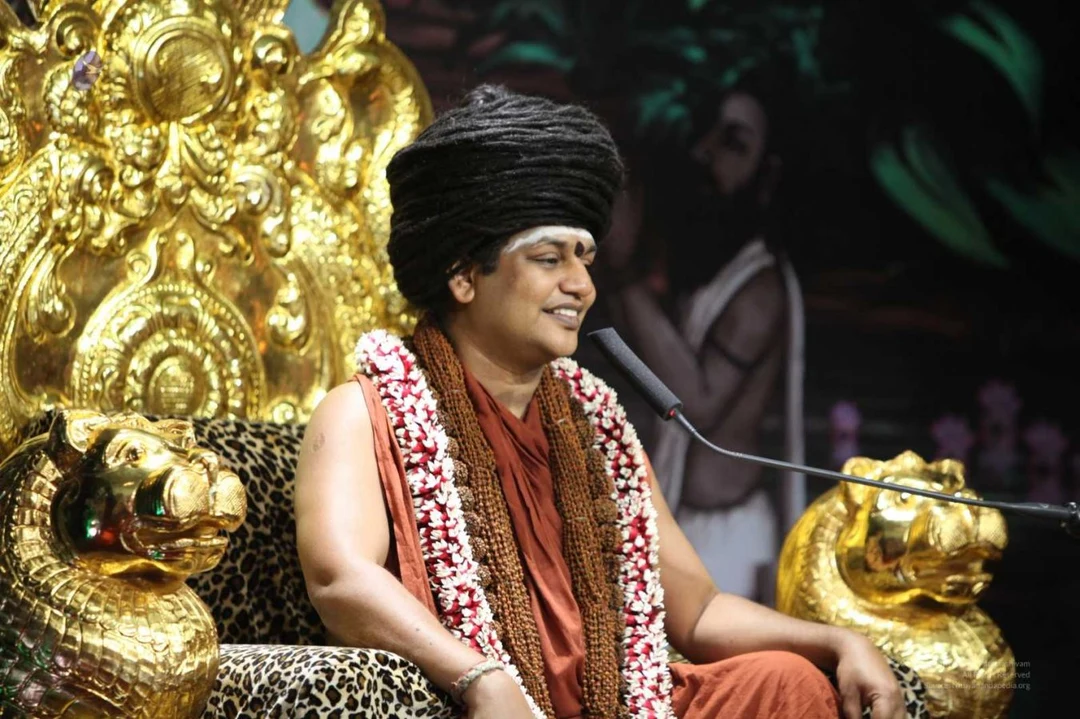
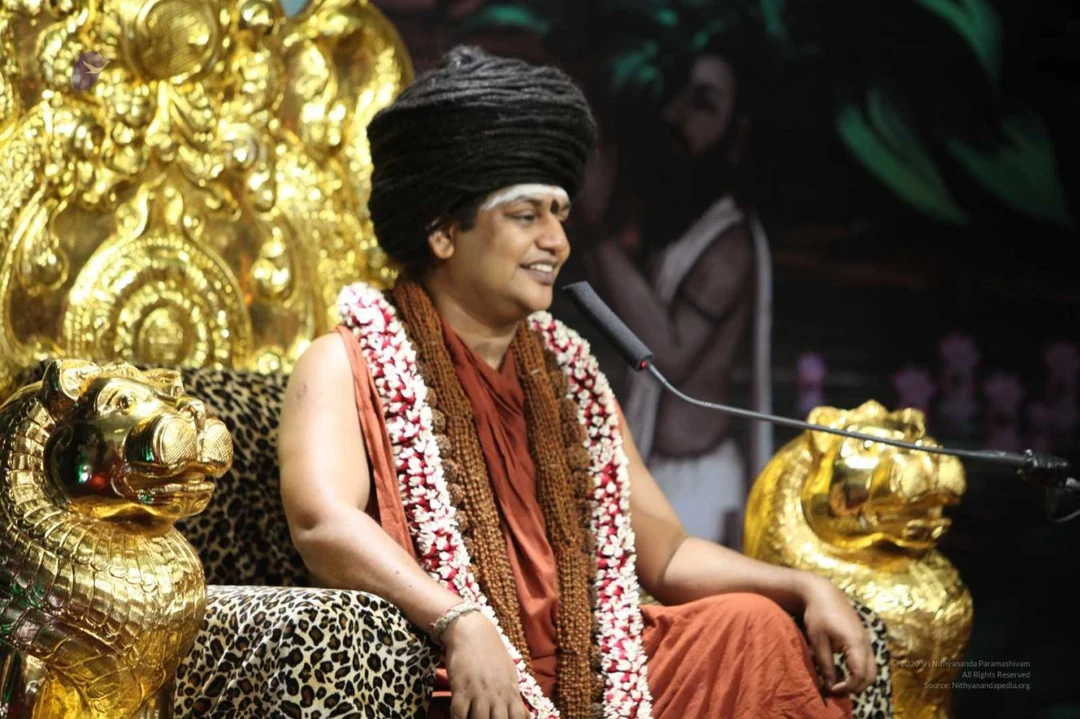
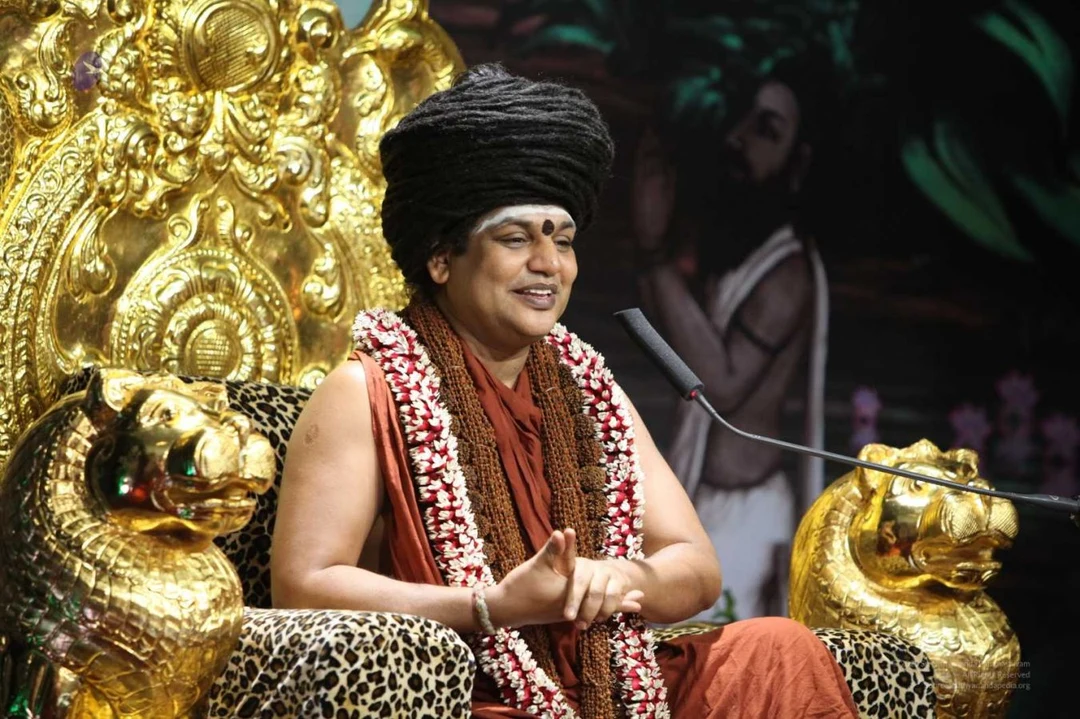
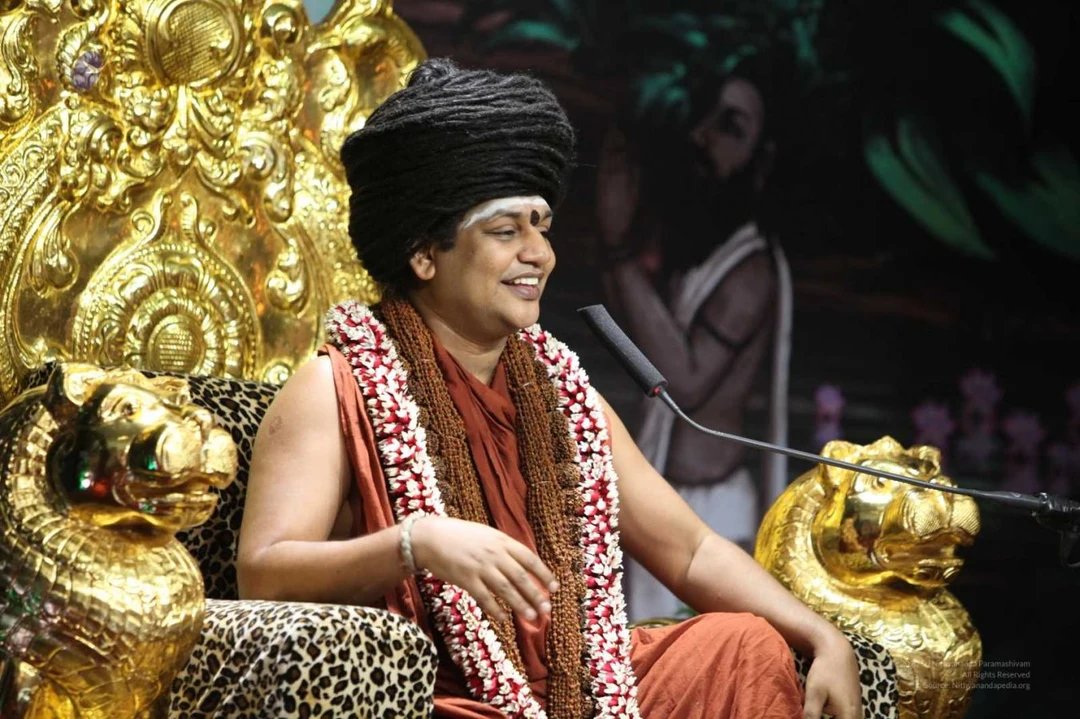
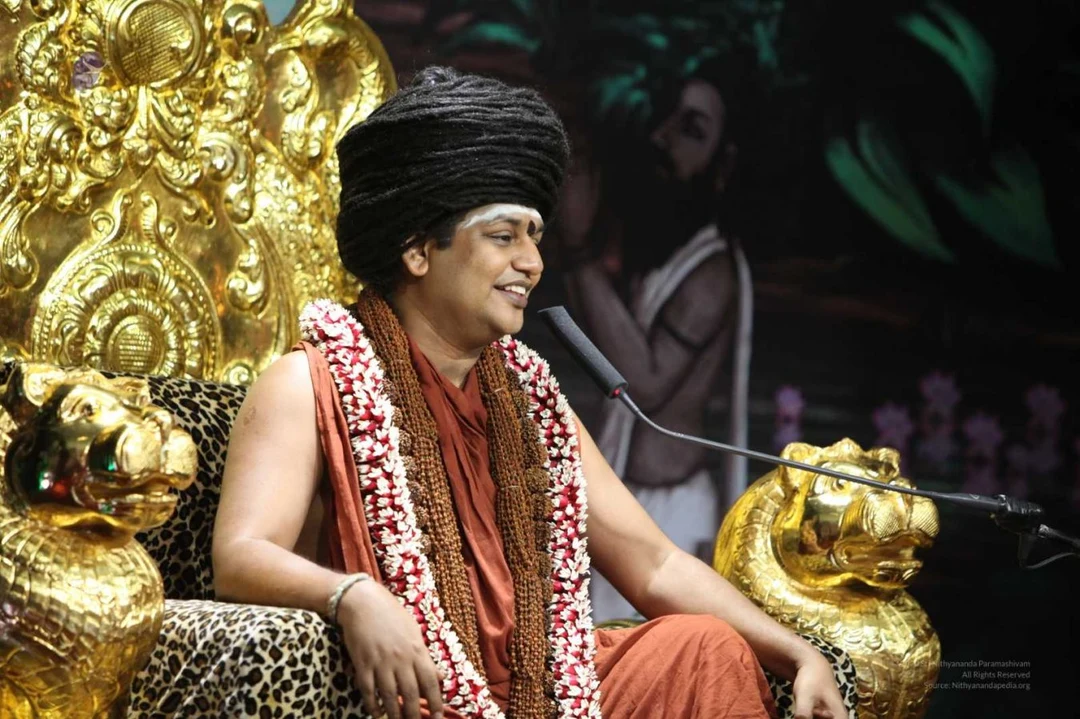
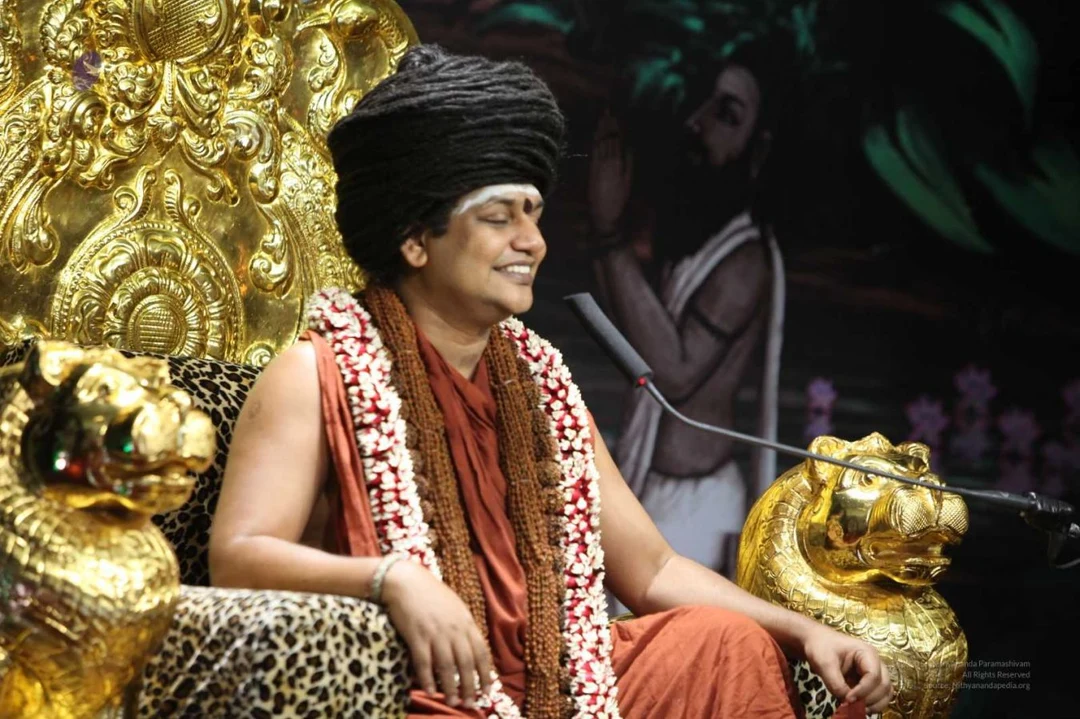
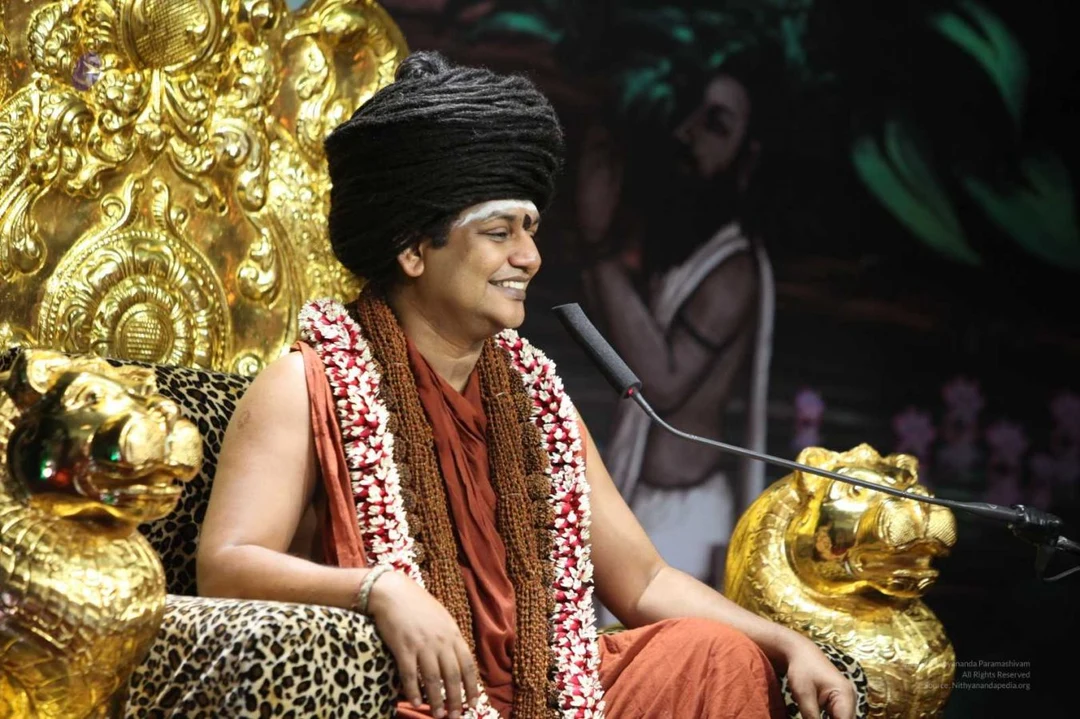
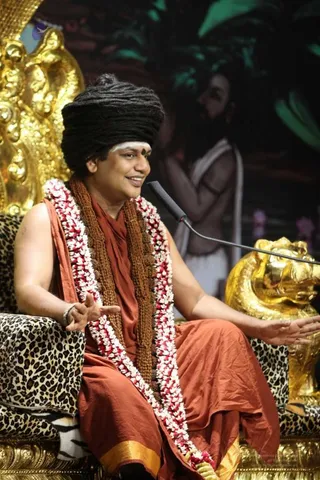
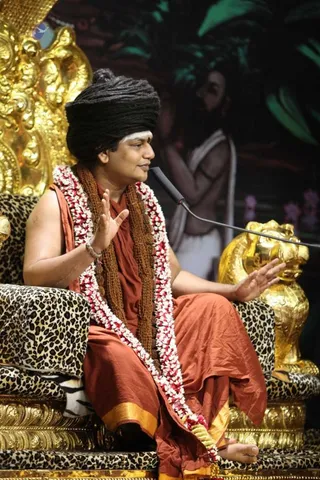
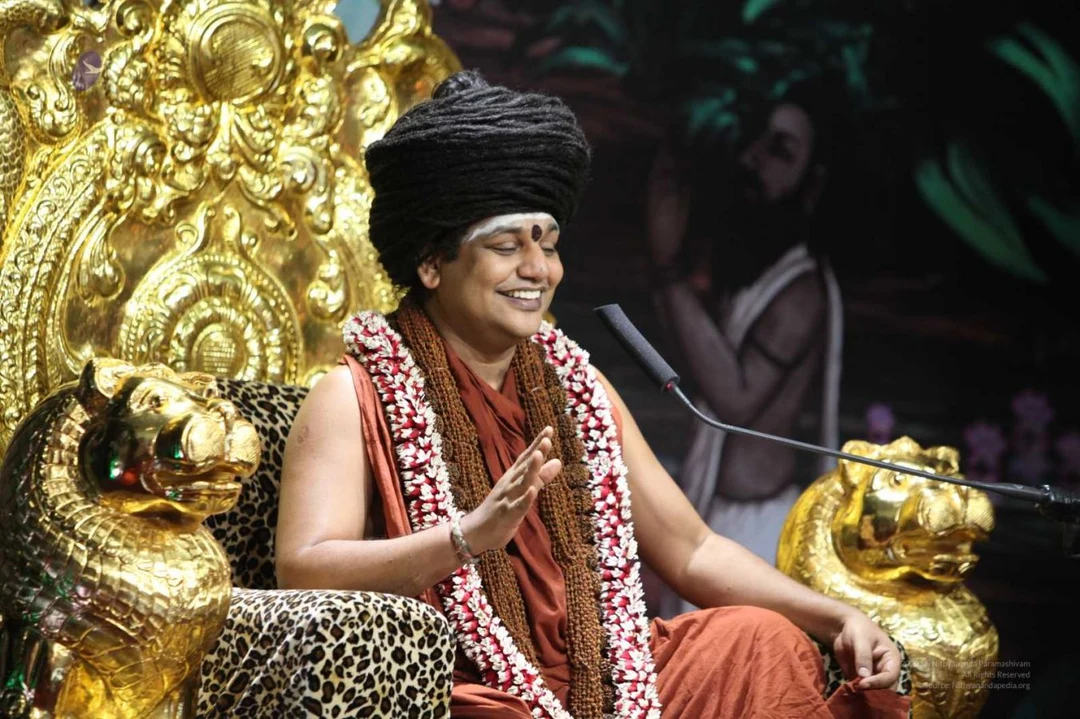
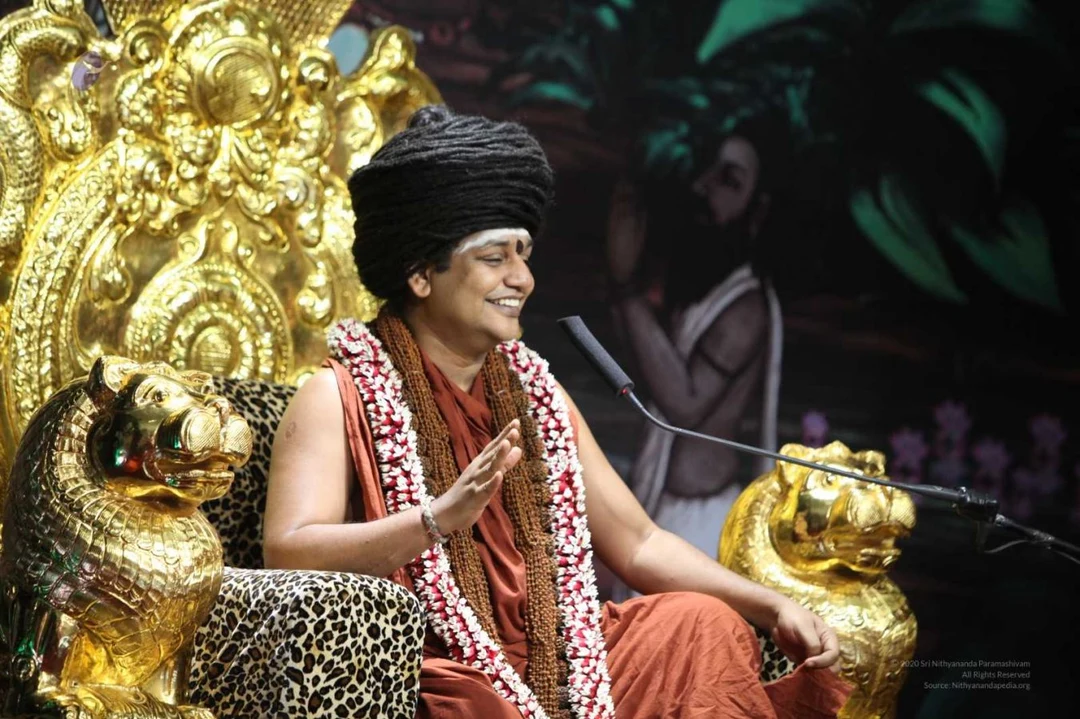
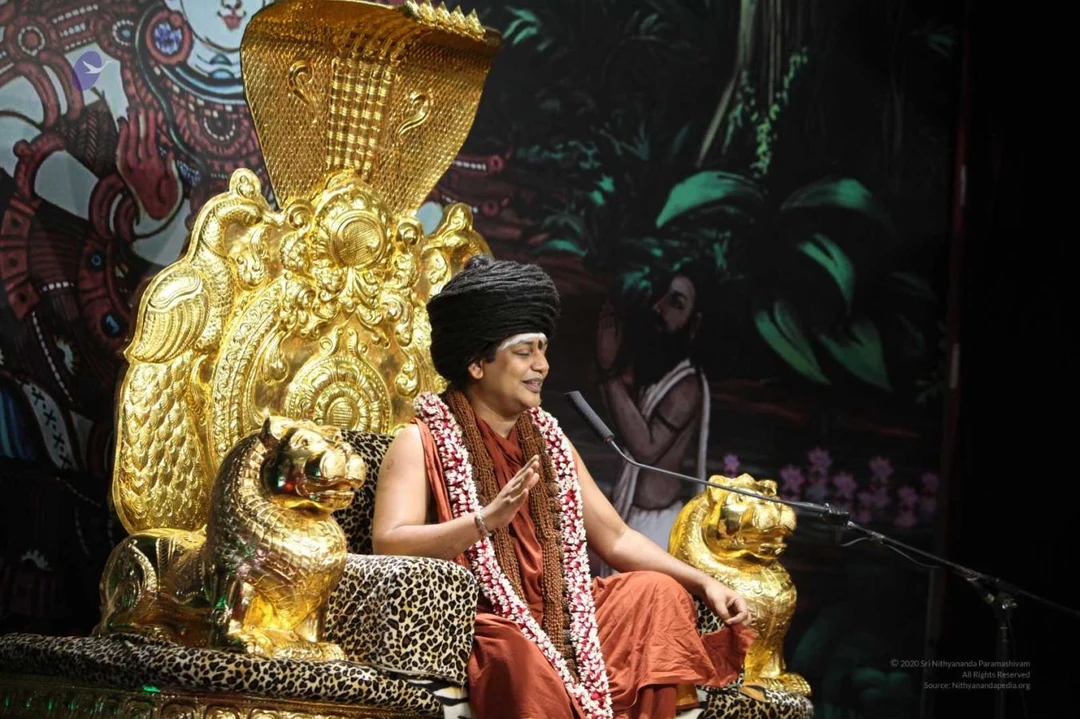
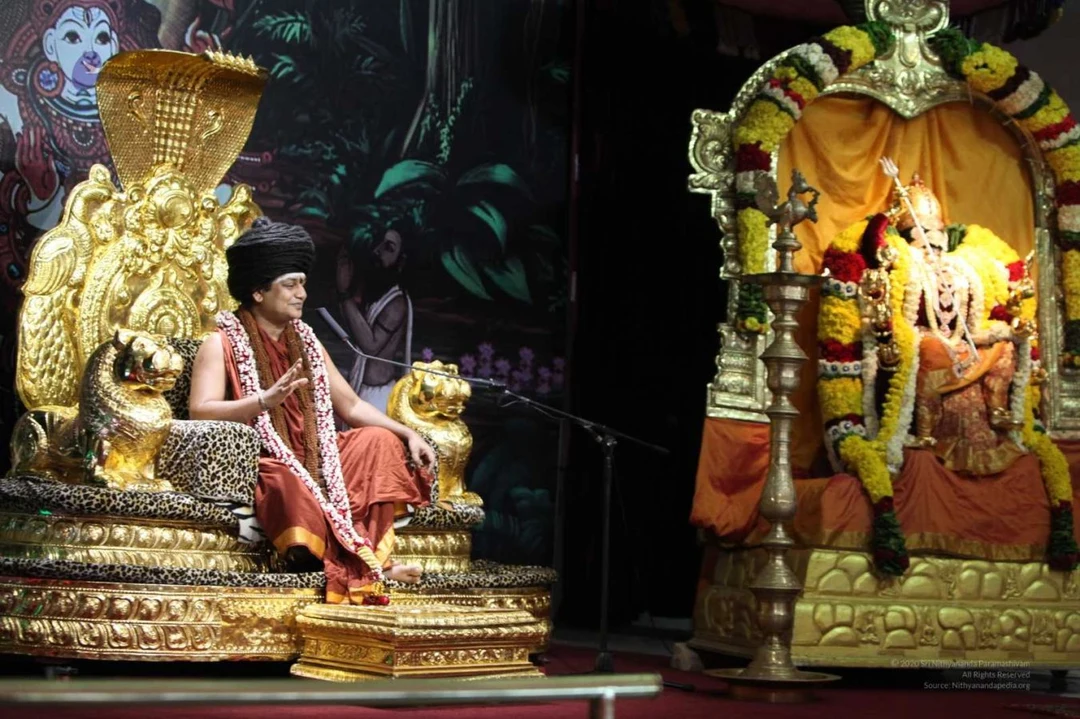
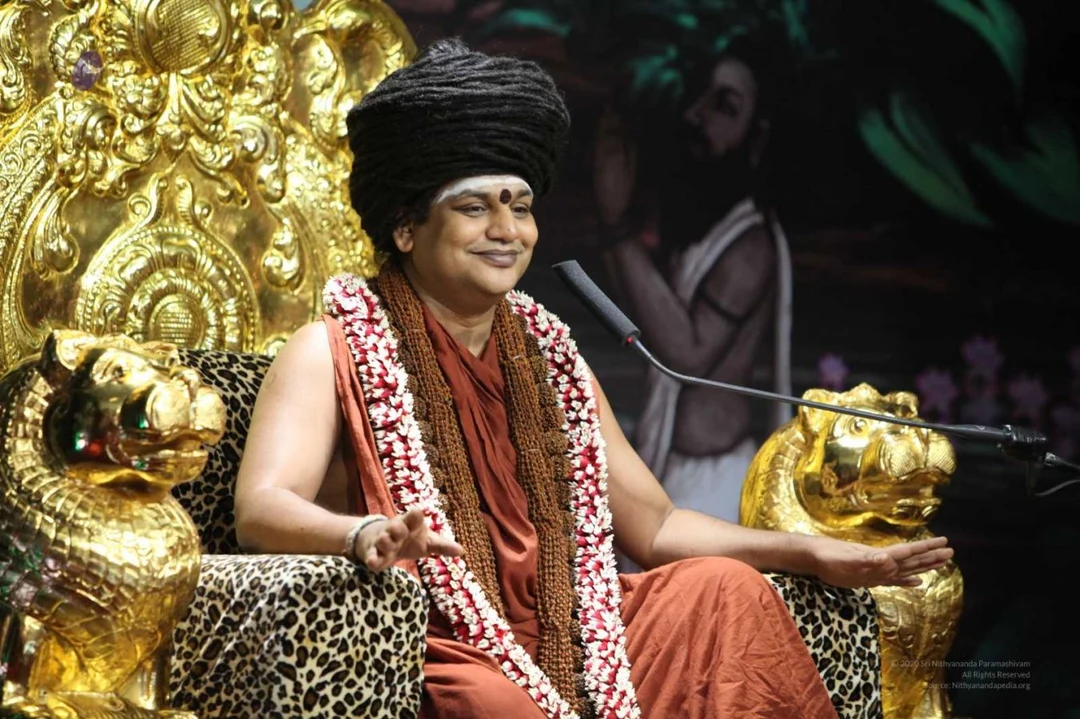
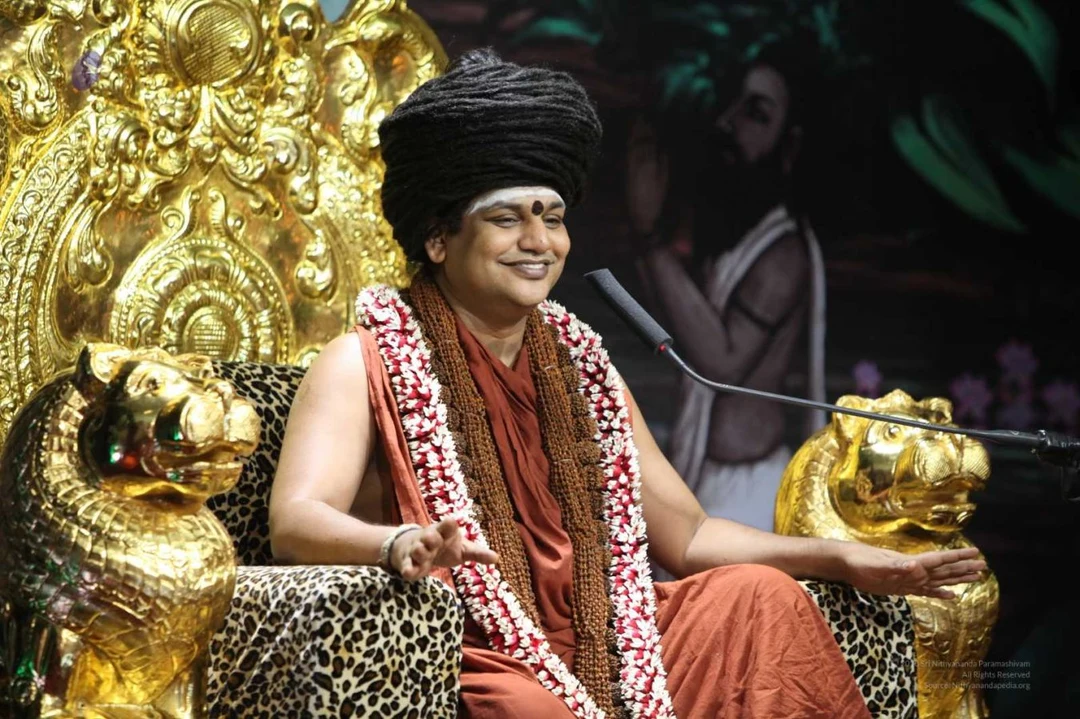

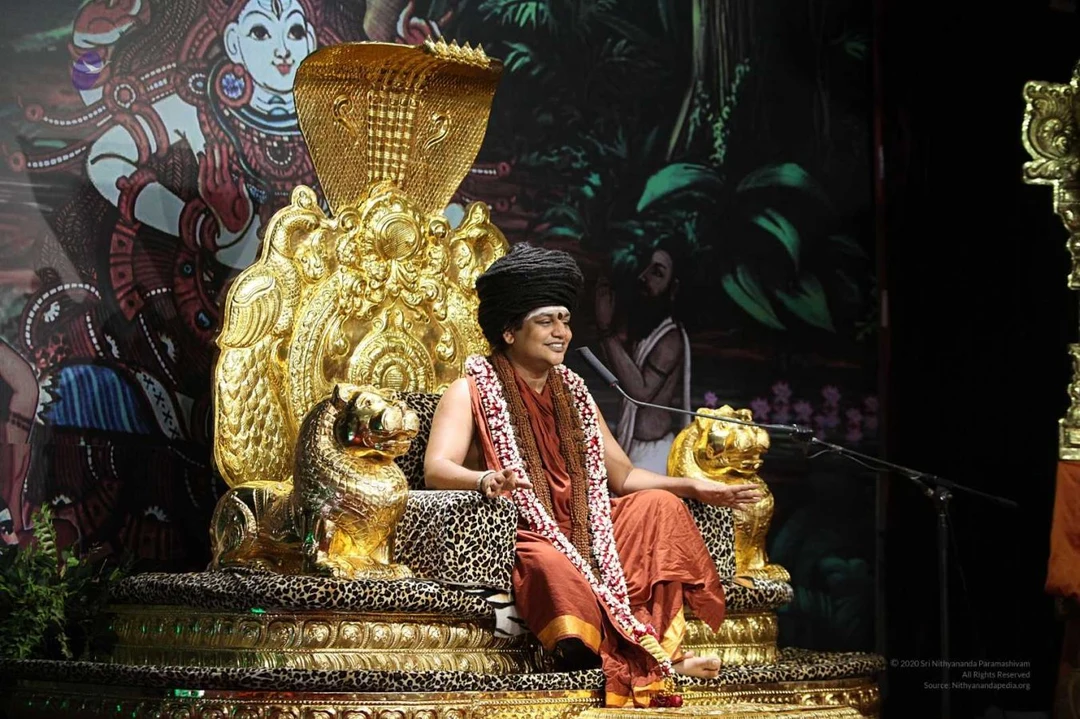
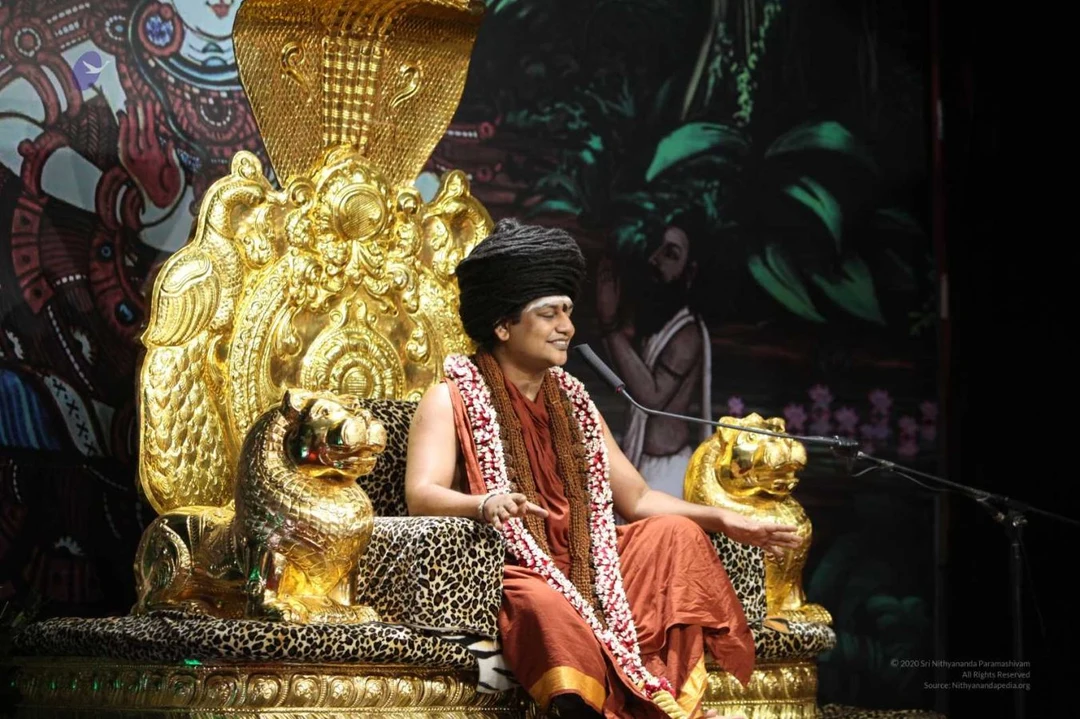
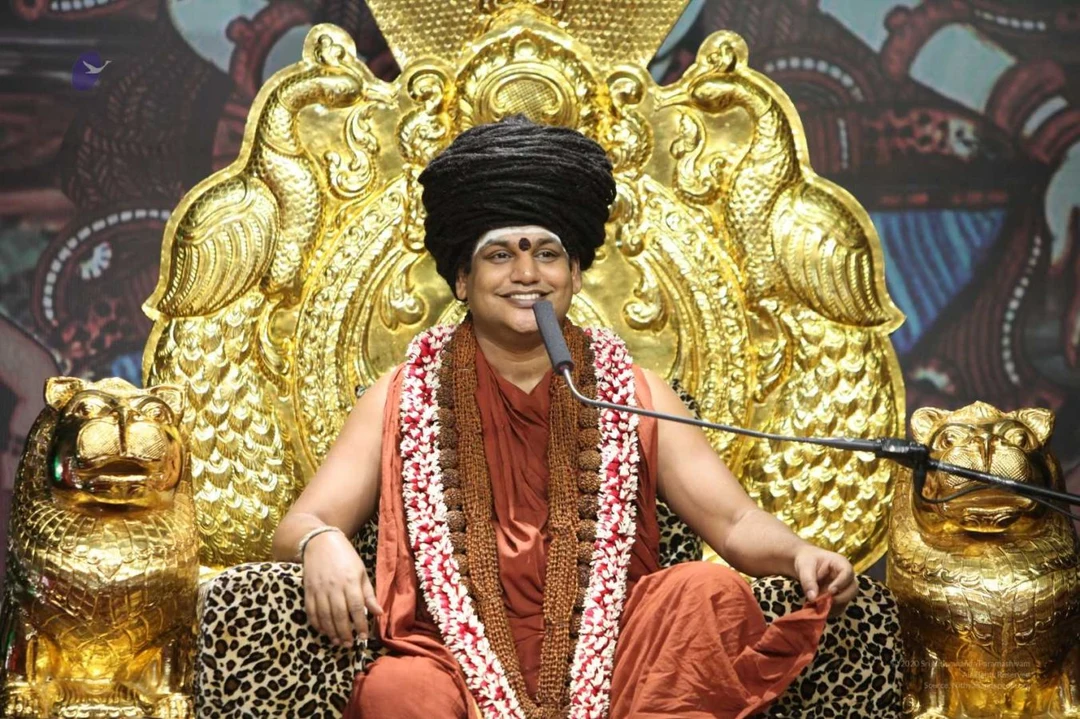
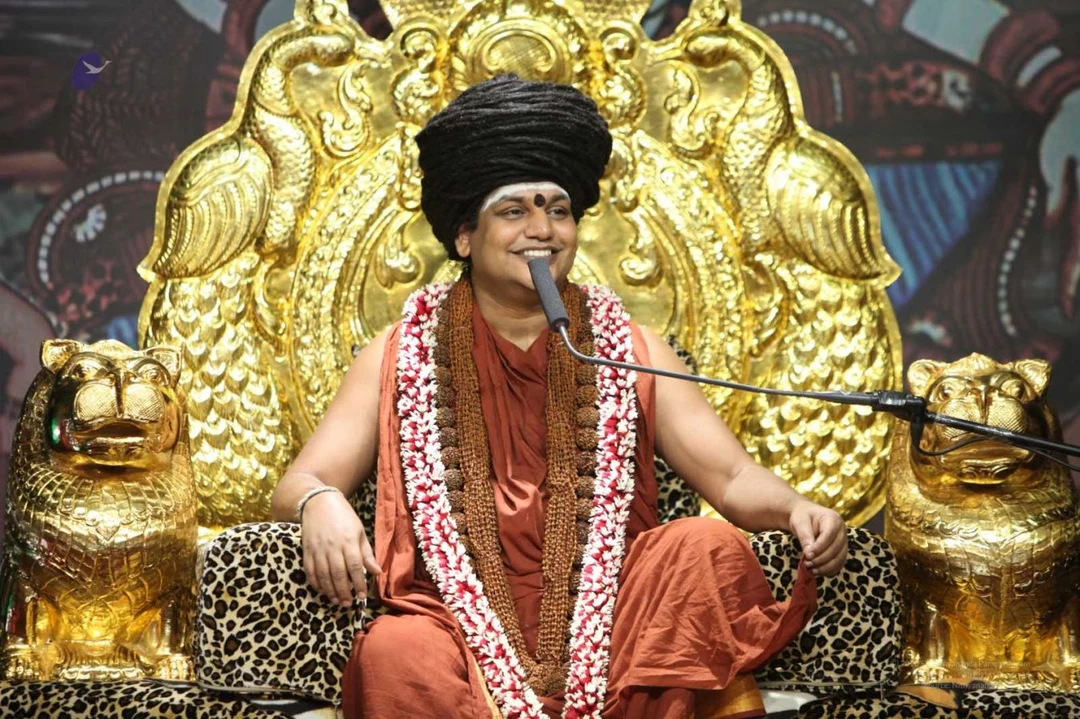
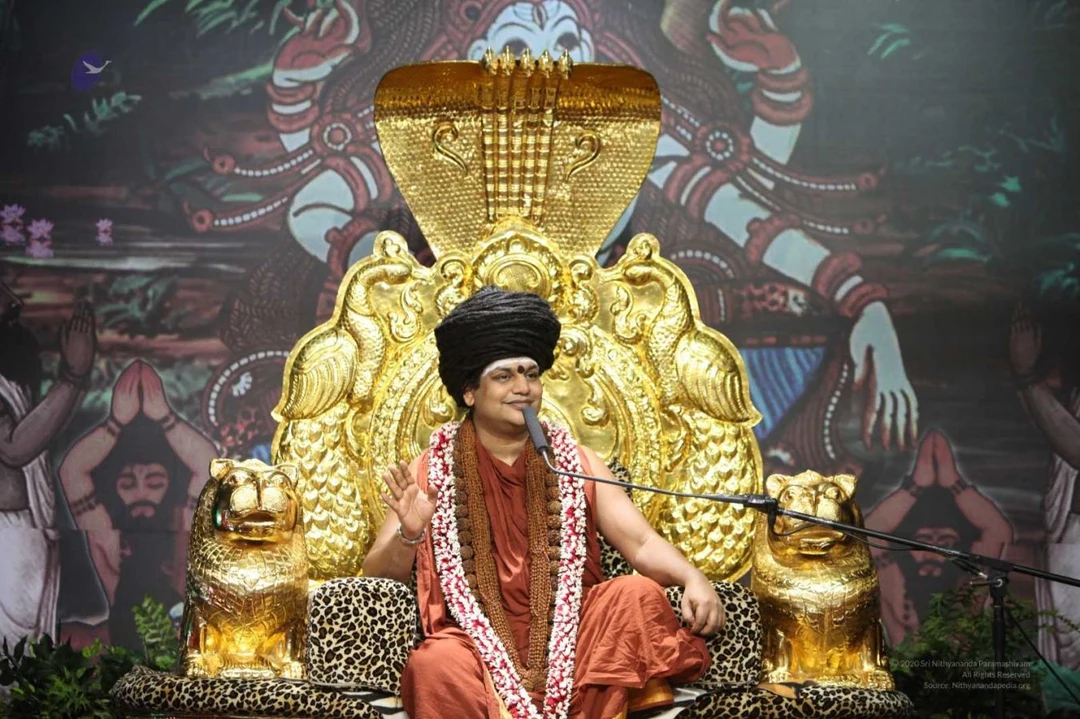
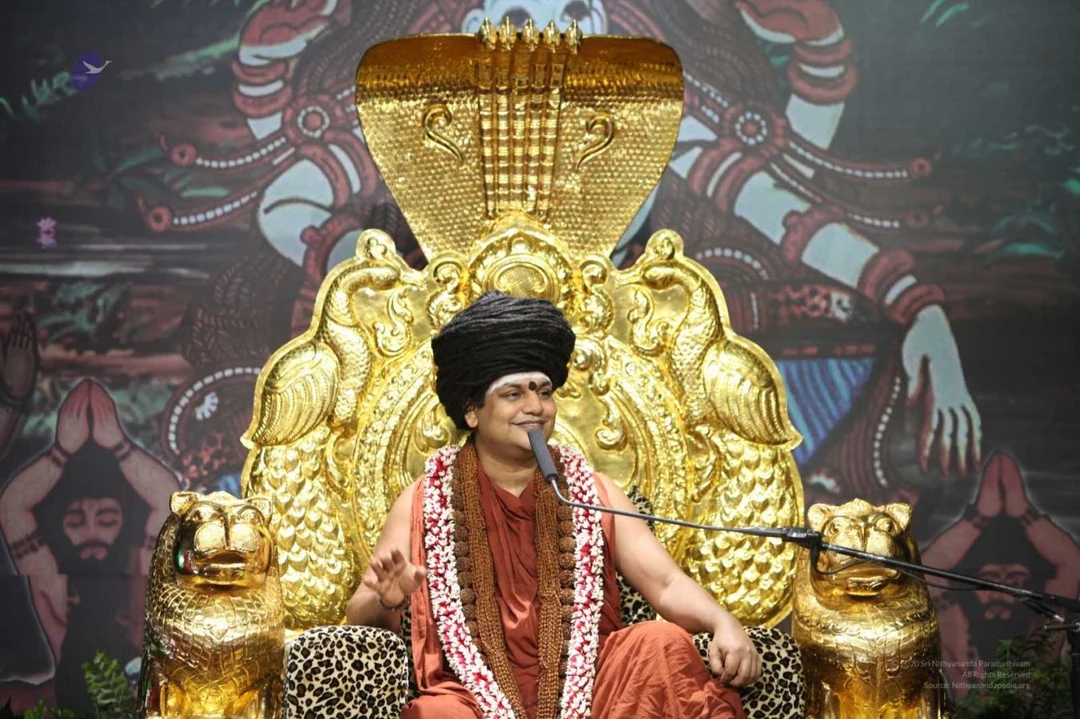
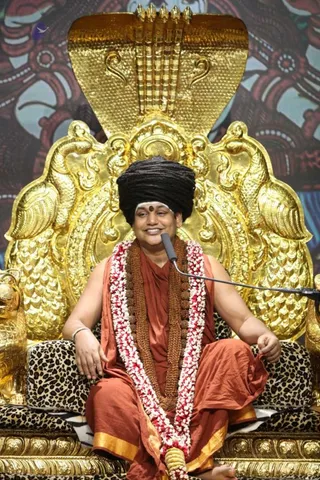
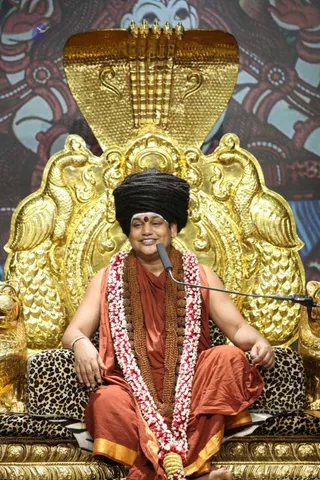
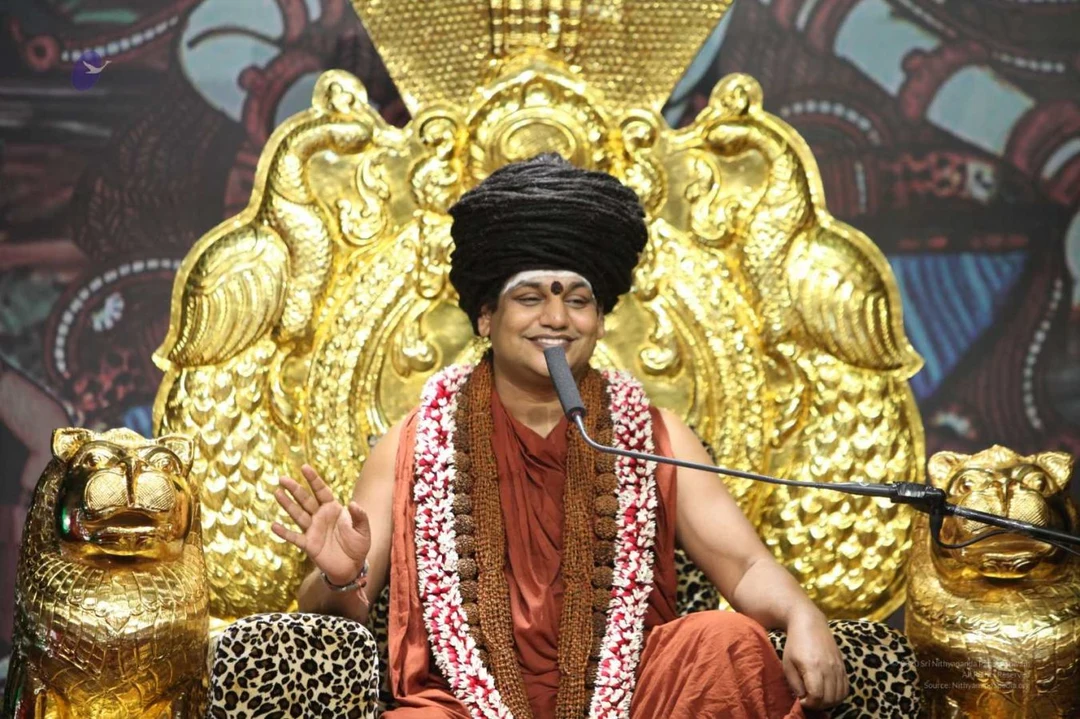
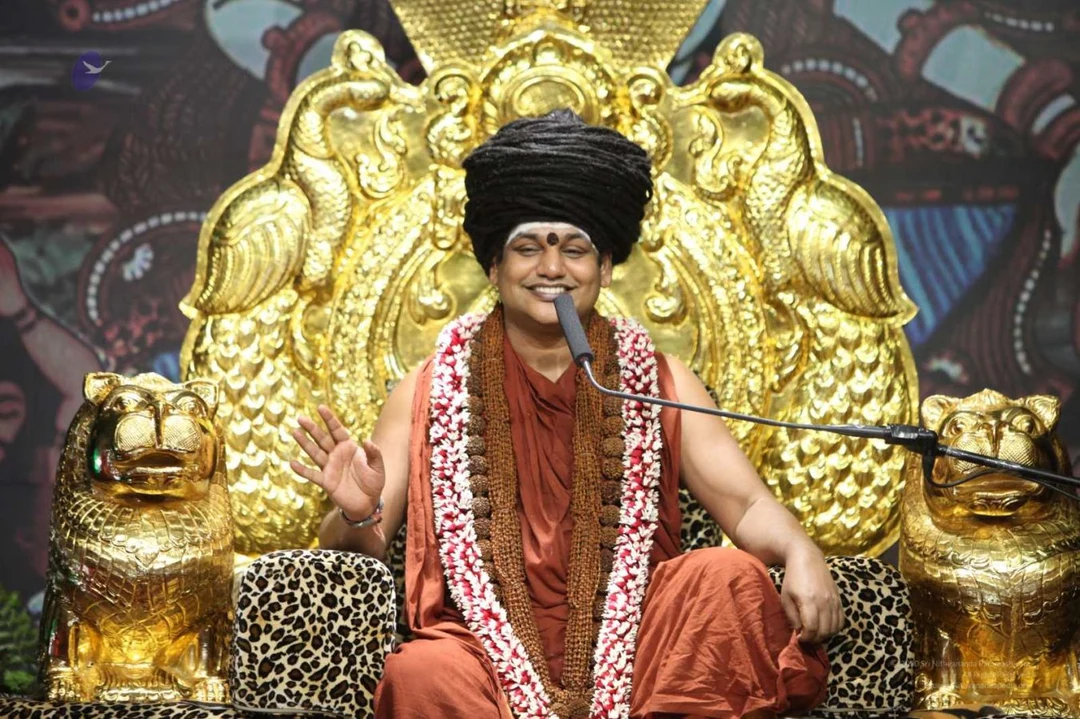
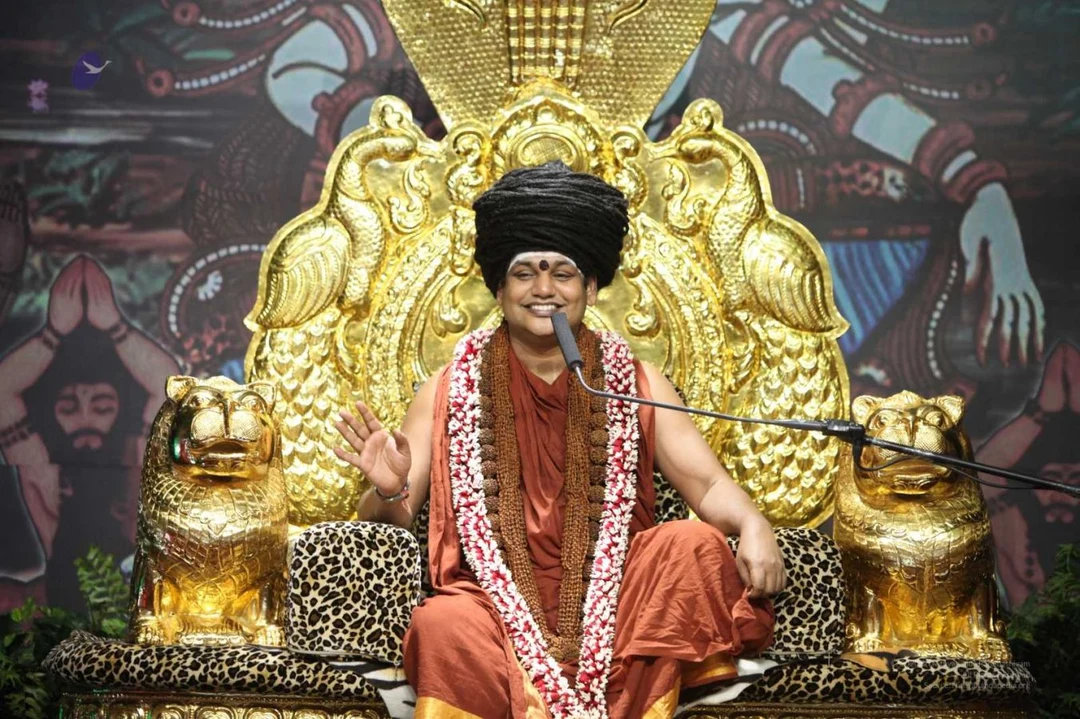
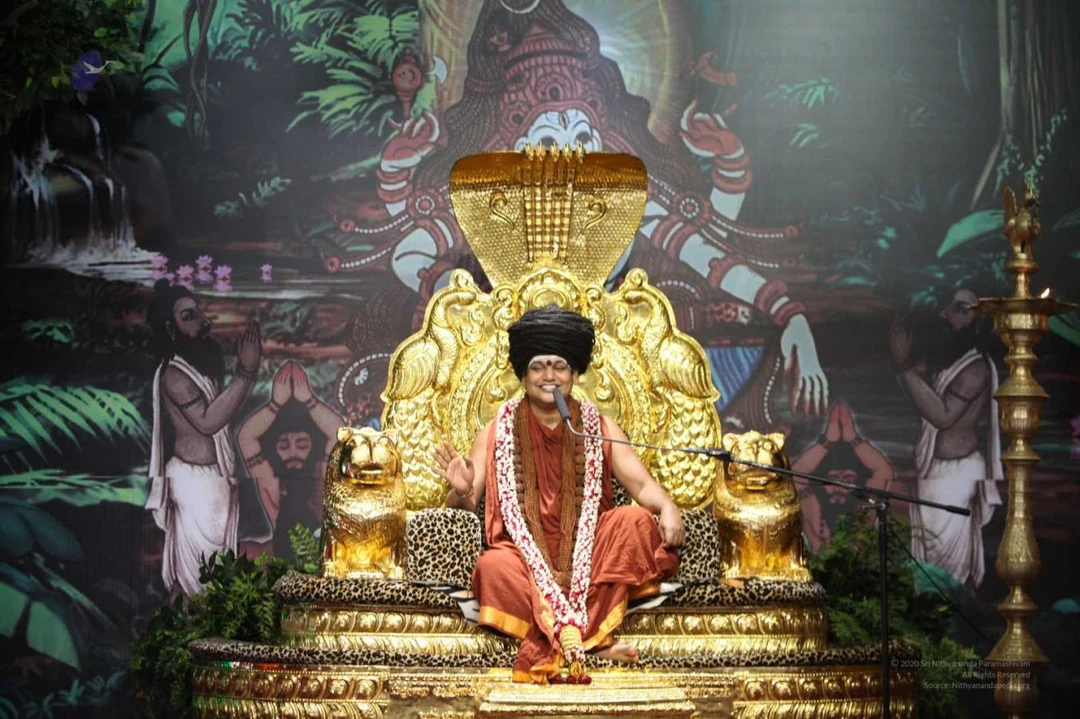
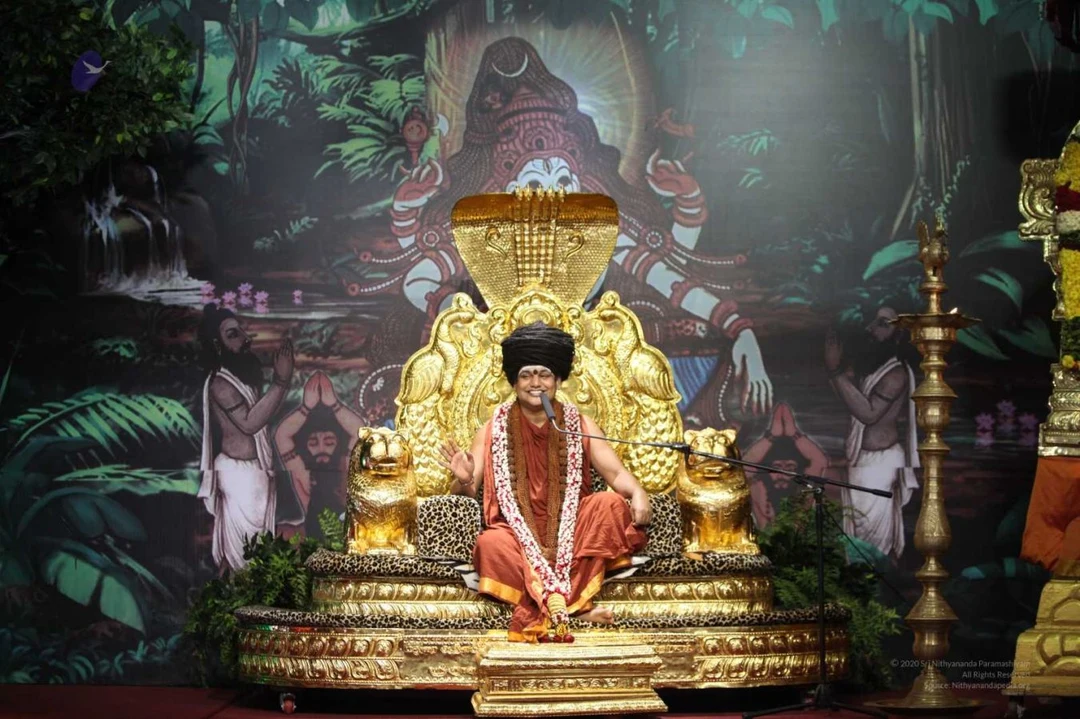
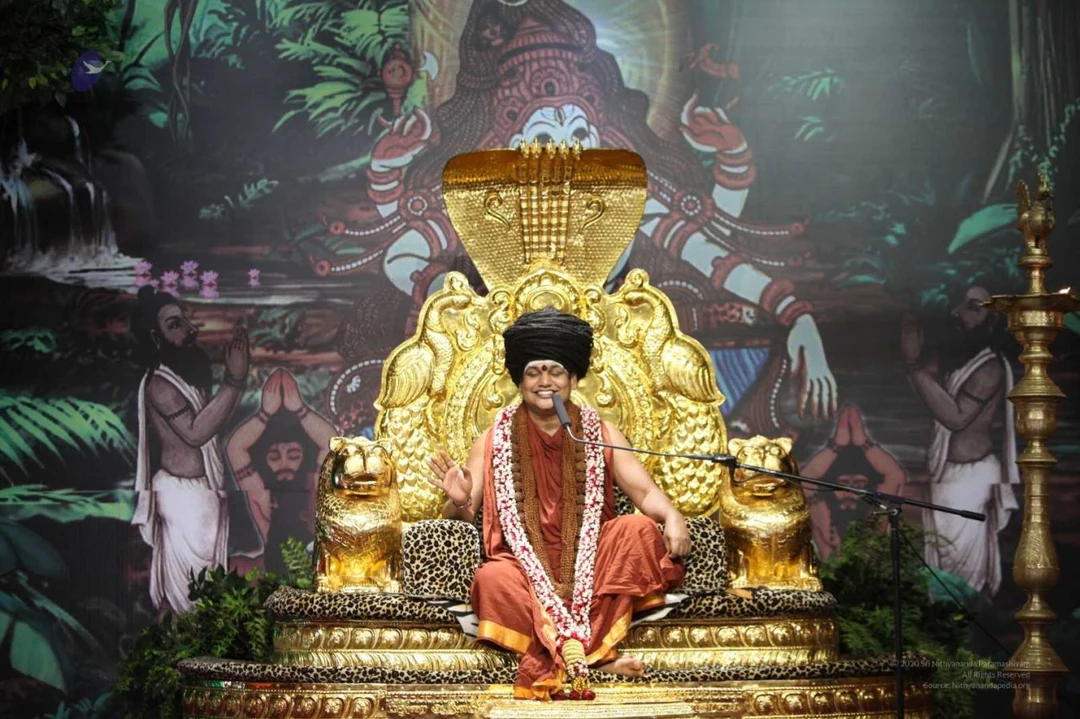
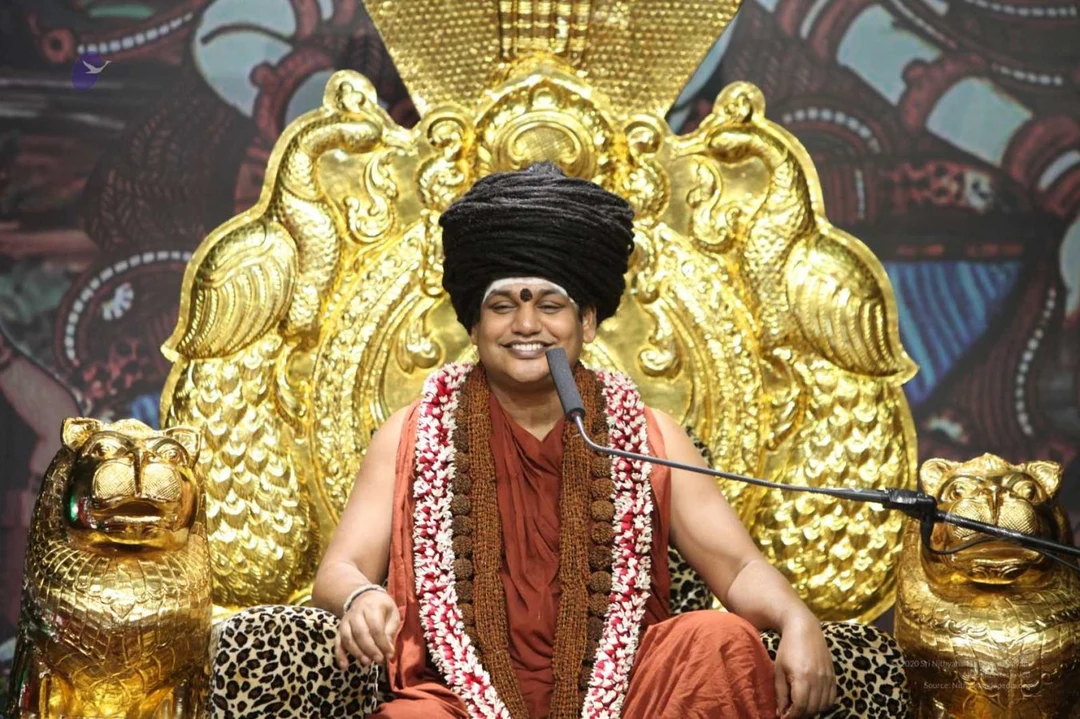
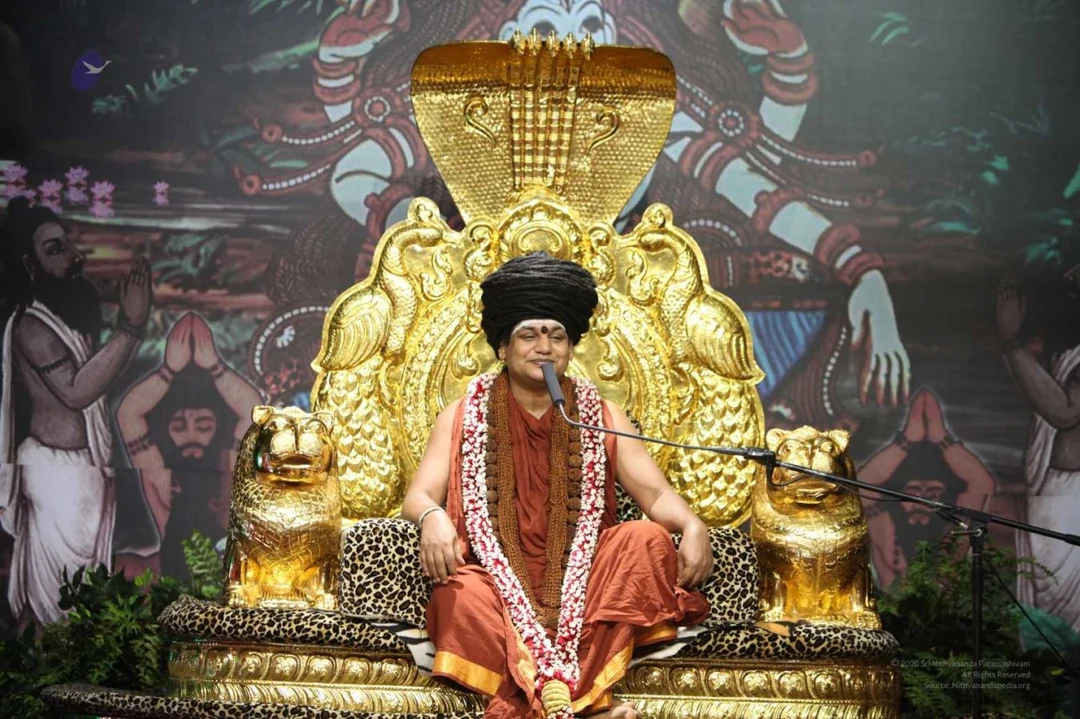
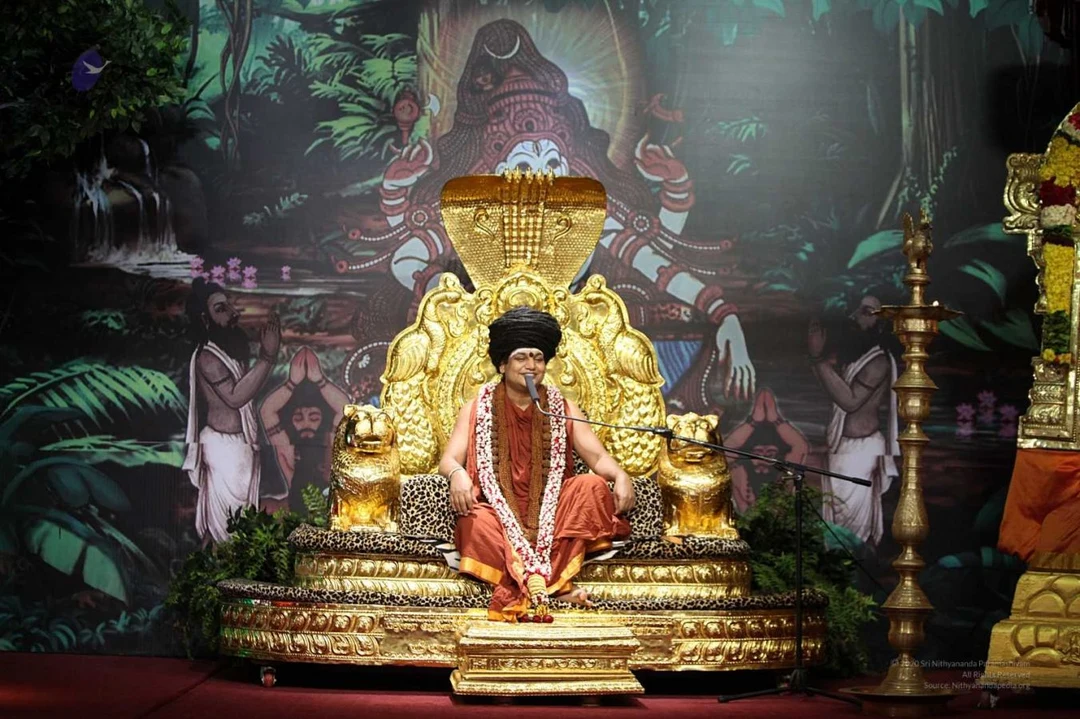
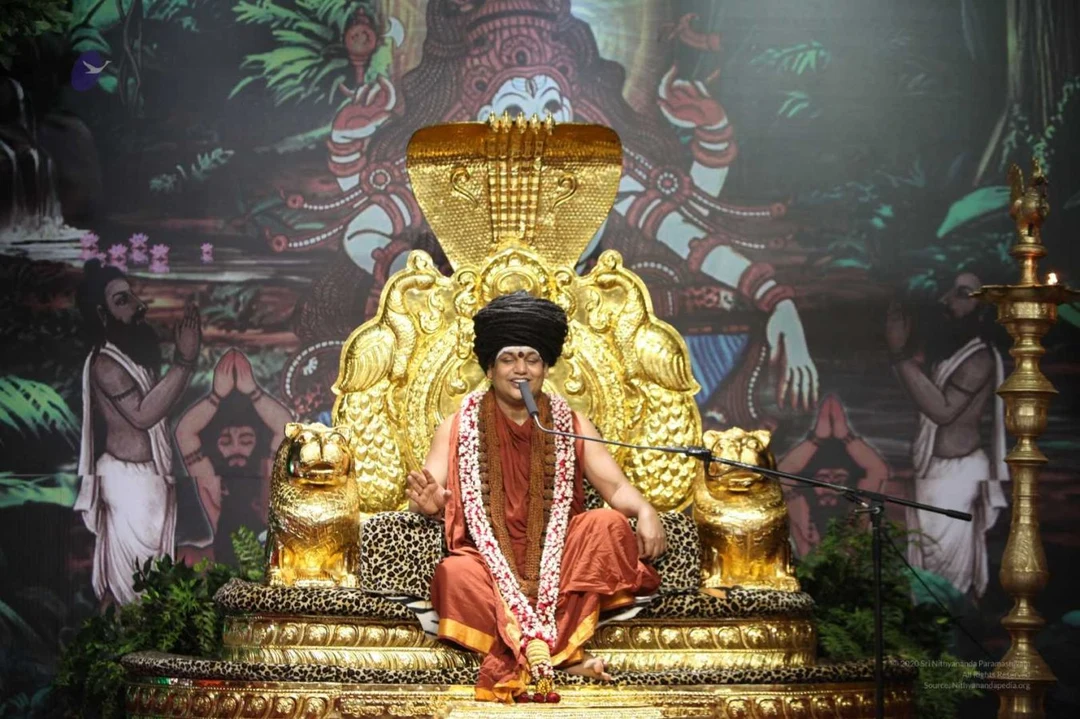
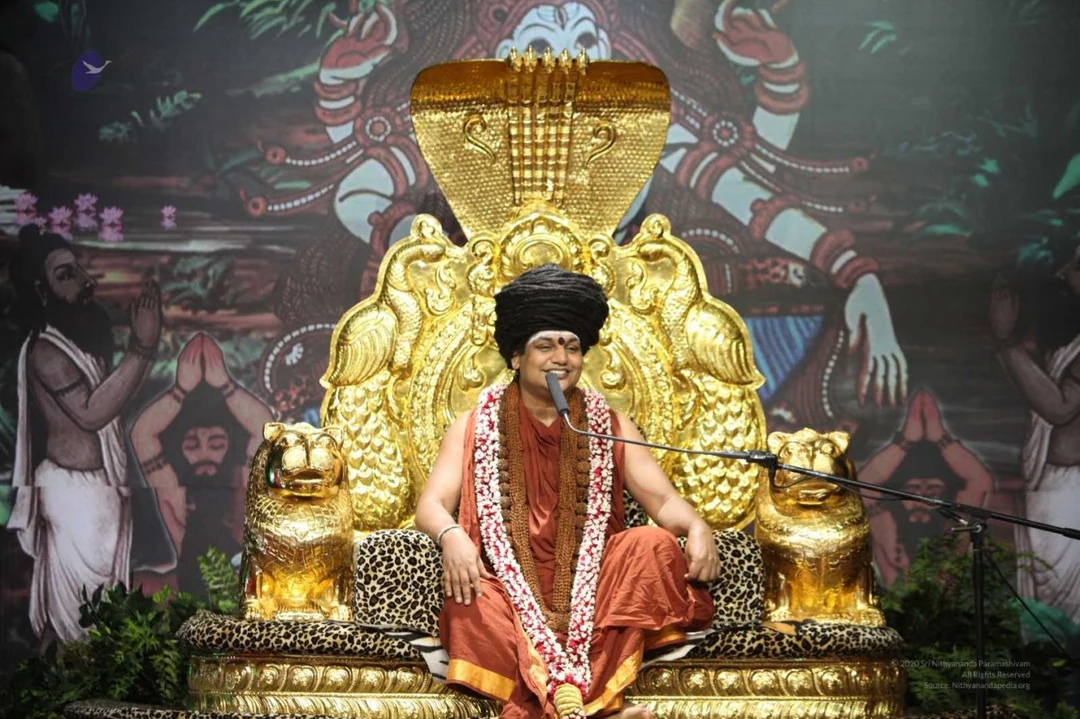
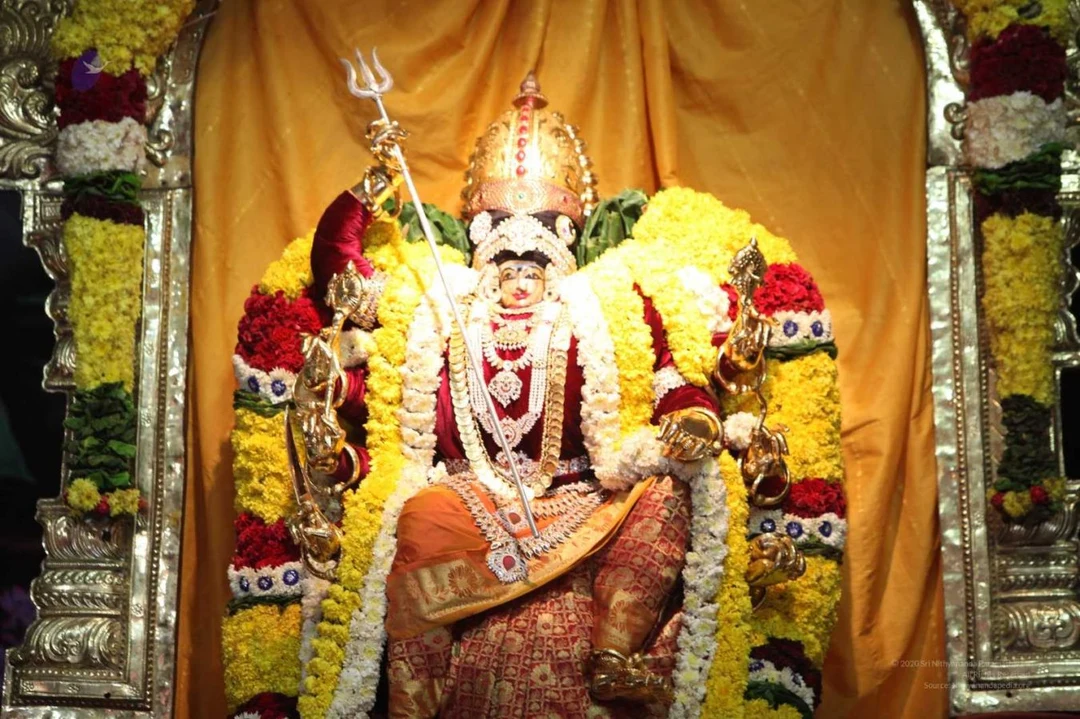
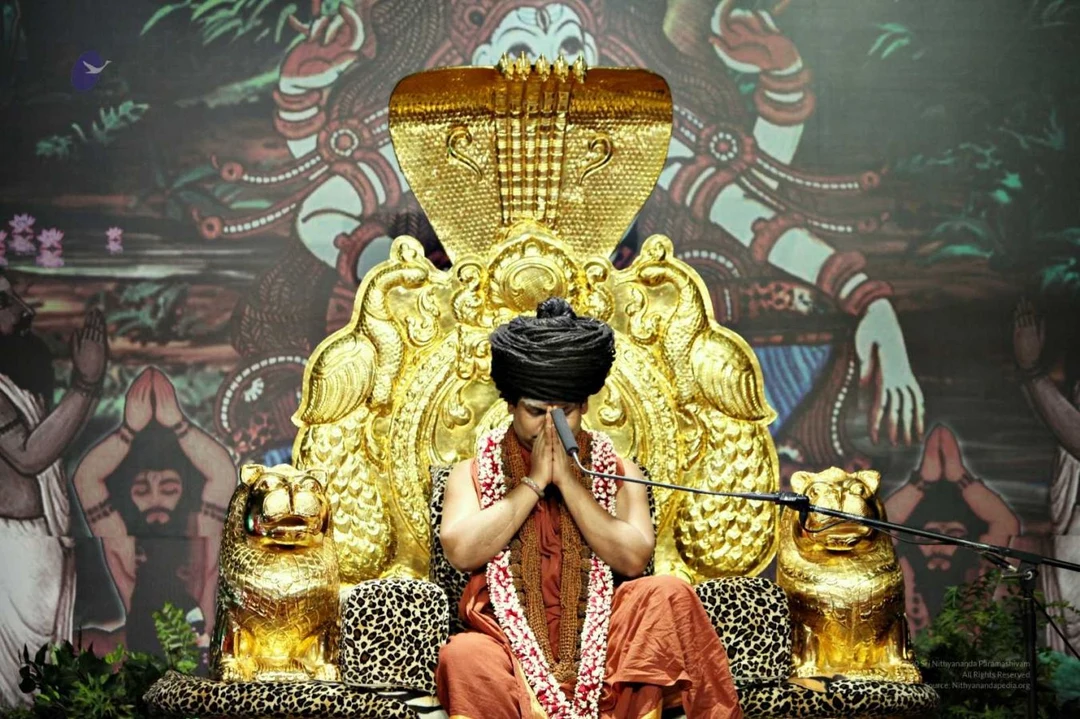
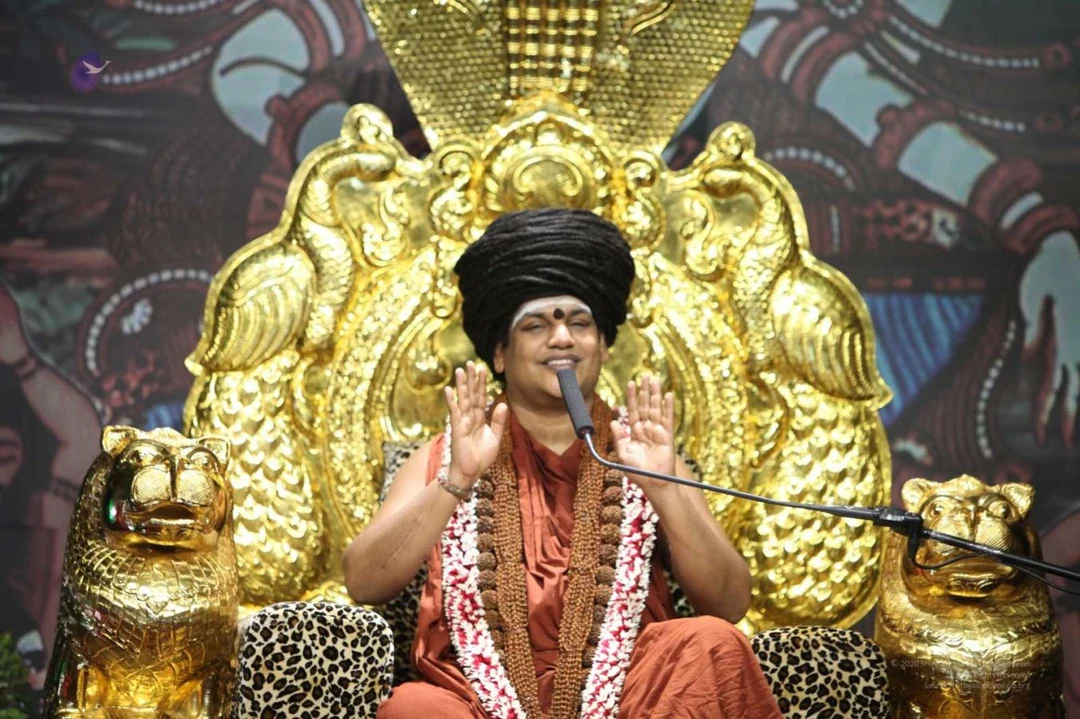
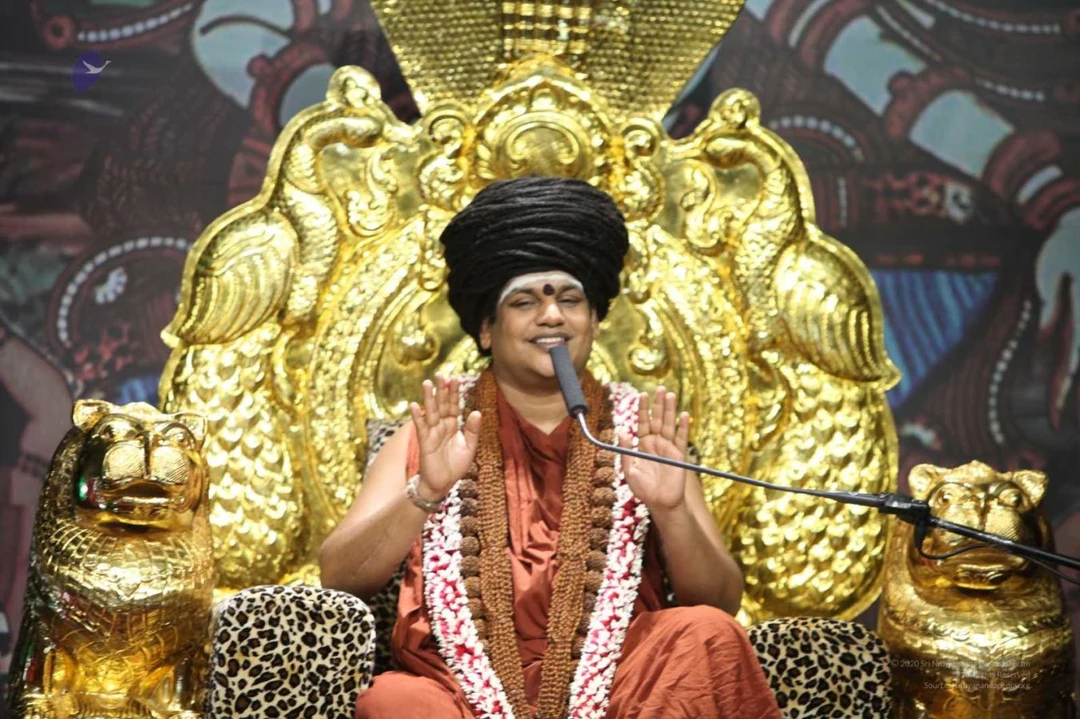
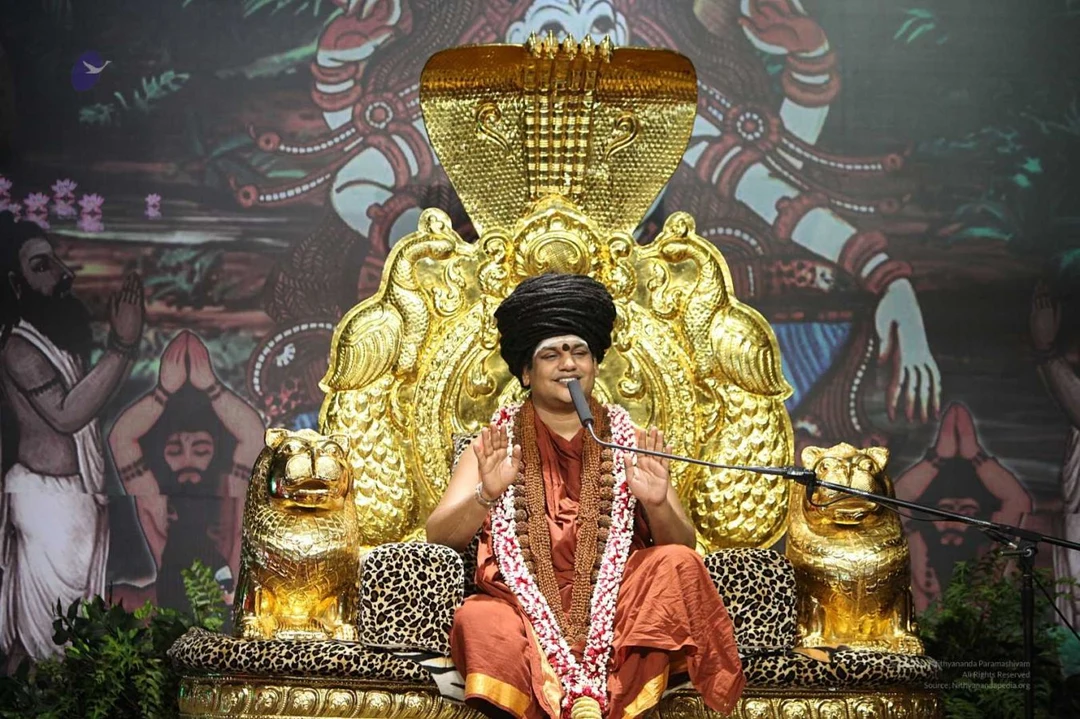
- ==Photos Of The Day:==
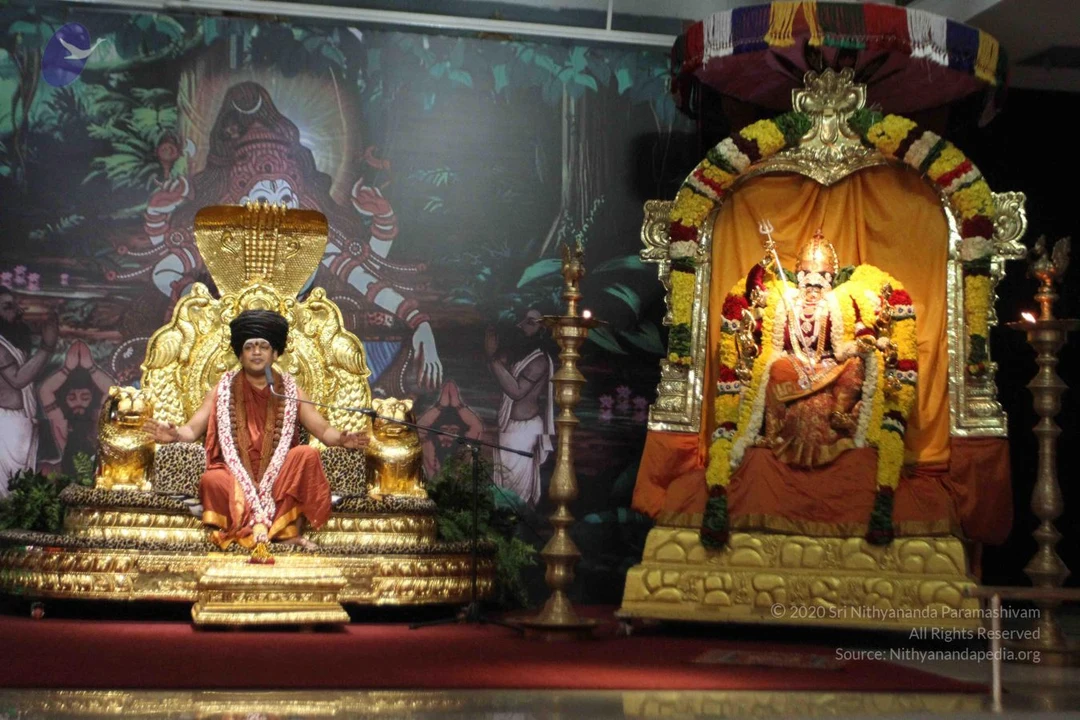
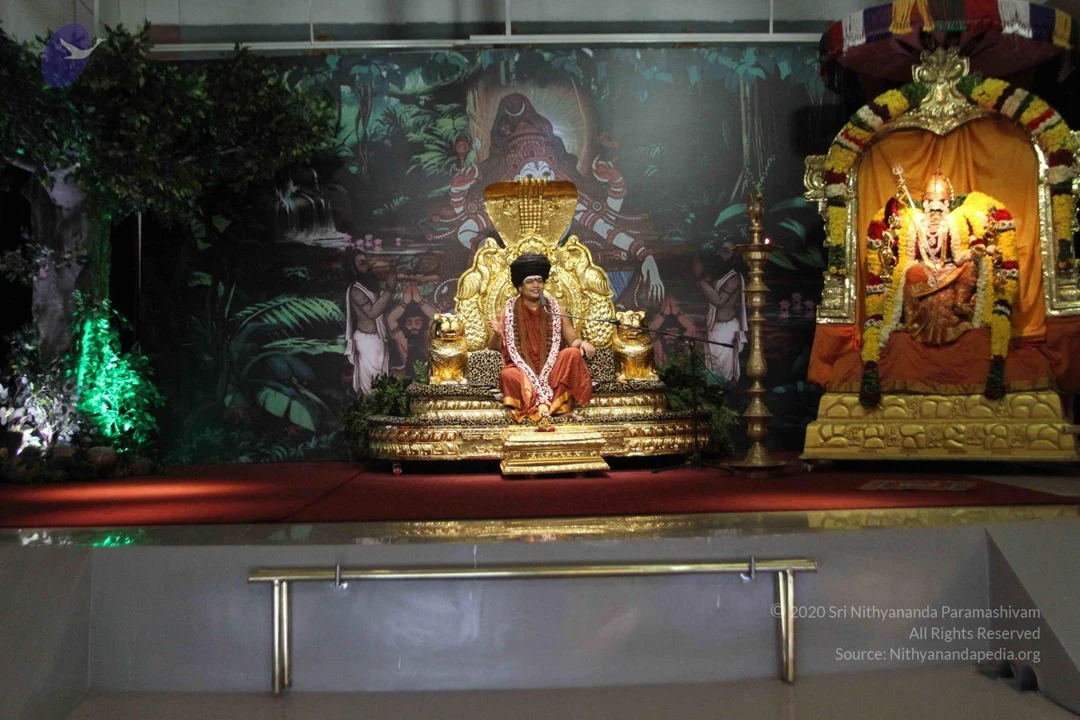
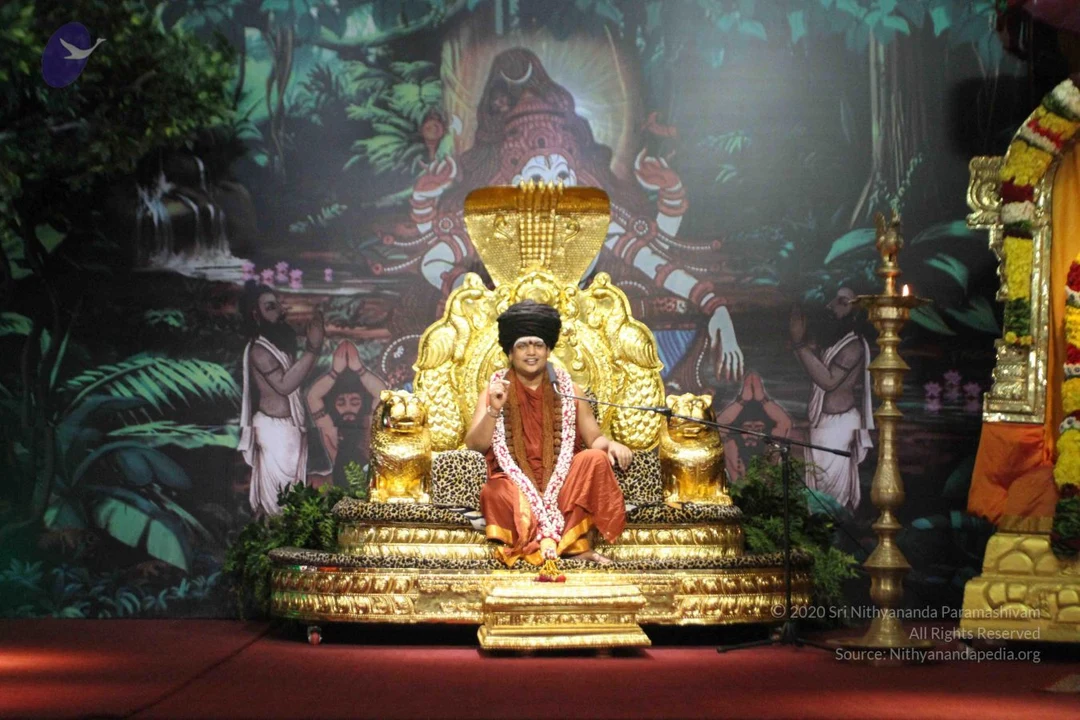
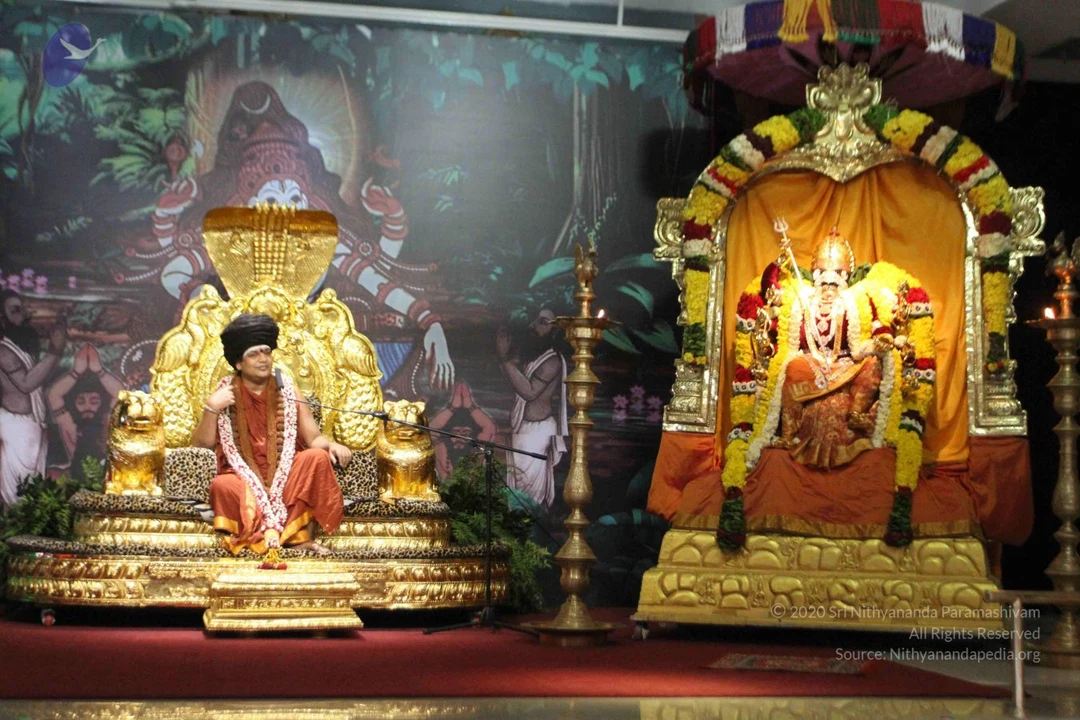
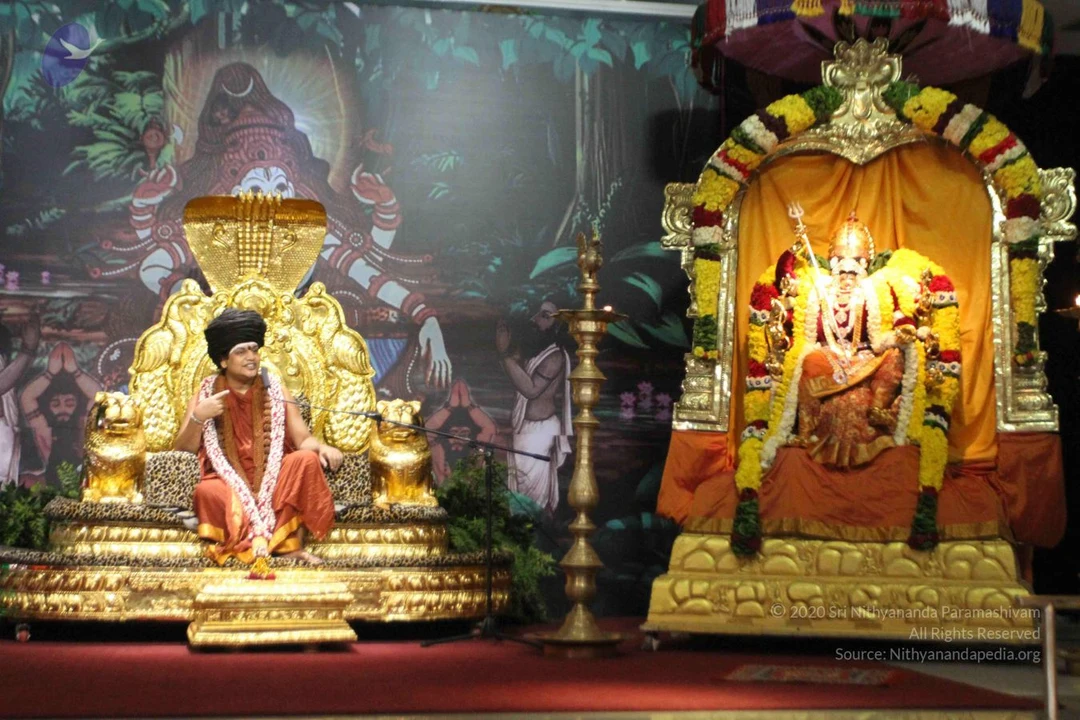
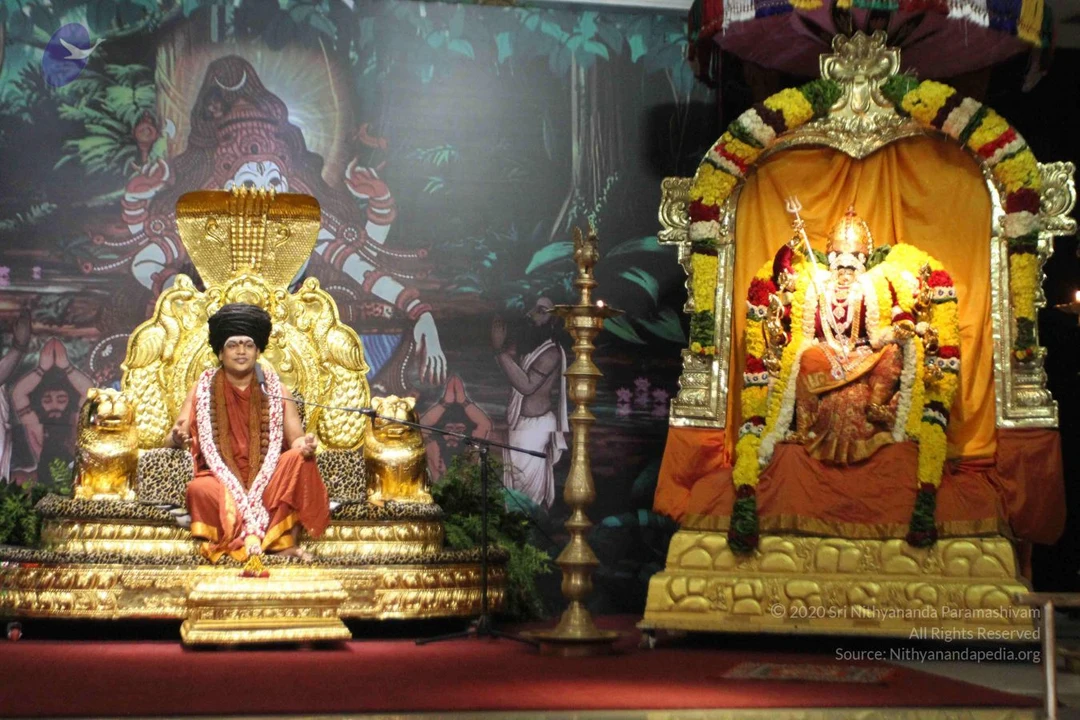
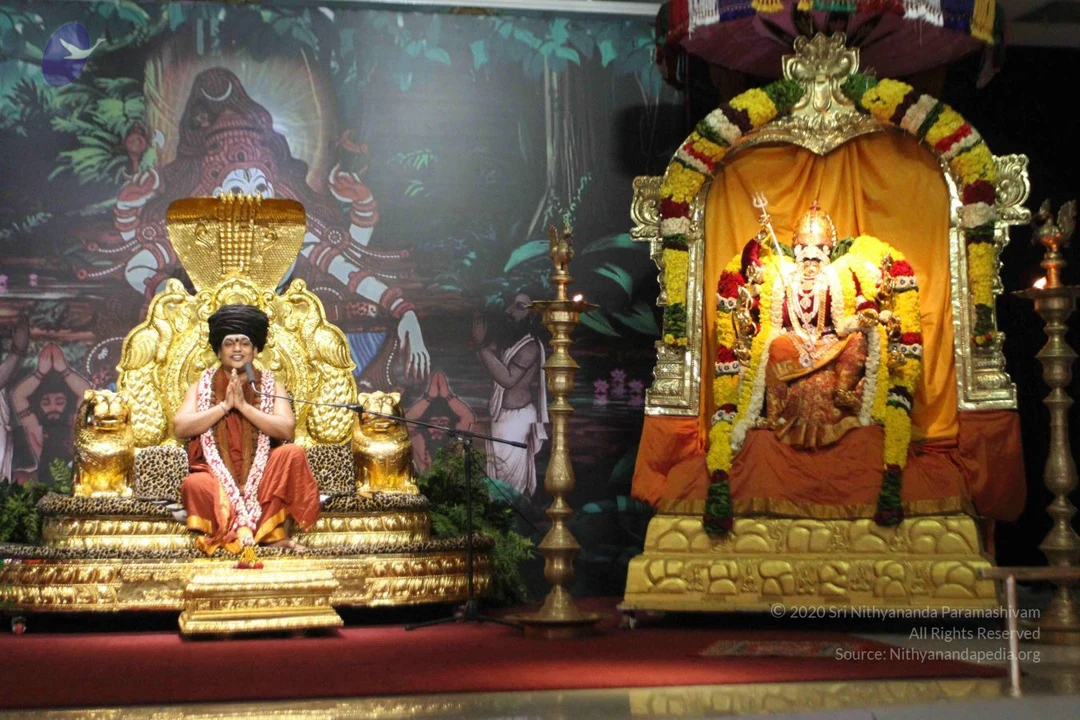
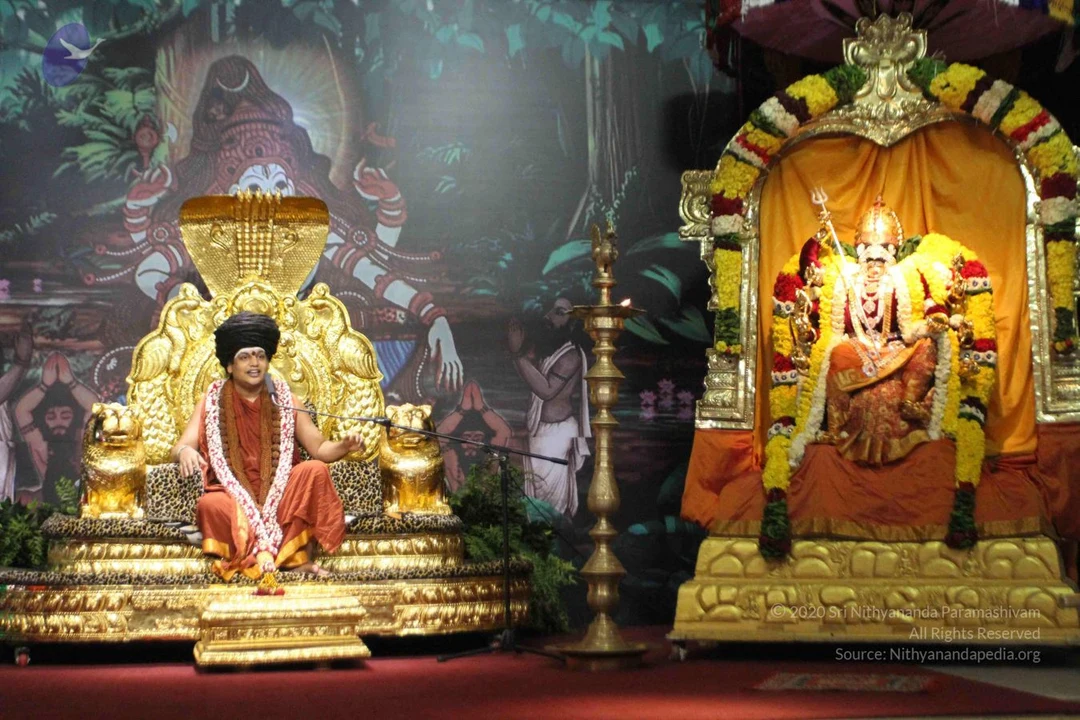
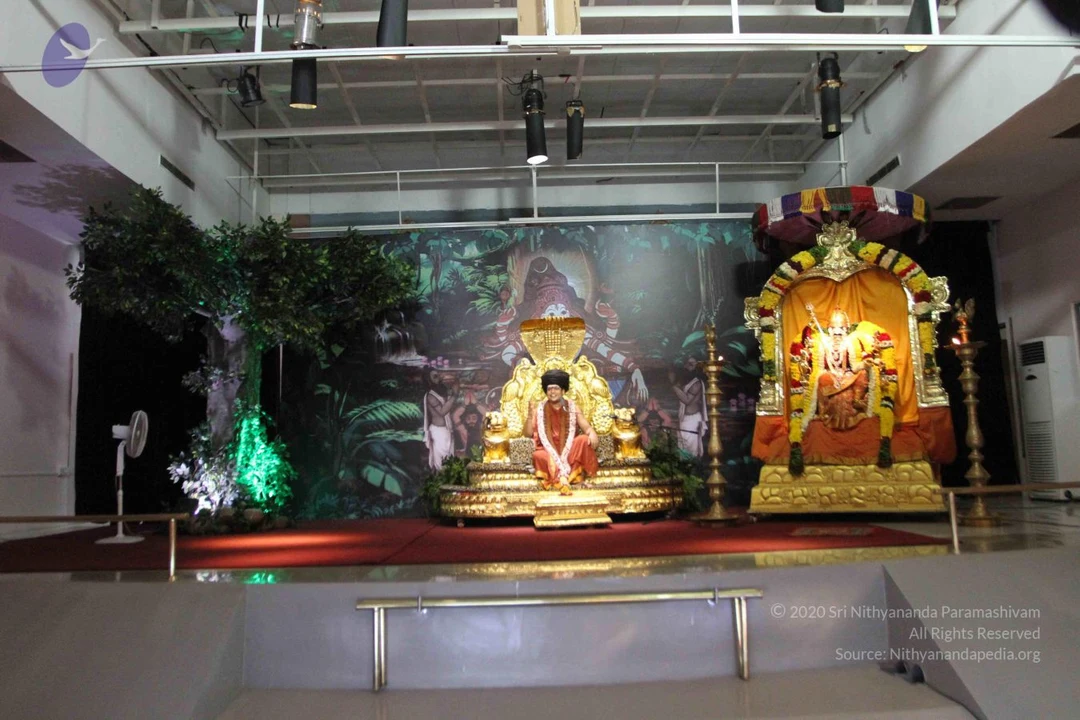
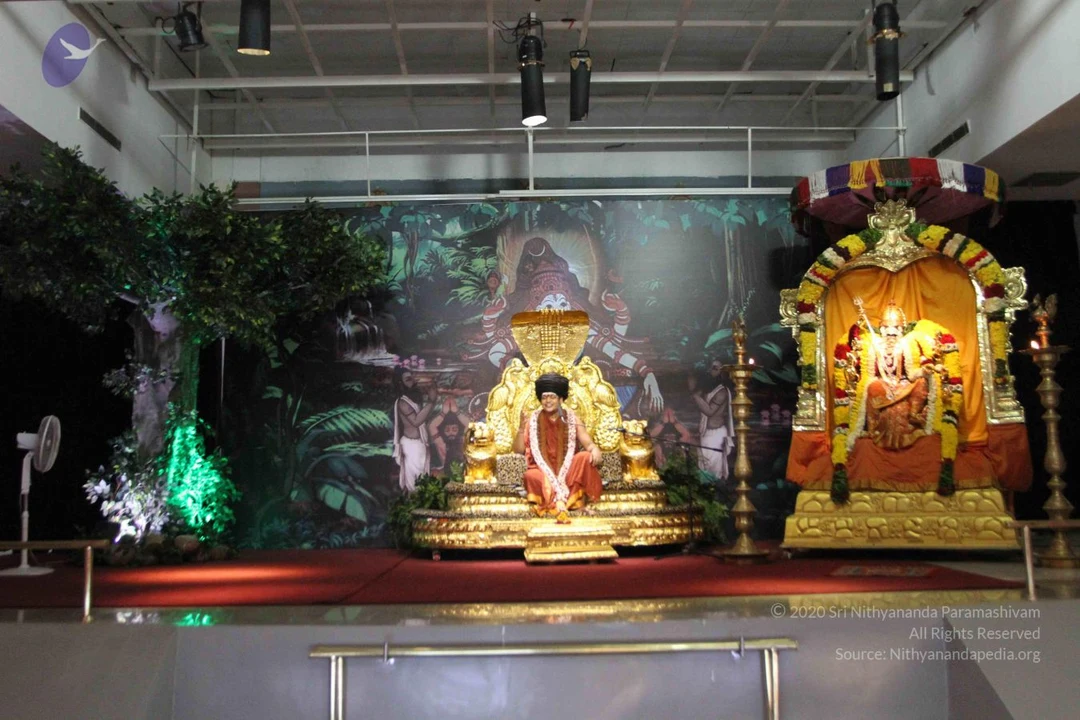
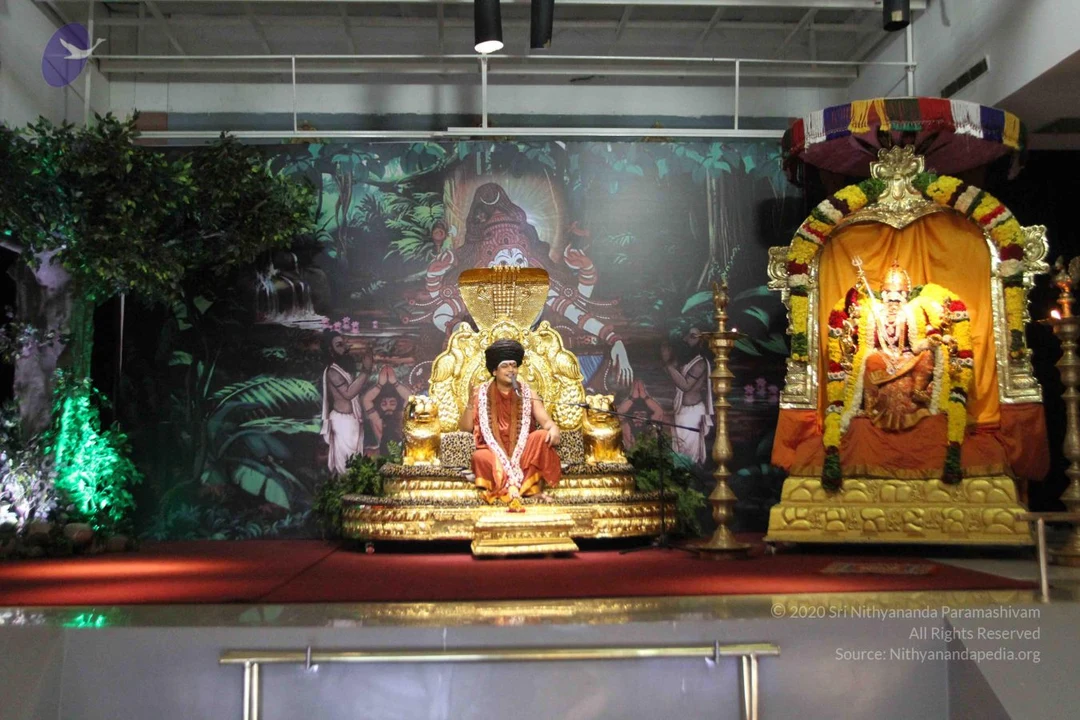
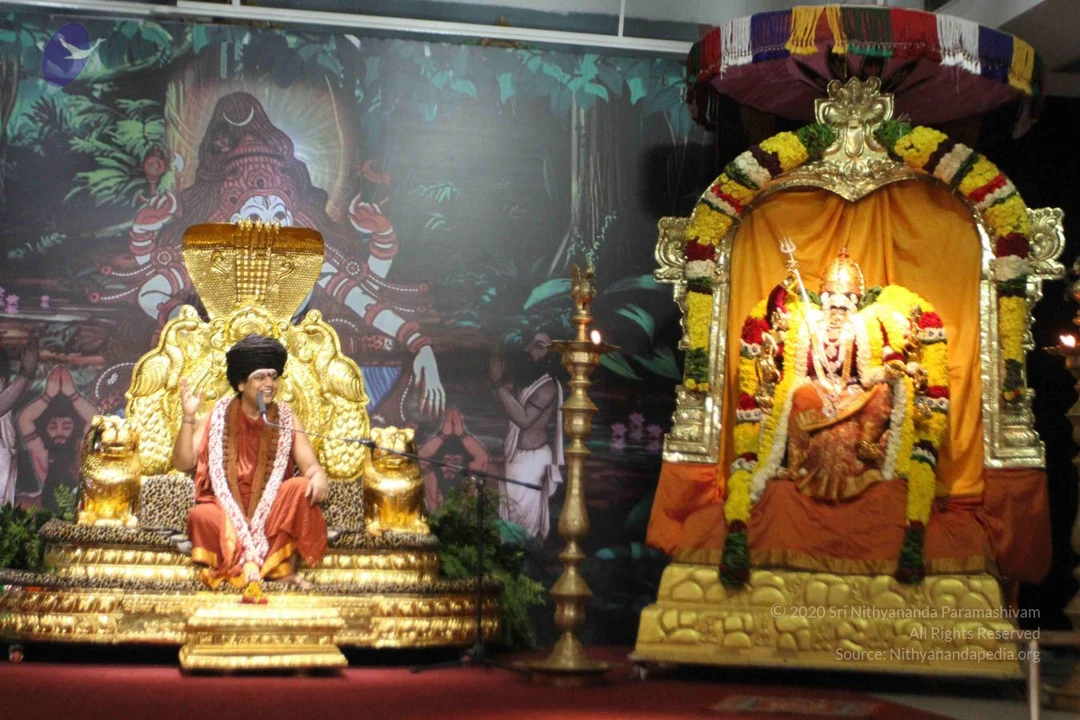
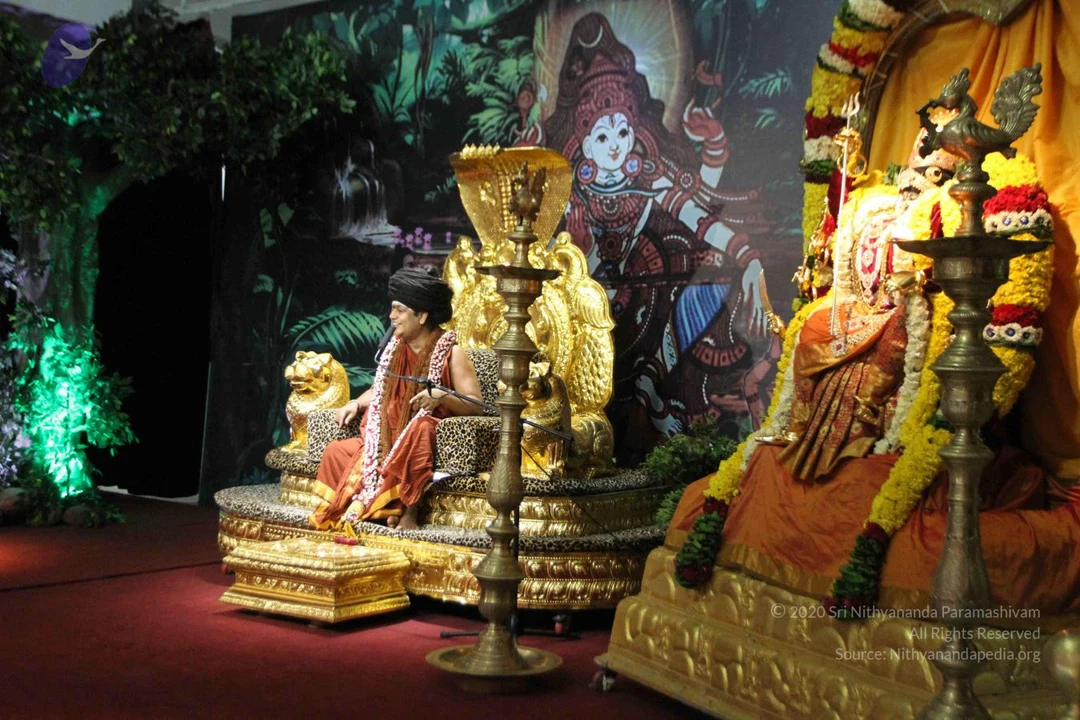
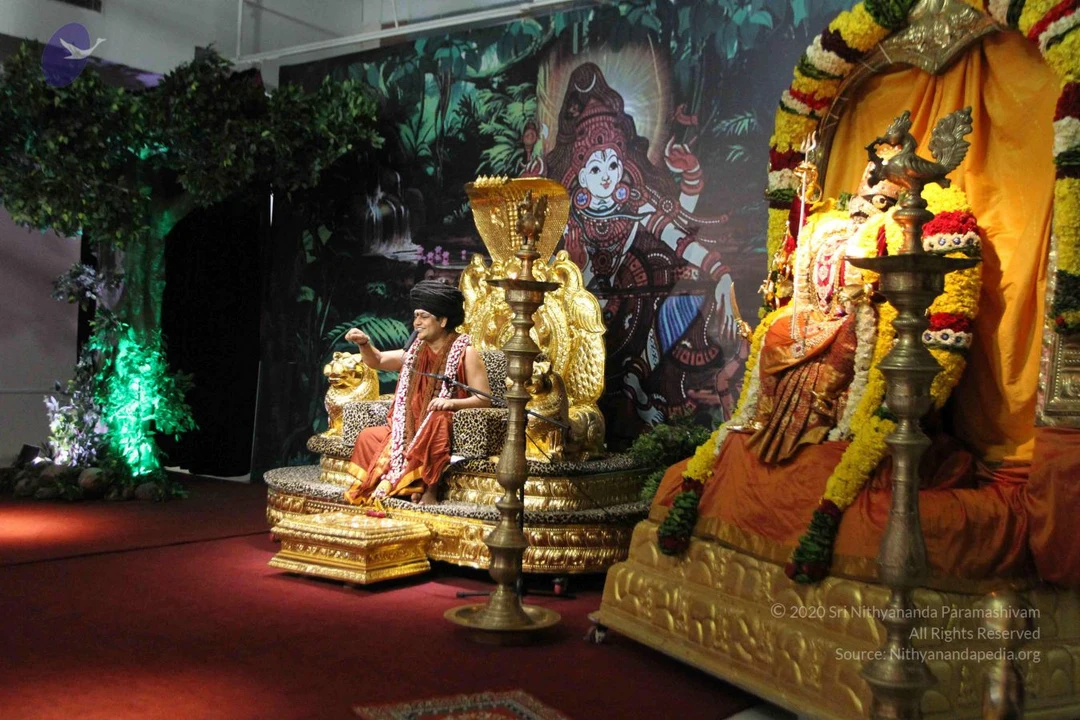
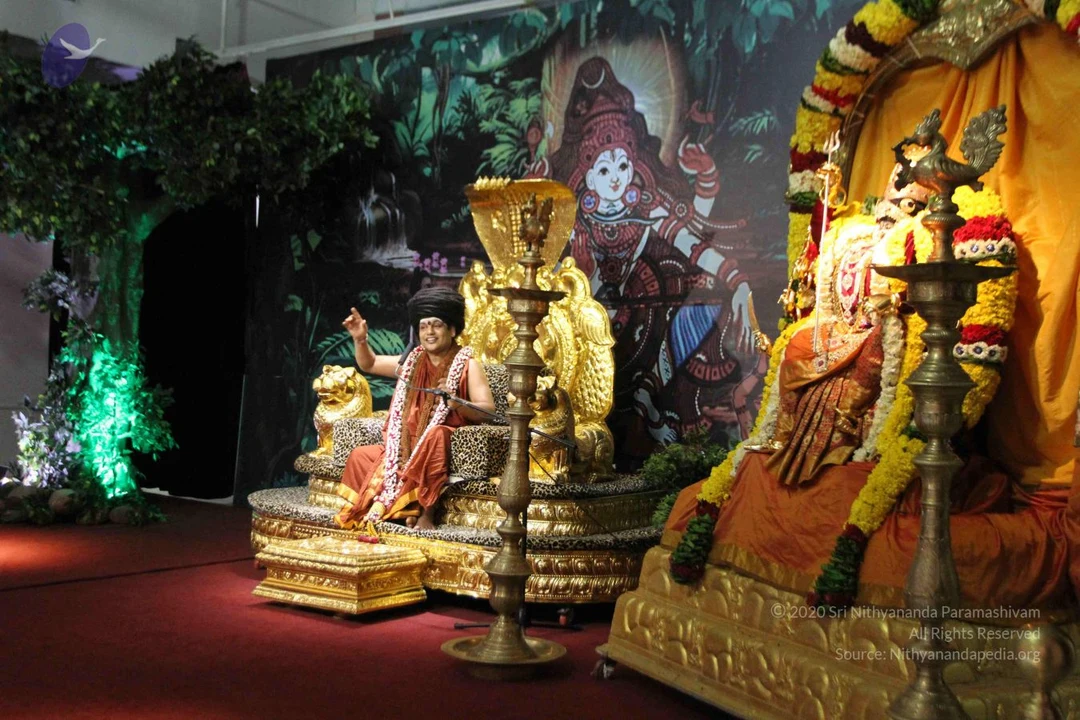
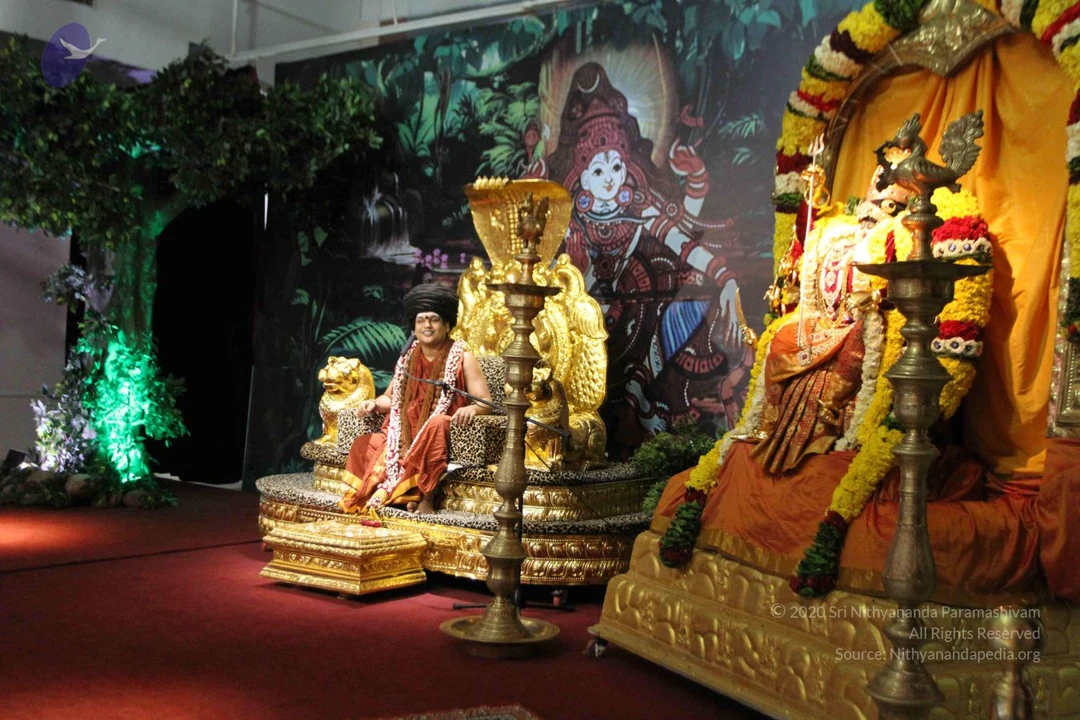
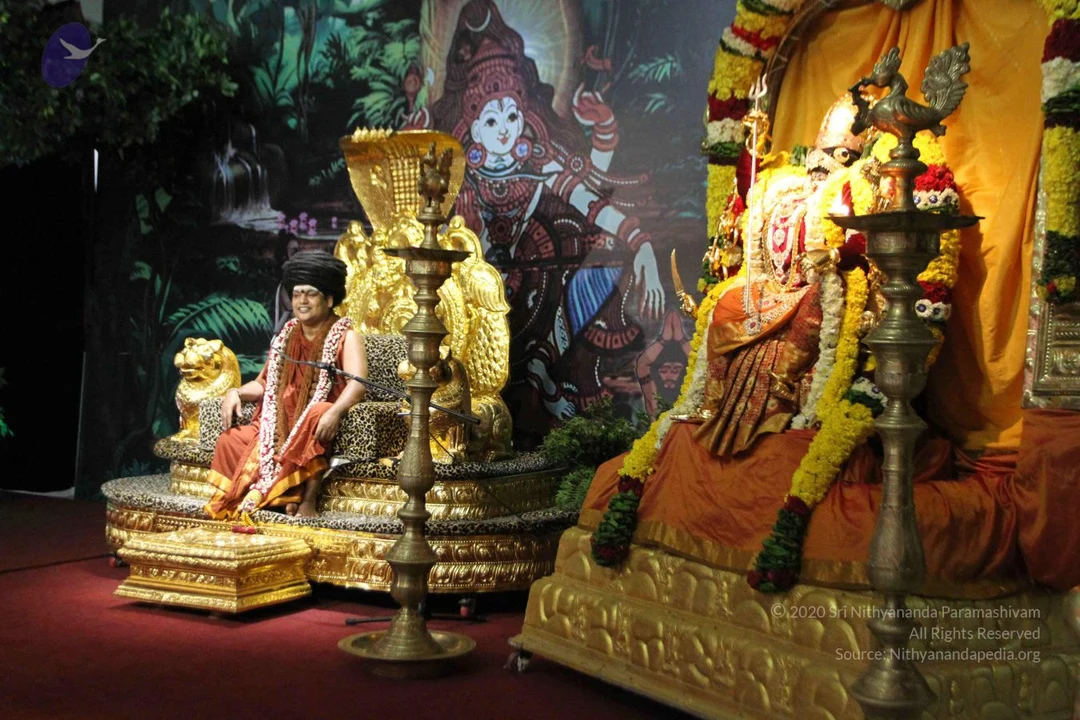
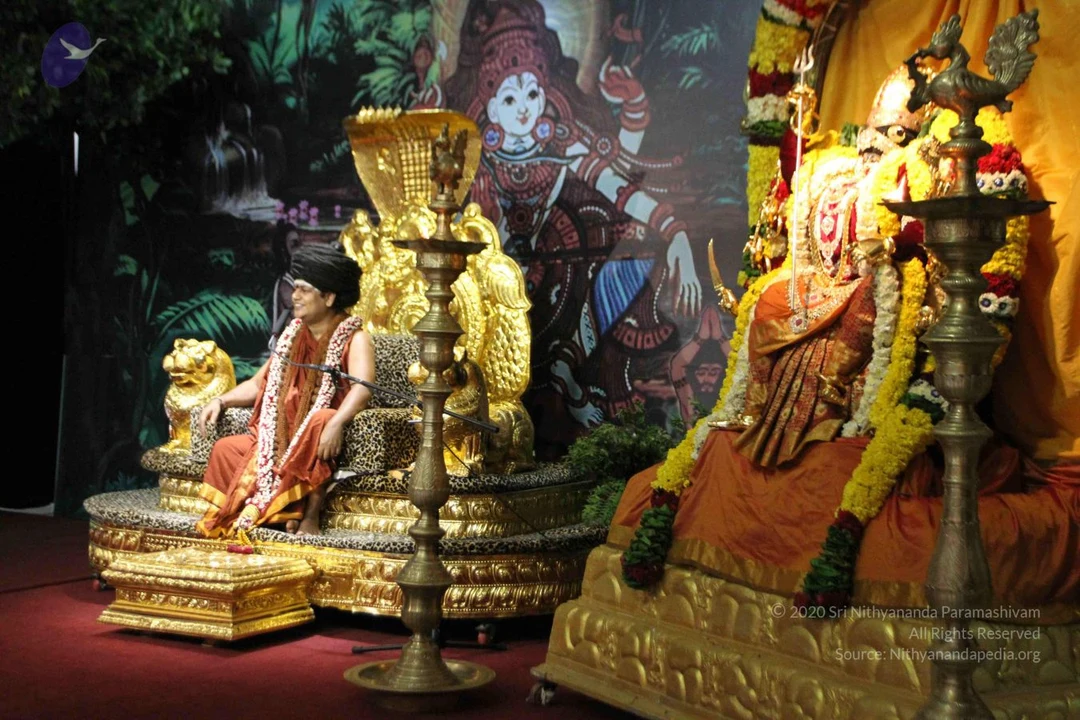
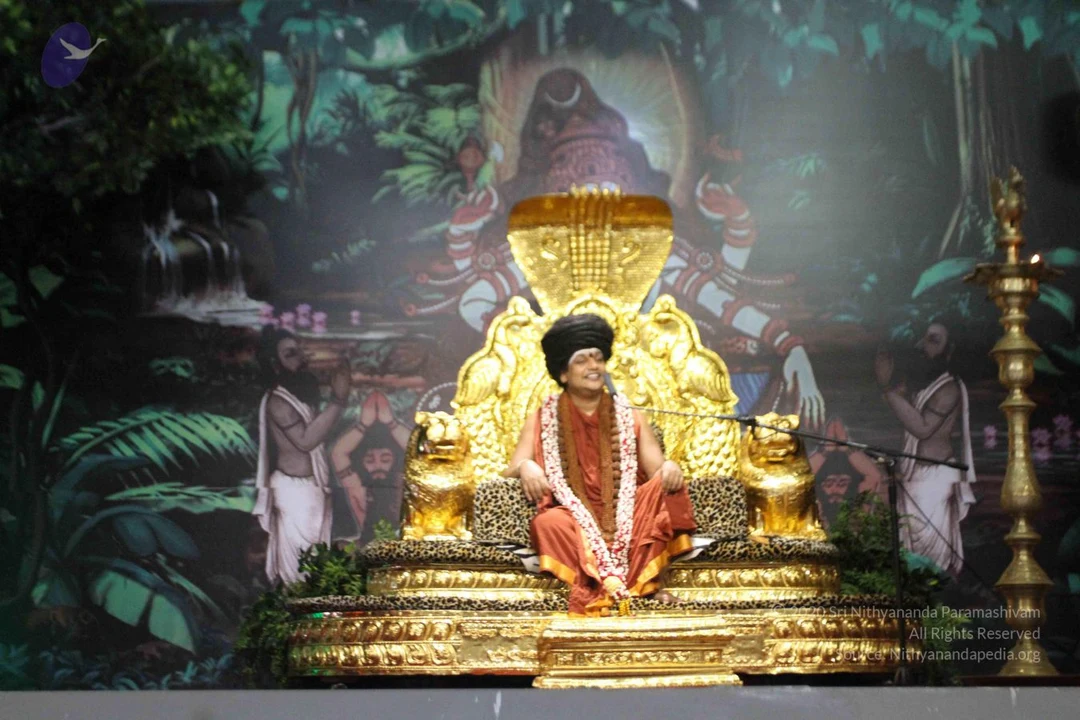
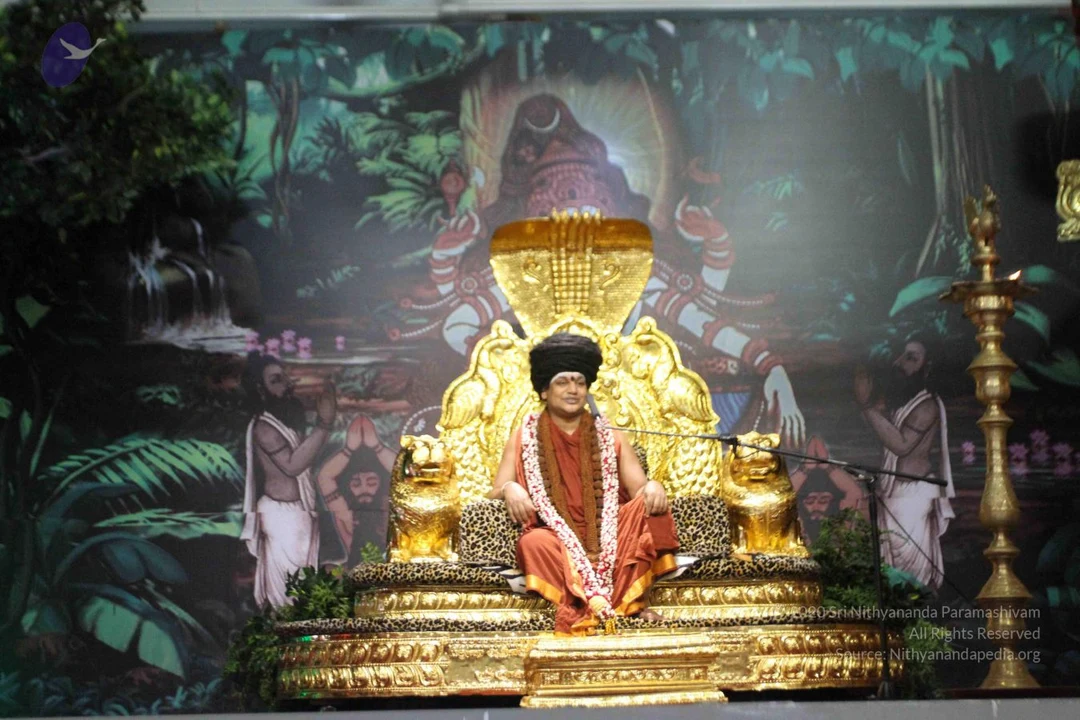
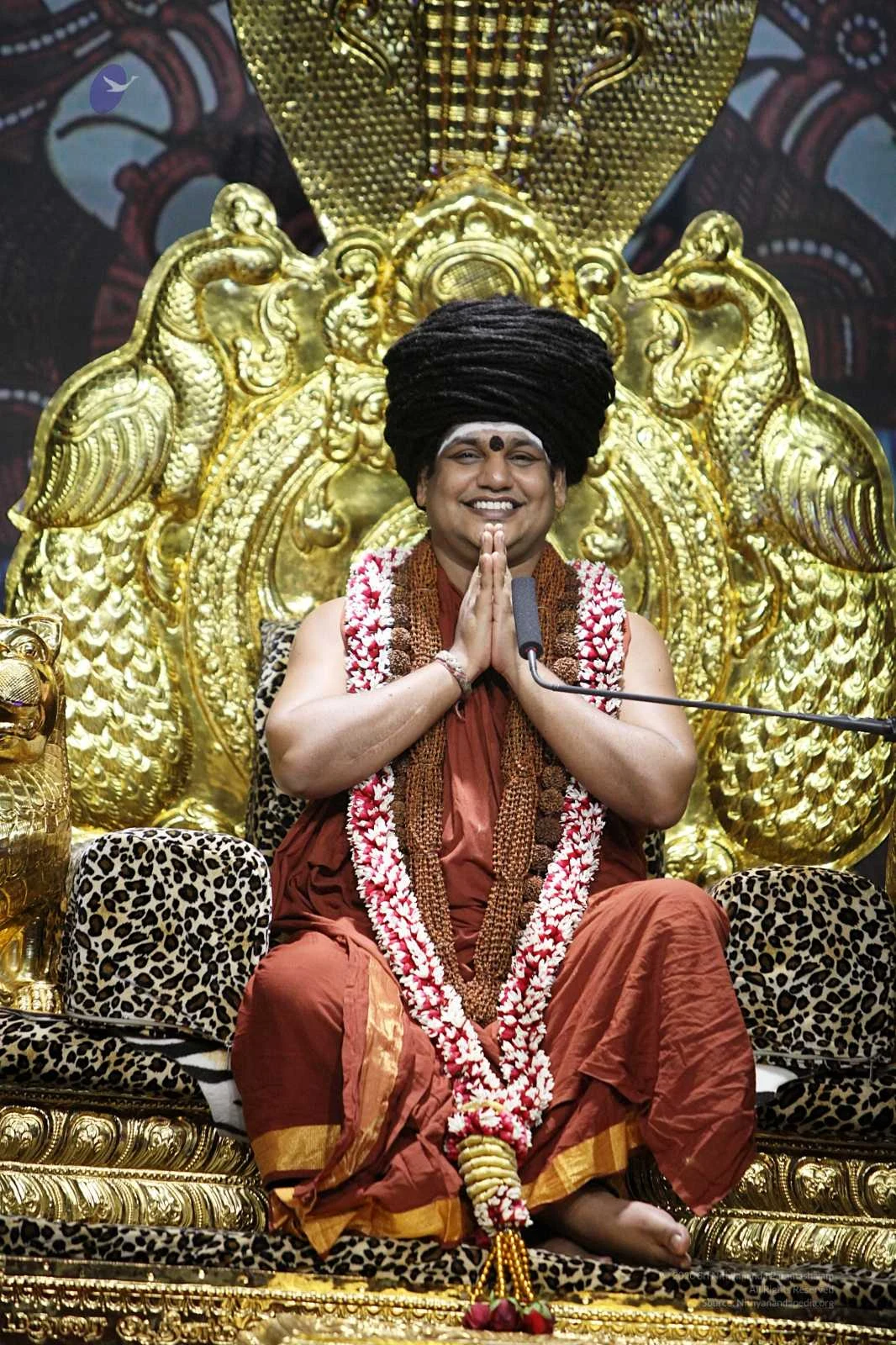
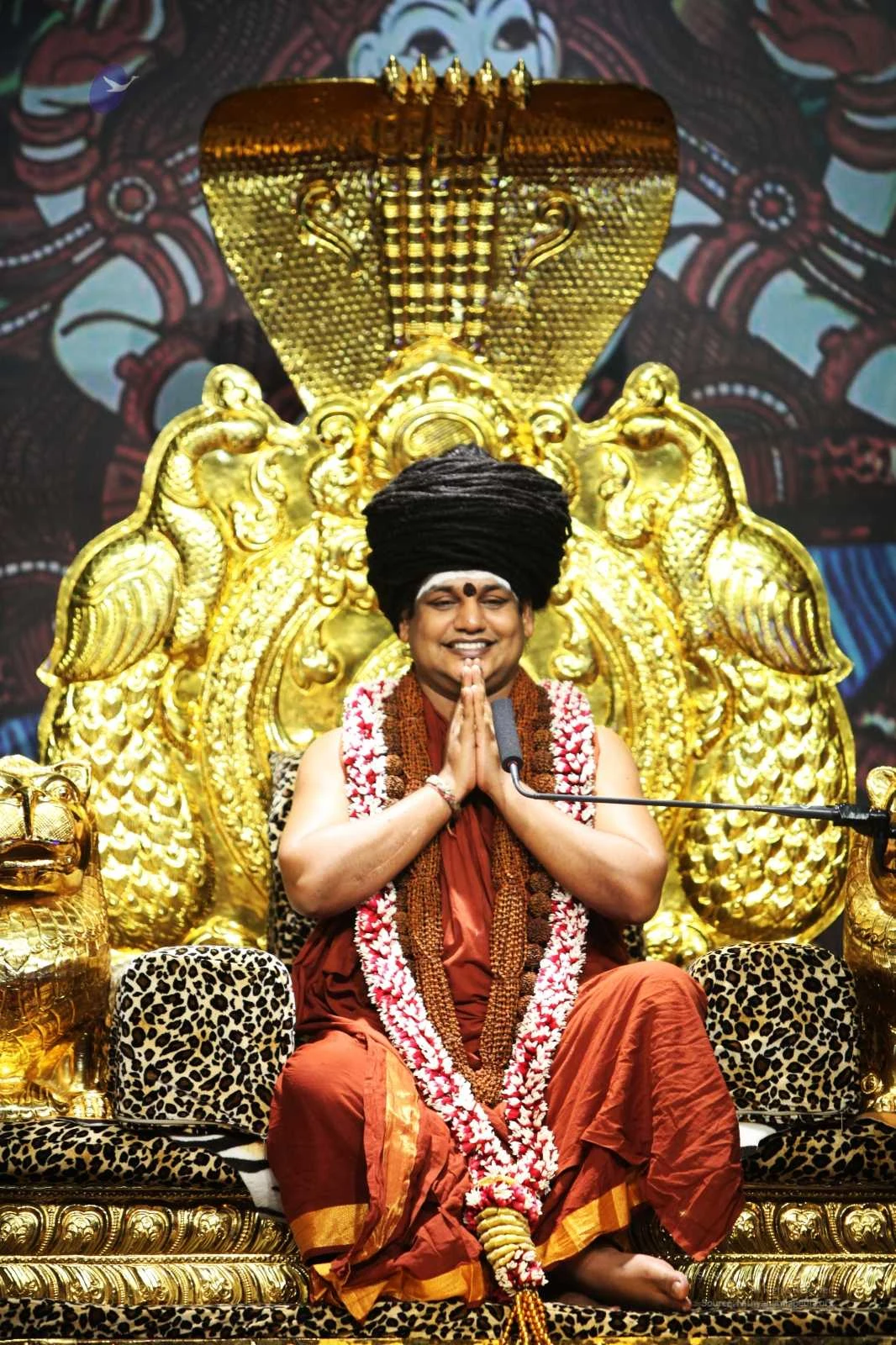
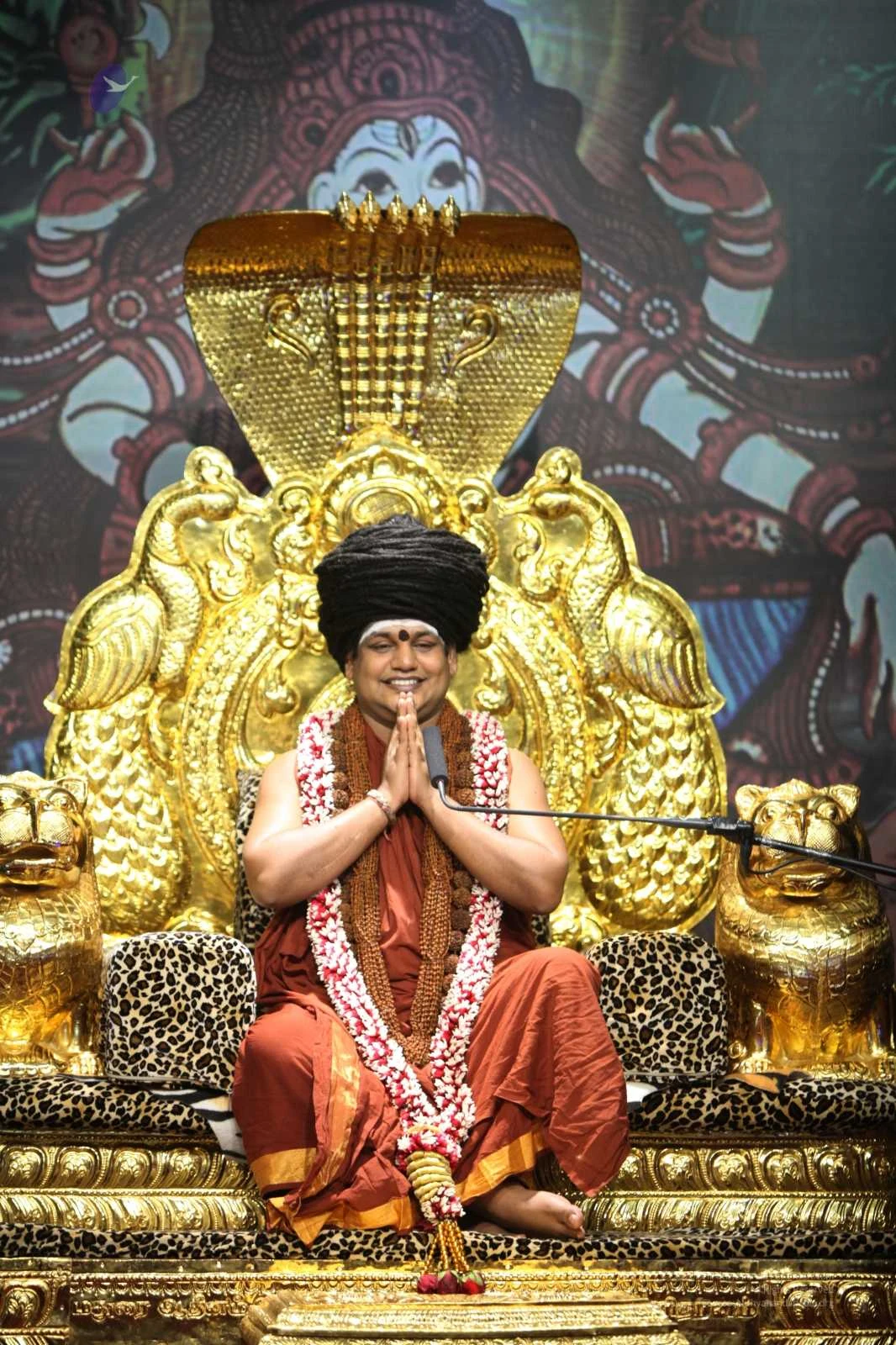
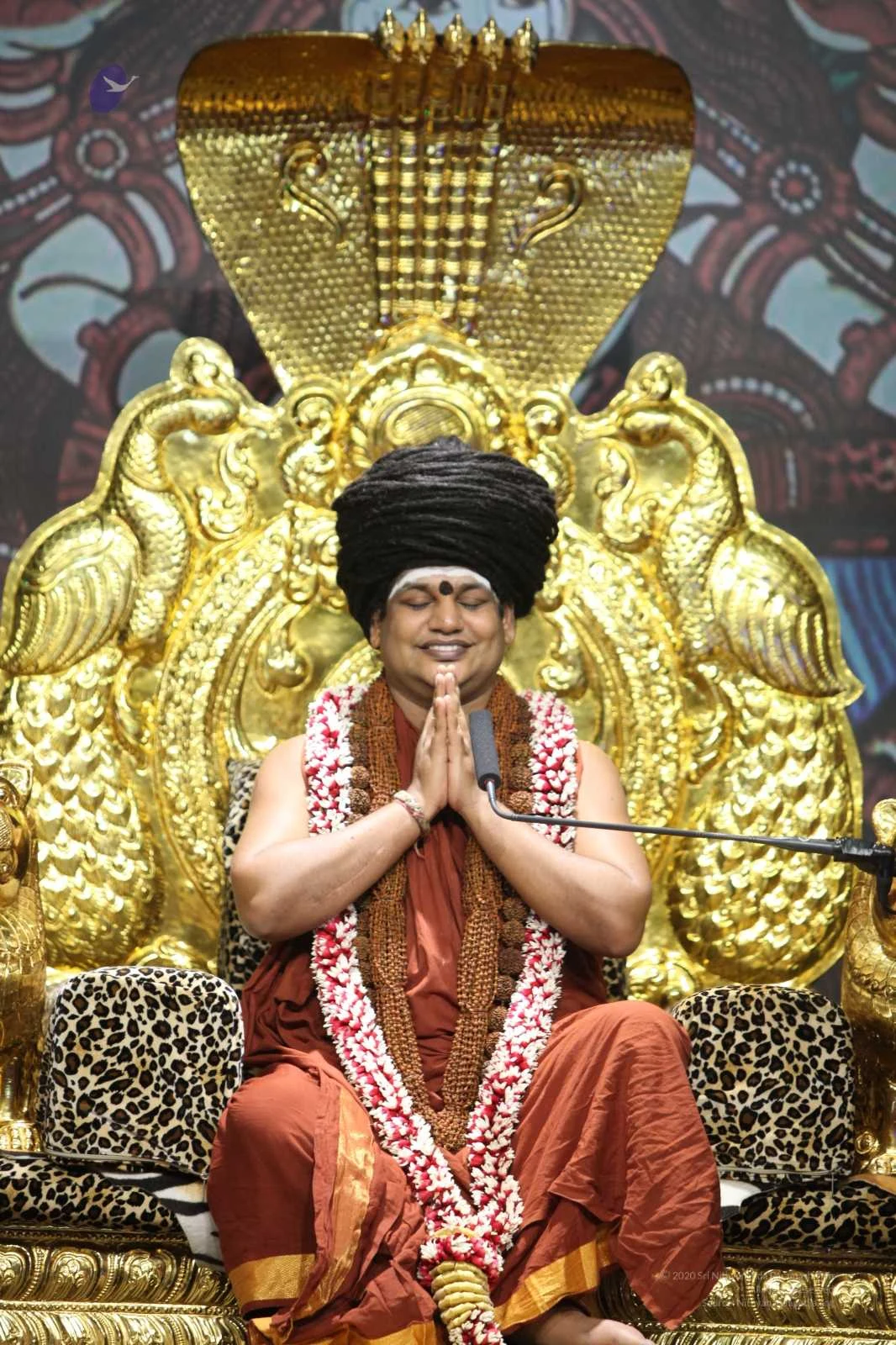
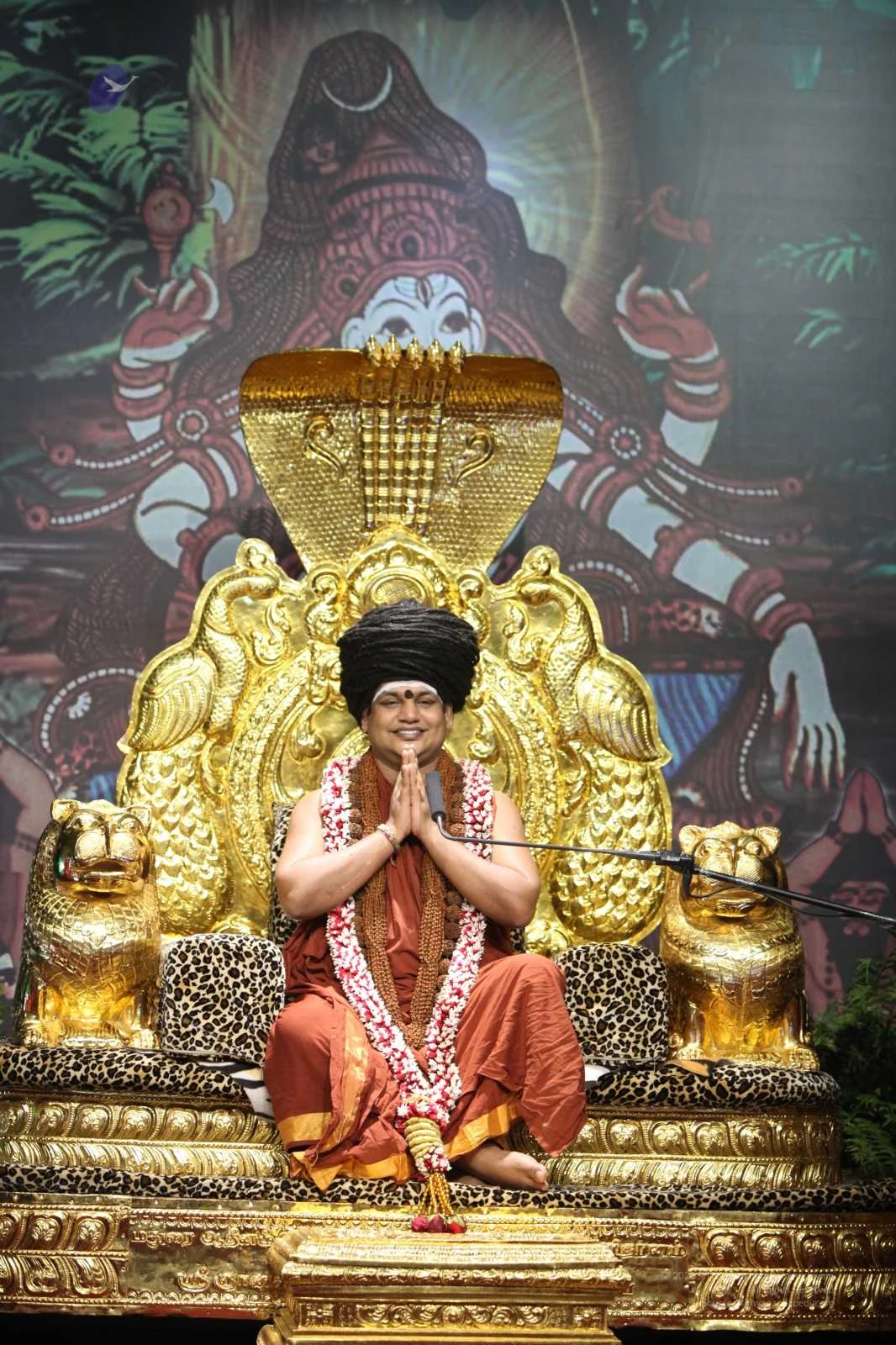
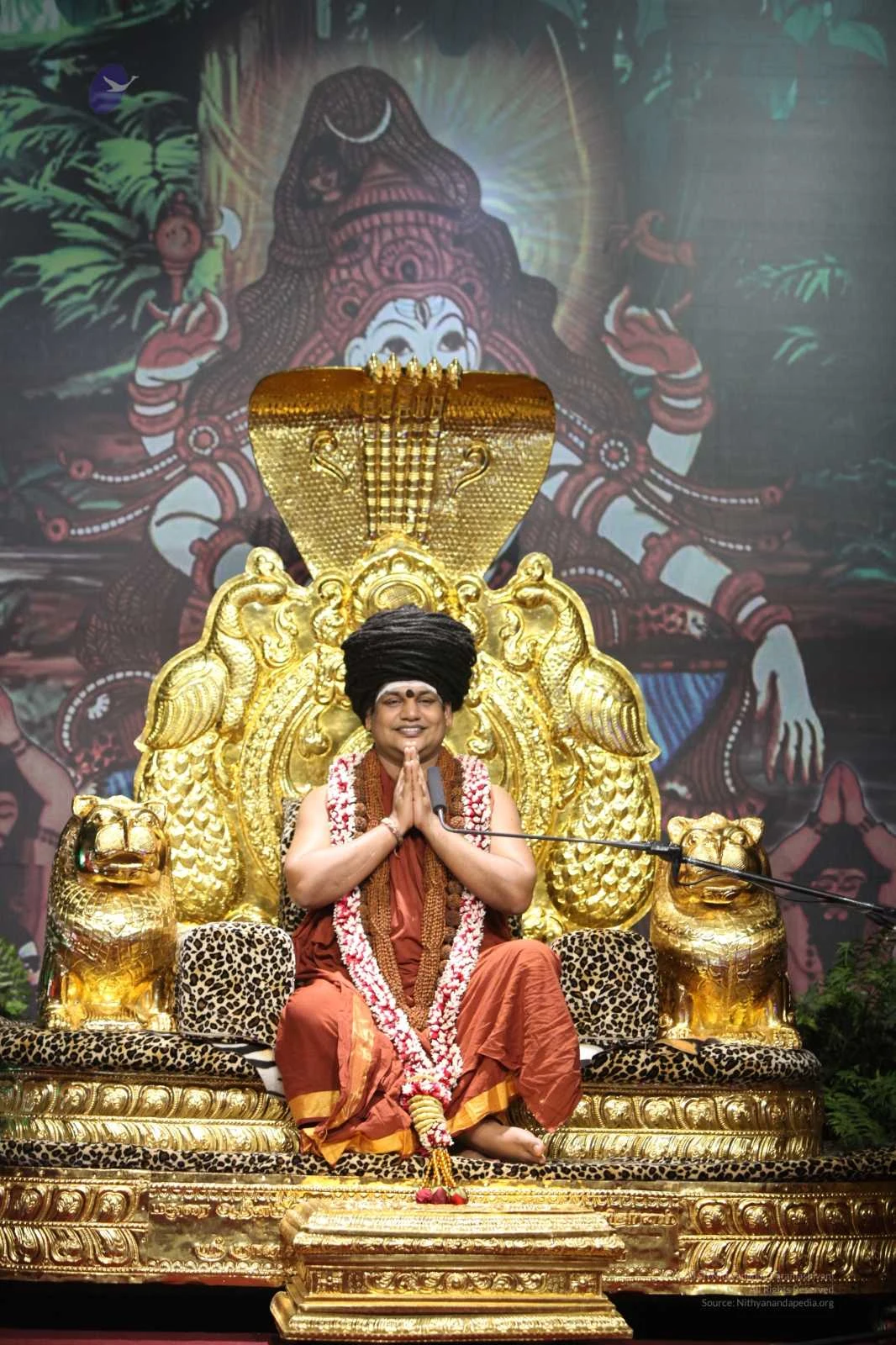
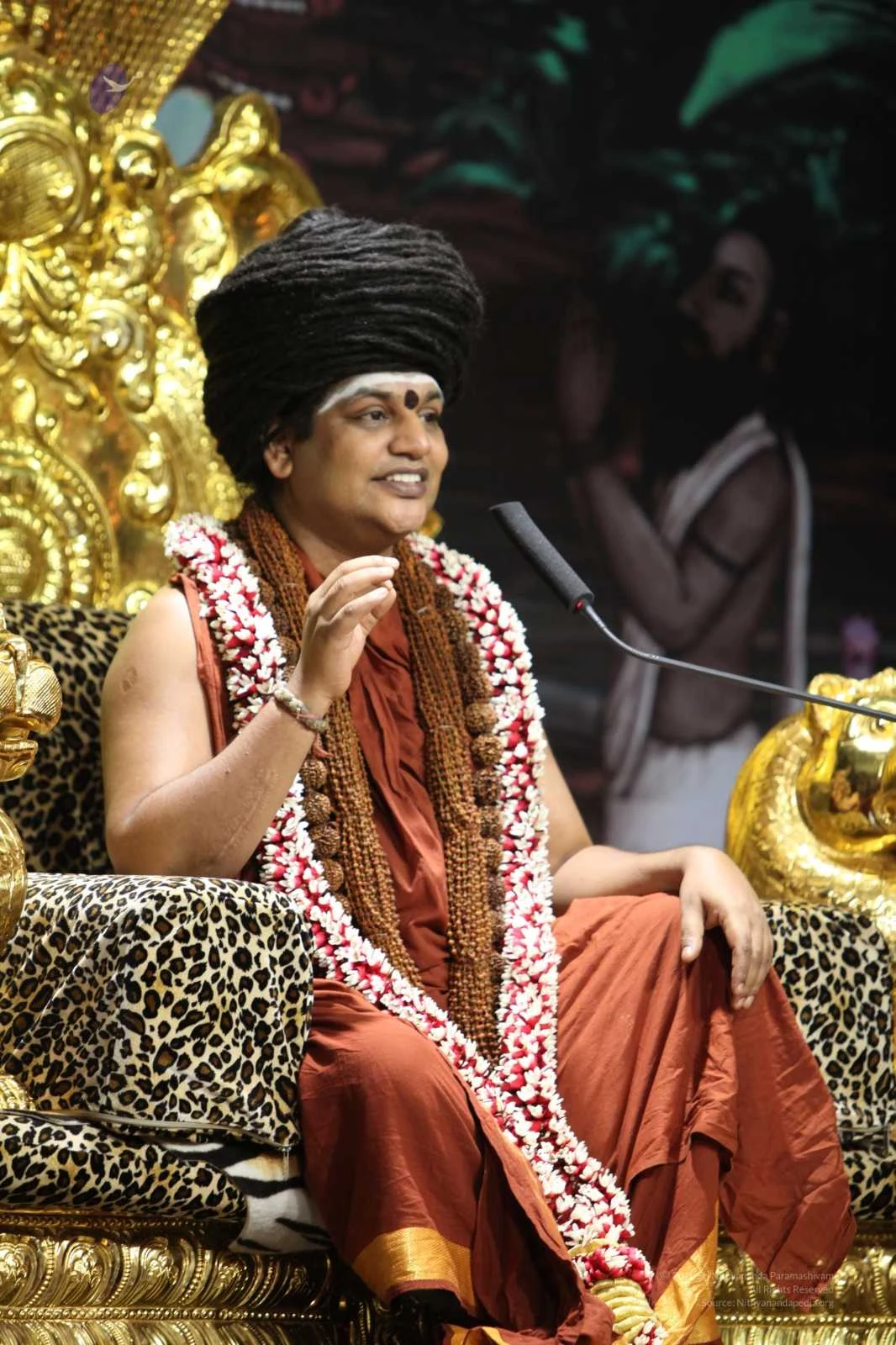
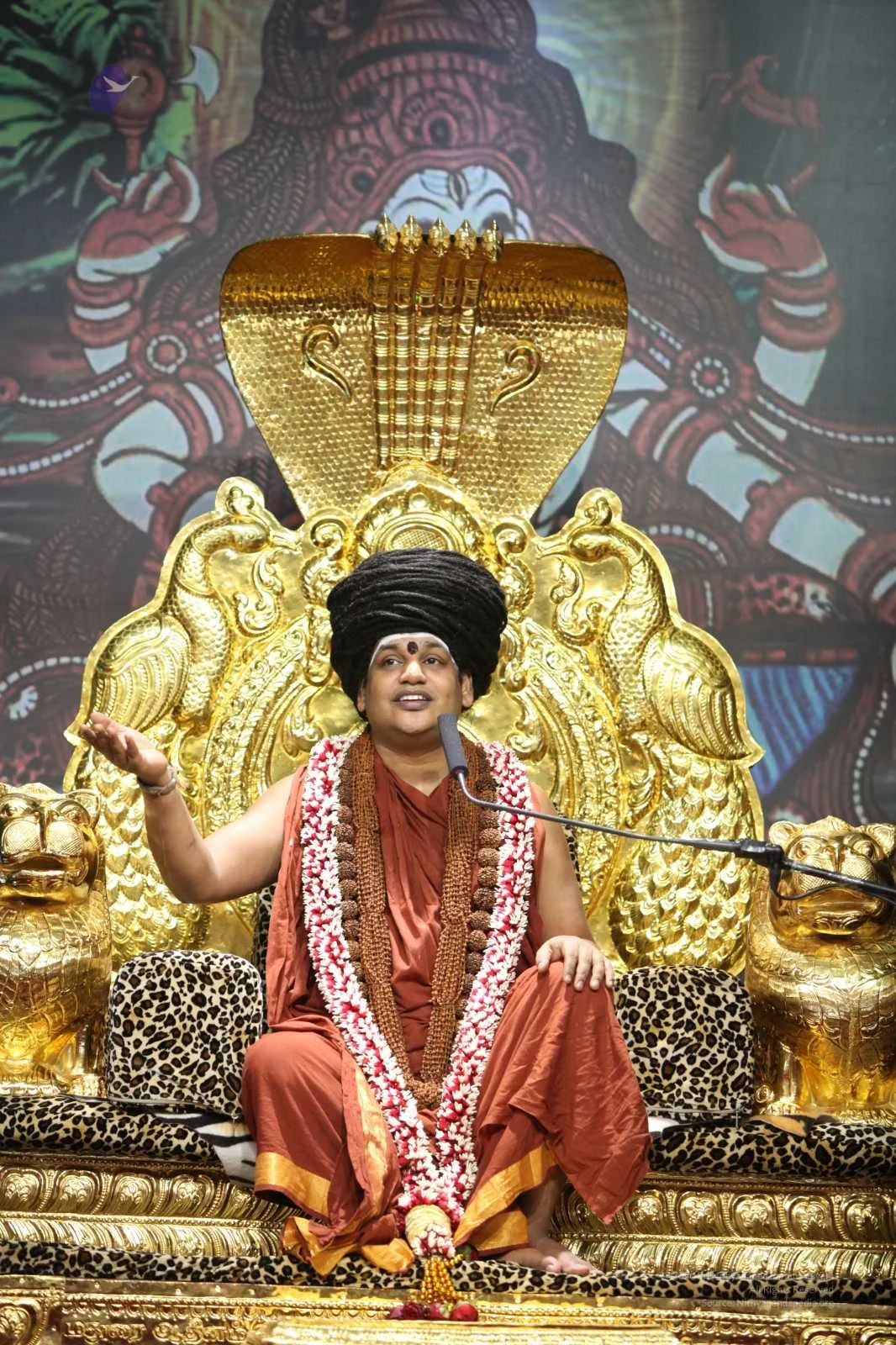
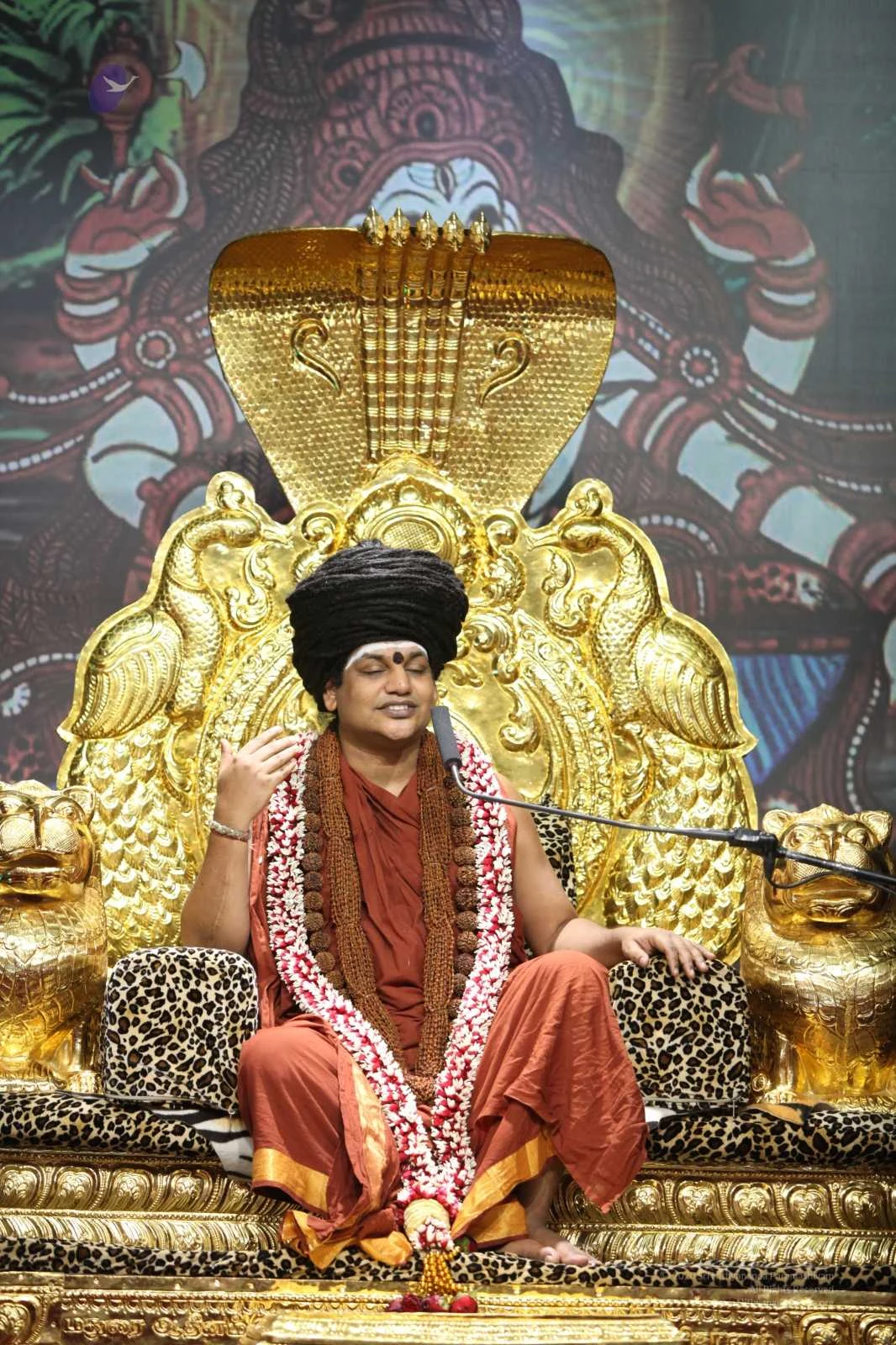
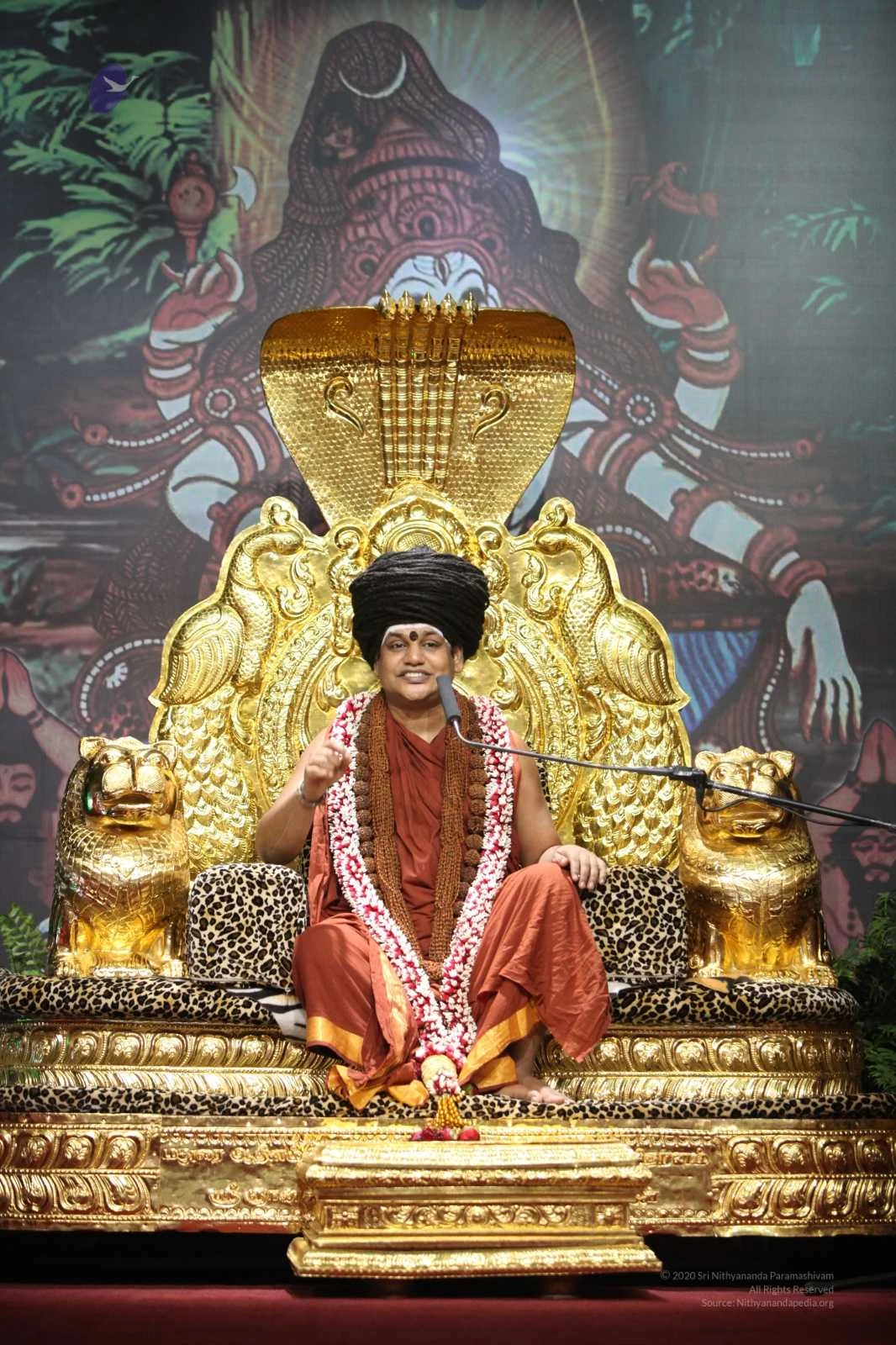
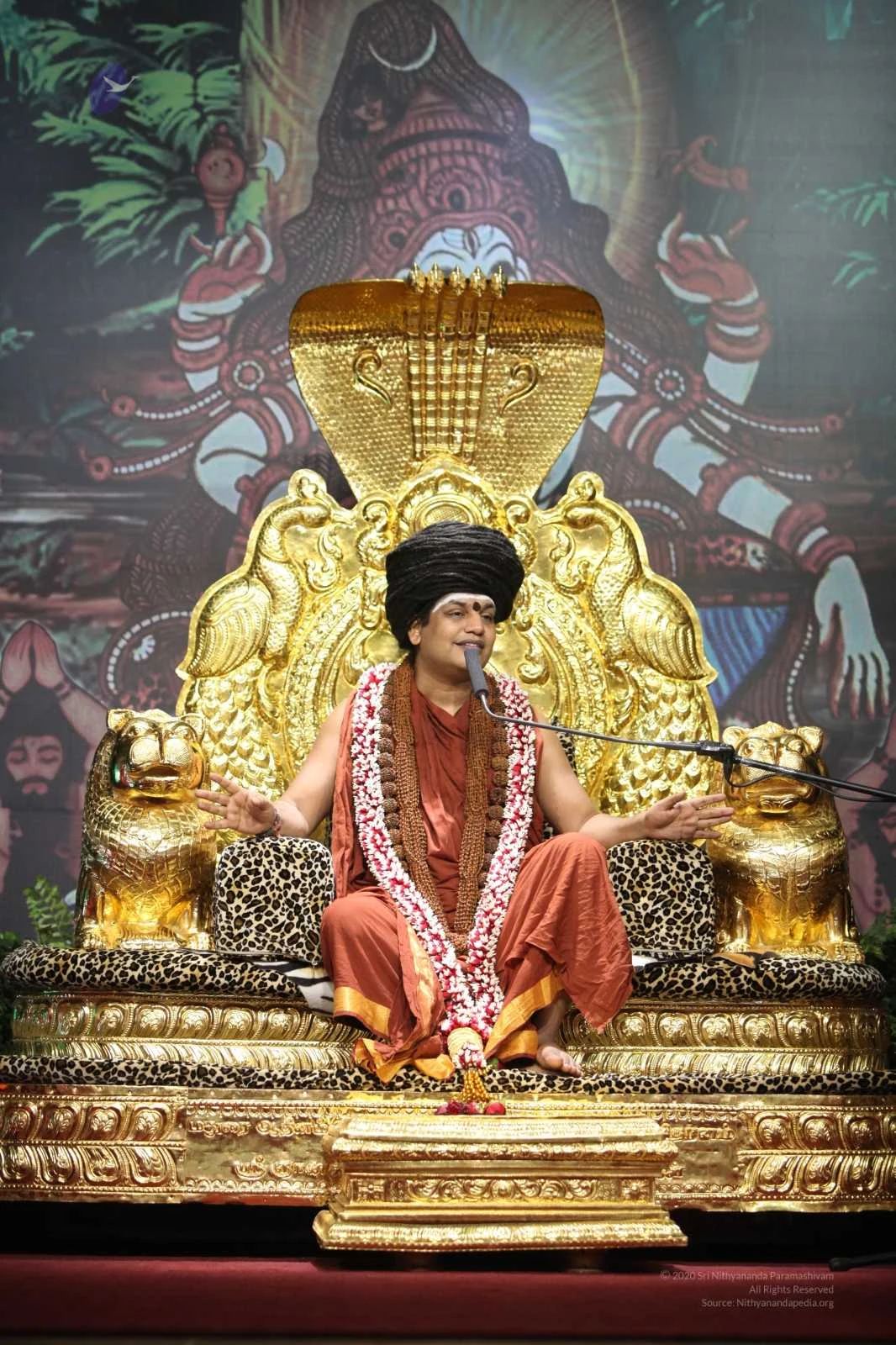
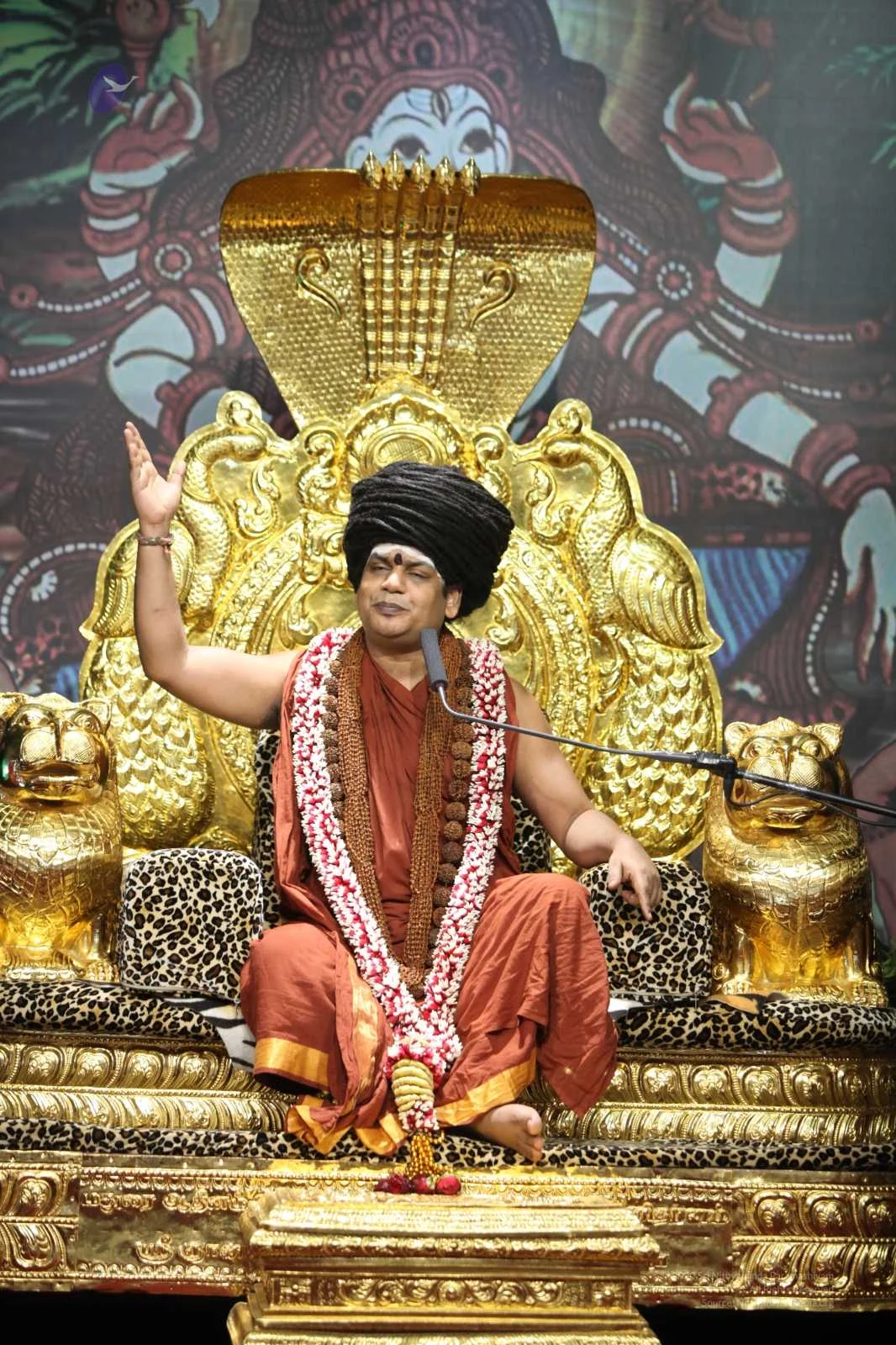
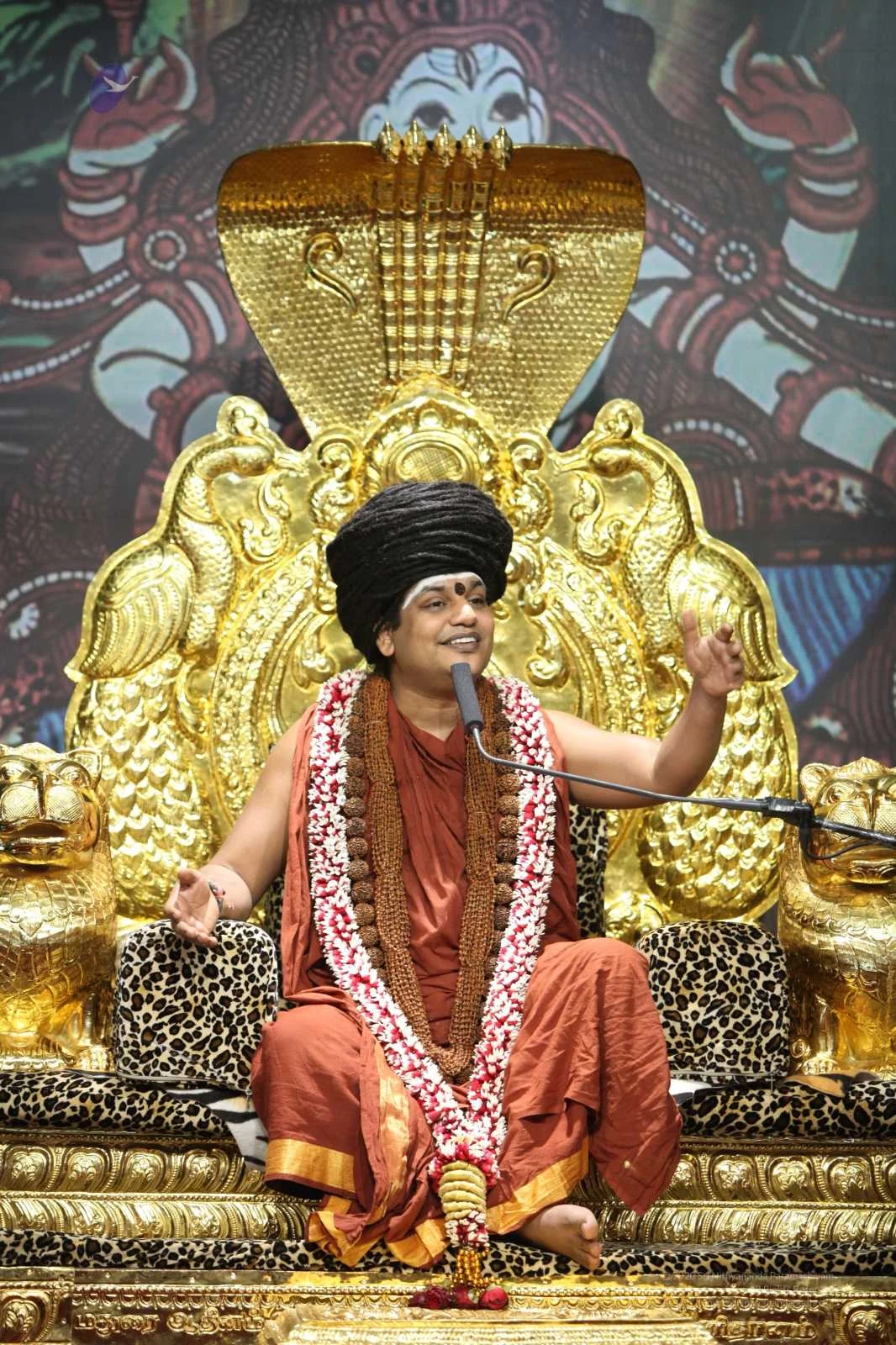
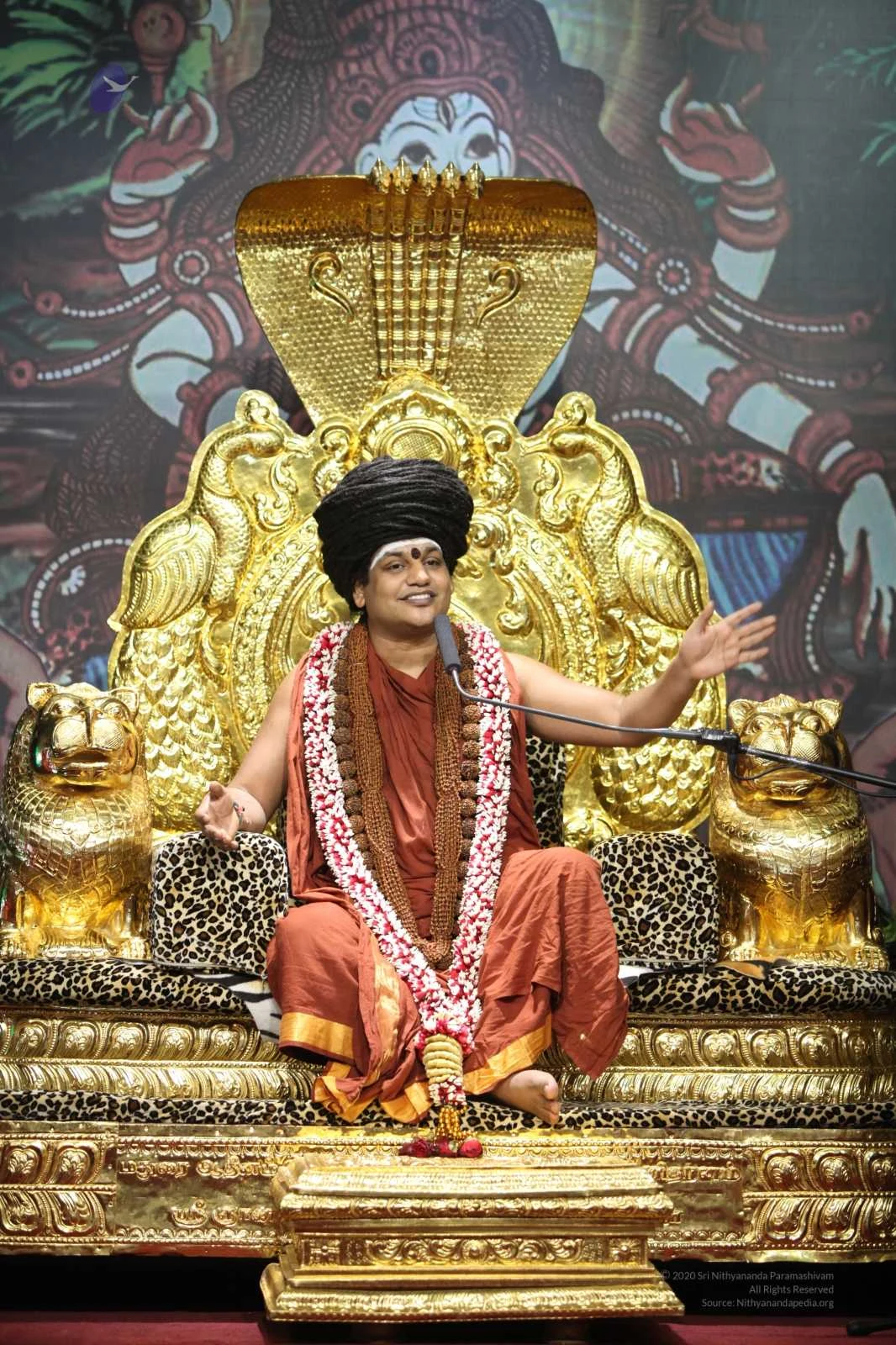
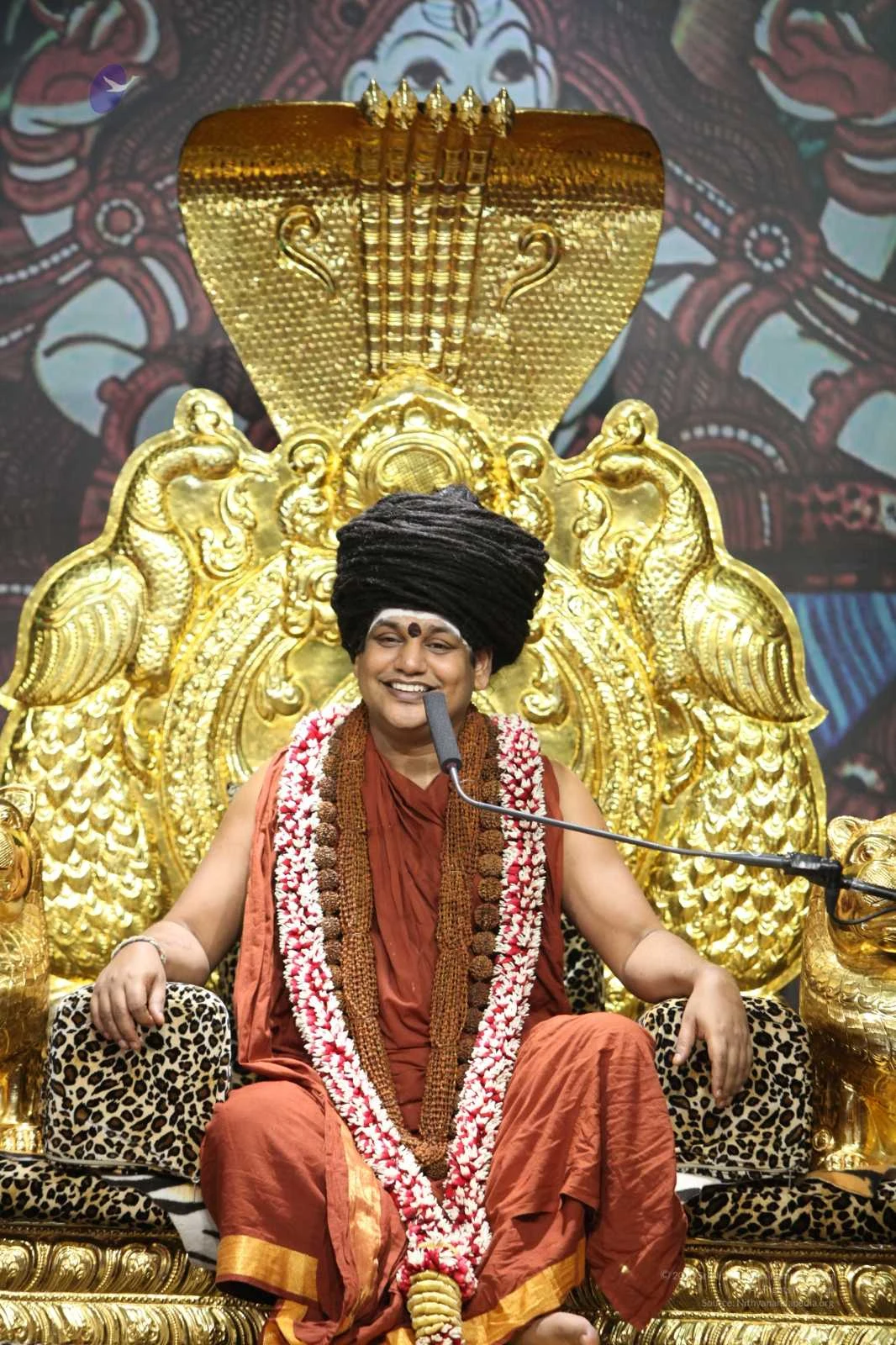
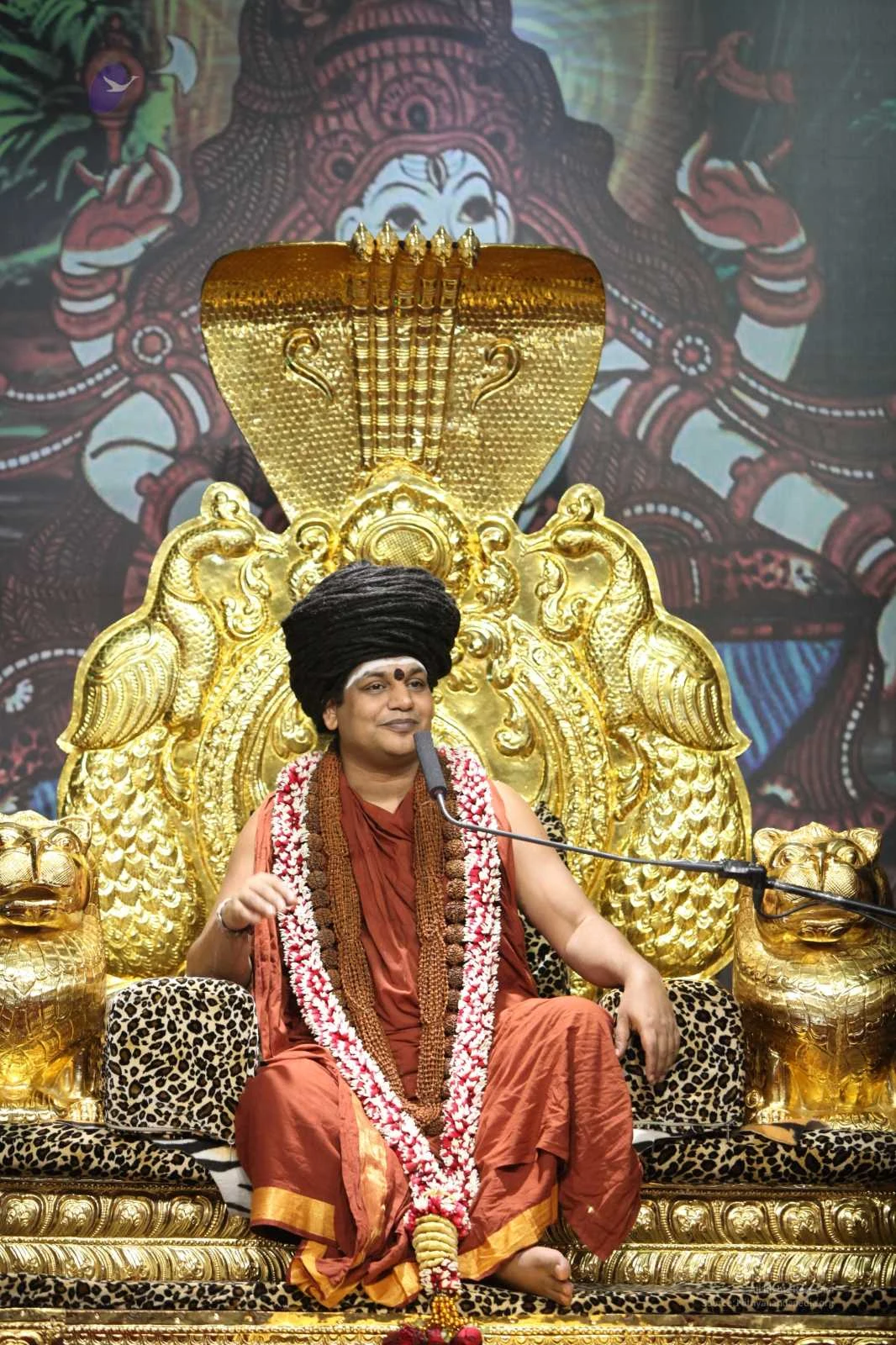
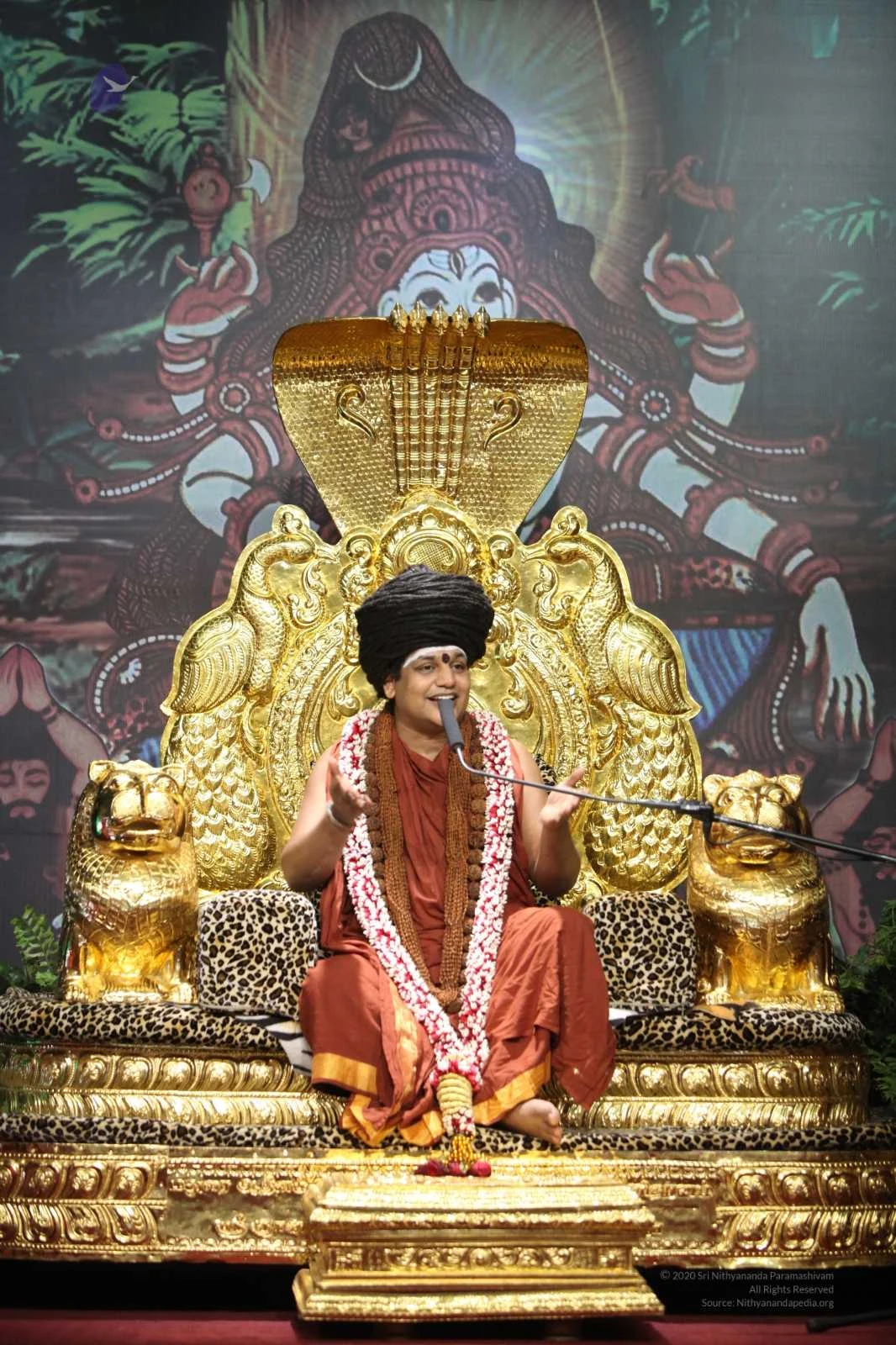
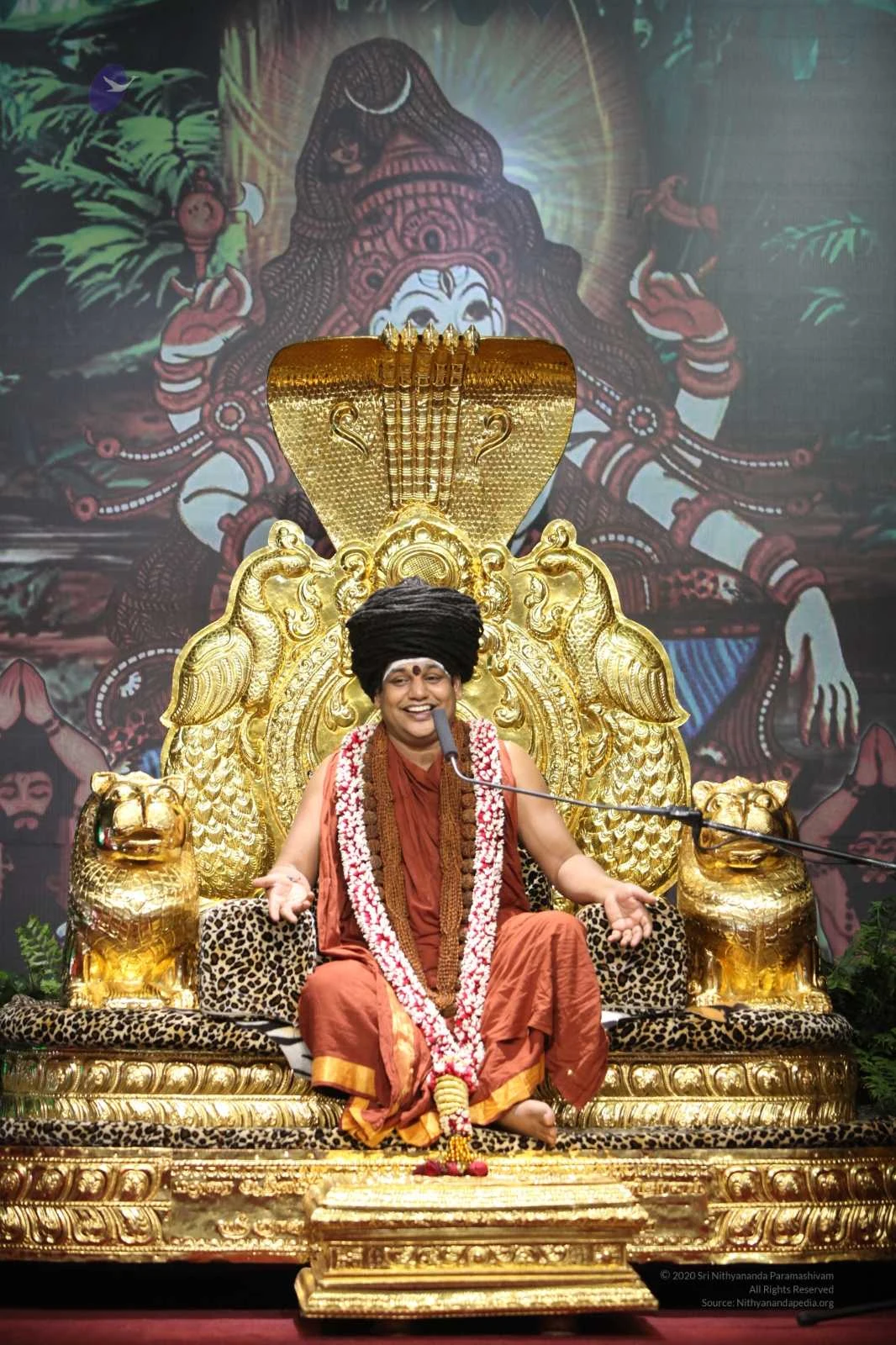
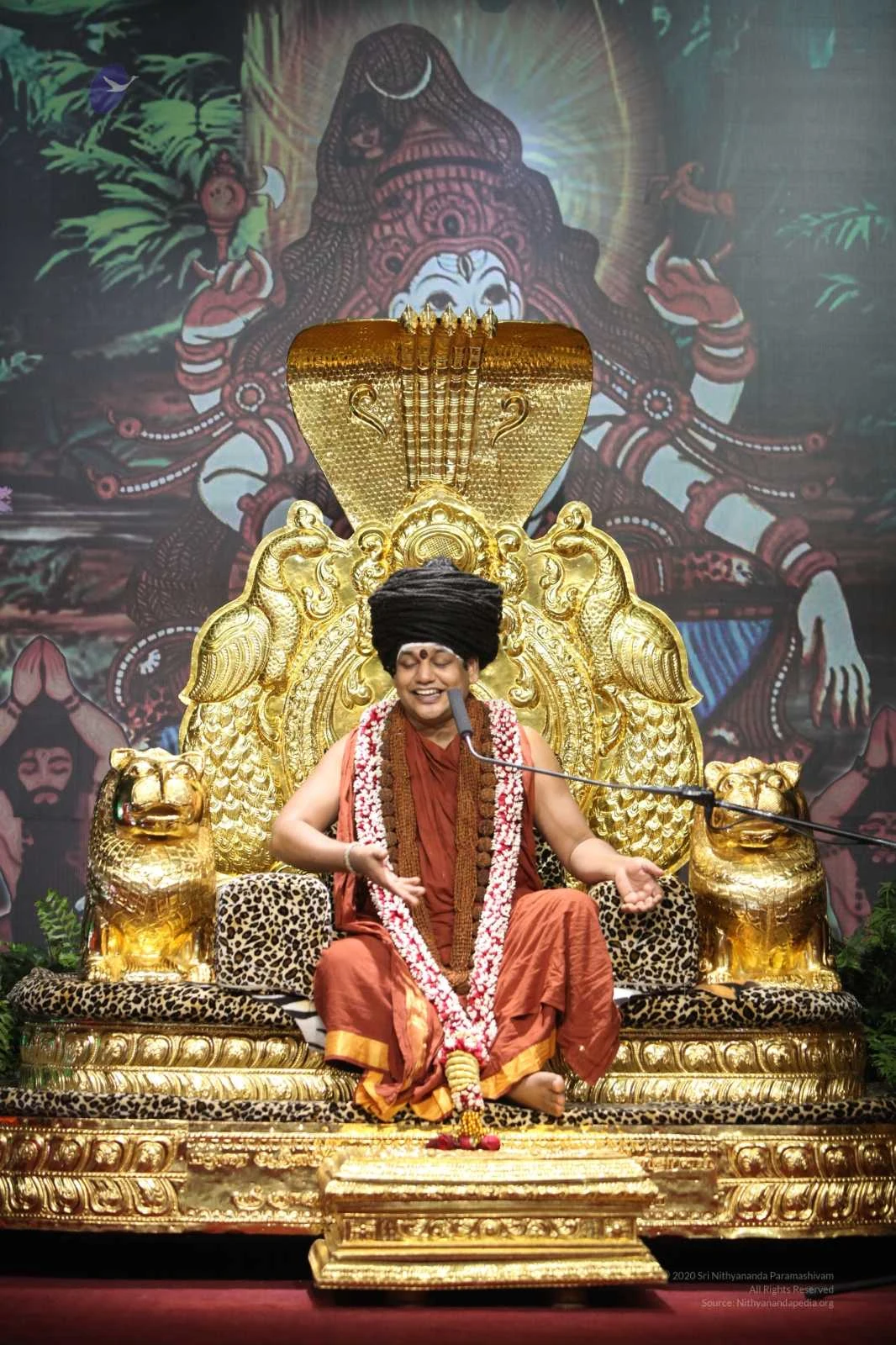
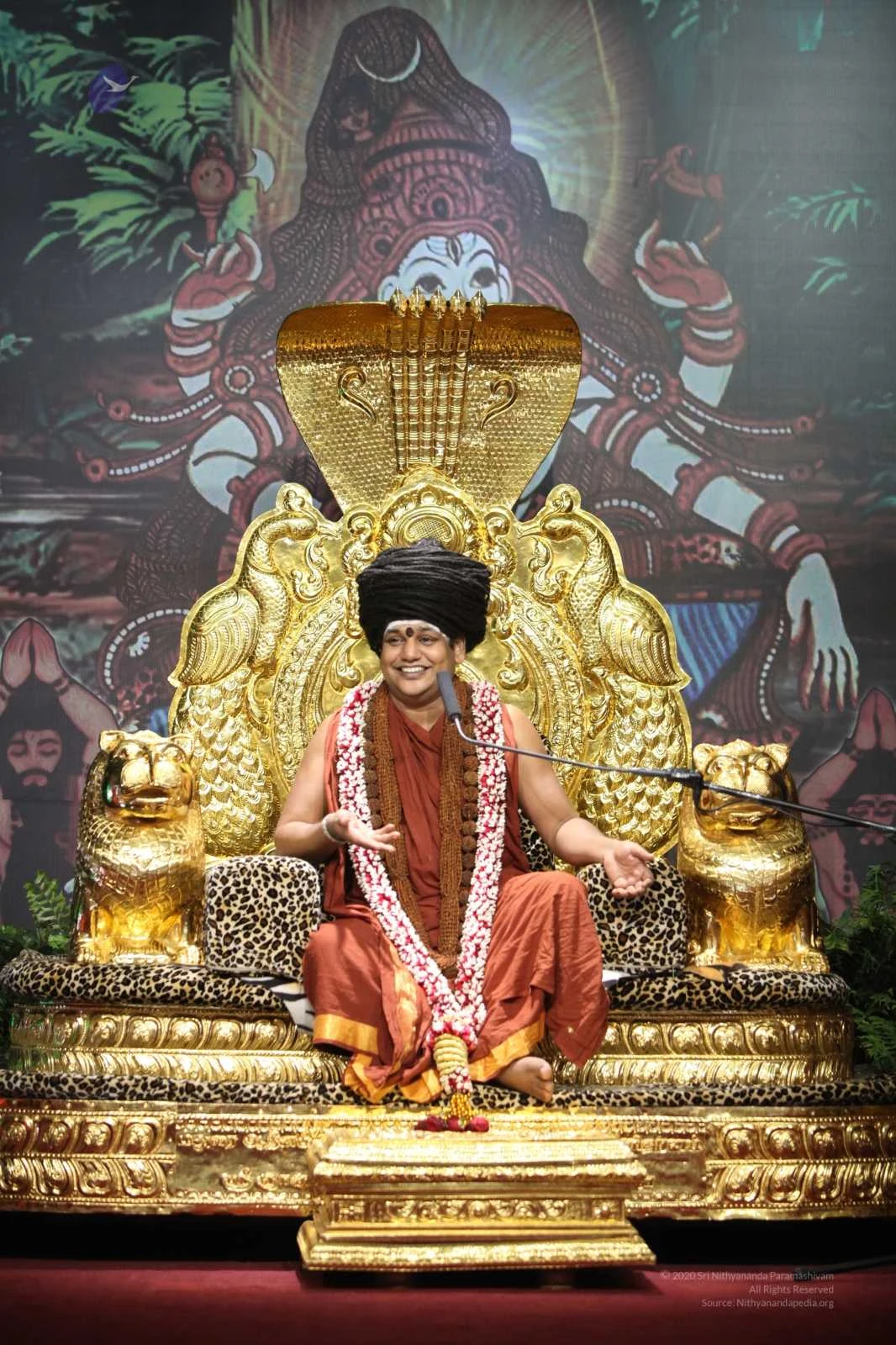
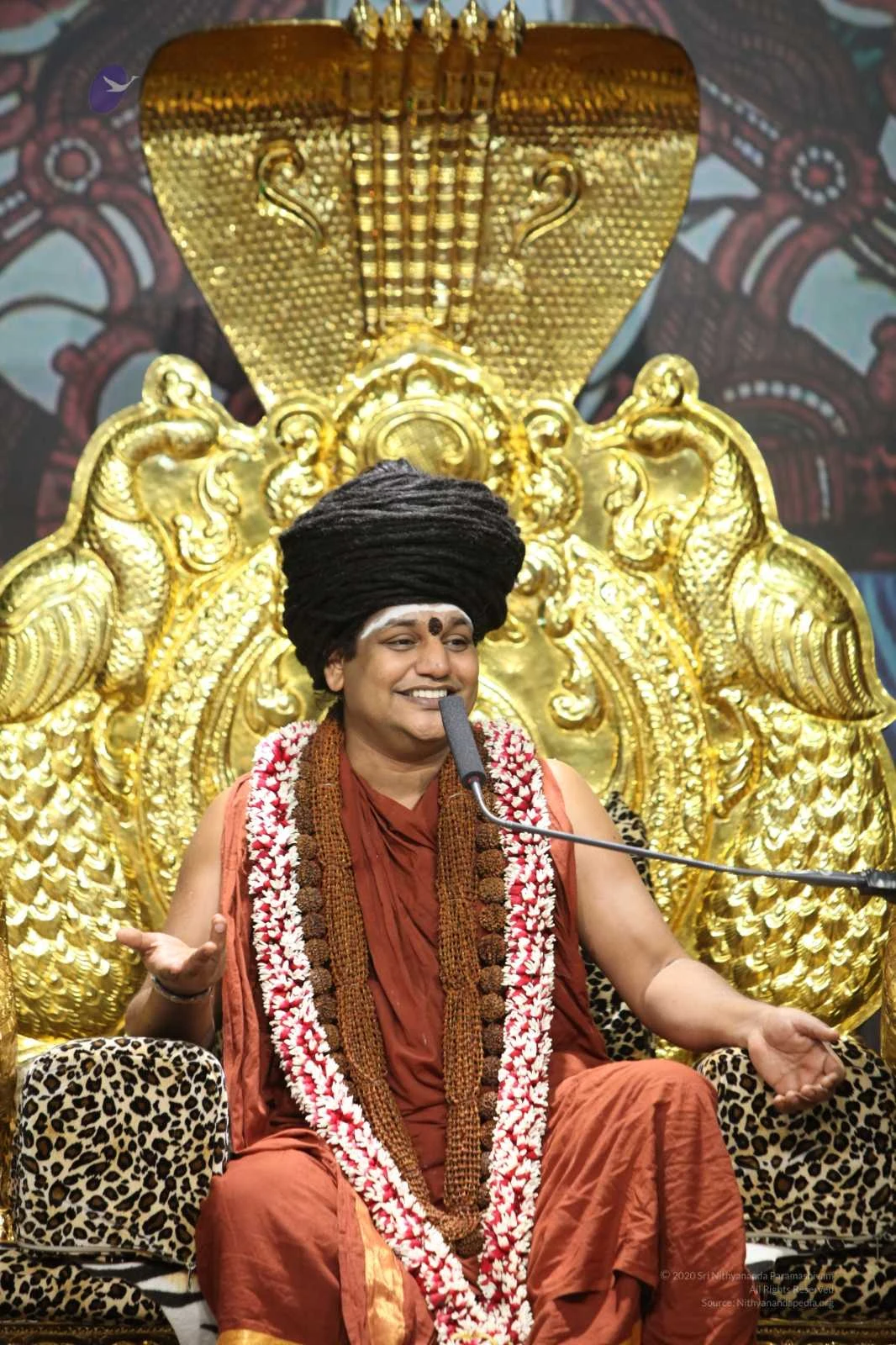
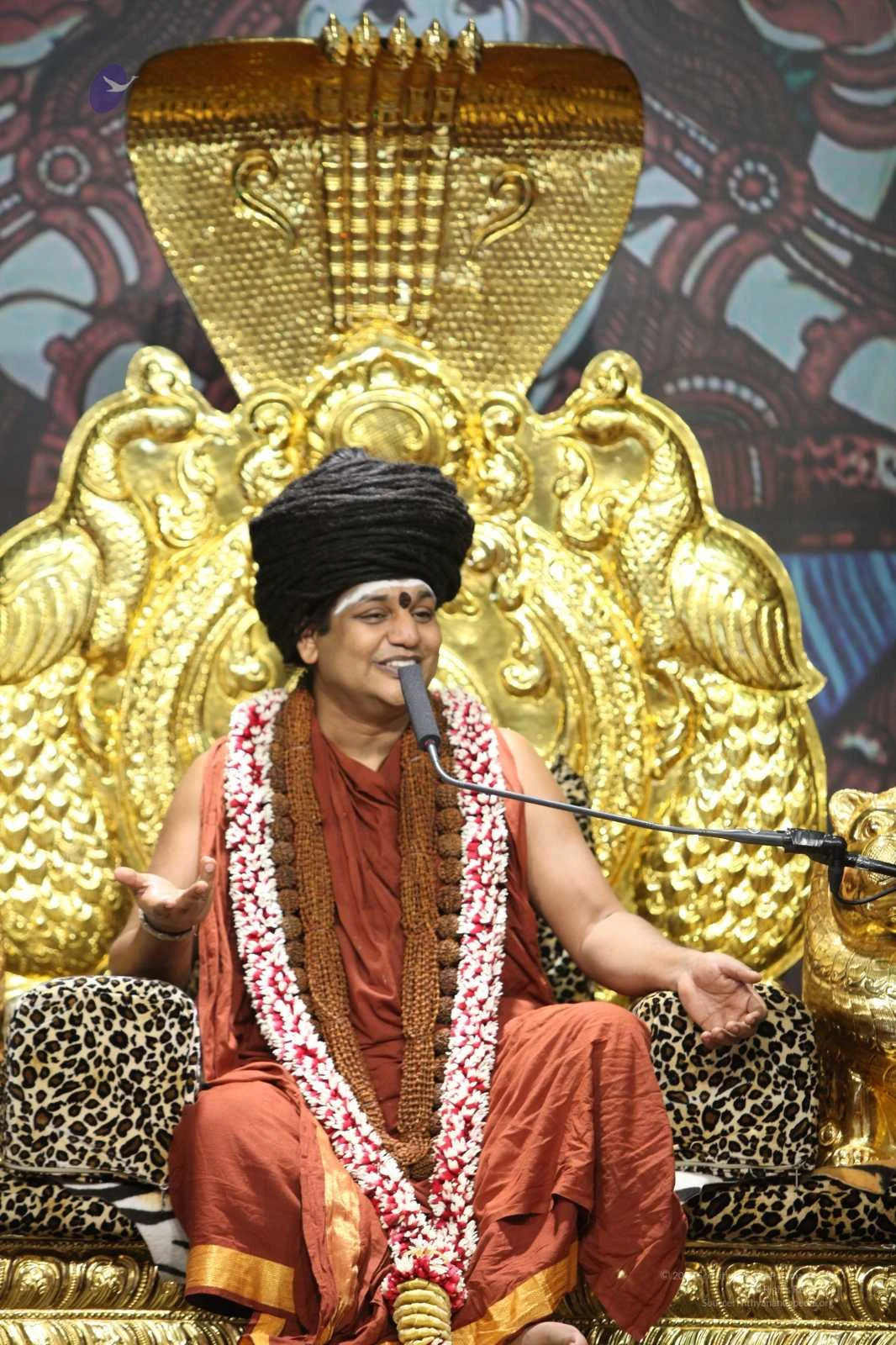
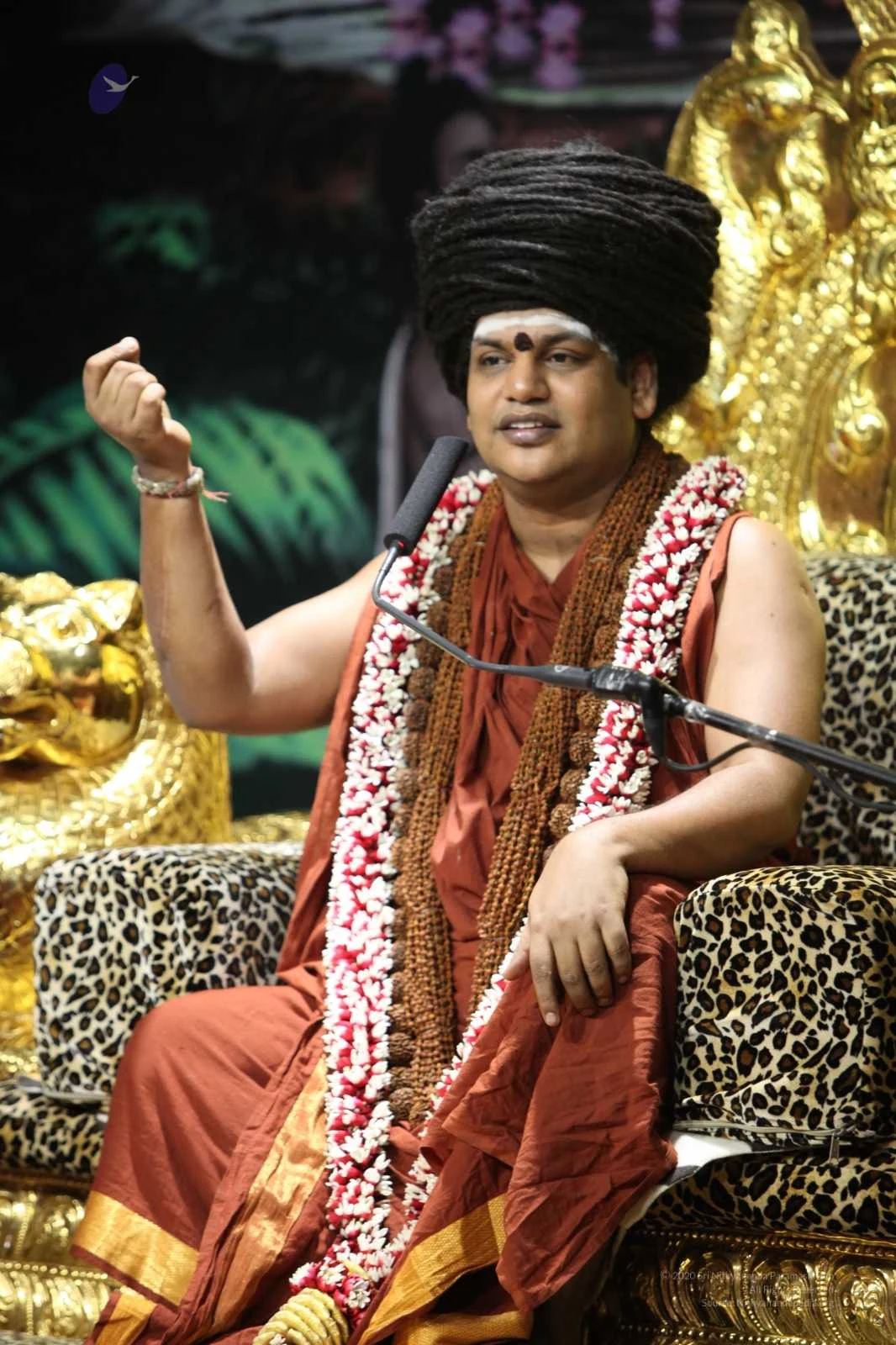
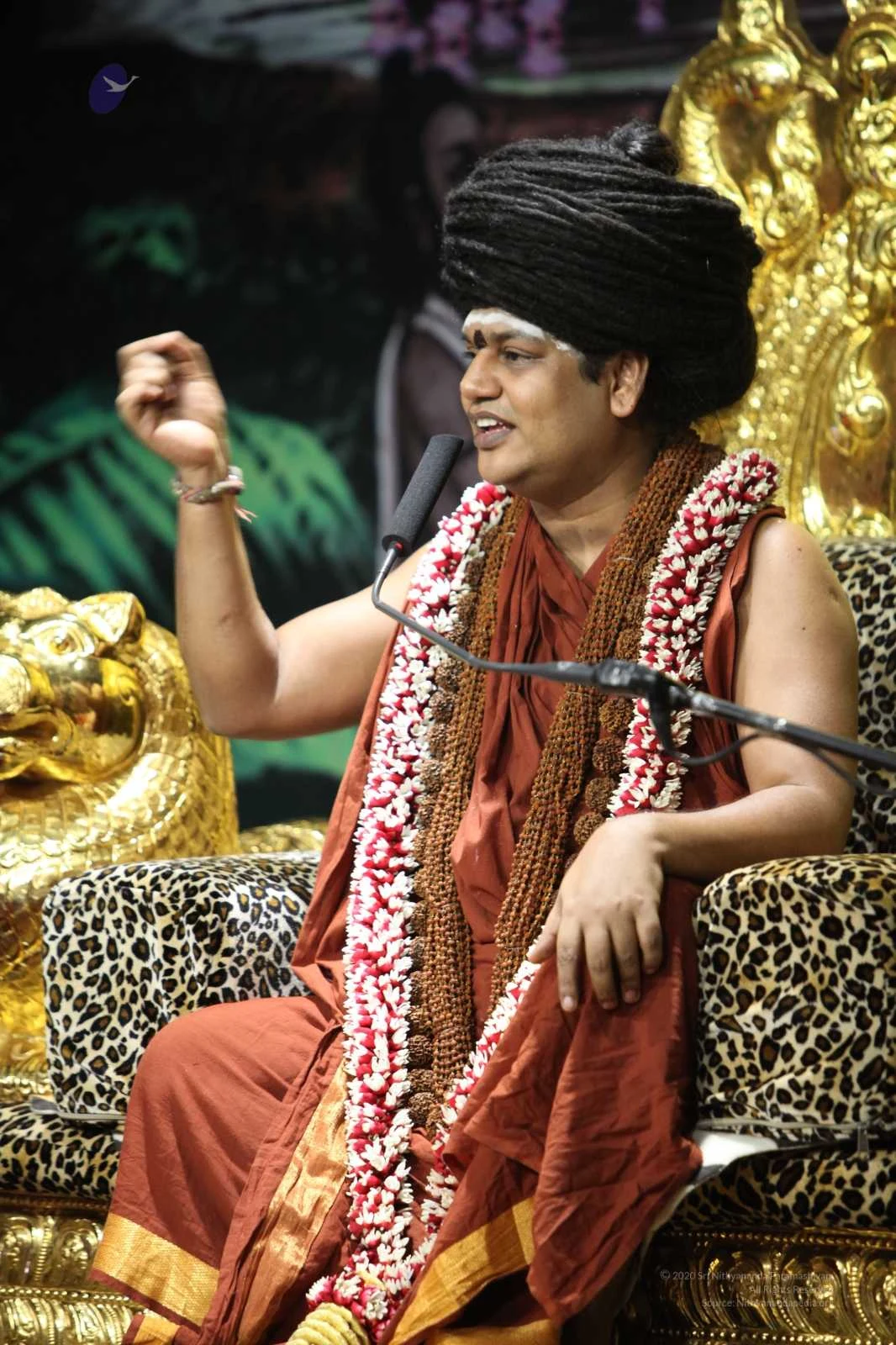
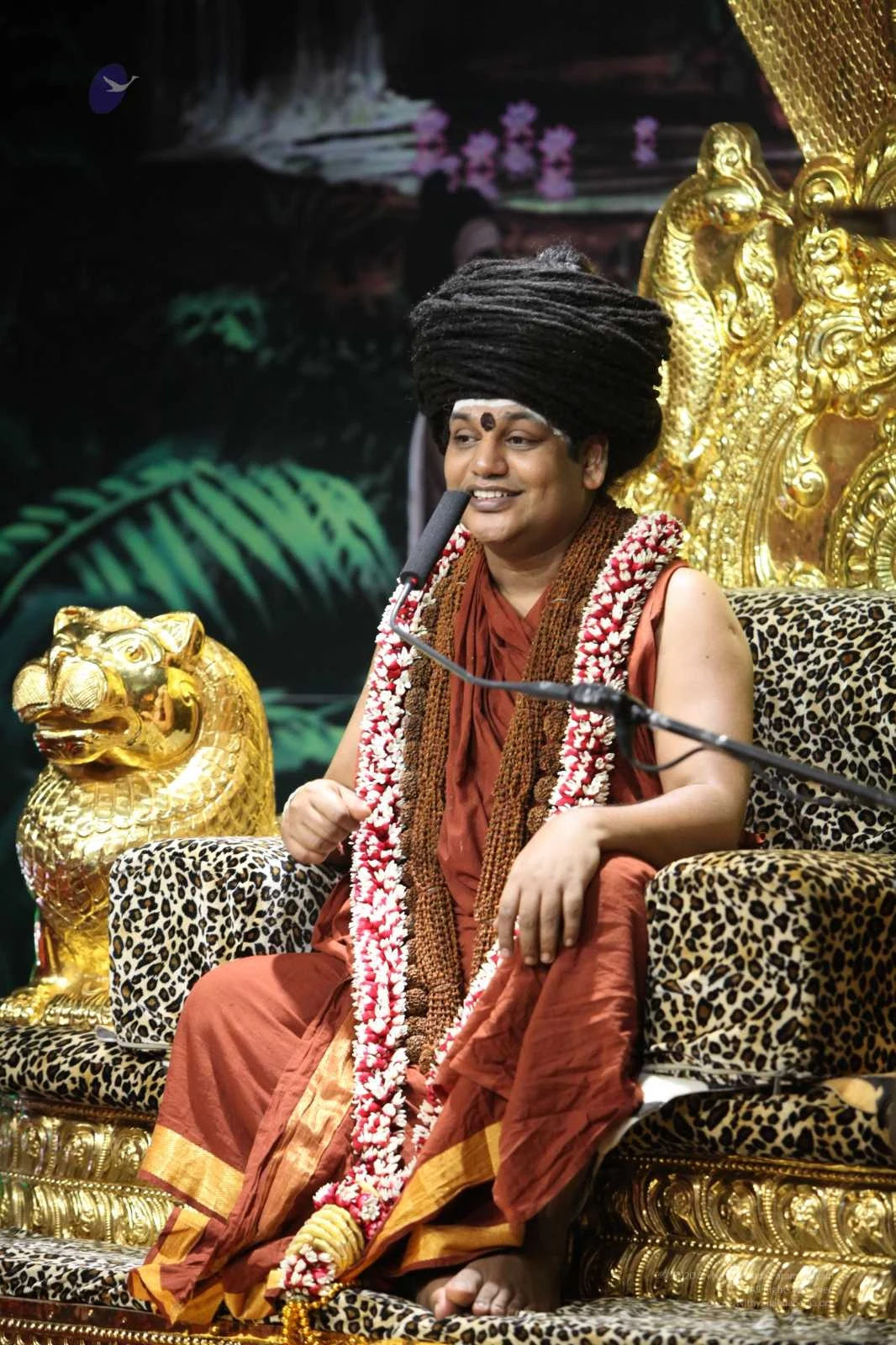
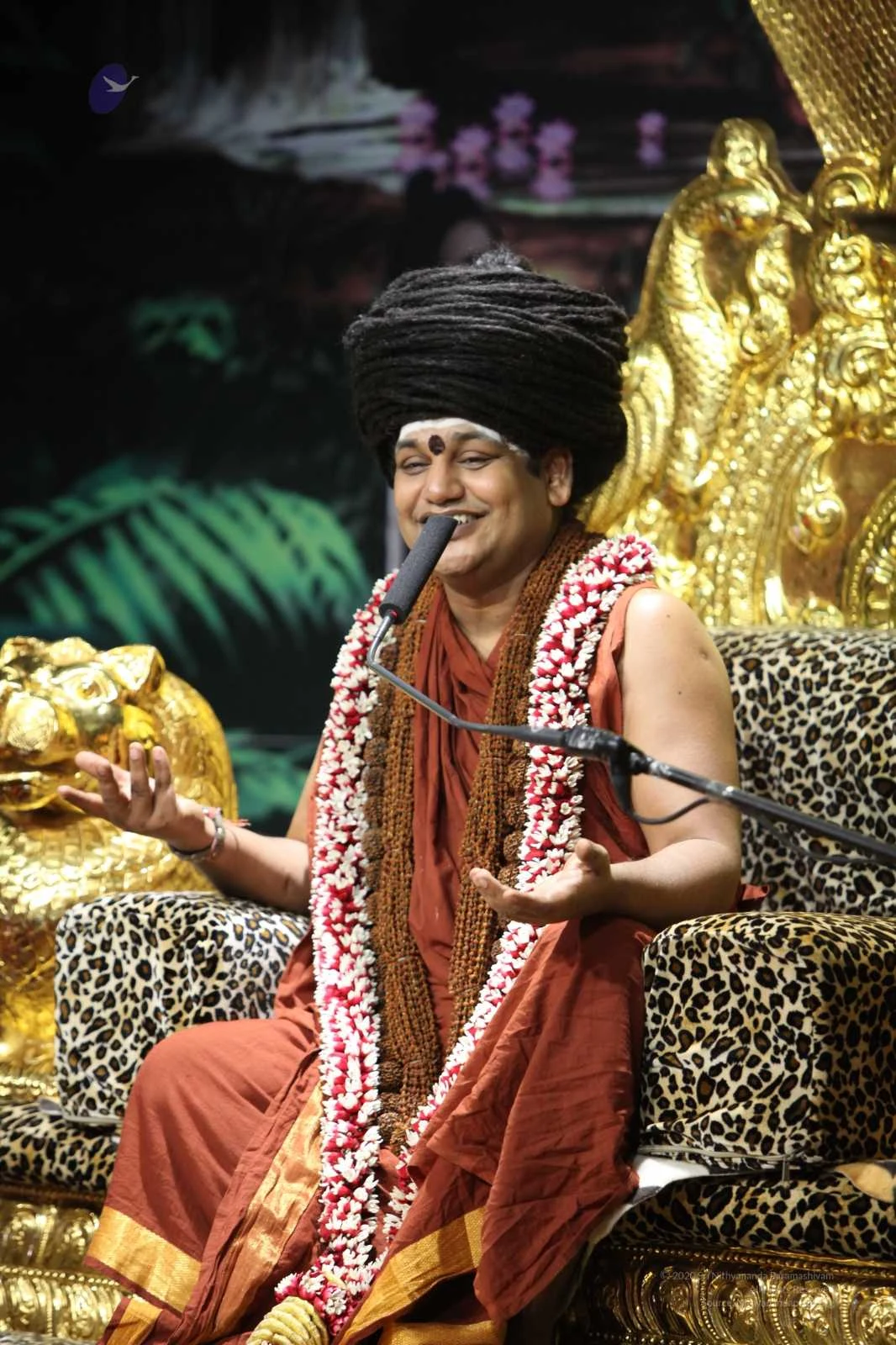
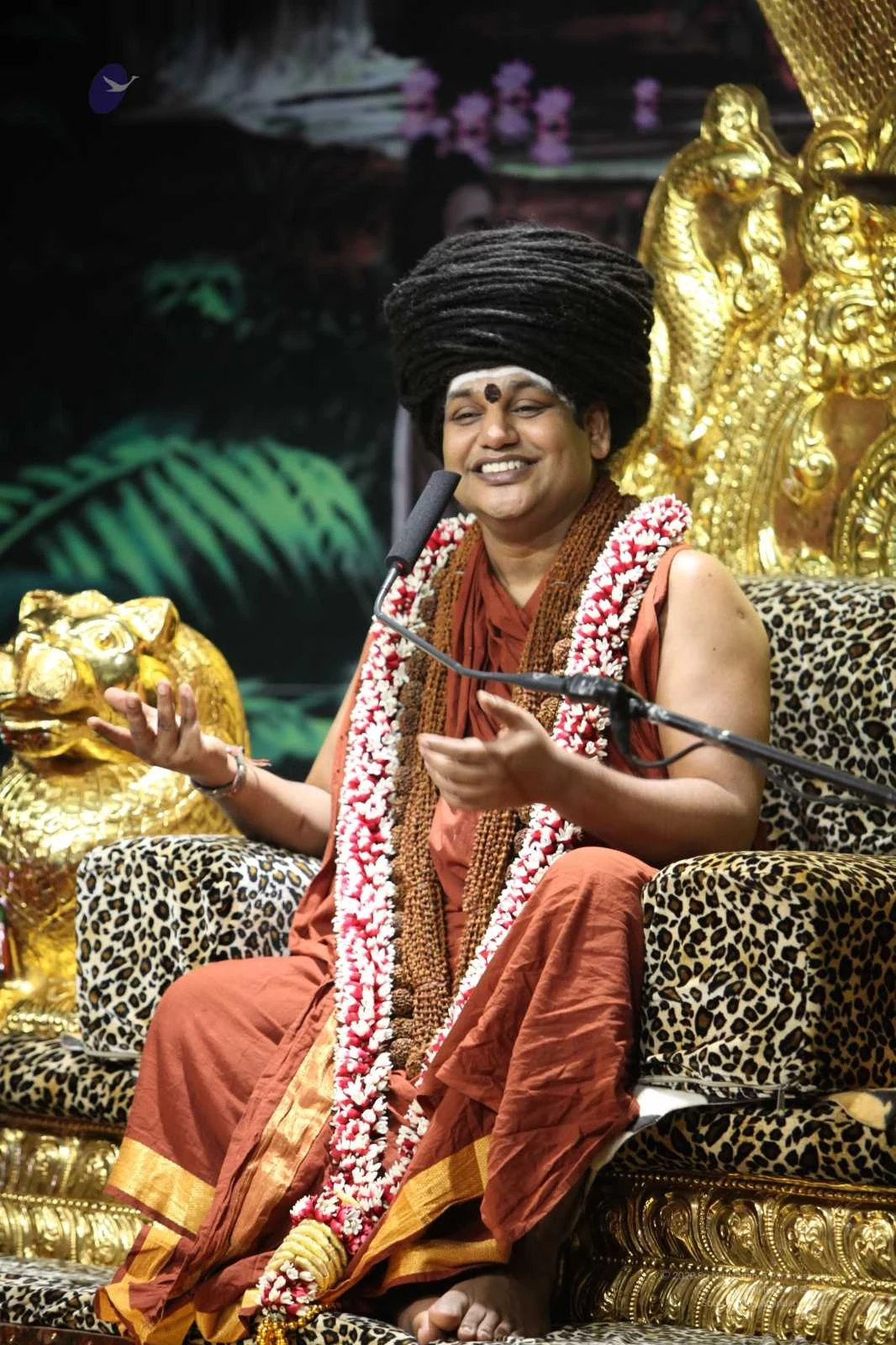
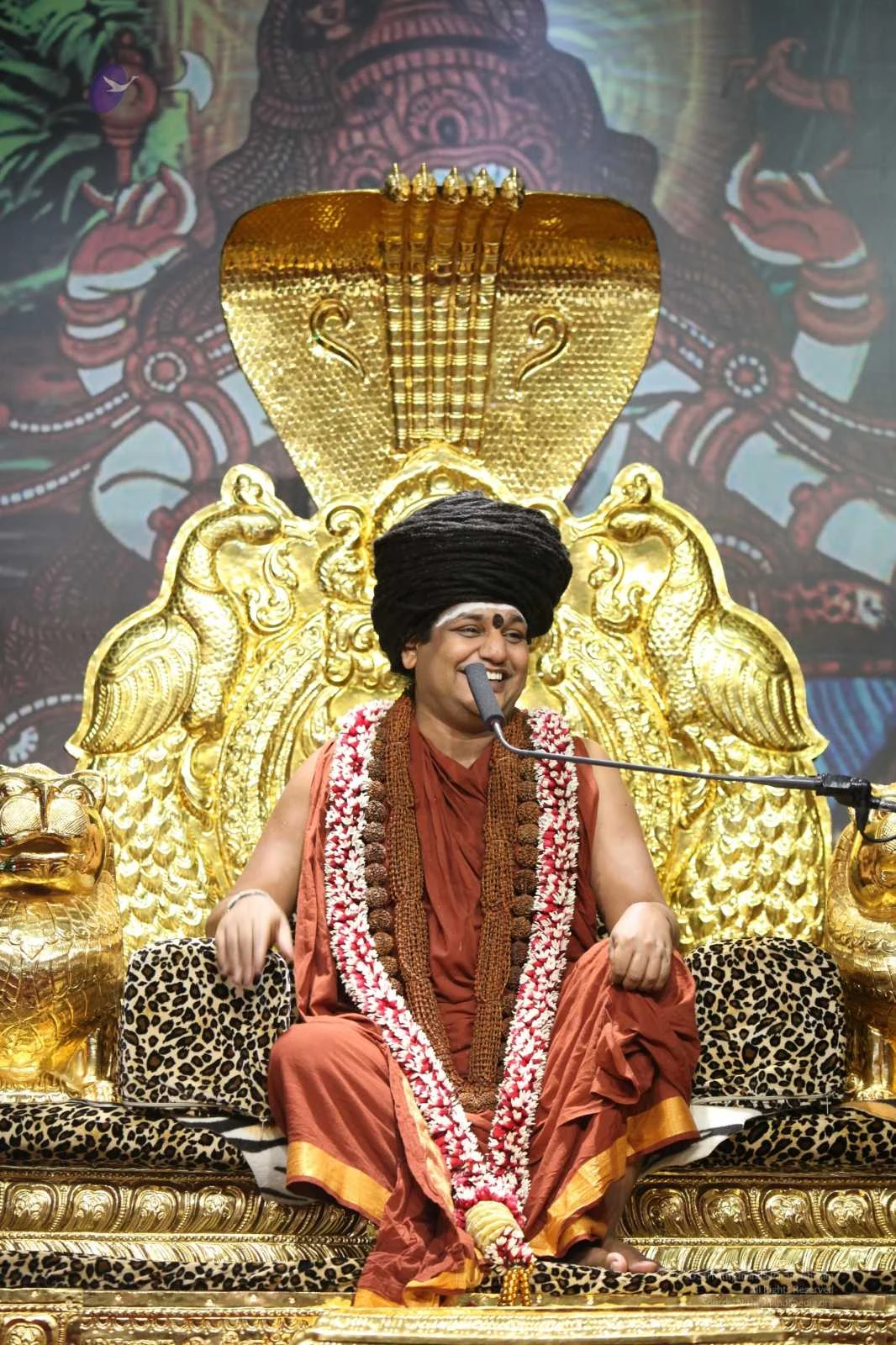
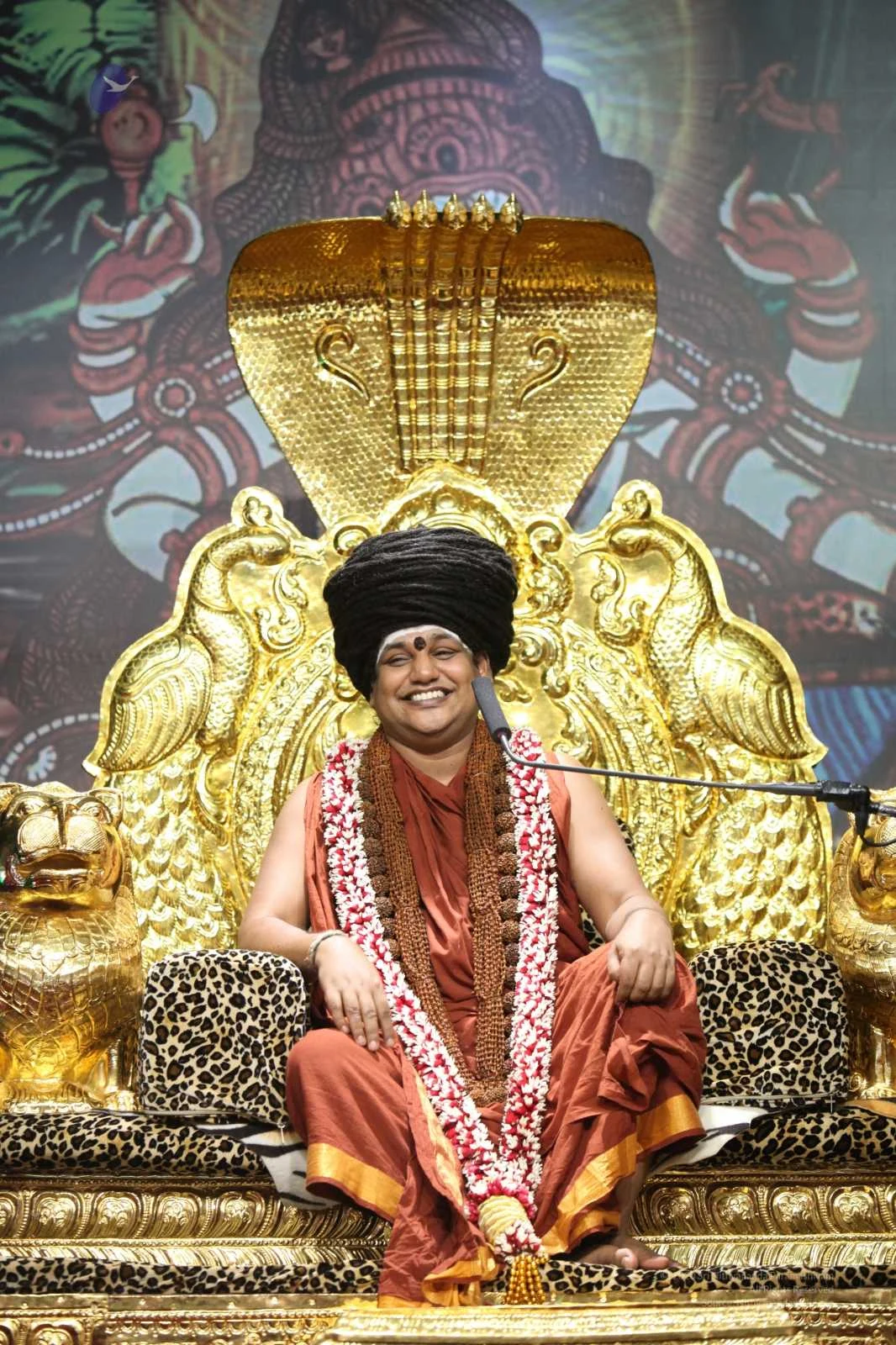
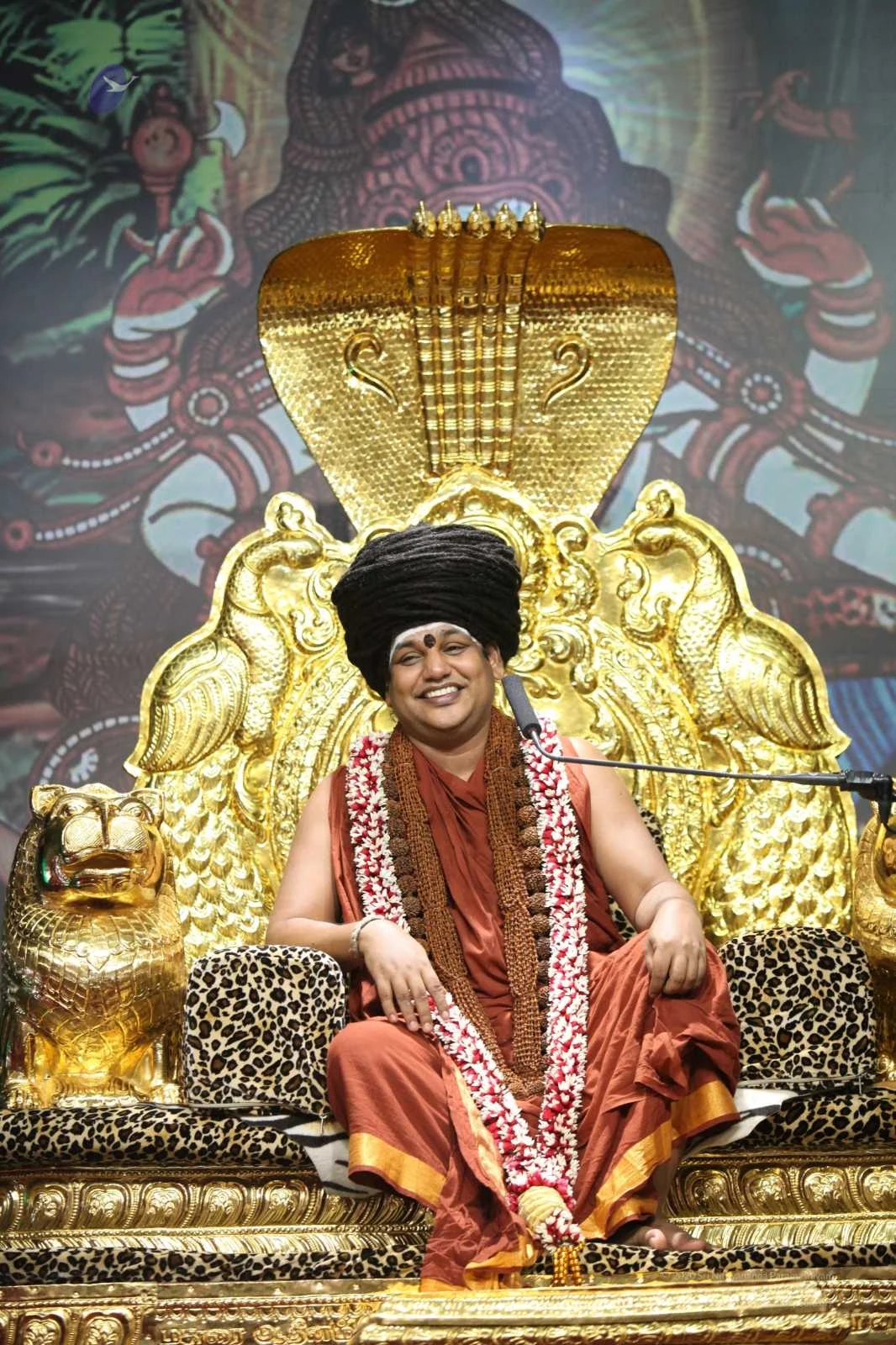
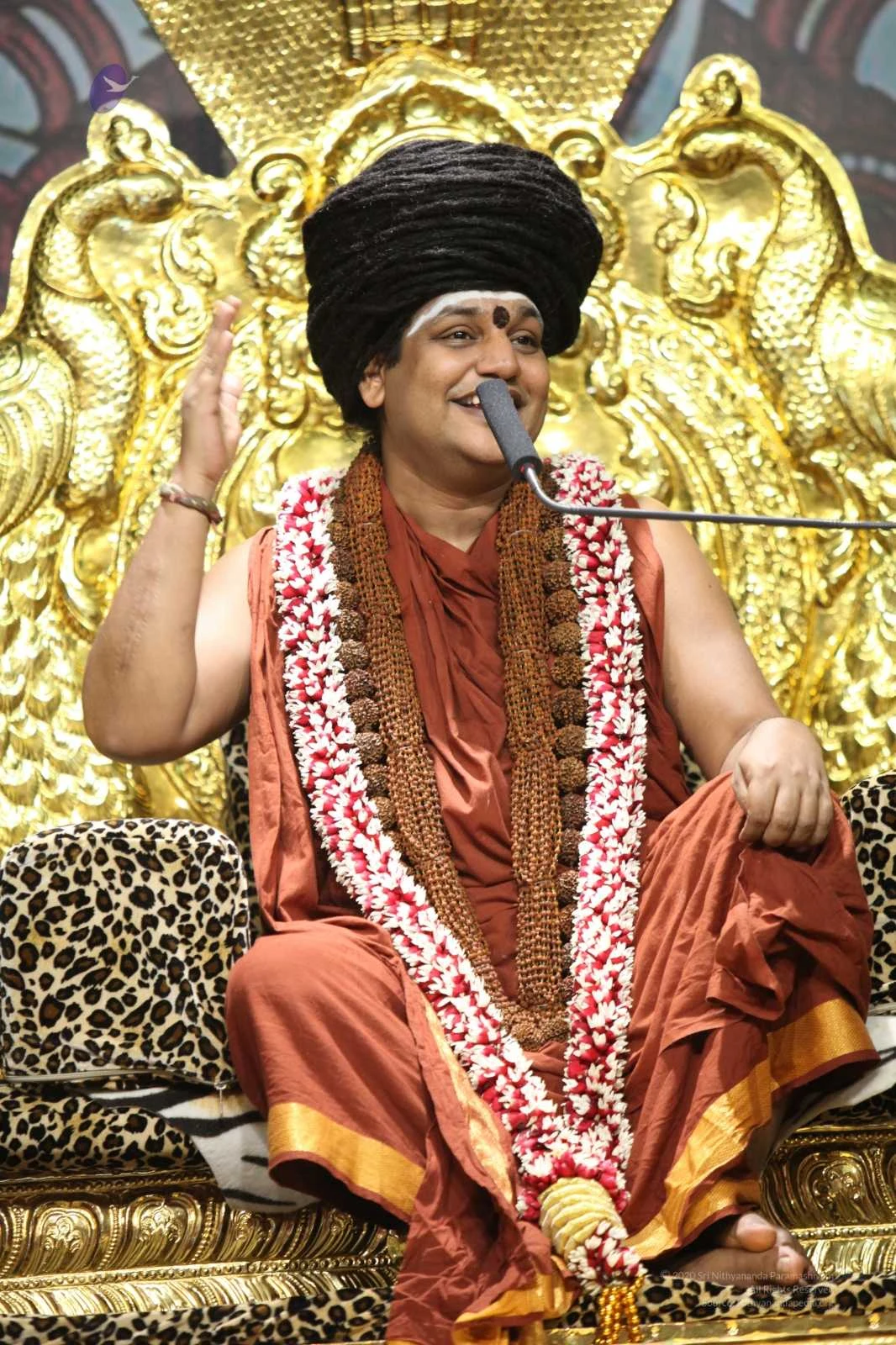
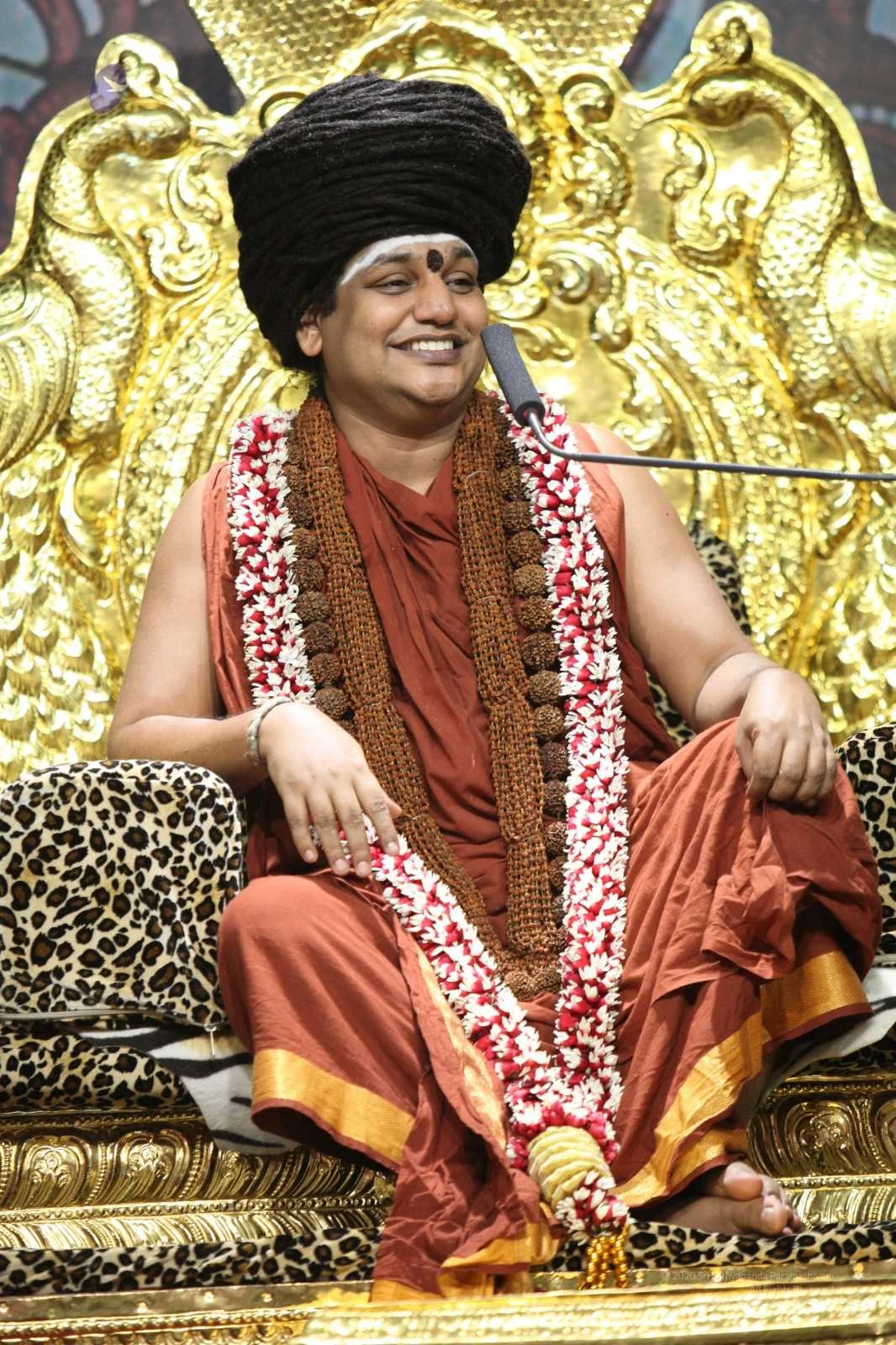
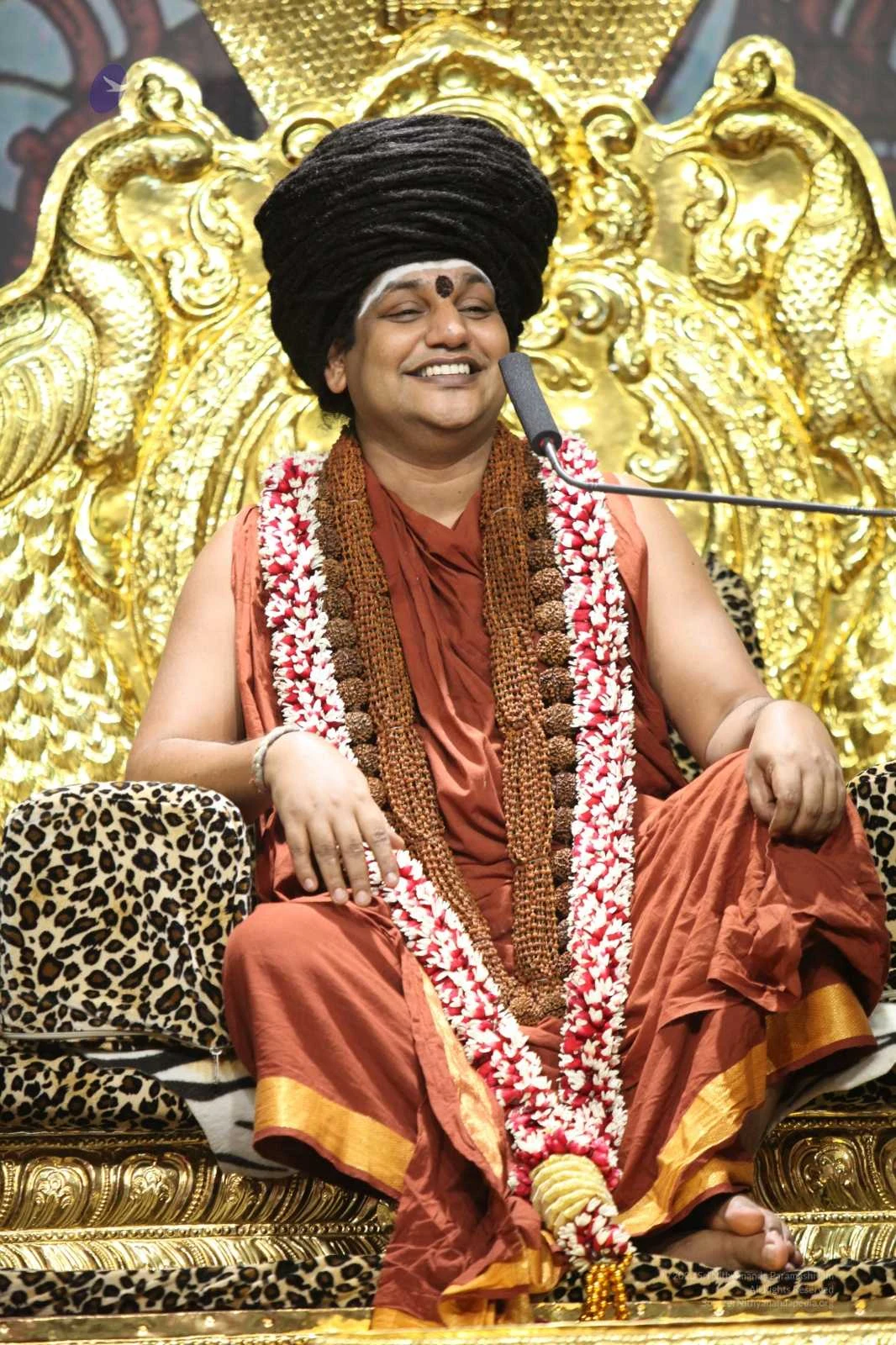
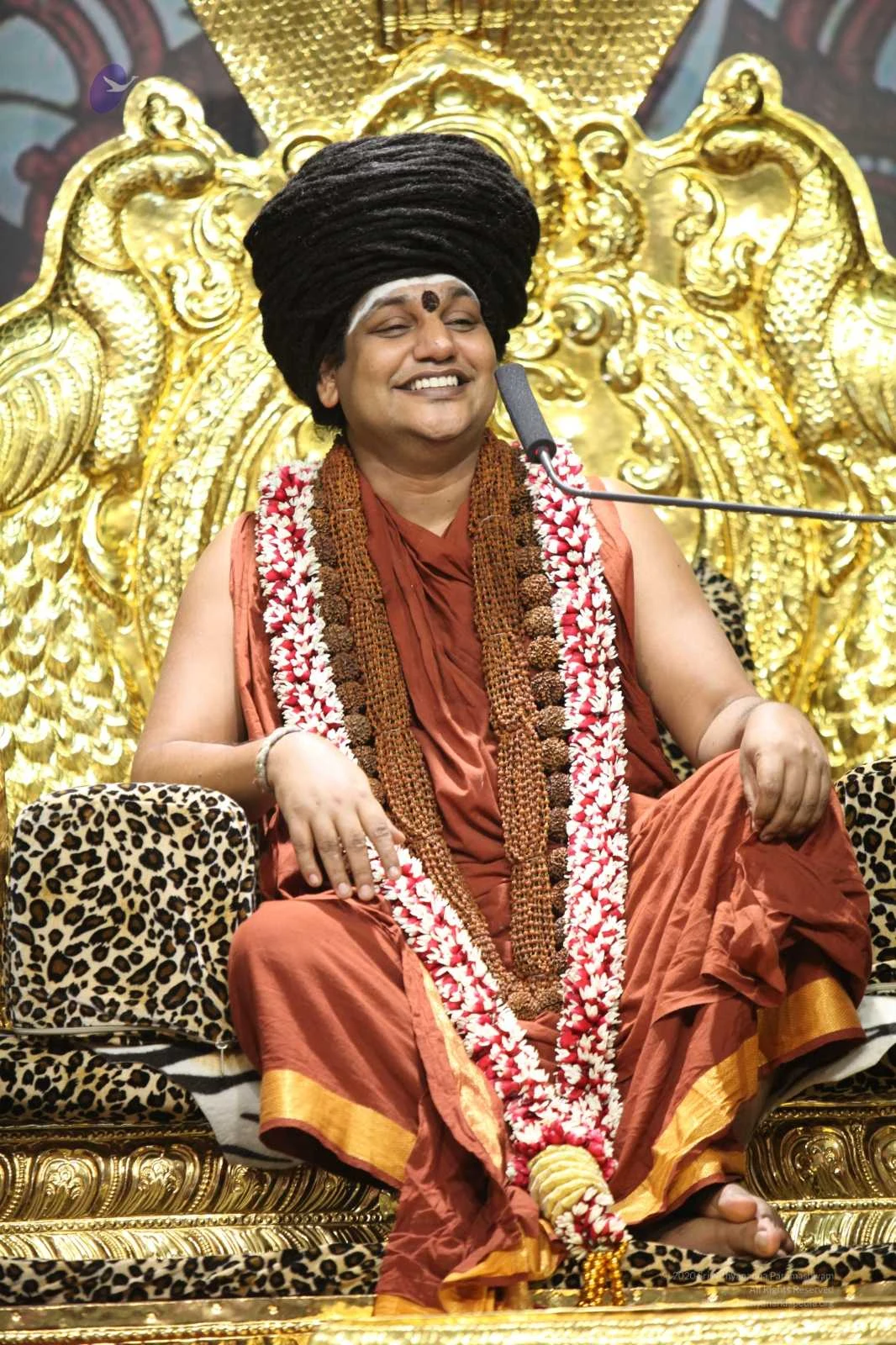
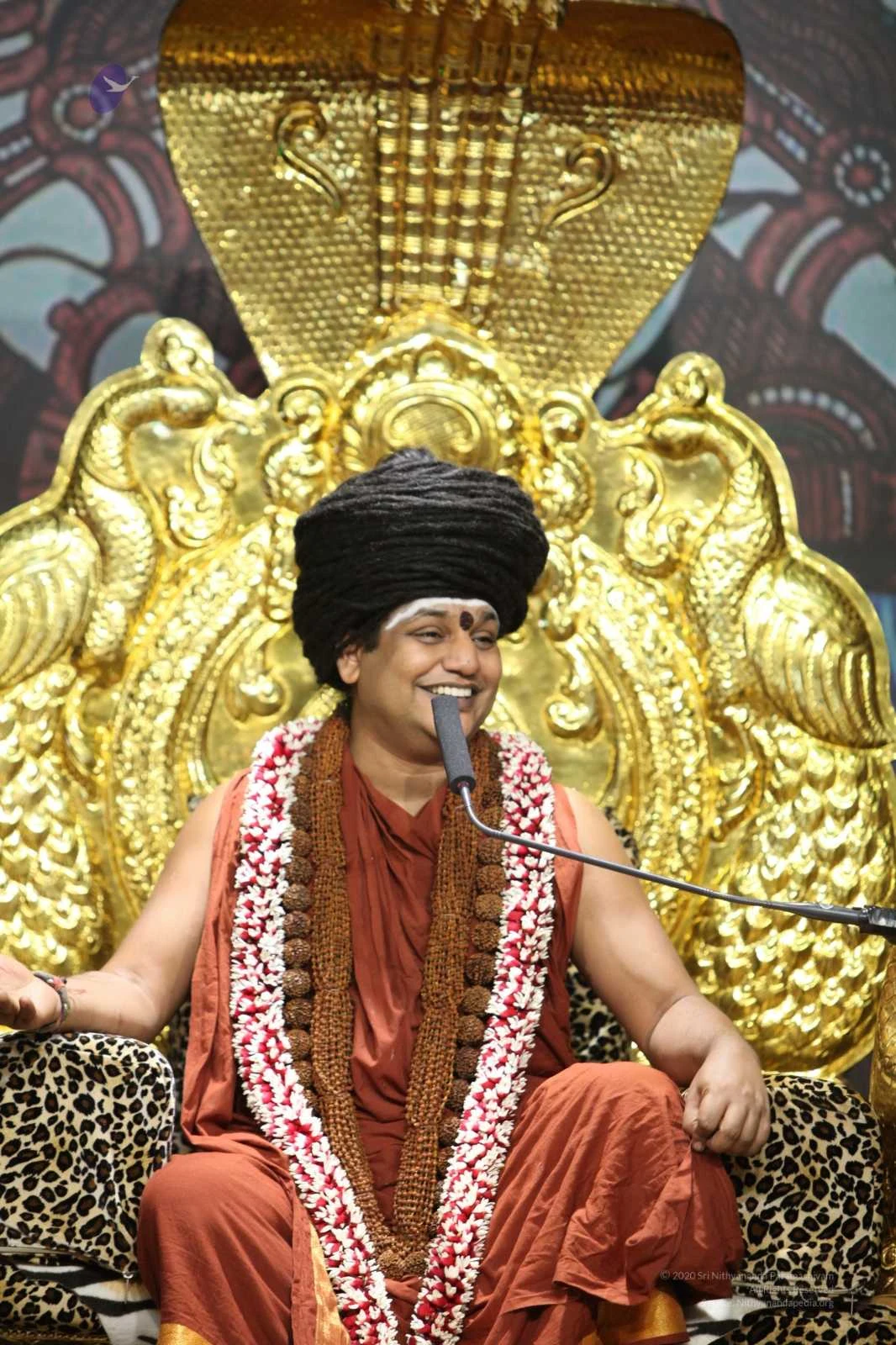
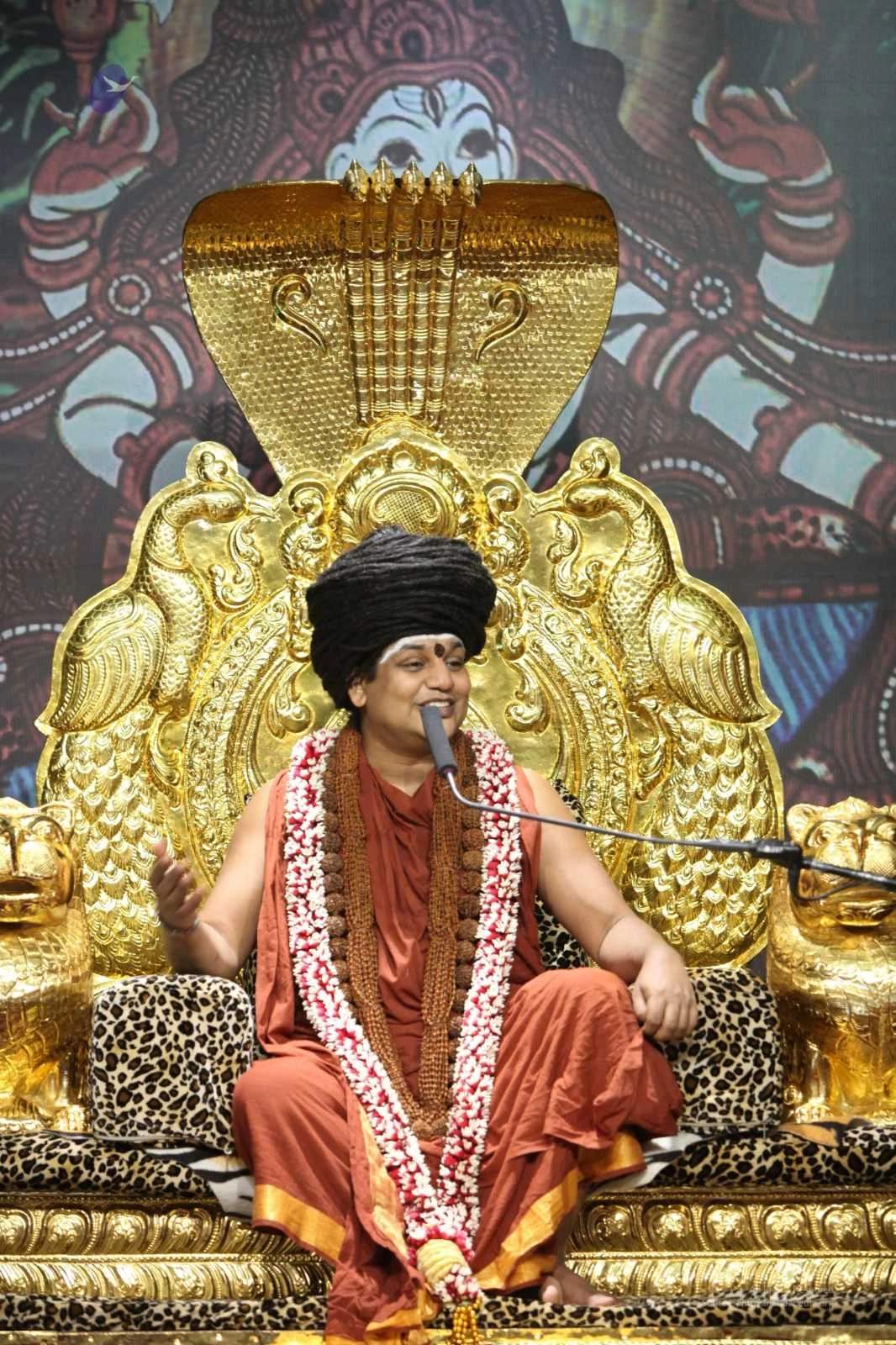
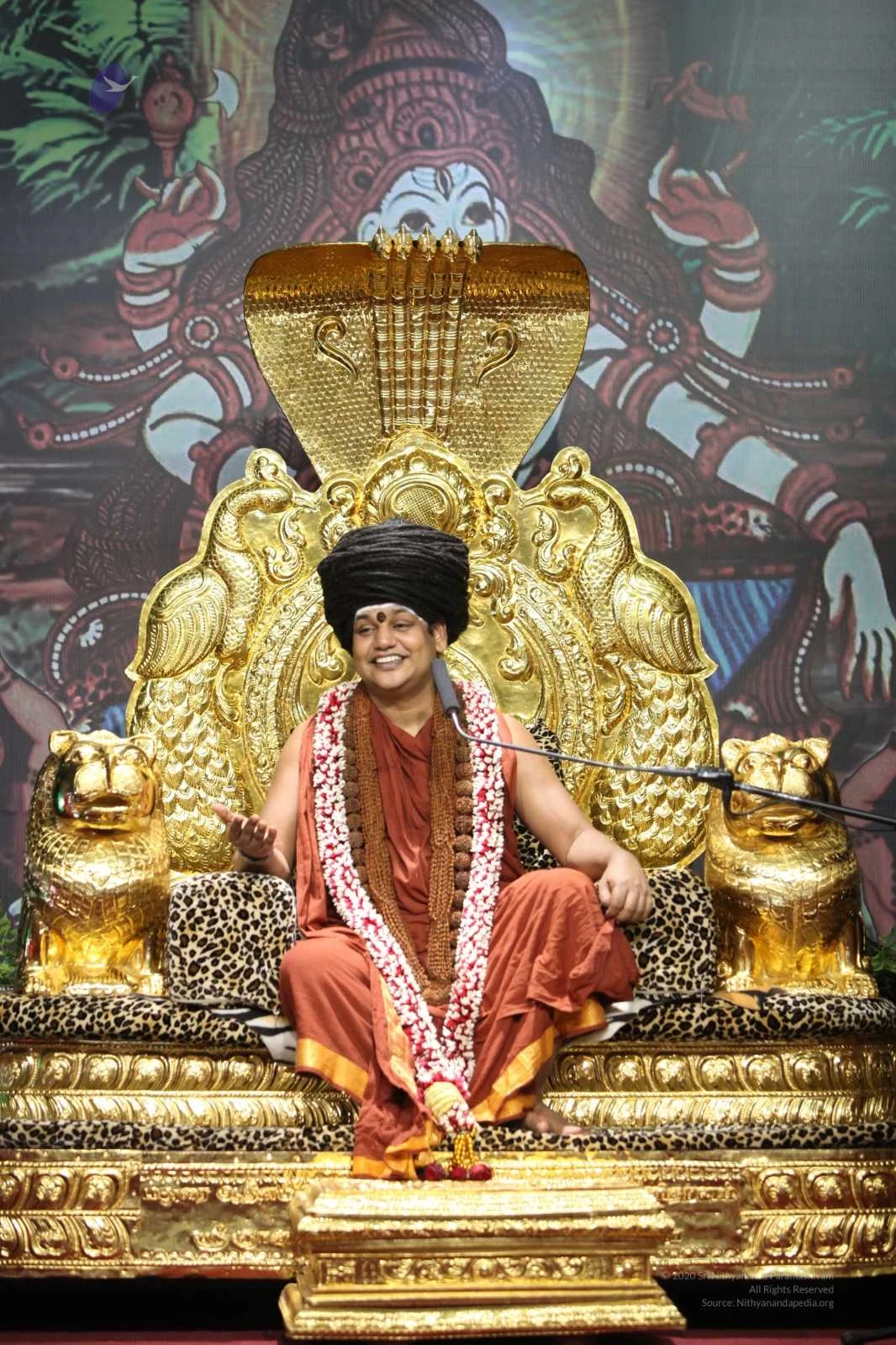
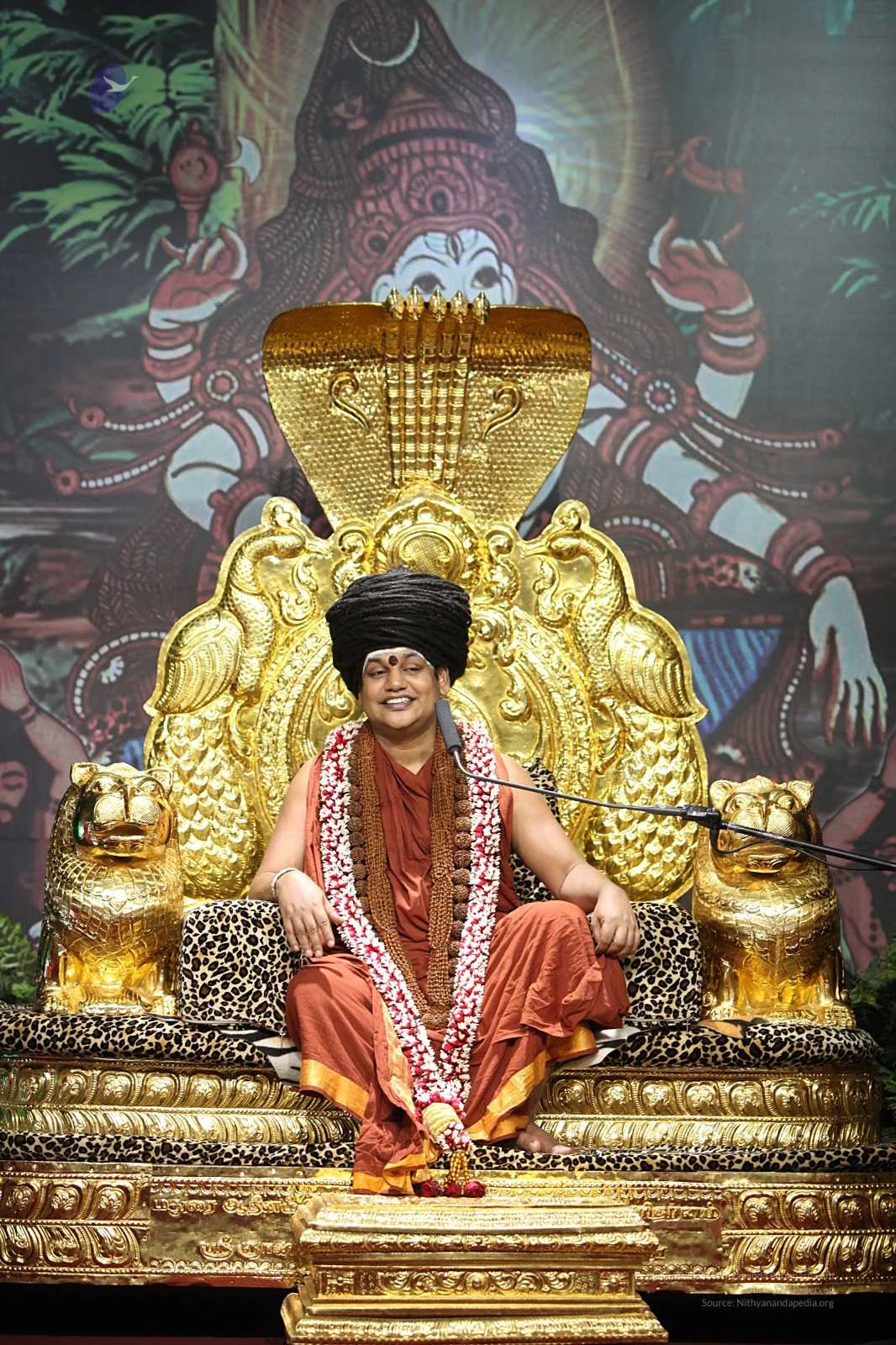
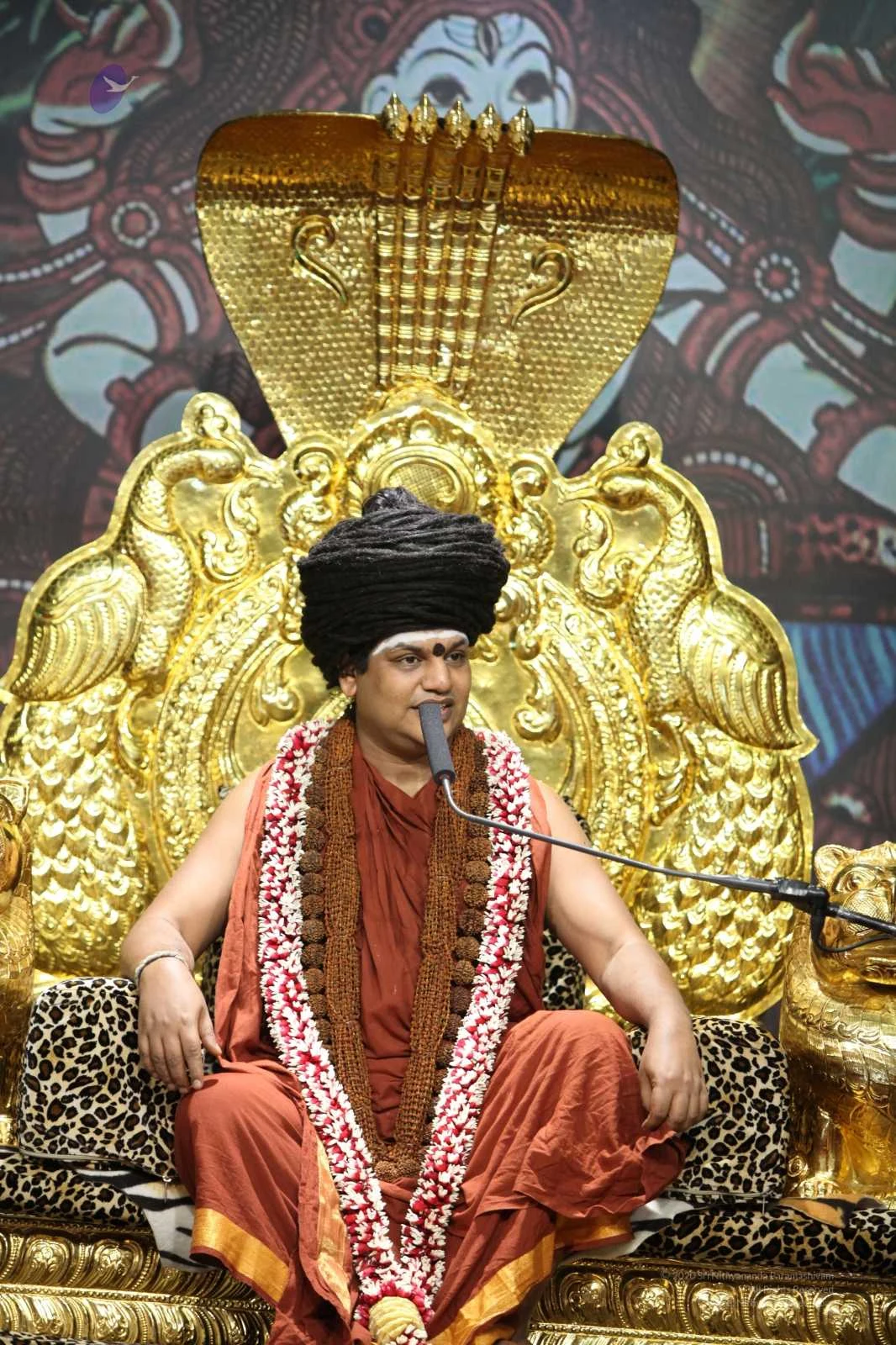
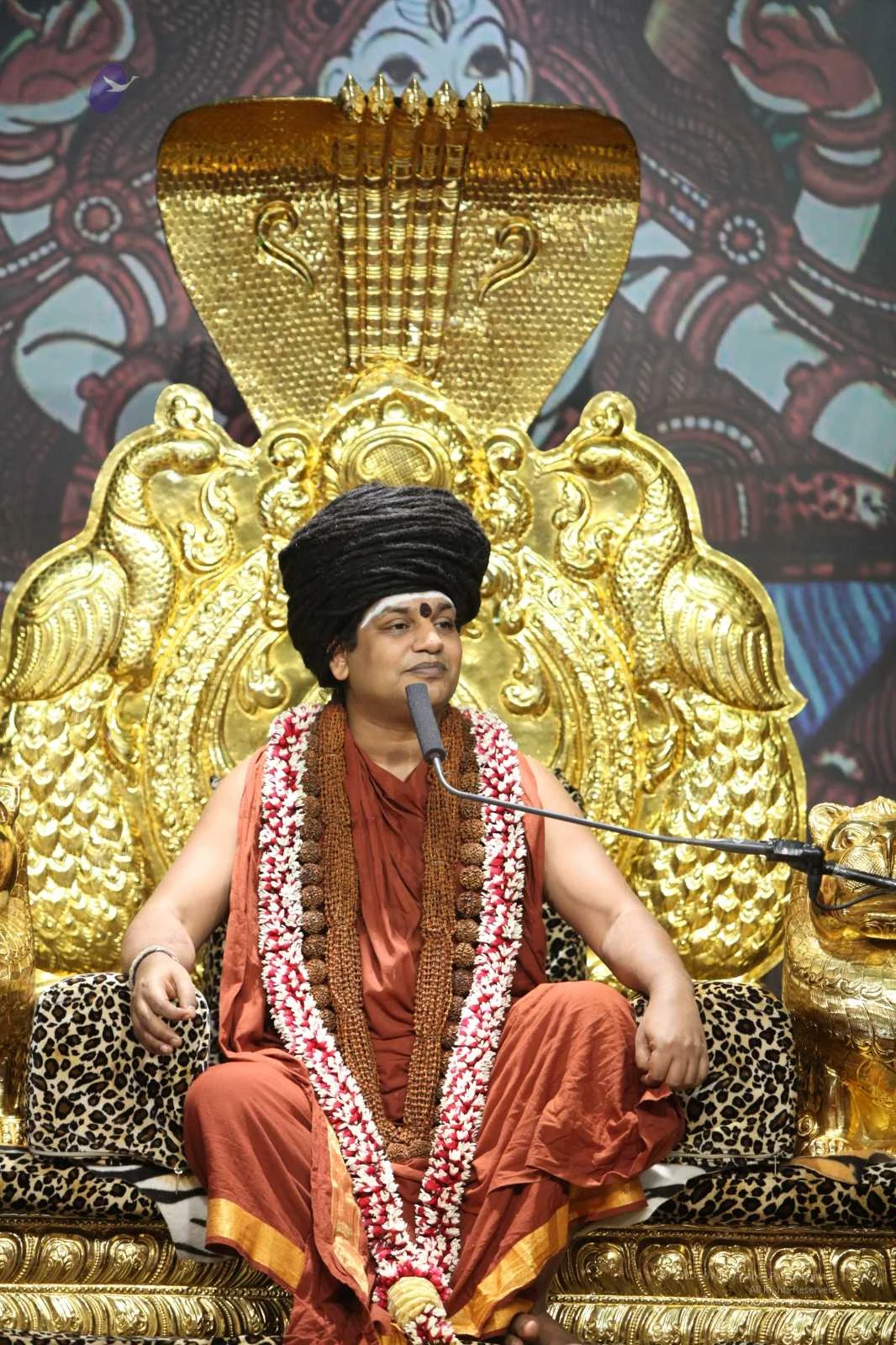
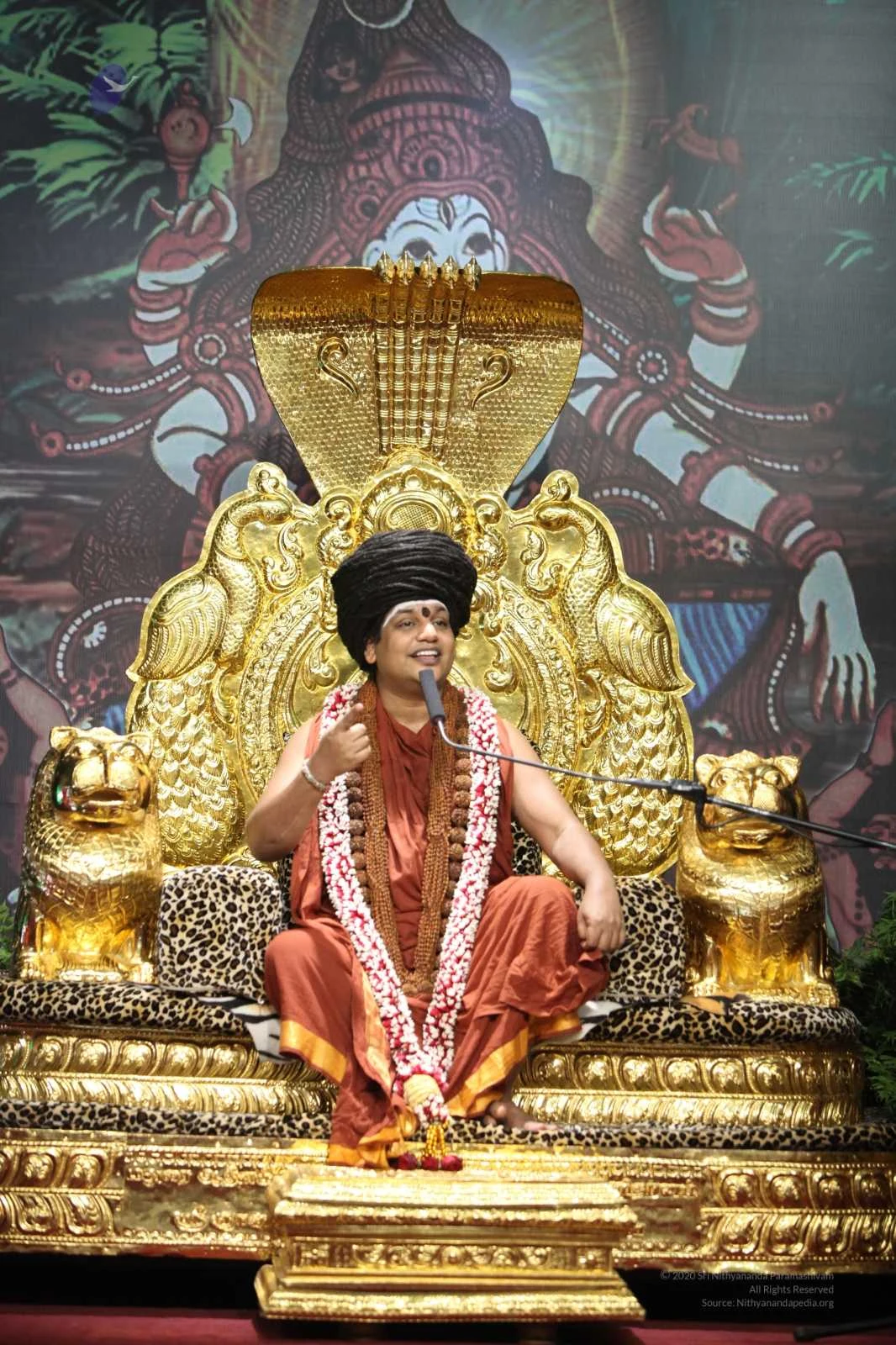
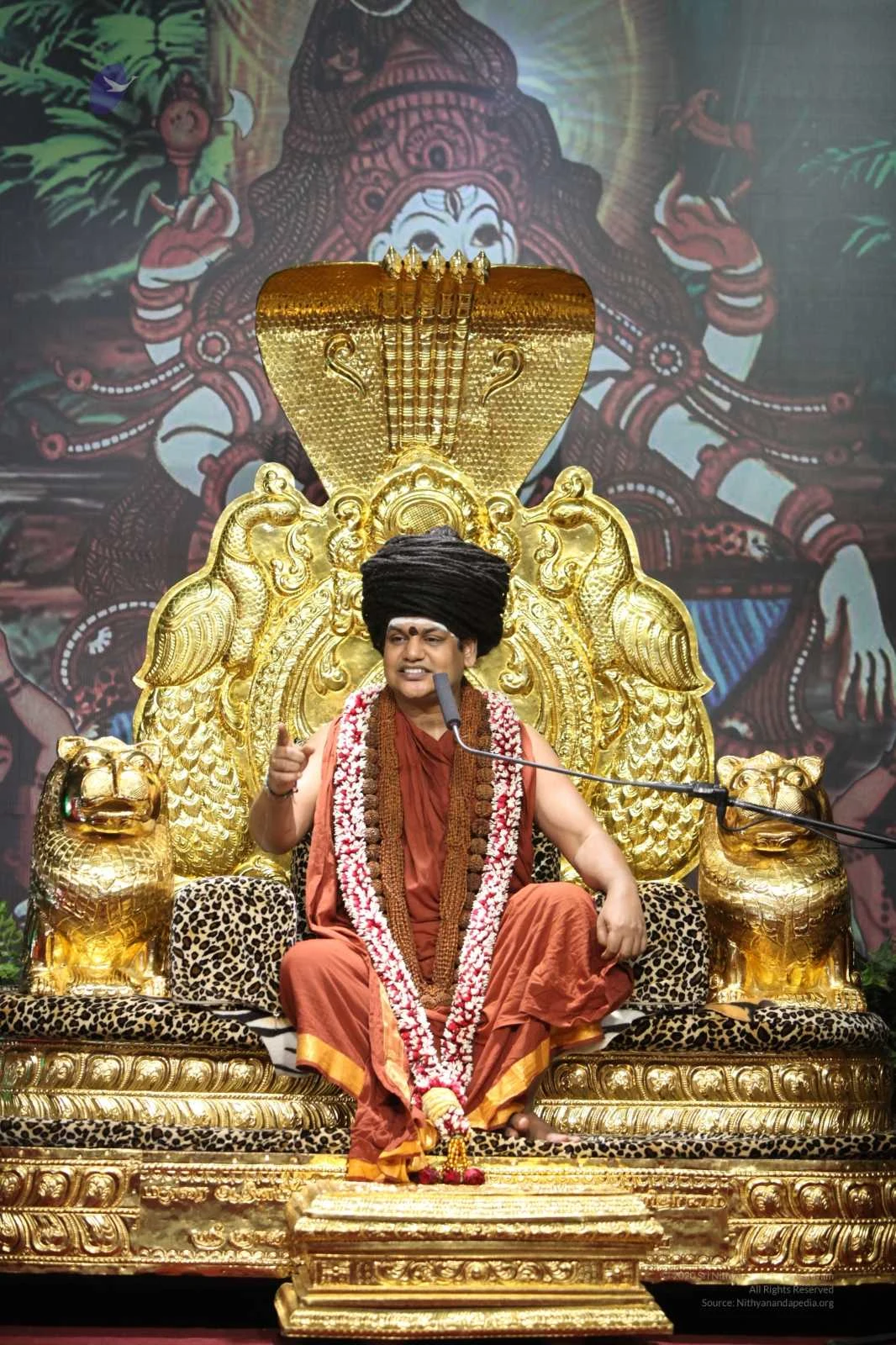
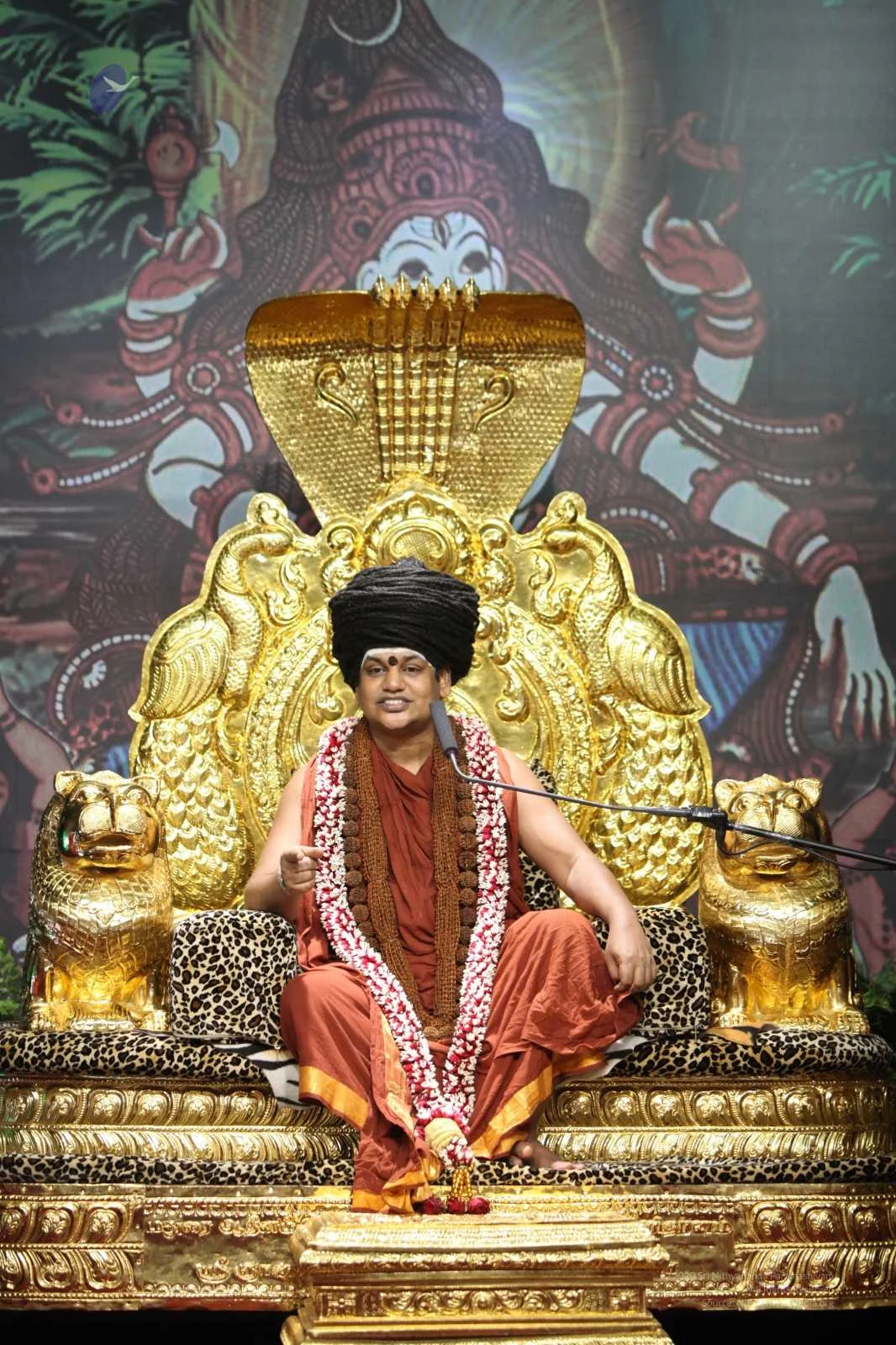
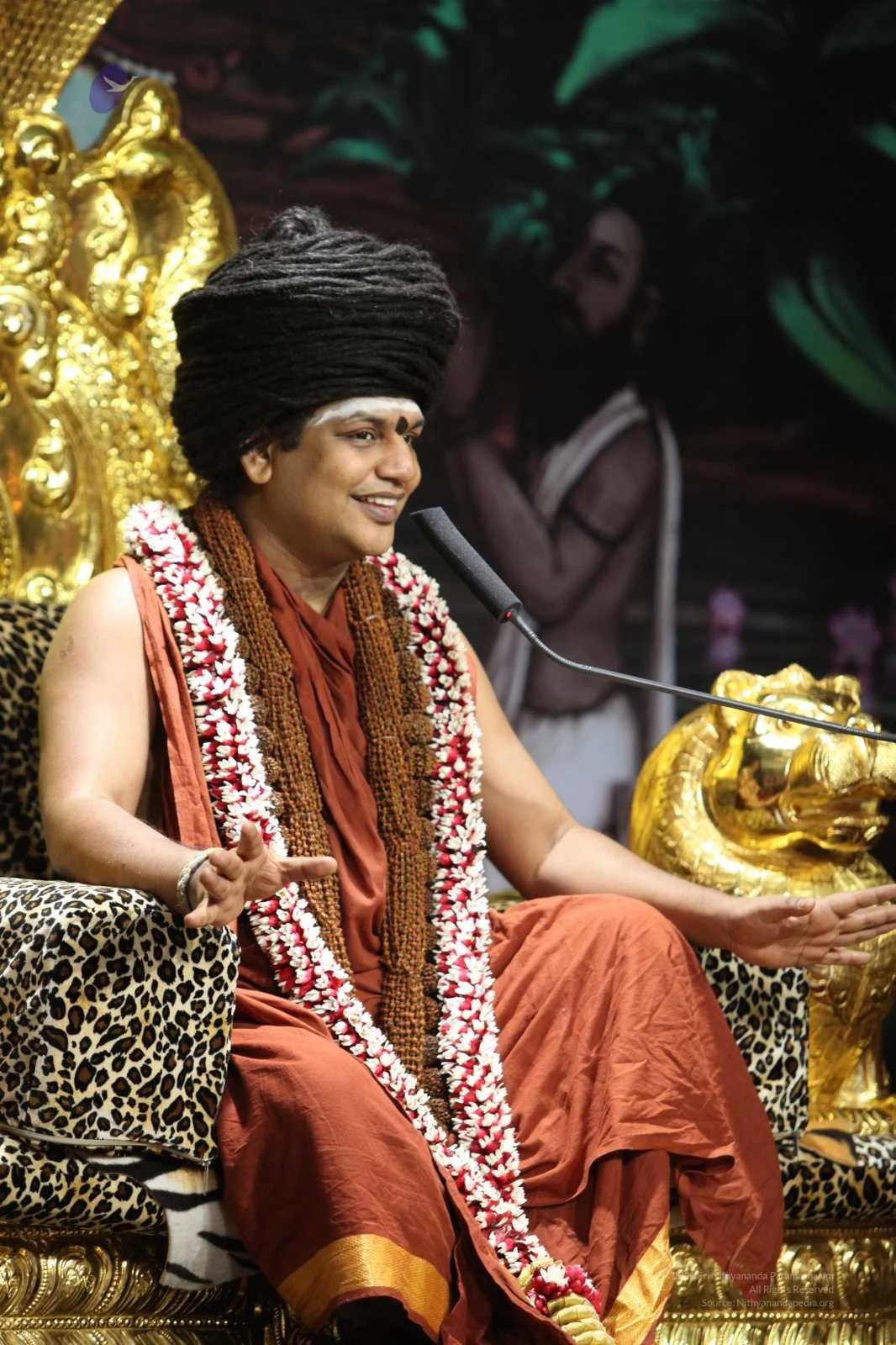
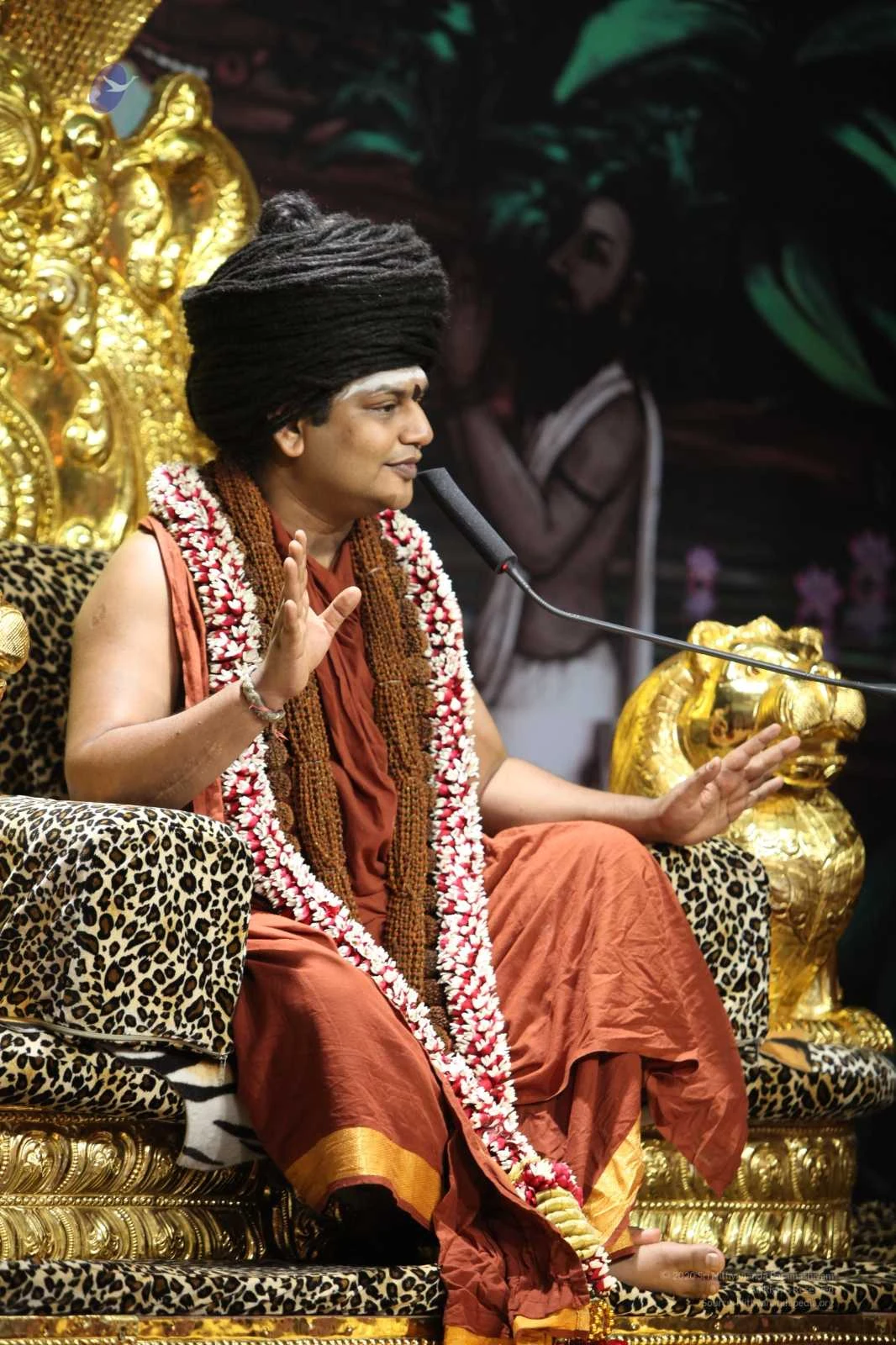
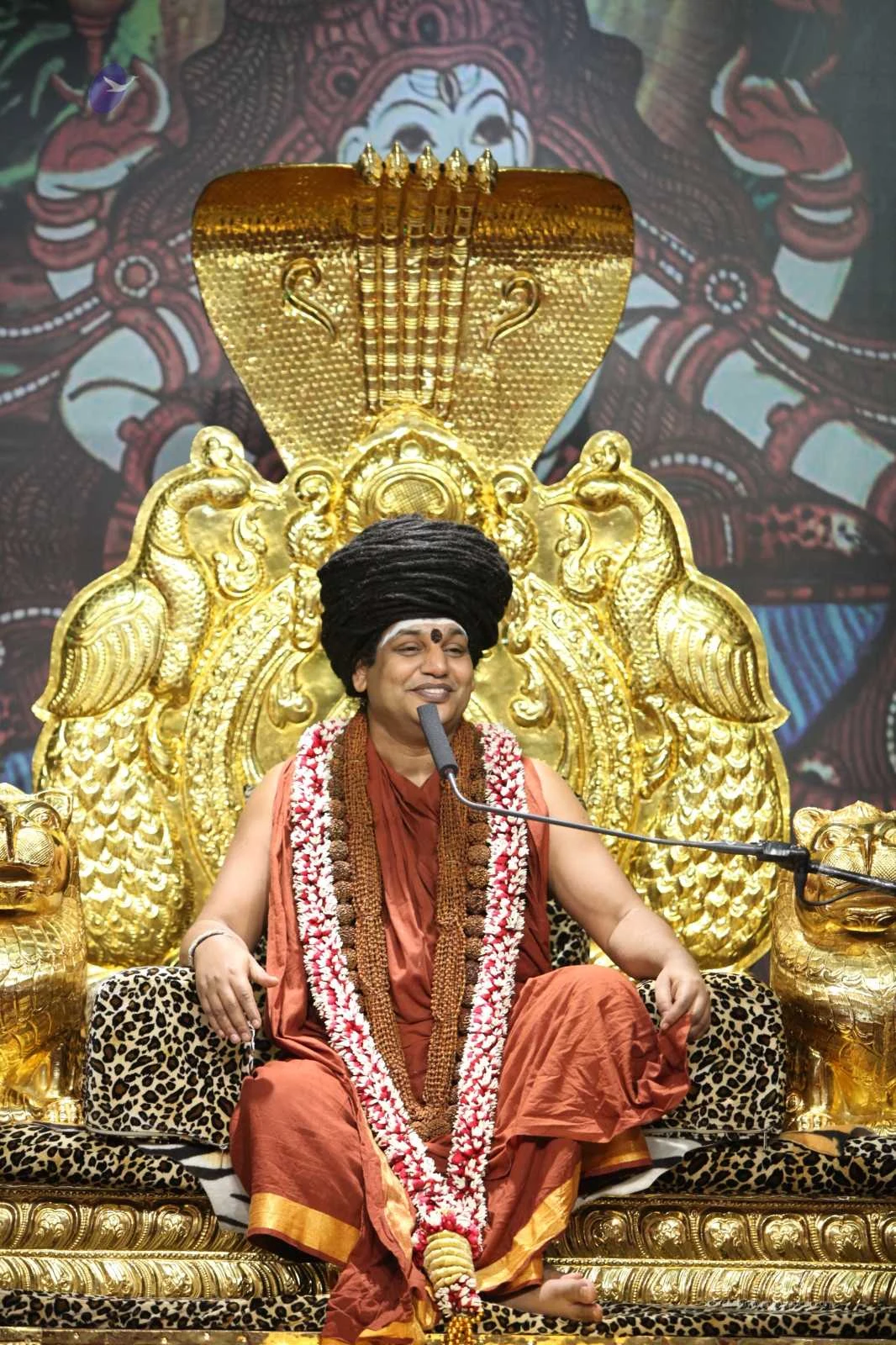
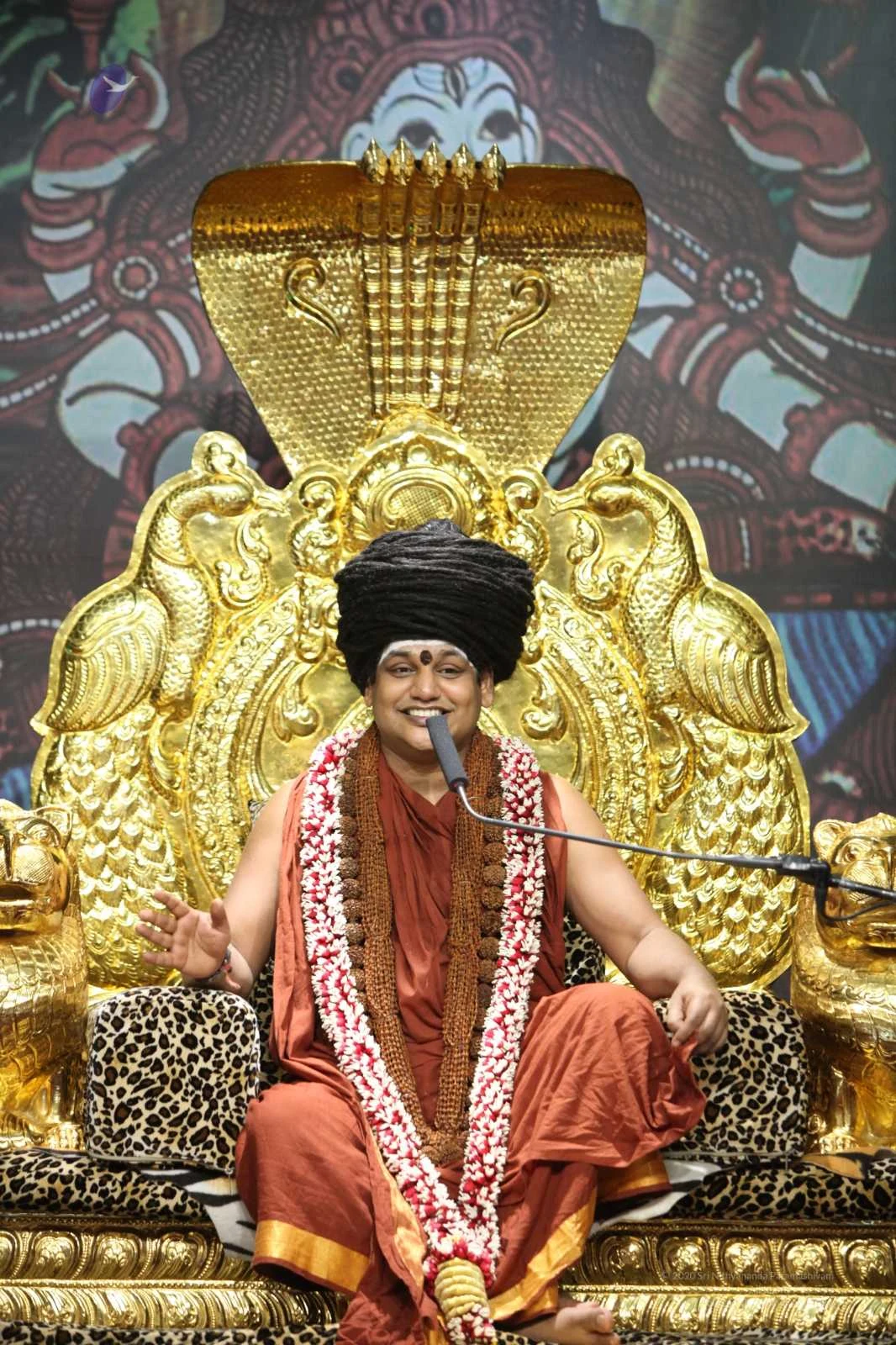
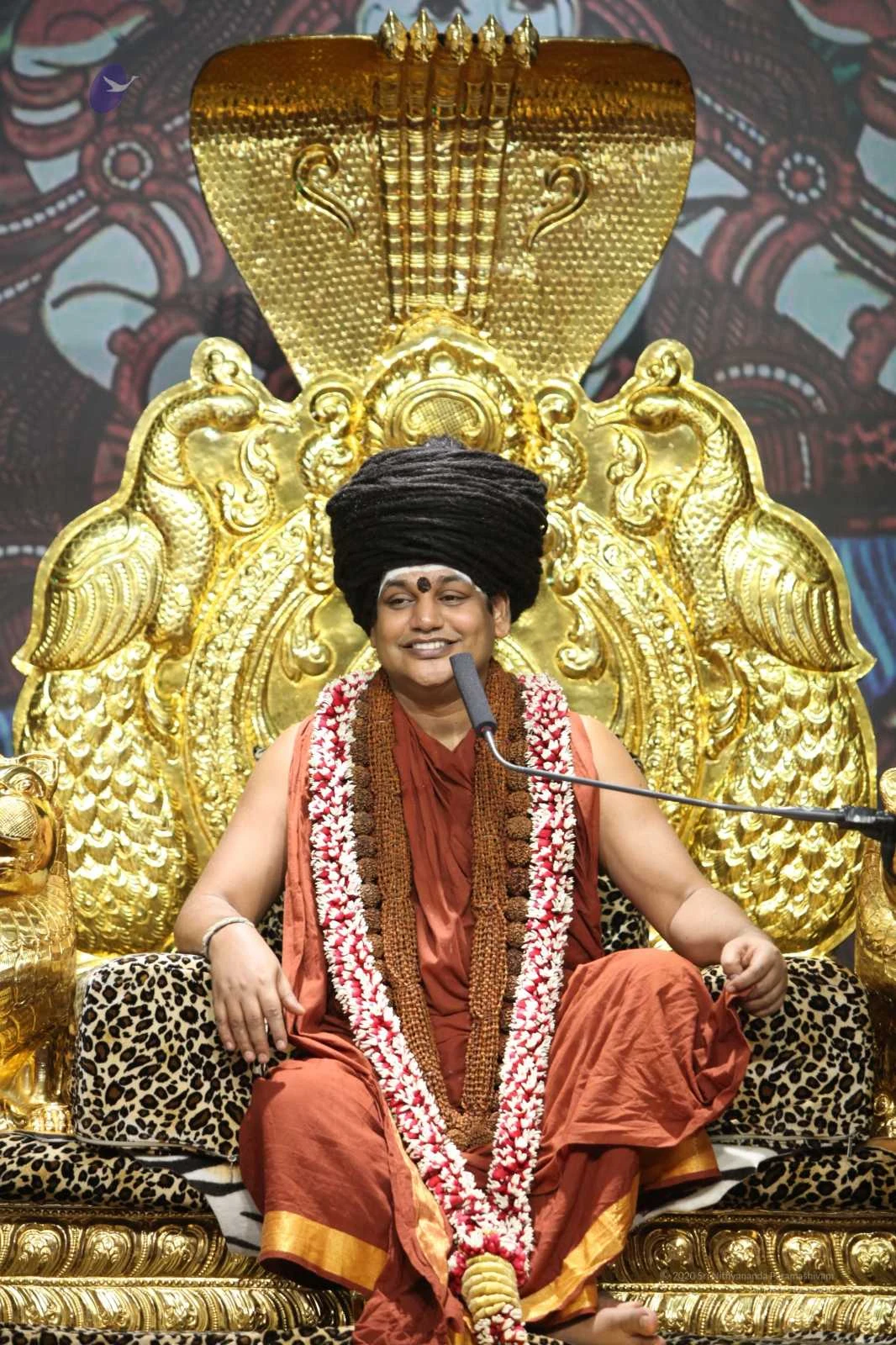
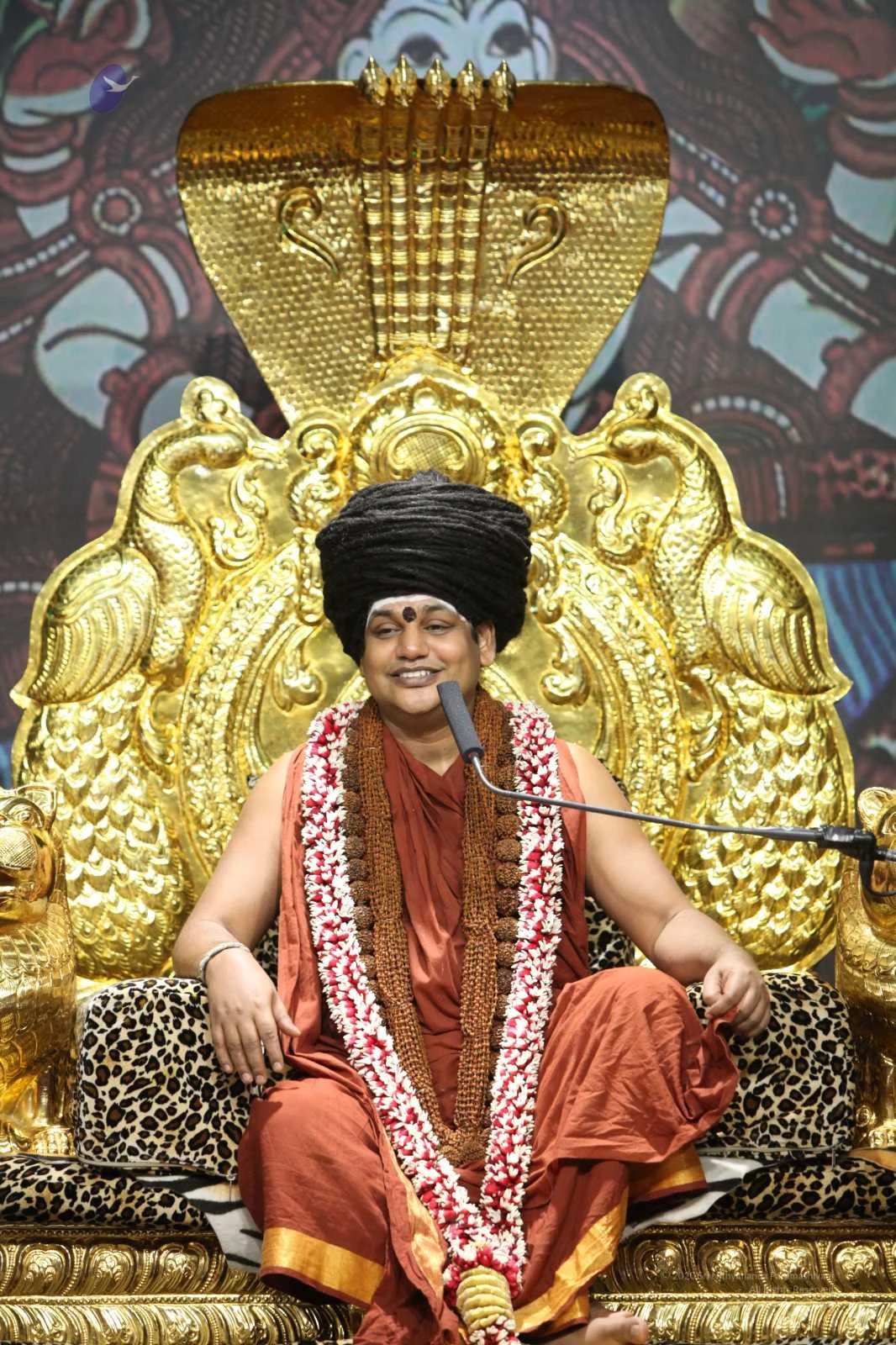
Sakshi Pramana:
Sharing from participants sharing in inner awakening
Link to Facebook Page
https://www.facebook.com/ParamahamsaNithyananda/posts/971649772922873
Tags:
Paramahamsa Nithyananda, Nithyananda, Vedic Education, Thought Current, Kenopanishad, Kena Upanishad, Upanishad 2, vedic tradition, Success of Education
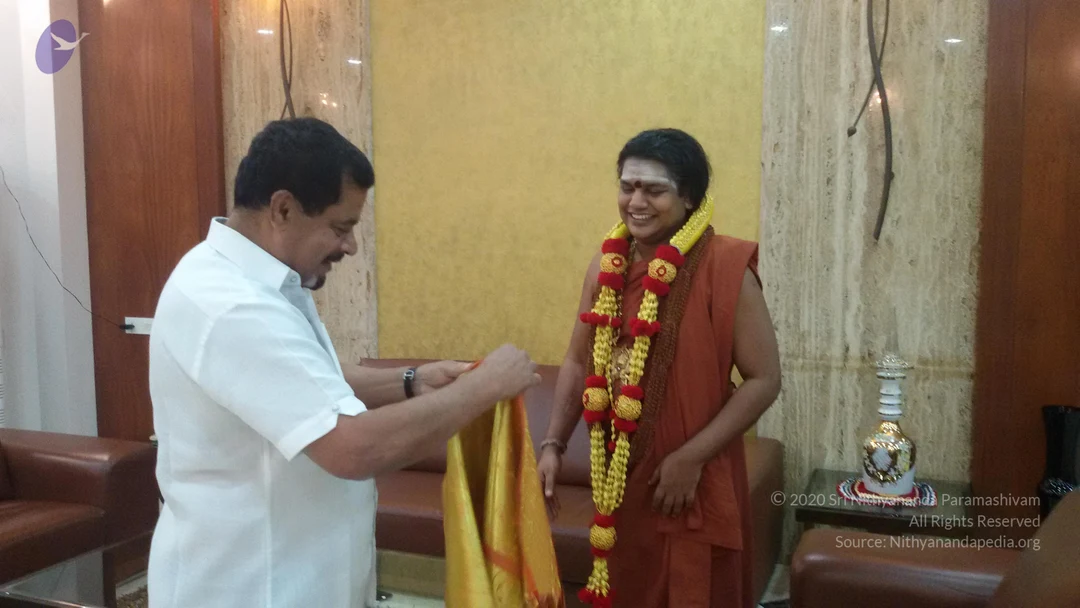
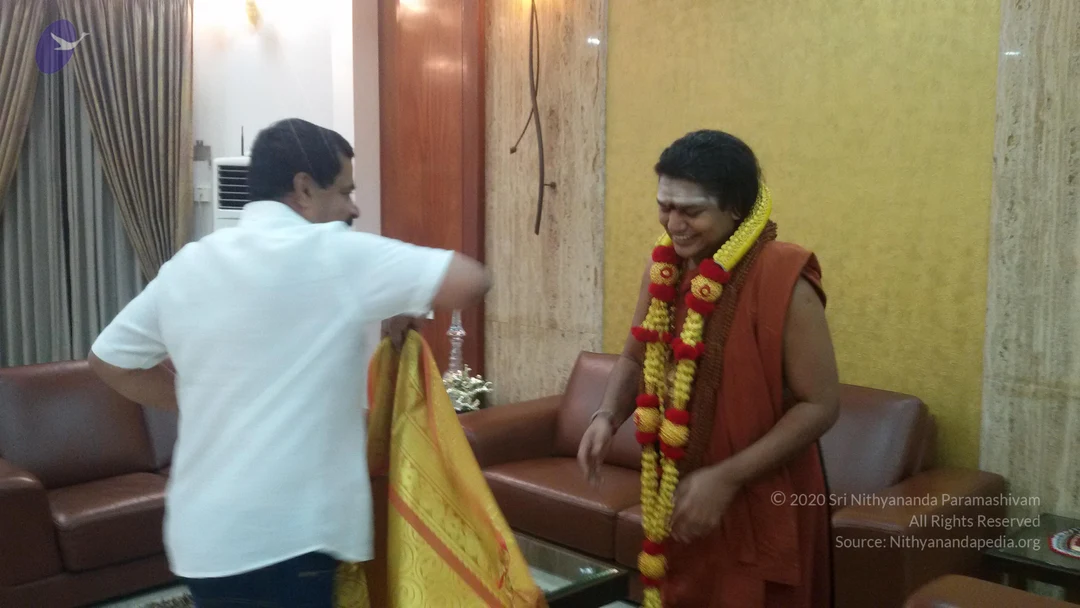
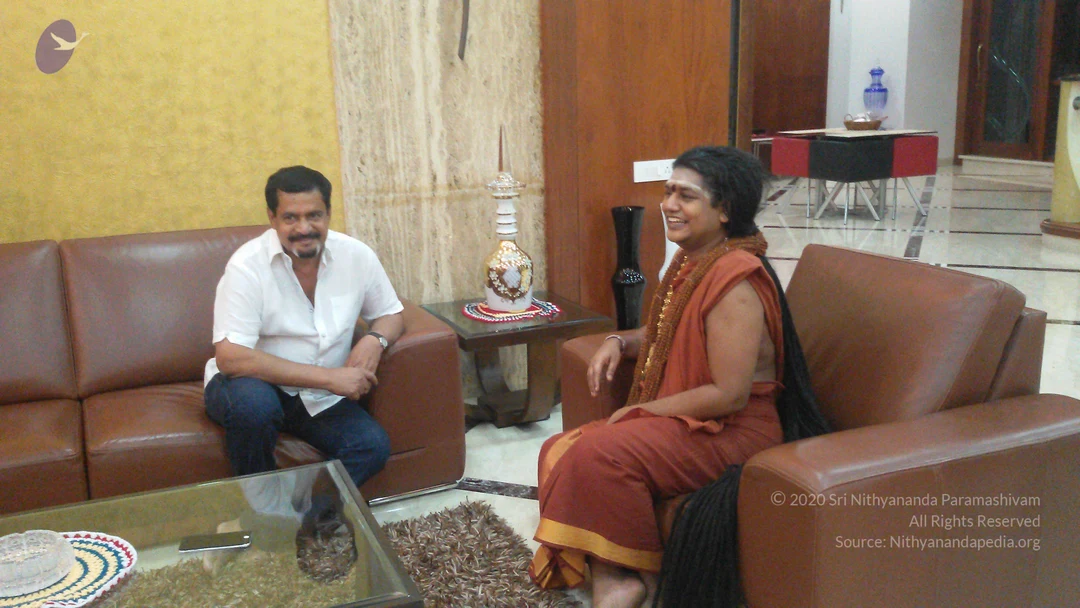
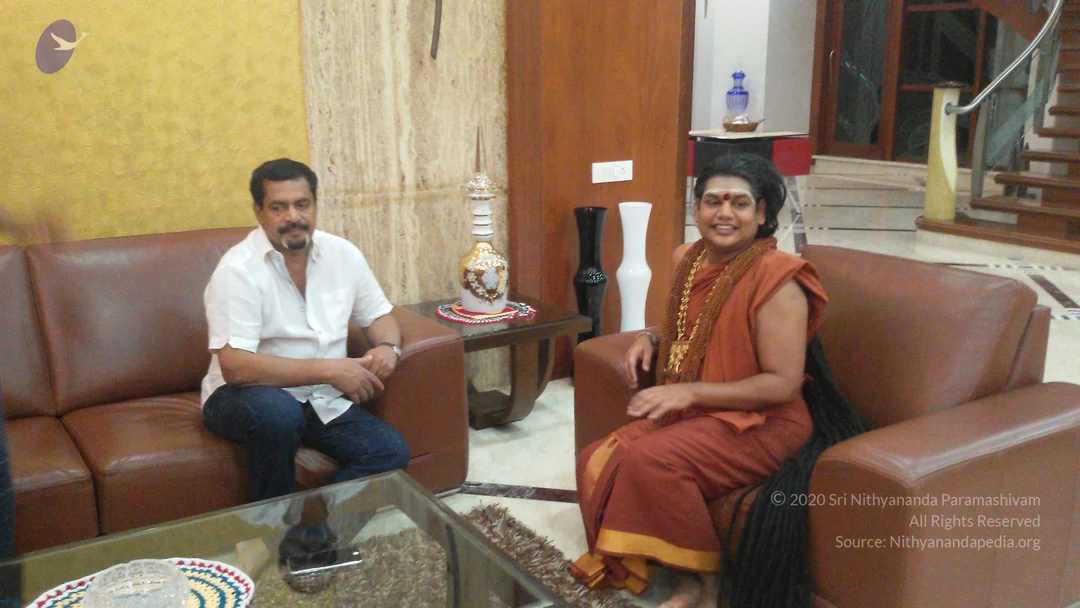
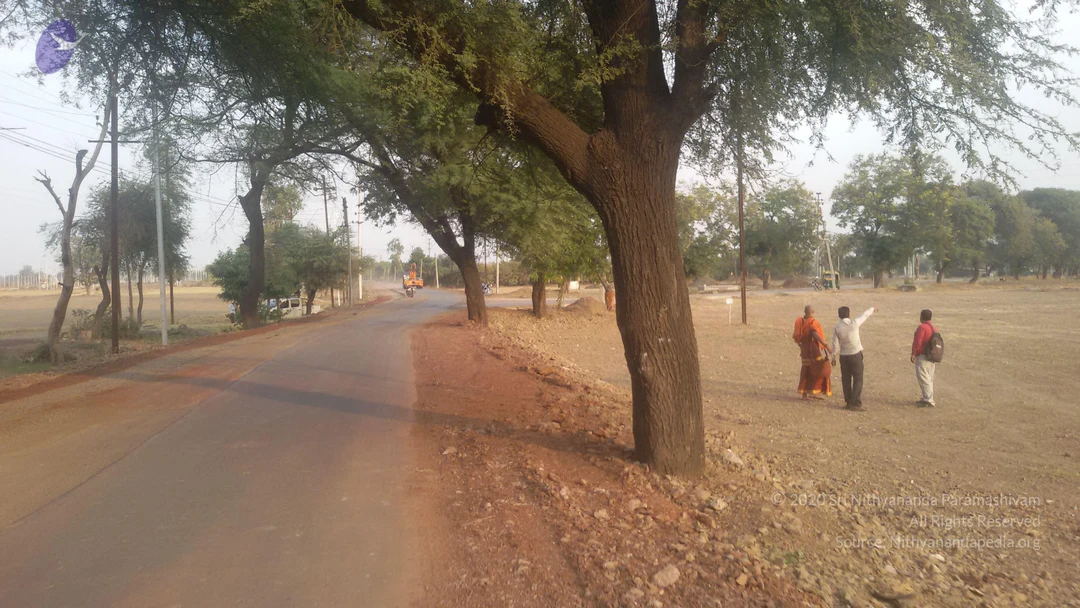
01-MUTHAPPARAI-VISIT
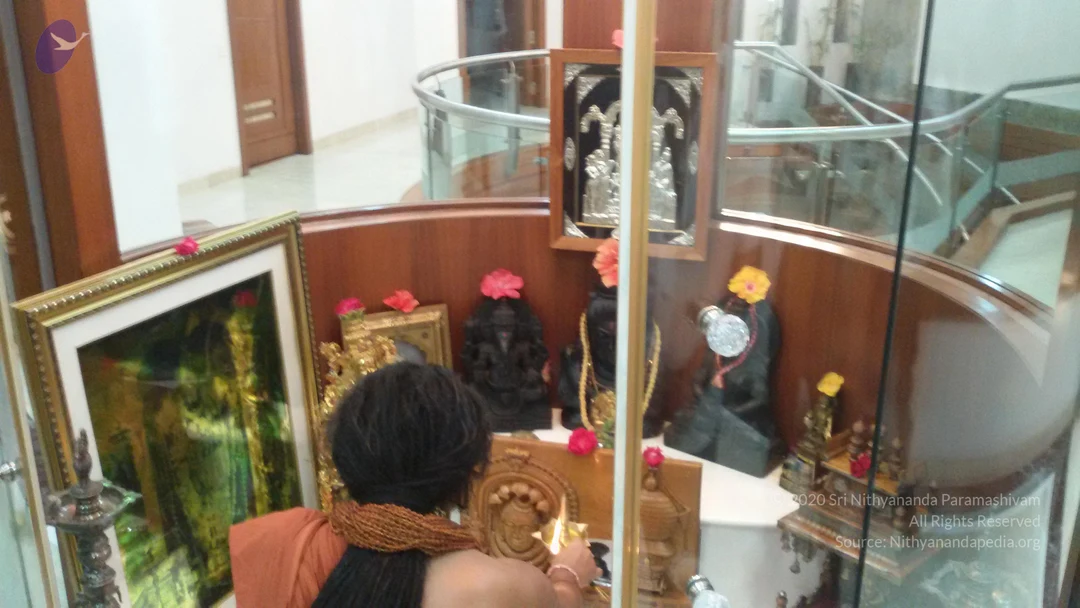
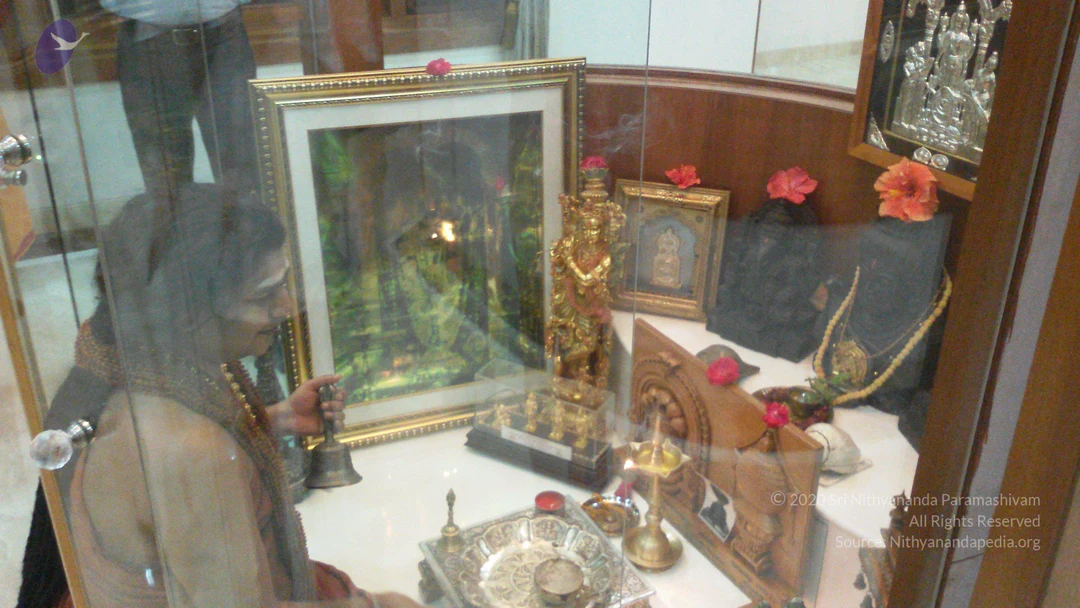
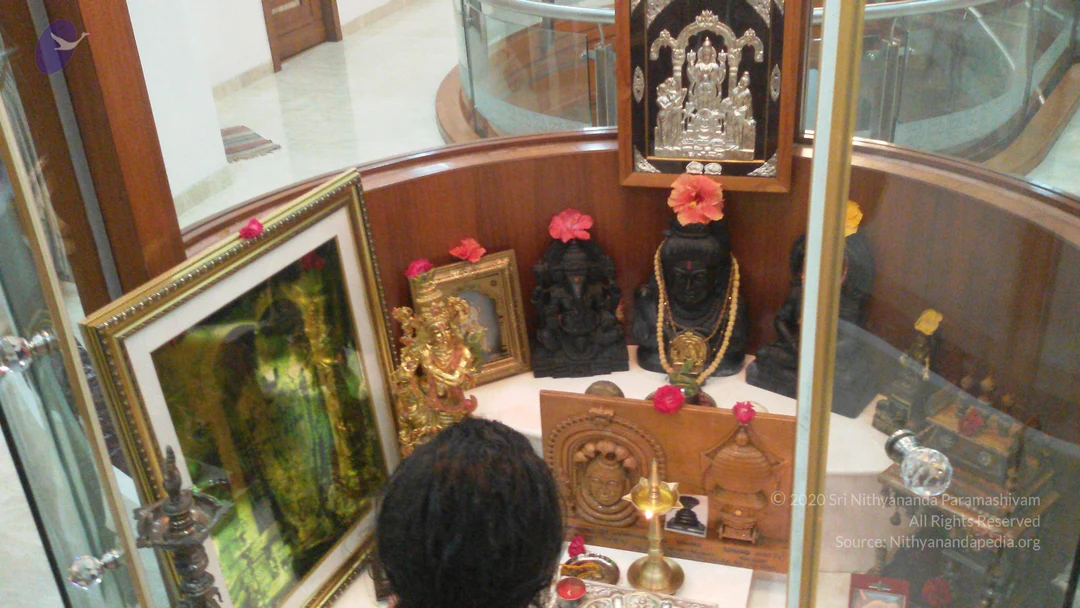
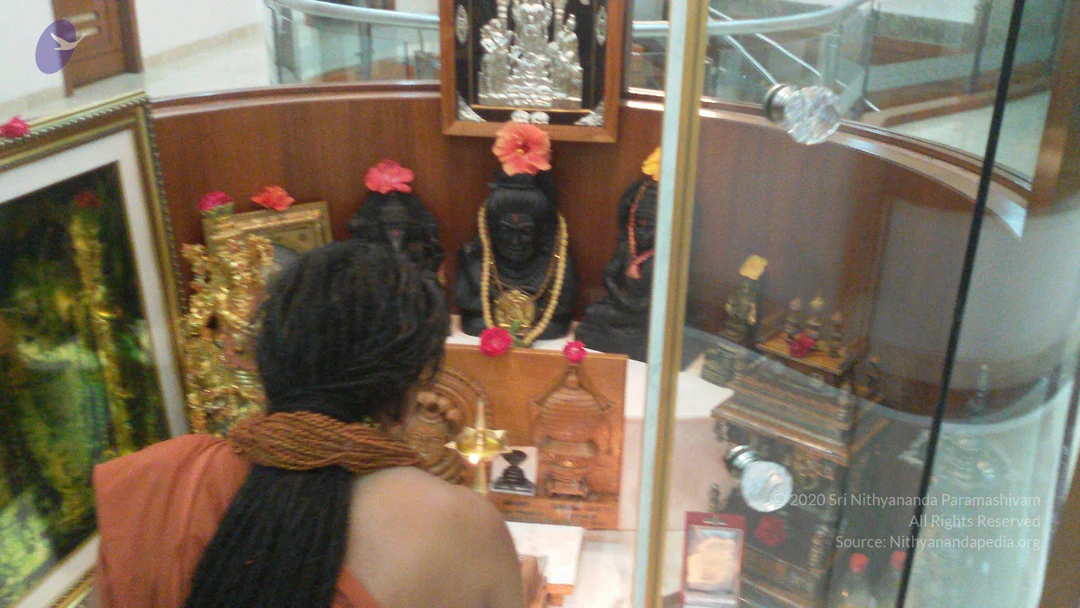
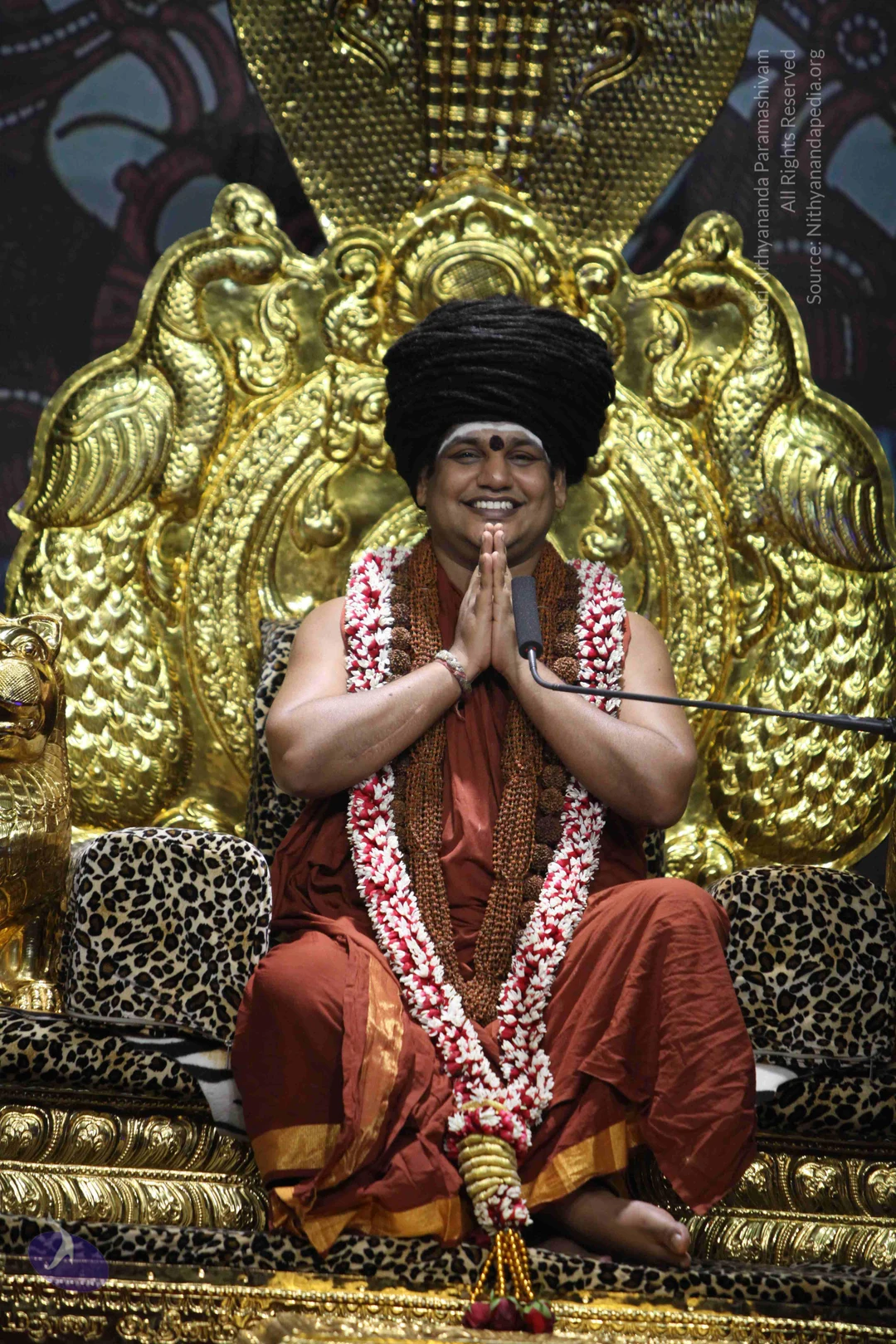
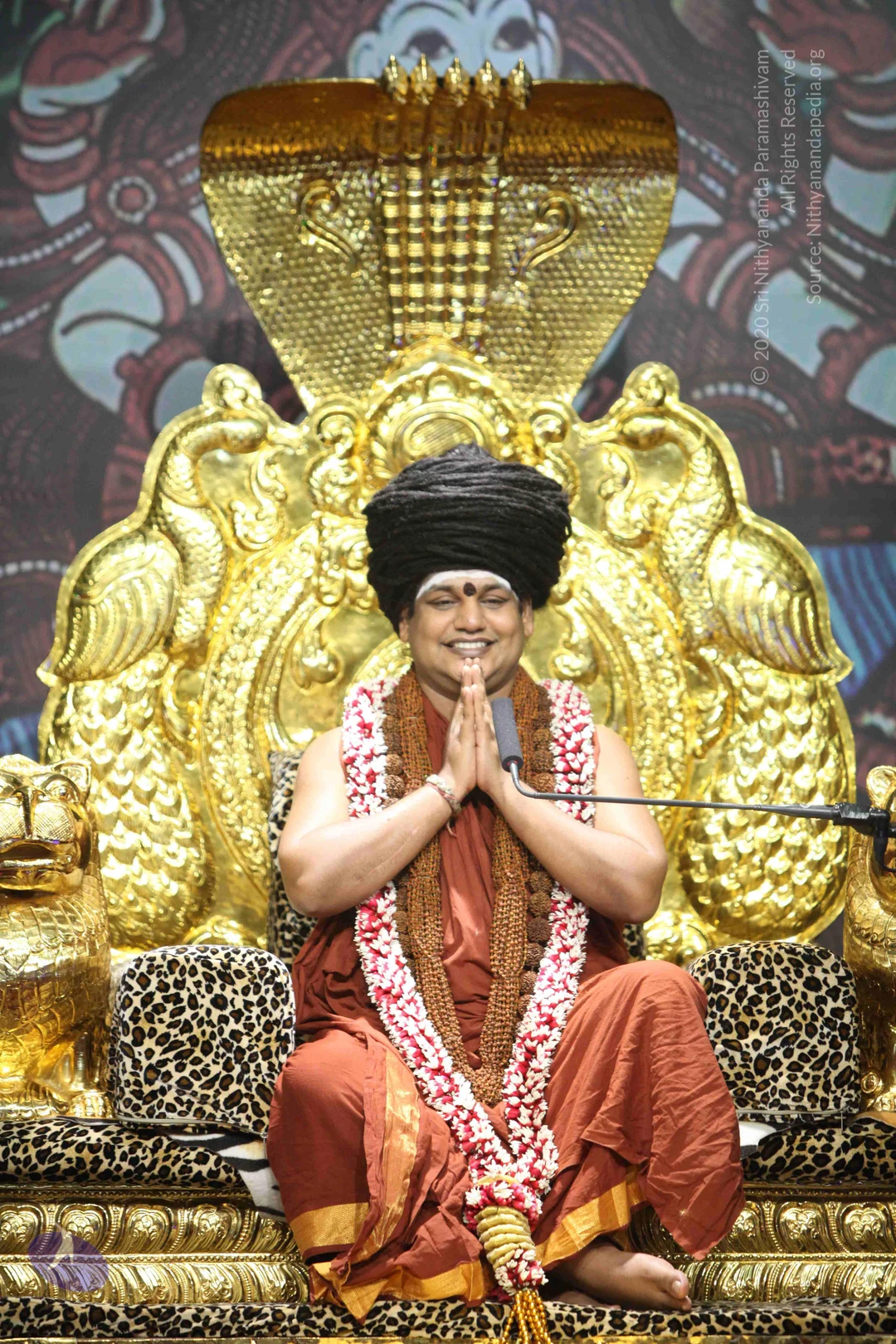
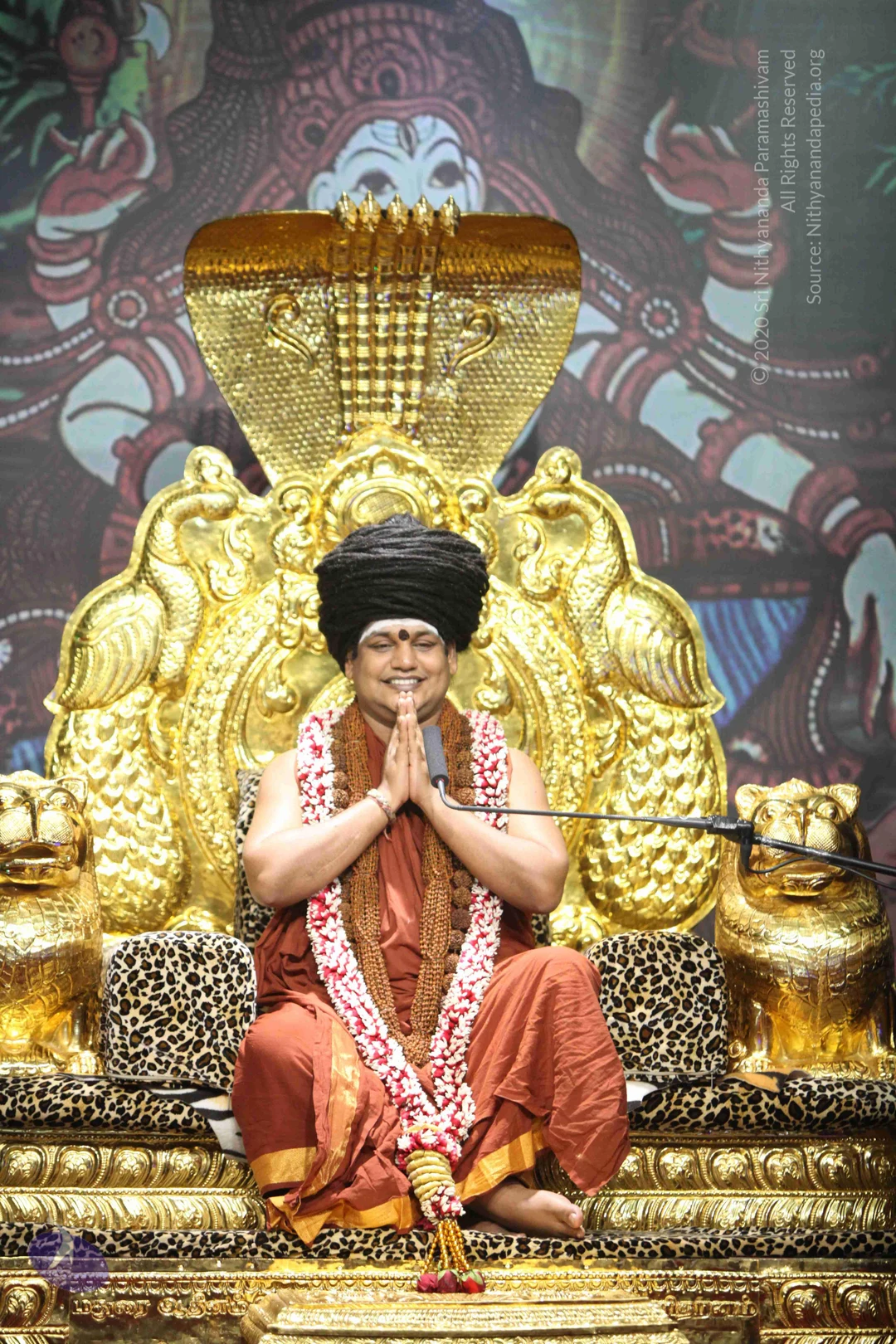
EVENING-SATSANG
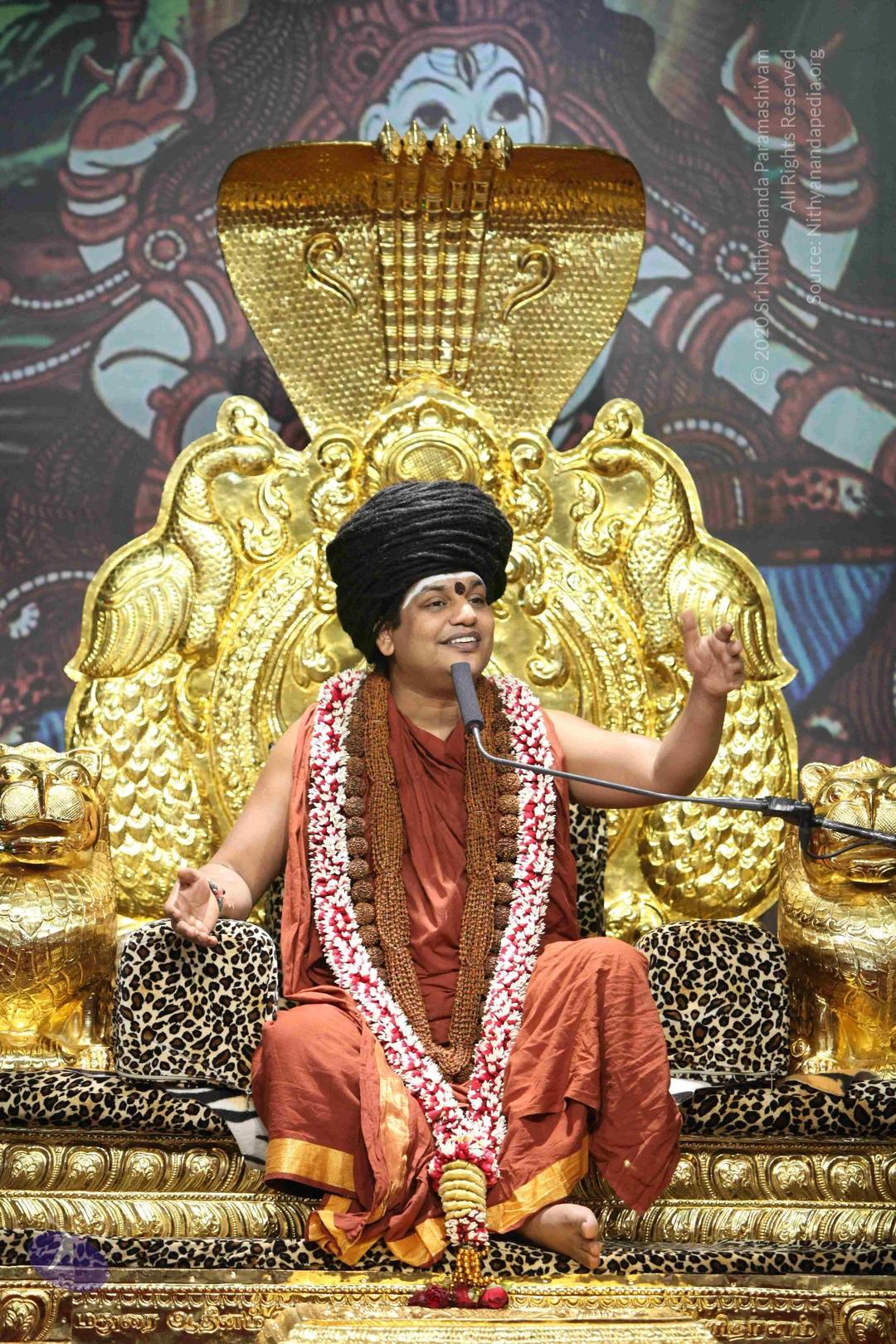
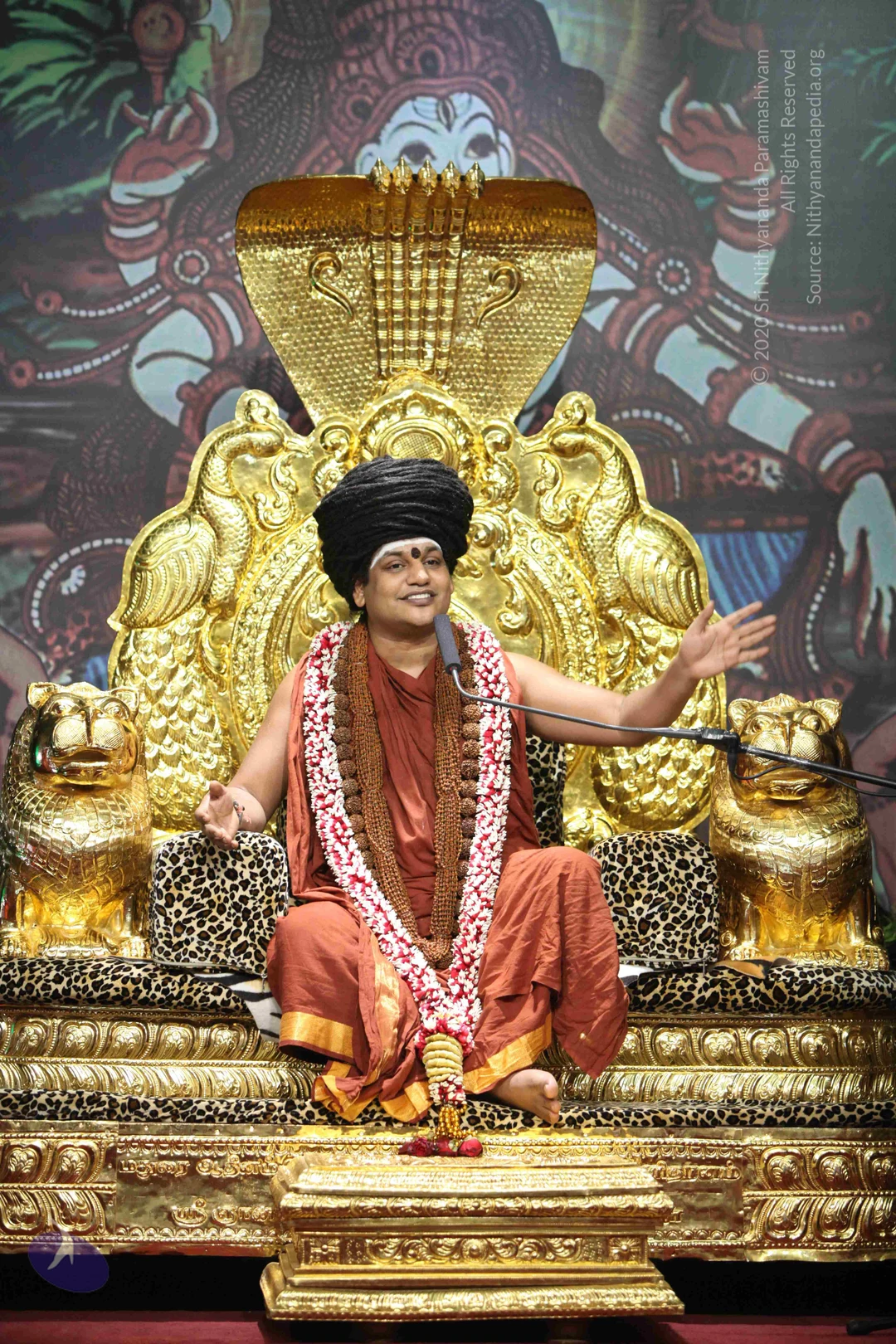
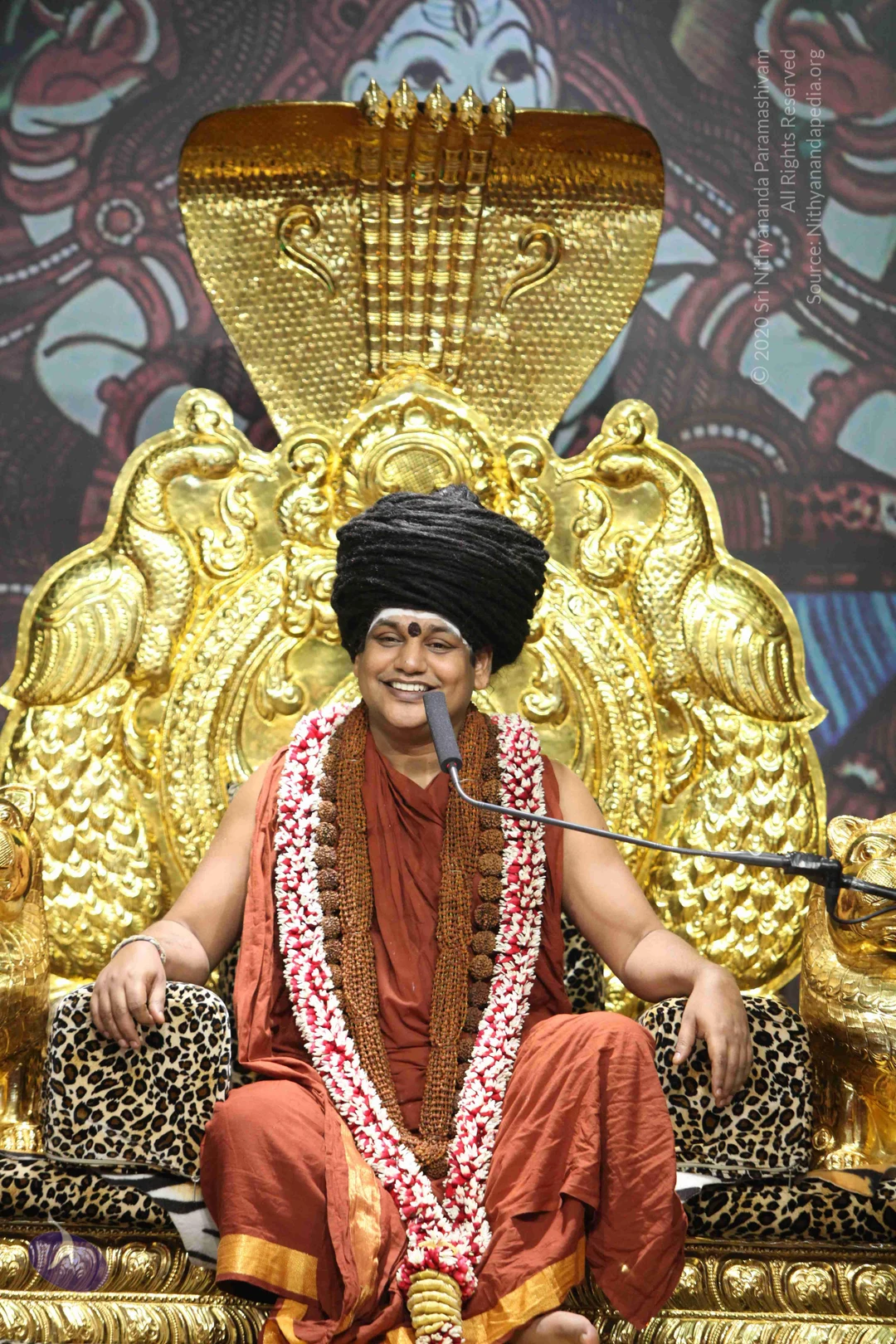
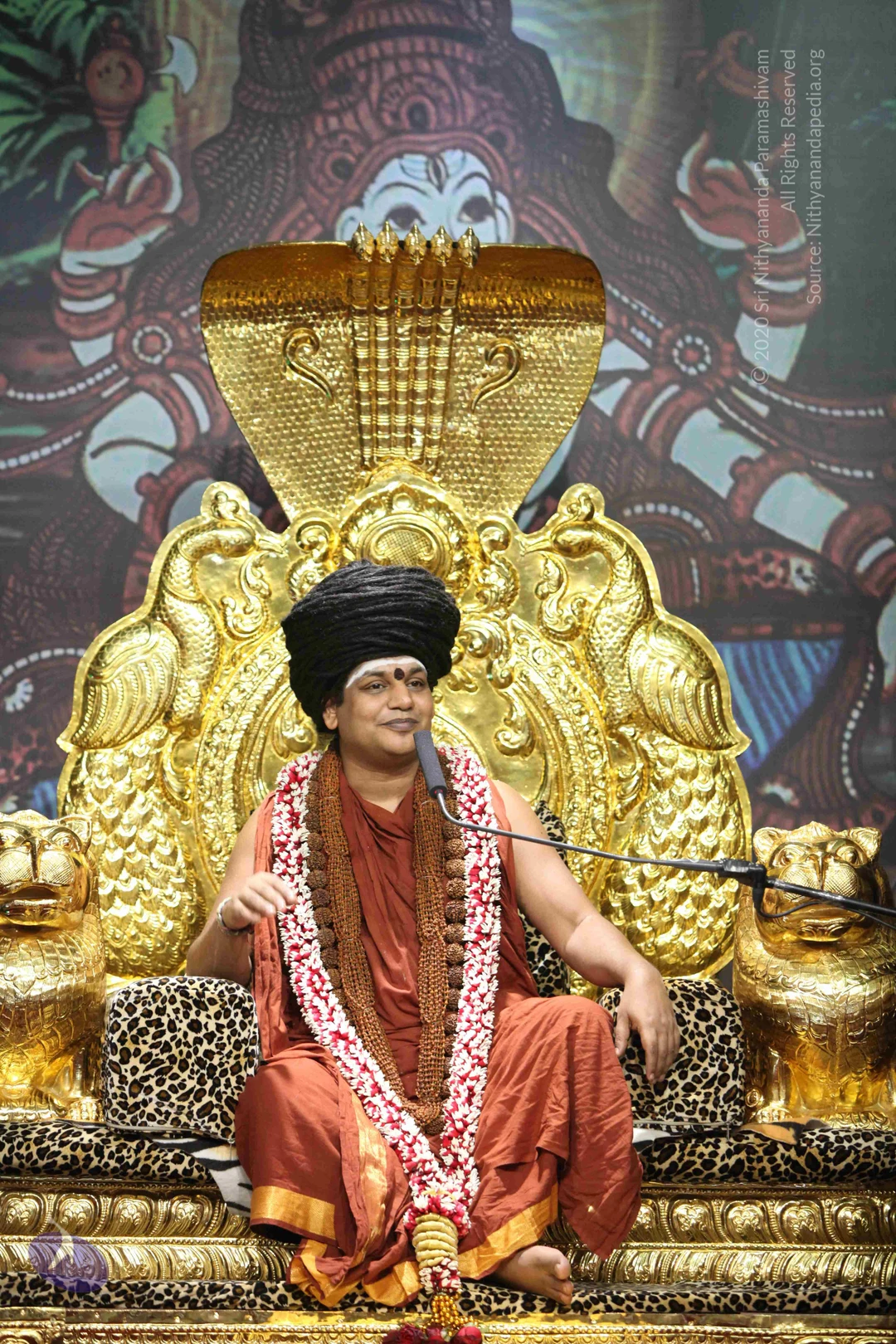
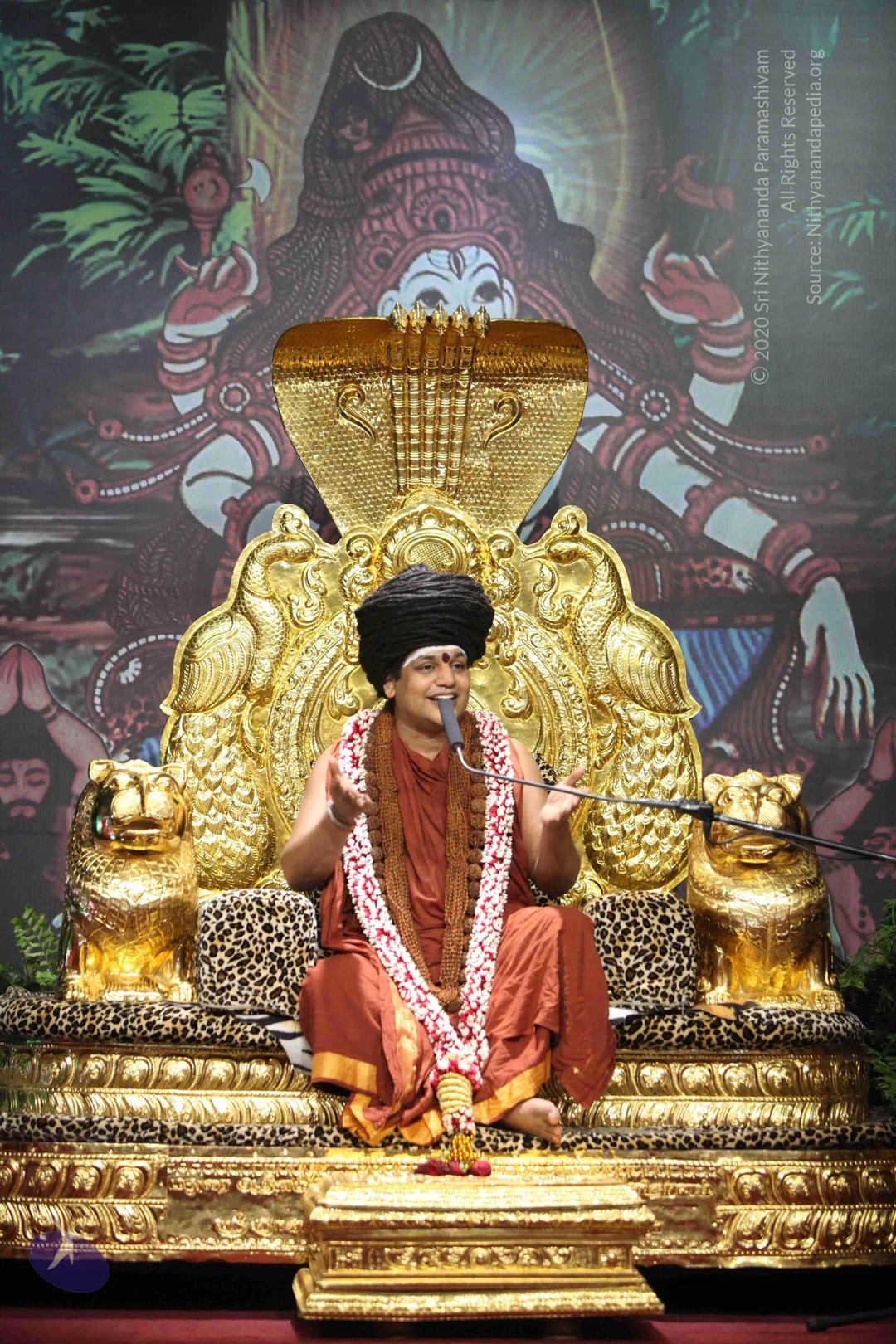
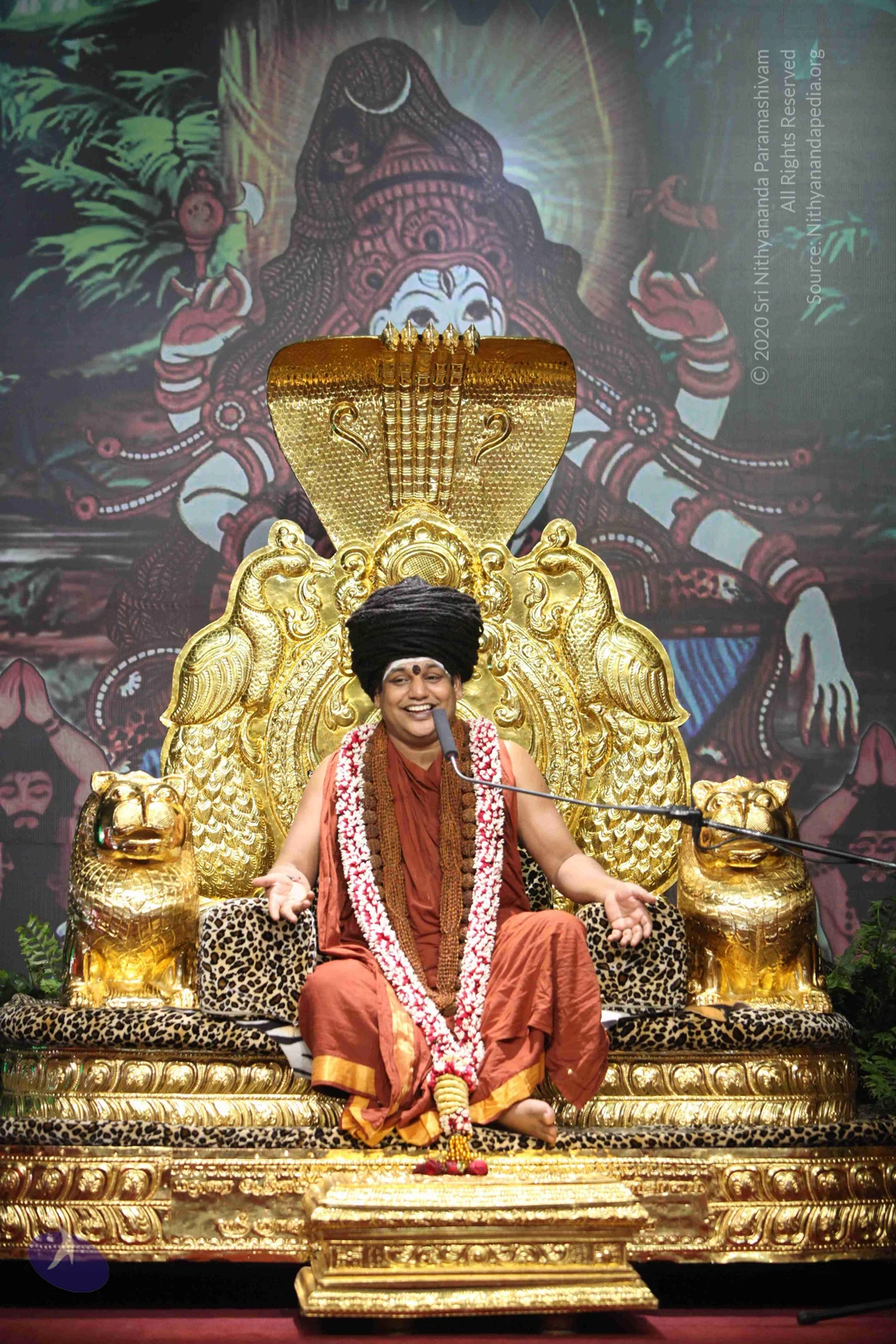
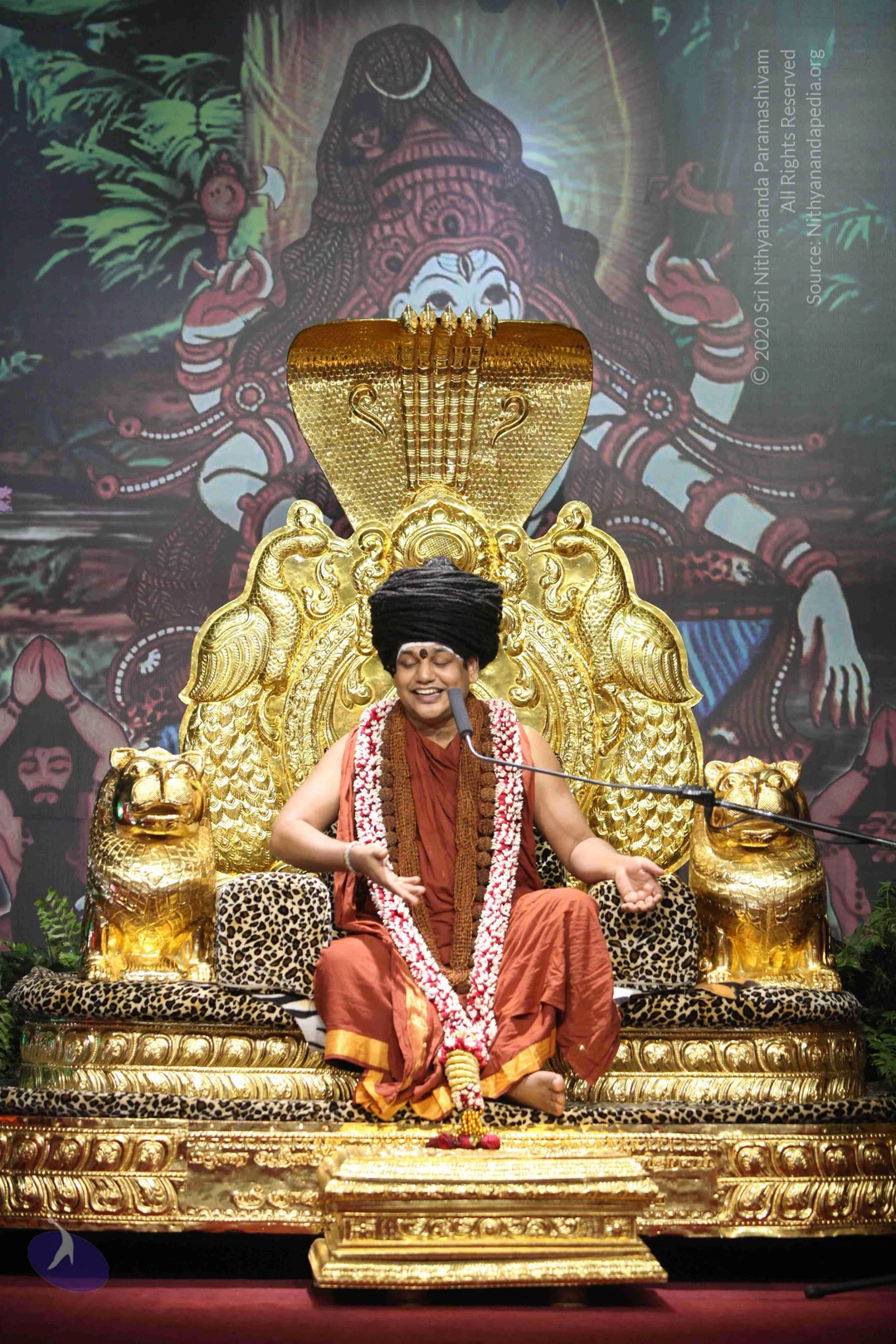
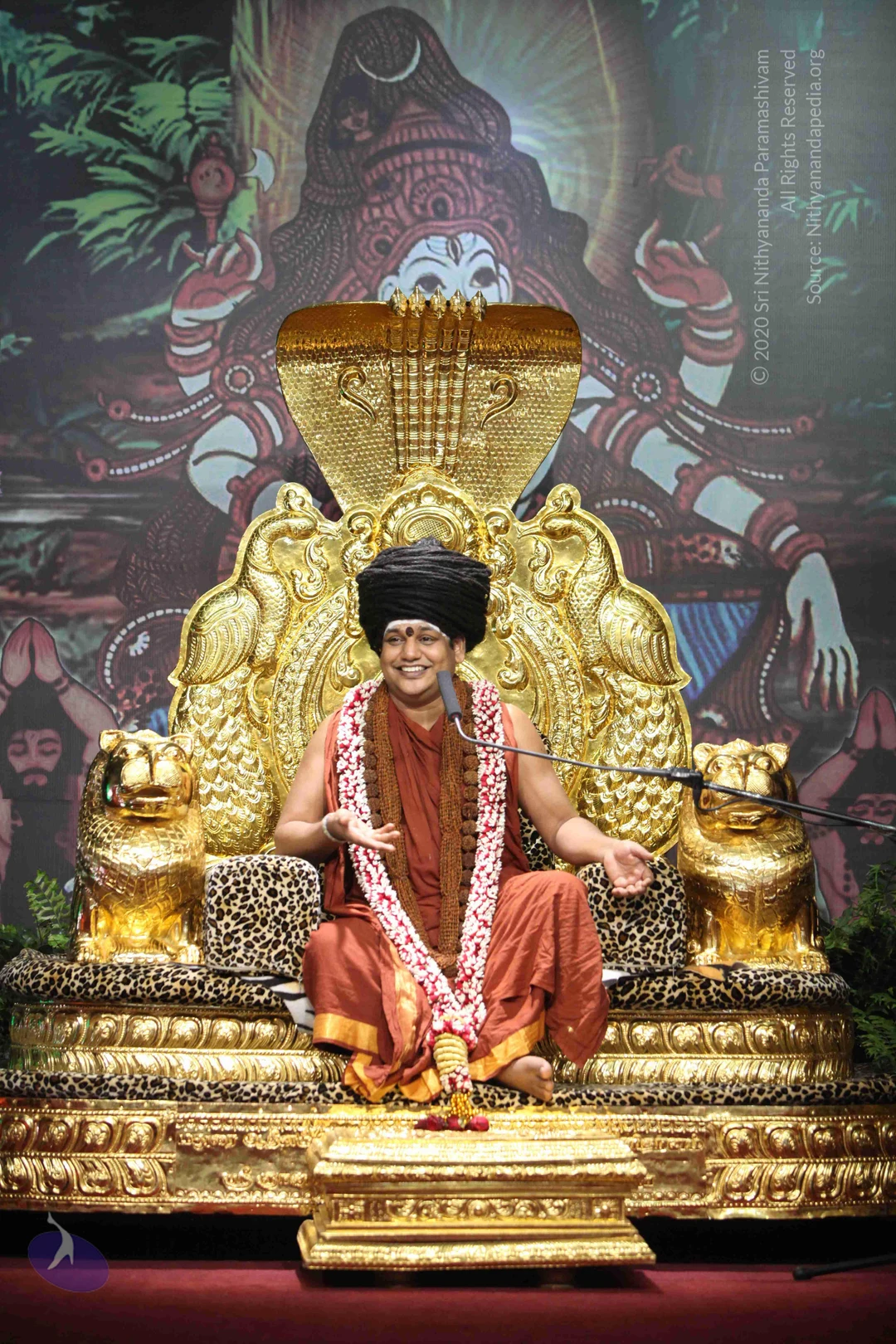
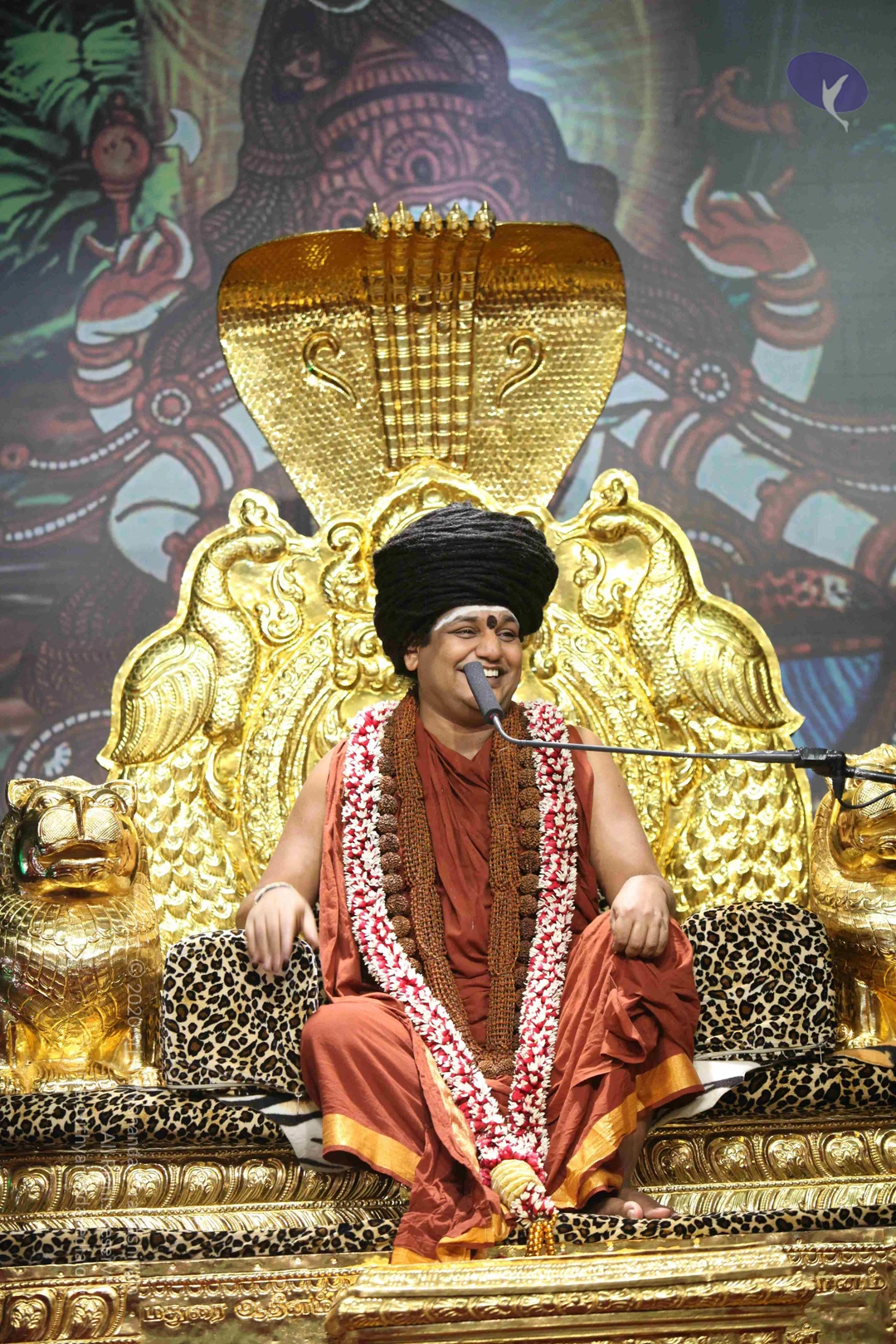
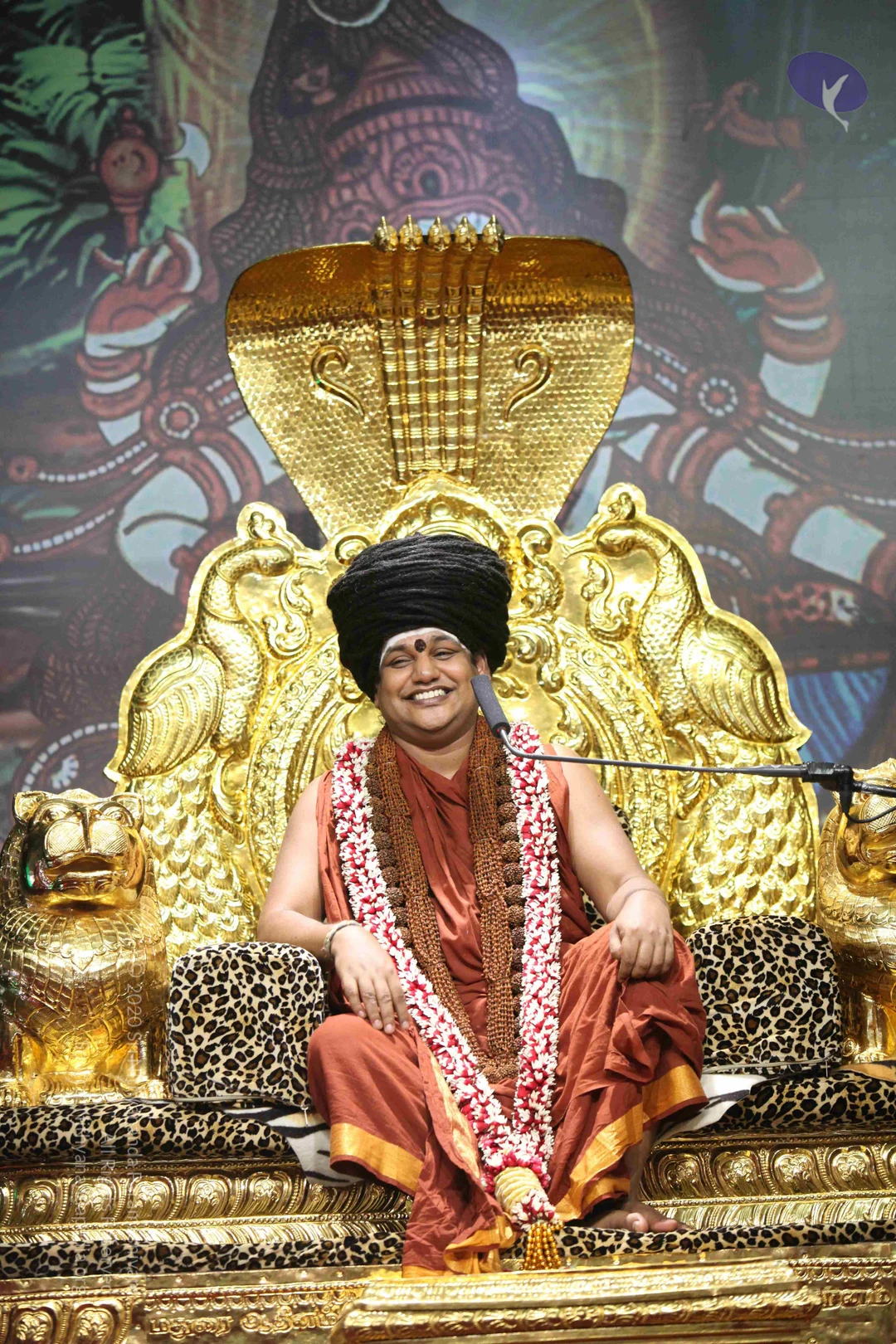
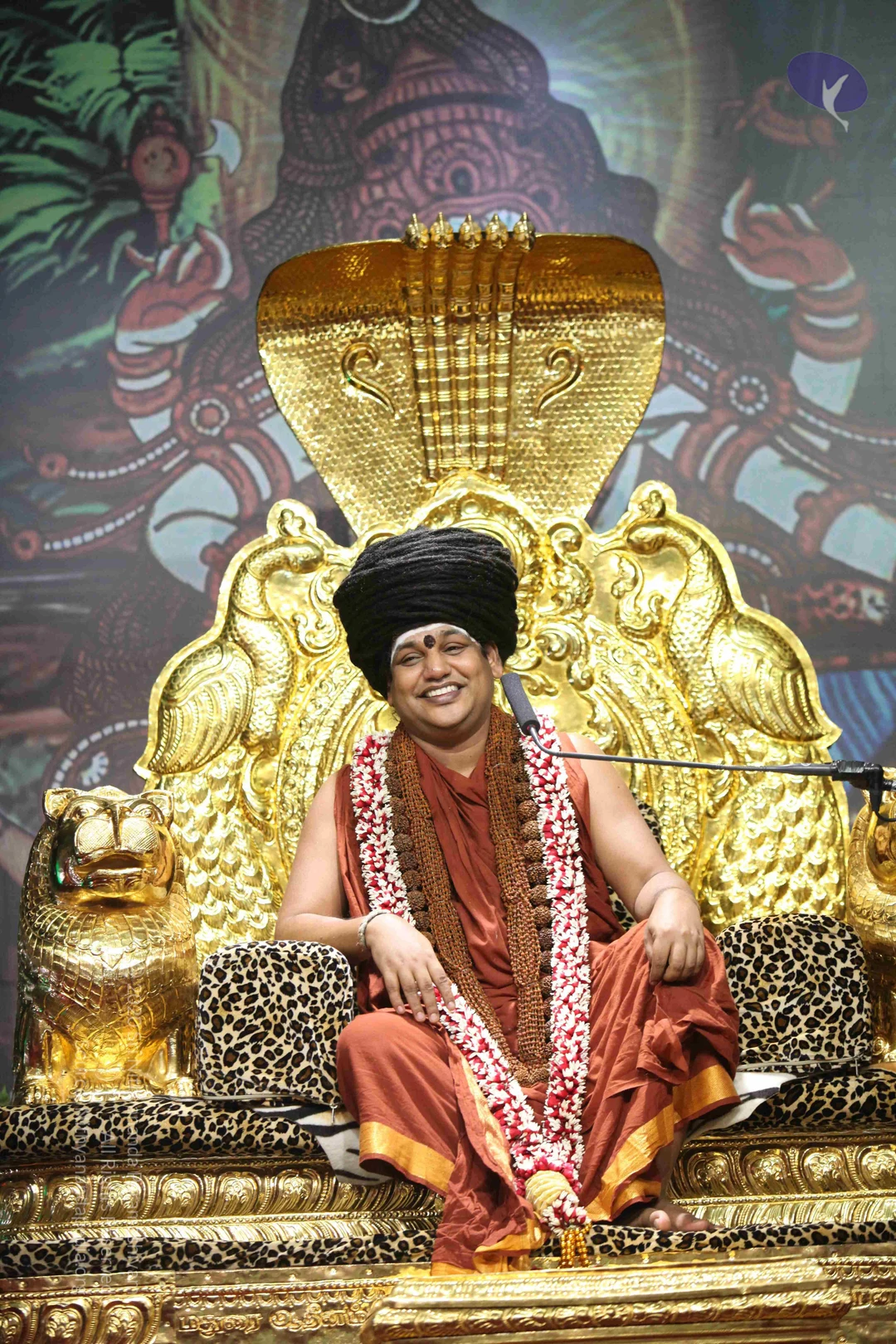
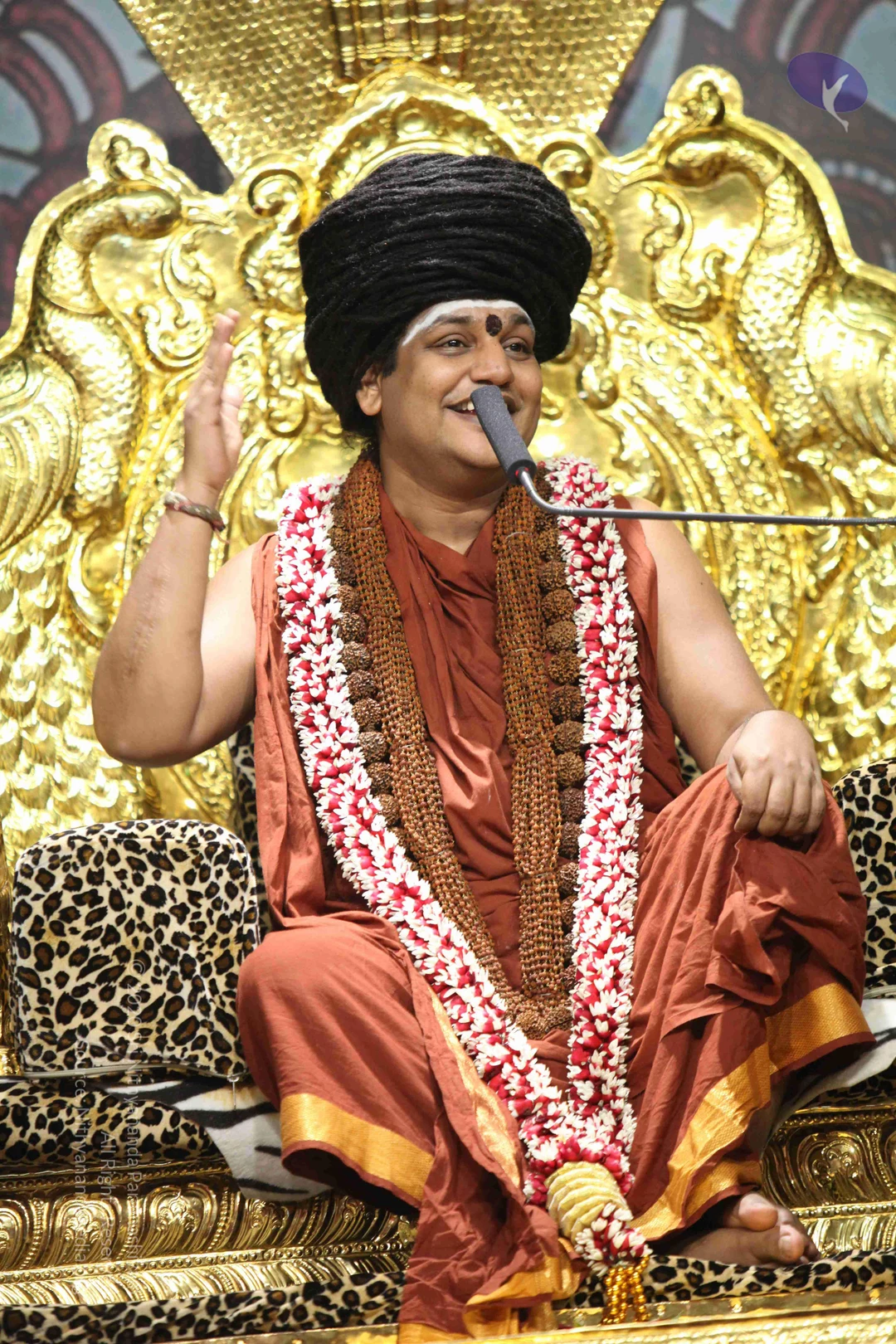
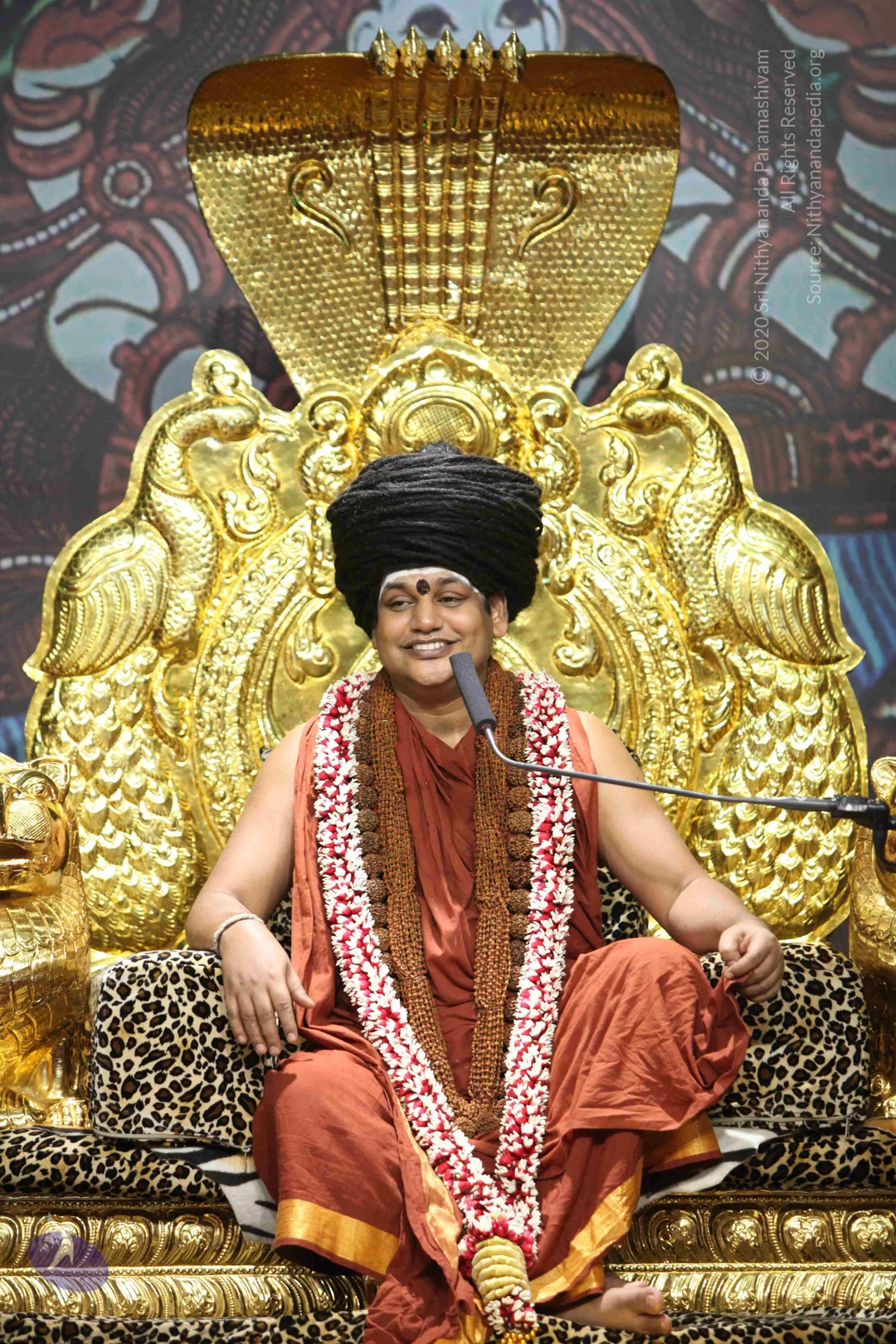
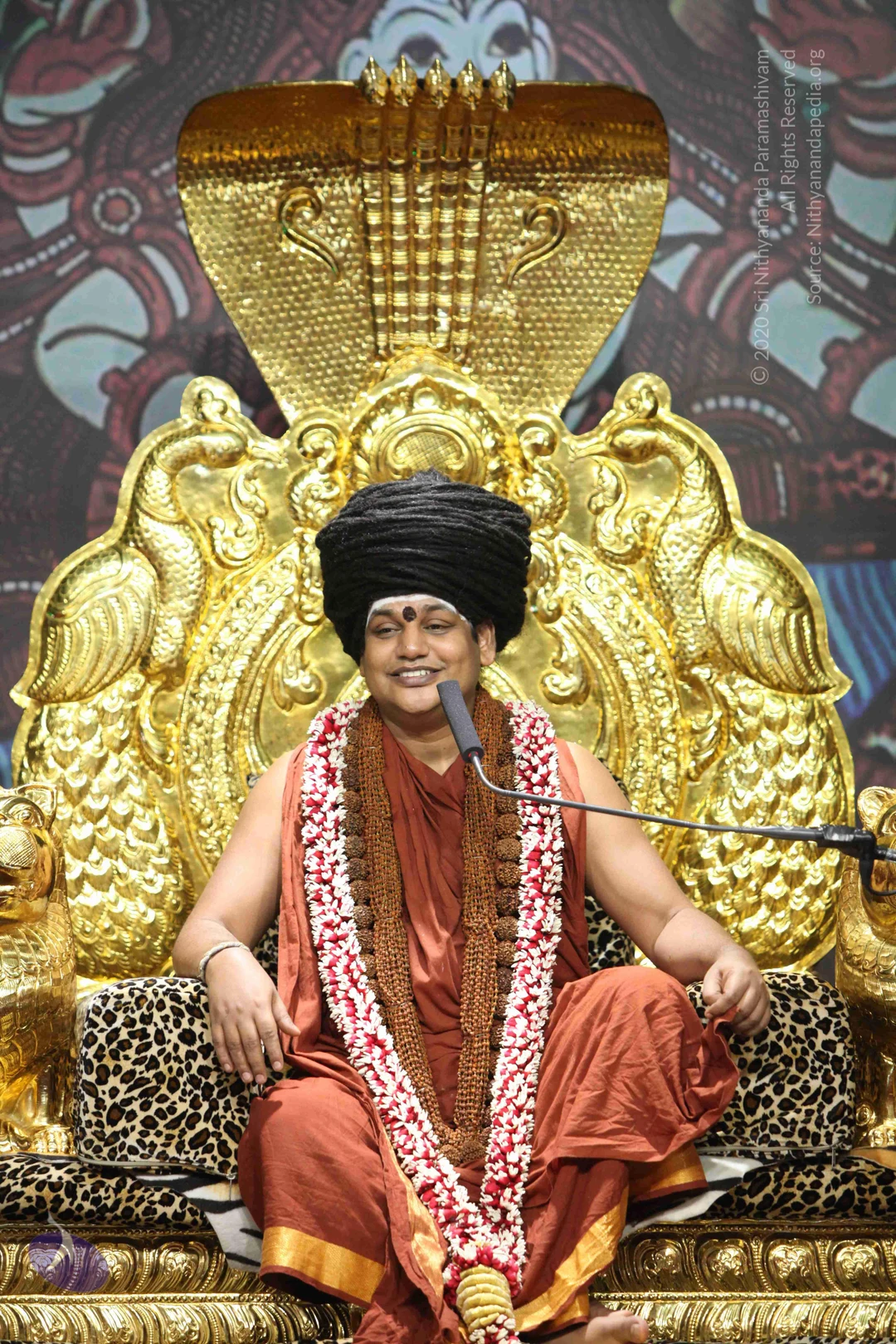
Photos from this day
View all 252 photosEvening Satsang
221 photosSource gallery01-MUTHAPPARAI-VISIT
13 photosSource gallery
EVENING-SATSANG
18 photosSource gallery