Wednesday
23 May 2012
Sharing is the secret of life
- Dated photos
- 151
- Source pages
- 1
- Media
- 2

May 23 2012
Original wiki pageTitle:
Sharing is the secret of life
Description:
Bhagavad Gita (Song of God) is a timeless treatise on the essence of living enlightenment. The Gita was imparted by the enlightened Hindu incarnation Sri Krishna to the warrior-prince Arjuna over 5000 years ago. Amazingly, the spiritual wisdom and life solutions offered in the Gita are so universal and current that it is even today used as a personal transformation guide. In today’s talk on Bhagavad Gita, Chapter 4 Verse 33, Paramahamsa Nithyananda (Swamiji) brings fresh insight to the old adage, “No man is an island.” Although the quote is attributed to a western poet, we see clearly that its spirit lies in the ancient wisdom of Sri Krishna, still relevant today. Paramahamsa lifts us beyond mere social application by showing us that when we fail to share ourselves at any level, we are refusing our dharma and collapsing into spiritual ignorance. To begrudge our physical time is to fail as shudra, worker; to refuse sharing wealth is failure as vaisya, merchant/banker; to refuse to share authority with others and solve problems in cooperation is failed kshatriya, warrior/politician; and to refuse to educate, to share knowledge, is failure as brahmin, spiritual guide. We ourselves become educated when we educate others, and ultimately our sharing carries us into enlightenment. Sri Krishna tells us that jnaana dhaan -- sharing of divine understanding – is the greatest charitable act we can offer. Becoming a teacher connects us with God through connection with each other.
Link to Video:
| Video | Audio |
Transcript:
,Tuesday, May 23, 2012
“Sadashiva samarambam, Jnana Sambandhaacharya madhyamam asmadacharya paryantam vande Guru paramparam!”
I welcome you all with my love and respects! I welcome all the devotees, disciples, Samajis, Satsangis sitting with around the world at this moment in 898 places through Nithyananda TV, 20 places in 2 way video conferencing having Nayana Deeksha, in 230 cities, in 21 countries around the world!
Cities sitting with us in 2 way Video conferencing having Nayana Deeksha are – San Jose Madhurai, Seattle Chidambaram, Toronto Kailasam, Oklahoma Somanatham, Los Angeles Arunachala, Ohio Prayag, Phoenix Kanchipuram, Hyderabad Bhagyanagara, Los Angeles centre Rancho, Singapore Singapuram, Tiruvannamalai Arunachalam, Dallas Dwaraka, Charlotte Srisailam, Nithyananda Nagara Bidadi, Vancover Puri, Malaysia Palani, Atlanta Ujjayini, Austin, Oman Siva Gangai. I bless you all with my love and blessings!
Today’s Satsang in BG, 4th chapter 33rd verse in Jnaana Karma Sanyaasa Yoga -
“sreyan dravya-mayad yajnaj jnana-yajnah parantapa | sarvam karmakhilam partha jnane parisamapyate ||”
“Translation – “Sharing of understanding is far superior to sharing of wealth o scorcher of enemies all these are actions and o son of Pritha, they all culminate in the experience of consciousness!”
Bhagavan is describing all forms of sharing and importance of sharing. Please und first thing human being is not island as you constantly believe and as you are made to believe. You are not an island as you believe and you are made to believe. If water you drink is poison it is not that just you are going to die, if air you breathe is poison it is not just that only you are going to die. We are not islands but we constantly live in a delusion that we are islands. I am not even talking about the social network that for you - you need to be alive, you need roads, infrastructure, buildings, business produced by the society & country so you are bound to society & country. No. I am not talking in level of social angle. I am not talking in the level of society. I am talking in the level of spirituality. You are not island. You are not island as you believe. Delusion is you believing you are island. Knowledge is believing you are connected to everything. Enlightenment is knowing you are everything! Ignorance is believing you are island, knowledge means understanding you are connecting to everything. Enlightenment means realizing you are everything!
It is so unfortunate, constantly you are forced to believe you are an island. Whatever education system, thinking system. Whichever education or thinking of philosophical systems built on this one concept you are an island, you are in individual any thought trend, philosophical trend – having this thought you are island has foundation, basis collapses. It does not have basis. Please understand. It is built on the air. Any thought trend whether it is Dvaita, Vishitaadvaita, Shaiva sidhantha, any thought trend - communism, Judaism any thought trend - if a thought trend bases its conclusions on an idea you are an island, an individual is an island then the whole building, the whole thought trend, the whole philosophical collapses as it has no basis. It is built on delusion, it is built on illusion it is built on a castle in the air. Day before yesterday an idiot called Sukhi Sivam. That donkey is talking what right Nithyananda has to sit in Madhurai Aadeenam because he is talking on Bhagavad Gita! No. human beings will not laugh with mouth. No this fool is really telling this in front of the media. See the whole narrow trend and ignorance. What Bhagavad Gita is something against Madurai Aadeenam? Or in Bhagavad Gita somewhere Krishna says don’t sit in Madurai Aadeenam? Or in Madurai Aadeenam literature somewhere it says person who is teaching Bhagavad Git should not on this throne?
Just yesterday I went through all the mother documents it says very clearly mentioning the community in which I was born and brought up that community people can very well sit on this throne! I can’t imagine this fools have reduced the great Jnaana Sambandar’s peetam to their whims and fancies. I tell you any thought trend built on the concept you are island reduces the breadth of your vision and finally makes you completely blind. Do not think just because you are able to see you have a vision. Seeing is different, vision is different. Ability to receive this information, processing it and presenting it in front of consciousness is seeing. Consciousness taking cognizance and responding is vision! Capturing of data by your eyes is only seeing. Consciousness taking cognizance and responding is vision. Fools! Who don’t have vision go on talking. You are not an island. That is the first truth you need to realize. So you cannot just grasp something and hold on to it. Anything you get, is just ice – huge ice cube. Either you radiate that coolness and make other things also part of ice or this ice will melt and disappear from your hand. Enlightenment is just like a ice cube given in your hand. If you go on radiate and make others also enlightened people who around you, you are saved and you save others. If you just tightly hold on to it and say no others should not see it. It is only for me, me, me, me, me, me. The ice will melt down, you will be having only empty hands.
Anything whether it is wealth, enlightenment, anything in the life unless you share it, you will not have it. Why do you think so many people become poor? Their fear to share their power, fear to share their time, fear to share their life. Fellow who has fear to share his time is a failed shudra, fellow who has fear to share his power is a failed Kshatriya. Fellow who has fear to share his wealth is a failed Vysya, fellow who has fear to share enlightenment is a failed brahmana.
If you have fear in sharing our time I can see that in many of my Brahmacharis and Brahmacharinis. Of course fortunately or unfortunately I am working with them only closely. So naturally I will be giving only their example. Many of them the fear of committing, working. If I work today and complete a project I will give confidence to Swamiji it is not good for me. If I give confidence to him, he is going to give more projects to me. It means my whole life will be like that. Escape! Fear of sharing time with the world. I tell you a failed shudra who has fear of sharing his time with others is worse than dead. Dead people are gone at least once for all. But these fellows will sit and destroy others also. Fear of sharing the power. I have always seen this happens in the top level. But the problem is when I talk about the failed shudras. Some of these shudras they understand yes I am a failure shudra. But if I talk about a failure of Kshatriya, failed Kshatriya immediately they say oh then the problem is there only. Failed shudras and failed kshatriyas both are cancer. But one cancer laughs at the other cancer and says let him that cancer be healed first then I will heal. But fool, you don’t understand that cancer is there in you. Don’t wait for other person’s cancer to heal, before that you may die!
Cancer is not a mental disorder. When he has a mental disorder, why not me also? Cancer is a physical disorder. Understand failed kshatriya, a failed shurdra, a failed vysya and failed brahmana is a physical disorder. Heal it first for yourself. See for example, if one fellow has too much of ego which is a mental disorder. The other fellows says when has so much ego, why not me also? Let me also have it. If one fellow is having H1N1 or HIV. Will you say when he is also having, why not me? No. Understand failed shurdra, failed Kshatriya, failed vysya, failed brahmana is a physical disorder. It is not mental disorder. Because when you are afraid to share your time you are handicapped. You don’t do anything. You don’t think. I can classify very clearly my whole organization people with whom I am working. Failed shudra, failed Kshatriya, failed brahmana, failed vysya. I can show very clearly.
Let me translate these four words vysya, brahmana, kshatriya, shudra for sake of your understanding. When I say vysya I mean entrepreneur, when is say kshatriya means a person empowered, when I say shudra I mean who is supposed to work- execute, when I says brahmana who is supposed to be enlightenment. A failed entrepreneur is a fellow who is not willing to share his wealth. Understand sometimes they will be making millions of rupees but they will be afraid to have few staff and employees with 10,000 salary. They will say oh if I have 10,000, every month I will be spending 10,000, 10,000, 10,000. It means one year 1,20,000/- but if I don’t make that much, what will happen? Fool! Every month the way you are spending you will make it. But you don’t have confidence. When it comes to making, you forget the number. When it comes to spending you will are calculating the number widely. You think have only one million rupee. In one year his salary alone will be 1,20,000/- rupee what will happen to me? Fool, the one million rupee is not going to be one million rupee through out the year! The income of the year is not calculated but the expense of the year is calculated and projects are frozen or given up. Only these types of people are called failed entrepreneurs. You can see in your life, by getting too cautious you get into your grave and lock yourself because you think that tis the most safest place. May be true but that is not a place to live! Sharing whether it is in the outer world or in the inner world is the secret of life. Sharing is the secret of life. Go on sharing. Go on sharing. Go on sharing. I tell you the most healthiest period in my life, please understand it is not that now I am not healthy. The optimum time I felt health in my life intensely is my parivraajaka period. When I digged out inside my inner space what was the reason I had that feeling. Because I had the vow physically, mentally in both ways whatever whoever asks if I had it, it is theirs. Literally I had this vow. Of course even now in consciousness that is what I do. But as far as matter is concerned, it started getting stored for an organization. I tell you a basic law anything shared, will make you healthy. Even the spiritual ideas while you are growing spiritually go on sharing the ideas you get during the path, during the travel. Understand now all of you will have some ideas about life, death, work, consciousness all that. It is not ultimate truth. But whatever you realize understood go on sharing with the world. I tell you that sharing will make you more mature. Educating is the best way for education. Sharing is the best way to be rich. Offering is the best way to have. Failed shudra, failed Kshatriya, failed Brahmana and failed Vysya means failed entrepreneur, an entrepreneur fails when he has an insecurity to share his wealth. A worker fails when he has a insecurity to share his time, his performance, his skill. A leader-empowered being fails, empowered person fails when he is insecured to share his power. I tell you when you make more and more leaders, you become leader of leaders!
One Guruji’s person asked me what is this you are putting all your teachings and Kriyas everything freely in the website? I said in future, each one of my kriyas will become one sampradaaya separately, independently. Because some Guru will take up this kriya and teach and popularize it all over the world. By creating hundreds & hundreds of Gurus, I will be Guru of Gurus - Jagath Guru! Jagath Guru is not one just one who is Guru of Gurus, but one who goes on creating Gurus! Share the power, share the knowledge. Share your creativity. If you are empowered, go on empowering others. Go on sharing when you make more and more people powerful, you become leader of powerful people. I went on teaching people how to heal, initiating people and healing. Went on sharing. But I never lost anything. So even if your ideas are not ultimate truth, whatever you realize now go on sharing with the world. I tell you the teachers who teach in our organization are the most spiritually grown people because they are constantly reminded of the truth when they speak and teach to others! There was a problem in Seattle, with Seattle Sangha. Today I am going to have a meeting with them. The only solution I am going to give is let all you guys become teachers and start teaching to others. Then the whole confusion will be cleared. There is nothing wrong happening there. The person who is heading is perfect, people who are volunteering are perfect. Everybody is perfect. Just the problem of non sharing. Nothing else. Many of my Sangha are suffering with this non-sharing. Because you guys have stopped teaching, because you guys have stopped talking to one on one and inspiring new people, helping them to transform, you got into a mould even if don’t talk they won’t listen. No. they may not listen to you face to face. But when they go and lie down in their bedroom and rest whatever the ideas you expressed they will be thinking and after two years they will come back. Understand every idea you put inside others is a seed you put inside them. Do not be tired. Don’t be over greedy that they should listen to you immediately and come to the temple next day and day after tomorrow they should attend the Inner Awakening. You are too greedy that is why you stopped sharing with society. When you stopped sharing with the society, interacting with human beings, naturally you become a dirty pond.
The pond with golden lotus, which was supposed to be with golden lotus has become pond with mud. Bhagavan is so clear with this verse.
“sreyan dravya-mayad yajnaj jnana-yajnah parantapa | sarvam karmakhilam partha jnane parisamapyate ||”
“Sharing of understanding is far superior to sharing of wealth o scorcher of enemies all these are actions and o son of Pritha, they all culminate in the experience of consciousness!”
Please understand Bhagavan emphasizes on sharing. Sharing of knowledge - enlightenment is much better than any other sharing like anna daan, vidya daan, vaidya daan. Jnaana daan is ultimate than all this many other daans. Bhagavan assures that Jnaana daan finally makes you experience, it culminates in Jnaana anubhooti itself. When you share knowledge, when you go on sharing finally that itself becomes your own enlightenment. I can see very clearly when Jnaana Sambandar entered Madurai he entered as an experienced being. But when he went out of Madurai, he is a spiritual leader. When he shared his knowledge and transformed few people and conquered few people, the personality of leader, the qualities of leader started expressing in the treat being Tiru Jnaana Sambandar. Of course when he entered Madurai he was enlightened, a jeevan mukta when he went outside Madurai after establishing this Madurai Aadeenam, he is a spiritual leader not just spiritually enlightened being.
Each sharing contributes something to you, enriches you. Bhagavan is so clear – “Sharing of understanding is far superior to sharing of wealth in any form or all forms o scorcher of enemies all these are actions and o son of Pritha! they all culminate in the experience of consciousness!”
That’s it! I tell you intensity means ability to fight with your own patterns. If you start fighting with others’ patterns, your intensity has dried up. You feel now enough, why should I always fight with my patterns? Let me fight with his patterns also. When I am transforming with ten patterns, he is not transforming even with three patterns, let me fight with him!
Intensity means fighting with your own patterns. If you are fighting with others patterns means you are in tension not intense. Now many people in Seattle have started becoming in tension. That is where the whole problem. Their intensity has come down. Because for a long time they have not sat in my physical presence. So slowly the intensity has come down and in tension has started. Instead of being intense, that being tense has started. No. Fighting with your patterns is intensity, fighting with others patterns is tension. Come on, it is time we fight with our patterns. Everybody comes and tells me I transformed so much na. Why don t you tell the other person also to transform? You are very partial. All these fellows who have partial vision tell me I am partial, who has a 360 degree vision. This shows you are partial. If you tell me I am a partial this itself is a solid proof you are partial, your vision is partial. Your brain is partial. You are partial, your mother is partial, your father is partial, your brother is partial, your sister is partial, your friends are partial, your relatives are partial, your whole vamsa is partial! No whoever I advice everybody says you are partial. I tell you – you fellows you see me partially. Every body knows what is their patterns and what is others patterns. In Seattle everybody is too intelligent. That is the problem. Everybody knows what is their patterns and what is others patterns. But nobody wants to fight with their patterns. Everybody wants to fight with others patterns. Why you have enough enemies inside. Why don’t you fight with your patterns? You say – no, no, no, no. he is not fighting with his patterns so I have to fight with his patterns J So you fight with his patterns and he fights with your patterns. War means you fighting with others patterns, peace means you fighting with your own patterns. That’s all! You fighting with your own patterns is peace. you fighting with others’ patterns is war!
Now wherever conflicts are there you guys decide if you want to be in war or peace. The worst war field I have ever seen is Bidadi. That is why I am so happy in Madurai. No you don’t know. I am telling you really. I am so happy in Madurai. Everyday I am telling these fellows god! I am so happy in Madurai. Because this dirty fights! The failed empowered fellows and failed workers the fight between these two whole Bidadi if I visualize wolves and dogs running around holding somebody’s organ in their mouth! liver, kidney, intestine, and here and there few little brains which was there working and lying down, spread all over. This is the way I portray Bidadi. If I am asked to portray Bidadi, this is the way I paint. Many dogs, wolves, foxes running around holding somebody’s intestine in their mouth, somebody’s kidney in their mouth, somebody’s liver in their mouth, blood all over. No I am telling you whatever I am feeling in the heart, the truth. Peace means fighting with your patterns. War means fighting with others patterns.
“sreyan dravya-mayad yajnaj jnana-yajnah parantapa | sarvam karmakhilam partha jnane parisamapyate ||”
The essence sacred secret you need to know from this verse is sharing is the ultimate virtue. In any level when you share you go on expanding. When you don’t share you destroy yourself. Go on sharing, sharing, sharing. It will culminate in enlightenment. If you fight with your own patterns it is peace. If you fight with others patterns it is war. Whether you want to make war or peace it is up to you. I cannot make peace or war. Understand whether it is Bidadi or Seattle I cannot make peace or war. I always used to tell Seattle is my honeymoon place. Such a joyful community. But don’t know if they want to retain. Maybe they don’t even care to retain that. But anyhow, I don’t have any honeymoon place. Look in and share with the world!
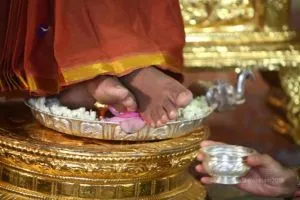
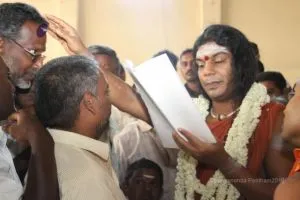
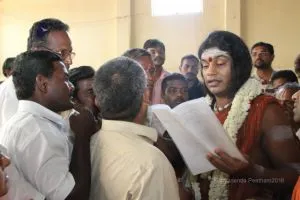
I will move to the next segment of morning Satsang DTA. Anitha singh ok I accepted your paada puja. I will talk to you. Please call now.
Your spiritual name will be - Nithya Pranitha means eternally fulfilled one!
Today’s minutes to be entered in minutes4peace.org website is 75 minutes.
I bless you all who are sitting with us at this moment around the world in 1194 places through Nithyananda TV, in 20 places through 2 way Video conferencing having Nayana Deeksha, in 283 cities, in 28 countries around the world! Let you all achieve, experience, live, express, radiate and share and explode the eternal bliss, Nithyananda. Thank you!
Photos
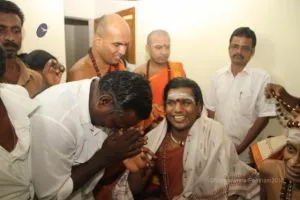
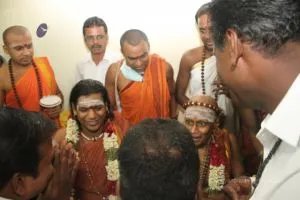
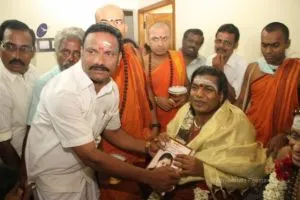
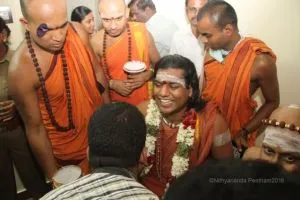


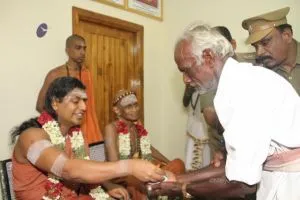



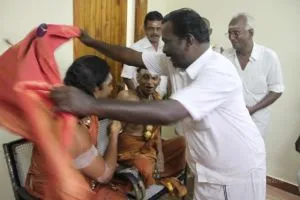
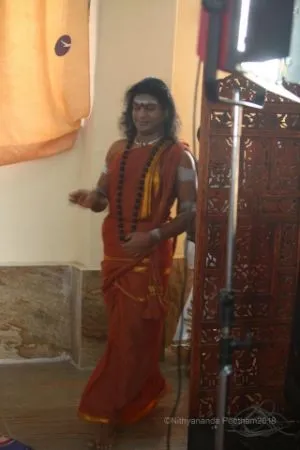
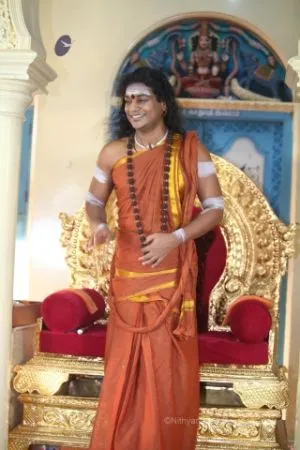



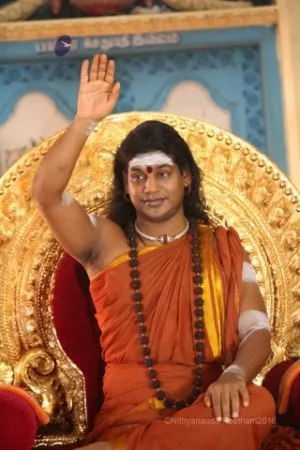
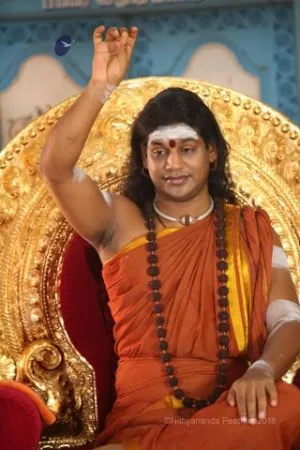
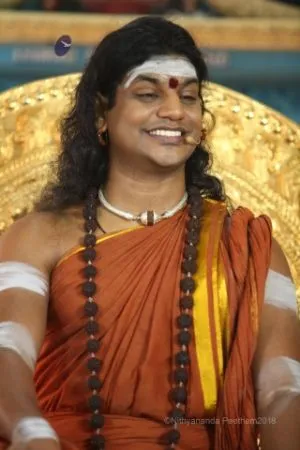
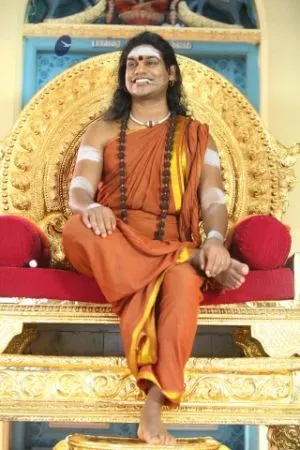
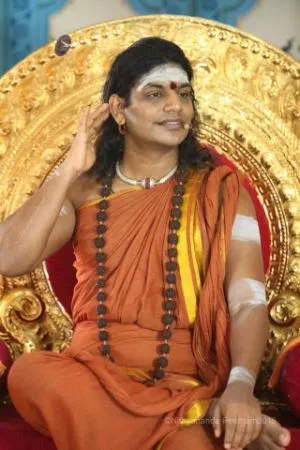
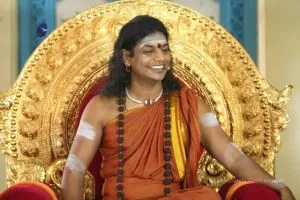
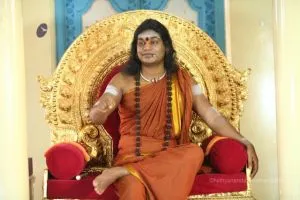
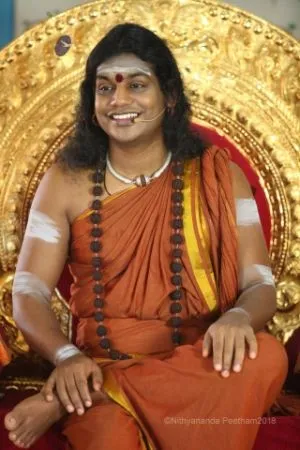
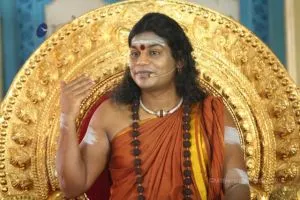
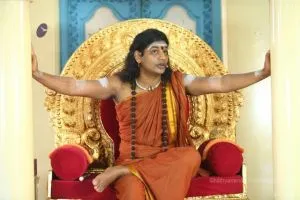
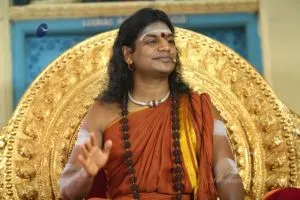
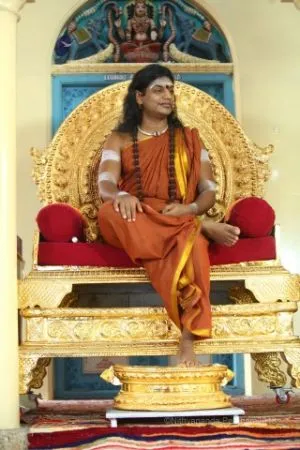

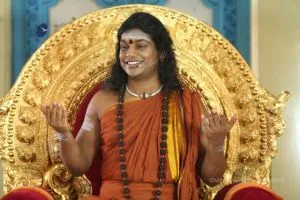
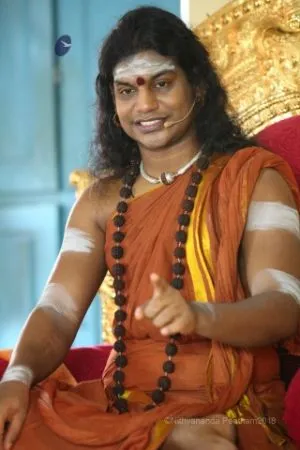
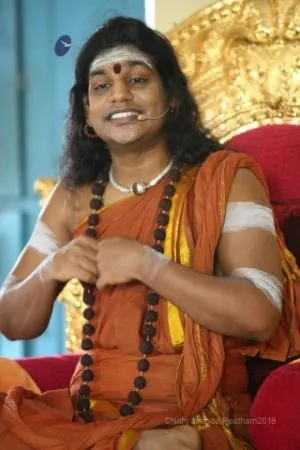
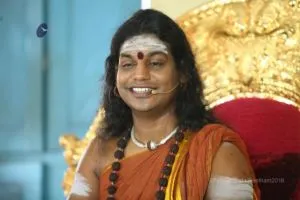
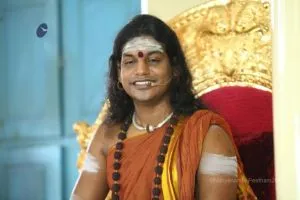




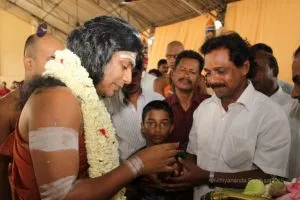
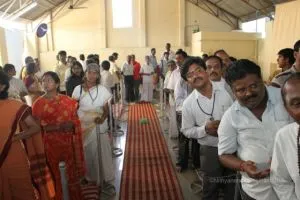
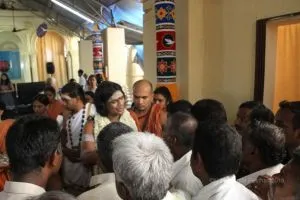
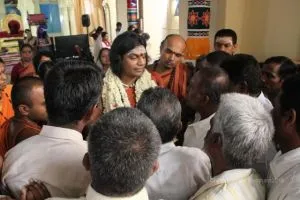



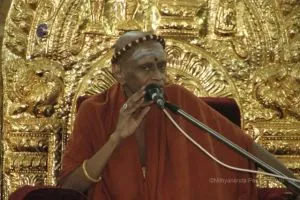
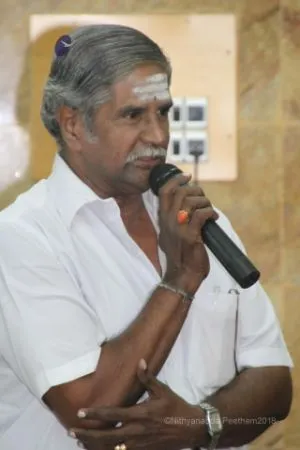
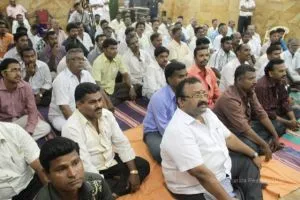



Tags:
Paramahamsa Nithyananda, fresh, insight, old, clear, spirit, ancient, wisdom, Krishna, social, share, dharma, spiritual, physical, time, wealth, merchant, banker, authority, cooperation, politician, educate, knowledge, spiritual guide, enlightenment, divine, understanding, charitable, teacher, God, connection.
Photos Of The Day:
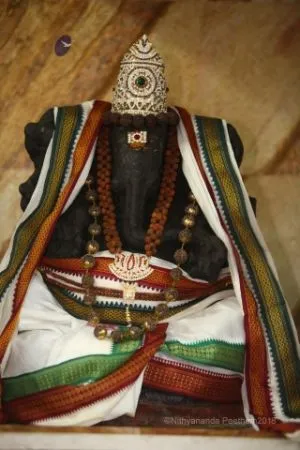
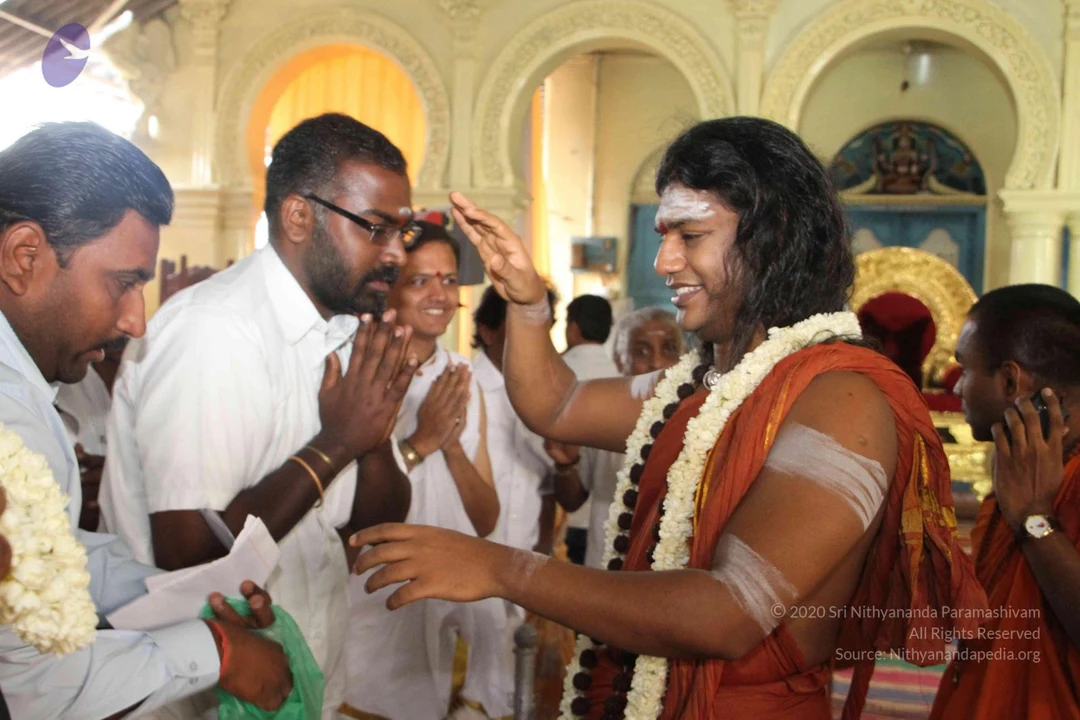
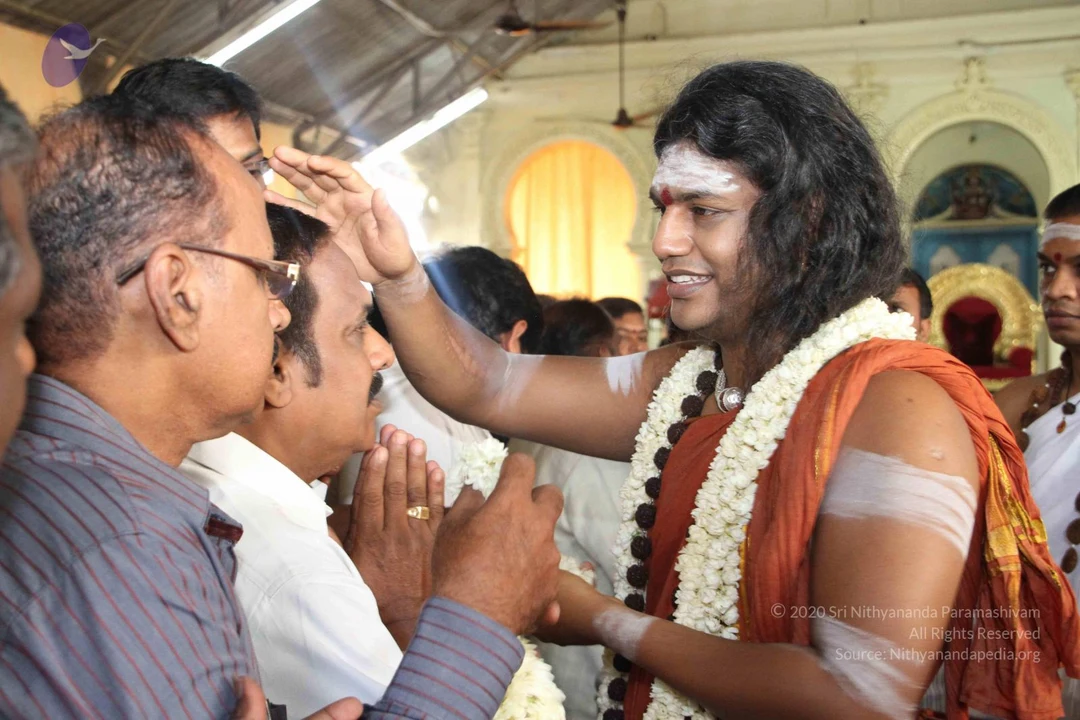
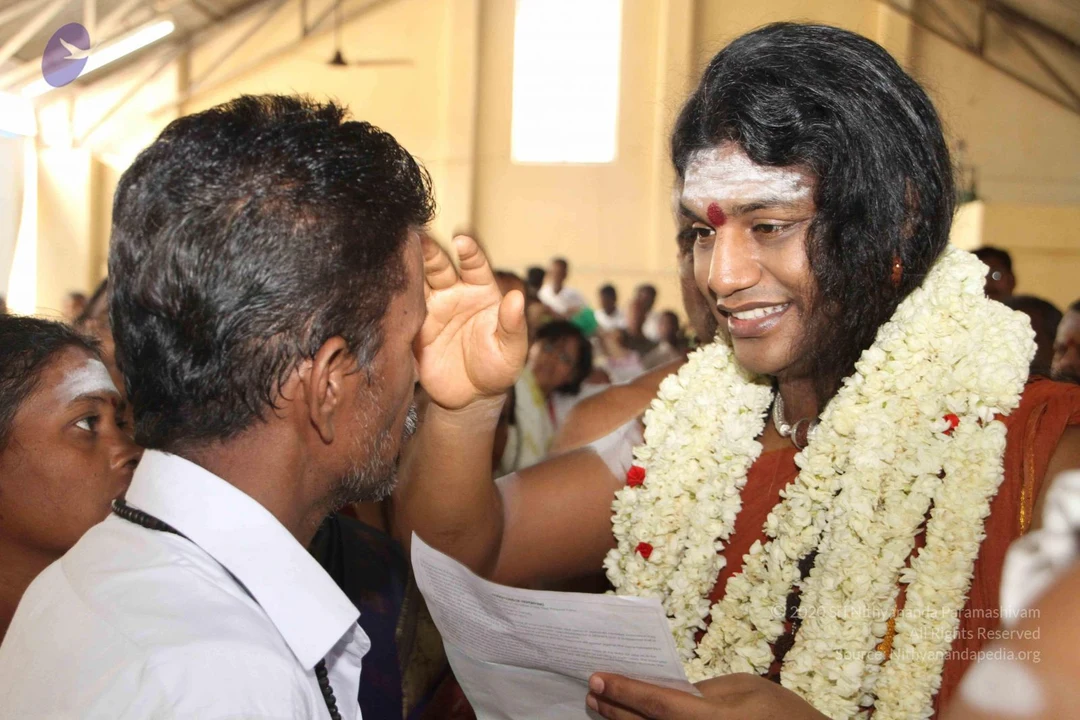
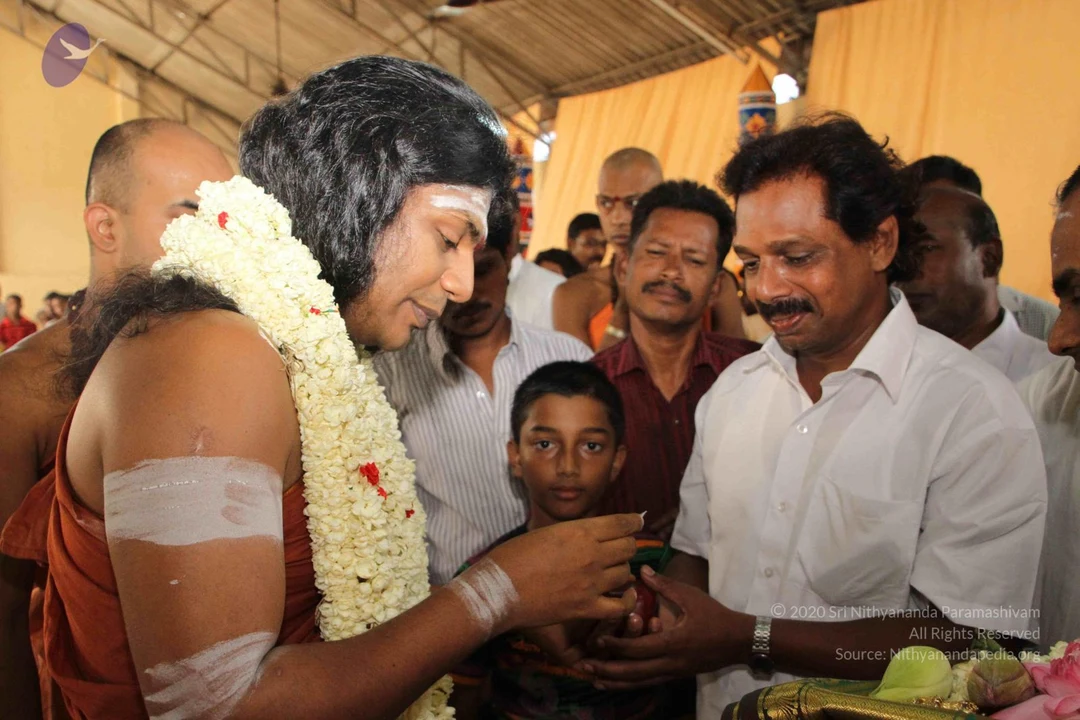
Temple-Visit
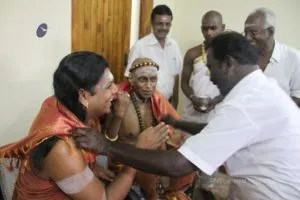
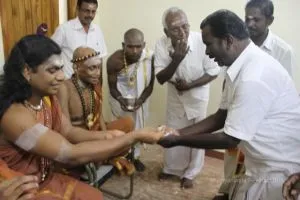
Paada-Puja
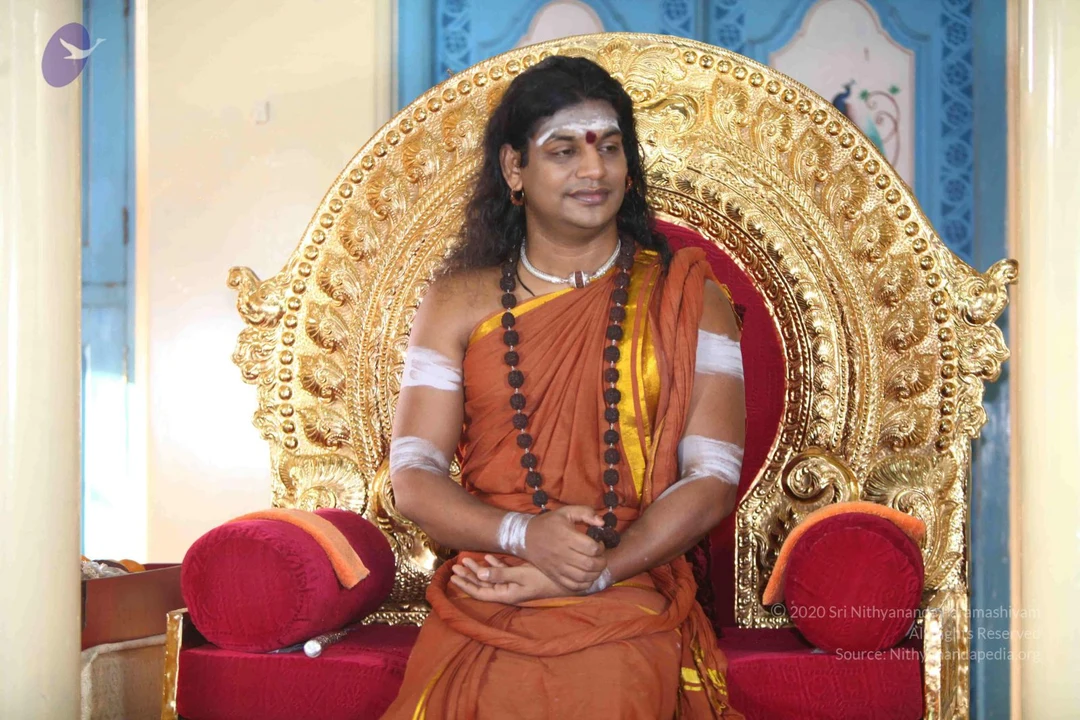
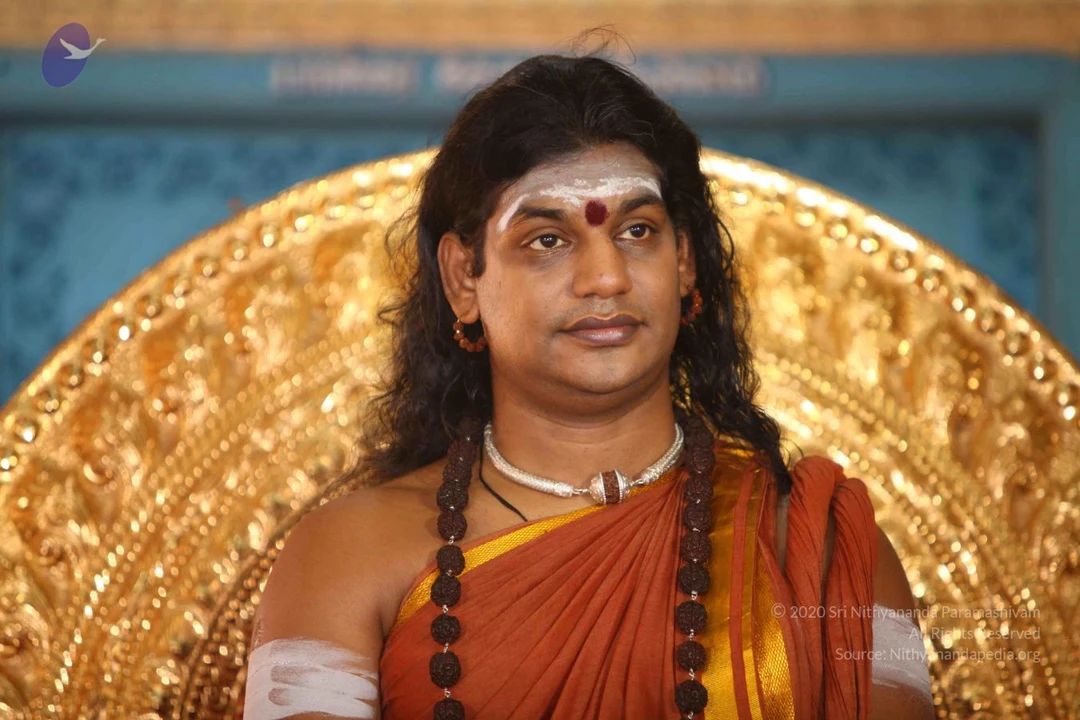
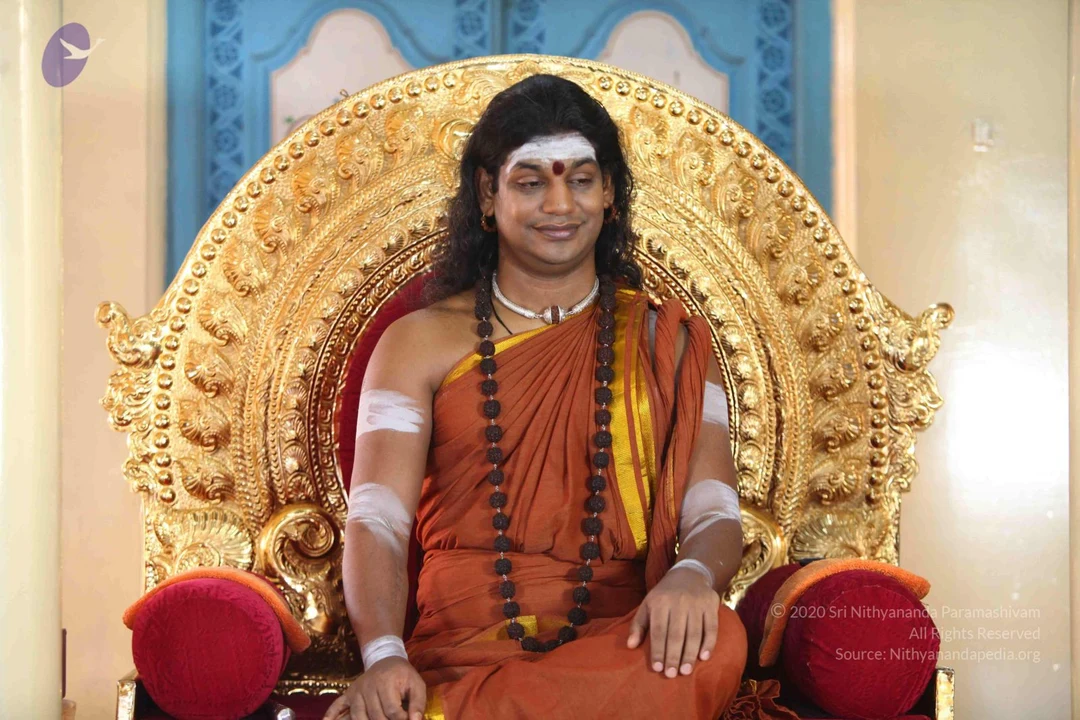
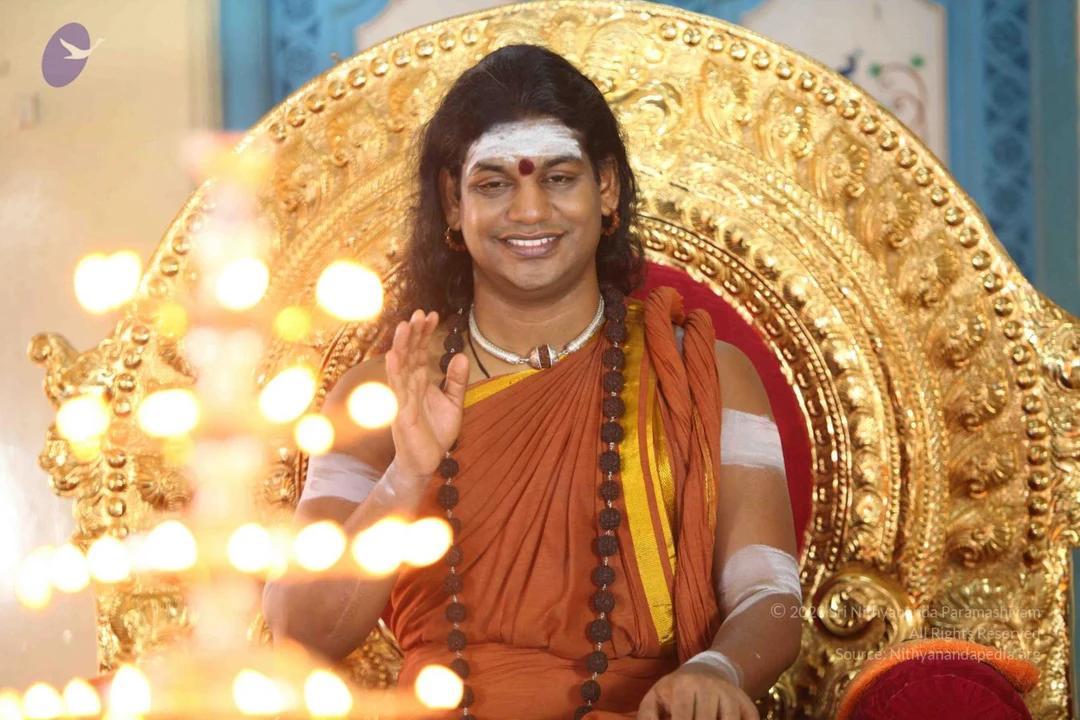
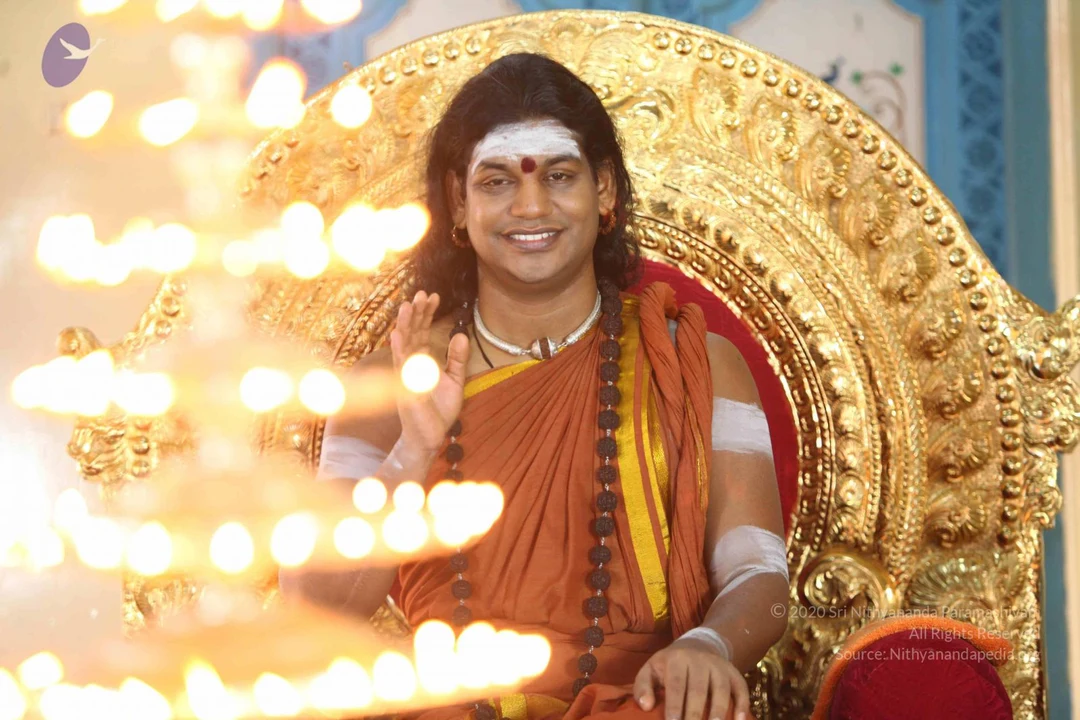
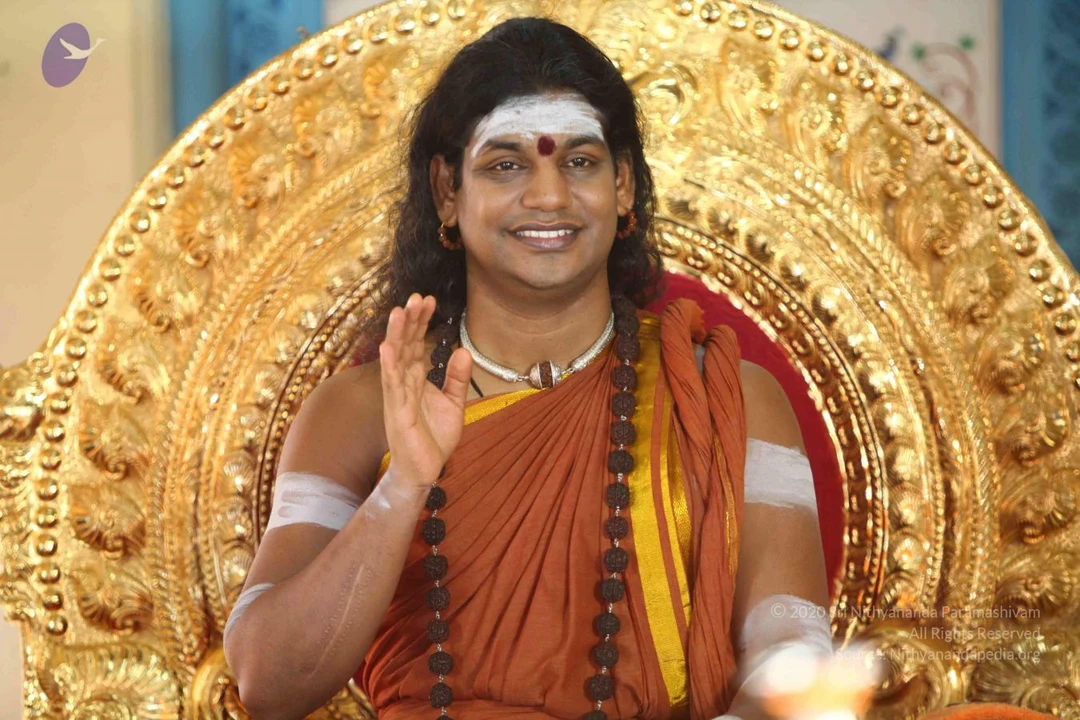
Morning-Satsang
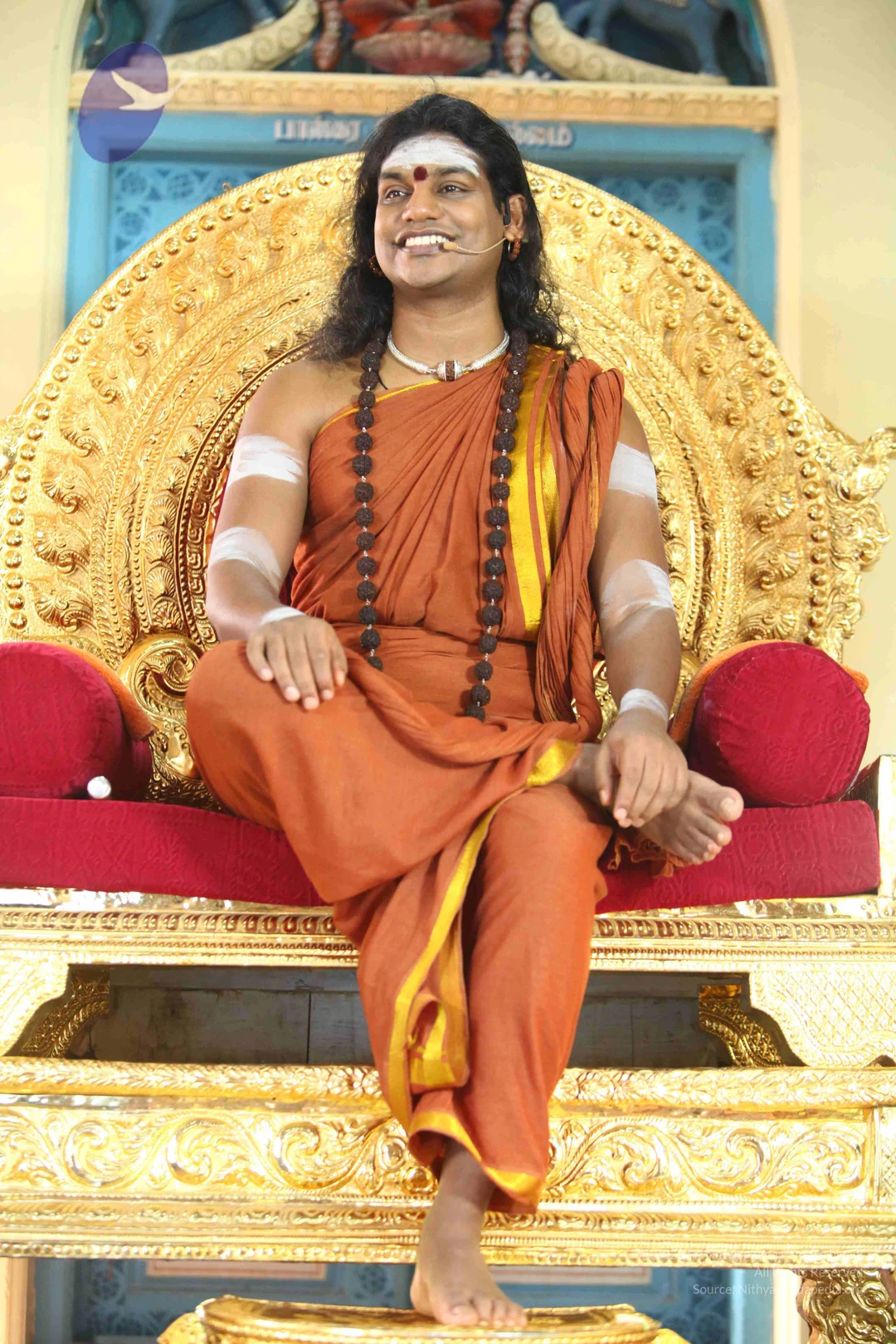
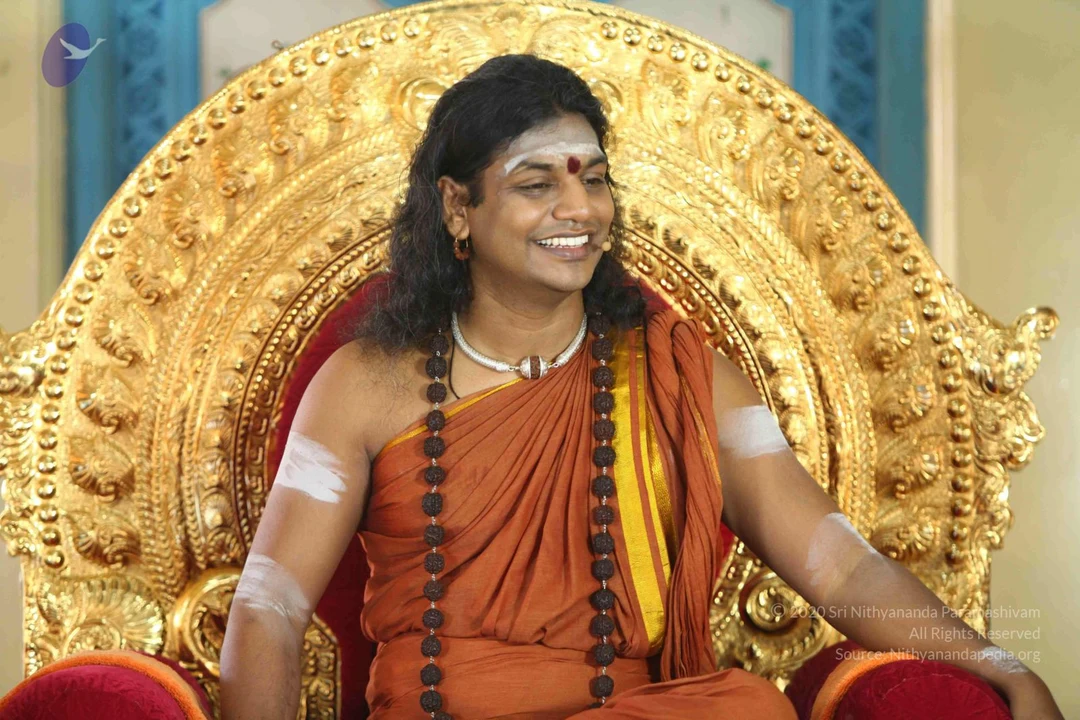
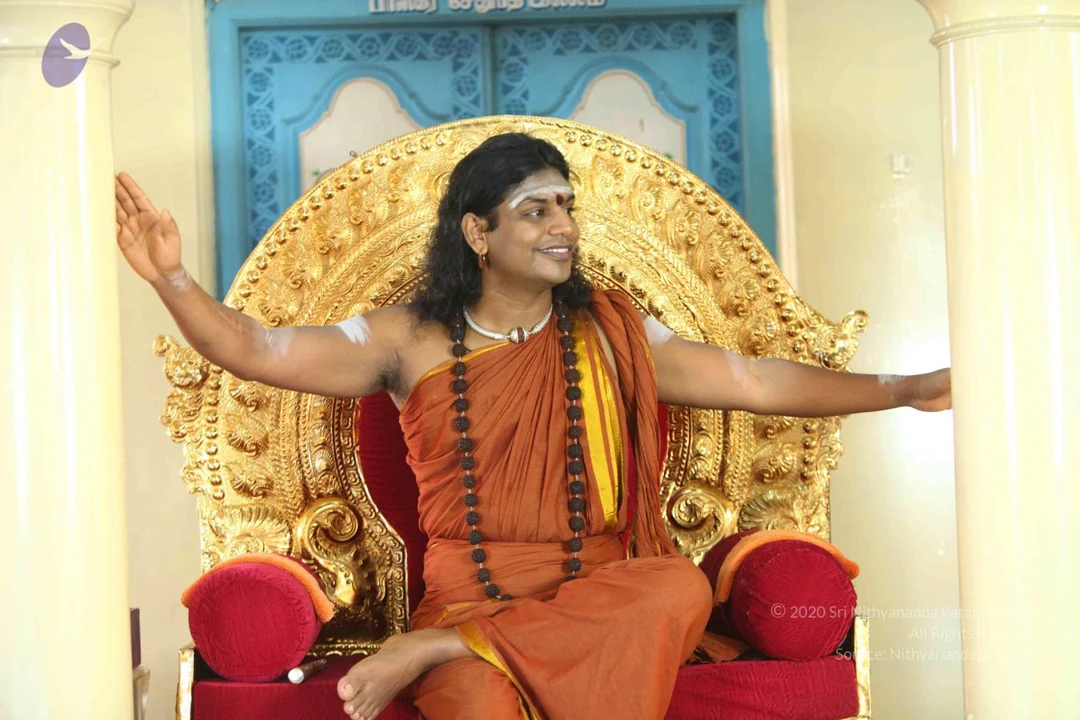
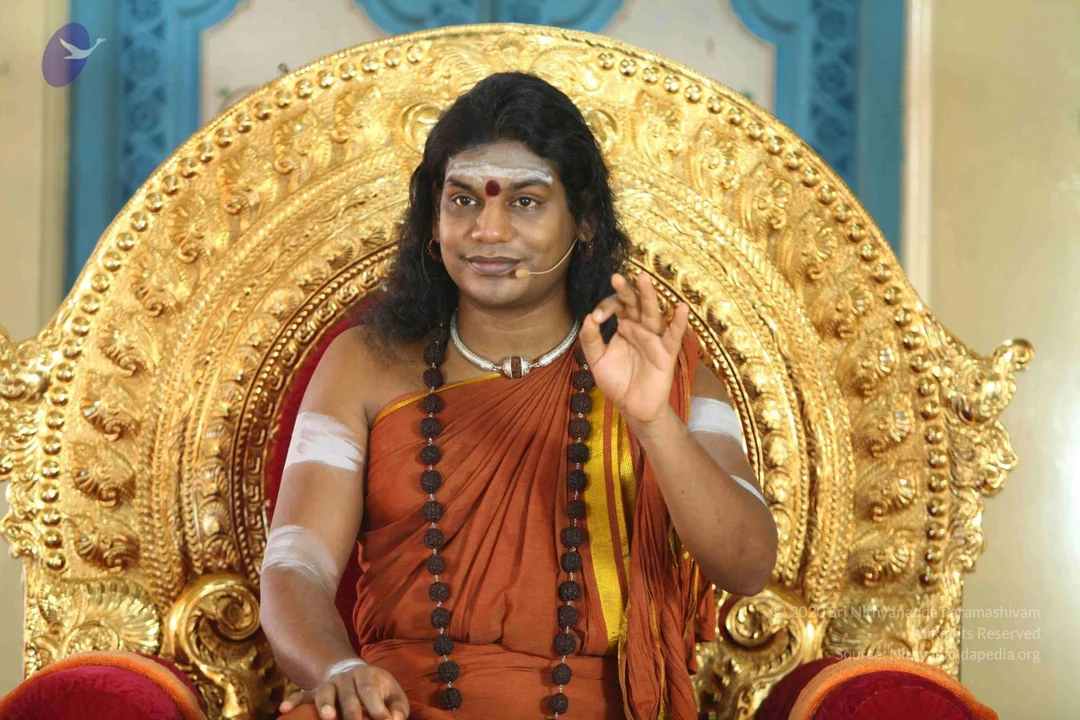
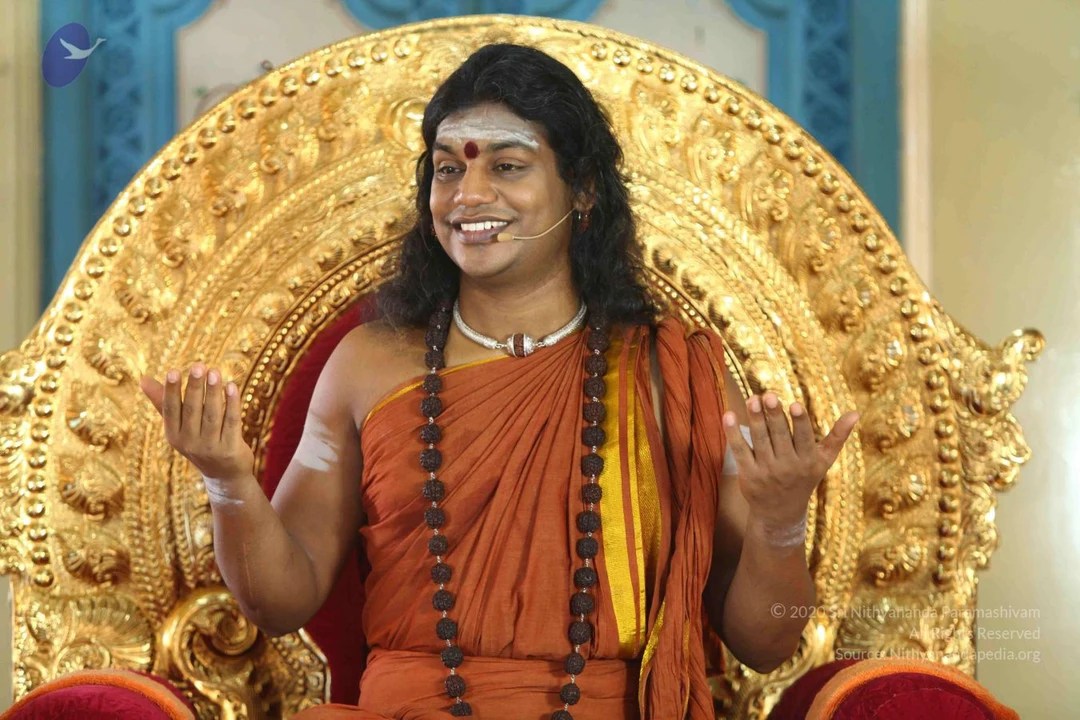
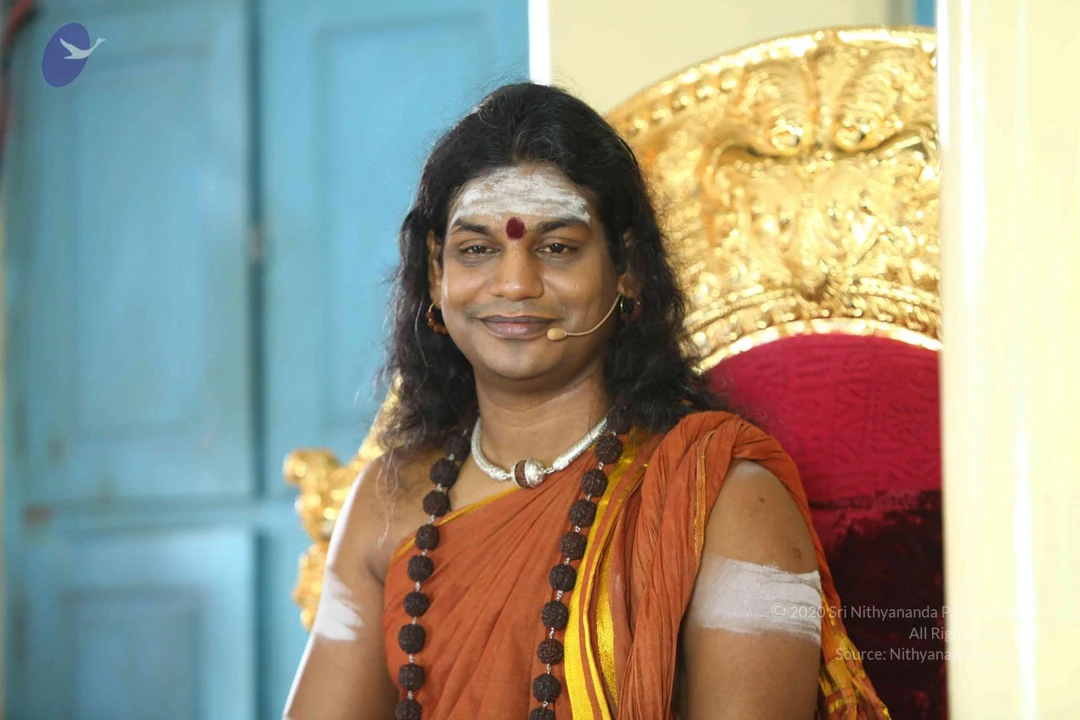
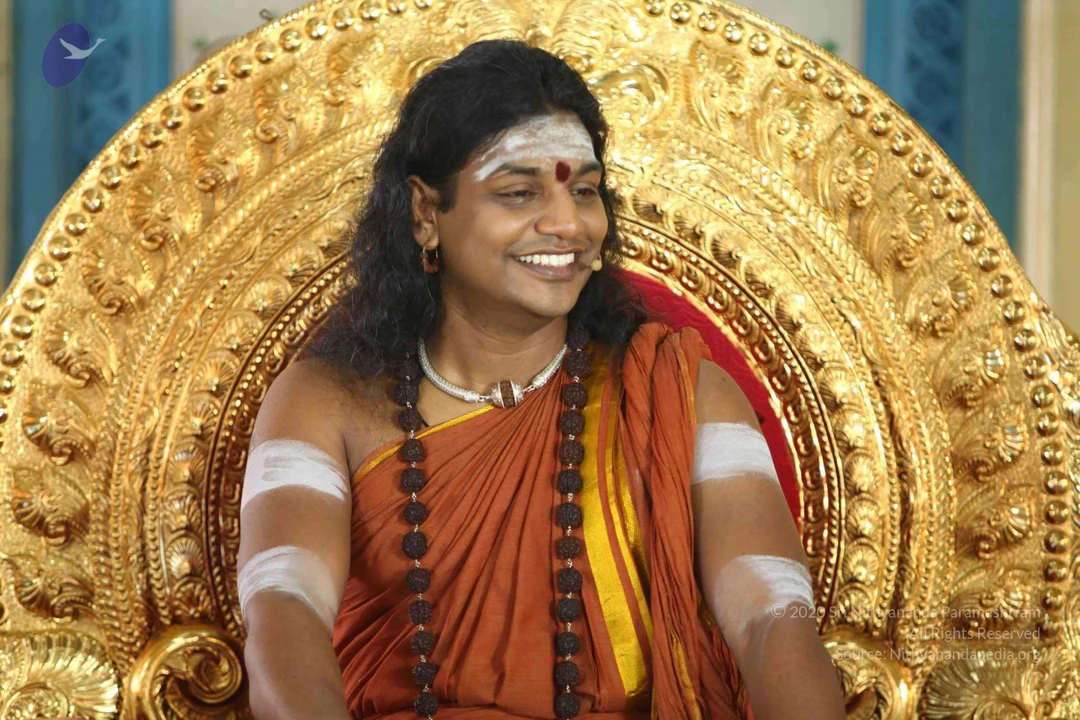
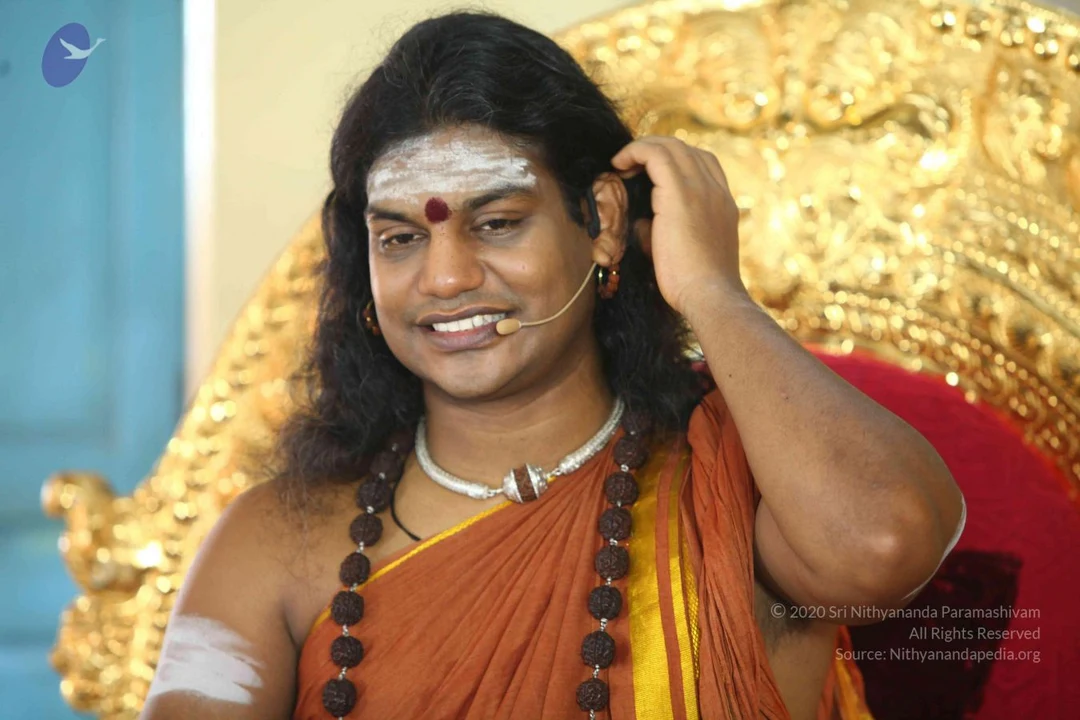
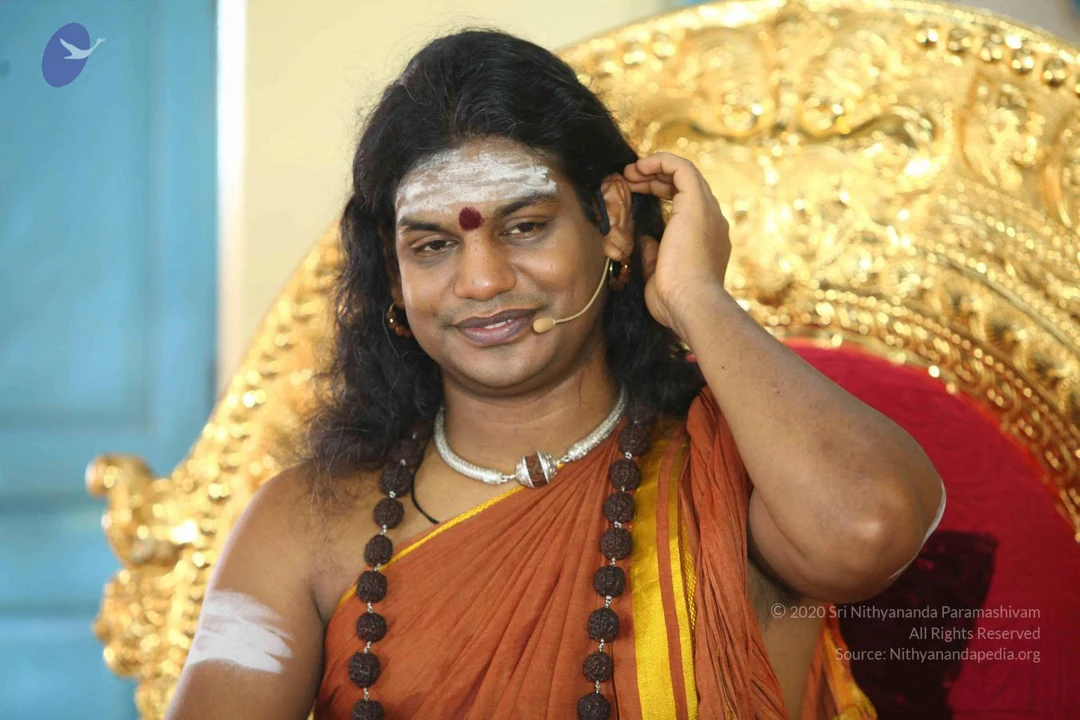
Sarva-Darshan
Evening-Meeting-With-Jewellery-People
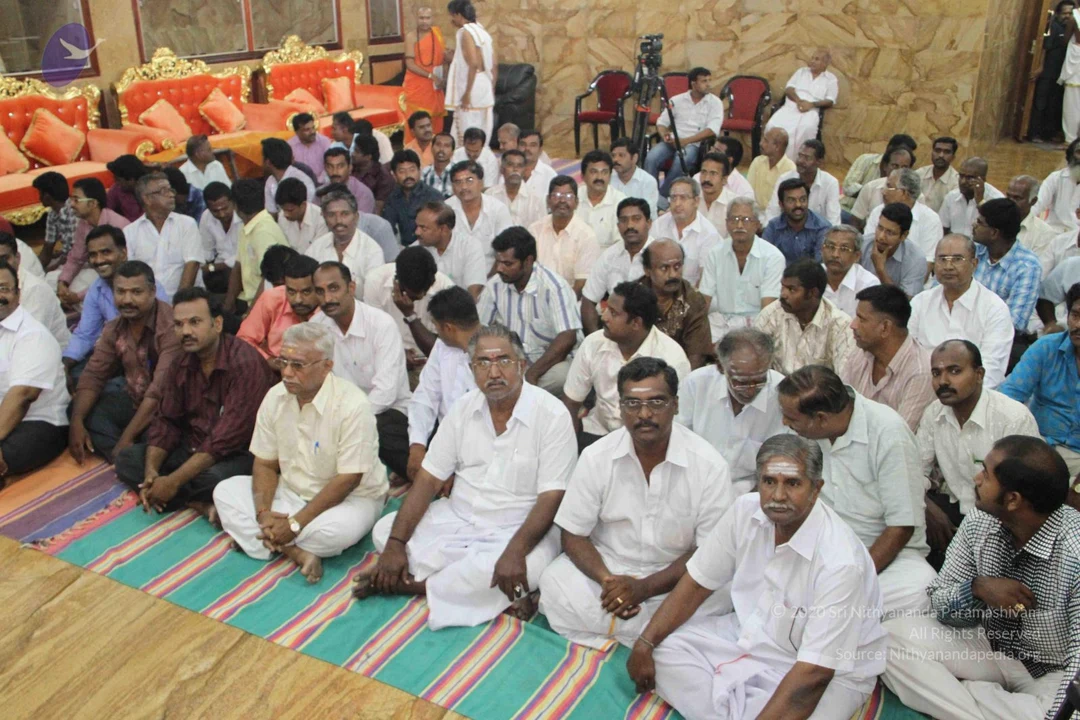
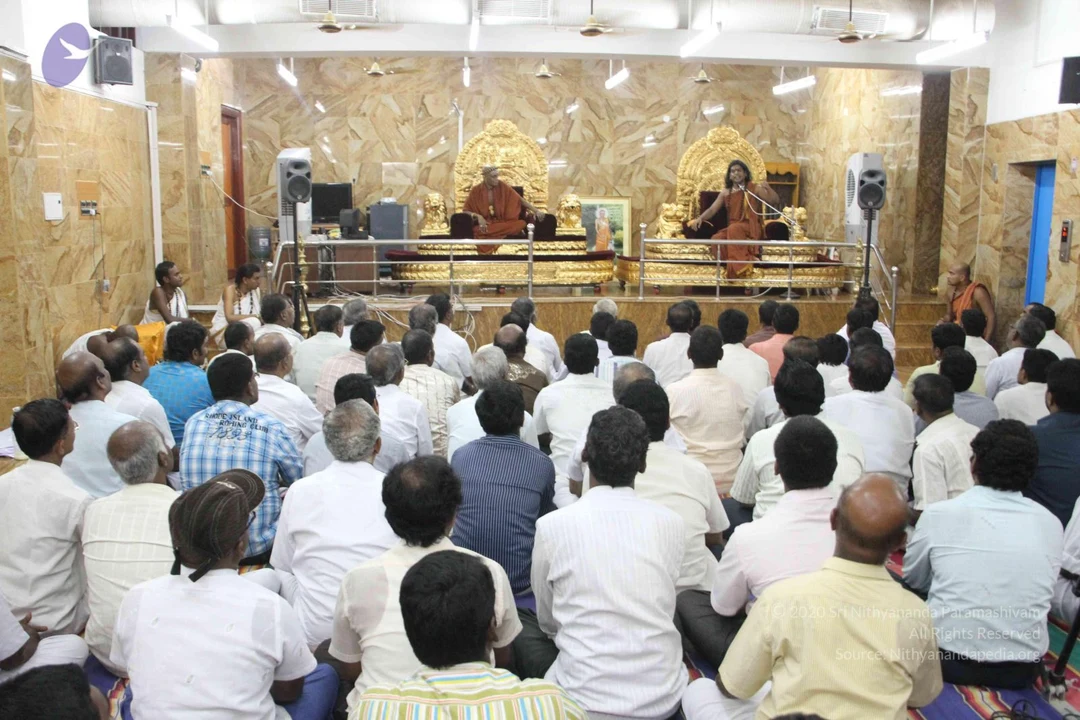
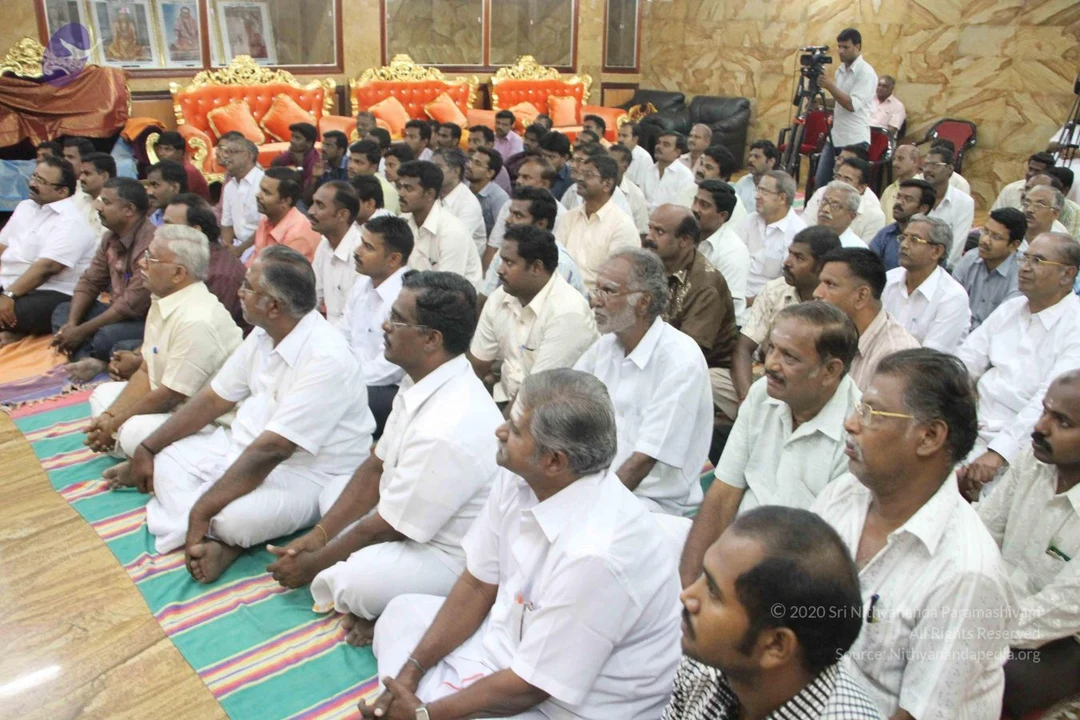
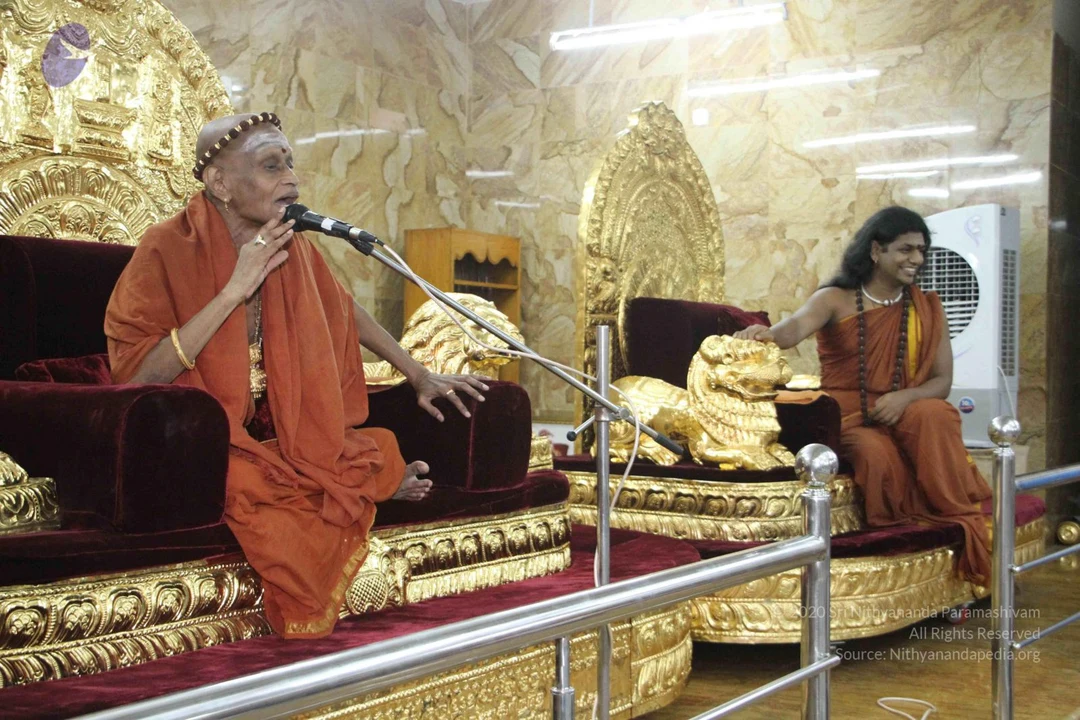
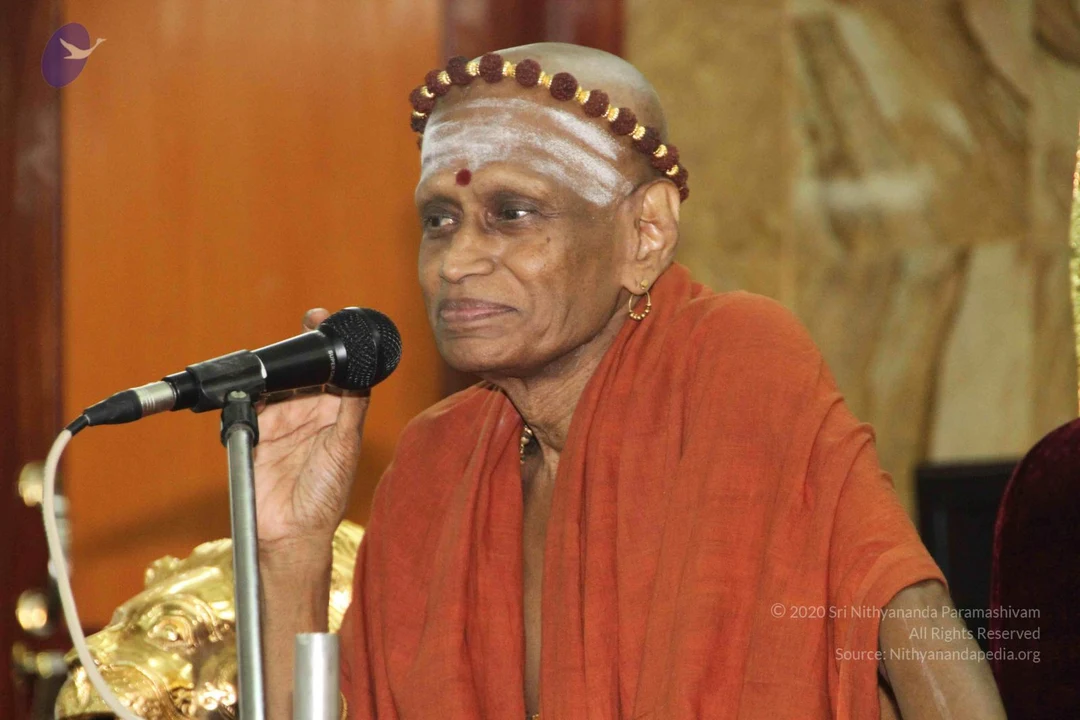
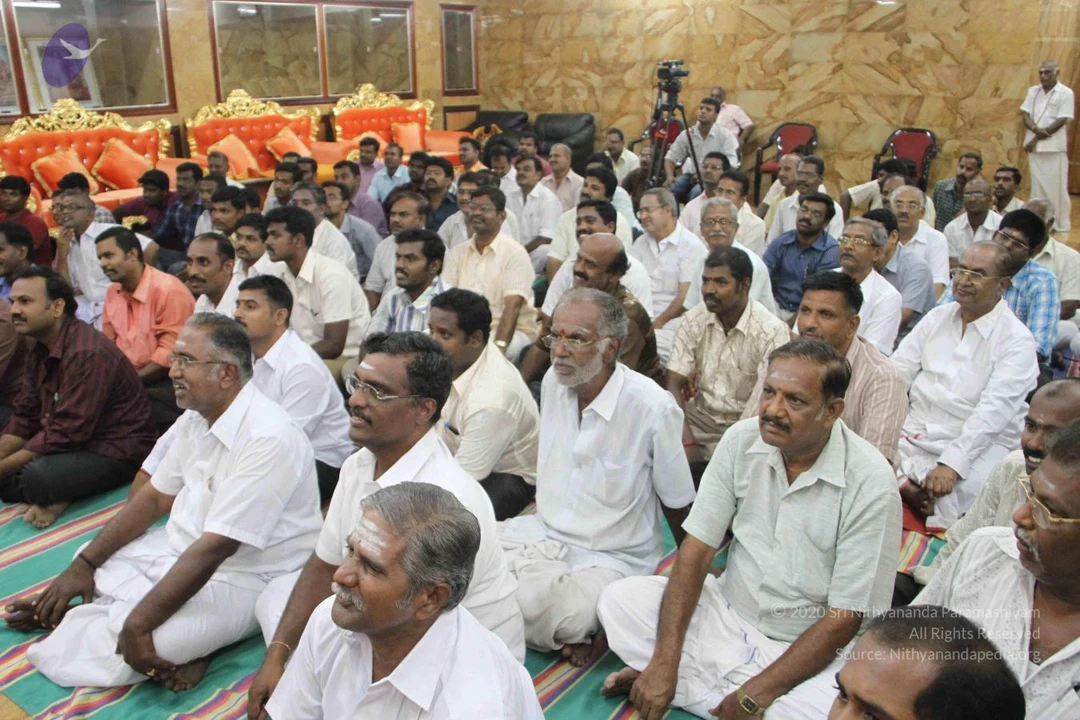
01-Temple-Visit
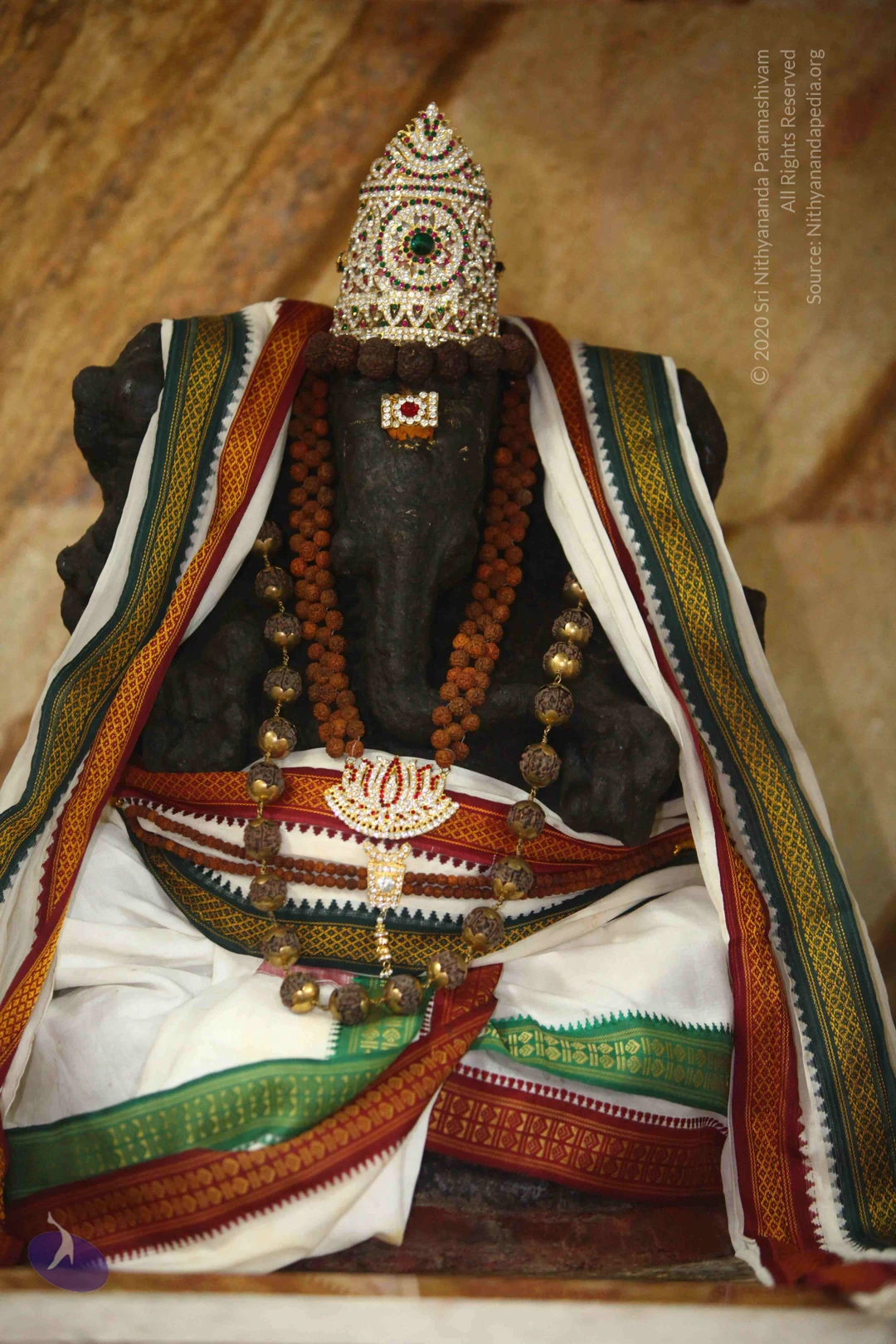
02-Paada-Puja
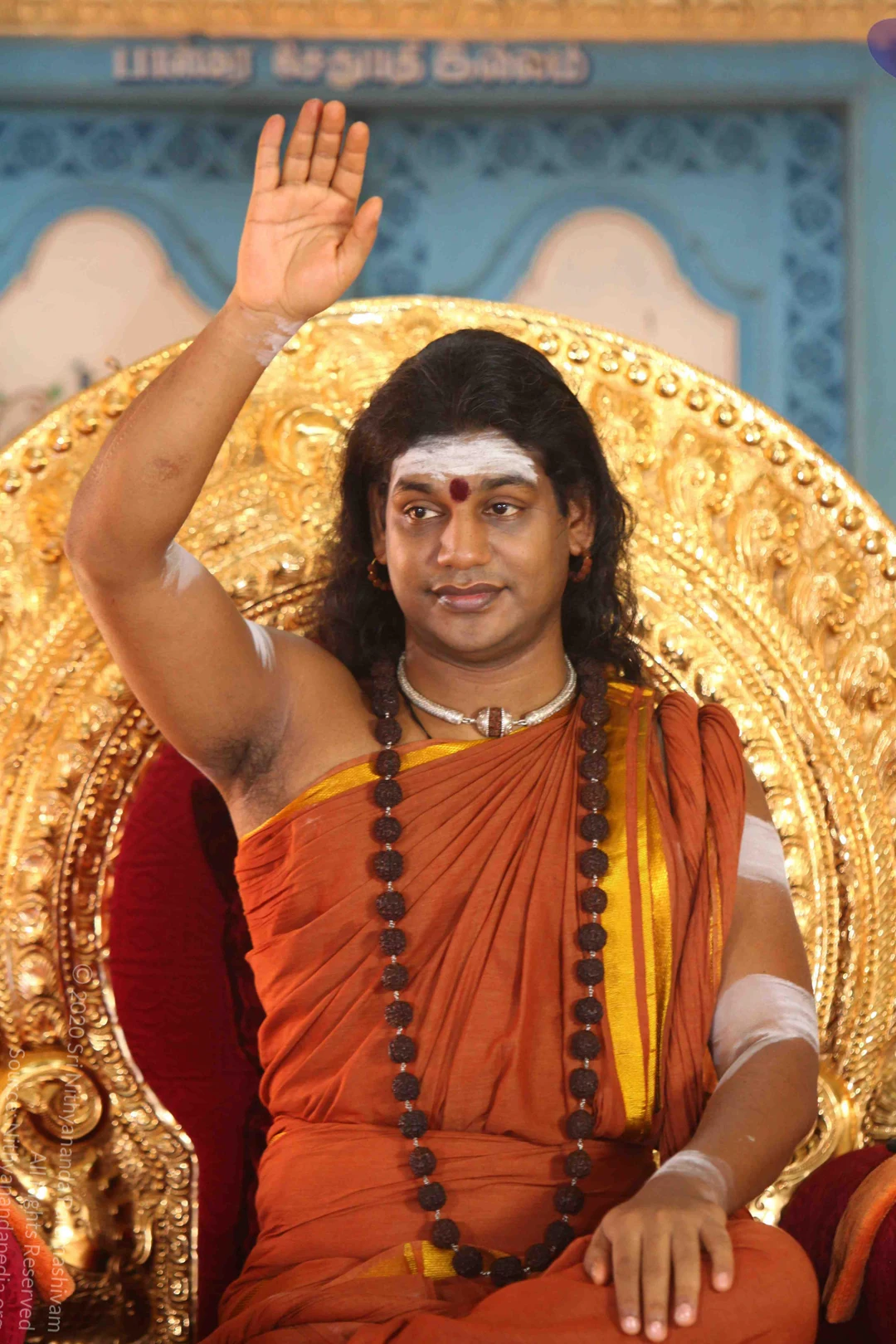
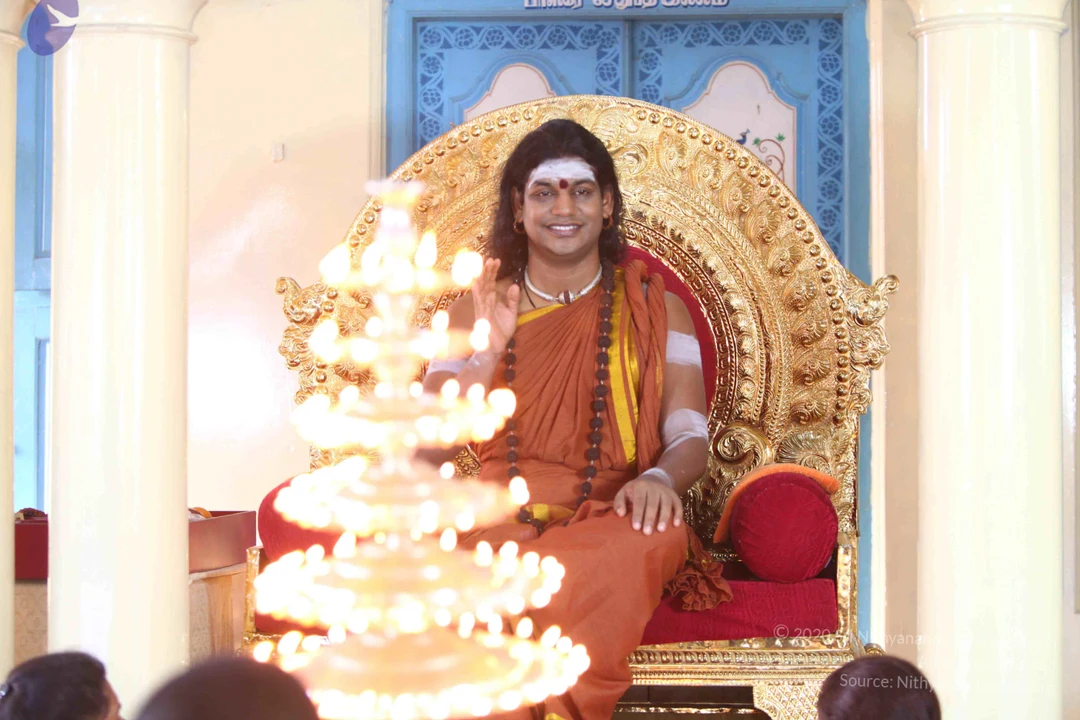
03-Morning-Satsang
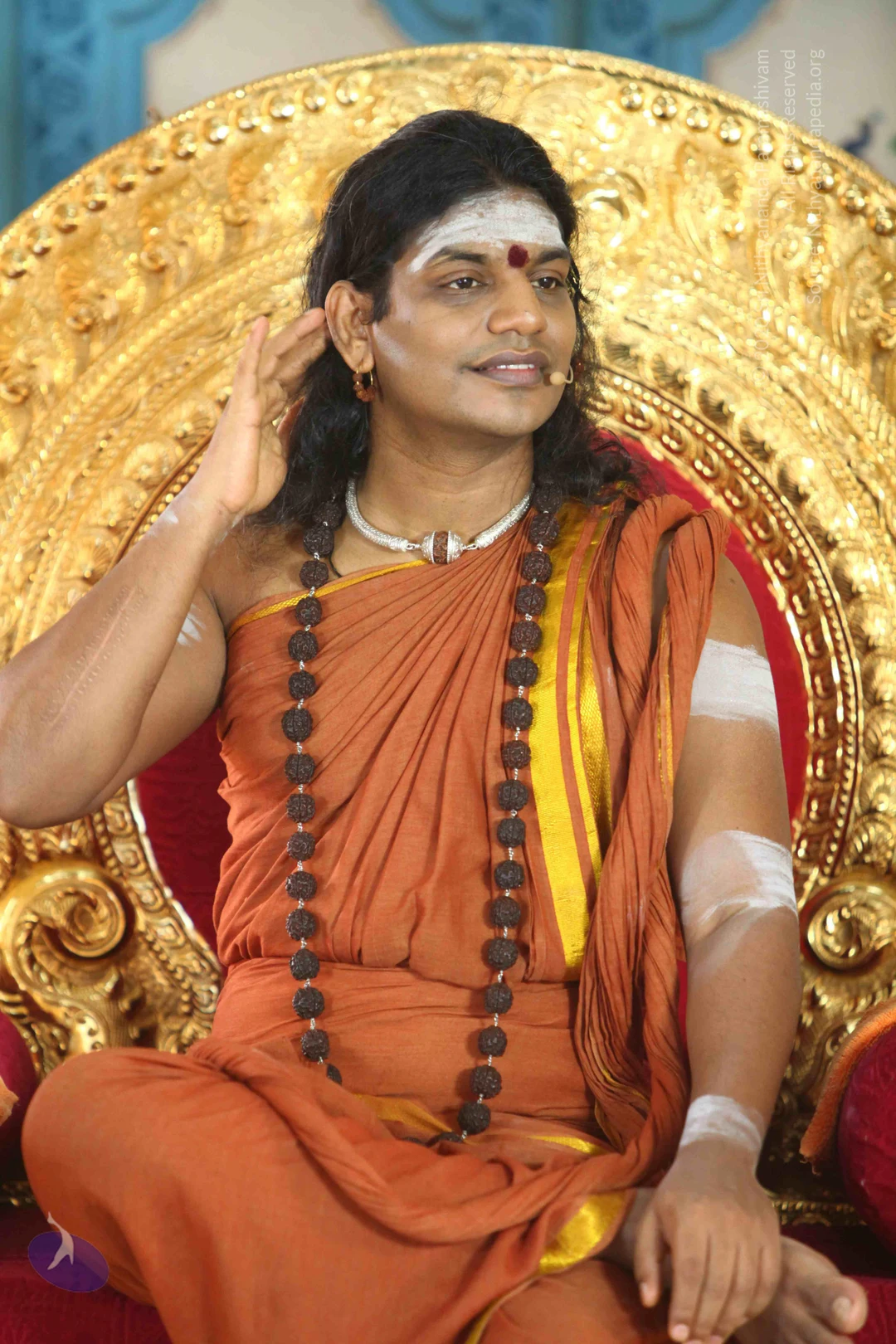
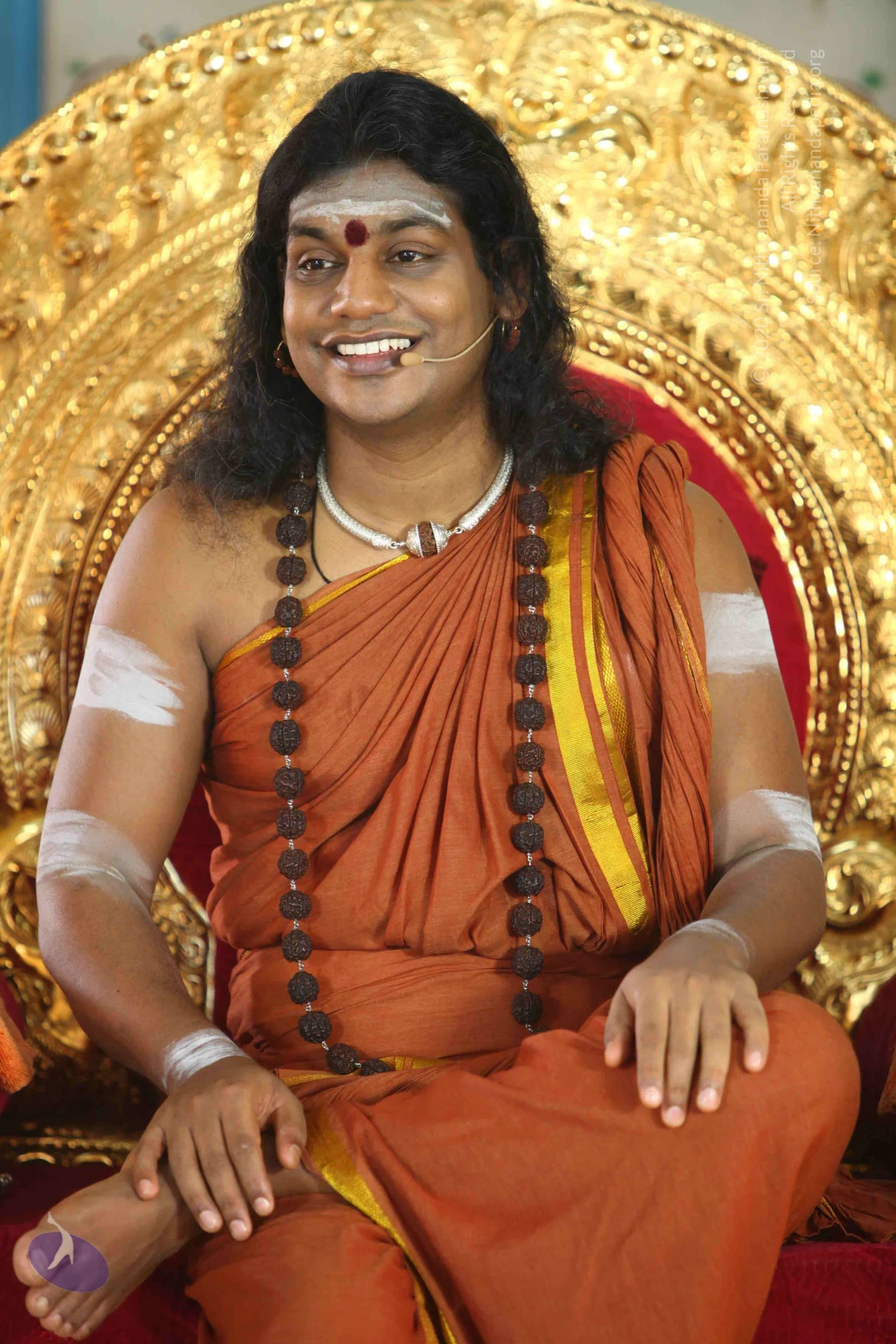
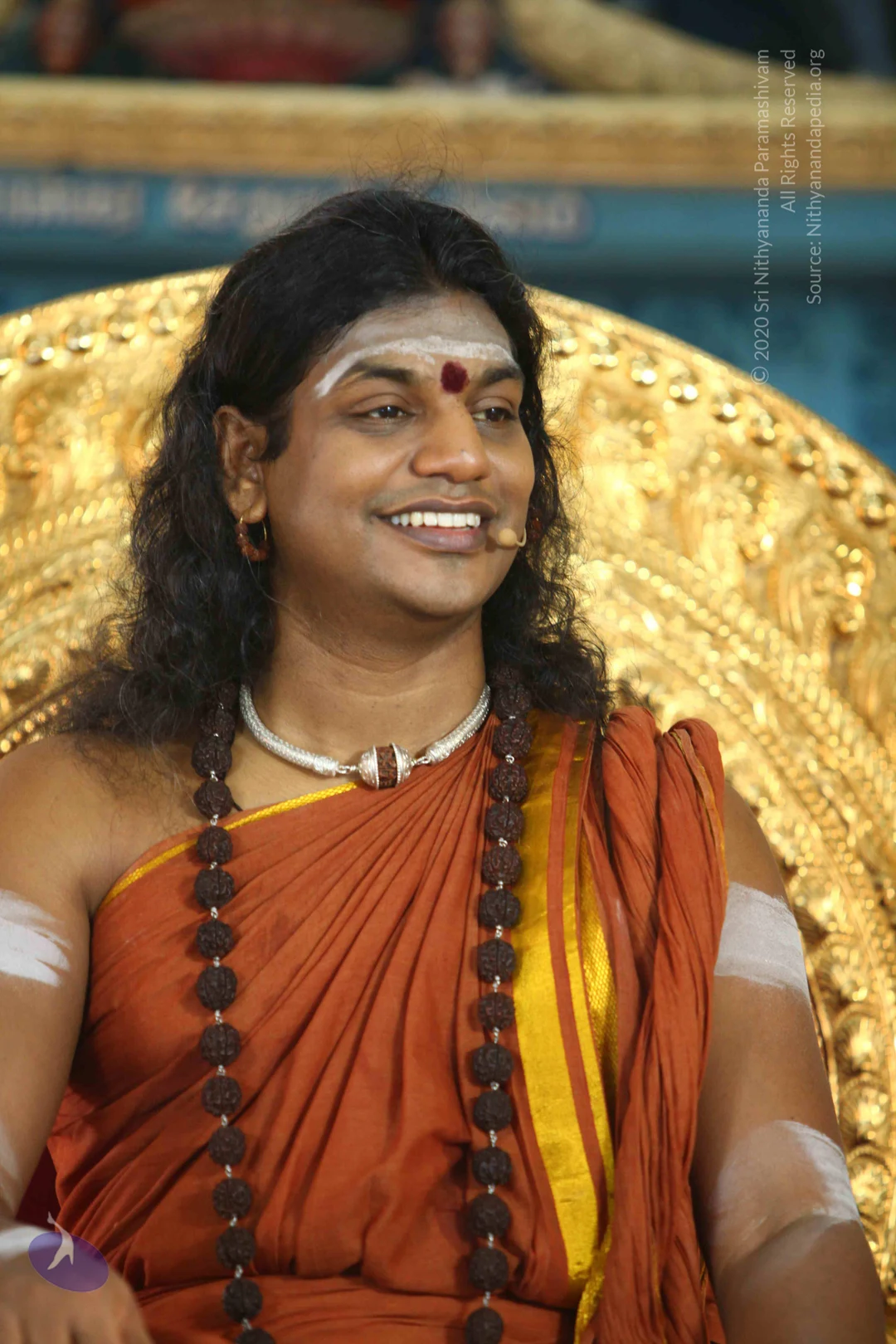
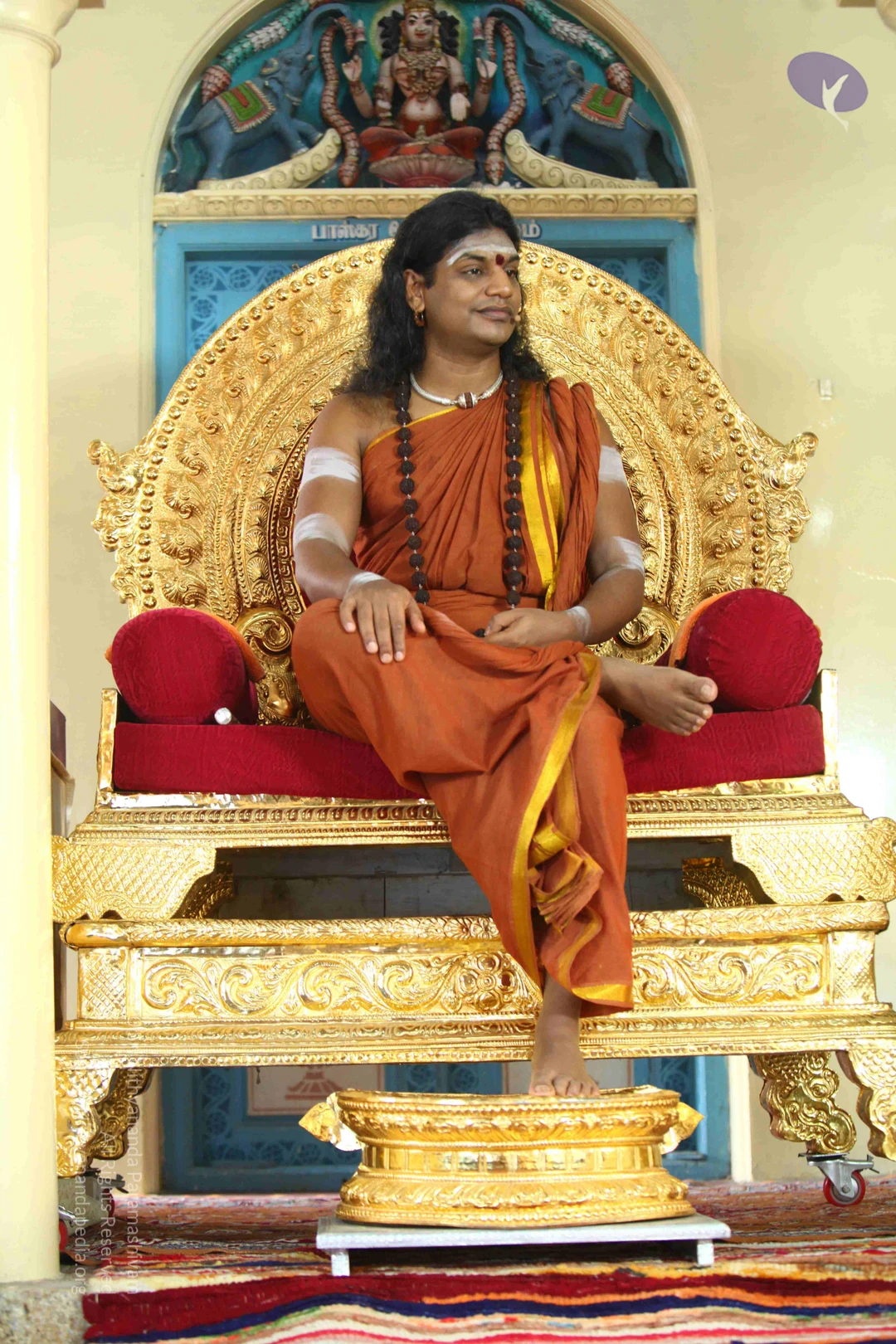
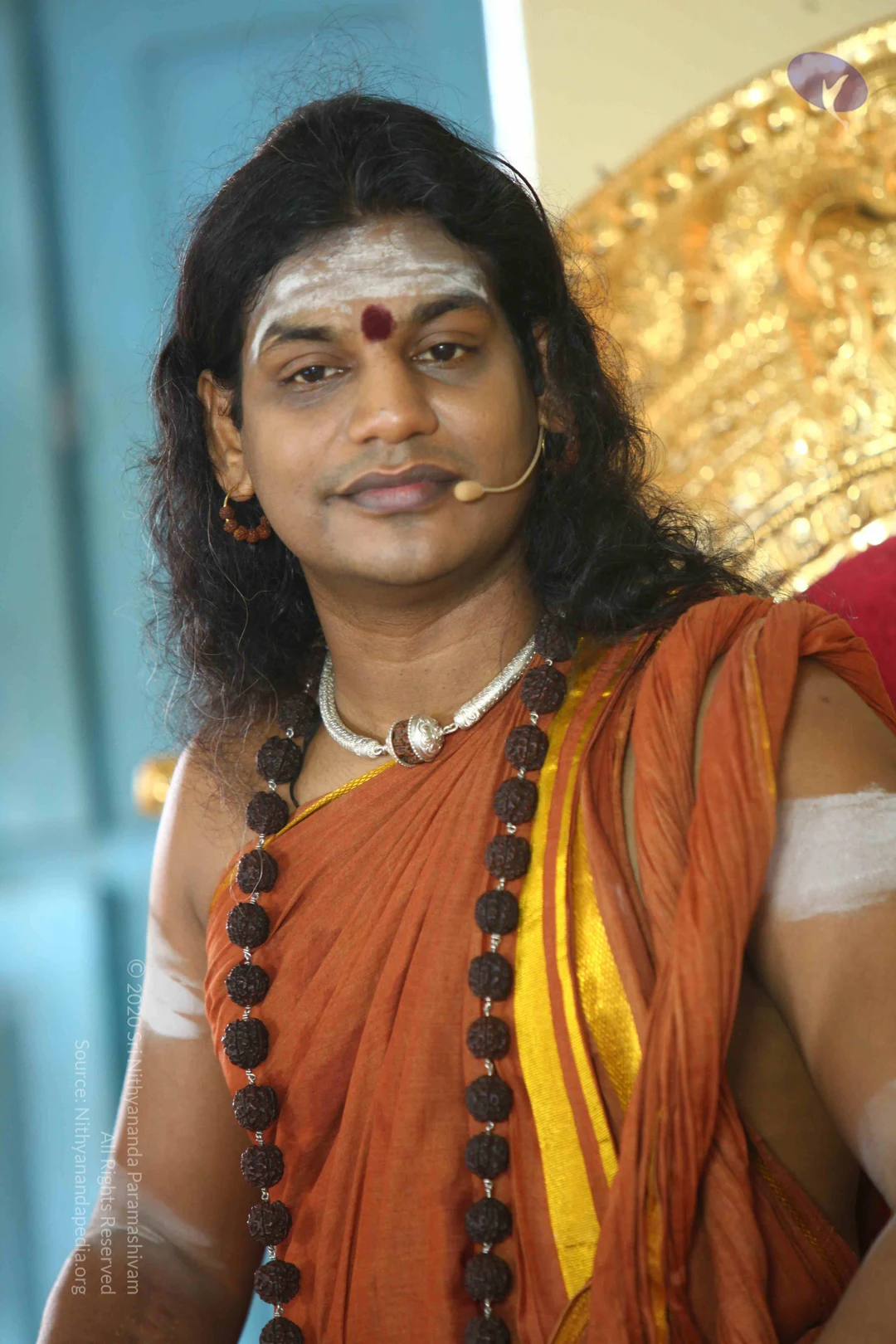
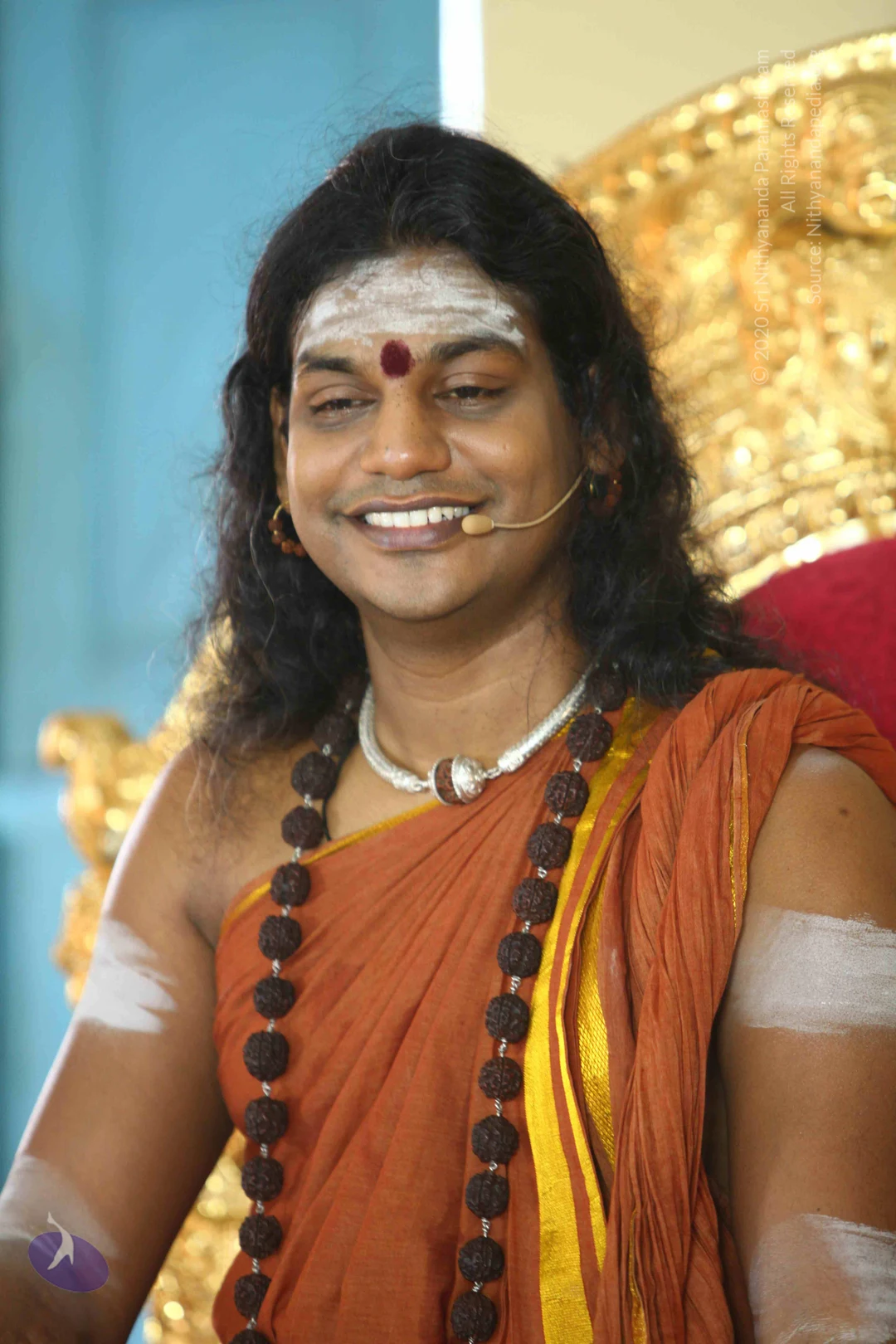
04-Sarva-Darshan
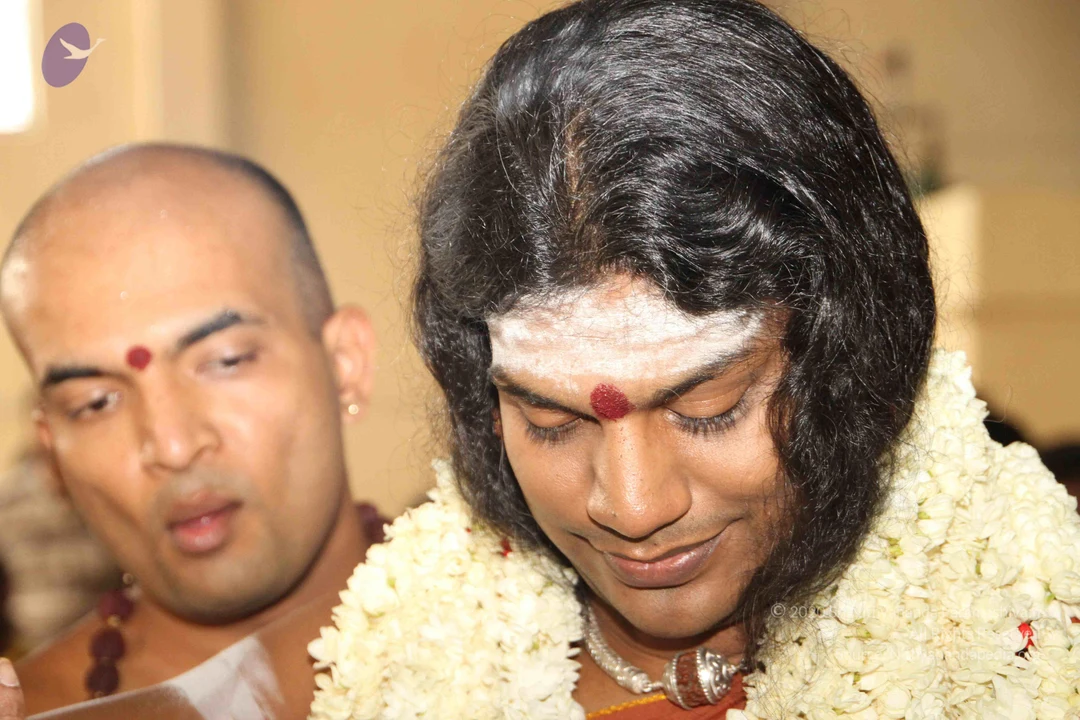
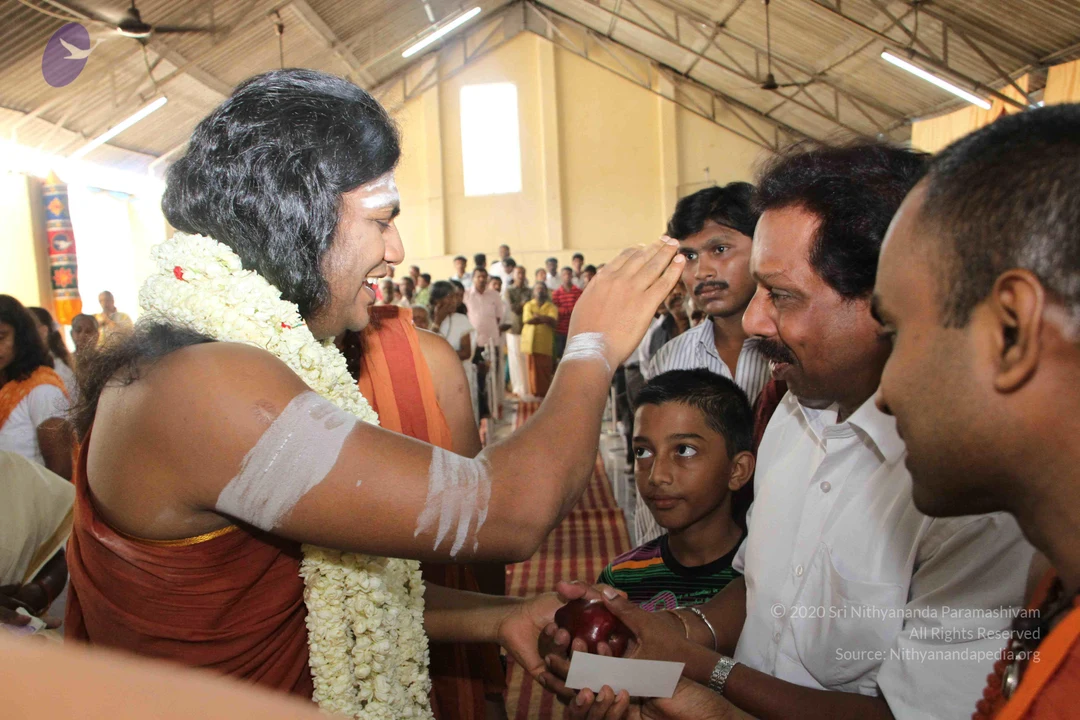
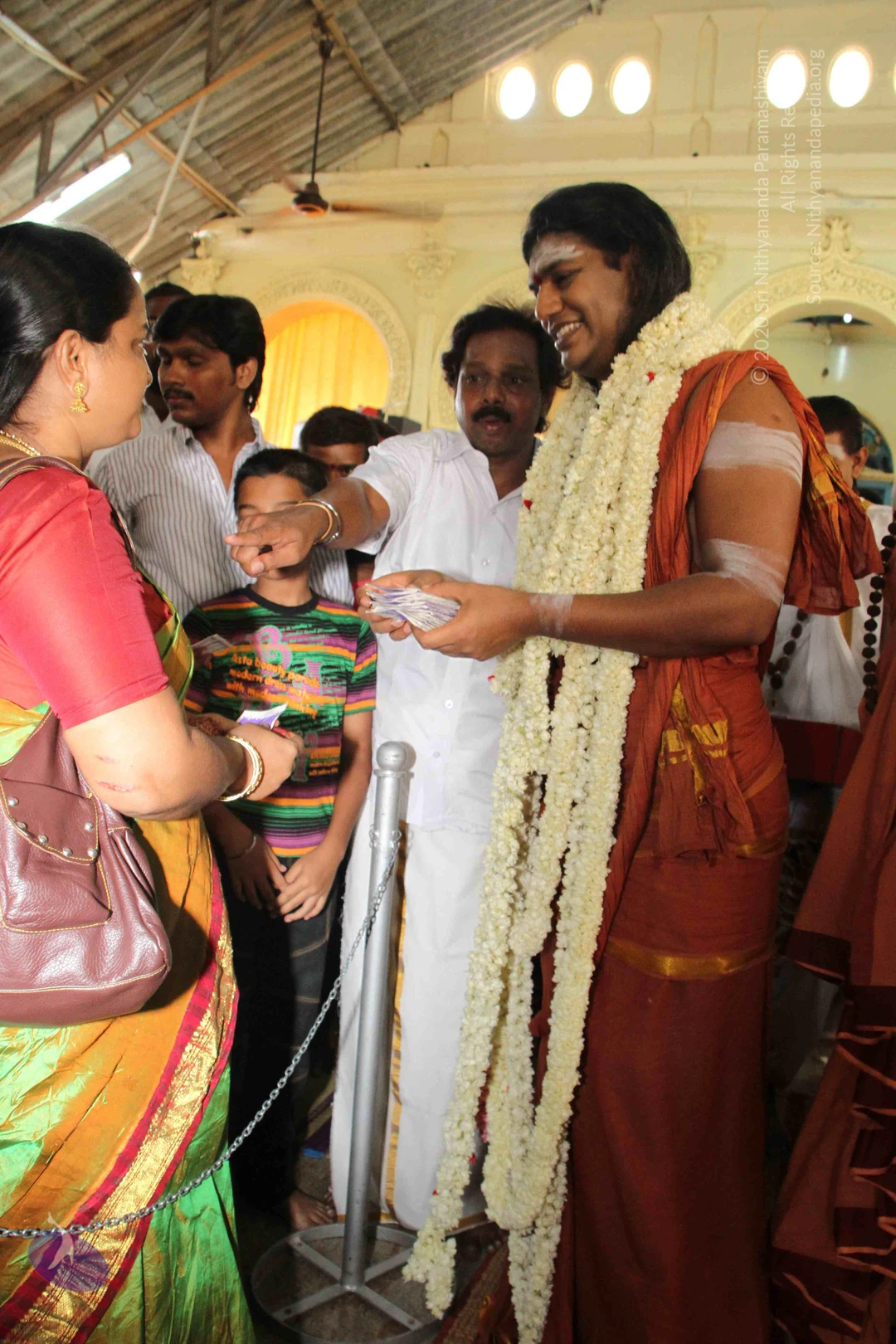
05-Evening-Meeting-With-Jewellery-People
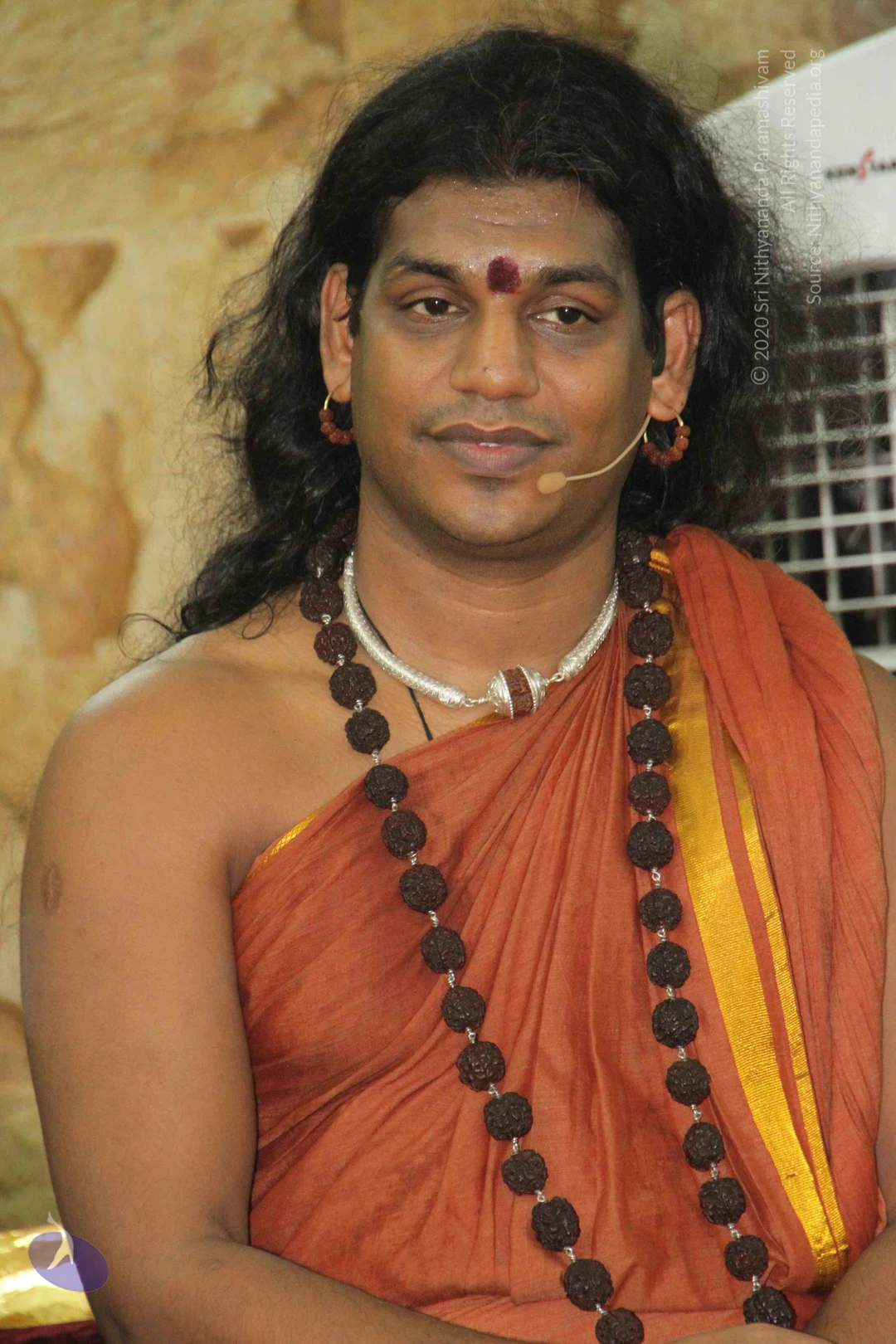
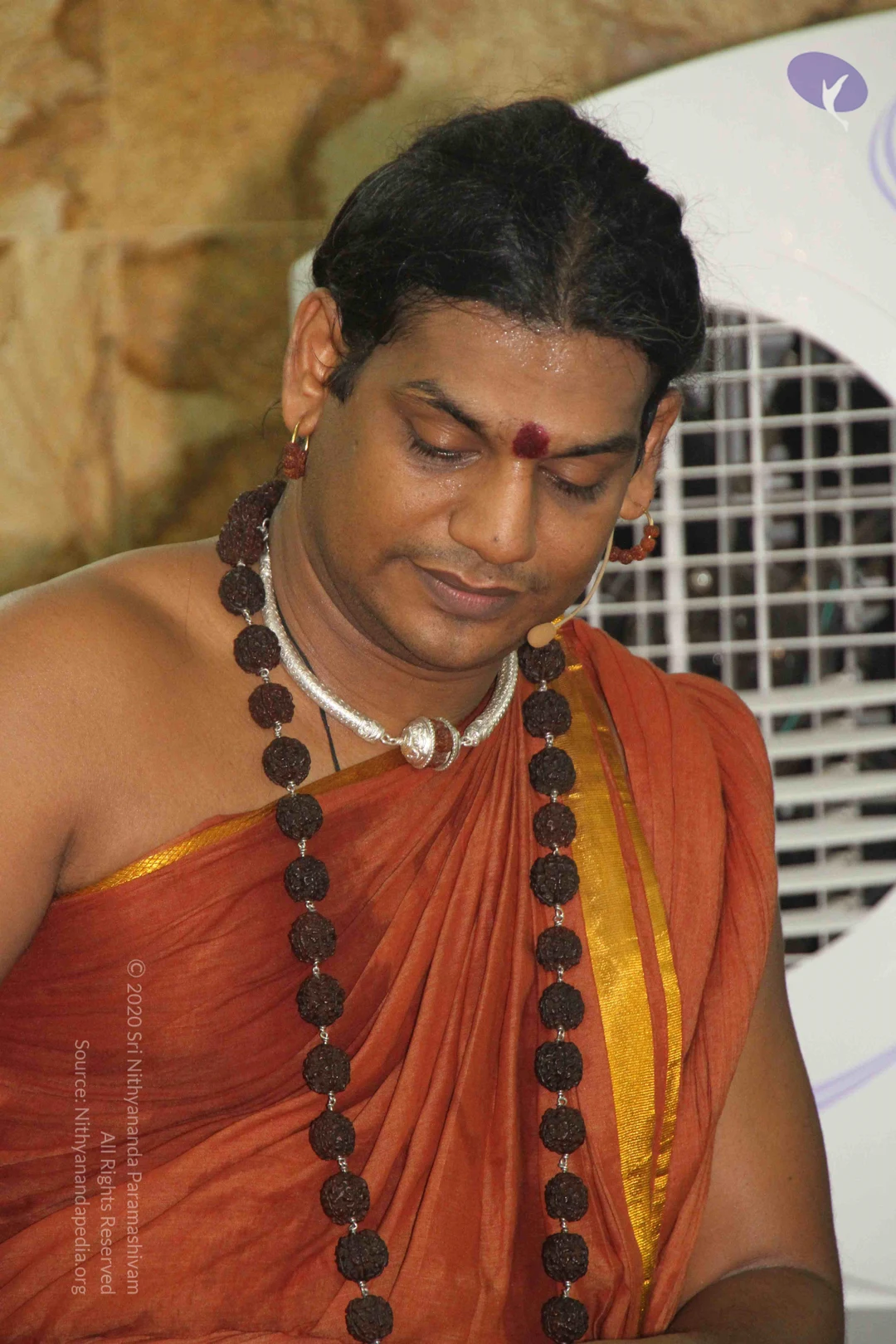
Photos from this day
View all 151 photosPhotos
124 photosSource gallery
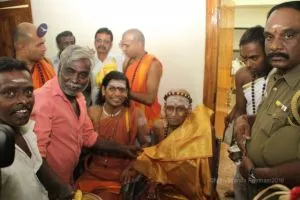
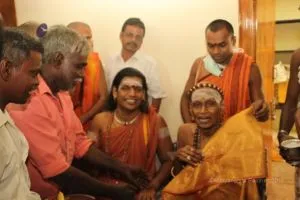

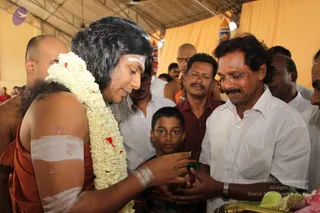
Paada-Puja
7 photosSource gallery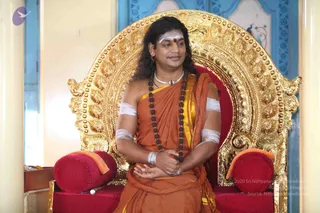
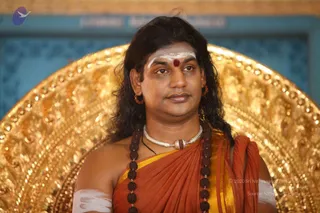
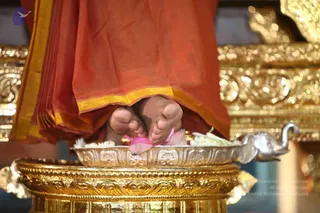
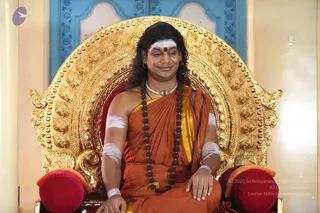
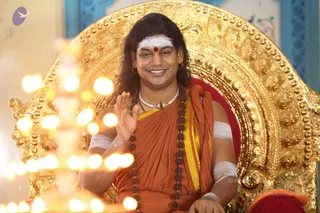
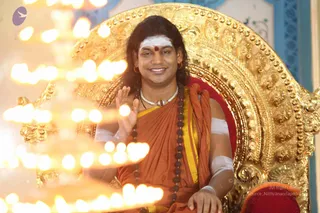
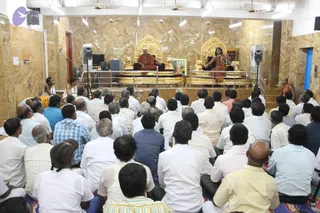
Morning-Satsang
6 photosSource gallery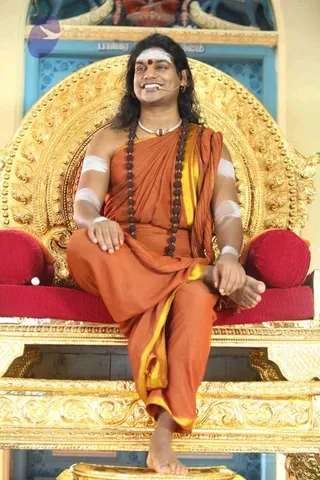
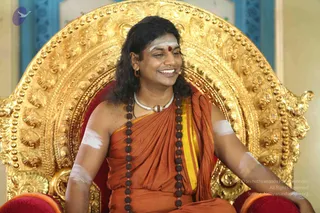
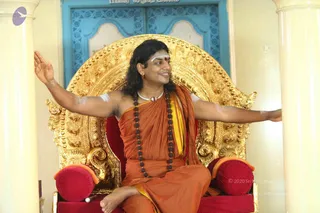
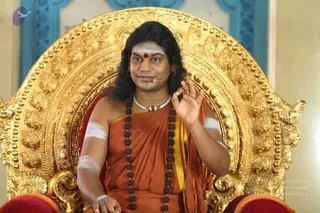
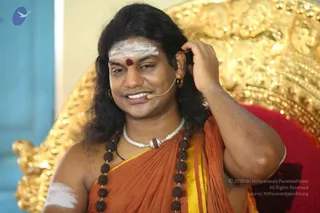
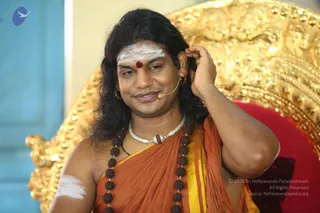
Sarva-Darshan
2 photosSource gallery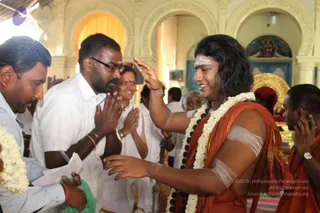
Evening-Meeting-With-Jewellery-People
5 photosSource gallery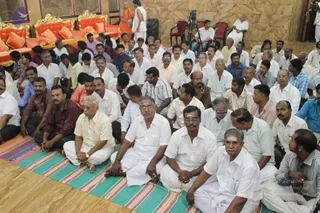
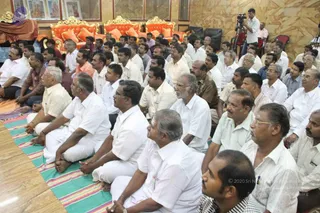
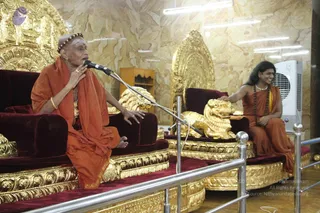
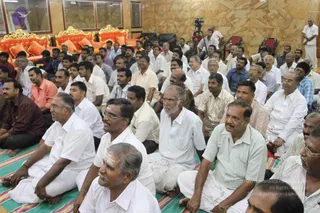
02-Paada-Puja
2 photosSource gallery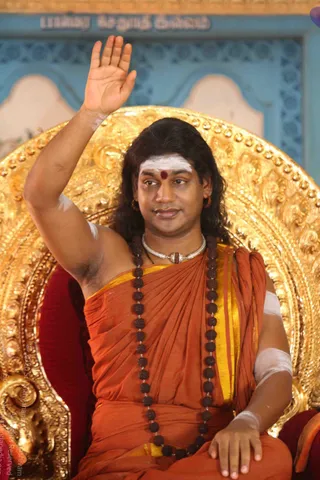
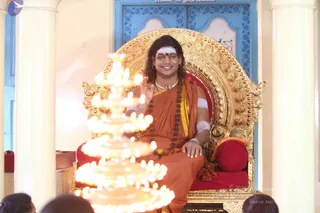
03-Morning-Satsang
1 photoSource gallery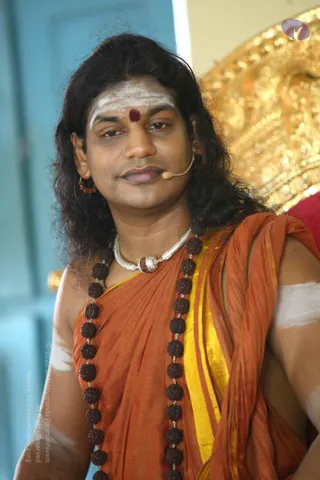
04-Sarva-Darshan
2 photosSource gallery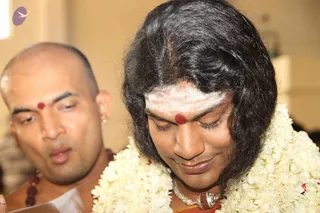
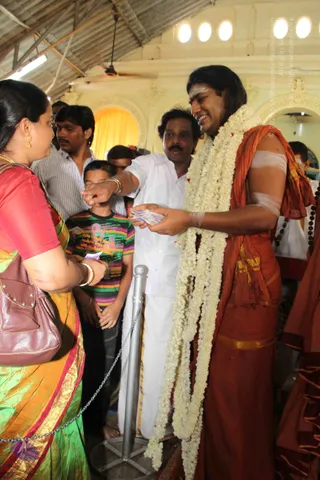
05-Evening-Meeting-With-Jewellery-People
2 photosSource gallery