Thursday
8 October 2015
- Dated photos
- 470
- Source pages
- 1
- Media
- 2
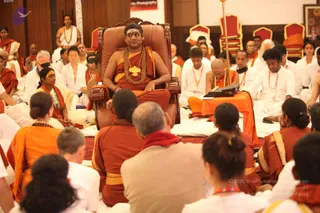
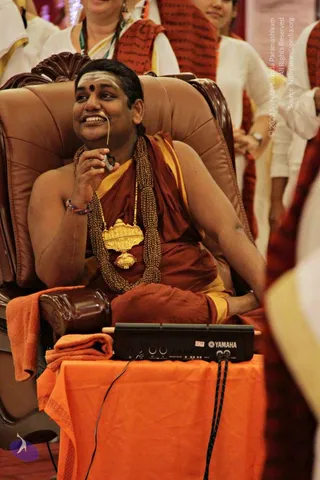
October 08 2015
Original wiki pageTitle:
Shape Your Life on the Imperishable.
Description:
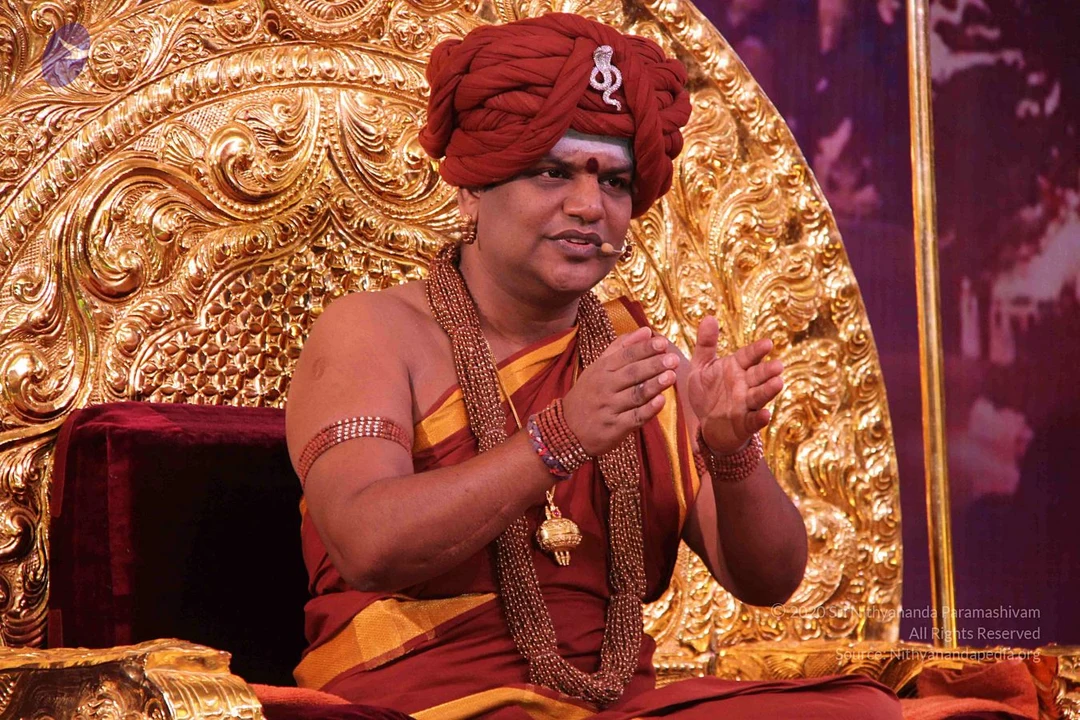
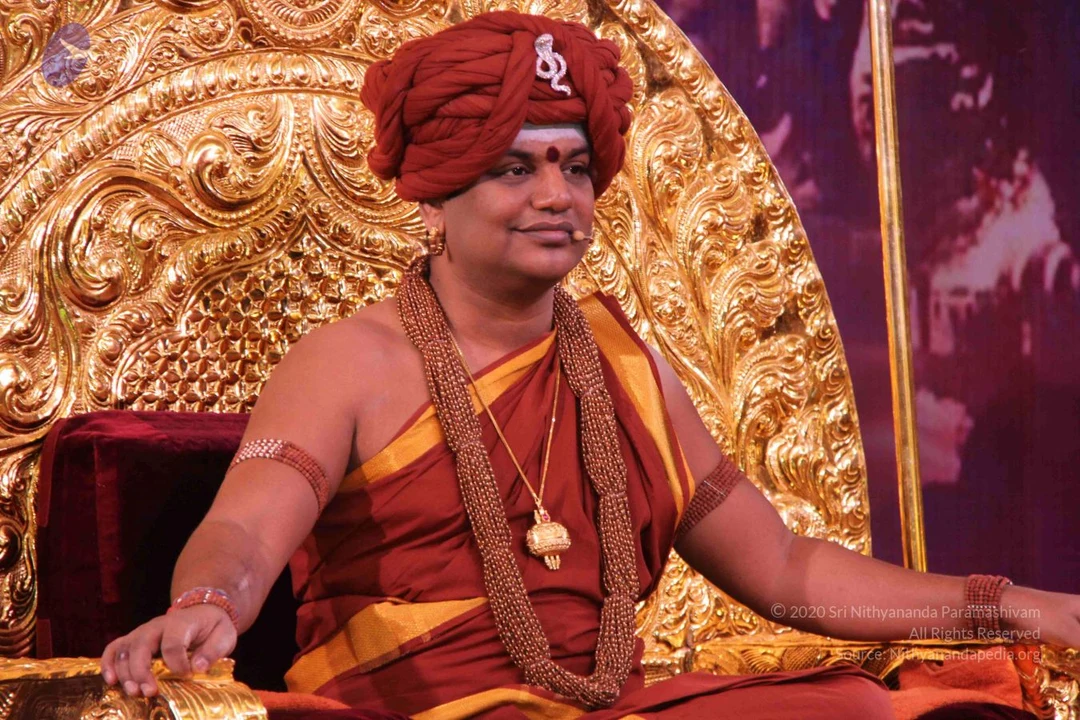
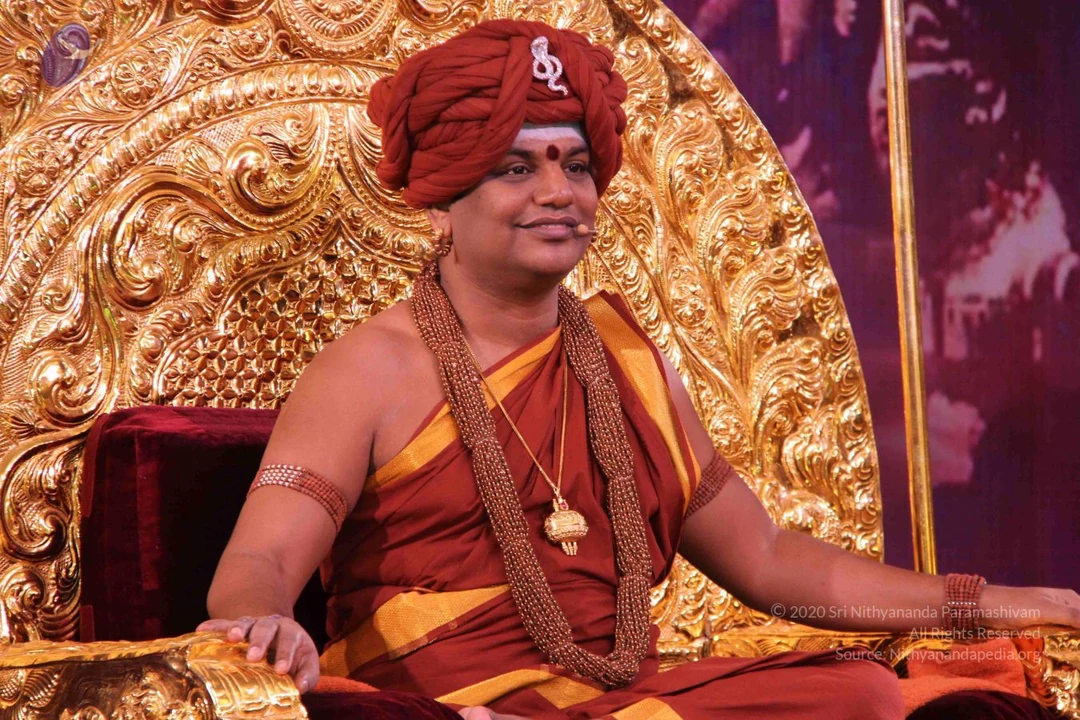
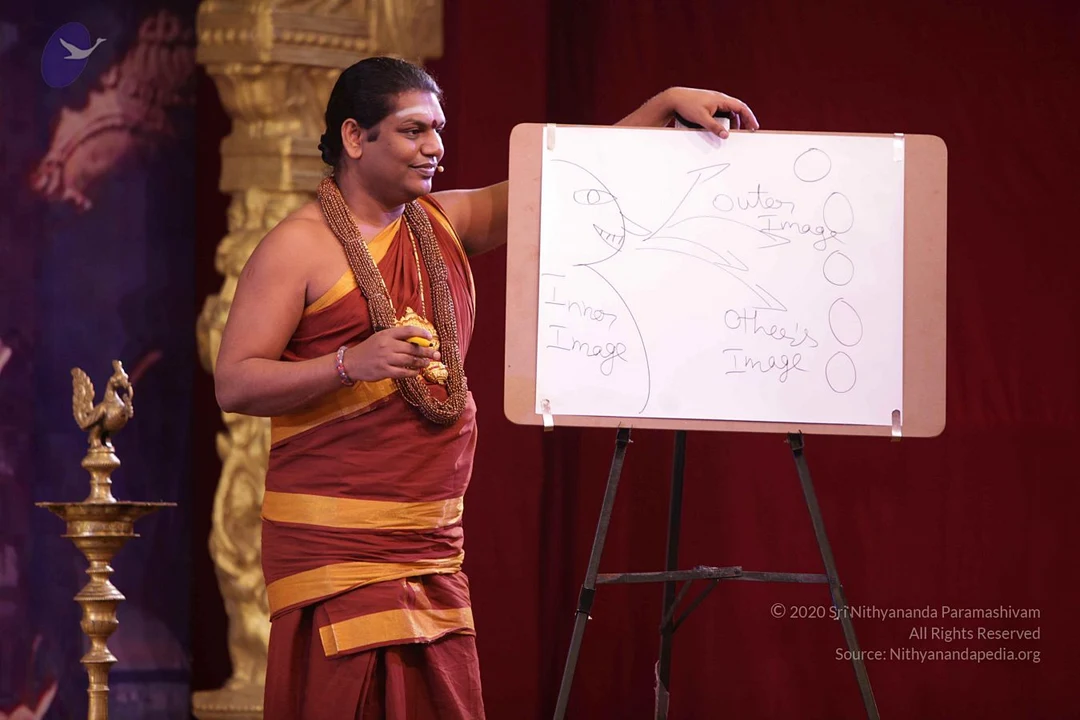
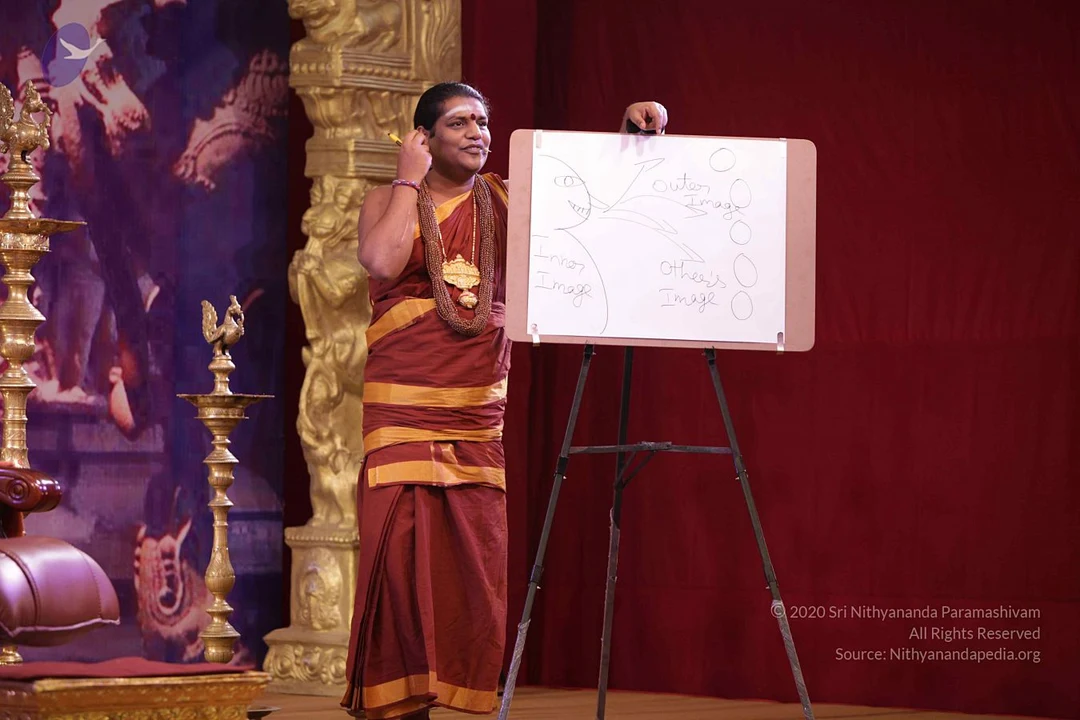
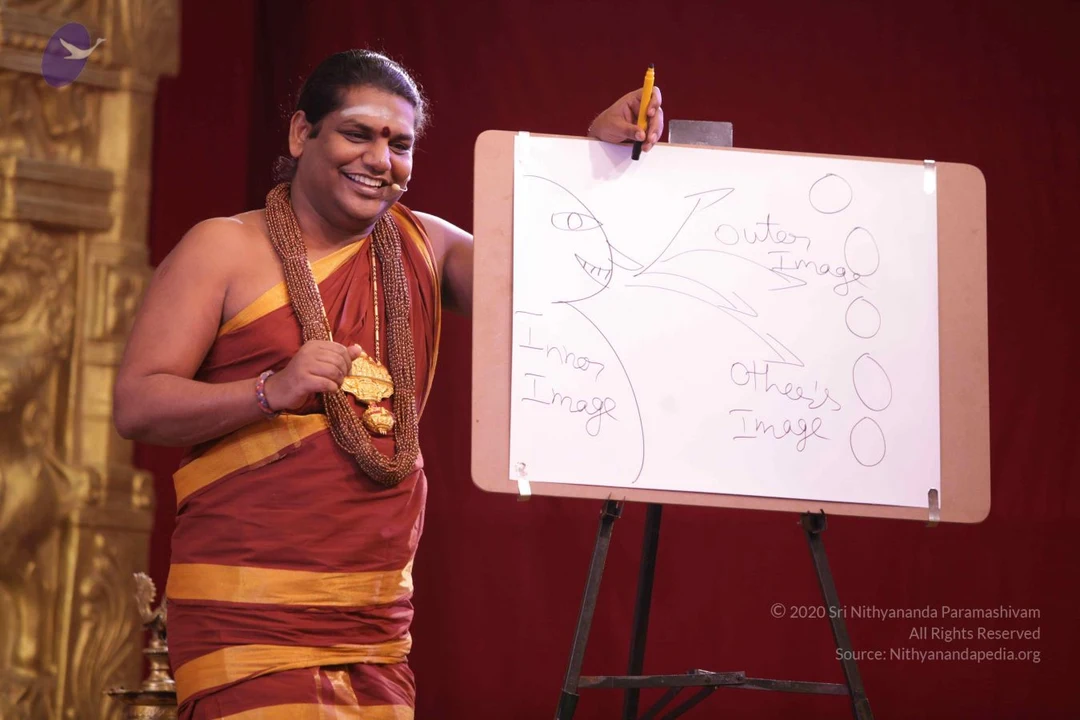
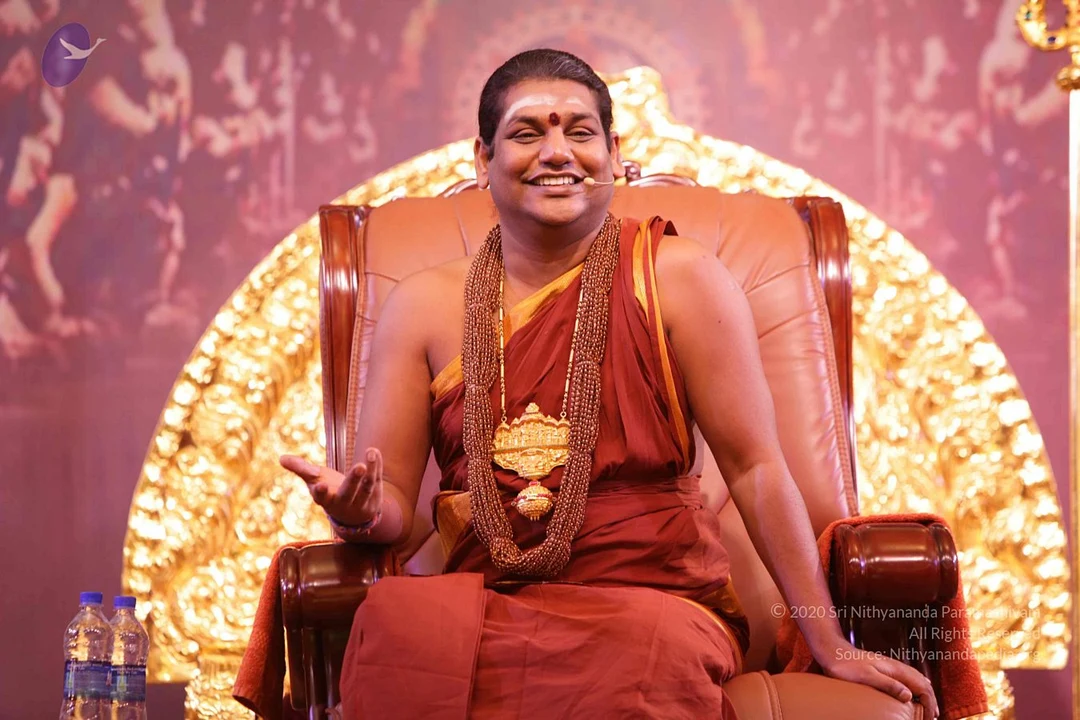
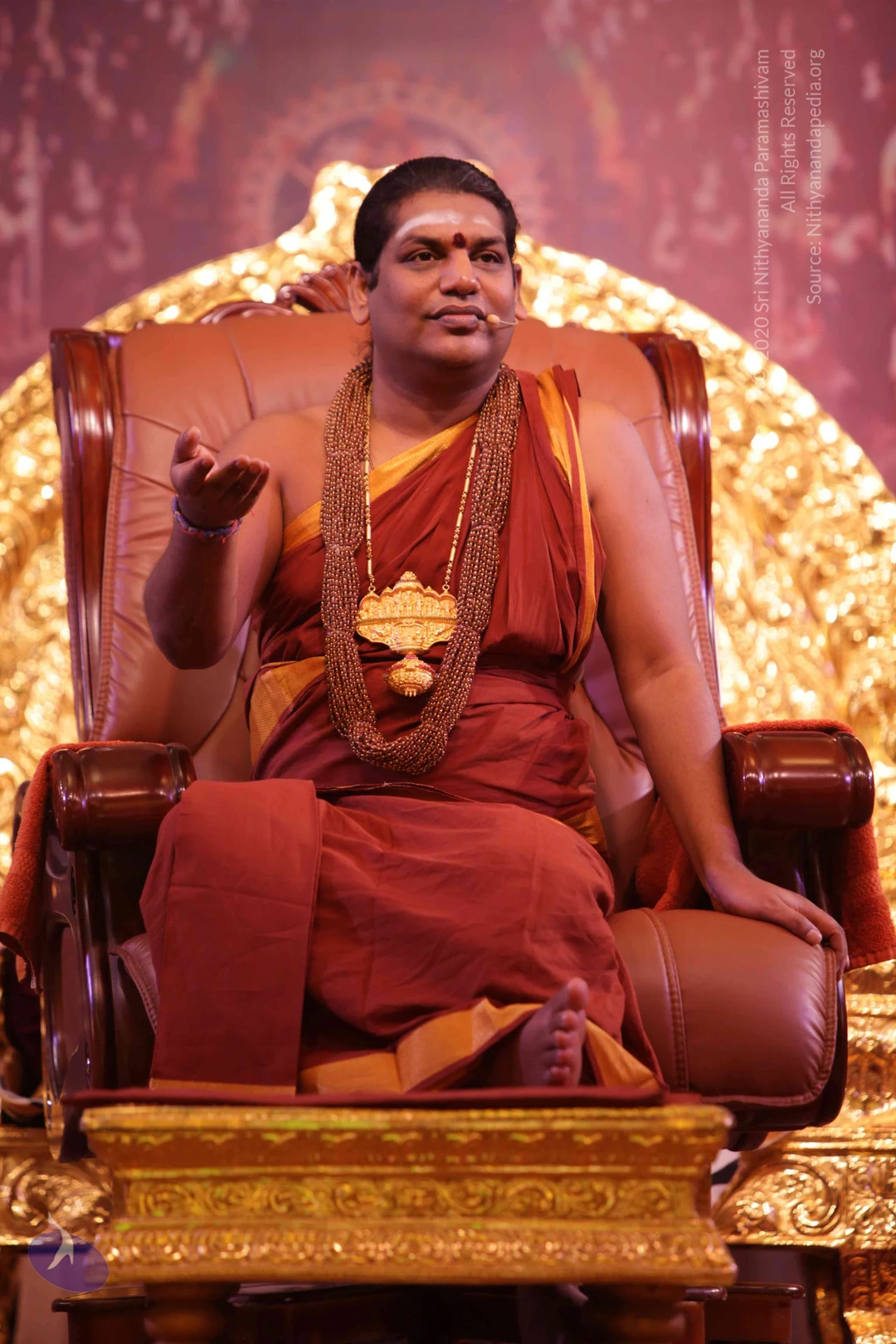
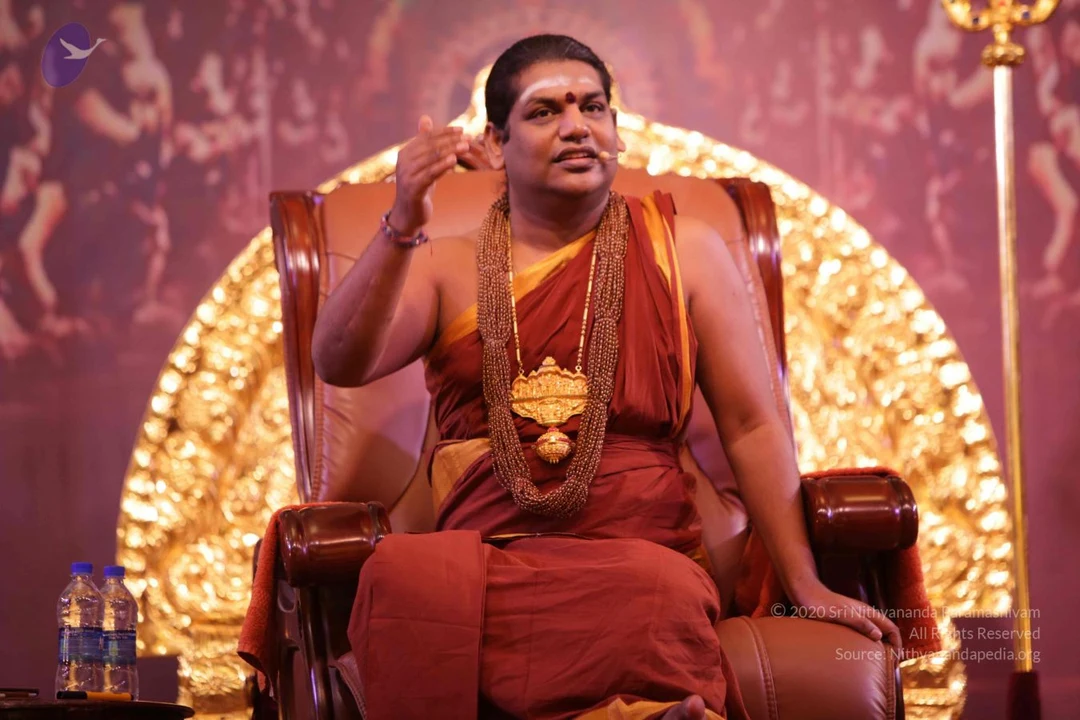
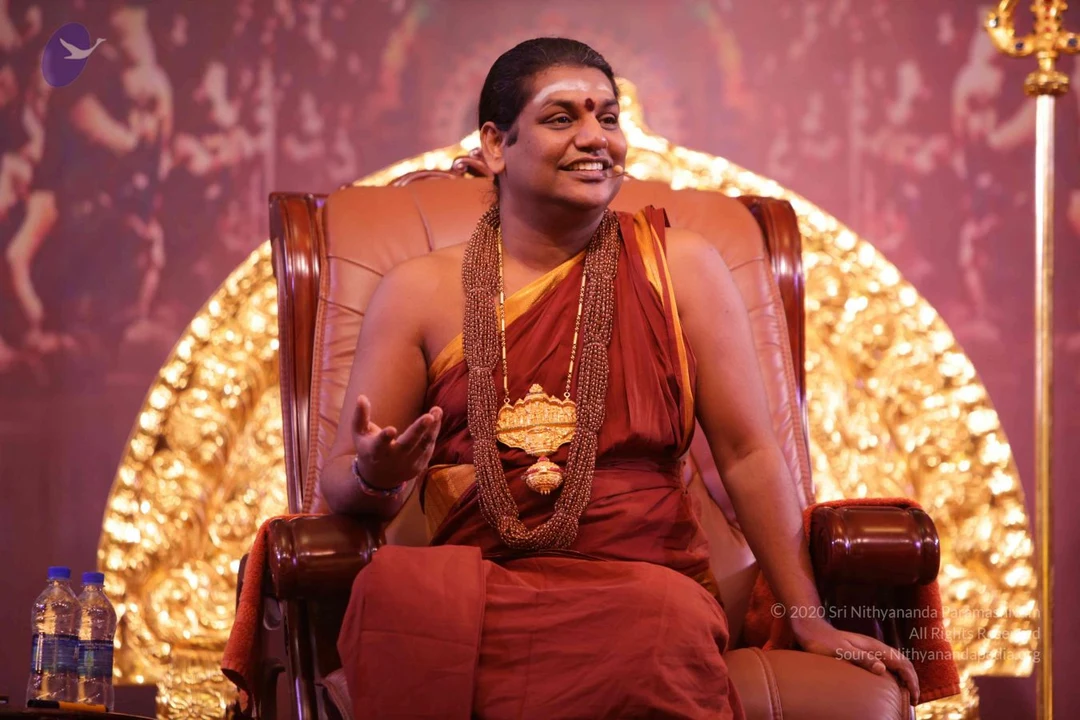
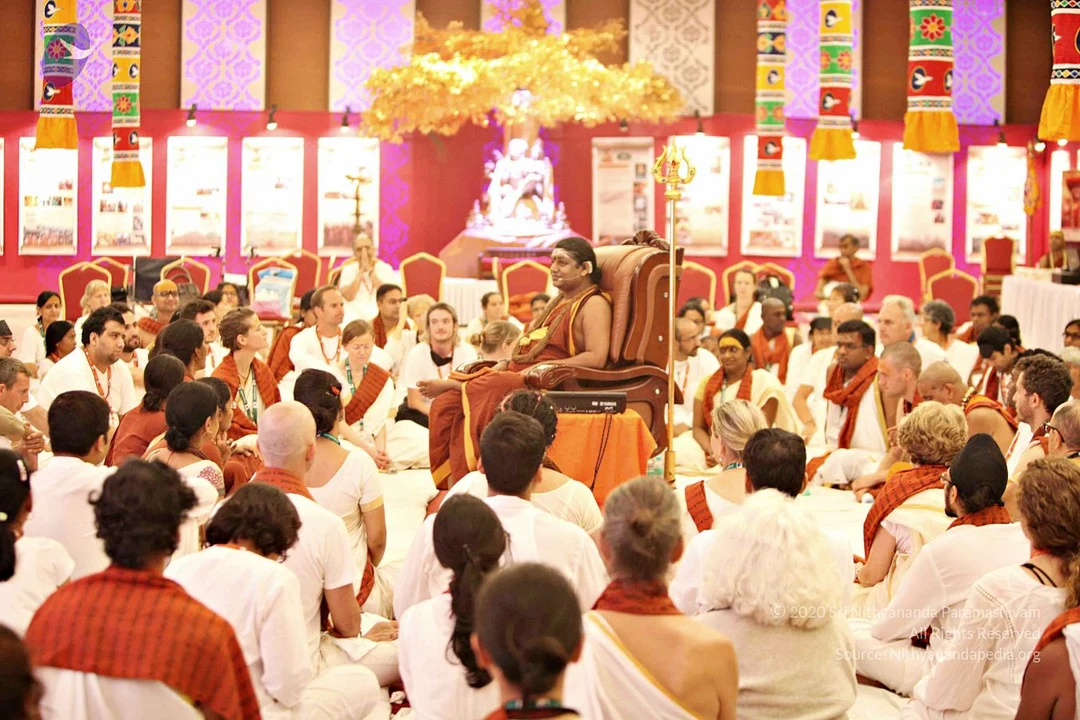
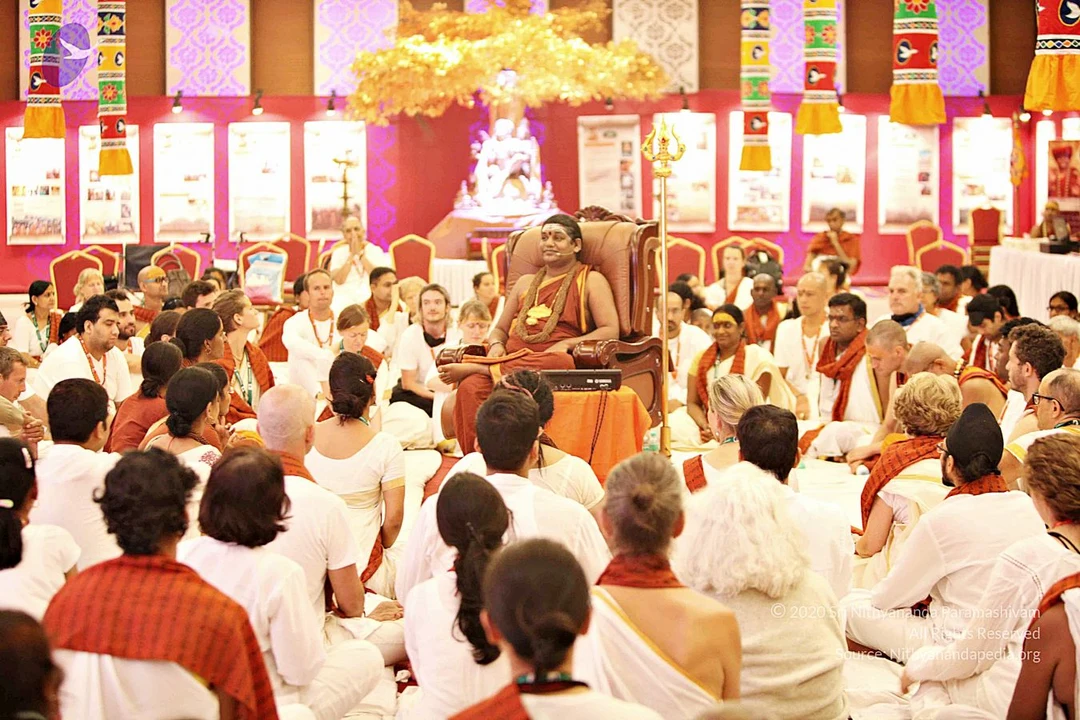
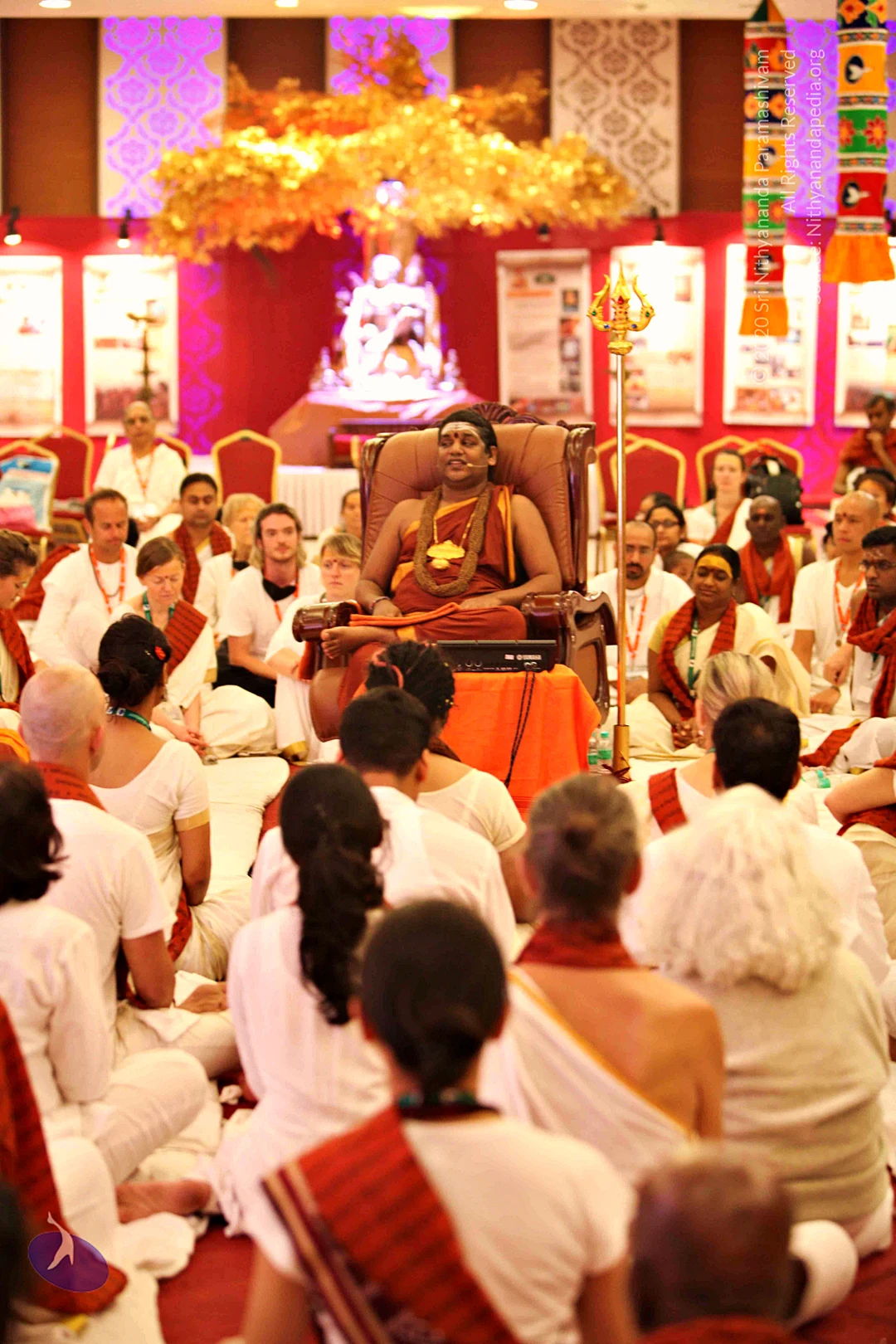
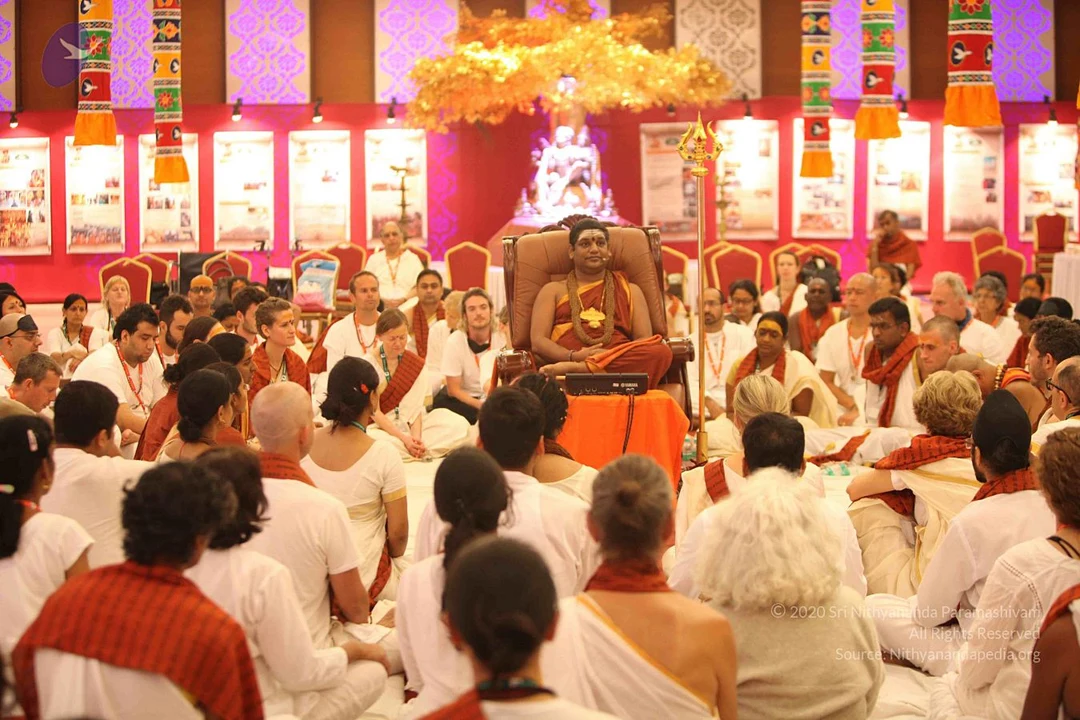
Agitational Gratification or Delayed Gratification - is the essence of today's Nithya Satsang (8 Oct 2015) by Paramahamsa Nithyananda on Isavasya Upanishad, verse 14, which declares the imperishable and perishable cognitions. When we look in and analyze, all our short-term goals are based on agitational gratification, that agitates us. Whatever we think is our life-span, our existence, that decides our idea of pleasure and pain. He expands that, "Anything which makes you get into agitational gratification is the mental setup based on the perishable; worshipping perishable. When you are worshipping perishable, you are bound to be perished. Your cognition about you should be based on imperishable components, means soul, consciousness, which does not perish; and based on that cognition, strategize your life." Today’s subject for spiritual explorations on truth, Vakyartha Sadas is to be on these two words: agitational gratification and delayed gratification: whenever you enjoy pleasure, please see, are you agitated or peaceful, grasping or grabbing?
| Video | Audio |
Transcript:
nithyānandeśvara samārambhām
nithyānandeśvari madhyamām |
asmat āchārya paryantām
vande Guru paramparām ||
I welcome all of you with my love and respects.
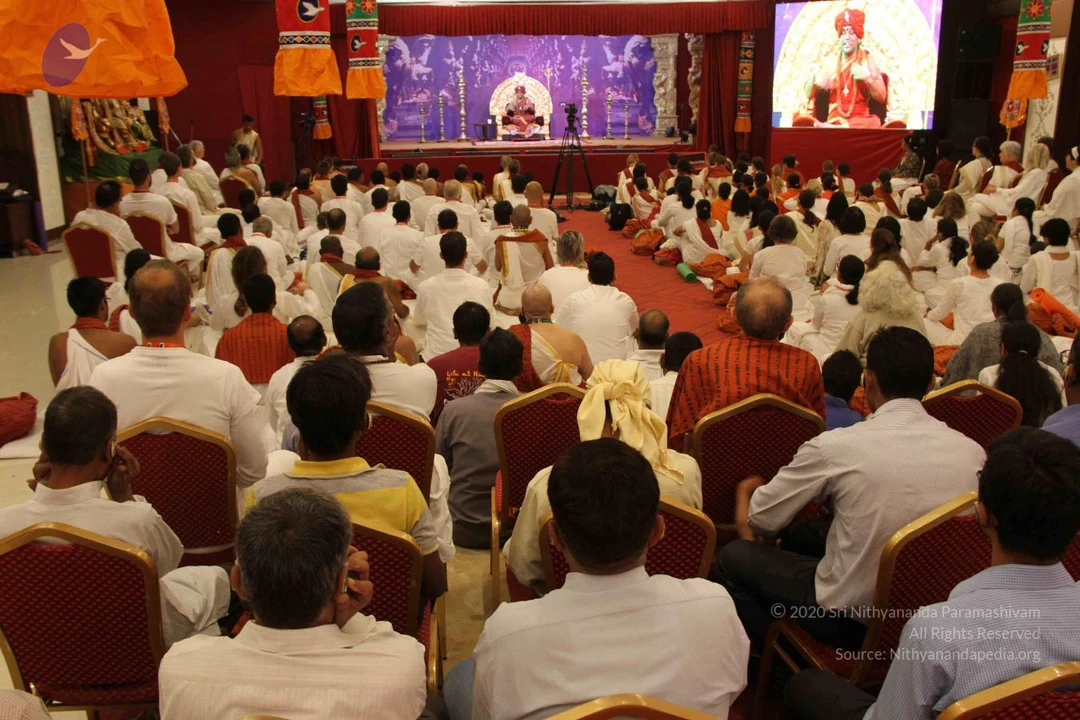
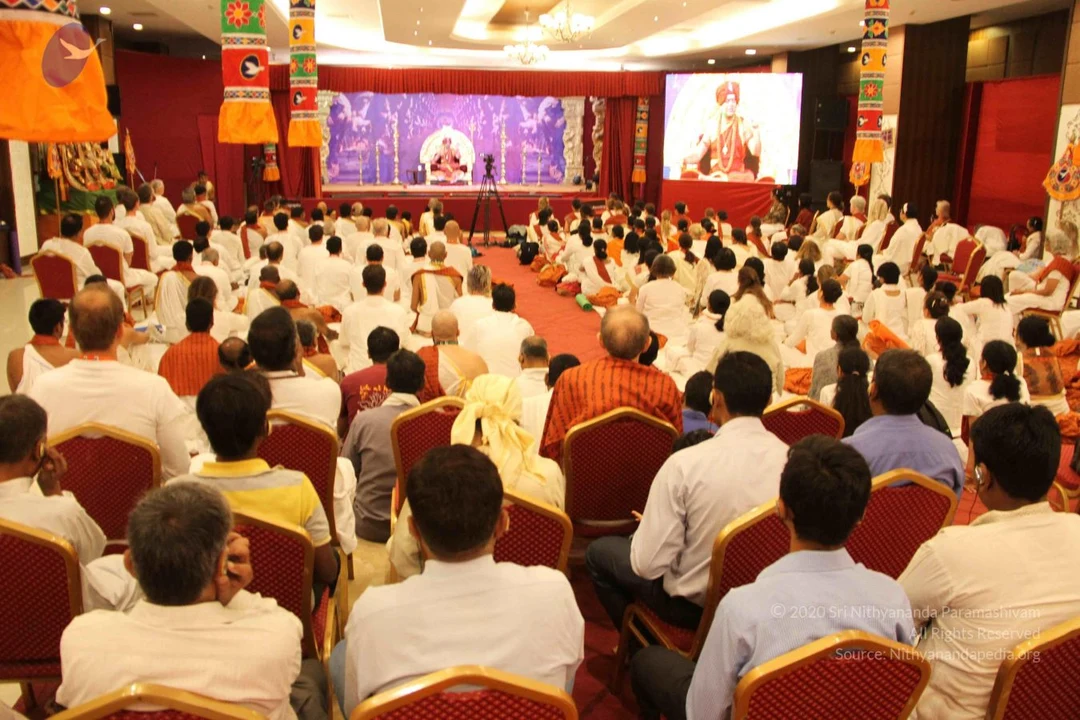
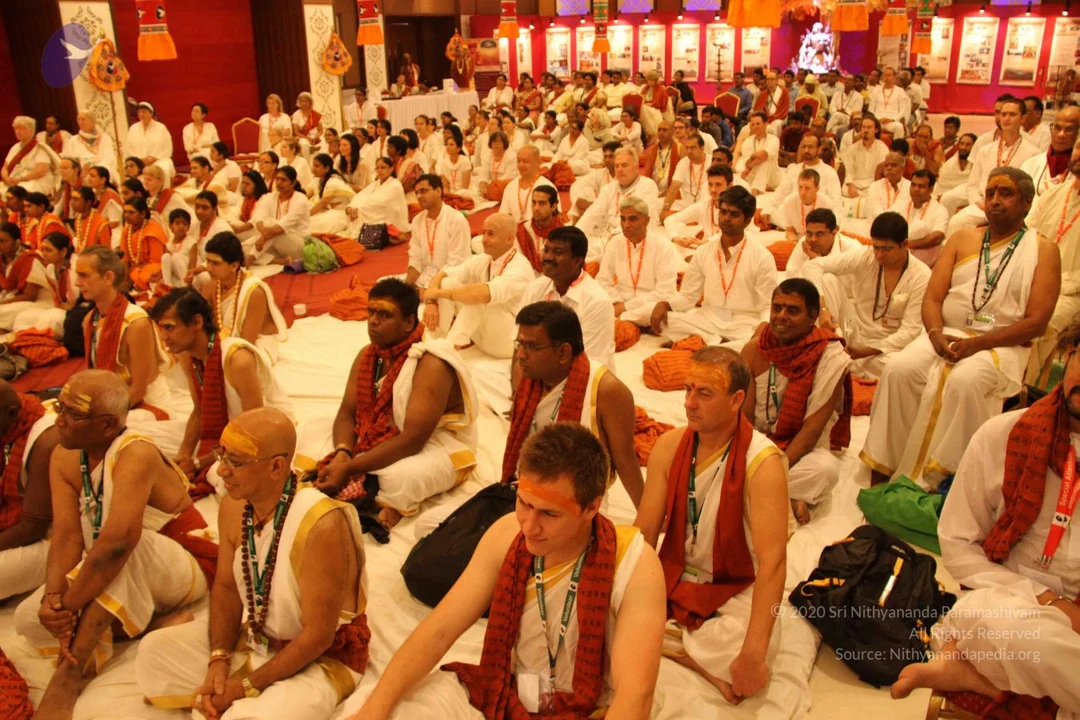
I welcome all the devotees, disciples, Samajis, Satsanghis, Srimahants, Mahants, Thanedars, Kotharis, owners of Sarvajnapeetha. Everyone sitting with us all over the world through Nithyananda TV, Sadhana TV, Arra TV, Nakshatra TV and two-way video conferencing having Nayana Deeksha. Cities sitting with us in two-way video conferencing having Nayana Deeksha – Warrington UK, Singapore Aadheenam, Hyderabad Aadheenam, Puduvai Aadheenam, Moris Planes, New York, Bangalore, Houston Aadheenam, Hyderabad Guptakashi, Onka City, Oklahoma and Moris Planes, New York, Dubai Aadheenam, San Jose Aadheenam, Los Angeles Aadheenam, Oklahoma Aadheenam, Seattle Aadheenam, Phoenix Aadheenam, Philadelphia Aadheenam, Mt. Clair, Redmond, Oman Aadheenam and some more cities are joining. I welcome all of you with my love and respects. Hyderabad Guptakashi, Salem Aadheenam. I welcome all of you with my love and respects.
(2.49 mins)
I just wanted to expand on…
sambḥutiṁ ca vināśaṁ ca yastad vedobhayaṁ saha |
vināśena mṛtyuṁ tīrtvā sambhūtyāmṛtam aśnute || 14 ||
The Isavasya Upanishad’s 11th verse. Please recite along with me. 14th verse of the Isavasya Upanishad. Sorry, not 11th, 14th.
sambḥutiṁ ca vināśaṁ ca yastad vedobhayaṁ saha |
vināśena mṛtyuṁ tīrtvā sambhūtyāmṛtam aśnute || 14 ||
Listen. Understand. Cognize your existence, cognize the existence of the life, universe, God, everything with the larger vision. Listen, why you do what you do? Why you think the way you think? – should be based on larger vision of life not just an immediate ‘agitational gratification’. Please understand, all your so-called luxury, the sensory pleasures are agitation gratification. Please understand, the agitation you feel in the tongue you gratify it with the food which destroys your health, but gives you temporary gratification.
Please understand. In Agama, Mahadeva describes – what is taste? If your whole tongue and the mouth experiences the saliva, that is taste. That will never happen with the food which gives you the pleasure of agitational gratification. Please understand, high spicy or this junk food, all this if you see, it will not allow the whole mouth to work. If you look little deep, even you know all this junk food after eating within 3-4 minutes you are depressed, tired, bored, want to sleep. How many of you have recognized the immediate effect of junk food on your body, raise your hands?
That is what is agitational gratification. I can give you some more example. The music which agitates your lust and gives you gratification. The scenes like a pornography which agitates you and gratifies you. The vulgar, hardcore pornography which agitates you and gratifies you. Whether it is through the eyes or ears or the nose or the tongue or the touch, the ‘agitational gratification’ items will always be short-term goal, with a very short vision. If you see the agitational gratification items, you will not have even vision about your own 100 years life span. The more and more you expand your cognition of your life span, better and better your strategies for life become. Please understand, if you think you are going to live for 100 years, you know from the beginning how you are supposed to maintain your stomach, how you are supposed to maintain your body, how you are supposed to keep your mind. If you are too brilliant and understand, it is not just going to be 100 years, it is going to be birth and death, birth and death, then you know how you are supposed to keep everything.
The shorter you cognize your Existence, you will go for ‘agitational gratification’ practices; means which gratifies you now, whether agitation or hook or crook, whatever, which excites you now, which agitates you now, that becomes ‘pleasure’. Please understand, even the word ‘pleasure’ has a different meaning for a different kind of people. If you think you are going to live for 100 years, beef and the non-veg can never become part of your diet. It can never become part of your diet, because that food agitates you to gratify you. By agitating you anything brings gratification. The pleasure itself is very low-level pleasure because your cognition about ‘you’ is very low, so your cognition about your pleasure is very low.
(10.33 mins)
If you think your life span, your Existence is much more, then the idea of your pleasures will become different. The ideas about your pleasure will become different. Understand, if you think you are going to be having births and deaths, births and death, that’s the truth, till you are enlightened the births and deaths is going to be your lifecycle, then simply you know what is going to be your pleasure, what is going to be your pain, what should be your pleasure, what should be your pain. Having a larger vision, more clear vision about you! Actually when you have more clear vision about you, all your actions will be aligned to that. Your pleasure, what do you consider as pain, what do you consider as pleasure, what do you consider as good, what do you consider as bad, everything will become different – if what you consider as ‘you’ changes. What do you consider as ‘you’ if that changes; If you start understanding, what do you consider as YOU is little more than the immediate life you are observing. A common man looks at only the 20-25 years he is supposed to live healthily with all the so-called pleasures. By the time 25, he will have little money and freedom to do what he wants, by the time he is 50, over everything. So this 25 years only you consider as life. If you consider this 25 years only as ‘you’ and plan, that is what is what I call very, very short vision. Then all your strategies about you, life and everything will be – vināśaṁ ca – means destructible, based on destructible. If your strategies are based on something destructible, do not enjoy, do not expect long-term peace or bliss because your strategy itself is not for that. When you are building your house itself, you are building with bamboo concrete, which life span is only 20 years, and then you expect your 4th generation to live in that house? You make a wall. This is for the photograph of all my first generation. Then this is my sons’ and daughters’ and that is for my grandsons and granddaughters. That is for my great grandsons and great granddaughters. The house itself is going to live only 20 years.
(14.26 mins)
Agitational gratification. Understand, today I am using a new word. If you look in and analyze; a little bit of looking in is required. Look in and analyze. All your short-term goals will be agitational gratification, which agitates you and gratifies you. Even laziness, early morning how you are breathing and life, that decides how you are going to be whole day. The morning kirtan, why this kirtan you know? Two reasons. One, when you sing and dance, the joy becomes your bio-memory, muscle-memory. Second, you will have a strong long breath. Morning having a strong long breath is very good for your health. That is why I saw a few people sitting and waiting for the breakfast to be served. I think Veetashoka understood the tone with which I said. I said, “Here nobody is serving breakfast, get lost.” Then he understood, I am not asking him to go back. I am asking him to participate in the kirtan.
Understand, this two word – agitational gratification, delayed gratification. When you think you are going to exist only this 20-25 years which is in front of your eyes, you will always opt for only agitational gratification things. Now, what, what, what, what, what, what, what next, what next. If you understand your life is 100 years, your pleasures, pain also will transform. It will take a different shape. And if you understand you have many births and deaths in front of you, your ideas about pleasure will change, your ideas about pain will change. Your life will not be hormonally hijacked. This hormonal hijack, understand the word I am using - hormonal hijack. Hormones hijacking you – is one of the worst thing can happen to a human being. When the hormones hijack you, gone. Before even you open your eyes, life is over. I always tell people, marriage is the bailable offense and child is the non-bailable offense. Marriage is the bailable, anytime you can get bail and escape. One you have a kid, non-bailable. It’s non-bailable. Anyhow, that is much on lighter note.
Listen, we don’t even need to look into those things. At least look into this two word – agitational gratification and delayed gratification. Anything which makes you get into this agitational gratification is the mental set-up based on perishable; means you are worshipping perishable. When you are worshipping perishable, you are bound to be perished. You are planning to be perished. Then don’t try to cry, when the perishing happens to you, because you planned for it, you asked for it, you worked for it, you cried for it, you are having it. Why are you crying when you get it? If you worked for name and fame, you will have it. If you worked for money, you will have it. If you worked for love, you will have that. What for you worked, you will have that. If you worked with the perishable, understanding, worshipping the perishable, you WILL perish. The agitational gratification, whether it is food or sound, or visual or smelling or the touch, in any sense, even imagination, the mind – which is totality of all these five, in any level, if agitational gratification is your goal, if that is what you perceive as pleasure, if that is what you perceive as the goal of life, please understand, you are worshipping perishable and you are bound to be destroyed.
Whether it’s a taste or touch or seeing or smelling or listening, in everything, if you are functioning based on the principle of ‘delayed gratification’, means a long-term vision about you and about what is pleasure and what is pain. Actually, when you have a true understanding, a right understanding about you, even the quality of food you enjoy will become different, the quality of visual you enjoy will become different. The quality of music you enjoy will become different. The quality of smell you enjoy will become different. The type of the touch you enjoy will become different. It will all be based on delayed gratification.
I wanted today’s Vakyartha Sadas to be on these two words – agitational gratification and delayed gratification. Whenever you are enjoying what you consider as pleasure, please see – are you agitated or are you peaceful. Are you agitated or enjoying? Are you grasping or are you grabbing? Grasping is person is love; grabbing a person is lust. Understand, there is a difference. Whether you are tasting a food or seeing some visual, listening to music or enjoying a smell, or enjoying a touch or a sexual act, look in, are you agitated or are you in the mood of peace and enjoying? Are you celebrating or are you agitatively pushing you? If you are agitated, be very clear, you are based on agitational and you are planning to get perished. When you perish, don’t cry because you planned for it. You asked for it. When your understanding about changes, when your taste is matured, that’s the right word I wanted you to understand – when your taste is matured, the matured taste shows the matured person. Then you are strategizing yourself, you are cognizing yourself and strategizing your life, based on the Imperishable. I tell you, there is no short cut. Straight – perishable, Imperishable. Are you cognizing yourself and strategizing your life on perishable or are you cognizing yourself and strategizing your life on Imperishable? Over. Truth is the Truth is the Truth, straight.
How much ever this ‘lite theologians’ – I am using a new word – the lite theologians, means who are trying to meet both the ends. “No…little love. Little smile, little laughter and enjoy everything and God will also come to you through your back door.” No! No!
Upanishads which declares authenticity by Its own authority is very clear…
sambḥutiṁ ca vināśaṁ ca yastad vedobhayaṁ saha |
vināśena mṛtyuṁ tīrtvā sambhūtyāmṛtam aśnute || 14 ||
Either you cognize yourself and strategize your life on perishable or on Imperishable. Clear. Don’t be cheated by this ‘lite theologians.’ Largest number of human beings are misguided by this Lite theologian’s. Not, ‘light’. No. ‘Lite’. I can even better give, give a better word – Lite theologians. No, they will be a little.
Please understand, this Lite Theologians are the largest, I can say, Lite Theologians are the fellows who are putting people in delusion, misguiding. The largest number of human beings are misguided by this “lite theologians” because they try to give you the confidence, “no, no. Build your cognition and strategize your life on perishable, but you will be imperishable.” How? I am not against love, fun, life, laughter, but I am against these ‘lite theologians’ giving you wrong interpretation and hope…for their entertainment circus tickets to get sold. They do not care about your life. They do not care about your future. Today for their show, if they sell few thousand tickets more, that is enough. The “Lite Theologians”. That is why they don’t care about whether you build, you cognize and strategize yourself based Imperishable or perishable. They say, “Come on. Don’t think too seriously”, because he himself cannot think. If he thinks something too seriously, he becomes tired. So what to do? Don’t take things seriously. Laugh. Love. What do you know about love? What will you know about love if you cognize yourself as a perishable short-term existing being? I tell you, this Lite Theologians are the greatest cheaters. They are not teachers, just reverse it, cheaters.
(32.00 mins)
Laughter, I am not talking about the laughter which comes from lips or throat. Laughter which comes from the bottom of your belly knowing the Whole Cosmos is joke. The dance, not just to forget your depression for five minutes, the discotheque cabre, no. It is with the cosmic understanding of the Whole thing is dancing, vibrating.
A drunkard dances, Mahadeva also is dancing. Both are completely different. The drunkard’s dance is “Lite Theologian’s” dance. Mahadeva’s dance is on Imperishable understanding, cognizing about Himself and strategizing about His Existence. Cognizing yourself as Imperishable and strategizing yourself on Imperishable is the only way to exist and become Imperishable. Do not get cheated by “Lite Theologians”.
One good thing, inside Varanasi, Mahadeva never allows this “Lite Theologians”. Kalabhairava is still protecting Varanasi. Kalabhairava is still alive. Understand, the essence of what I trying to convey through this verse – Your cognition about you should be based on Imperishable components, means Soul, Consciousness, which does not perish. Your understanding, an idea about you should be that you are a Consciousness, you are a Soul which doesn’t perish, which is Imperishable; and based on that cognition, strategize your life. Based on that cognition develop the taste of good-bad, right-wrong, pleasure-pain. Don’t cognize yourself as just perishable body or mind and don’t build, strategize your life based on this perishable cognition. Then your pleasure, pain everything will be too short, small, agitational gratification. You will be killing yourself with agitational gratification as your pleasure. Just an itching you feel on the body and scratching it. All your pleasures will be nothing more than scratching – may be with a different object, different person, different parts. More visually I don’t want to describe. Scratching yourself with a different object, different person, different places is not a pleasure. That’s what I call agitational gratification. Just to gratify your agitation, what you do, you call that as pleasure? You call that as a joy?
Let you be clear, your cognition be based on Imperishable. Your strategies for life be bases on Imperishable. Your idea about pain and pleasure be based on Imperishable. Then you will be Imperishable, means Akshara. You will be in the space of akshara, imperishable. Blessed are those who live in the space of Imperishable and live their life with delayed gratification. Cursed are those who cognize based on perishable and live based on agitational gratification.
This is the essence I am trying to convey through various words in this whole satsang beating around the bush. I think now I have beaten the center of the bush. Last few statements I did not use the social politeness, I am straight. I have beaten the center of the bush, not beating around the bush.
Look in. Look in. Don’t be afraid to re-strategize yourself, and reinvent yourself and shake your whole life and rebuilt it. Don’t be afraid. Never something is too late. Never something is too late. Never something is too late. Even if you are going to die in next 15 minutes, 15 minutes is too much time. 15 minutes is too much time. Whether you are going to die in the next 15 minutes or 15 years or 50 years or 1500 years, it’s not too late. Come back to Imperishable. Let not hormones hijack your Consciousness and cognition about you. Let the hormonal hijack not happen in your life. Let hormones not be strategizers of your life. Let the agitational pleasures not be decision makers in your life. The agitational pleasures should not be the decision makers in your Existence.
(40.35 mins)
Go on. Go on, go on with the Imperishable cognition. You will worship Imperishable, not confusion. You will worship Imperishable, not perishable. That is what Upanishad declares as worshipping Imperishable Consciousness. Understanding the difference between this two – what you are worshipping, understand. Don’t be cheated by ‘Lite Theologians.” Sanatana Dharma, Sanatana Hindu Dharma suffers with this ‘Lite Theologians” more than any other religious leaders, I tell you. Even other religious leaders are not harming Sanatana Dharma so much than this ‘‘Lite Theologians”.
With this I give you the essence – agitational gratification or delayed gratification. That’s the essence. That’s the subject for today’s vakyartha sadas.
I also have one more great announcement. This time Akhil Bhartiya Akhada Parishad, means the largest apex body of Hinduism, under which 13 Akhadas and 10 lakh Sannyasis, 1 million Sadhus live, the organization which conducts the Kumbh Mela, is directly conducting the Kumbh Mela in USA on October 24th in Los Angeles. The Kumbh Mela is going to be directly conducted by Akhil Bhartiya Akhada Parishad. It has authorized Nithyananda University to conduct the Kumbh Mela in USA. So, this time the USA Kumbh Mela assumes the sanctity and significance. It is conducted by Akhil Bhartiya Akhada Parishad, which is conducting all the Kumbh Melas, which is responsible for all the Kumbh Melas. First time Kumbh is coming to USA. It’s official. Its official now, the Akhil Bhartiya Akhada Parishad, the largest apex body of Hinduism is conducting USA Kumbh Mela 2015. So don’t miss Kumbh Mela. So now, I will have to say don’t miss USA Kumbh Mela. The Kumbh water, Kumbh Tirtha has already reached USA and I commit with you guys, by next year, at least few Naga Sadhus will be flied there to US and we will have a legal permission, and we will have literal Shaahi Snaan parade. We will have Shaahi Snaan parade by next Kumbh Mela. I think US needs to see the Shaahi Snaan parade. They have not seen anything like this. So let US Kumbh Mela happen this time, next time Shaahi Snaan parade. So October 24th in Los Angeles, US Kumbh Mela is conducted by Akhil Bhartiya Akhada Parishad directly and don’t miss USA Kumbh Mela. If you are living in USA and missed Kumbh Mela in Nasik, don’t miss Los Angeles Kumbh Mela.
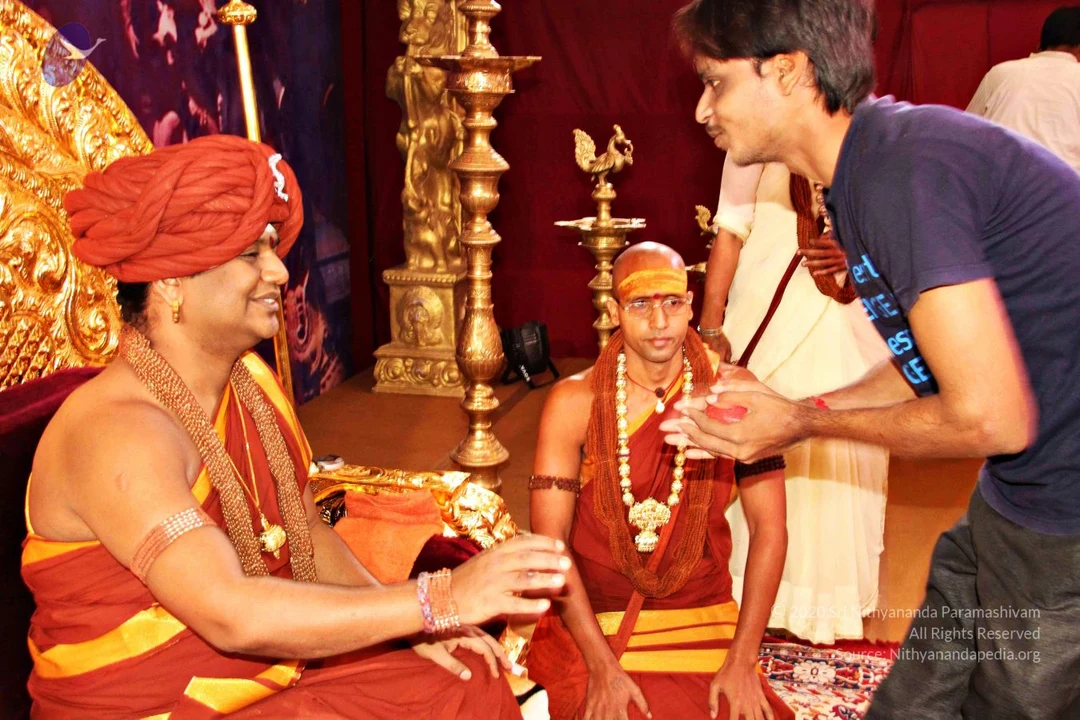
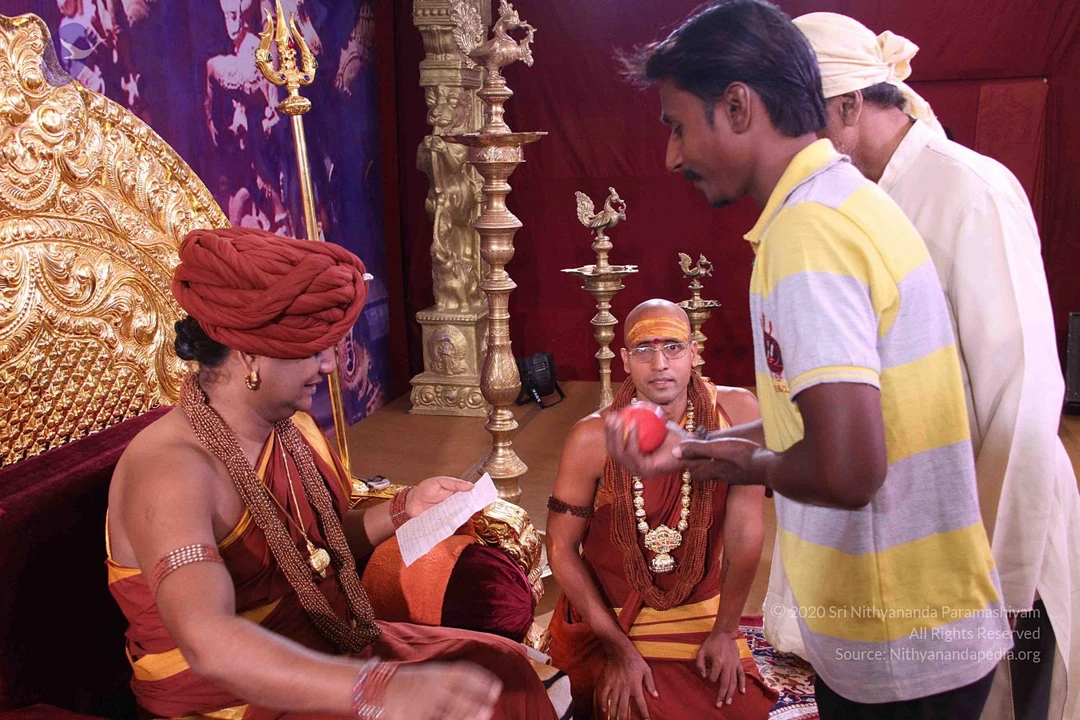
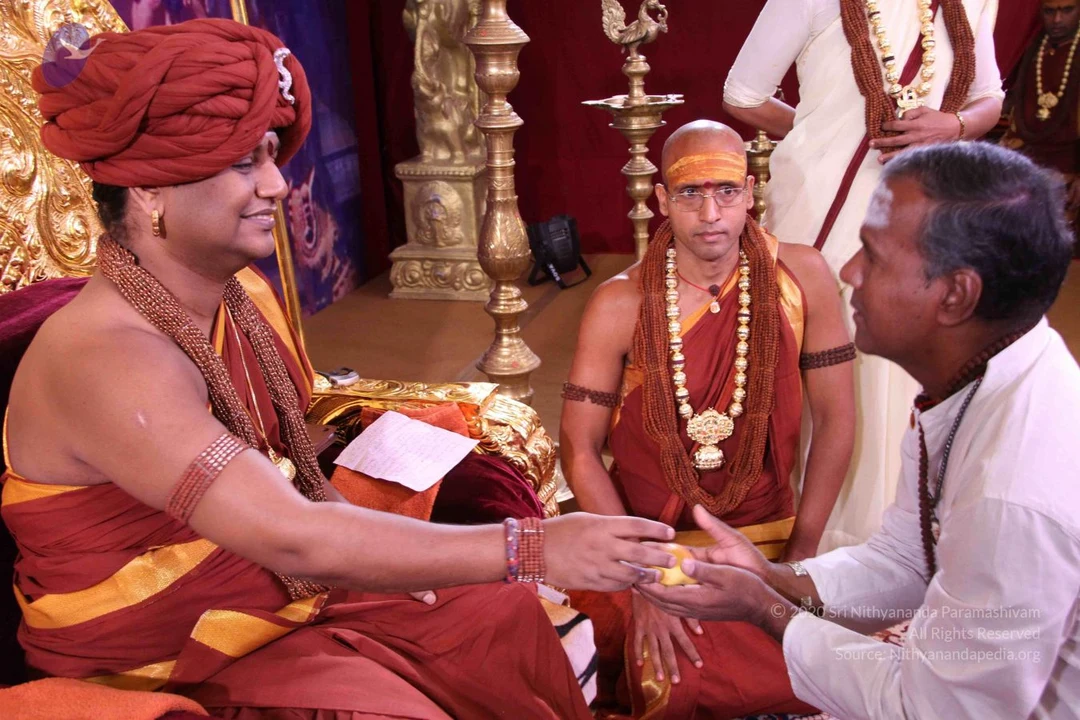
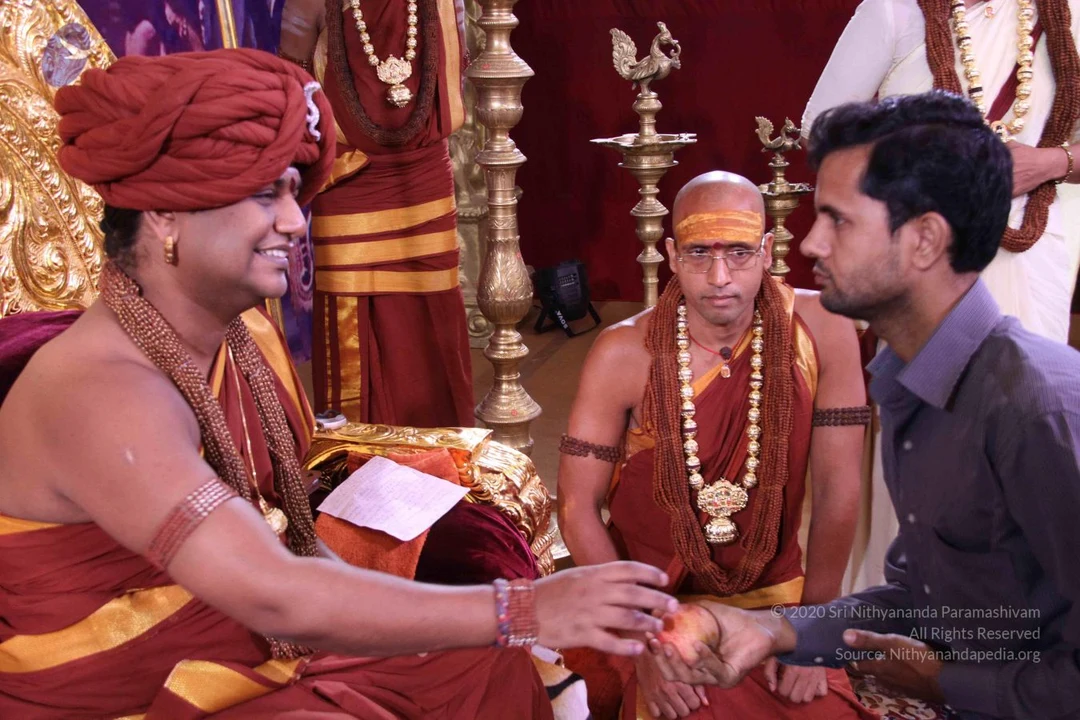
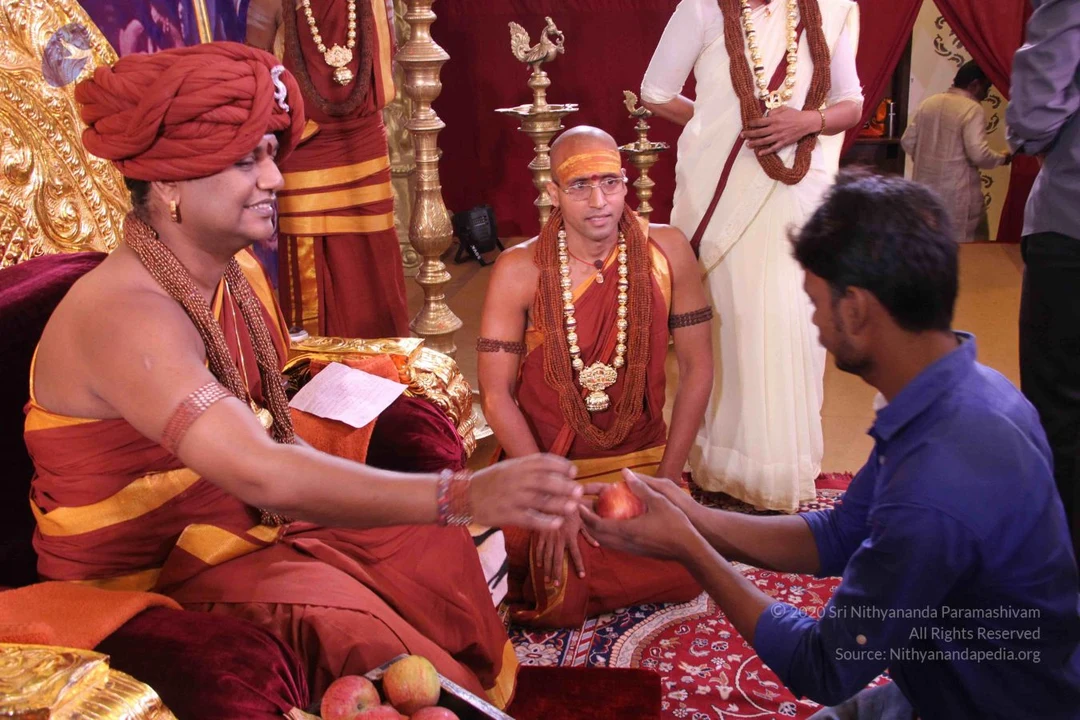
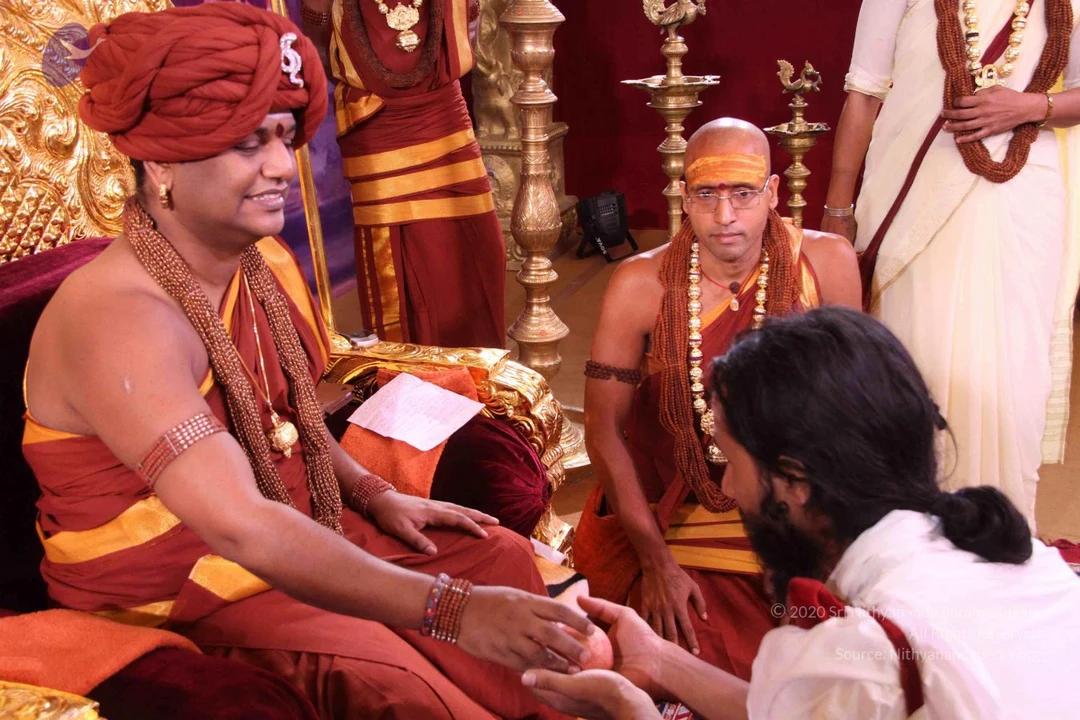
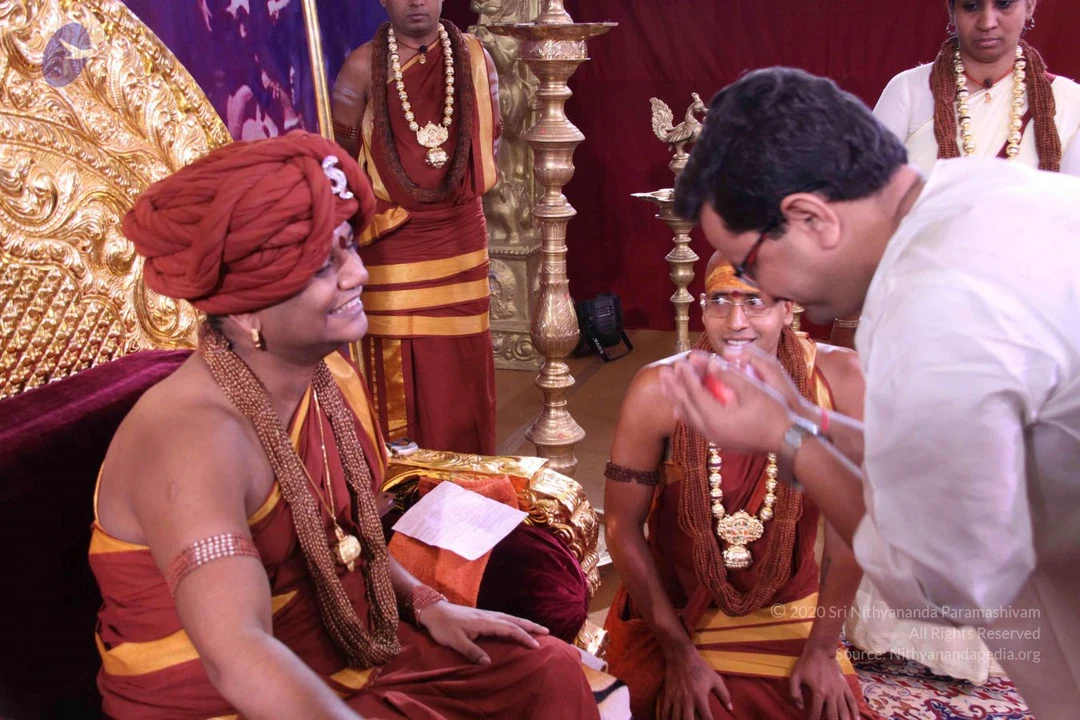
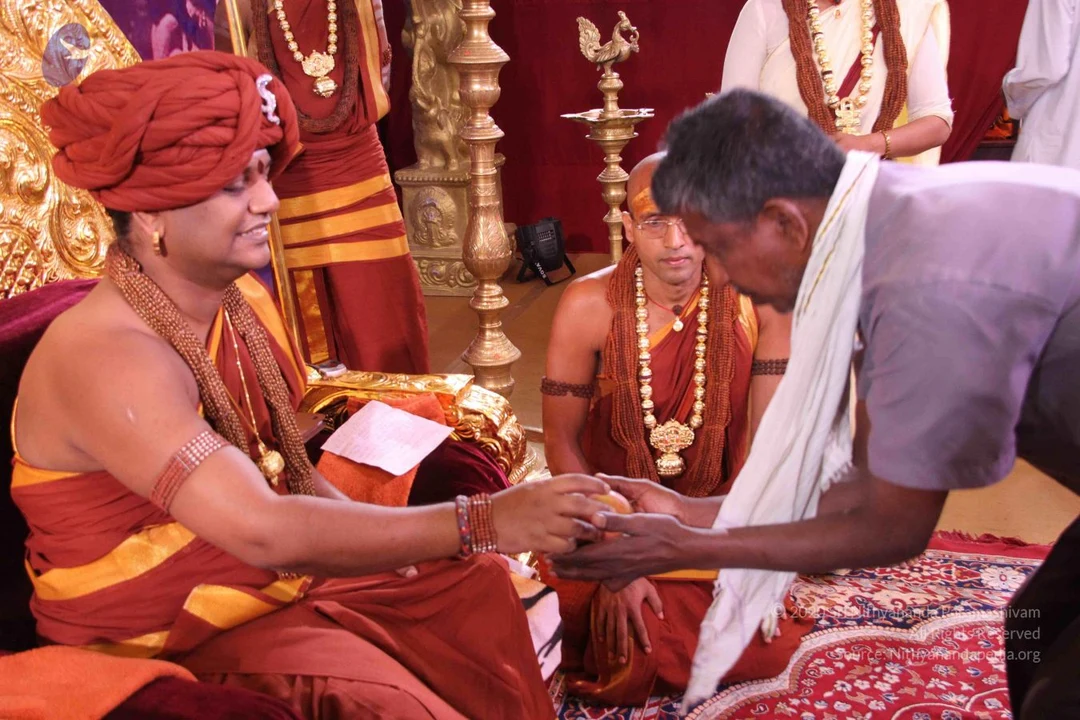
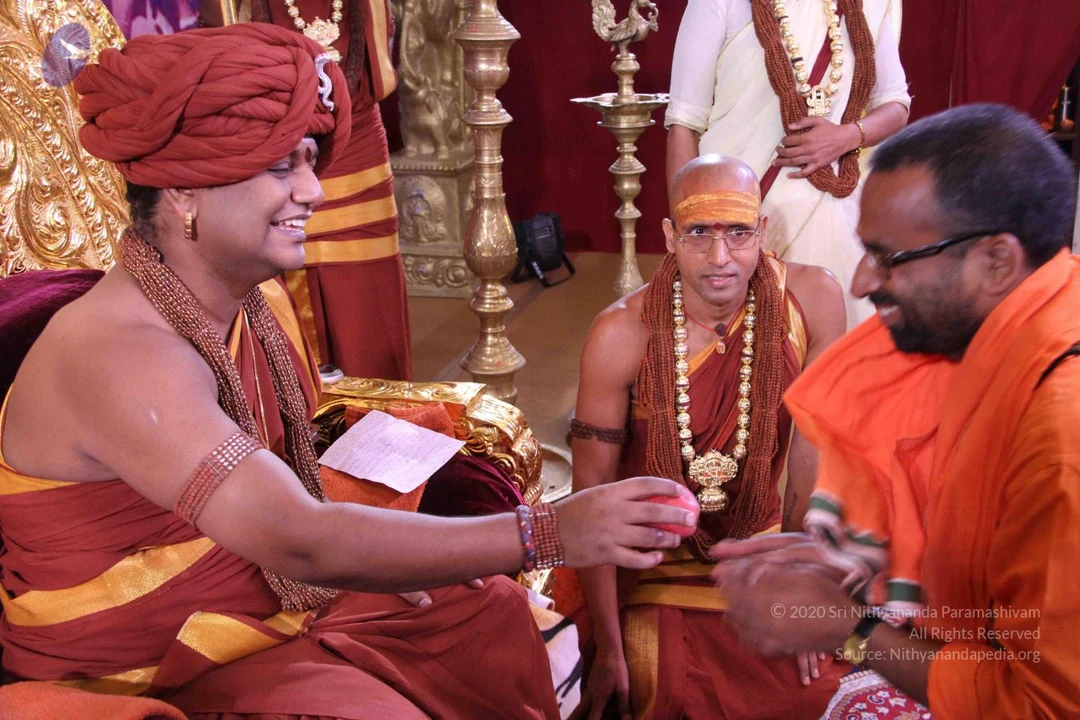
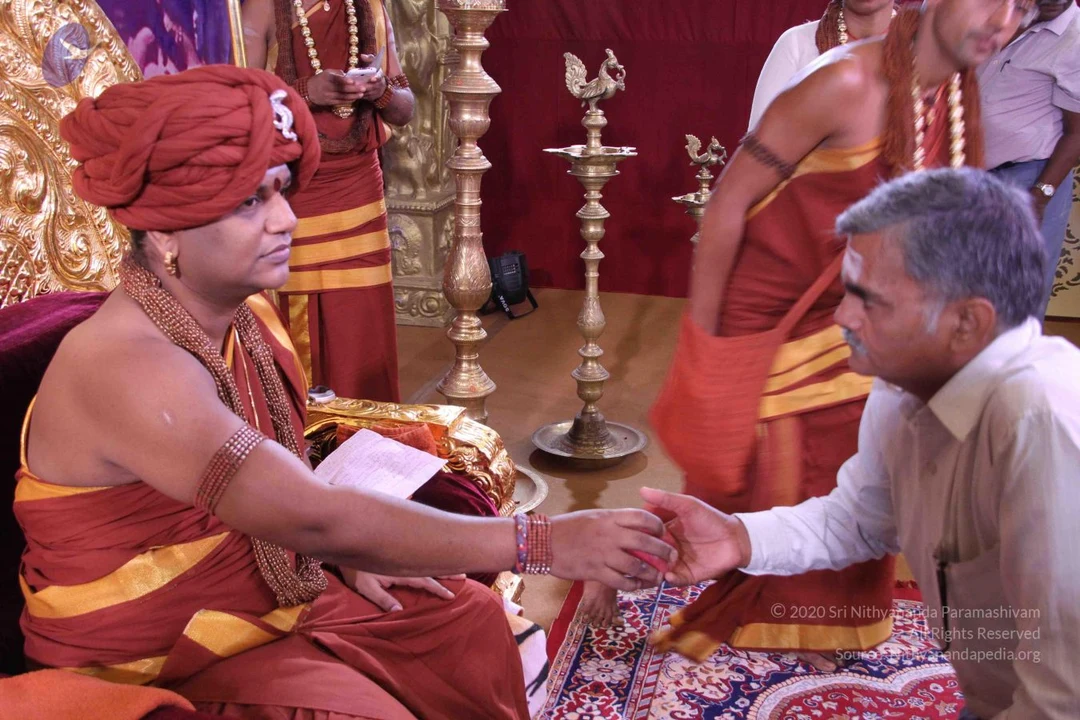
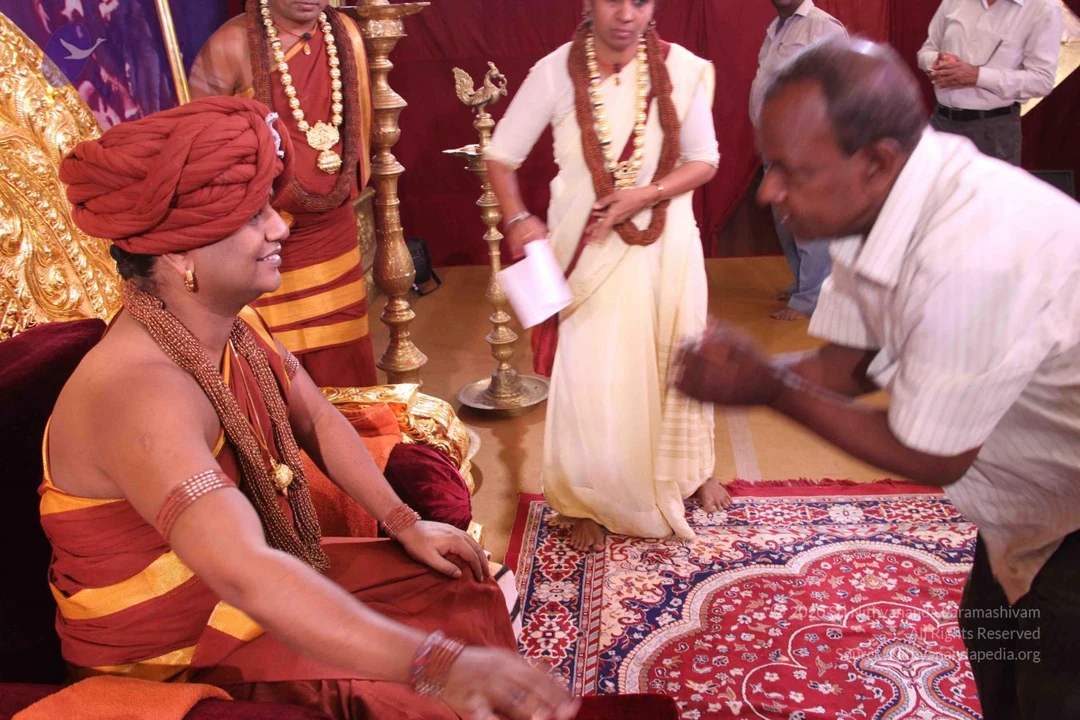
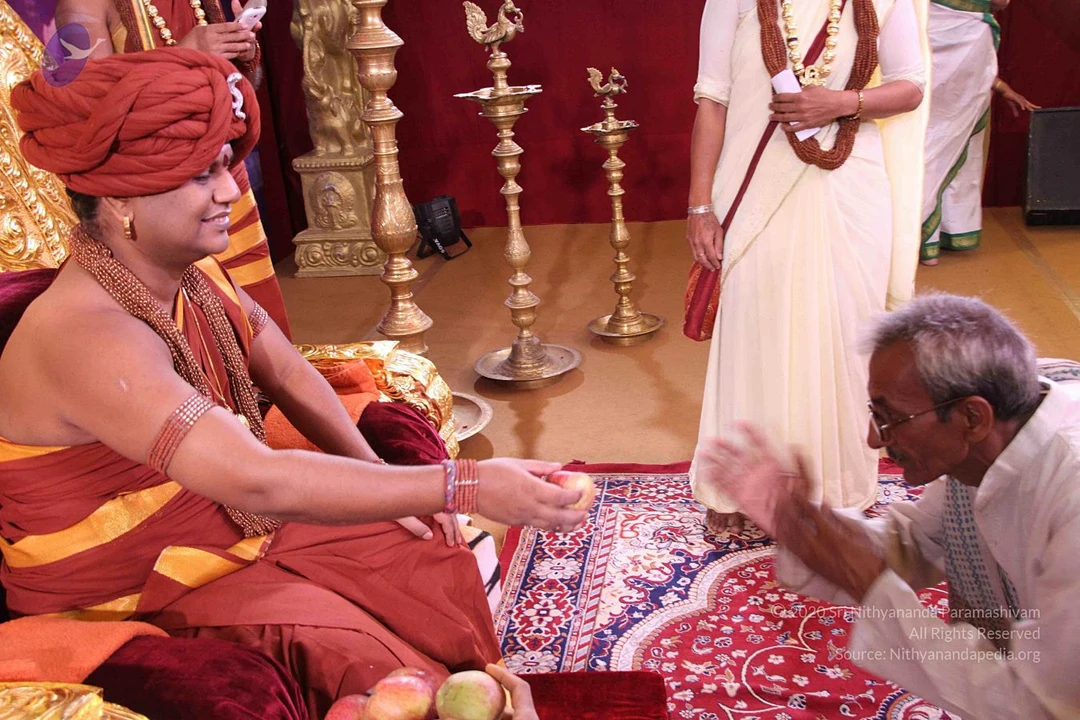
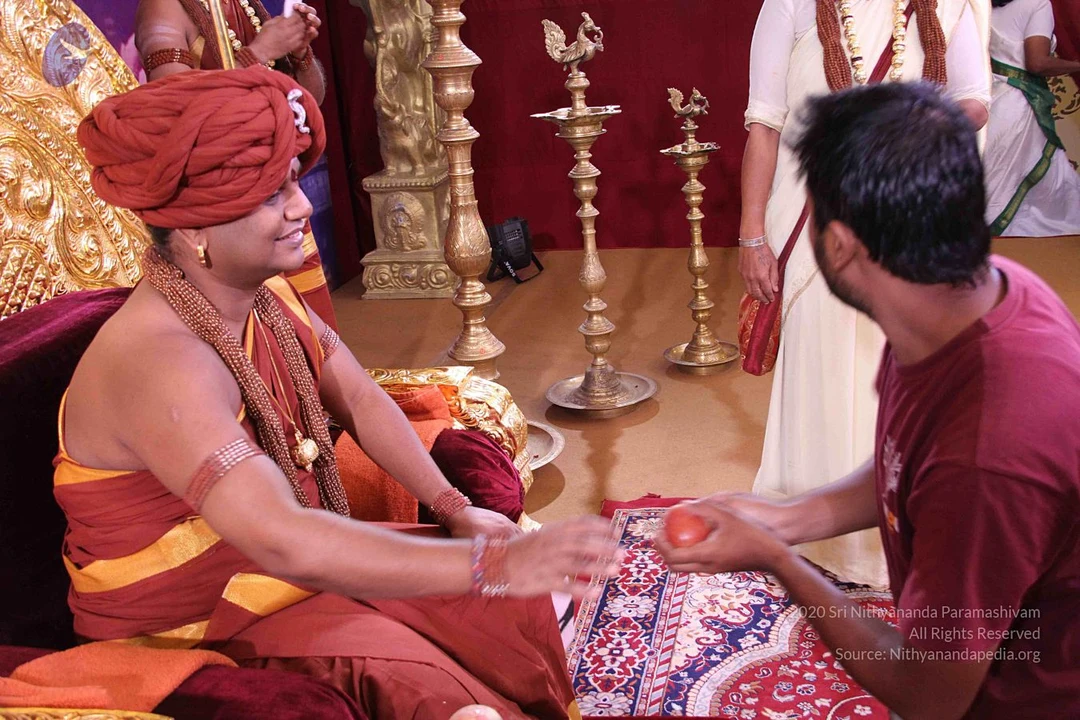
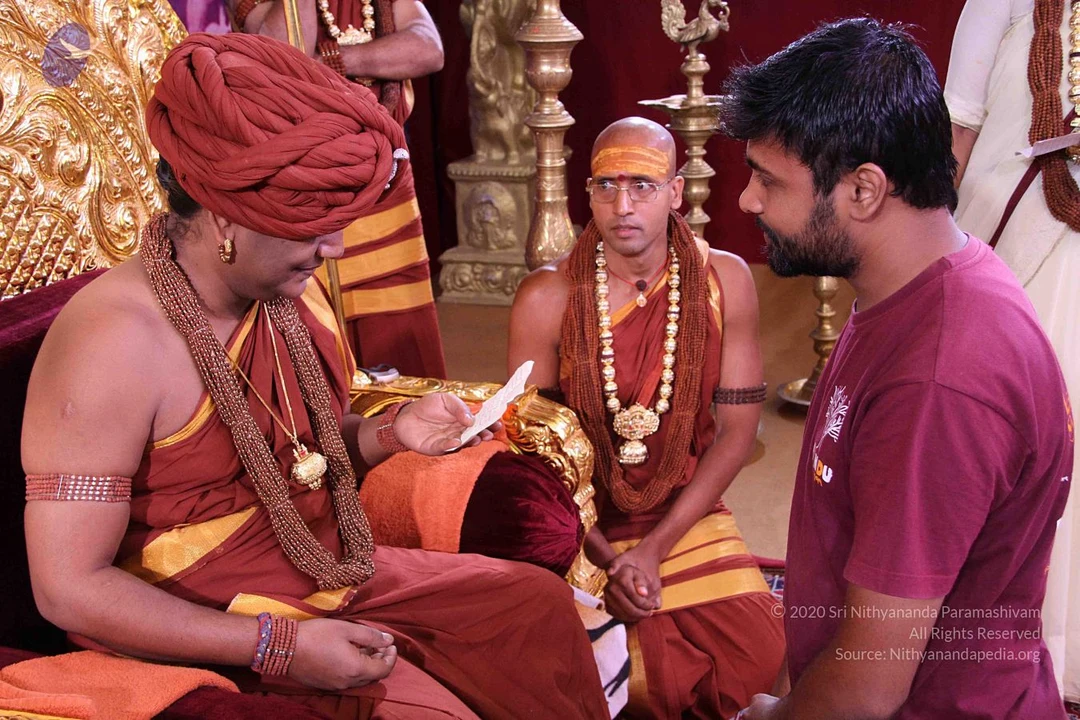
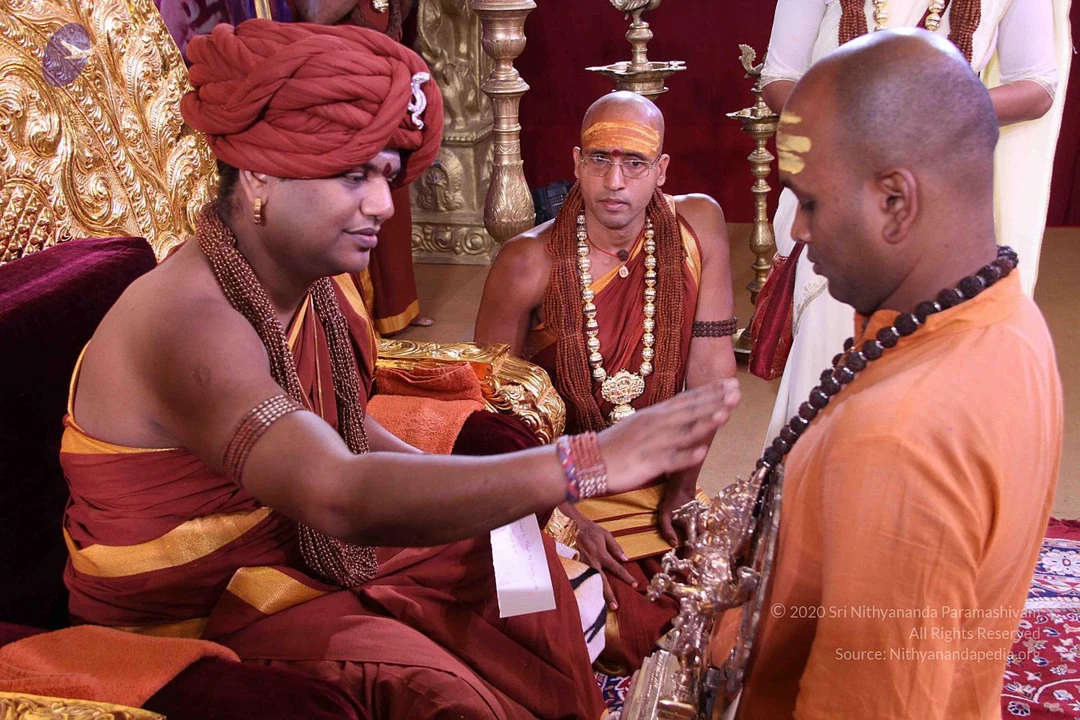
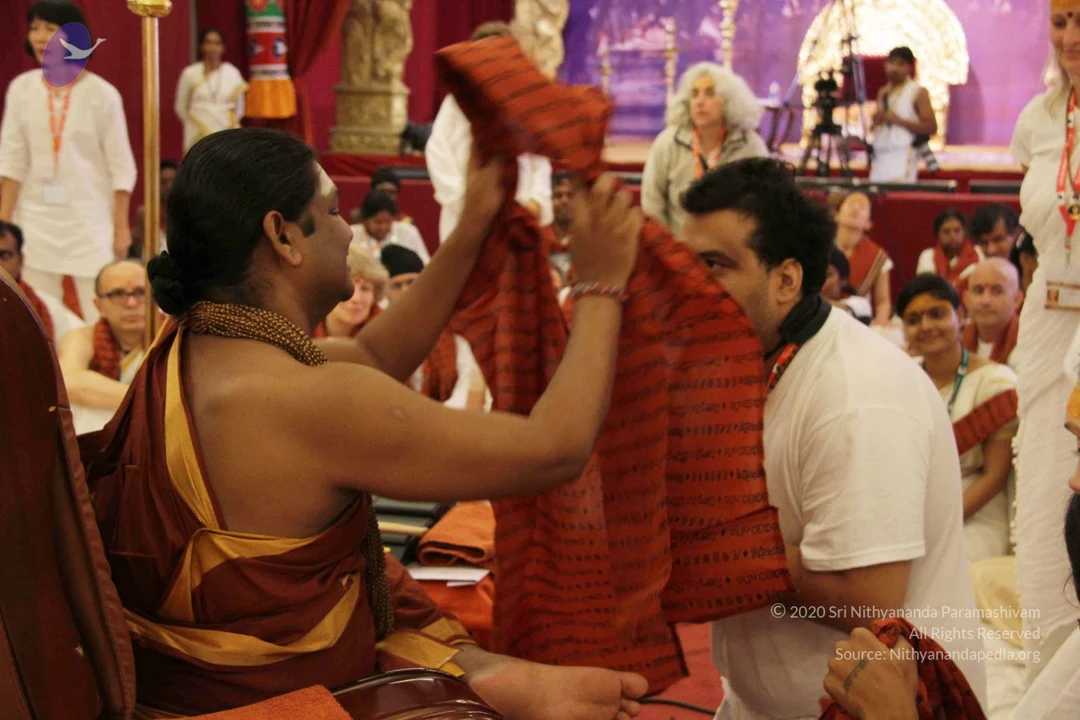
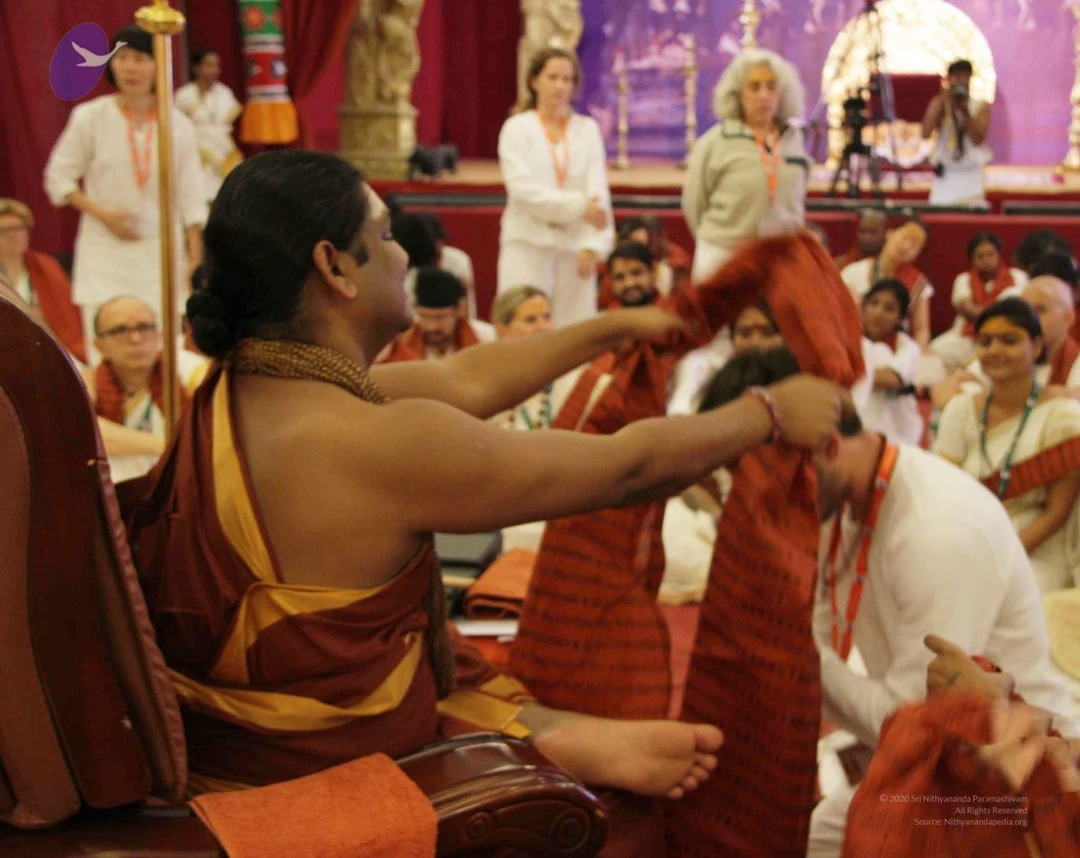
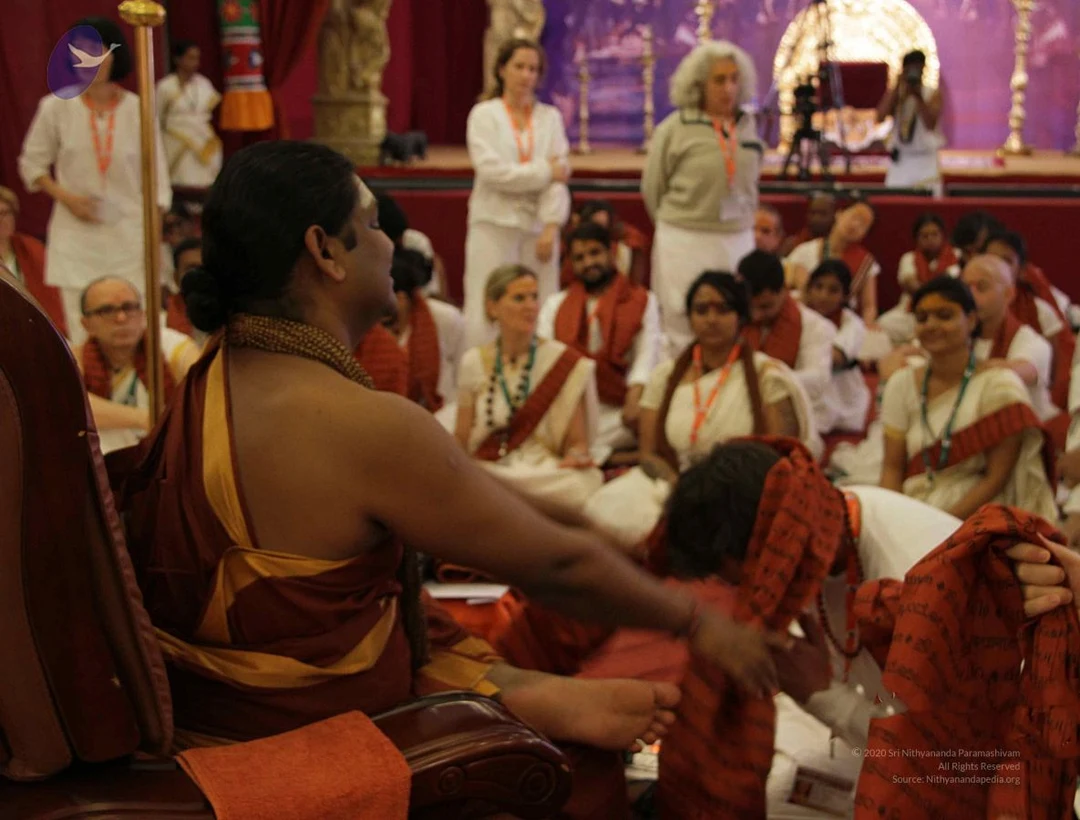
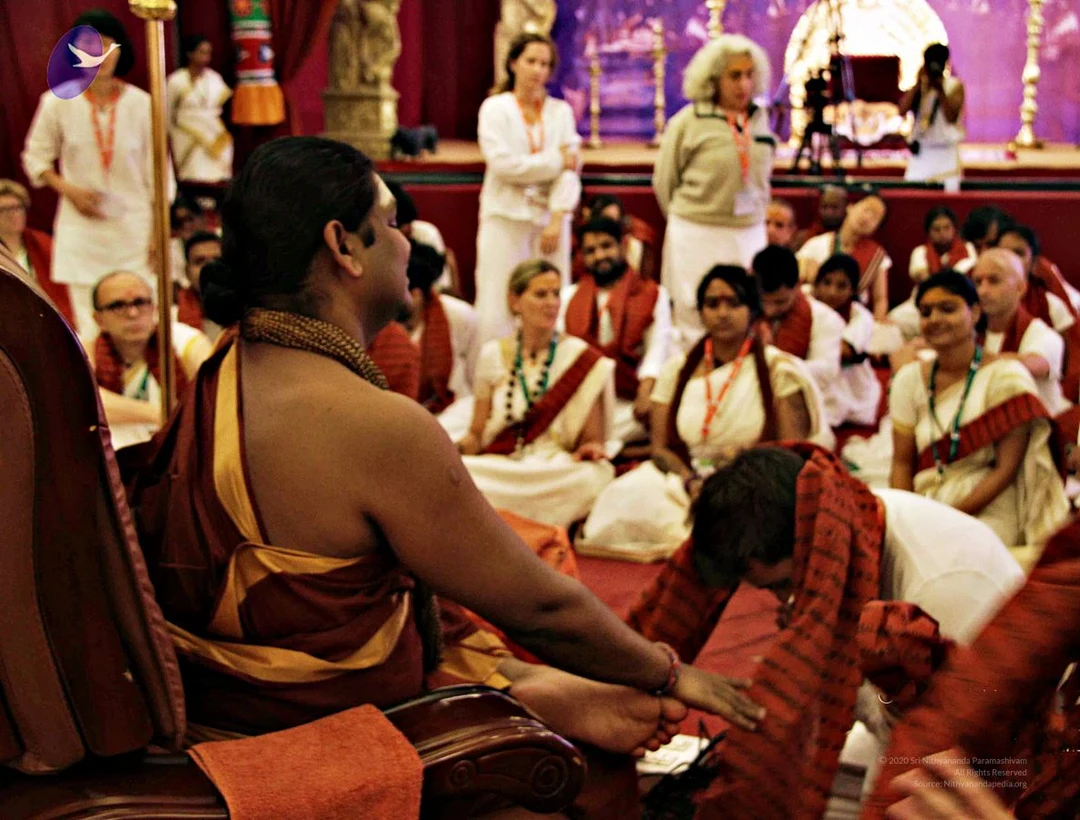
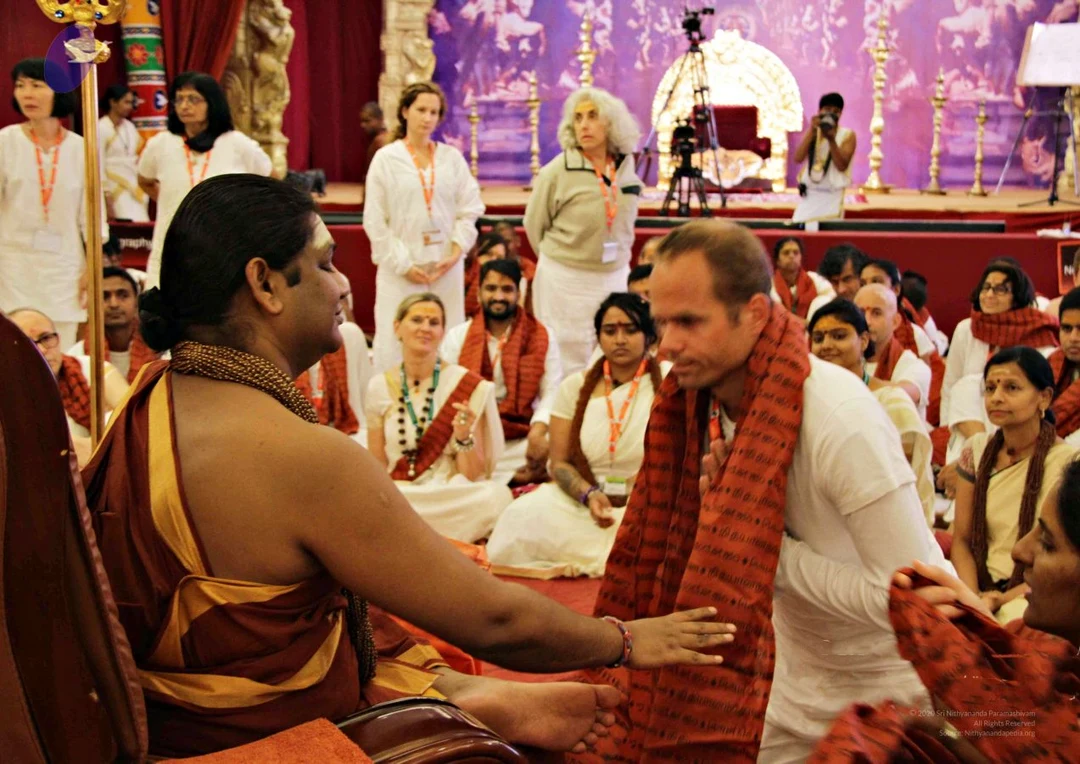
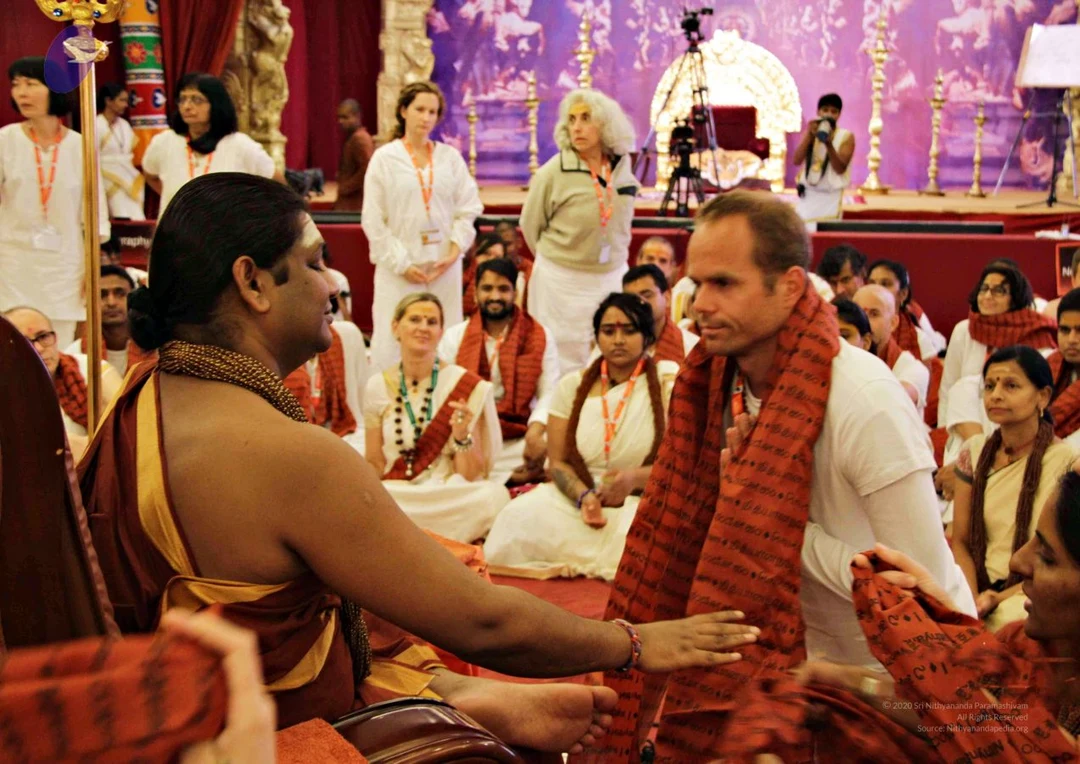
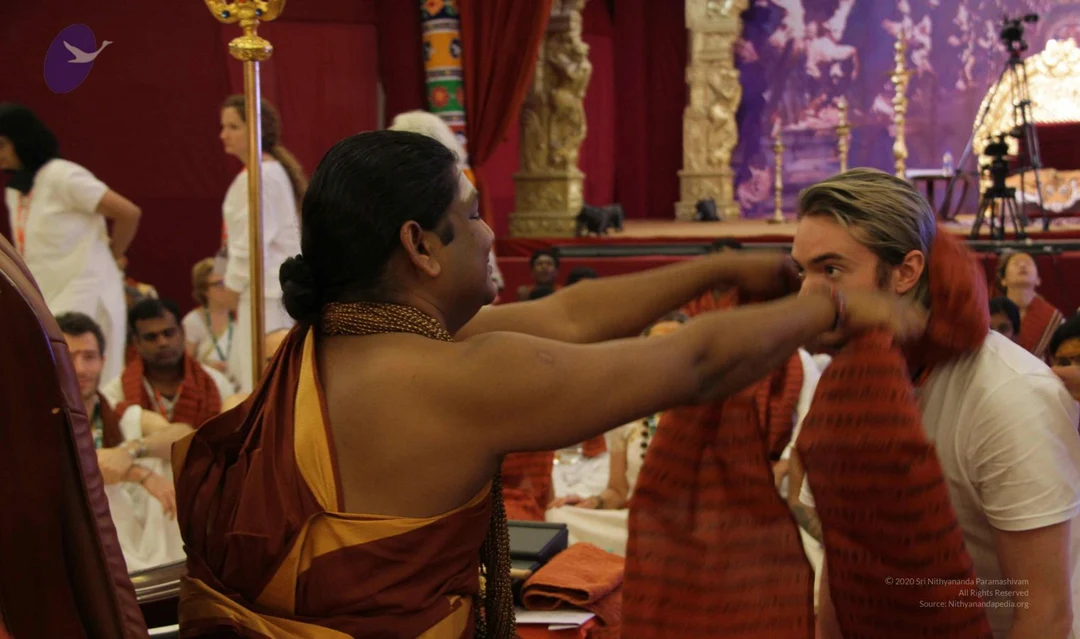
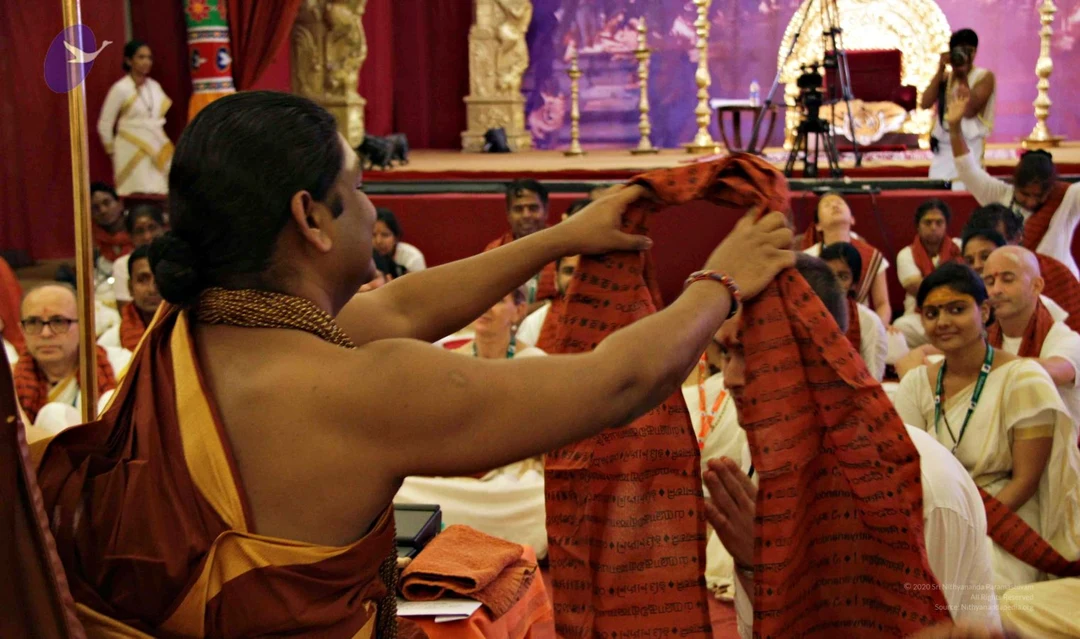
With this I will move to the next segment of the morning satsang. I bless you all. The next segment is Kapataru darshan. I bless you all, let you all radiate with integrity, authenticity, responsibility, enriching, causing Living Advaita, the eternal bliss. Nithyananda.
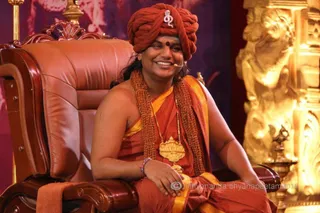
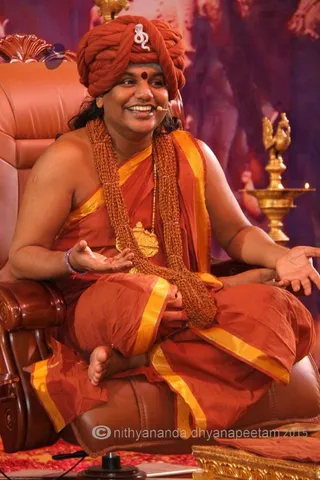
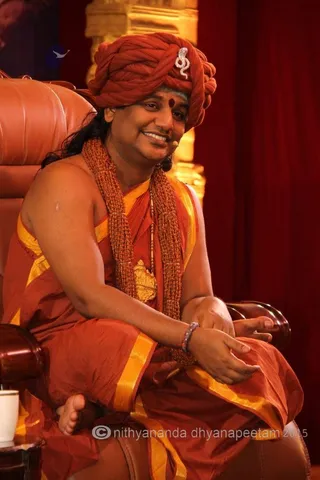
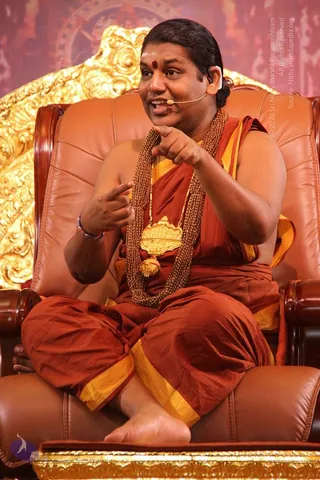
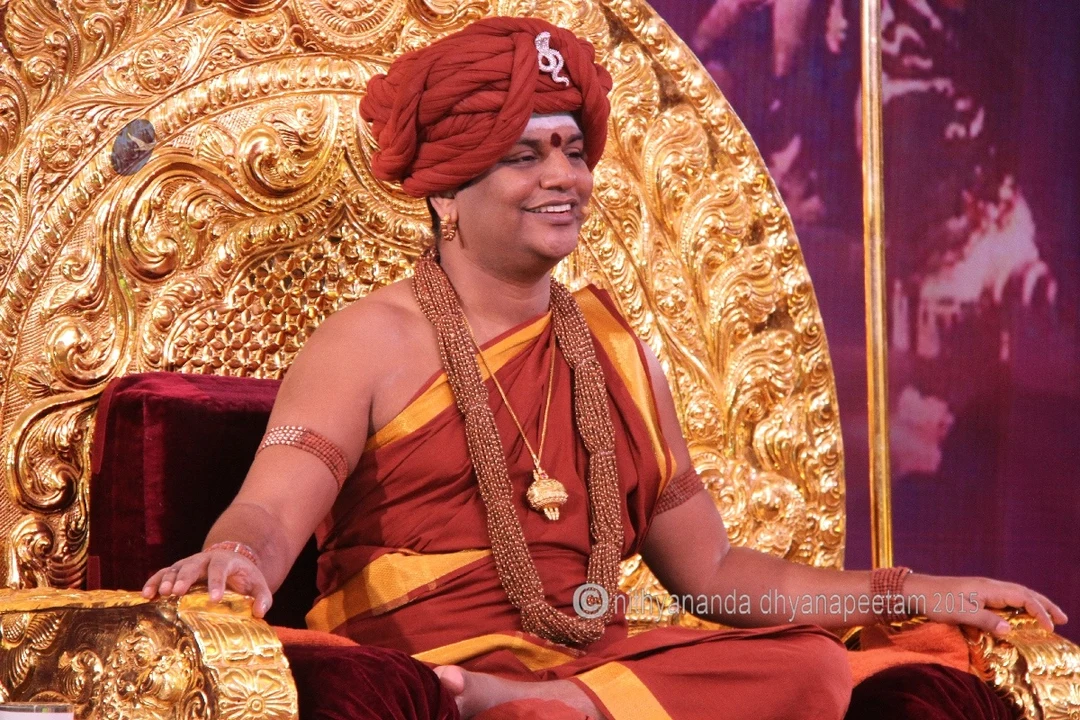
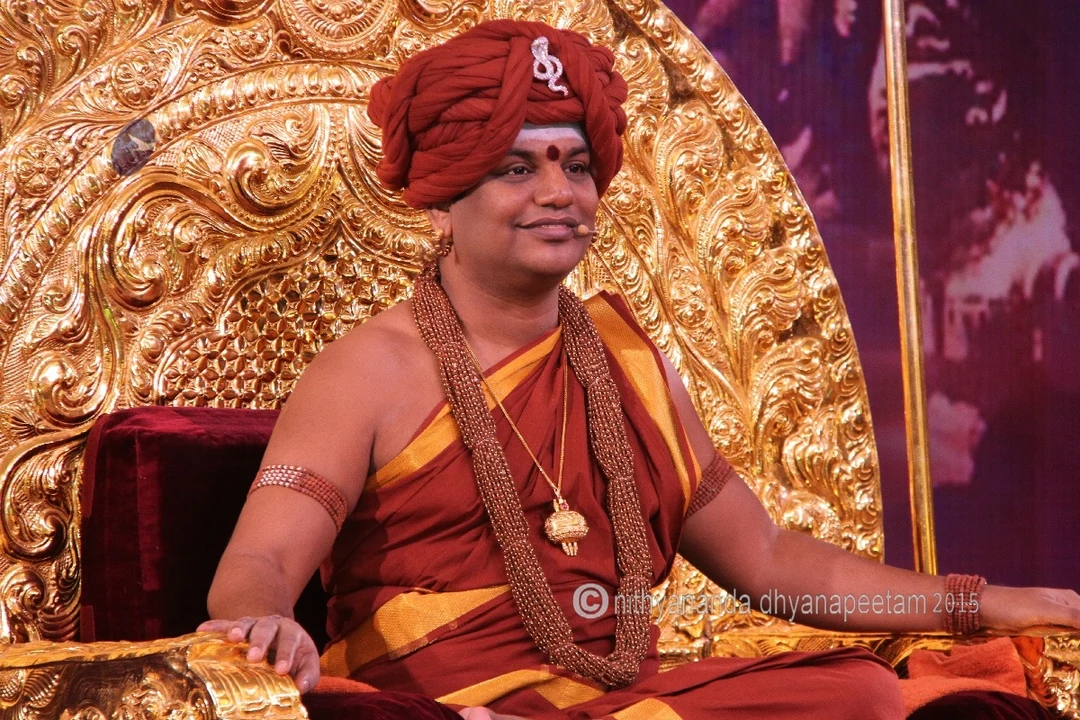
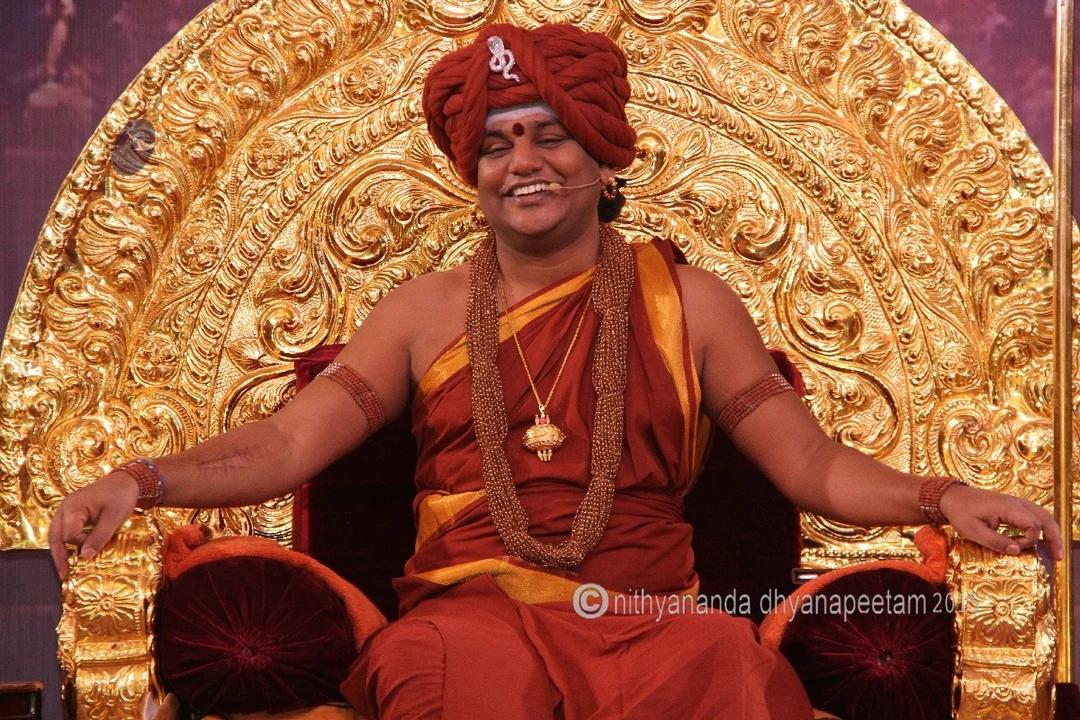
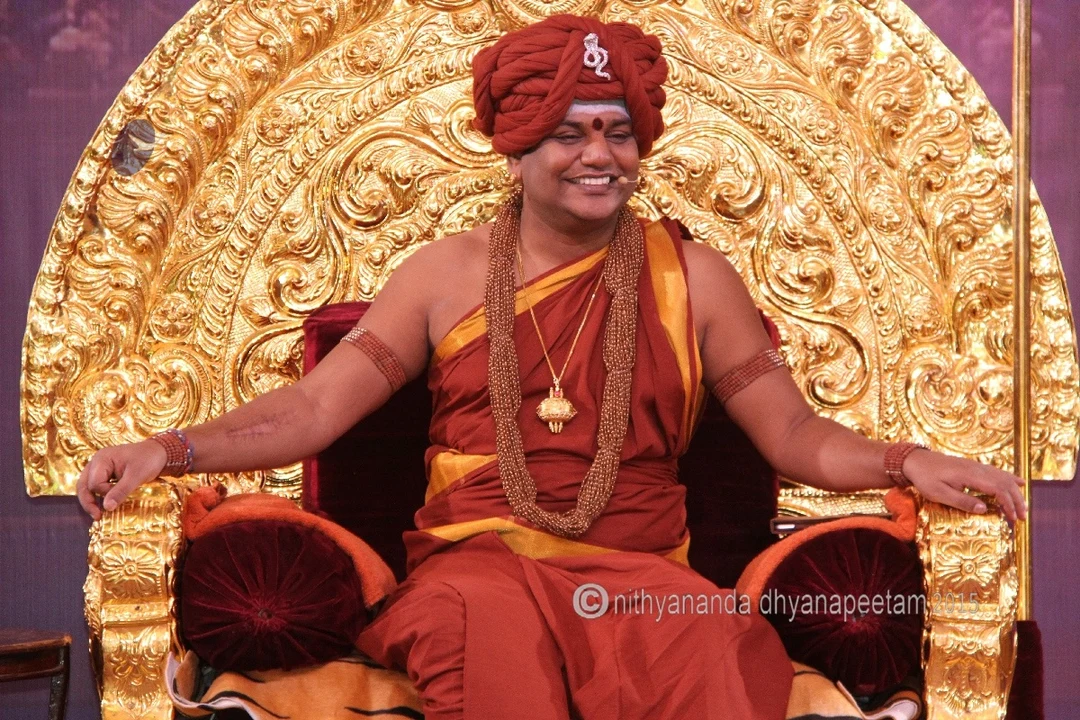
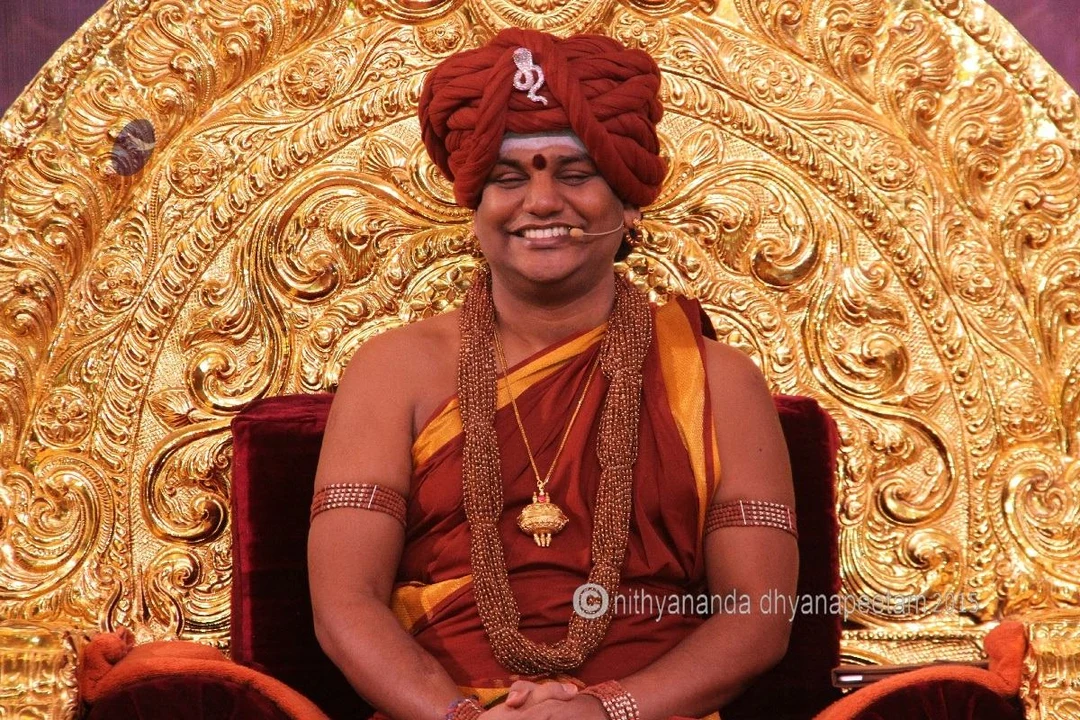
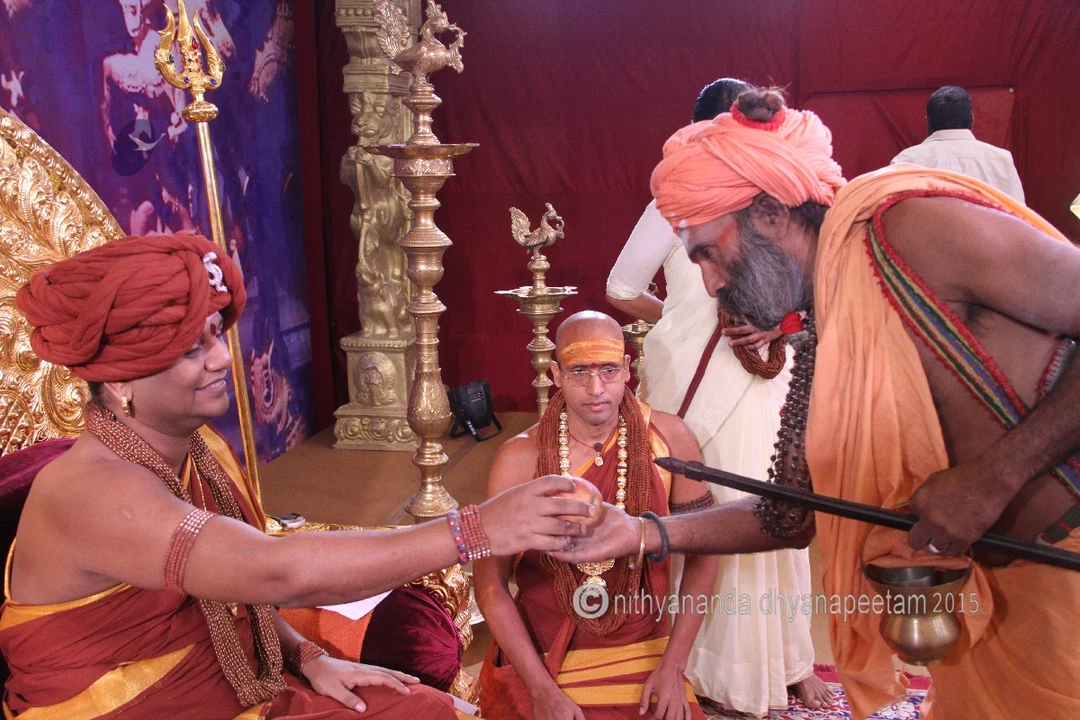
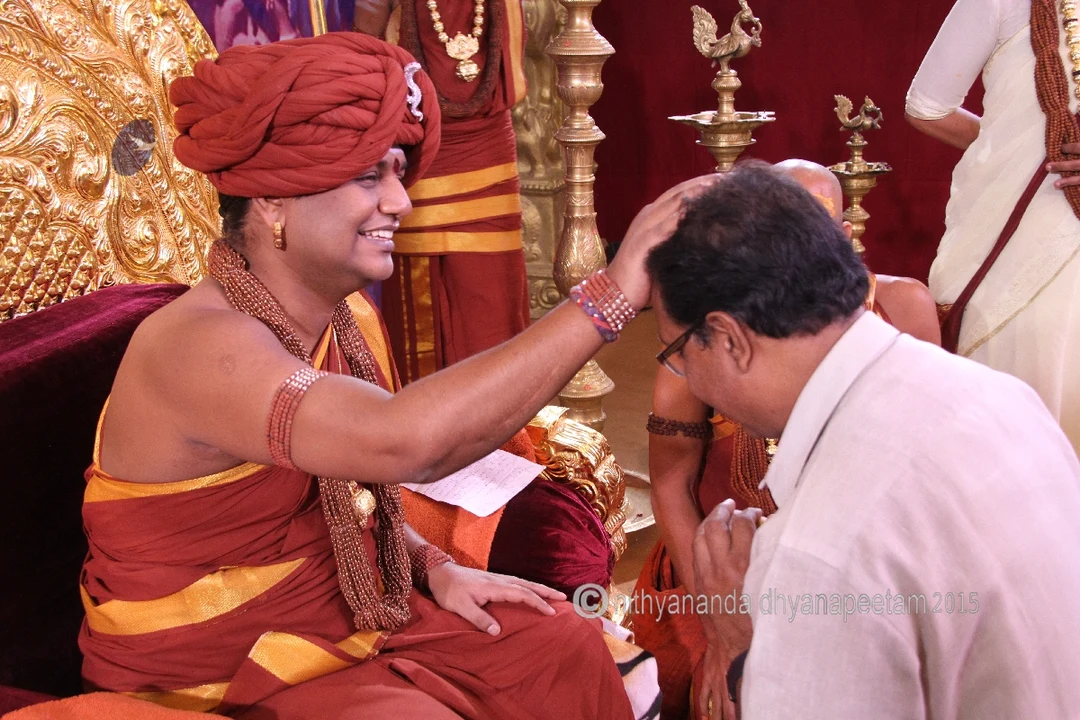
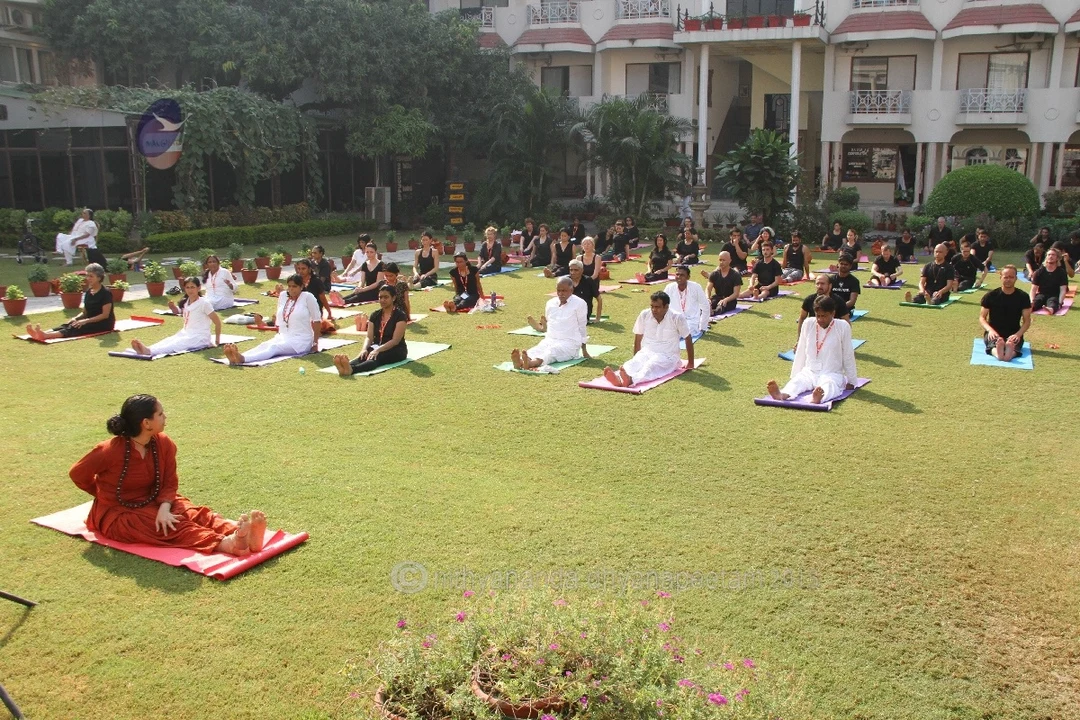
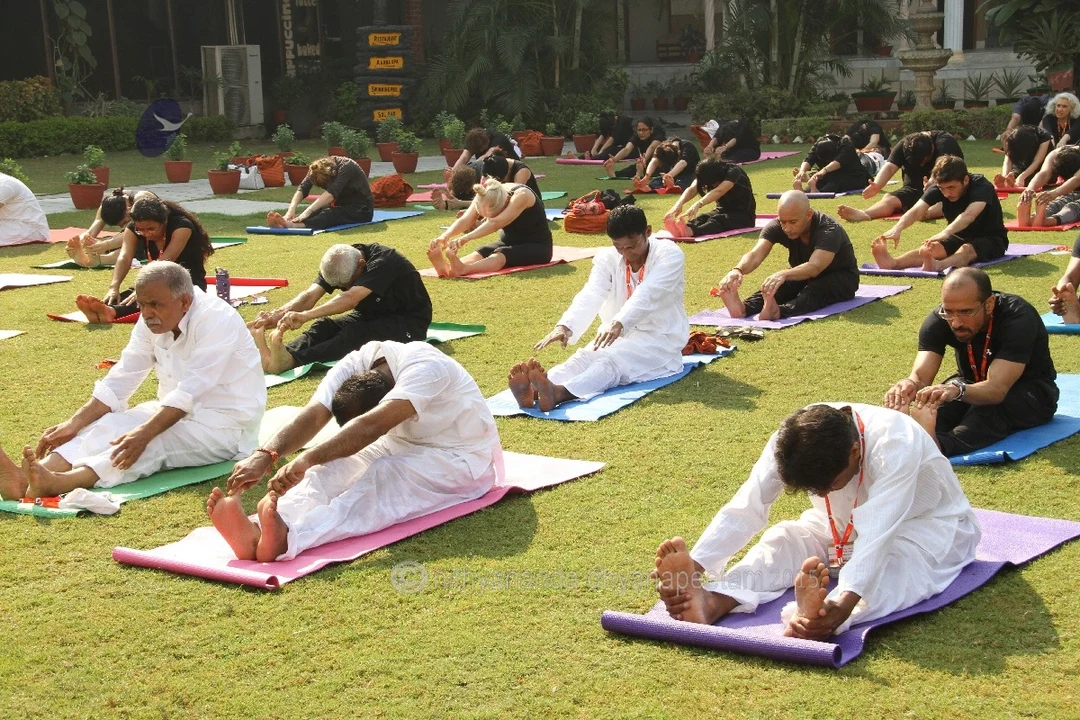
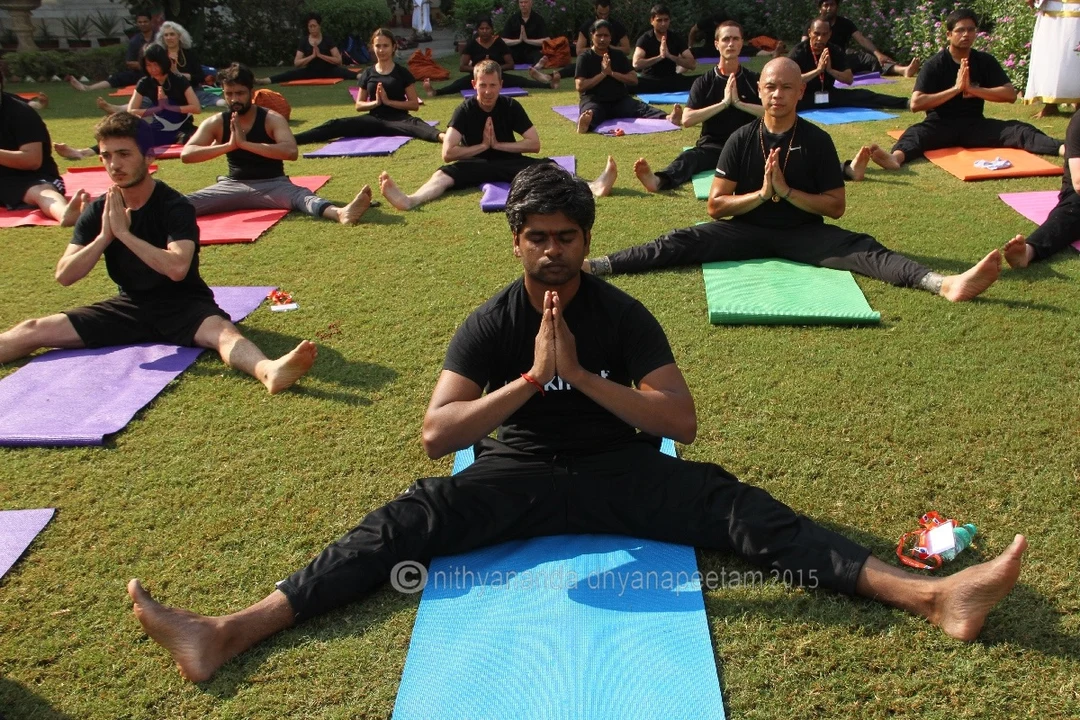
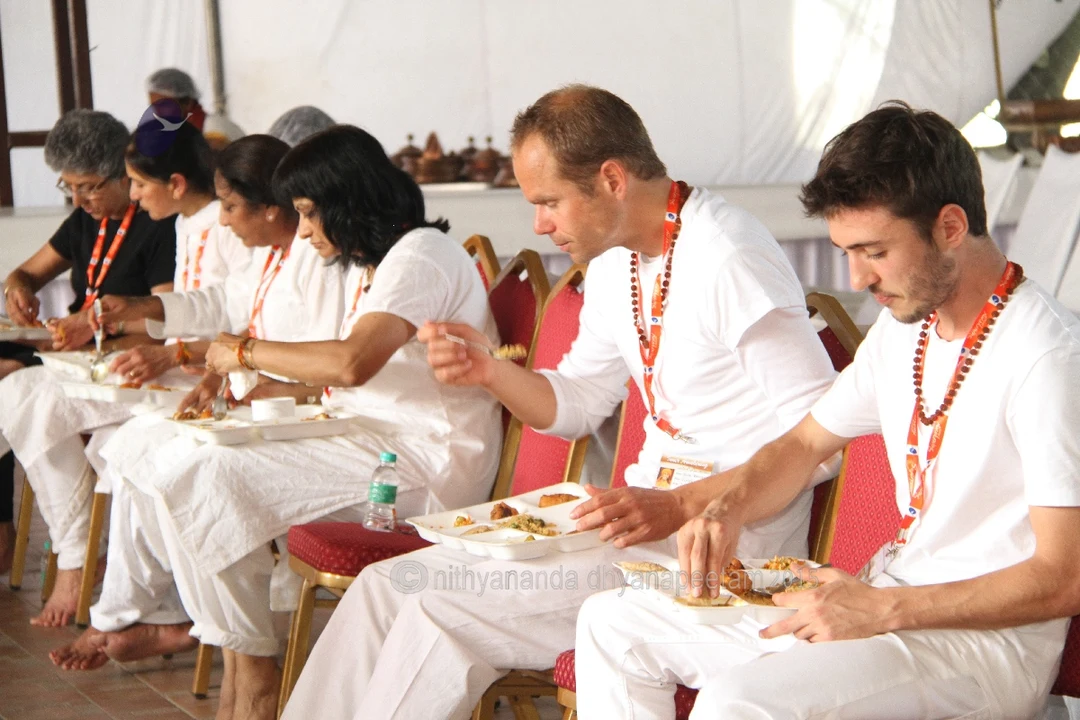
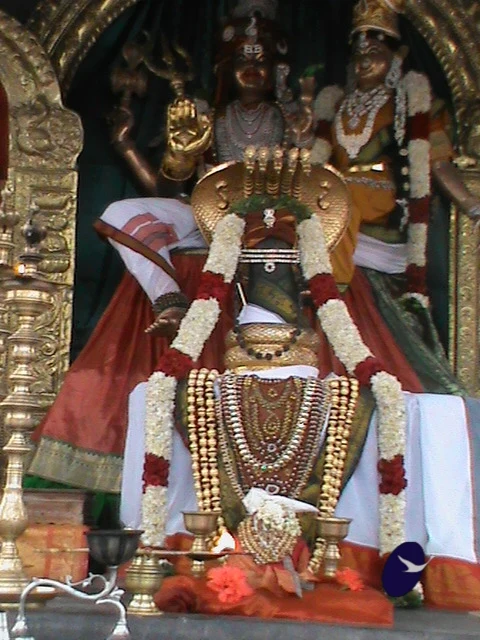
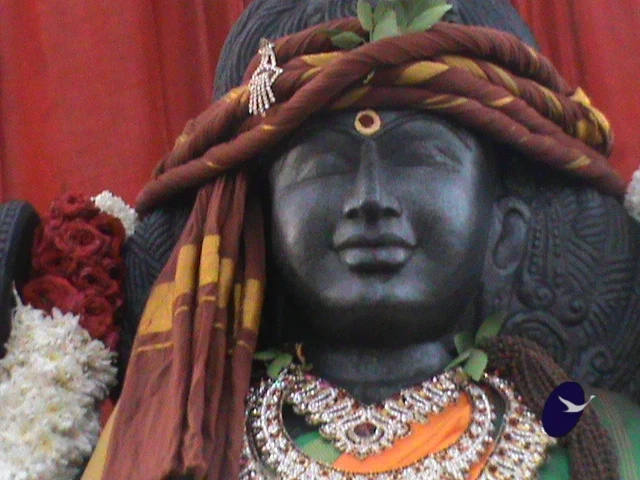
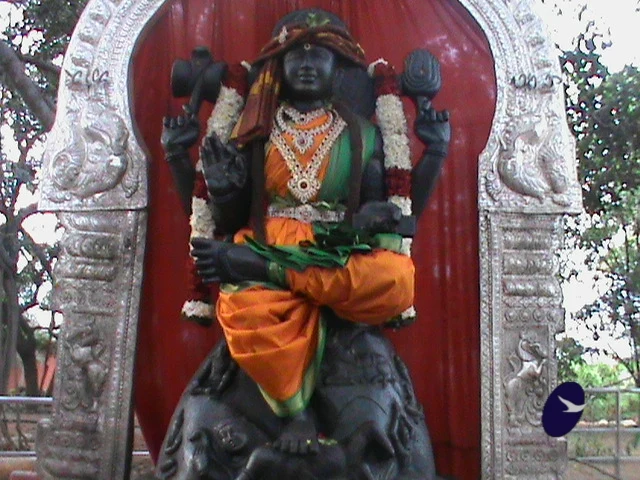
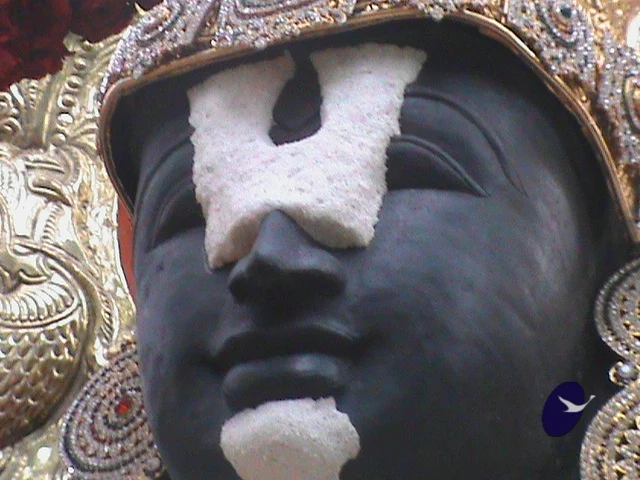
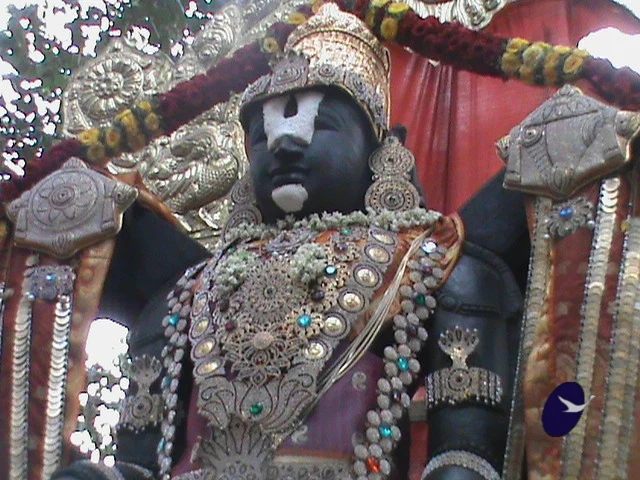
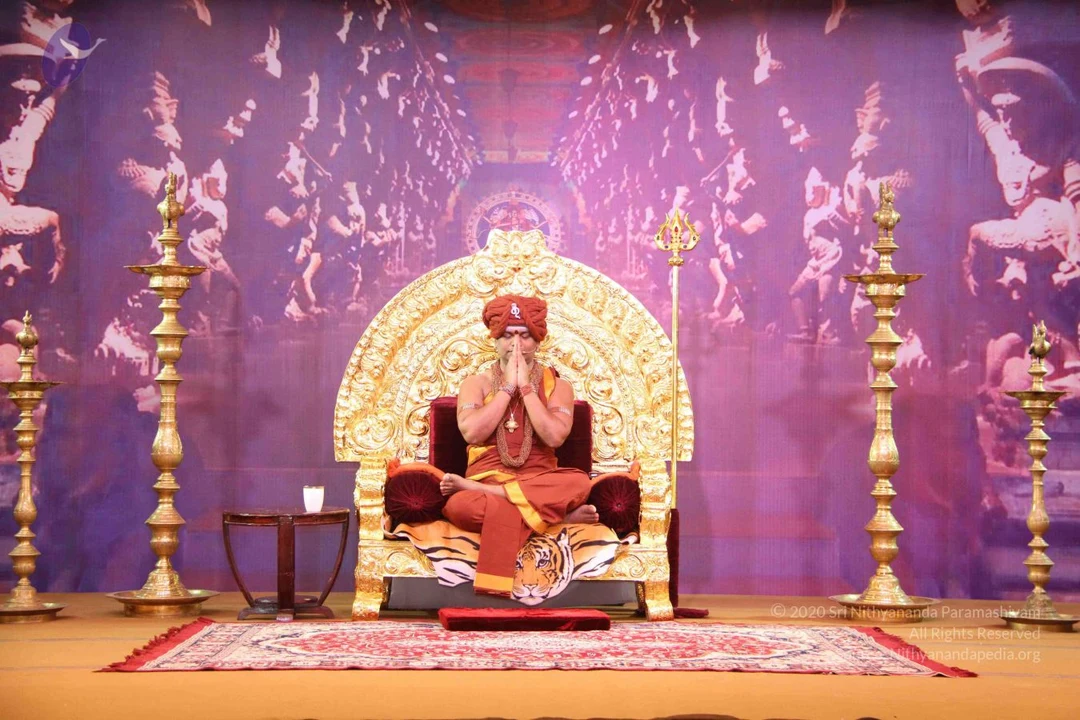
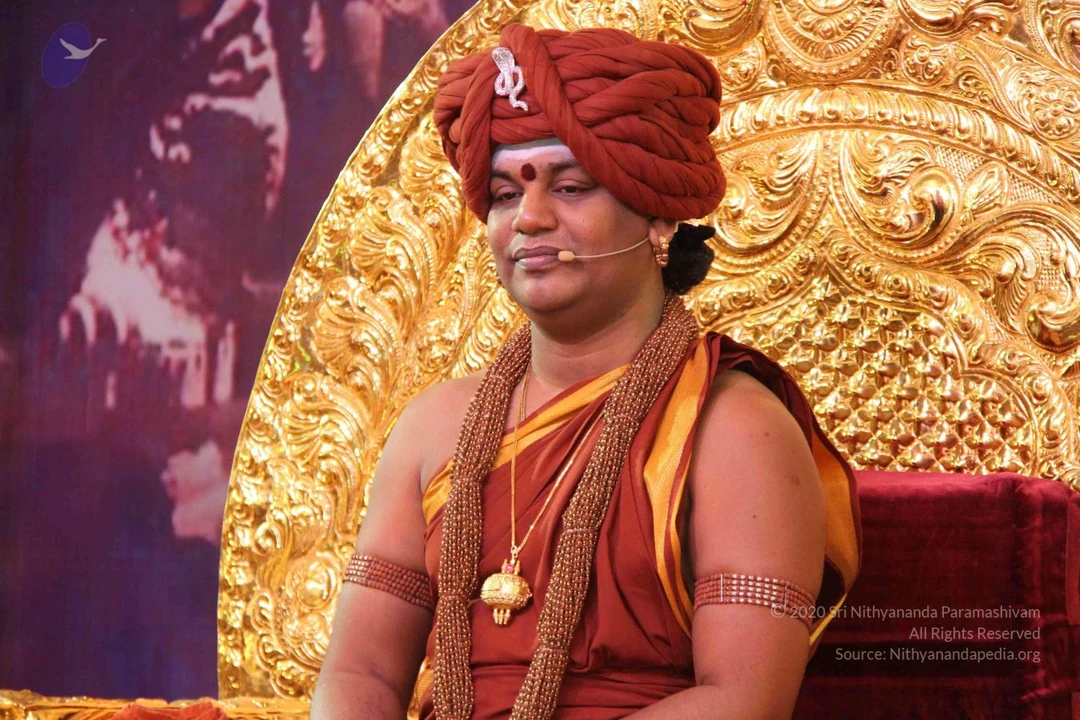
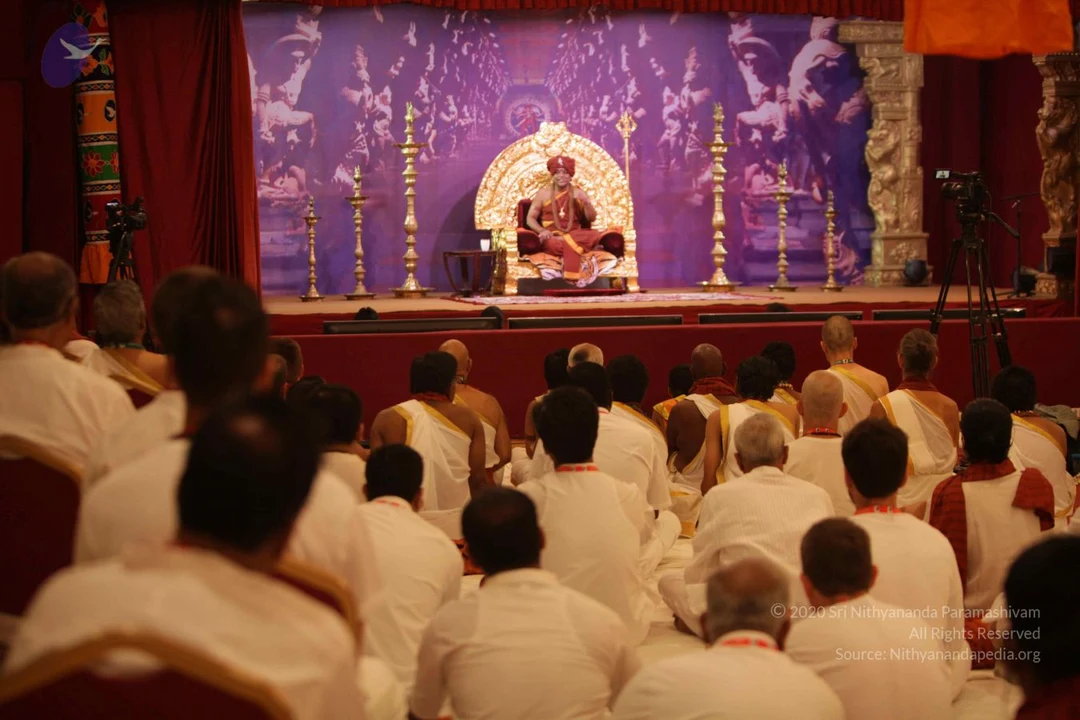
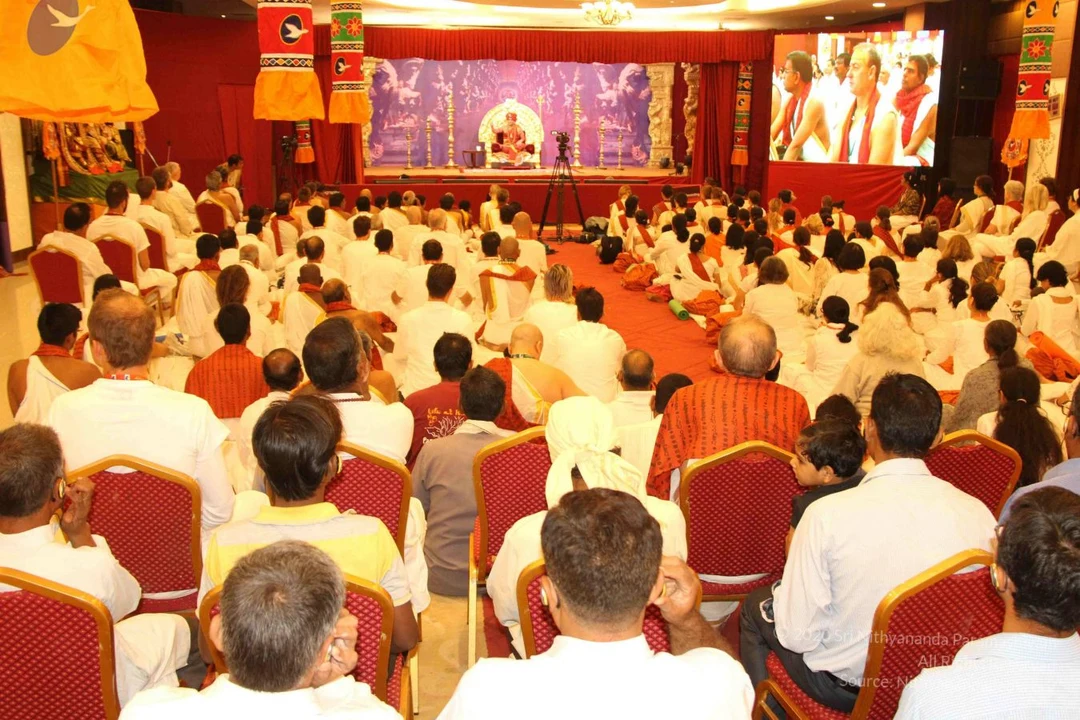
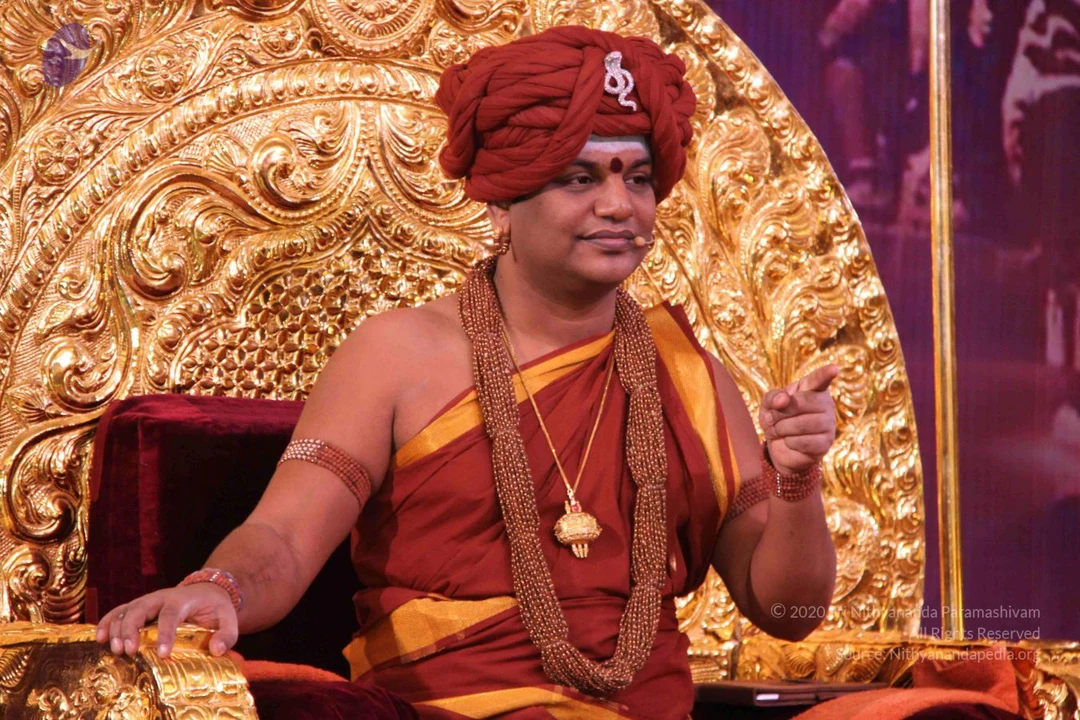
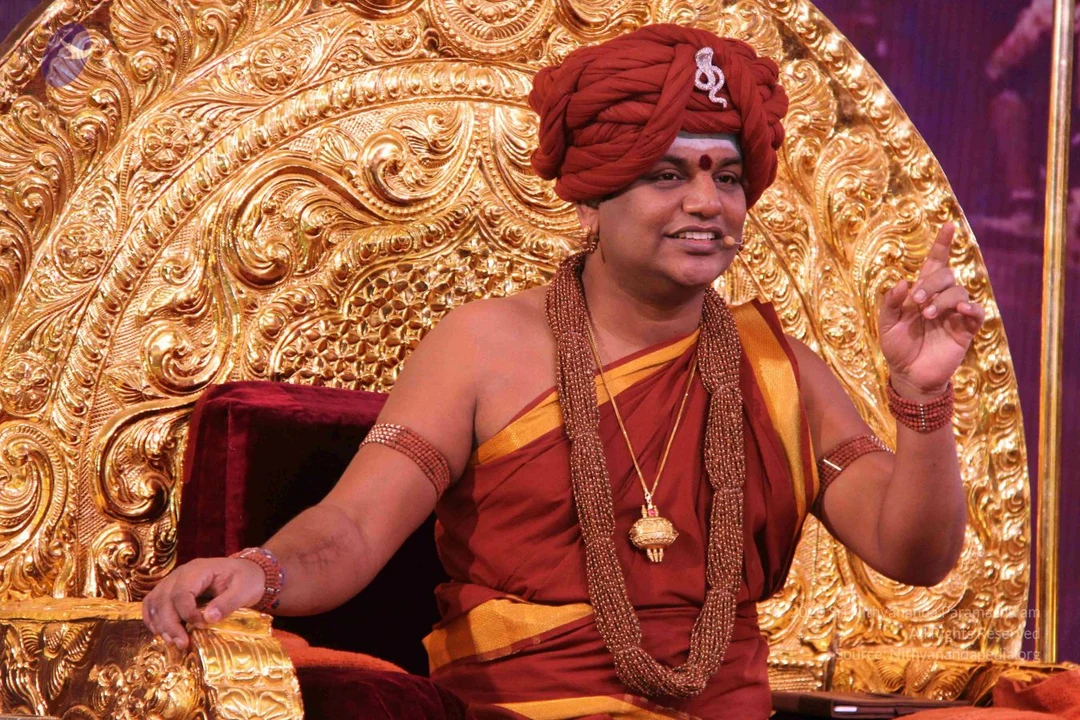
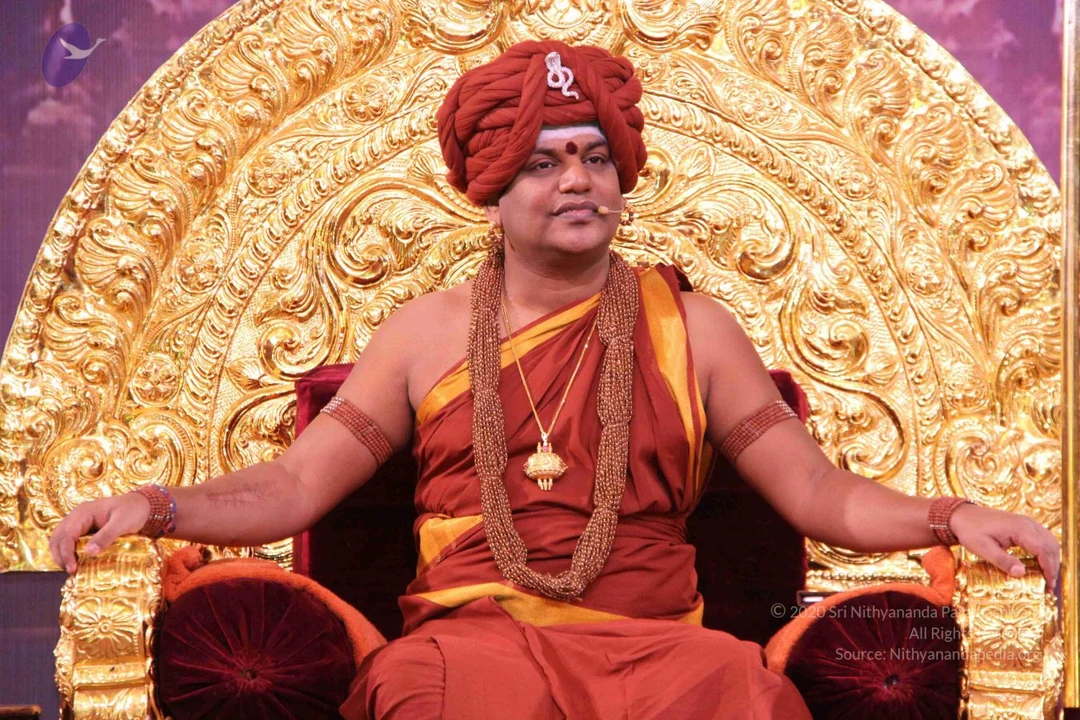
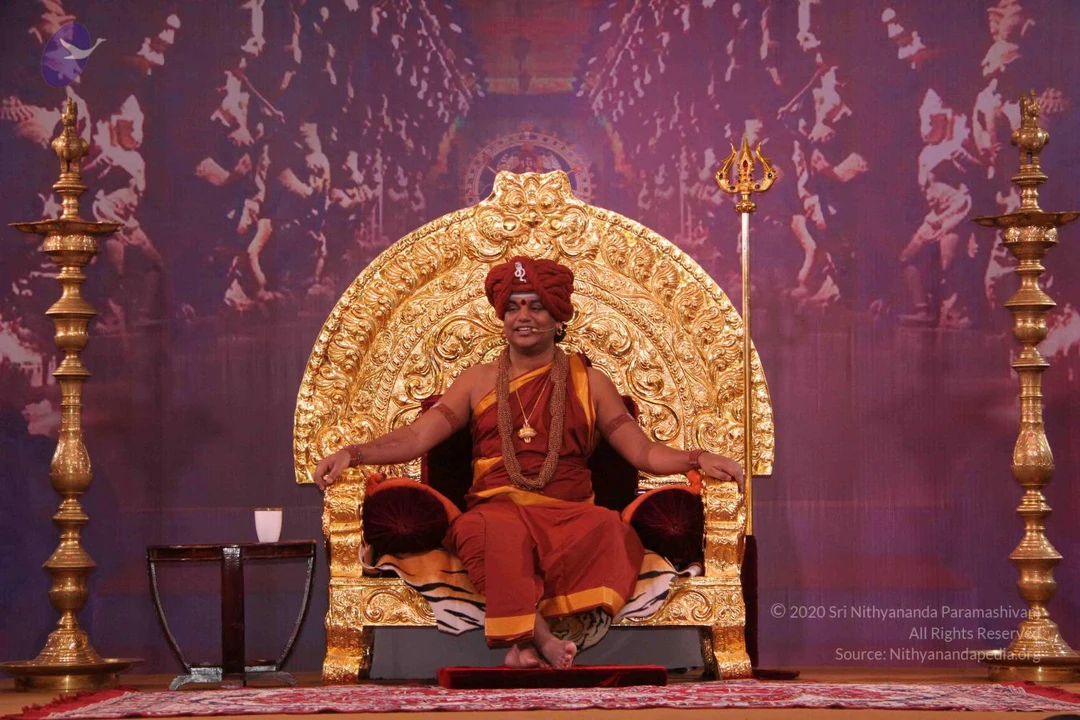
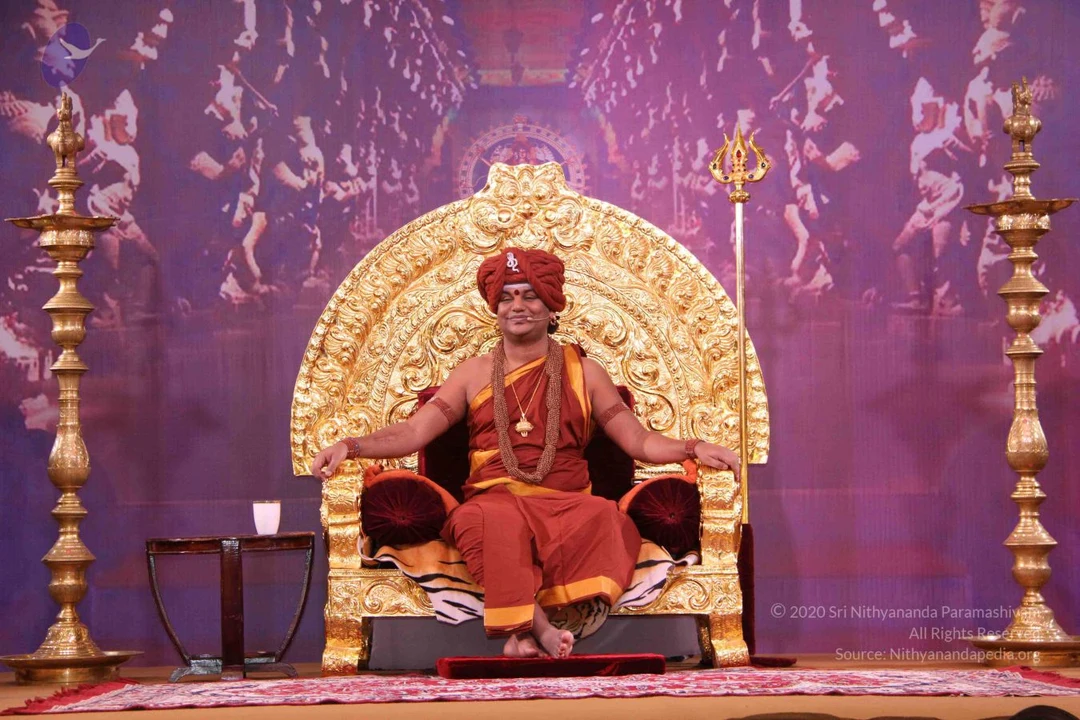
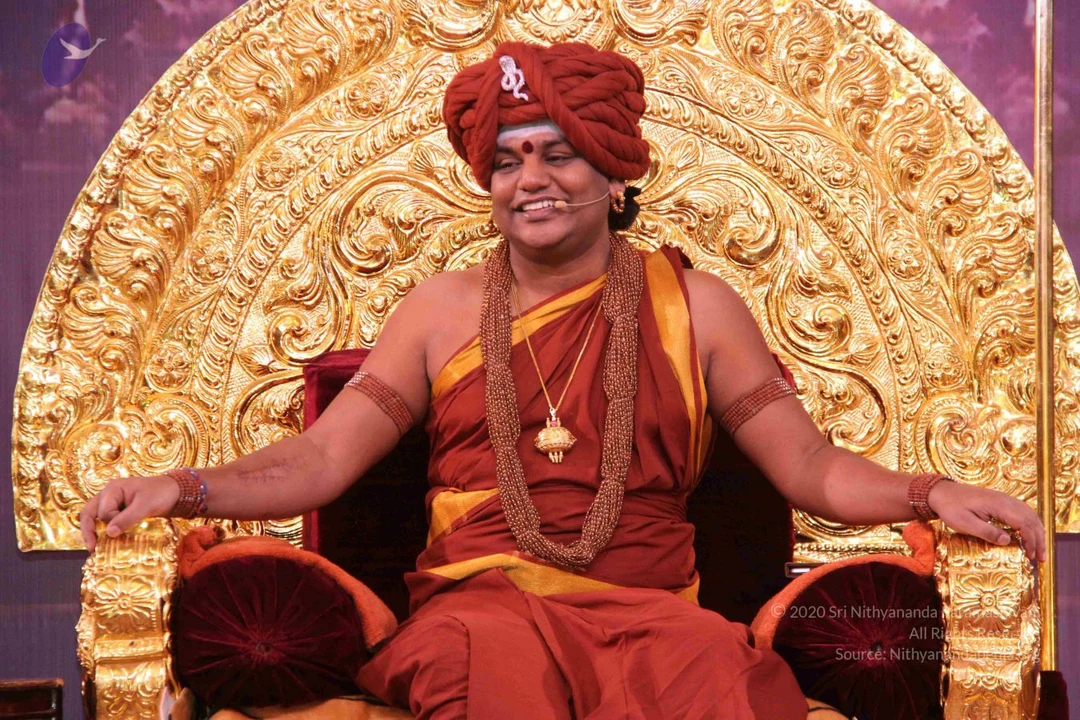
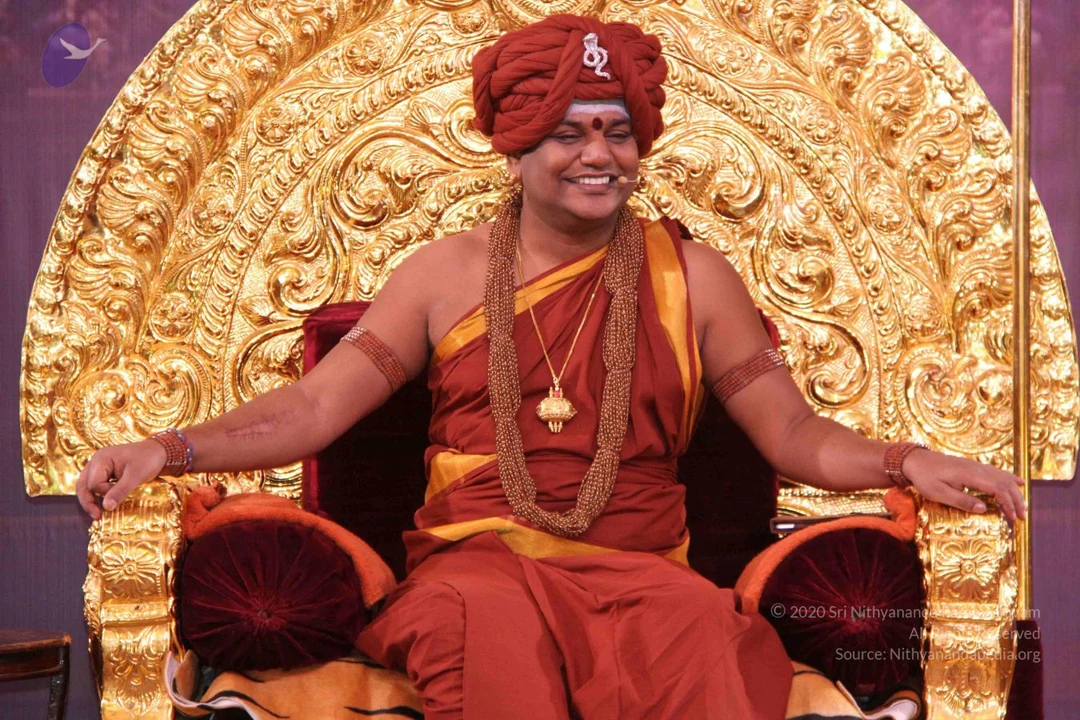
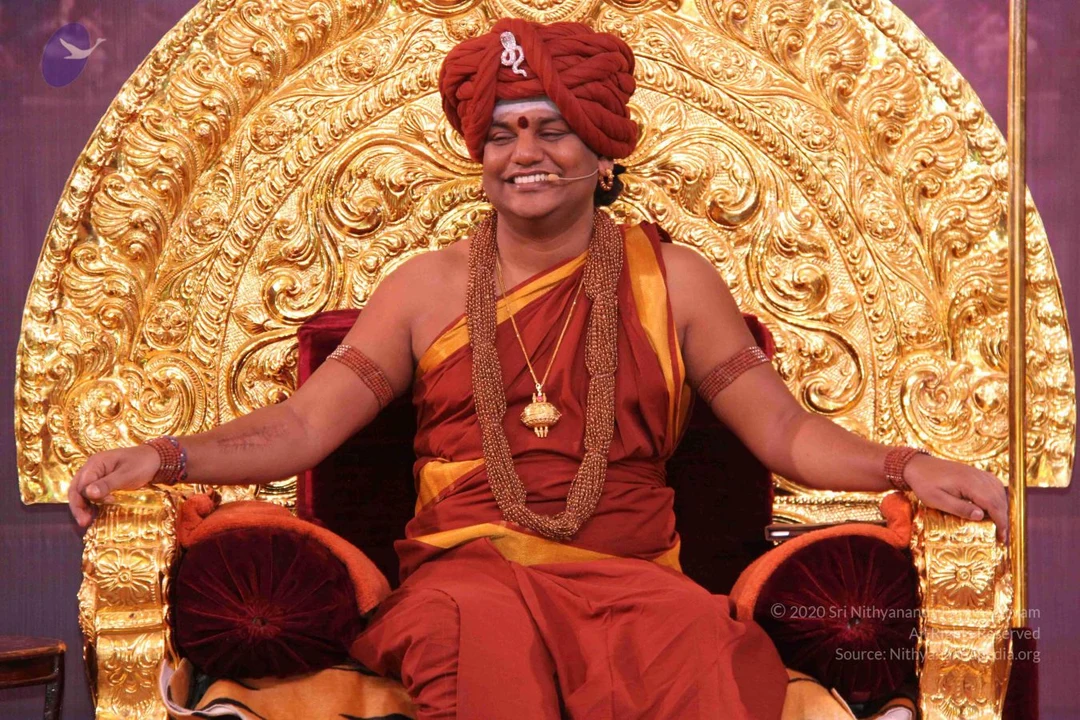
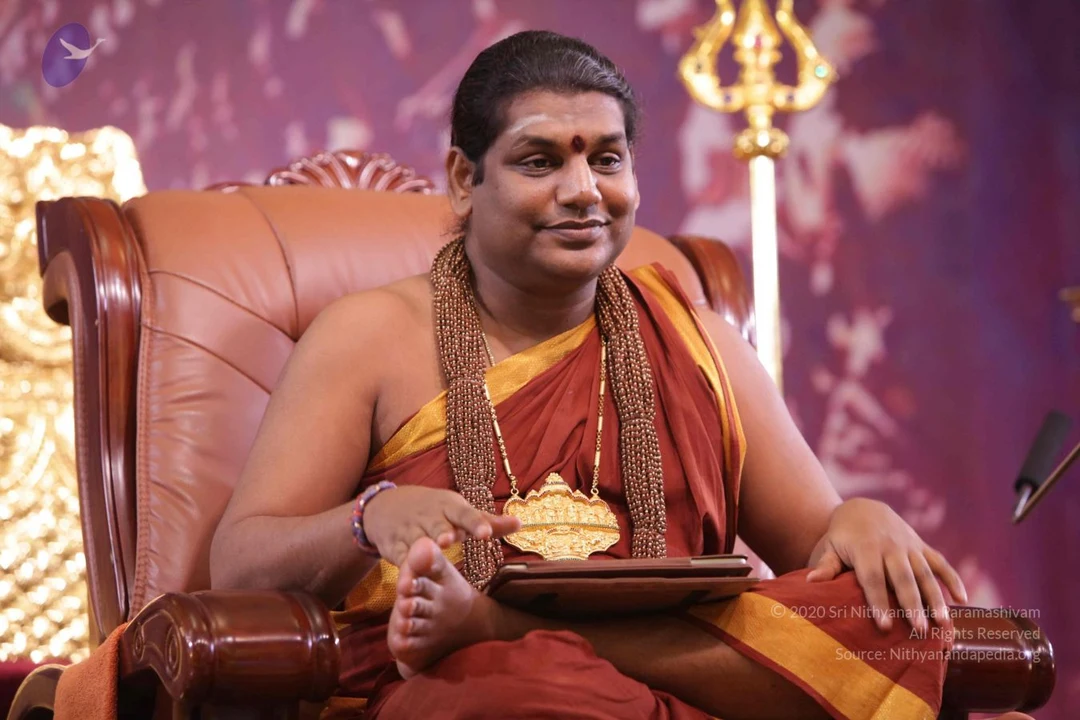
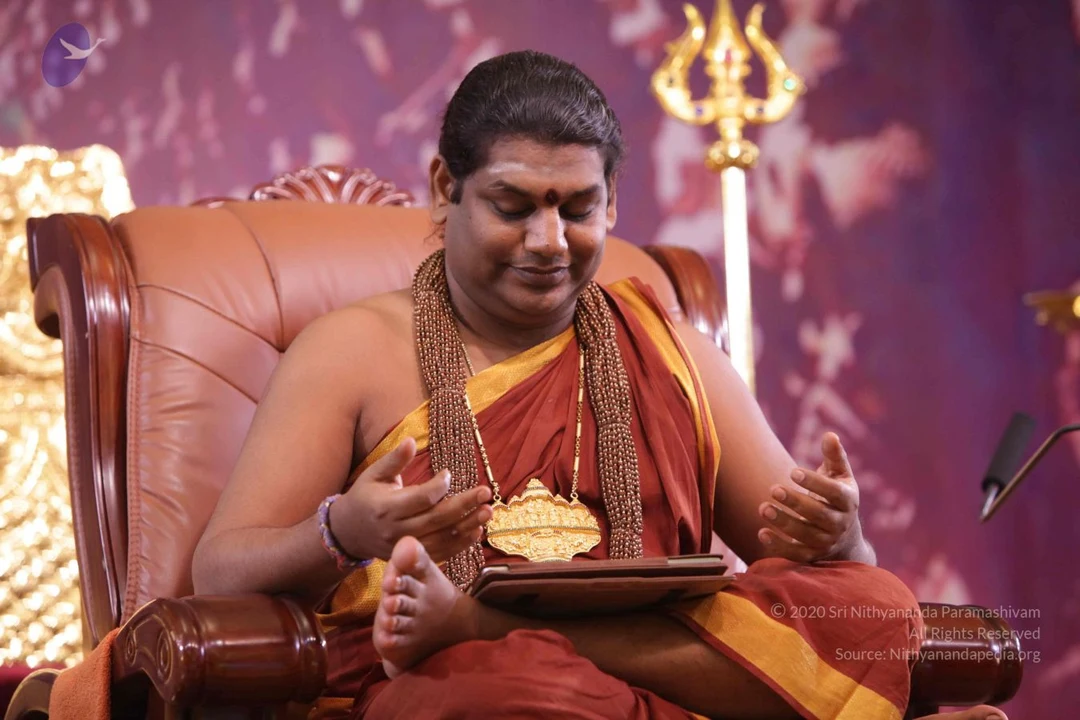
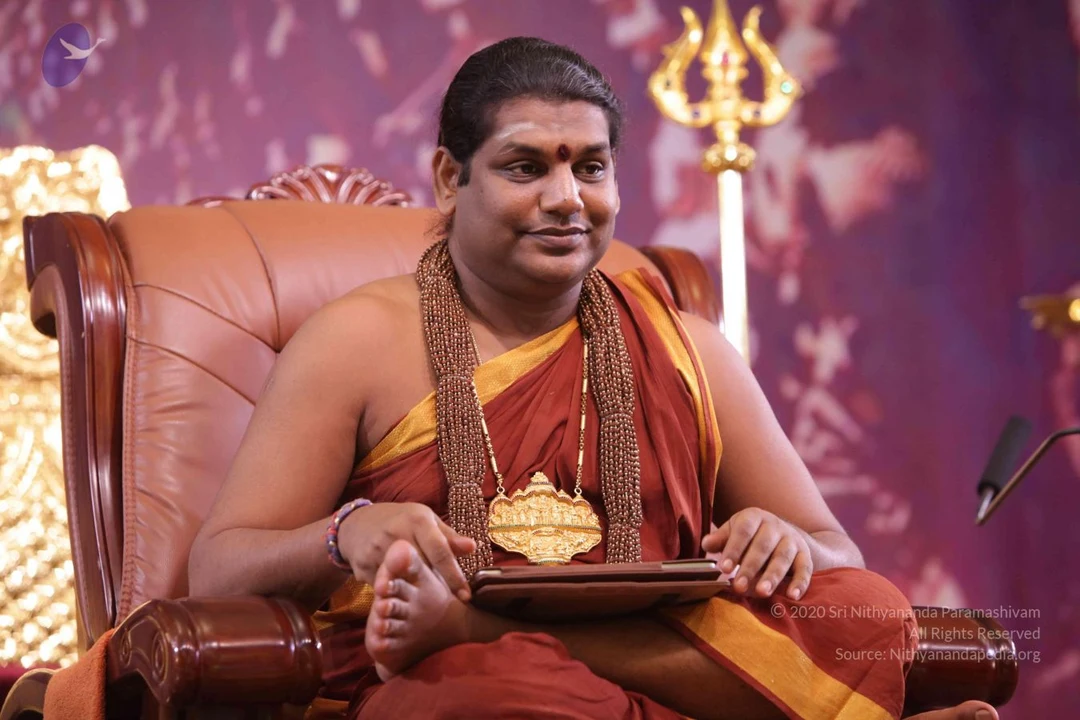
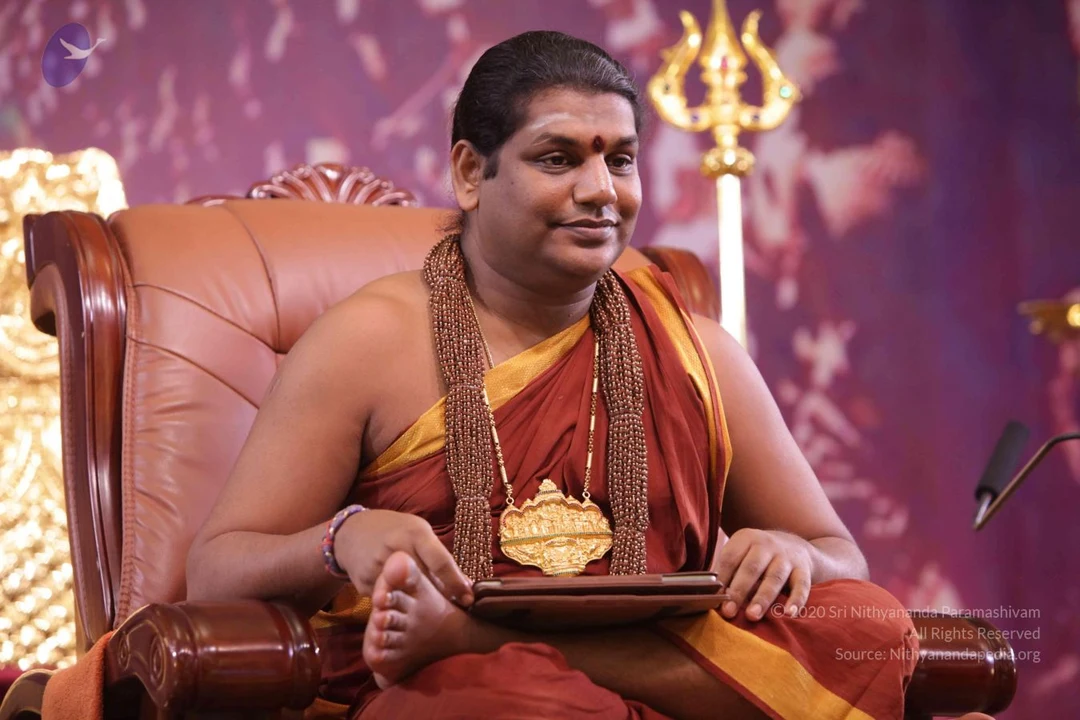
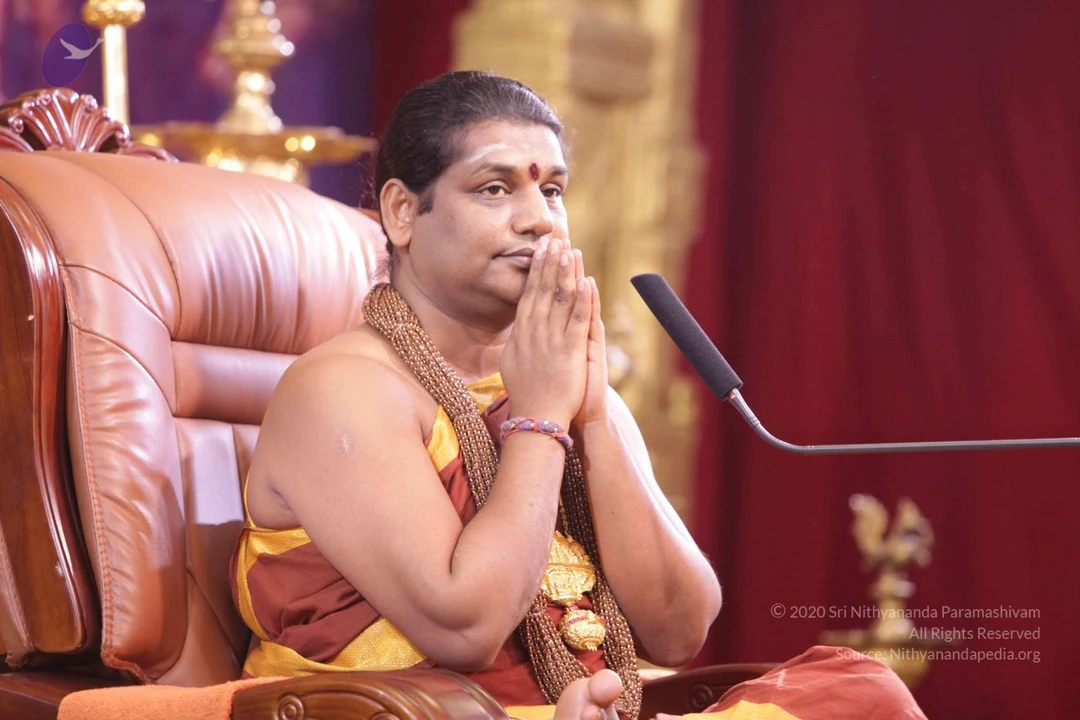
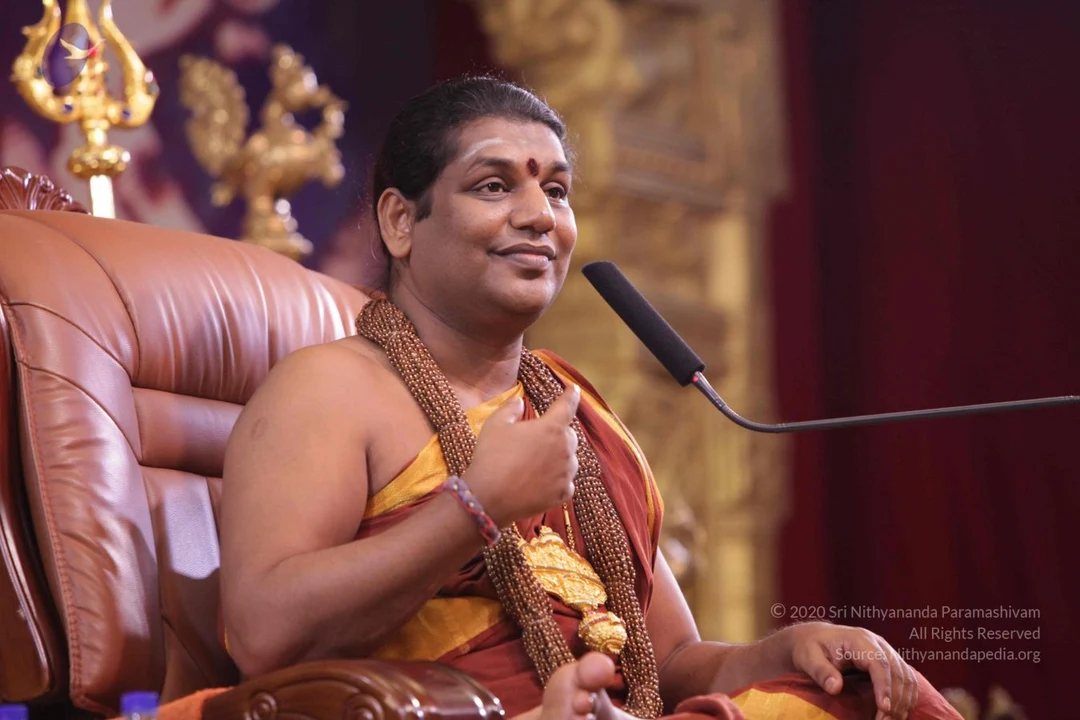
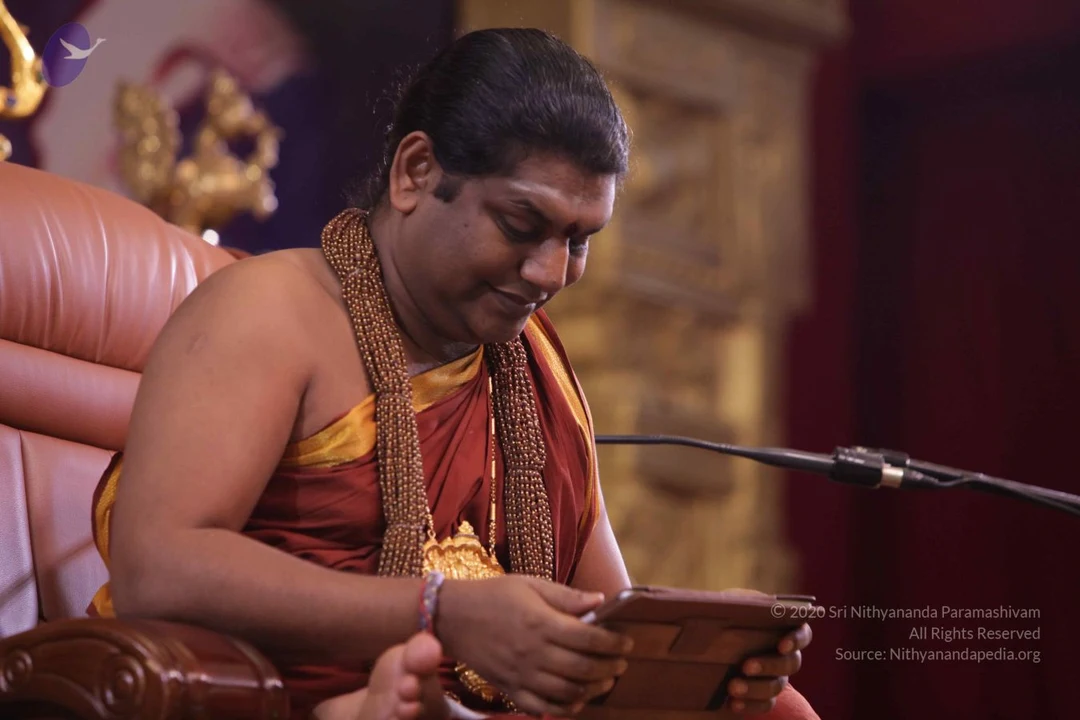
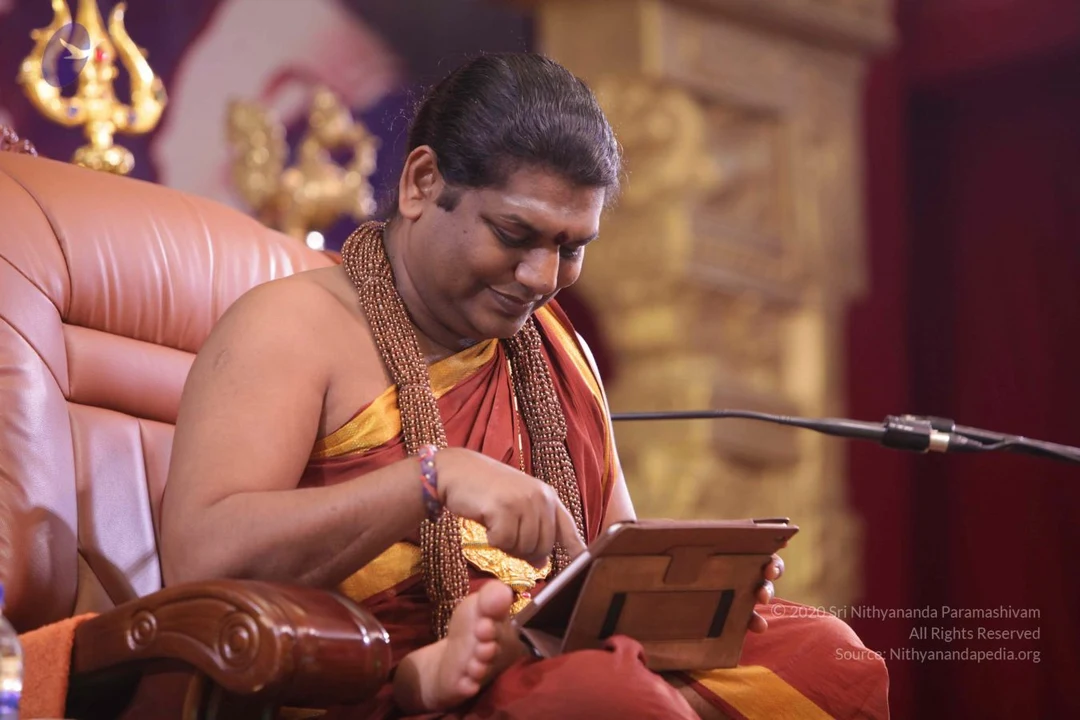
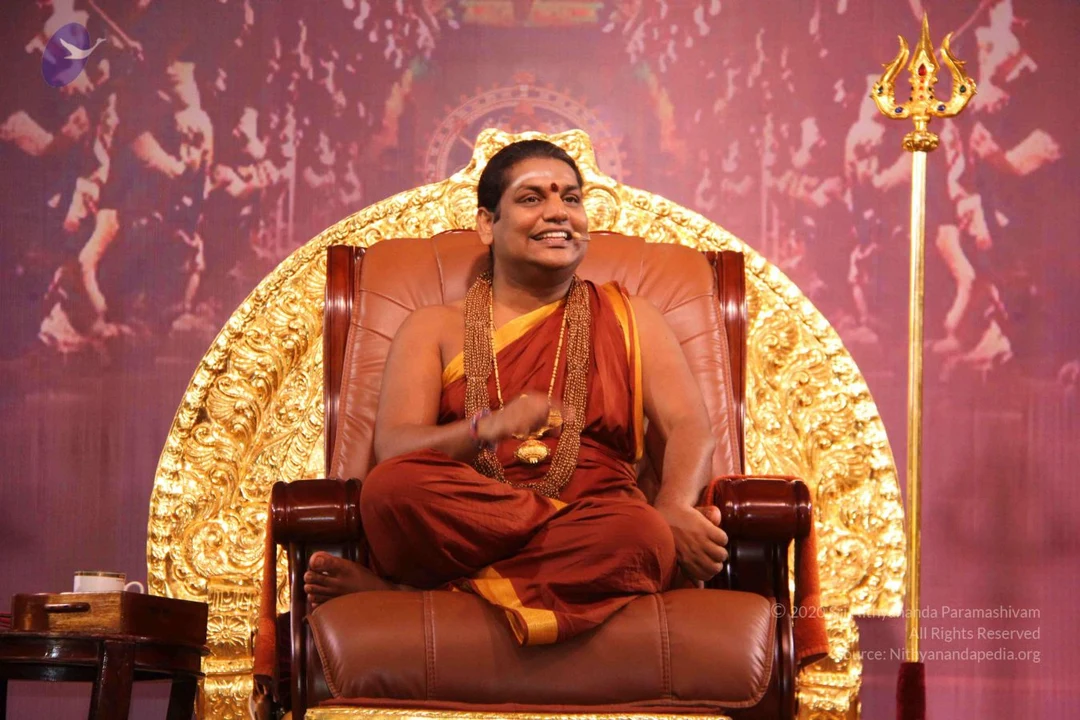
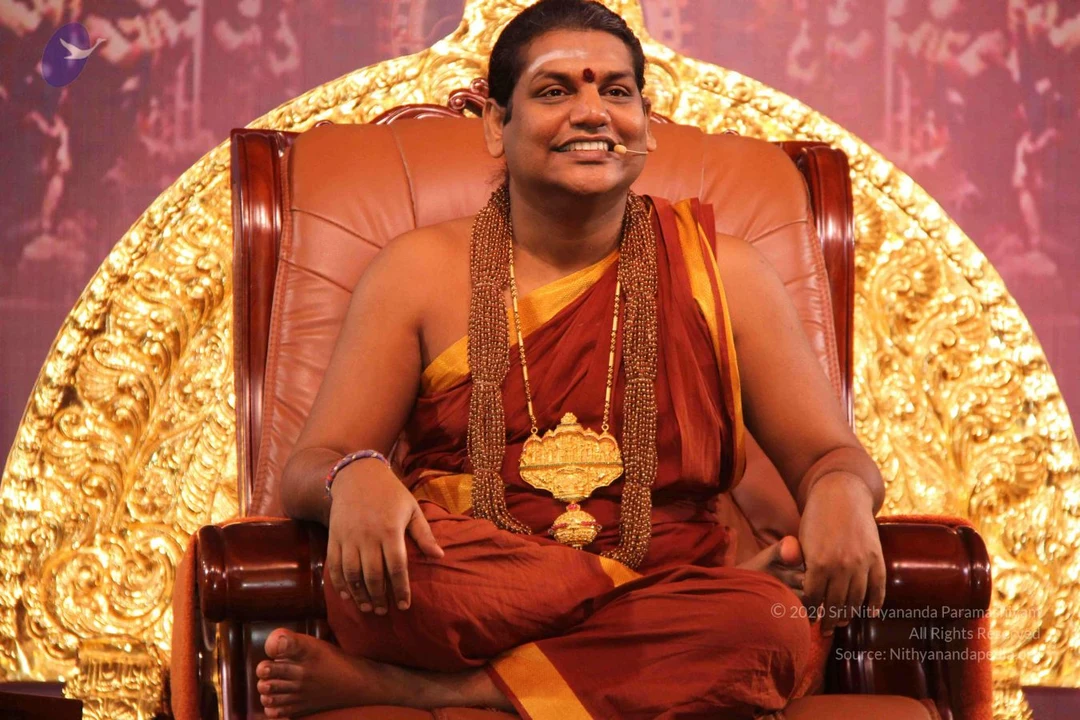
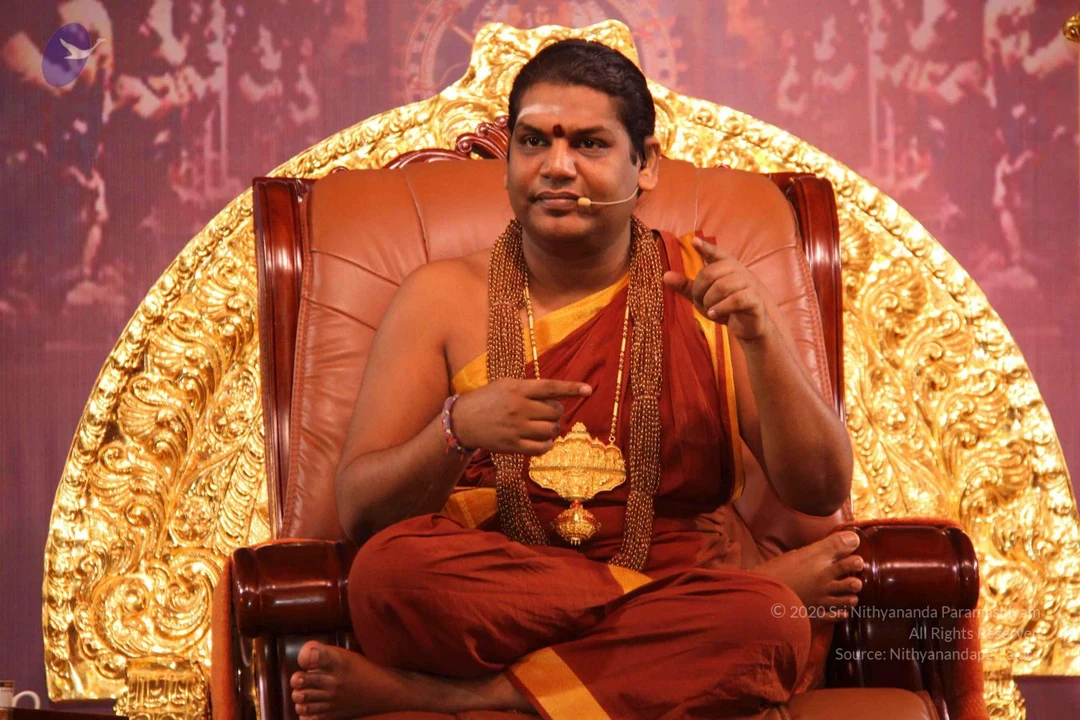
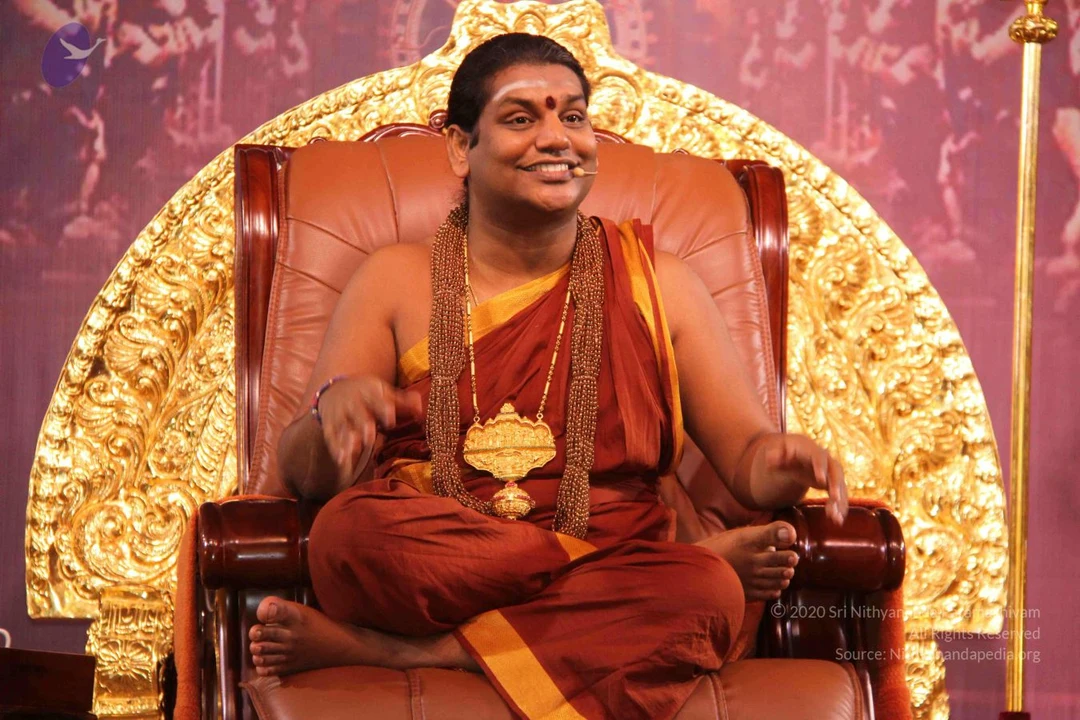
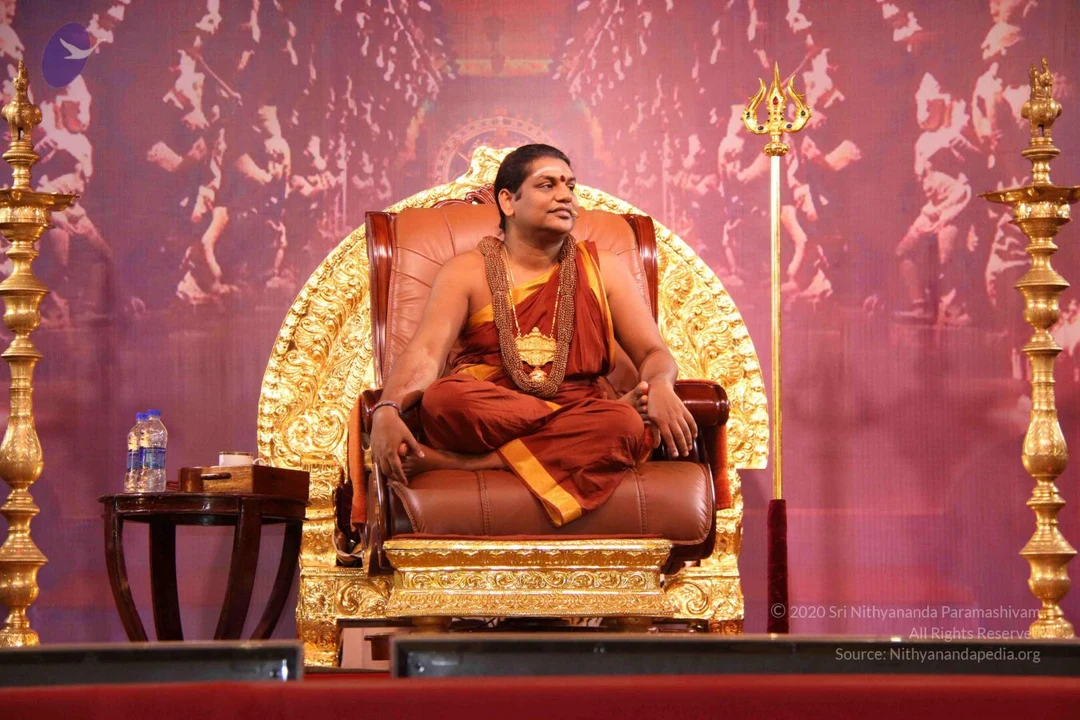
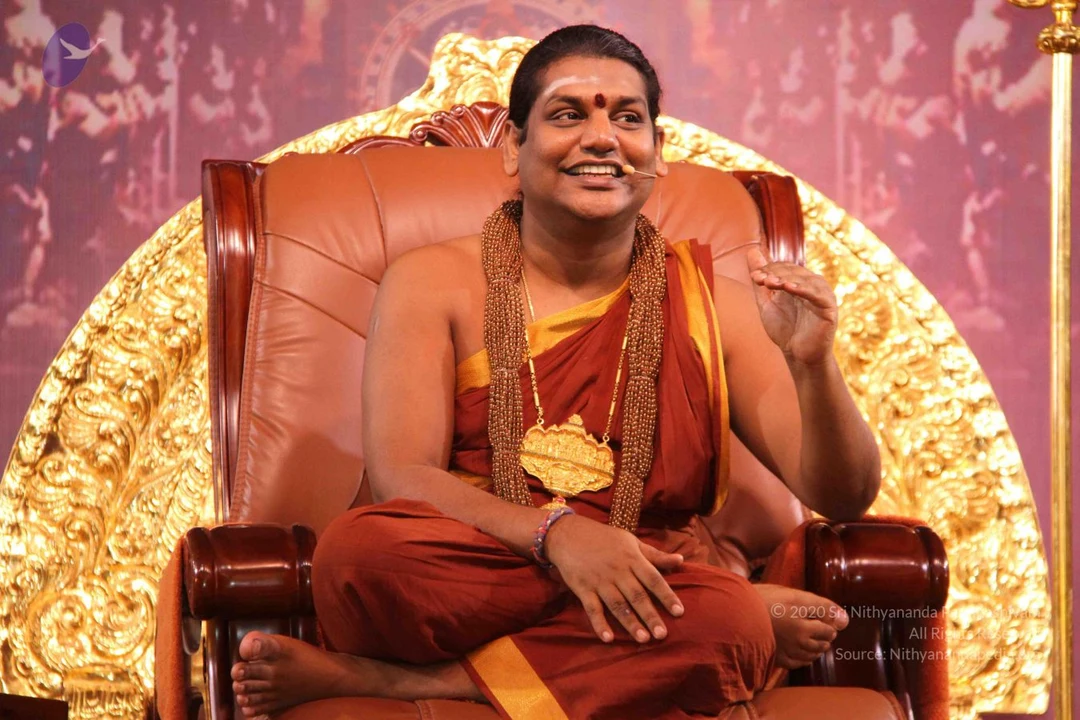
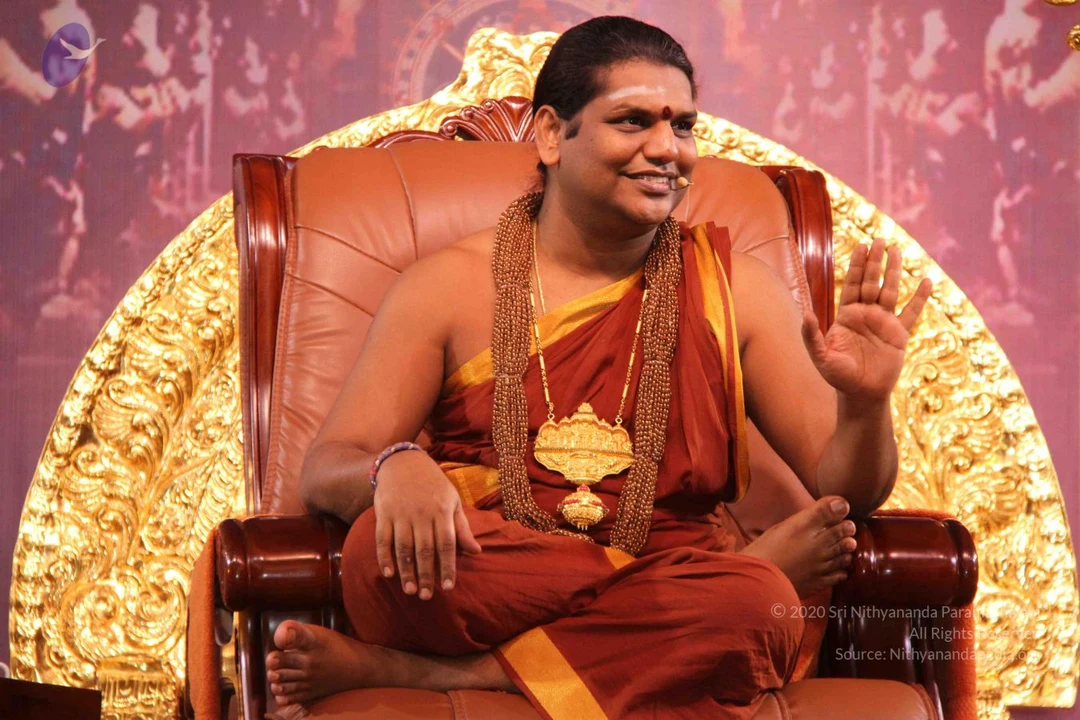
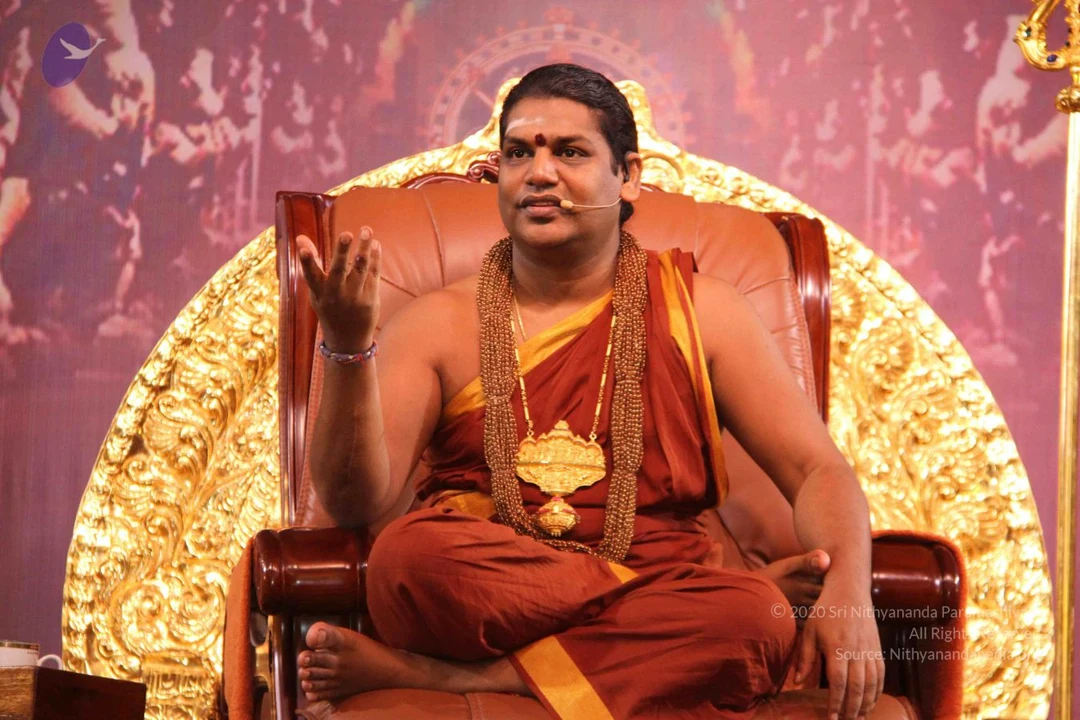
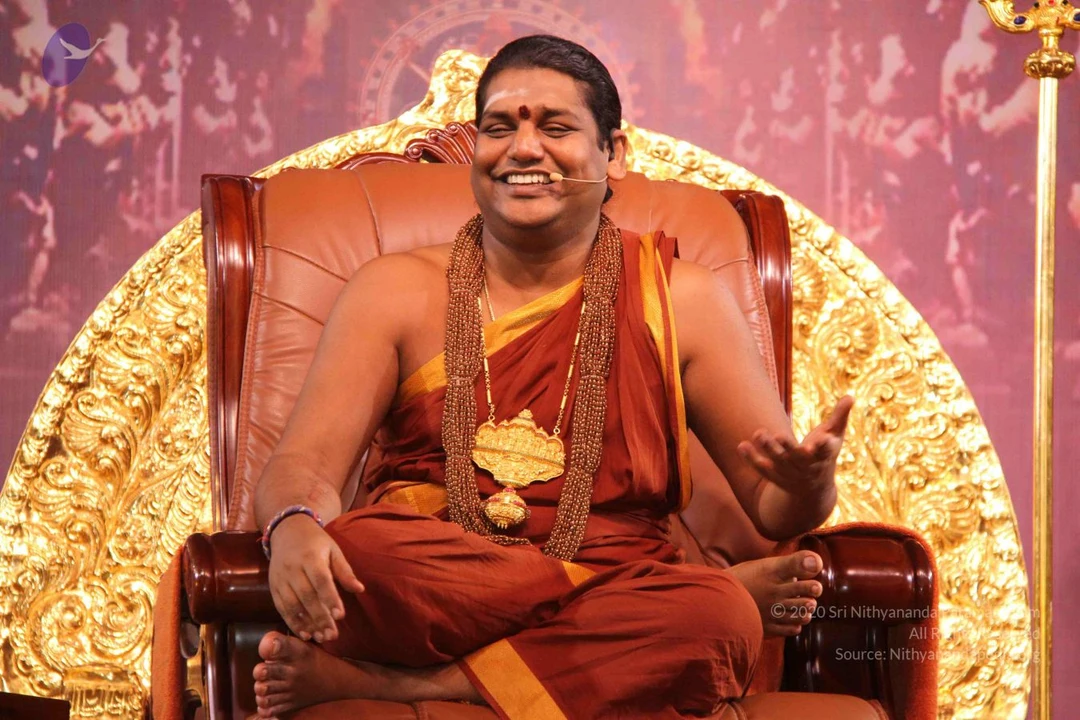
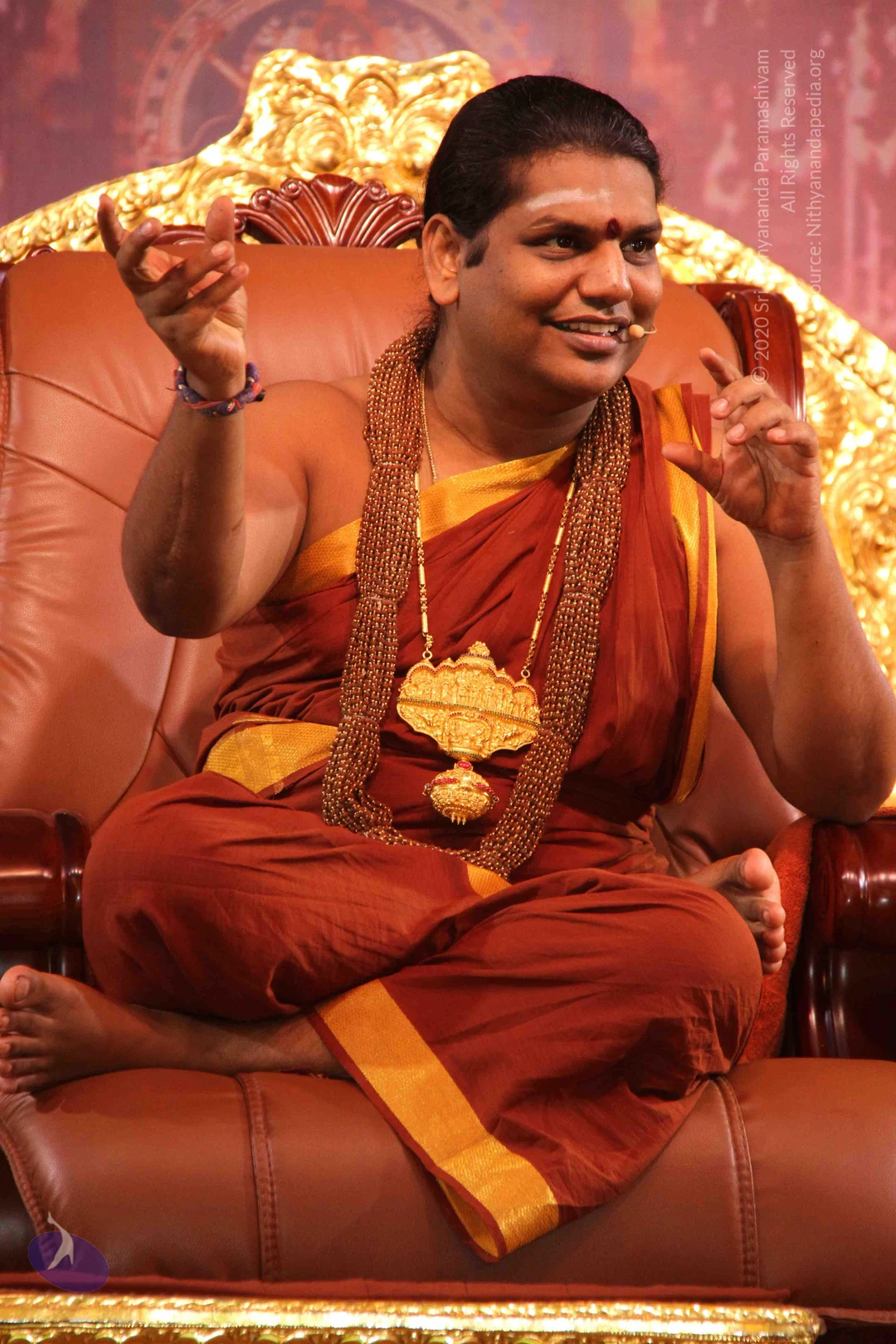
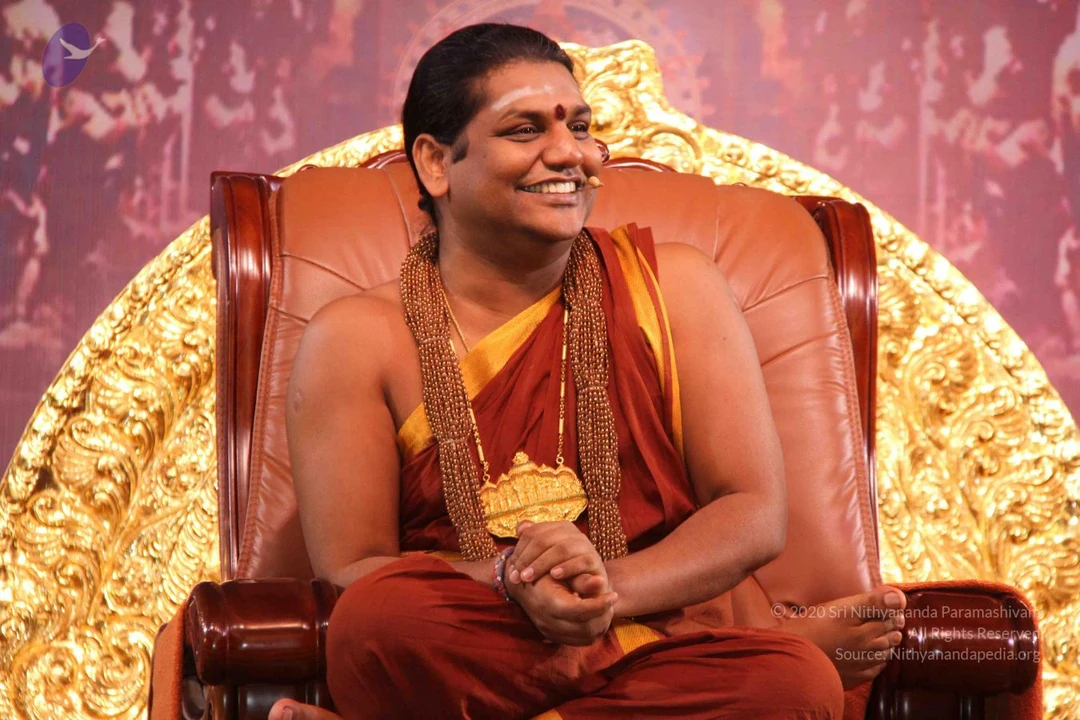
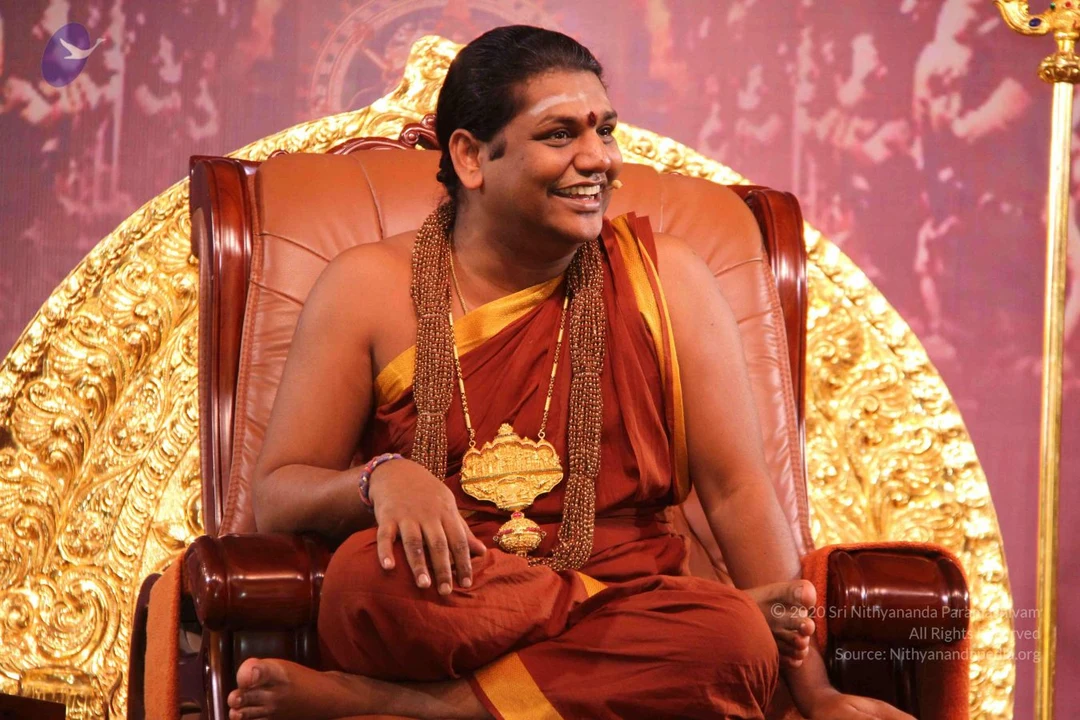
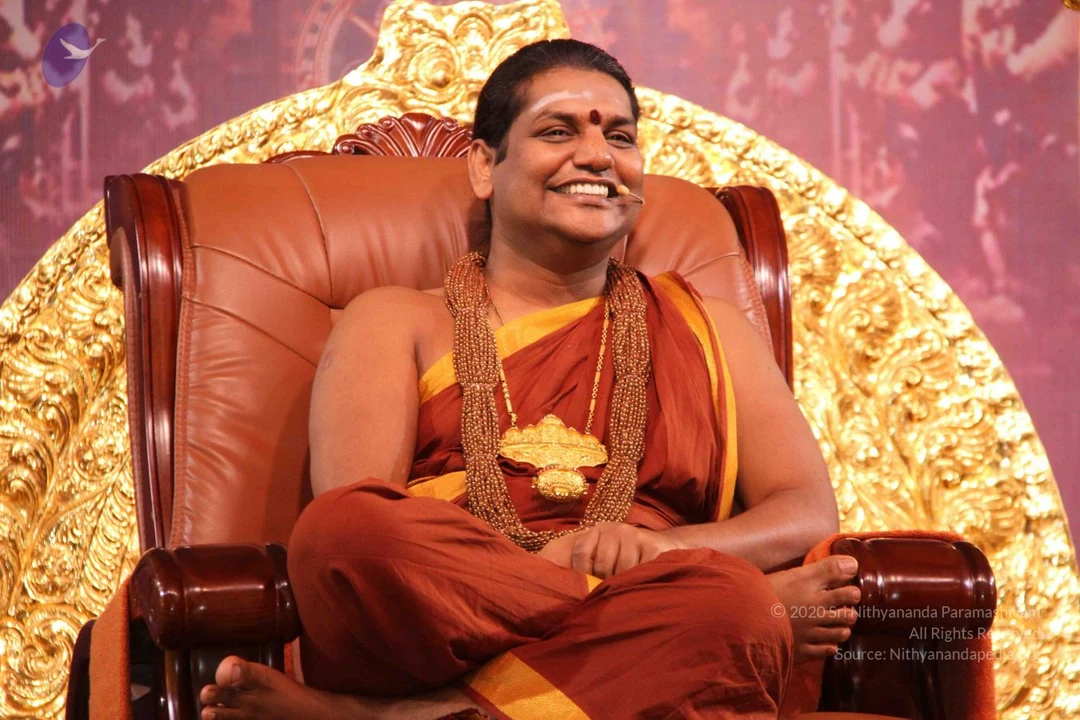
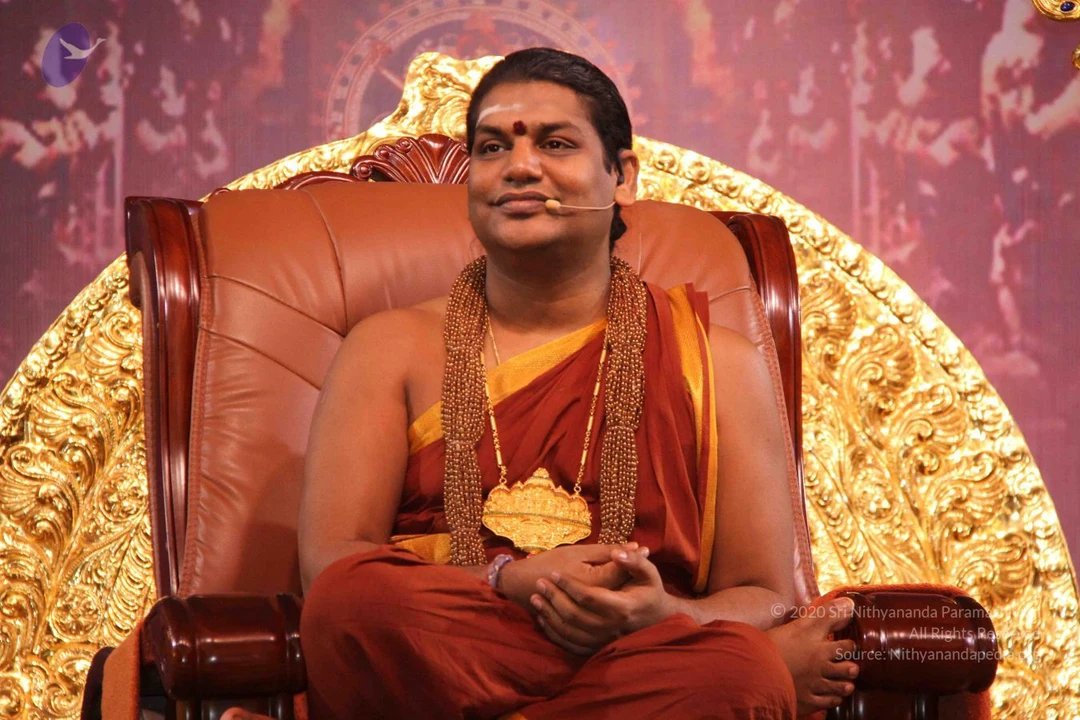
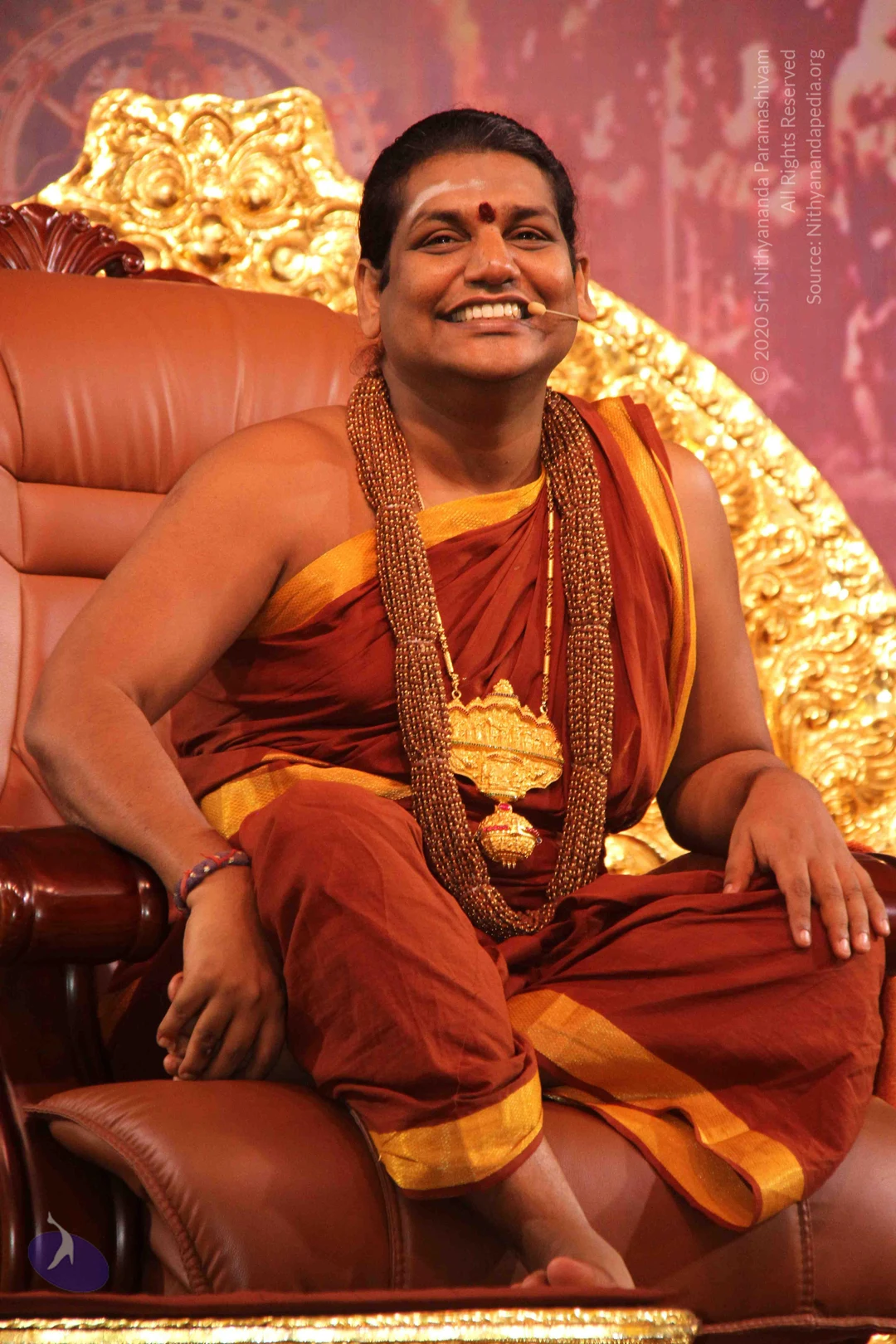
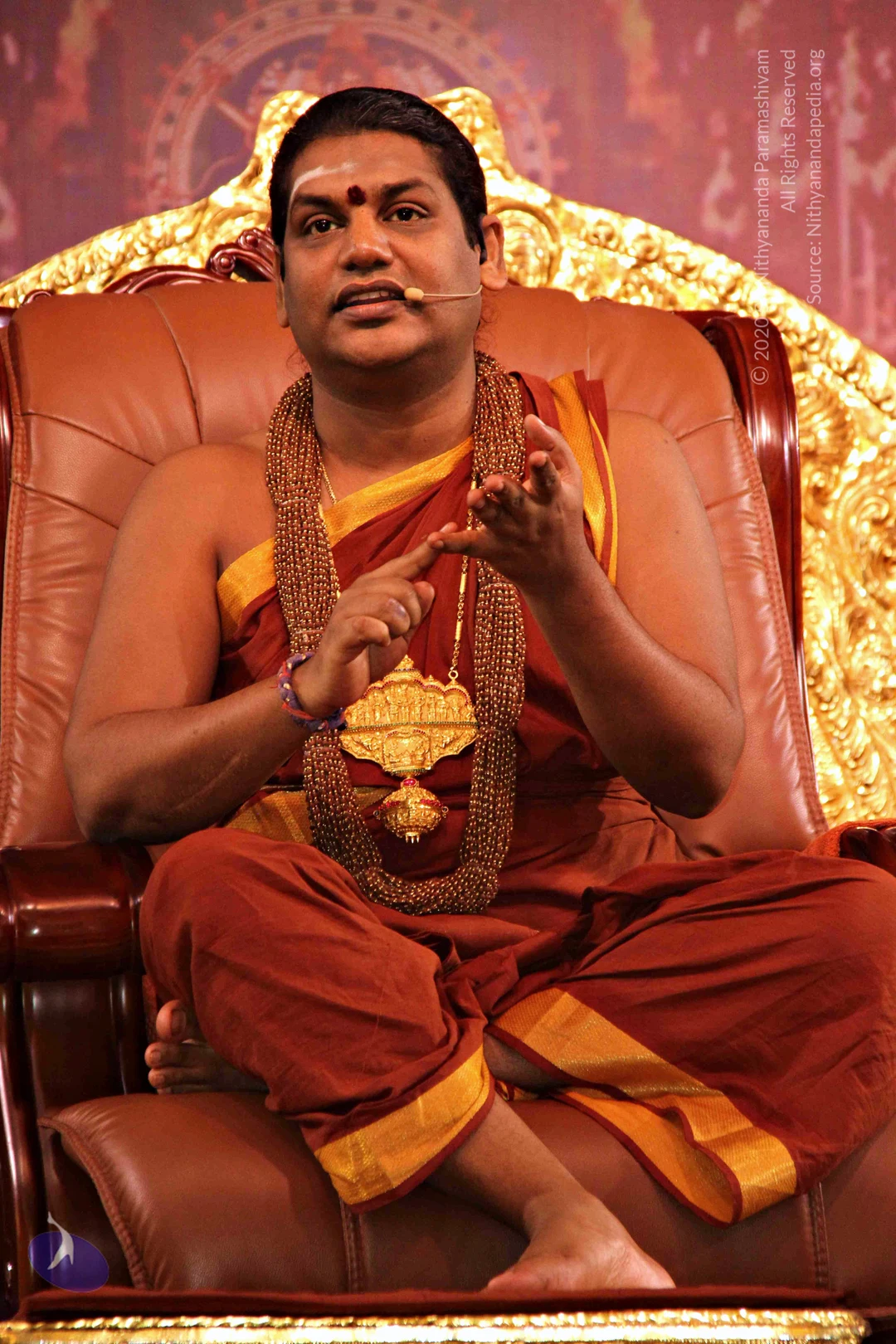
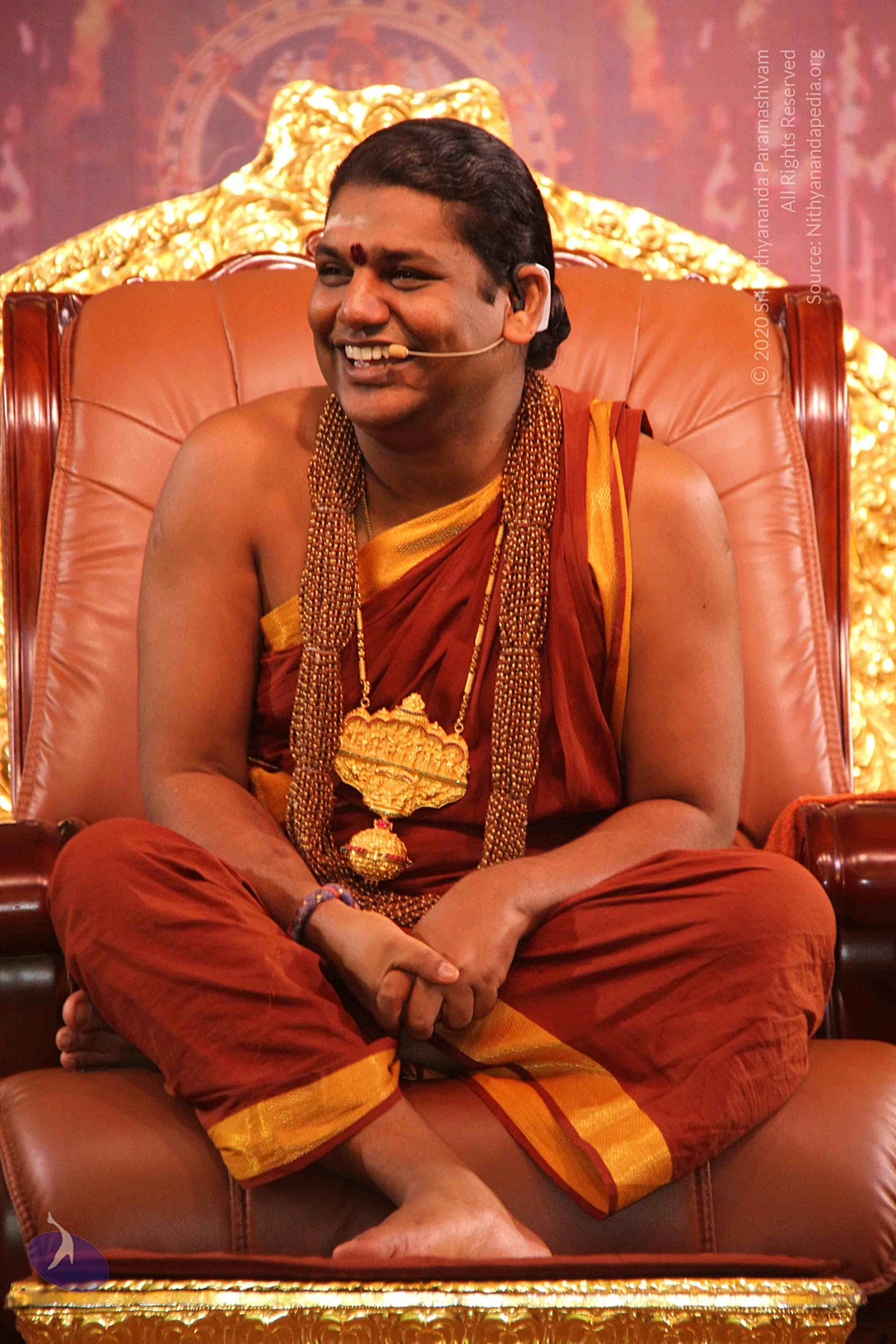
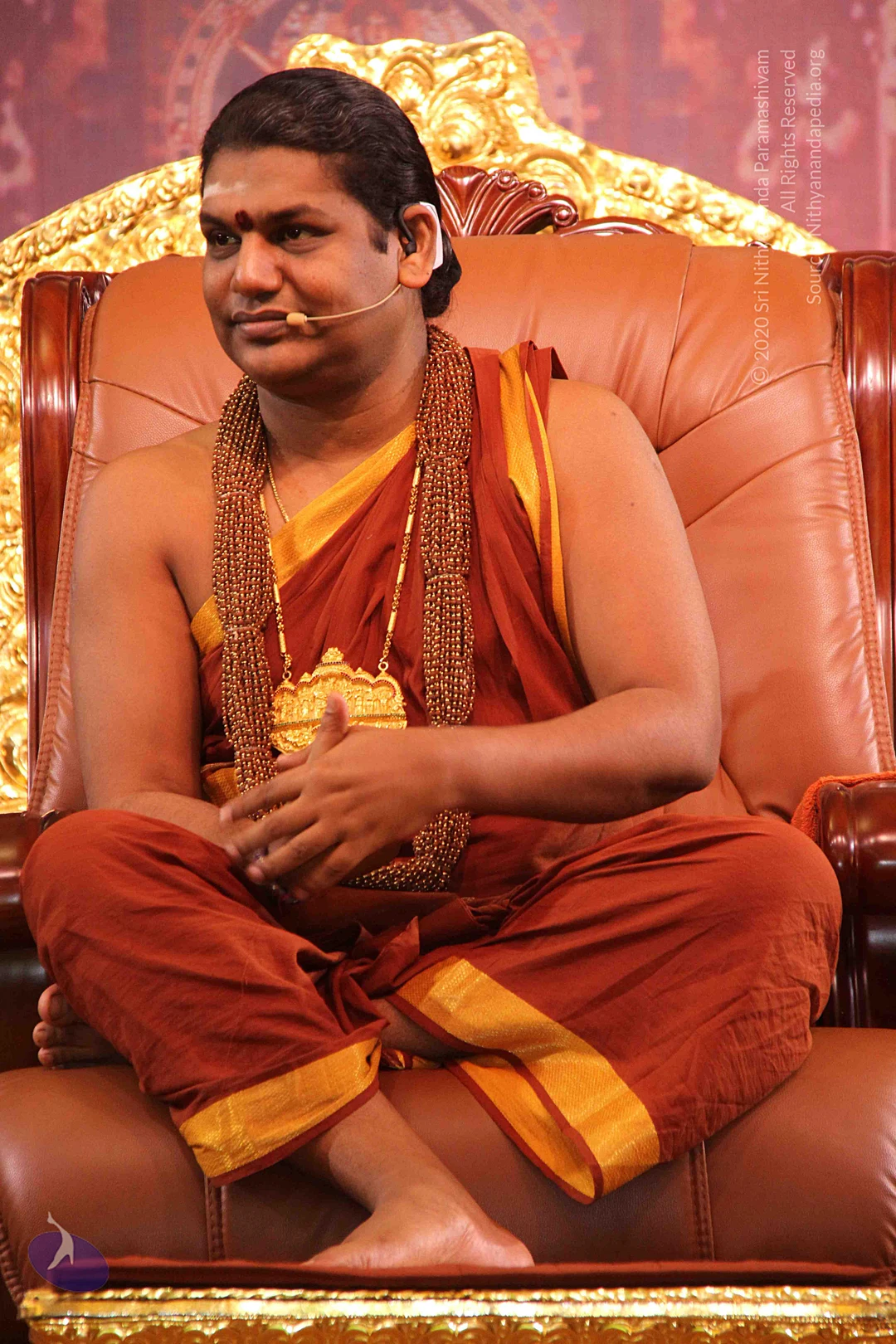
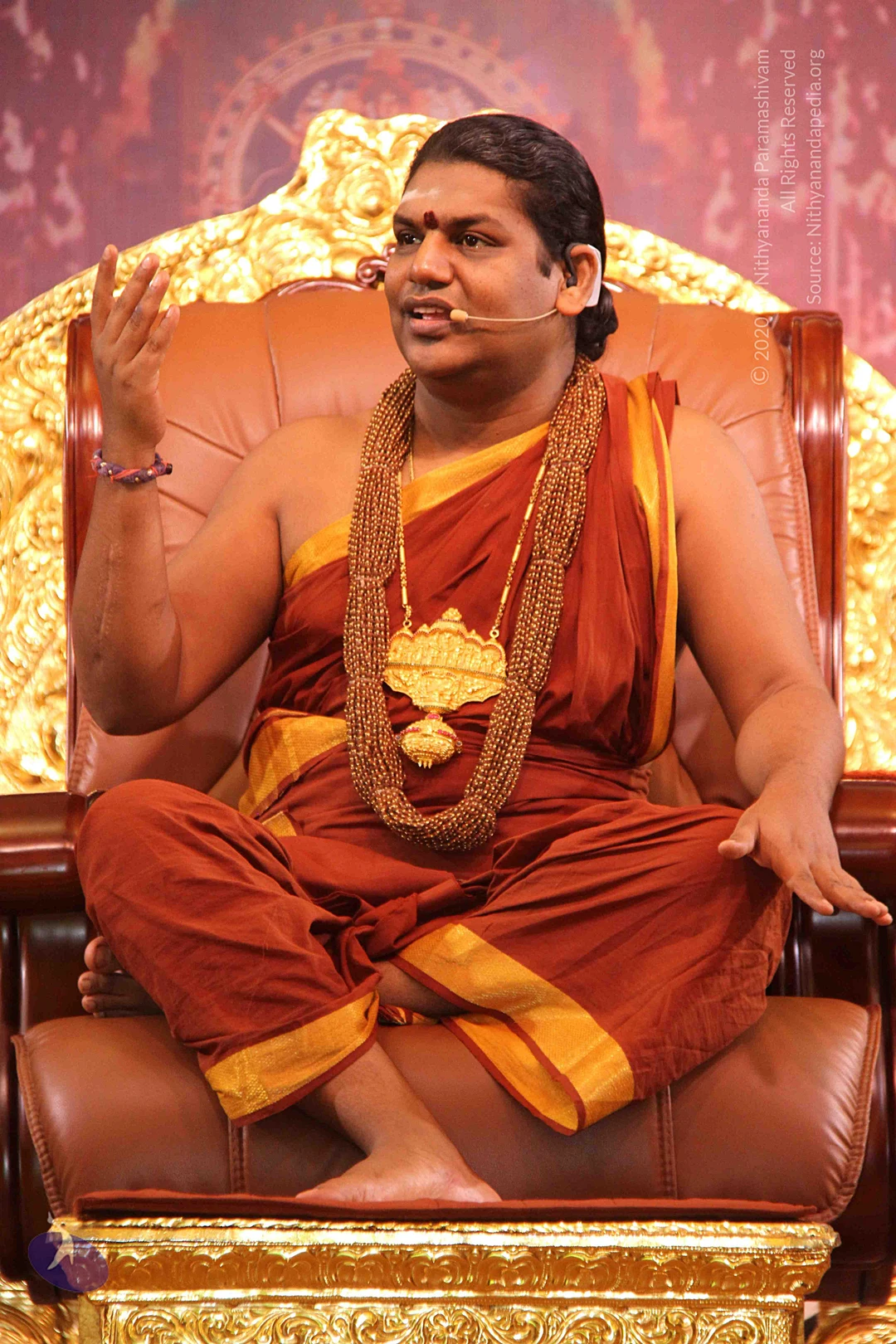
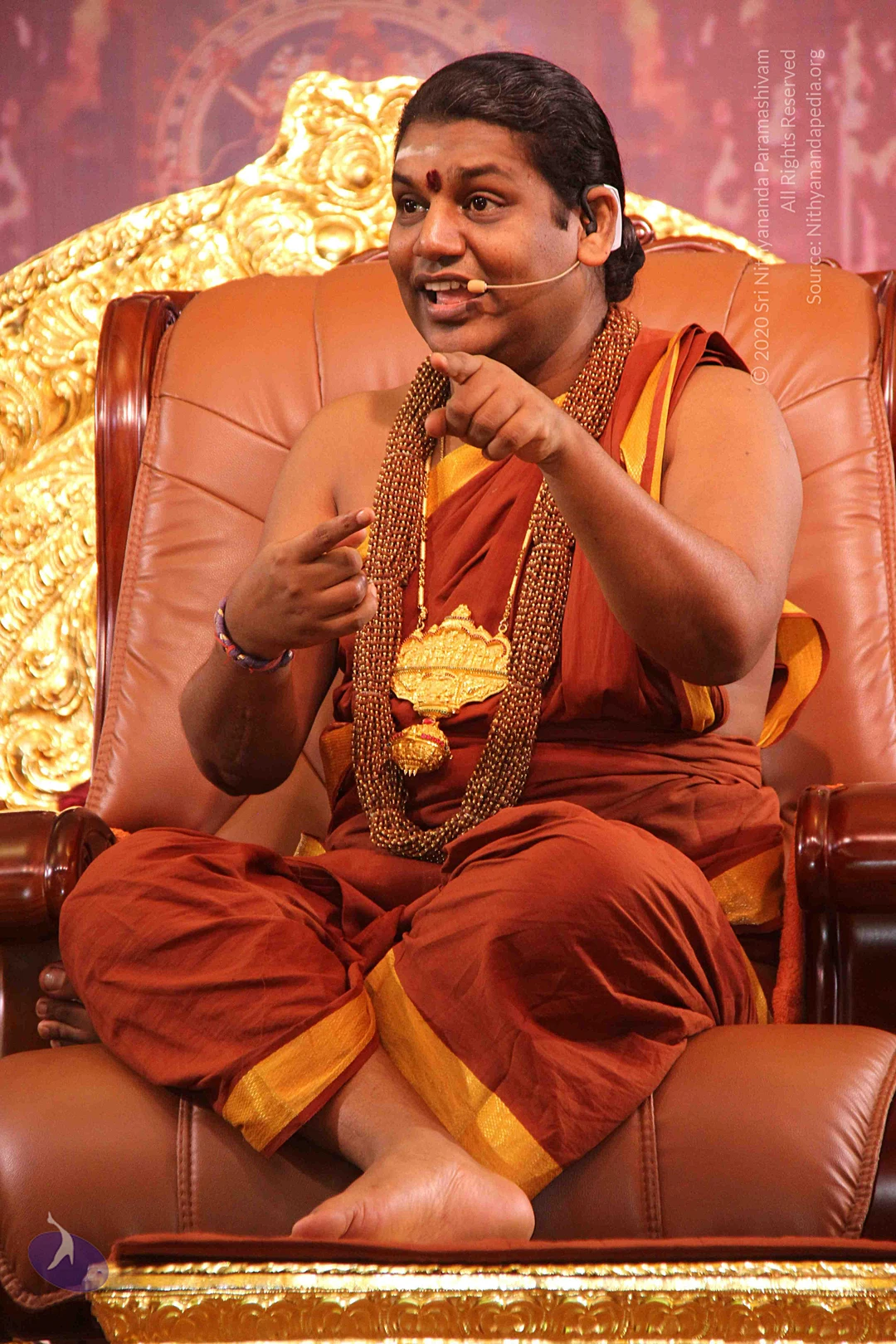
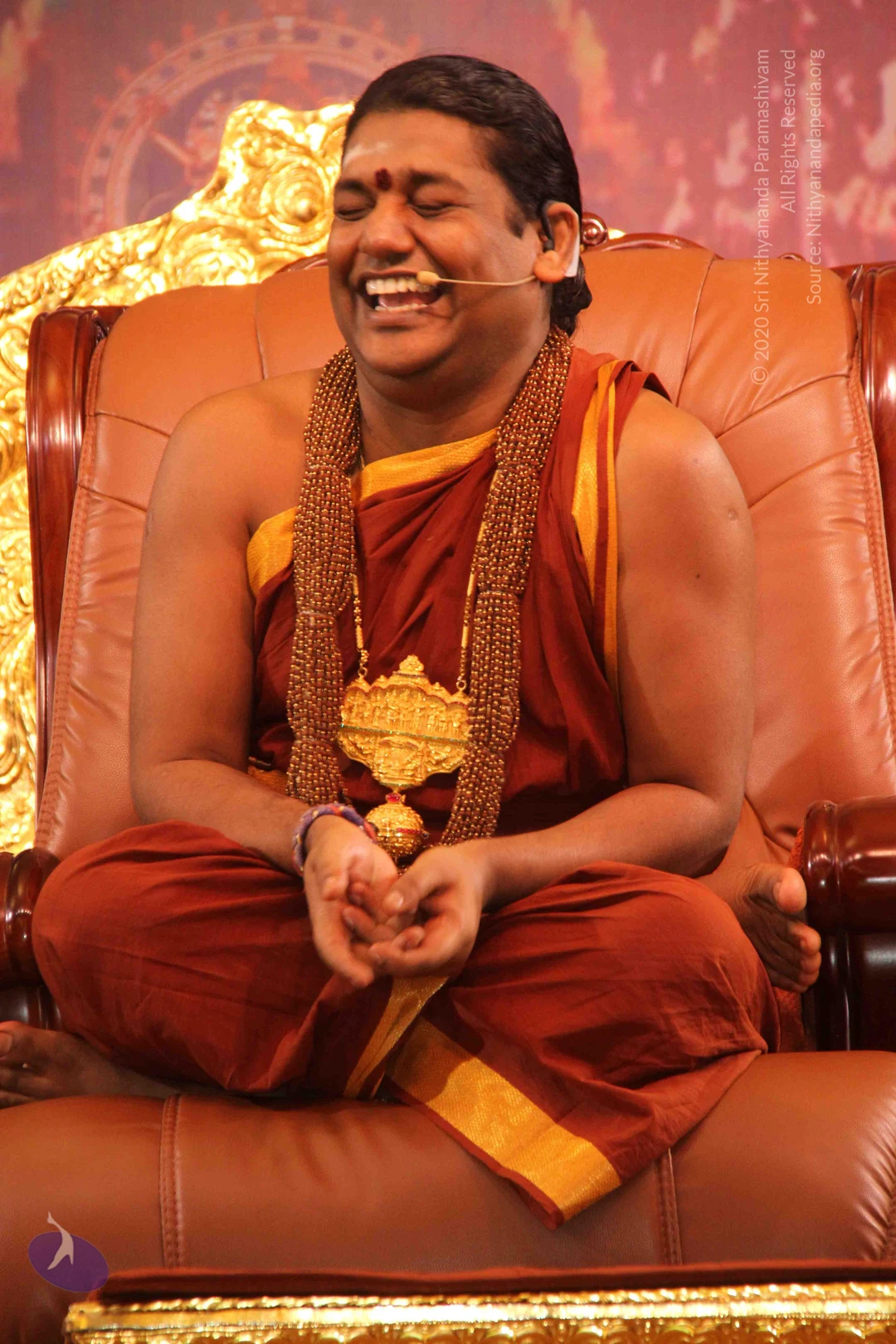
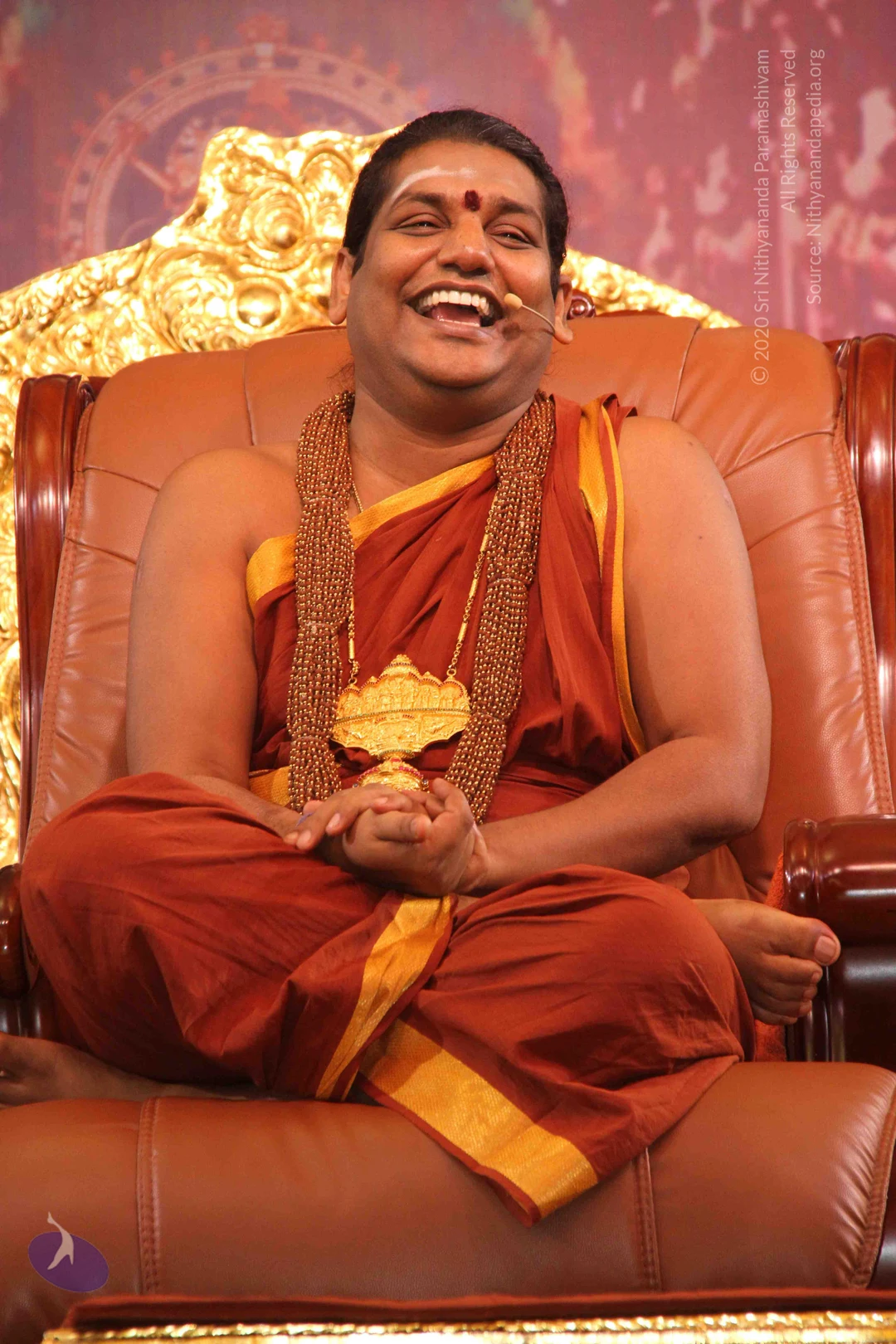
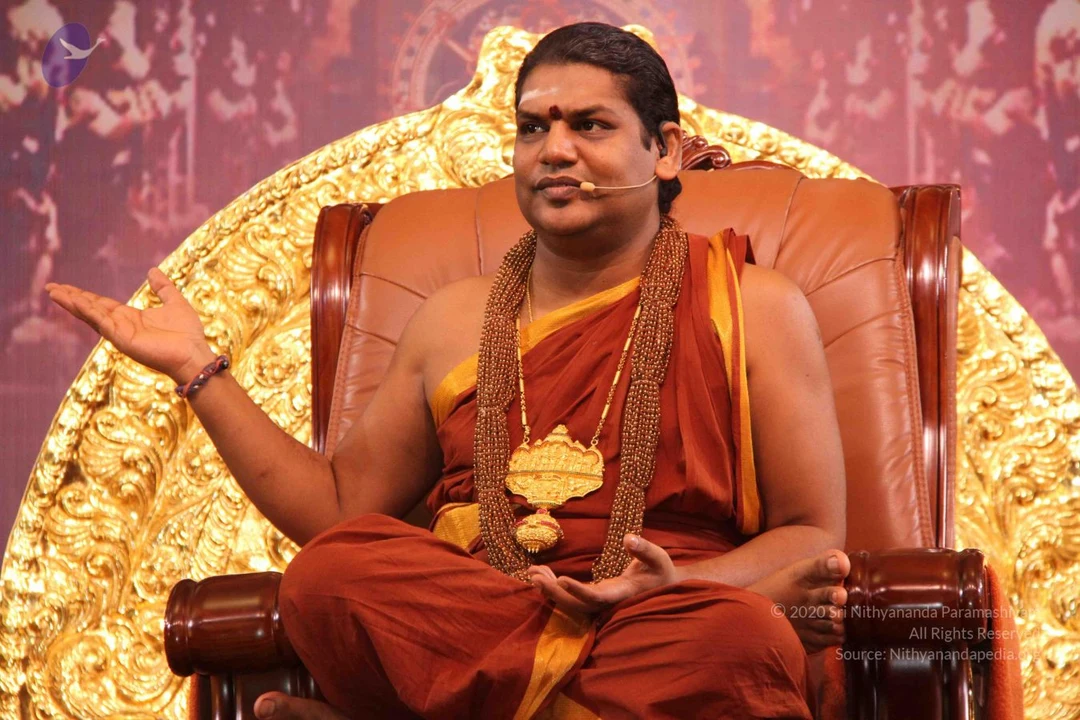
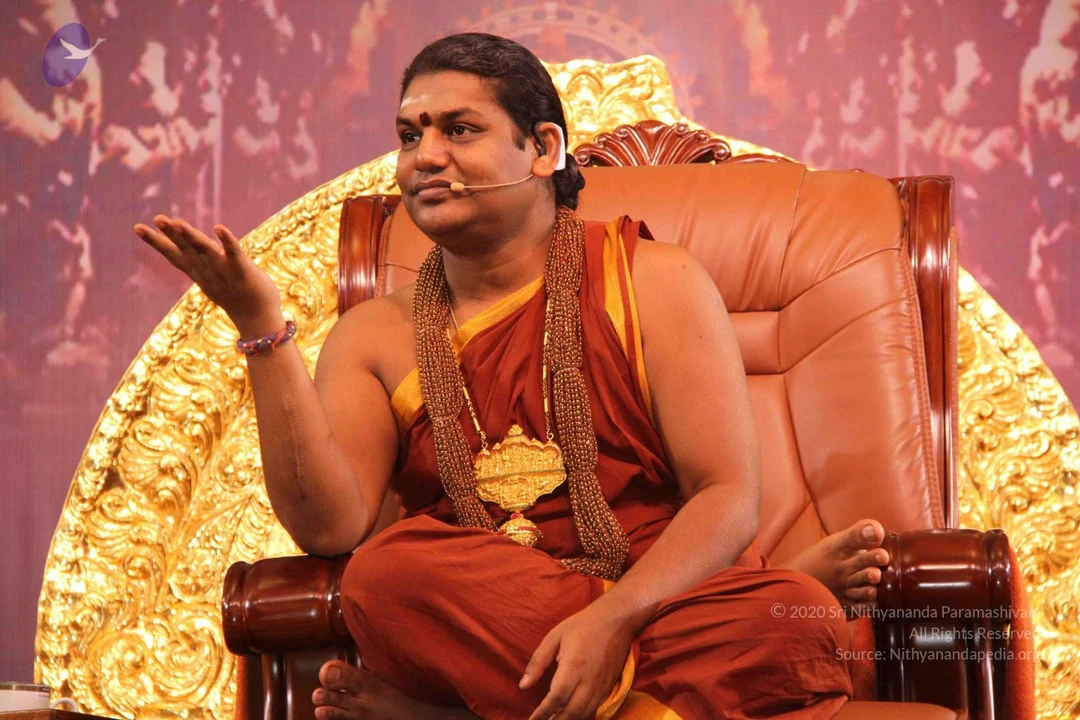
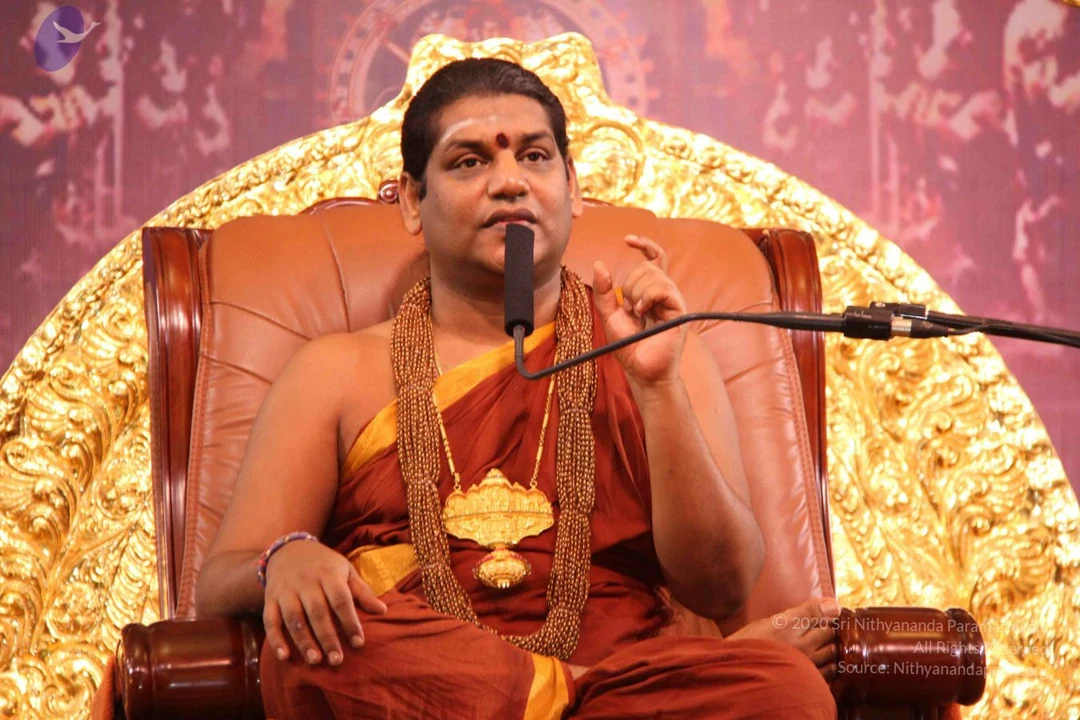
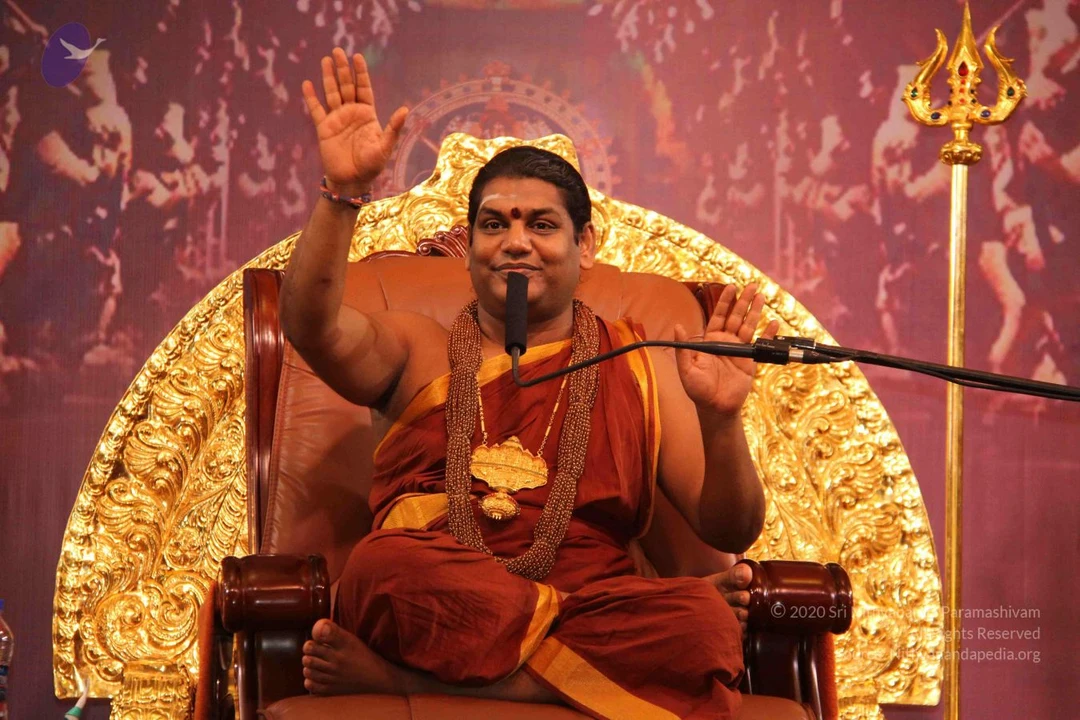
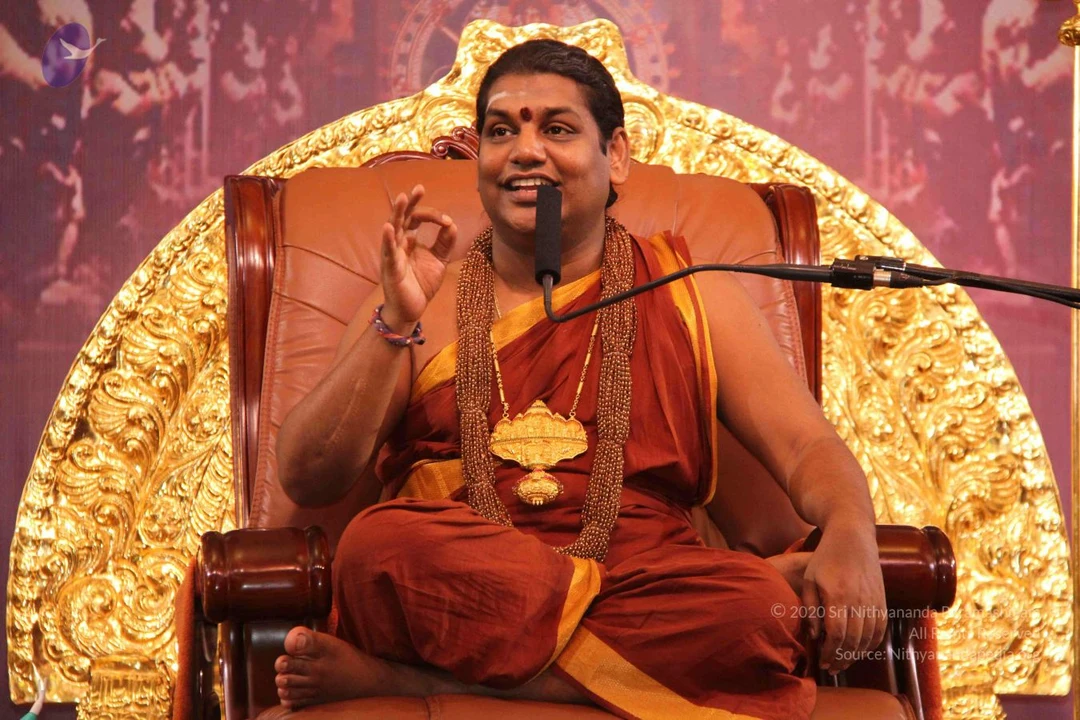
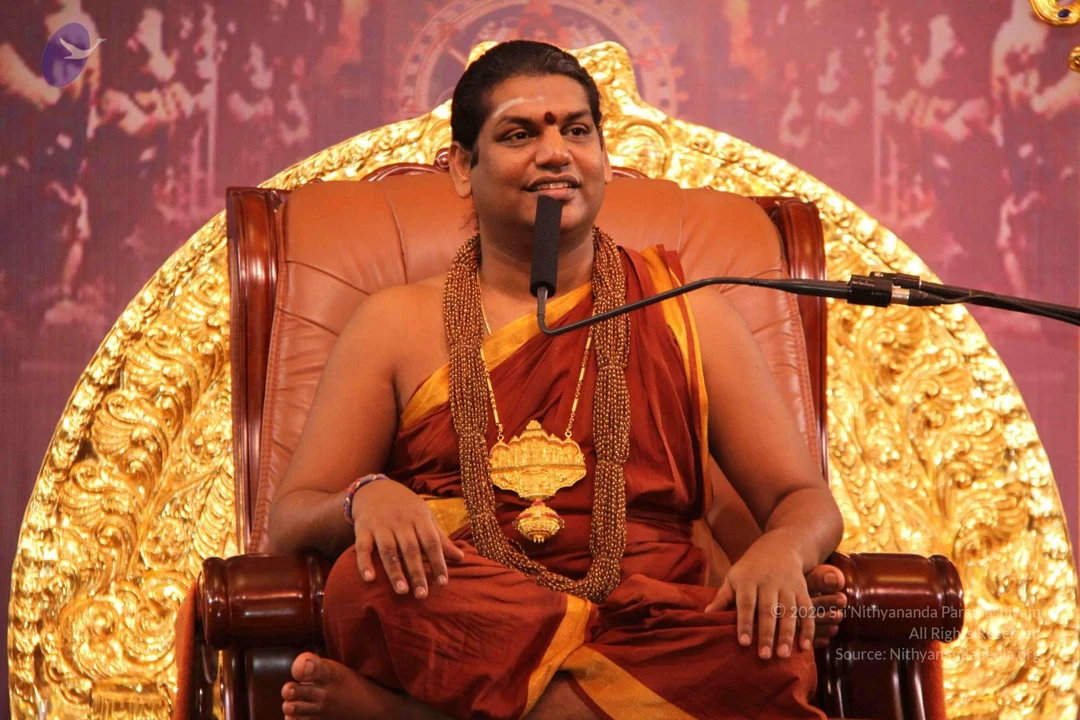
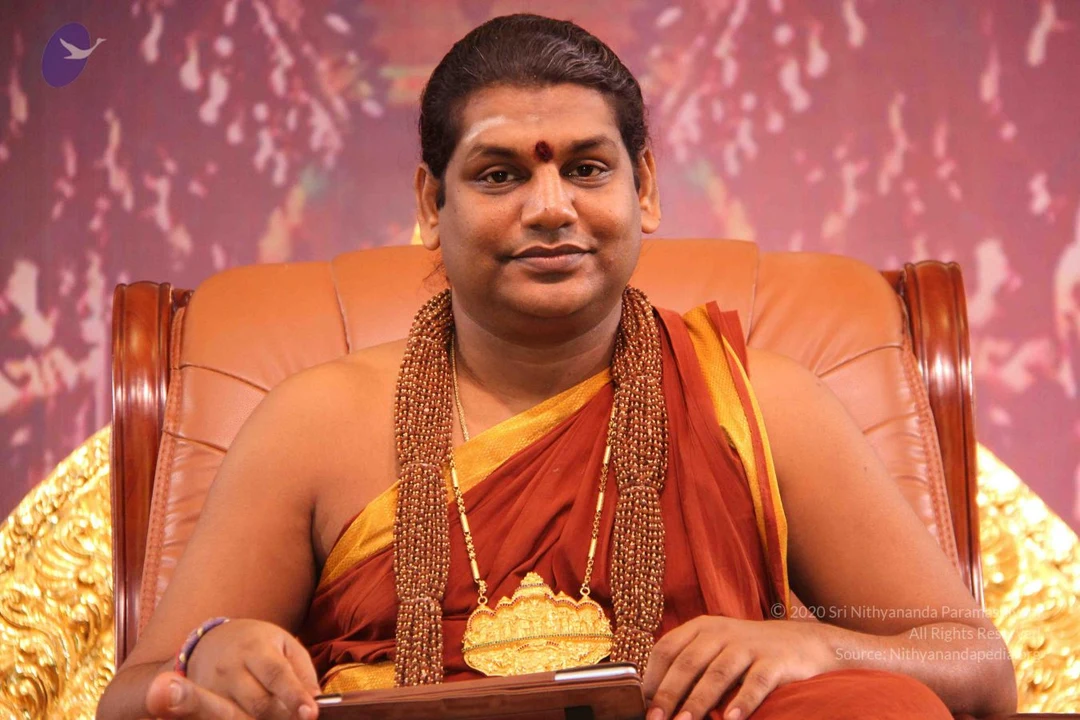
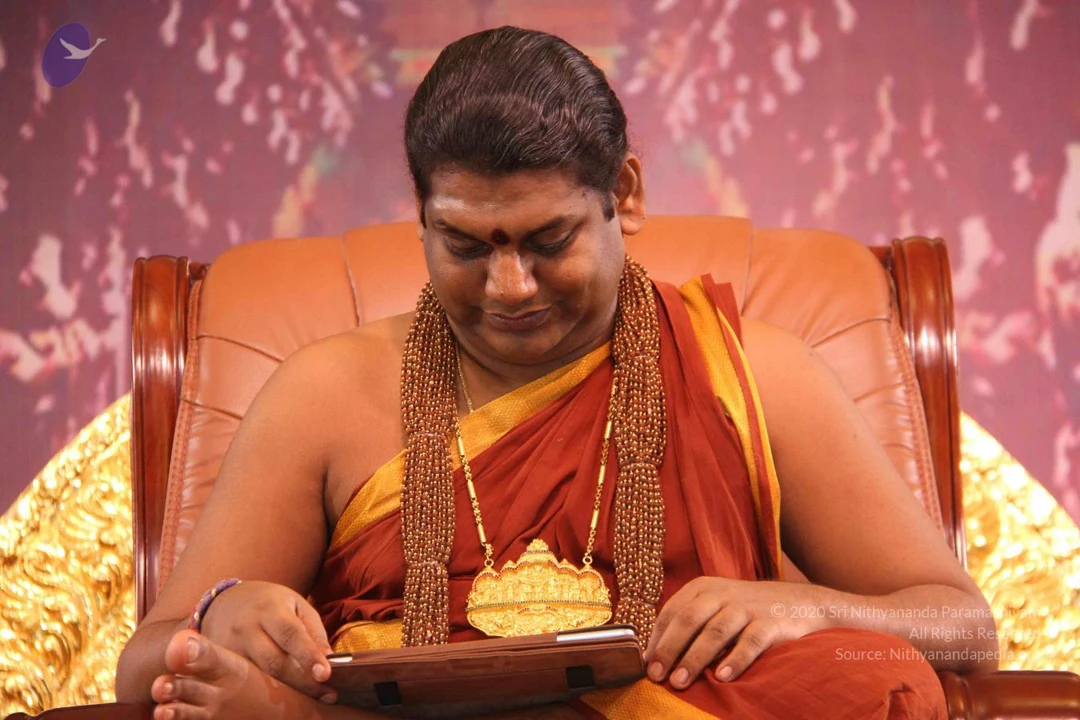
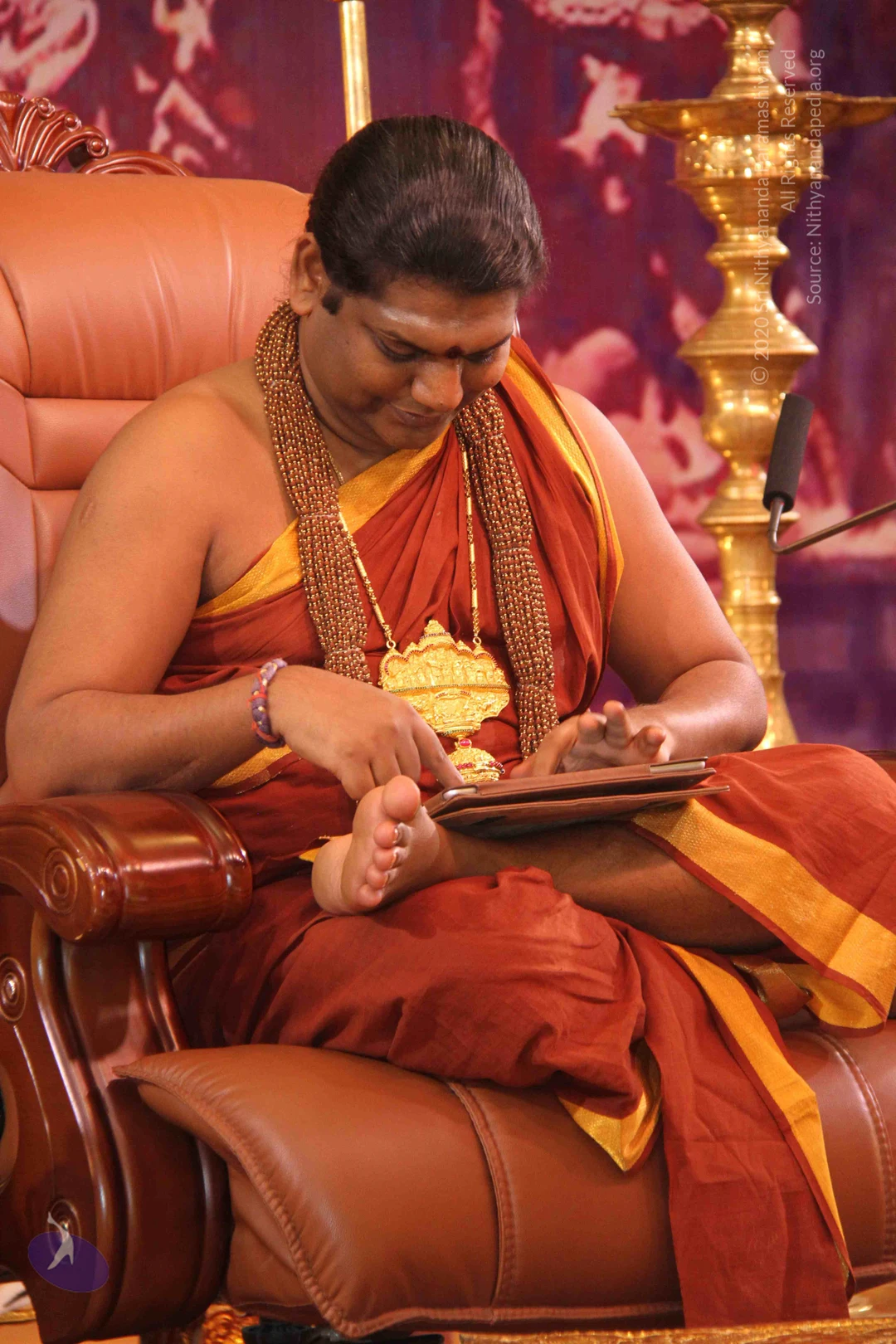
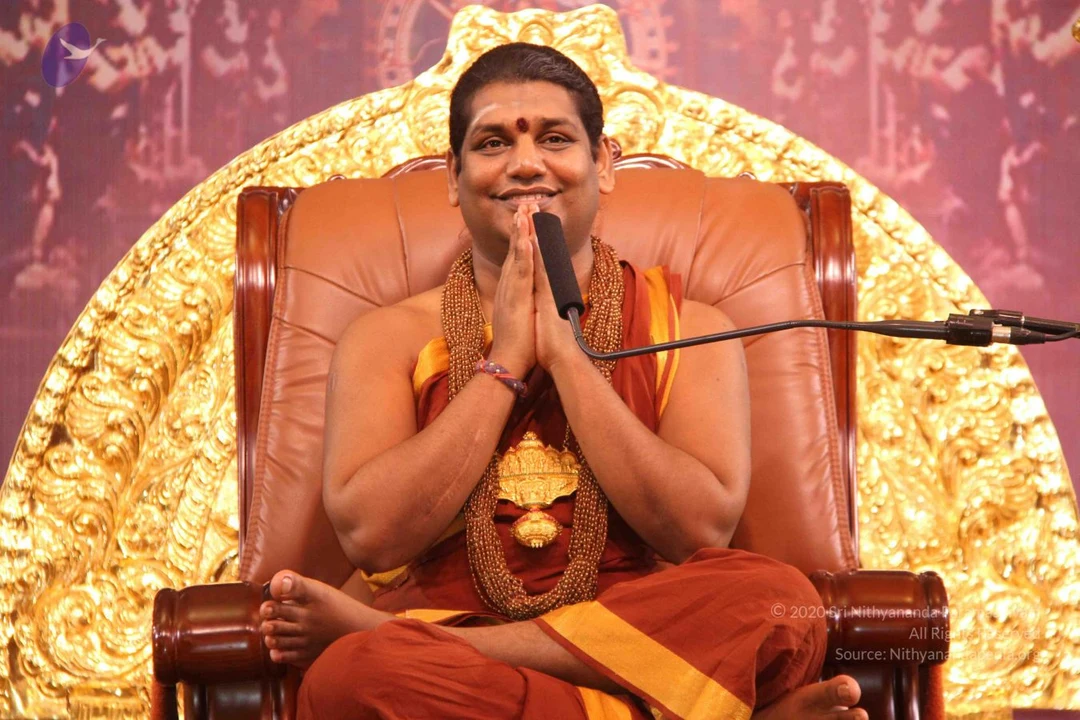
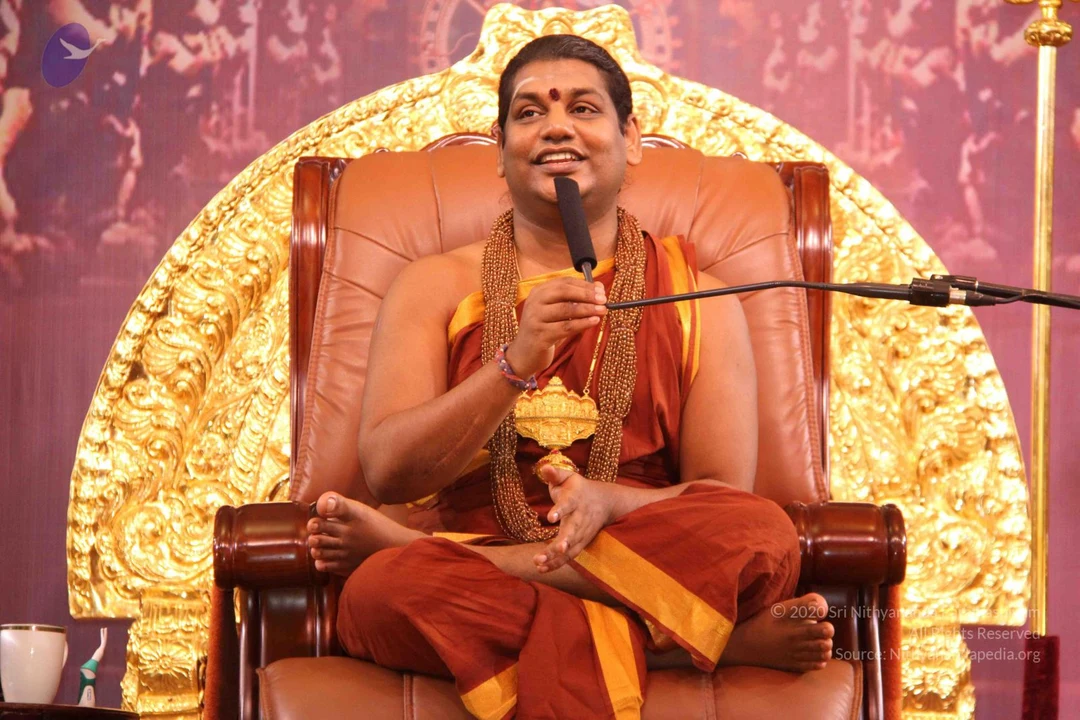
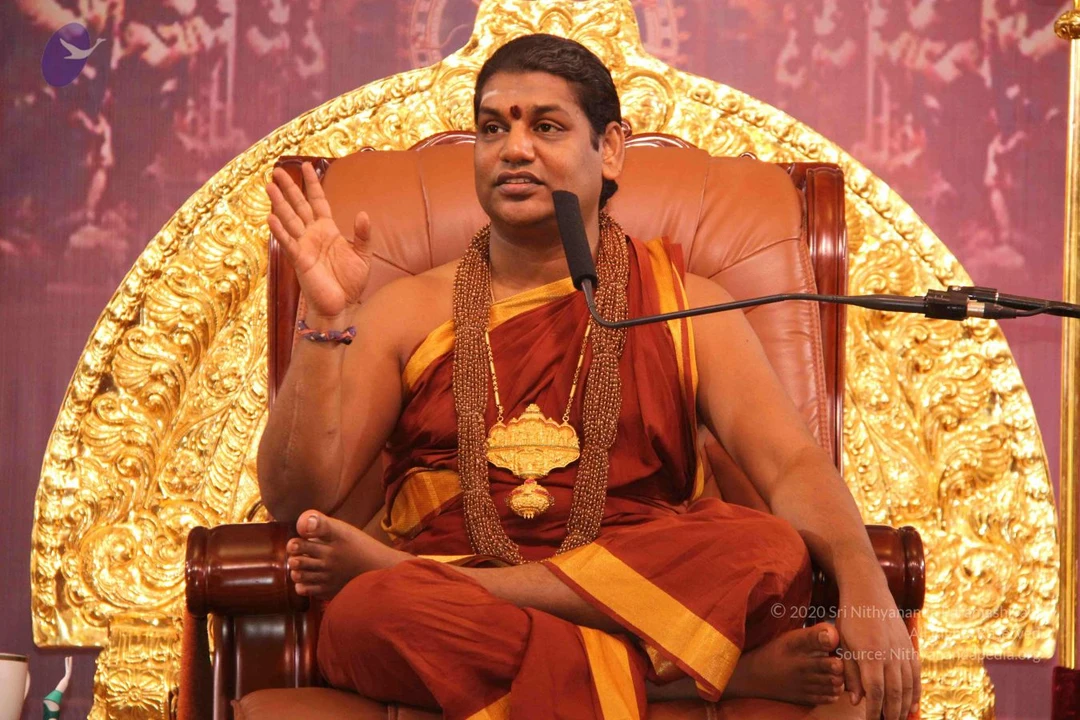
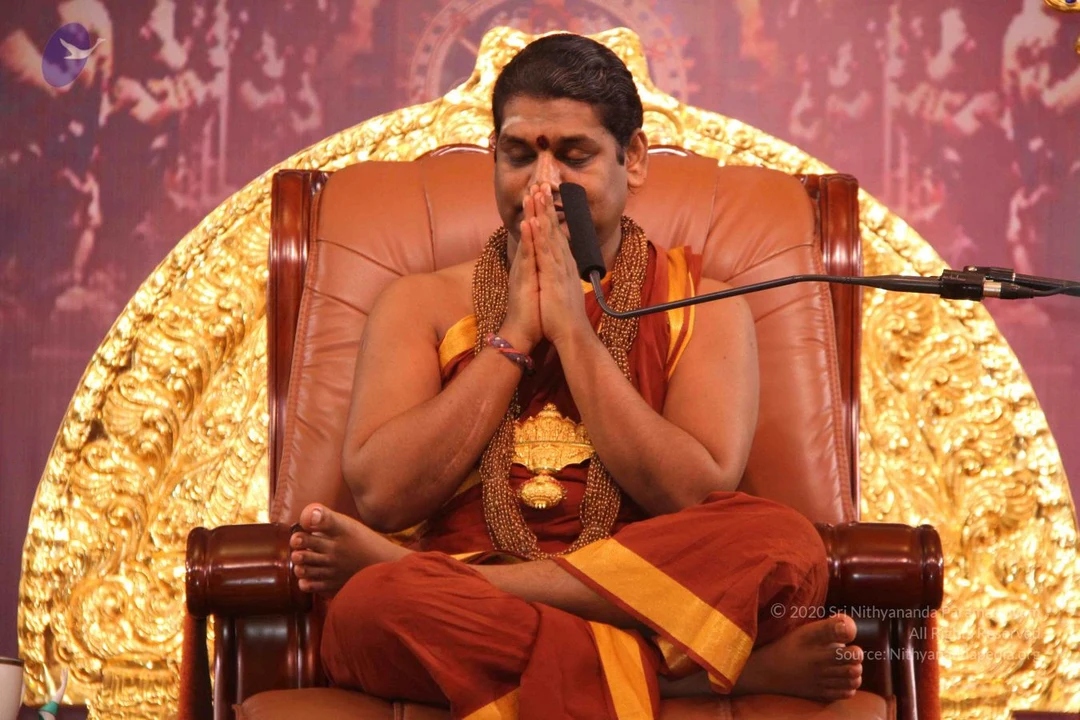
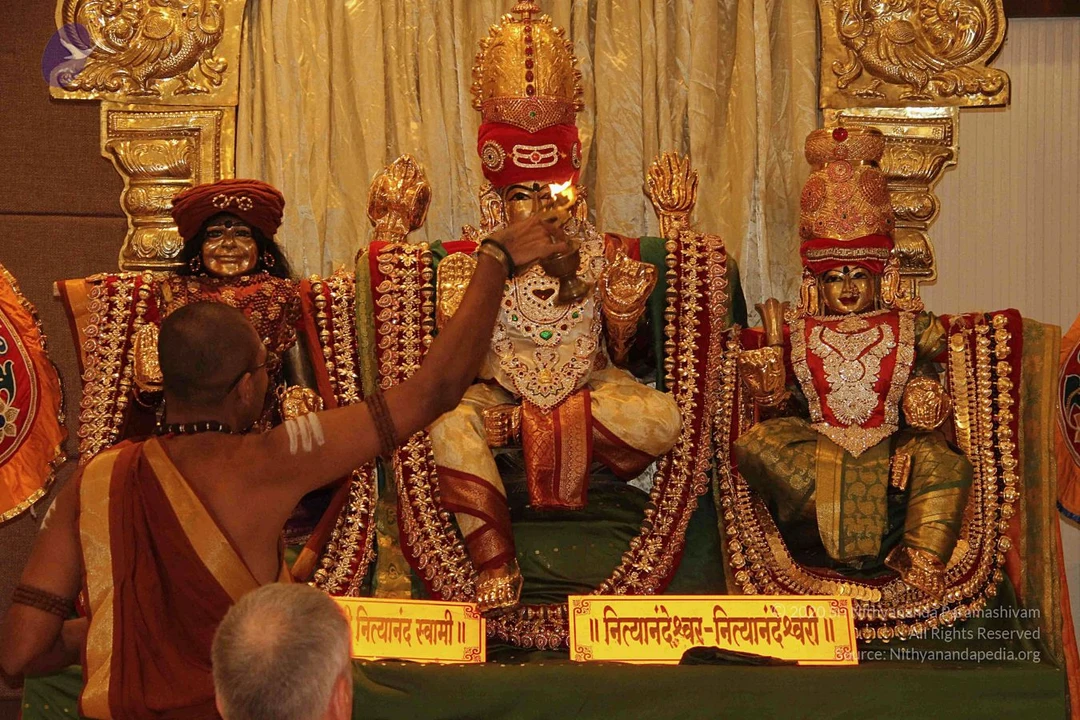
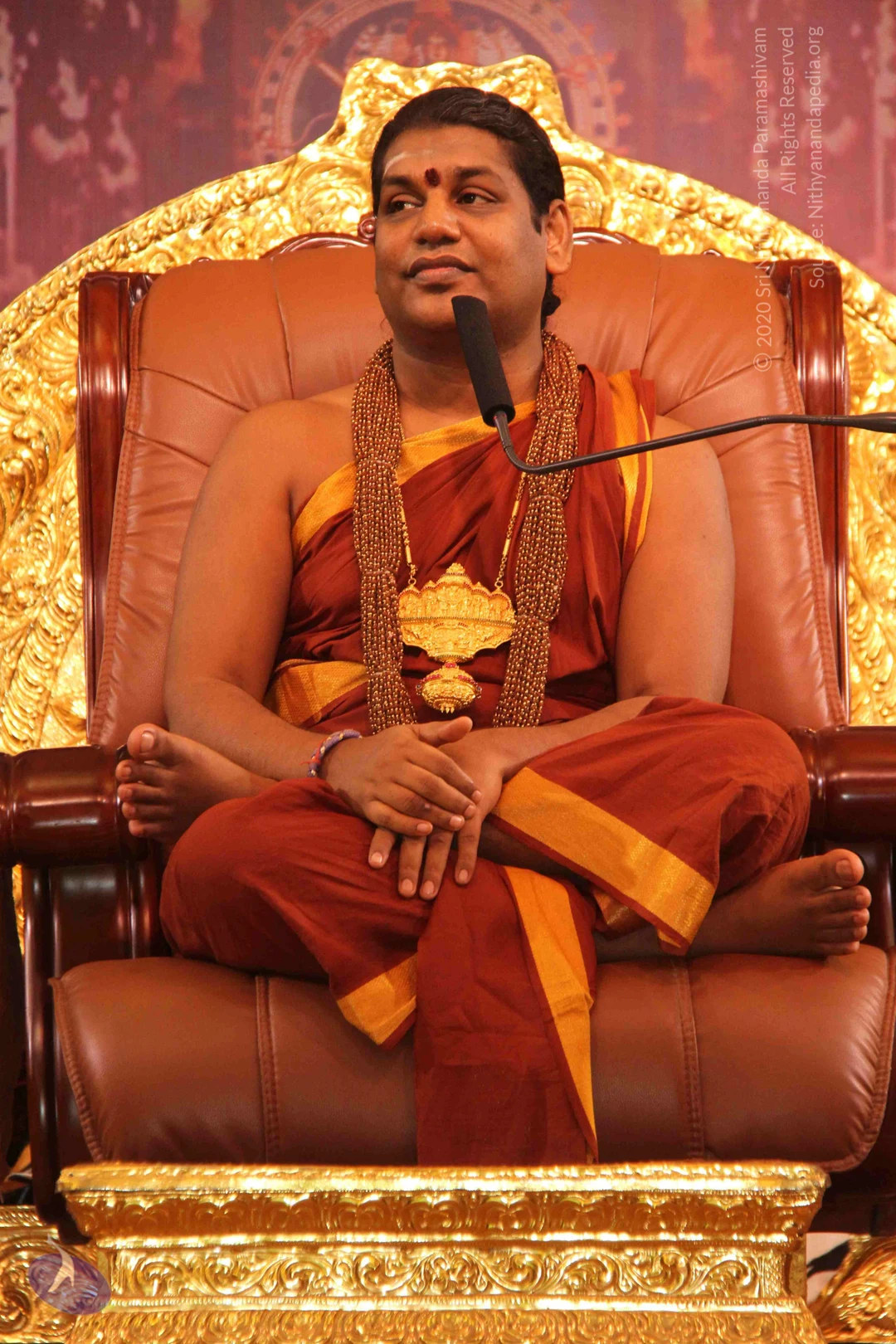
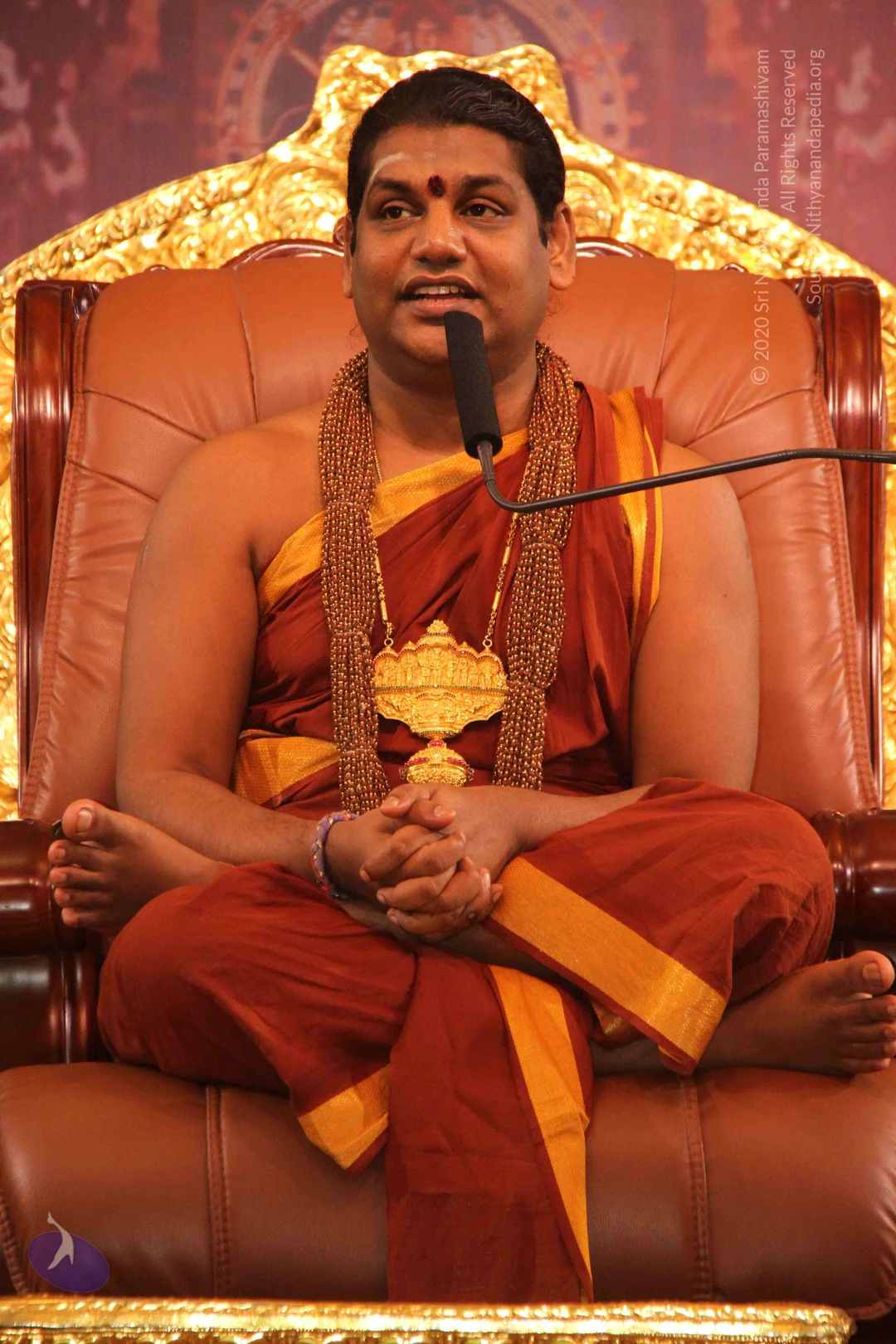
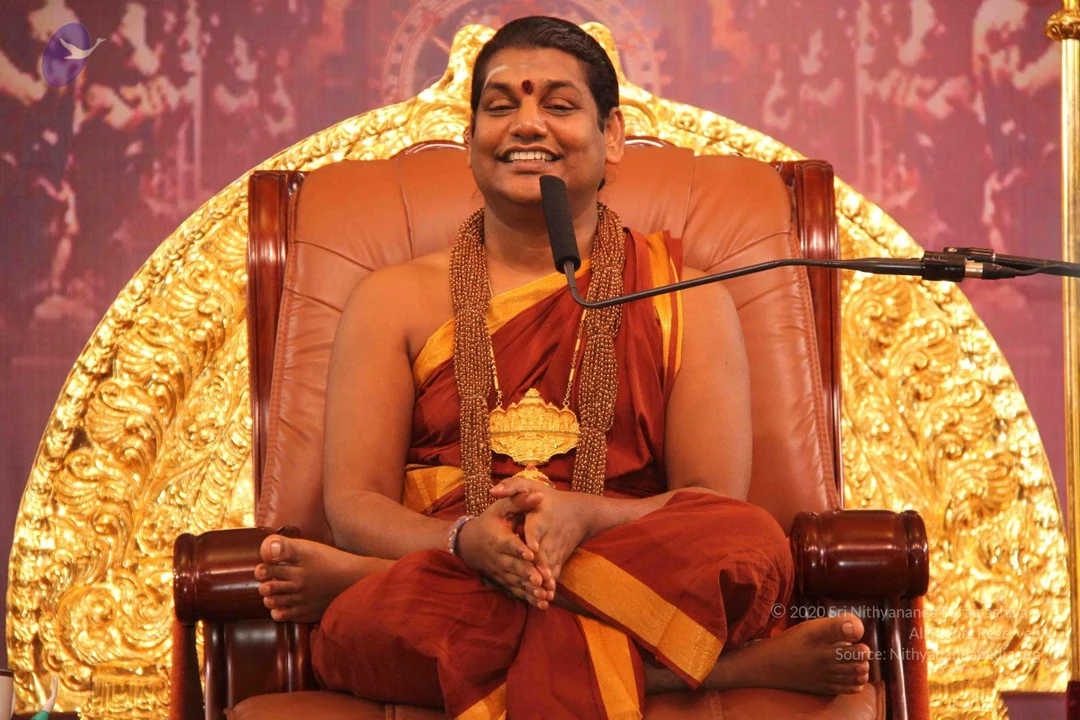
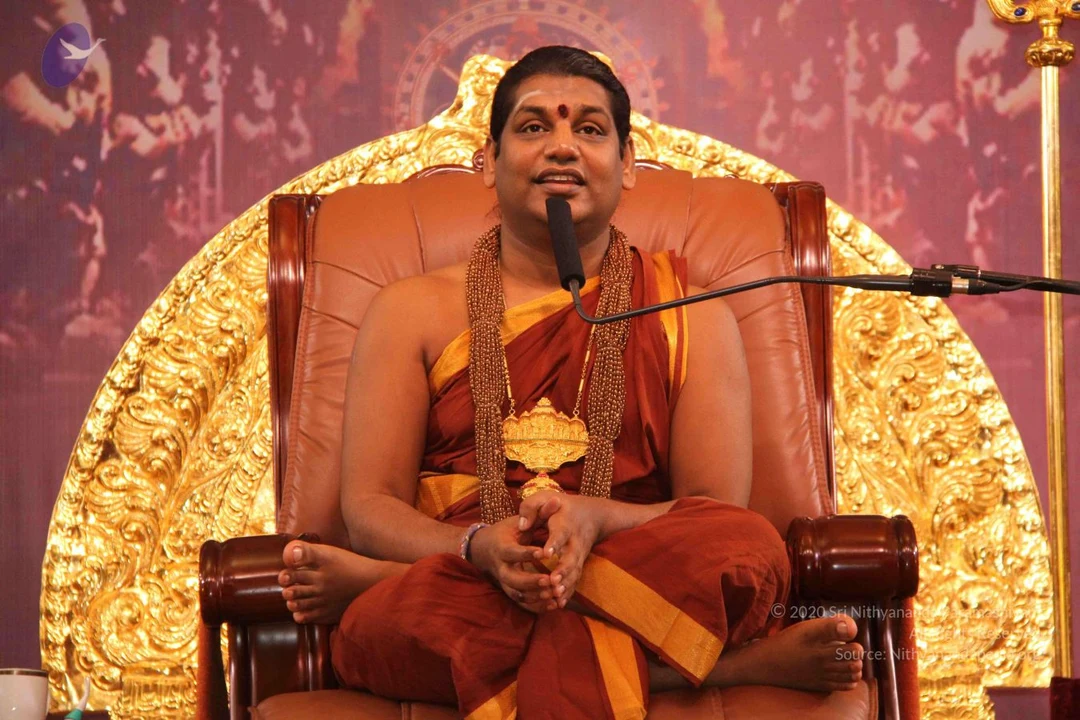
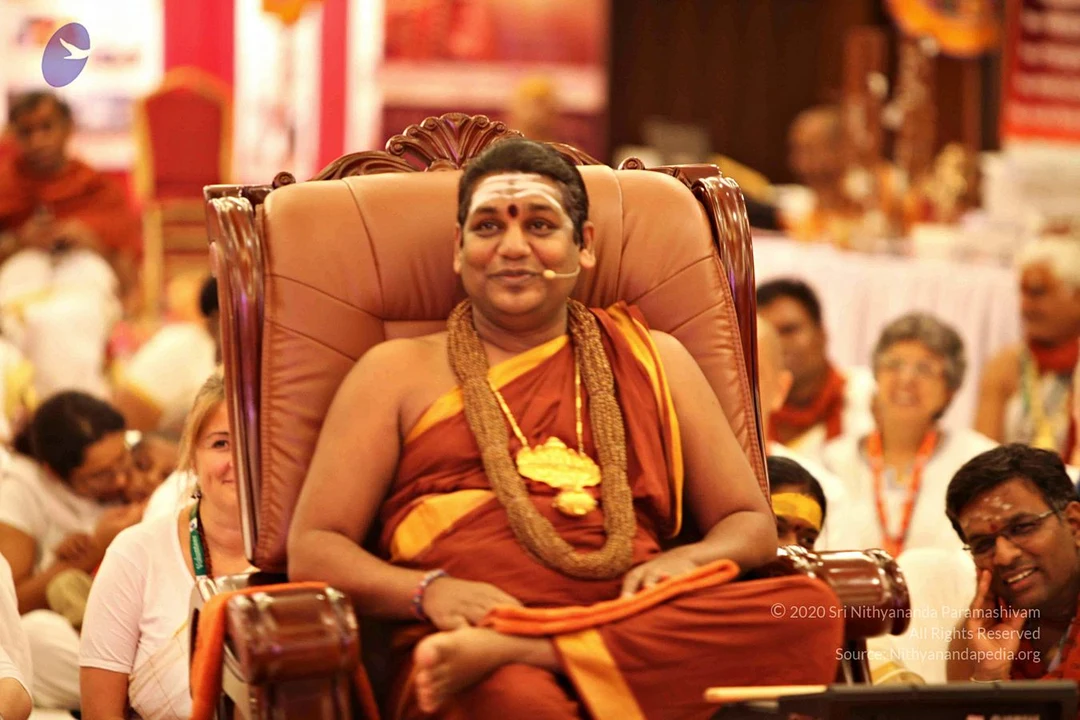
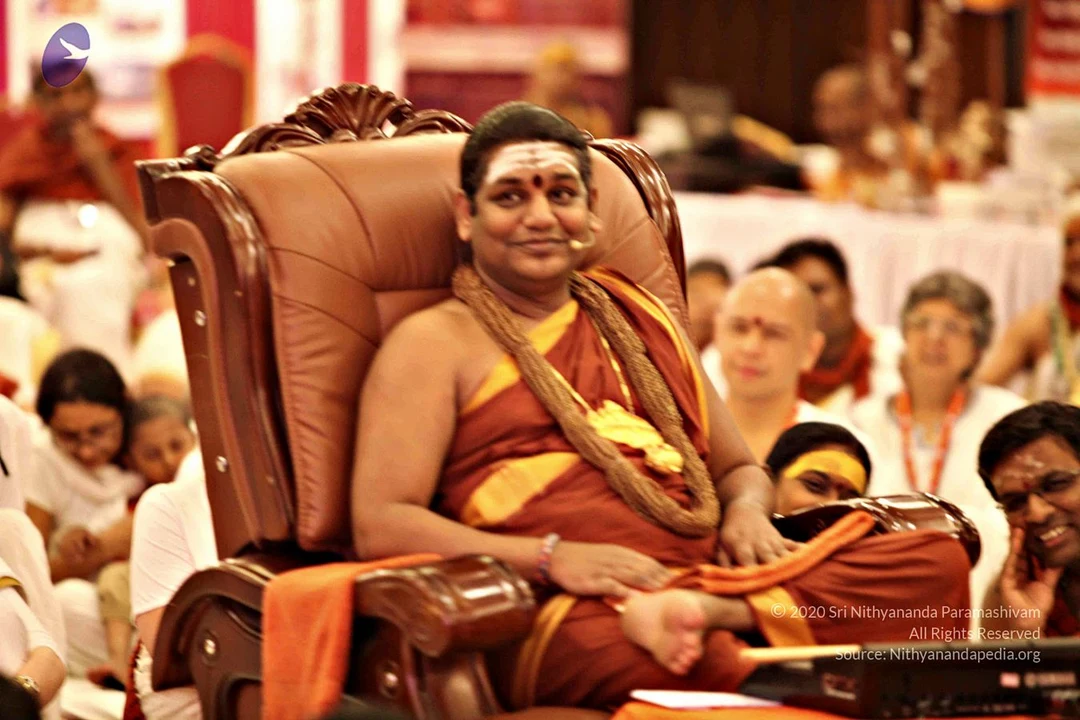
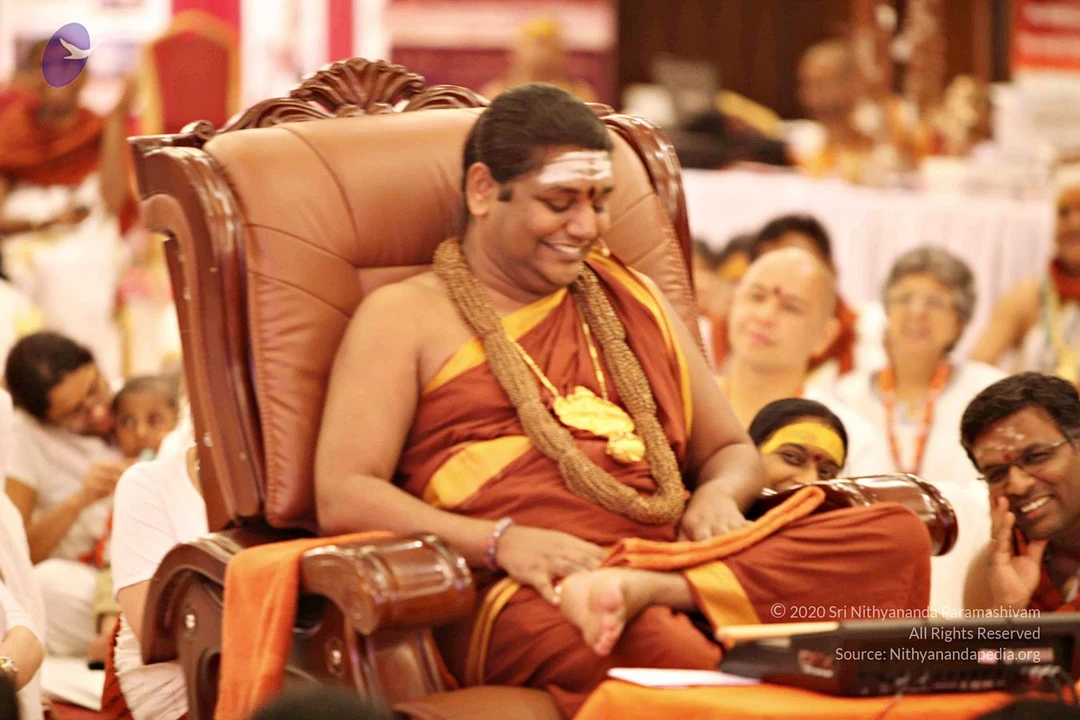
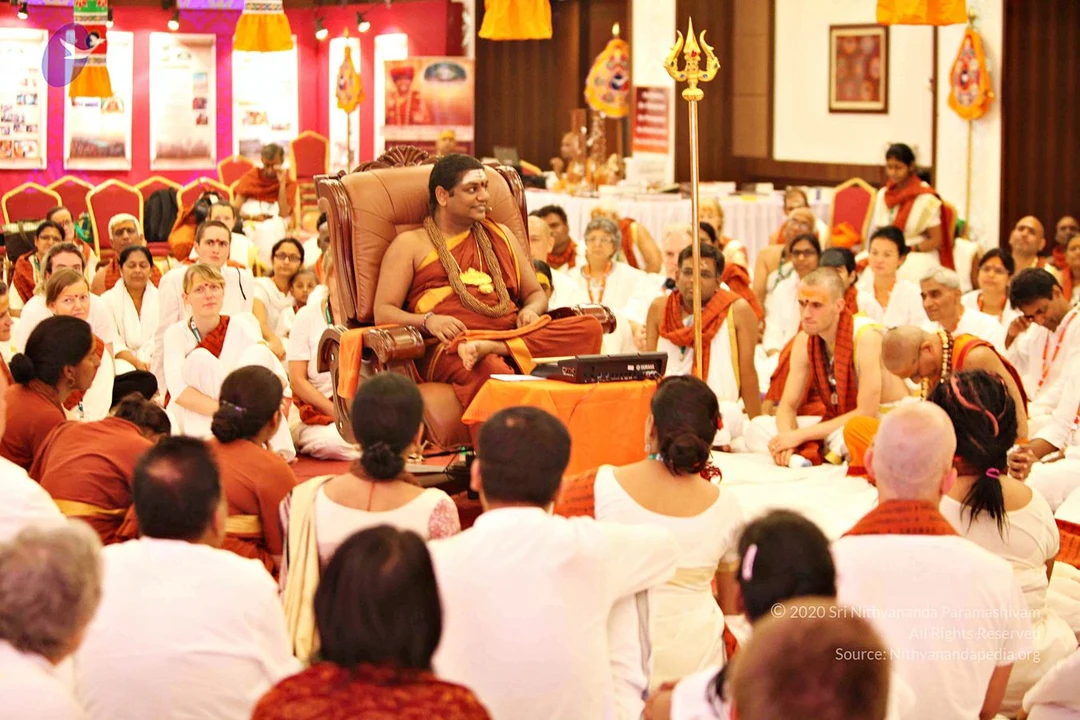
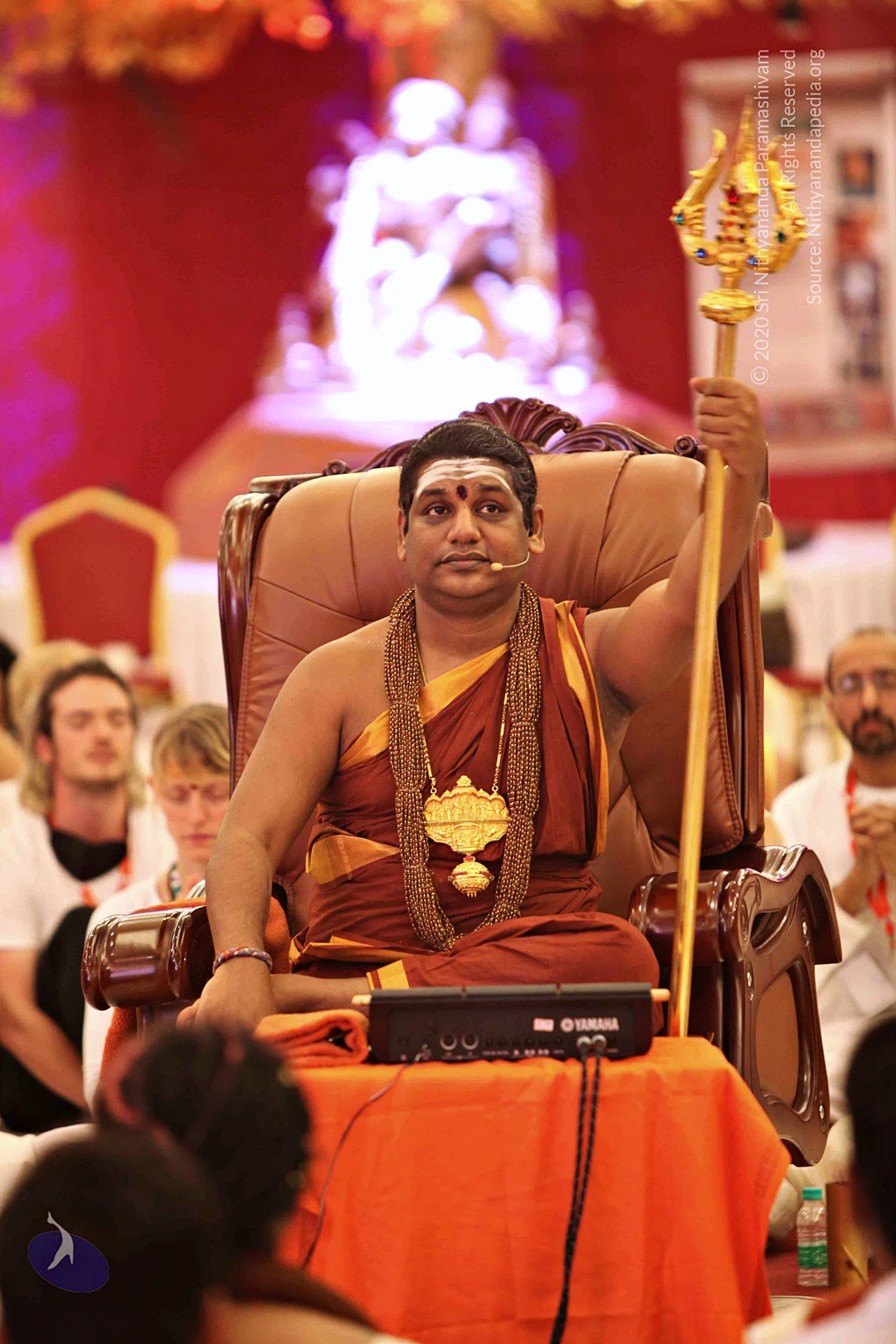
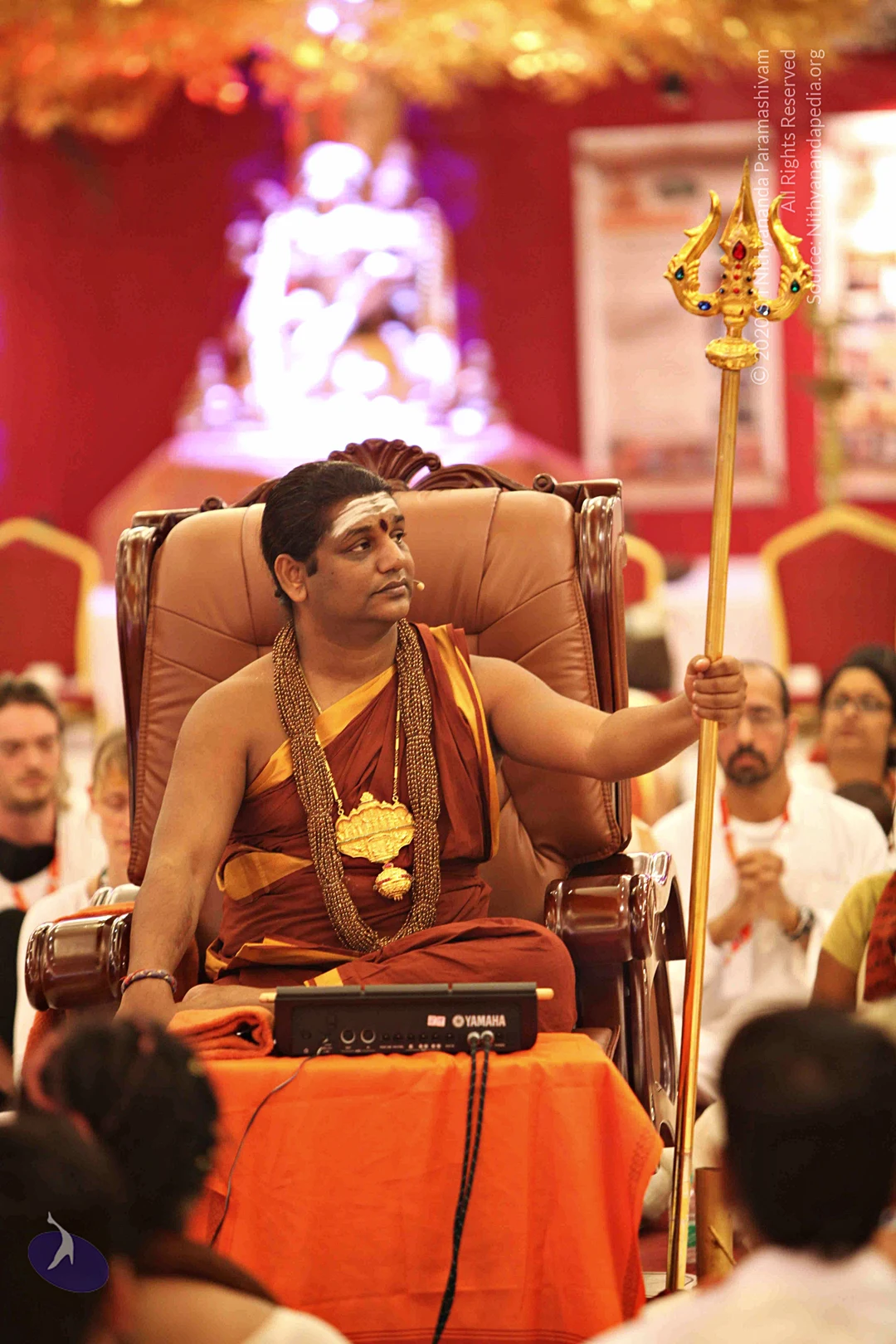
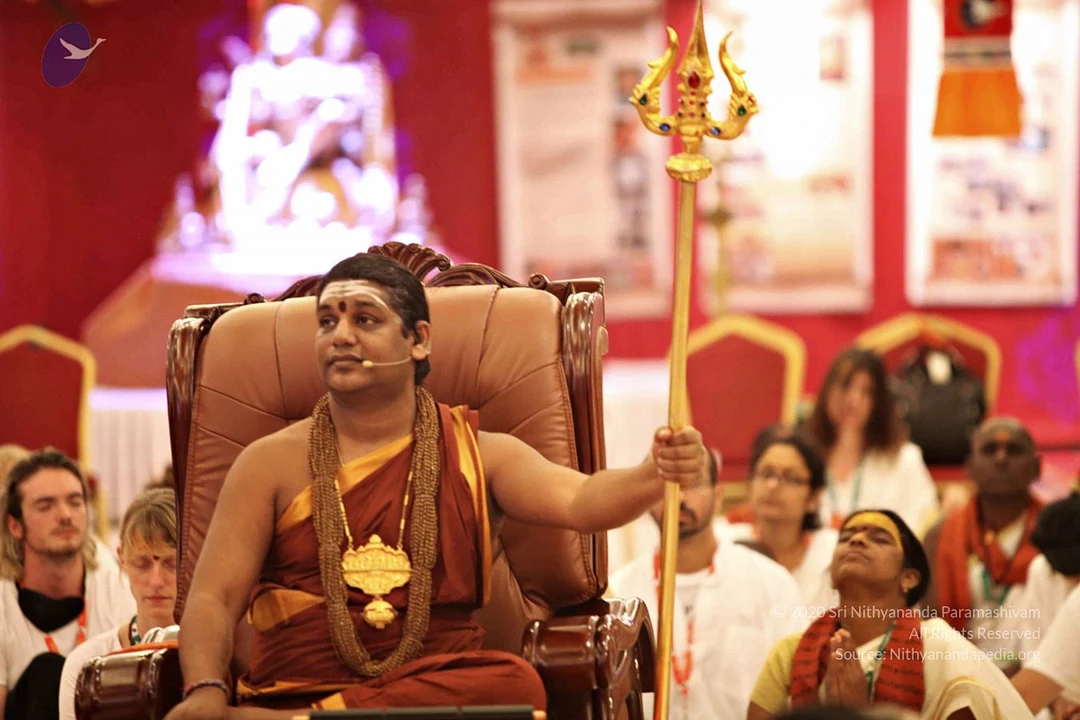
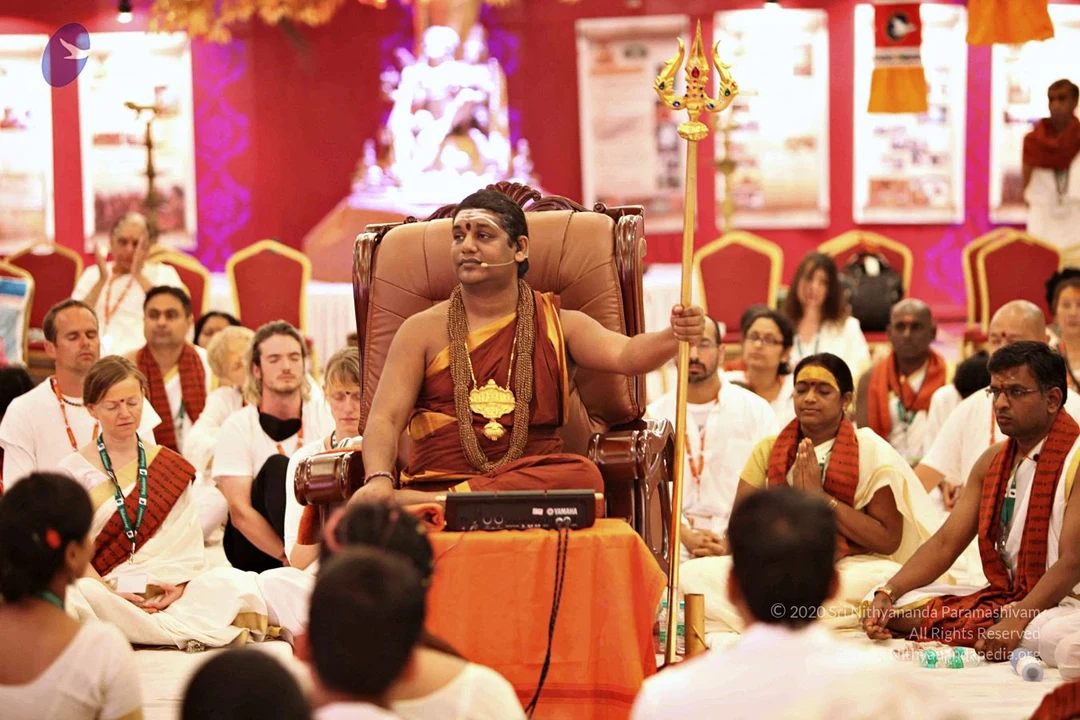
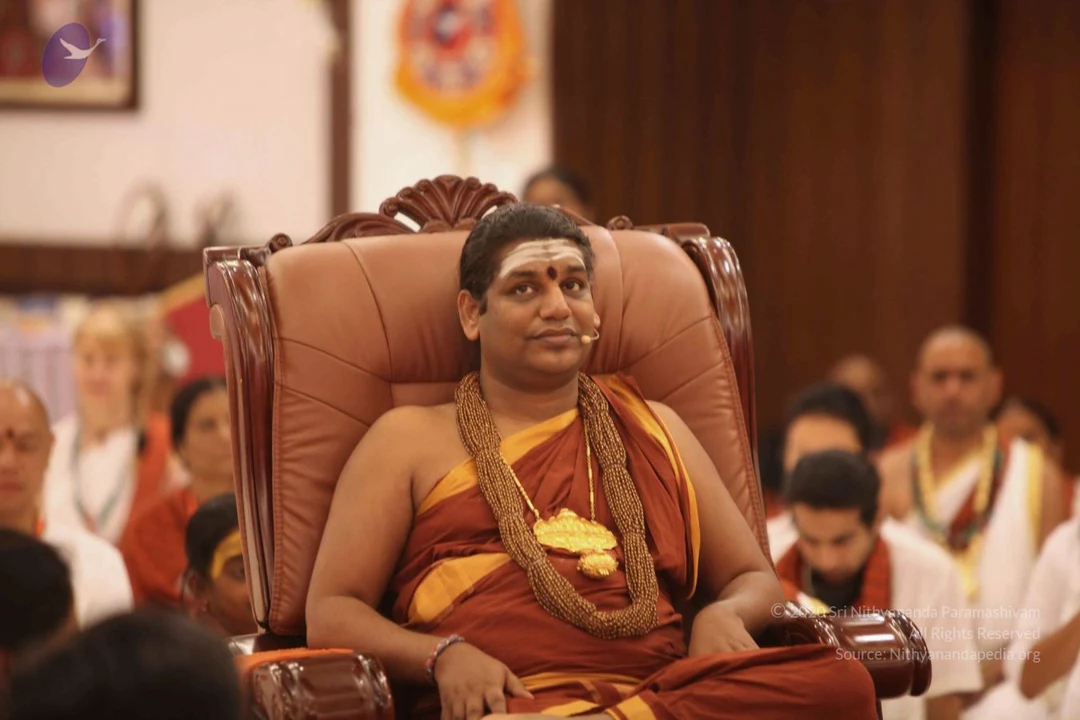
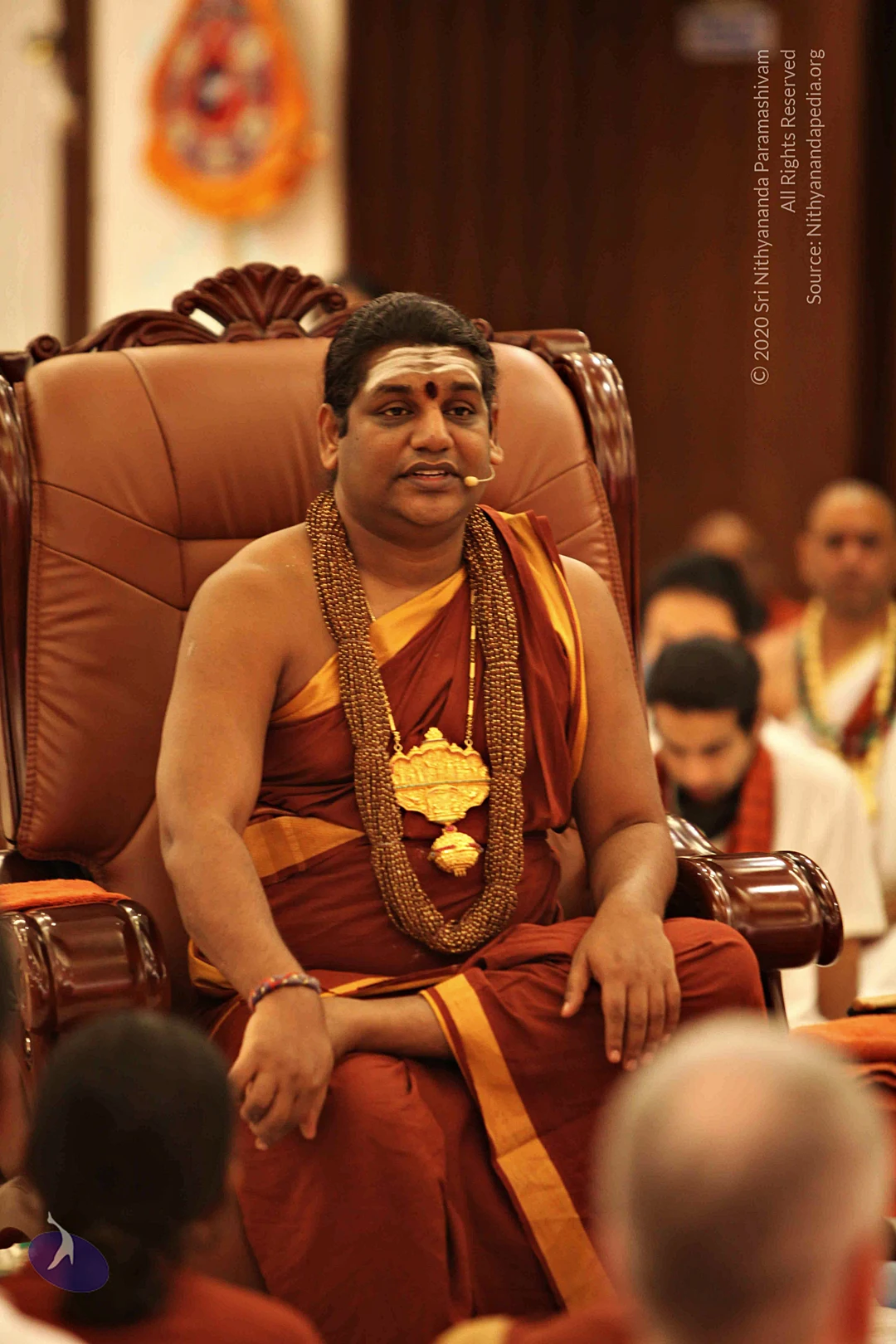
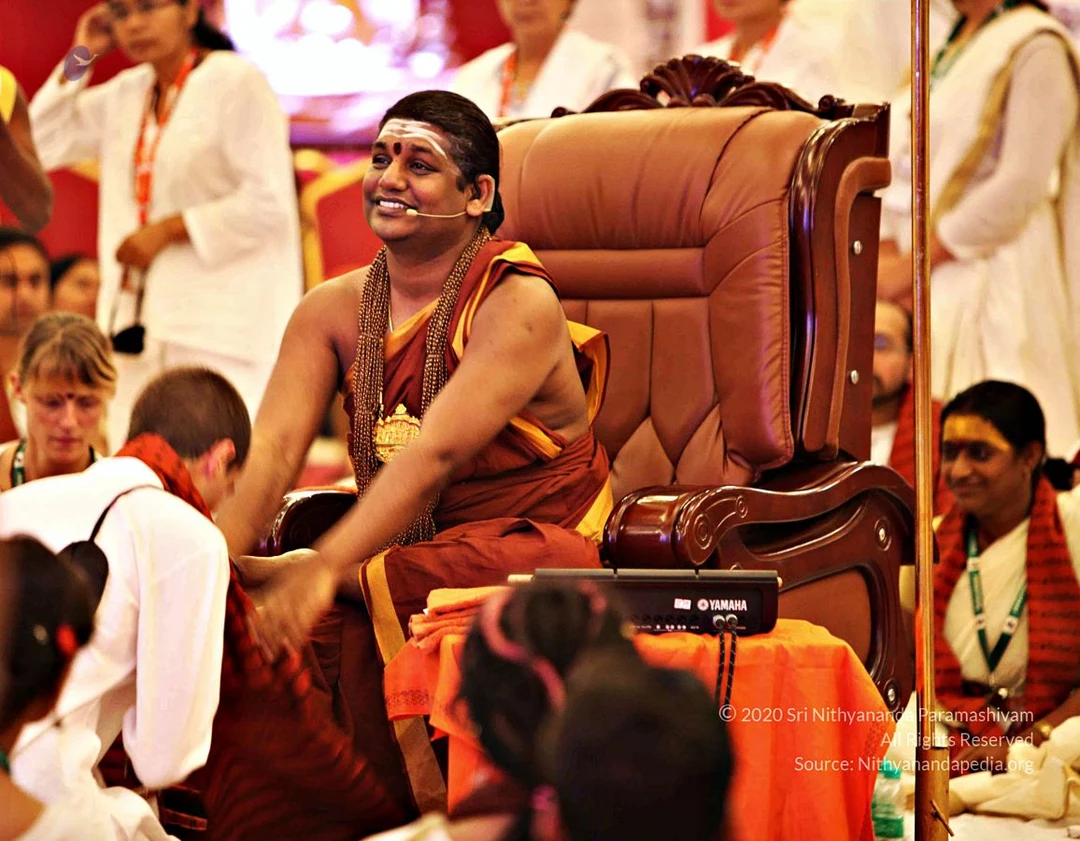
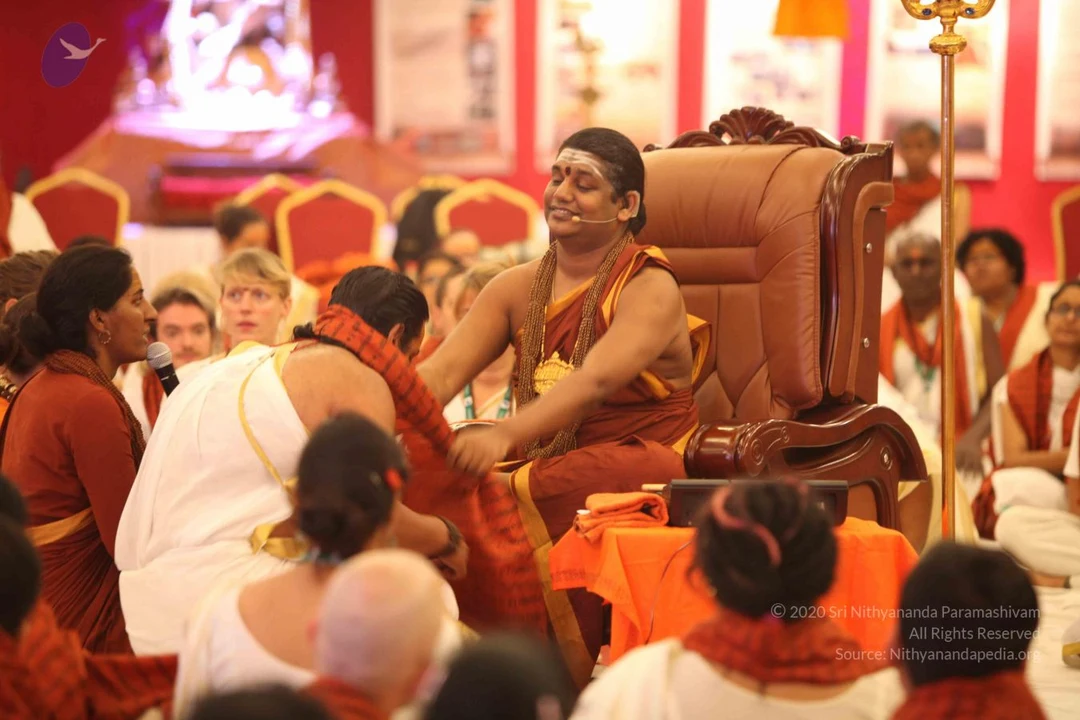
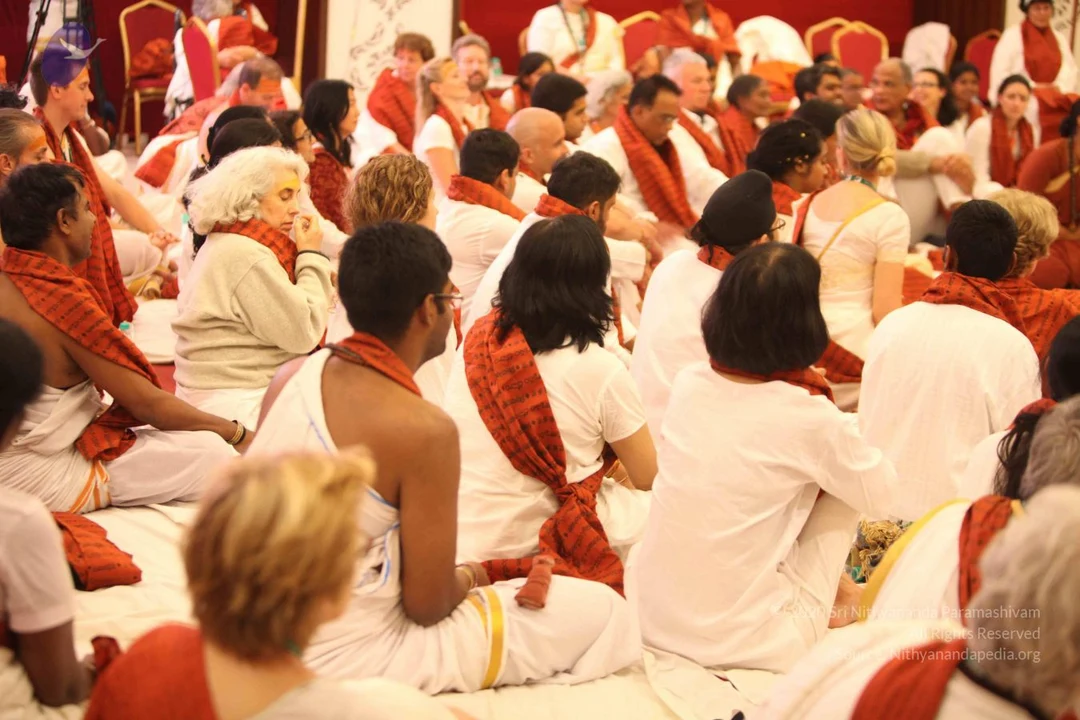
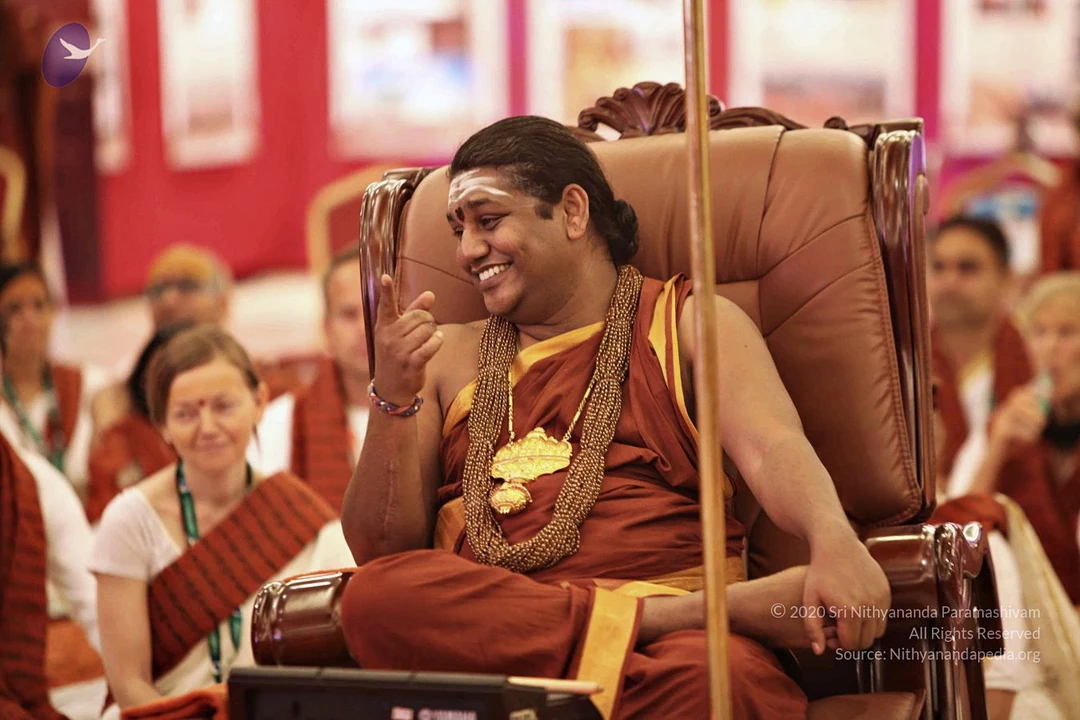
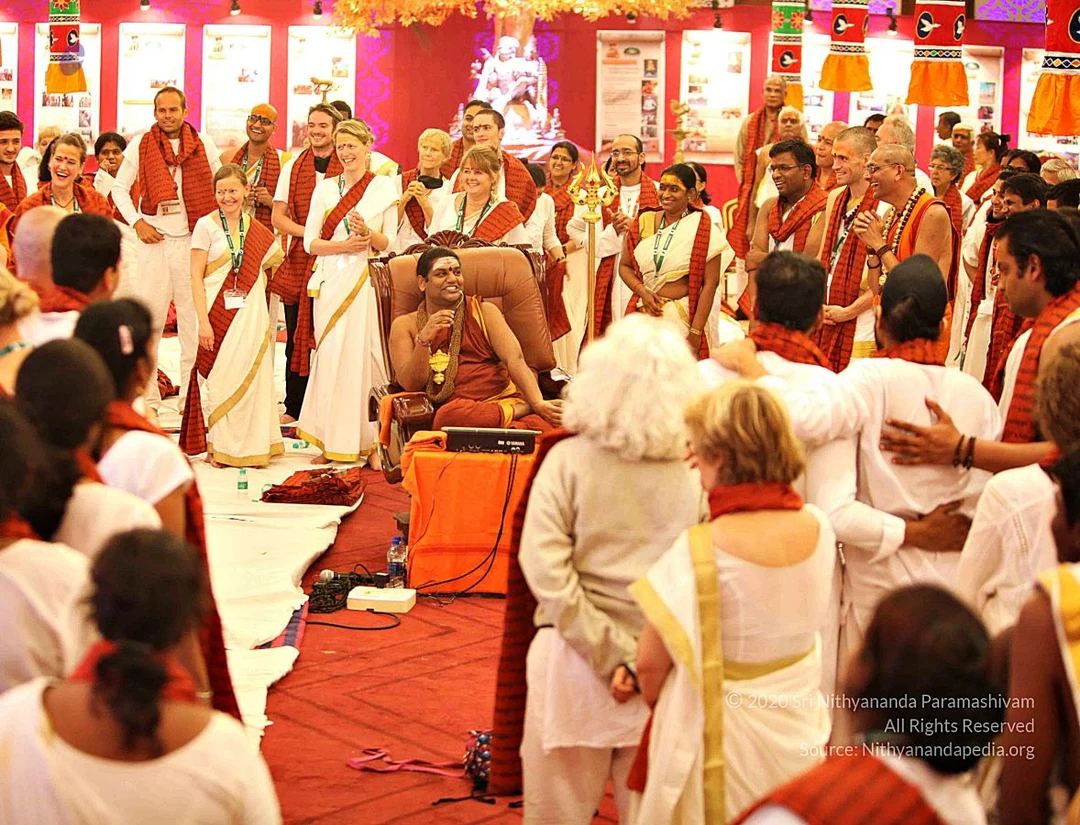
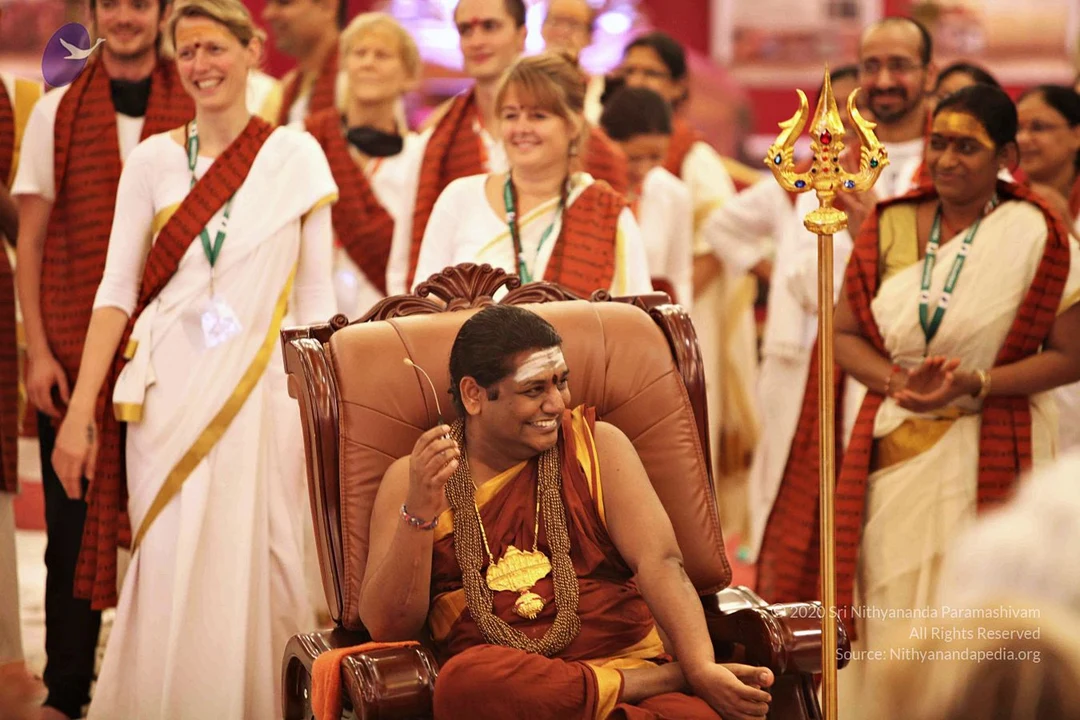
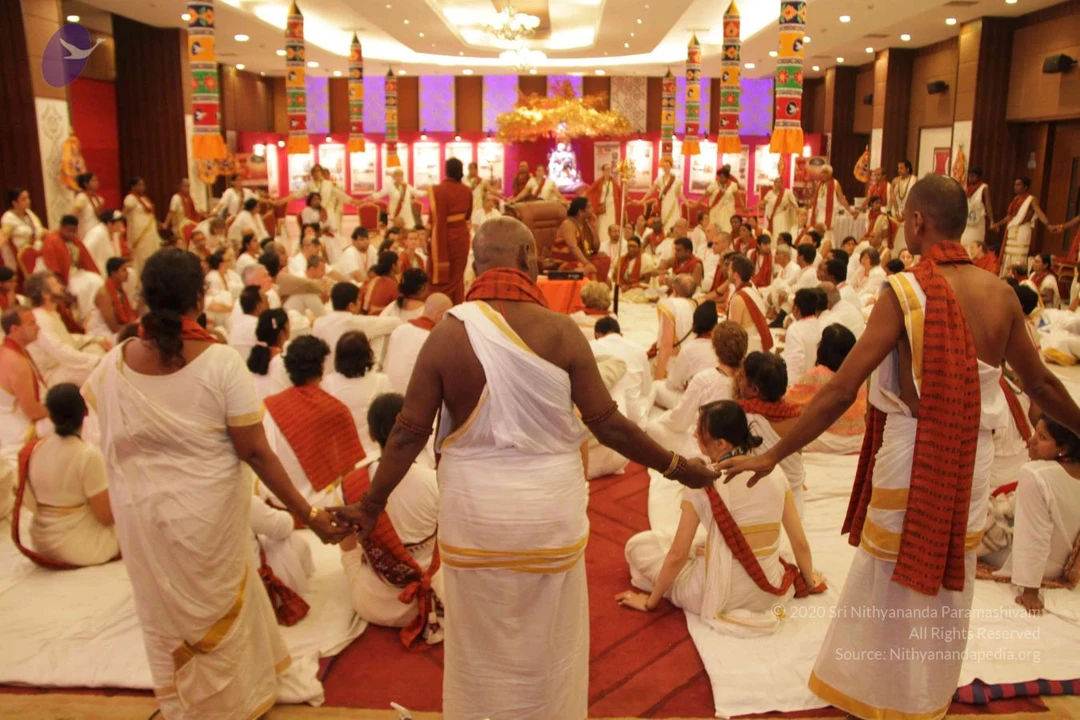
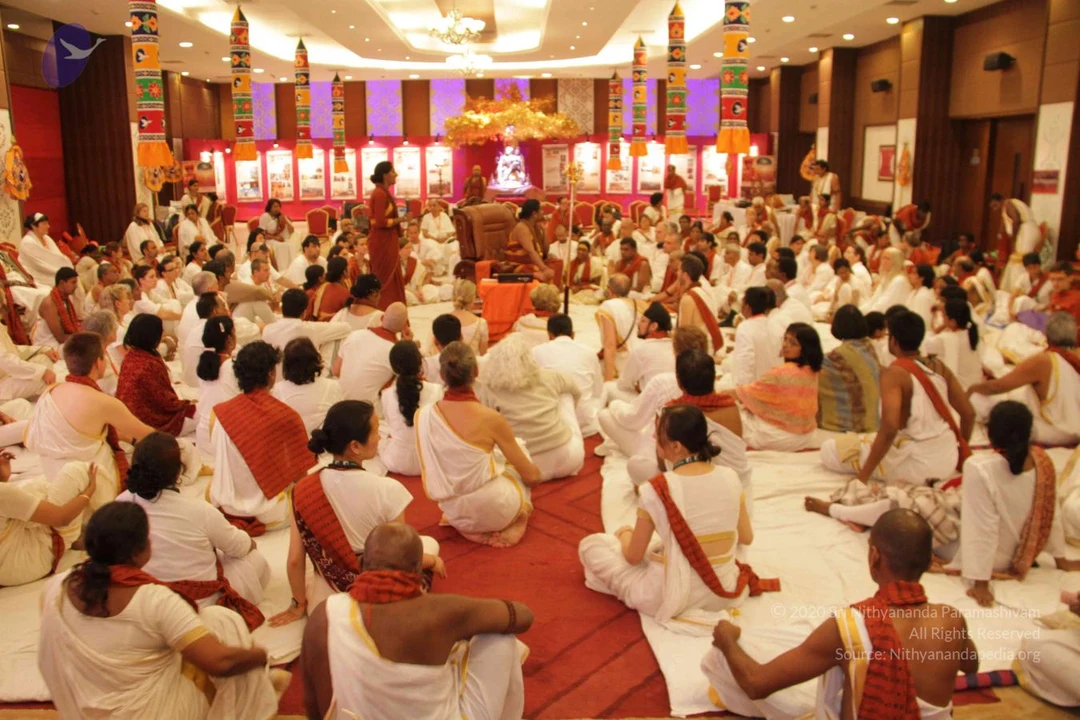
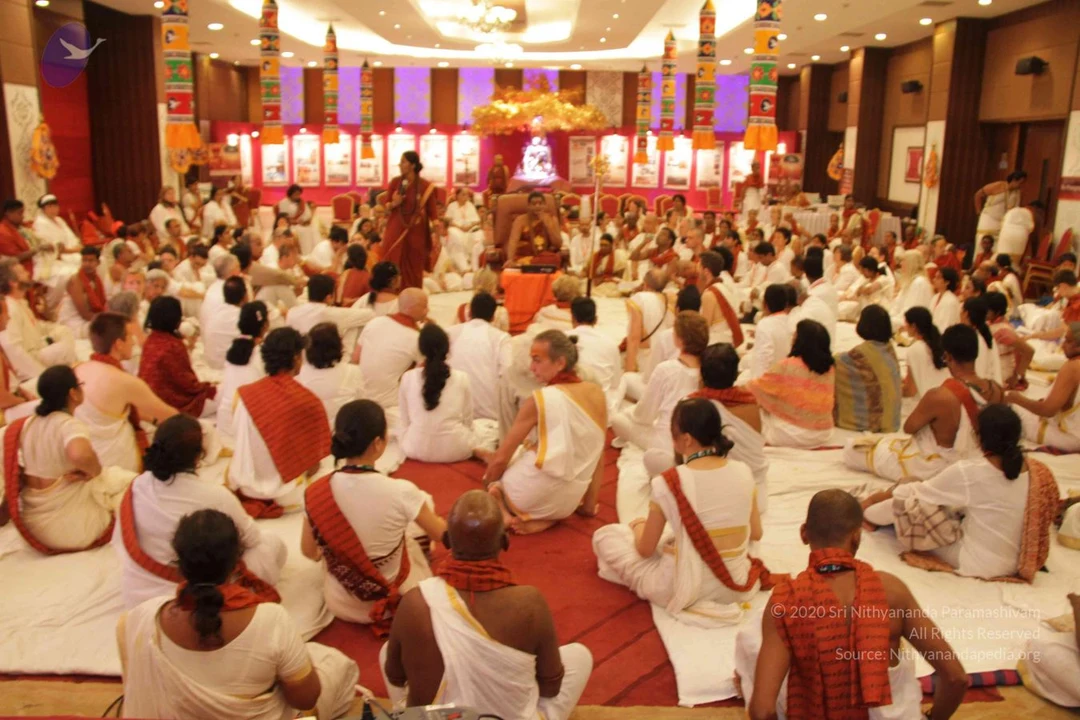
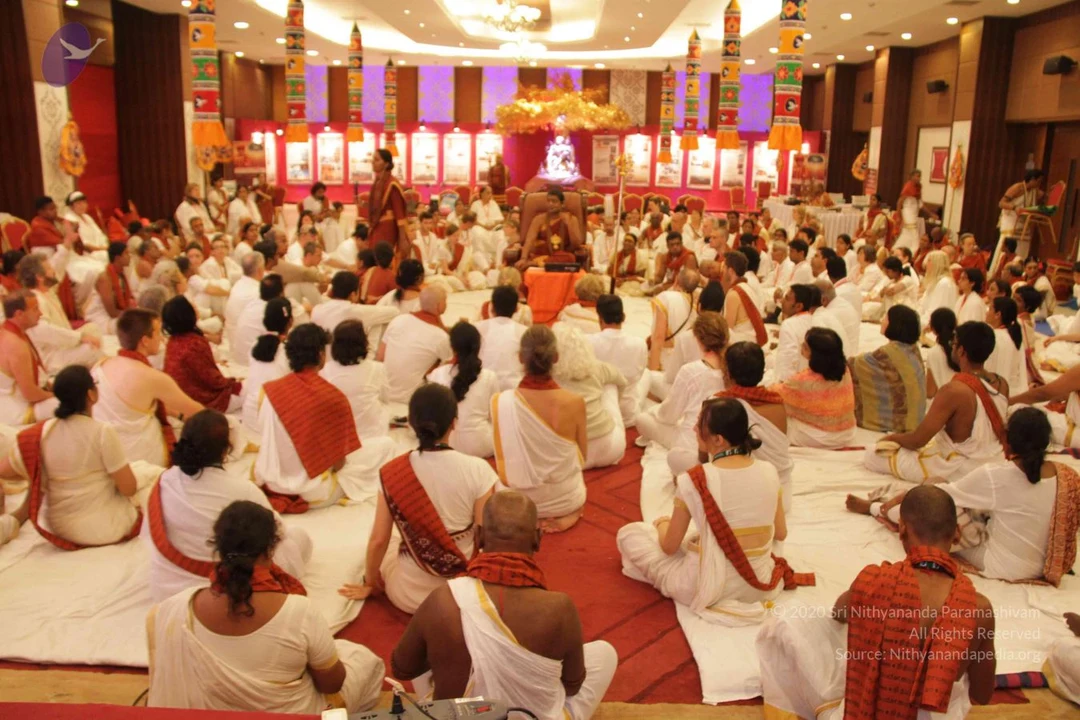
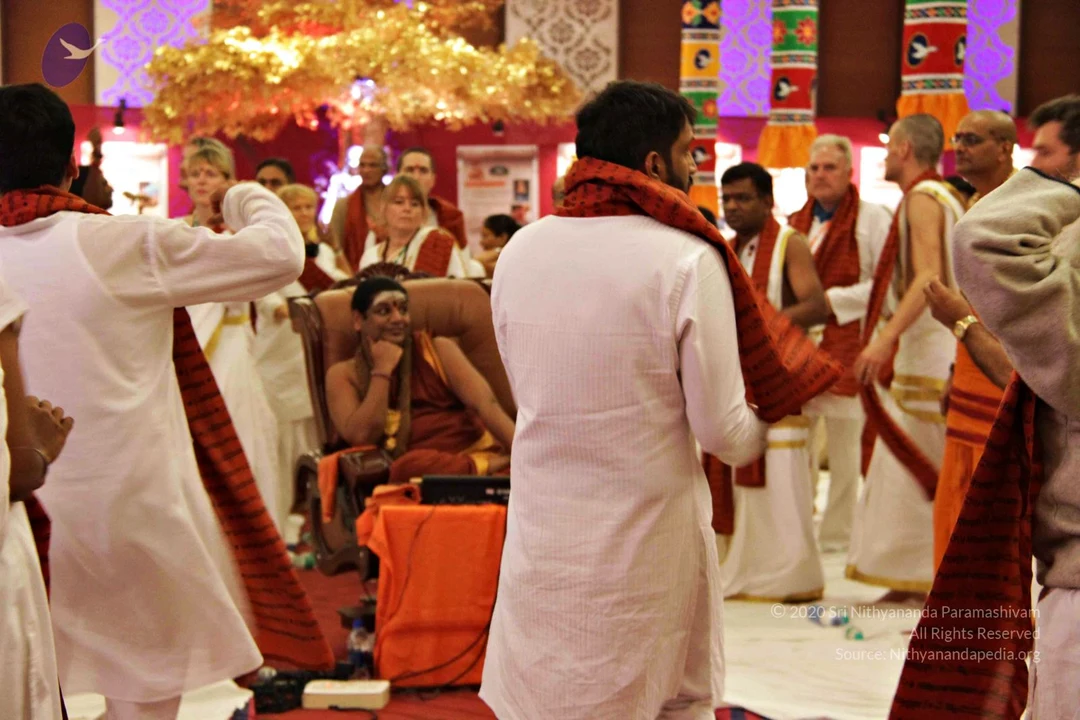
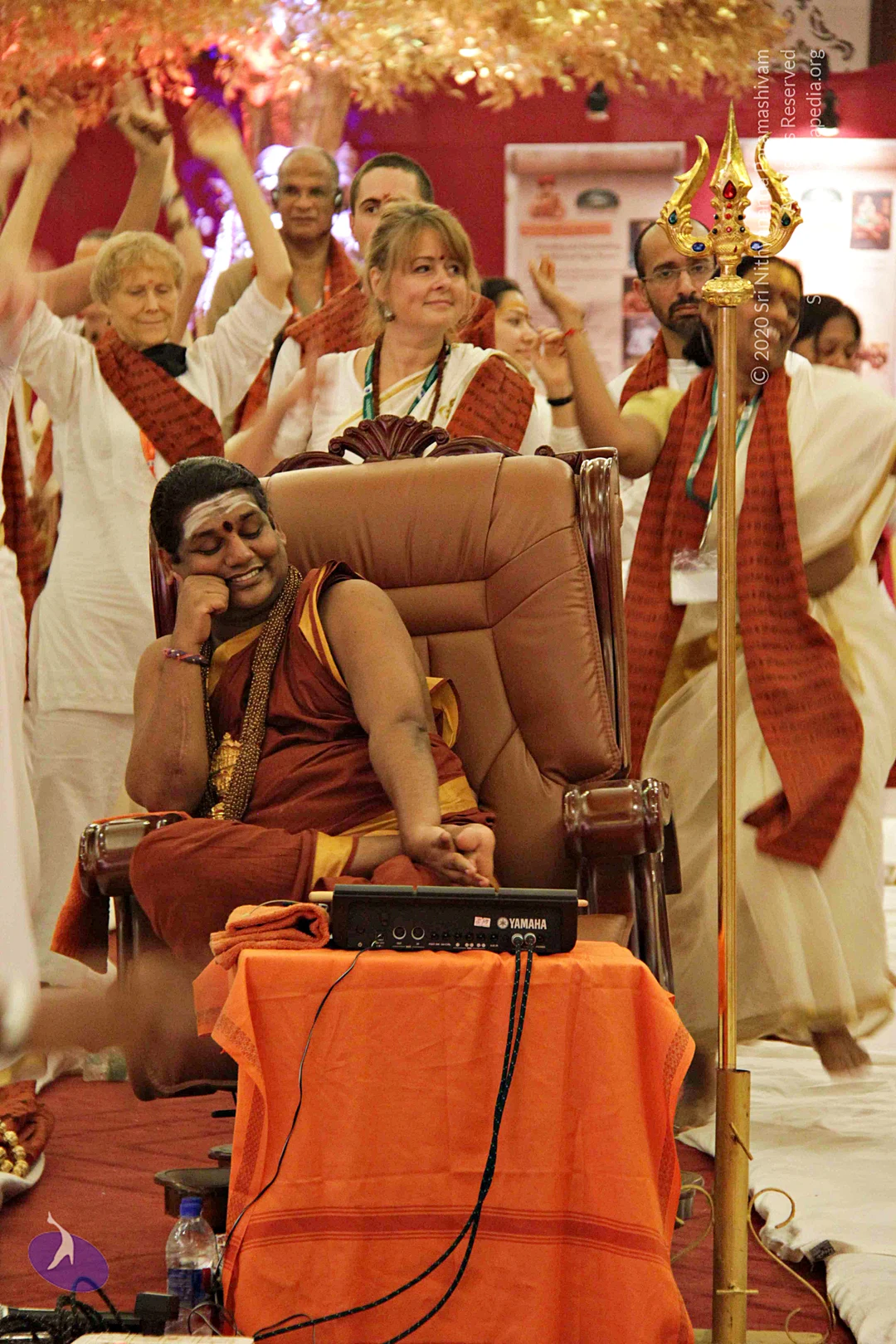
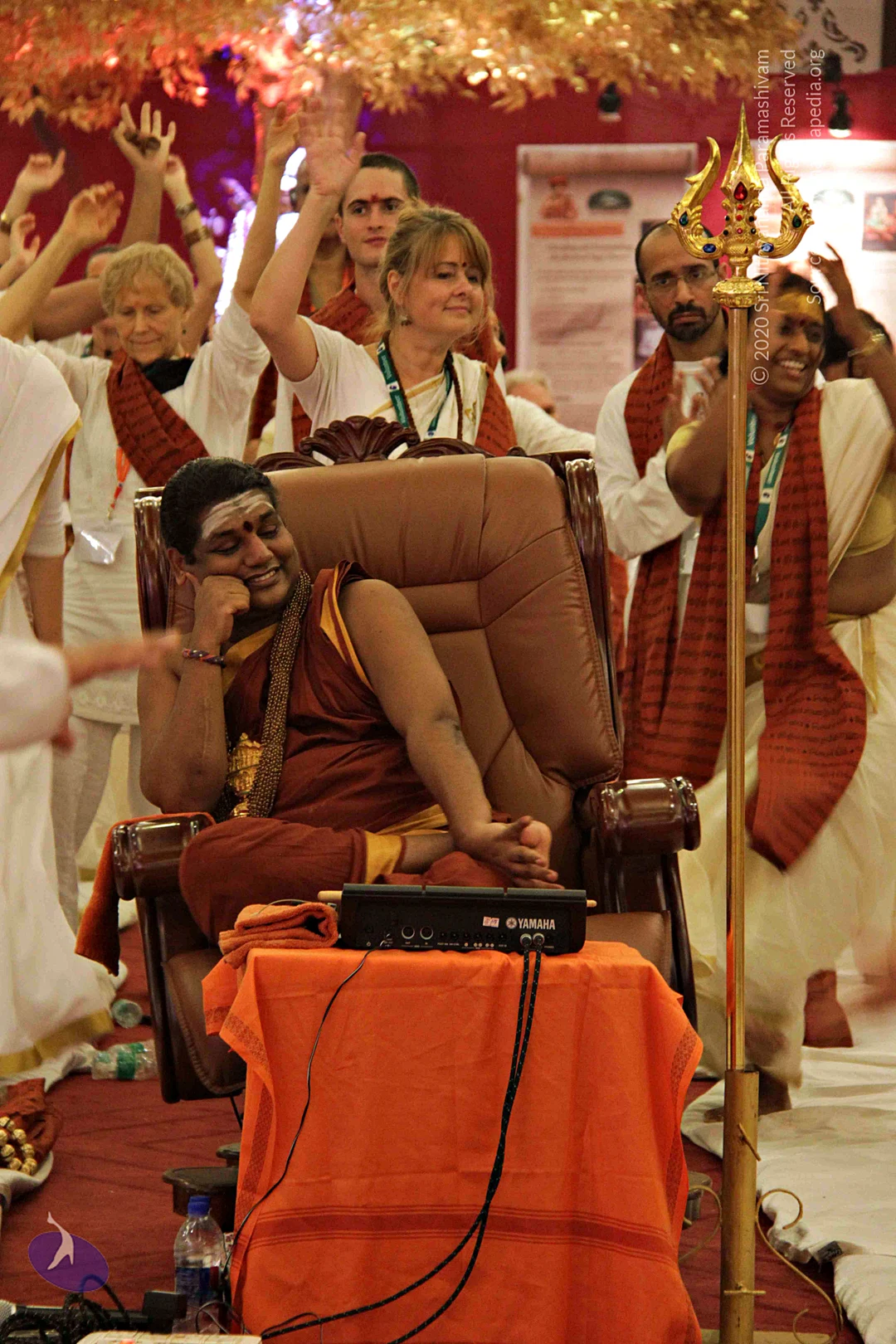
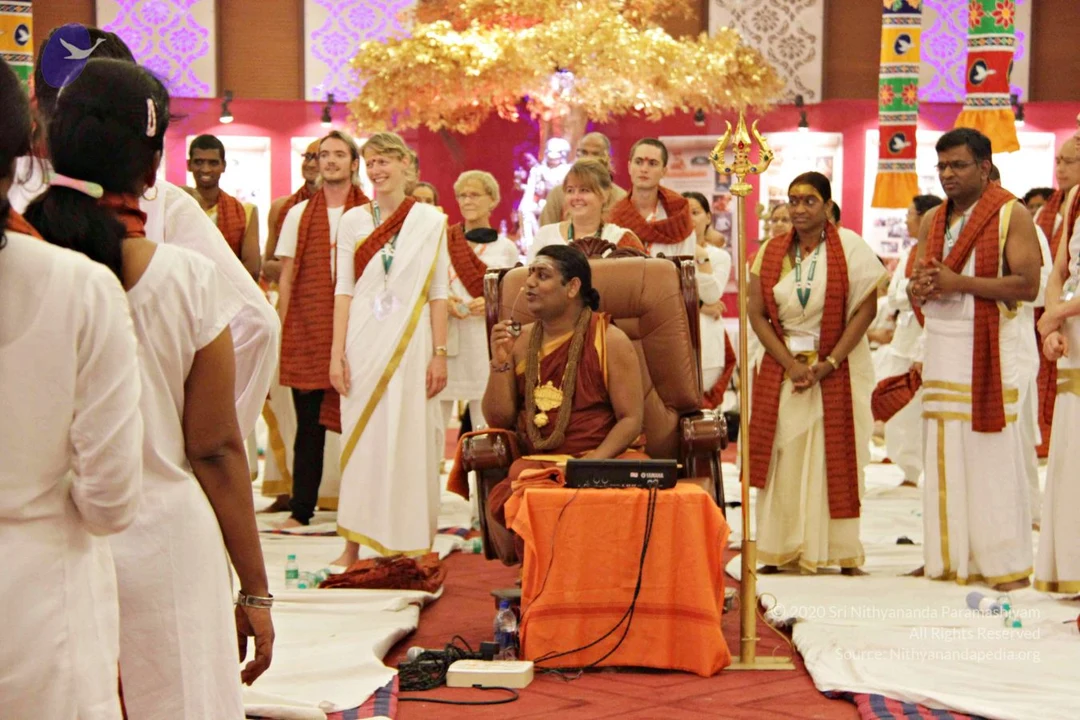
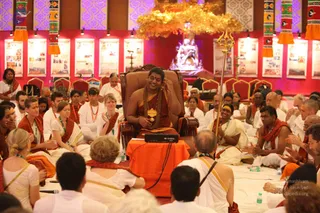
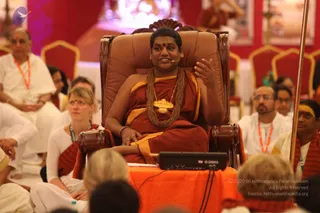
Photos From The Day:
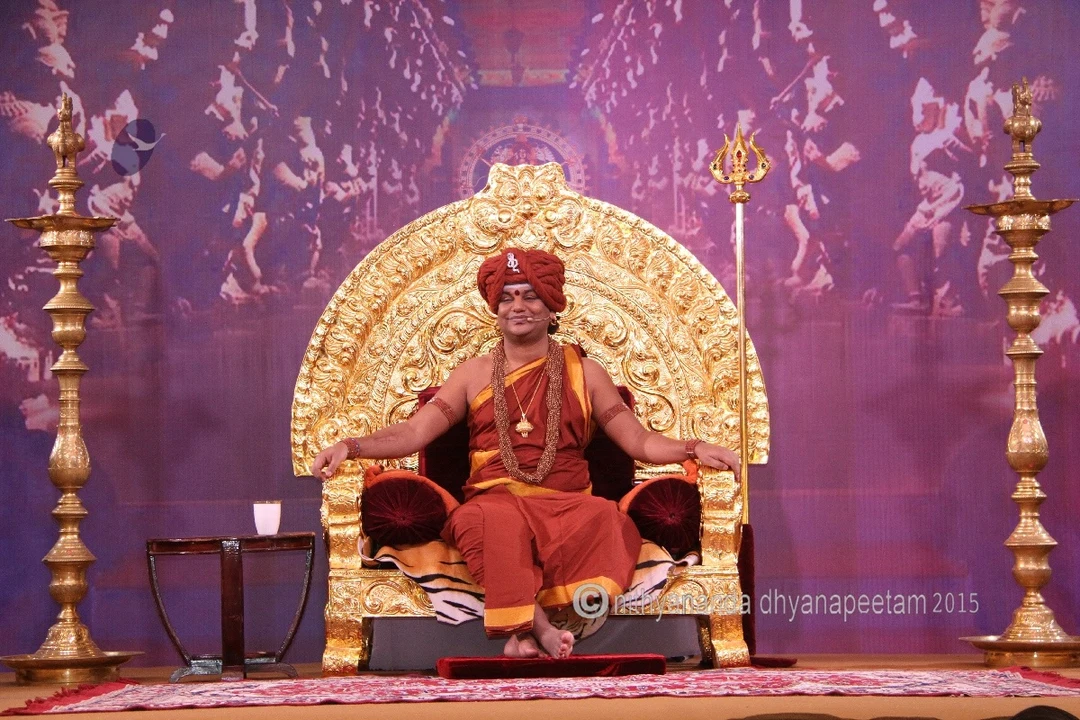
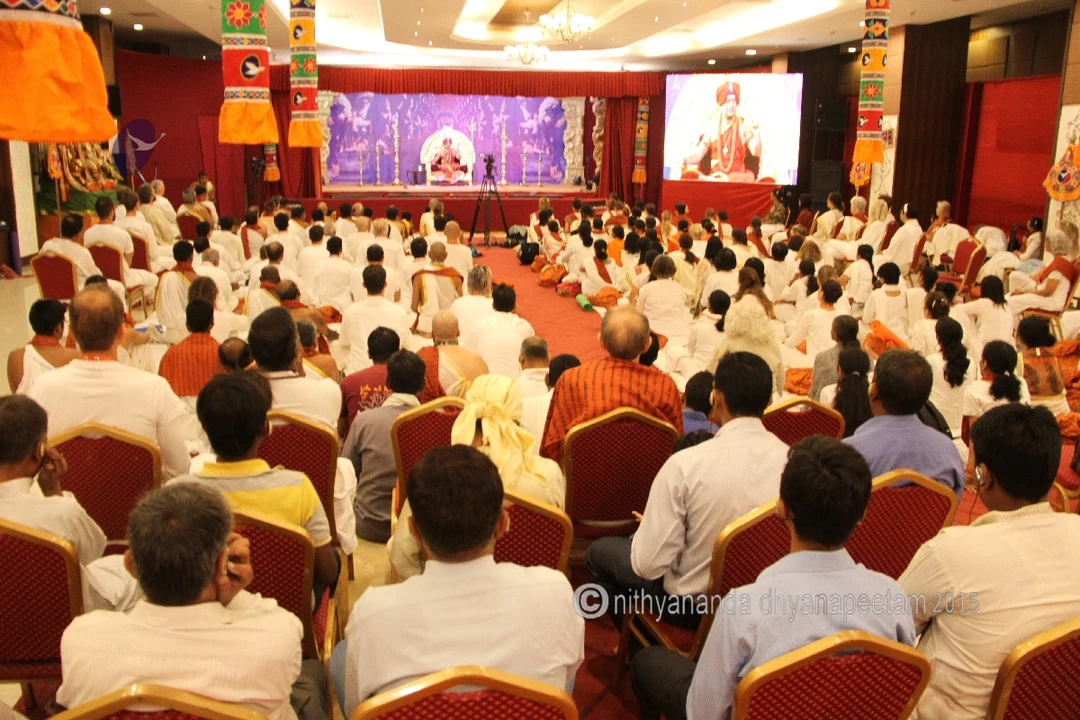



Link to Facebook Page:
https://www.facebook.com/ParamahamsaNithyananda/posts/904868772934307 https://www.facebook.com/ParamahamsaNithyananda/photos/a.321615927926264/904748239613027 https://www.facebook.com/ParamahamsaNithyananda/photos/a.321615927926264/904868699600981
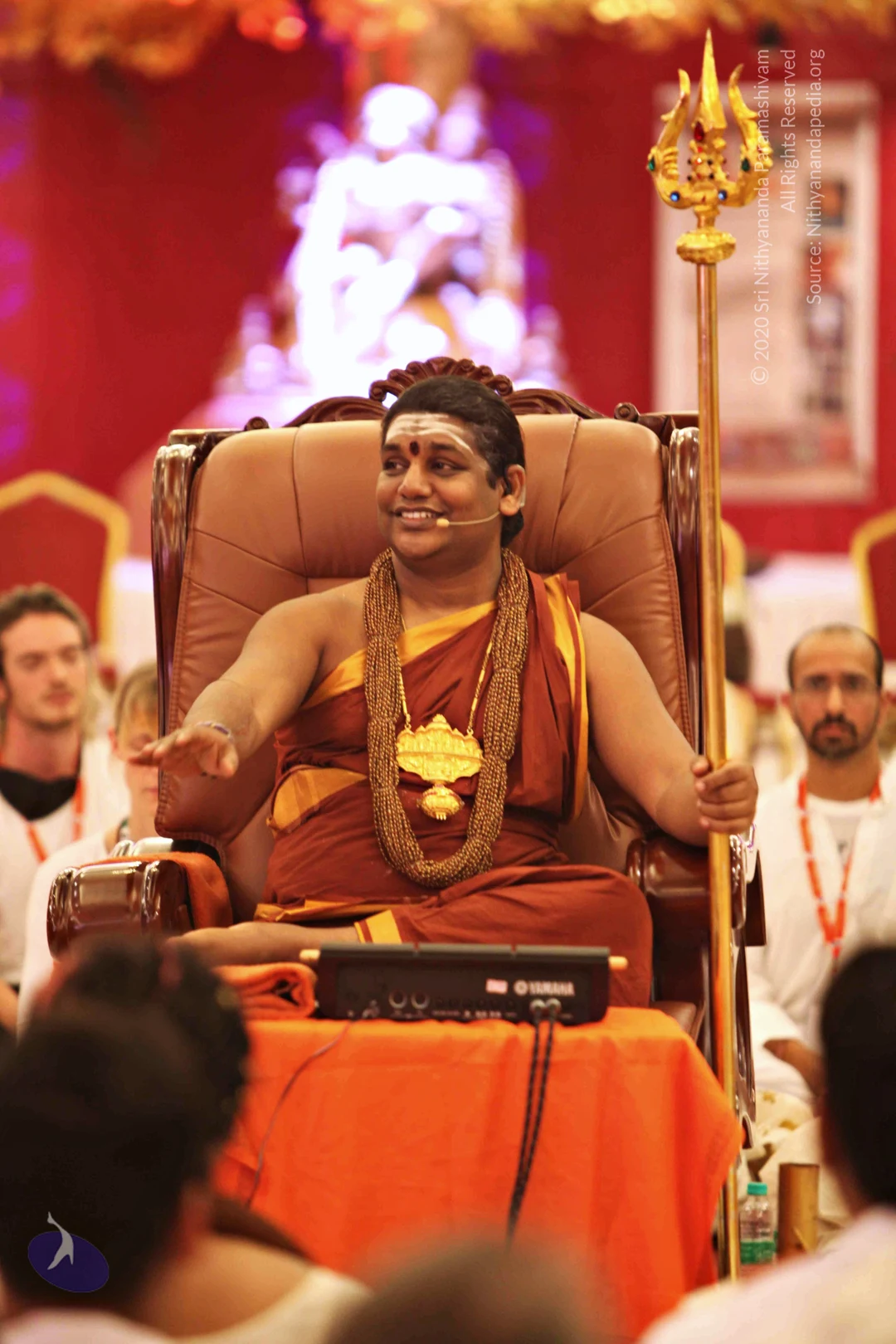
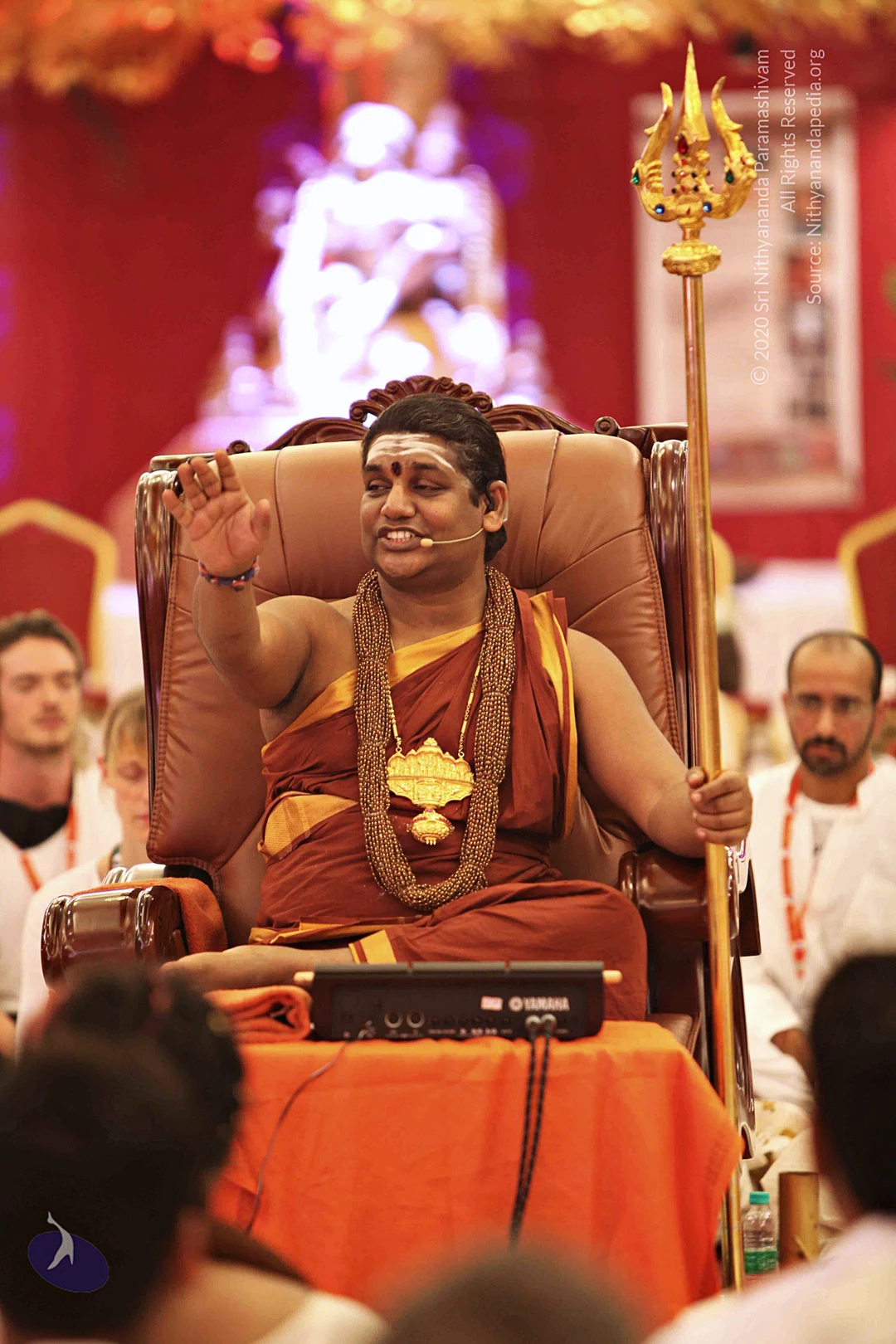
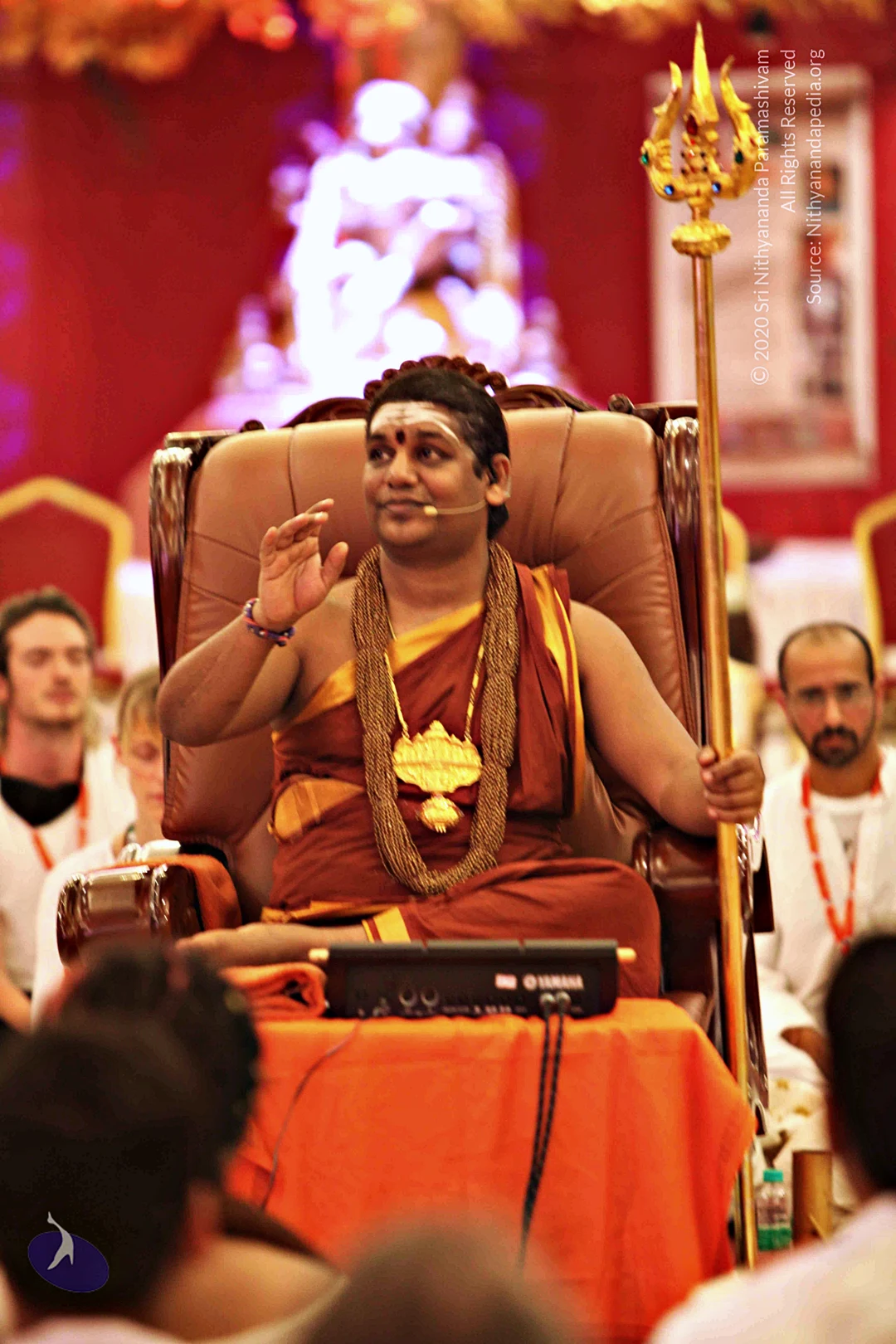
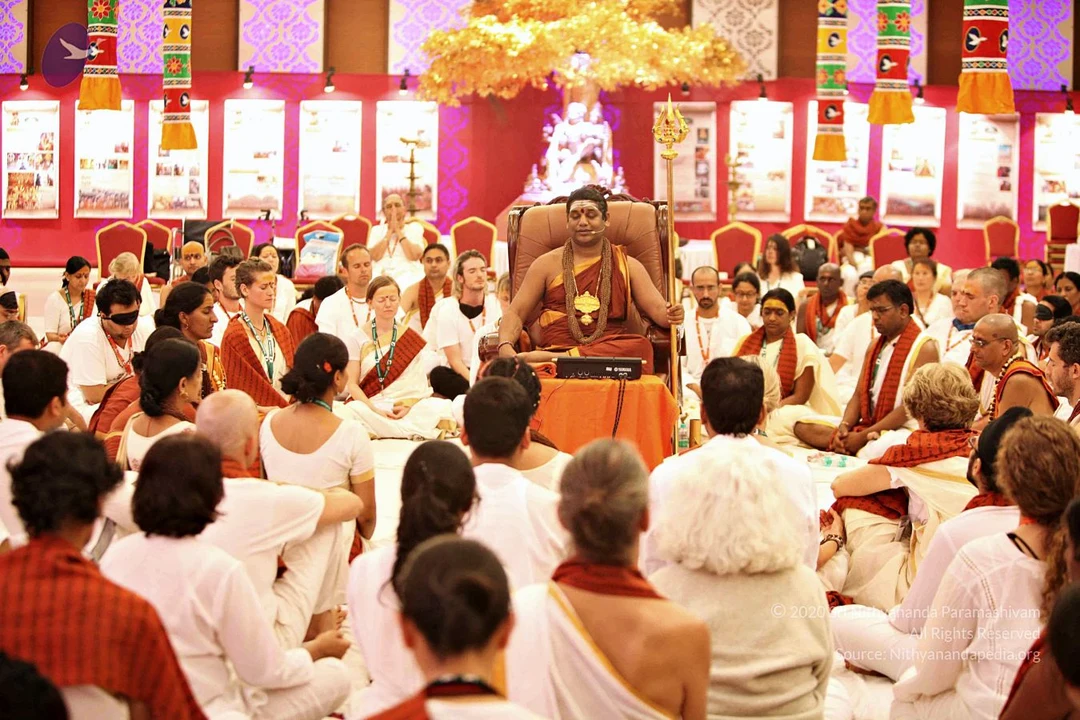
Photos Of The Day:
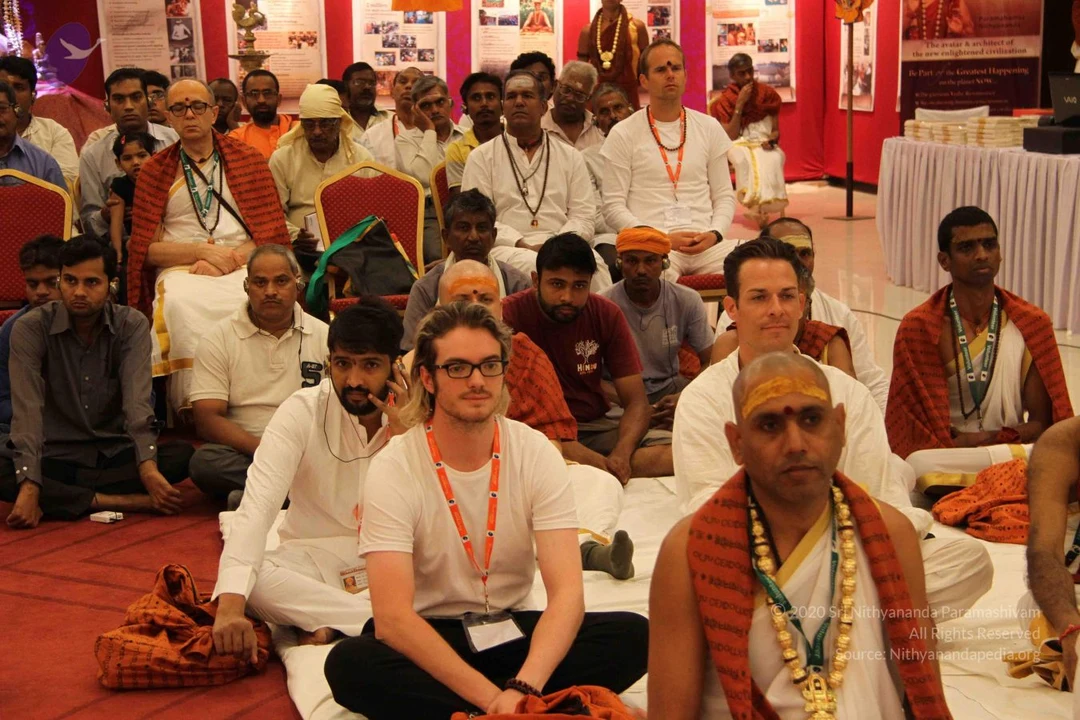
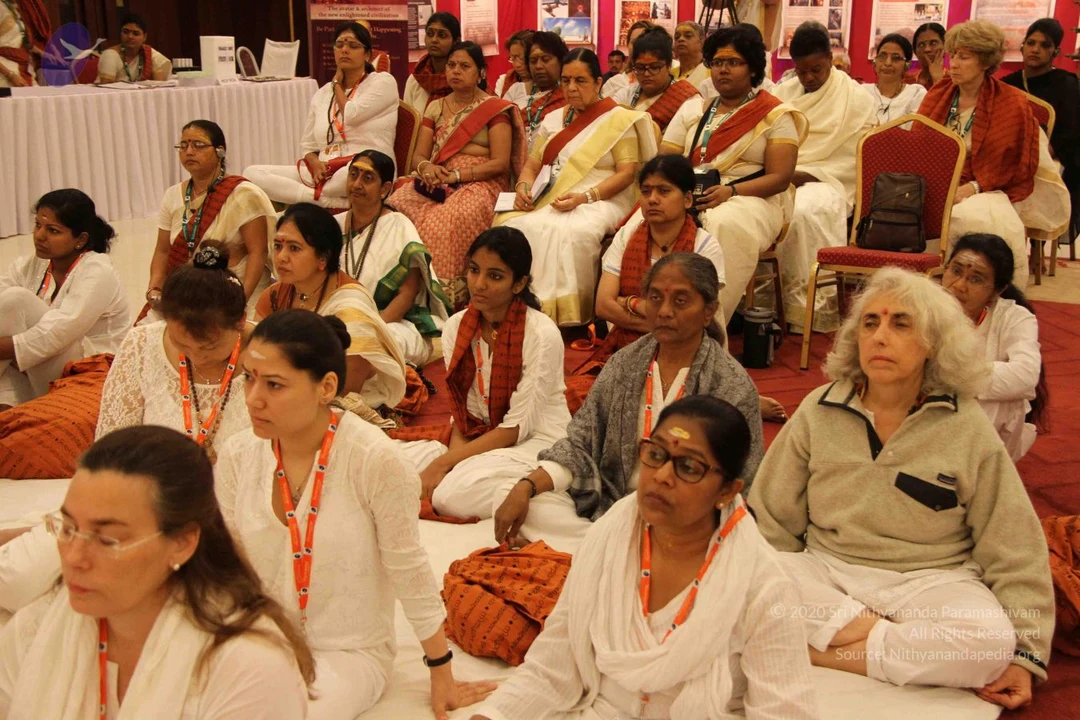
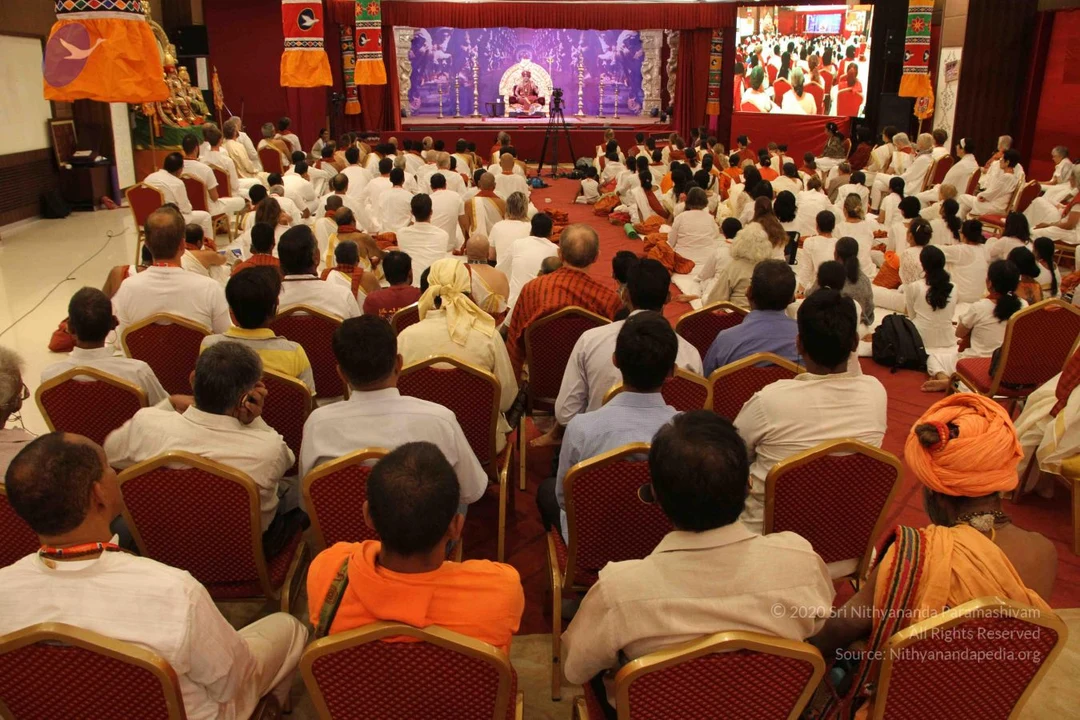
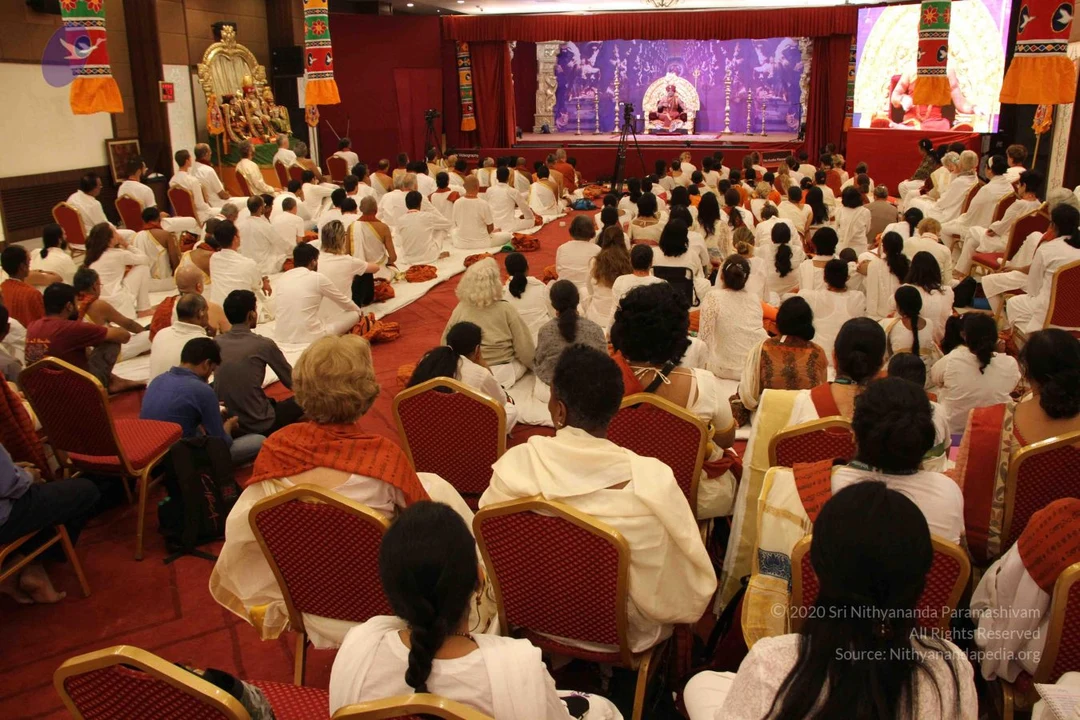
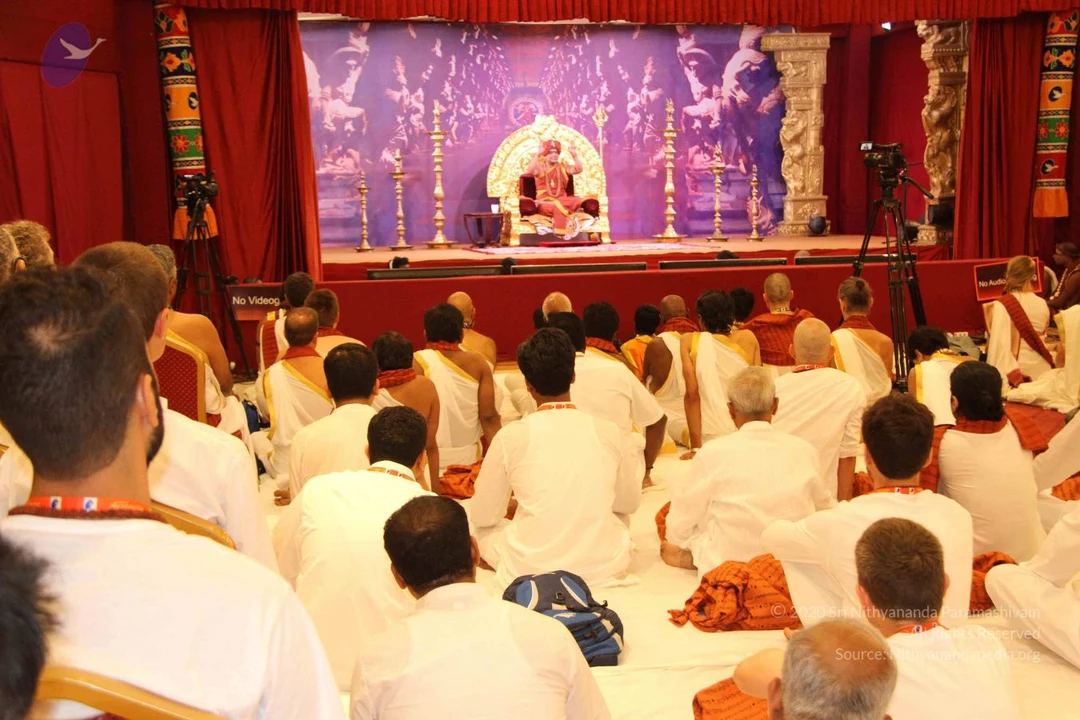
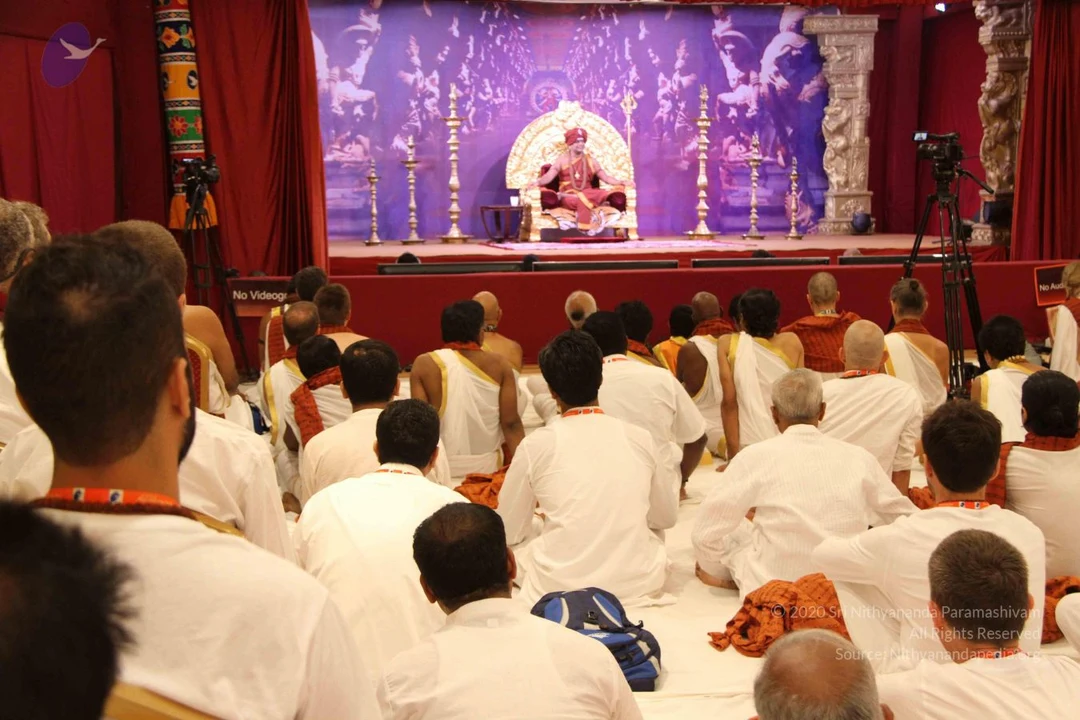
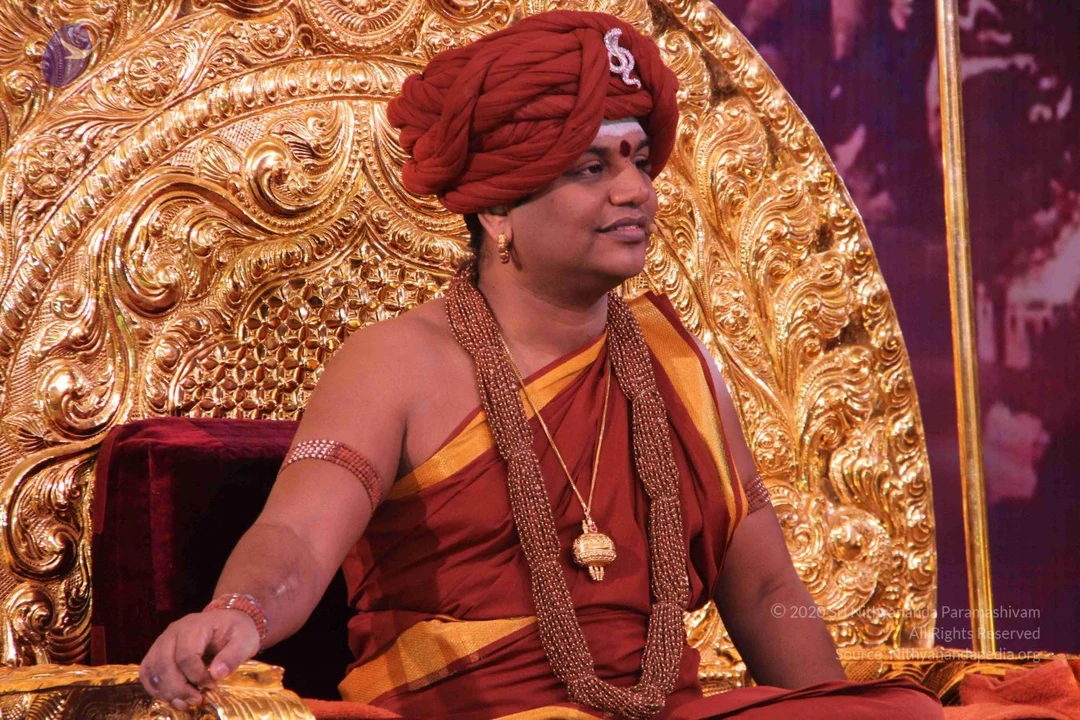
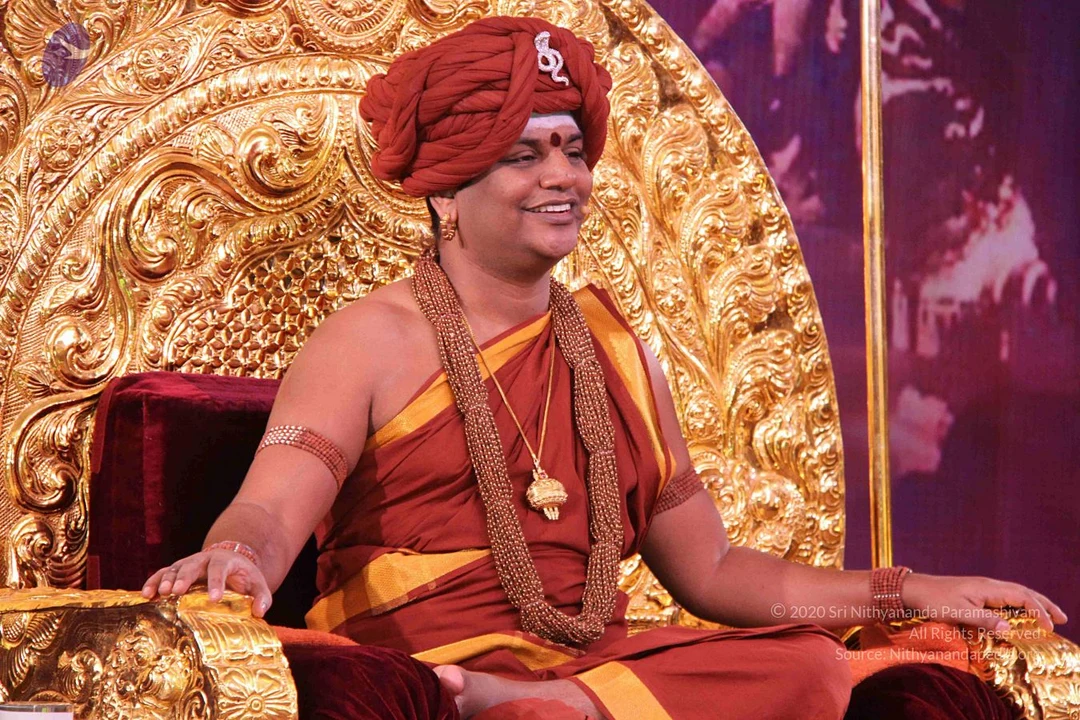
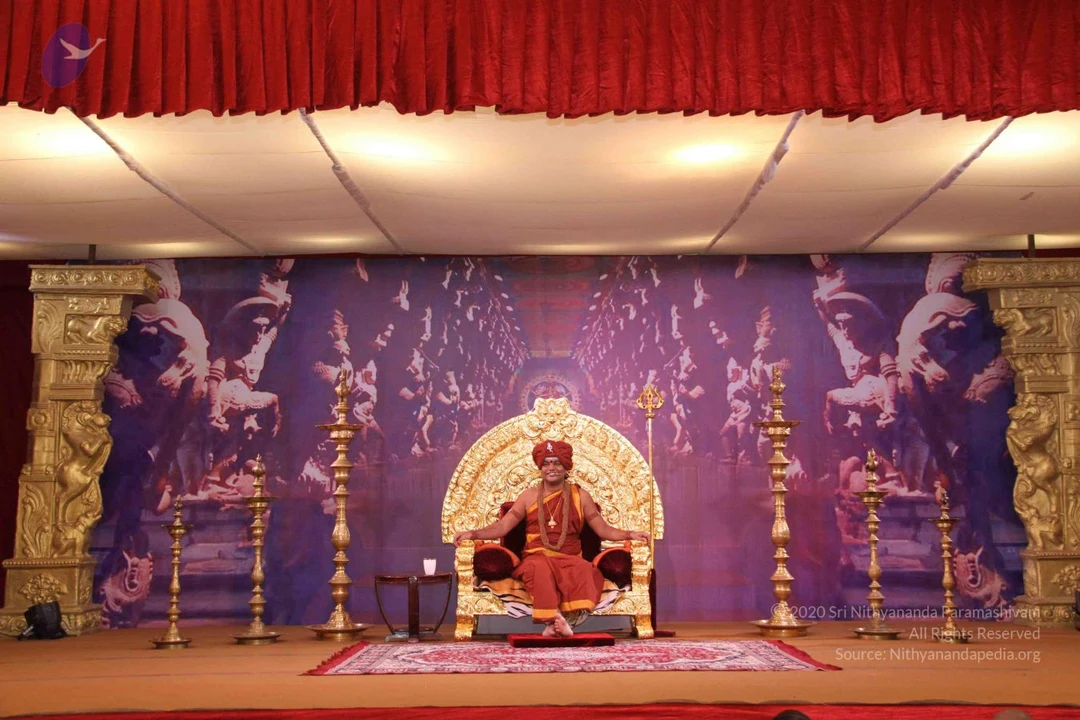
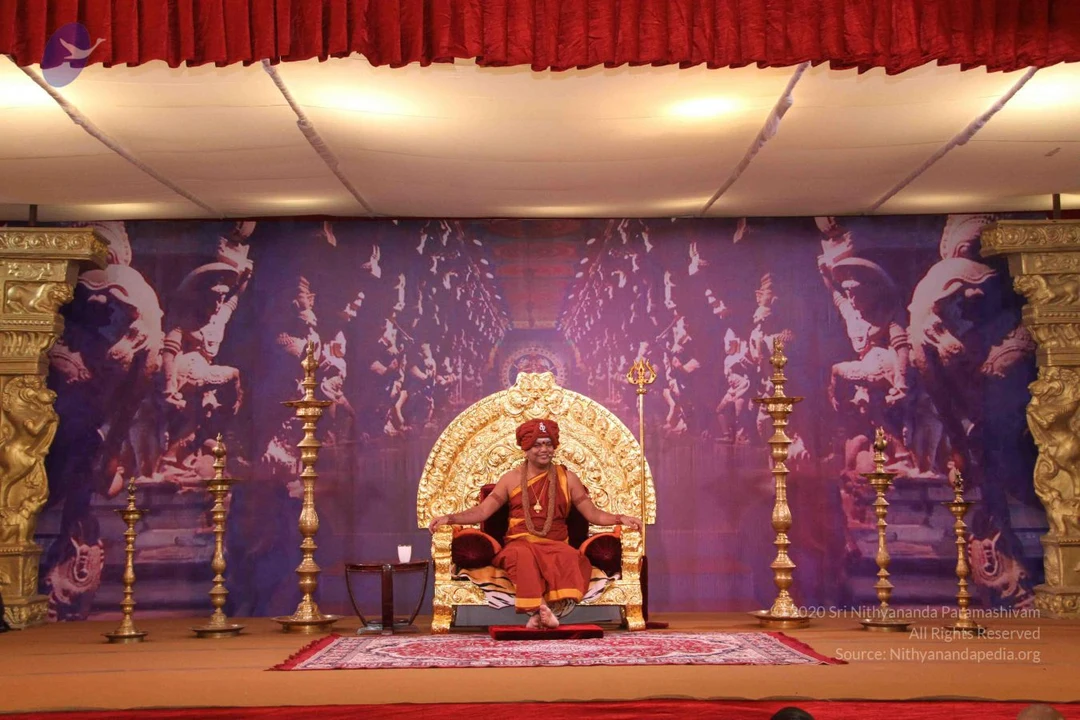
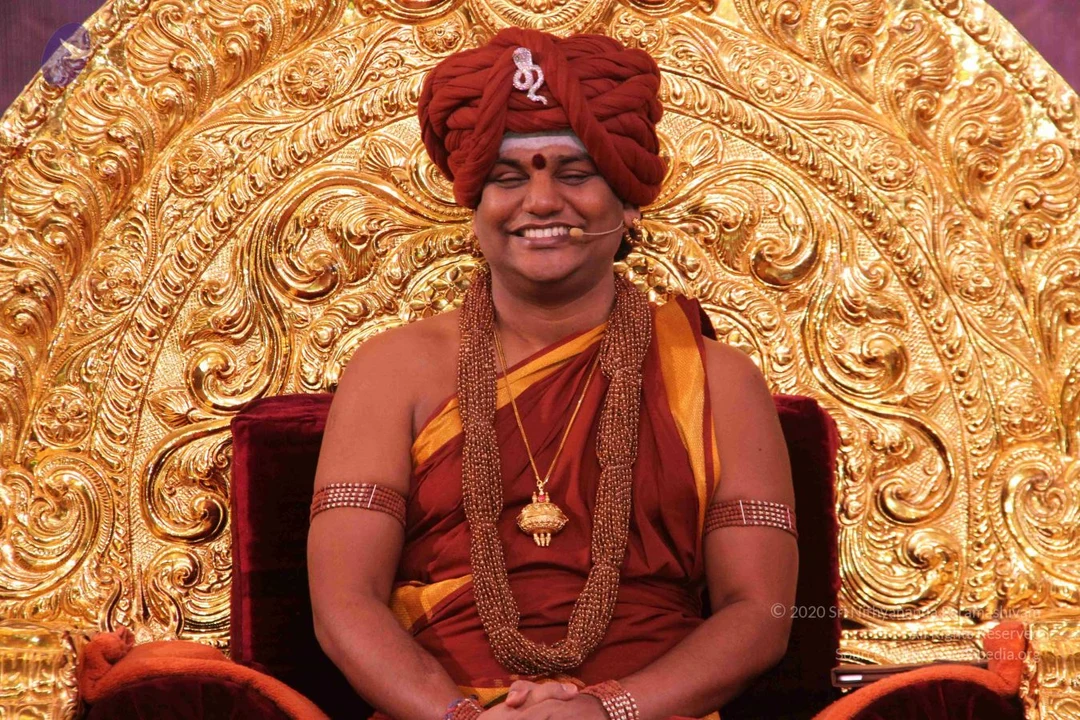
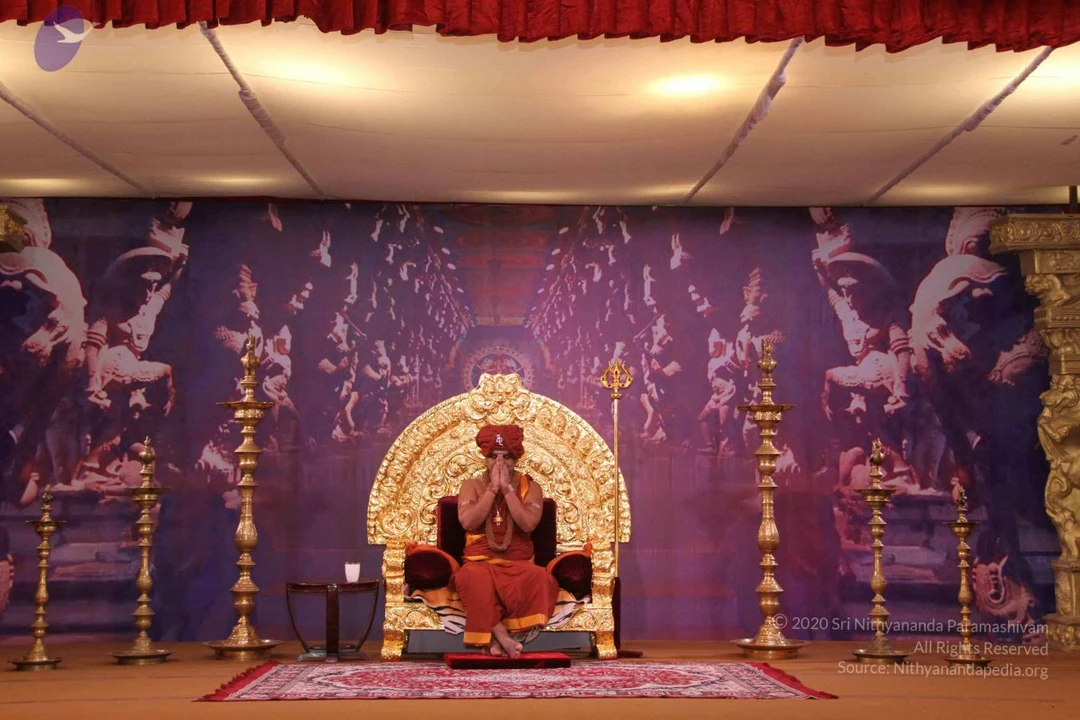
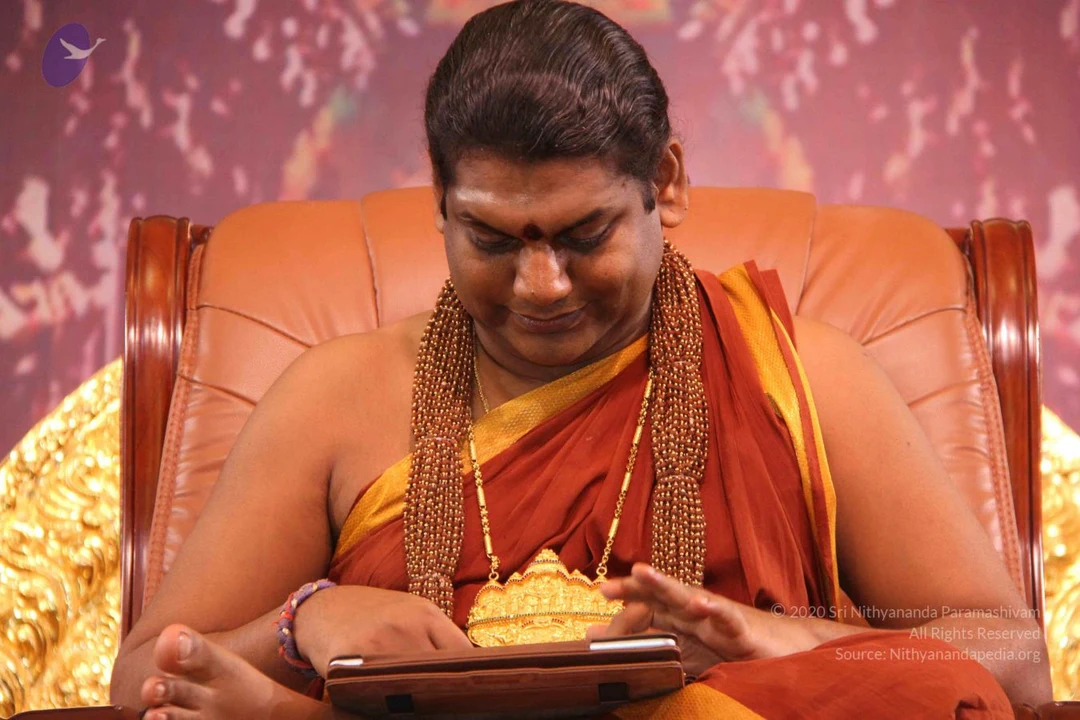
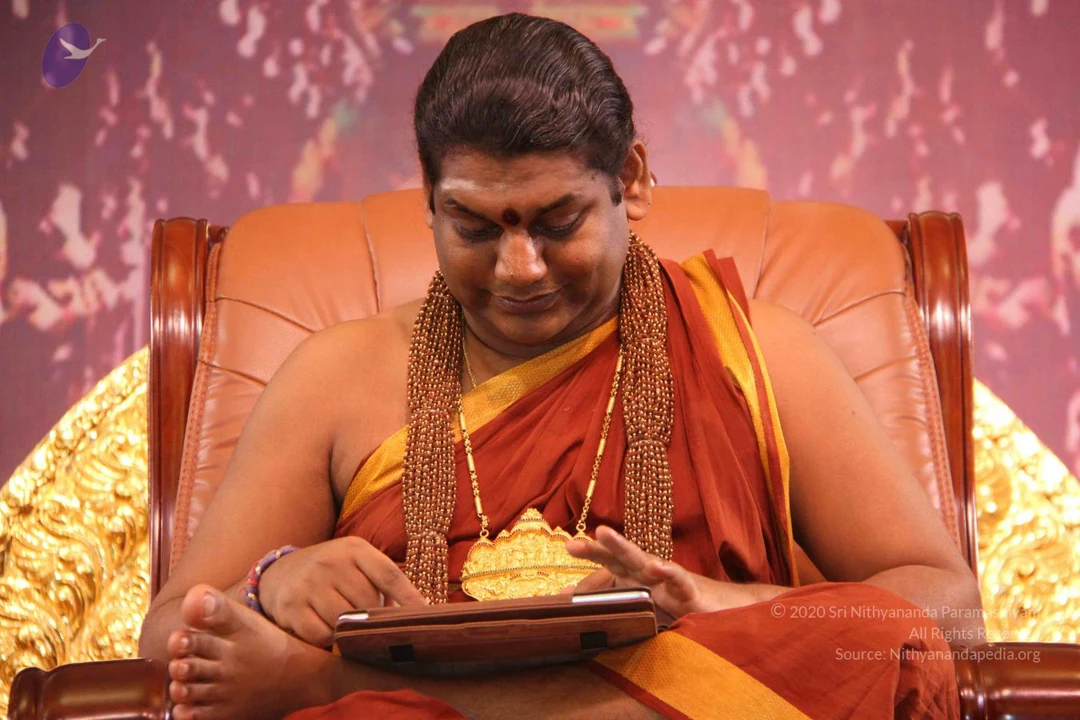
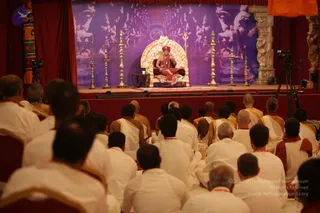
Nithya-Satsang-KalpataruDarshan

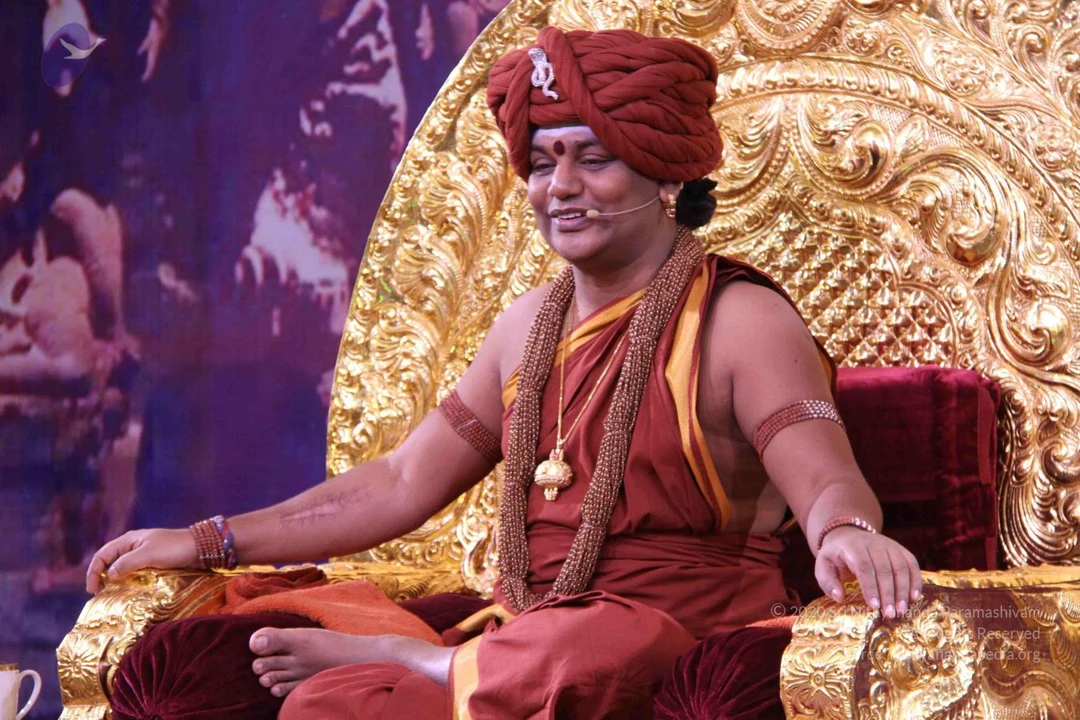
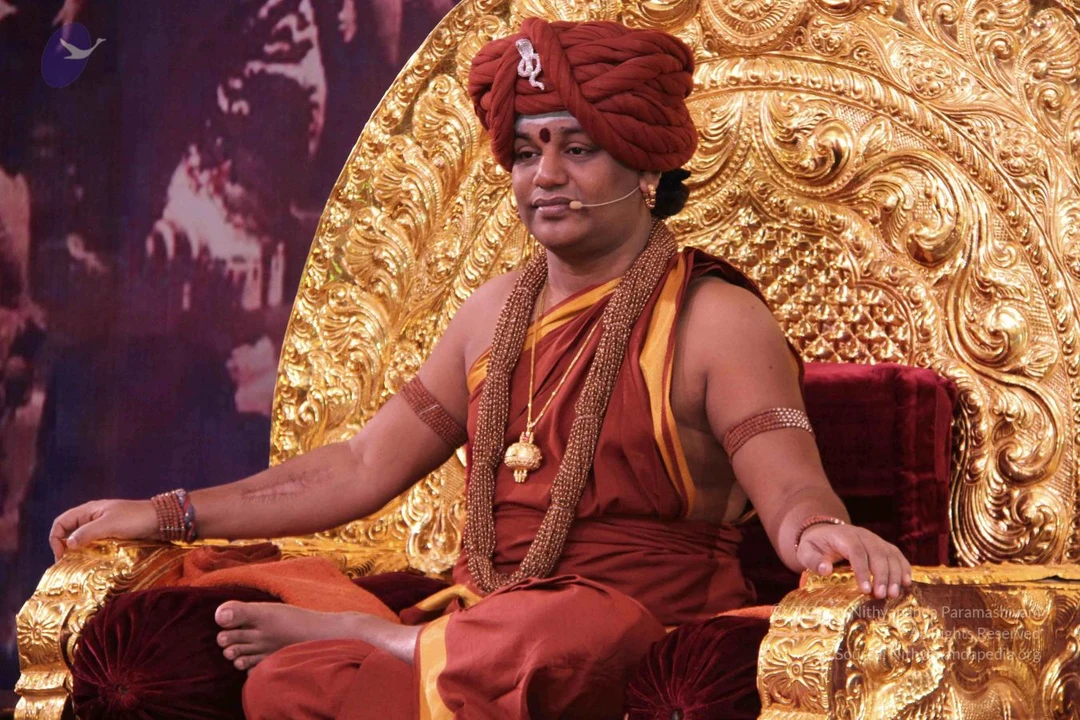

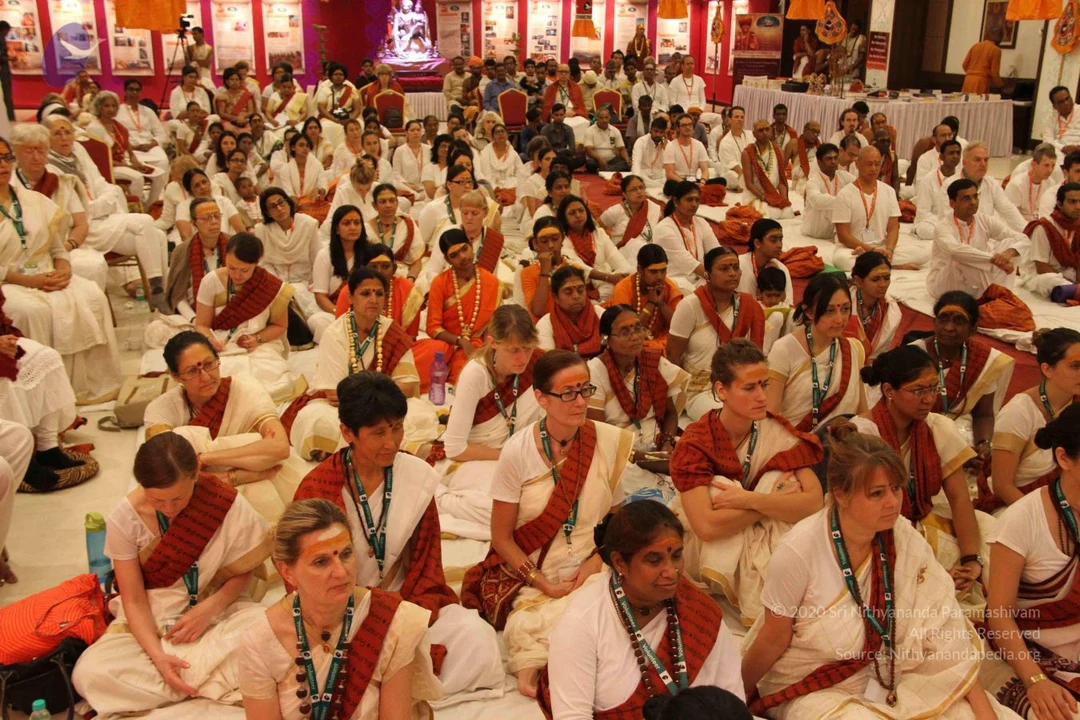
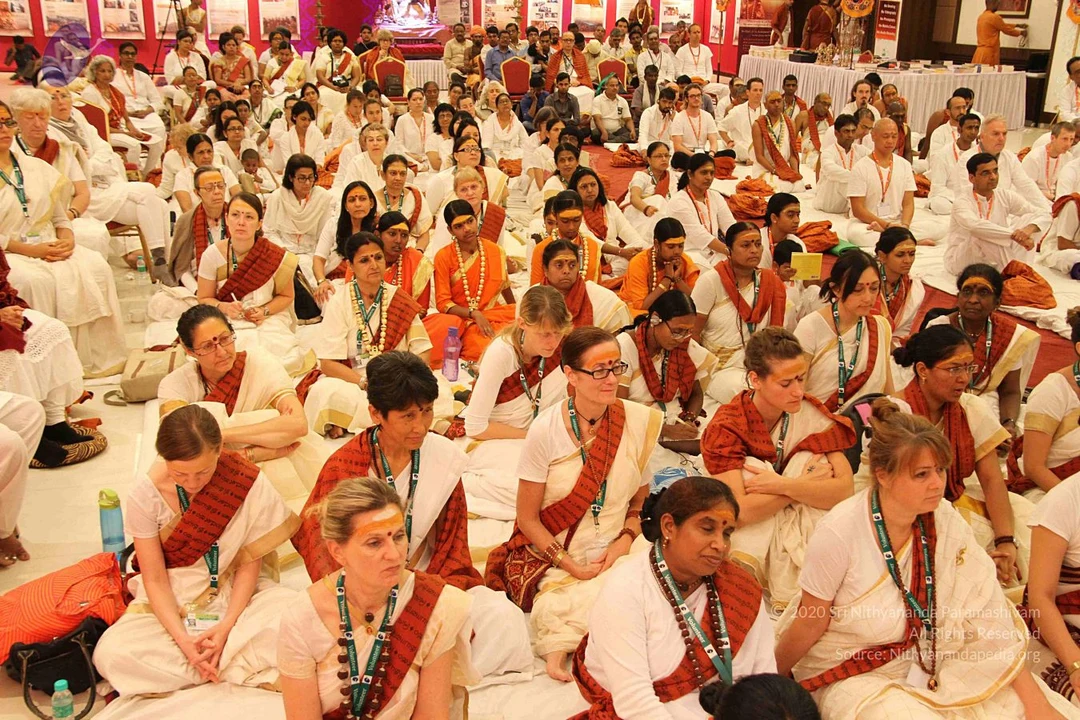
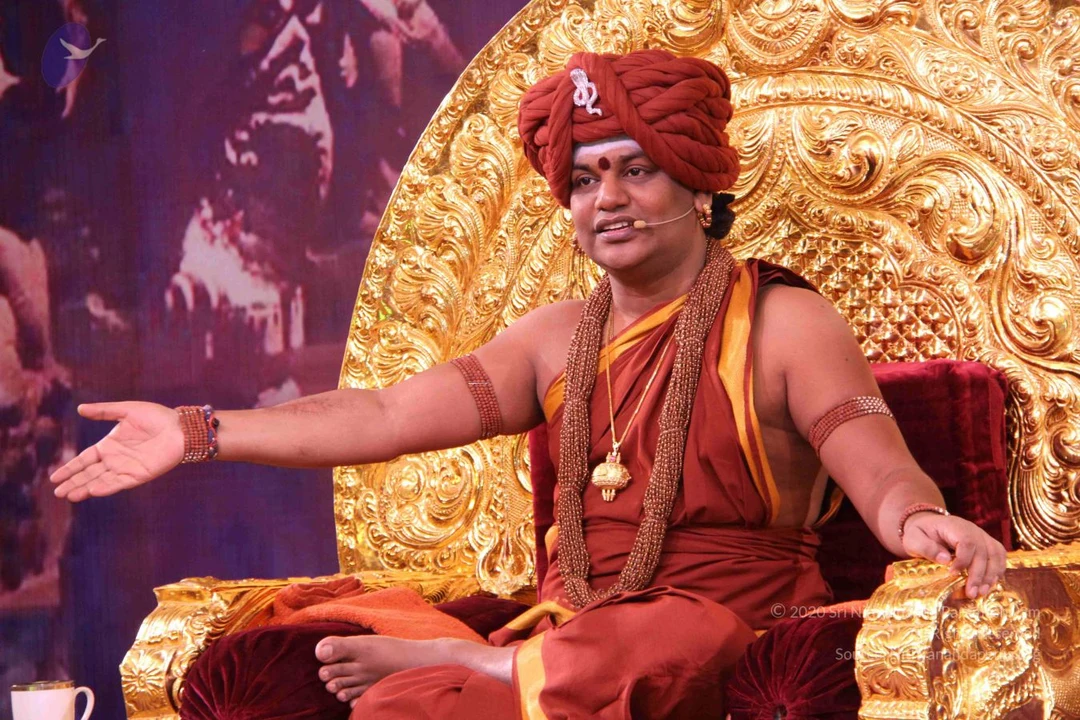
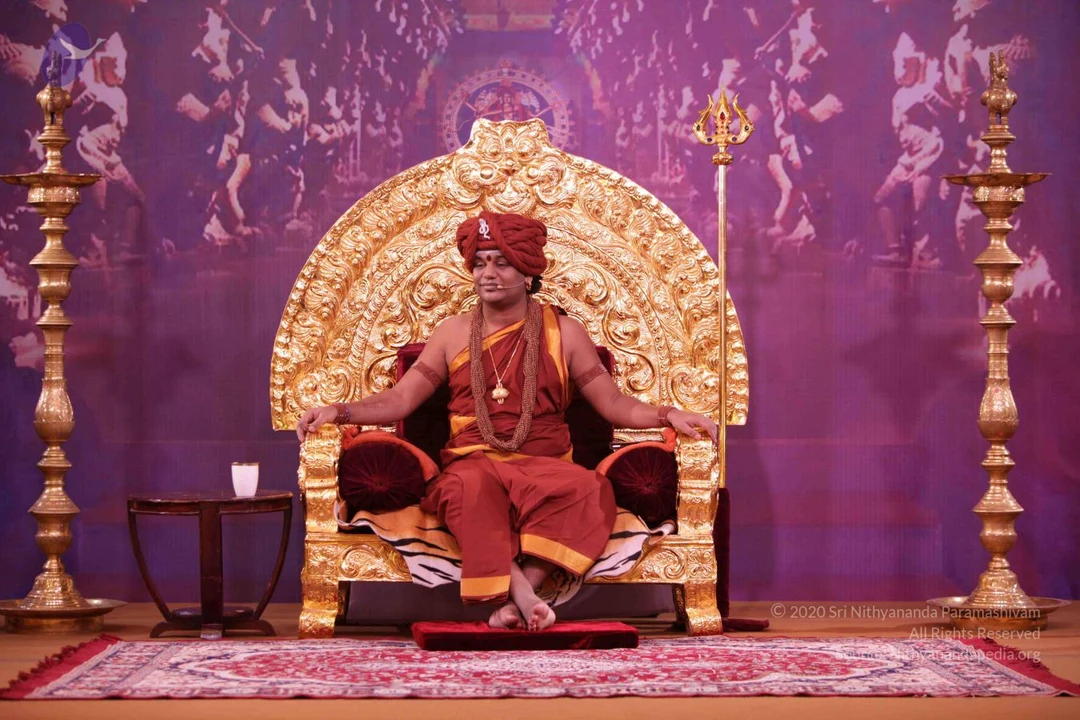
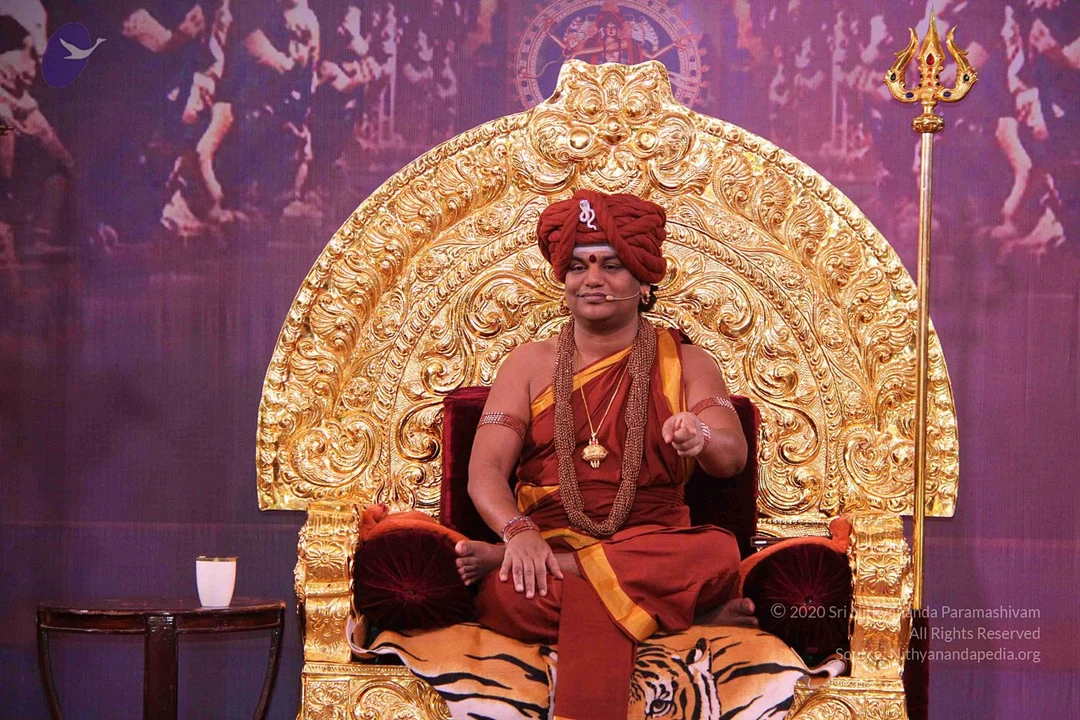

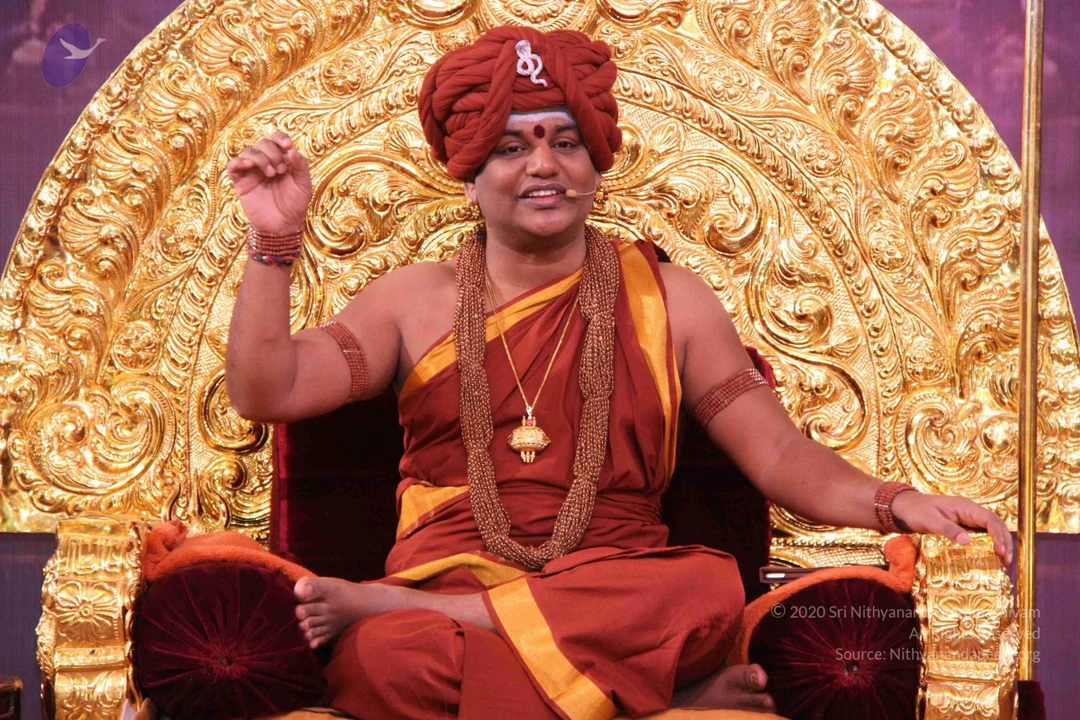



































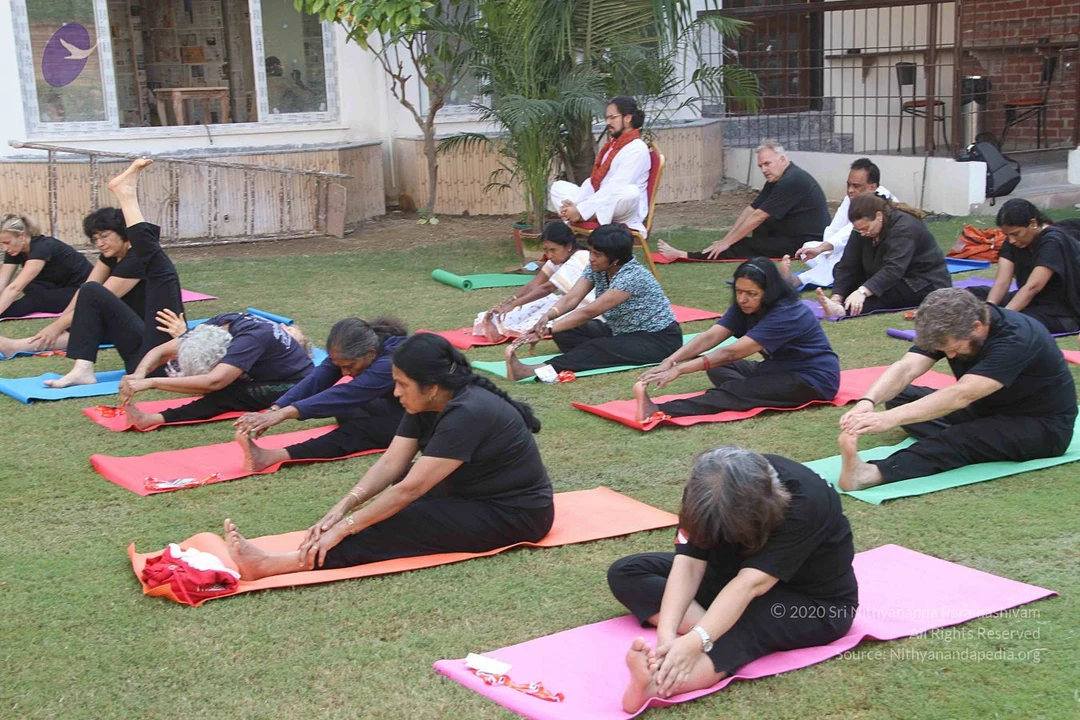
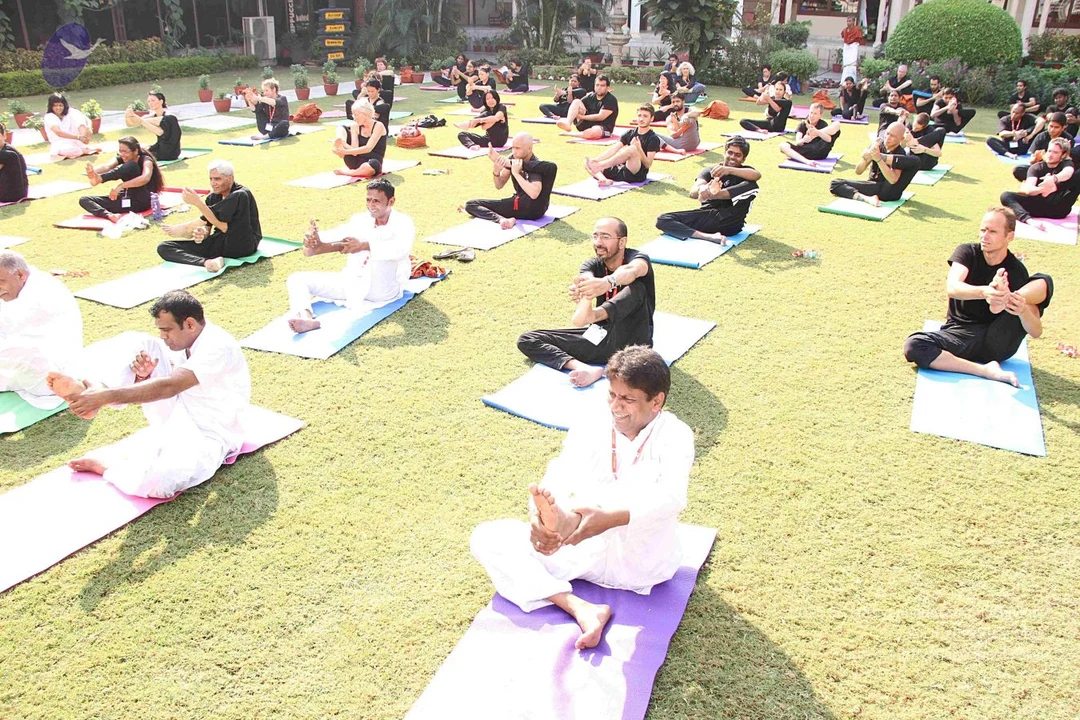
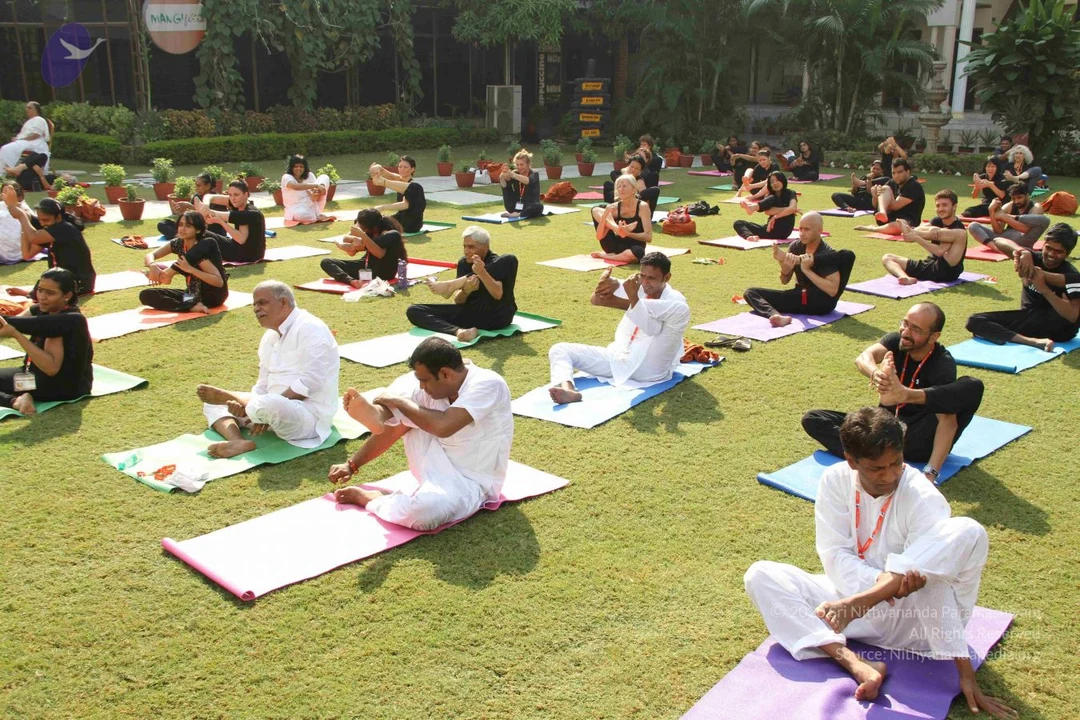
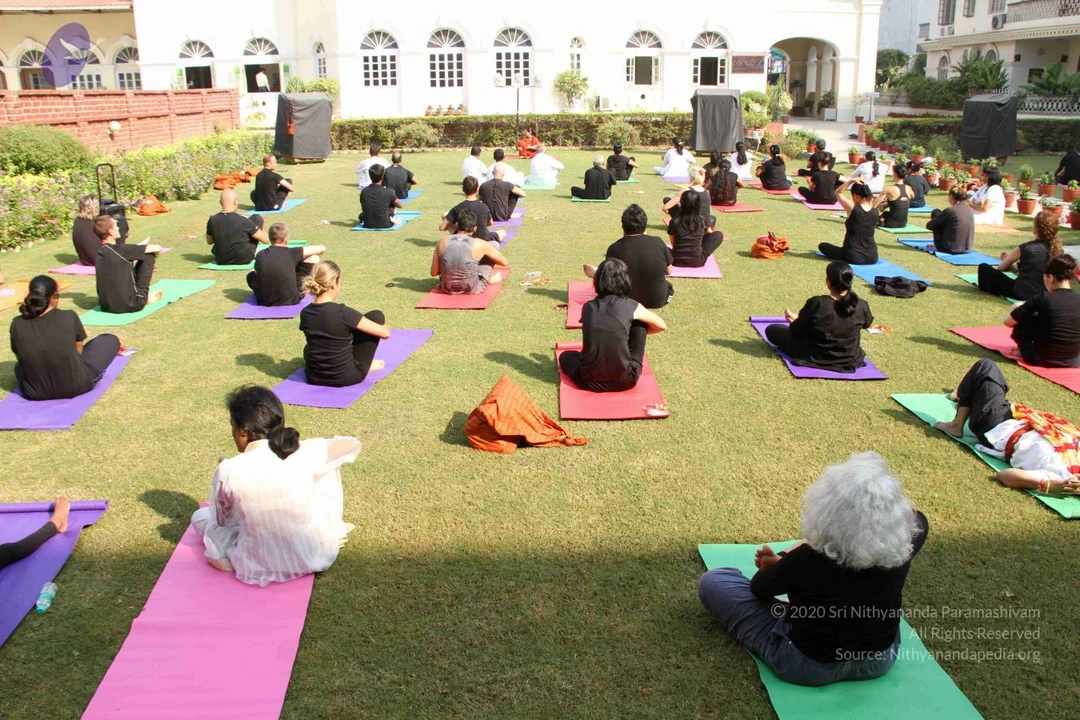
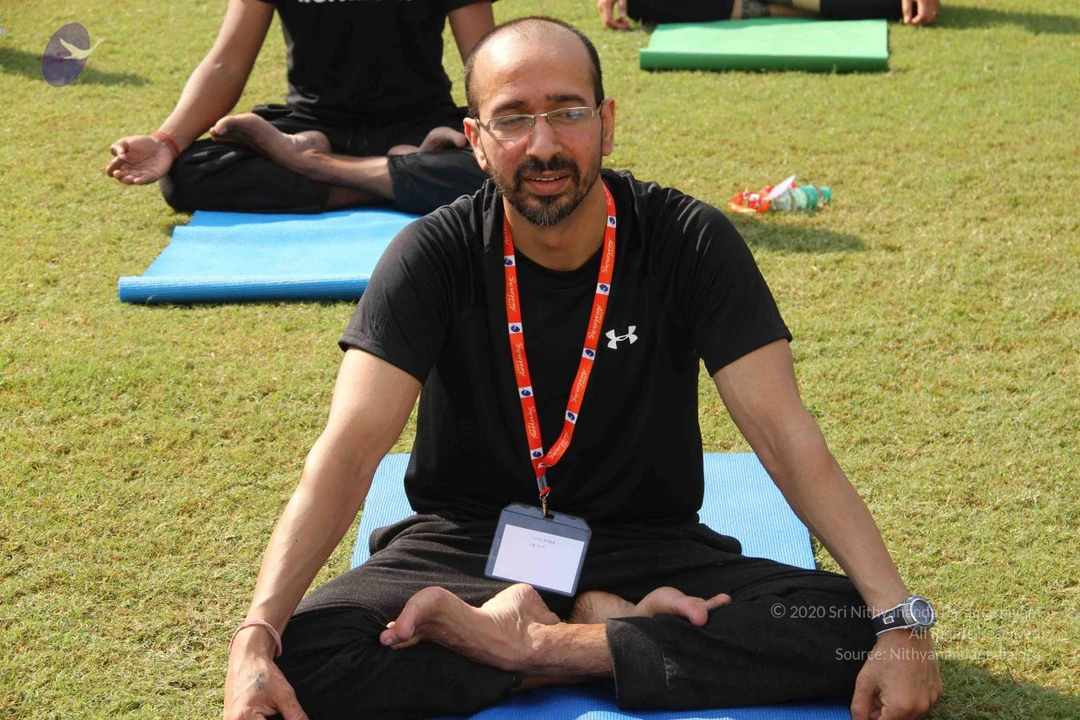
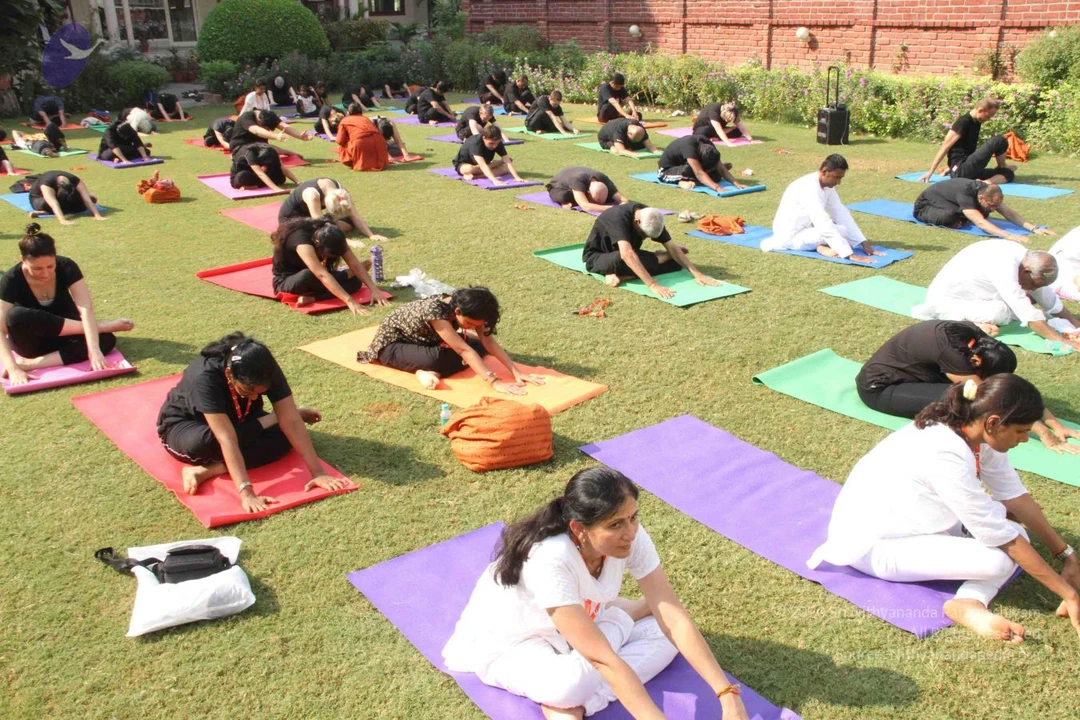
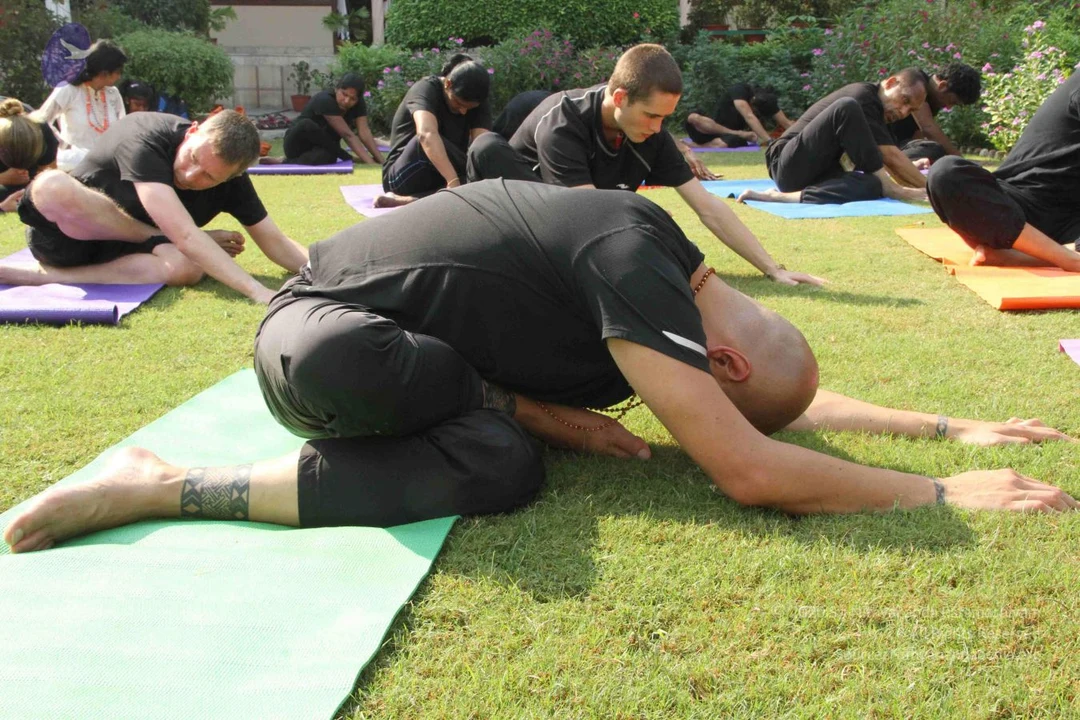
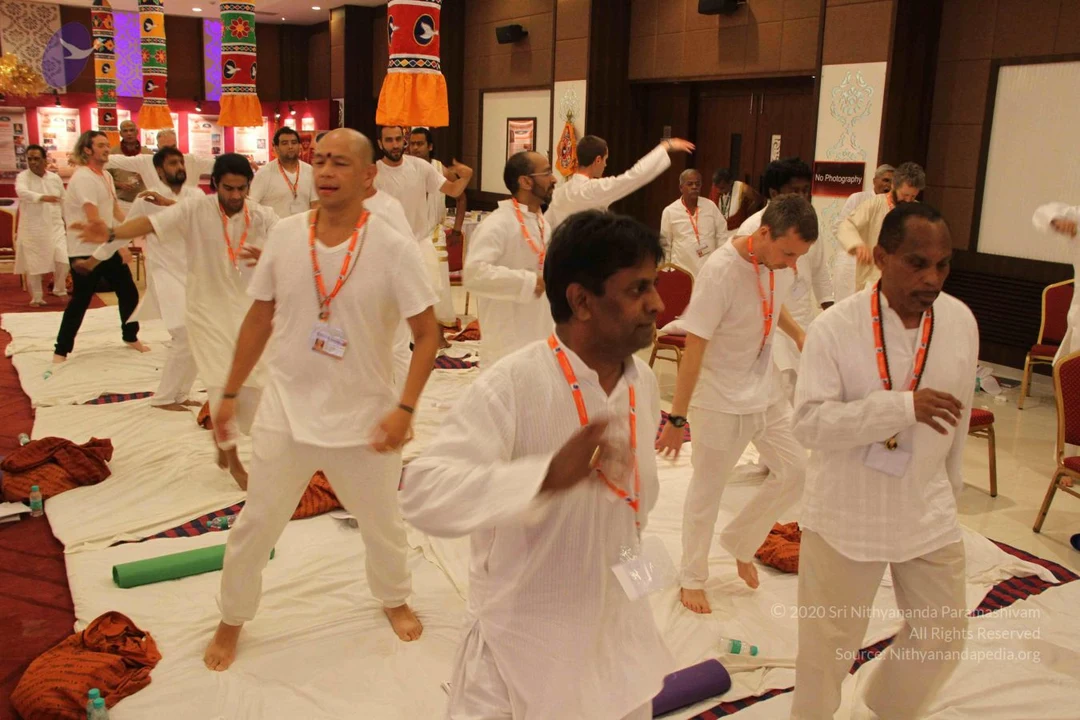
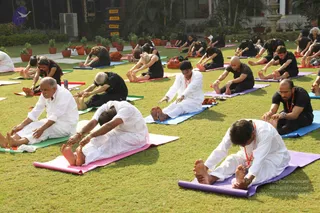
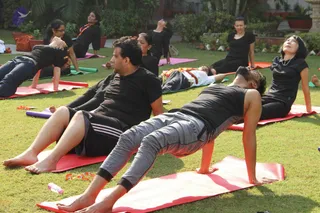
Yoga
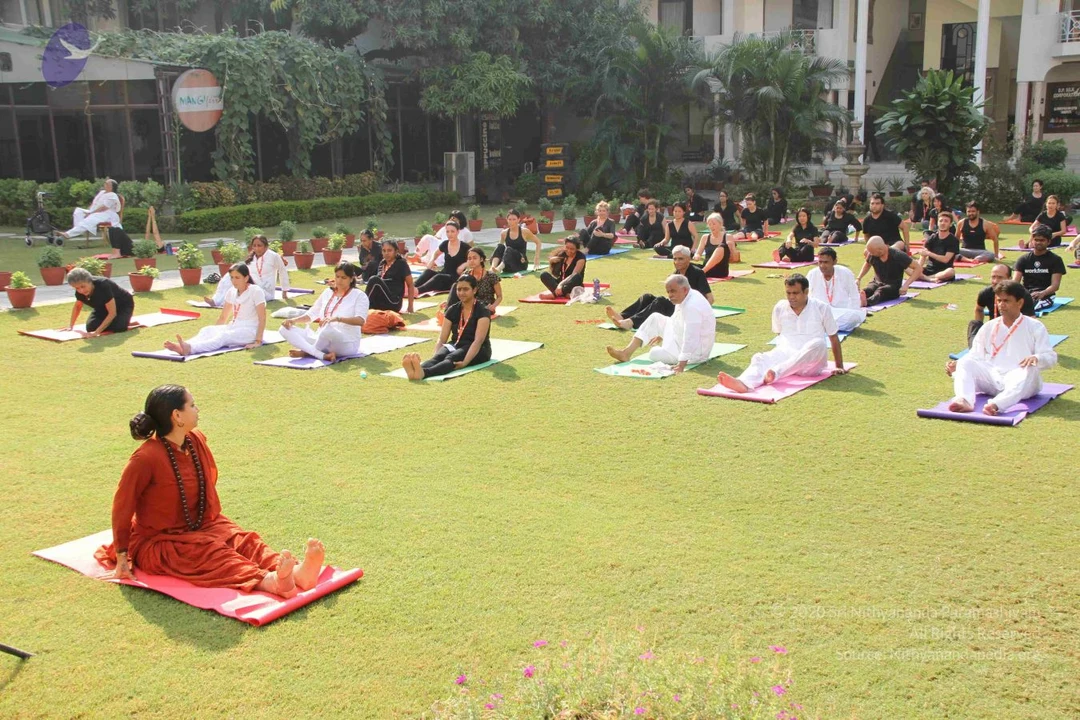
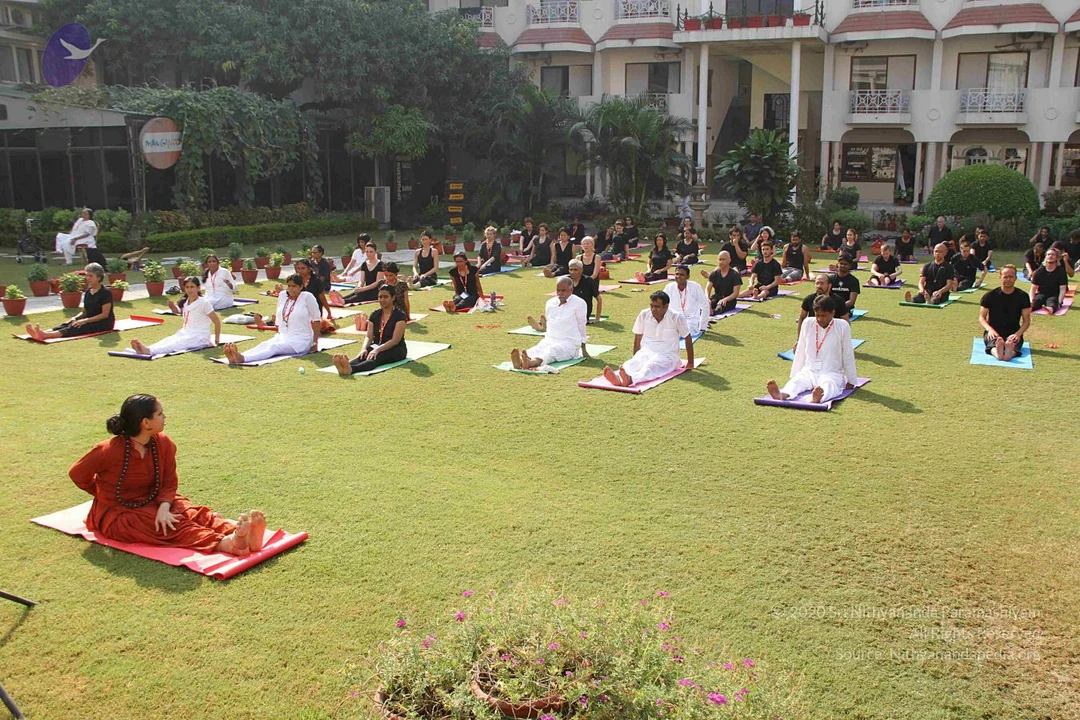
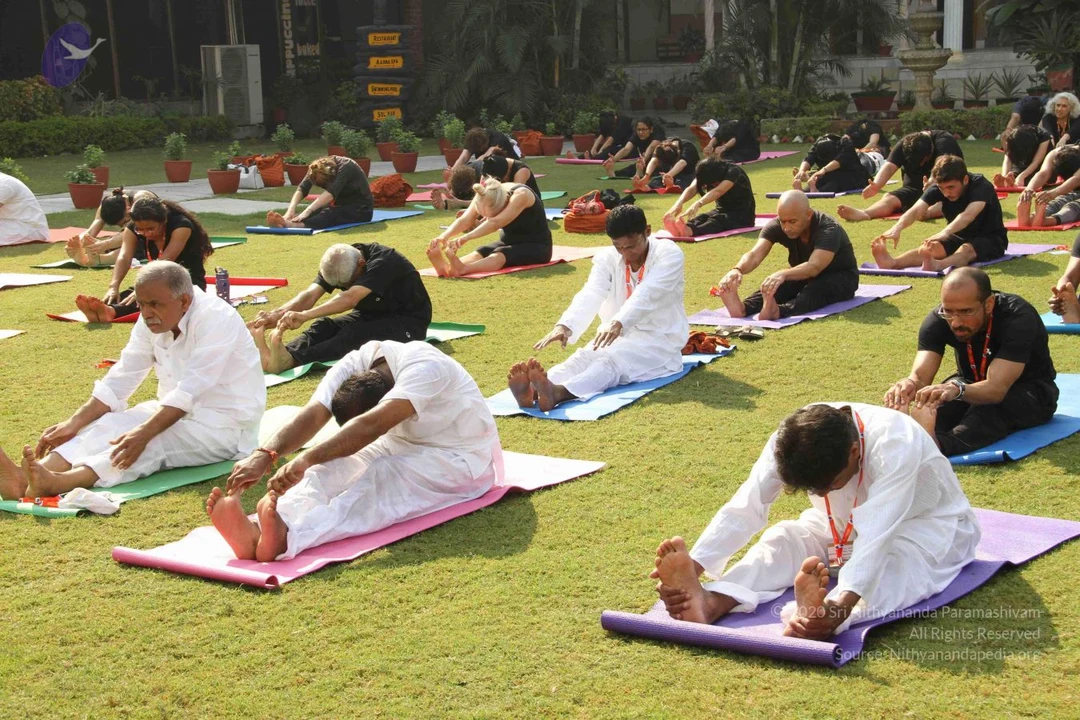
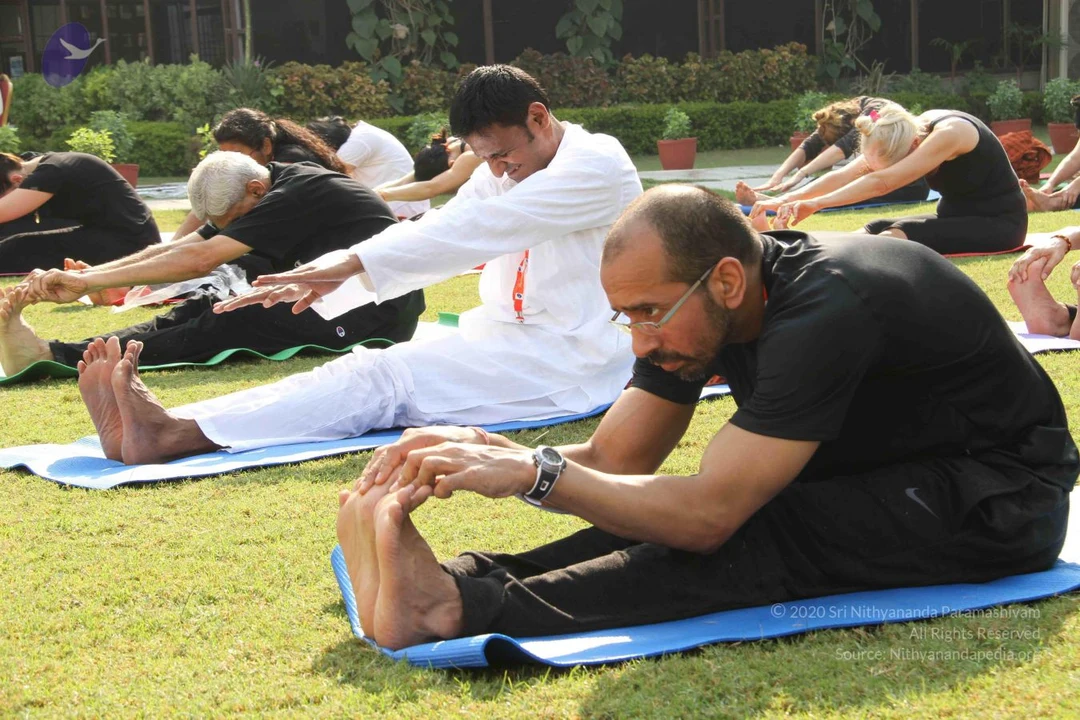
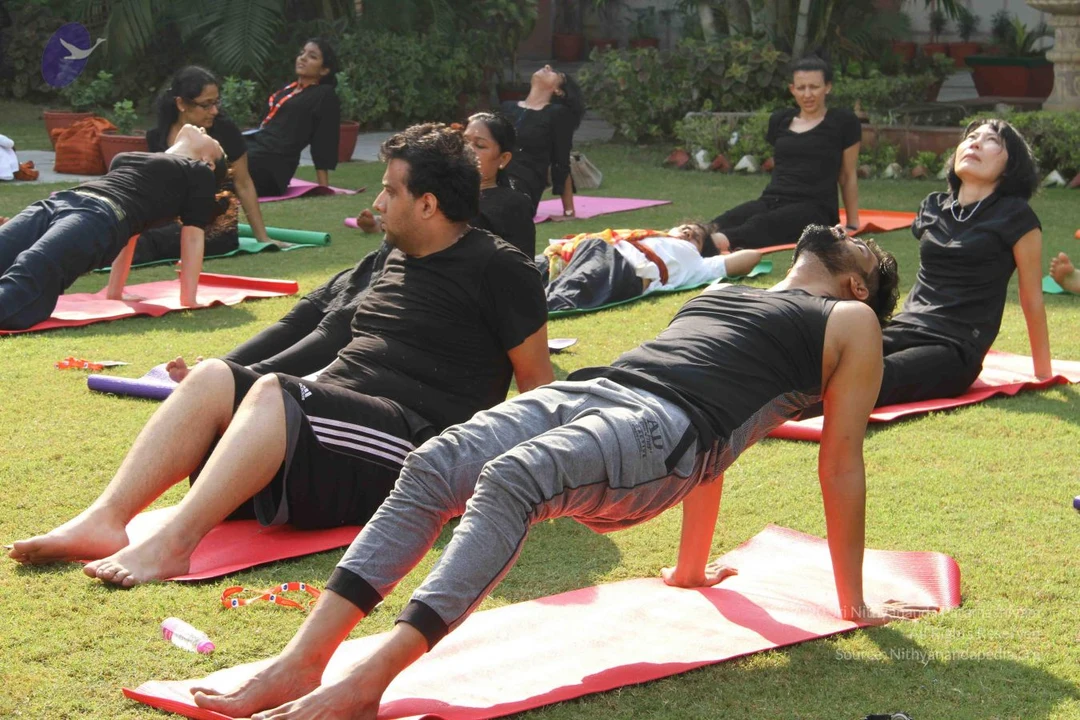

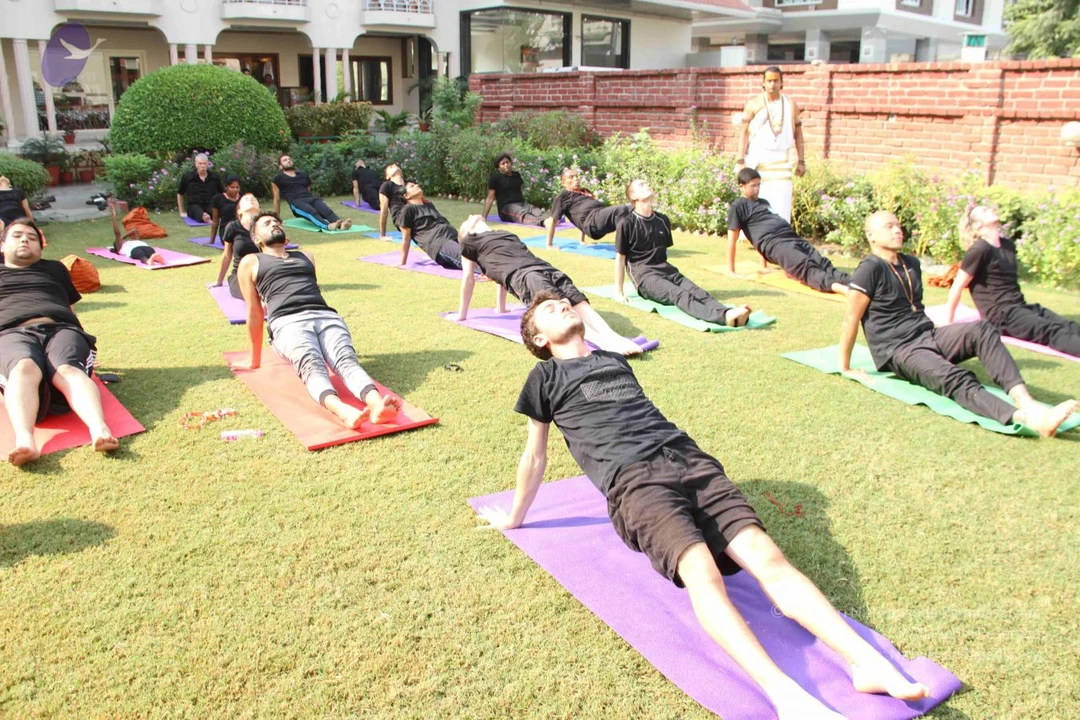
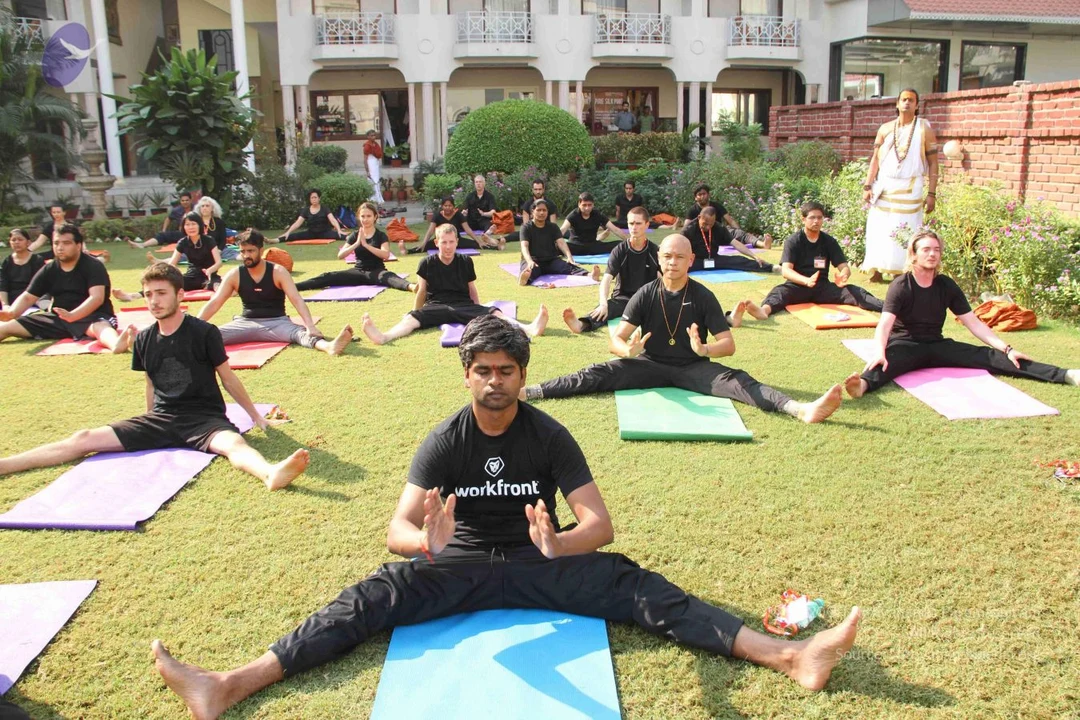
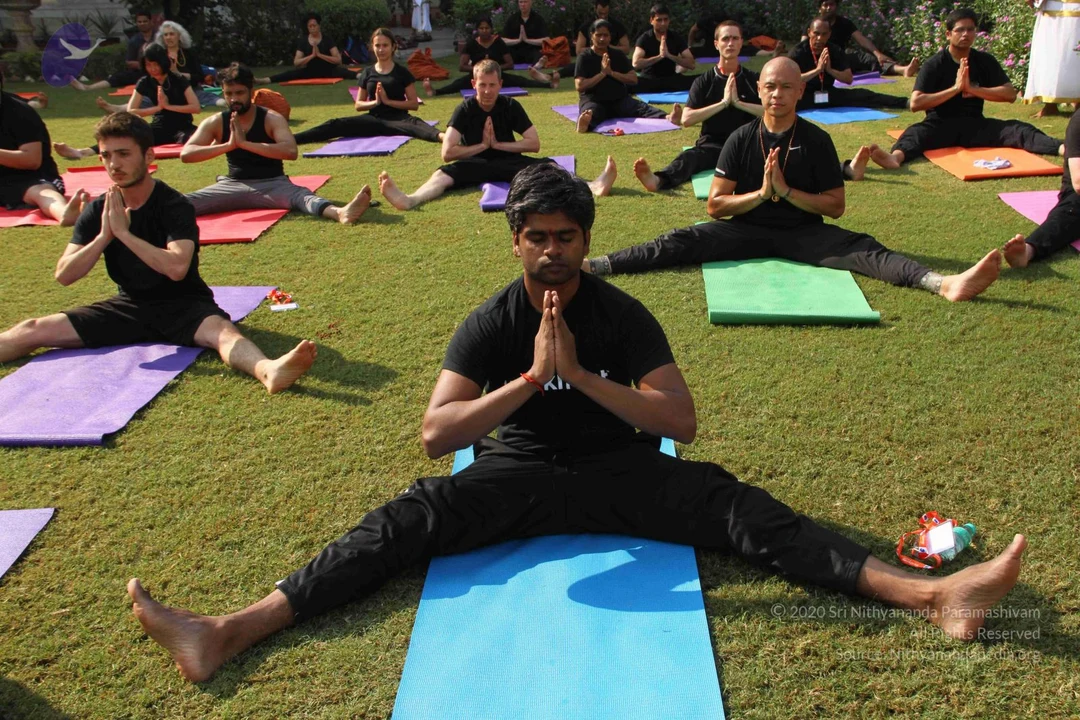
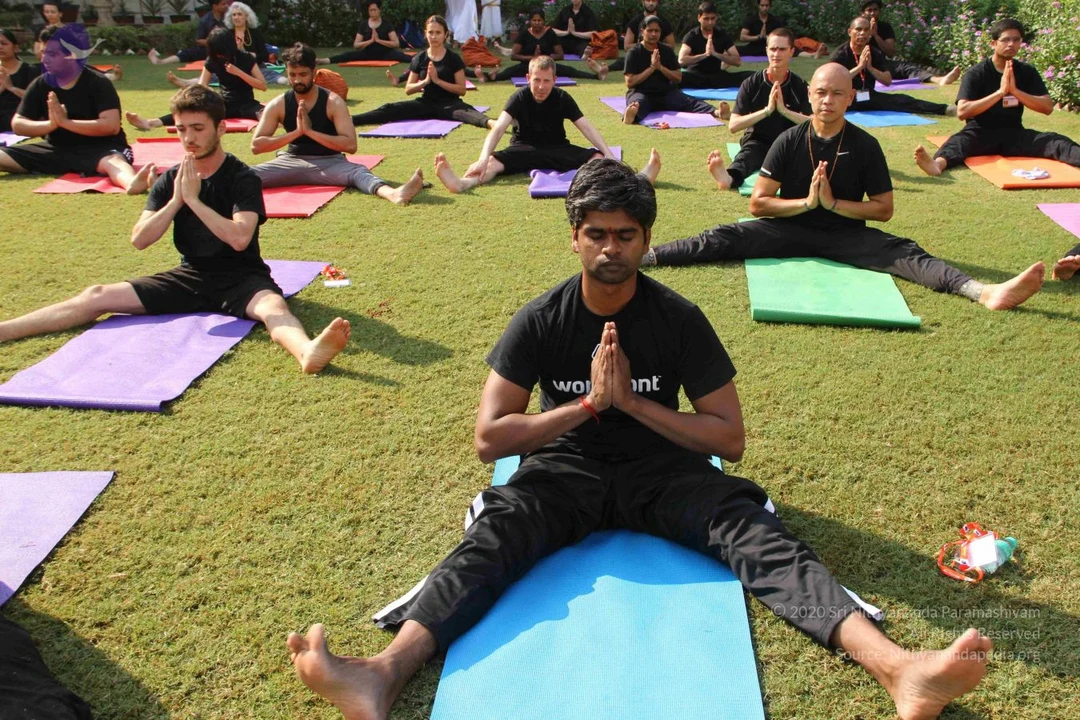
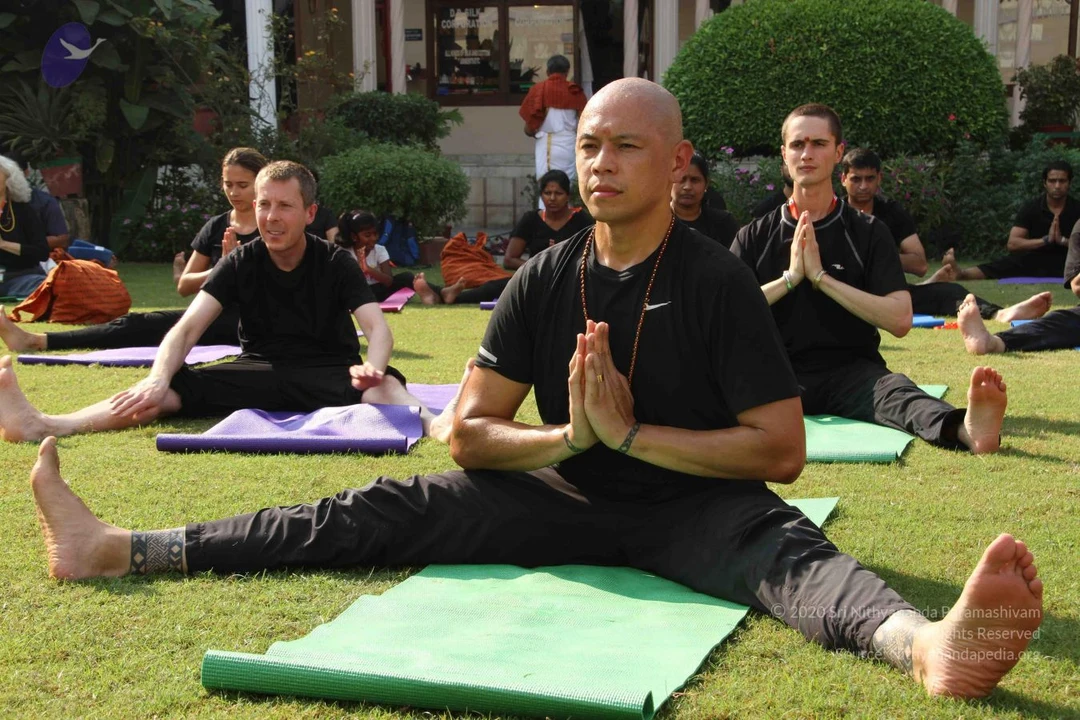

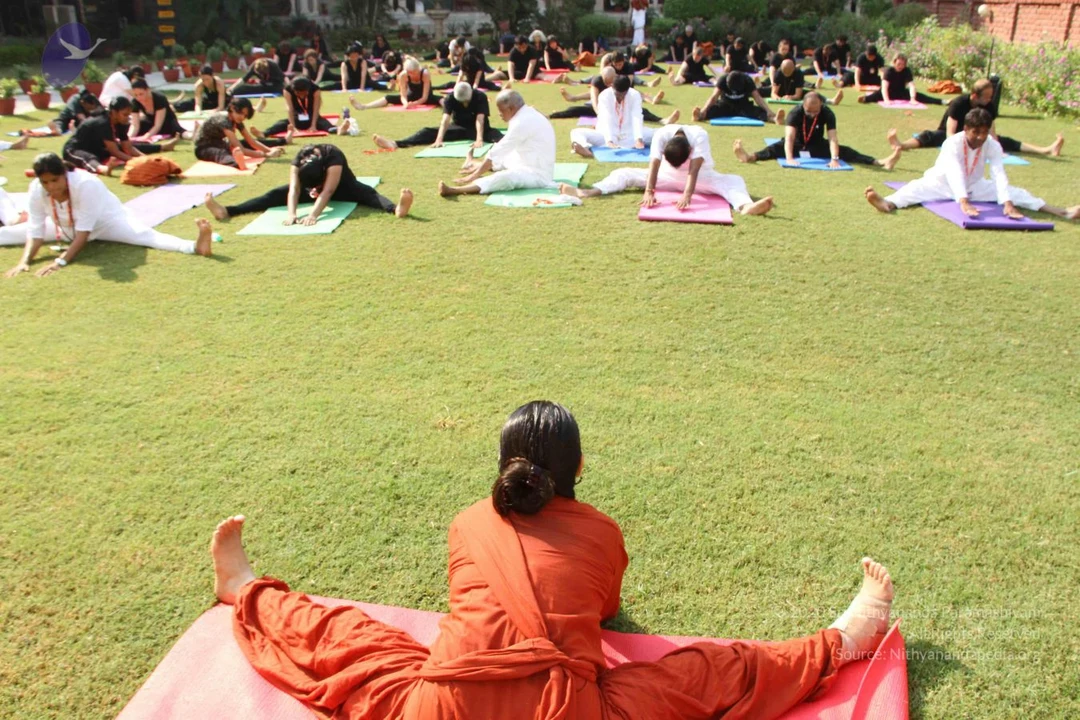


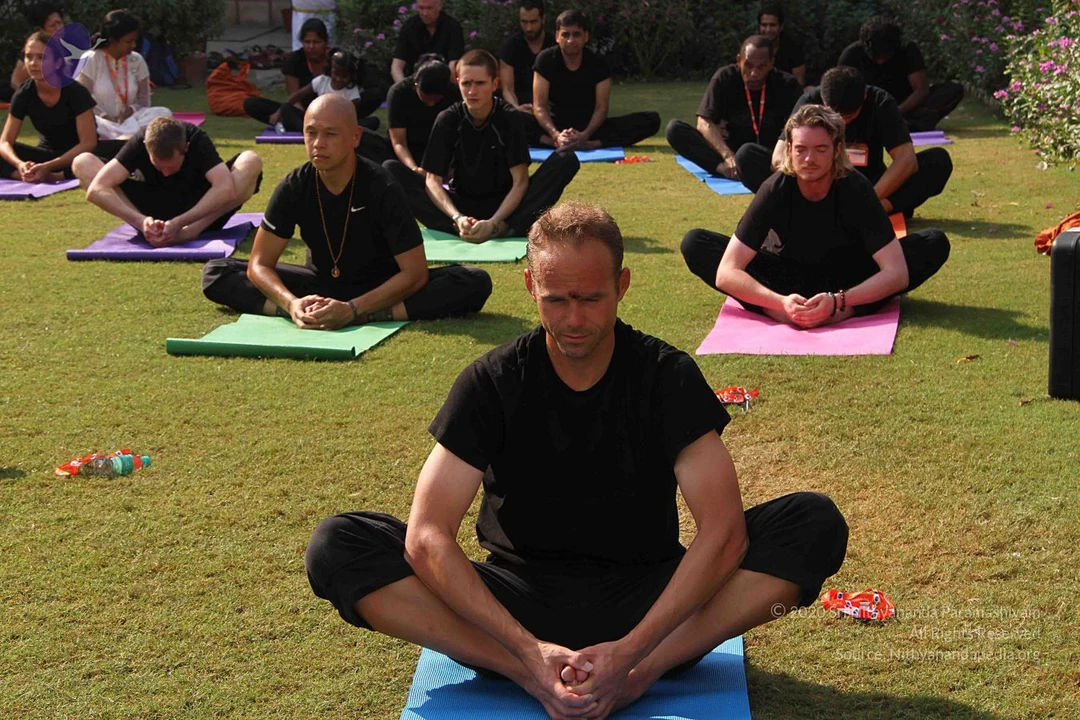



















Session


















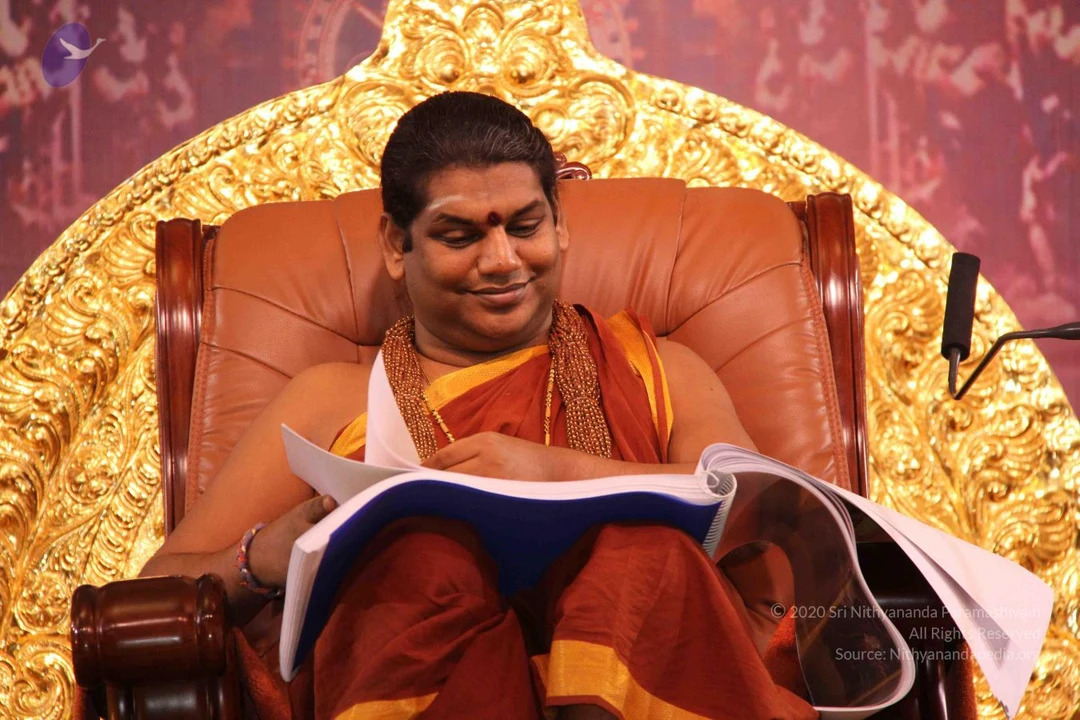
Shivoham
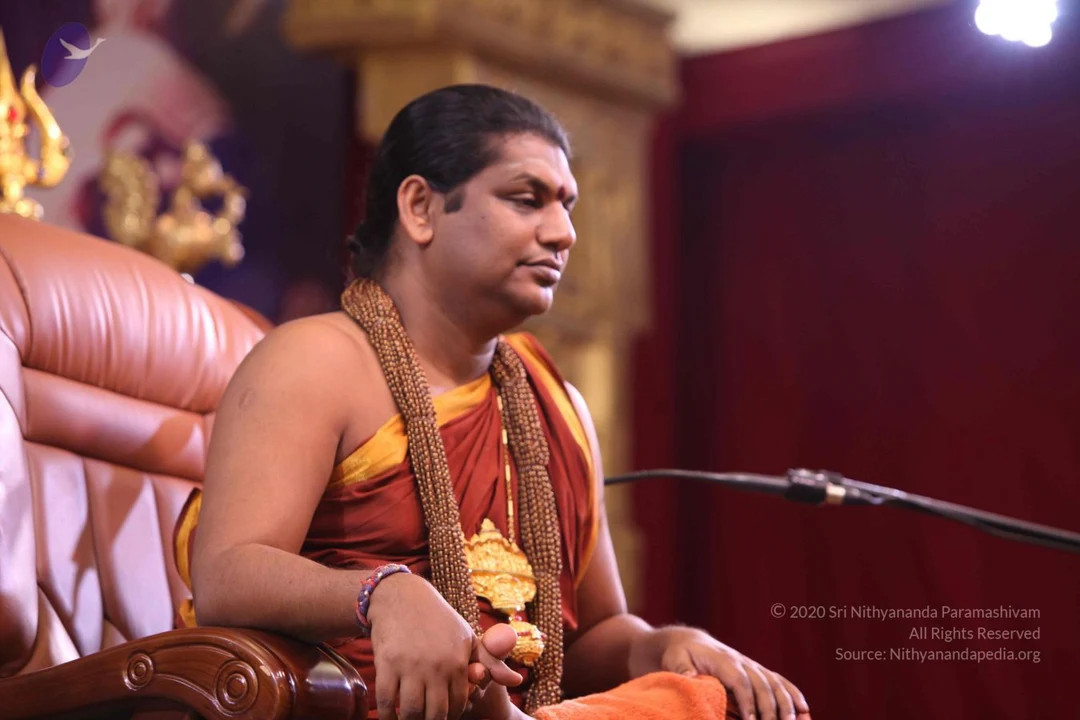
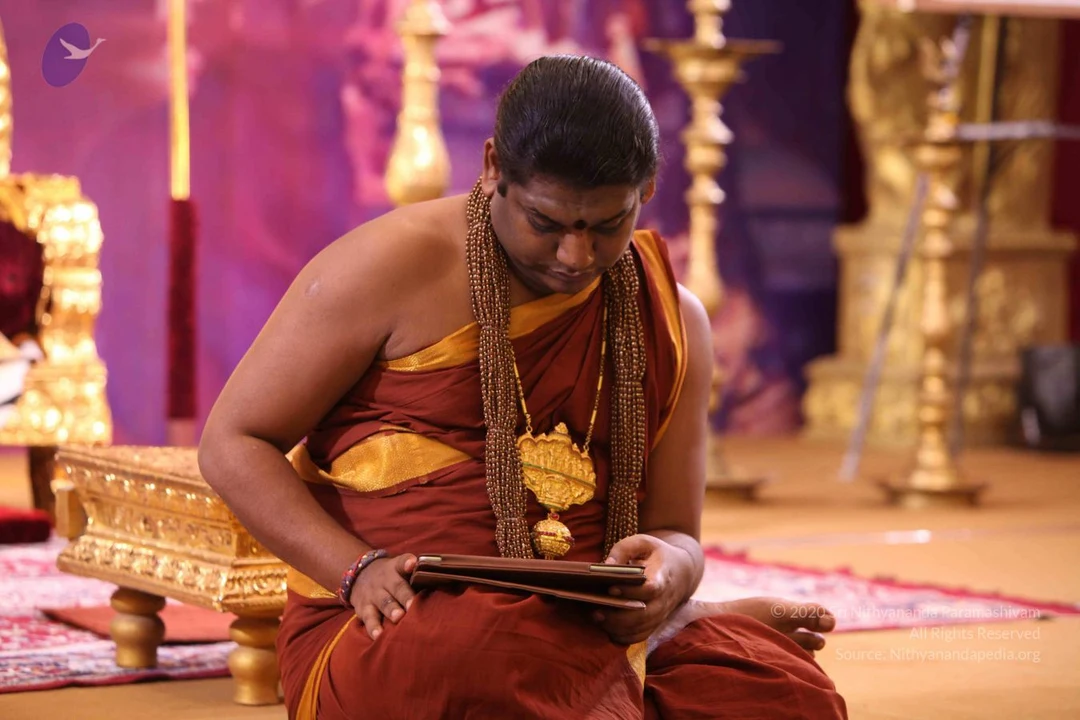
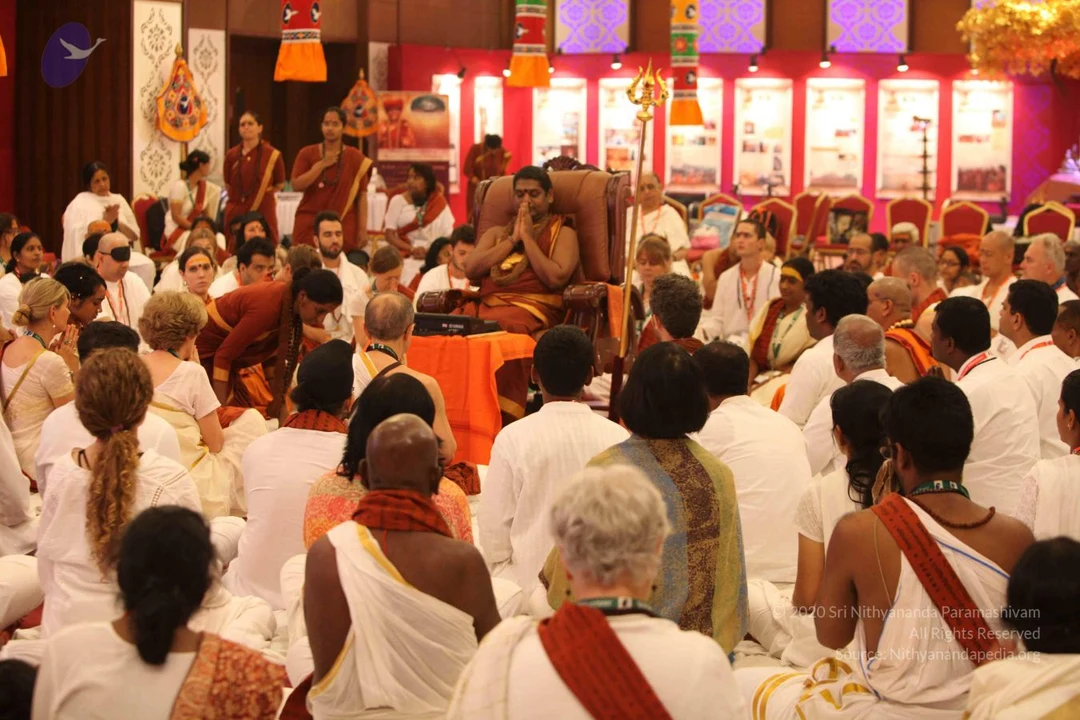
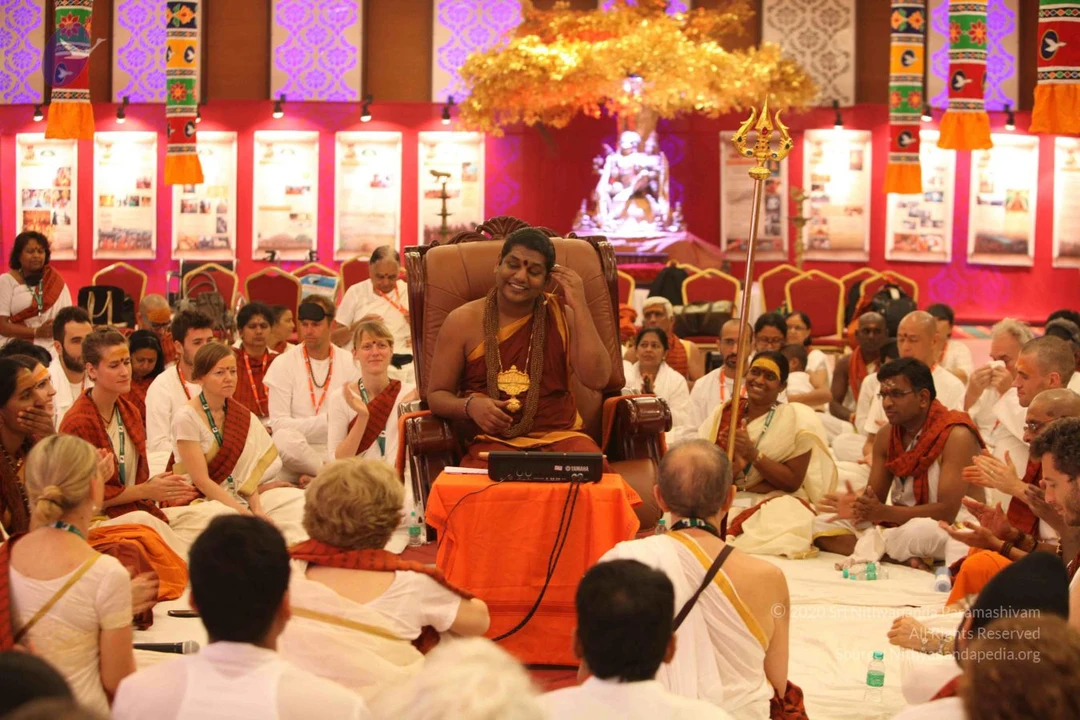
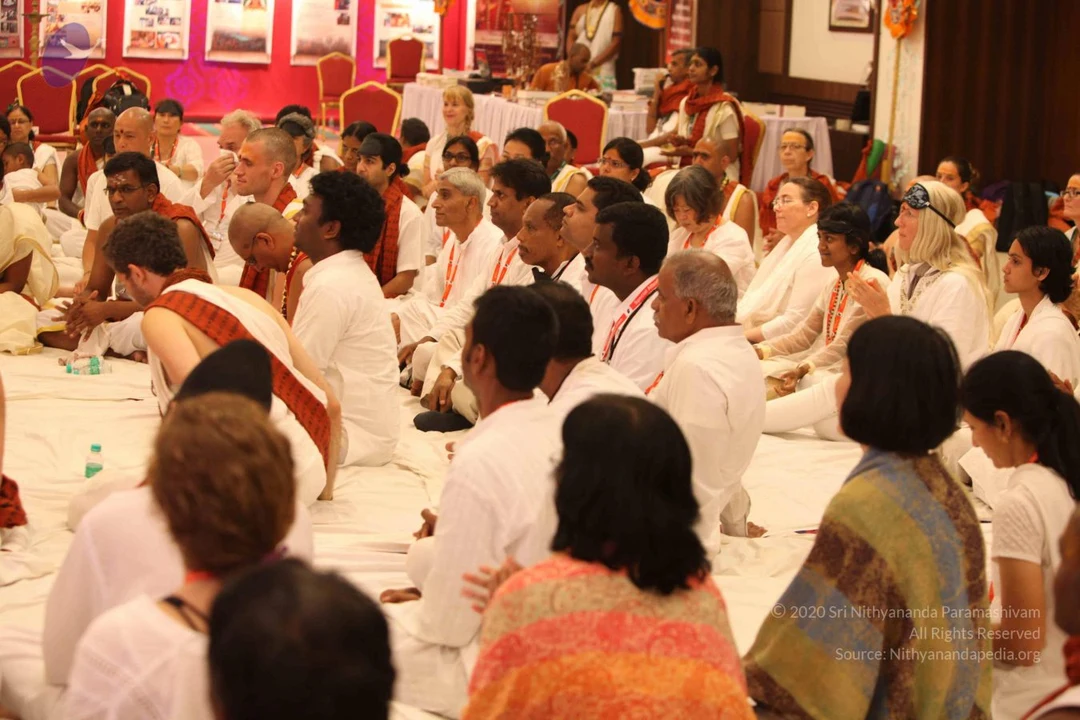
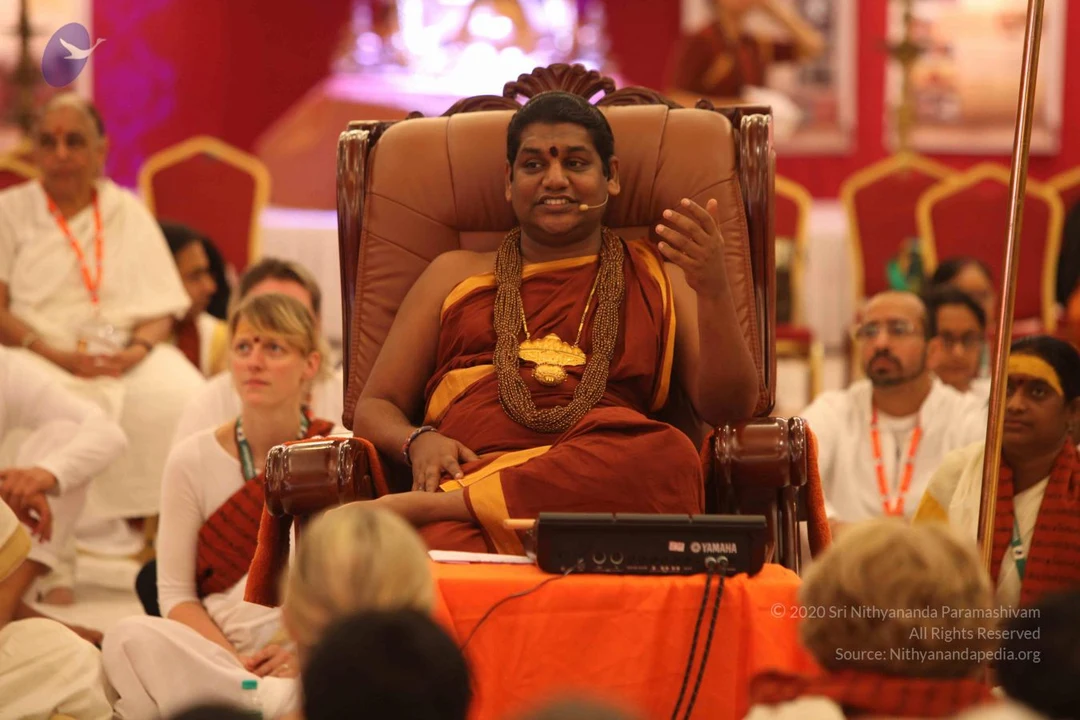
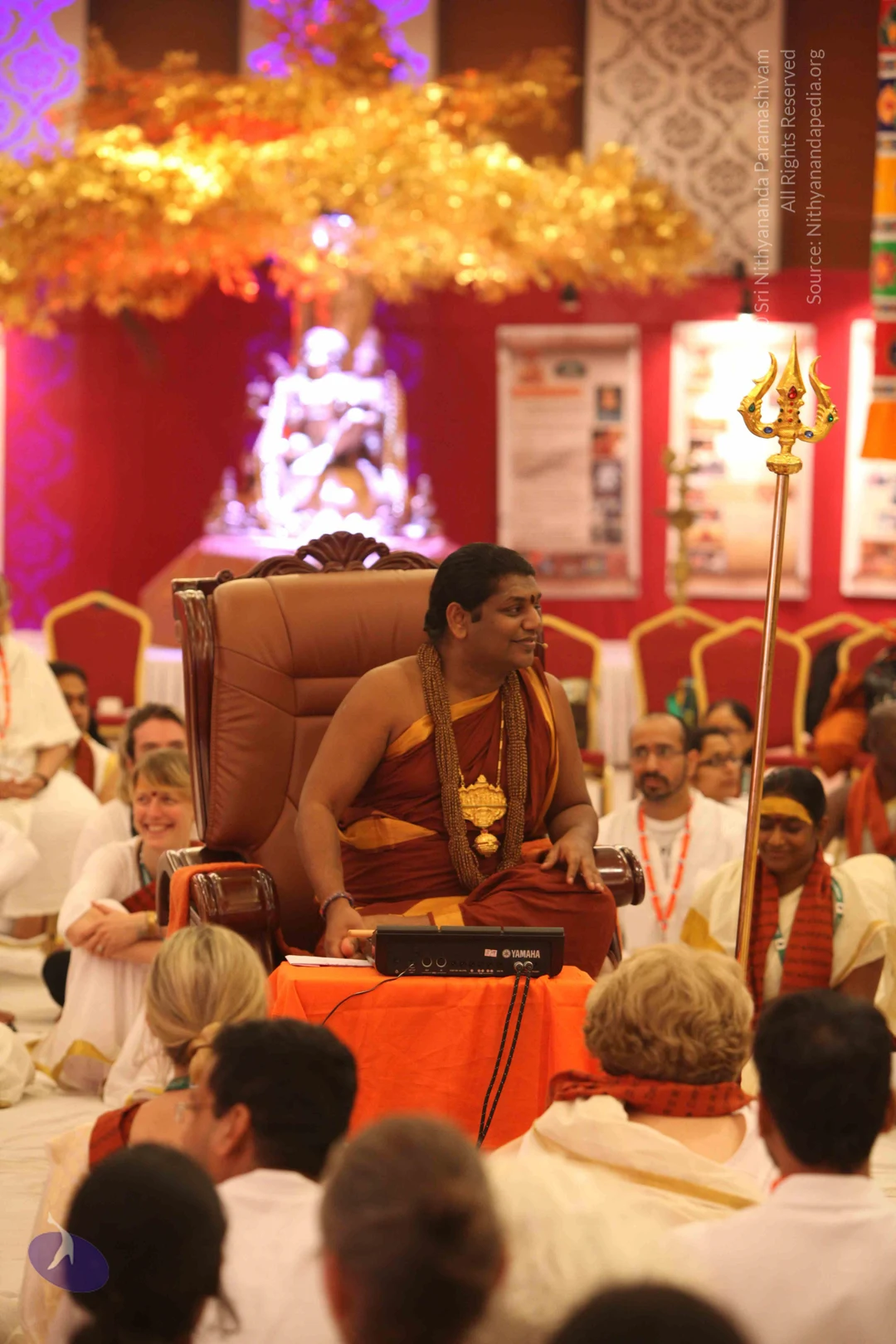

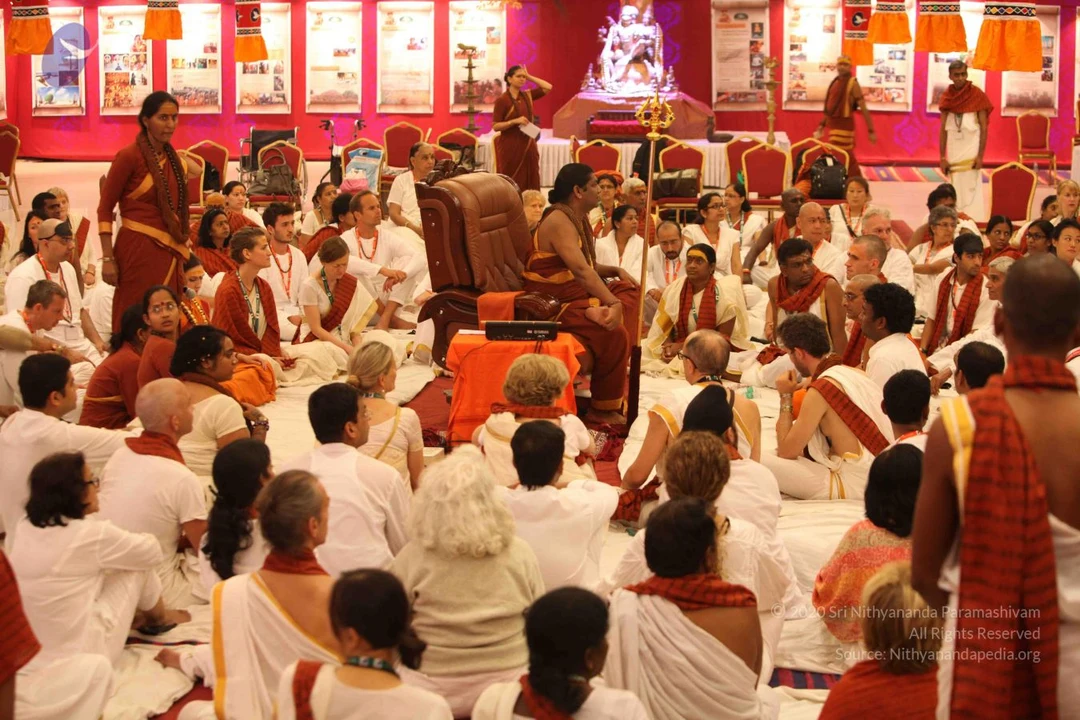
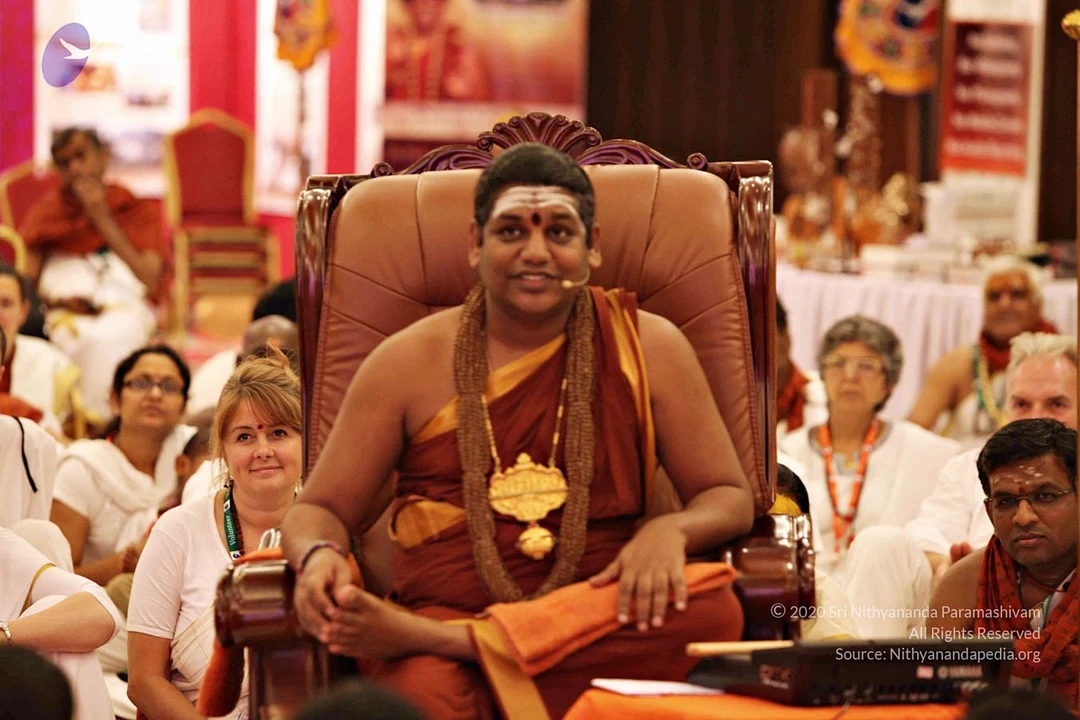
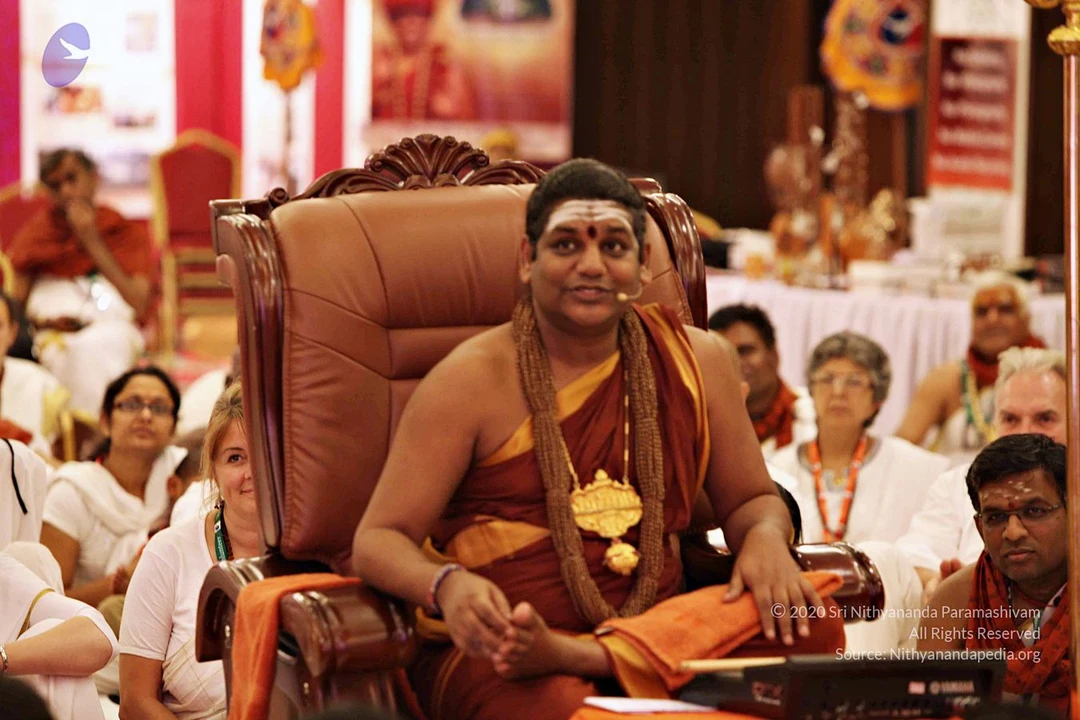
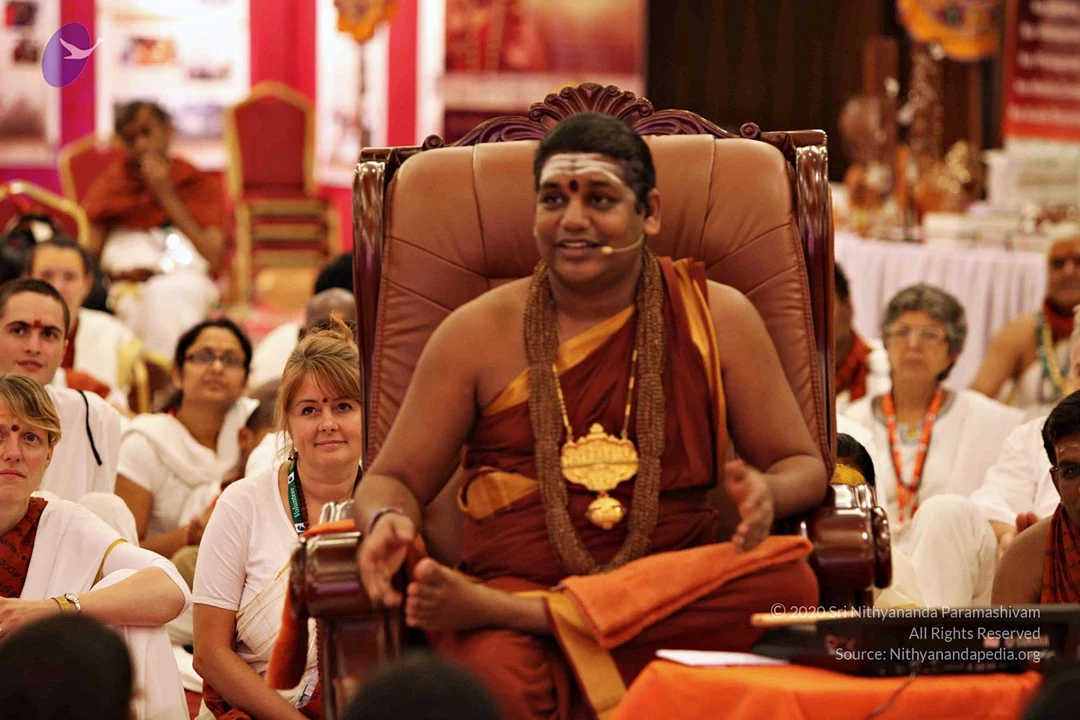
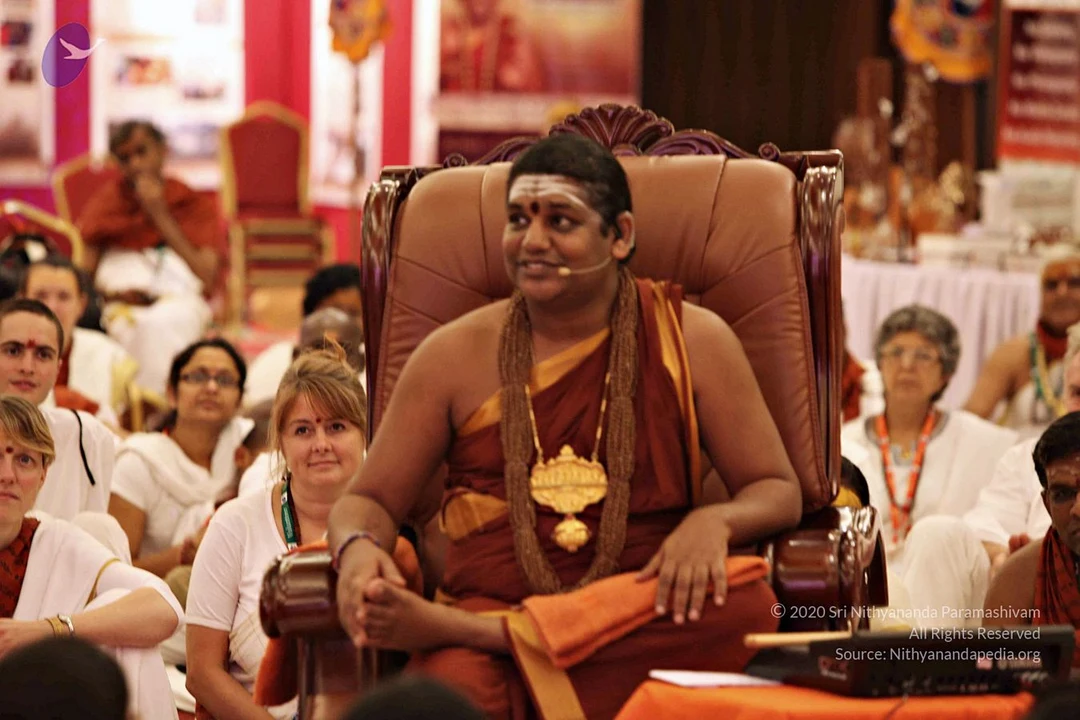
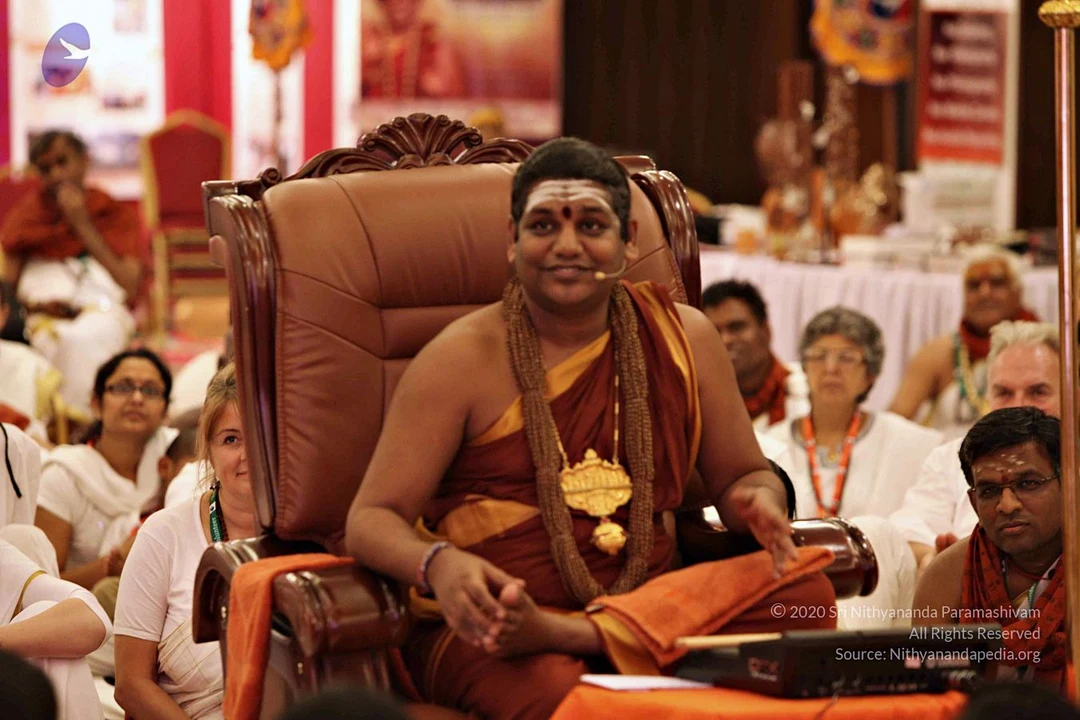
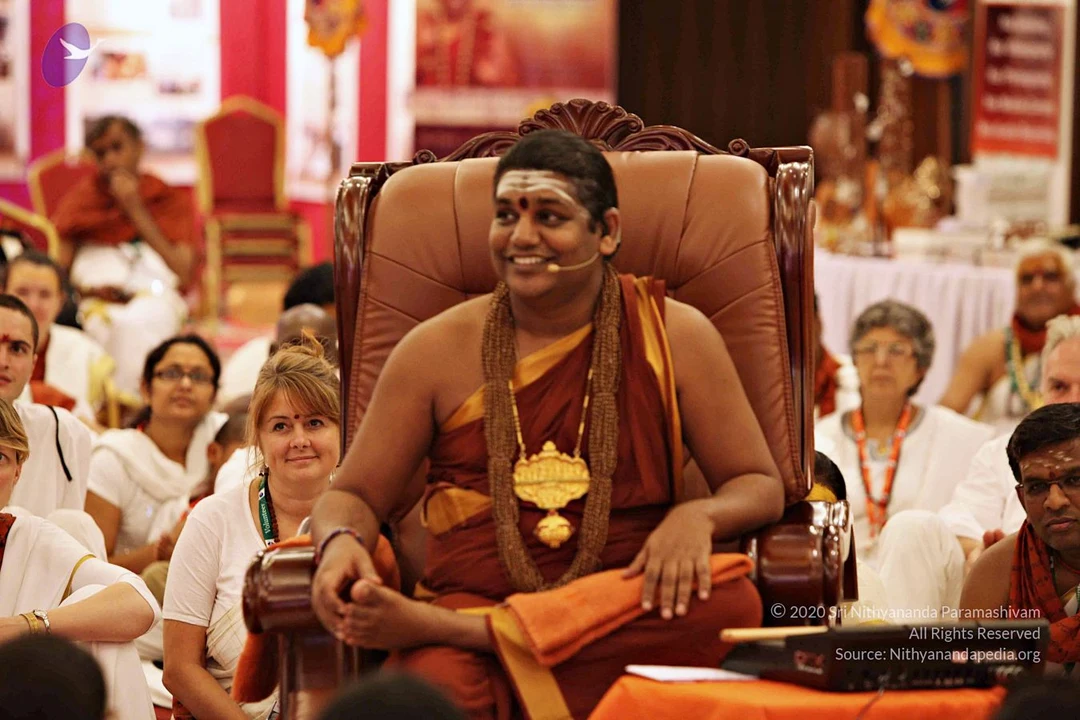
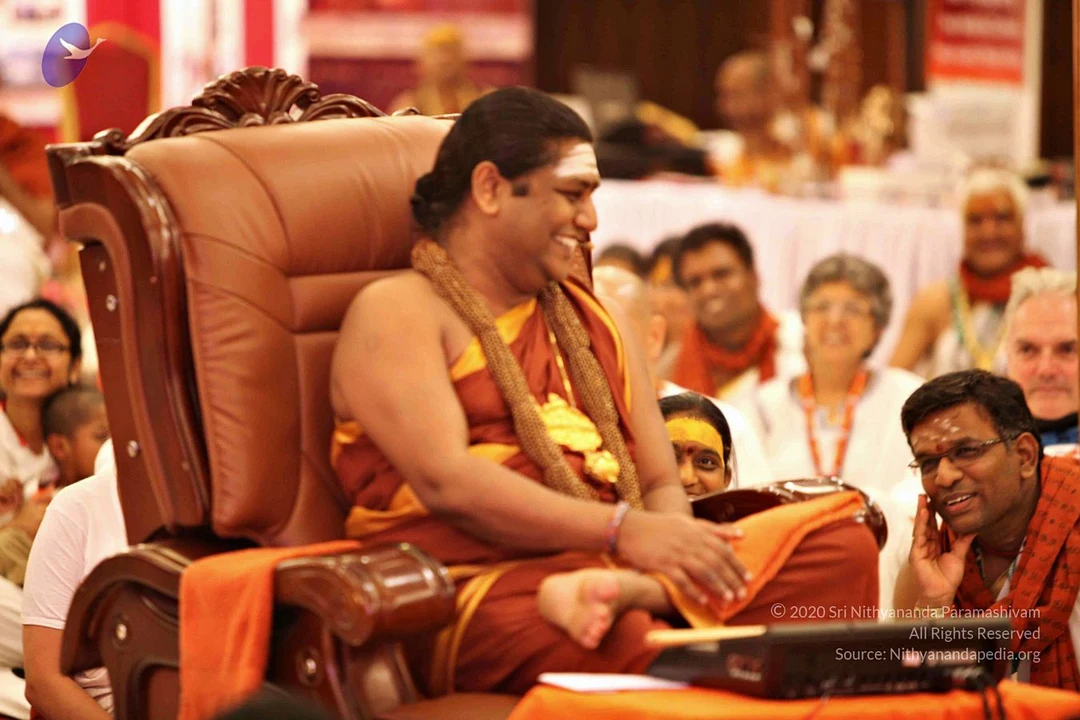

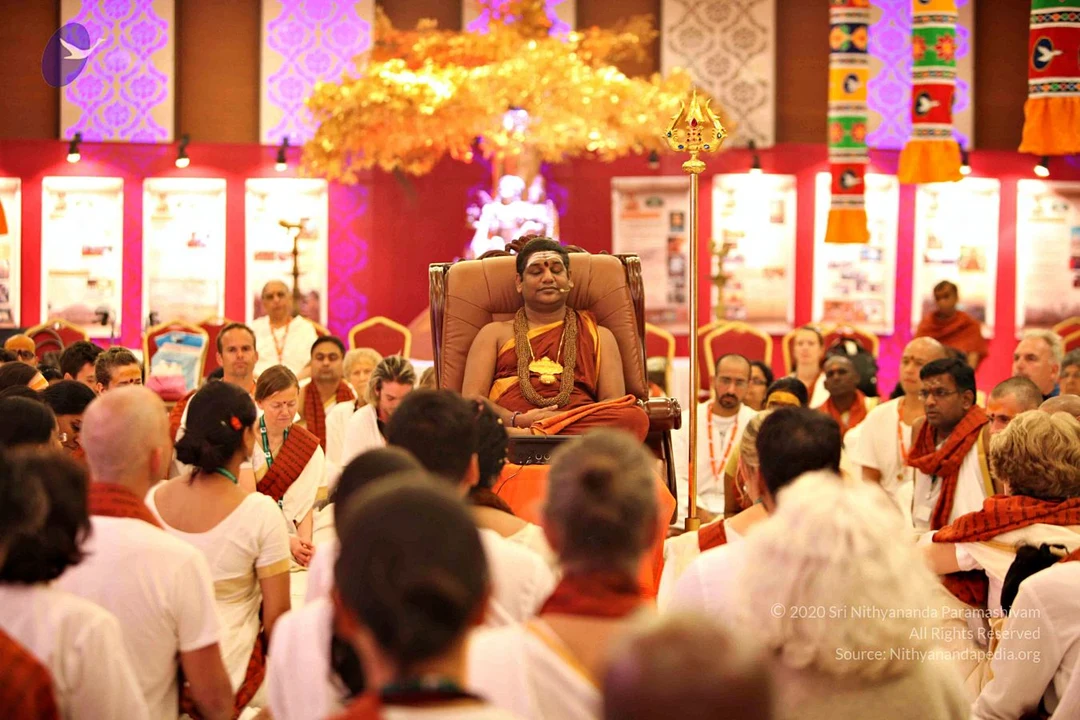
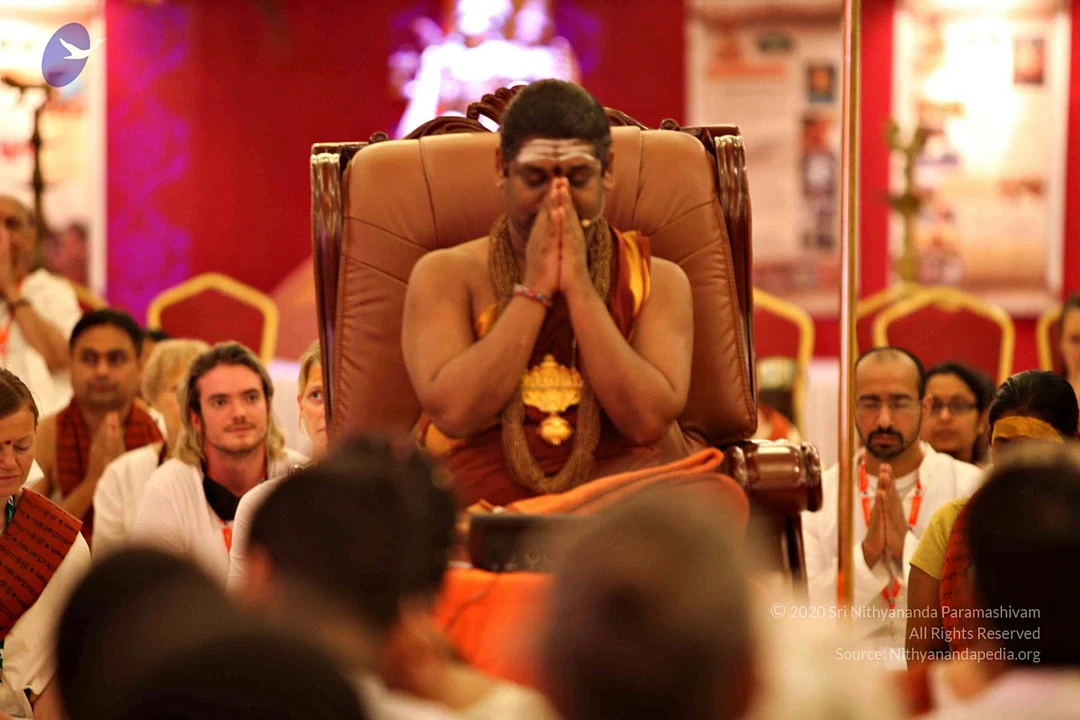
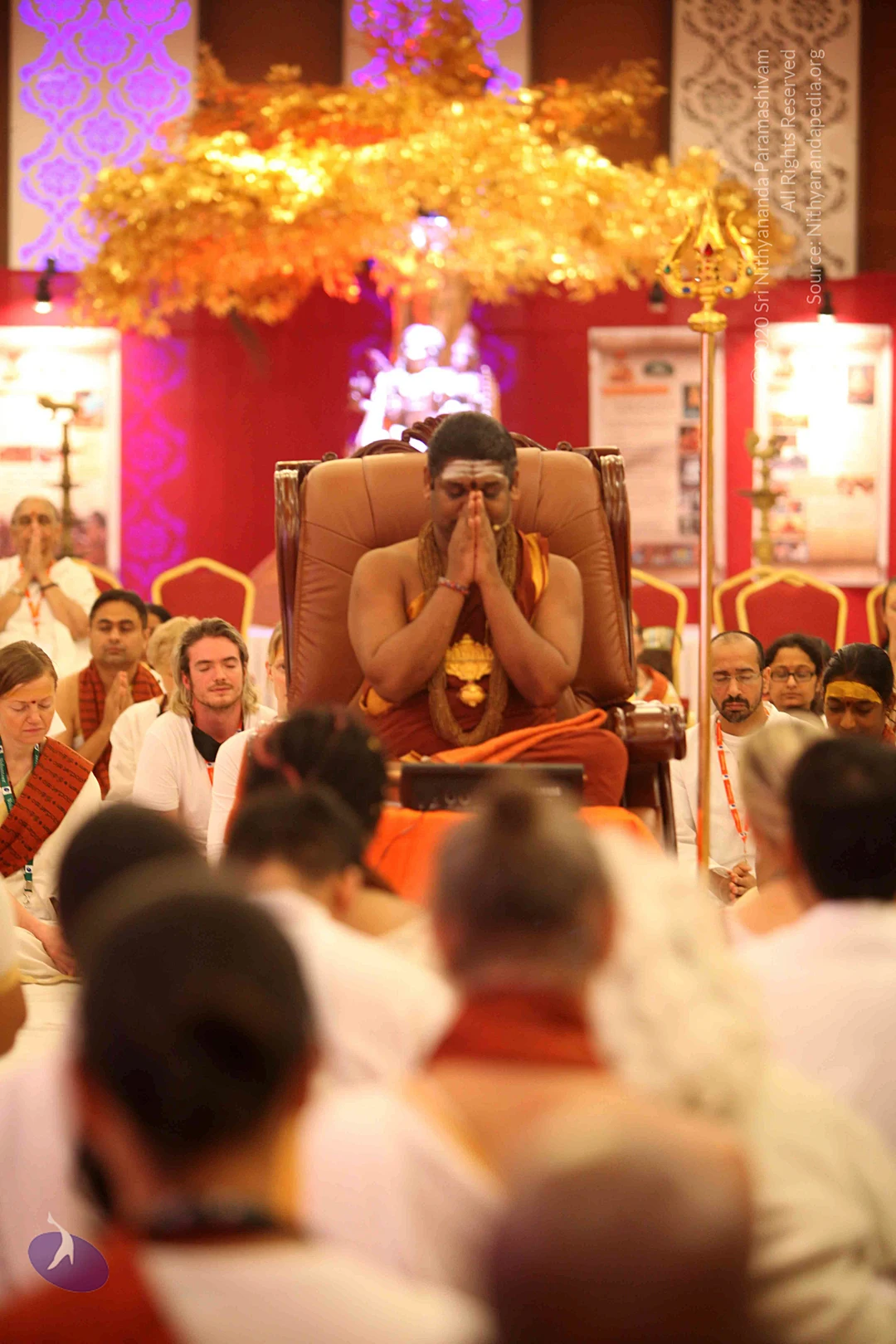

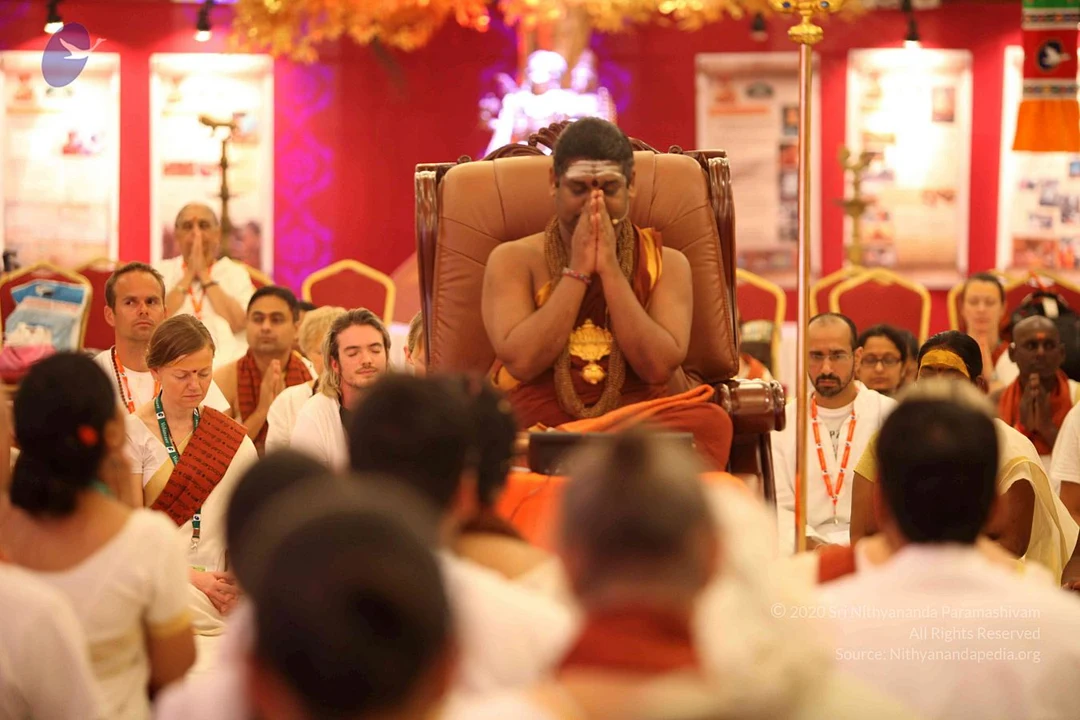
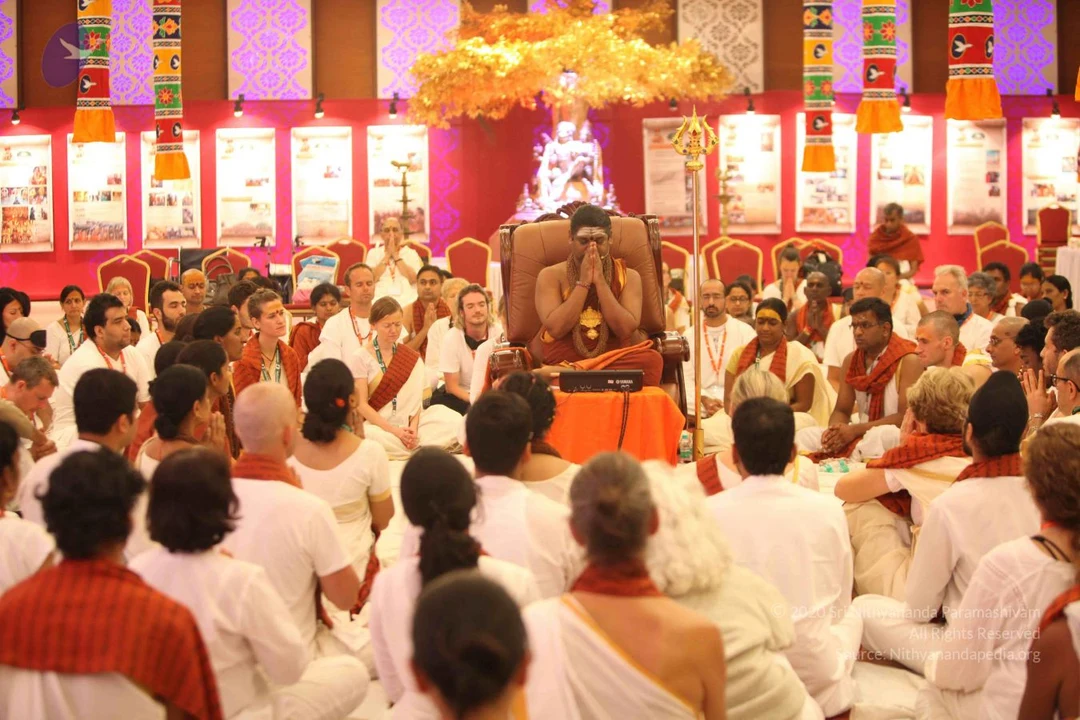

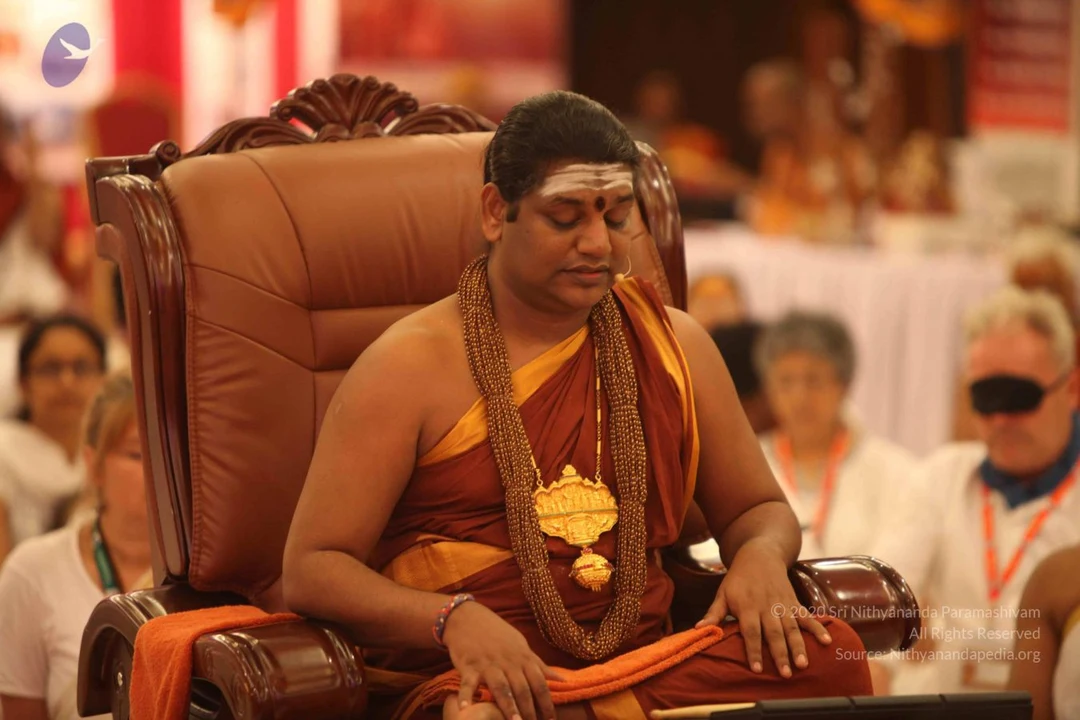
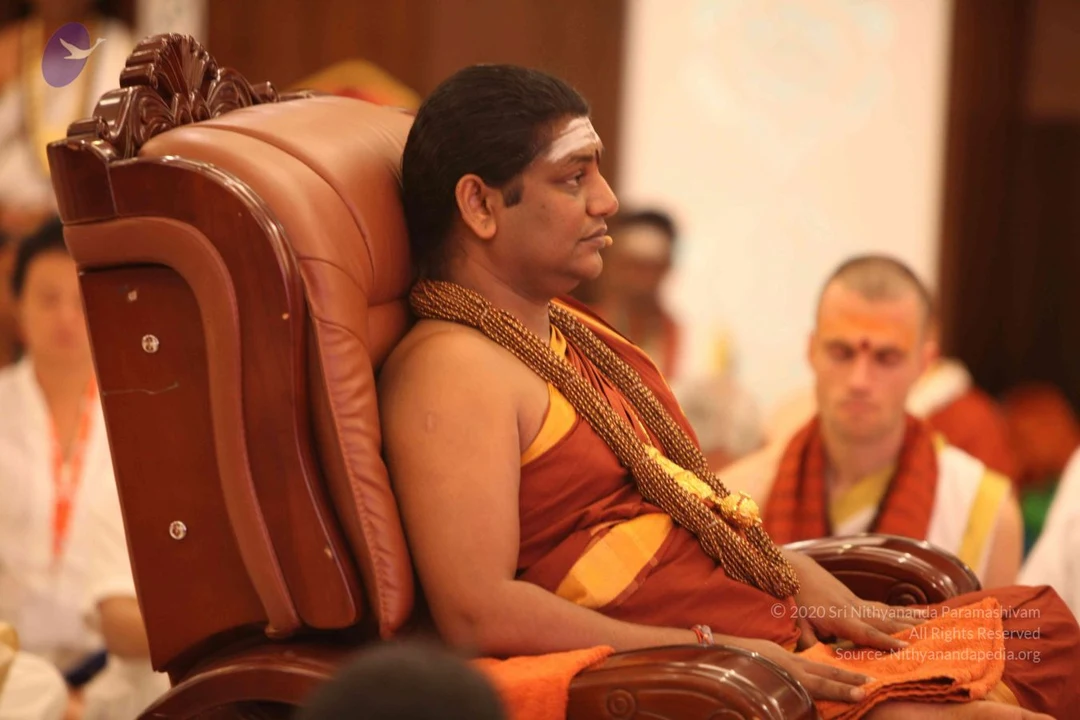
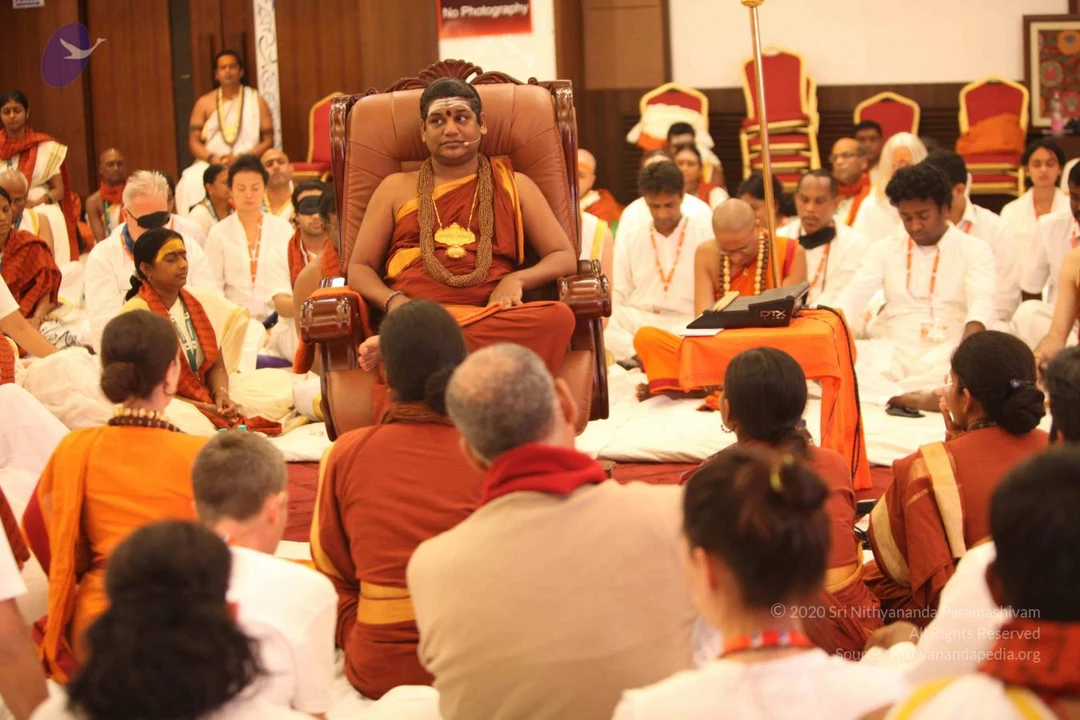
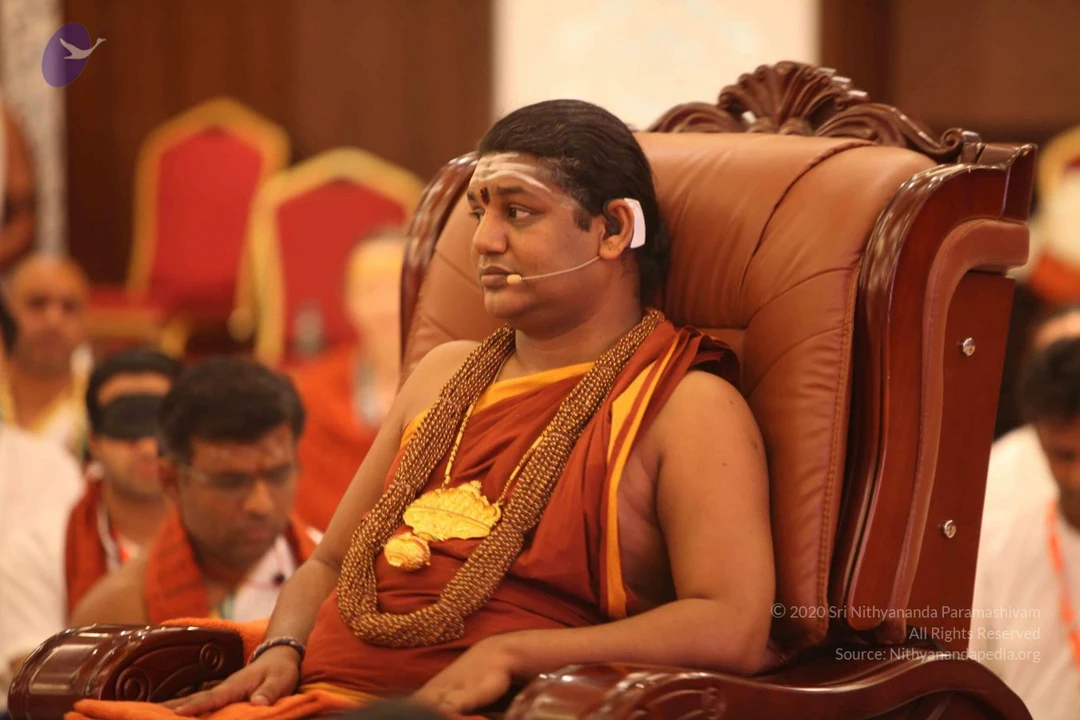

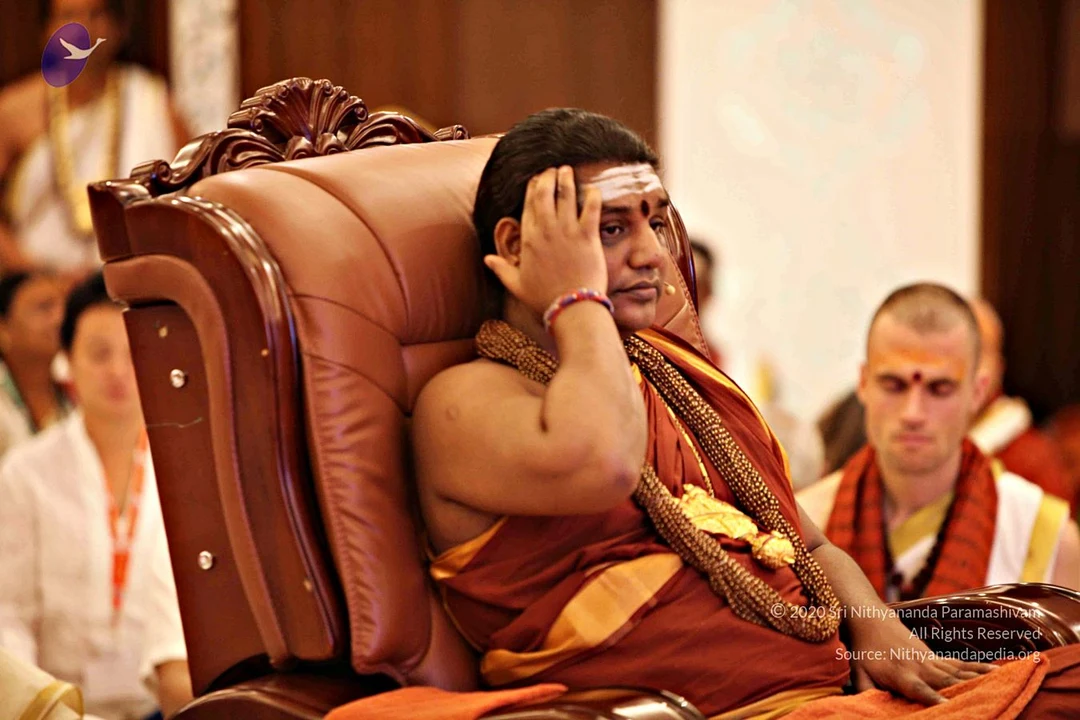
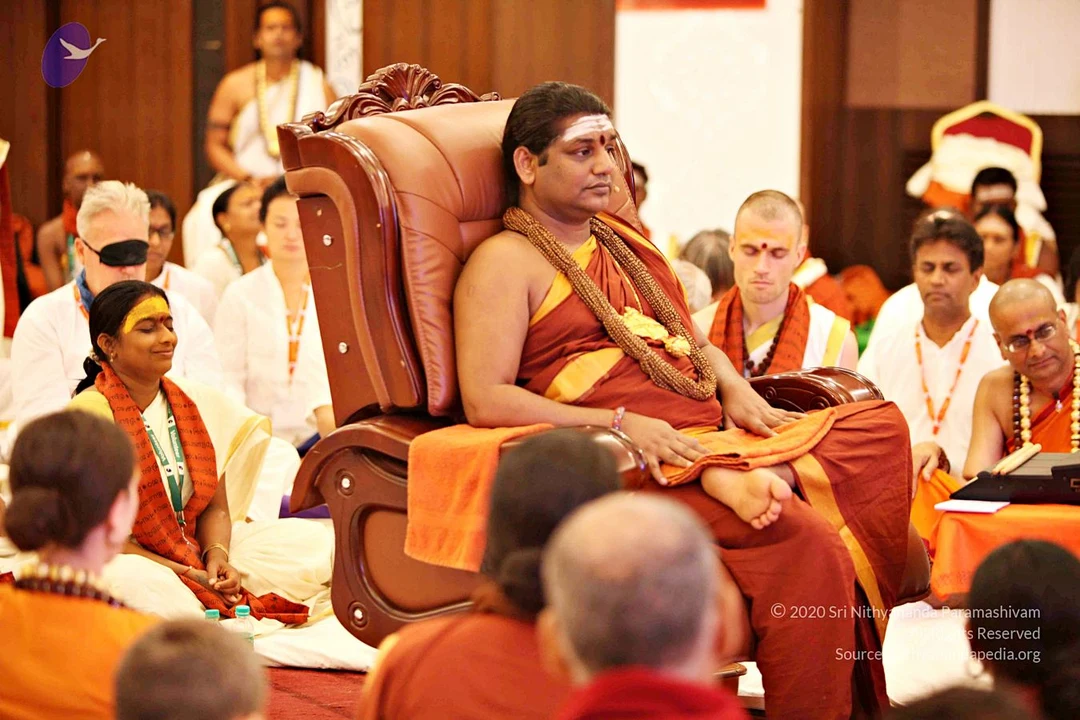
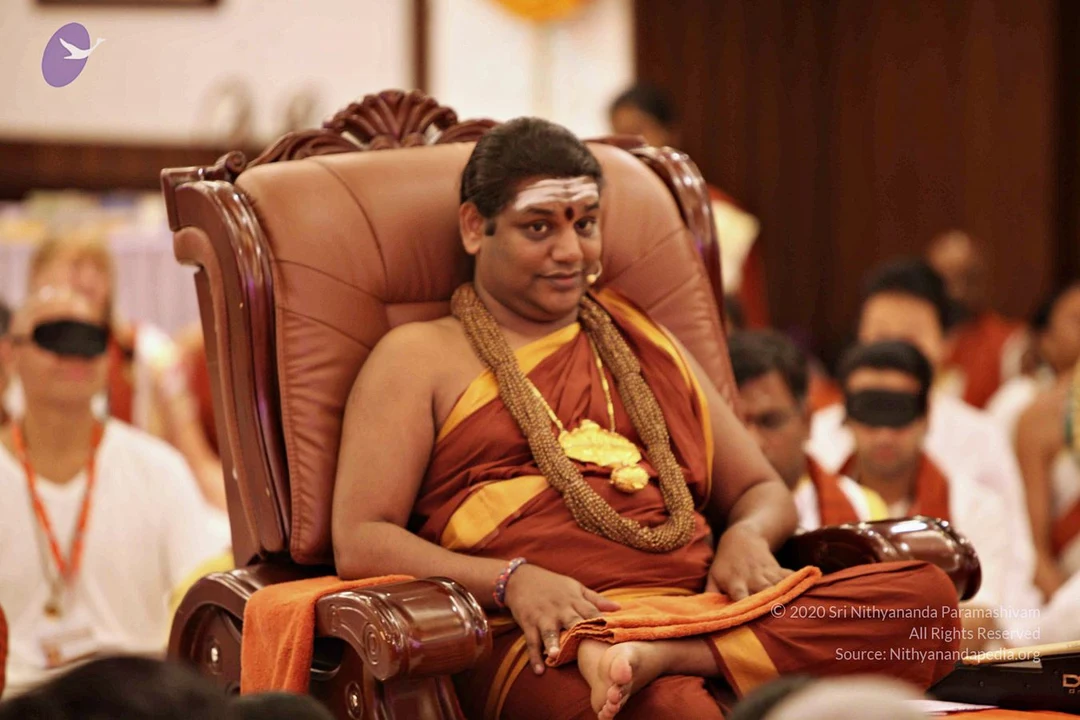
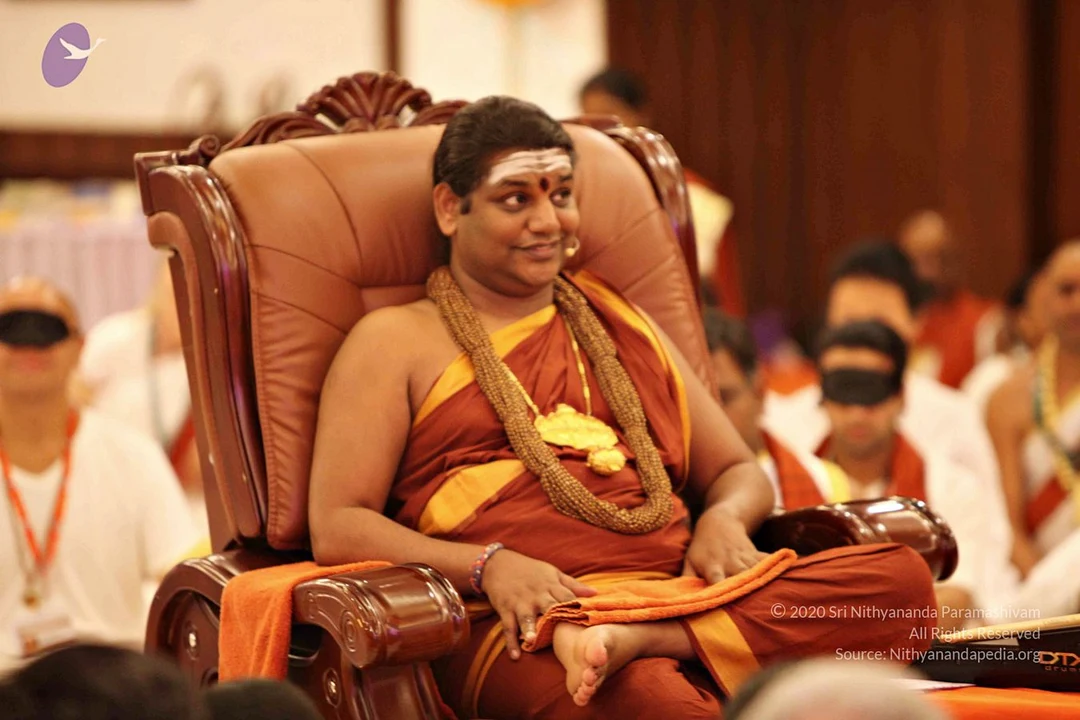
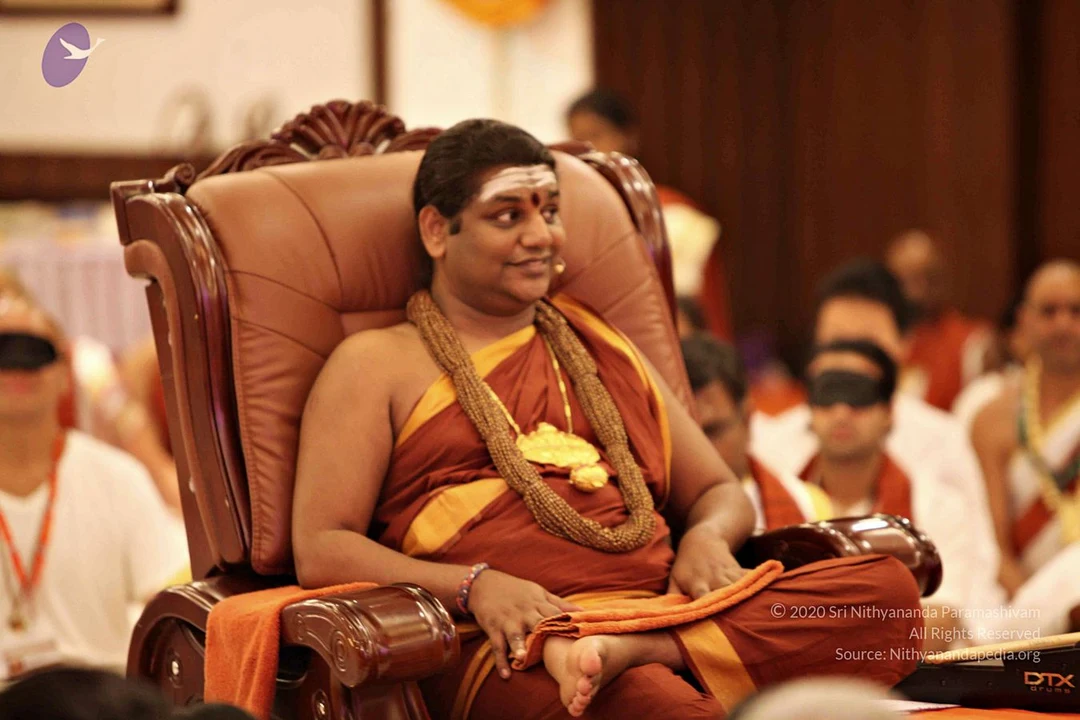
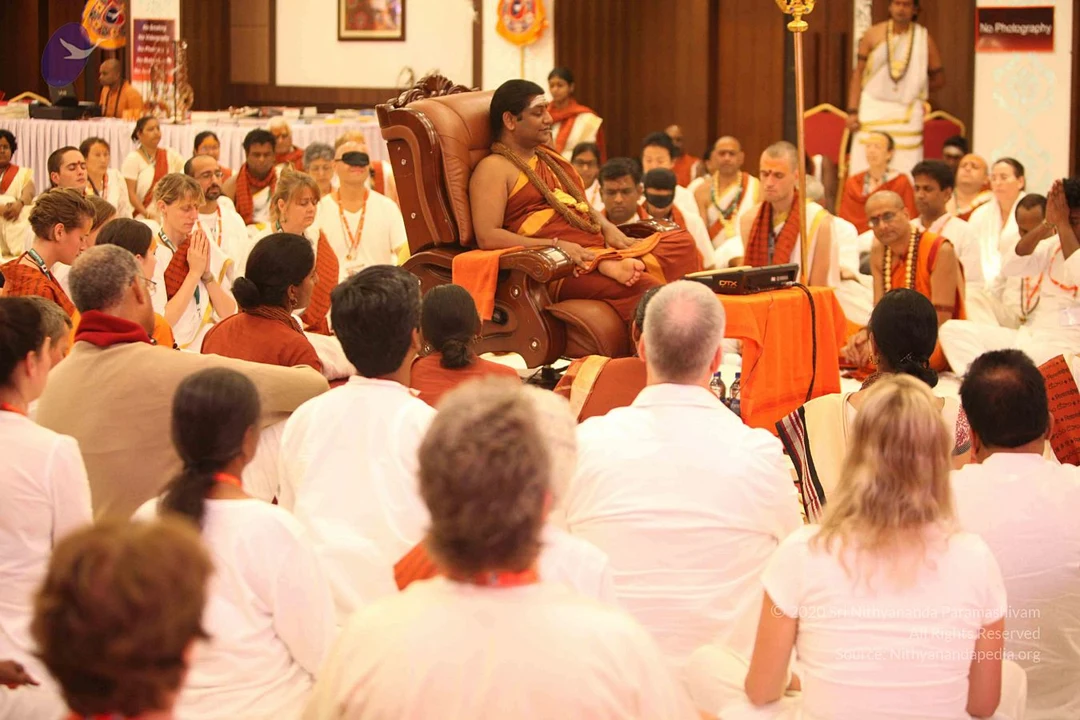
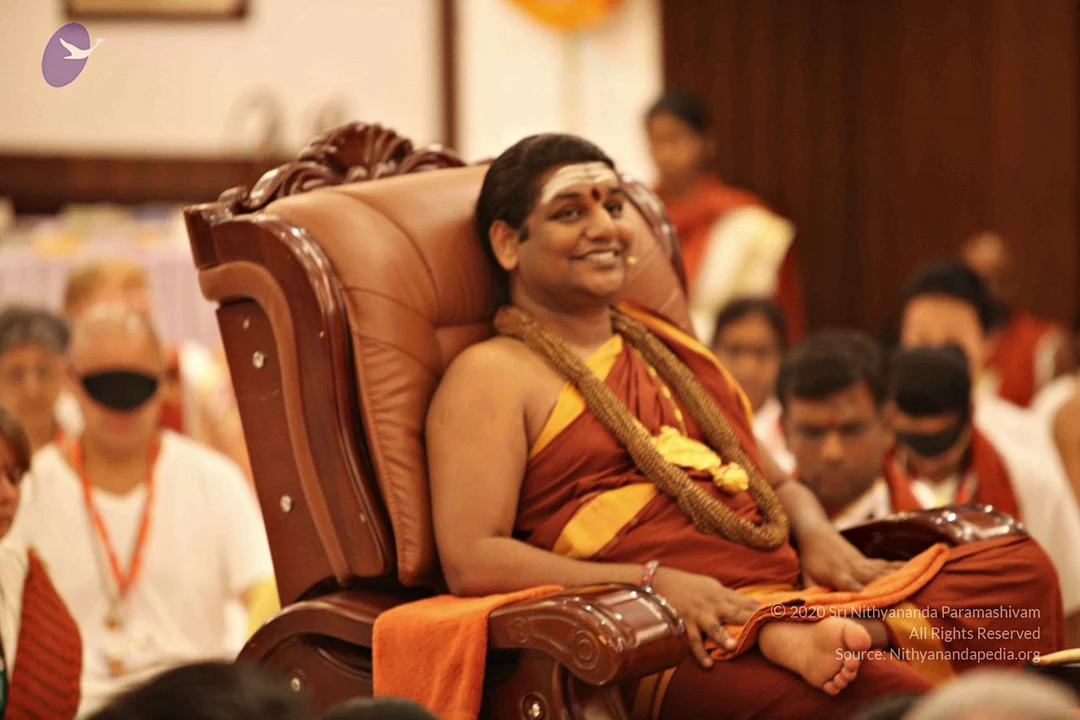
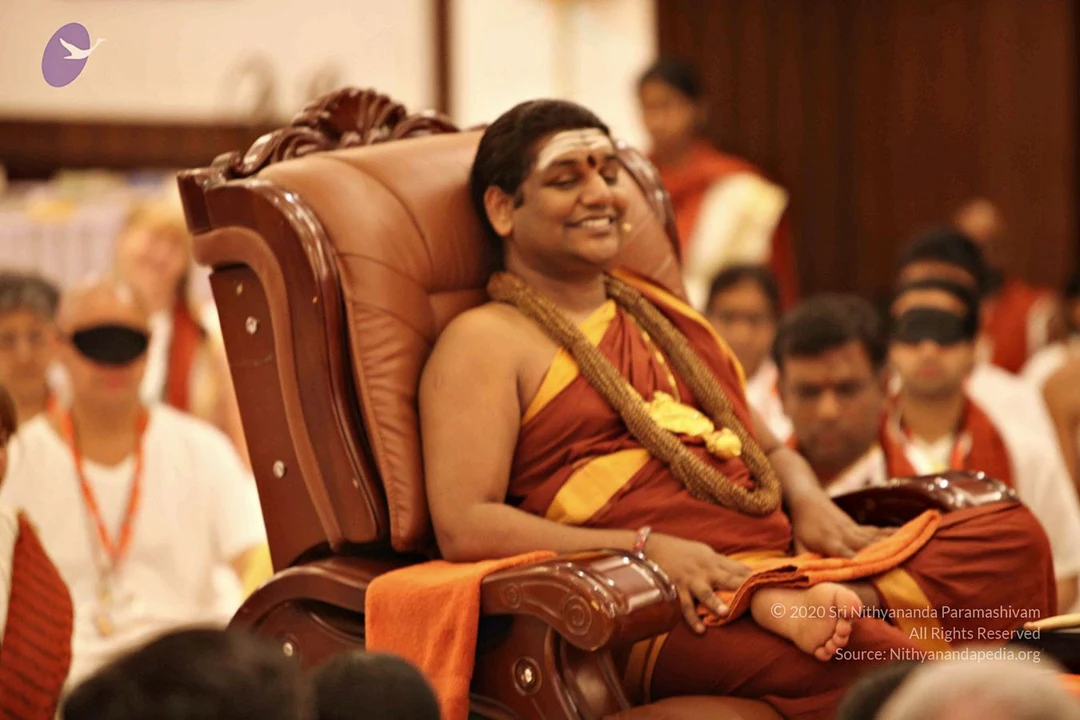
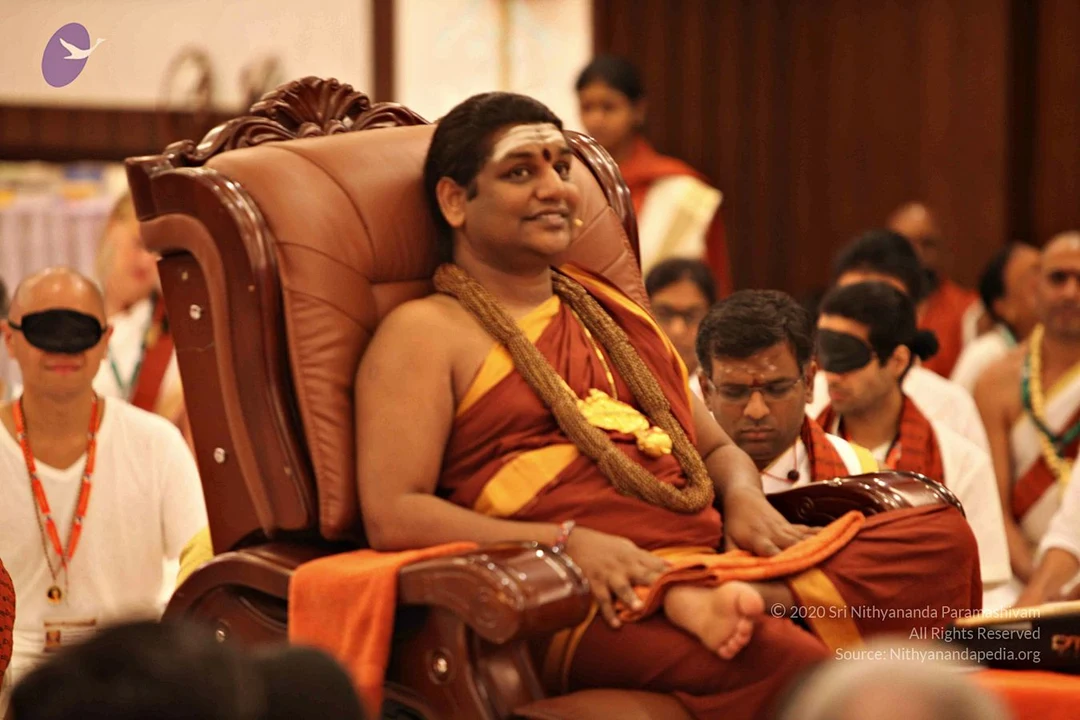
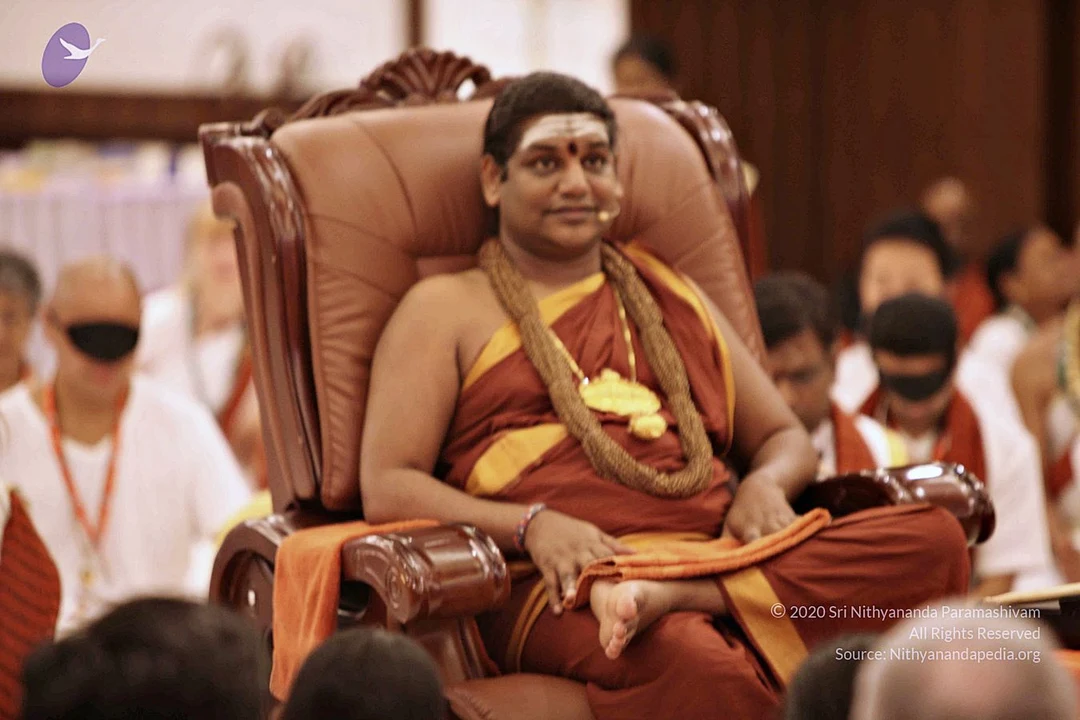
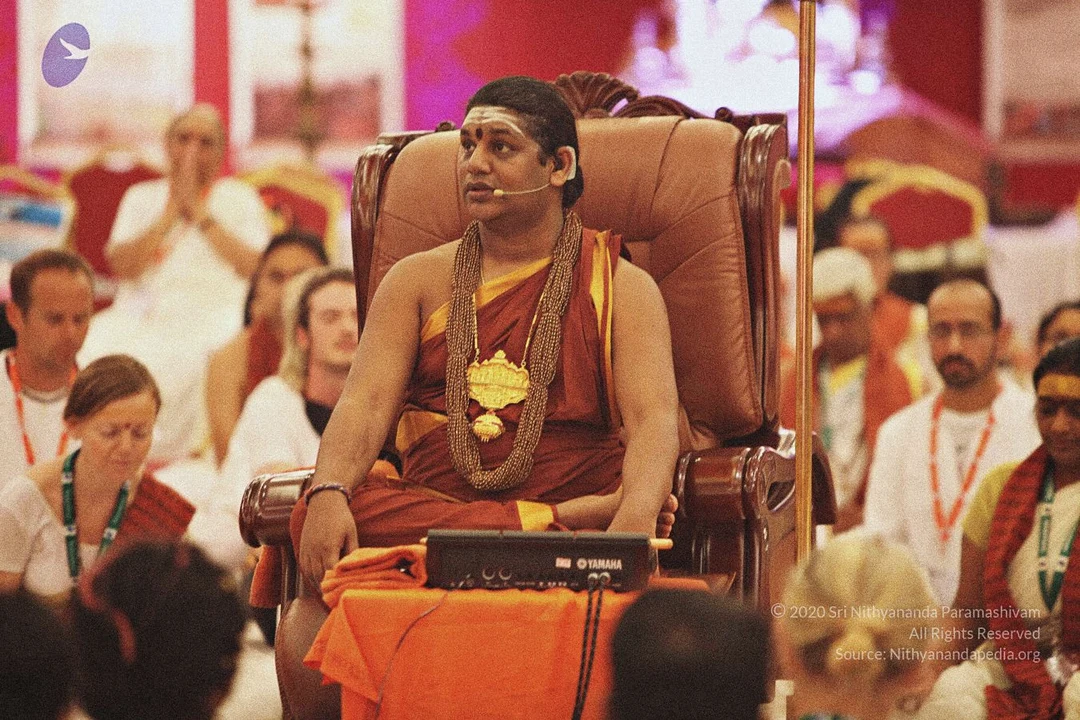
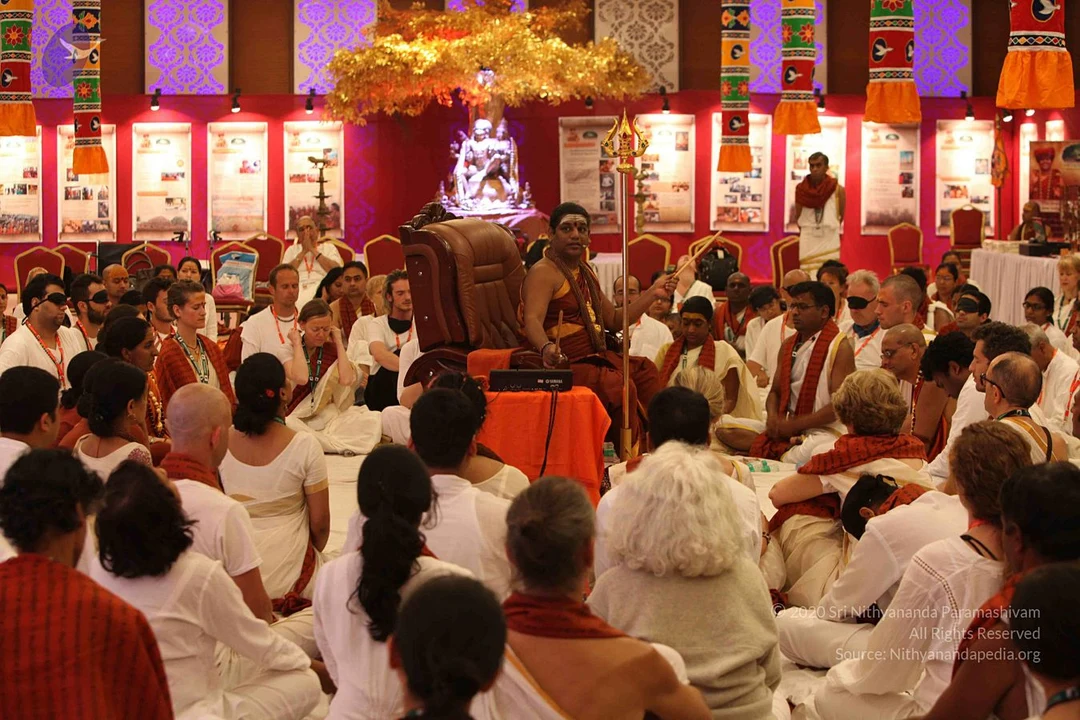

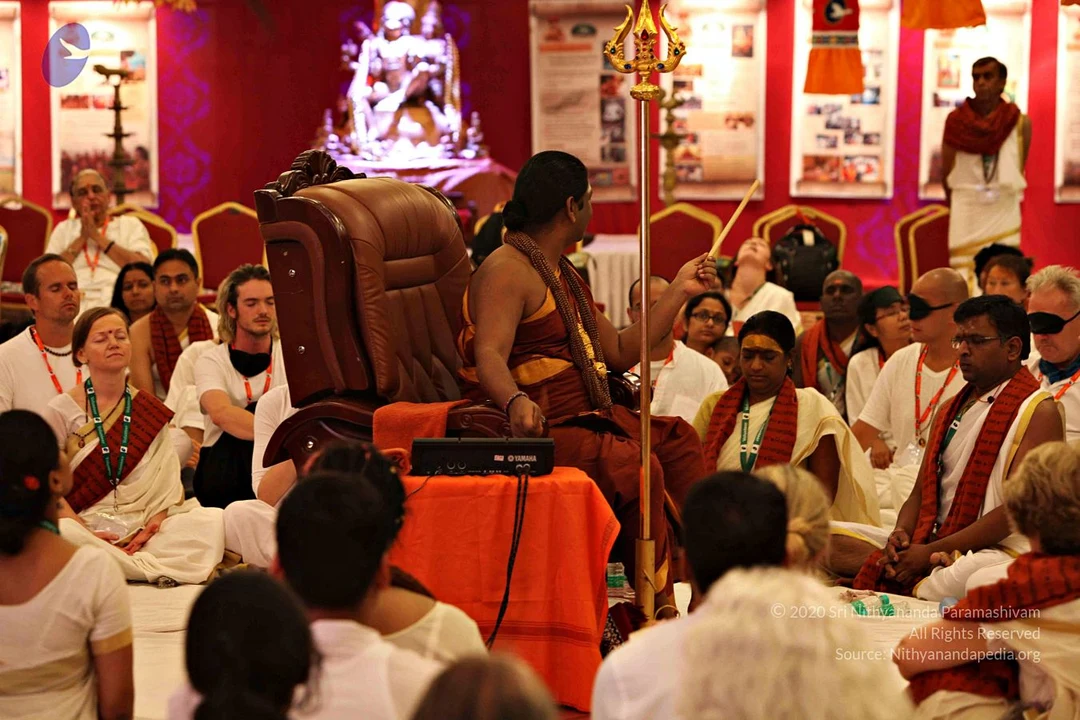
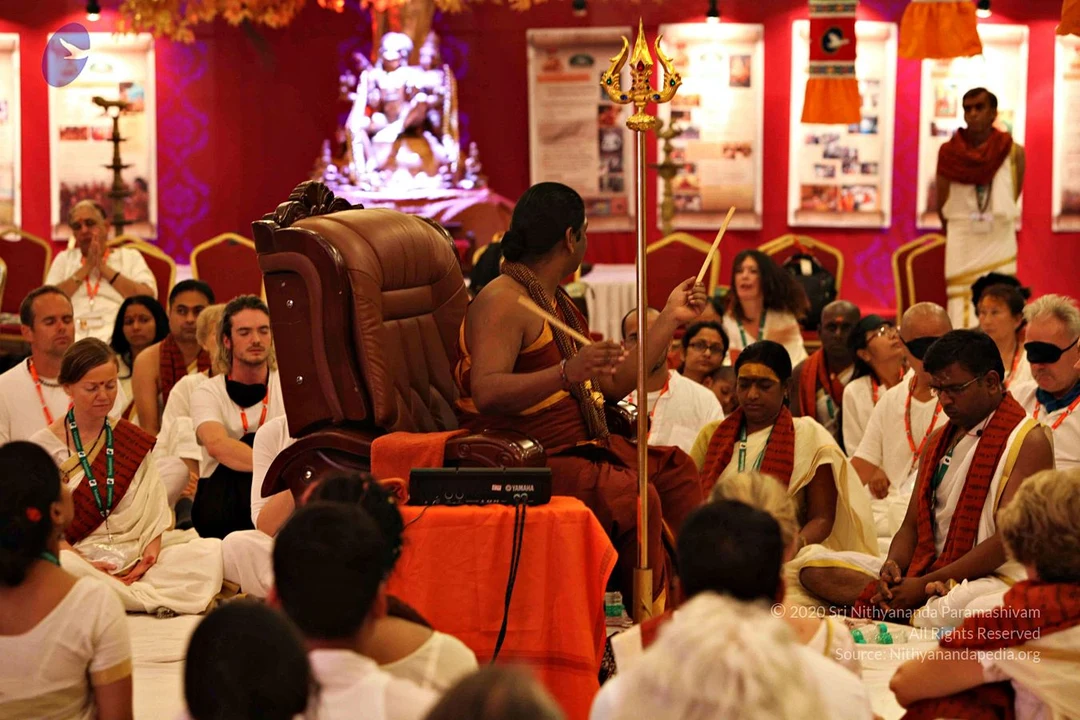
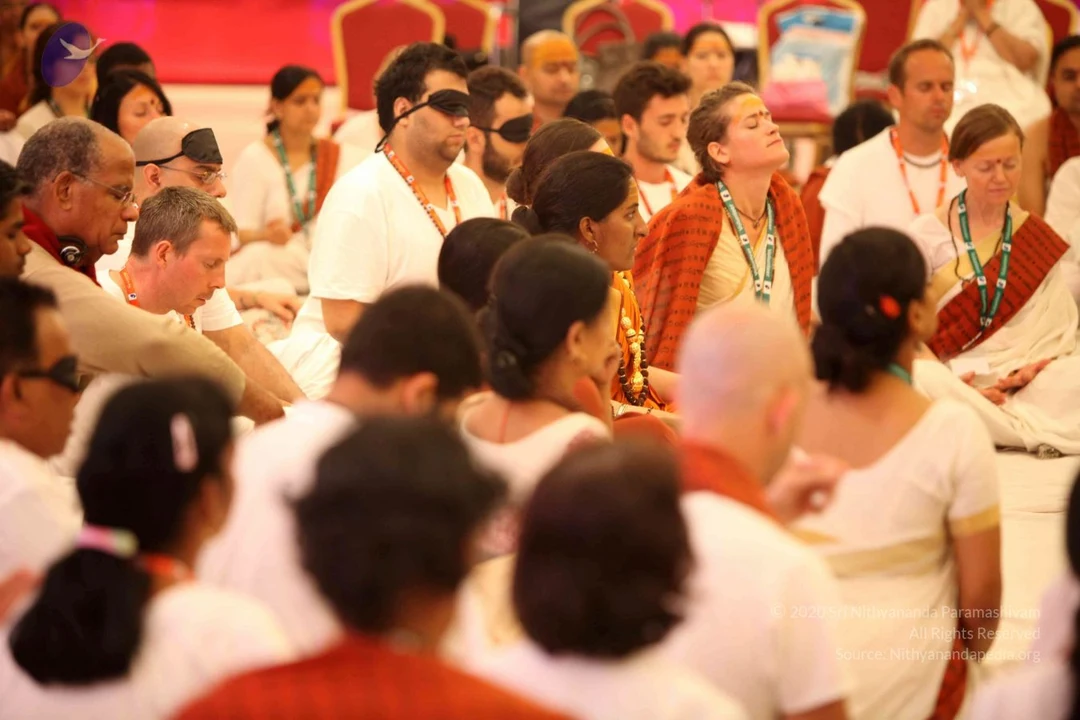

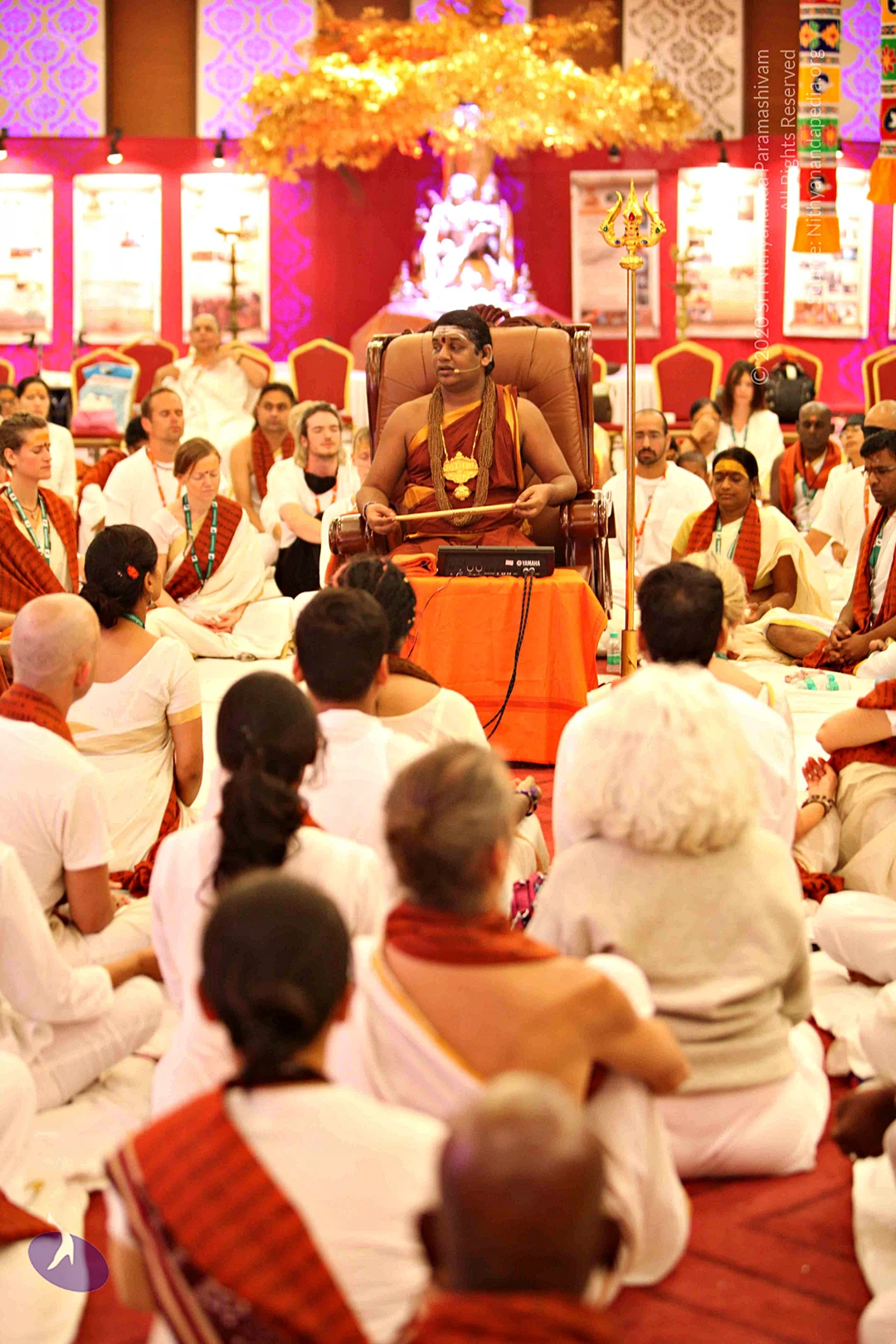
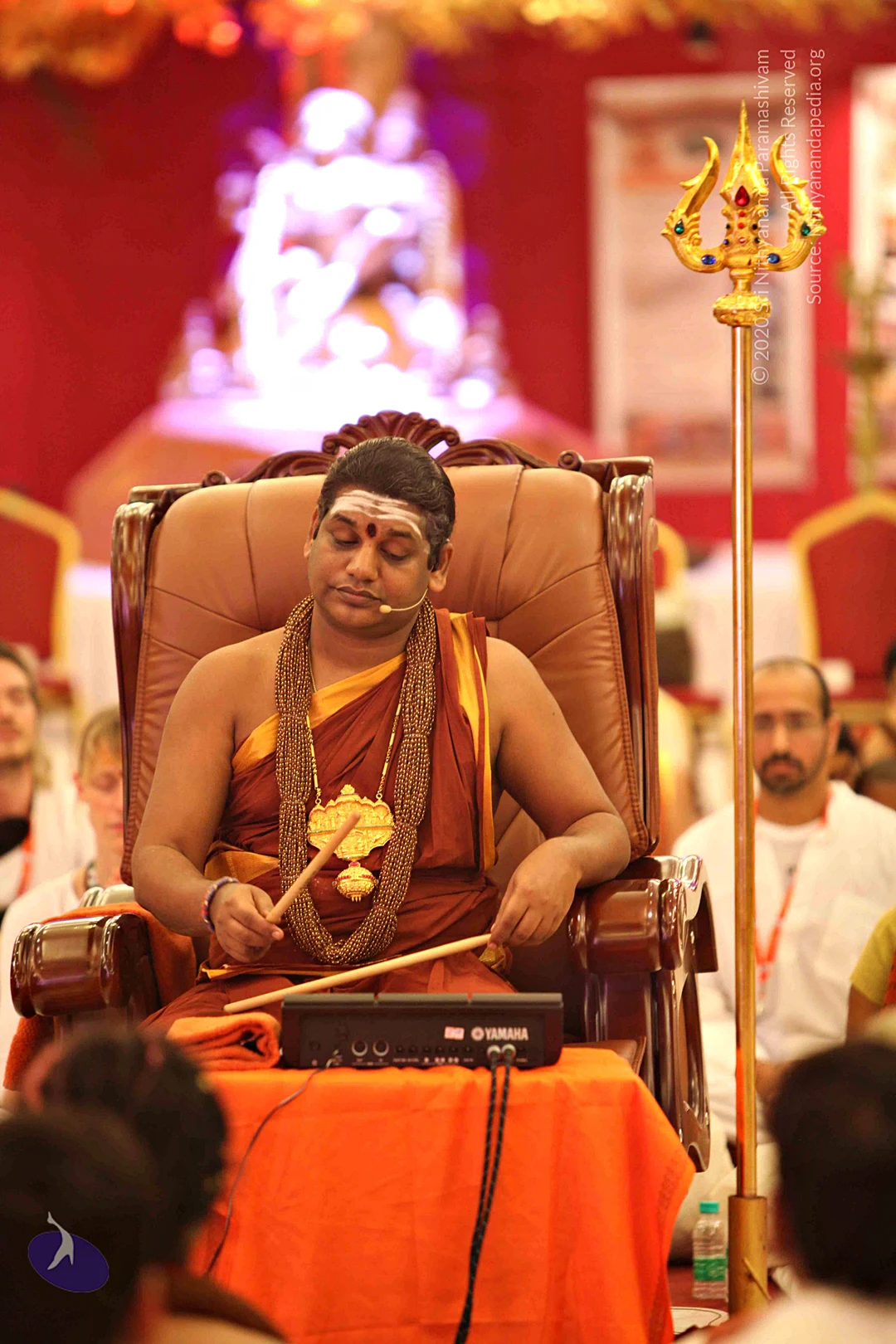
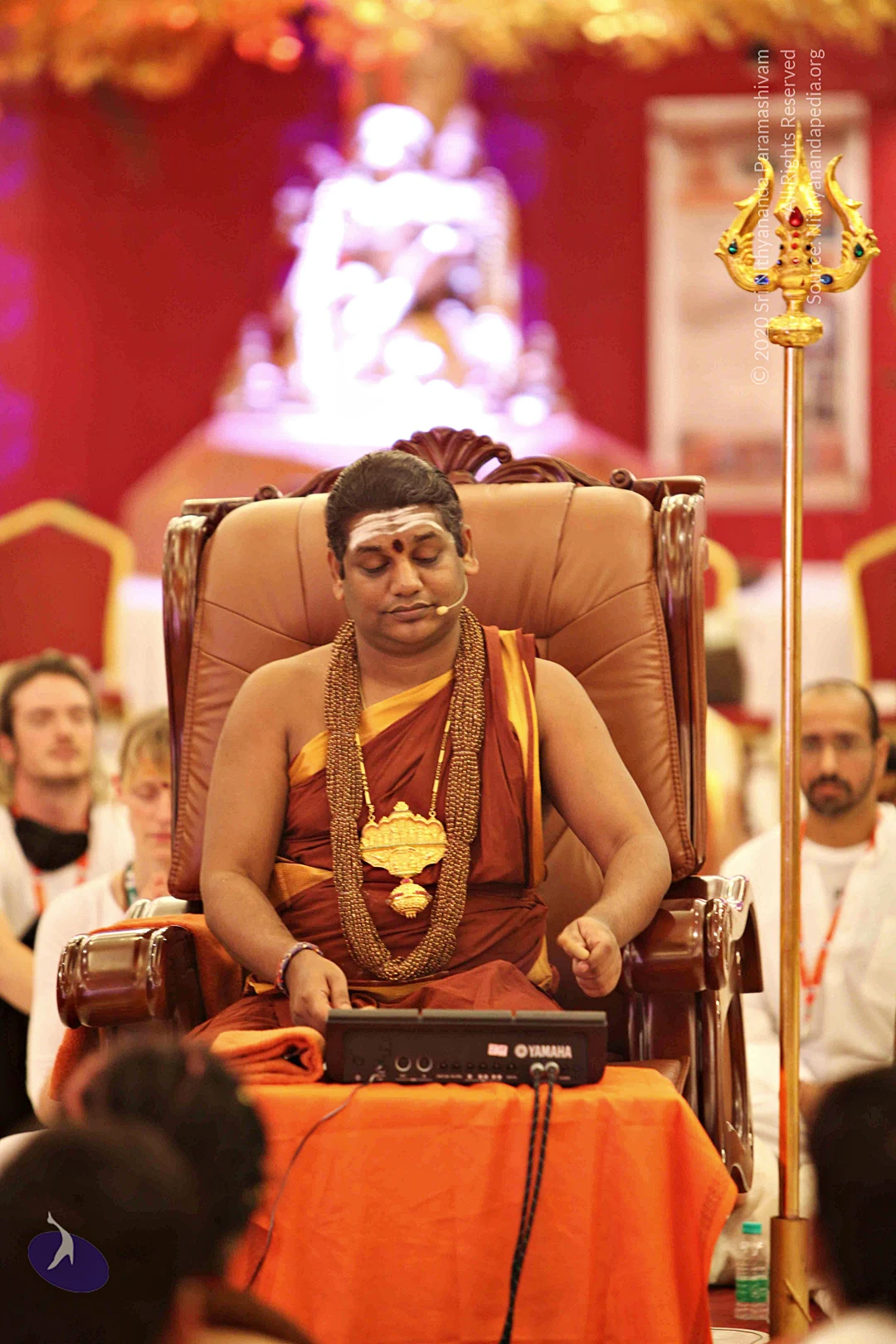
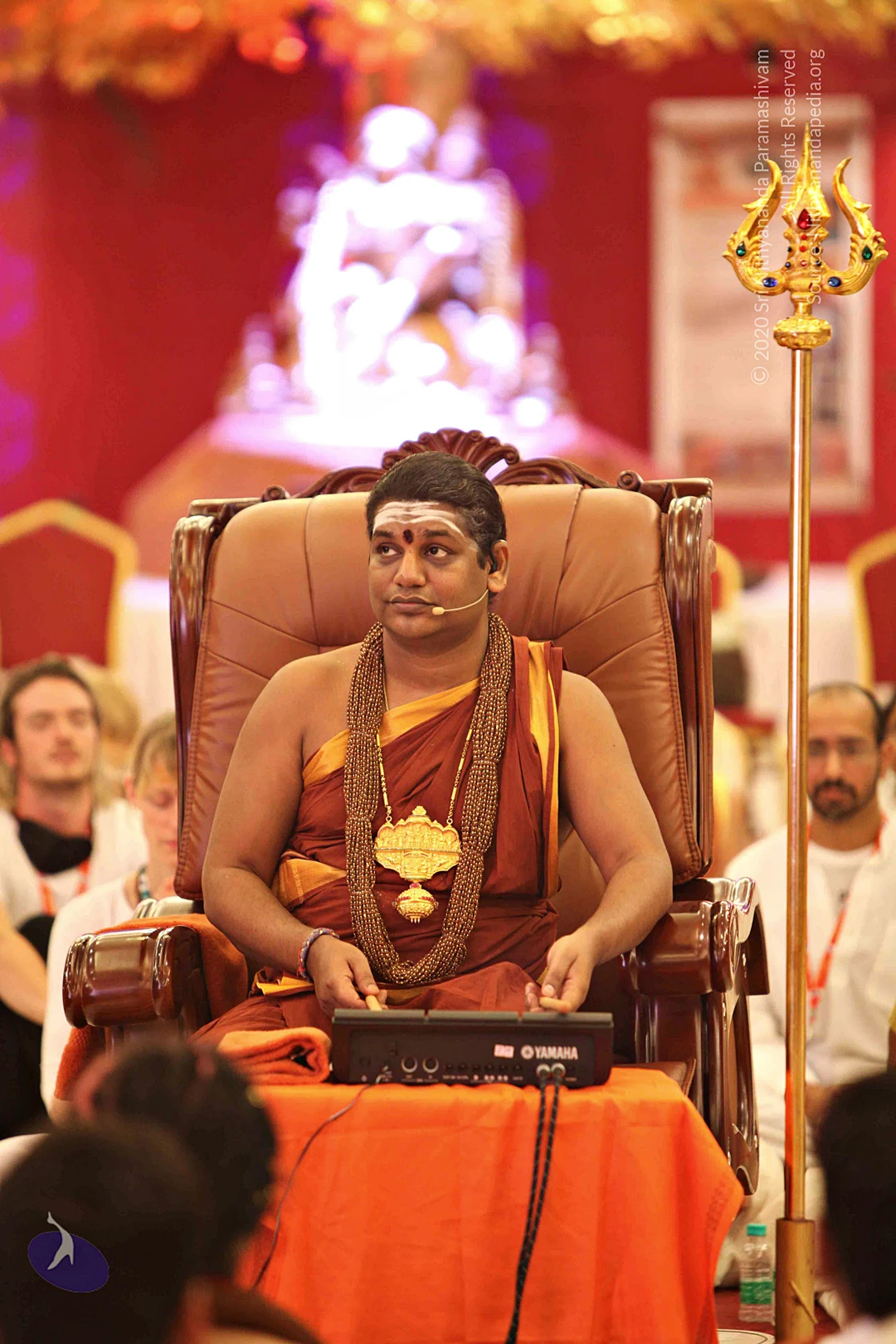
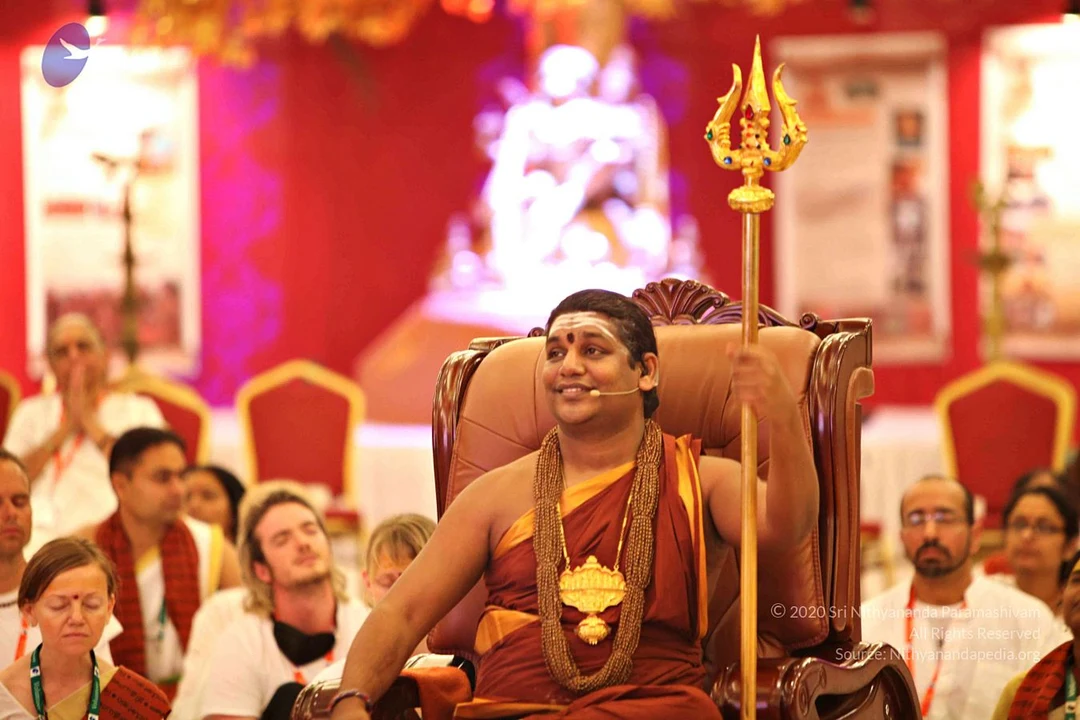
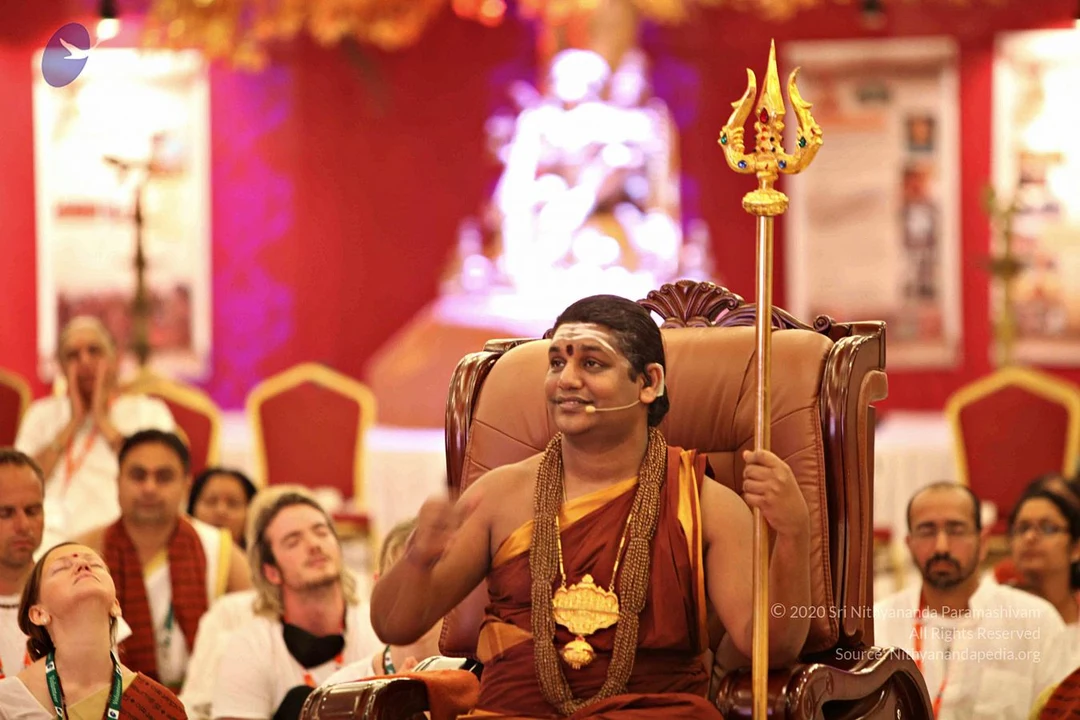
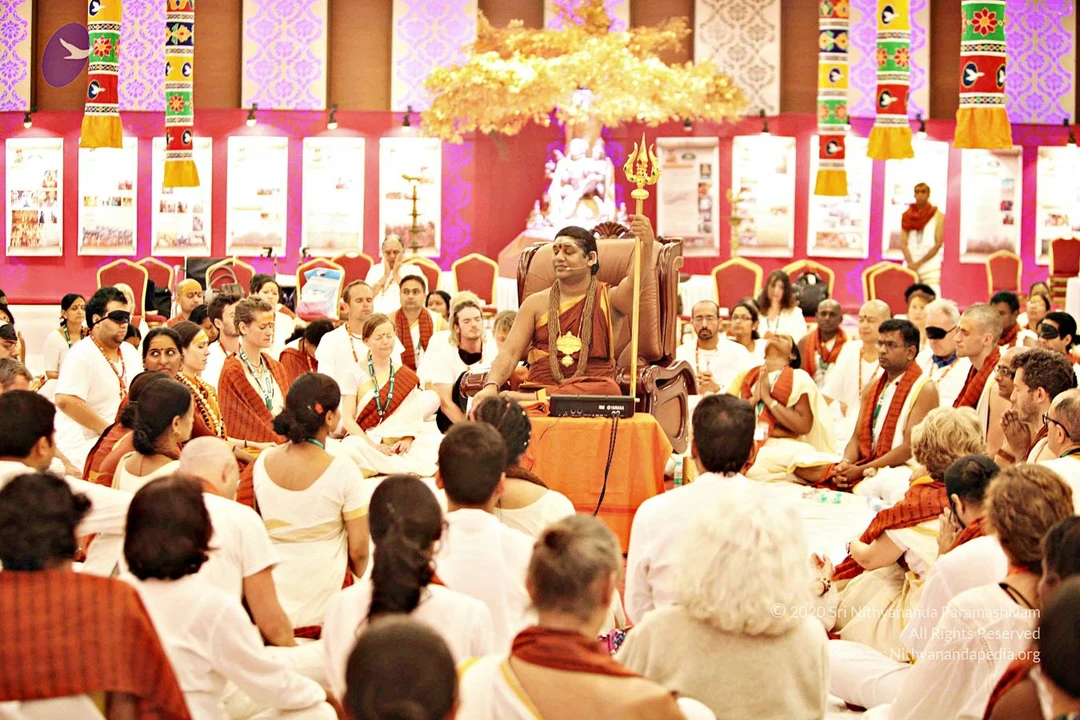
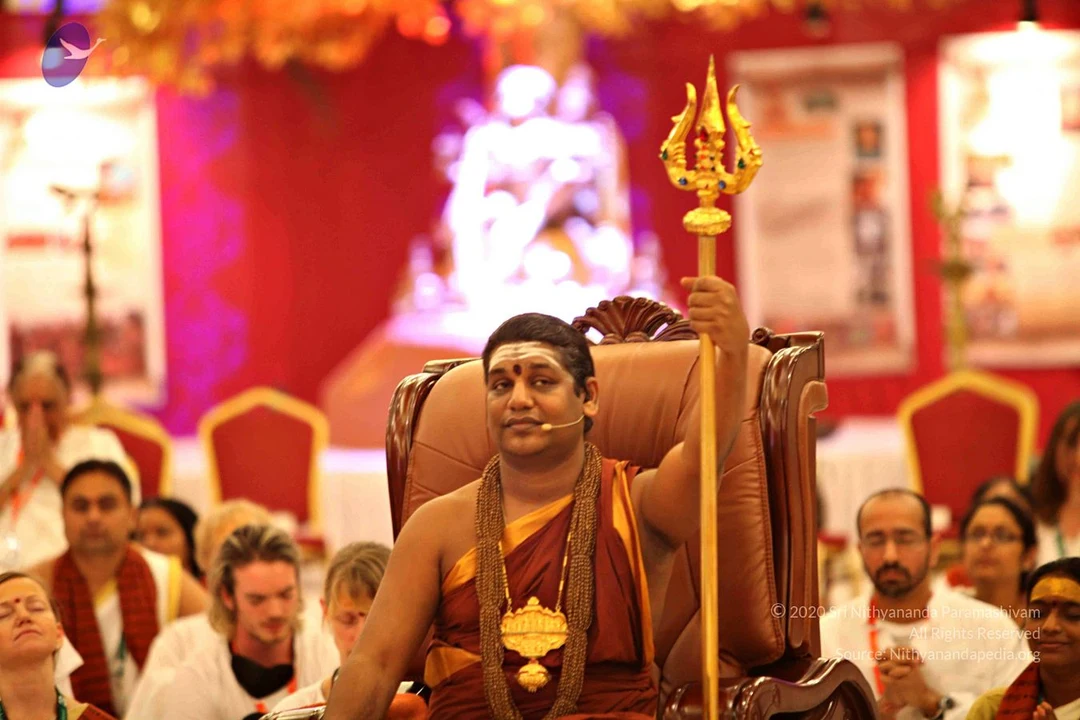
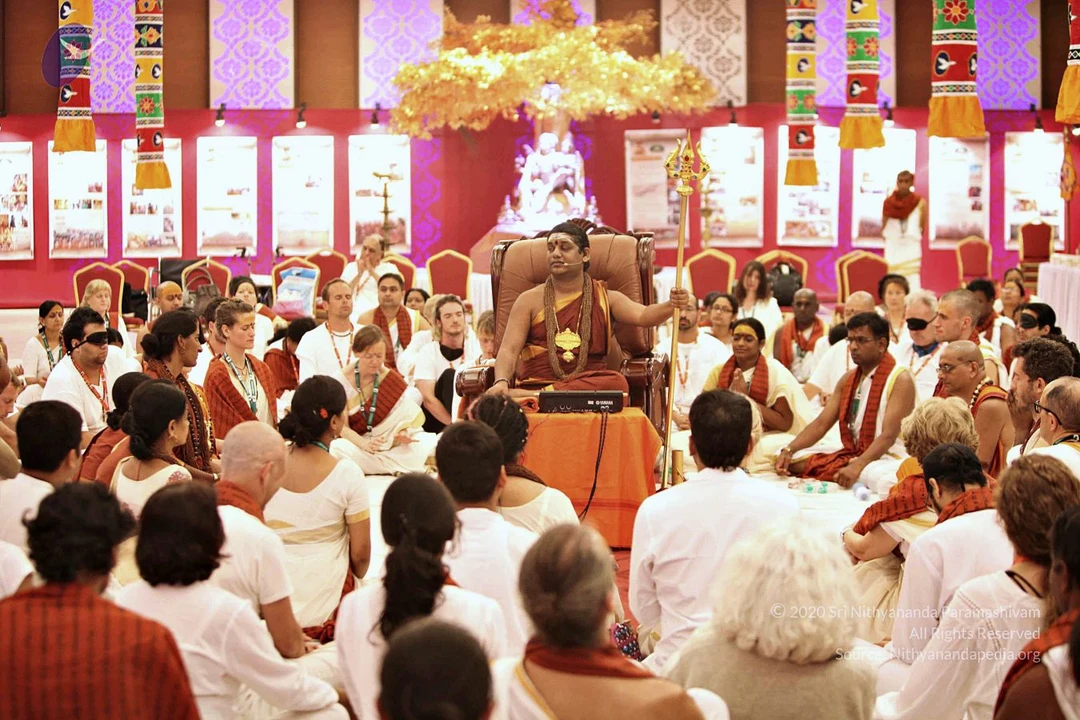
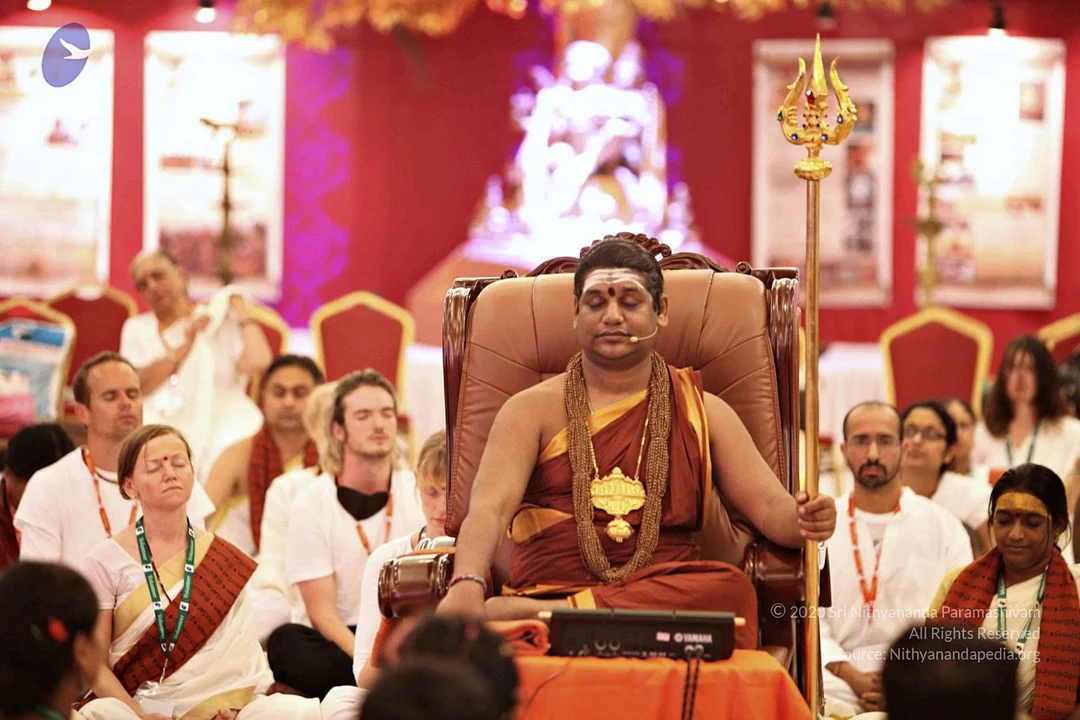
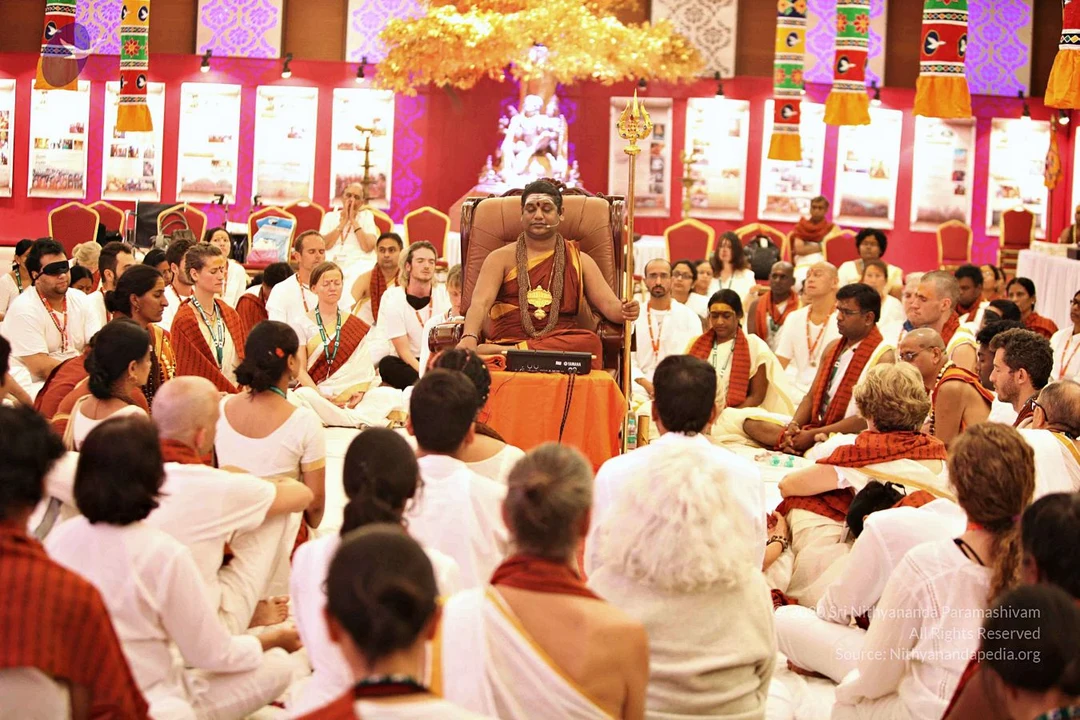
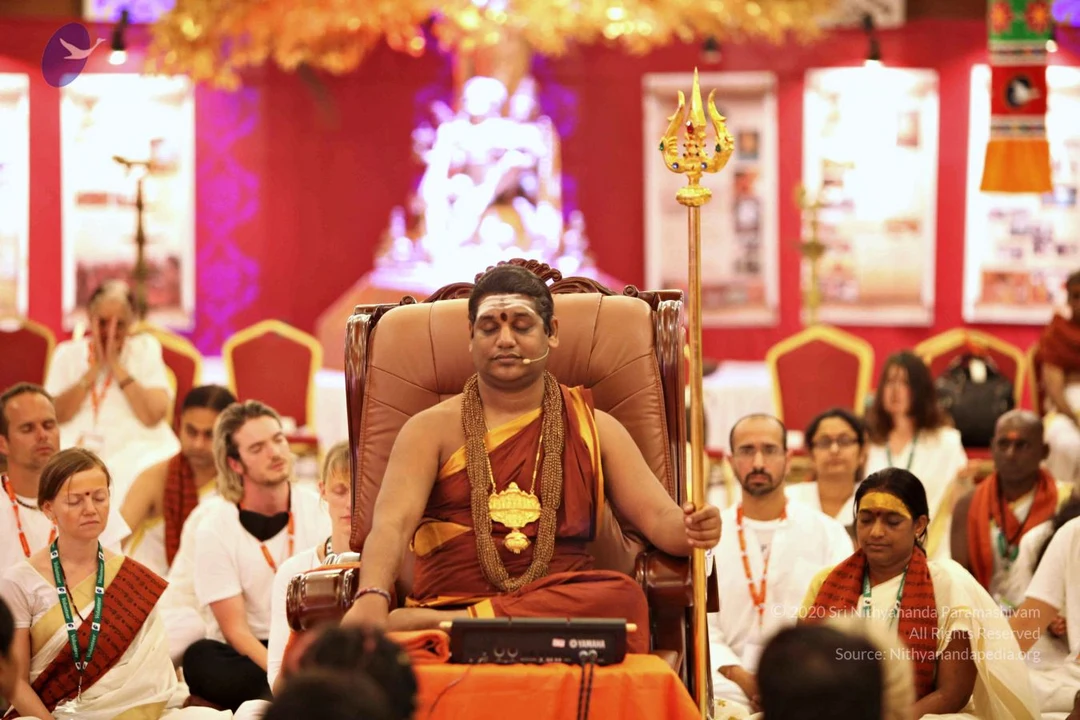

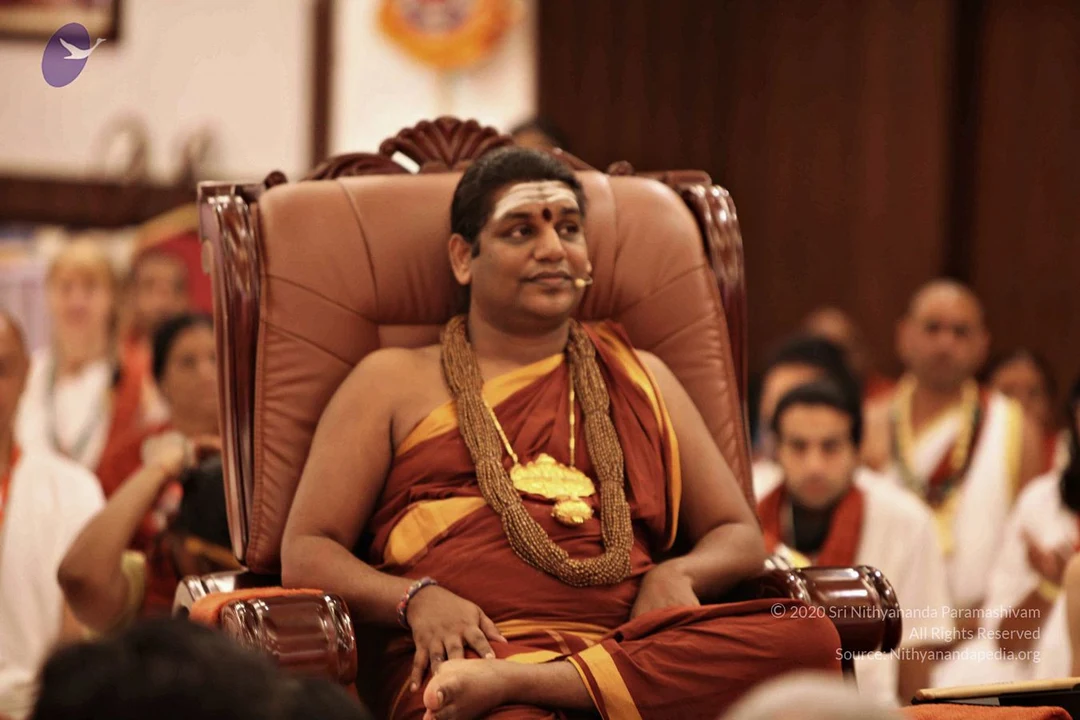
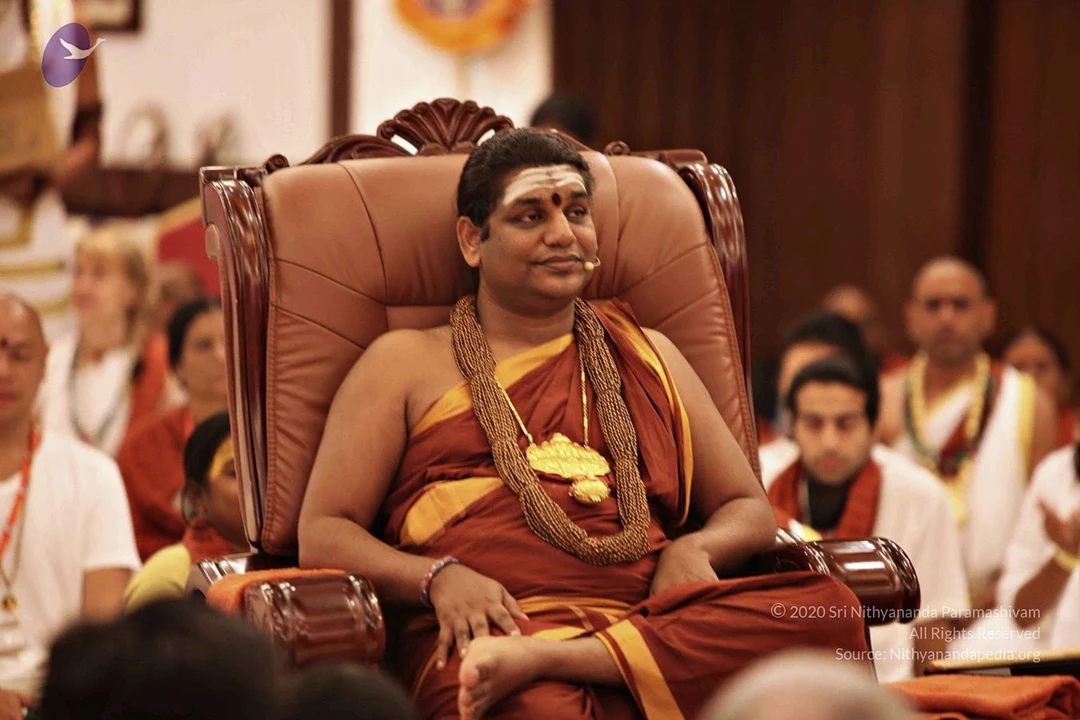
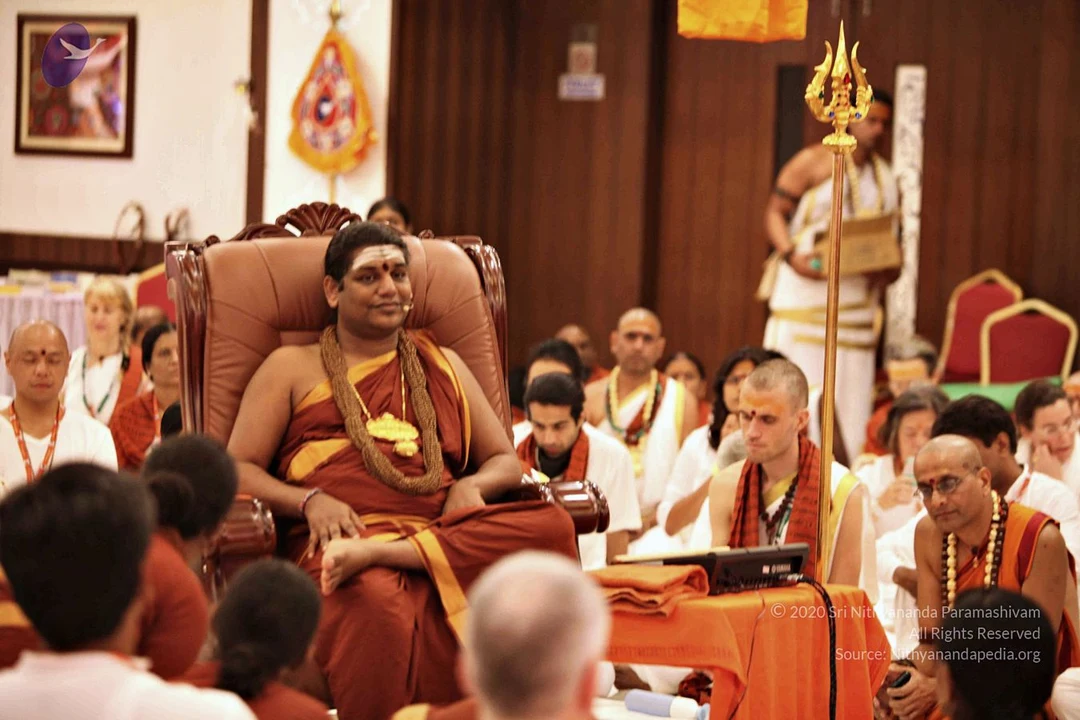
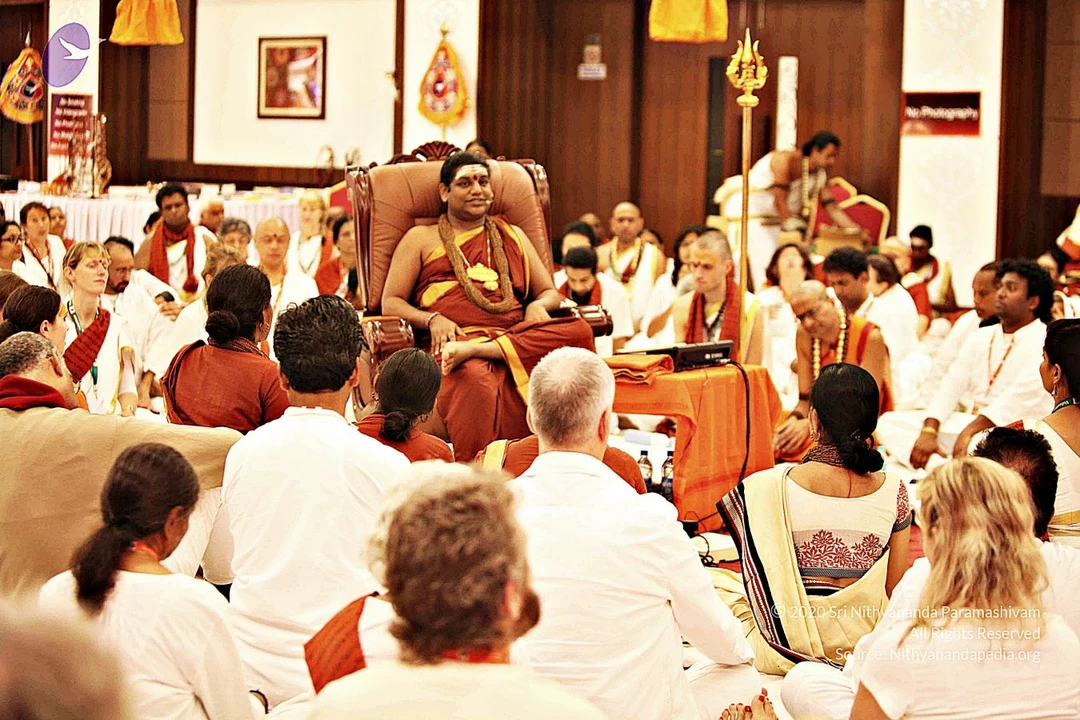





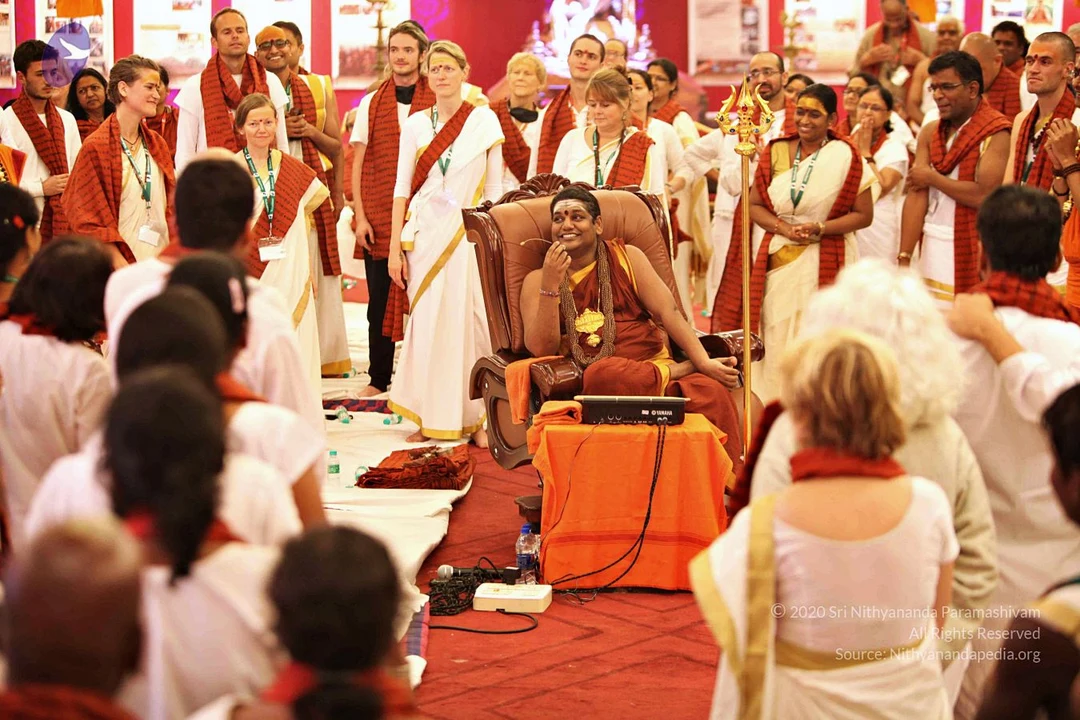
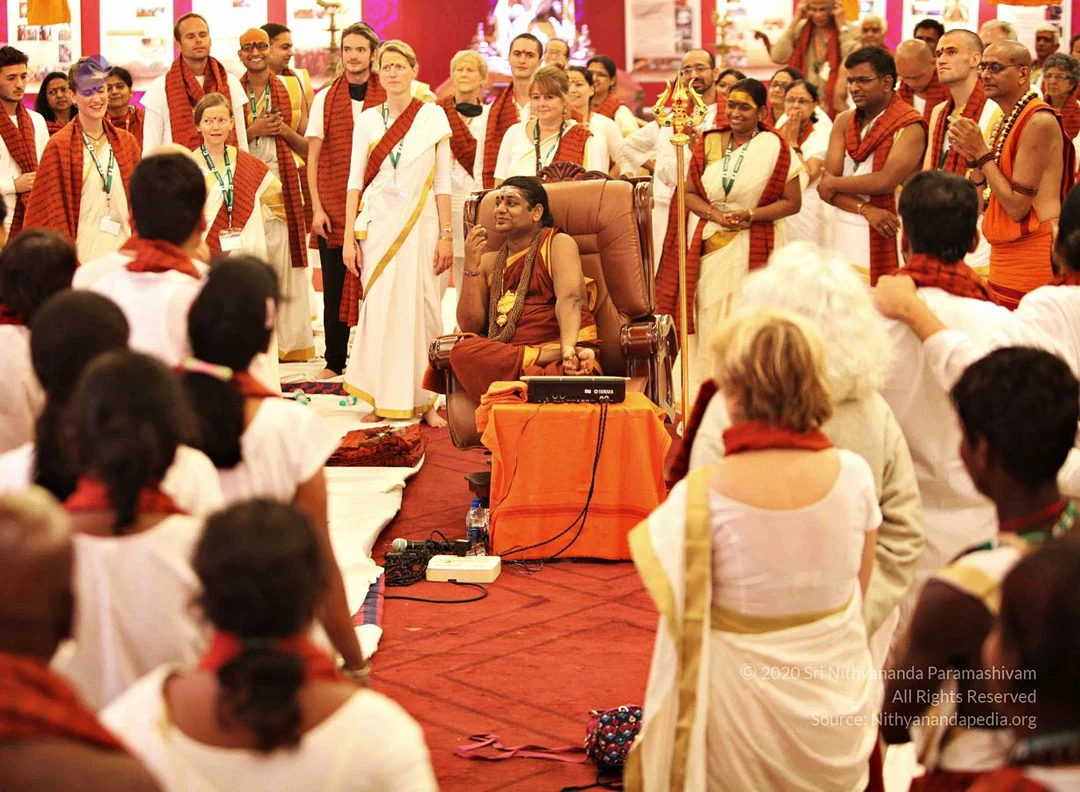
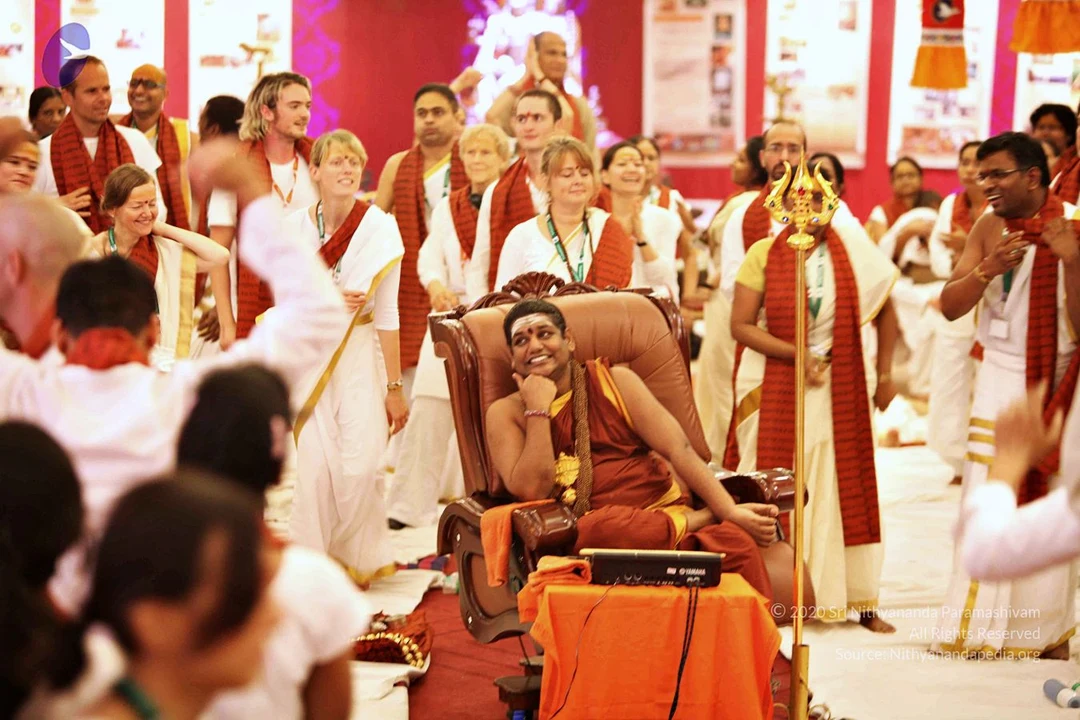

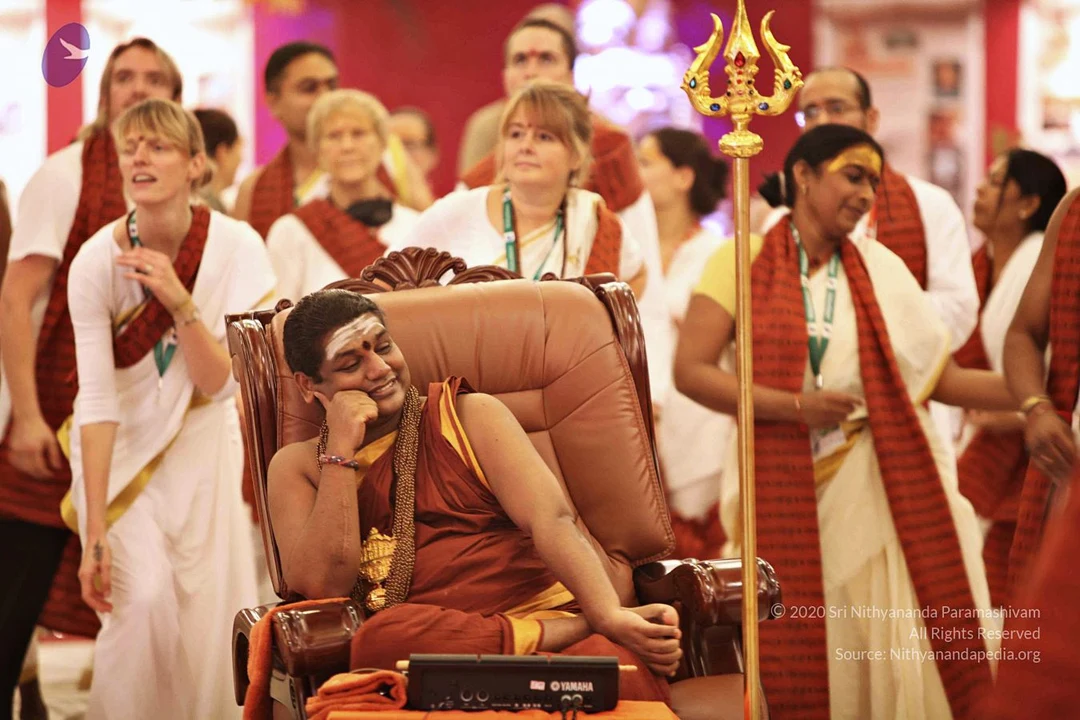
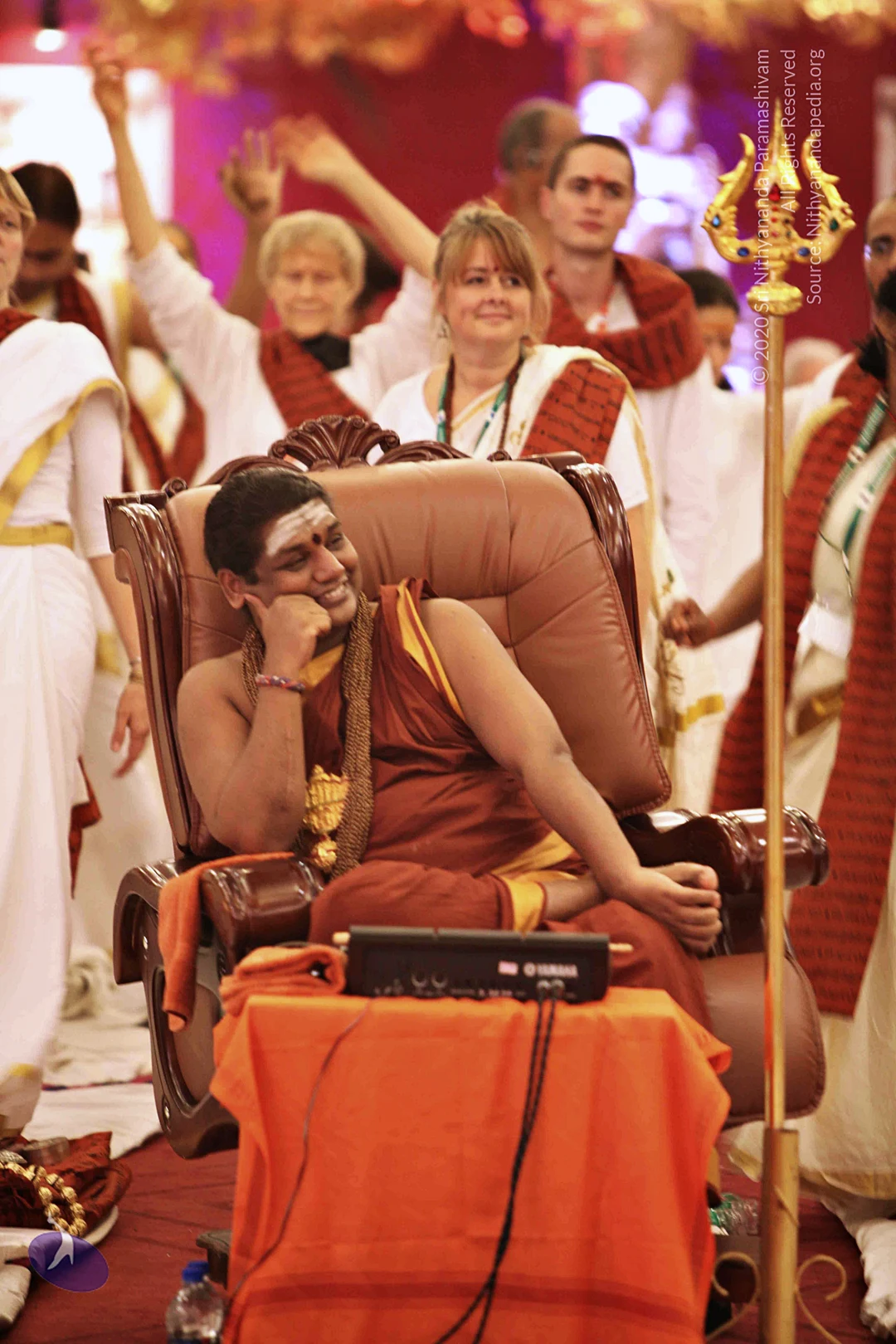
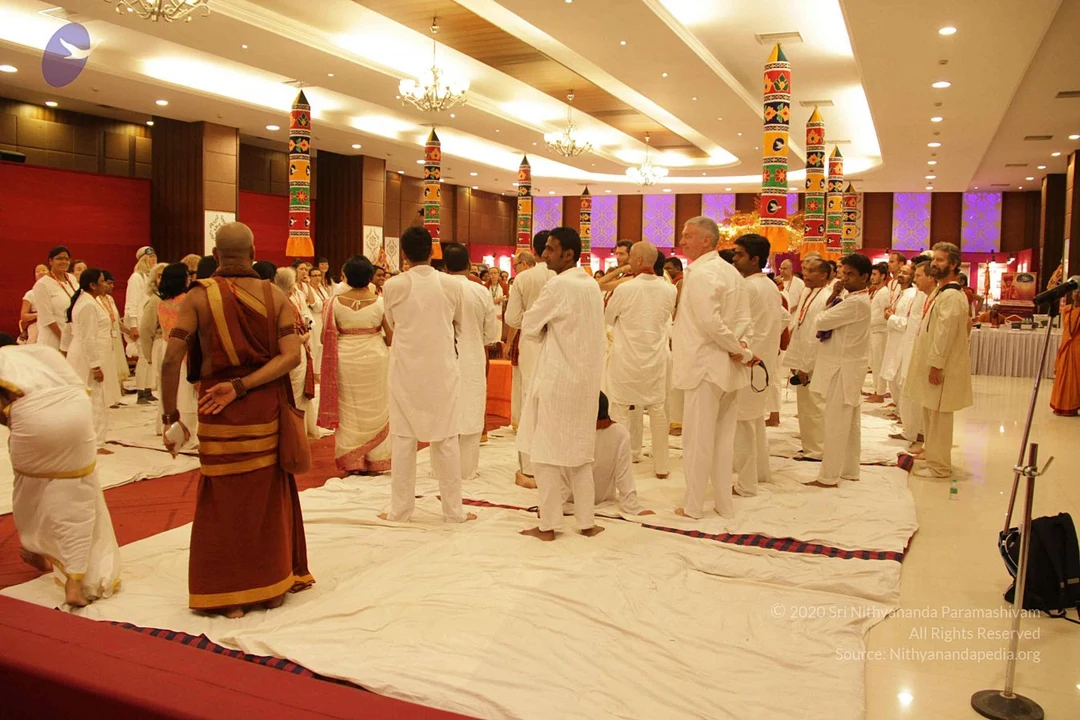
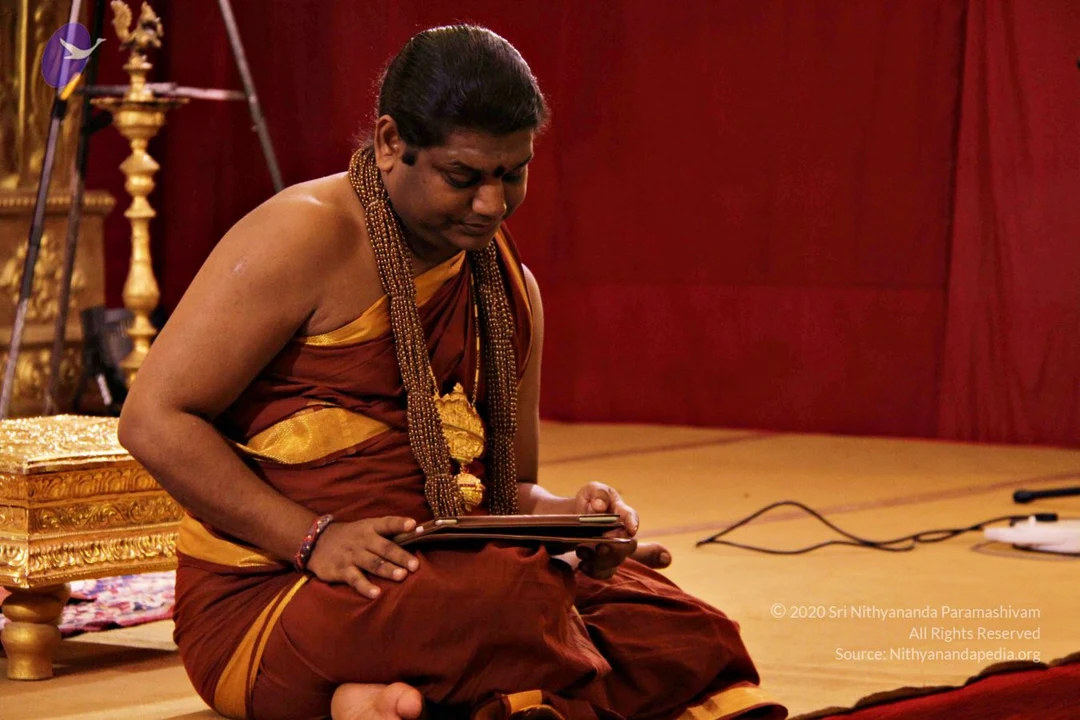
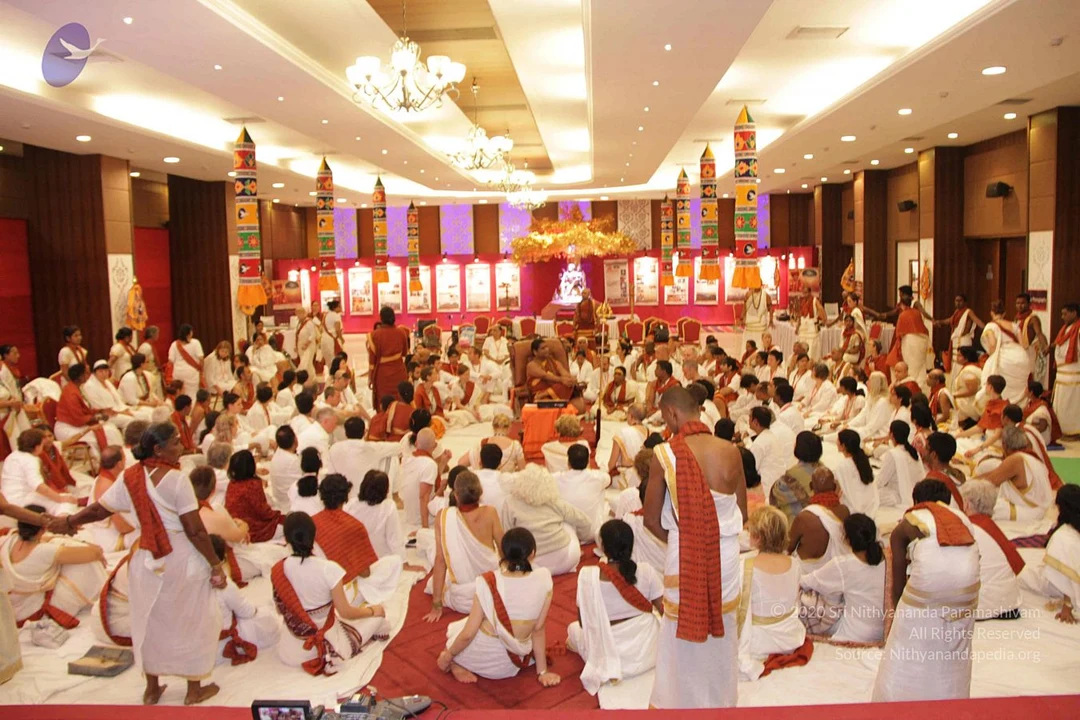
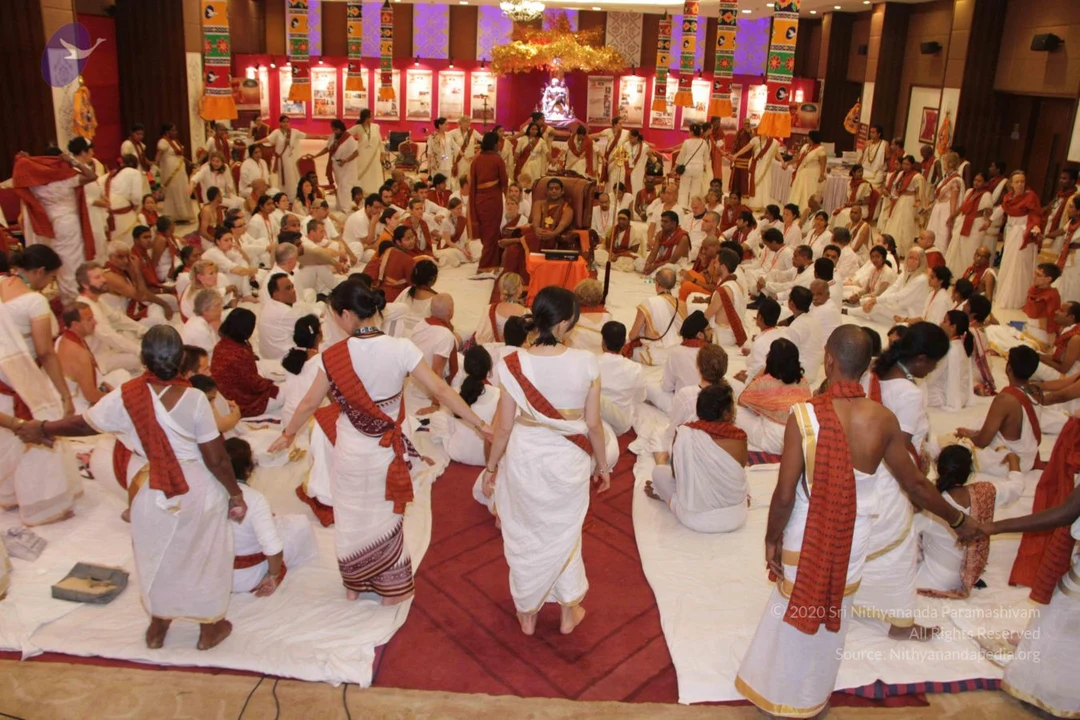
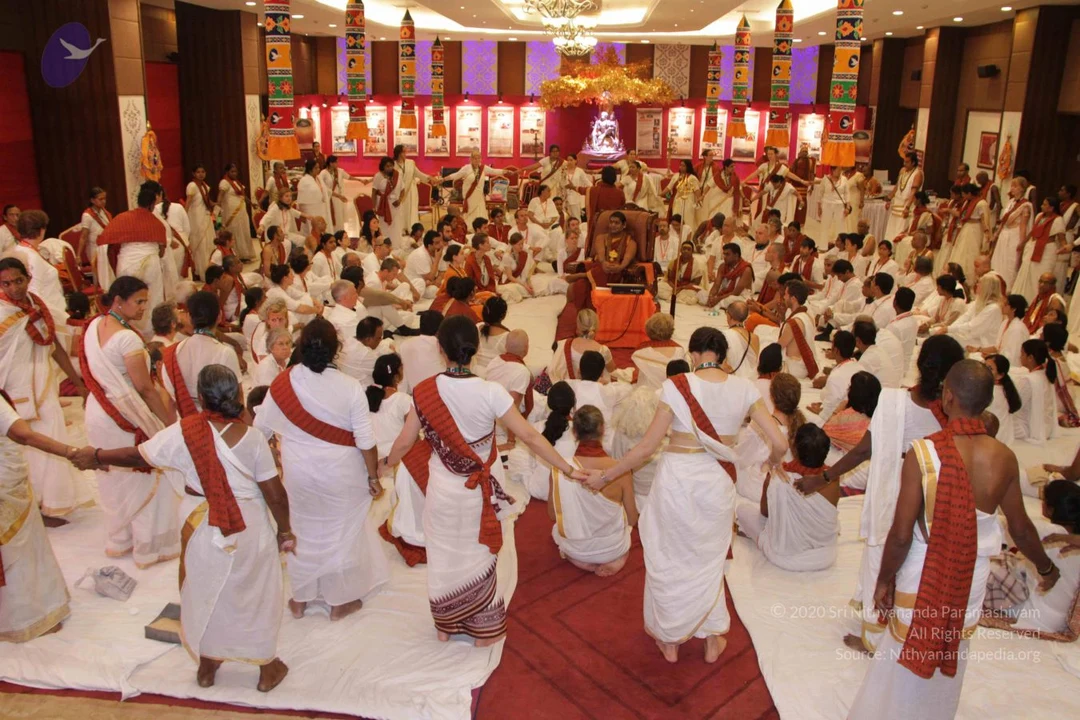
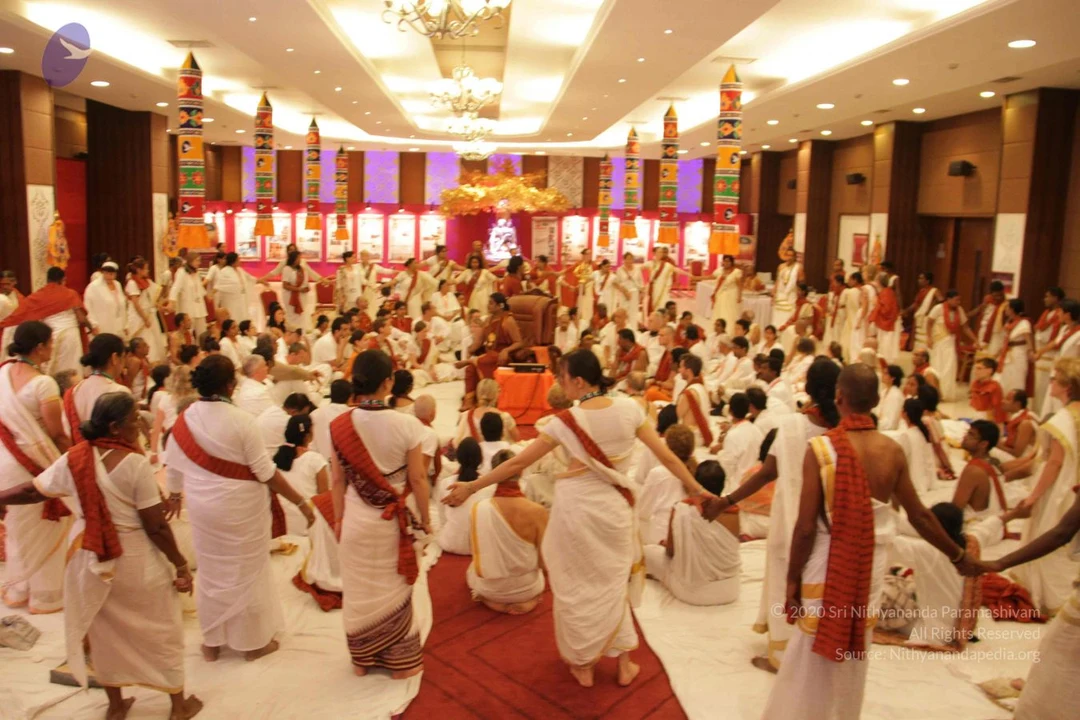
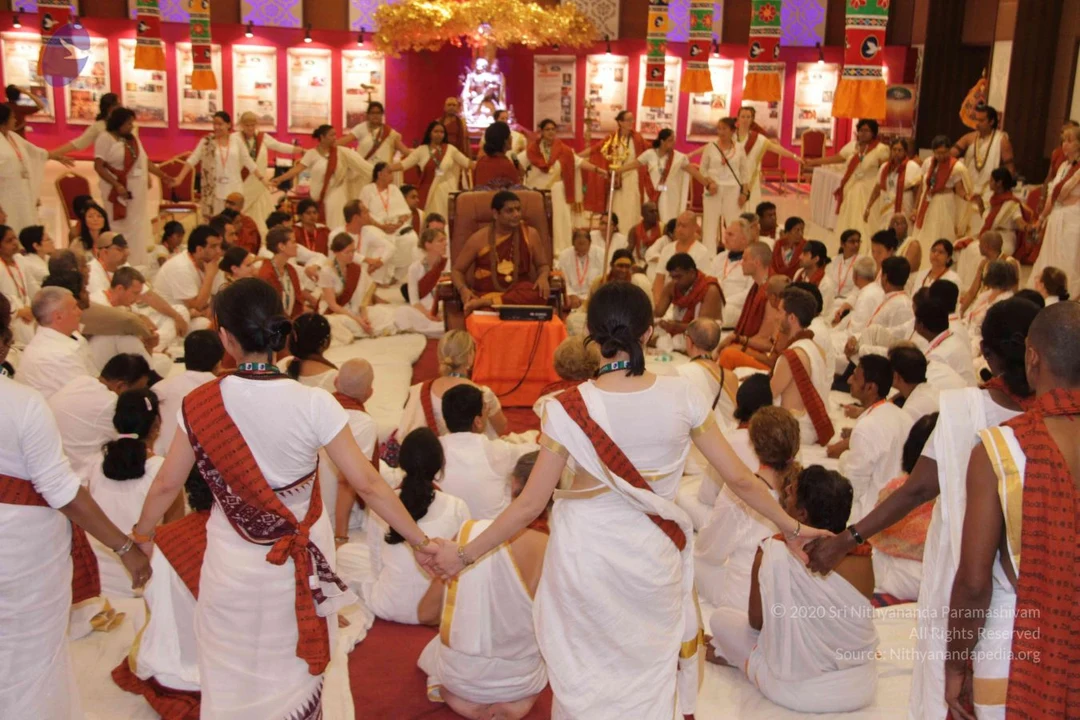

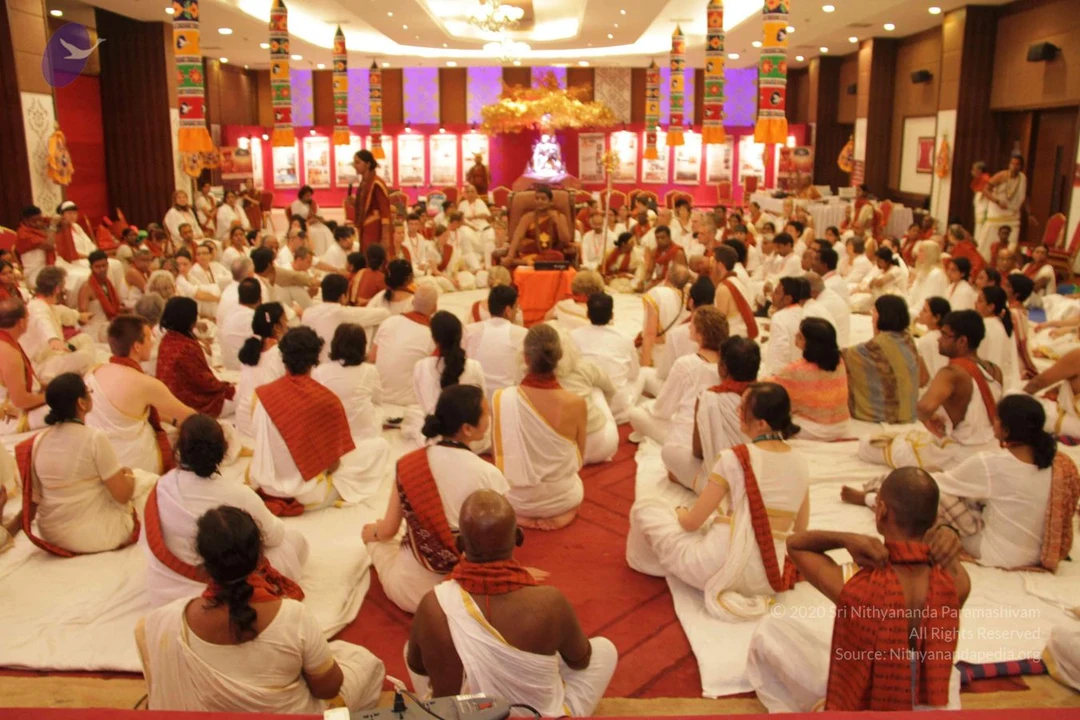
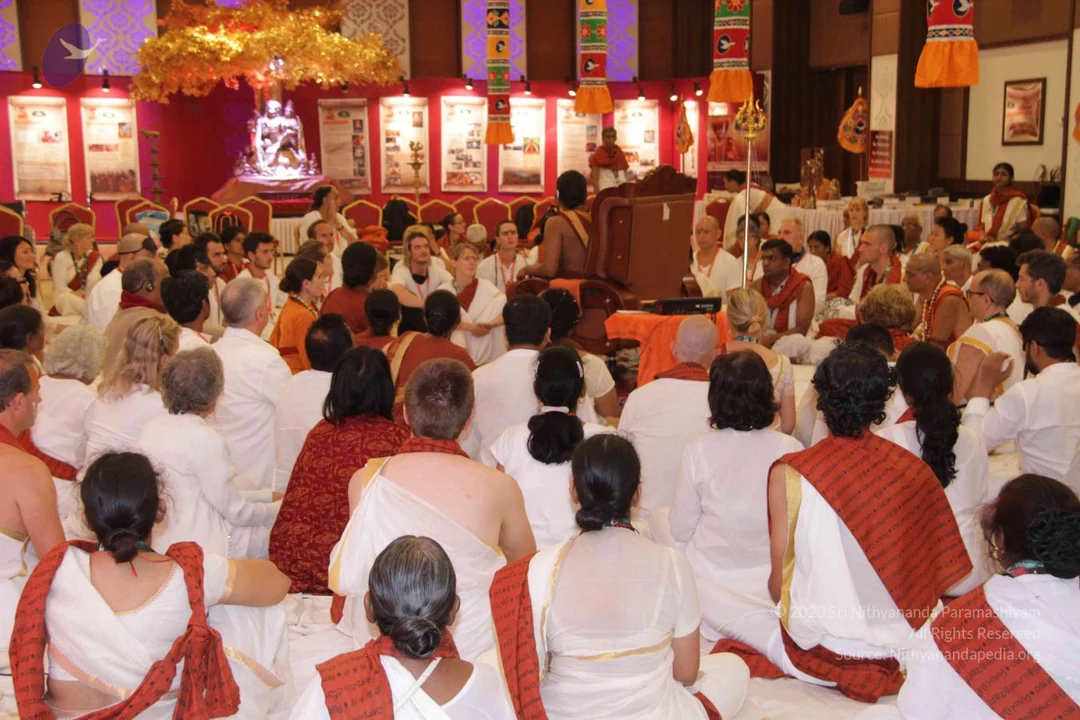
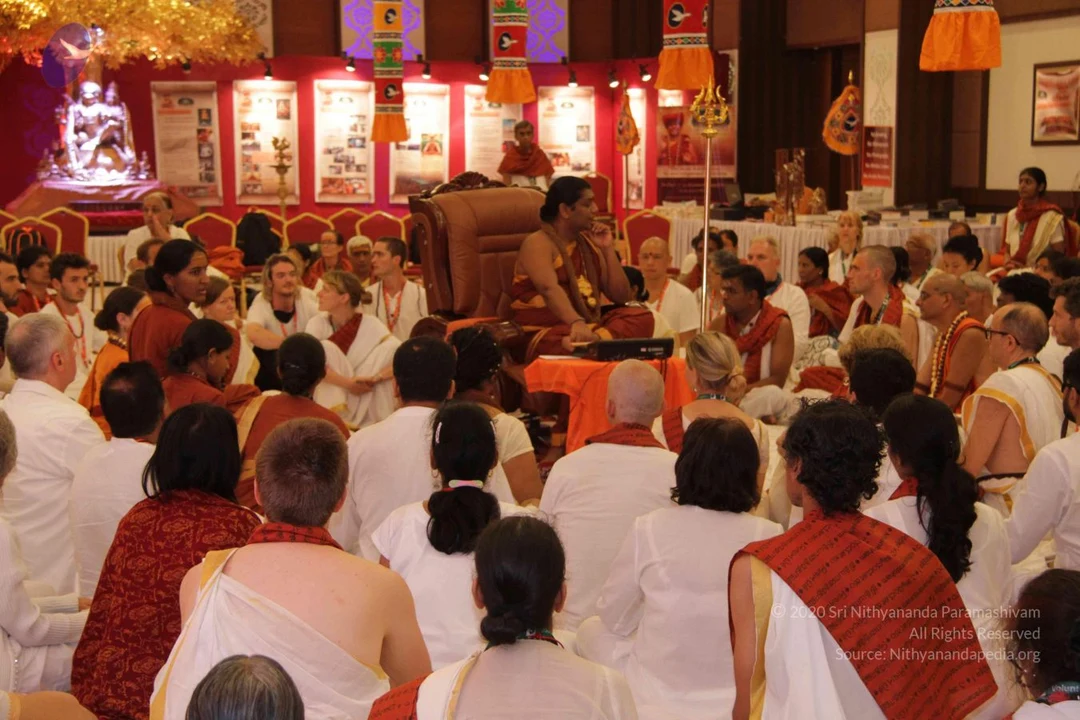
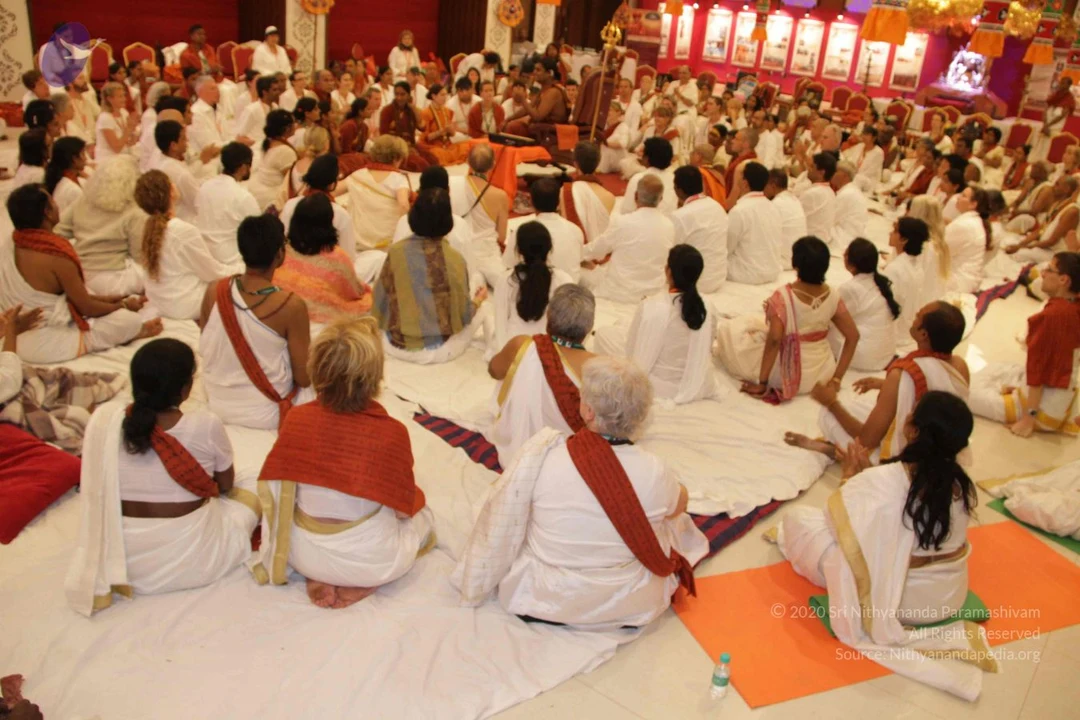
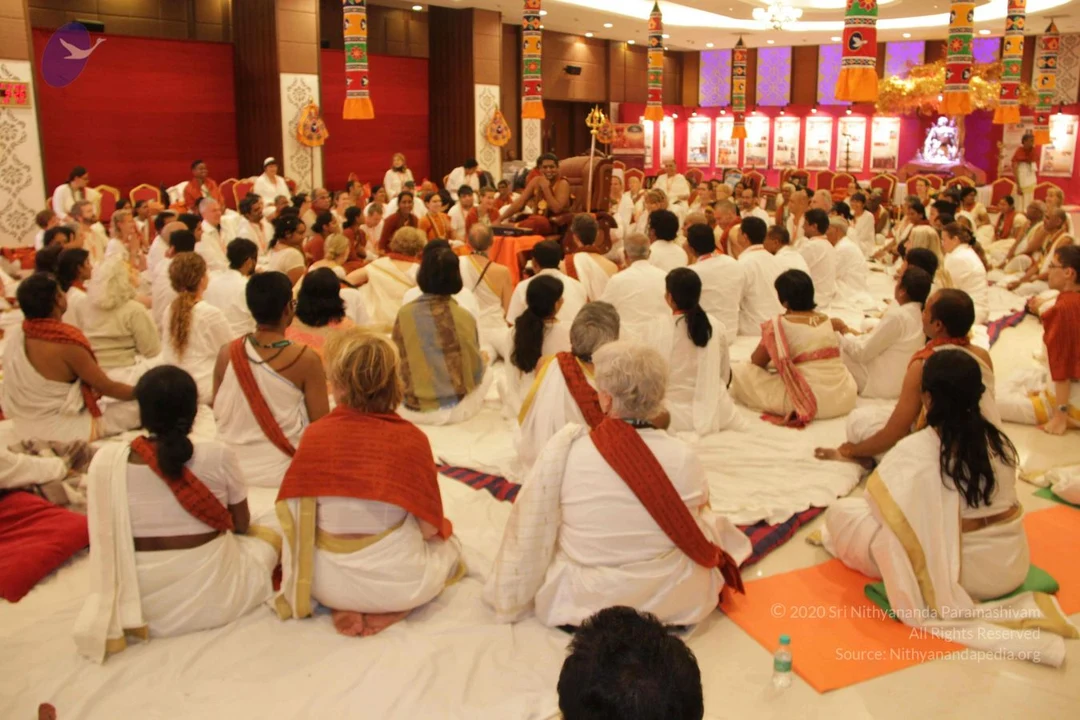
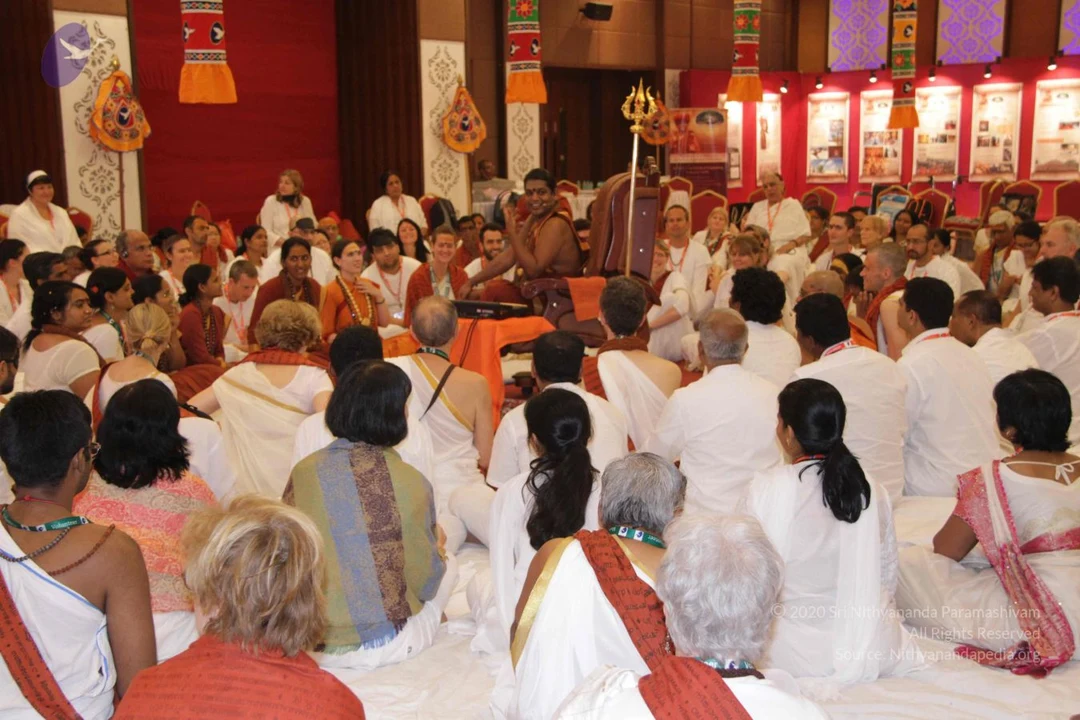
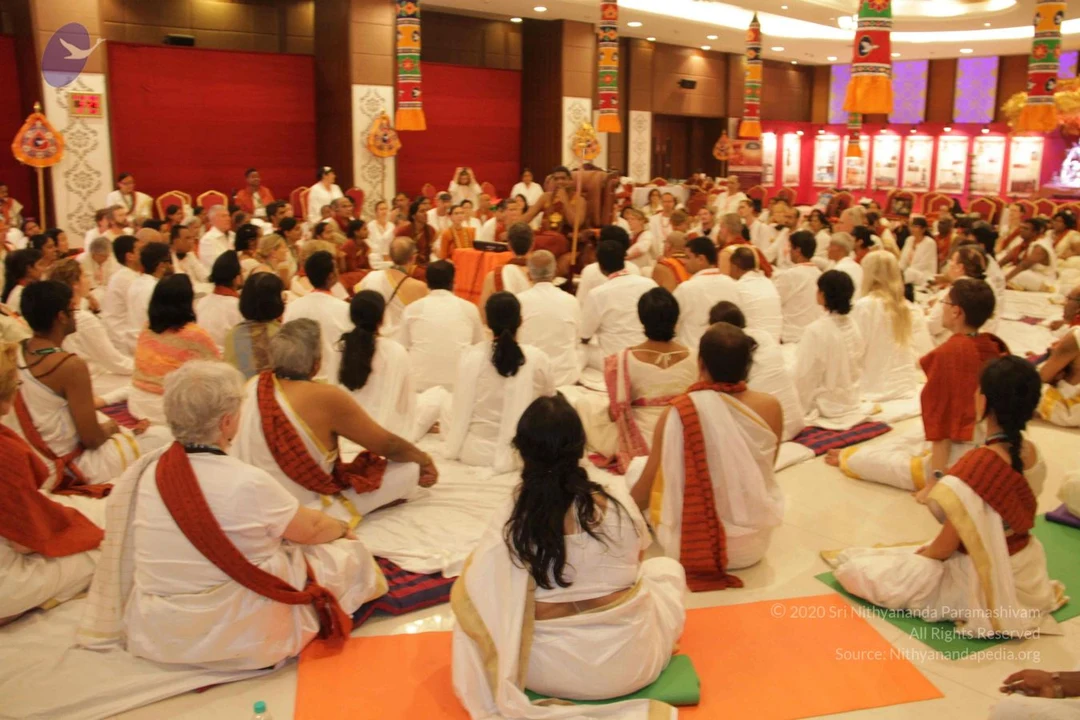
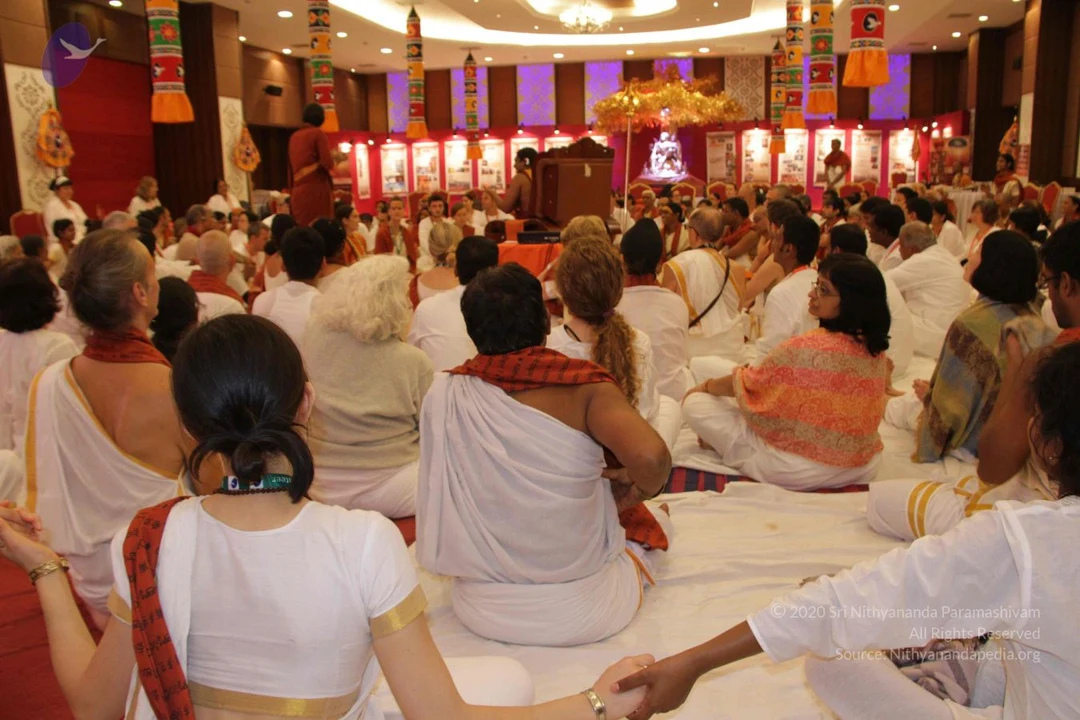
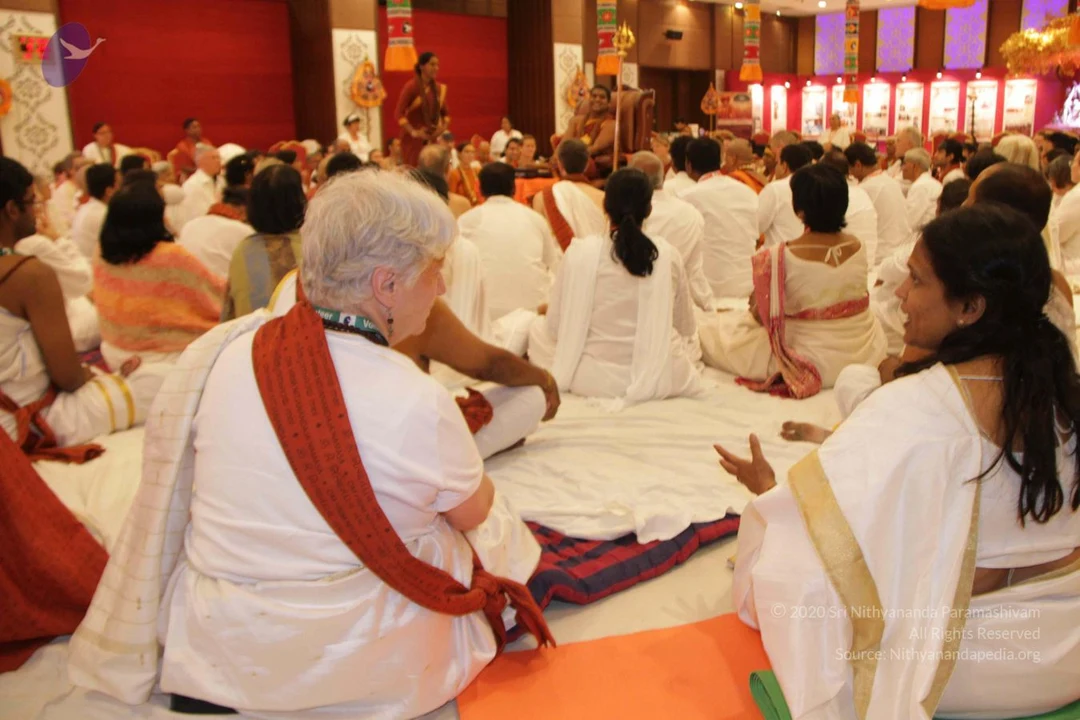
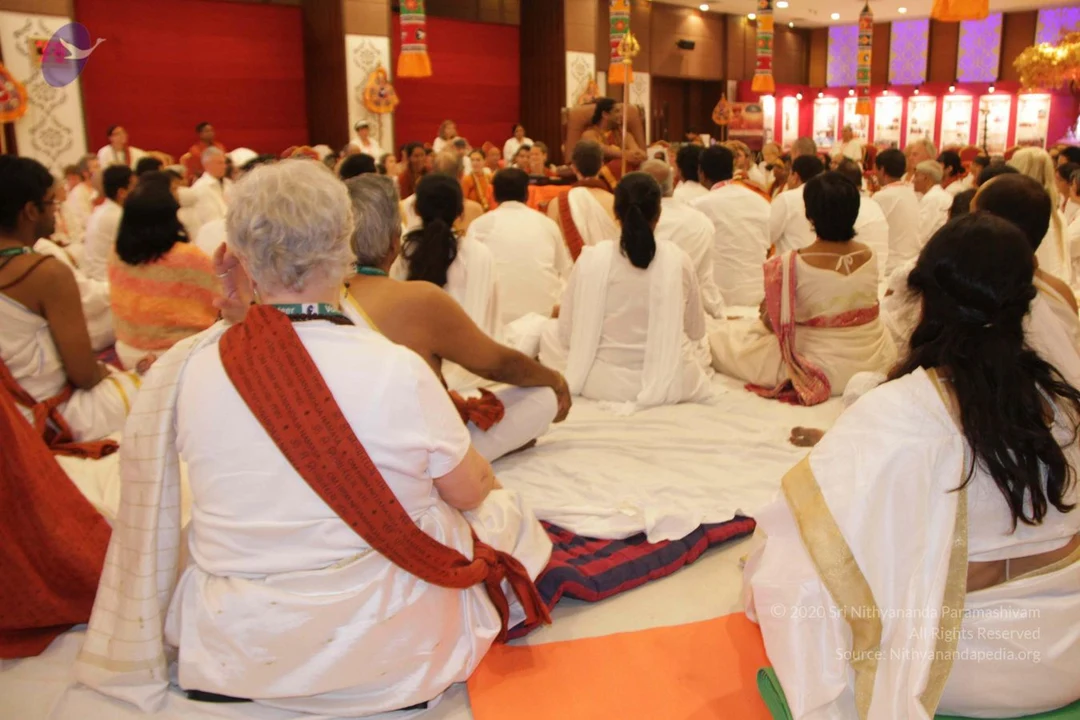

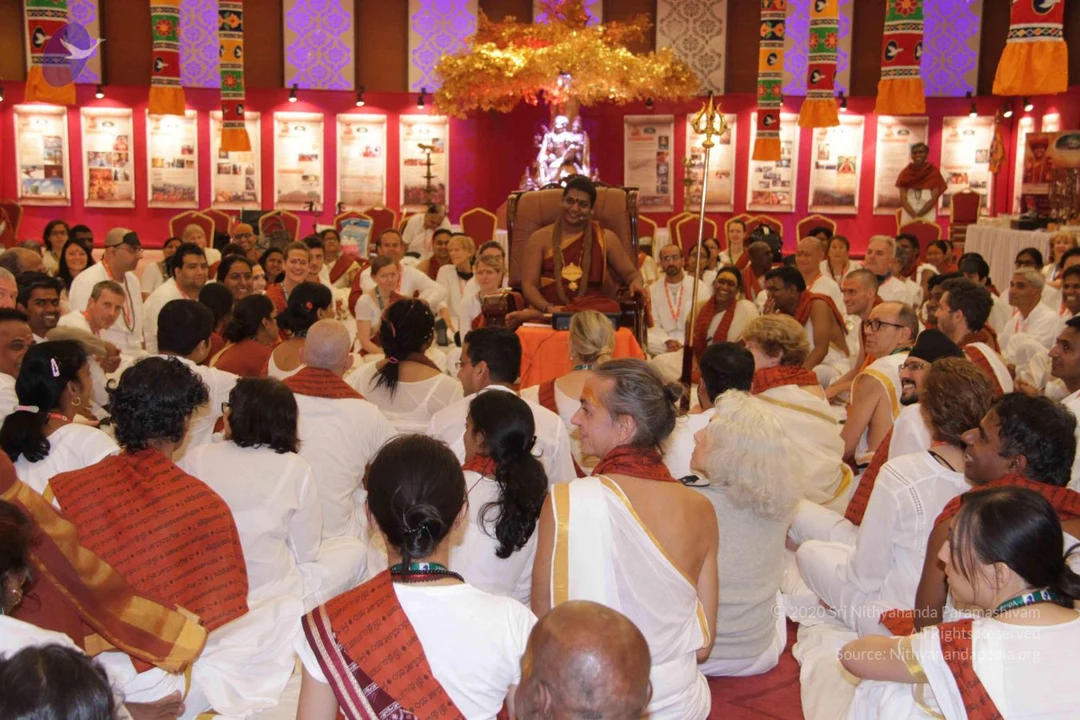


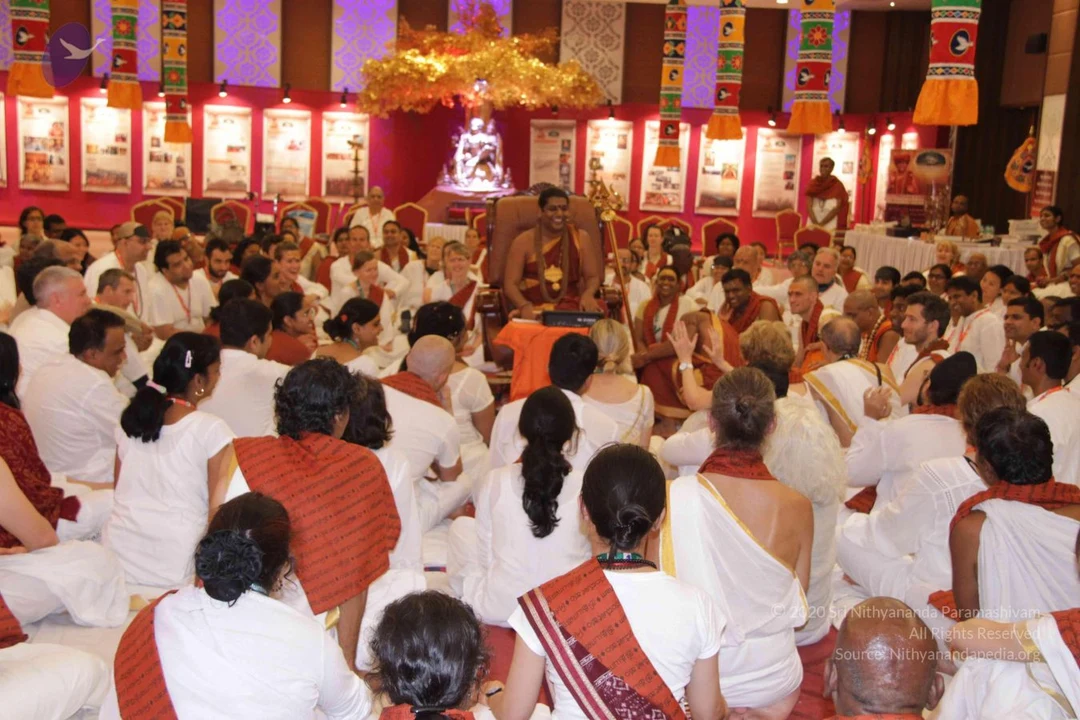
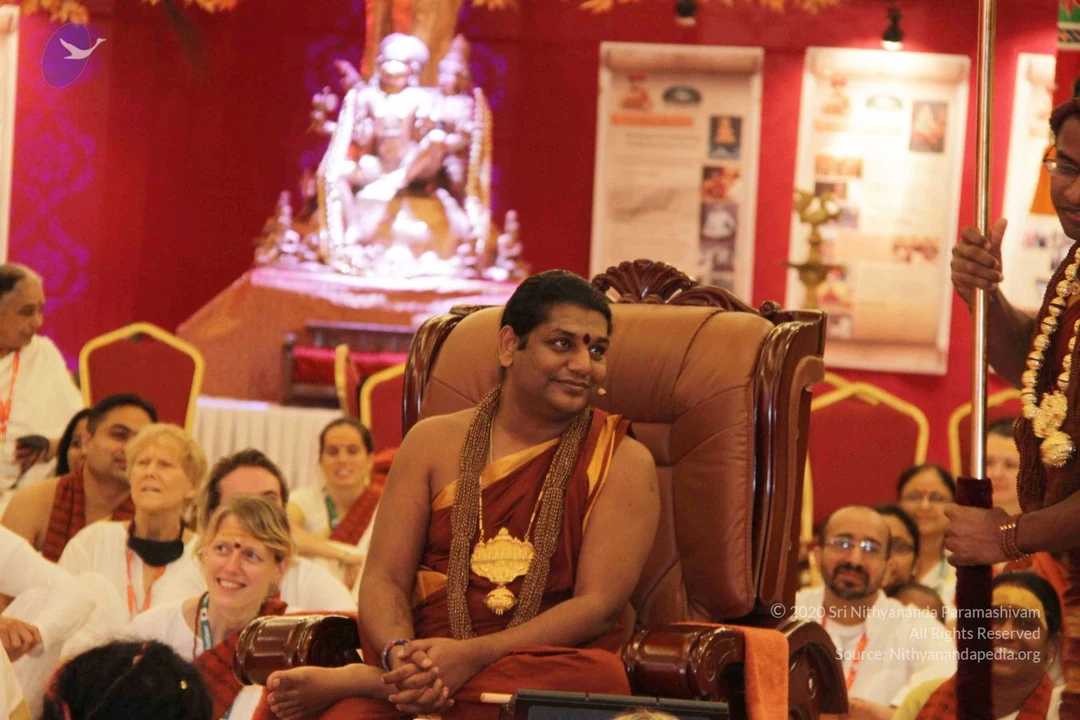

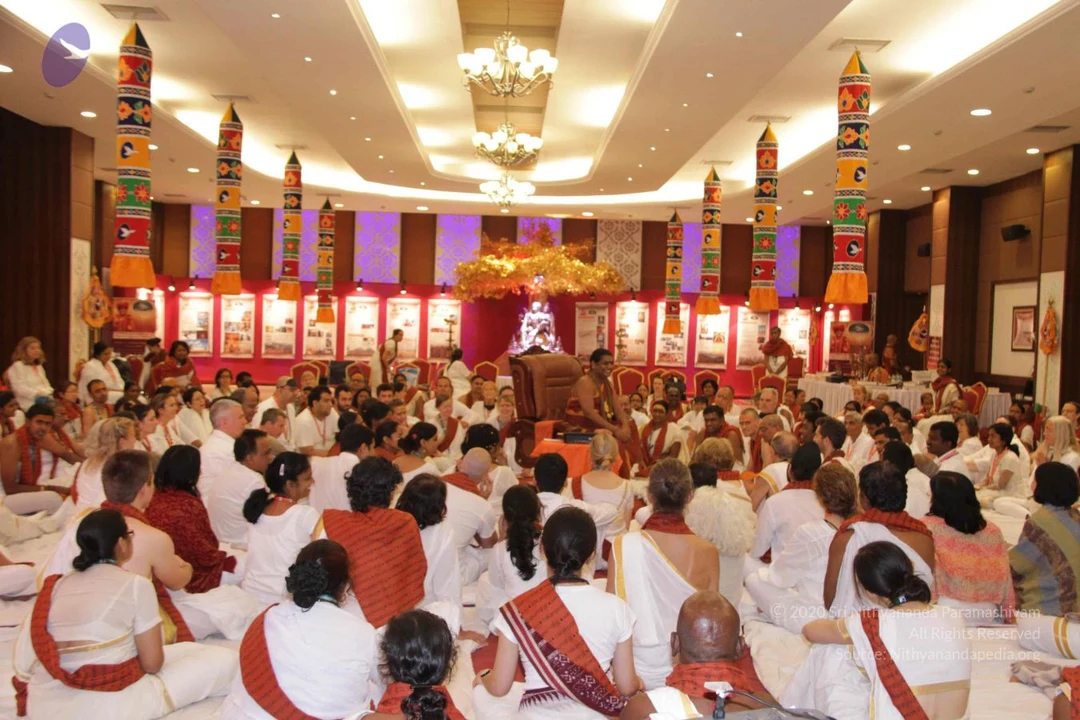
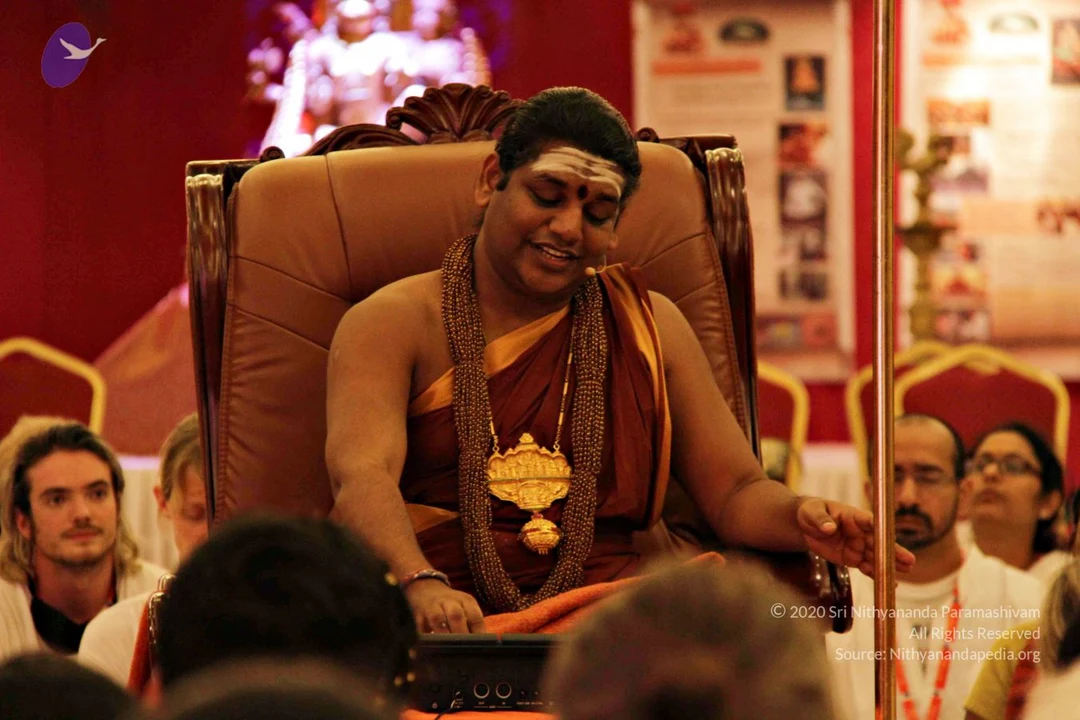
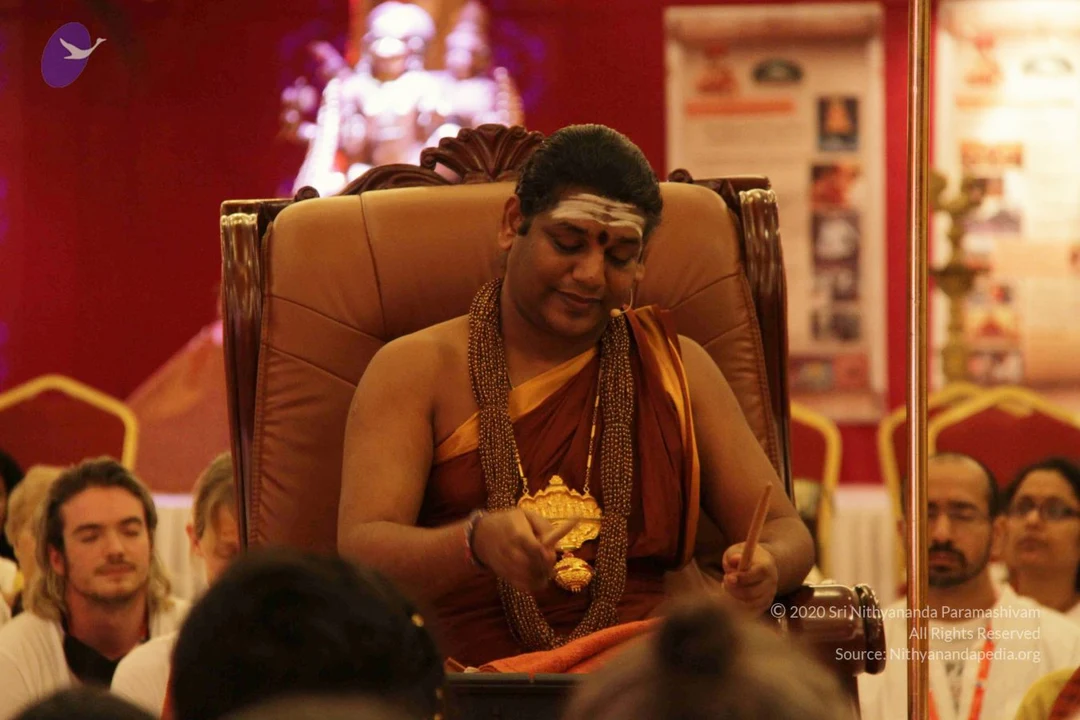
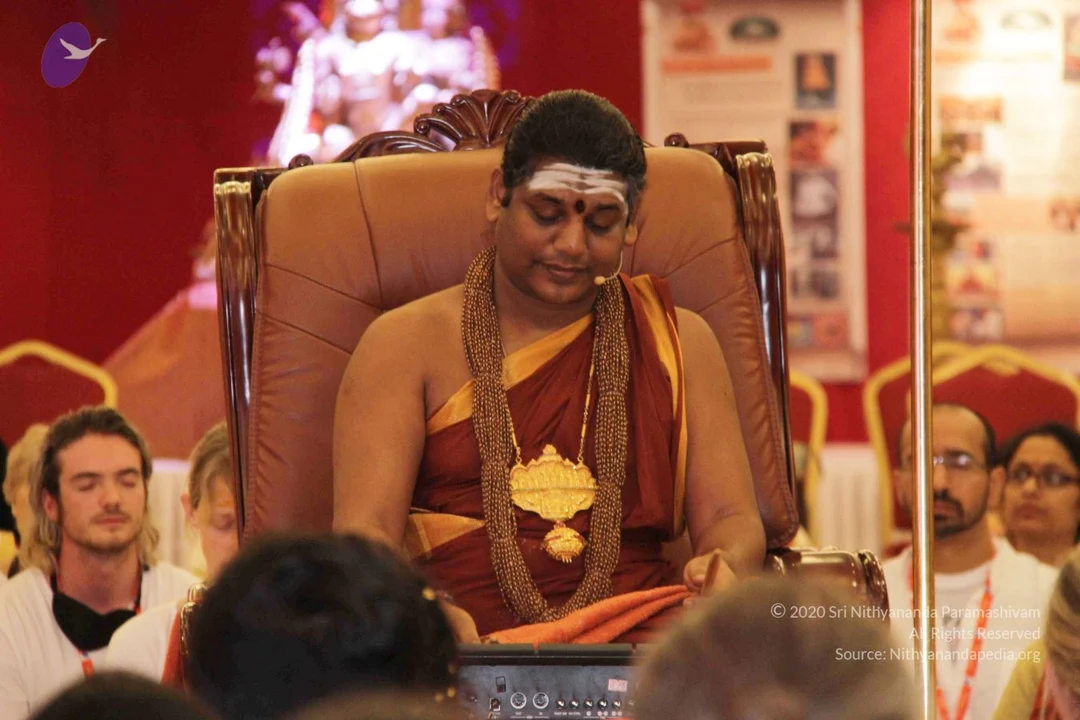
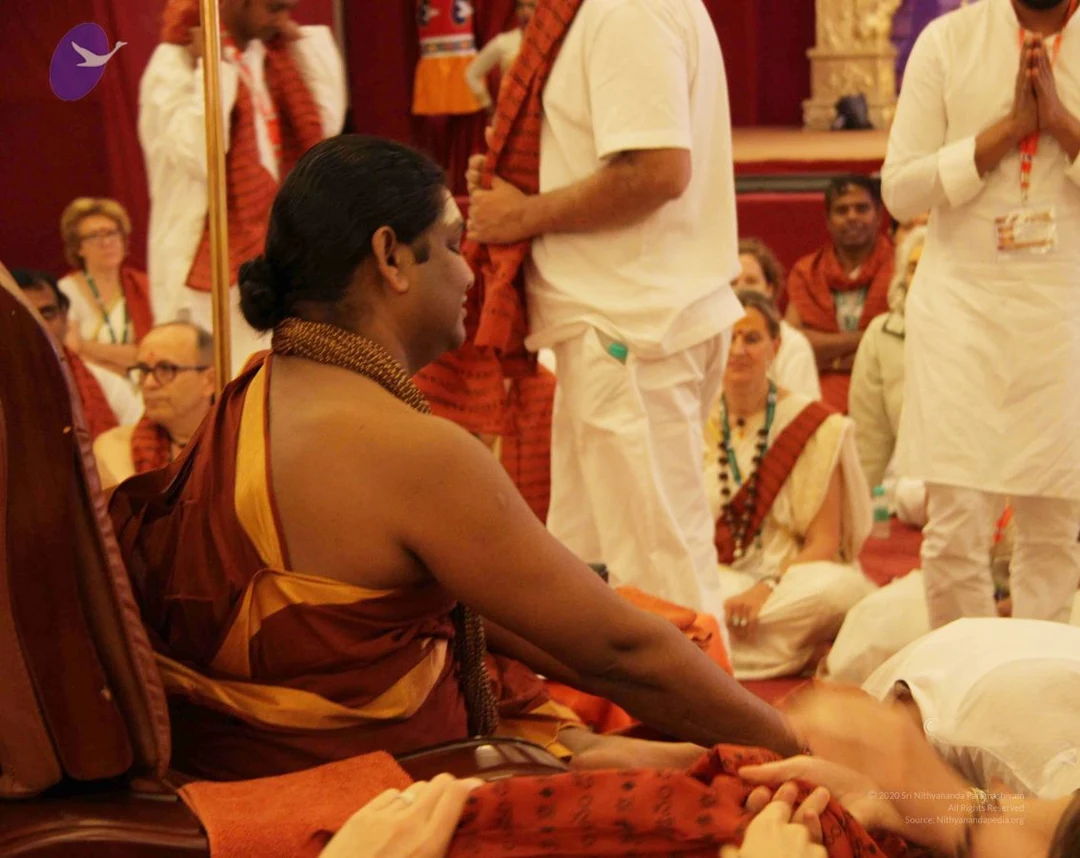
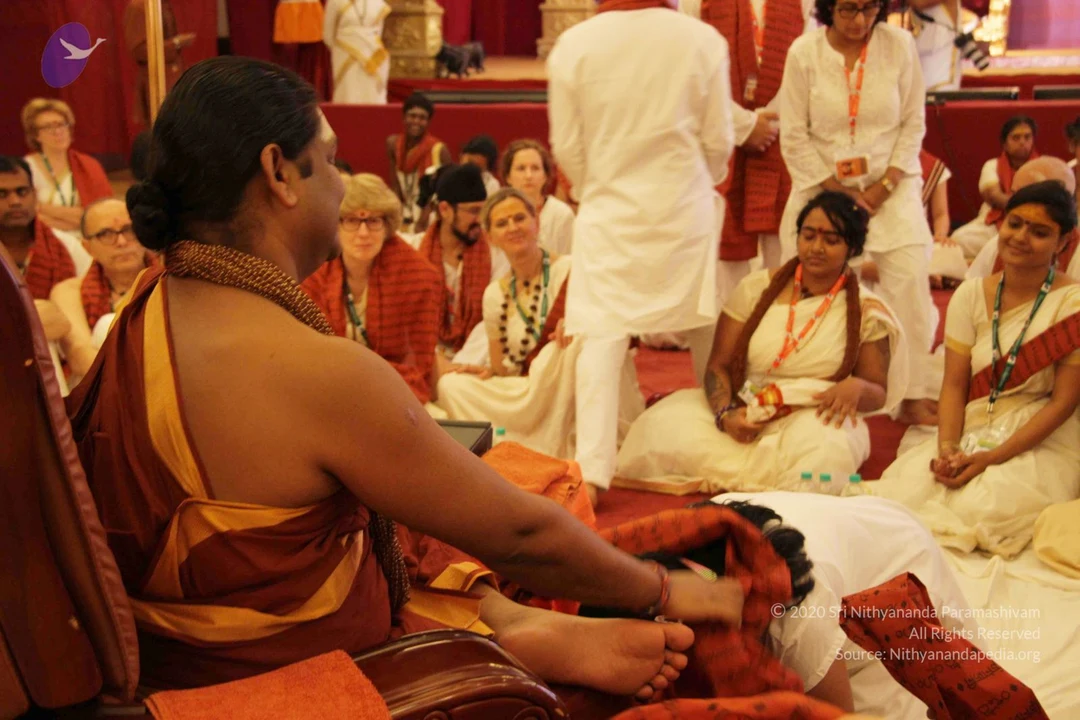
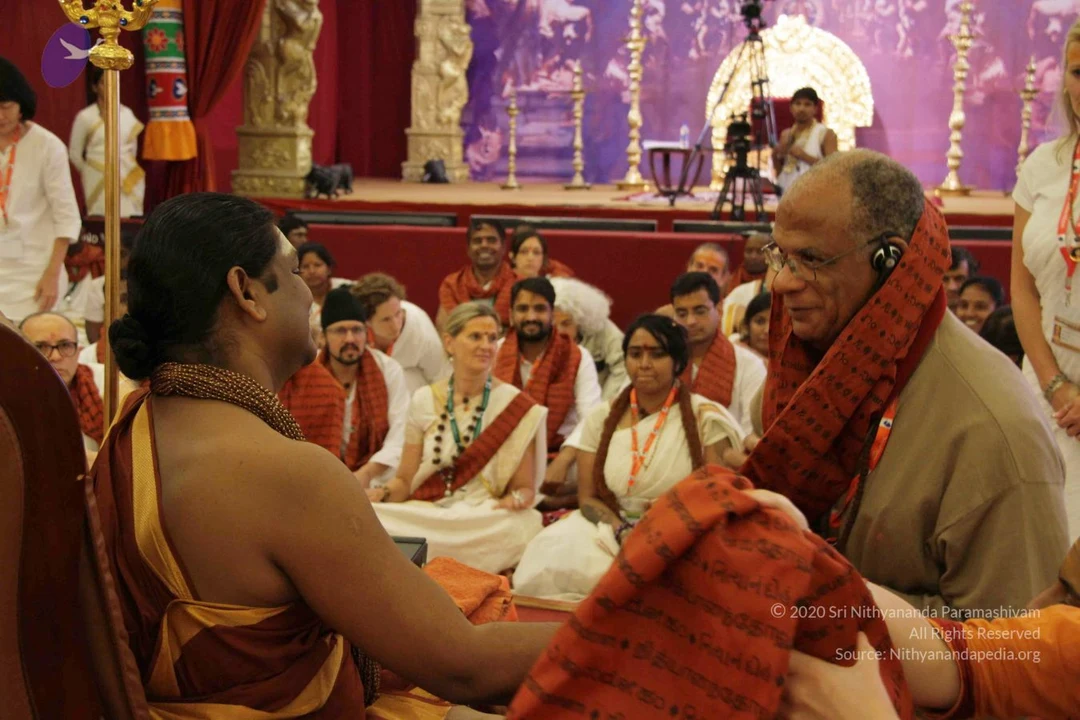
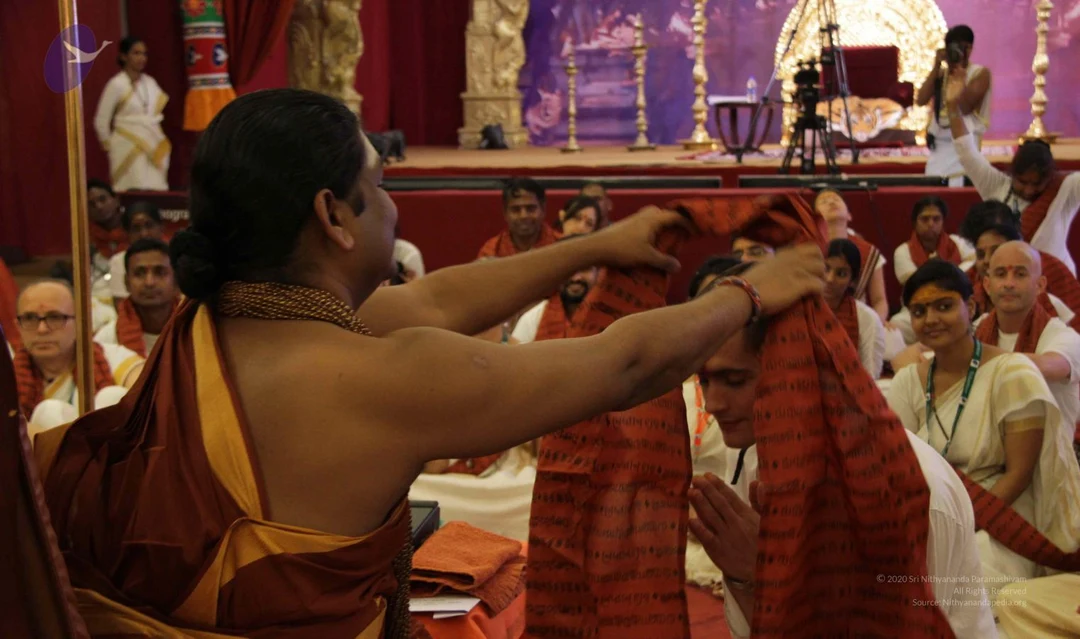

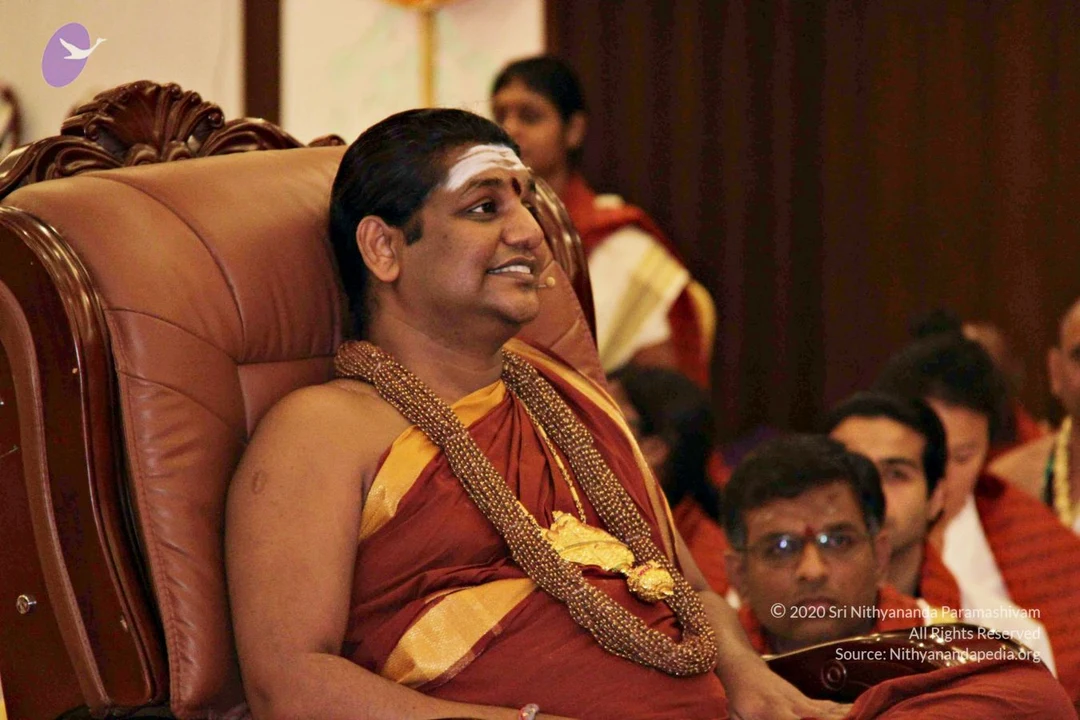
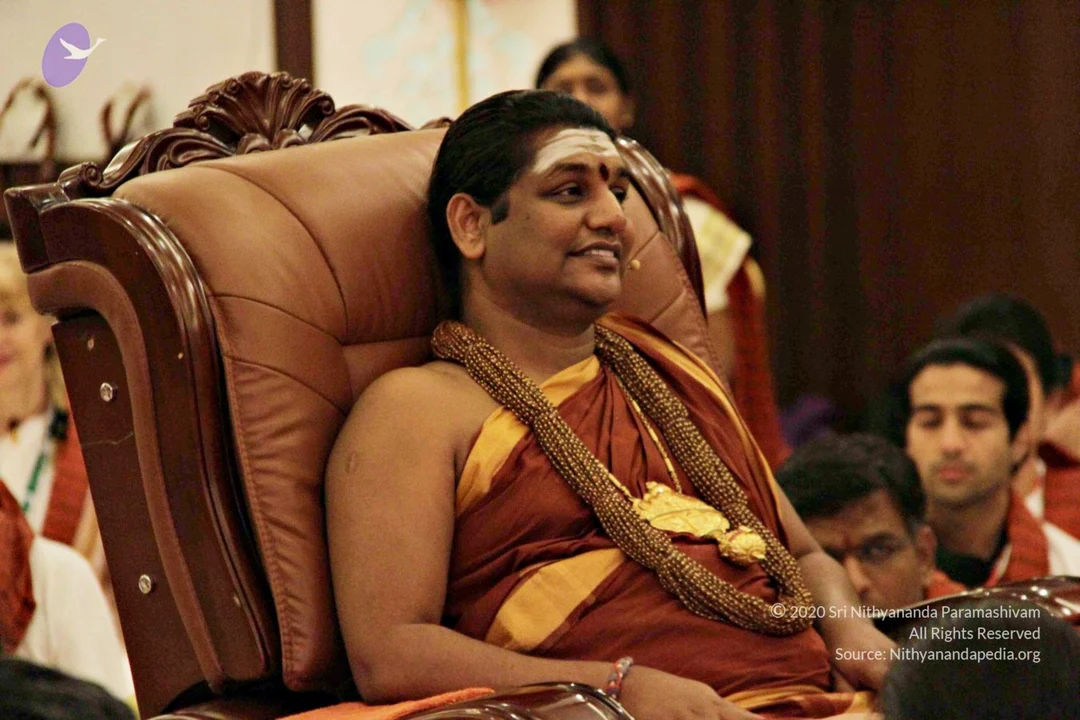
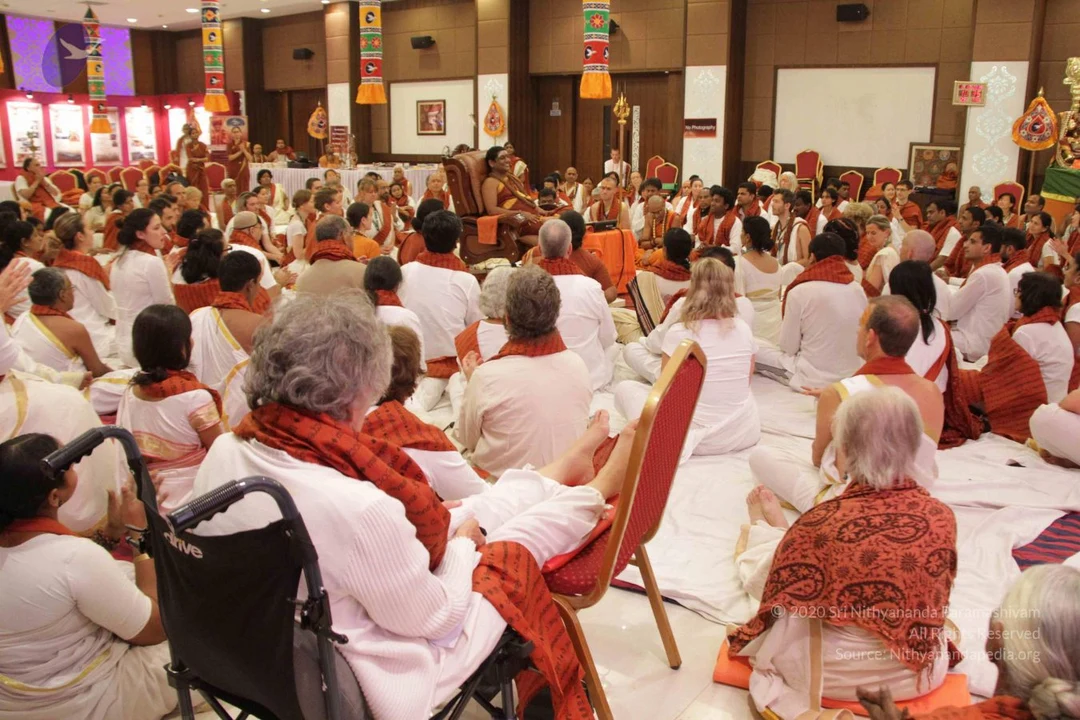
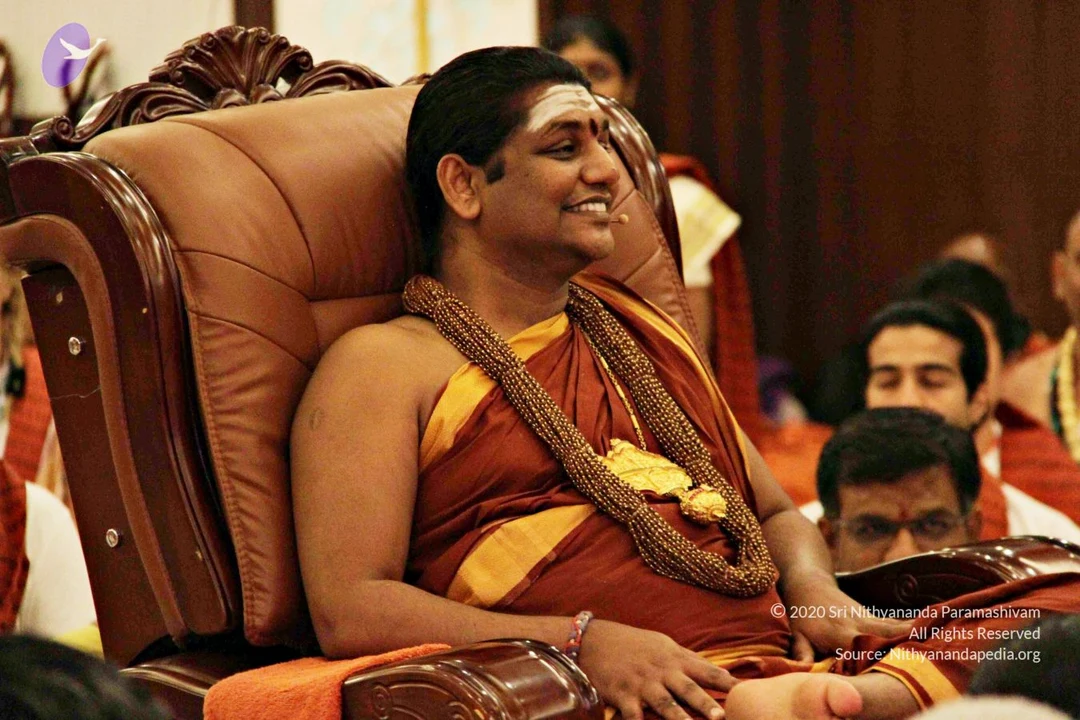
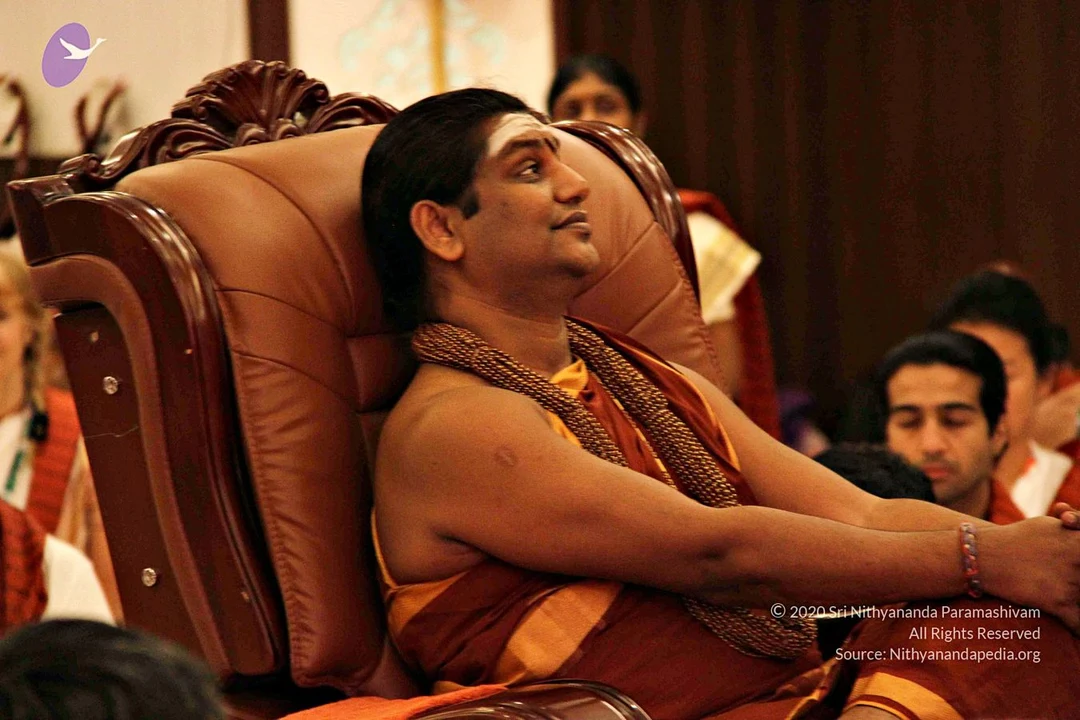

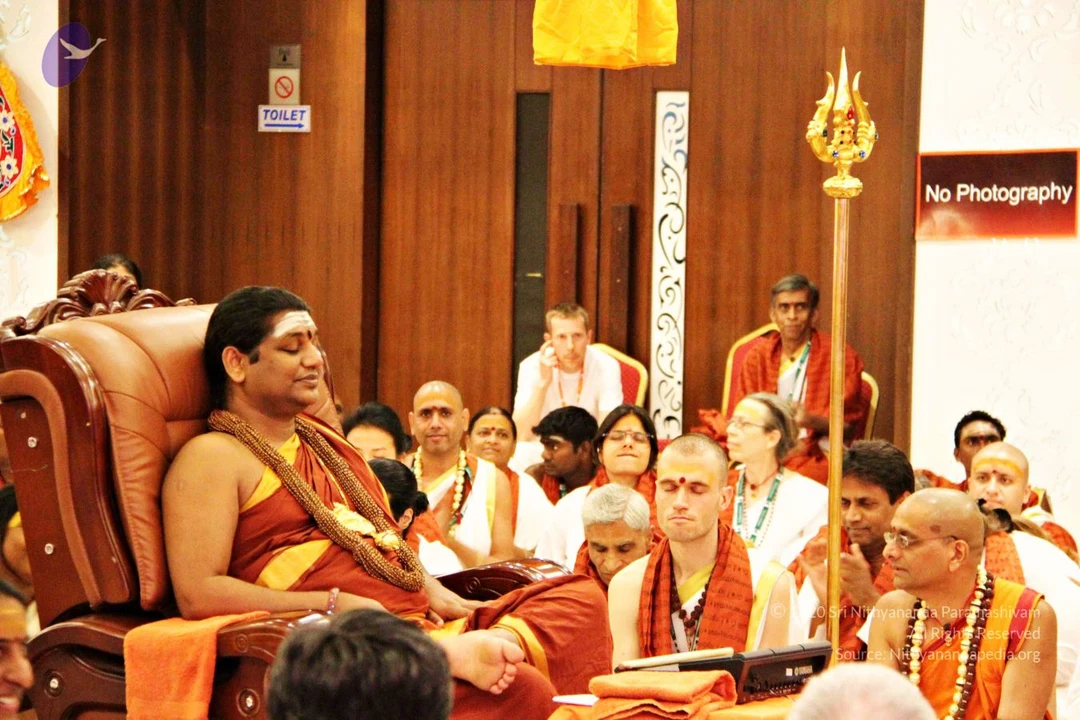
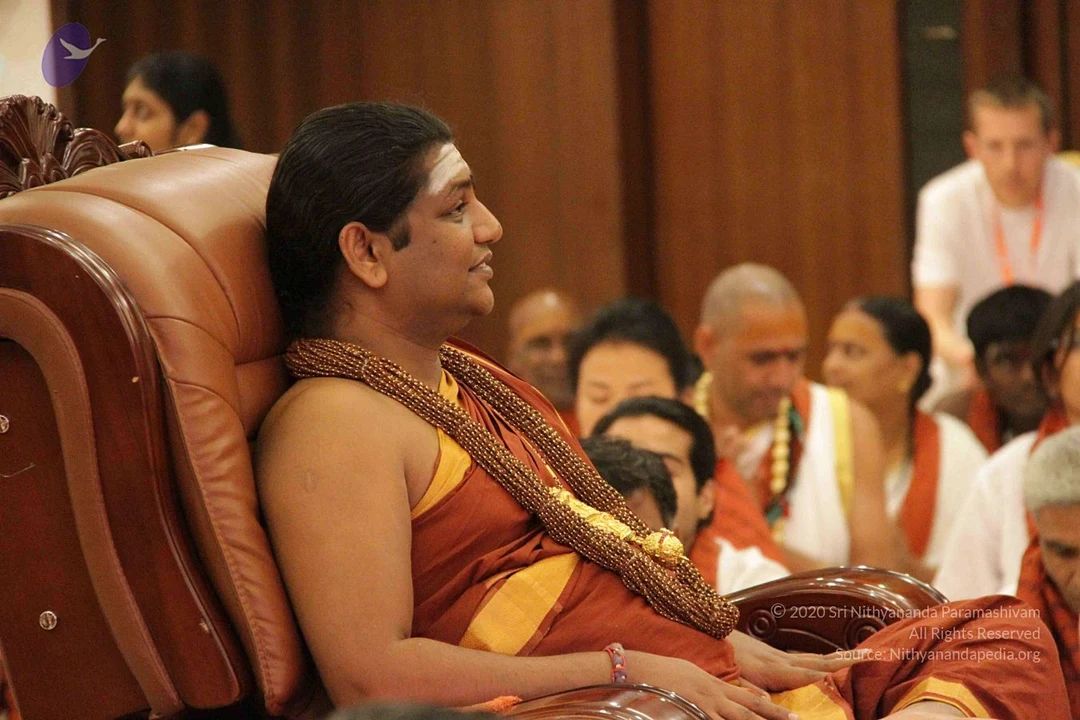
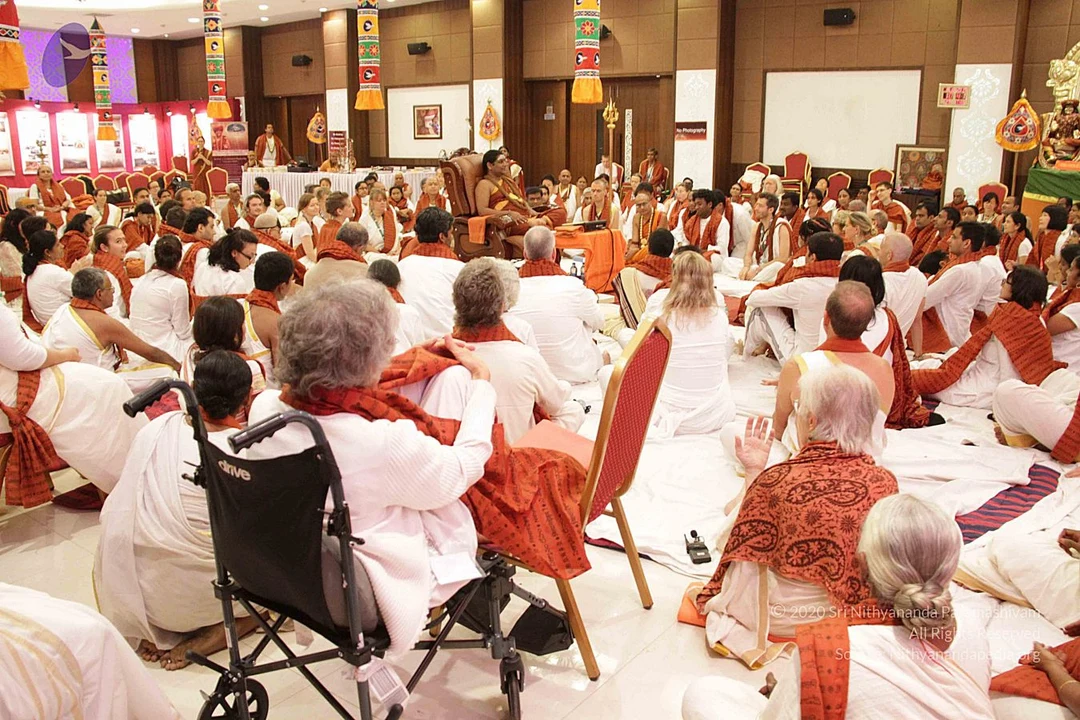

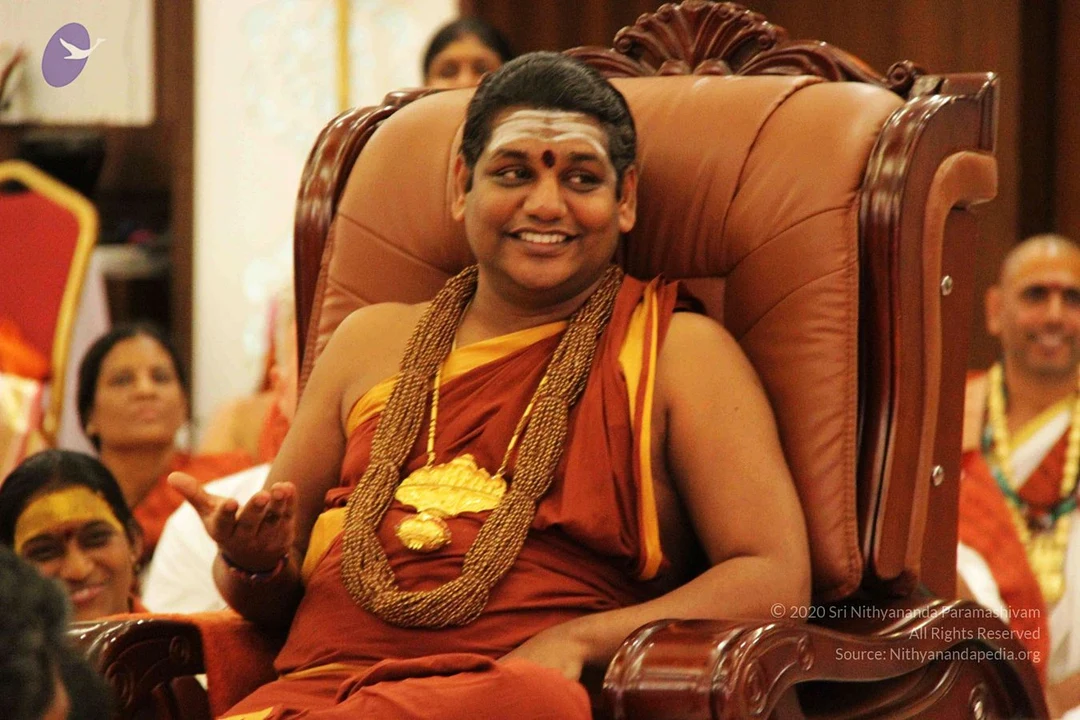
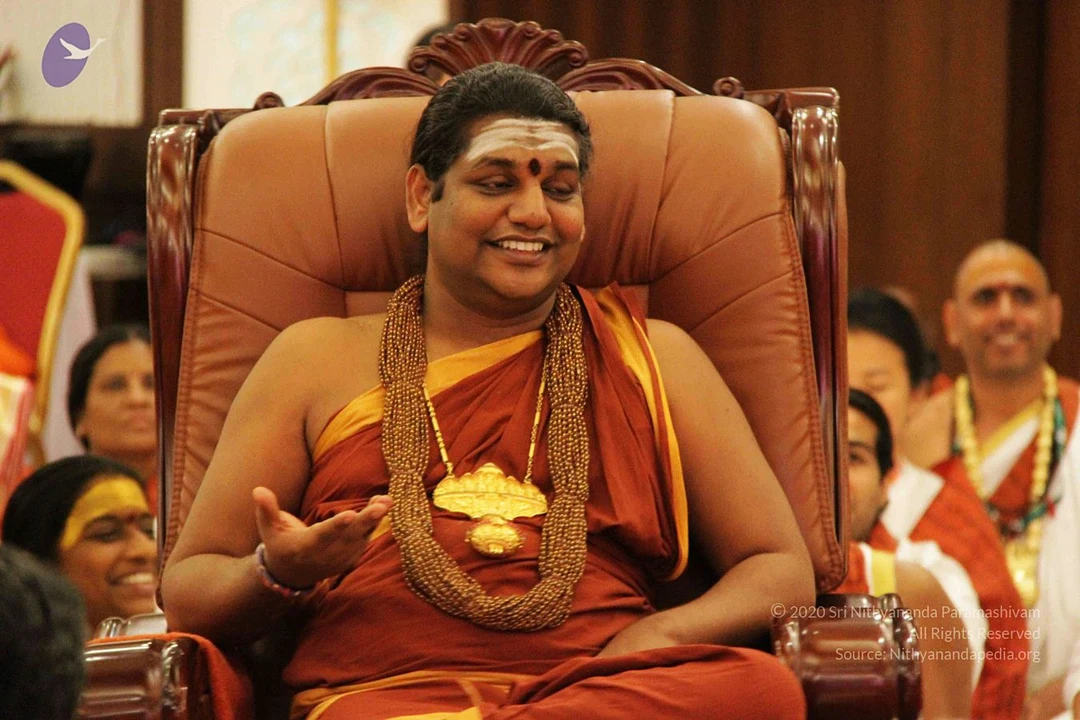
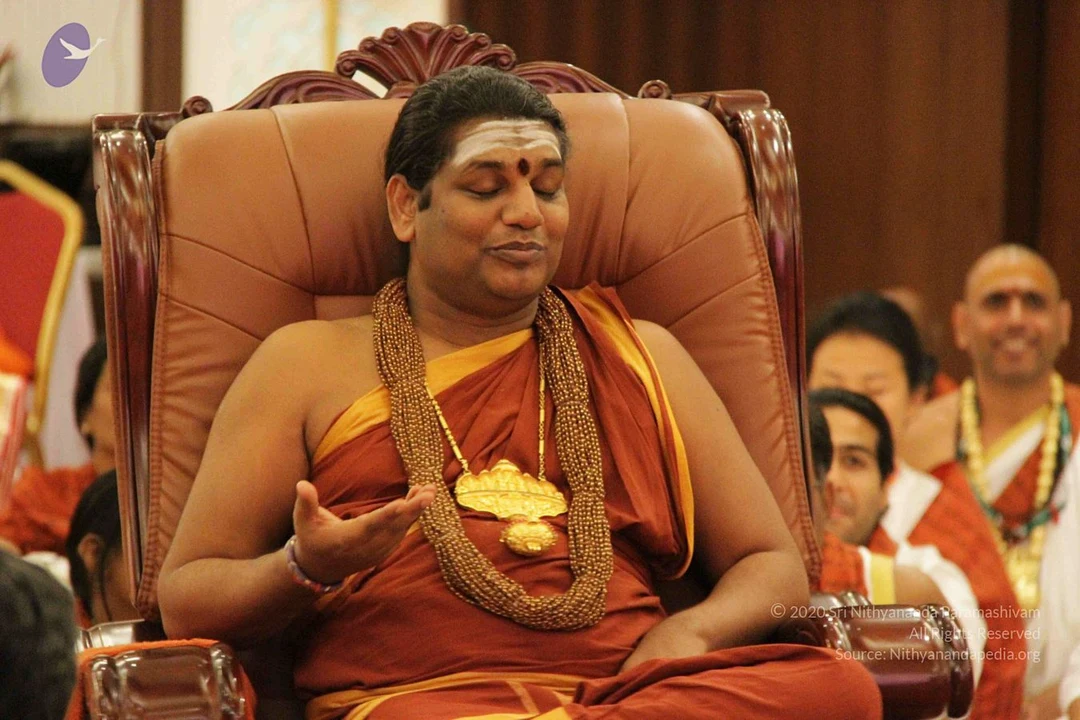
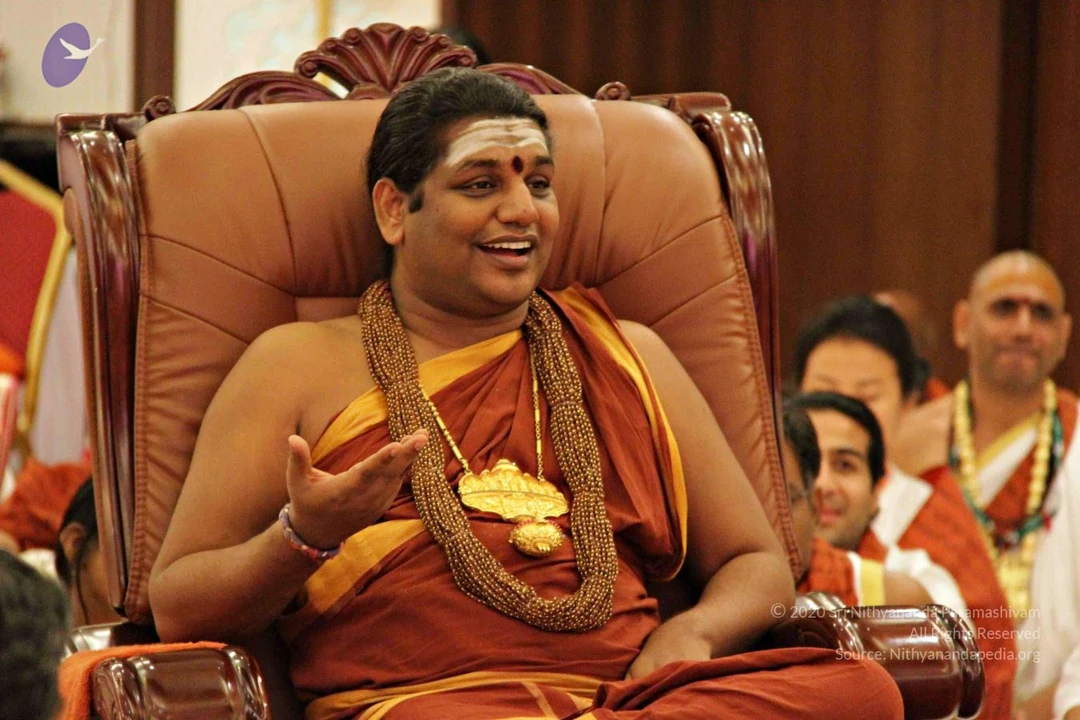

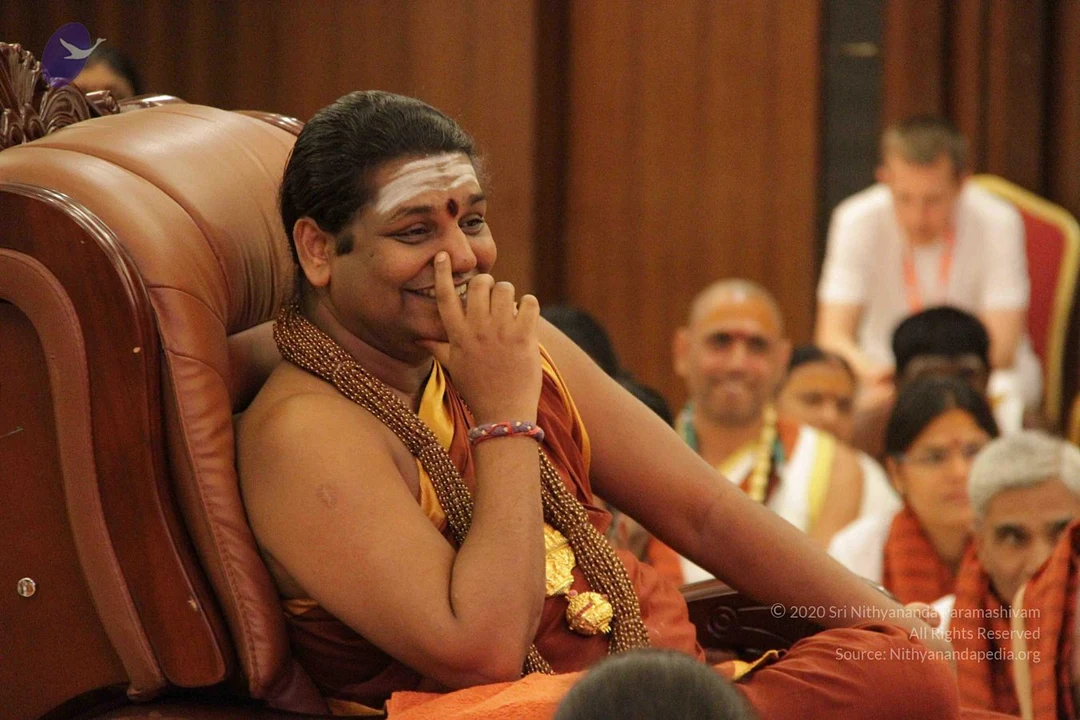
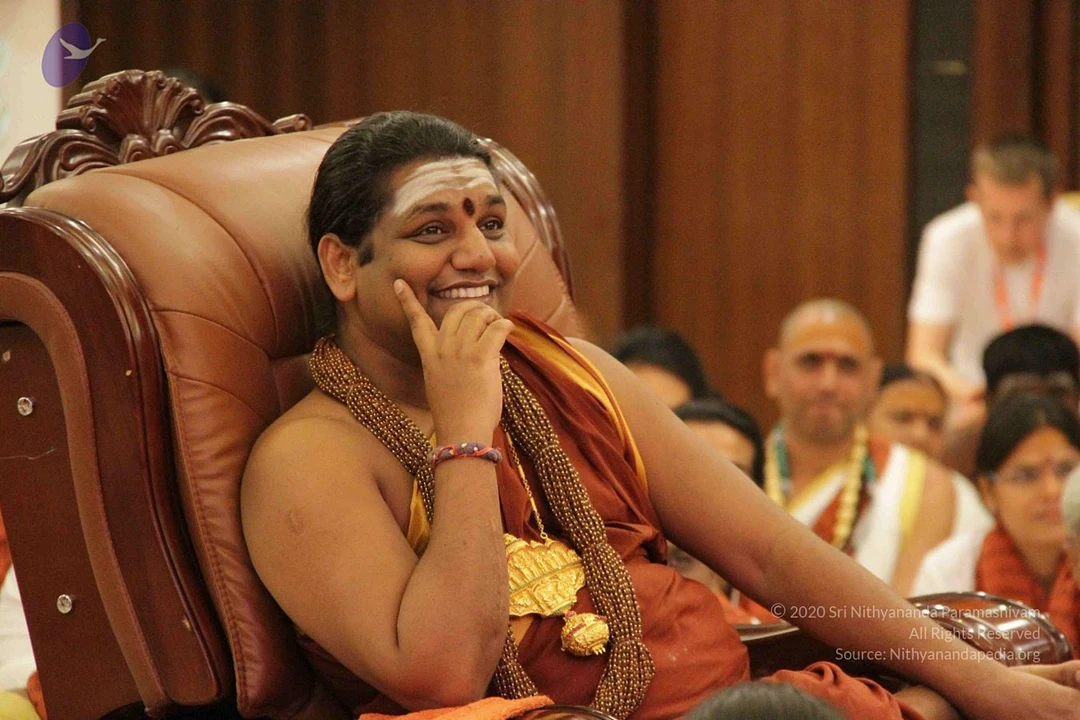
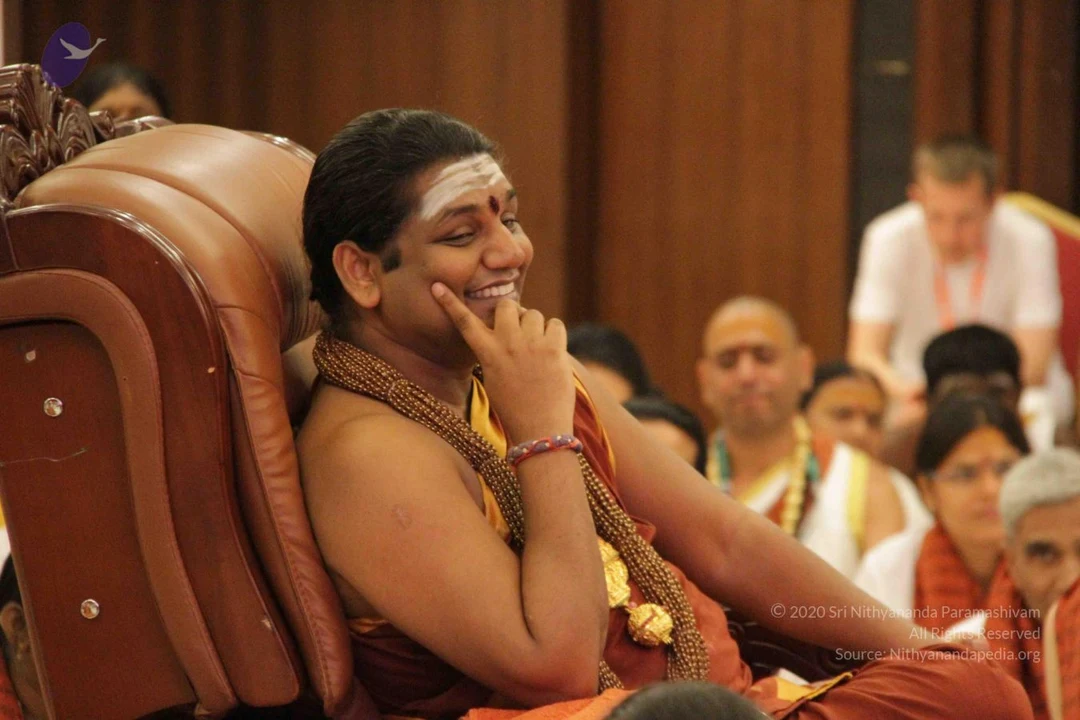
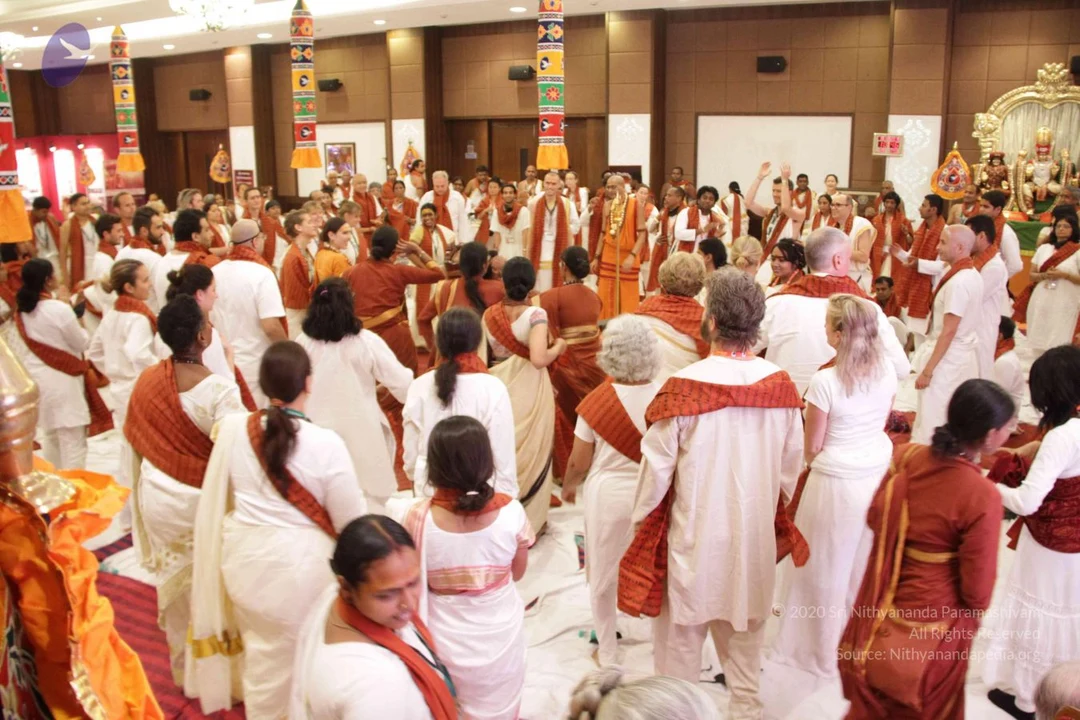
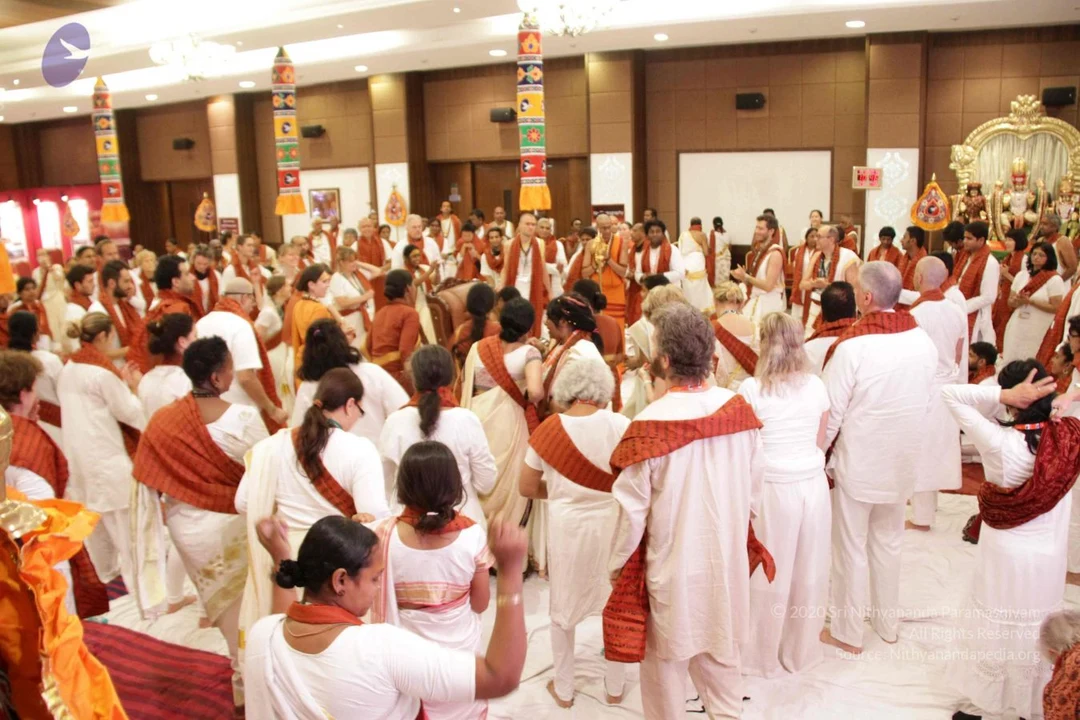
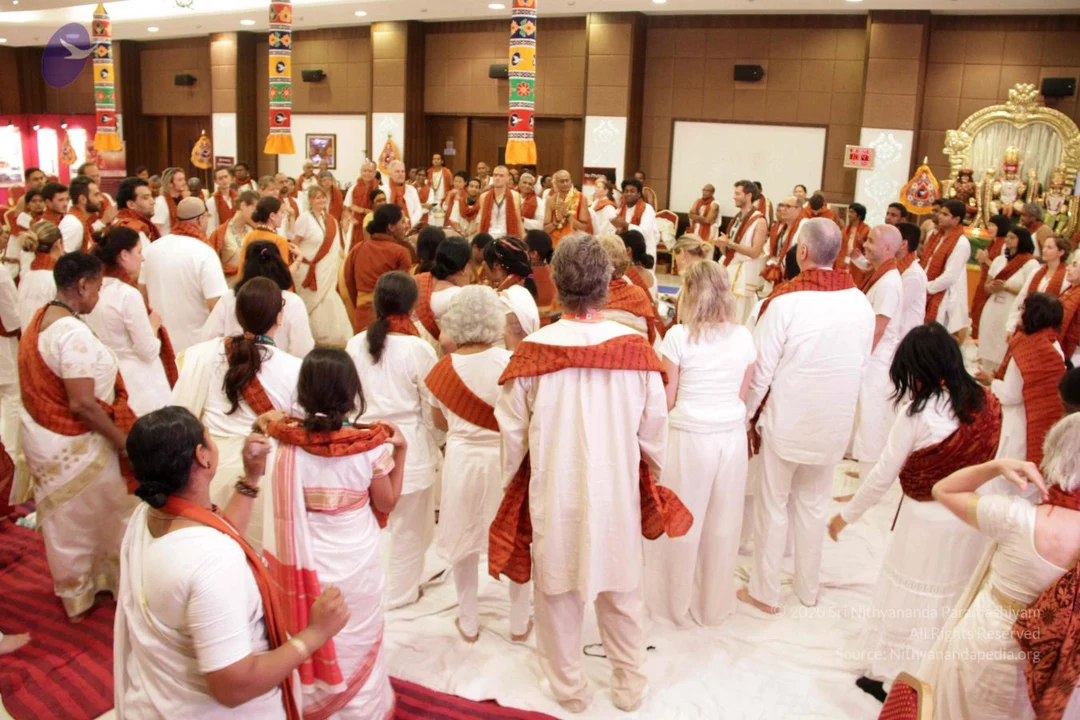

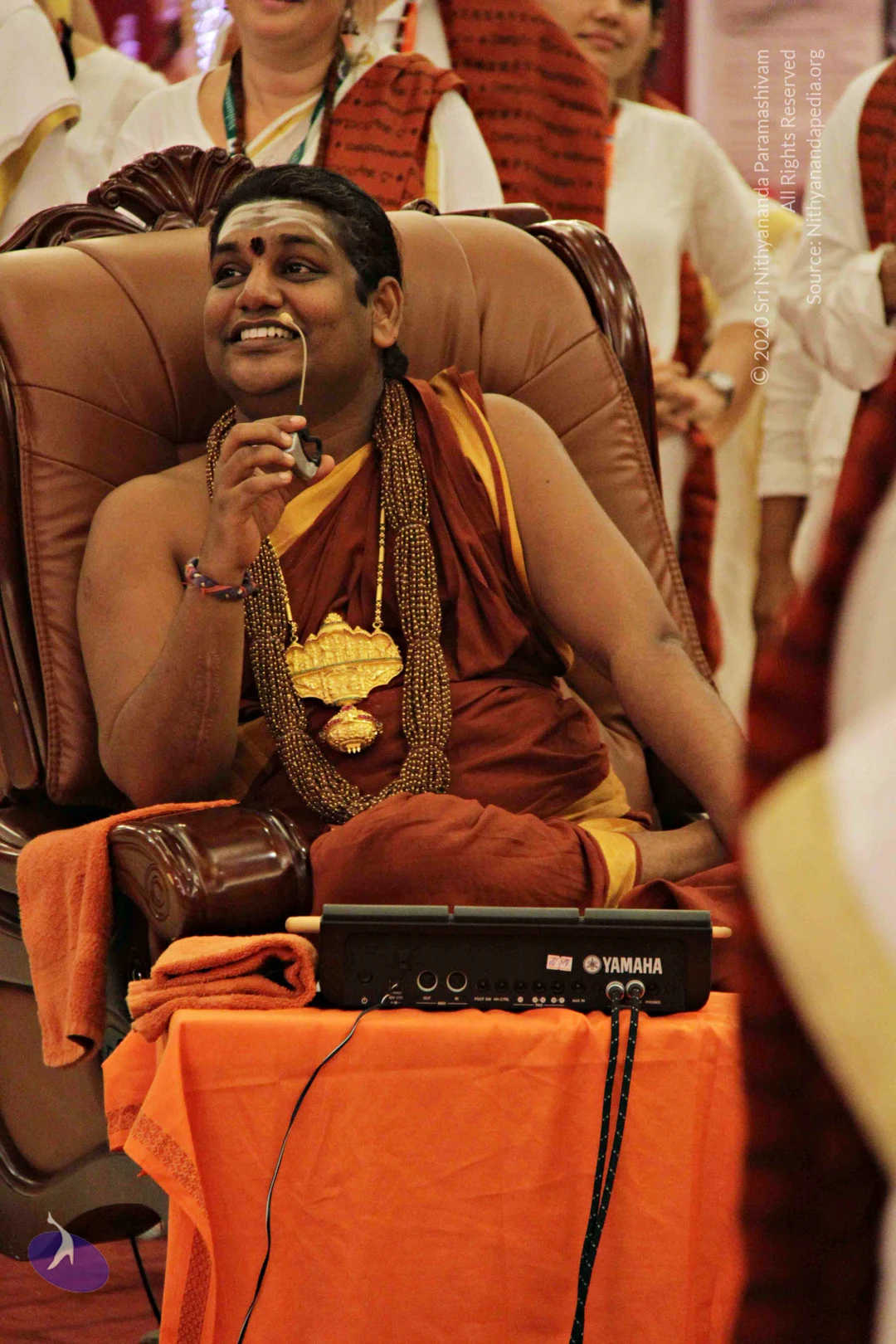


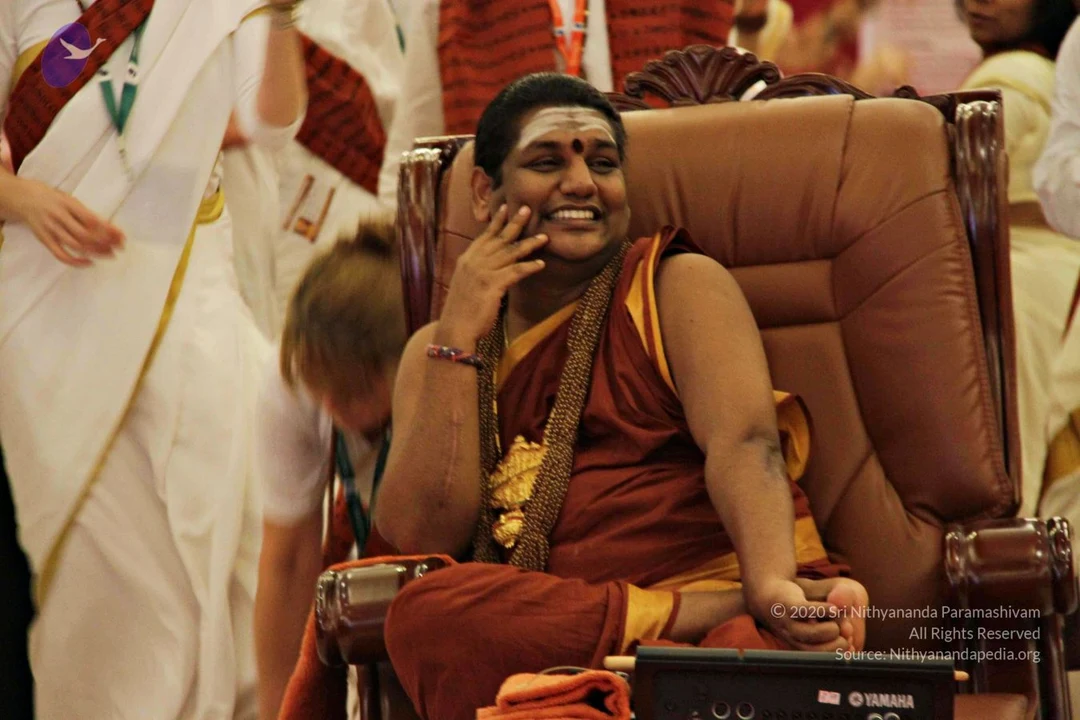
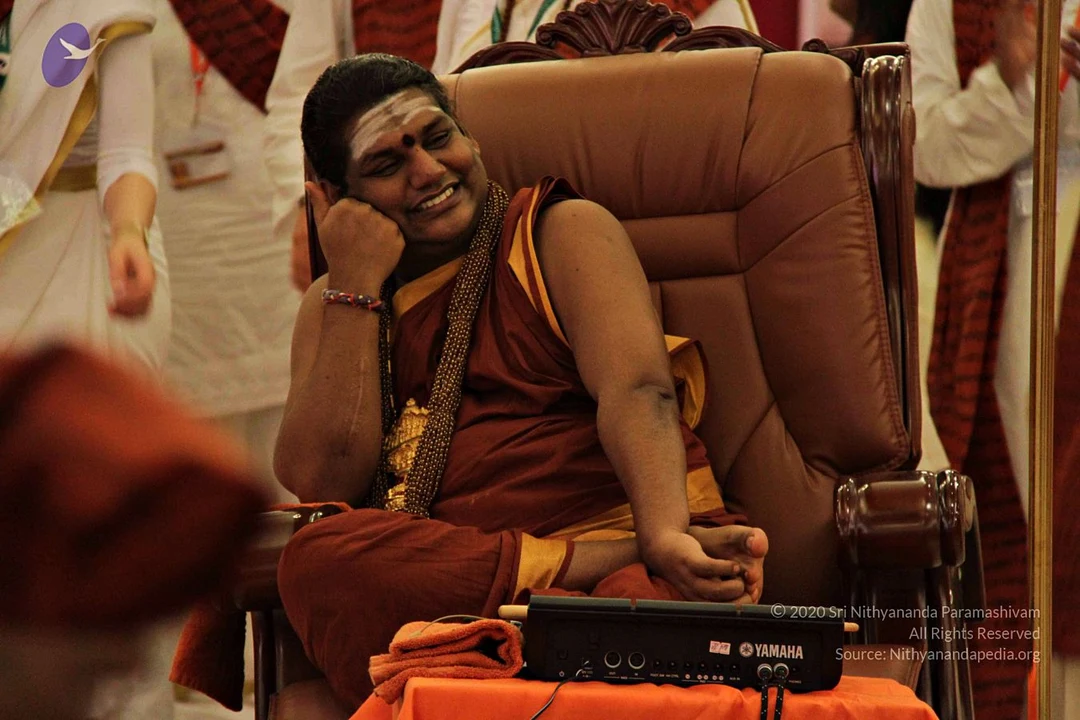
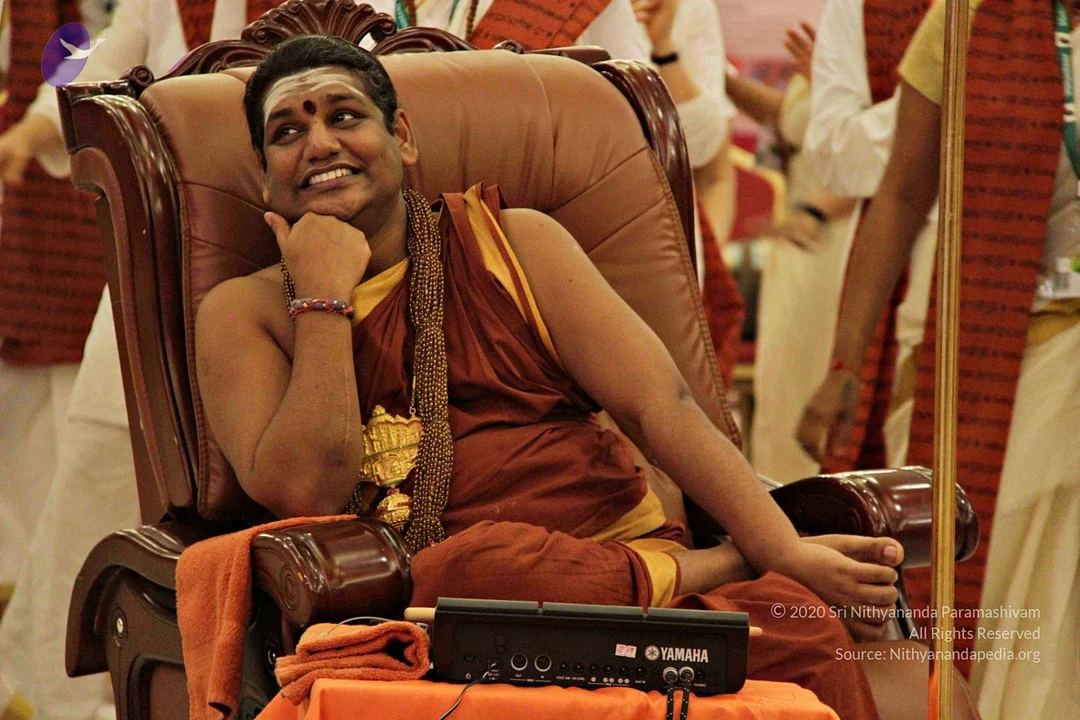
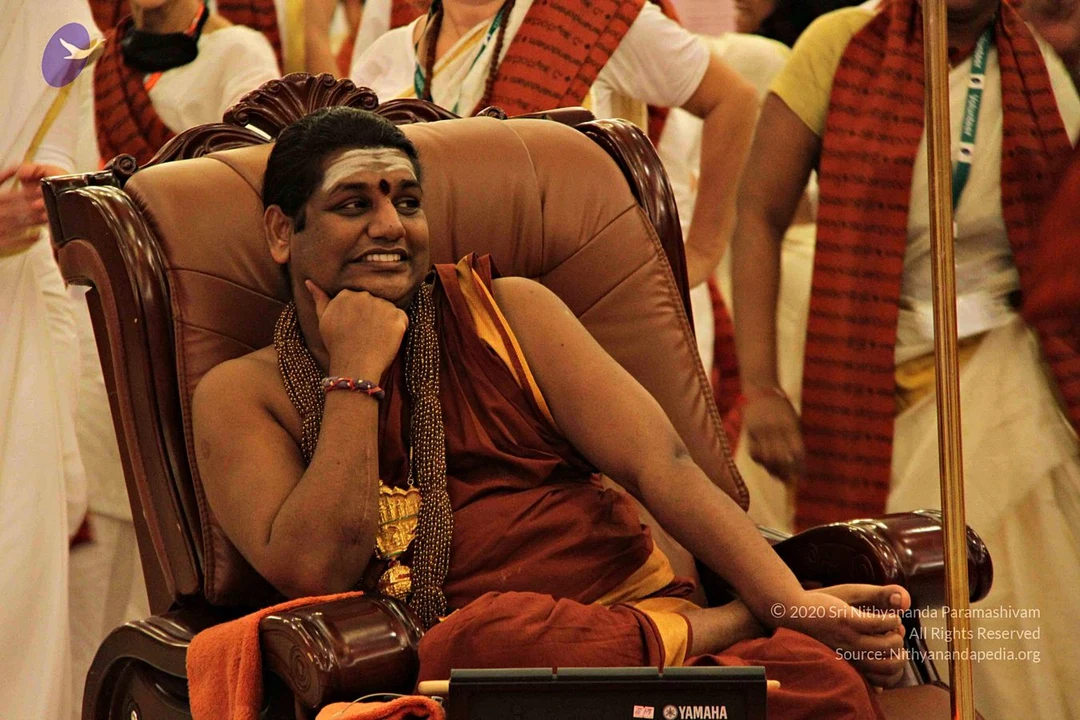
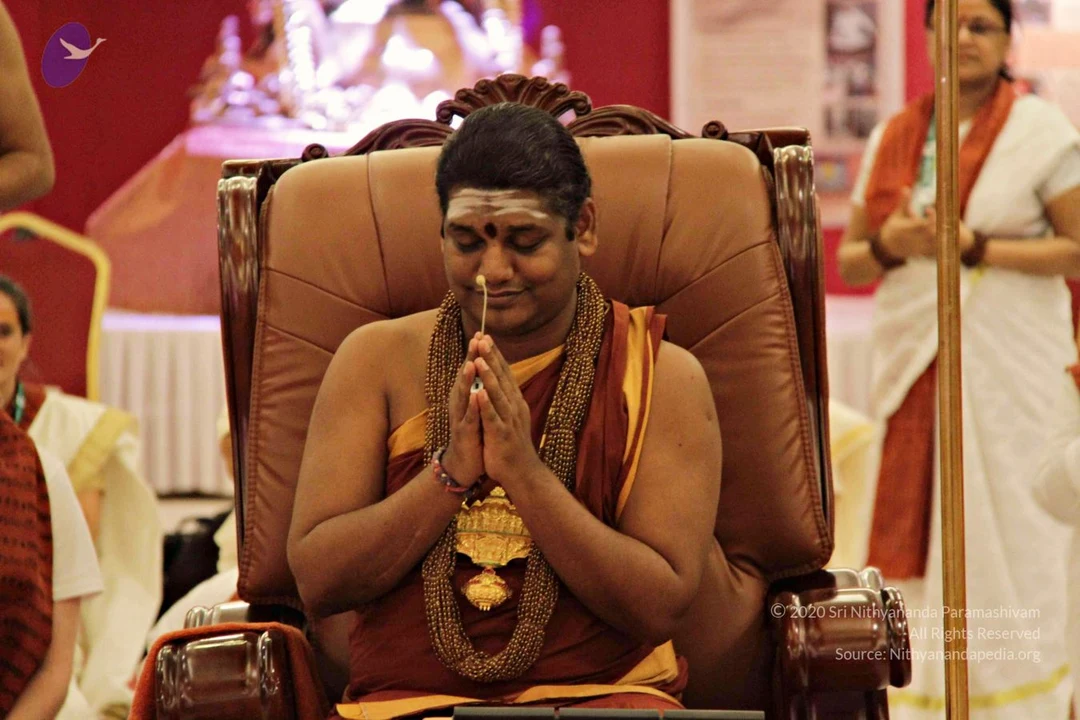

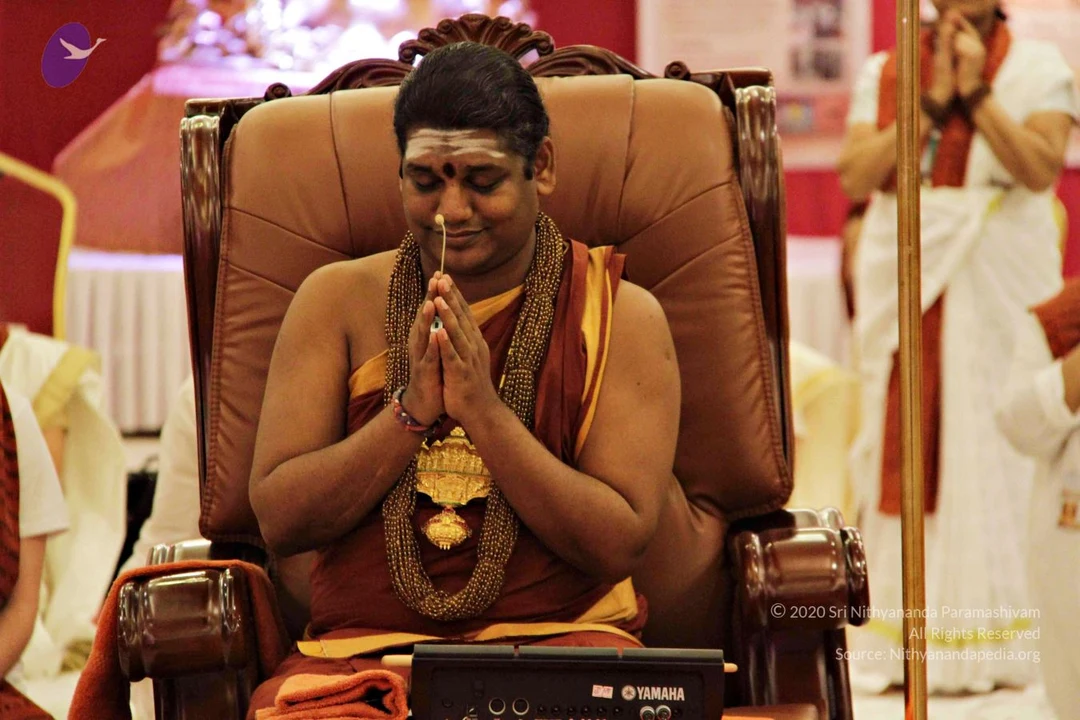
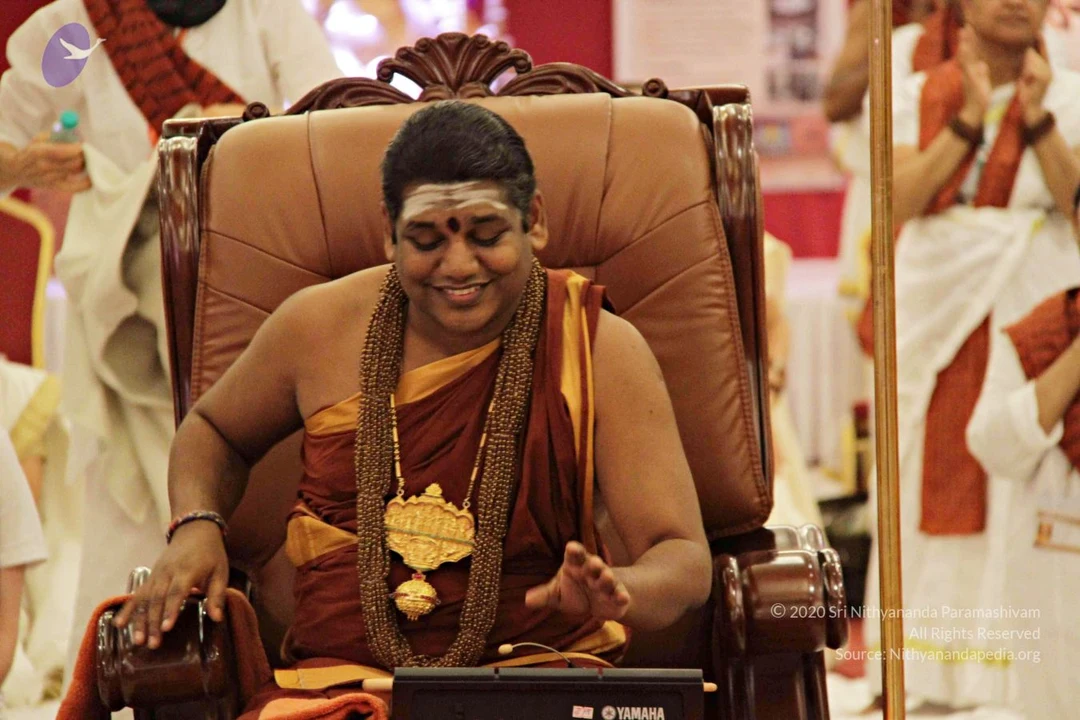



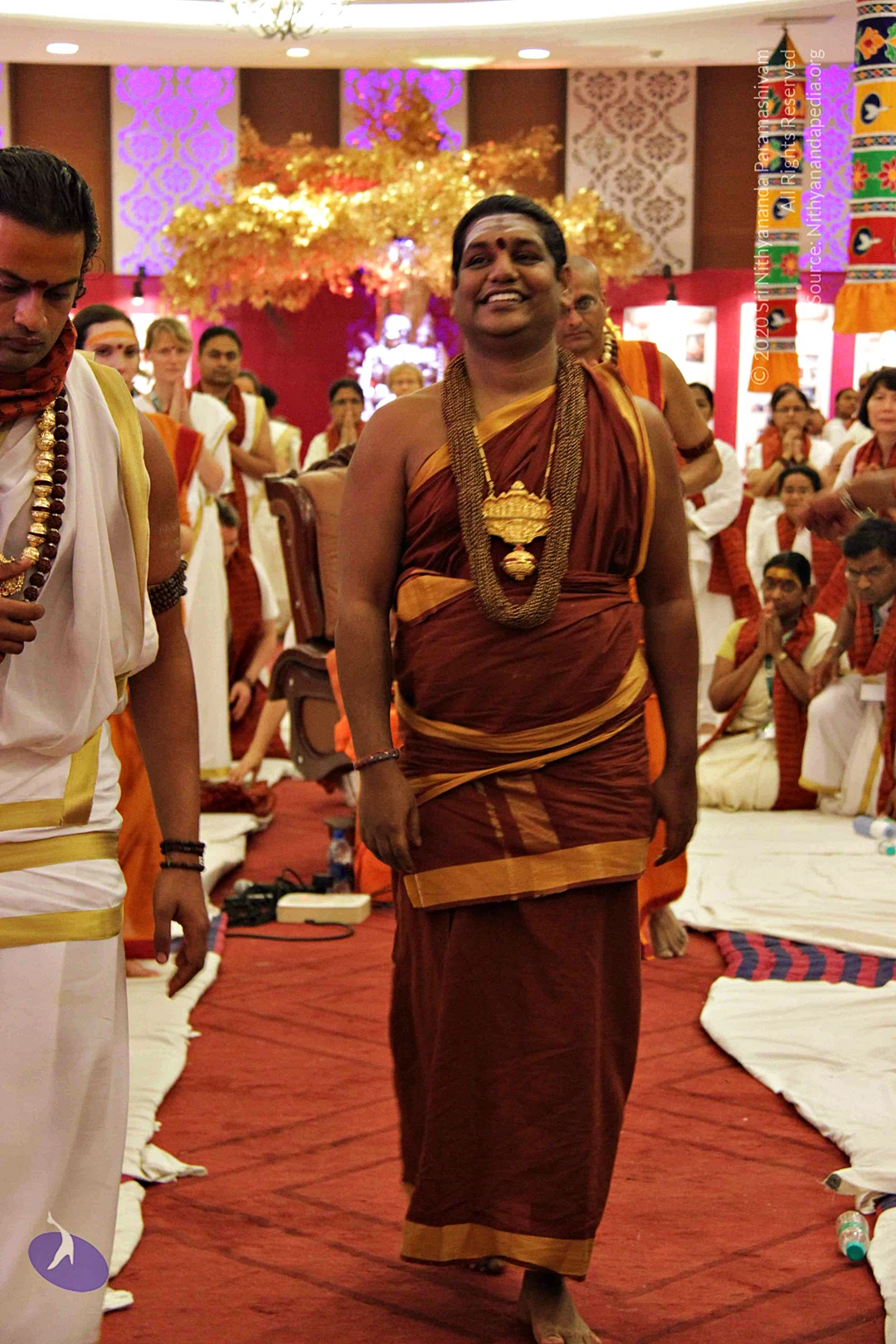
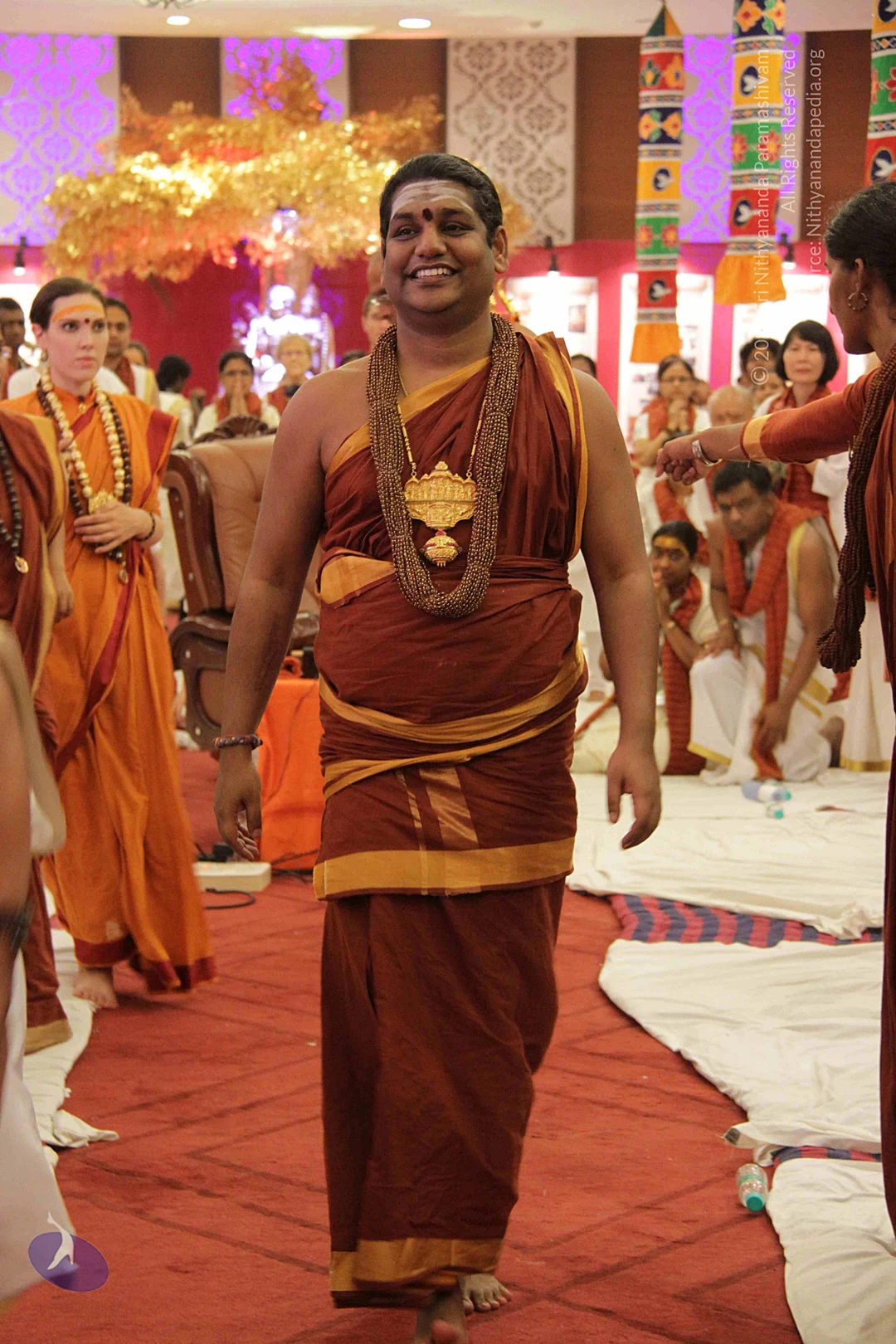

Photos Of The Day:
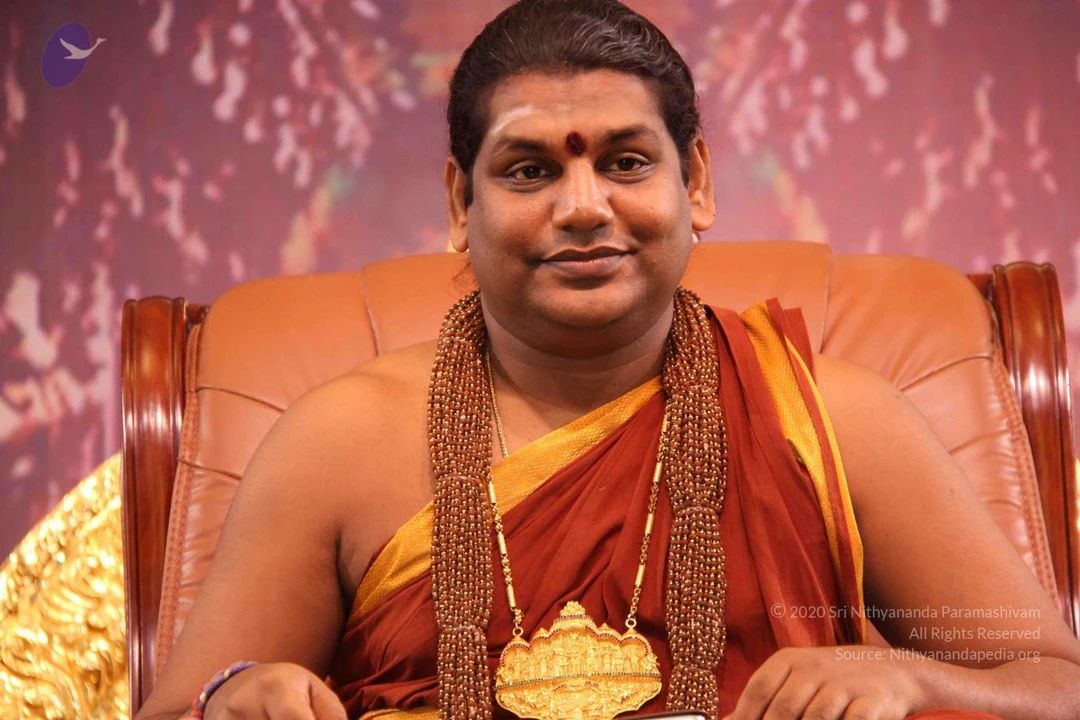
FB-photo-of-the-day
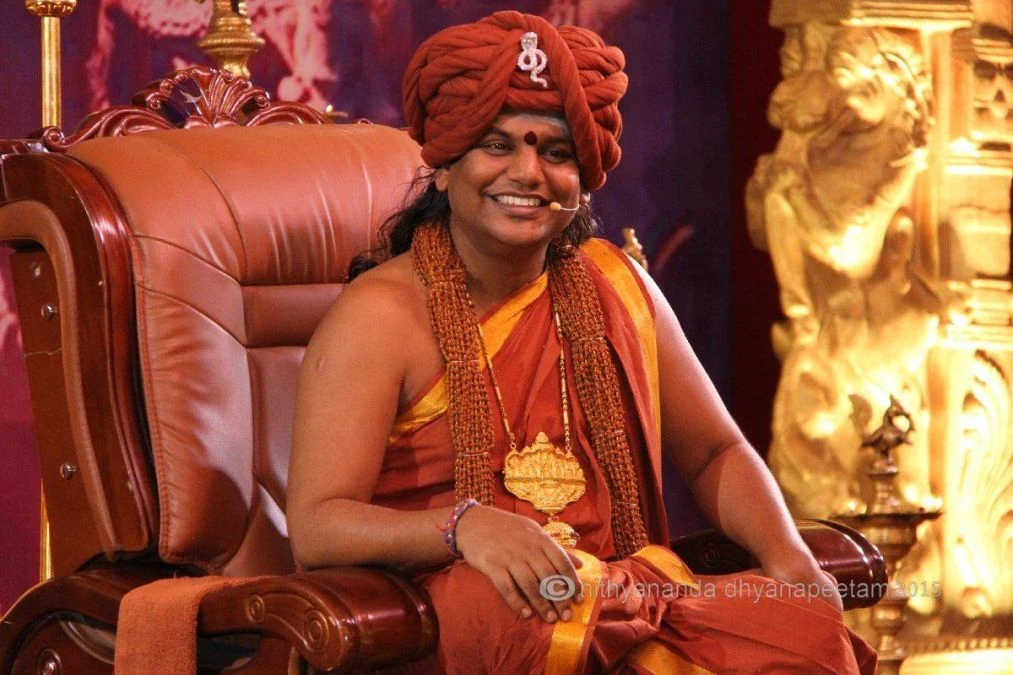
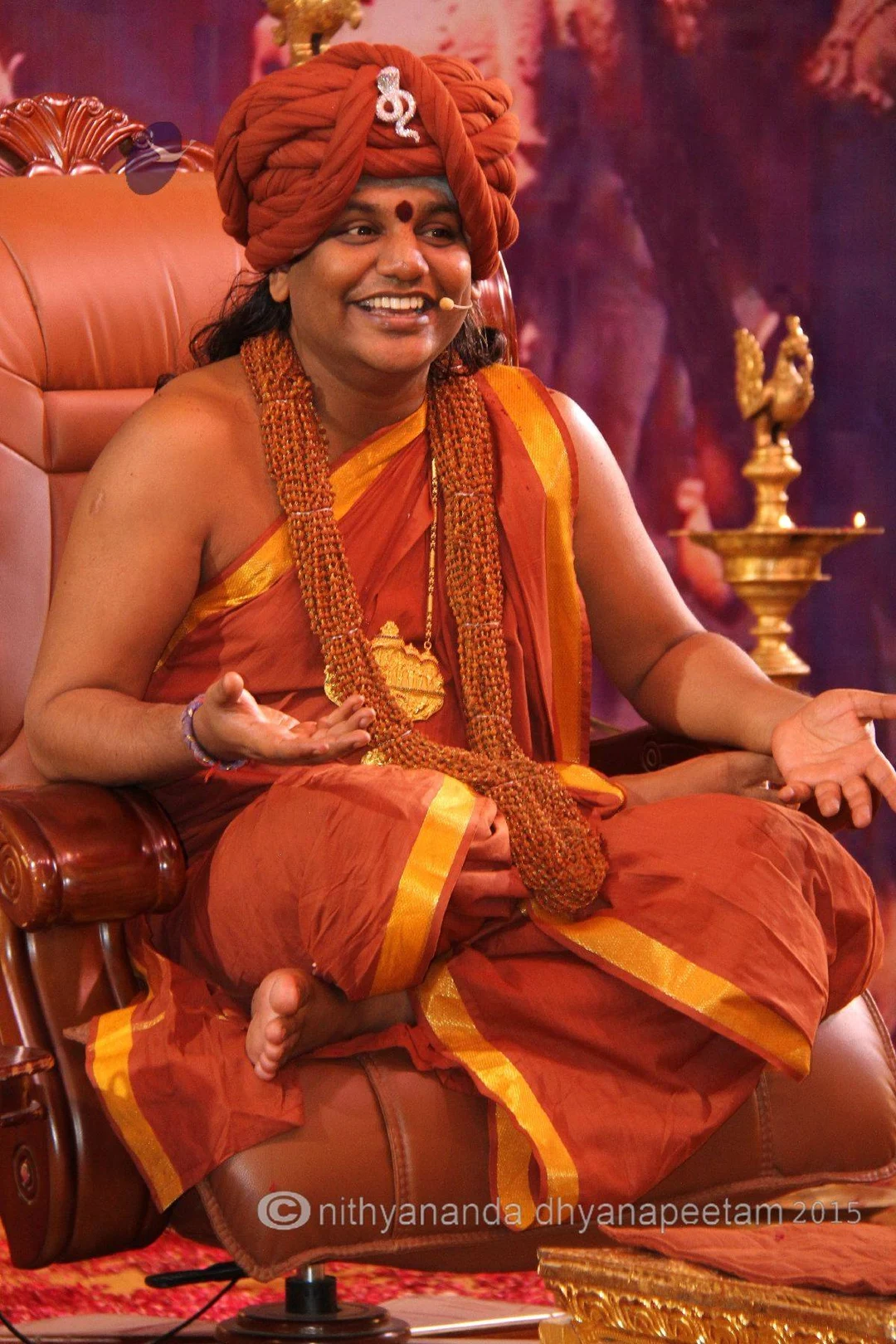
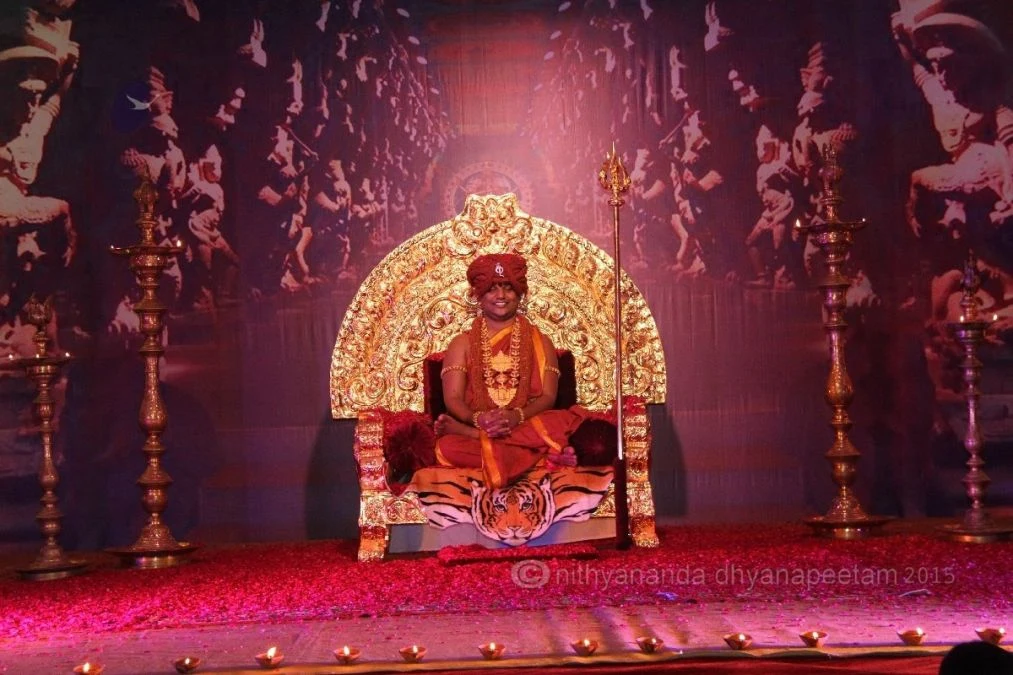
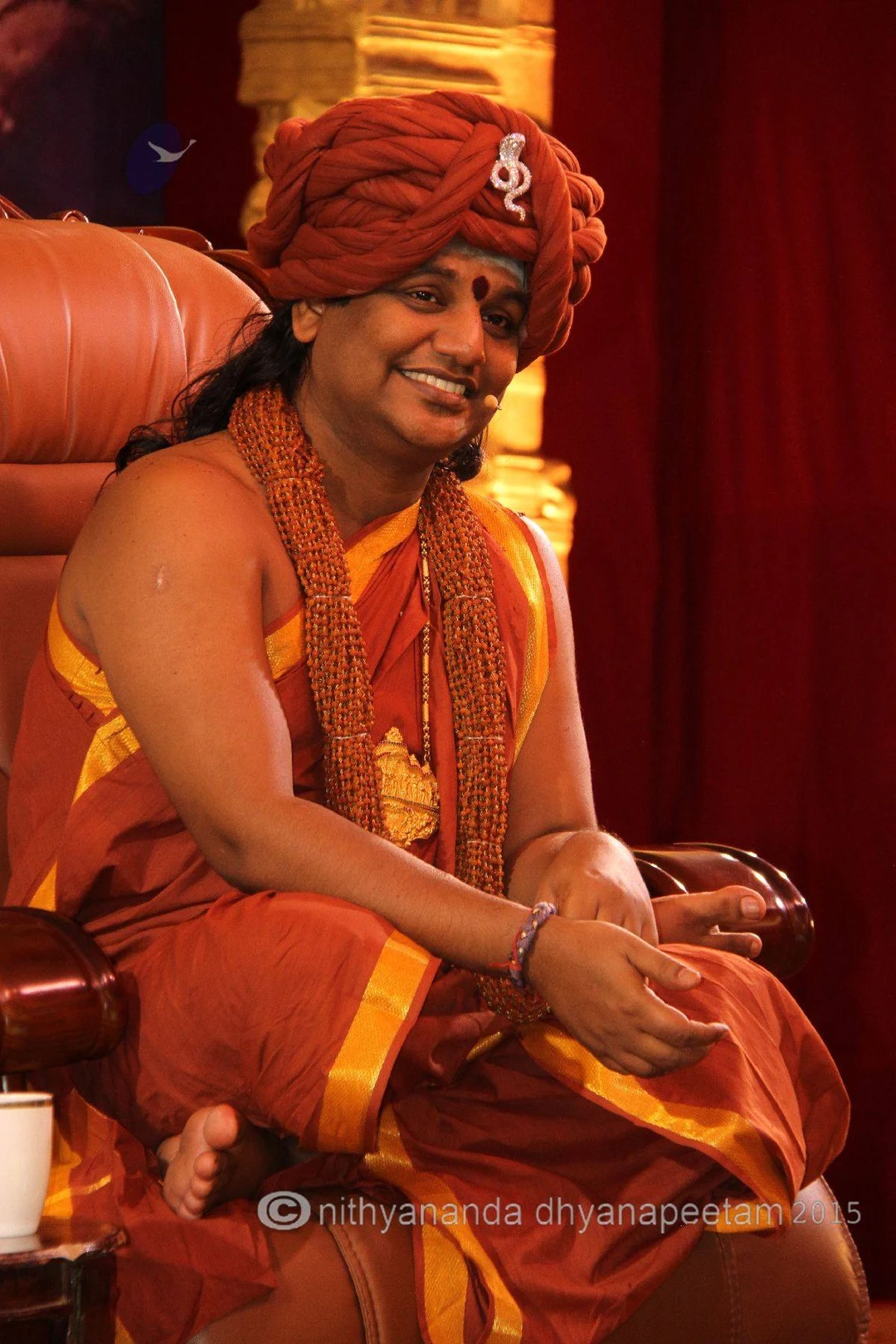
Photos from this day
View all 470 photosPhotos From The Day:
12 photosSource gallery


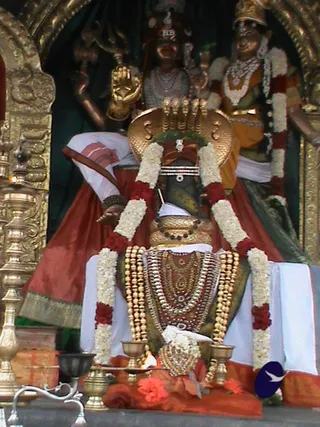
Nithya-Satsang-KalpataruDarshan
95 photosSource gallery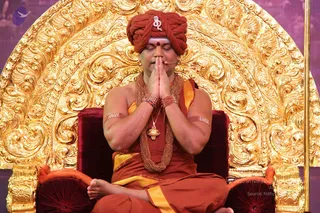

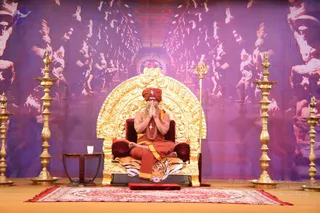

Yoga
60 photosSource gallery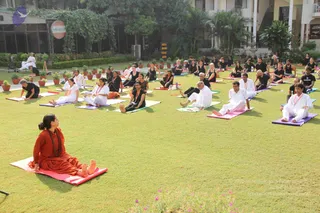



Session
118 photosSource gallery
Shivoham
181 photosSource gallery

FB-photo-of-the-day
4 photosSource gallery