Skip to content
Saturday

16 November 2013

Dated photos
285
Source pages
1
Media
2
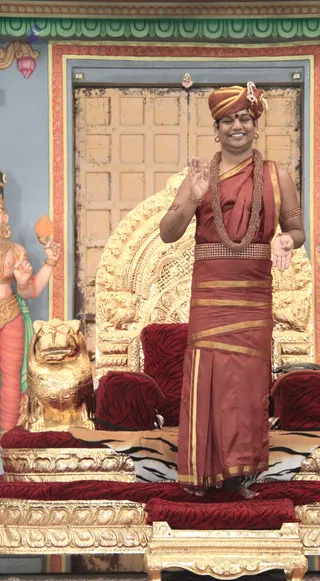
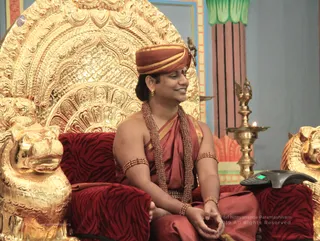
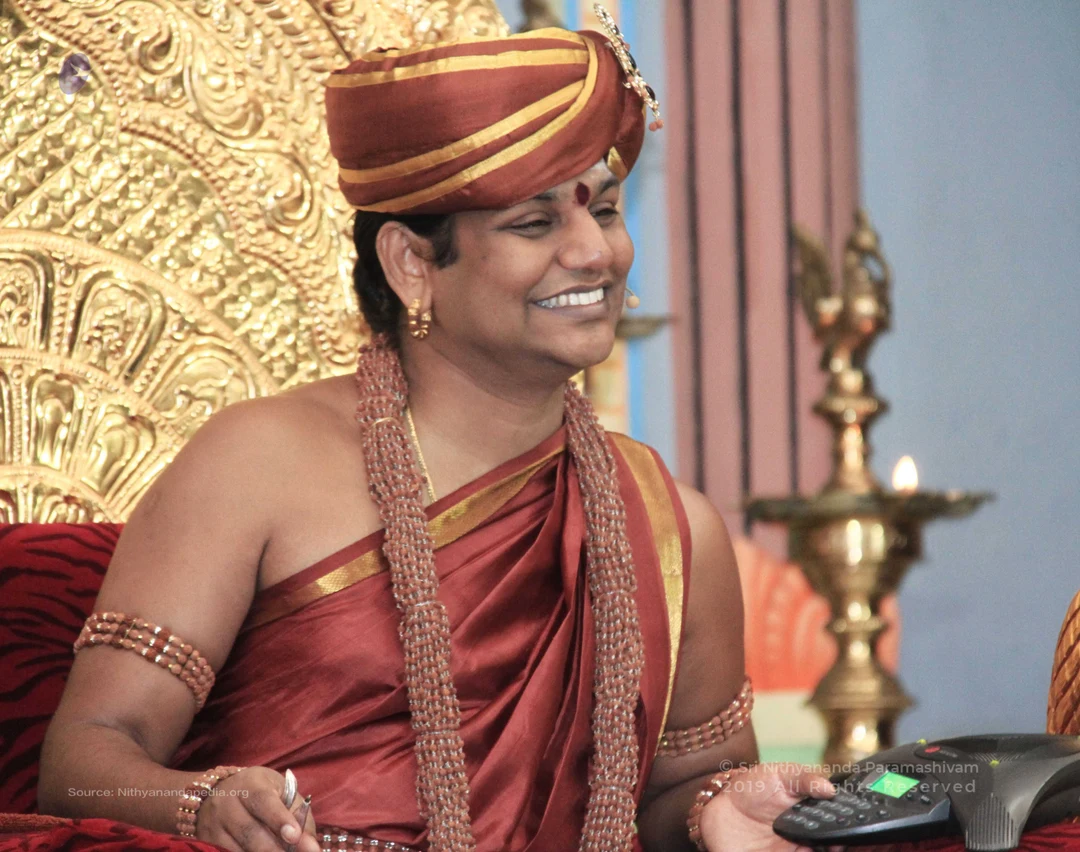
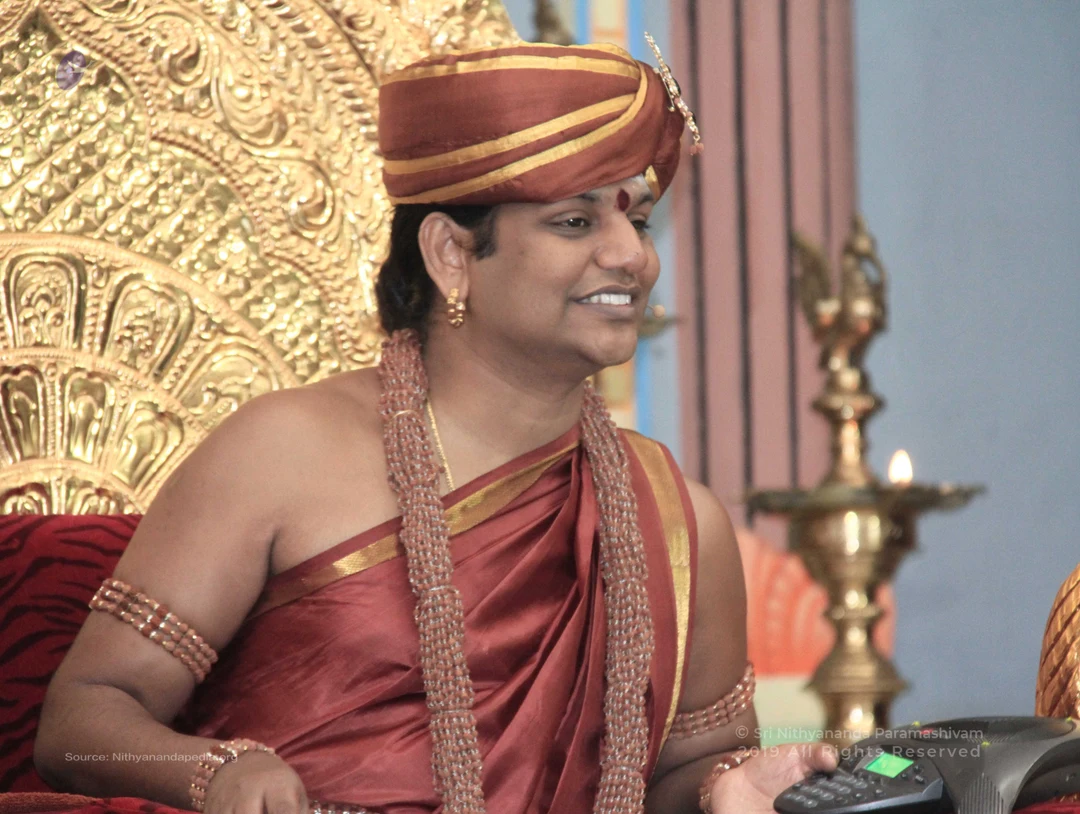
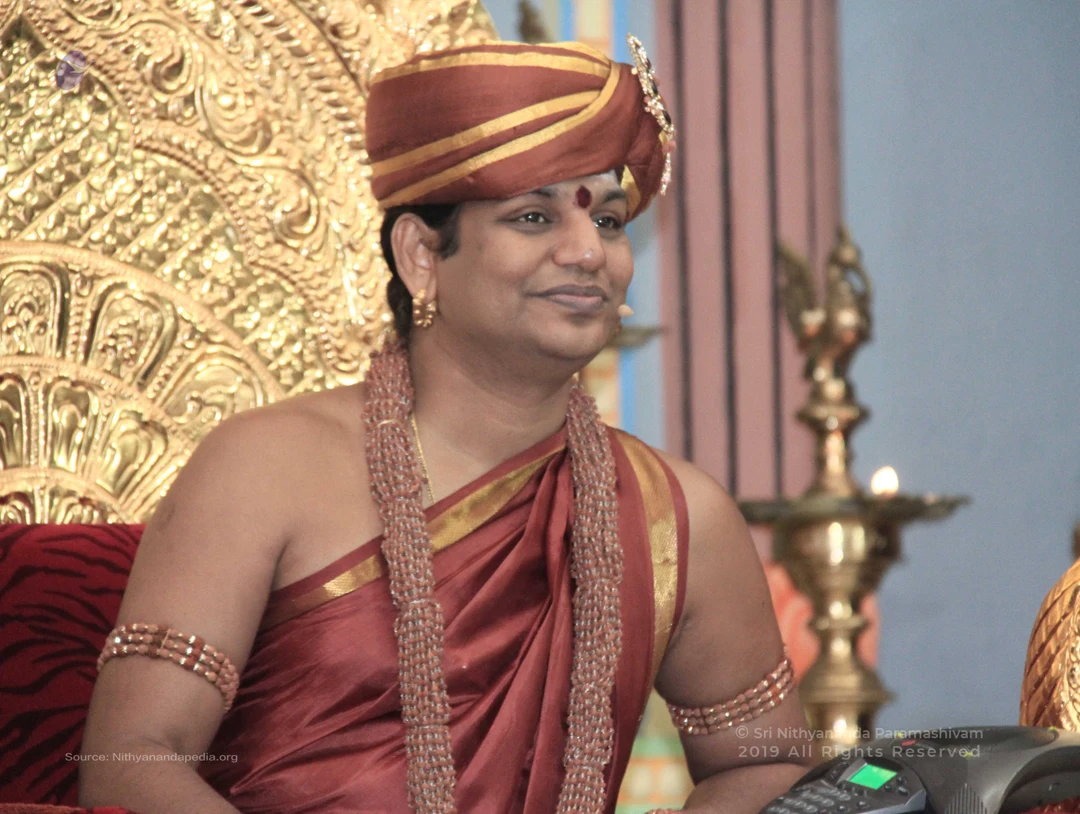
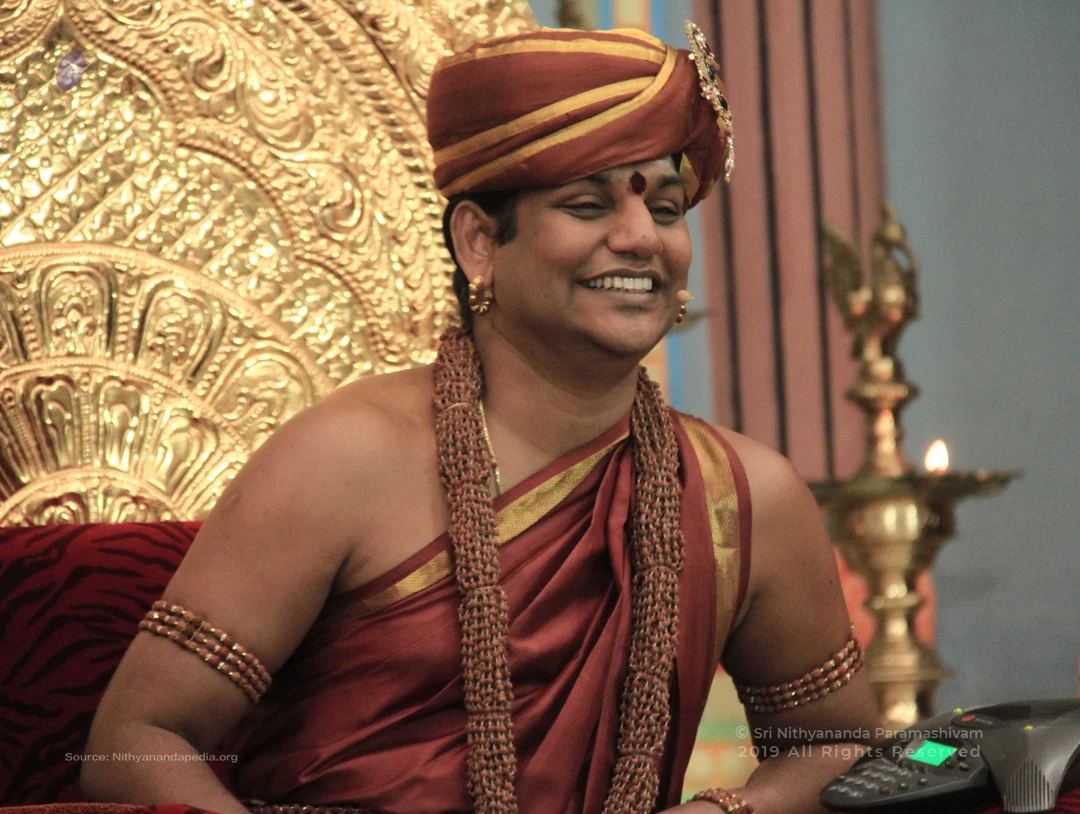
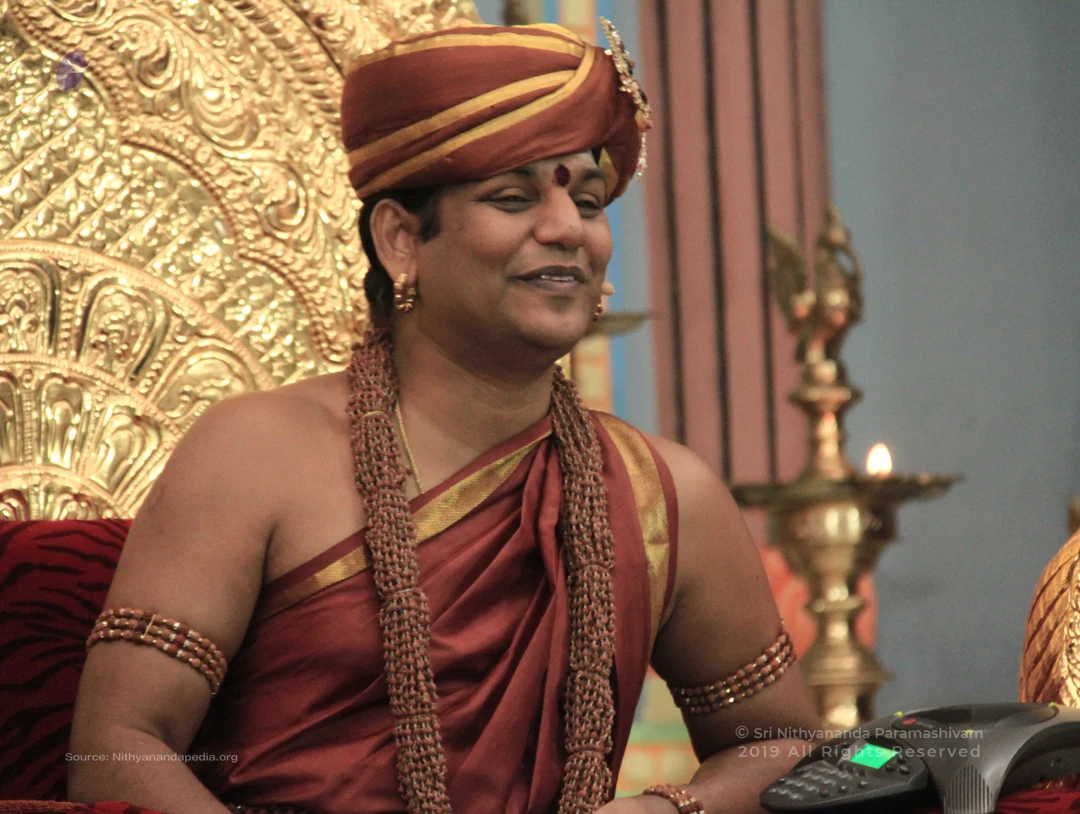
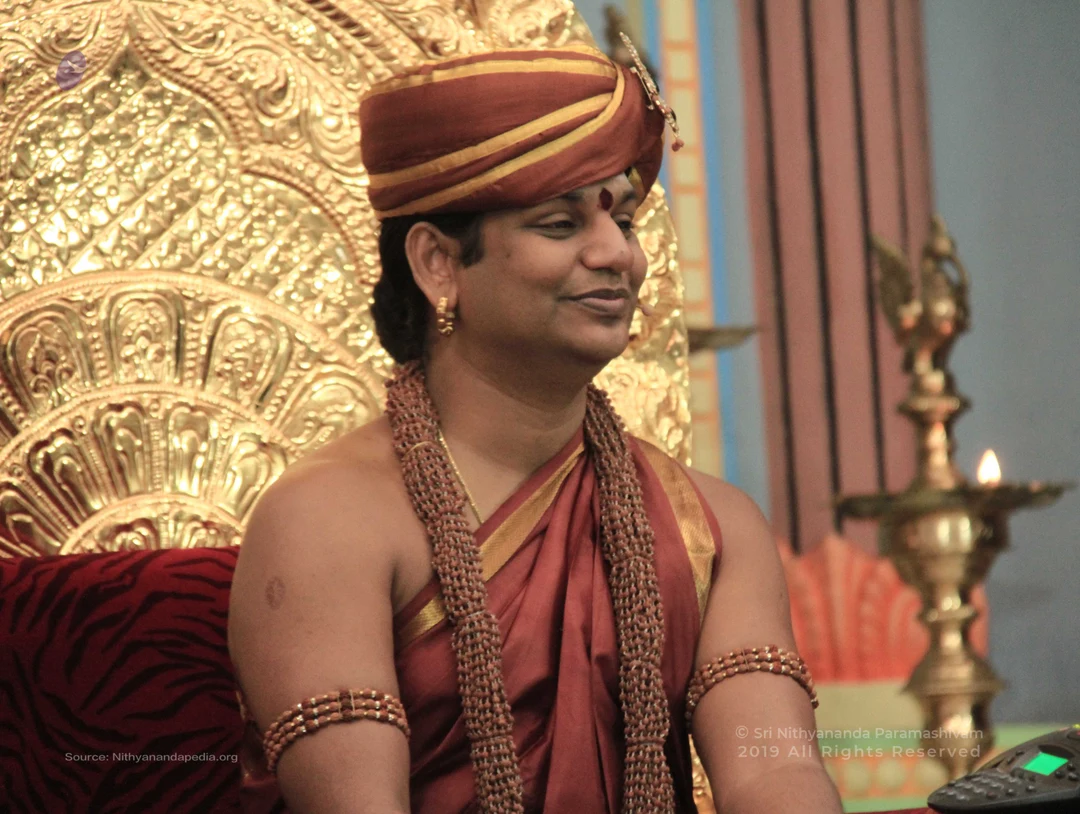
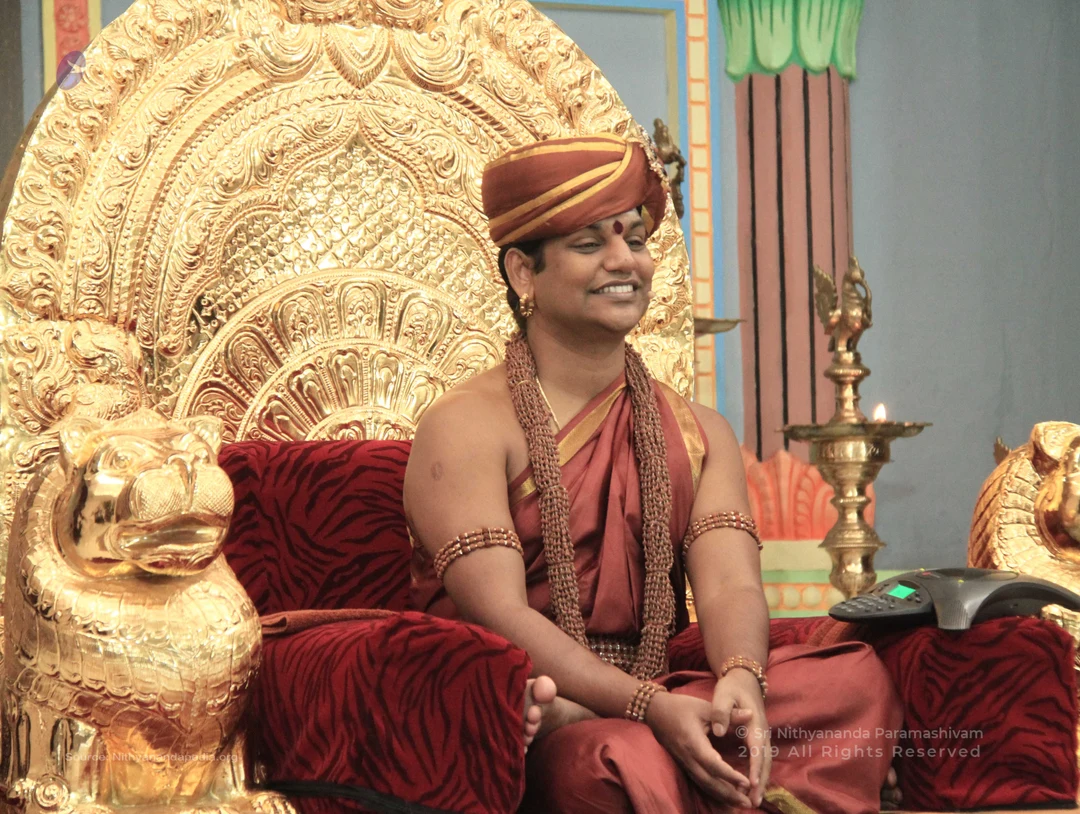
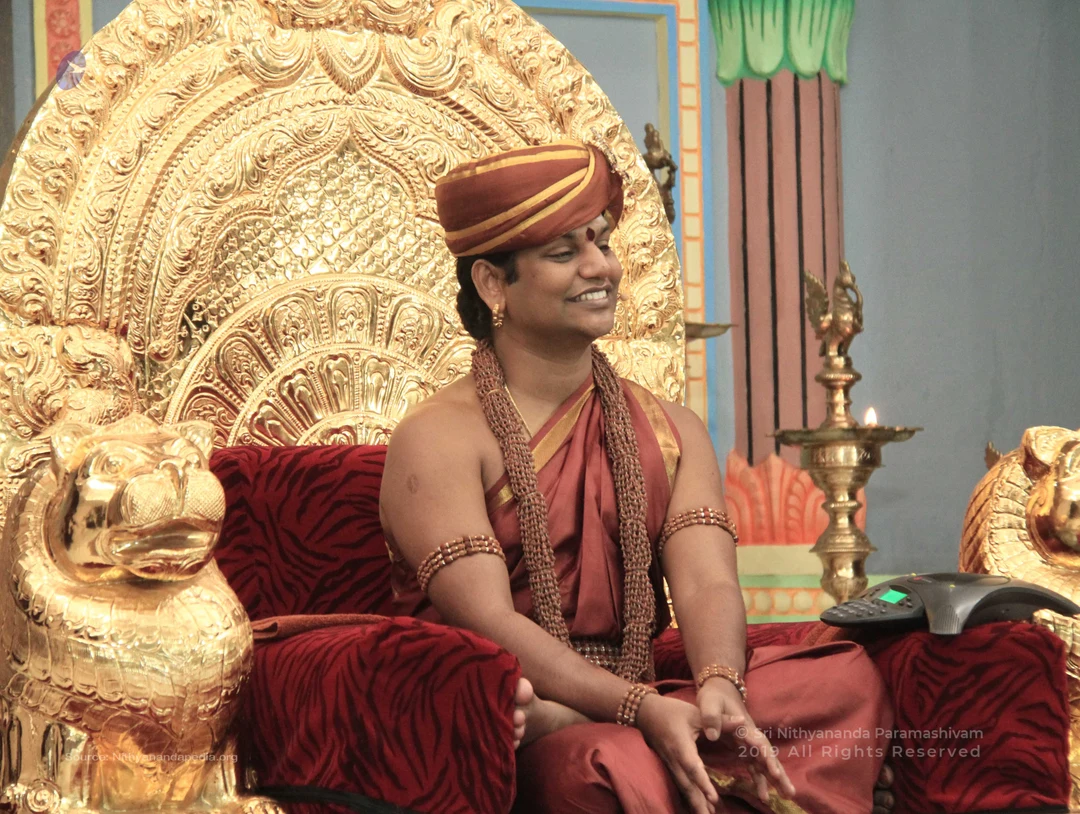
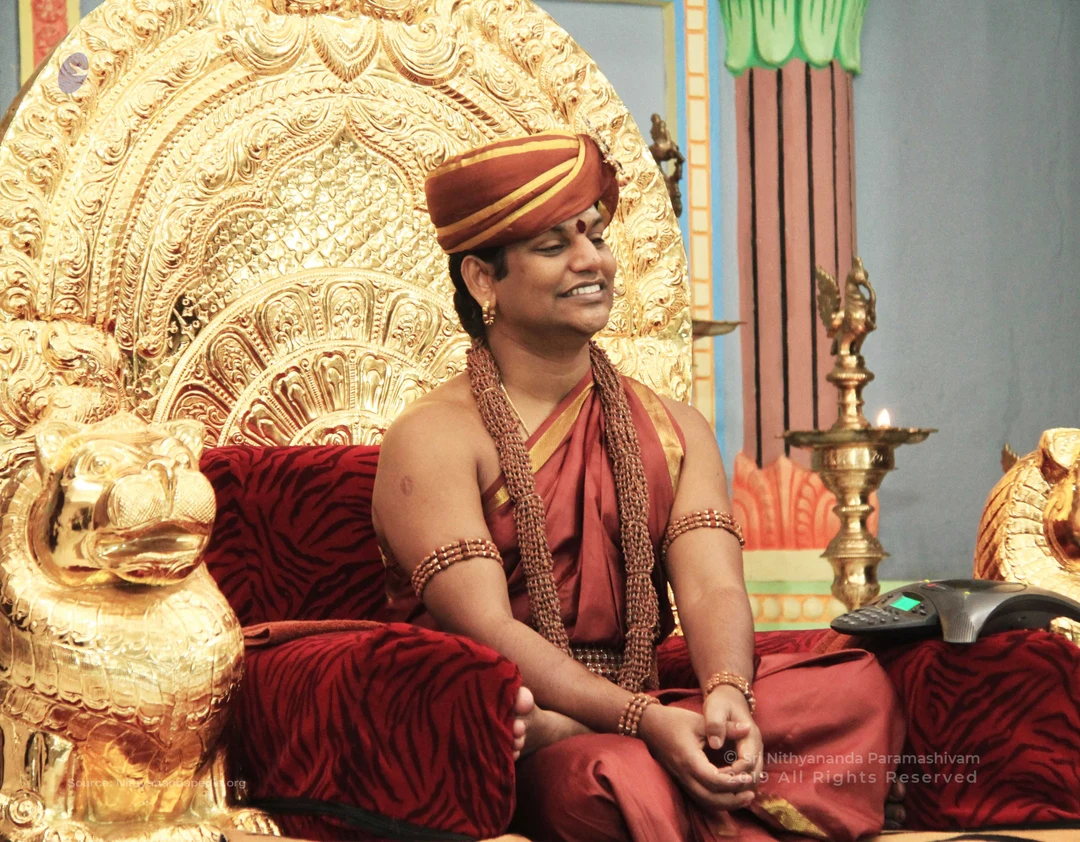
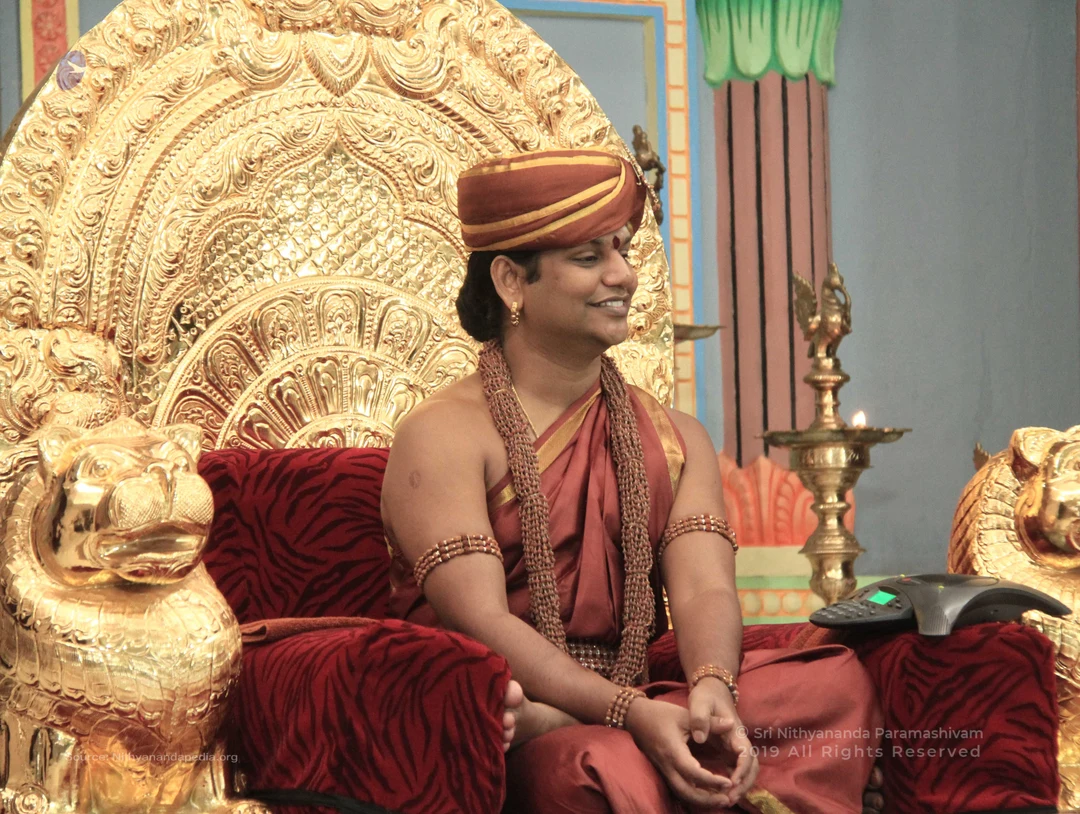
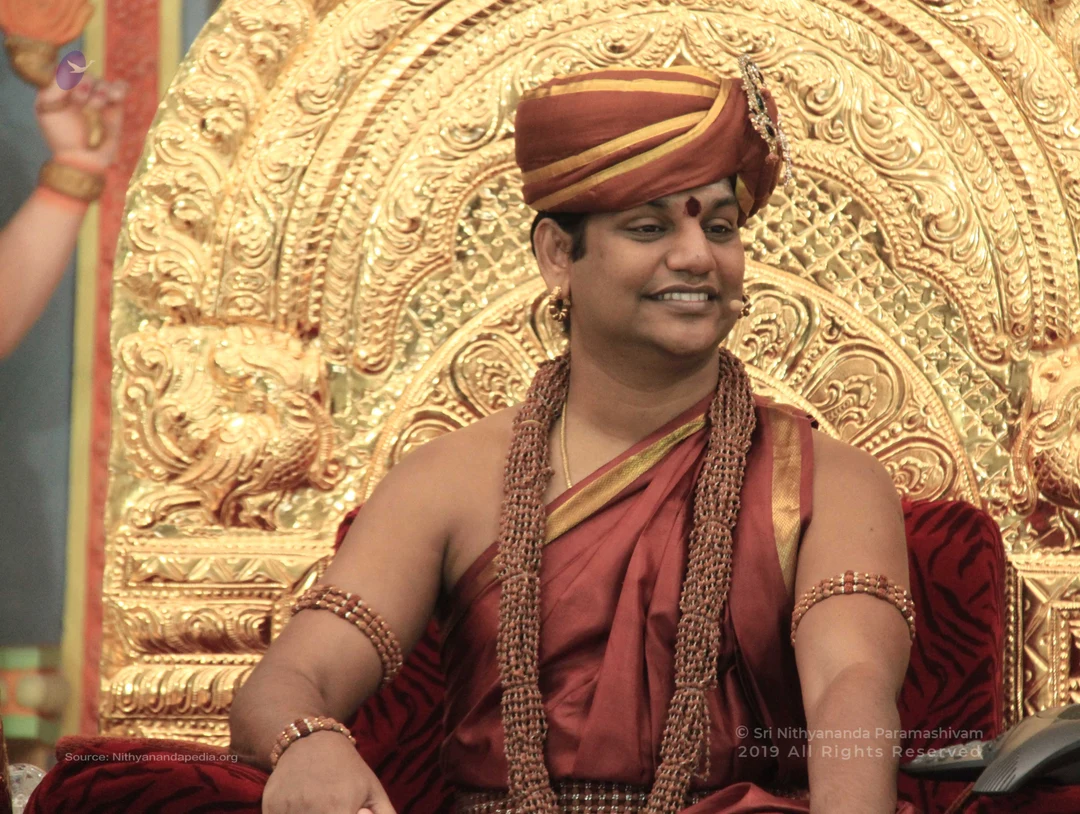
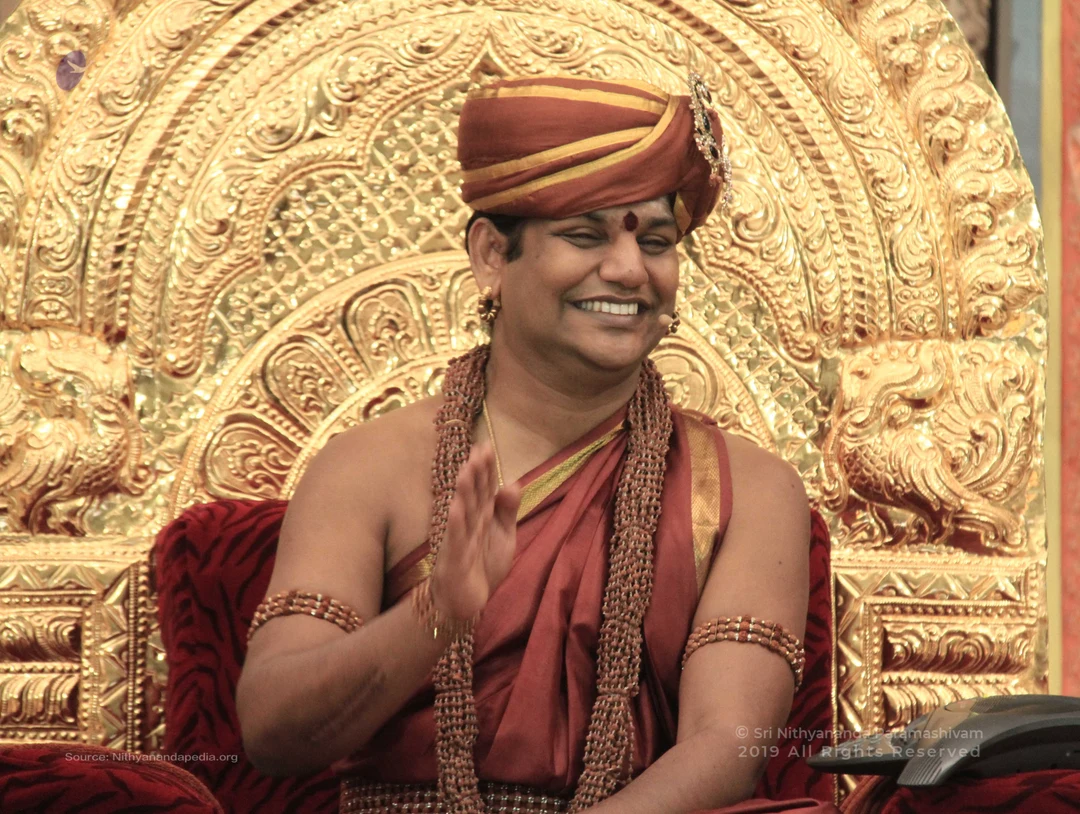
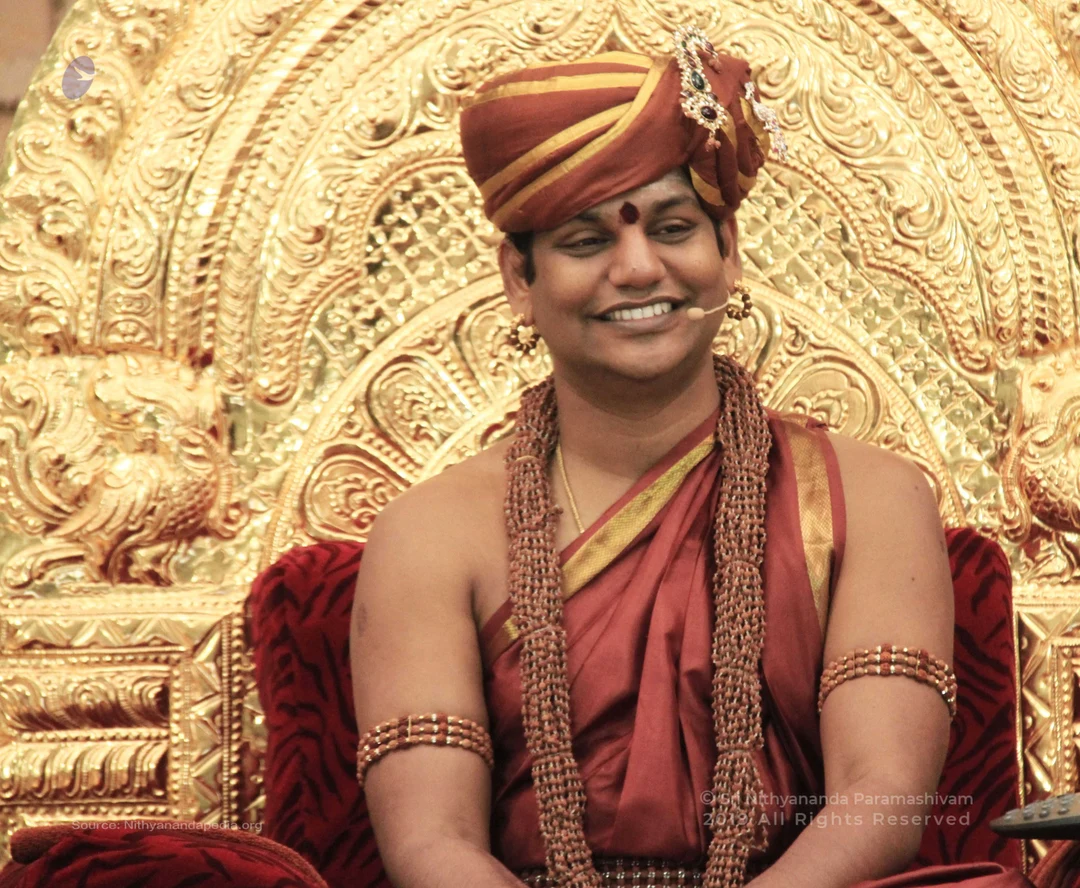
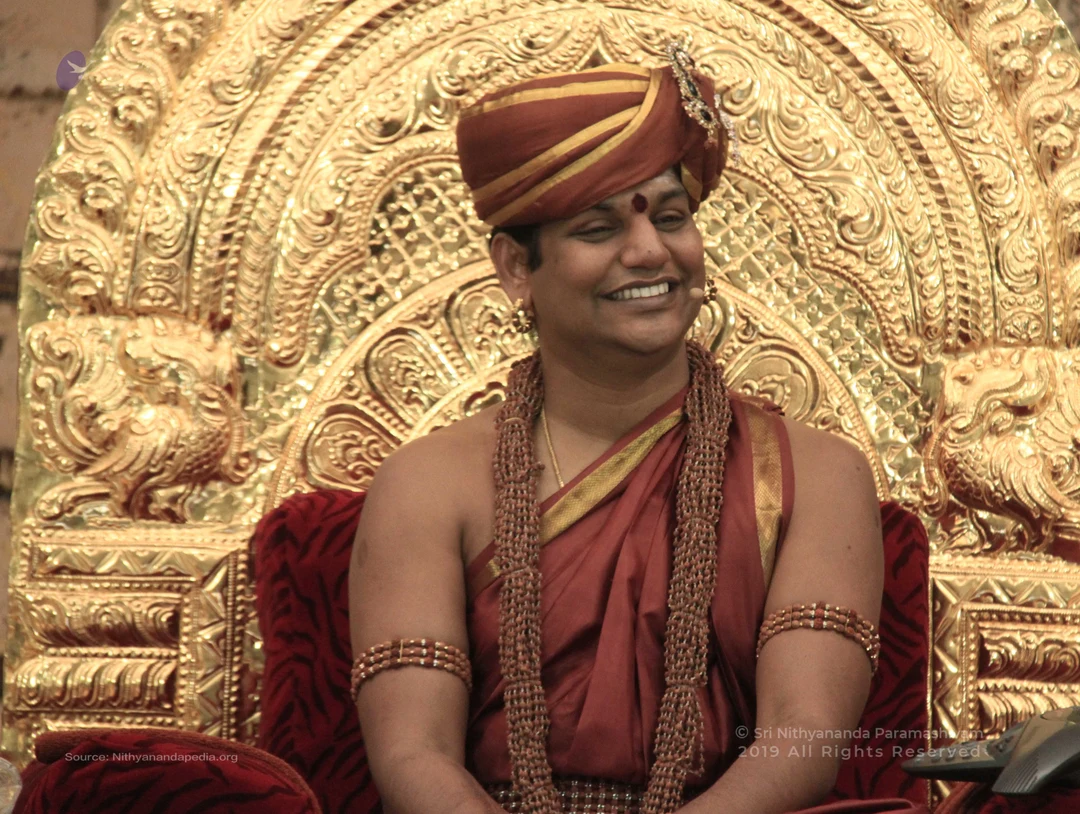
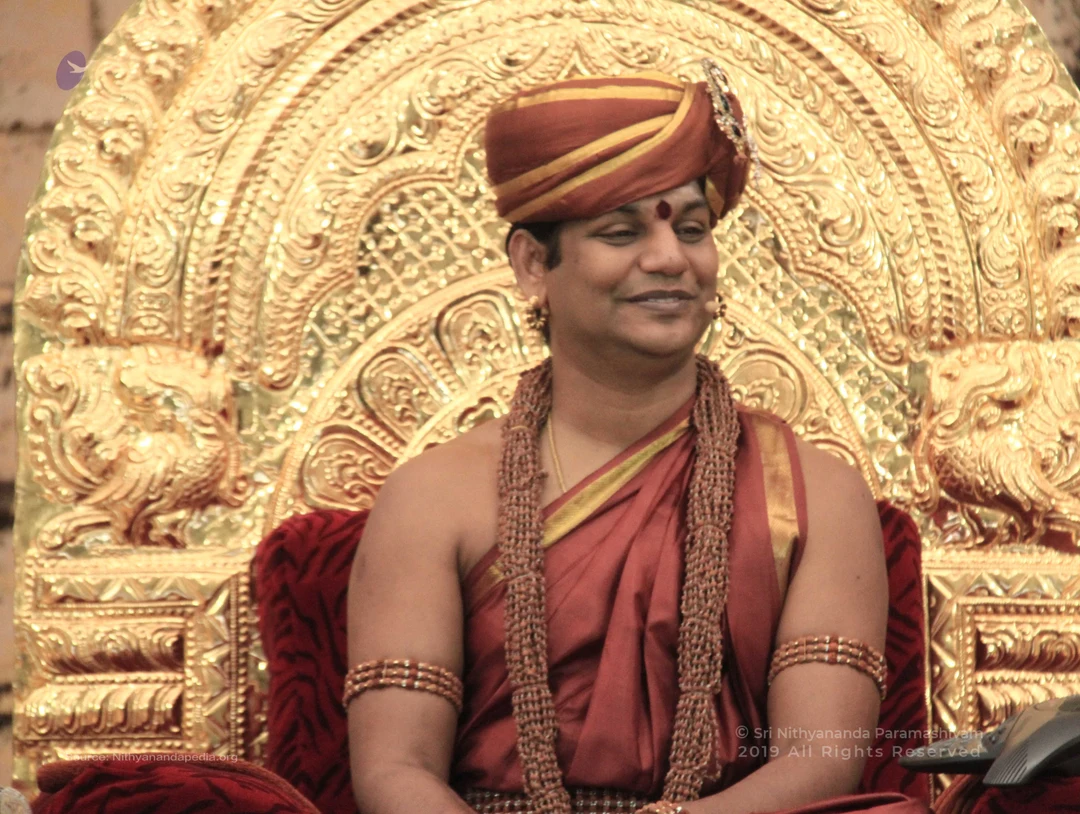
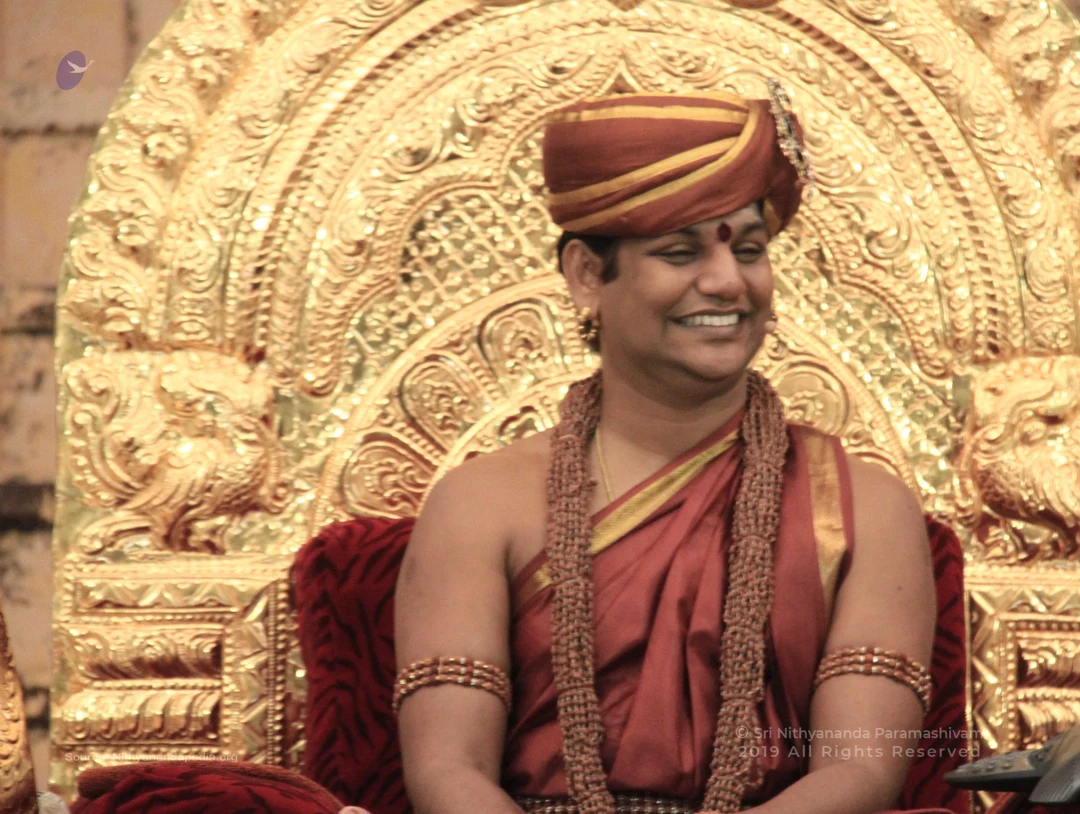
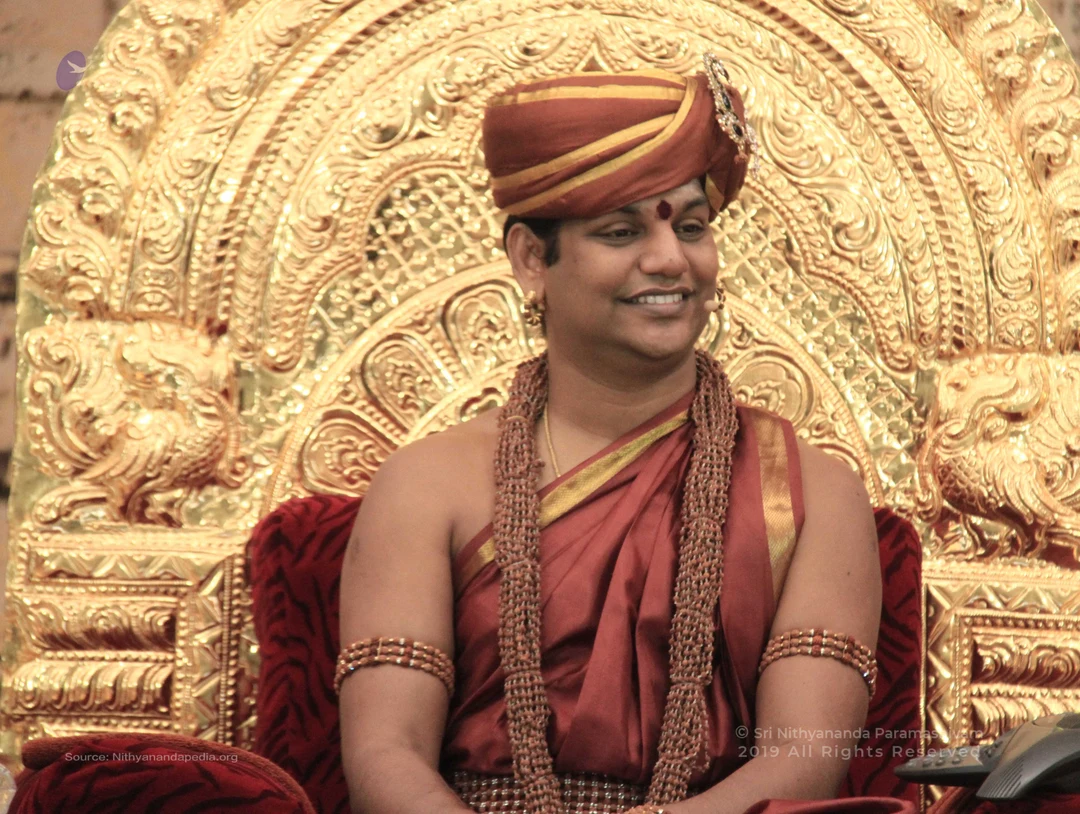
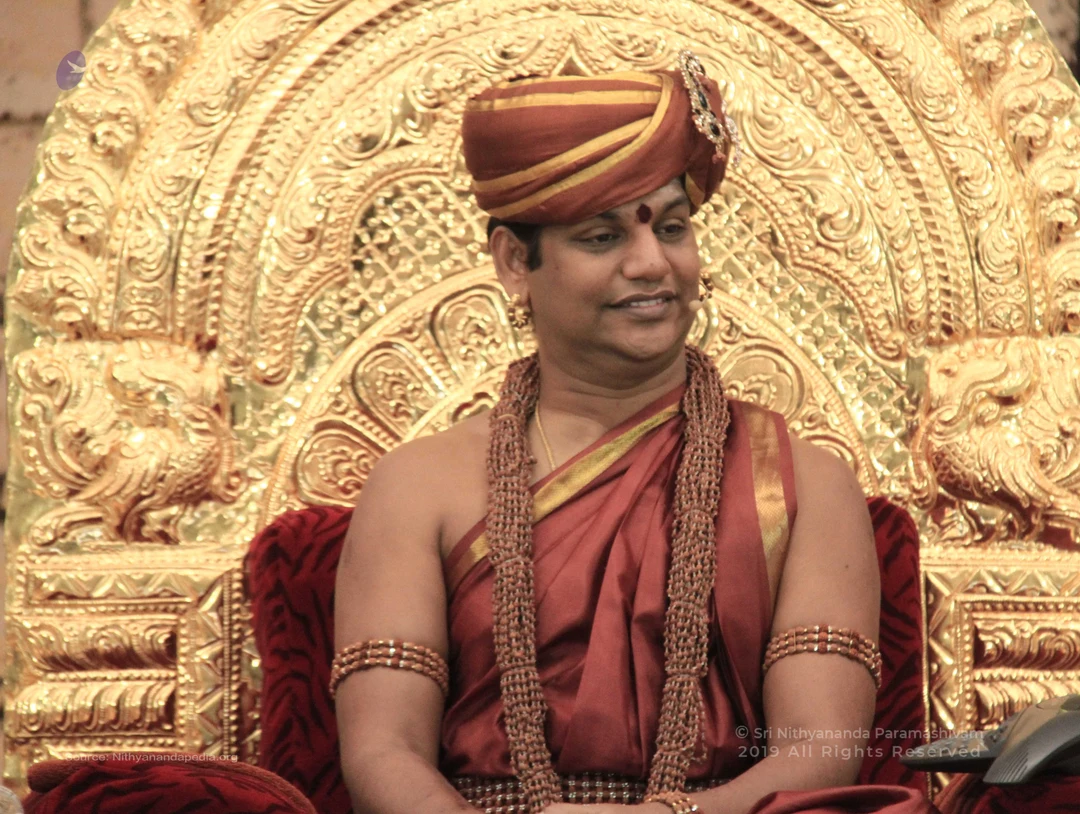
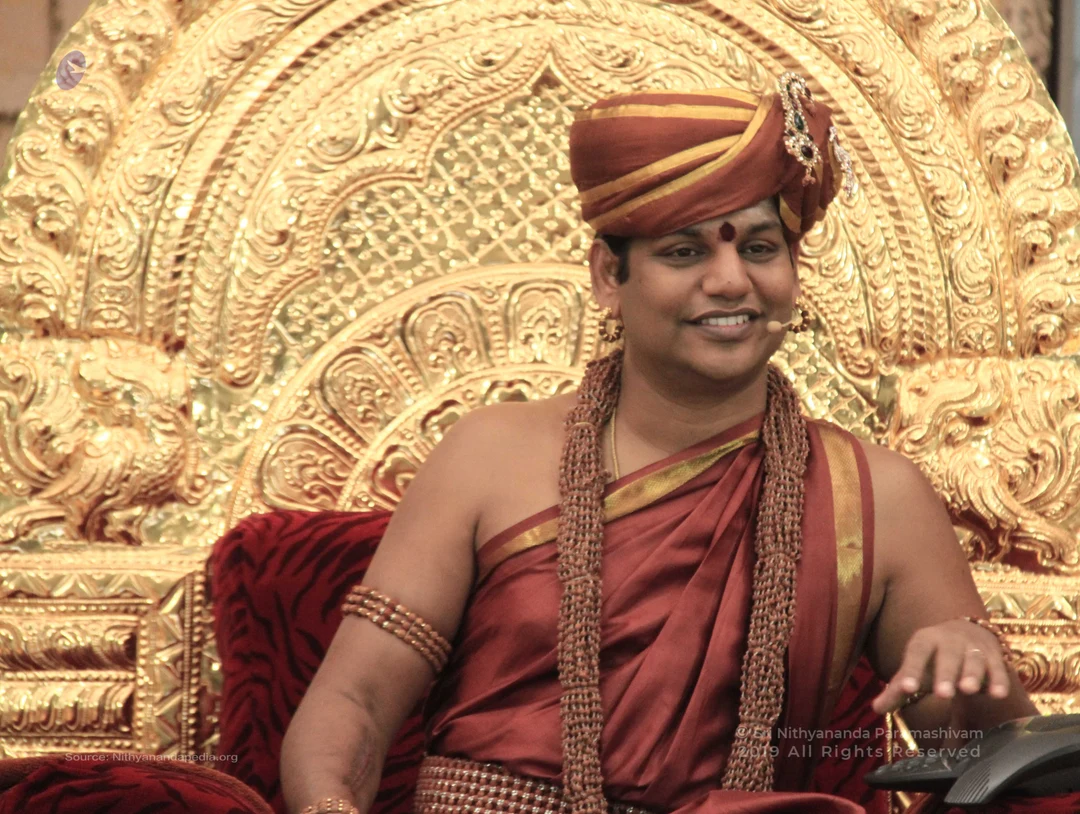
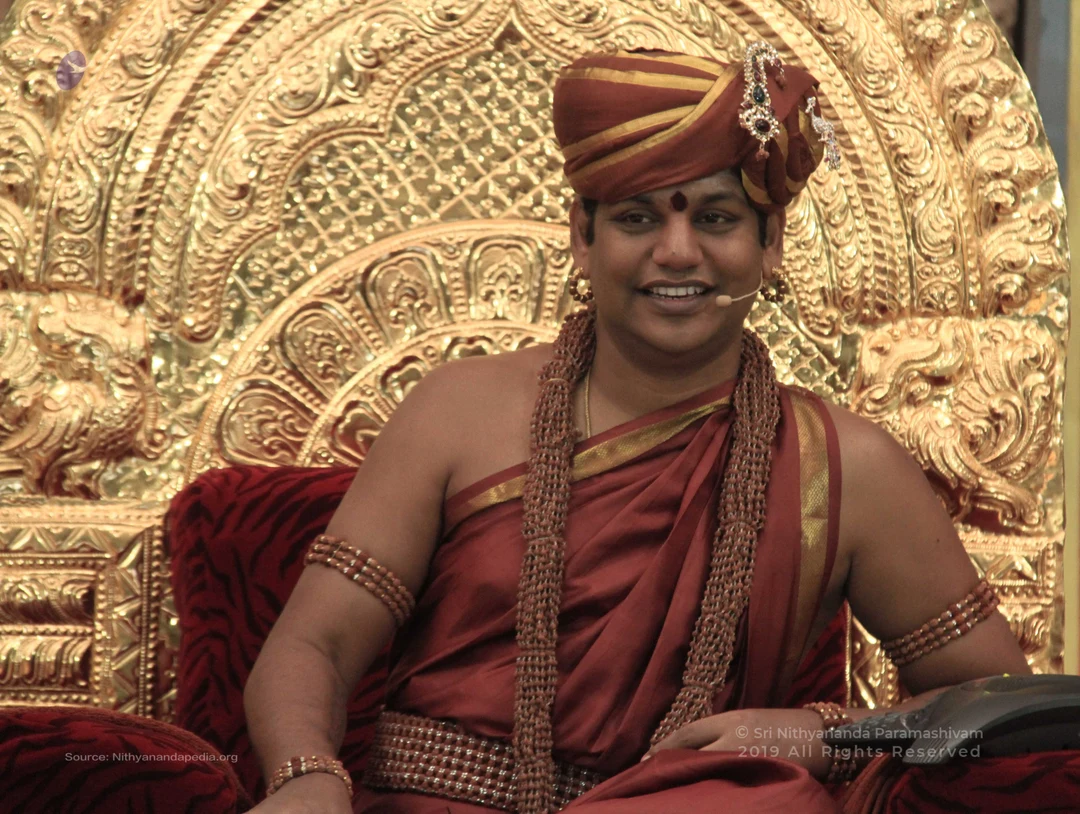
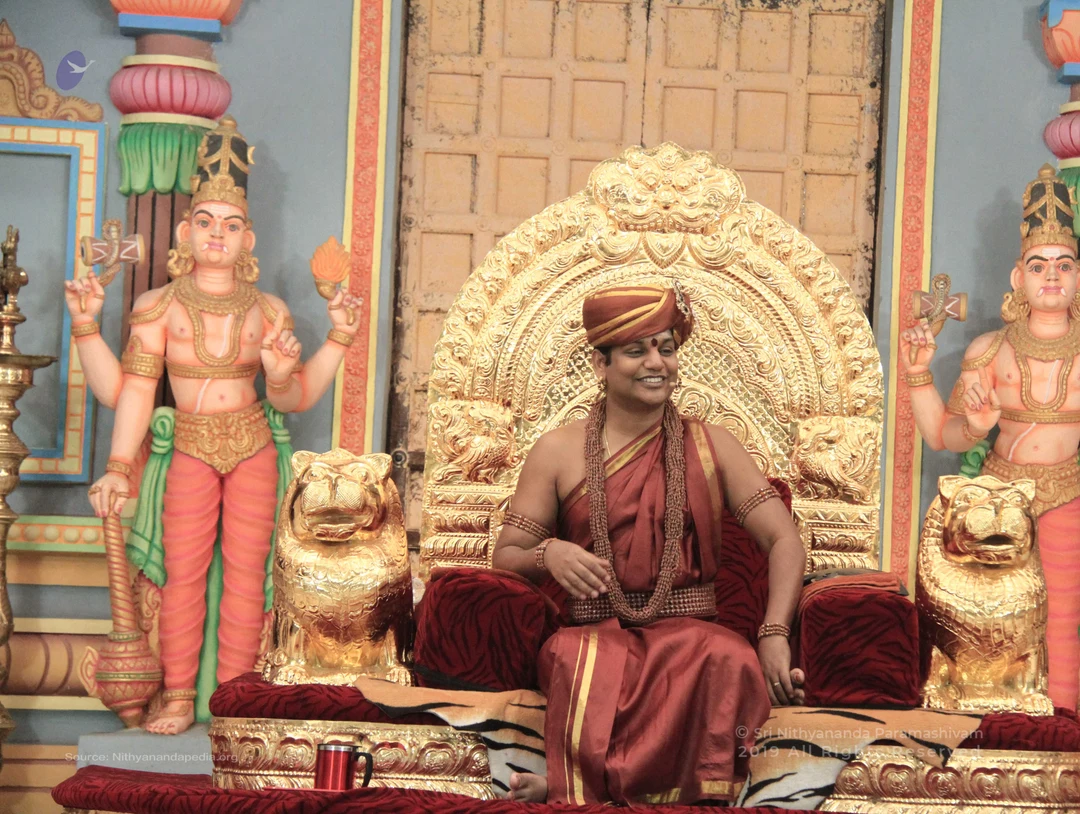
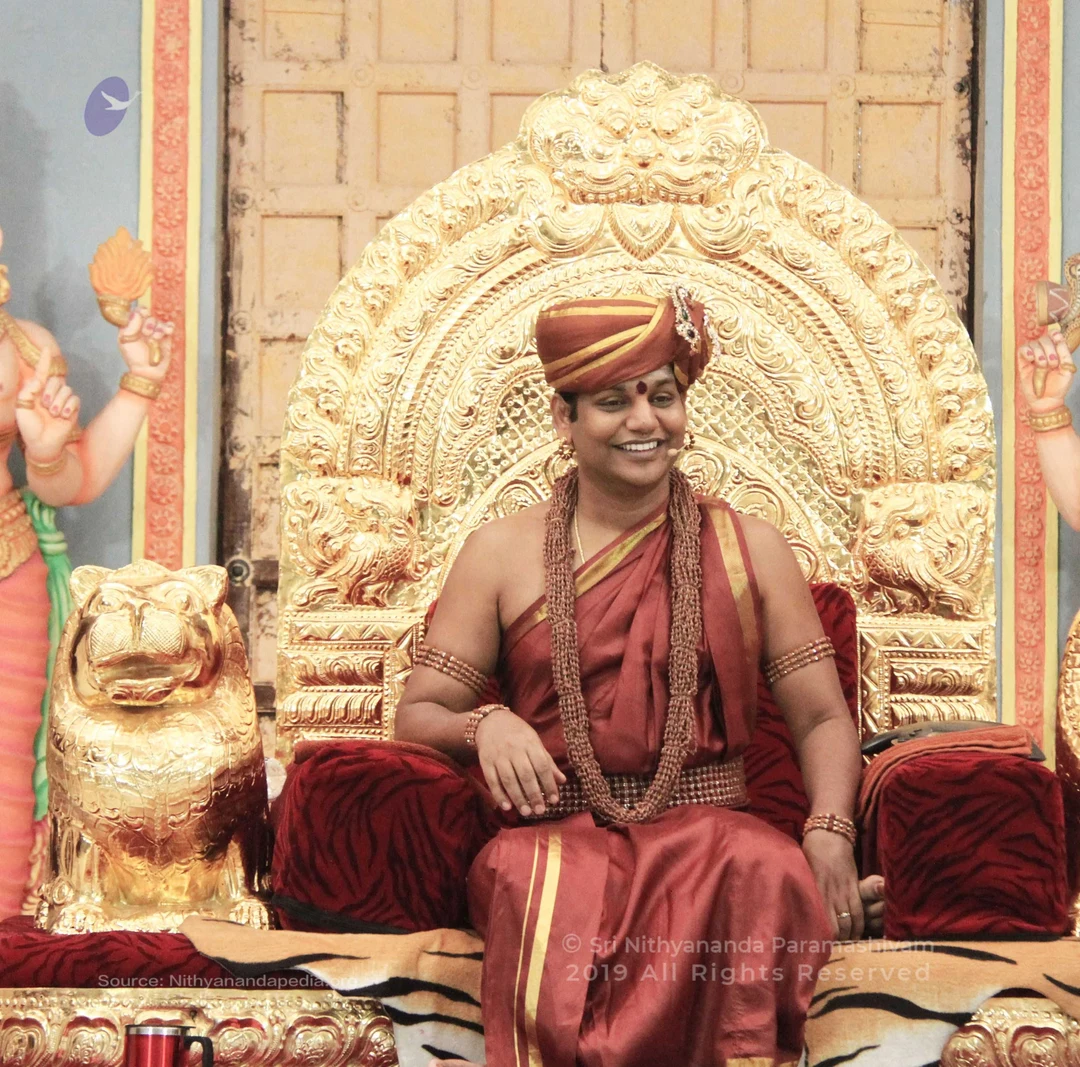
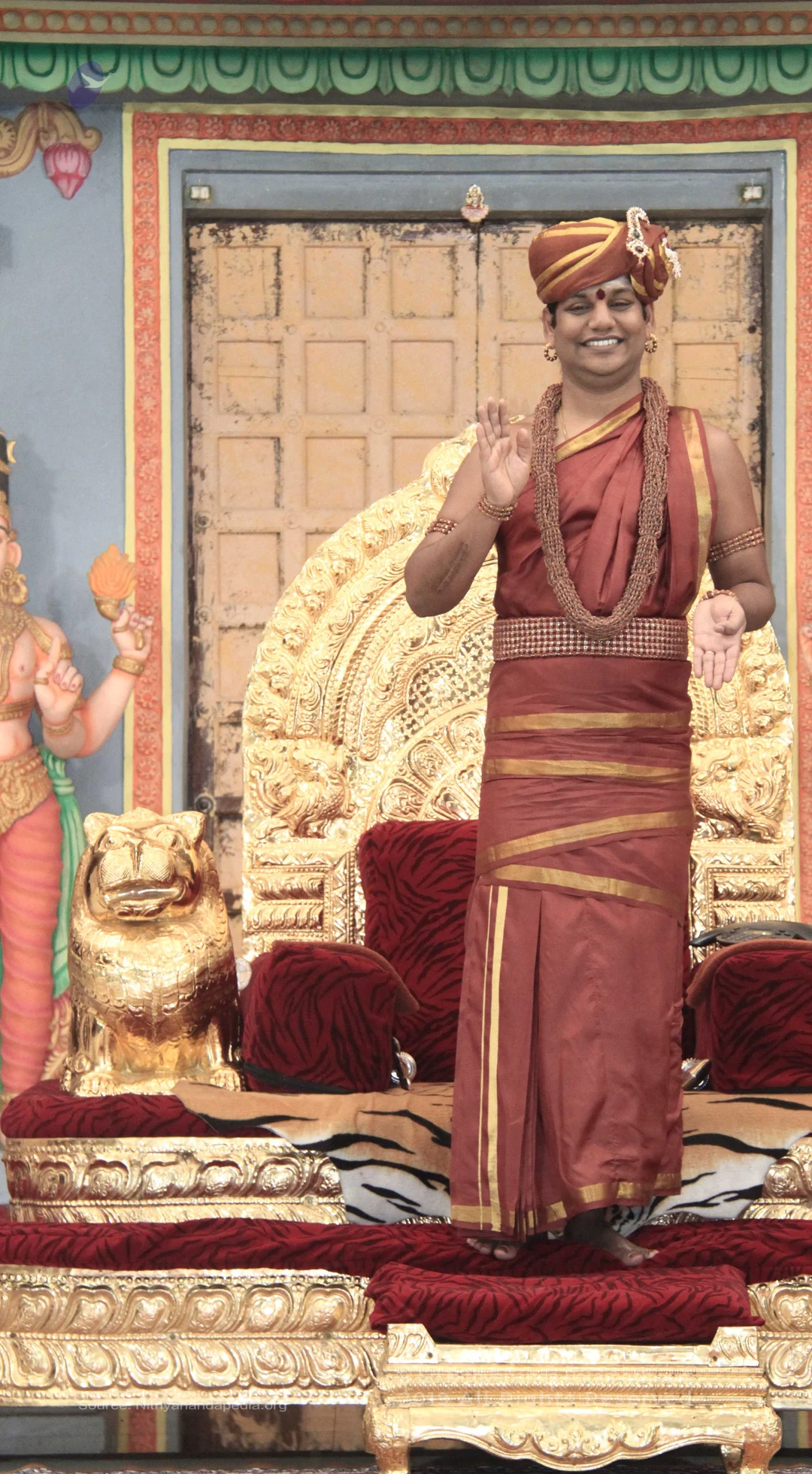
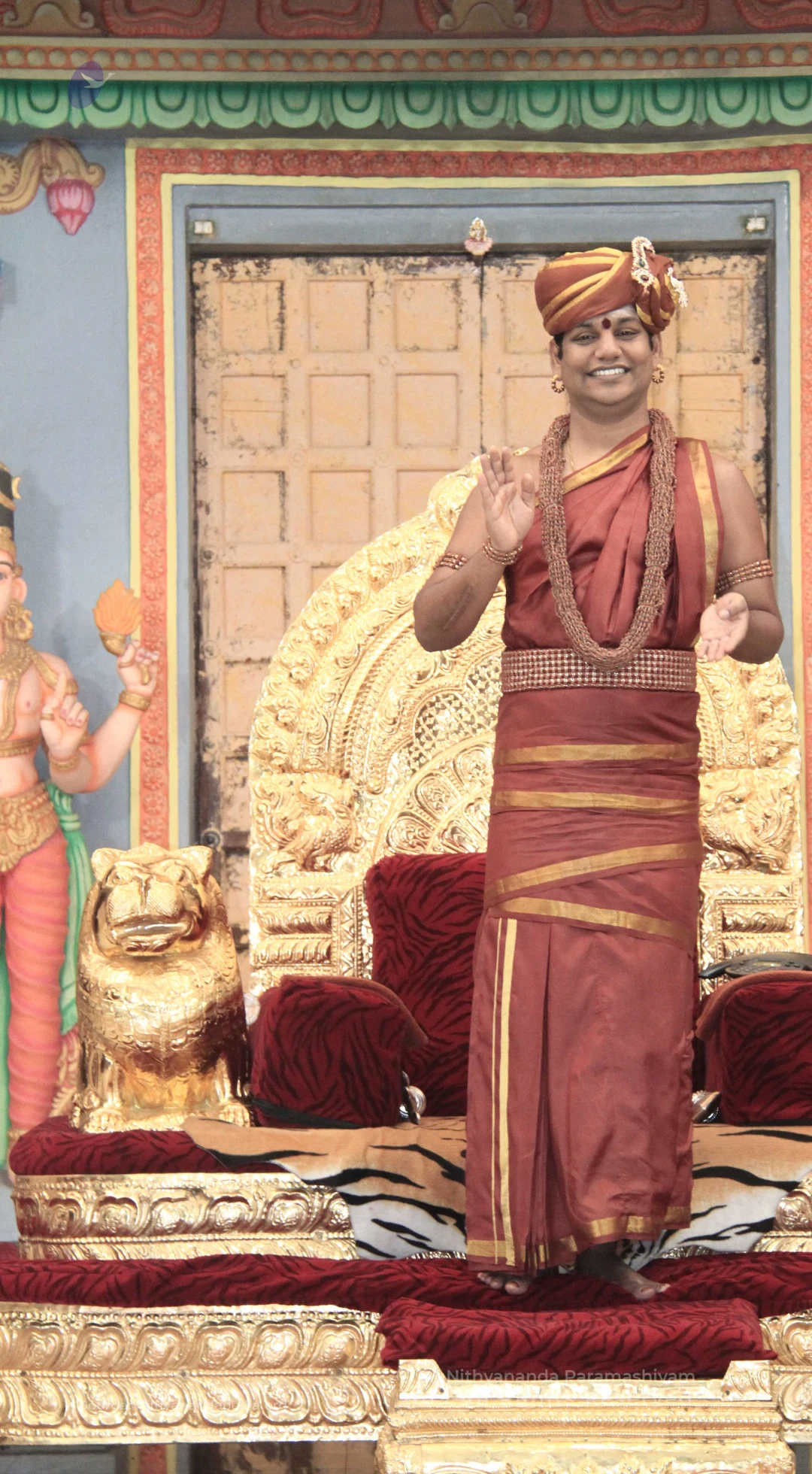
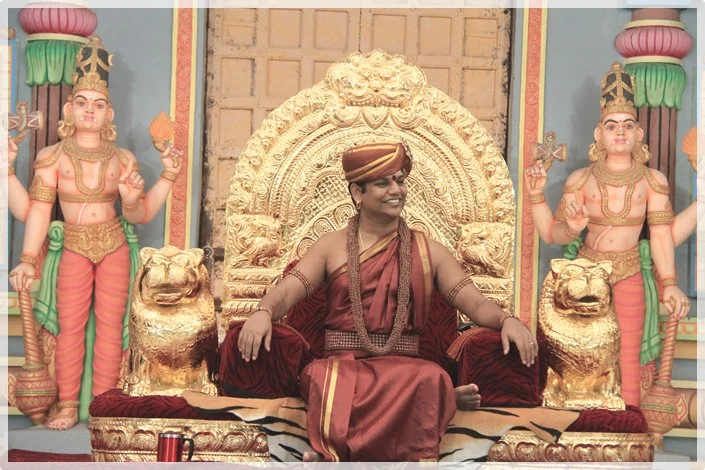
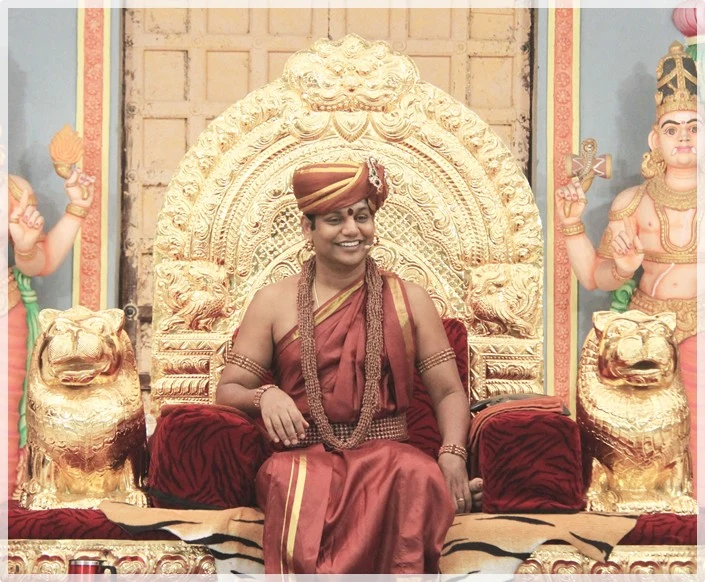
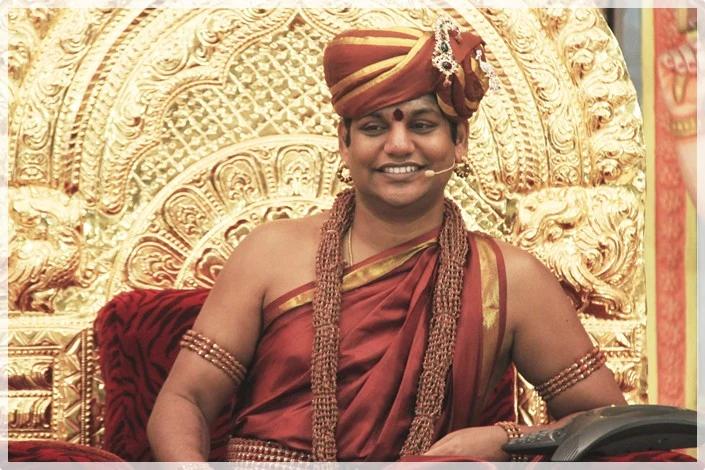
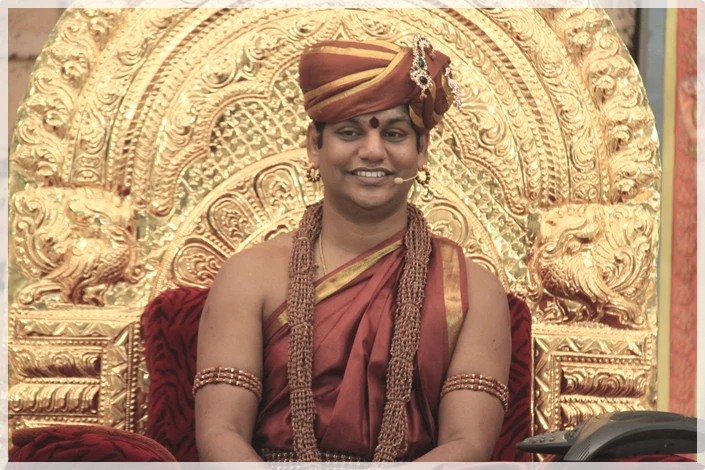
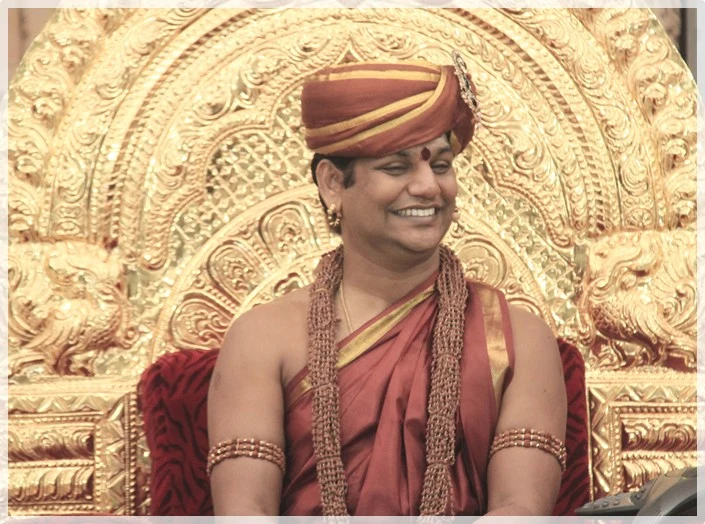
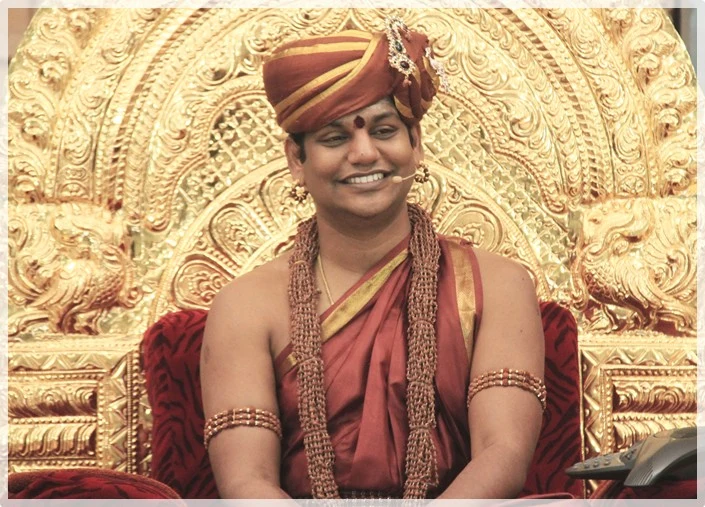
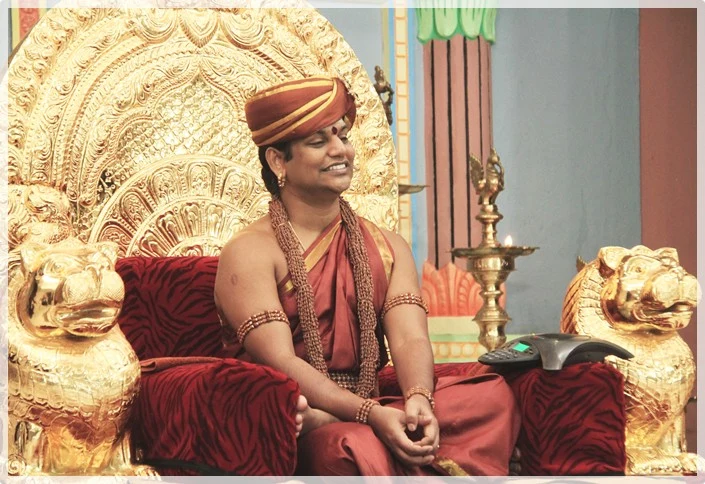
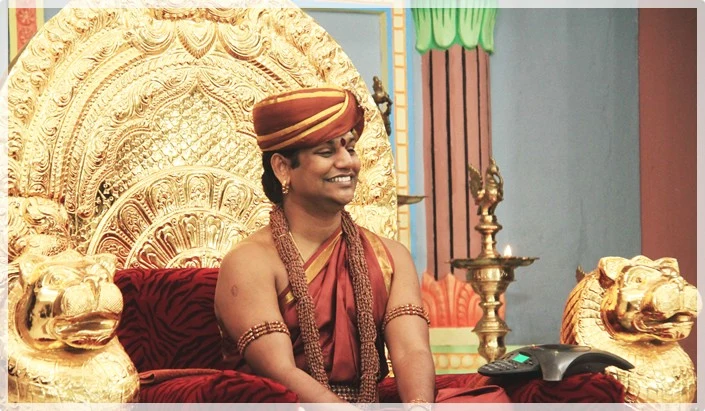
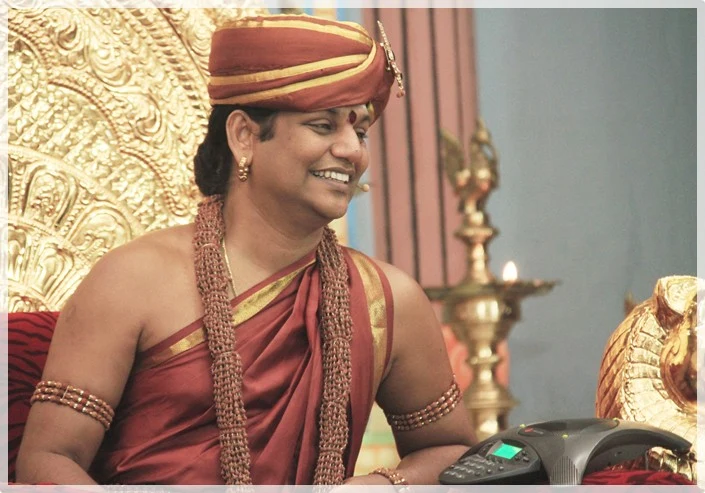
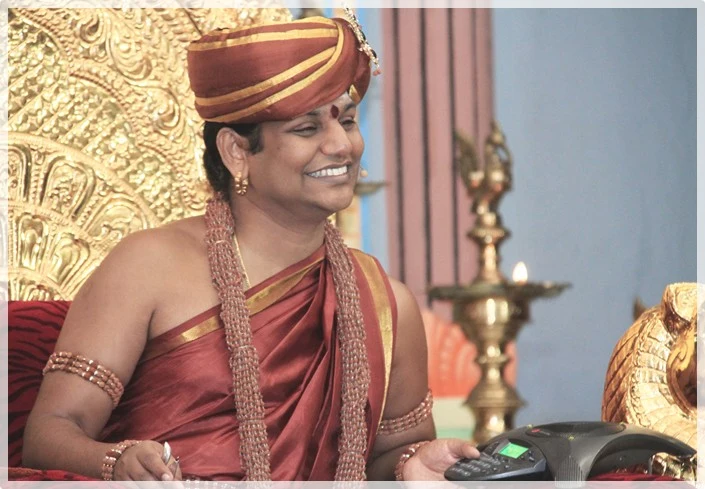
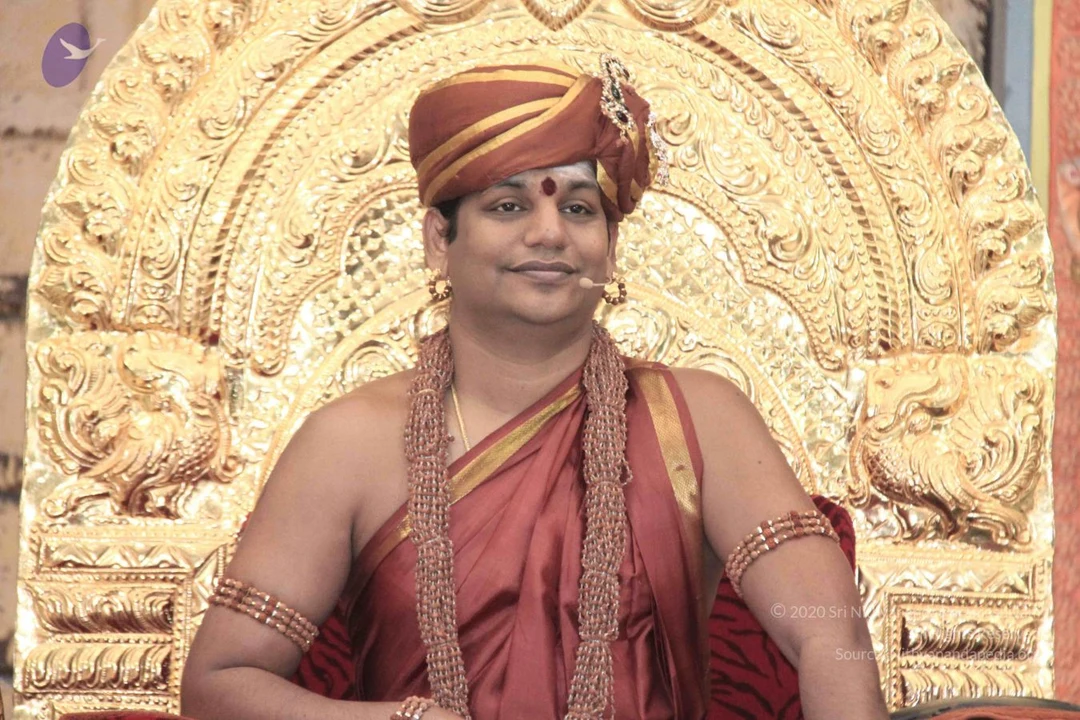
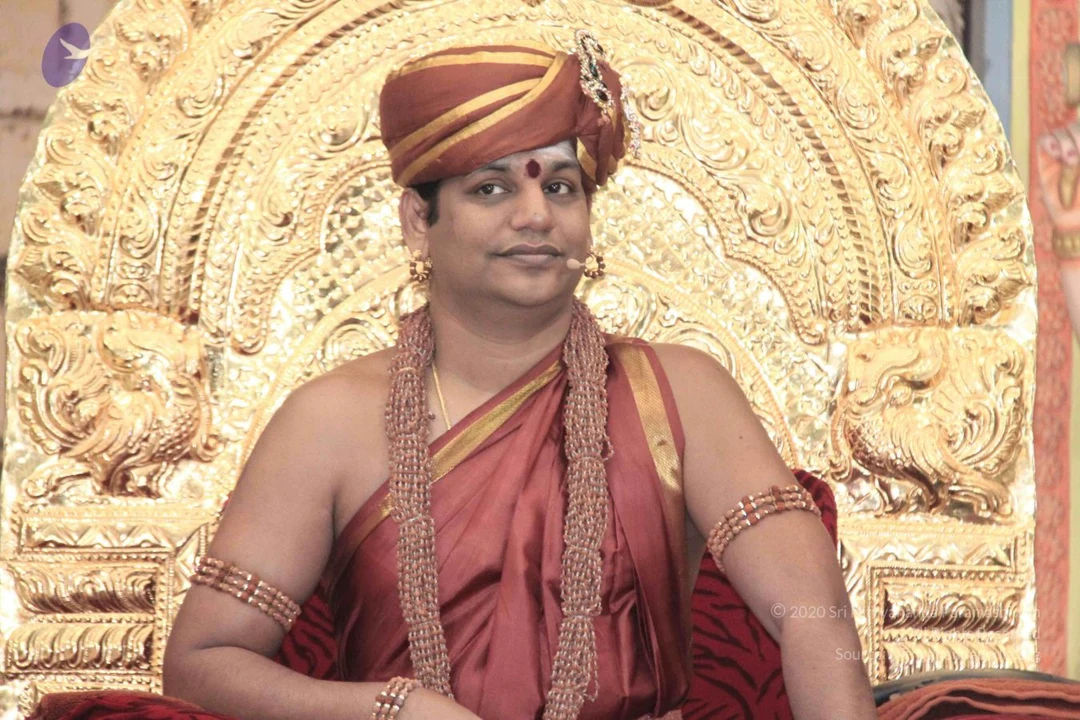
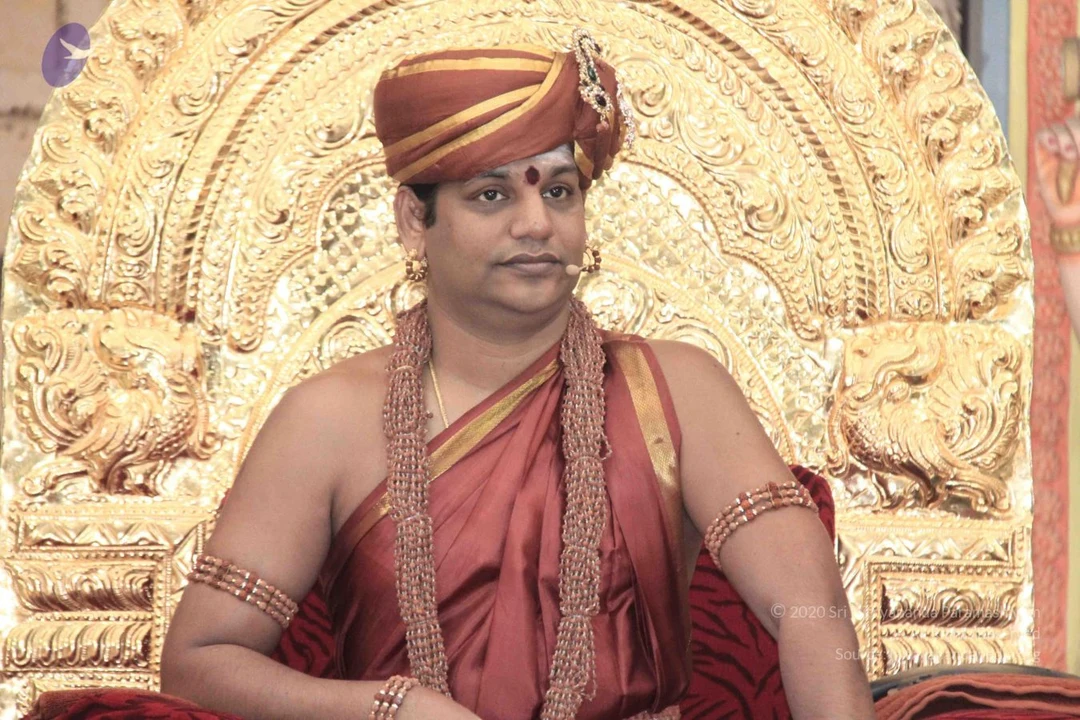
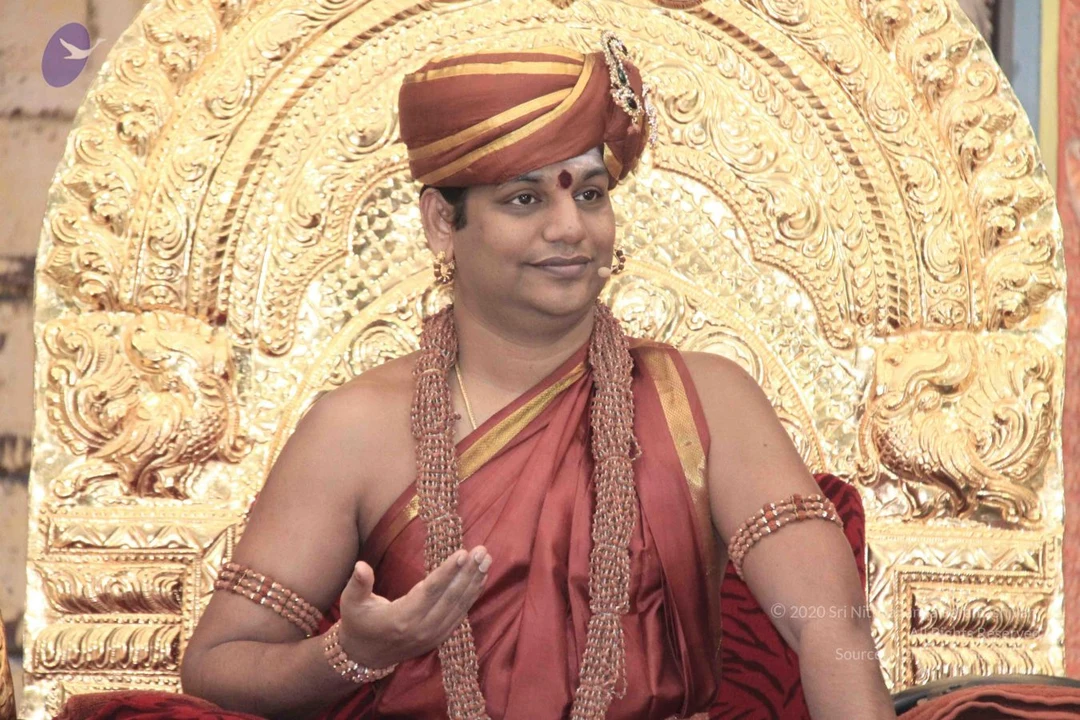
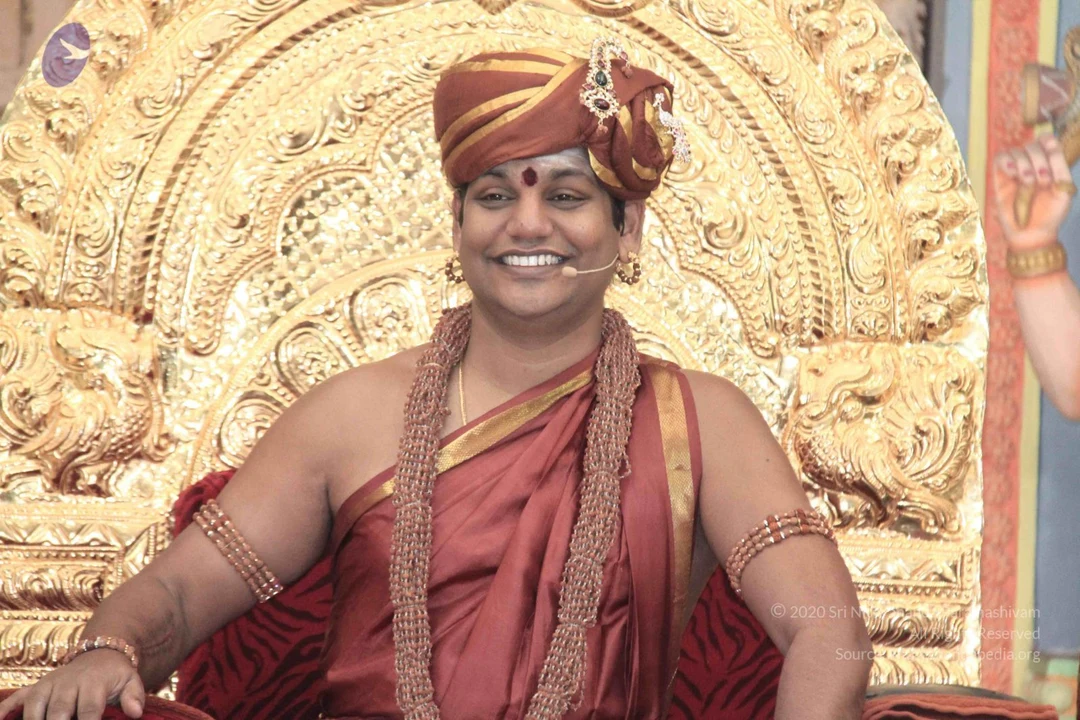
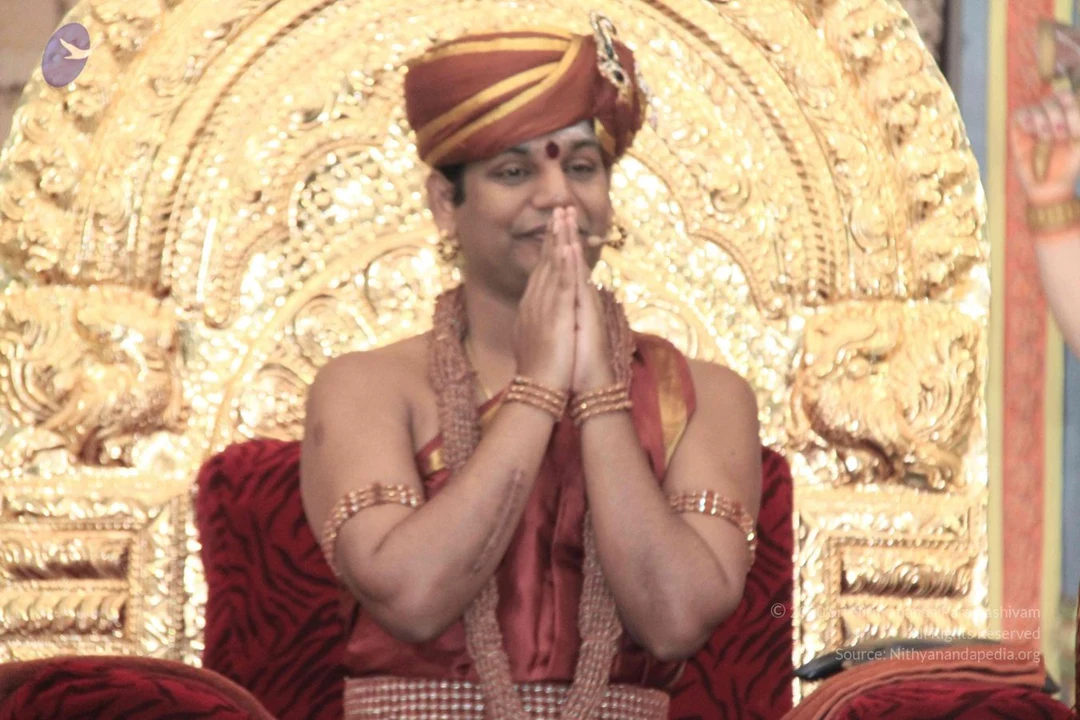
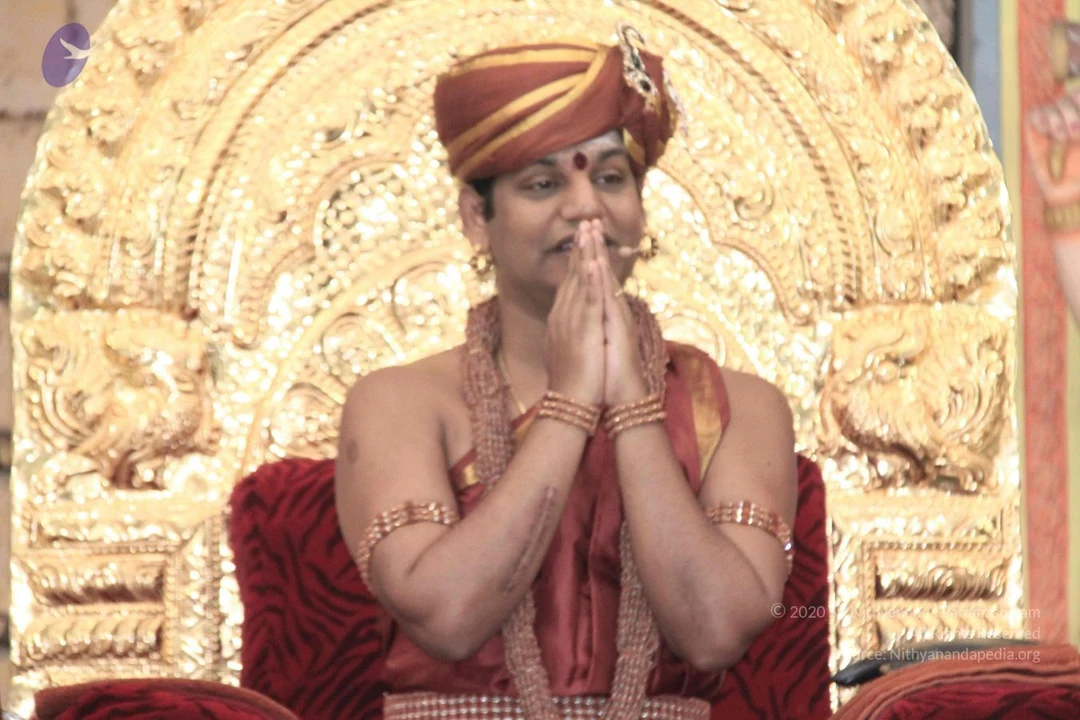
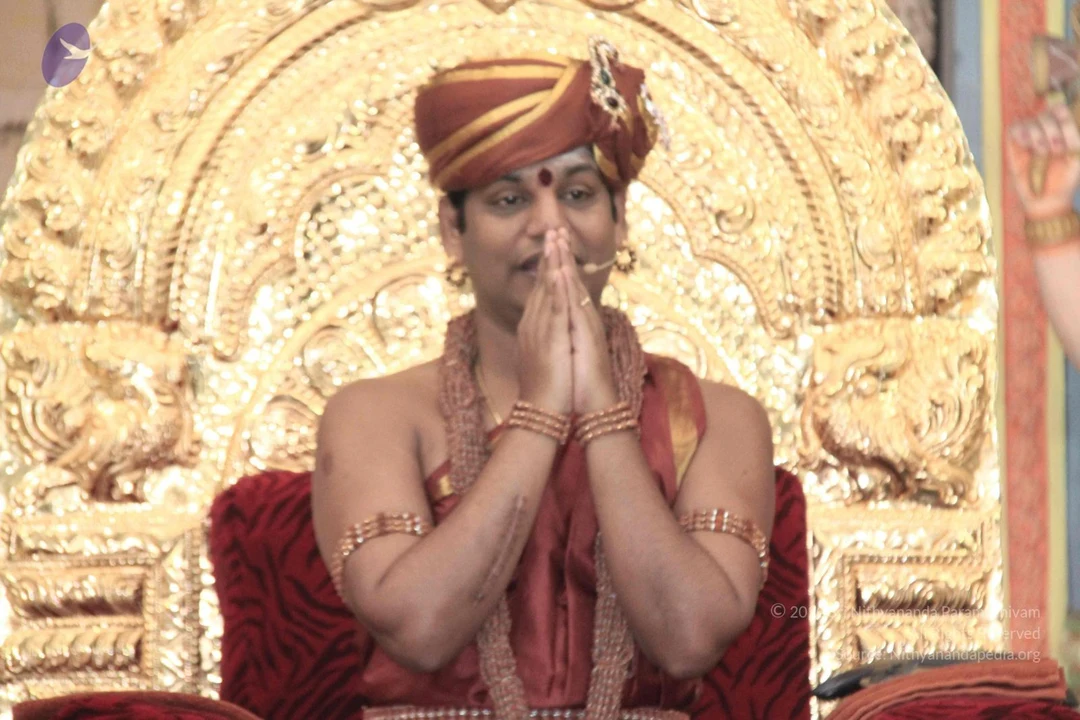
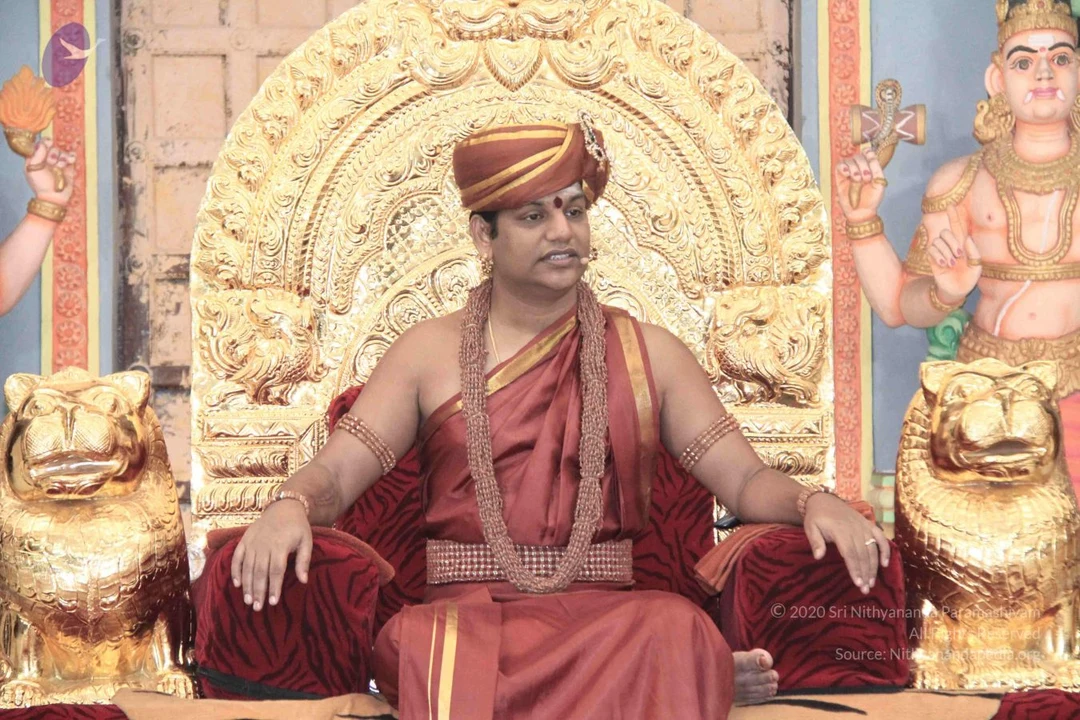
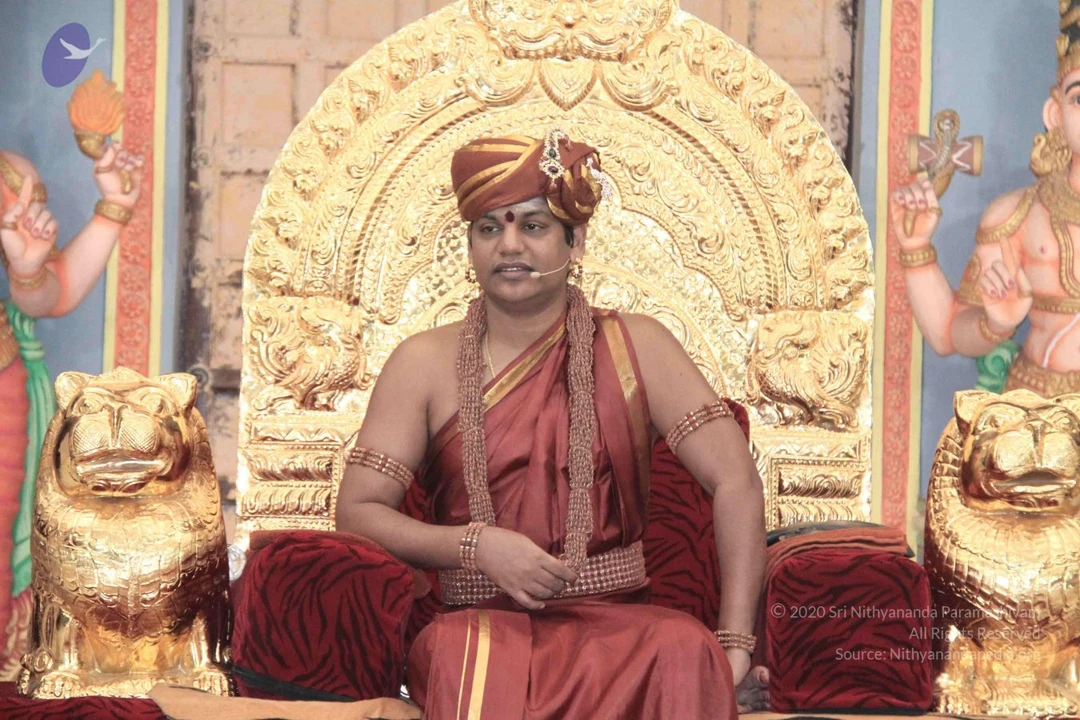
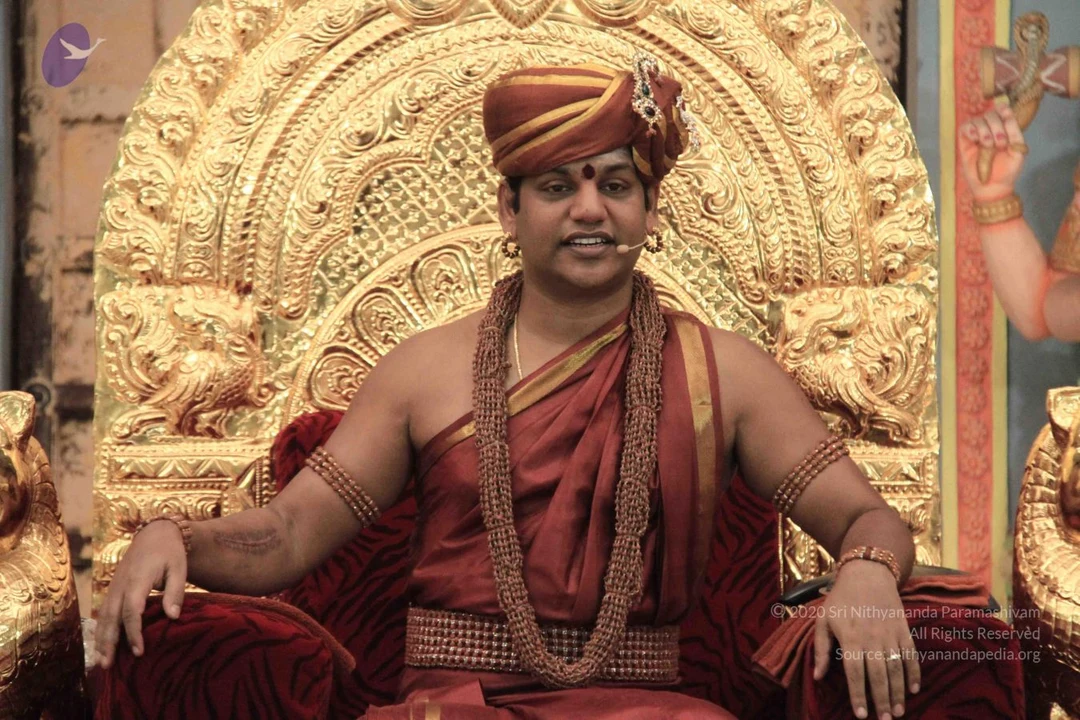
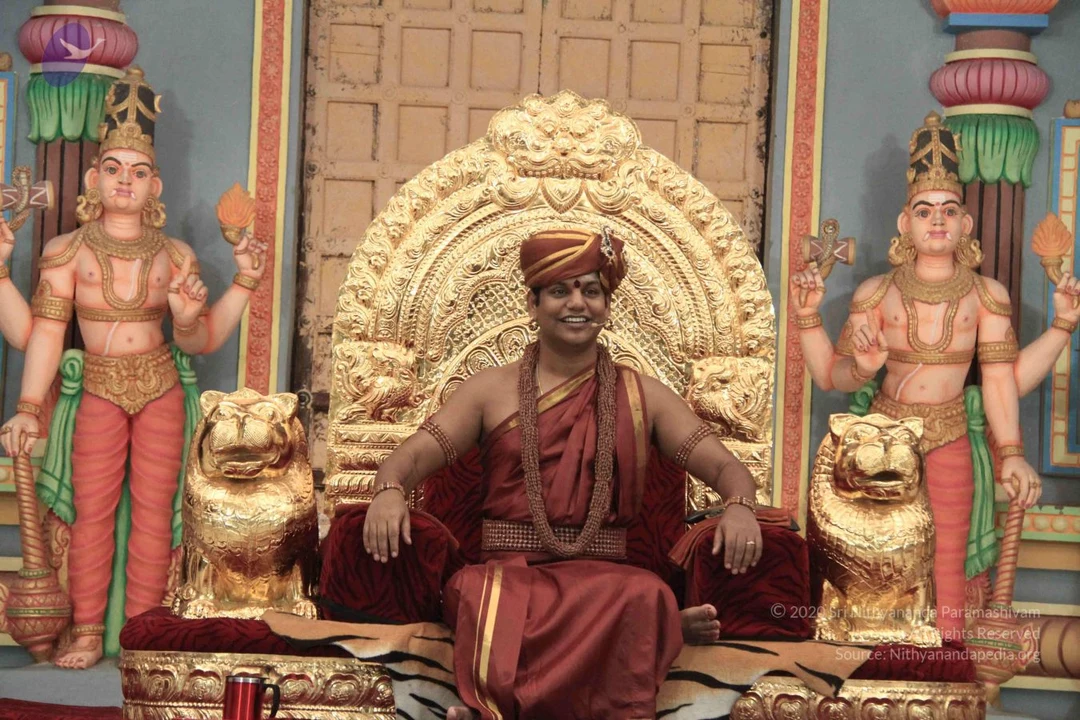
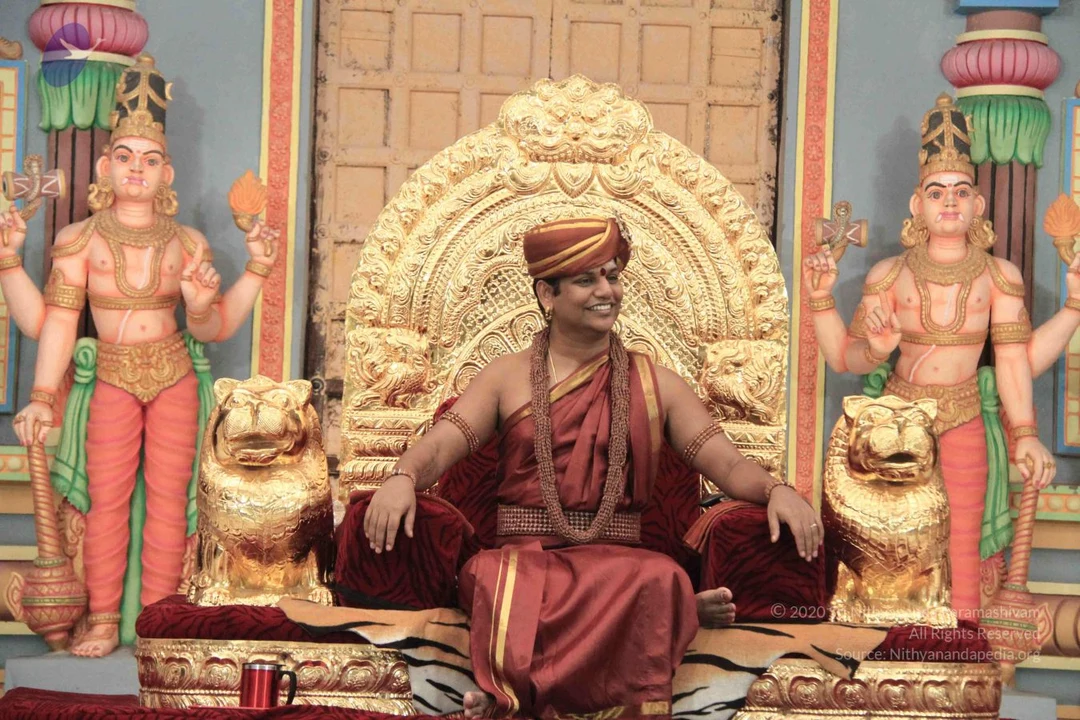
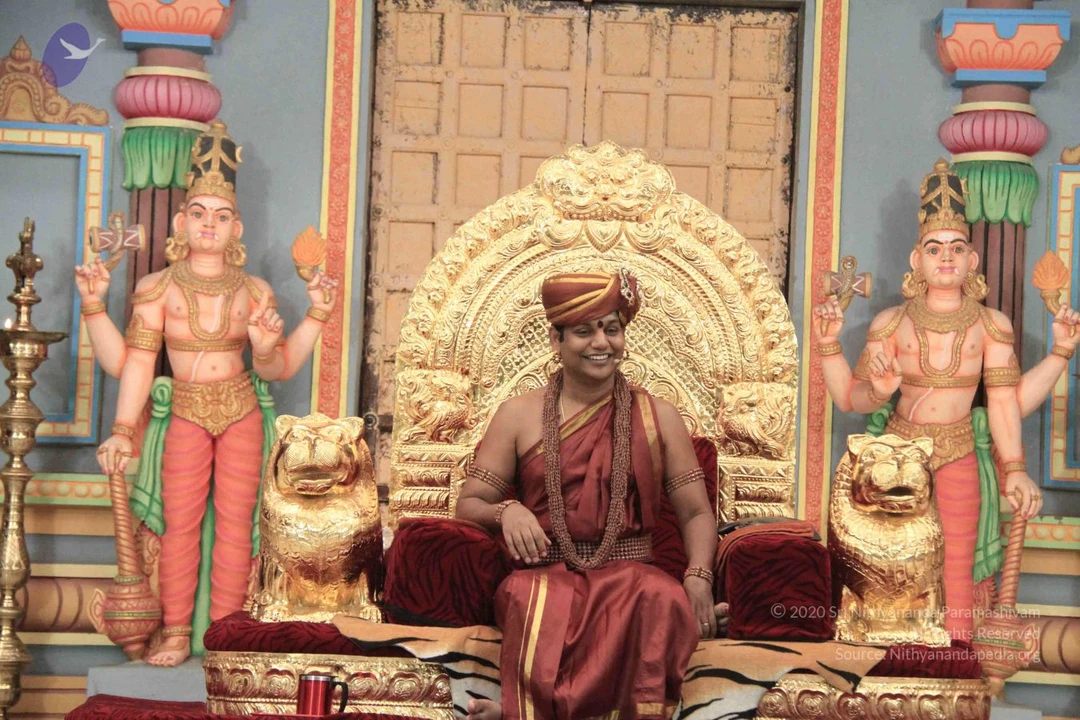
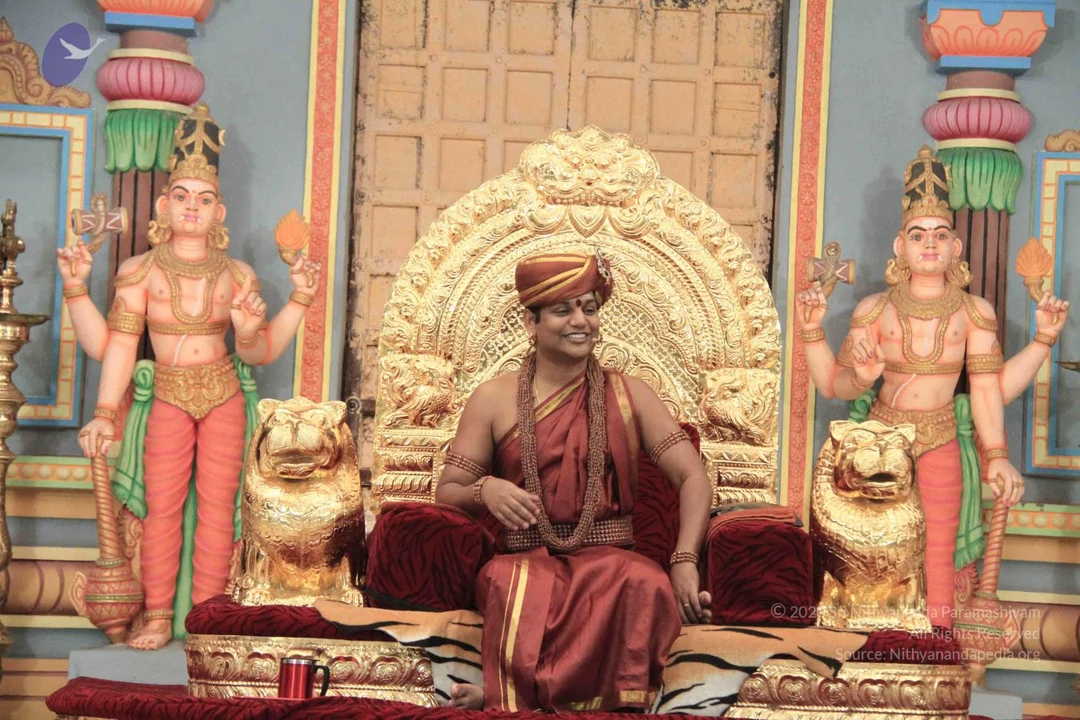
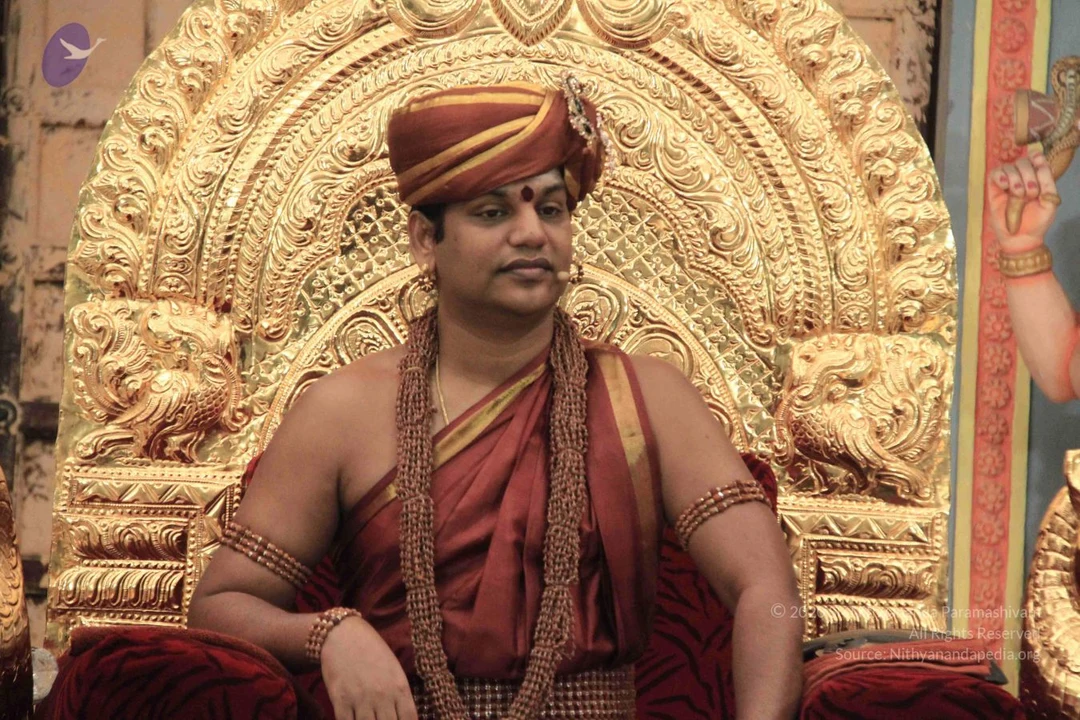
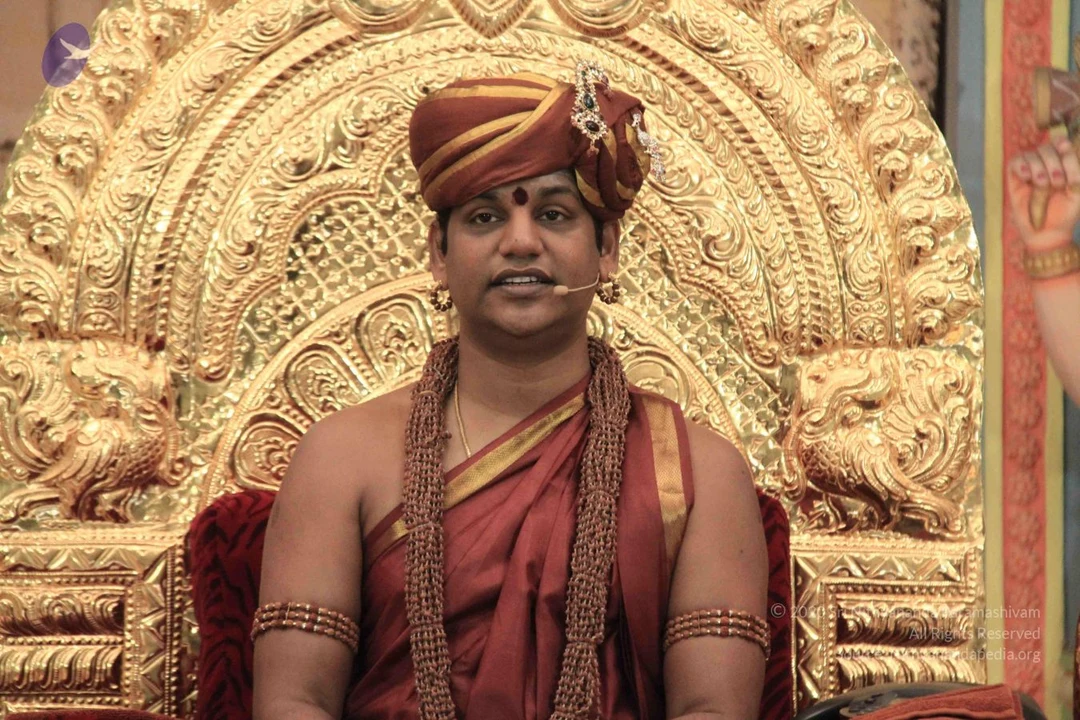
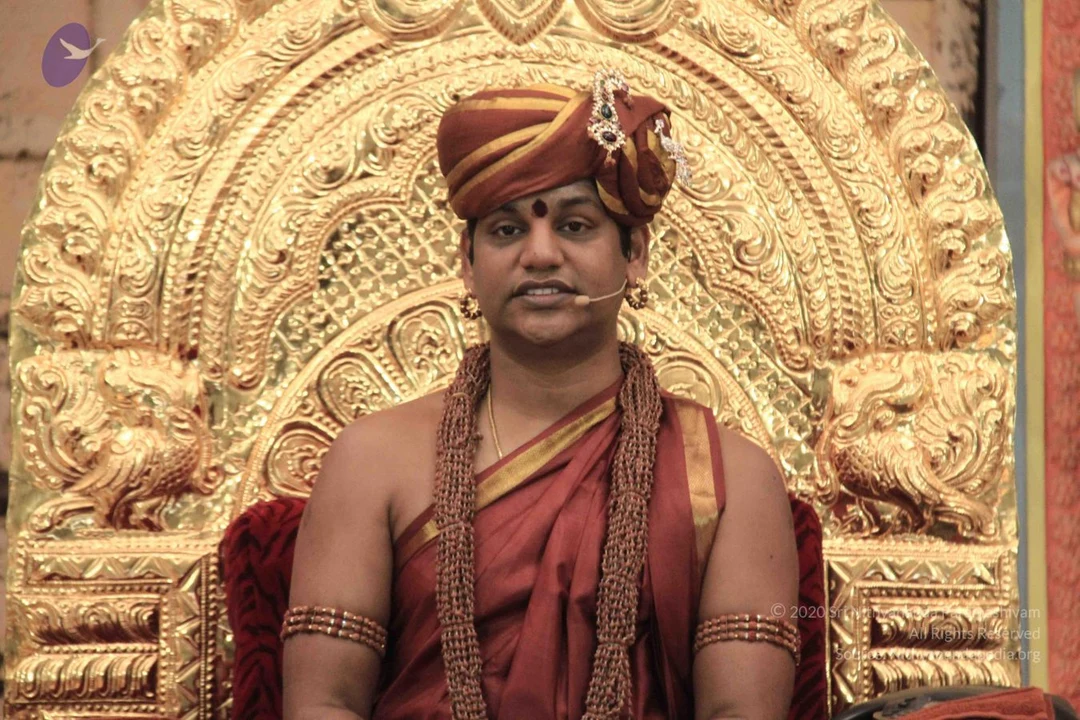
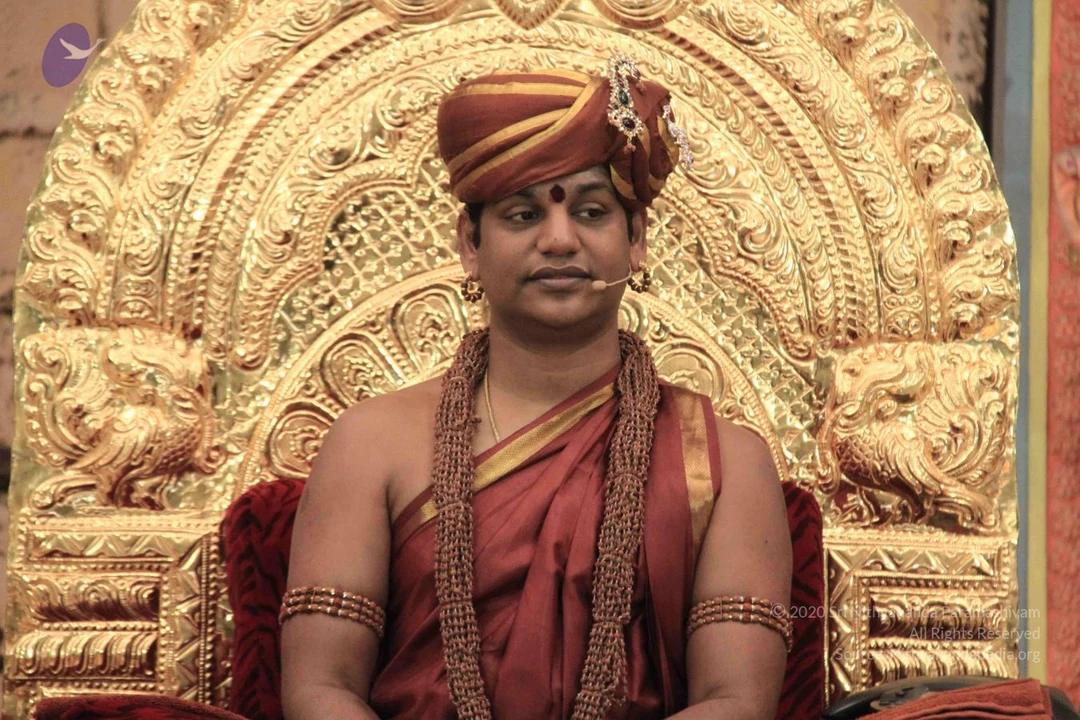
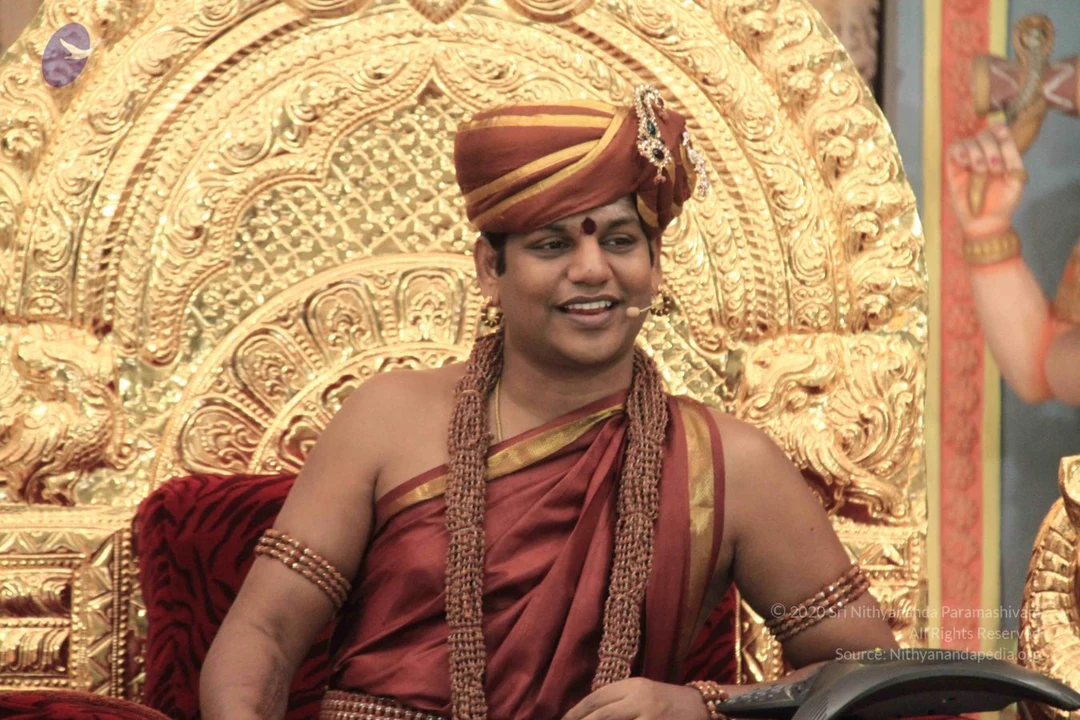
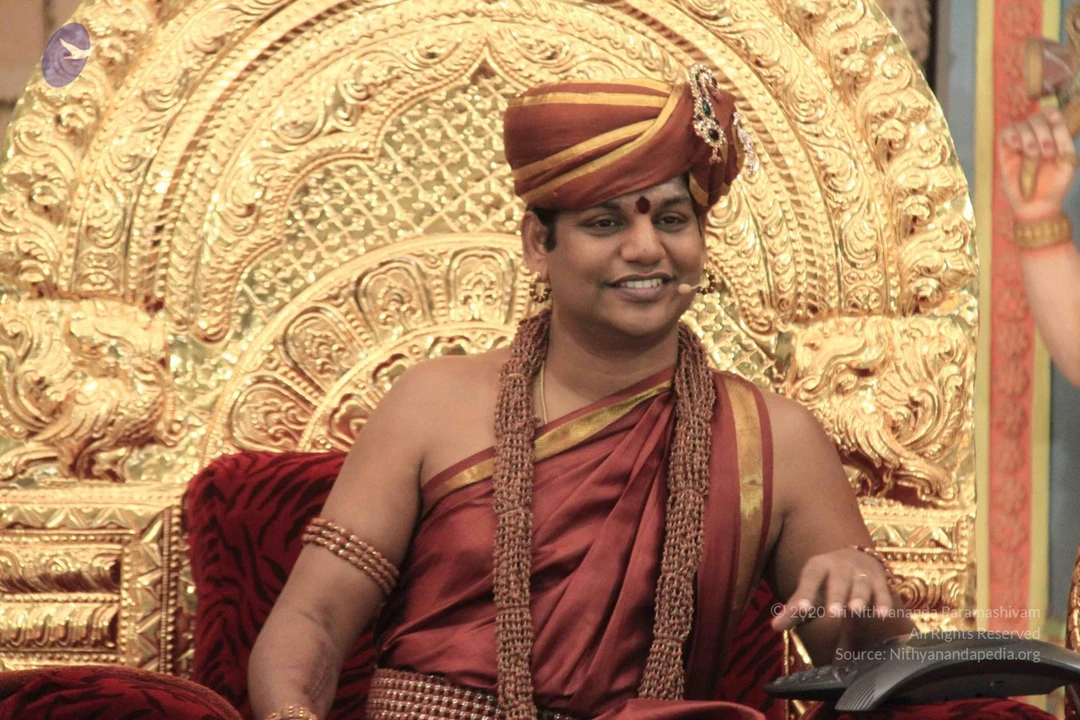
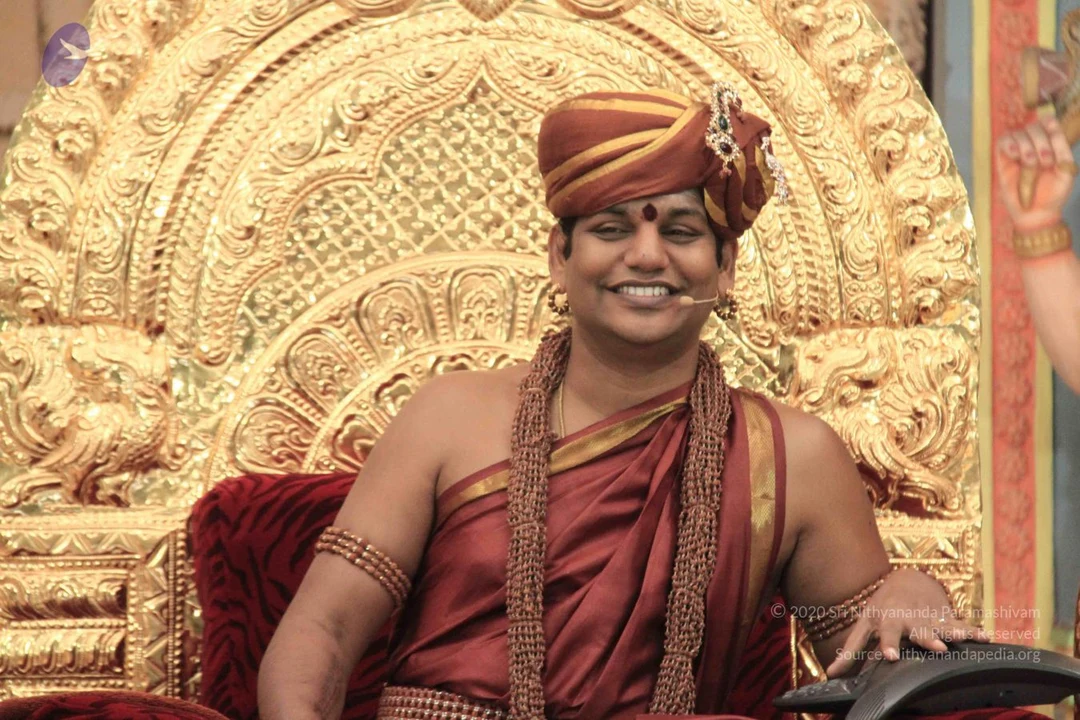
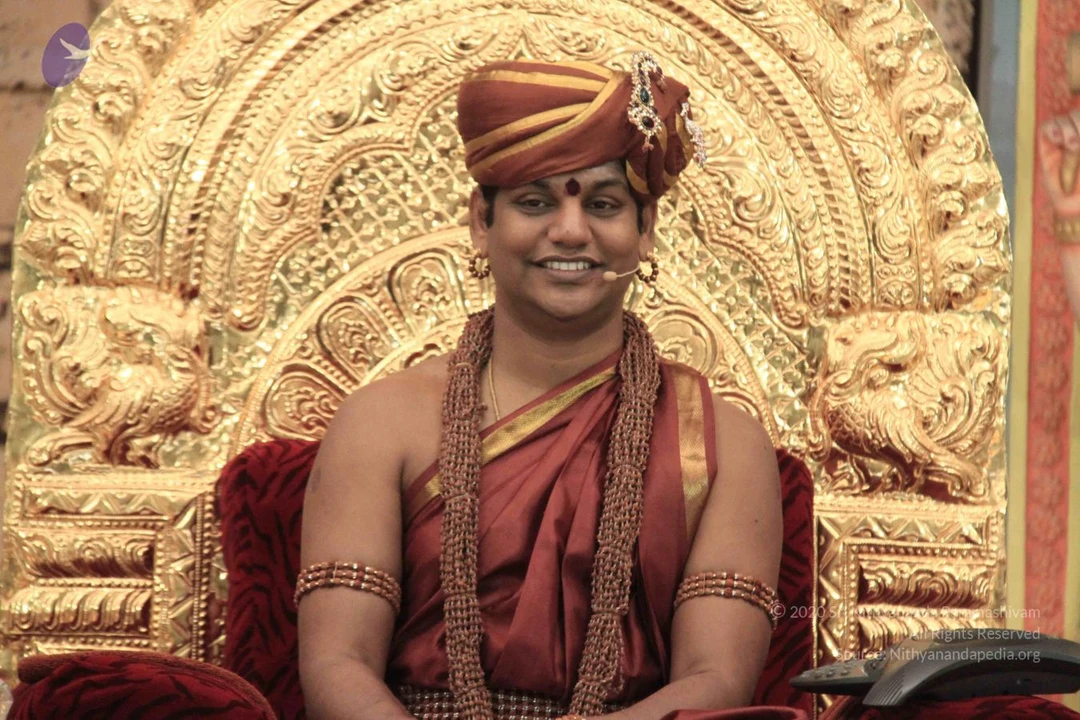
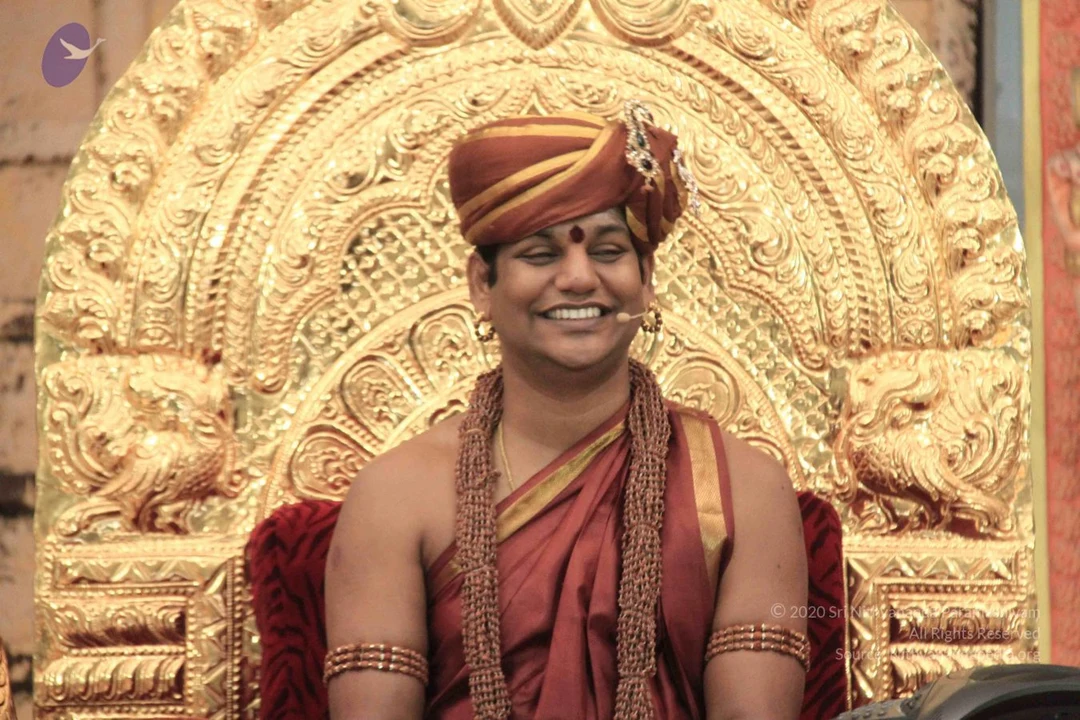
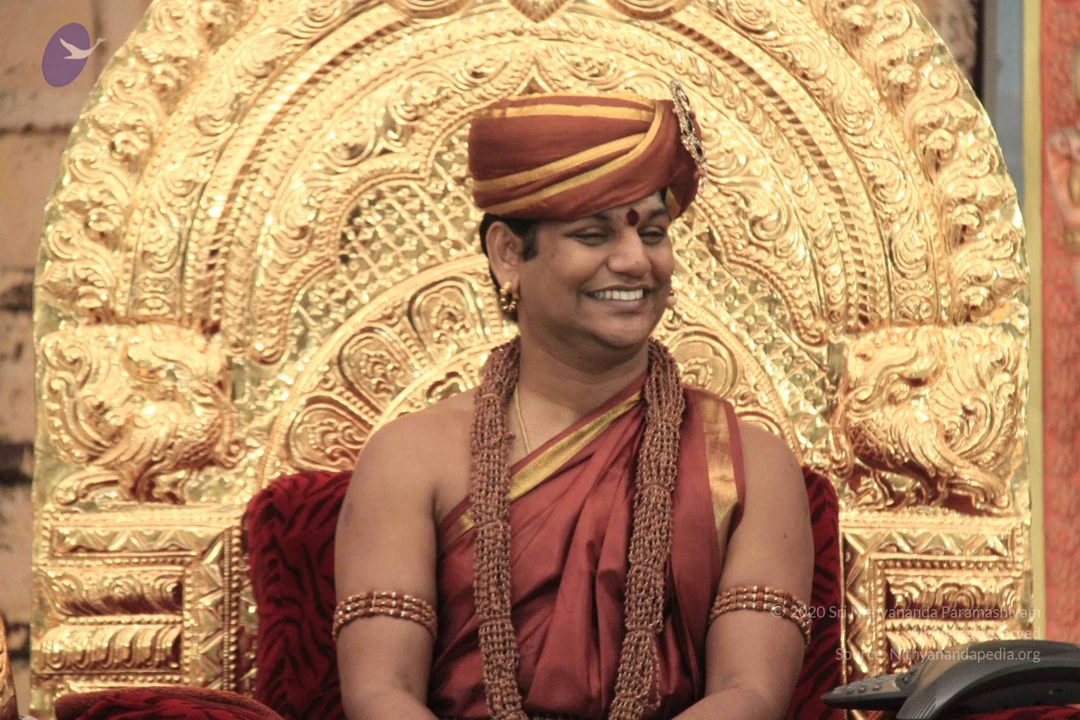
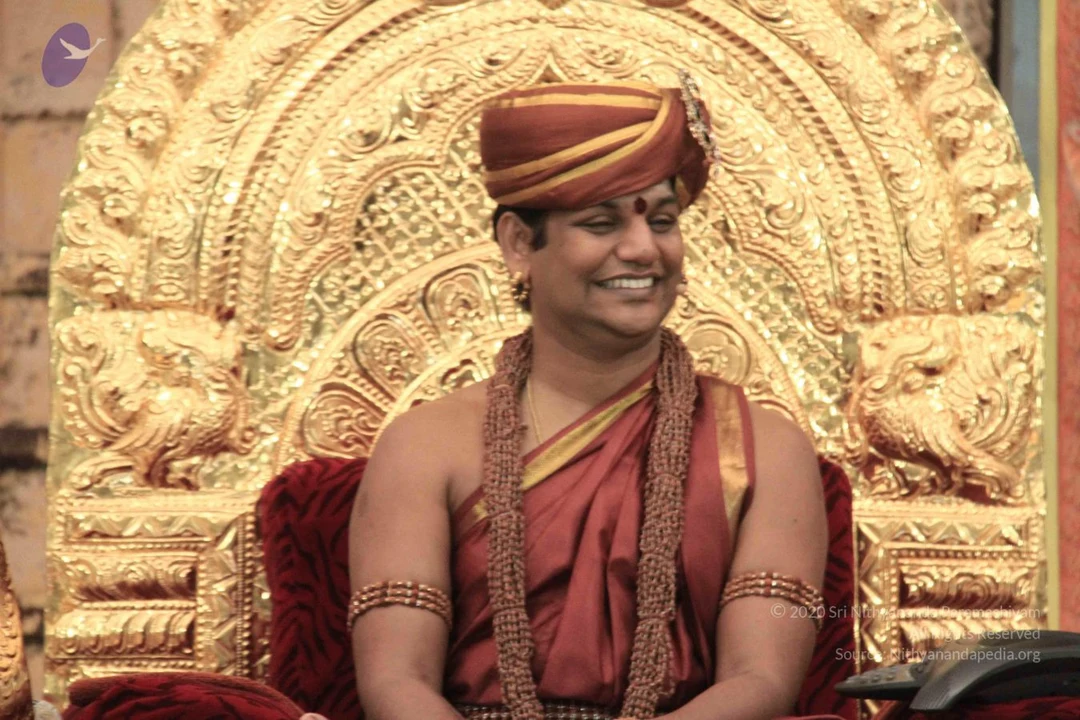
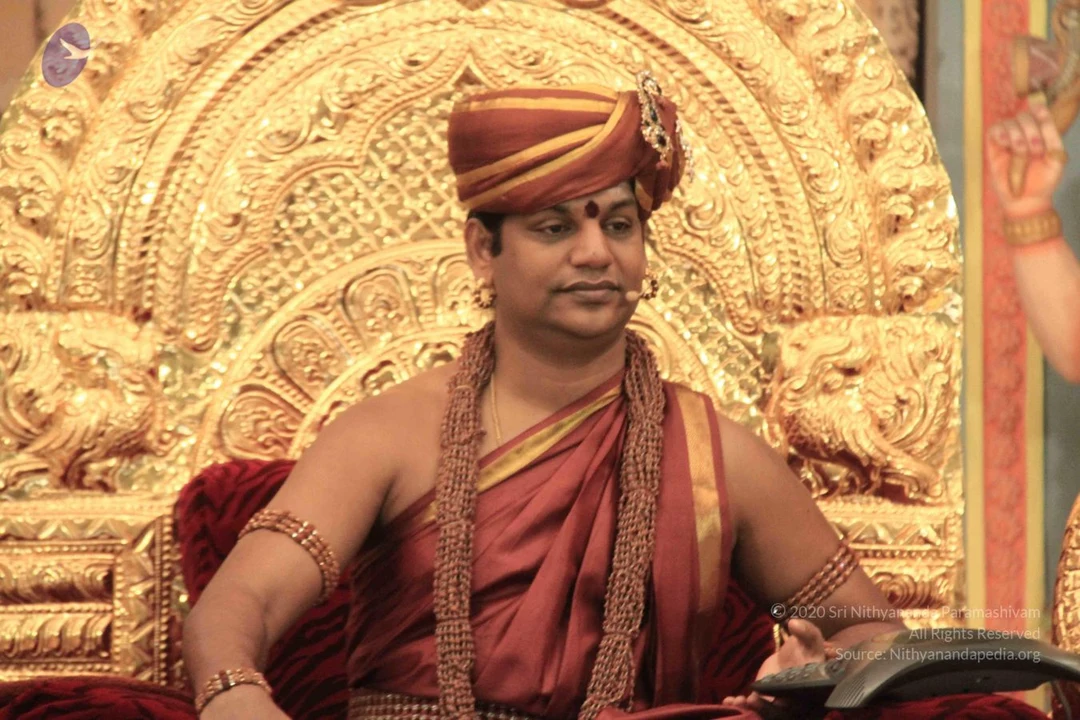
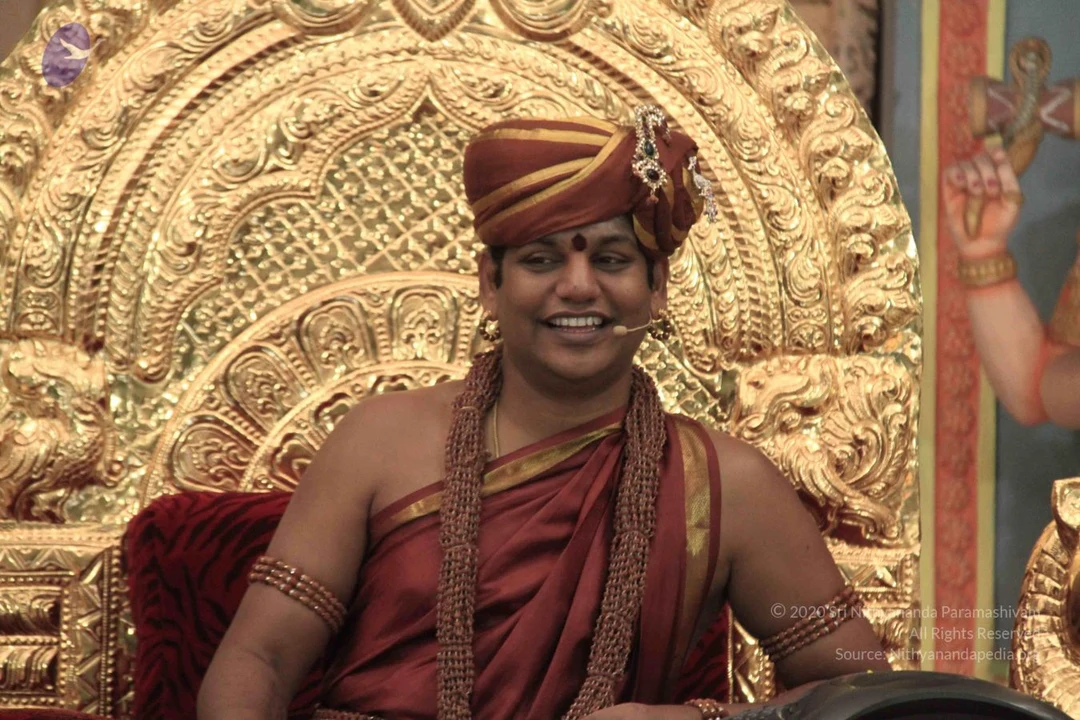
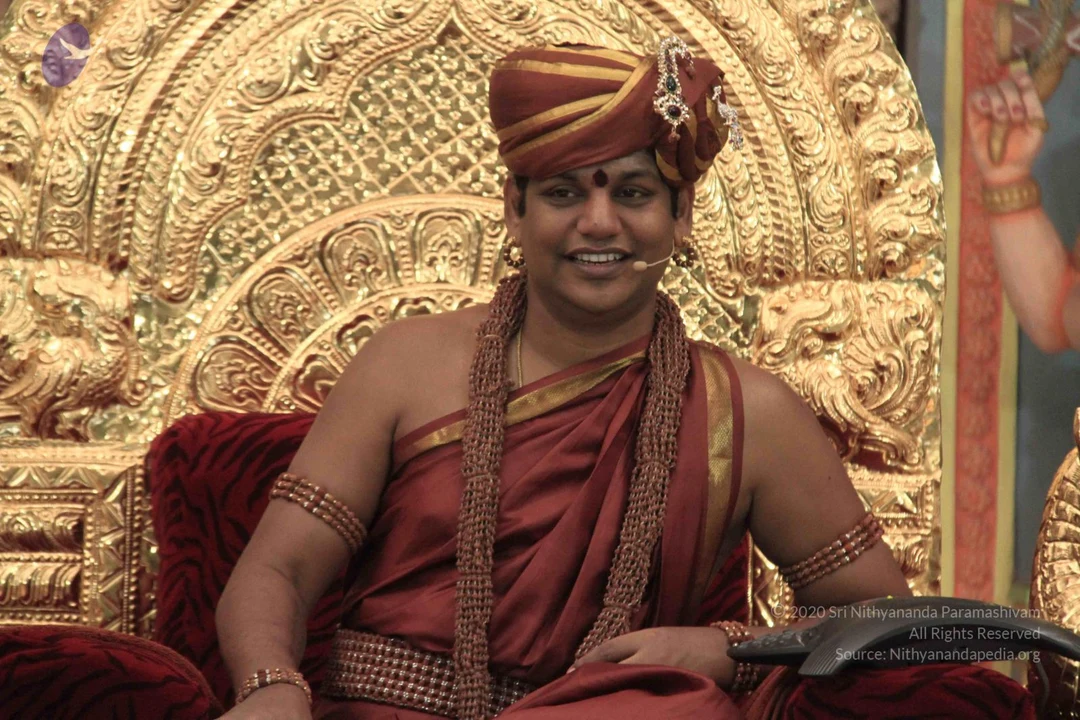
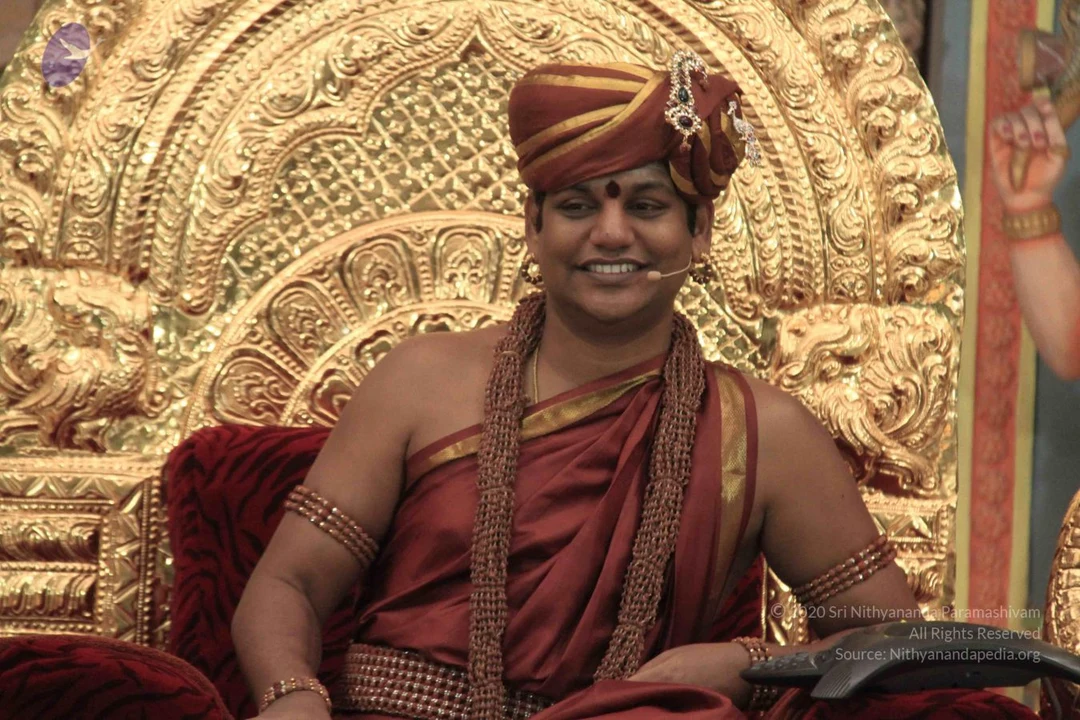
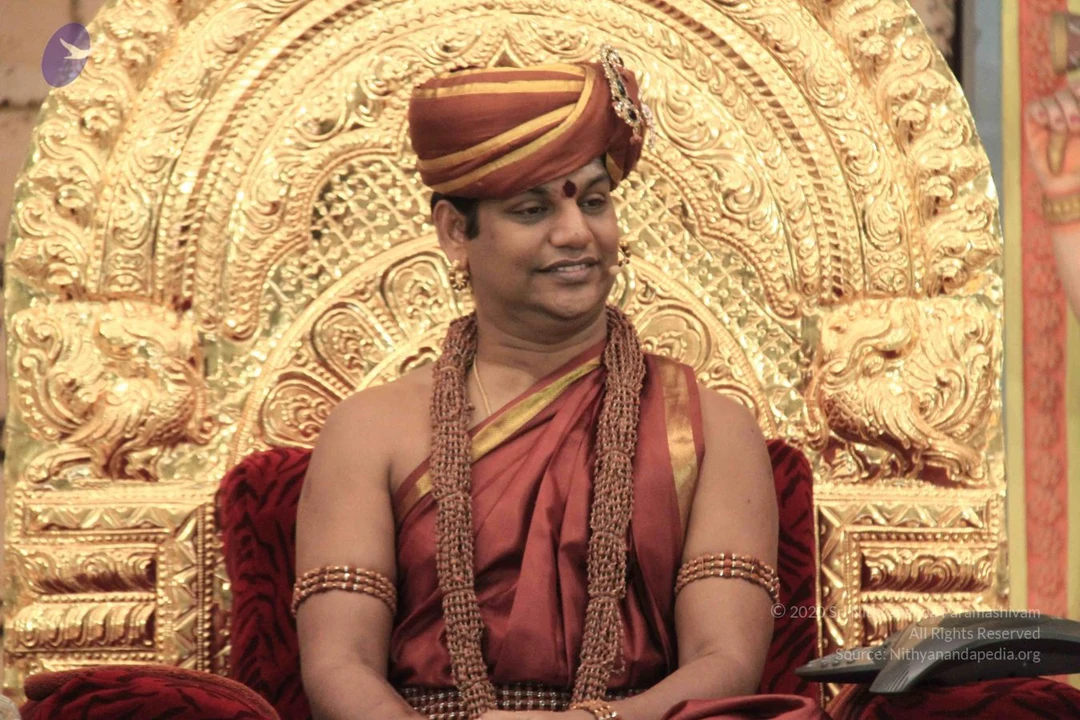
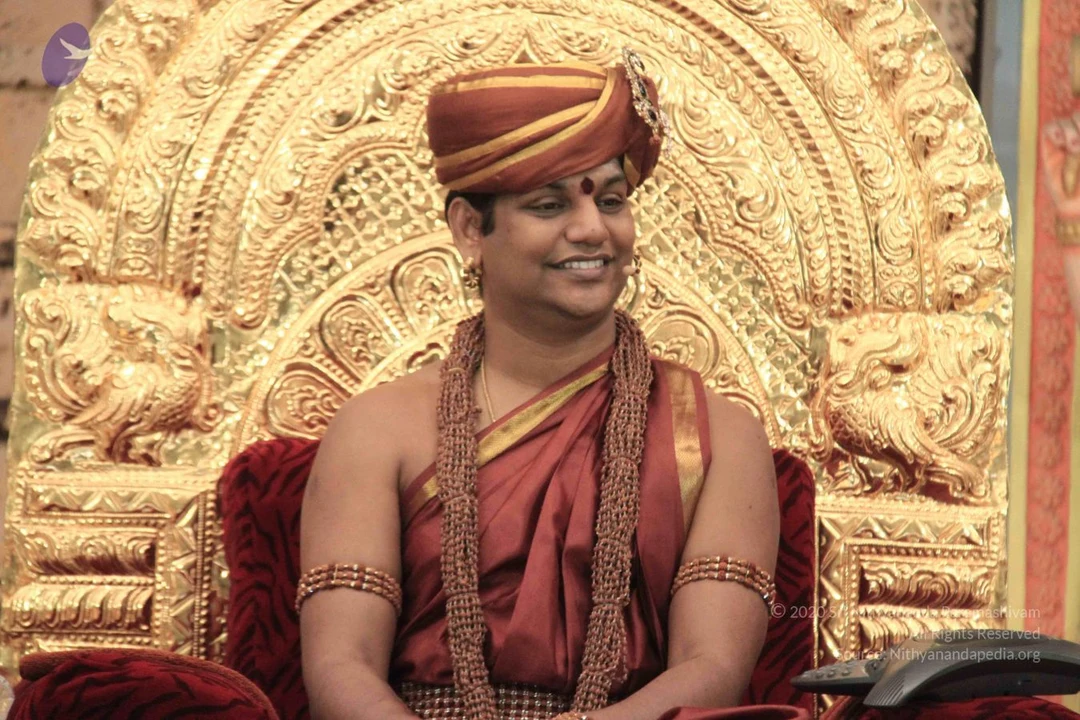
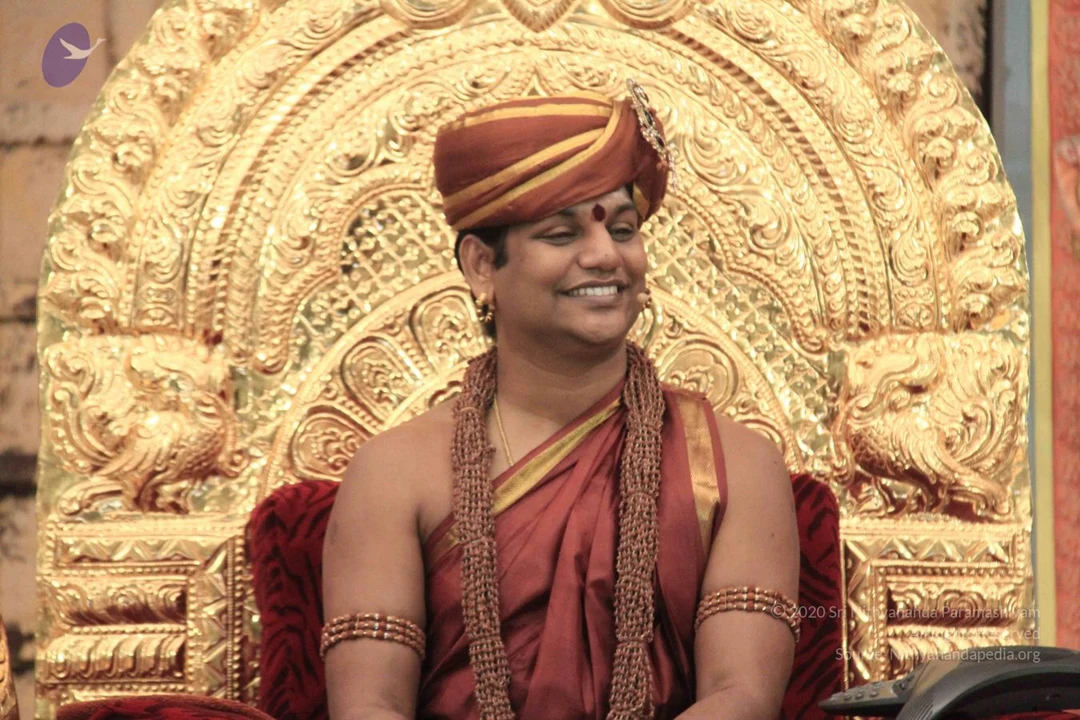
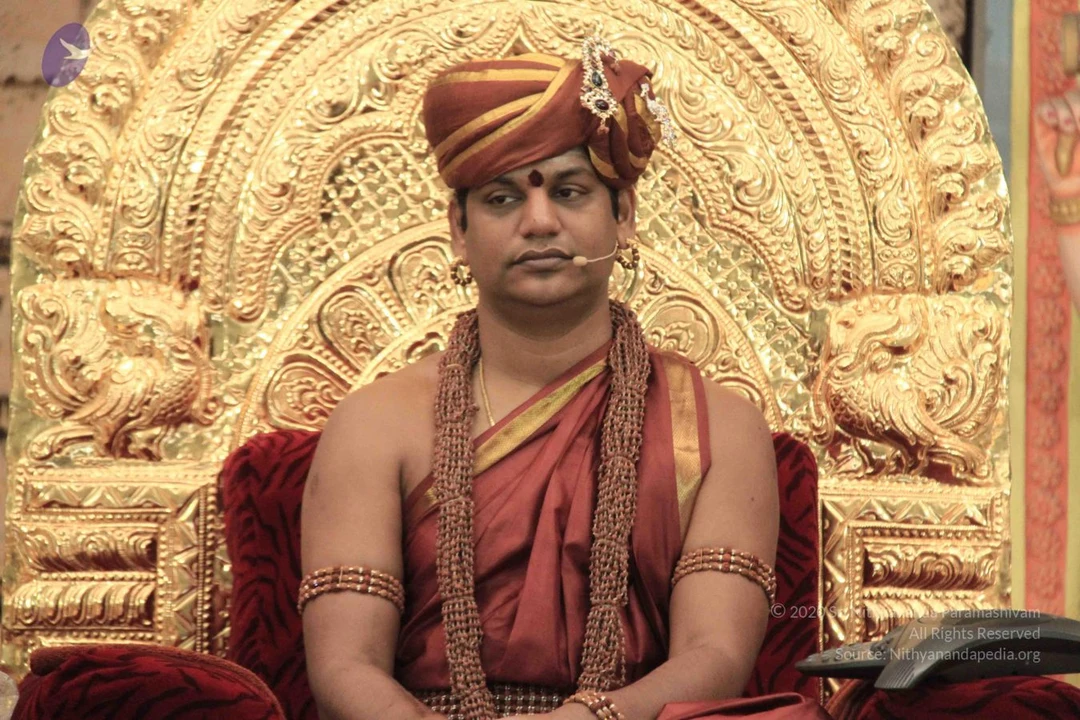
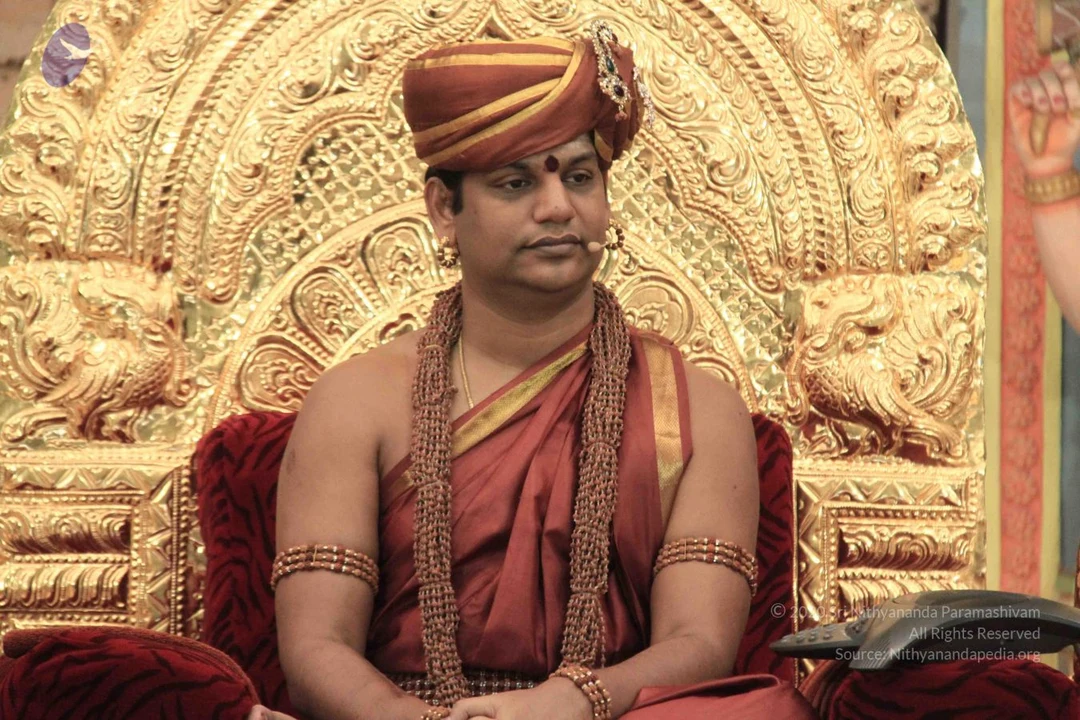
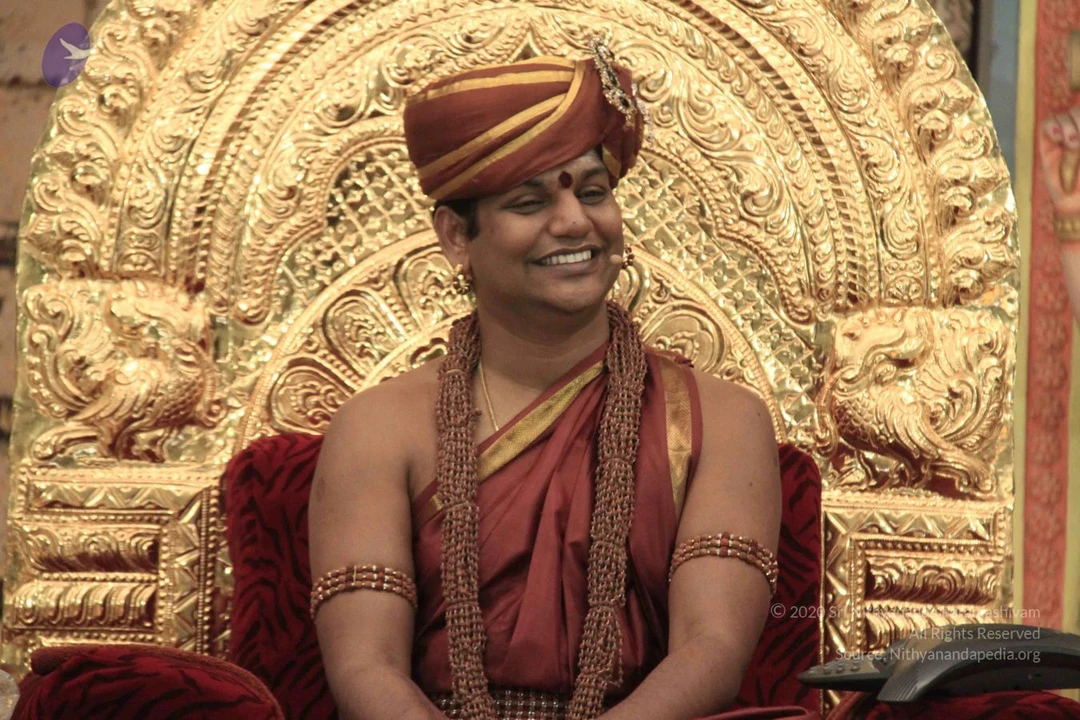
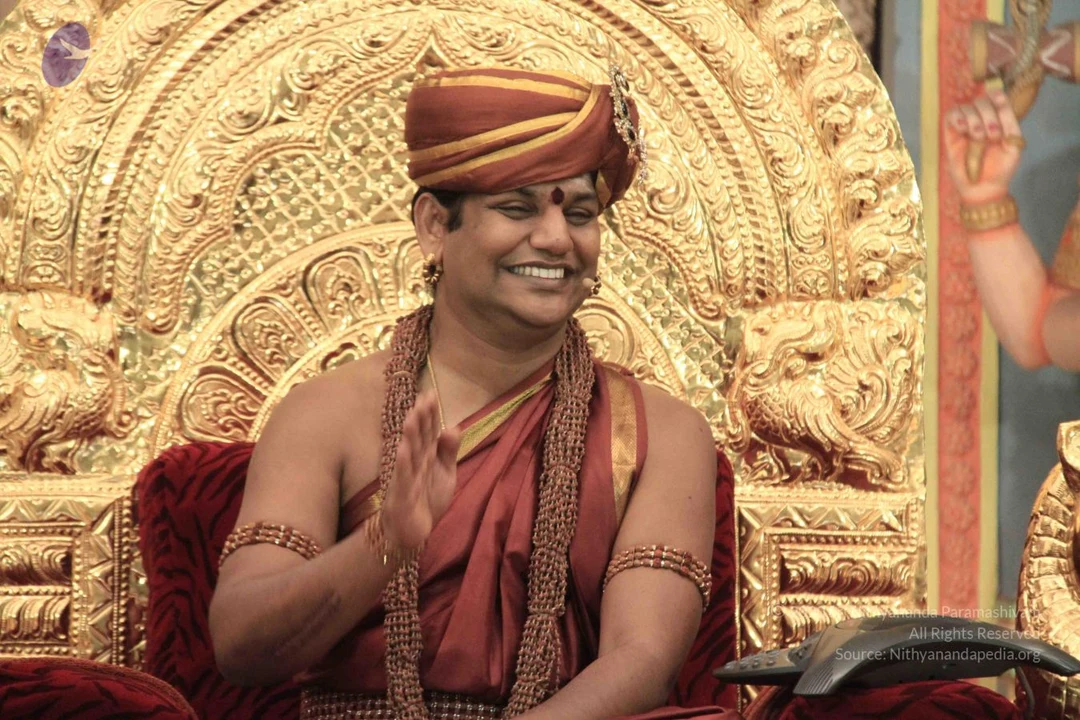
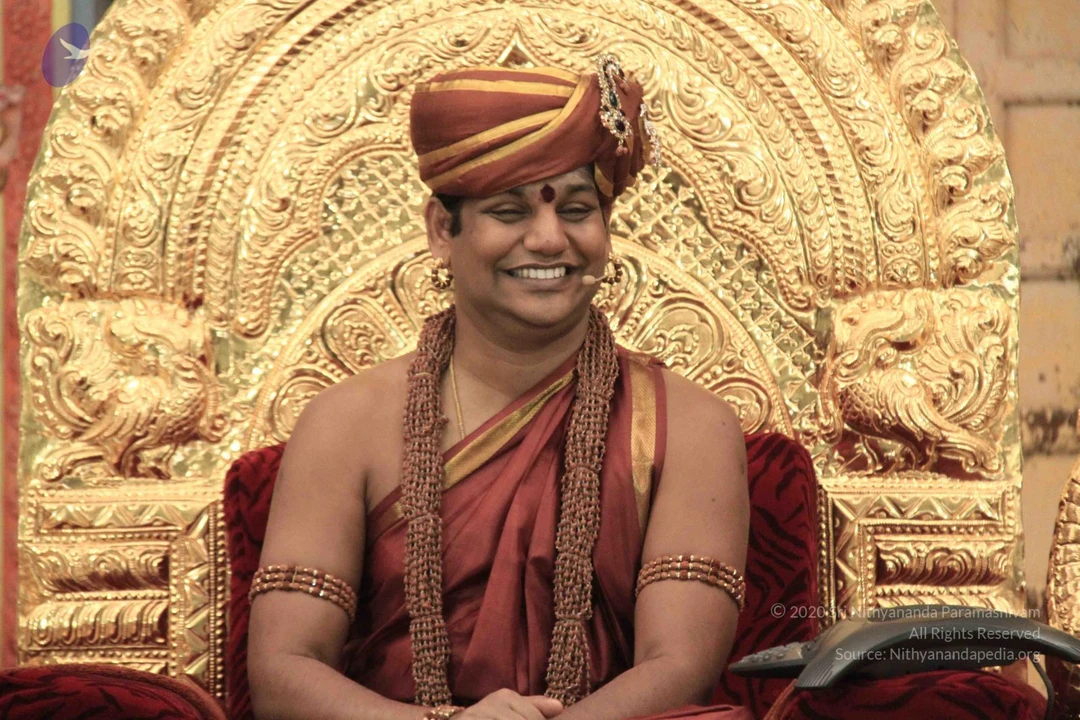
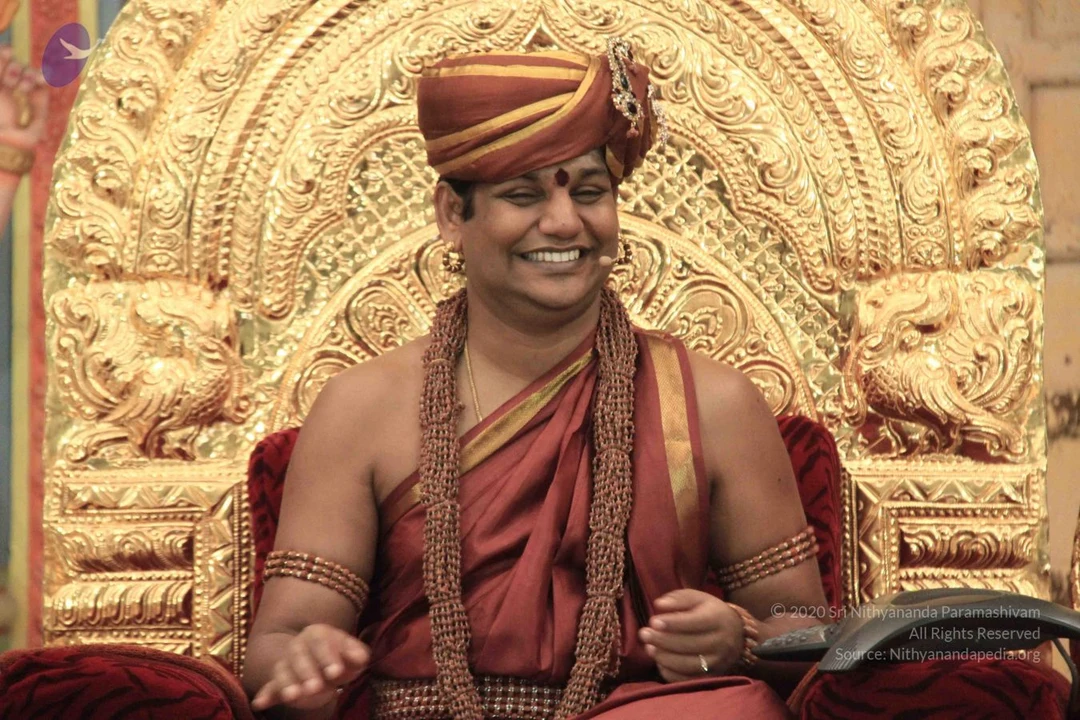
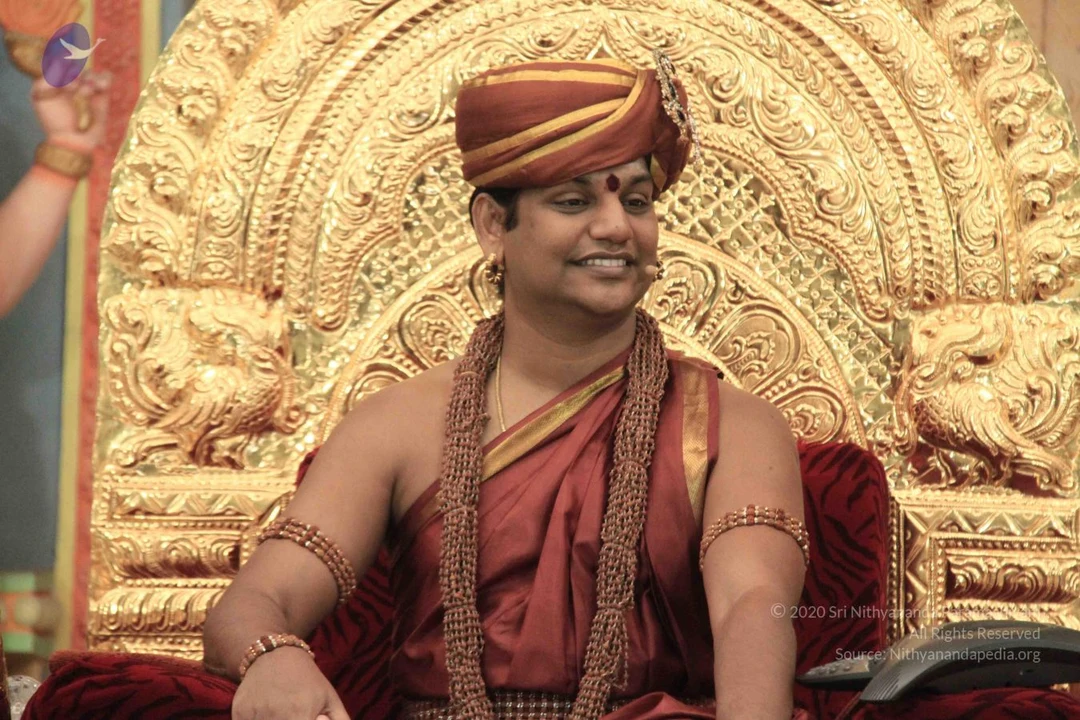
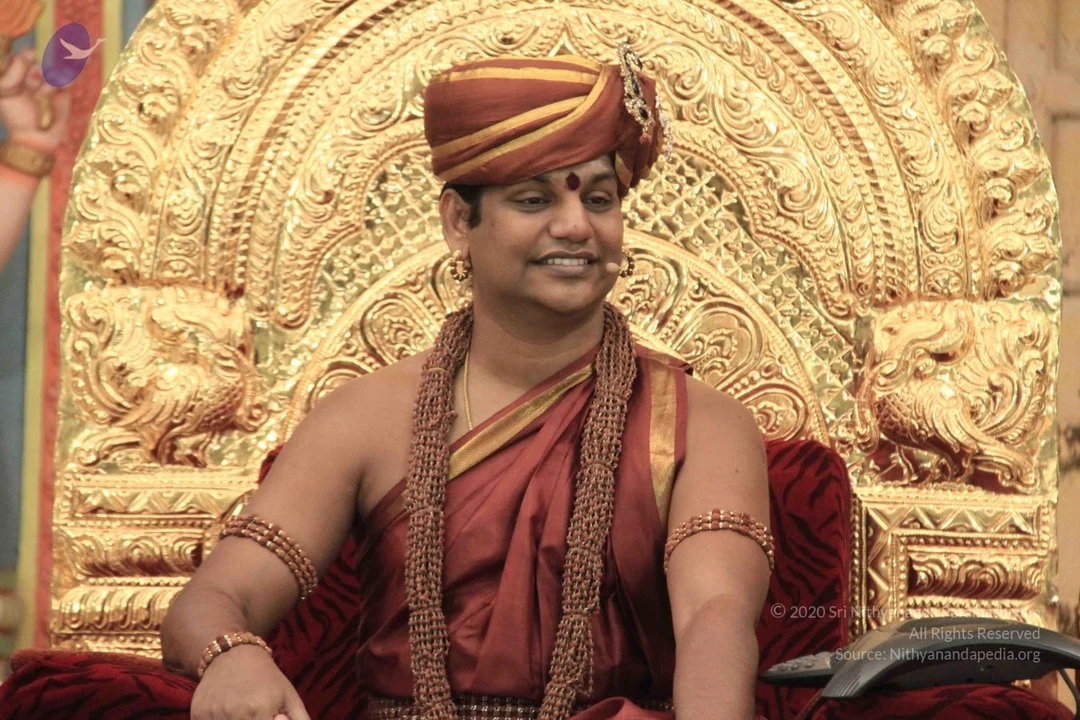
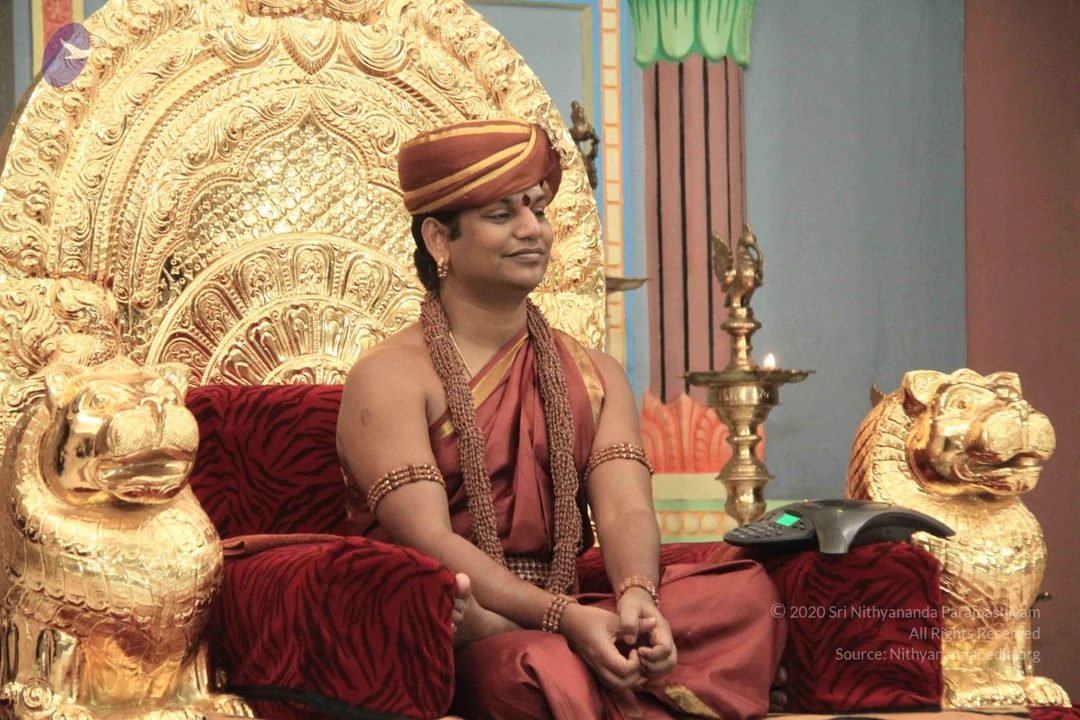
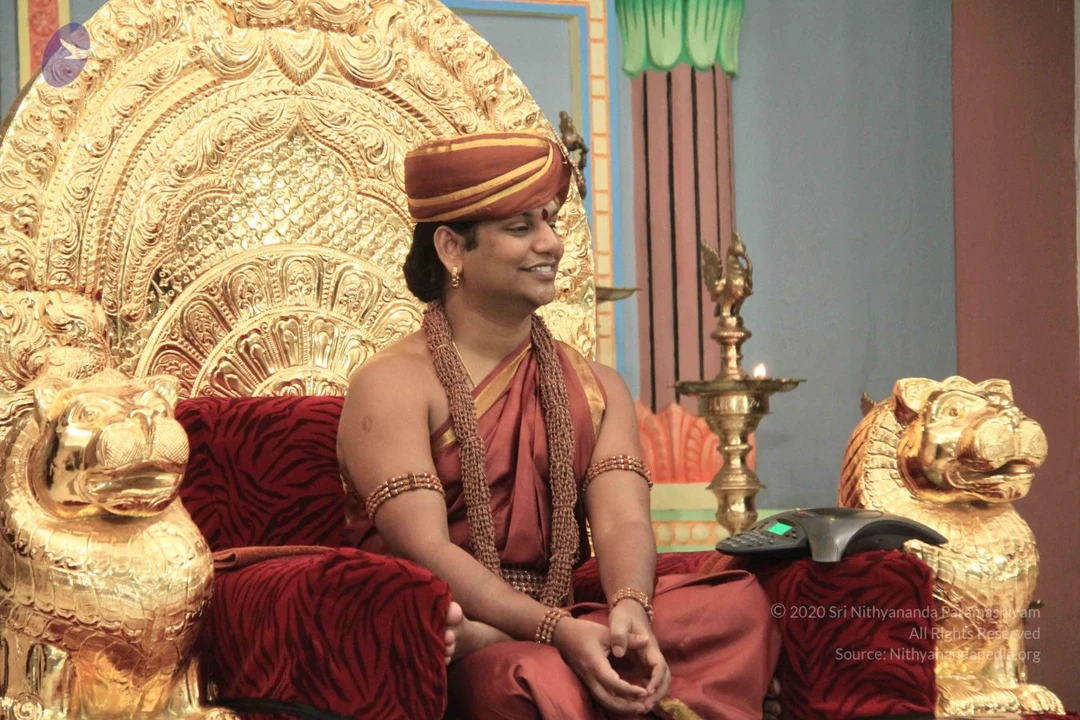
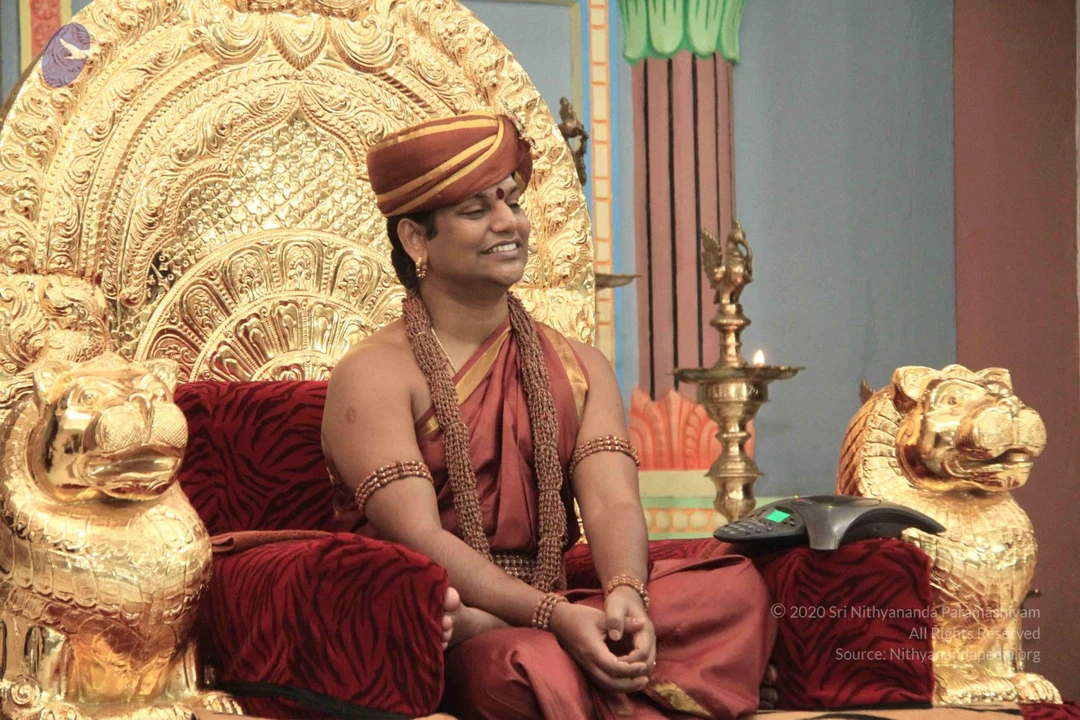
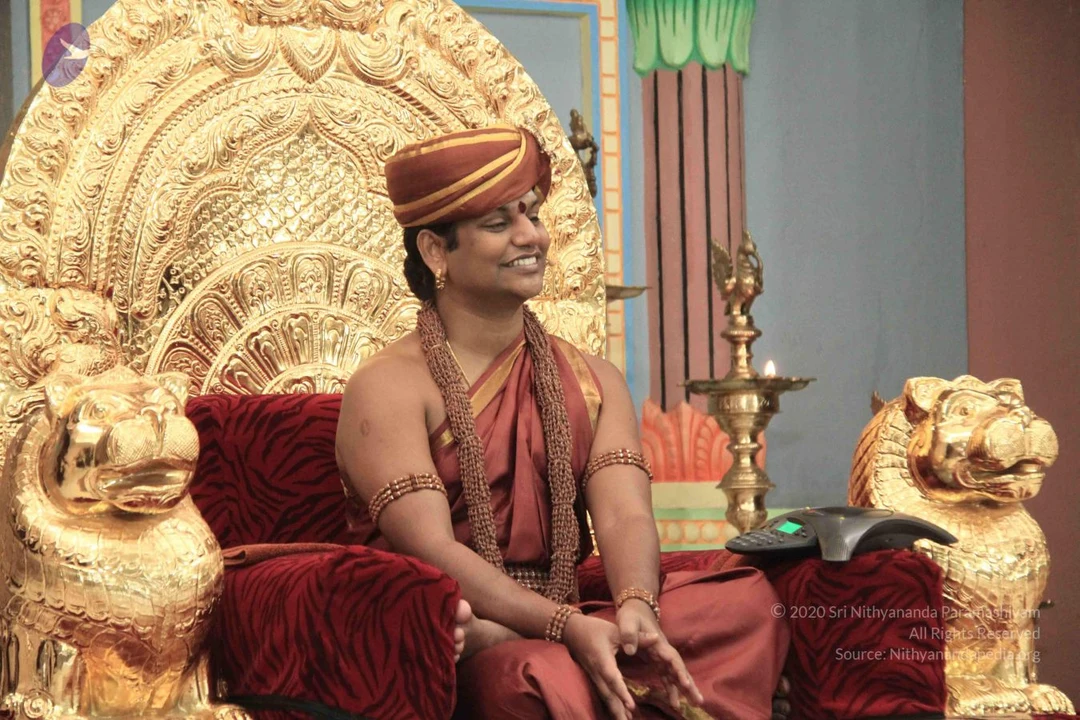
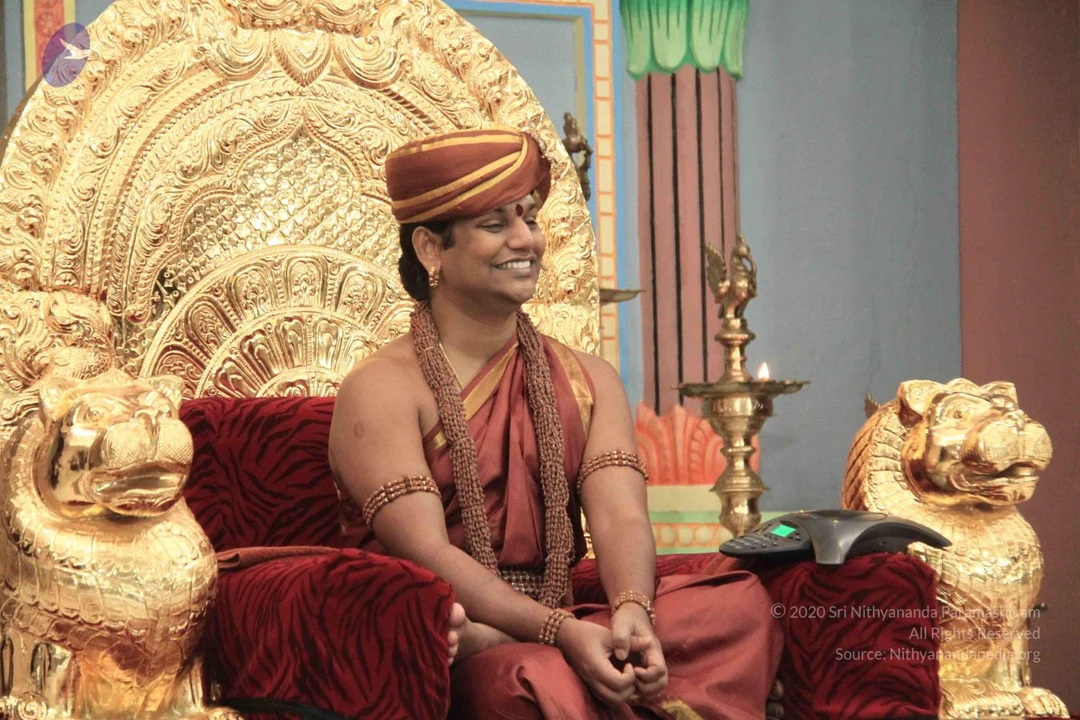
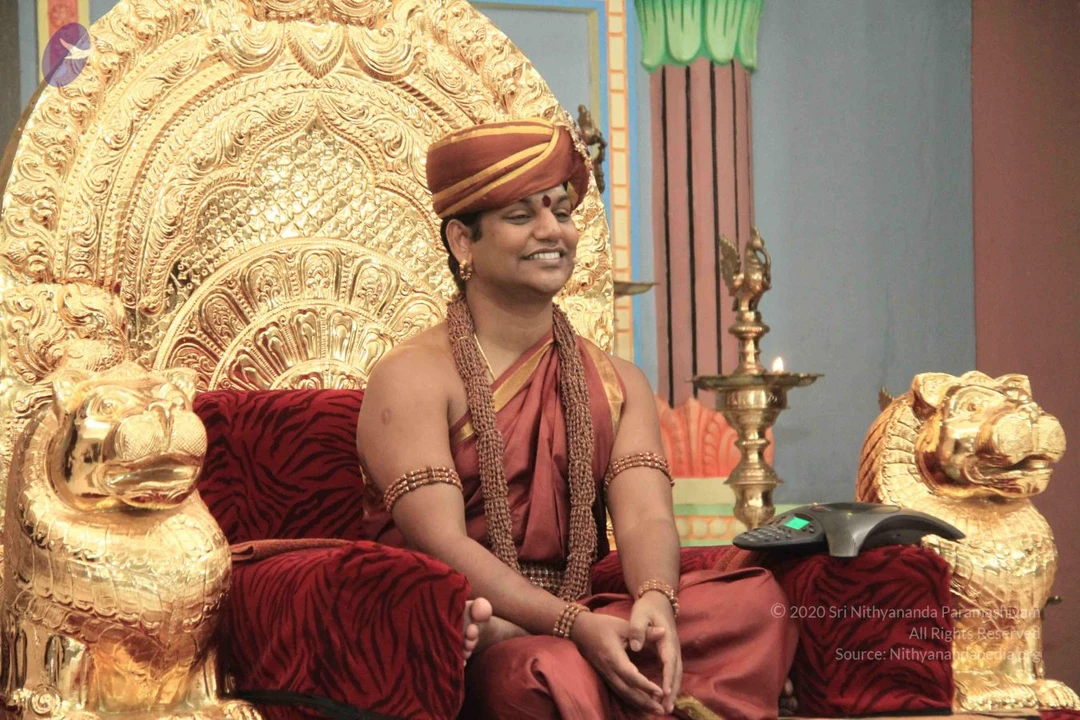
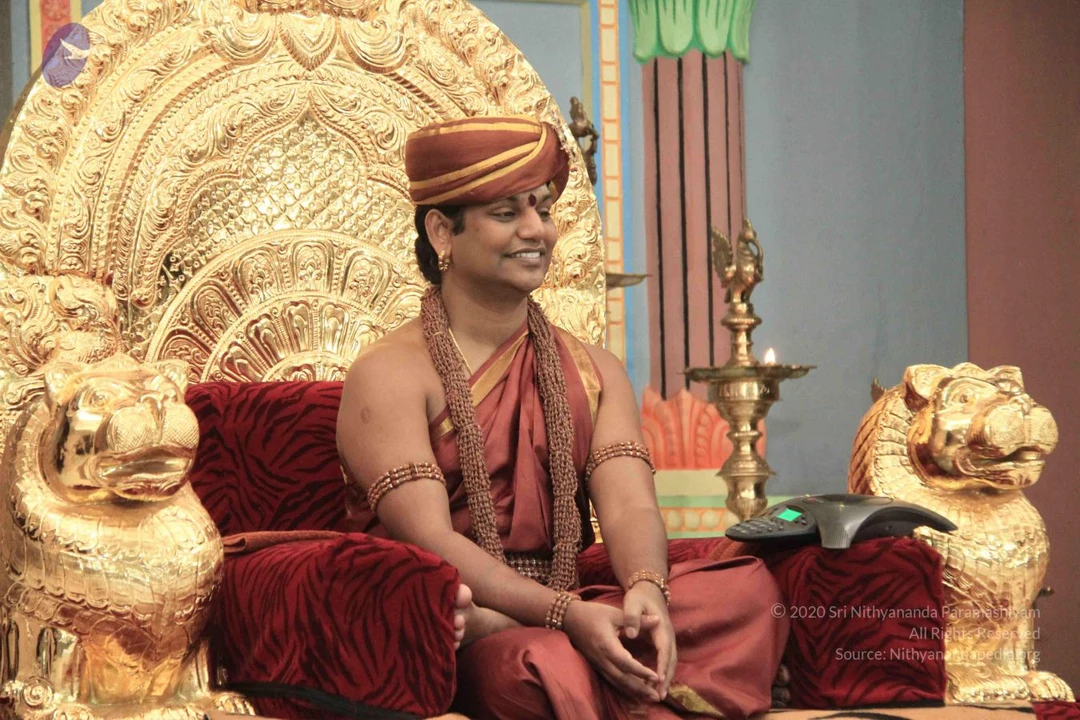
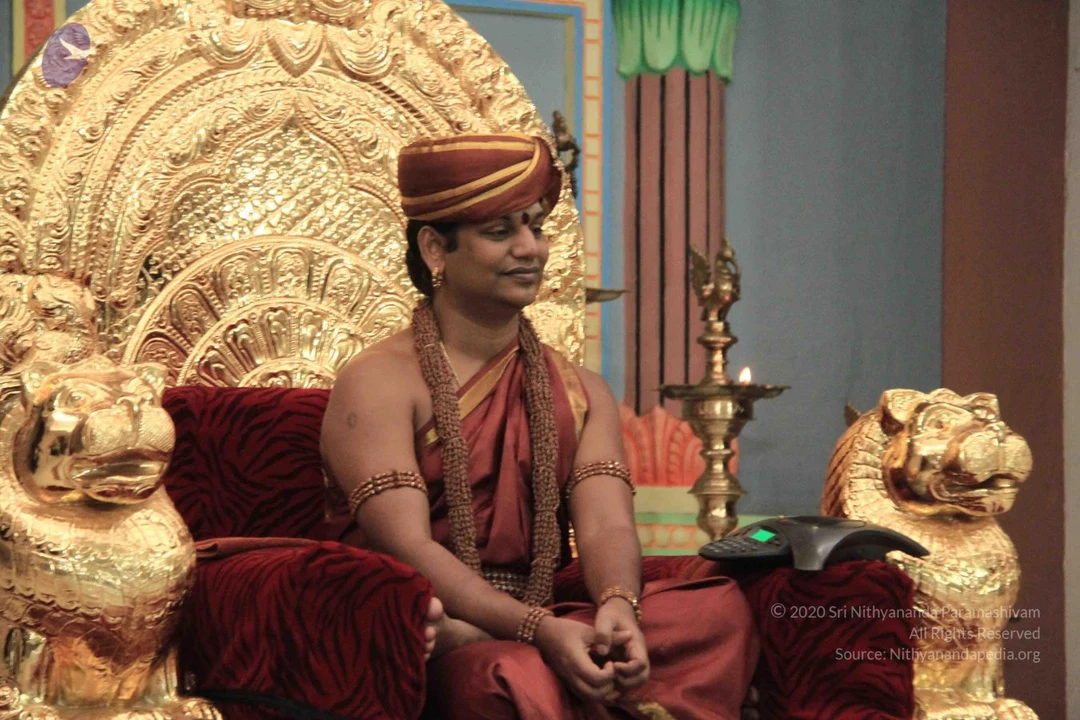
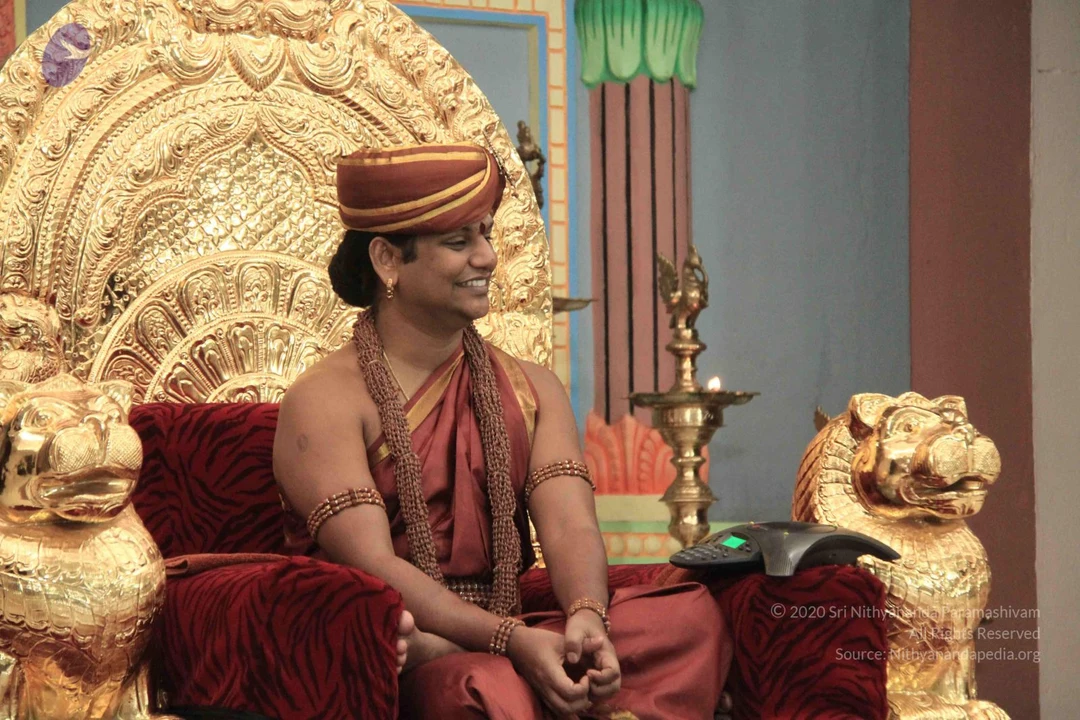
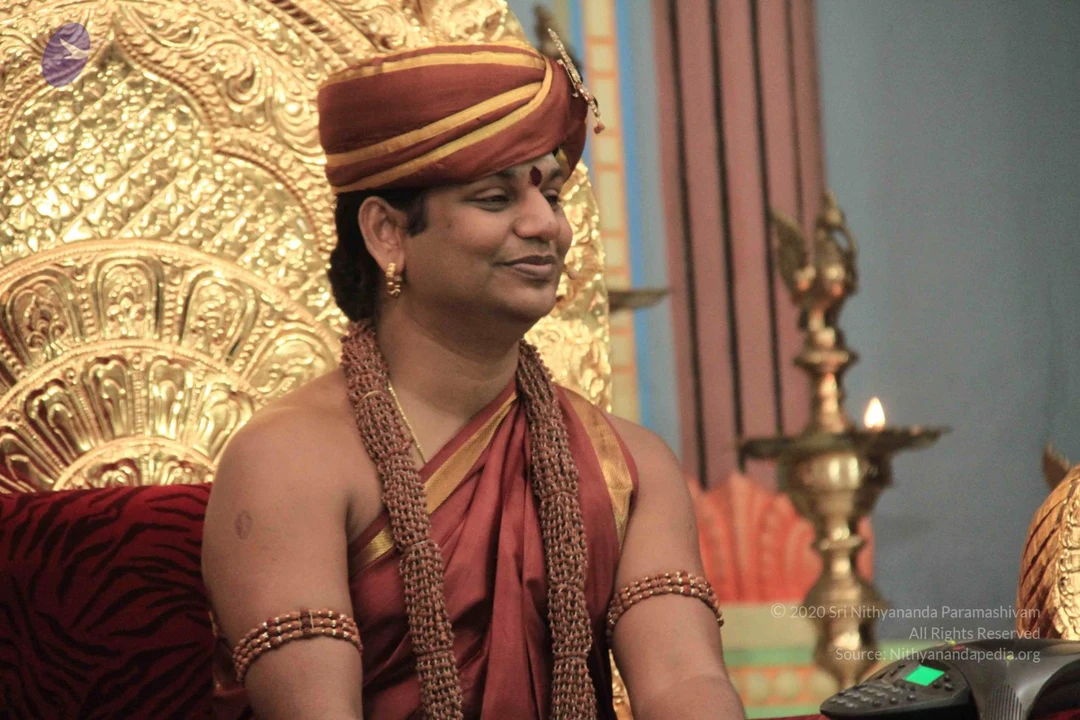
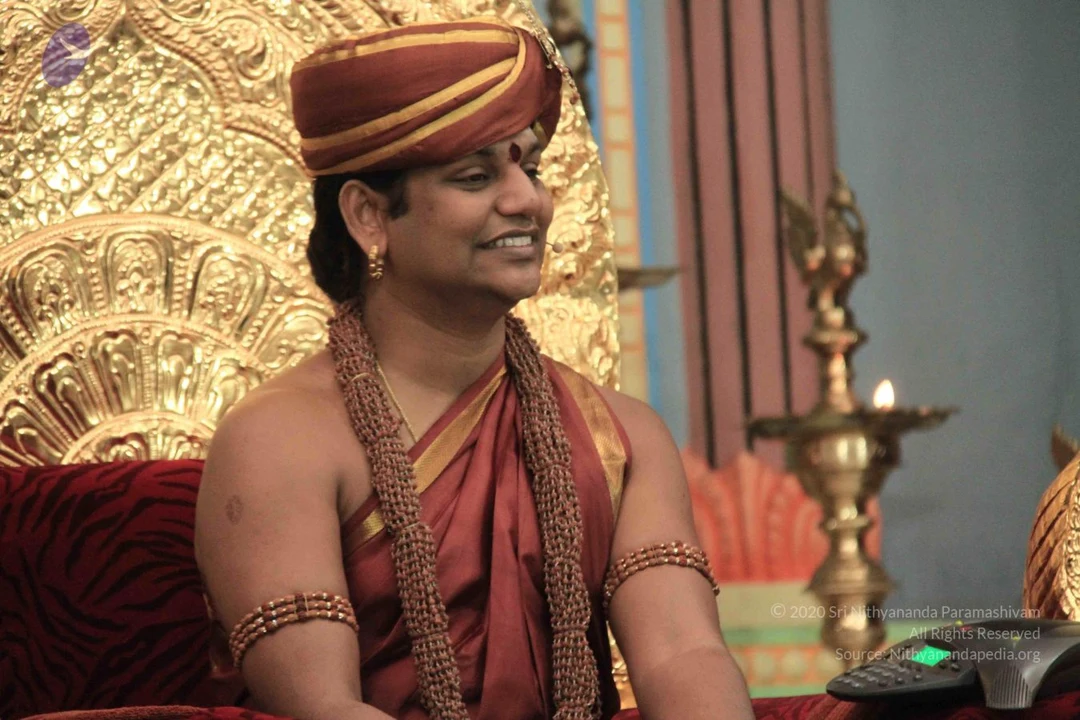
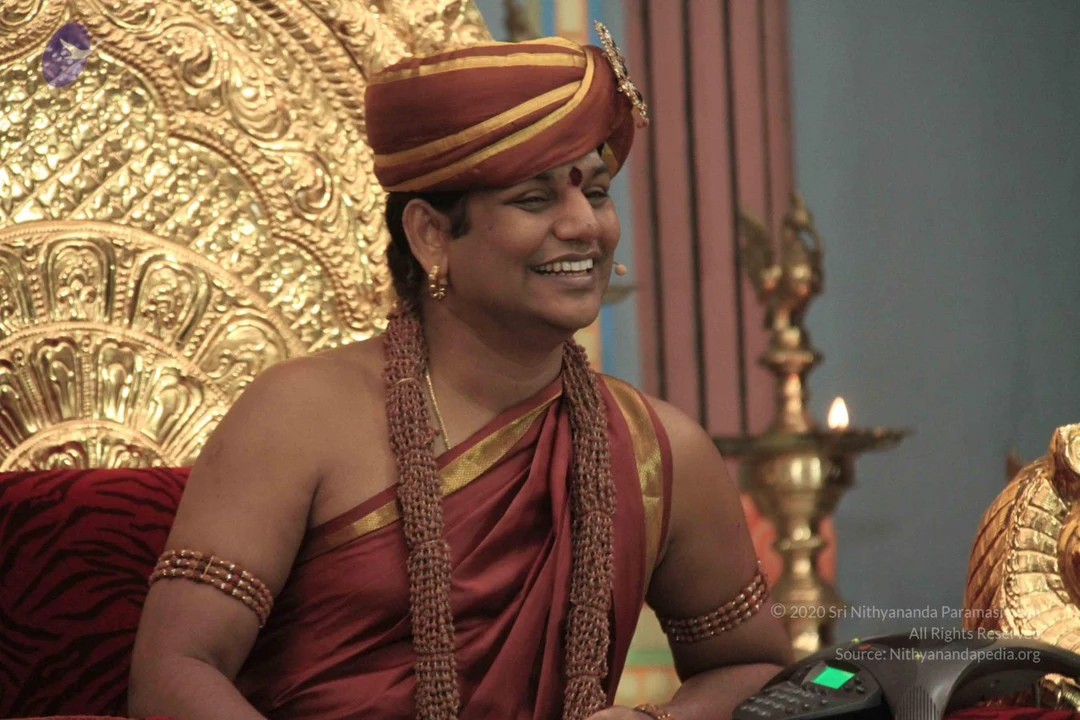
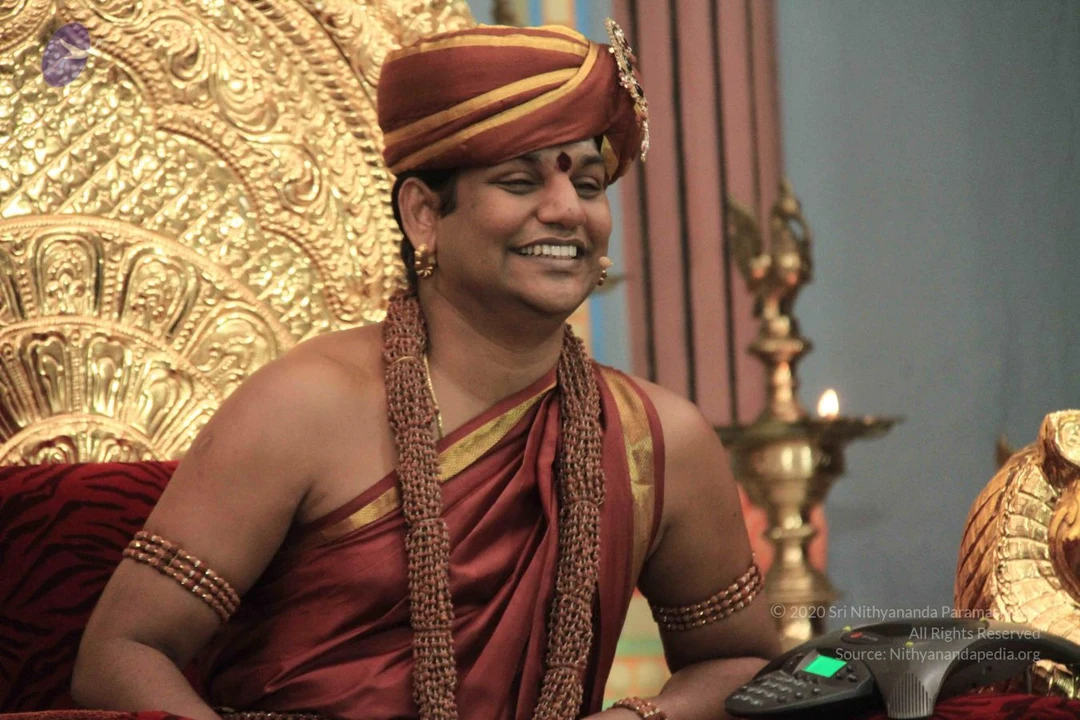
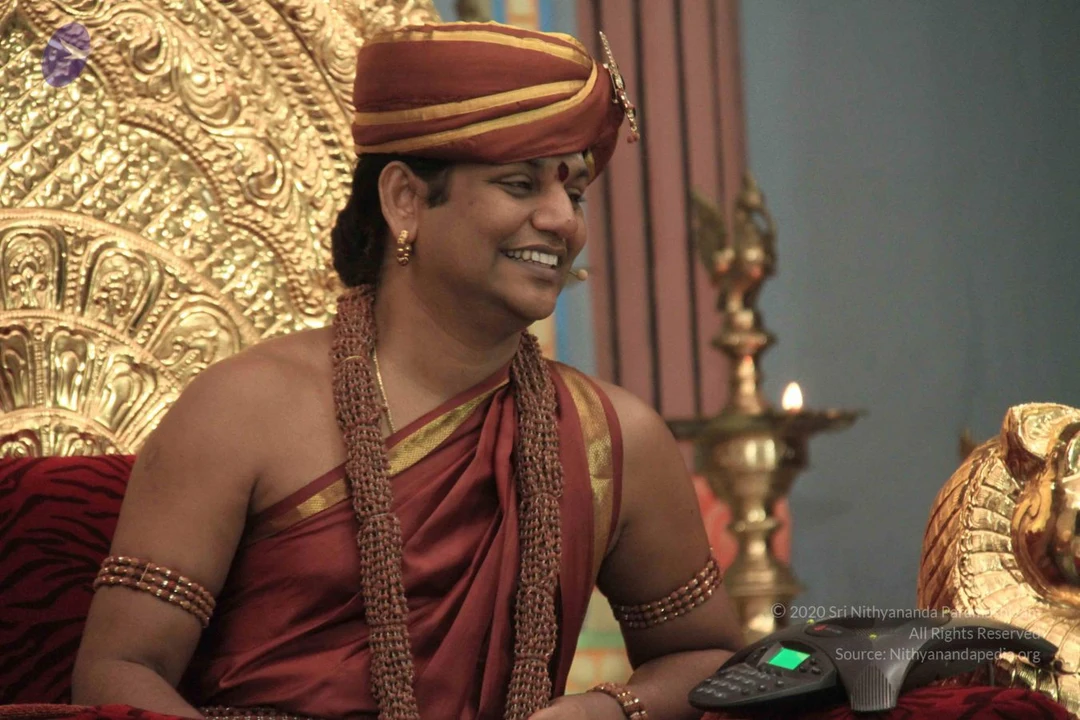
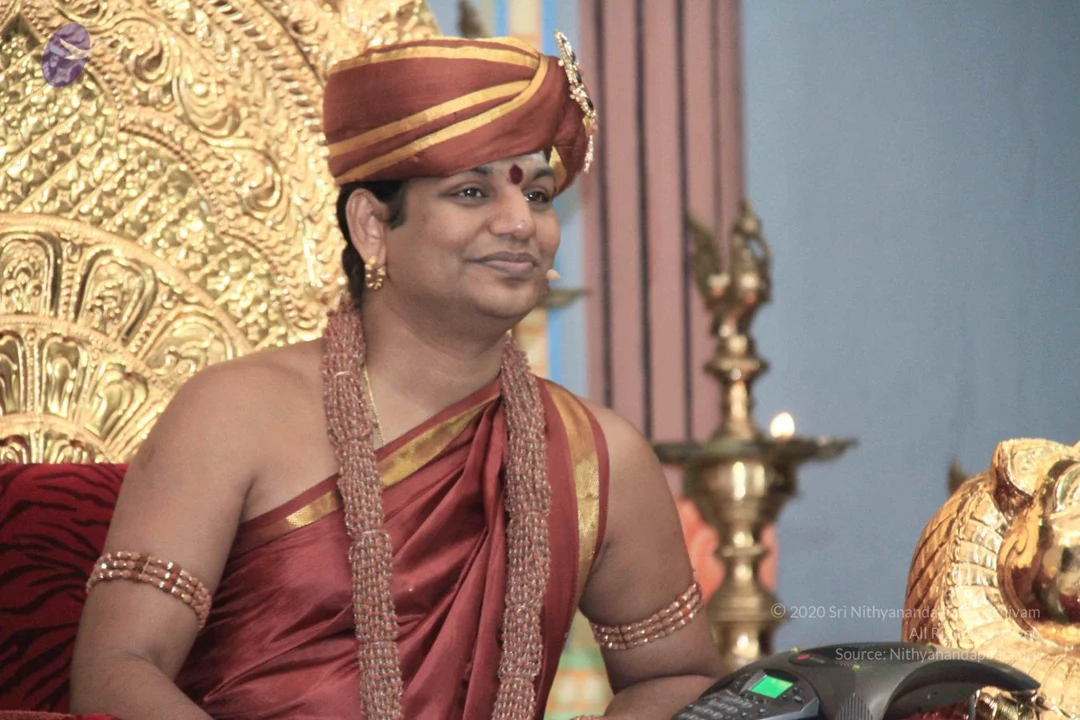
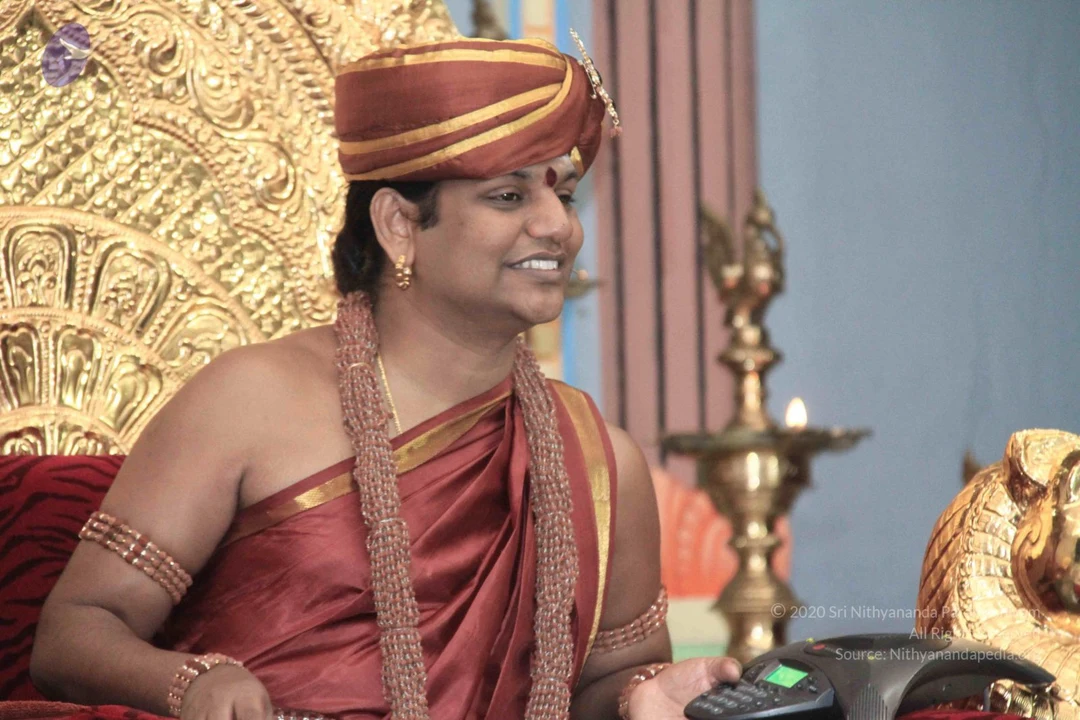
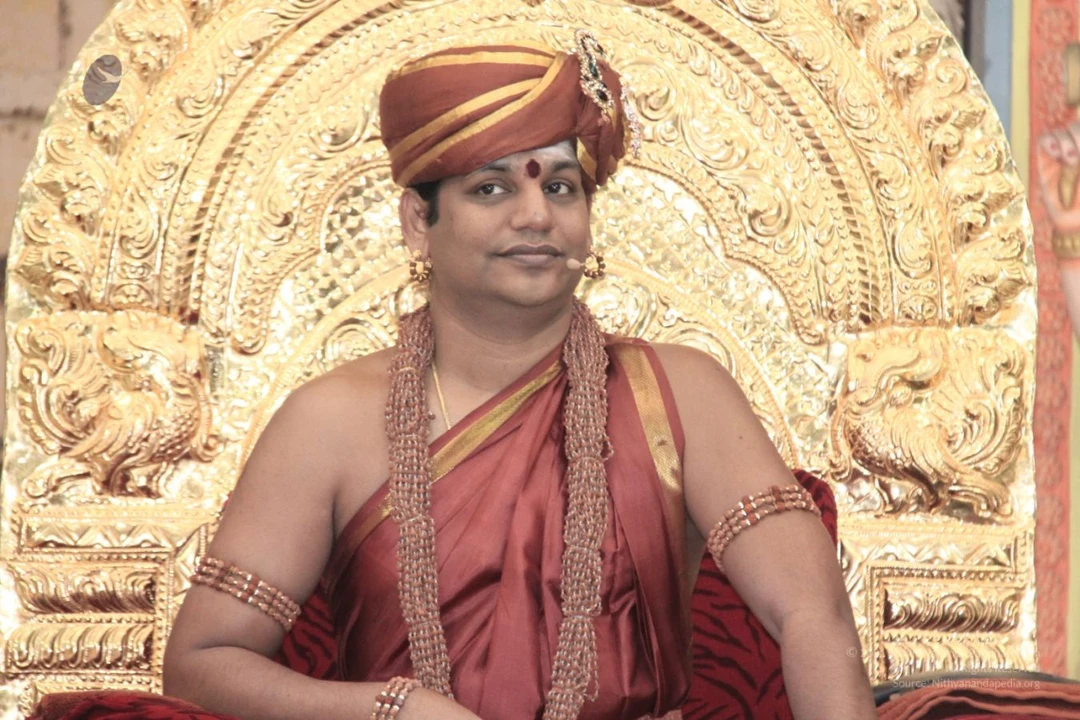
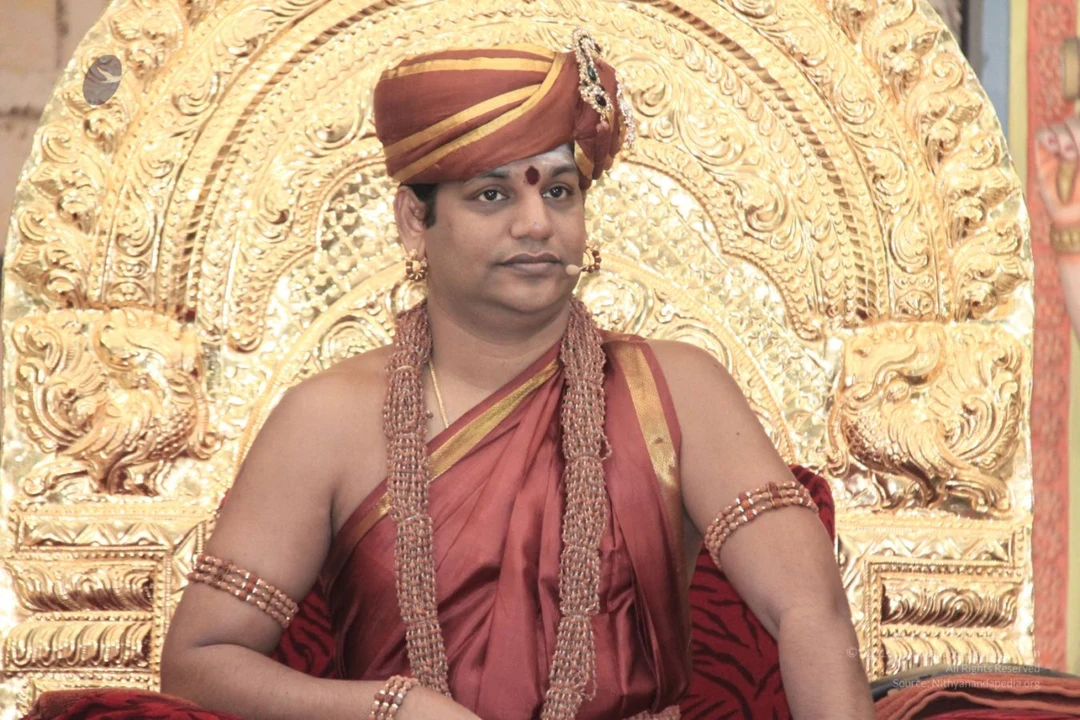
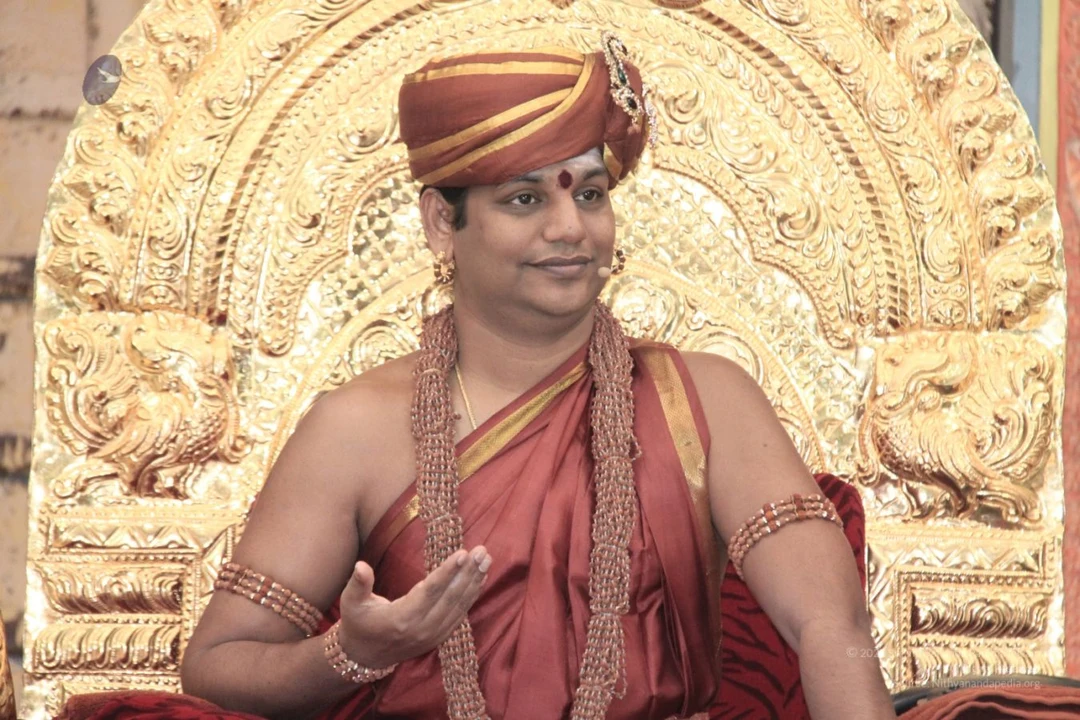
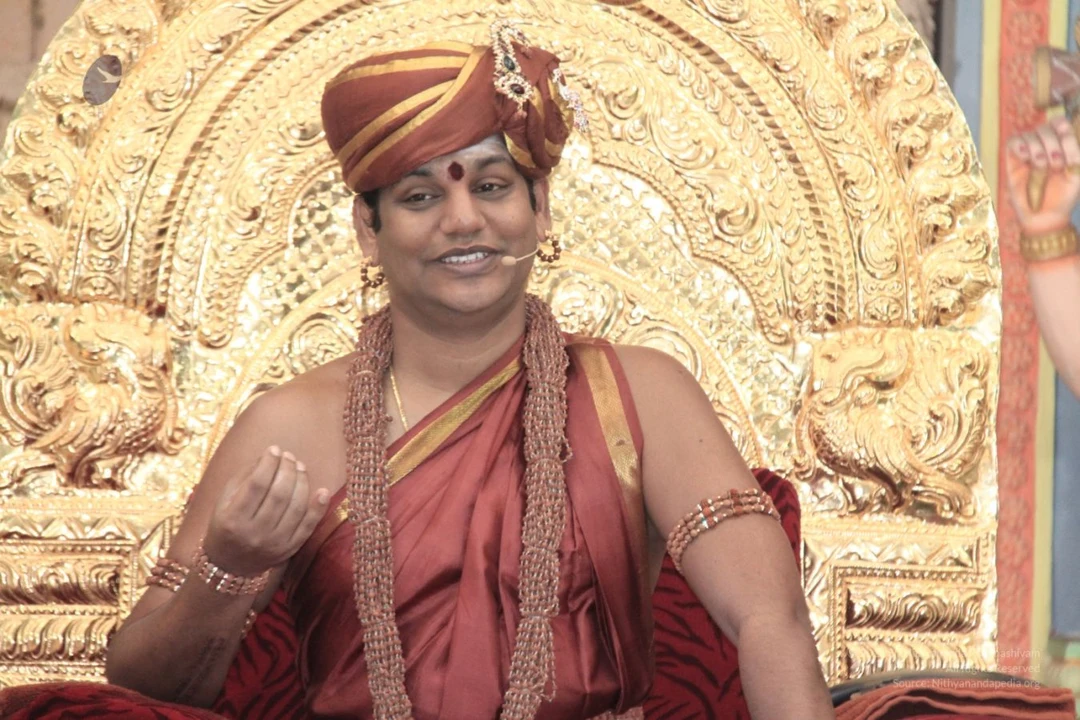
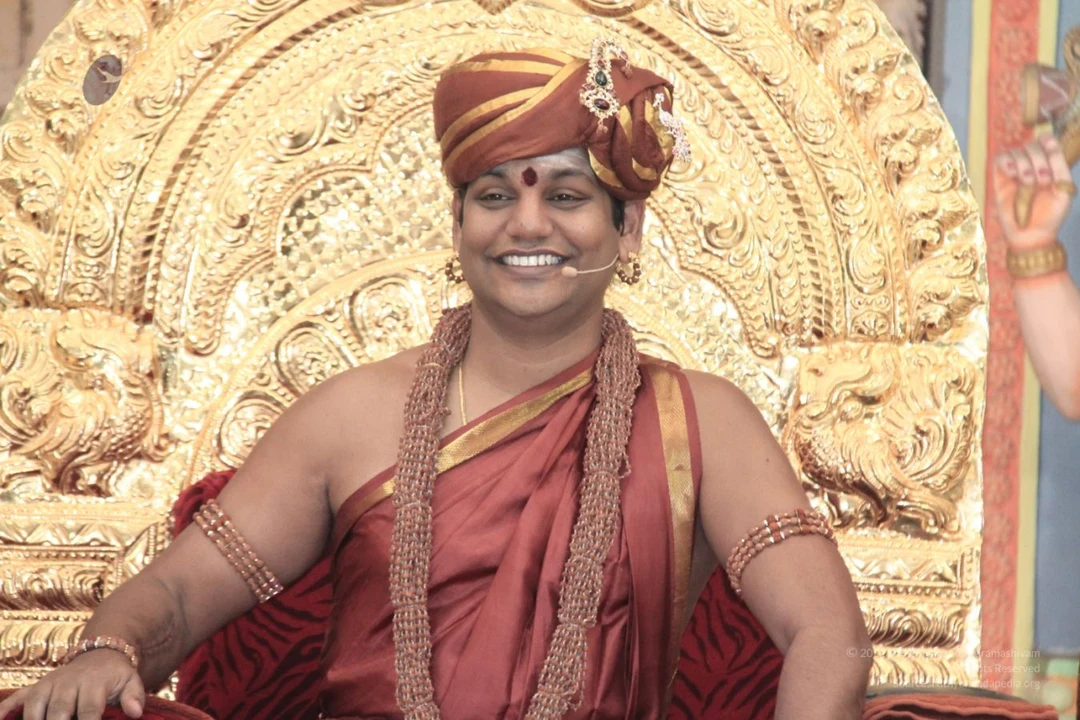
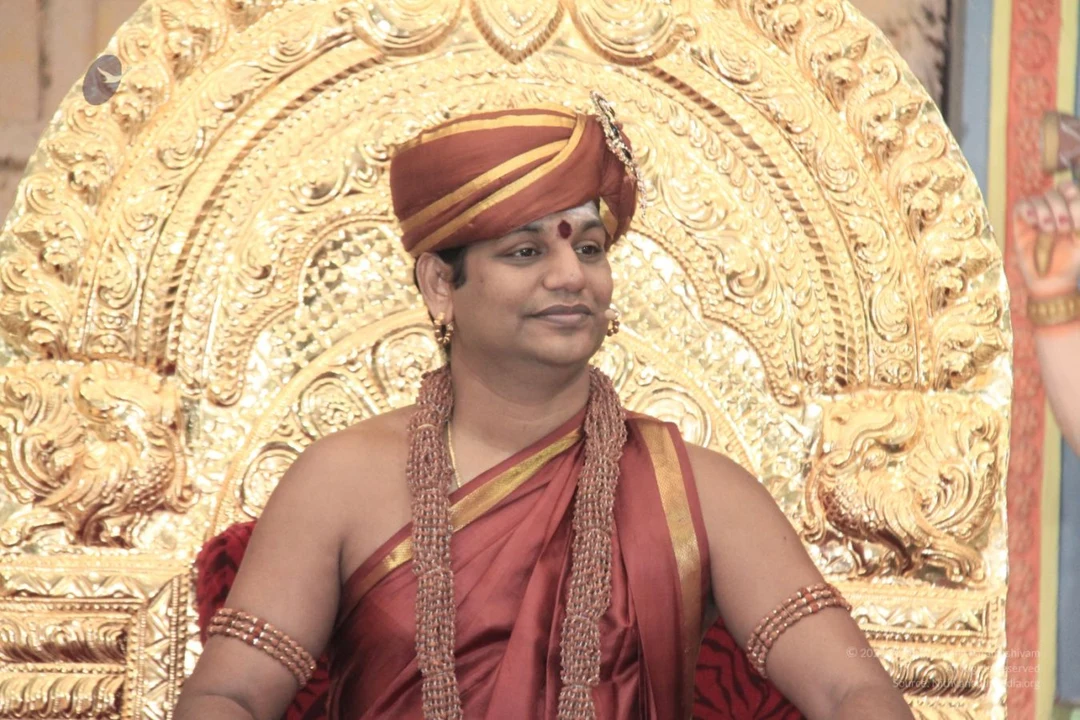
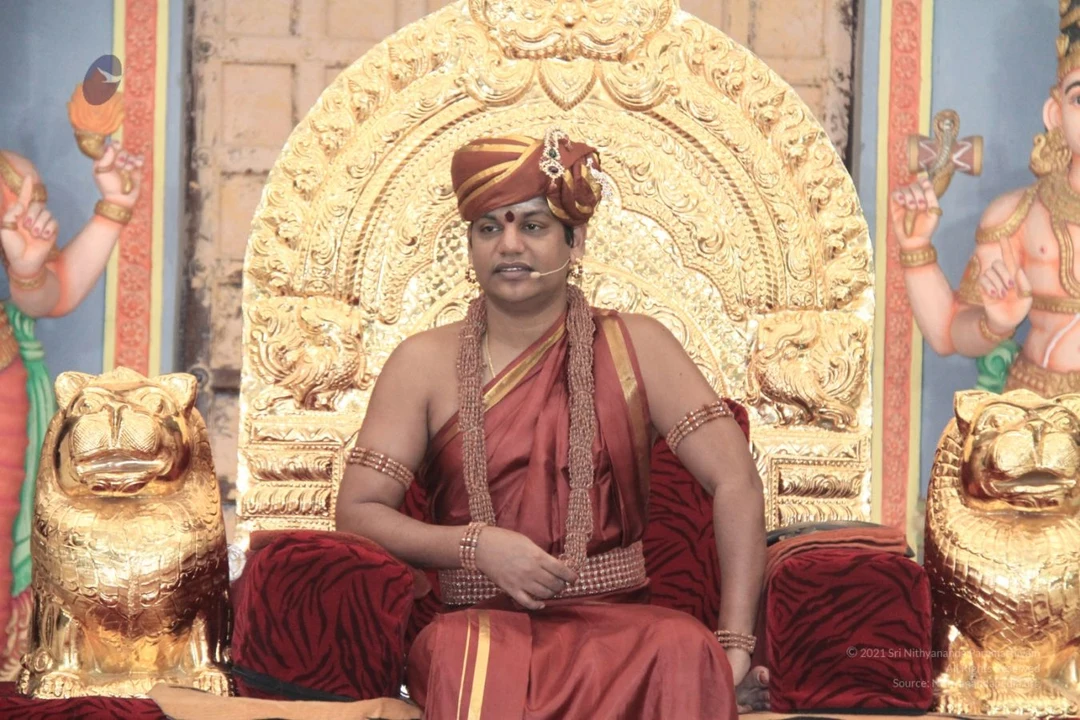
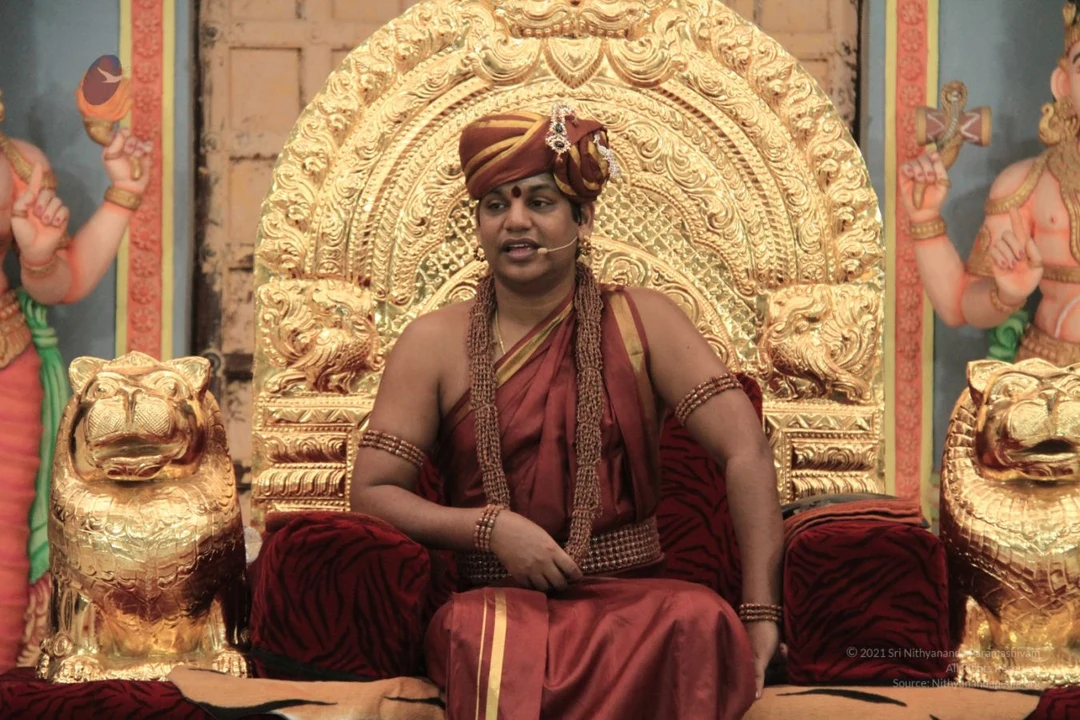
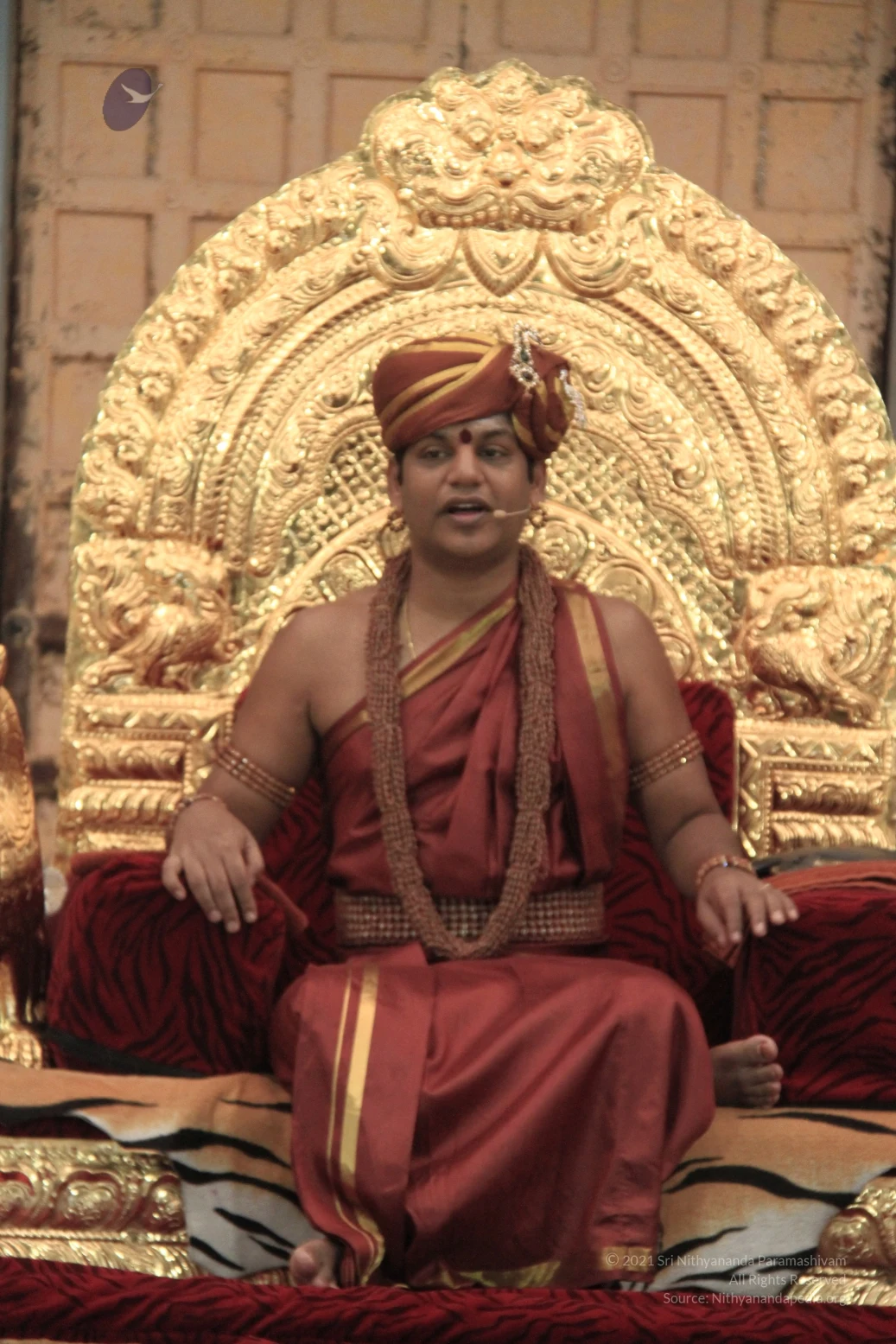
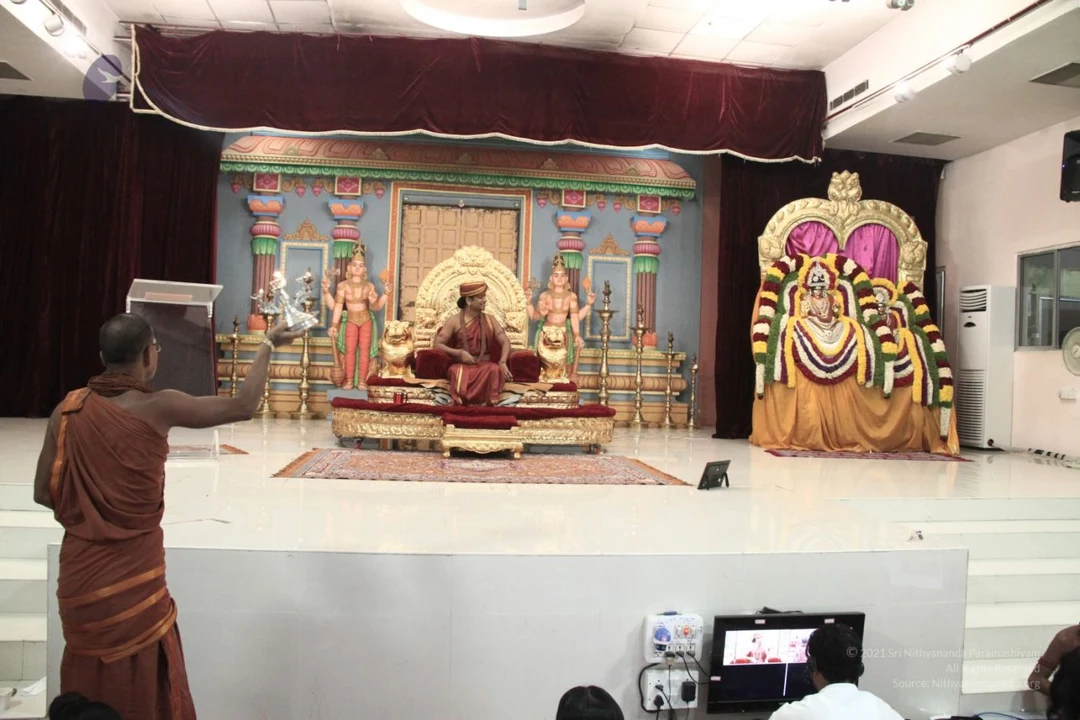
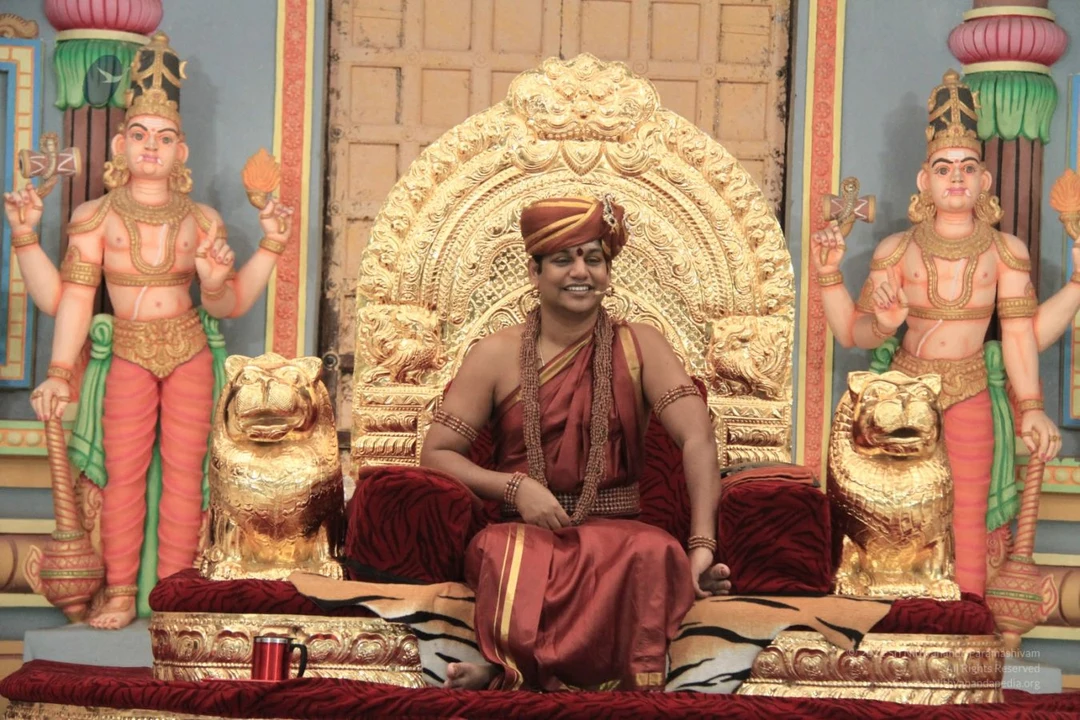
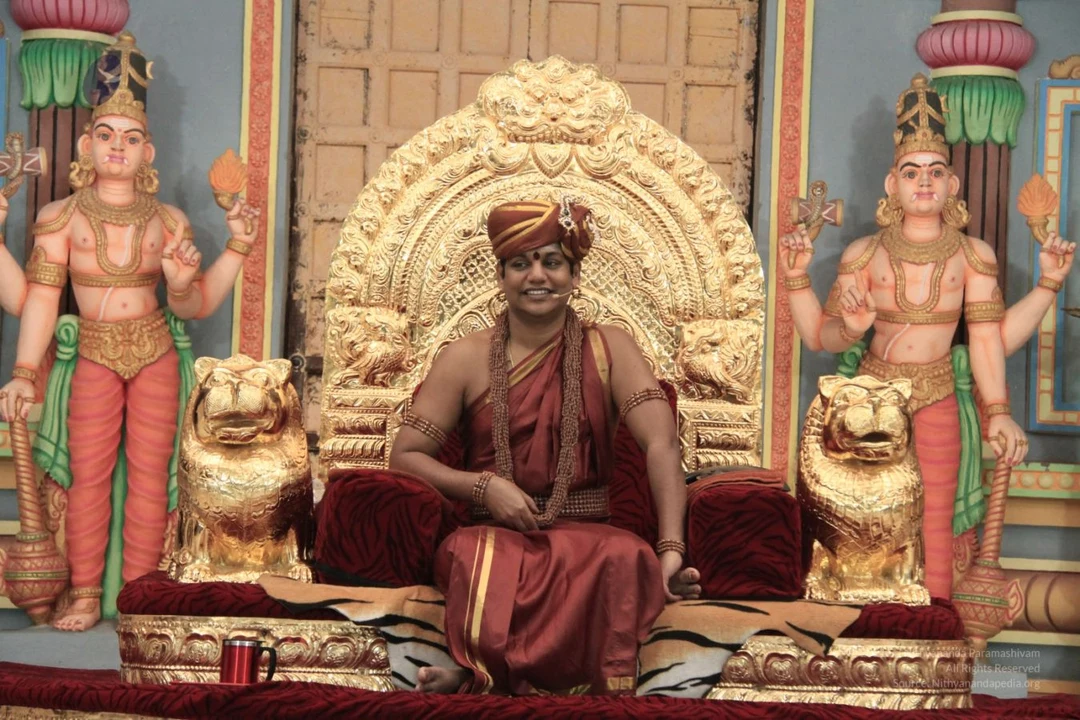
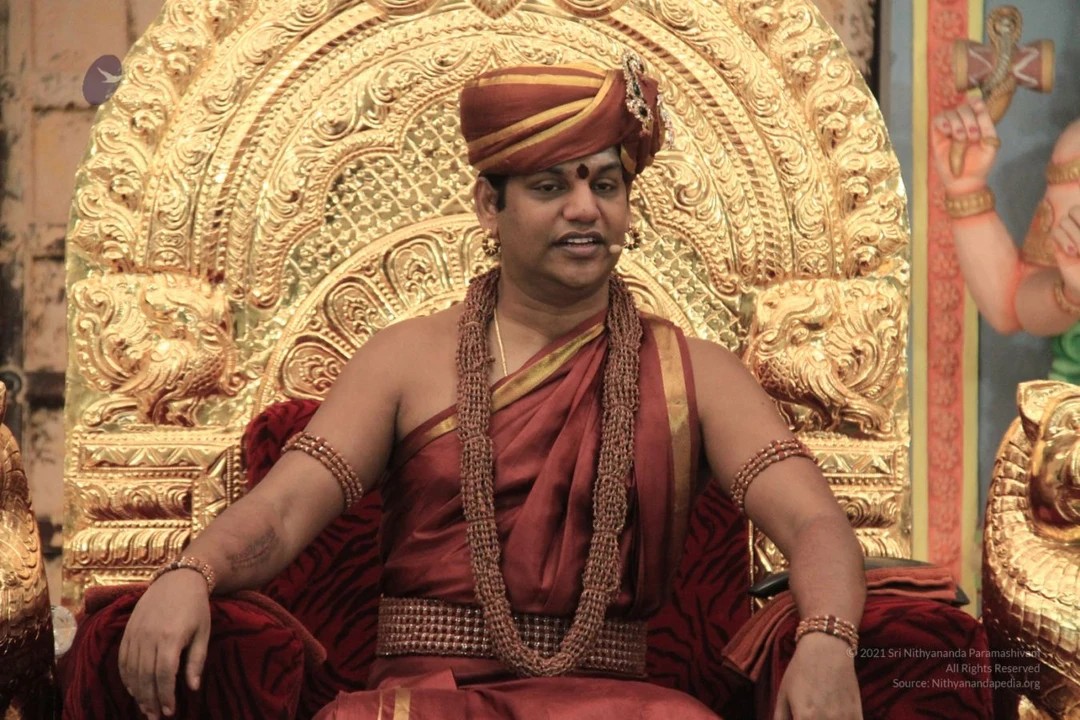
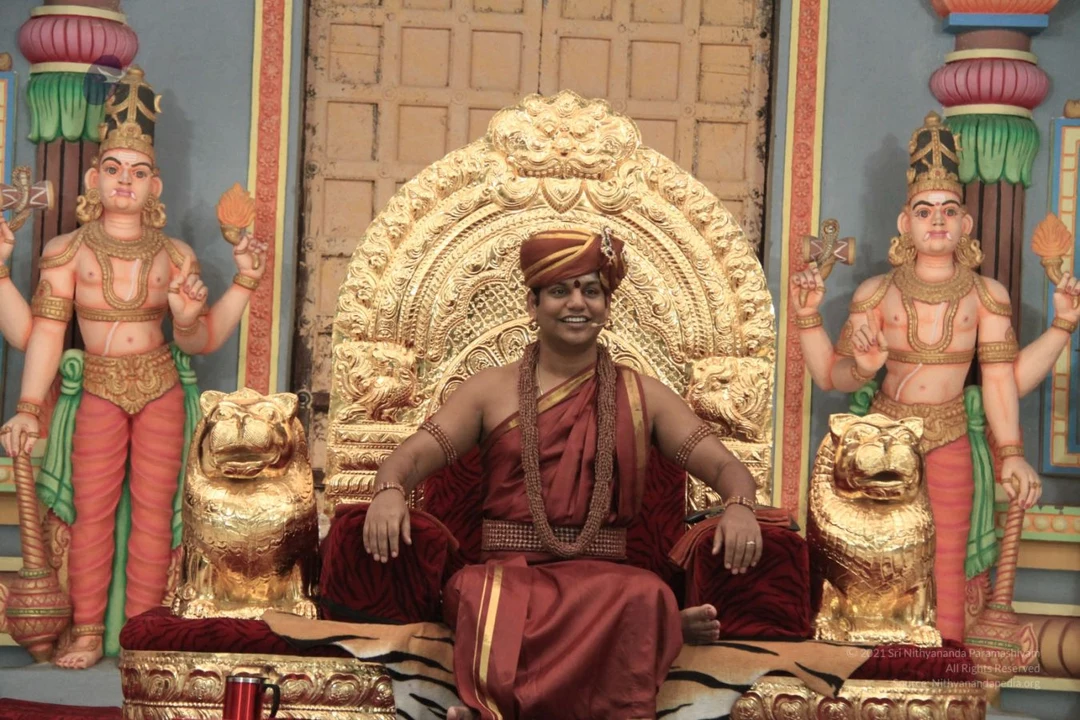
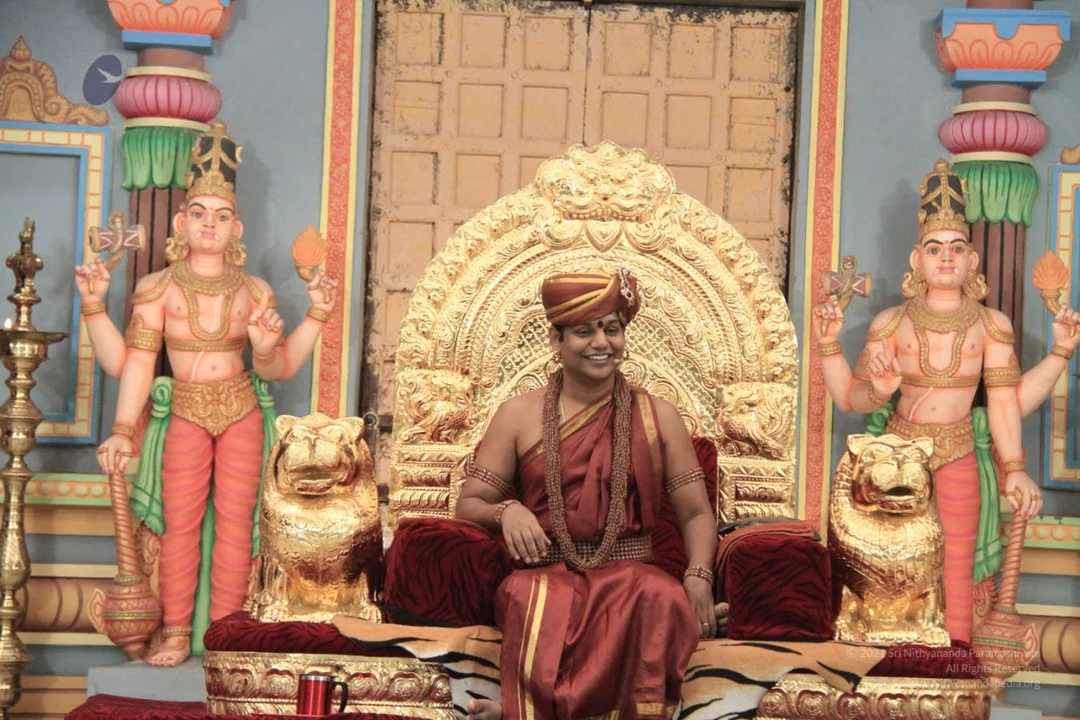
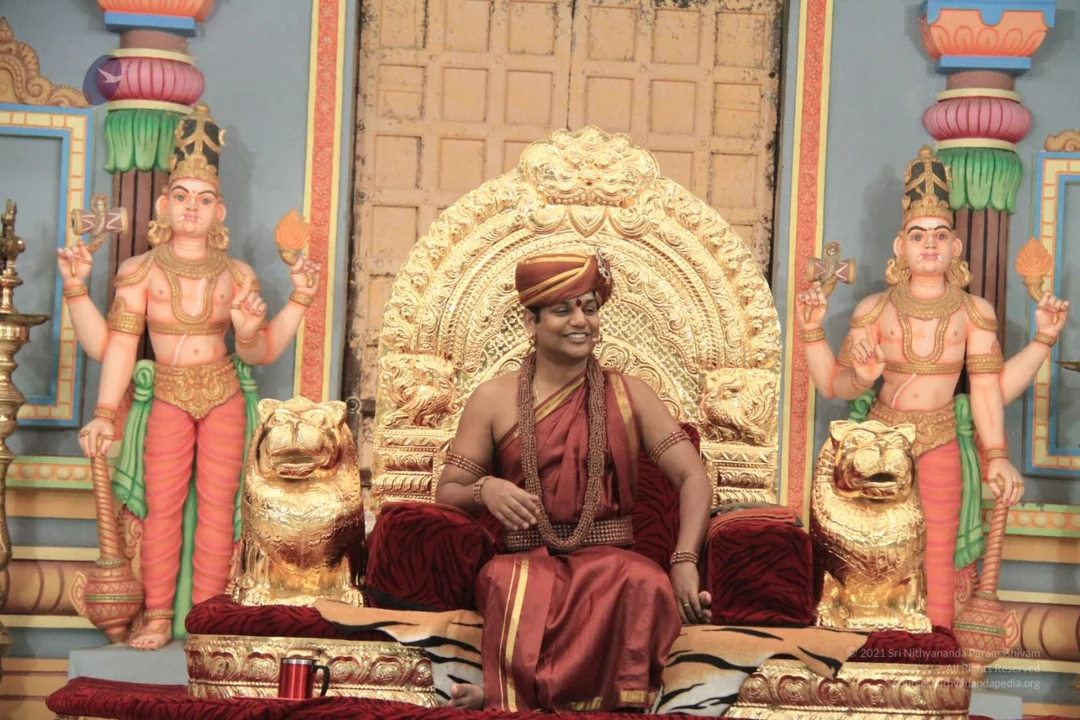
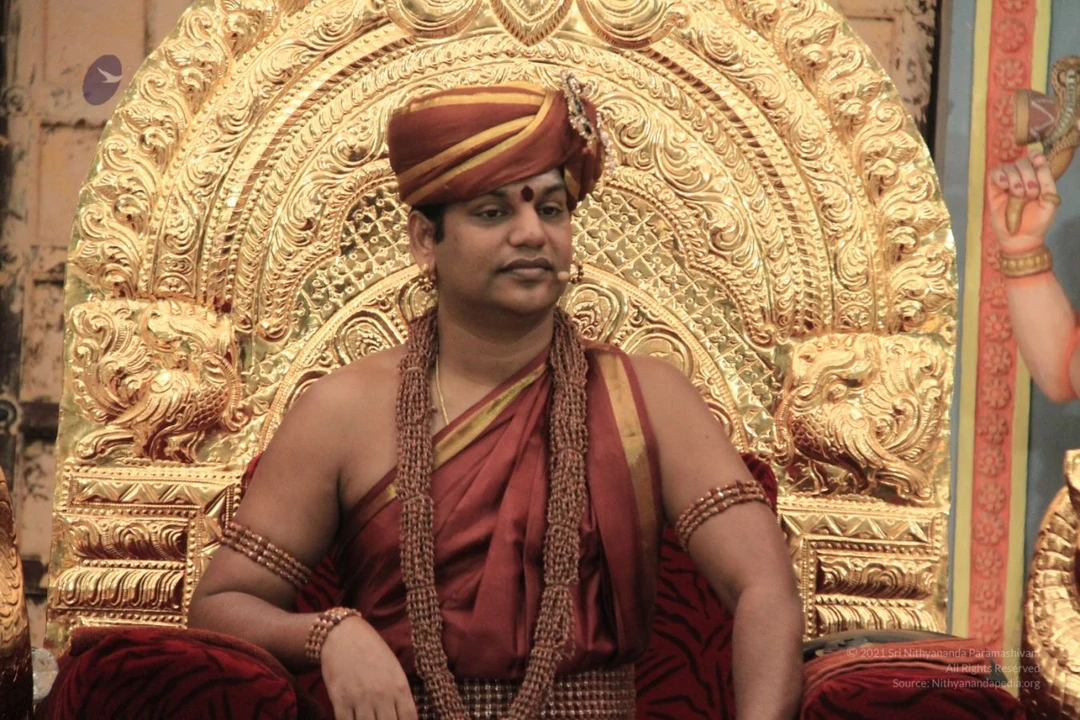
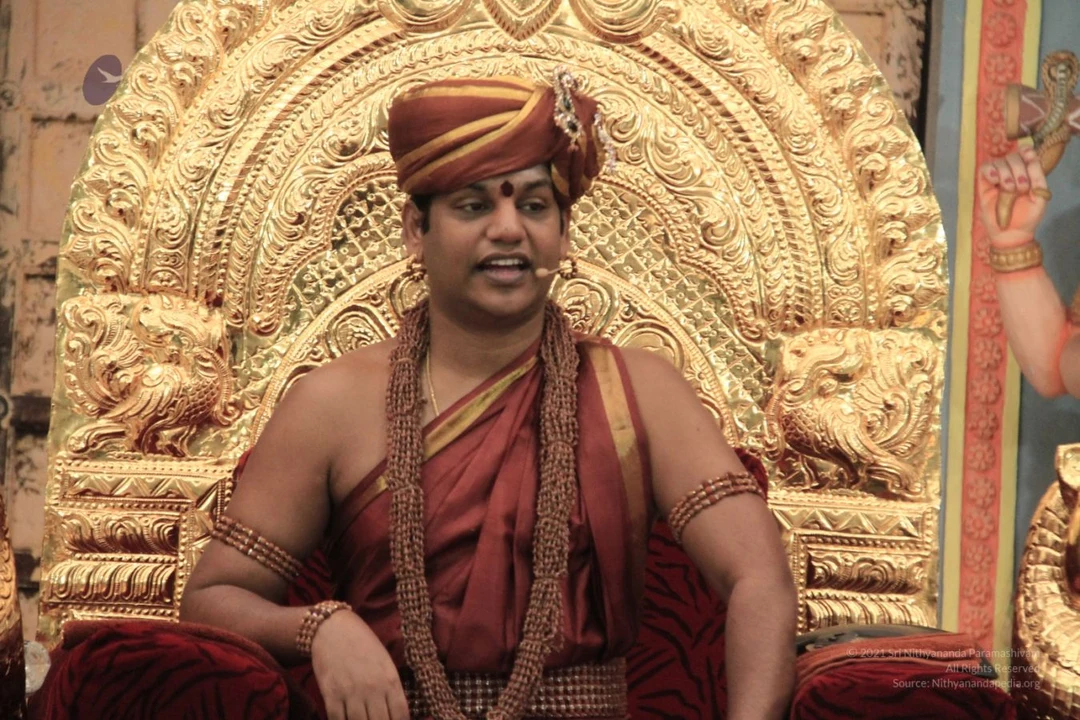
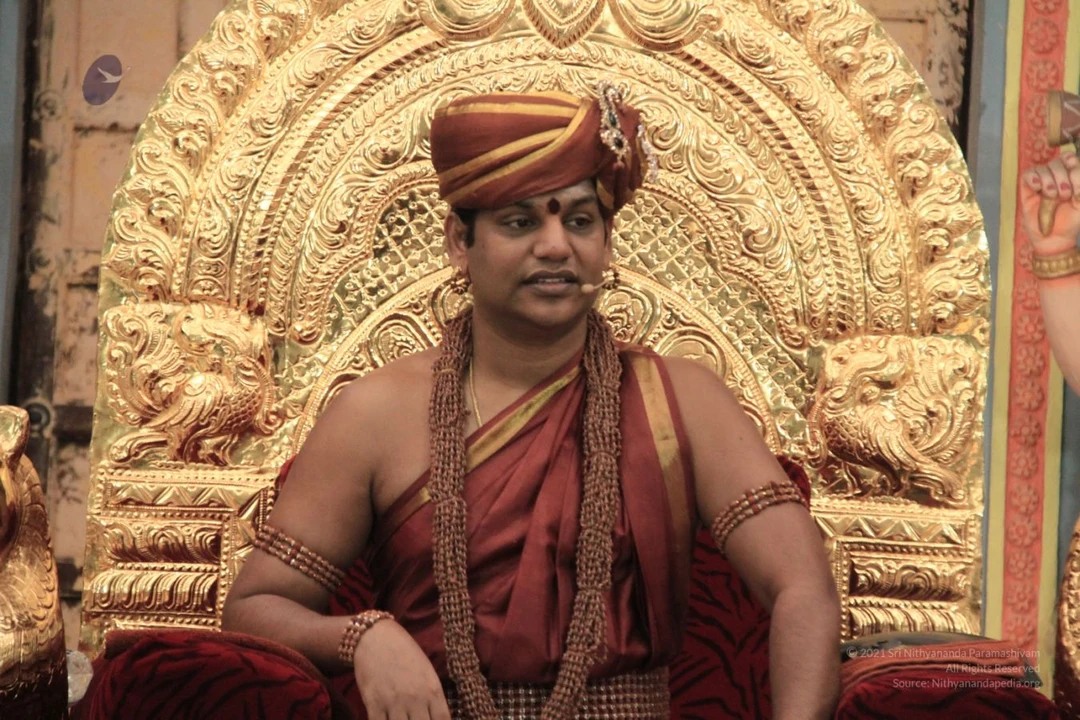
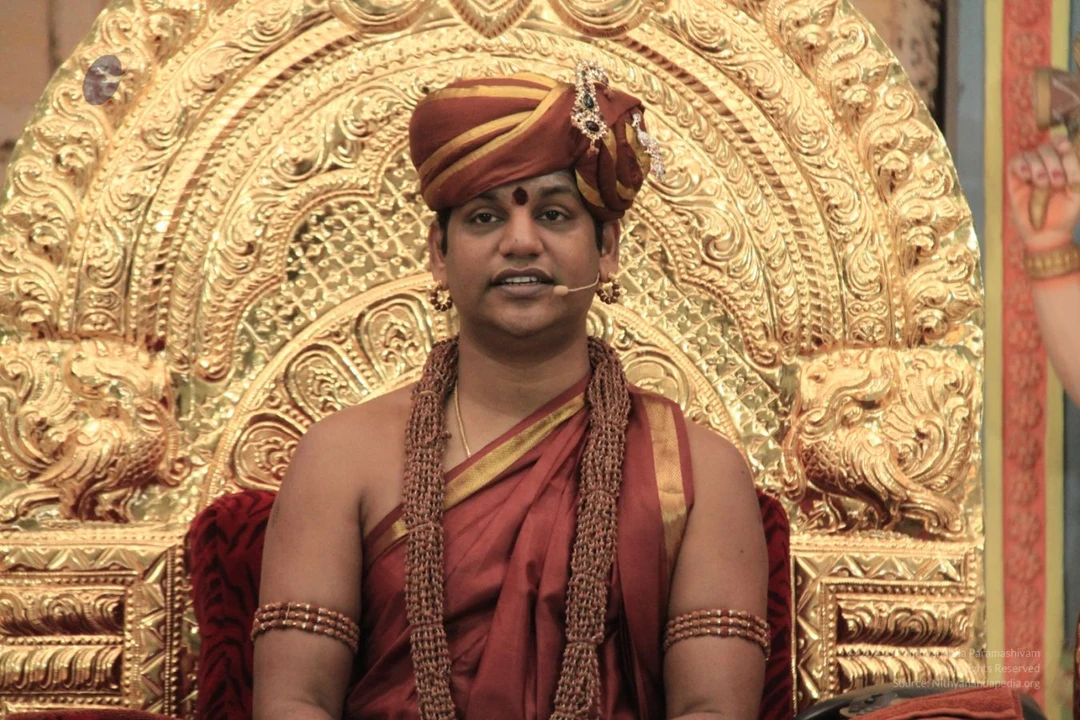
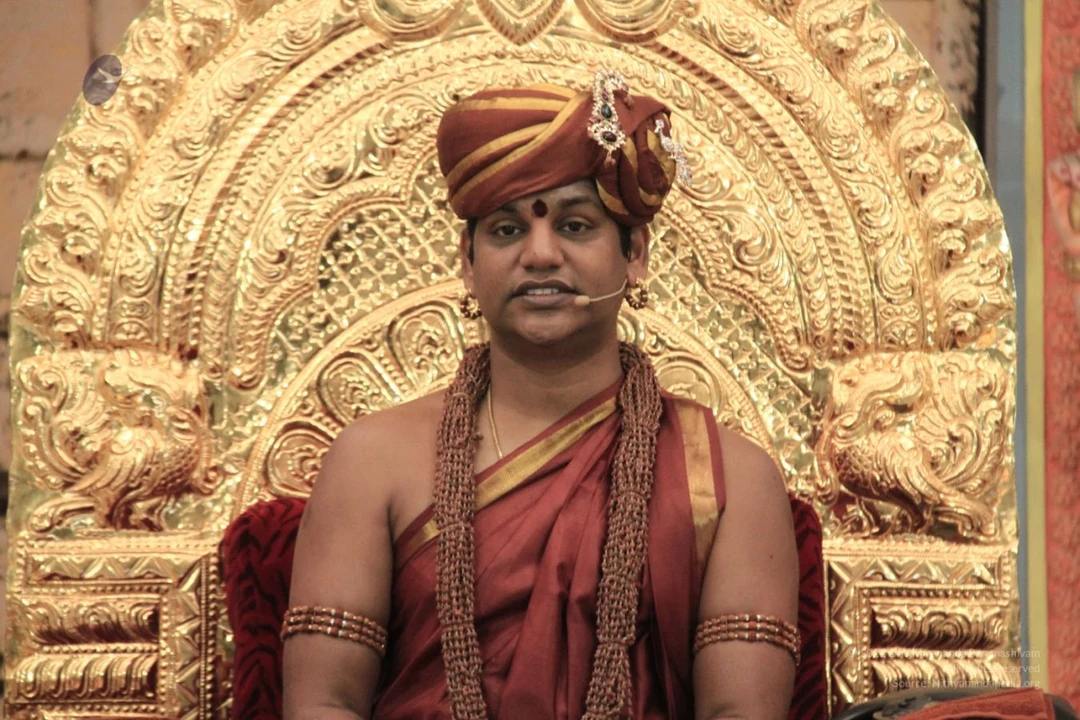
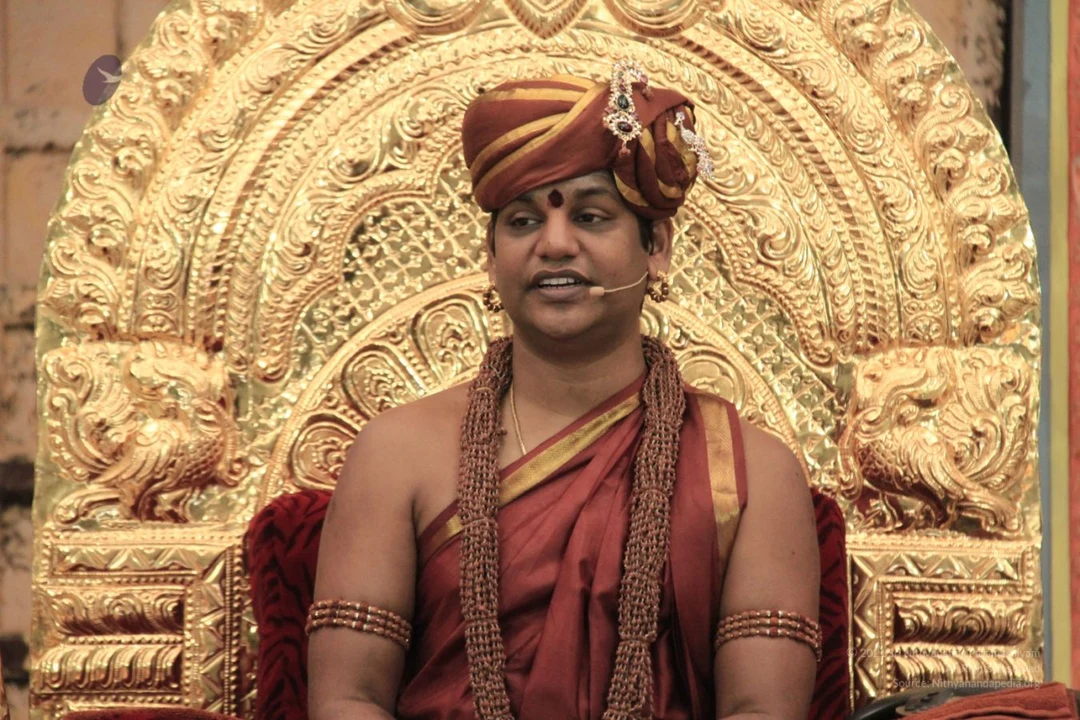
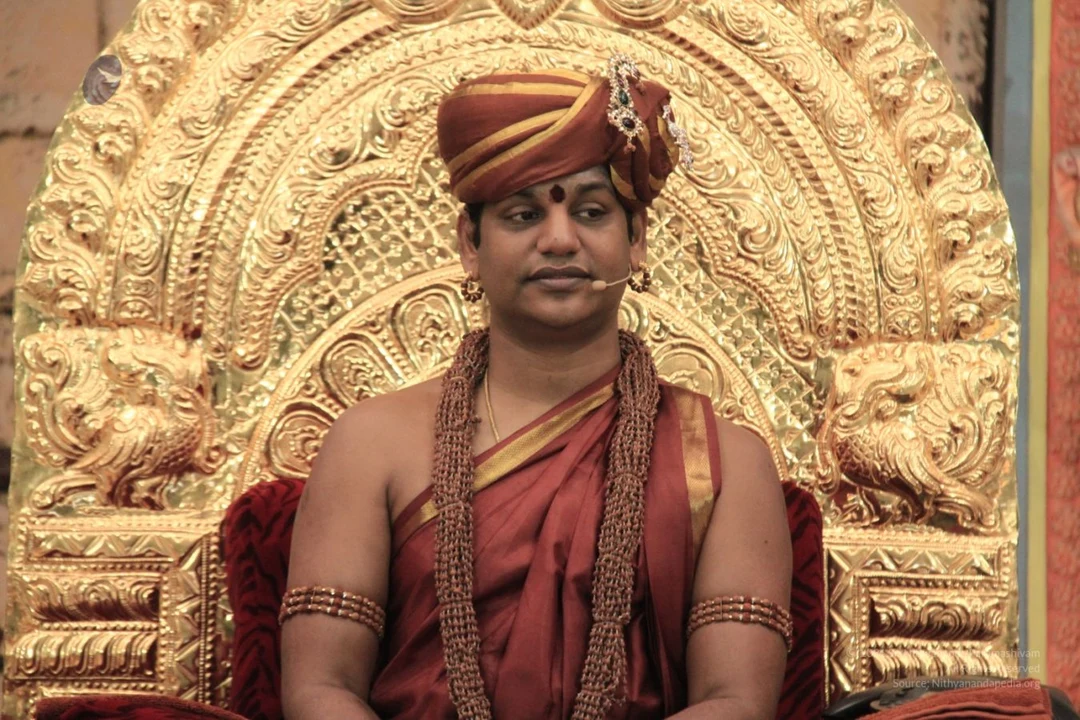
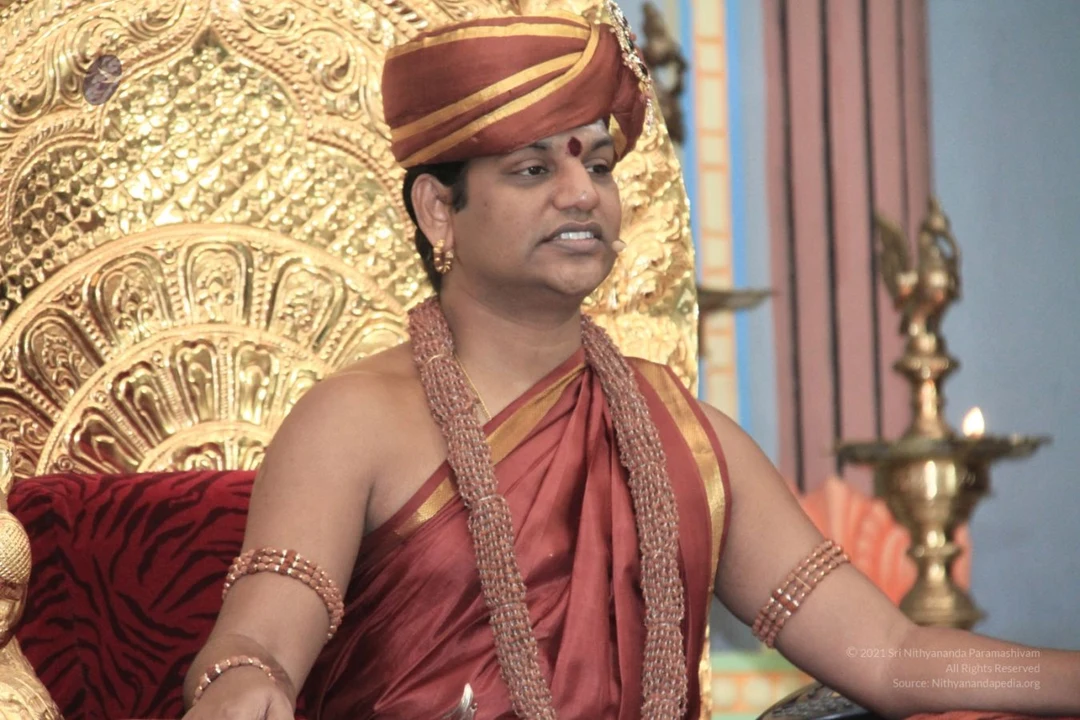
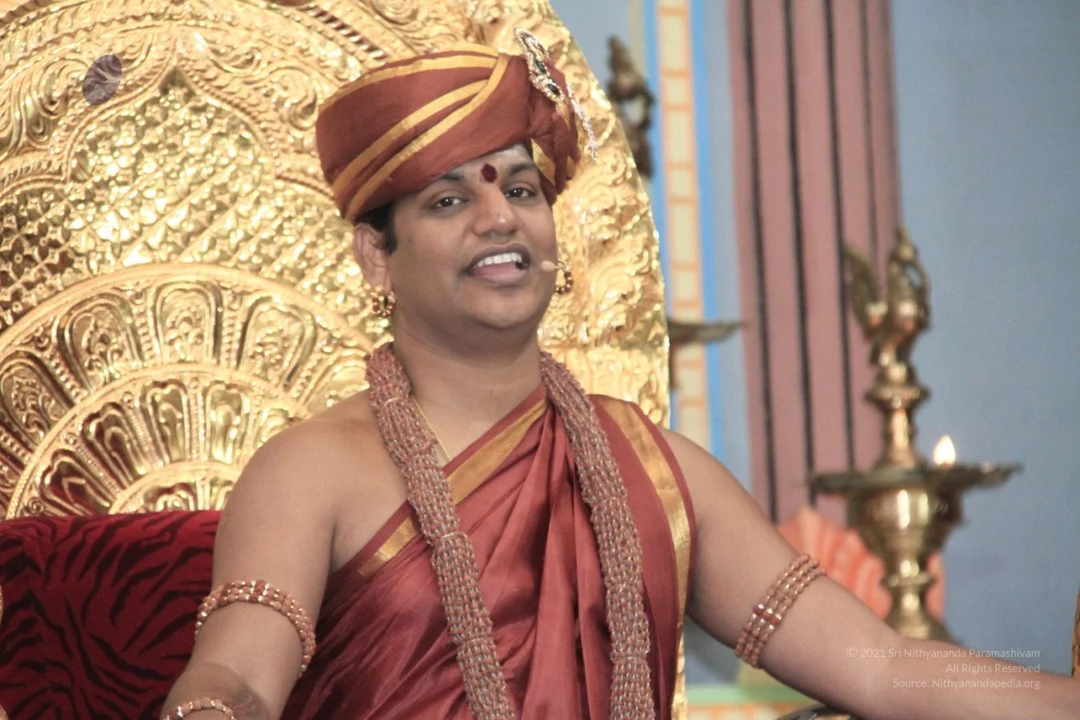
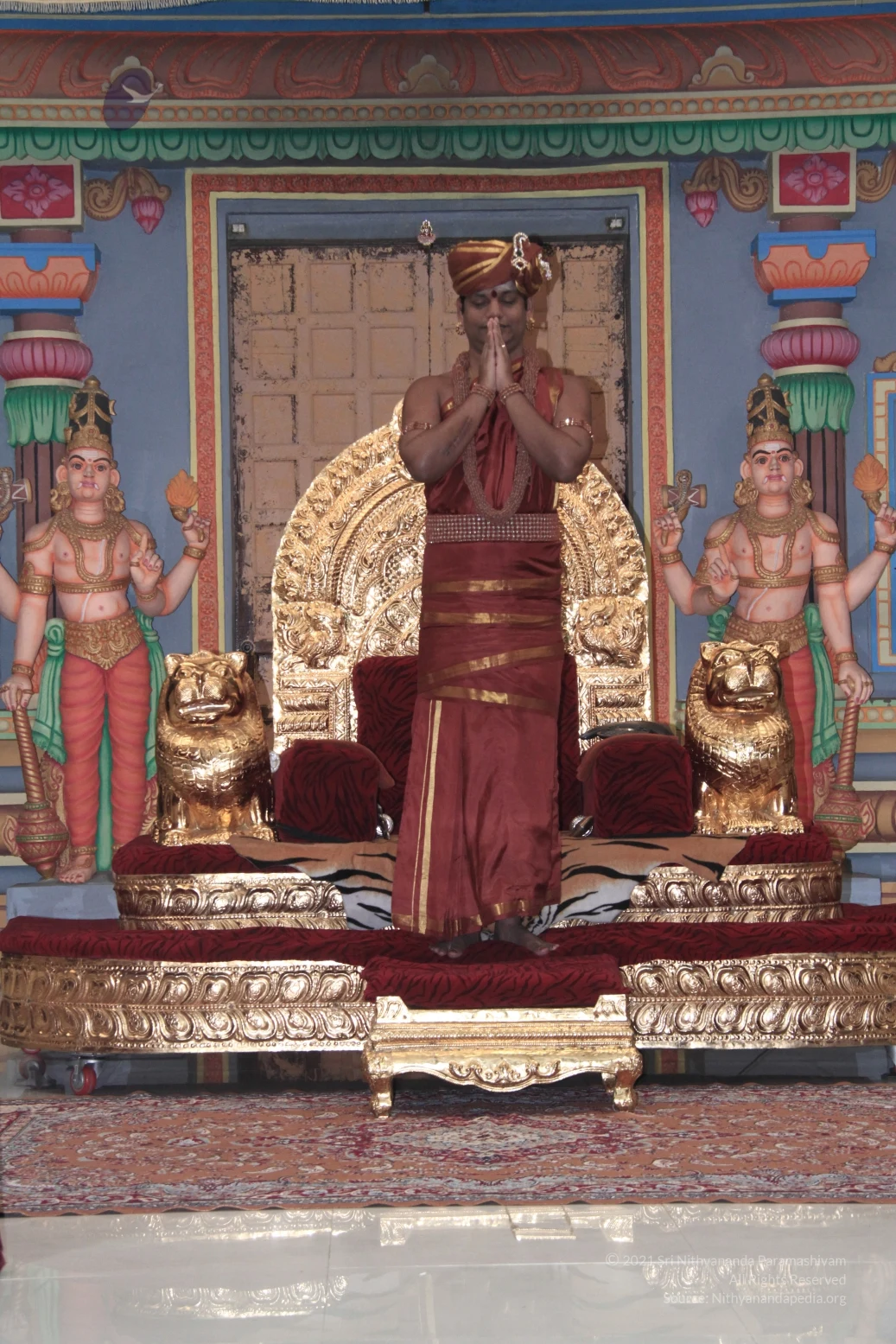
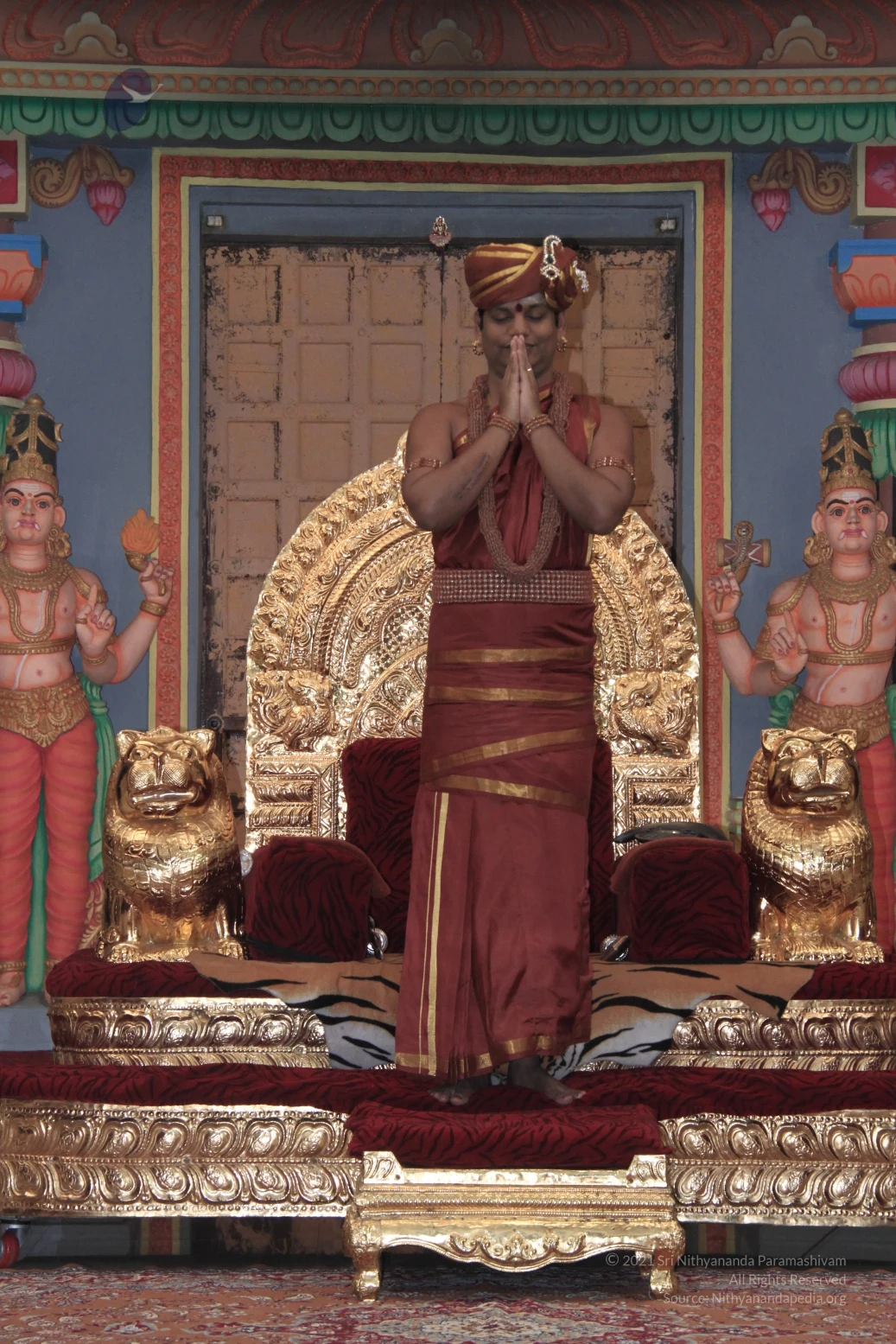
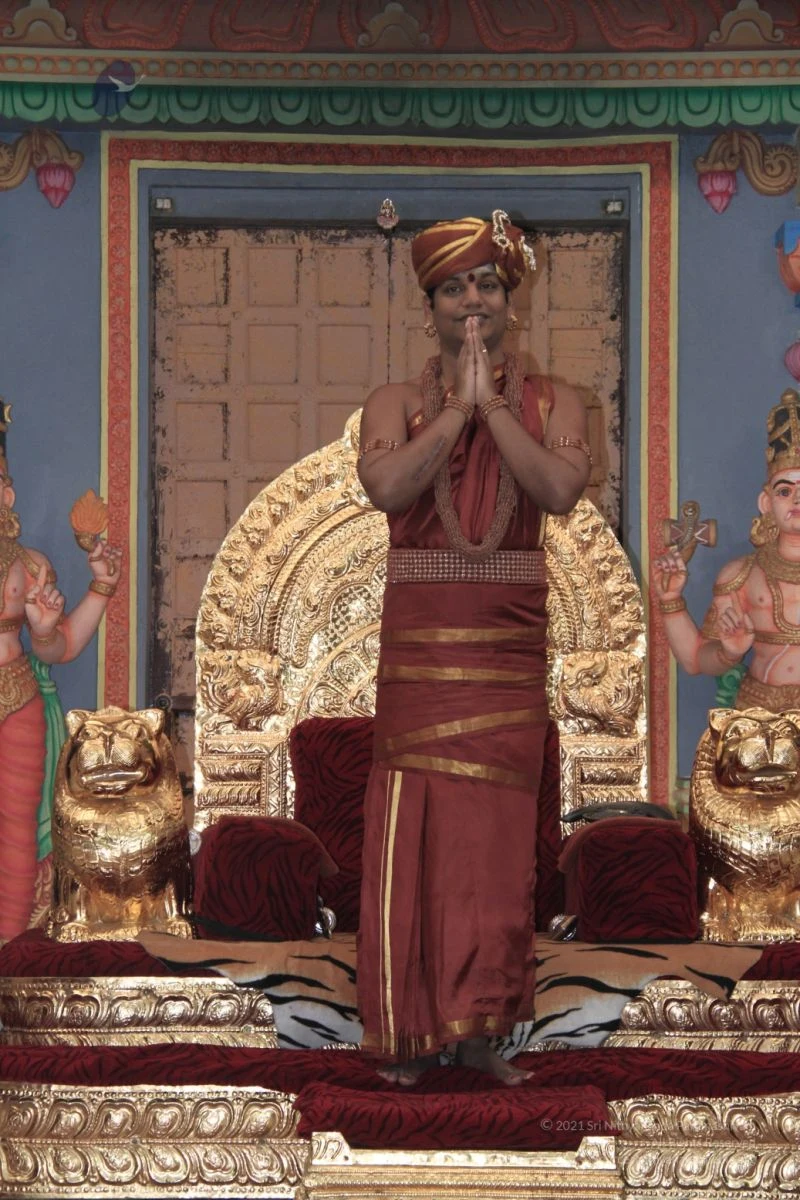
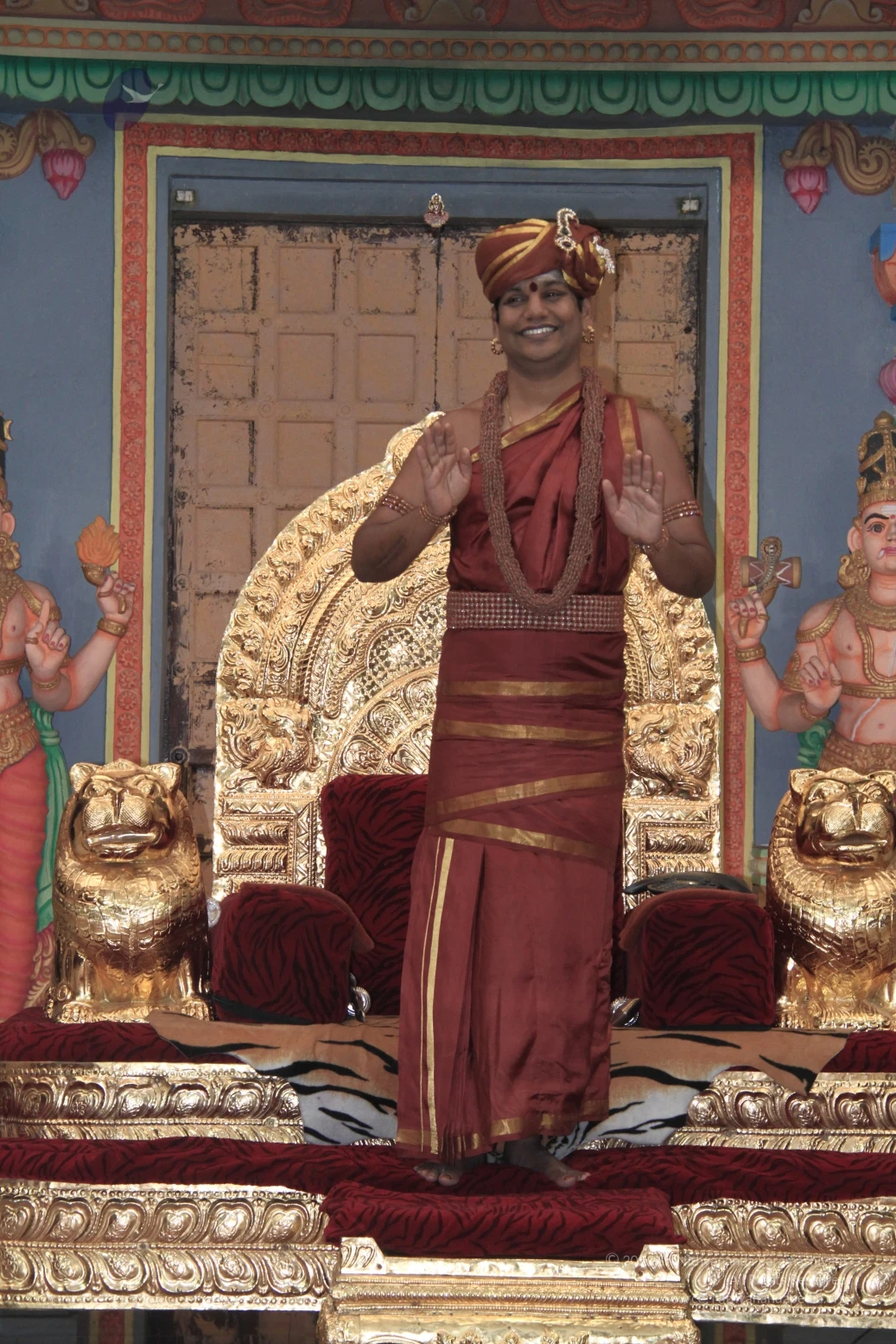
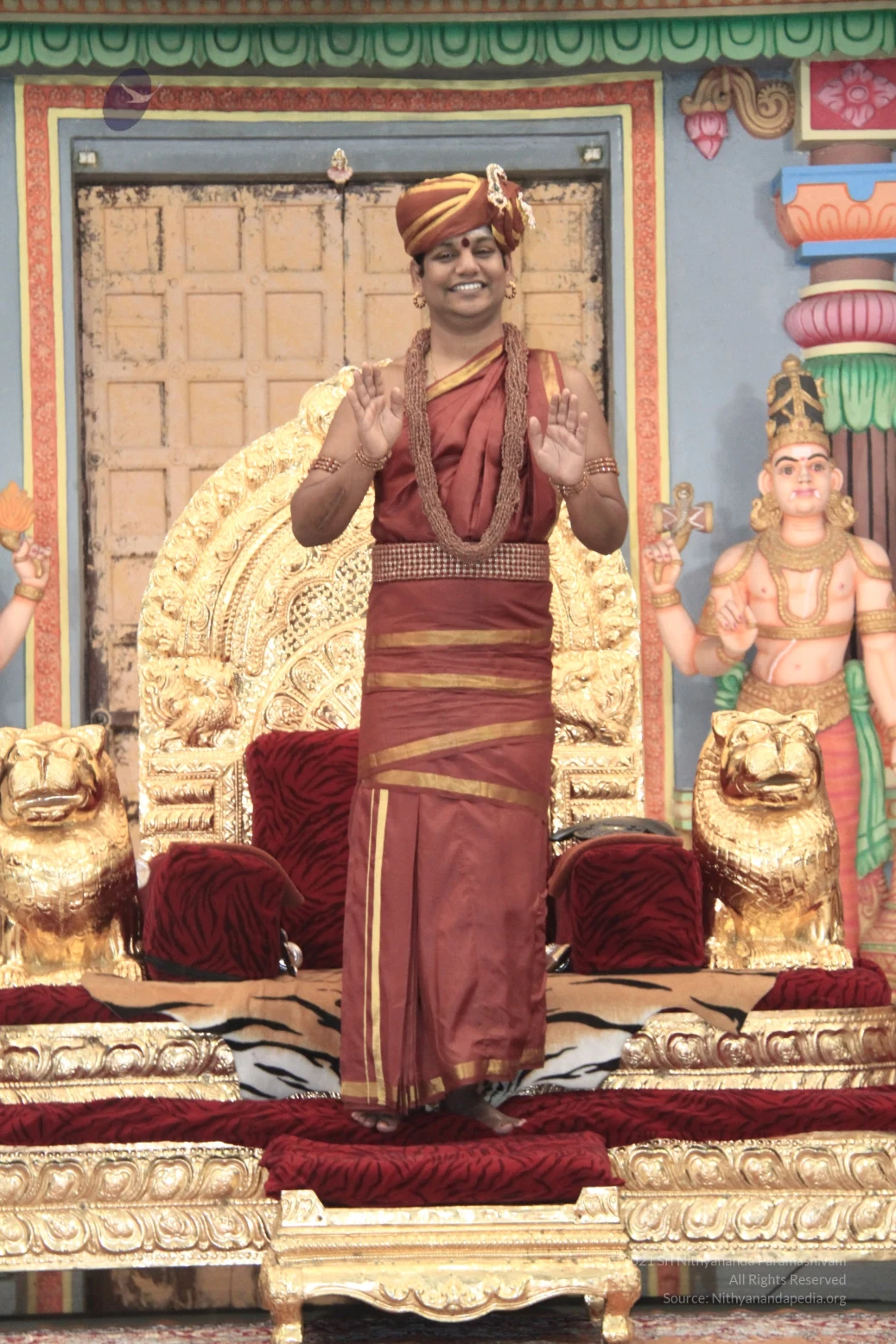
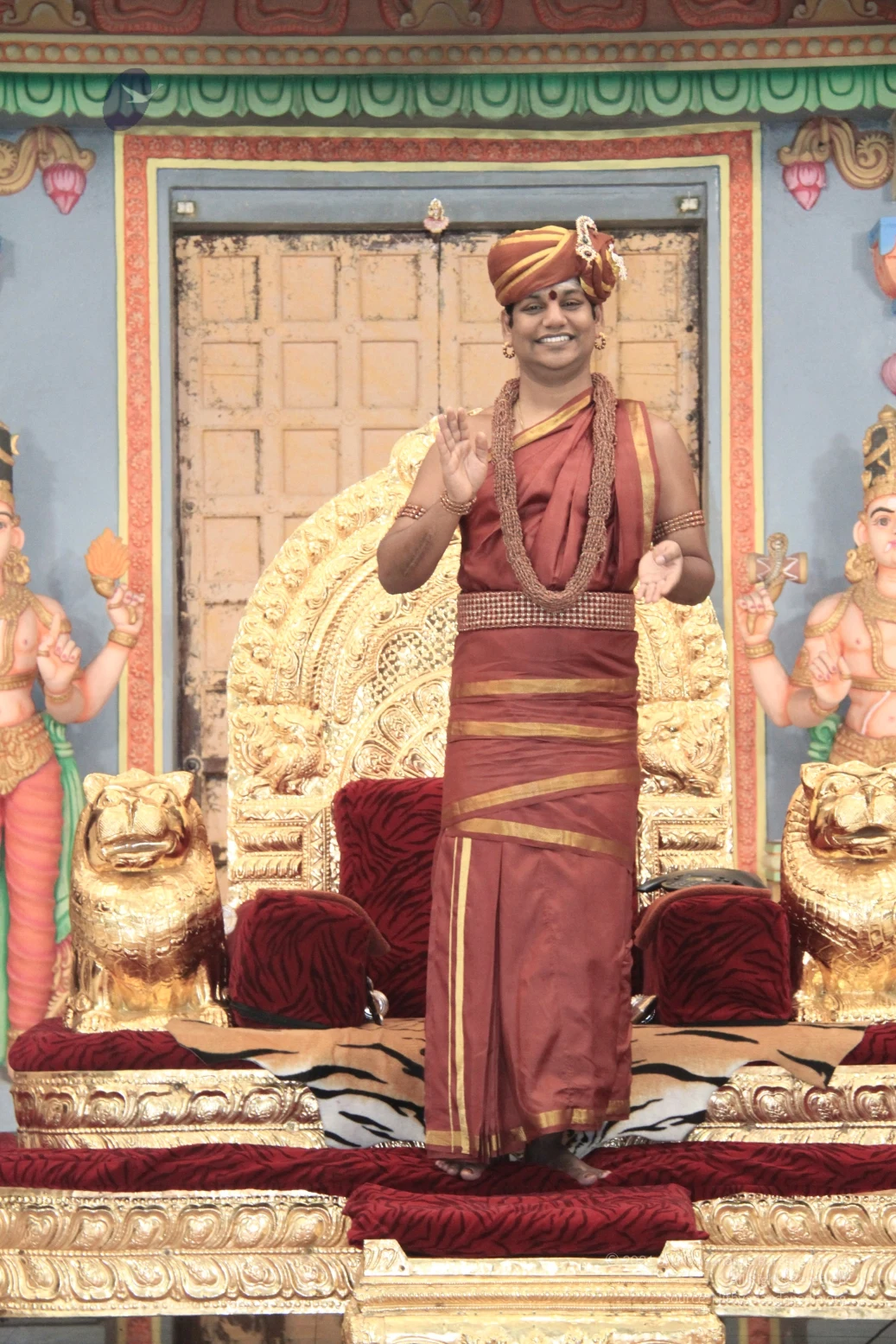
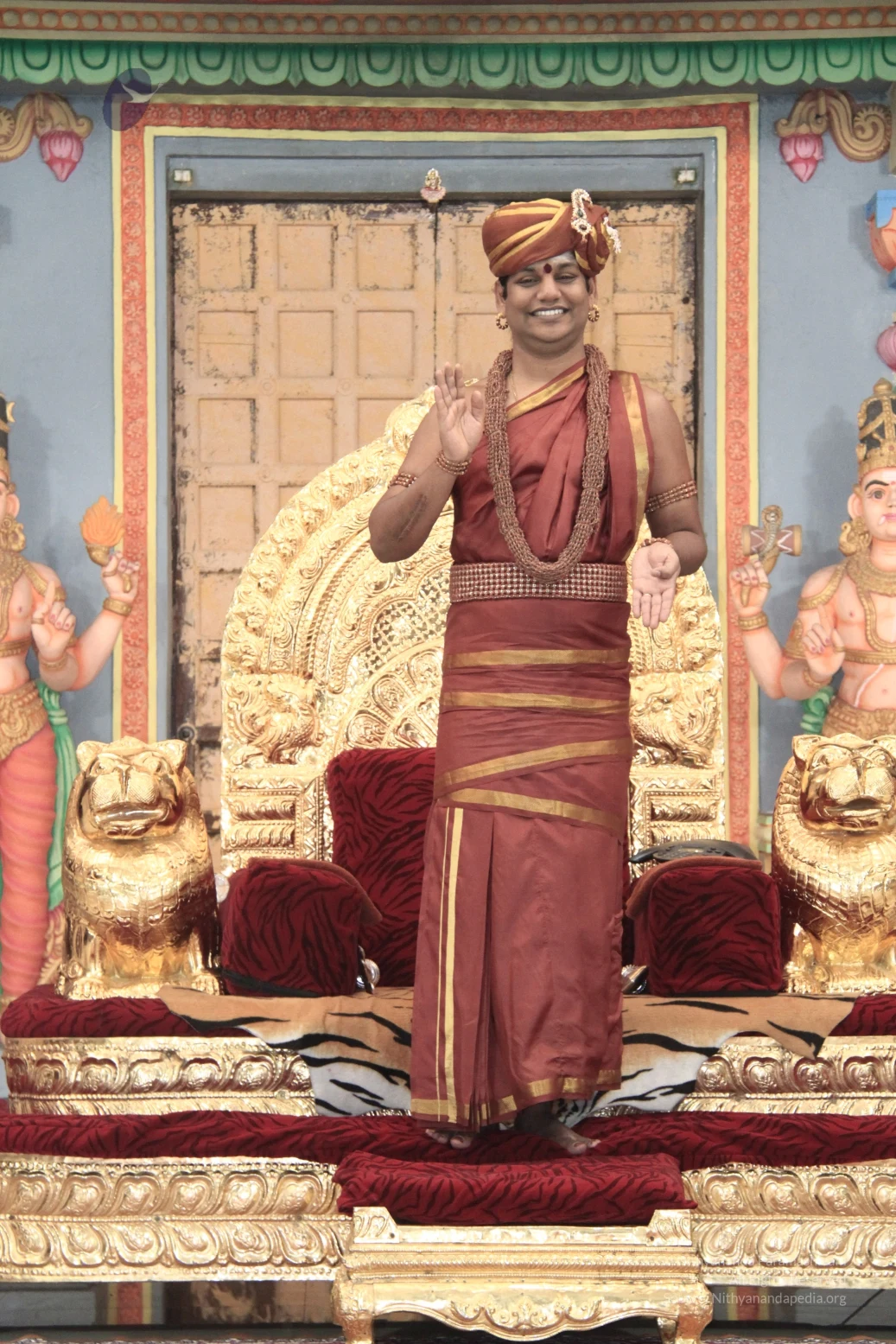
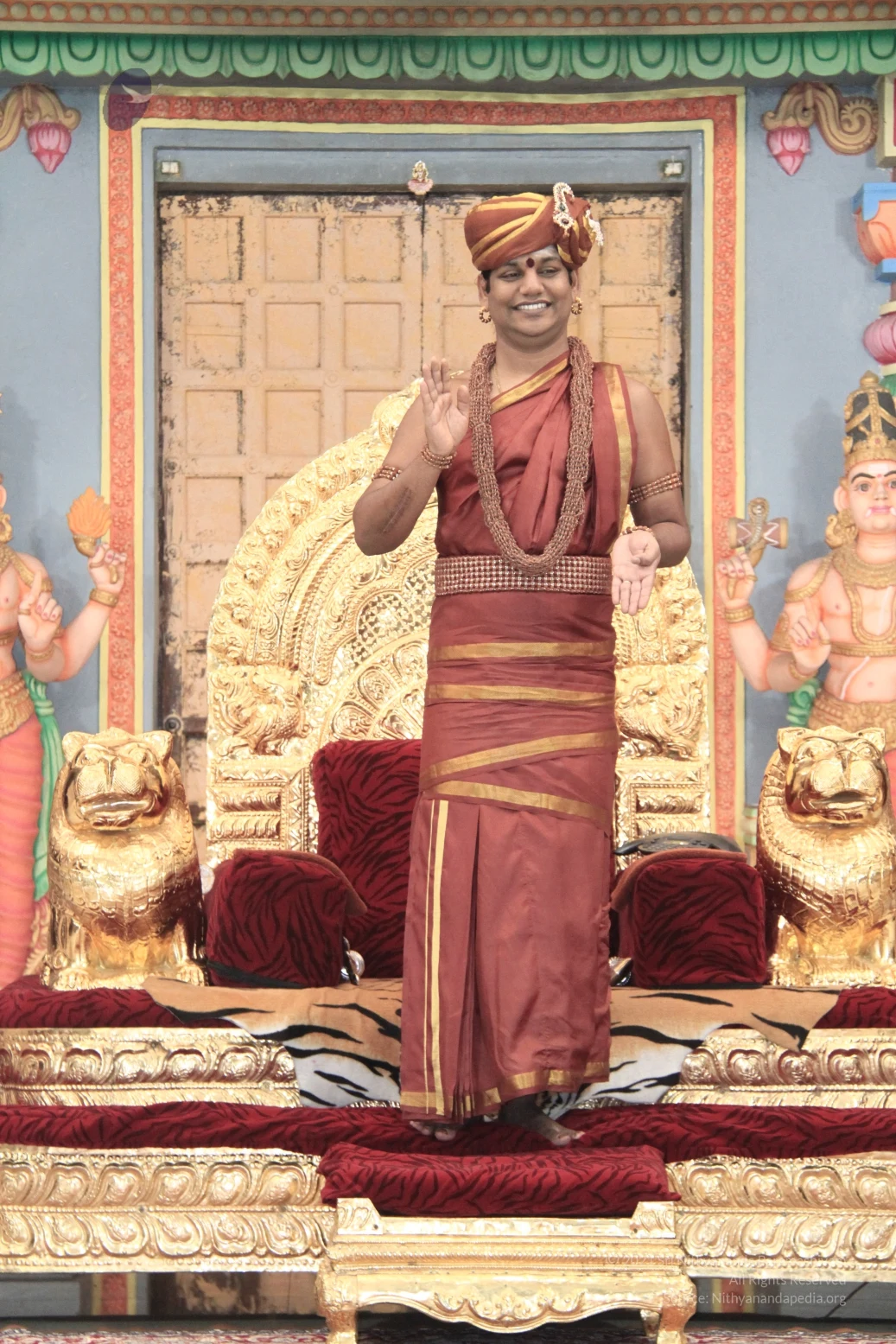
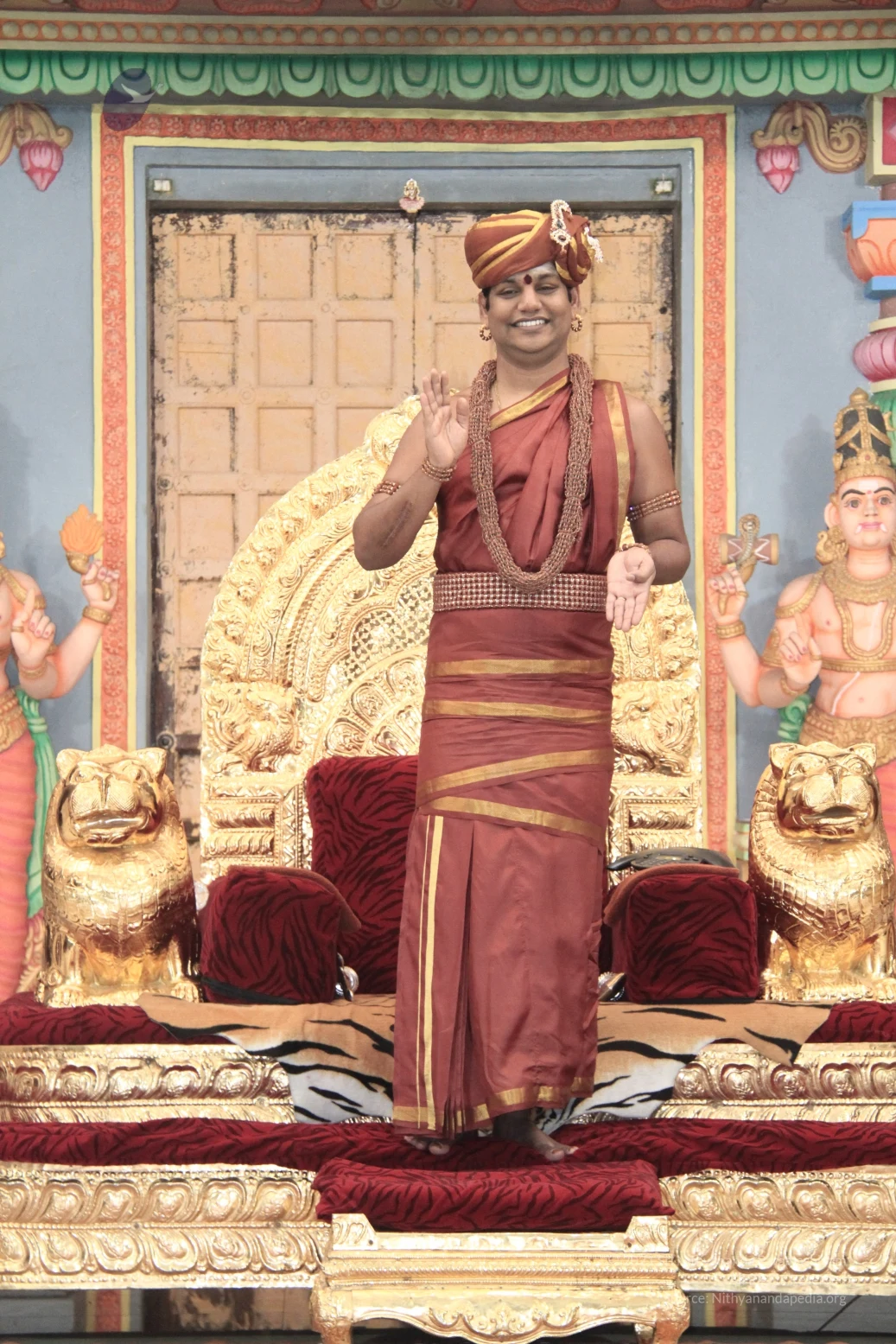
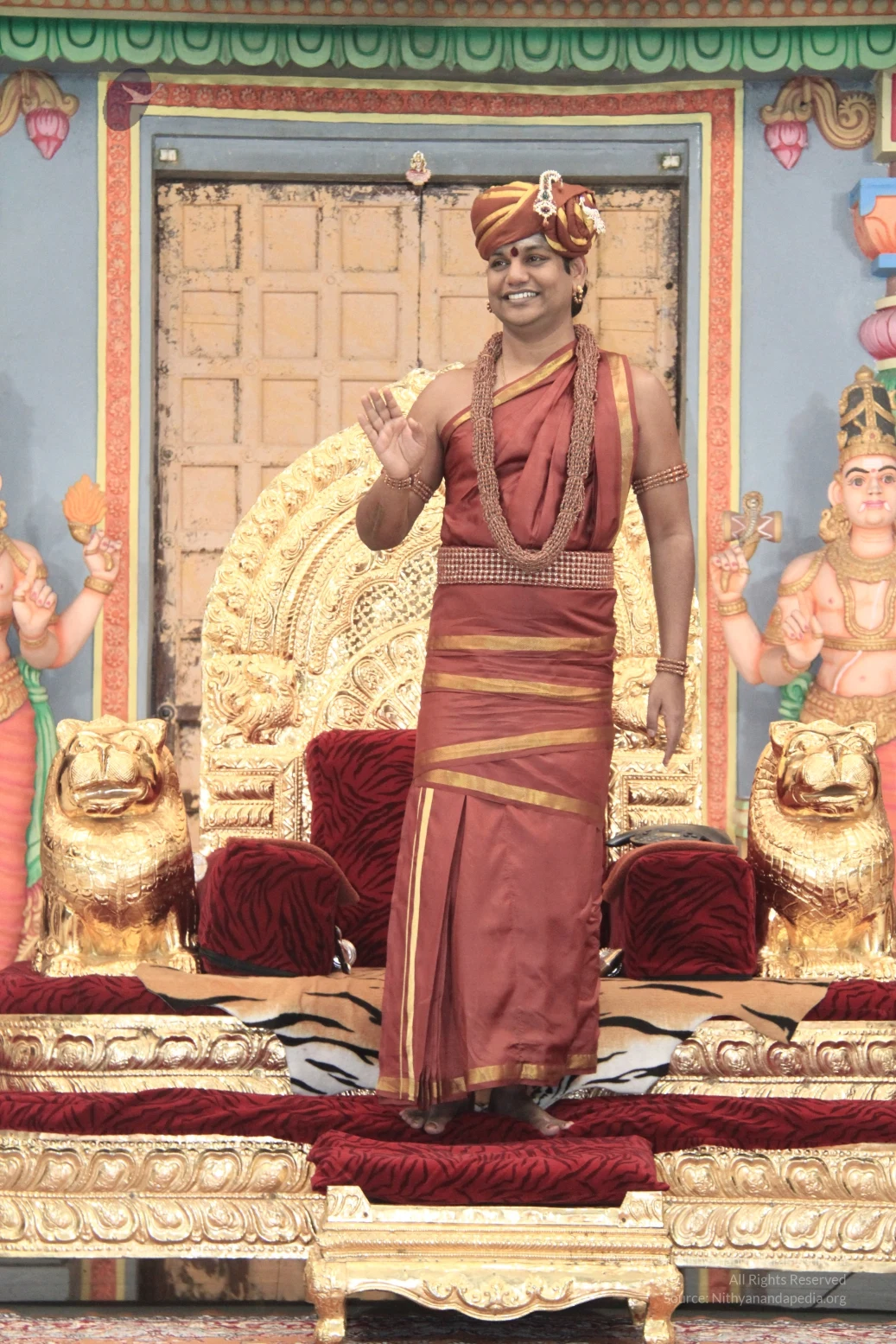
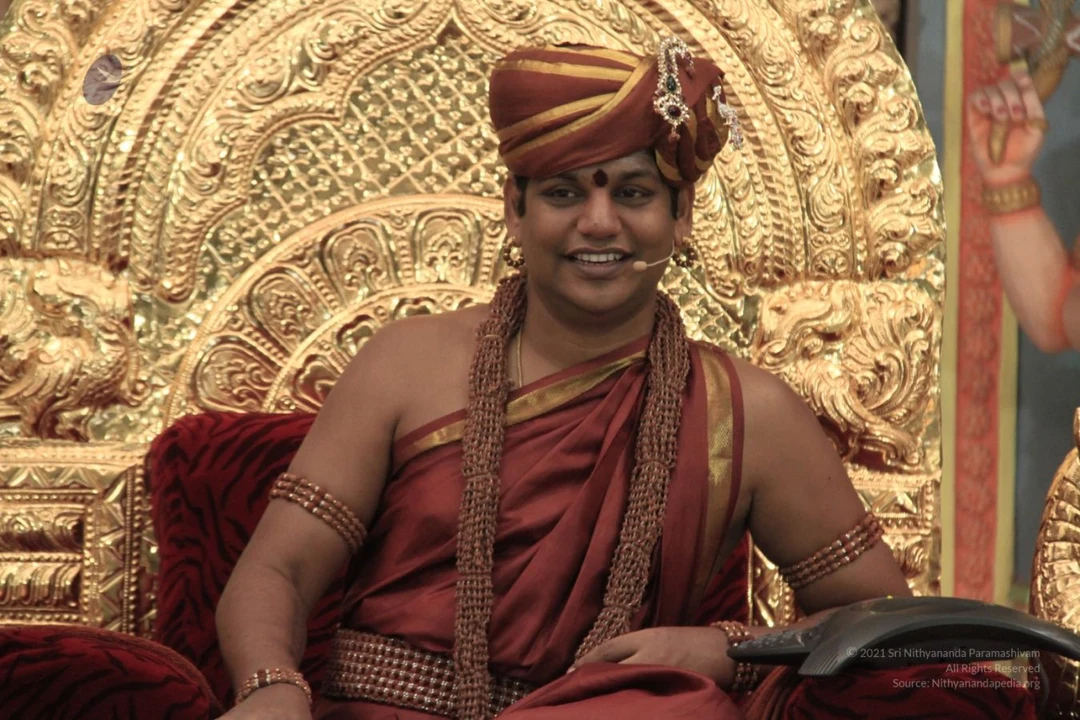
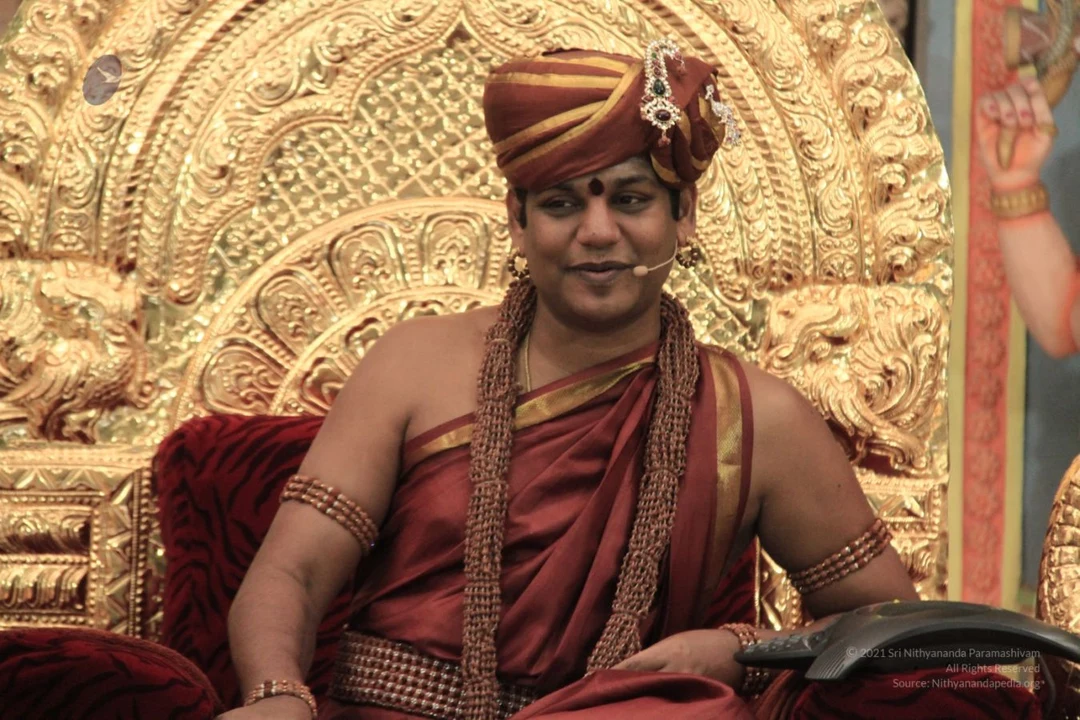
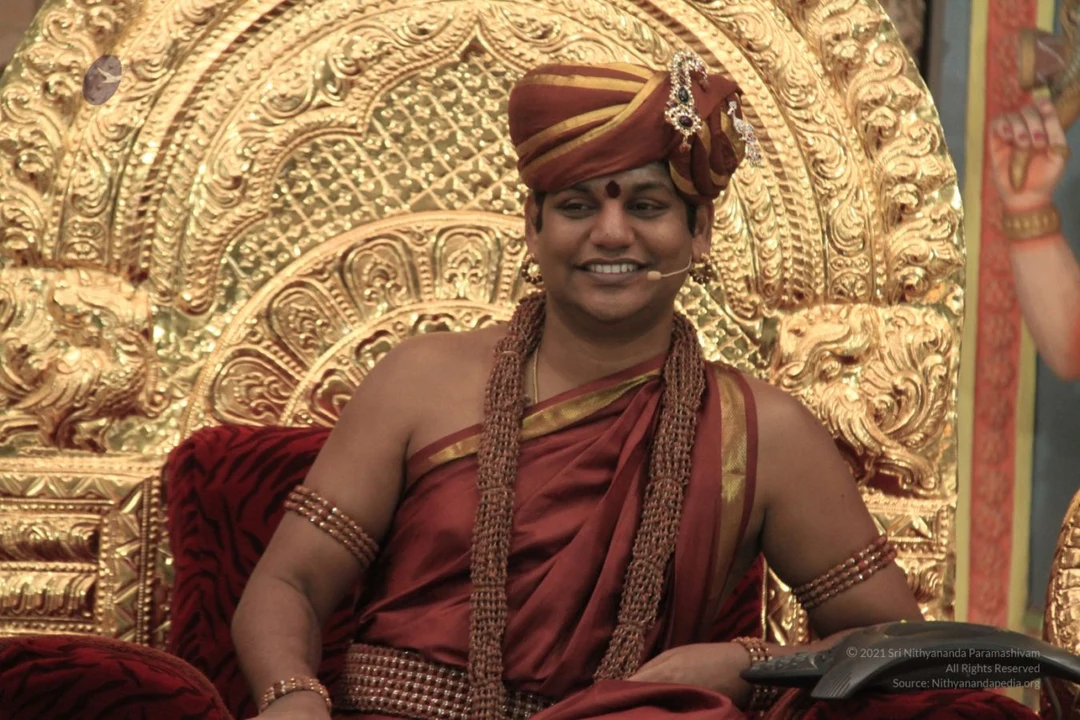
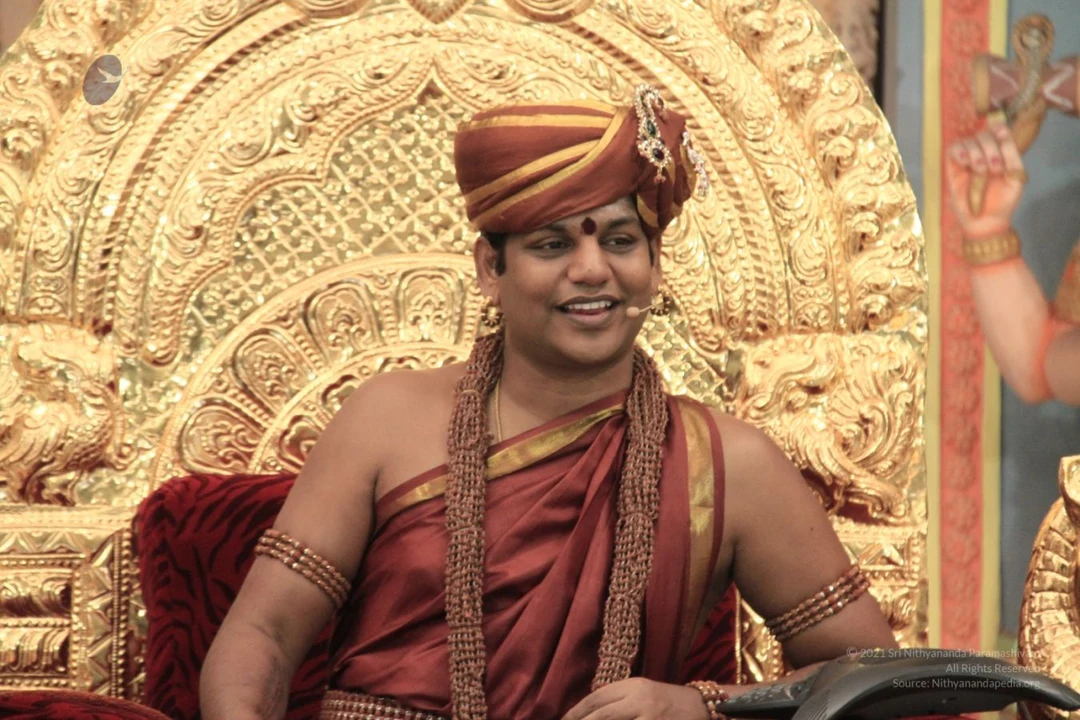
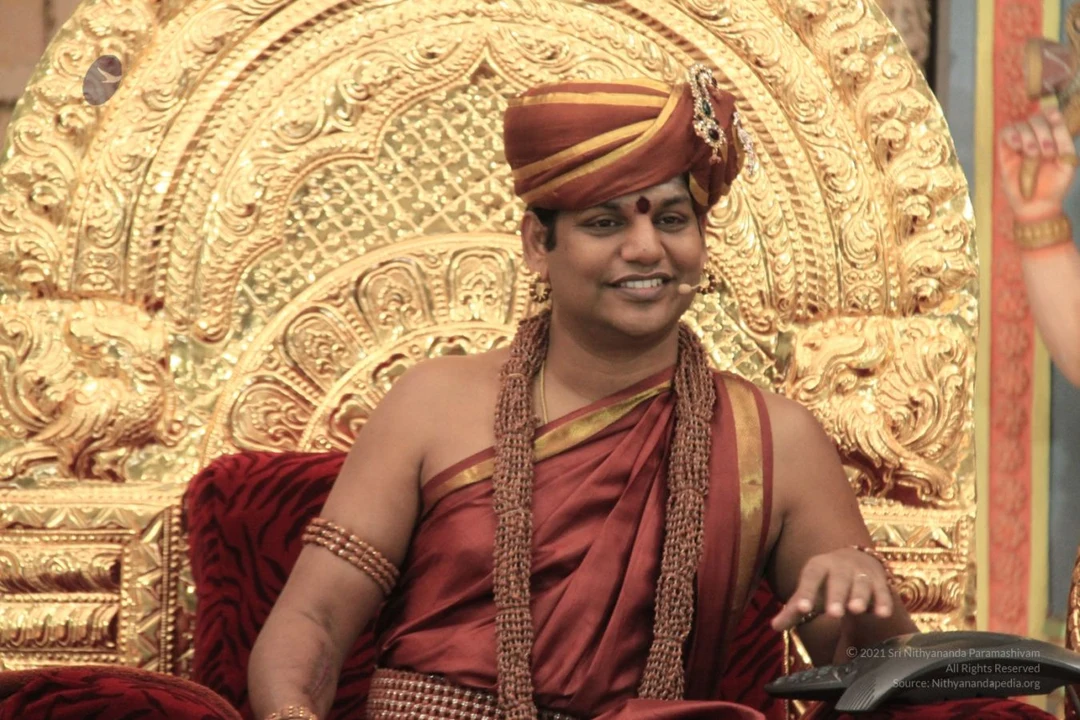
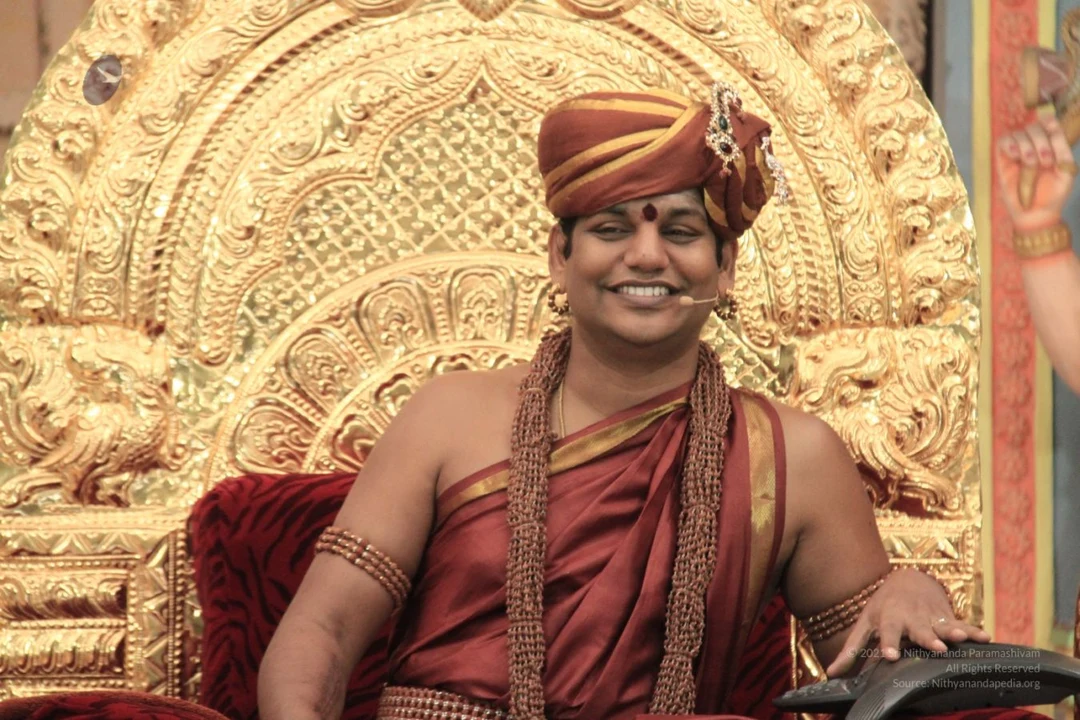
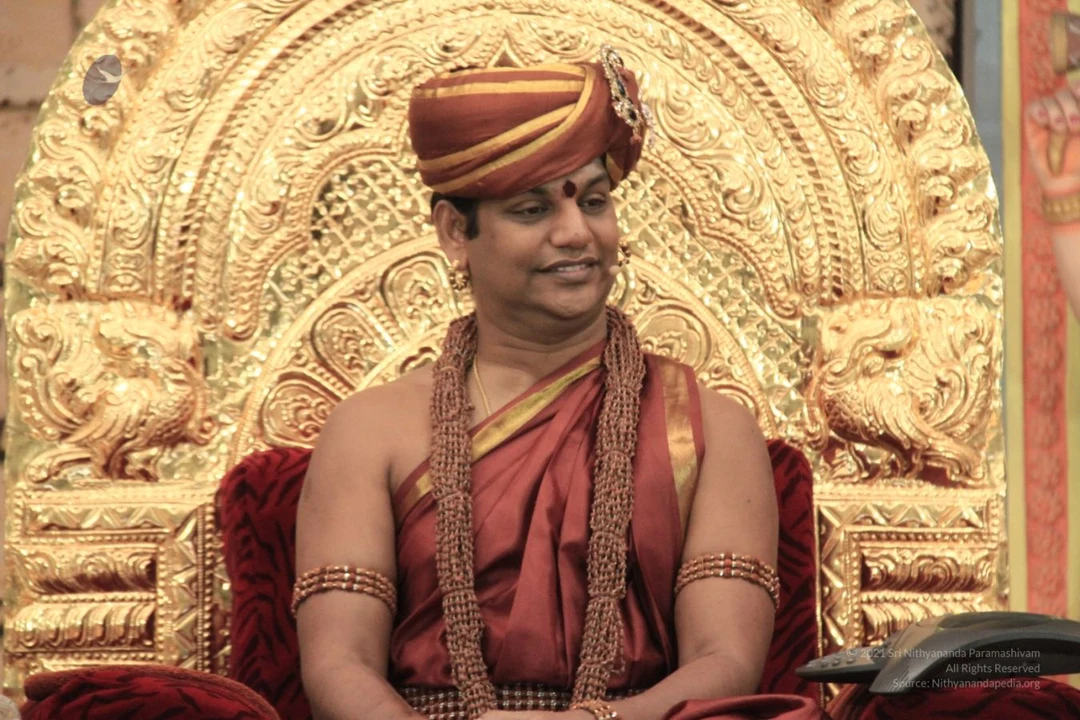
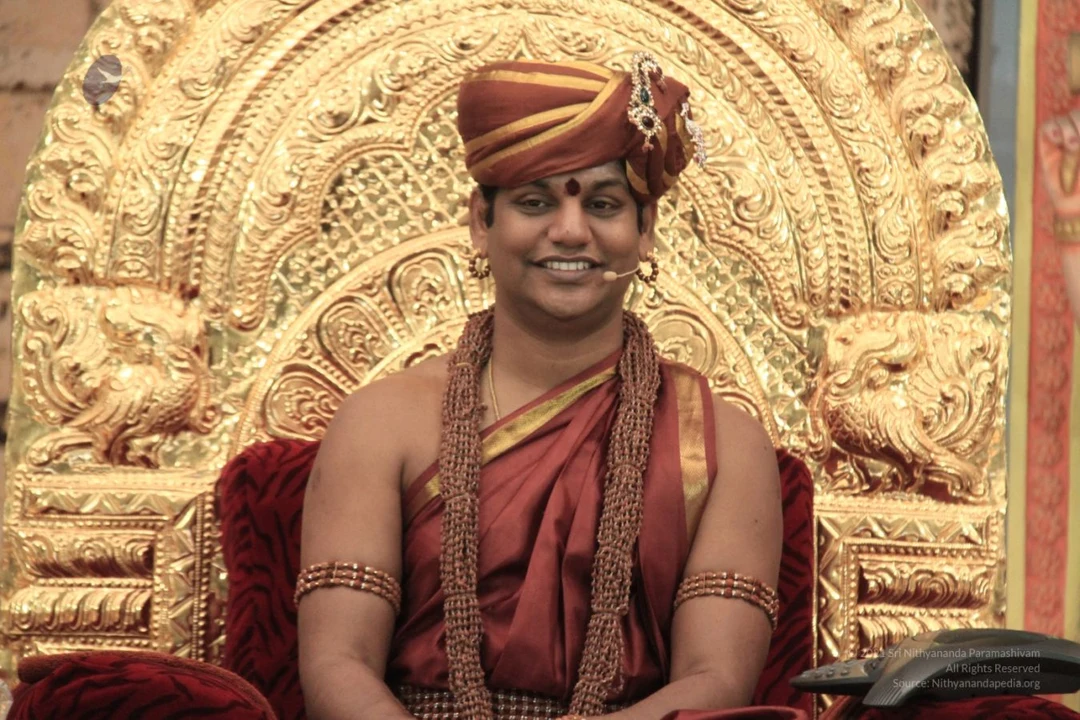
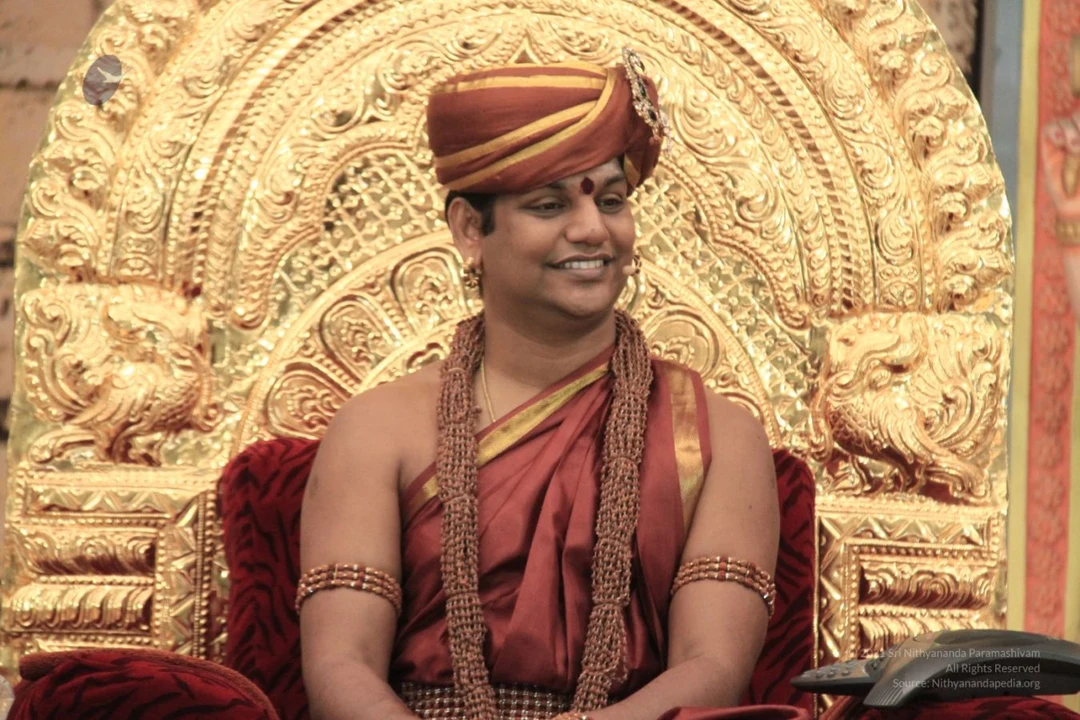
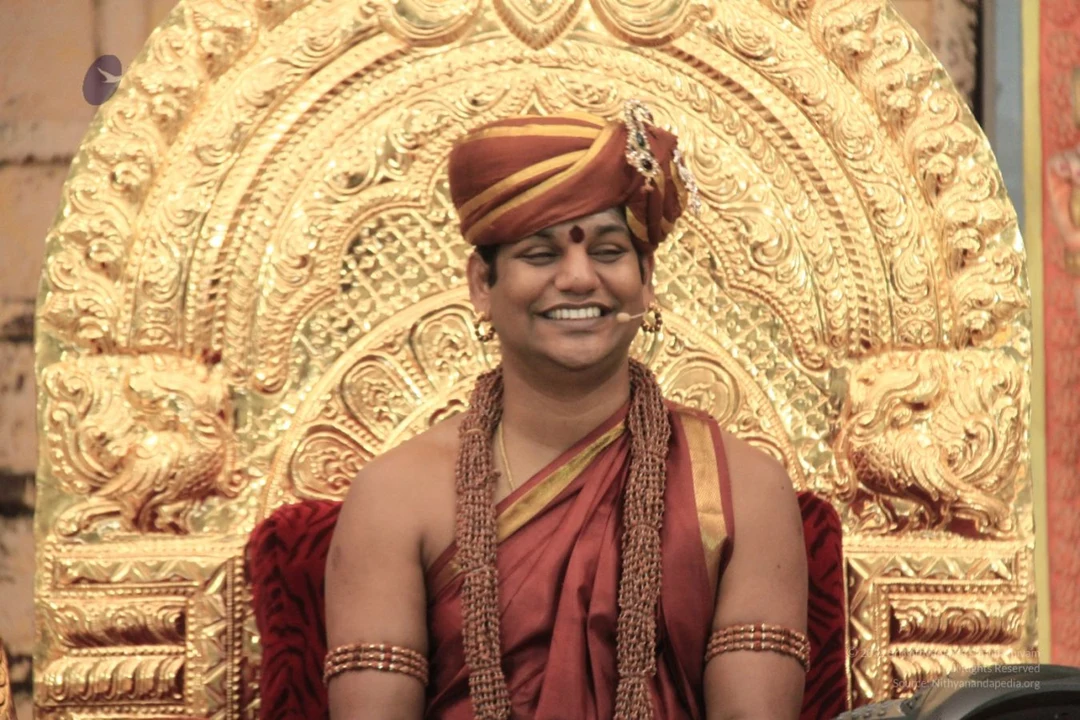
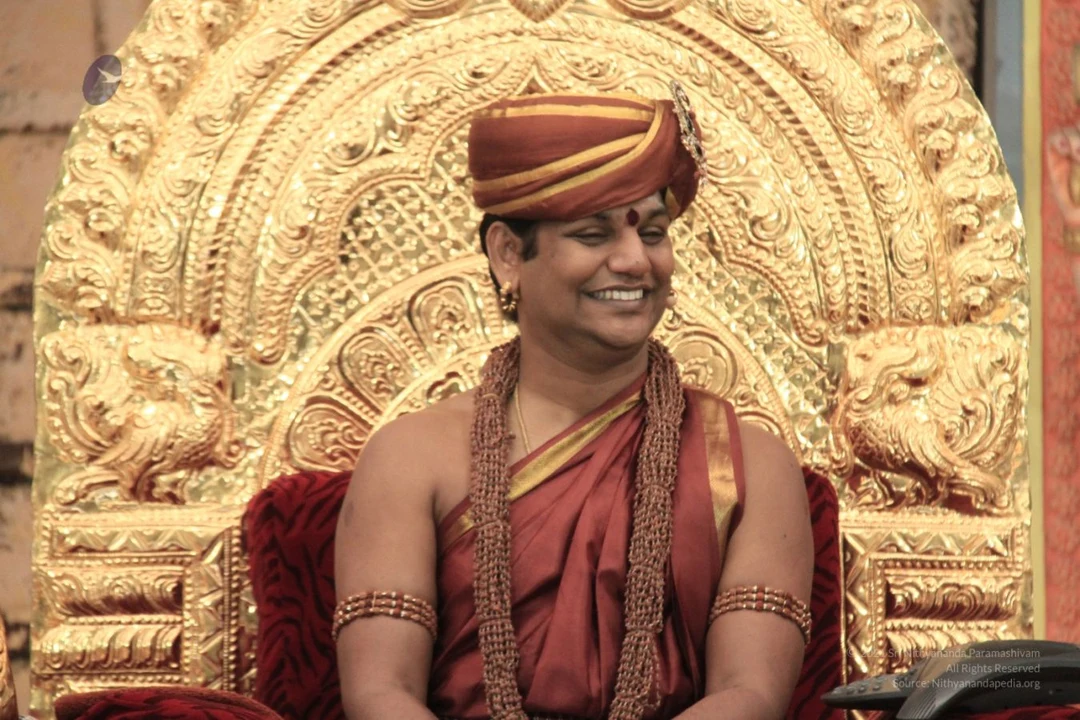
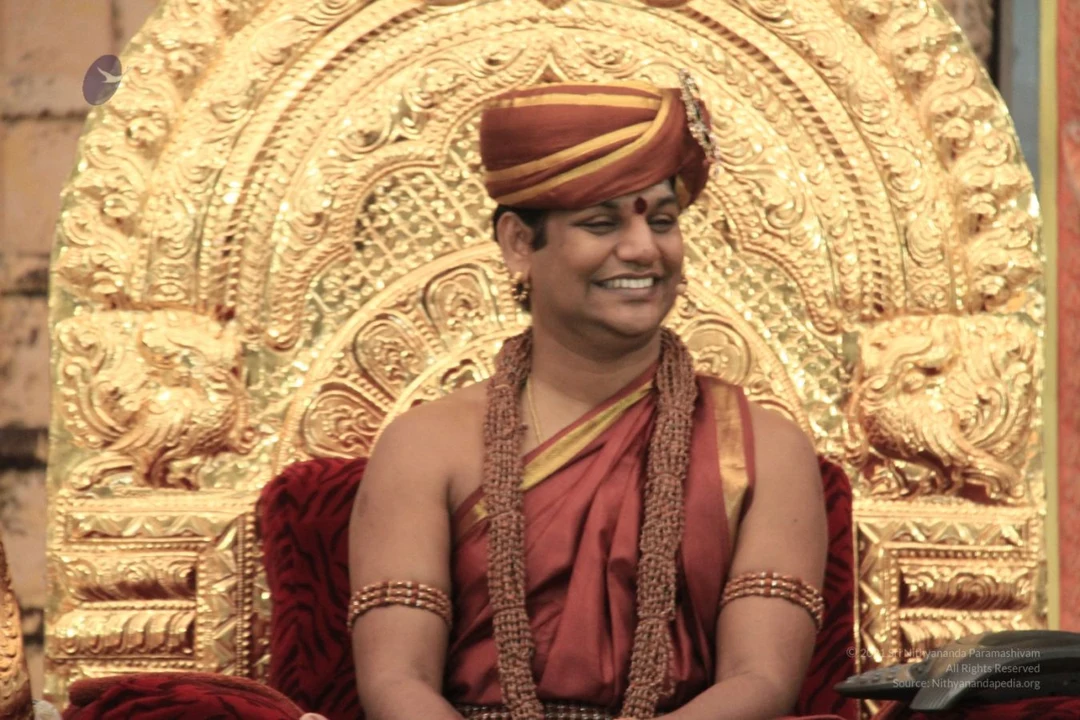
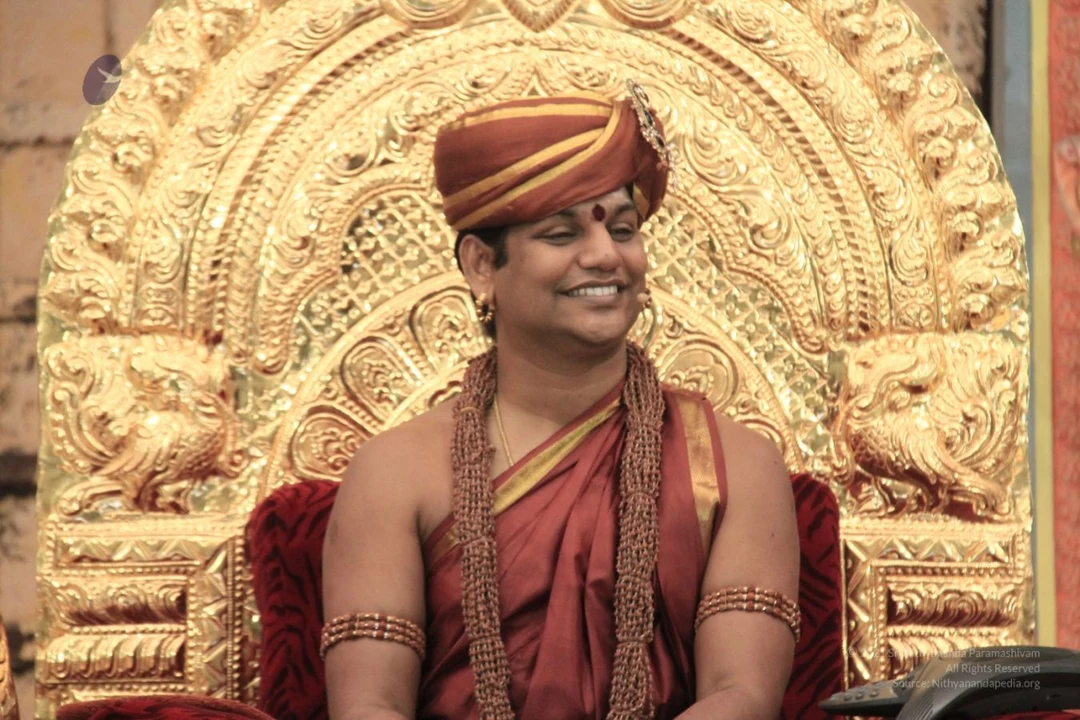
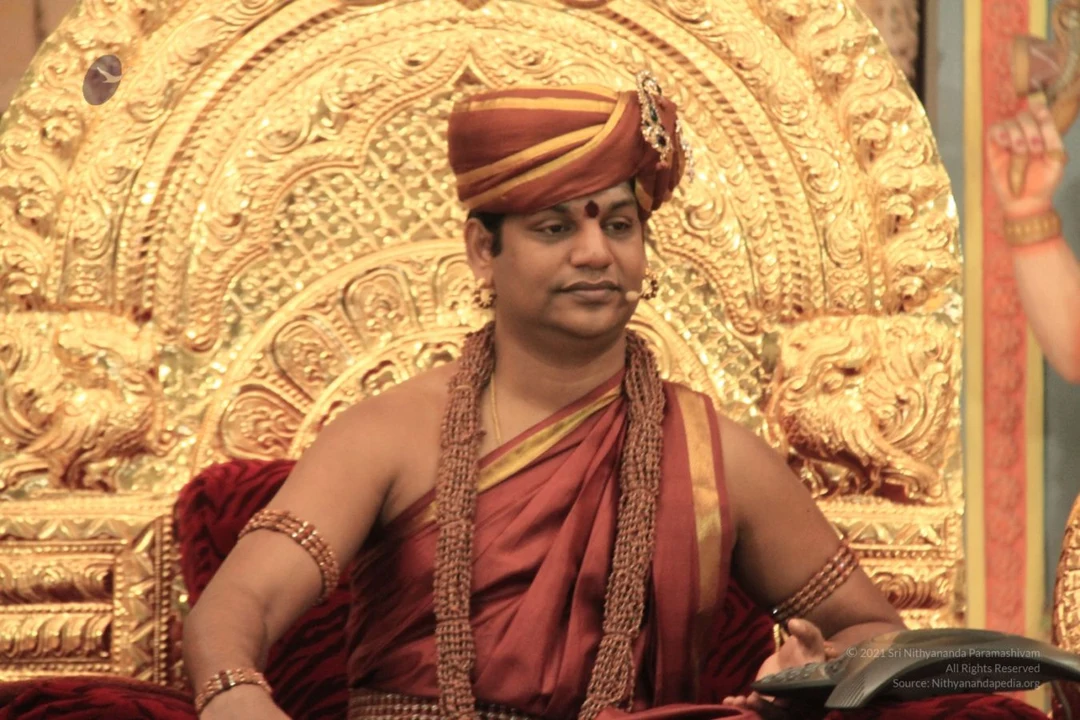
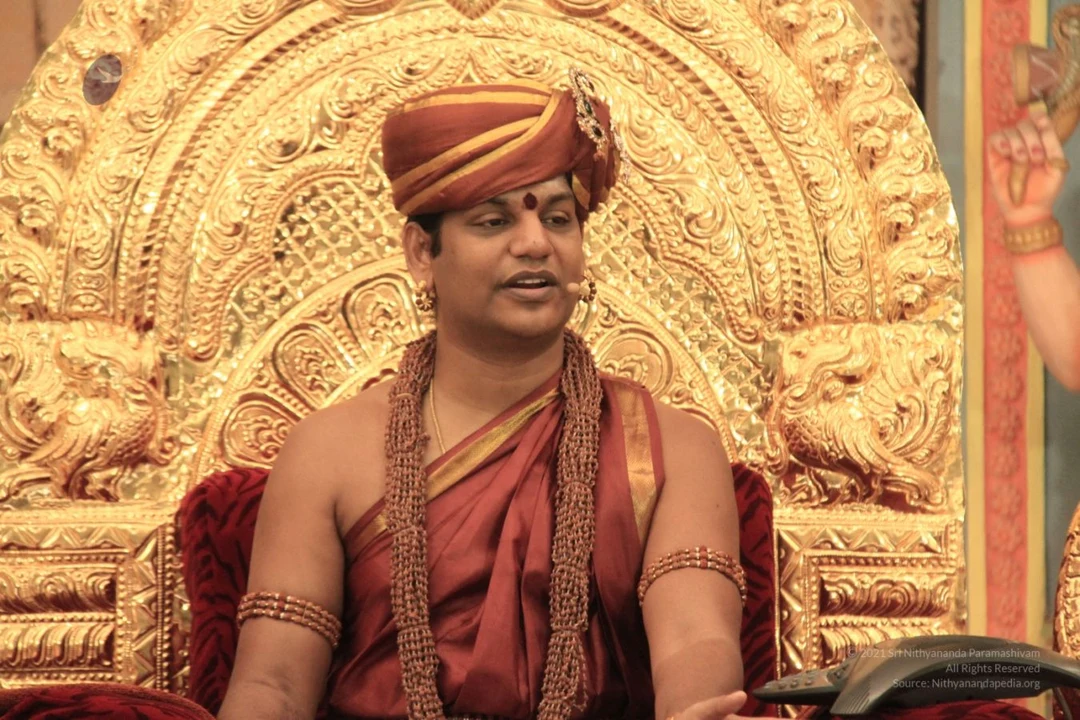
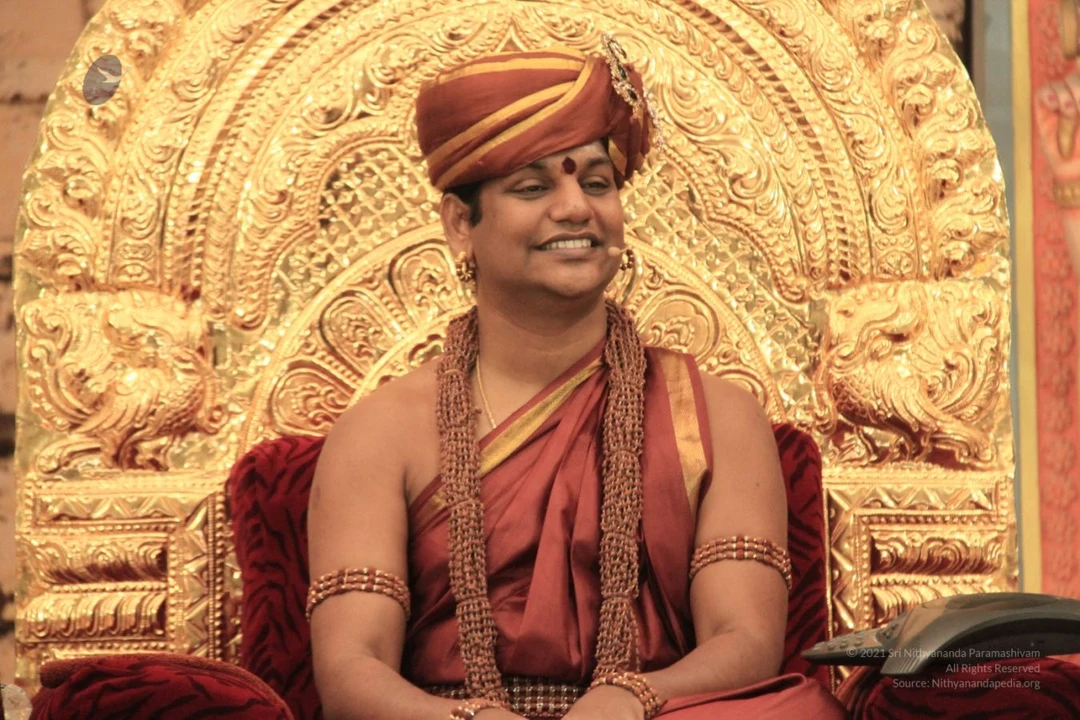
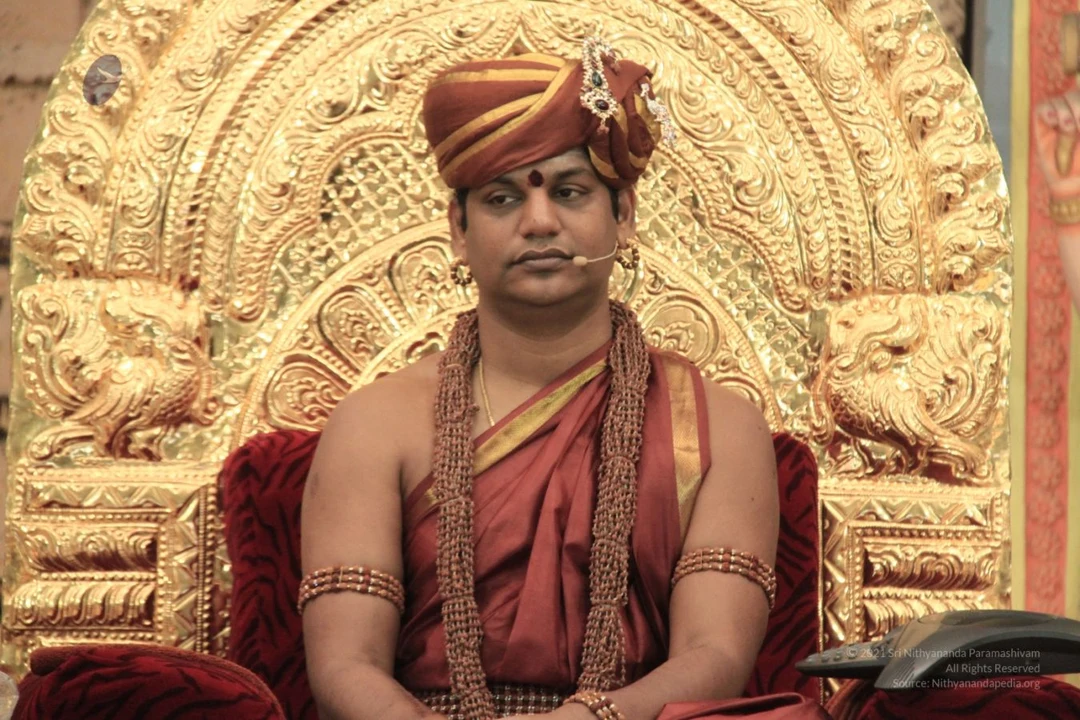
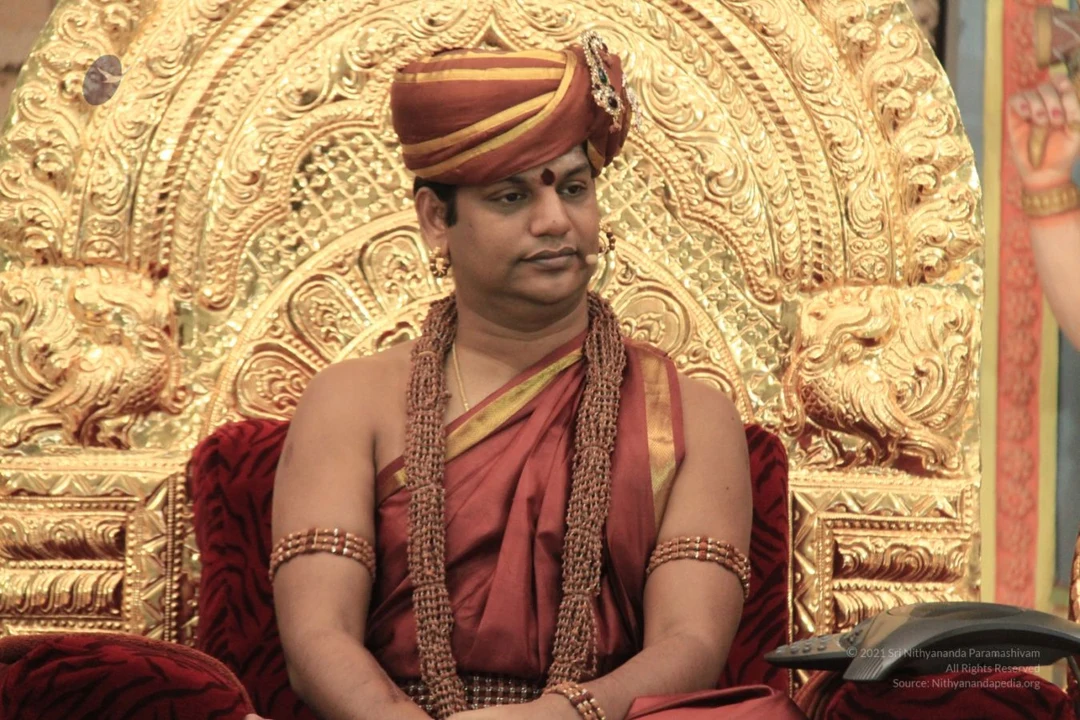
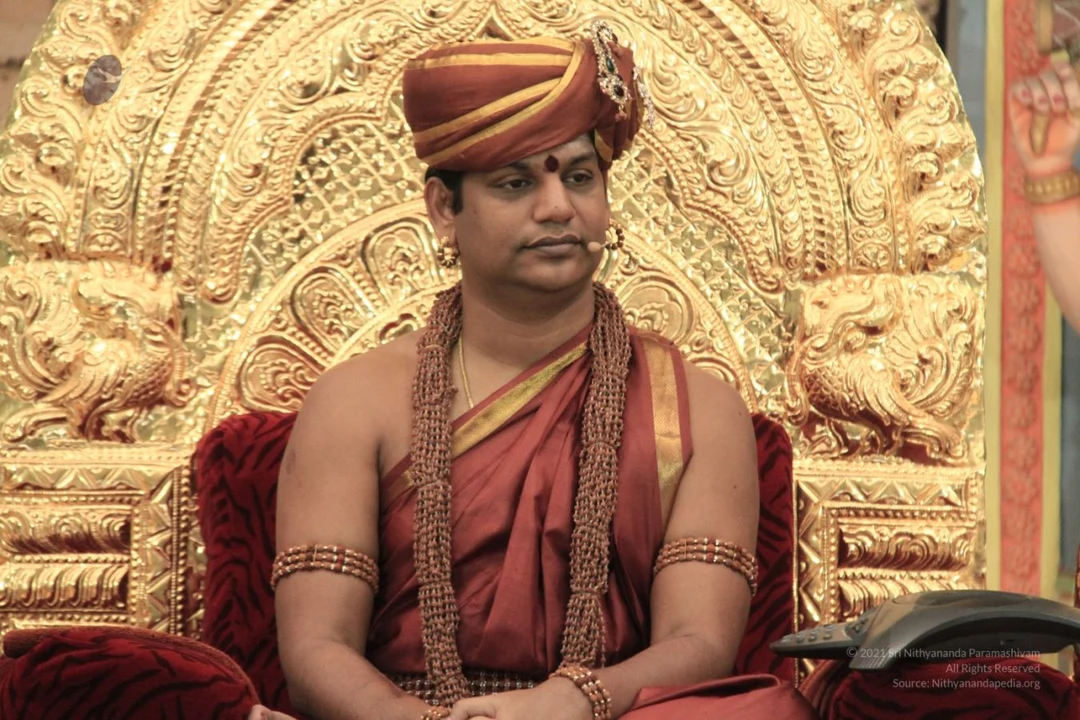
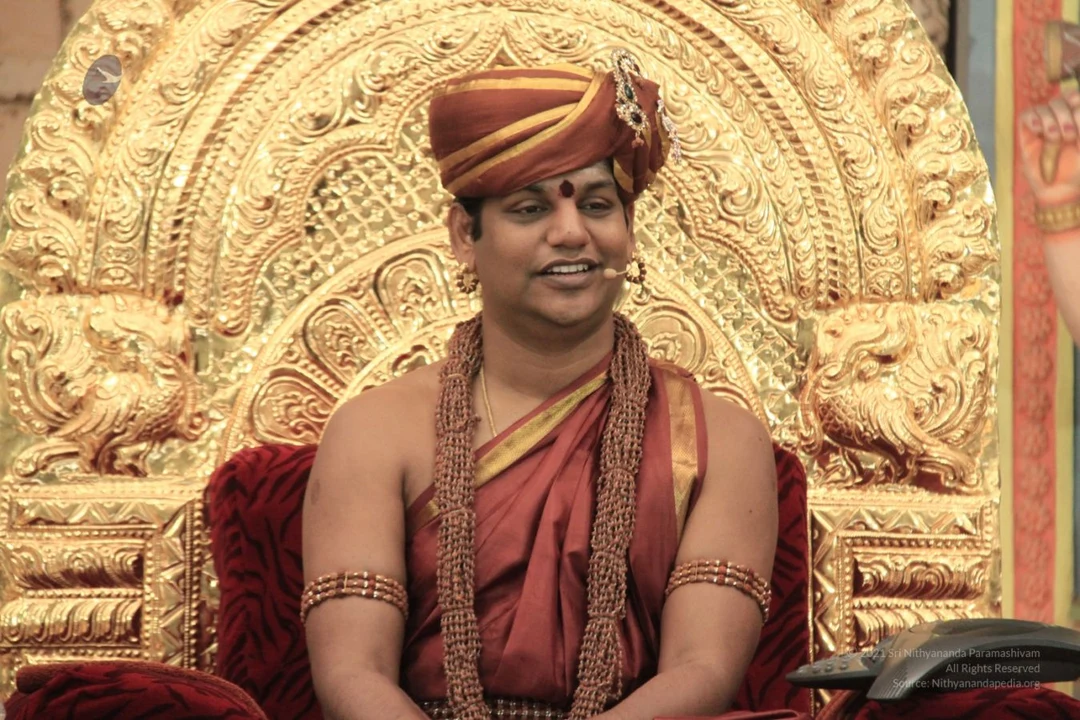
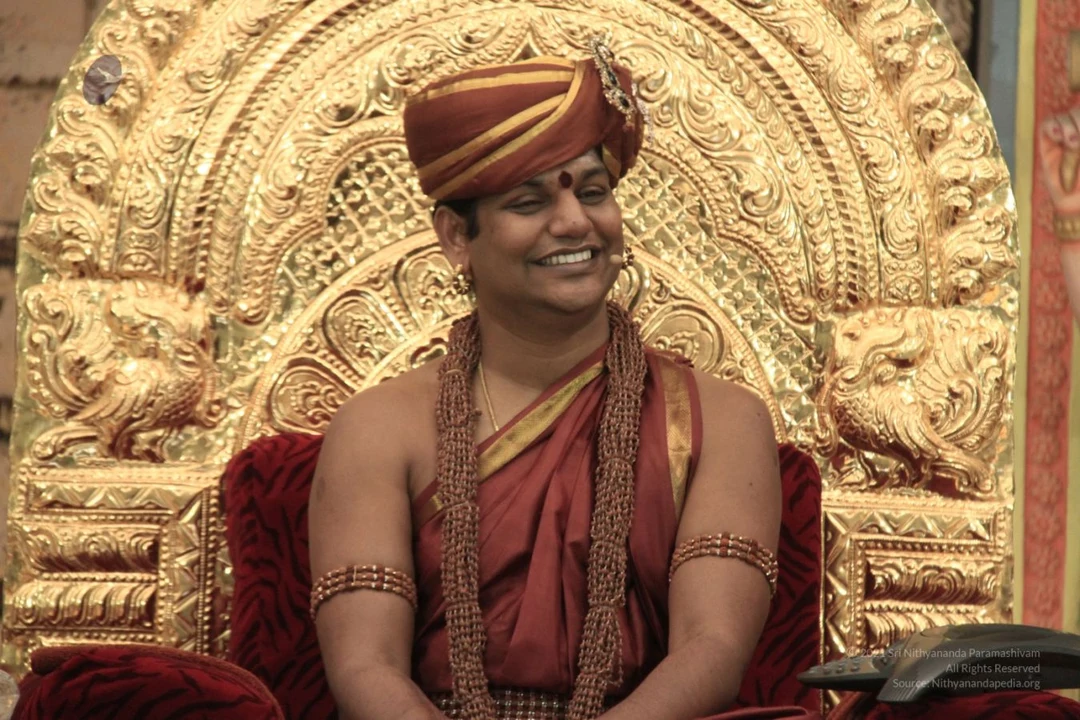
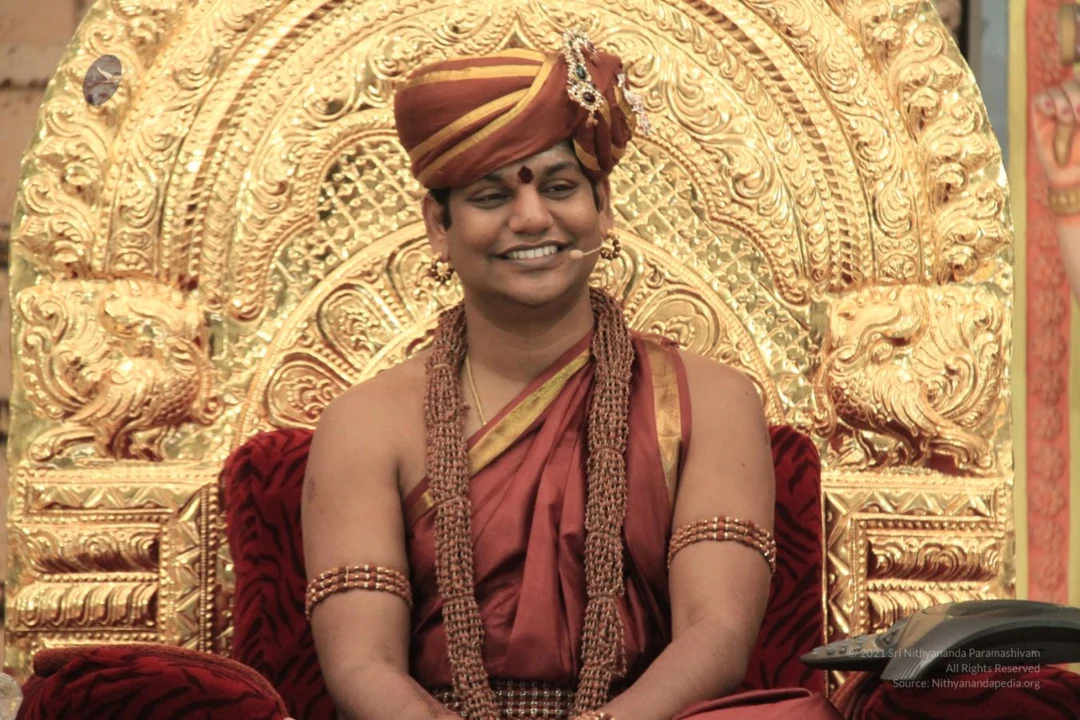
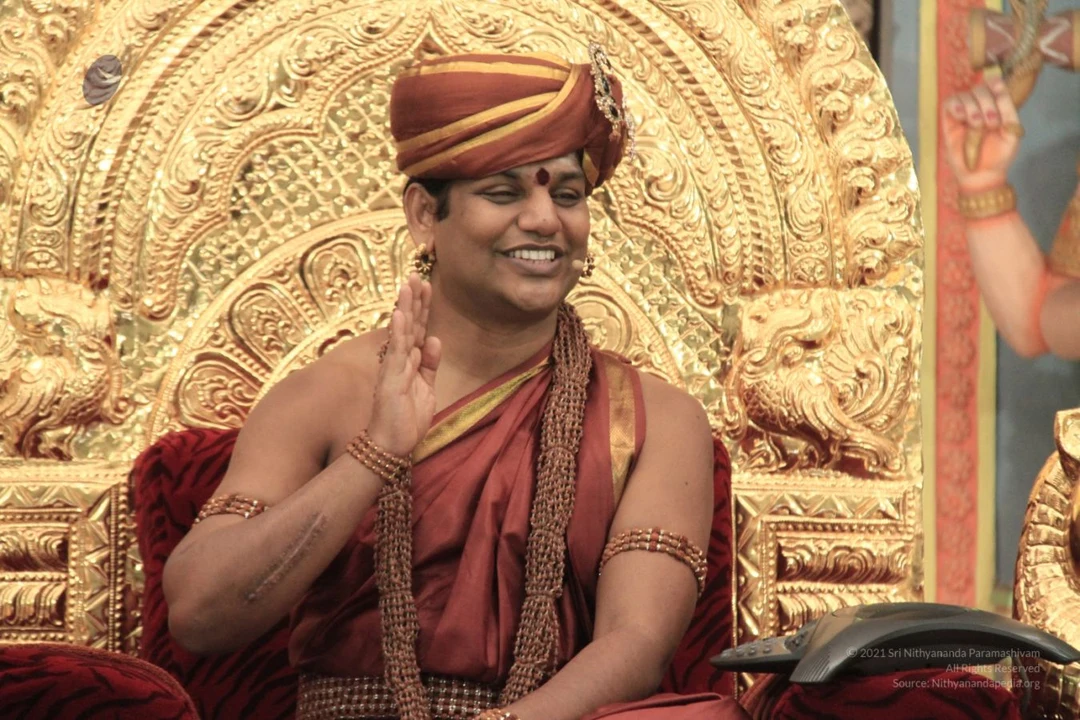
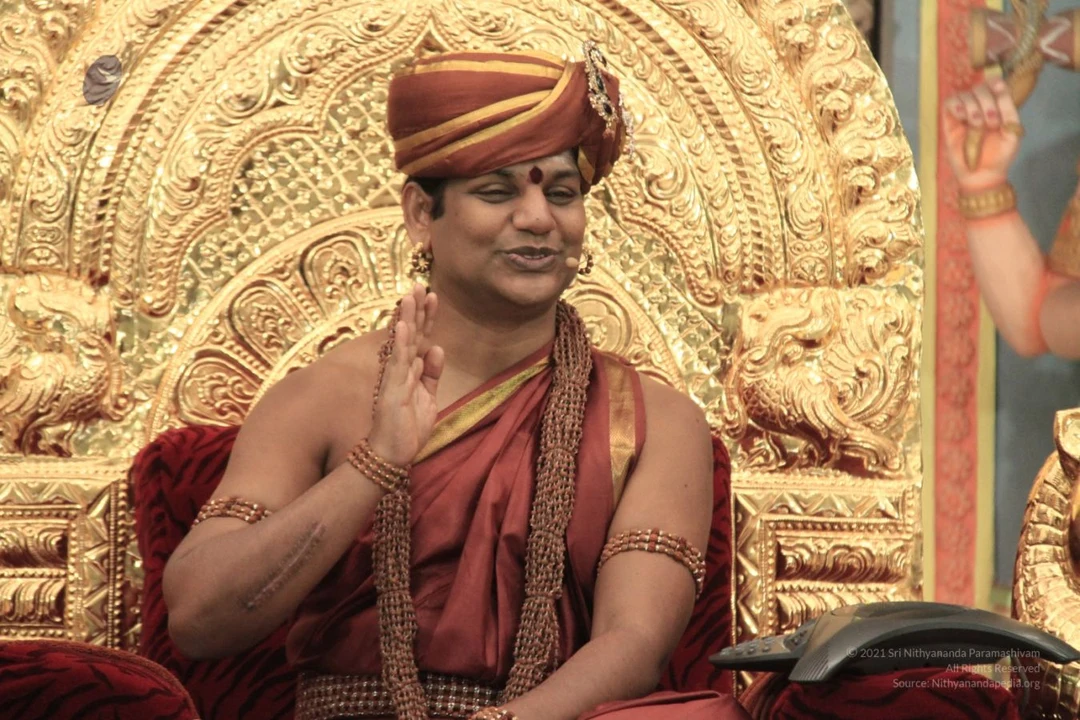
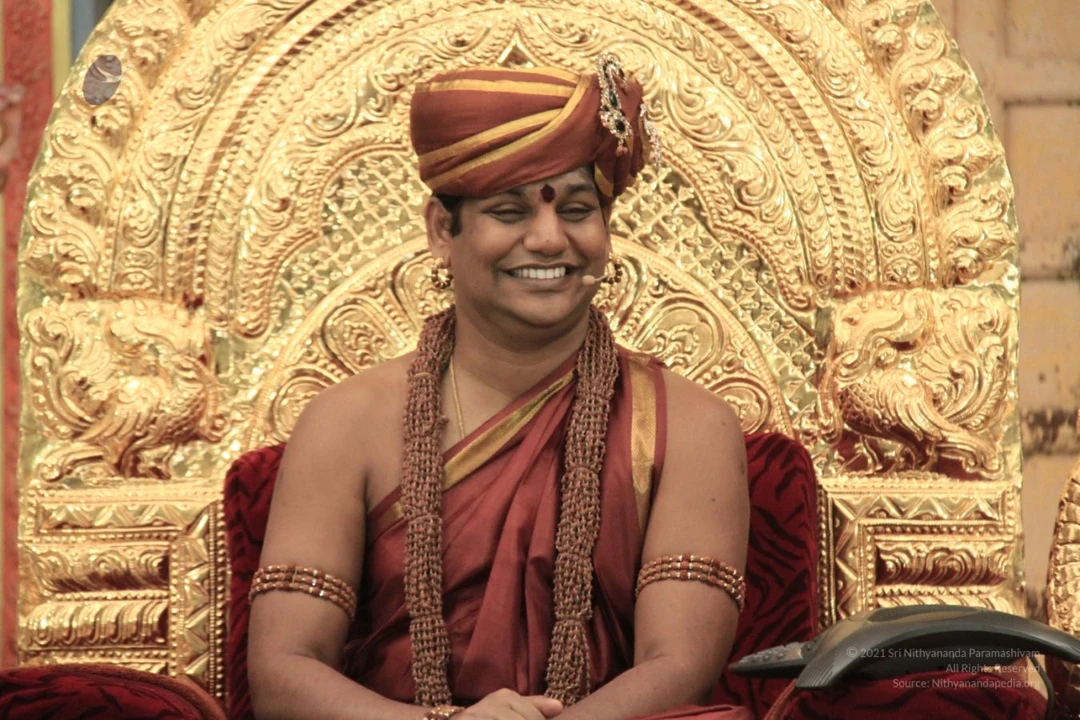
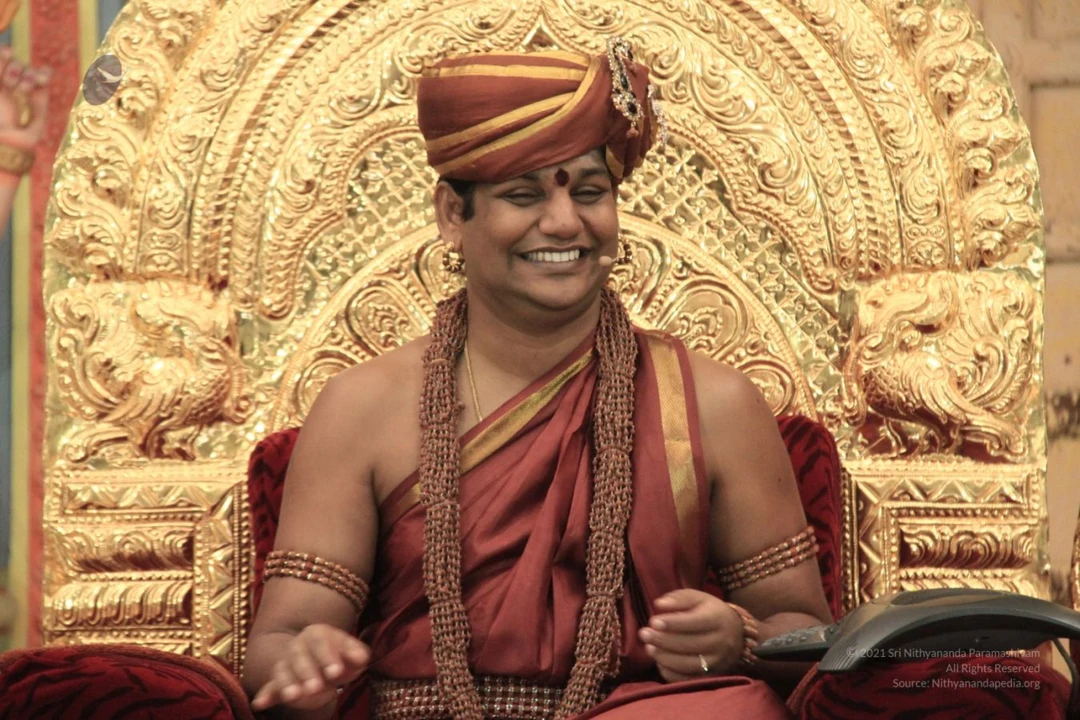
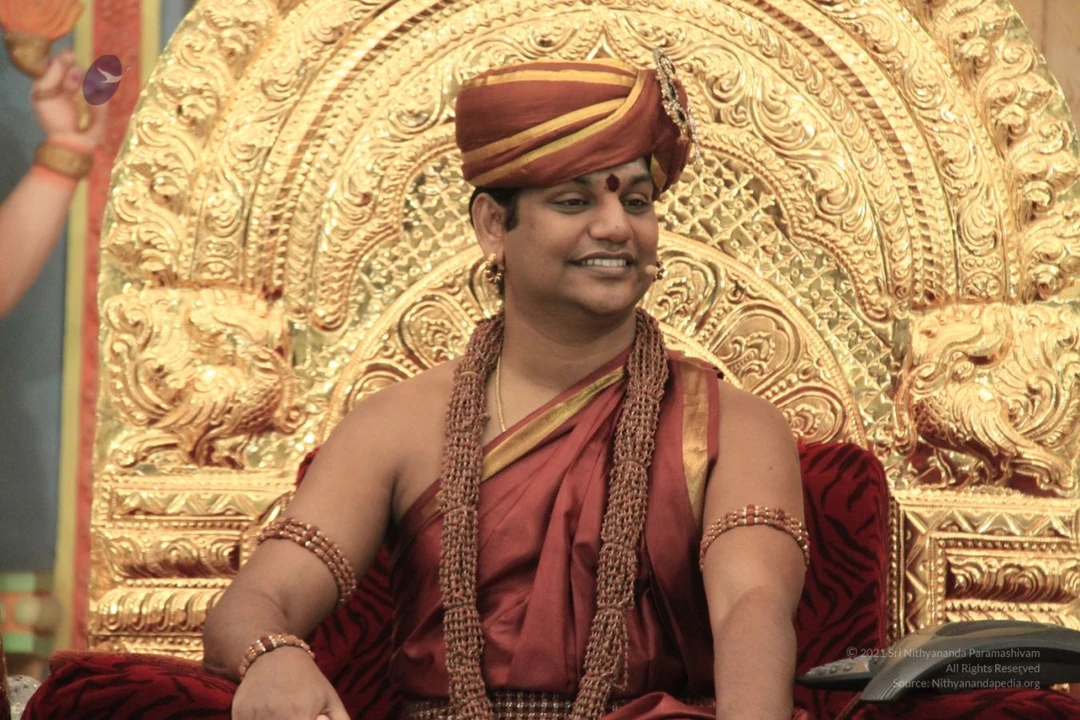
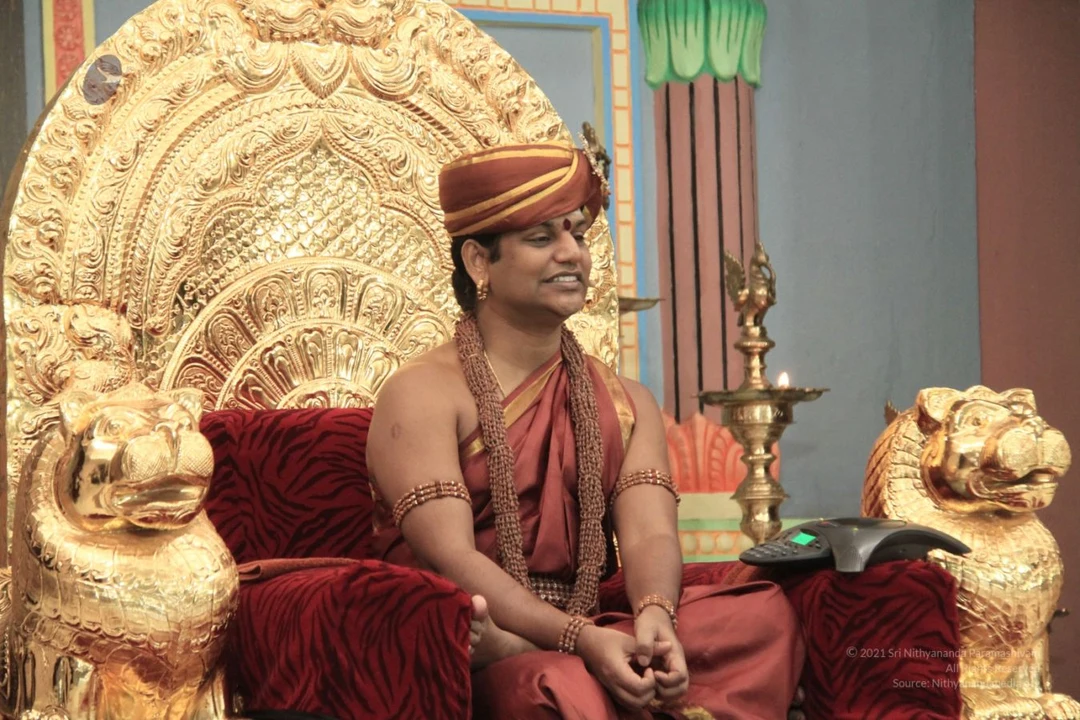
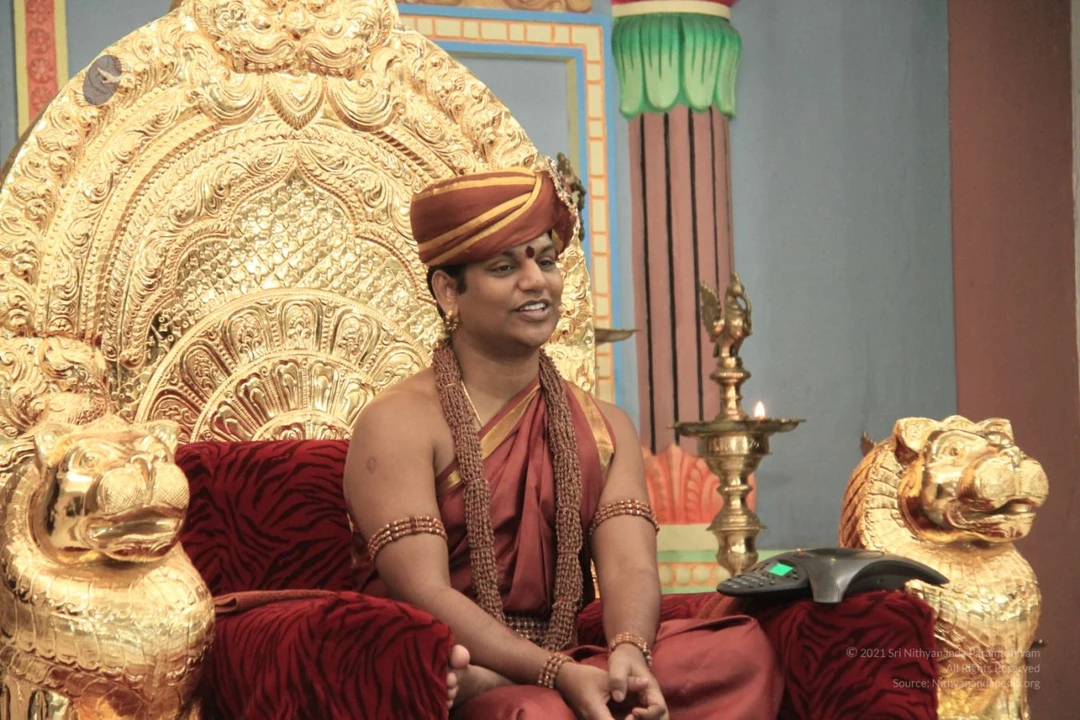
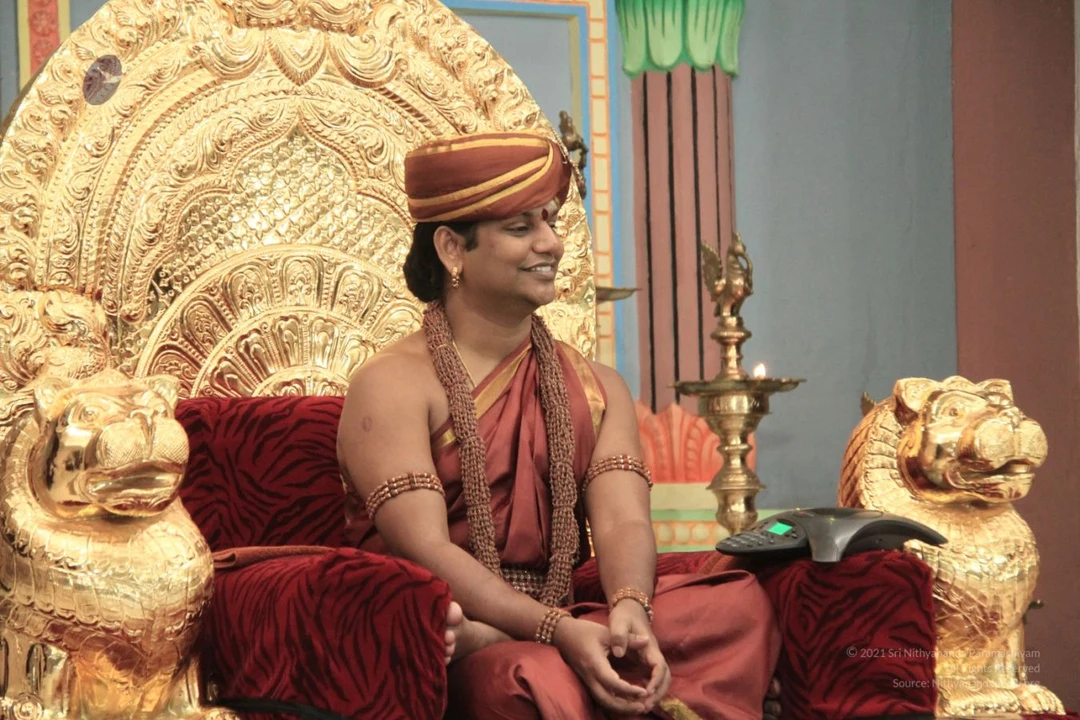
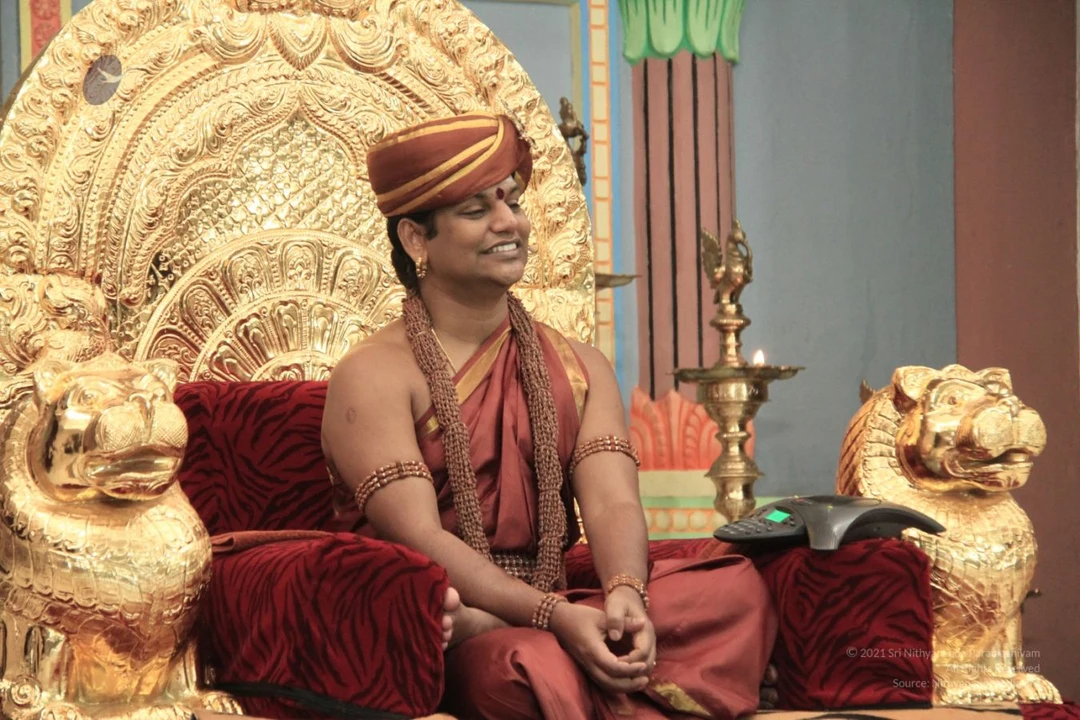
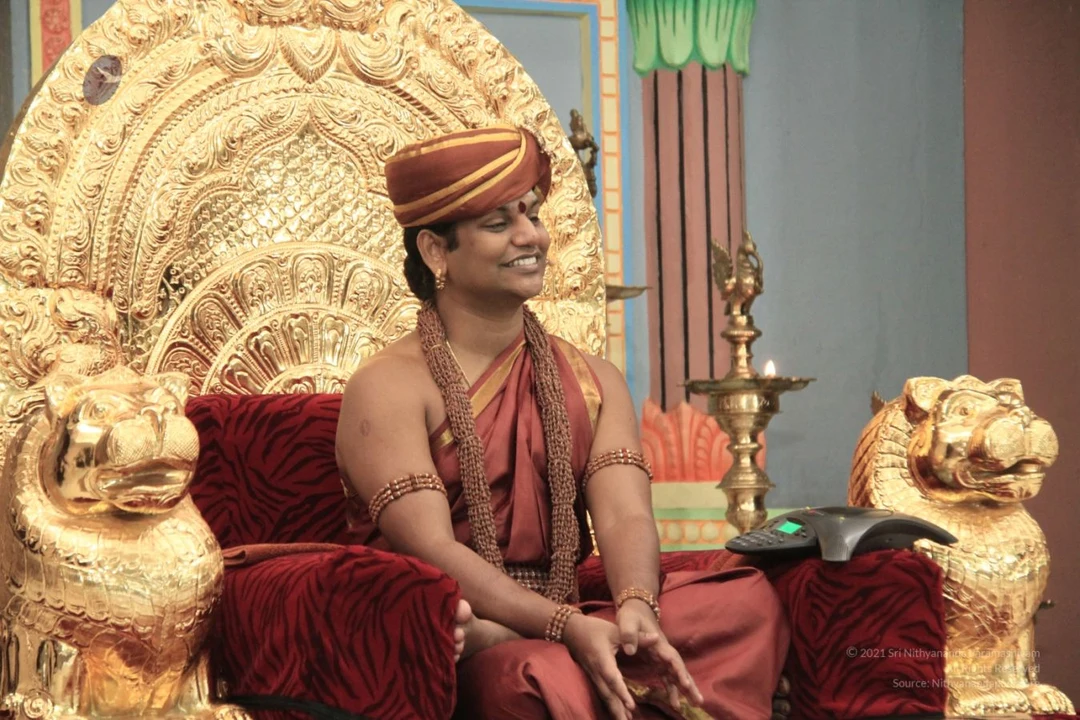
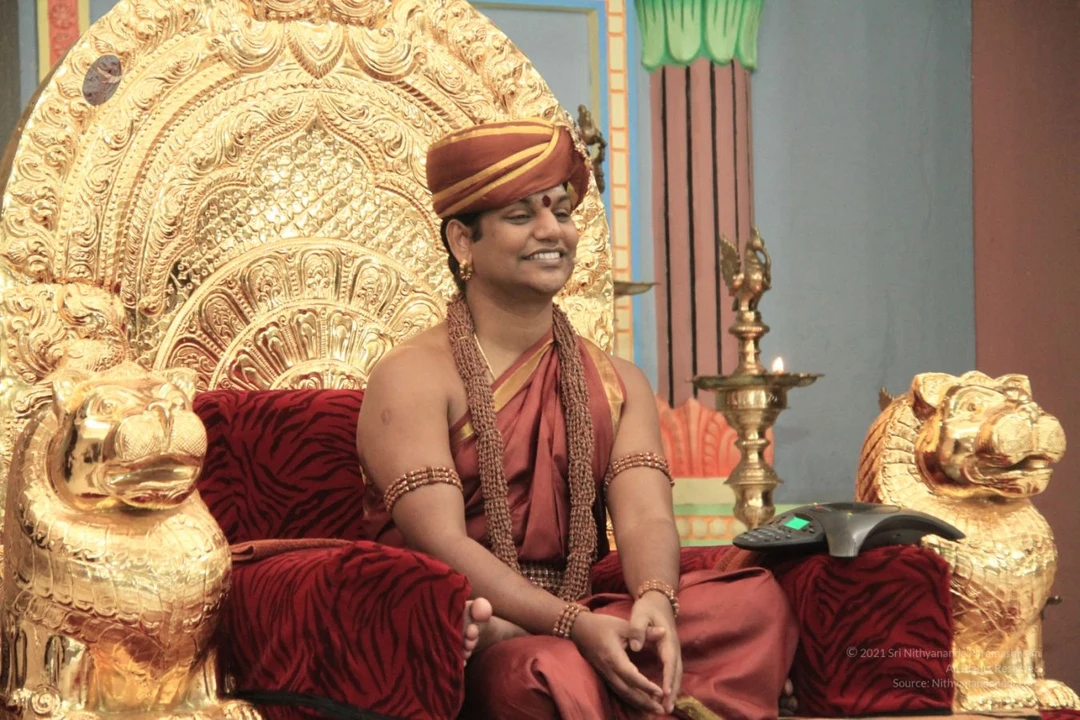
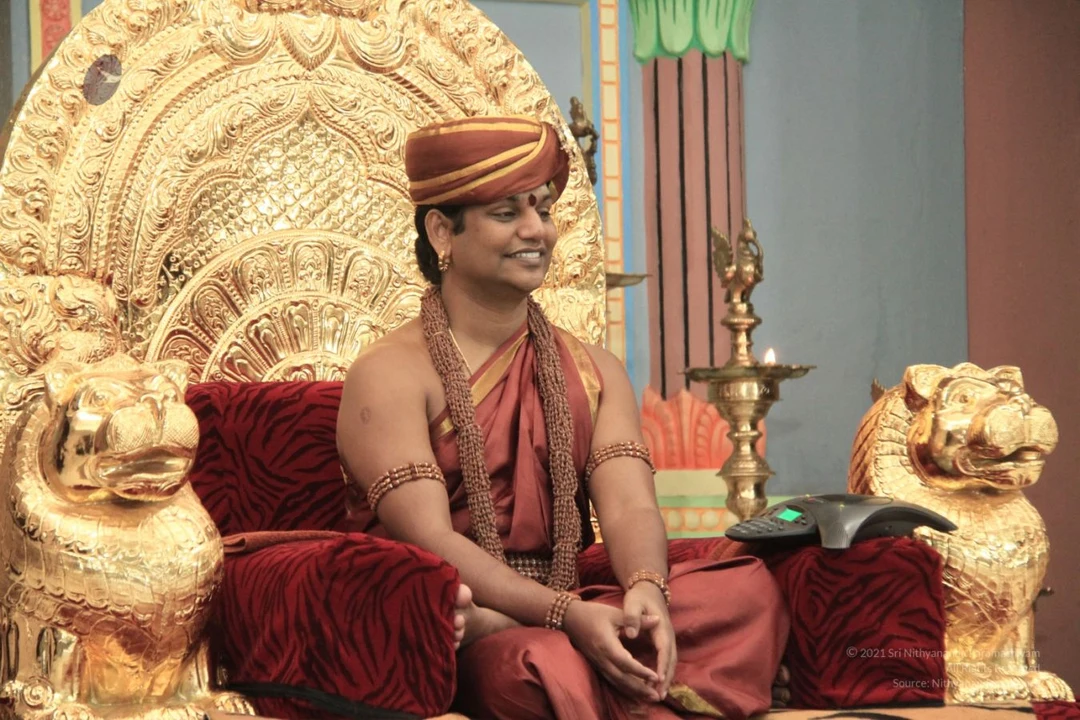
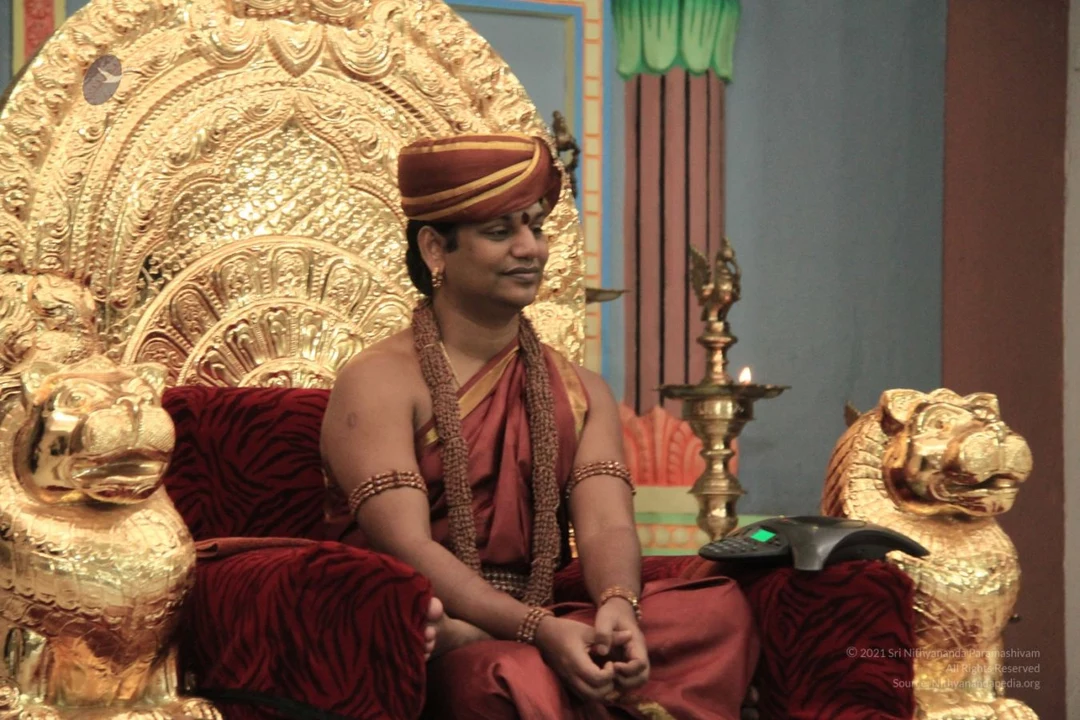
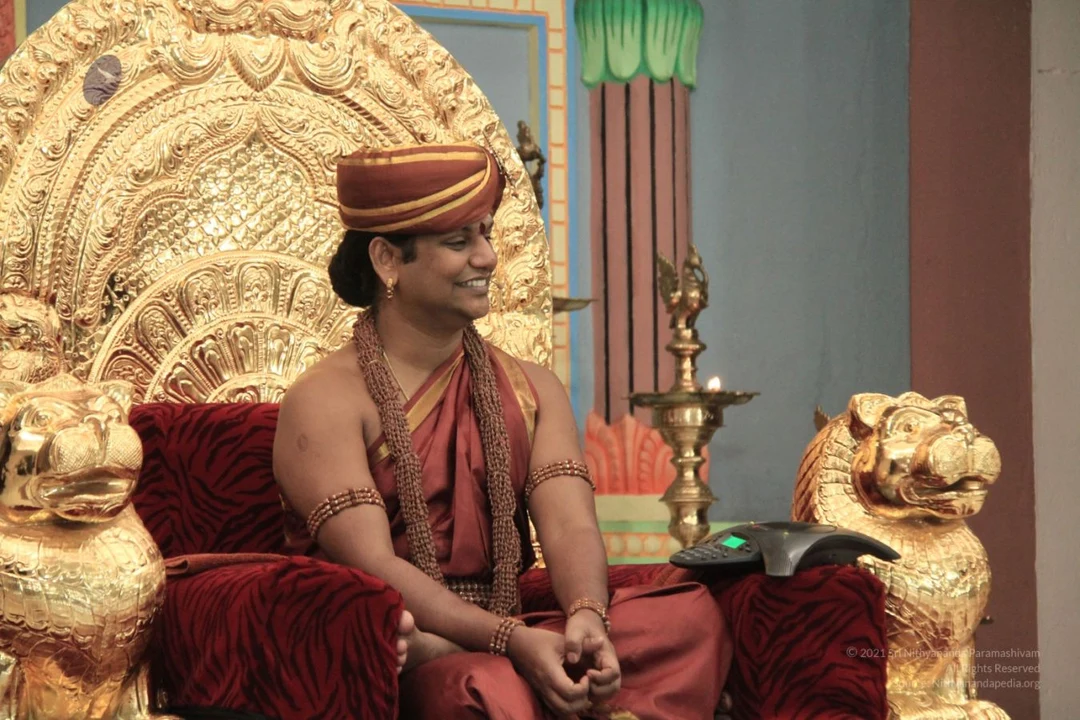
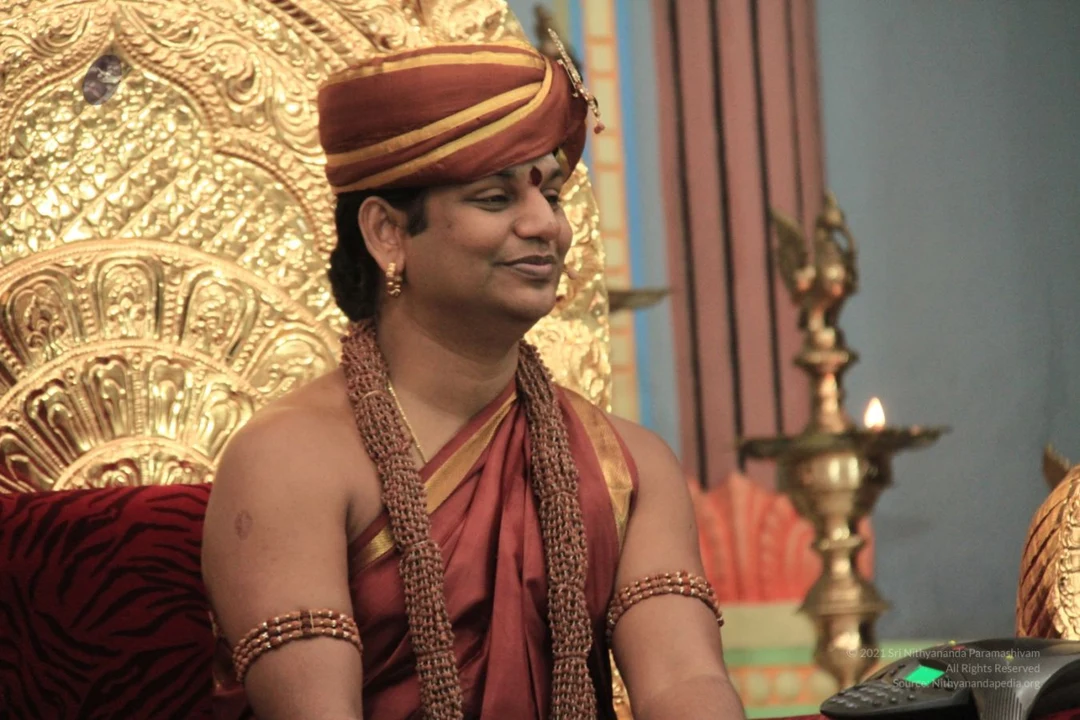
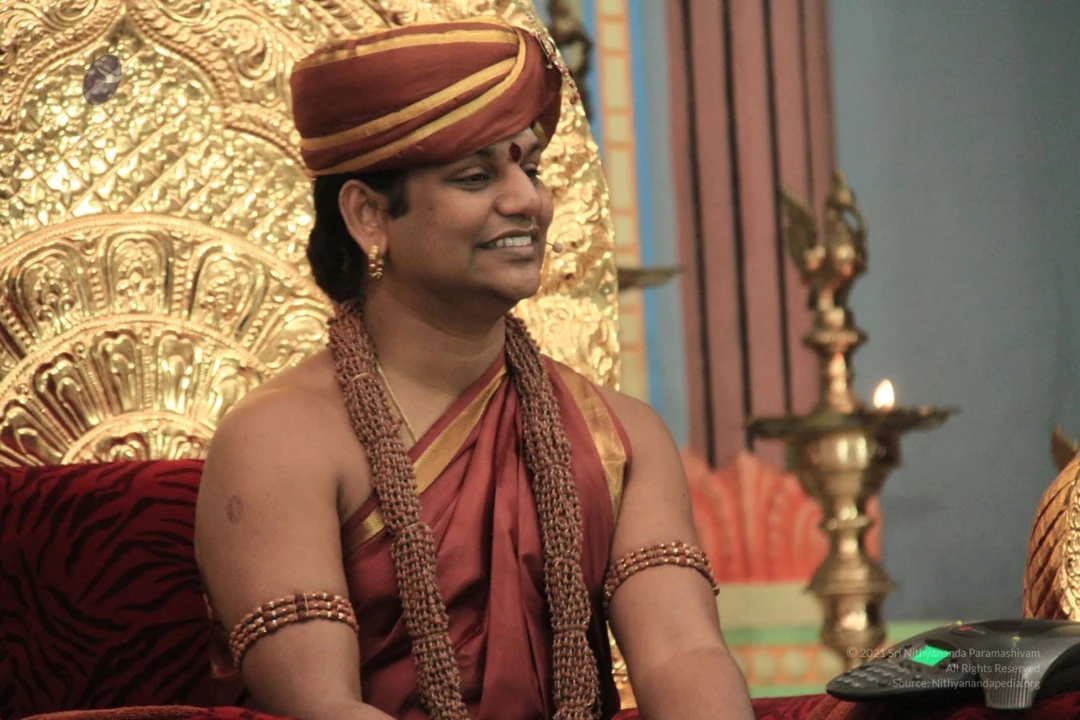
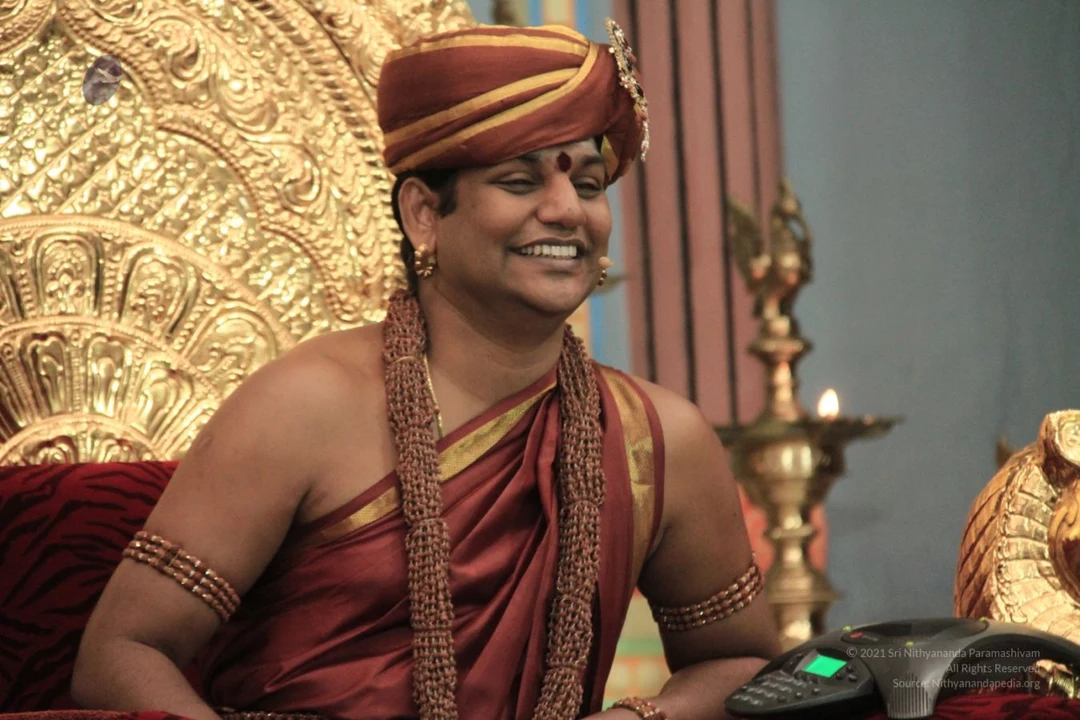
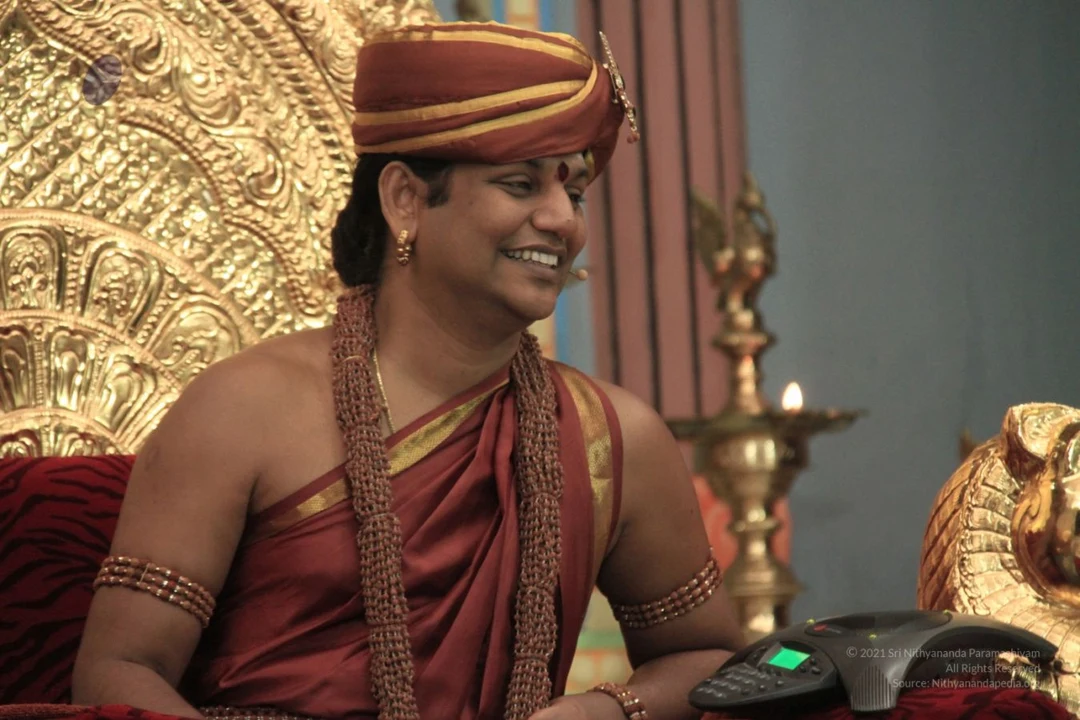
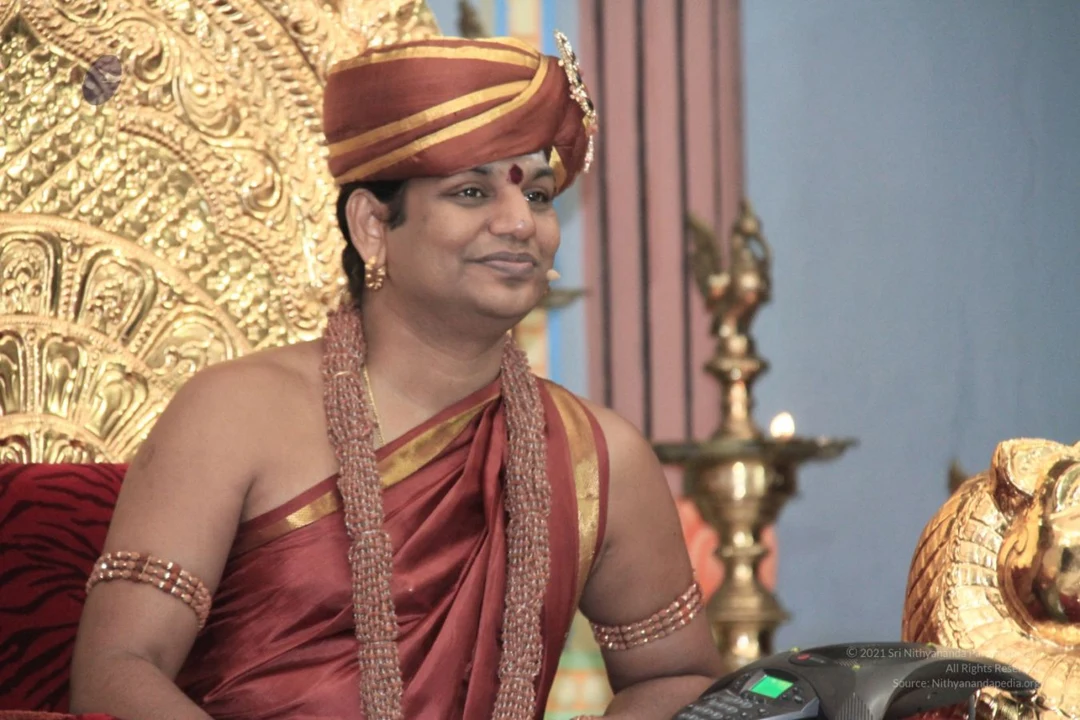
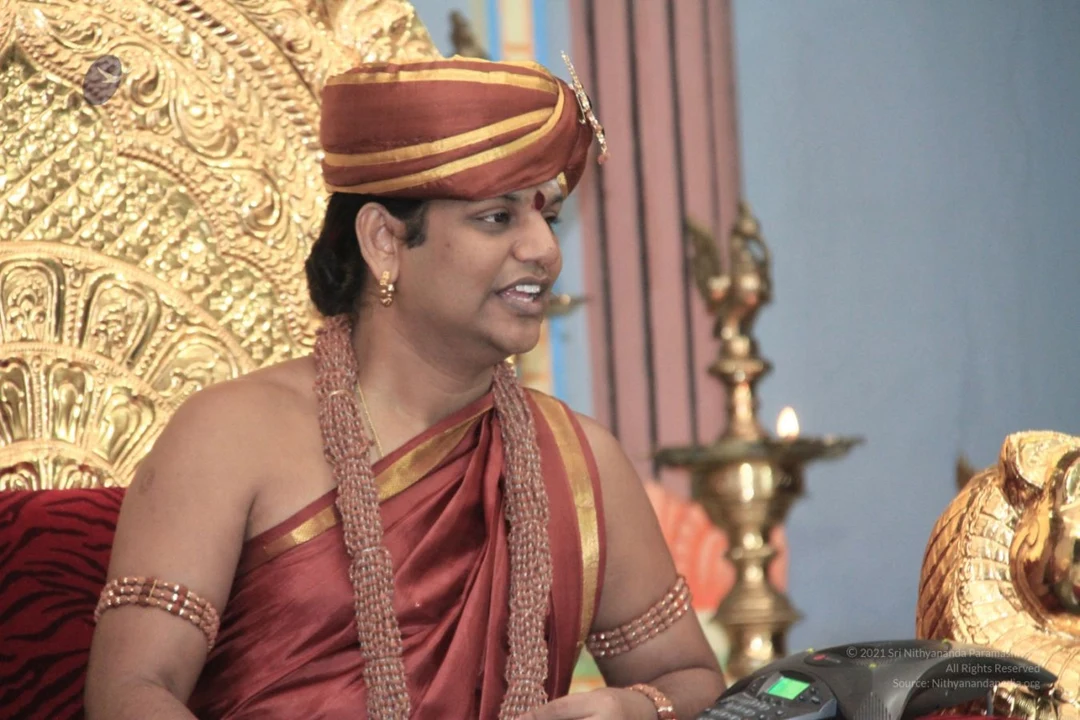
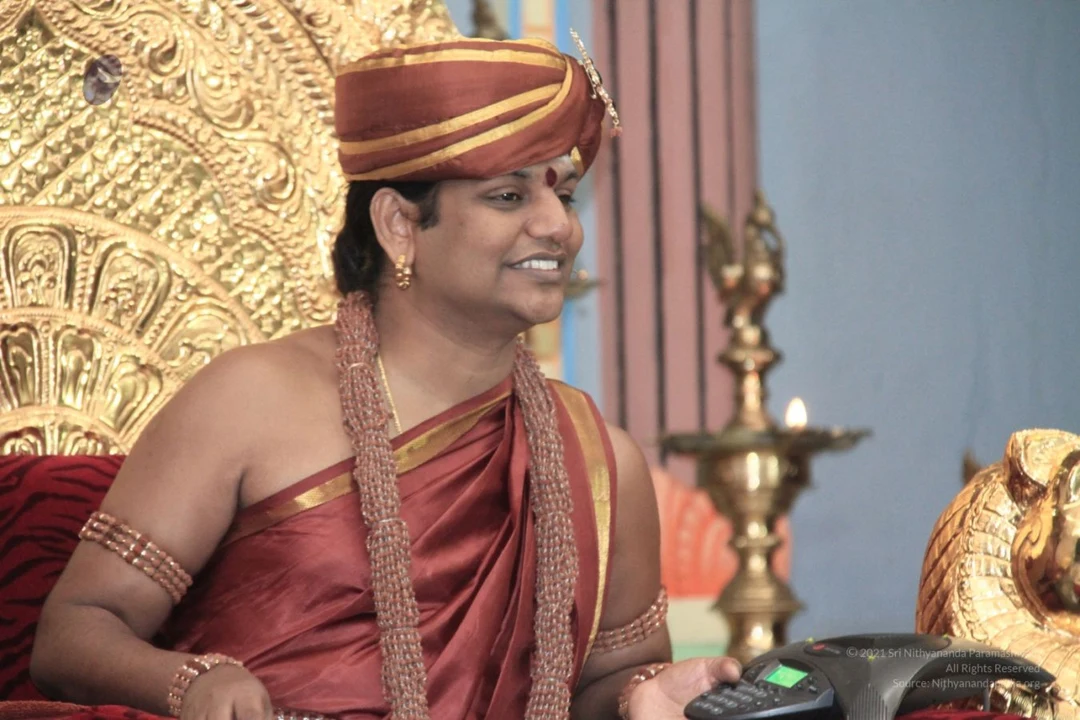
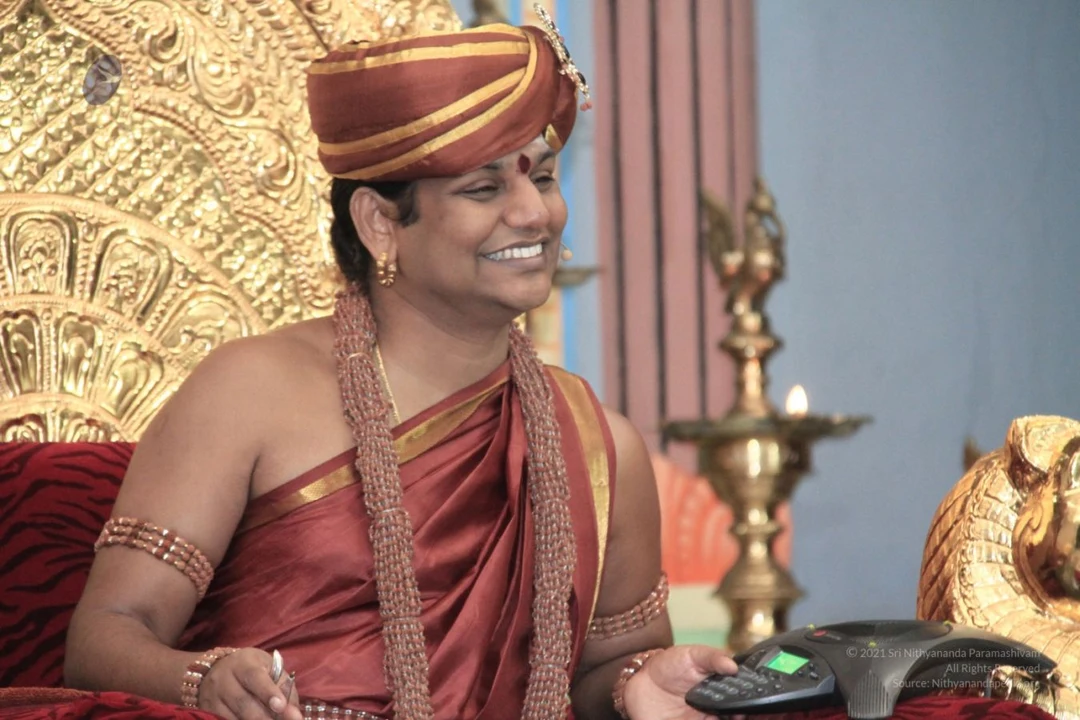
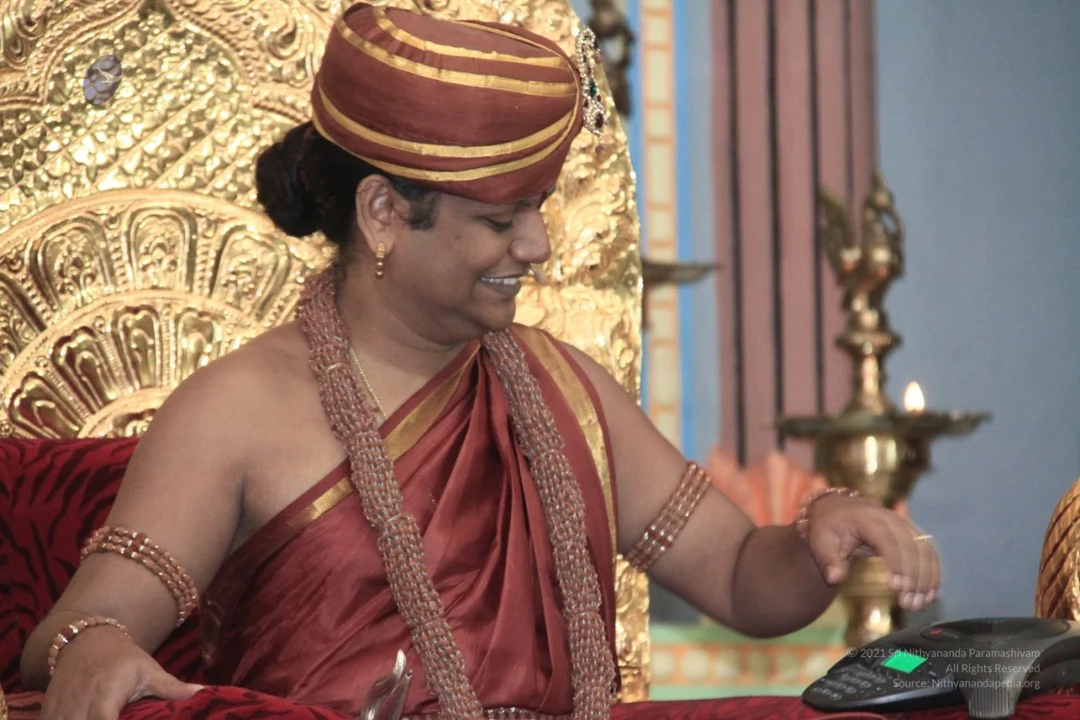
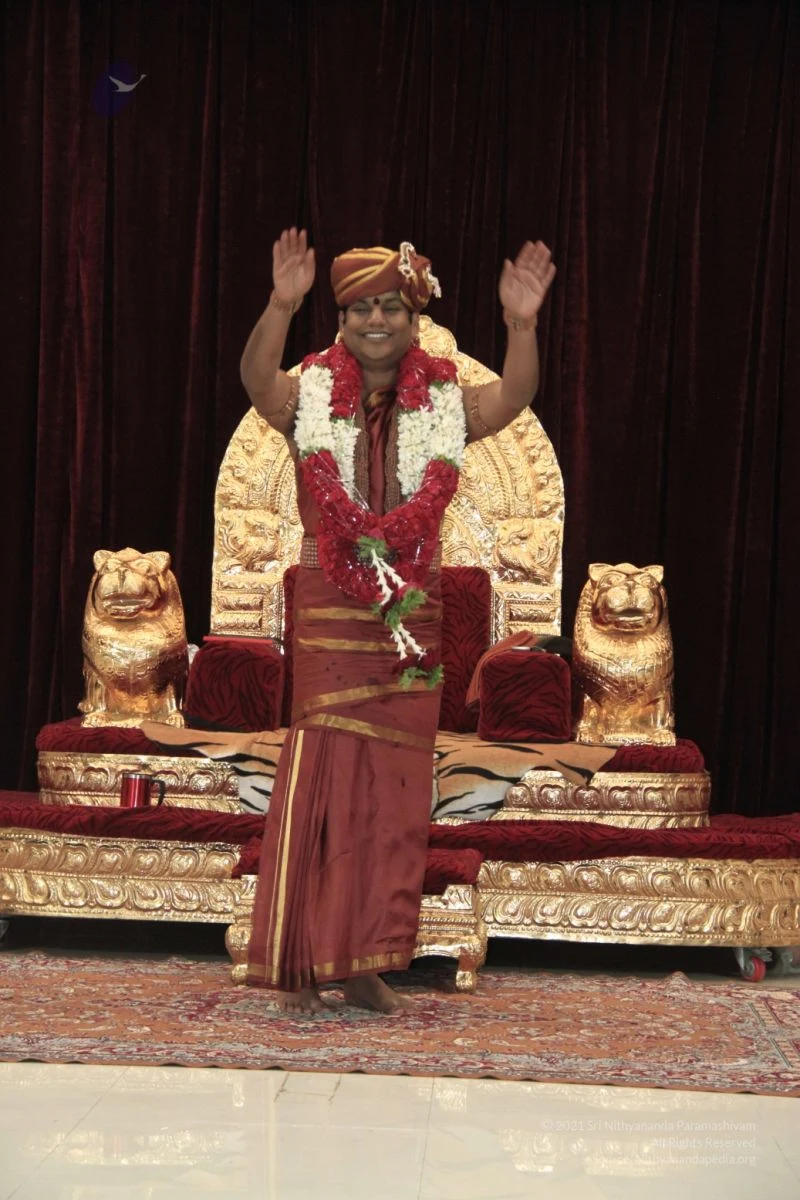
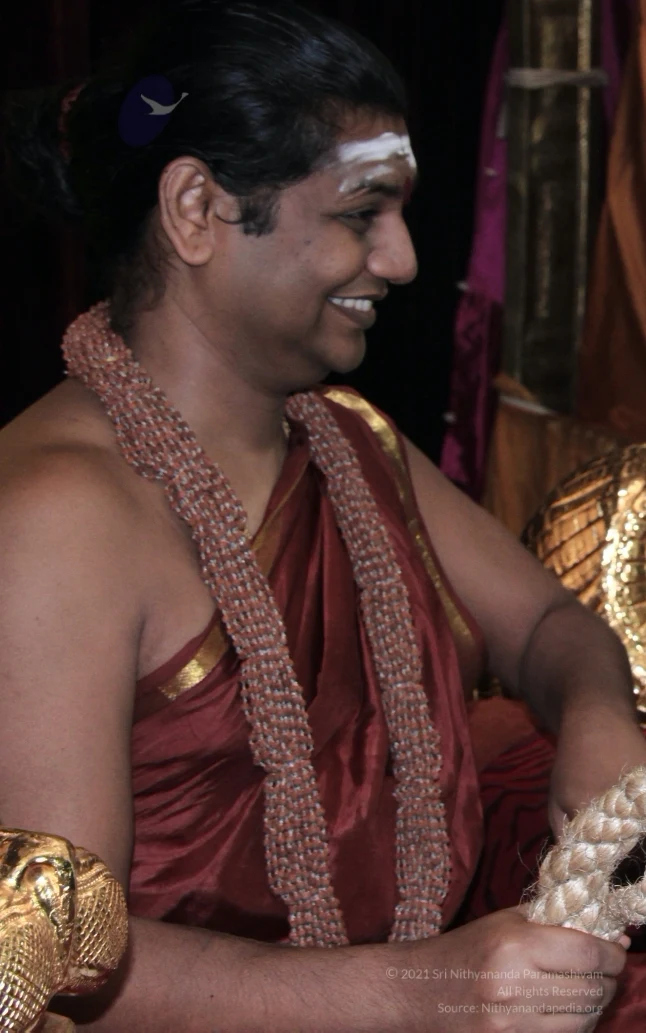
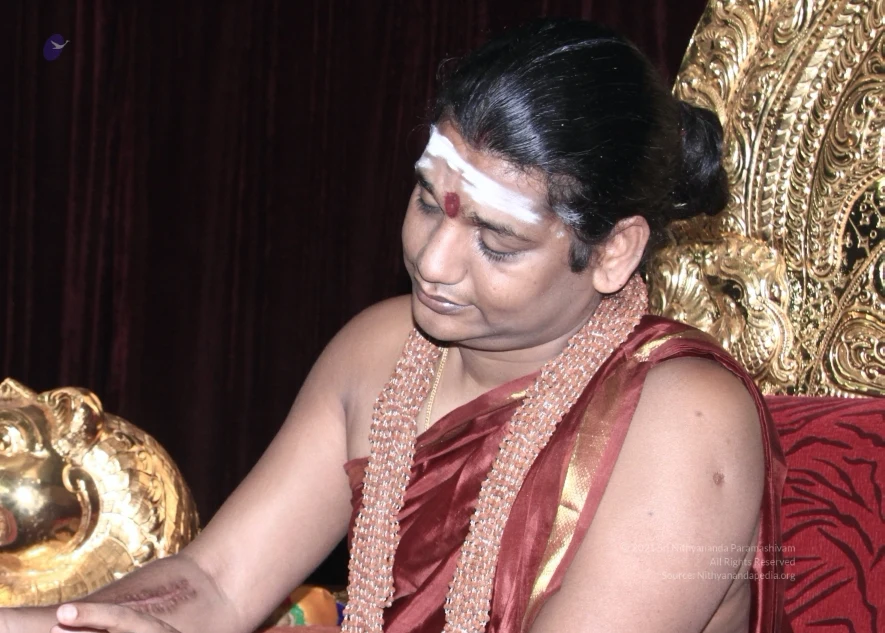
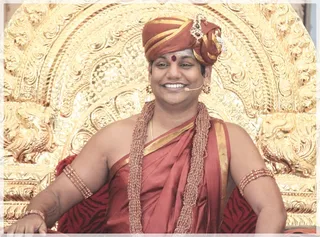
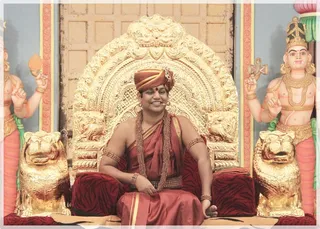
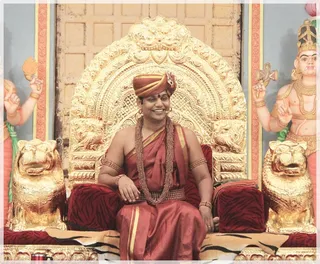
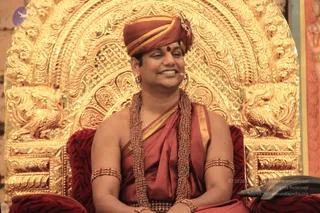
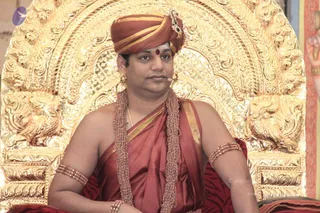
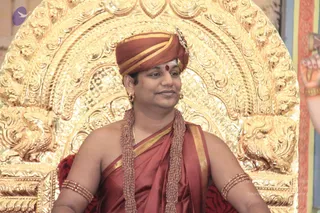
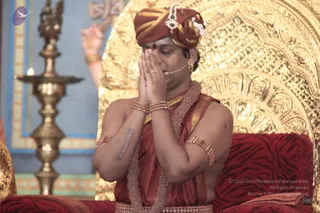
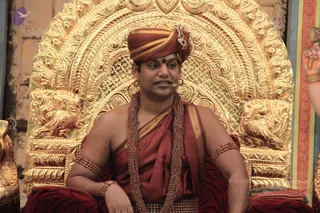
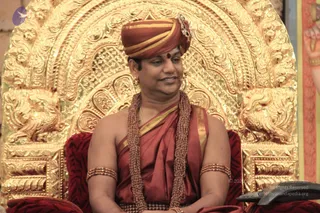
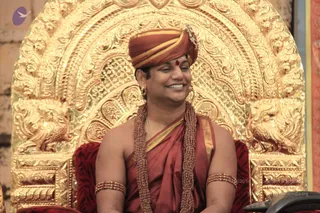
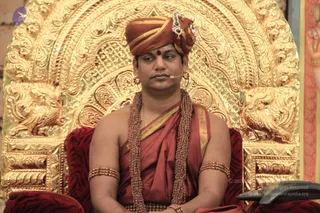
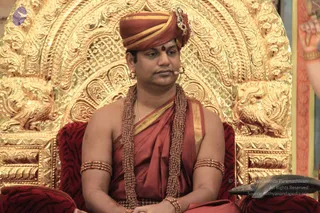
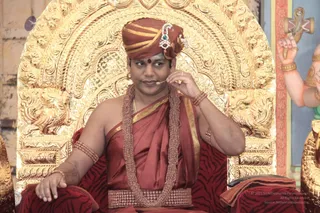
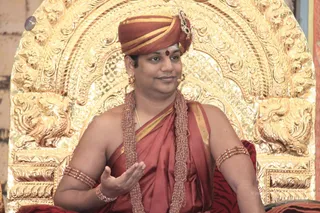
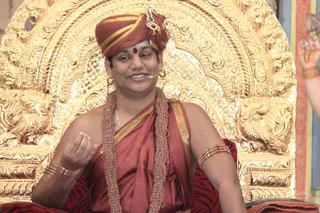
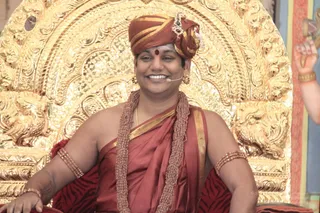
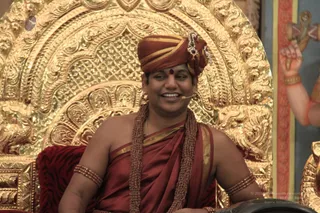
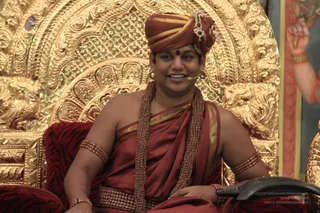
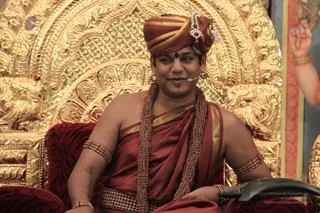
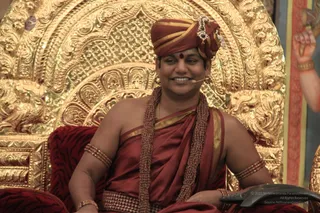
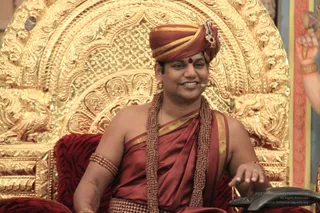
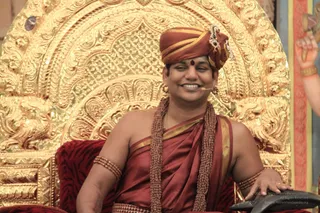
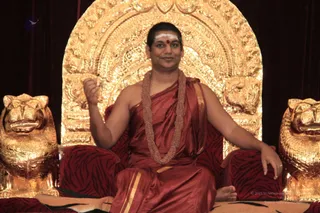
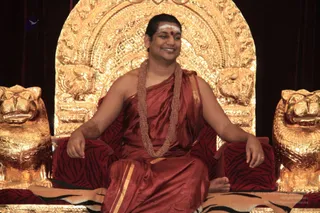
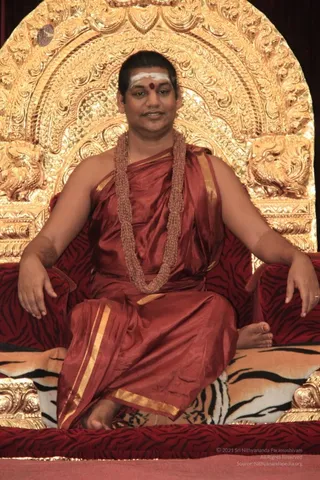
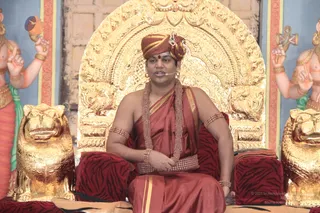
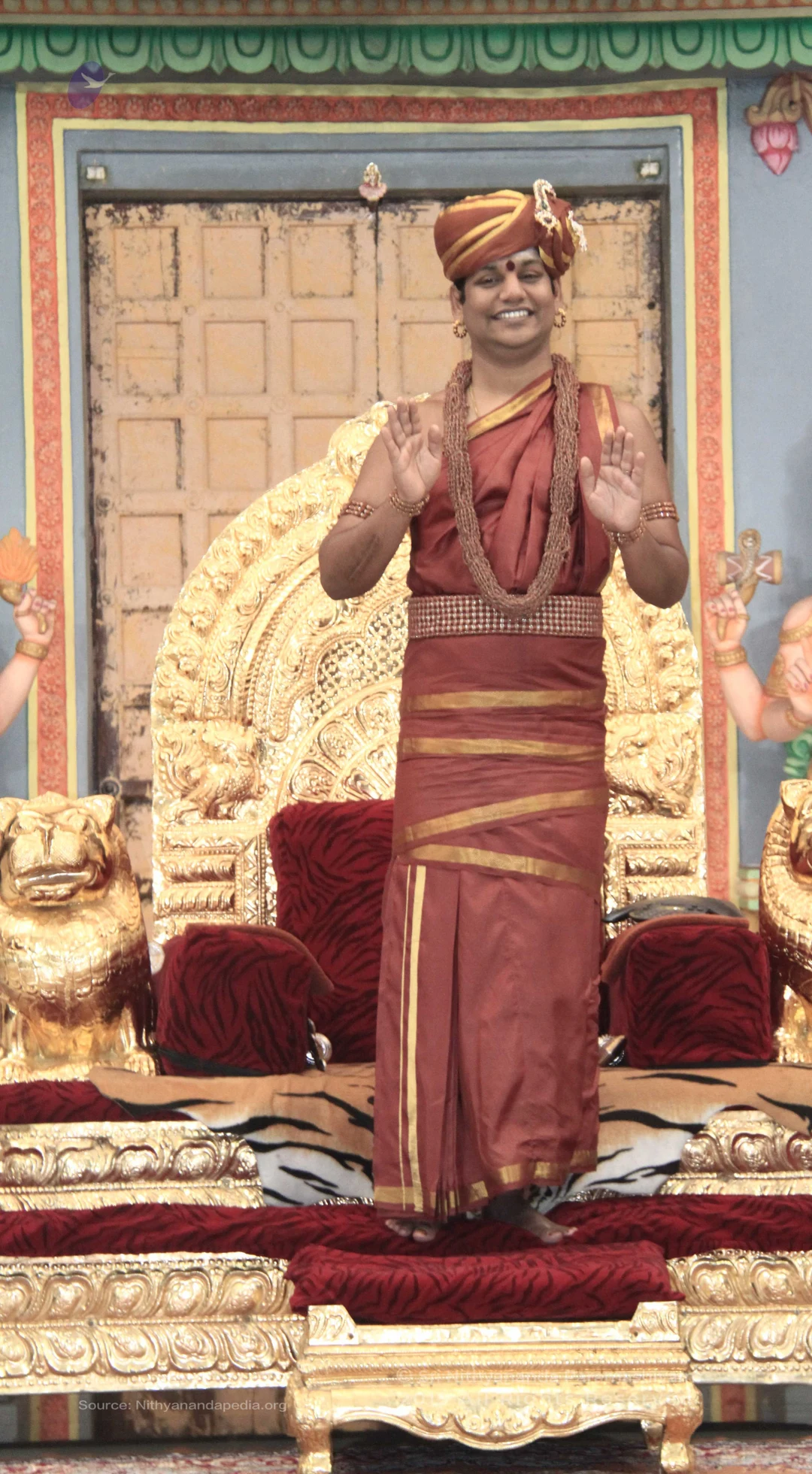
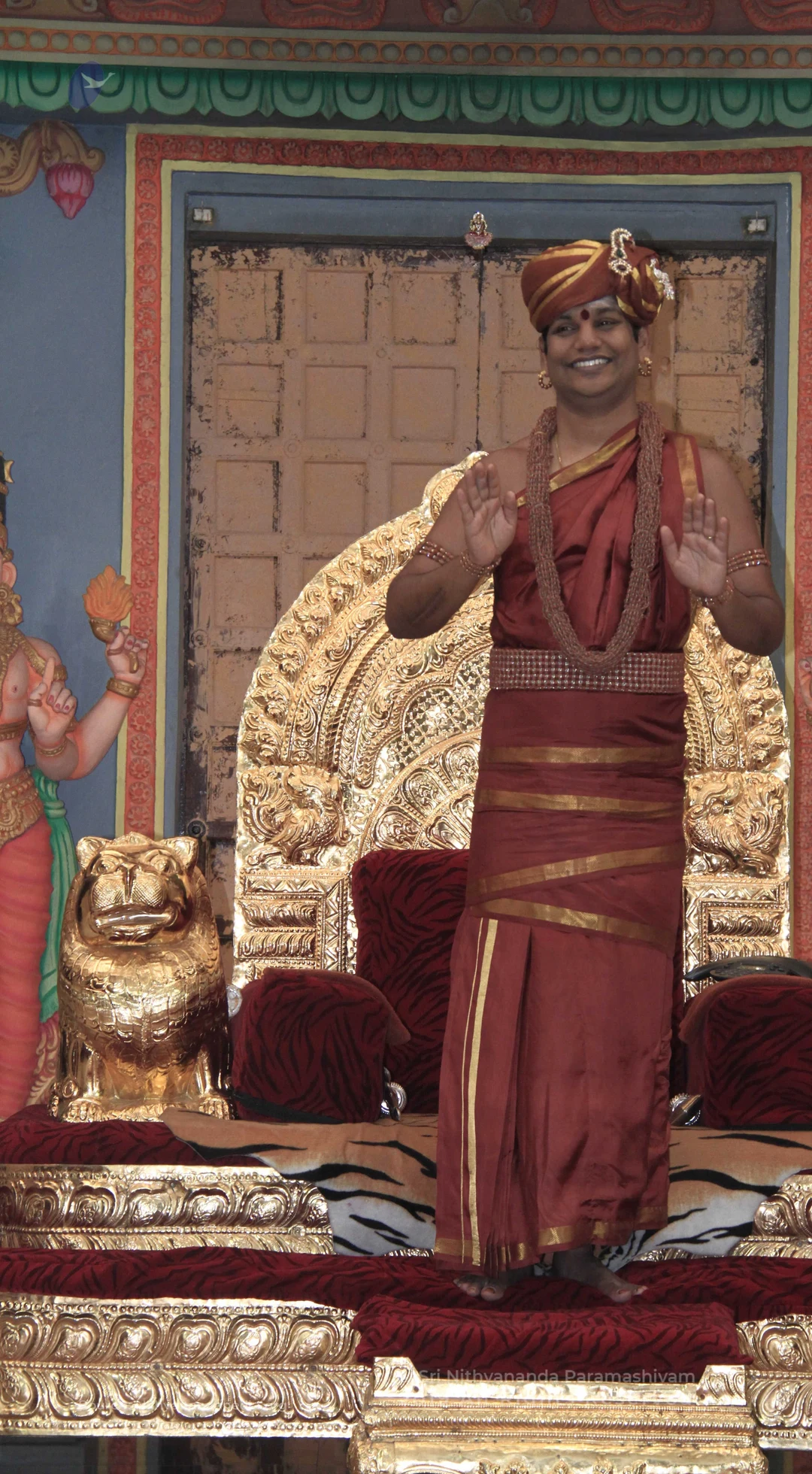
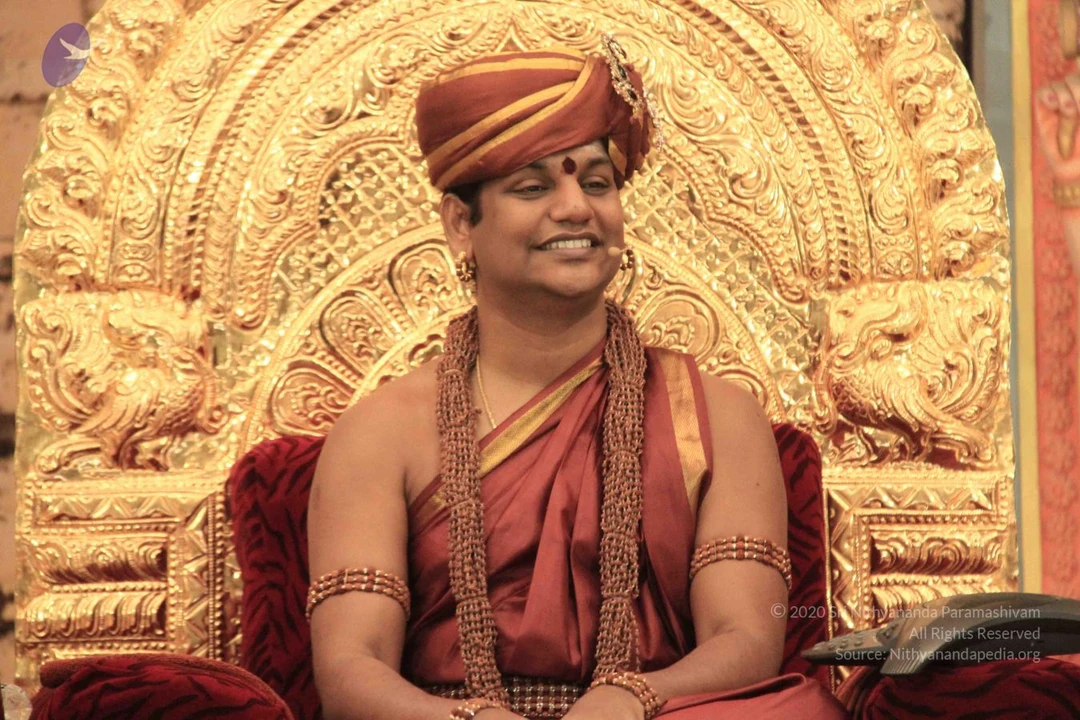
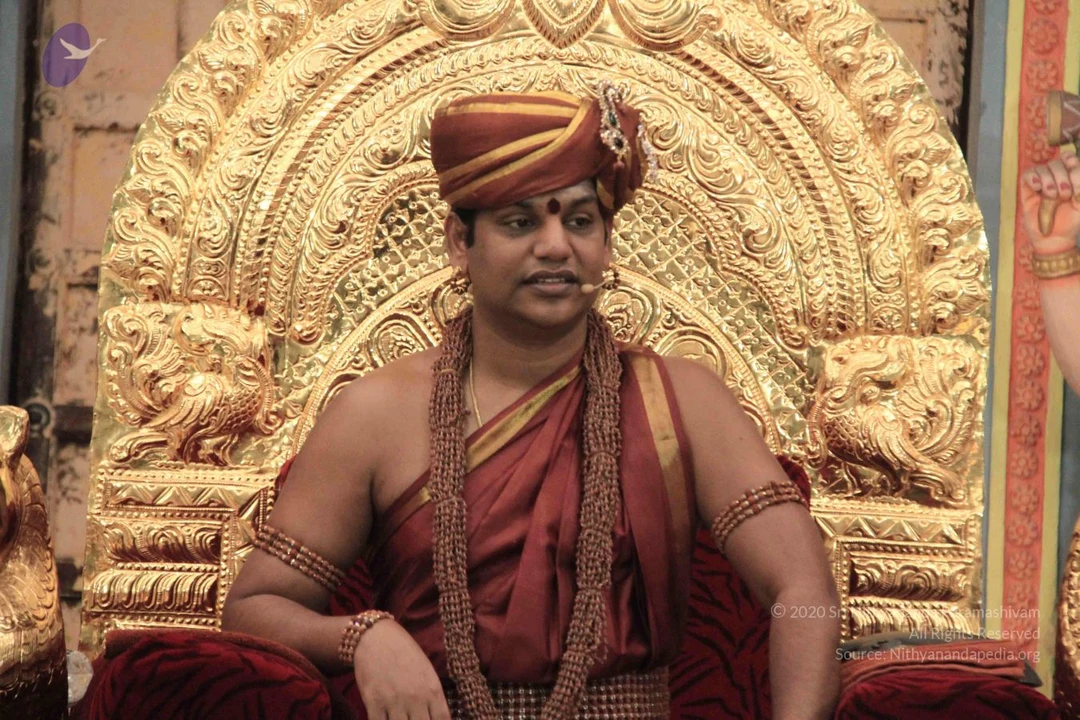
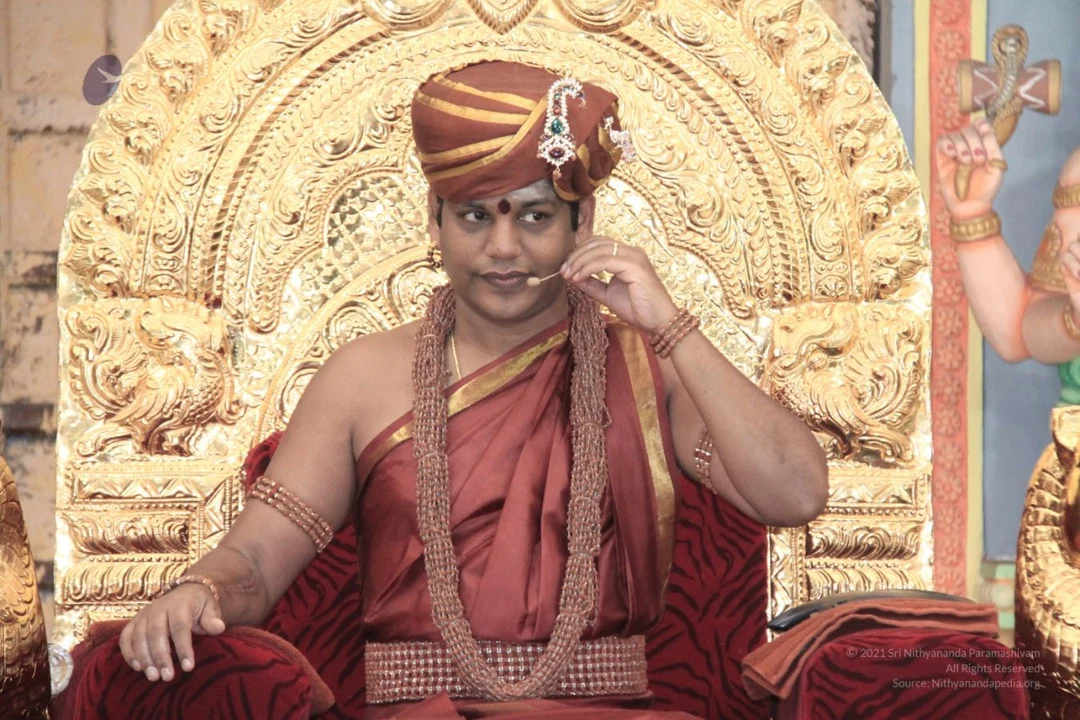
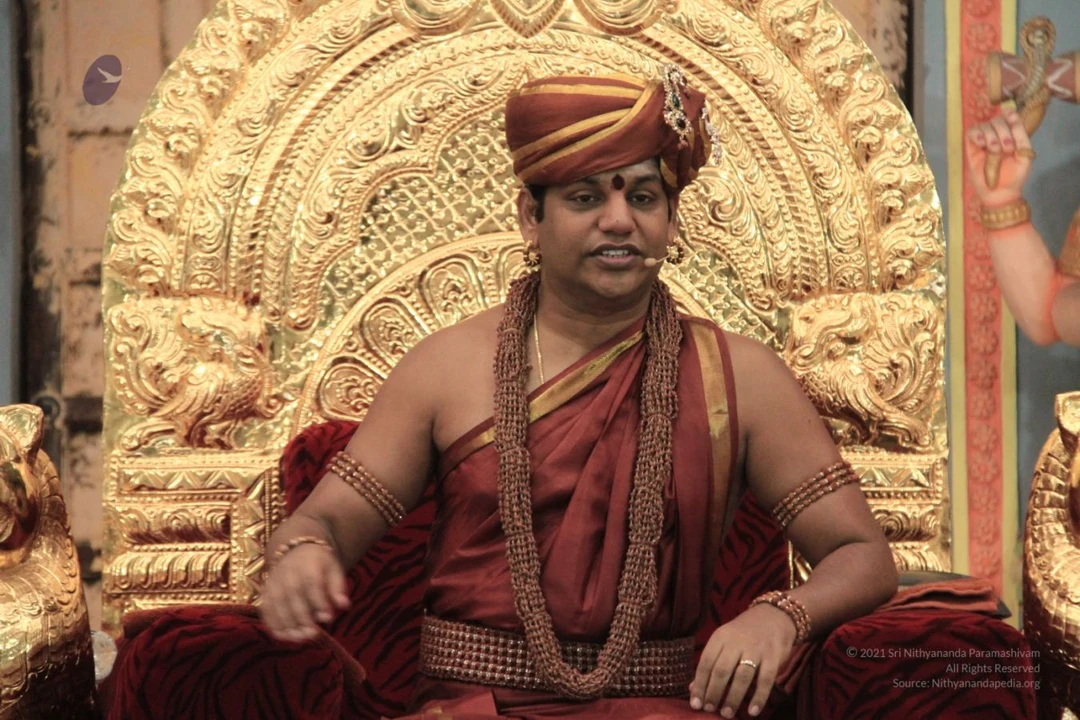
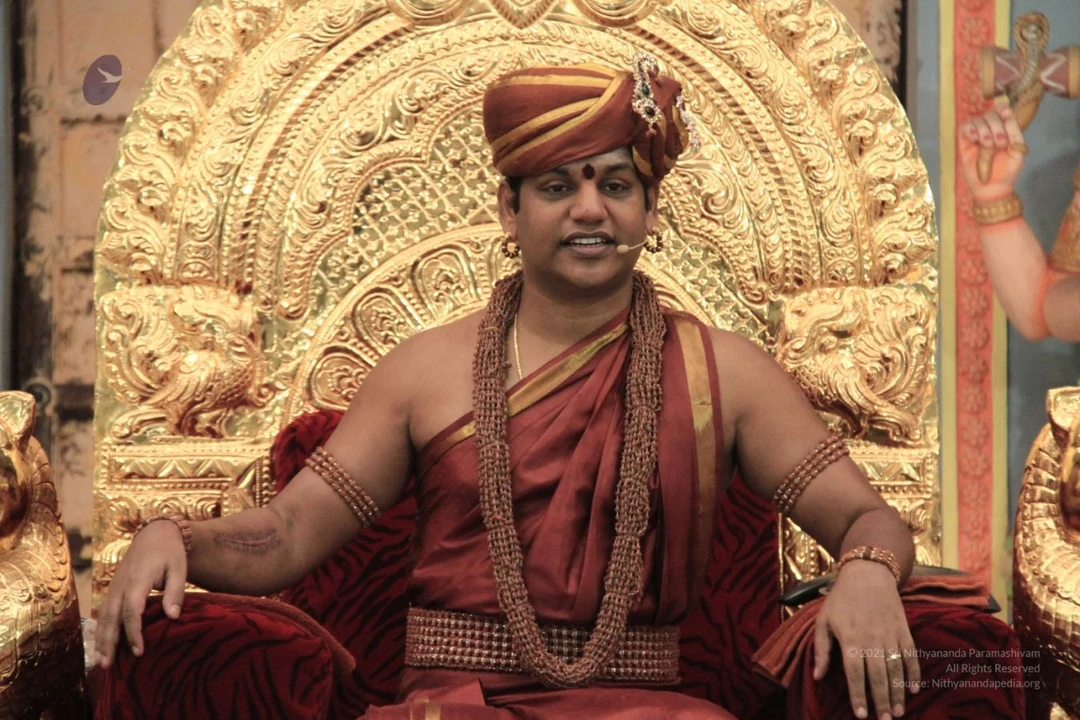
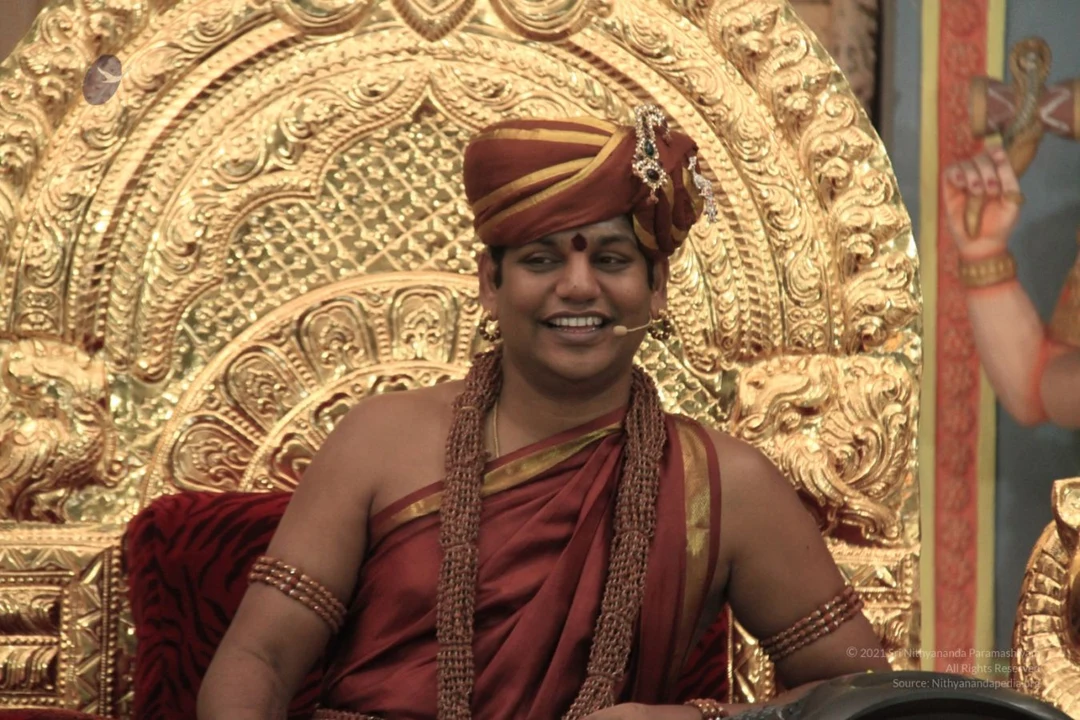
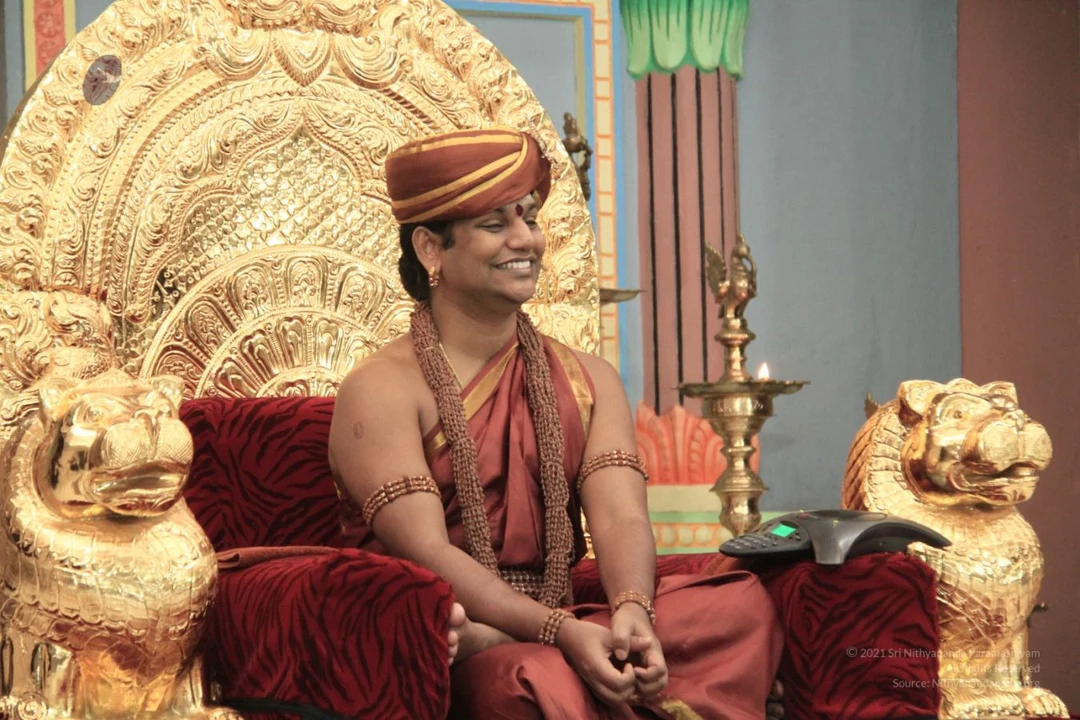
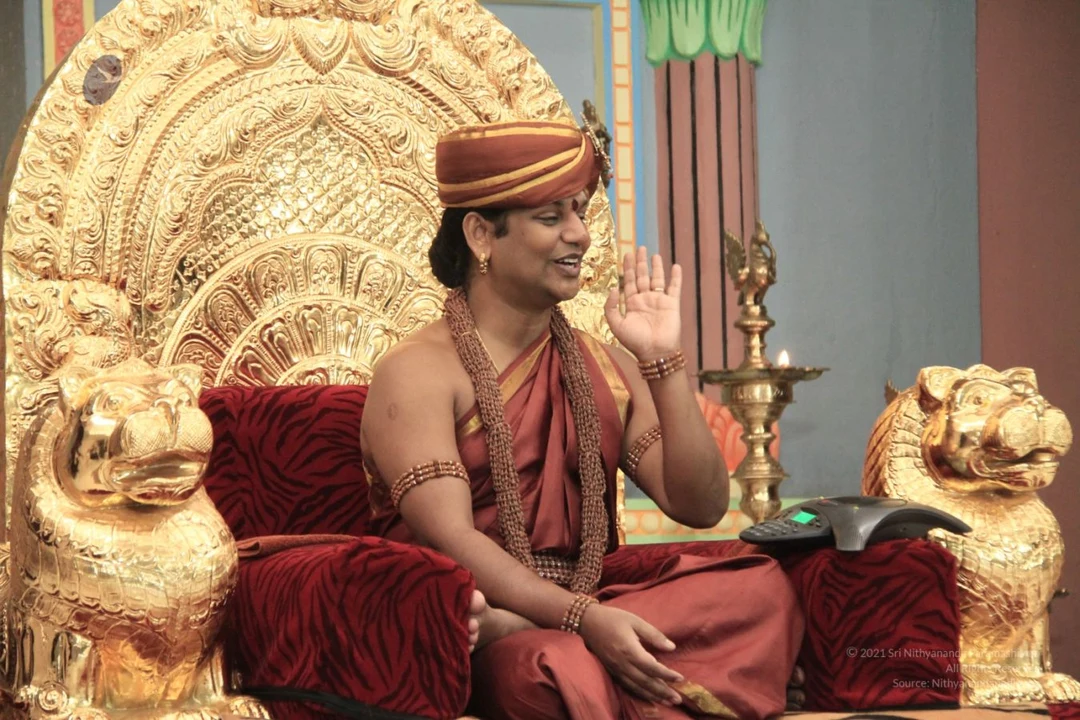
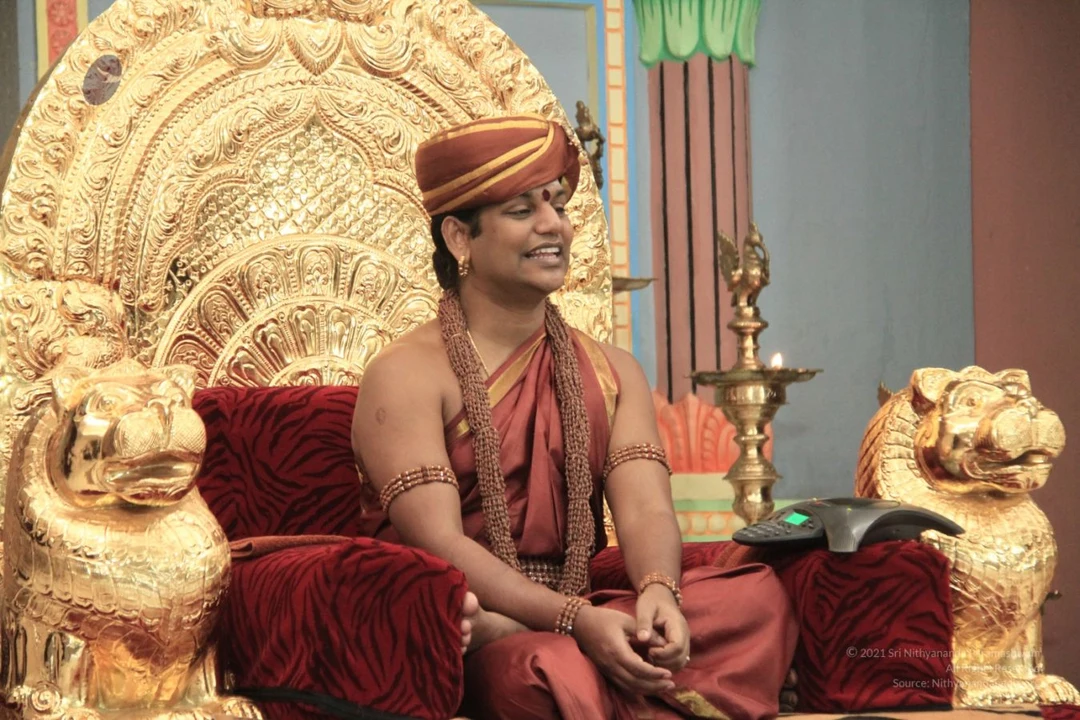
A photograph of a smiling man standing barefoot on a raised platform in front of an ornate golden throne with lion-carved armrests and red tiger-striped cushions. He wears a maroon-and-gold turban with a red bindi, a maroon silk shawl with gold borders, a maroon dhoti with gold stripes, a textured rudraksha-style mala and a bead waist belt, and raises one hand in greeting. Behind him are a carved wooden door and, at the left edge, a painted deity murti holding a flame. a person: the turban, ornate ceremonial dress and throne setting fit the page's claim, though the face-independent cues are moderate. Description is limited to visible elements.A seated man in a rust-red turban with a gold-edged band and a small red bindi wears a matching rust-red draped robe with gold trim, a long beaded rudraksha-style mala and beaded armlets. He sits before an ornate gold-leafed throne back, smiling, with a brass oil lamp burning on the right beside a black conference telephone. Based on appearance cues including the turban, ornate red-gold attire and beaded mala, this is a person seated on a peetha throne during a video-conference satsang.A man sits on an ornate gilded throne with lion-head armrests and red tiger-striped velvet cushions, smiling and looking to one side. He wears a maroon-and-gold turban, a red-and-gold draped garment, layered rudraksha-style beaded malas across his chest, and beaded bracelets on his arms, with a red bindi on his forehead. Behind him stand a brass oil lamp with a lit flame and a bird-finial, and a conference-style speakerphone sits on the armrest.

November 16 2013

Original wiki page
Contents

Description

You are the Space for Miracles

Link to Video:

VideoAudio

Transcript:

Nithyanandeshwara Samaarambhaam Nithyanandeshwari Madhyamaam | Asmadaachaarya Paryanthaam Vande Guru Paramparaam ||

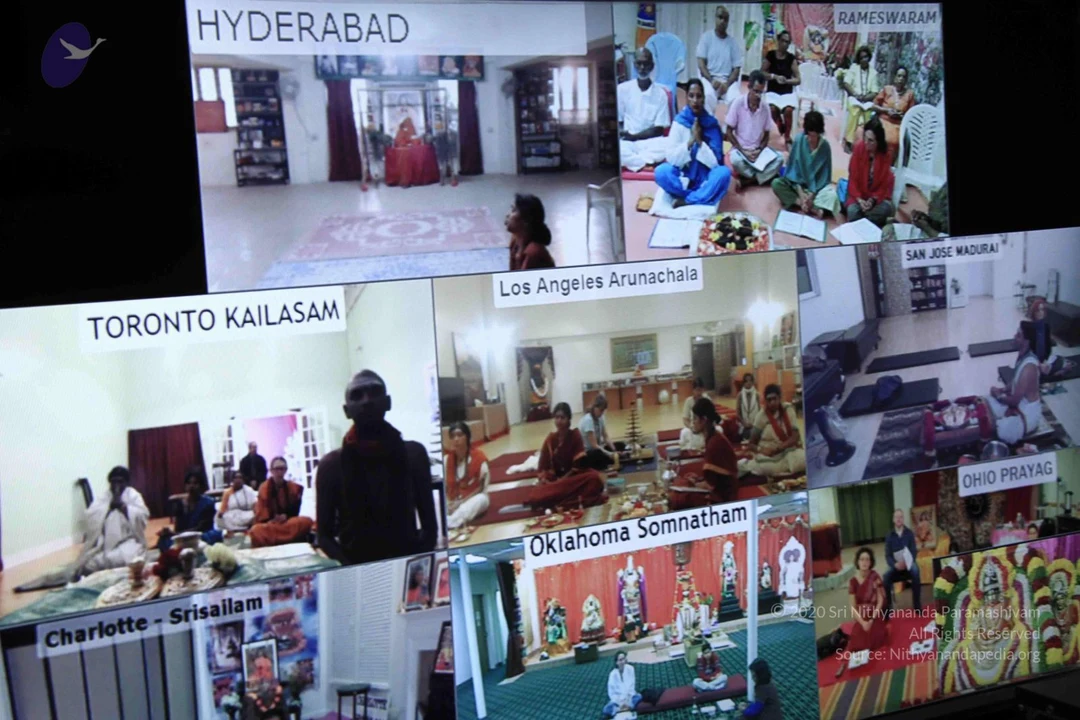
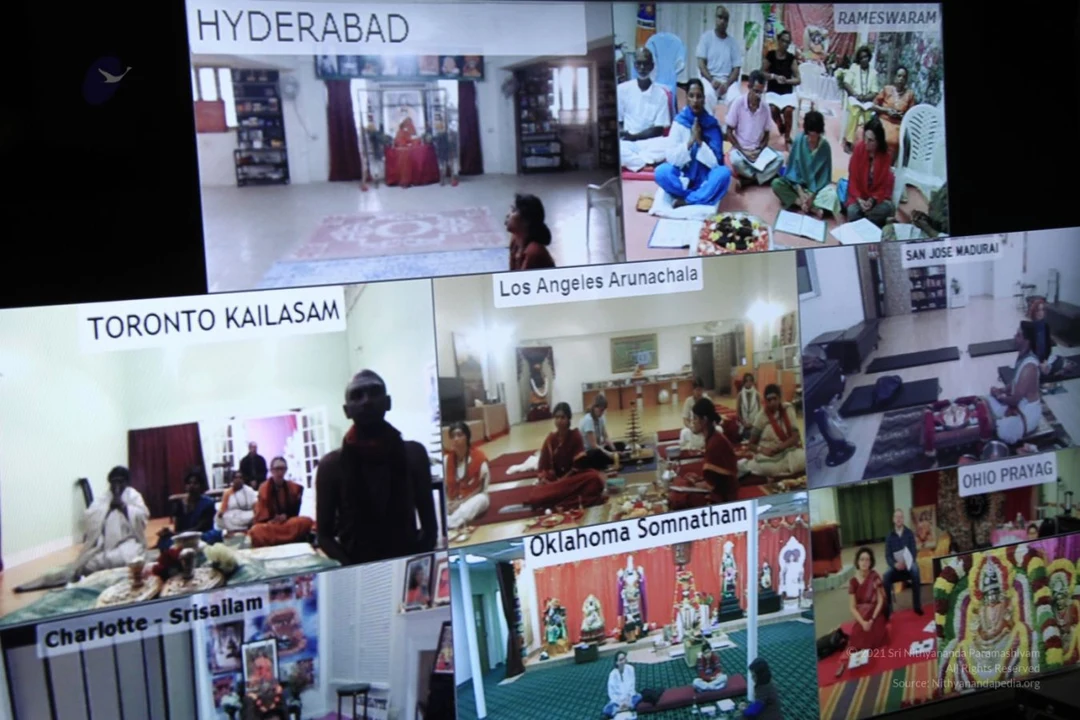
I welcome all of you with my love and respects. I welcome all the devotees, disciples, samajis, satsangis, sitting with us through Nithyananda TV, Sadhna TV, Lotus News Channel, Eshwar TV, and two-way video-conferencing in thirty-four places, in twenty-three countries around the world.

Cities sitting with us in two-way video-conferencing: Hyderabad-Nithyananda Nagaram, Guadeloupe-Rameshwaram, Toronto-Kailasam, Los Angeles-Arunachalam, Ohio-Prayag, Oklahoma-Somanatham, Houston-Kalahasti, San Jose-Madurai, Kuala Lumpur-Palani, Seattle-Chidambaram, Charlotte-Srisailam, Singapore-Singapuram, Enriching Temple-Bidadi, Atlanta-Ujjaini, Bangalore North, Kastav-Croatia, Tiruvanmiyur Dhyanapeetam, Oman-Sivagangai, Colorado Springs-USA, Simi Valley-California, Grasse-France, Dakota Dunes, Hong Kong-Sirkazhi, Adi Nithyananda Dhyanapeetam-Avathipalayam, Kathmandu-Nepal, Vancouver-Bhubaneshwar, Peethadeeshwaris’ Training Center-Salem, Wellington-New Zealand, Bogota-Colombia, Warrington-UK, St. Louis-Tirumala, Paris-Kalighat, Dubai-Vaidyanatham, New Zealand-Adi Arunachalam, Hyderabad-Gupta Kashi, New York-Varanasi, San Diego-Tirualavai, Washington DC-Sripuram, Tucson, East London

I welcome all of you for this Kalpataru Nithya Satsang.

And, before entering into the satsang, I wanted to take a few minutes, a few seconds to express my deep condolences to JagadGuru Kripalu Maharaj’s devotees, disciples. Yesterday morning, JagadGuru Kripalu Maharaj attained Mahasamadhi. He left for the divine abode of Goloka. And, Maharaj is one of the great pillars of Hinduism. He and his Sangha, his organization, have done so much to Hinduism…..unimaginable contribution! And, such a humble being after contributing so much; he is a ninety-one-year-old great Jeevan Muktha! And, I and the Nithyananda Sangha offer our respects to Kripalu Maharaj and deep condolences to his Sangha and his Sangha members.

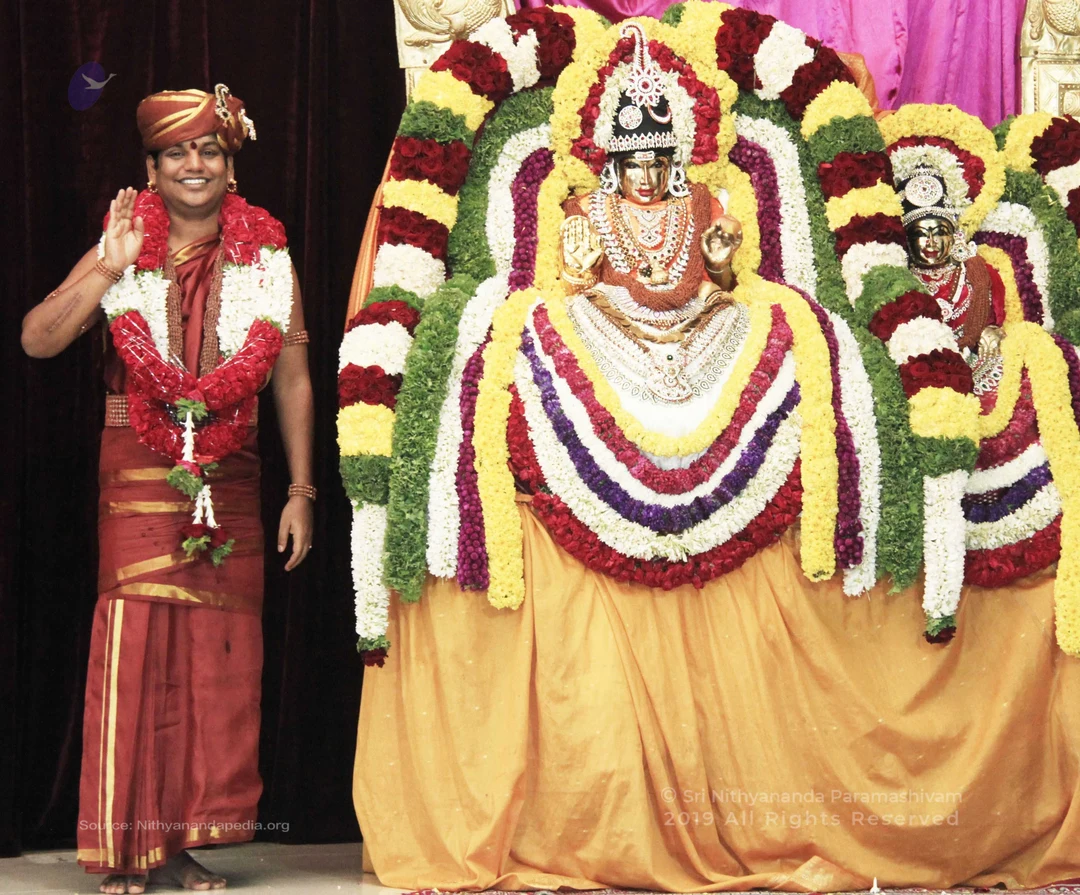
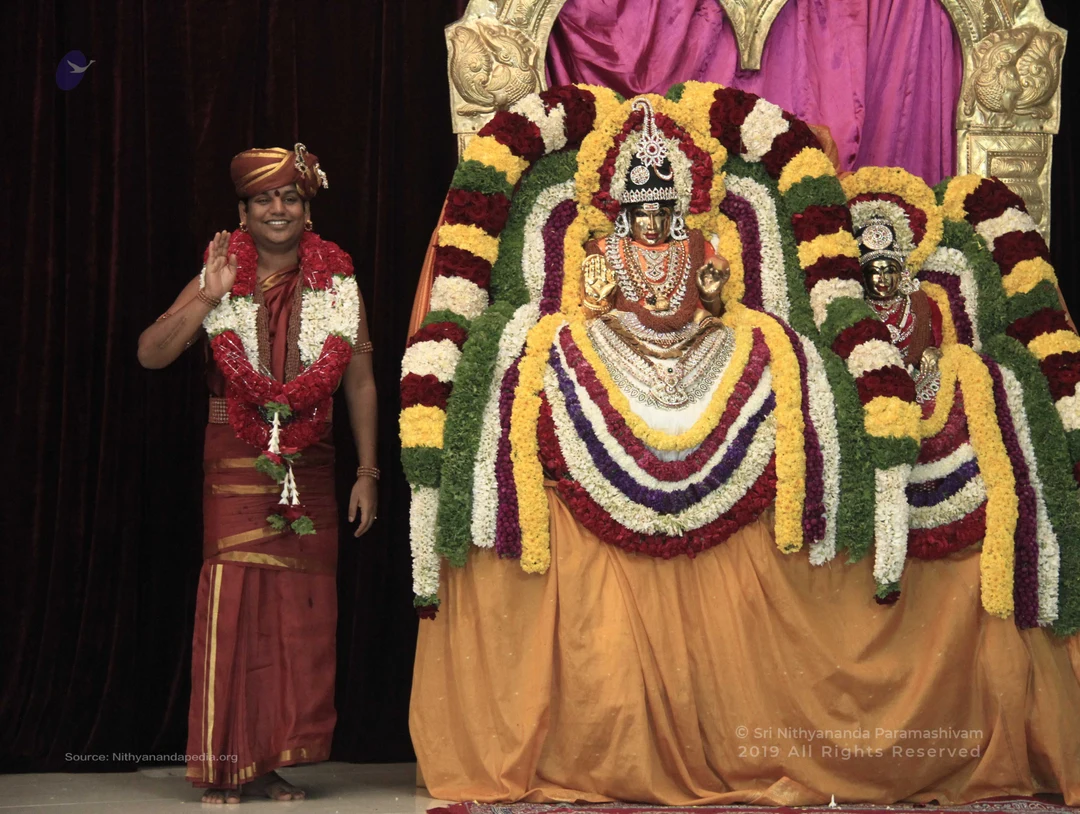
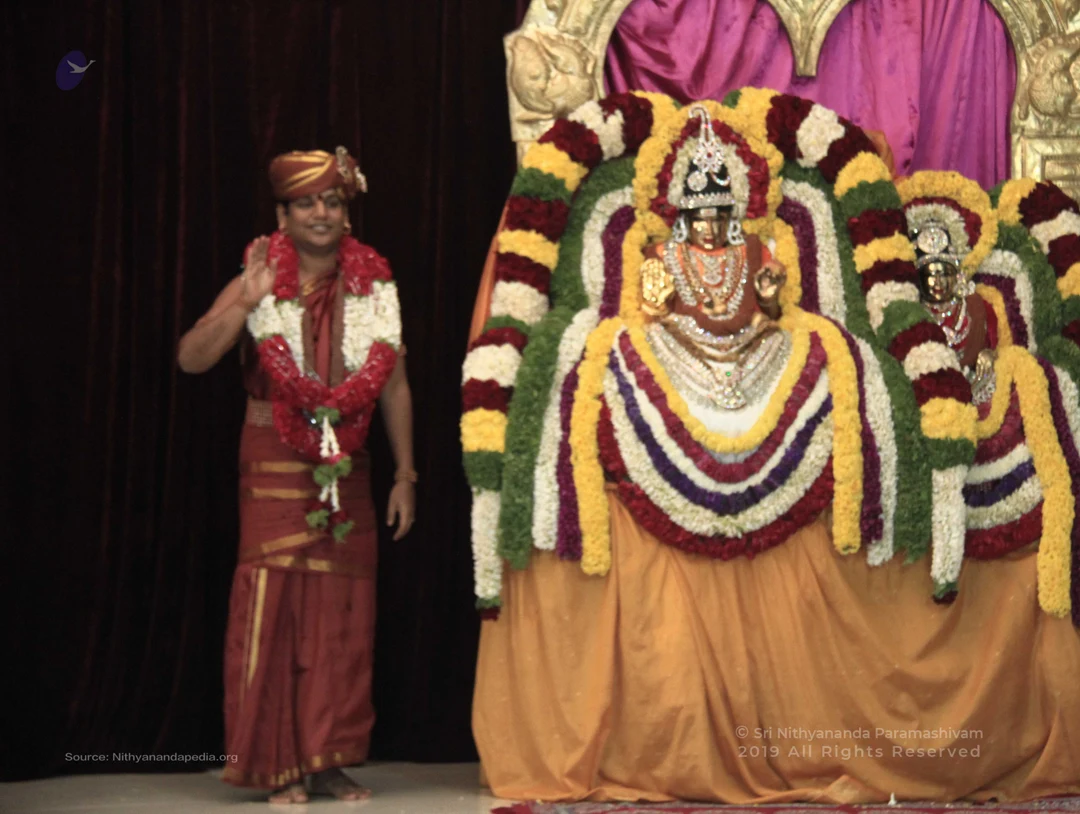
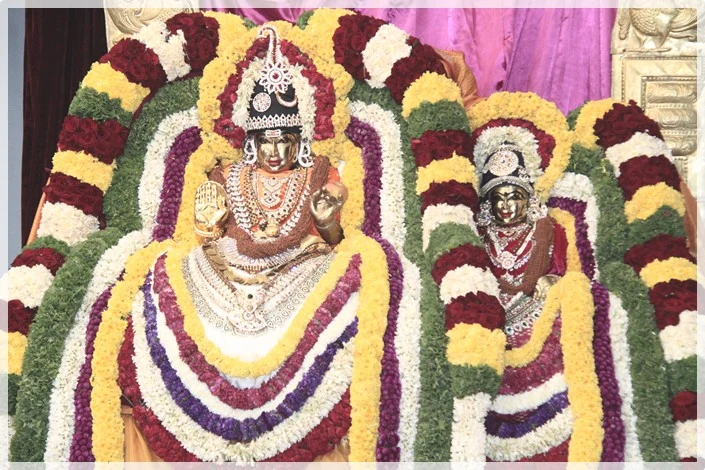
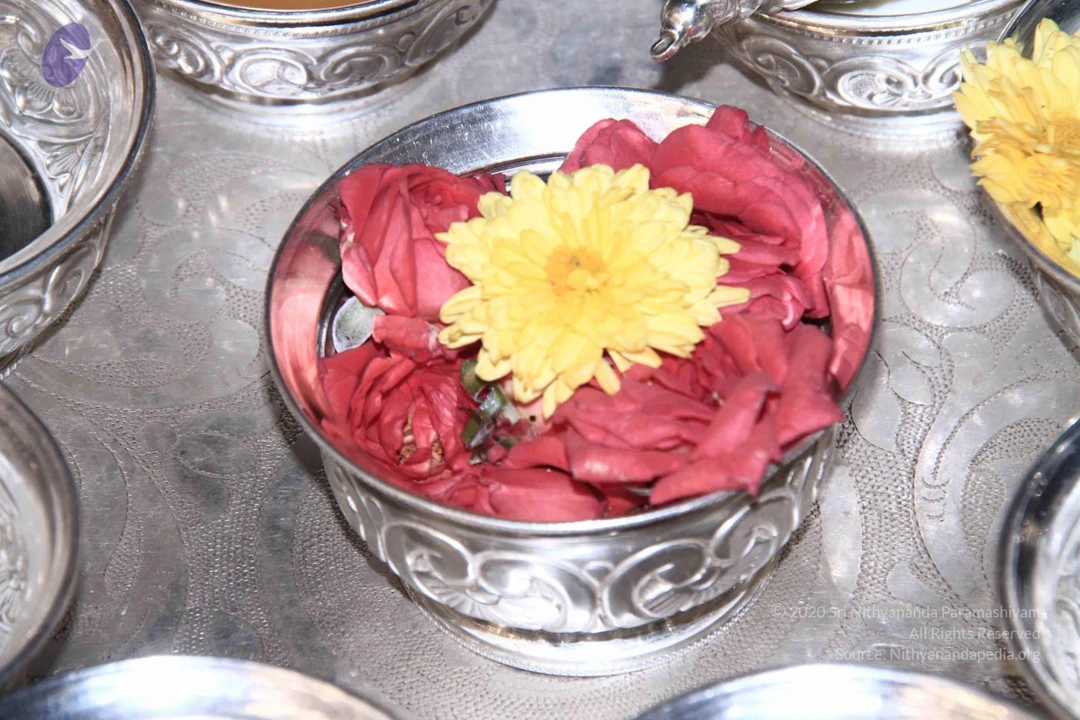
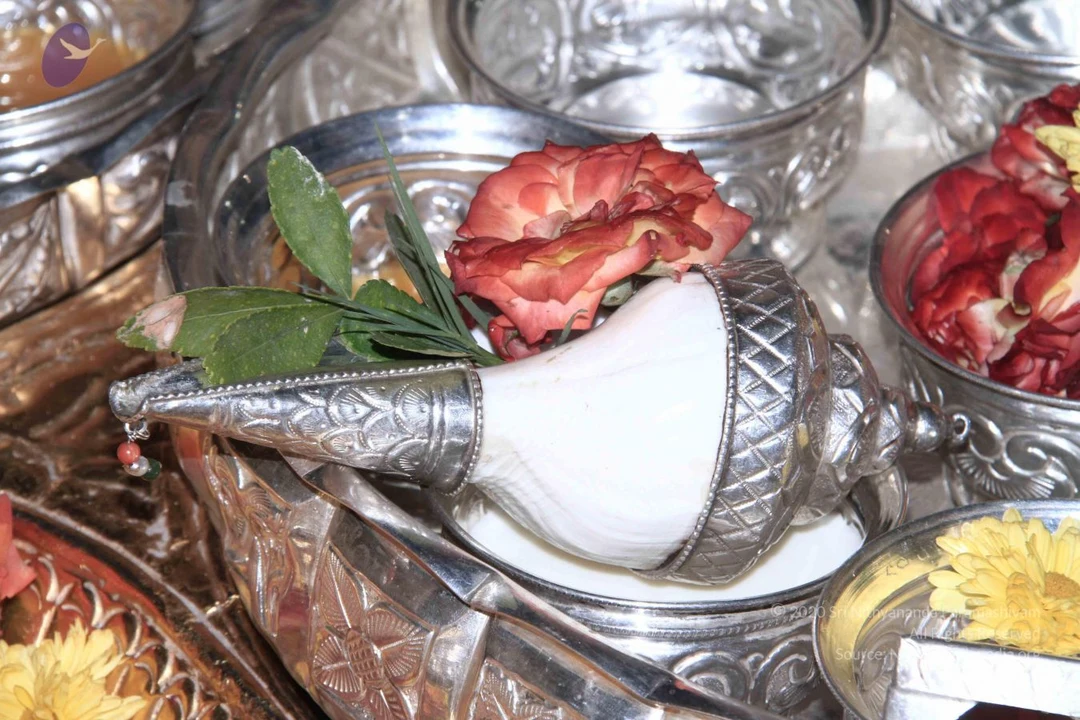
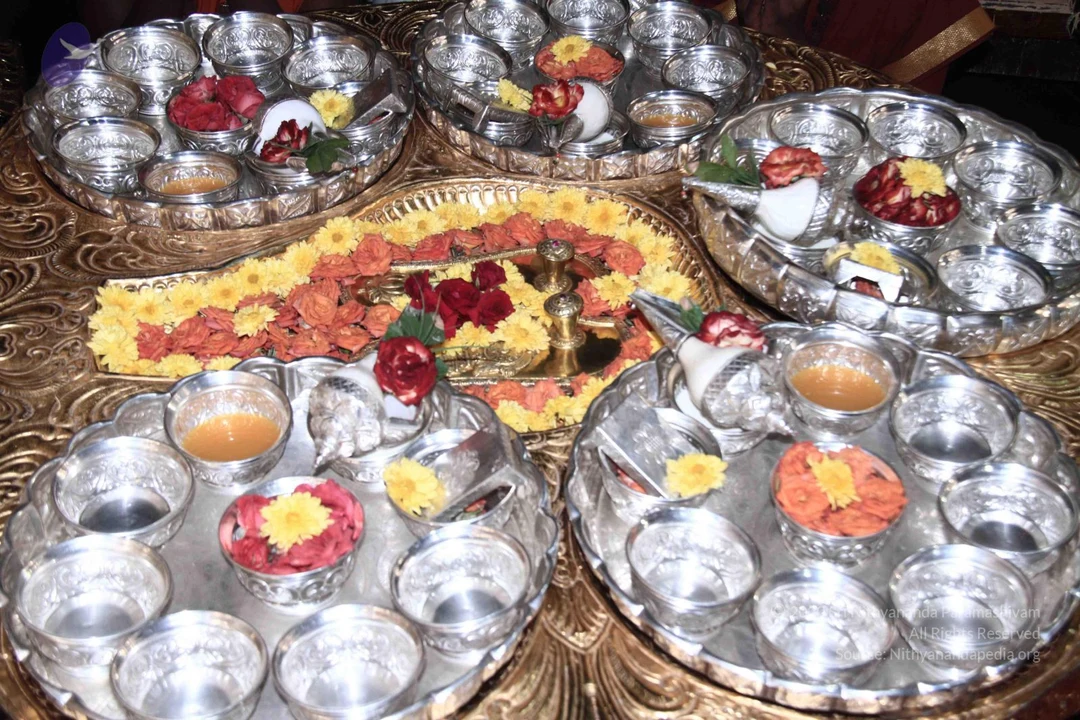
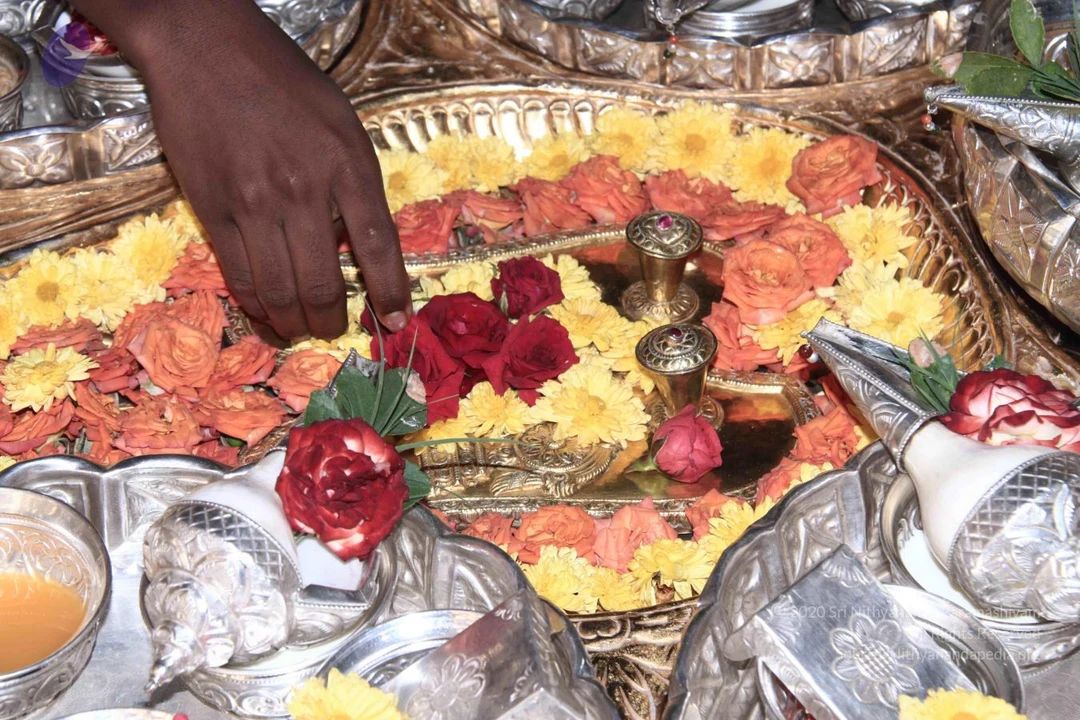
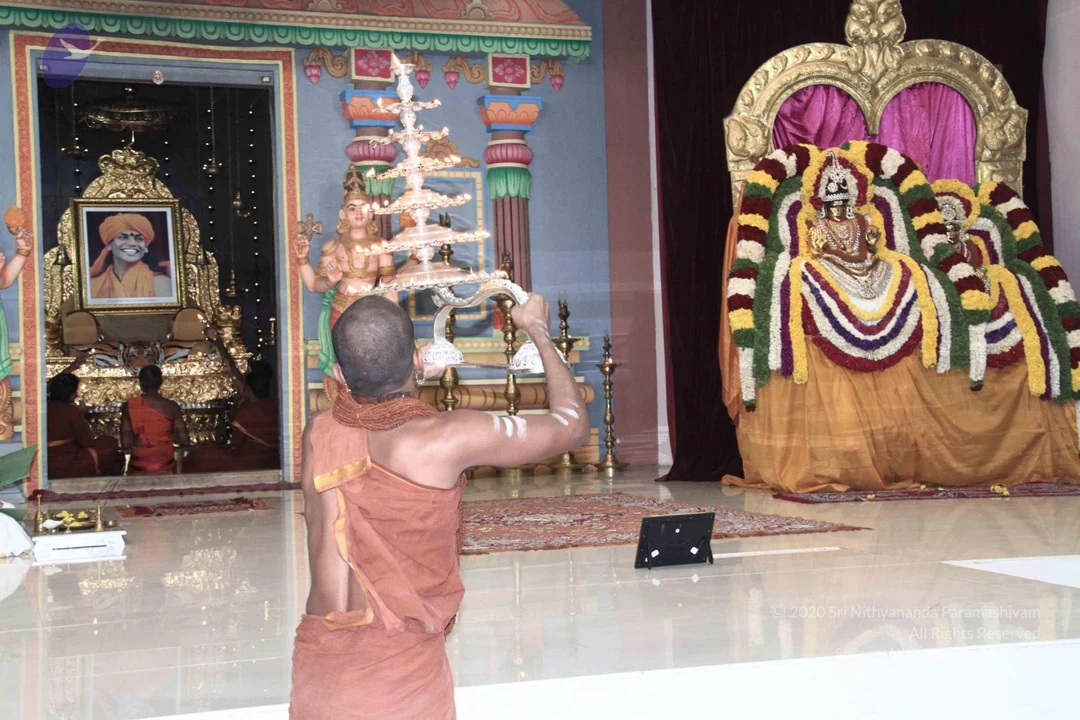
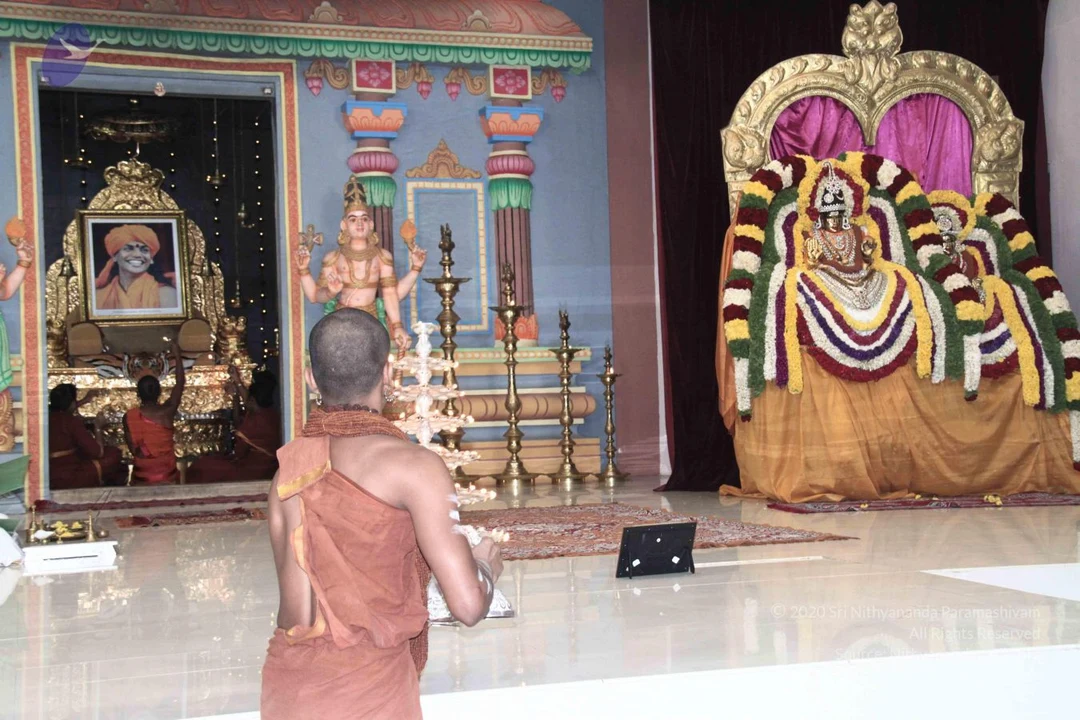
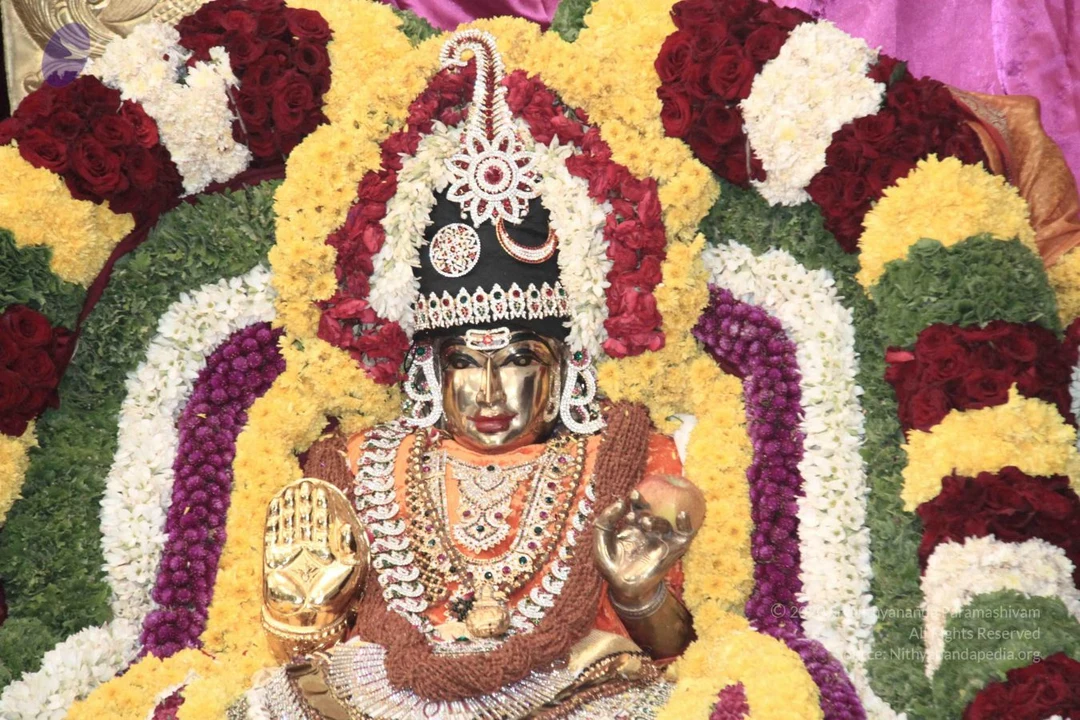
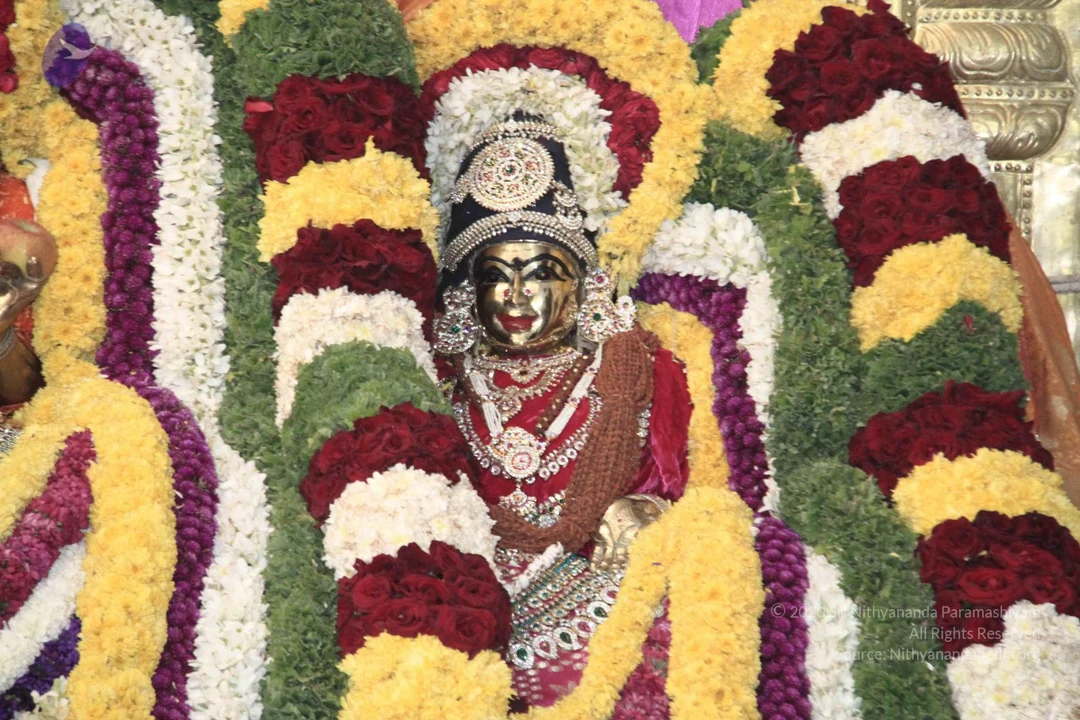
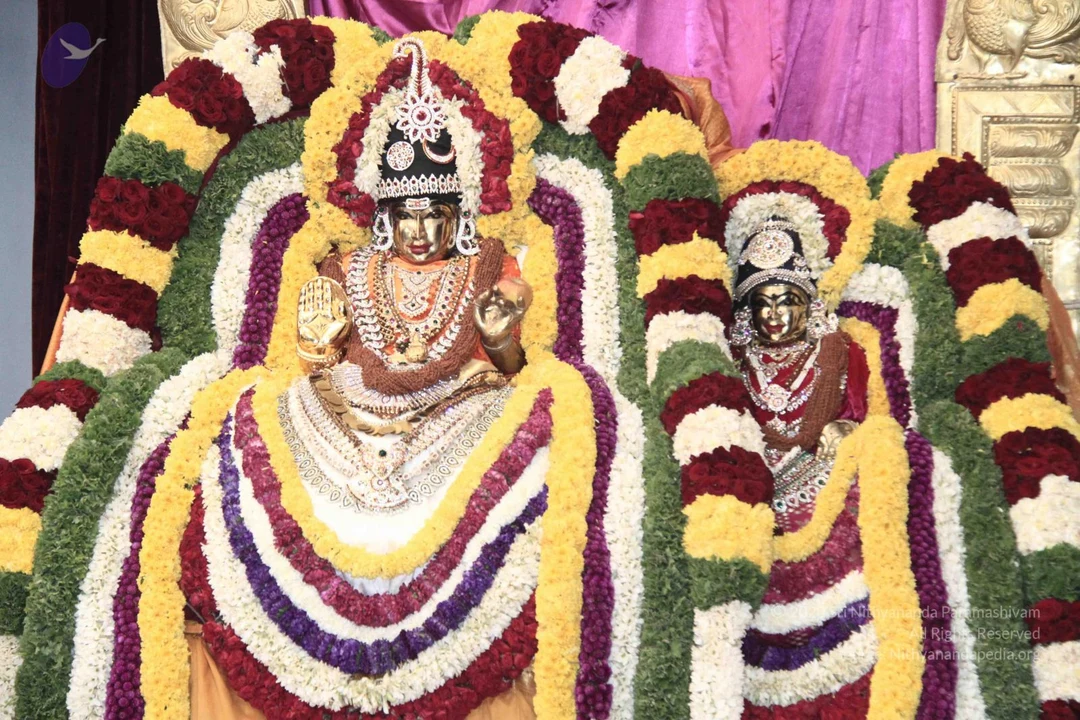
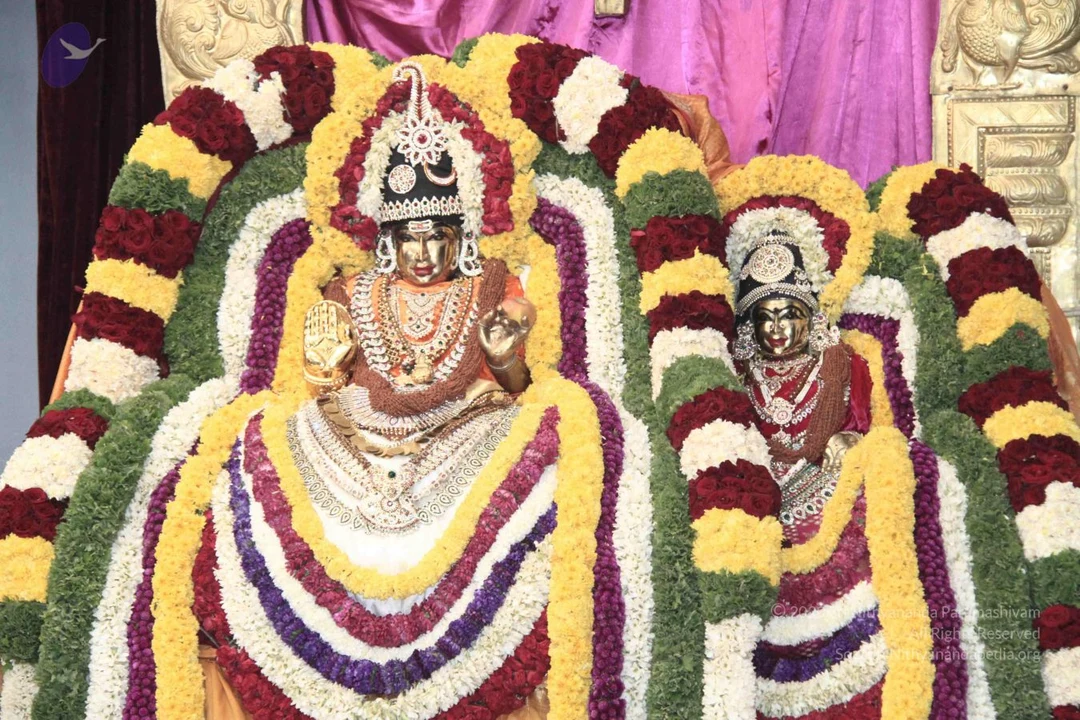
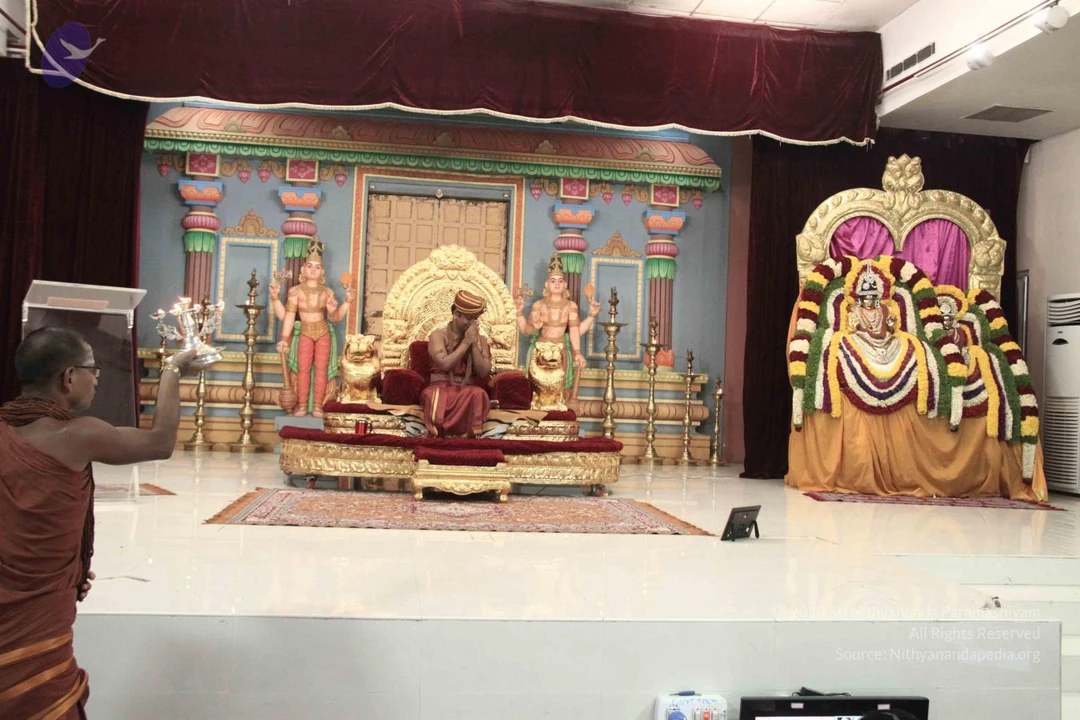
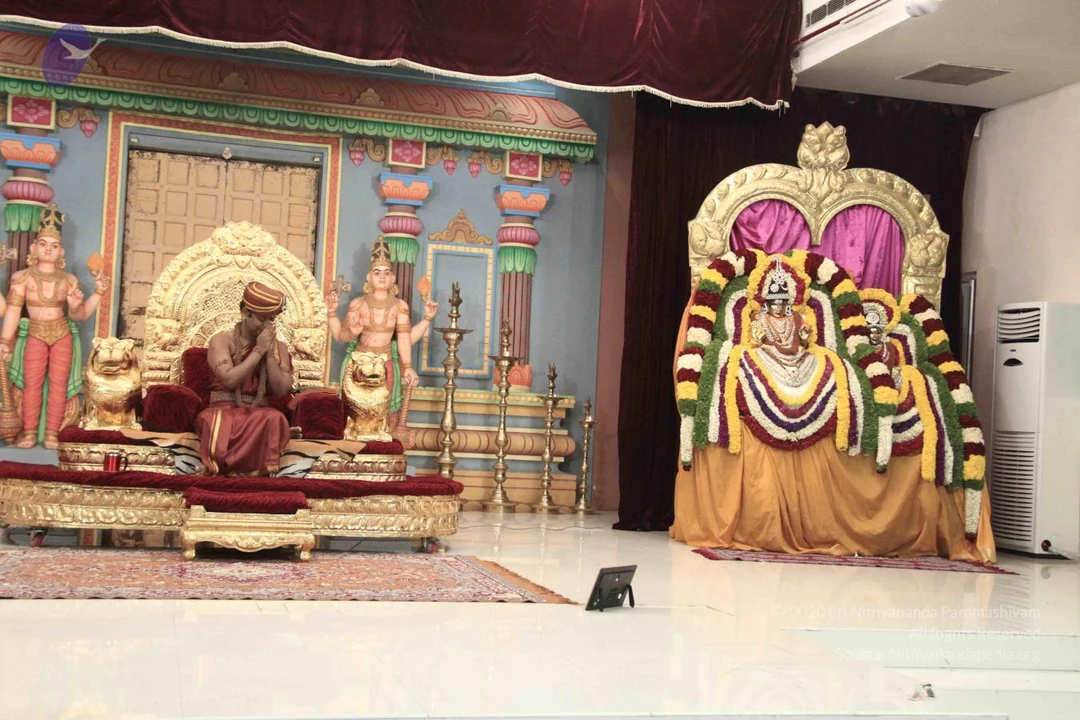
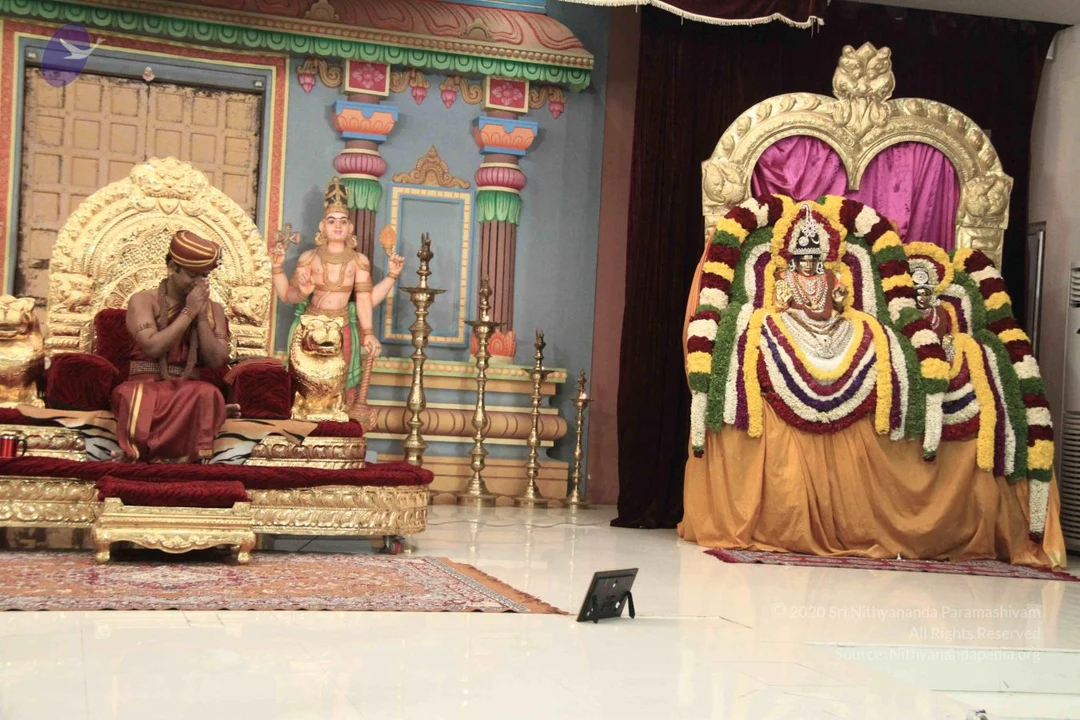
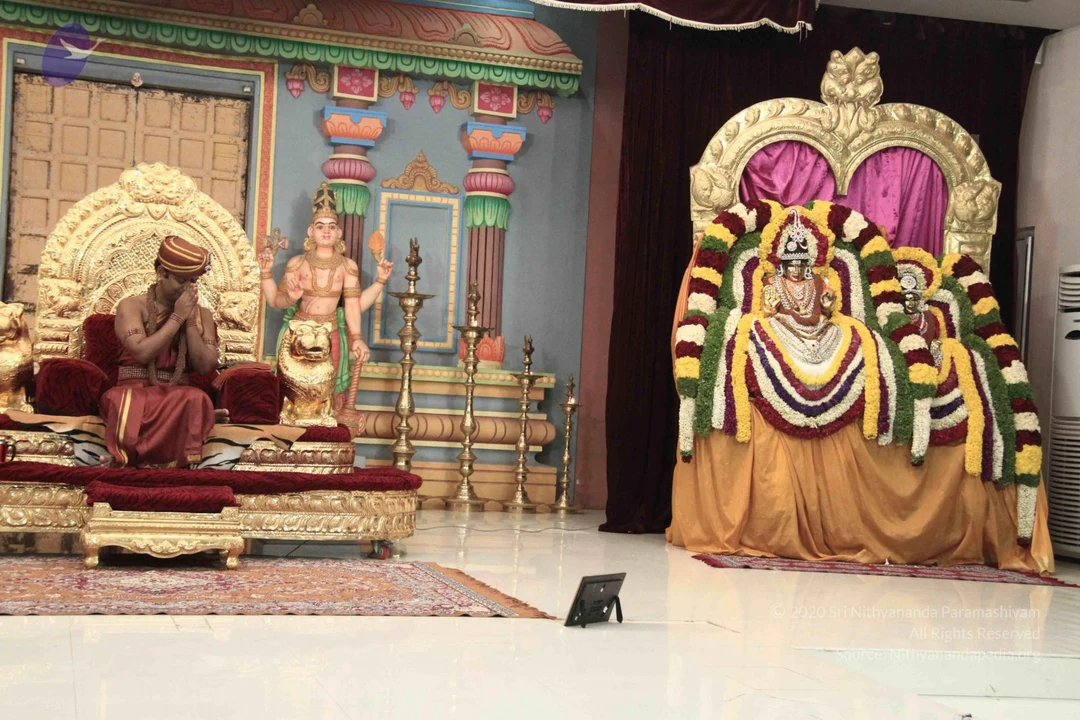
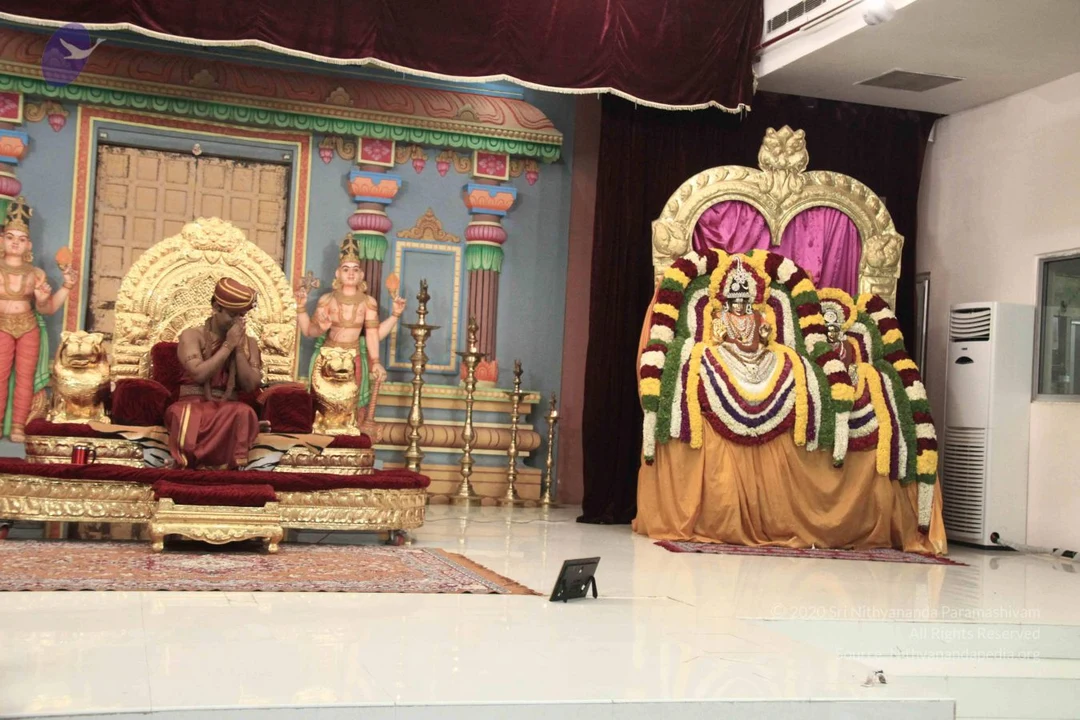
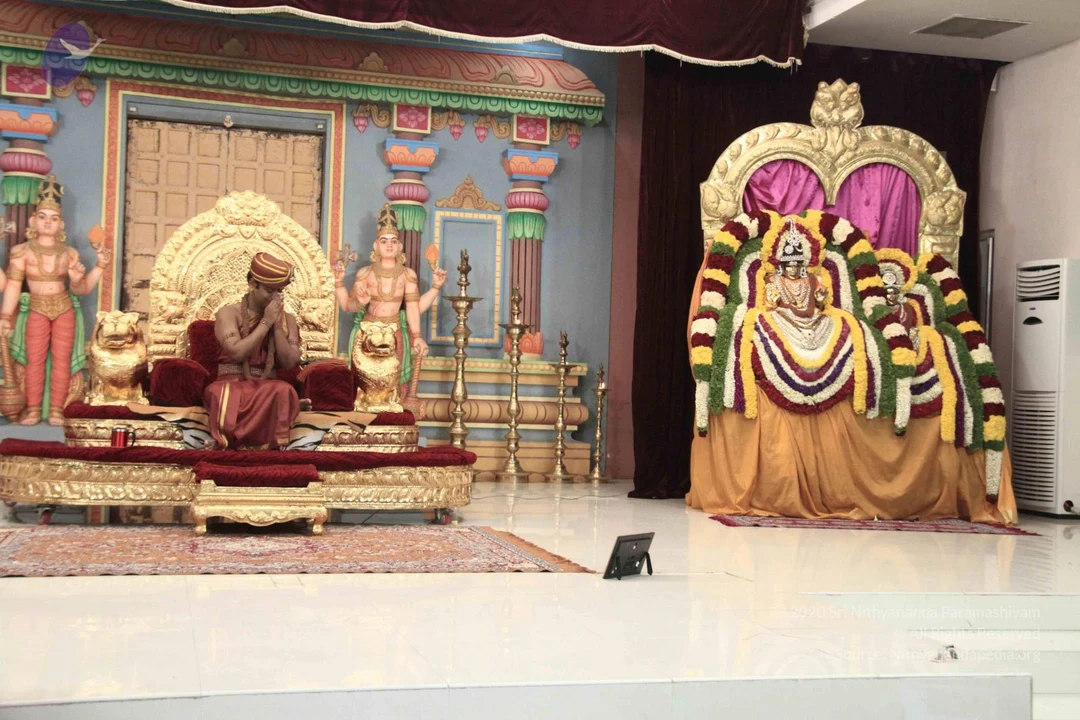
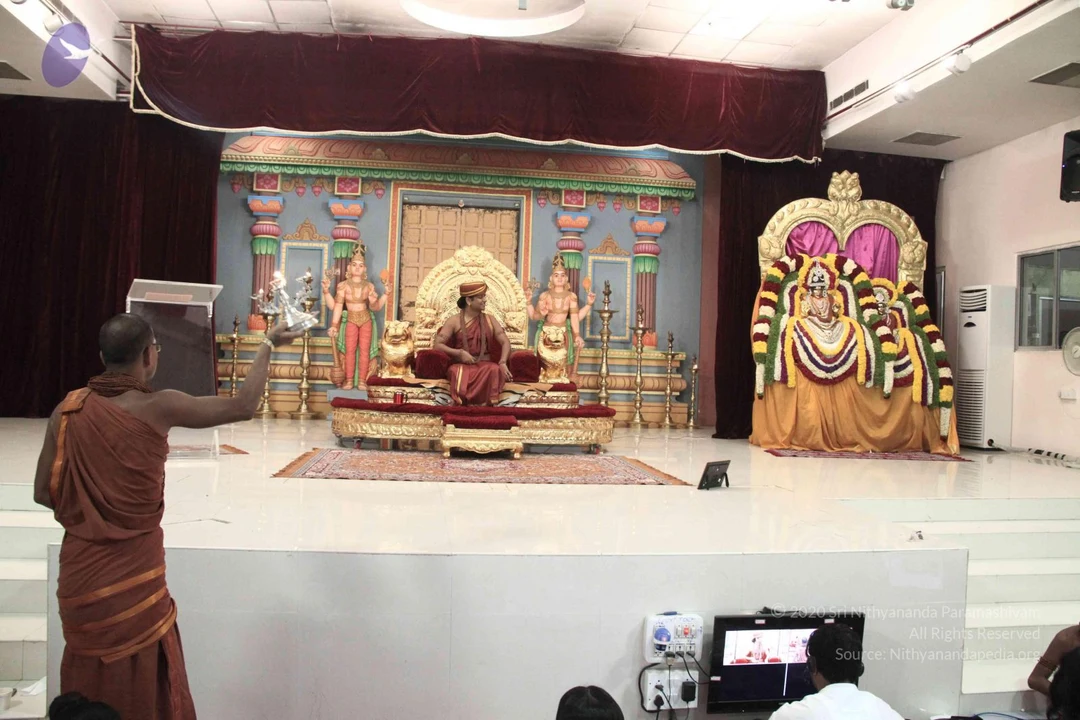
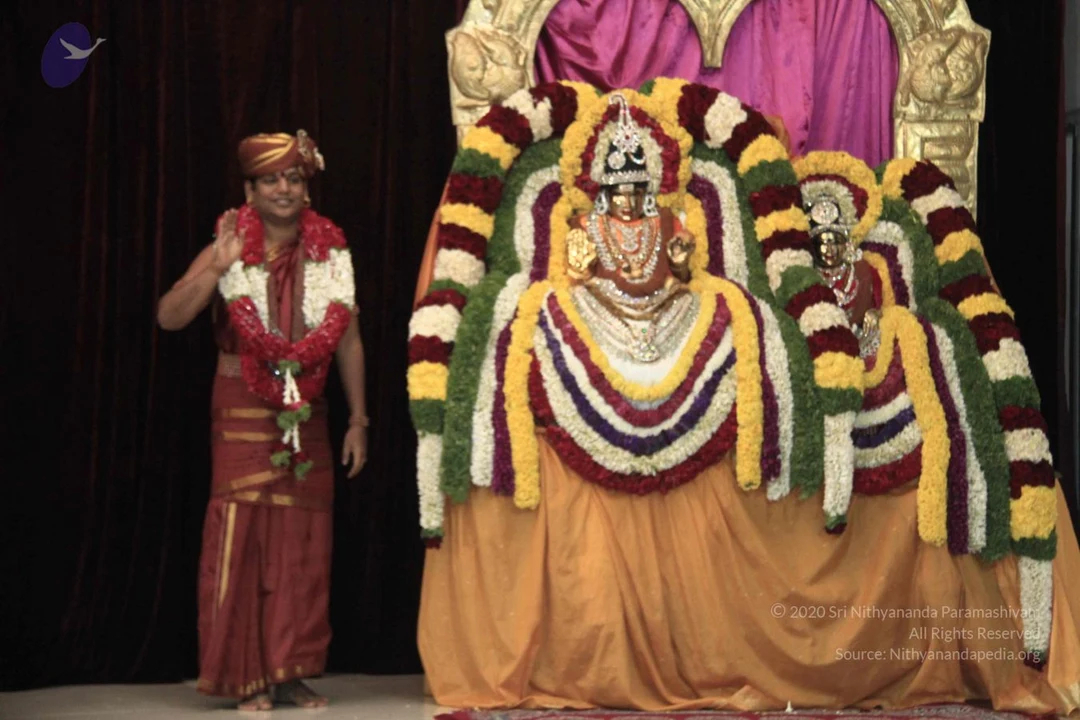
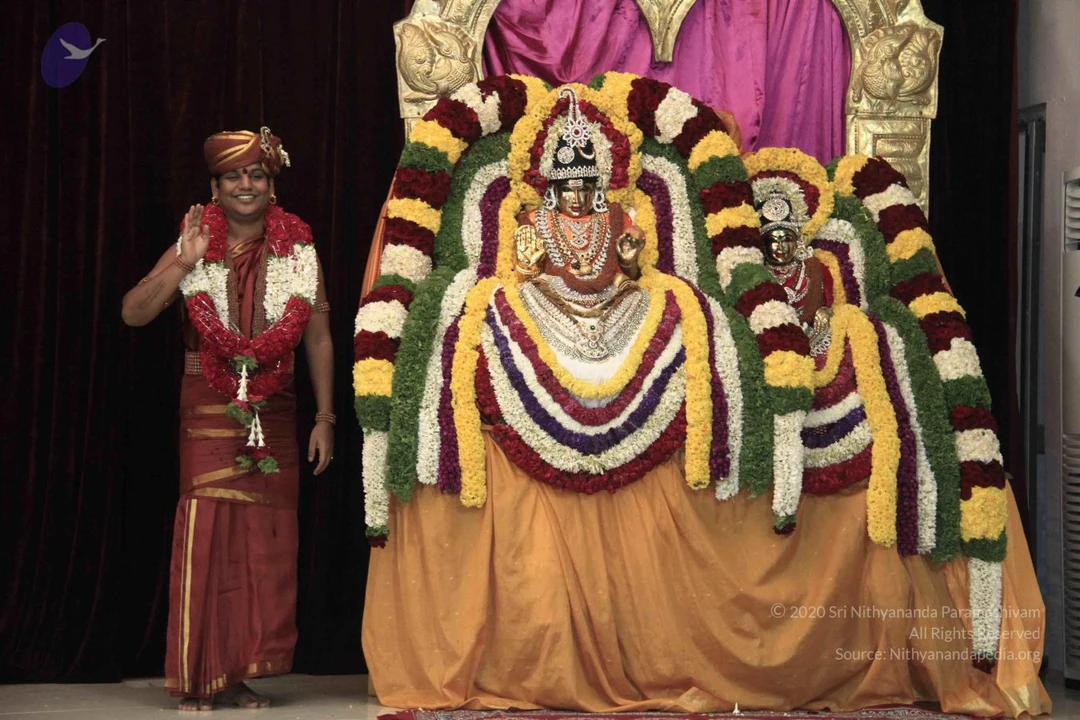
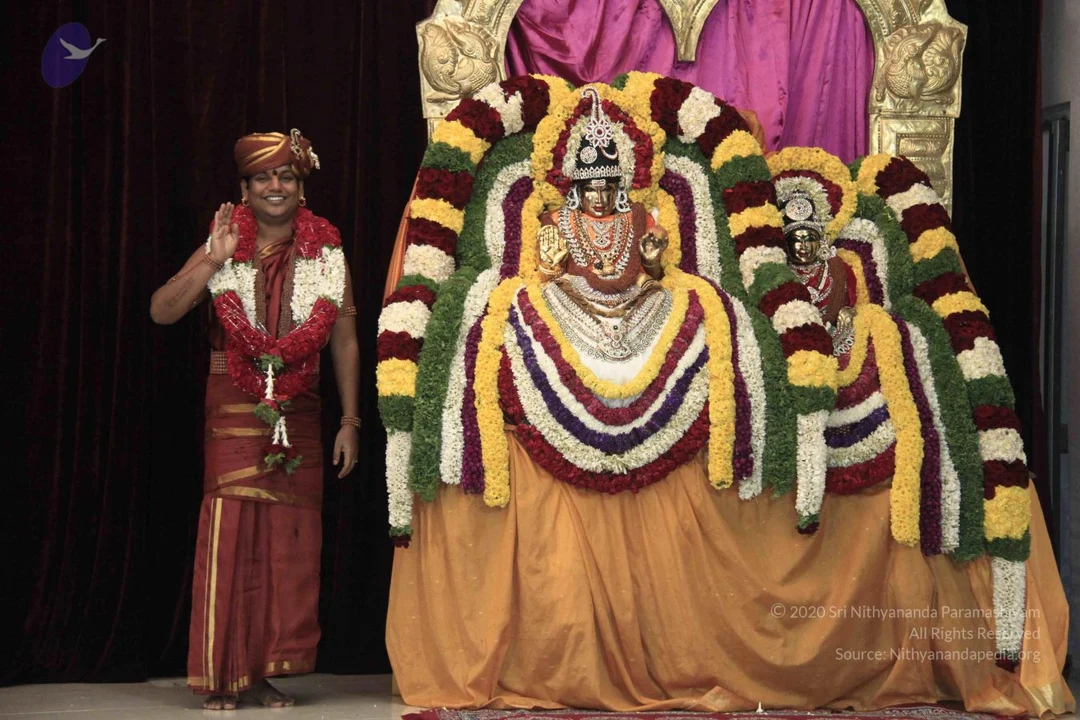
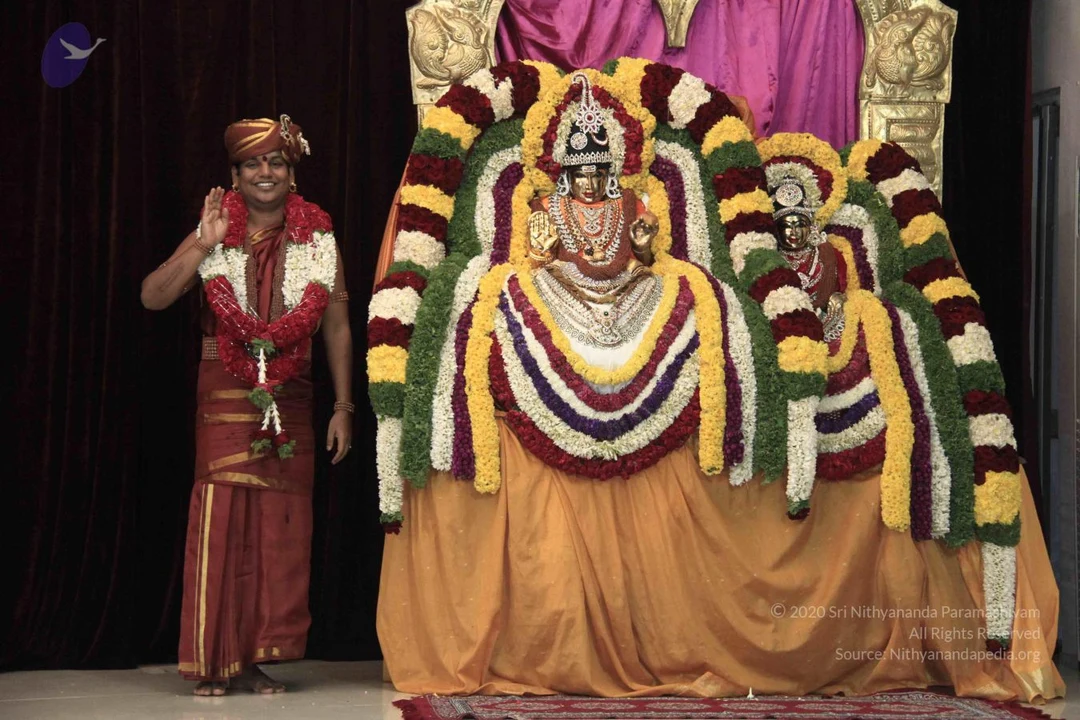
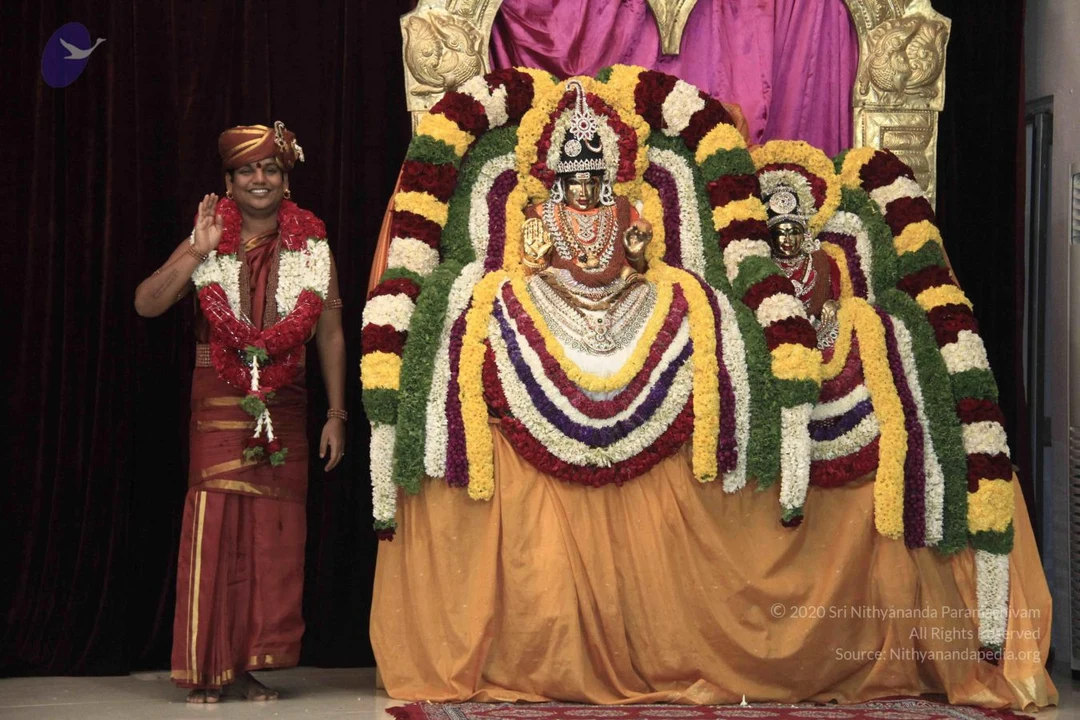
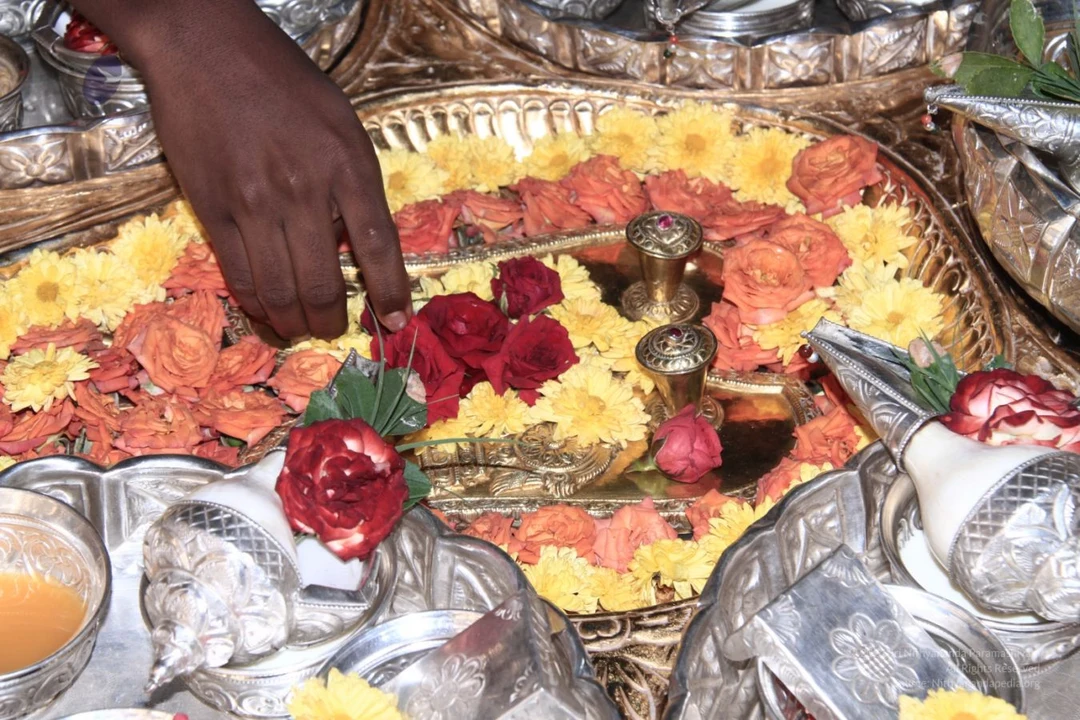
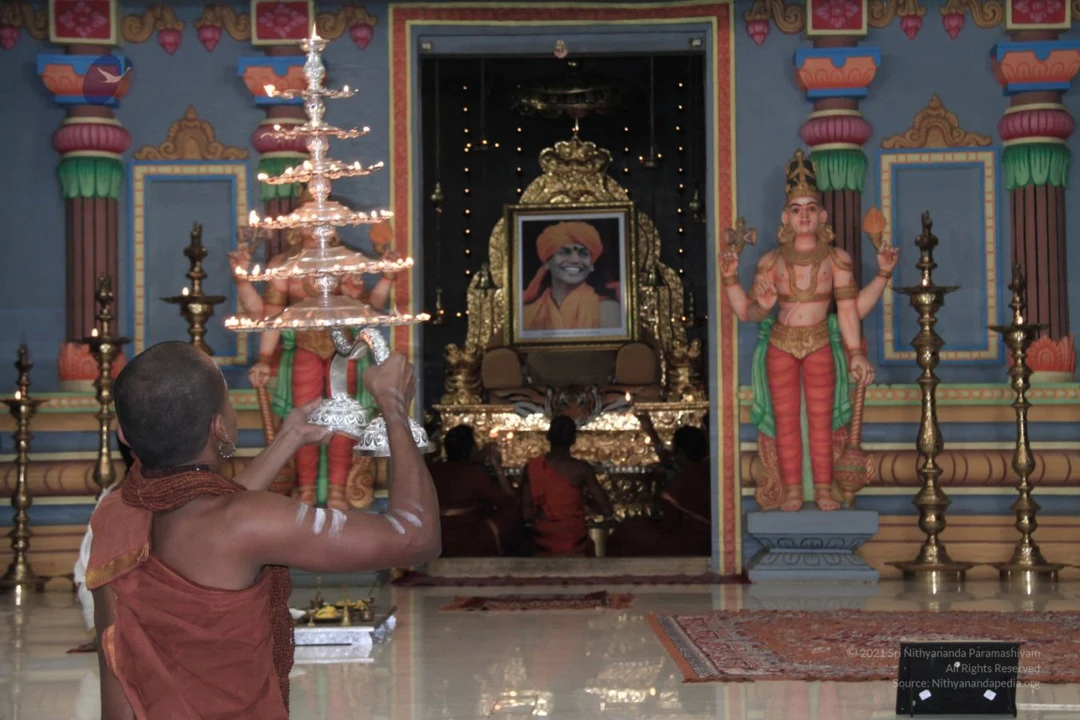
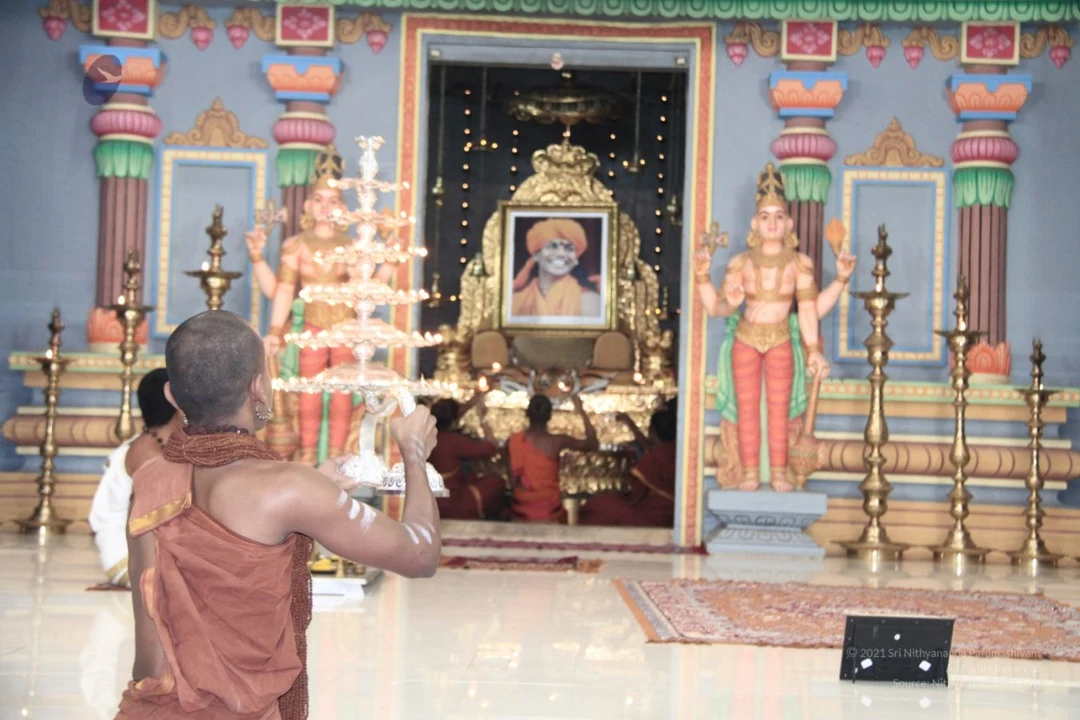
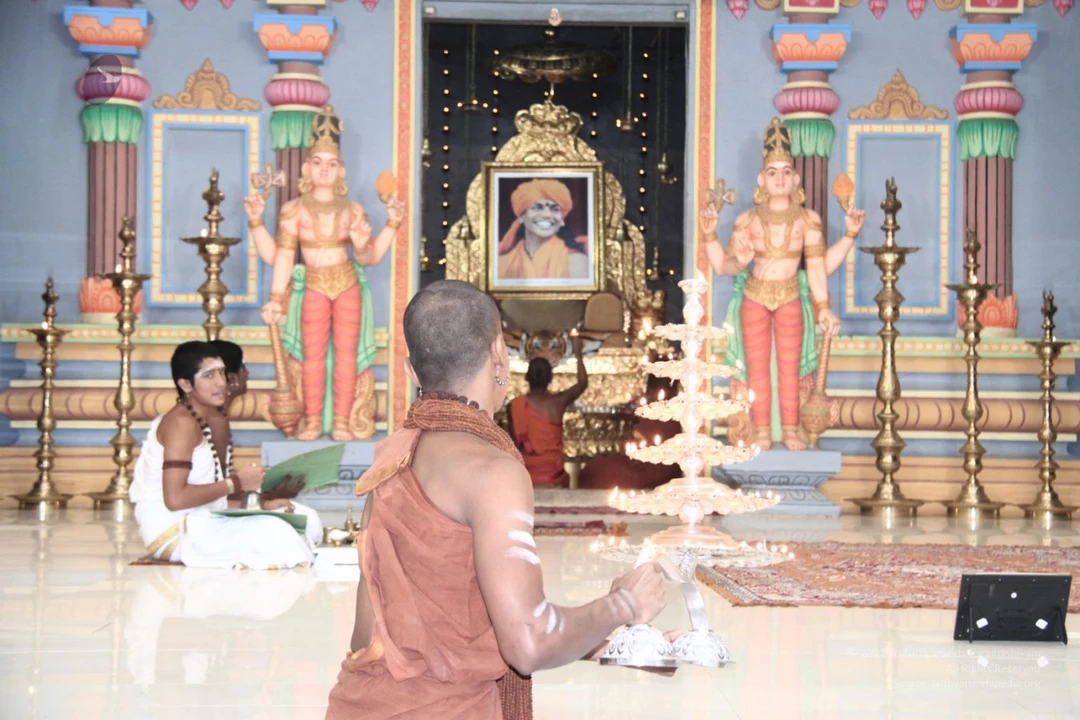
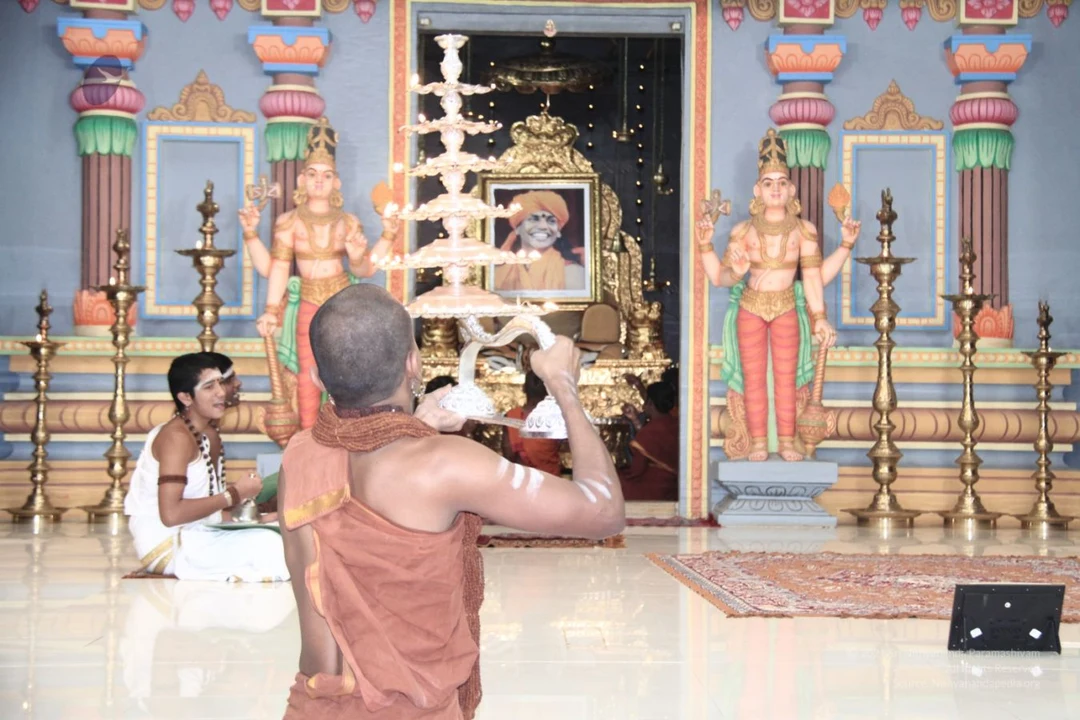
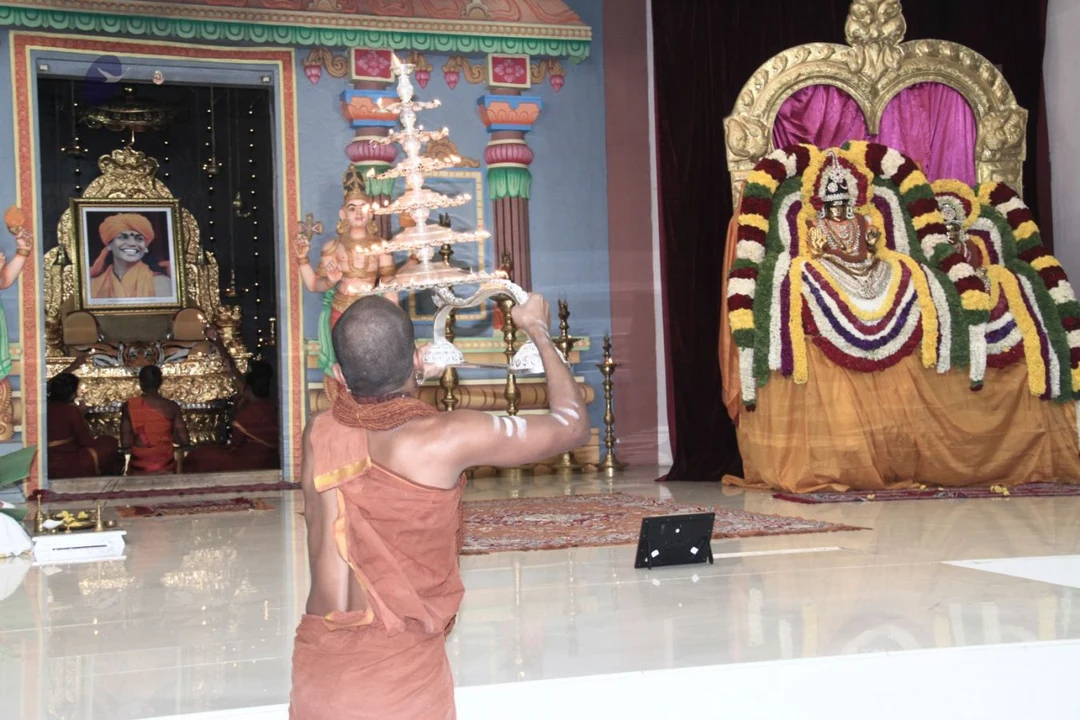
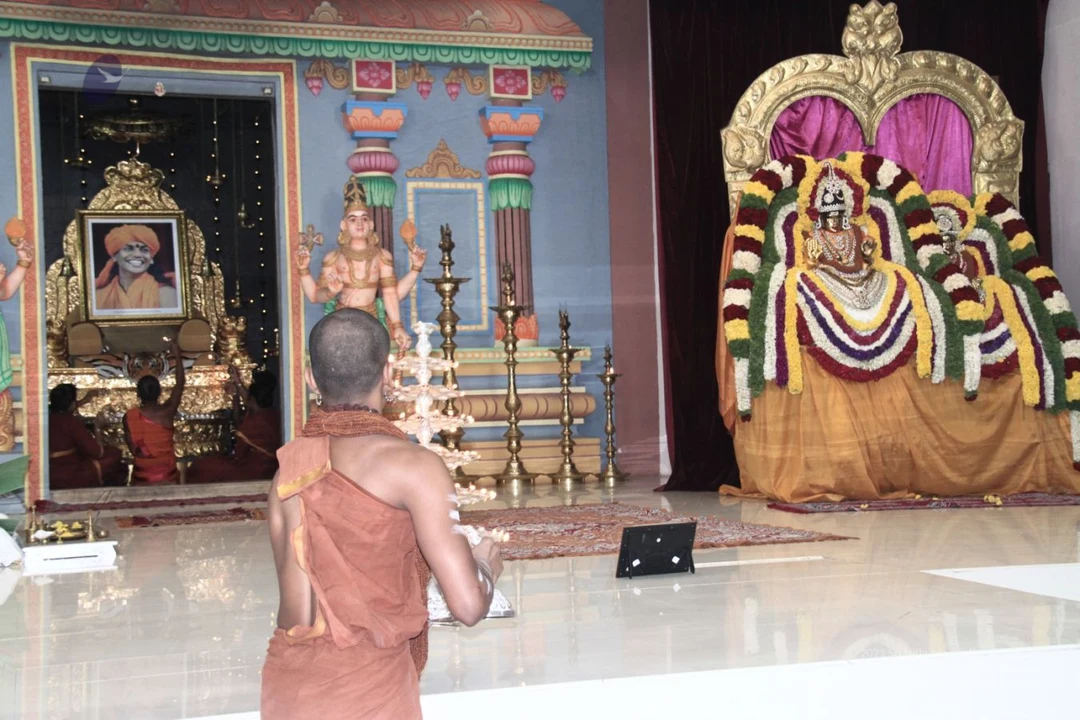
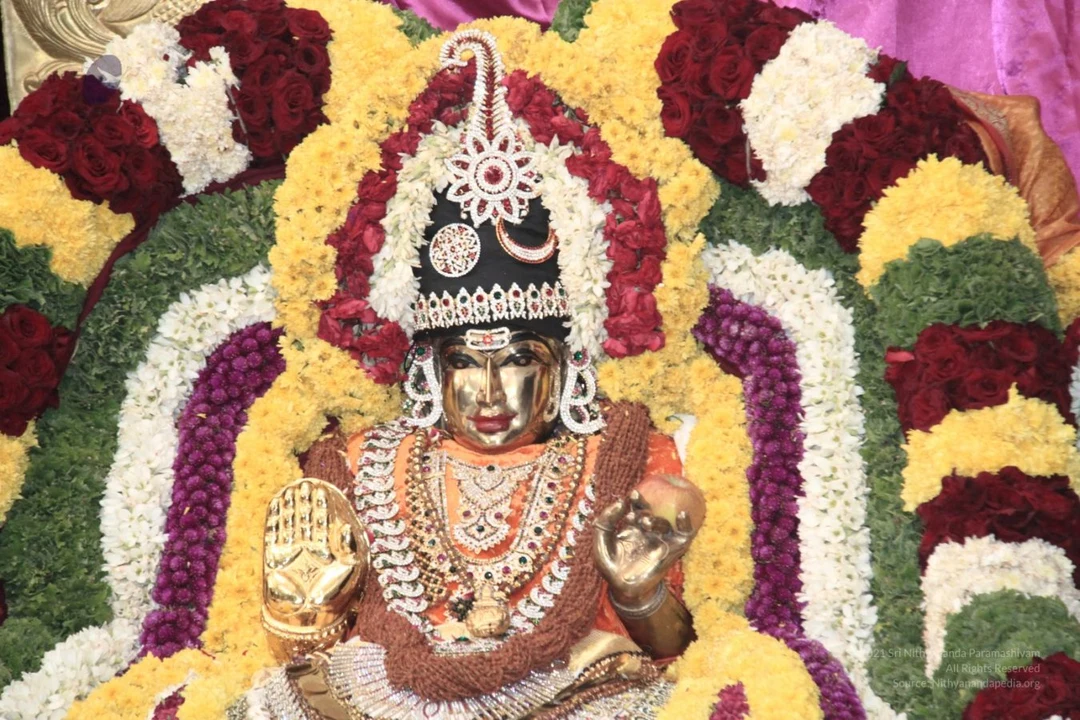
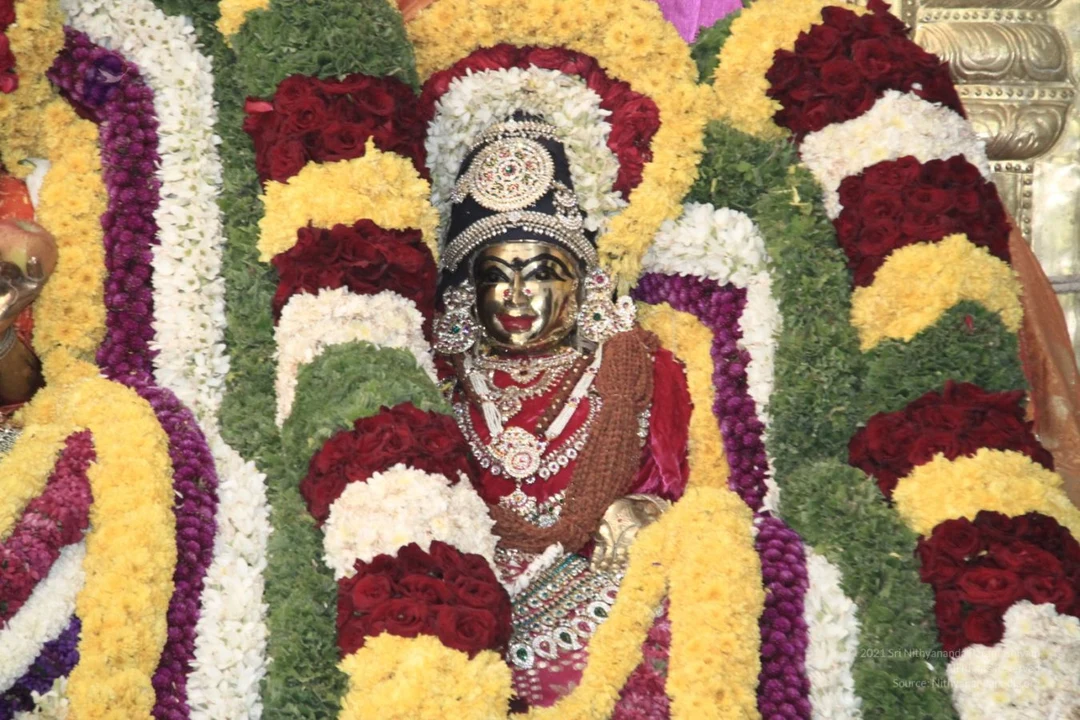
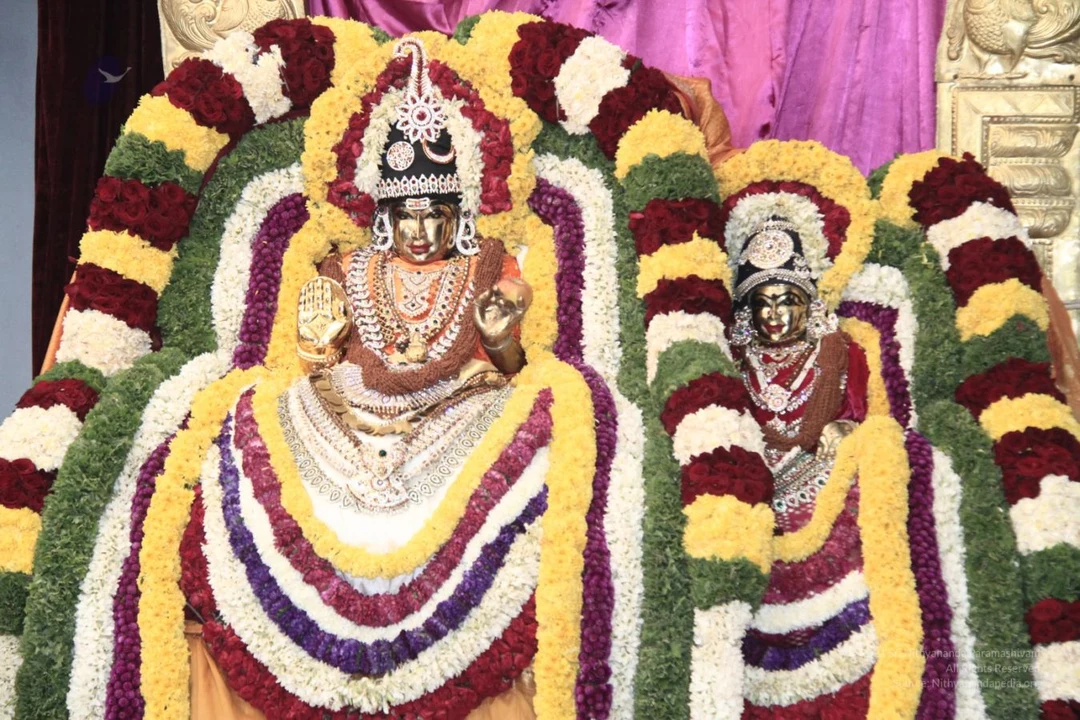
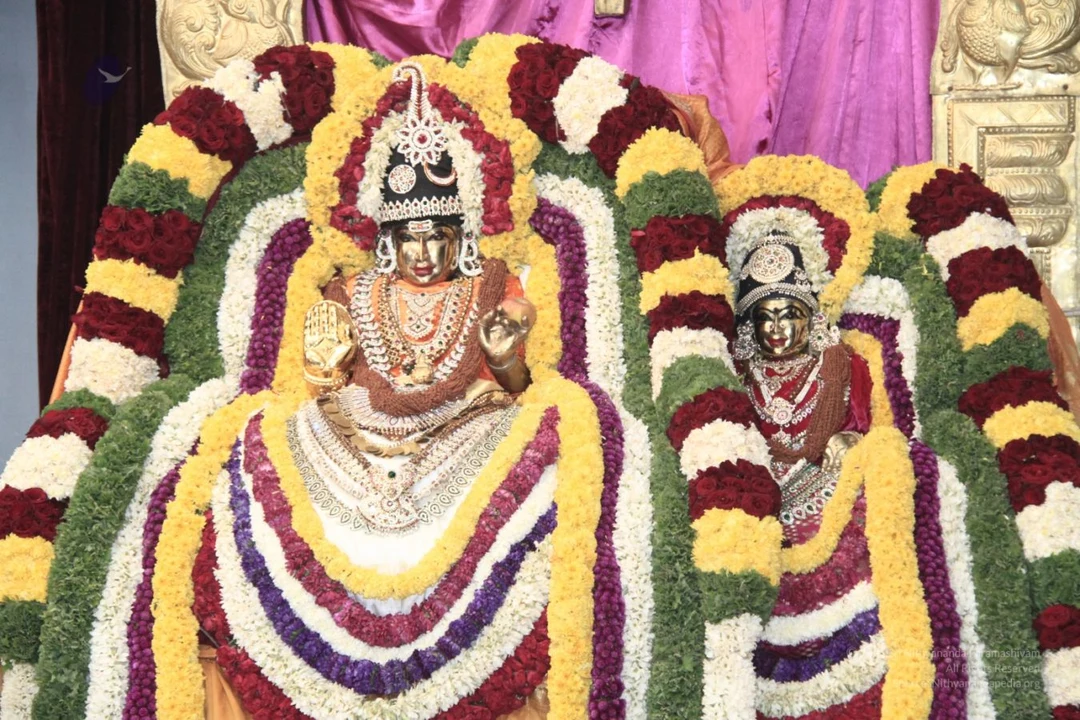
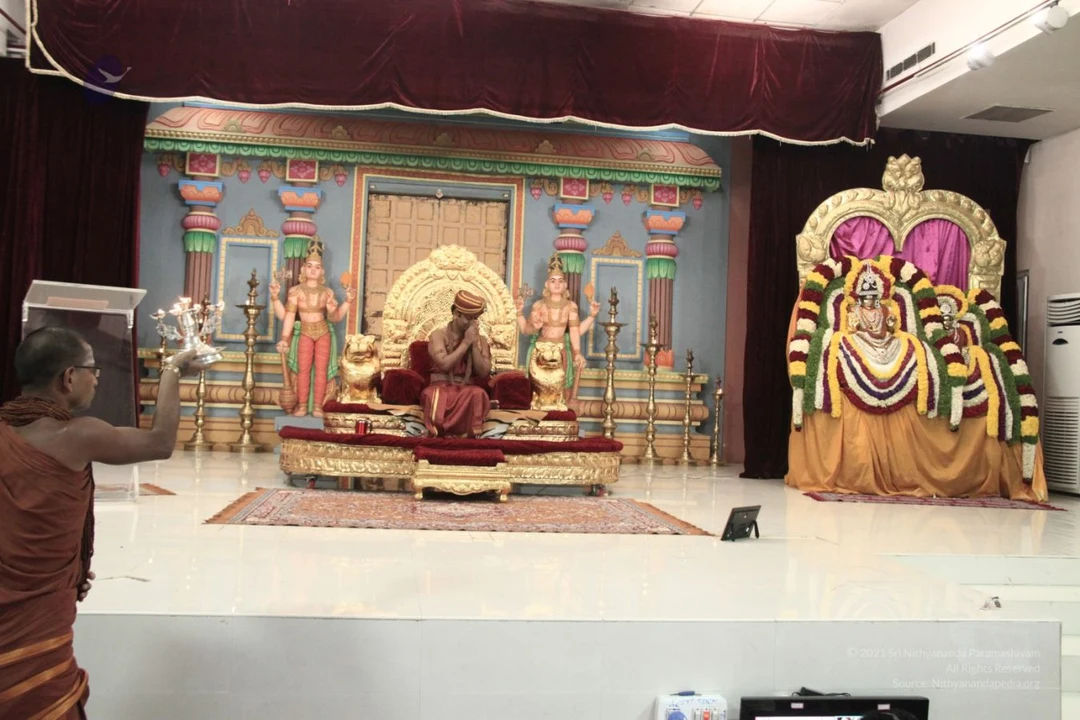
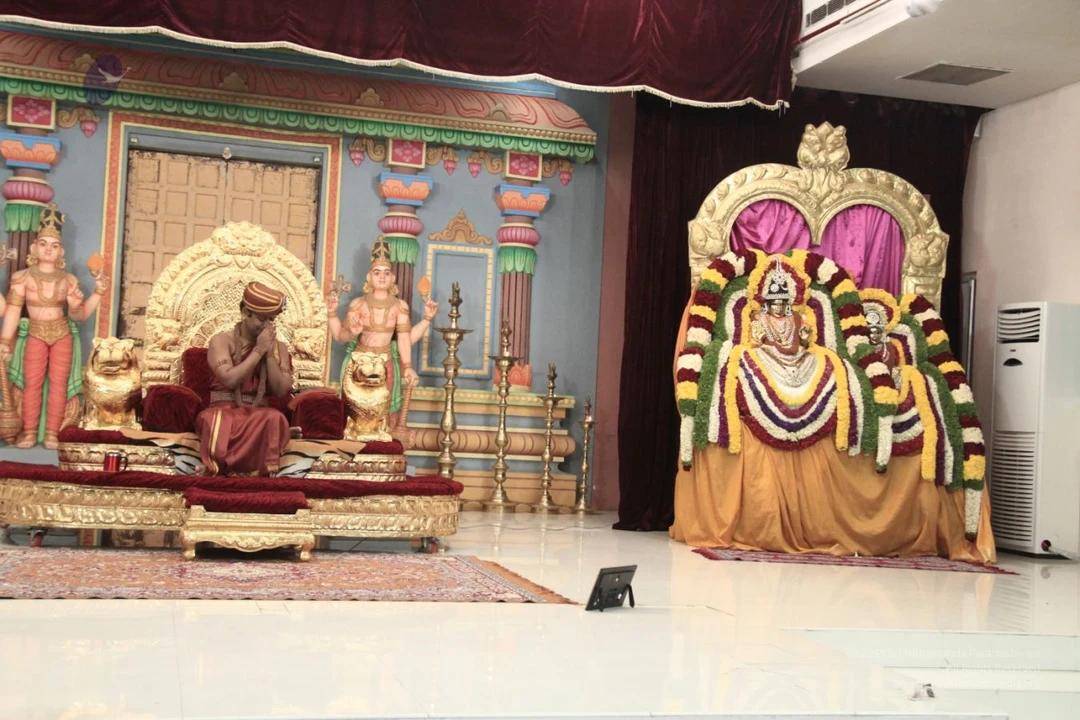
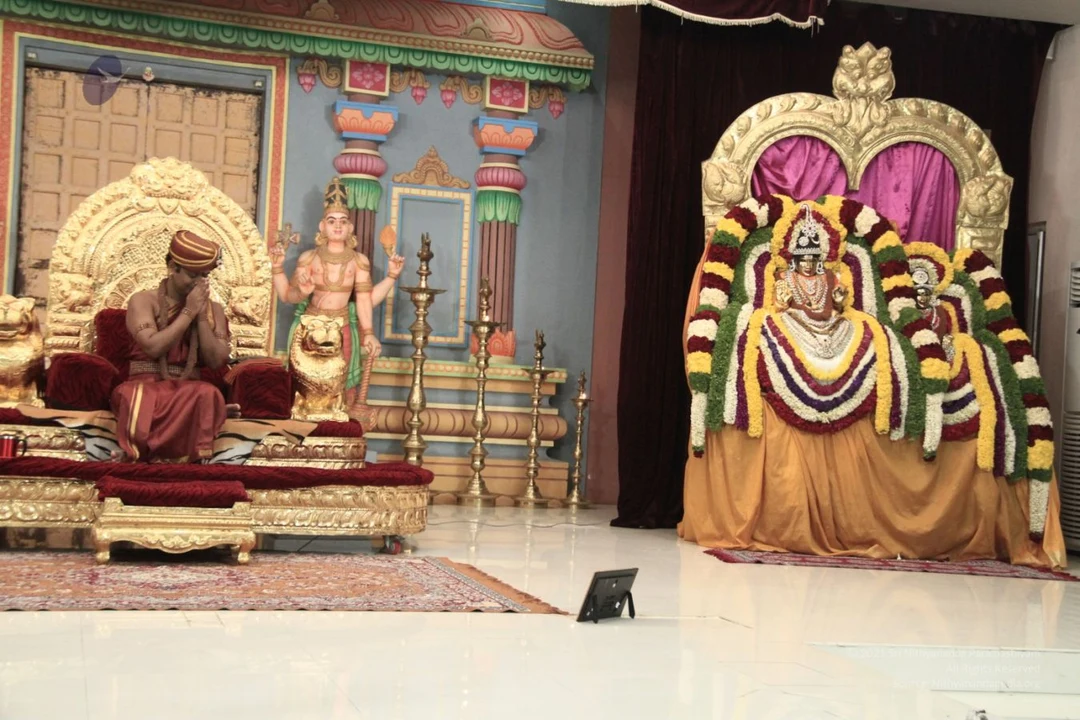
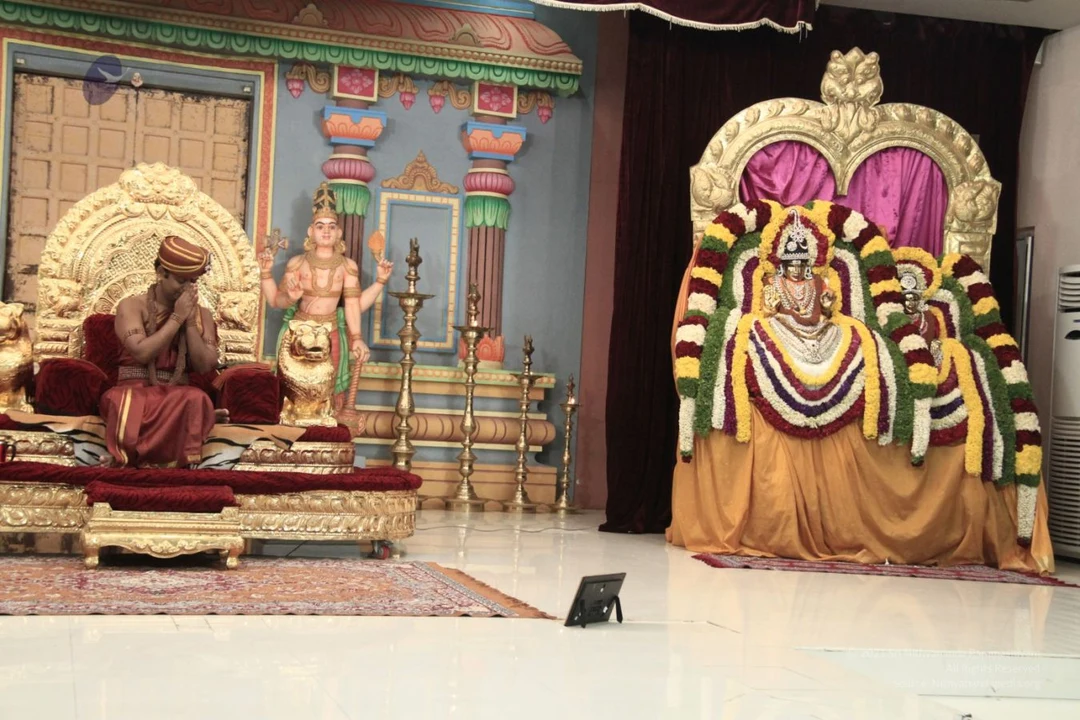
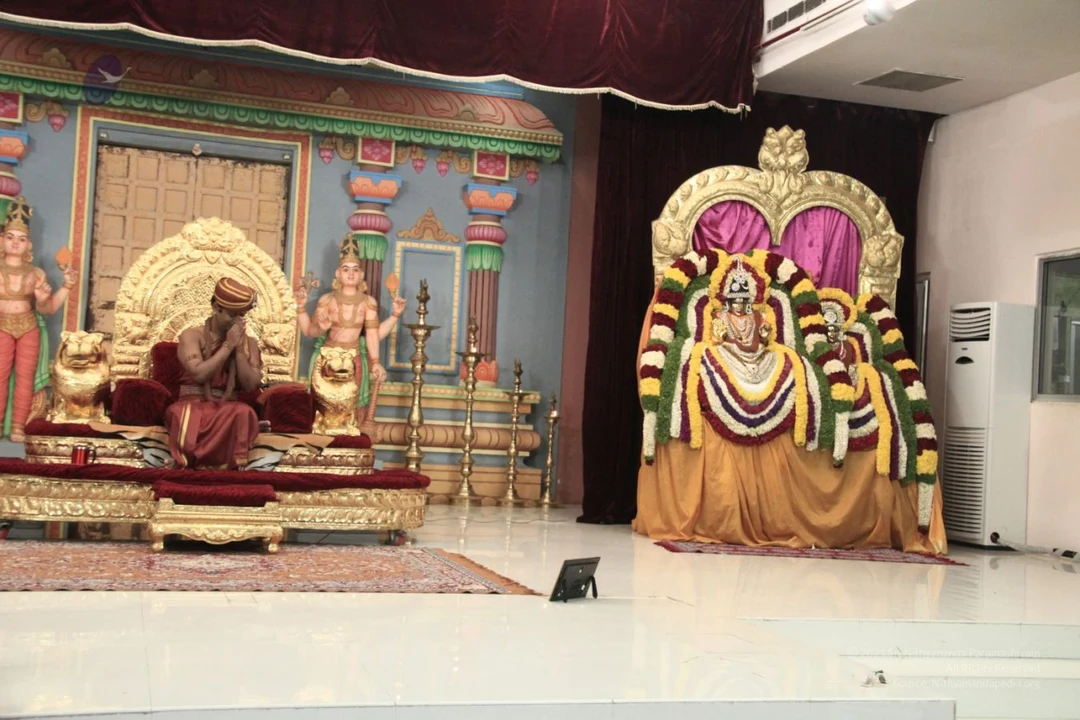
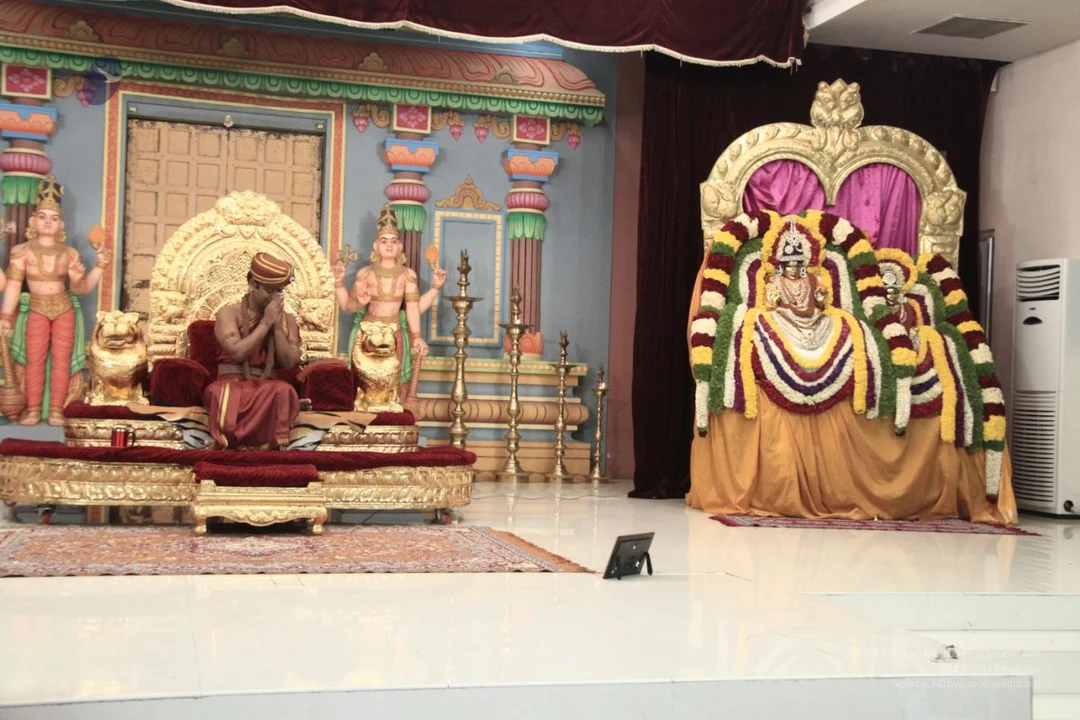
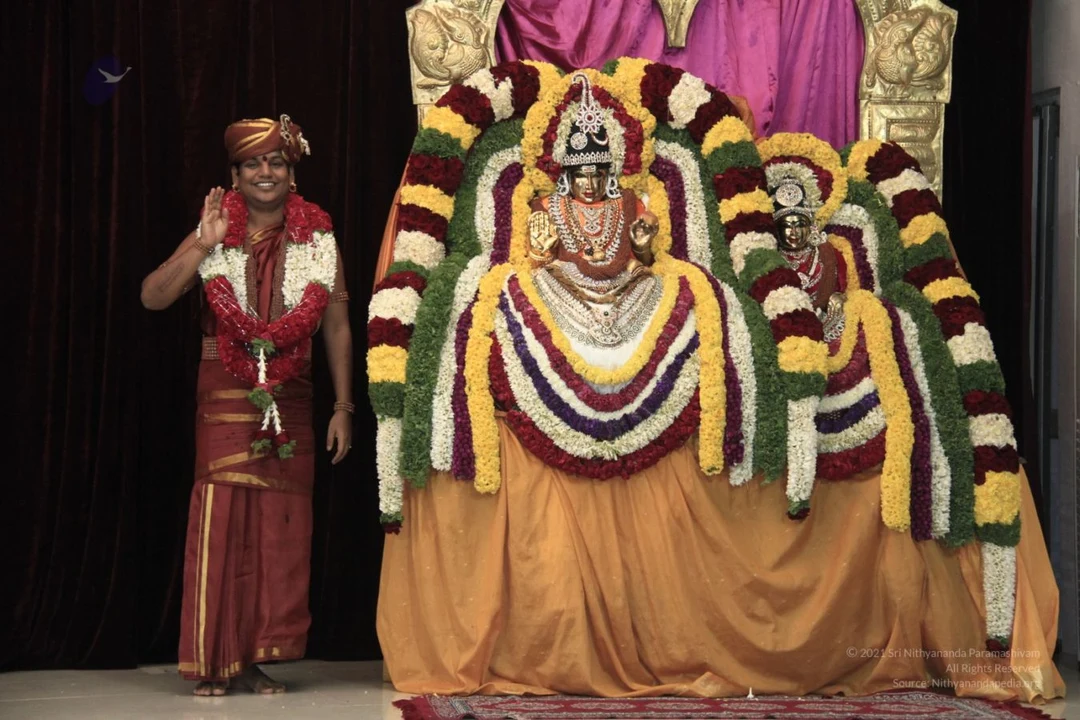
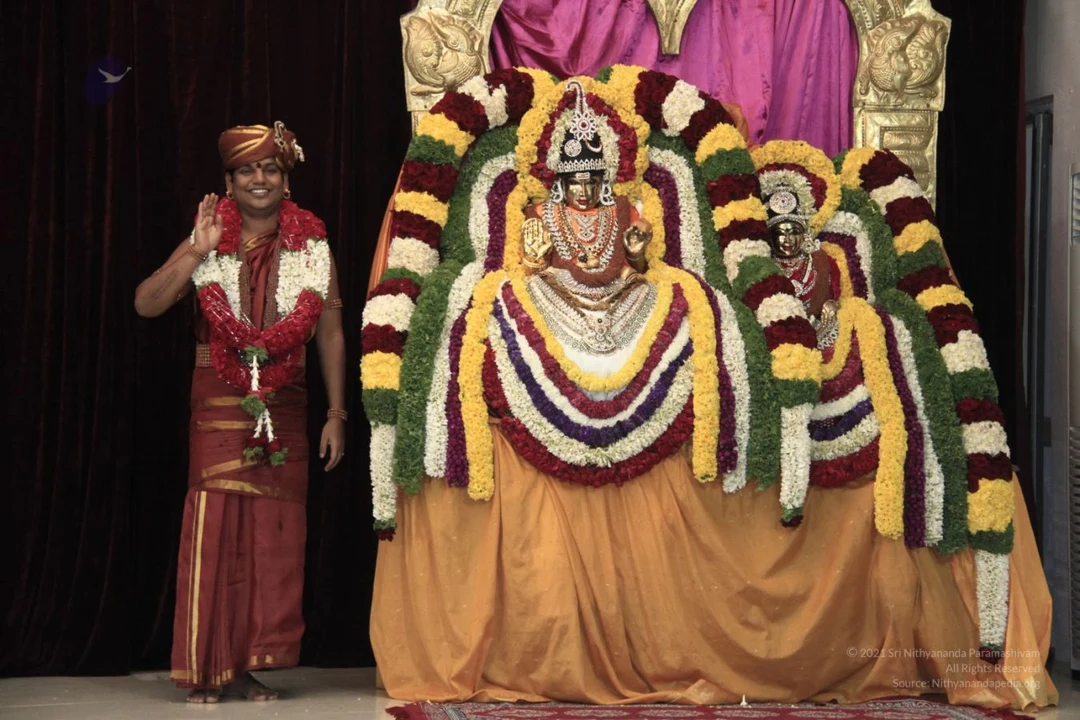
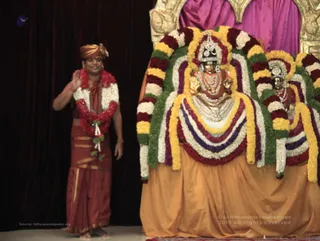
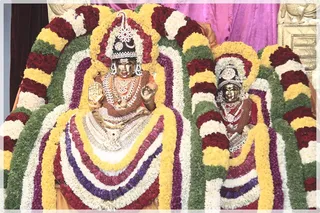
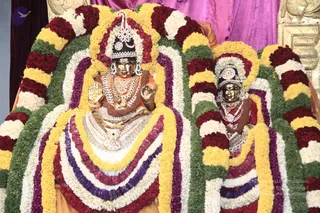
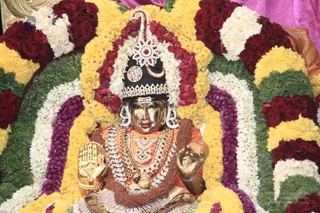
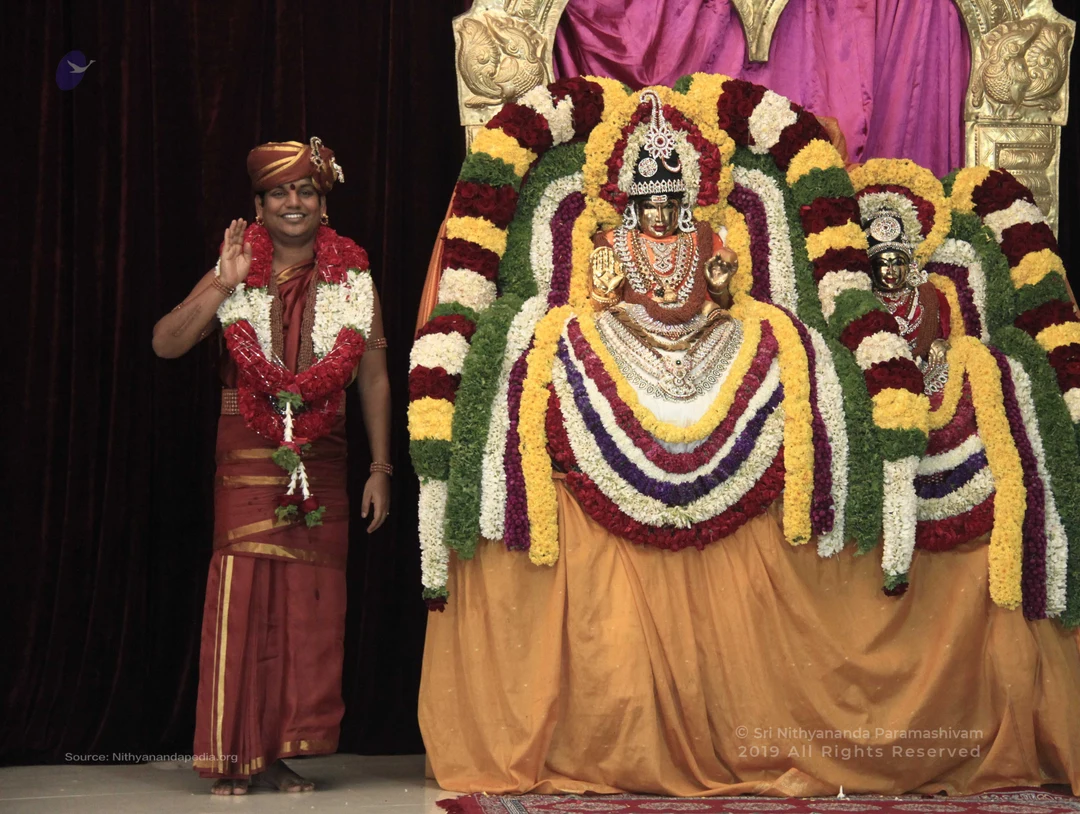
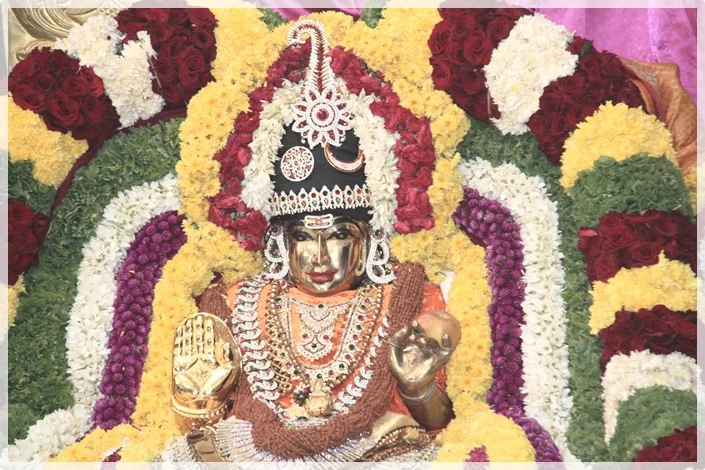
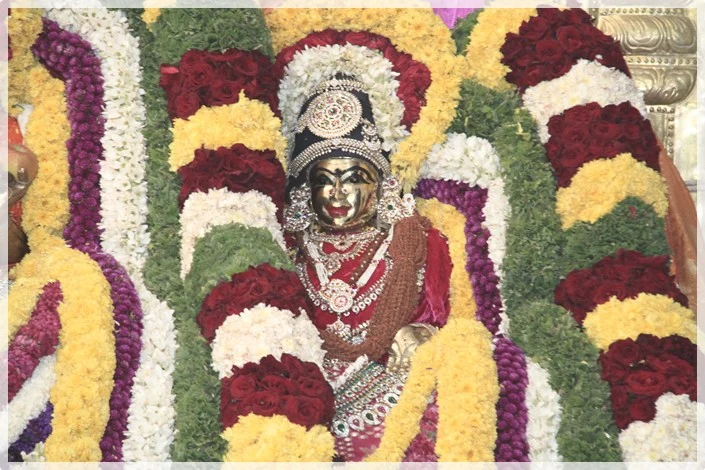
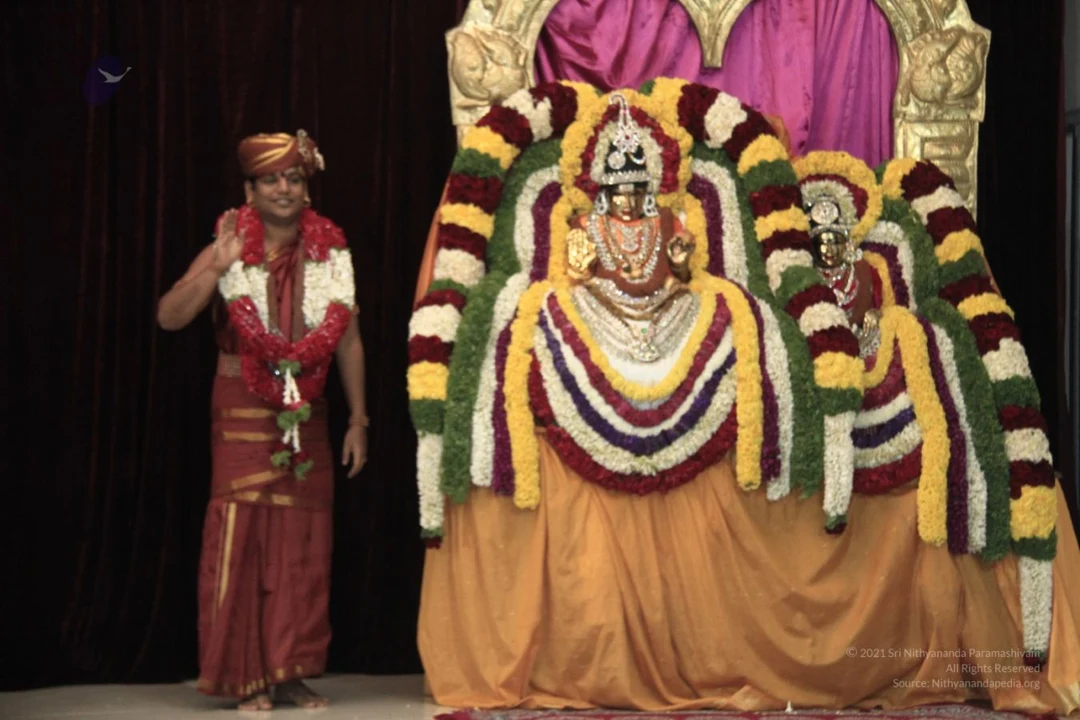
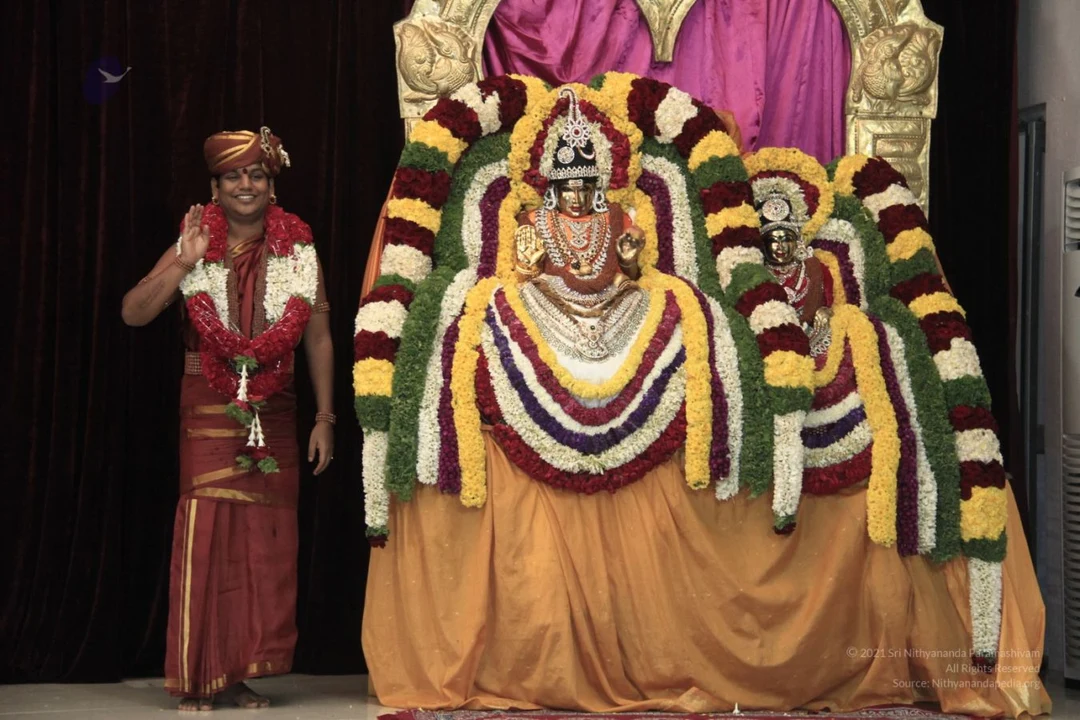
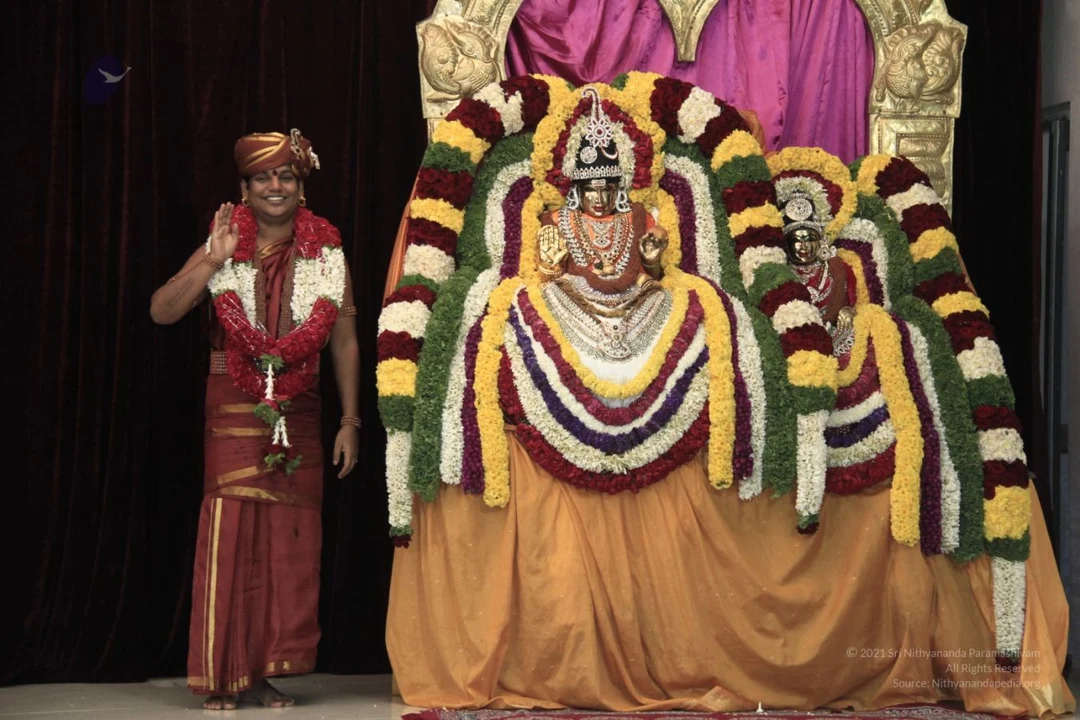
Today, Nithyanandeshwara Brahmotsava 9th day! So, Mahadeva, Nithyanandeshwara, is gracing us in a special floral decoration with Nithyanandeshwari having a flower crown.

And today, Nithyananda Hindu Sangham in Malaysia is celebrating Diwali Unity Celebrations at Banquet Hall in Malaysia Medical Academy, Kuala Lumpur. Blessings for the program! All the Hindu organizations – ISKCON, Saiva Siddhantha Mantram. Brahma Kumaris, Rudra Samaj, Divine Life Society, Sri Vidya Peetham– all of them have been invited. Blessings!

And, today, Nithyananda Hindu Sangham is also starting a project. They are going to feed one lakh people, 100,000 people on Thaipoosam. Blessings for the project! It will be successful! It will be successful! And, in the Batu Caves one million devotees will gather. Nithyananda Hindu Sangham is going to feed 100,000 people. Great! And they also want to enrich at least 10,000 people with the Four Powers classes. Great! My blessings! This project will be successful!

I will move to today’s satsangh.

I will expand on the concept of “CREATING A SPACE” today.

Please listen!

The whole Cosmos itself was created when Mahadeva decided to create a space for the universe. Mahadeva, in His pure form, is Shiva. When He created a space for the world to happen, that is Hiranyagarbha, from there the Shakthi radiated, and this whole universe happened.

Please understand! Use exactly the same technique to create what you want in your life! So understand, when you create a space, this is the first thing you face. So complete with that first! Completion with that is the most important thing. And the second problem will be: You will trust ‘Yes, if the space is created it will become reality, but, will I be able to create that space?’ That is the second doubt. Again, this is also incompletion due to confusion and earlier failures.

Please listen! Earlier, whenever you created a space, you were not successful. You never did the whole science properly. Never the science was done beautifully. It’s like you saying, ‘No, no, no, no, no, earlier also I invited many people for my younger brother’s marriage nobody came. This time how can I expect everyone will come? Now, when I’m inviting everyone for my sister’s marriage’

Fool, last time on the invitation, you did not put the date and time! You give a big lecture, ‘No, no, you don’t know, I picked and chose the cards, I went to the printing press, I gave the model, looked at the proof, I printed, I put the address and sent it to them; I just forgot one thing – date and time! Then how can they attend?

Last time you failed because you missed something vital, so this time don’t miss it, that’s all.

Please listen! Create the space for what you want by visualizing it in the present! Bringing your past hangover into the present is ‘Incompletion’, bringing your future possibility into the present is ‘Space’. Please listen! Bringing your past hangover into the present is ‘Incompletion’. Bringing your future possibility into the present is ‘Space Creation.’ Bring your future possibility into the present and decide that you will not challenge the power of the Space, but you will take the responsibility to fulfill that space! You always have only these two attitudes: either you side or oppose! Because you start doubting the power of space you start doubting, ‘eh, I created the space for ten crore to come to me, will it come or what, I’ll challenge! Who is ready to take the challenge on the other side? Nobody! You are challenging the air, empty space or yourself! God is not coming and standing there telling, ‘O, my son, I am the guarantor for the space creation. Come on, you are throwing a challenge, I’ll take up the challenge, let us fight!’ No! He just says, ‘Tathaasthu!’ and goes away to carry on with His life! So, listen, when you create a space, stop fighting with it, stop challenging it. Start taking responsibility for it. Start taking responsibility for the space you have created.

Listen! Extraordinary enlightenment science is being revealed to all of you in a most simple, possible, practical way. Please take it up. When you create a space, complete with all the incompletions and complete with the doubts which happen in you, the doubt whether you can create the space, doubt whether the space will really become real. Complete with all that. And, this is the most ultimate, most important and ultimate: Do not fight with the space created. Take responsibility for the space created. If you have created a space that you will be completely healed, you will become healthy, don’t fight with it, don’t challenge it; take responsibility for it.

Please sit straight. Close your eyes. Cognize your future possibility as present reality. Create a space for what you want. Pick up one desire, one thing you want to make as reality and create the space for it.

(After a few minutes………..)

Complete with all the self-doubts you have. Complete with all the doubts whether you can create the space or not you have. Complete with all that.

(After a few minutes………..)

After completing with all your self-doubts and creating the right space, declare that now you will take the responsibility for making the space into reality. Complete with all the incompletions you have about responsibility.

(After a few minutes………..)

Sit with the decision to make the inner space into reality with a deep feeling of being responsible. Stop fighting with or challenging the inner space you created. Instead, support and take responsibility for the inner space you created.

I bless you all! With Integrity, Authenticity, Responsibility and Enriching, let you all experience the inner space you created as reality! Let all the auspiciousness happen in all of us!

Nithyananda! Thank you!

Photos
Photos Of The Day:
PUJA

NITHYA-SATSANG

ASK-THE-AVATHAR

DARSHAN

Photos Of The Day:
Pada-Puja

Nithya-Satsang

Dial-the-Avatar

Sarva-Darshan

Inner-Awakening-Darshan

01-Pada Puja

02-Satsang

20131116_Photo_1000_20131116_IMG_7937-6401

03-Energy-Darshan

Photos from this day
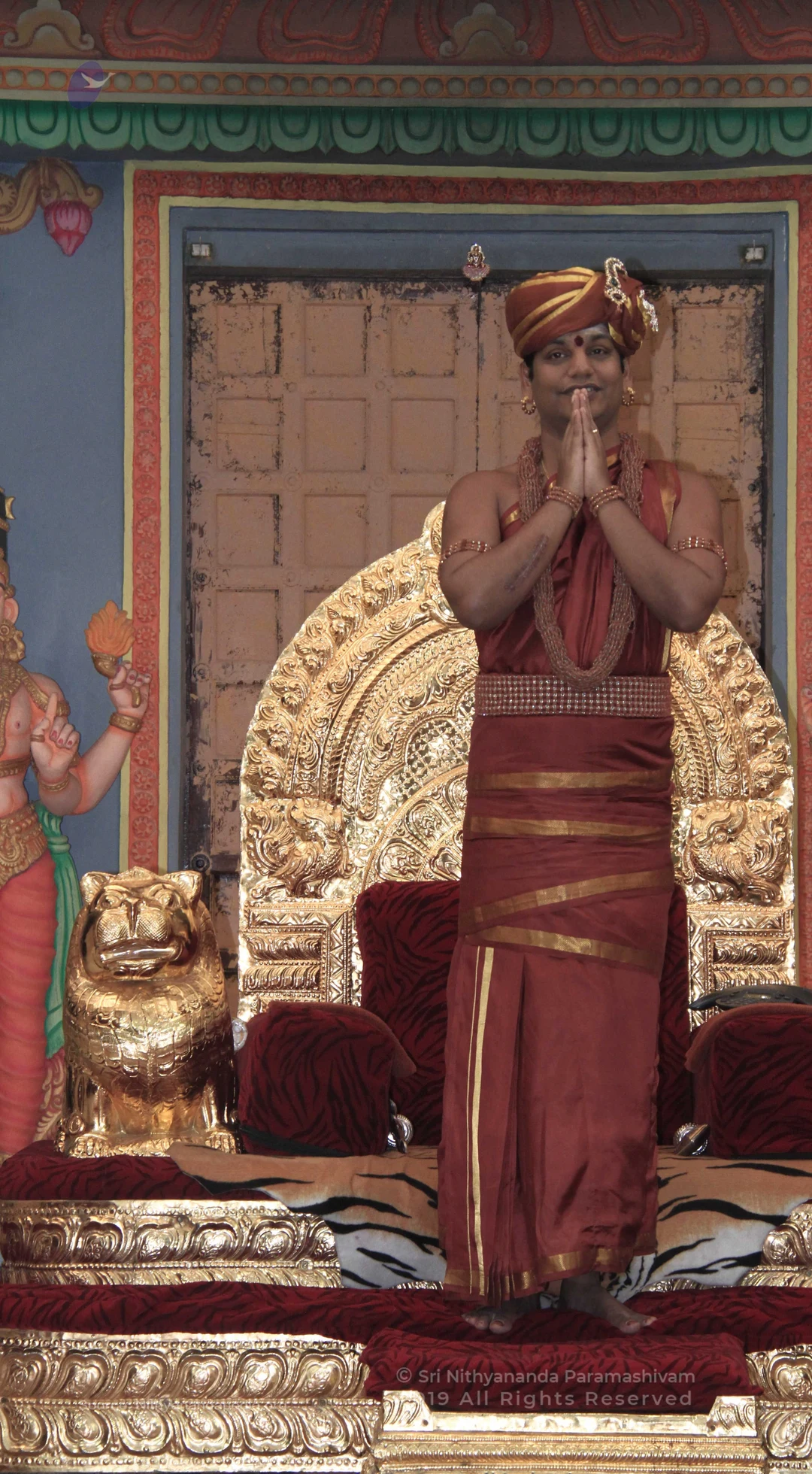
View all 285 photos
Photos
35 photosSource gallery
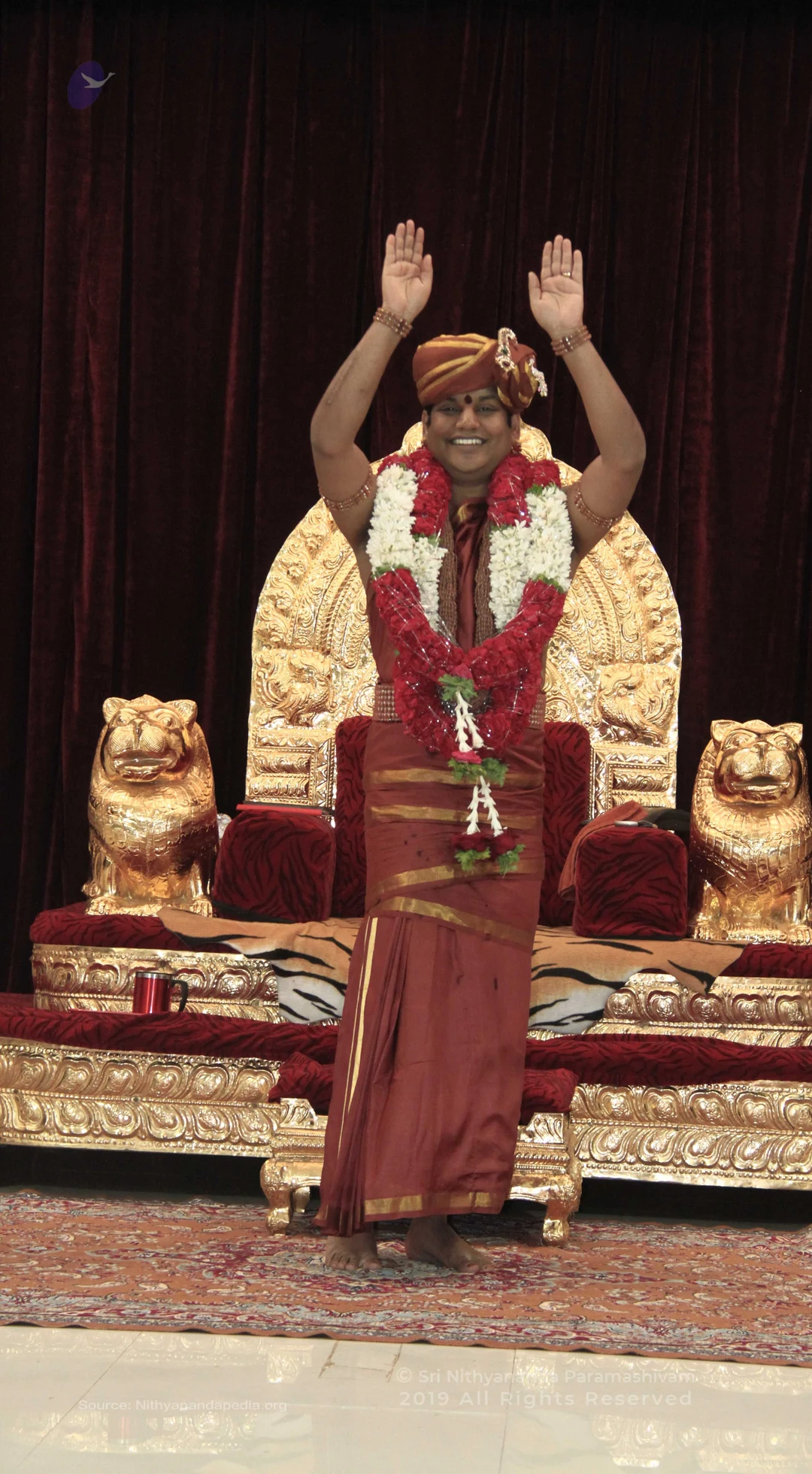
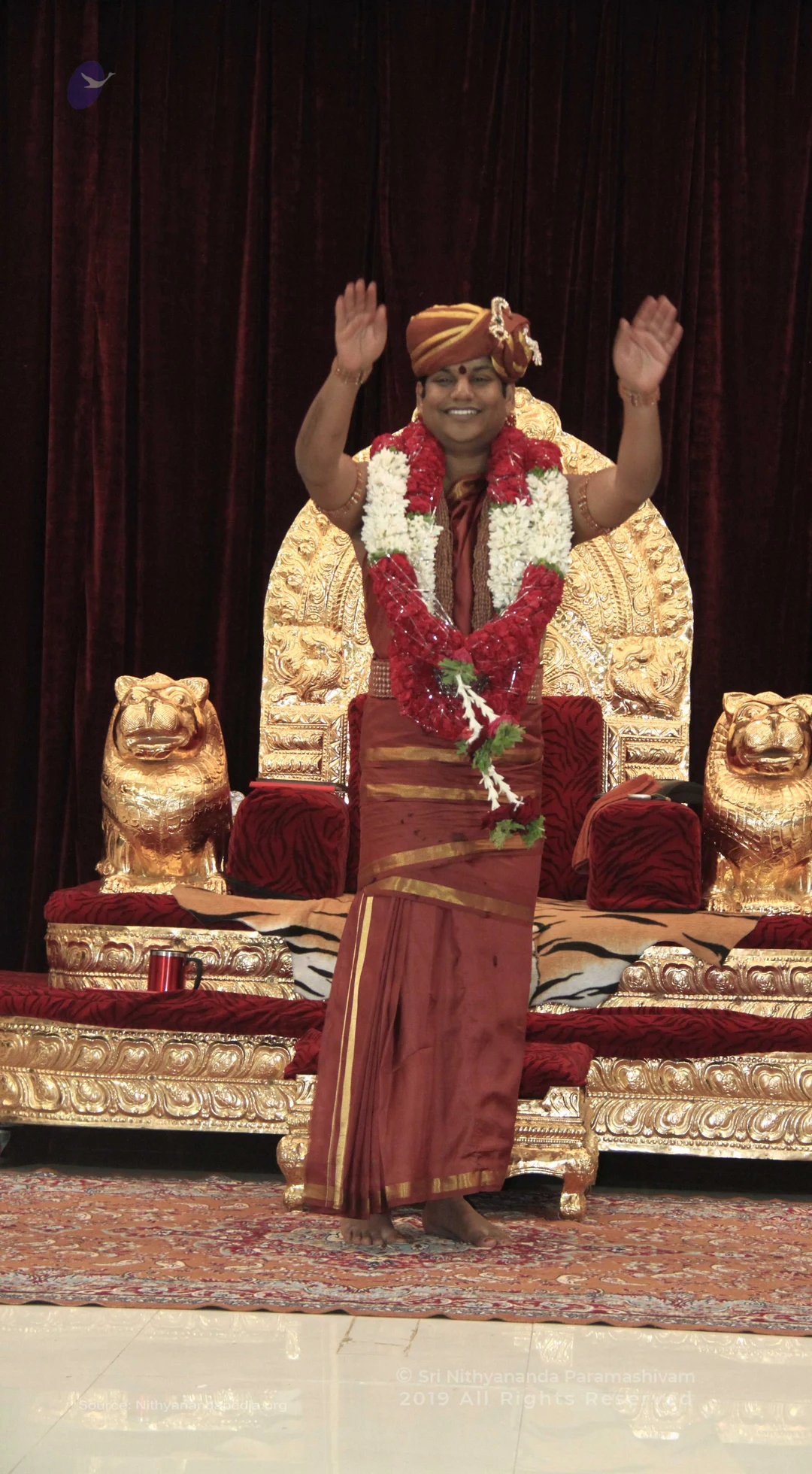
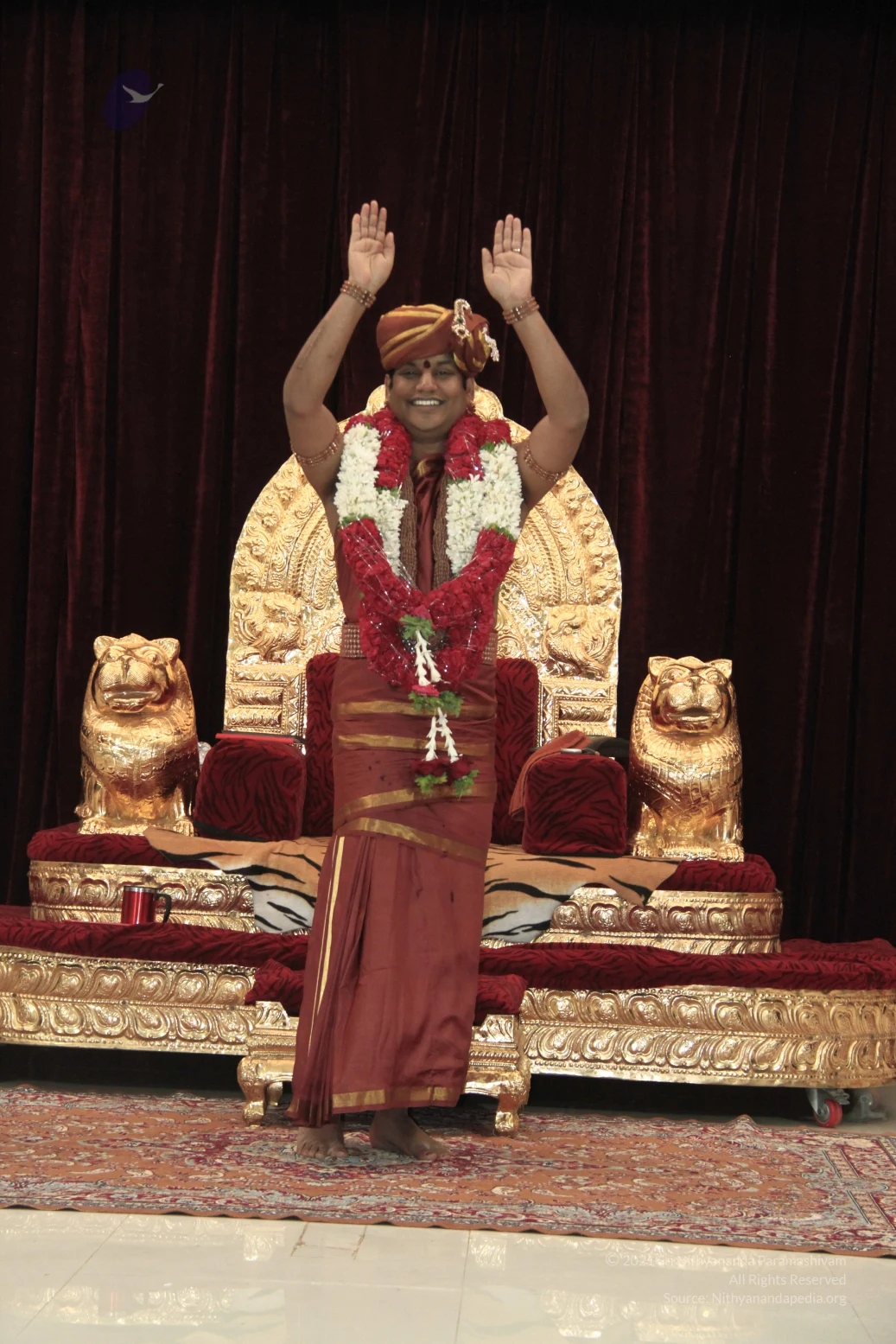
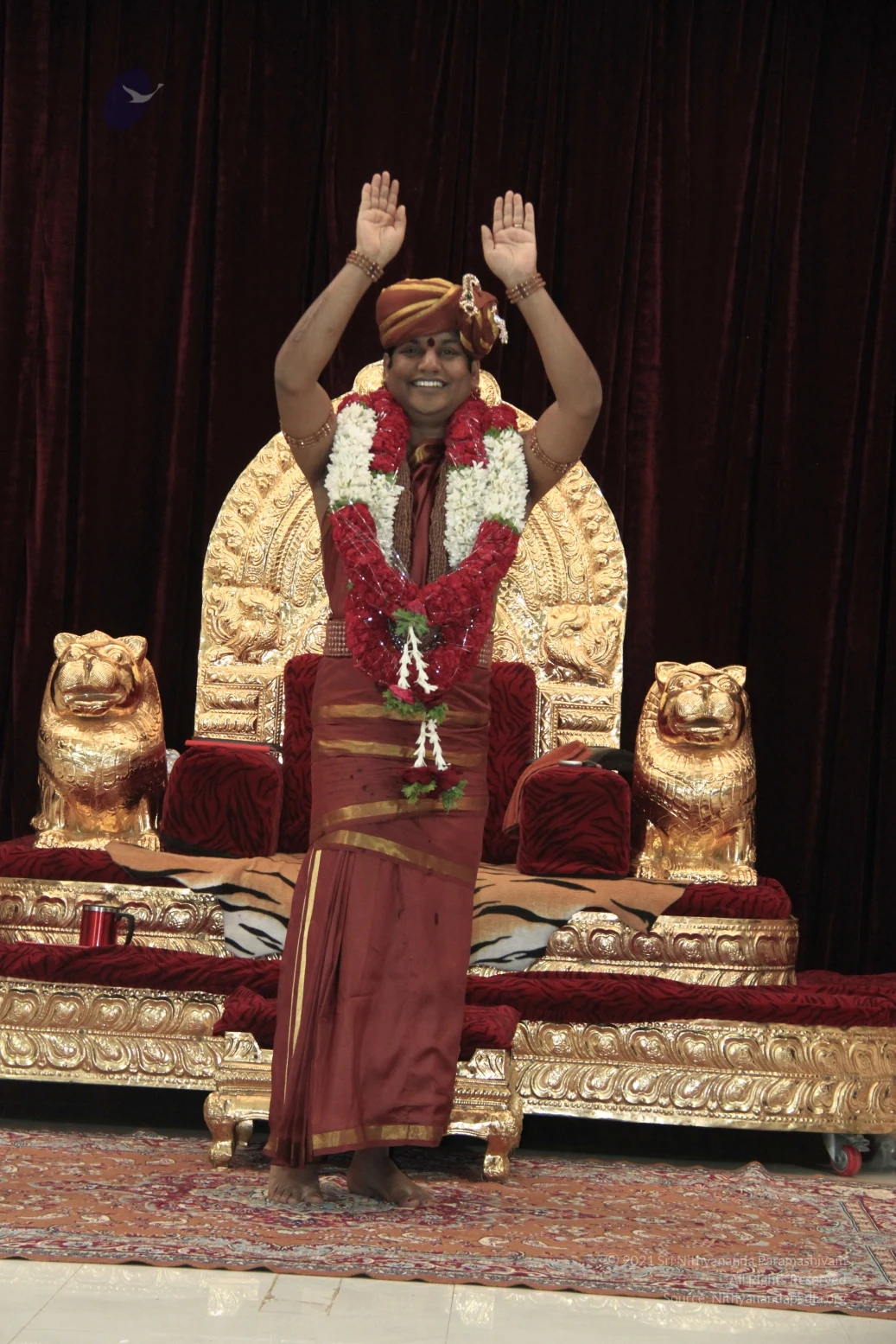
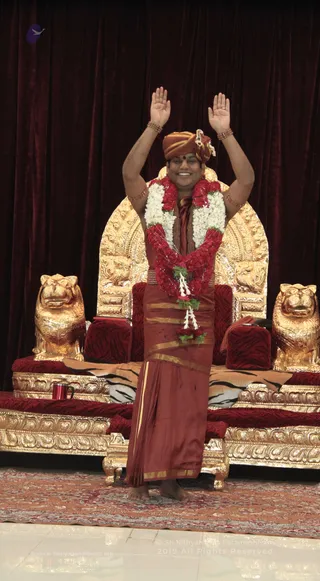
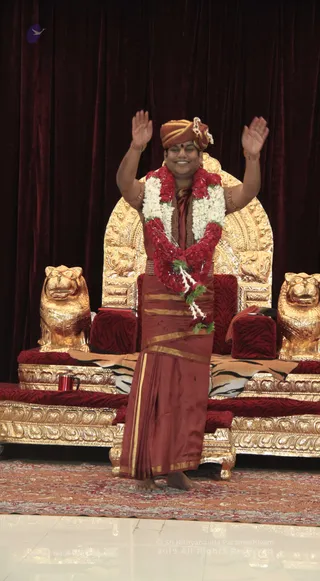
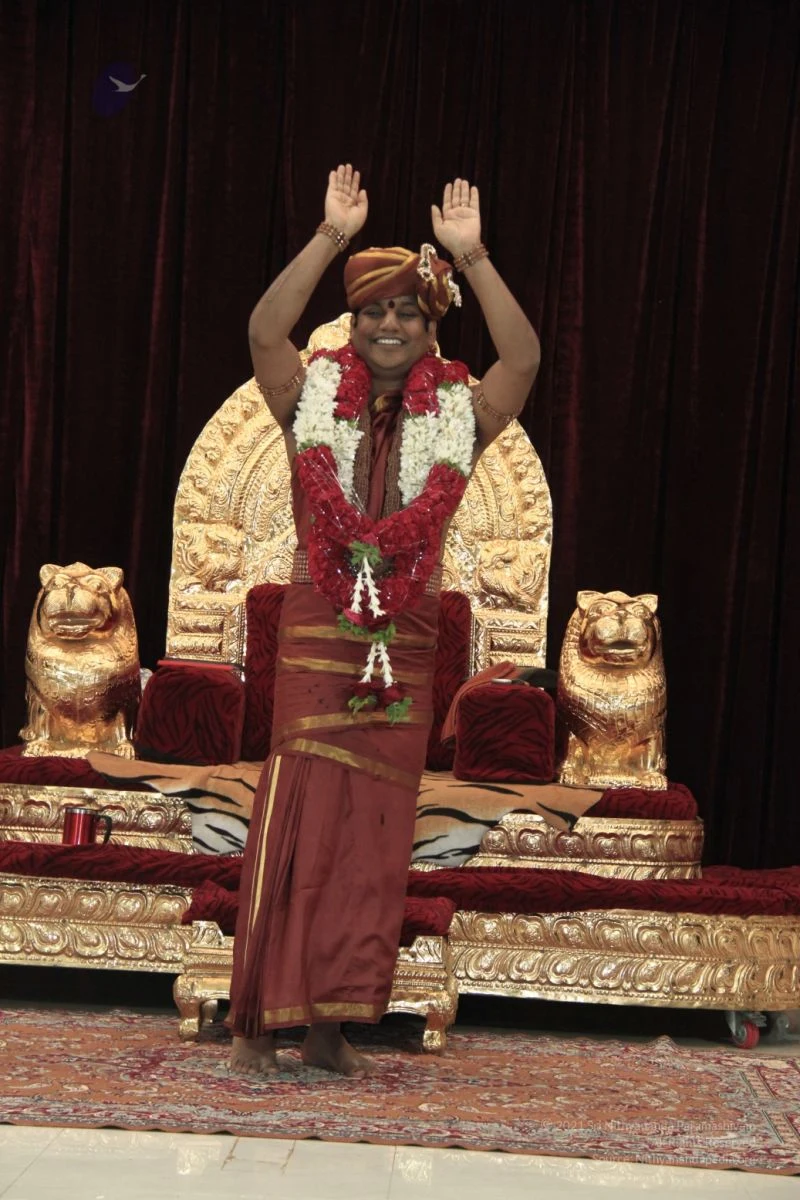
A photograph of a man standing on a stage at the left, waving with his right hand. He wears a rust-red and maroon turban, a red and white garland of flowers around his neck and shoulders, and a maroon-red dhoti with gold borders. Beside him is a large ornate deity murti, golden-faced and crowned, seated on a throne covered with layered garlands of red, yellow, white, green and purple flowers, with an orange-gold cloth draping its base. A second smaller murti sits behind it to the right. A deep burgundy curtain and gold carved arch form the backdrop. The man's appearance does not clearly match any a person cues, so his identity is uncertain and he is described by role only.A man wearing a saffron-red turban and a red-gold dhoti with a red shawl stands at left, smiling and waving, with a thick garland of red and white flowers around his neck. Beside him on a raised platform sits a large deity murti, adorned with a crown, layered necklaces and a mass of garlands in yellow, red, white and purple flowers, over a golden-orange drape. A second smaller murti in similar garlands sits at right. A dark maroon curtain forms the backdrop.A standing man in a rust-red and maroon dhoti with gold borders and a matching red turban waves to the side, wearing a thick red and white flower garland and a bracelet. Beside him, a large deity murti seated on a throne is heavily adorned with yellow, white, purple and green flower garlands, a crown, and layered gold necklaces, with a smaller companion murti to the right. The stage has dark velvet drapes and a pink backdrop with gold carved peacock-style panels. A photograph of a standing person in ritual dress beside decorated deity murtis.A man in a saffron-red dhoti and a matching orange-gold turban stands on a stage at left, wearing a multi-strand garland of white and red flowers, waving his right hand toward the audience. To the right, a large deity murti sits on a throne-like seat draped in orange cloth and framed by an arch of marigold, red, white and green flower garlands. The murti wears a silver crown, jewelled necklaces and a silver-embellished face. A dark red curtain and a pink-and-gold arch form the backdrop. A second, smaller murti is visible behind it at right.A smiling man stands barefoot on a patterned rug in front of an ornate golden throne with lion-head armrests and red velvet cushions with tiger-stripe upholstery, against a deep red velvet curtain. He raises both hands above his head in greeting. He wears an orange-and-gold turban with a decorative brooch, a red-and-gold dhoti and shawl, a layered white and red flower garland, beaded bangles and a red bindi. A red mug sits on the throne platform to the left. Appearance-based candidate: a person, wearing the saffron-toned turban, garland and ceremonial attire, appearing in person in a stage setting.A man stands barefoot on a patterned rug before an ornate gold throne with carved lion heads and a dark red velvet backdrop. He wears a rust-red turban with a gold-and-white accent, a red-and-white garland of flowers, and a rust-red dhoti with gold borders. He raises both arms in greeting and smiles. A red mug sits on the throne's dais. A second person would not be visible.

Photos
14 photosSource gallery
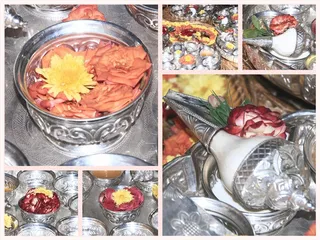
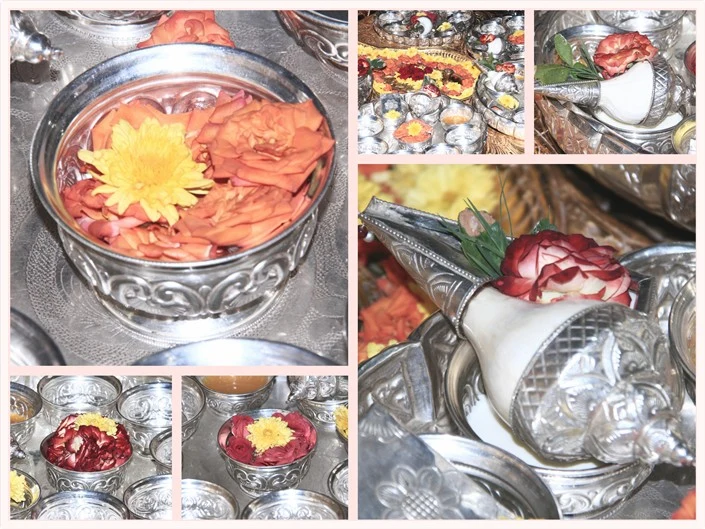
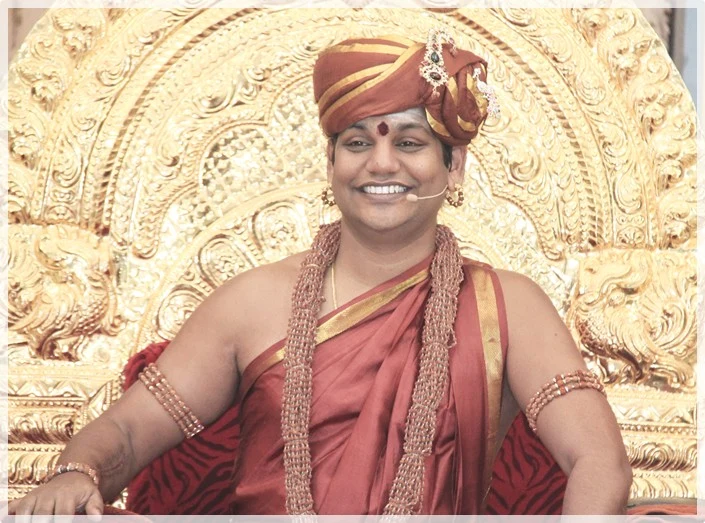
A multi-panel collage of ceremonial offerings on ornate silver-toned metal bowls and trays. Main panel shows an orange-petalled bowl with a yellow flower floating on water. Other panels show rows of small silver cups holding red and yellow petals, a white conical vessel with a red rose and green leaves, and a glass-and-silver vessel with a rose. No people are visible; the panels show only objects and flowers arranged for a ritual offering.A smiling man sits in front of an ornate gold throne with carved lion figures and floral relief work. He wears a red-orange turban with a gold band and a jewelled brooch, a red bindi on his forehead, and gold drop earrings. He is bare-chested with a red-orange shawl draped over one shoulder, edged in gold, and wears layered rudraksha-style malas and beaded bracelets on both arms. A small headset microphone is attached near his face. His hand rests on the armrest.Two deity murtis are seated side by side, heavily decorated with garlands of marigold-yellow, red, white and purple flowers arranged in layered bands. The larger central murti wears a tall crown, a patterned silver-and-gold shawl, layered necklaces and a raised right hand in abhaya mudra, while the smaller murti beside it wears a silver-toned crown and jewelled necklace. Behind them hang pink draped cloth and a golden decorative panel.A seated man in a maroon-and-orange turban and rust-red robes sits on an ornate gold throne with carved backrest and gold lion figures at its base, draped in deep red velvet cushions. He wears a long rudraksha mala with ceremonial gold ornaments and bangles, and holds a small object in one hand while smiling. Gilded deity statues with raised hands and gold crowns stand on either side, and a wooden door panel forms the backdrop. The scene reads as a formal seated discourse setting. Swamiji (probable): the seated figure wears a rudraksha mala, a turban and ornate gold ornaments on a throne, with the page noting his presence.A seated man in a maroon-and-gold dhoti and shawl, wearing a maroon turban and a thick beaded rudraksha-style mala with gold ornaments, sits smiling on an ornate gold throne with carved lion and tiger heads, on a striped tiger-skin cover. He rests his hands on the armrests. Two painted, multi-armed deity murtis stand on either side, each holding a trident-like staff and gold jewellery, against a pink and teal pillared backdrop. A small red cup sits on the floor at the lower left. The swami's appearance matches the page's a person claim with several cues (turban, mala, ornate attire, throne), so the candidate is probable.A seated man in a maroon and gold saffron-toned garment with a matching turban sits on an ornate gilded throne with a large arched backrest carved with lion motifs. He wears a rudraksha mala, a gold-coloured waist cord, and bangles on his wrists, and rests one hand on his knee. Two gilded lion sculptures flank the throne base, and on either side stand large painted deity statues holding ritual objects, one with a trident and one with a conch-like object. Red cushions with tiger-stripe fabric and a striped cloth cover the platform. The backdrop is a wooden panelled wall. Visible cues include the turban, rudraksha mala and saffron clothing, consistent with a probable Swamiji presentation.
PUJA

13 photosSource gallery
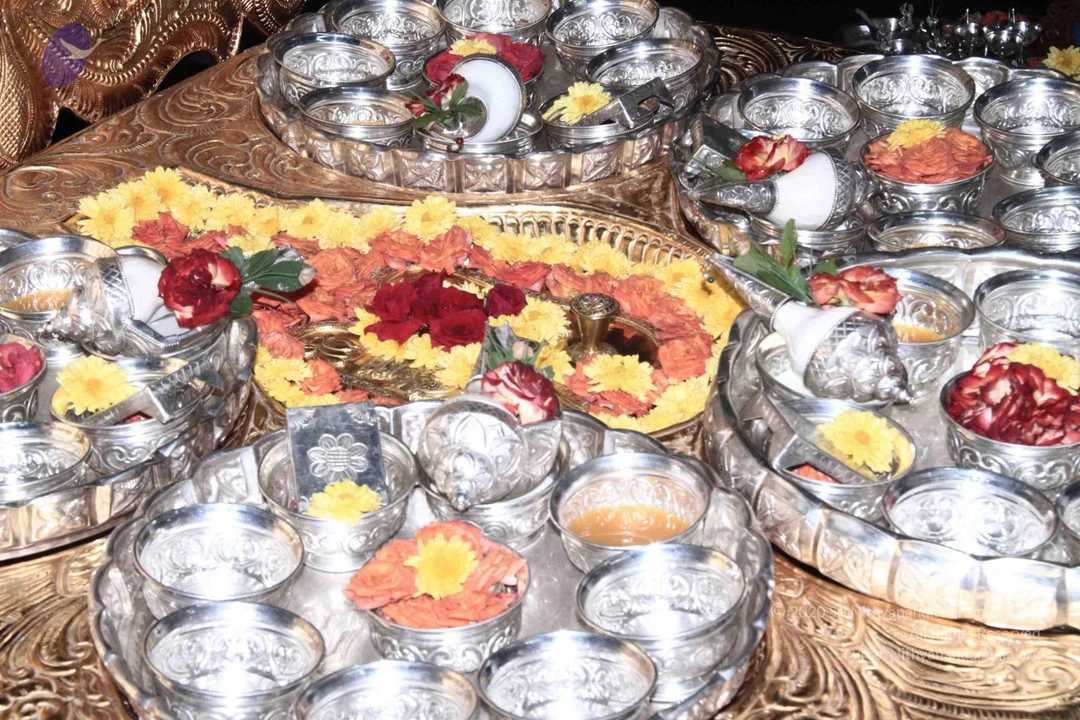
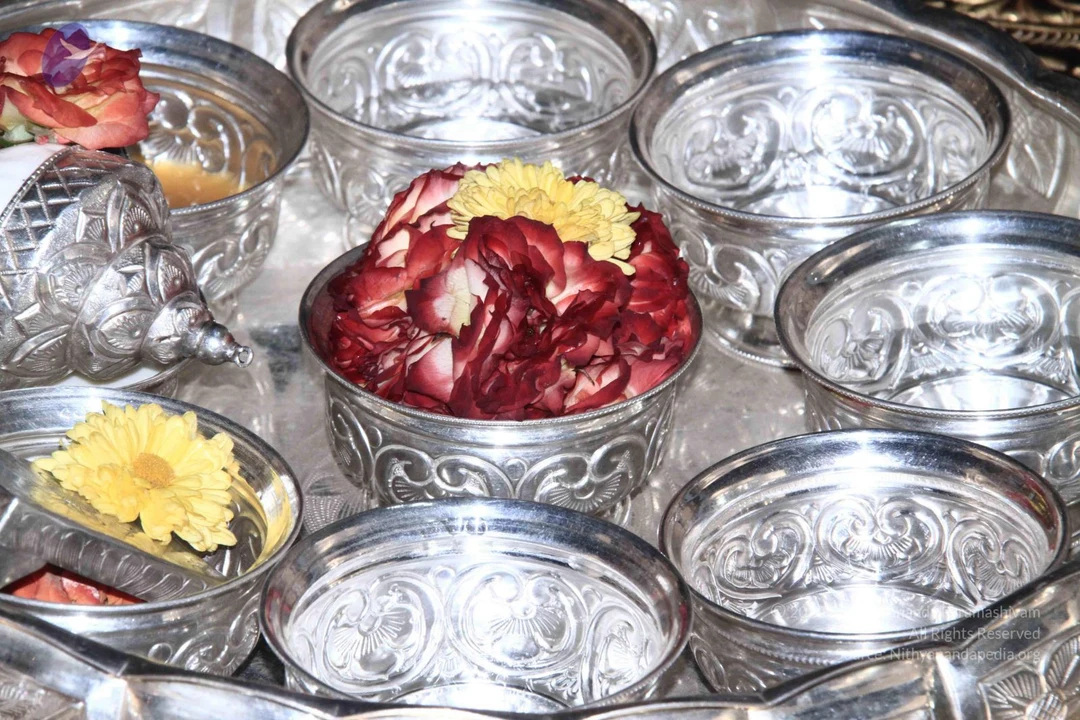
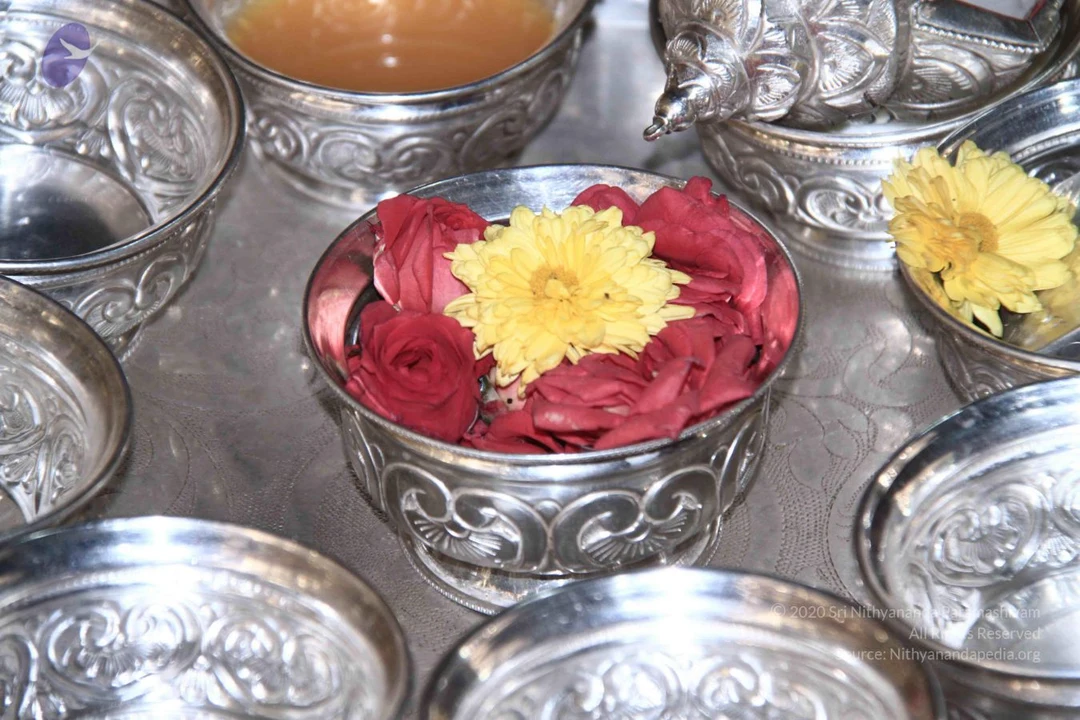
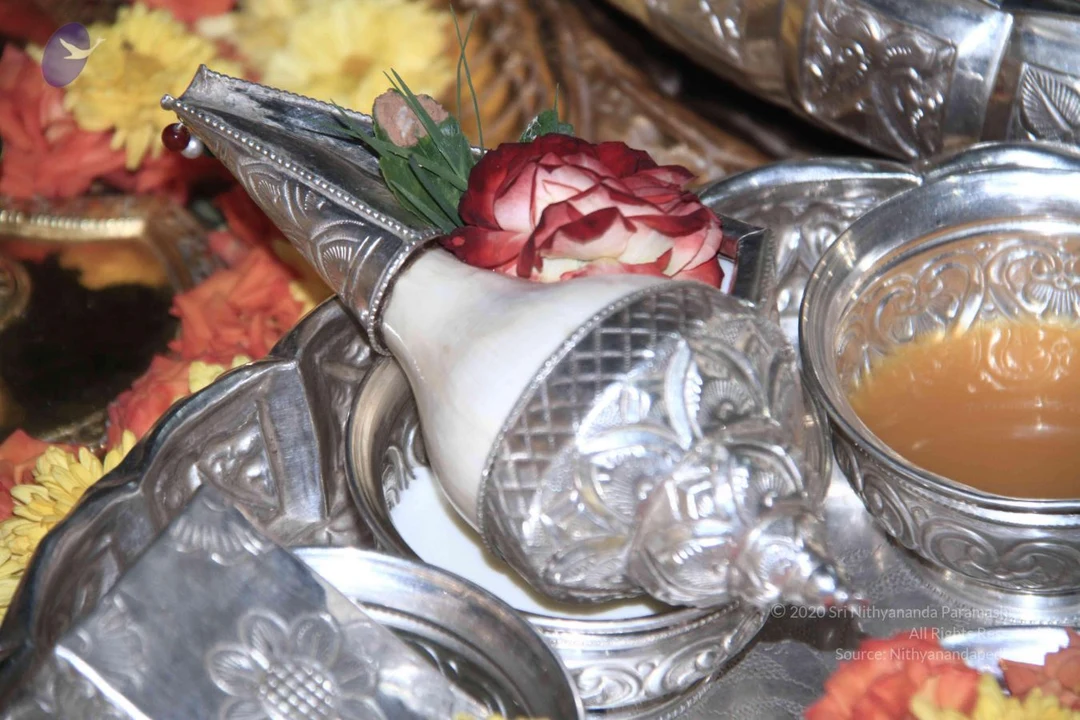
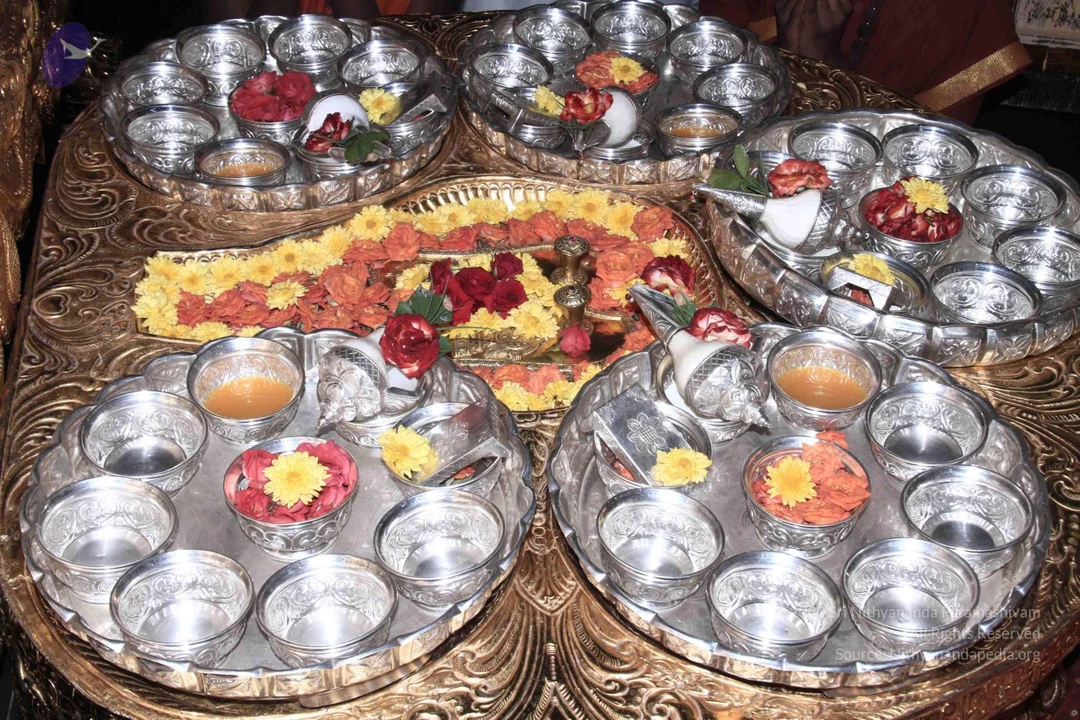
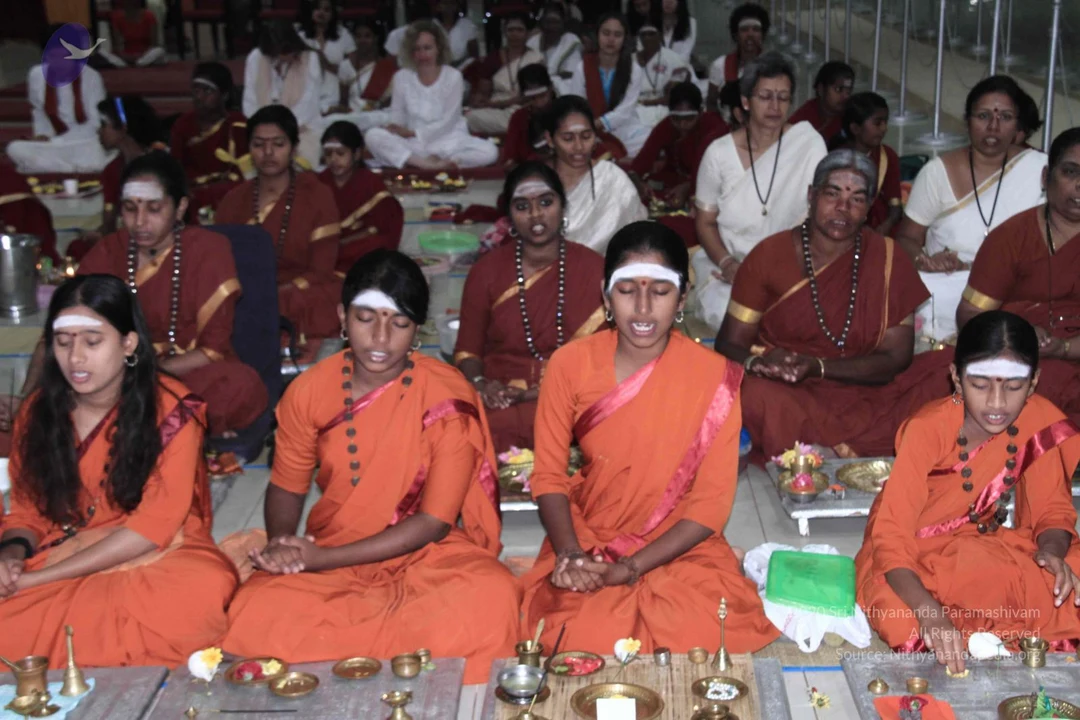
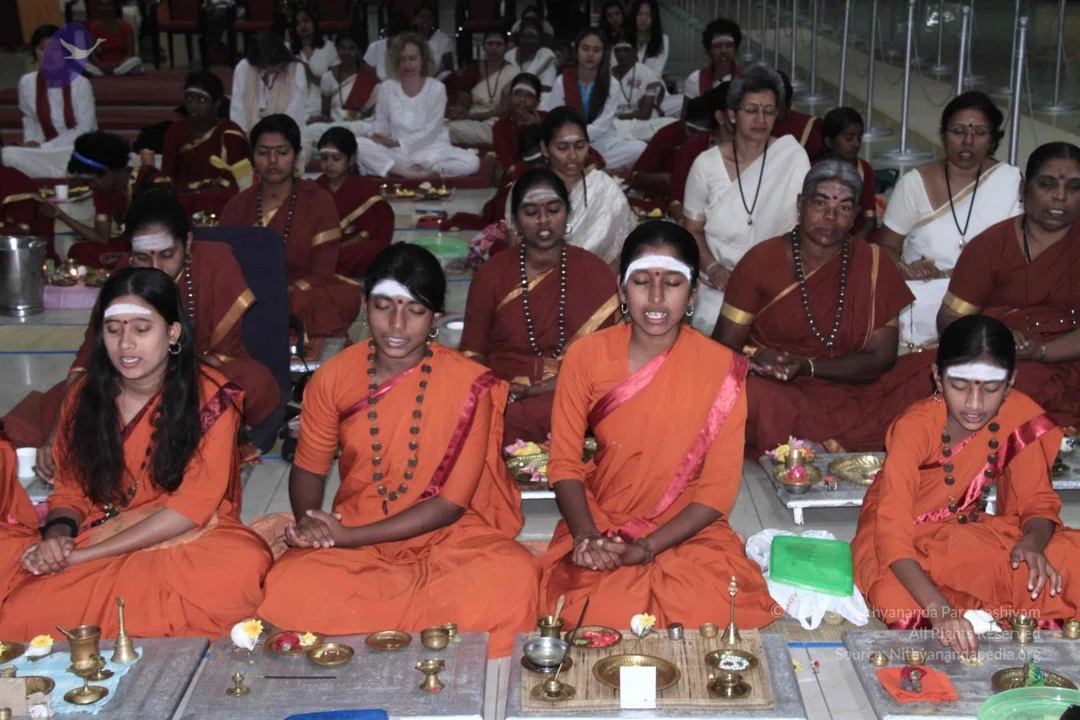
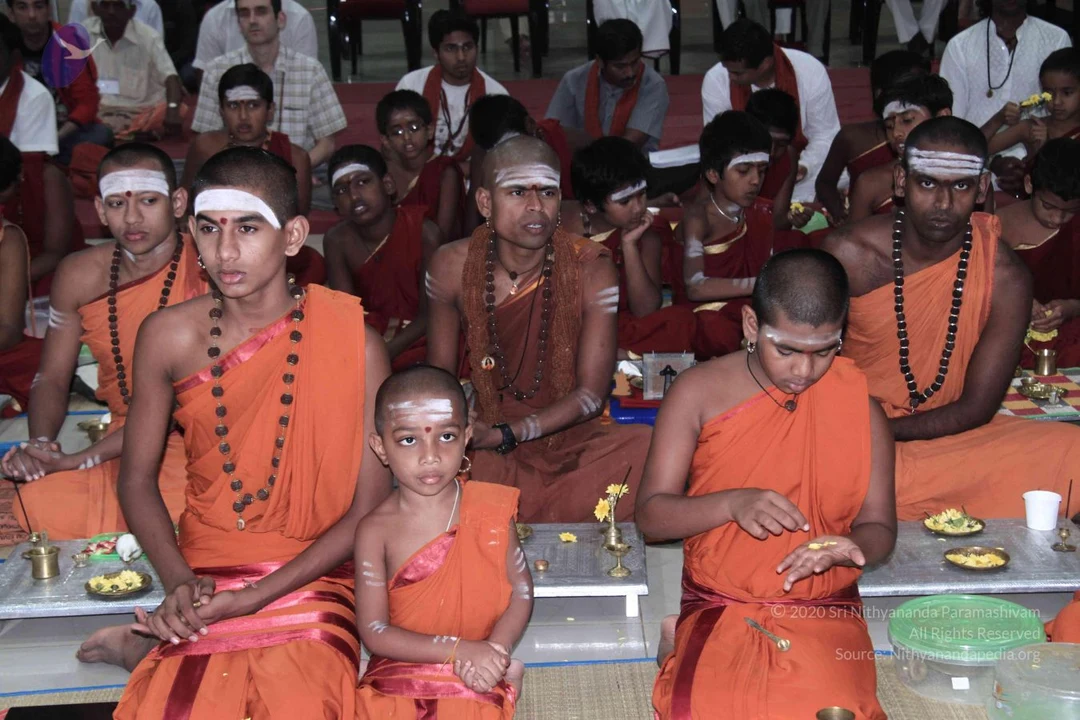
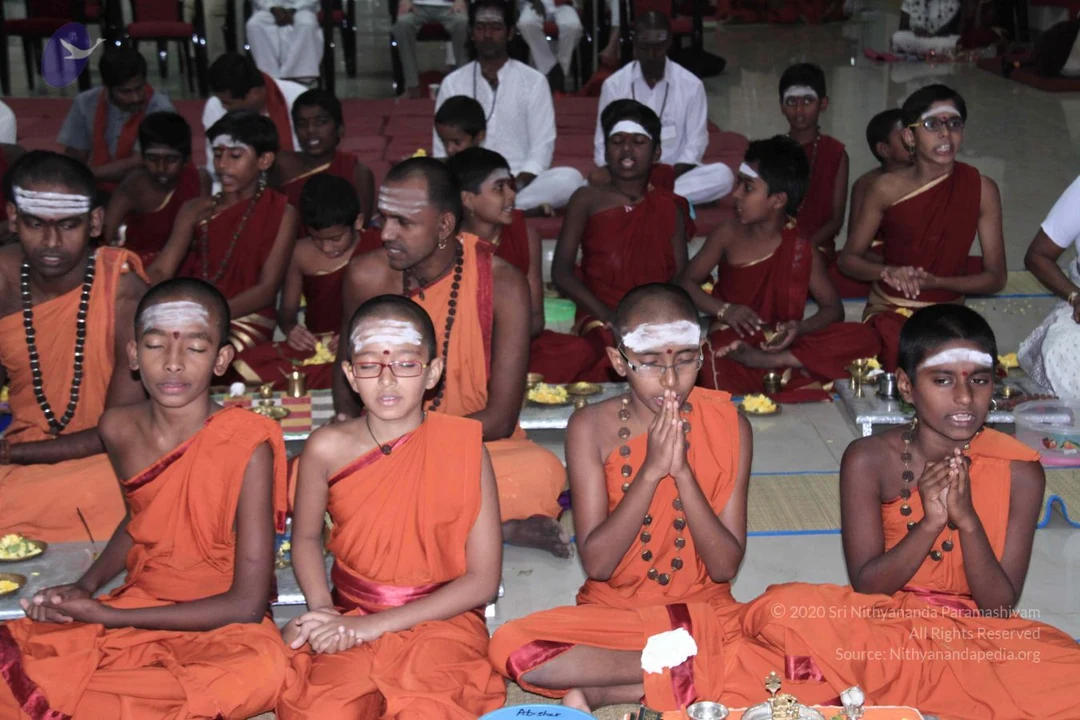
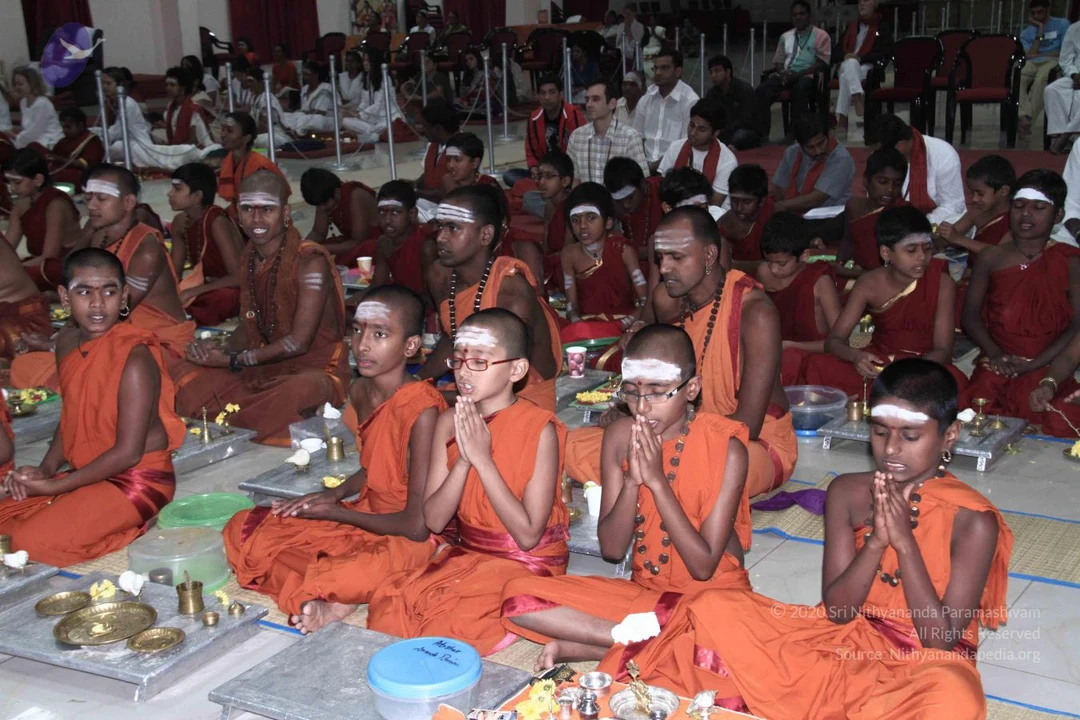
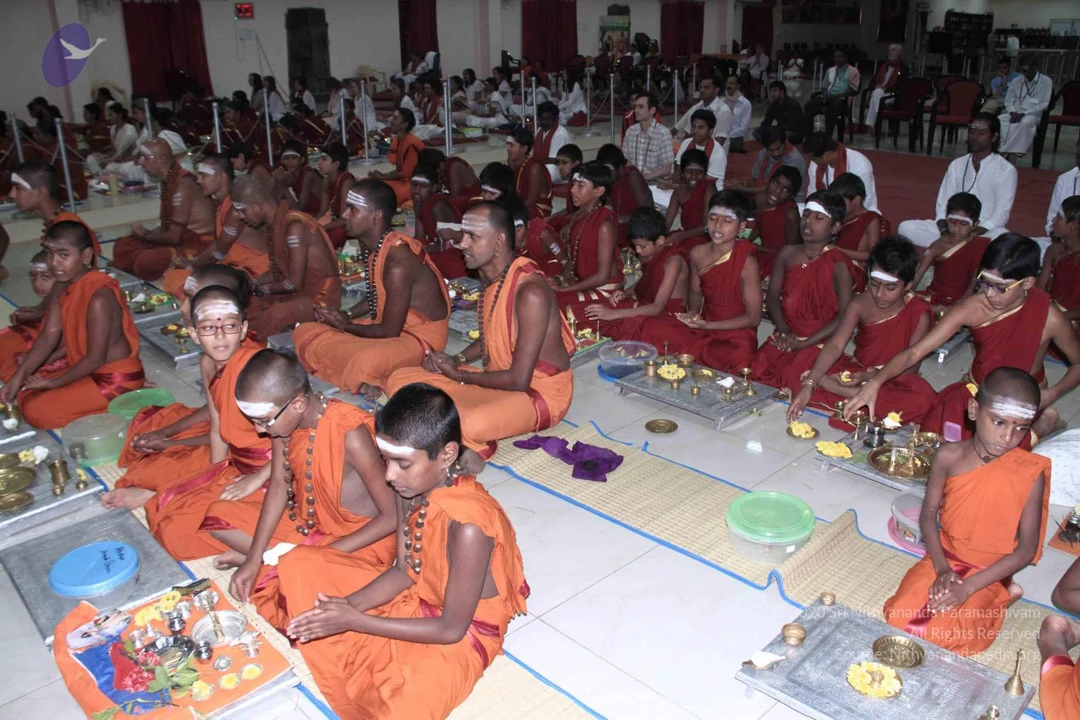
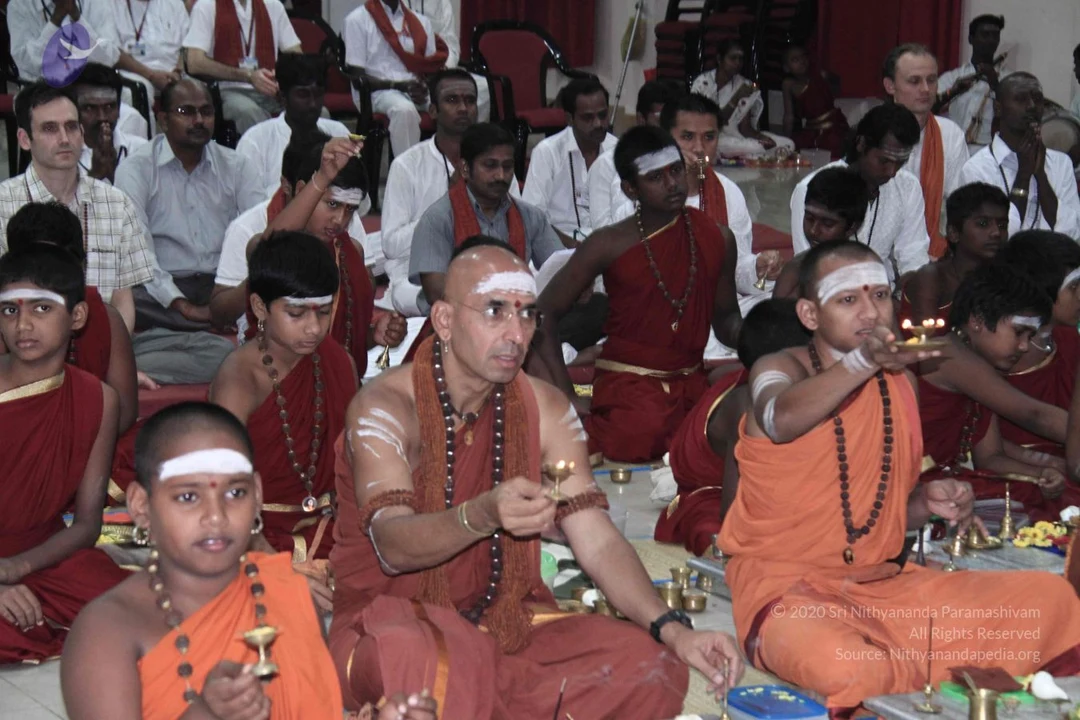
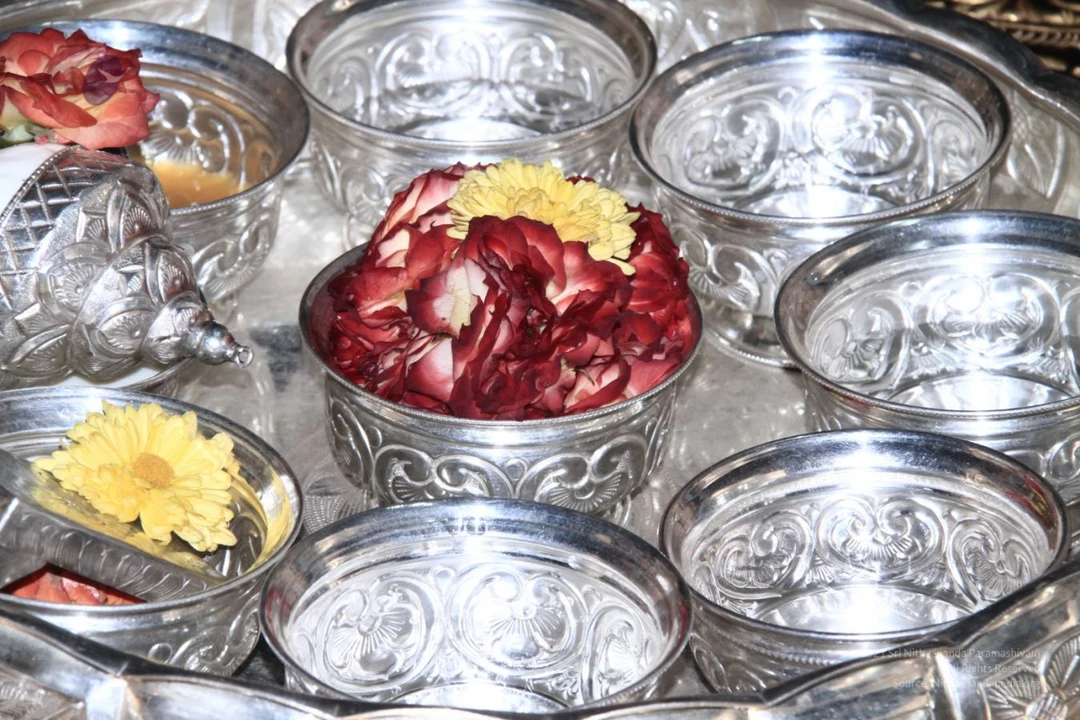
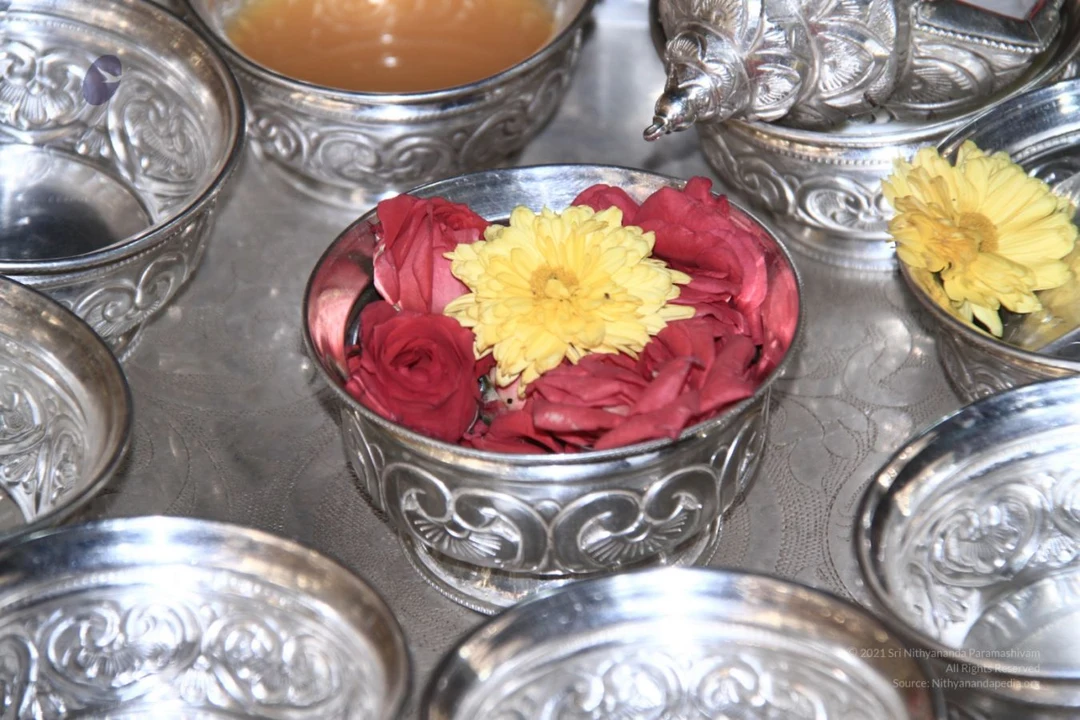
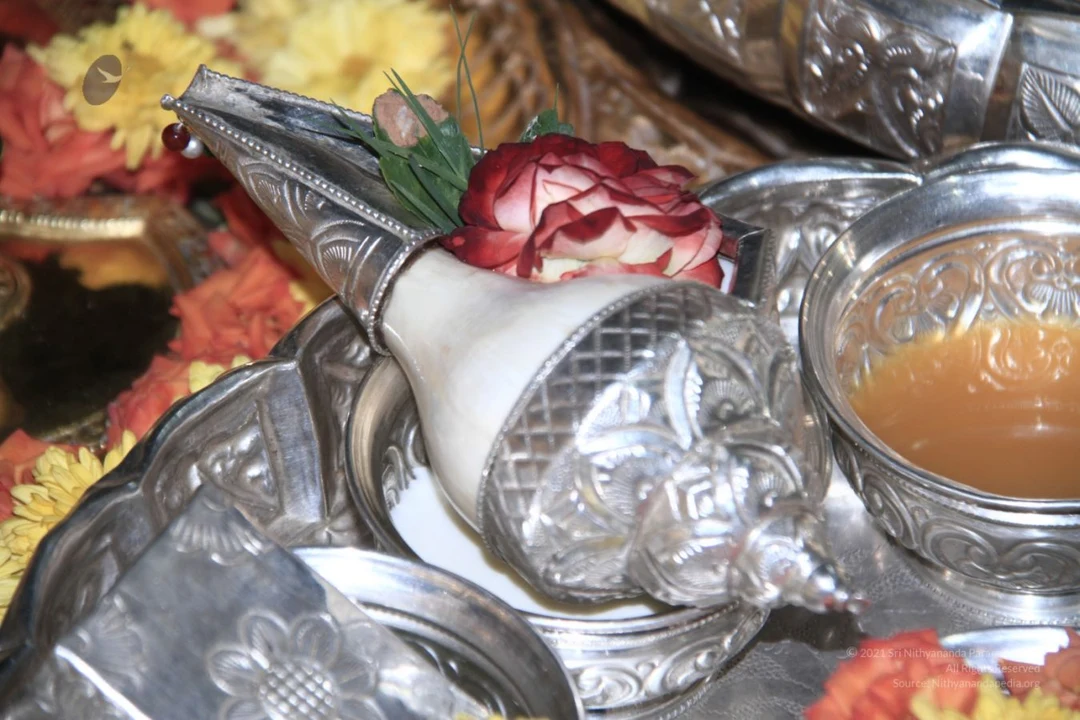
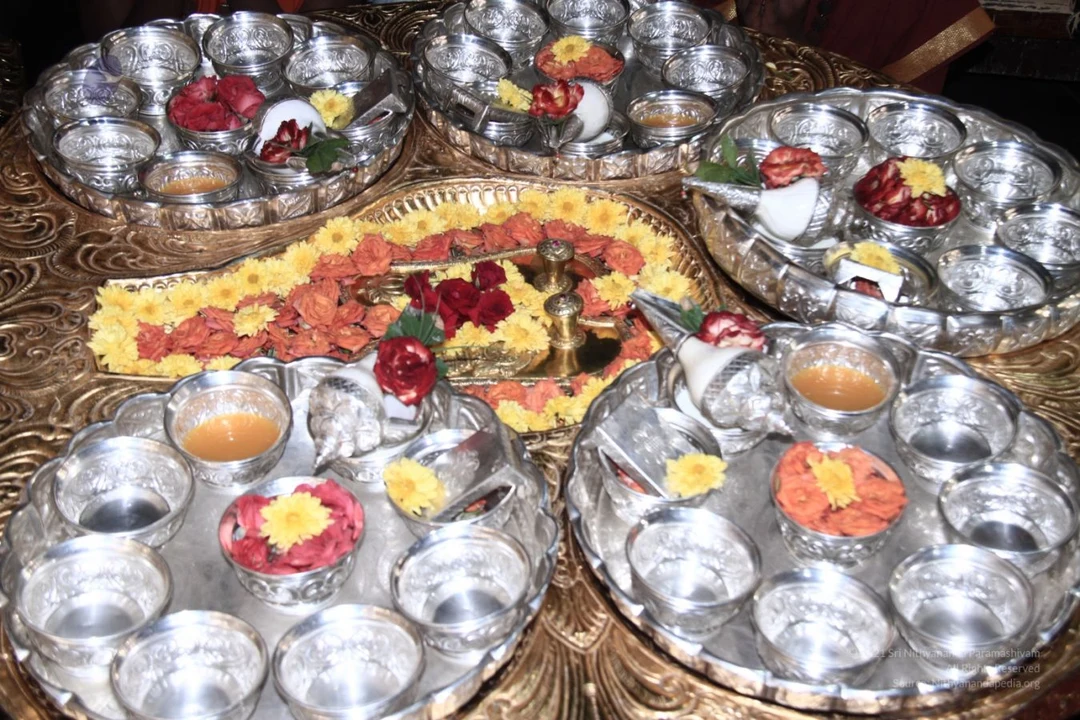
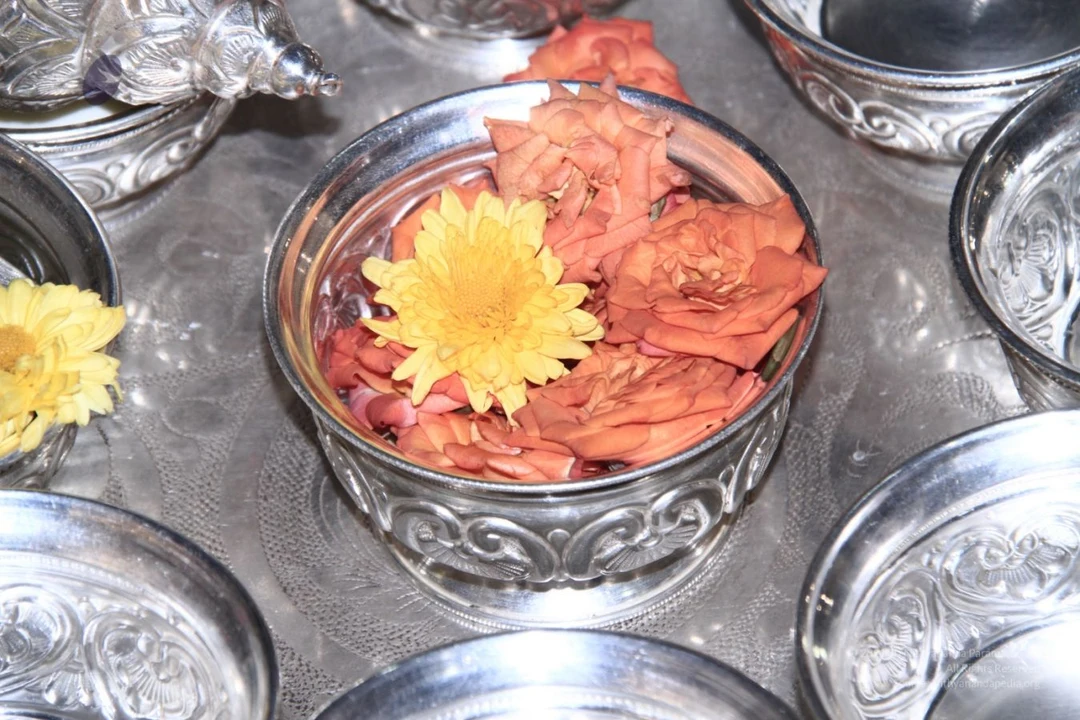
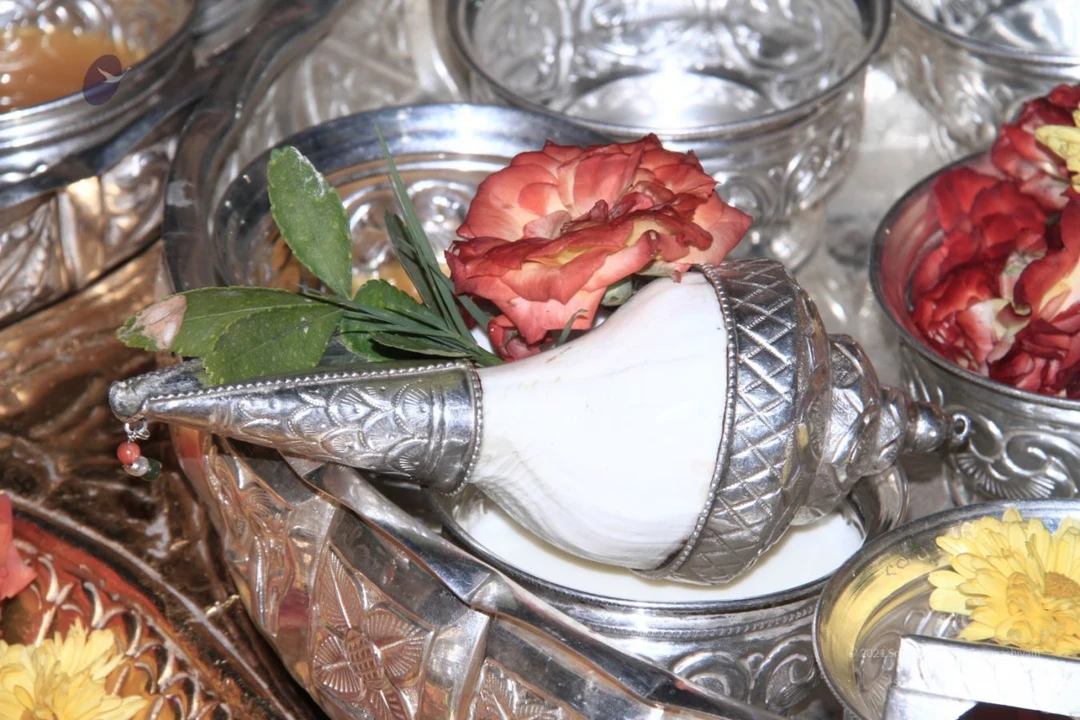
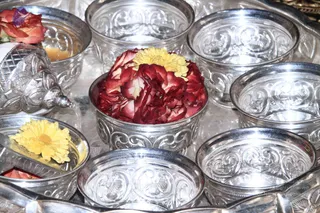
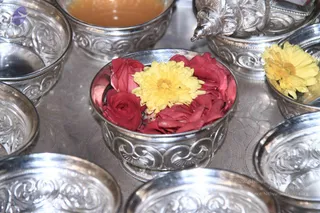
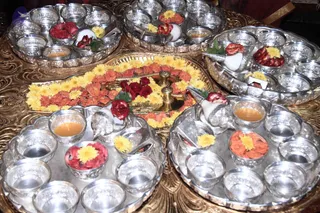
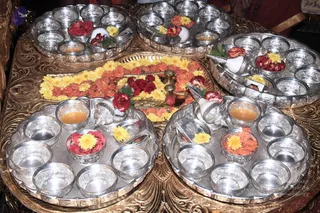
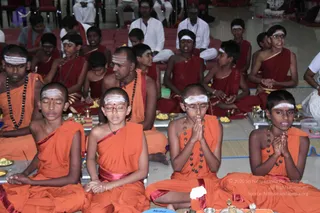
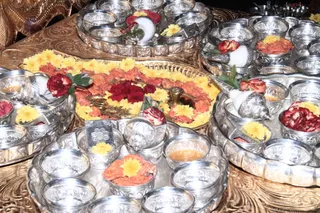
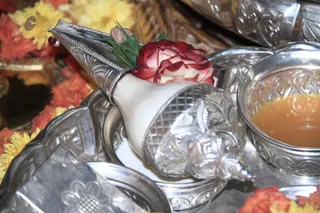
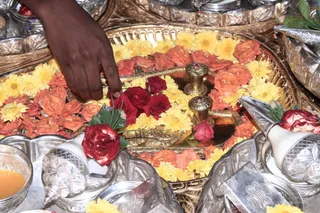
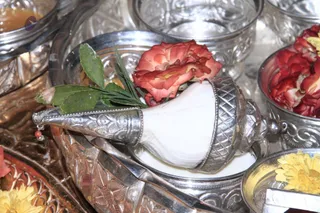
Close-up photo of a round silver tray holding several ornately embossed silver bowls. The central bowl is filled with red and pink rose petals topped with yellow chrysanthemum blossoms. Other bowls are empty or hold a single yellow chrysanthemum and a small amount of amber liquid, and a silver vessel with a spouted lid sits at the left edge. No people are visible; the arrangement looks like a ritual offering setup of flowers and vessels.Close overhead photograph of a silver ritual tray with ornately embossed silver bowls. The central bowl holds red rose petals and a yellow chrysanthemum bloom. Another bowl at top holds a golden liquid, possibly honey or ghee, and a yellow flower sits in a bowl at right beside a silver spouted vessel. No people are visible; the arrangement suggests puja offerings on a tray.Close-up photograph of a central ornate silver bowl filled with red rose petals and a single yellow chrysanthemum bloom, placed on a silver tray with embossed scrollwork. Other silver bowls with floral and scroll patterns surround it, one holding a yellow flower at the right edge. No people are visible; the arrangement looks like an offering set for a ritual.Close view of ritual offerings arranged on ornate brass trays. Several round silver-toned plates hold small silver bowls filled with orange-yellow liquid or paste, red and pink rose petals, and yellow marigold petals. A central tray is decorated with a border of yellow and orange flowers and holds brass puja vessels. Small white conch-shaped items and silver spoons are placed among the bowls. No people are visible, and no deity or a person depiction is shown.Close view of an arranged ritual offering on a brass-embossed altar. Several round silver trays hold rows of small silver bowls containing orange liquid, red and orange flower petals, and yellow marigold heads. Silver vessels with spouts and silver ladles sit among red roses and white flowers. A central tray is covered with yellow and orange flowers and small brass lamps or stands. No people are visible in the frame. This appears to be a puja offering arrangement.A photograph of a seated ritual gathering in a hall with red carpeting. Many young boys and some adult men sit cross-legged in rows, wearing saffron-orange dhoti-style garments with red borders and rudraksha malas. Several boys have white vibhuti (sacred ash) bands across their foreheads and red bindi marks. Several boys sit with palms pressed together in namaskar, and others have hands resting in their laps with eyes closed. In the foreground, brass plates and bowls hold yellow flowers, fruit, and oil lamps, indicating a puja. Adult men in white clothing sit in the background, some wearing lanyards. Roughly twenty to thirty people are visible.

NITHYA-SATSANG
26 photosSource gallery
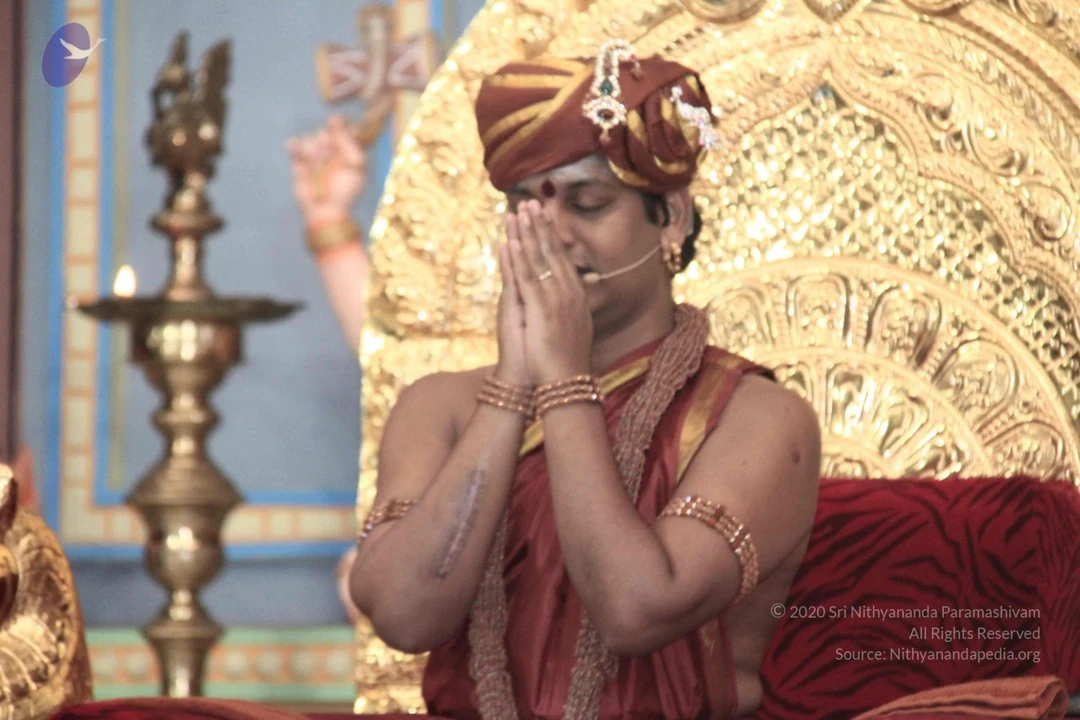
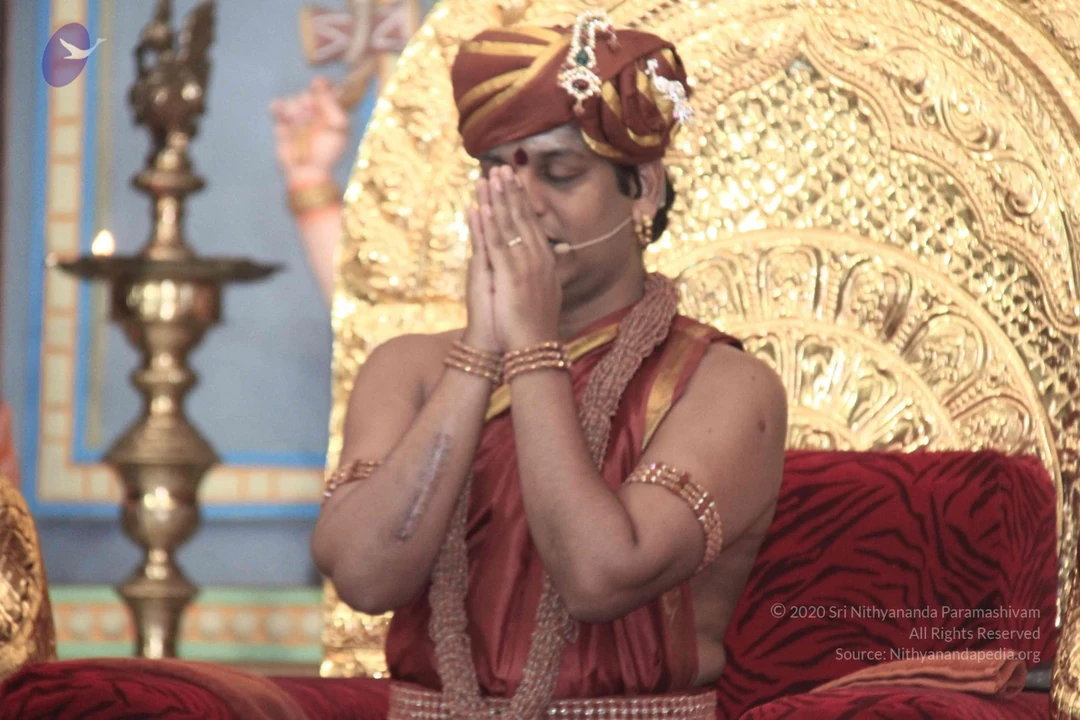
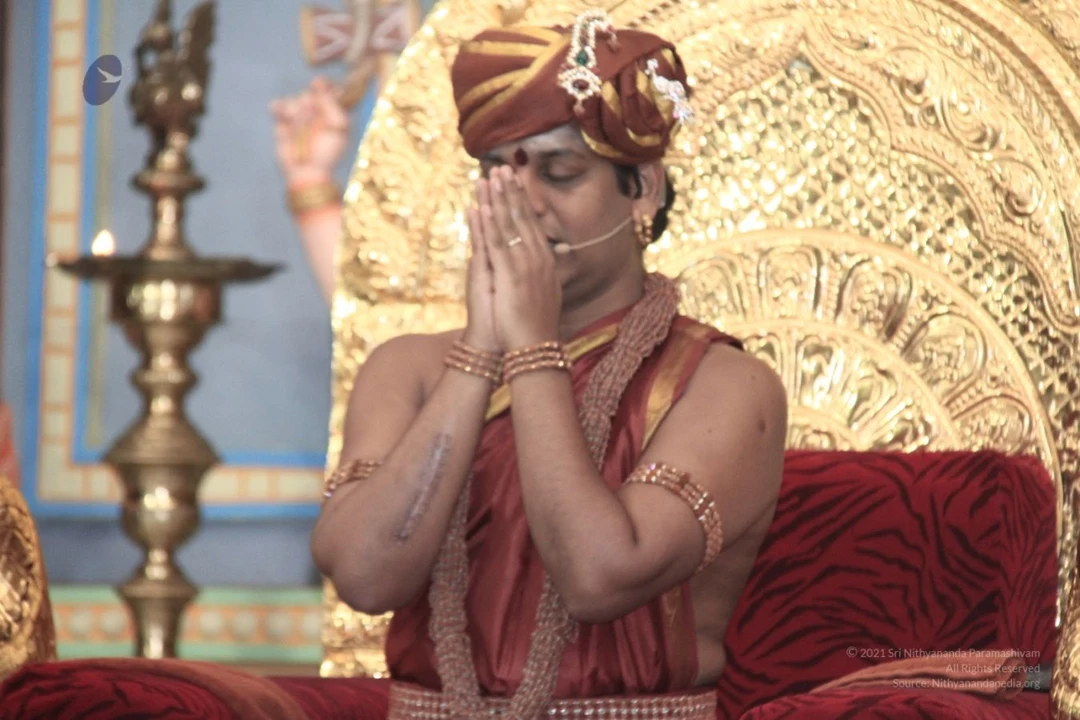
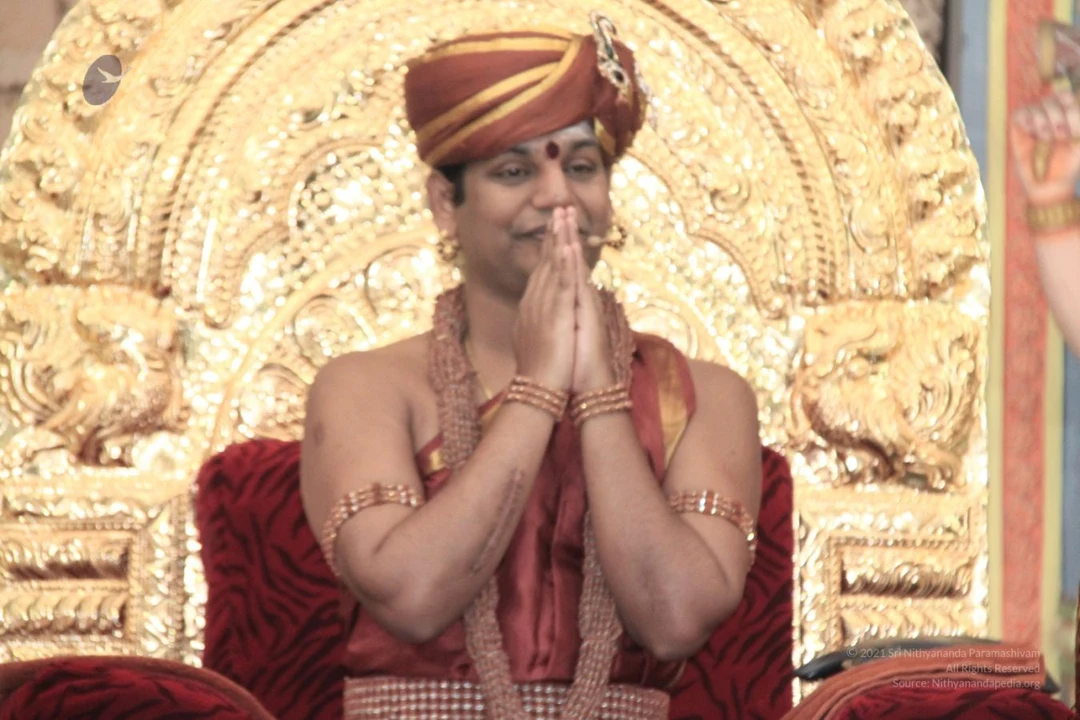
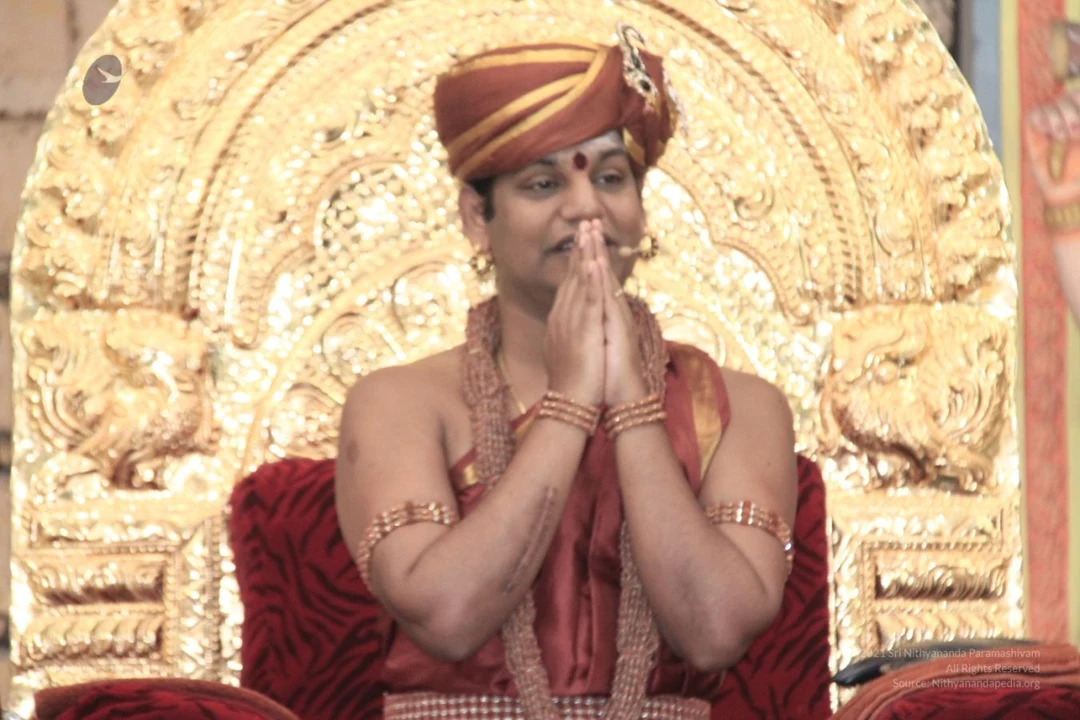
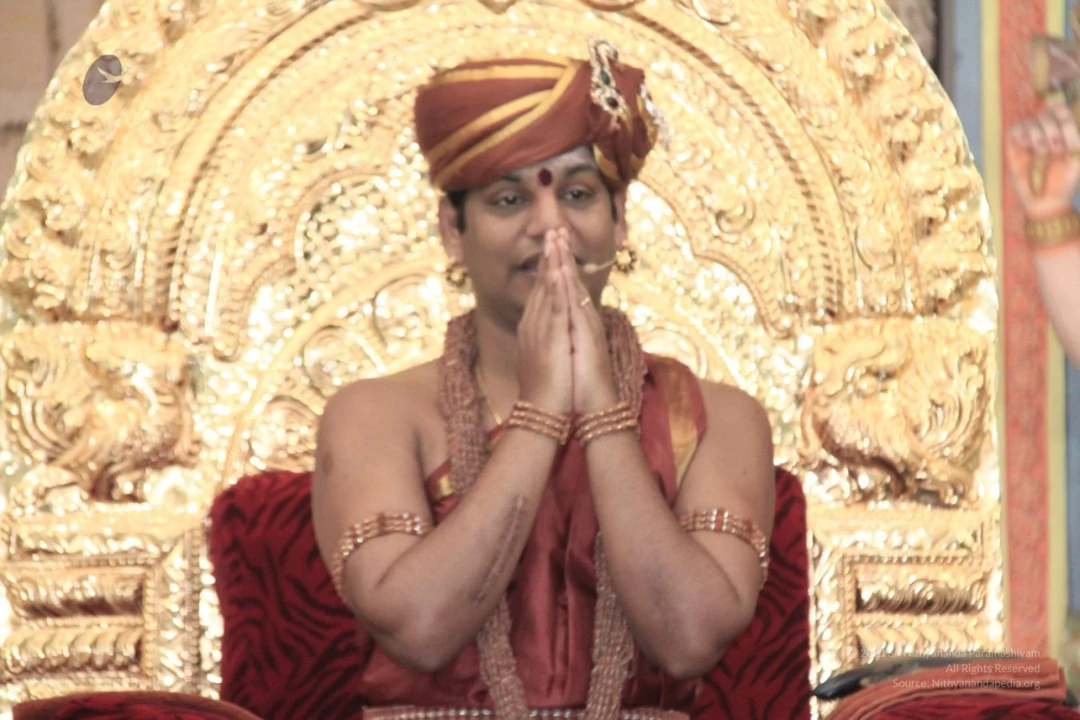
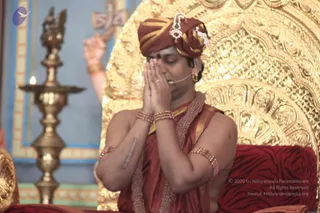
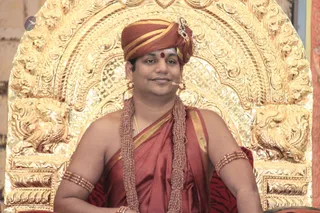
A seated man in a maroon and gold turban and red-orange draped cloth sits on a red velvet cushion before an ornate gold throne with carved lion-like motifs. He wears a red bindi, gold earrings, a small headset microphone, and multi-strand rudraksha-style beaded malas across his chest, with gold bangles on his upper arms. He smiles while looking to his side. a person by appearance cues: turban, ornate clothing, beaded malas and the seated throne presentation, with the page stating he is at this event.A seated man in a maroon-red turban with gold trim and a jewelled ornament at the side, wearing a rust-red robe with gold border, a red-brown rudraksha-style mala necklace and matching beaded armlets, with a red bindi on his forehead and a small earpiece microphone. He sits before an ornate gold throne with carved floral and lion-like motifs, draped in a red tiger-striped cloth. The page identifies this as Swamiji, and the saffron-red turban, layered rudraksha malas and ceremonial gold throne are compatible cues, so this is a probable in-person presence. Copyright text reads in a corner of the image.A man seated on an ornate gilded throne with elaborate floral and scrollwork carvings. He wears a maroon-red turban with gold stripes, a red-orange silk shawl edged in gold, and layered beaded rudraksha-style necklaces, with gold earrings and bangles. A red kumkum bindi marks his forehead, and a hand is visible at the right edge. The setting suggests a formal satsang or darshan. The figure's appearance with turban, saffron-red clothing and ornate adornments is consistent with the Swamiji (probable) candidate on the throne.Two gilded deity murti are seated side by side on a throne framed by a large arch of garlands in yellow marigold, red roses, white flowers, green leaves and purple blossoms. The larger central figure wears a black and silver crown, white and gold jewelled garments, layered necklaces and a brown shawl, with one hand raised in blessing. The smaller figure to the right wears a similar crown, red and gold ornaments and a matching brown wrap. A pink and purple drape hangs behind, with a carved golden panel at the upper right. Watermarked archive photo of statues; no physical people are visible.A person seated on an ornate golden throne with red cushions, pressing palms together in anjali mudra with eyes closed. He wears a maroon-red turban decorated with jewelled ornaments, a red-brown cloth draped over the shoulders, a beaded rudraksha-style mala necklace and bangles on the wrists, with a red bindi on the forehead and a small microphone near the mouth. Behind him is a golden brass oil lamp with a lit flame and a blue and gold backdrop with a painted figure. The photo is labelled with a pedia source credit in the lower right, which is not transcribedA person seated on an ornate gold throne with a red zebra-striped cushion, palms pressed together in namaskar with eyes closed. He wears a rust-red turban with a gold and green jewelled ornament, a red-orange robe with gold trim, a beaded rudraksha-style necklace and multiple beaded bracelets, and a small head microphone. A brass oil lamp (deepa) stands on the left, with a painted blue and gold backdrop behind. Appearance-based candidate, probable Swamiji, seated in a satsang or discourse setting with cues of turban, red-orange robe, and beaded necklace.

ASK-THE-AVATHAR
18 photosSource gallery
A man seated on an ornate gold throne with carved lion figures and a tall gold arched backrest, speaking with a headset microphone on his ear. He wears a maroon-red turban with a decorative jewelled clasp, a red-and-gold silk shawl over his shoulder and bare chest, multiple strands of rudraksha-style beaded malas, and beaded bracelets on his arms, with a red bindi on his forehead. He sits on a red velvet cushion with a tiger-stripe pattern. A partial hand holding a decorative item appears at the right edge. Watermarked-free sacred discourse setting. a person seated in a discourse setting, presiding as the speaker.A man seated on an ornate golden throne with carved lion-like motifs and a red velvet cushion. He wears a maroon-red turban with gold stripes and a jewelled ornament, a red-orange silk shawl with gold border, a thick rudraksha-style beaded mala necklace, and beaded arm bands. A red tilak mark is on his forehead. He smiles while looking to one side. a person: long sweeping hair is not visible, but the saffron-red ceremonial clothing, ornate turban and beaded malas match the cues associated with the teacher; appearance is uncertain and a personal identity claim is not made from the face.A smiling man seated on a red velvet chair in front of an ornate gold repousse throne back with carved lion-like figures. He wears a maroon-red turban with gold trim and a small brooch, a red kumkum dot on his forehead, a rudraksha mala draped over his shoulders, and a red-orange shawl over the body with gold border, plus gold bangles on his upper arms. He appears to wear a small microphone. Visible at the top left is a purple bird logo and at the right a partially visible overlay line. Appearance-based label: a person, seated in person on the throne.A seated man in a maroon and gold turban and red-orange draped cloth sits on a red velvet cushion before an ornate gold throne with carved lion-like motifs. He wears a red bindi, gold earrings, a small headset microphone, and multi-strand rudraksha-style beaded malas across his chest, with gold bangles on his upper arms. He smiles while looking to his side. a person by appearance cues: turban, ornate clothing, beaded malas and the seated throne presentation, with the page stating he is at this event.A seated man in a red-maroon turban with gold trim and a jewelled ornament sits on an ornate gold-carved throne with lion figures and a red velvet cushion. He wears a maroon-and-gold draped robe over bare shoulders, a long rudraksha mala with a second beaded necklace, gold bangles on the upper arms, gold earrings, and a red bindi on his forehead, with a small clip-on microphone near his mouth. He looks ahead with a calm, serious expression. Appearance cues (turban, rudraksha mala, ornate robe, throne) match the page's Swamiji reference, so this is a probable identification.A seated man in an ornate golden throne with carved lion and floral backrest, wearing a maroon-red turban with gold trim and a jeweled ornament, red tilak on forehead, rudraksha mala necklaces of bead strands, gold bangle-style armbands and a red-and-gold draped garment over his shoulder. He sits on a red tiger-striped cushion, hands resting in his lap. A partially visible hand holding a small object appears at the right edge. Seated in a temple-style hall during a satsang.

DARSHAN
8 photosSource gallery
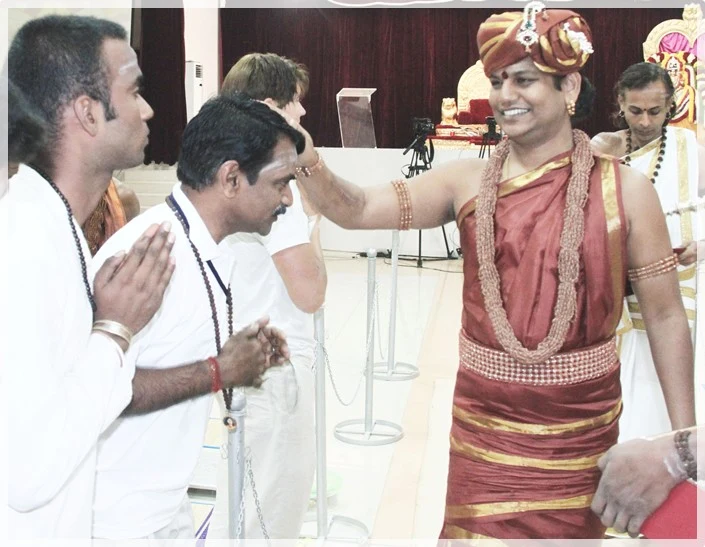
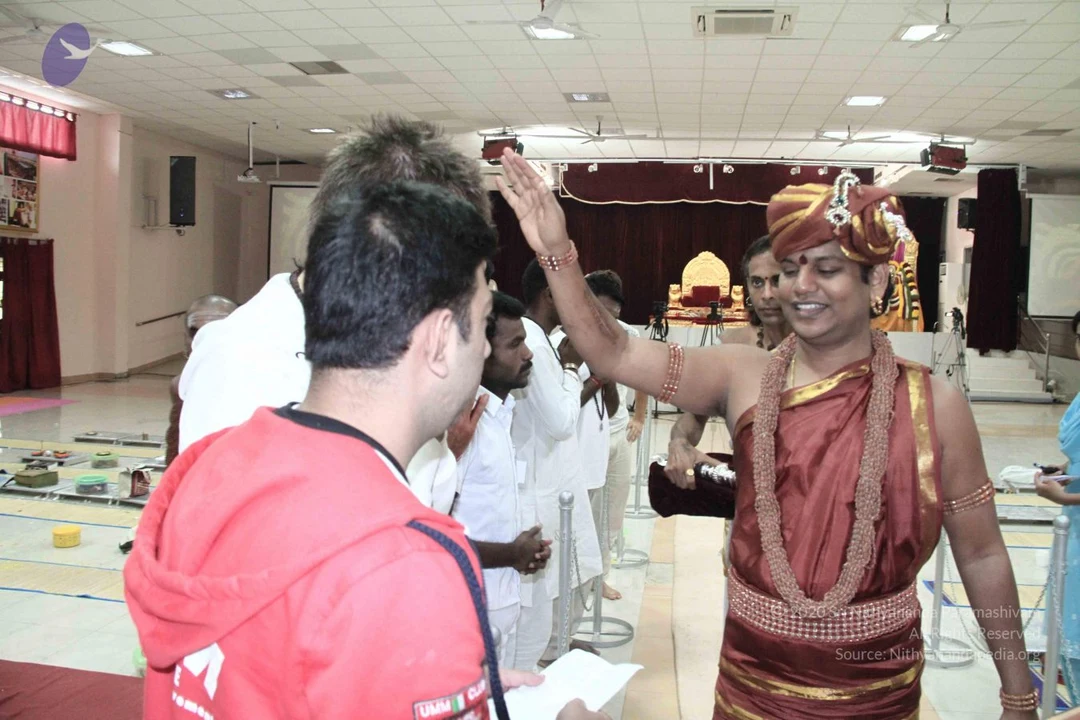
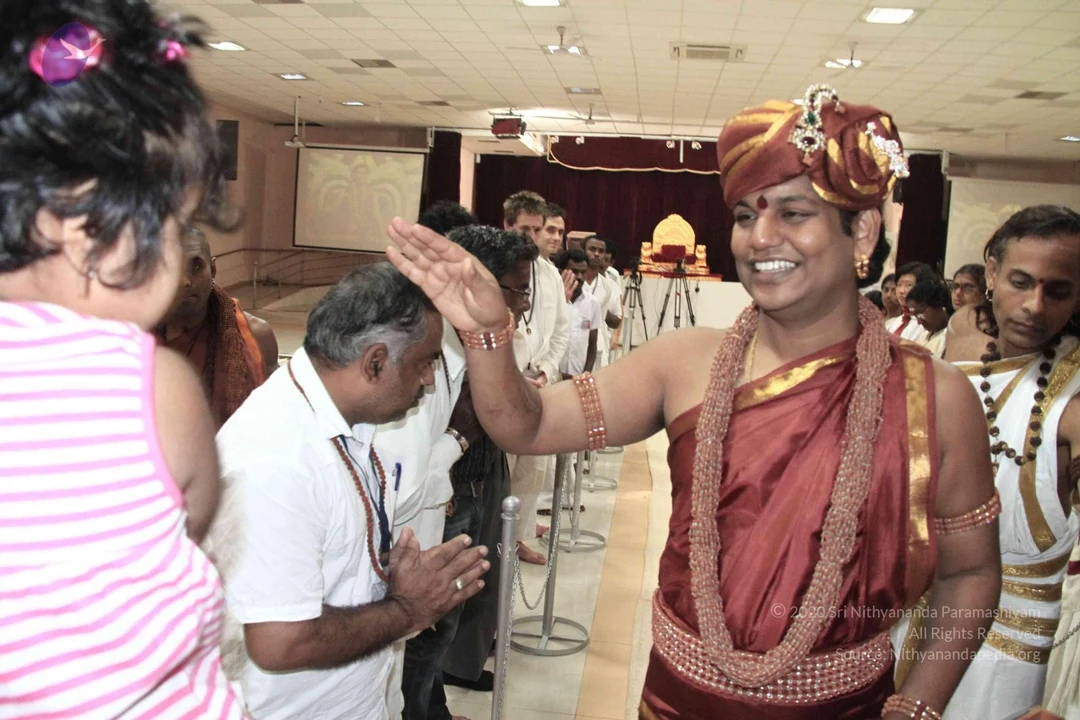
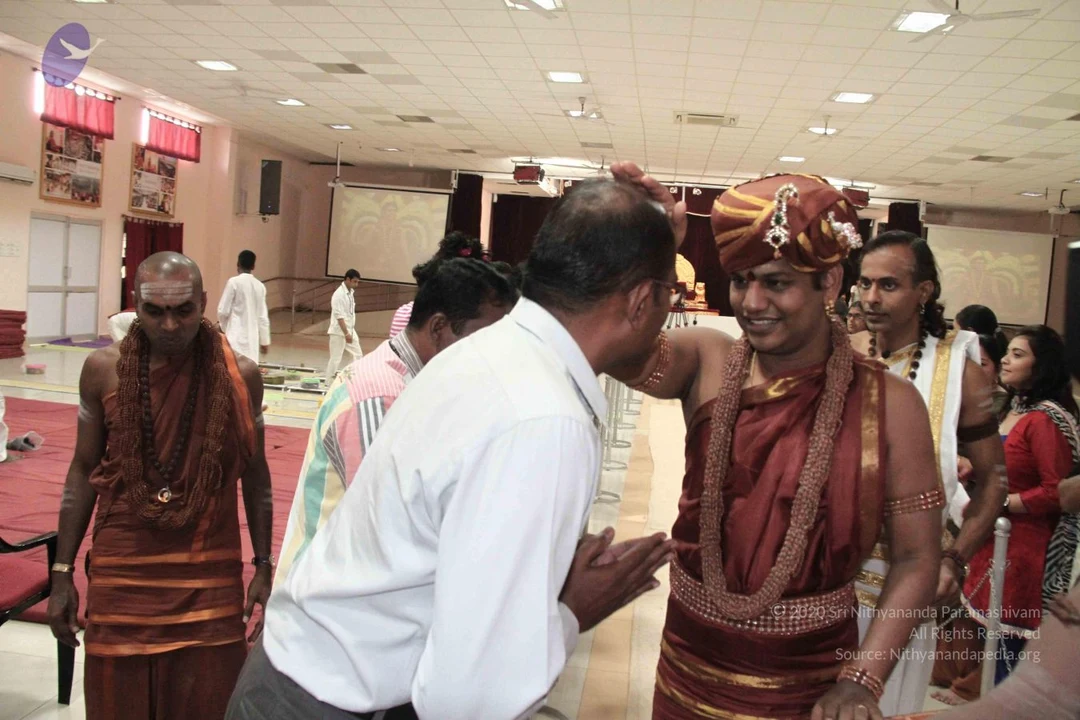
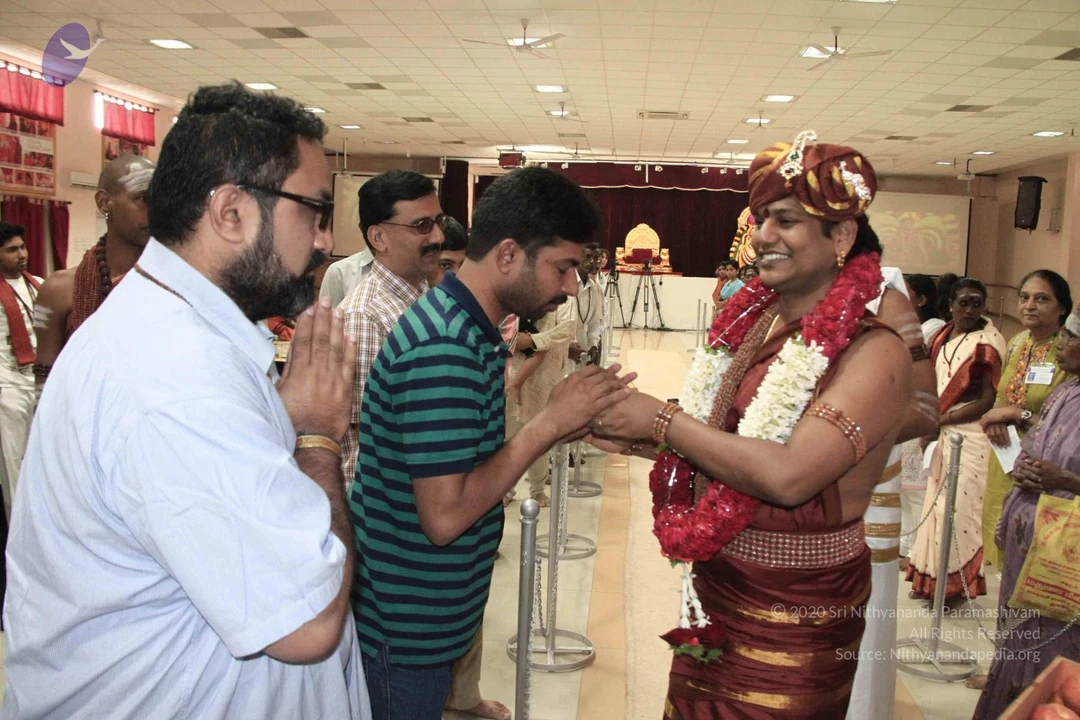
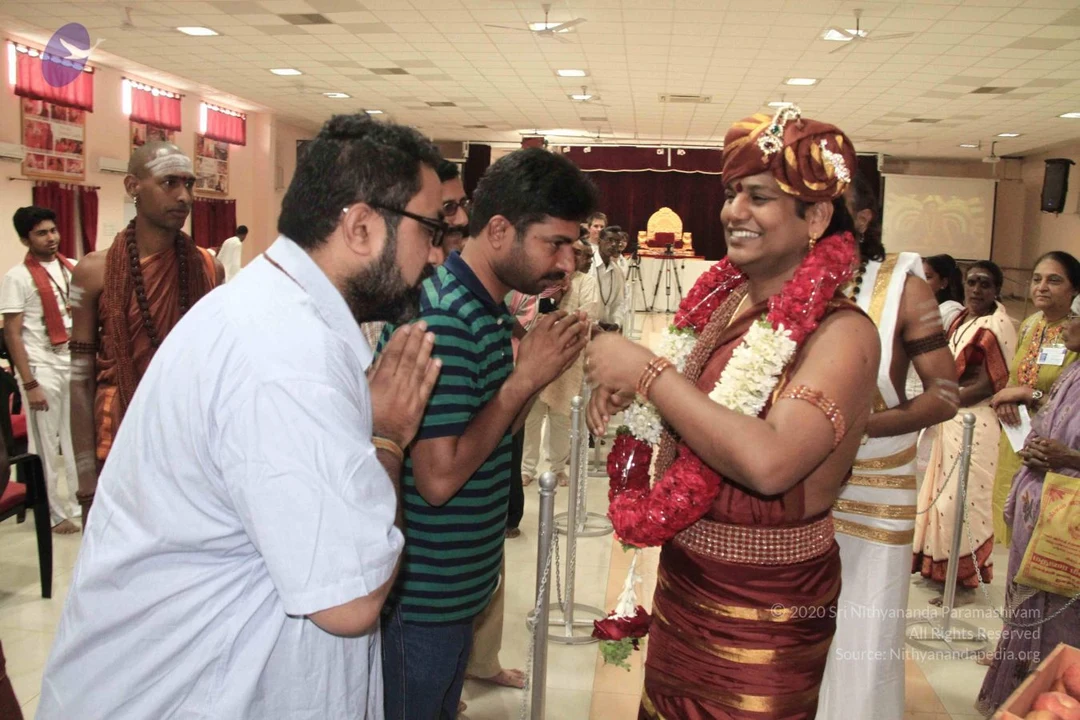
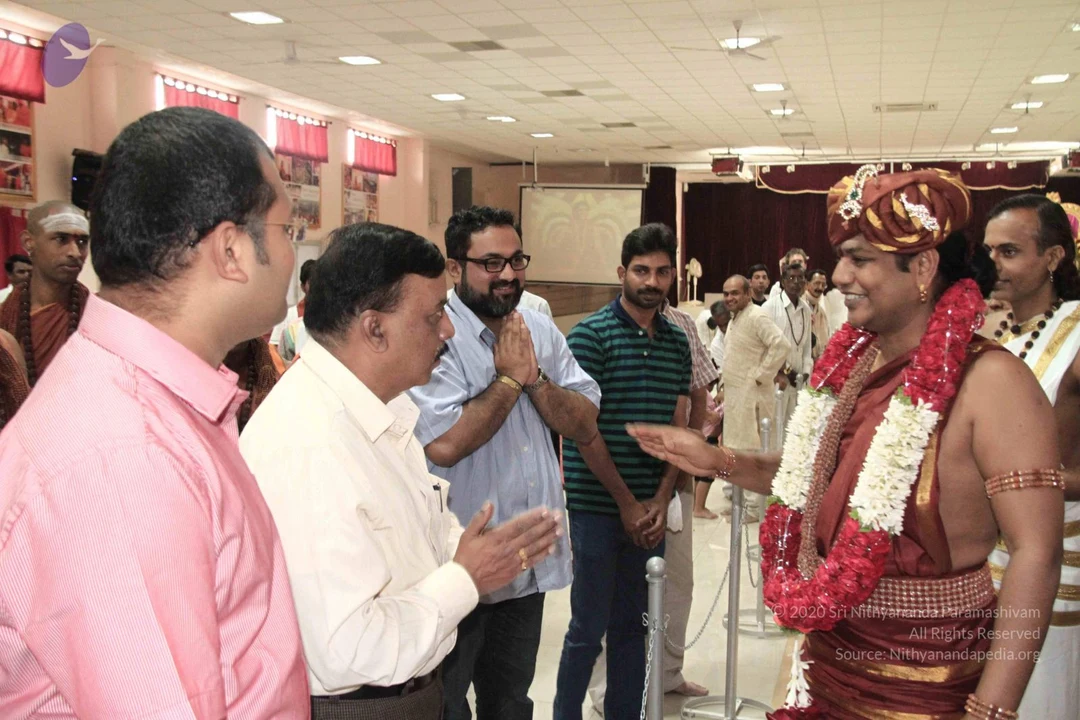
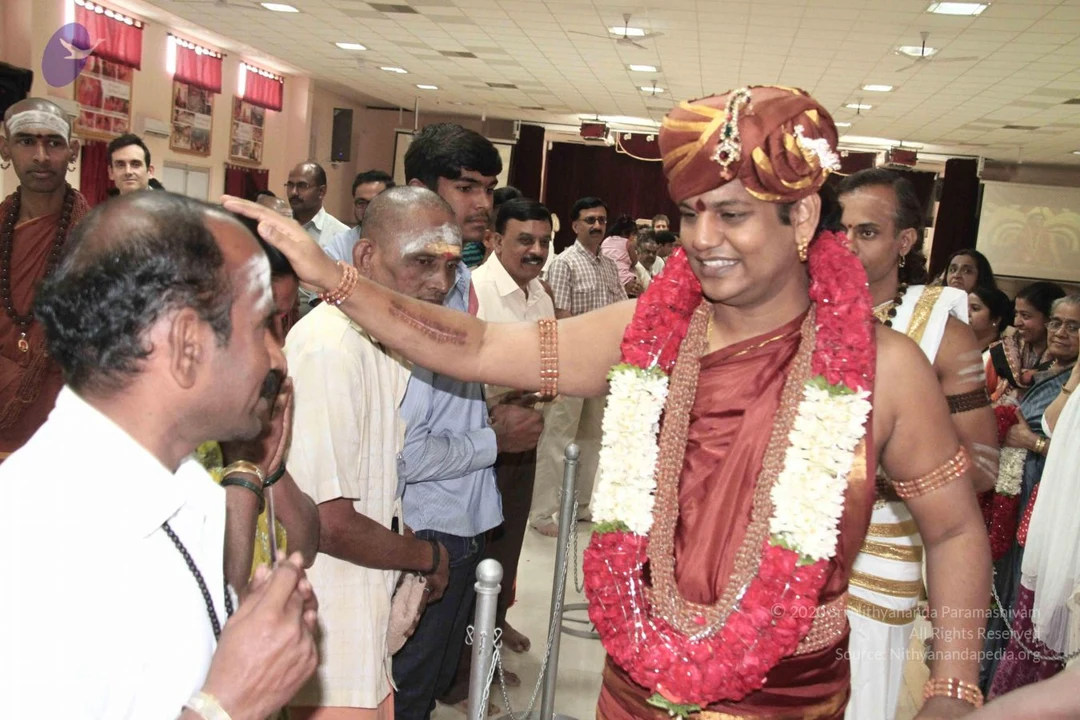
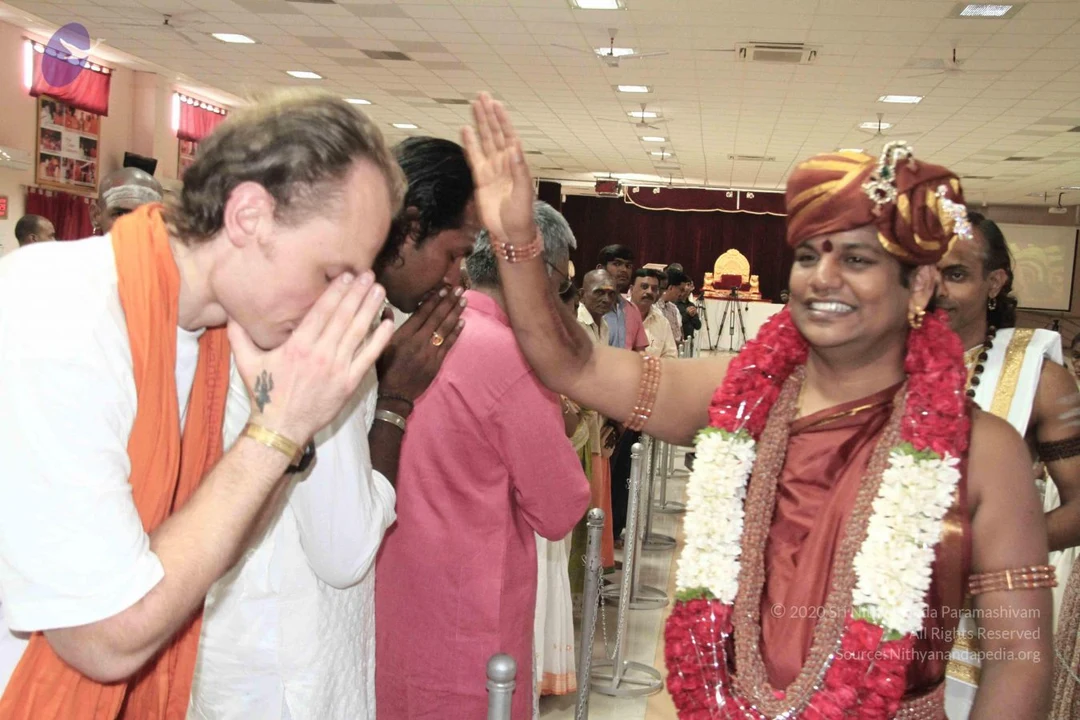
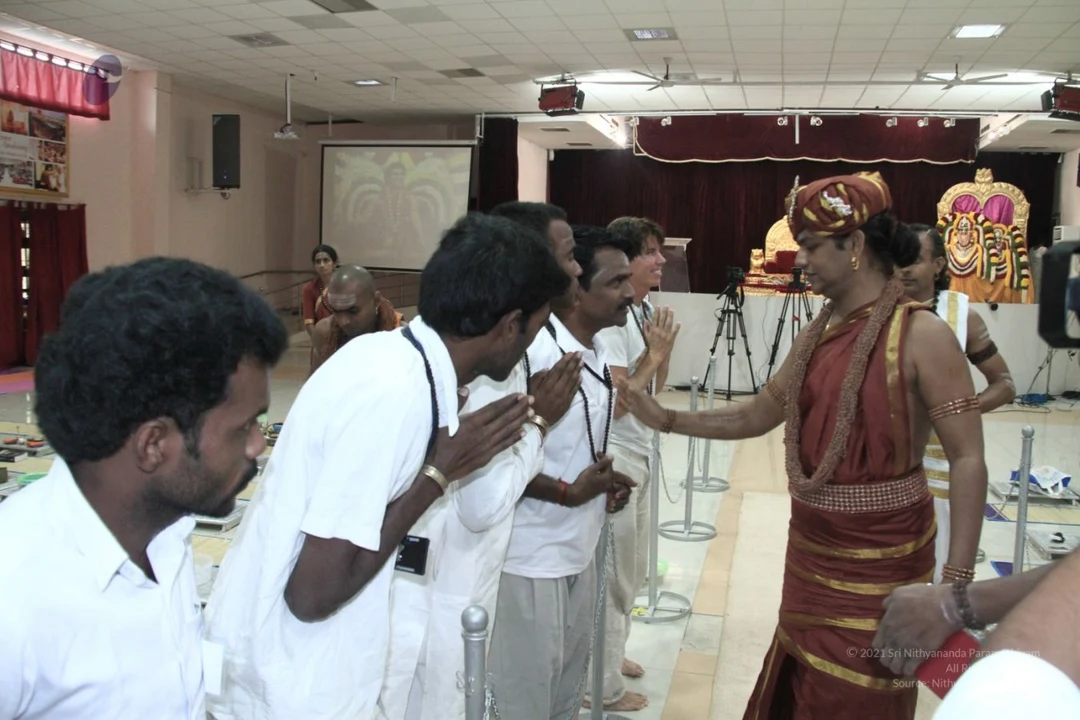
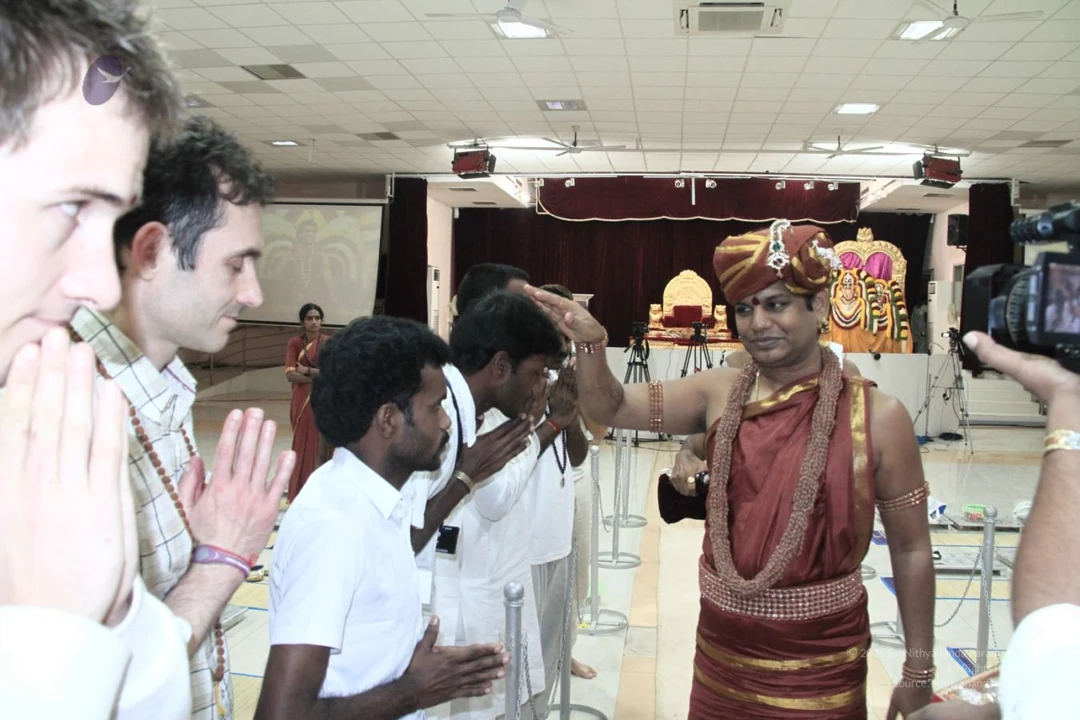
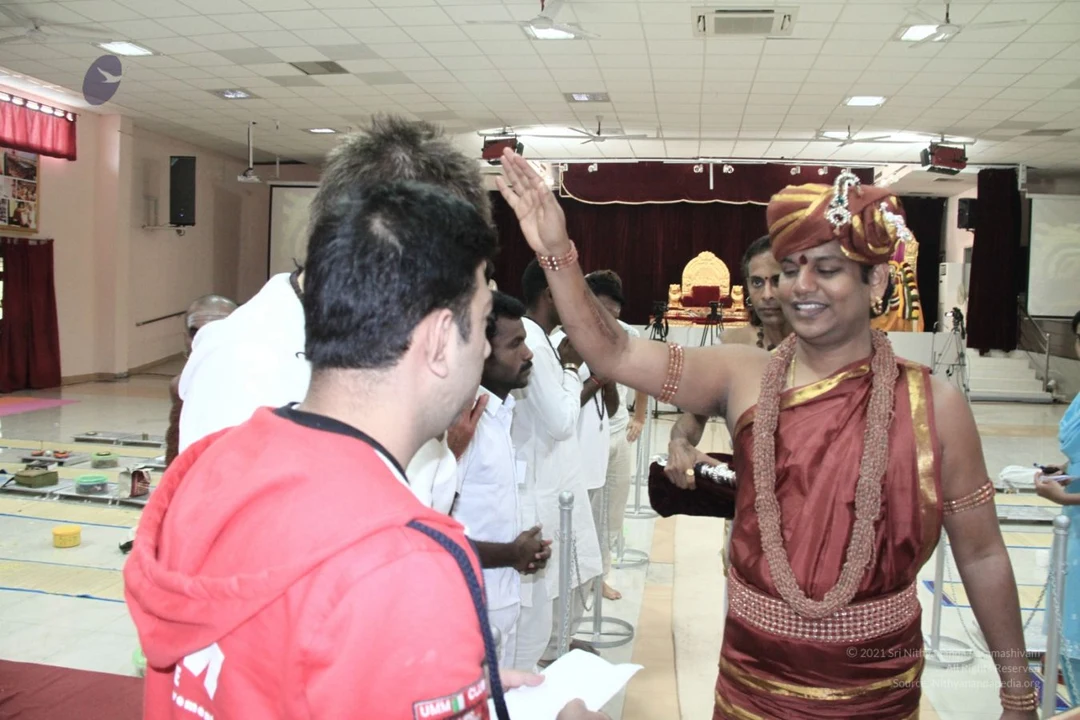
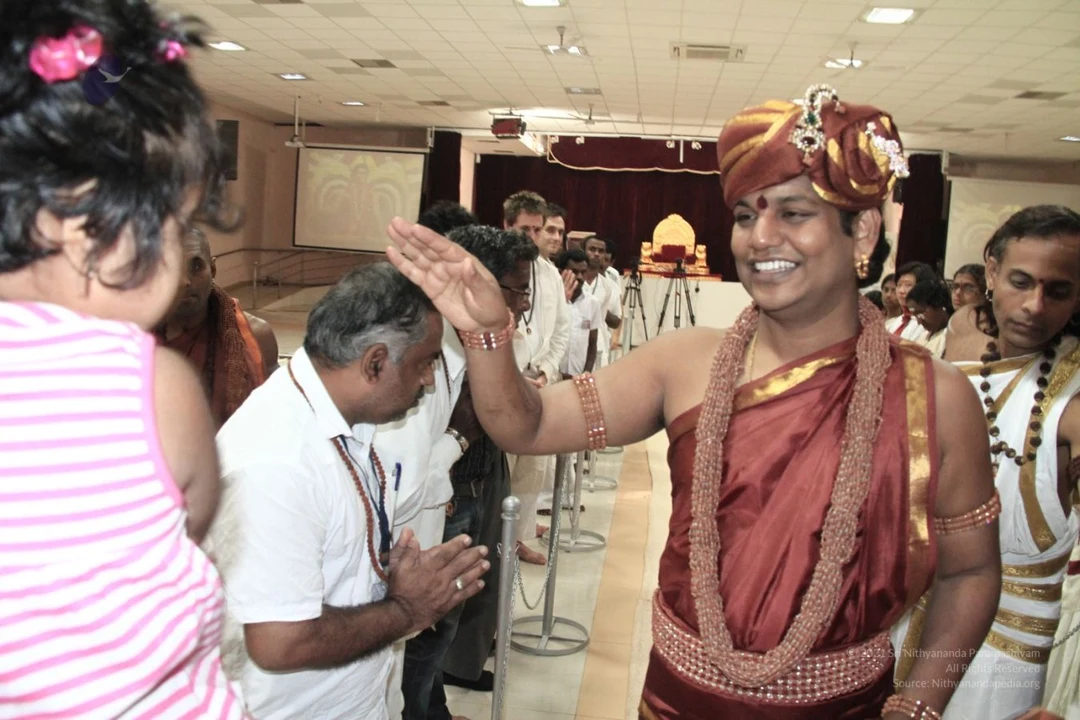
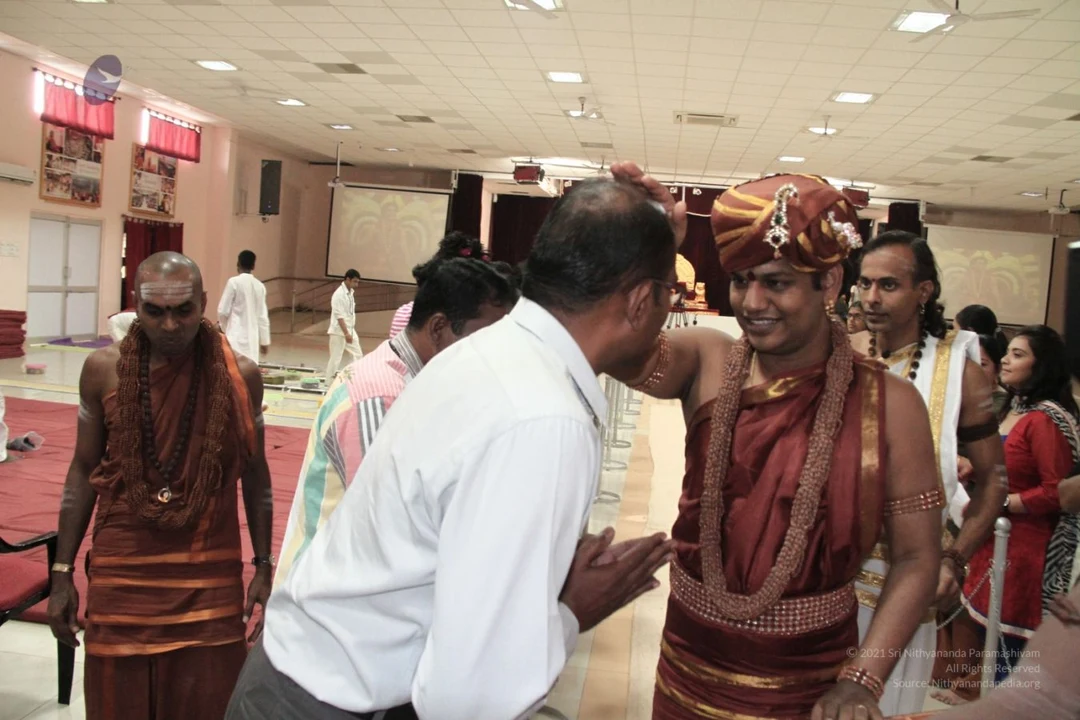
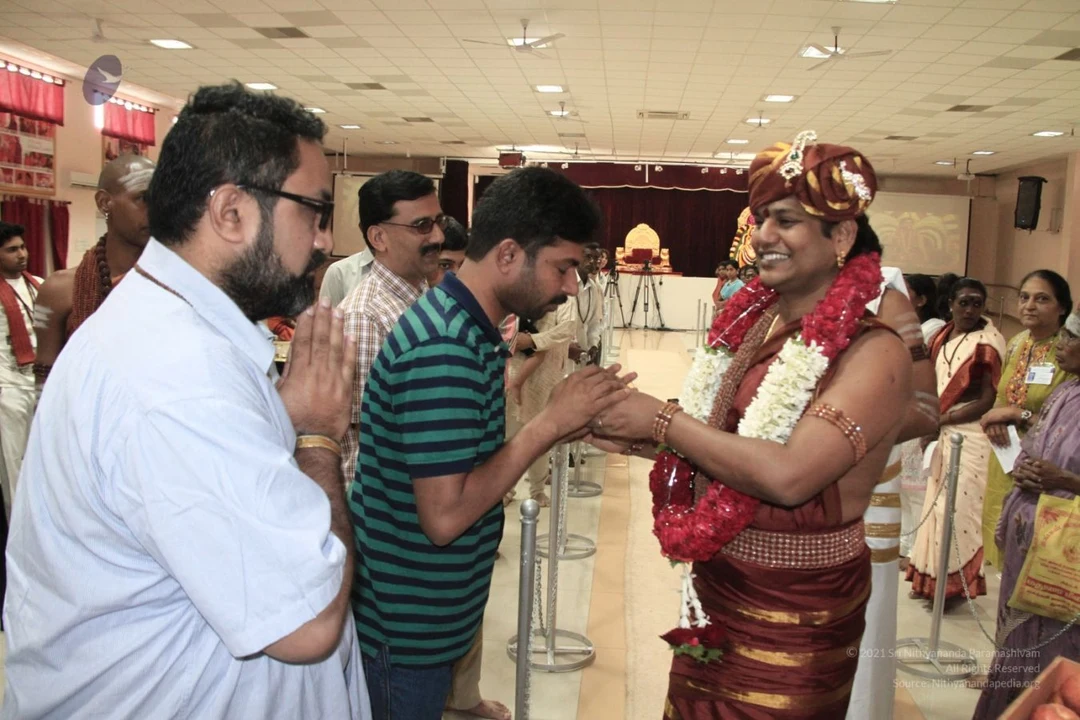
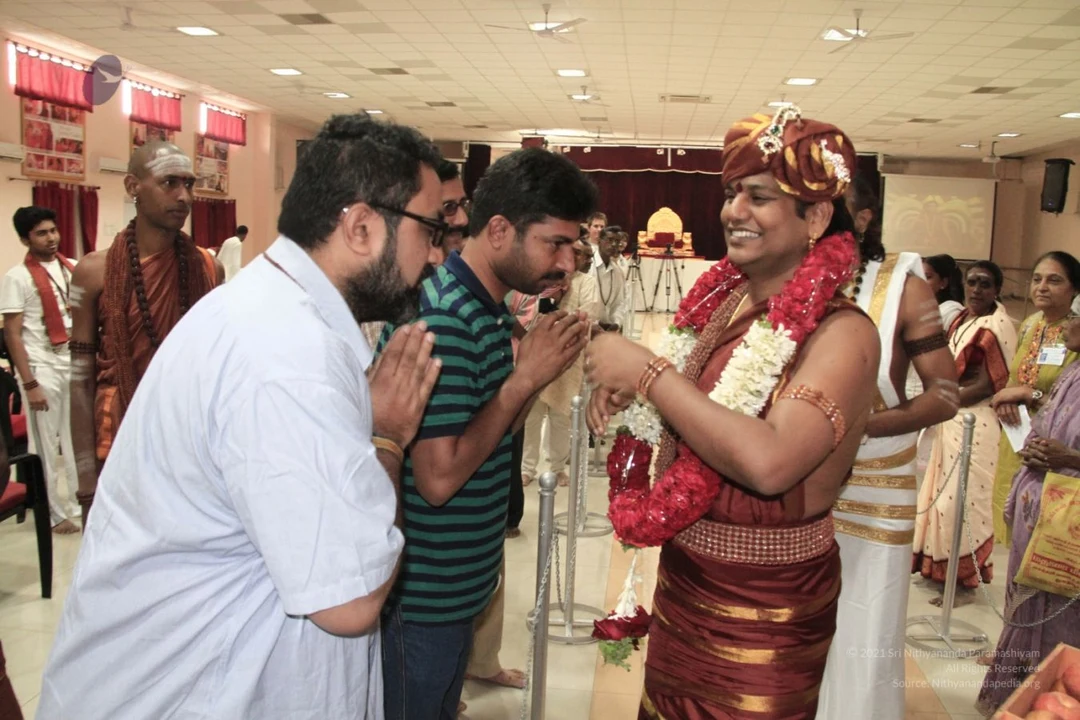
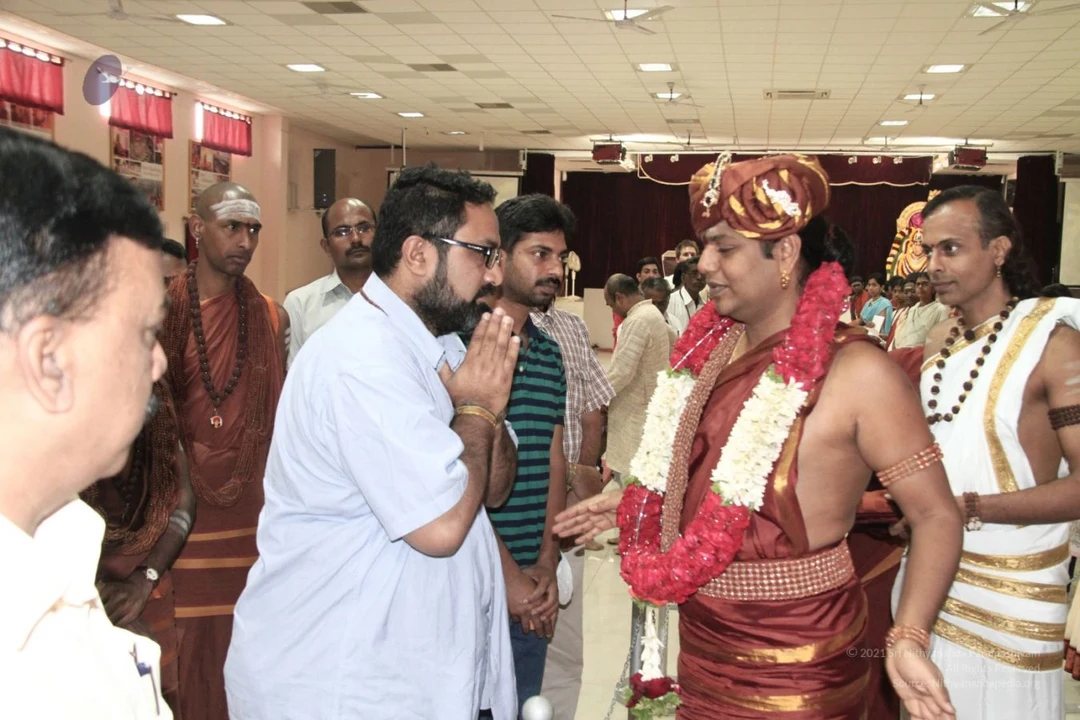
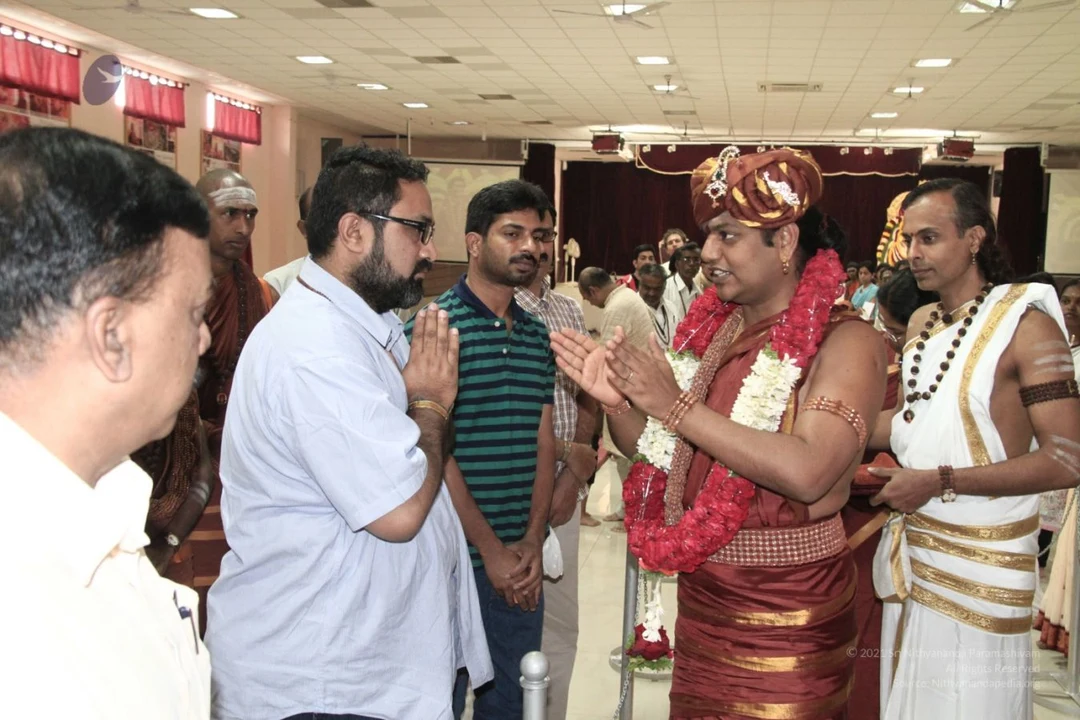
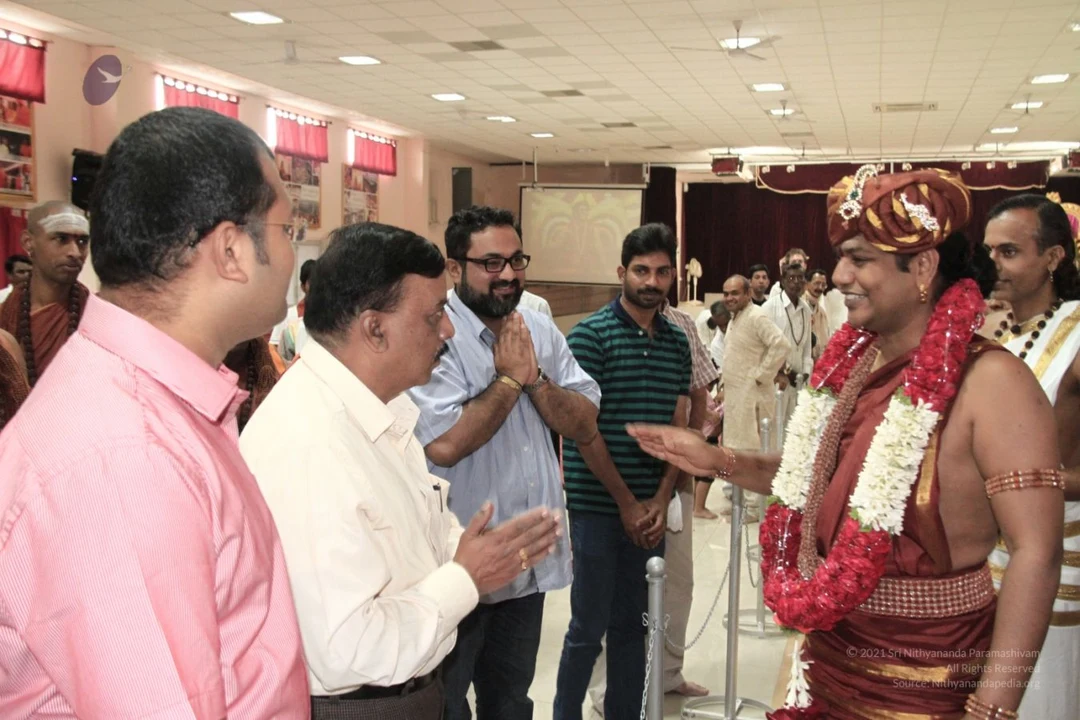
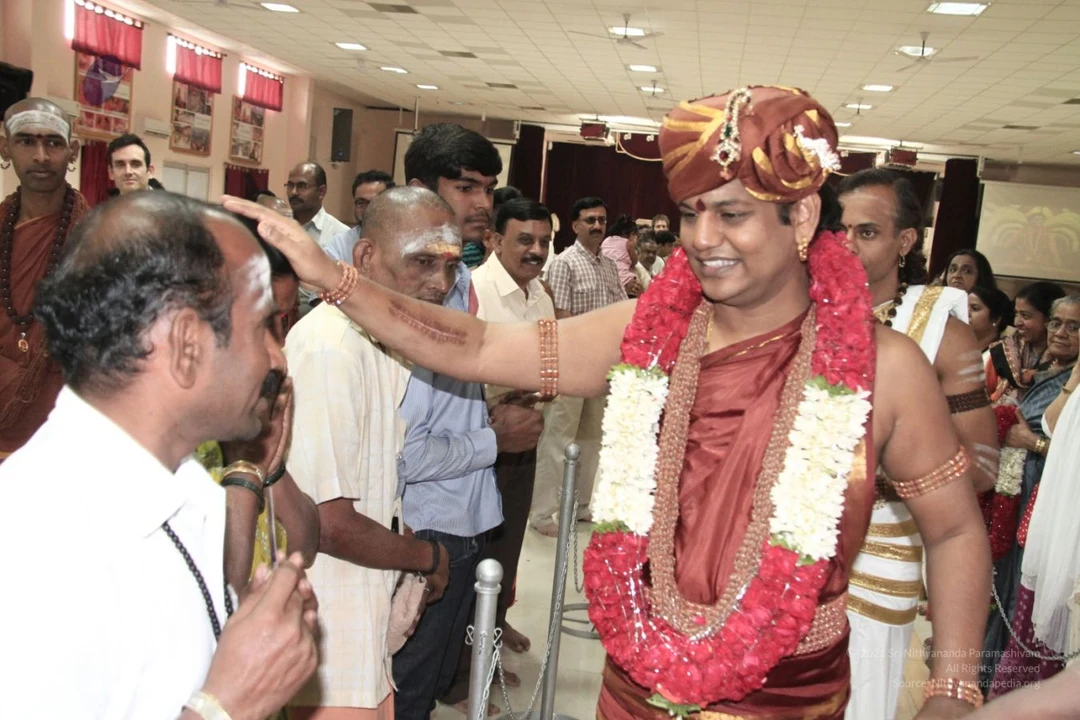
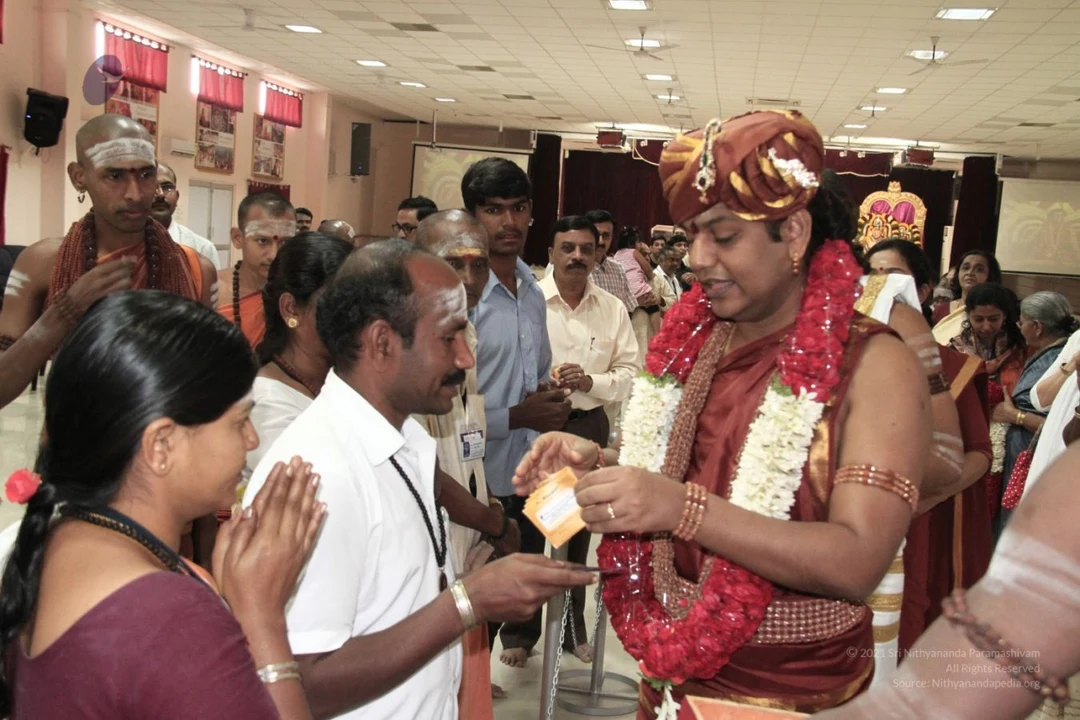
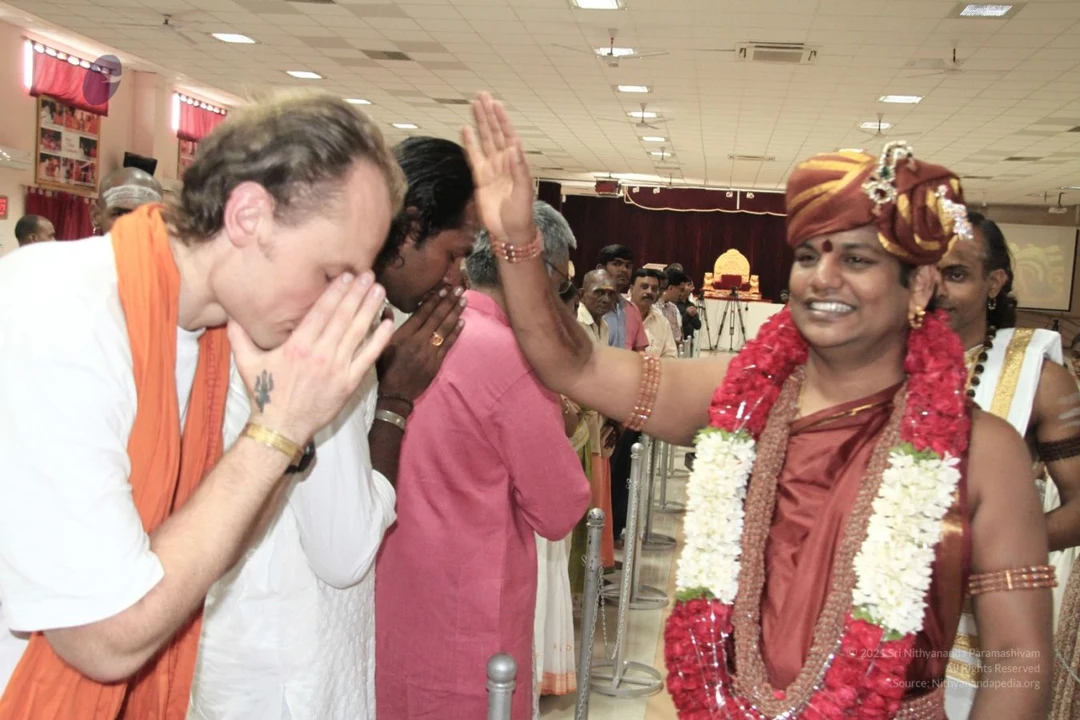
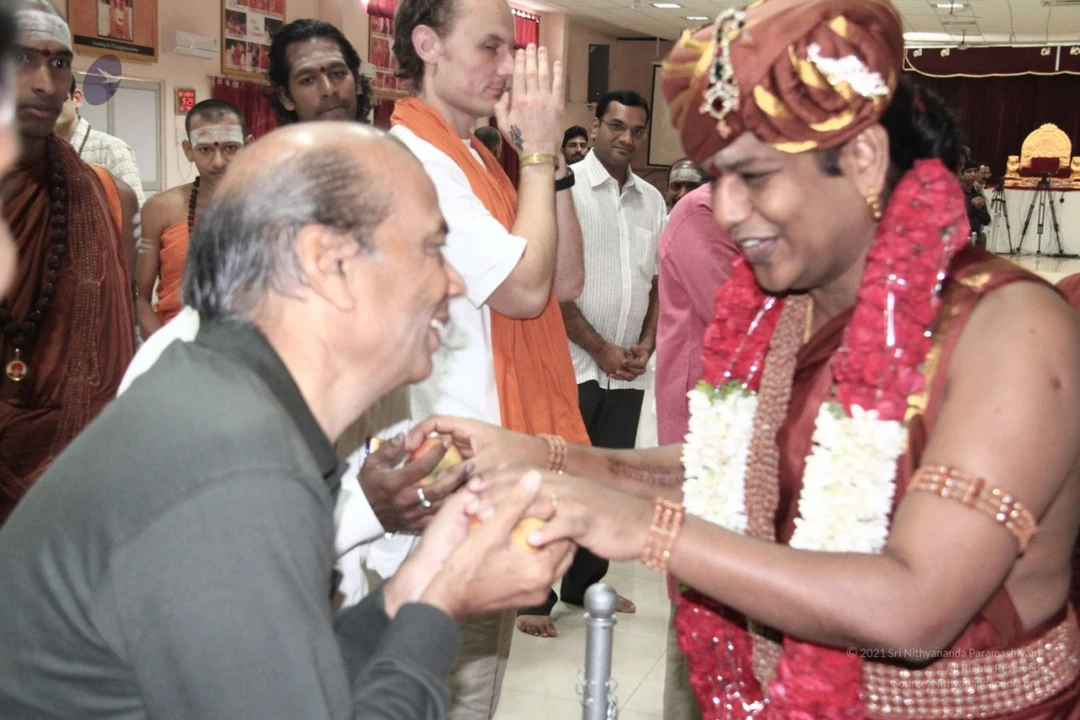
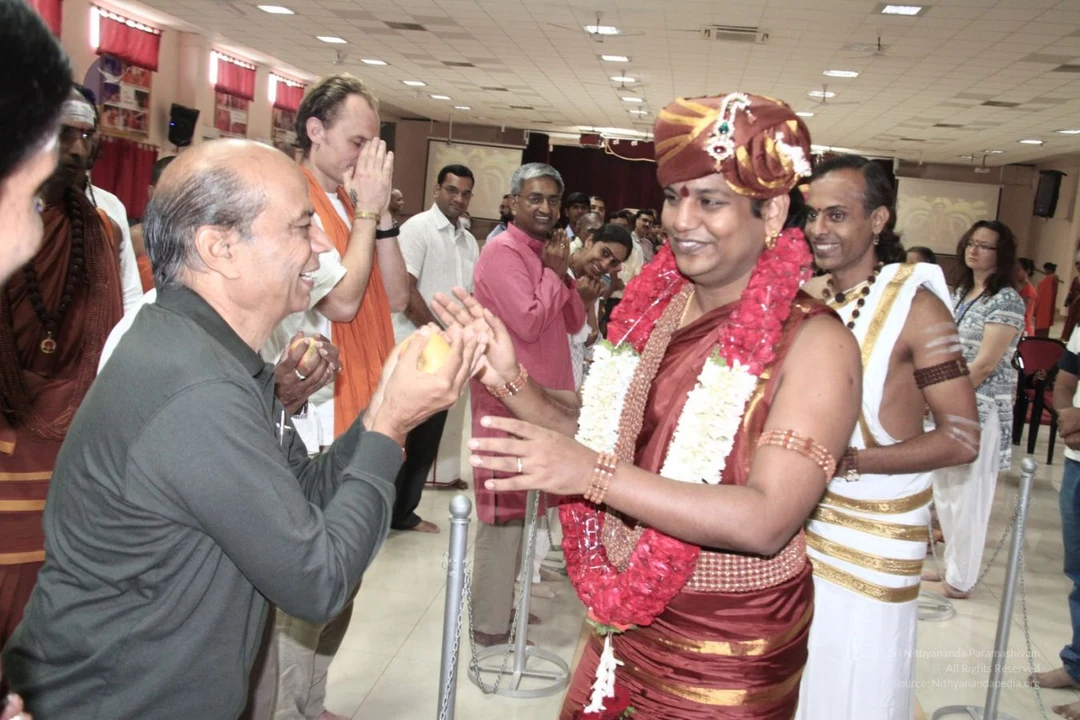
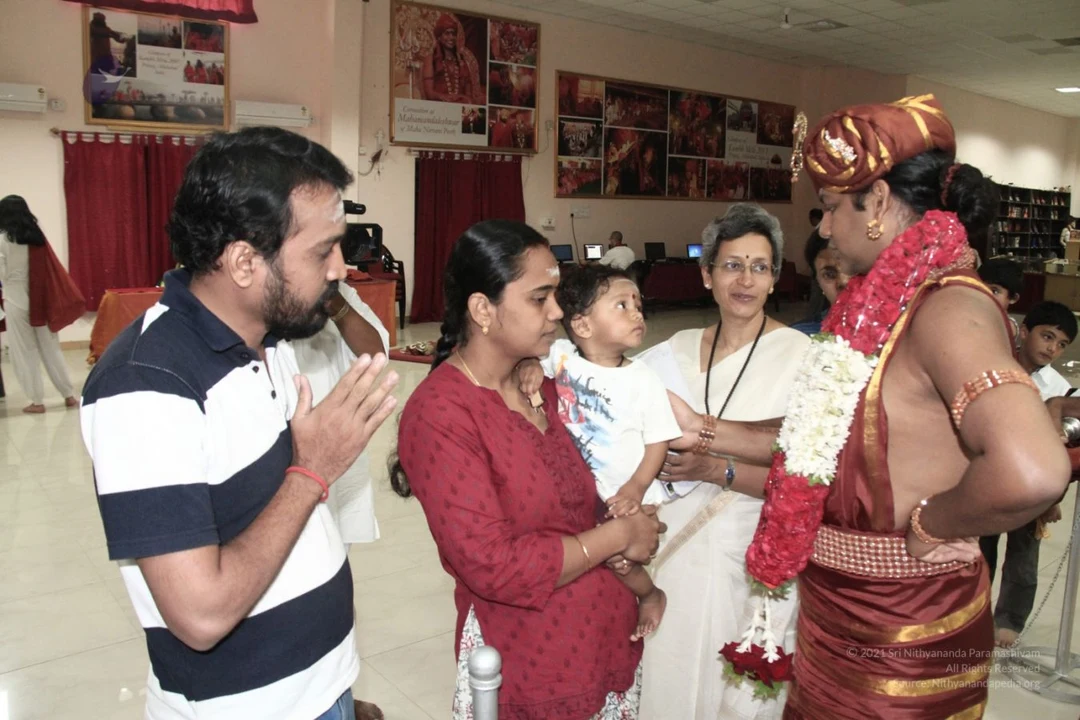
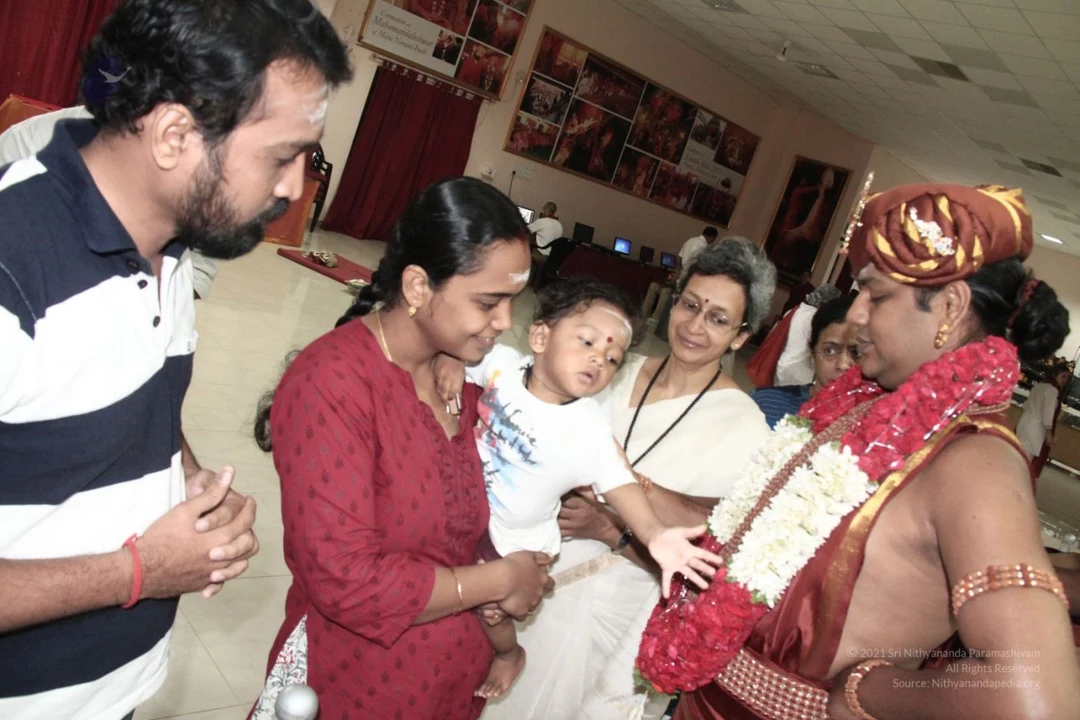
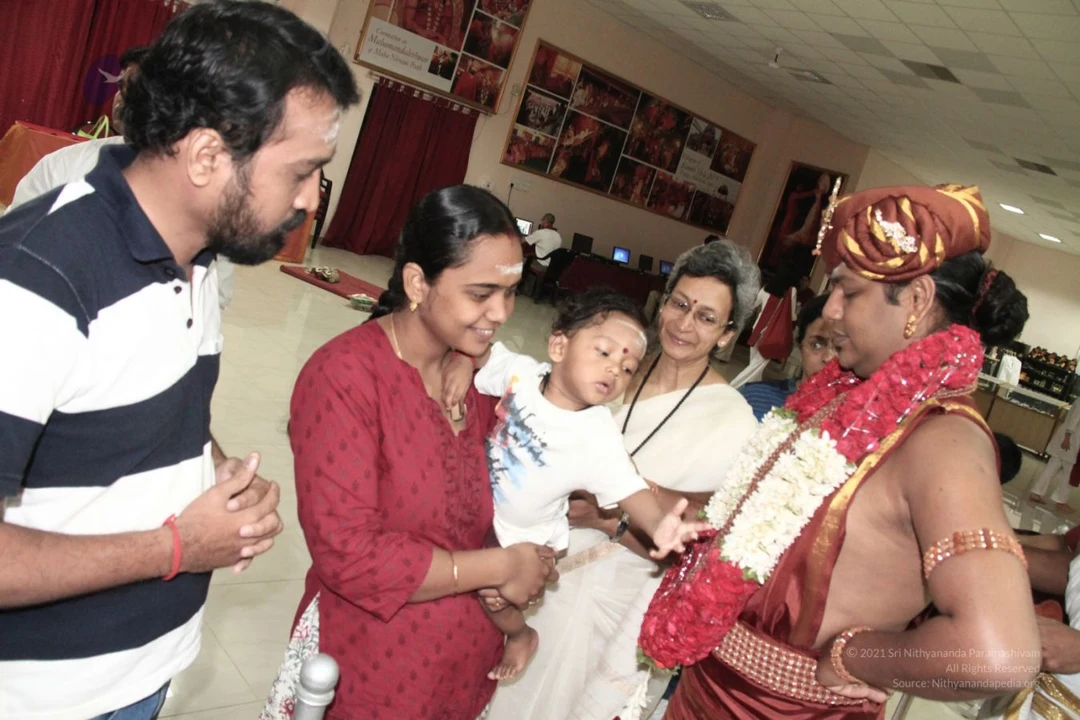
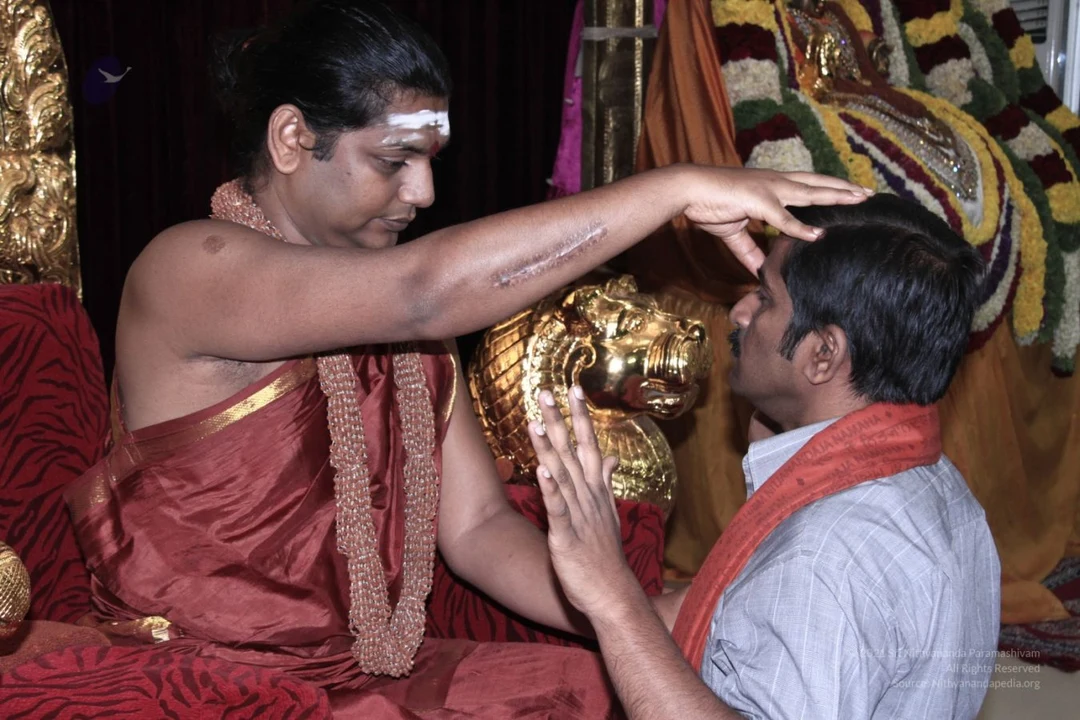
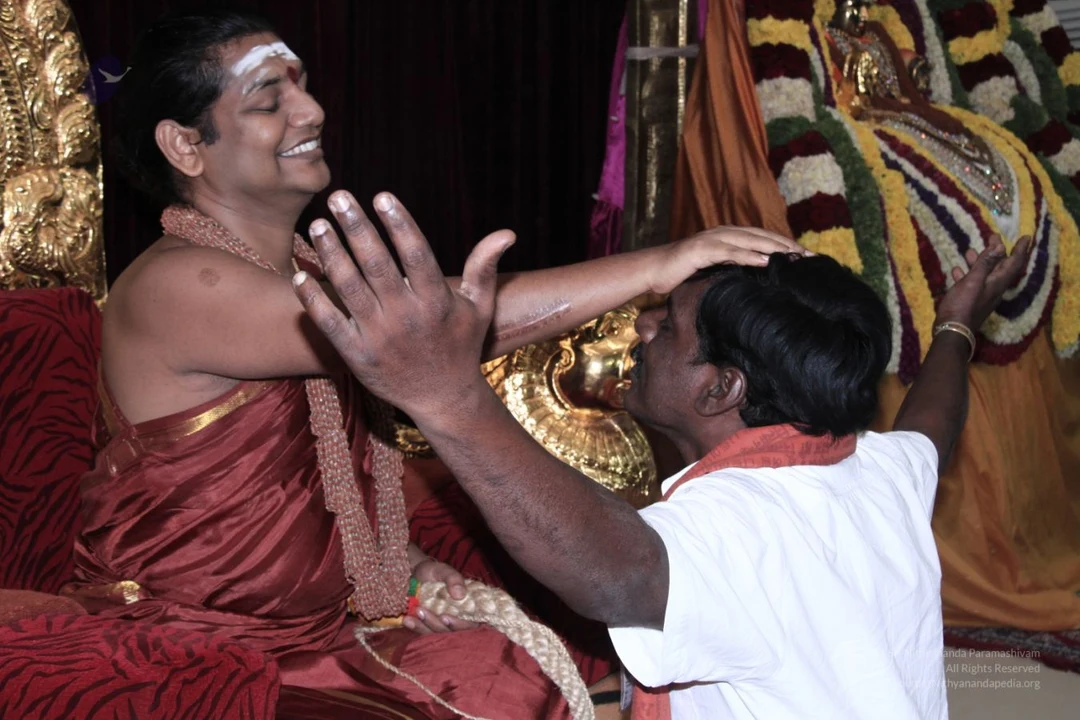
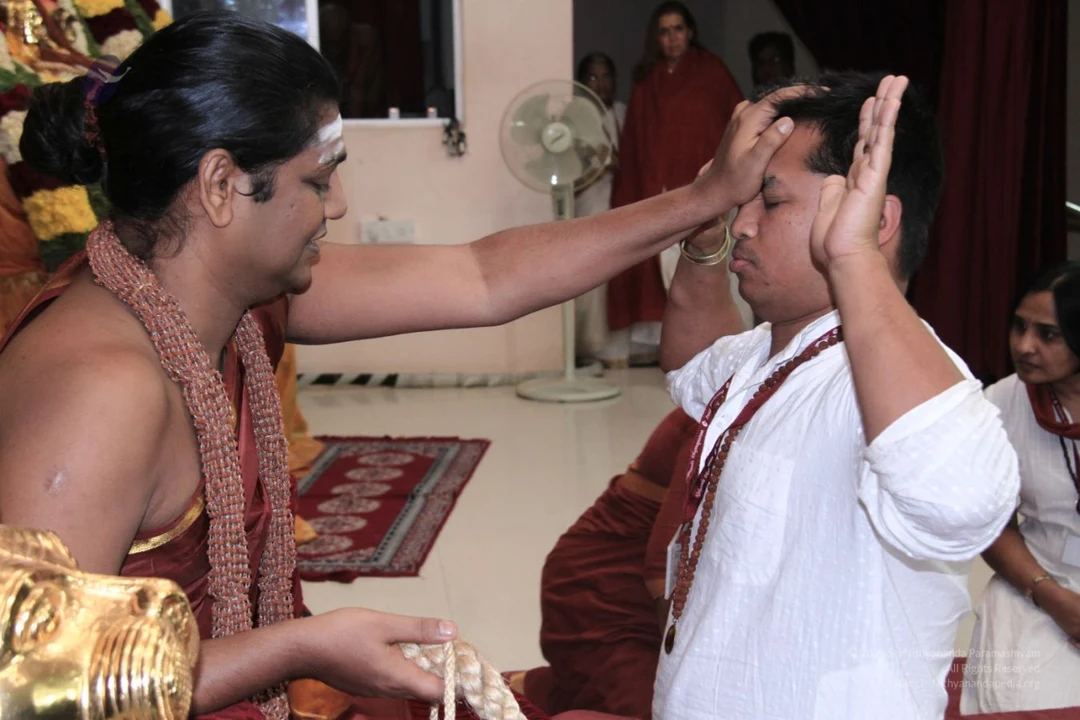
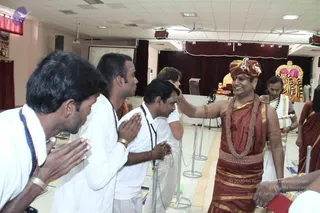
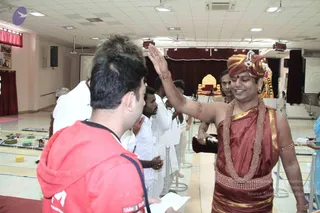
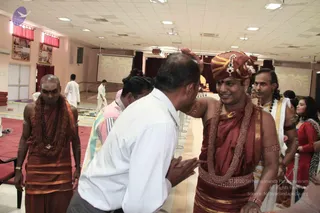
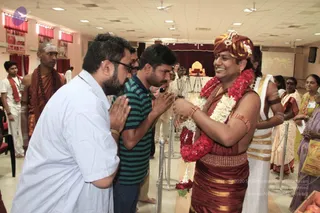
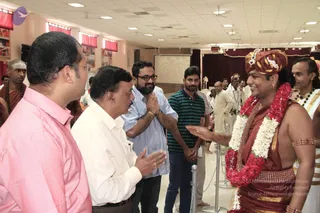
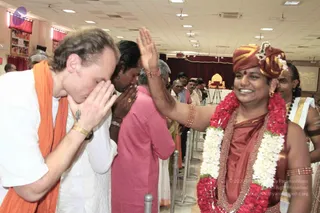
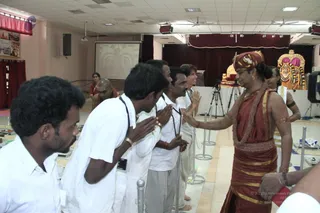
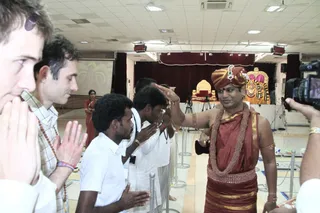
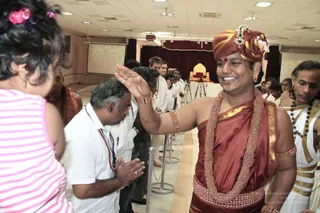
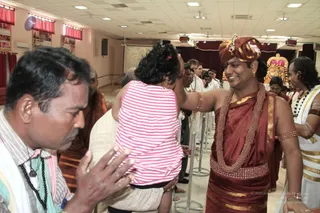
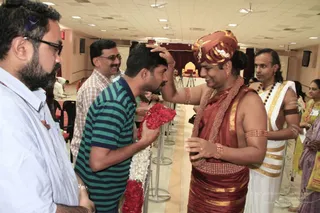
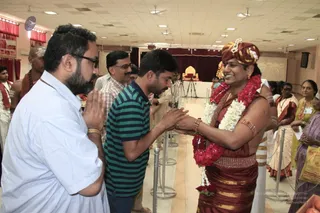
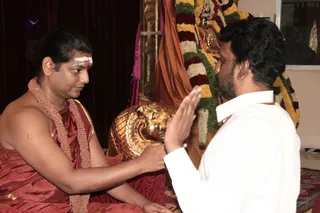
A photograph of a hall with red curtains and a golden throne-like seat at the back. In the foreground, a smiling man in a maroon-red robe with gold trim, a red-and-gold turban, a long rudraksha-style beaded necklace and gold bangles reaches out to touch the forehead of a devotee. Several men in white shirts and white dhotis stand in a row with palms pressed together in namaste, some wearing beaded malas, while a man in a white dhoti and a man in a maroon shawl stand nearby. Chrome stanchions and chains guide the line. Ceiling fans, spotlights and a projection screen are visible. Several people in the scene are present; the Swamiji candidate is shown with turban, maroon robe and beaded necklace, appearance-based only.Indoor photo in a large hall with cream walls, ceiling fans and a maroon curtain. A smiling man in a maroon and gold-bordered draped garment, with a rudraksha-style beaded mala over his chest, a beaded waist belt, layered beaded bracelets and a saffron-and-gold turban, raises one hand in blessing toward a younger man in a red hooded jacket with a lanyard. Behind them, men in white dhotis and shirts stand near a golden throne on a raised dais. Floor mats and small items are arranged along the floor. Probable Swamiji (probable): the man in the maroon garment and saffron-gold turban with beaded mala and bracelets, shown in a blessing gesture before a golden throne.Indoor hall with a white tiled ceiling, red curtains and a projection screen showing a yellow-tinted image behind a gilded seated figure at right. A man in a white shirt and grey trousers bows with palms pressed together toward a smiling man in a maroon-red turban with a silver-and-pink ornament, wearing a rust-orange draped cloth, a long beaded necklace and a gold armlet. The turbaned man's head is touched by the bowing man's hand. To the left, a bald man with a white tilak on his forehead and a rudraksha mala stands in an orange-brown dhoti. At right, a man with long swept-back hair and bead necklaces in a white garment with gold border stands beside a woman in a red top. Several other people in white and light clothing move about the room.A photograph of an indoor hall with a tiled ceiling and red curtains. In the centre, a man with a brown-and-gold turban, red-and-white flower garlands, a gold necklace and a maroon-and-gold dhoti-style garment smiles as he receives namaste from a bearded man in a white shirt. A man in a green striped polo shirt also presses his palms together nearby. Behind them, a shaved-headed man in orange robes with rudraksha mala stands, and several women in saris and a man in white dhoti stand in the background, with a golden throne visible at the far end of the hall.A photograph in an indoor hall with red curtains and a projection screen. In the foreground a man in a pink striped shirt stands with his back to the camera, facing a man in white shirt who is pressing palms together in greeting. A bearded man in light blue shirt and glasses also joins palms in namaste, and a man in a green striped polo watches. On the right, a figure in saffron-red robes with a red and white flower garland, an orange turban with ornaments, and rudraksha-style beads, extends one hand toward the guests. Another person in white and red stands at the far right edge. Other people in white ritual clothing stand in the background among metal stanchions.A photograph inside a hall with cream ceiling tiles and fluorescent lights. In the foreground, a light-skinned man with tousled hair, wearing a white kurta and an orange shawl, stands with palms pressed together in namaste and eyes closed, with a tattoo visible on his wrist. Beside him a man in a pink shirt also bows with hands joined. On the right, a smiling man wearing a rust-coloured robe, a large red and white flower garland, a gold-and-red turban and a raised hand stands near a barrier rope; he is probable Swamiji by his turban, garland and saffron-toned robe. Behind them, devotees in white dhotis and shirts stand in a line, and a golden throne-like seat with a red canopy and small screens sits at the far end of the hall beneath a pale panel.

Pada-Puja

16 photosSource gallery
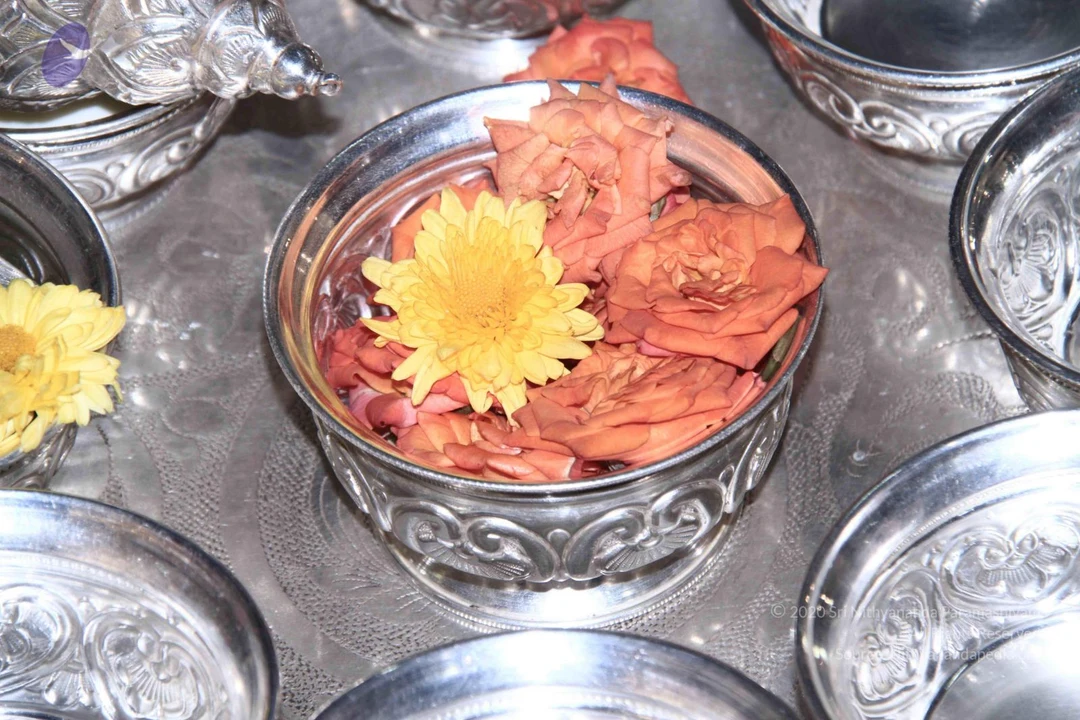
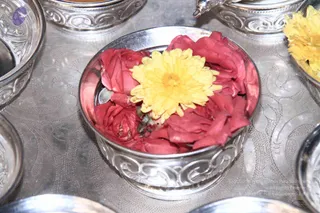
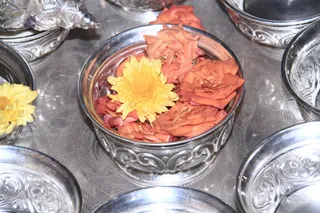
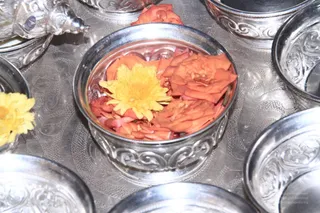
Close-up photo of an ornate silver tray holding several engraved silver bowls. The central bowl contains orange rose petals and a yellow chrysanthemum floating in water, a typical temple offering arrangement. Other silver bowls with floral engraving are partly visible around the edges, along with a yellow flower at the left. No people are visible in the frame.

Nithya-Satsang
44 photosSource gallery
A seated man in a maroon and rust-red turban with a jeweled ornament and a red bindi sits on an ornate golden throne with carved floral and scrollwork. He wears a red-brown shawl edged in gold, a long beaded rudraksha-style mala, and wide metal bracelets, and holds a small clip-on microphone near his face with one hand. Behind him on the right, a painted deity figure with raised arms and a trident-like staff is partly visible.A man seated on an ornate gold-leaf throne with carved lion and floral motifs, speaking into a headset microphone. He wears a maroon-red turban with gold stripes, a red-and-gold draped robe, a dense rudraksha mala around his neck, beaded bracelets, and a red bindi on his forehead. A red-and-black tiger-striped cushion sits beneath him, and a partially visible hand holding a bracelet appears at the right edge.
Dial-the-Avatar
39 photosSource gallery
A man seated on an ornate gold throne with carved floral and scroll patterns, wearing a maroon-red turban decorated with a jeweled brooch and a red bindi, gold hoop earrings, and a microphone headset. He wears a red-and-gold silk garment draped over one shoulder with a gold border, long rudraksha-style beaded necklaces, a beaded waist belt, and beaded armlets and bracelets. A dark red tiger-striped cushion rests beside him, and he holds a black remote-style device on his lap while smiling and looking to his side. Part of a gold-and-red deity figure's raised hand appears at the right edge.A seated man smiles while speaking into a headset microphone, sitting on an ornate gold throne with carved lion-like motifs and a red tiger-striped cushion. He wears a maroon-red turban with gold trim and a jewelled brooch, a red kumkum dot on his forehead, a dark red-orange robe with gold border, a beaded rudraksha-style mala necklace and wrist bands. He gestures with one hand toward a remote or device on the armrest, while another person's arm in a red and gold sleeve is partly visible at the right edge. Appearance is consistent with the probable Swamiji cues of a turban, saffron-red clothing and mala, seated on a throne as a discourse speaker.A seated man in a deep red turban with gold trim and a jewelled ornament at the front sits on an ornate gold throne with carved floral and scrollwork backrest. He wears a rust-red sleeveless wrap with gold border, long rudraksha mala necklaces, gold armlets and bangles, and a red bindi on his forehead, smiling with a small microphone at his cheek. His hand rests on a dark object at the lower right, and a partially visible figure with a red-and-gold backdrop appears at the right edge. Appearance-based probable Swamiji (probable) seated on the throne, with turban, rudraksha malas and ceremonial gold cues.

Sarva-Darshan

30 photosSource gallery
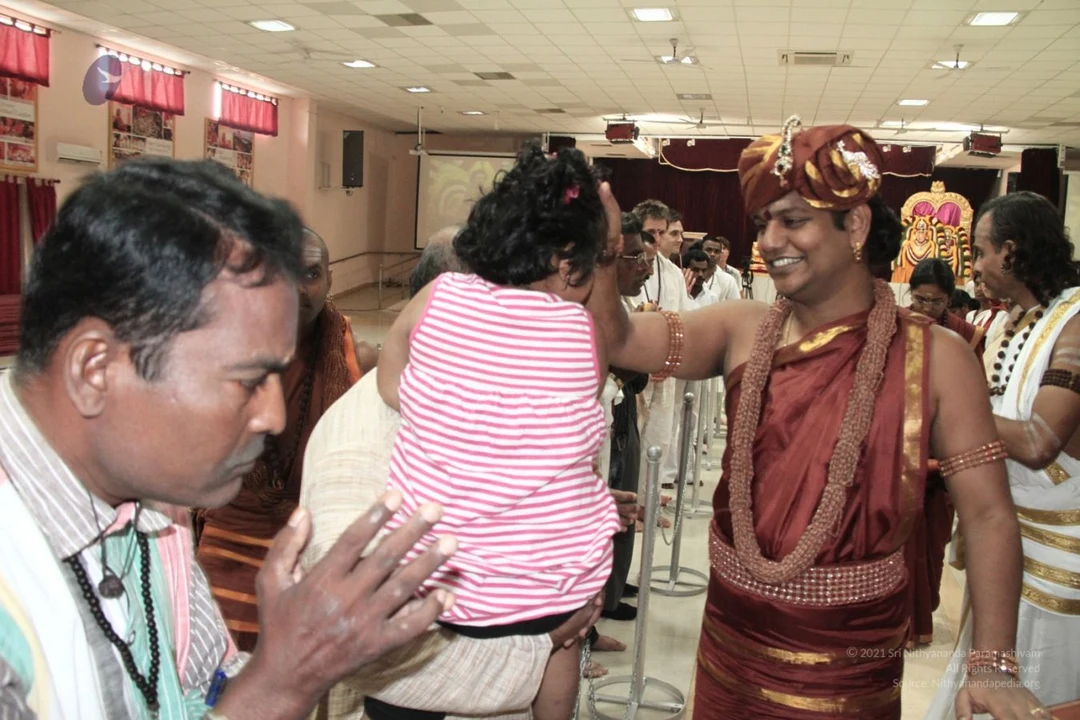
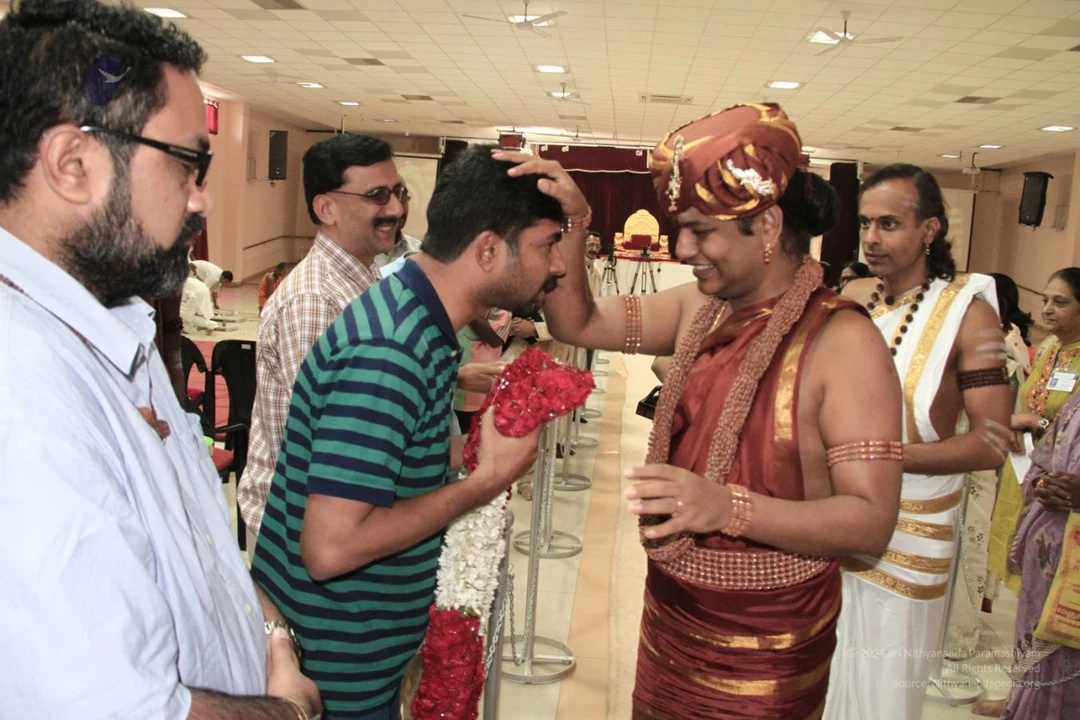
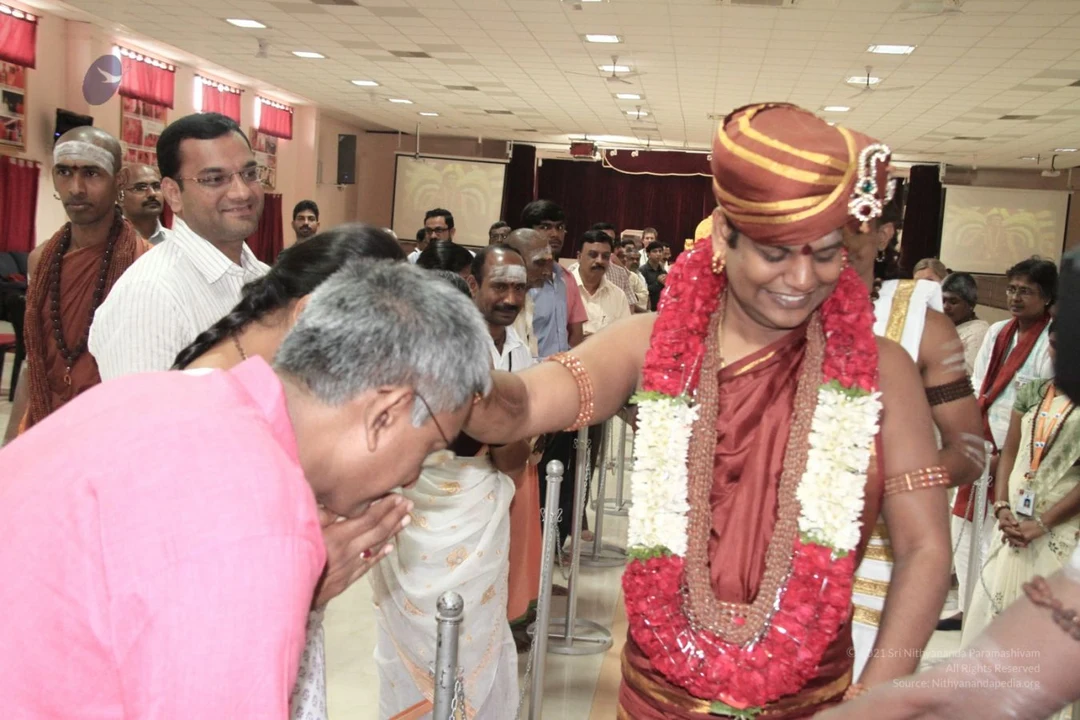
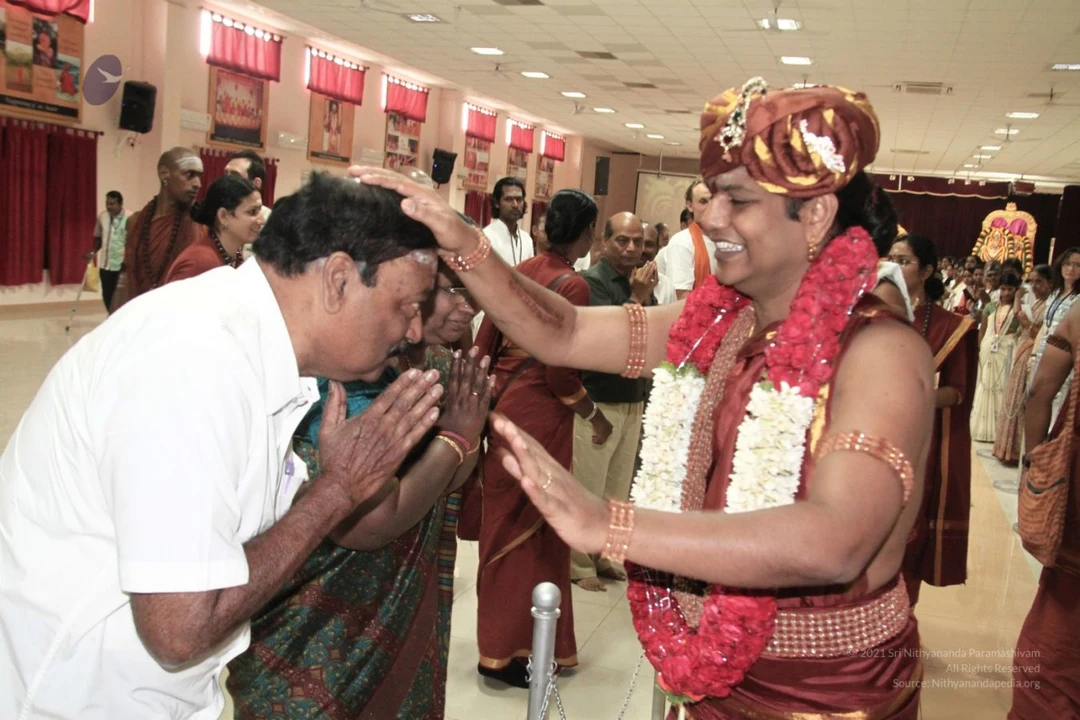
A photograph in a hall with a stage backdrop of dark red drapes, a projection screen and a golden ornate seat near the back. On the right, a figure in a red-brown dhoti-style garment with gold borders, a red-and-gold turban, a long beaded necklace, bangles and bare chest stands with arms extended toward a line of men. Several men in white shirts and white dhotis, some wearing rudraksha malas, stand with hands joined in anjali, bowing forward. Metal barrier posts and cables run along the floor, and cameras on tripods are set near the stage. A person in a red top stands in the background.Indoor hall with a stage backdrop of maroon drapes and a gold ornate throne with a deity murti at right. A man in a maroon and gold dhoti-style garment with a turban, rudraksha mala, and ceremonial gold necklace stands at right, extending his hand to bless a line of devotees in white shirts and mundus with palms pressed together. Two Western-looking men on the left also join palms in namaskar. A woman in a red sari stands in the background near a projection screen, and a camera operator films at right. a person cues are visible on the central figure: turban, layered rudraksha mala and gold necklace, and maroon-gold robes.Indoor hall with a drop ceiling, red curtains and a framed altar with a gold-decorated shrine at right. A man in a maroon-and-gold saffron-toned robe, a red turban with gold ornament and a long beaded necklace touches the head of a small child in a pink-and-white striped top held by a woman in white, while a man with rudraksha beads at left holds his palm up in blessing. A man in a rust-coloured robe stands behind, and devotees in white dhotis and shirts stand along metal crowd barriers. Several other people, including men and women in white, are visible in the background.A photograph of a devotee bowing forward with his head lowered as a man in a rust-red and gold-trimmed dhoti and a red-and-gold turban places a hand on his head in blessing. The blessing figure wears layered beaded necklaces, gold armbands and bangles, and a gold-bordered red shawl. A standing man in a green striped polo holds a garland of red roses and white flowers. Other men in shirts and spectacles stand nearby, and a man in a white dhoti with gold borders and a beaded necklace stands at right beside women in saffron, yellow and purple saris. Banquet chairs and a red-draped stage with a golden throne sit in the background under ceiling lights. The blessing figure's appearance is consistent with the a person label, but the photo shows several cues without a clear identity match, so the presence is uncertain. Six or more people are visible.
Inner-Awakening-Darshan
32 photosSource gallery
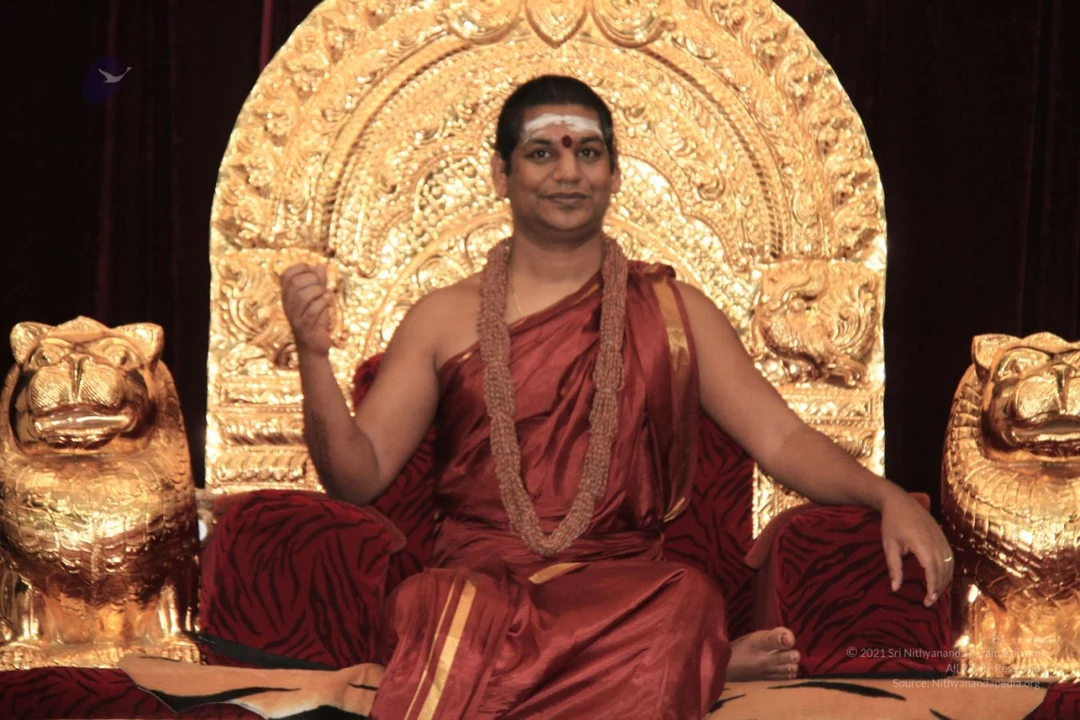
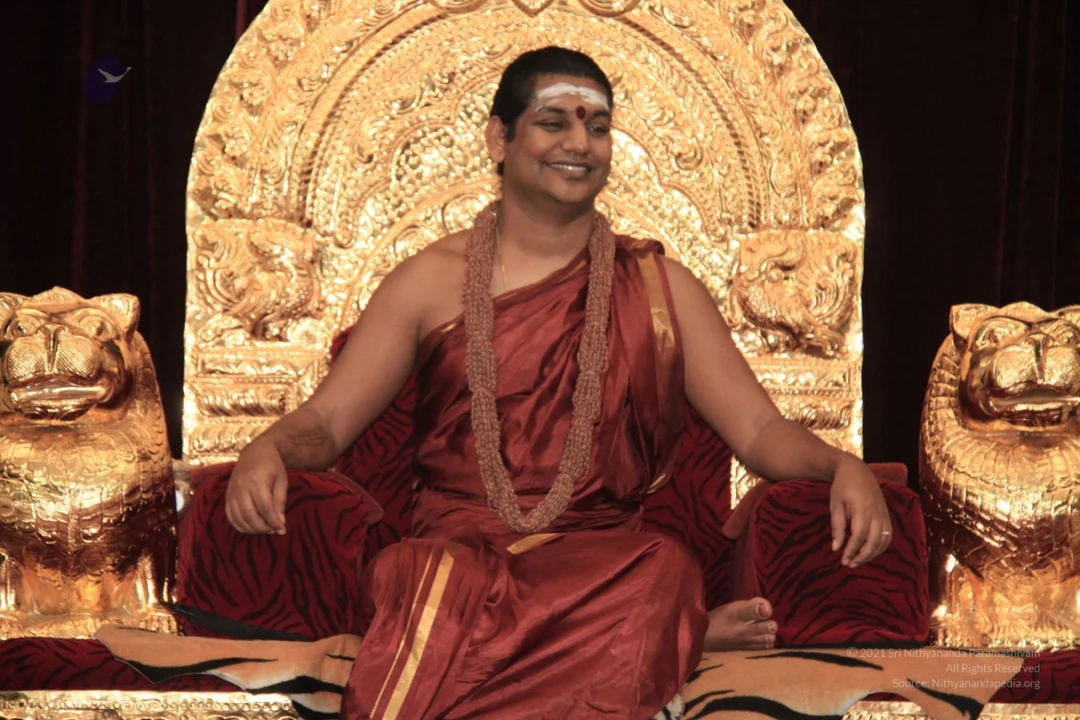
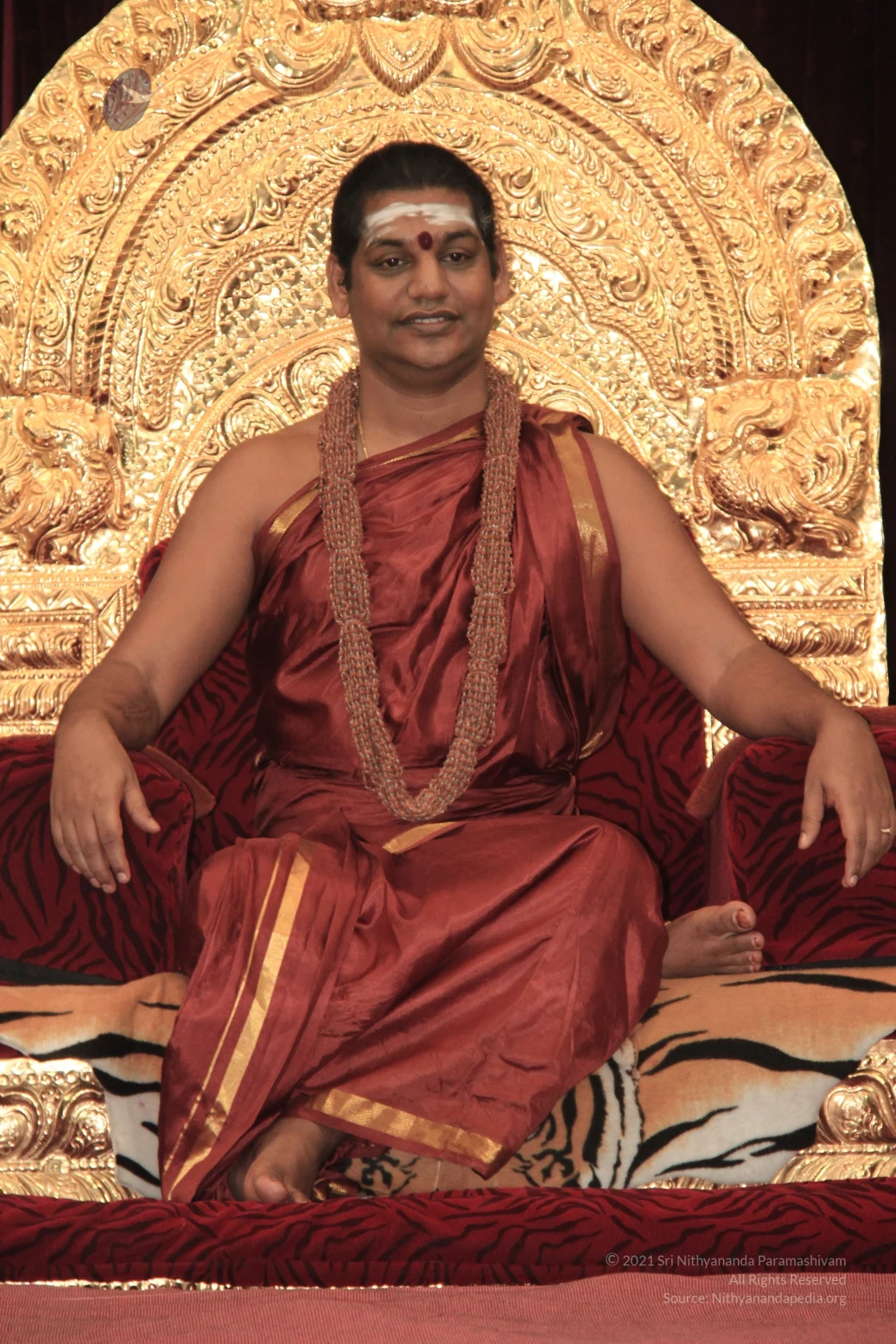
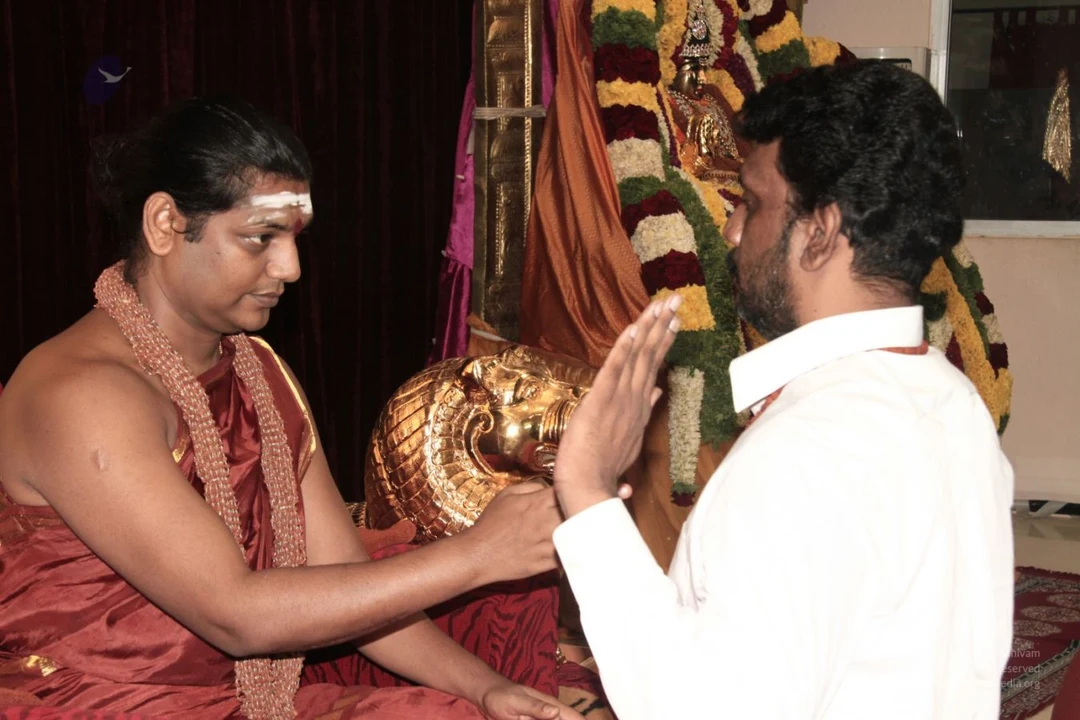
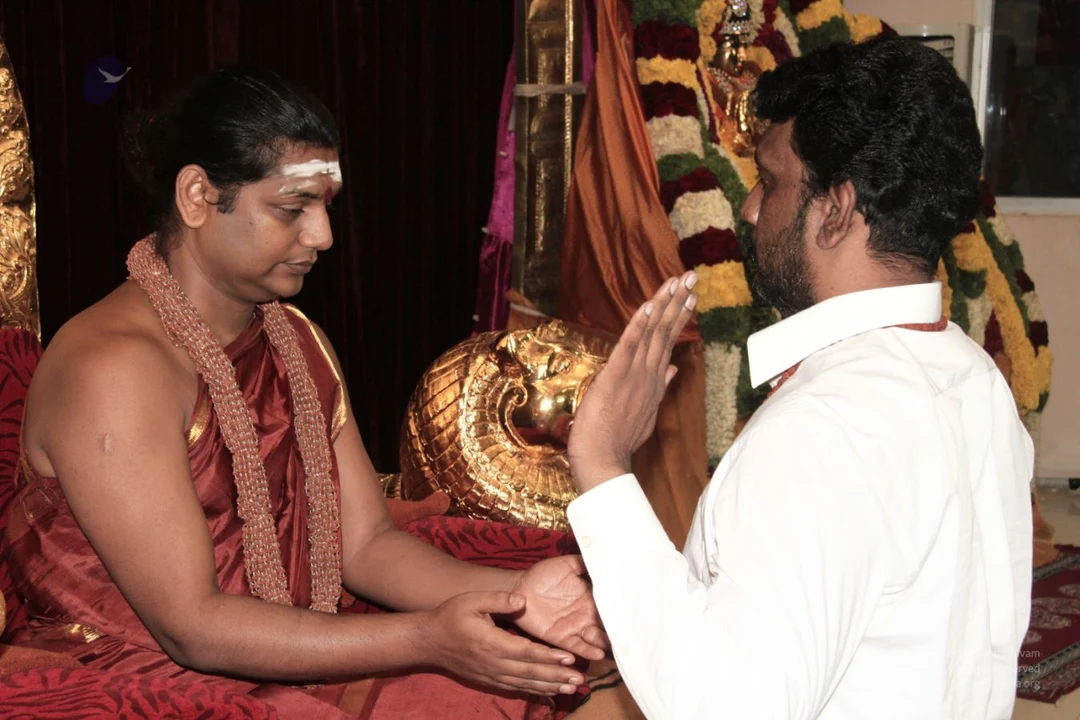
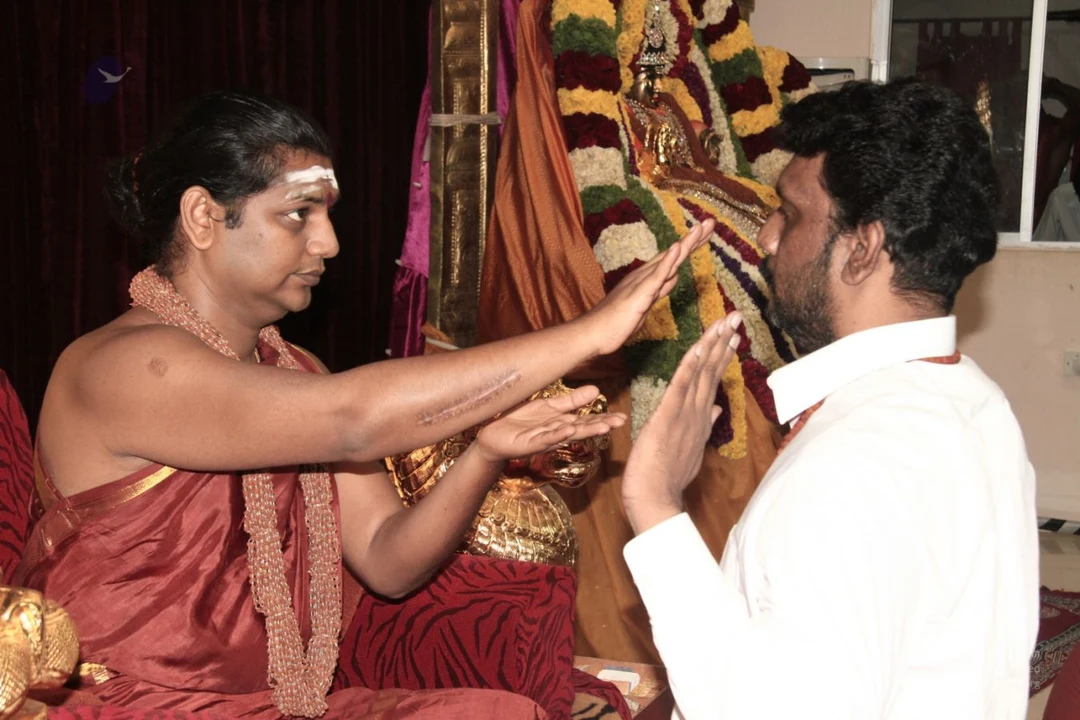
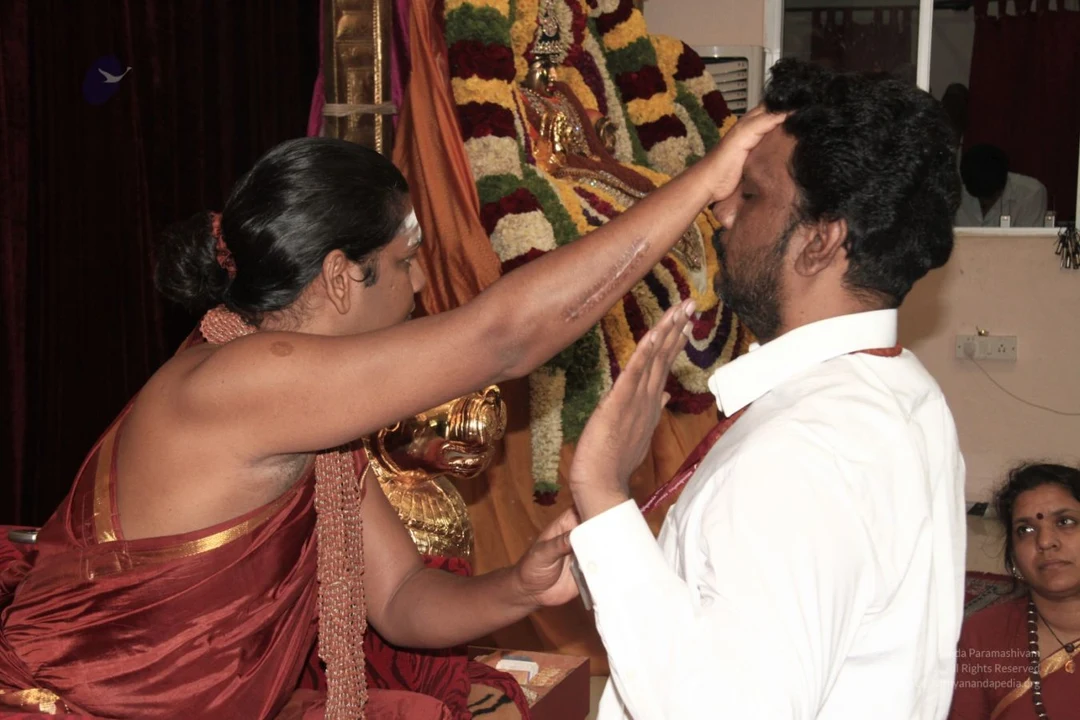
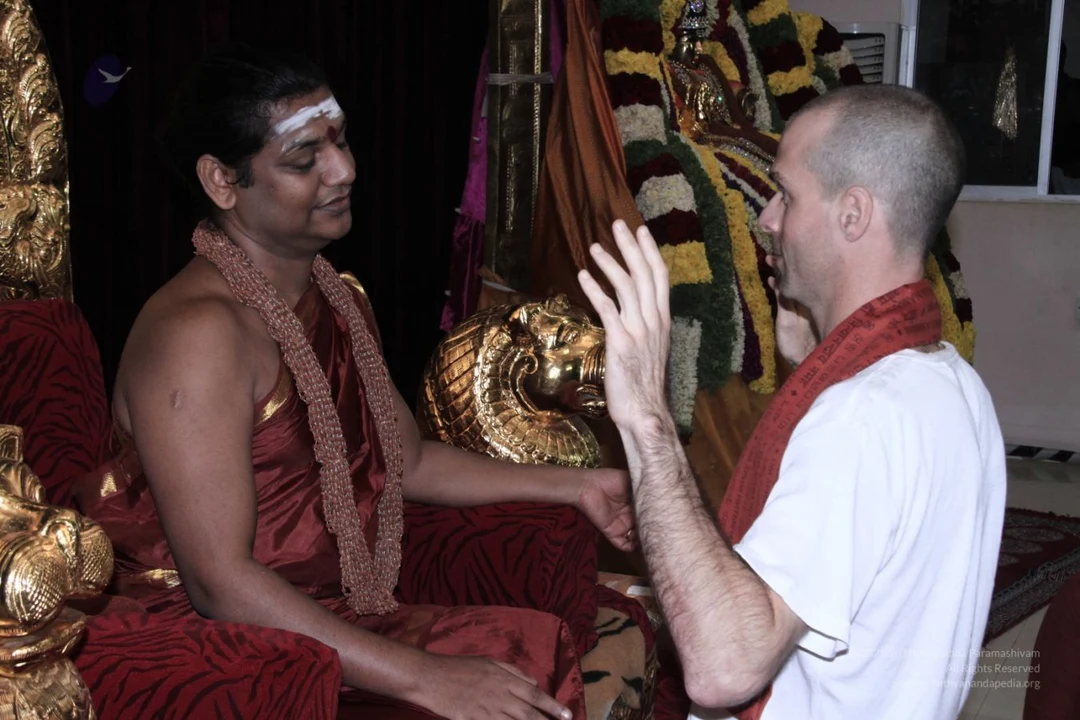
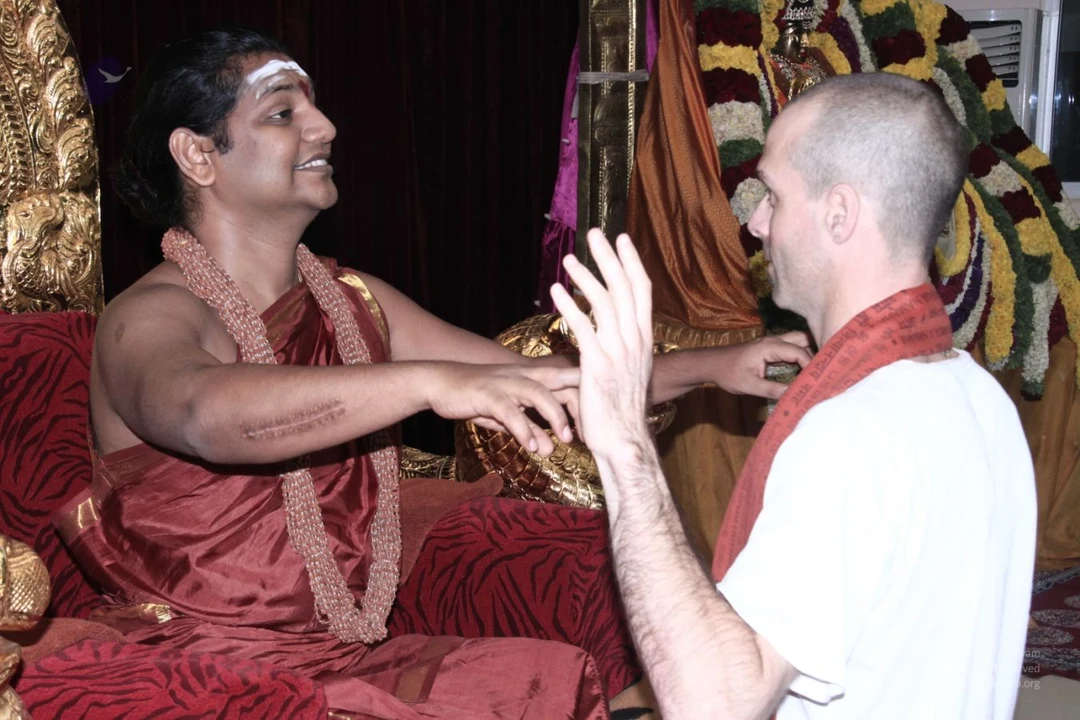
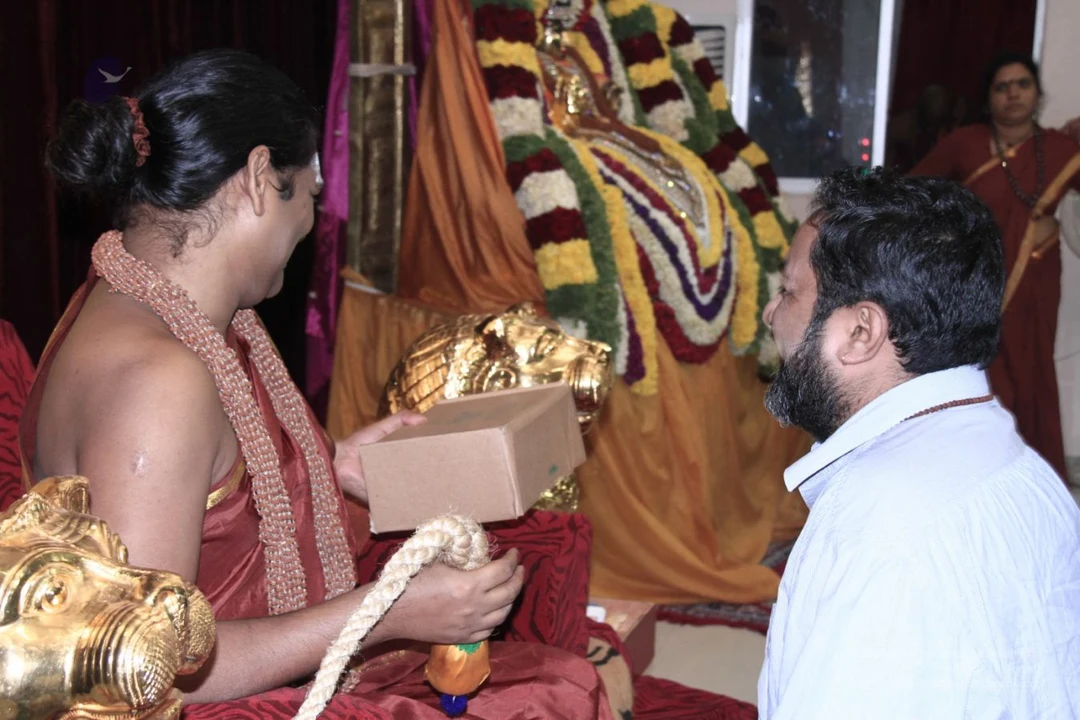
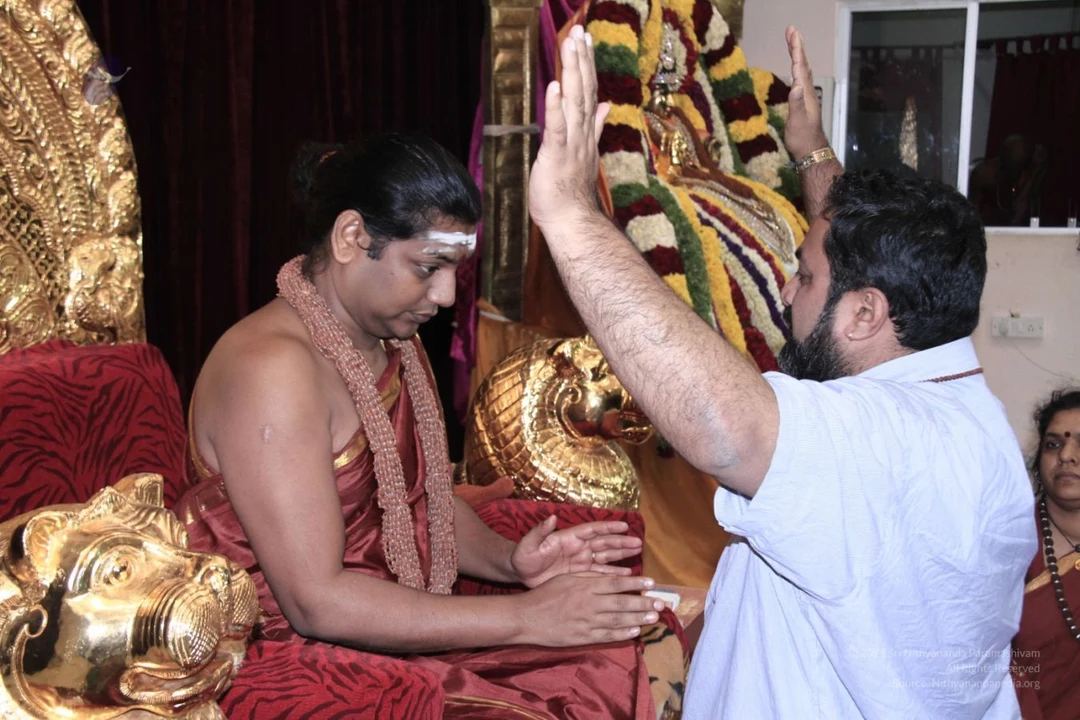
A man sits cross-legged on a tiger-skin-draped seat before an ornate gold throne with a carved arched backrest and two gold lion-head sculptures flanking him. He wears a maroon-red silk robe with gold border, a long rudraksha mala around his neck, and a white horizontal tilak with a red dot on his forehead. His right hand is raised in a gesture while his left rests on the armrest, and he is smiling toward the audience. A dark curtain forms the background.A smiling man with a shaved head, white urdhva tripundra and red bindi sits on a gilded throne with carved lion heads on the arms, wearing a rust-red silk robe, a dark red shawl and a long rudraksha mala. He rests his hands on red tiger-striped cushions and his bare feet rest on a tiger-print cloth. Behind him a large ornate golden throne back is carved with lions and foliage against dark red drapes.A single seated man sits on an ornate gilded throne with carved floral and animal motifs, the backrest arching behind him. He wears a rust-red silk robe with gold-bordered edges and a long rudraksha mala draped over his chest, with a white forehead mark and red bindi. He sits cross-legged on a tiger-striped cloth draped over a red velvet seat, his bare feet visible, and his arms rest open on the armrests. a person: the man has short dark hair and wears the rudraksha mala and saffron-red robe typical of the a person presentation, seated on the throne described in the page.A seated man in a rust-red saffron-toned robe and a rudraksha-style beaded necklace, with a white tilak on his forehead, extends his right hand to touch the forehead area of a golden deity mask. Facing him, a man in a white shirt holds his palms together in namaskar near a golden head sculpture. Behind them stand a garlanded deity murti with red and white flower garlands, an orange cloth and a dark red curtain. Two physical people are visible.Indoor photograph of a seated man in a rust-red draped robe and a rust-red shawl with a beaded rudraksha-style necklace, with a white tilak on his forehead. He sits with his hands extended, receiving the joined palms of a bearded man in a white shirt and white trousers who bows before him. Behind them is a golden serpent-hooded metal form, a garland of red and yellow flowers, and an orange cloth draped on a stand. Two people are visible.A seated man in a red-maroon robe with a beaded rose-coloured mala and a white vertical forehead mark extends his right hand toward a standing man in a white shirt, who has his palms pressed together in a respectful greeting. Behind them is a deity murti or image adorned with a garland of red and white flowers and yellow marigolds, with an orange cloth draped beside it and a golden ritual vessel in the foreground. The setting looks like a devotional gathering. a person: the seated robed figure wears a rose-red robe and a rudraksha-style beaded mala, cues compatible with the page's reference, but the appearance is not distinctive enough for a firm identification.

03-Energy-Darshan
10 photosSource gallery
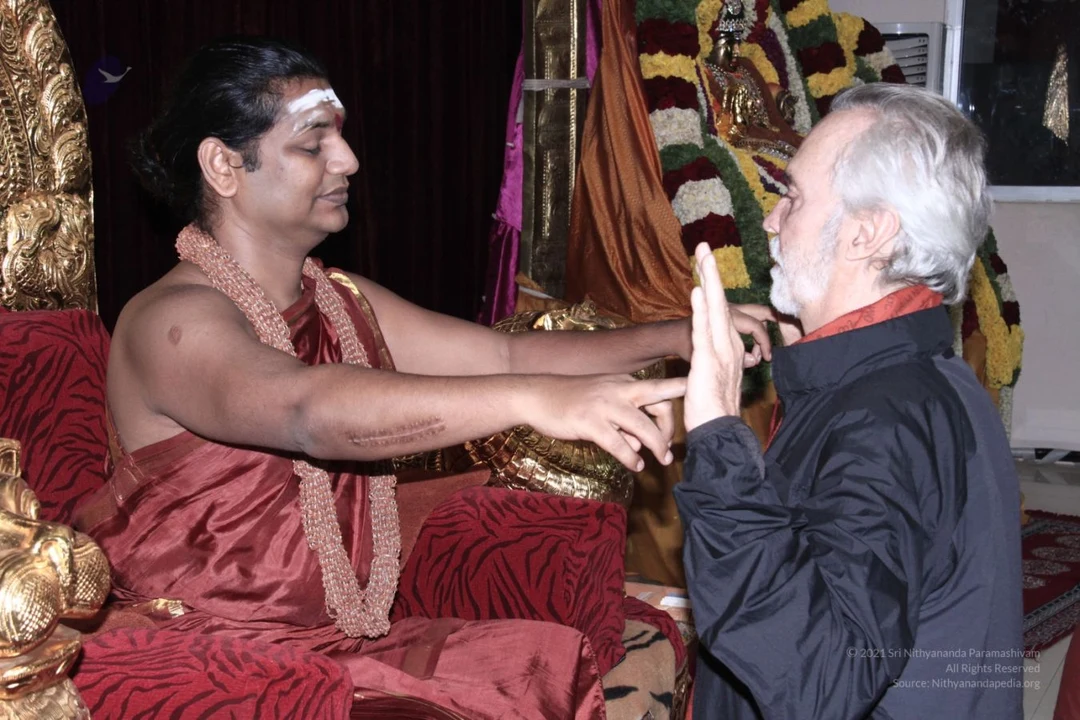
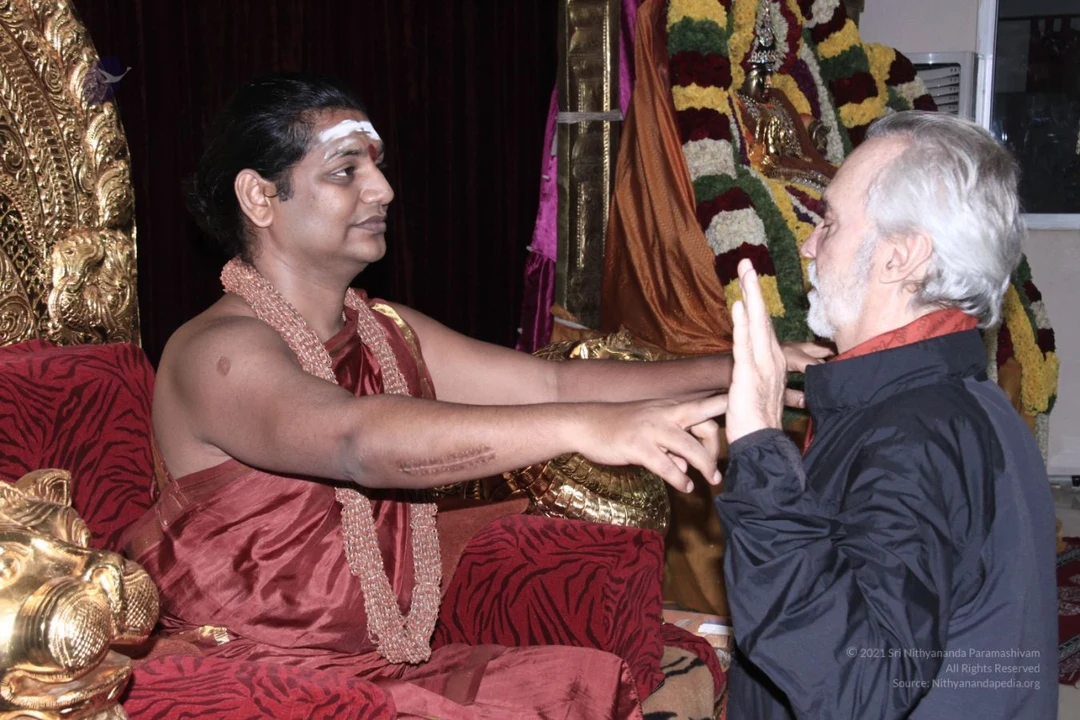
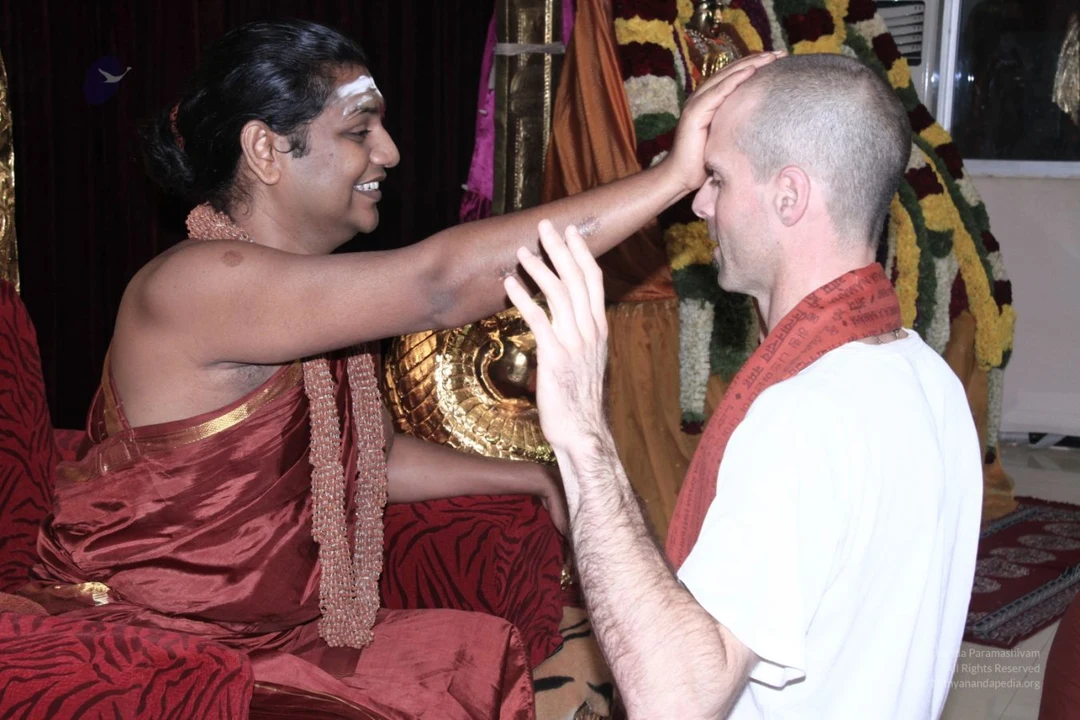
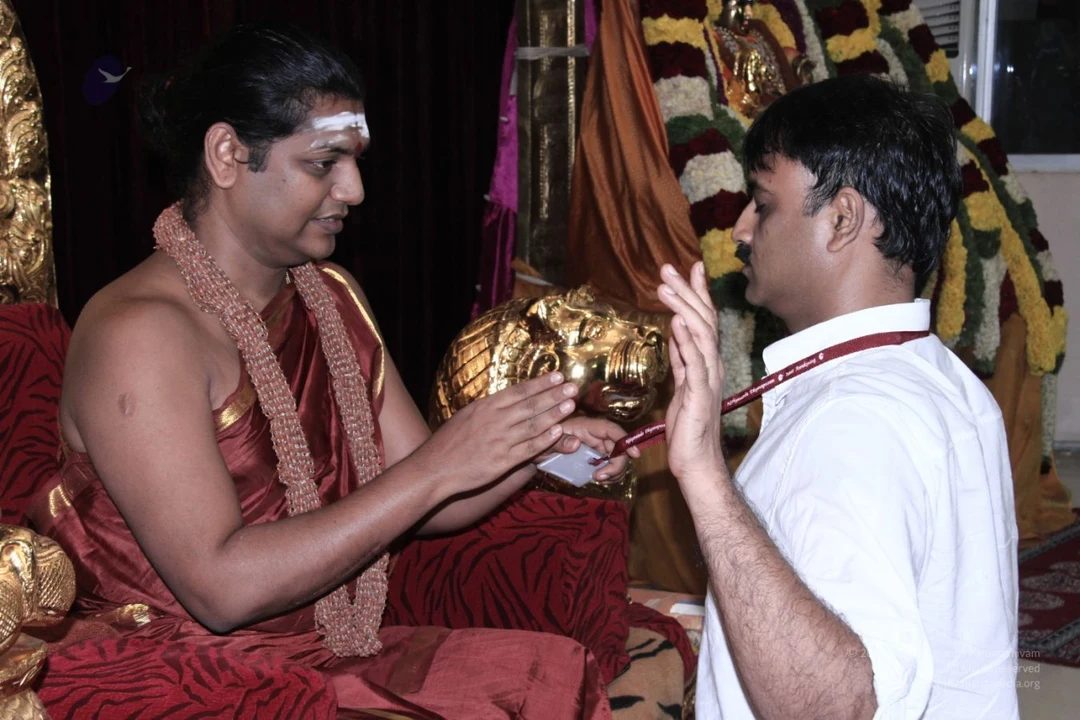
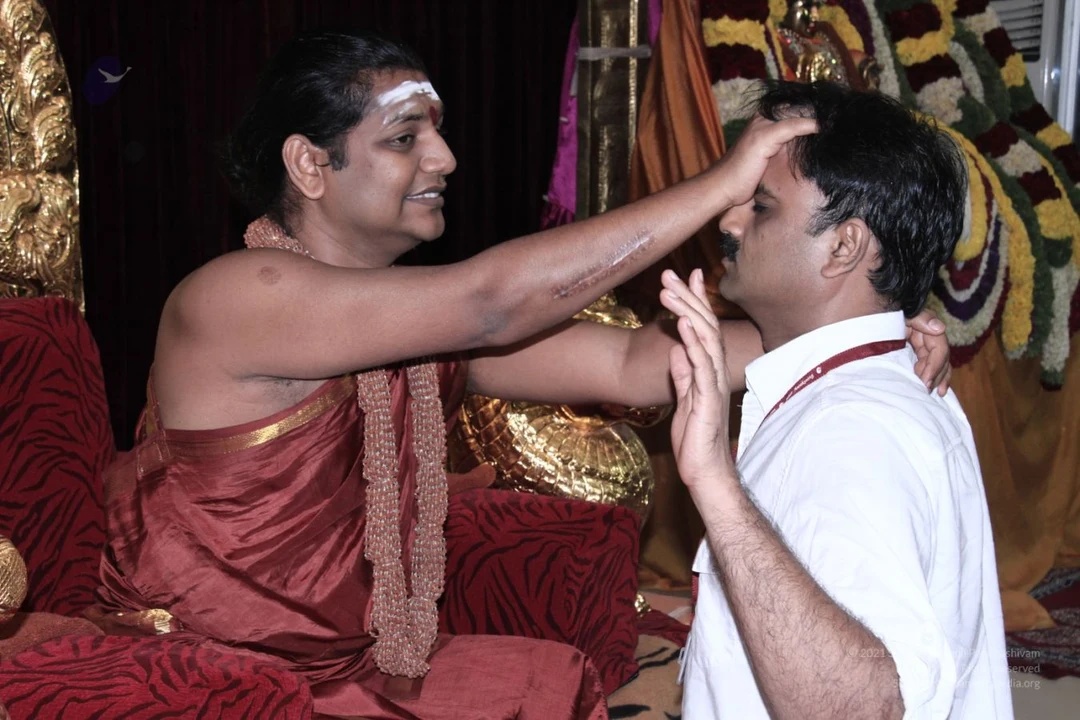
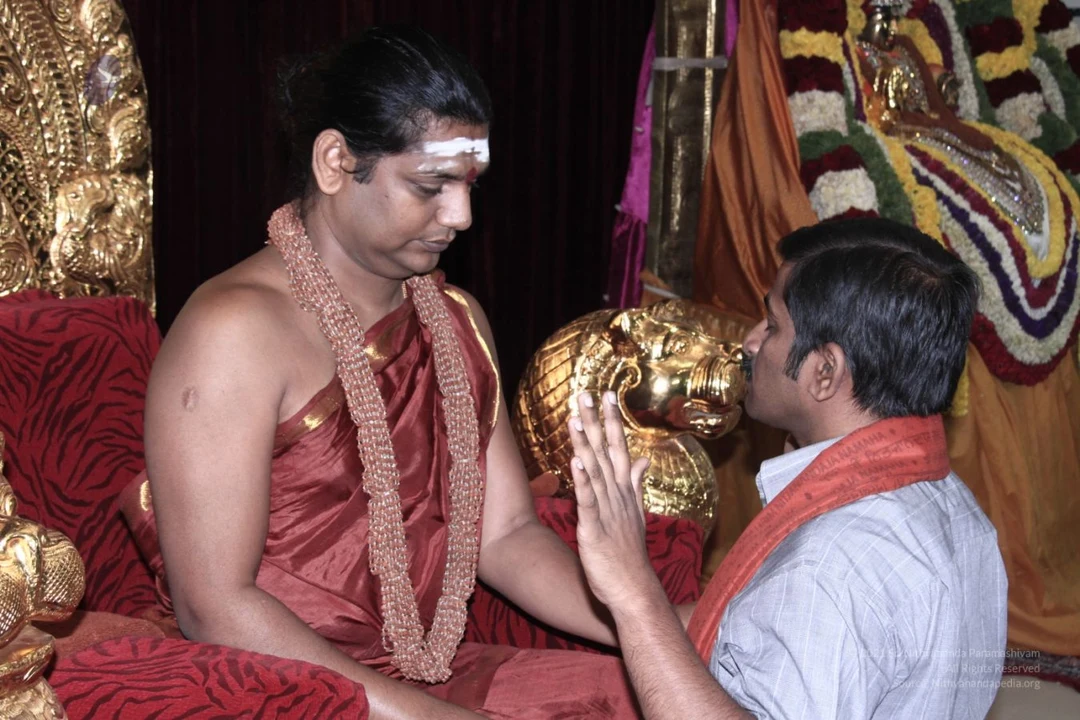
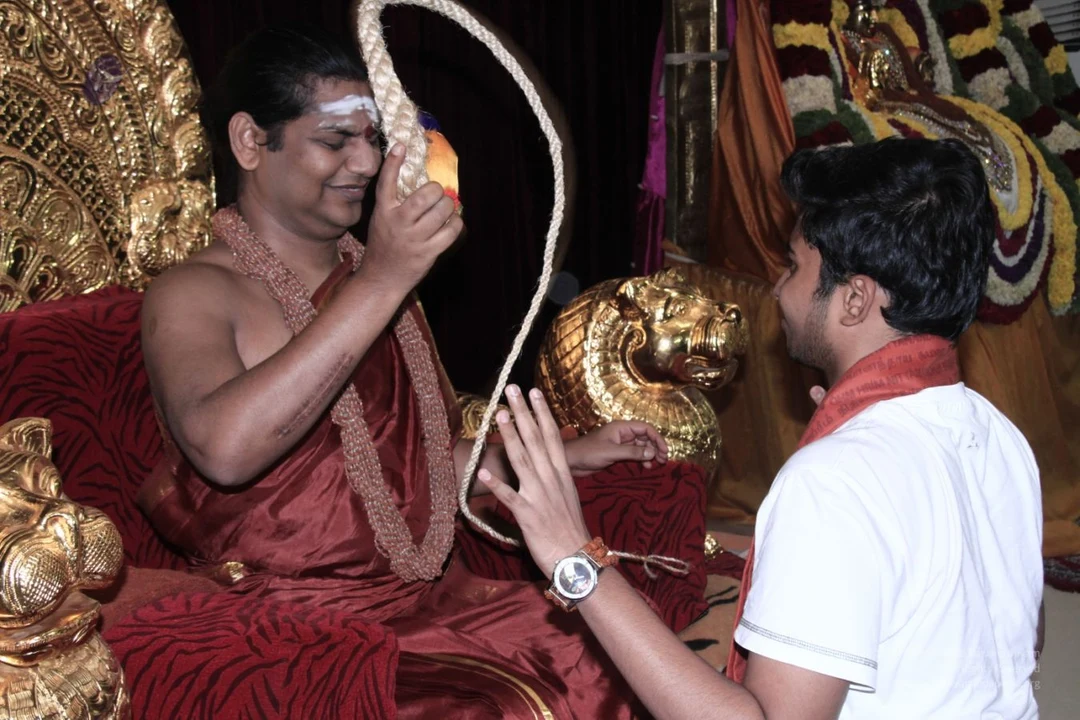
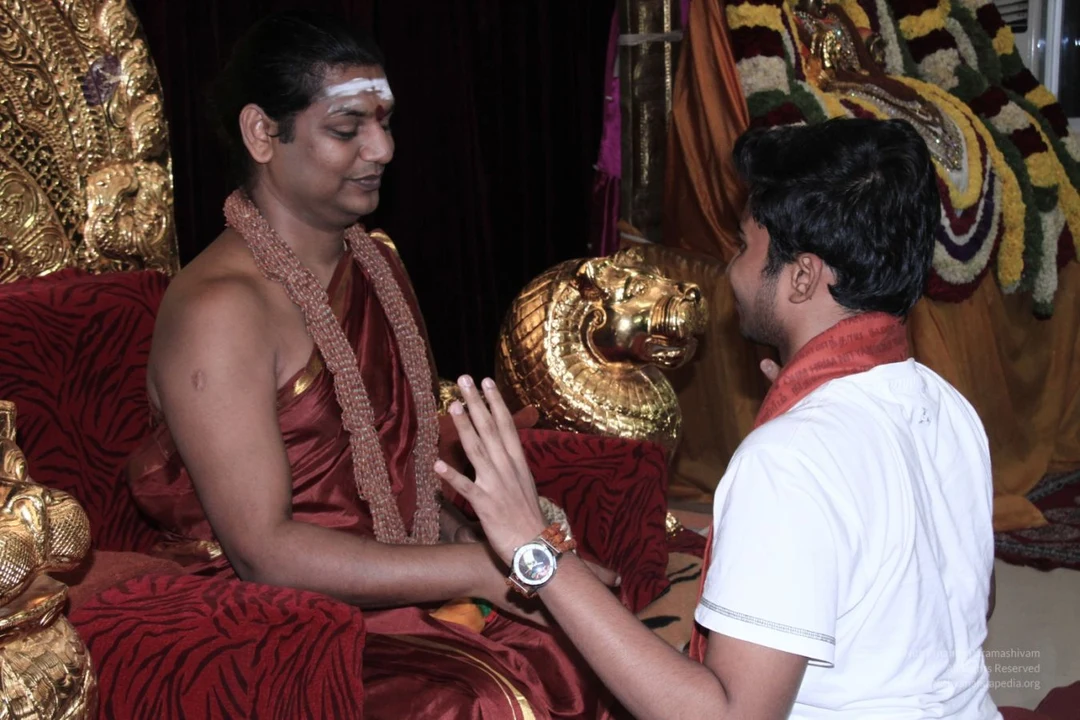
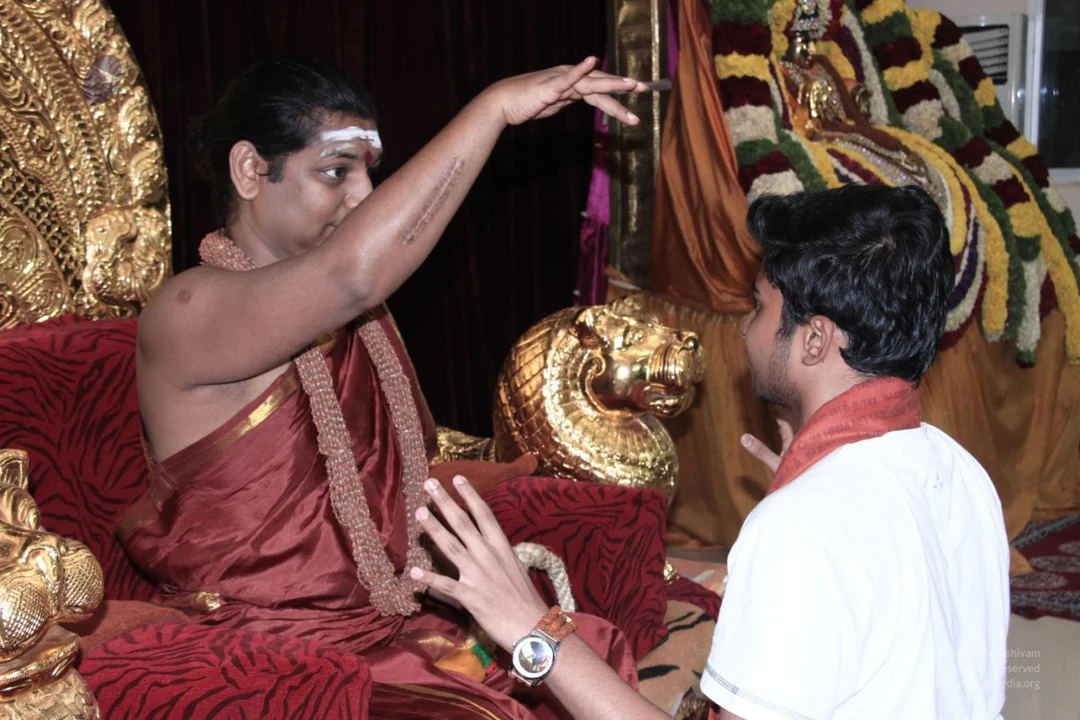
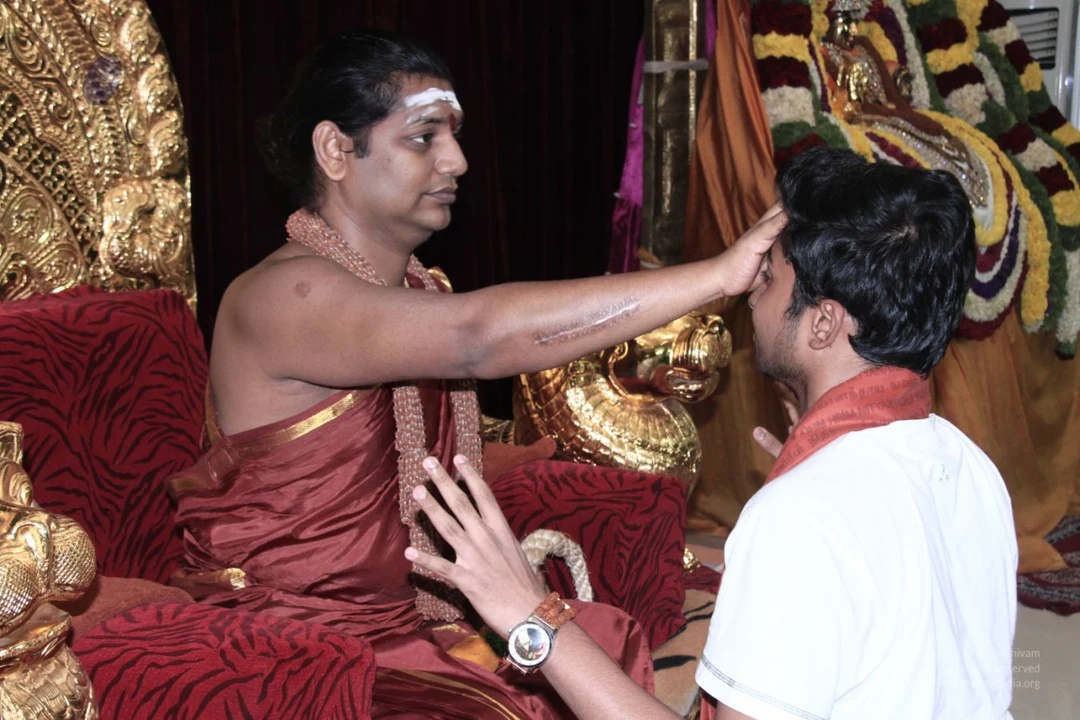
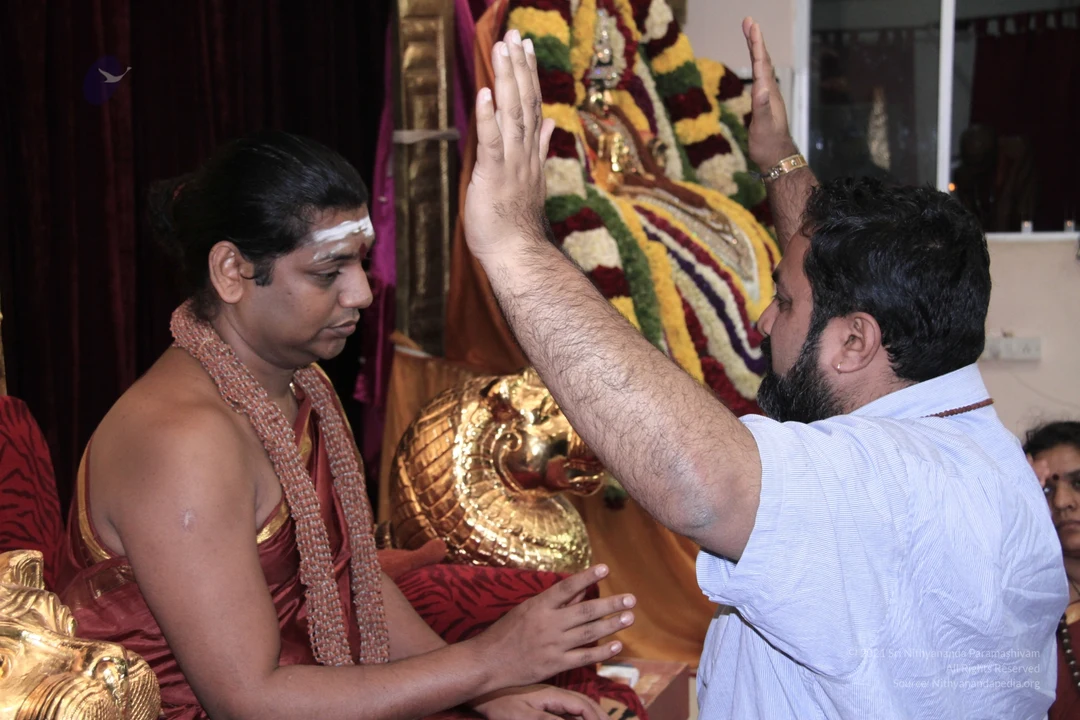
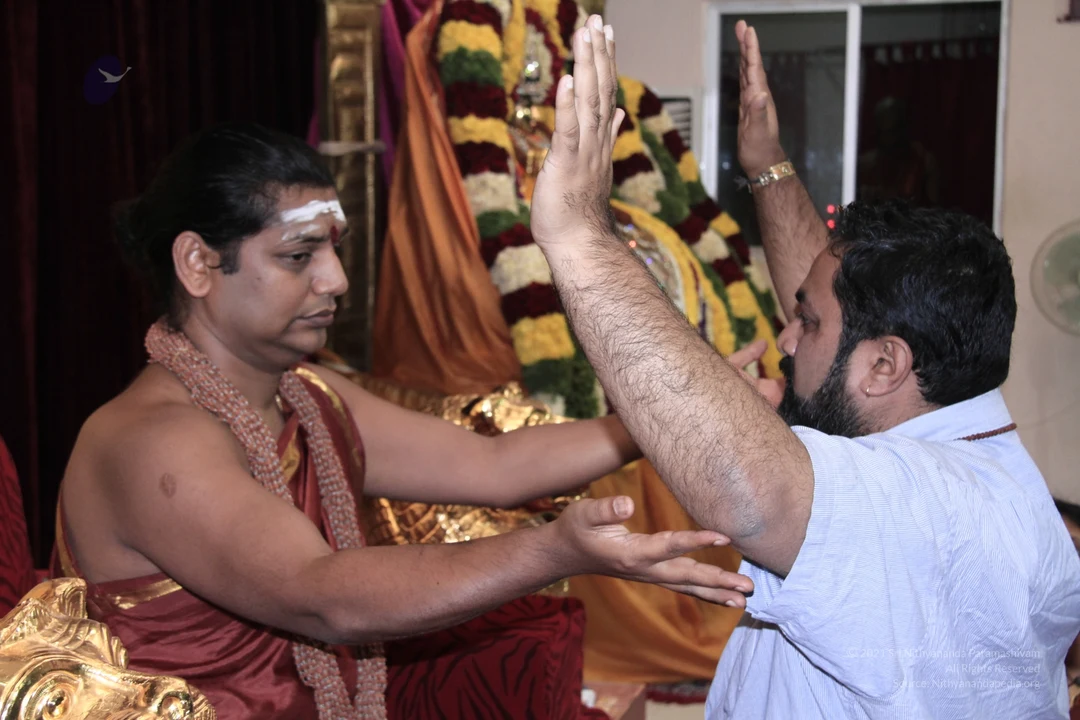
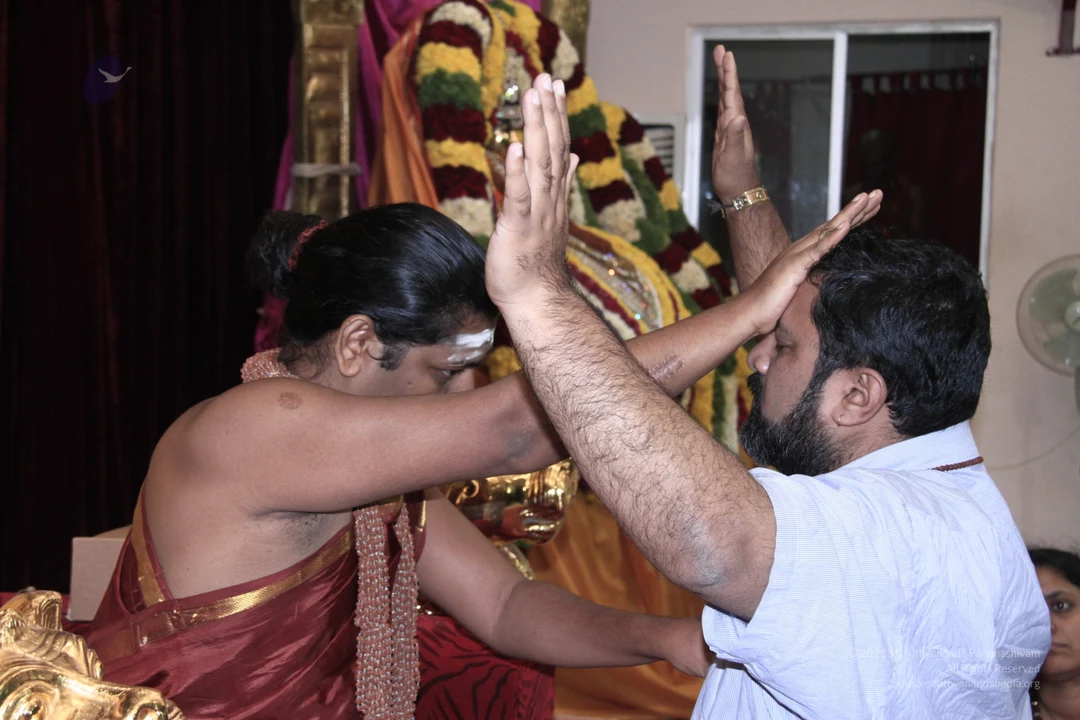
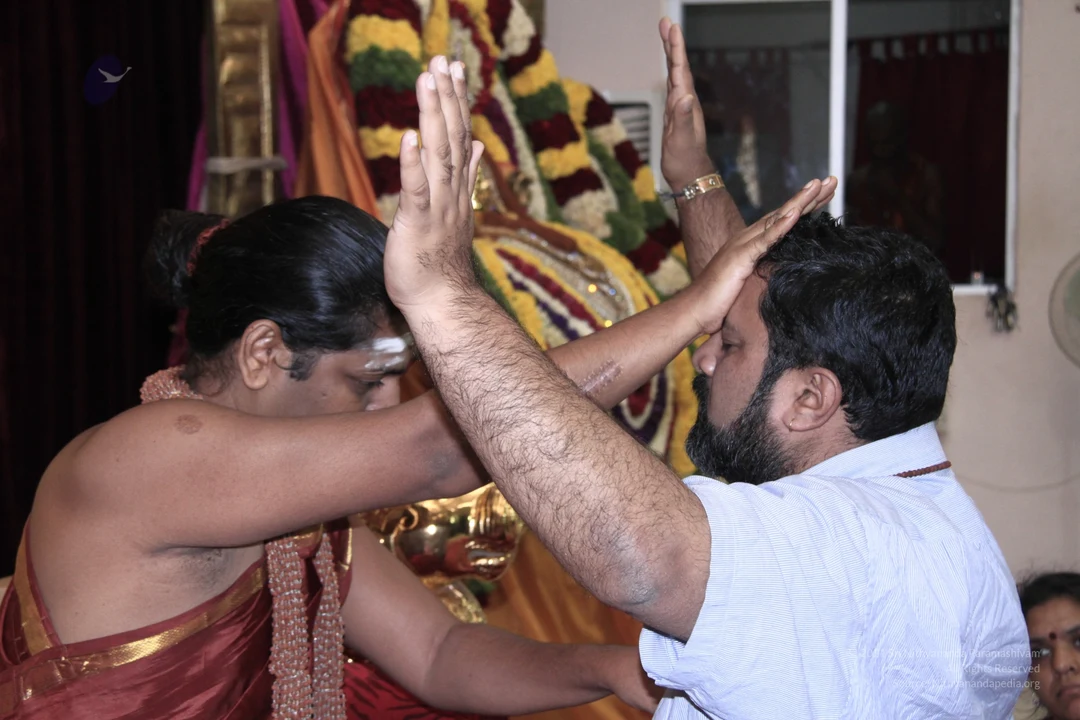
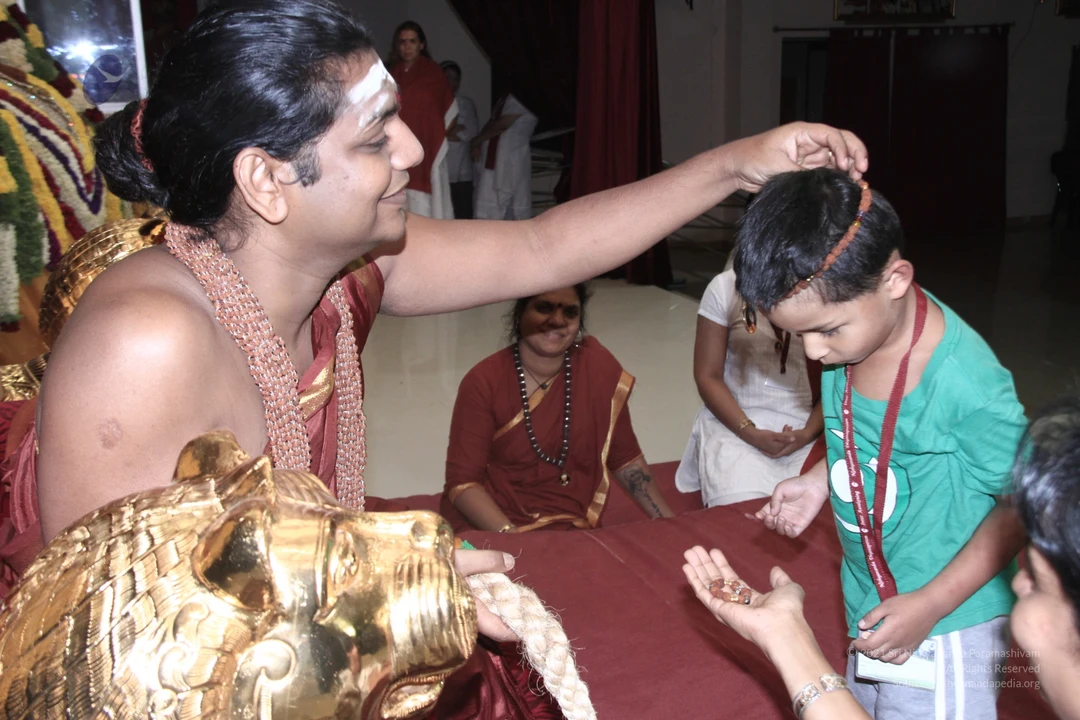
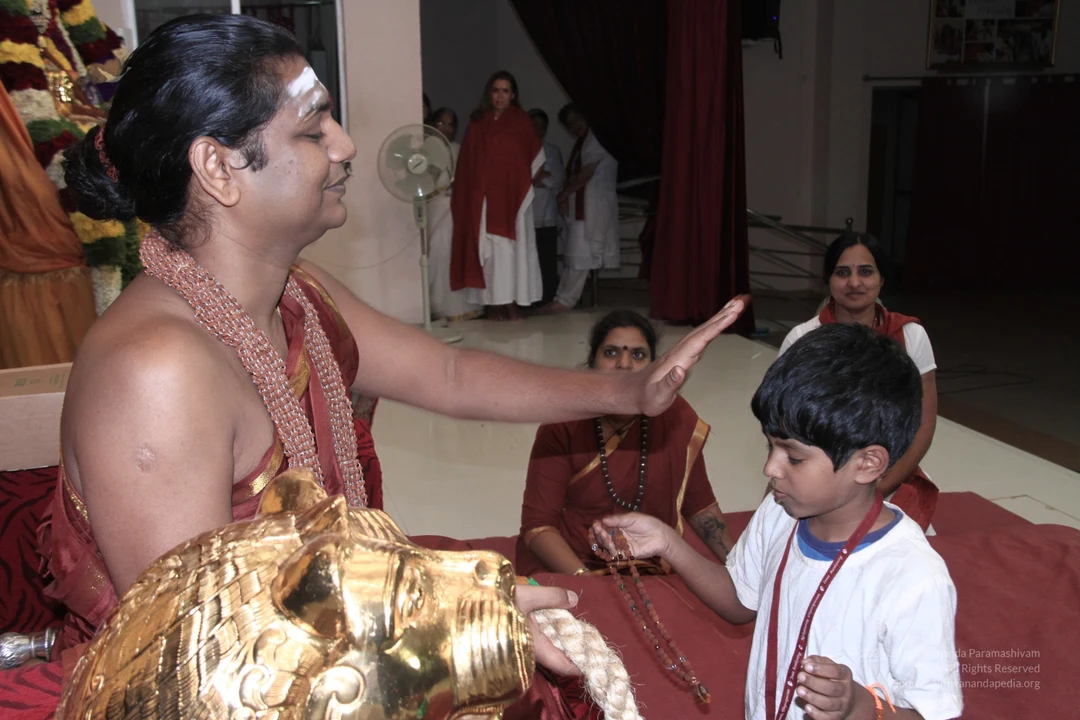
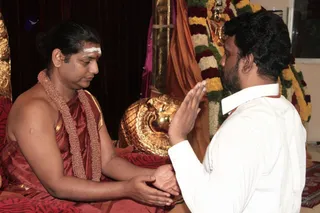
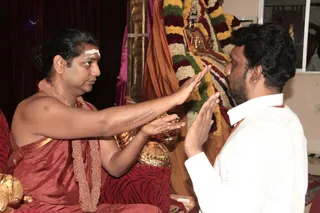
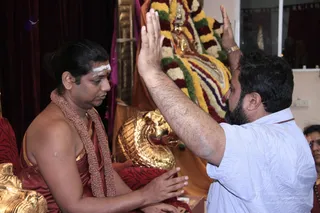
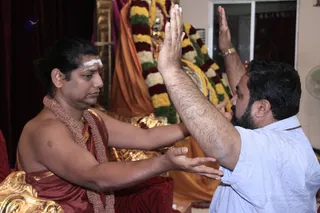
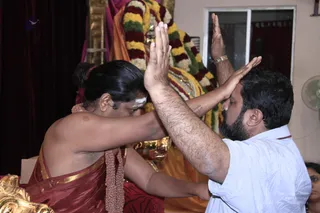
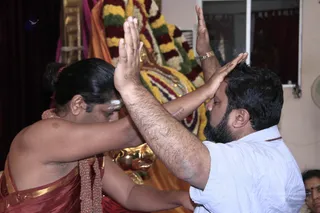
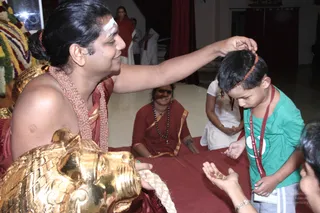
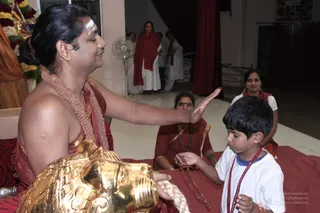
A seated man in a red-orange dhoti and shawl wears a rudraksha mala and a white tilak on his forehead, with his hands extended forward toward a second man standing before him. That standing man wears a light blue-and-white striped shirt and a wristwatch, with his right palm raised high in blessing or greeting. Behind them, a deity murti is decorated with a large garland of yellow, white and red flowers, and a golden lion-head or serpent-form ornament sits in the foreground. A dark red curtain hangs on the left and an ornate golden throne-like seat is visible. Two other people are partly visible at the right edge. The seated man's pose and ornaments are not sufficient to confirm identity, so the a person flag is set to unsure.A seated man in an orange-red dhoti-style wrap and a bare upper body, wearing a long pale beaded mala and a white tilak with a red dot on his forehead, extends one hand toward a standing devotee in a light blue striped shirt who raises both palms in a gesture of reverence. Behind them, a floral garland of marigolds in yellow, white and red drapes a deity murti and a gold-and-orange cloth covers the altar. The seated man is a probable Swamiji by visible cues: long swept-back hair, a rudraksha-style mala and a saffron-orange wrap. The setting appears to be a darshan or blessing moment in an ashram hall.A photograph of a devotee in a light blue collared shirt bowing forward with palms pressed together, touching the forehead of a seated figure in a red-and-gold garment and a white vibhuti mark on the forehead. Behind them a deity murti is garlanded with red and yellow flowers, with a gold-and-orange cloth backdrop and a gold-fringed throne edge in front. The seated figure has a rudraksha-style bead necklace; the devotee wears a thin red thread. A wall fan and a window with curtains are visible on the right. Appears to be a darshan or blessing moment. The seated figure's identity is not established by visible cues alone.A photograph of two men in close contact, a bare-chested man in a red and gold dhoti with a coral-bead necklace and white vibhuti marks on his forehead presses his palm to the forehead of a bearded man in a light blue striped shirt who bows with his hands raised. Behind them a deity murti or garlanded figure is decorated with marigold and red flower garlands, with gold ornaments and an orange cloth. The setting appears to be an indoor shrine room.A seated man in a red-and-gold robe with a rudraksha-style pearl necklace and a white tilak on his forehead reaches over to place a hand on the head of a young boy in a green t-shirt with a red lanyard. The boy looks down, holding out his palms. Beside them a woman in a maroon sari with a dark bead necklace smiles, and a woman in white stands behind. A large gold ornamental object with a carved face sits in the foreground, and a red cloth covers the table. A garland of flowers hangs at the left edge. The setting is an indoor hall with red curtains.A photograph of a seated man with swept-back dark hair, a white forehead mark, a pink-beaded rudraksha-style necklace and a red-and-gold cloth, extending his right hand in blessing toward a young boy in a white t-shirt with a red thread lanyard. The boy reaches up holding a red-brown beaded mala. Behind them a woman in a red sari with a dark bead necklace sits watching, and a young woman in white and red stands at right. Further back, people in white and red clothing stand near a fan. At left, a gold-coloured lion-faced ceremonial object and a garlanded altar with orange and yellow flowers are visible.
November 16 2013

1 photoView all
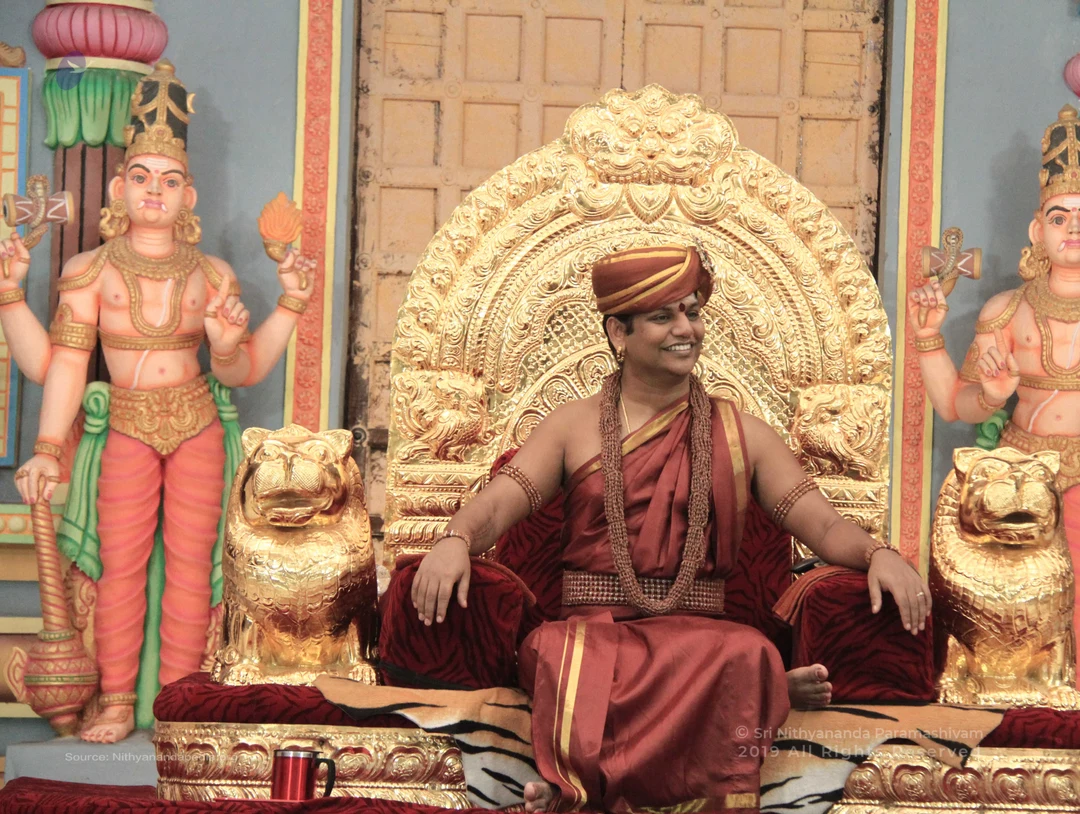
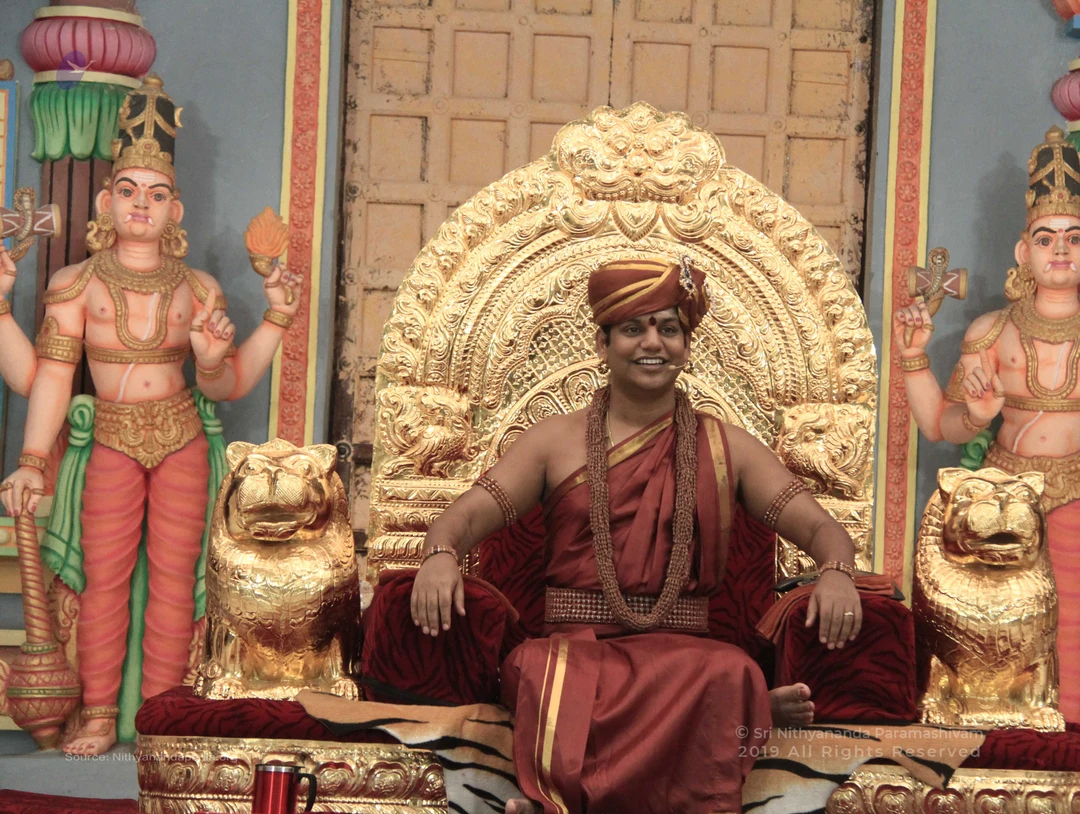
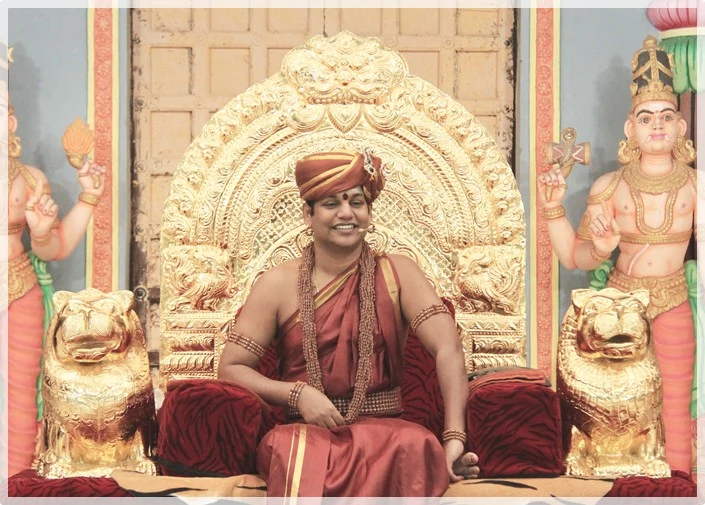
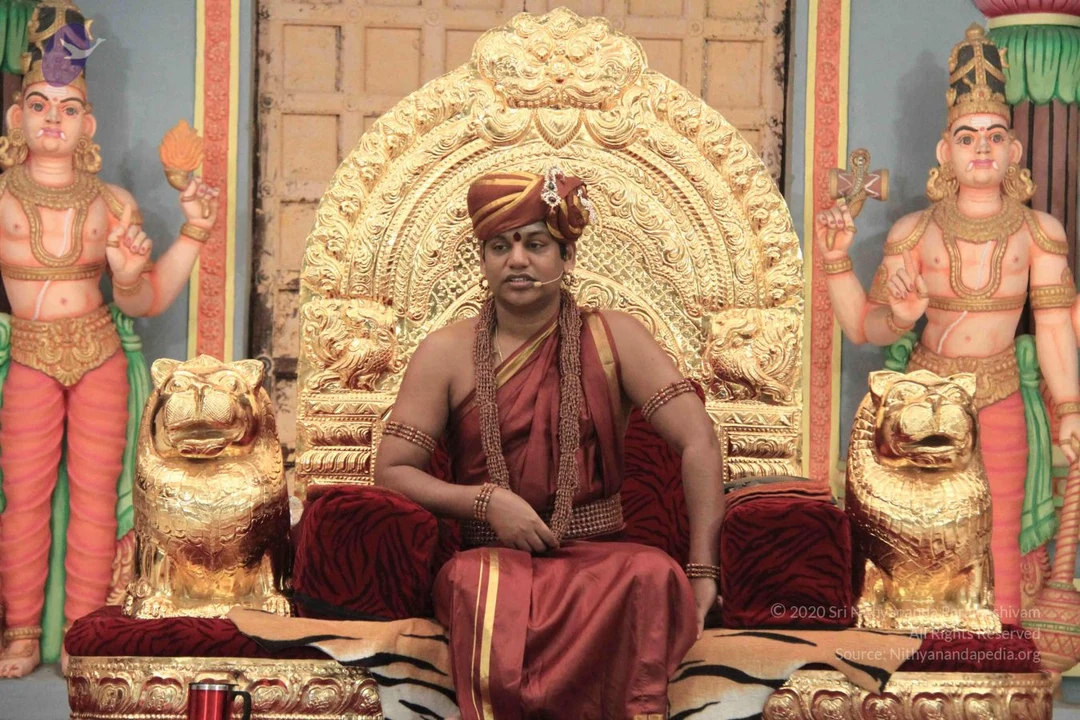
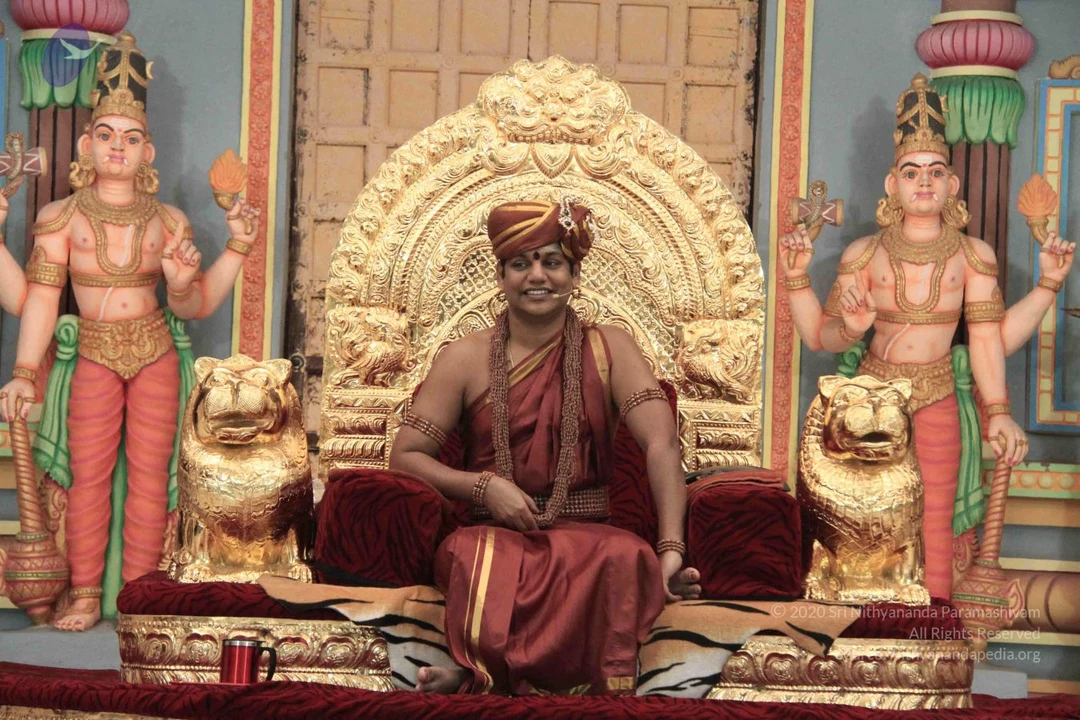
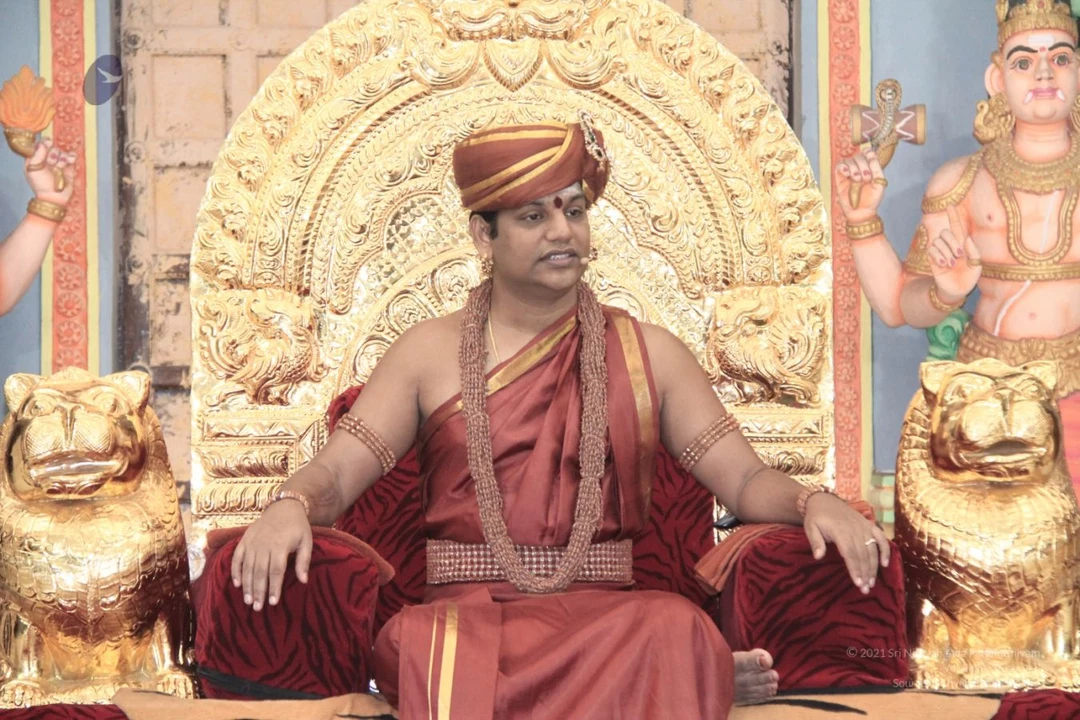
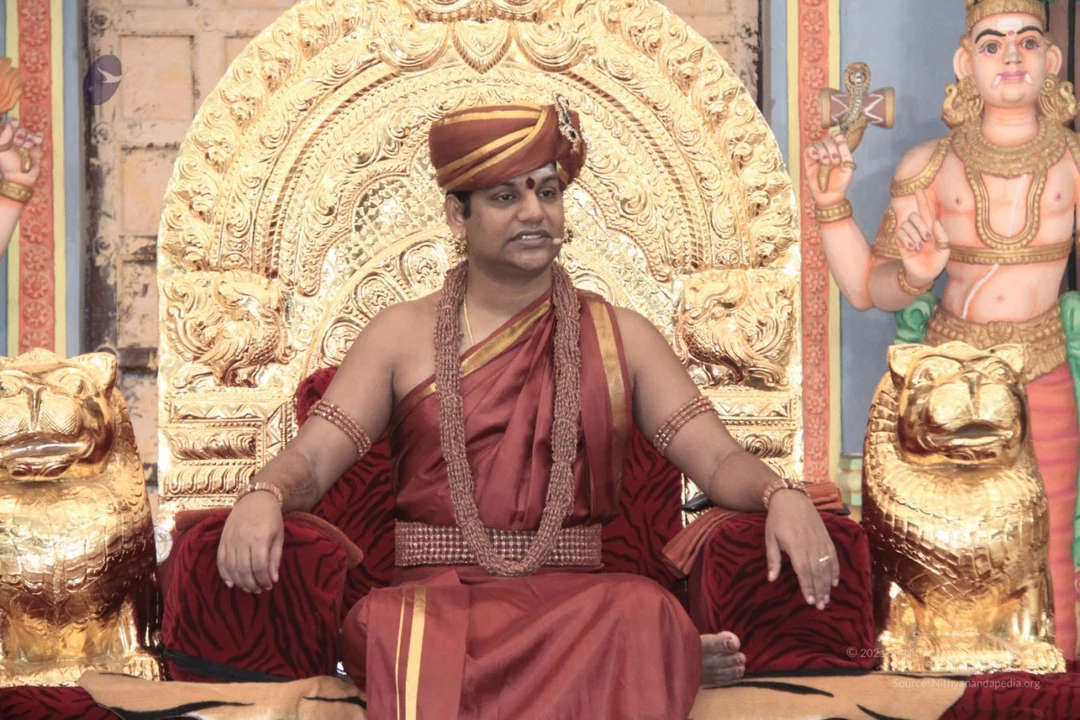
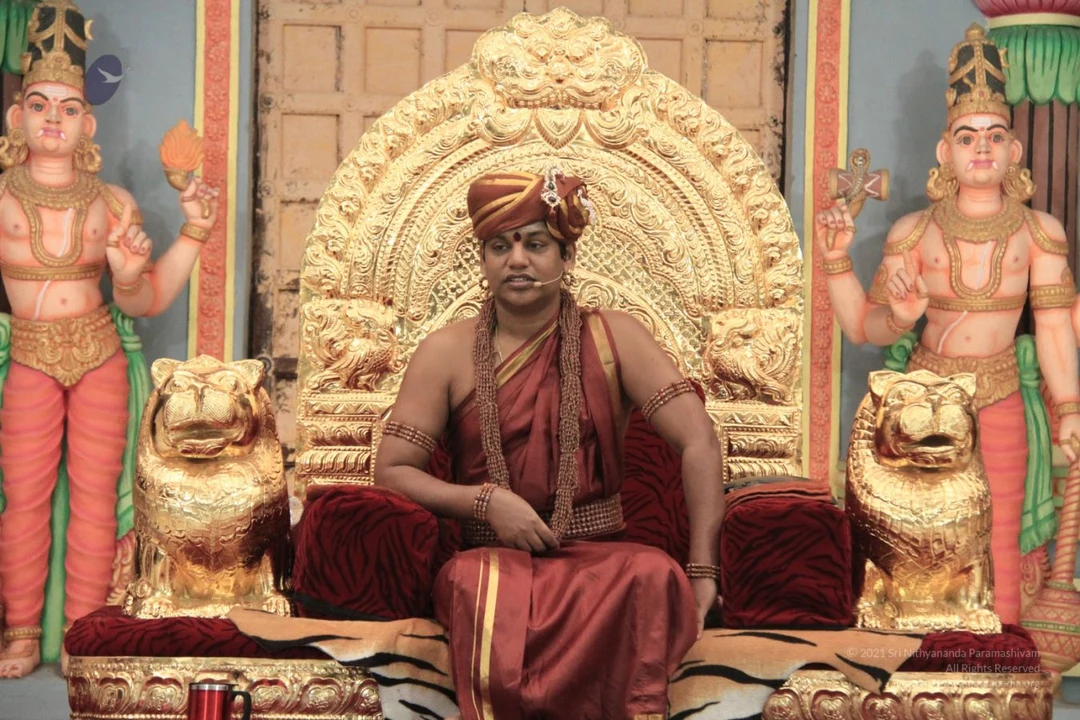
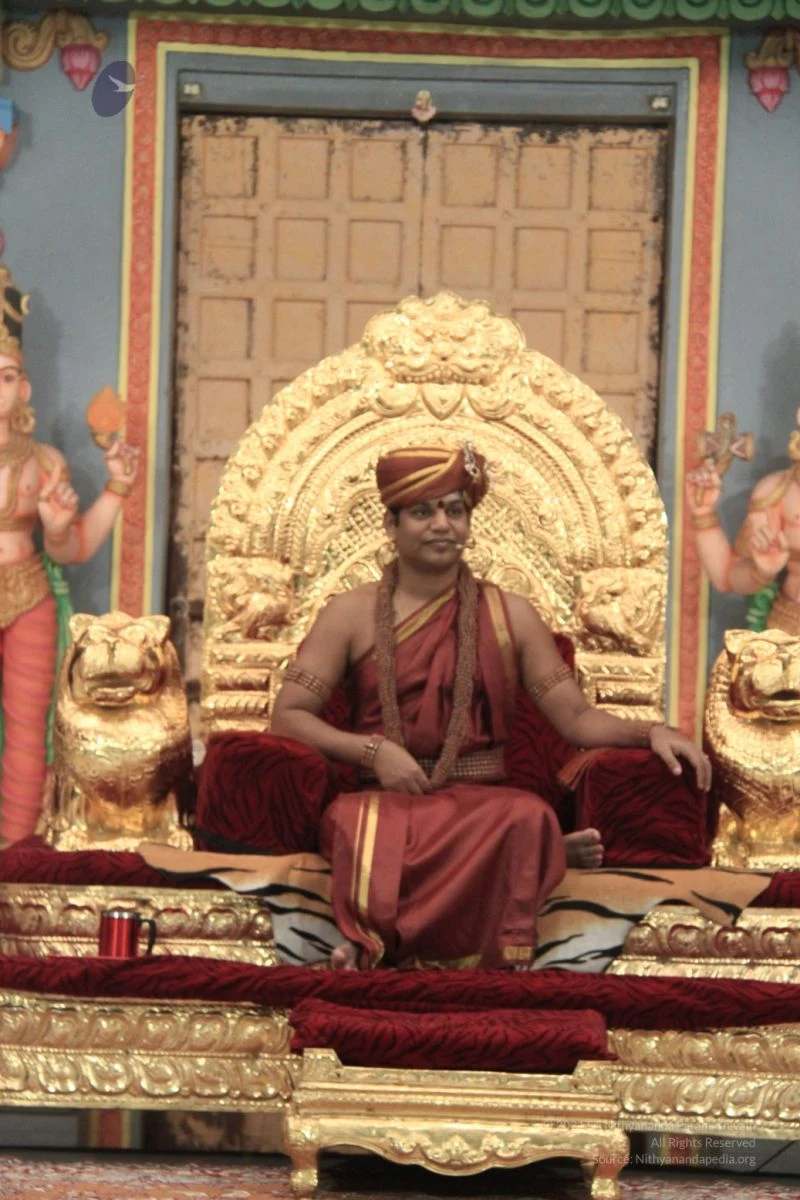
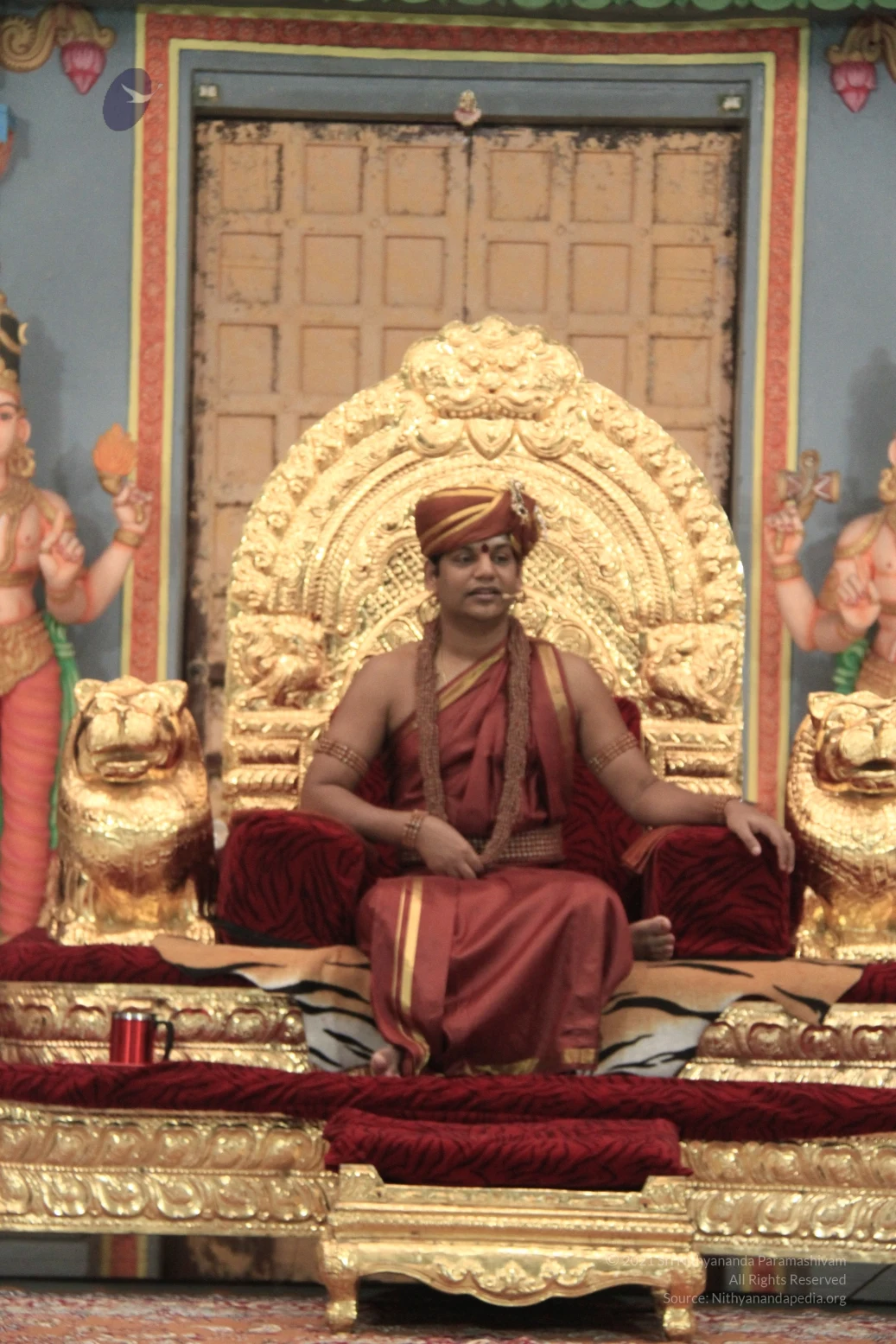
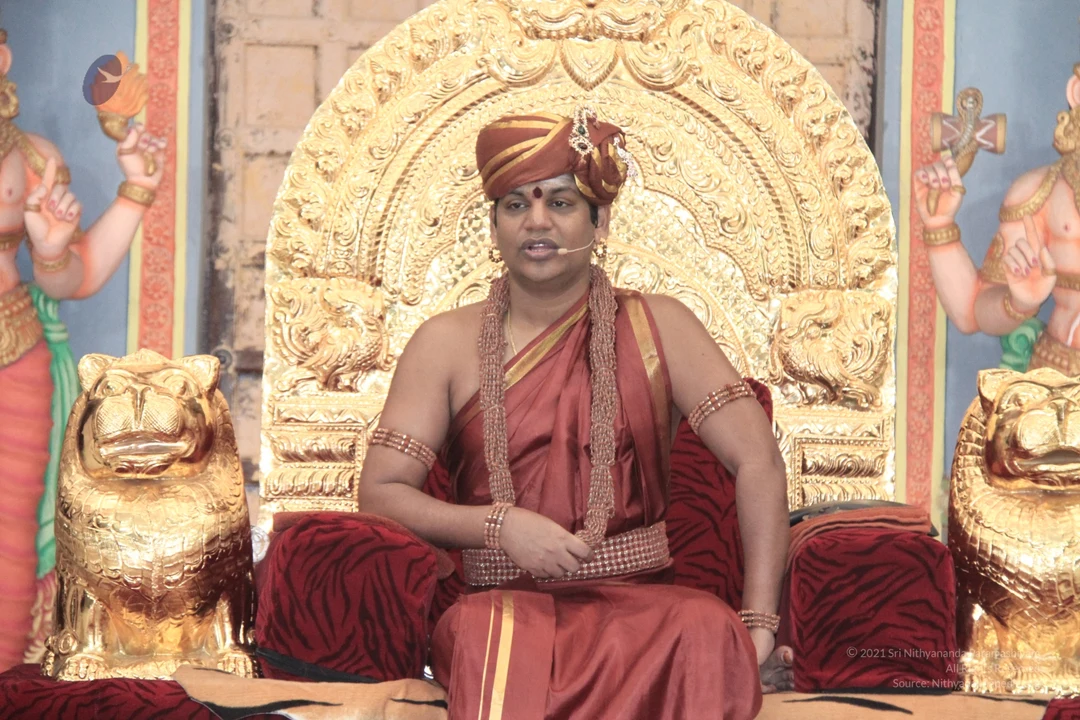
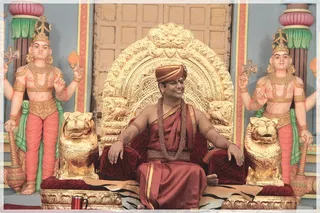
A seated man in a maroon and saffron-bordered robe speaks into a headset microphone from a large gilded throne with carved lion-head arms and red tiger-striped cushions. He wears a maroon turban with gold trim, a red bindi, a beaded rudraksha-style mala, gold bangles and a beaded waist belt. Flanking the throne are gilded lion sculptures and two painted deity statues with multiple arms, one holding a lamp and one a trident. The image is a photograph of a discourse setting.