Skip to content
Thursday

16 November 2017

Anubhooti & Anubhava - The Two Sides of an Experience

Dated photos
97
Source pages
1
Media
2
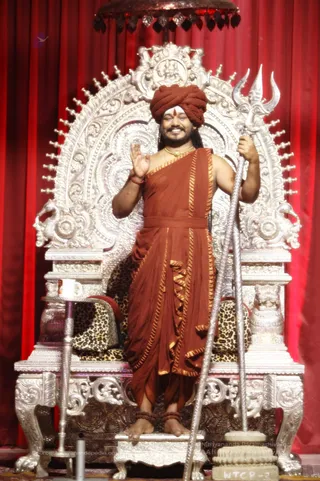
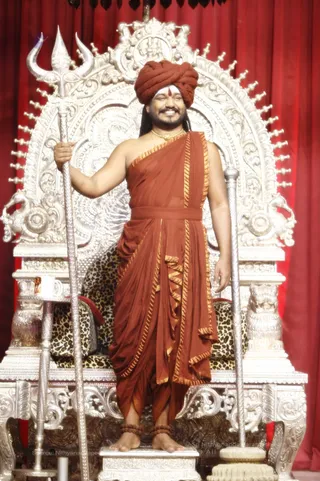
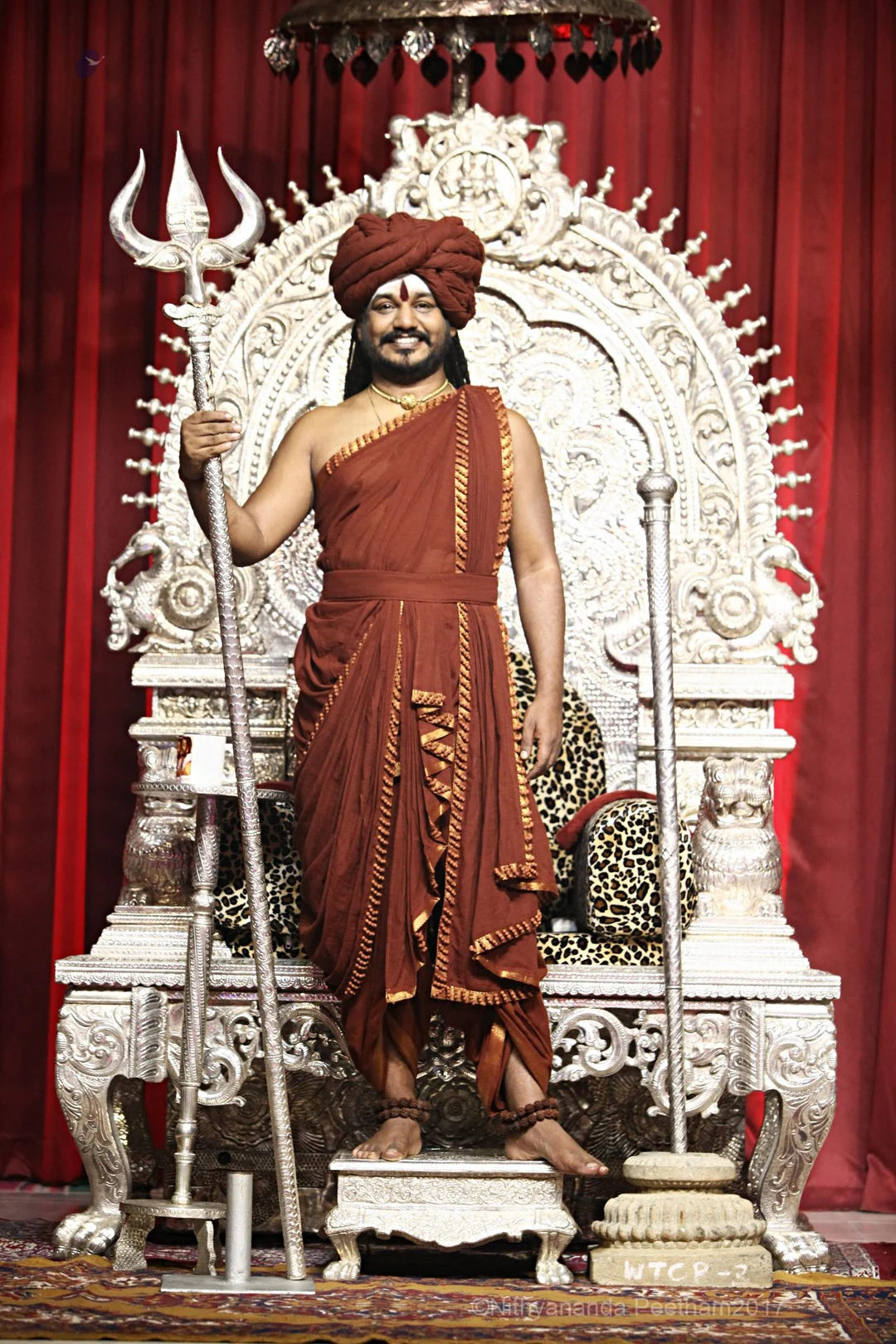
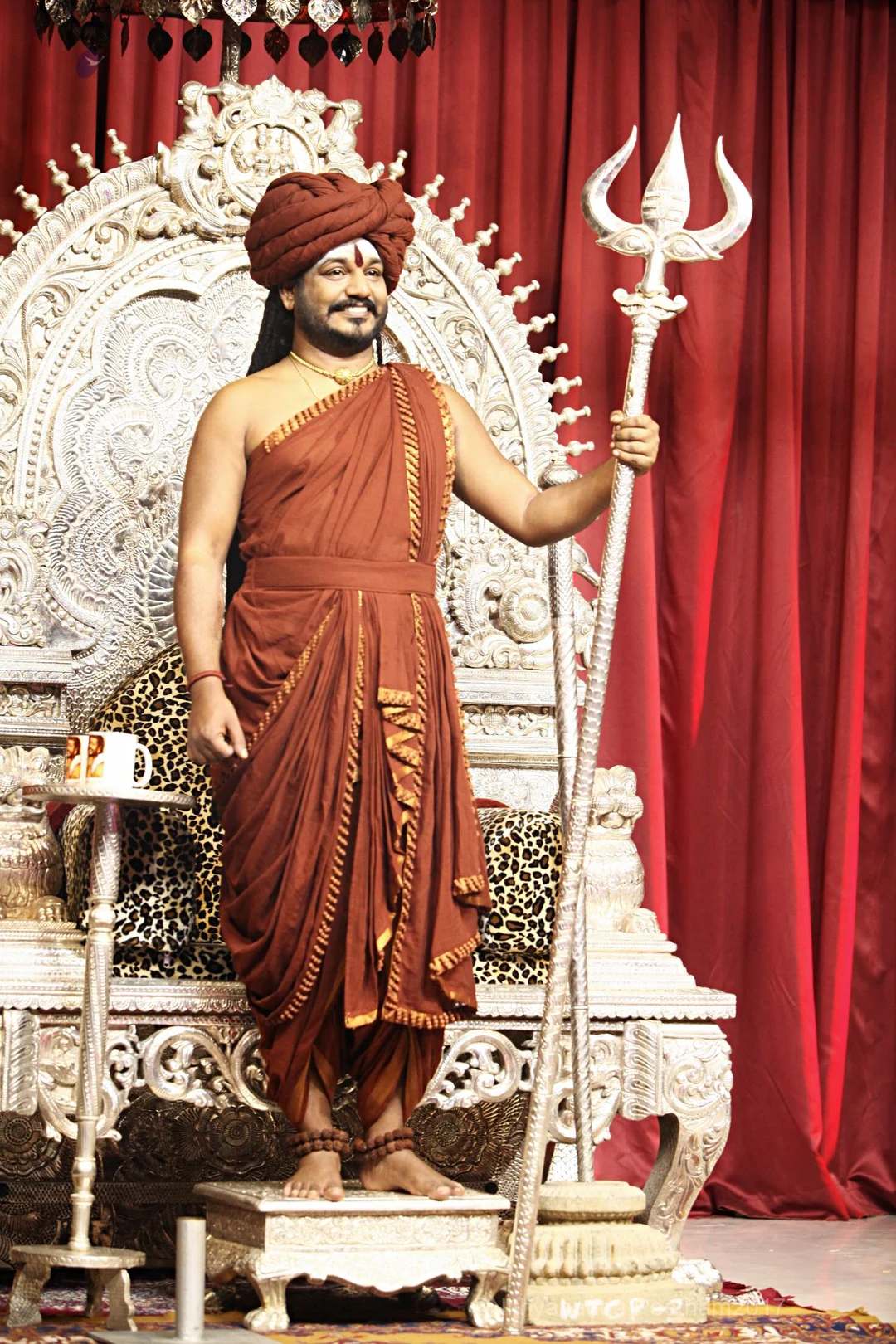
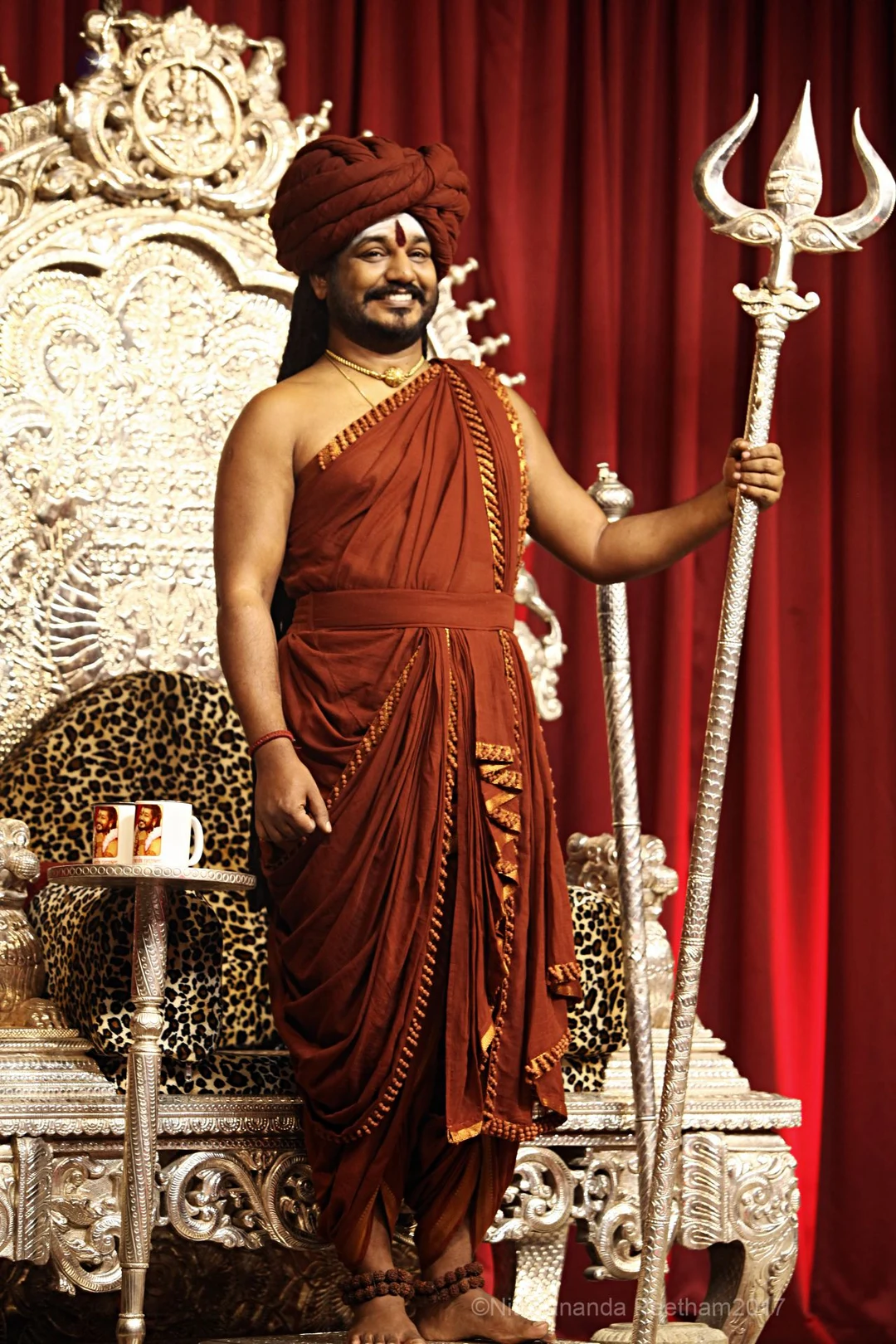
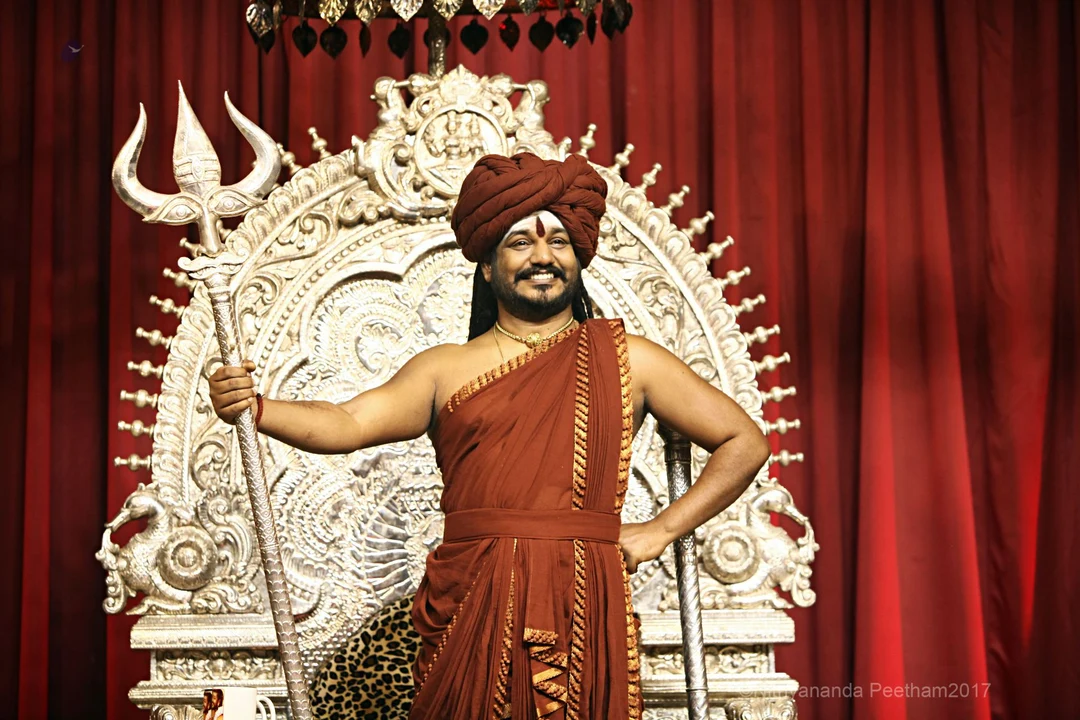
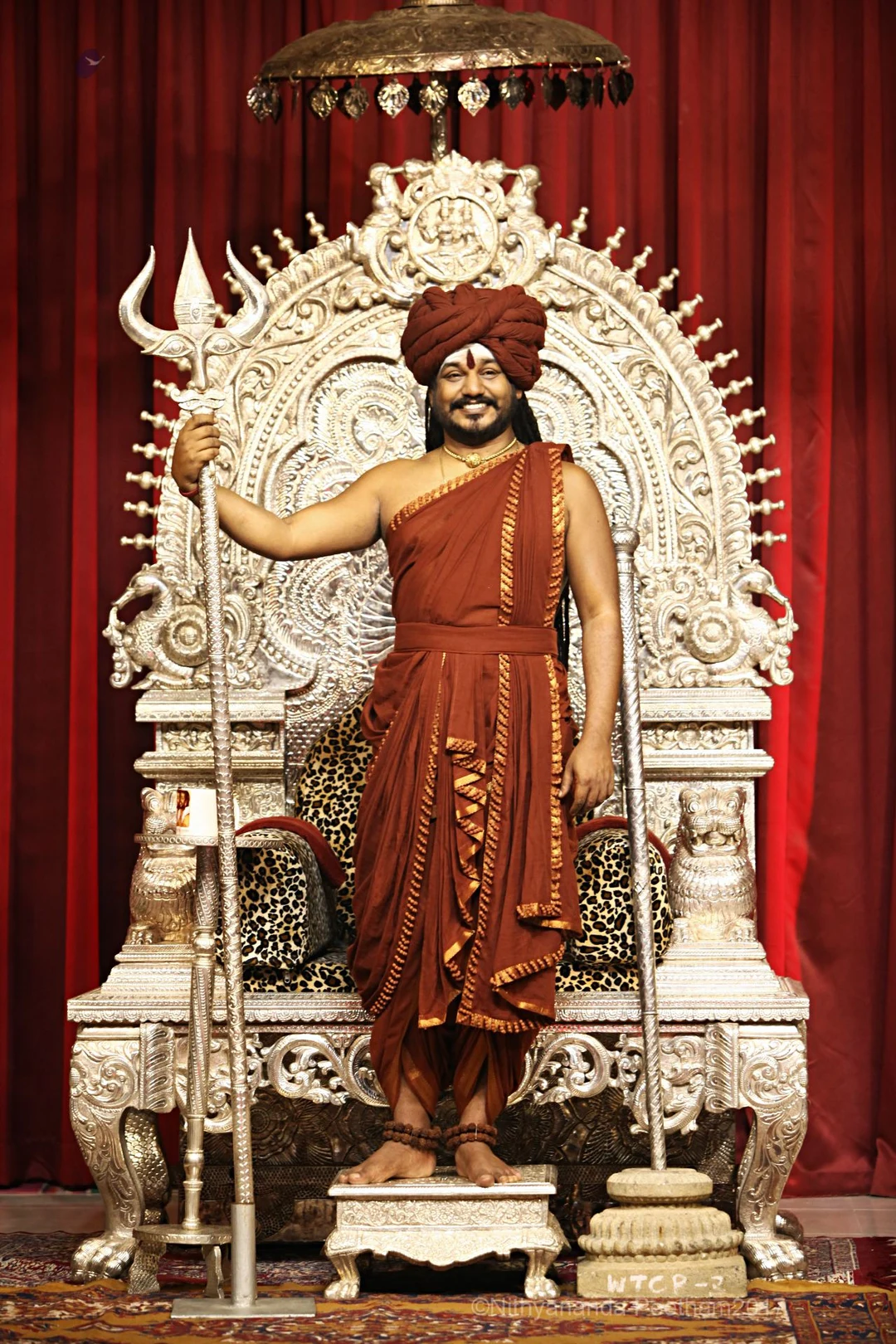
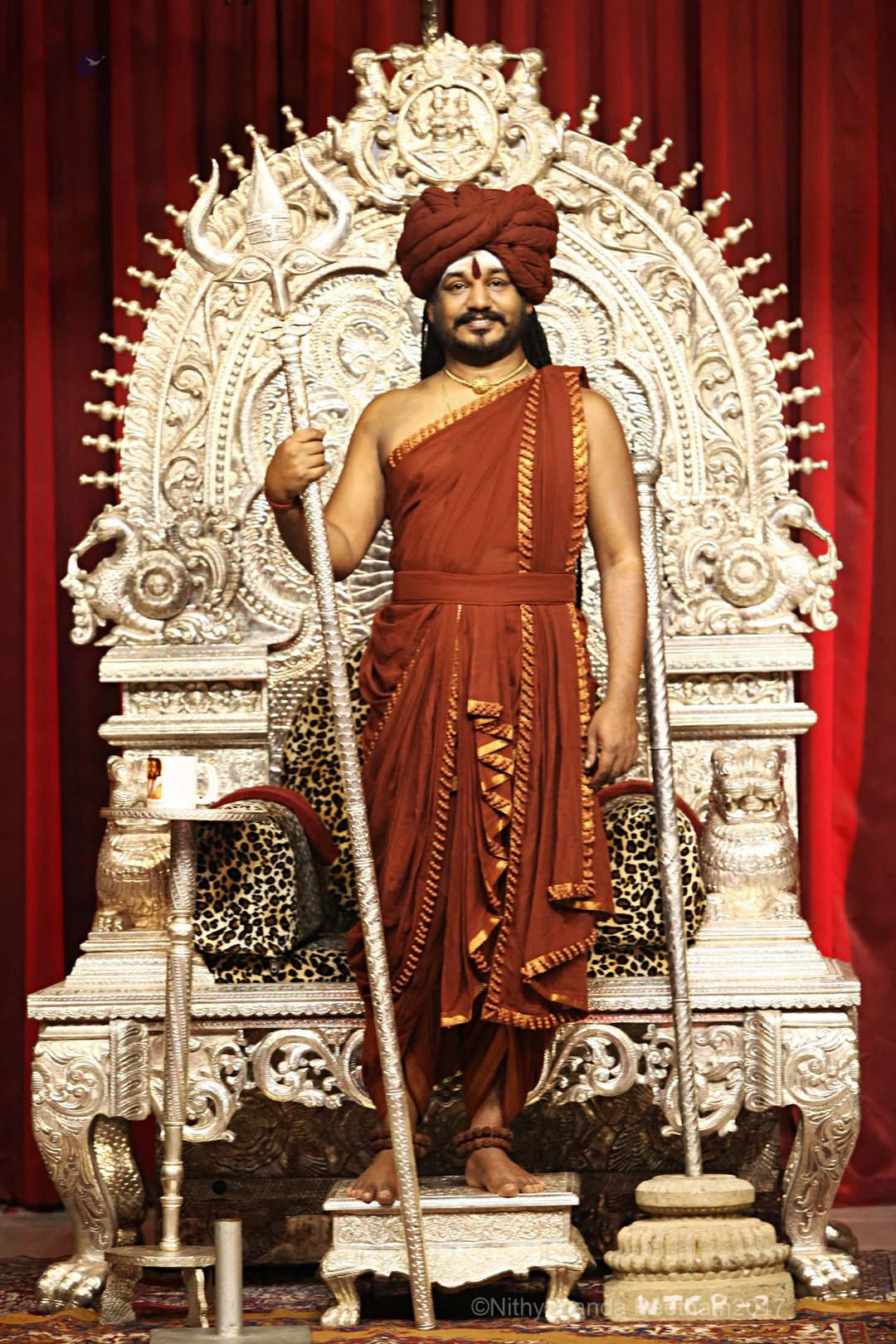
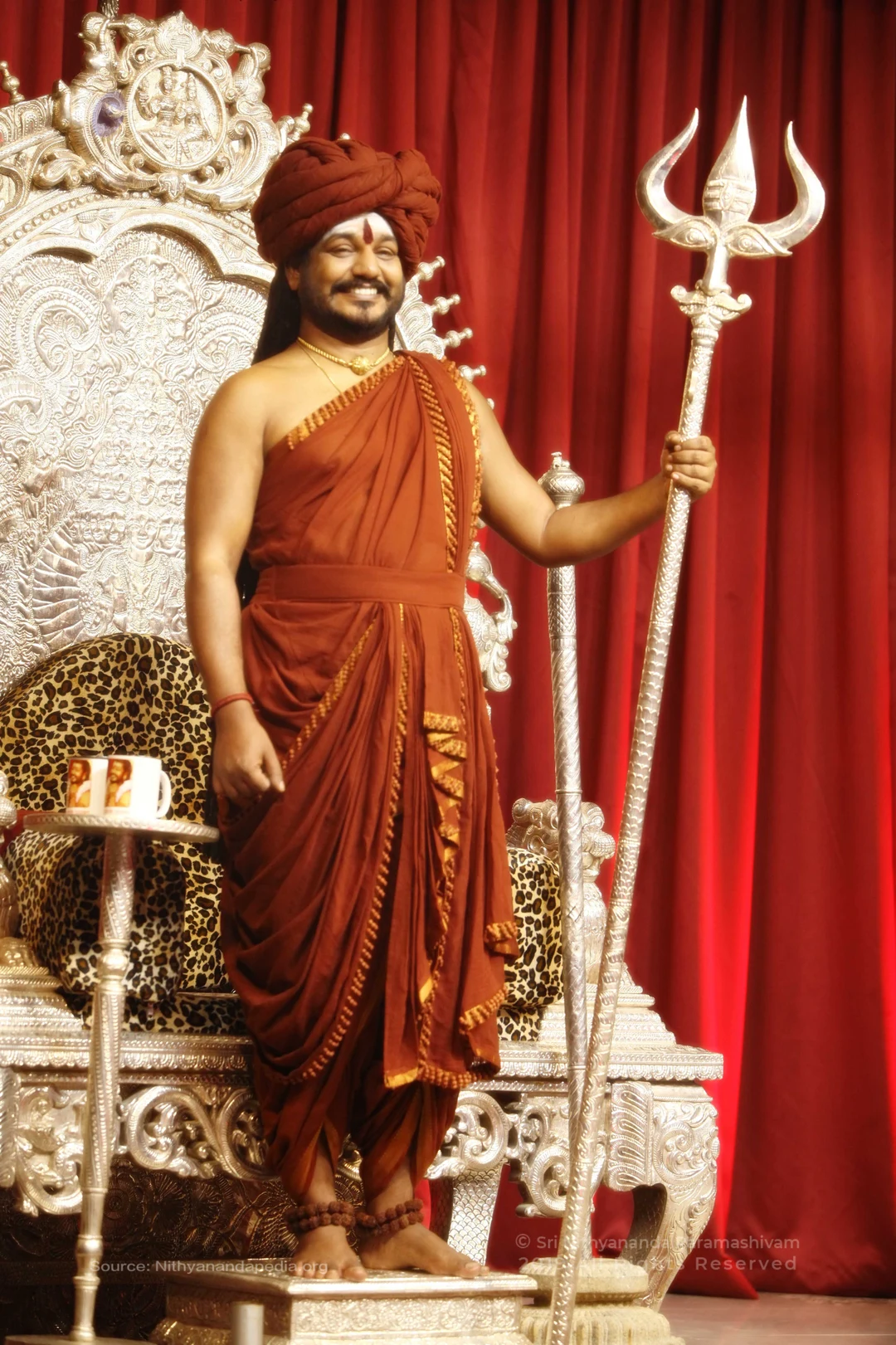
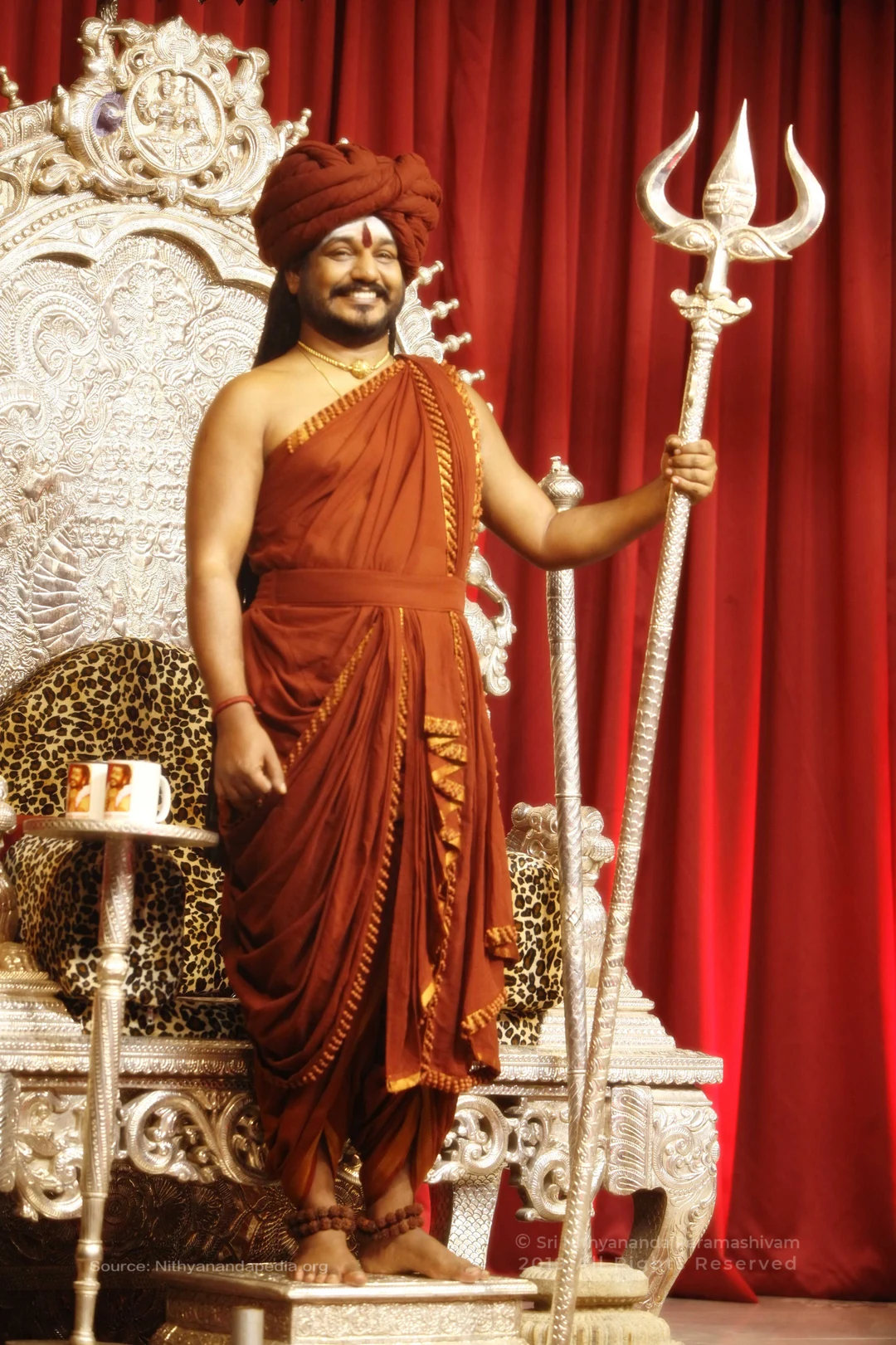
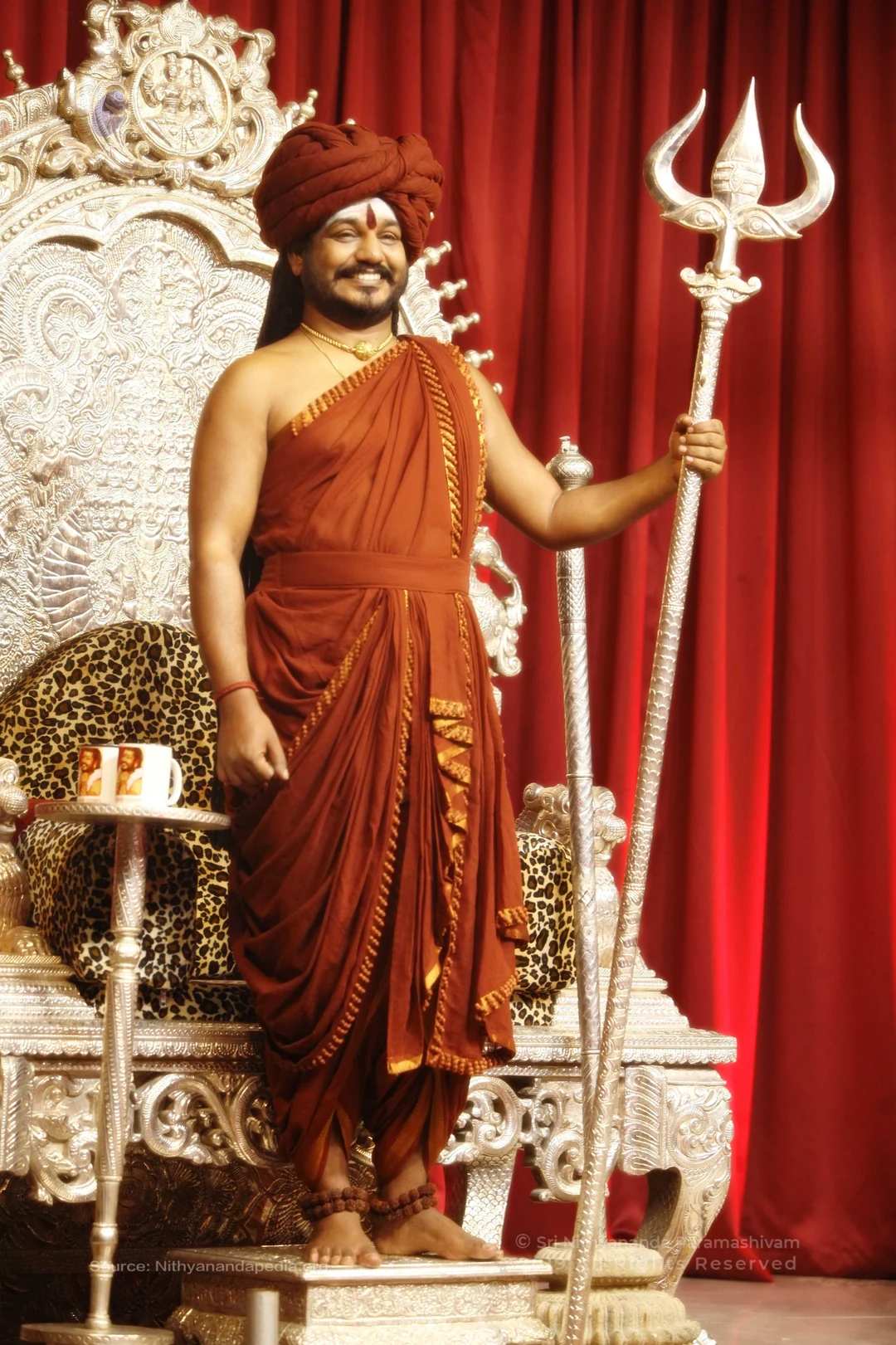
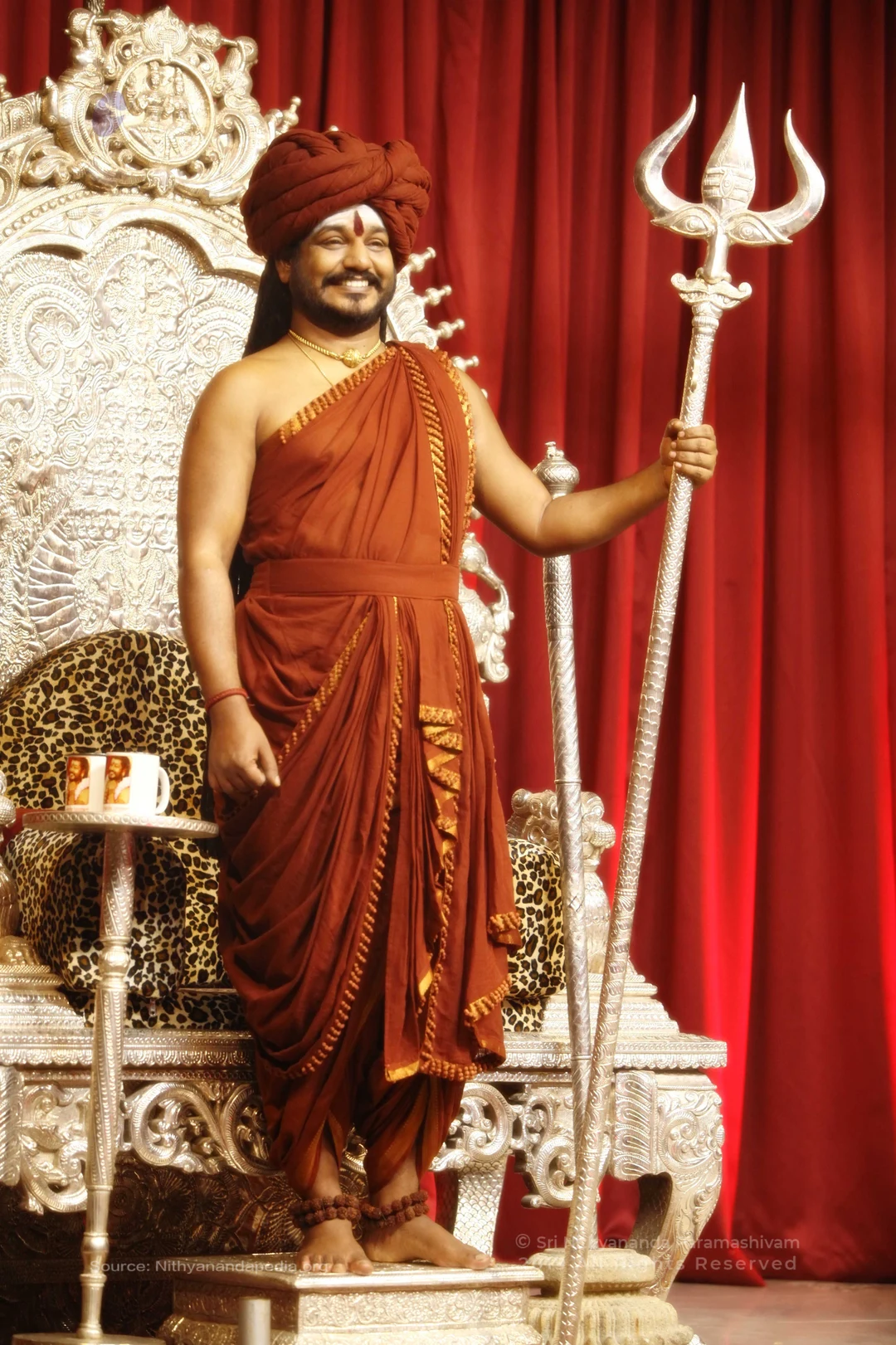
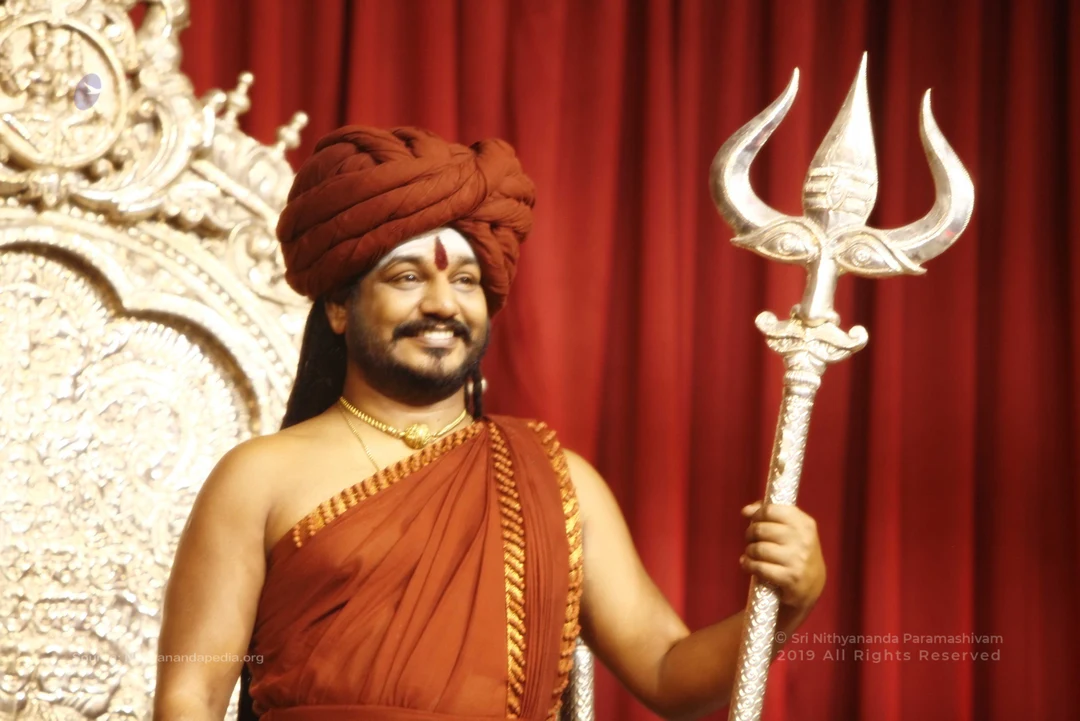
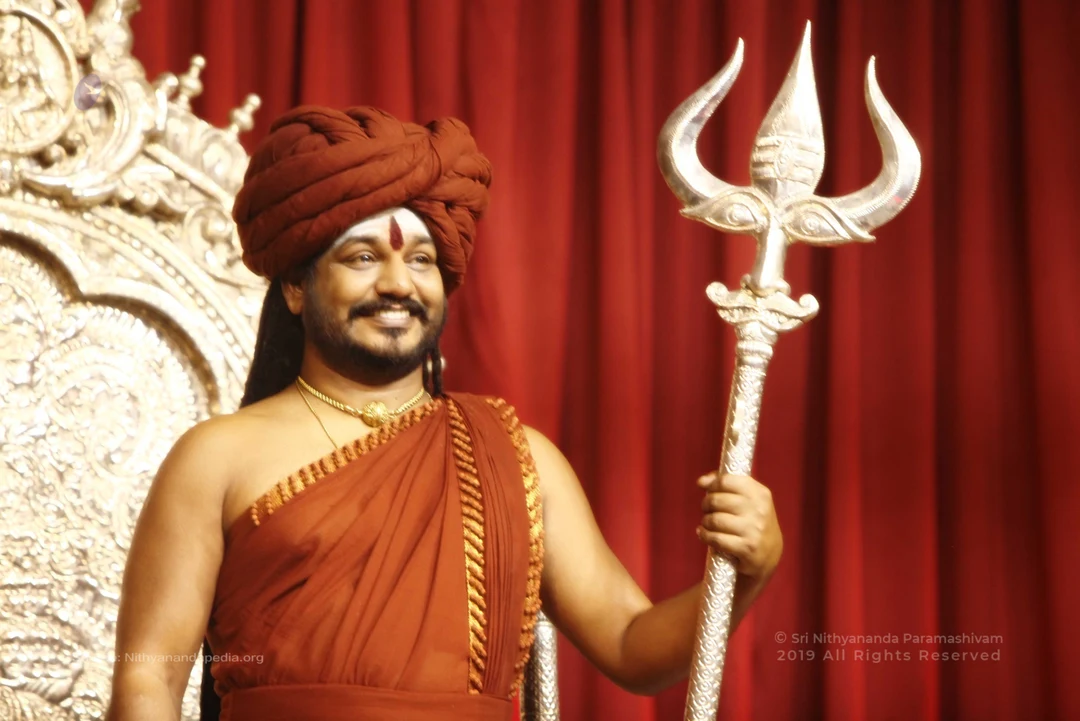
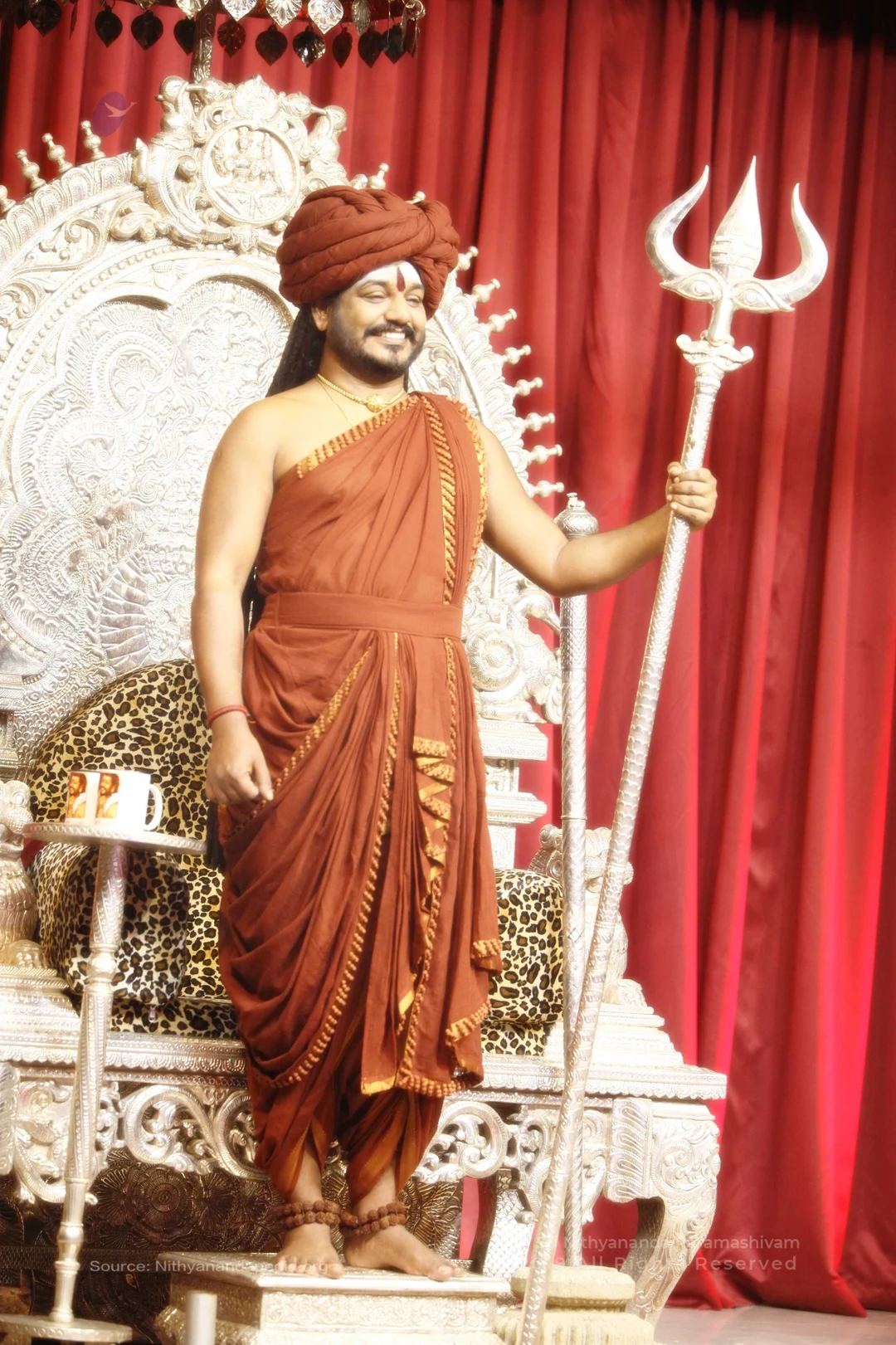
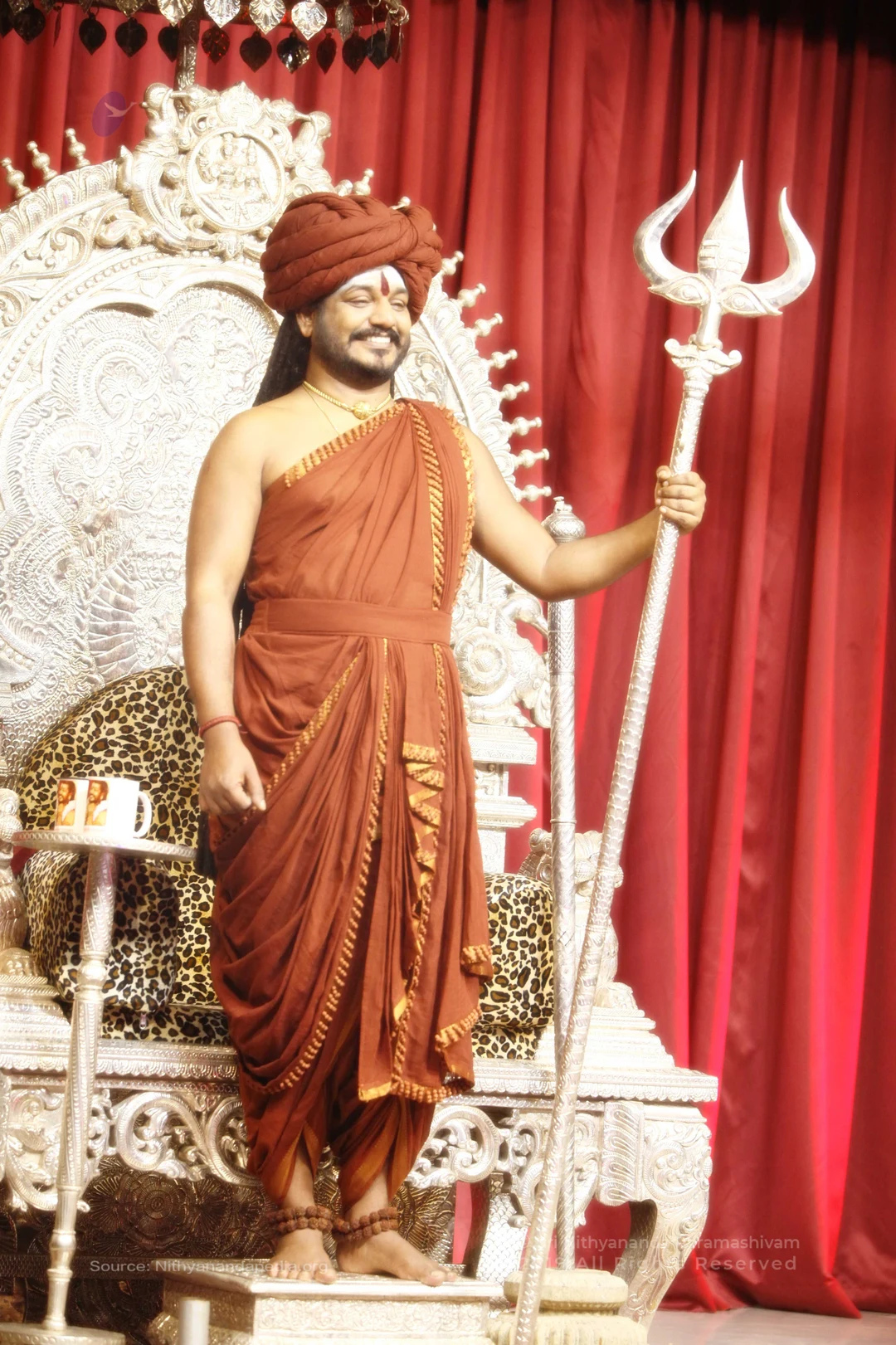
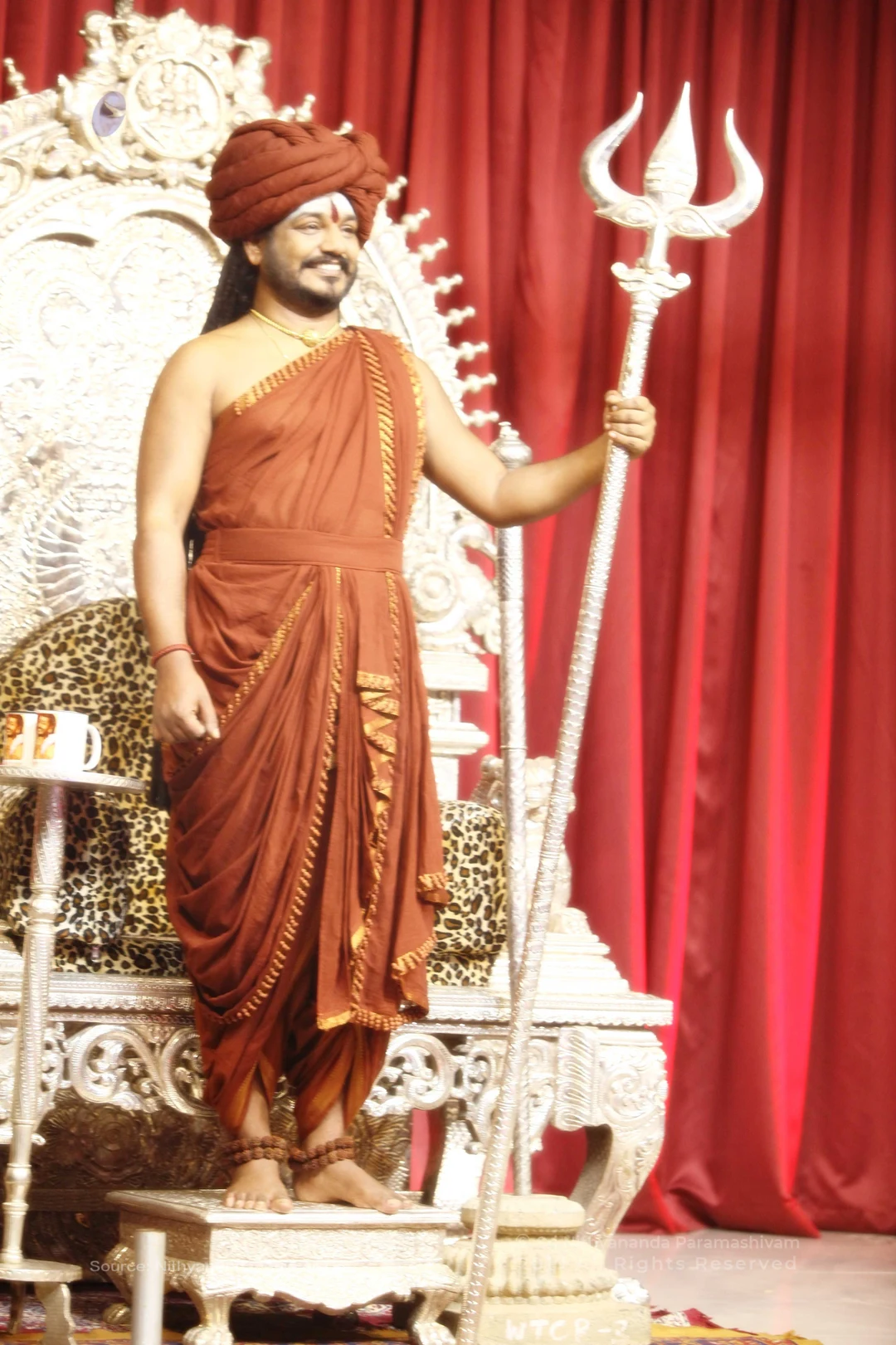
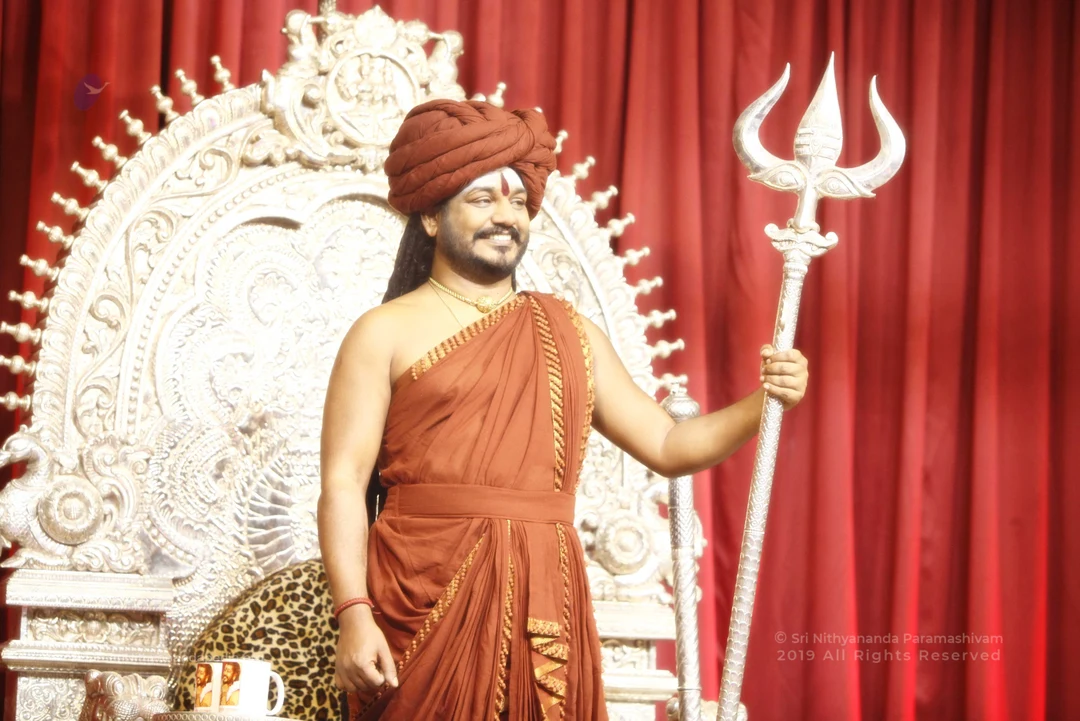
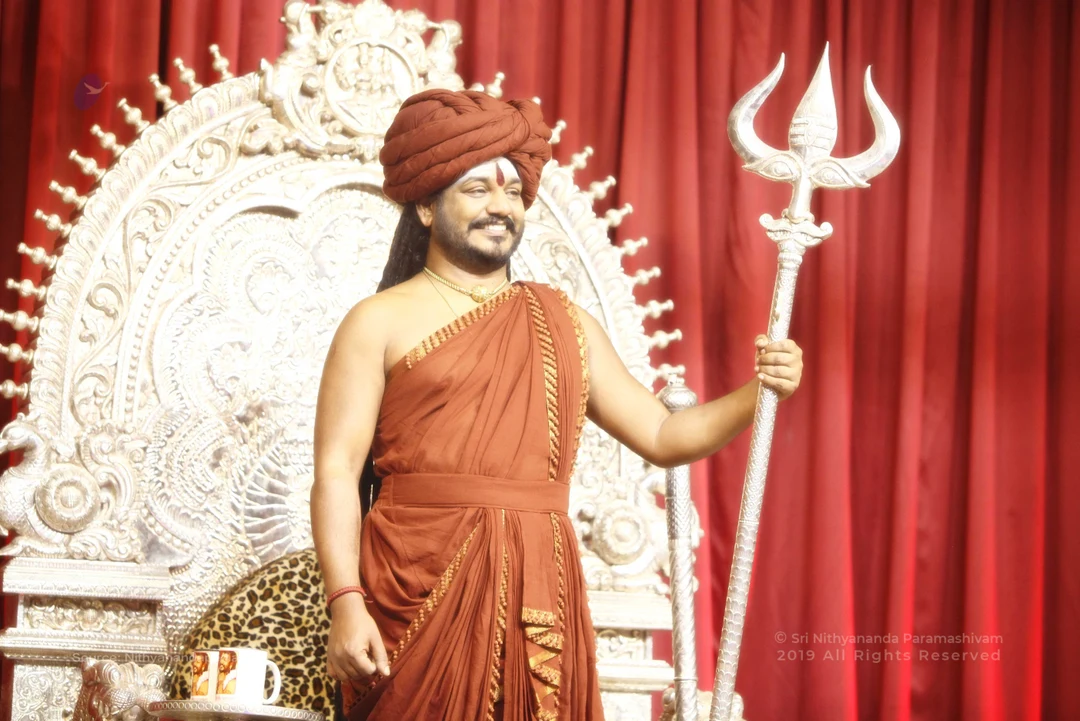
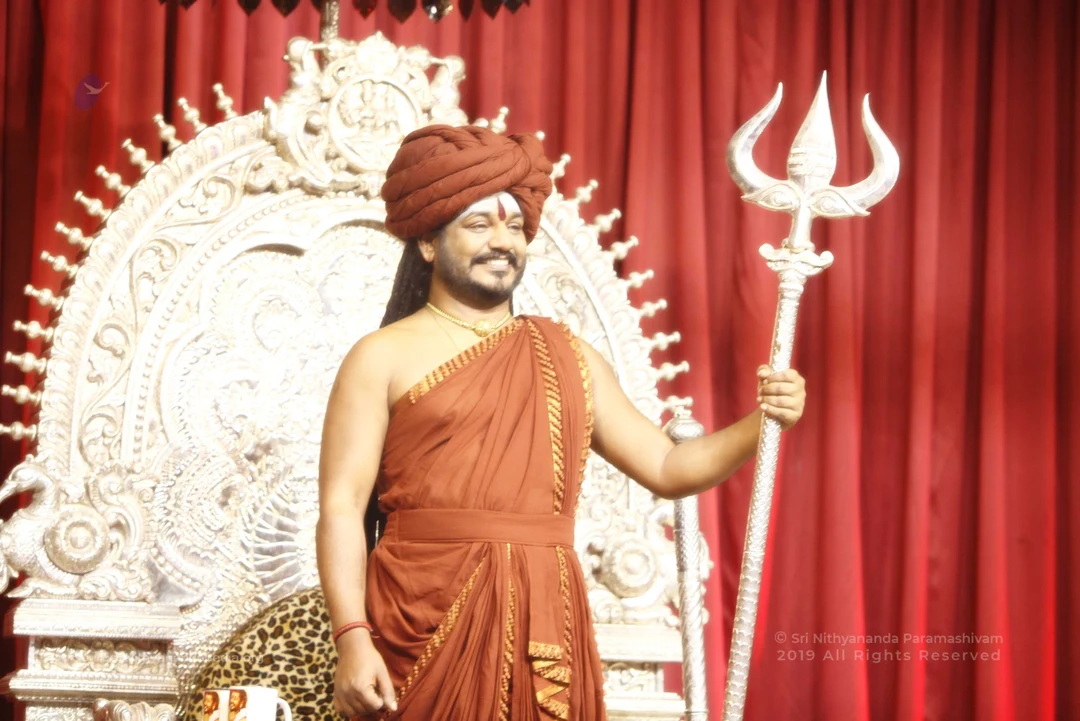
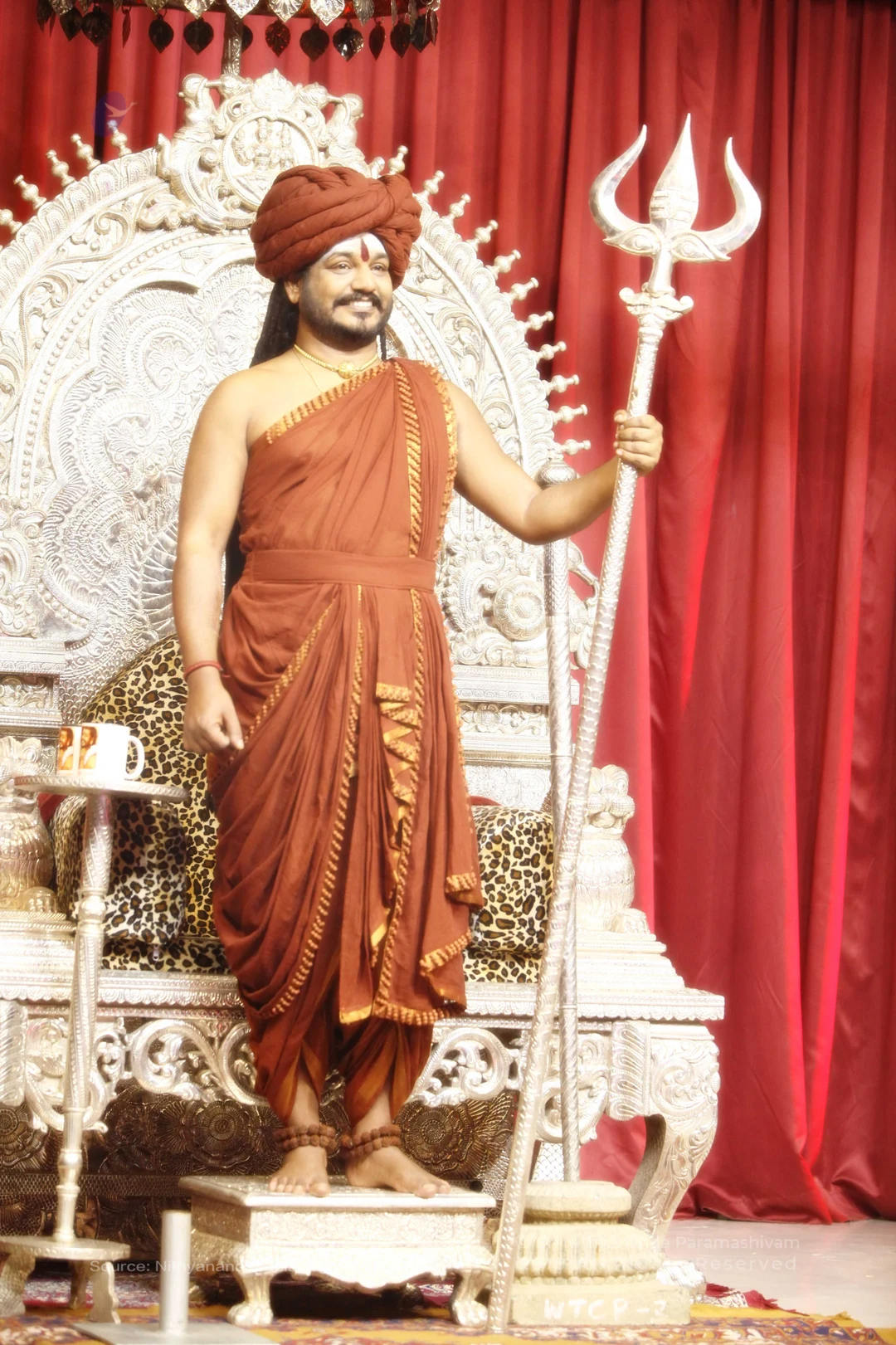
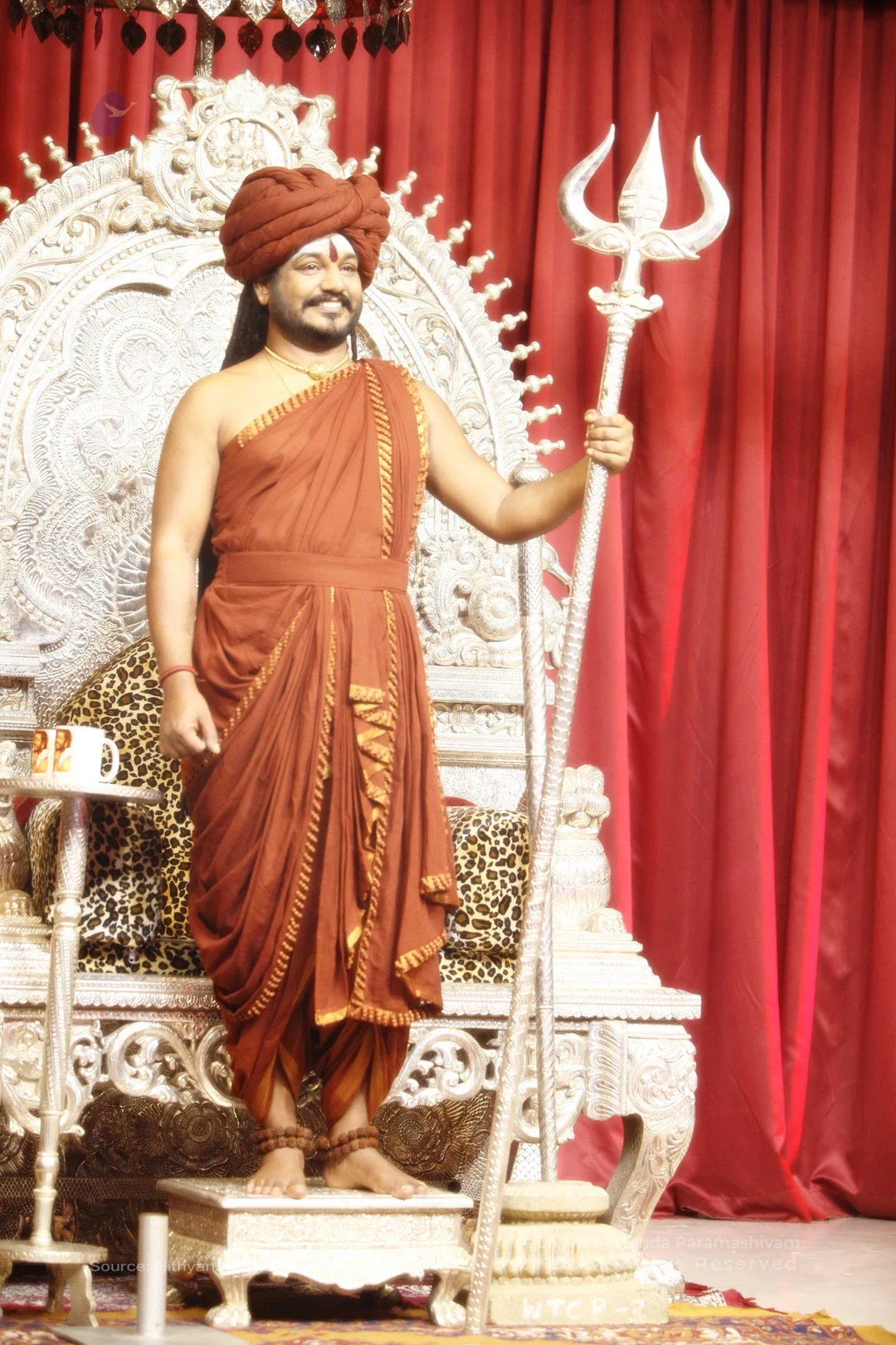
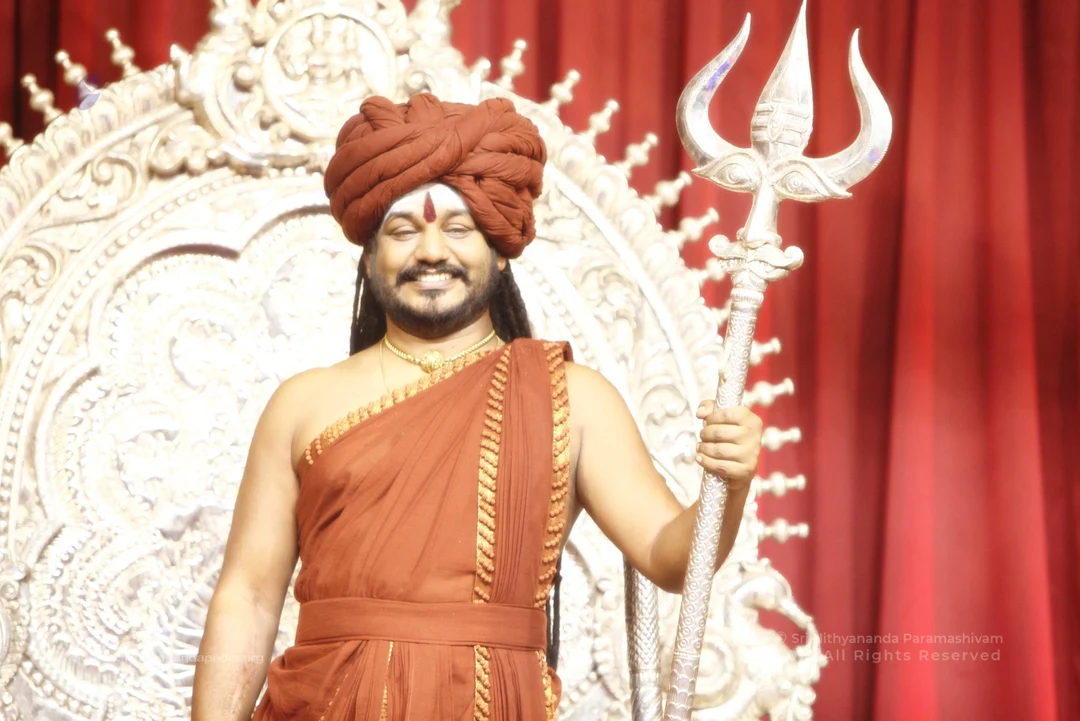
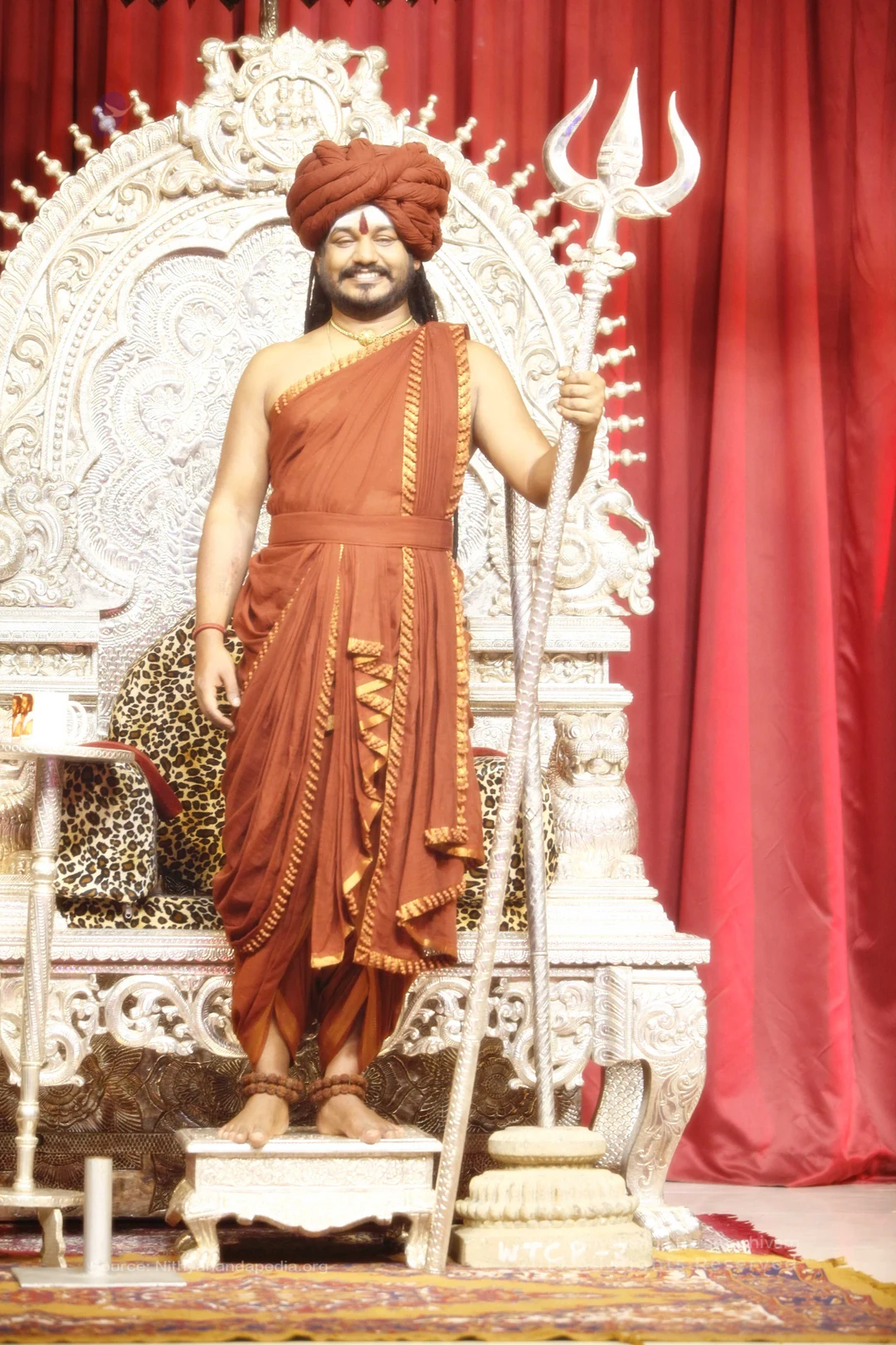
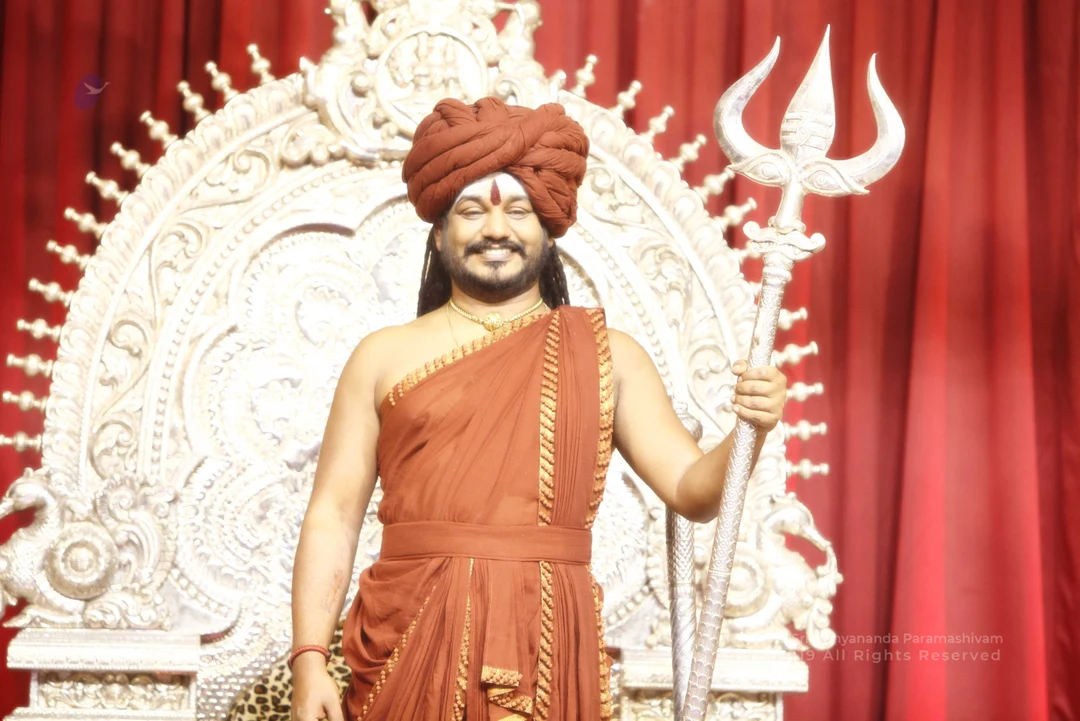
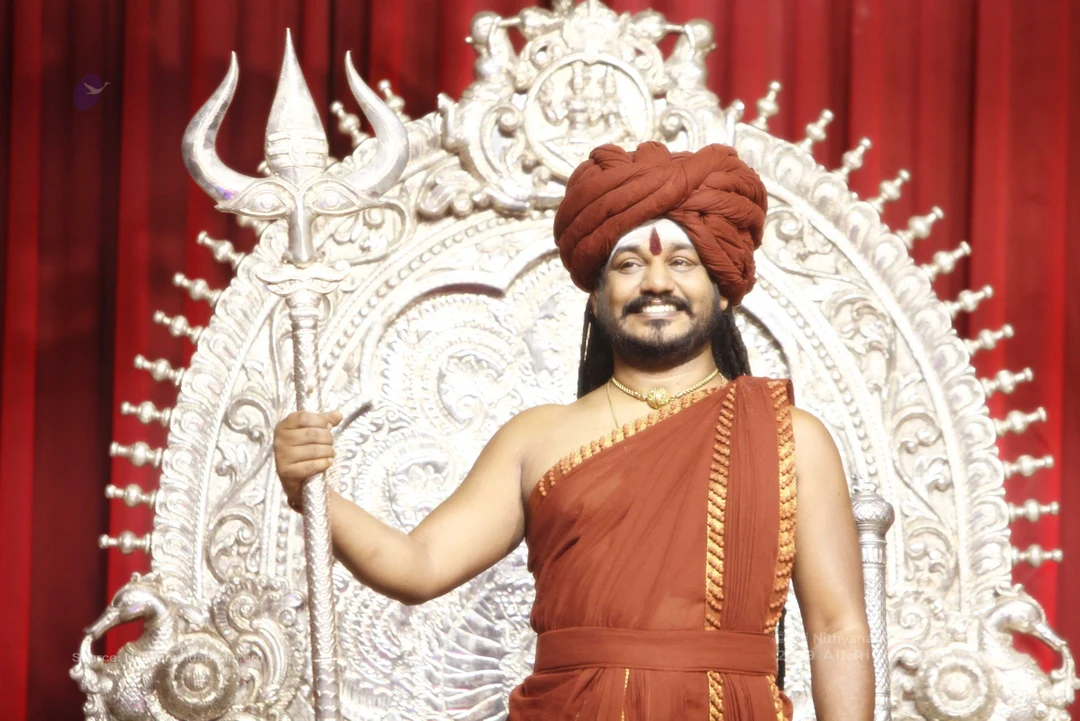
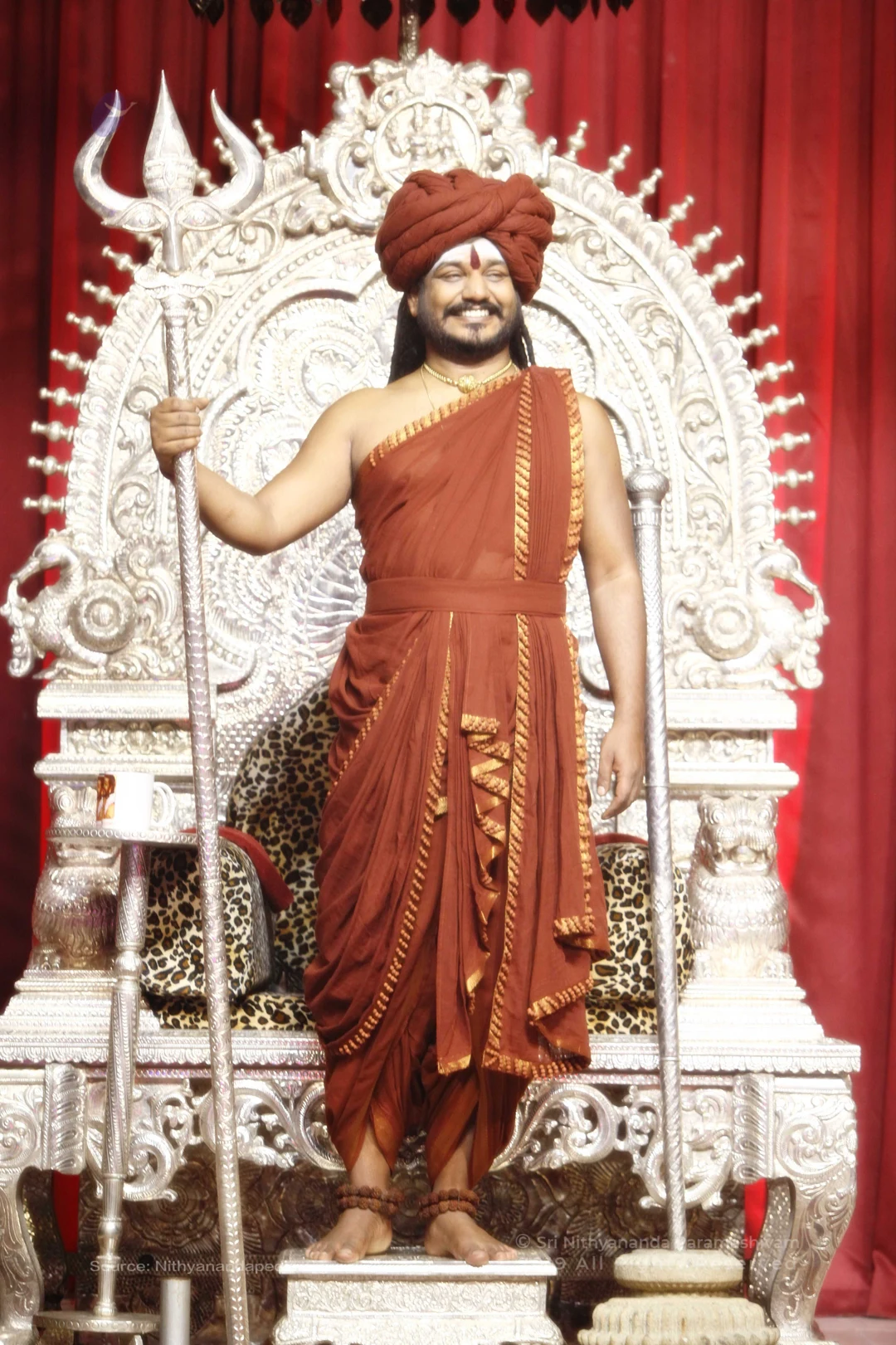
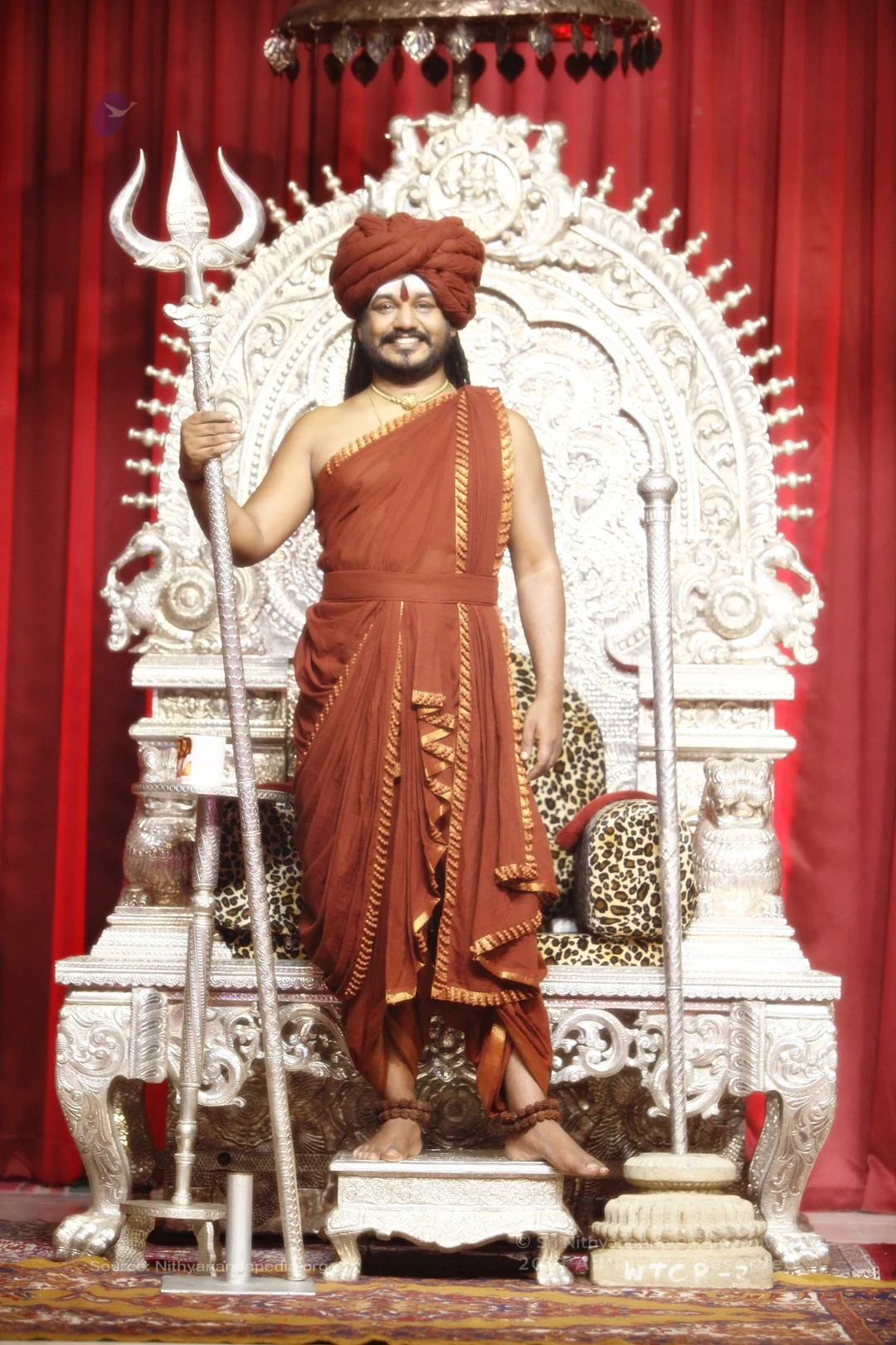
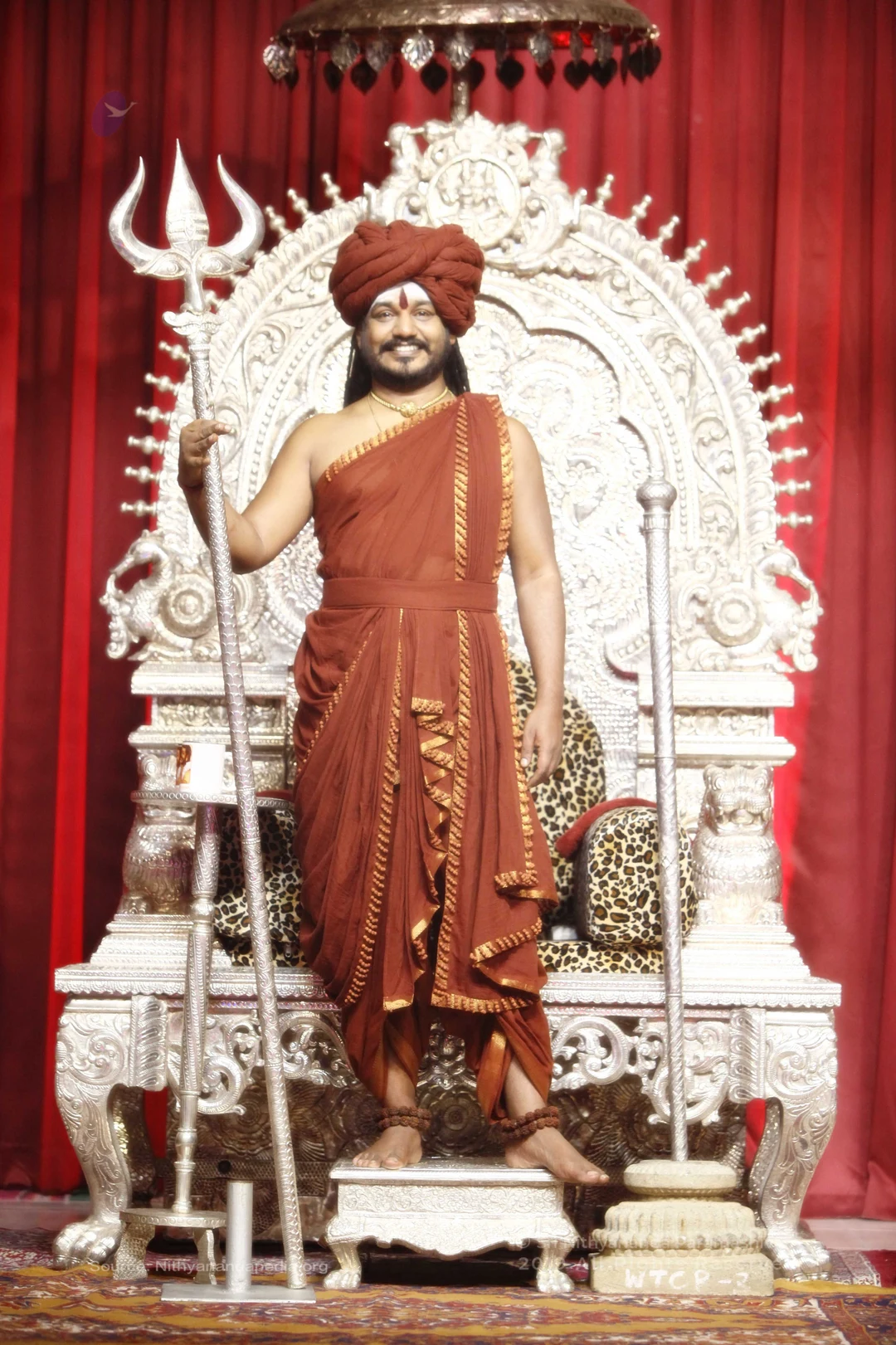
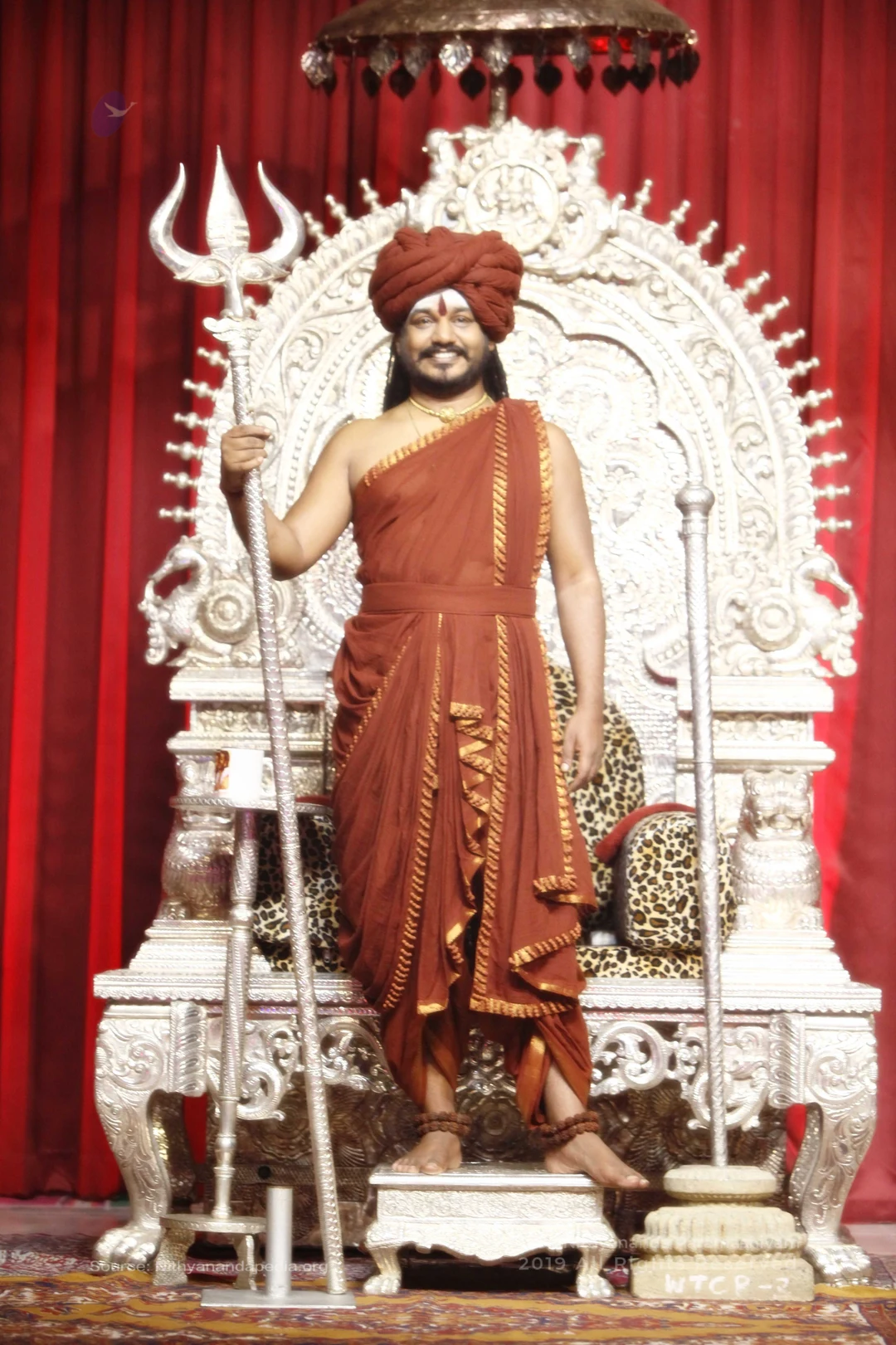
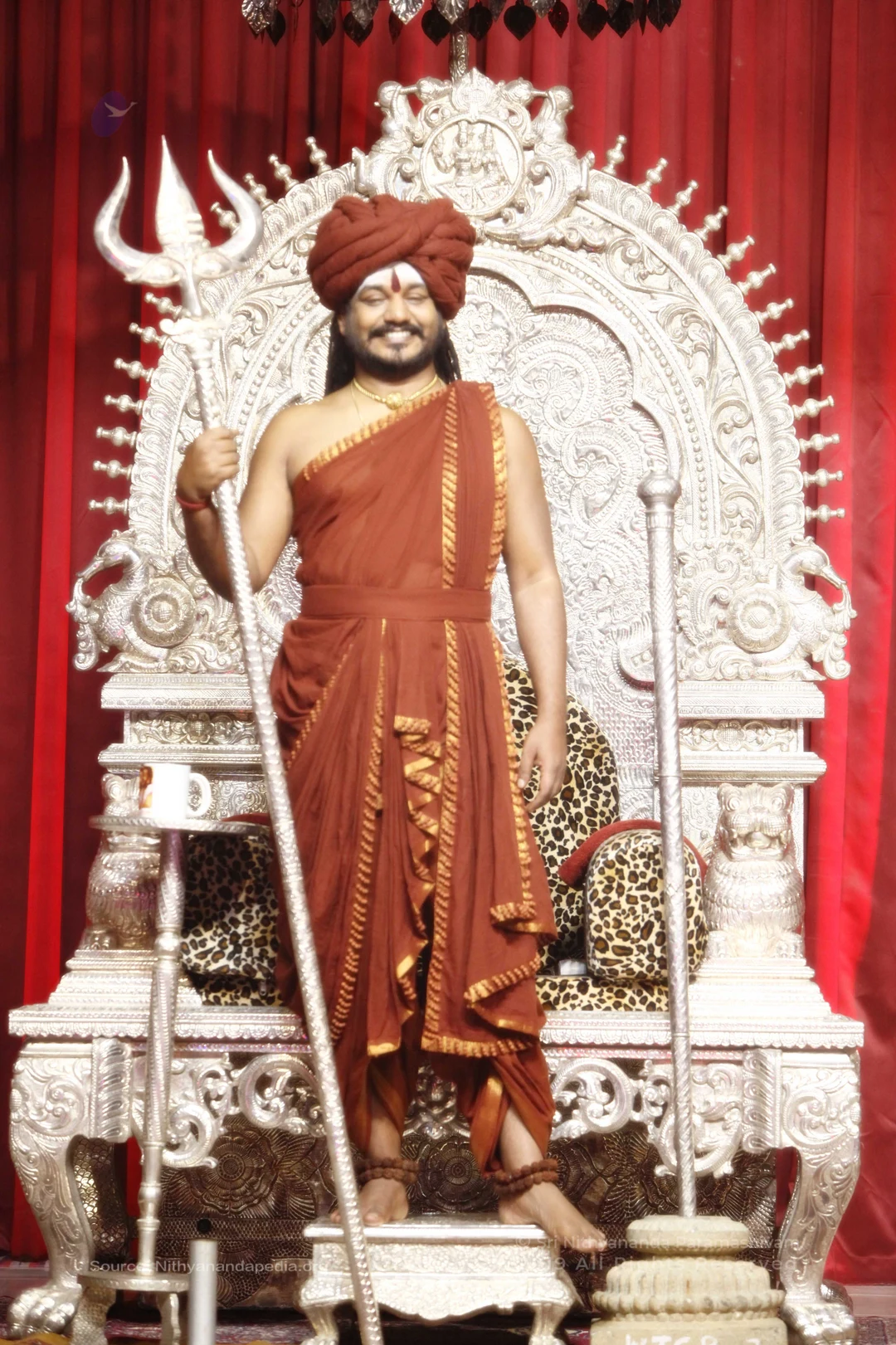
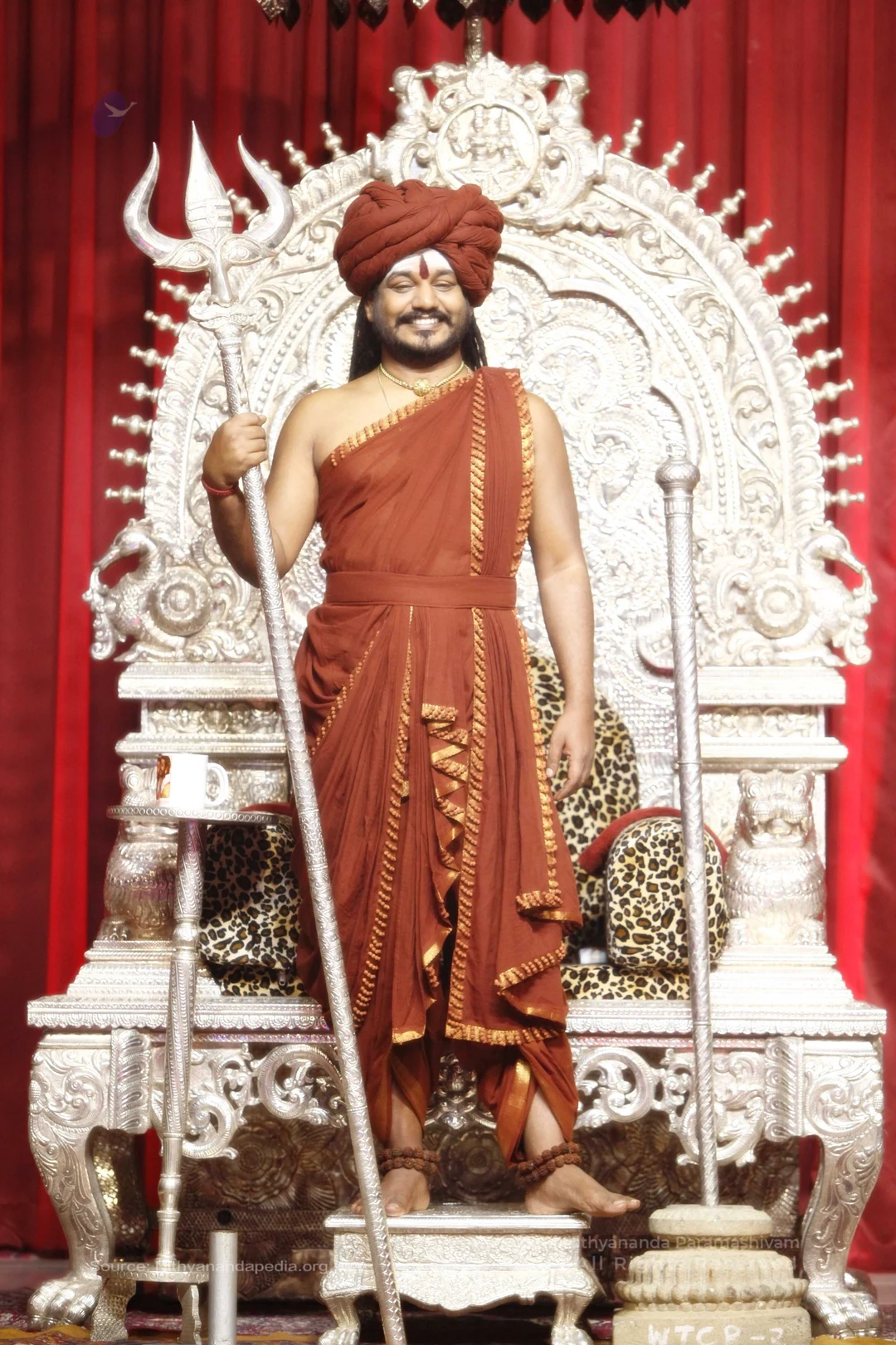
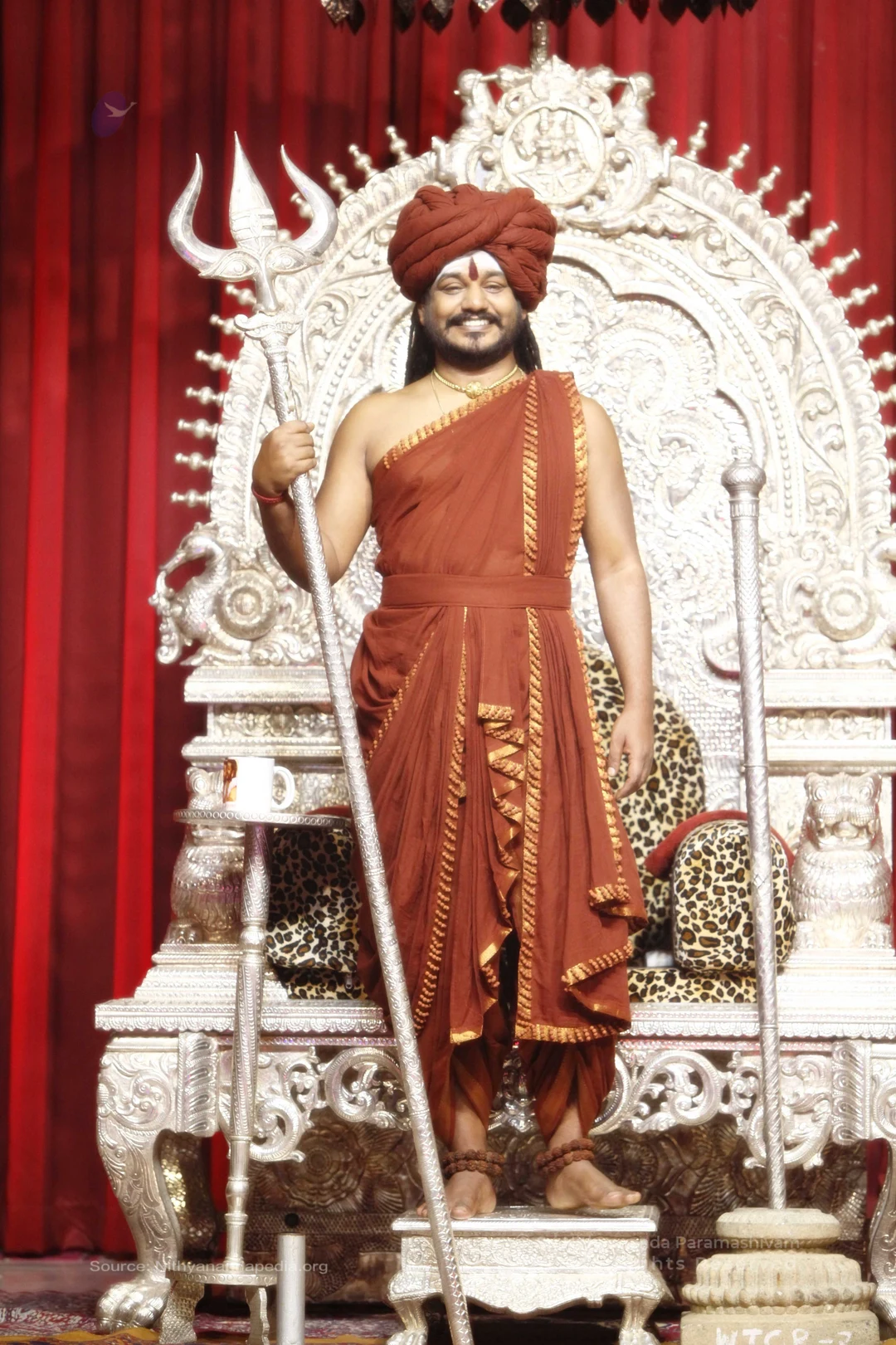
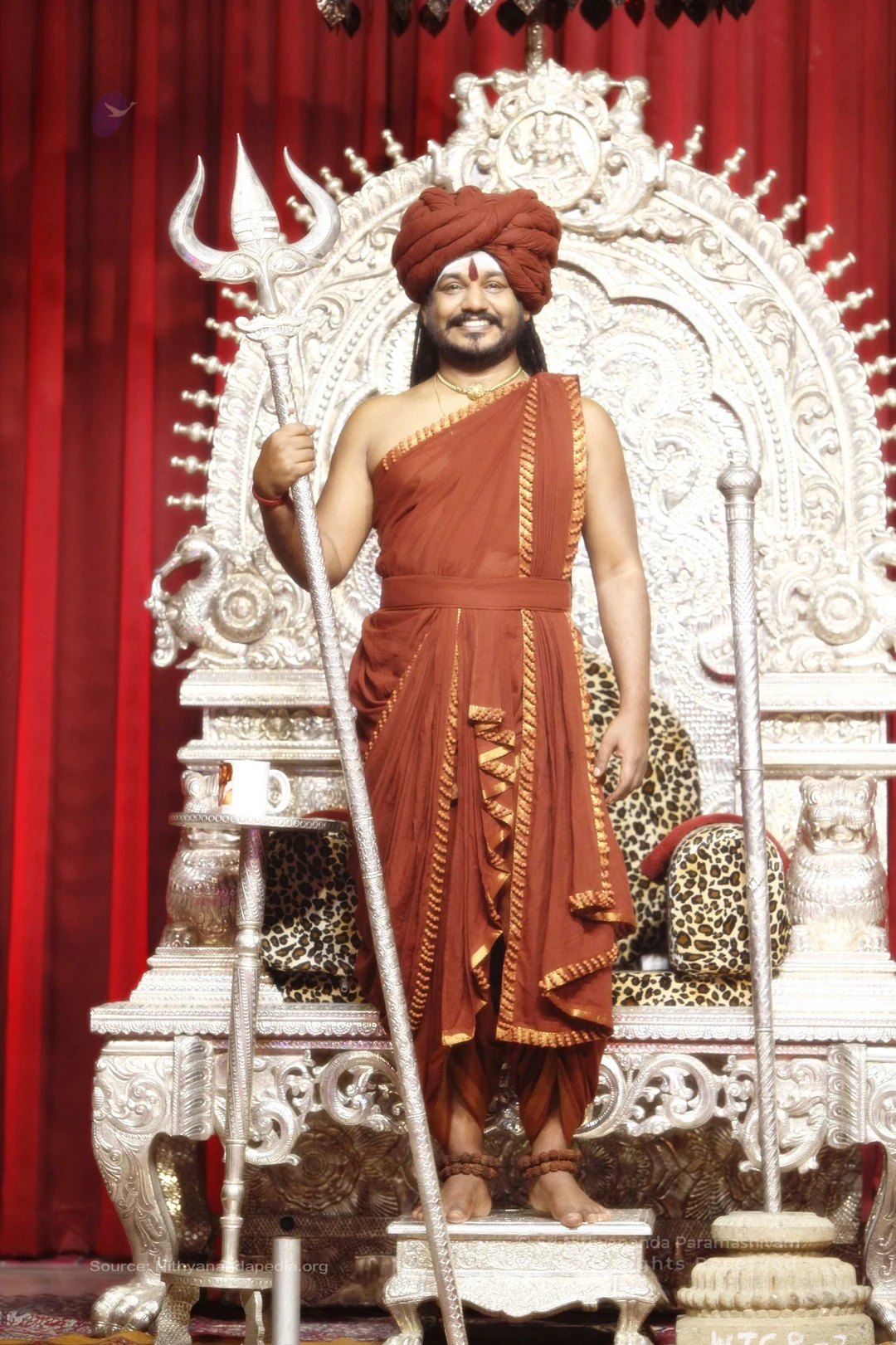
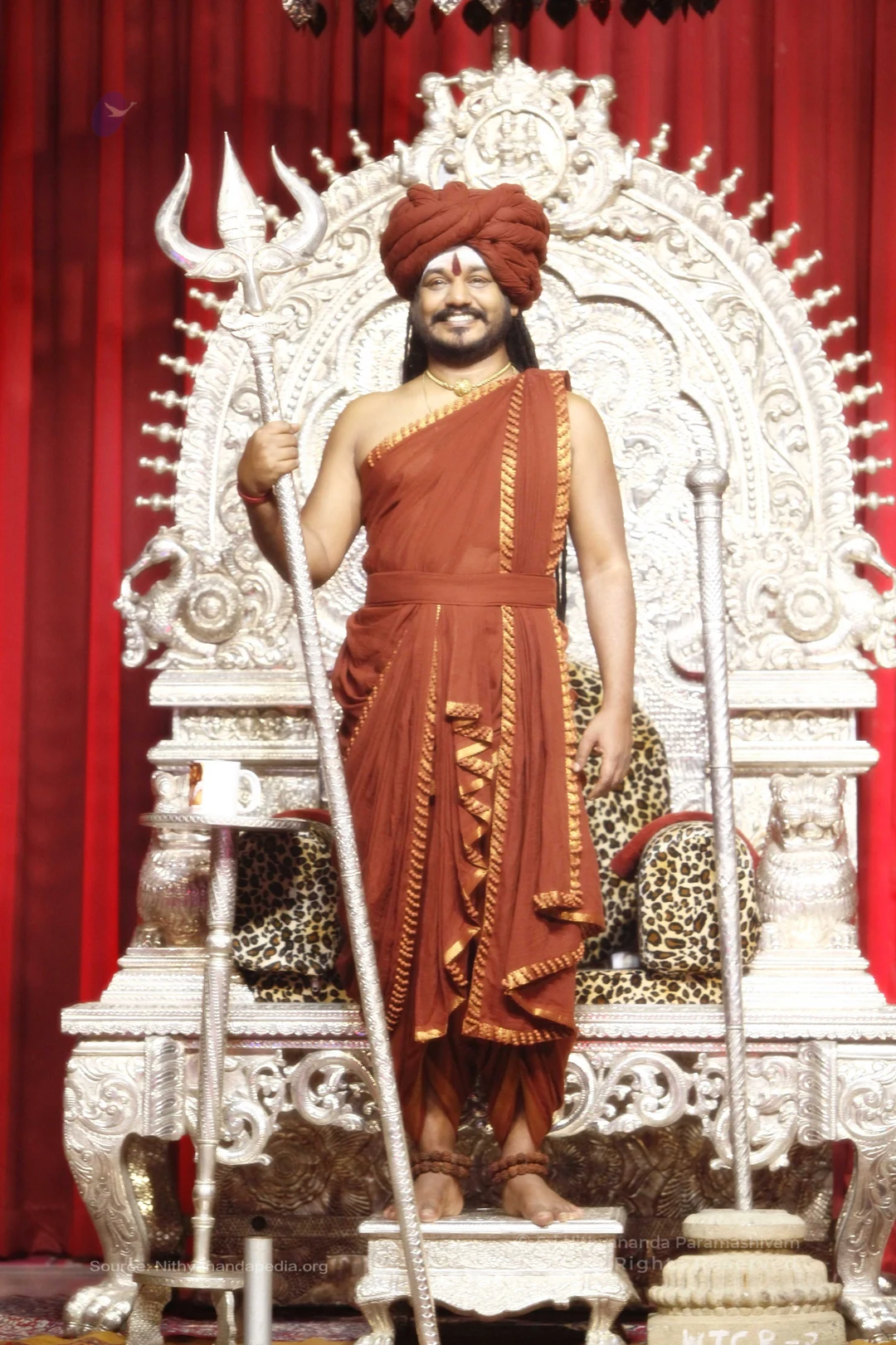
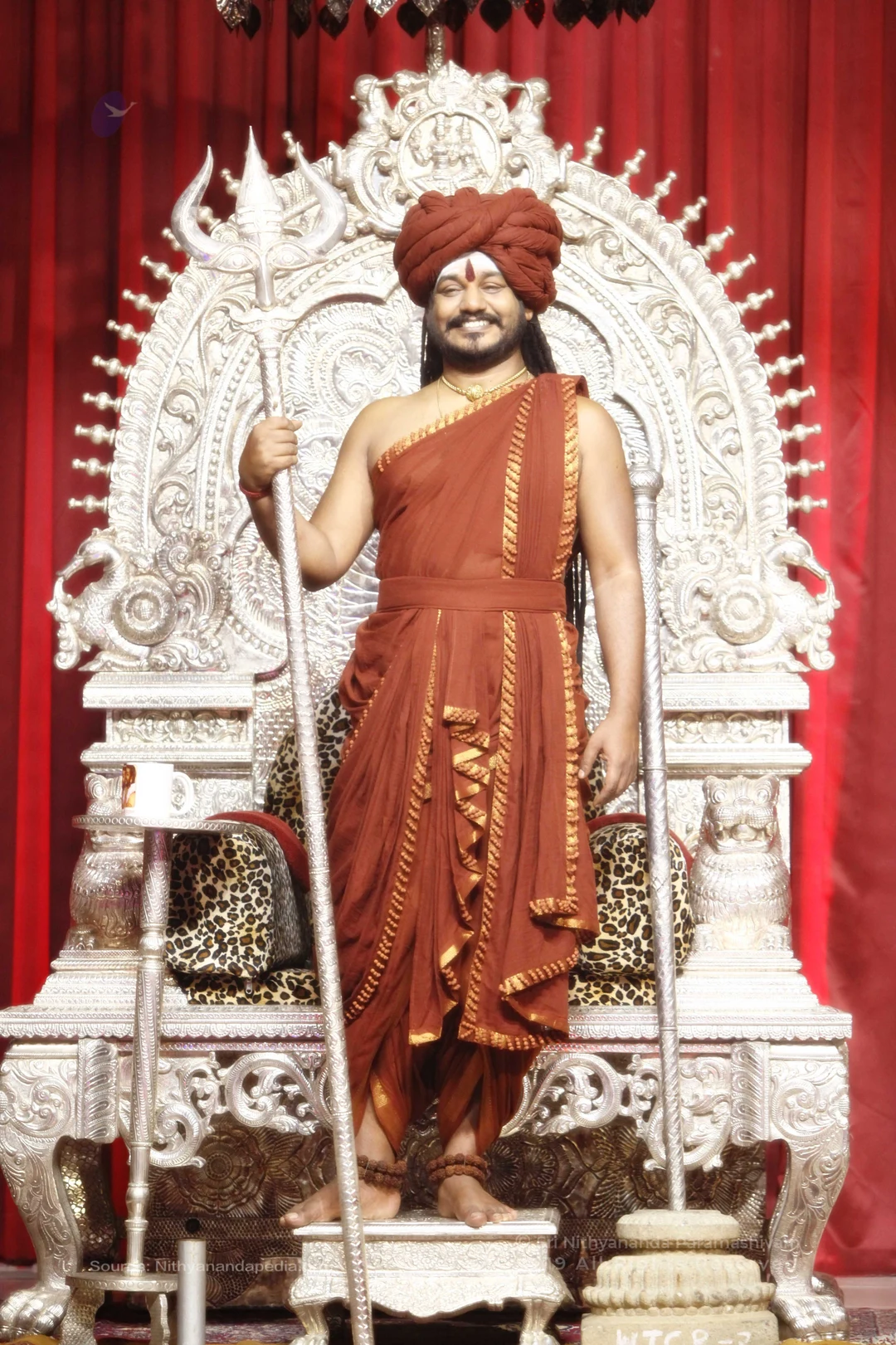
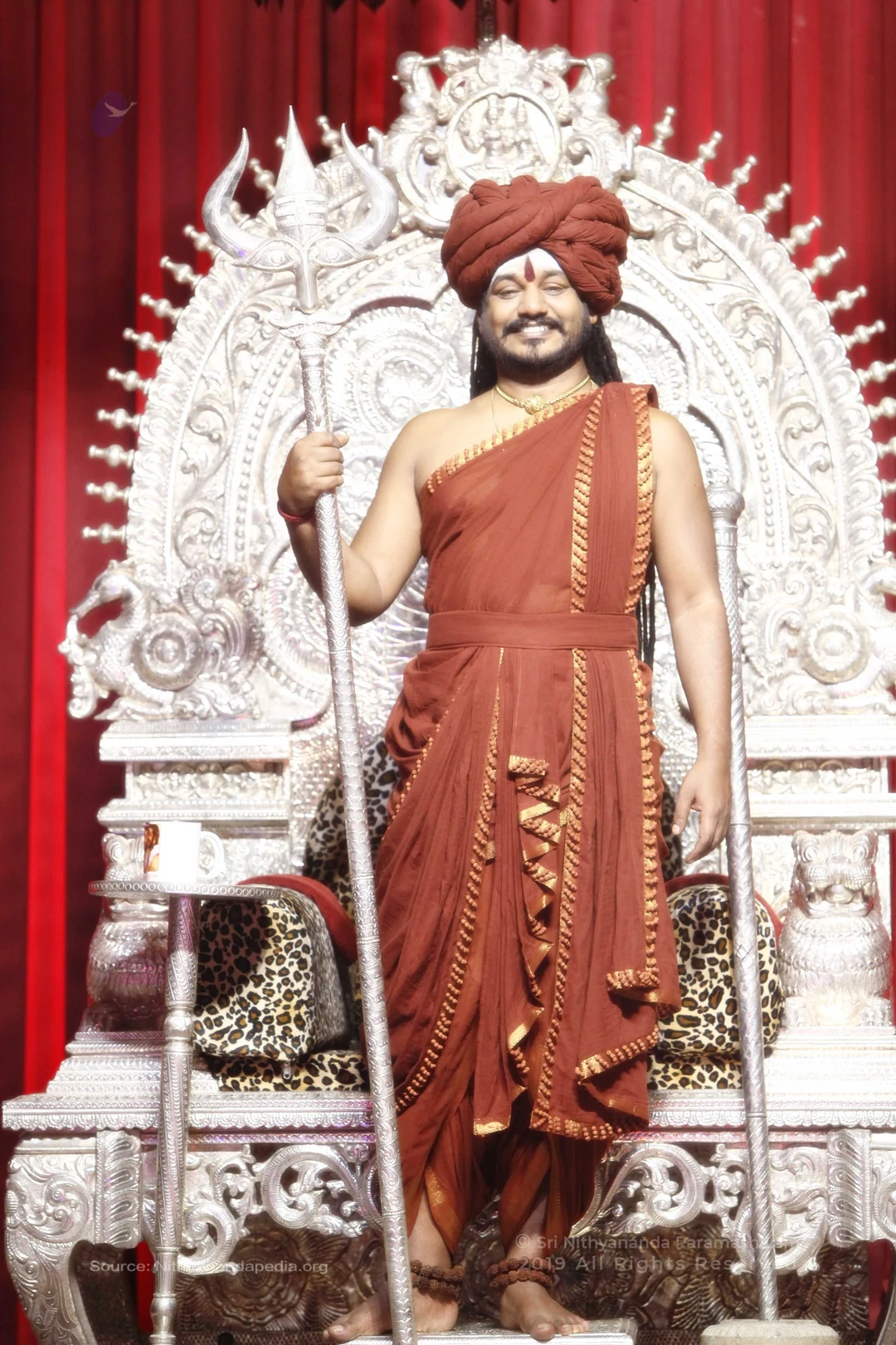
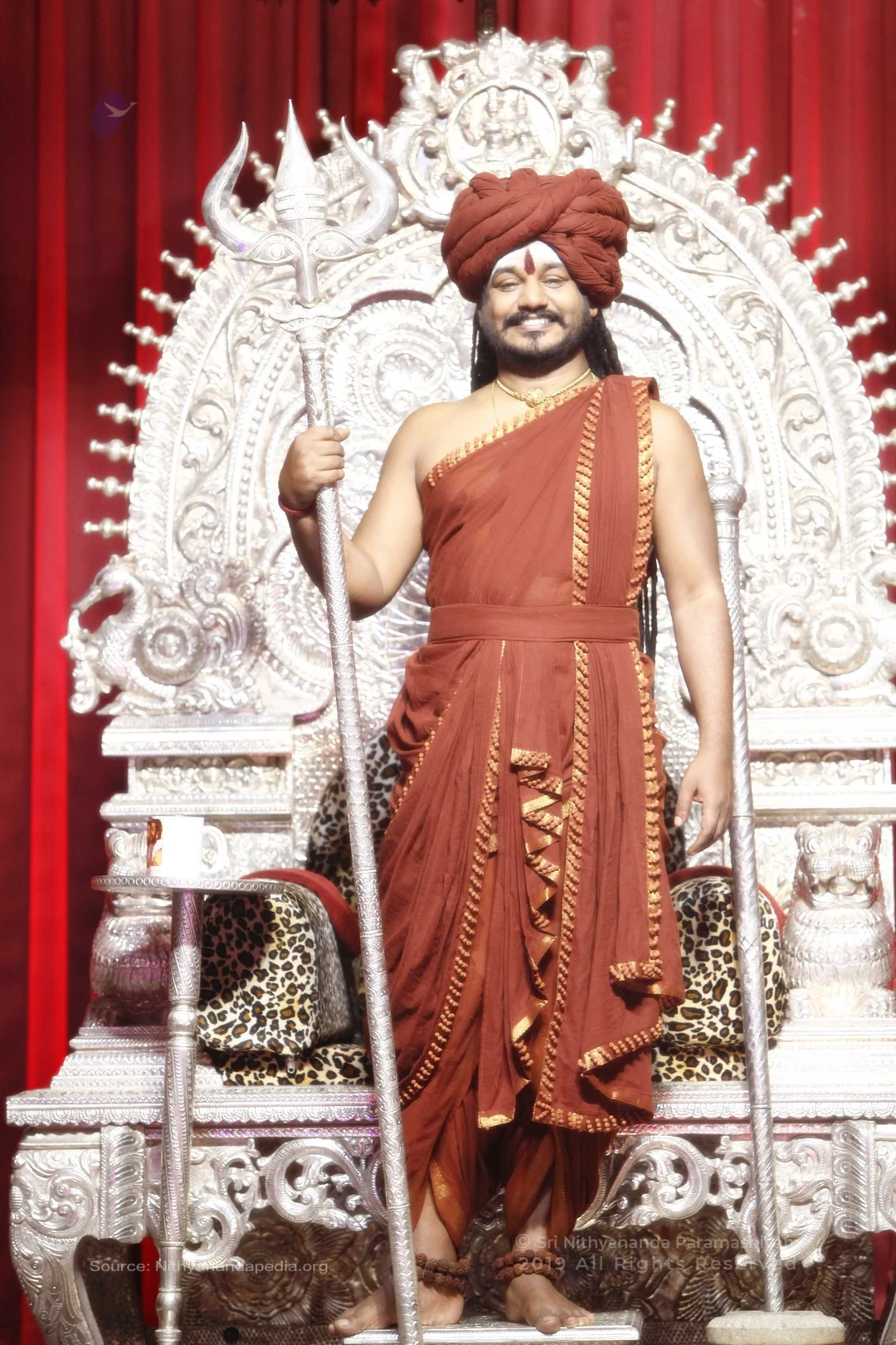
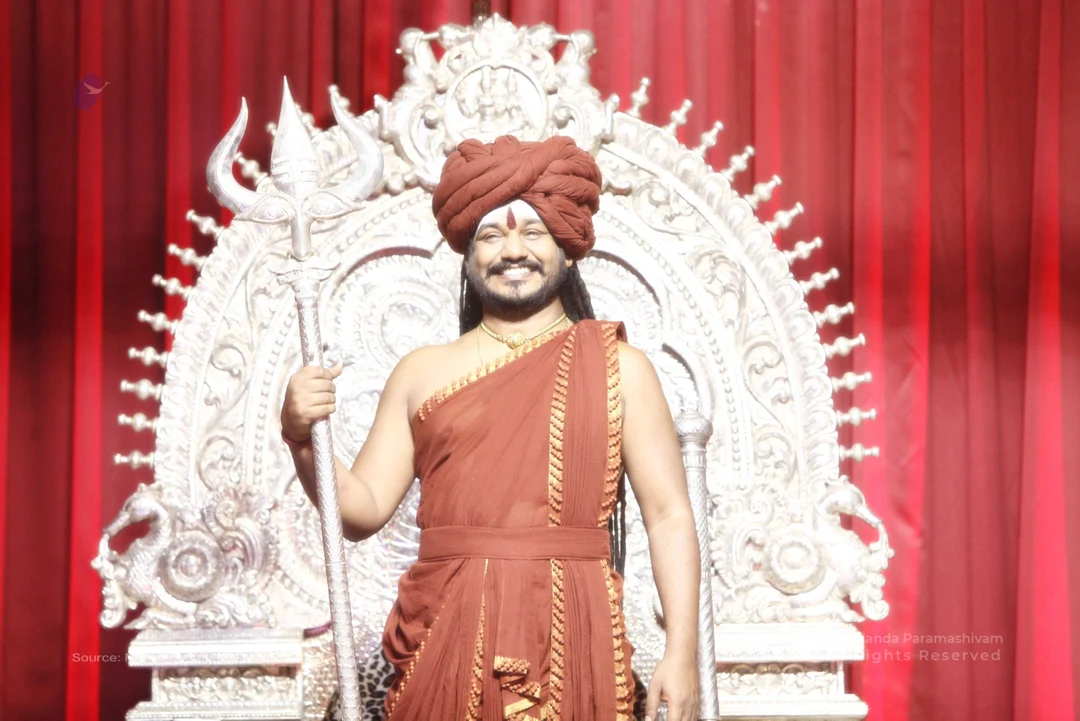
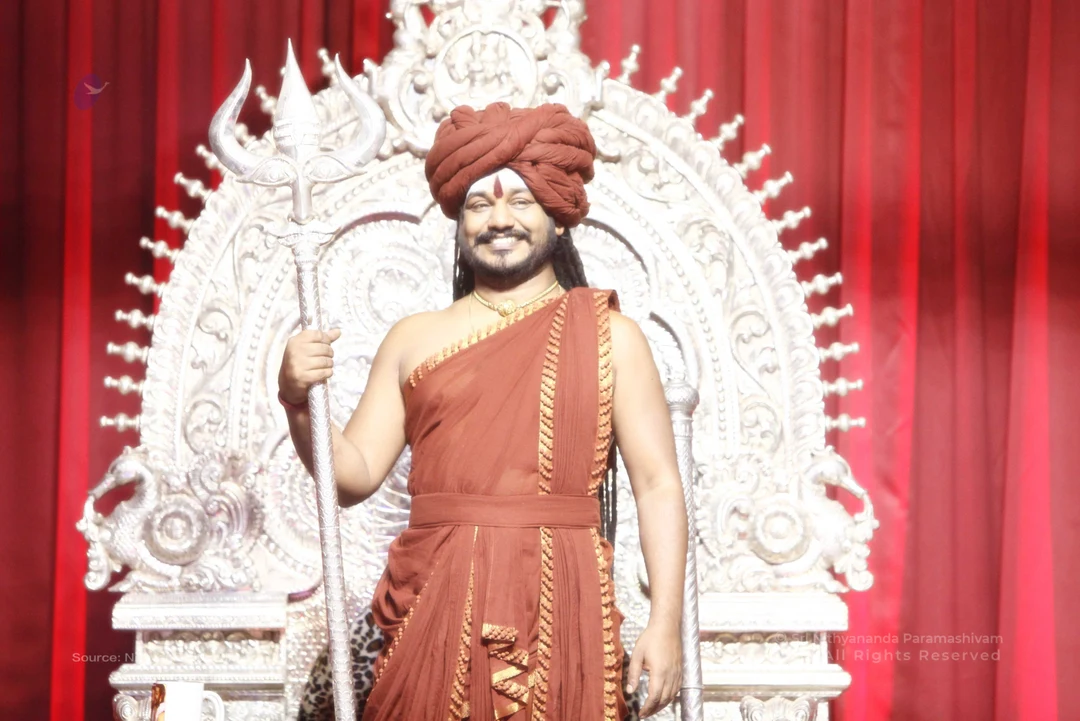
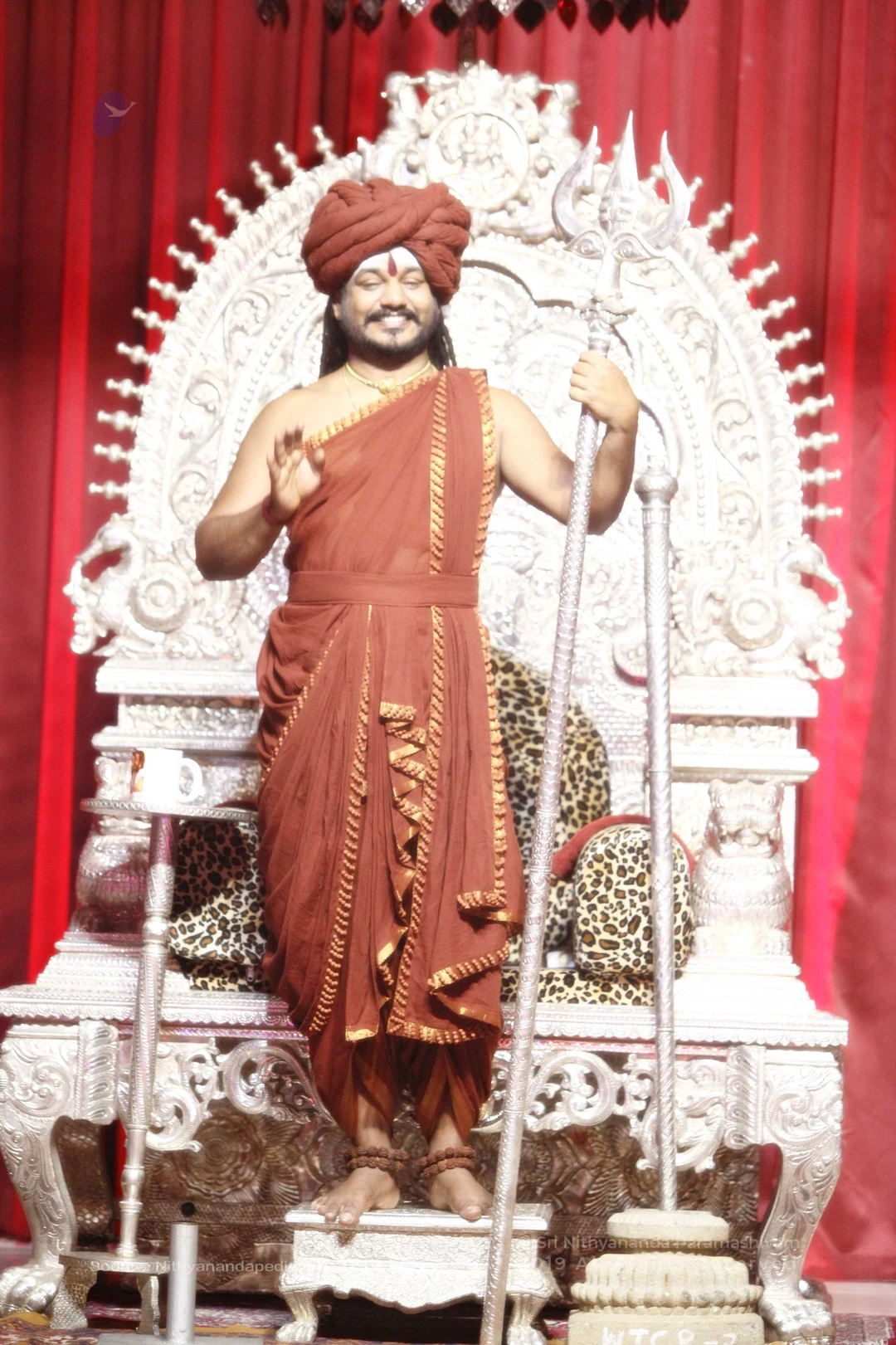
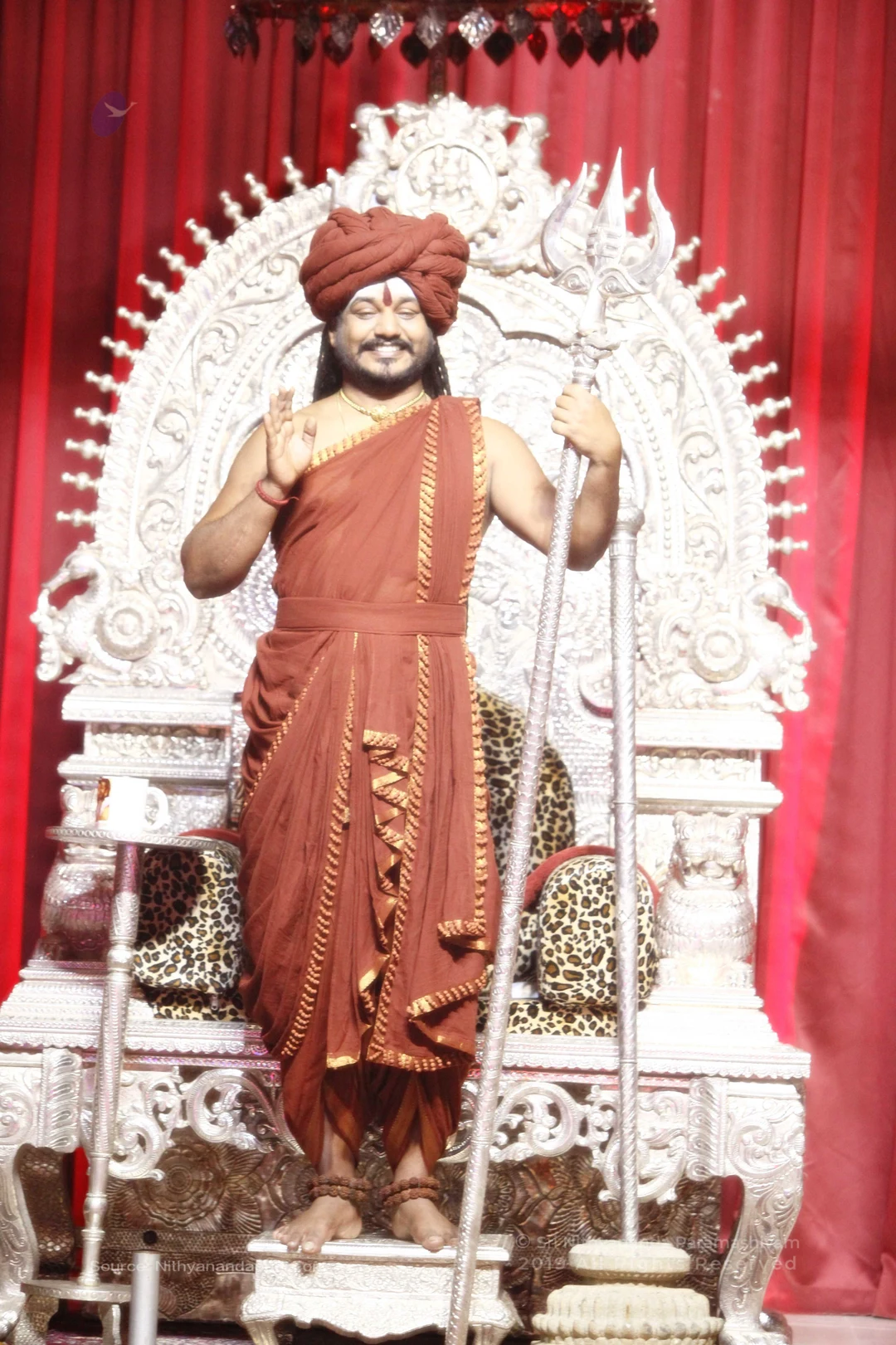
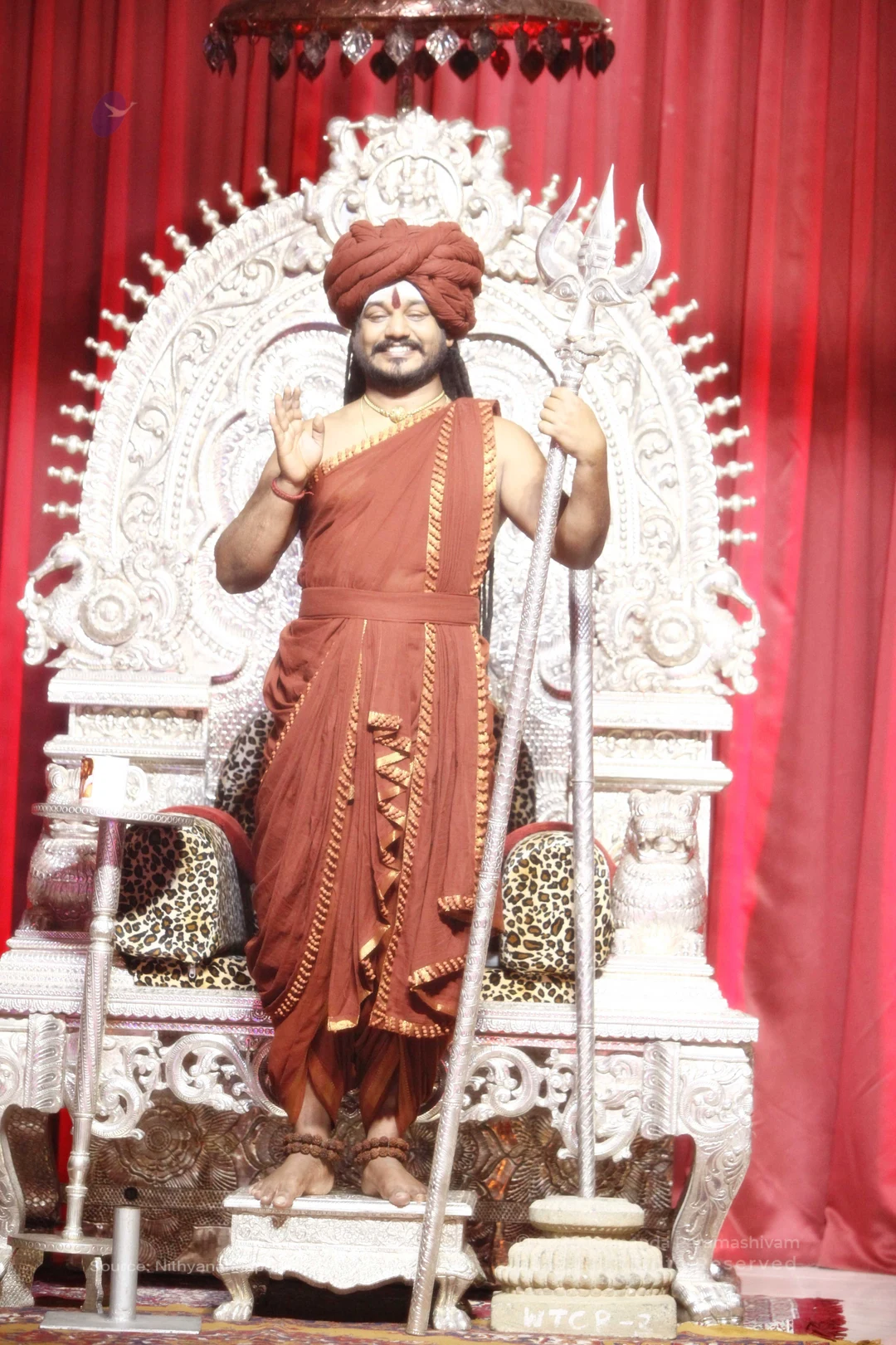
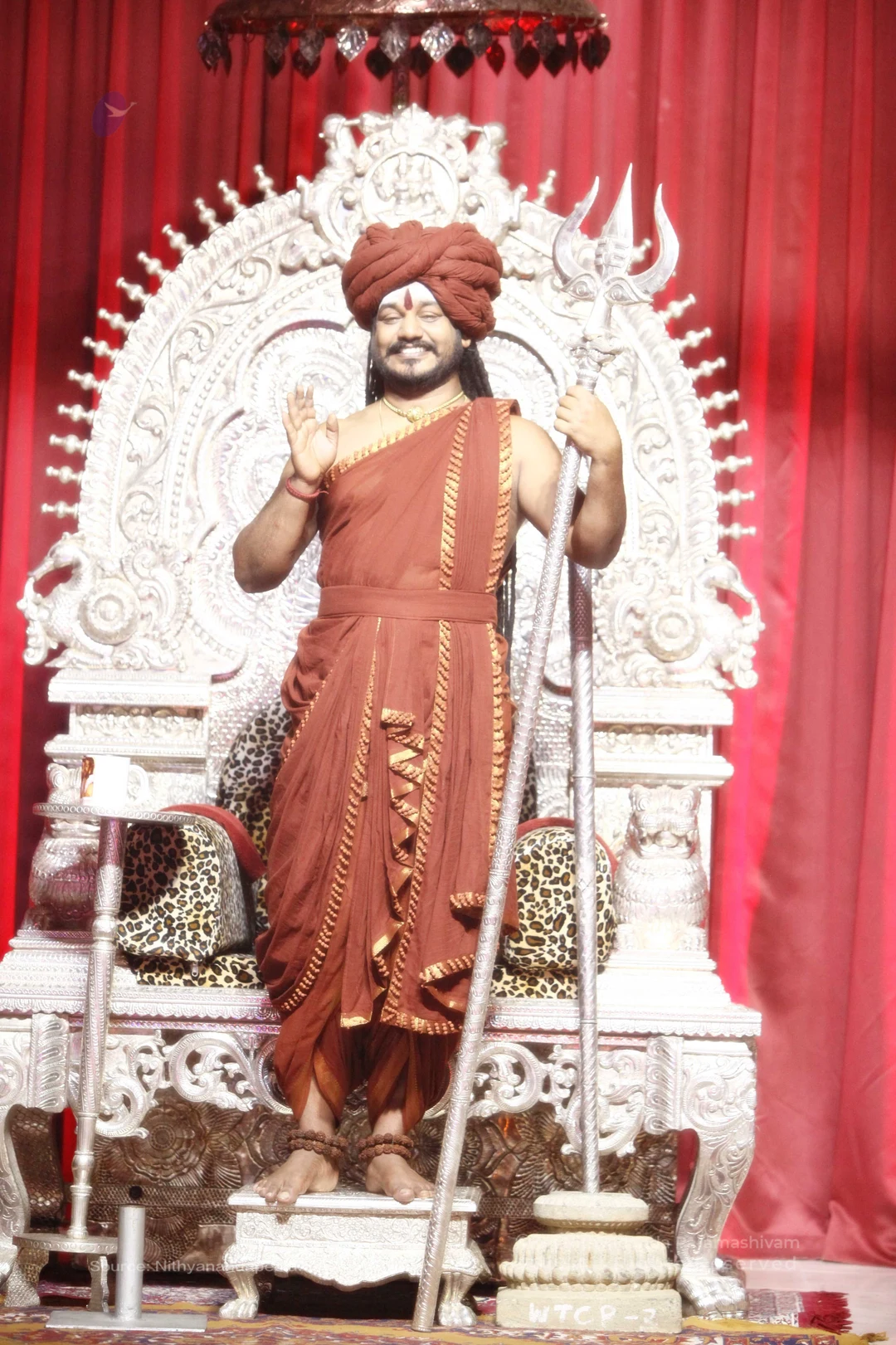
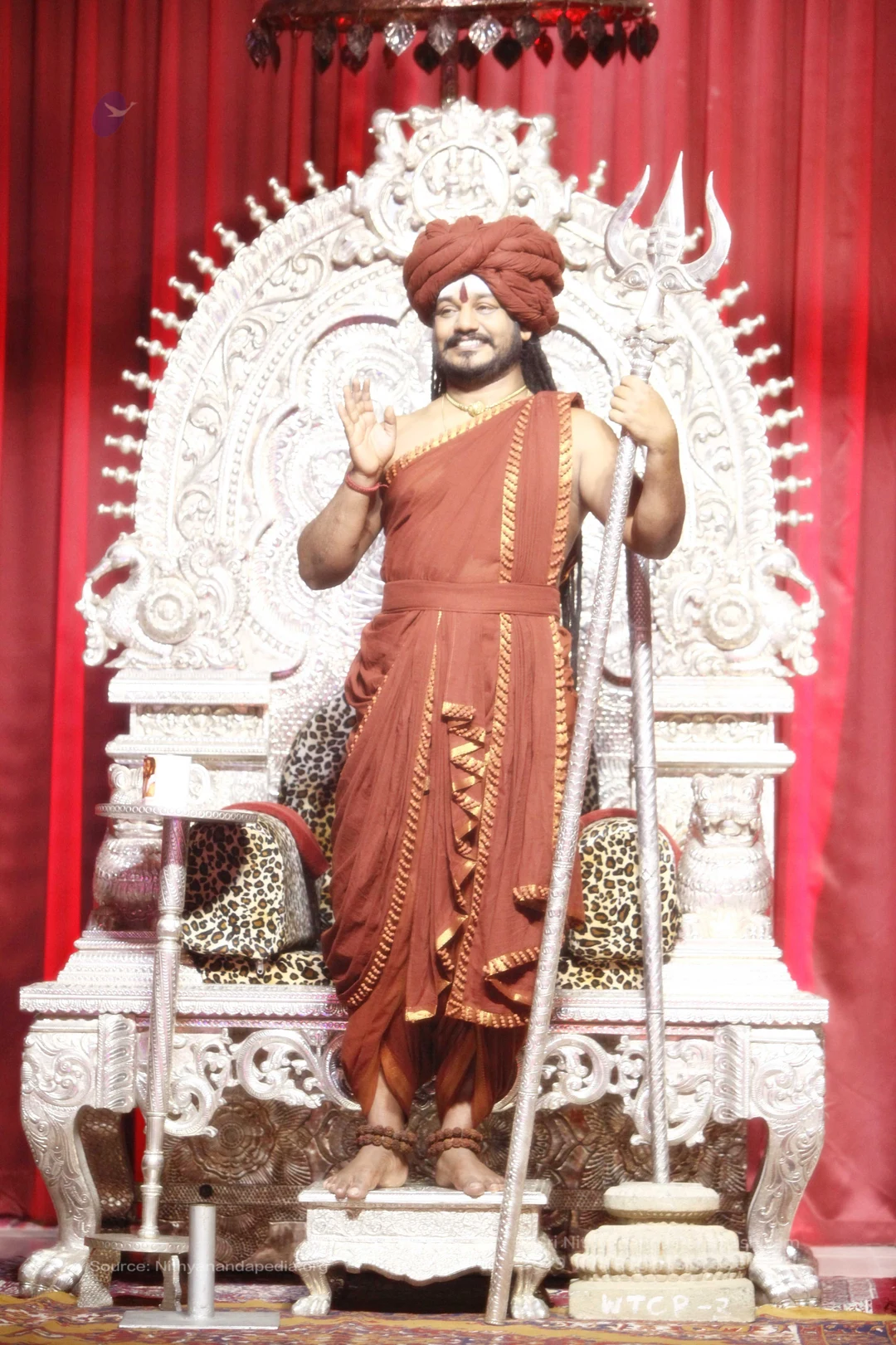
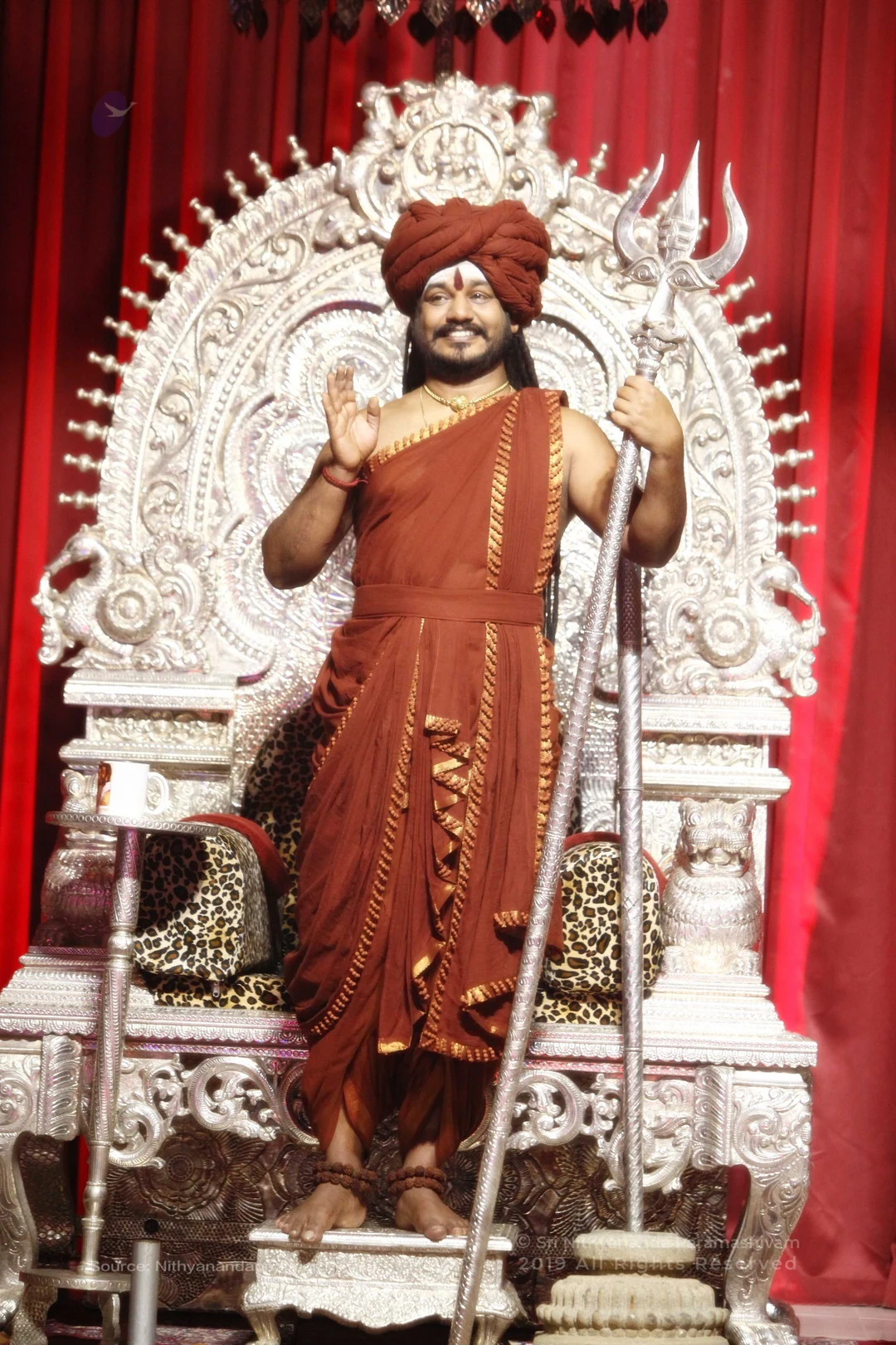
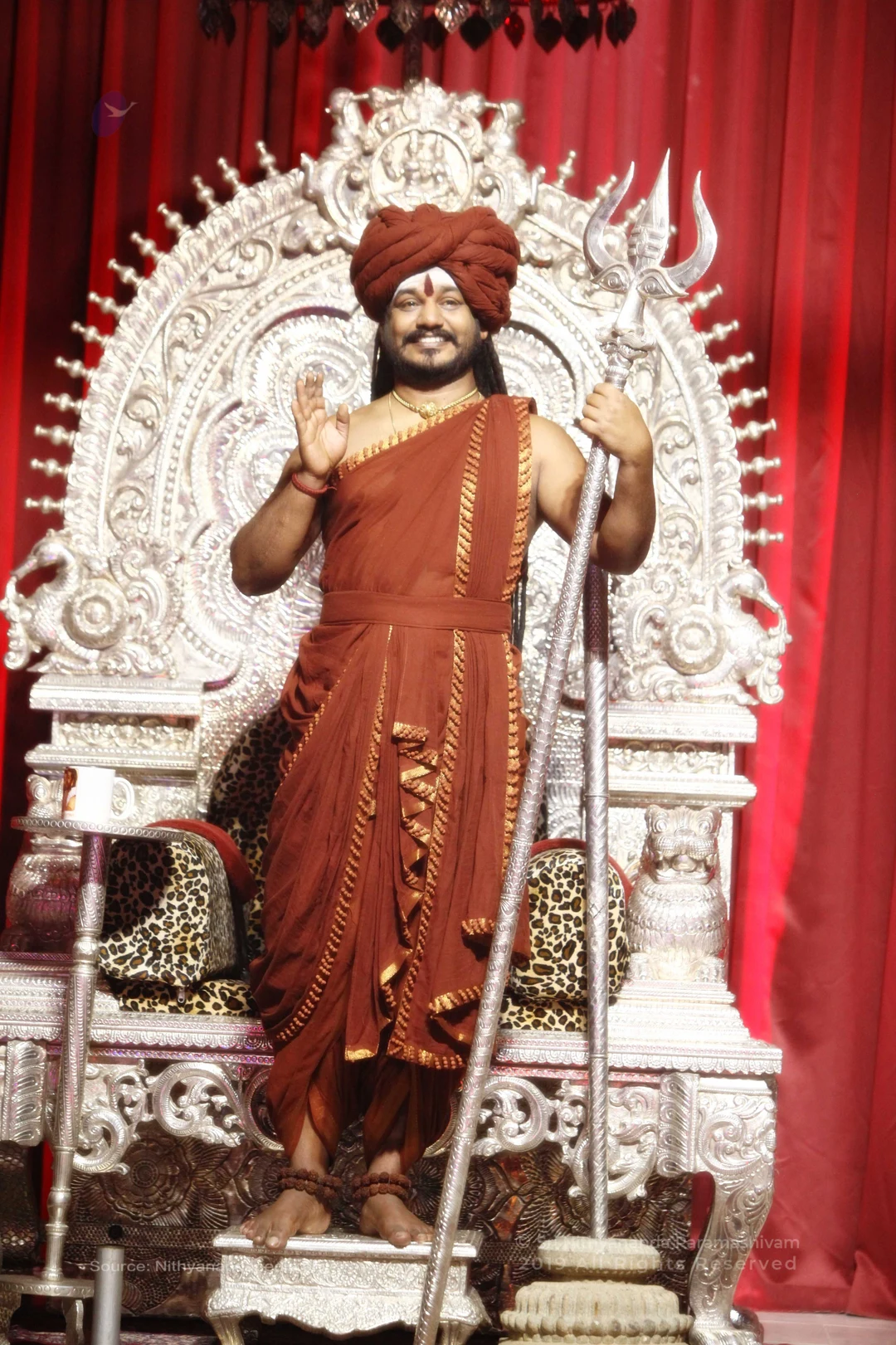
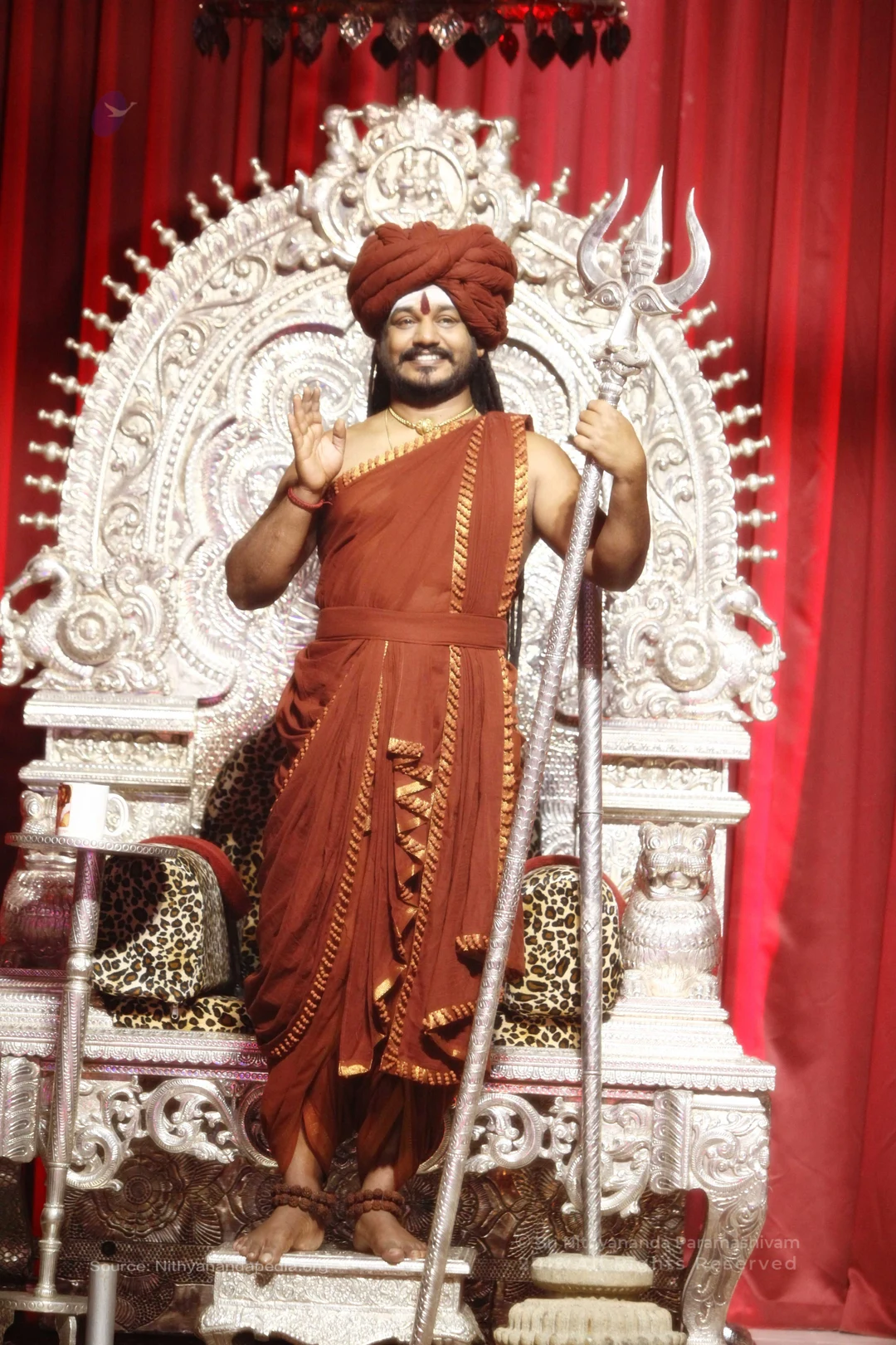
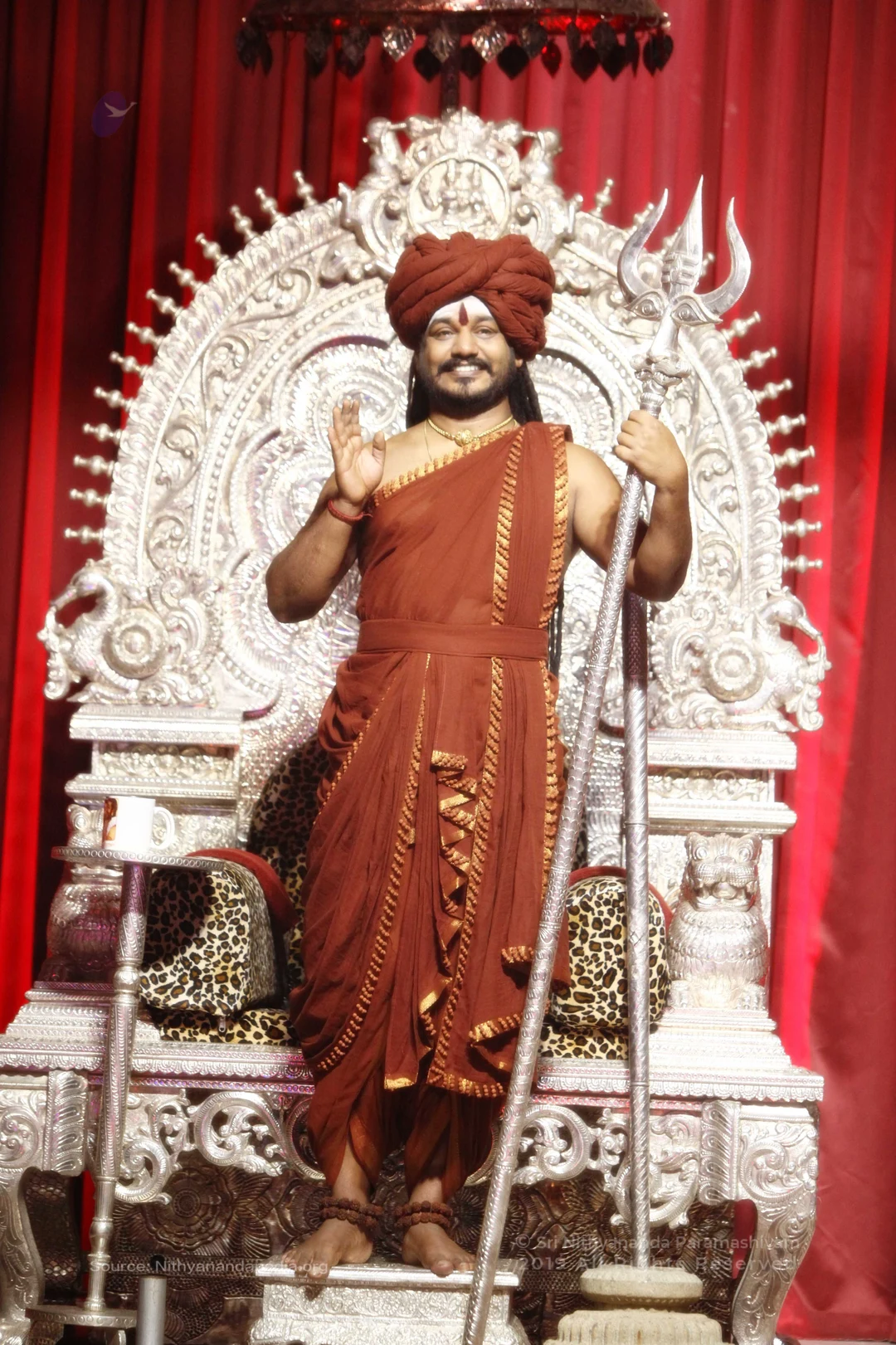
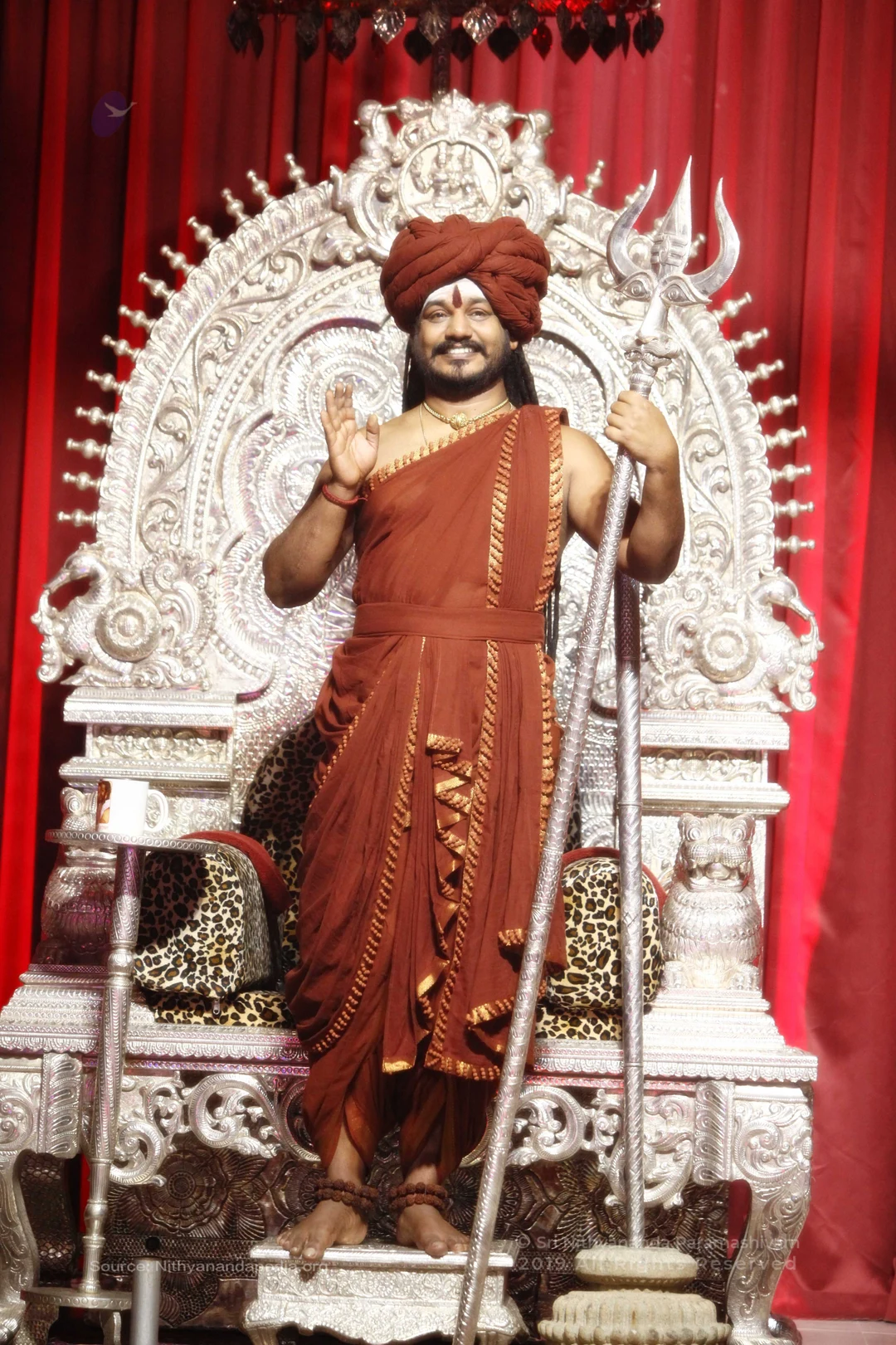
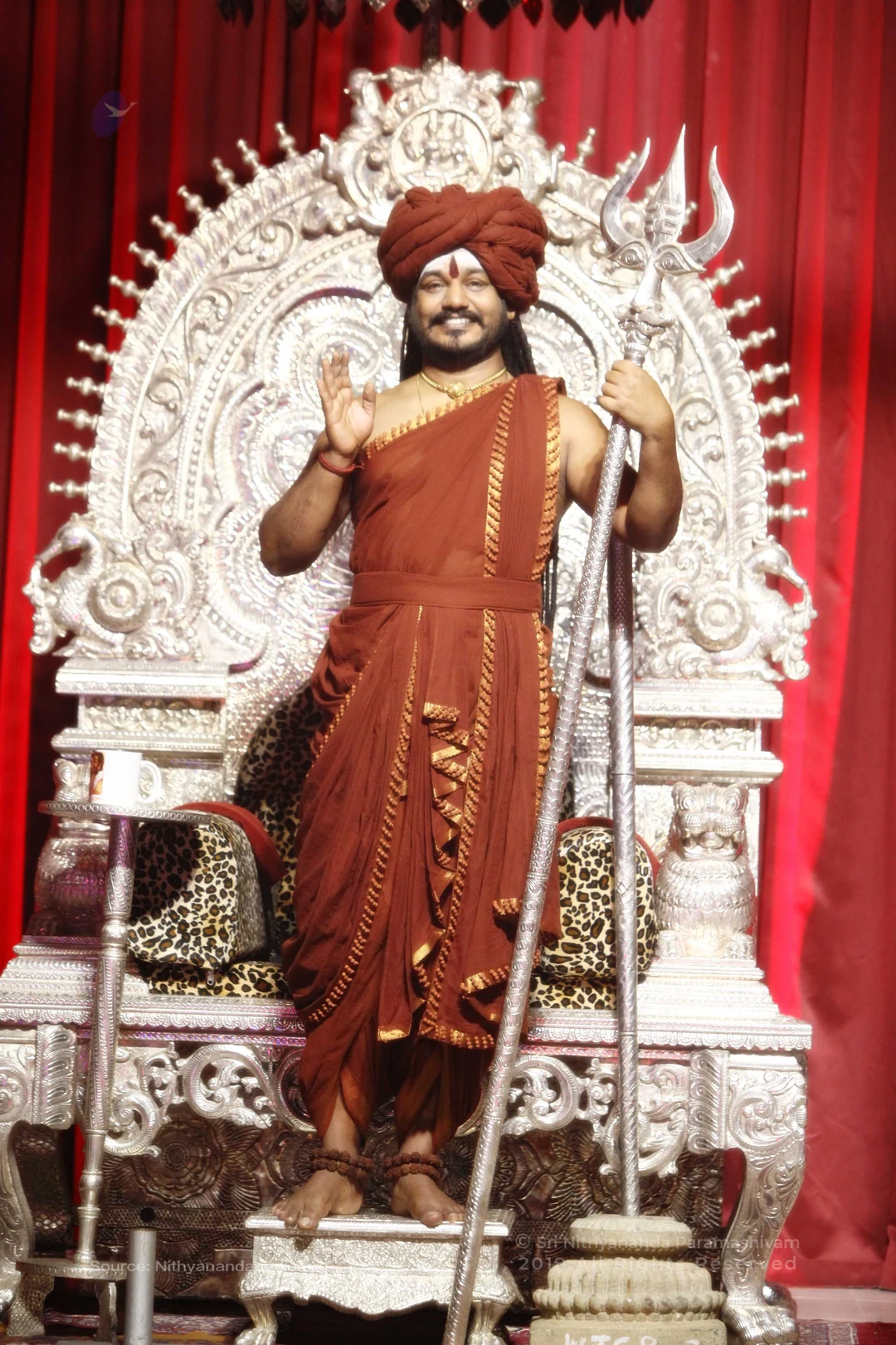
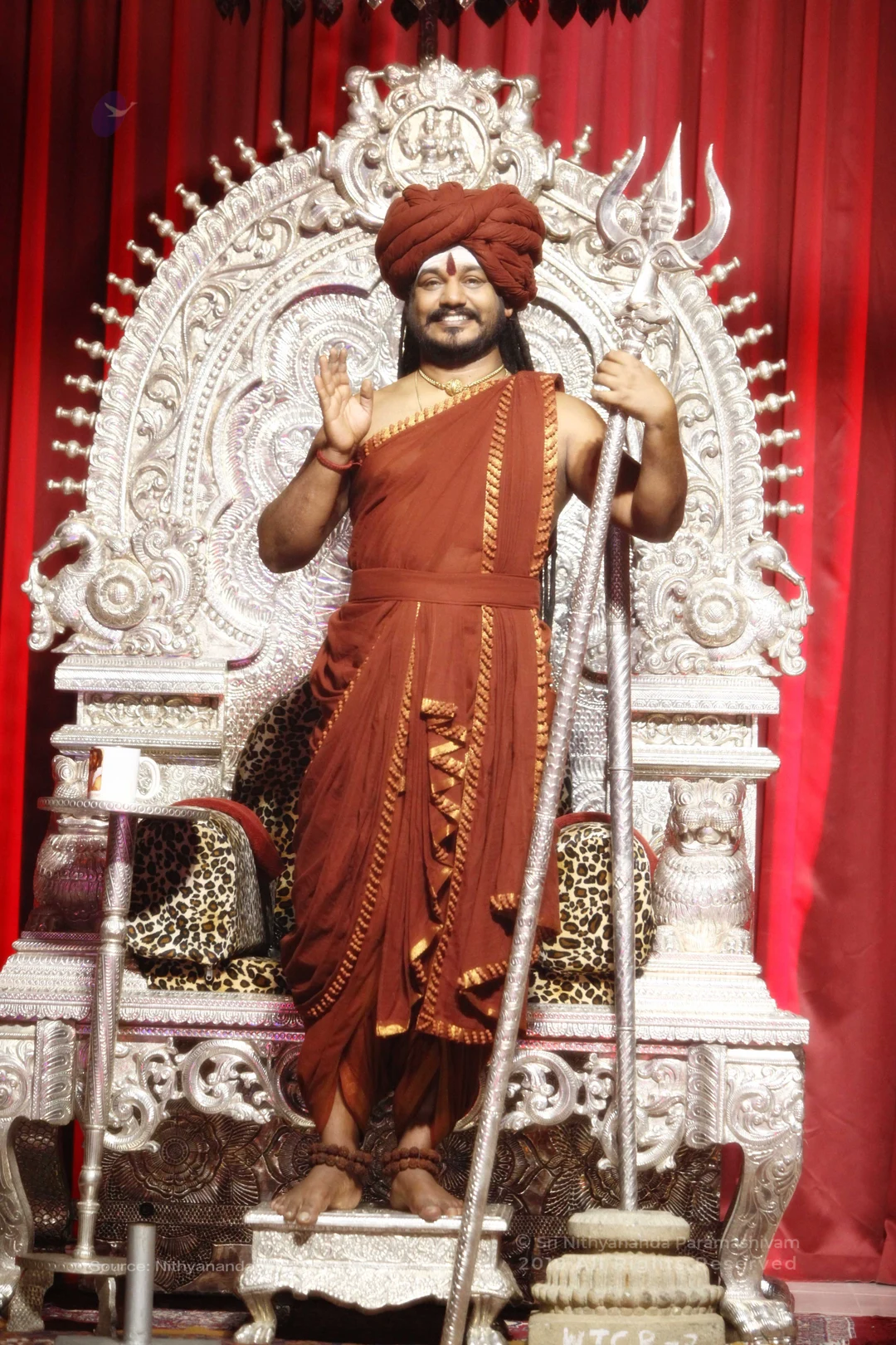
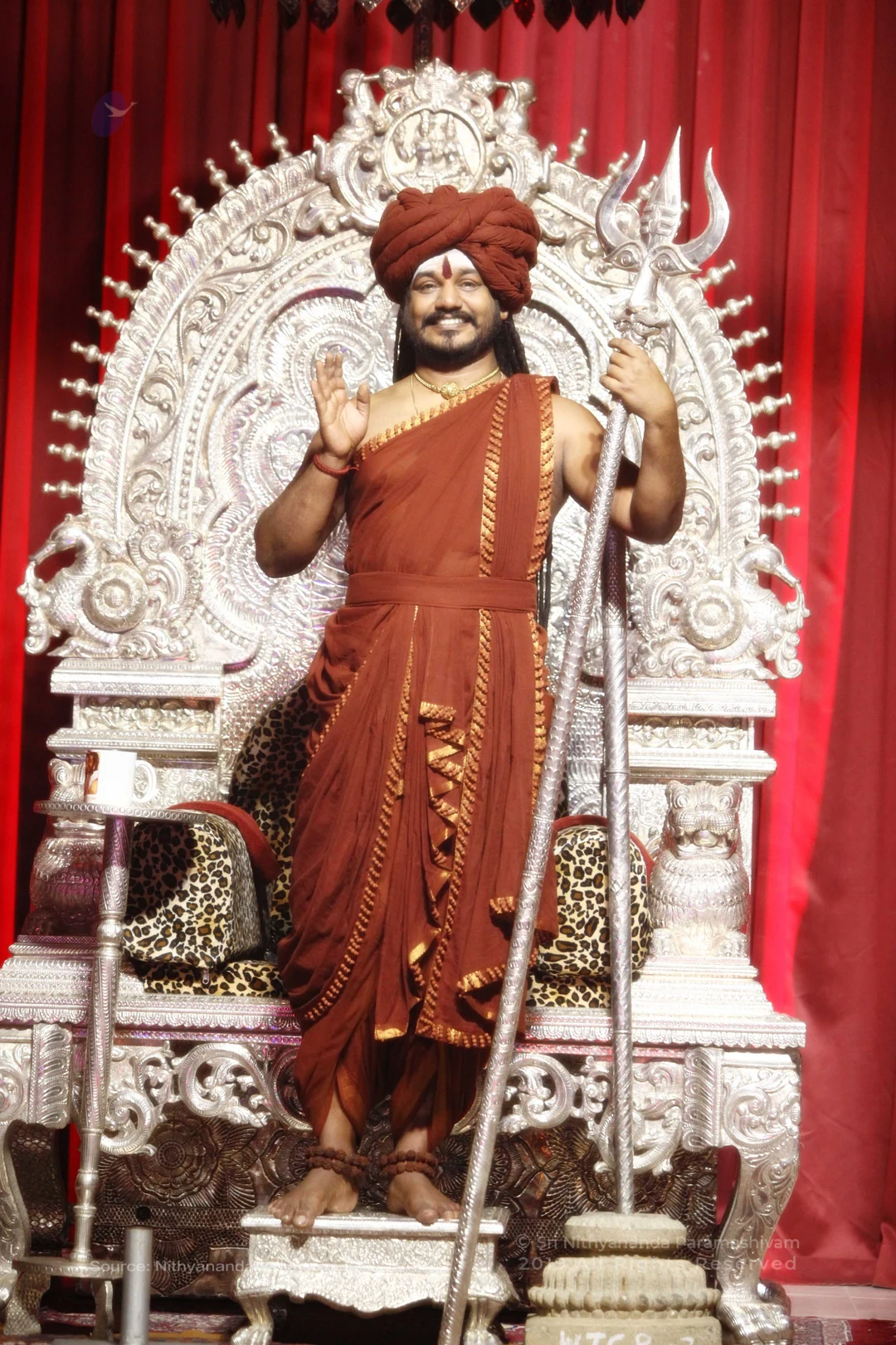
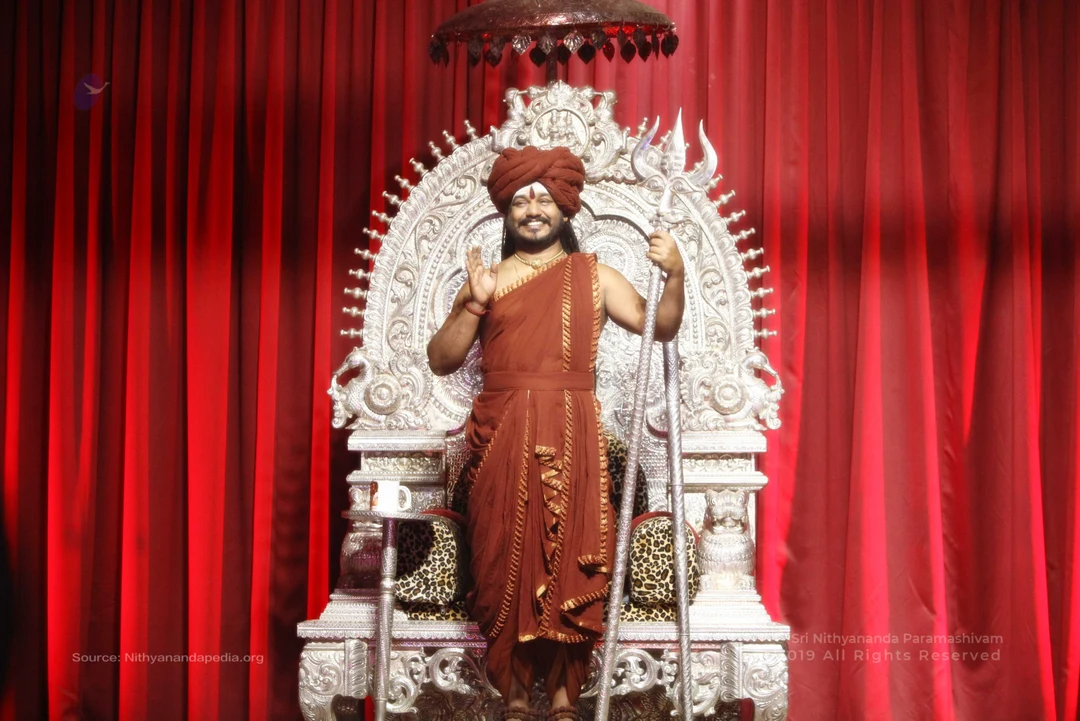
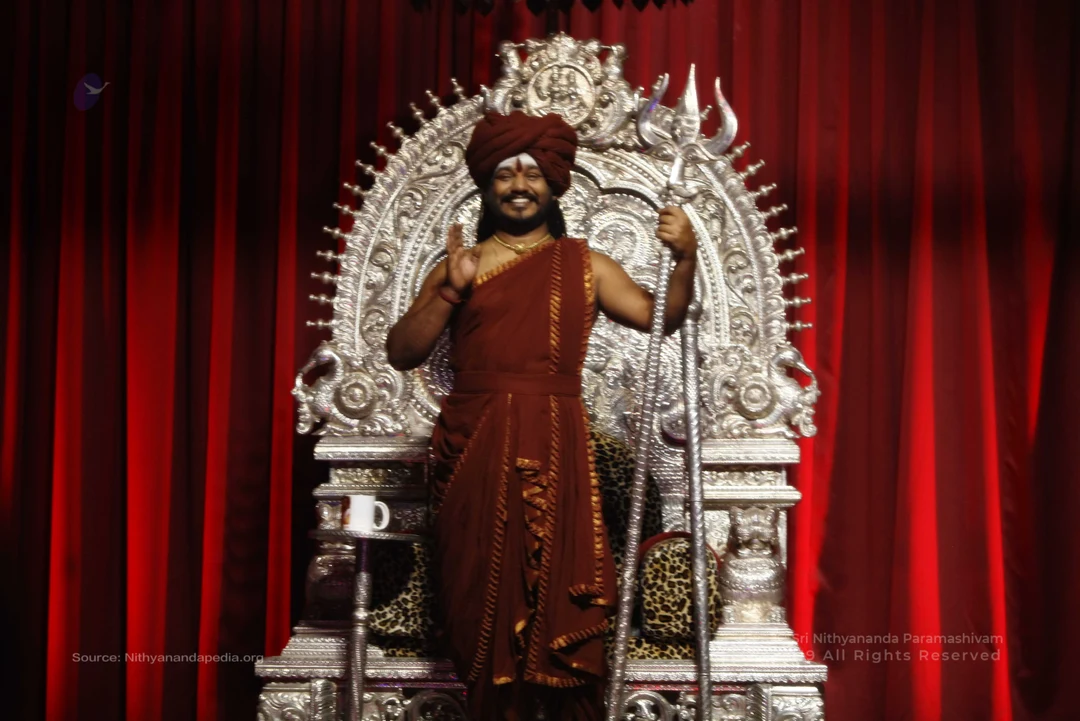
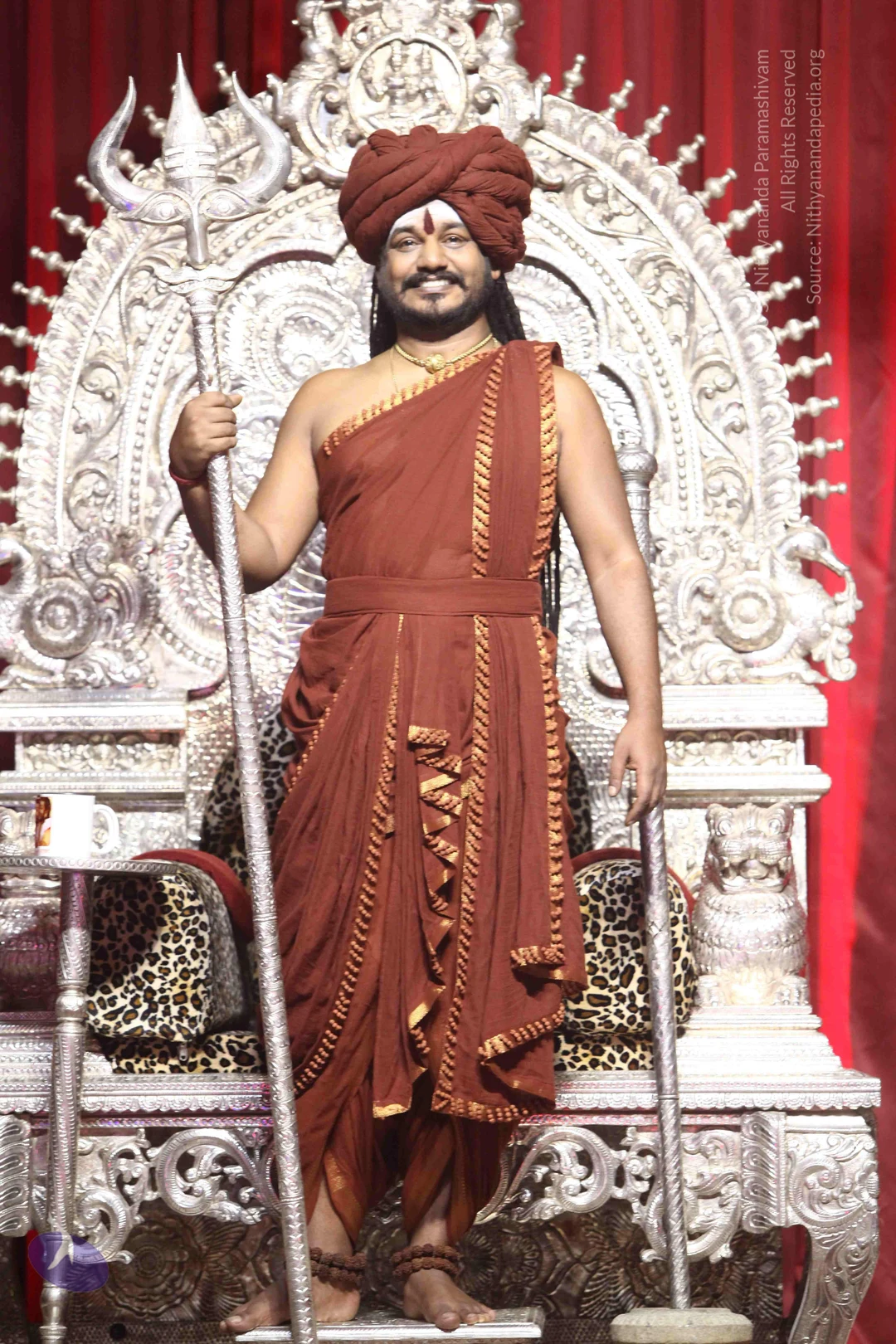
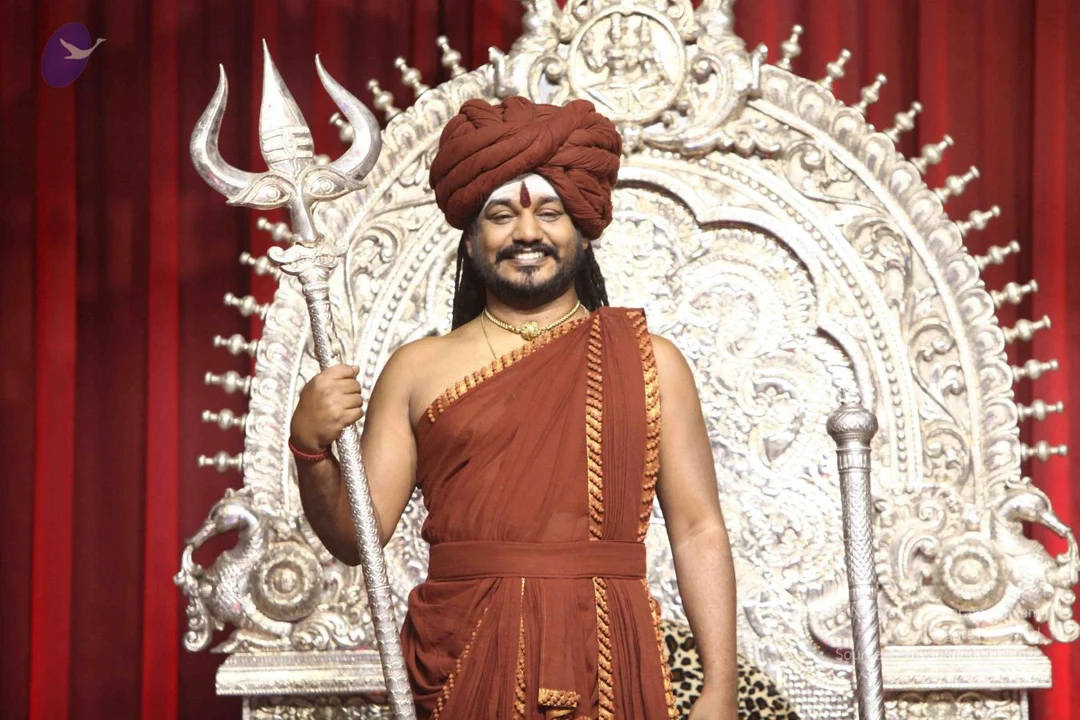
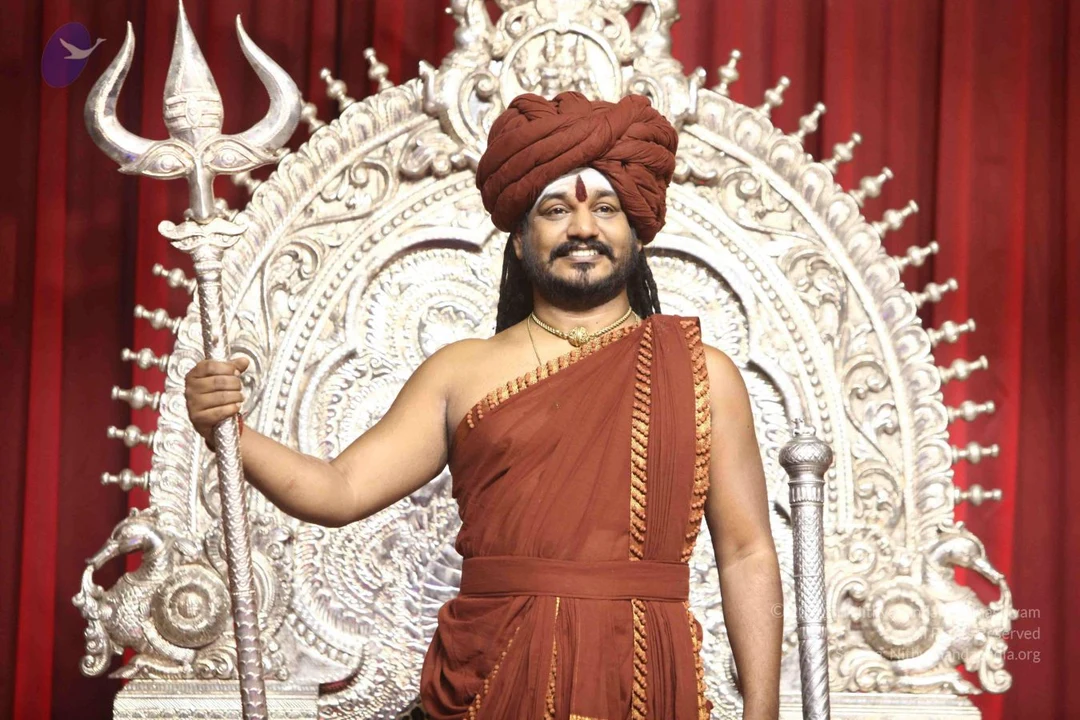
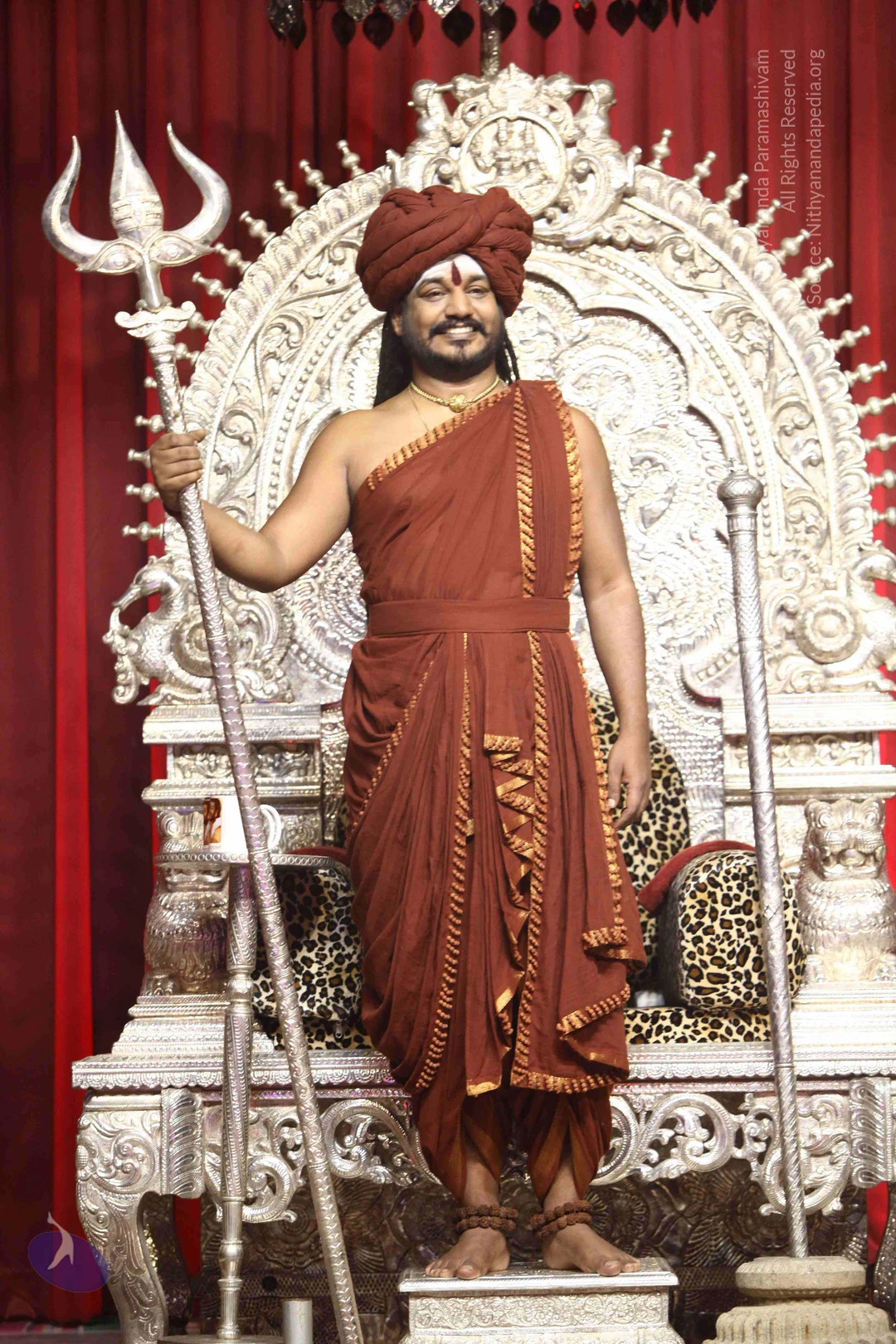
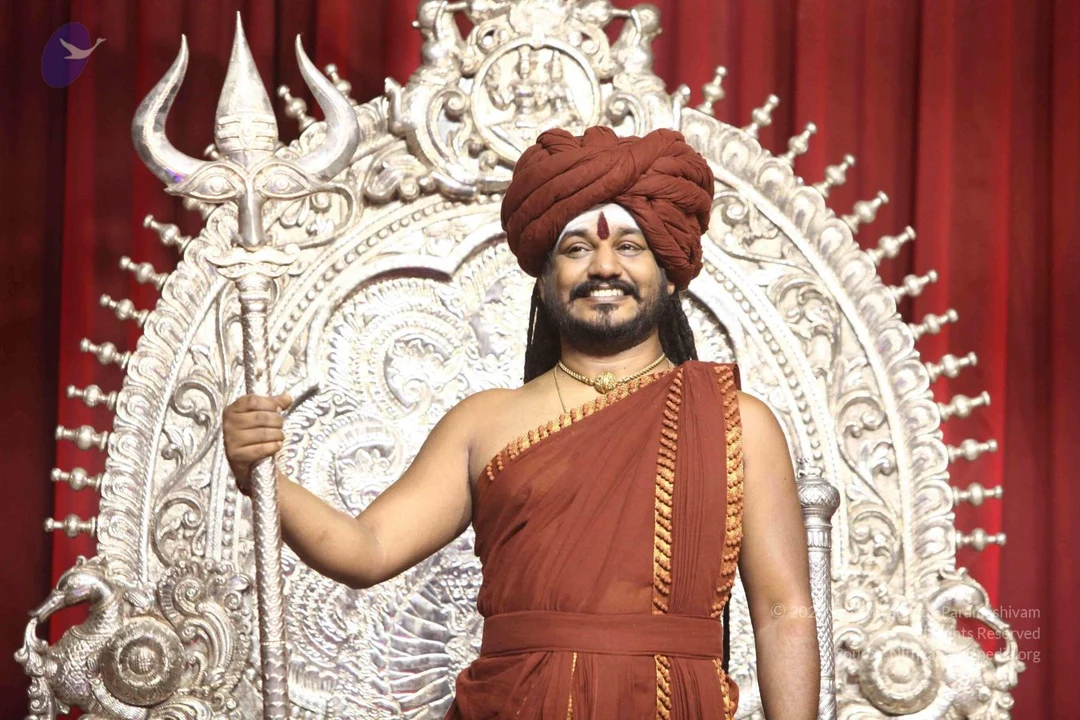
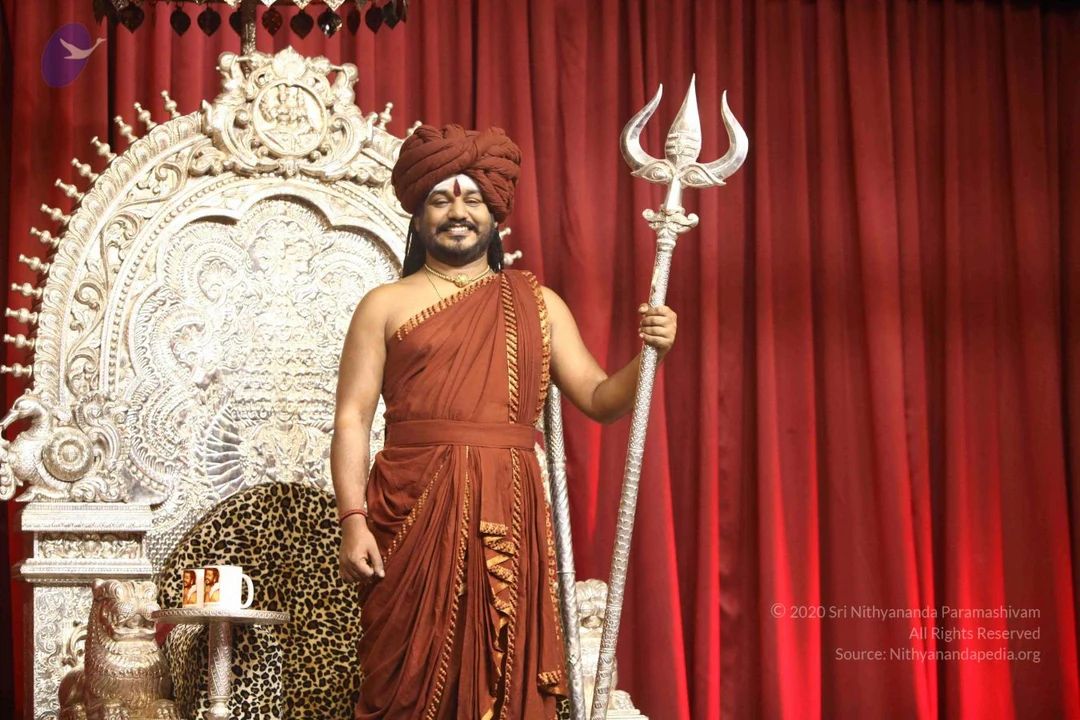
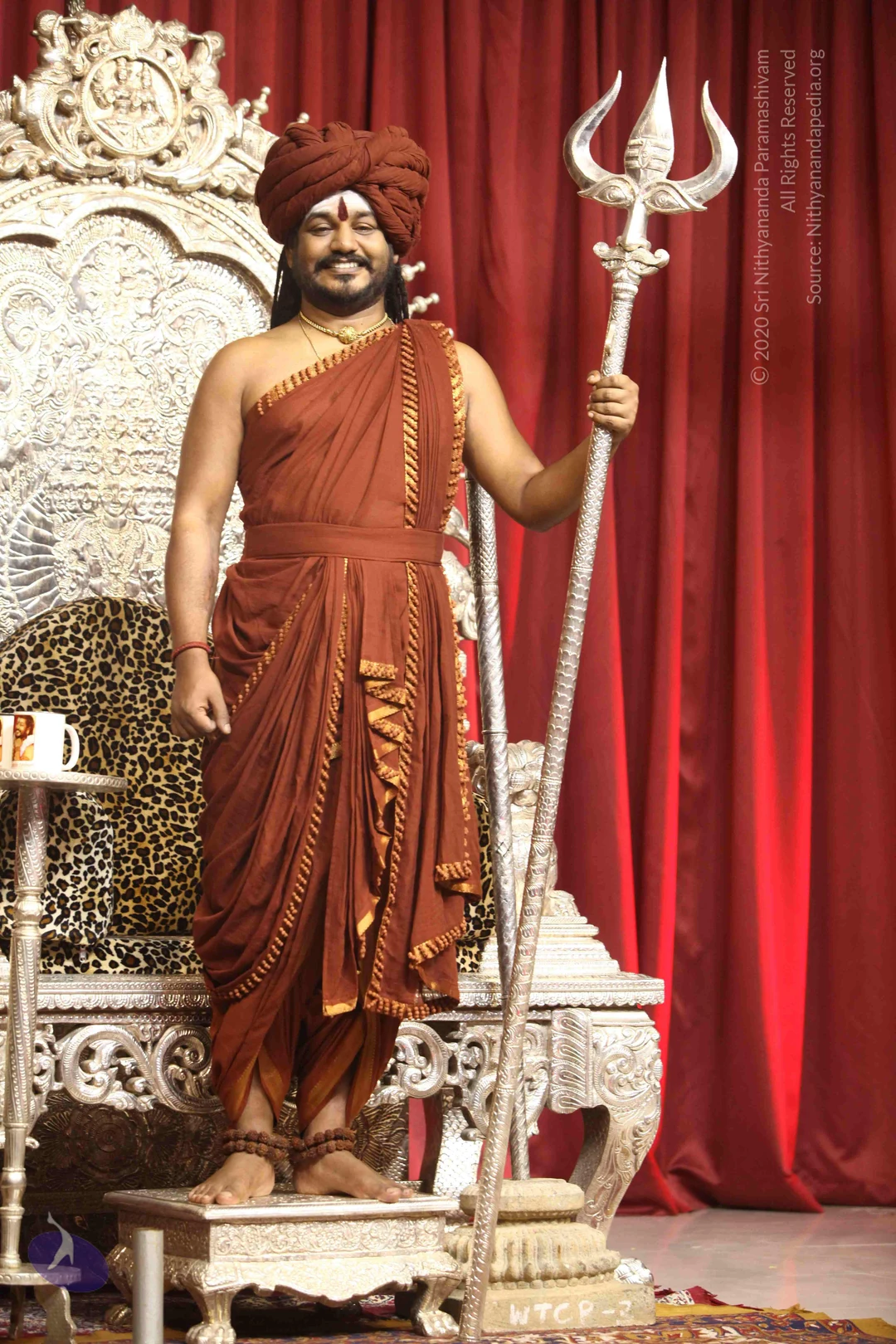
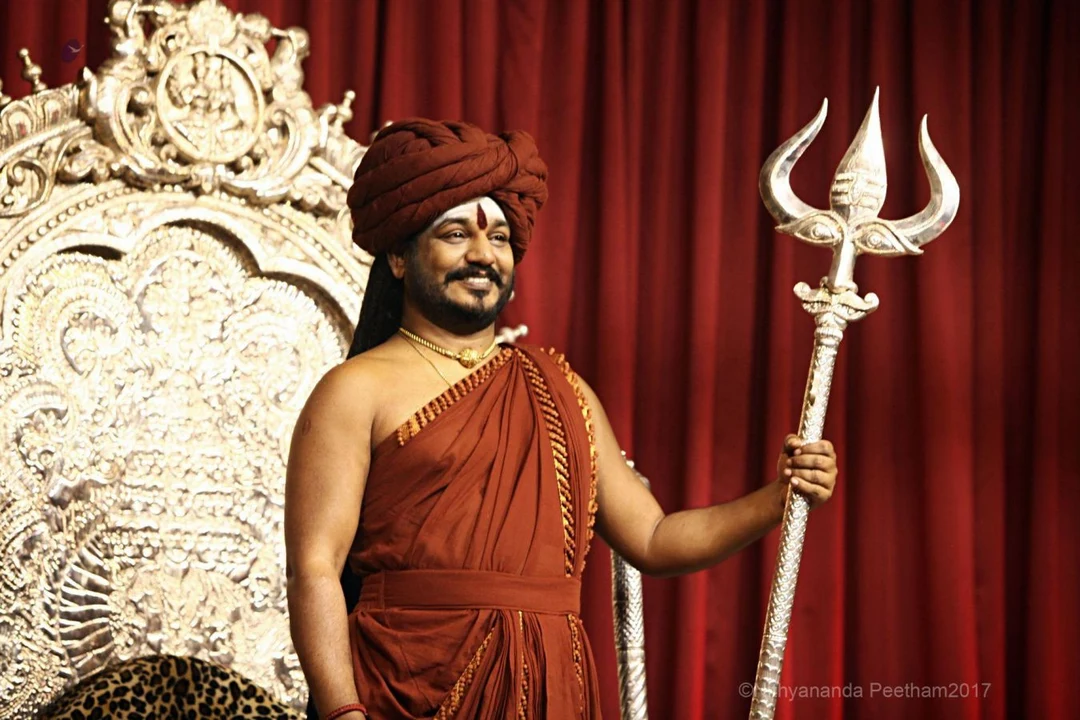
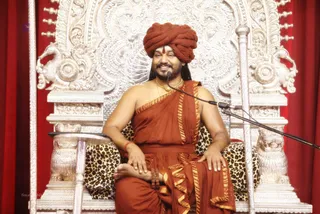
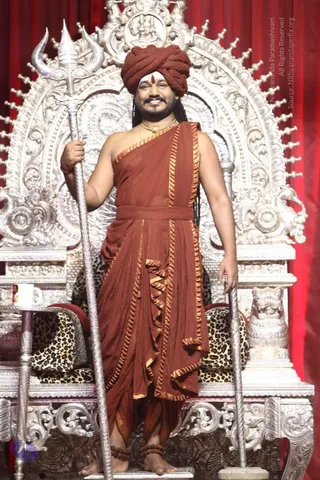
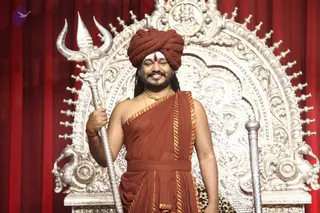
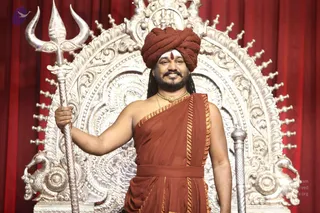
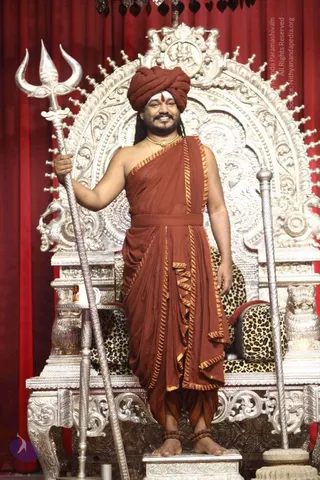
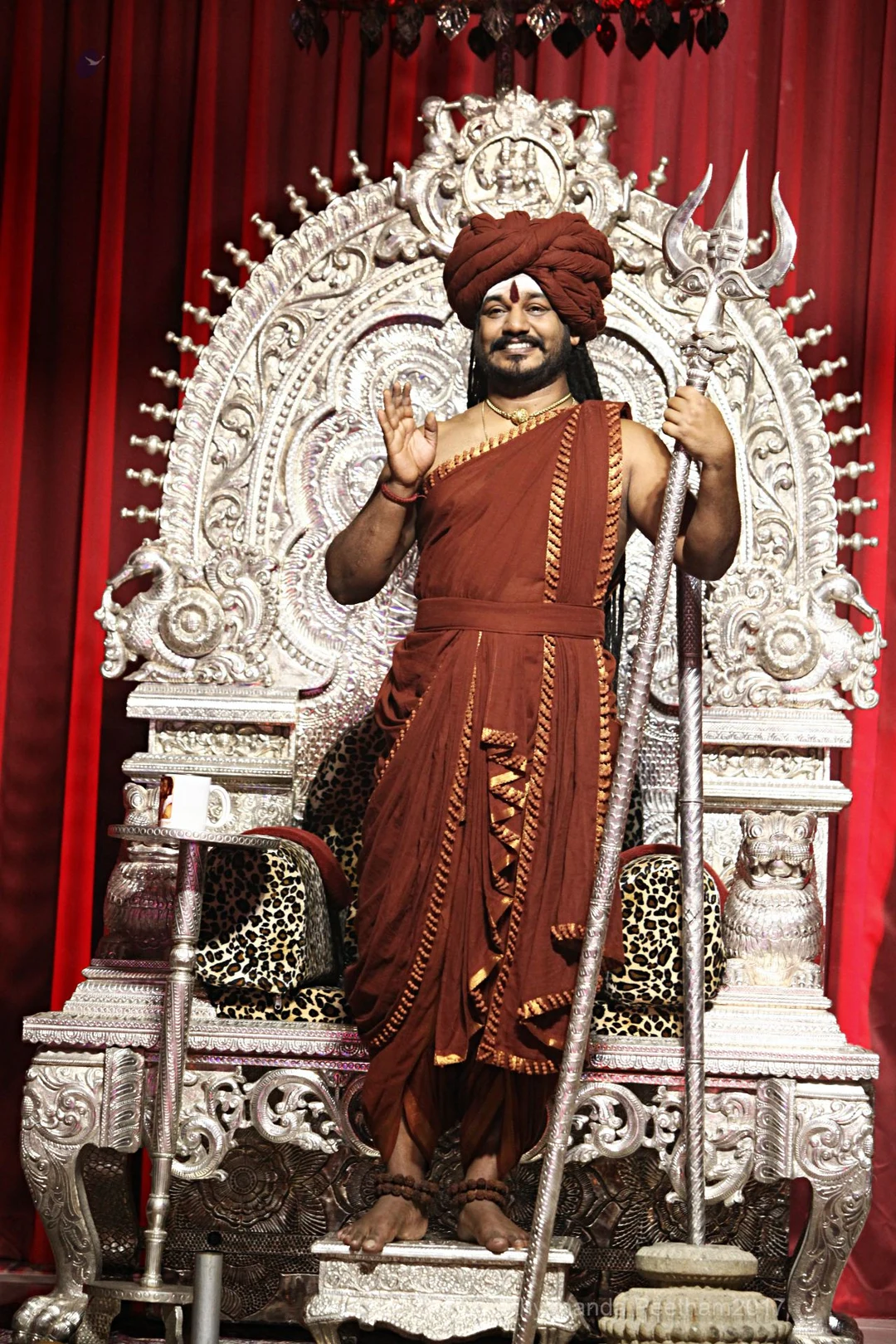
A man in rust-orange robes stands barefoot on an ornate silver throne with a leopard-print cushion and a silver lion-form armrest, against red drapes. He wears a rust-orange turban, white forehead markings, a gold necklace and rudraksha malas on his ankles. He raises one hand in a blessing gesture while holding a tall silver trident in the other. A silver arched canopy with a peacock motif sits above the throne. a person is only a probable candidate from his saffron-orange robes, turban, trident and throne; the appearance is adequately distinctive for an in-person label.A standing man in a rust-red turban and matching rust-red draped robe with gold border trim, bare-chested under the wrap, a gold chain necklace and a red tilak on his forehead. He holds a tall silver trident in his right hand and stands on a silver pedestal before an ornate silver throne with a leopard-print cushion and a red curtain backdrop. A silver staff stands beside him. a person by appearance cues: long hair, ornate gold necklace, saffron-orange clothing and the throne setting.A smiling man in a rust-red turban and matching rust-red draped robe with gold-bordered edges stands before an ornate white carved throne with sunburst-like finials and red drapery behind. He holds a tall silver trident in his right hand, and a red thread is tied on his left wrist. A red tilak marks his forehead, and a gold pendant hangs on his neck. The white carved backdrop and red curtains suggest a stage-set ceremonial setting.

November 16 2017

Original wiki page
Contents

Title:

Anubhooti & Anubhava - The Two Sides of an Experience

Link to Video:

VideoAudio

Transcript:

(0:08)

nithyānandeśvara sadāśiva samārambhām nithyānandeśvari ādiśakti madhyamām | asmat āchārya paryantām vande guru paramparām ||

(0:50)

Understand, at least in two places Mahadeva records, Sadashiva records, even if the first initiation you have not started manifesting, He asks you to go through the second initiation very sincerely. Because every initiation is a Shaktipada, infusing intense kundalini energy in you, so with the load of more initiations, the first initiation will start opening up, will start happening. Understand, it is like this. It is like when more and more initiations are happening, the frequency gets intensified. Very beautifully He explains, sometimes I wonder what a detailed explanation. He says the land where initiation is happening should be beyond the territory of anything. I was wondering why He should bother so much about that. Then later on, He explains, I understood, if it is under the territory of some king, always the fear and greed of king’s ideology, see, if king is of same ideology, the greed to impress him and if king is from different ideology, the fear of what will happen if he comes to know. Understand, that detailed, He is going. Every doubt possibly human mind can conceive He is answering. He is answering. Beautifully He says ‘Even if the earlier initiations have not yet become anubhuti or anubhava/experience. He also beautifully describes these 2 words - Anubhooti and Anubhava. Anubhava is experience. Anubhuti is your being coming to conclusion, cognitive shift because of this experience. See, I initiate you, and you manifest powers. It is anubhava. Because you manifest the powers, you come to the conclusions about you, life, God, Sadashiva.

‘Eh. If I manifest these powers, that means this science is right.

Then what this science says about my soul is right.

Then what this science tells about God is right.

What this science tells about the world is right’.

Coming to those conclusions, cognitive shift is anubhuti, manifesting powers and manifesting powerful cognitions. If you manifest powers, you should come to anubhuti, means manifesting powerful cognitions. What more evidence you want than the anubhuti than the anubhava?

(4:37)

Now, I am going to connect length dimension with this body scanning and healing. Benefit of this is you will be able to tell precisely the size of the tumor. In centimeter, in the length dimension. You can scan and tell anybody’s blood group, blood pressure, blood sugar, the percentage of blockage in the arteries, you will be able to convert the data you capture into the logic language of humanity. Understand, listen carefully, this will also intensify your ability to scan, do the body scanning and heal. Because till the fat melts you need to be healing. Till the tumor melts you need to be healing. For that, this will be a very big help.

First of all, we will complete all the in-completions you gathered in last few days. Understand, there is something called dvandva vighna. You will be surprised Mahadeva talks about this. He says, ‘first 2 days you will practice and third day you will fail. It’s called dvandva vigna - immediately after beginning giving a break.’ Even integrity, Completion, in all these science, you will start ‘Mmm, Swamiji told, I am starting’. But tomorrow morning 4:30 when the alarm rings ‘Swami yavudu, mami yavudu’. Bhoomiye gati. Swami ..’. That is dvandva vighna.

He says Completion need to be done when the dvandva vighna happens and restart. Actually, first 2-3 vighna, incompletion break, if you Complete and restart, nothing can stop you after it. After that nothing can stop you. So many of you would have had a dvandva vighna in these last 3-4 days after I started the initiation. So, lets complete with the dvandva vighna today. So, 4 days before I started the initiation, from that day any integrity you missed, any commitment you missed, whether with office, sangha, with family or friends, anything, anybody, anything you missed or the suffocations, incompletions you have which is not letting you manifest powers, you feel stuck, some enmity, enemy, guilt, anger, desire, suffocation, whatever, pen down all that.

Today I will burn all of that and liberate you. Take you Completion. From that Completion space, I will initiate you. Come on. Few minutes time. Pen down whatever incompletion, obstacles. Even if you see something obstacle, pen down what you want to clear to move towards the complete Completion.

(9:49)

Process starts…

Om Nithyananda MahaSadashivoham

Om Nithyananda MahaSadashivoham

Om Nithyananda MahaSadashivoham

(44:40)

All of you can now open all your three eyes and manifest this great power of length, body scanning and completely healing everyone.

Understand, initiation is putting the seed, when you go on a manifestation spree, that is when the powers manifest.

Life has no hypocrisy. Life has no hypocrisy. Drop all your hypocrisy, in-completions. Take up very sincerely responsibility for enriching and causing. Whoever takes responsibility for enriching and causing, you are my disciple. Understand, I am on the planet Earth taking the responsibility for enriching and causing you guys. Making myself available for the human being’s time is all my life. For that only I made this body, I assumed this body. Understand, it is this context makes me go on radiation Mahadeva, Sadashivatva. Be very clear, come to a honest integrated, responsible feeling for enriching and causing It’s a cognition actually. Then automatically you will know how to align with the team, group, evolve a team, group and make enriching temple and causing Garbha Mandir. Then automatically you will know. You don’t have intention, even a small thing will look like a big obstacle. When you have understanding and commitment, nothing is obstacle.

You are a consciousness. Nothing can be impossible or obstacle for consciousness.

Understand, when you do the body scanning, it’s not that only you can scan the body, you can even mind You can scan what kind of obstacles they are carrying. What kind of problems they are having, what kind of difficulties they are having. You can guide them. This is where your insecurity is, this is where your fear is, this is where your difficulty is. Complete. You can even heal those difficulties and in-completions and problems. They are also disease. If you can melt the fat, why not the thought current developed by fat? You can melt both. You have been empowered enough to clear all the obstacles for yourself and for others and manifest MahaSadashiva and MahaSadashivoham for you and for others. So, understand, it all boils down to your responsibility to enrich and cause others. That makes you manifest more and more powers. Be ferocious when you see impossibility inside and outside. Destroy them. You will manifest powers. You will help others. You will enrich yourself, you will enrich others. You will cause yourself, you will cause others.

(49:10)

I bless you all. Let’s all radiate with integrity, authenticity, responsibility, enriching, causing, Living Shuddhaadvaita Shaivam Sadashivoham, the eternal bliss, Nithyananda. Thank You. Be Blissful.

Photos From The Day:

Nithyananda Diary 16th November 2017 | Nithyananda Peetham, Bengaluru Aadheenam | Nithya Satsang

Initiation

This Day HDH Baghavan Sri Nithyananda Paramashivam Initiates Thousands of Devotees and participants on Line and Various temples around the world into the power of Complete Completion

Today I will burn all of that and liberate you. Take you Completion. From that Completion space, I will initiate you. Come on. Few minutes time. Pen down whatever incompletion, obstacles. Even if you see something obstacle, pen down what you want to clear to move towards the complete Completion.

OmNithanandaParamashivoham

Tags:

Sri Nithyananda Swami, Paramahamsa Nithyananda, Nithyananda, Swamiji, mission, integrity, authenticity, responsibility, enriching, dvandva vighna, Anubhuti, Anubhava, Length Dimension, Body Scanning, Sadashiva, Power Manifestation, Life has no hypocricy, Shaktipada, Powerful Cognition, Anubhuti

Link to Facebook Page

https://www.facebook.com/ParamahamsaNithyananda/posts/1563194417101736

Photos Of The Day:

Satsang

Photos Of The Day:

FB-photo-of-the-day

Photos from this day

View all 97 photos

Nithyananda Diary 16th November 2017 | Nithyananda Peetham, Bengaluru Aadheenam | Nithya Satsang
17 photosSource gallery
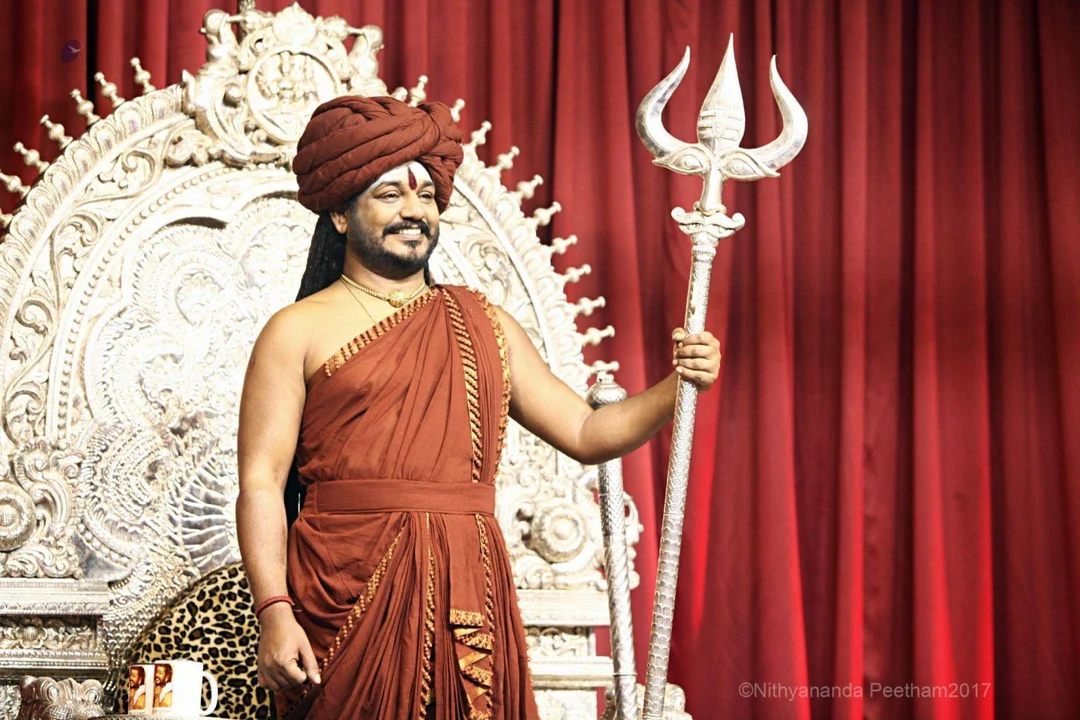
A standing man in a deep maroon turban with a red tilak on his forehead stands before an ornate silver throne with a carved arched back and leopard-print cushions against a red curtain. He wears a maroon-and-gold draped robe with a gold necklace and rudraksha malas on his ankles, holds a silver trident in his right hand, and raises his left hand in blessing while smiling. A silver cup sits on a small stand beside the throne, and a silver lion figure rests on the armrest. a person: the figure has long hair, a turban, ceremonial gold necklace and rudraksha ankle malas, but the appearance cues are only moderately distinctive.A smiling man stands before an ornate silver throne against a red draped backdrop. He wears a maroon-brown turban with a small red tilak on his forehead, a rust-coloured dhoti and shawl with gold-edged borders, and a gold necklace. In his right hand he holds a silver trident (trishul) with a long shaft, and his left arm hangs at his side. The silver throne has scrolling floral carvings, swan-like figures and rays along its arch.Probable Swamiji stands barefoot on a silver pedestal in front of an ornate silver throne with a leopard-print cushion and lion-head armrests, against red drapery. He wears a rust-red turban with a red tilak, a rust-red draped robe edged with gold trim, a gold chain necklace, and rudraksha malas on his ankles. He holds a tall silver trident in his left hand and a silver staff in his right, and a small white cup rests on the armrest. The throne is decorated with silver scrollwork and a hanging red-and-gold canopy above.A standing man in a maroon-red turban and draped maroon robes with gold-trimmed borders, wearing a gold necklace and rudraksha malas at his ankles, holds a tall silver trident. He stands on a silver pedestal in front of an ornate, intricately carved silver throne with a leopard-print cushion, a silver lion figure beside it, and a red curtain behind. A red tilak mark is on his forehead. Swamiji (probable) appears as a robed sannyasi; the appearance cues are the maroon turban, ornate gold necklace, rudraksha malas and the trident, though the image is not conclusive on identity.A standing man in a rust-red saffron-toned dhoti-style drape with gold-edged border and a matching red turban stands before an ornate silver throne with leopard-print cushions and a red stage curtain behind. He holds a tall silver trident (trishul) in his right hand, with a red tilak on his forehead and a gold necklace at his neck. A silver pedestal stands at his feet and a small white cup sits on a side table at left. Appearance-based candidate: Swamiji (probable), identified by the turban, saffron-toned clothing, gold necklace and trident, though the appearance is not fully certain.A standing man in a rust-red turban and matching saffron-brown draped robe with gold-edged trim stands on a silver footstool before an ornate silver throne. He holds a tall silver trident in his right hand and wears a gold necklace, rudraksha-style beaded anklets, and a red tilak on his forehead. Behind him hang deep red curtains and a leopard-print cushion on the throne. A small silver side table with a cup sits to his left. Appearance-based identification is probable Swamiji (long hair visible, ornate ceremonial clothing, trident and gold necklace), so the swamiji field is in_person.

Nithyananda Diary 16th November 2017 | Nithyananda Peetham, Bengaluru Aadheenam | Nithya Satsang

64 photosSource gallery
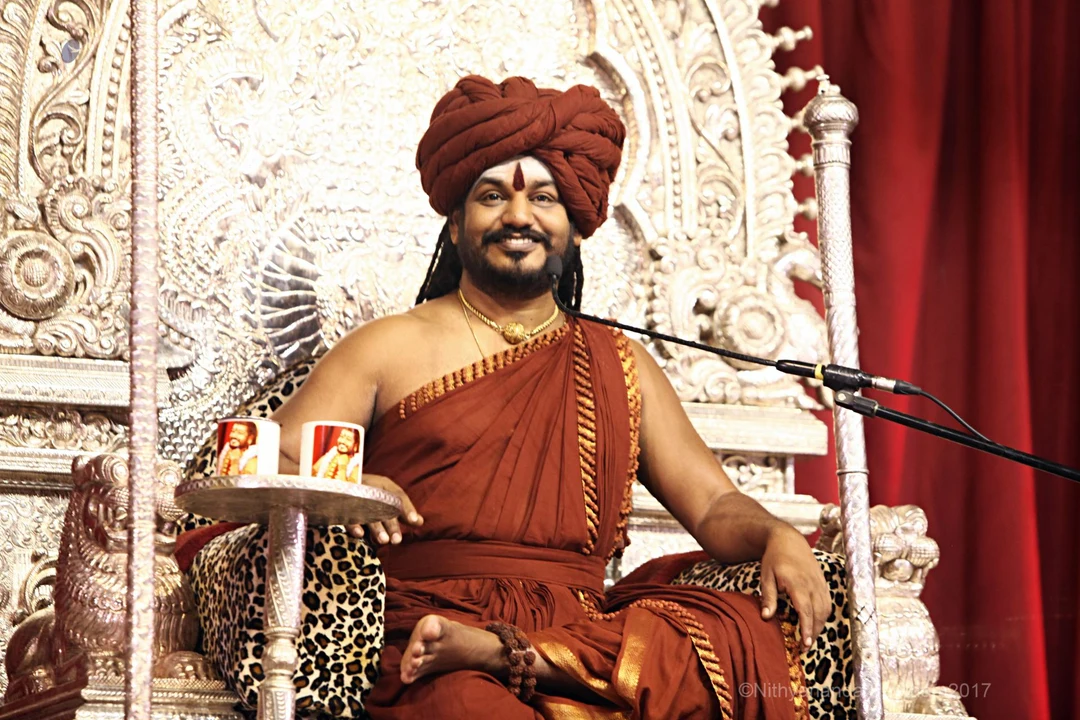
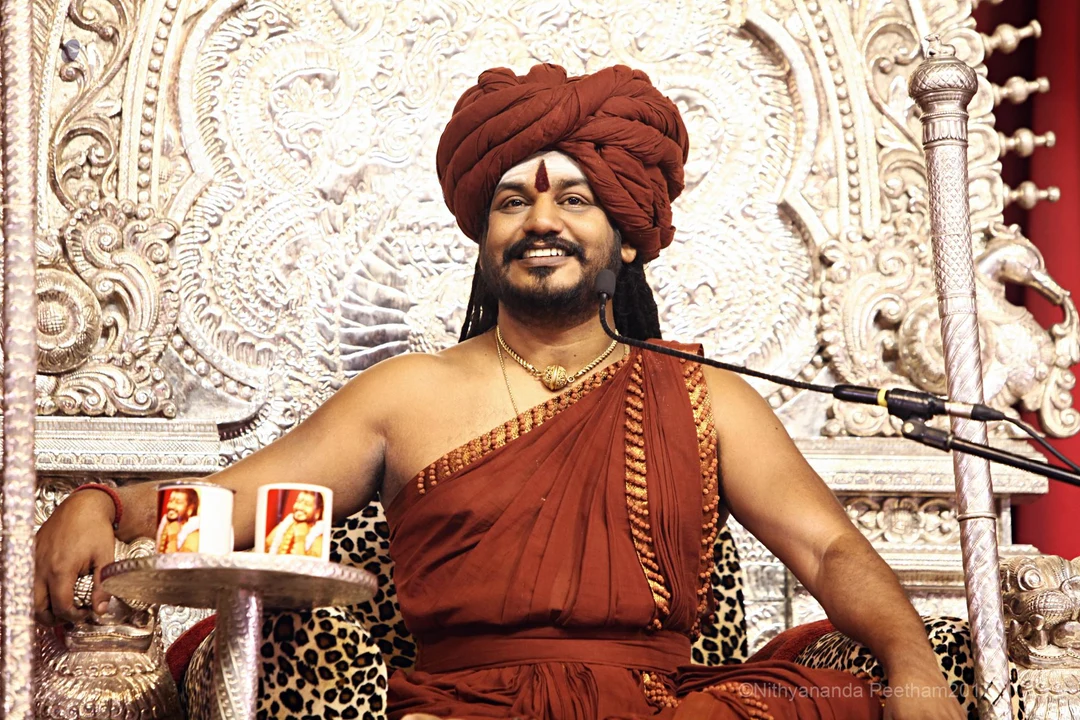
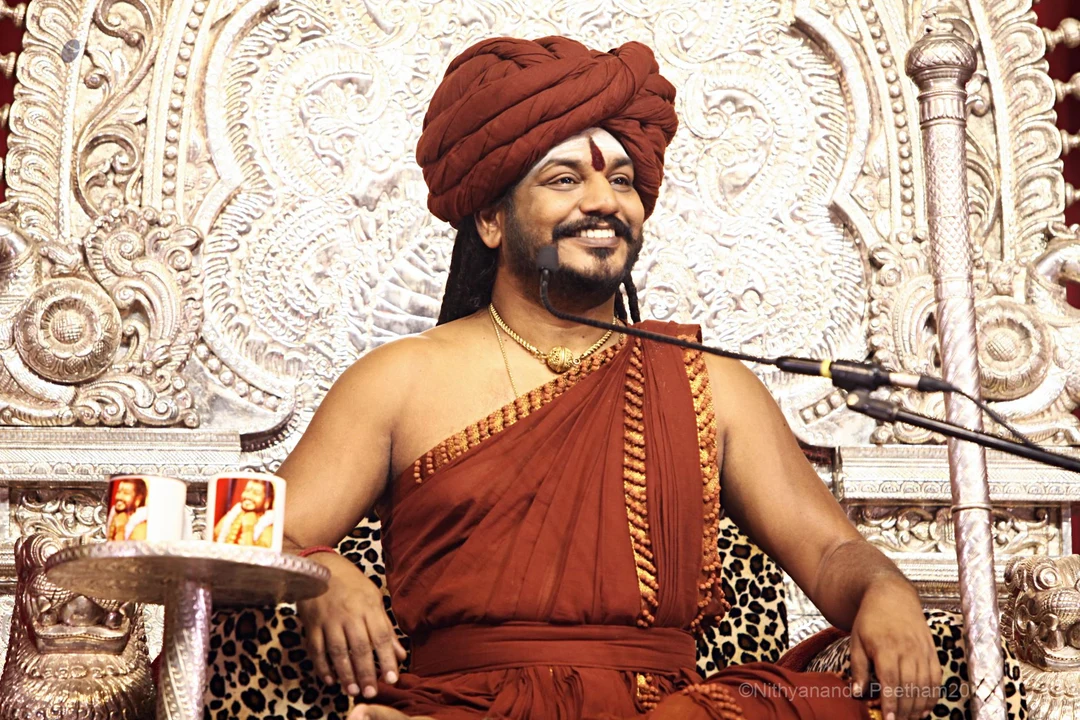
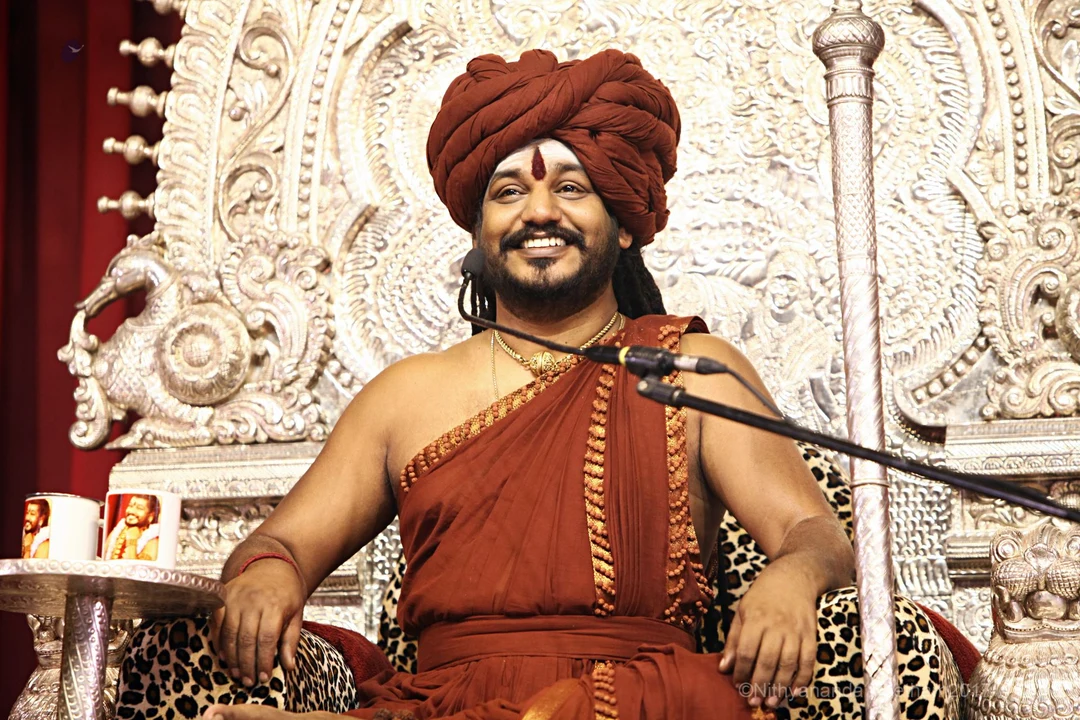
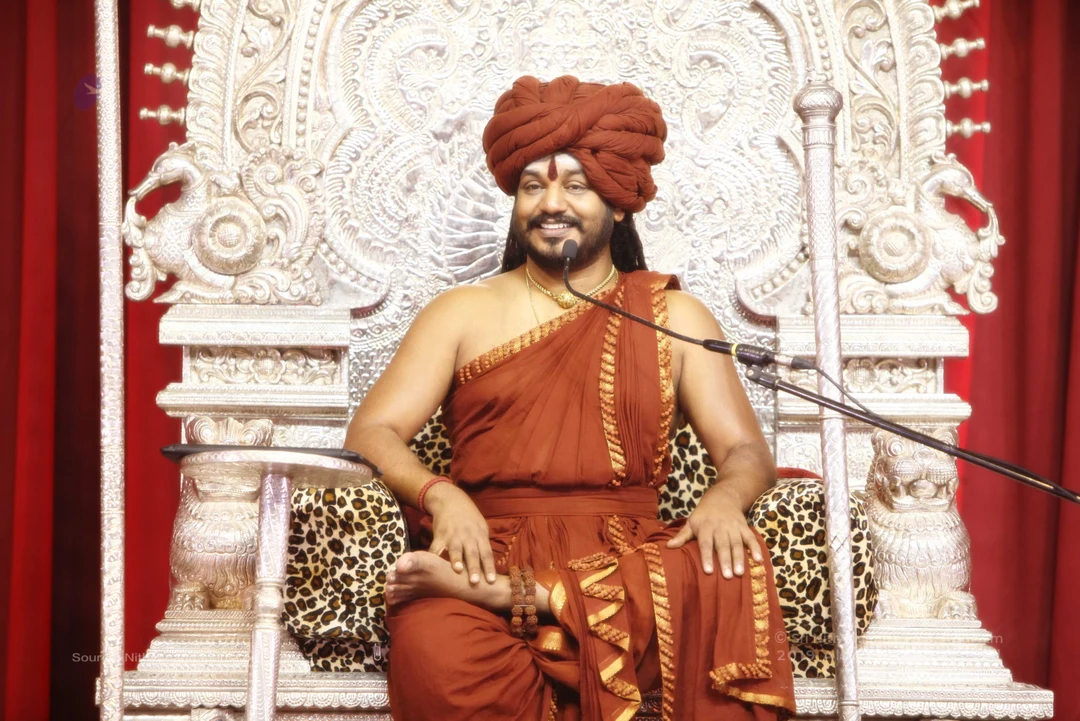
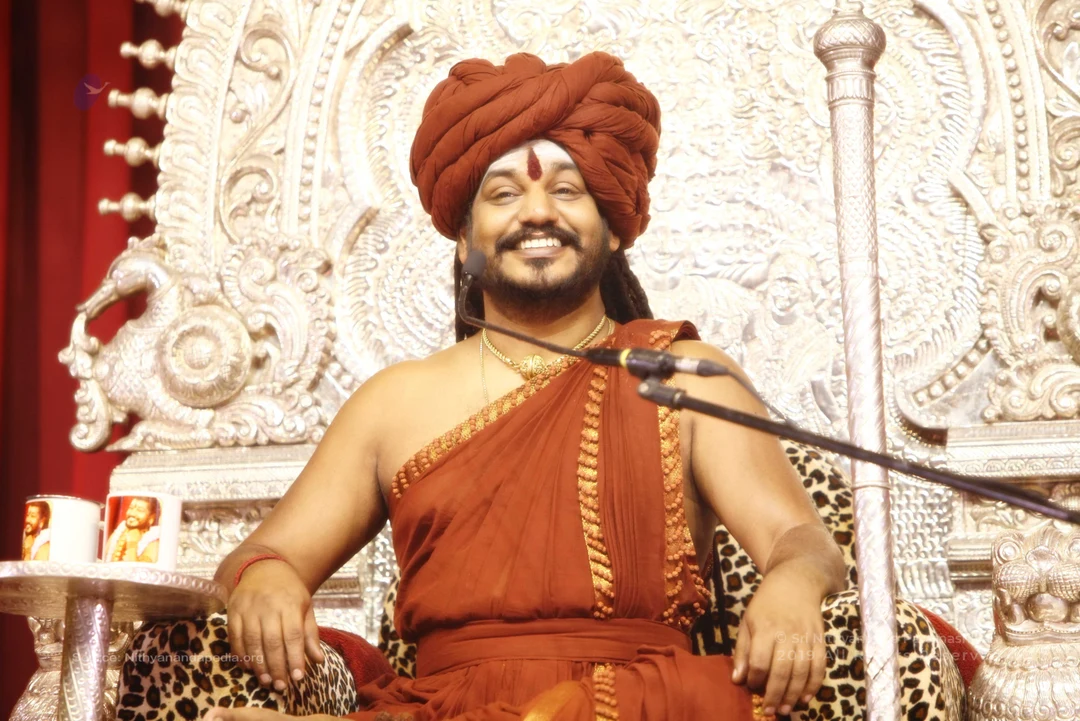
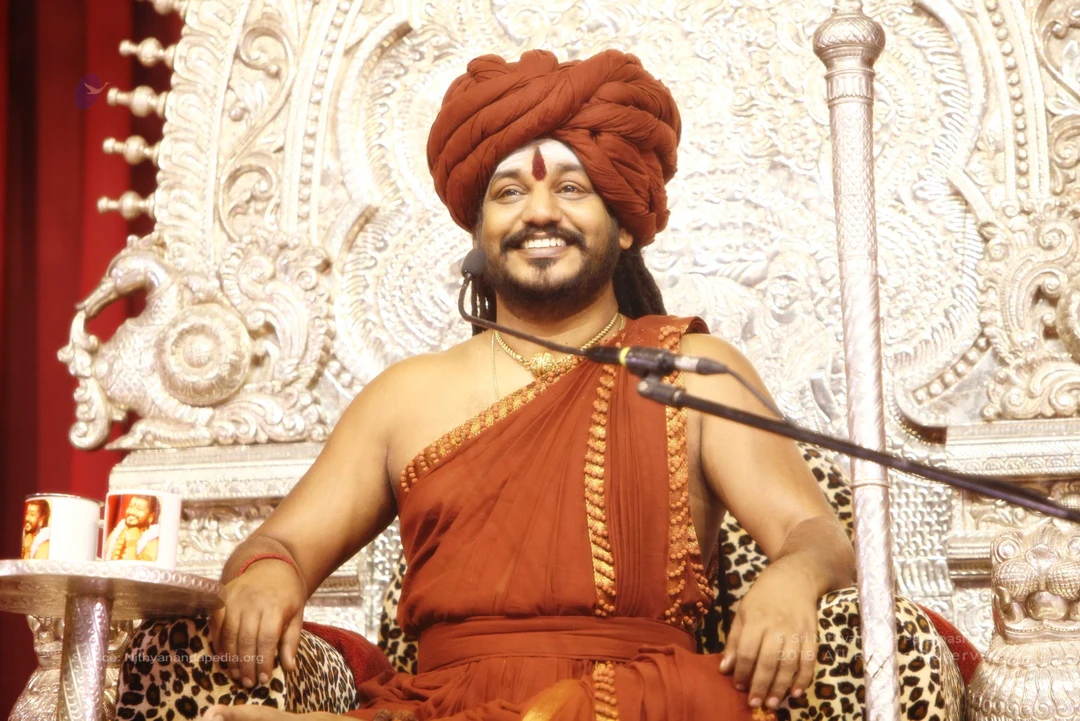
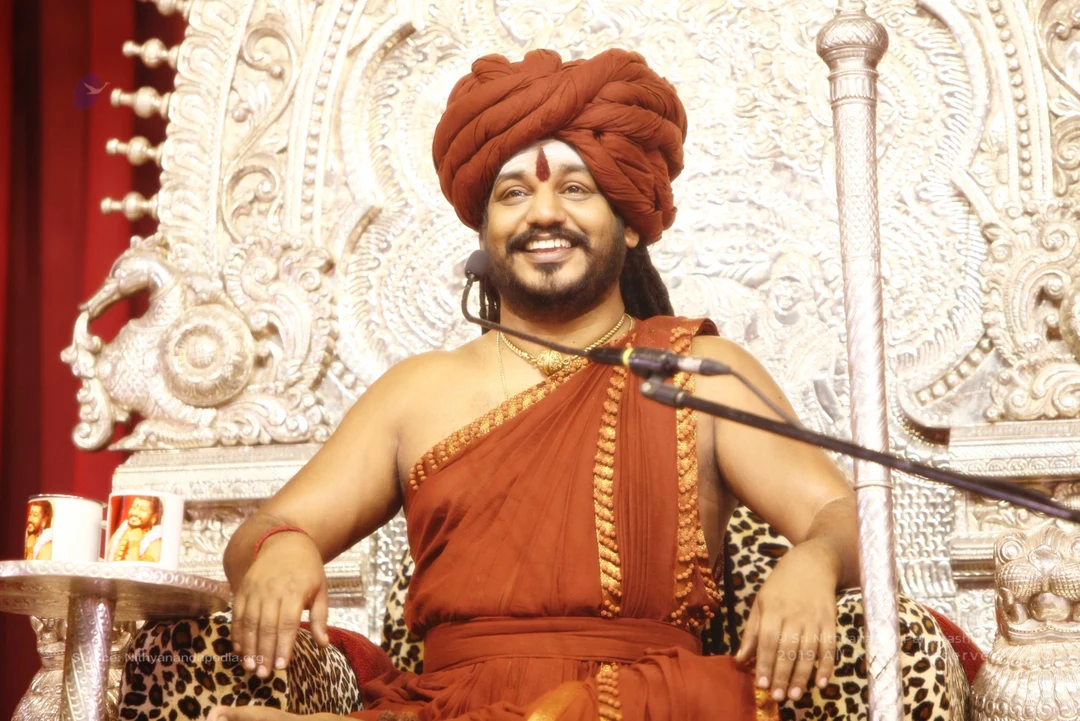
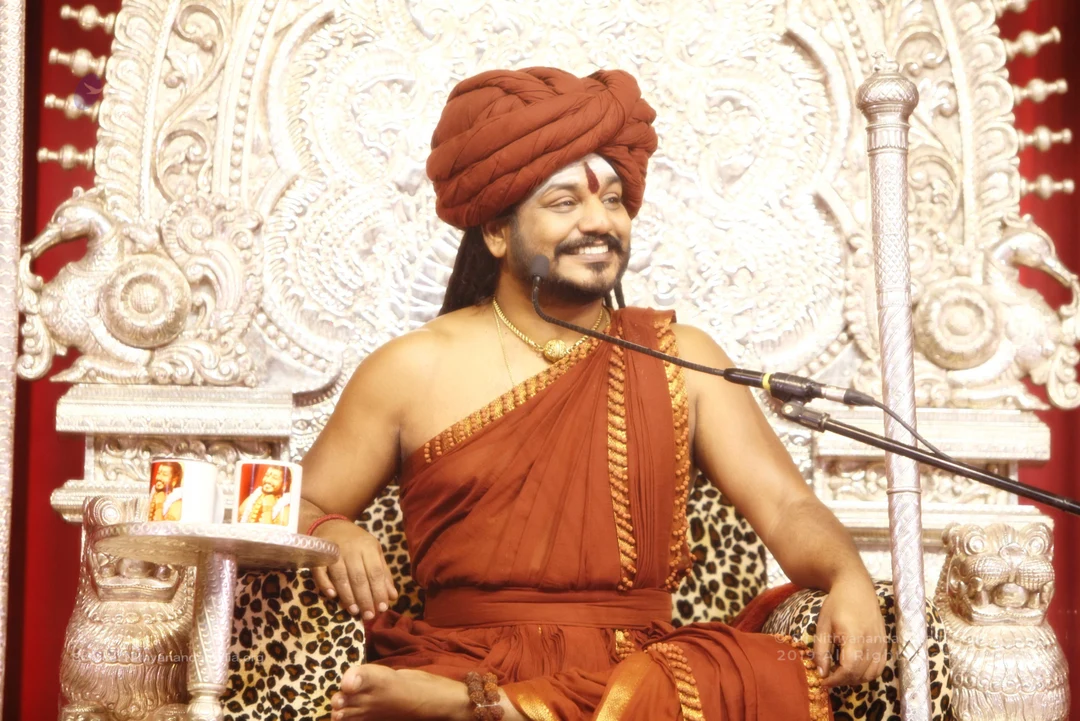
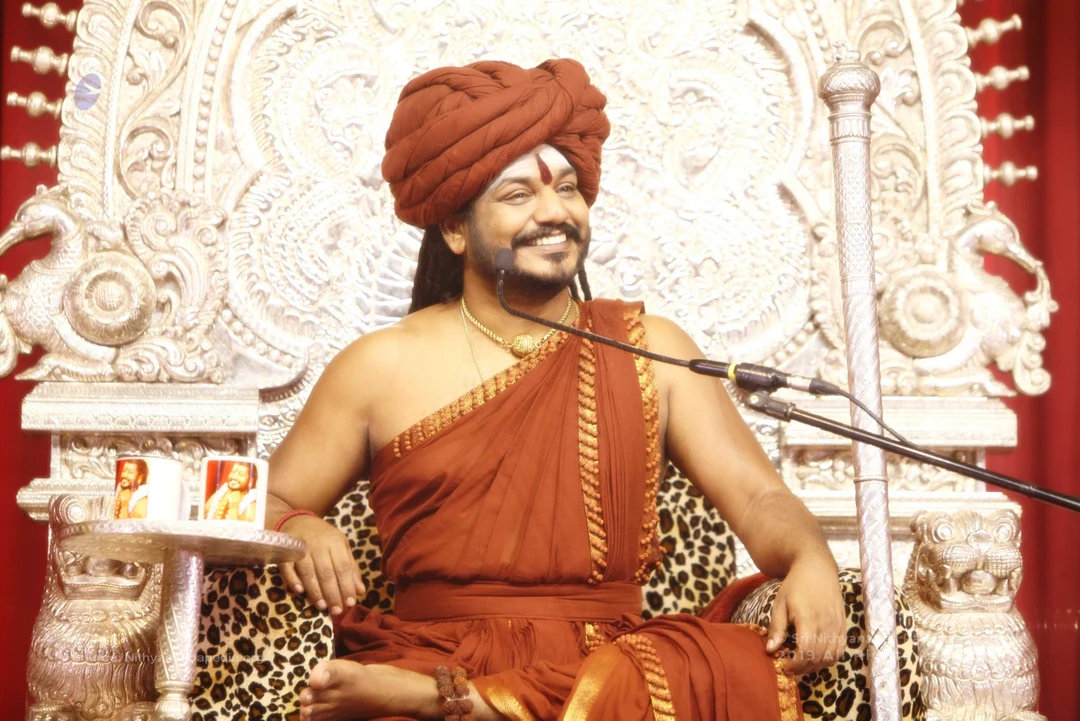
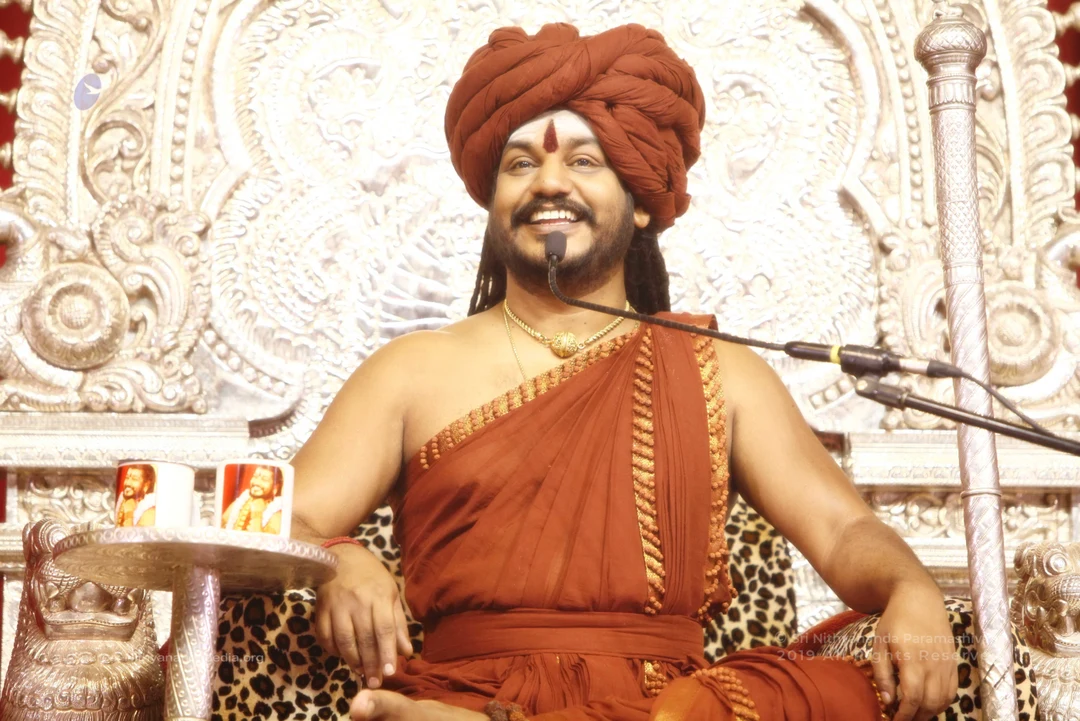
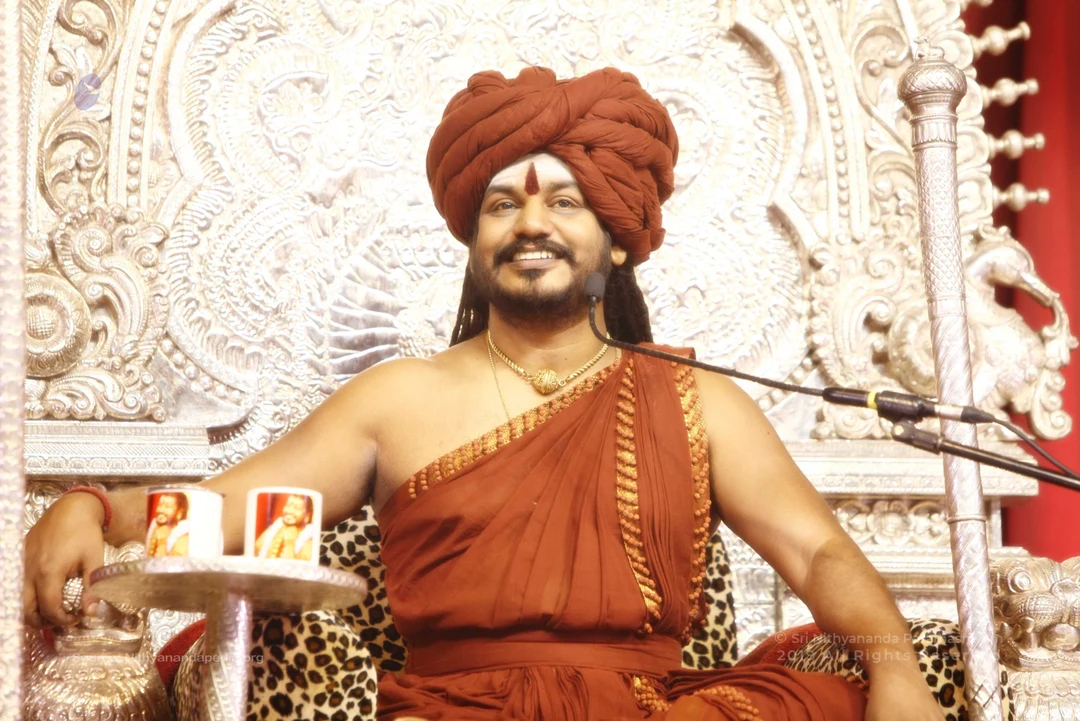
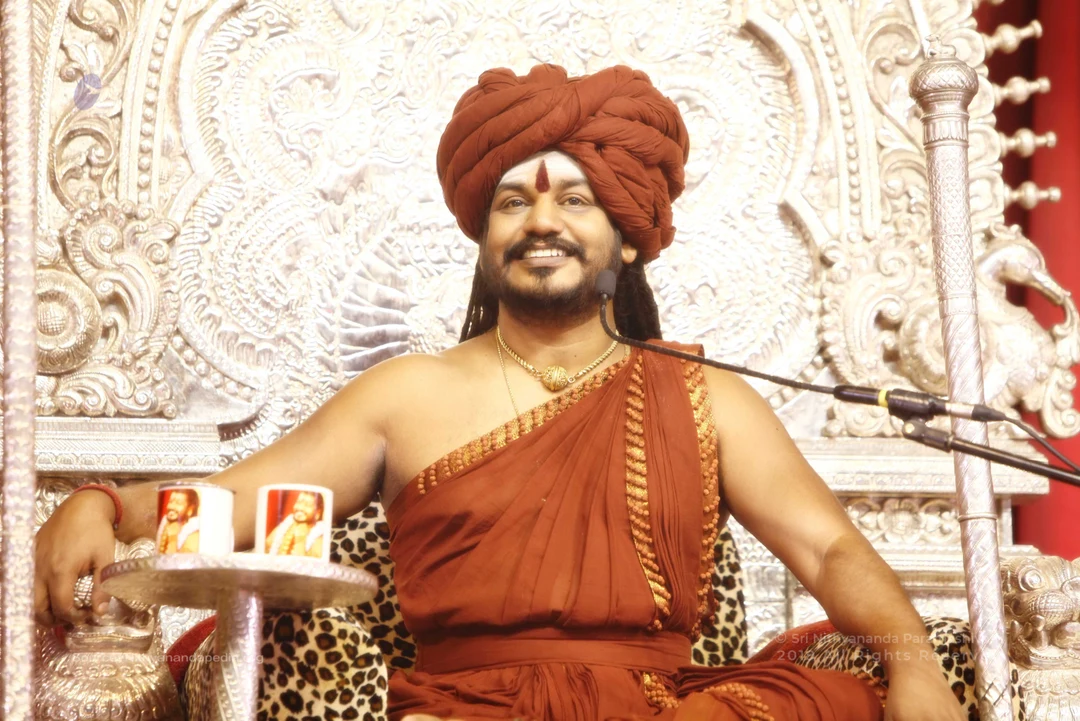
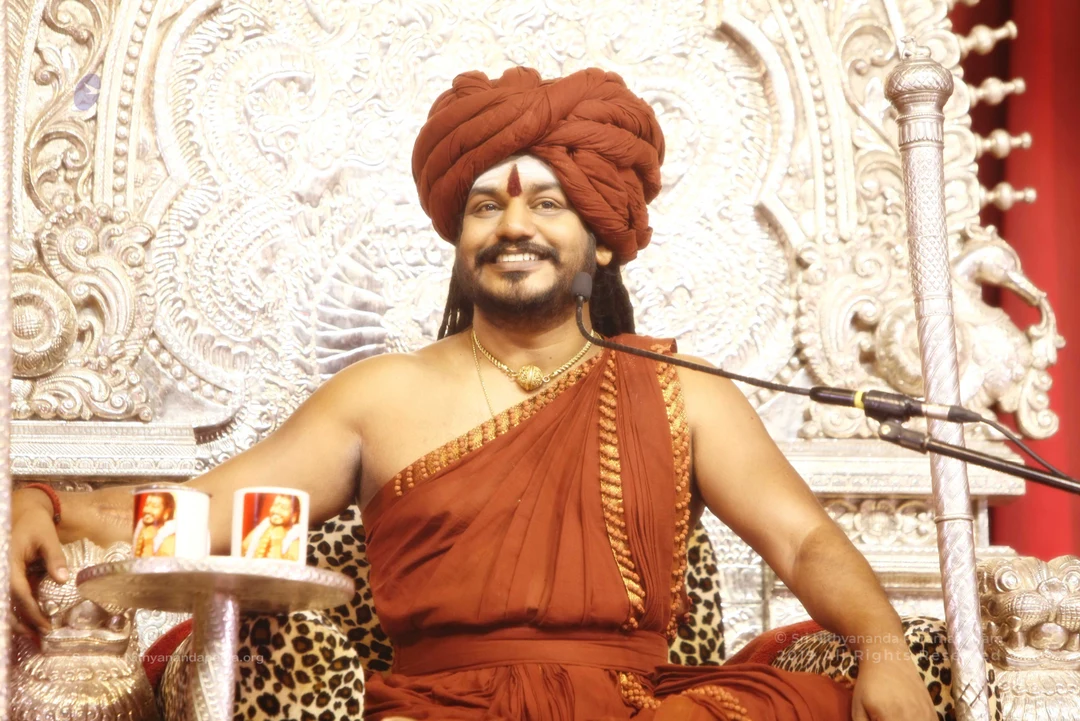
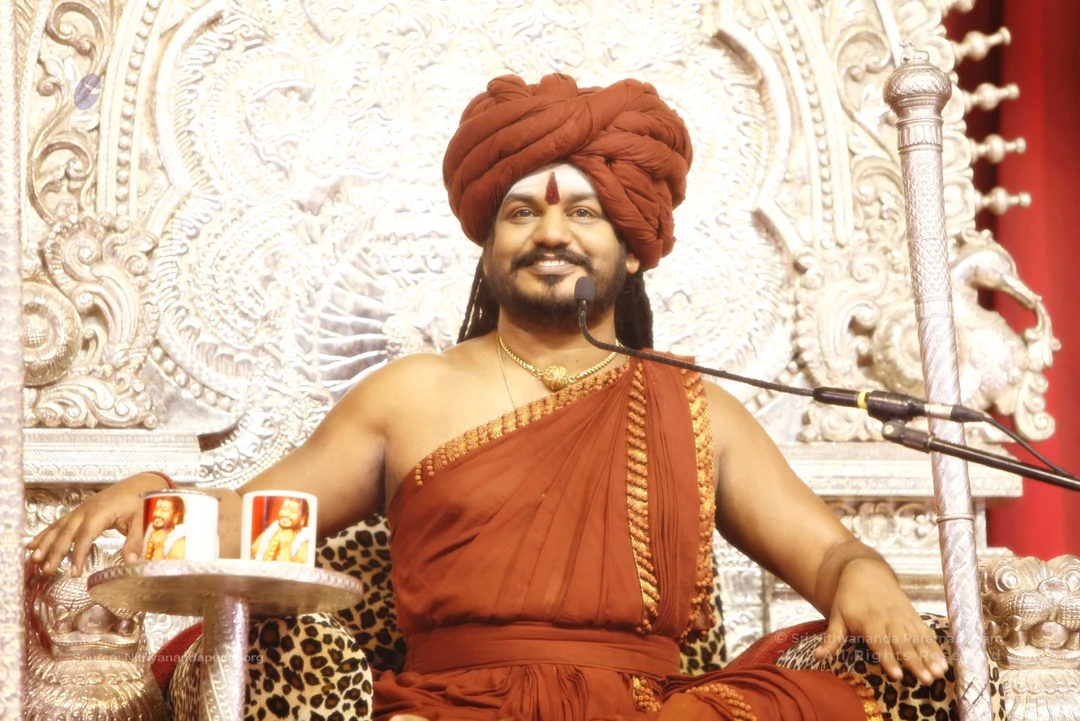
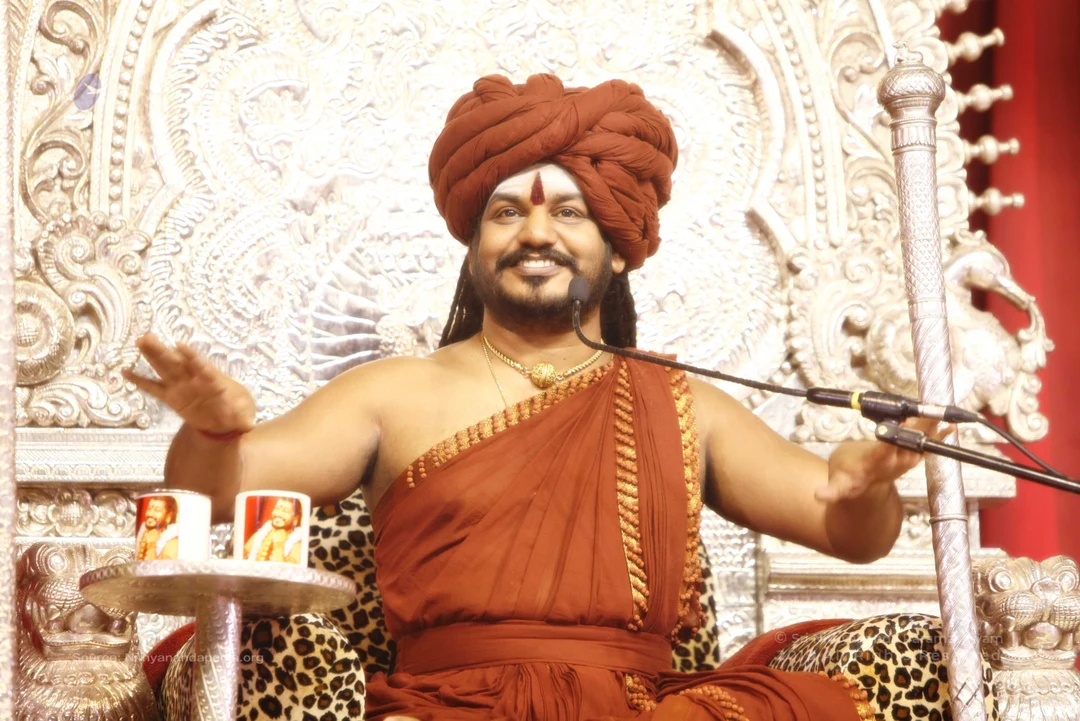
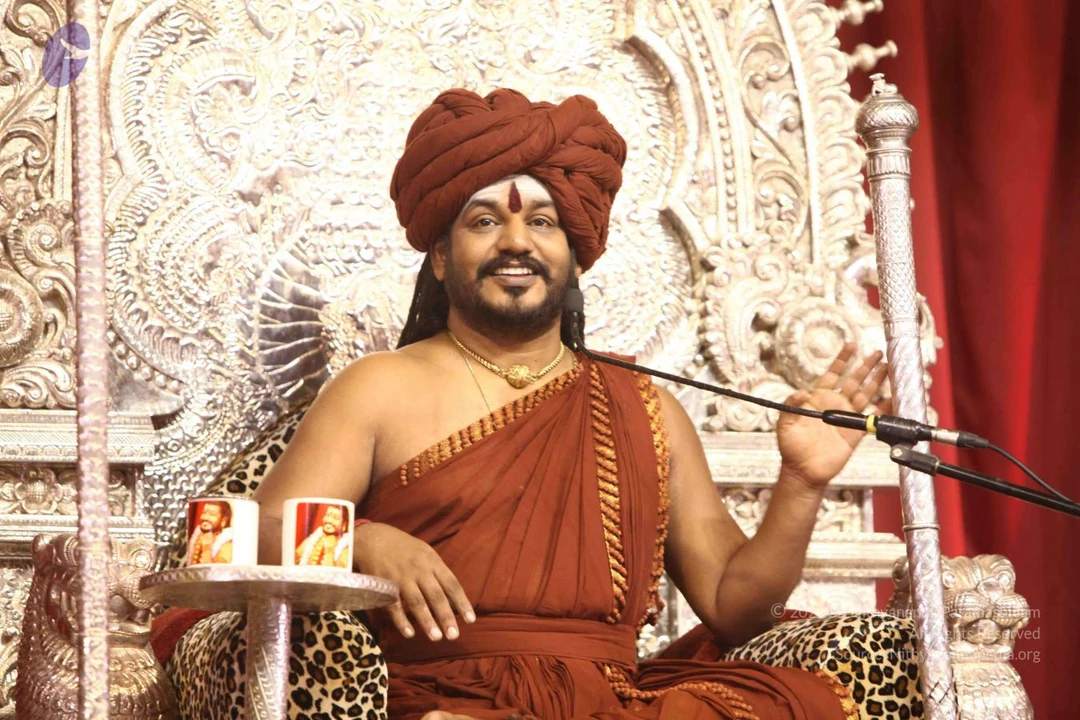
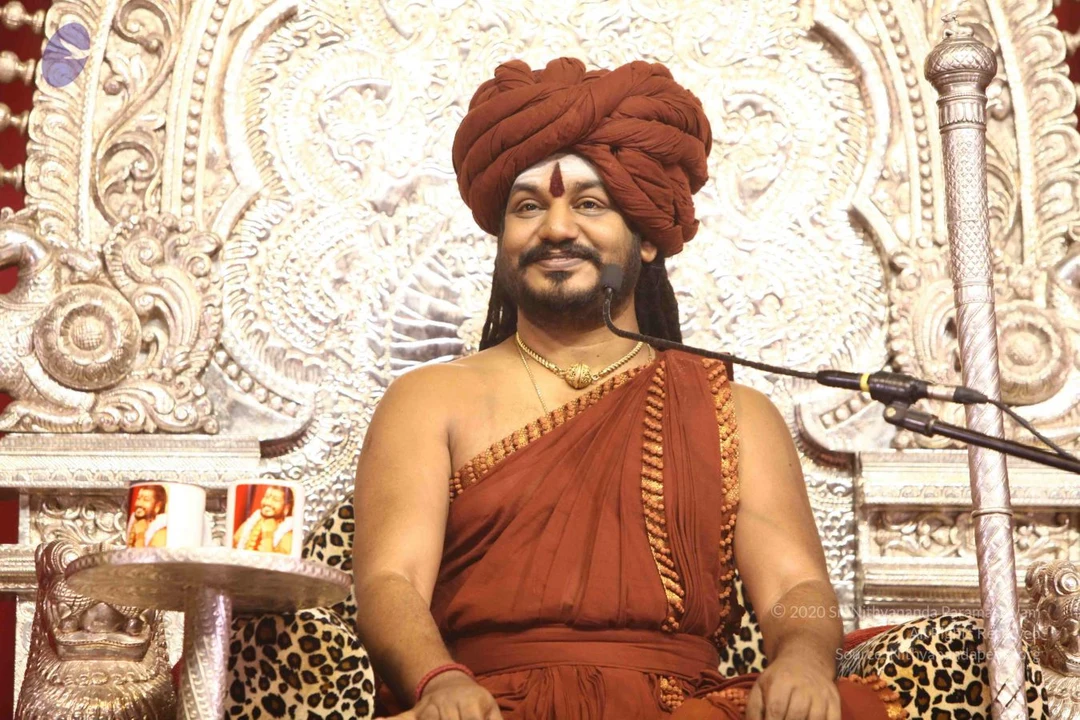
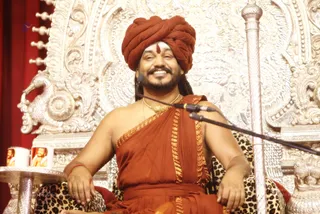
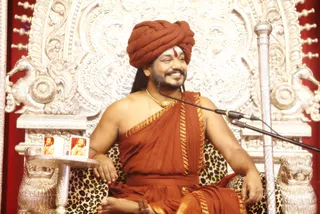
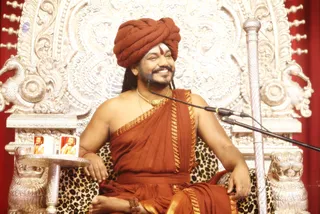
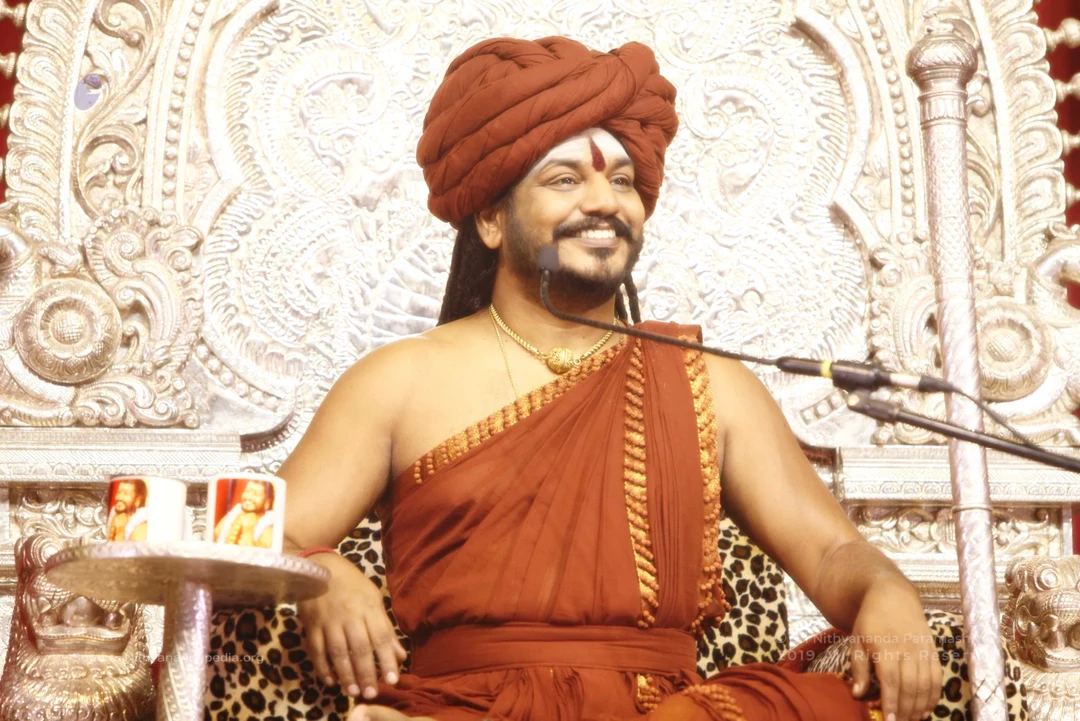
A man in a maroon-orange turban and matching saffron-orange draped garment, with gold-edged borders, sits cross-legged on an ornate silver throne carved with floral and bird motifs, backed by red curtains. He wears a gold chain, rudraksha-style beads on his wrist and a red thread. A microphone stands before him as he smiles and rests his hands on his knees. The leopard-print cushions and silver lion-form armrests add to the ceremonial setting. a person is based on appearance cues: a turban, saffron clothing, a gold necklace and a seated discourse on a throne, with no printed name in view.A smiling man in a rust-orange turban and matching orange draped robe with gold-bordered edges sits on a silver ornate throne with a leopard-print cushion. He wears a gold necklace, a red forehead mark, and a red thread on his wrist, and his hands rest on the armrests. A microphone stand is in front of him, and two white mugs printed with photos sit on a silver side table at left. Behind the throne, a silver carved backdrop is visible. a person: long hair, orange ceremonial robes, and gold necklace are visible in a seated discourse setting.A smiling man seated on an ornate silver throne with leopard-print cushions, wearing a rust-orange turban with a red tilak on his forehead, an orange-saffron robe with gold trim draped over one shoulder, and a gold necklace. A microphone stand is at his side, and a small silver table holds two mugs printed with photos. Long hair falls behind him and an ornate silver backdrop fills the frame.A smiling man in a rust-orange turban and matching orange-saffron draped garment sits on an ornate silver throne with lion-head carved armrests and a silver-embossed backrest. He wears a gold-toned chain, a red thread bracelet and a red-and-white tilak on his forehead, and he rests his hands on a leopard-print cushion. A microphone on a stand is in front of him, and two mugs printed with portraits sit on a small silver side table at left. Behind the throne hangs a red curtain. A man in an orange turban seated on a throne at a discourse is shown; the throne and mugs are the main visible setting elements. a person: long dark hair visible beneath the turban, ornate gold-toned necklace, orange-saffron draped clothing and an ornate throne suggest the figure is the spiritual leader.A man seated on an ornate silver throne with carved floral and lion-head details and a leopard-print cushion, smiling and looking to his right. He wears a rust-orange turban, a rust-orange sash edged with gold braid over bare shoulders, a gold chain necklace, and rudraksha-style beaded bracelets, with a tilak on his forehead. A microphone on a stand is in front of him, and two small framed photographs of a similarly robed man sit on a side table. The setting is a stage backdrop. a person: the figure wears a turban, orange robes, gold necklace and beaded bracelets, and sits on a throne with a microphone, consistent with a seated discourse.A smiling man seated on an ornate silver throne with a leopard-print cushion and lion-head armrests, speaking into a microphone on a stand. He wears a rust-orange turban, orange-saffron robes with gold border trim, a gold necklace and a red-and-white tilak on his forehead, with a mala of beads on his wrist. Beside him on a small silver side table are two framed photo cards. A red curtain and a silver carved backdrop surround him, and a silver staff stands at the right. a person cues: orange turban and robes, ornate gold necklace, seated on a throne before a microphone.

Satsang
14 photosSource gallery
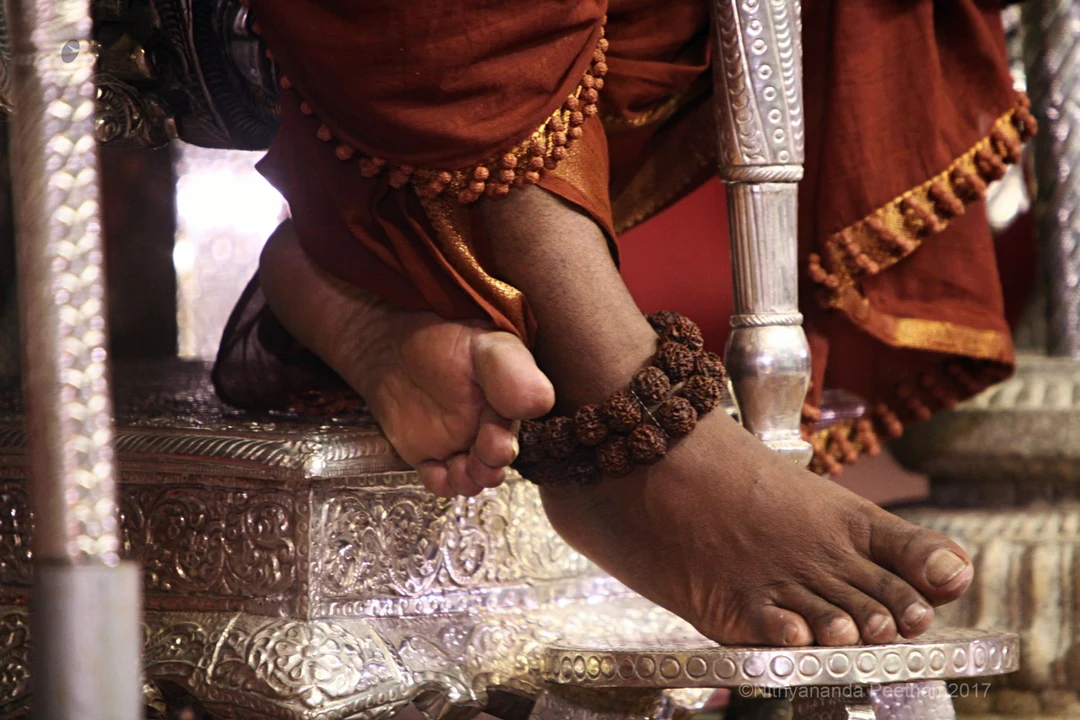
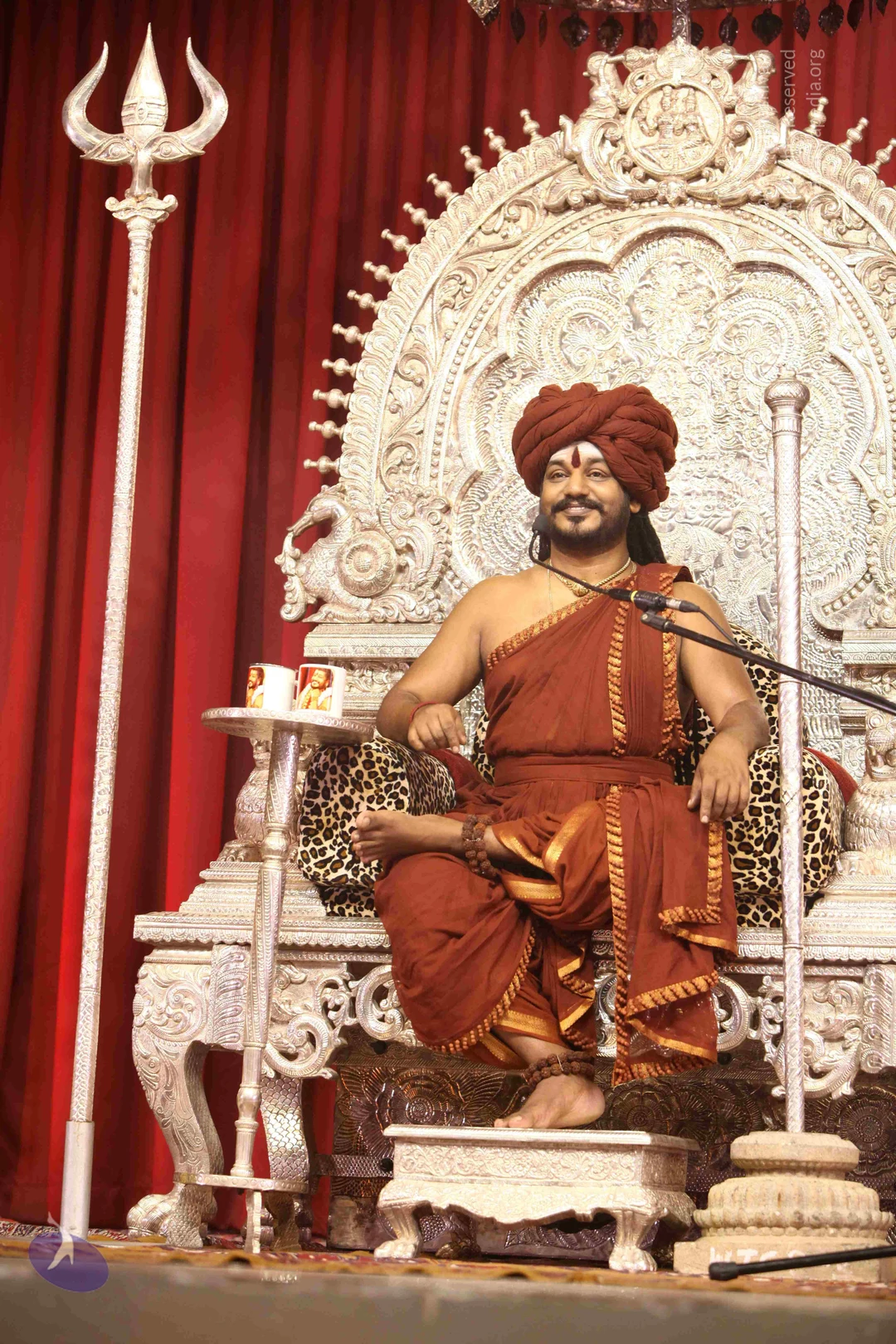
A man stands barefoot on a raised platform before an ornate silver throne with leopard-print cushions and a silver lion-form armrest, against red drapery. He wears a rust-red turban, a red-brown draped garment with gold-edged borders and a matching belt, rudraksha beads at his ankles, and a gold pendant necklace. He holds a silver trident-topped staff in his left hand and rests his right hand on a silver stand. A red tilak mark is on his forehead and he is smiling. The setting is a stage presentation; no other people are visible.Close photo of a seated figure's bare feet and lower legs on a silver footstool before an ornate silver throne with leopard-print cushions. The figure wears a saffron-orange draped garment with decorative braided trim and rudraksha bead anklets. Beside the throne stand tall silver staffs and a stone pedestal inscribed with the letters WTC P-2. A red curtain and patterned rug fill the background.A smiling man stands in front of an ornate silver throne with a red curtain behind him. He wears a rust-red turban with a red tilak on his forehead, a rust-red sannyasi robe with gold-edged trim, a gold necklace and a red wrist thread. He holds a silver trident in his right hand and a silver staff stands at his right side. The silver throne has floral and scrollwork carvings with pointed finials, and a leopard-print cloth lies on the seat.A smiling man stands before an ornate silver throne backdrop with a red curtain behind him. He wears a rust-red turban with a red tilak on his forehead, a rust-red sannyasi wrap draped over his shoulders and body with gold-edged trim, and a gold pendant necklace. He holds a tall silver trident in his right hand, and a silver staff stands beside him at right. The large silver throne has carved floral and scroll patterns with spiked finials. a person: the figure matches the presentation cues of long hair, rust-red turban and ornate trident-bearing attire, so he is described as the speaker-led figure in a ceremonial setting.Close-up of a seated figure's bare feet standing on a small ornate silver footstool with lion-paw feet, in front of a silver throne with carved legs and leopard-print cushions. The figure wears rust-orange draped cloth and wooden rudraksha malas around both ankles. Silver staffs or rods stand beside the throne, a red backdrop hangs behind, and a patterned rug covers the floor. Only the lower body is visible, so no face or full figure can be seen.A standing man in a rust-red turban and matching rust-red draped robe with gold-edged trim holds a silver trident in his right hand, while a silver staff stands at his right side. He wears a gold necklace and rudraksha beads on his ankles, with a tilak on his forehead. He stands before an ornate silver throne with lion-head armrests, leopard-print cushions and a red curtain behind. A small watermarked caption is visible at the top right of the image. a person cues: a red turban, long hair, a gold necklace, a trident, and ceremonial robes. Because the page does not indicate that a person is at this event, the identity is uncertain.
FB-photo-of-the-day

2 photosSource gallery
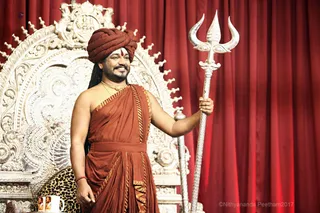
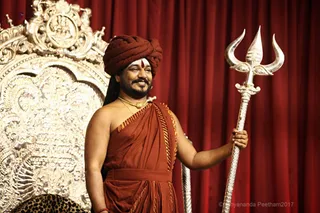
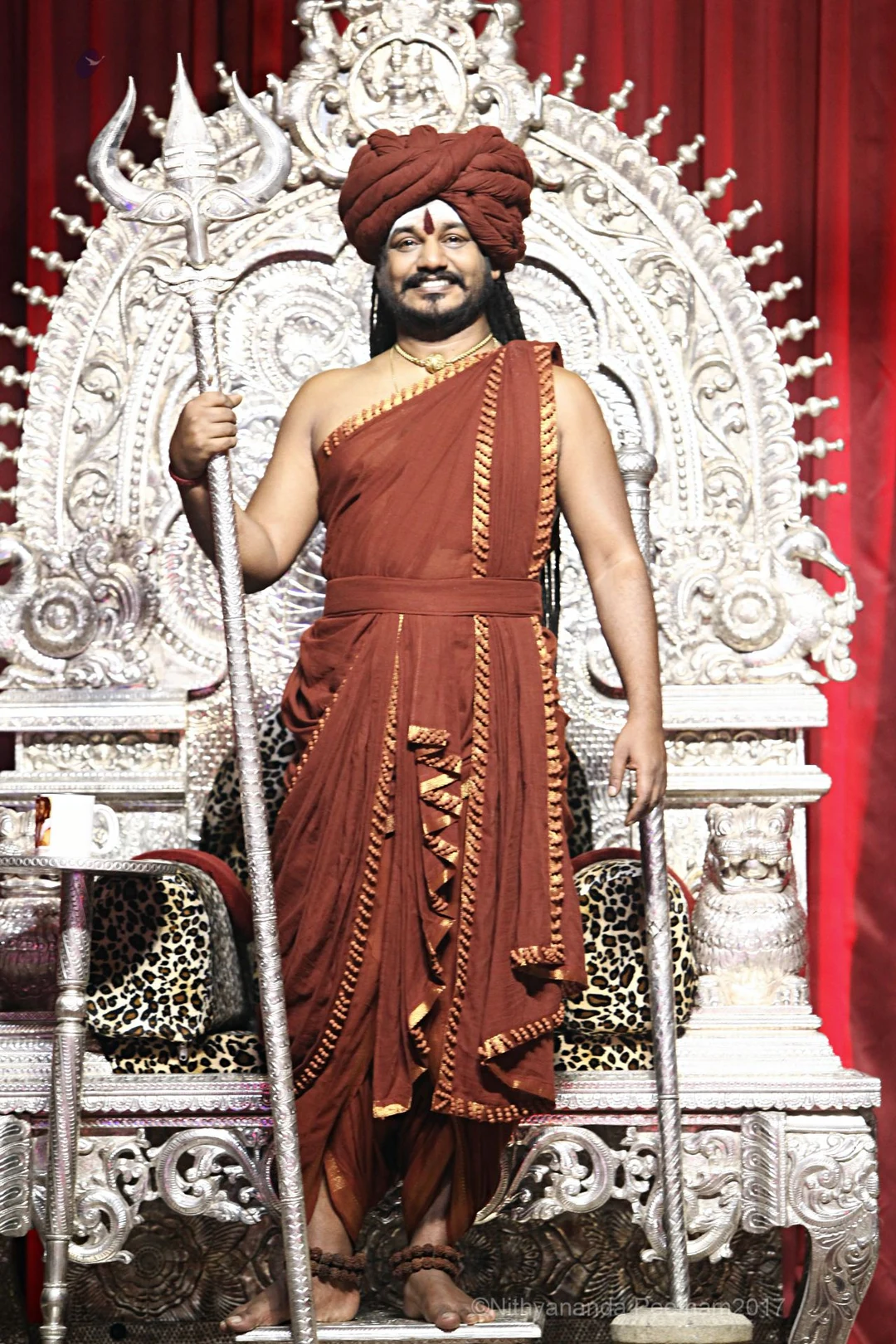
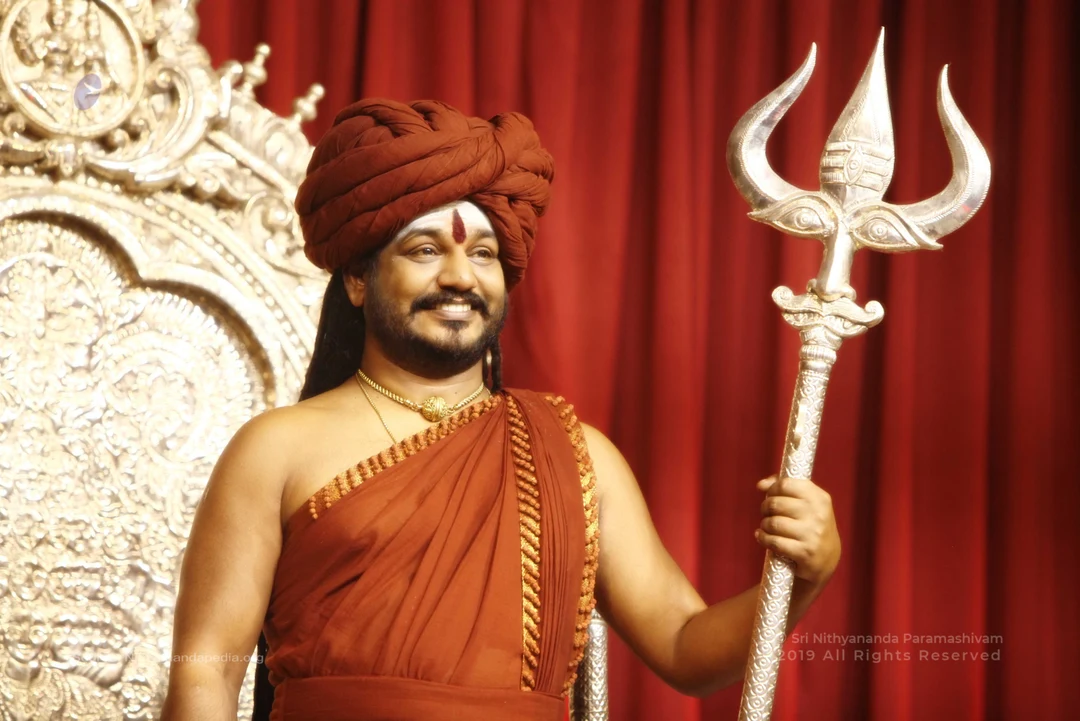
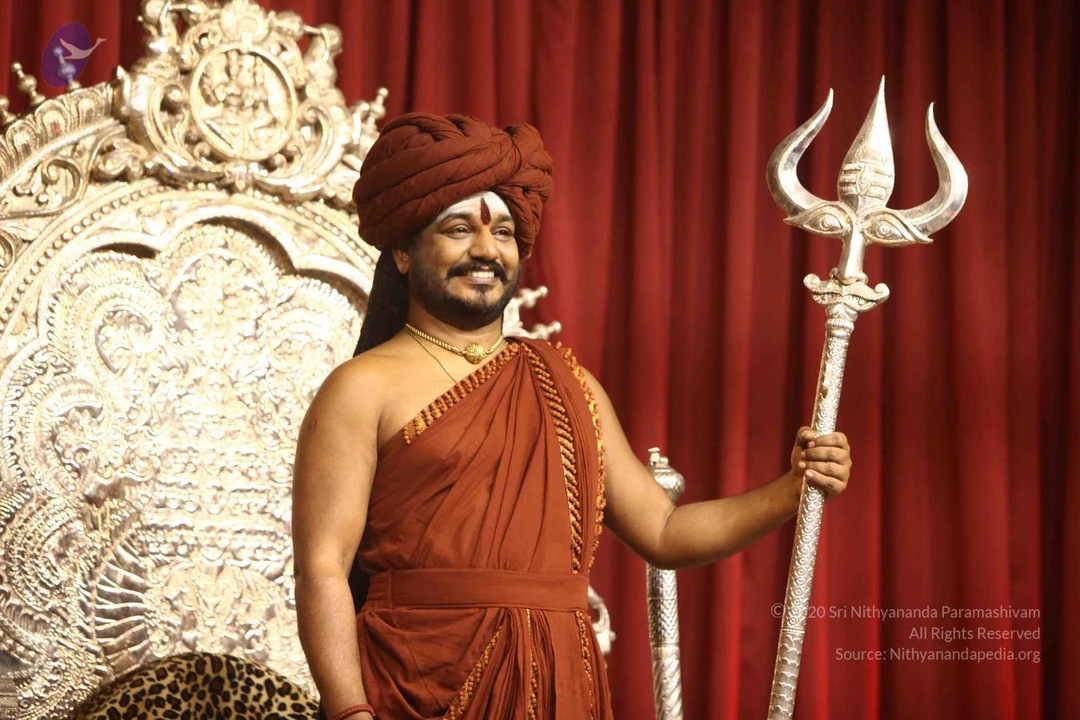
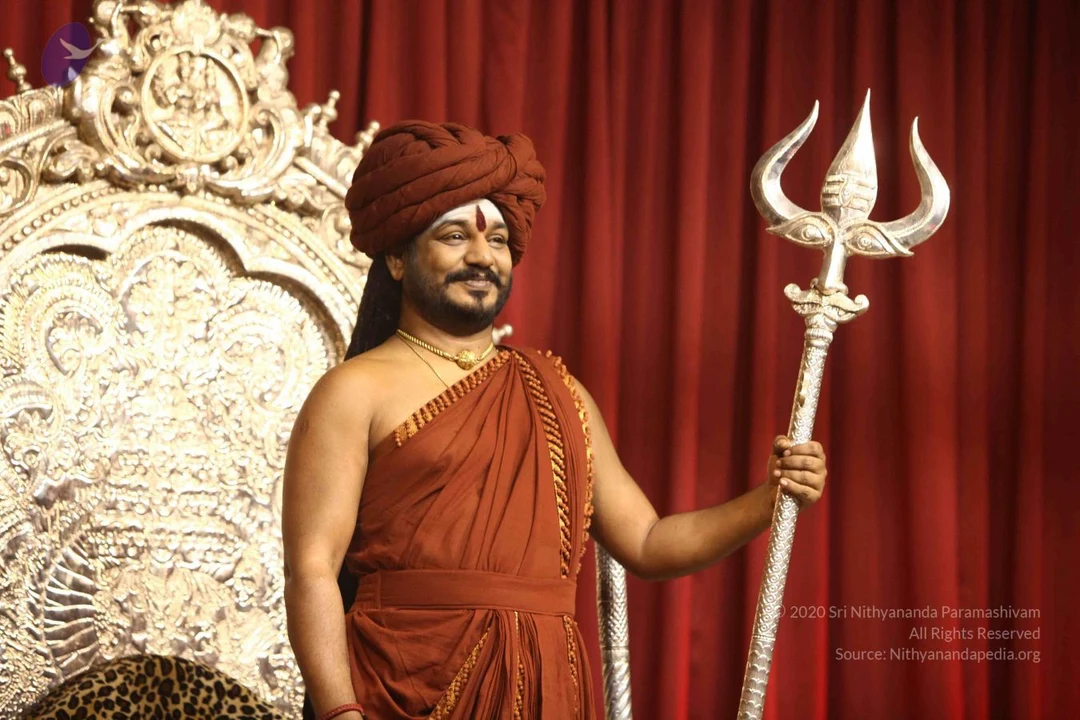
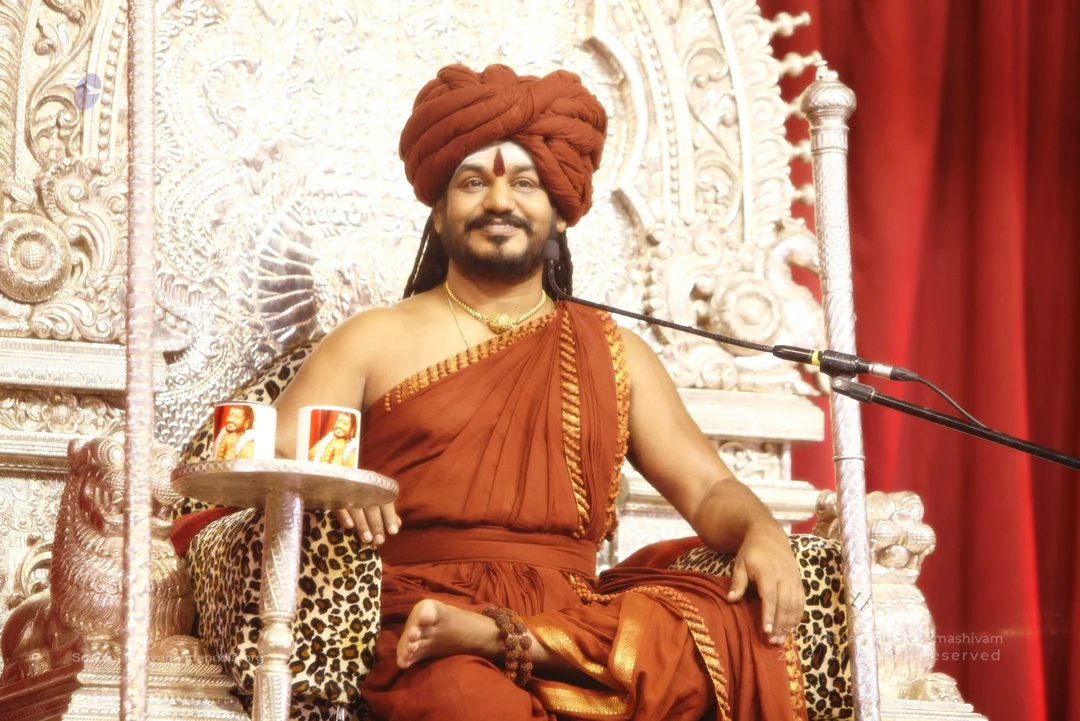
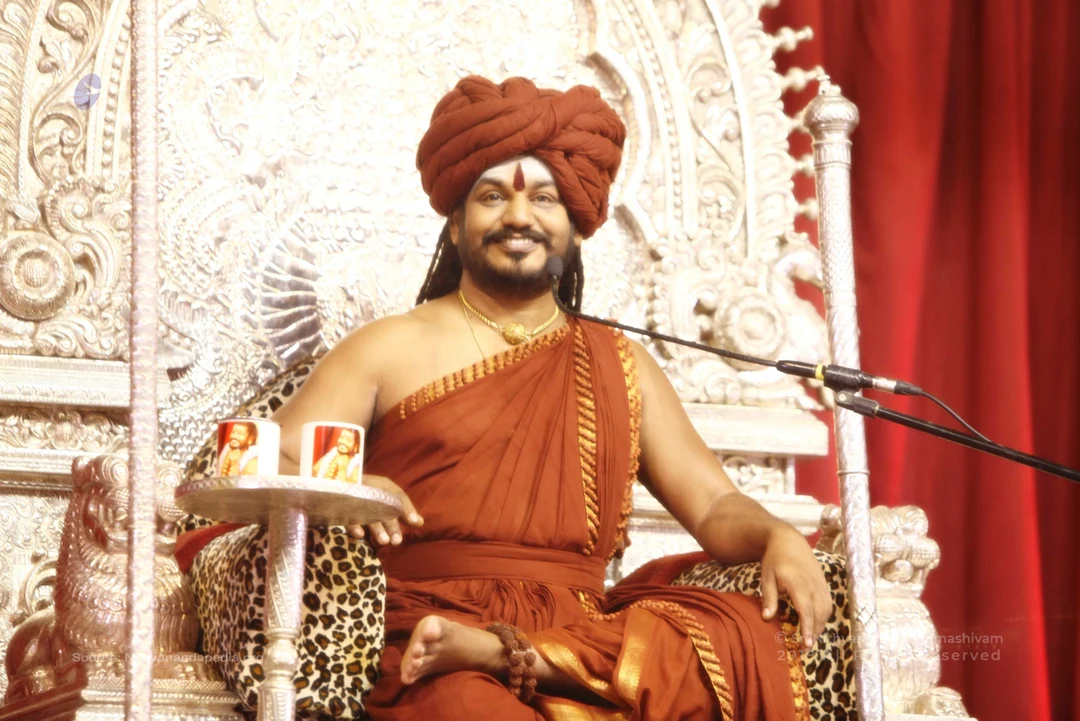
A smiling bearded man stands before an ornate silver throne with a leopard-print cushion, against a red draped curtain. He wears a maroon-red turban with a red tilak on his forehead, a rust-orange draped garment with gold-edged border over bare shoulders, a gold necklace and a red wrist thread. He holds a tall silver trident (trishul) upright in his right hand. A white cup on a saucer sits at the lower left. The figure has long hair, a crown-like turban and ornate clothing with a trident, which are appearance cues, but the page does not confirm this, so identity is left as a plain description of a man in ritual dress.A smiling man stands beside an ornate silver throne against a deep red curtain. He wears a rust-red turban with a small red-and-white tilak on his forehead, a rust-red saffron-style dhoti-wrap with gold-embroidered borders, and a gold necklace. He holds a tall silver trident (trishul) in his right hand, its prongs turned toward the upper right. Bare-chested with a red thread on his wrist, he is posed in front of a leopard-print seat cover.