Wednesday
24 April 2013
The Nature of Perception.
- Dated photos
- 907
- Source pages
- 1
- Media
- 2
April 24 2013
Original wiki pageTitle:
The Nature of Perception.
Description:
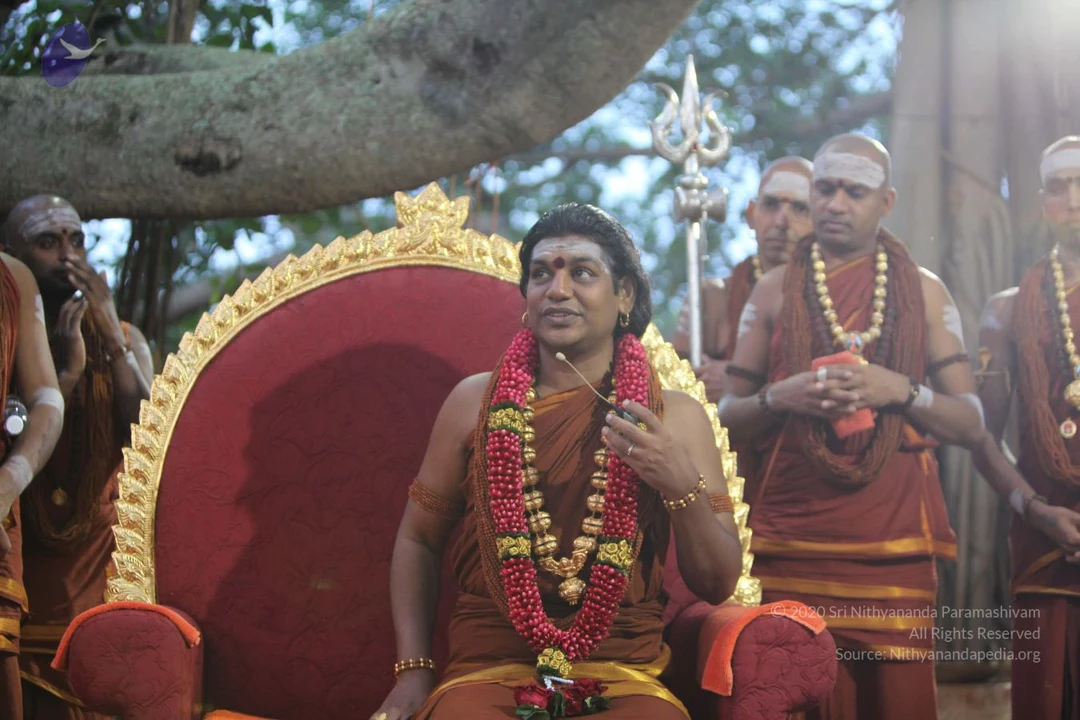
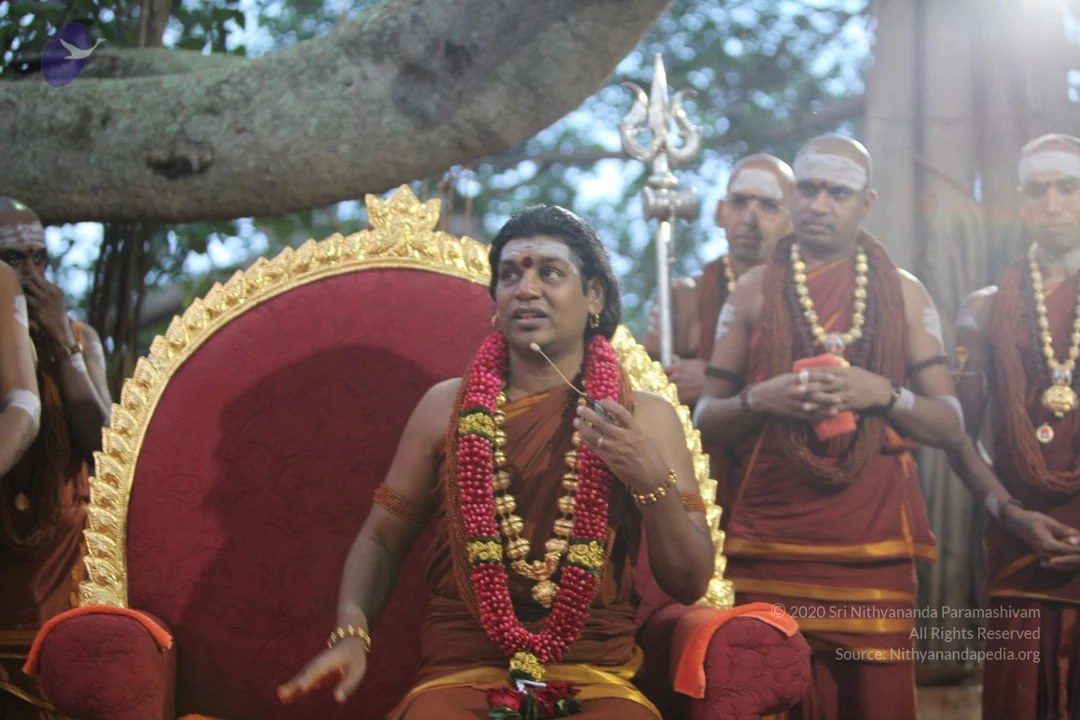
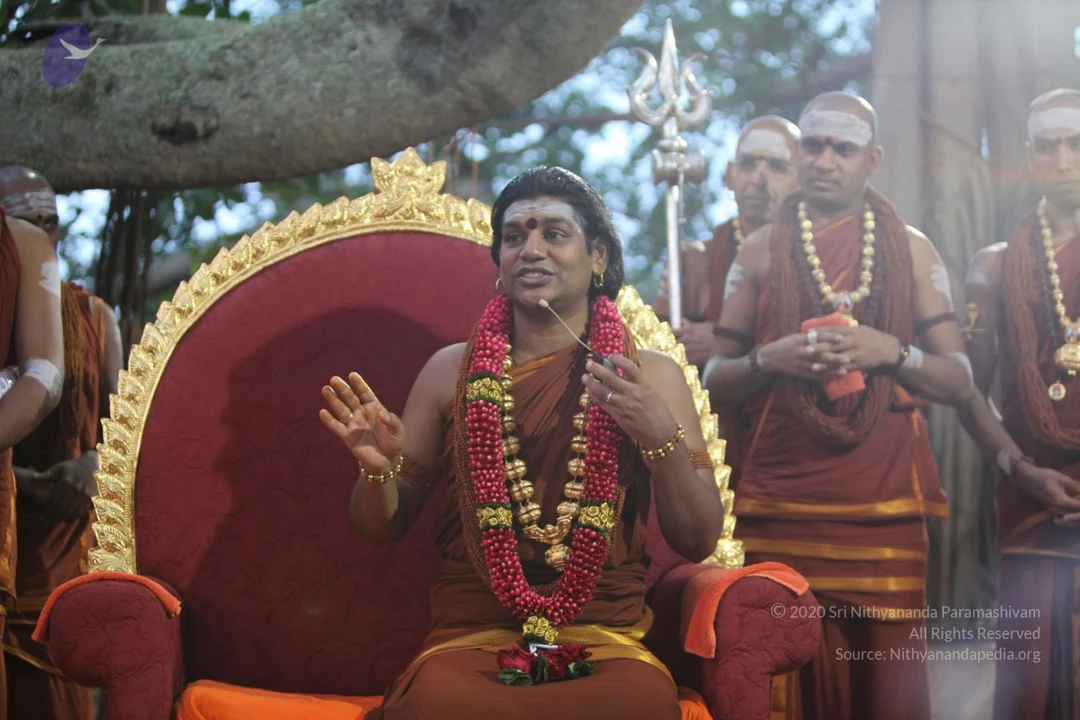
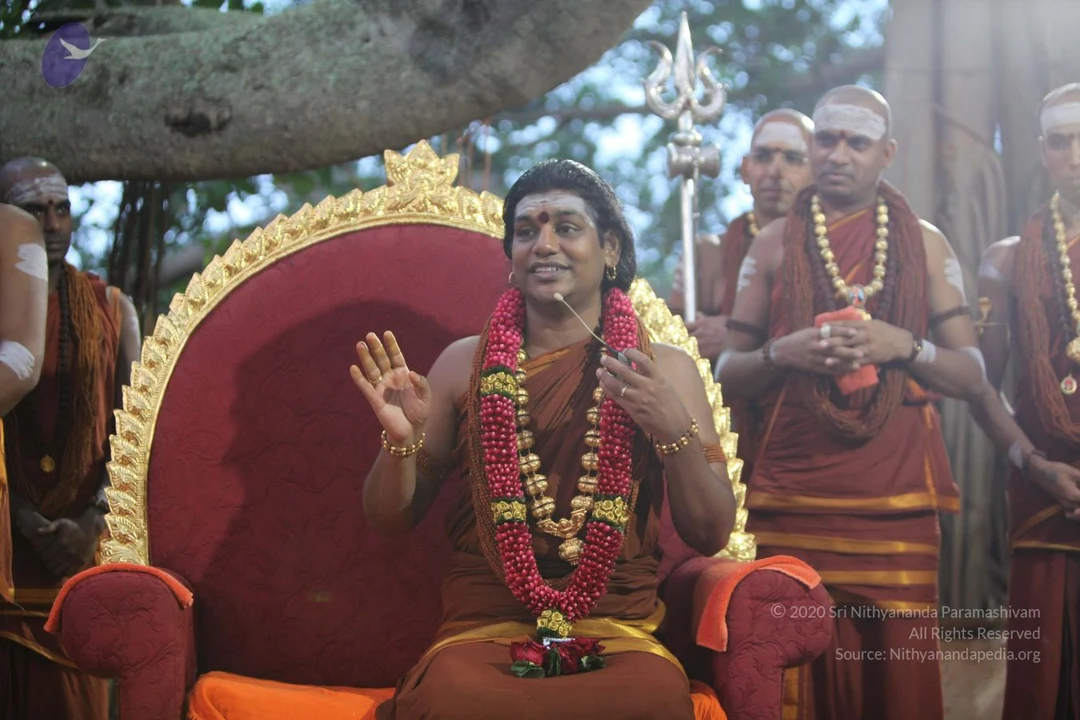
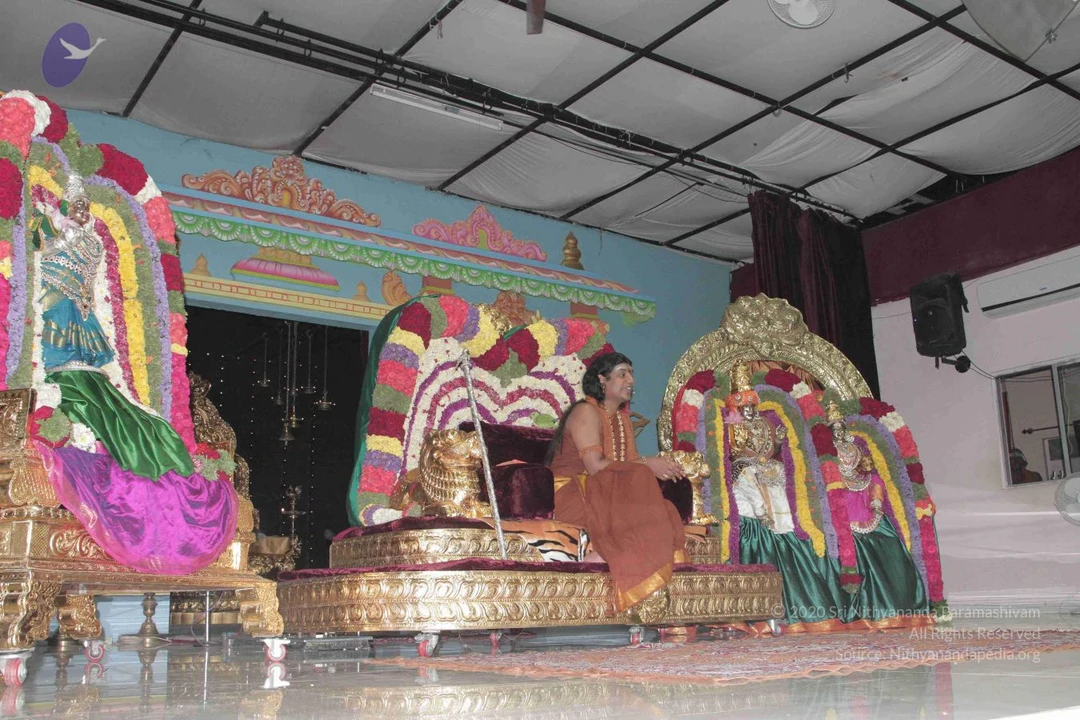
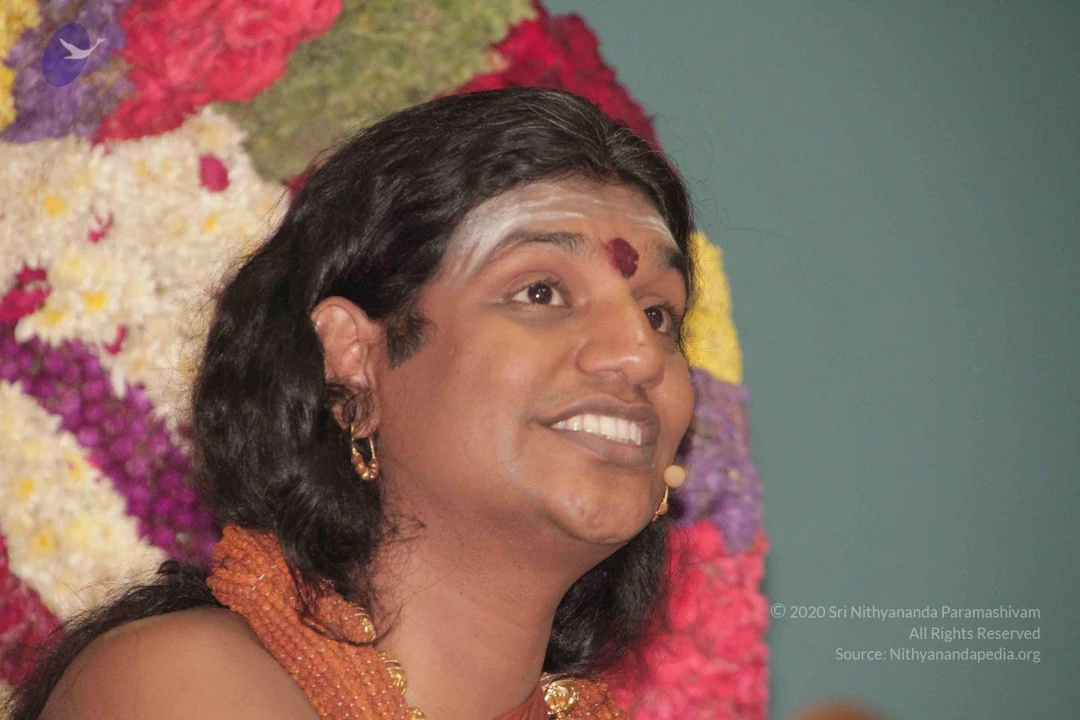
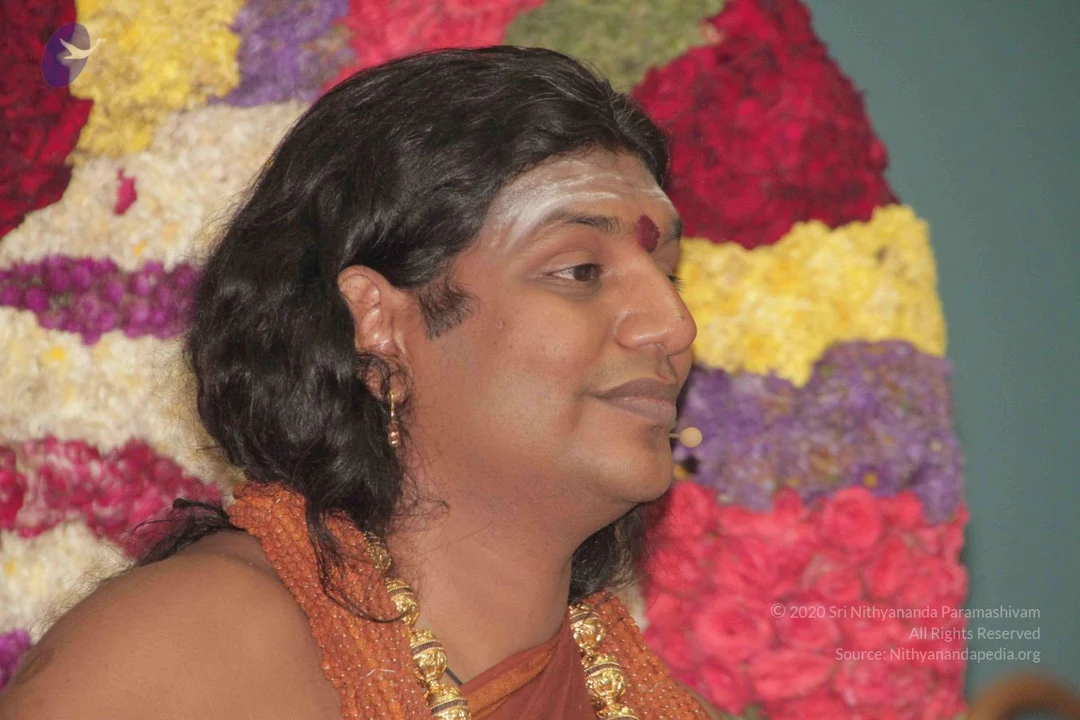
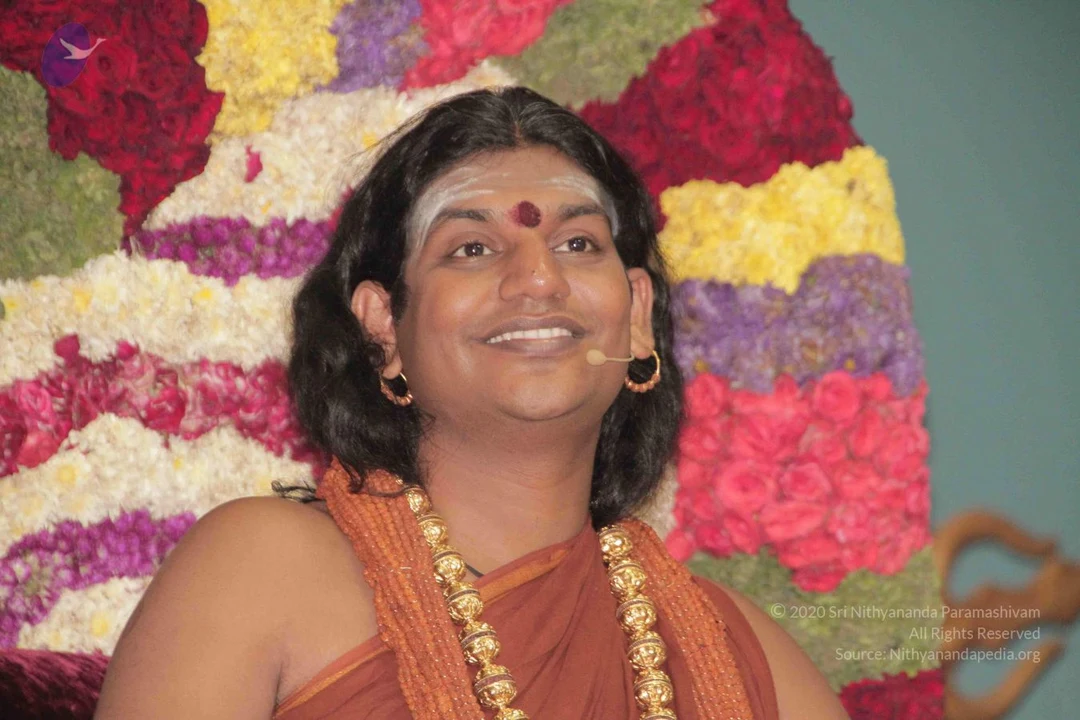
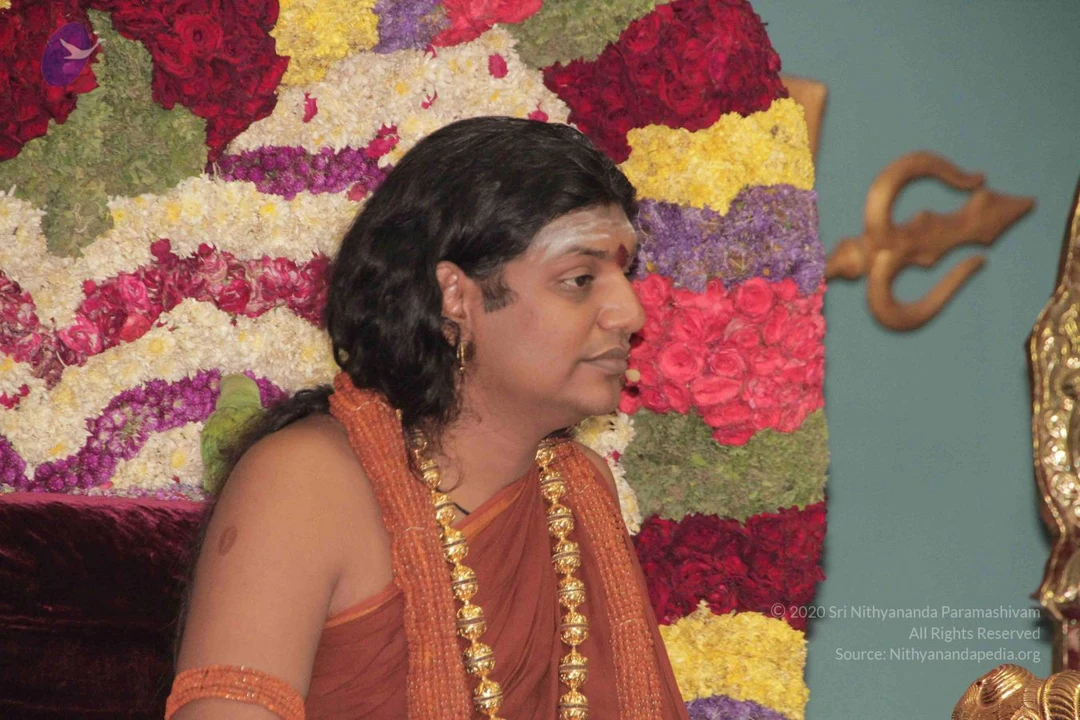
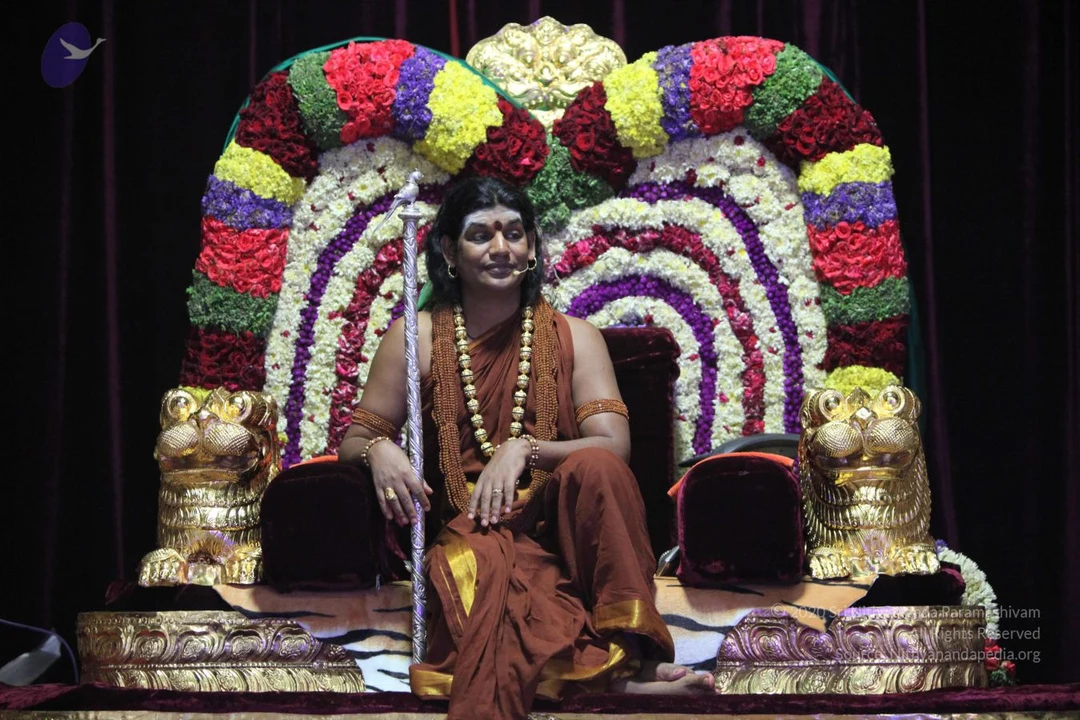
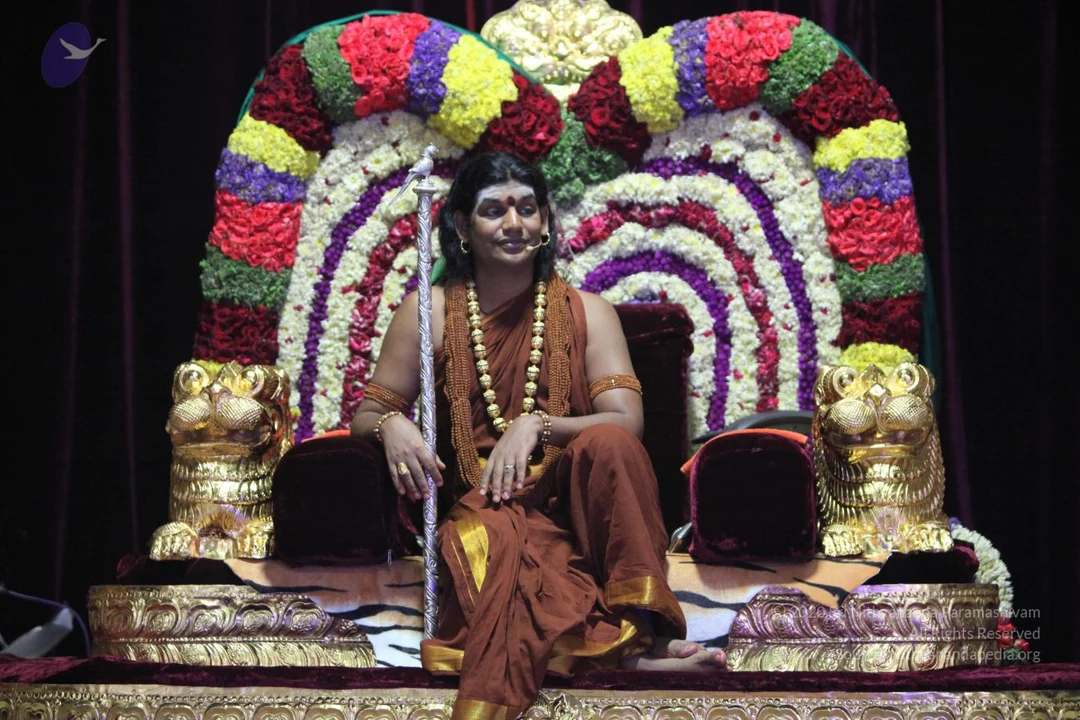
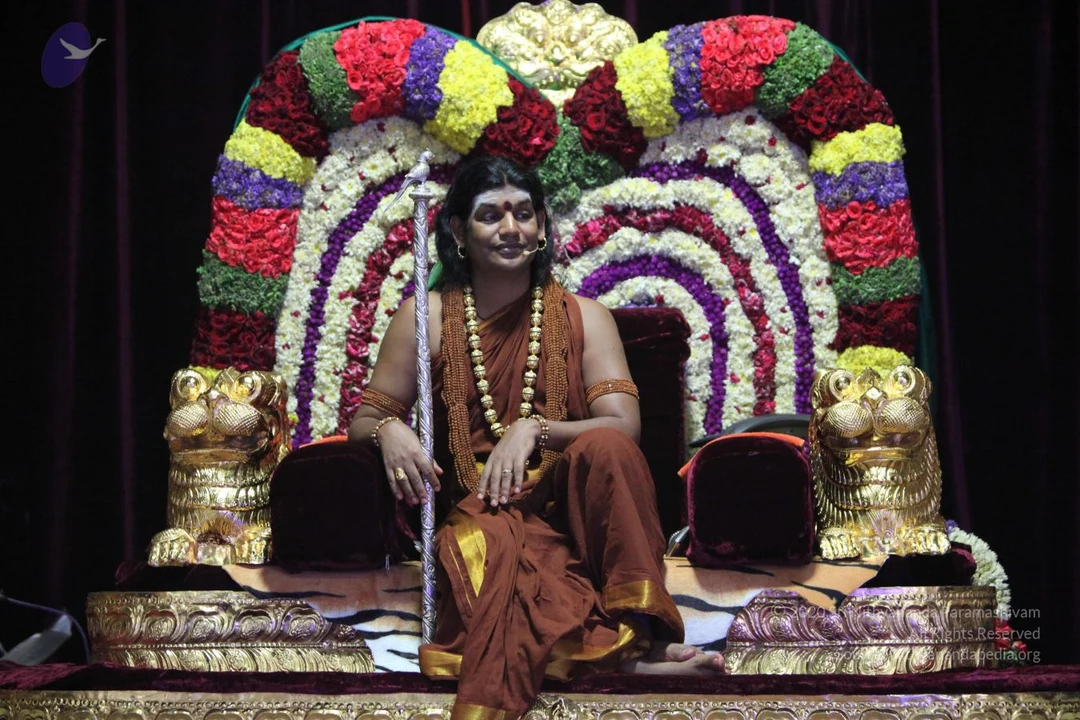
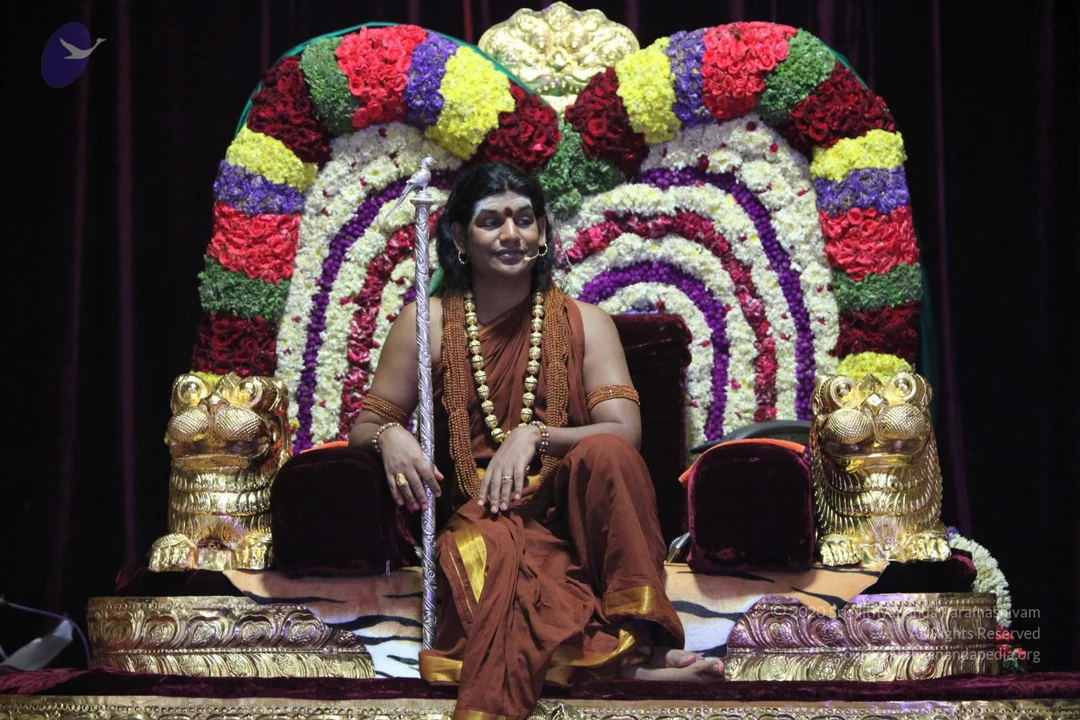
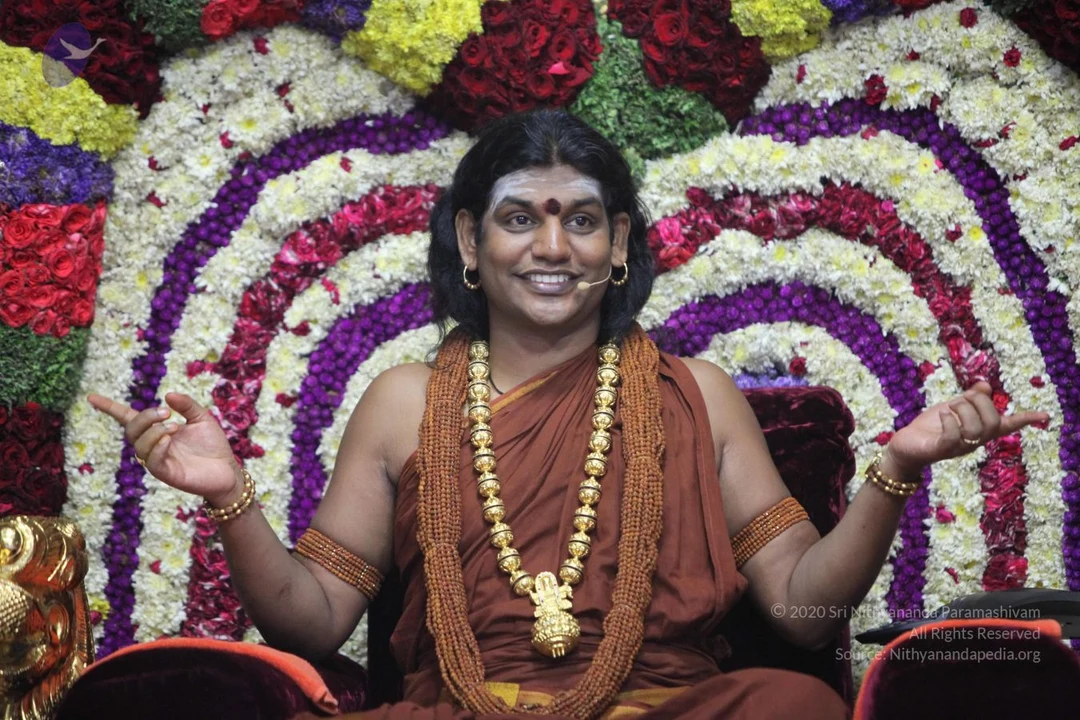
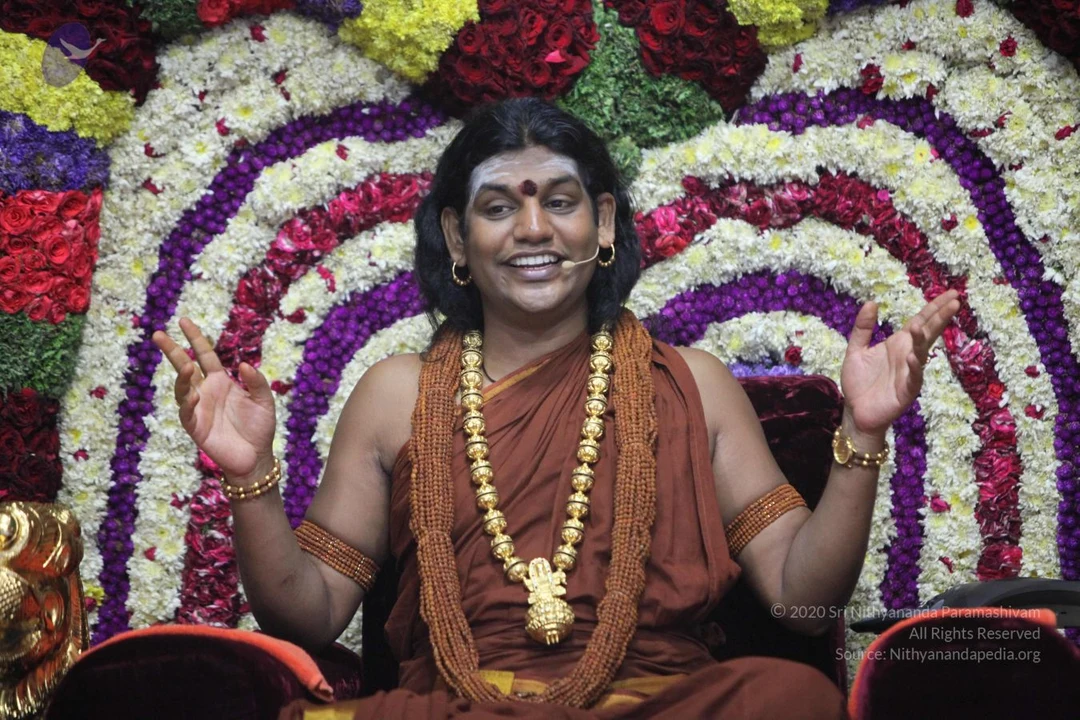
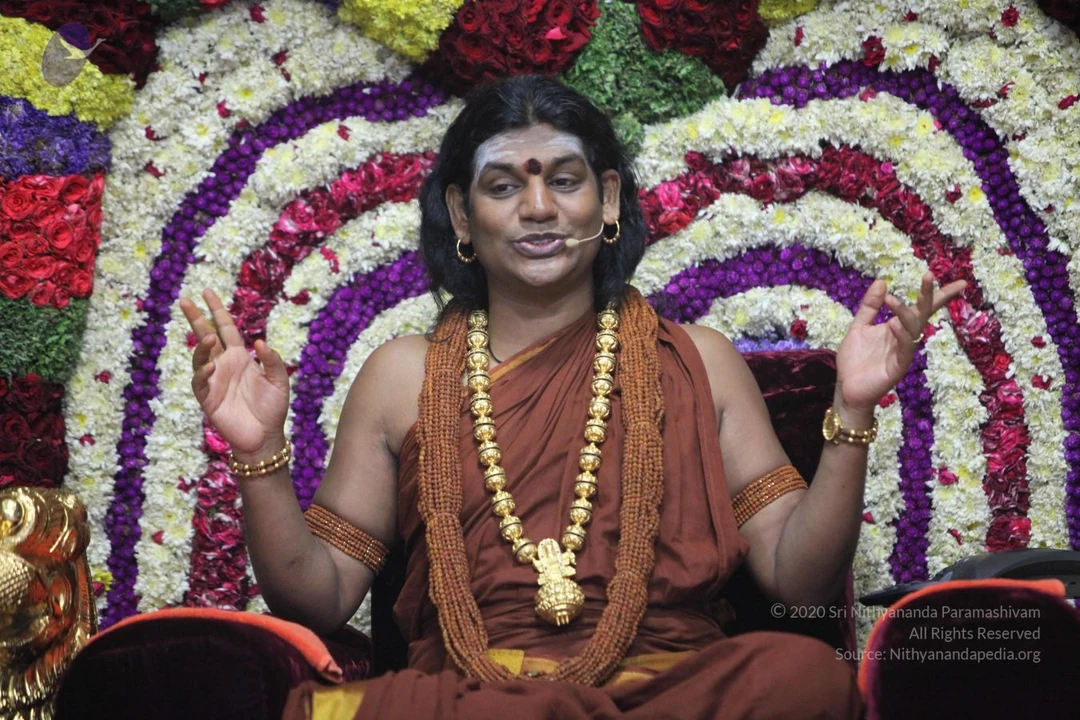
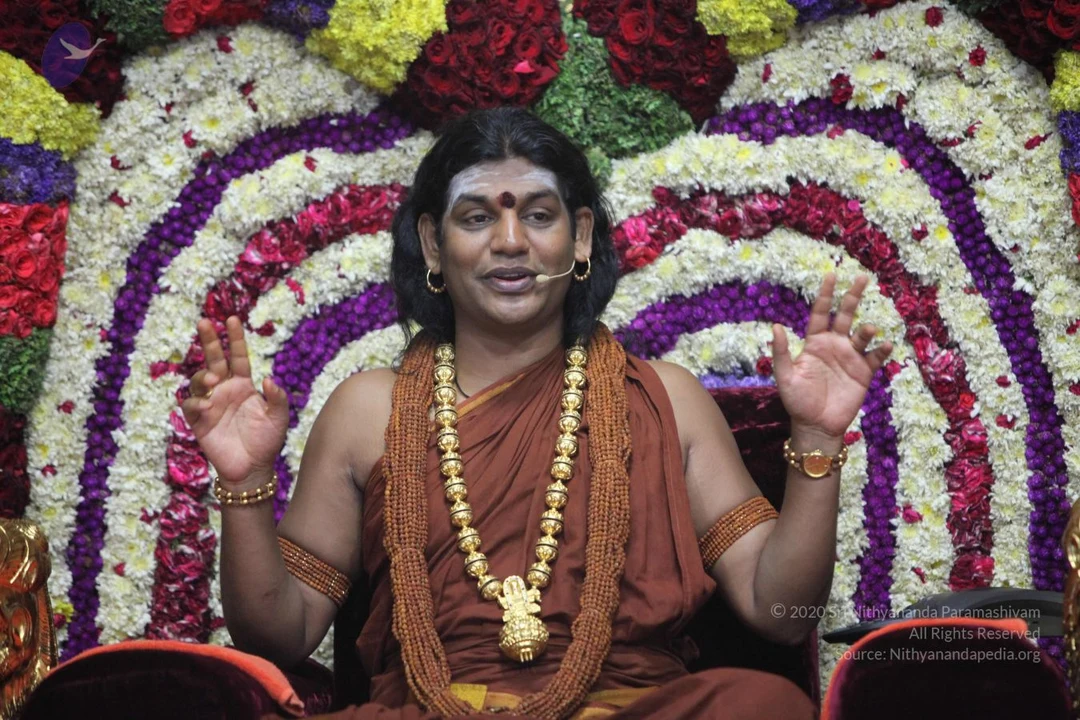
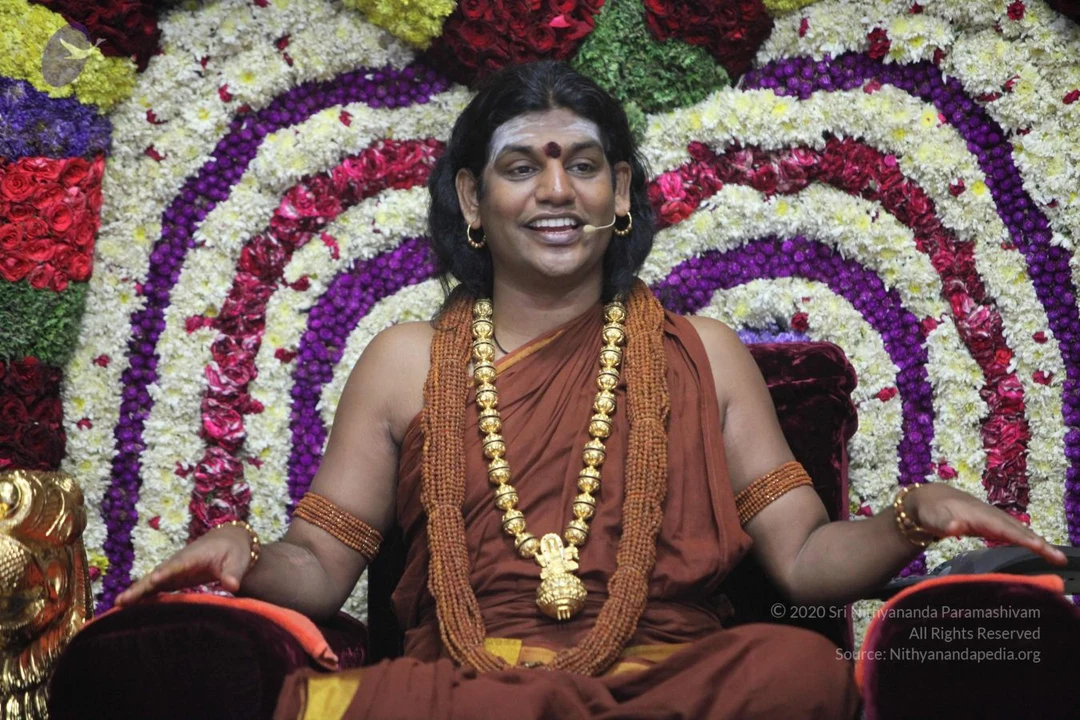
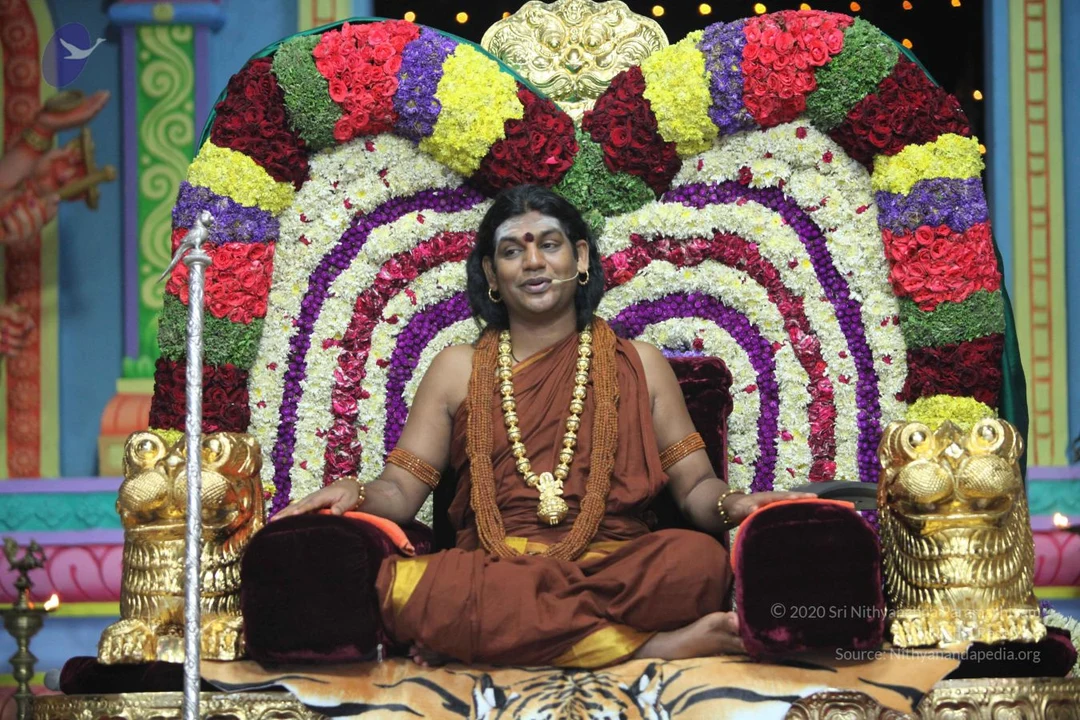
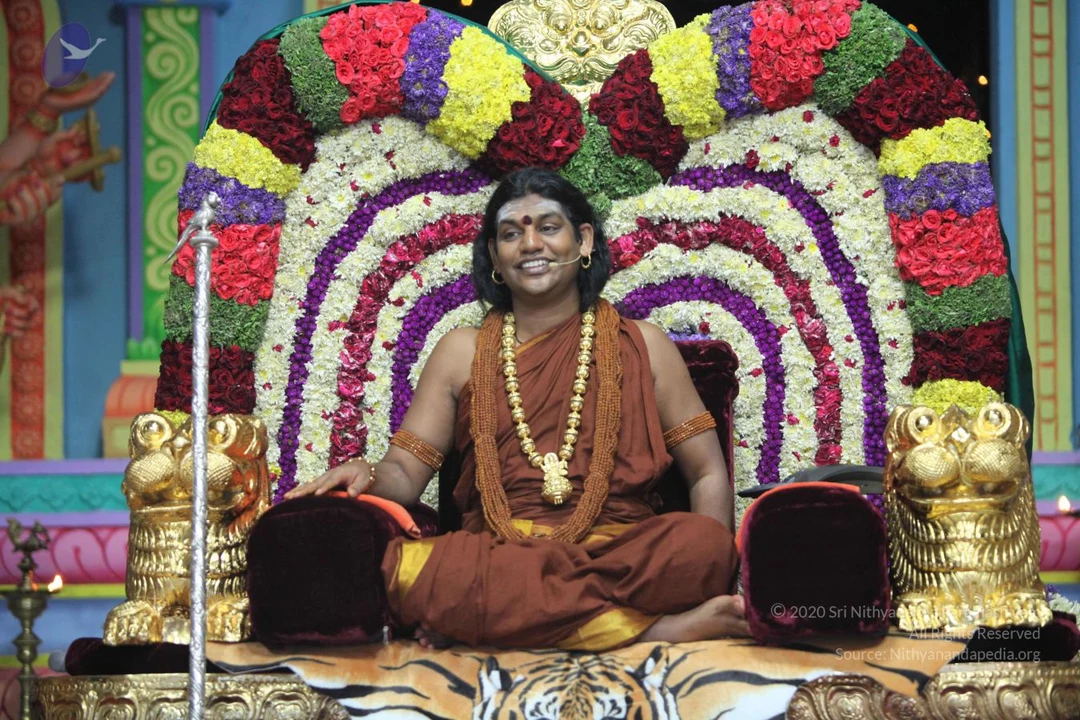
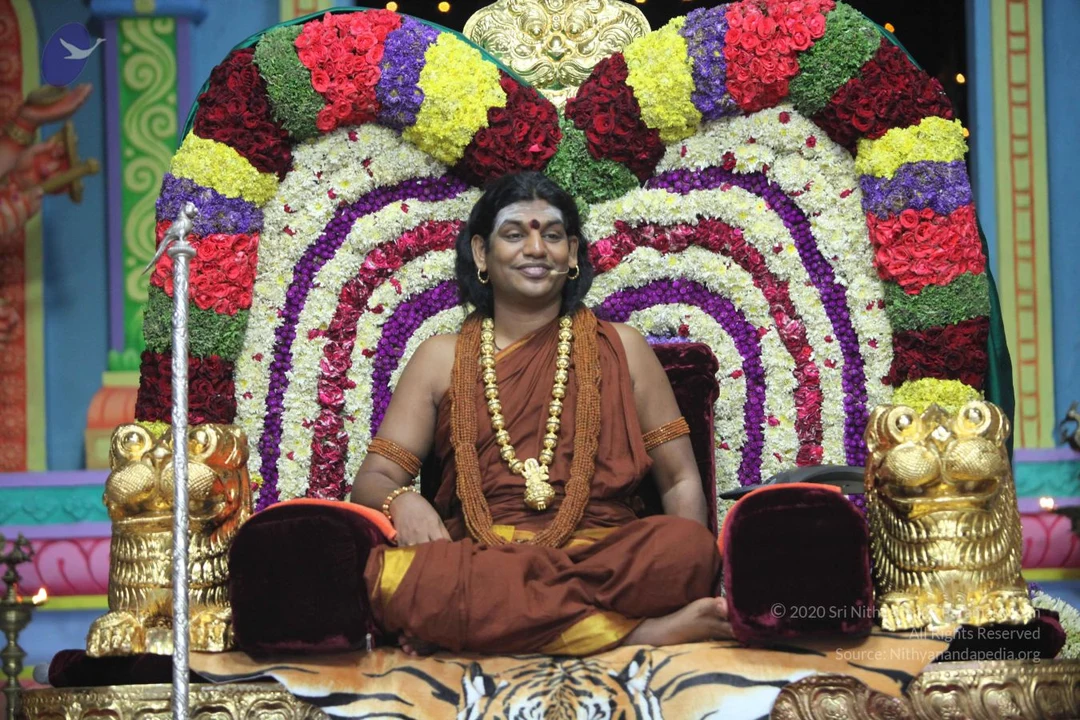
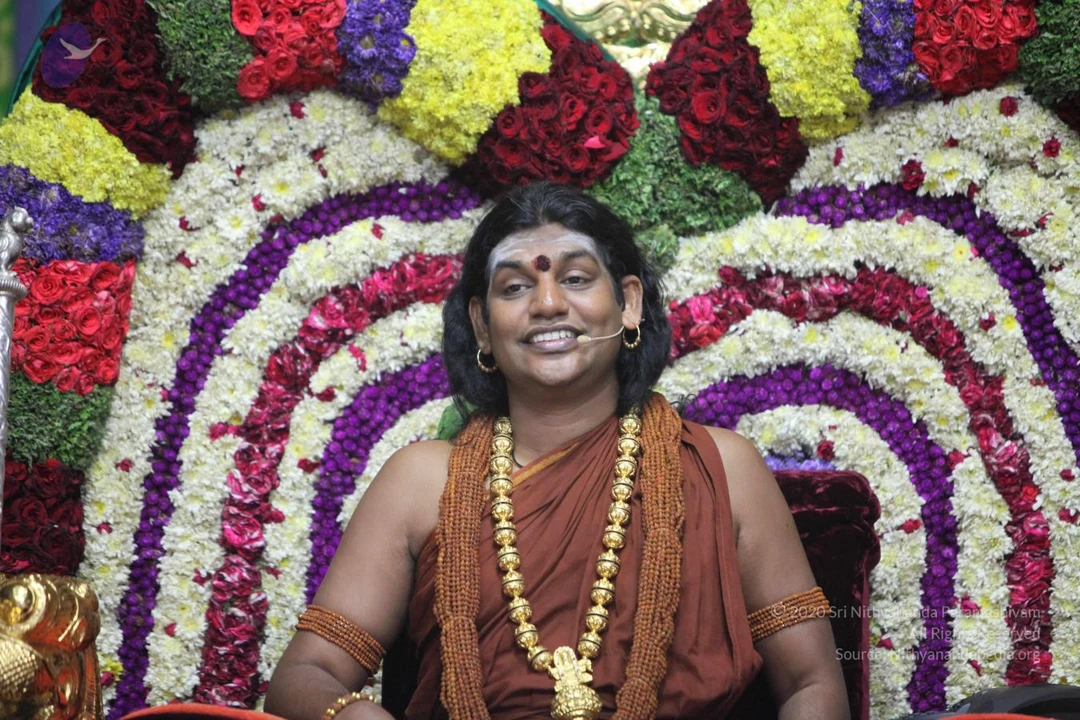
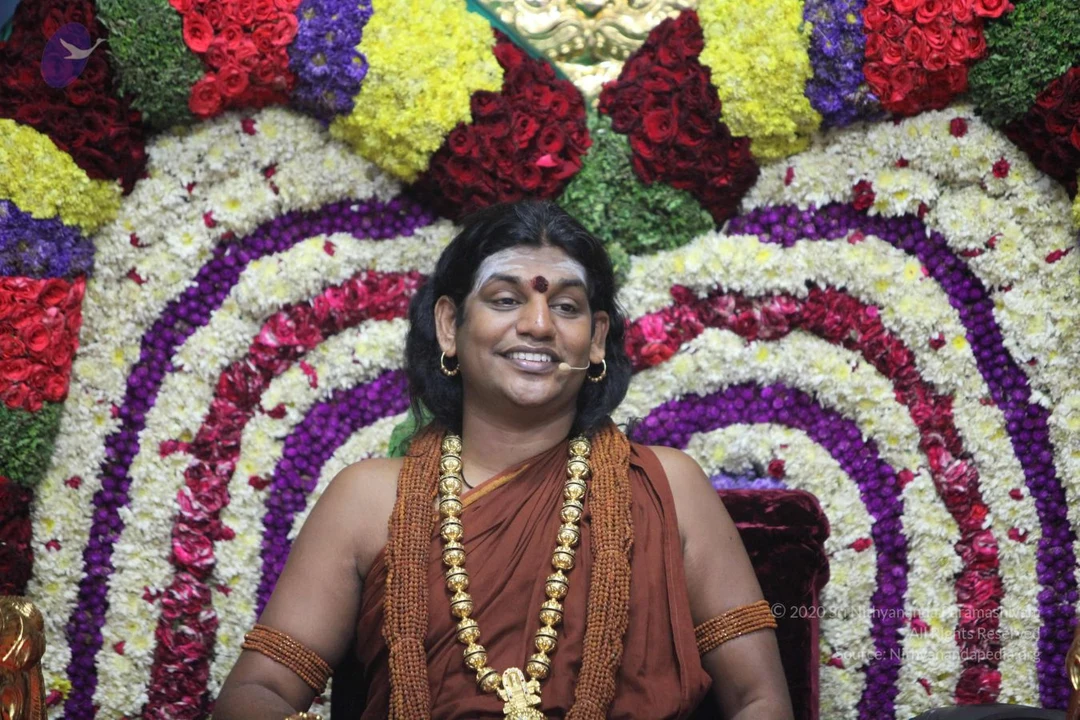
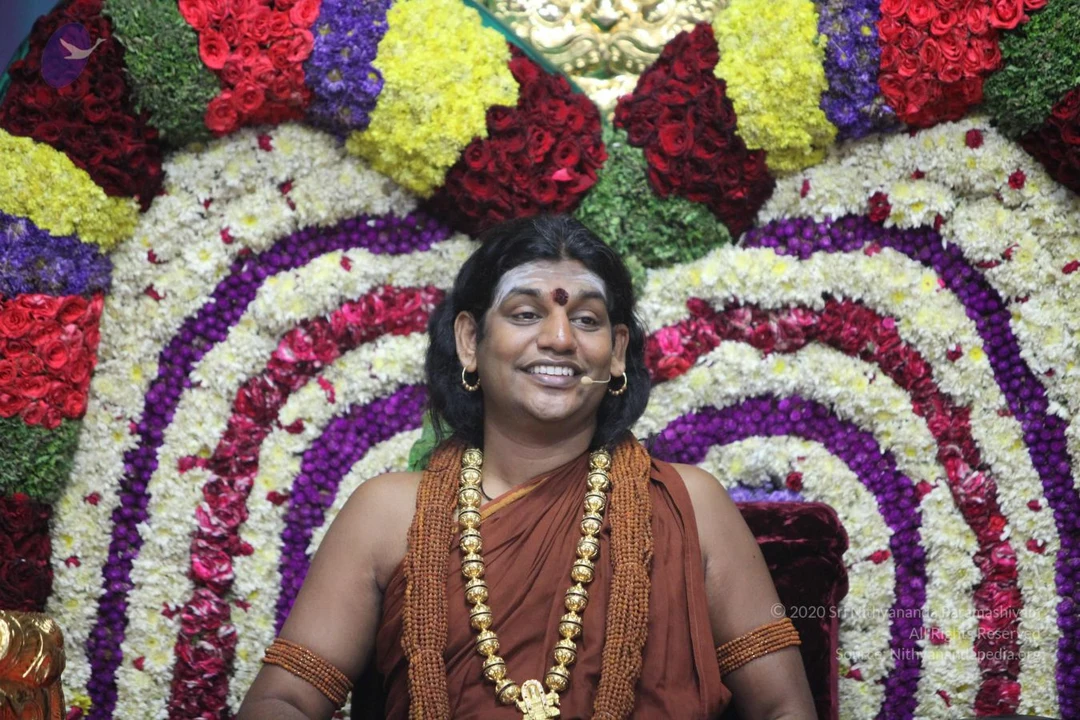
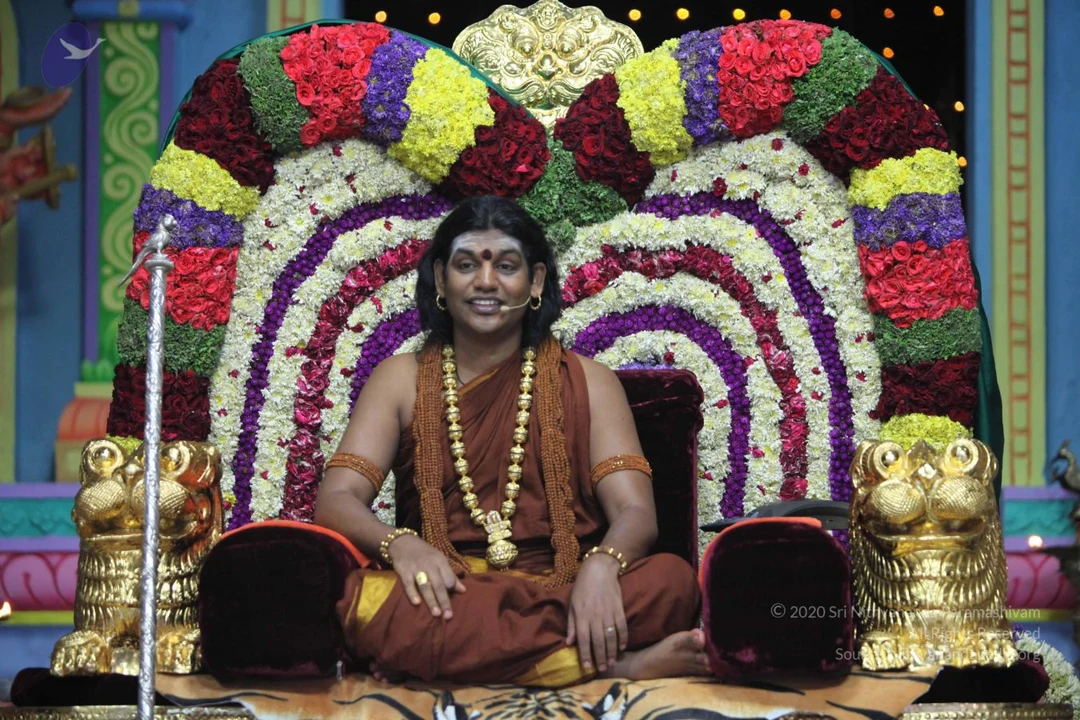
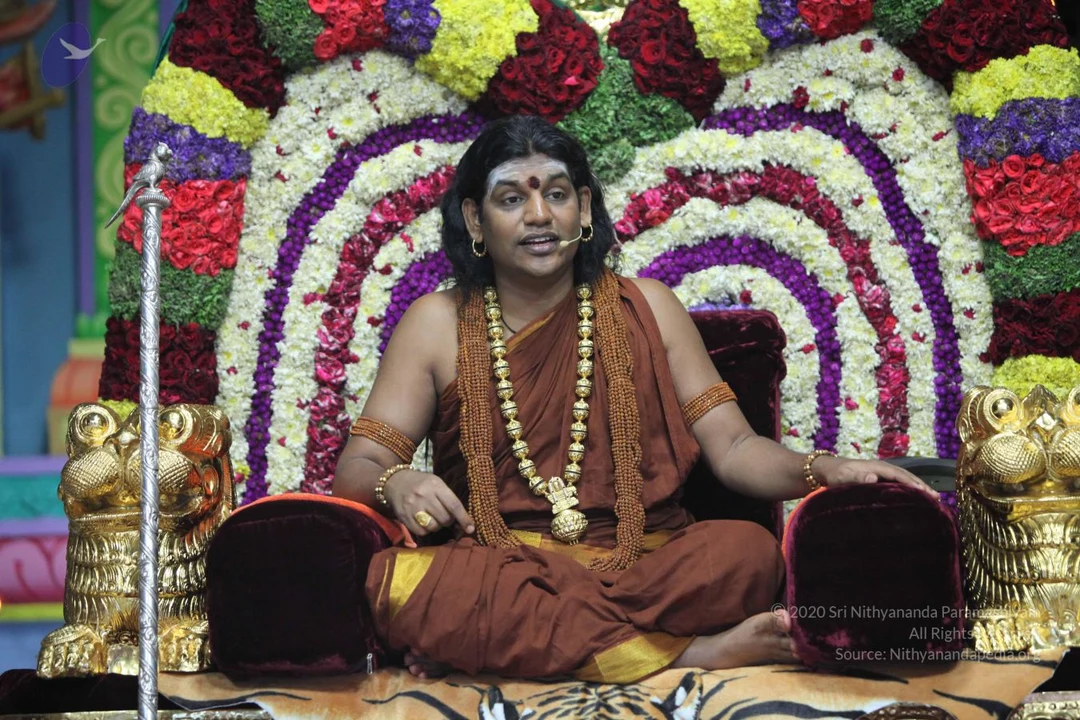
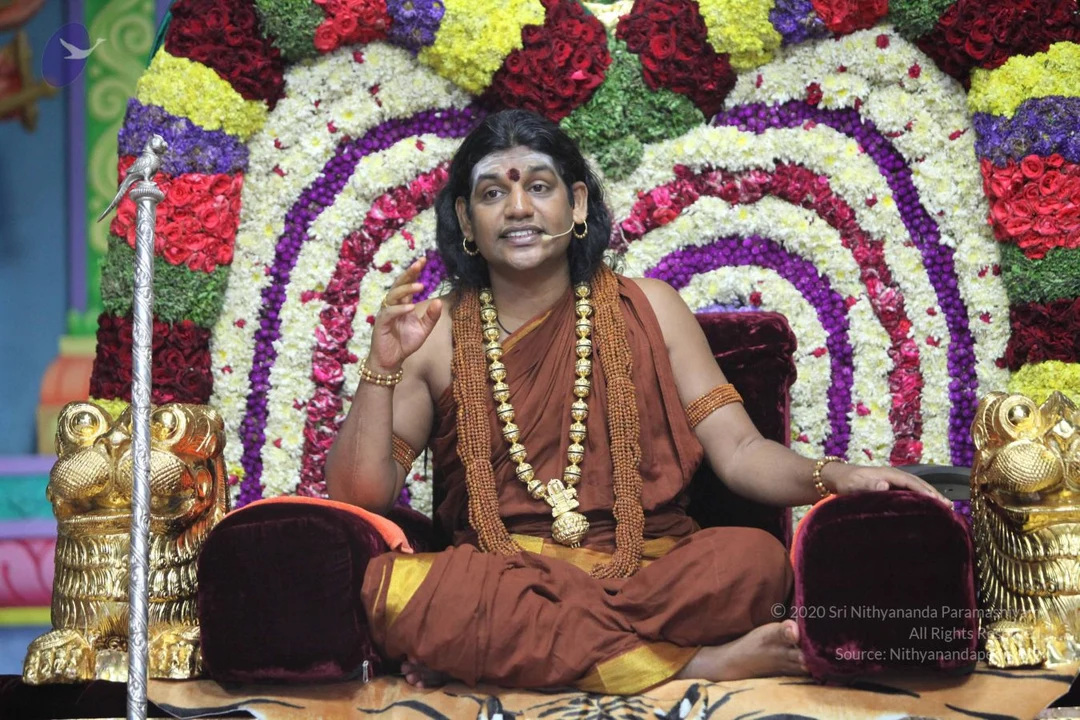
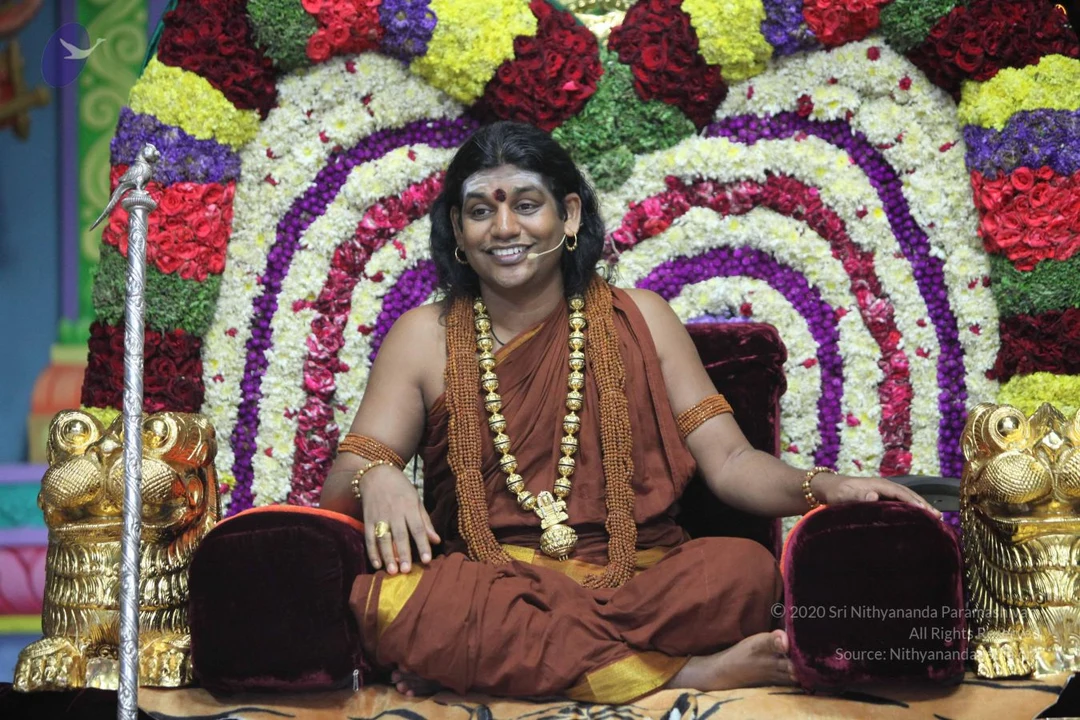
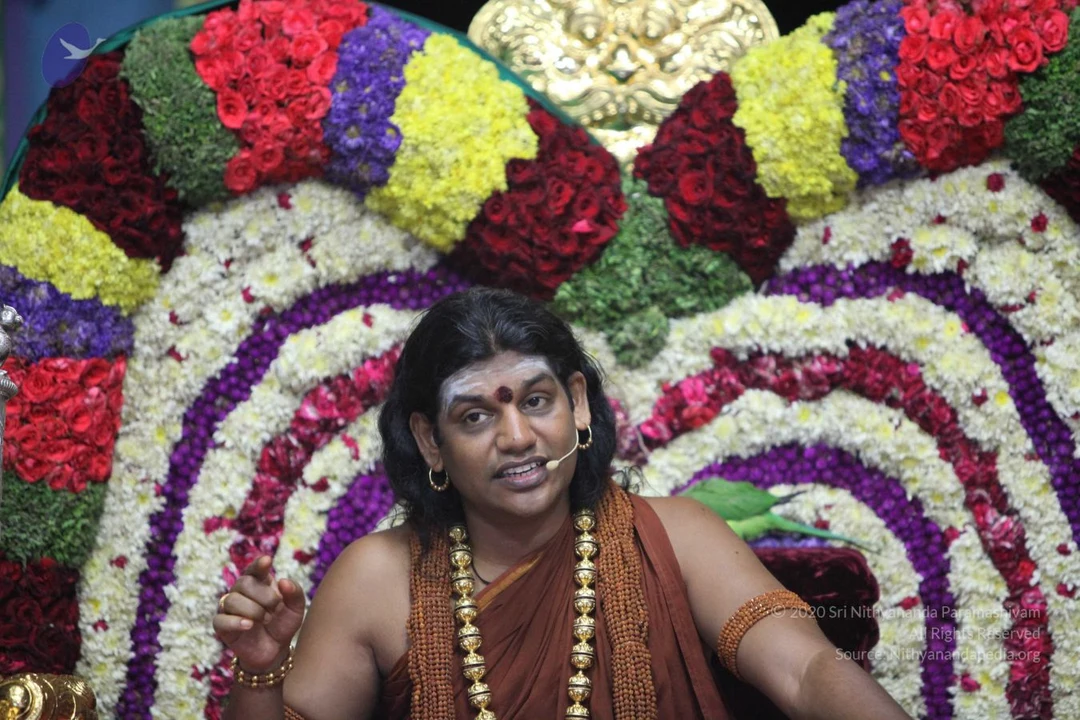
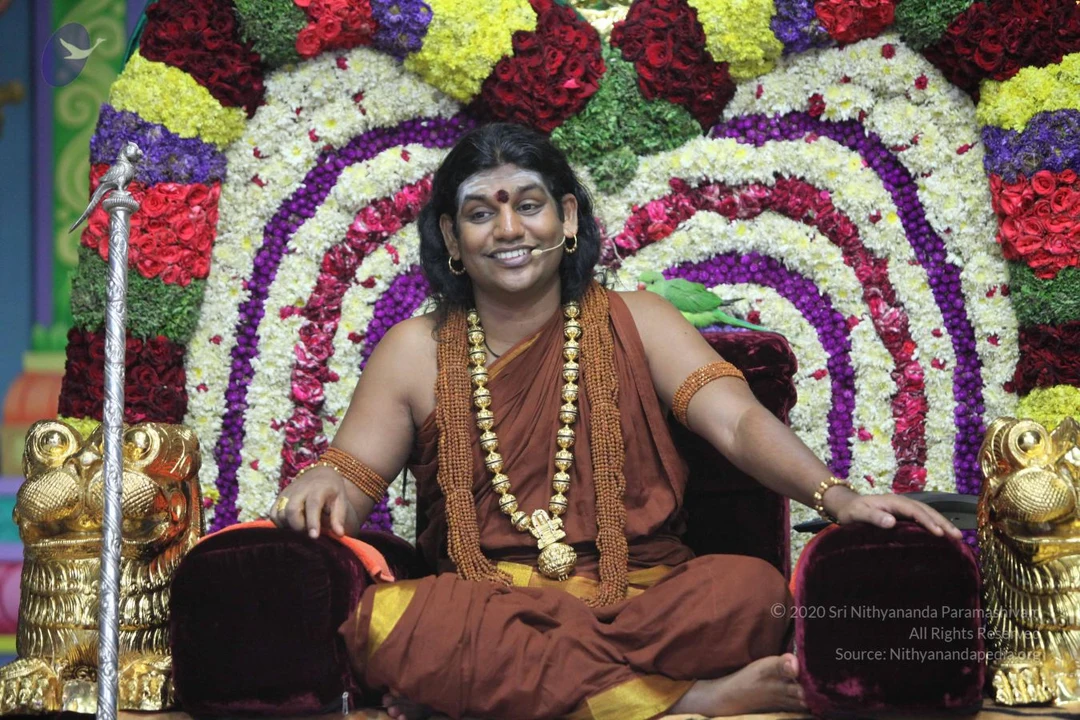
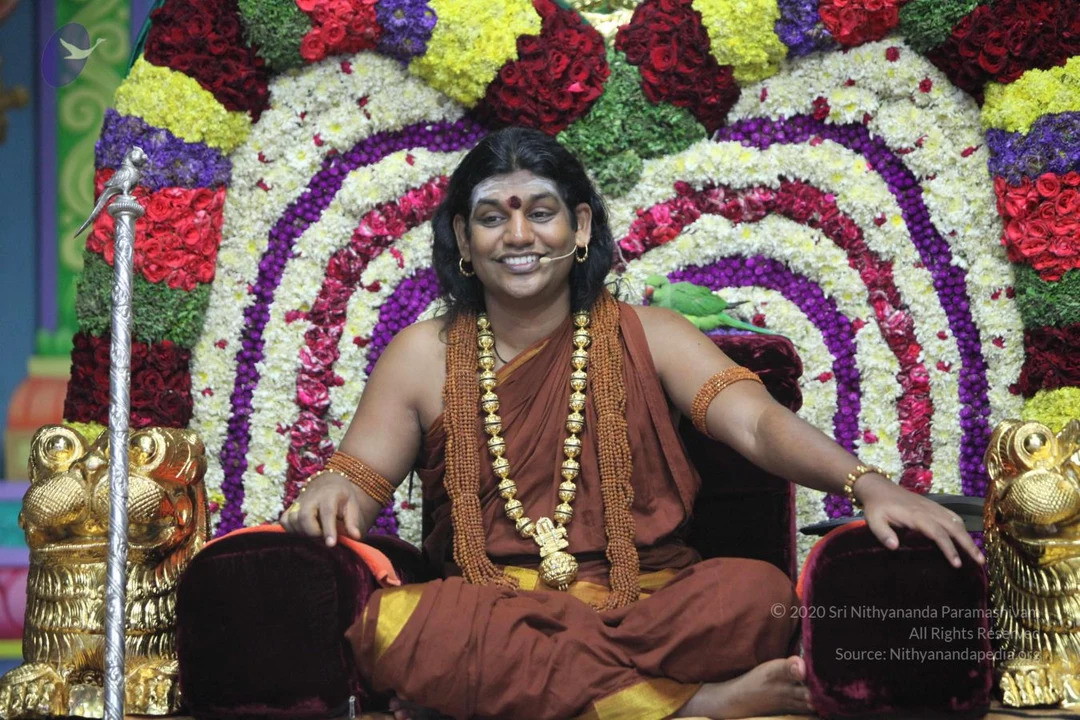
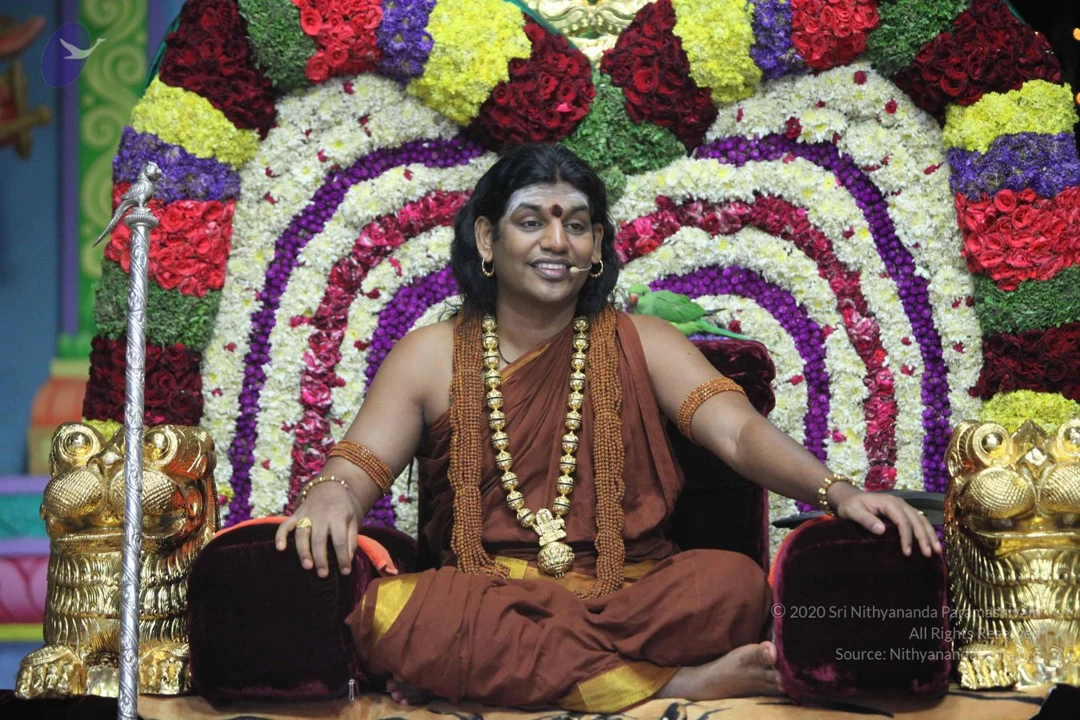
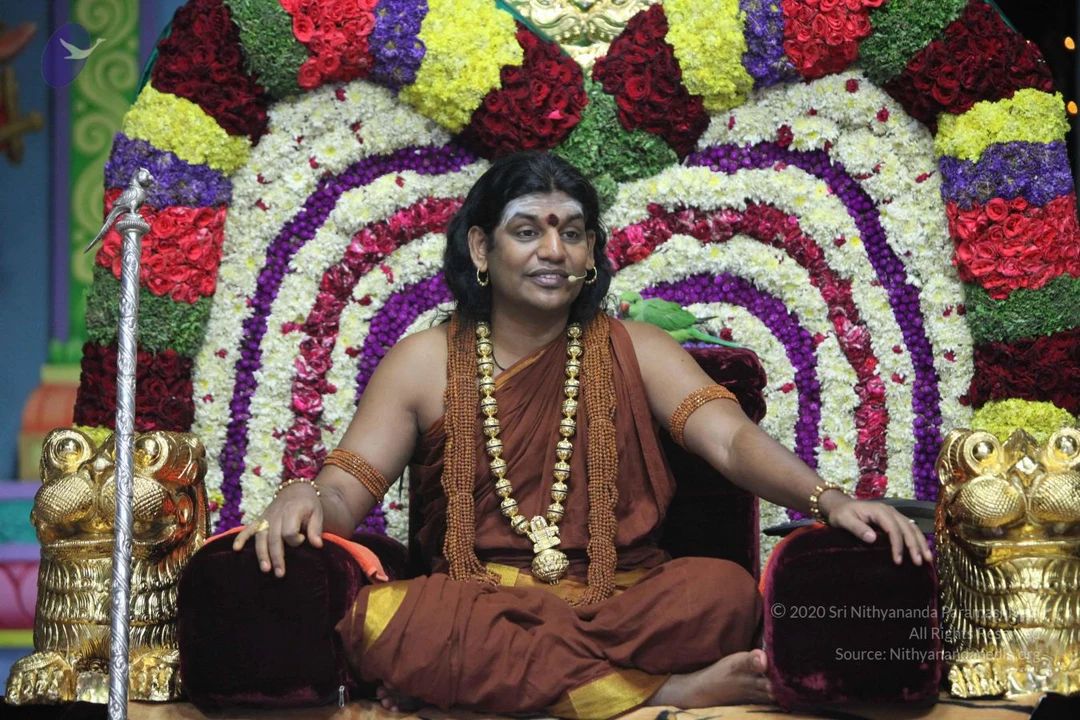
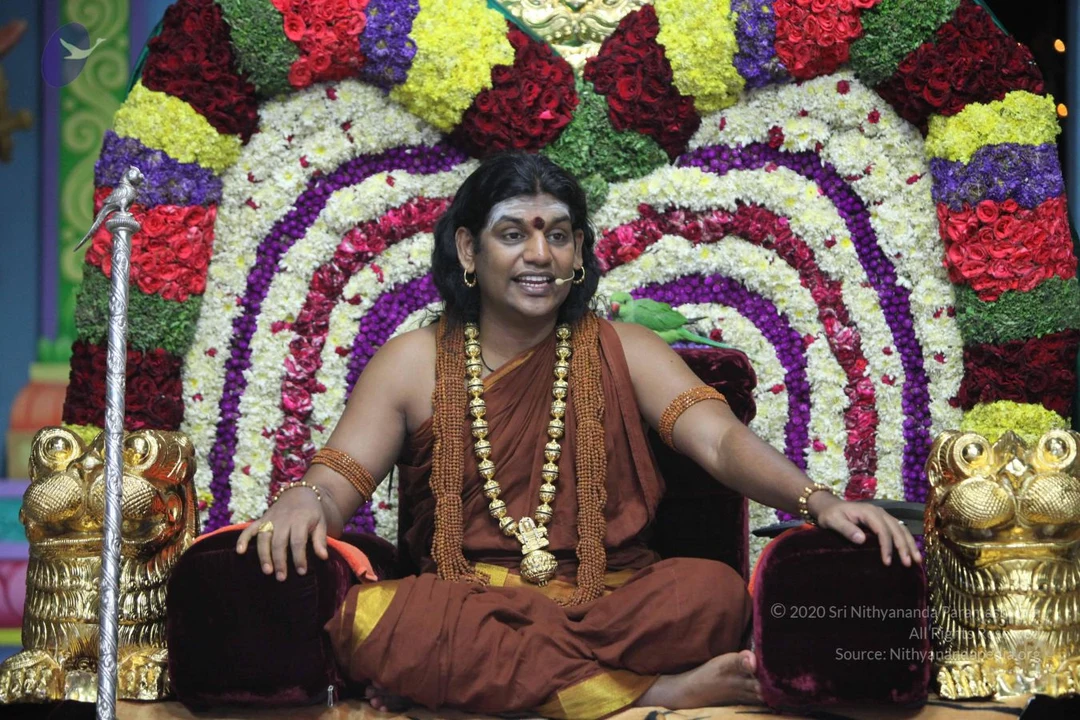
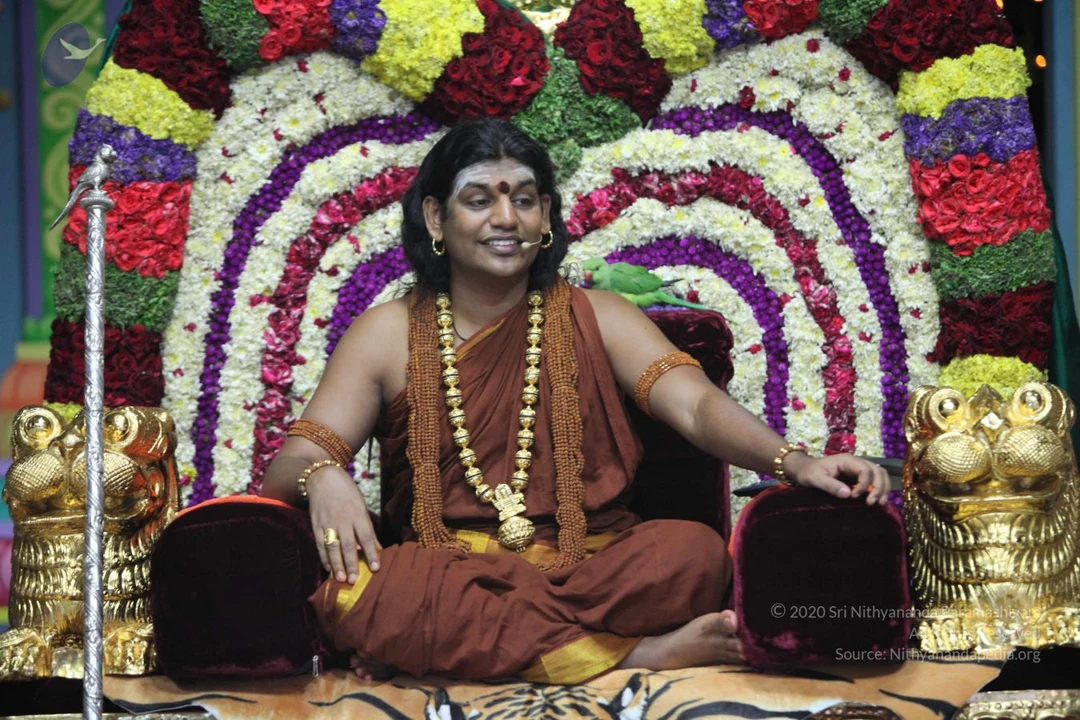
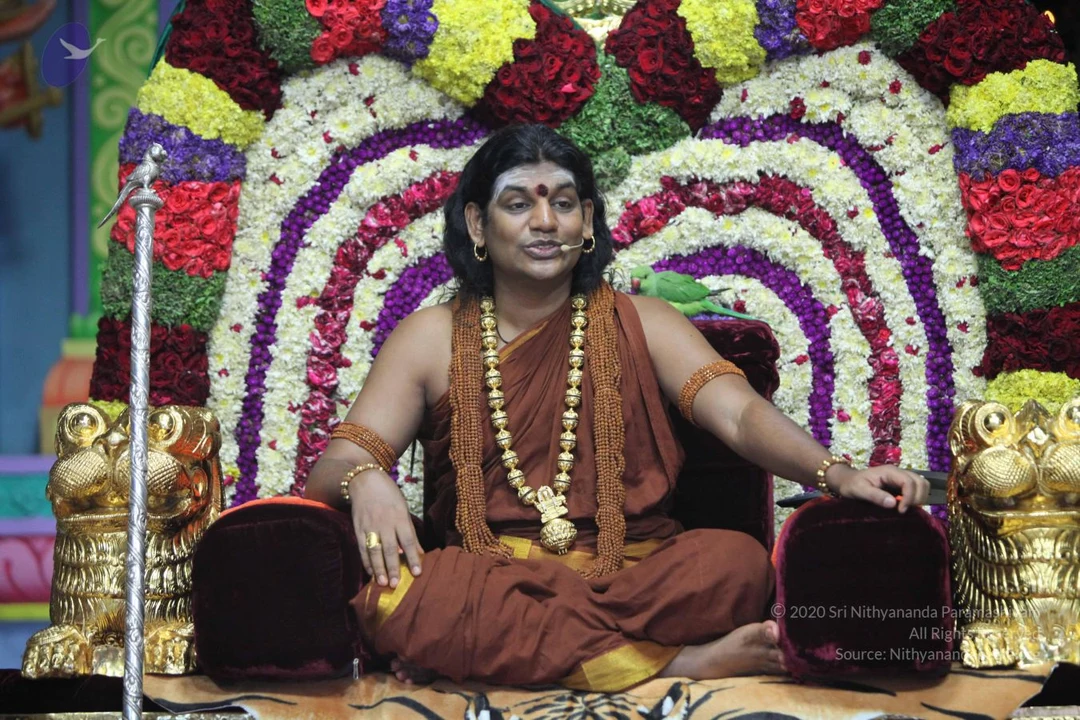
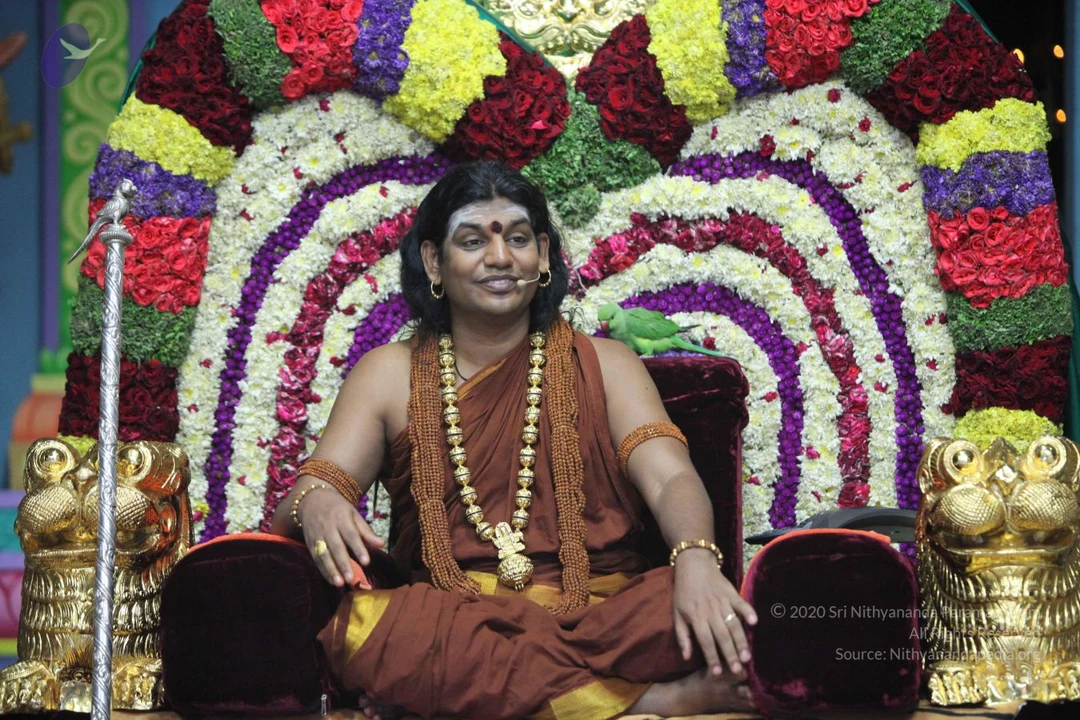
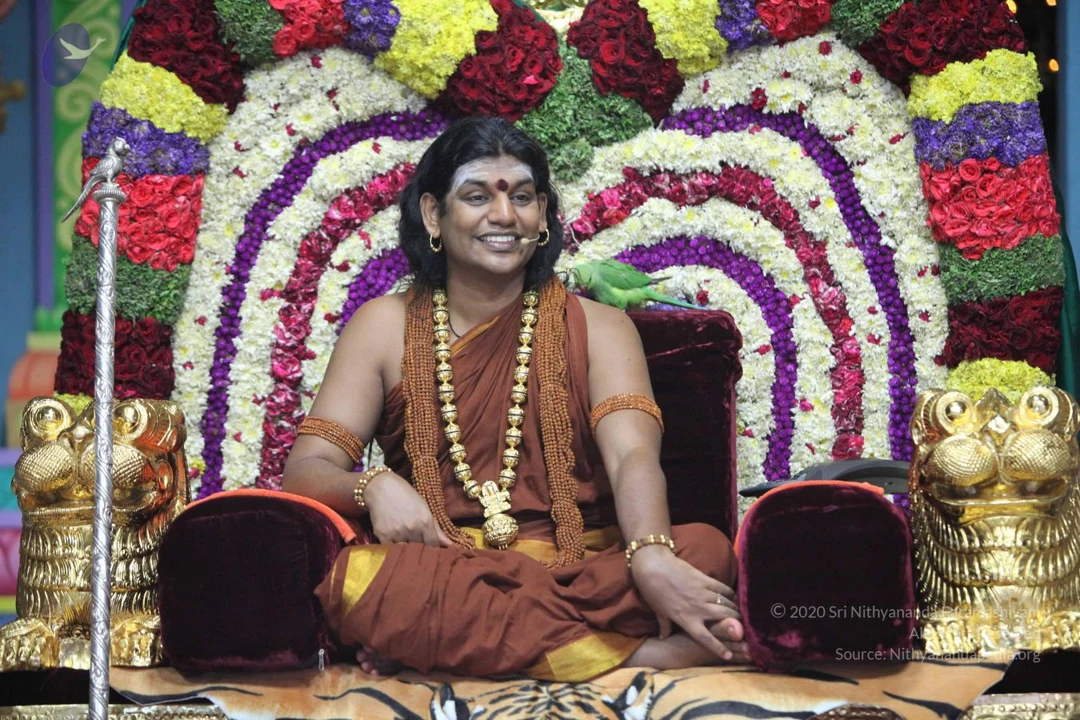
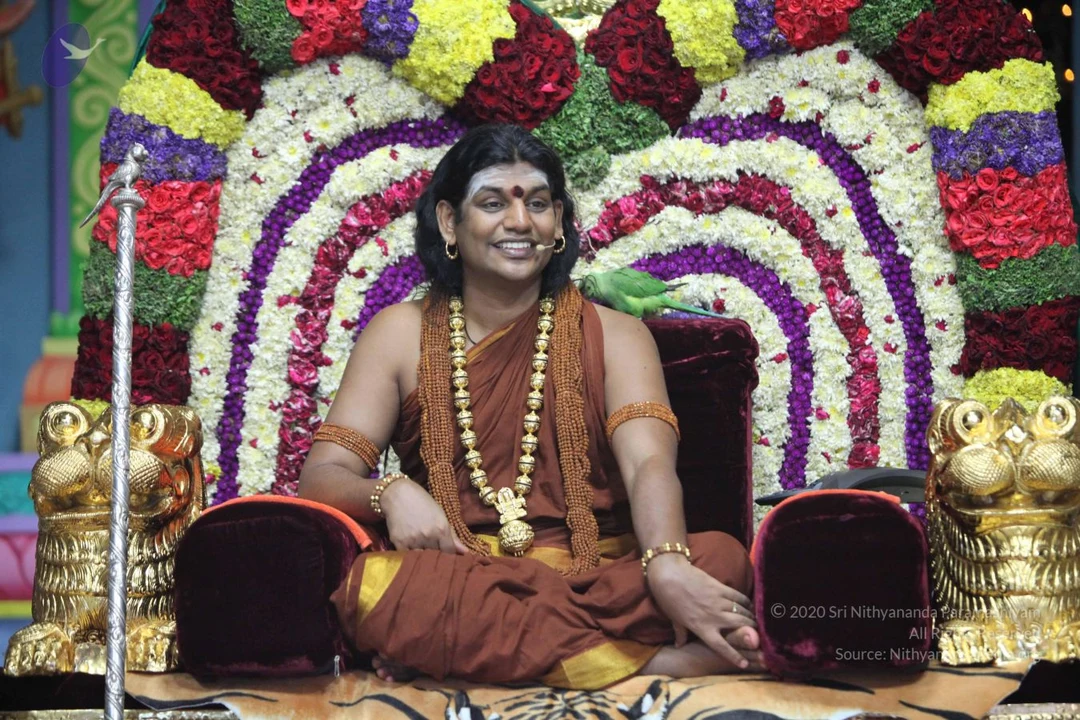
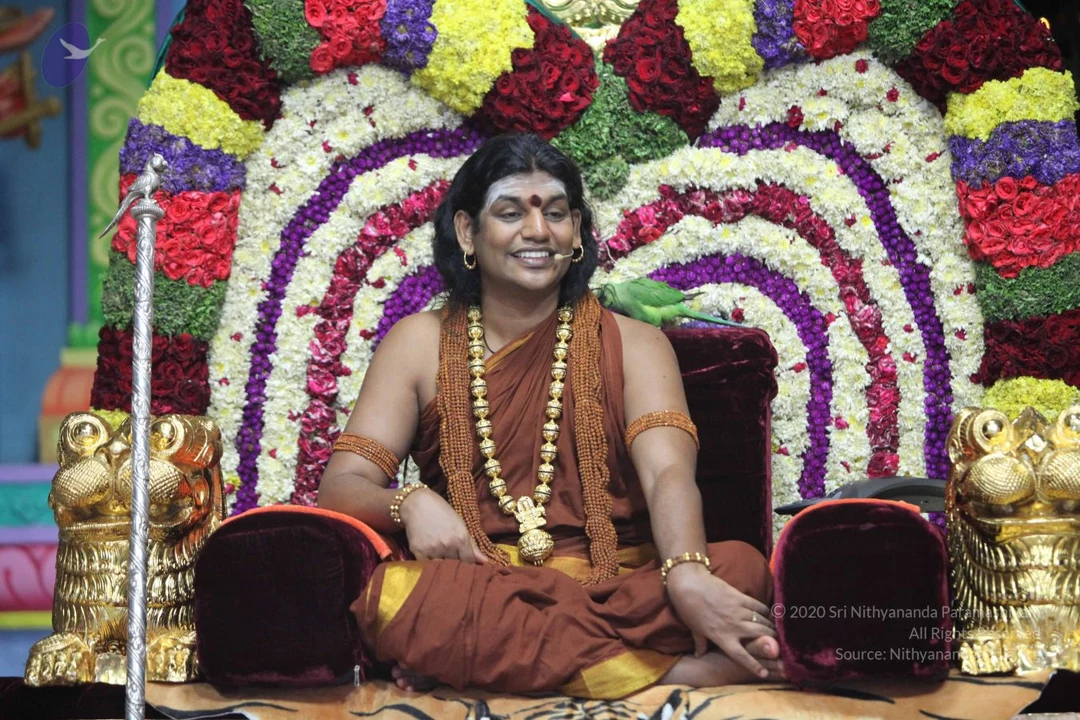
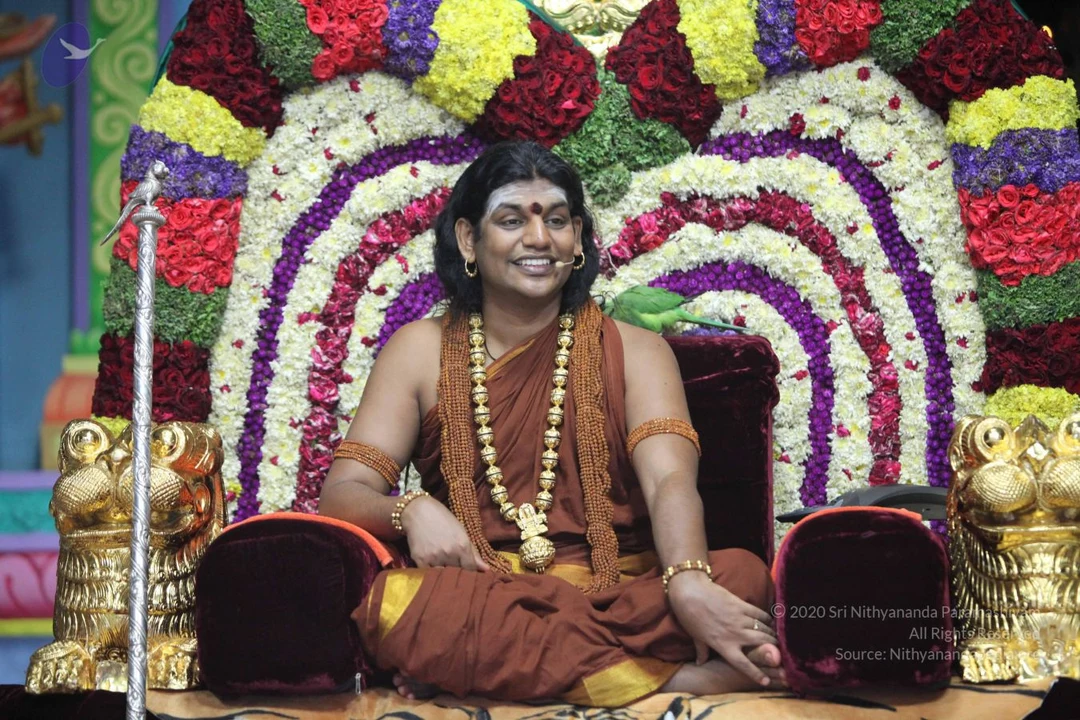
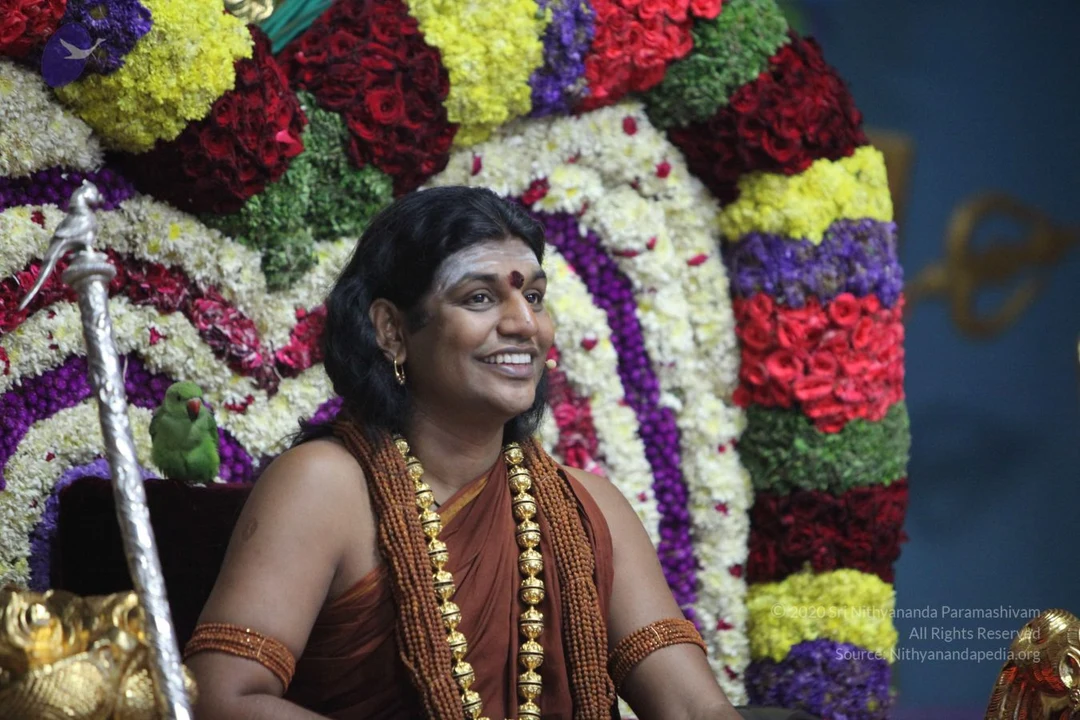
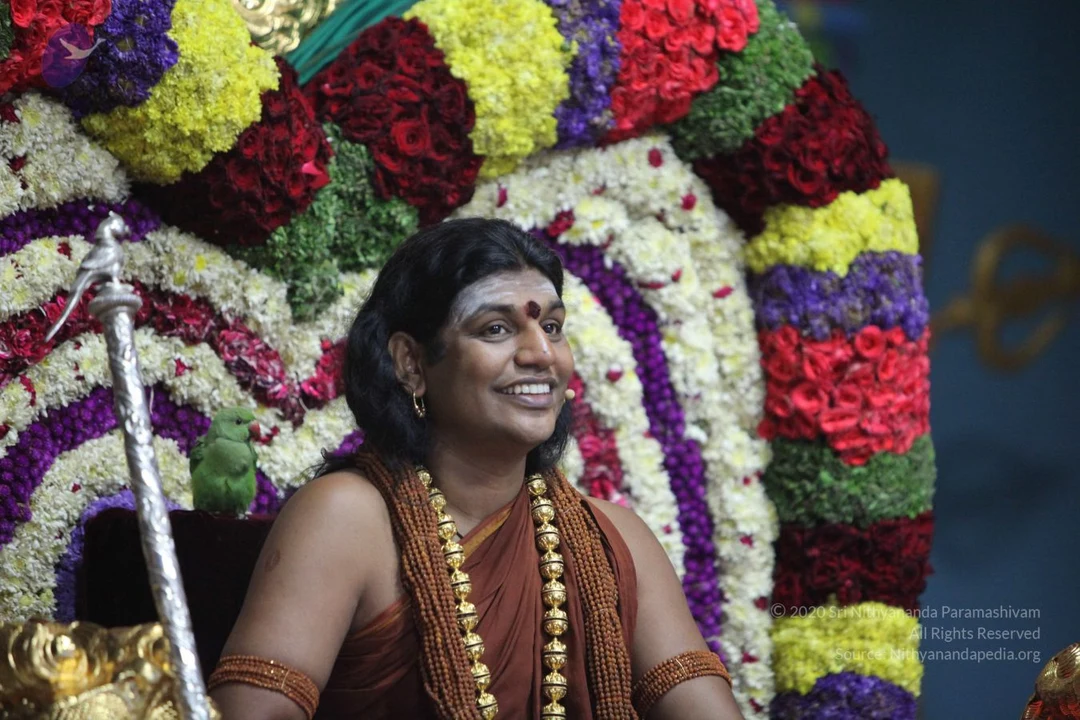
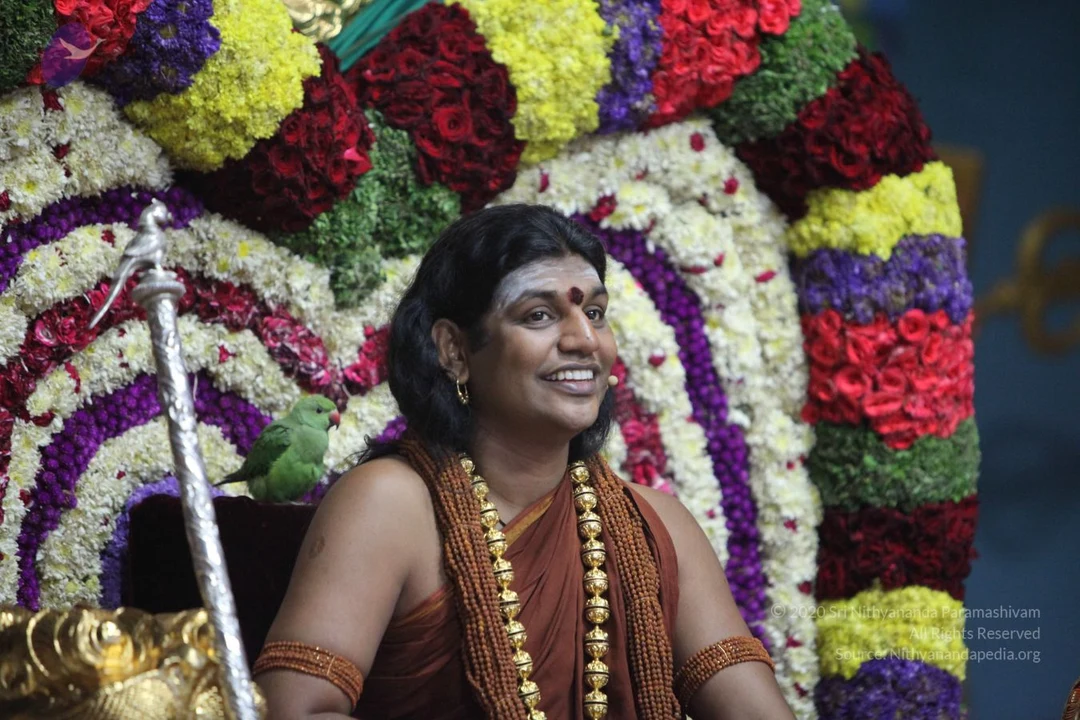
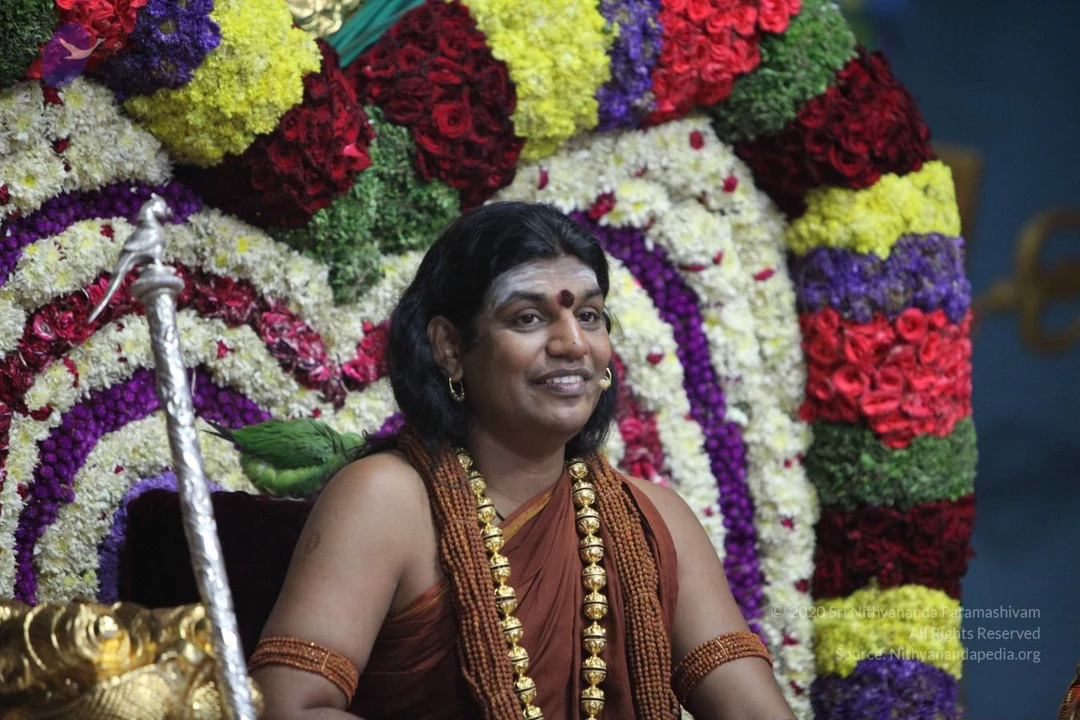
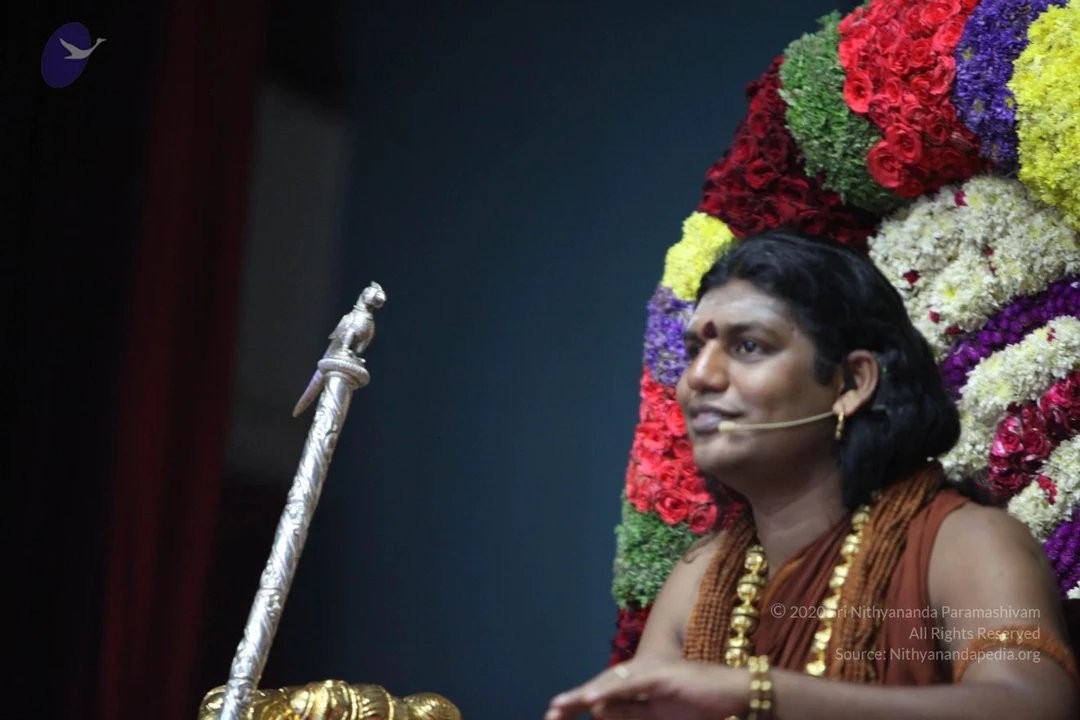
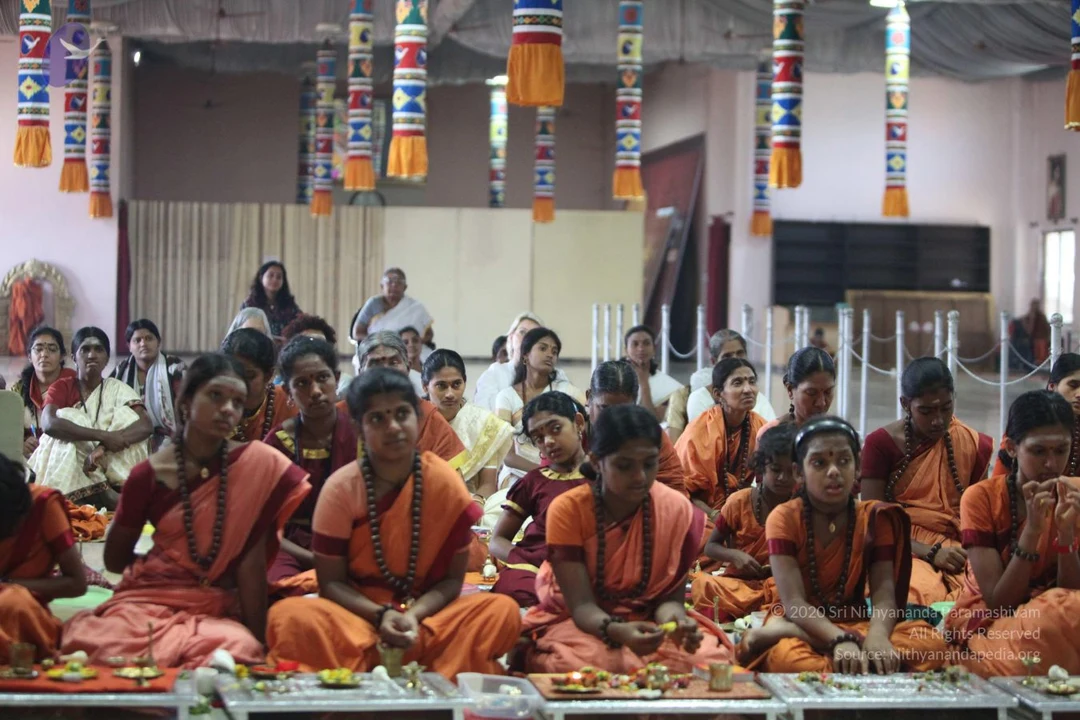
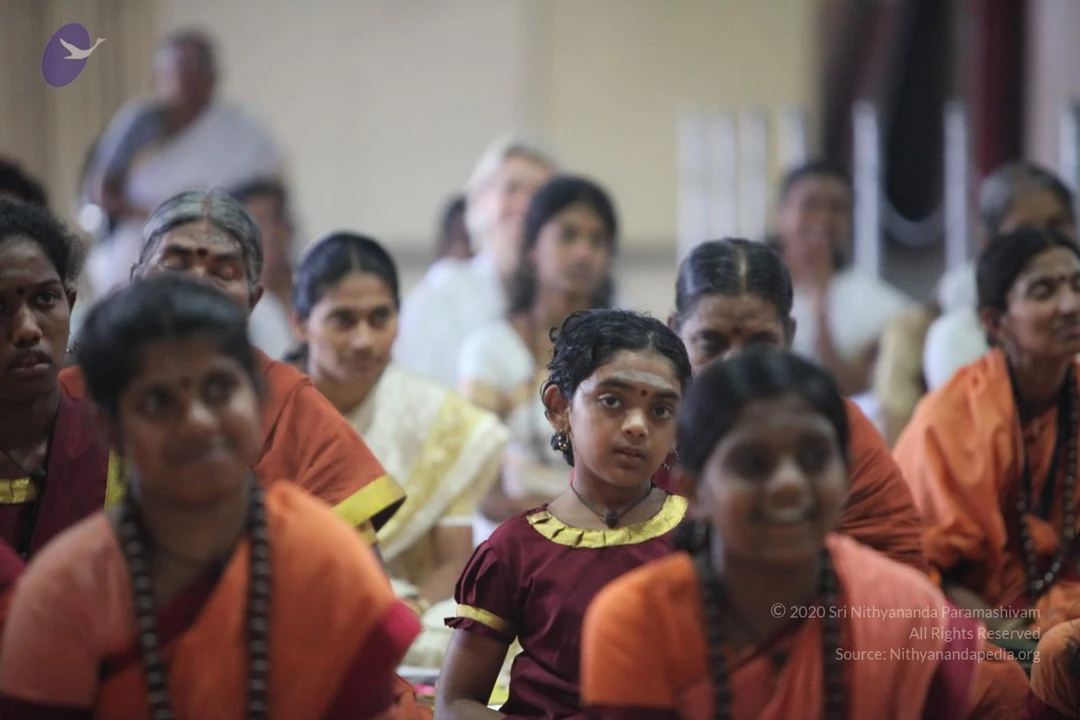
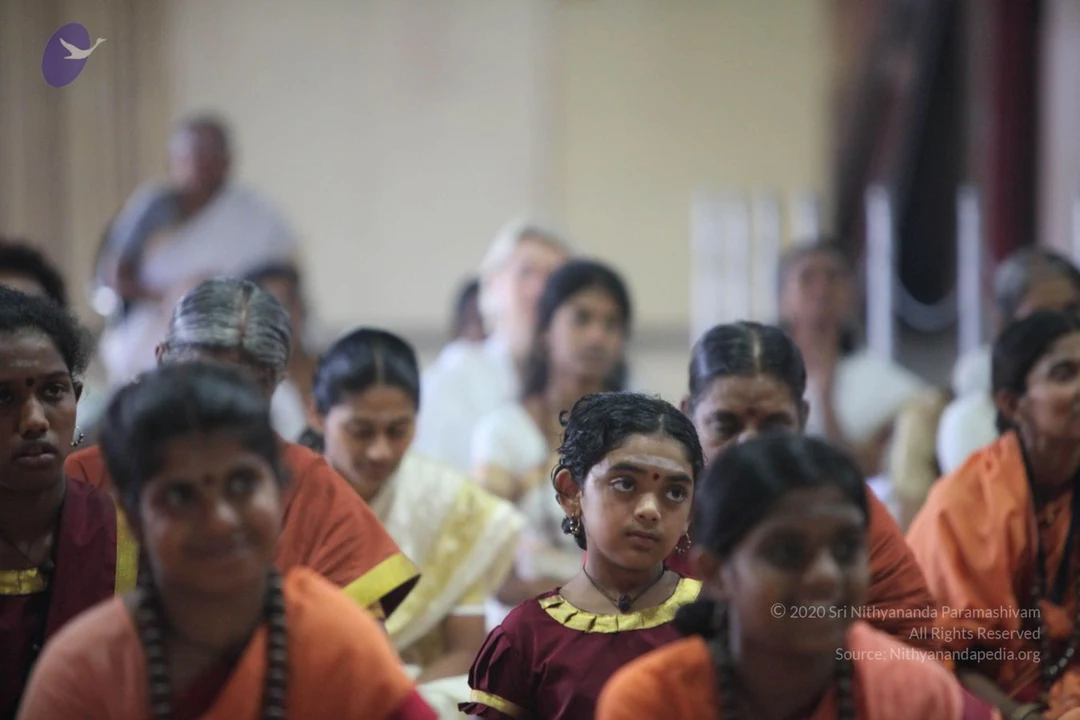
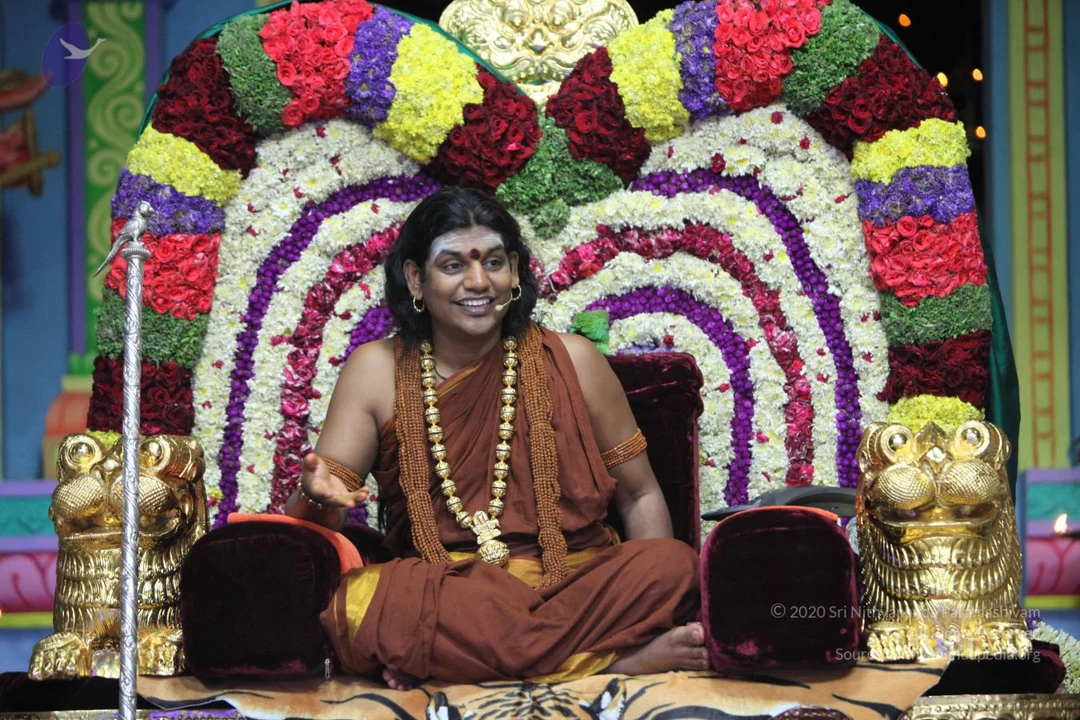
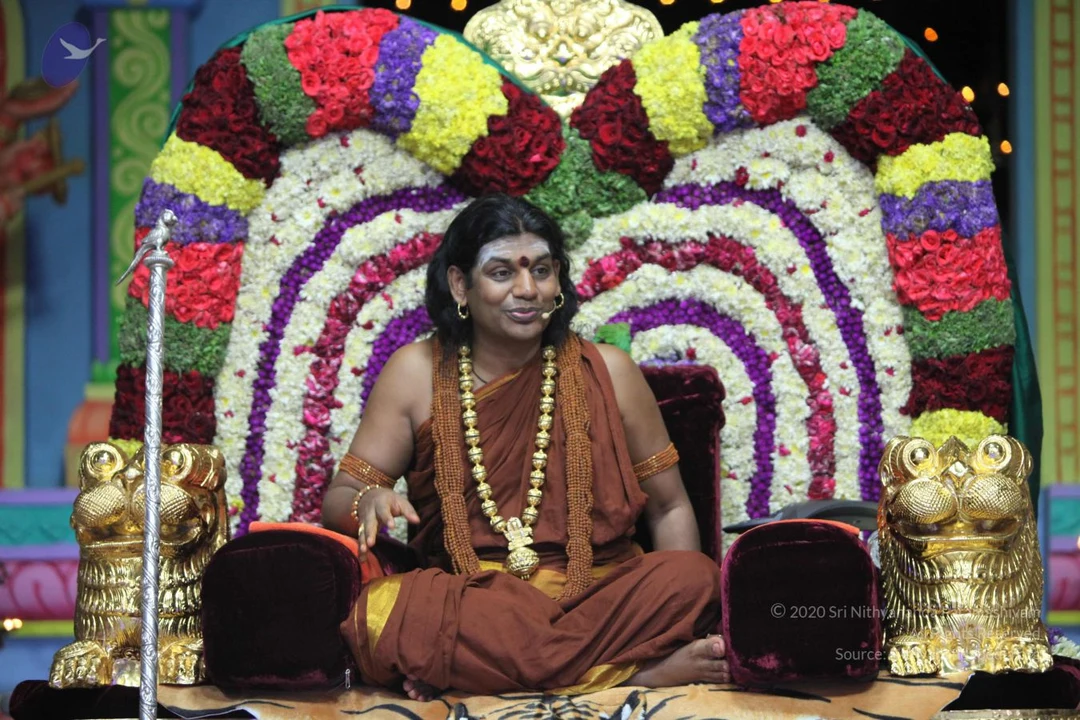
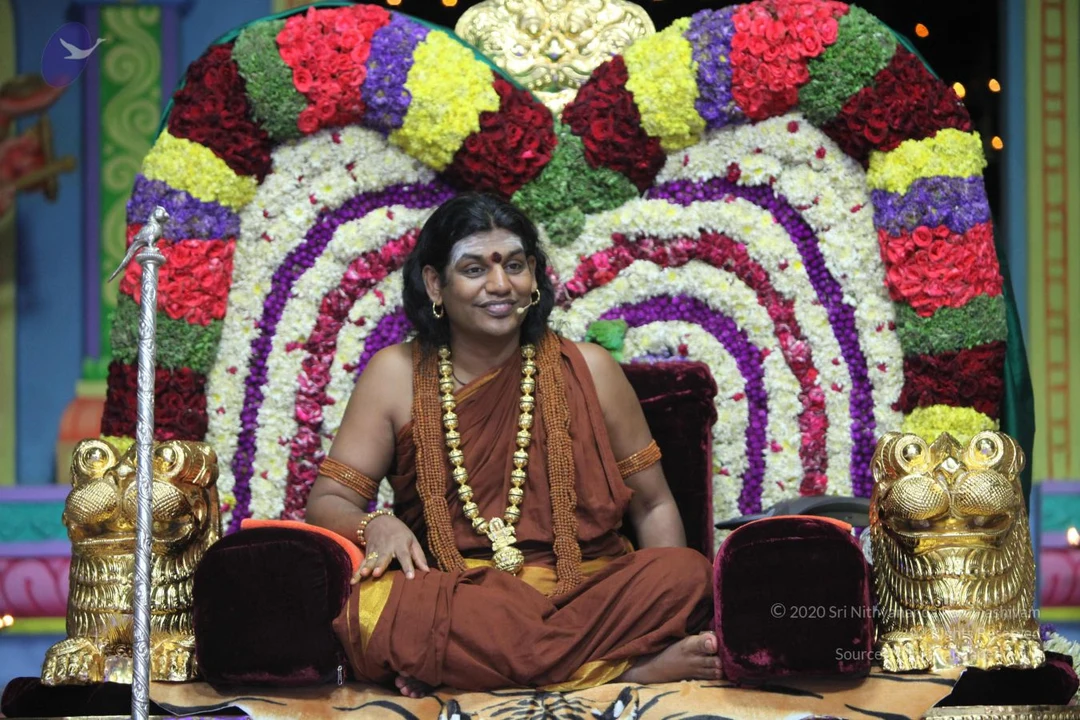
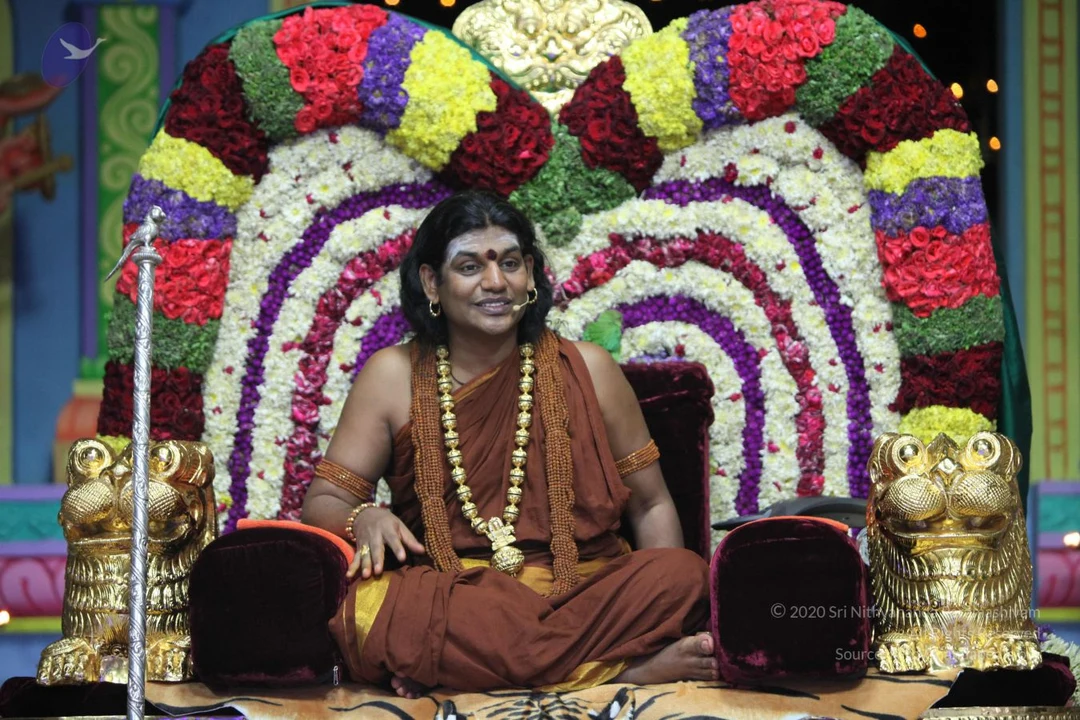
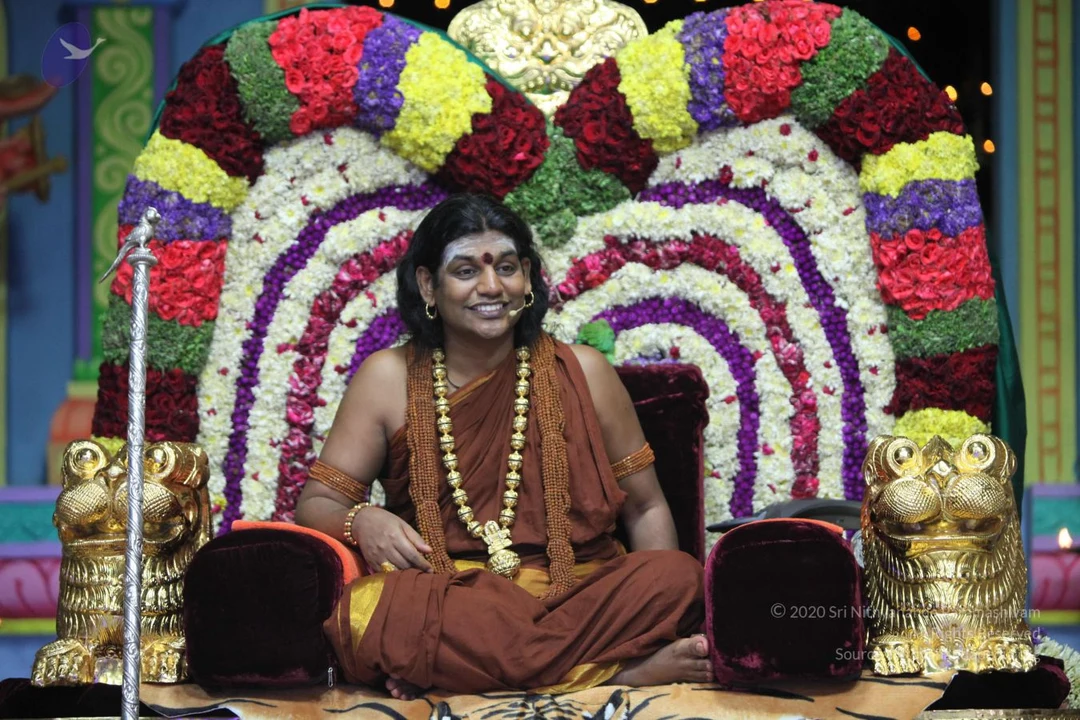
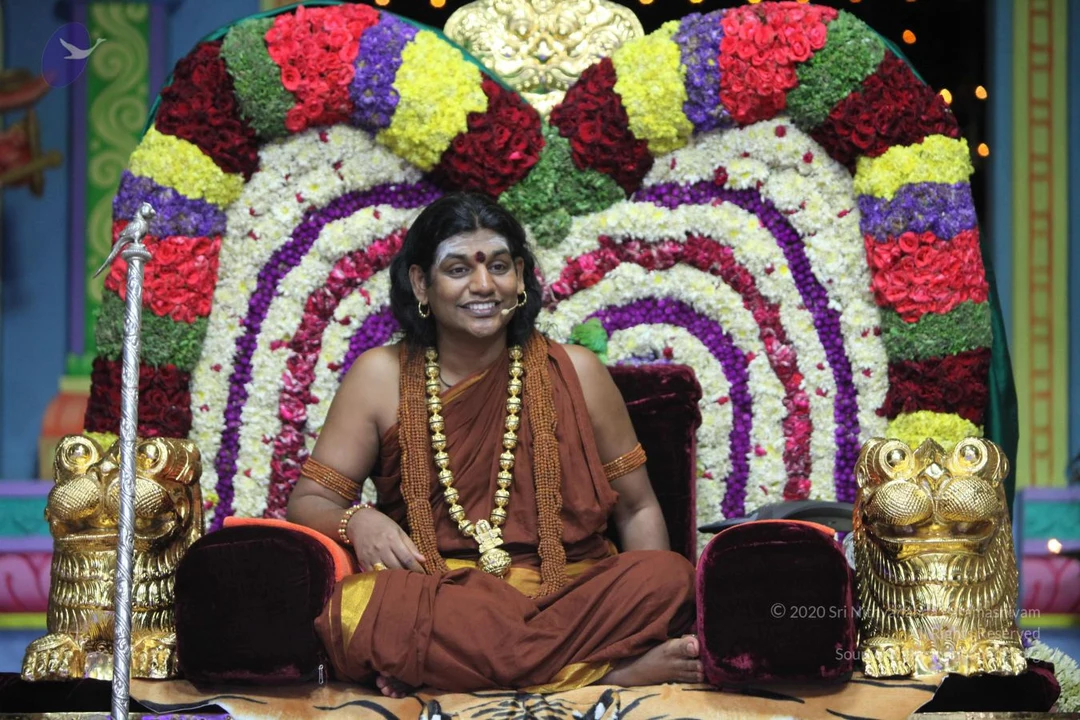
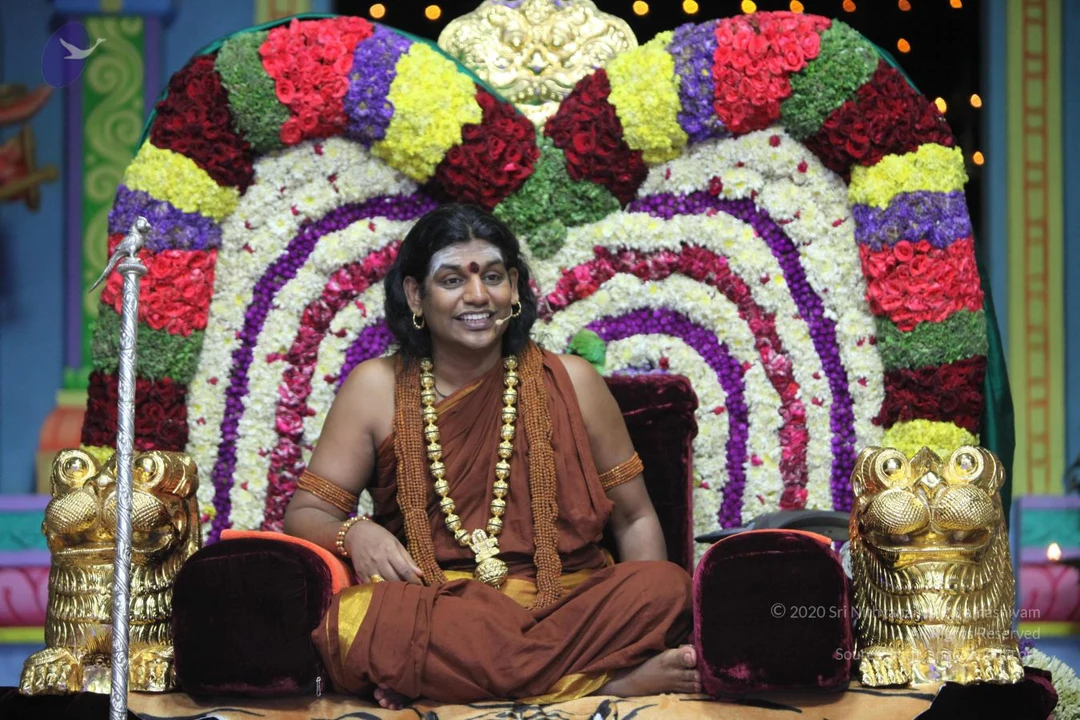
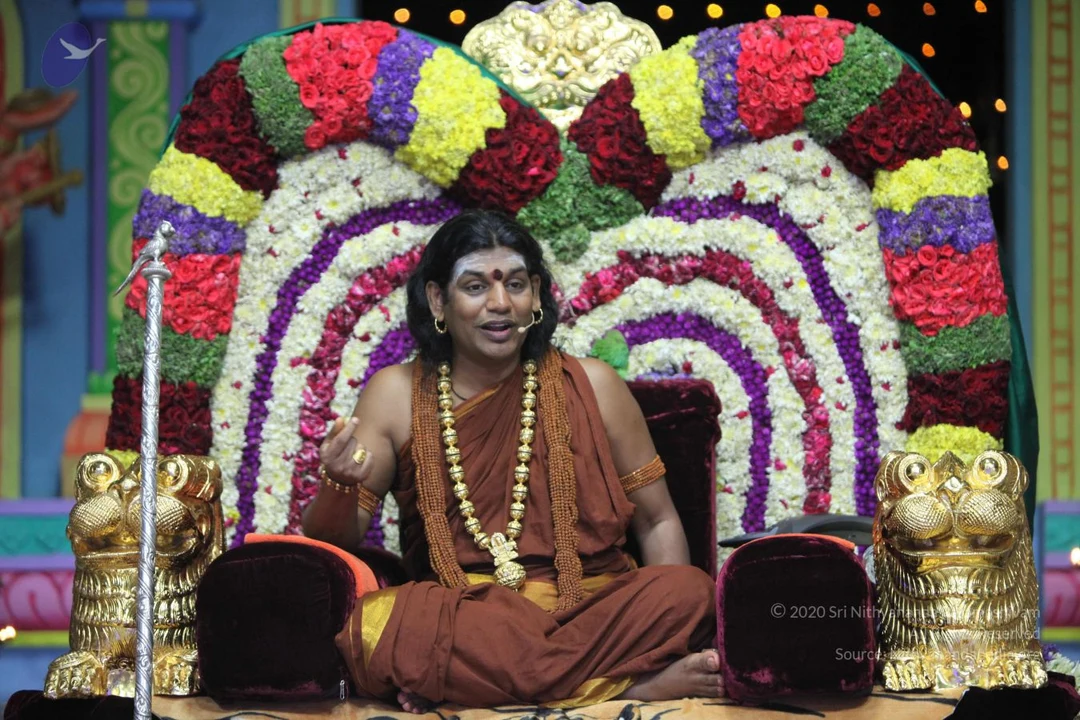
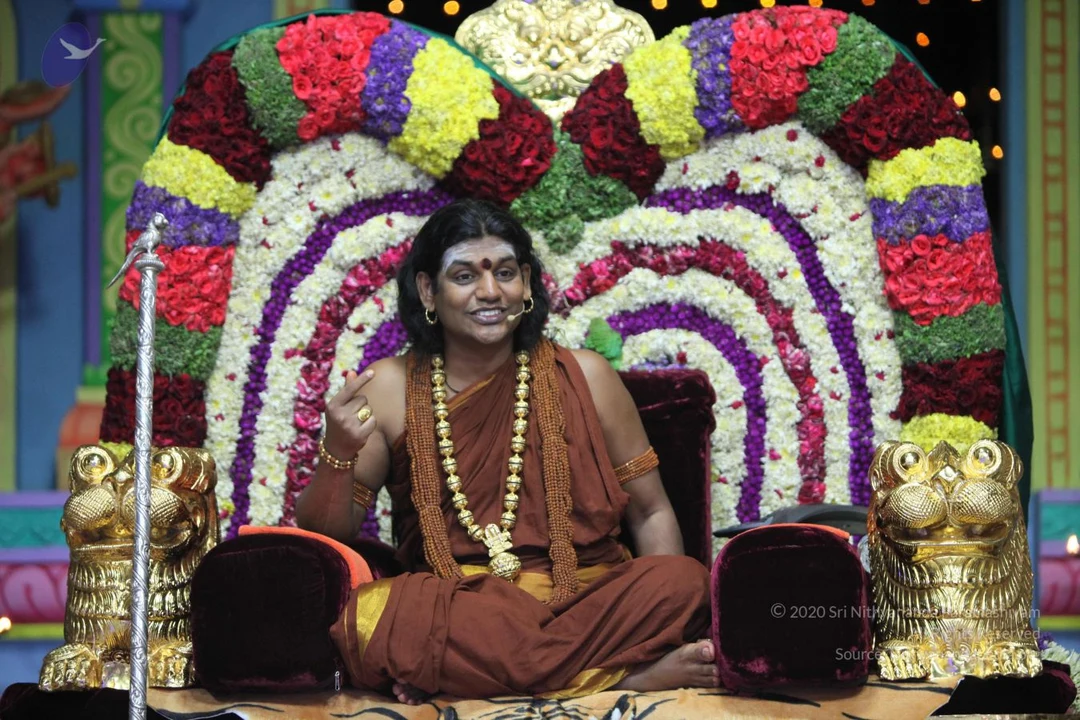
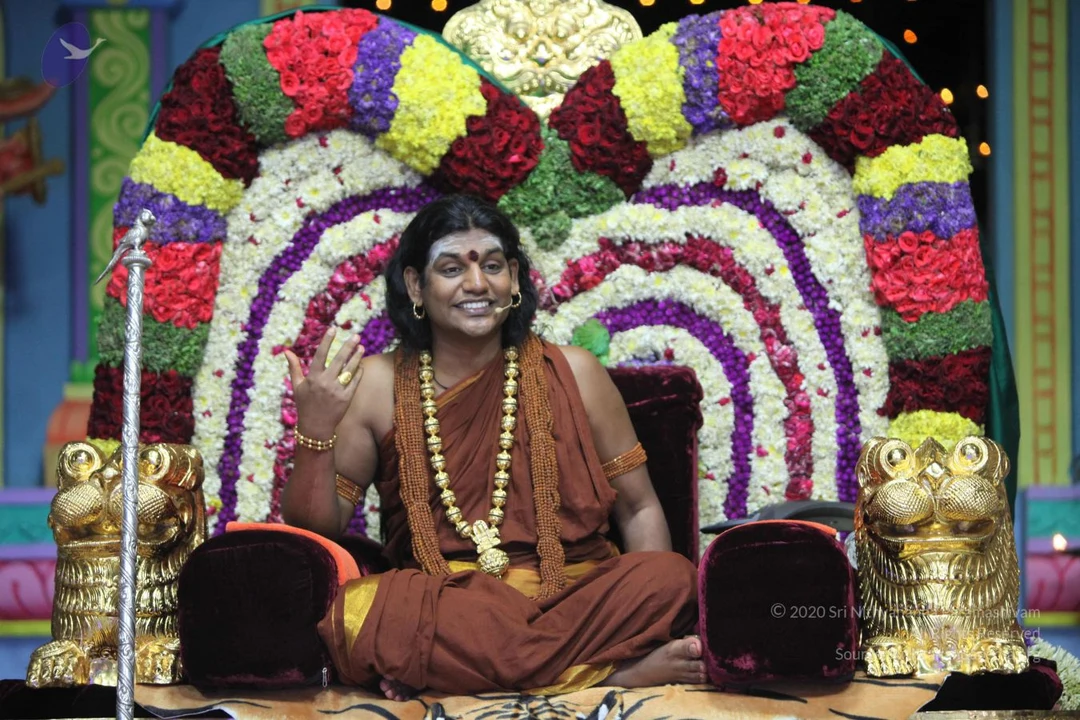
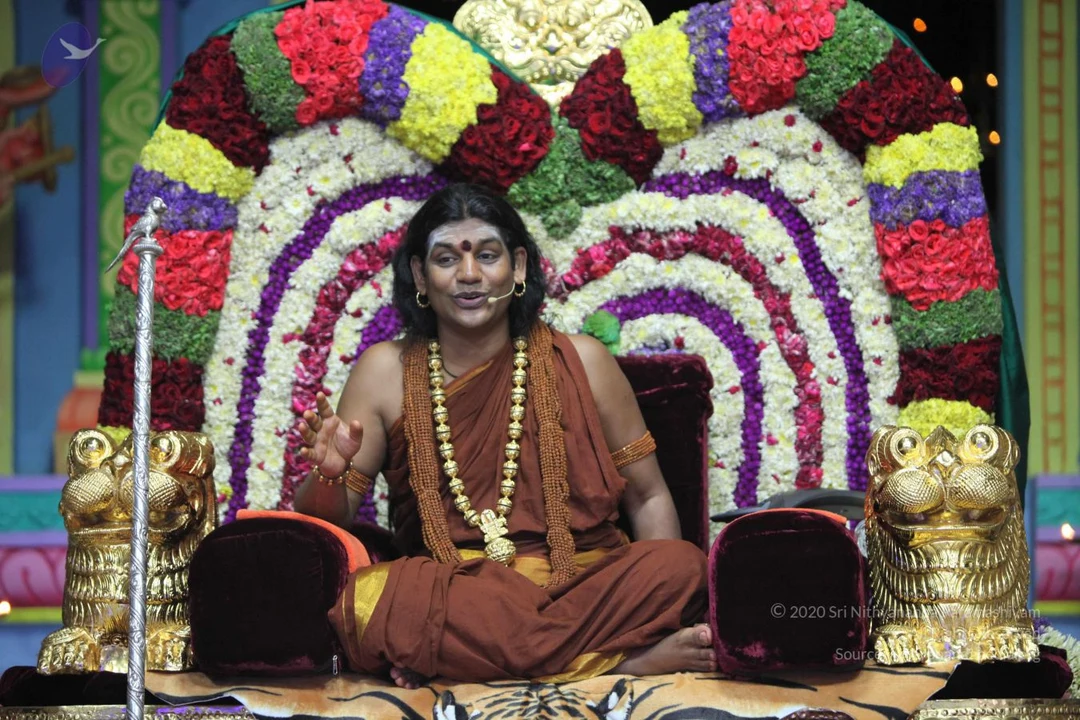
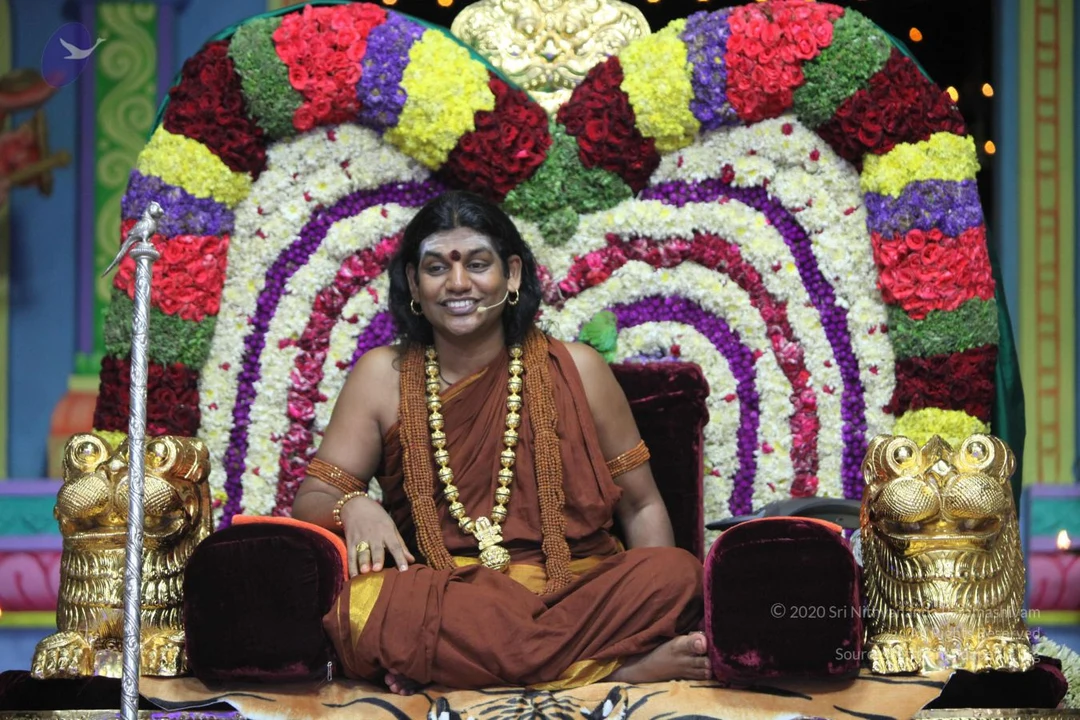
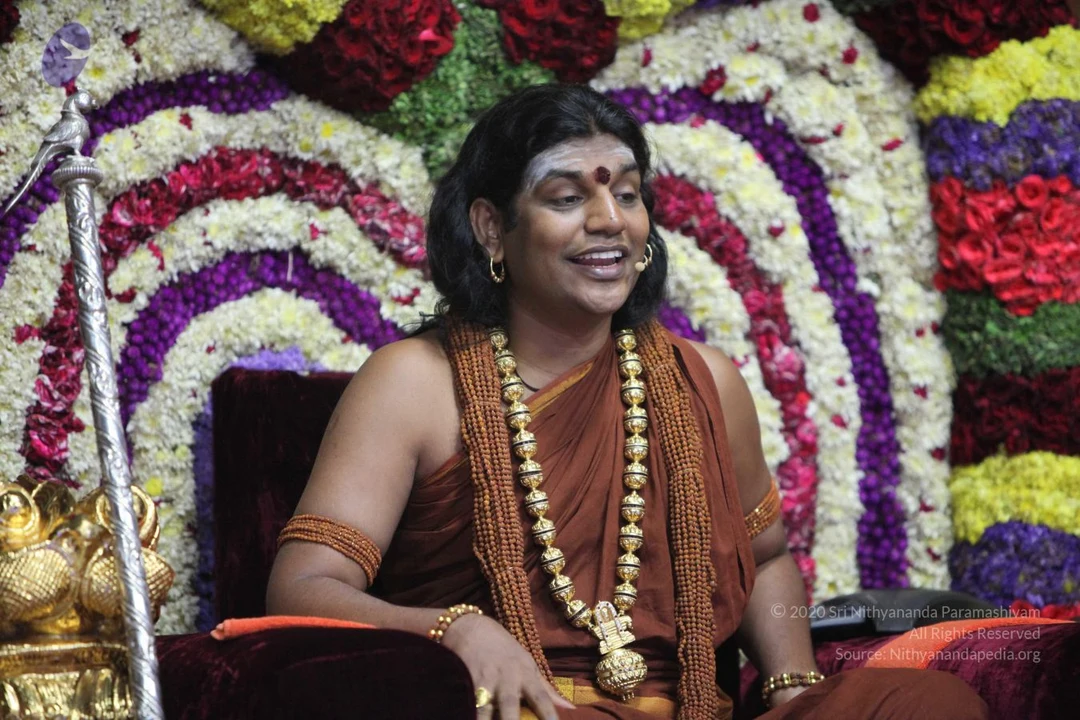
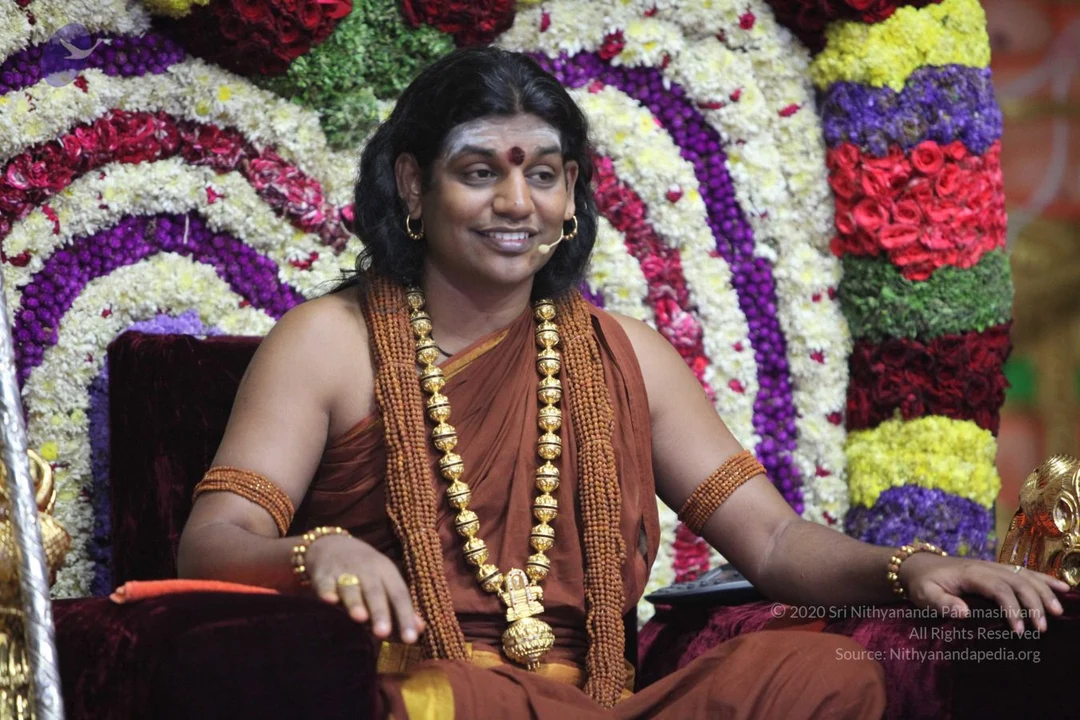
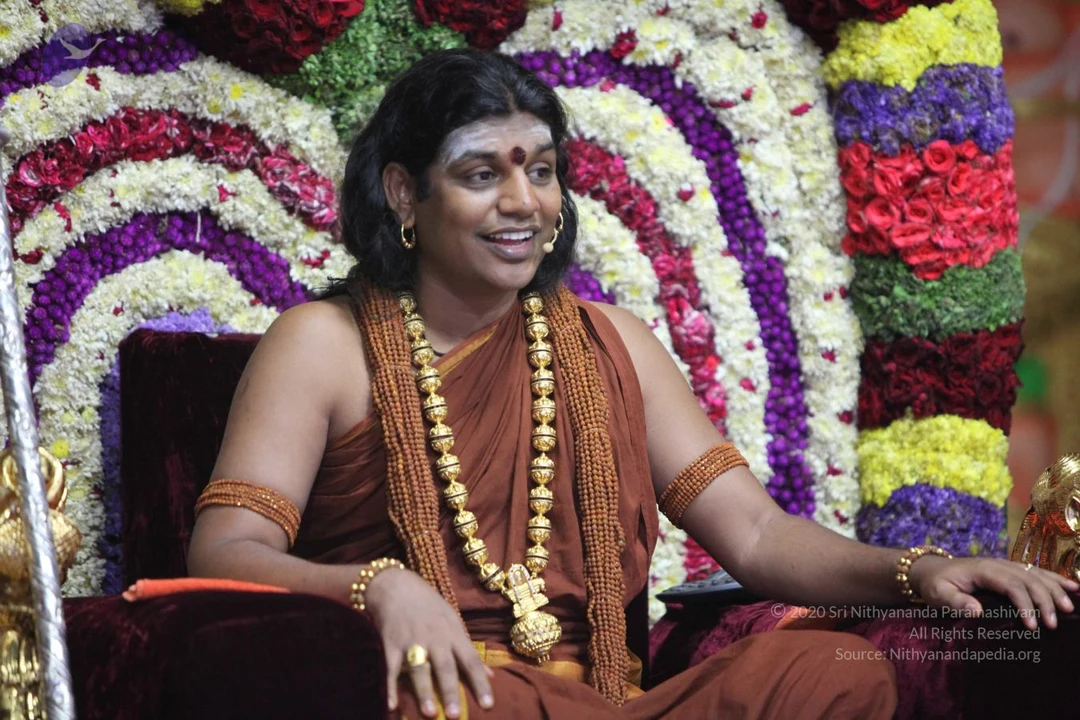
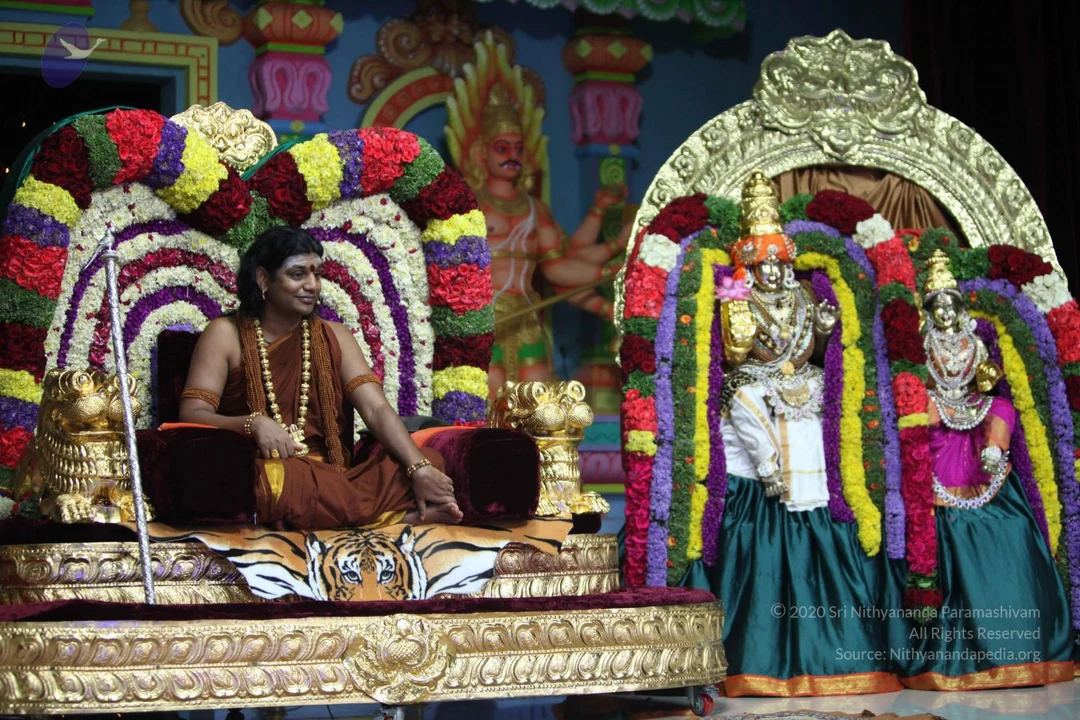
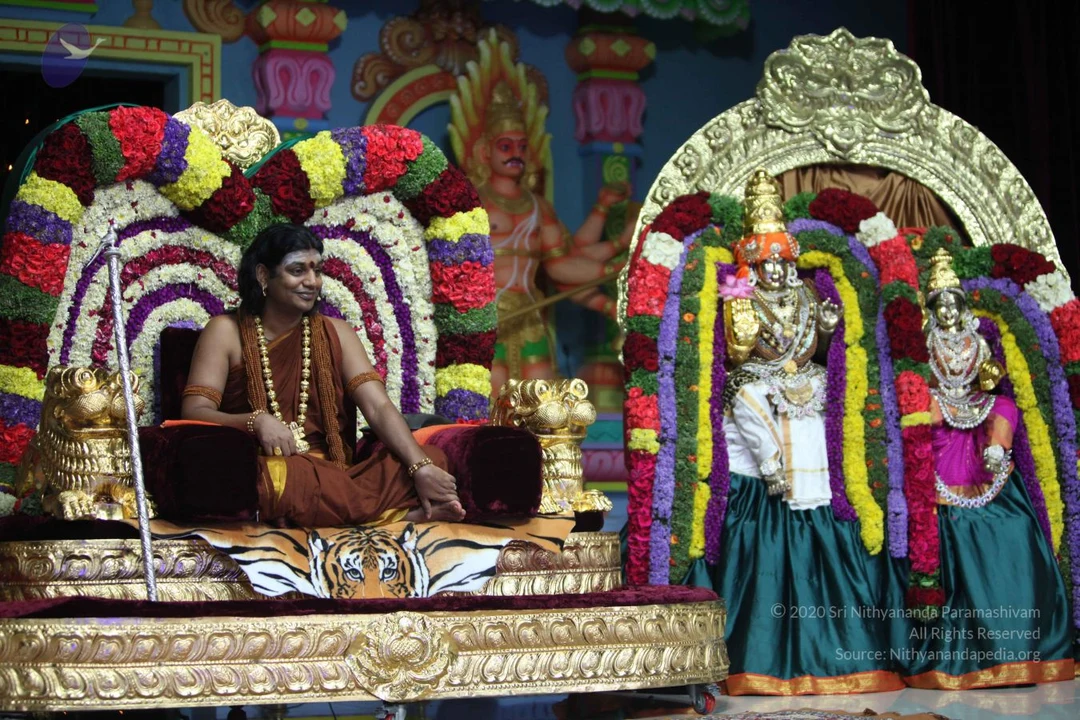
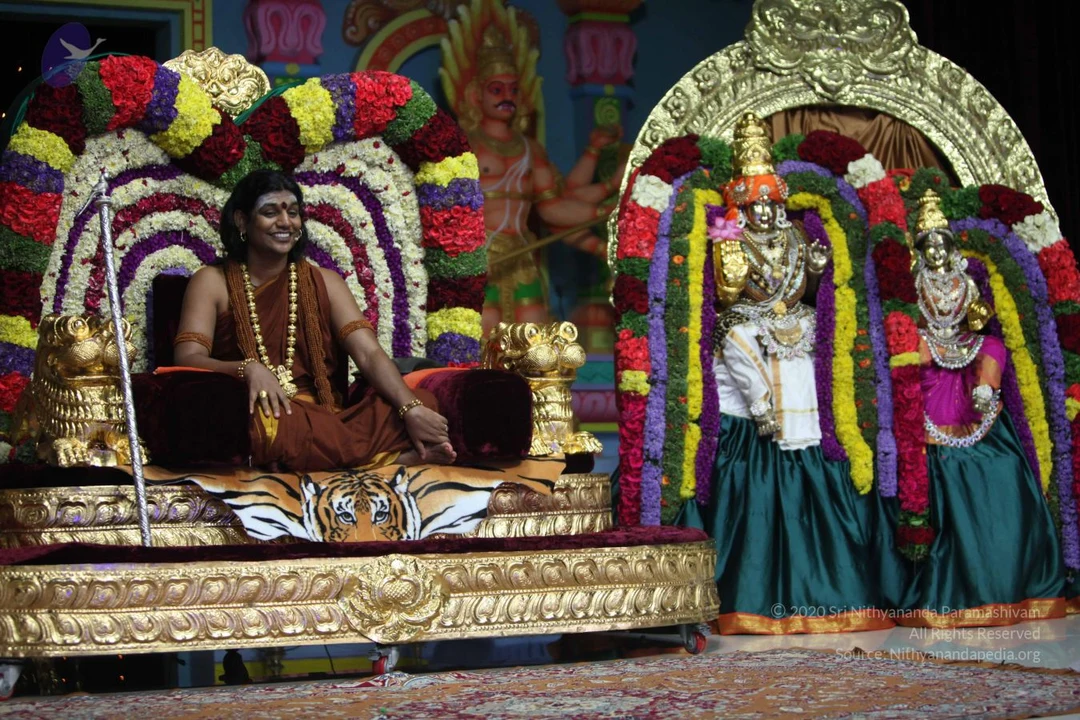
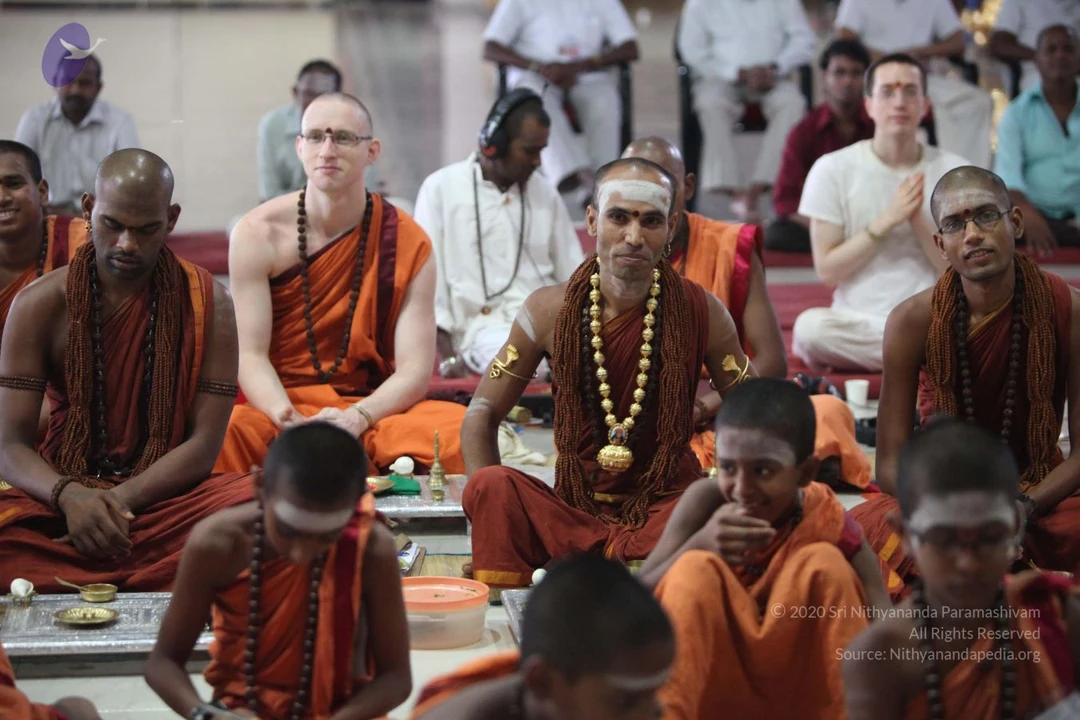
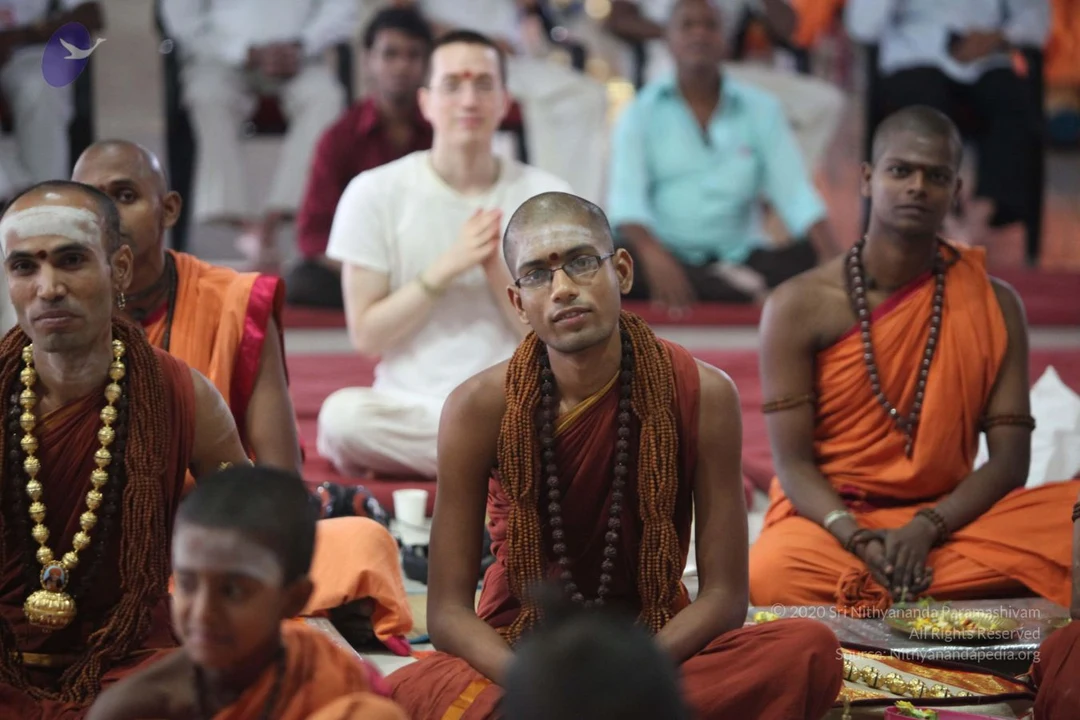
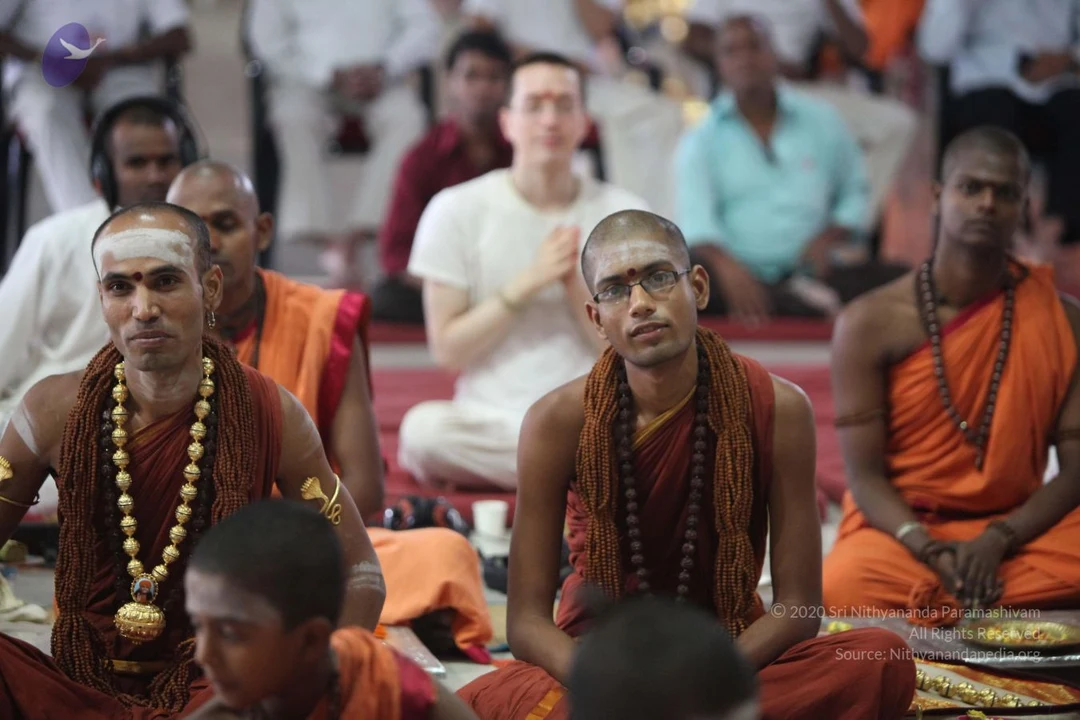
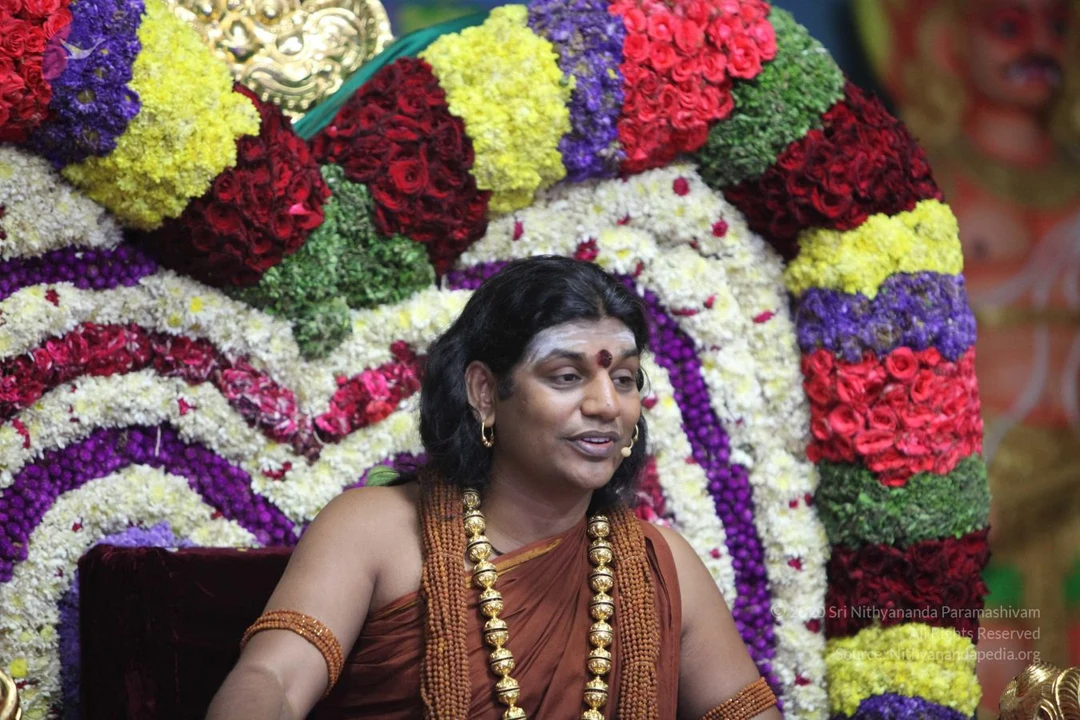
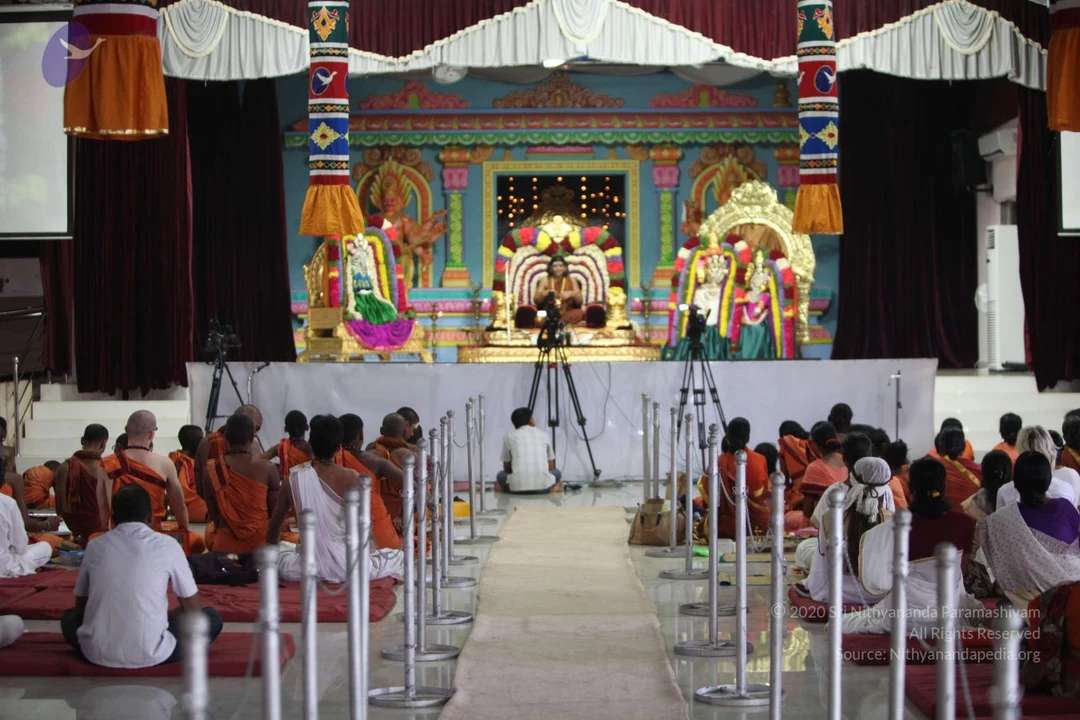
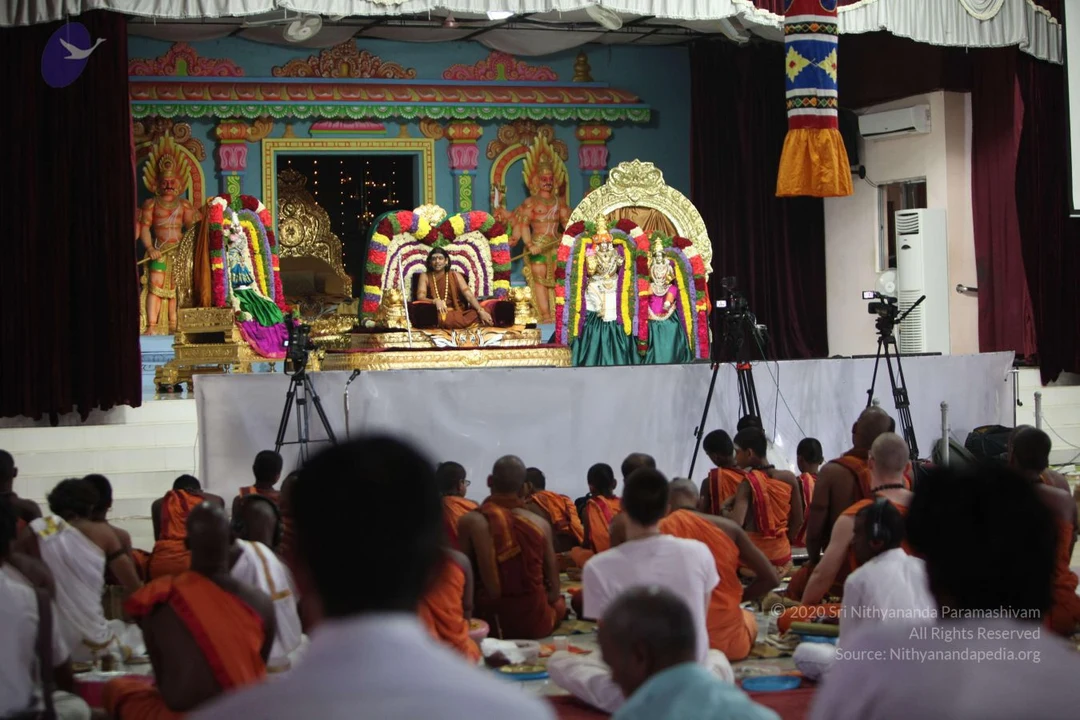
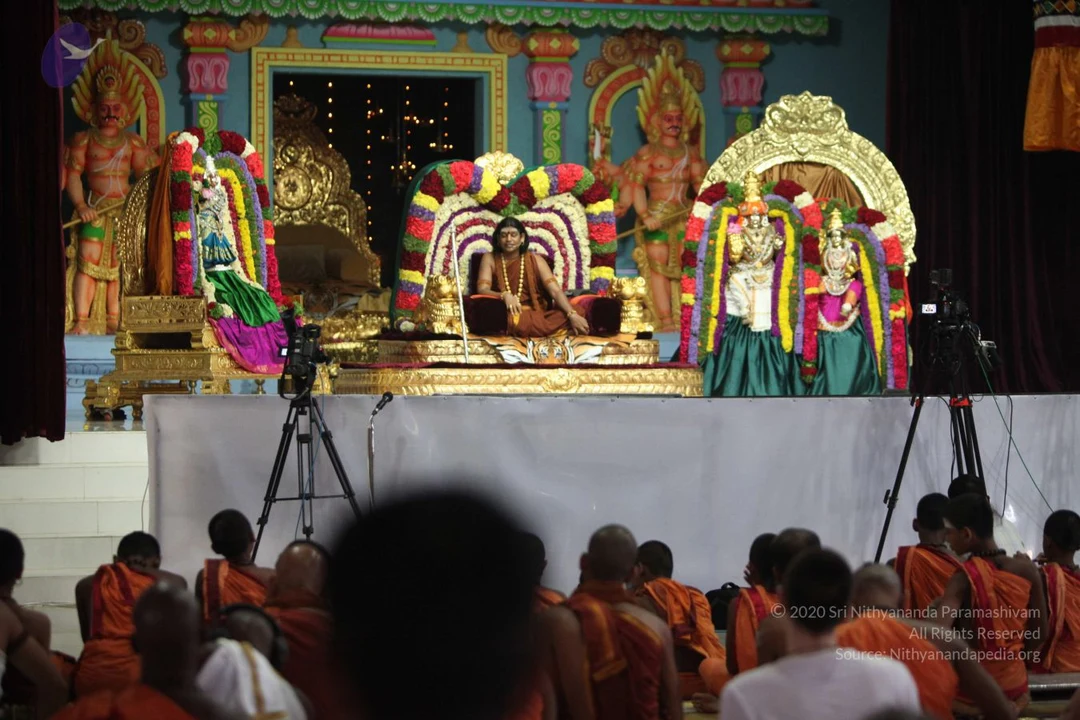
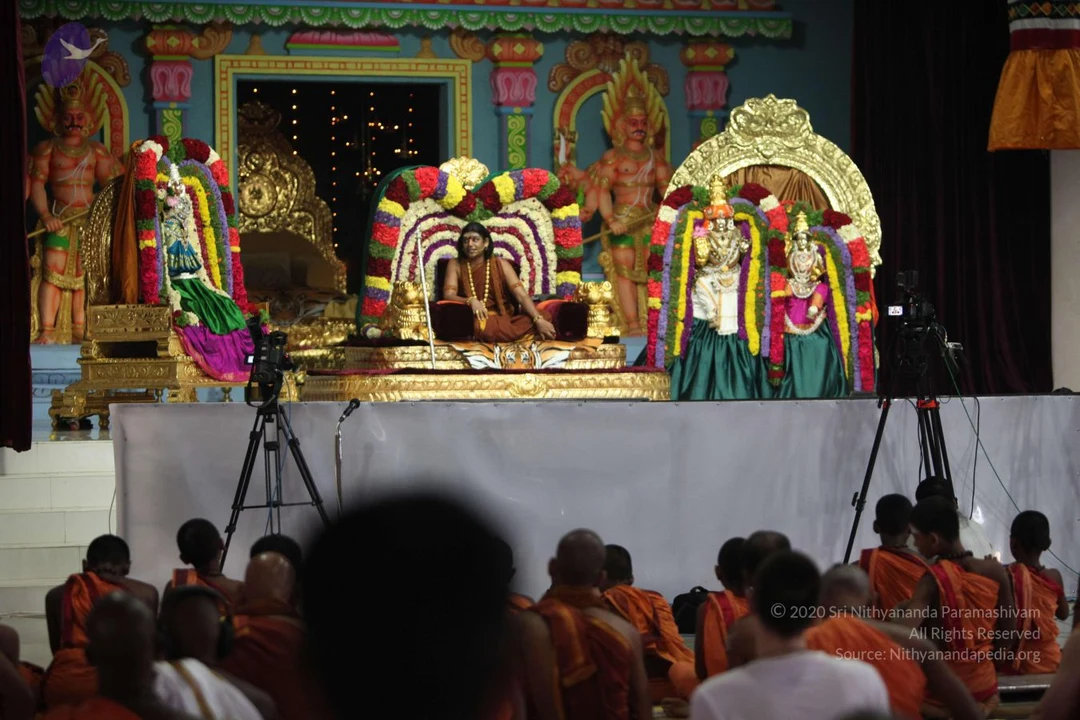
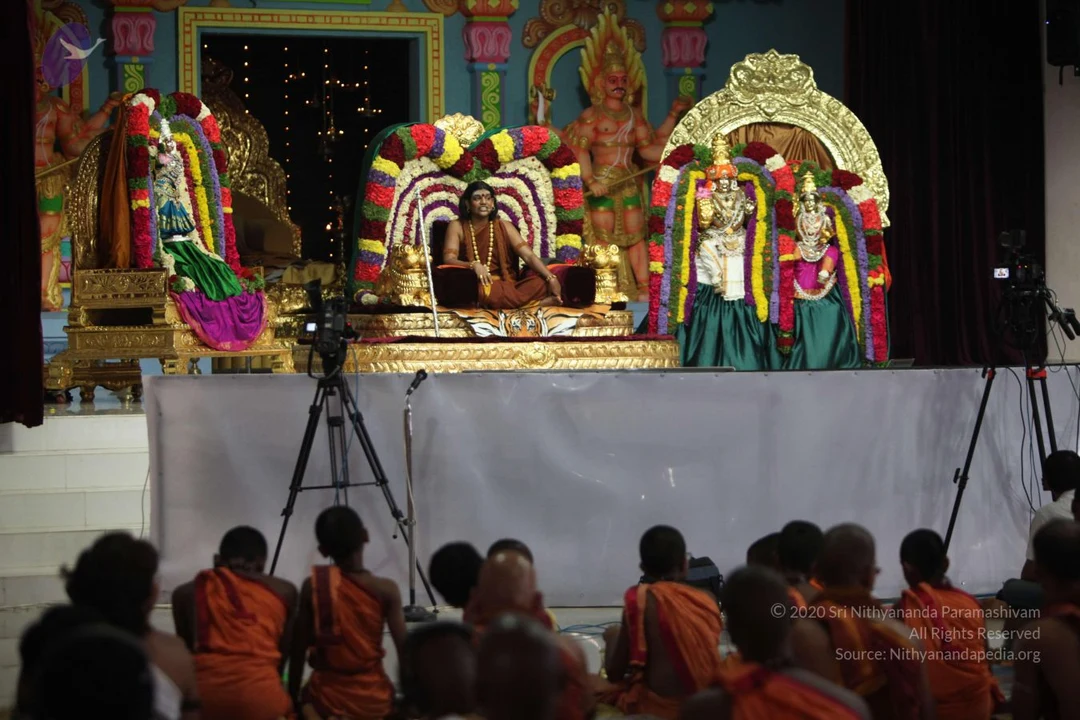
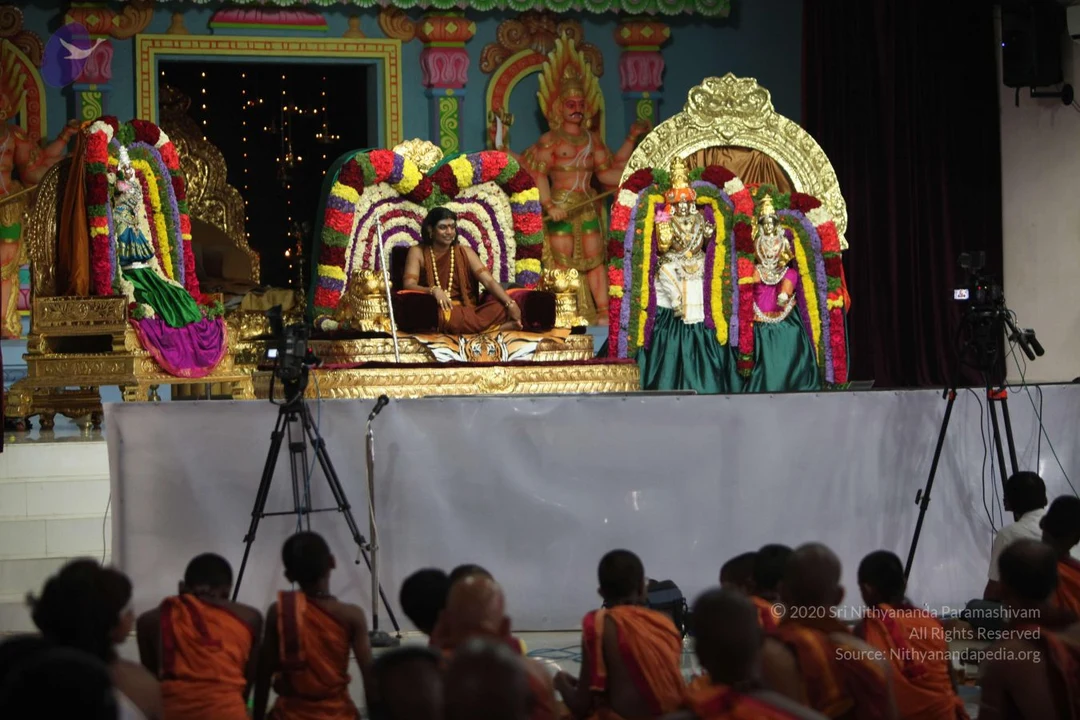
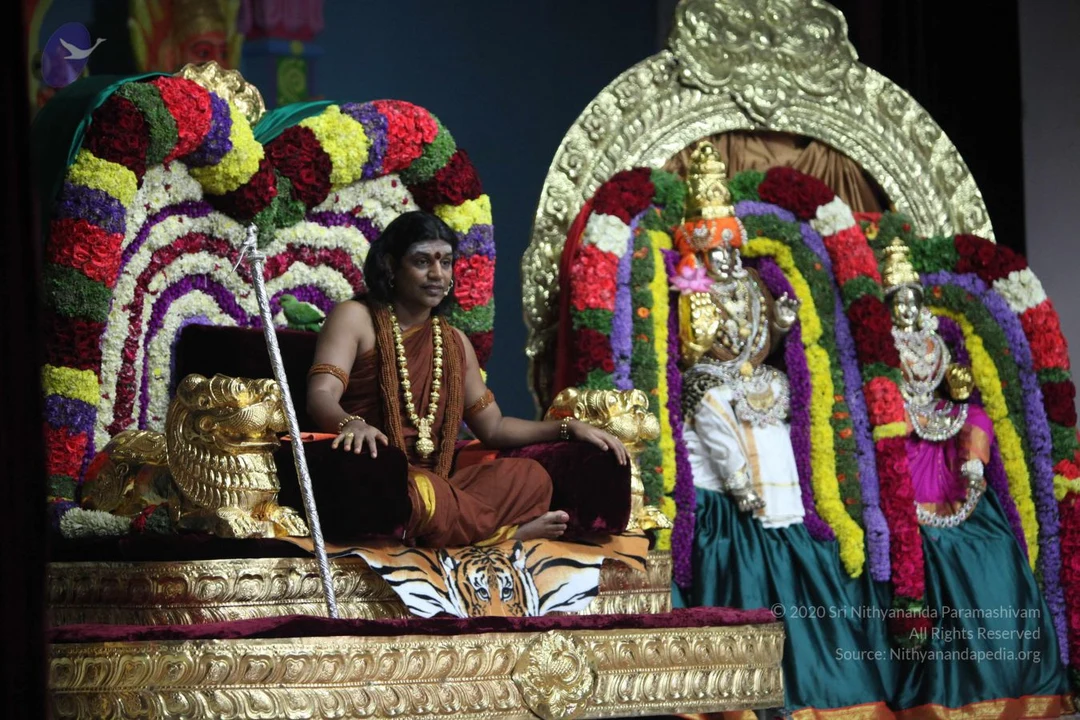
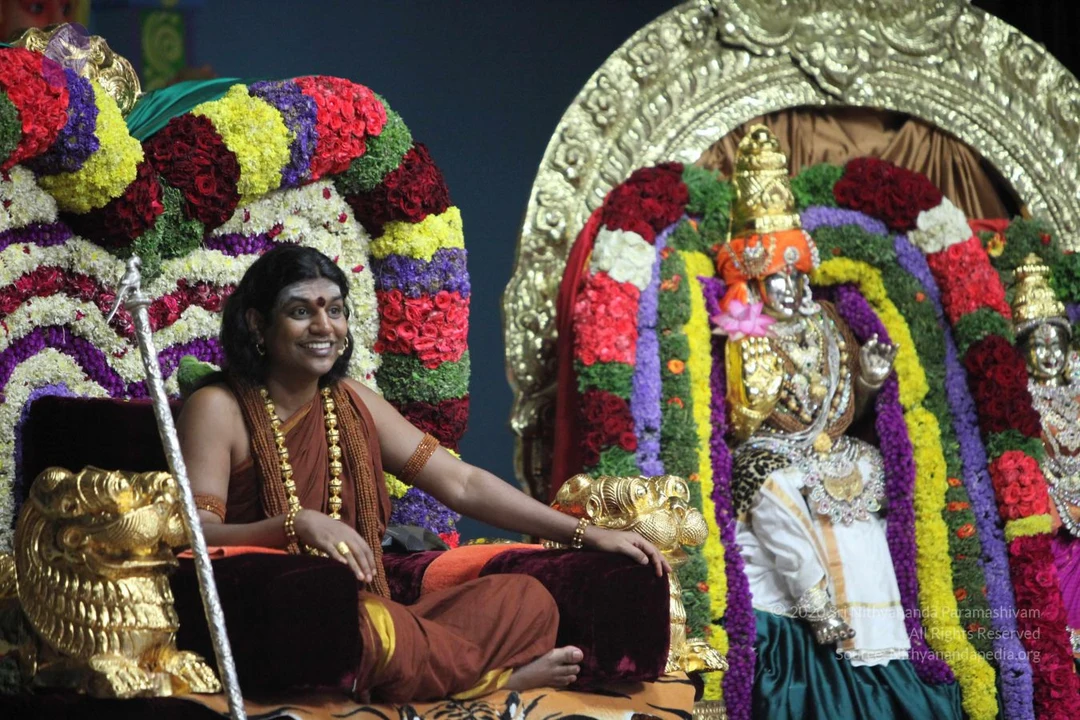
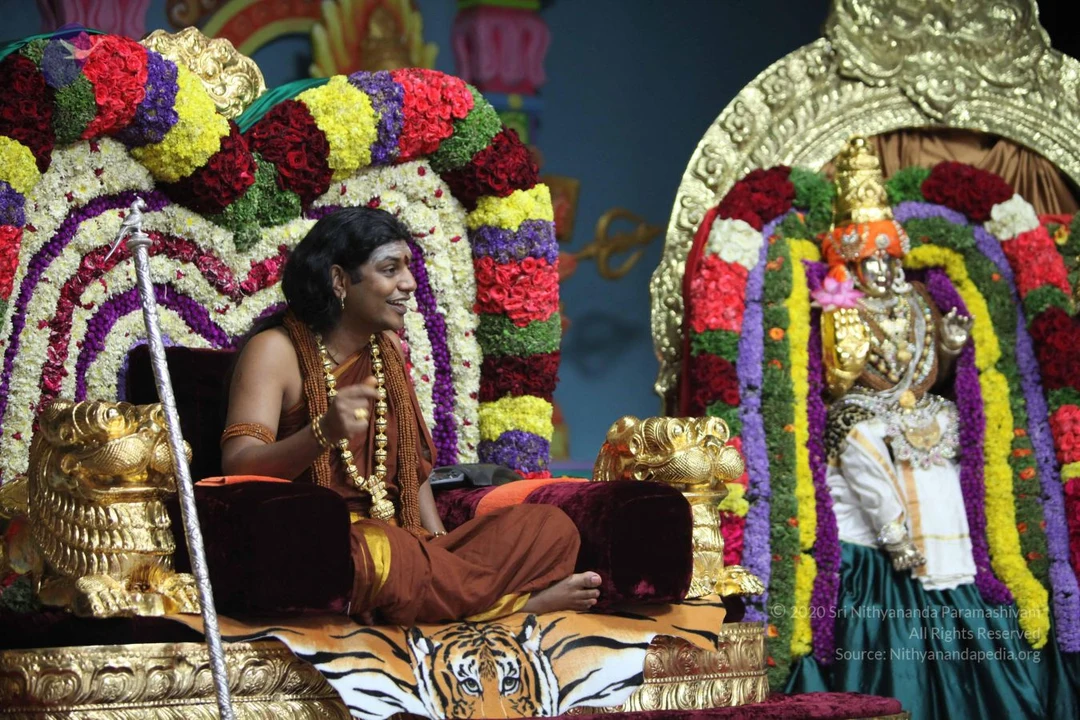
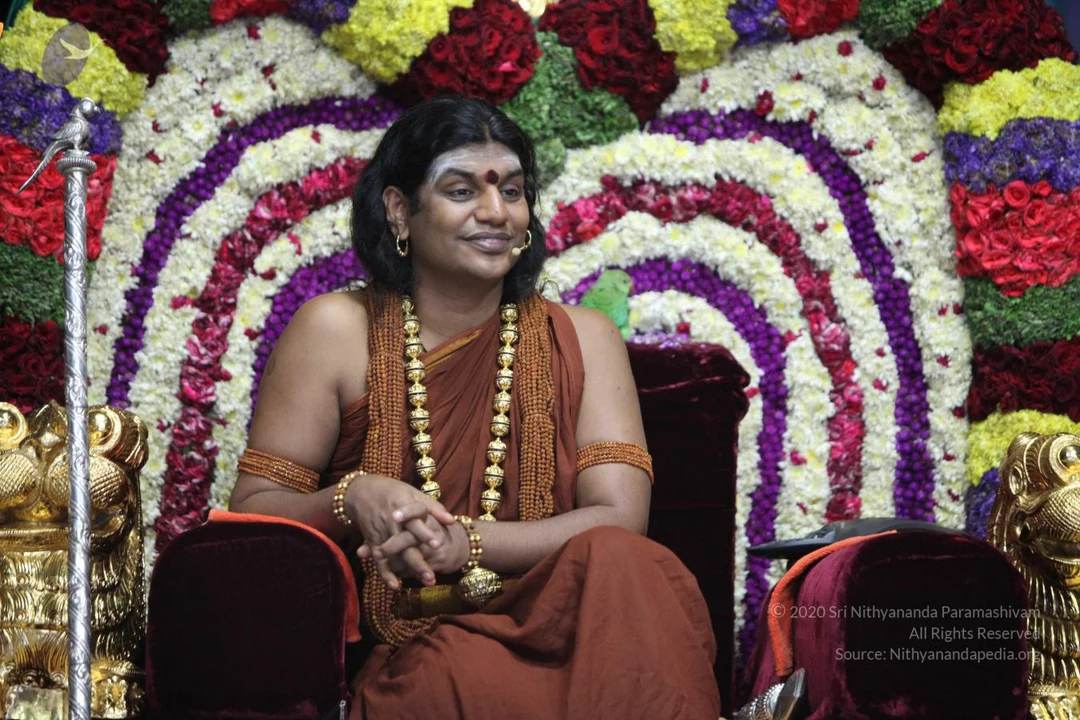
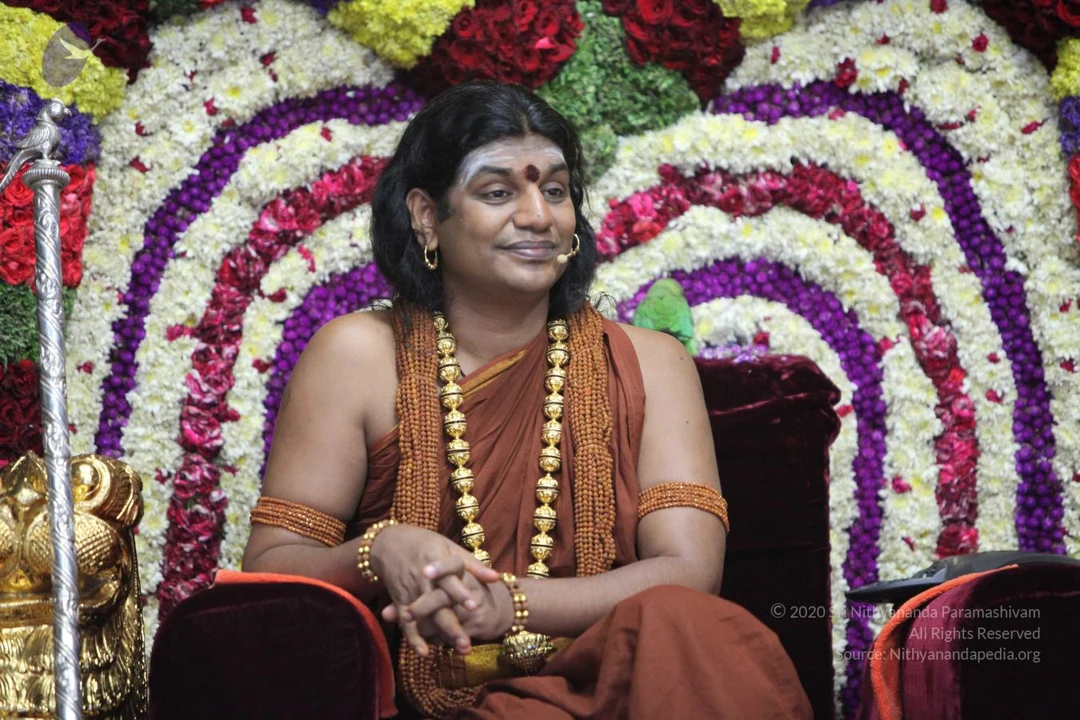
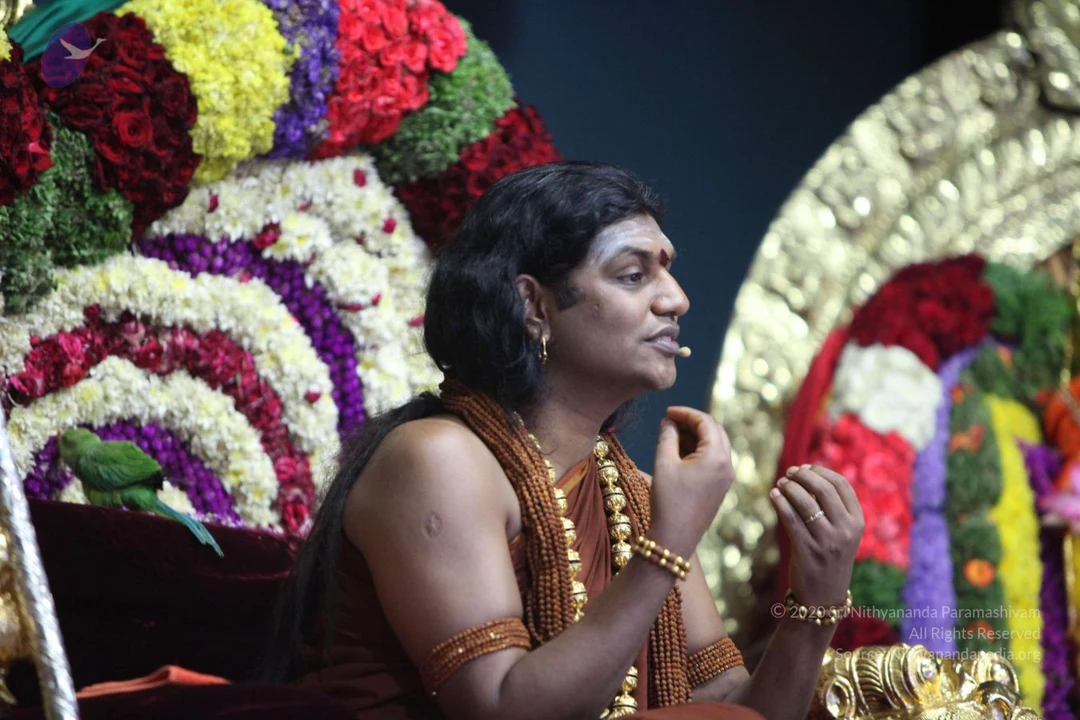
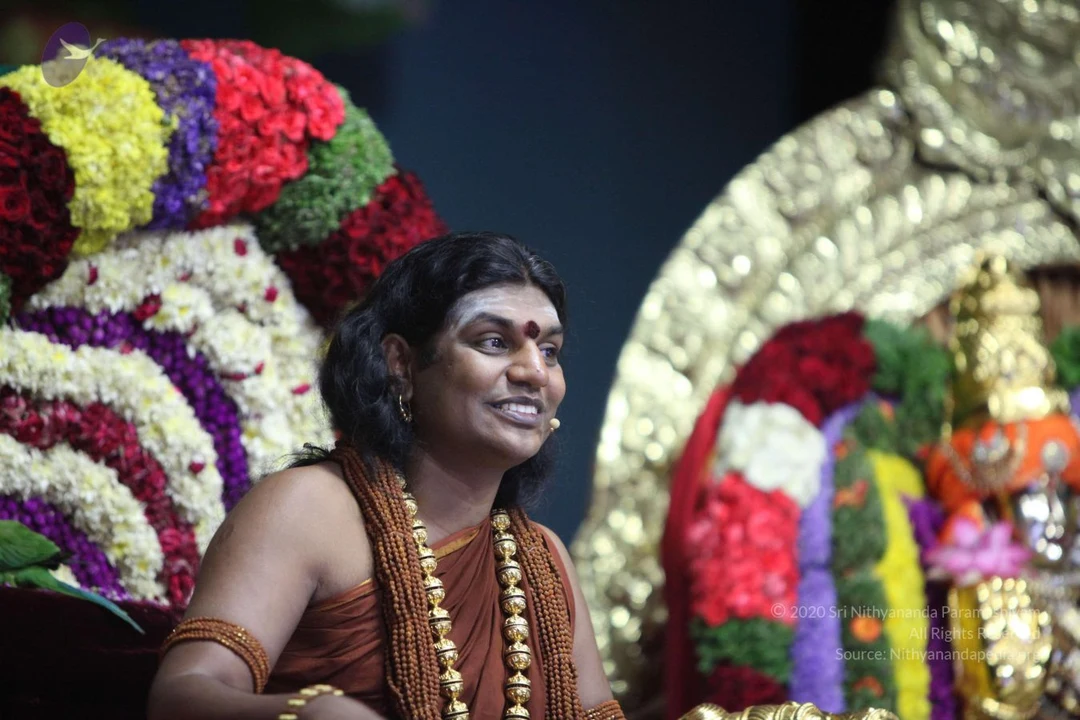
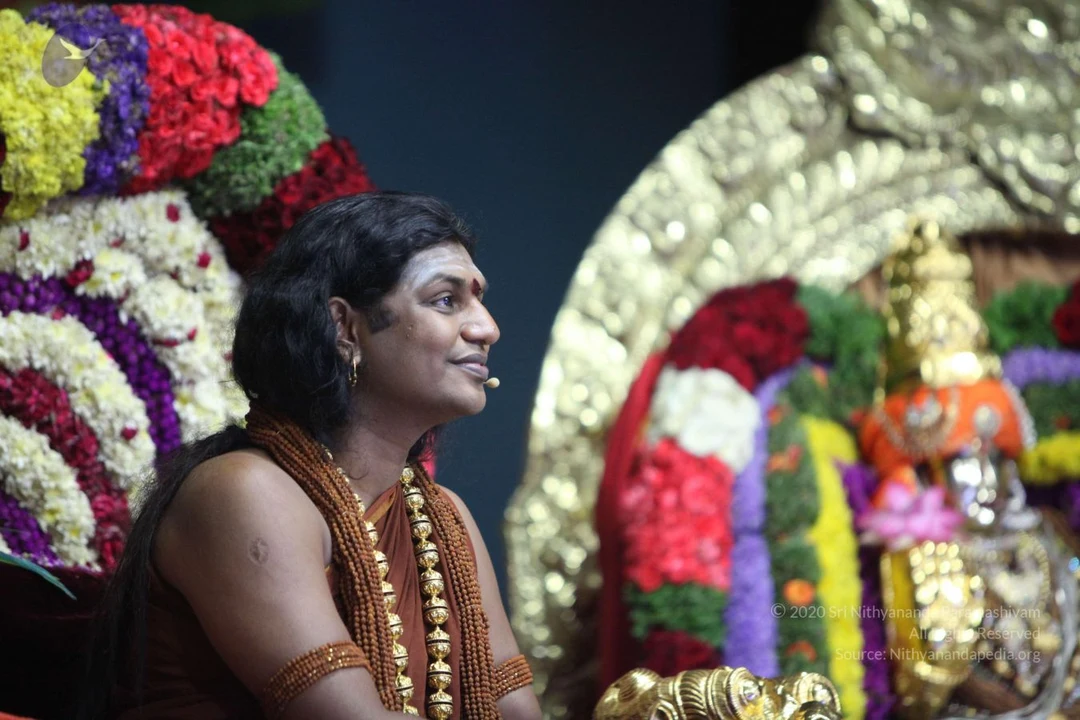
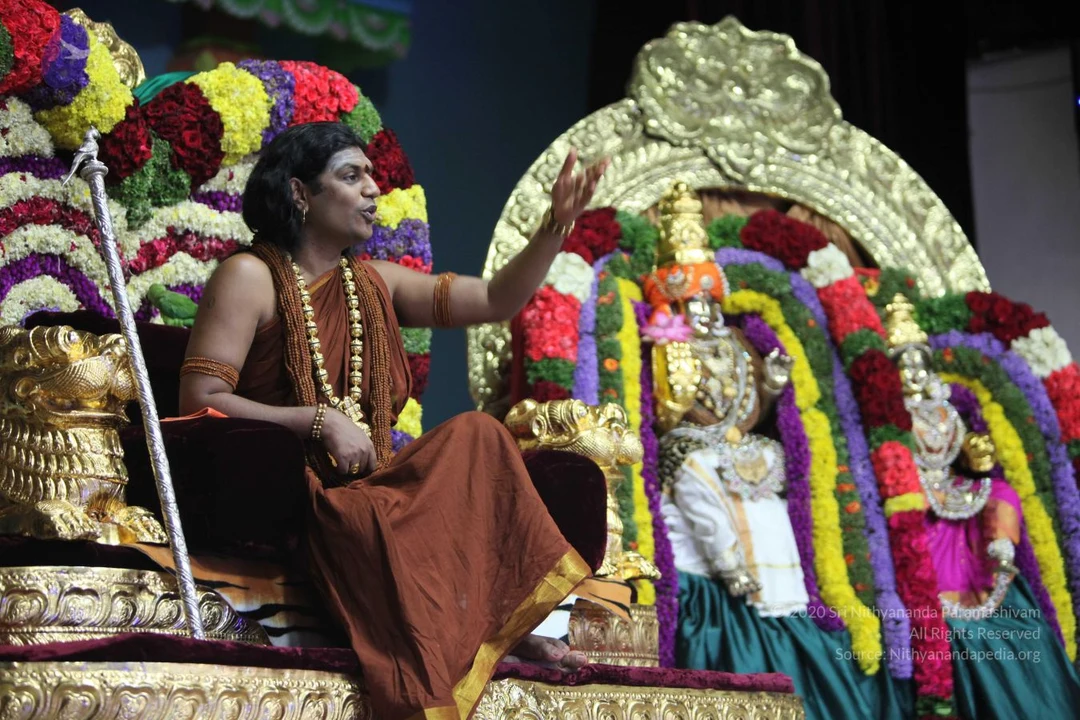
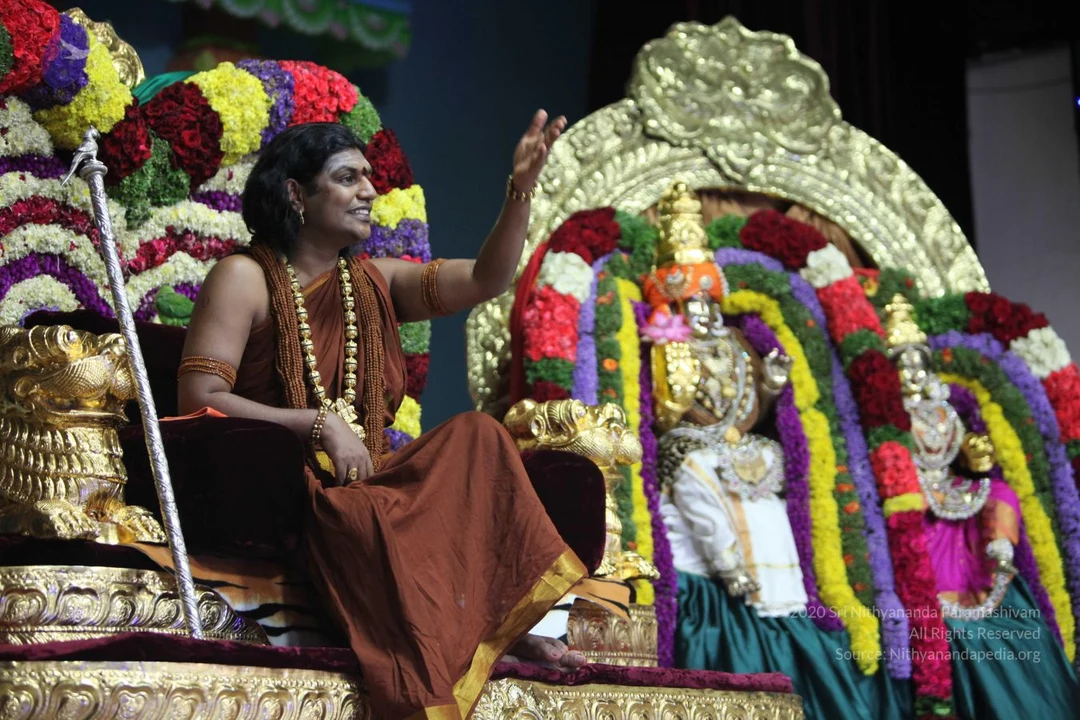
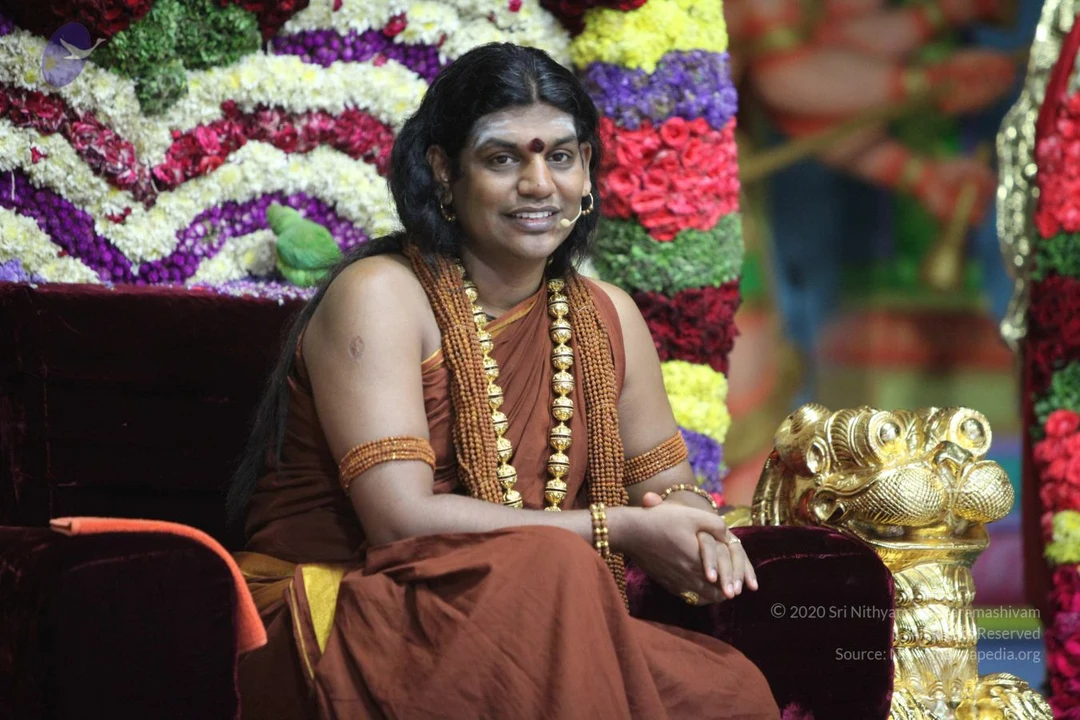
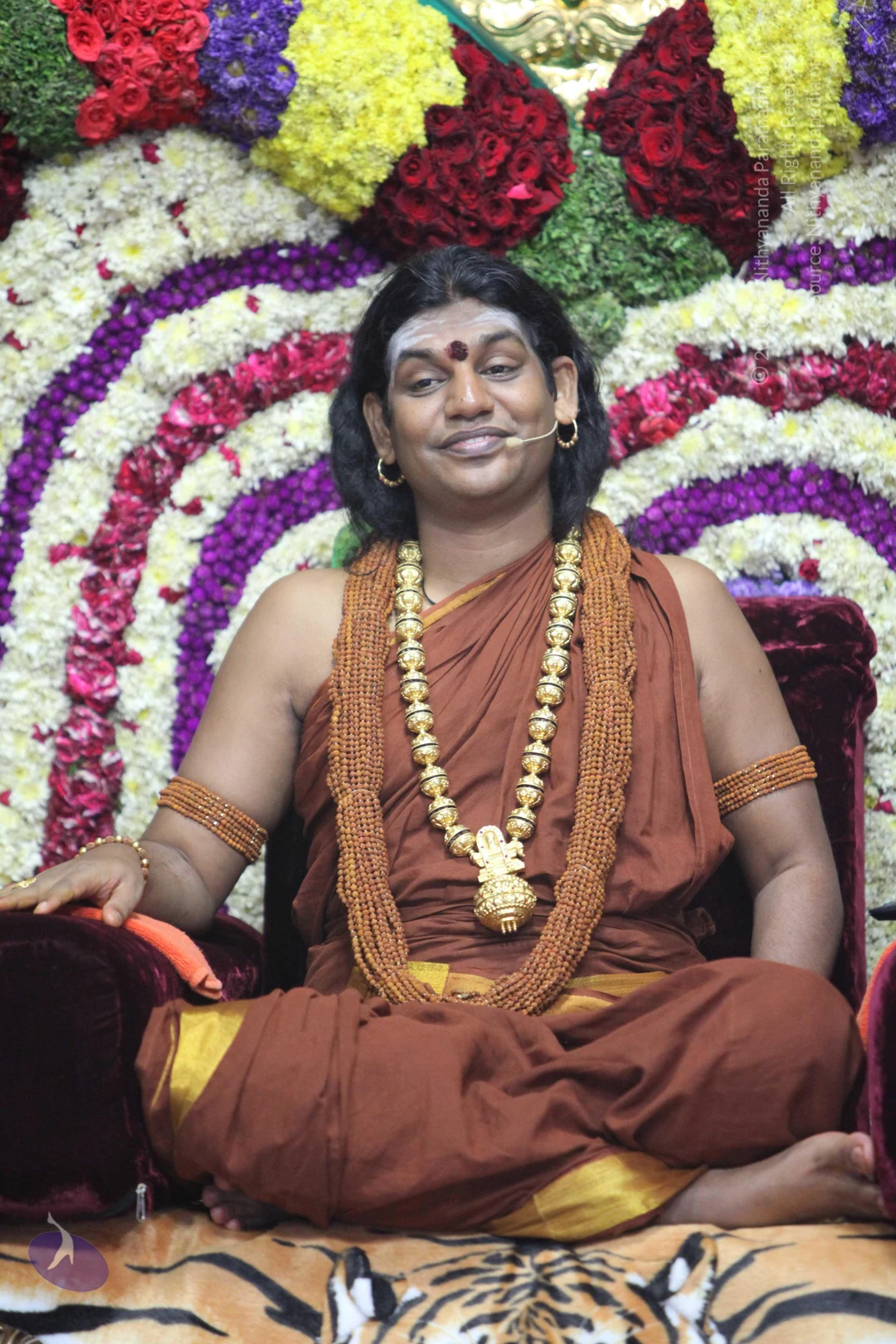
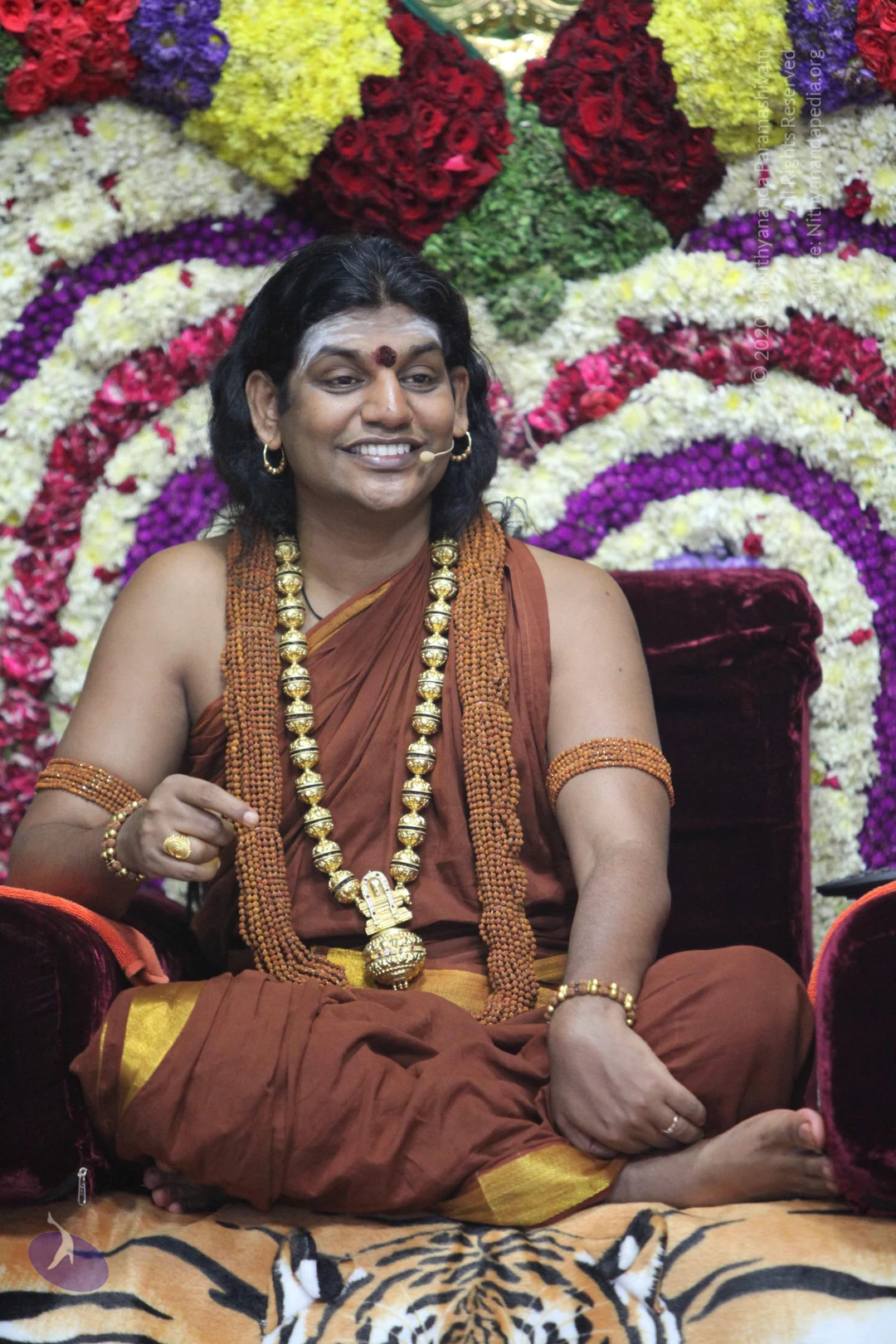
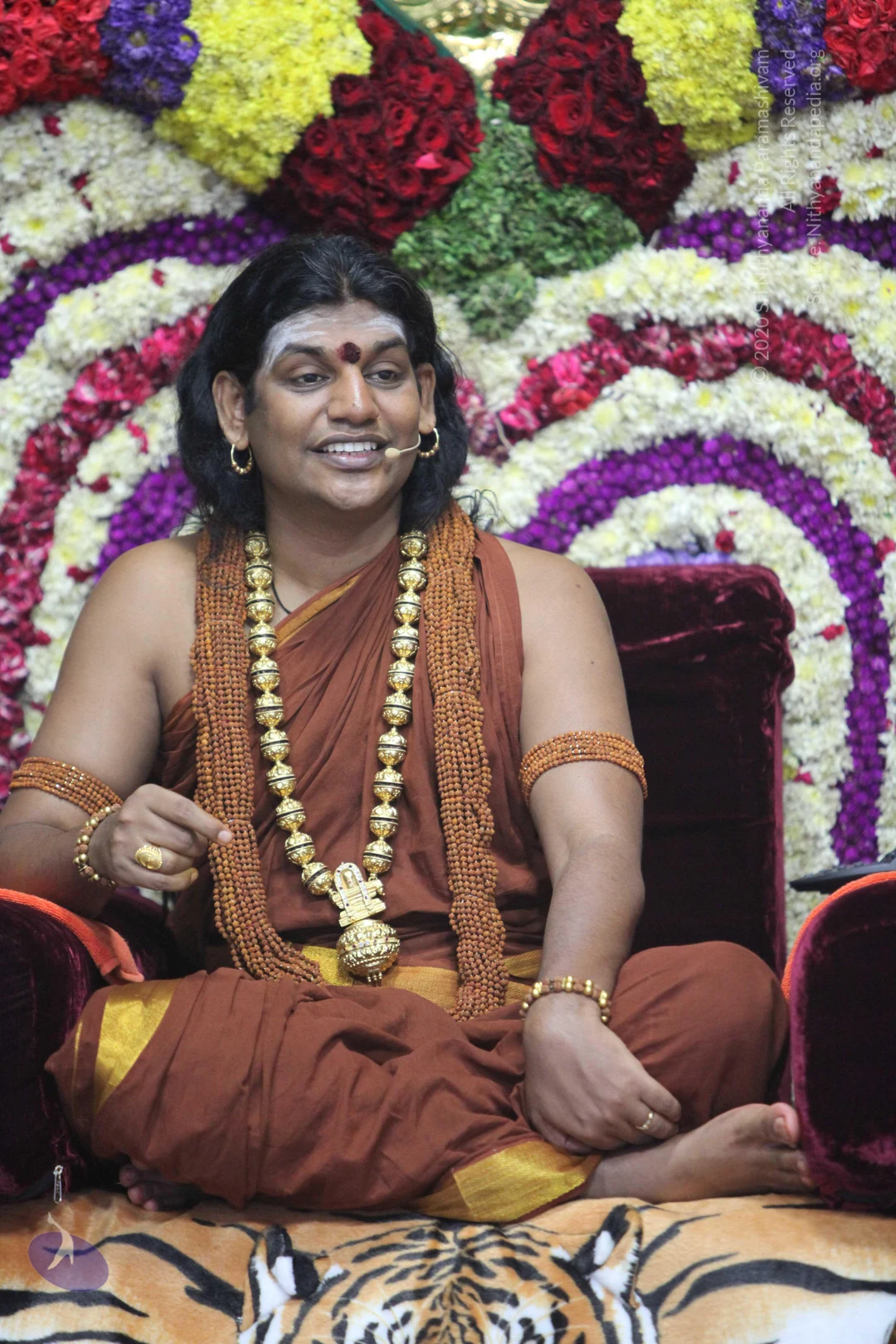
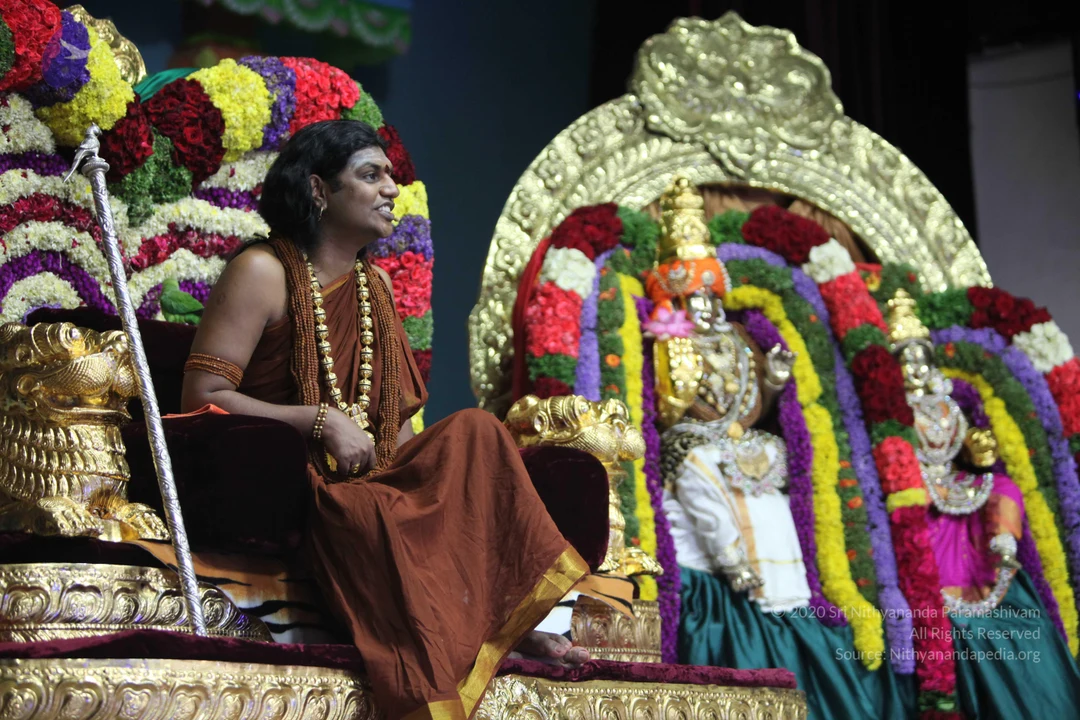
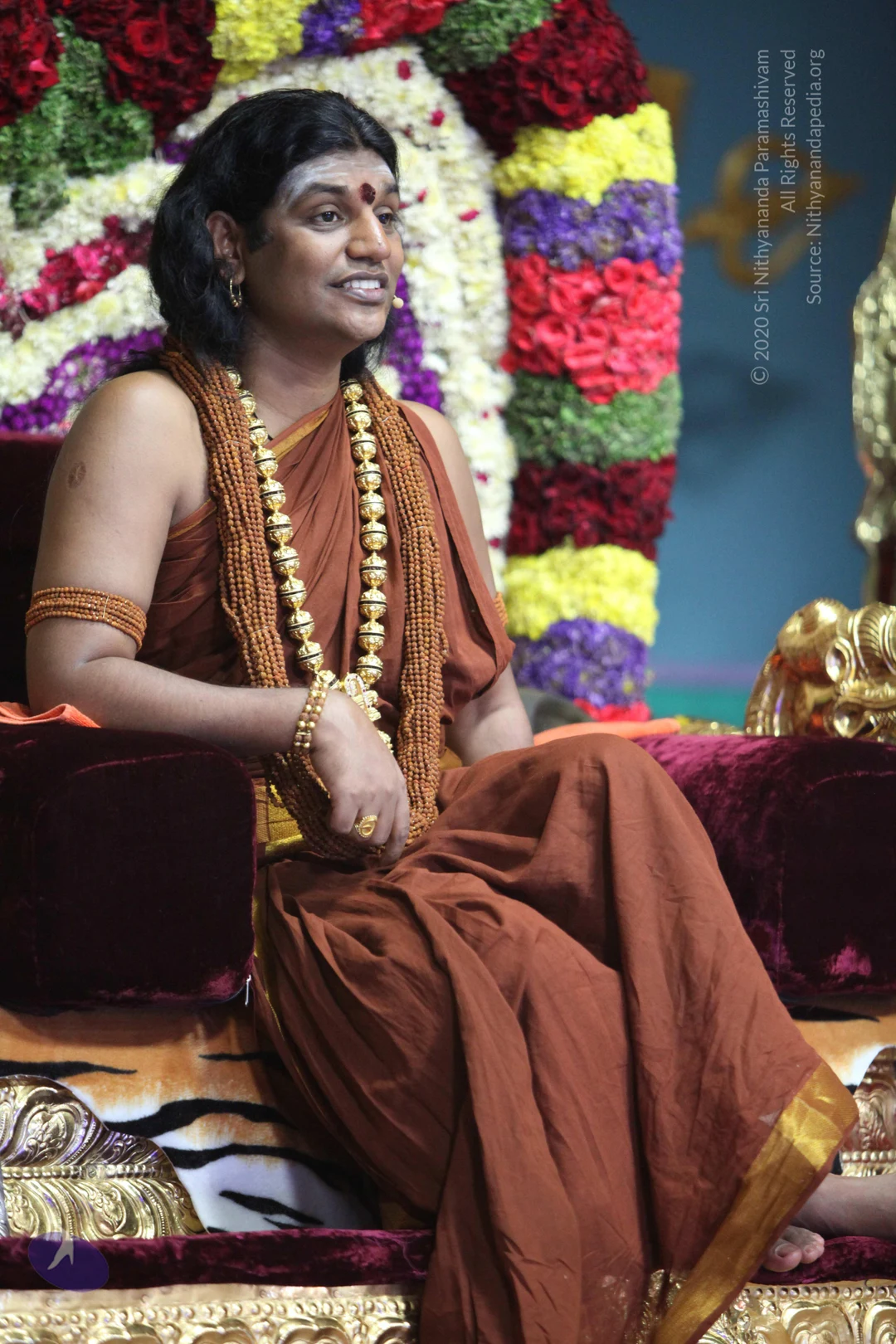
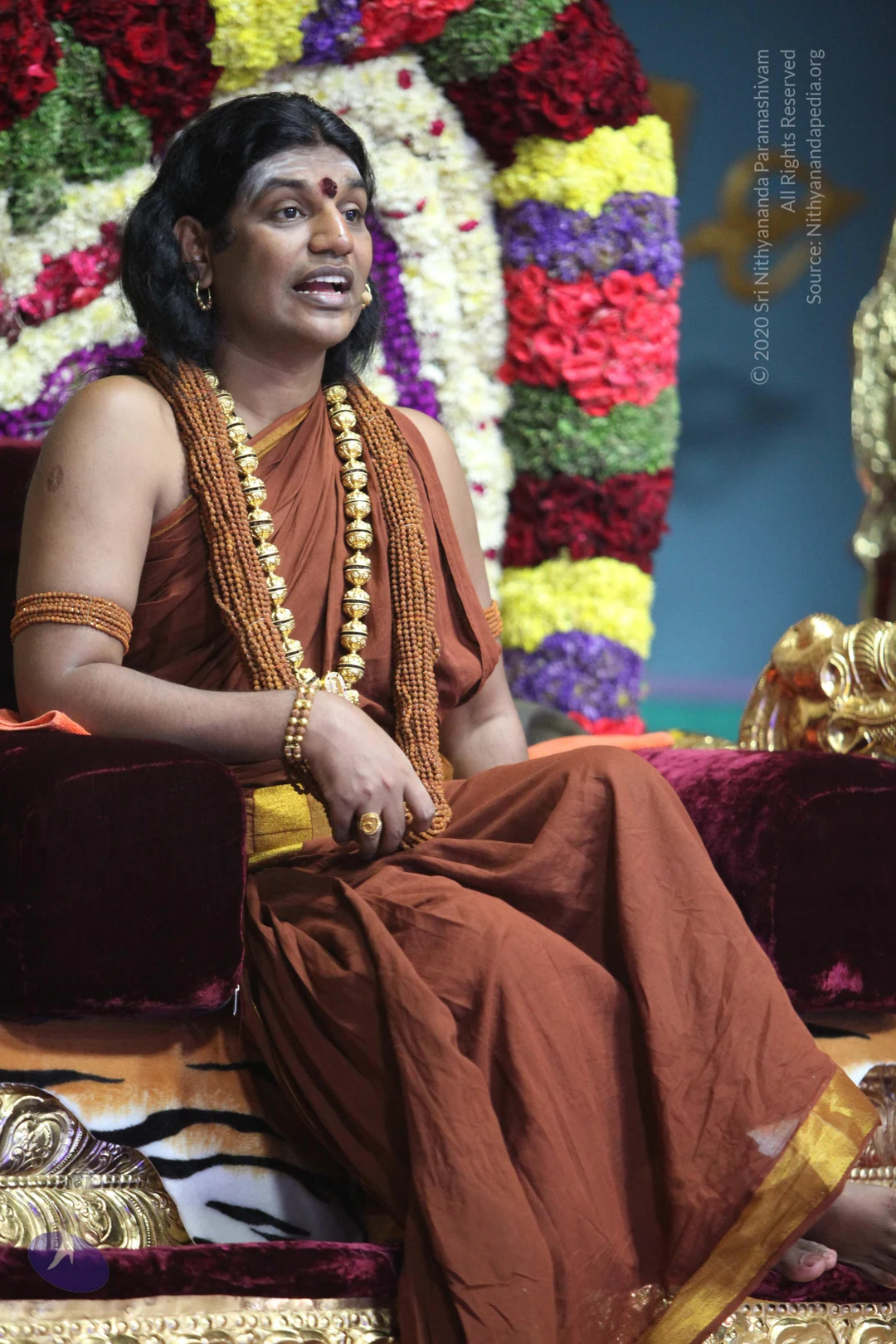
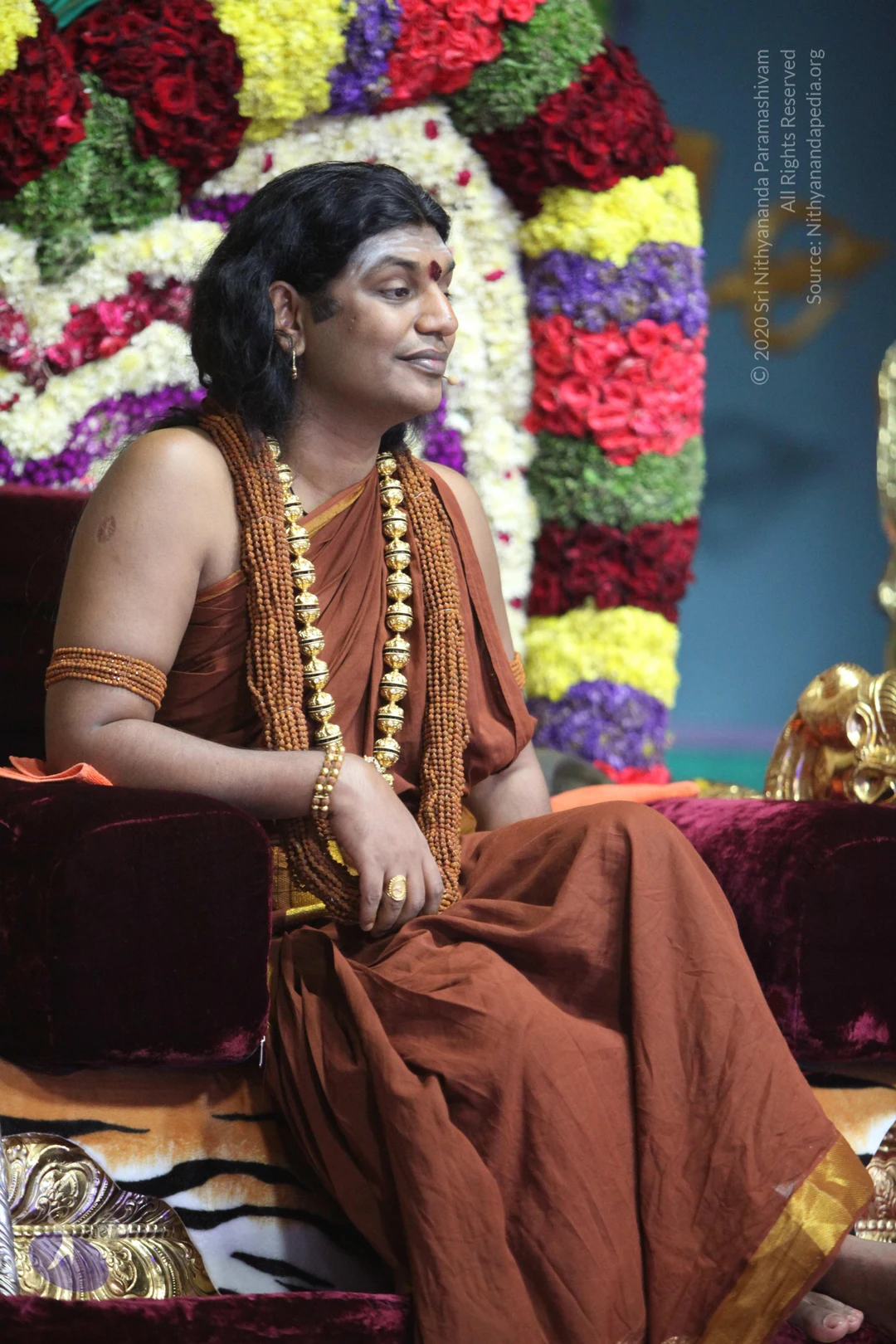
In today's morning satsang, Paramahamsa Nithyananda defines the phenomenon of perception. Perception is the way in which our pre-conditioned patterns respond to the facts -- to the events we encounter. The remedy for these improper responses to reality is to engage the Cosmos in an attitude of non-violence. This is the wisdom of Mahavir Jain, whose Jayanti is today. When we flow with Cosmos we perceive accurately. When we fight against Cosmos with our pre-formed ideas, we exist only in a state of conflict. We can bring integrity to our consciousness, and thus live in harmony with the universe.
Link to Video:
| Video | Audio |
Transcript:
THE NATURE OF PERCEPTION.
0:19
I will explore the phenomena of Perception from the perspective of ancient traditions, philosophy, phenomenology and modern science.
Please listen! I am defining PERCEPTION. Please listen! Dhyan se suniye, I am defining PERCEPTION.
“Facts cognized by the patterns, the way the patterns react and respond to the facts is PERCEPTION.”
Please understand: “The way your patterns respond to the facts is PERCEPTION.”
Let me make it more clear. Understand this story:
A old man goes to a nearby village. He is coming come back to his home. From the distance he sees his house is on fire. That’s all! He himself is literally boiling and burning, rolling on the ground, crying!
One of his son came to him and said, ‘Why are you crying, dad?’
This fellow says, ‘Oh my house is on fire! My house is on fire!’
The son reminds him, ‘Don’t you remember? Just yesterday we sold the house!’
Immediately, he got up. And he is become completely alright! He is okay now! All his suffering, pain, everything disappeared. Everything will become alright. Everything became alright for him.
But in a few minutes, the second son comes and tells him, ‘Dad, we sold, that is true. But still money has not come to us! We have not yet received the money!’
Then again this fellow rolls on the ground and starts crying, ‘Oh my house is on fire! My house is on fire! My house is on fire!’
3:37
Listen! The same house burning. For few minutes for the same person it was suffering! Next few minutes, it was not a suffering! Then, again, it was a suffering! So, basically, perception: how his patterns cognized the happening.
Whatever happens as a fact if you cognize with just these five senses without any purpose inside, you are called “idiot materialistic”. Your philosophy of living is “stupid atheism”. Please understand, your cognition if it is completely all about the fact happening outside – for example, this man, I will take this one example of house on the fire; this man sees house is on the fire and he is there. Even if he thinks it is his own house, he is not bothered. And it is not that he is not bothered about being not bothered.
Listen, I am trying to give you the essence of philosophies, essence of philosophies. Please listen; which is the combination of your patterns and the facts, if the facts are playing hundred percent role, you don’t have any pattern. I wanted all of you to understand, not having a pattern and having complete consciousness is great. But there are some people - neither have consciousness nor have patterns. Non-responders who are soaked in dullness! I am talking about them. They live in stupid materialism with their life philosophy as stupid atheism. Listen, every one of you live with a philosophy whether you understand or not. If you don’t understand what is the philosophy with which you are cognizing, be very clear, you are a stupid atheist.
7:02
I can give you one more example. Rajju-sarpa Jnaya! Means, in the middle of the night, you are walking in a forest. There is a rope in front of you. In that night, naturally, what will you feel? The rope is snake! And, especially in the night, you will always feel that rope is moving slowly! Your eyes will create the perception the rope is moving! So, the moment you feel the rope is moving, your whole spine will move. You will have that electric shock of fear spreading in your spine. Whole body will shiver. Being will shake.
Listen! If you perceive the fact that rope is there as snake, the way you respond is going to be different, and after a few minutes, listen, after few minutes, when that rope is not moving, when you look, if the rope is not moving, suddenly you will realize ehh its not rope, sorry, it’s not snake, it is just a rope, or something else! The moment you realize, the whole fear settles down. You are free!
Perception, Perception can literally put you into the cardiac arrest! Before even the snake bites, you might be dead just by the perception there is a snake! If you perceive the fact, there is no suffering.
9:54
I can give you the various levels of perceptions. Understand!
Rope is there; you never cognized it. That is one perception. Stupid atheist!
Rope is there; you cognized it as a snake. Capitalist!
Rope is there; you cognized it as a snake; you are taking a stick to beat it, kill it. Communist!
Rope is there; you perceived as a snake; you are planning to take it and put in on somebody whom you don’t like. Terrorist!
Rope is there; you perceived as a snake, no fear inside you - you are just in the space of “oneness”. You are a Nithyanandite!
Rope is there you never cognized it that is one perception. Stupid atheist.
Rope is there; you cognized it as a snake. Capitalist!
Rope is there; you cognized it as a snake; you are taking a stick to beat it, kill it. Communist!
Rope is there; you perceived as a snake; you are planning to take it and put in on somebody whom you don’t like. Terrorist!
Rope is there; you perceived as a snake, no fear inside you - you are just in the space of “oneness”. You are a Nithyanandite!
12:04
I can give you millions of variances of perception of this one situation.
Rope is there; you perceived as a snake; got frightened; then you looked and realized it’s a rope not a snake. Your fear has disappeared. You can be called as Jivan Muktha!
From the moment you came to that space you neither saw the rope nor your patterns are going to cognize them as a snake nor you have the possibility of fear, or the possibility of any wrong cognition, you are Incarnation!
Basically, PERCEPTION is the processed facts. Understand this is the exact definition: “PERCEPTION IS THE PROCESSED FACTS.”
Facts can be processed in the fire of ignorance or the cold patterns, anything, anything, anything! Anything can process fire. Anything can process facts. Now, I am giving you the best possibility of PERCEPTION. Bring Integrity. Listen! Bring Integrity in your thinking. Your eyes will not even forget the moment the reality and it will not cognize the rope as a snake. Many time, it is the lack of Integrity your body and mind cognizes its own facts, it own things, its own concepts.
14:59
The best philosophy on the Planet Earth is Saankhya of Kapila. The Kapila’s Saankhya! Why, you know? Because he has no patterns! The processing of the information did not happen with any pattern. No patterns are involved in the process of information. Rope is seen as a rope. Not even the iota of idea of snake is superimposed on it! Superimposing certain ideas into it takes away the joy. Dhyan se suniye, superimposing certain ideas into it takes away the joy of life. Pure listening is pure perception. Pure listening is pure perception.
Usually, whenever you listen to the truths about the Perception, your mind boils. Your mind just resists. It does not want to imbibe. If I talk about meditation technique, you are ready to sit and listen, because you have to do meditation, then transformation will come. Your mind knows somehow it can postpone; push it aside. Tomorrow! Later on! It knows how it can play the game, how it can cheat, how it can continue to remain to be in ignorance. But when I talk about Perception, your mind is afraid to listen. How many of you cognize subtle fear running inside your system to know about Perception? Because, knowledge of Perception demands change NOW! You have to change NOW! You don’t have time to play the game of “tomorrow”, “later on”, “I will learn unclutching. Then I will unclutch! Unclutch! Unclutch! Then I will look at that rope deeply! Then I will realize it is not a snake anymore!” The space of postponement, the space of self-denial, the space where we let the Mamakaara and Ahankaara be alive, exists! That is why you are very comfortable with the philosophies which demands your practice.
18:41
Listen! All human-beings, listen, listen to this fact, you want to play with a snake. You catch the snake and start of playing with it; if your mind says, ‘If the snake bites, if I die what will happen? No! I will hold the snake’s neck in such a way, if it bites me, I will tighten, squeeze, and kill the snake also!’ Okay! But, is it going to bring your life back? Look into your life. In every step you are only planning with the possibility of revenge, and you say if the possibility of revenge is there you are free from the danger. Possibility of revenge does not free you from danger! If you have the proper medicine for the snake bite or you are wearing some protection mechanism that snake cannot bite you, only that is going to be protection! Look in. How many of you cognize that revenge mechanism you think as self-protection, which is not, which is not the truth!
Revenge mechanism is not self-protection mechanism. I tell you, only when you understand revenge mechanism is not self-protection mechanism, you will understand Non-Violence, the essence of Mahaveer’s teaching.
Today is Mahaveer Jayanthi, and on this auspicious space and time, I bless you all to experience the Non-Violence, the real, true Non-Violence of Mahaveer. Mahaveer’s Non-Violence is not based on law and order. It is based on the understanding revenge mechanism is not self protection.
Listen, Listen to the truth - revenge mechanism is not self protection. Either how much ever you can protect you can protect you or you are exposed. You are exposed. Dhyan se suniye, Listen! That is what is the non violence of the Mahavira. Either you protect as much as you can. Whatever you can’t, be very clear you are exposed. This is the secret of non violence. But you always think the revenge mechanism is protection.
22:17
The other day I was meeting with one Jain, the person who is superficially trying to follow Jainism. I asked the person you go round by walk, are you not afraid somebody will kill you, attack you. Immediately his first response was “No, this country law is there. If he attacks me or kills me, he will be put in jail. He will be hanged.” That cannot be the reason for your perception of security. Understand. I expected the response from him, listen if he has responded, ‘No, as much as I can I will protect me, otherwise I am exposed to that possibility. I am ok with it’ - is non violence. Then I would have been sure he is the follower of Mahavira.
Tonight Mahavira was born. Mahavira is the one great master such powerful tapasvi, usually masters take birth in Krishna paksha and get enlightened in purnimas. That is the usual flow. See all great masters starting from Krishna, Subrahmanya, Mahadeva himself assumed the human body on MahaShivarathri. Of course there is no such thing as enlightenment day for Mahadeva. All great masters, whether it is Ramakrishna, Ramana maharishi, all great masters, Buddha, Osho gives a huge list of the masters born in Krishna paksha enlightened in purnima. But Mahavira is the only exemption born in purnima become enlightened in amavasya. To become enlightened in amavasya is literally impossible because the whole the cosmic current is against.
Welcomes Sadhana TV viewers in Hindi.
25:30
Listen! It is almost impossible to get enlightened! It is almost impossible to become Cosmos against the flow of the Cosmos. It is like a dam can stop the river, but it cannot go against the river and become one with the river. If it becomes one with the river, it has to flow with the river. Anything stops the river can never become one with the river. Anything flows with the river can never stop the river. But Mahaveera is the only guy who went against the current of the river, but became one with the river! That is something extraordinary! Unique! I can say, almost impossible! Almost impossible!
The fear which has spread in your body will not make you take the response of “fight or flight”. If you are Enriching, you will not be doing beating or running away.
Listen, an integrated man, first of all, will not perceive that as a snake.
An authentic man will not allow the fear to spread in his body.
A responsible man will not cognize to “fight or flight”; he will not have the “fight or flight” response.
Basic truth is, bring Integrity, Authenticity, Responsibility and Enriching to have the best perception! Best perception! With the best perception, create your own understanding, Knowledge Bank about what is security, what is fear, what is good, what is bad, what is right, what is wrong, what is the goal, what is Thathaata.
How many of you feel somehow all these are going above your head and you will not be able to use whatever I am talking now? Raise your hand! With Authenticity and Integrity, raise your hand! Let me see!
28:40
Listen, this is the best strategy I am teaching you for life! I am not giving you any spiritual principles, moral science, life solution lessons. No! I am just giving you the best strategy, best possible strategy for life! Best strategy for life! Best strategy for the possibility!
When you understand security, understand it as purely from the angle of security, not from the angle of revenge. Even if he is taken revenge, that is not going to bring your security back. Now even if you kill all the fellows who killed others, all the others who got killed are not going to come back to life. May be, it will maintain the law and order. I accept! For the sake of law and order, it is okay. But that cannot be the reason of your cognition of security.
The most funny thing is, all the basic necessary cognitions of your life are confused, messed up. What is disease? What is your cognition? Your answer will be which doctor you will go; your plans to handle disease. You do not have the cognition about the disease itself. That is why you have only cognition about the doctor or the medicine or what will you do after the disease comes. Look in. What is your cognition about your sickness? After the disease comes, “I will go to Swamiji”, “I will go to this doctor”, “I will go to that doctor”, “I will do this”, “I will do that”. But that is not your cognition about disease. Have a right cognition about disease, you will not allow the disease to happen inside your body, in the system!
Have the right cognition about security. You will have proper security. Wherever you can’t secure yourself, you will at least know you have to find some other solution. Then you will understand, your body can never be secured. Your mind can never be secured. What can be secured is you, by you, which is Soul and Consciousness. You have to be enlightened as a basic need.
31:39
The cognition in the correct perception, cognition in the correct perception completely keeps you powerful from this moment. If not, it is like me talking in Chinese to a person who does not know any language other than Telugu! Me talking in Sanskrit to a person who does not know anything other than Japanese! And what will they do? What can I do?
In the Cosmos also, many of us play the mute role as if we are the muted video, soundless radio! At least, with soundless TV, you can see visuals. With the soundless radio, what will you do? See even if you are behaving like Doordarshan, Radio, wa wa wa wa wa, we can at least understand you are a atheist. Go on shouting, but useless to anybody! Useless to all! But you don’t even have that! It is like a literally soundless radio!
Listen! Listen! The perception, even for the wrong perception you need certain confusion in the patterns and cognition in the inner space. I am not saying cognizing with the patterns is right. I am not saying it is not completely wrong. It is like levels.
No pattern, no perception is the worst.
Pattern and perception is okay.
No pattern, perception is best.
Fact is nothing but “act” added to “F” word. Listen! Fact is nothing but “act” added to “F” word. Because, when the rope is not going to play any role in your walking in that forest, when you don’t cognize that huge tree standing in front of you, why will you cognize the three-feet rope?
35:22
Seeing the rope as snake and frightened, getting frightened is “srishti-drishti” – seeing what IS. Then realizing rope is a rope is a rope, not snake, is “drishti-srishti” – seeing what you want. Not even bothered about the rope, never cognizing it in your inner space because the possibility of wrong cognition of snake also does not exist and the possibility of the fear for the snake also does not exist, so you don’t even cognize the rope is “Ajaatha Siddhanta” – Unborn.
Your delusion is unborn. Your powerlessness is unborn. Your wrong perception is unborn. When you know this, you are new born!
Your powerlessness is unborn. Your delusion is unborn. Your failure is unborn. When you know this, when you perceive this, you are new born! It is so dangerous! Dangerous perception is the only danger you have in your life, because most of the time what do you do?
One blind man was sitting in front of a huge fire with a stick, a burning stick in his hand.
Somebody came and asked him, ‘What is this? Such huge fire! Are you not seeing? What are you going to do about it?’
‘Yes, yes! That is why I took up burning stick and put it on my eyes. See now, my I am not seeing the fire!’
Is that going to be the solution?
38:07
All your solutions are mostly only of this type, and you accept that fool as your Guru who tells ‘Take the stick and put it on your both eyes. You will not see the fire anymore! Now the problem is solved!’
Burning your eyes is not going to be liberation from the scenes you are seeing. He says, ‘Now I don’t need to bother! Now even if I see the snake, even if the snake is in front of me, I will not have a fear problem!’
Look in! Shrinking from life is nothing but putting the burning stick, firewood on your eyes!
People tell me, ‘No! That field is very risky business! I don’t want to do!’
Then exactly what you are doing! Putting the burning stick on your eyes! It is such an unfortunate, listen, such an unfortunate! Just because your eyes are burnt, it does not mean the fire will not impact you or world will not impact you! Perception of the fire is still burning from inside you, within, as per your experience. The inner-most perception, inner-most perception has to change. You need to realize it is not the outside scene, but the inner-most perception you carry for the outside scene is what is impacting you and giving you the experience of your reality.
I tell you, if there is a fire is burning, sit from a distance and just go on gazing at the fire. You will feel the heat in your body! You just turn your eyes, the same distance, maintain the distance same, turn the eyes, you will not see the burning, you will not experience burning in your body! How? The seeing has not reduced the distance between you and the fire! How many of you cognize what I am saying? That is it! Perception and reality, possible cognition!
41:25
One thing is a great news for the human-beings. Maya can be crossed! Perception can be transformed! You CAN become enlightened! O, humanity! I am here to give you that great news! Perception can reach to perfection! When you bring perfection into the perception, it is literally a moment of perception can bring enlightenment!
I can give you example of, recently I went to Varanasi trip. When we were watching the dead bodies burning alive in front of us for hours, some of us were literally sleeping. Some were affected and were feeling nauseating. Some were not at all affected by the same scene of the body burning part by part in front of our eyes. What is the difference? It is just process of information with patterns or the patterns with the information!
The possibility, listen, the possibility of the perception! Possibility of the perception! Look in. Drill all these great truths inside you with Integrity and Authenticity and Responsibility and Enriching. With Integrity and Authenticity, drill, drill, drill! Listen! With Integrity and Authenticity when you drill, normal perception itself is nothing but perception of God! Because, any perception will lead you just to the space of the root of all the actions, including perception!
45:07
Essence of today’s satsangh:
Bring Integrity, Authenticity, Responsibility and Enriching in your thinking, in your perception. You will see the Ultimate Perception becomes your reality! That becomes your reality!
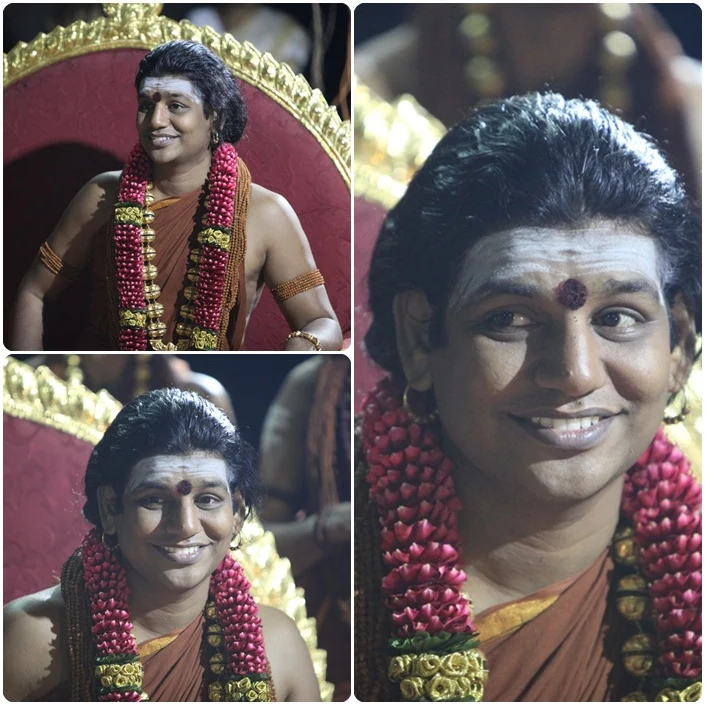
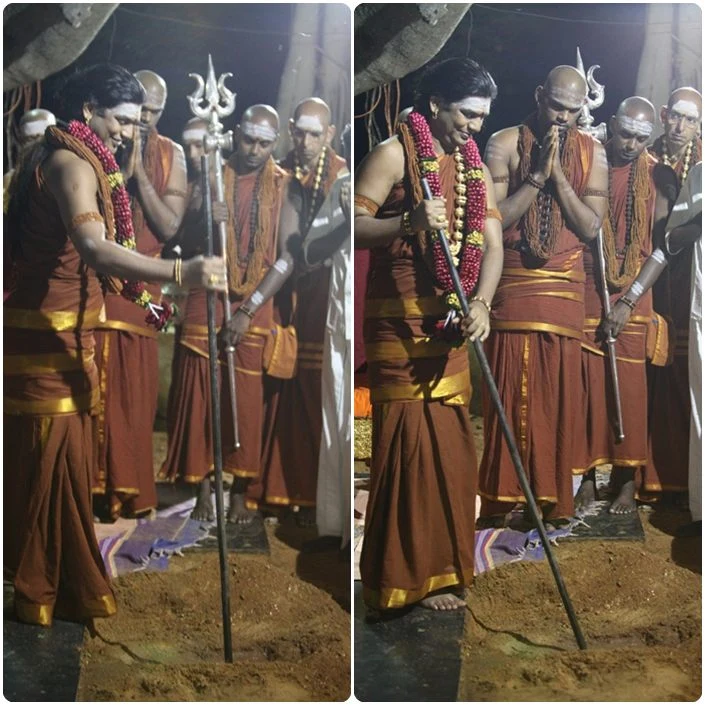
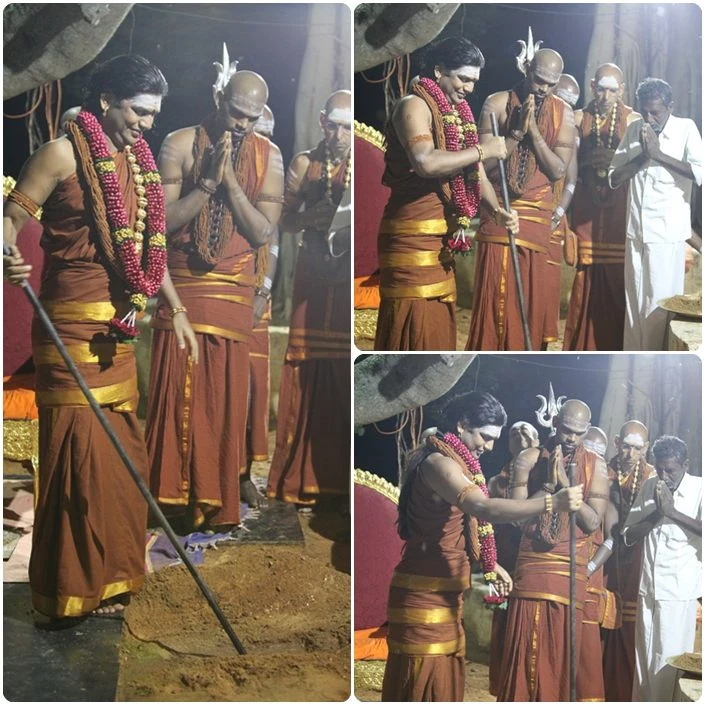
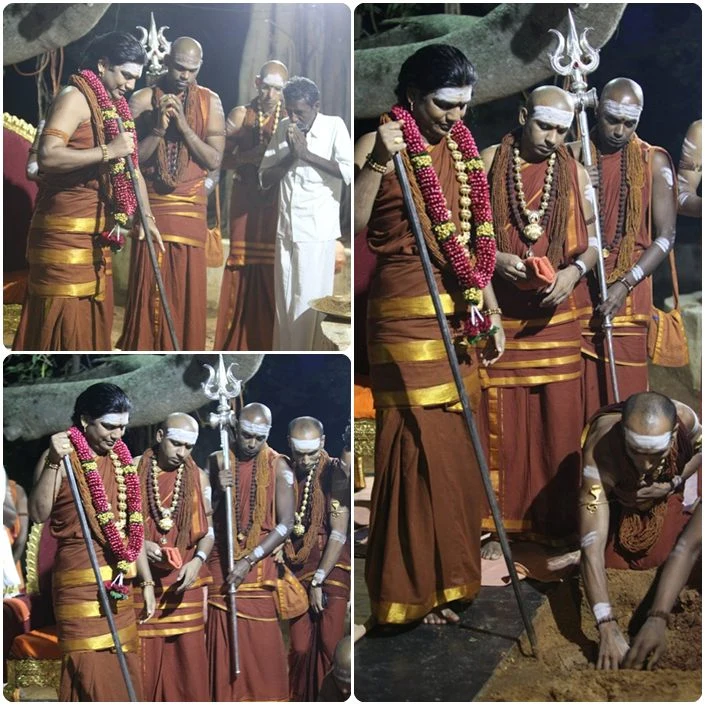
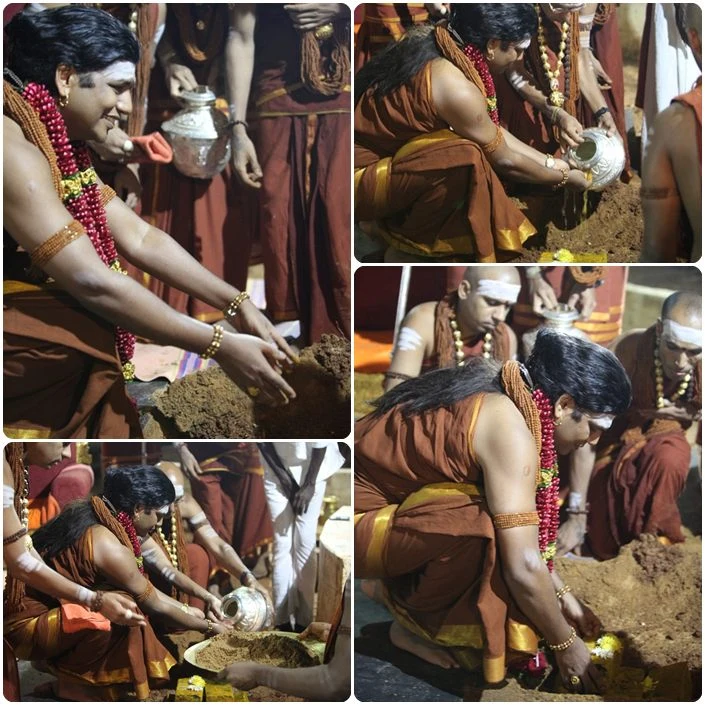
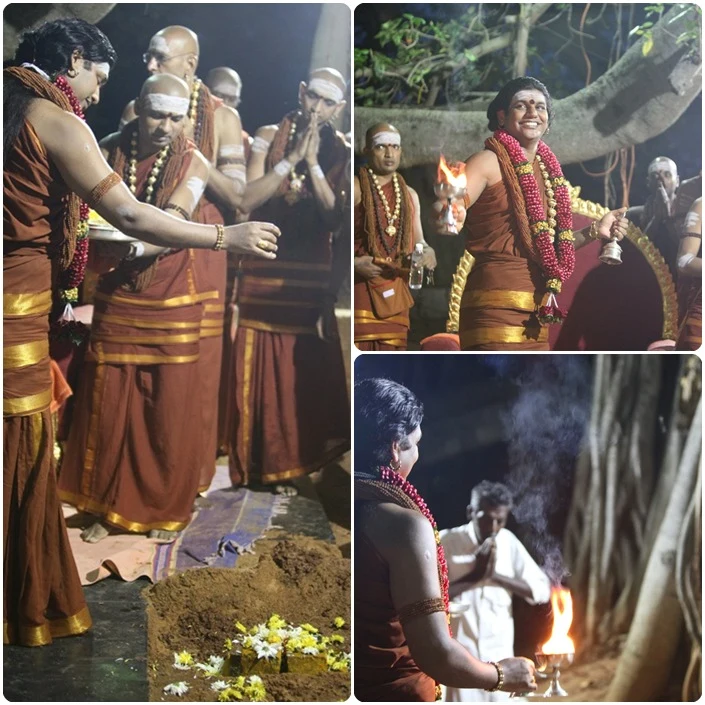
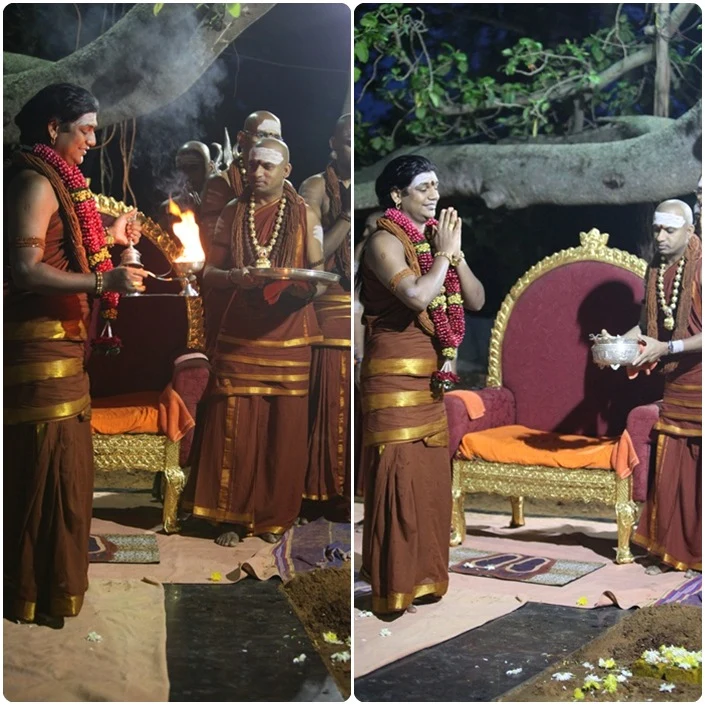
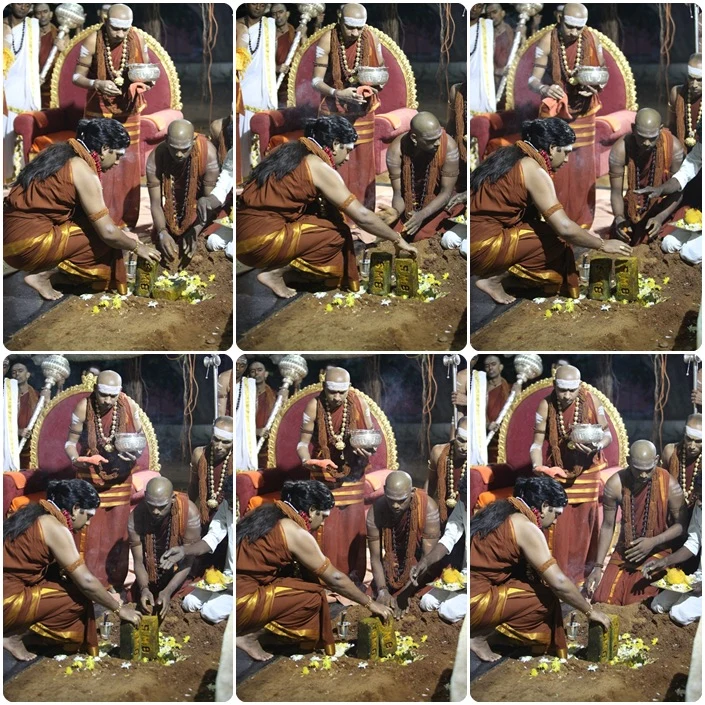
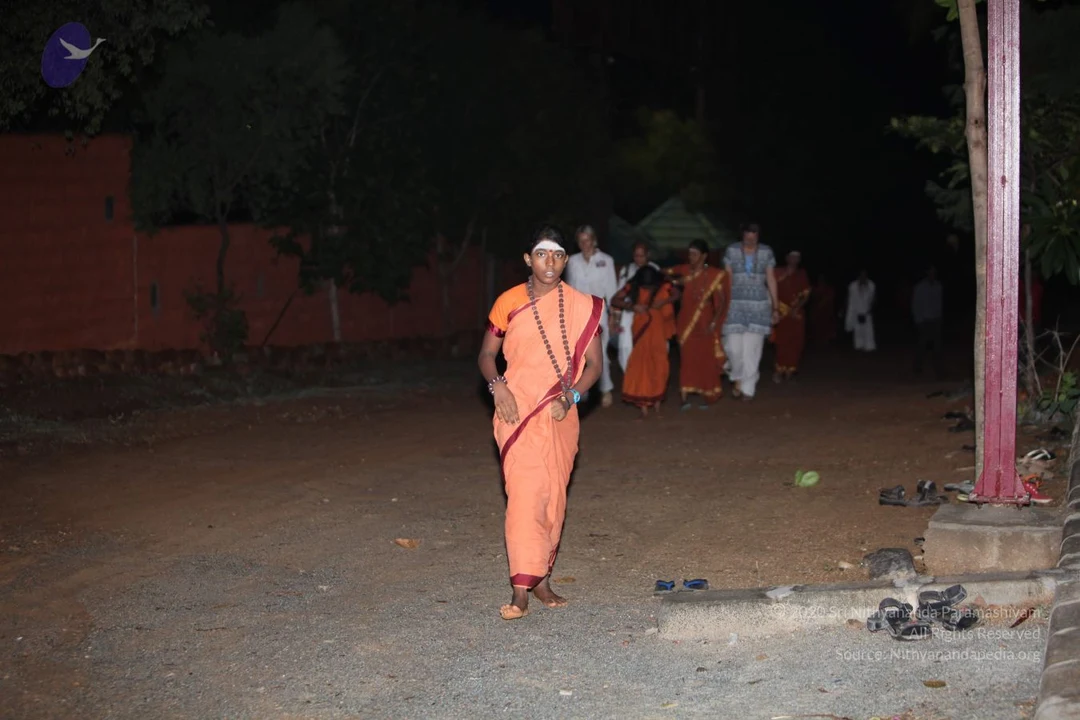
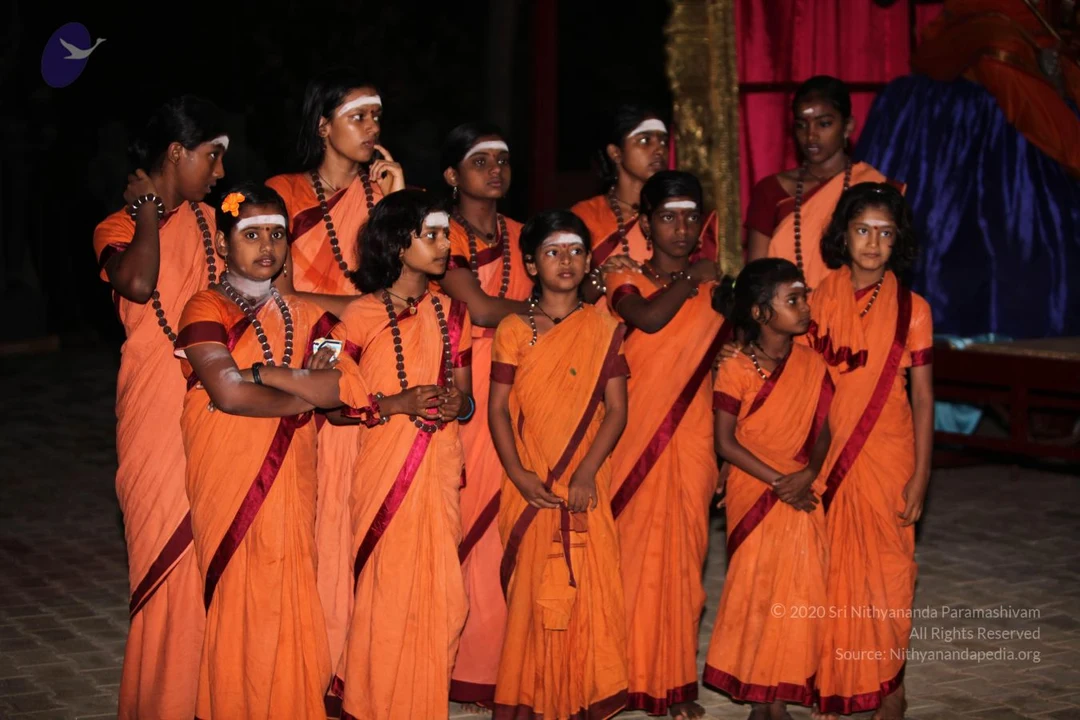
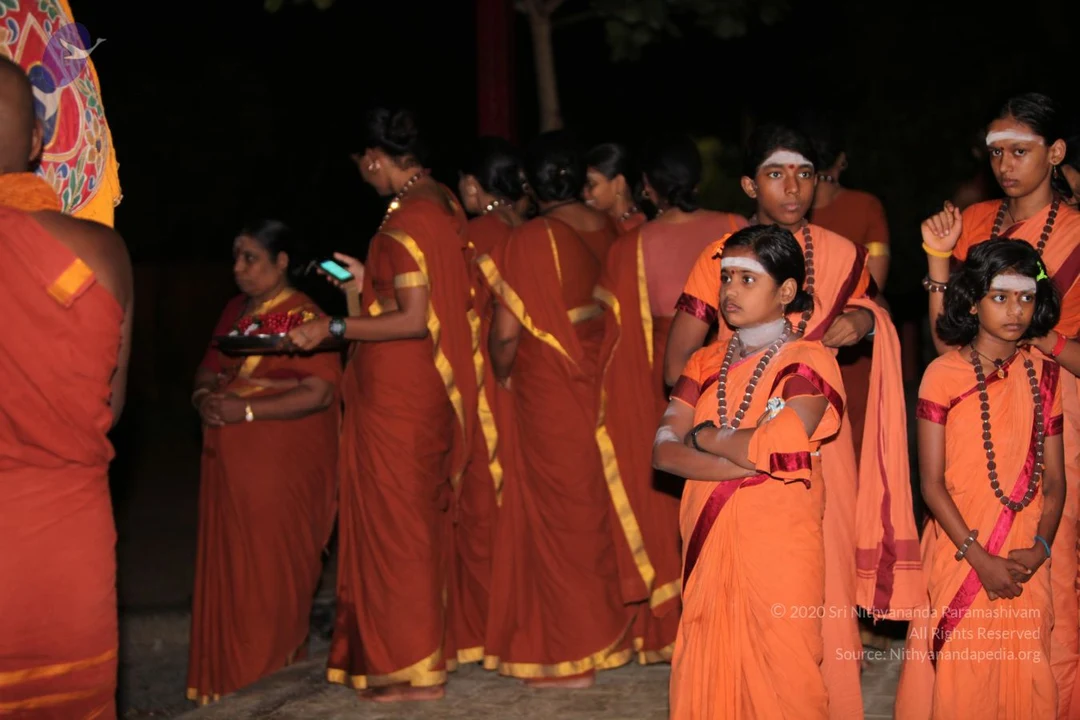
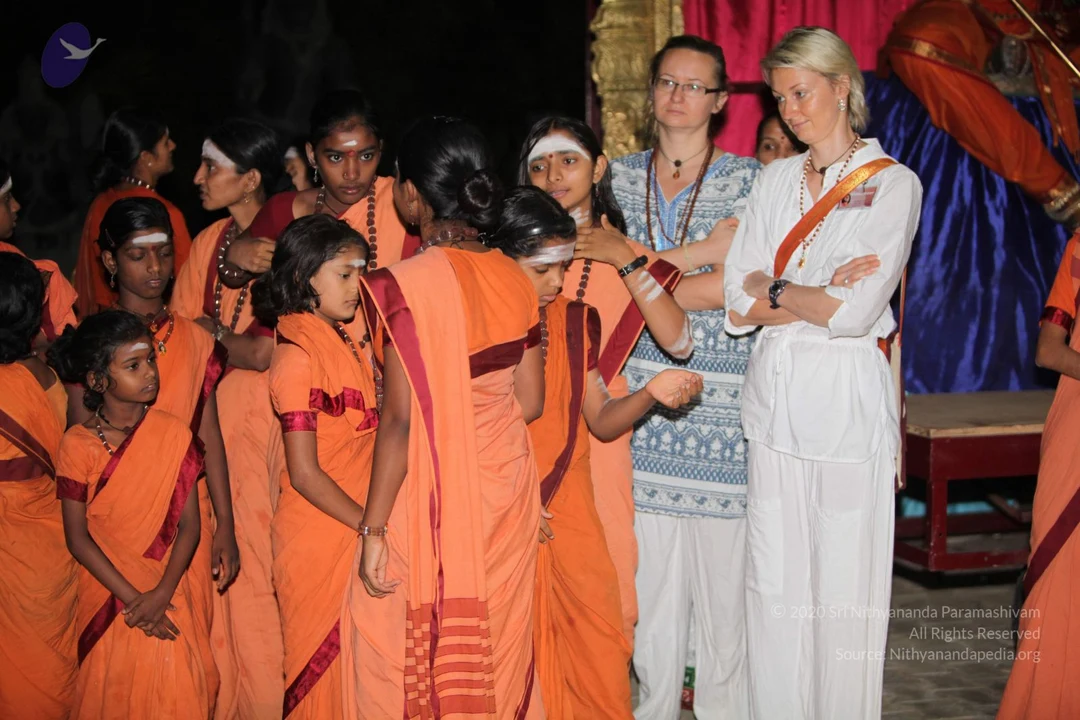
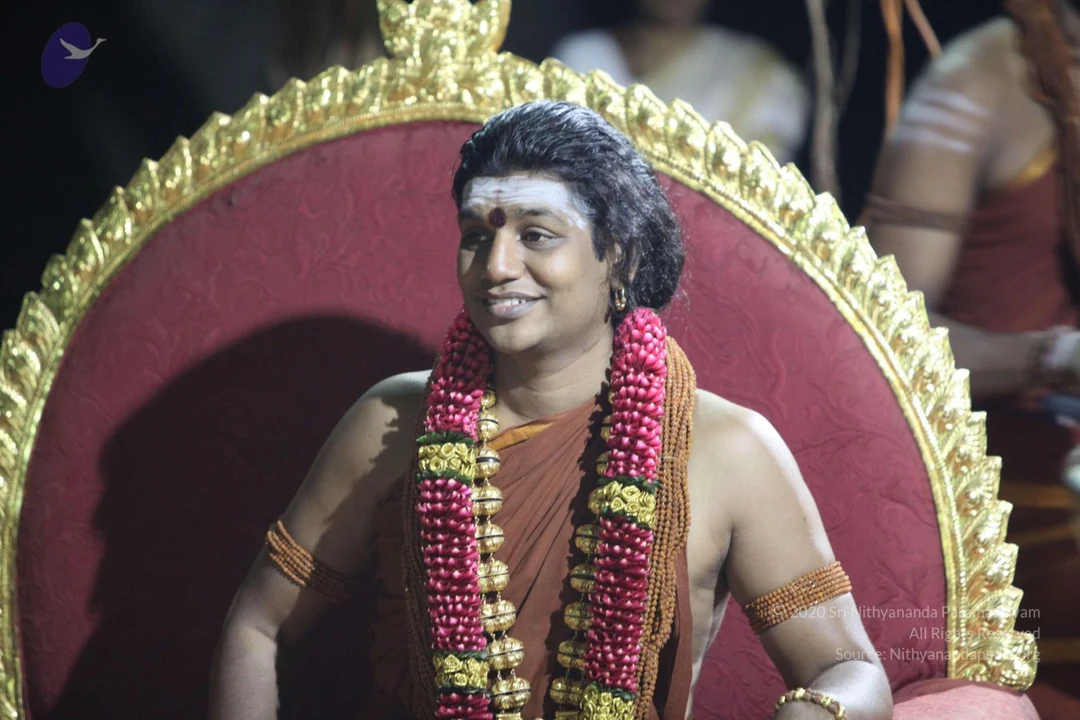
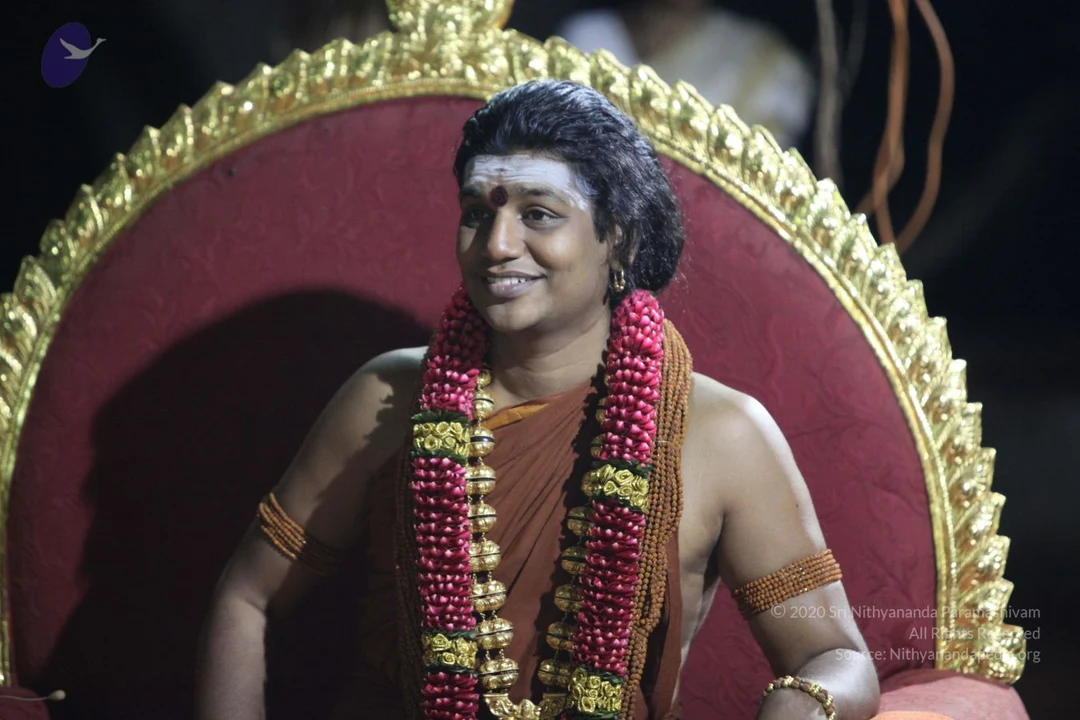
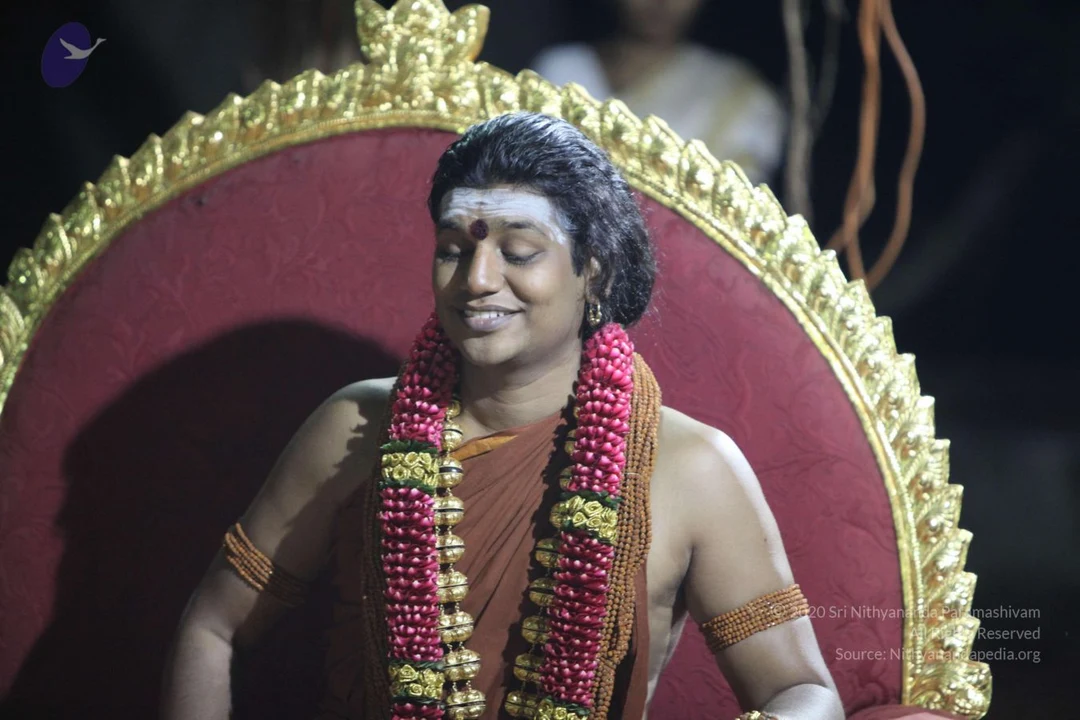
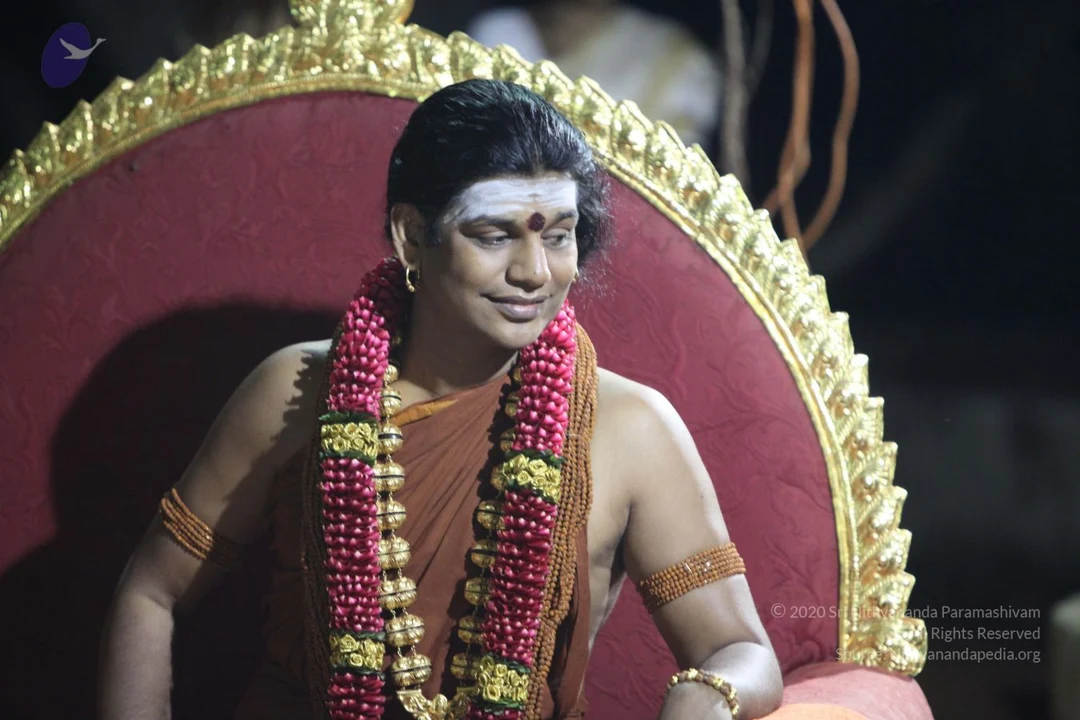
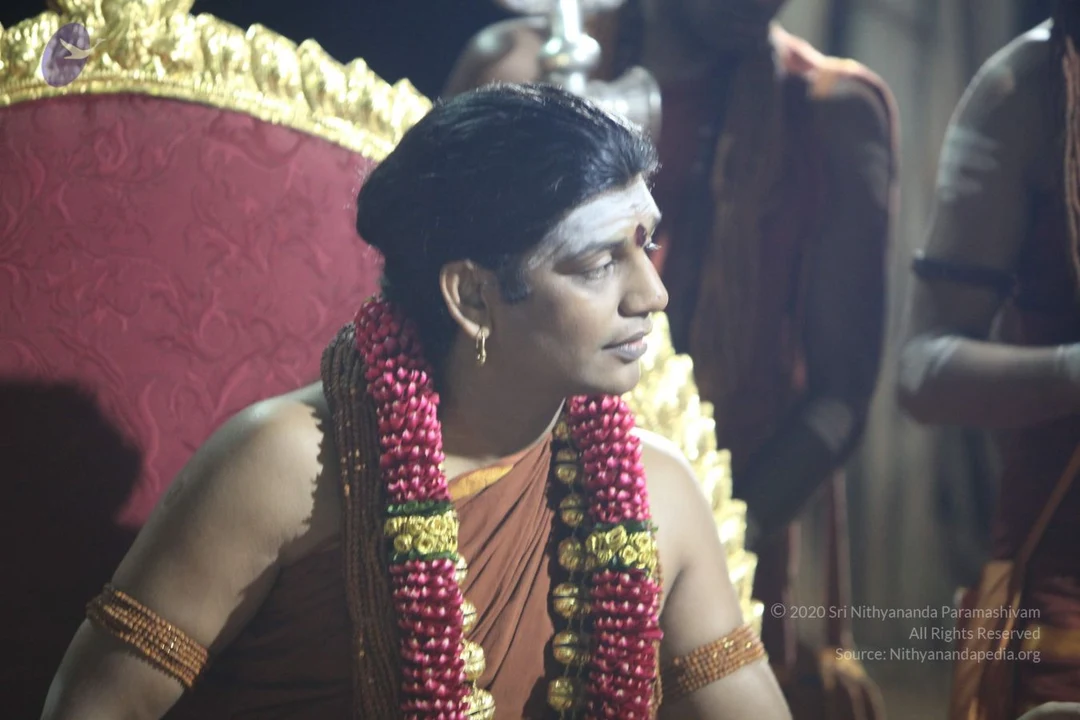
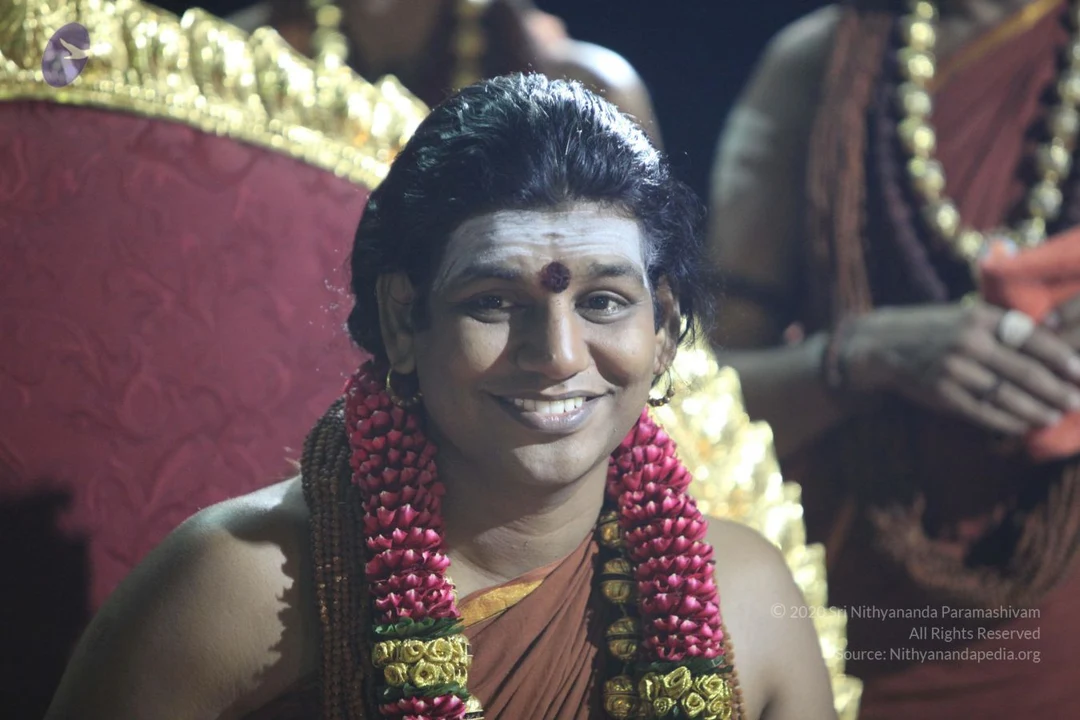
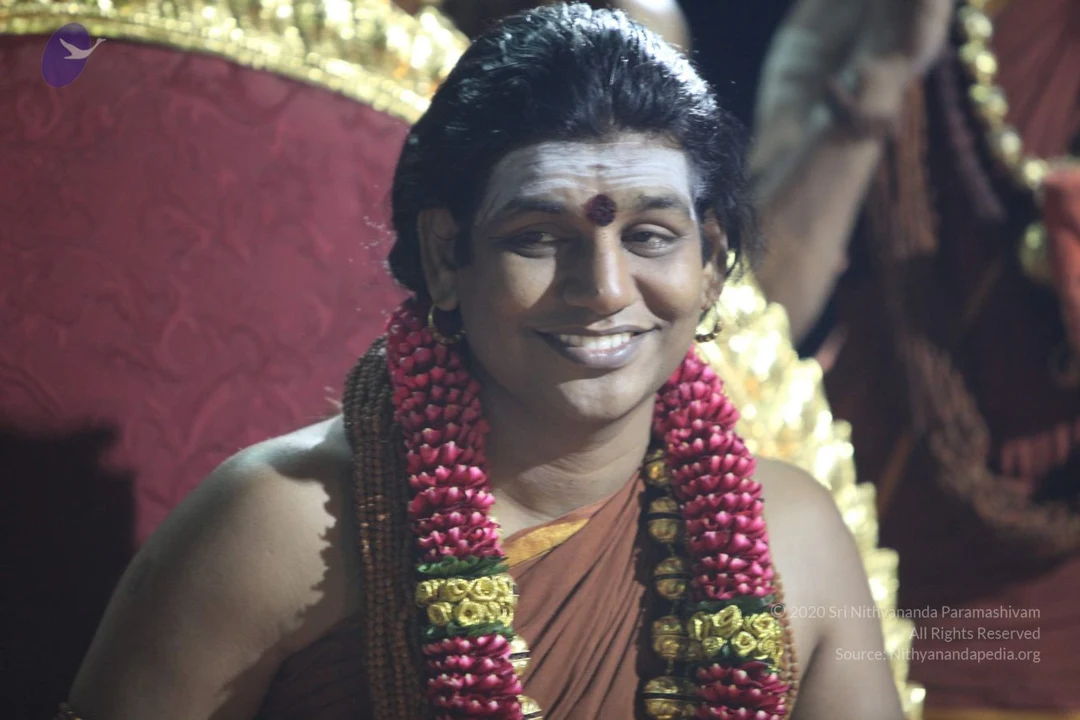
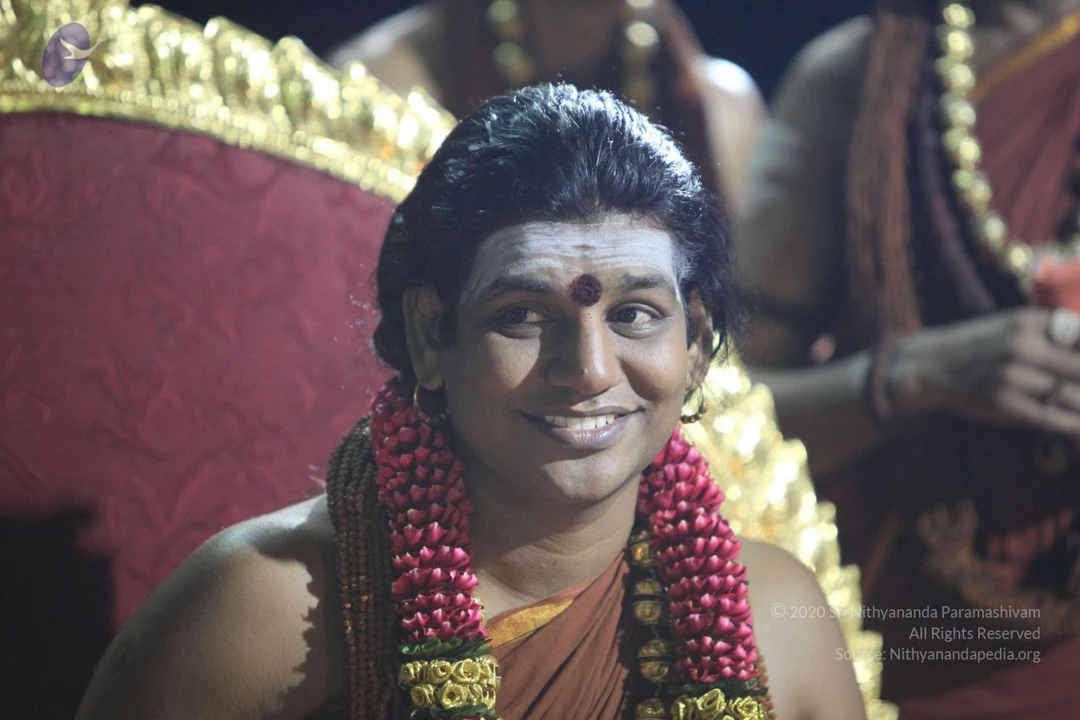
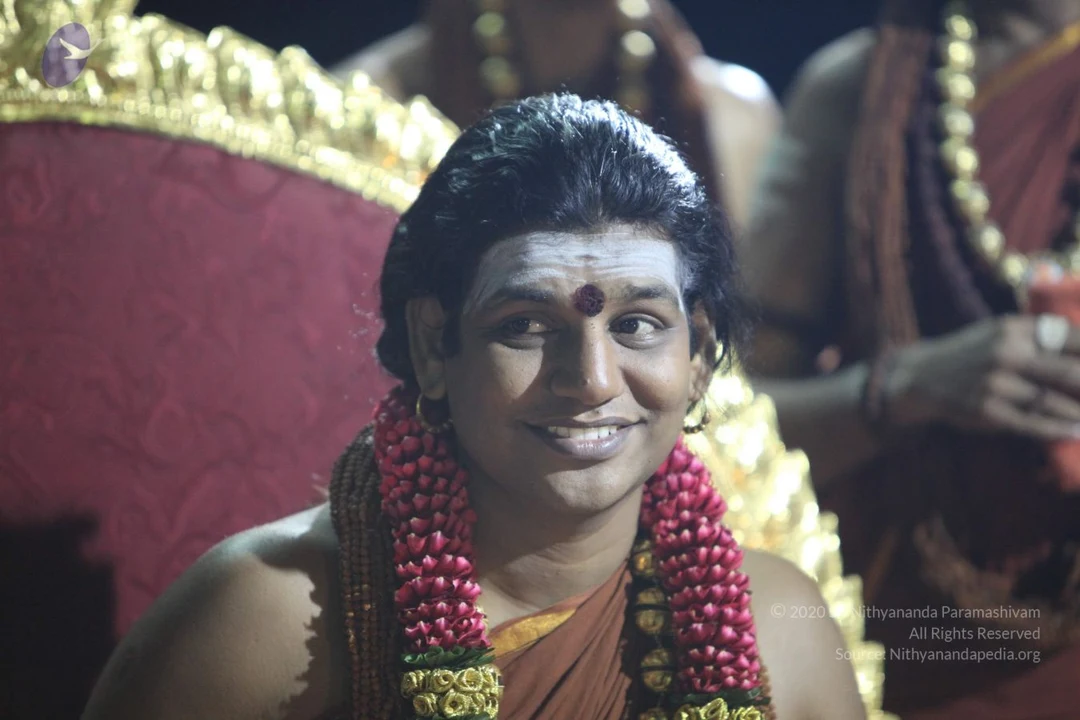
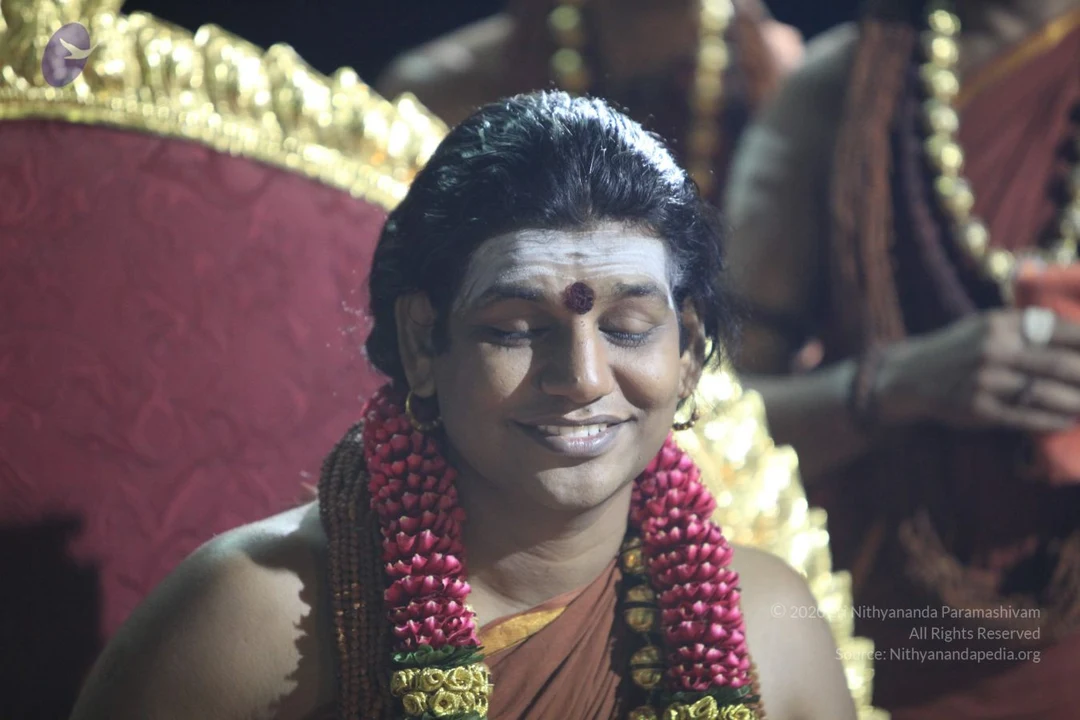
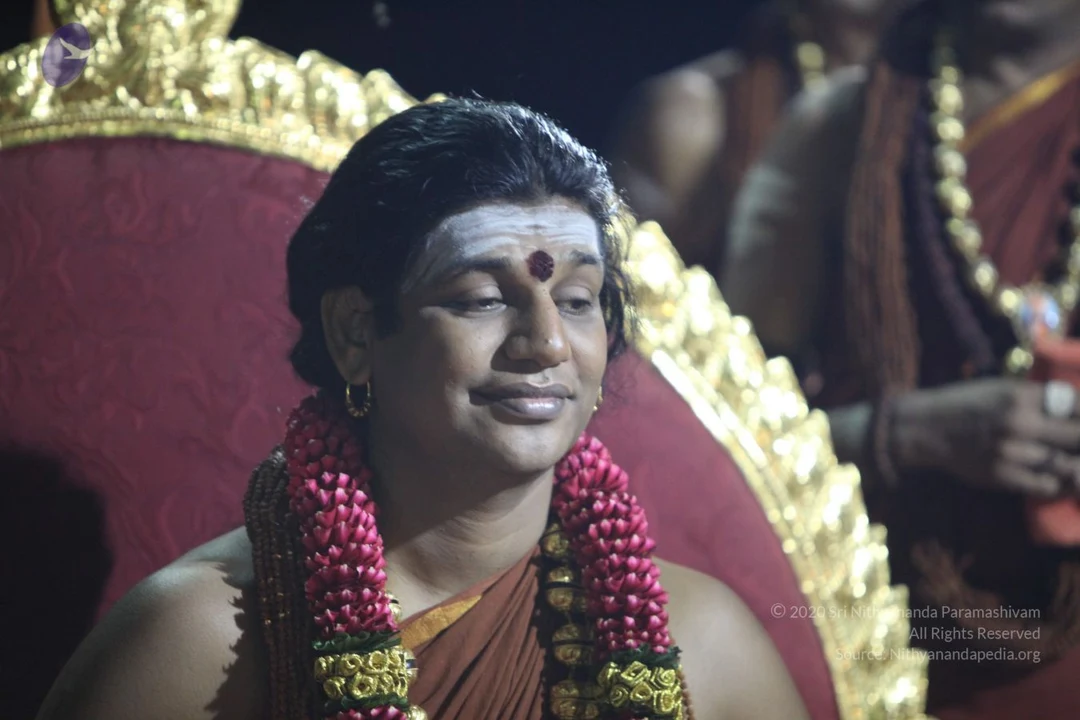
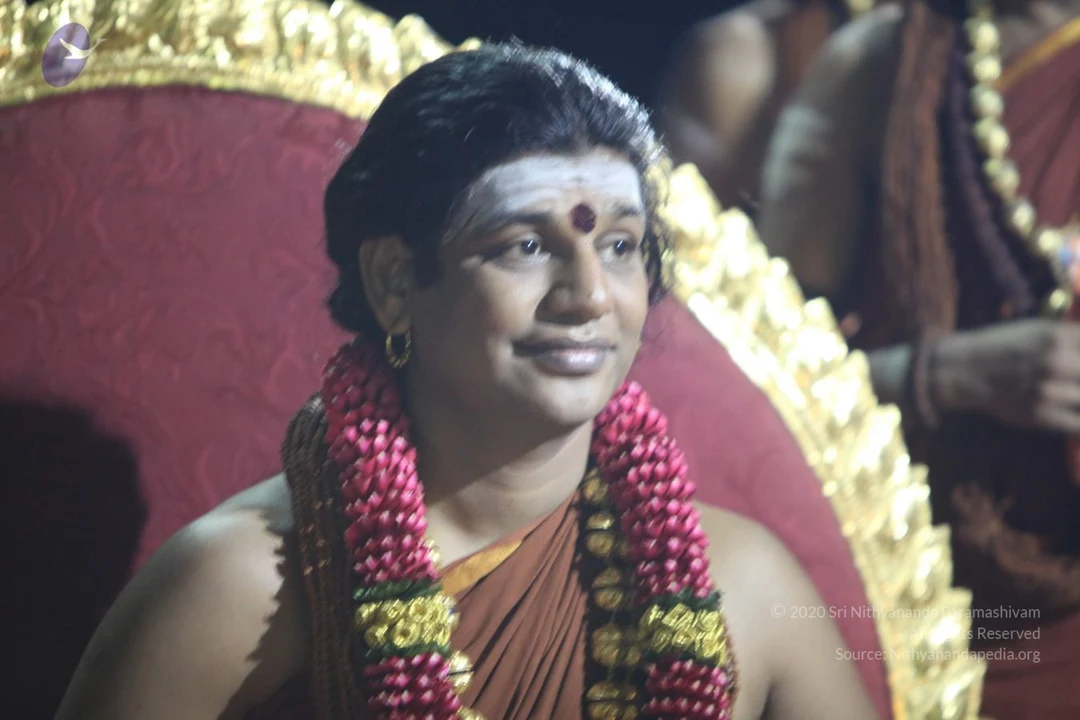
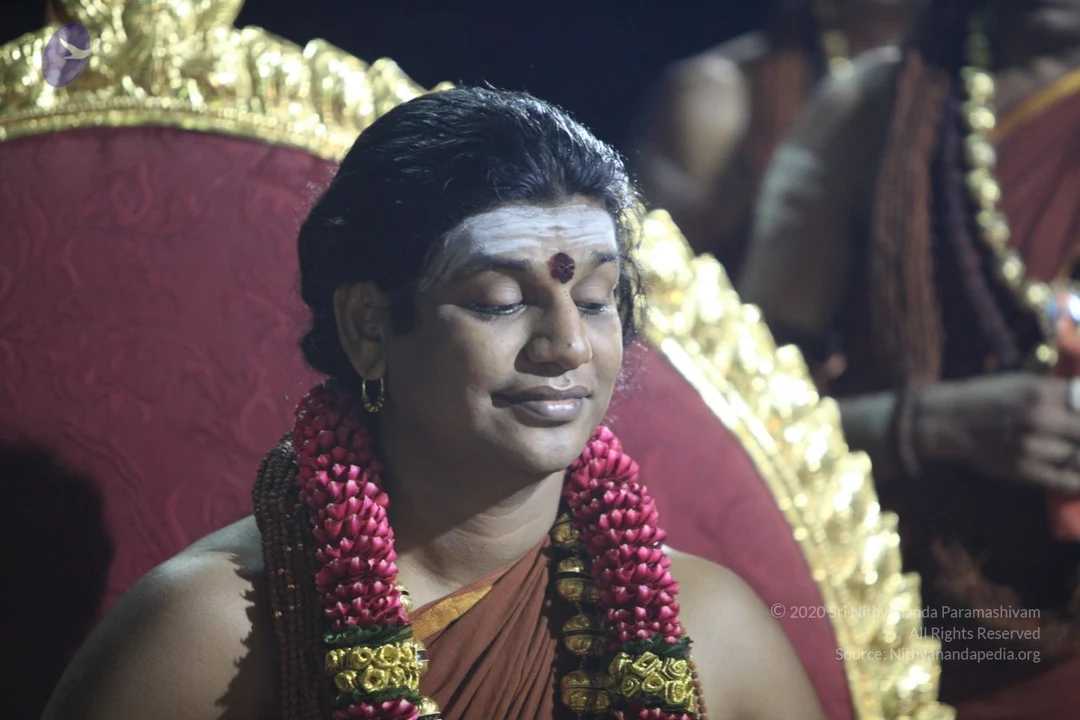
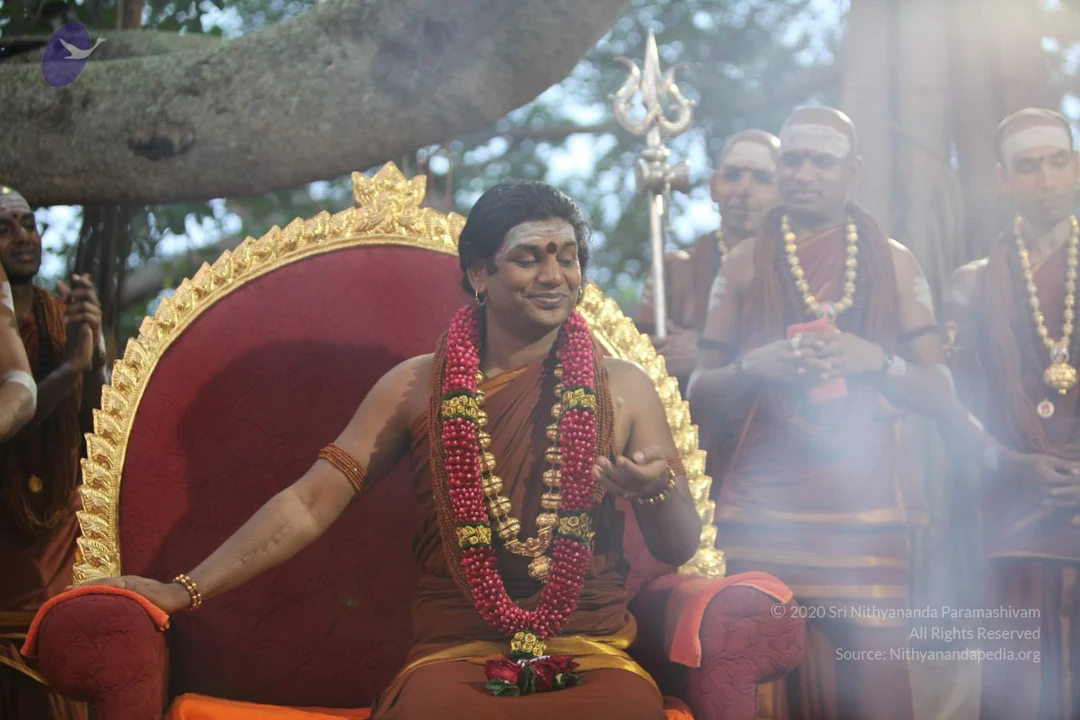
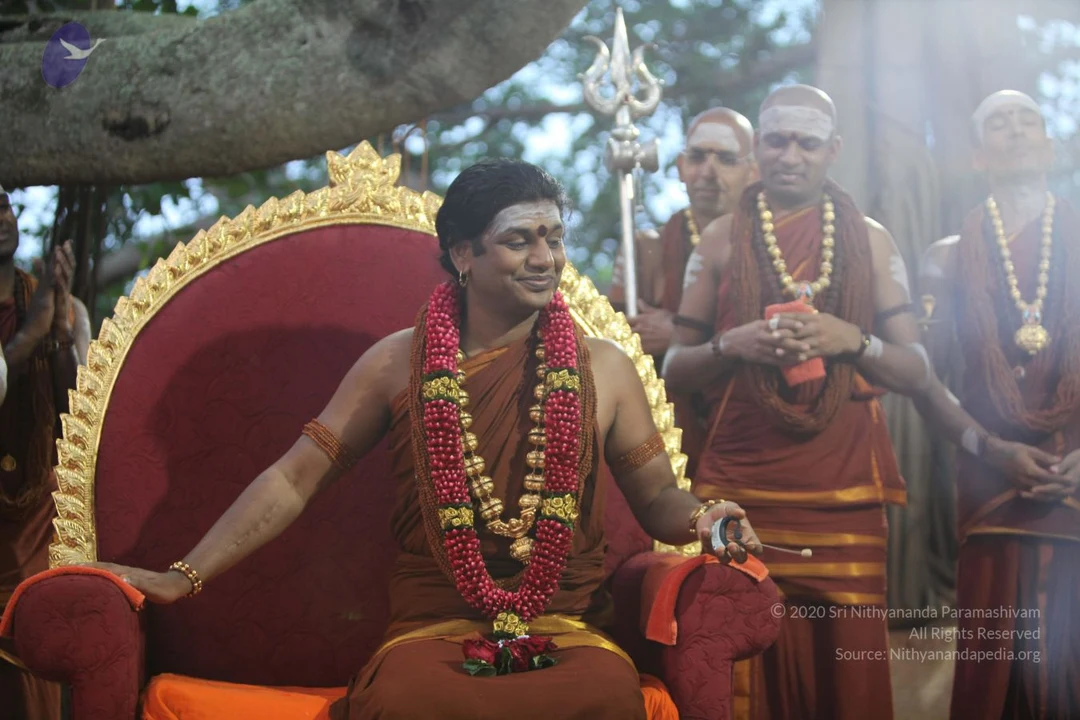
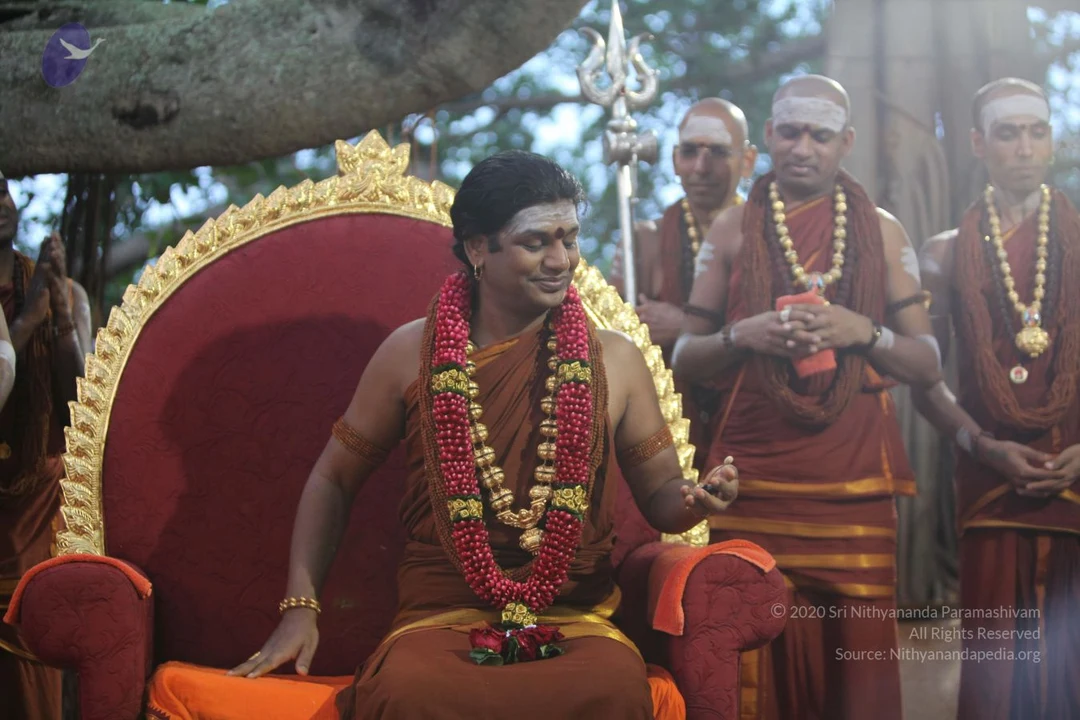
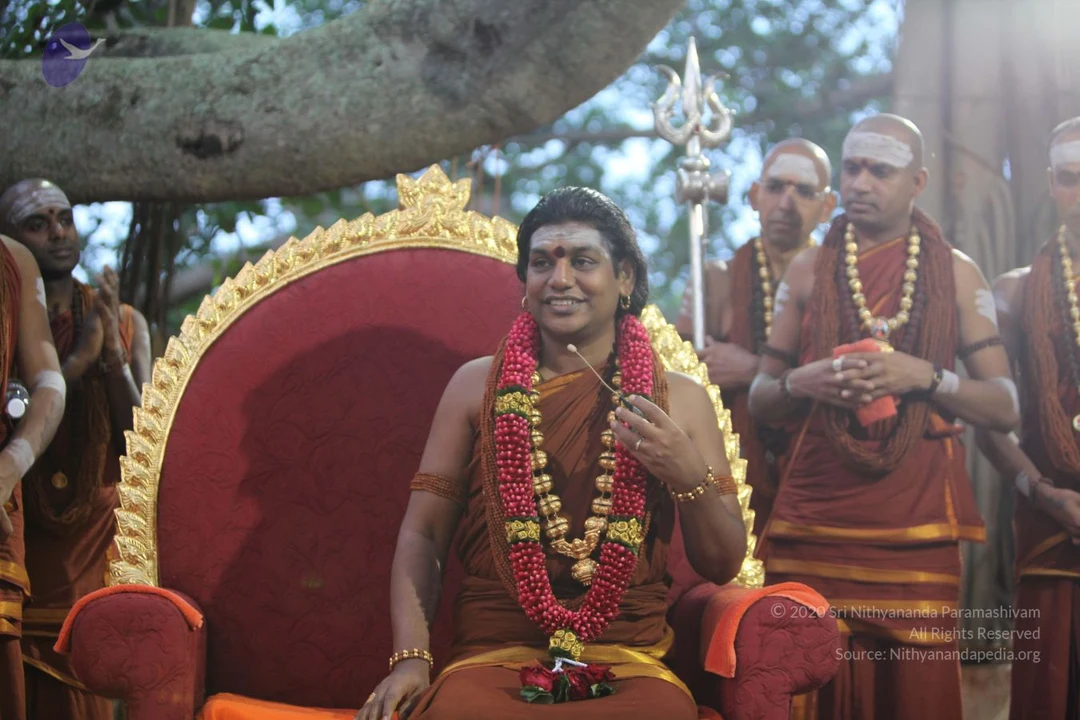
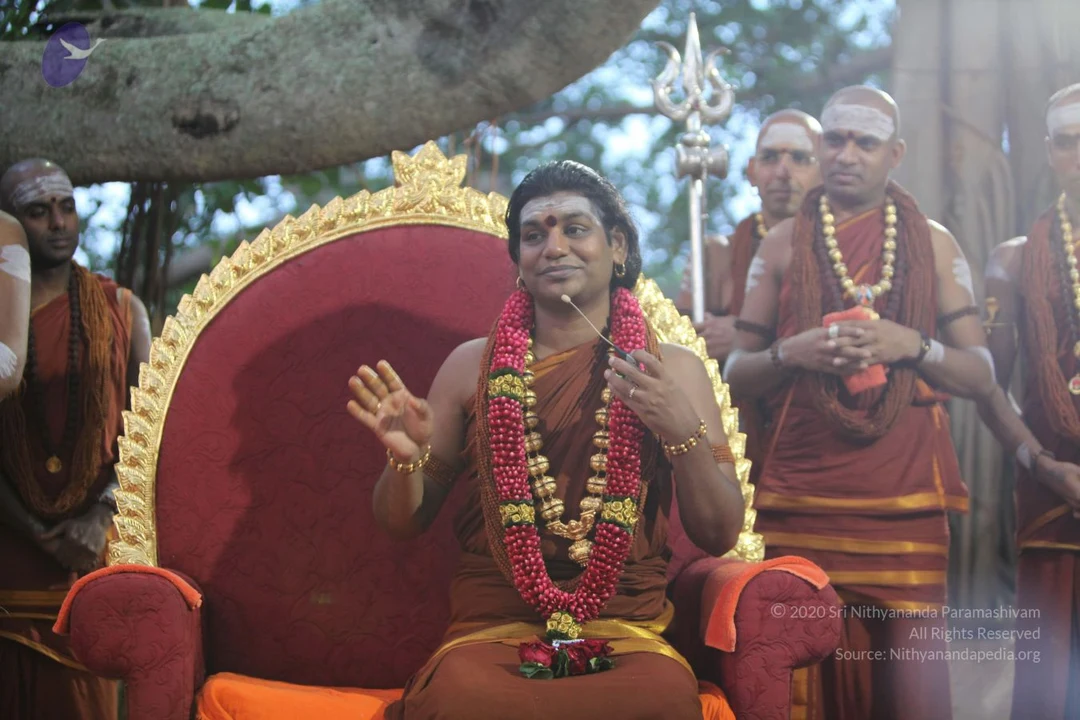
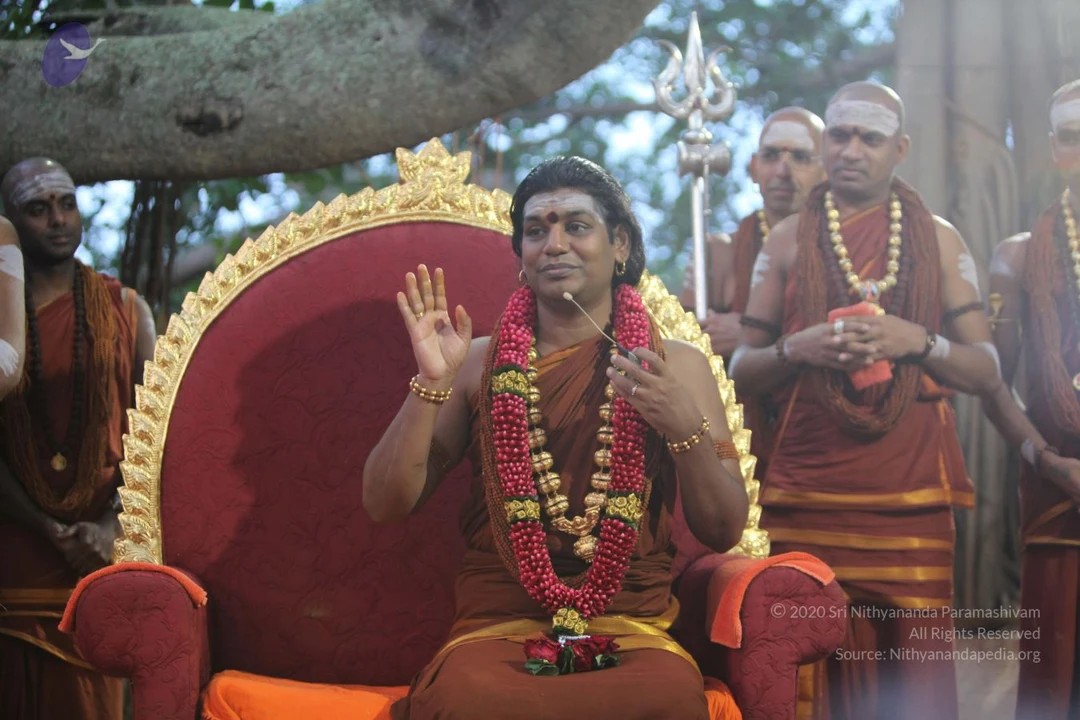
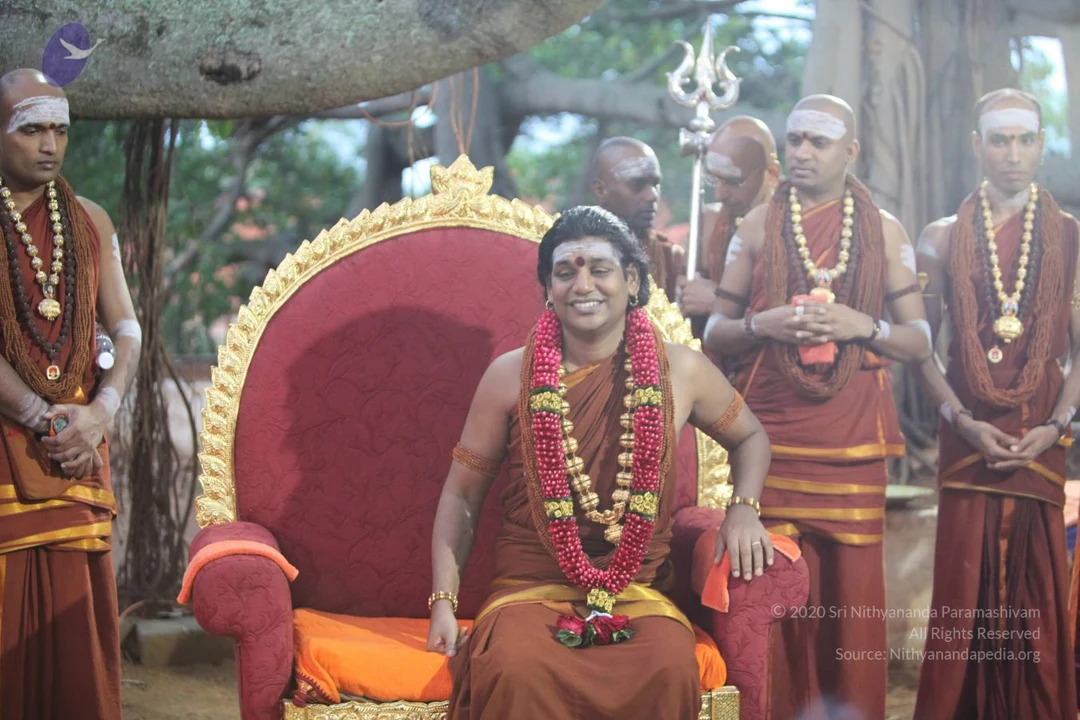
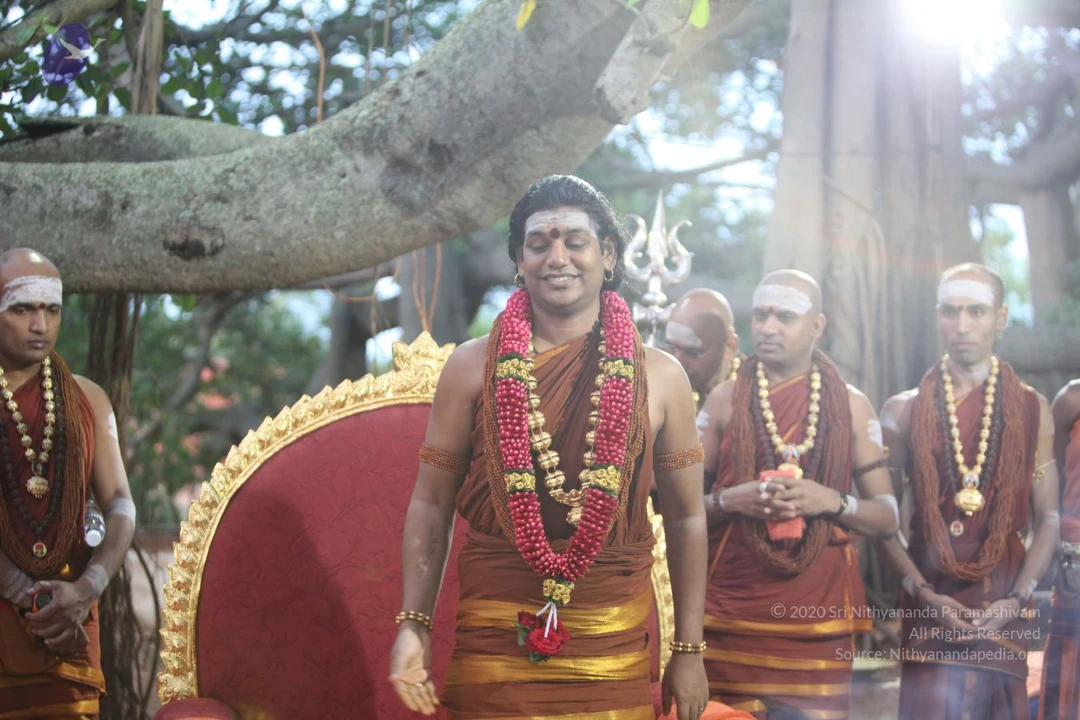
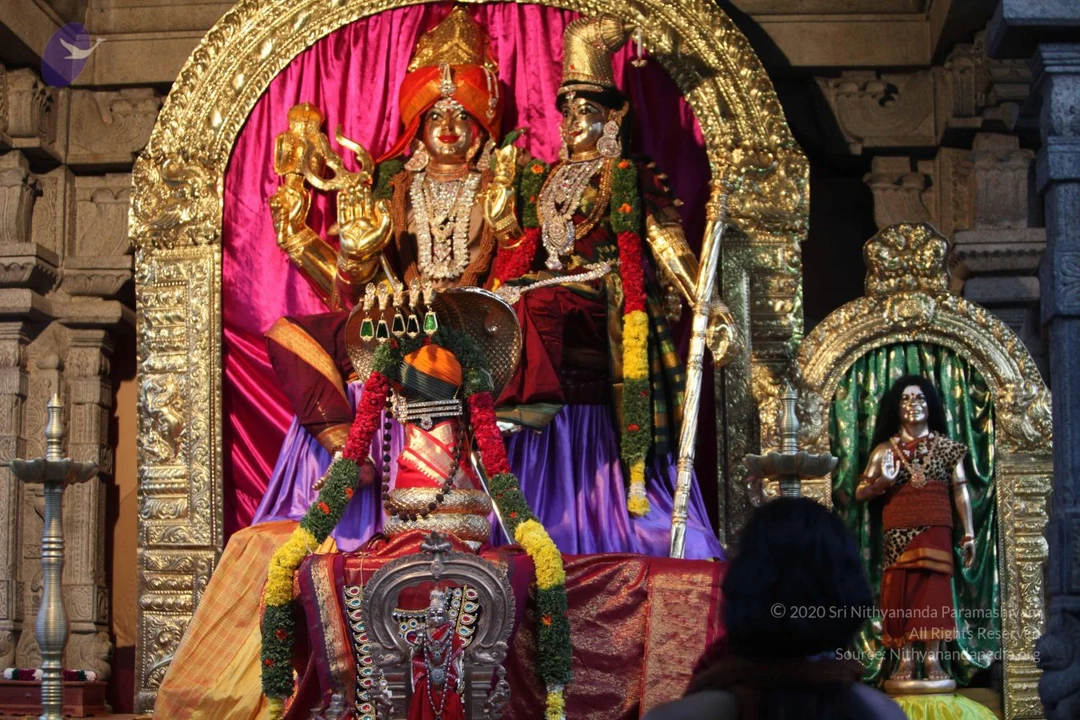
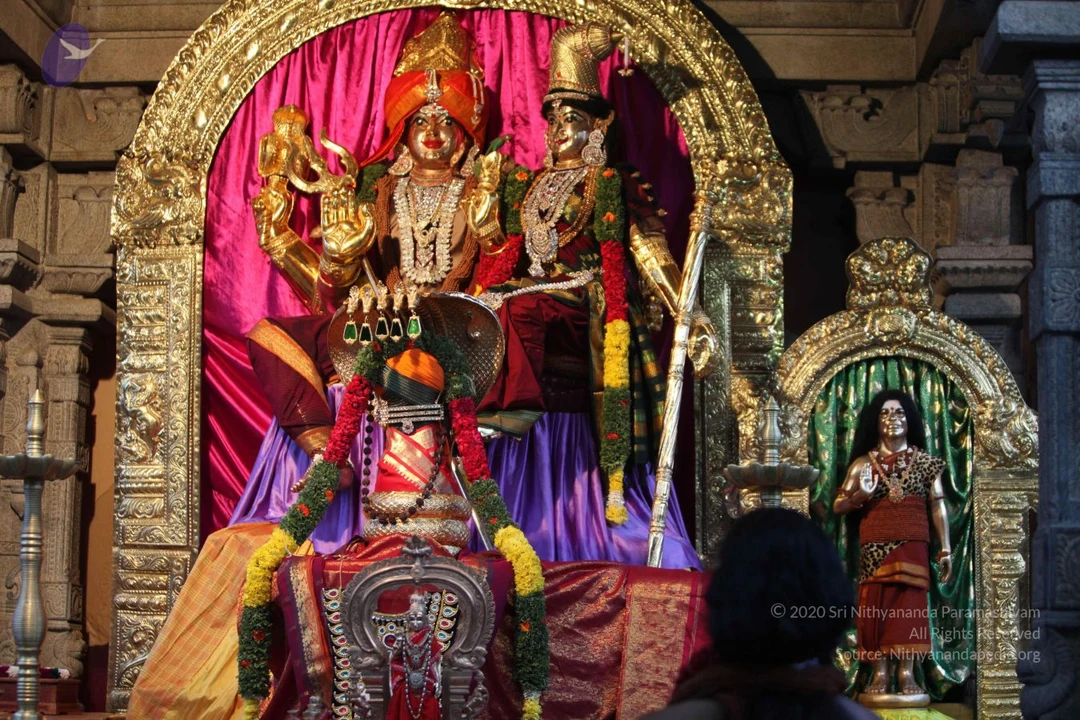
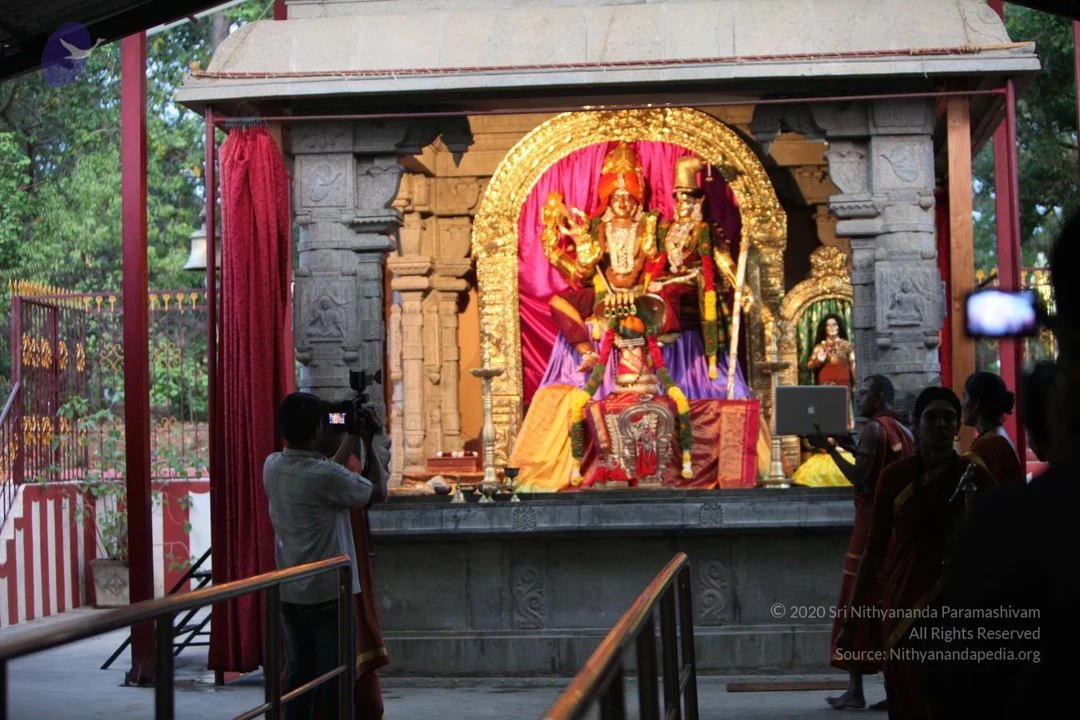
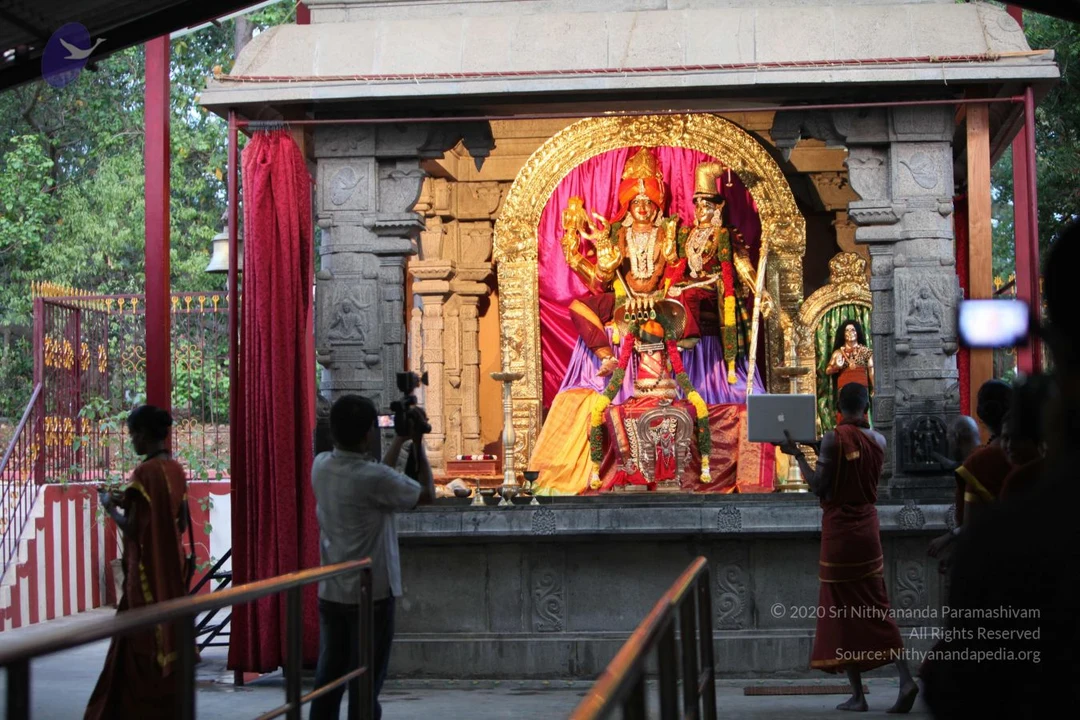
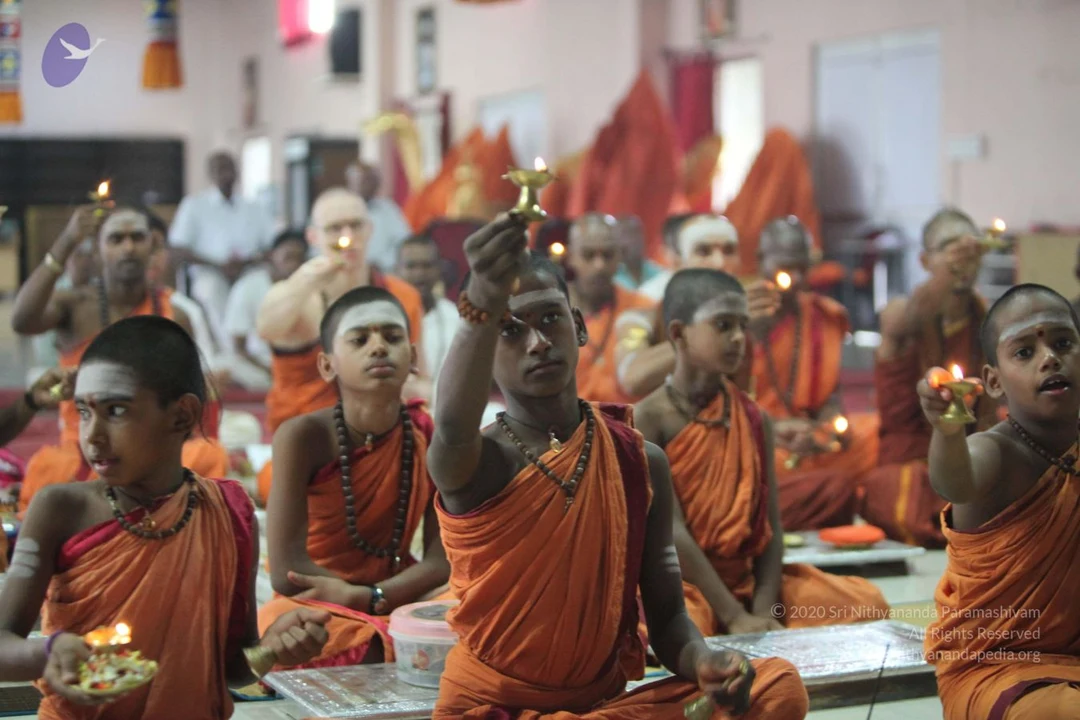
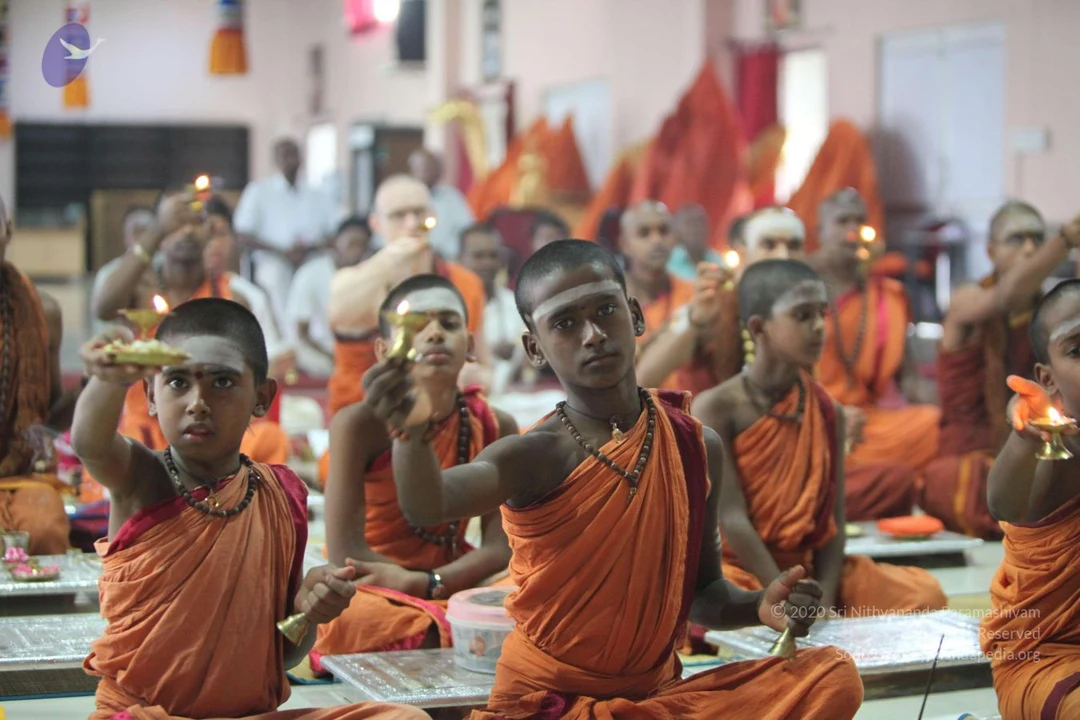
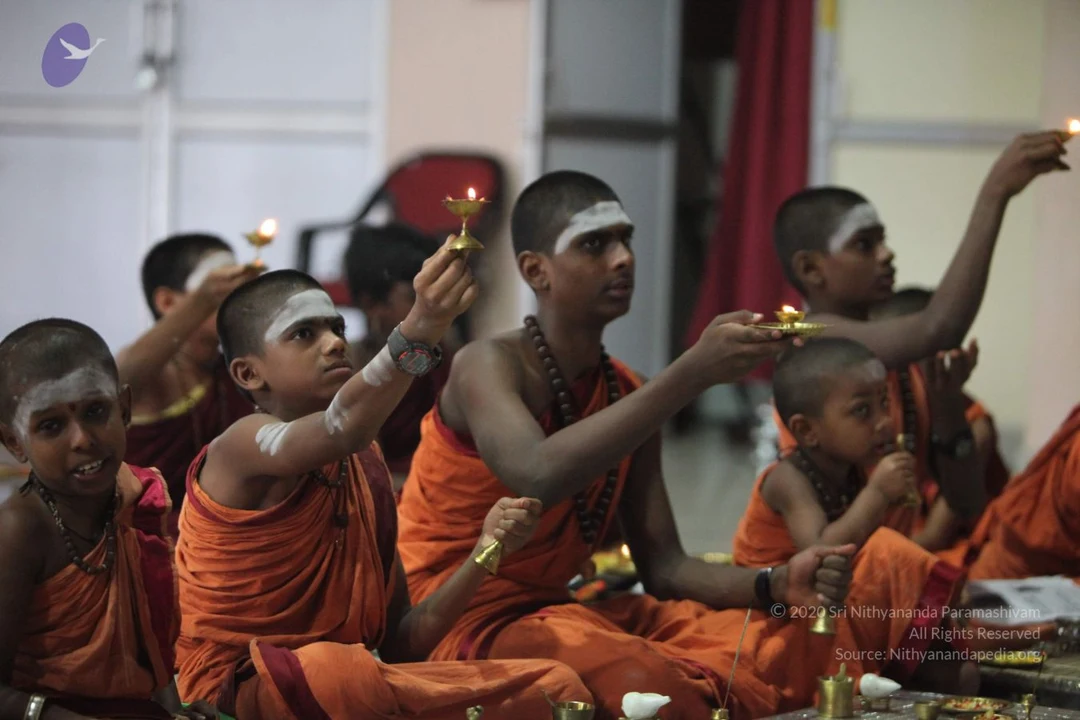
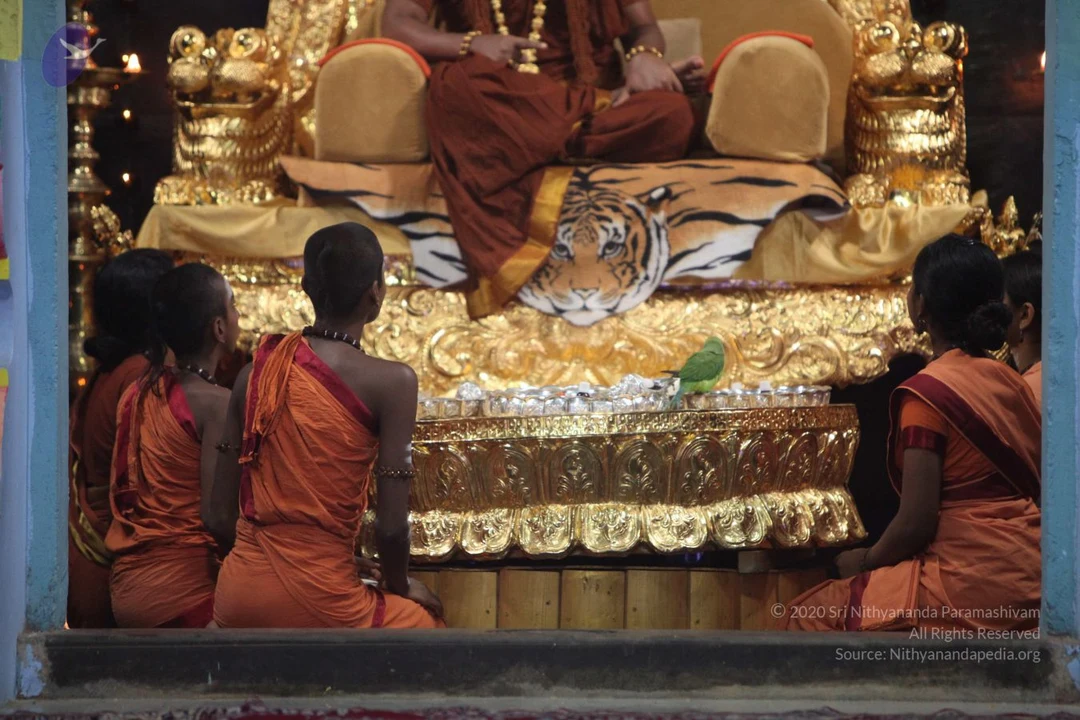
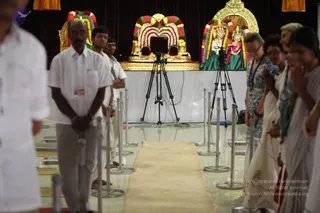
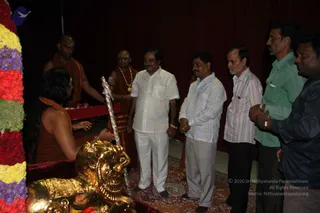
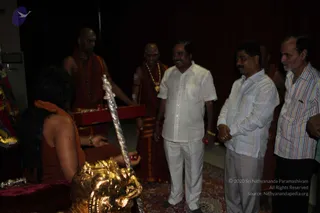
Photos From The Day:
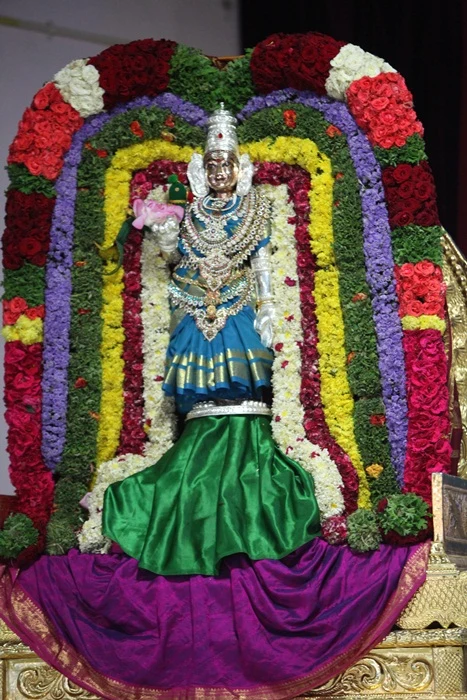
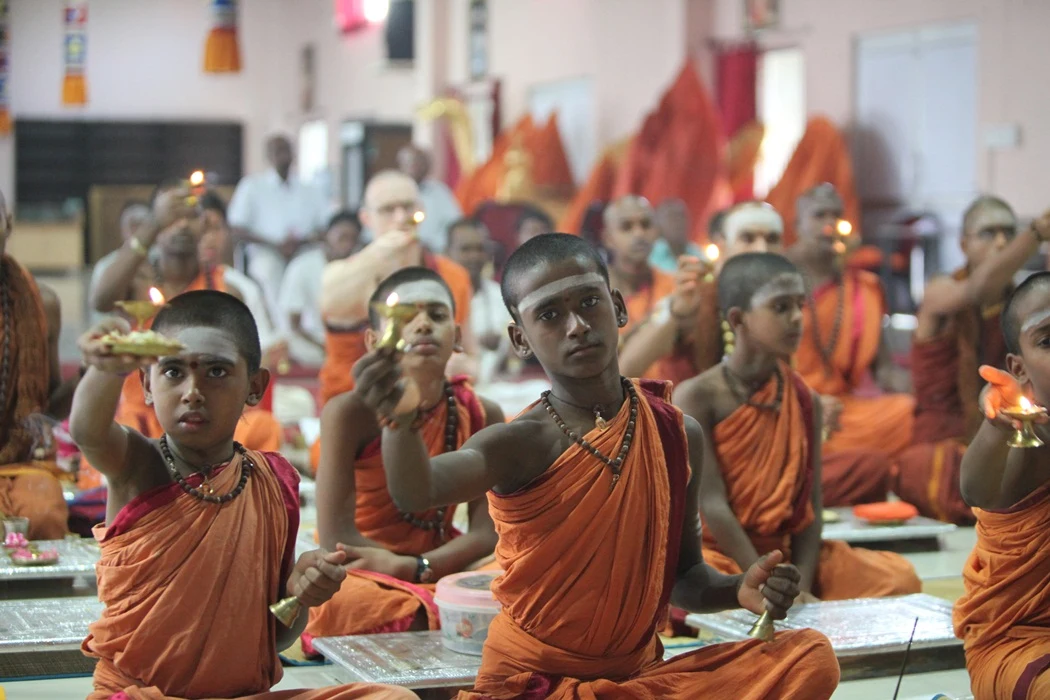
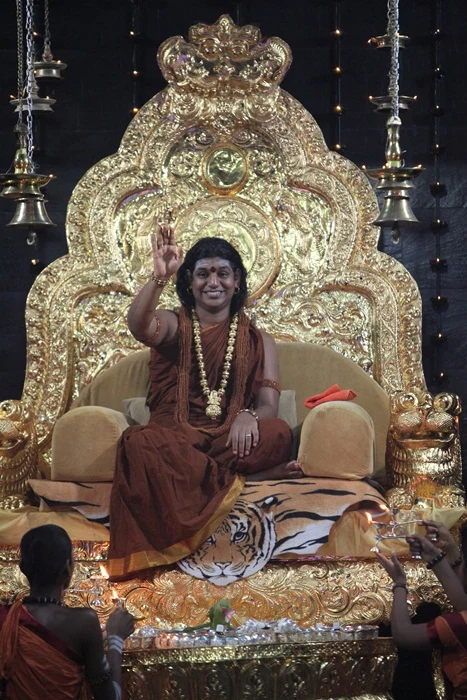
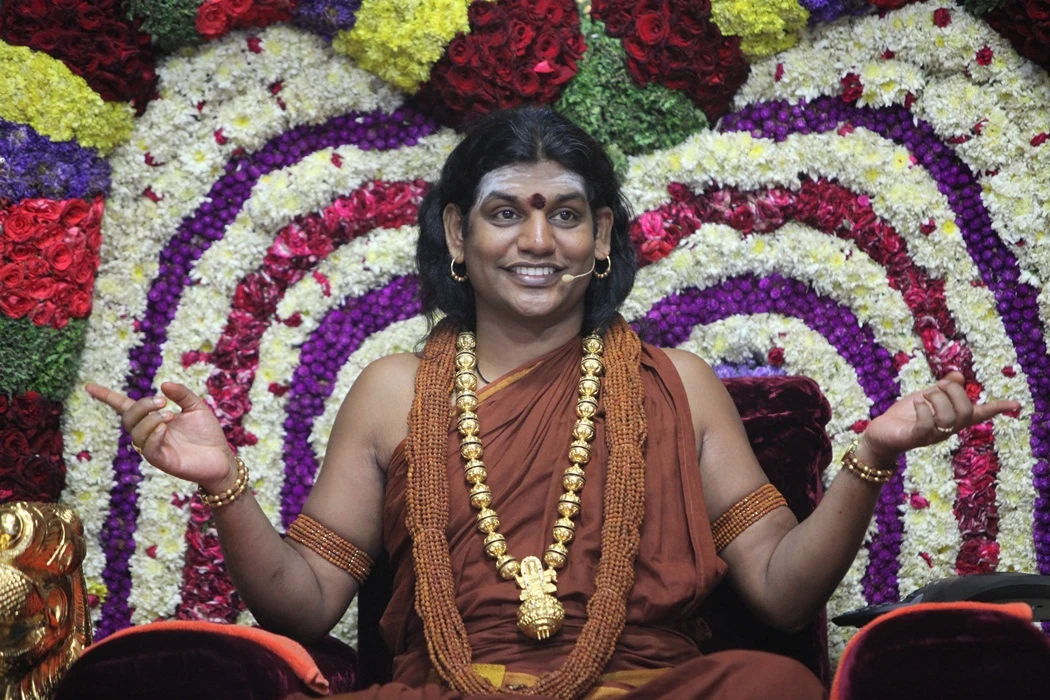
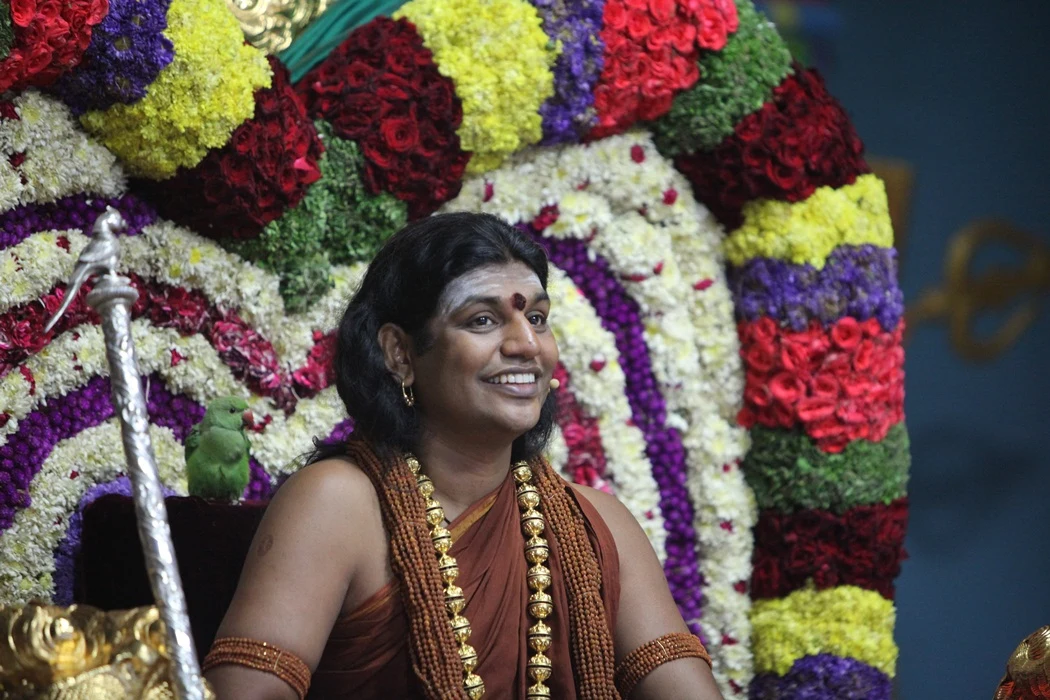
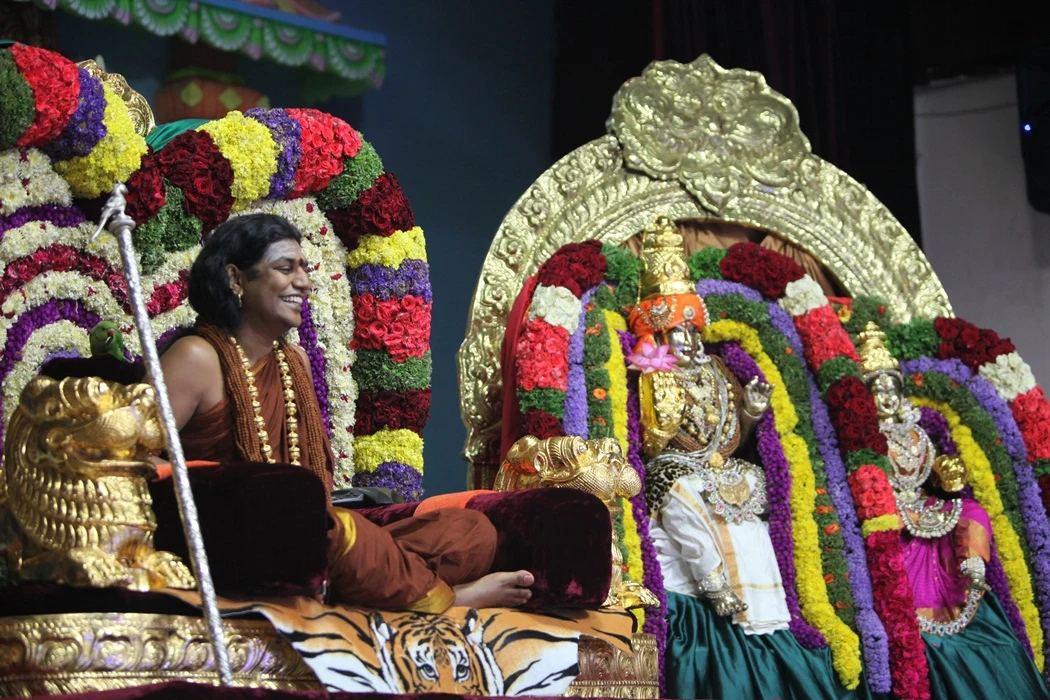
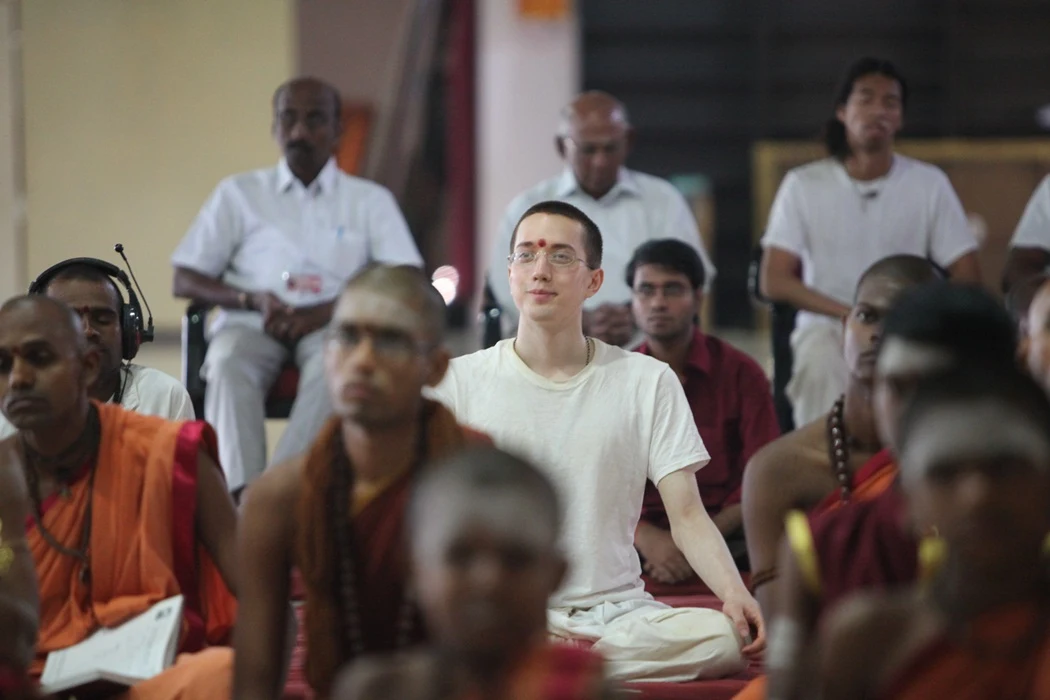
Tags:
Paramahamsa Nithyananda, phenomenon, perception, encounter, reality, cosmos, non-violence. wisdom, Mahavir, conflict, consciousness, live, universe.
Photos Of The Day:
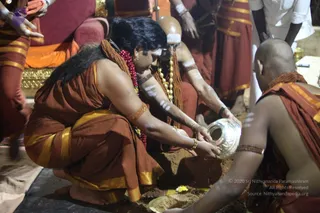
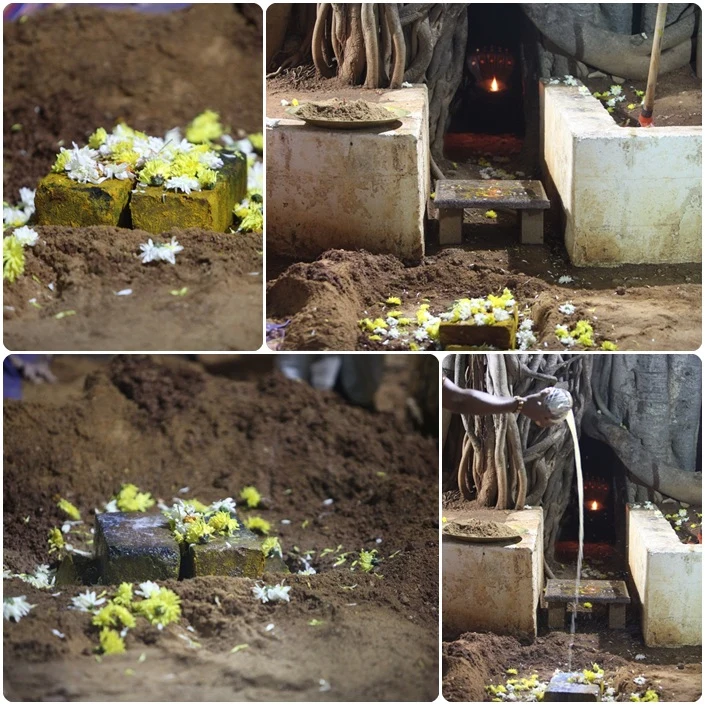
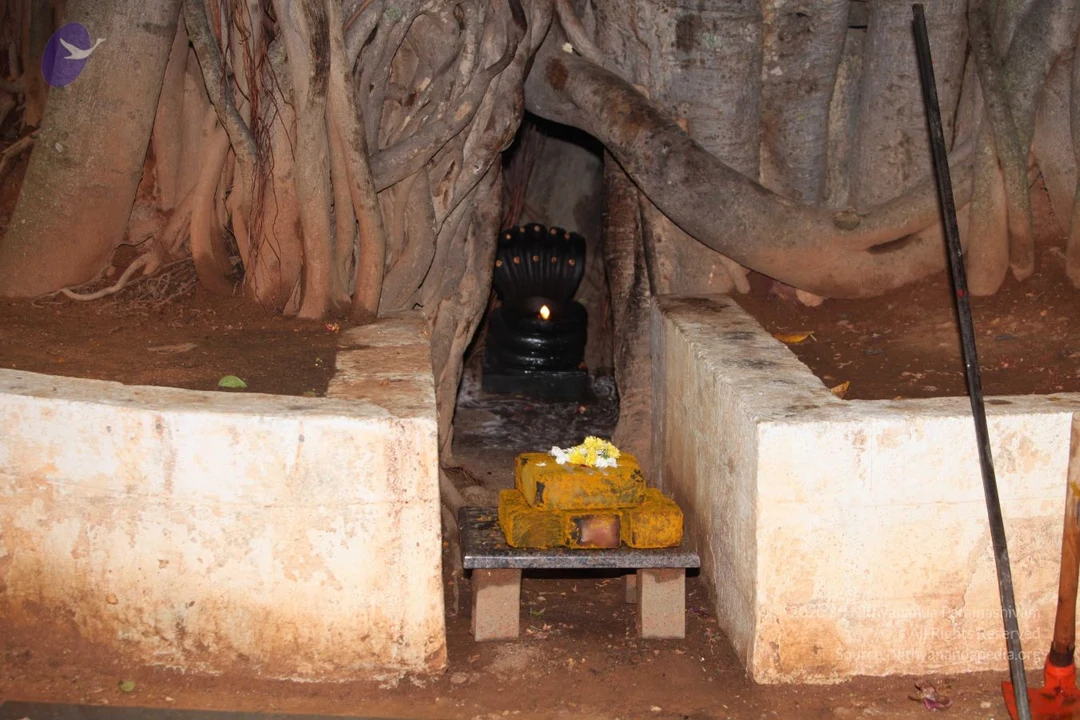
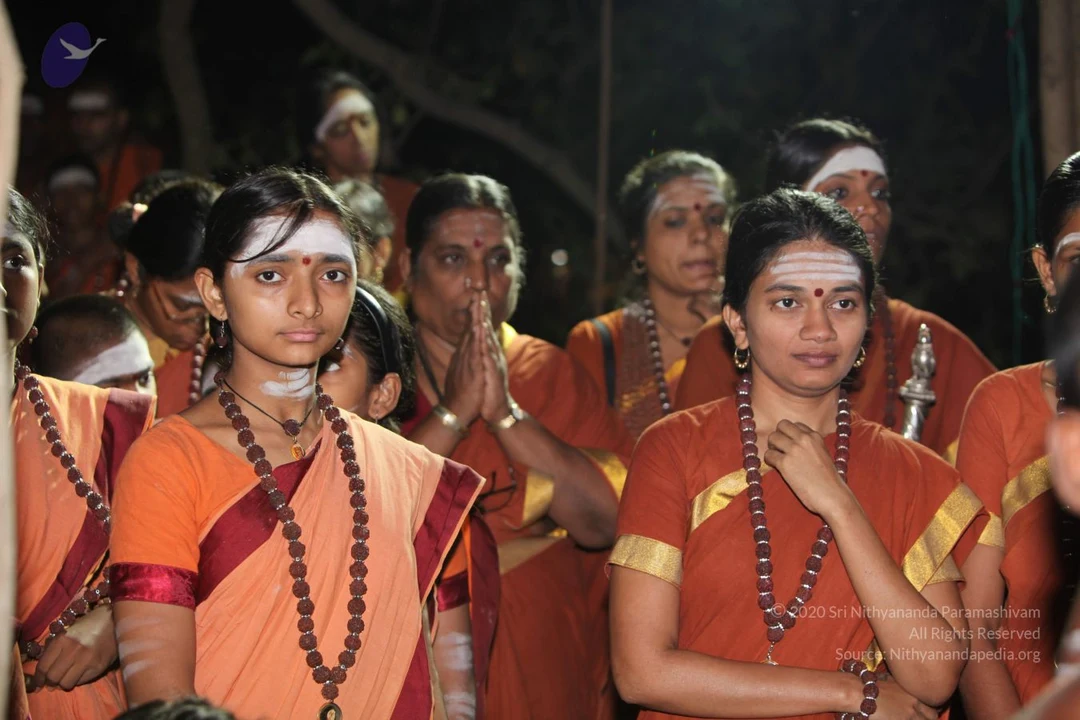
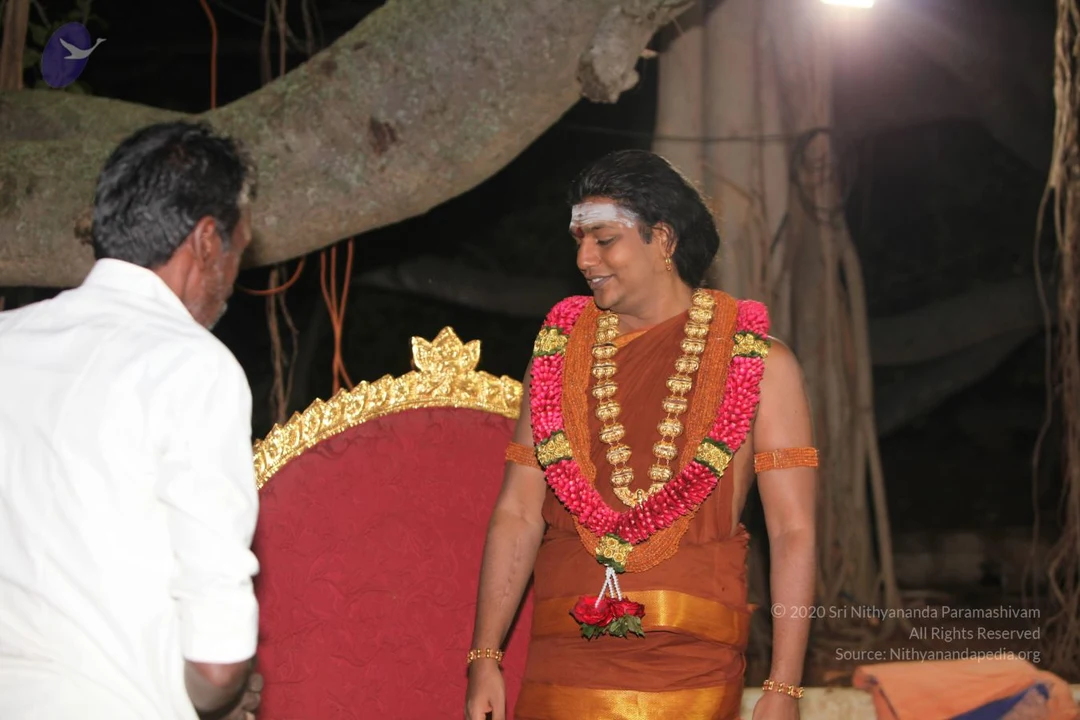
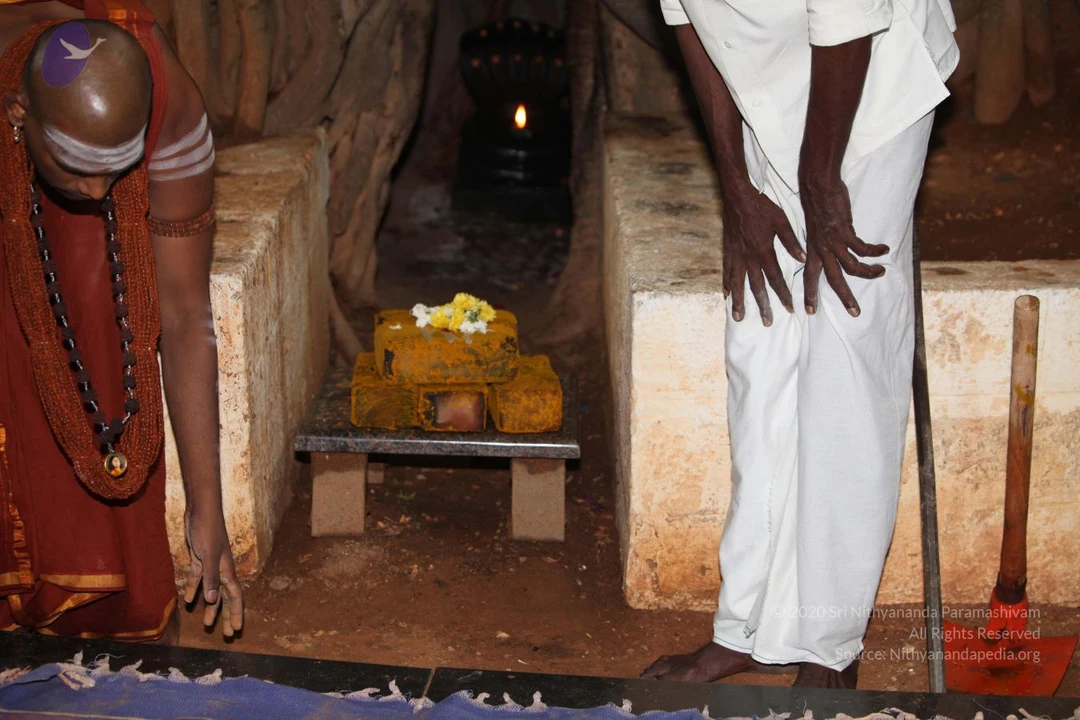
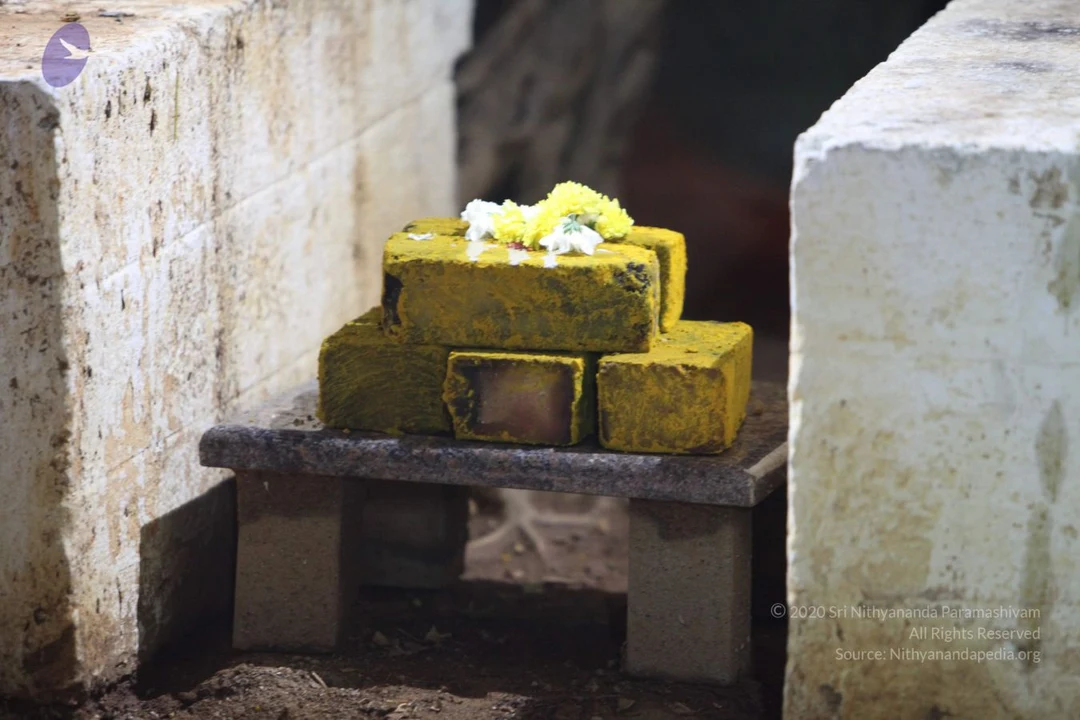
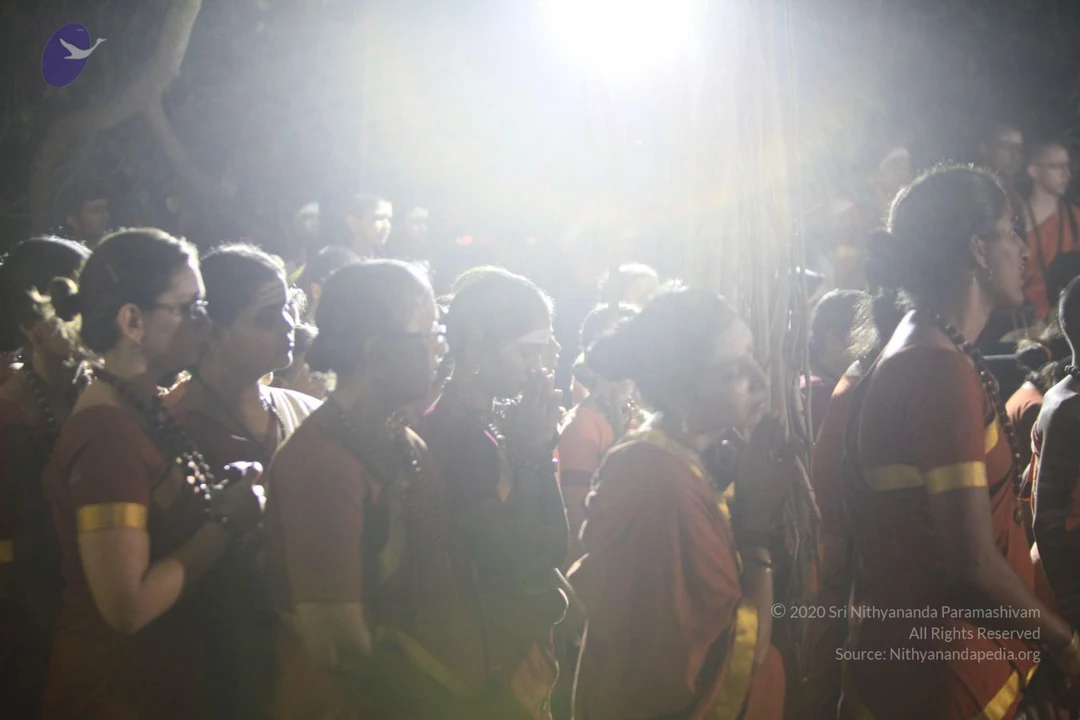
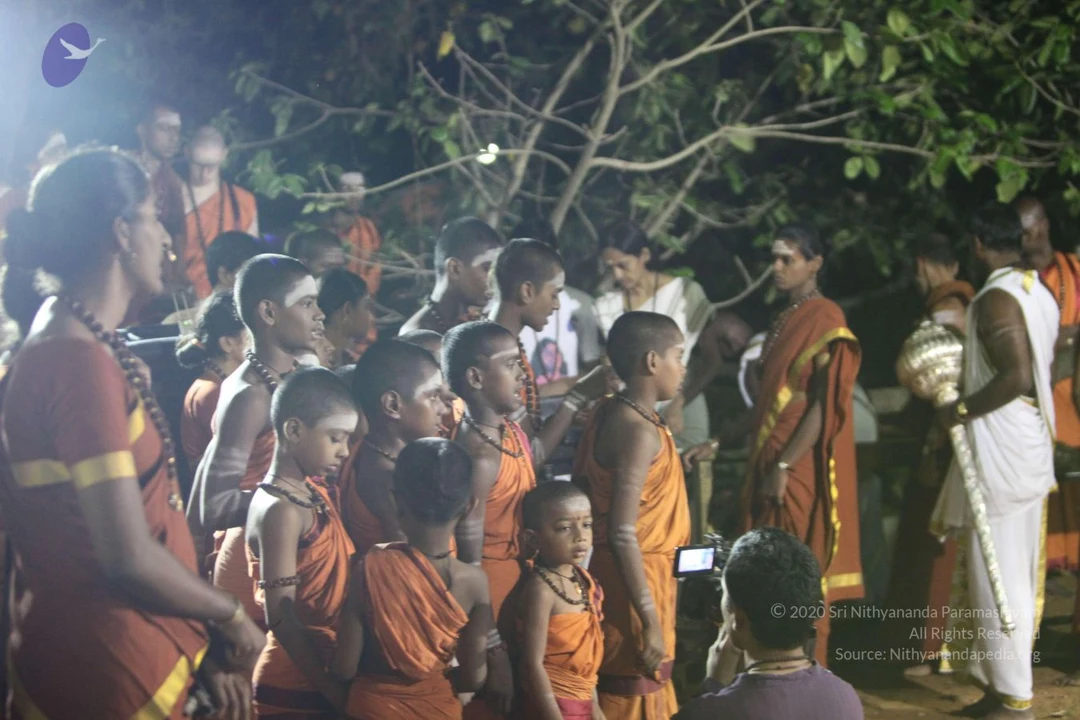
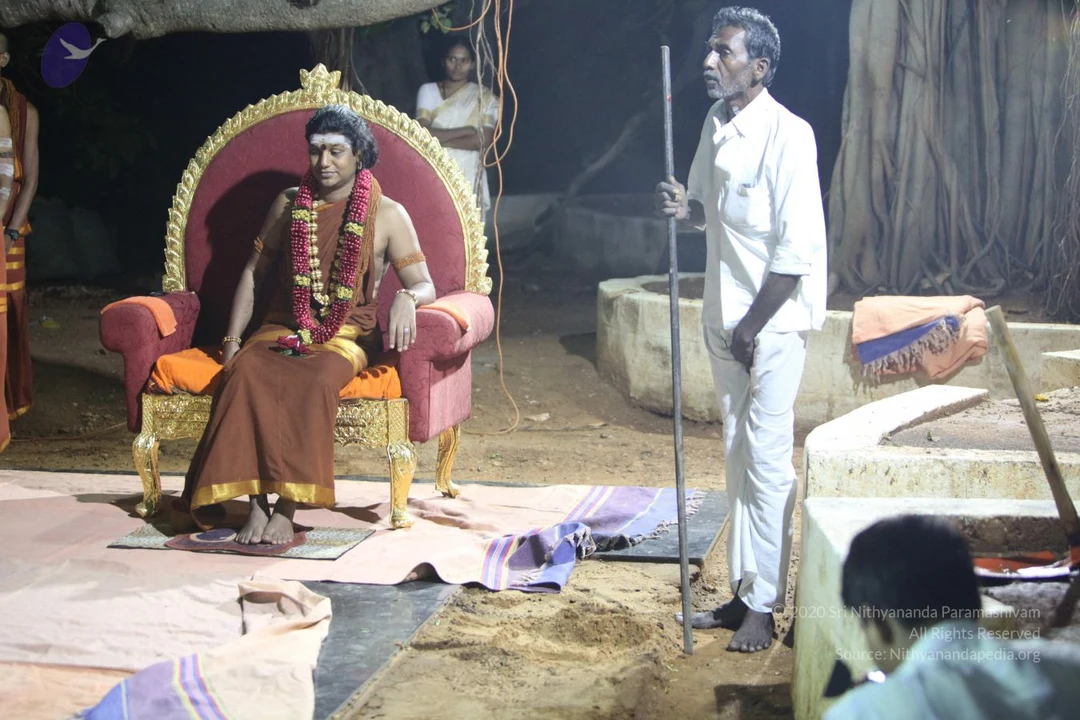
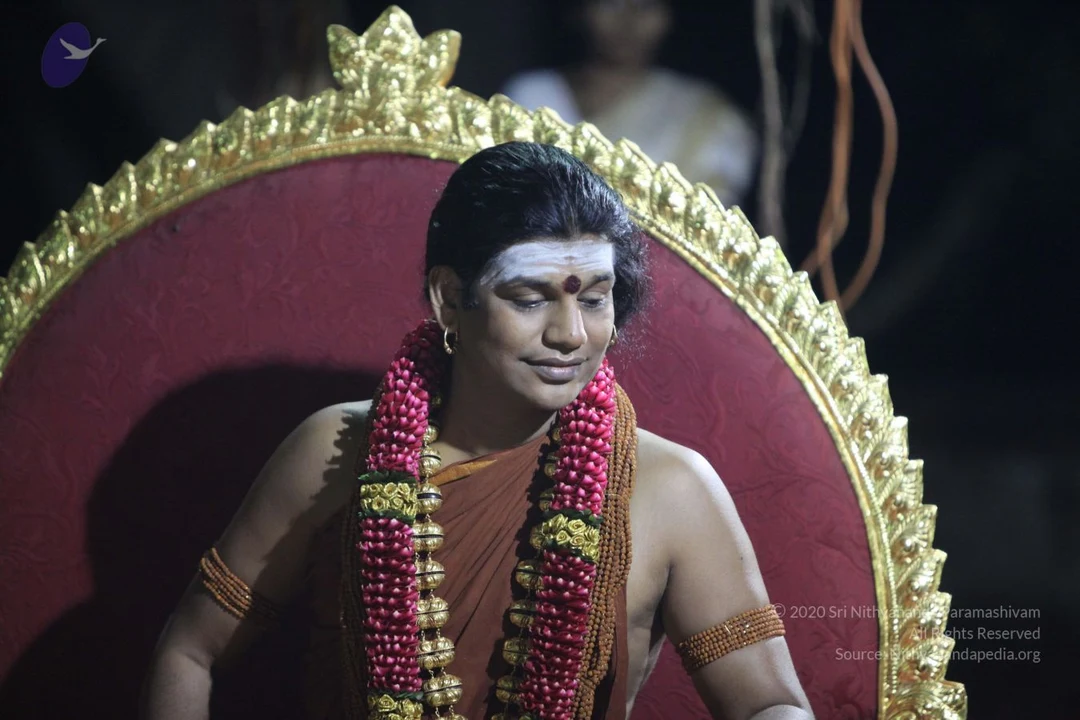
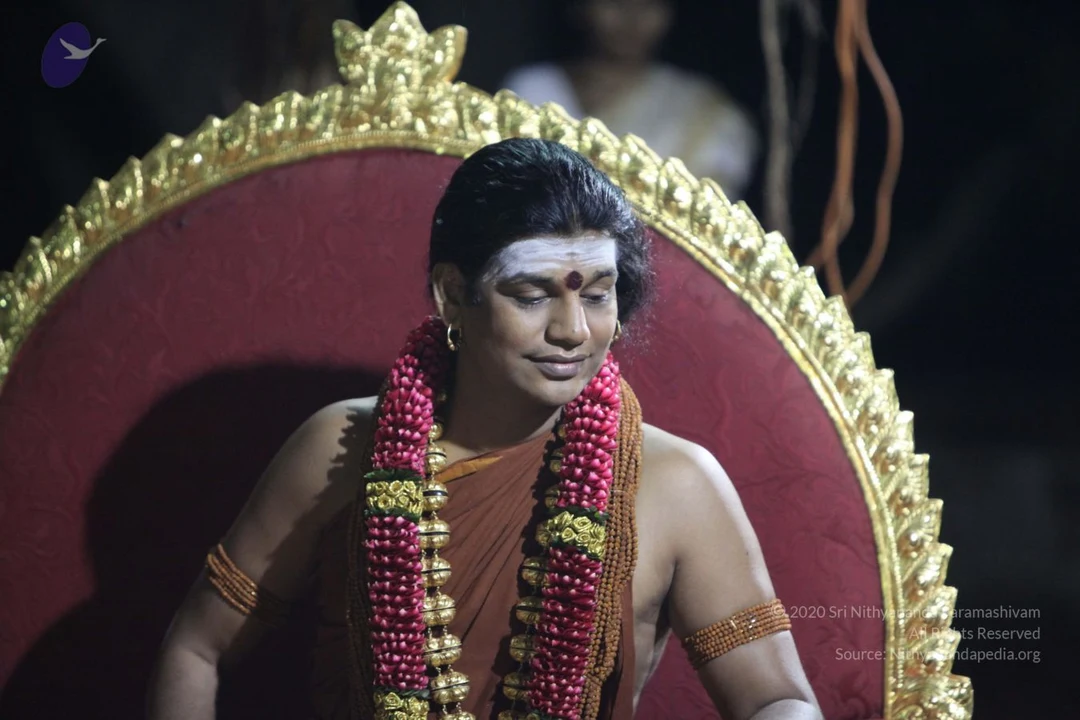
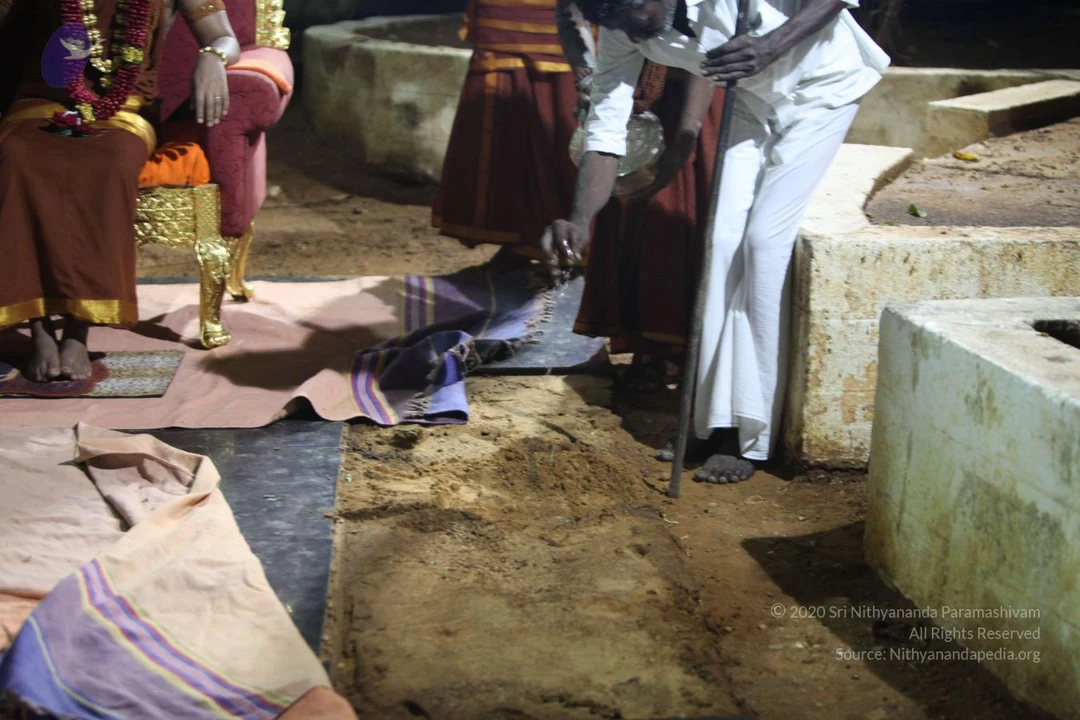
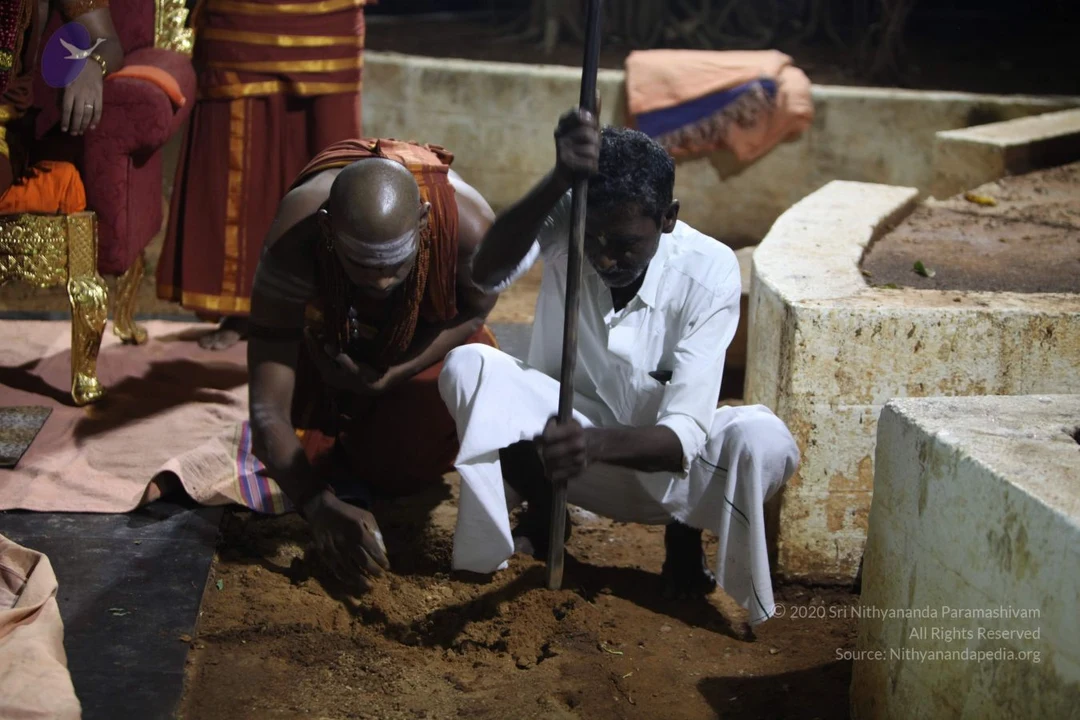
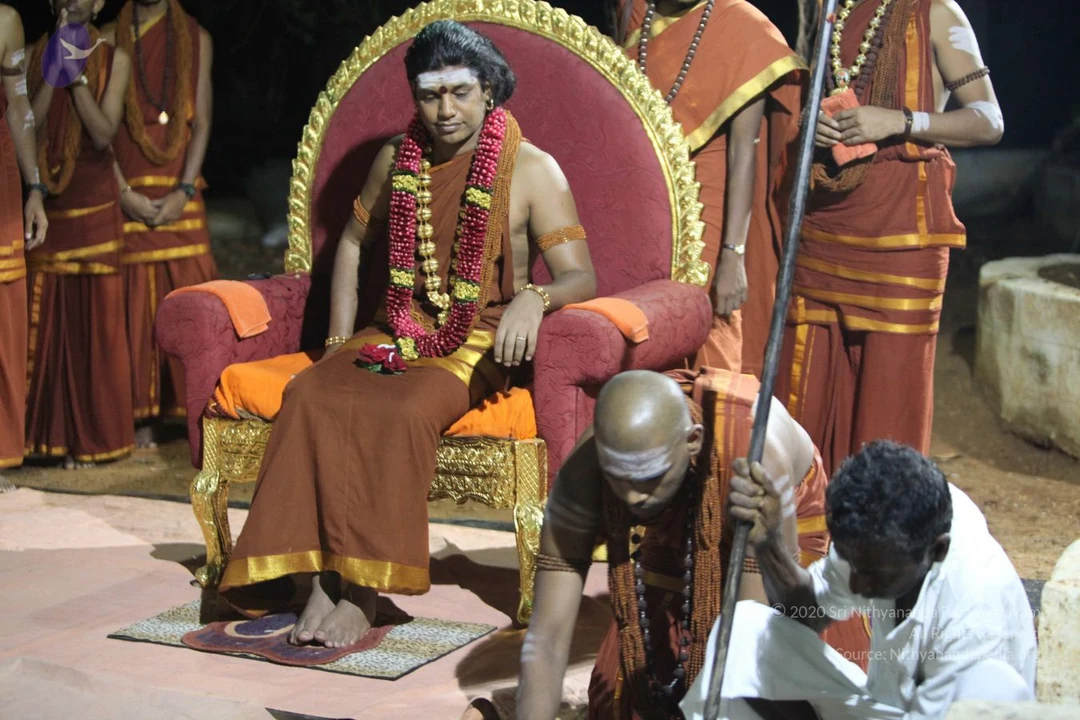
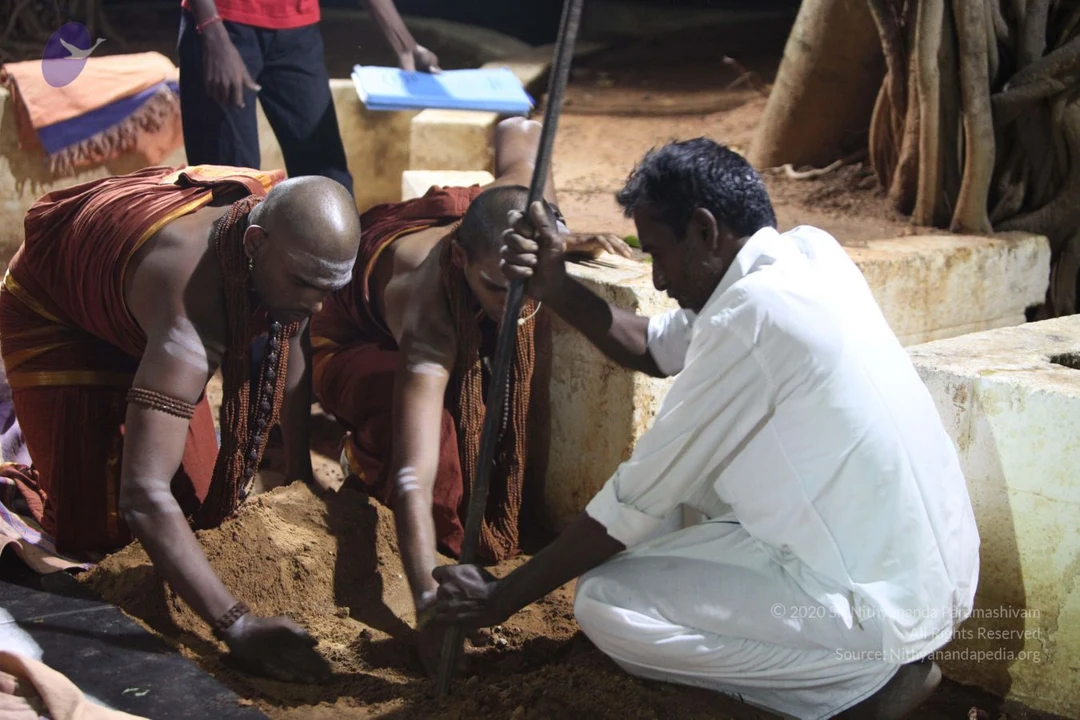
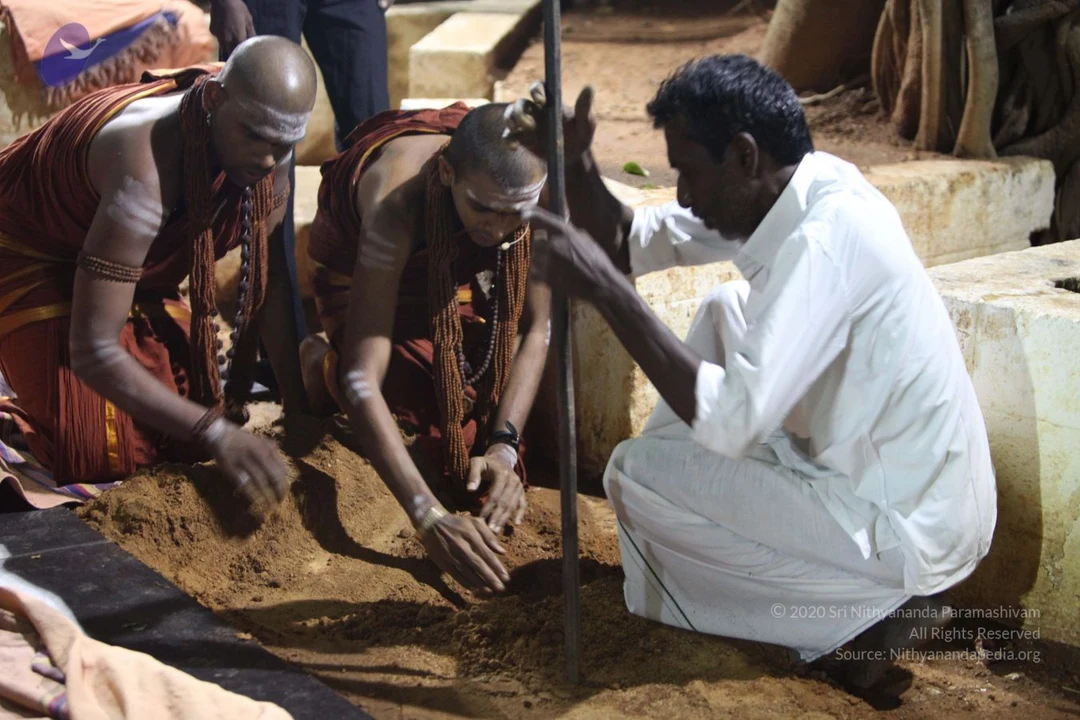
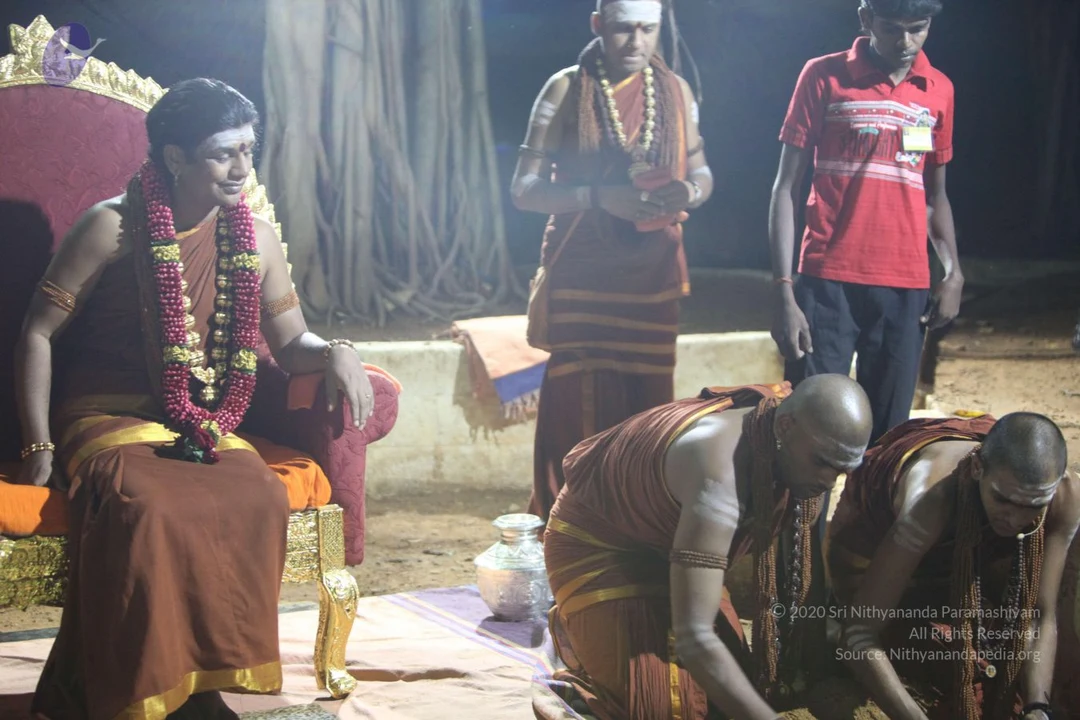
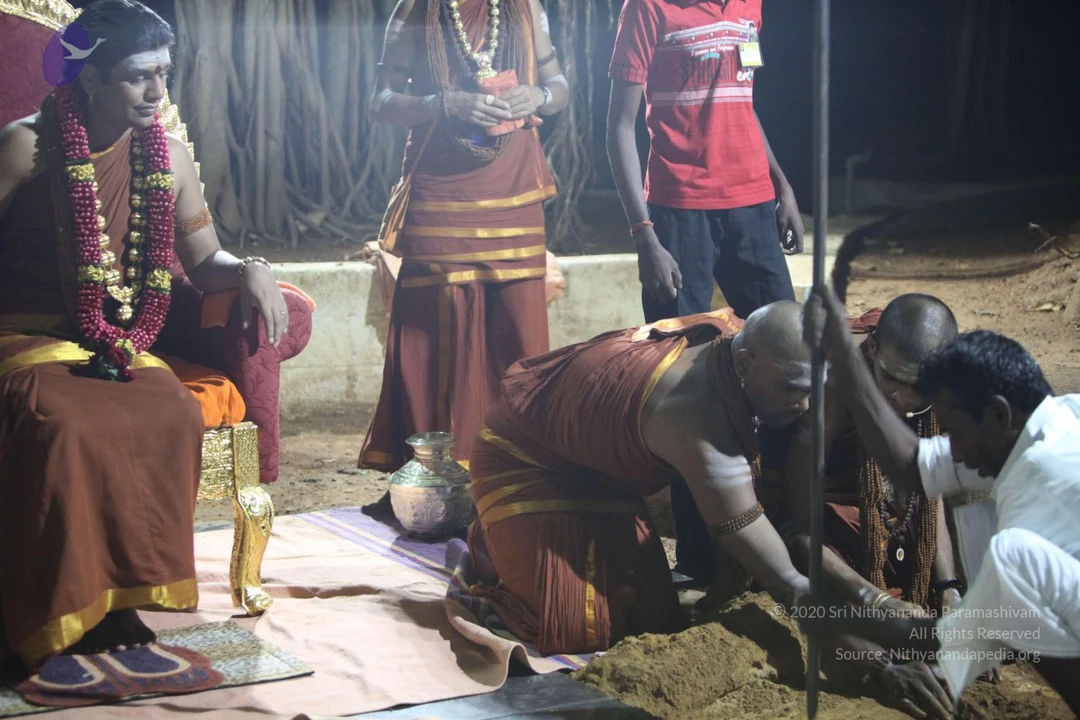
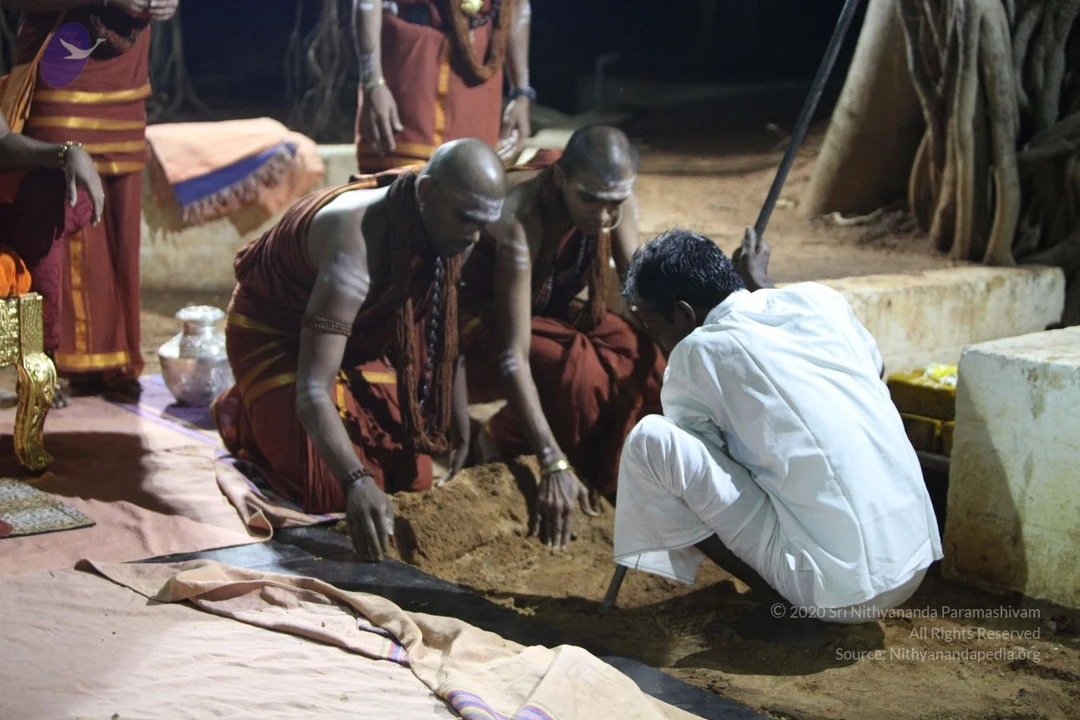
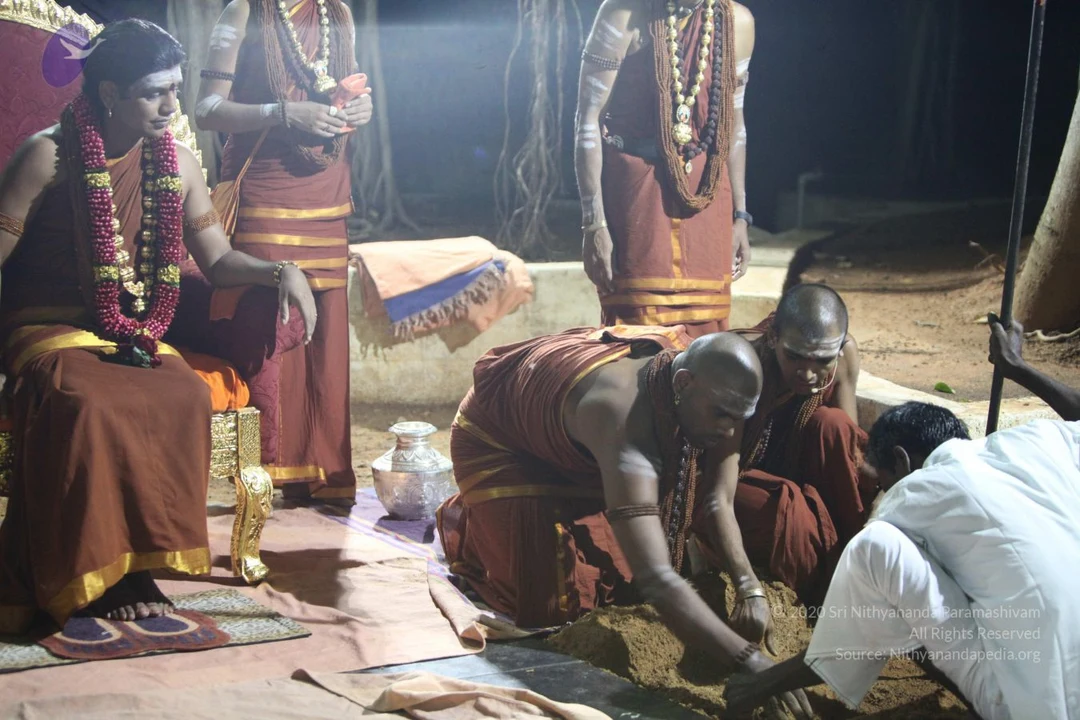
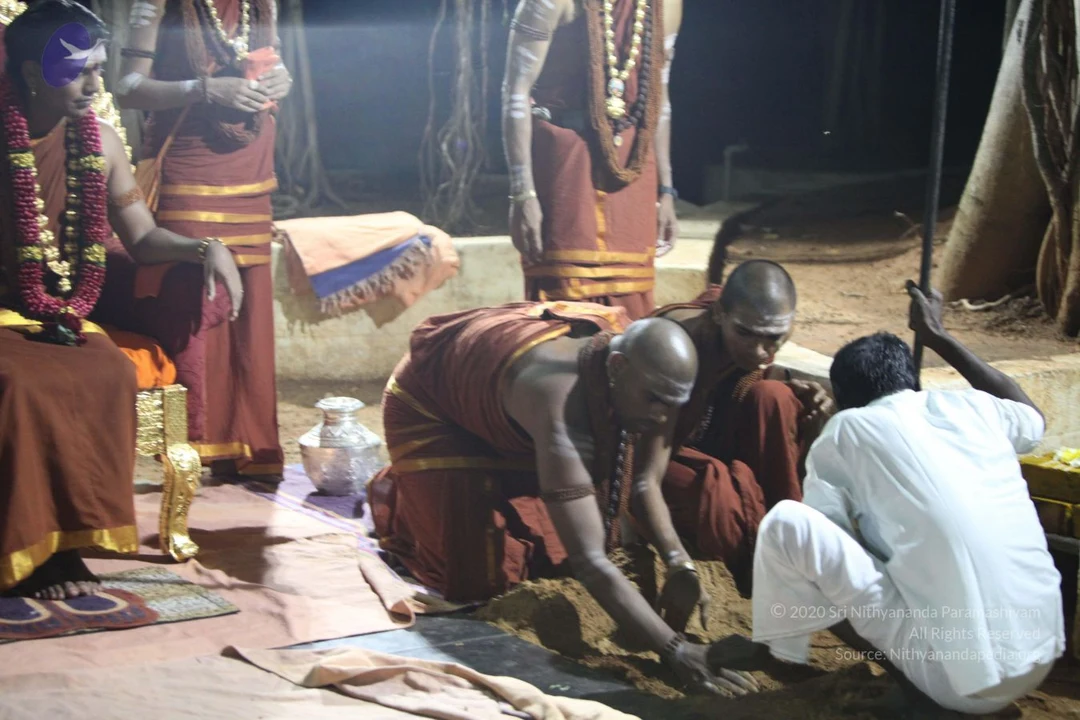
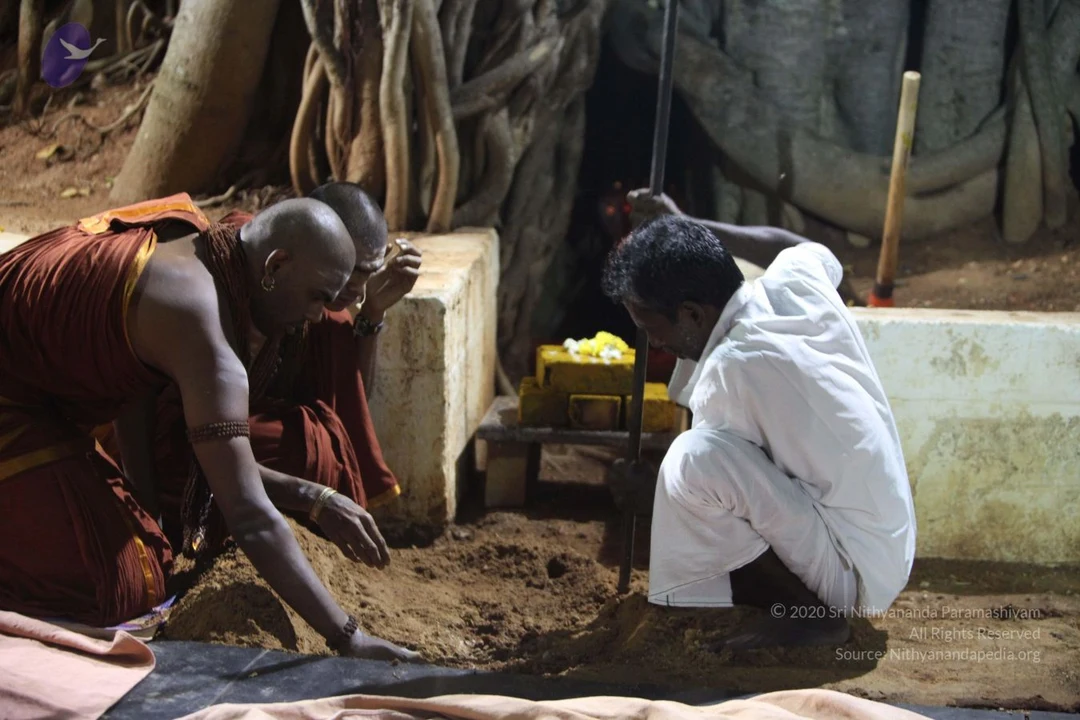
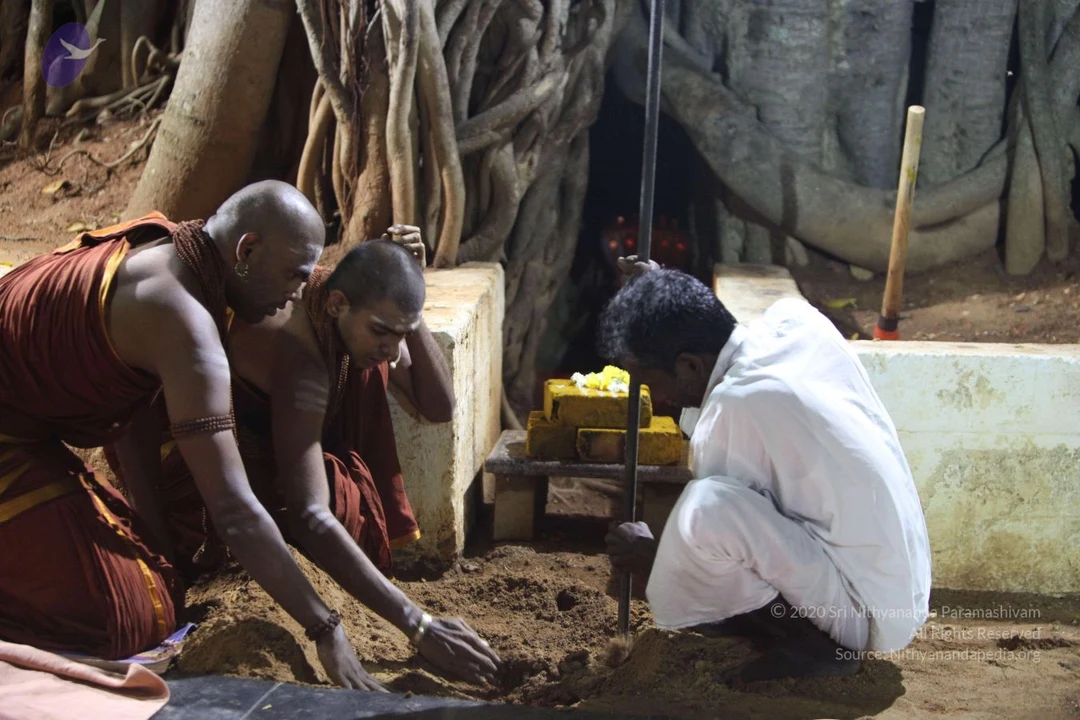
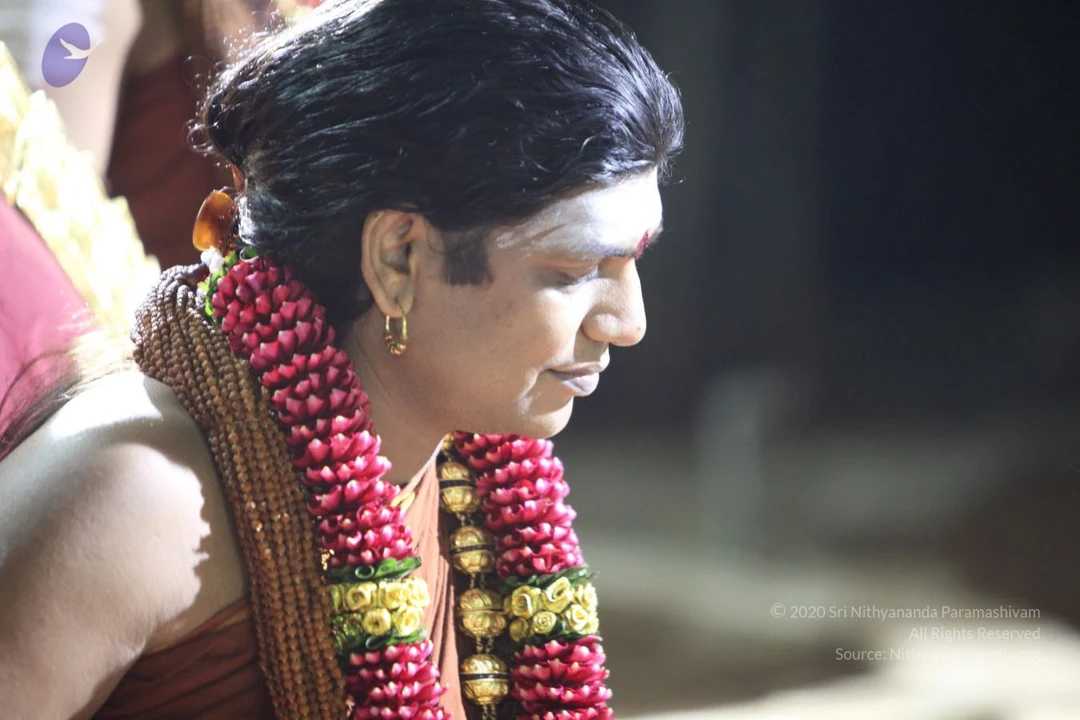
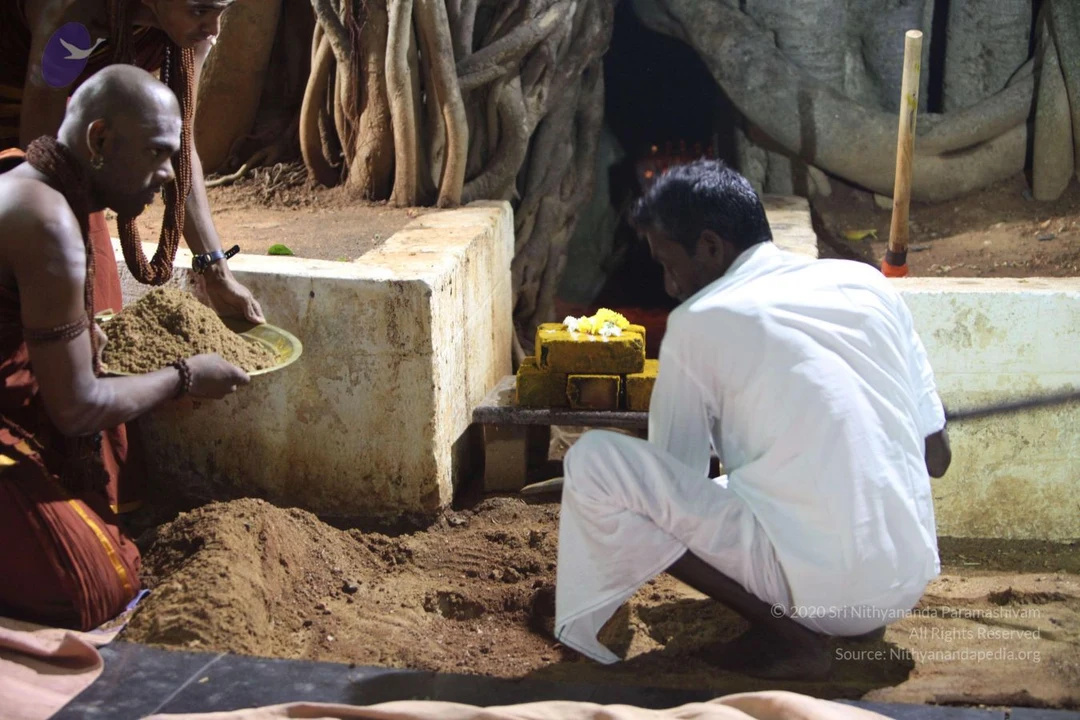
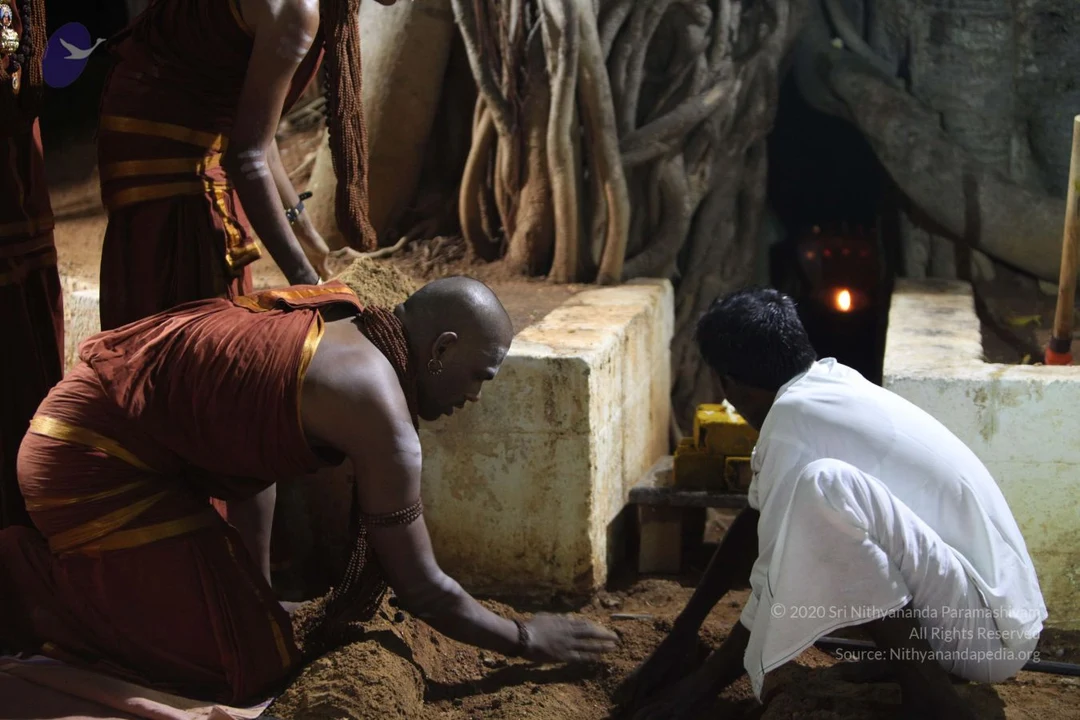
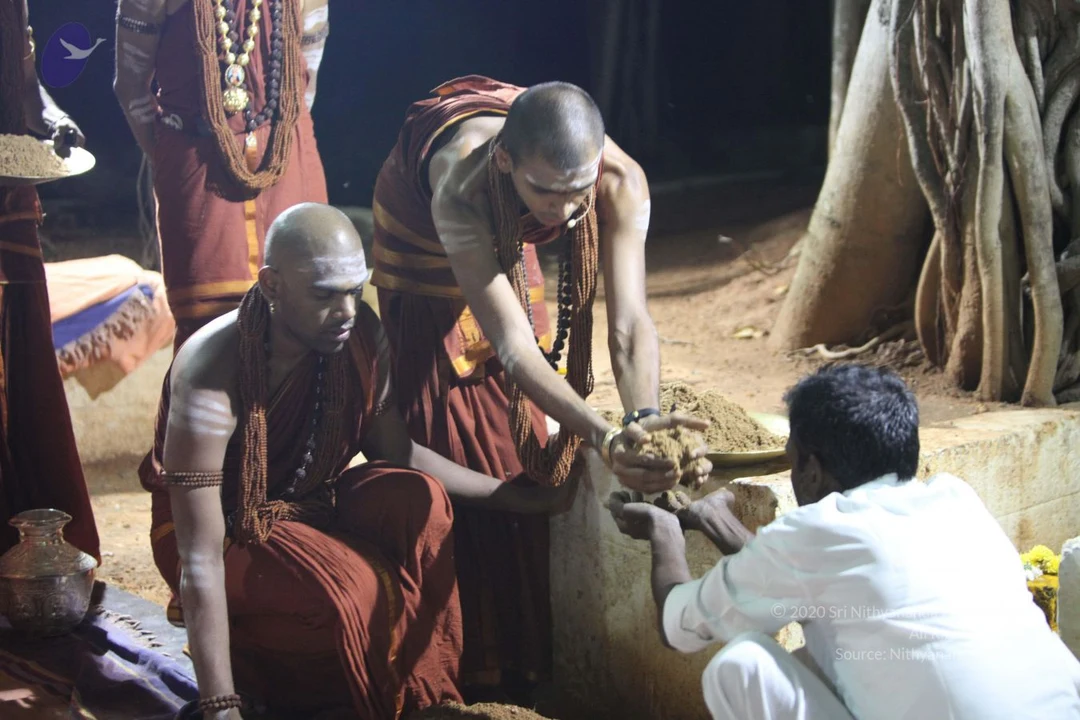
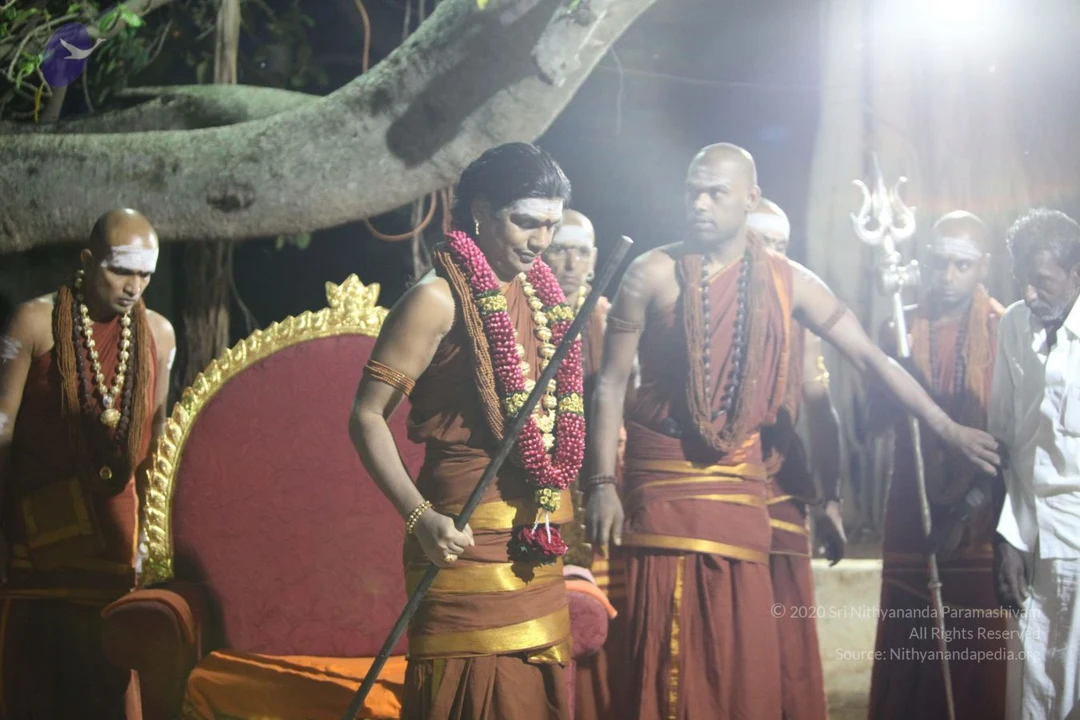
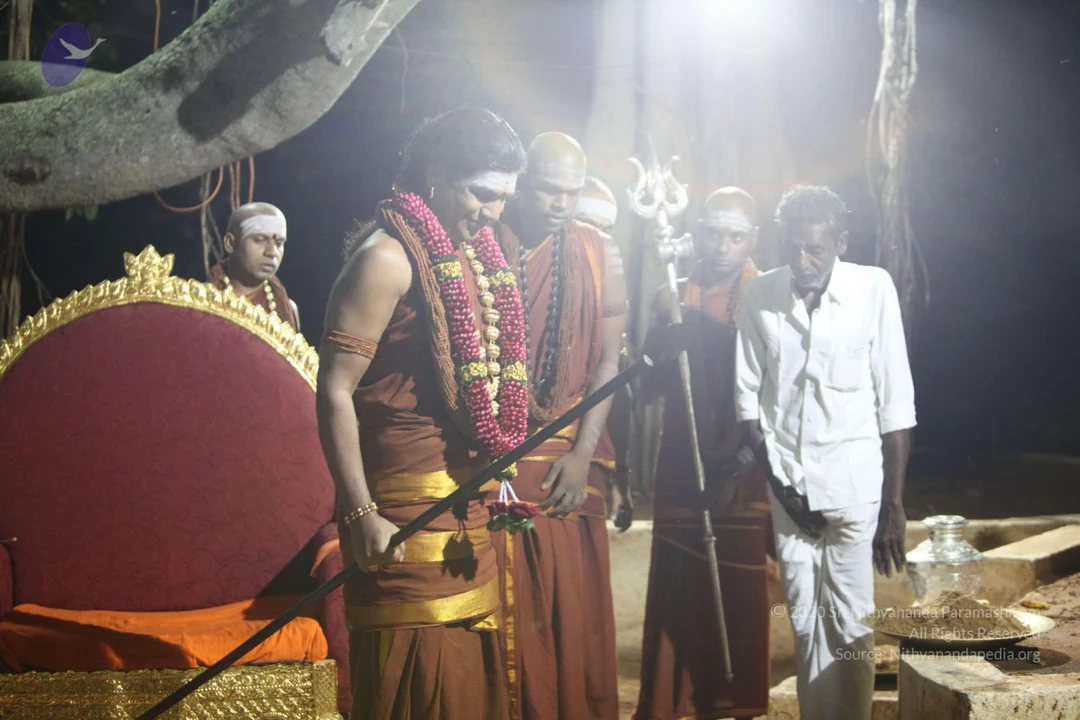
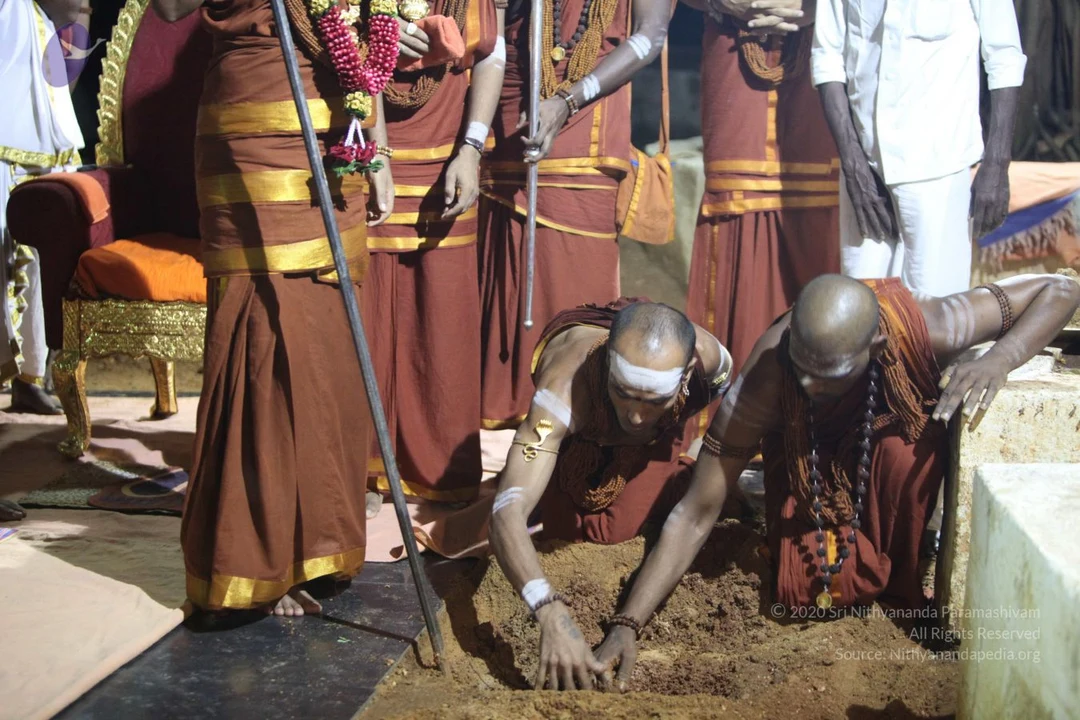
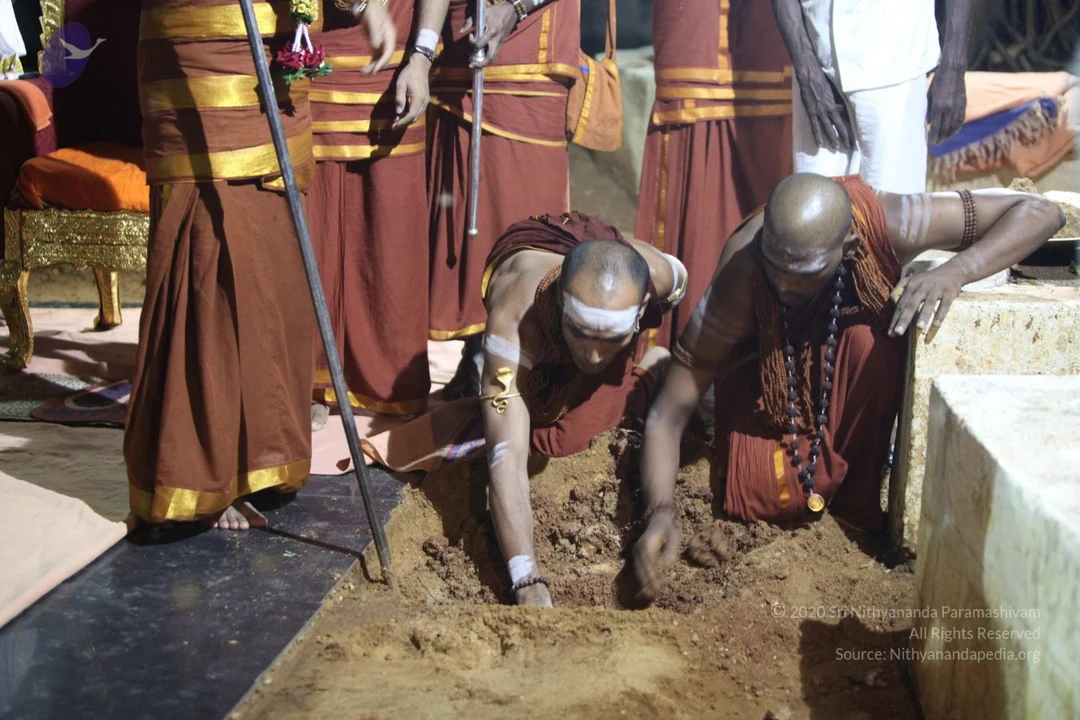
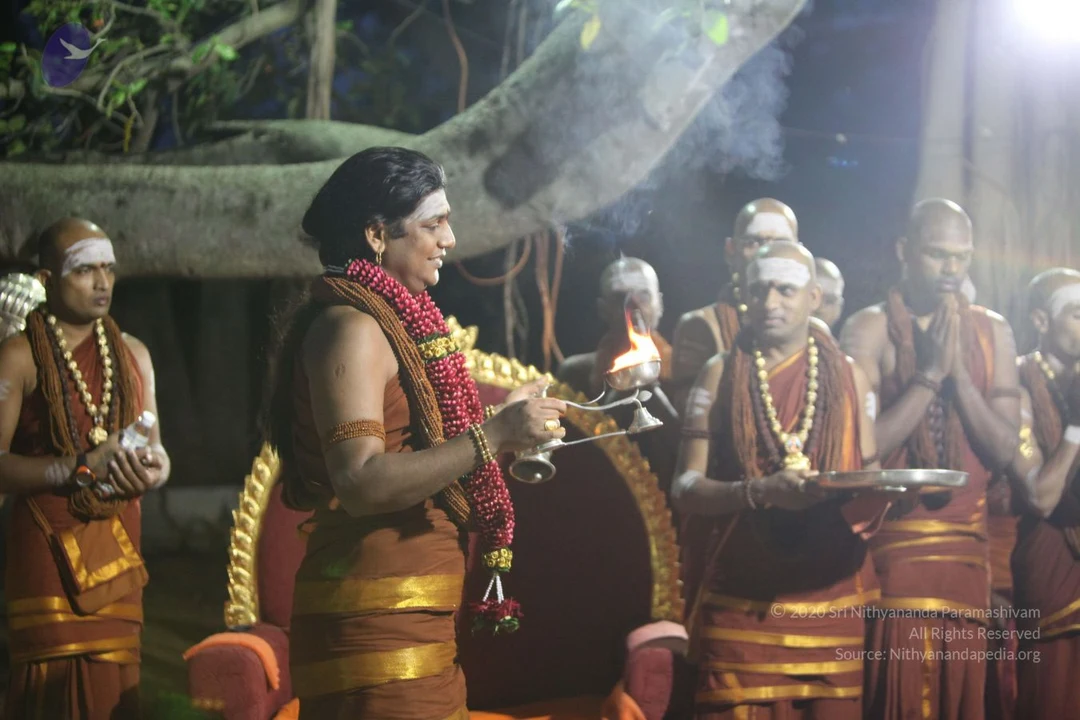
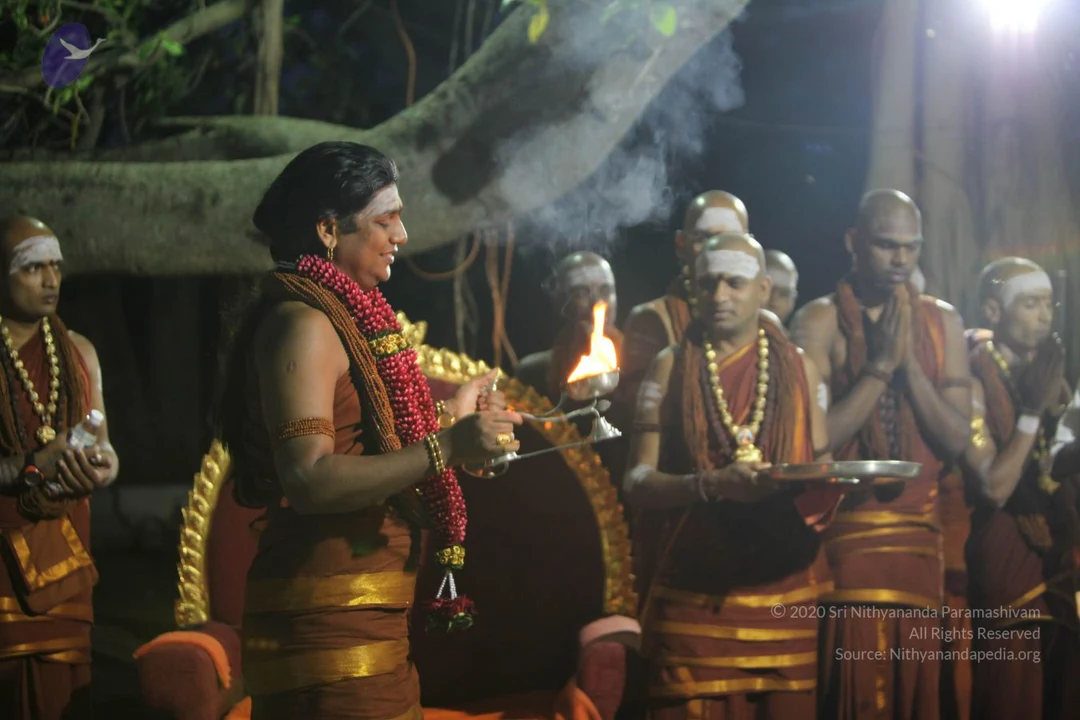
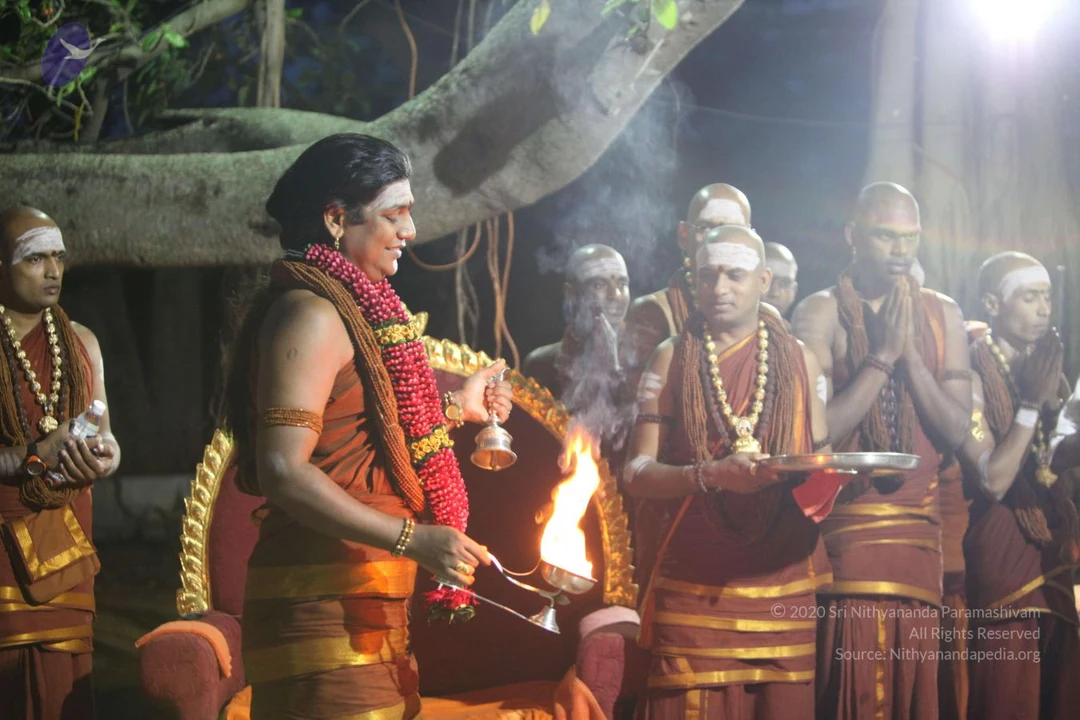
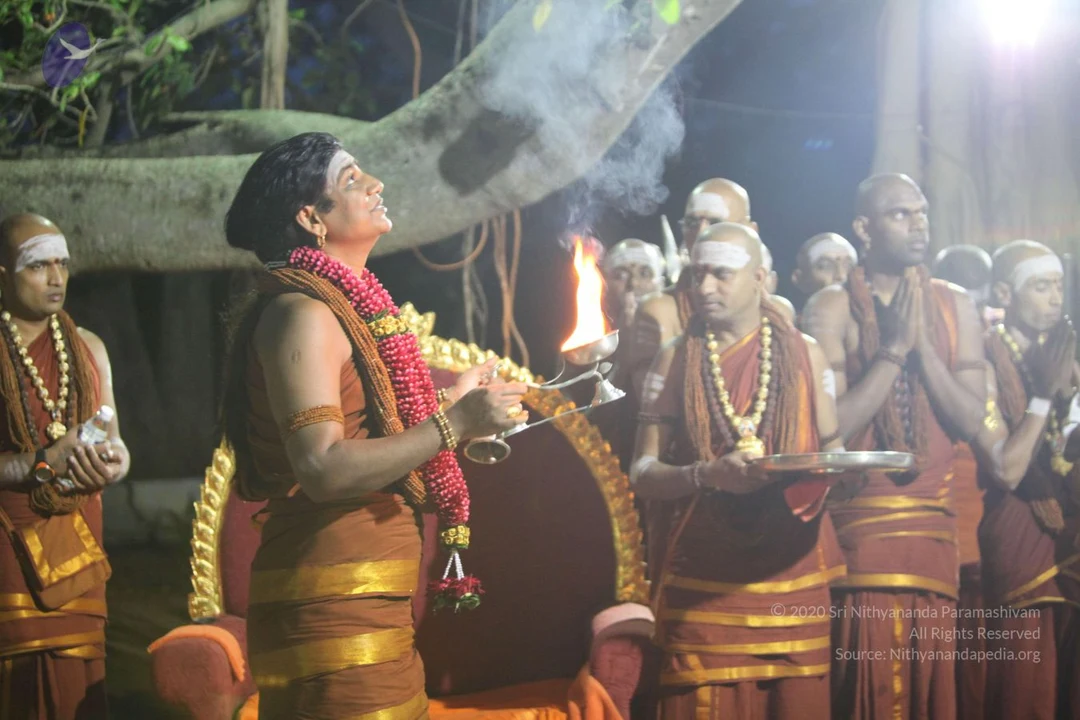
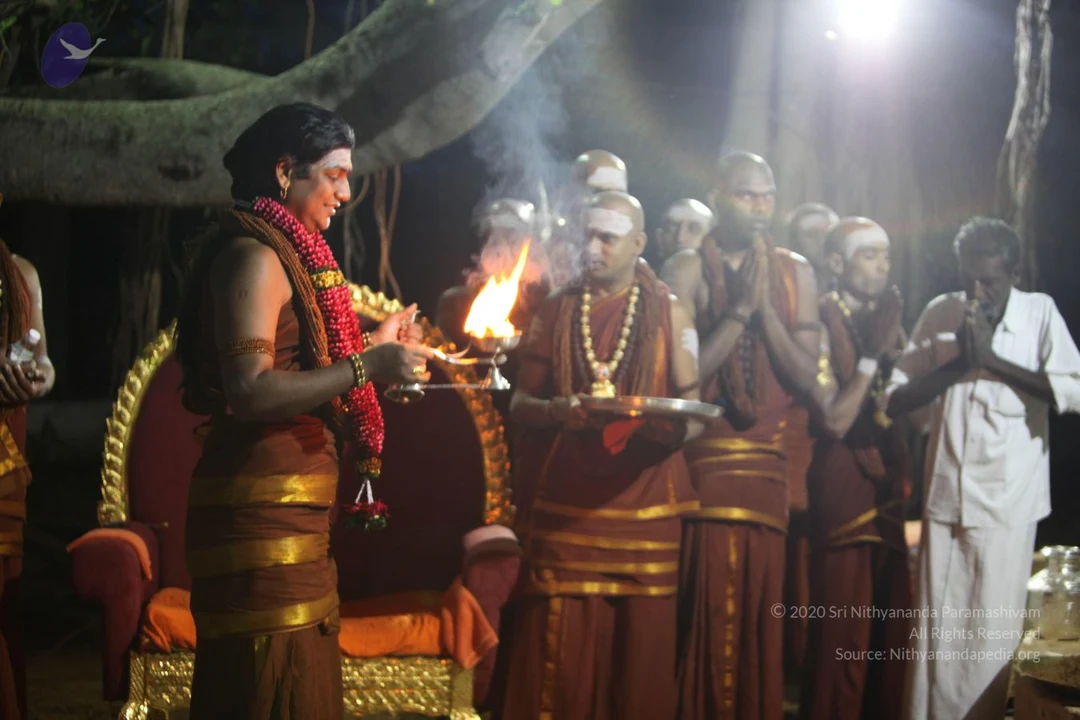
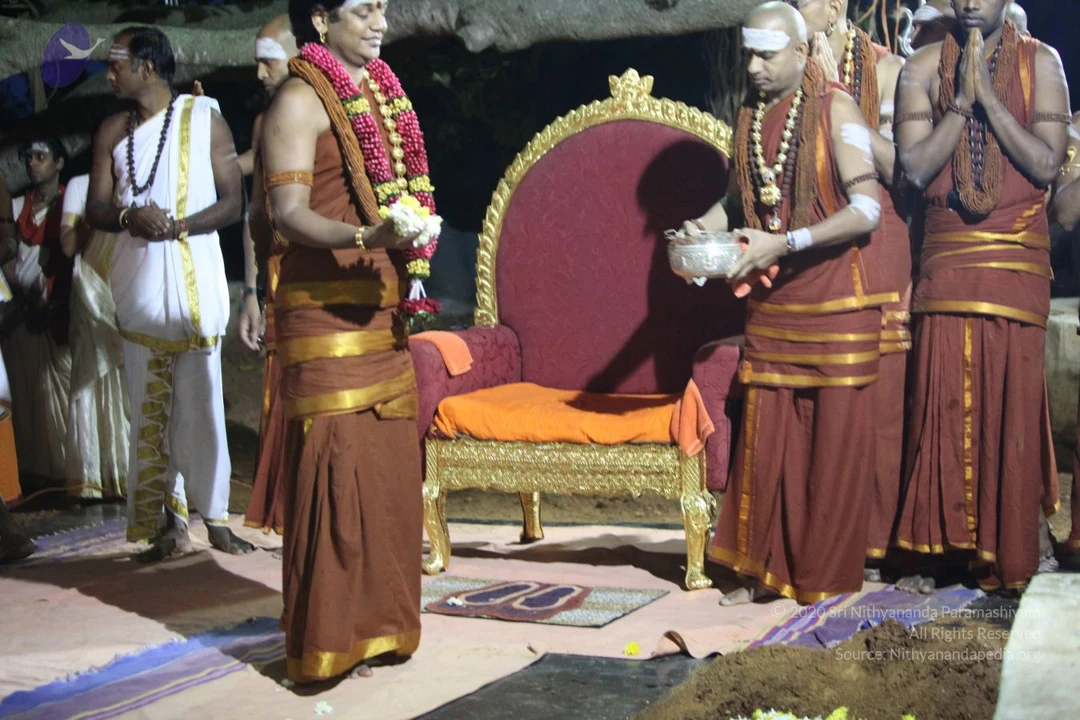
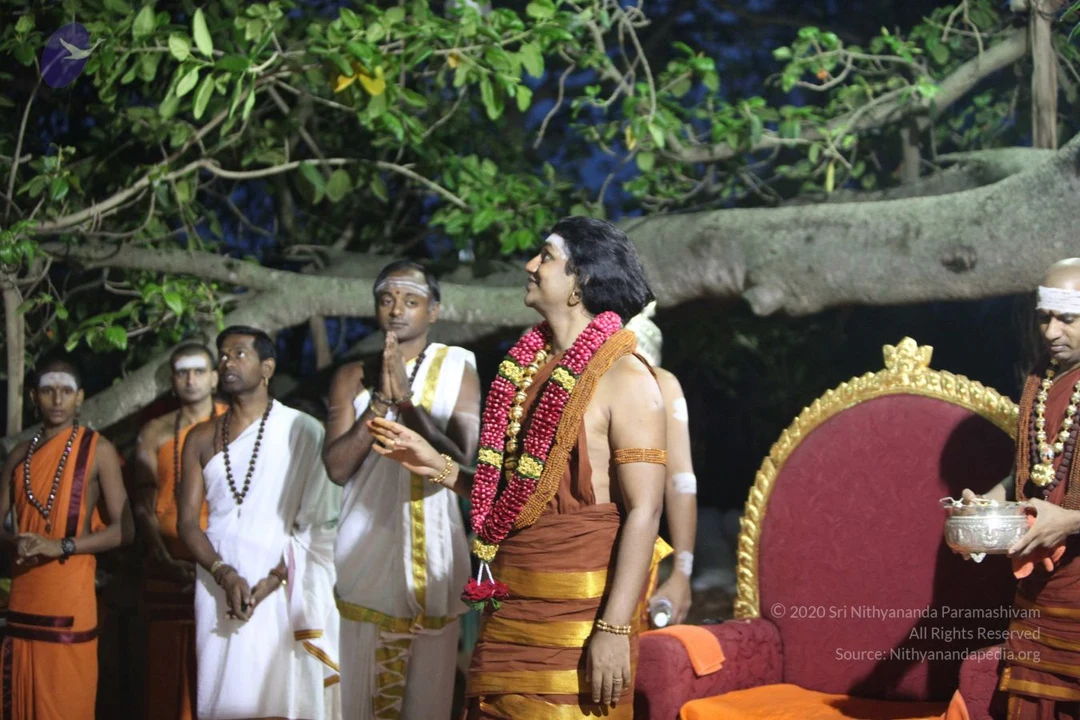
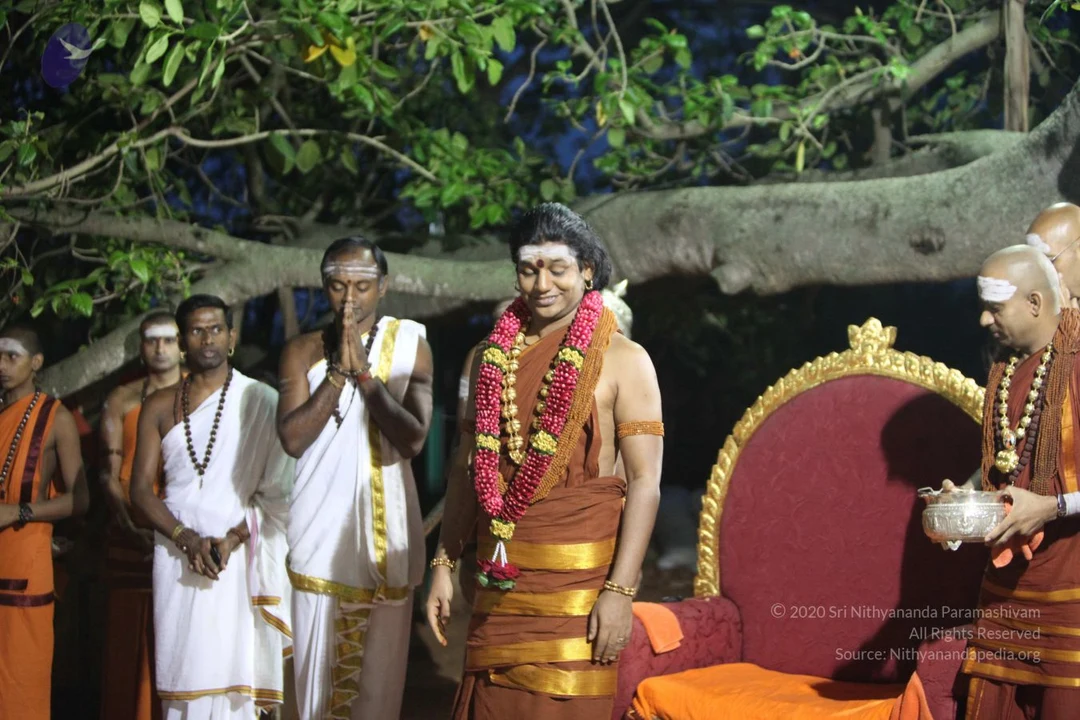
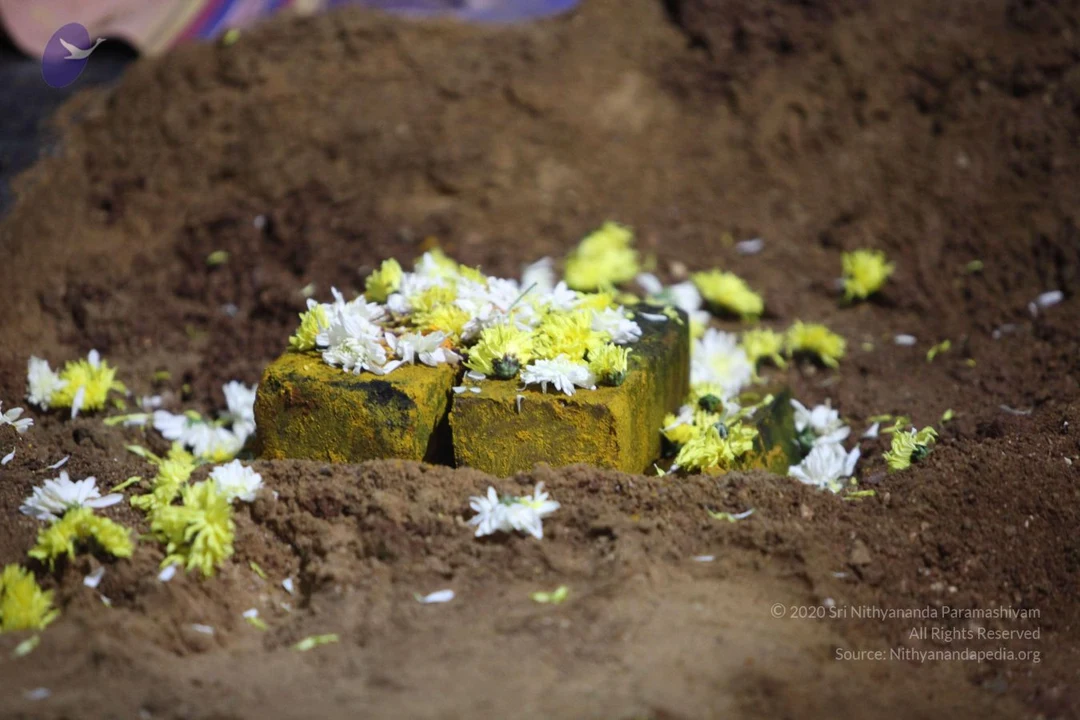
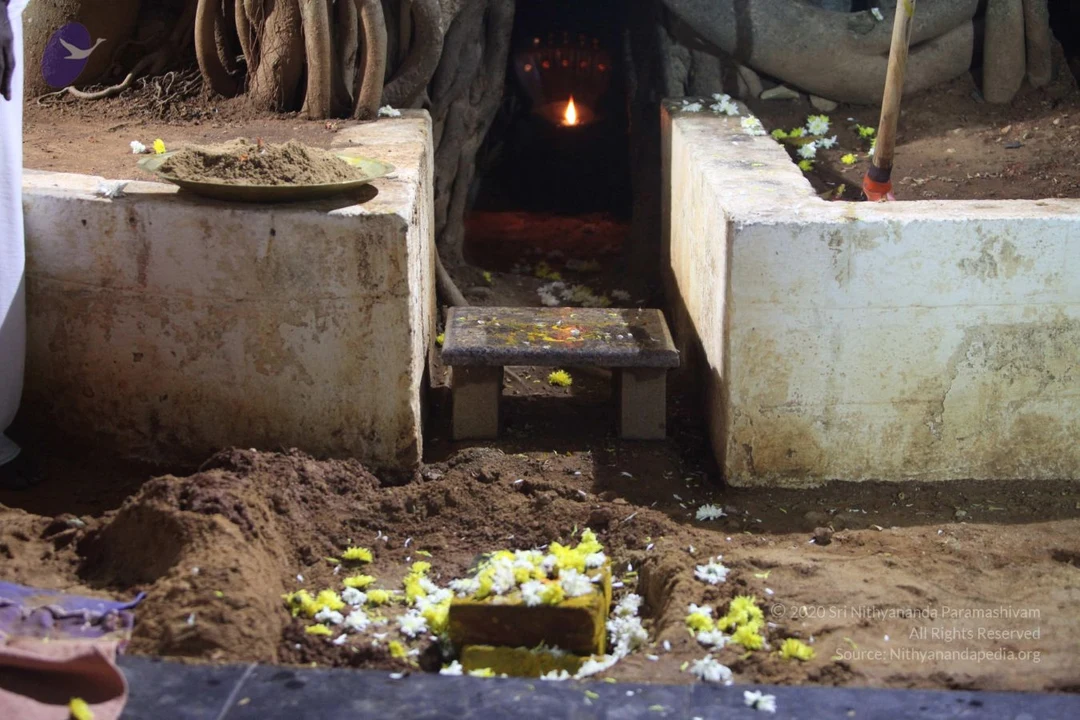
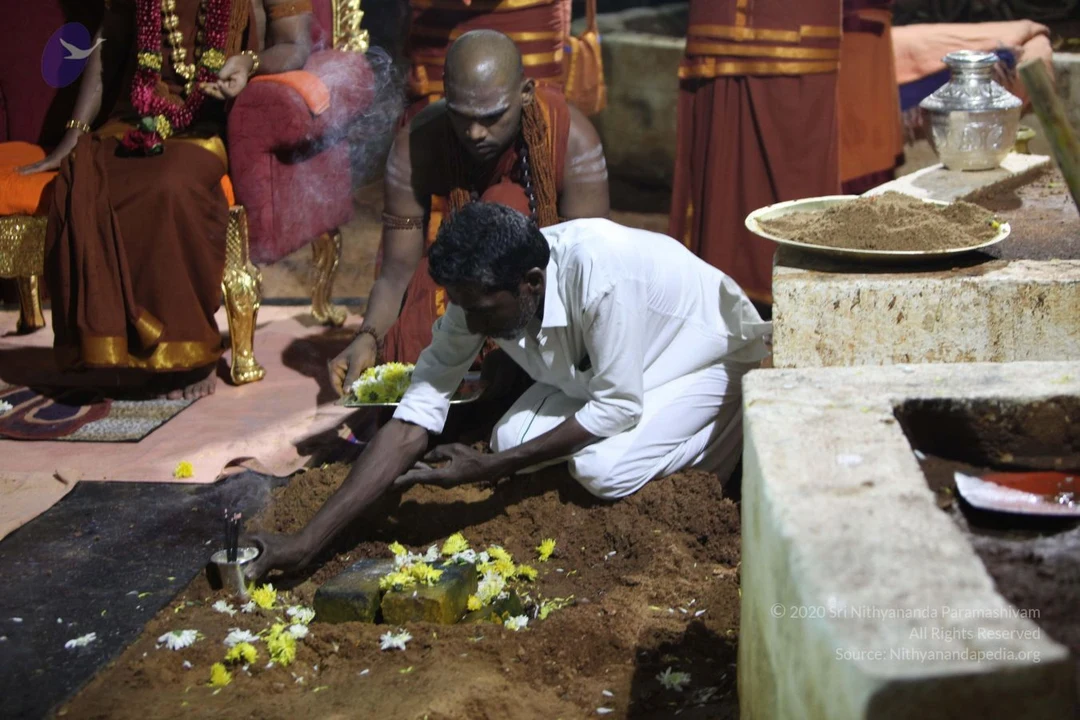
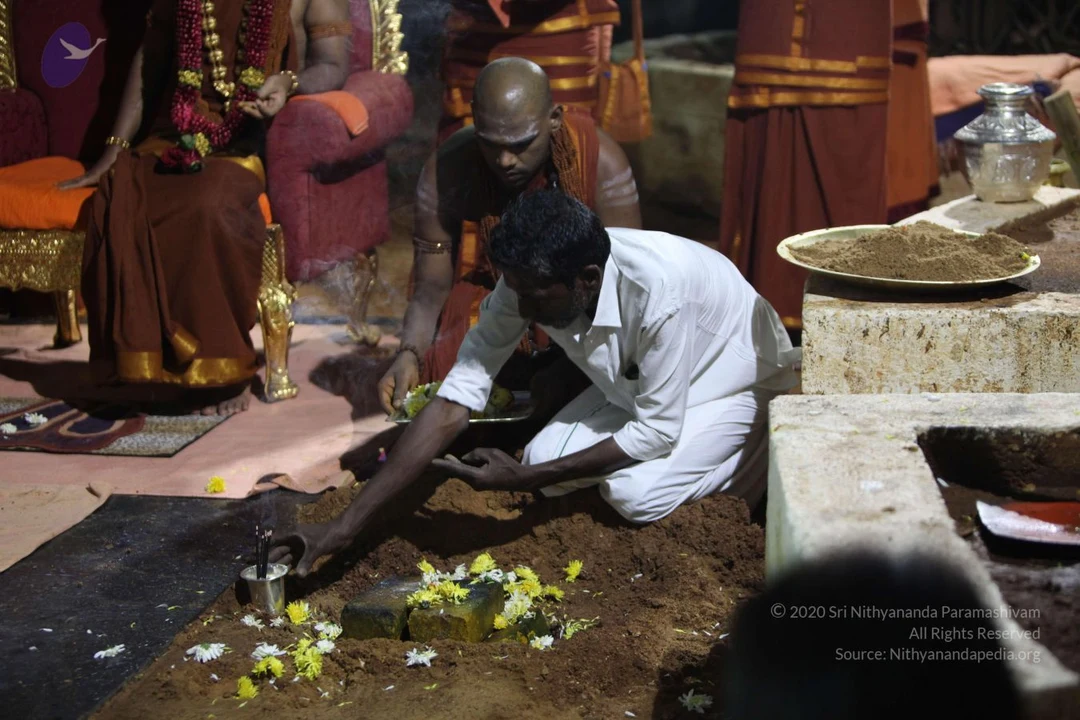
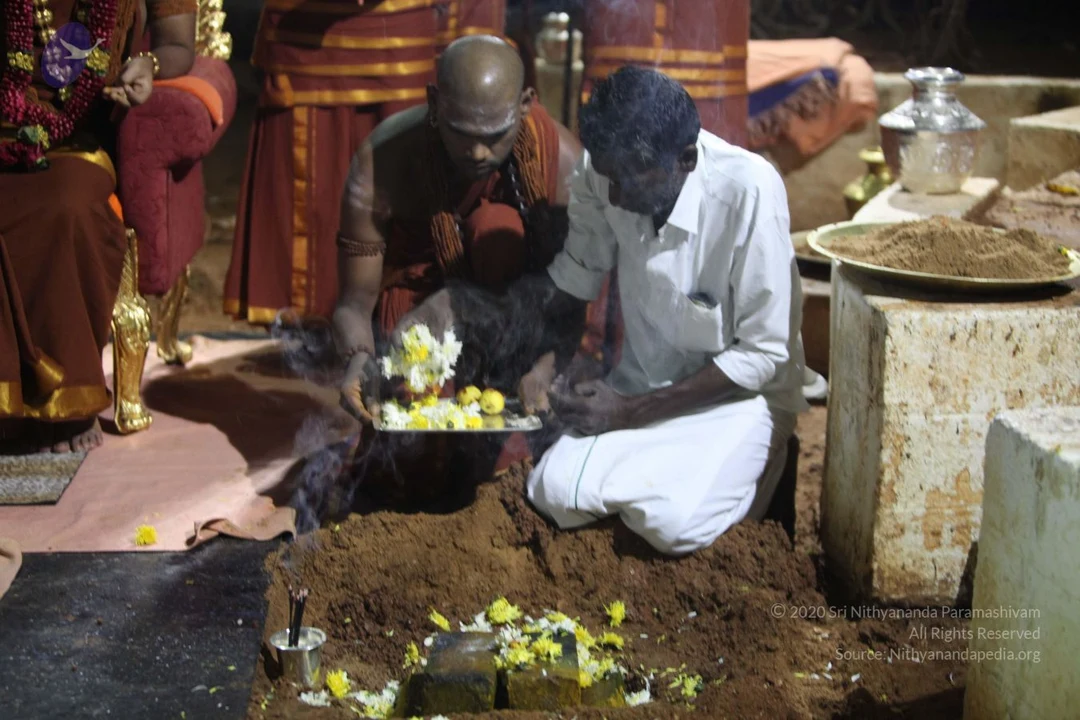
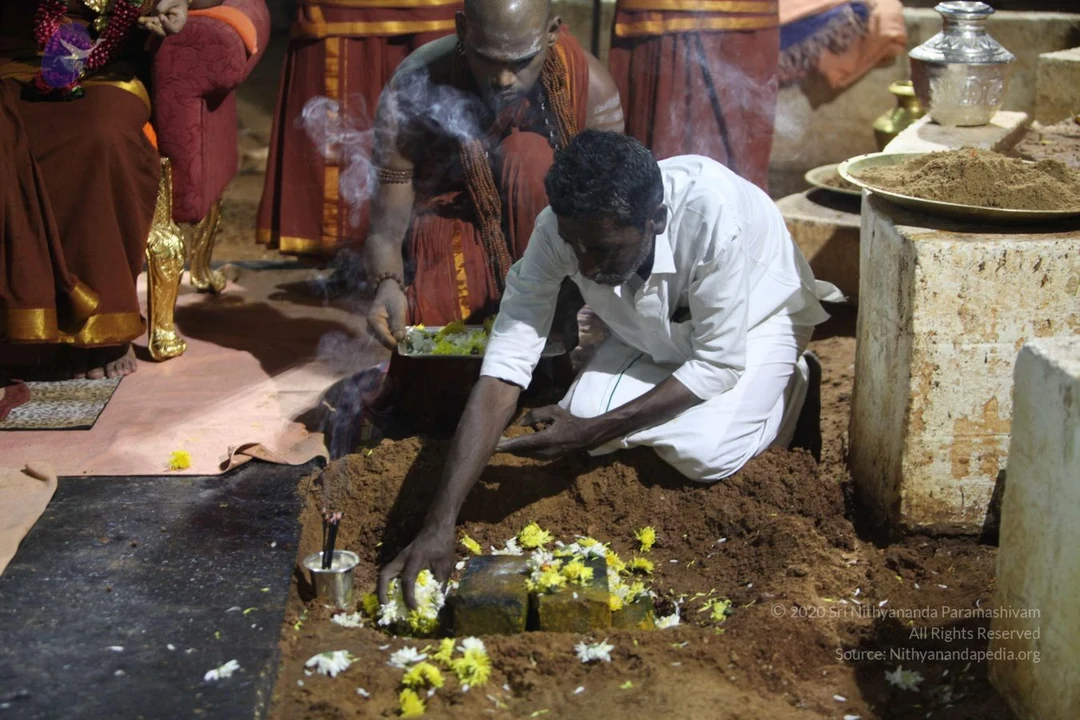
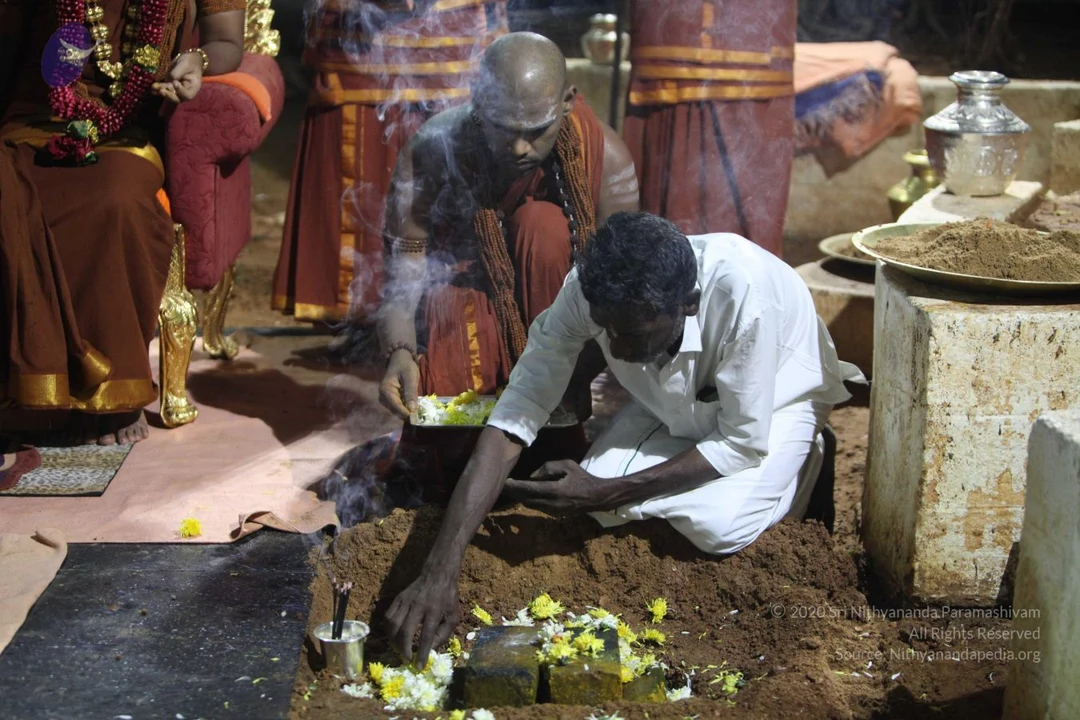
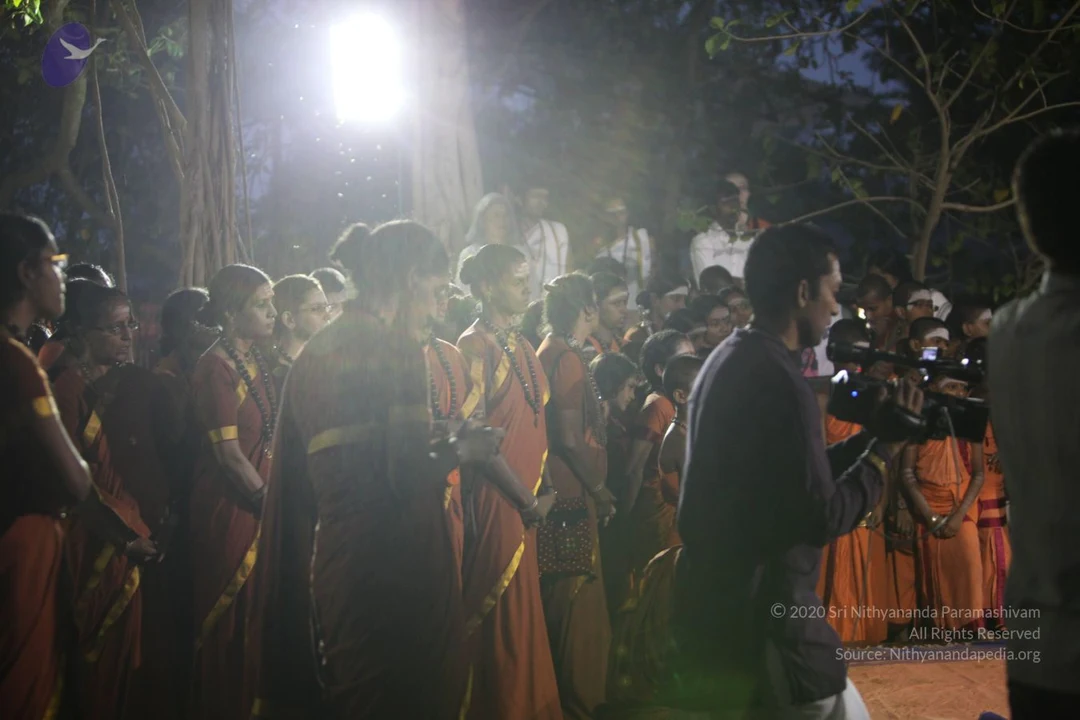
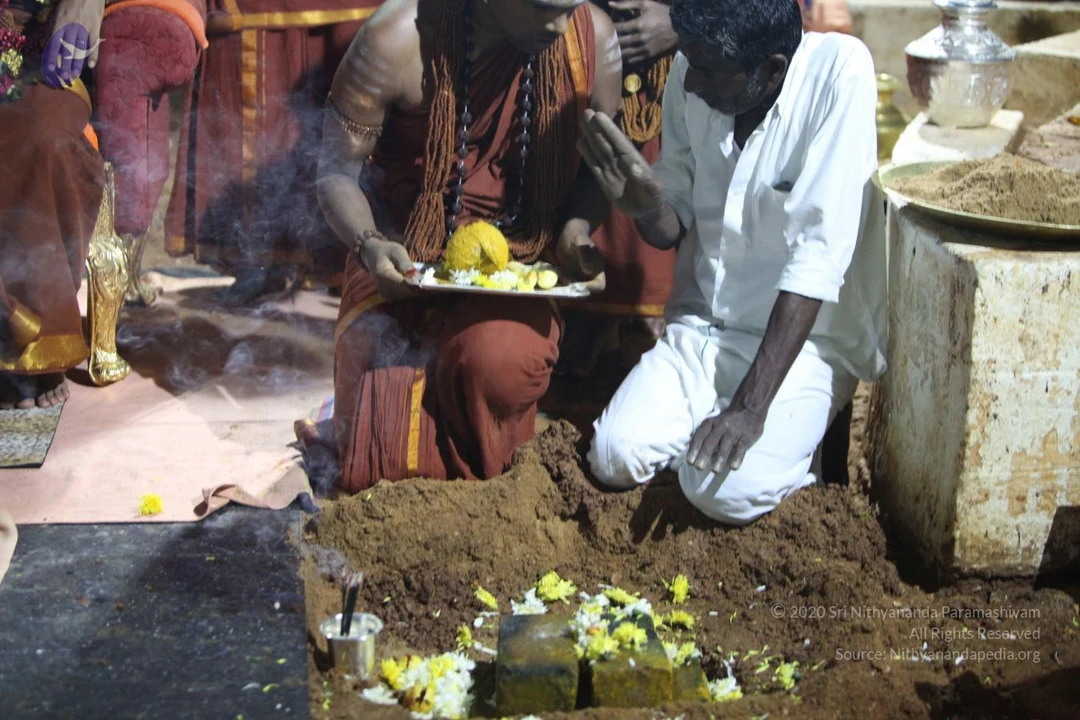
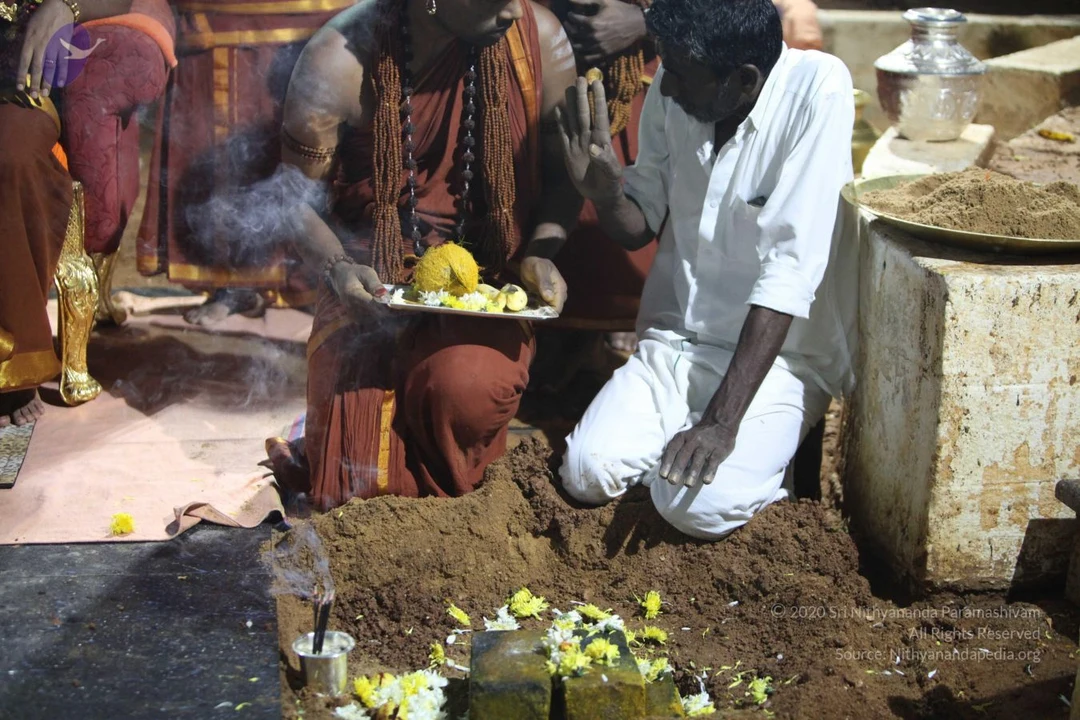
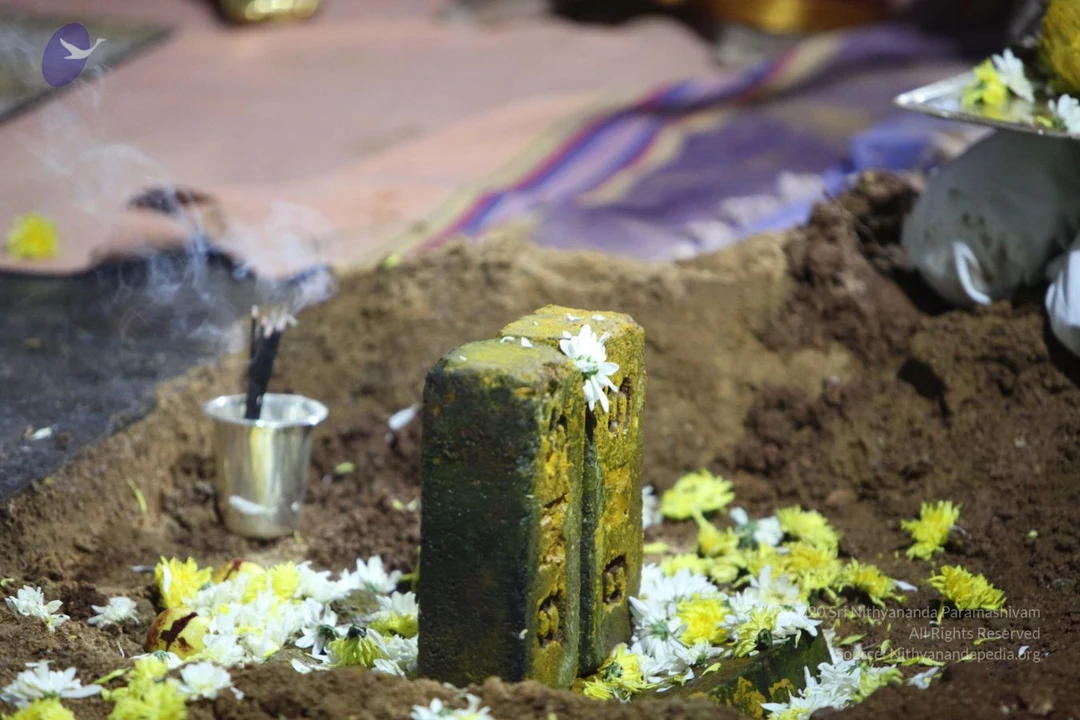
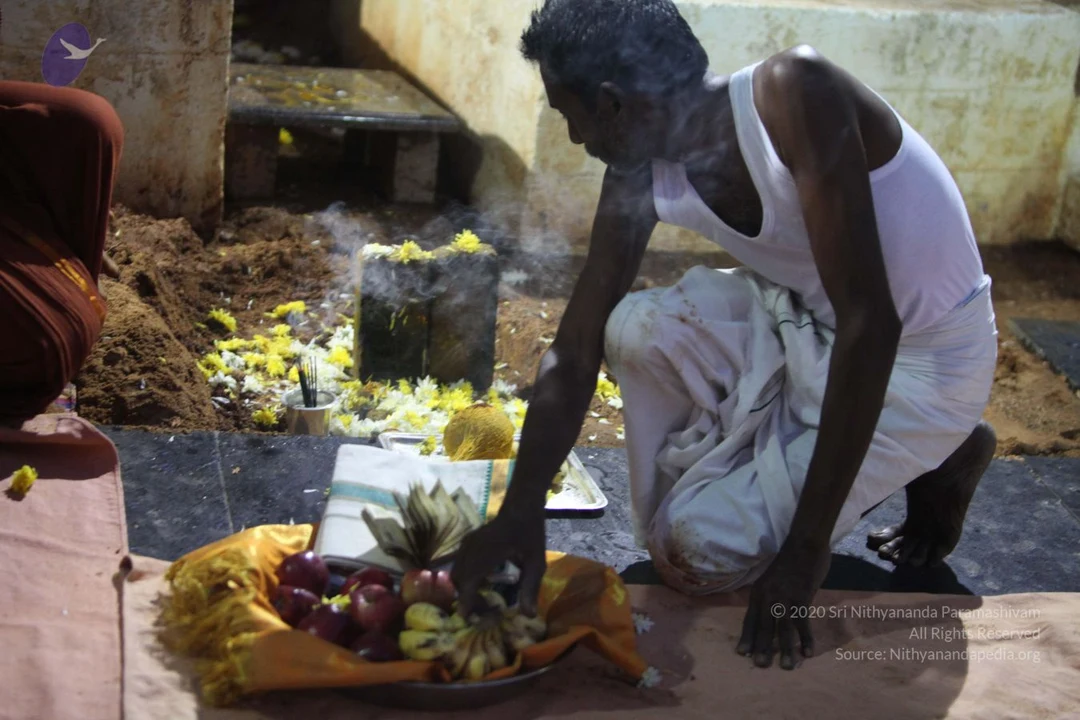
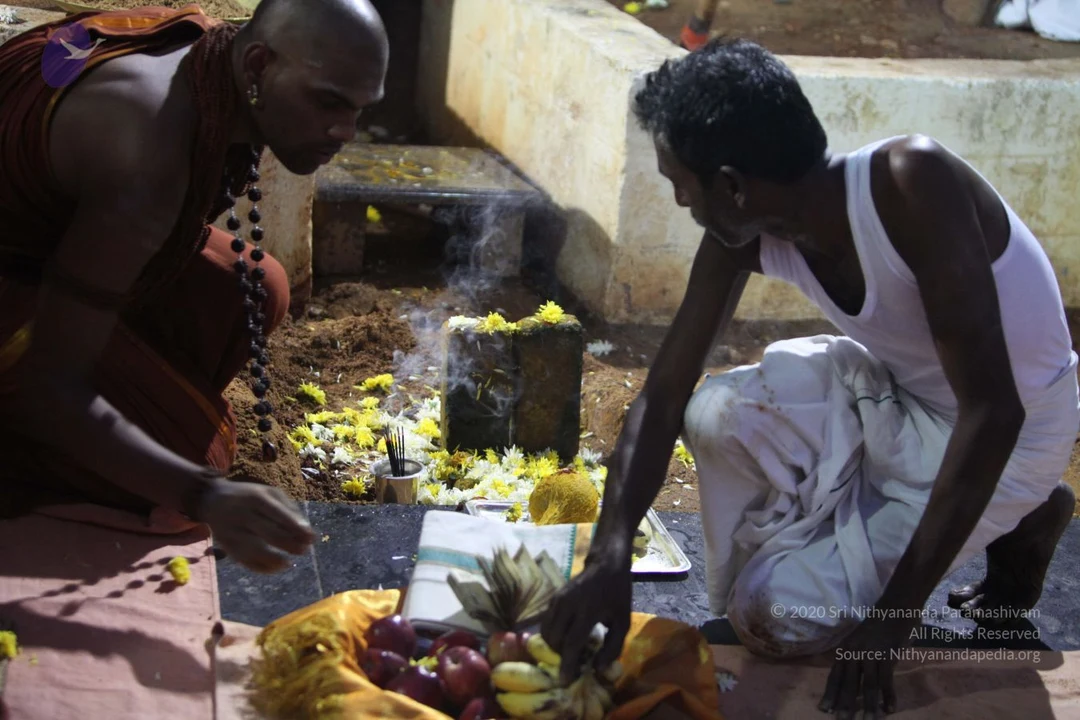
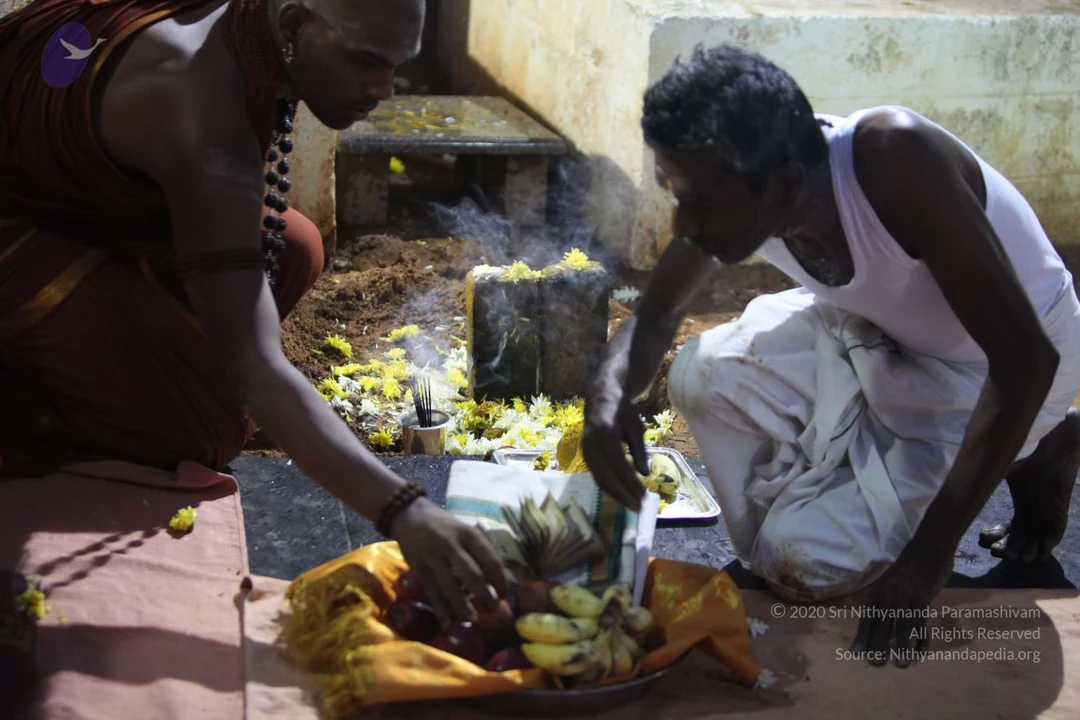
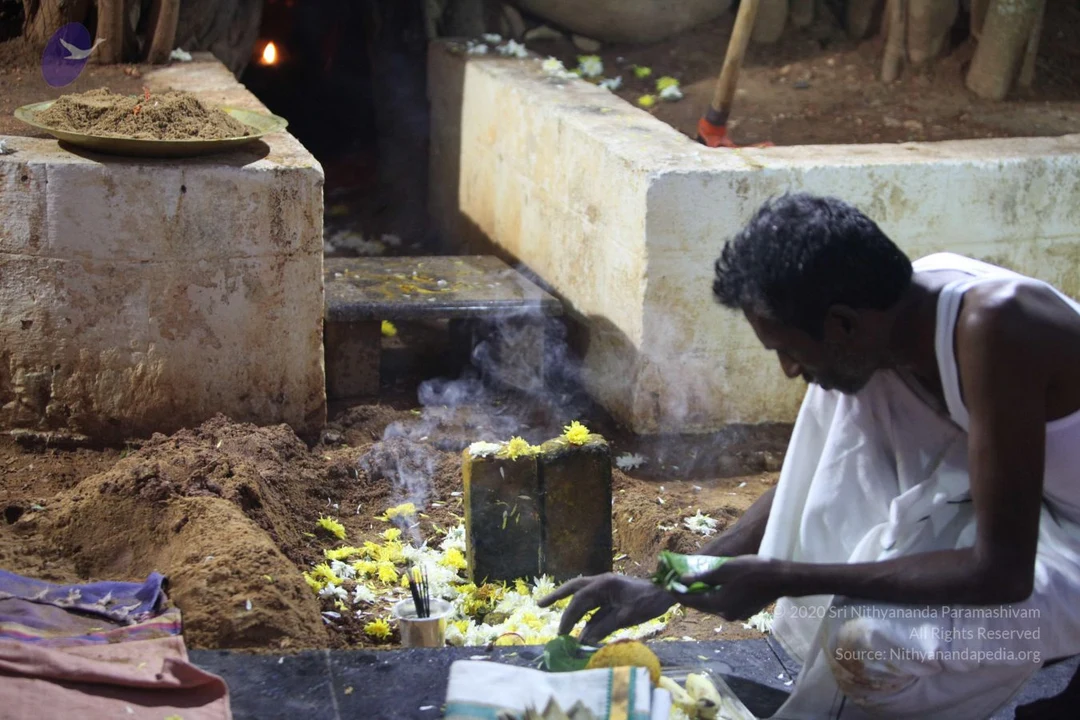
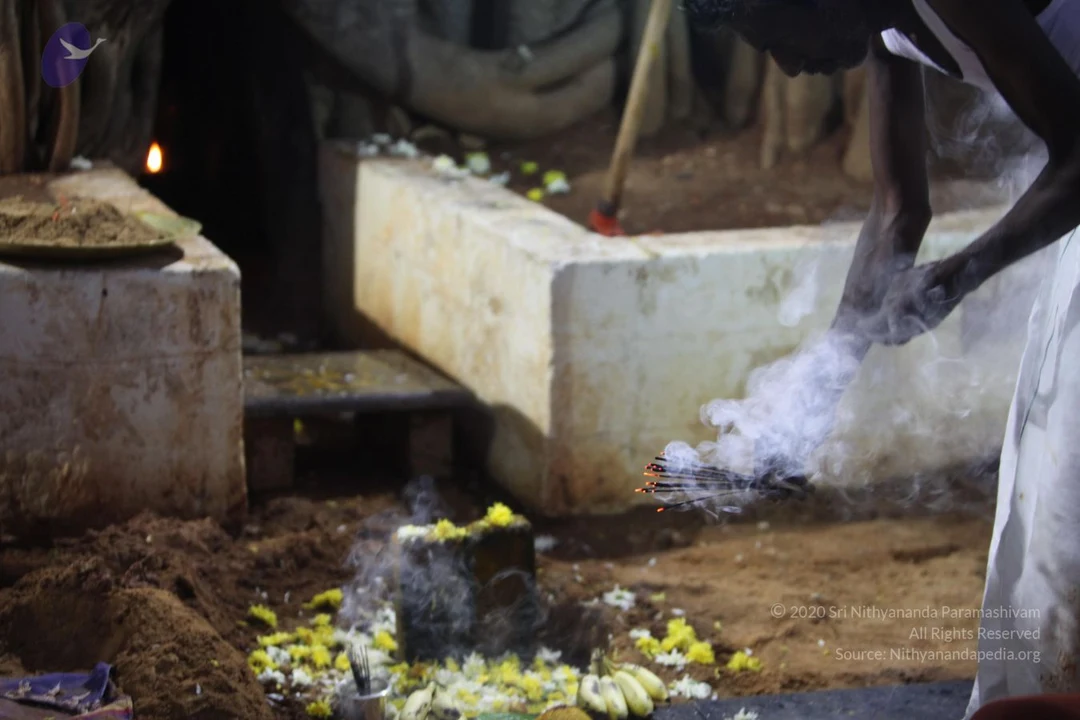
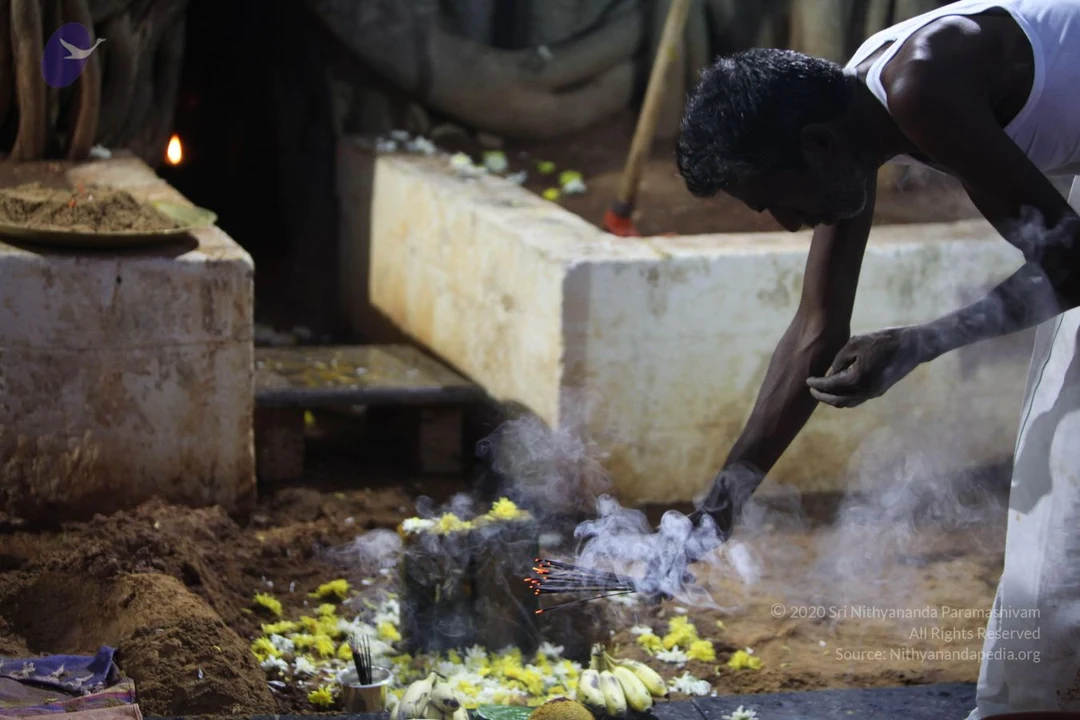
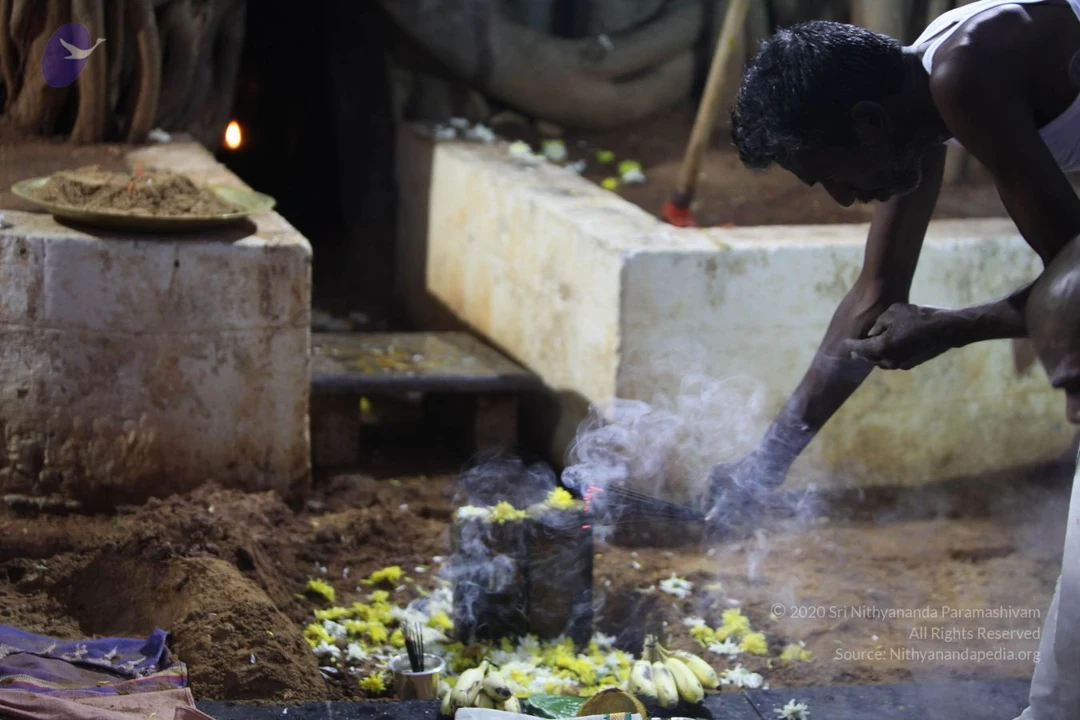
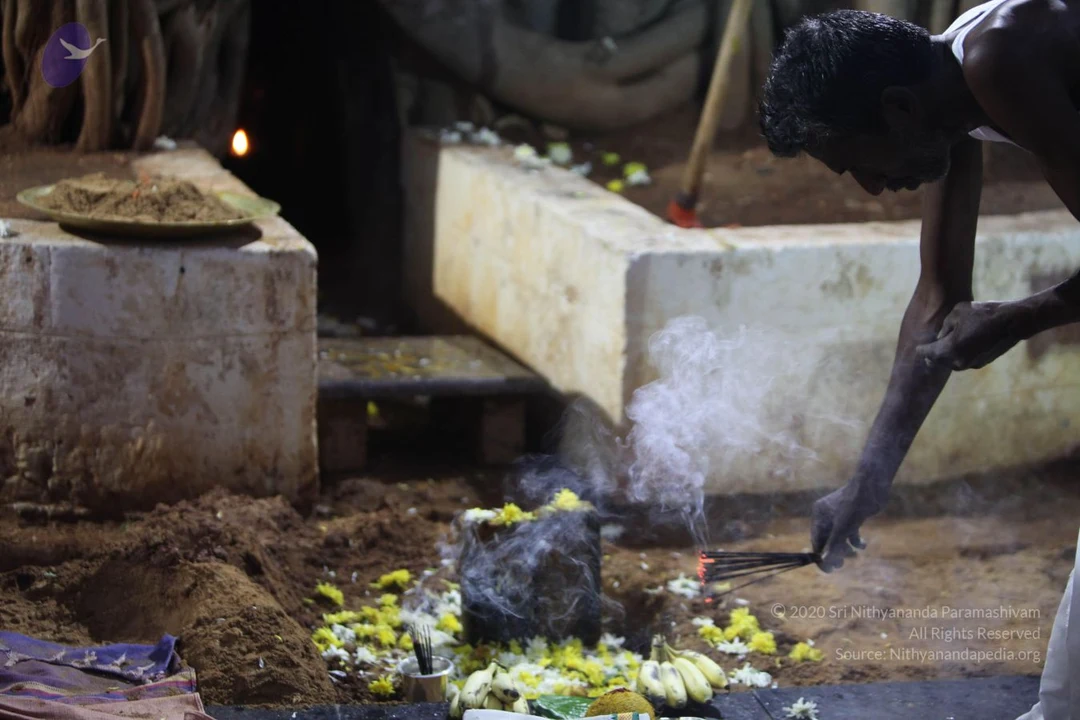
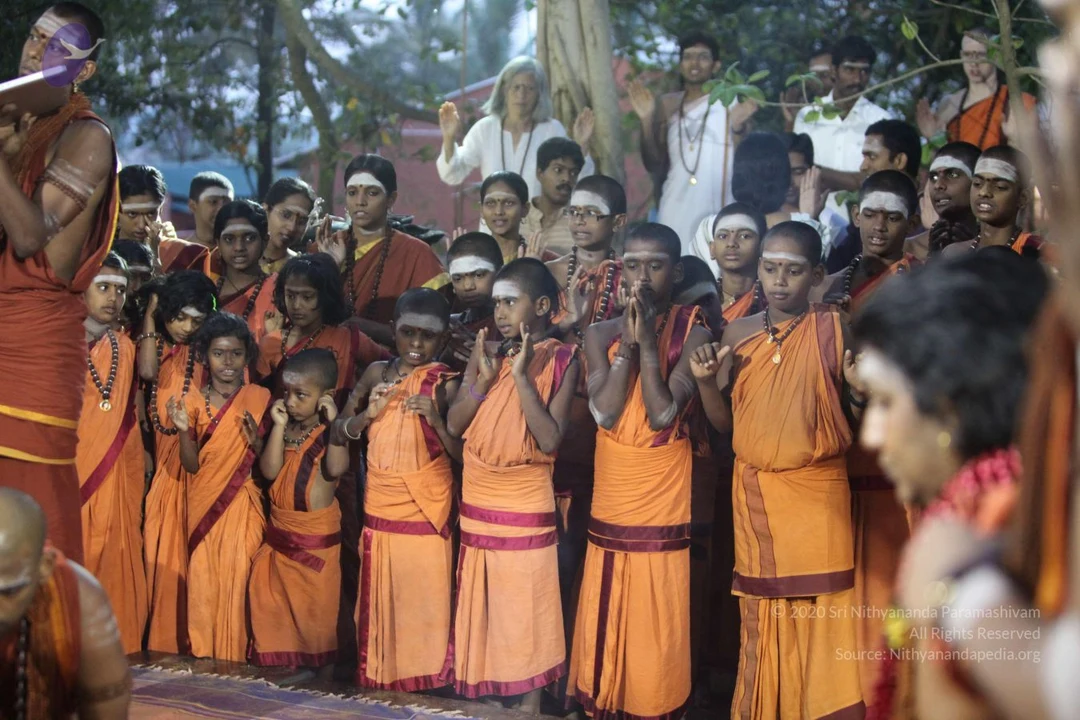
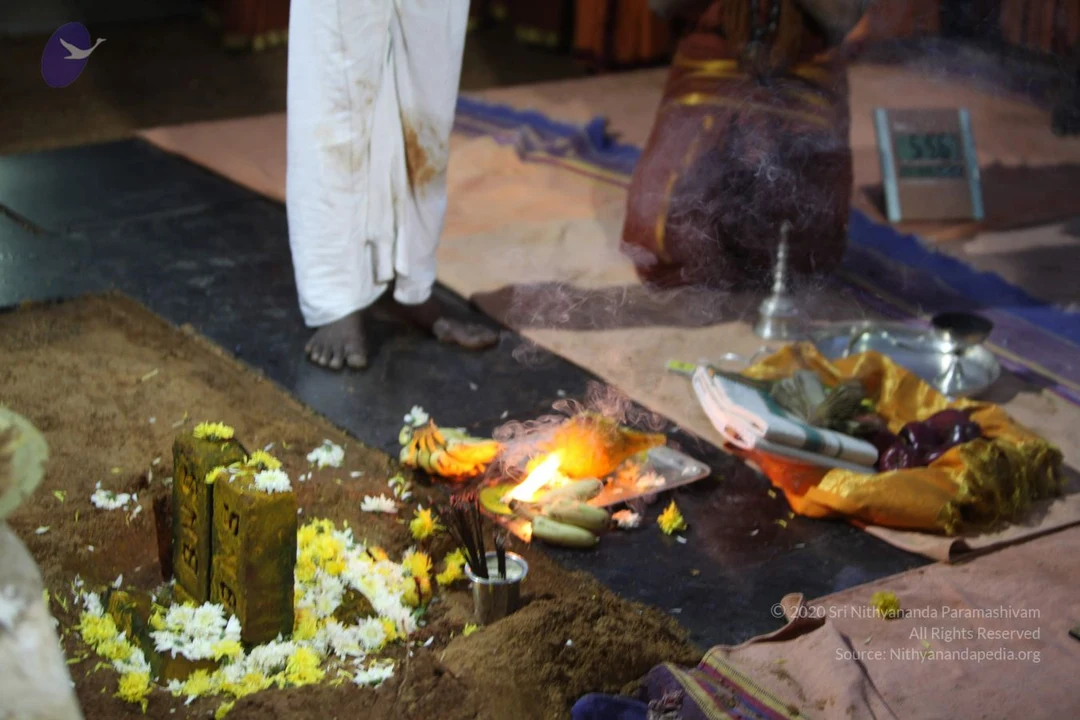
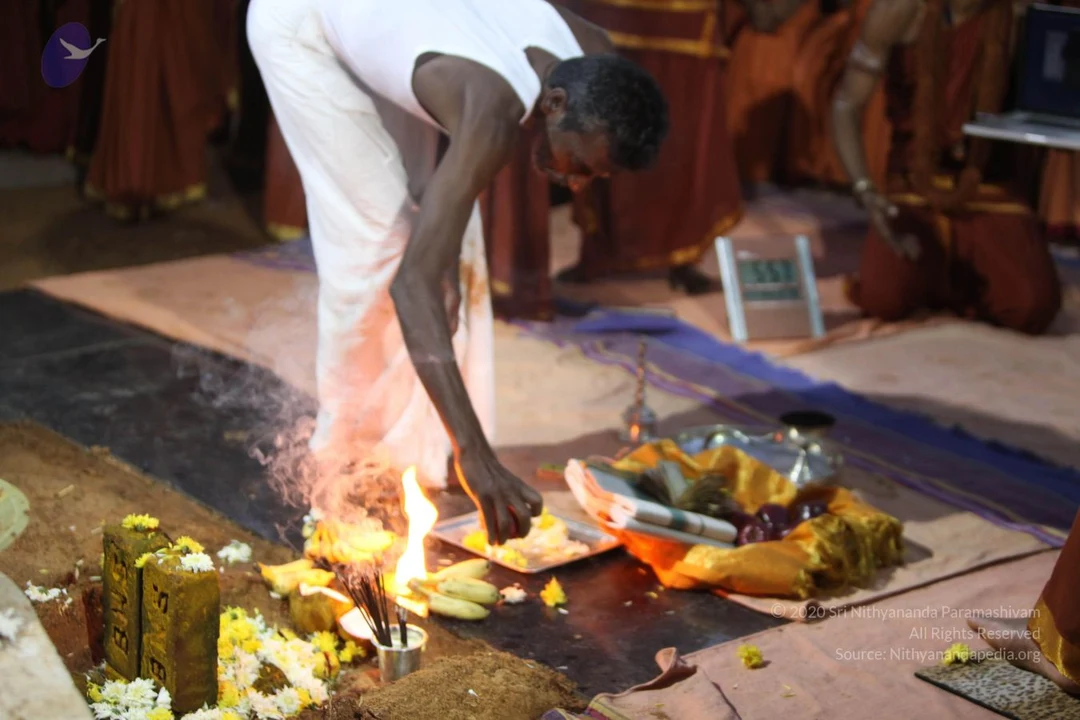
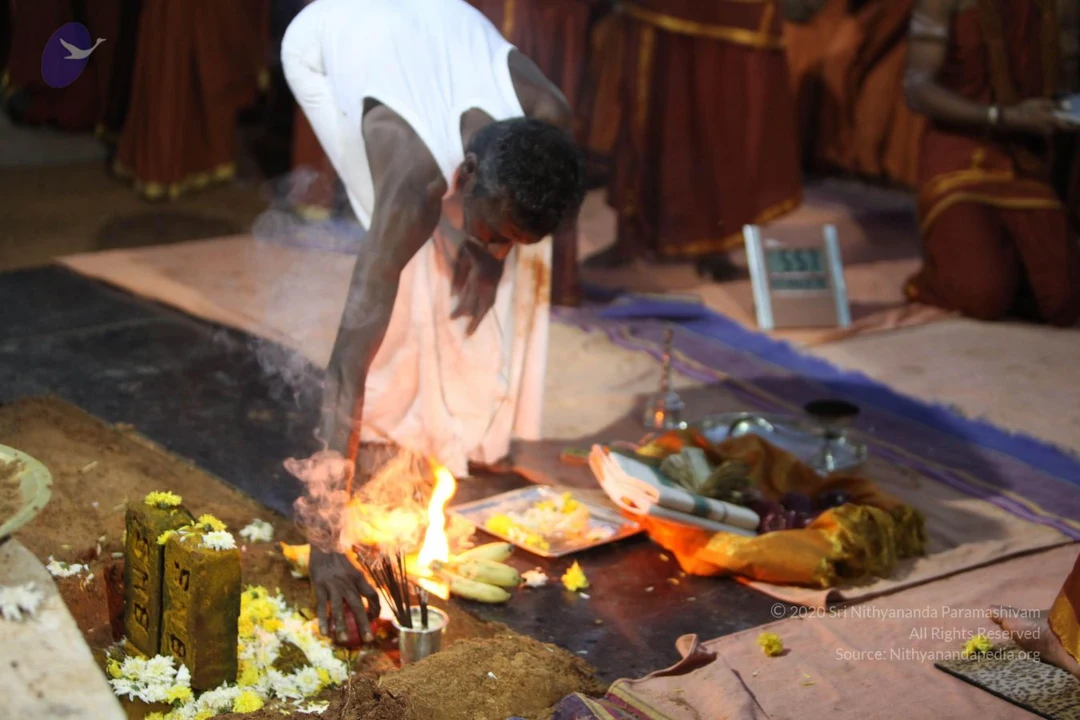
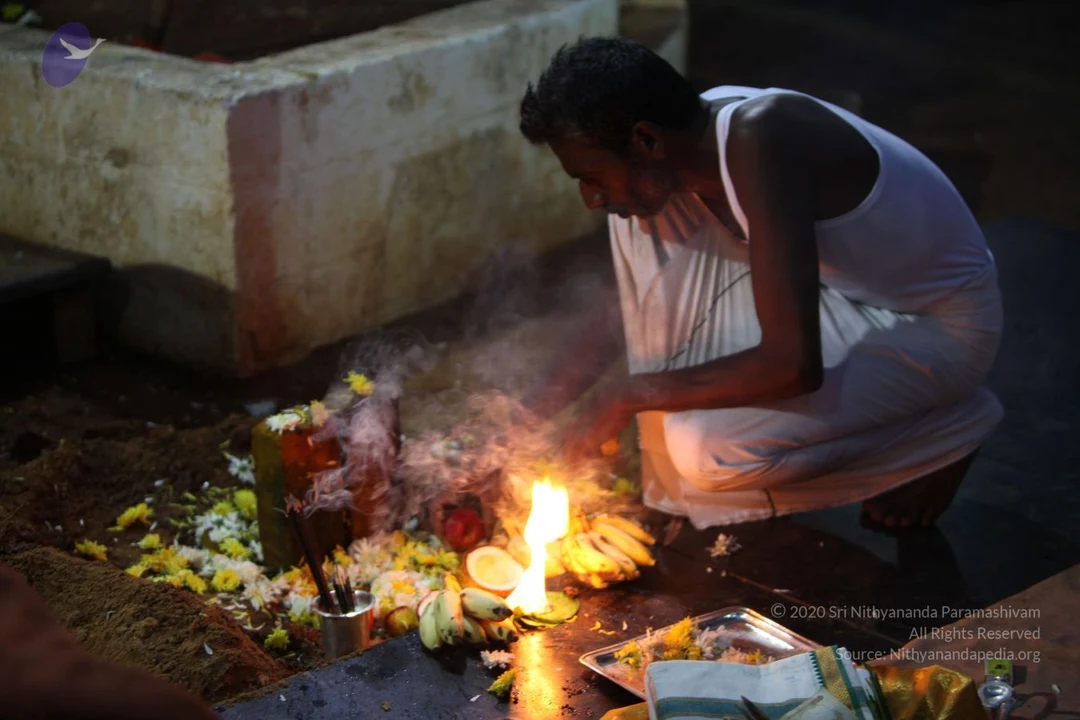
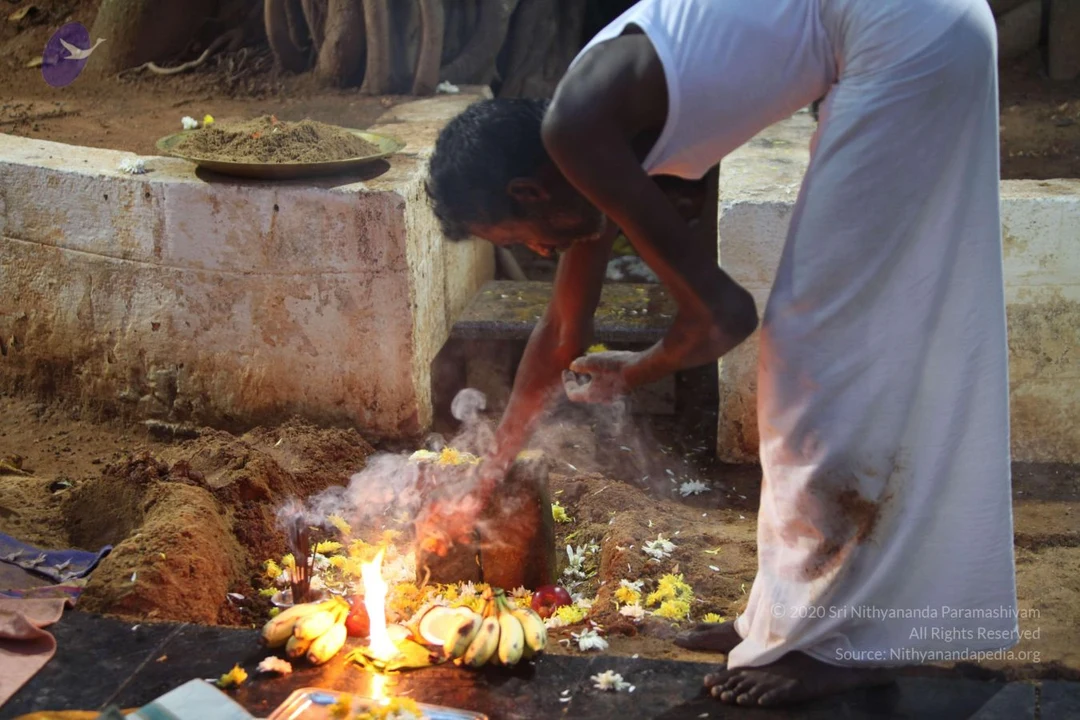
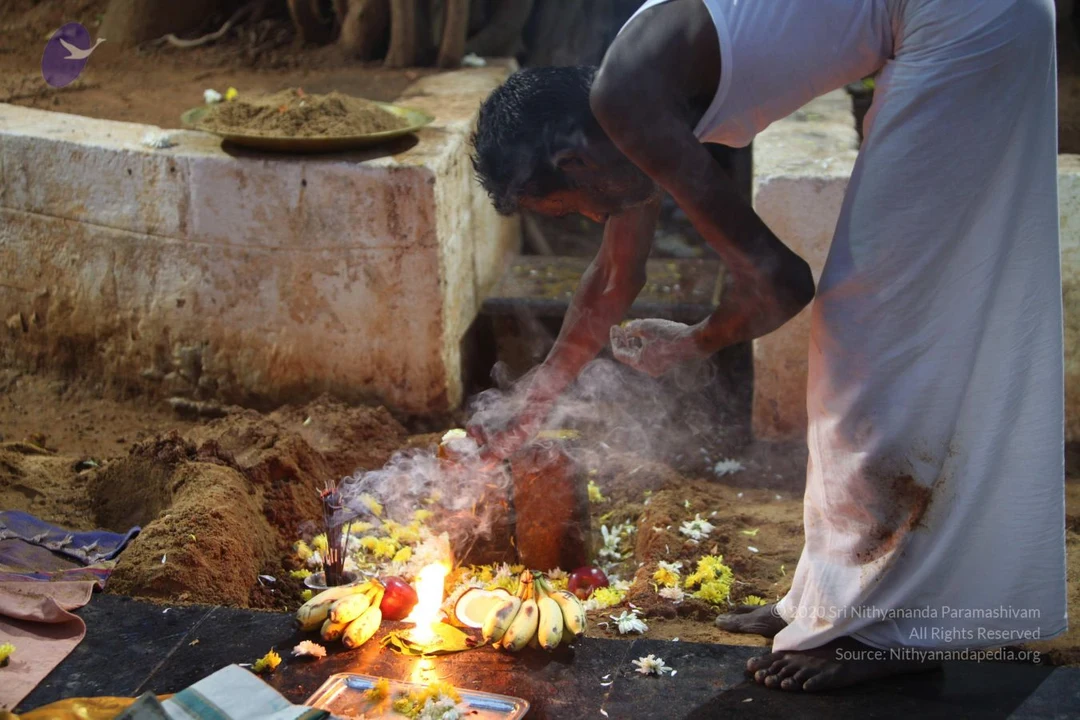
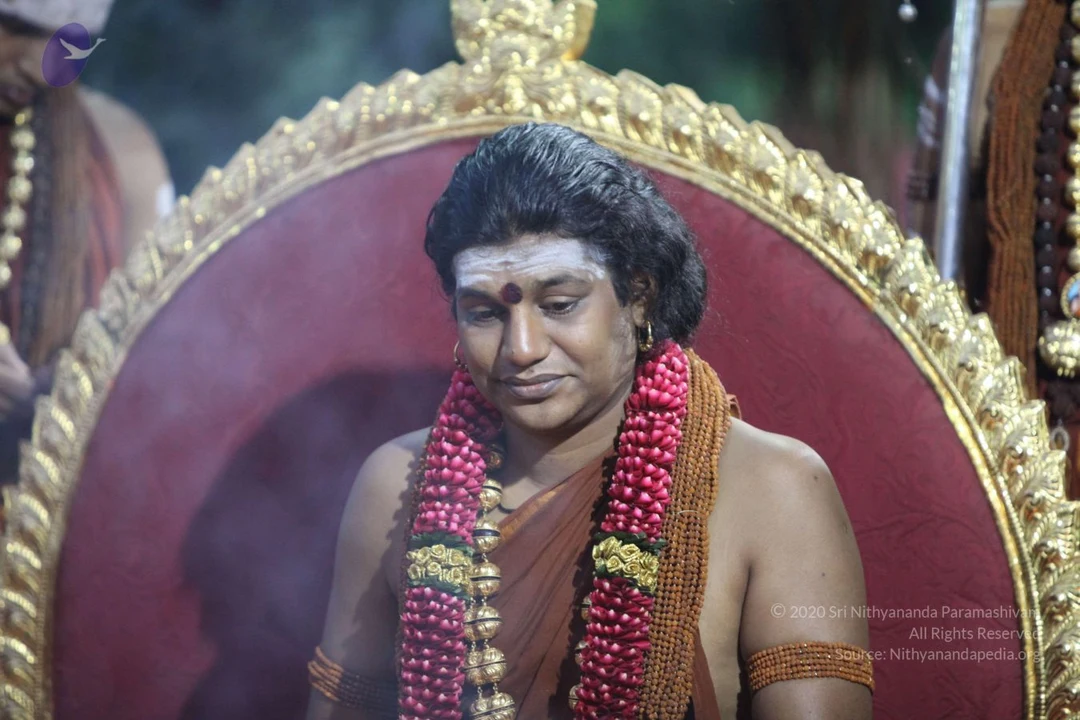
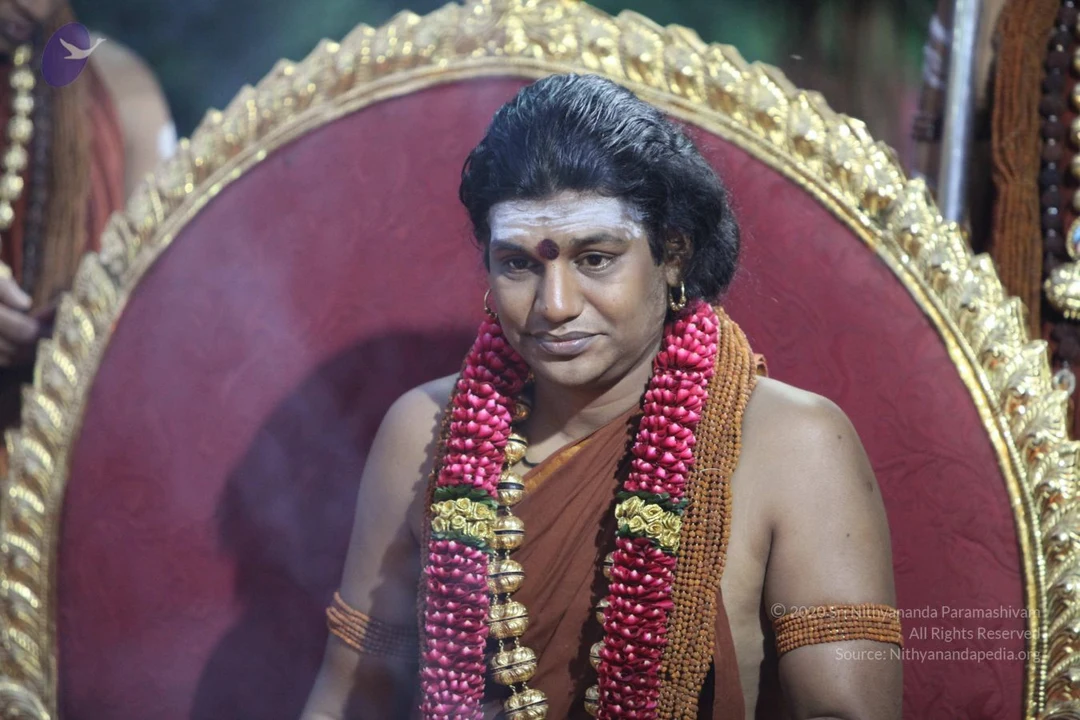
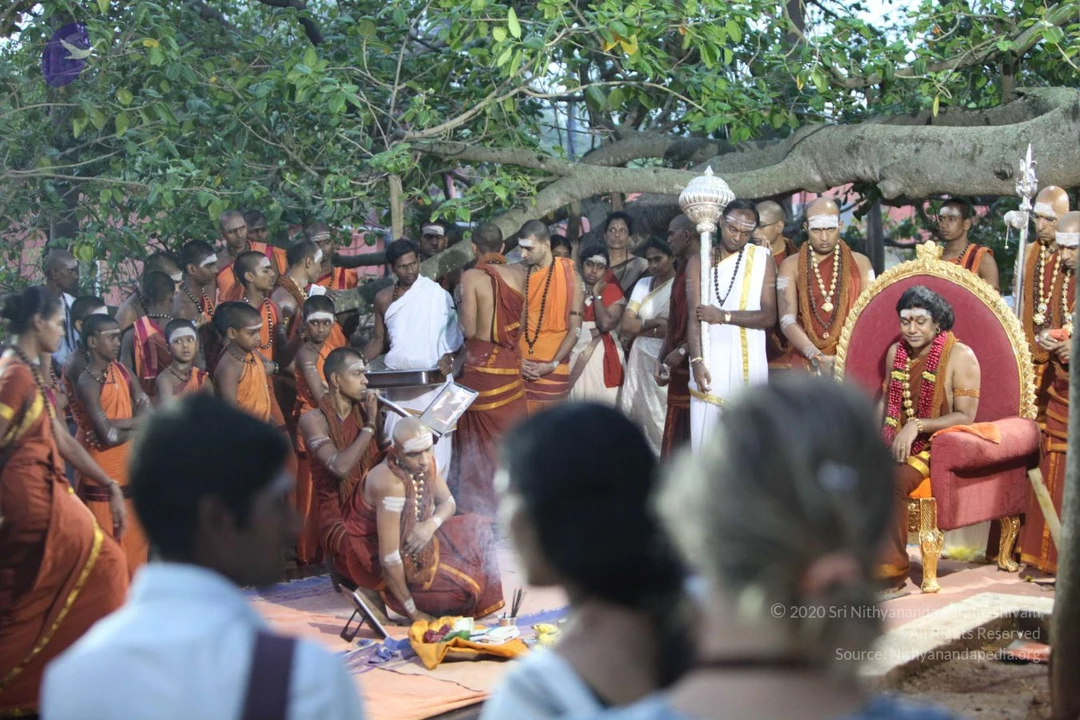
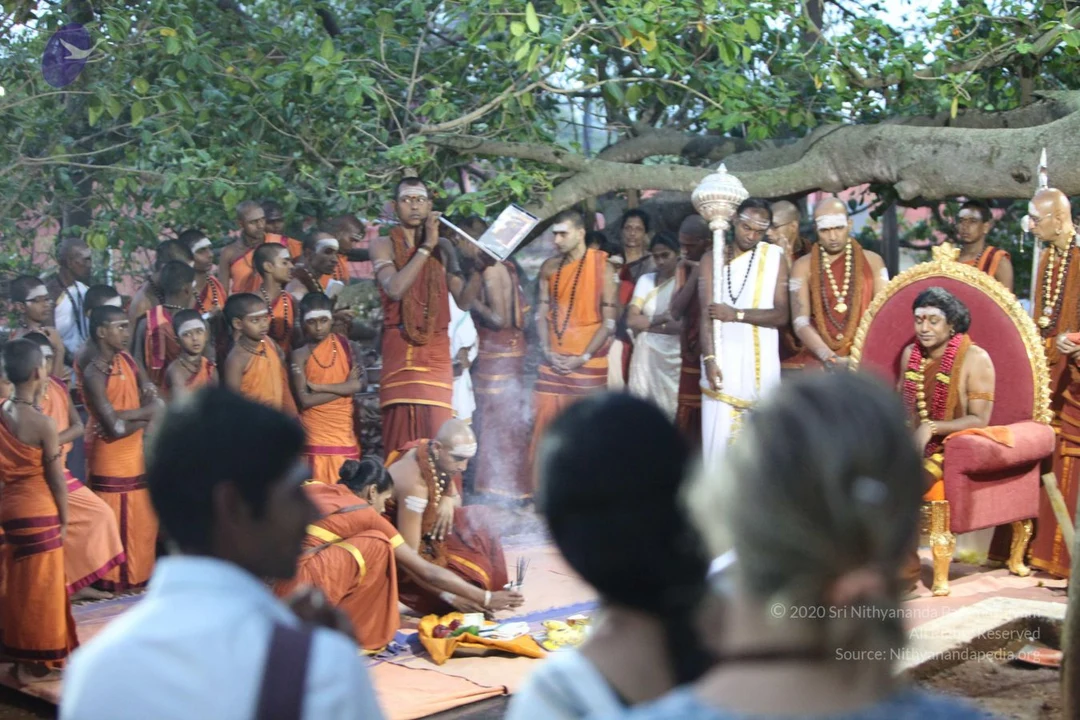
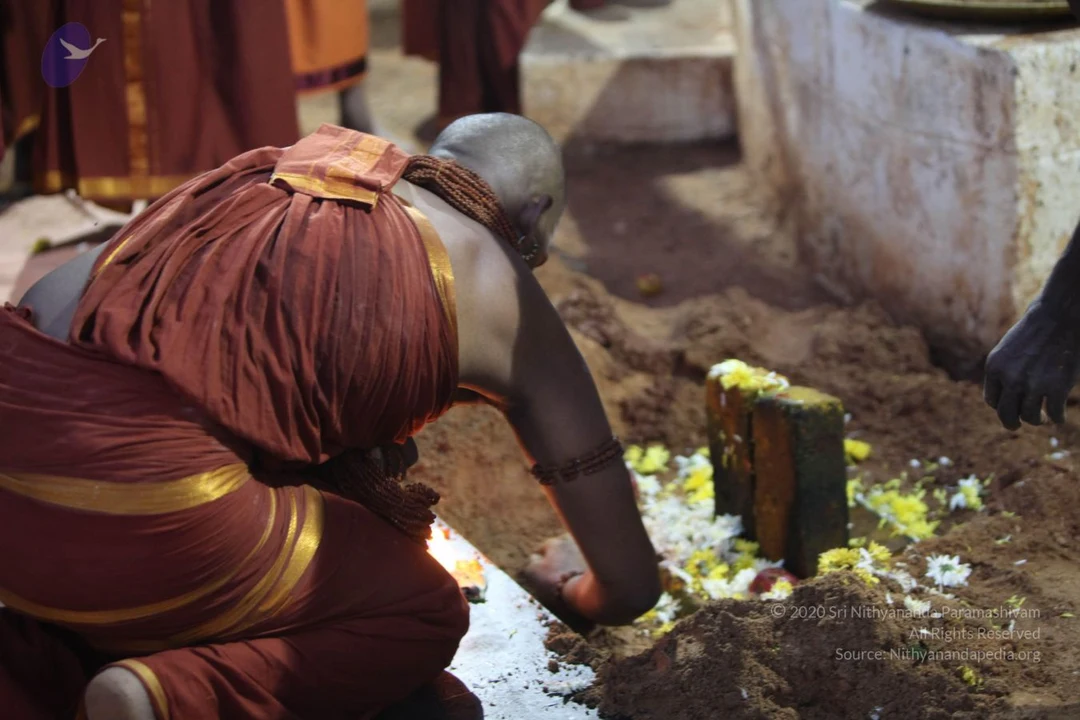
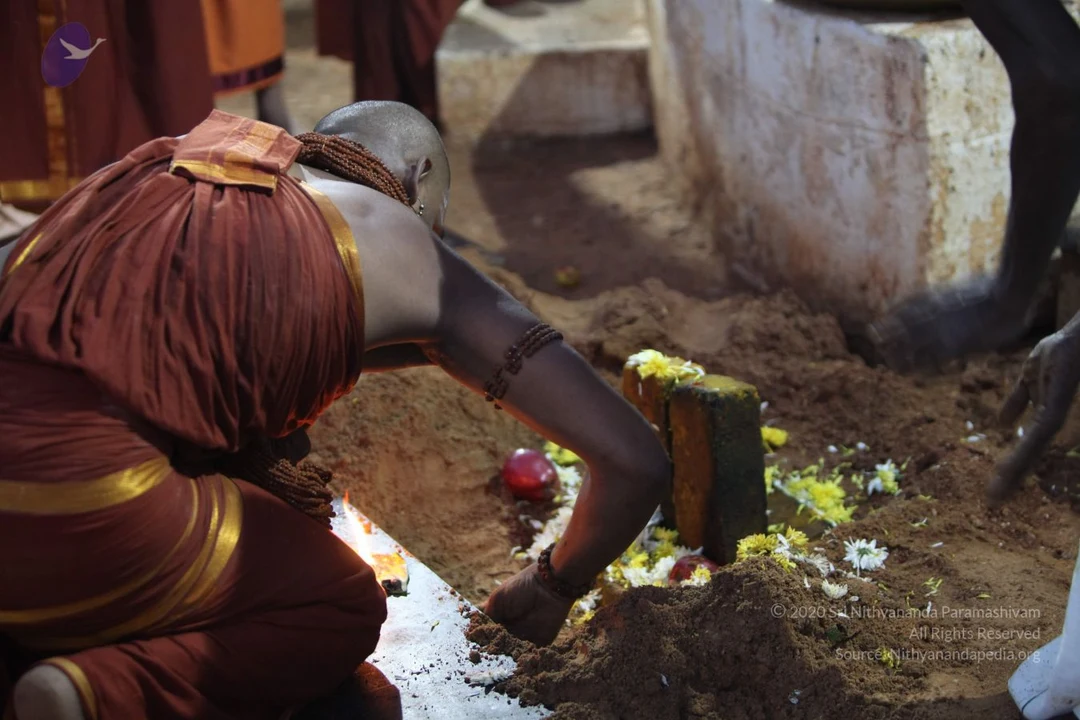
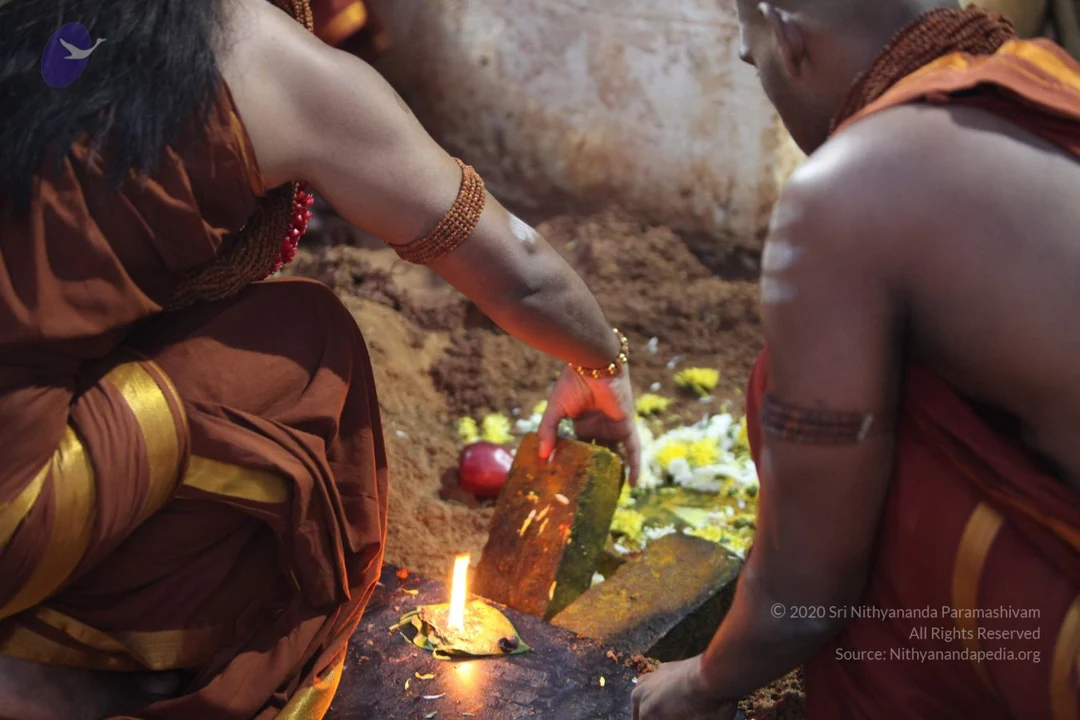
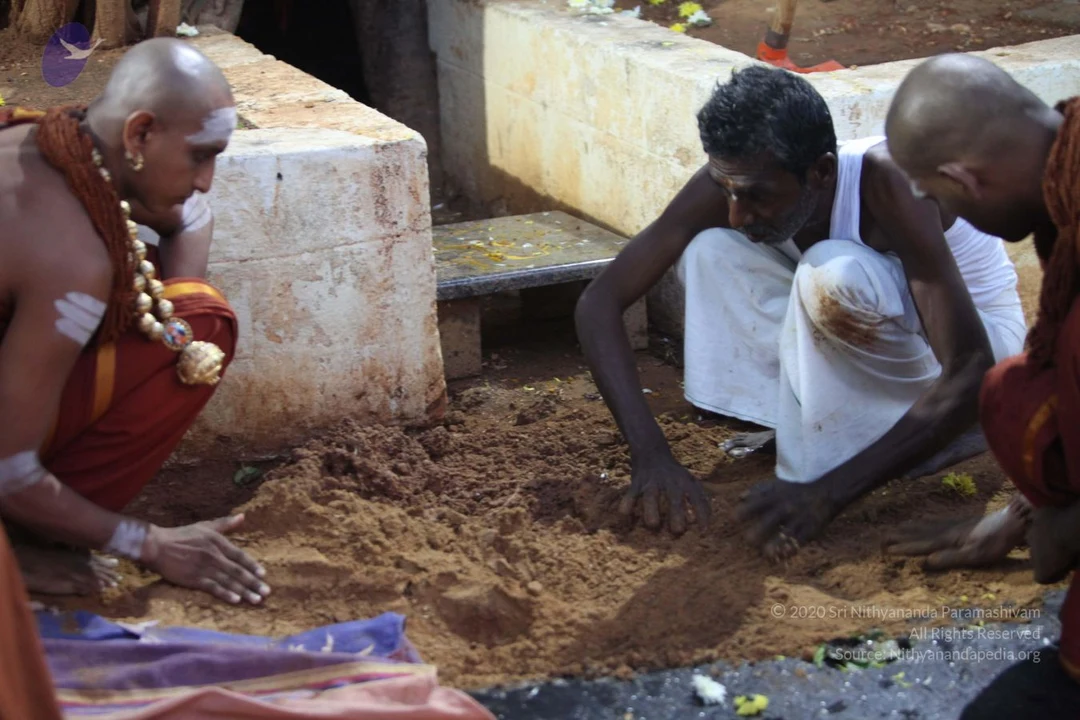
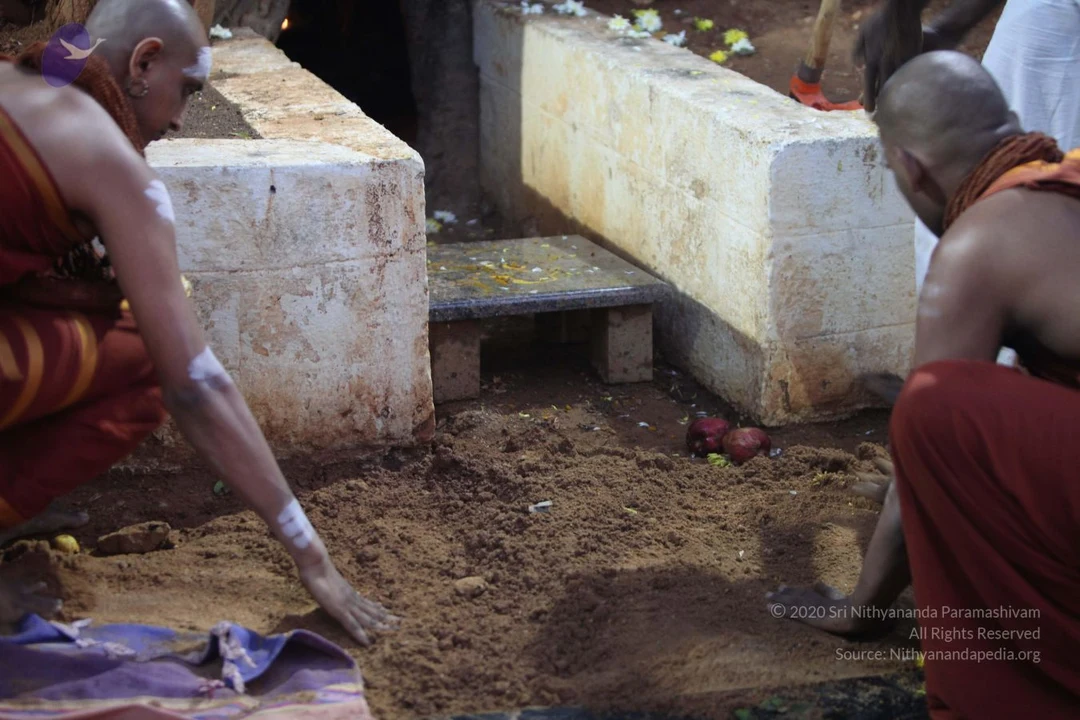
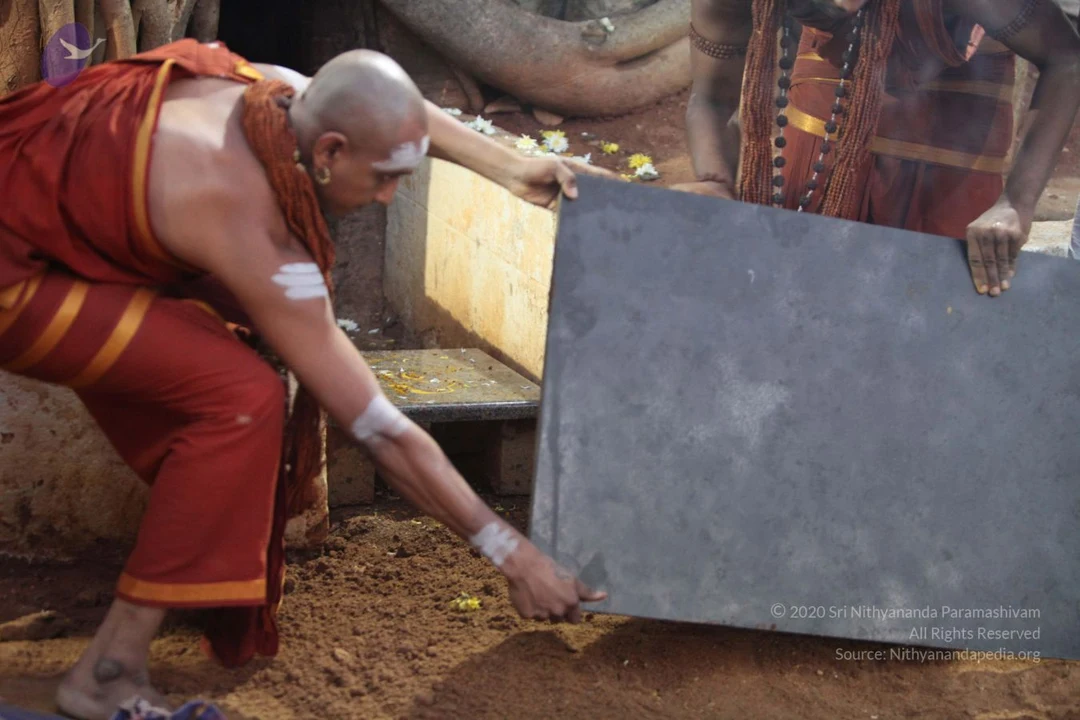
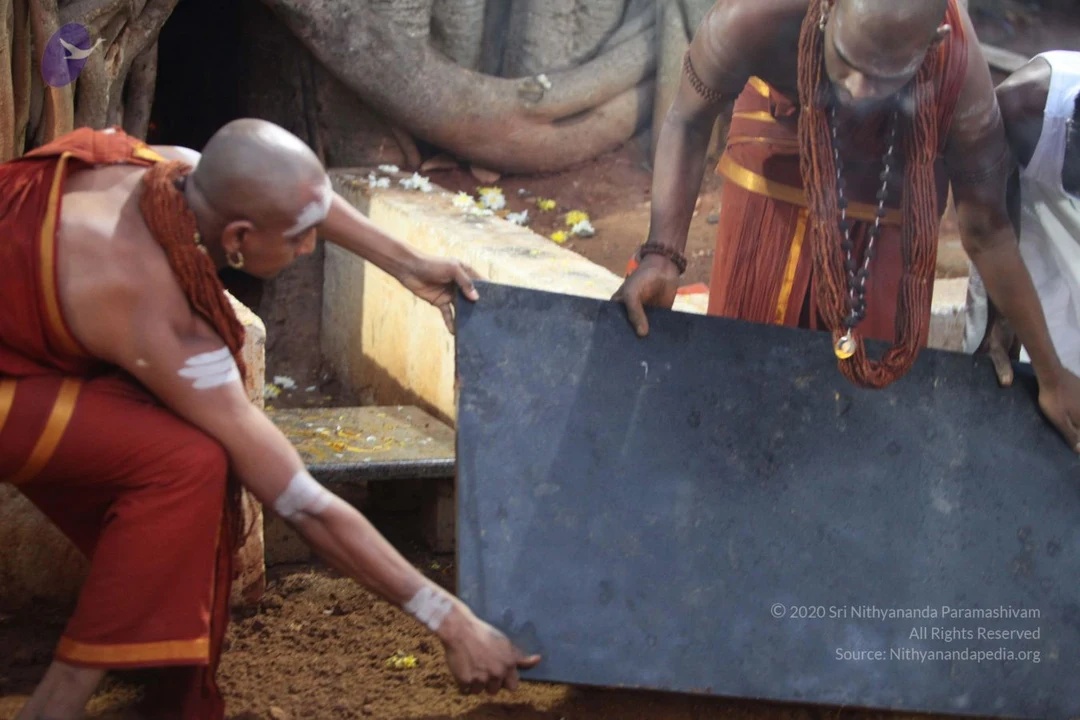
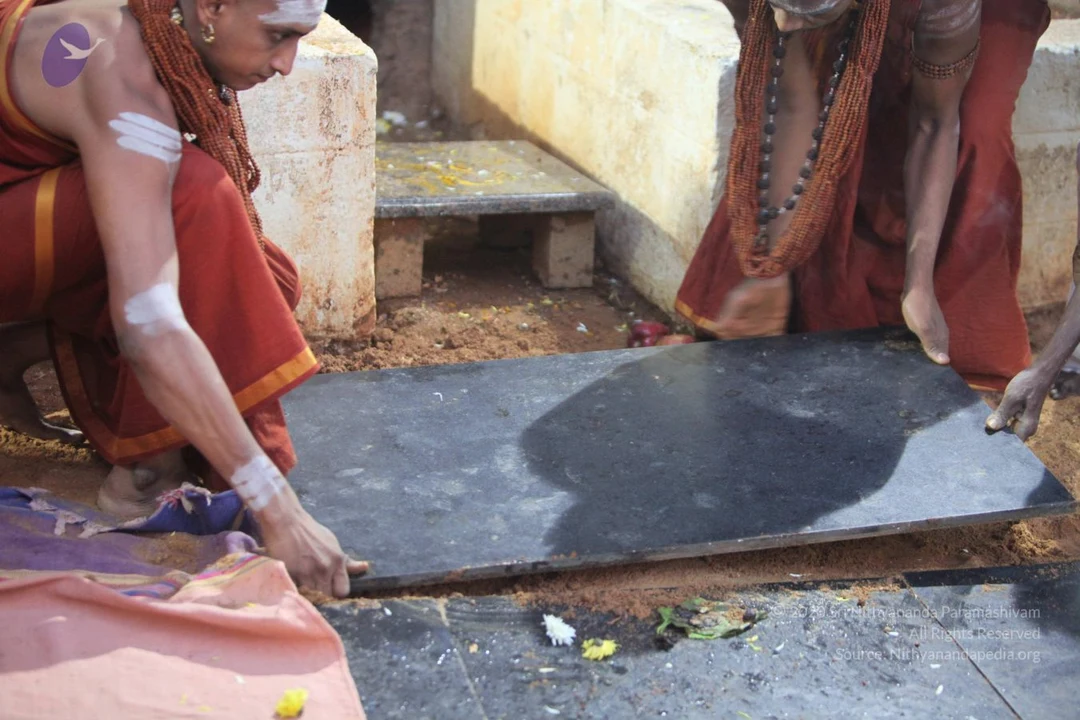
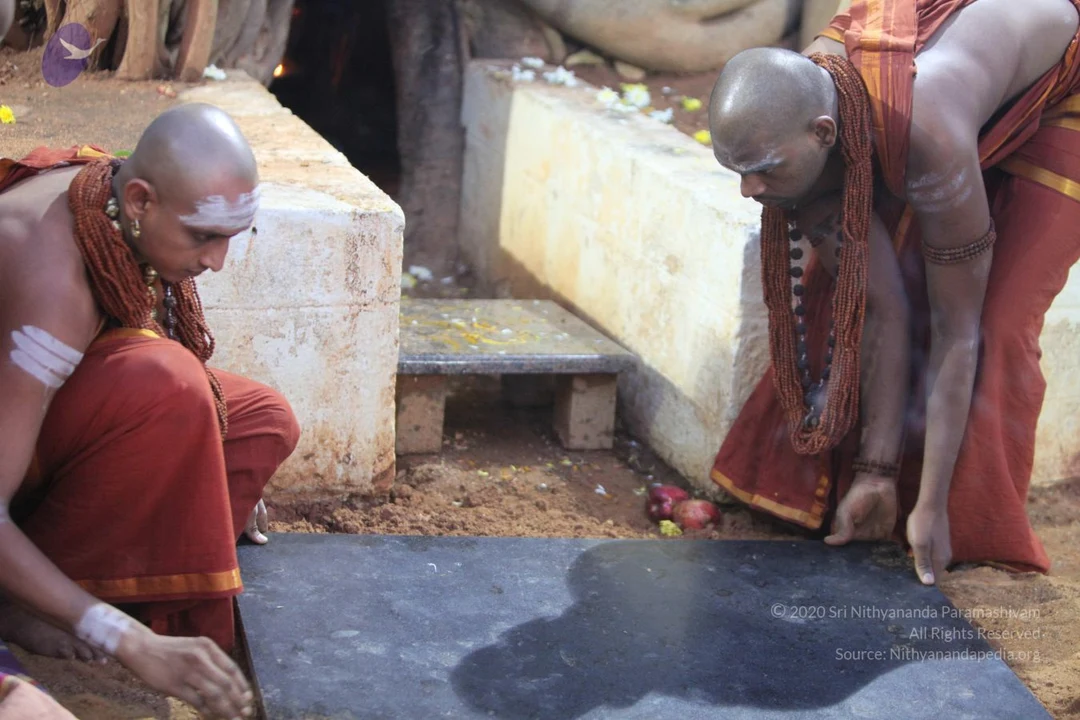
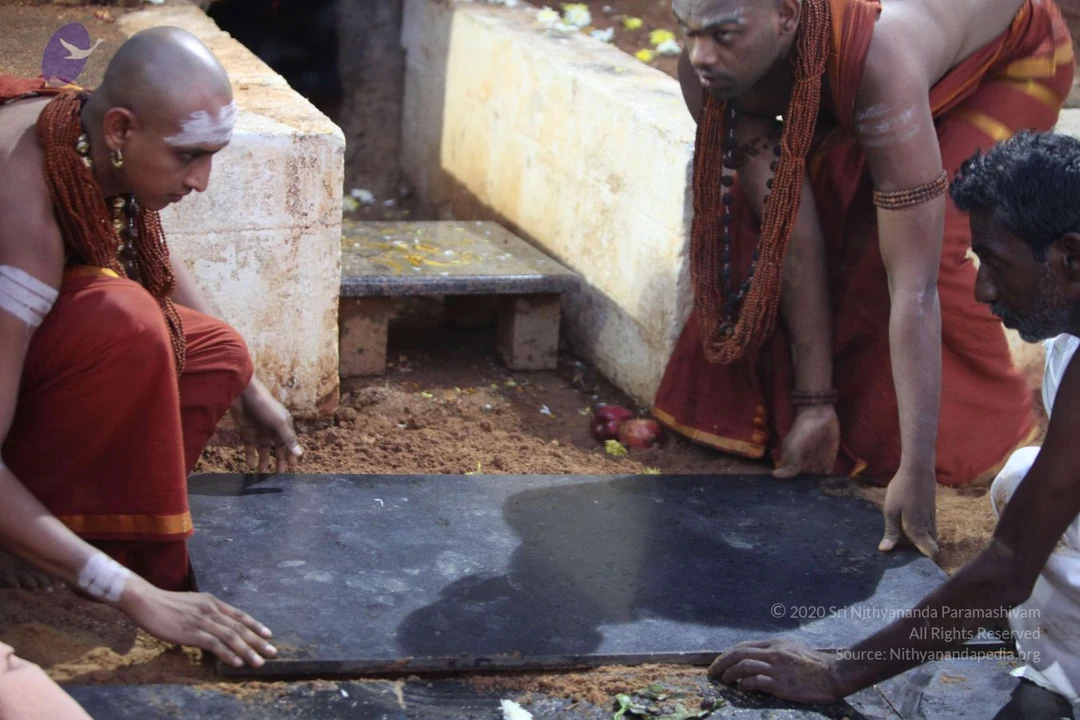
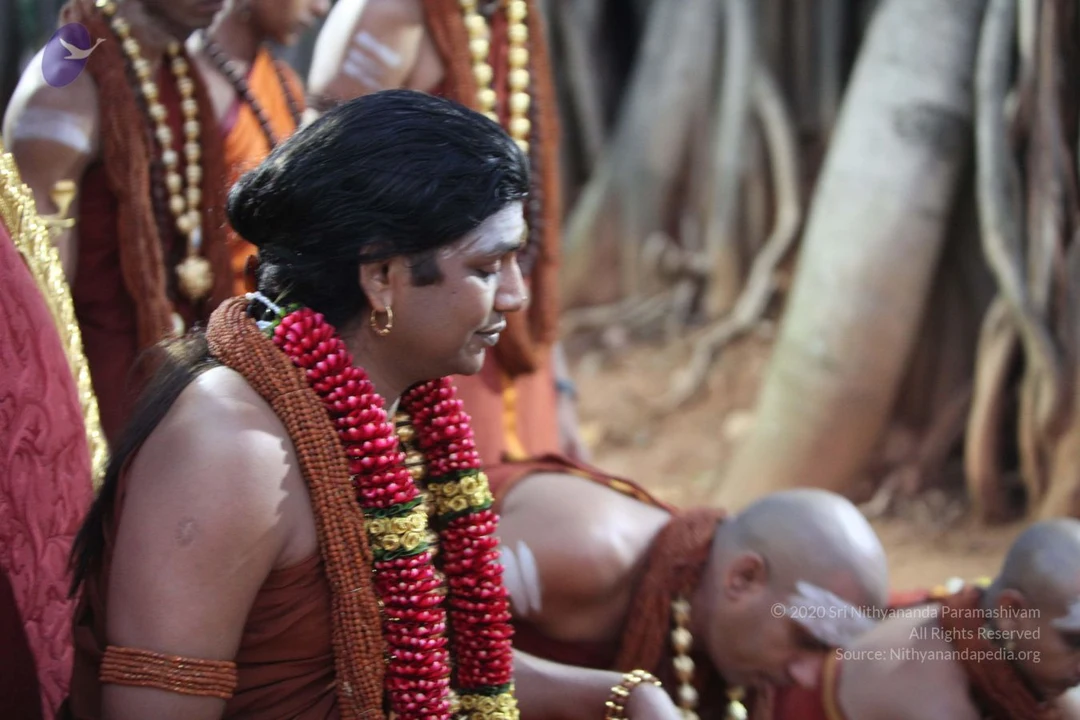
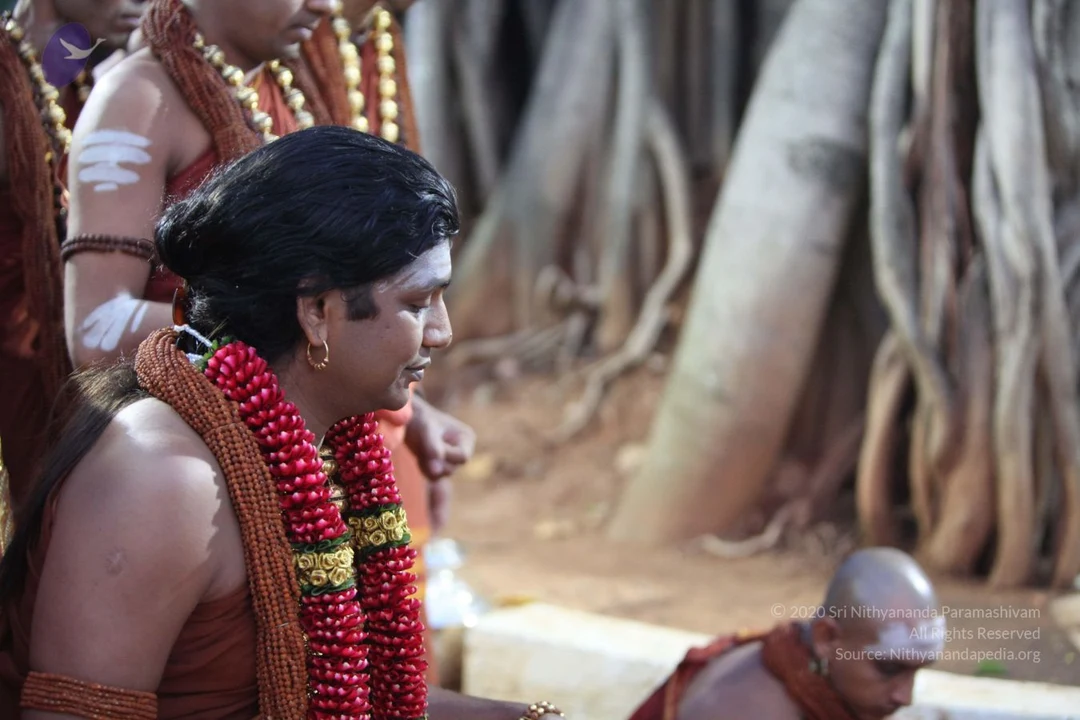
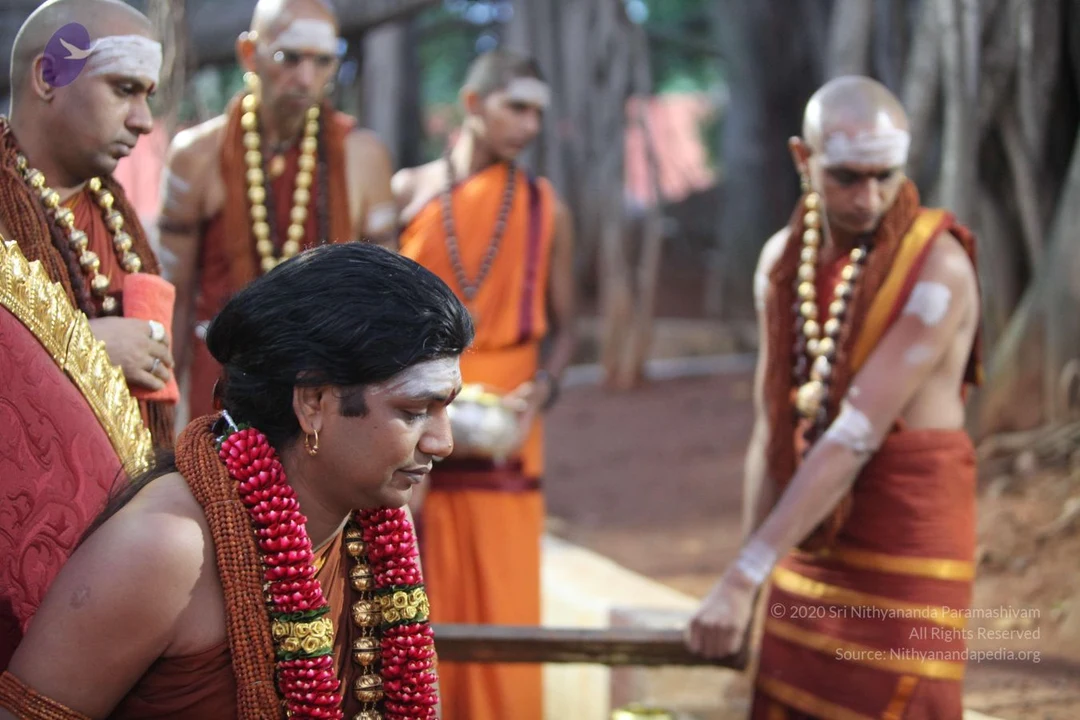
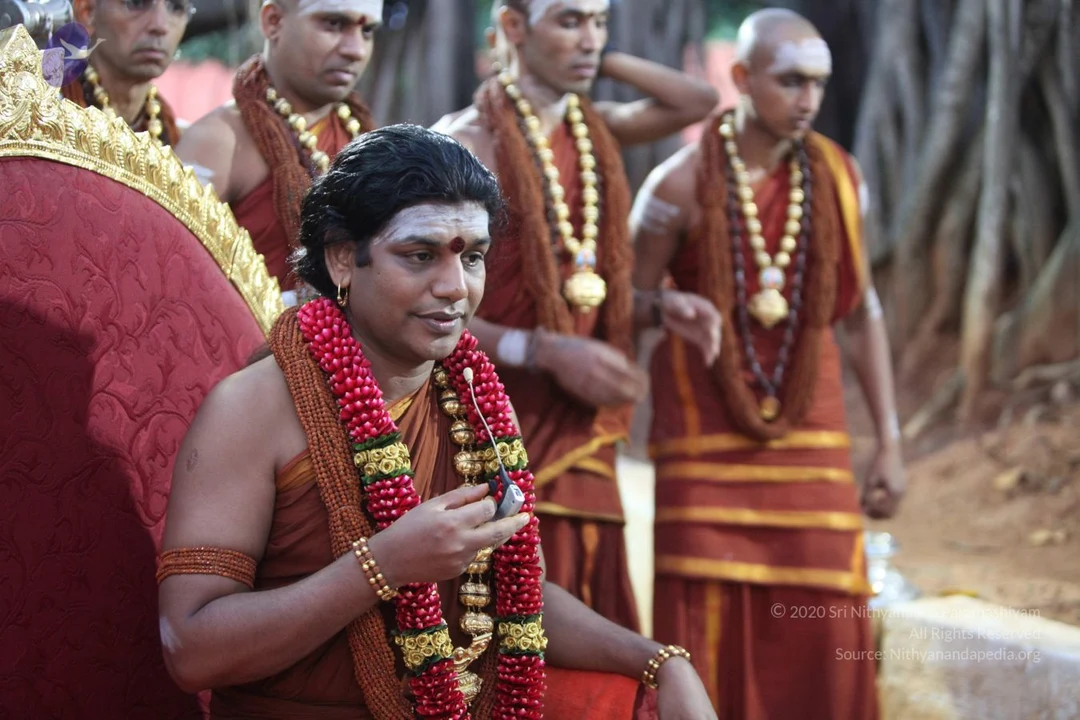
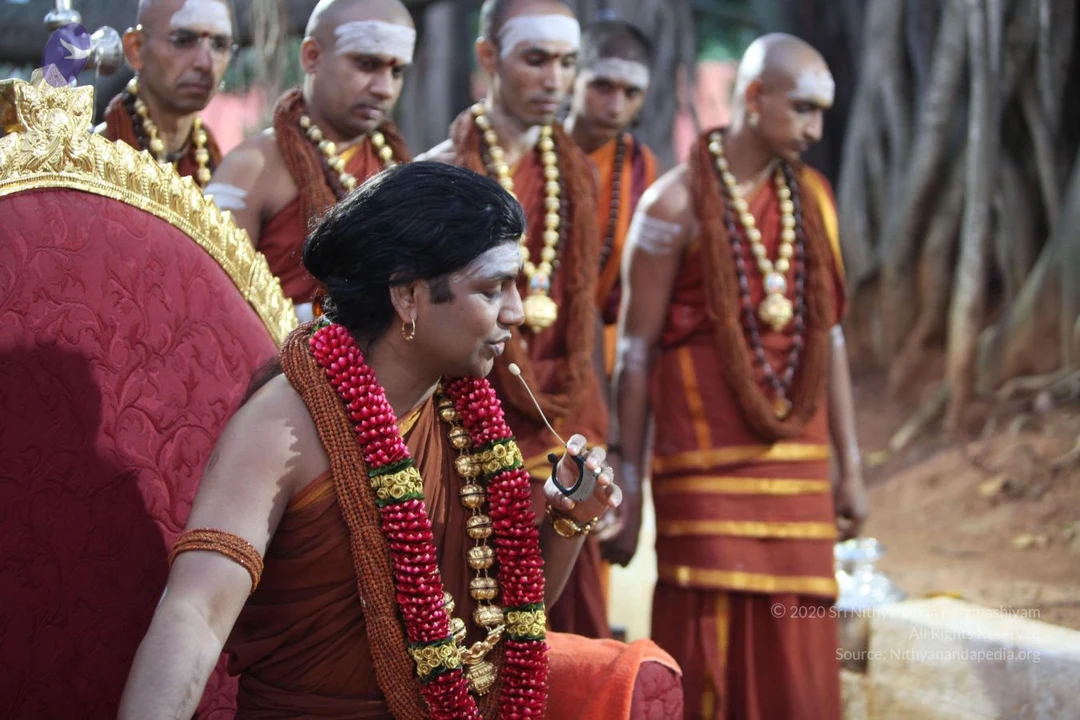
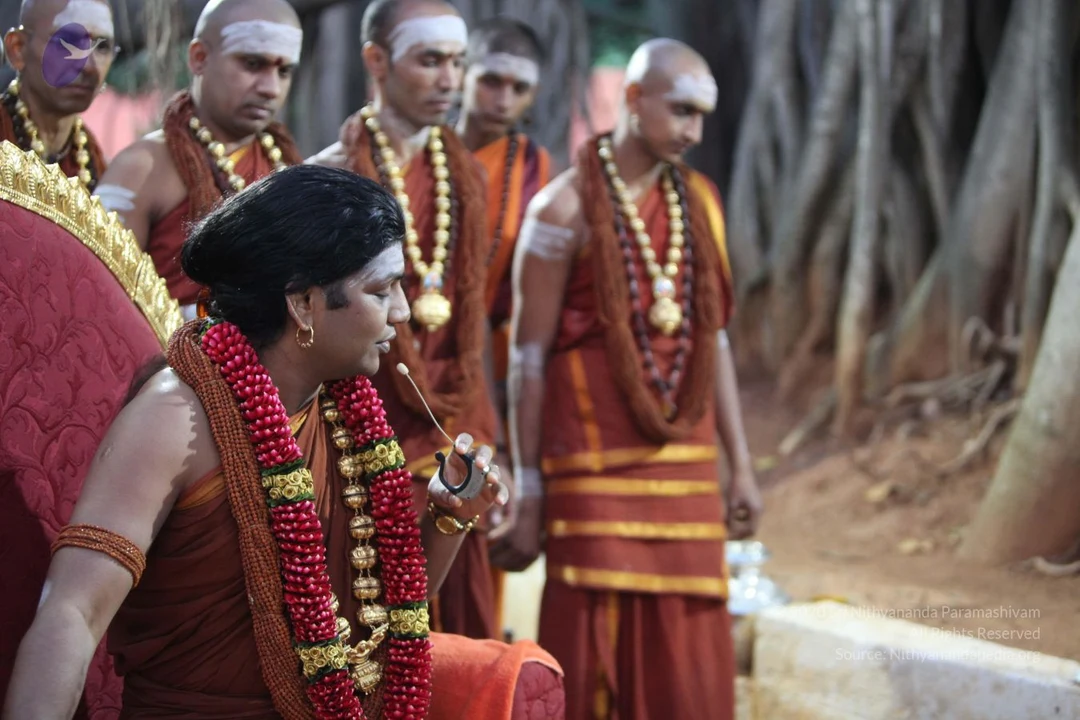
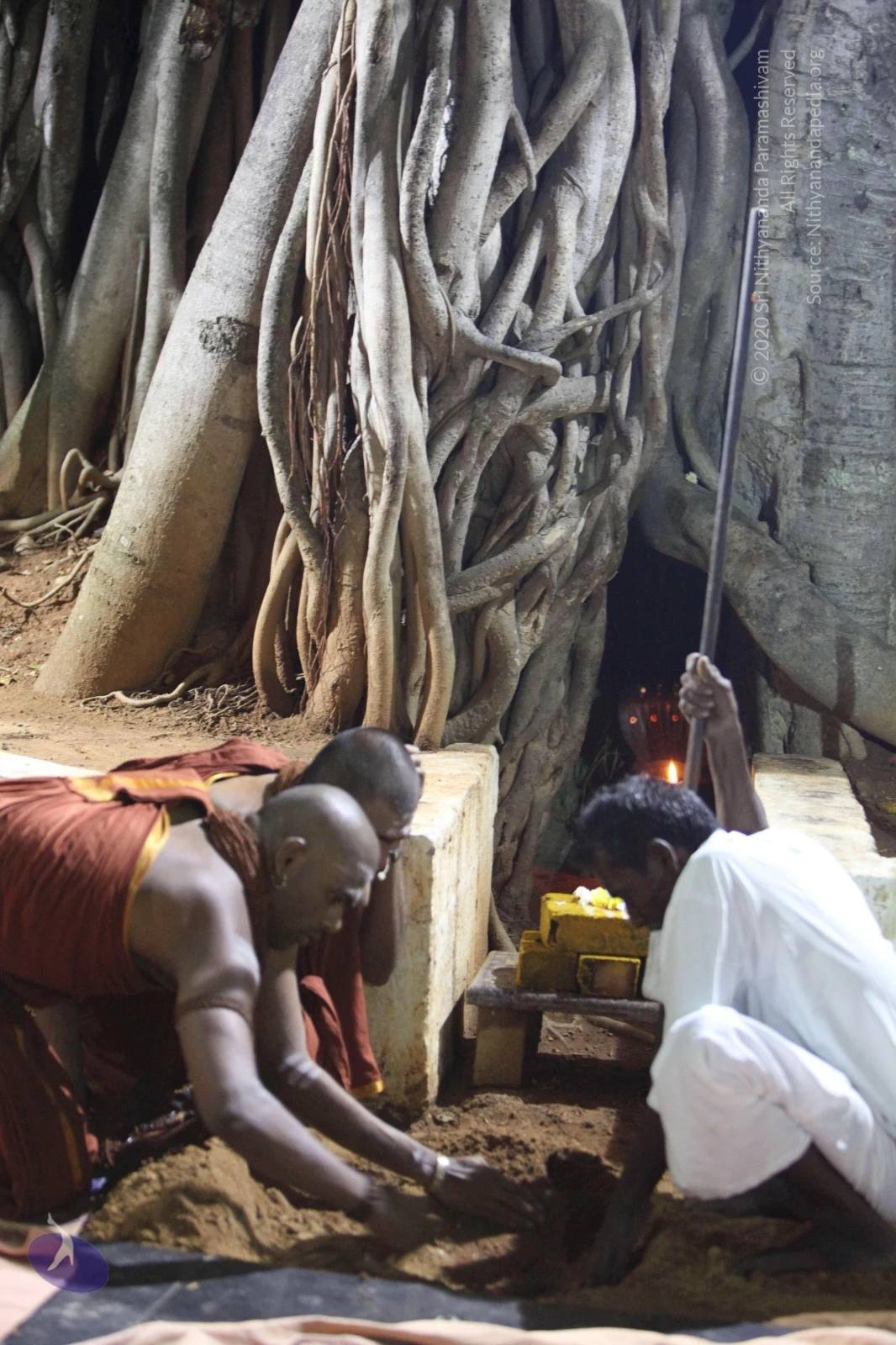
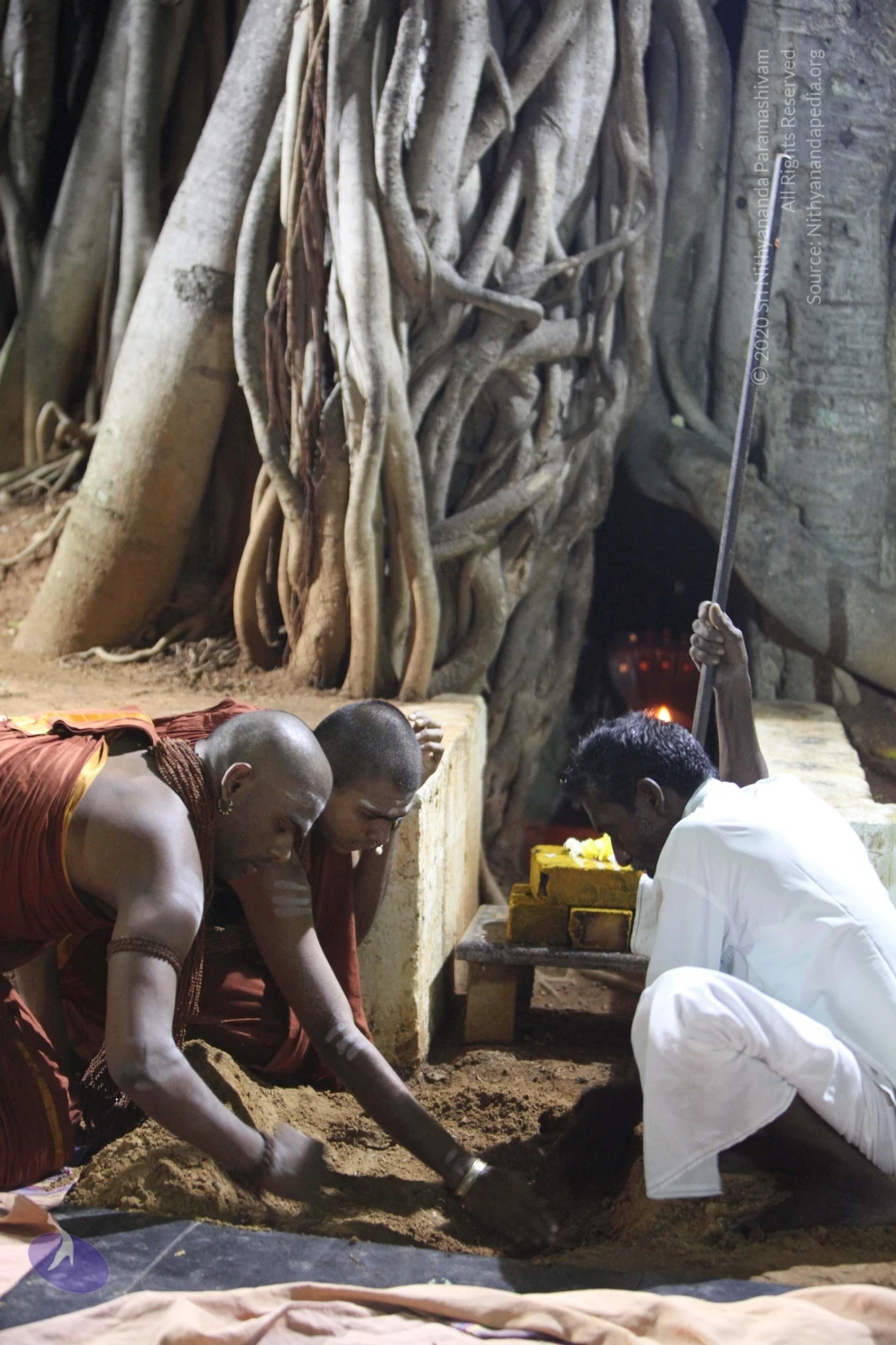
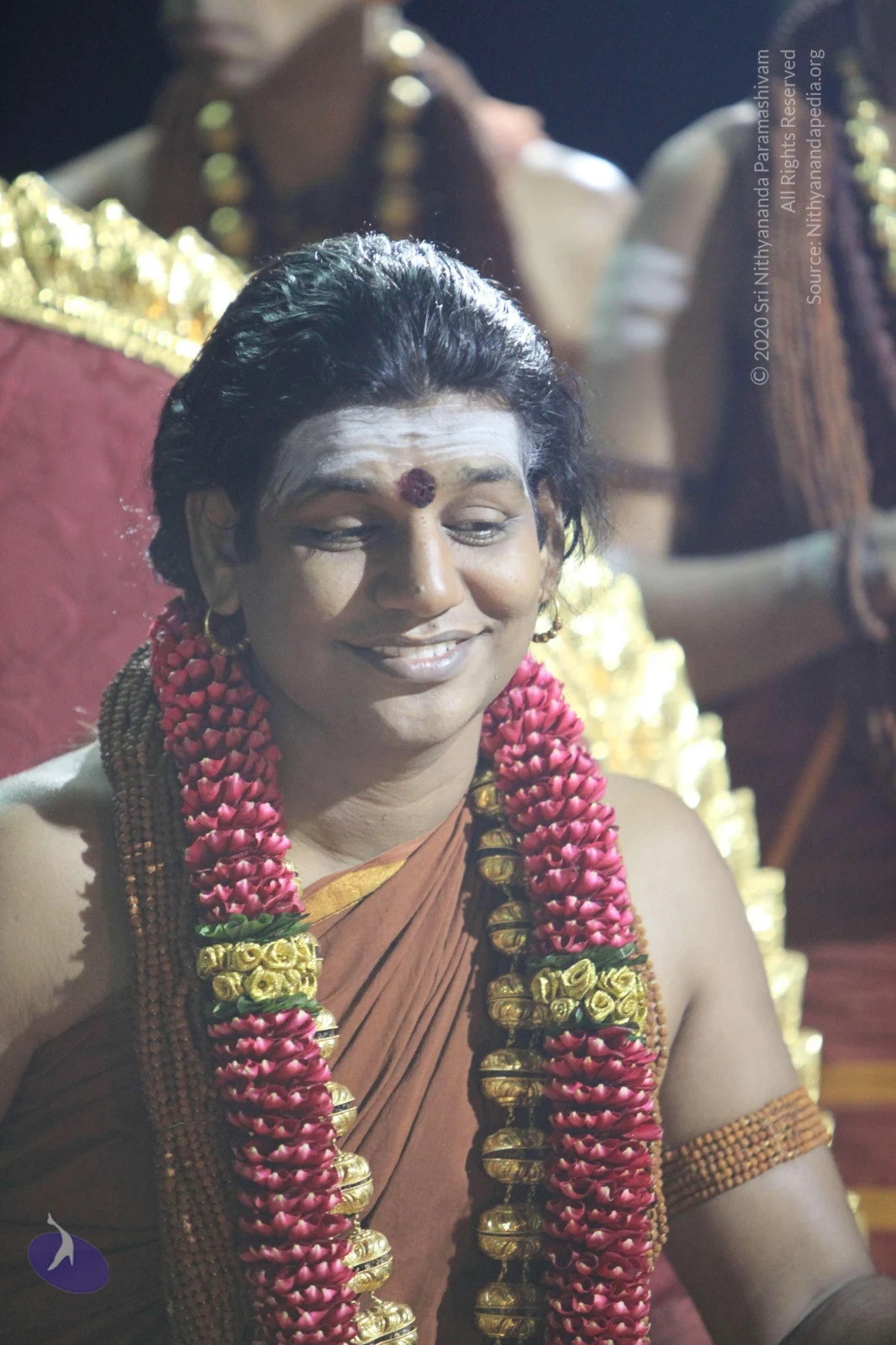
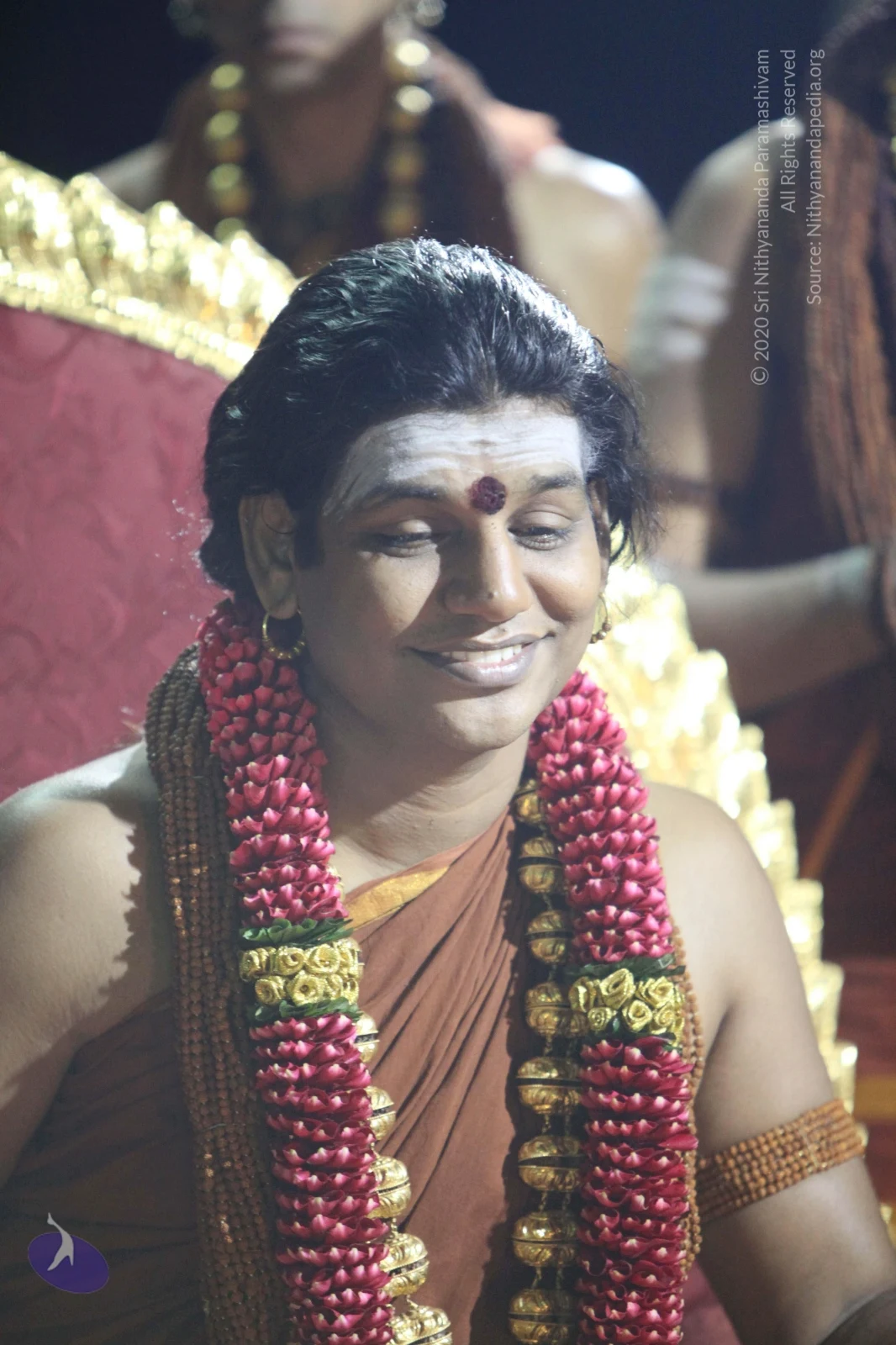
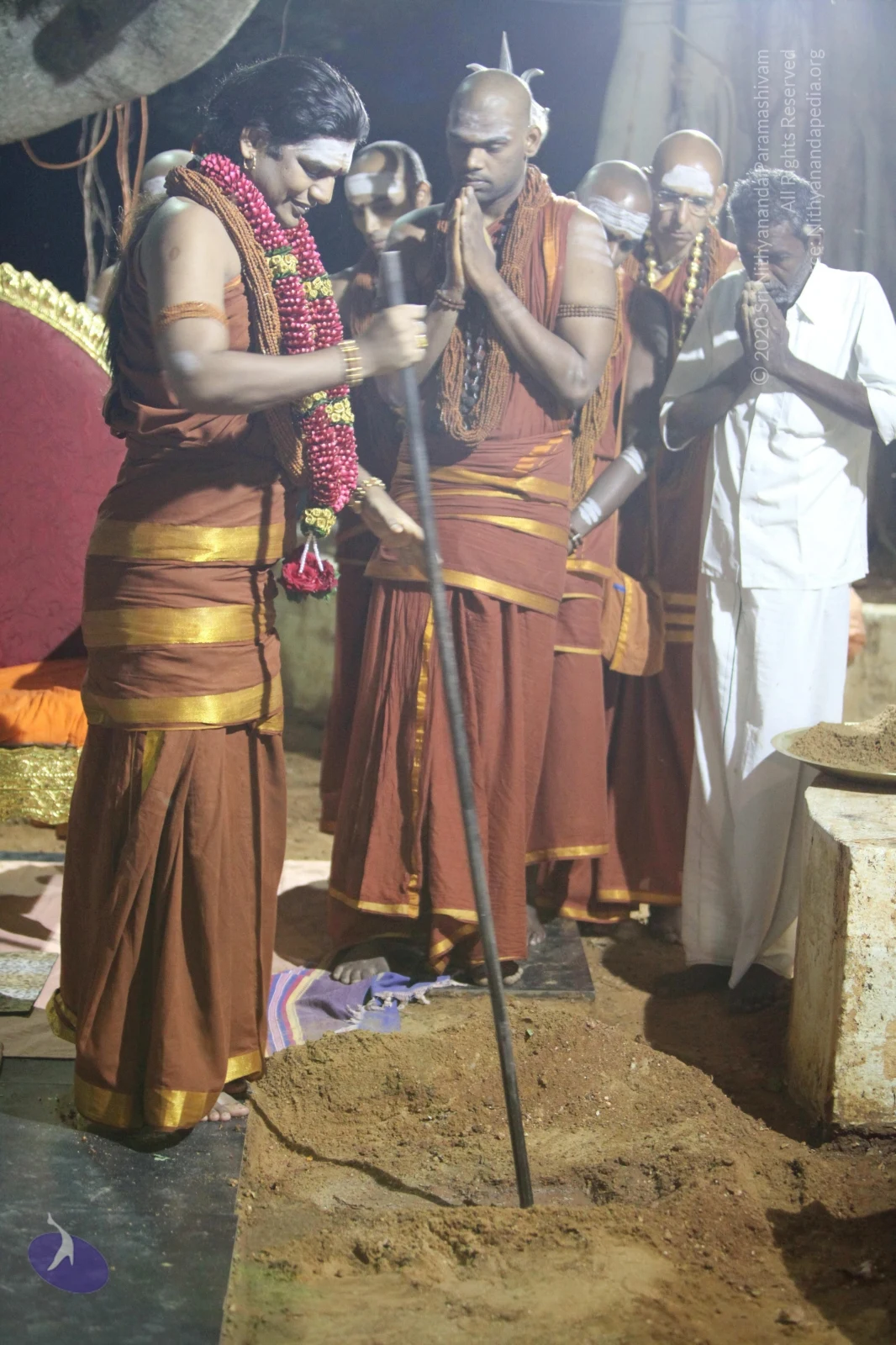
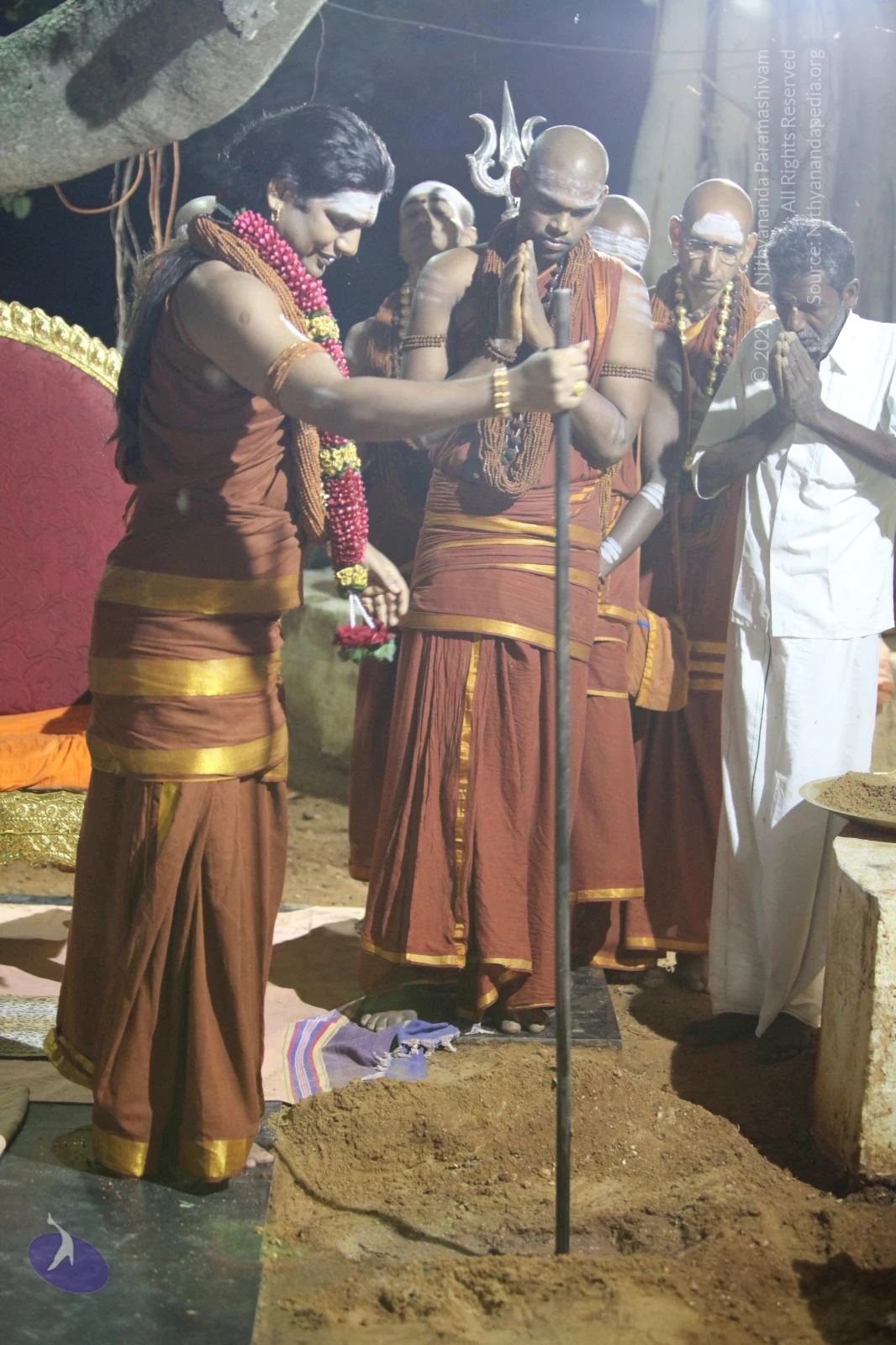
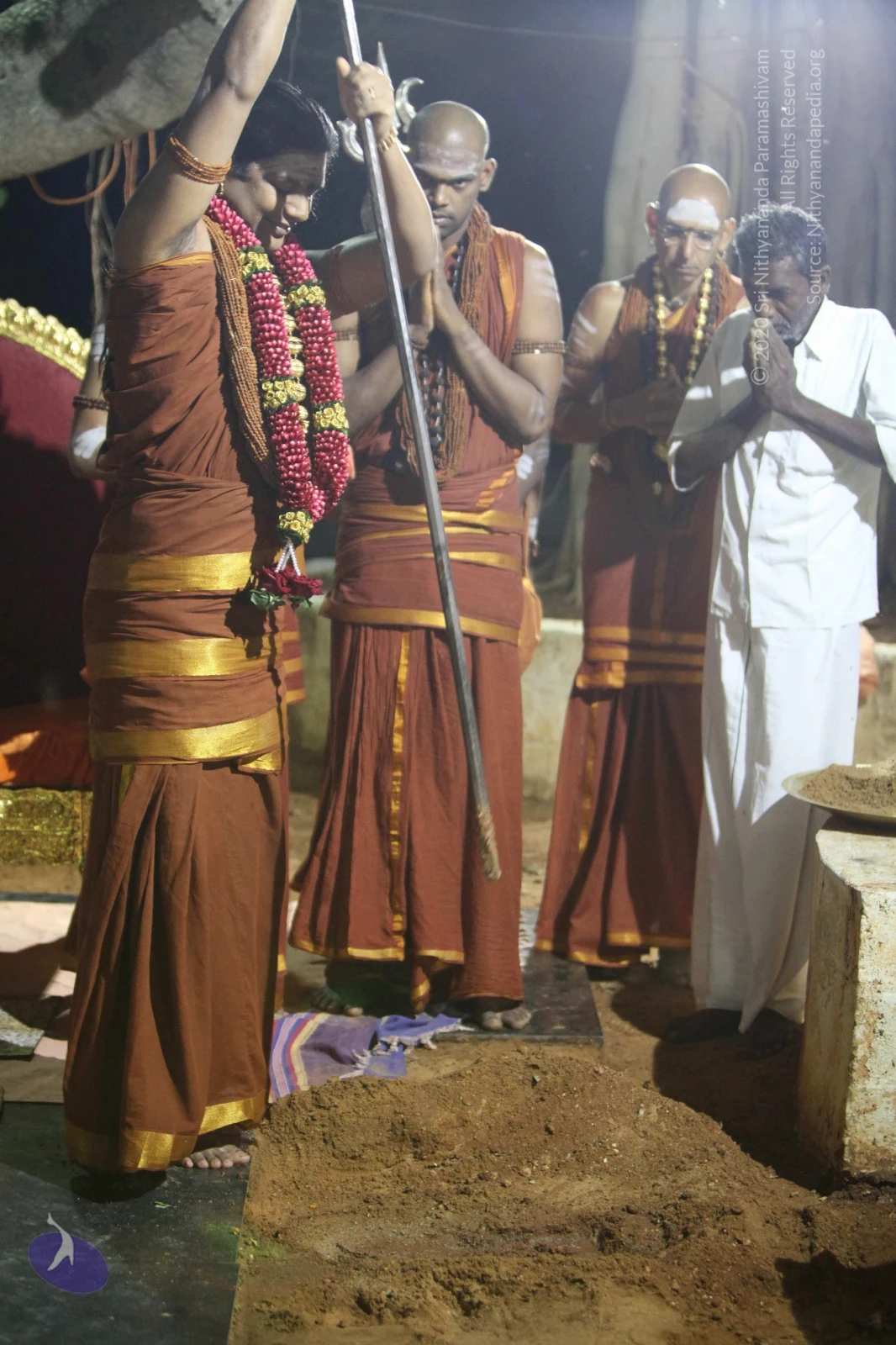
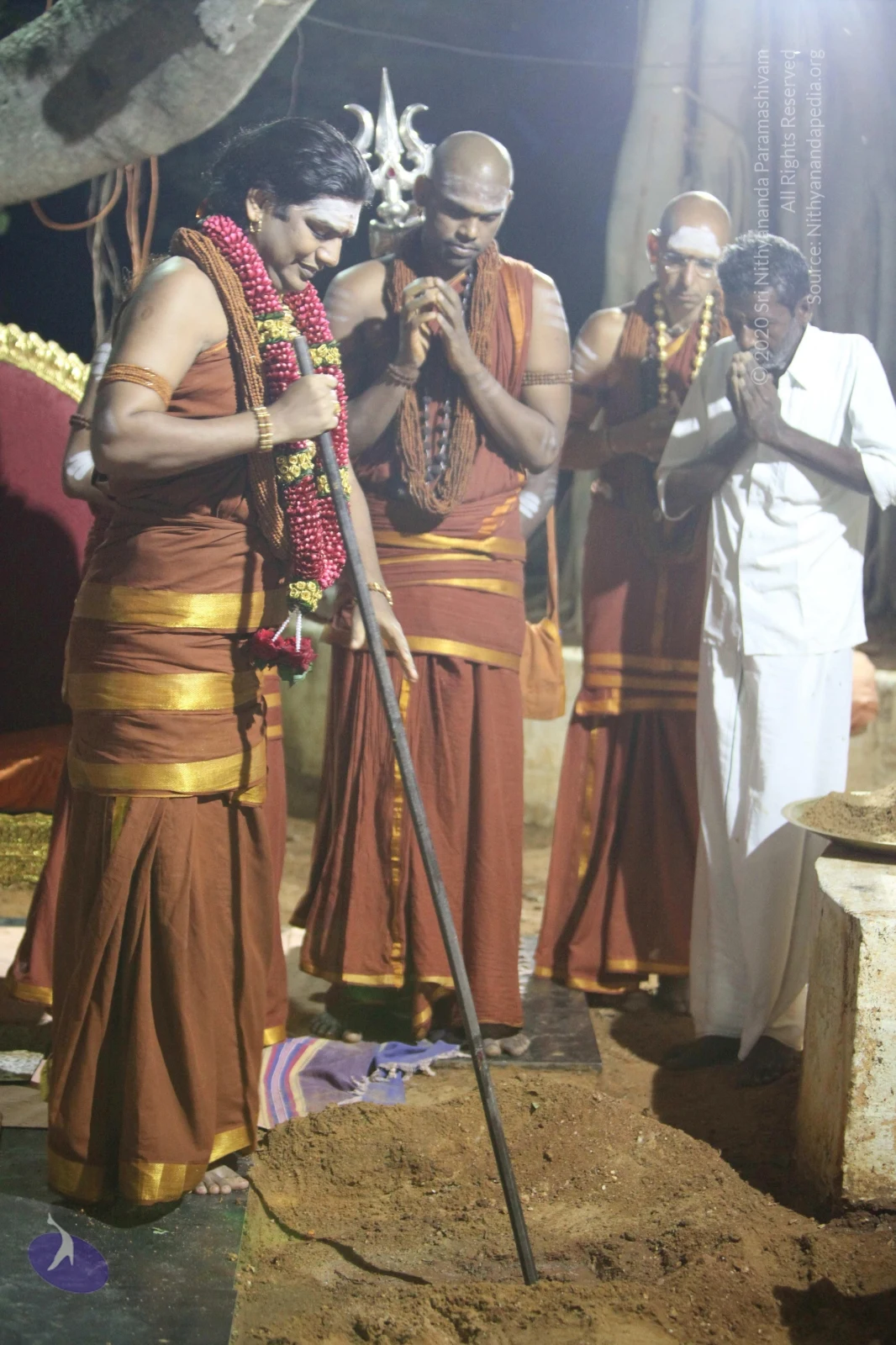
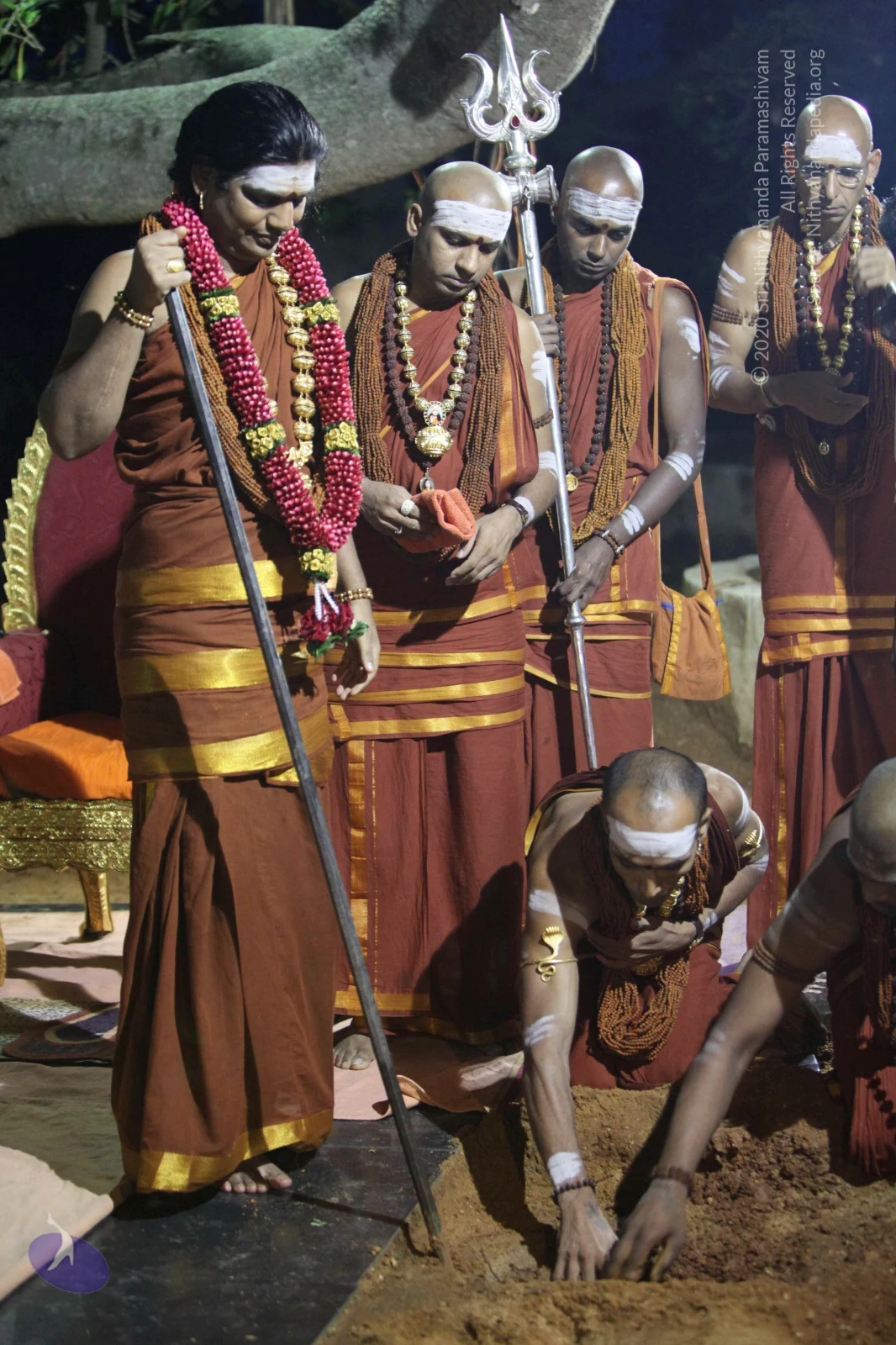
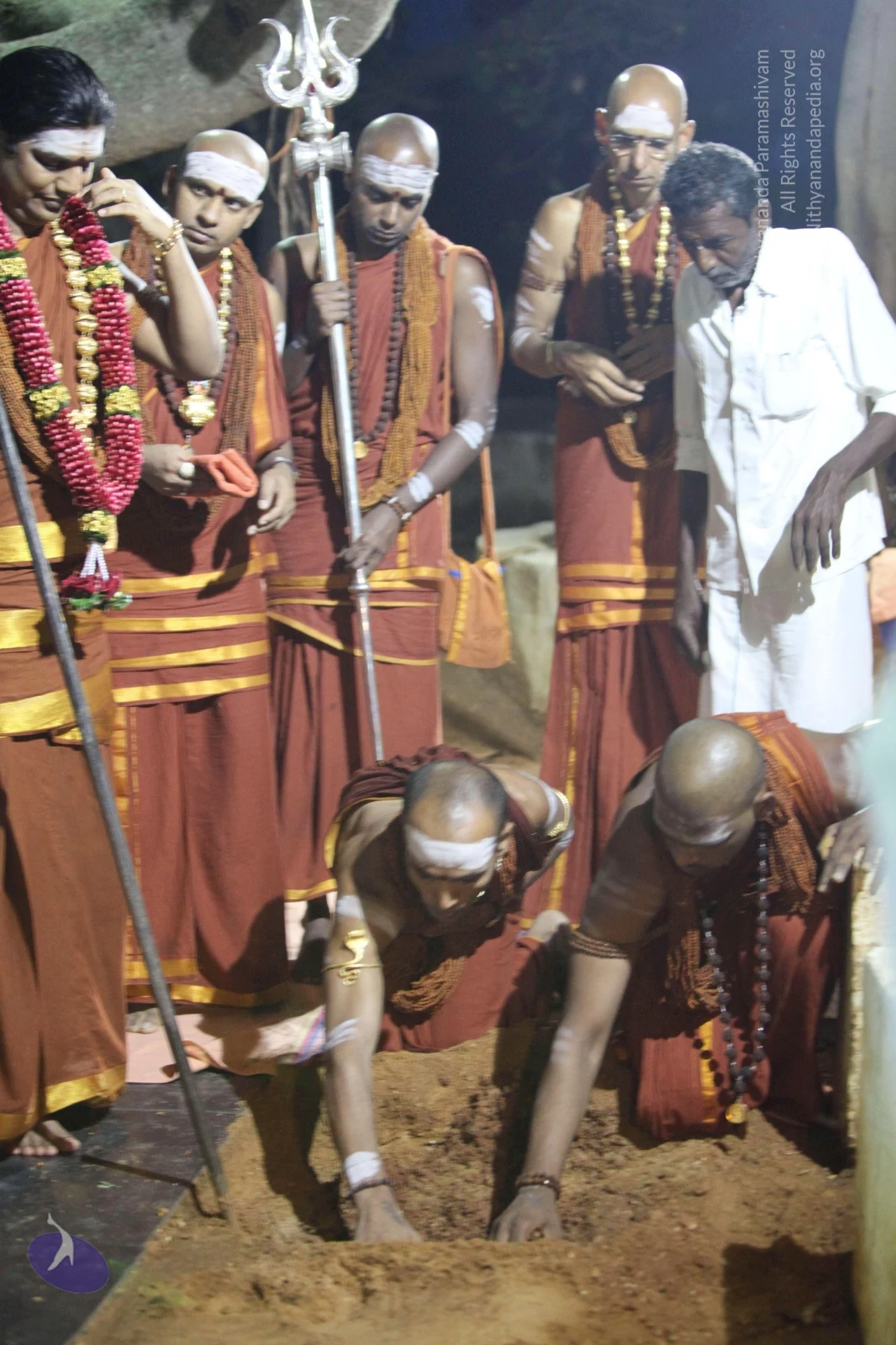
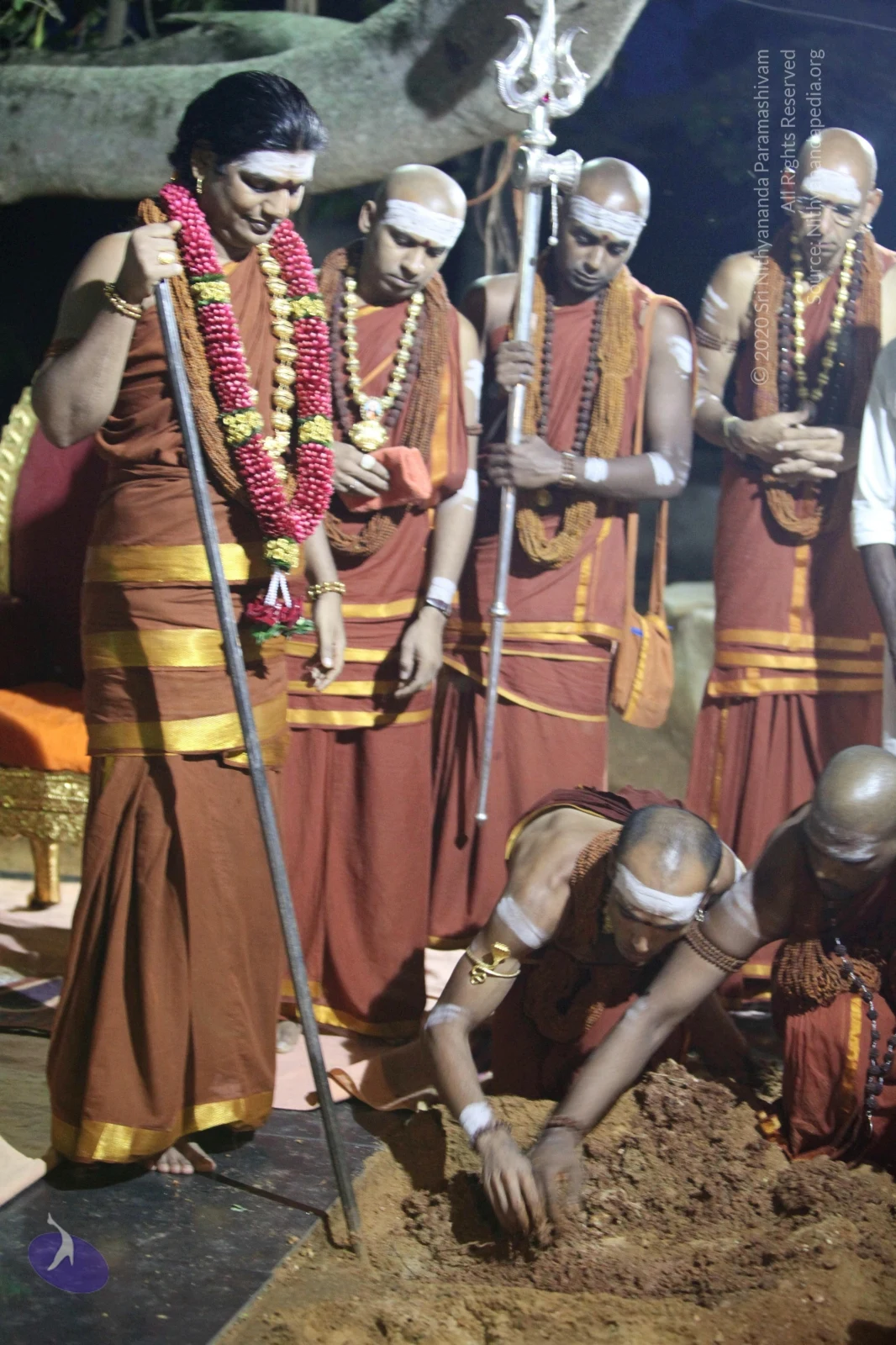
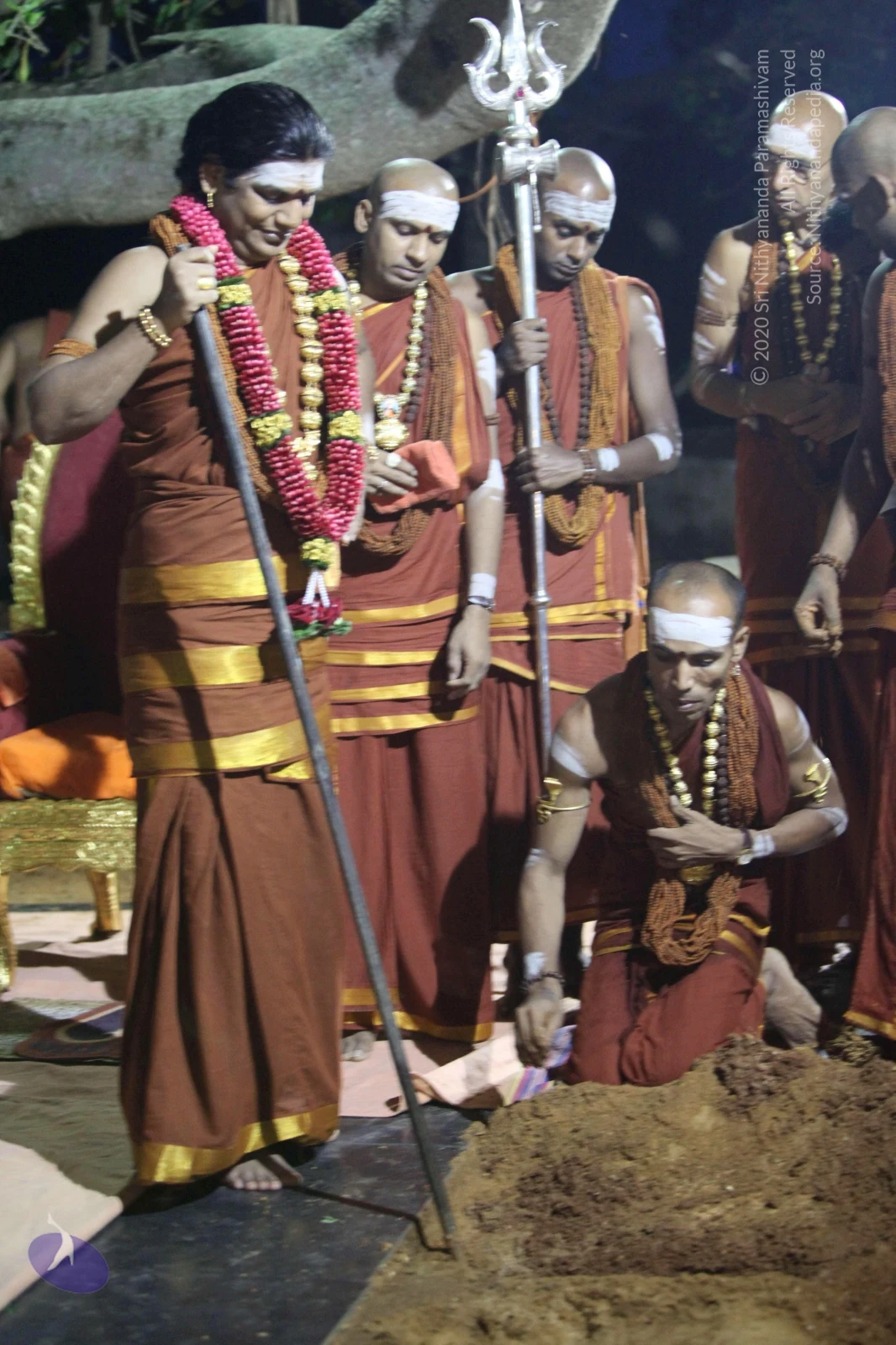
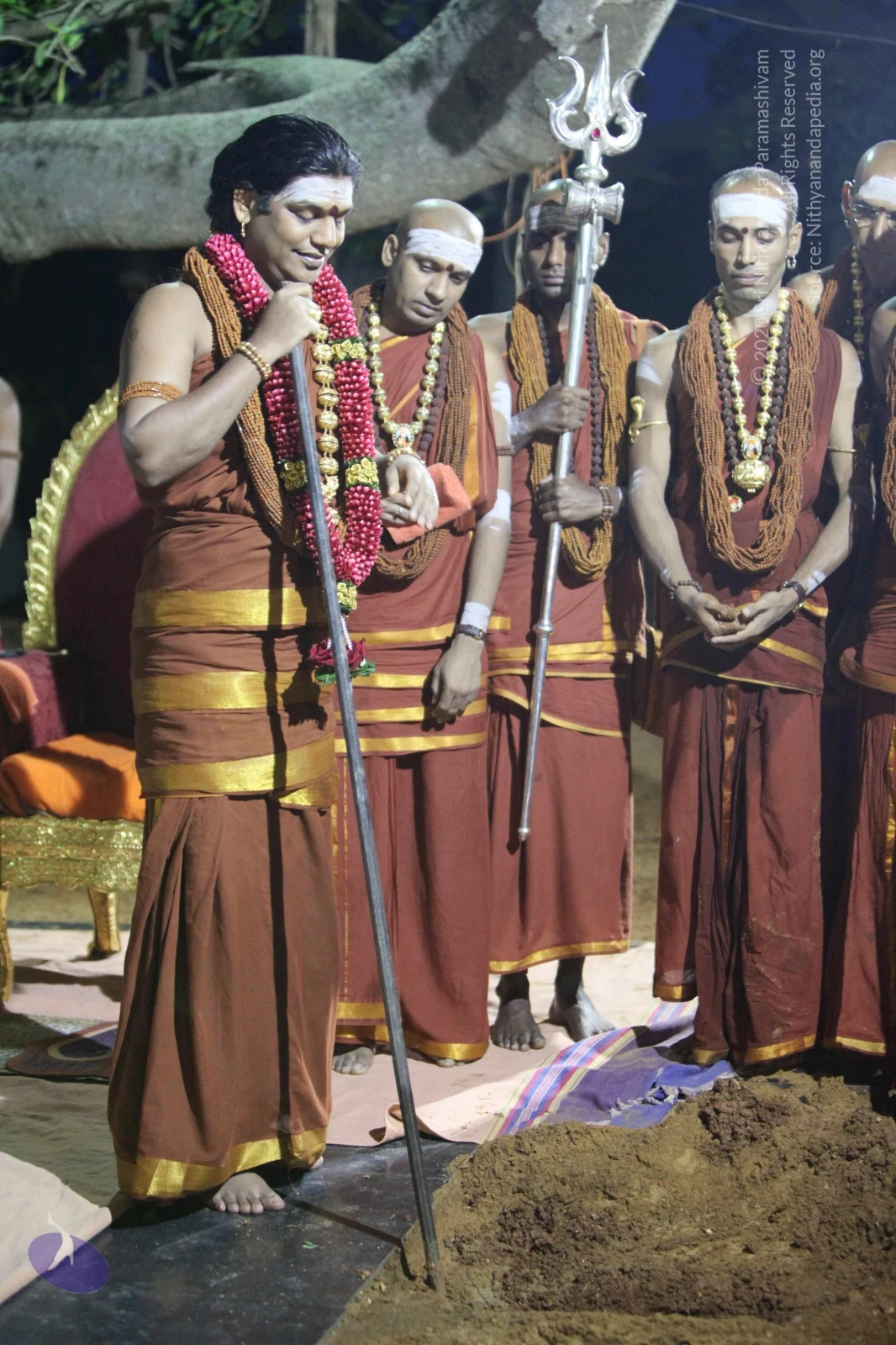
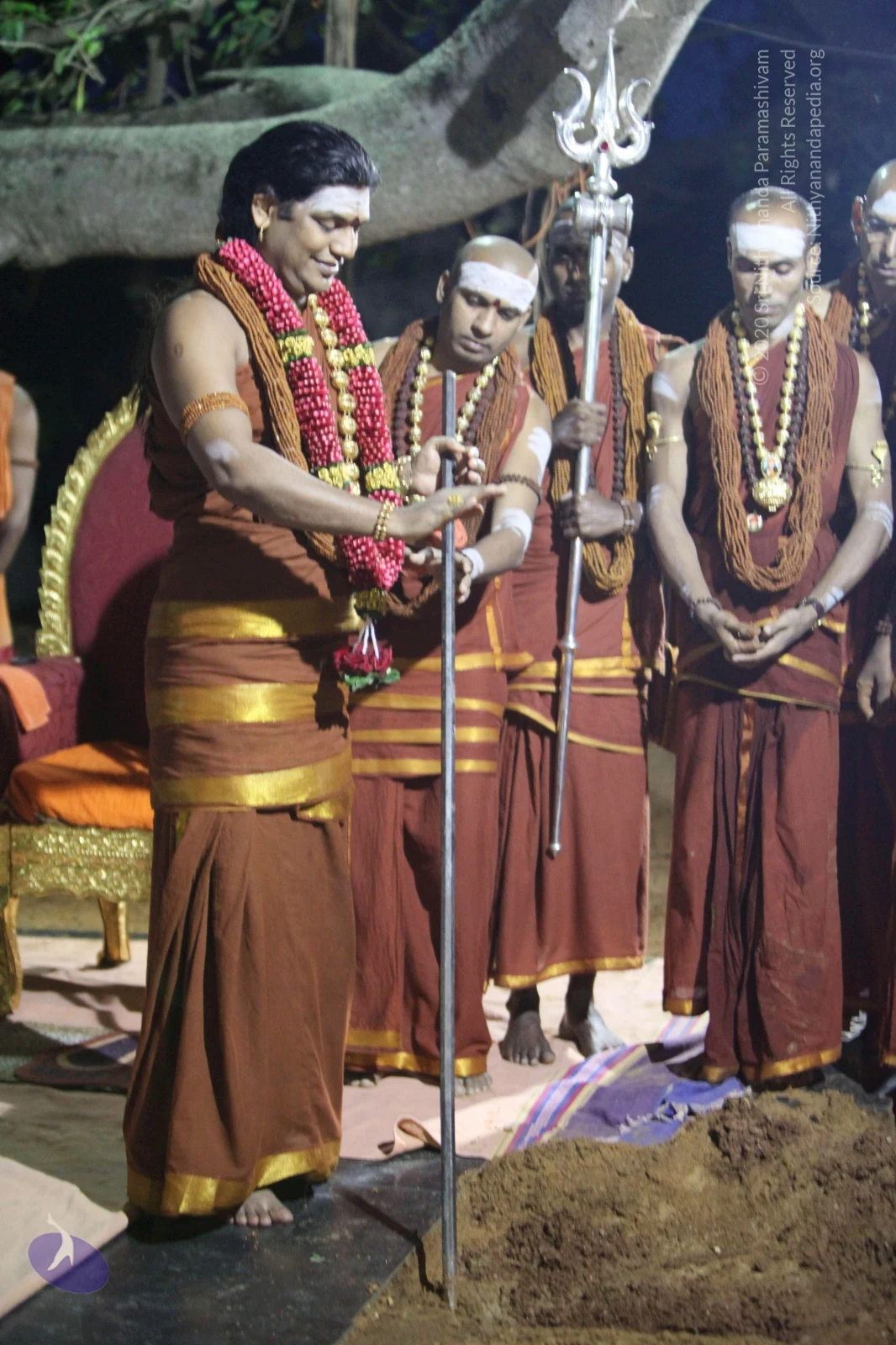
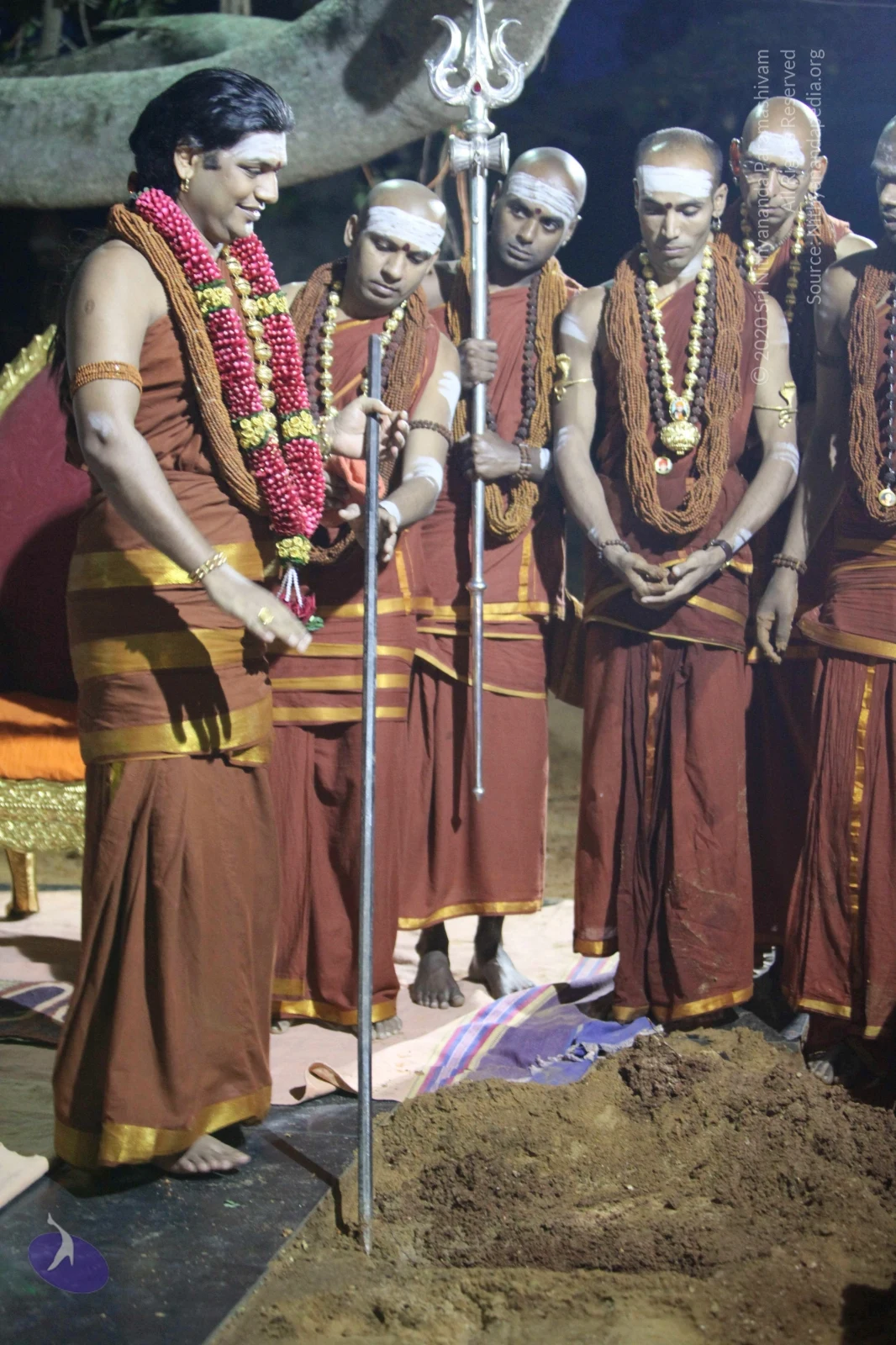
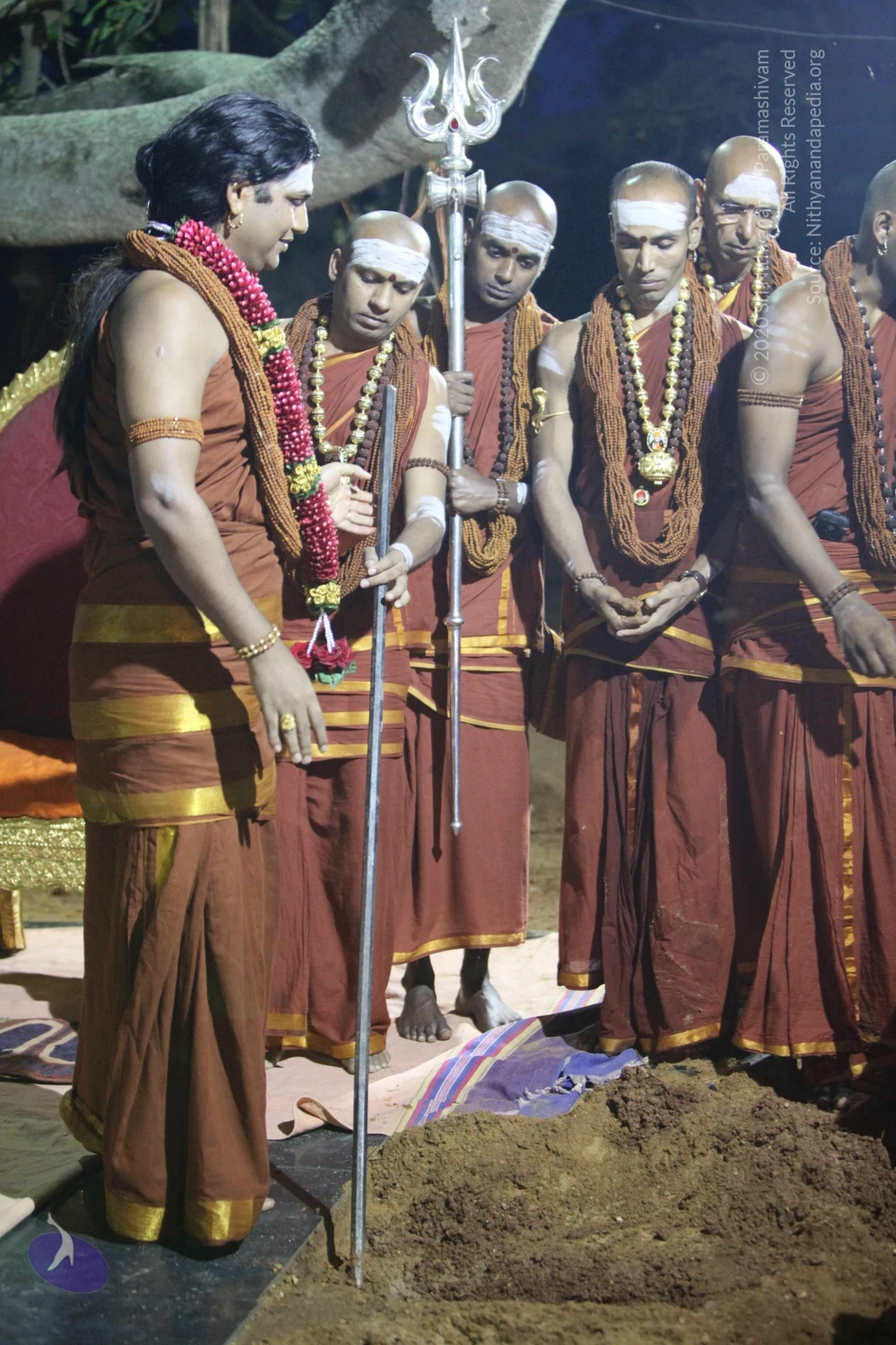
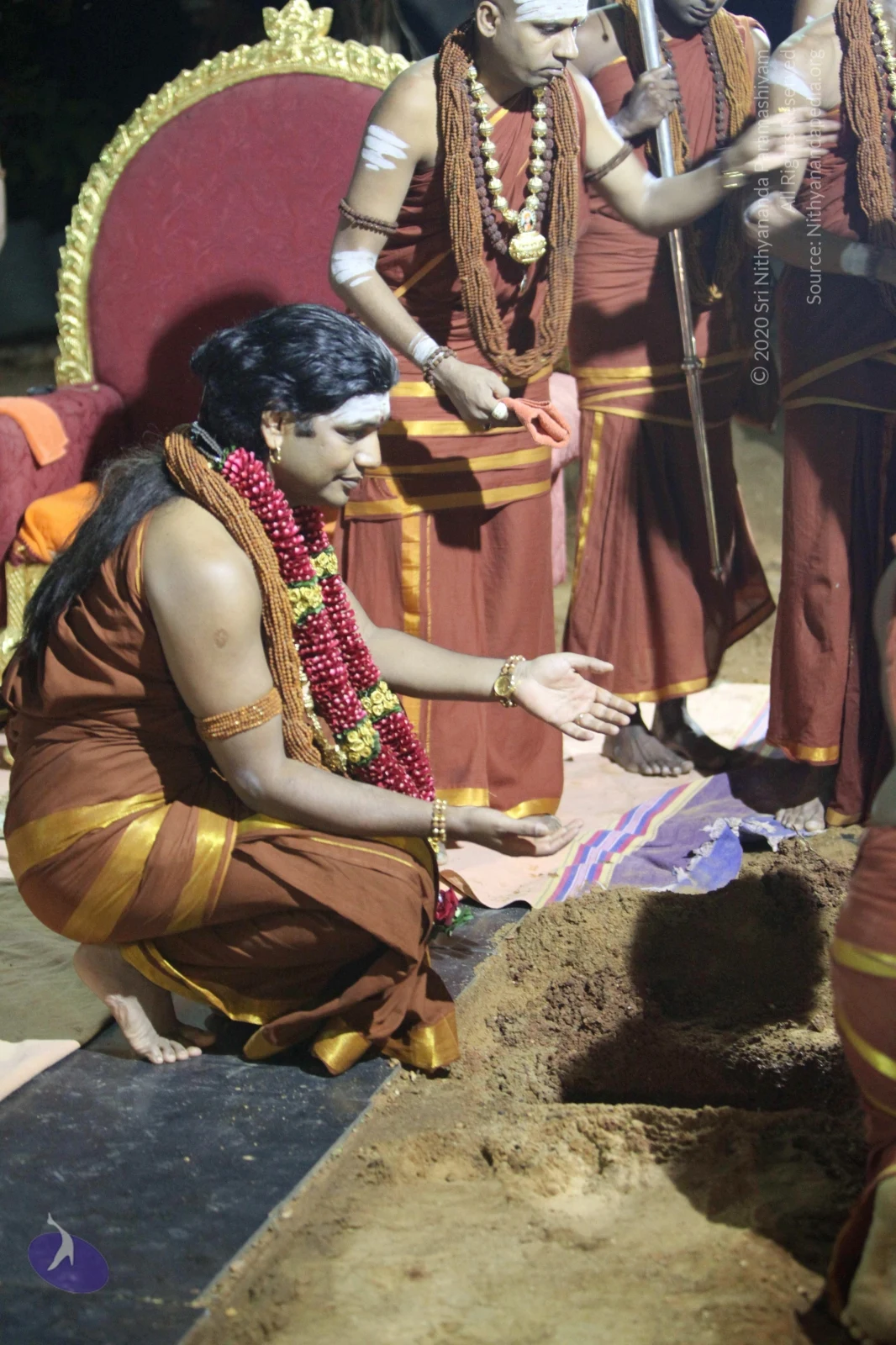
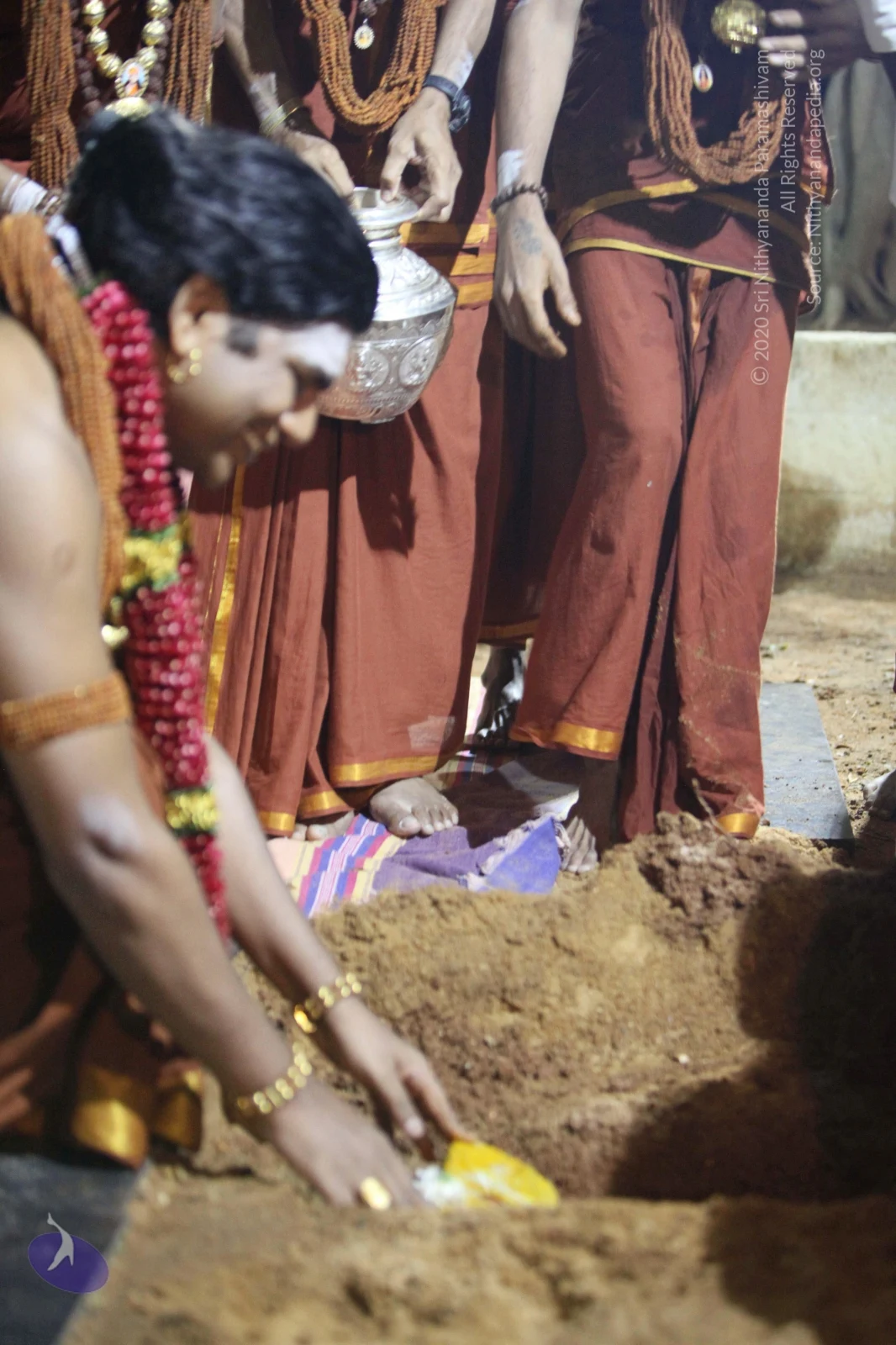
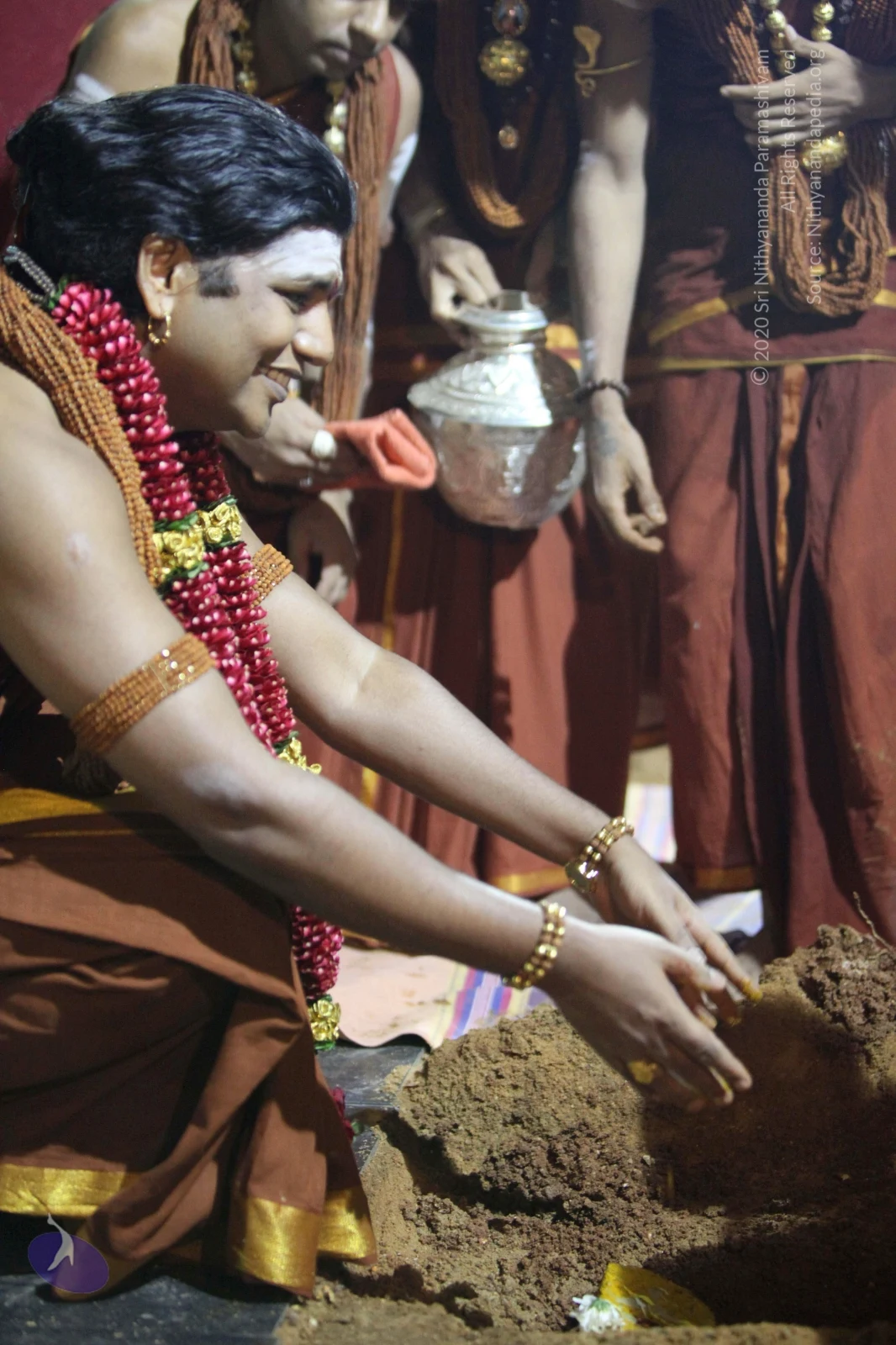
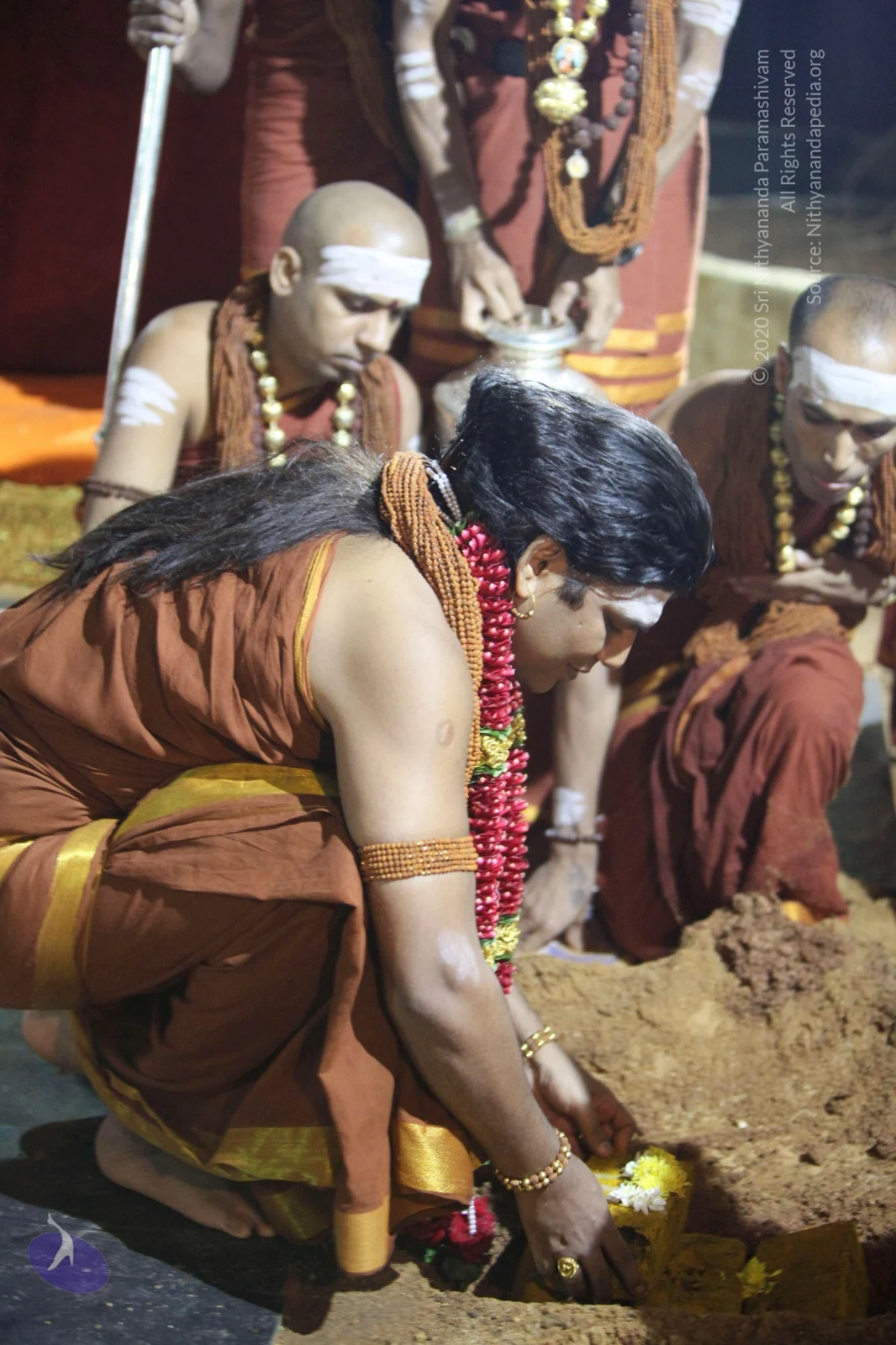
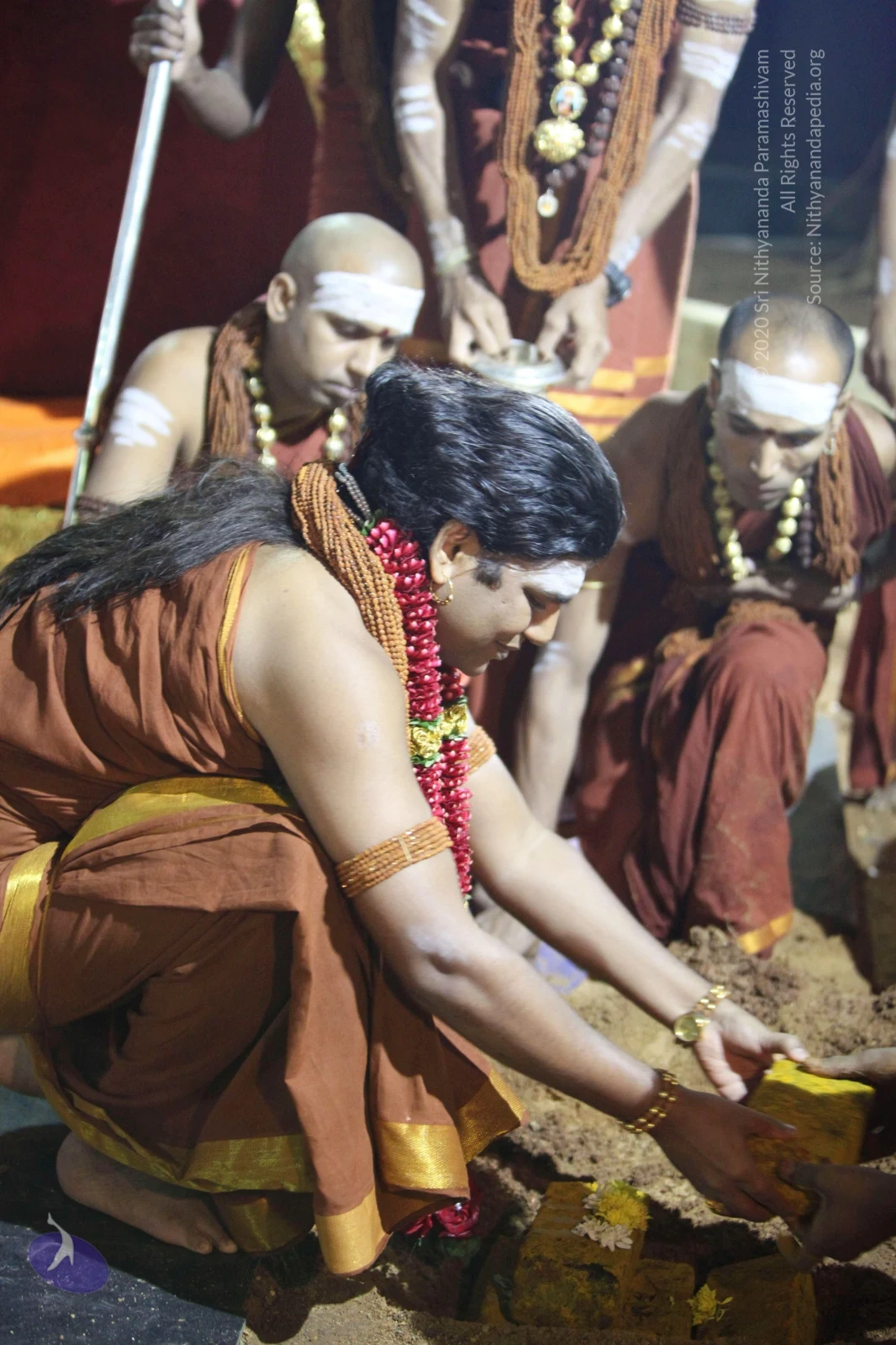
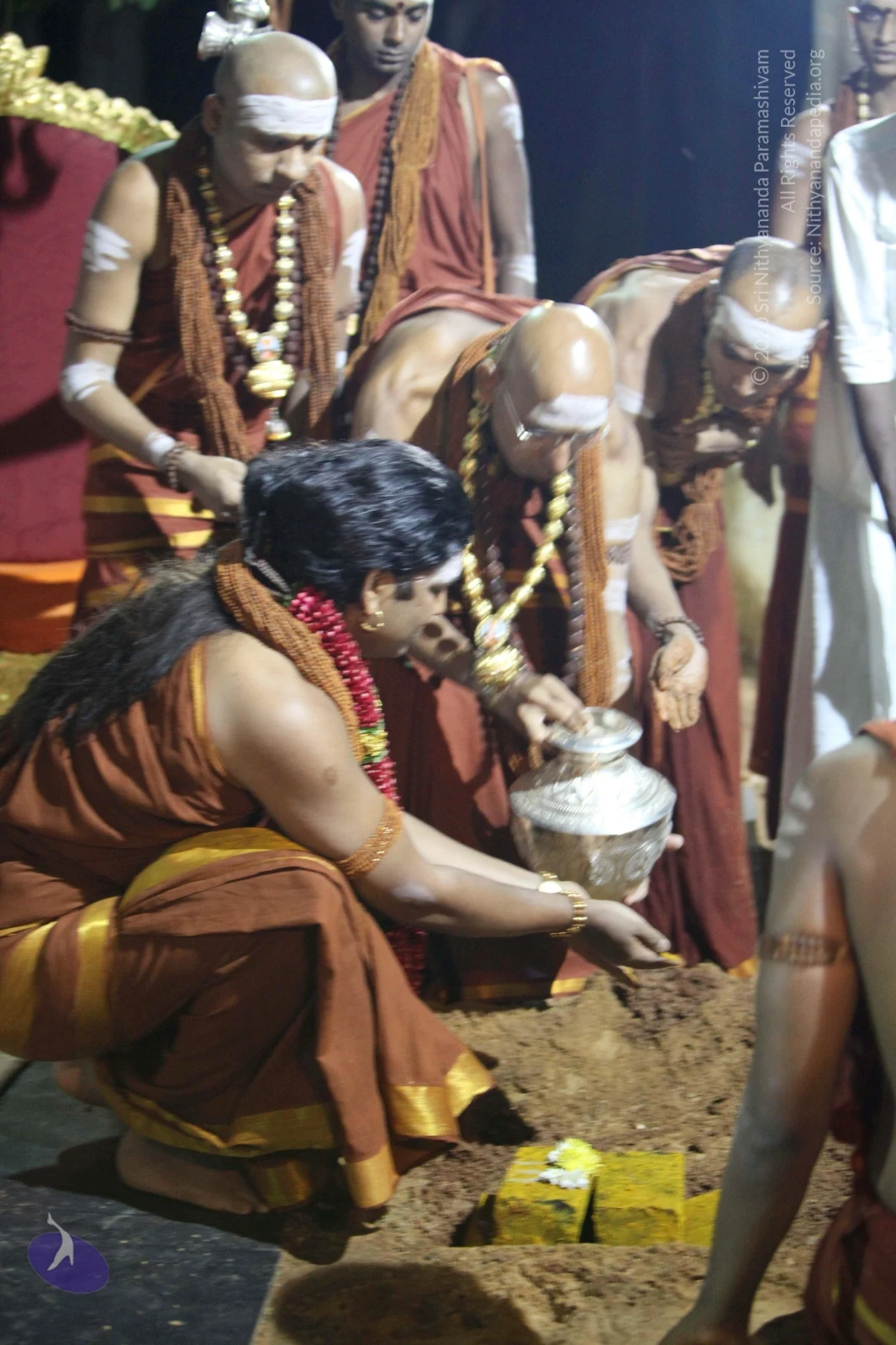
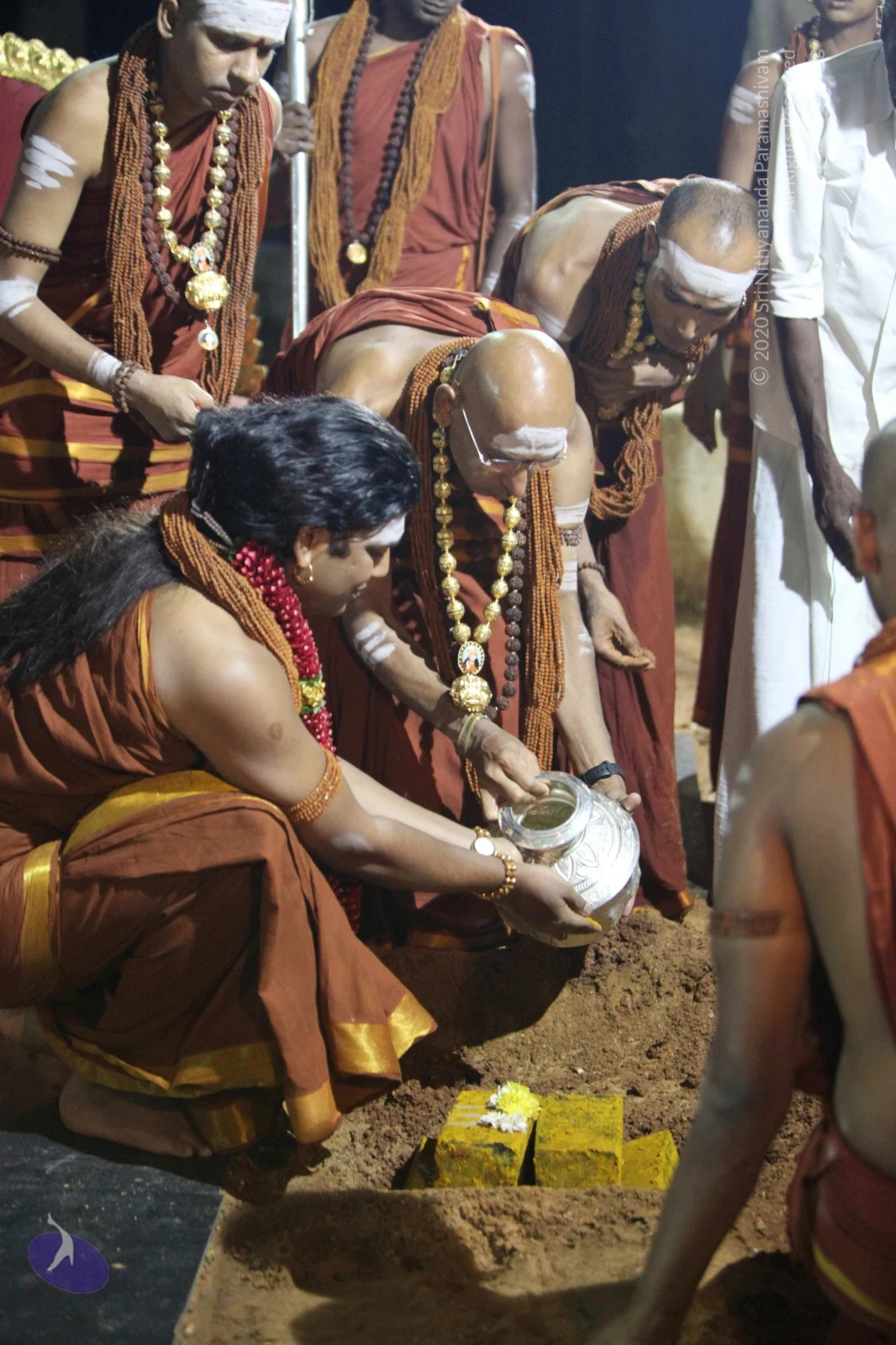
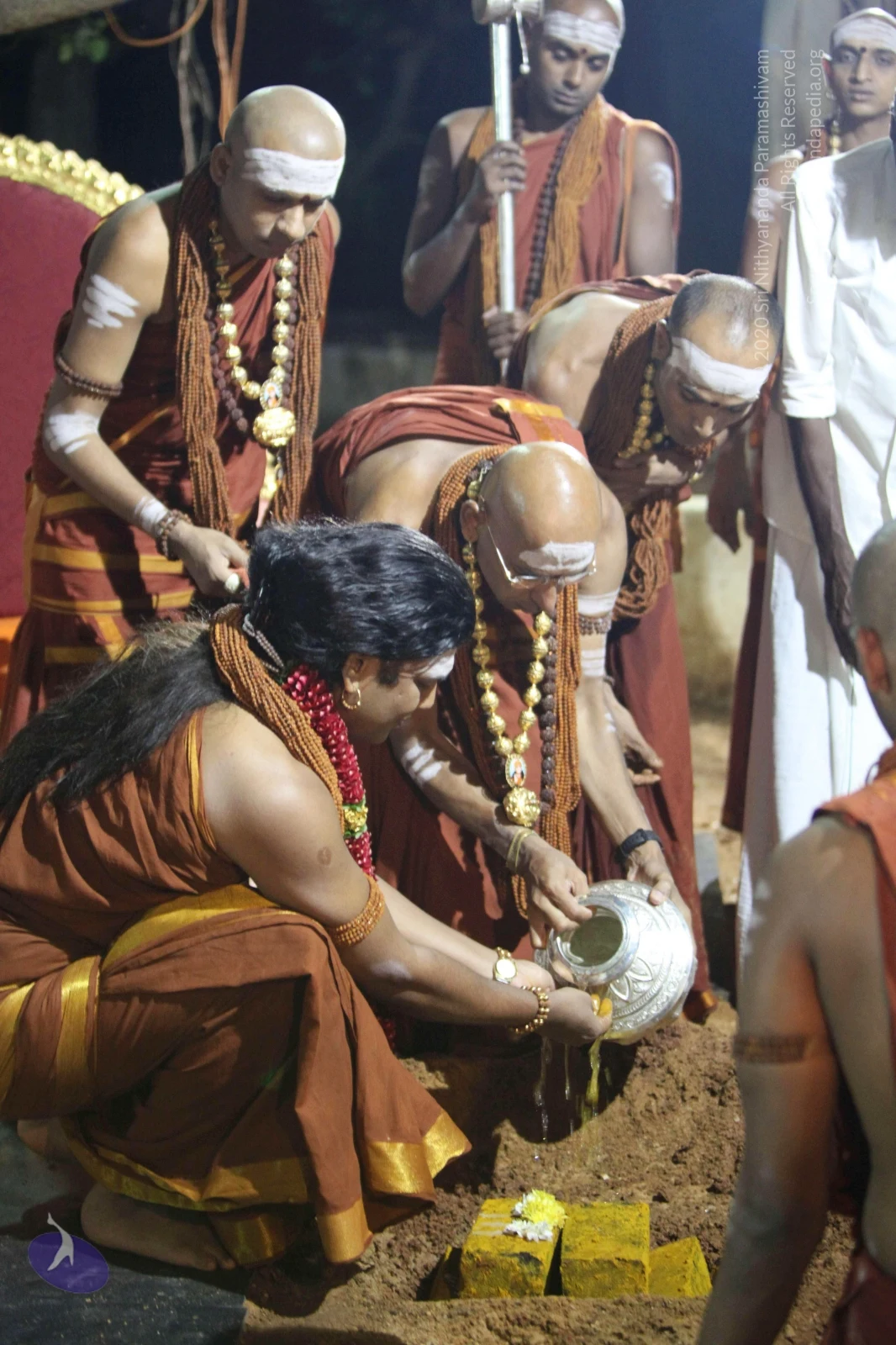
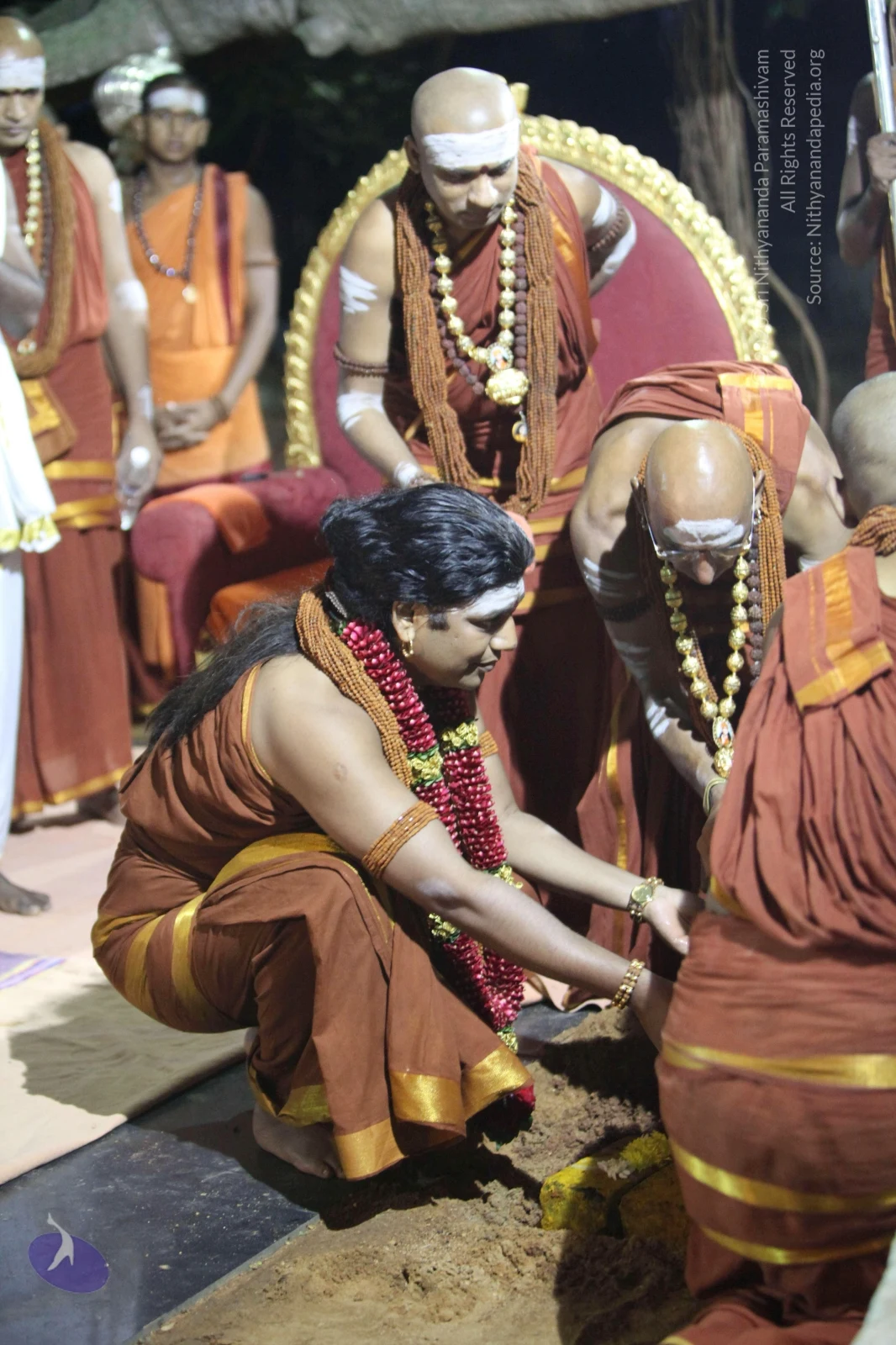
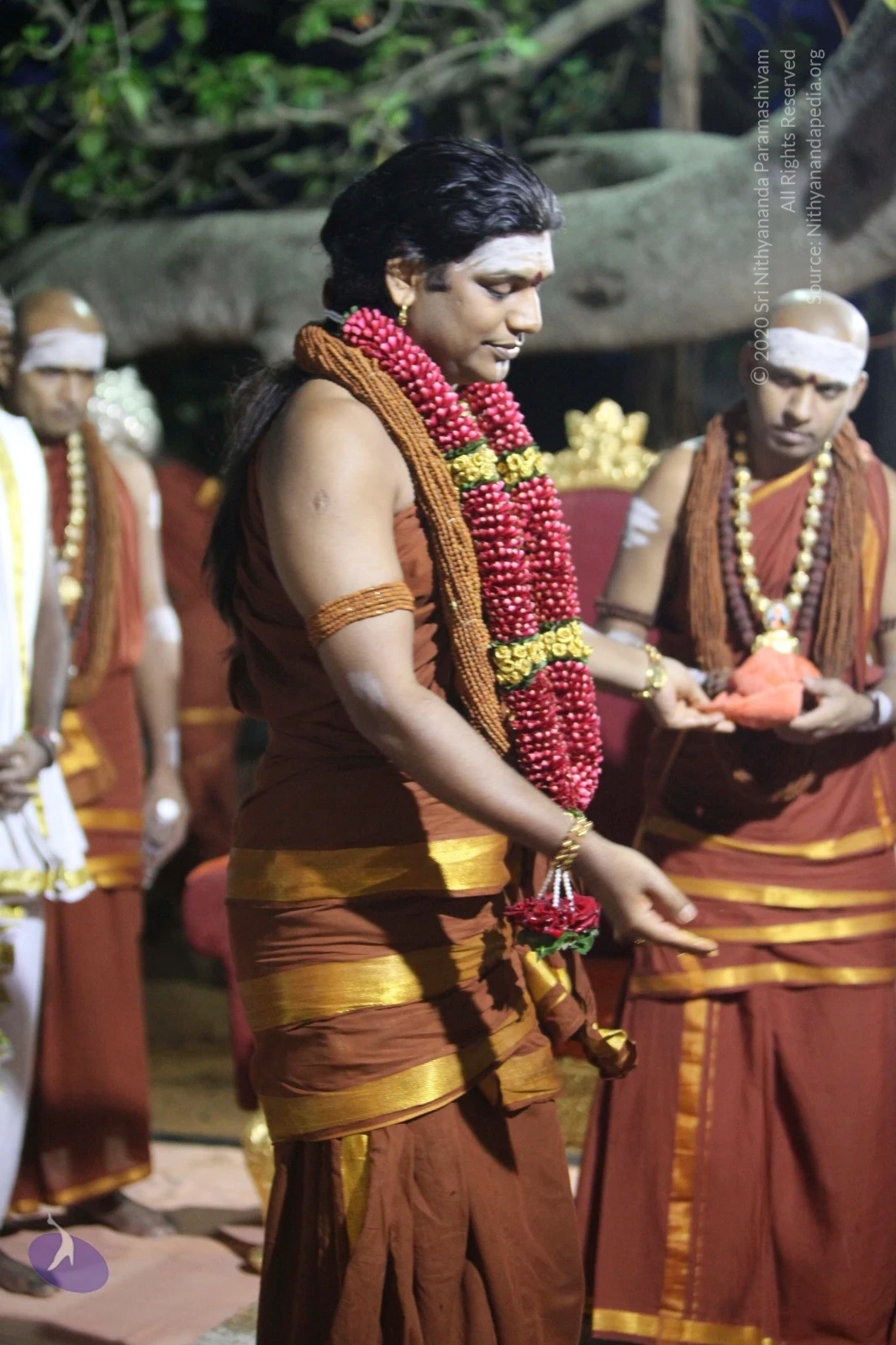
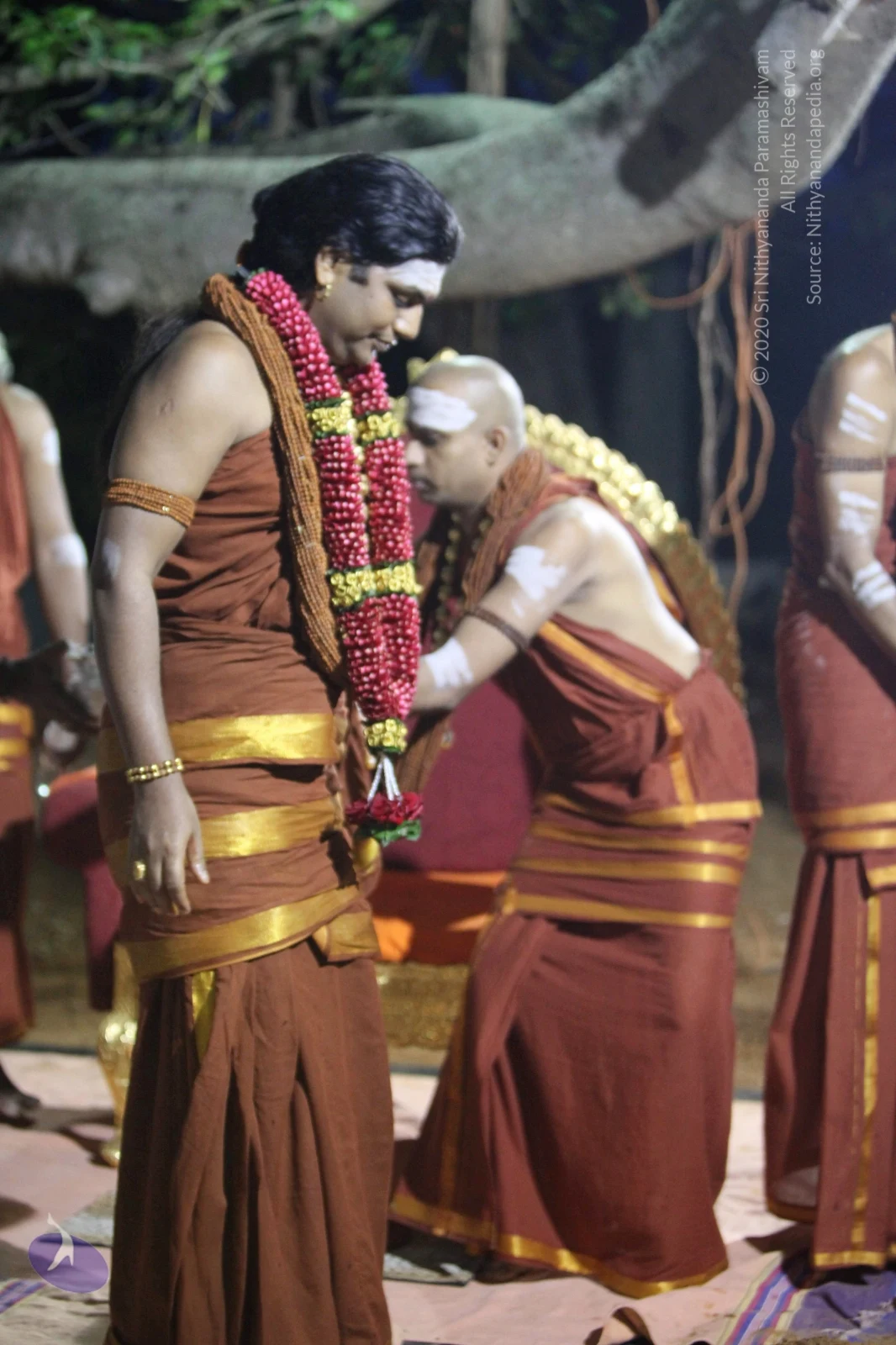
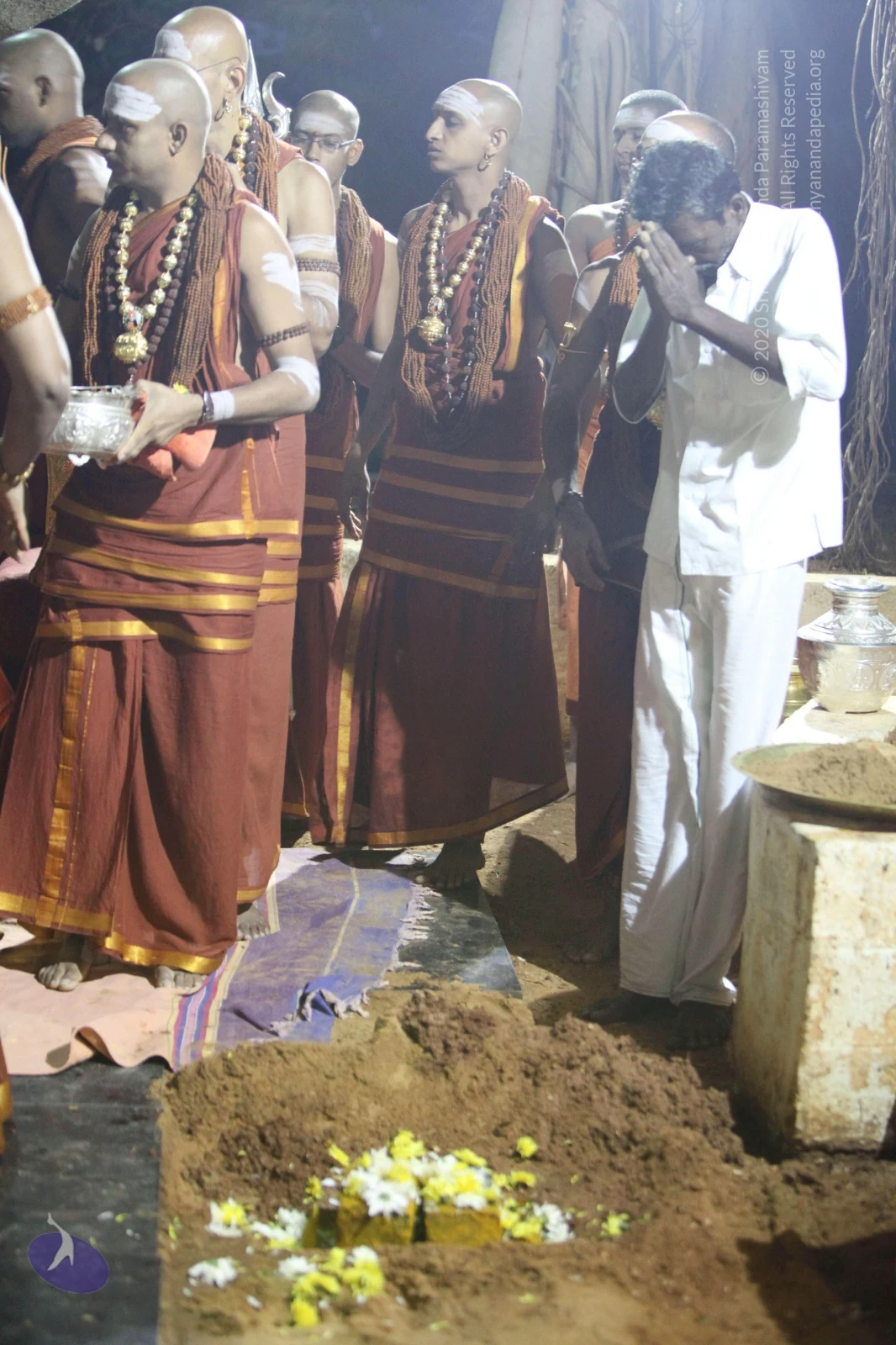
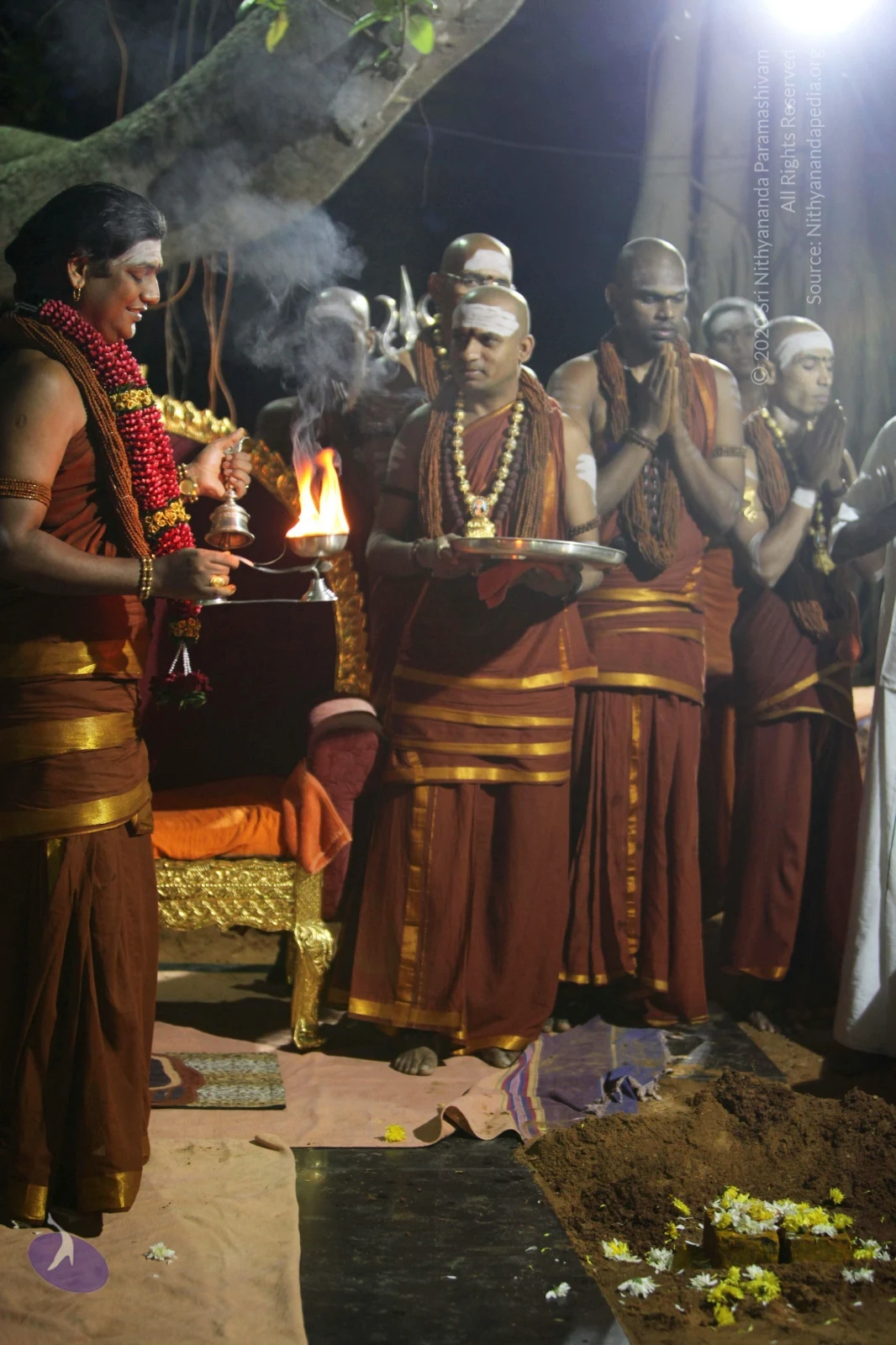
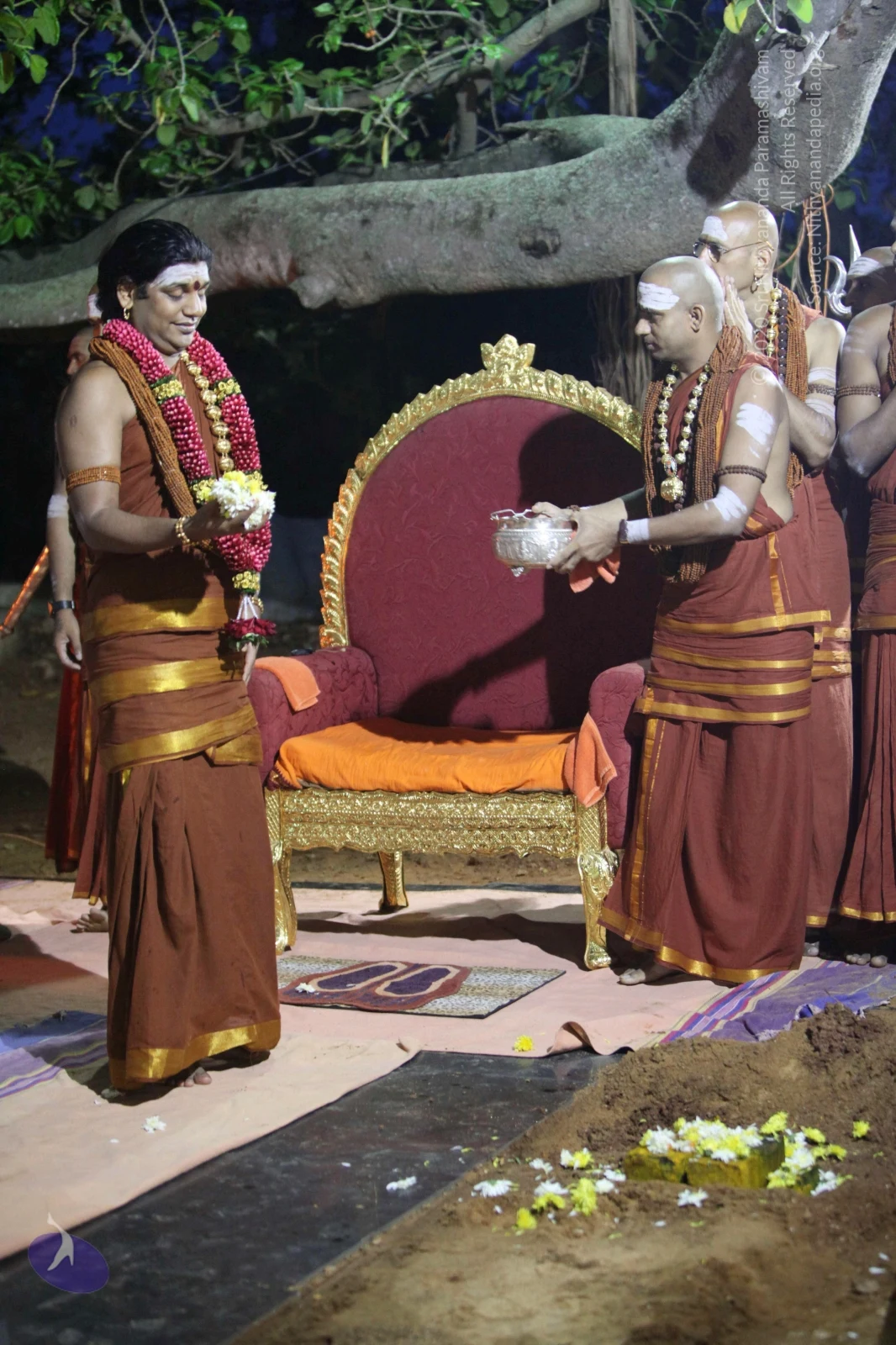
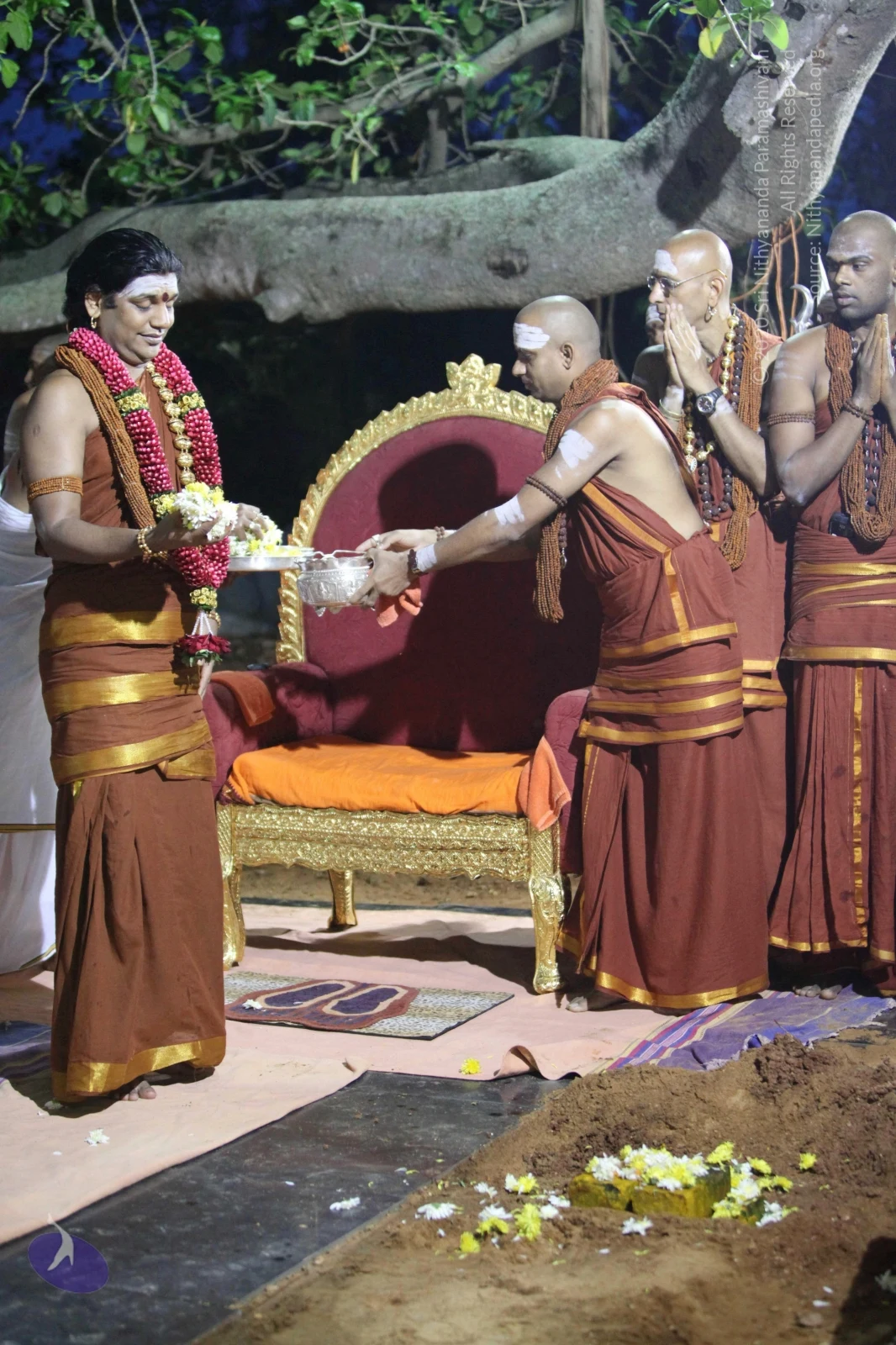
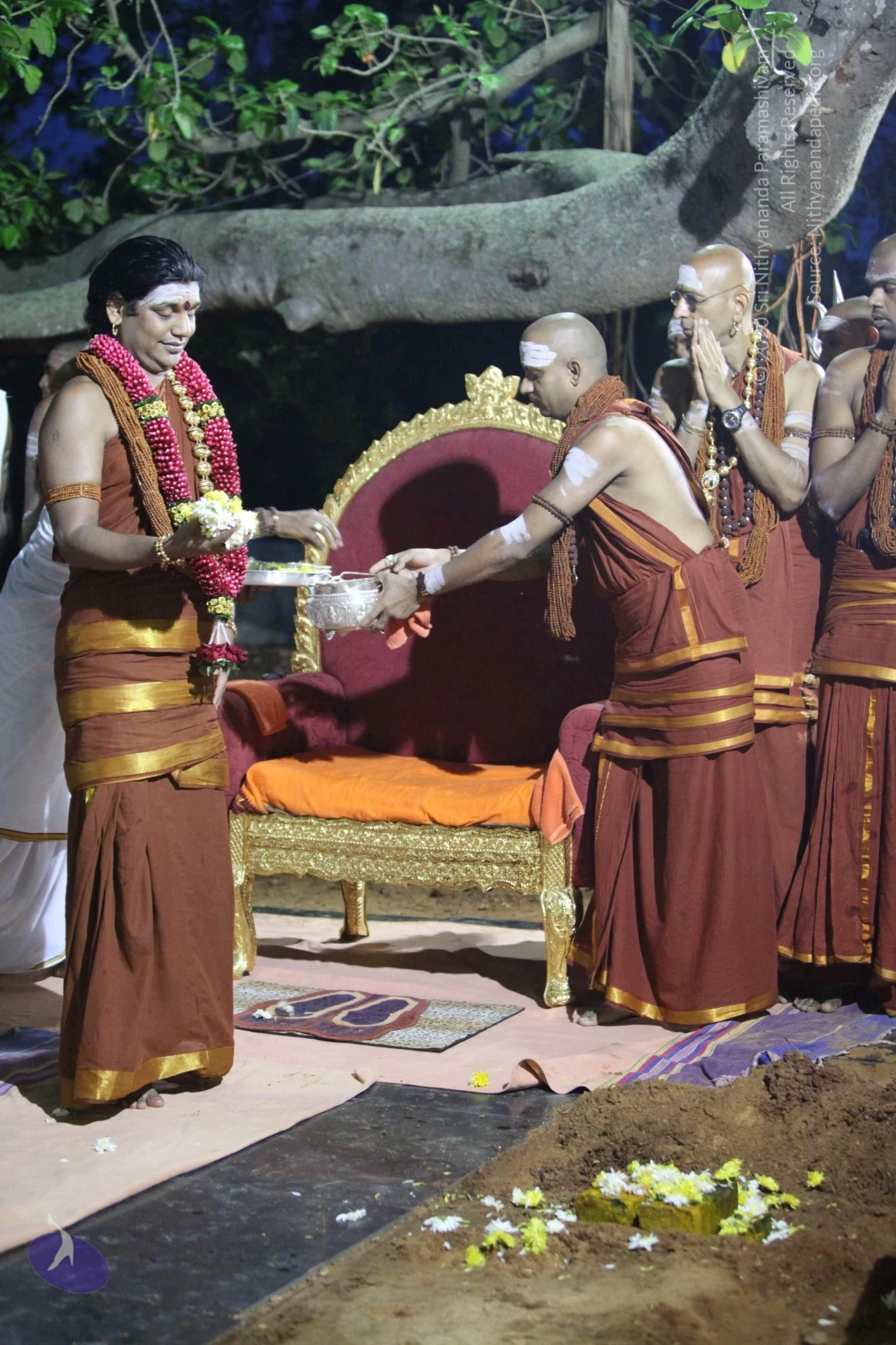
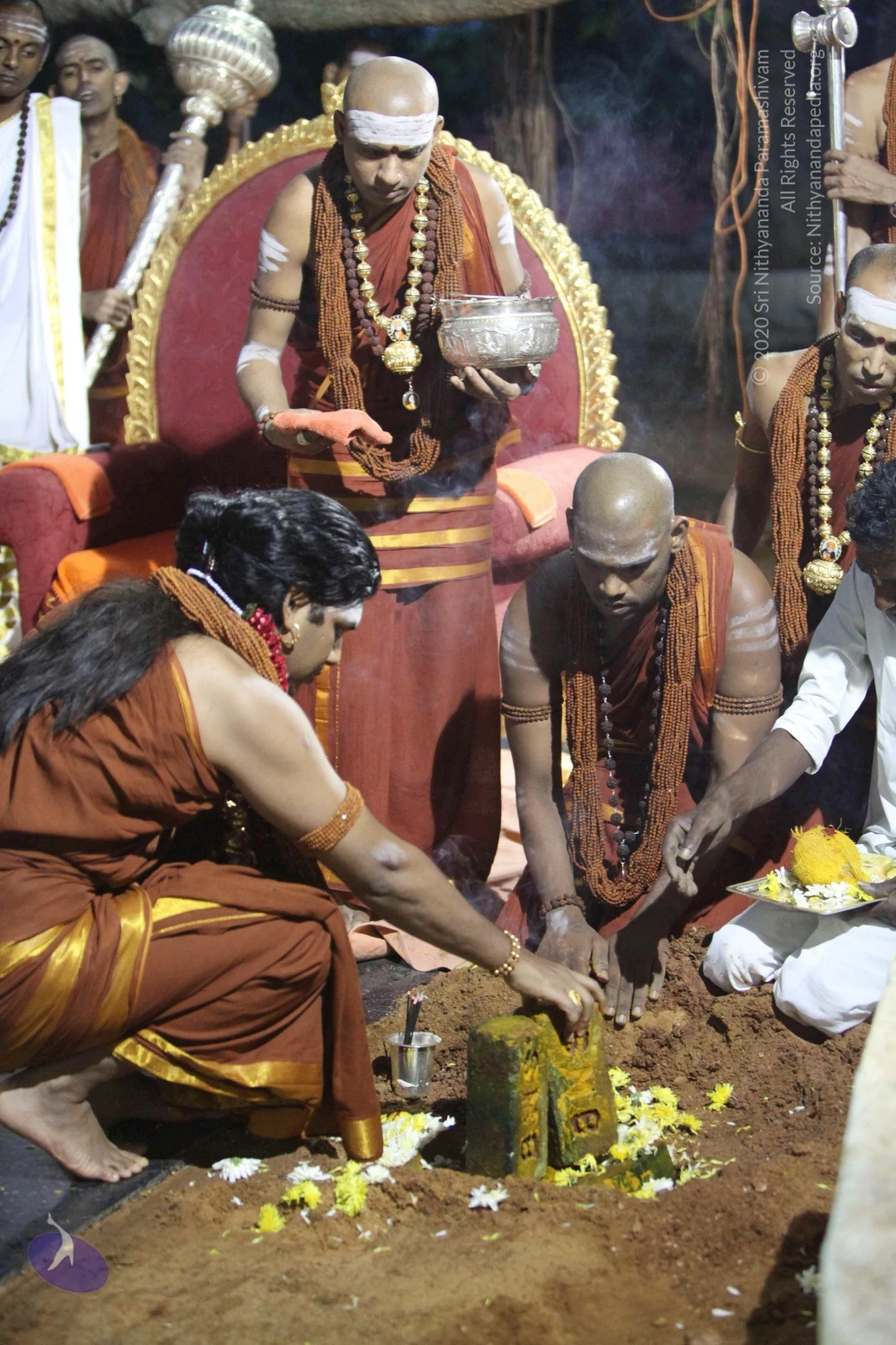
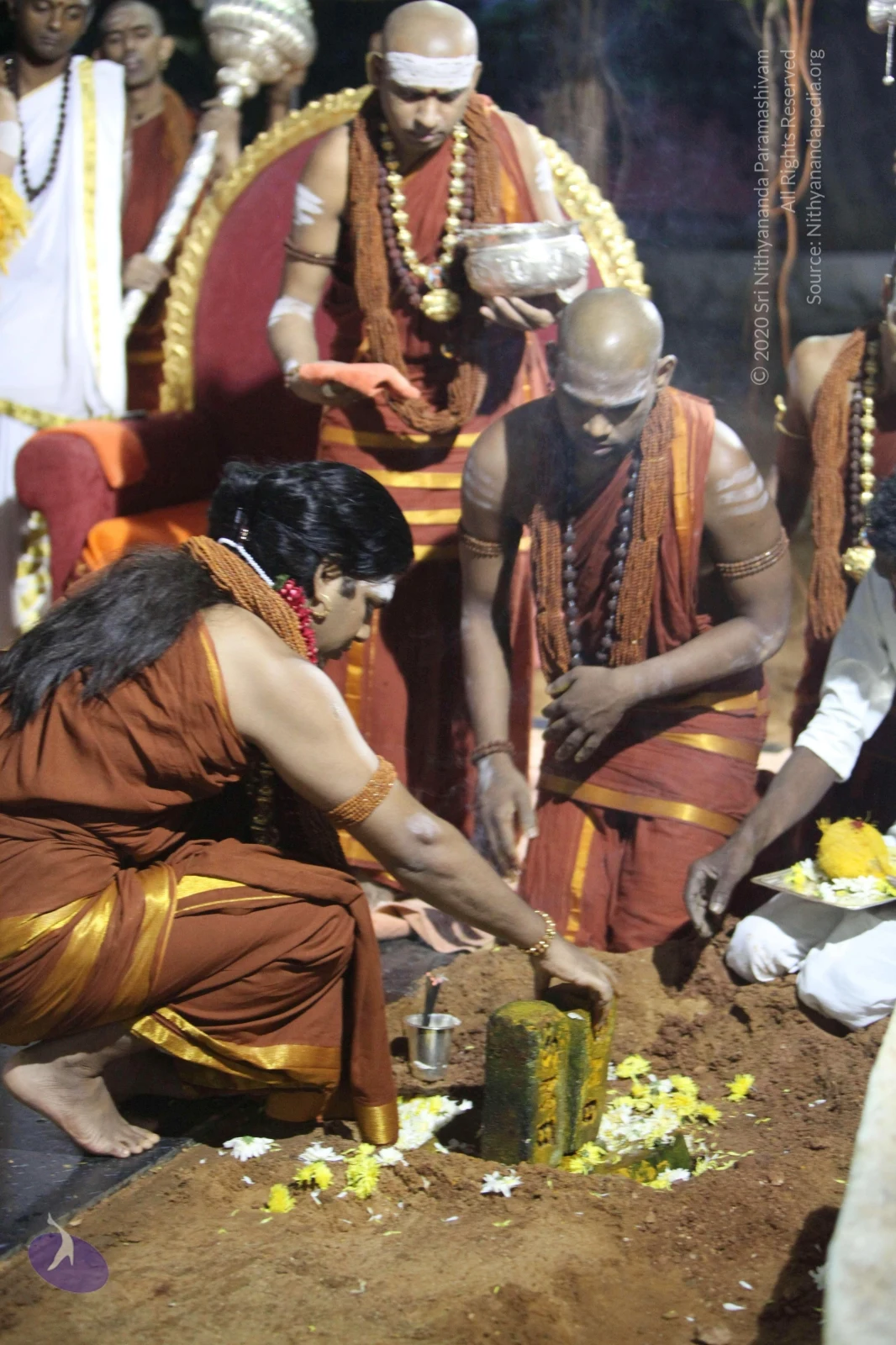
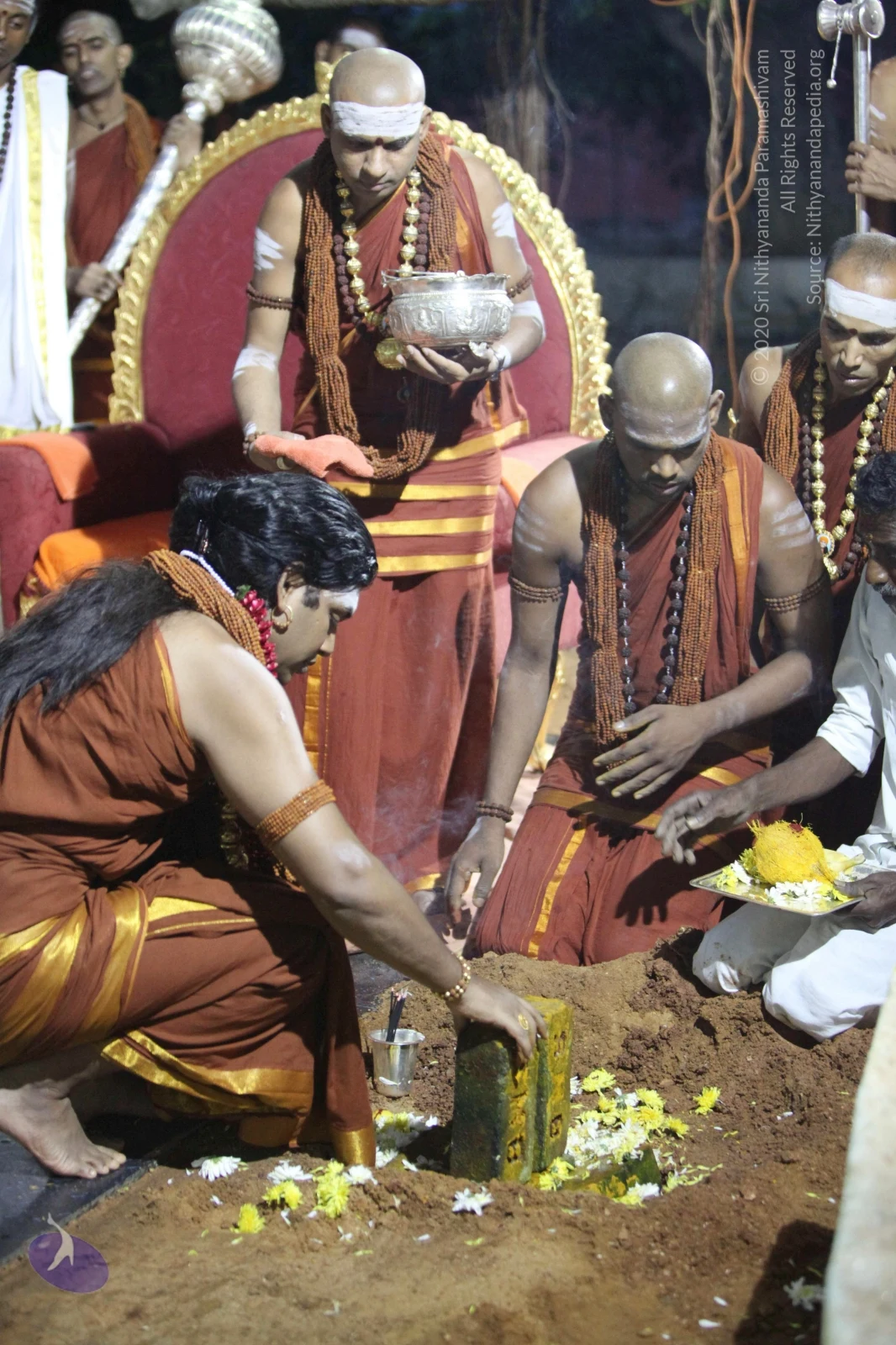
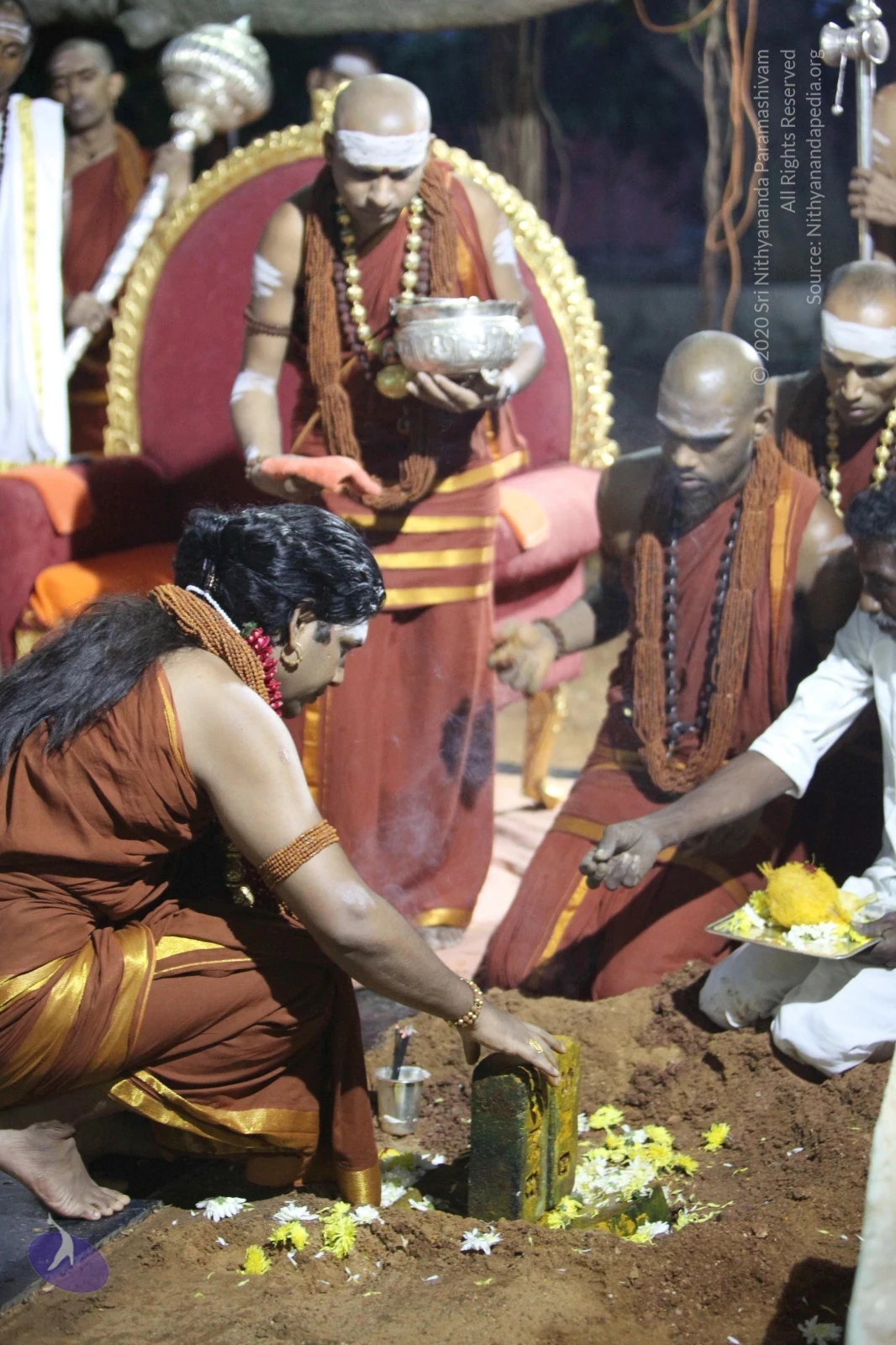
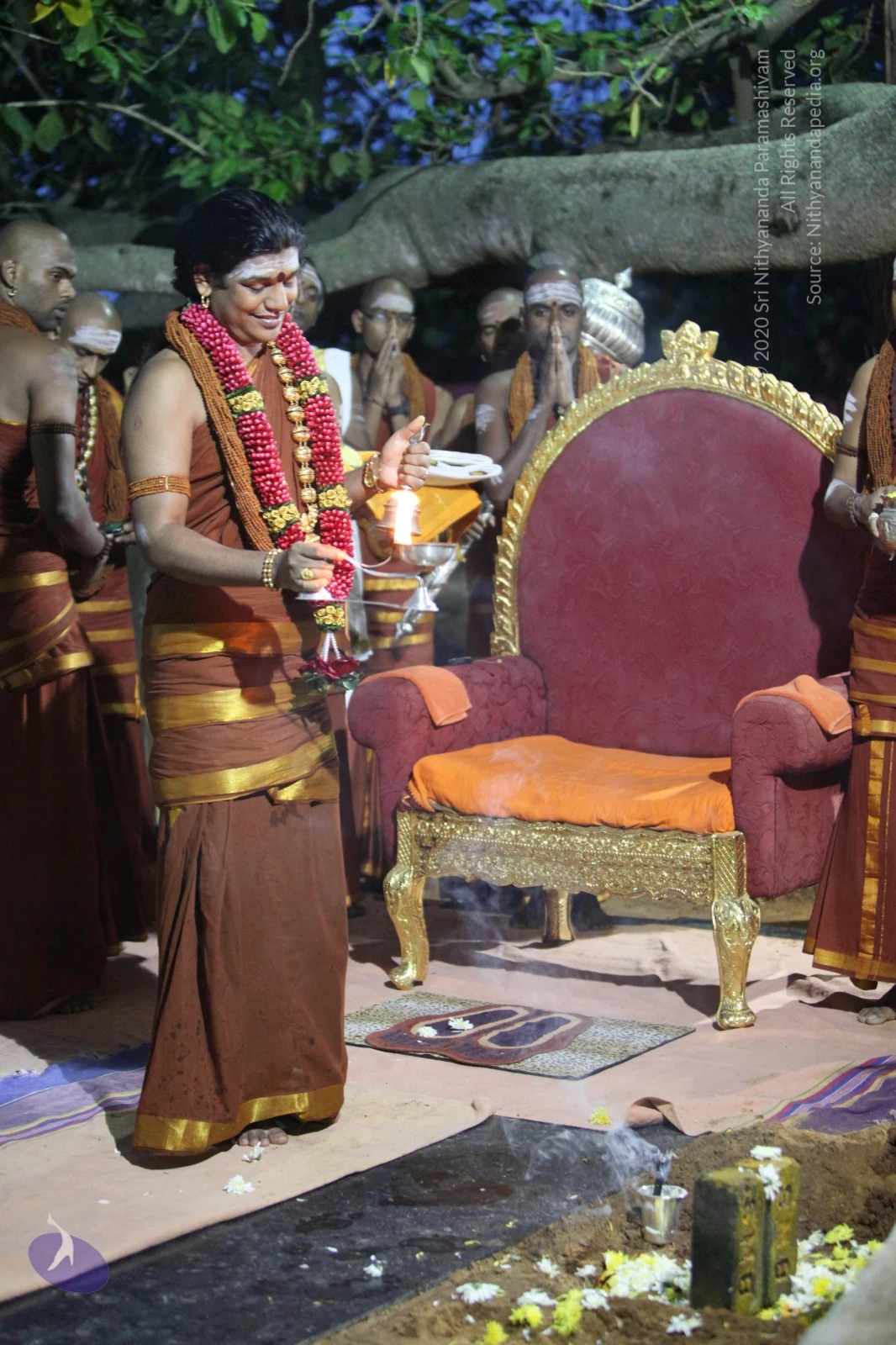
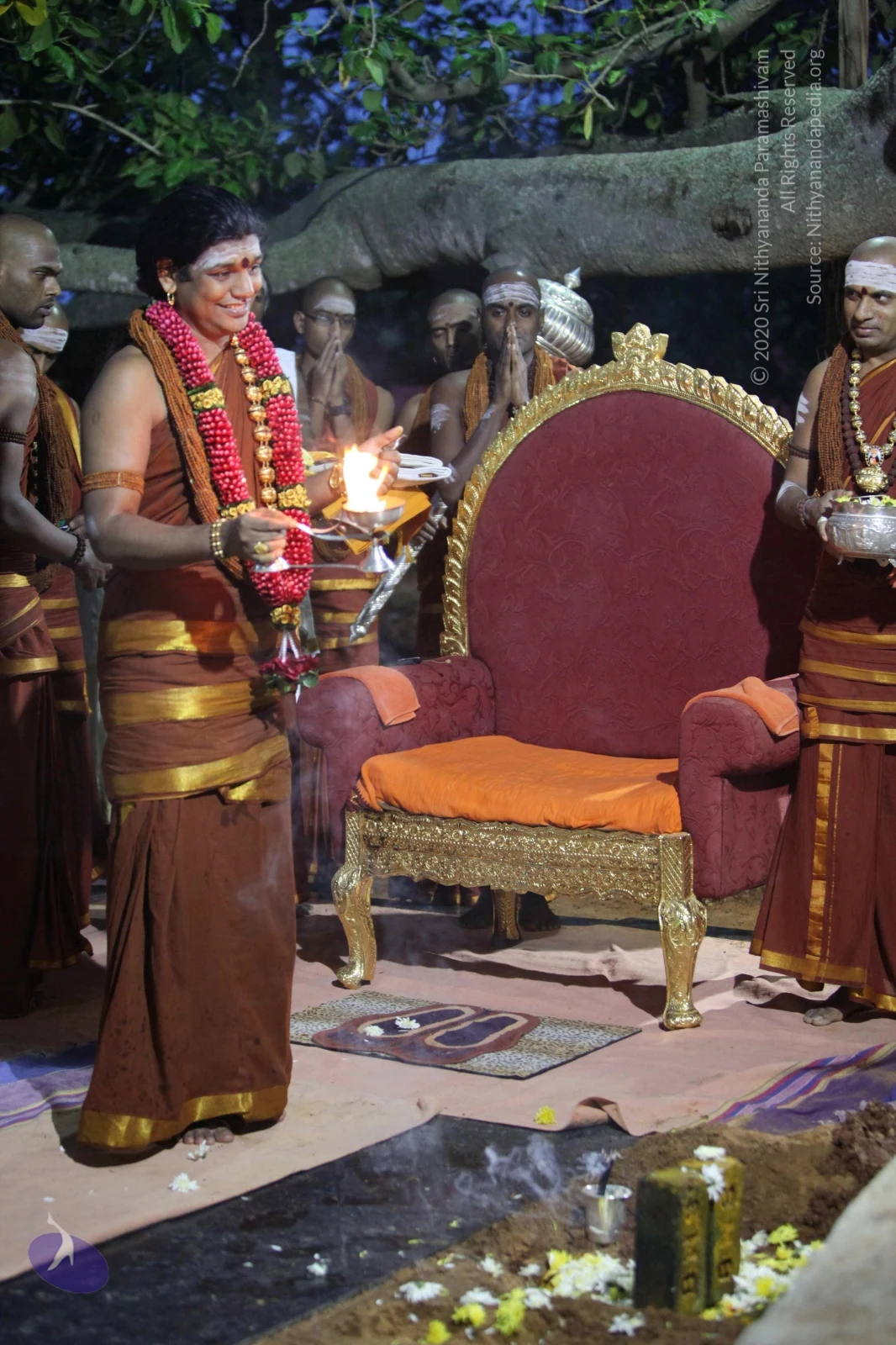
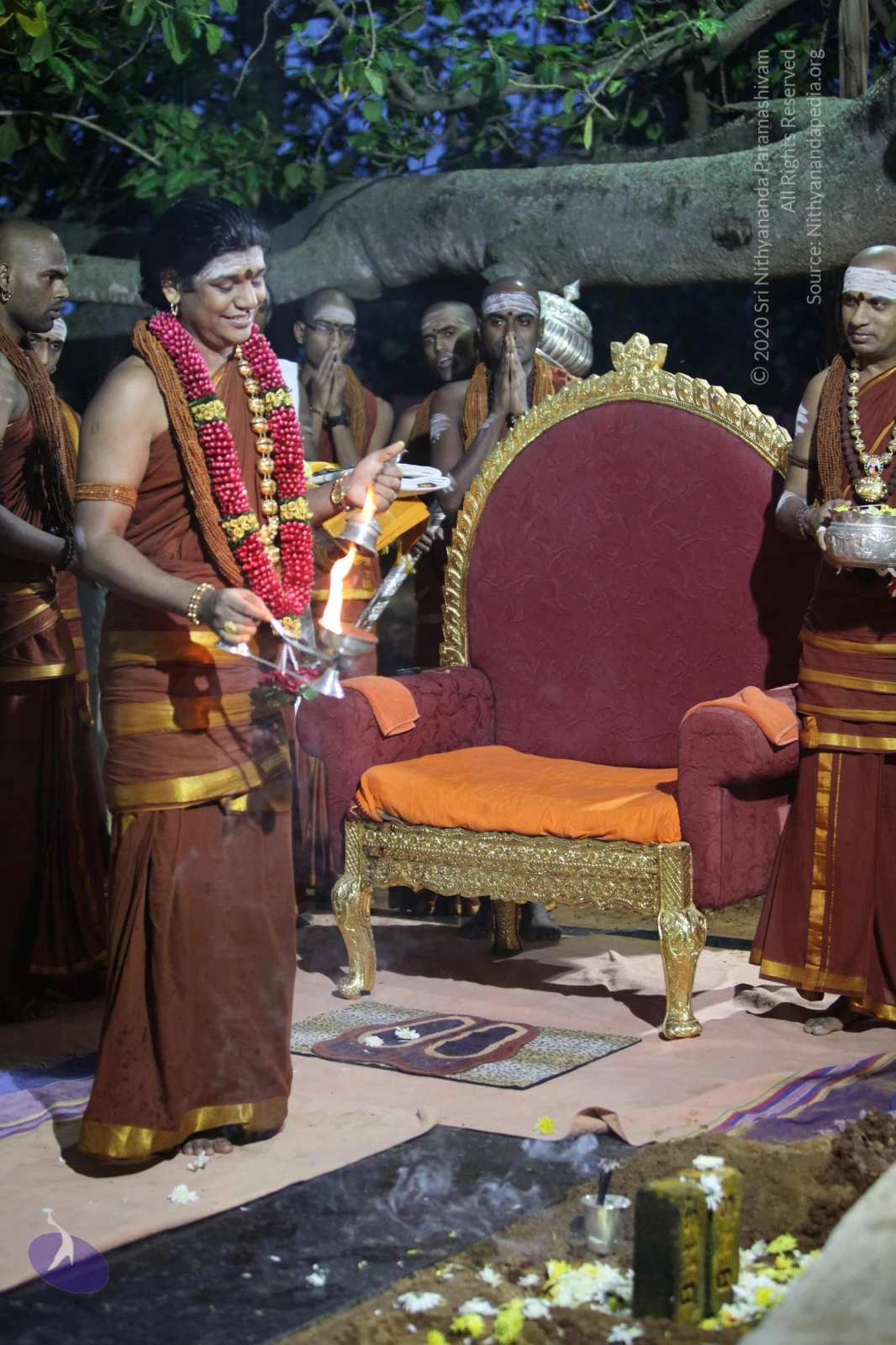
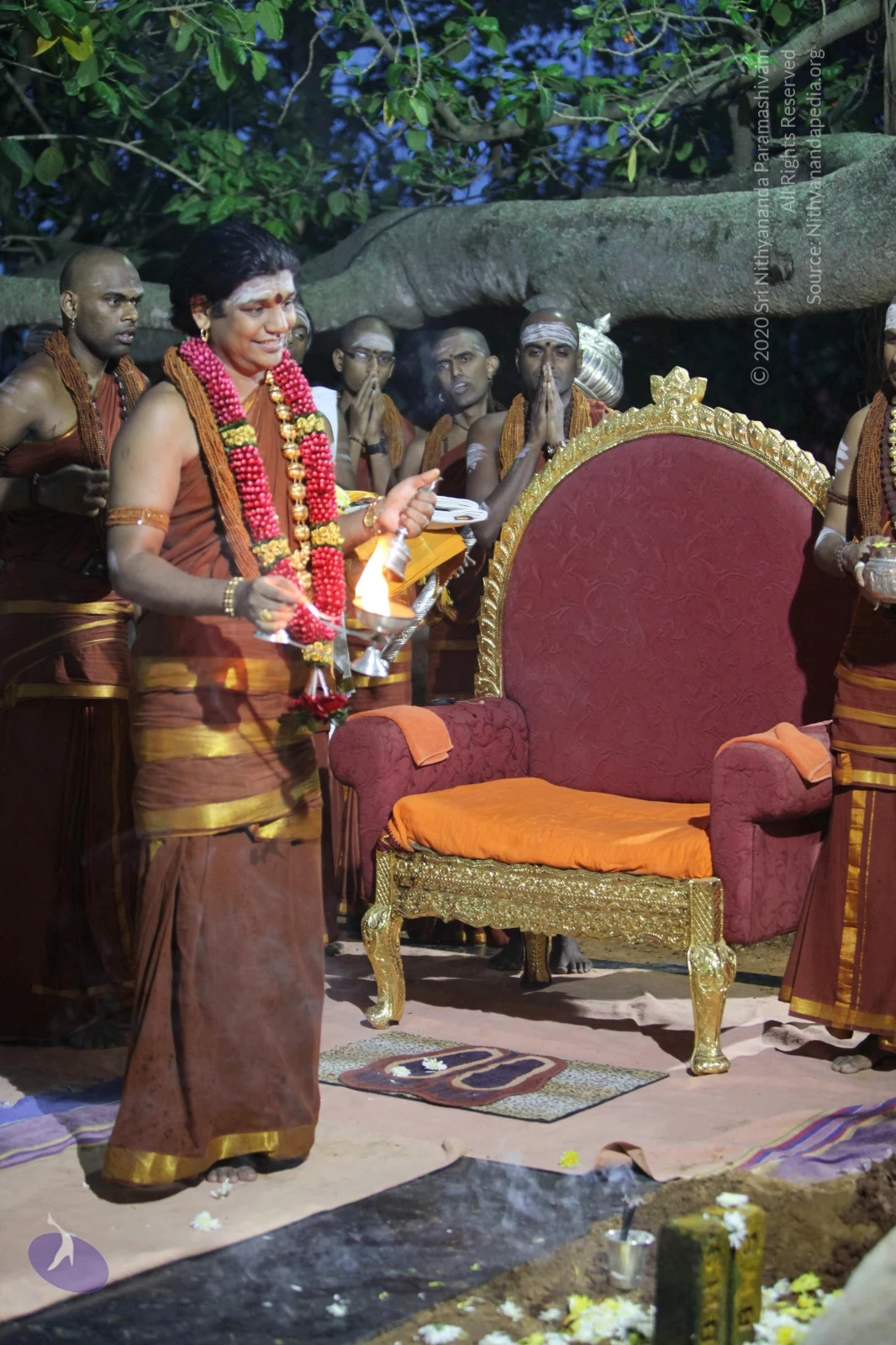
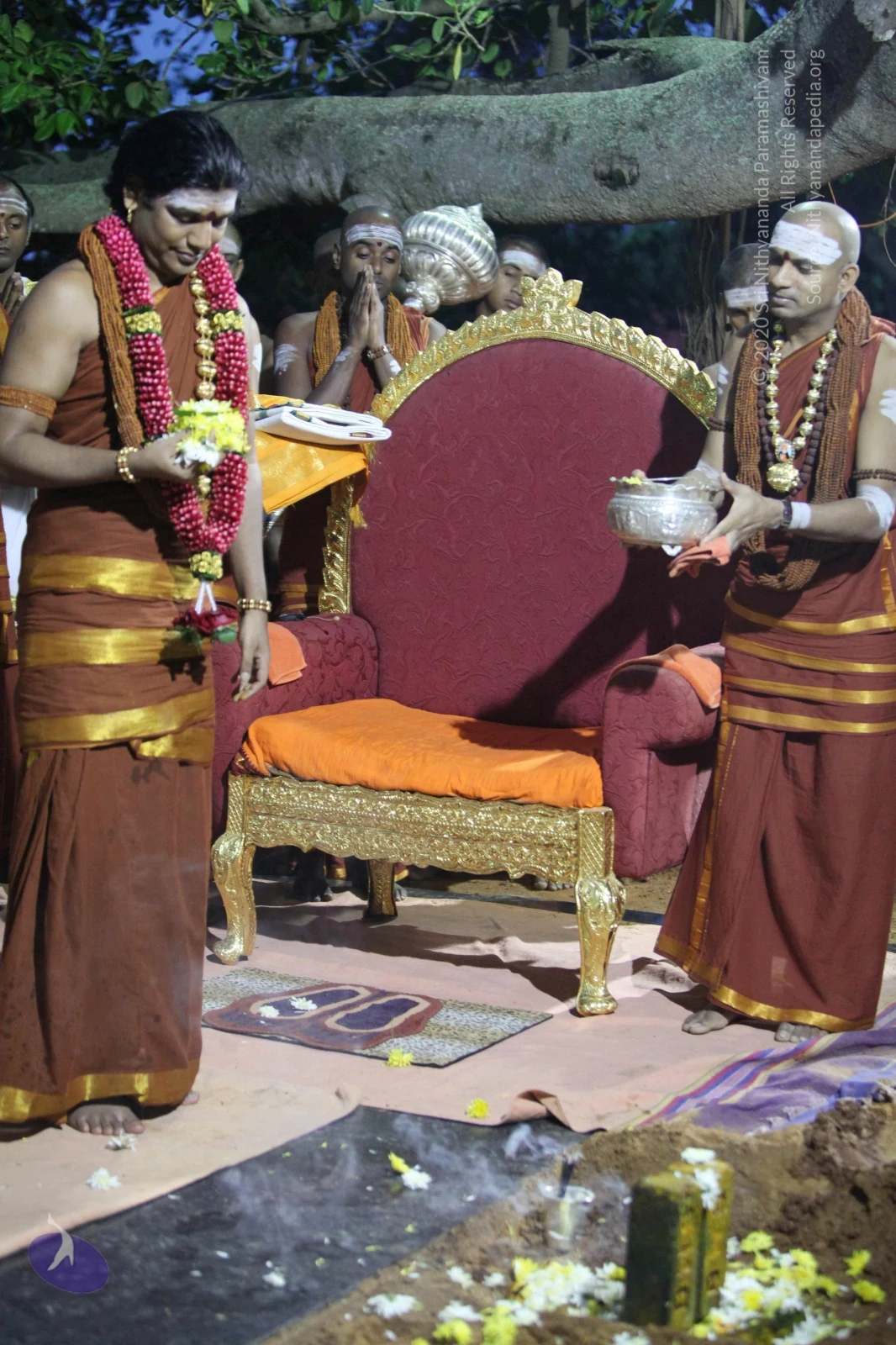
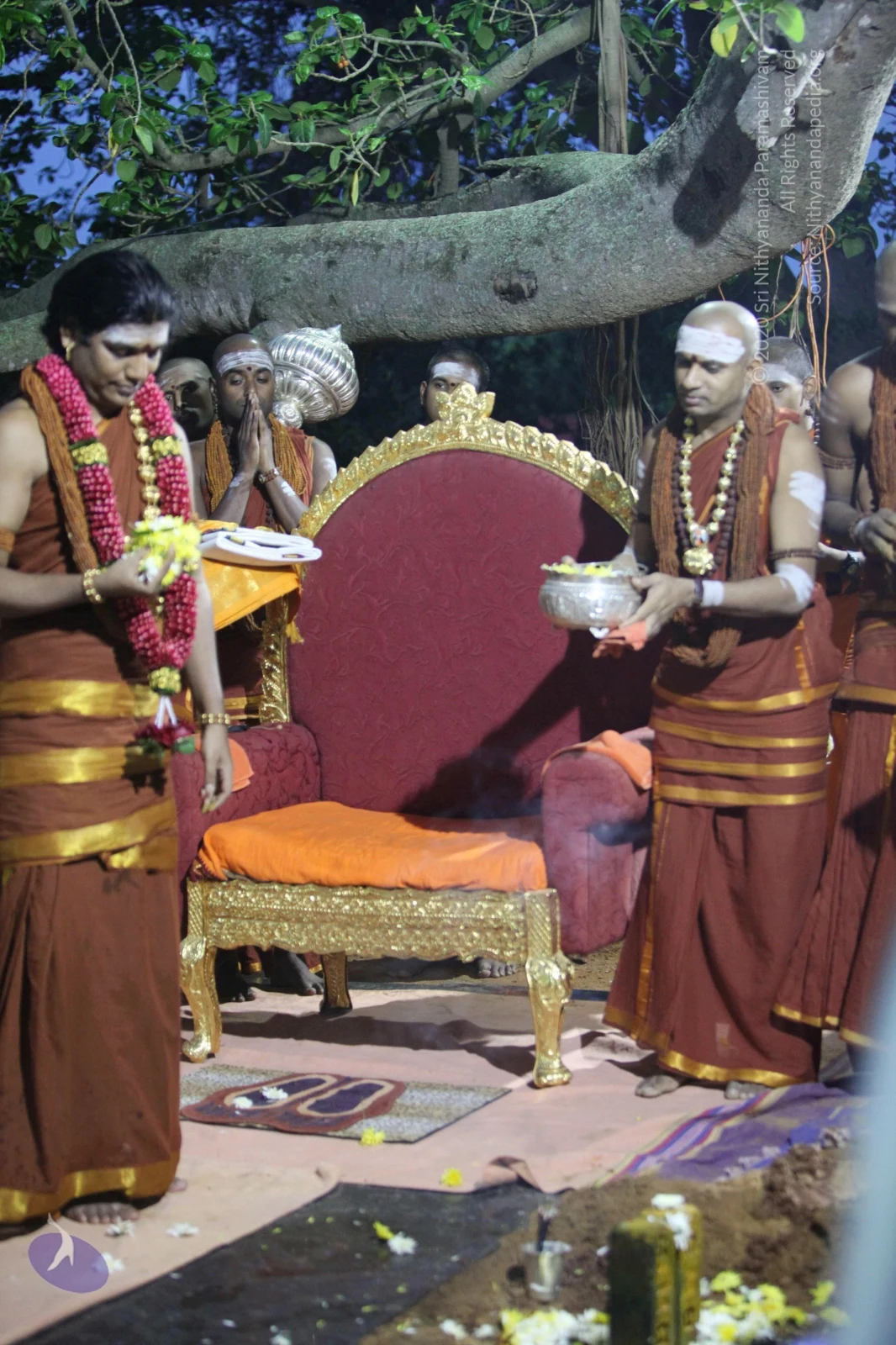
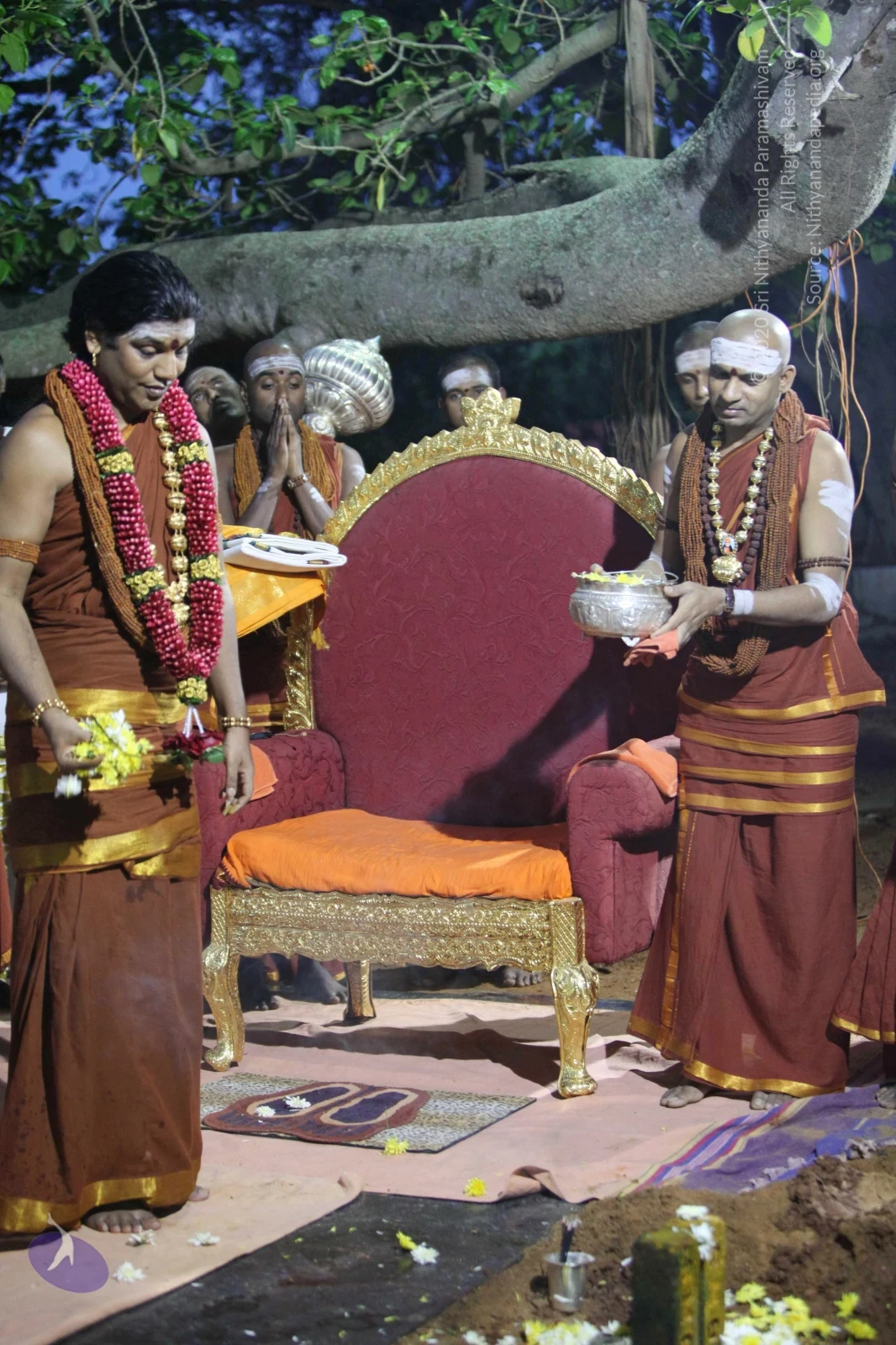
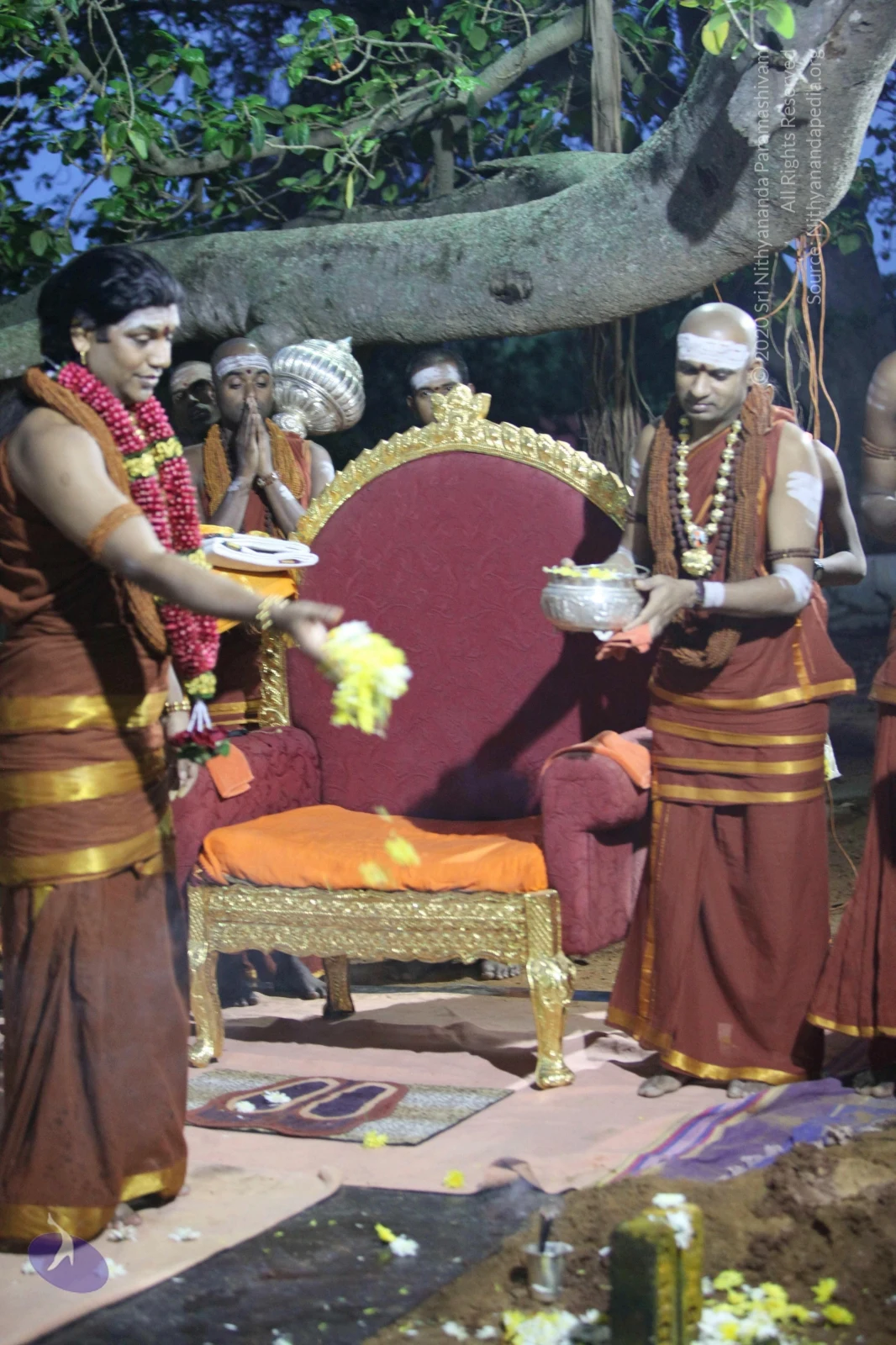
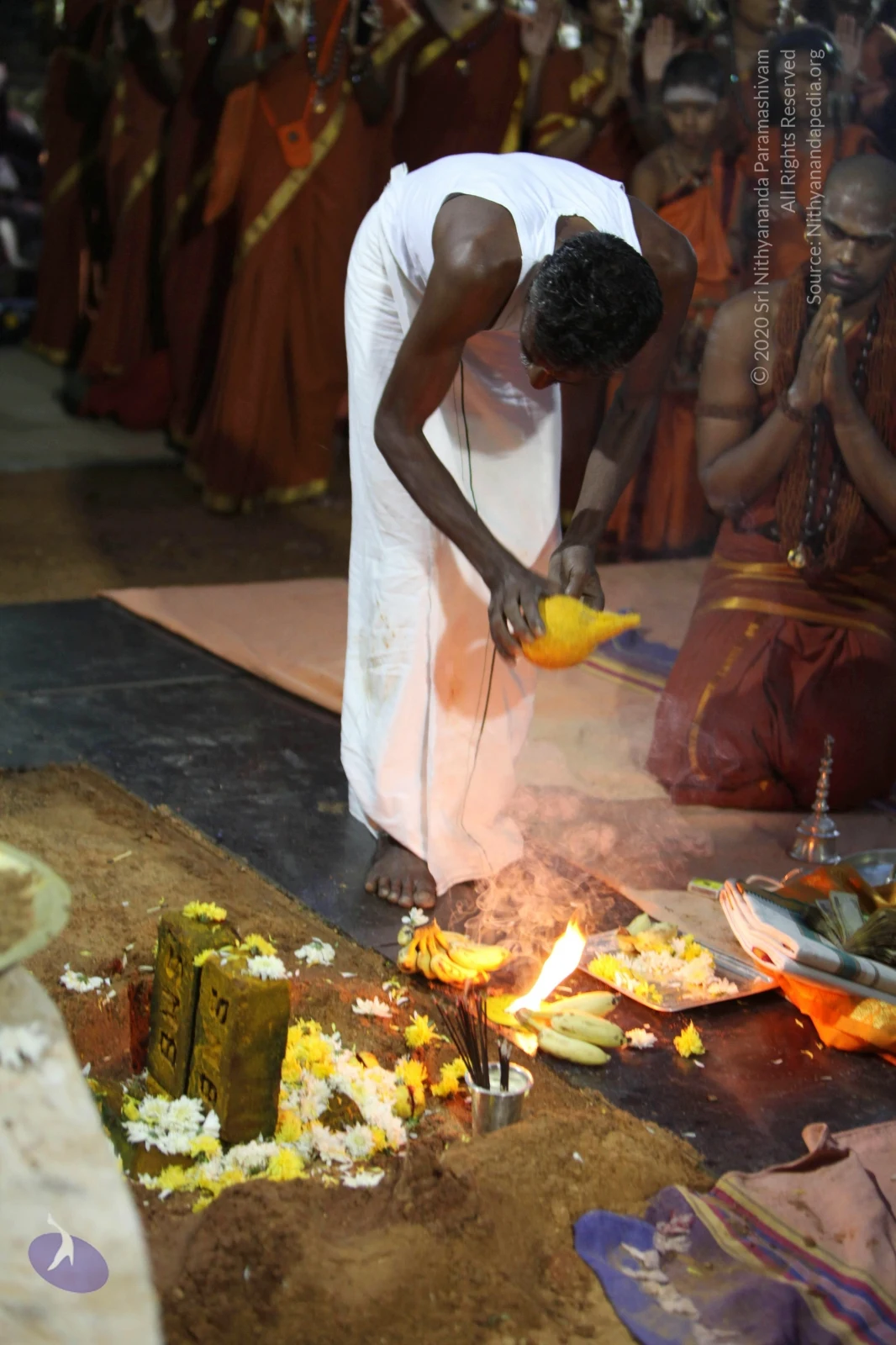
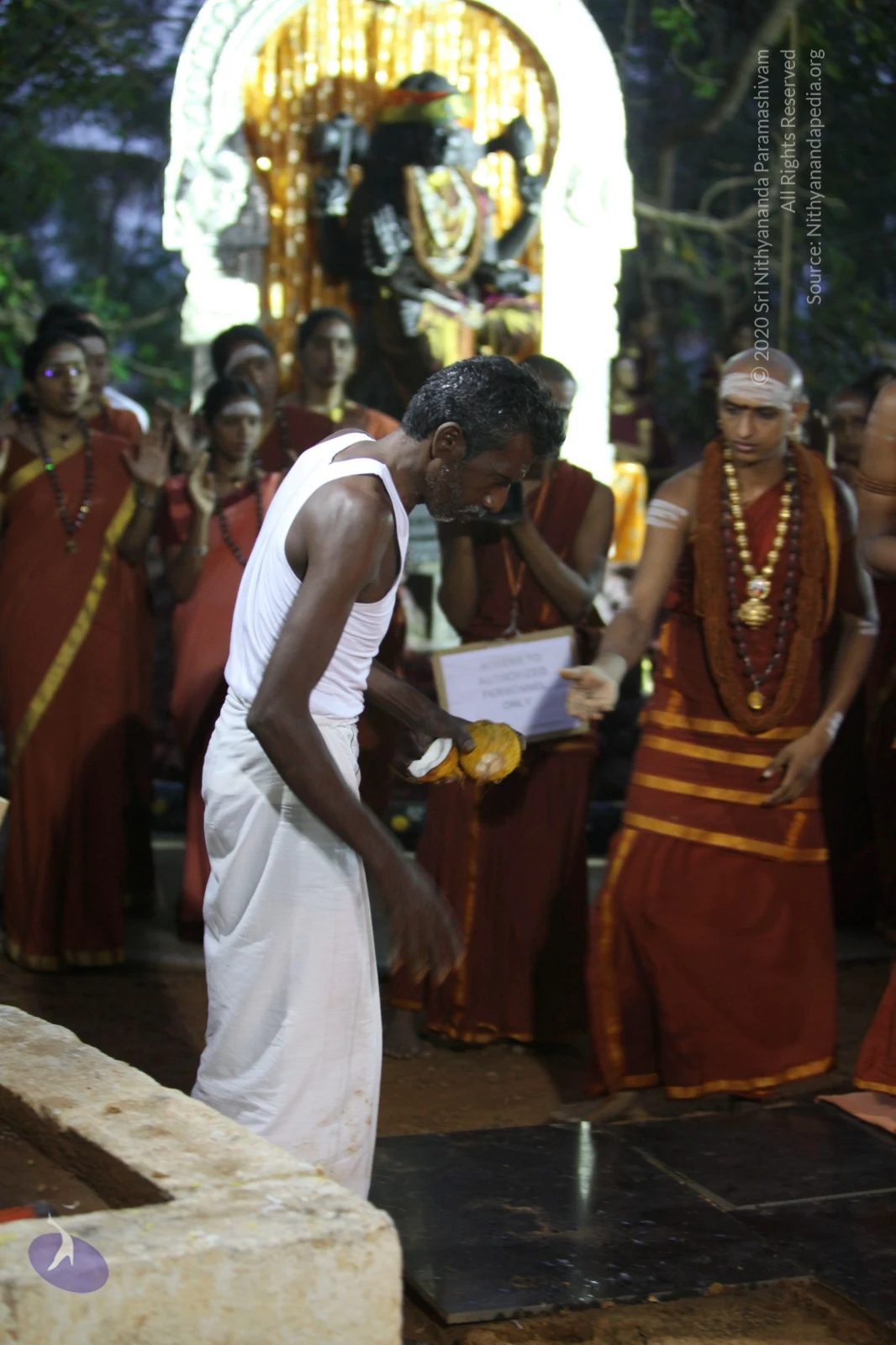
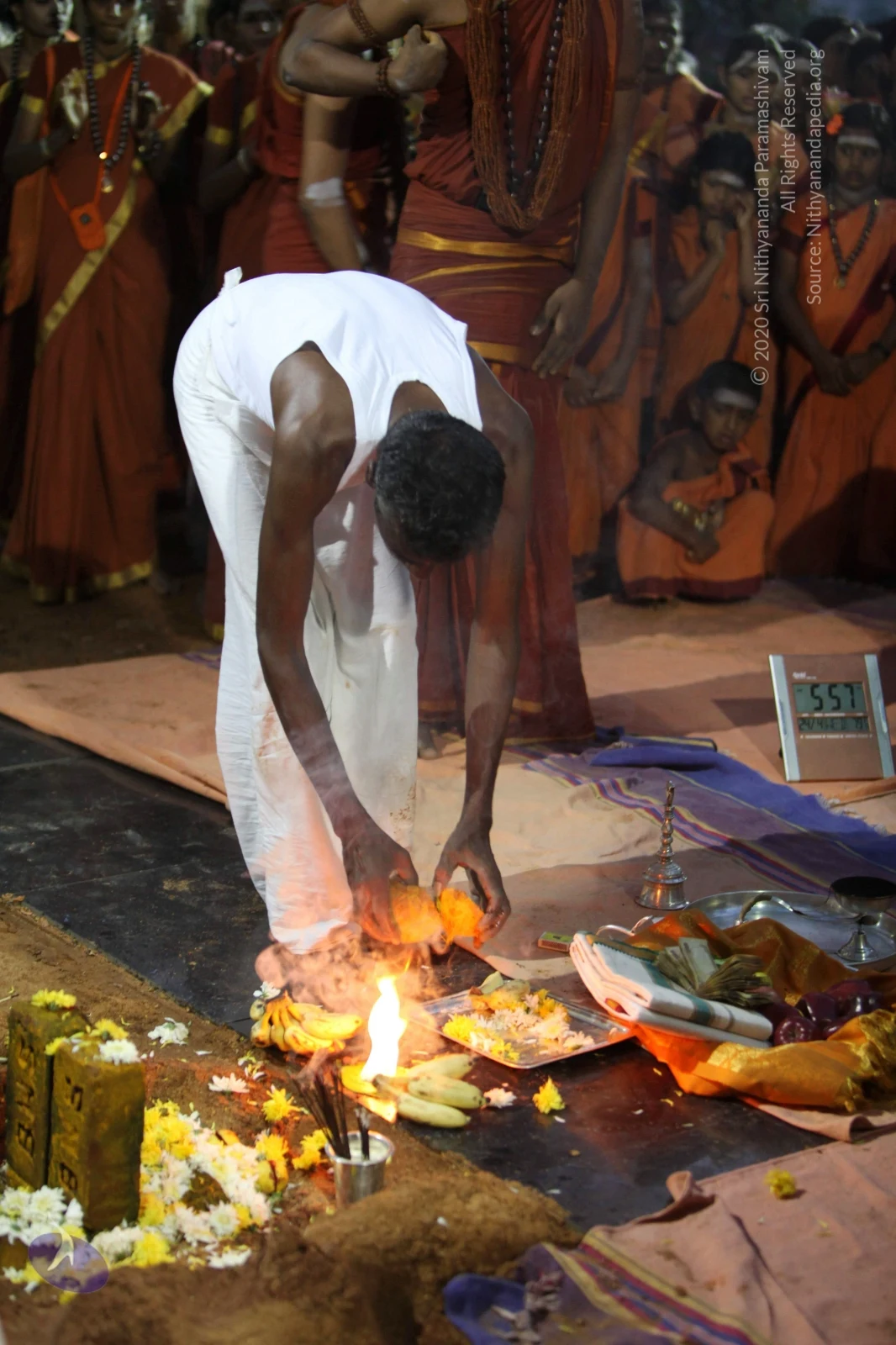
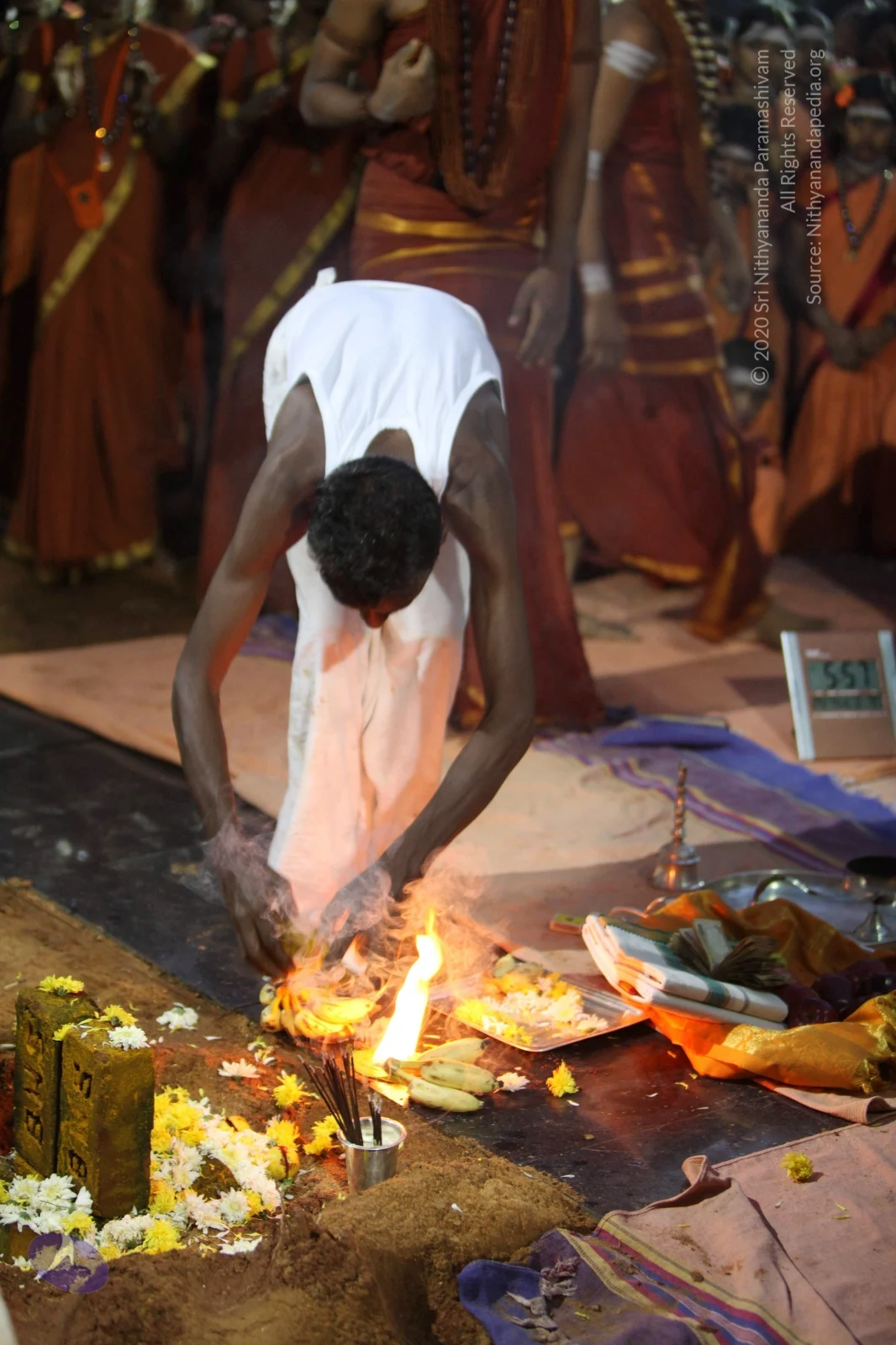
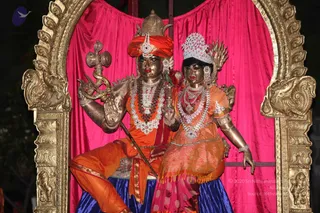
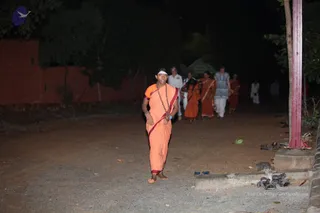
GoldenTempleGroundBreakingCeremony
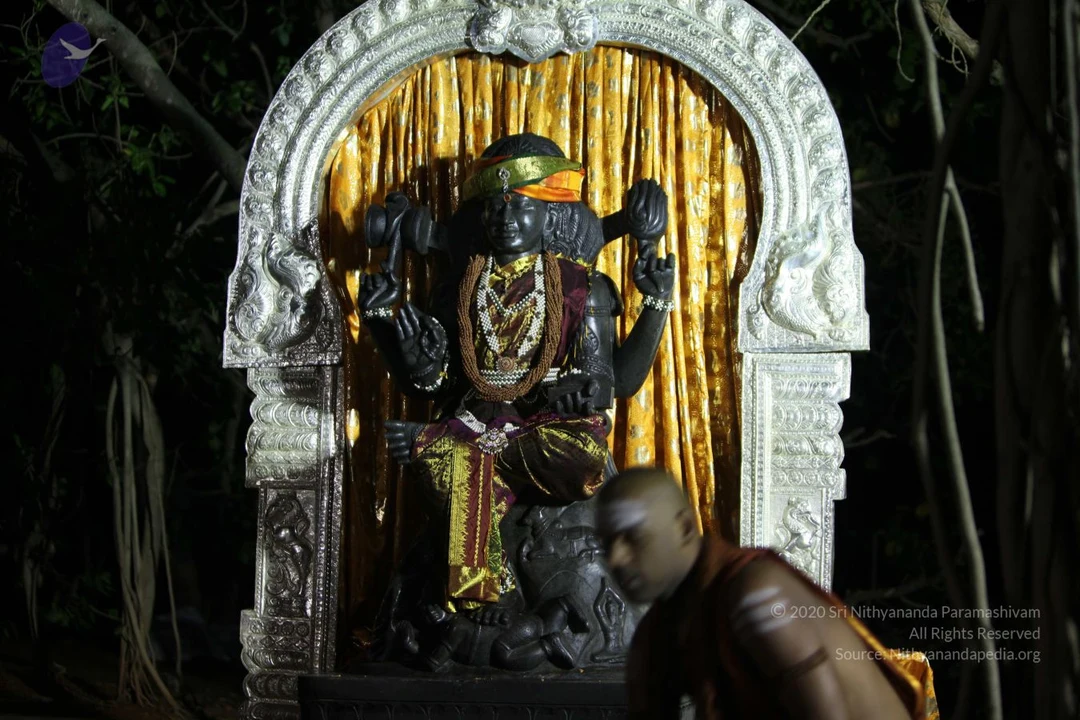


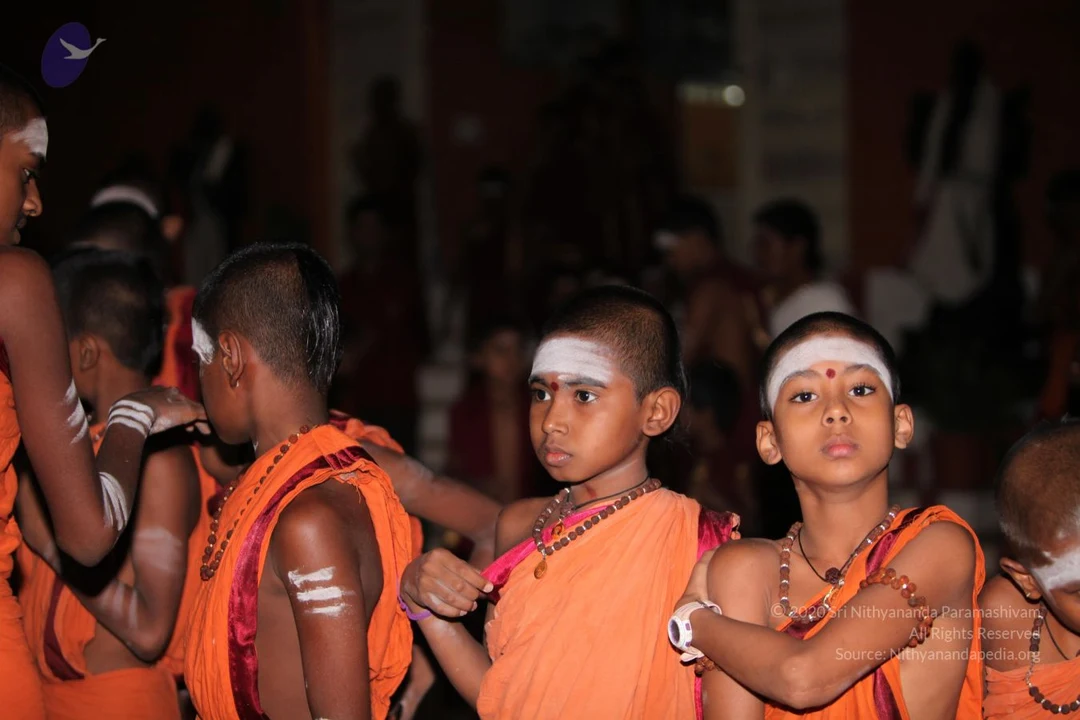
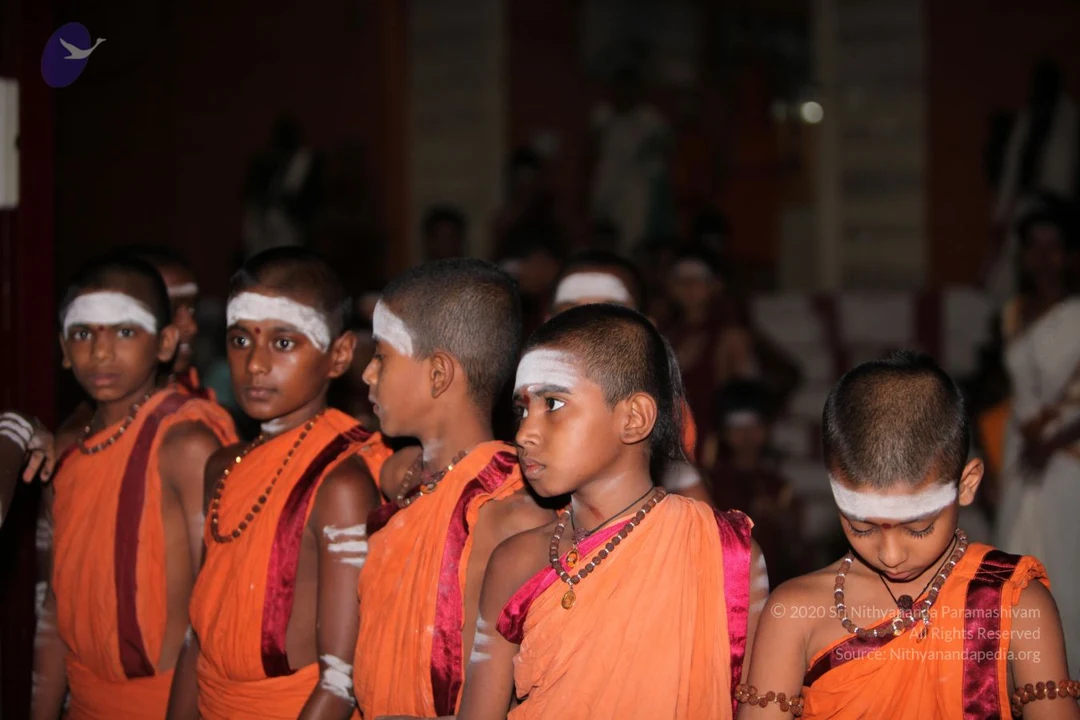
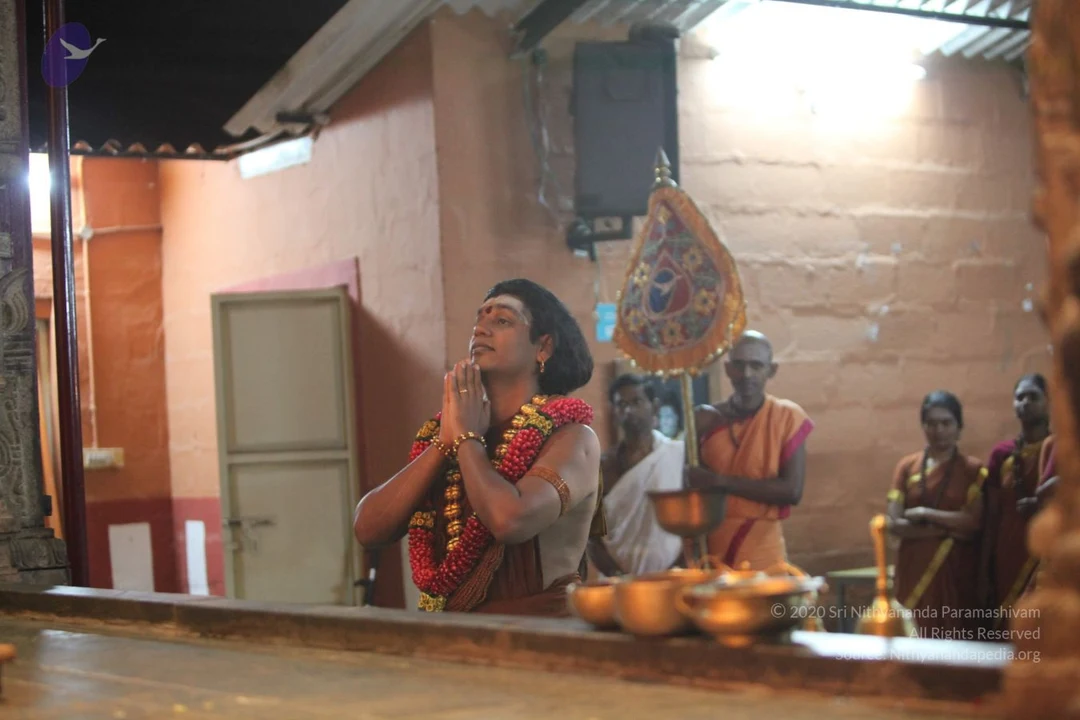
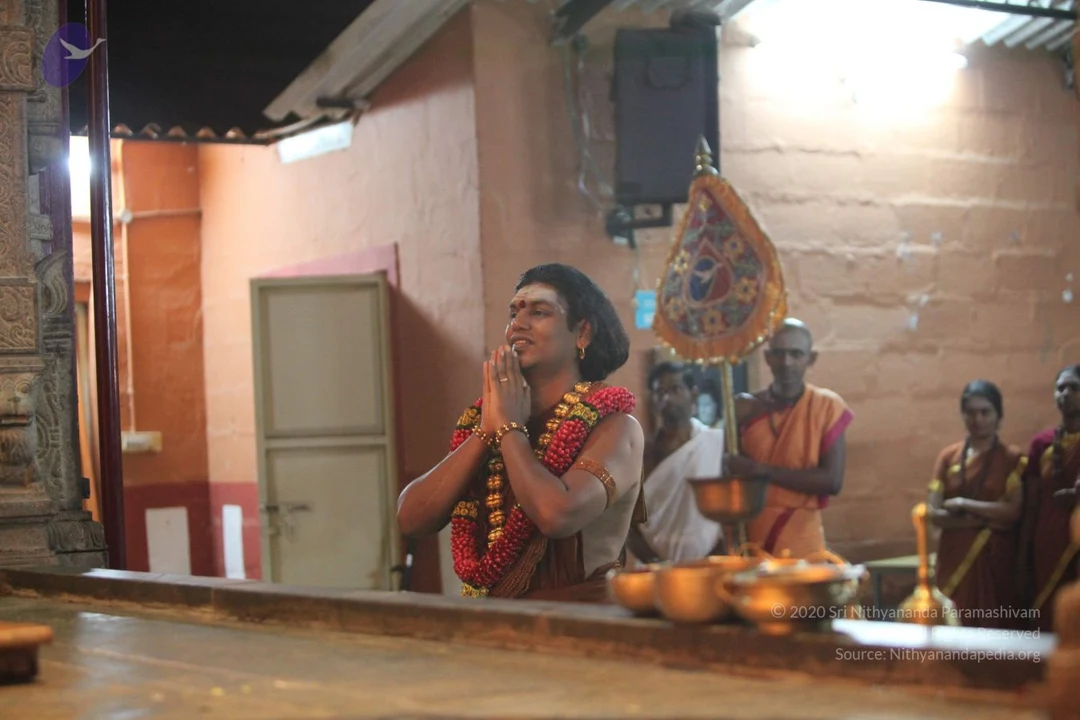
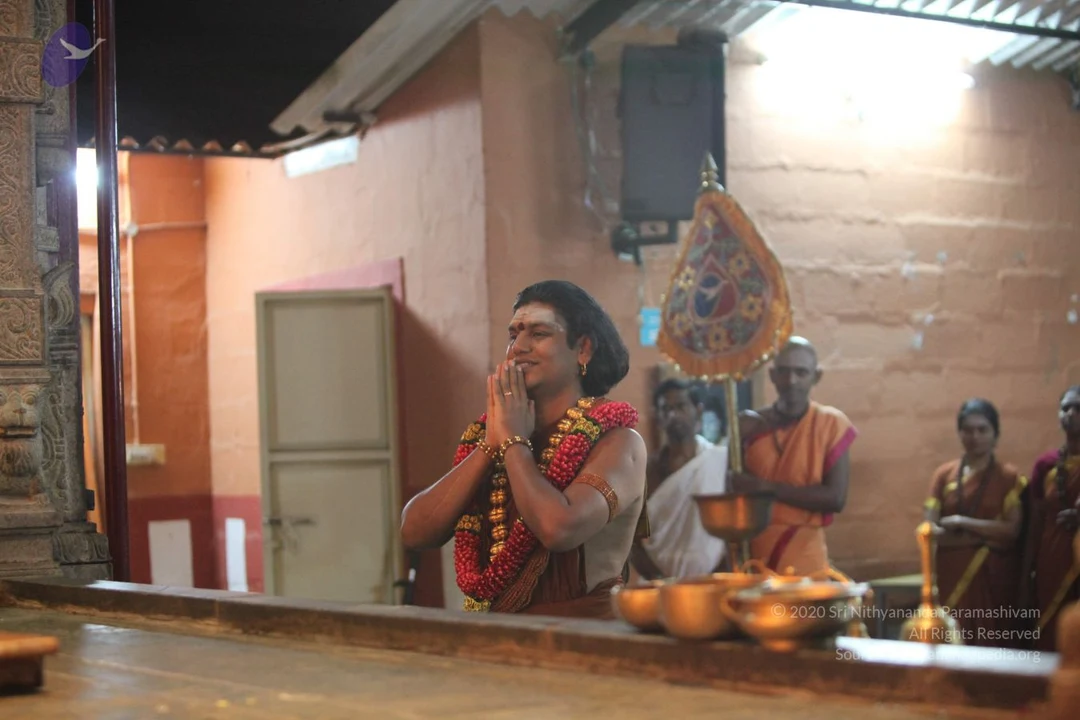
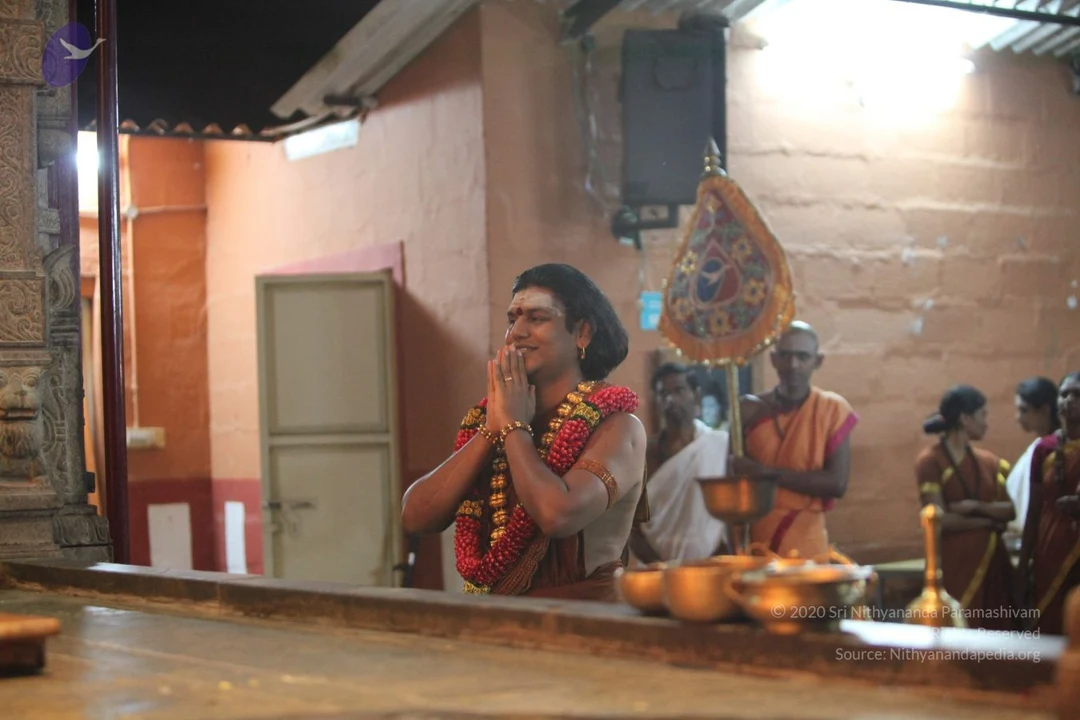
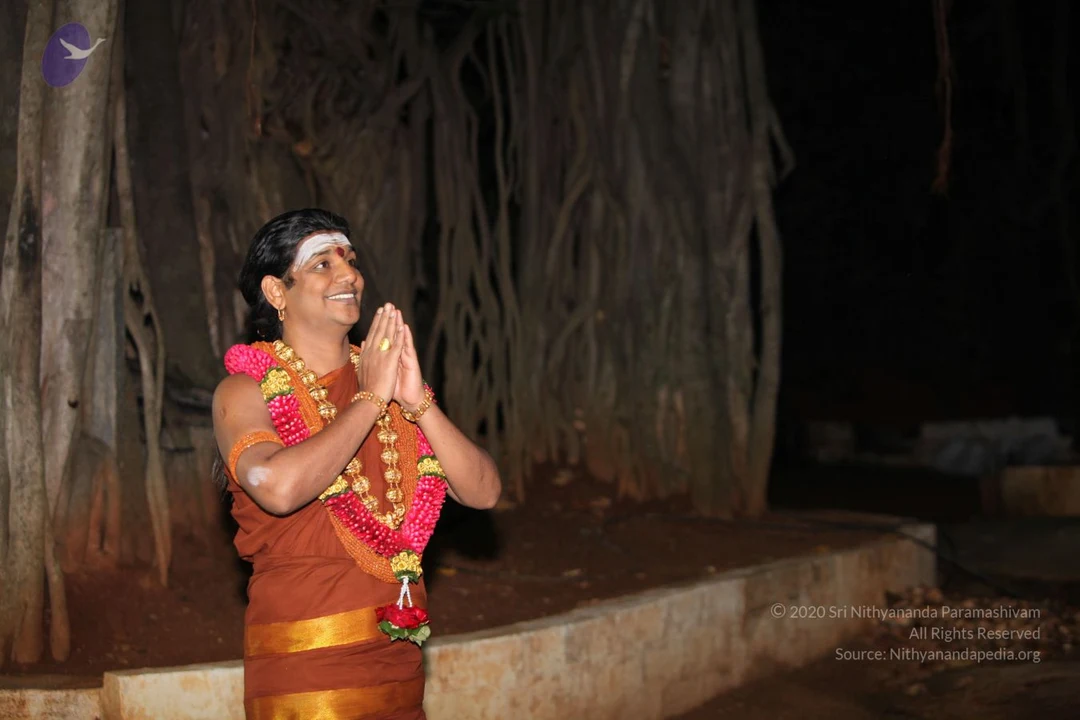
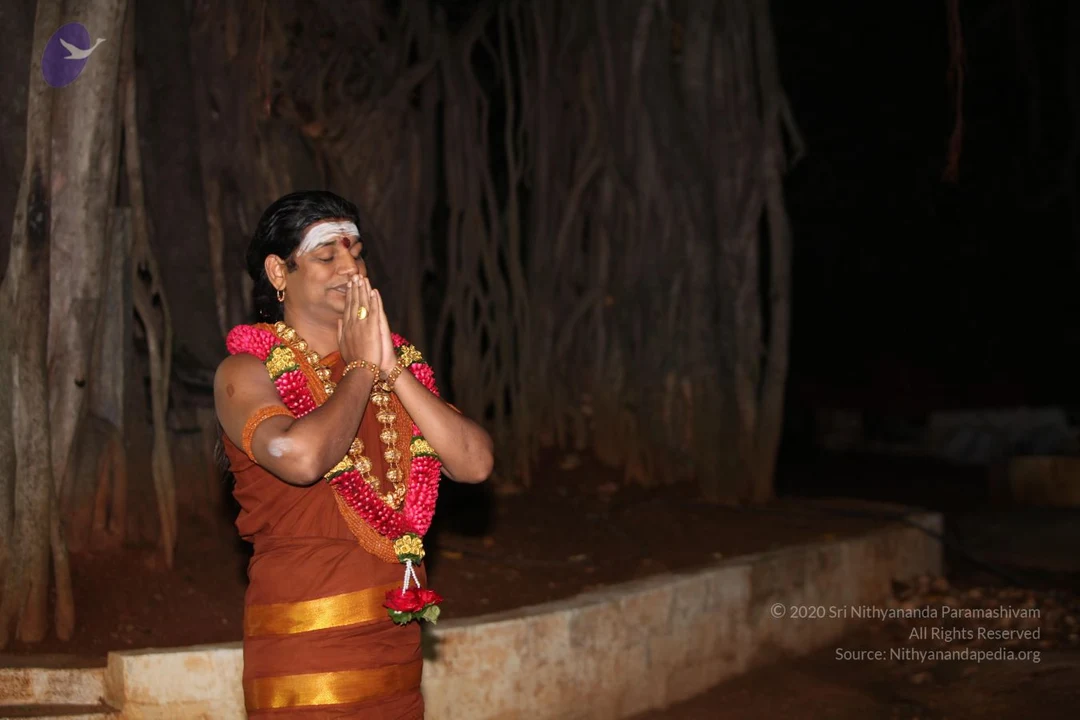









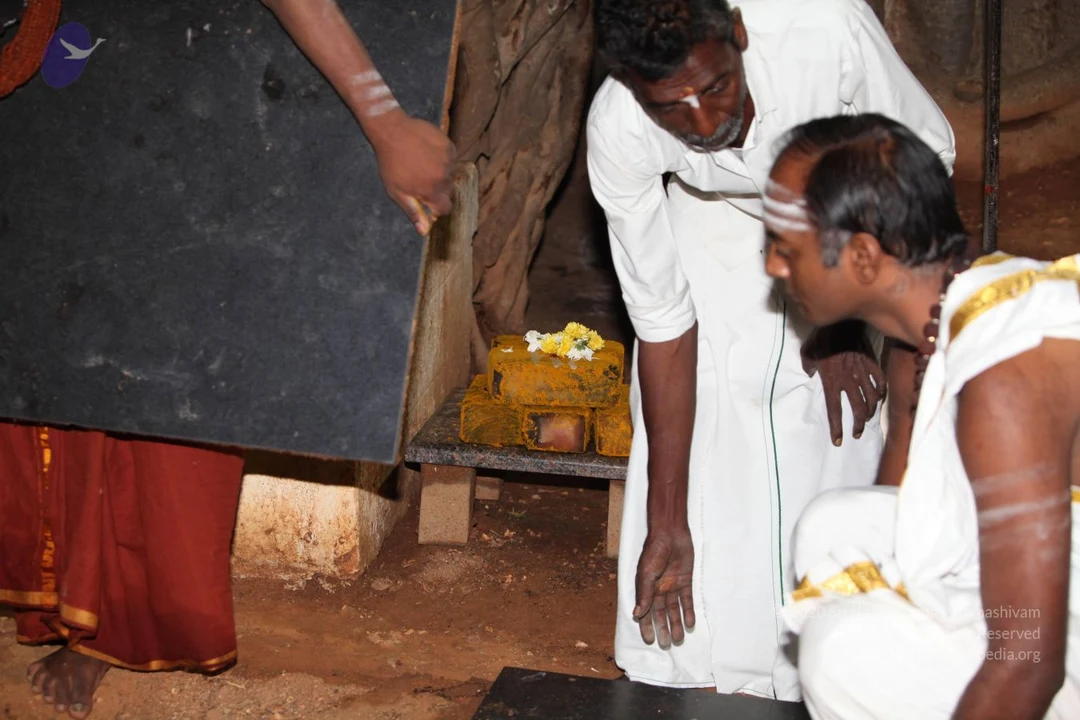

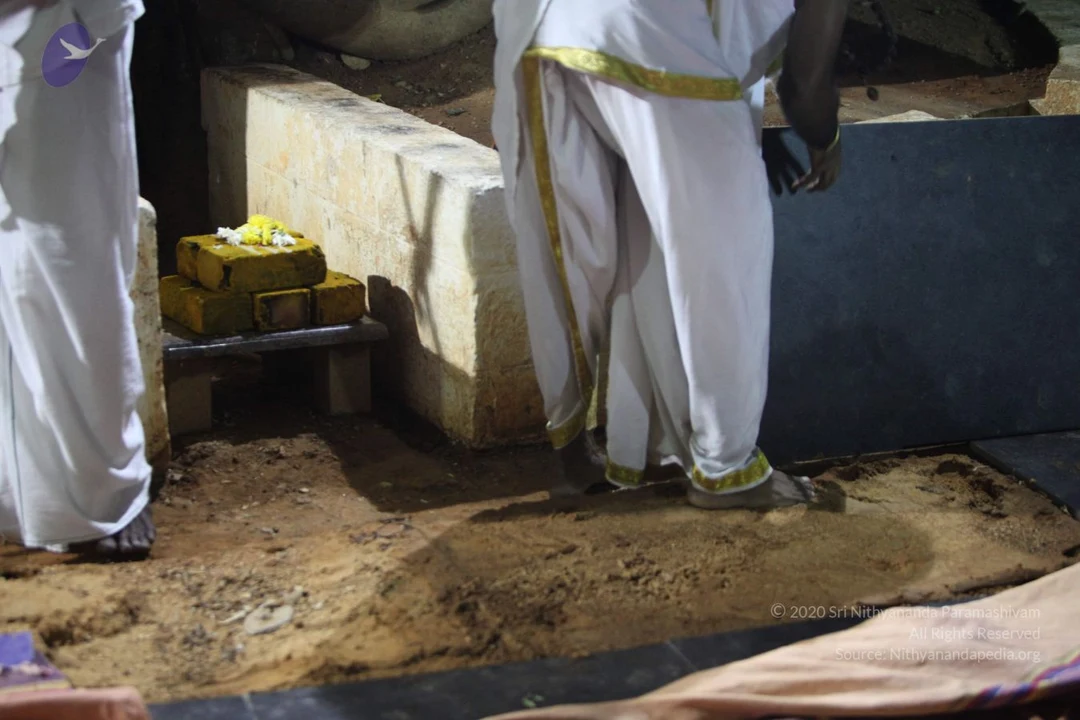
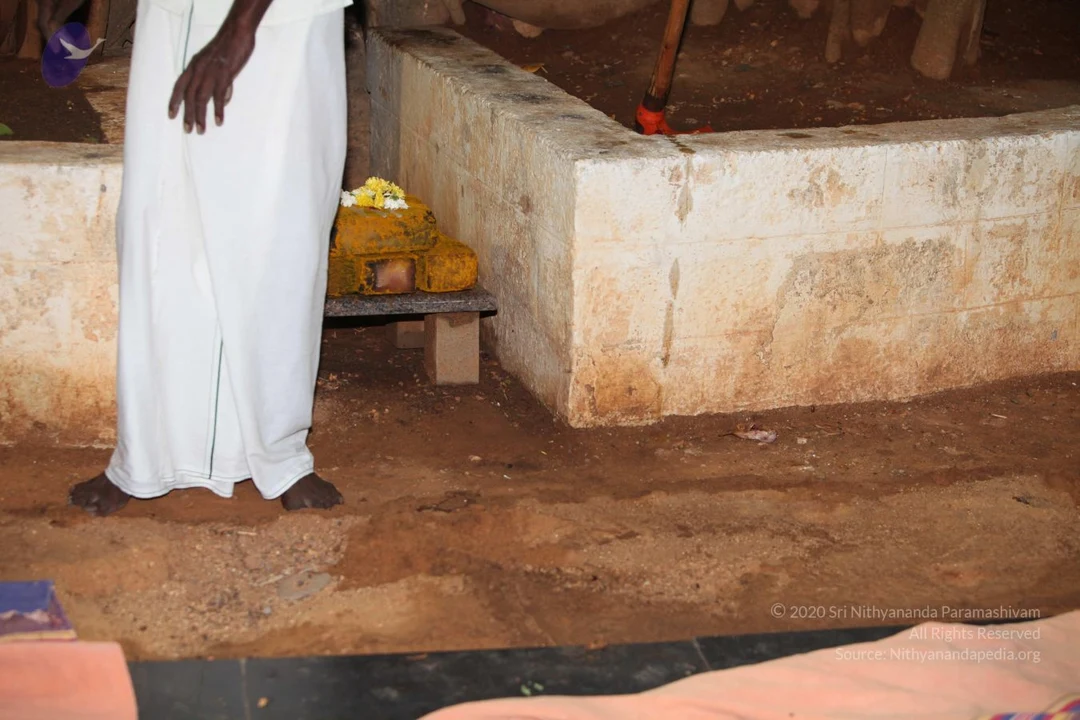







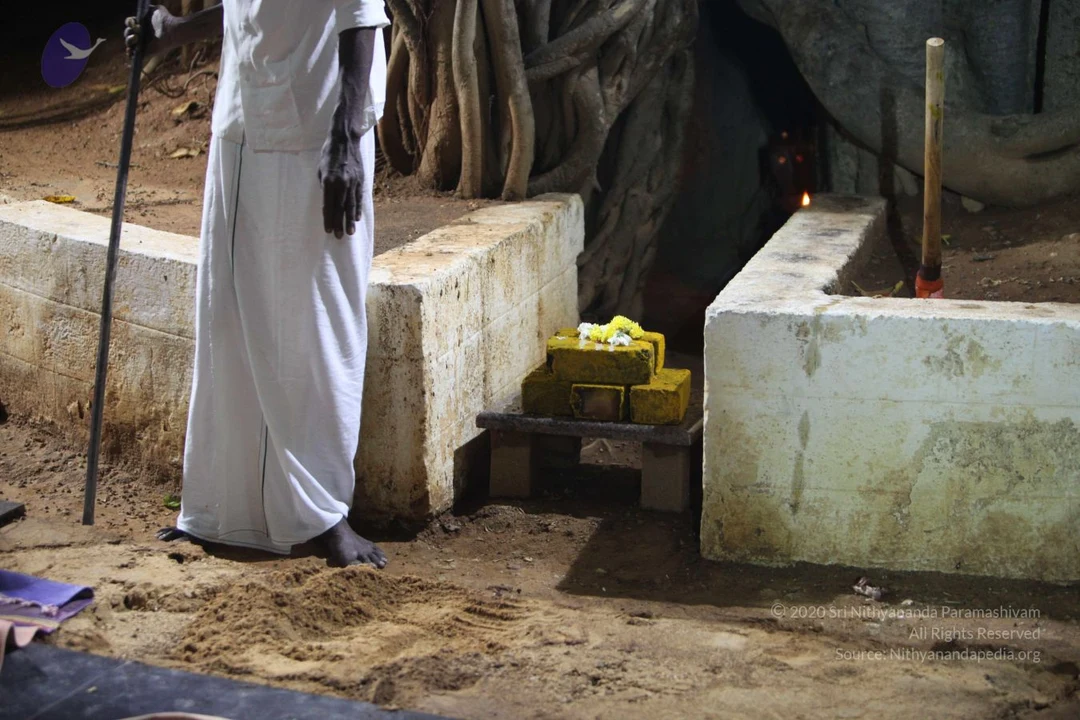























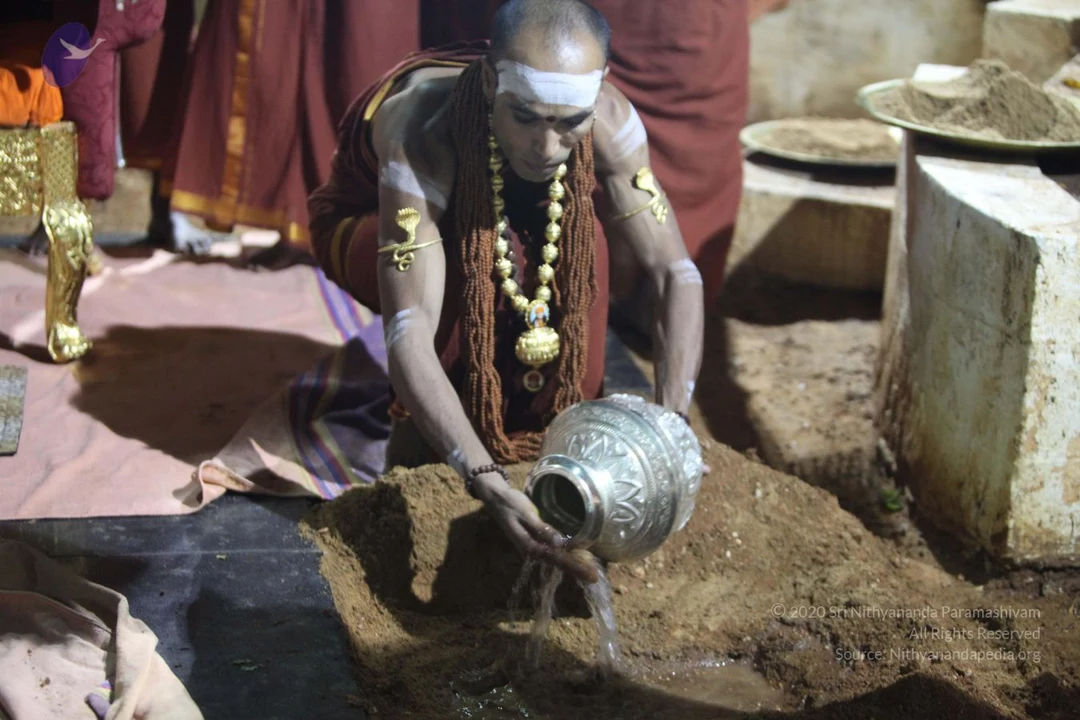
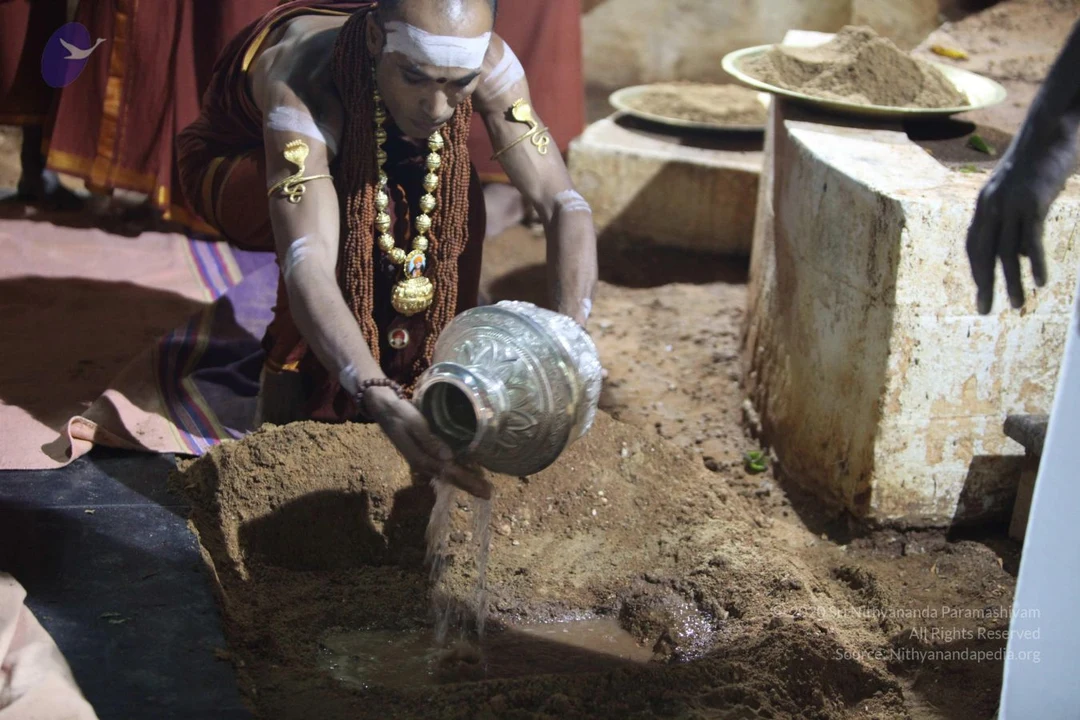
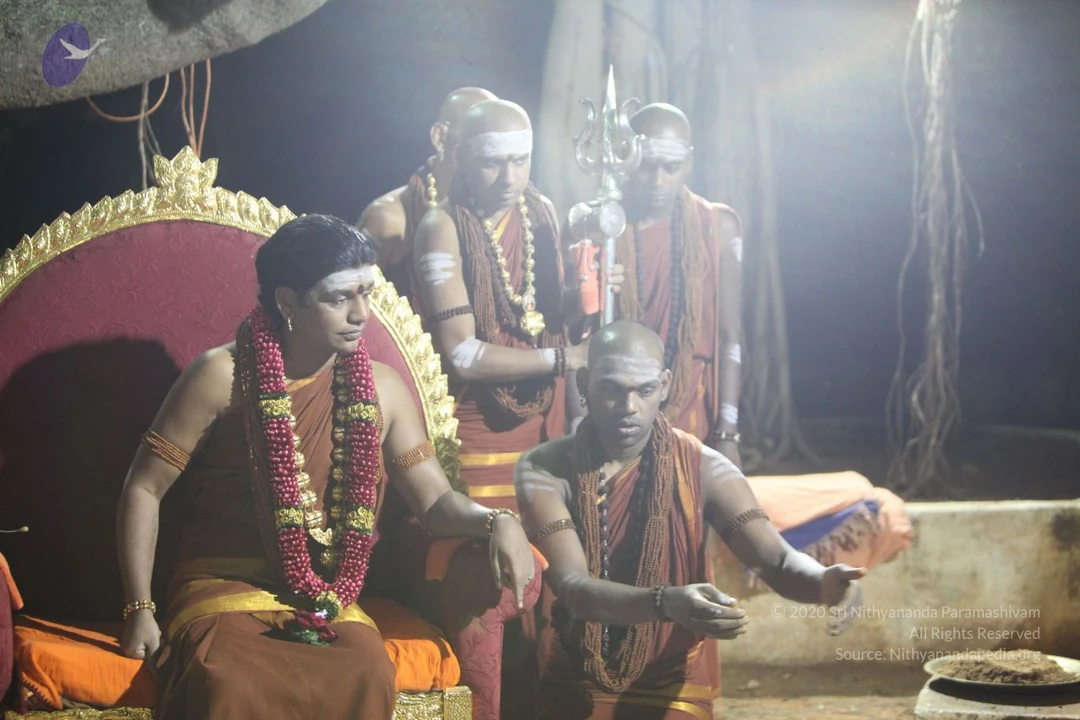
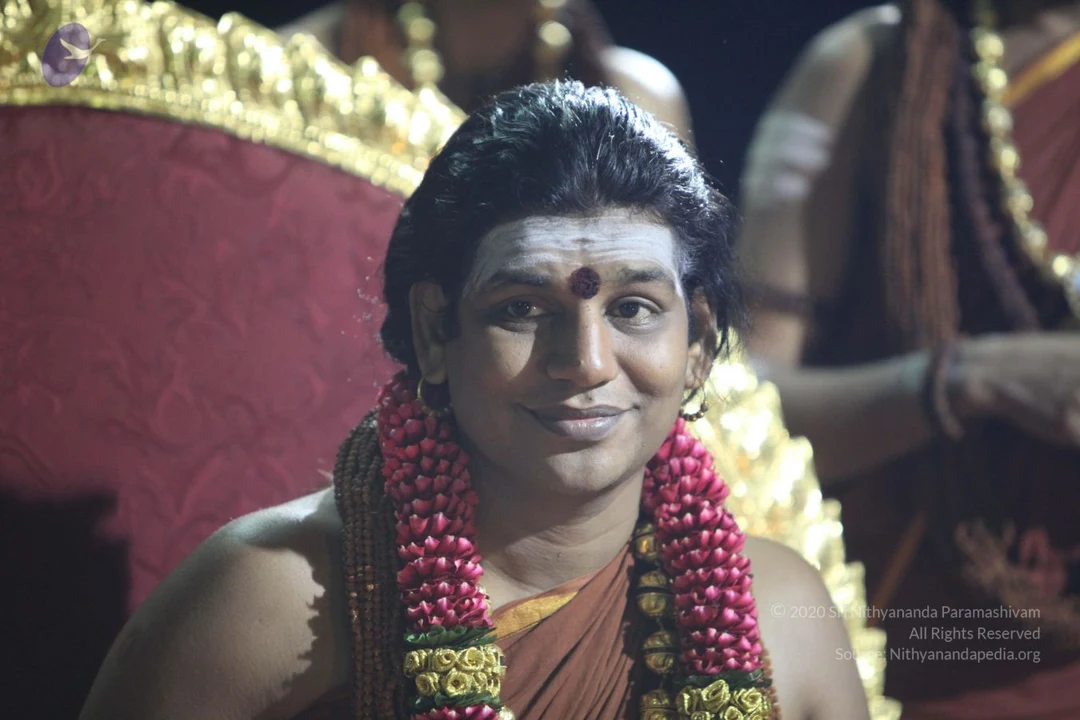




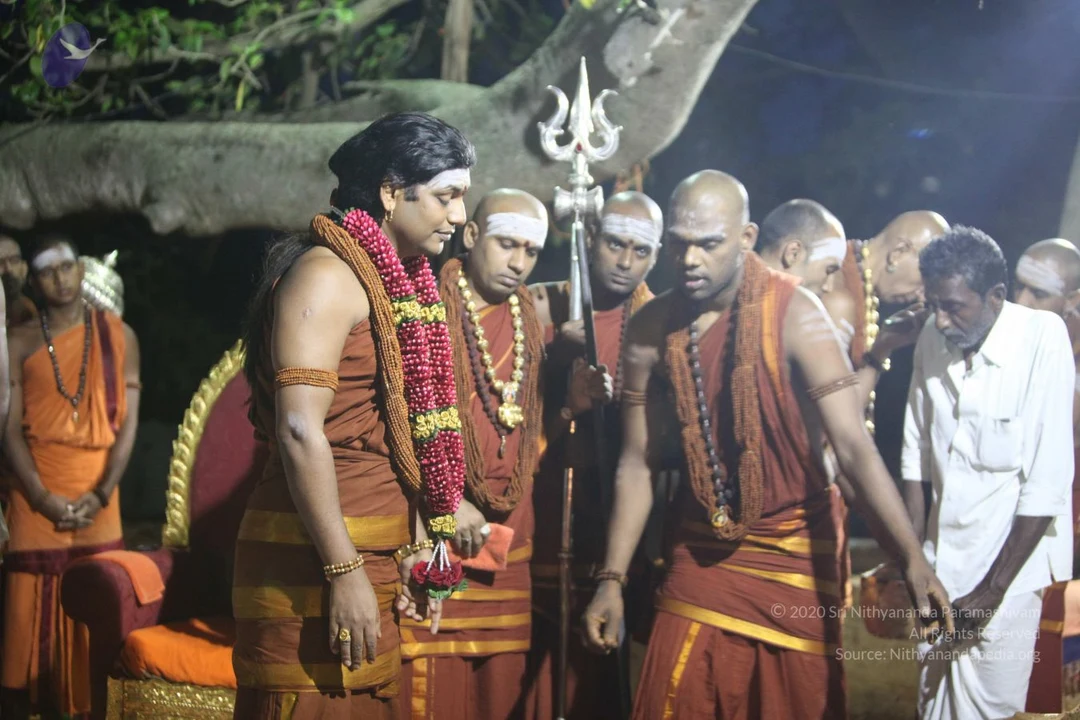
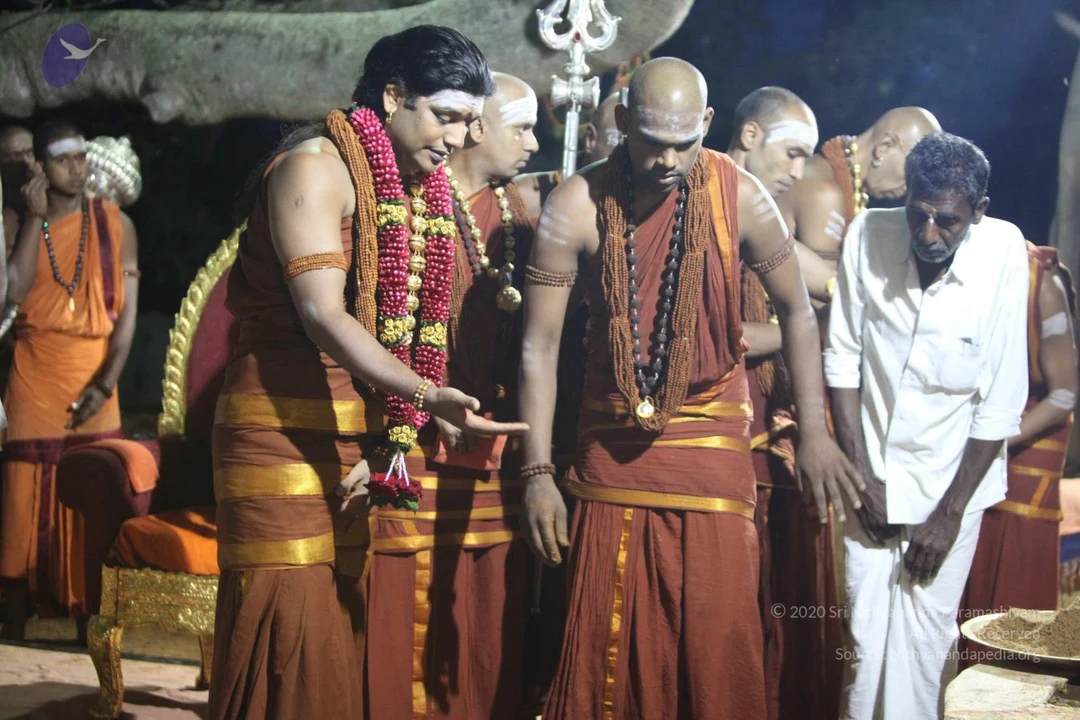



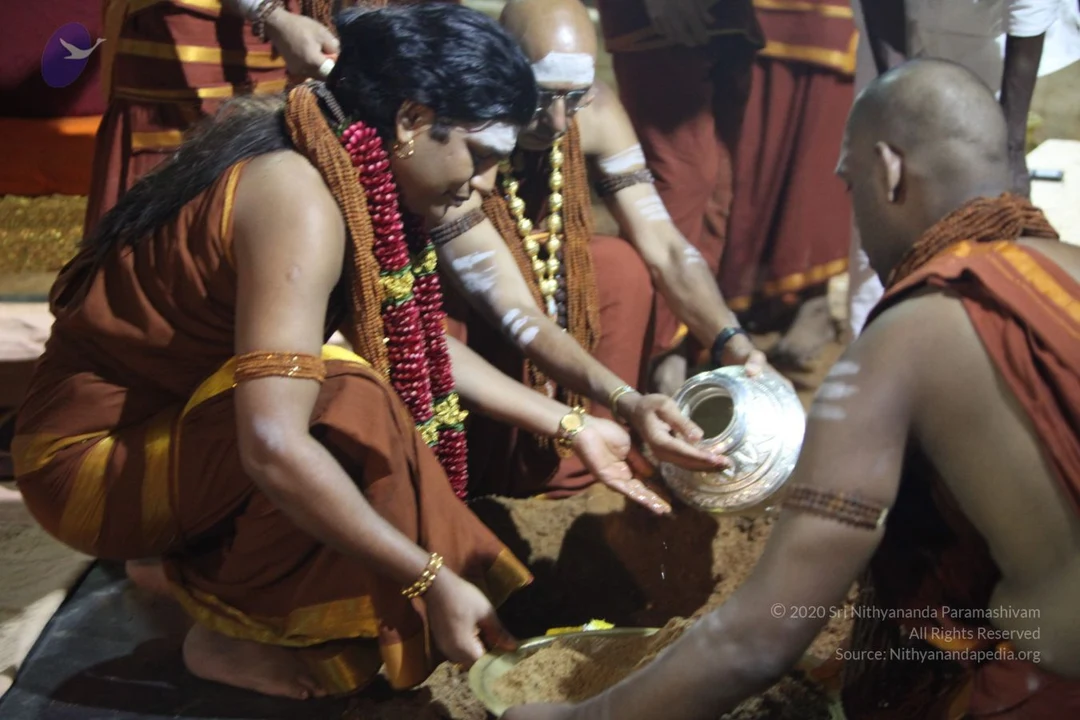
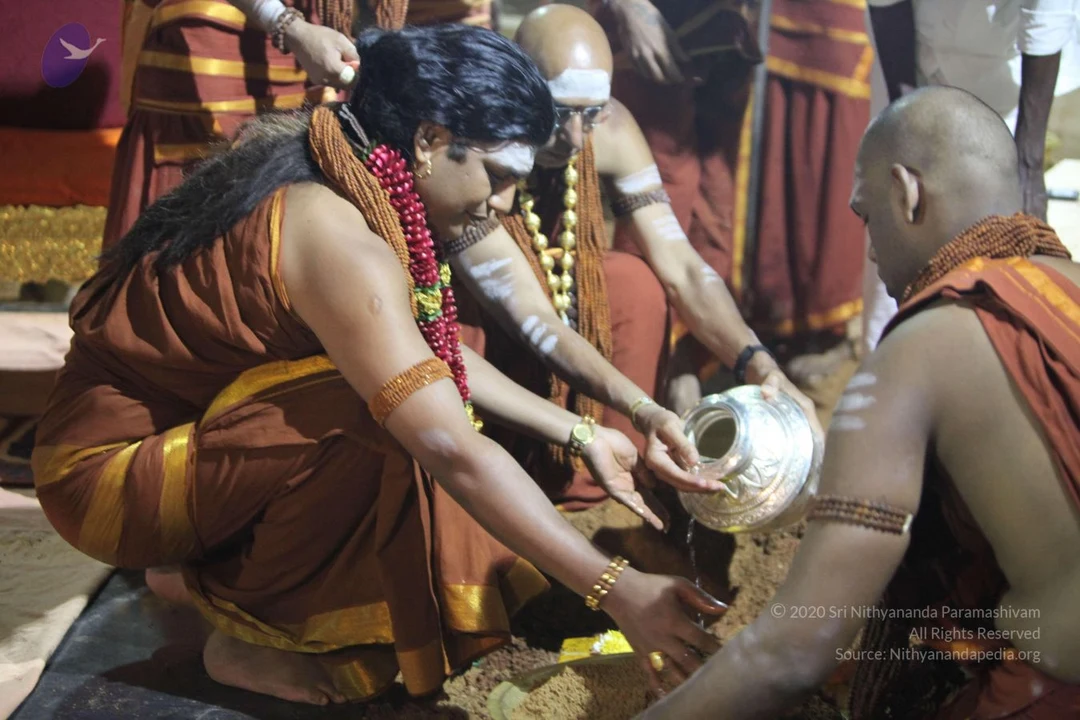
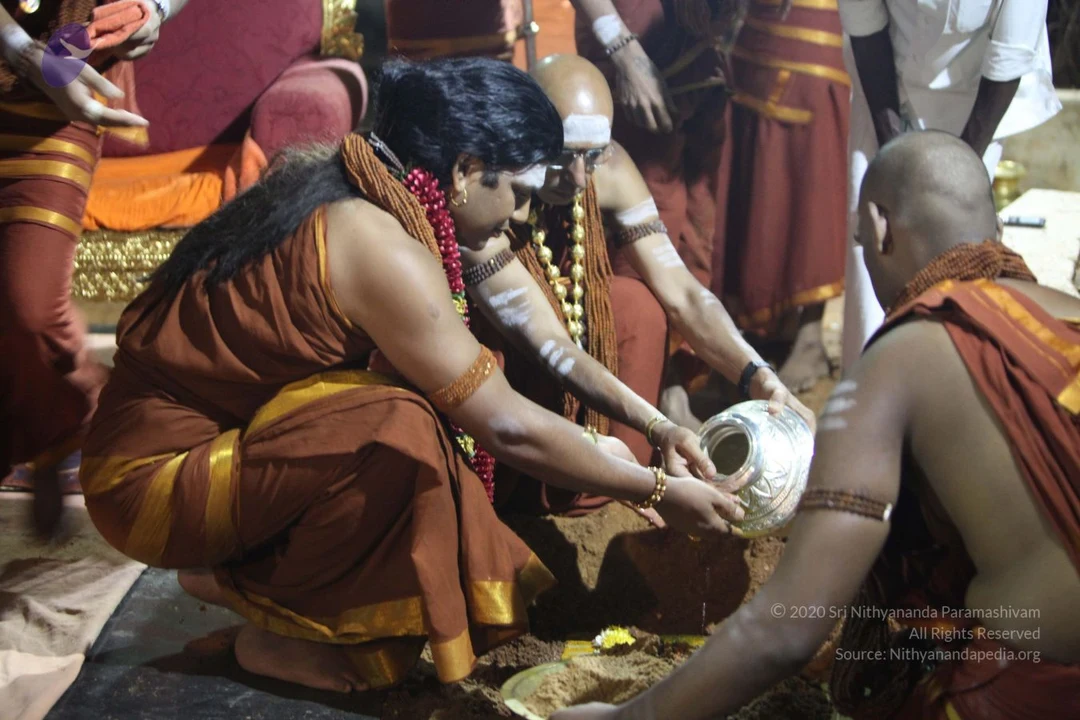
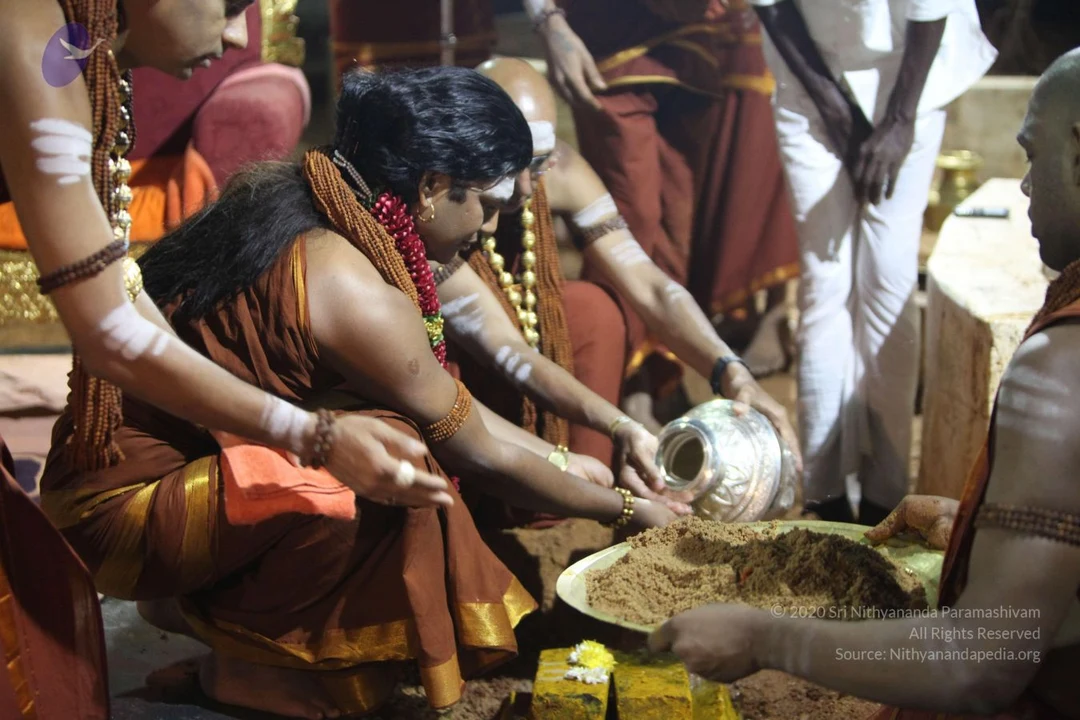
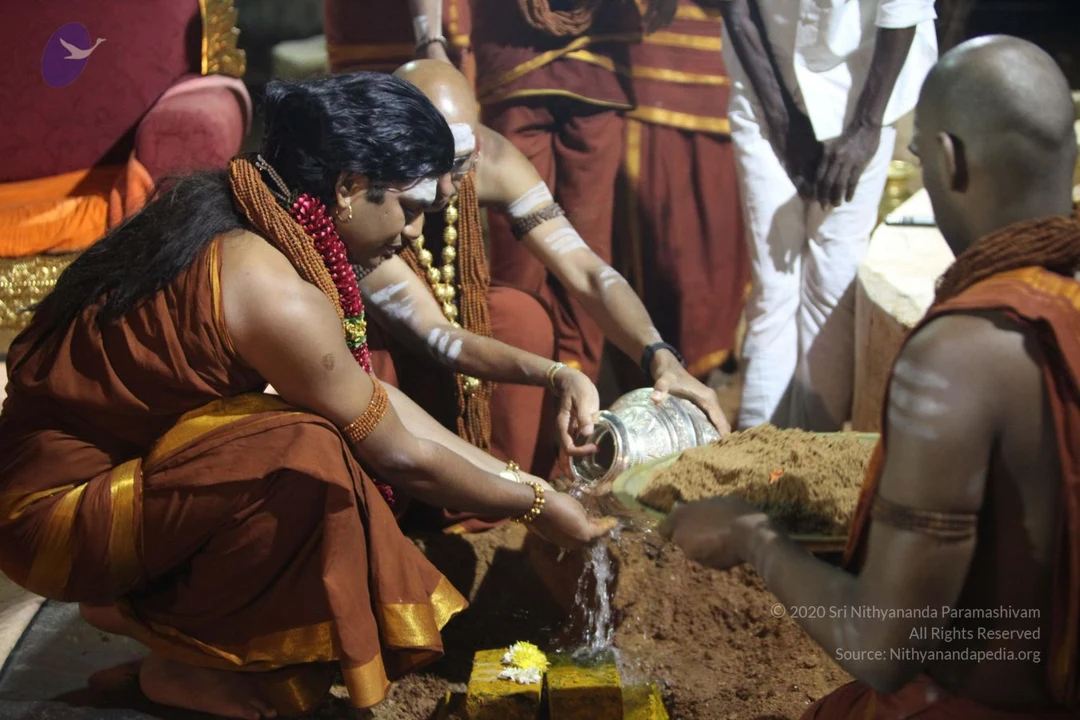
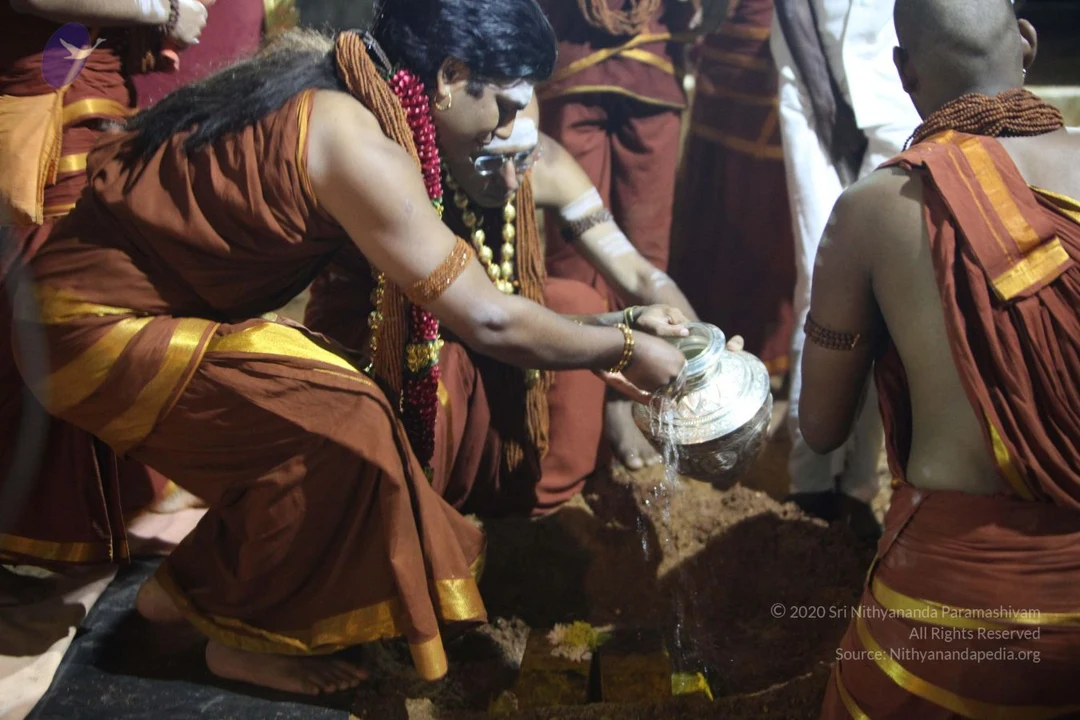

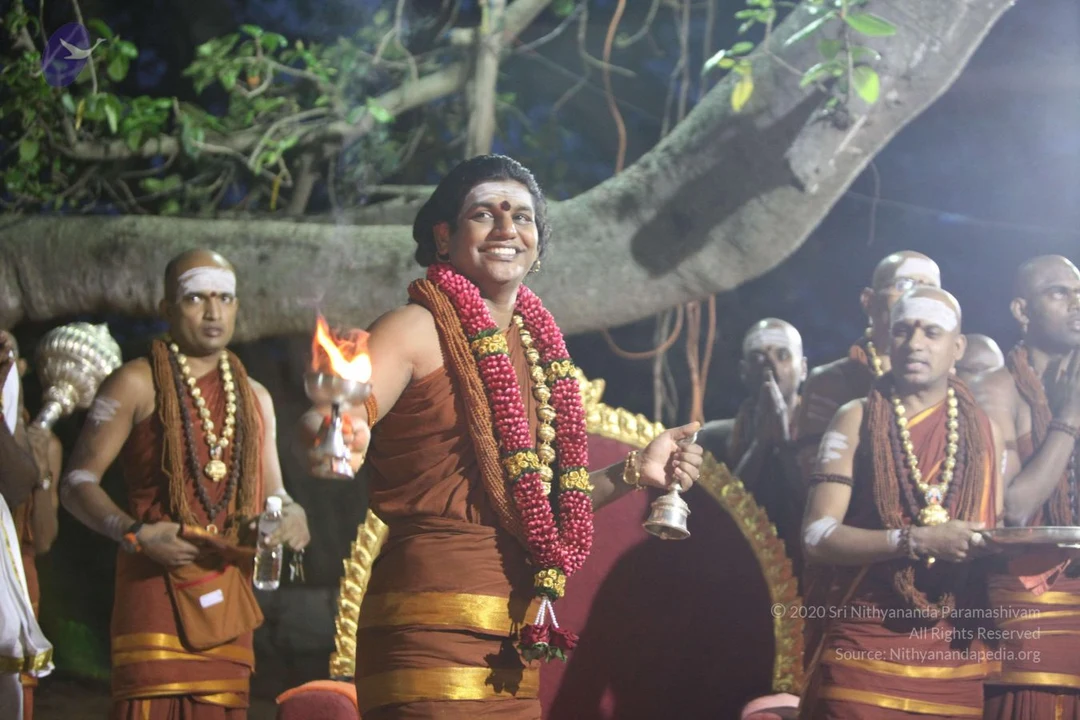
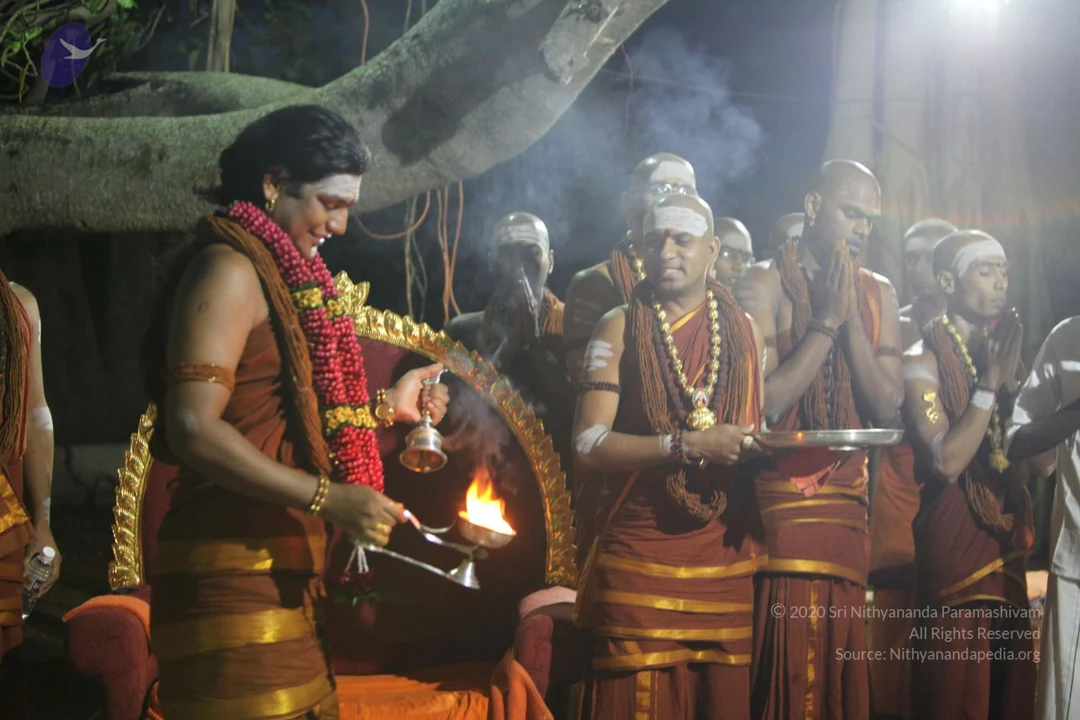



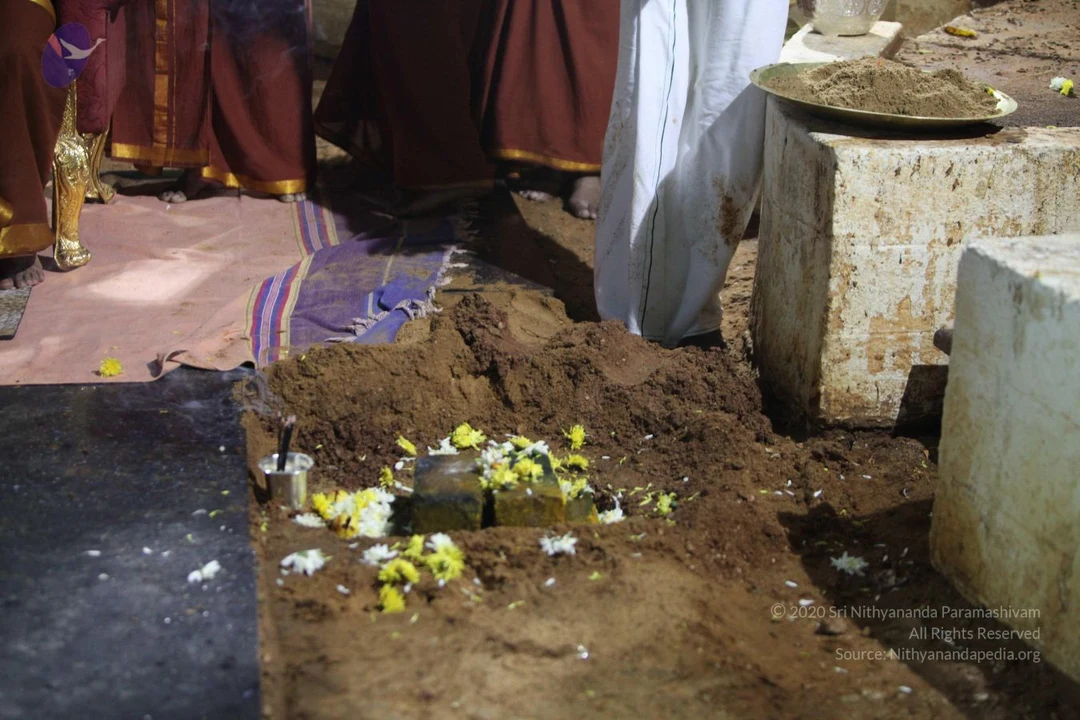
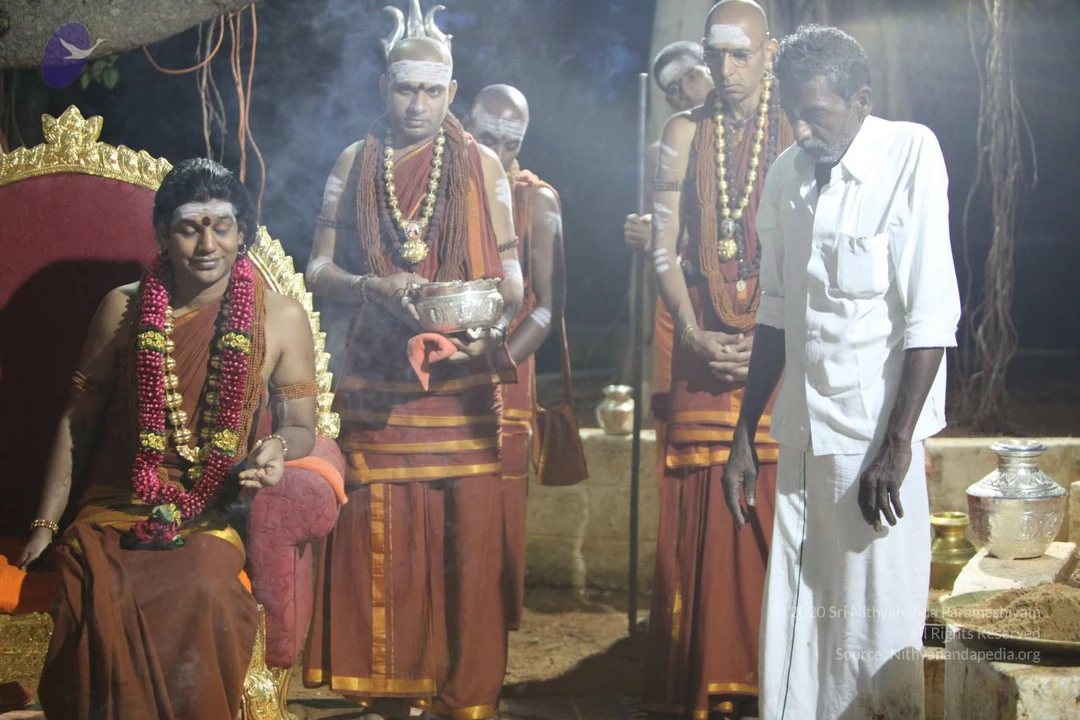
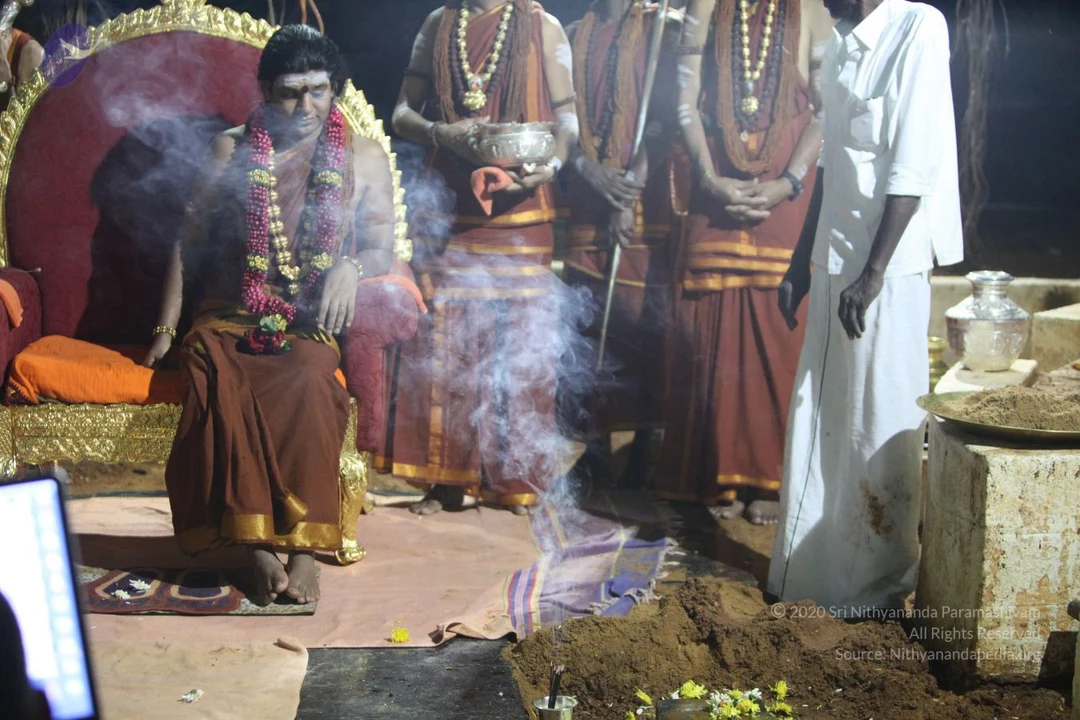
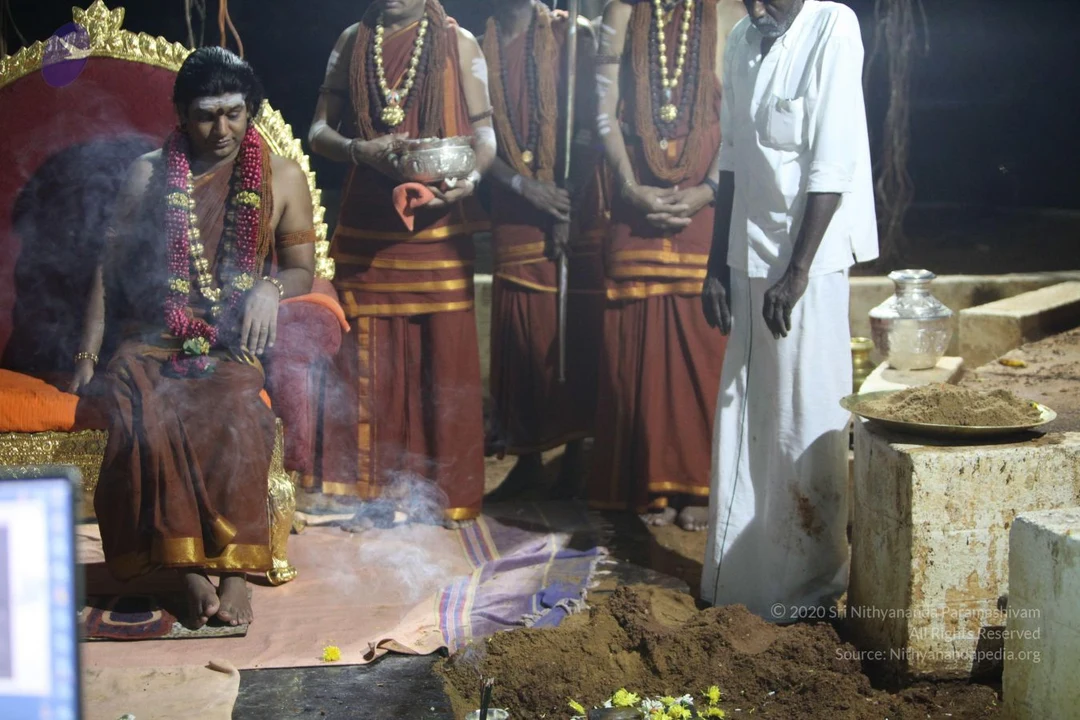
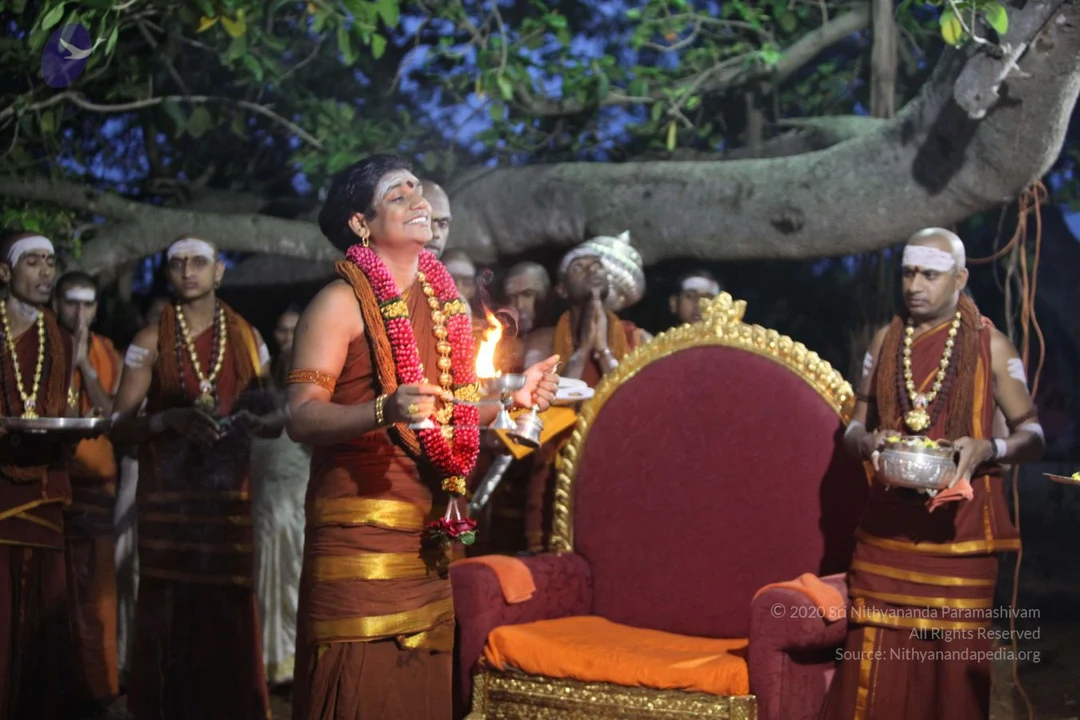
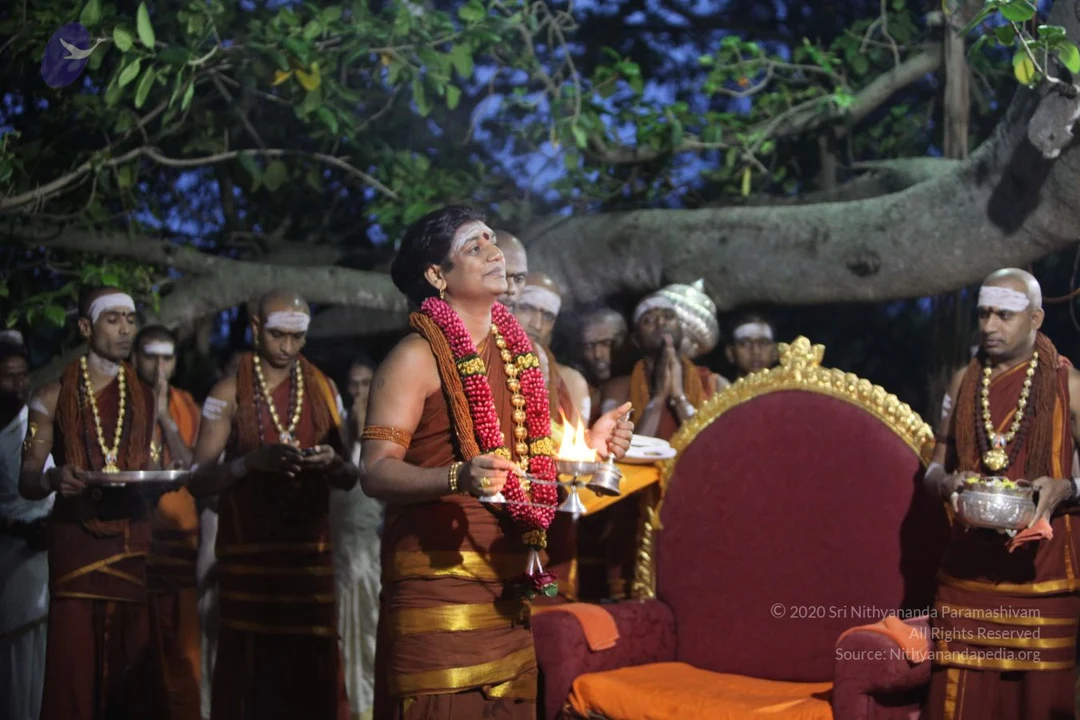
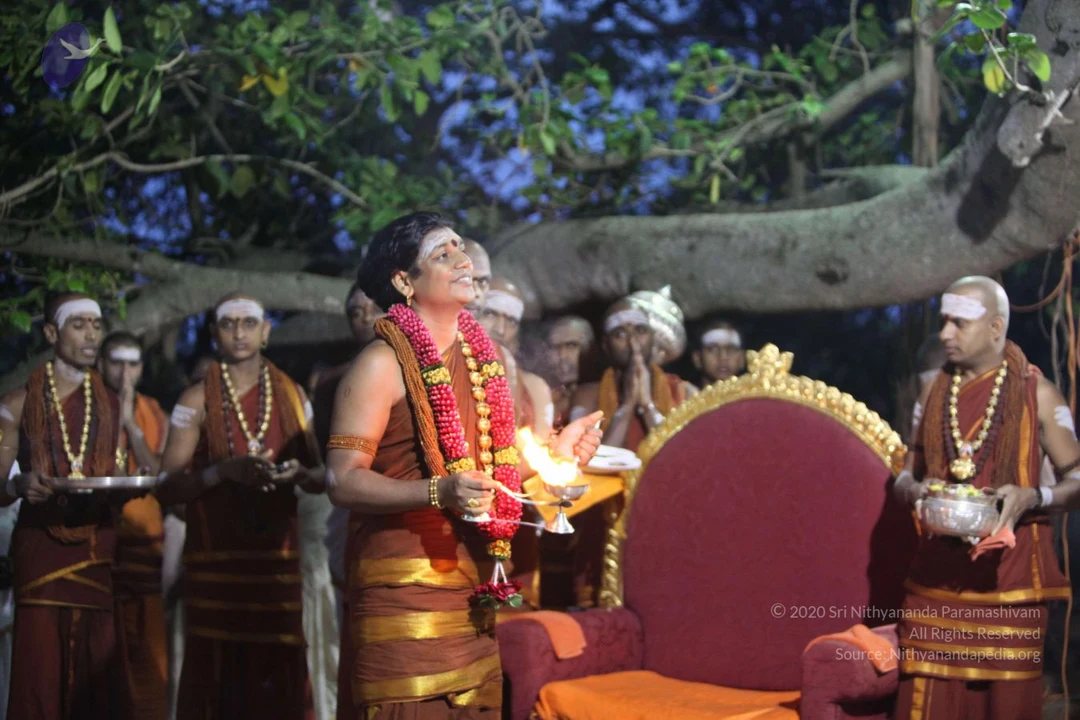
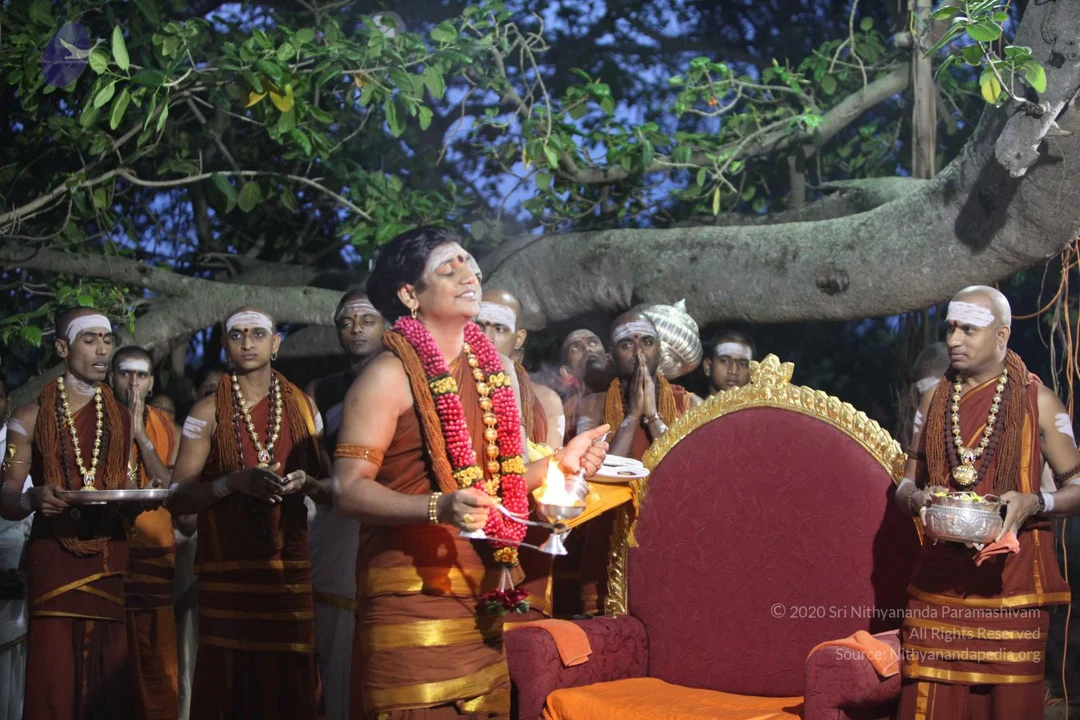
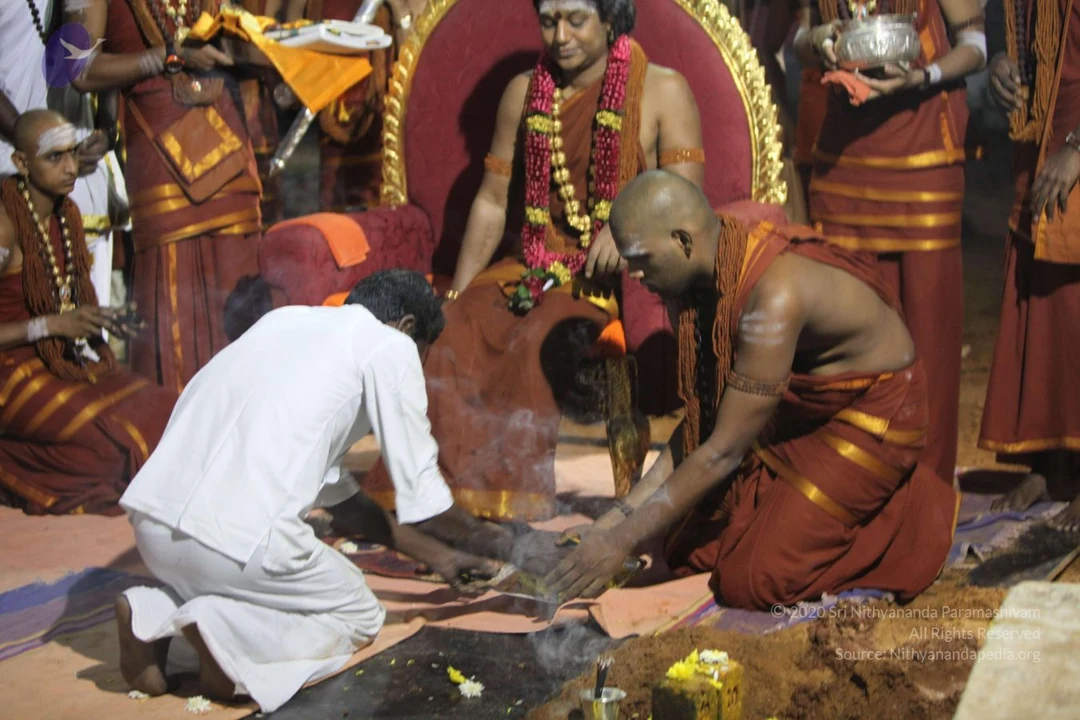
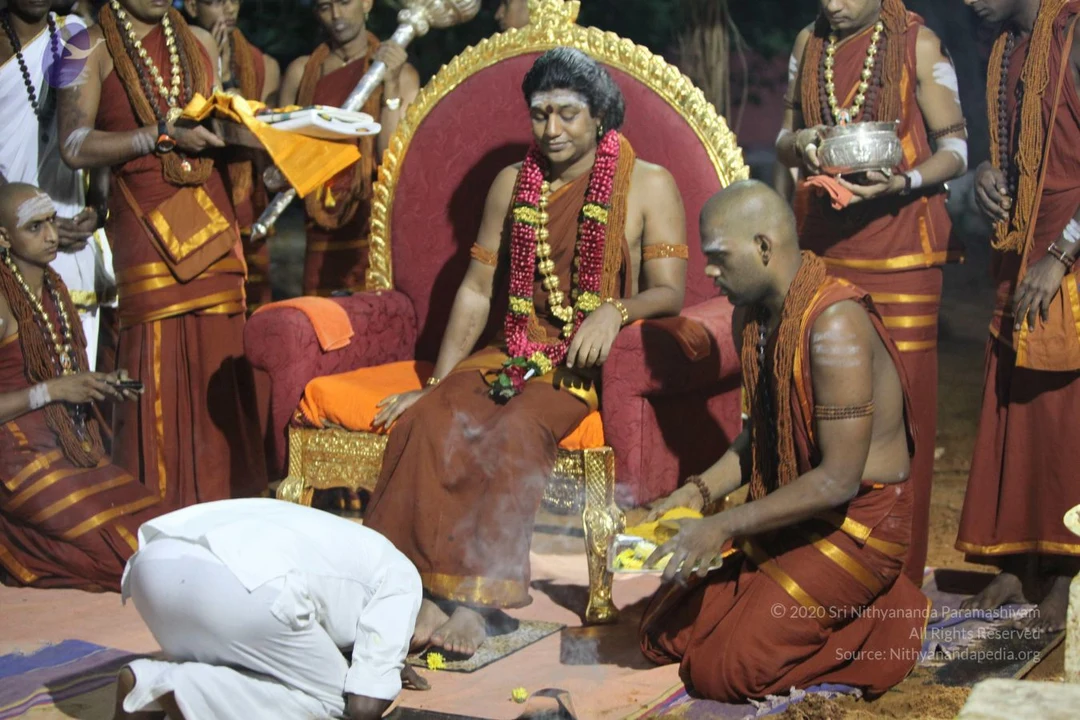
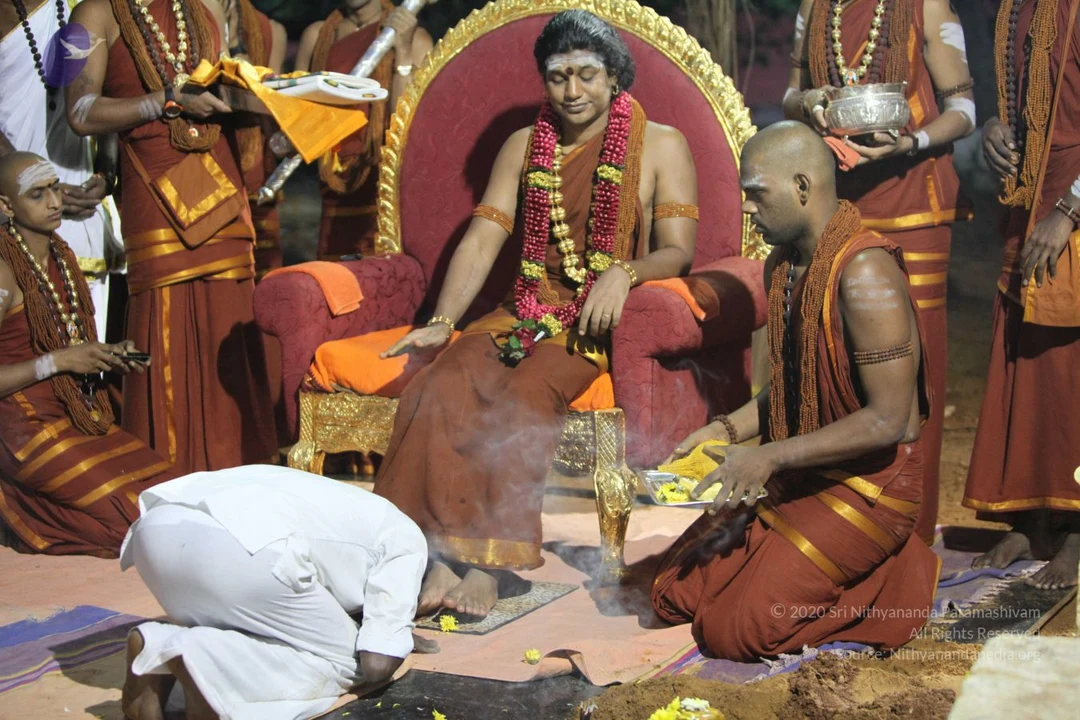
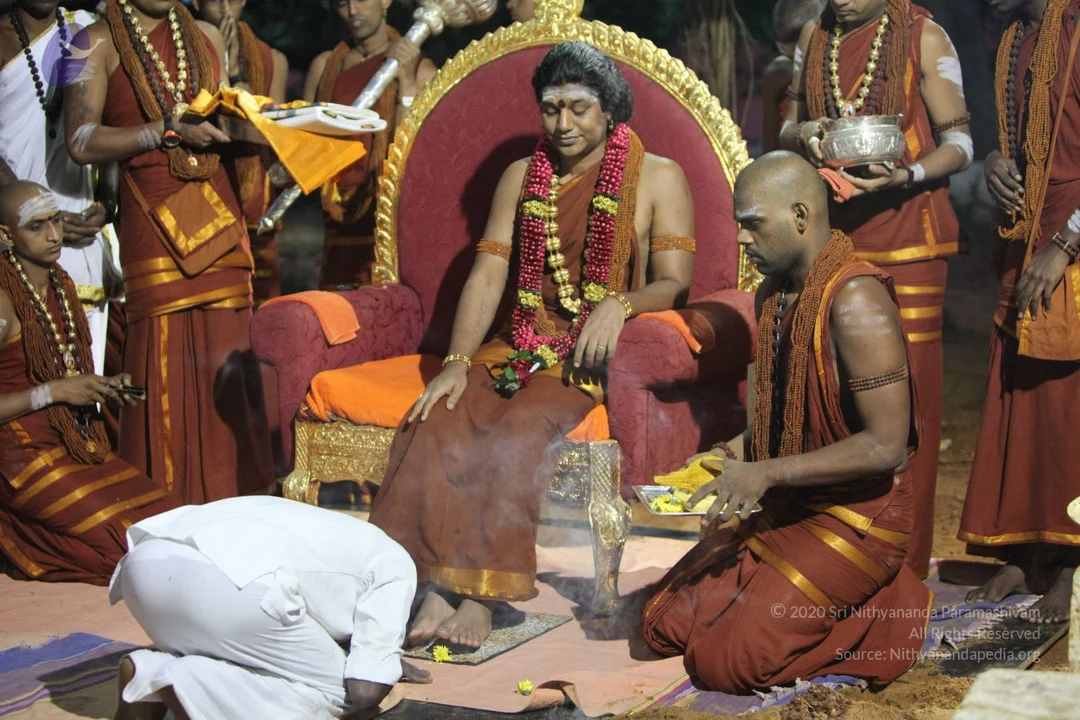
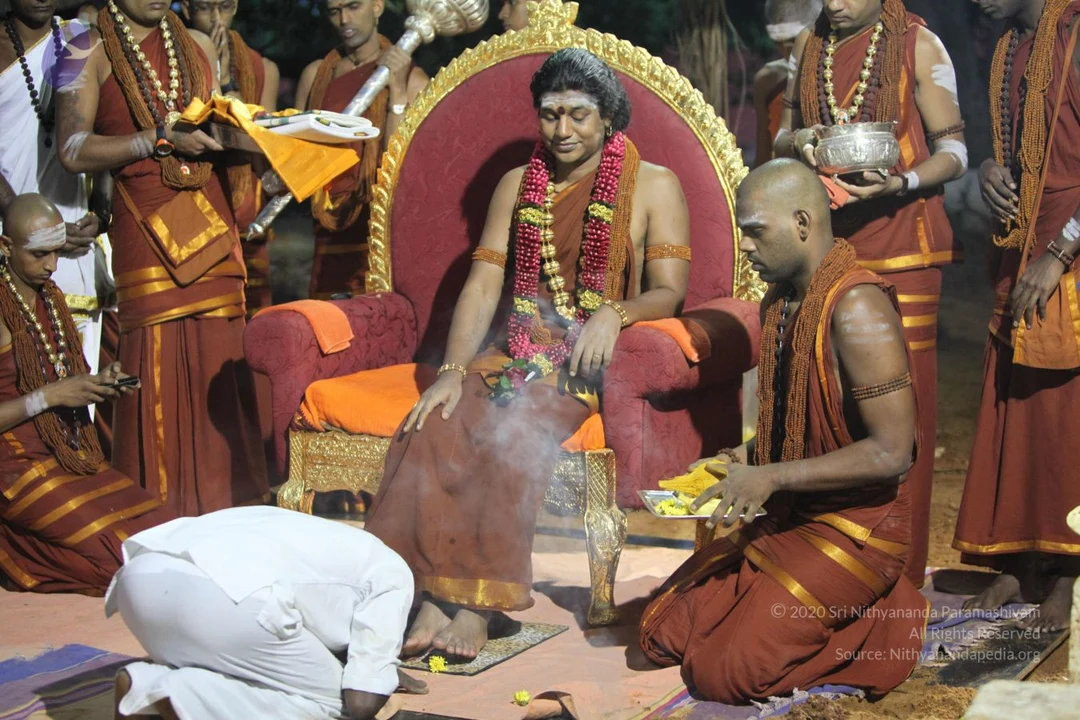
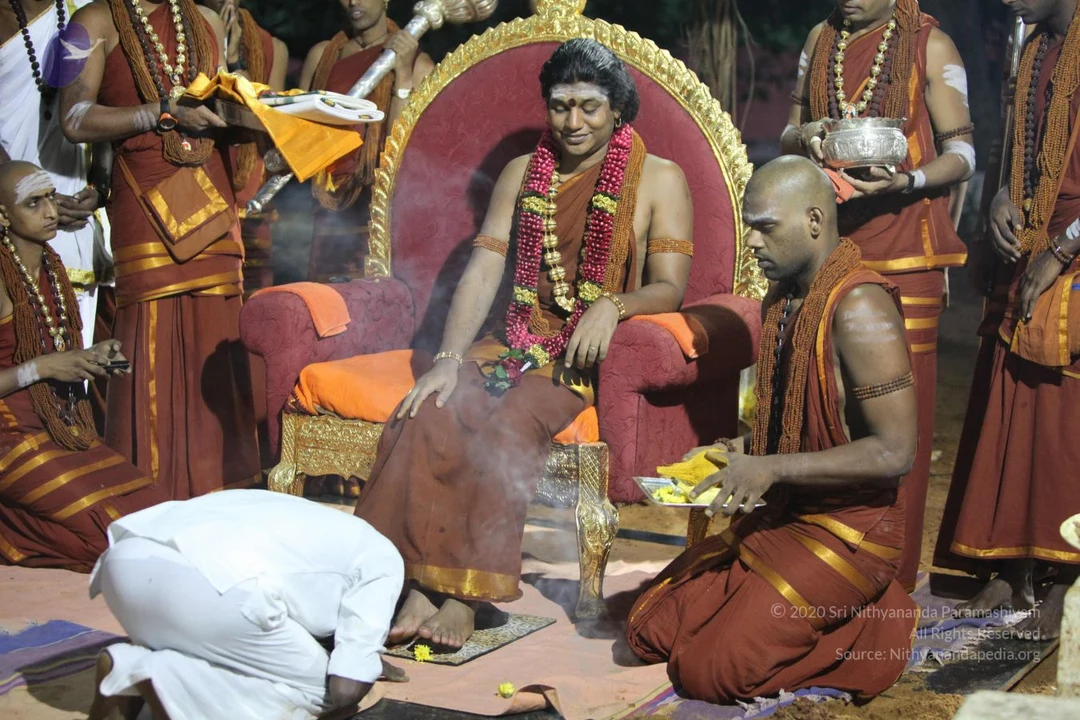
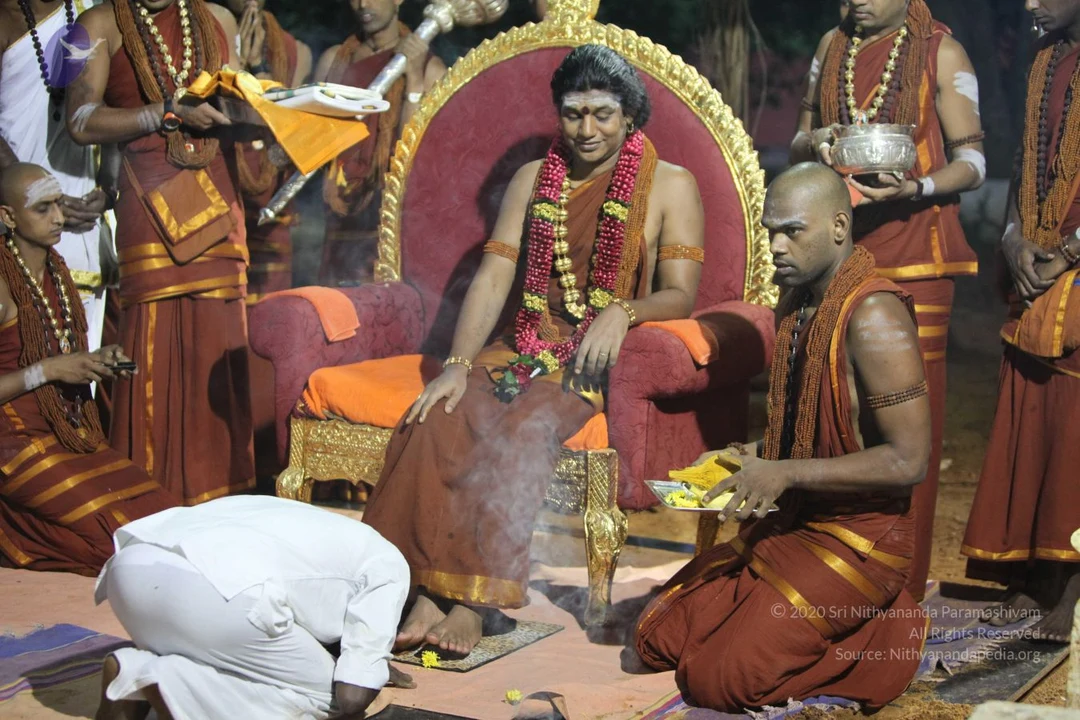
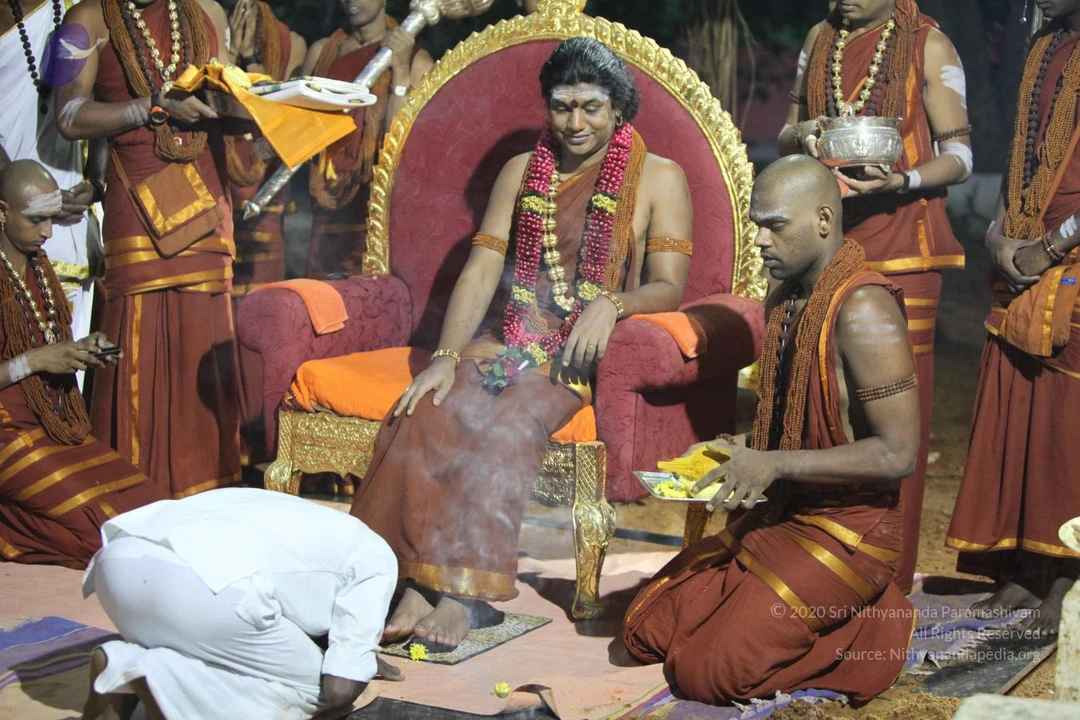
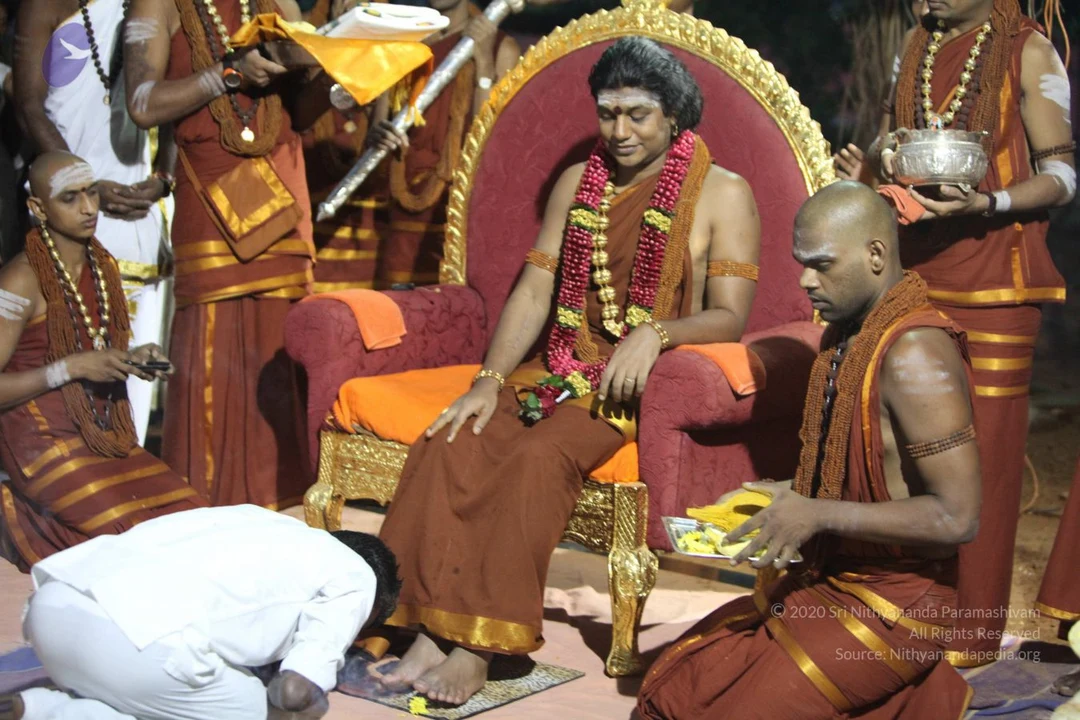
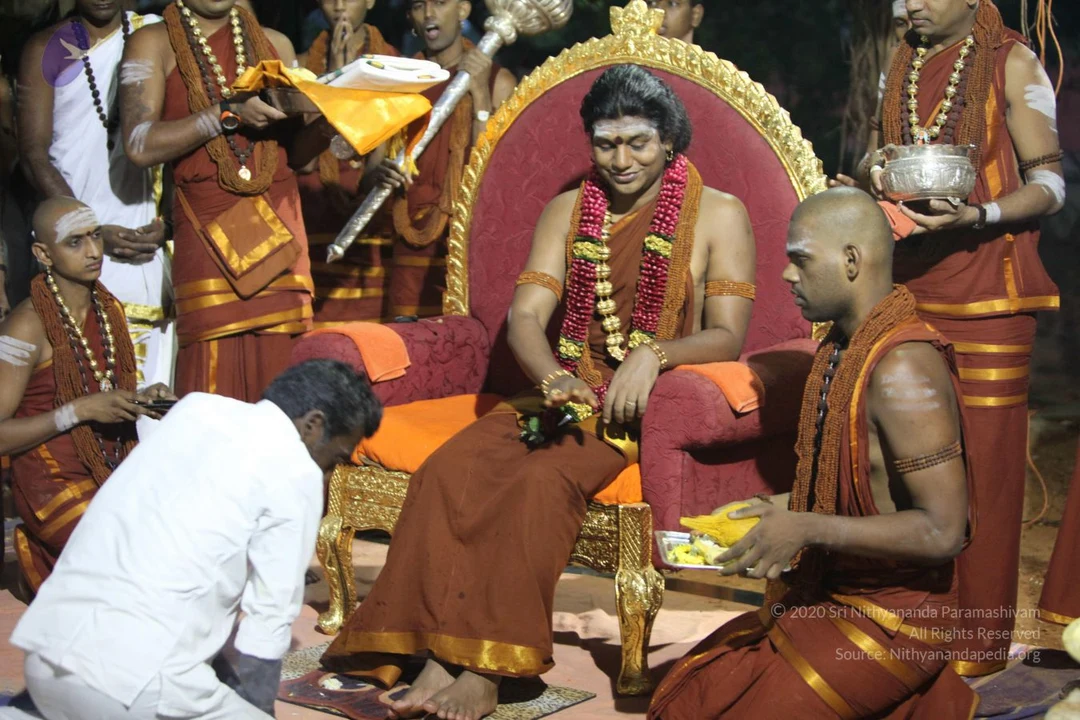
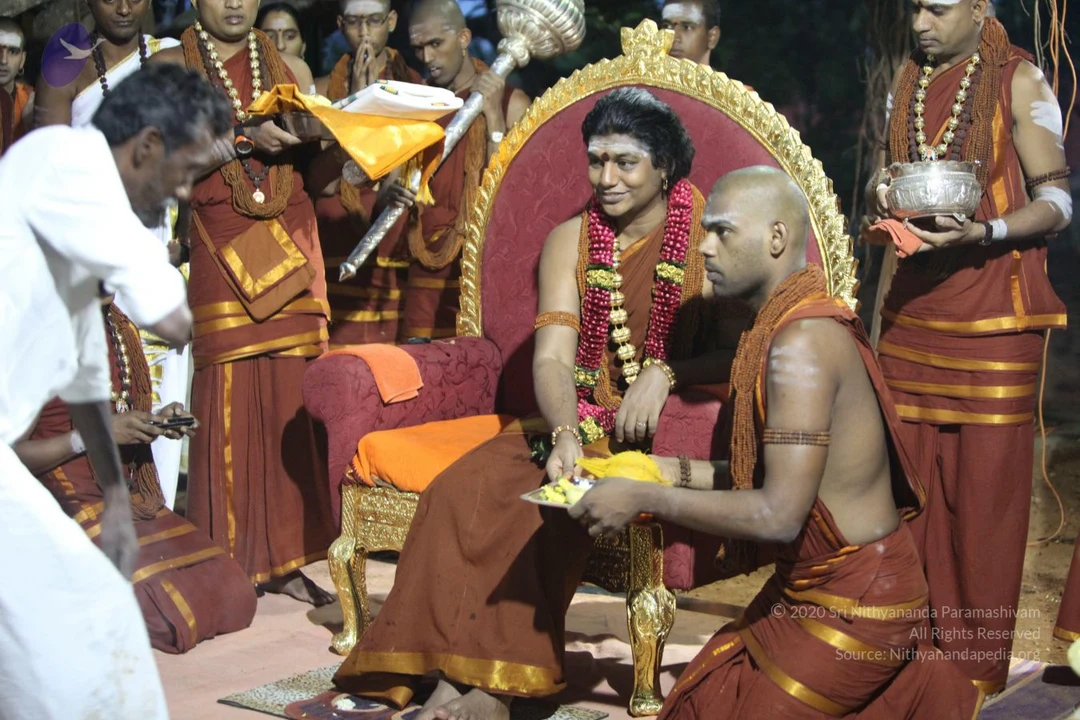
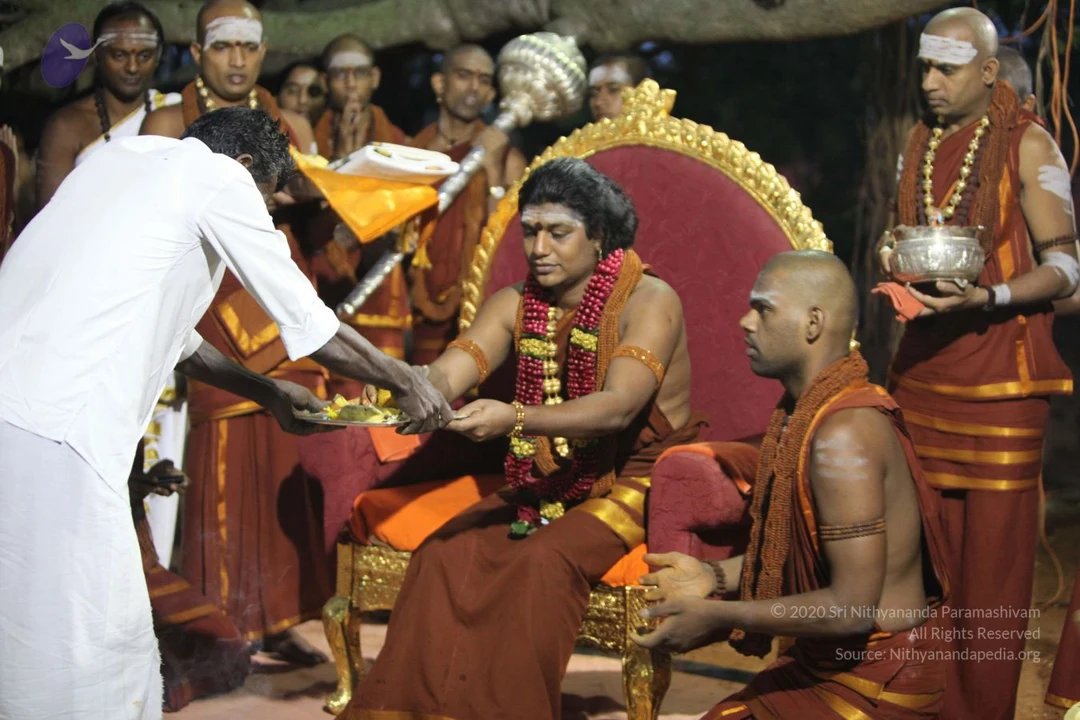
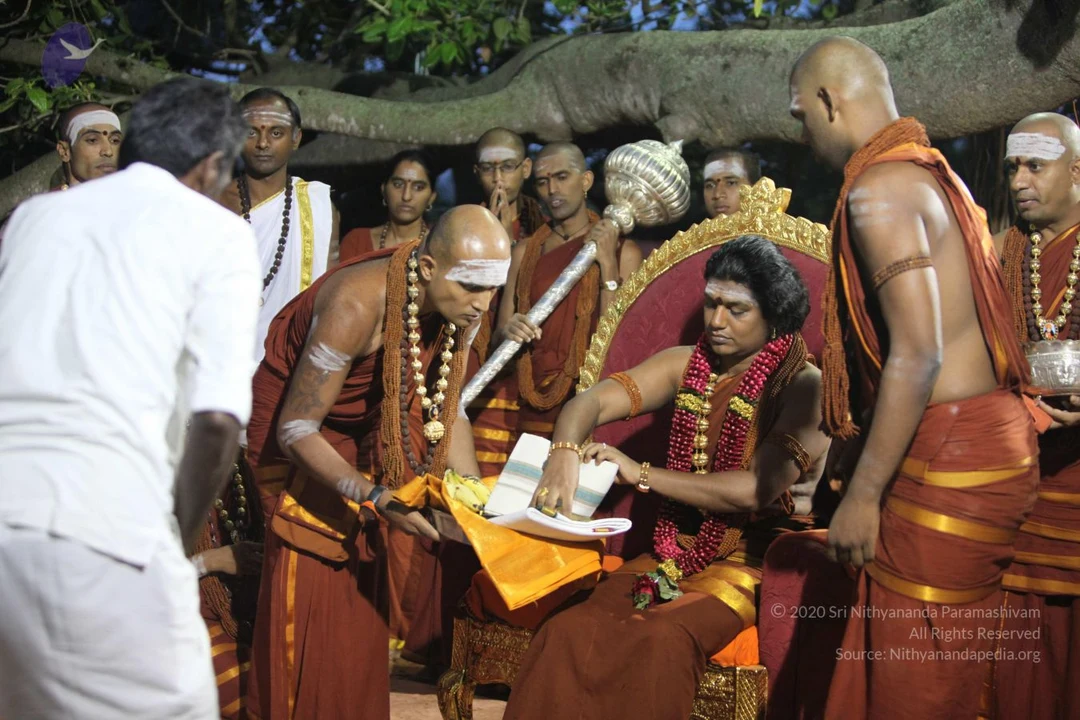
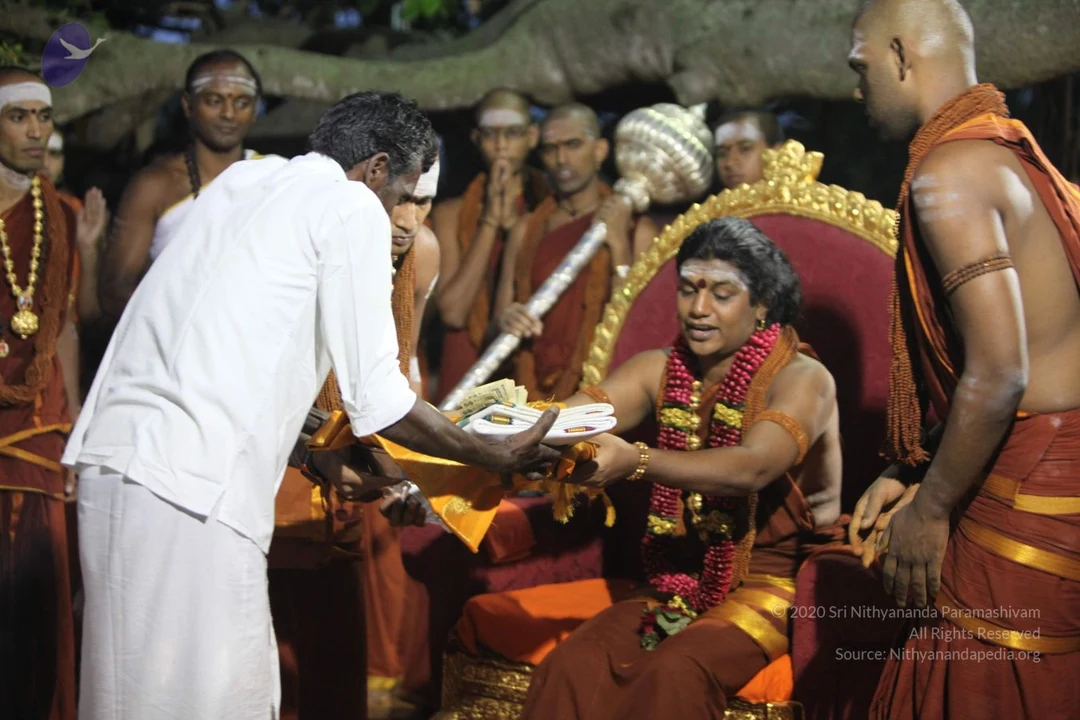
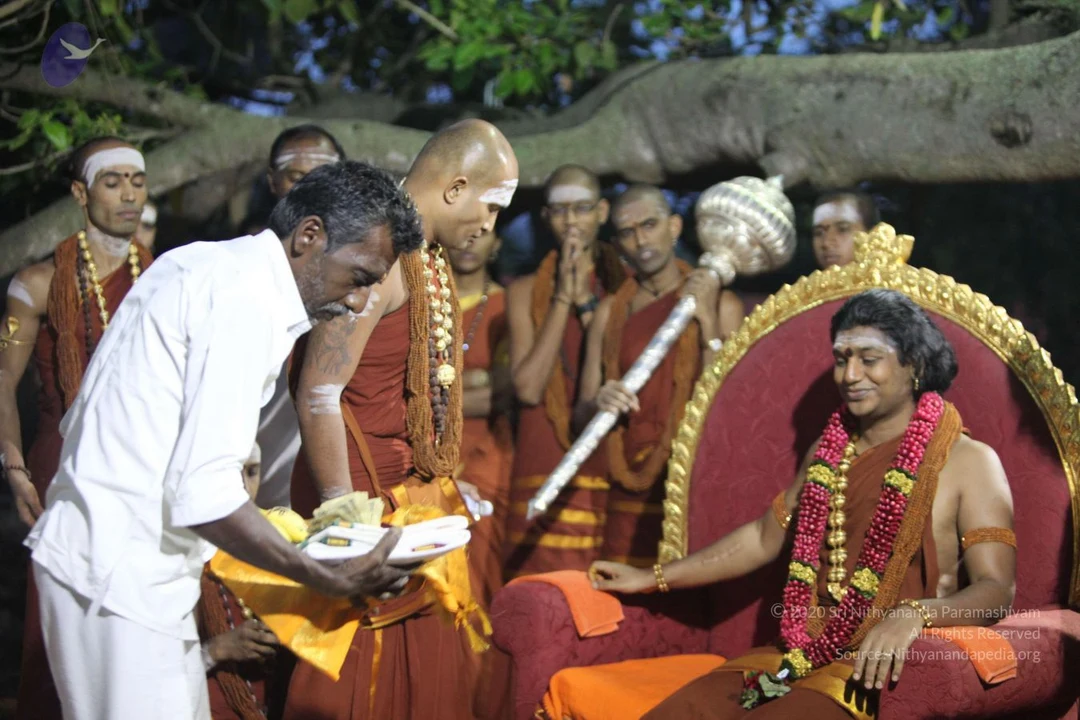
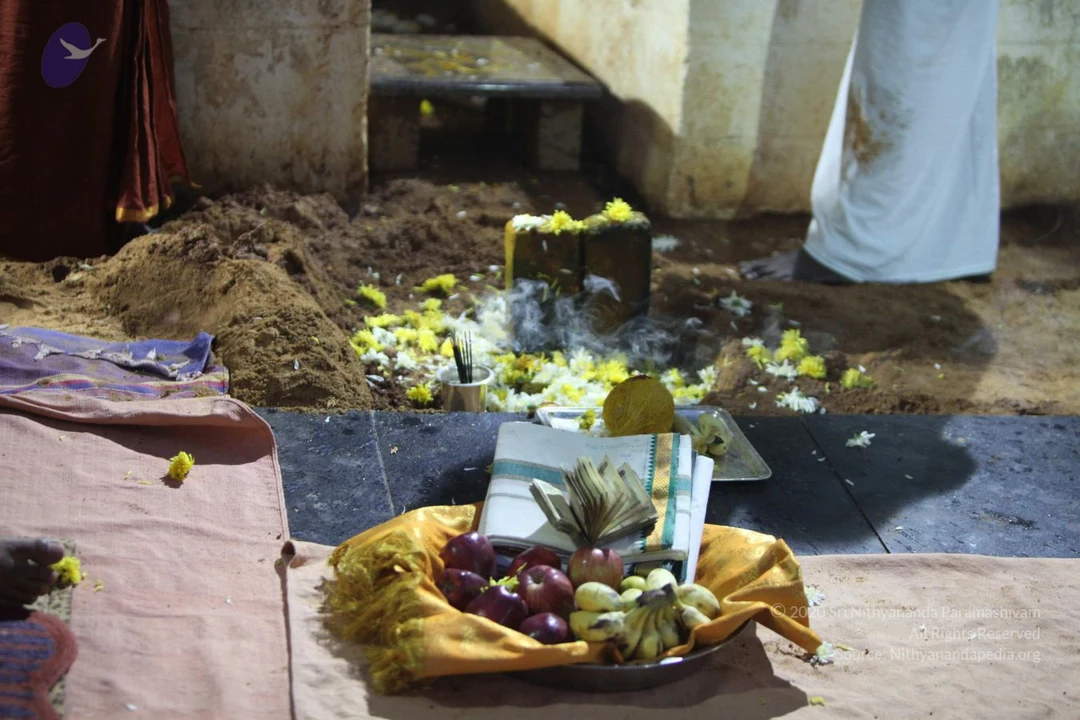
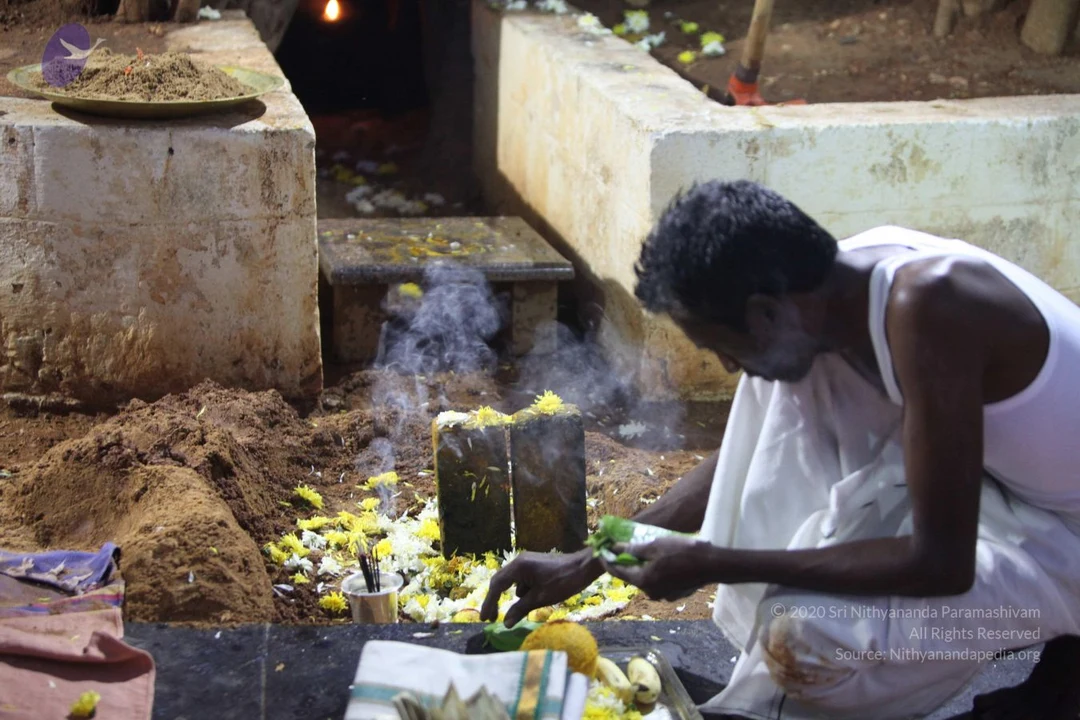
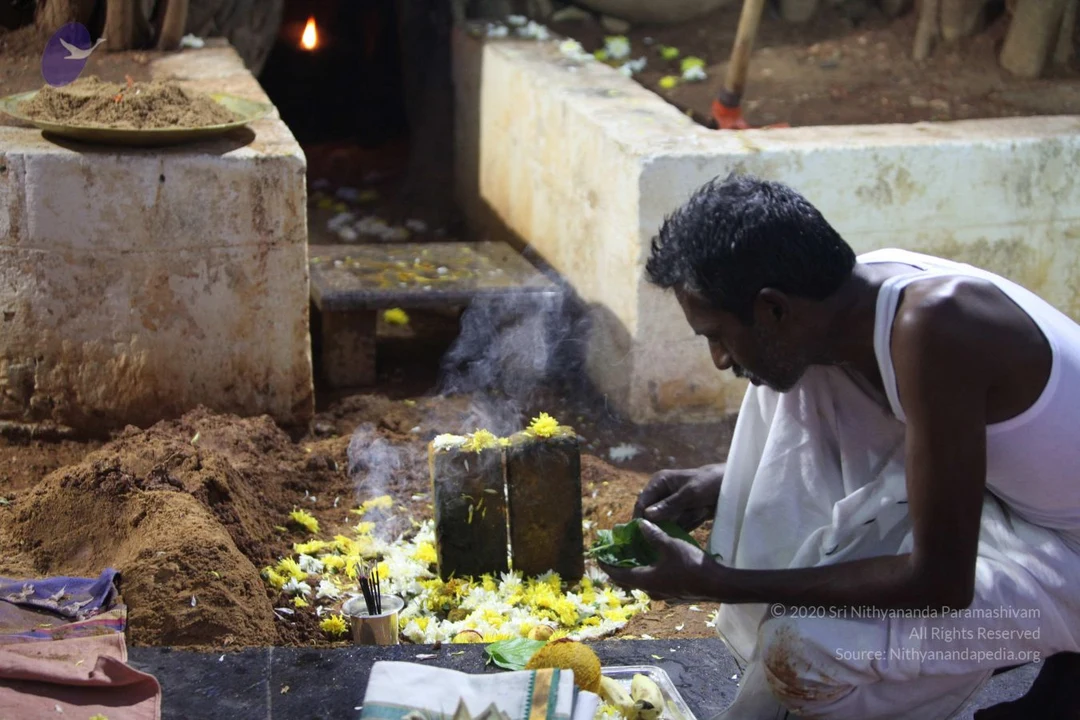

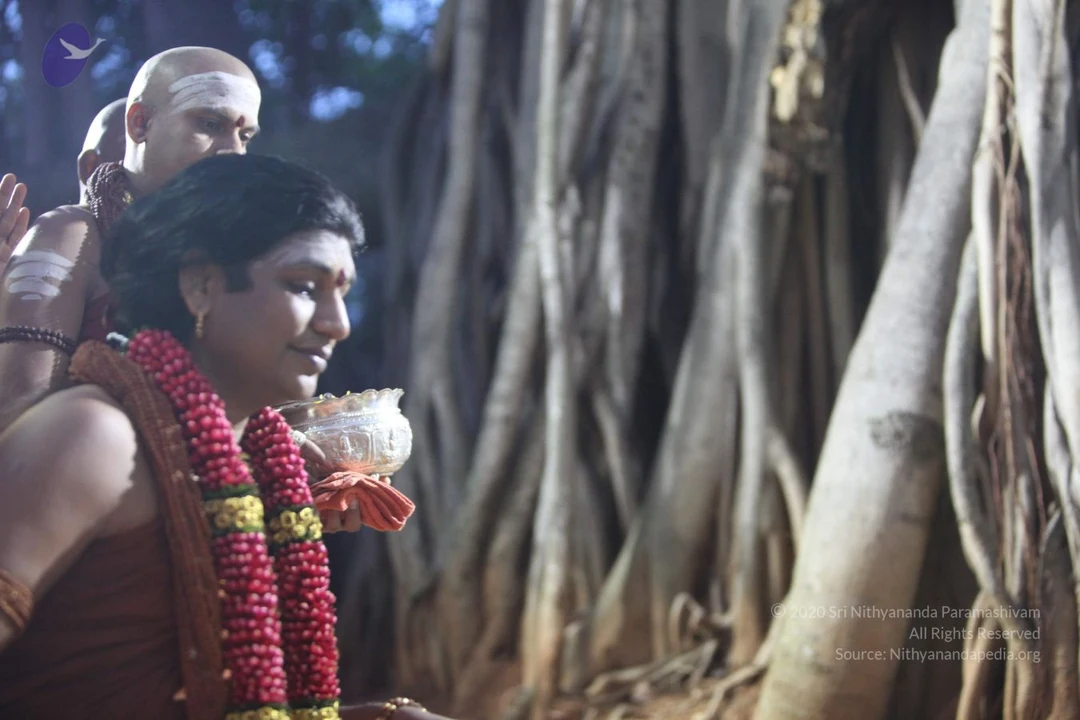
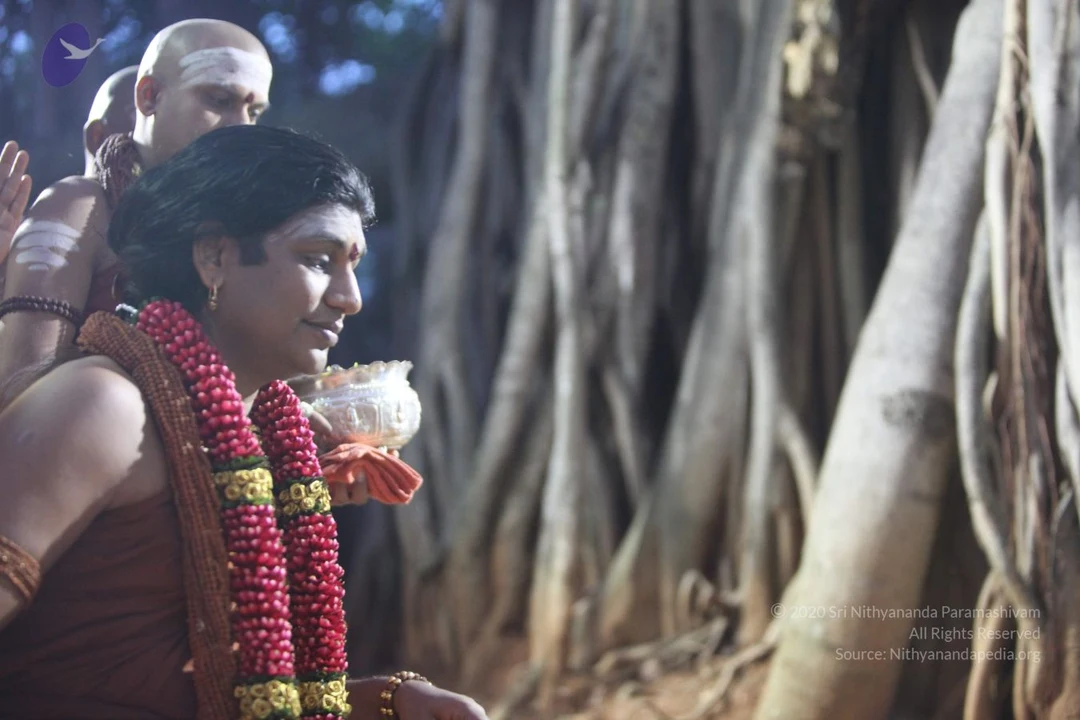



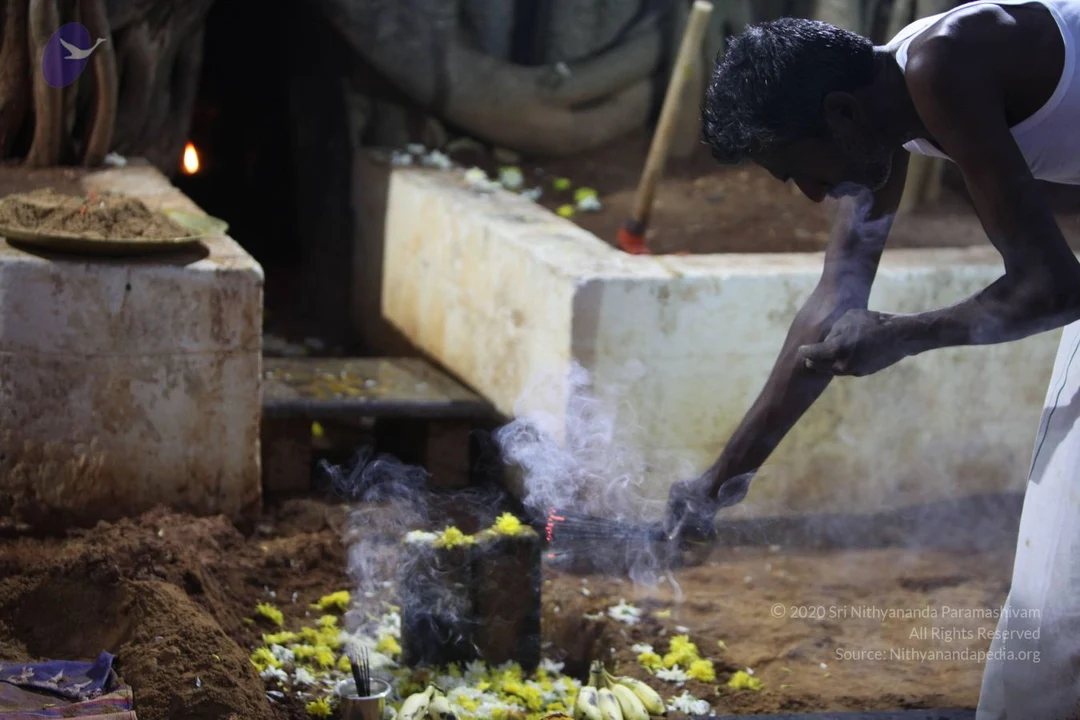
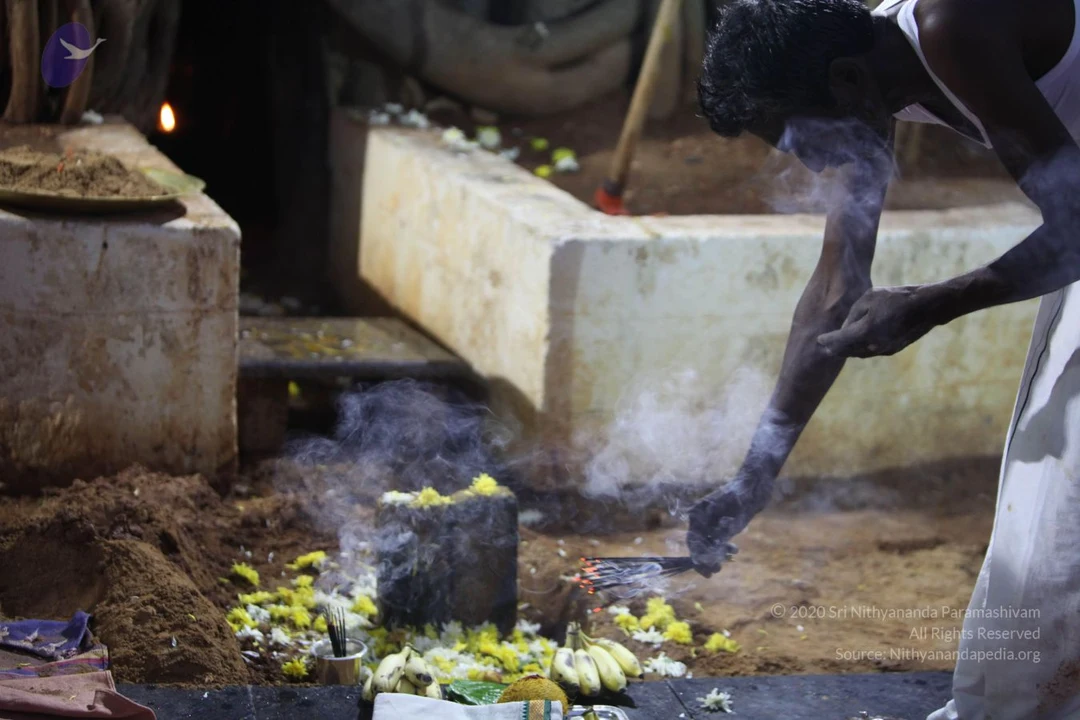
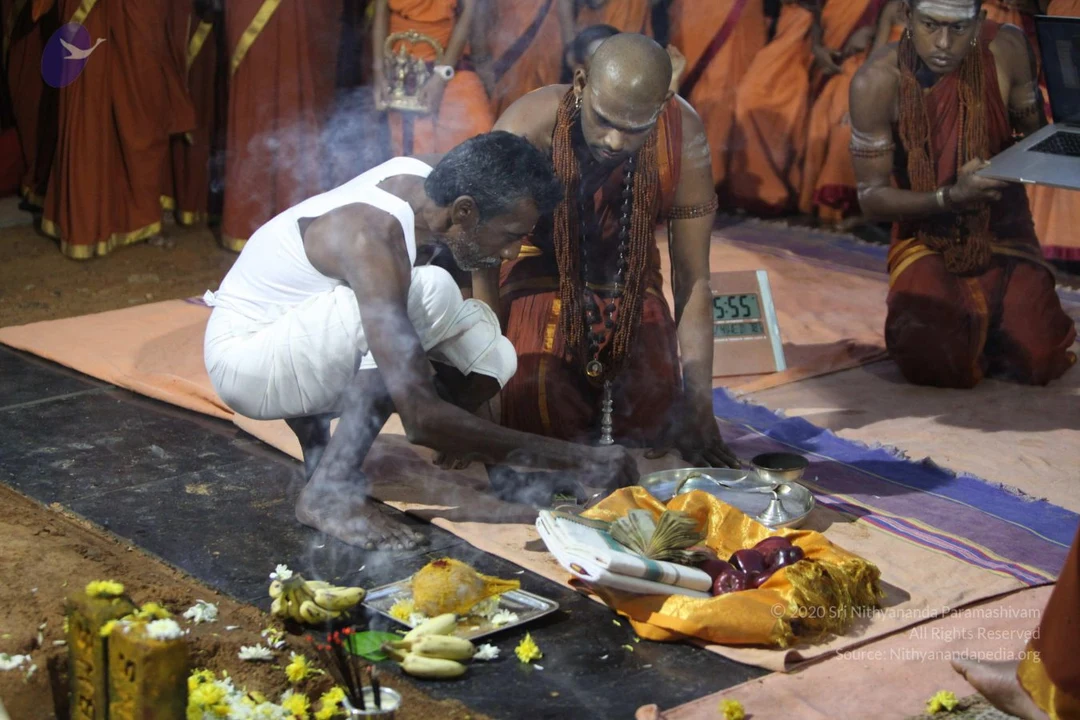
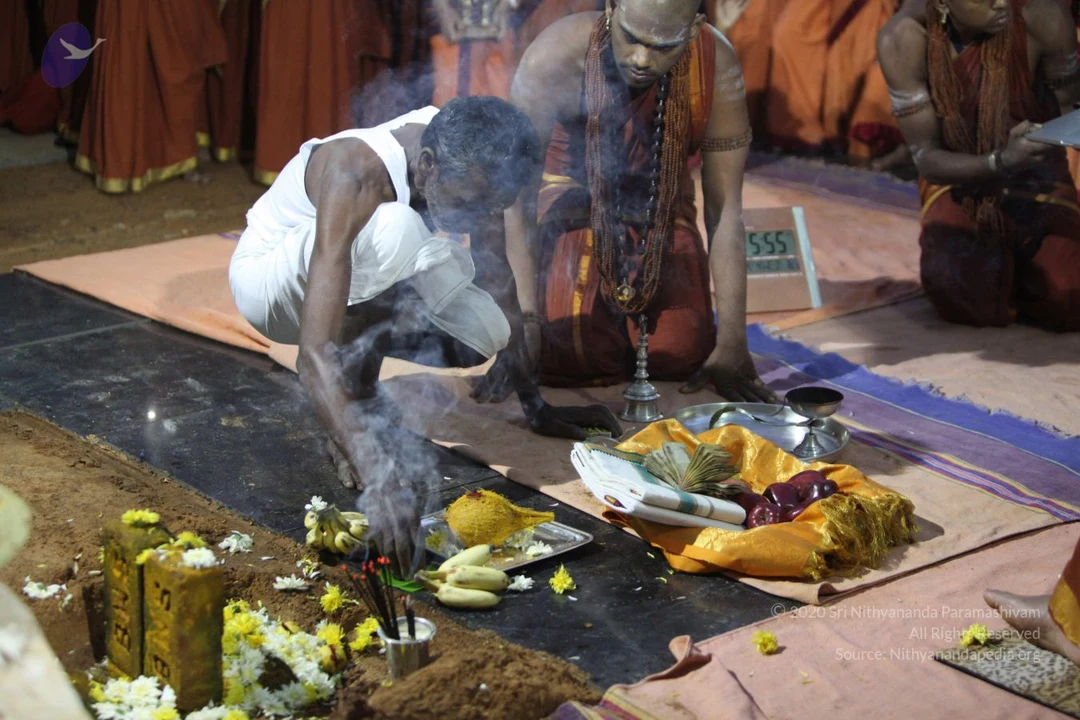
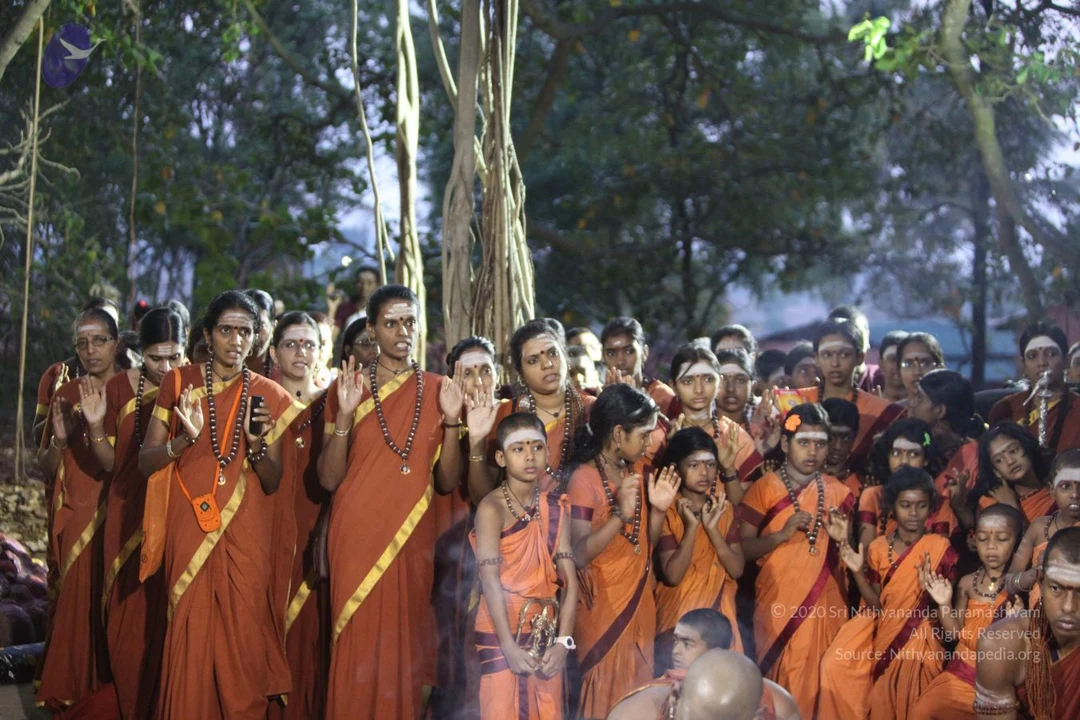
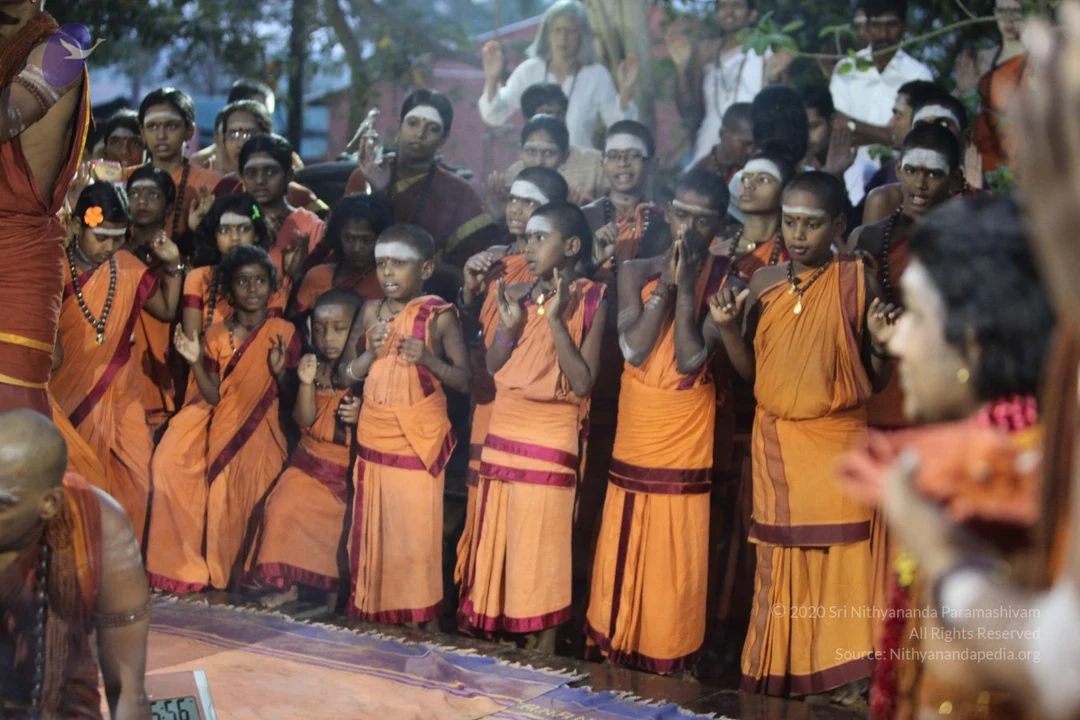
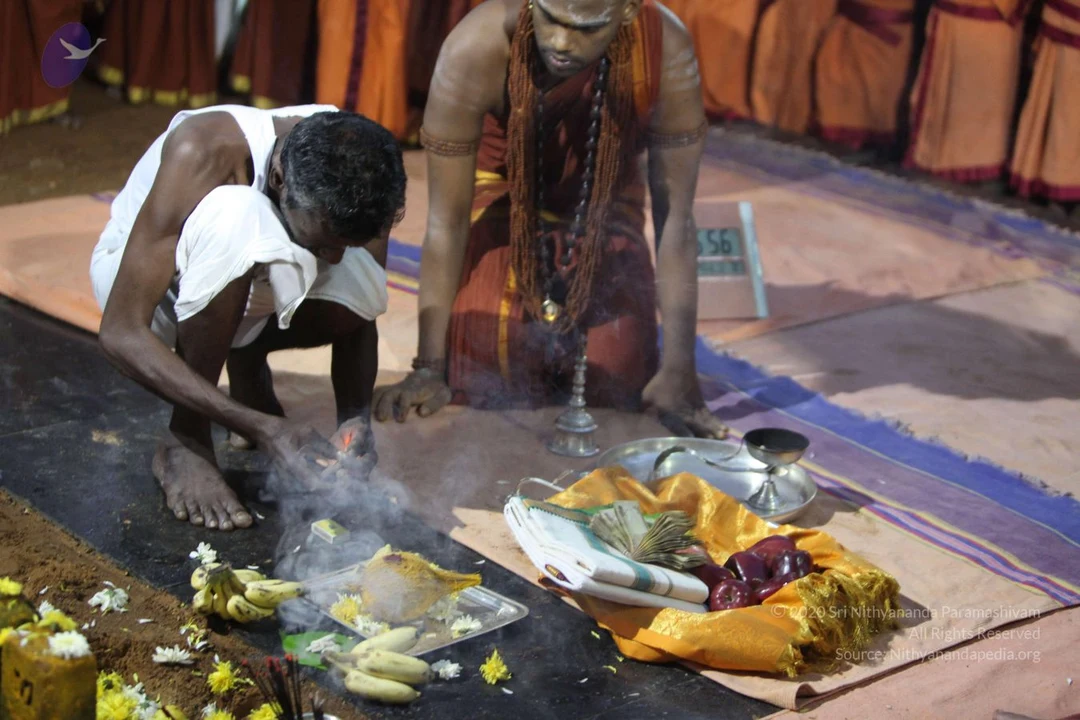
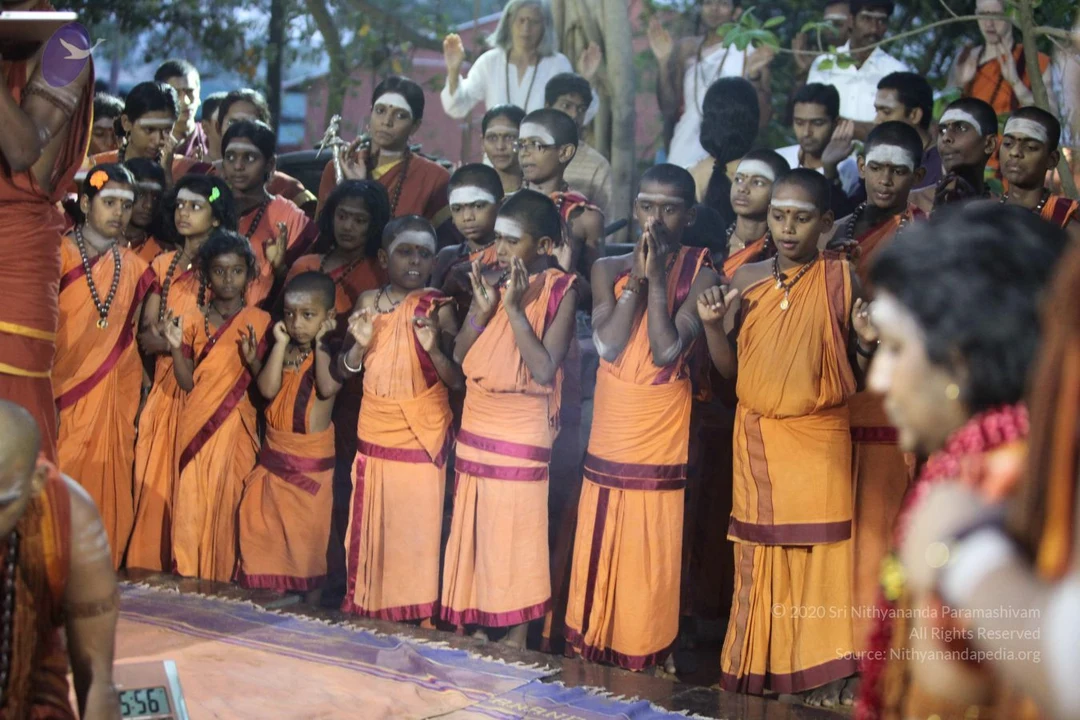
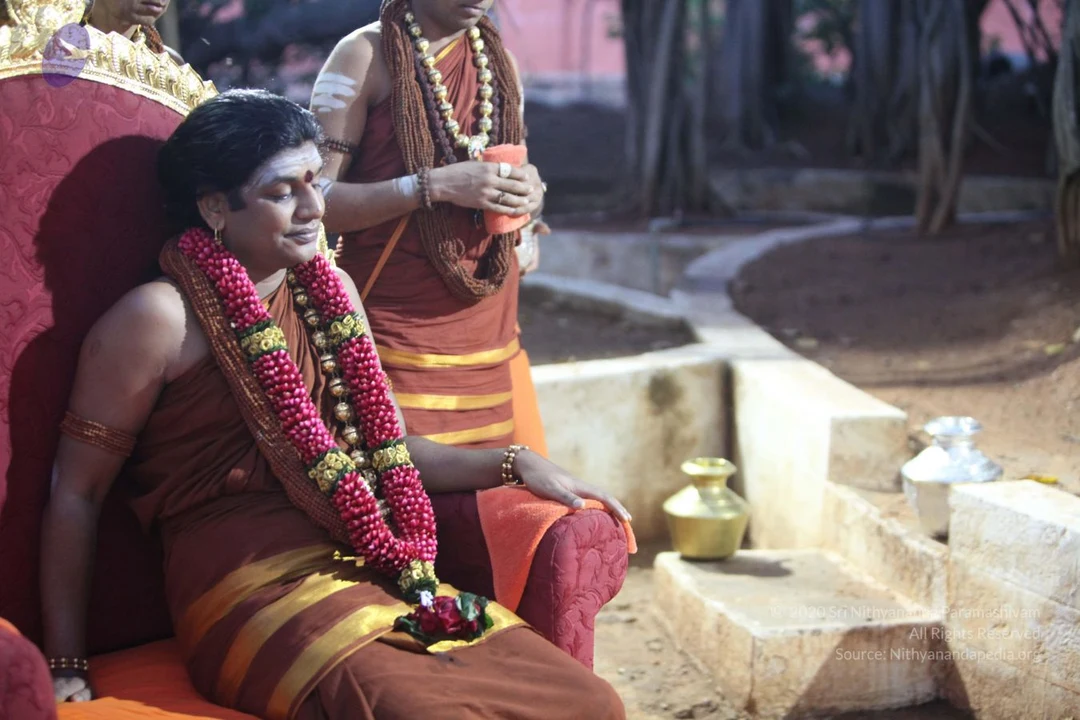
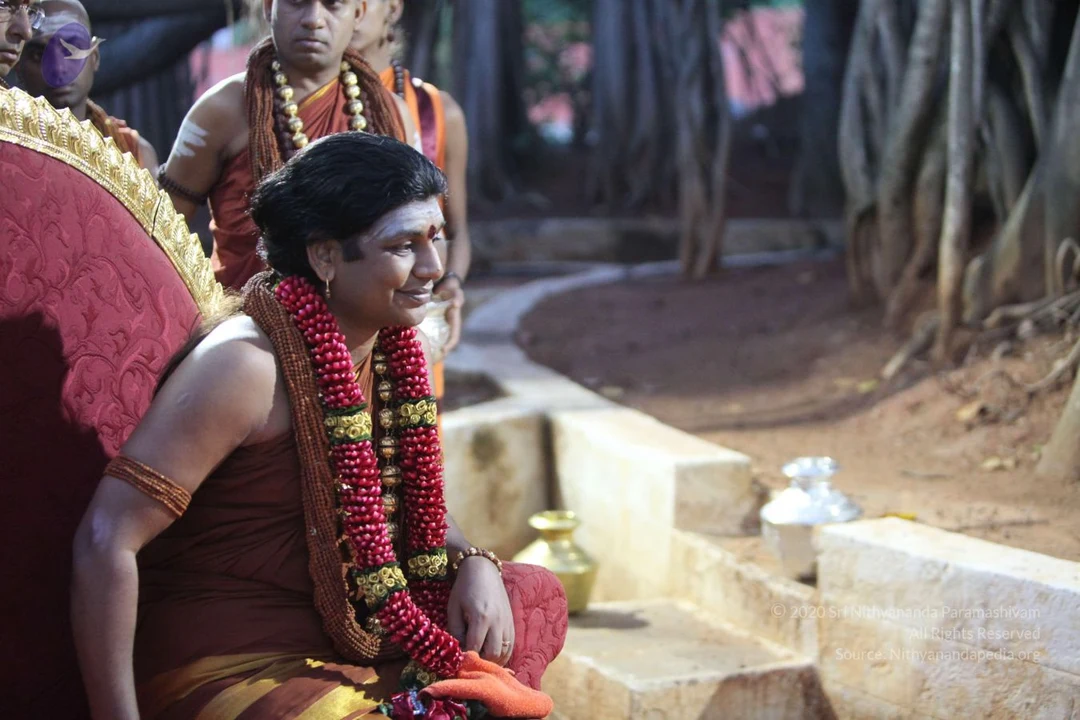
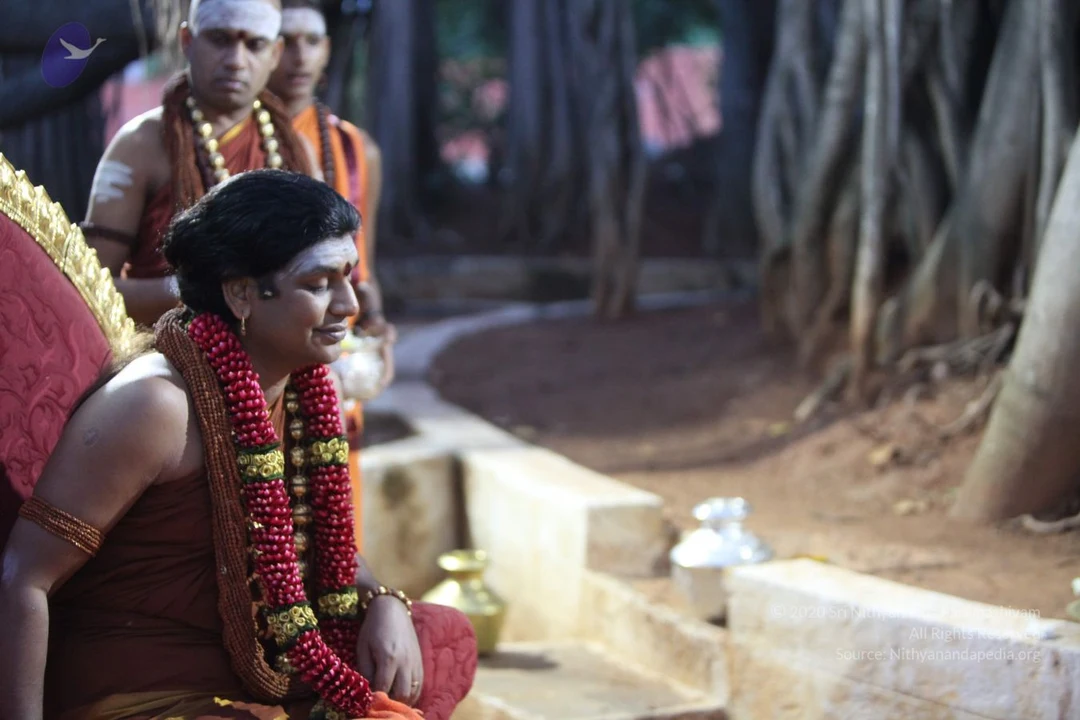
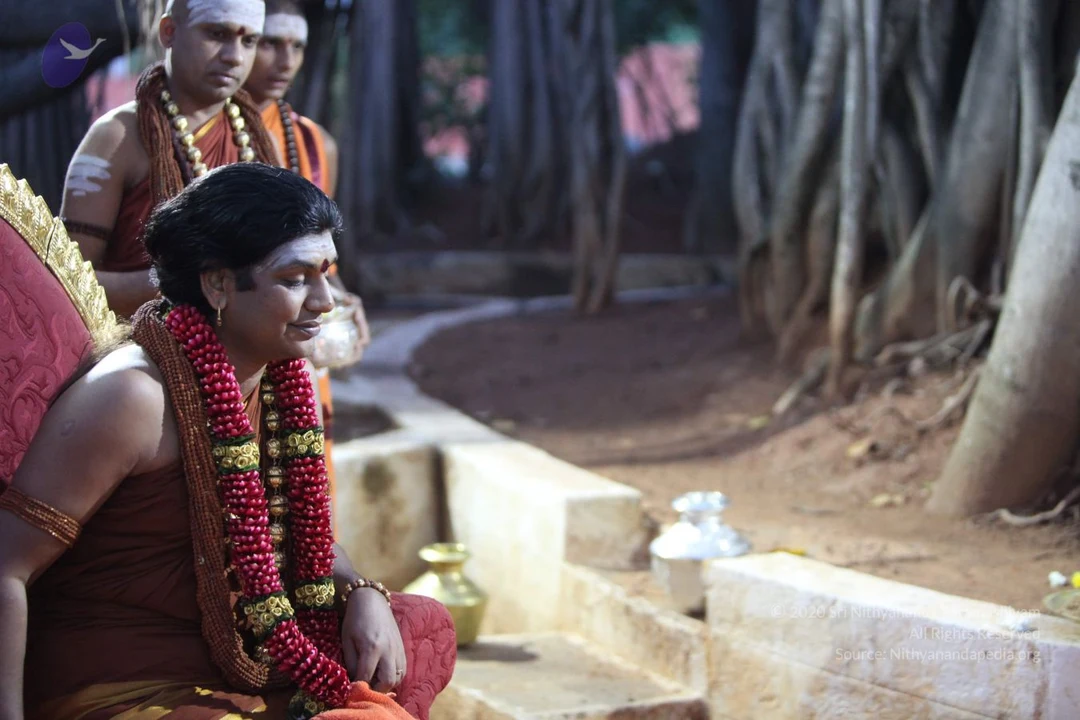
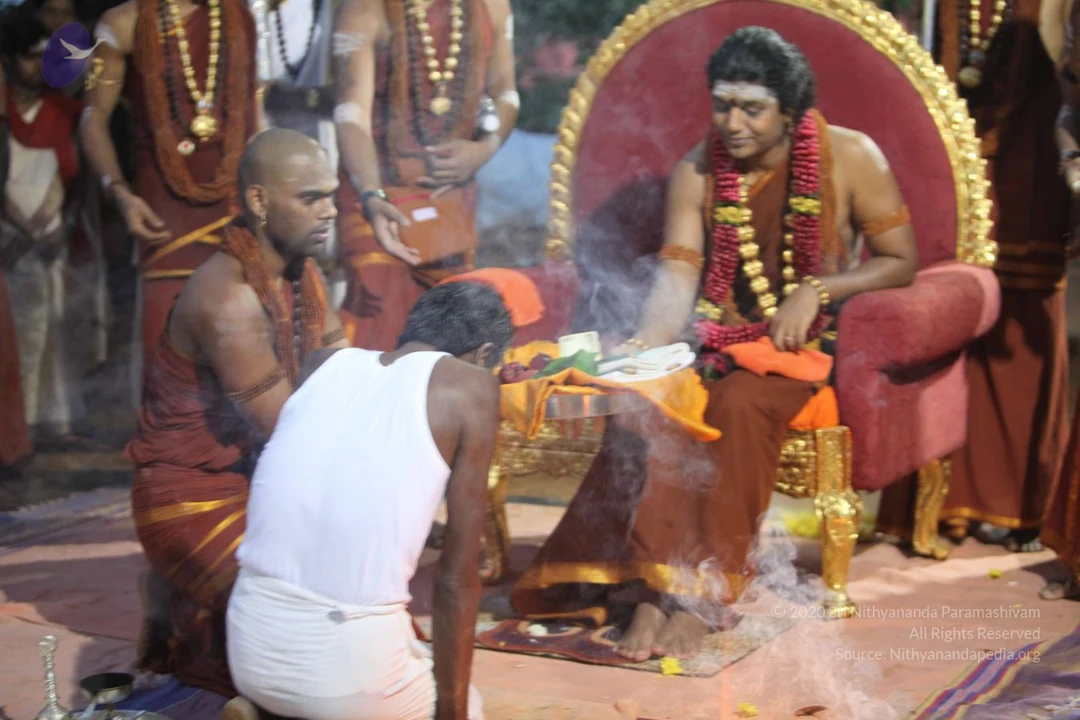
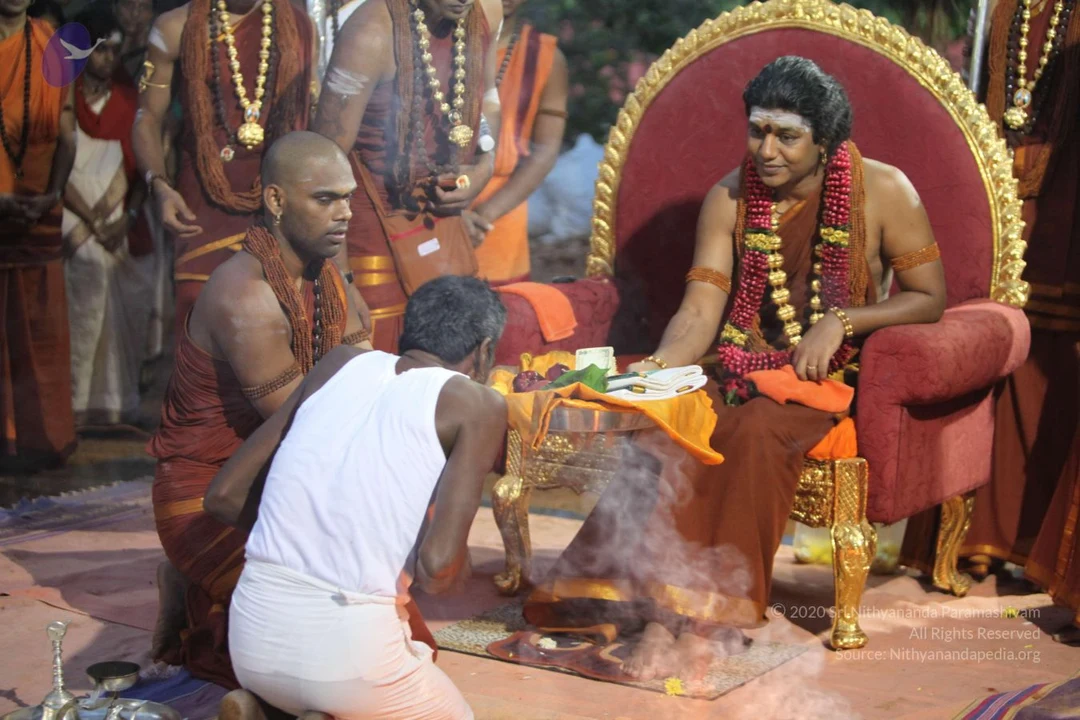
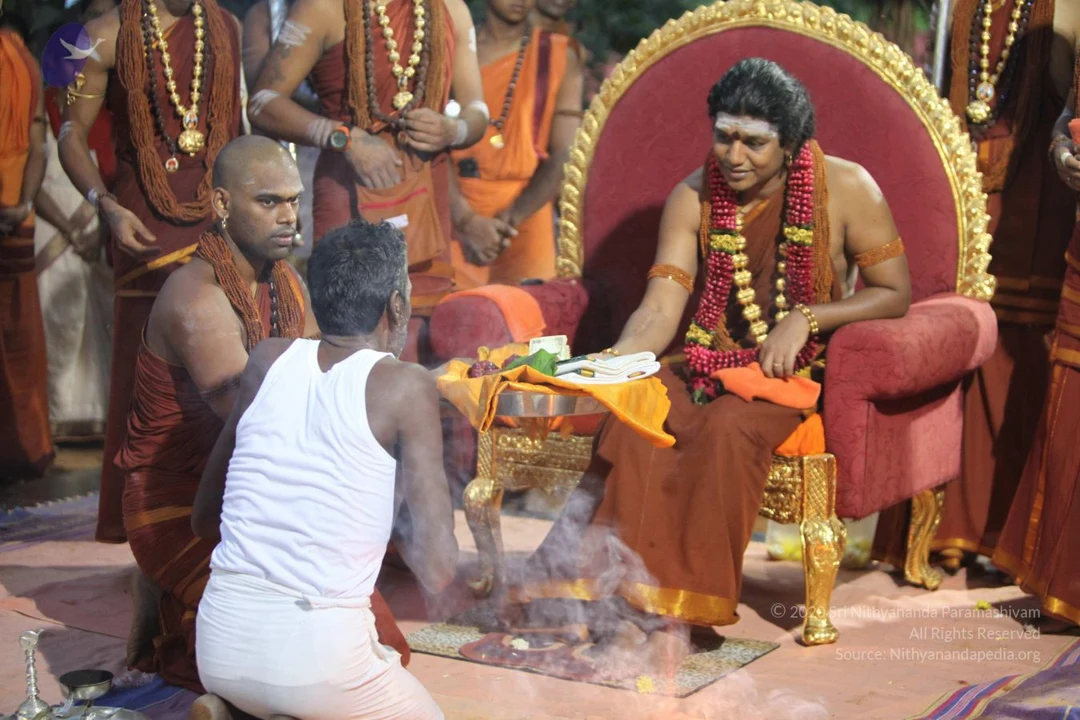
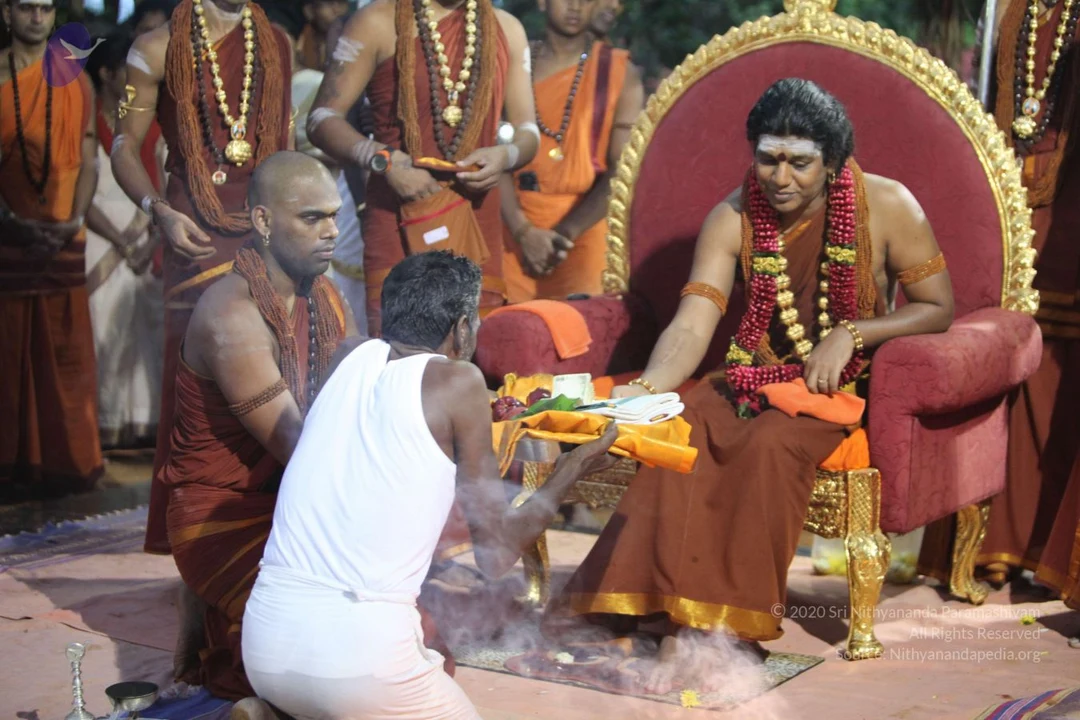
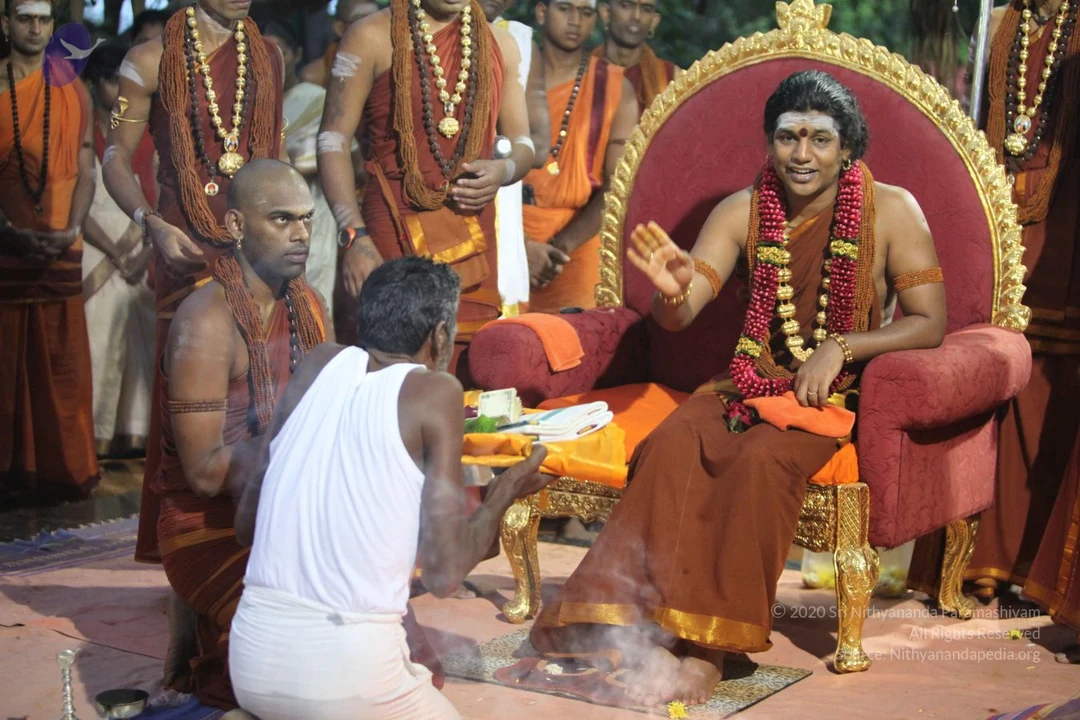
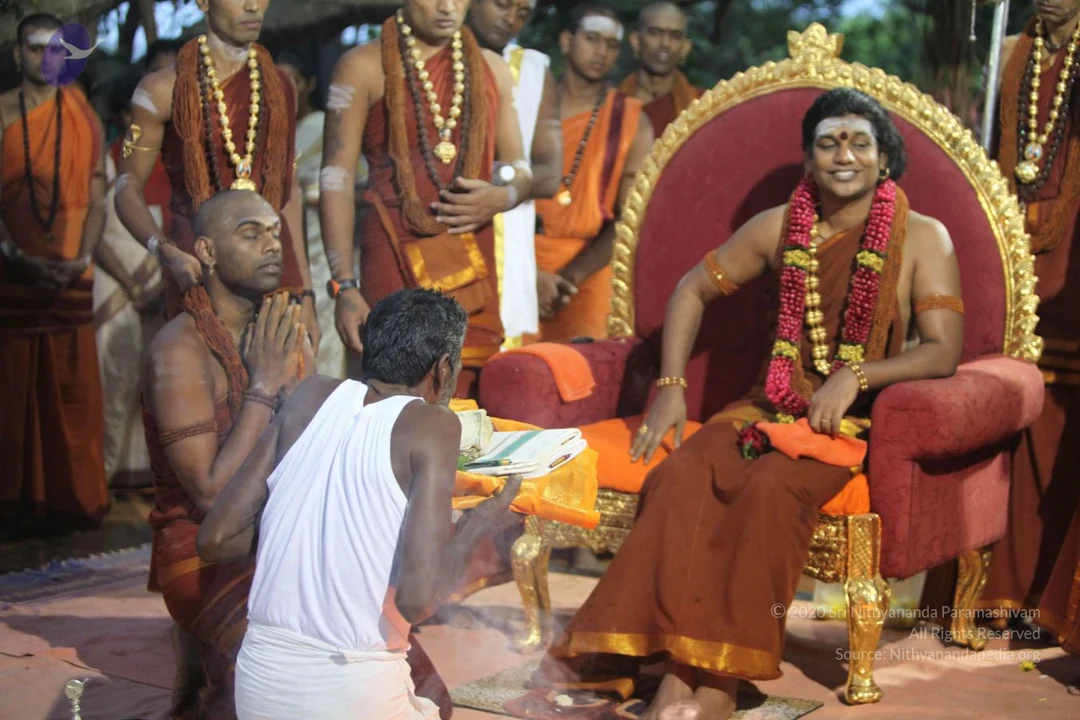
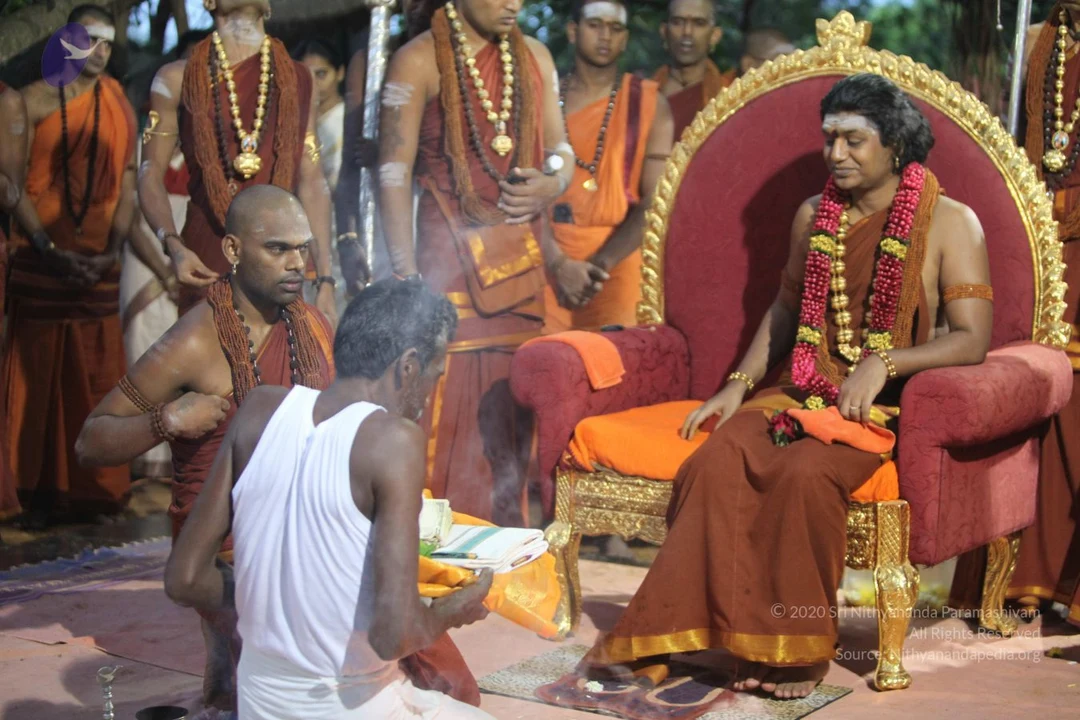
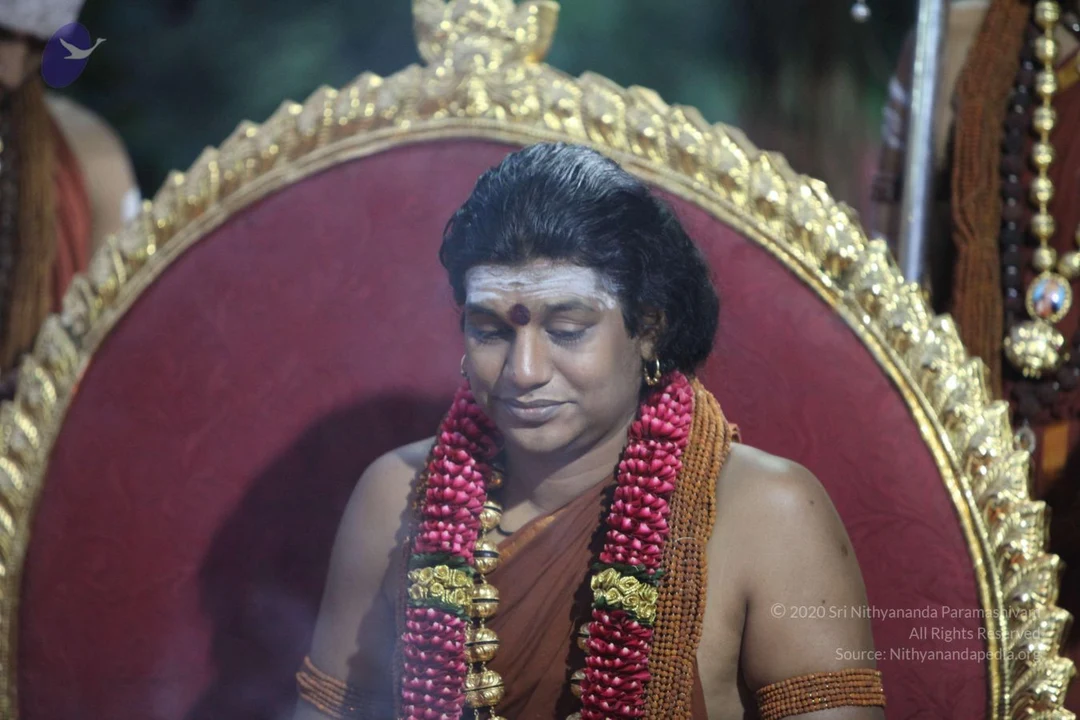
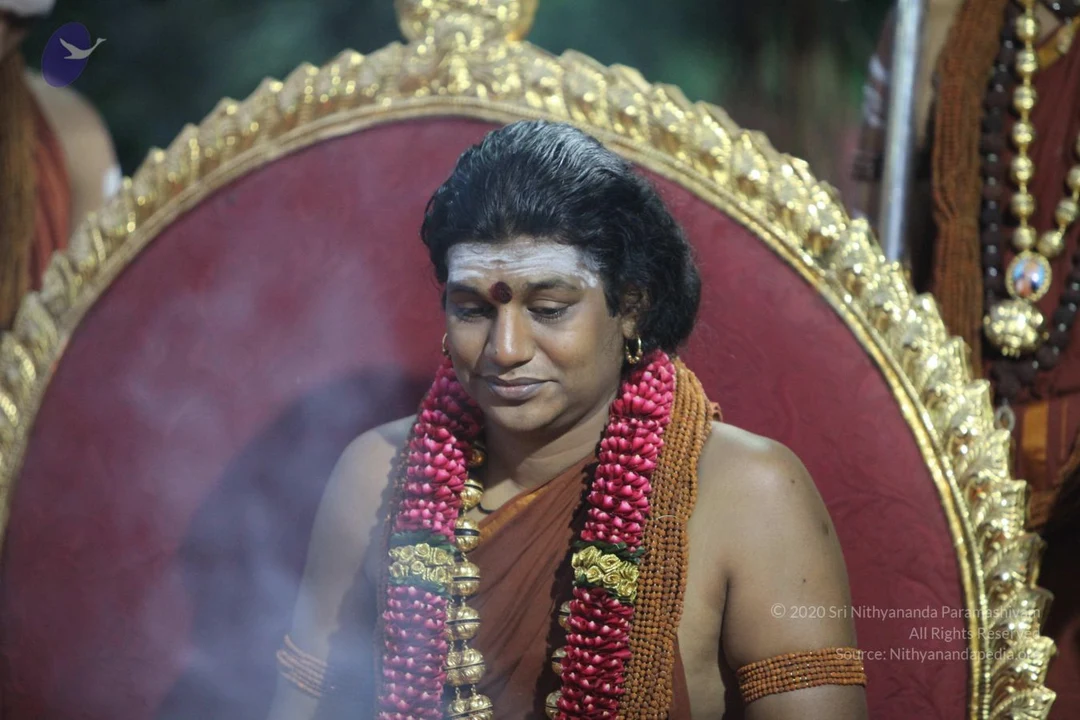
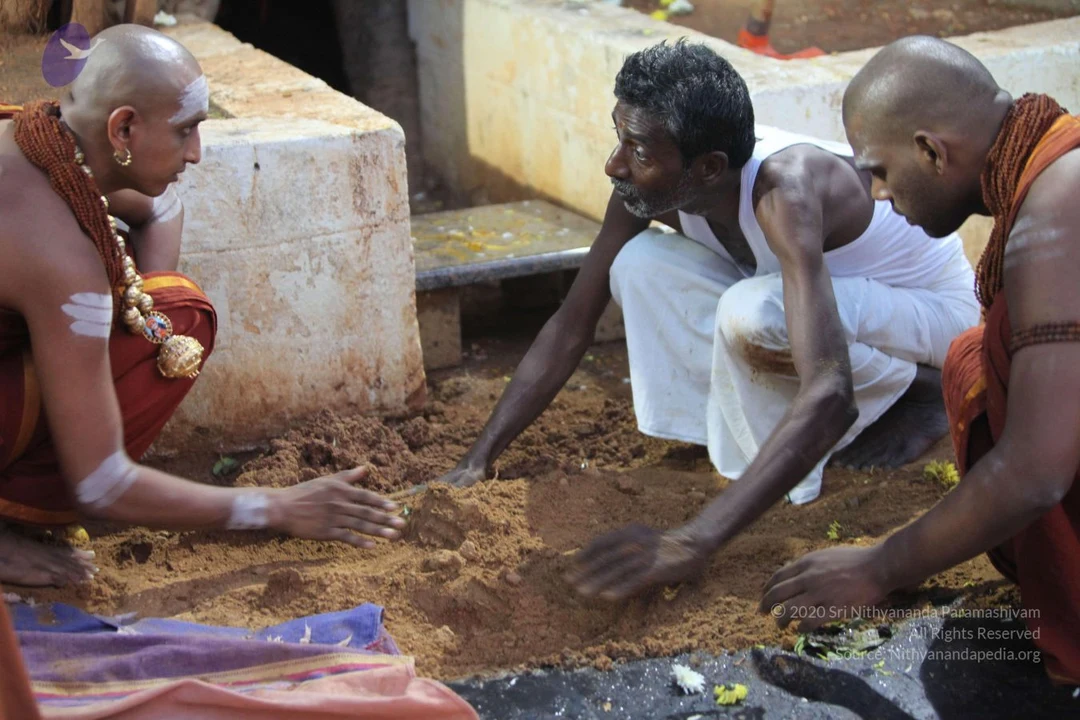
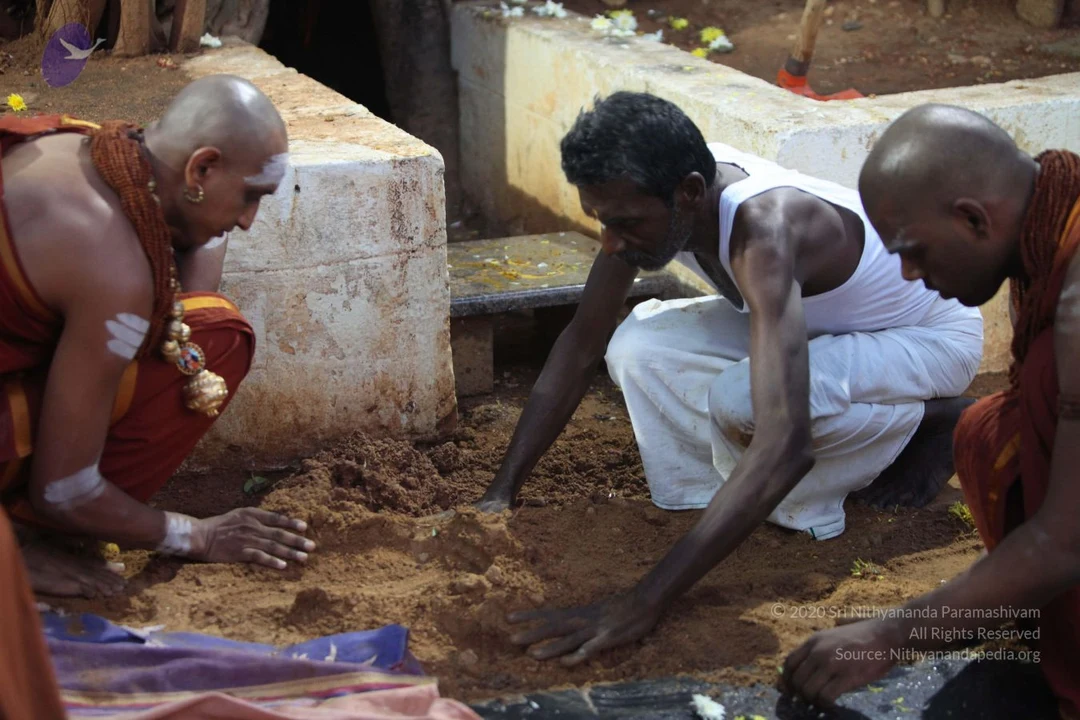
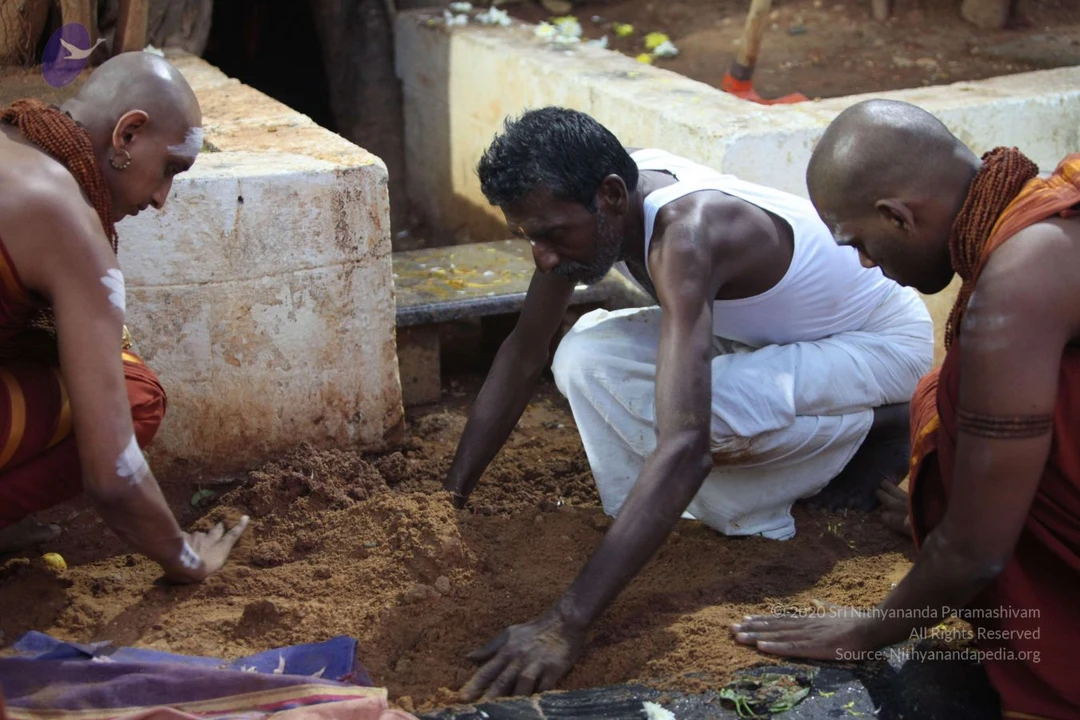
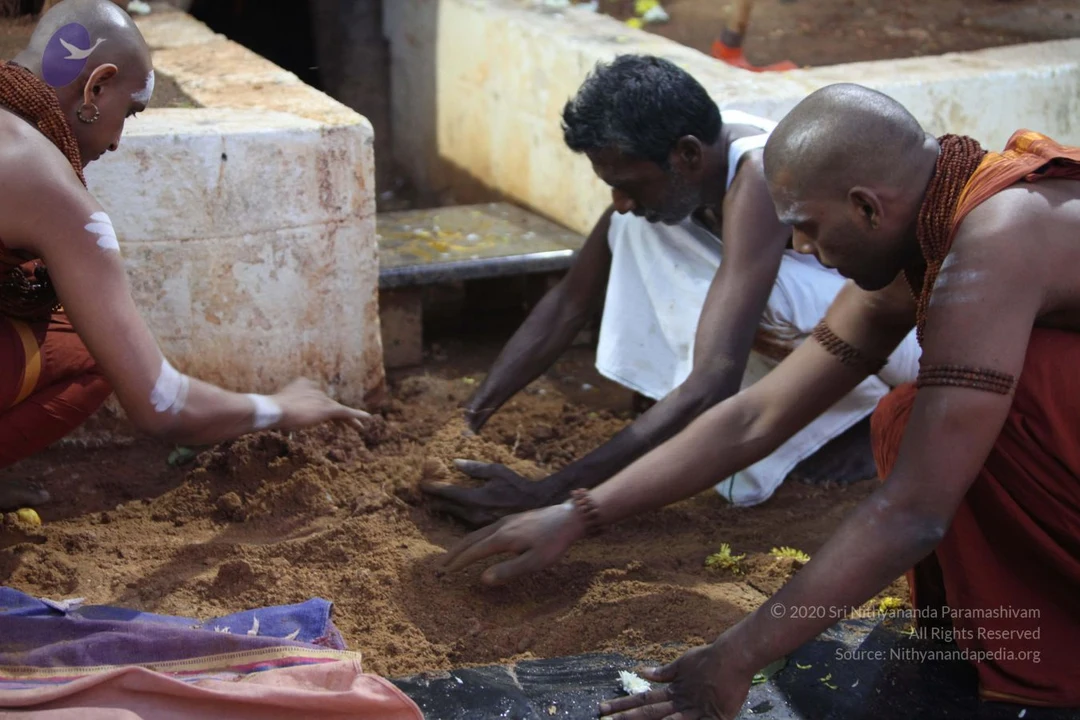
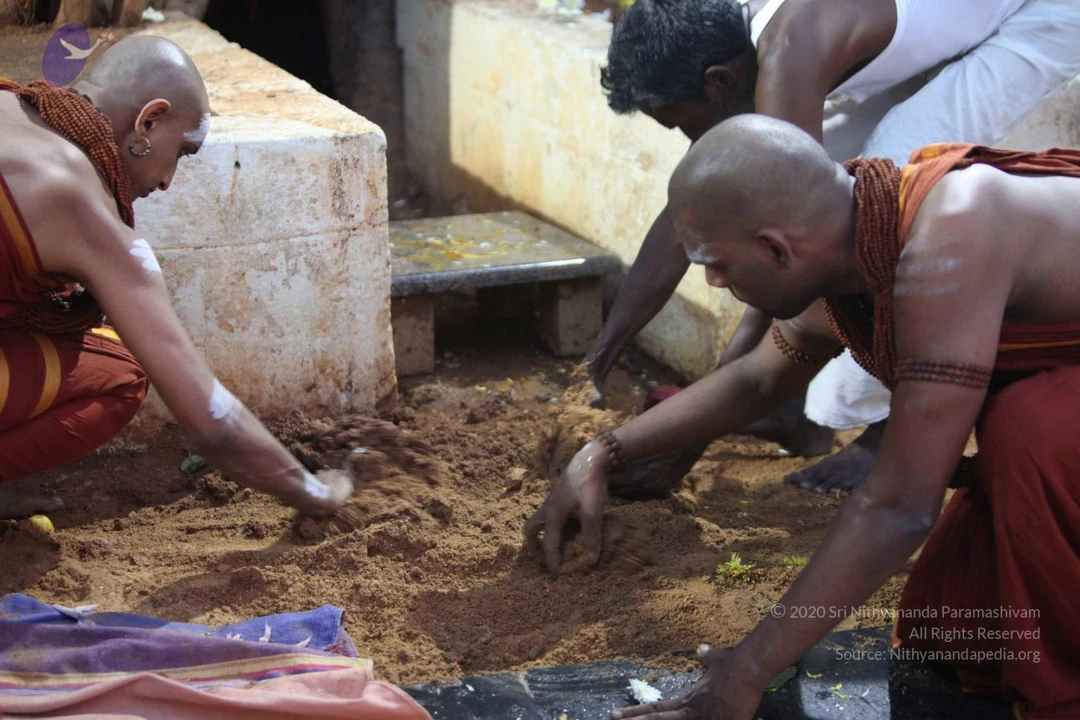
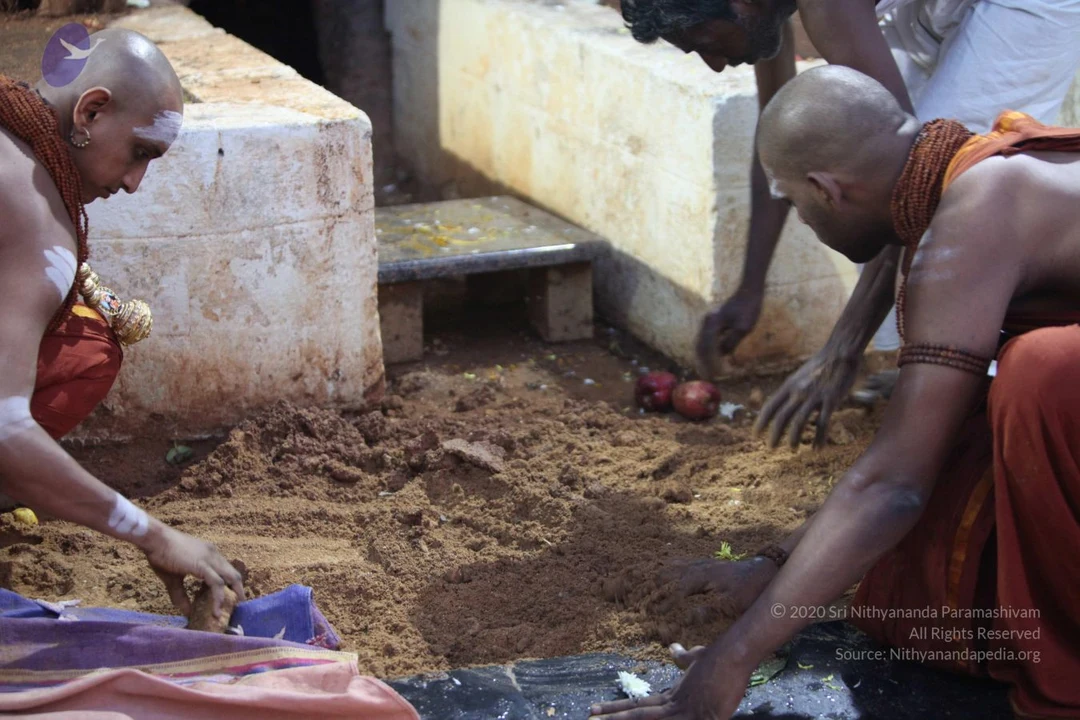
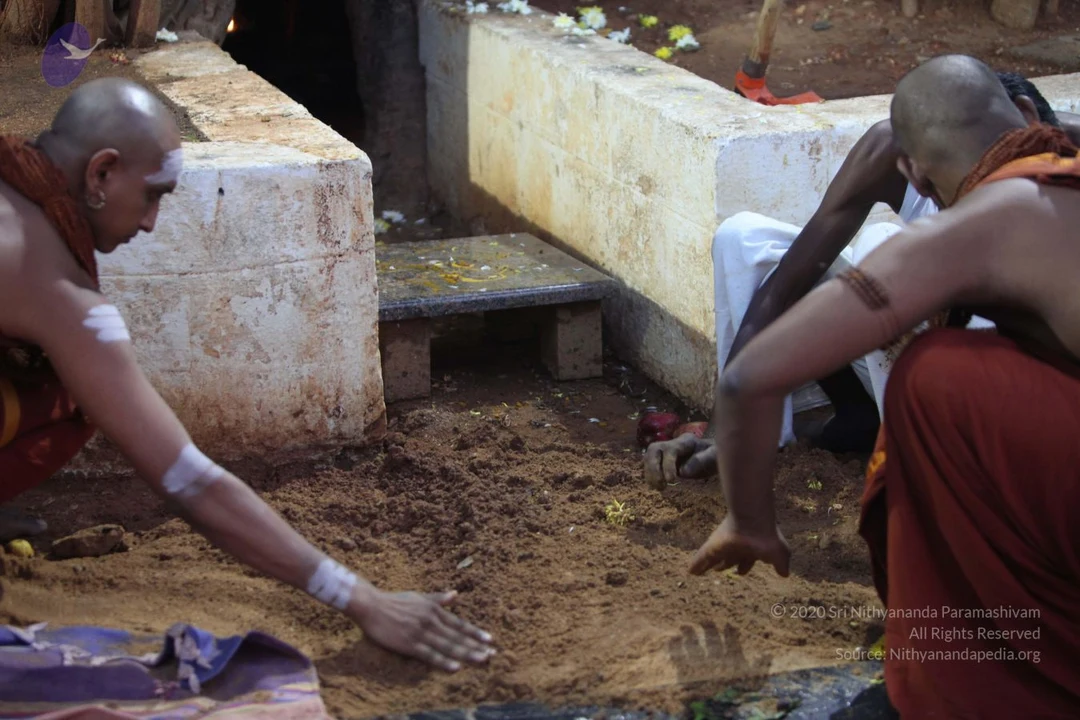
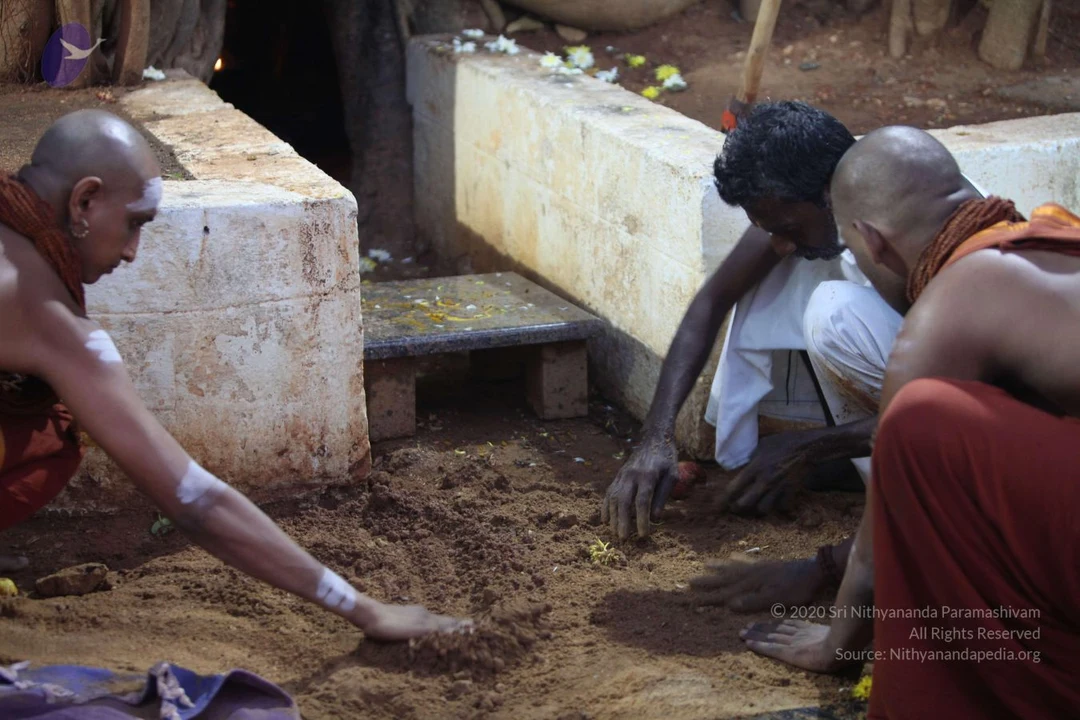
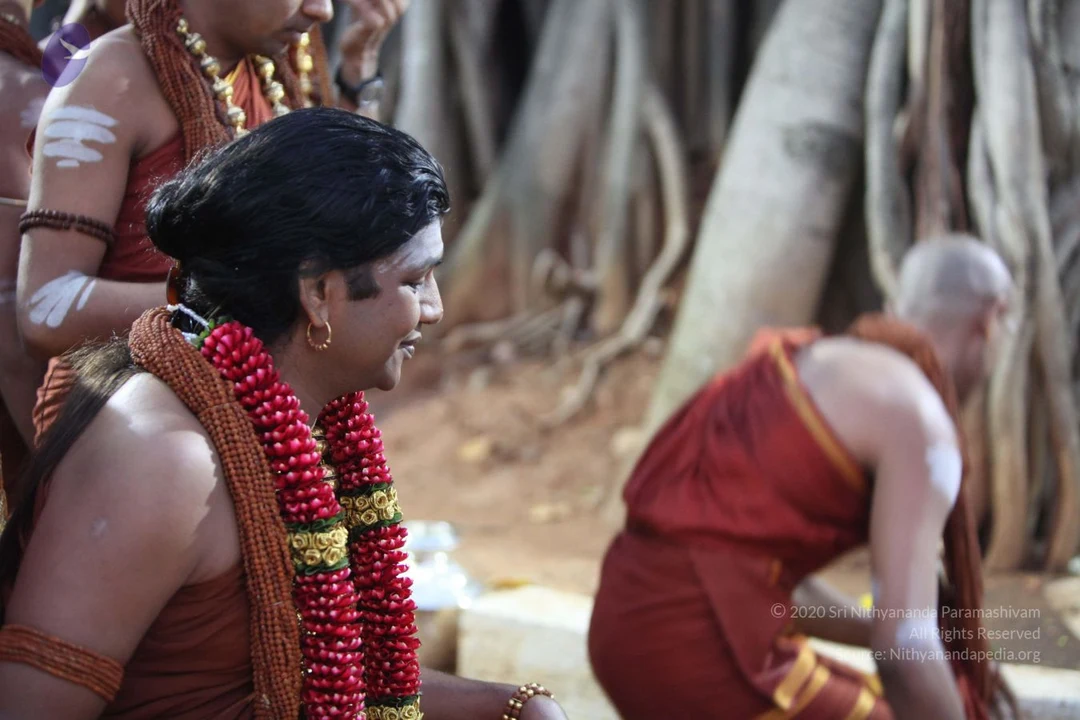
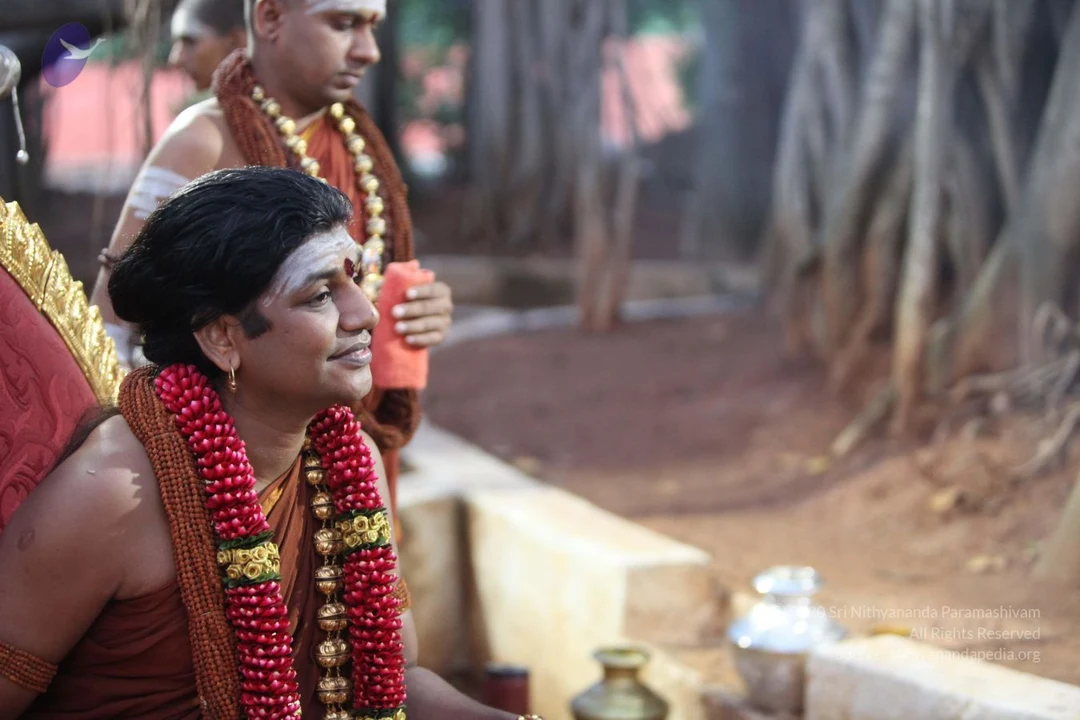
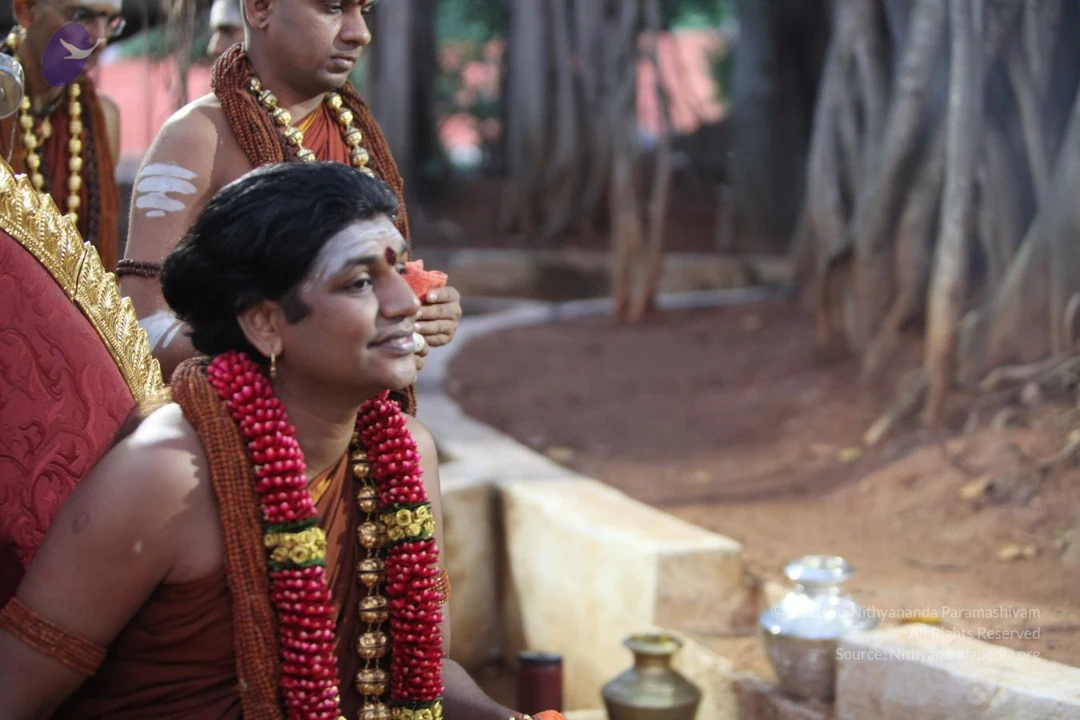
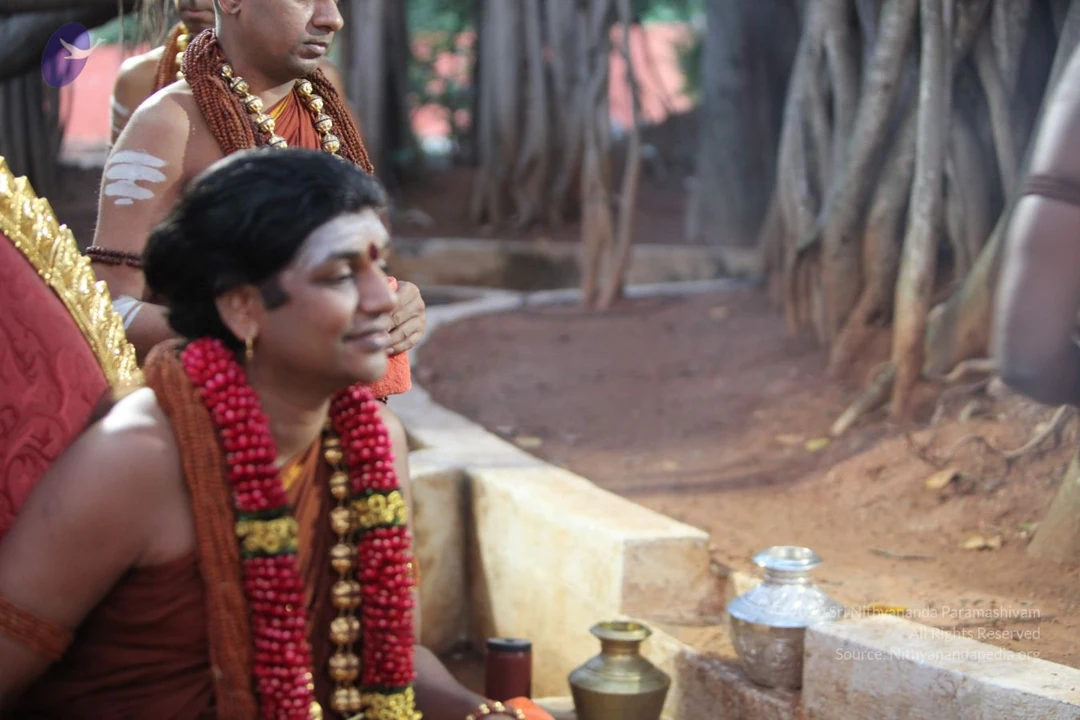

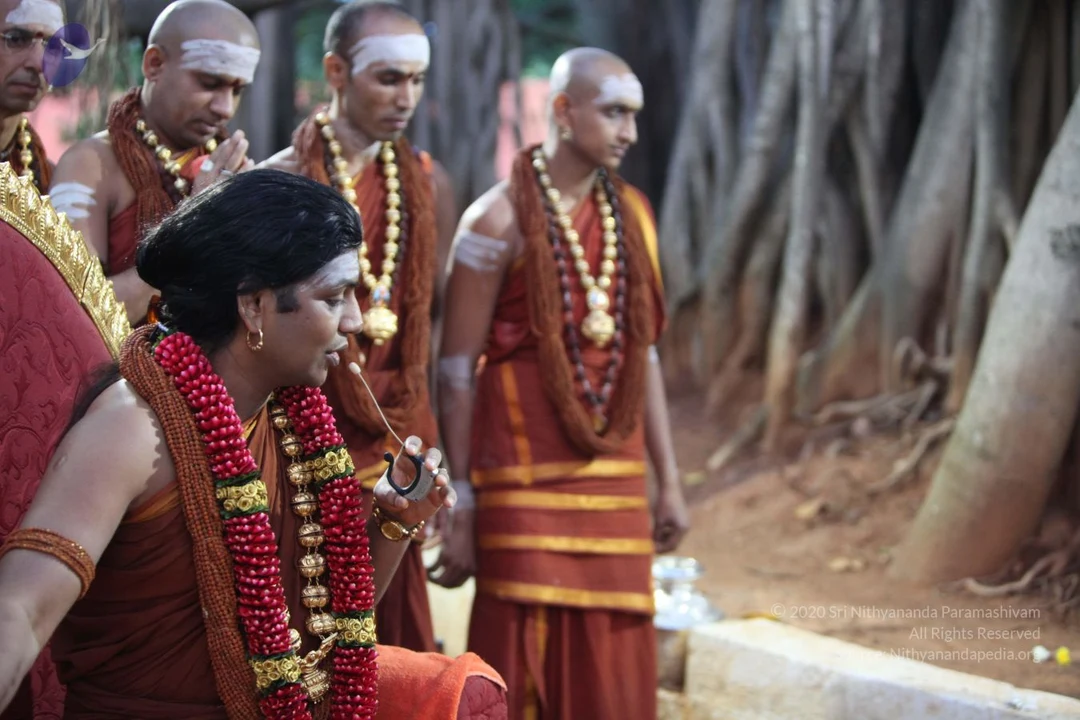
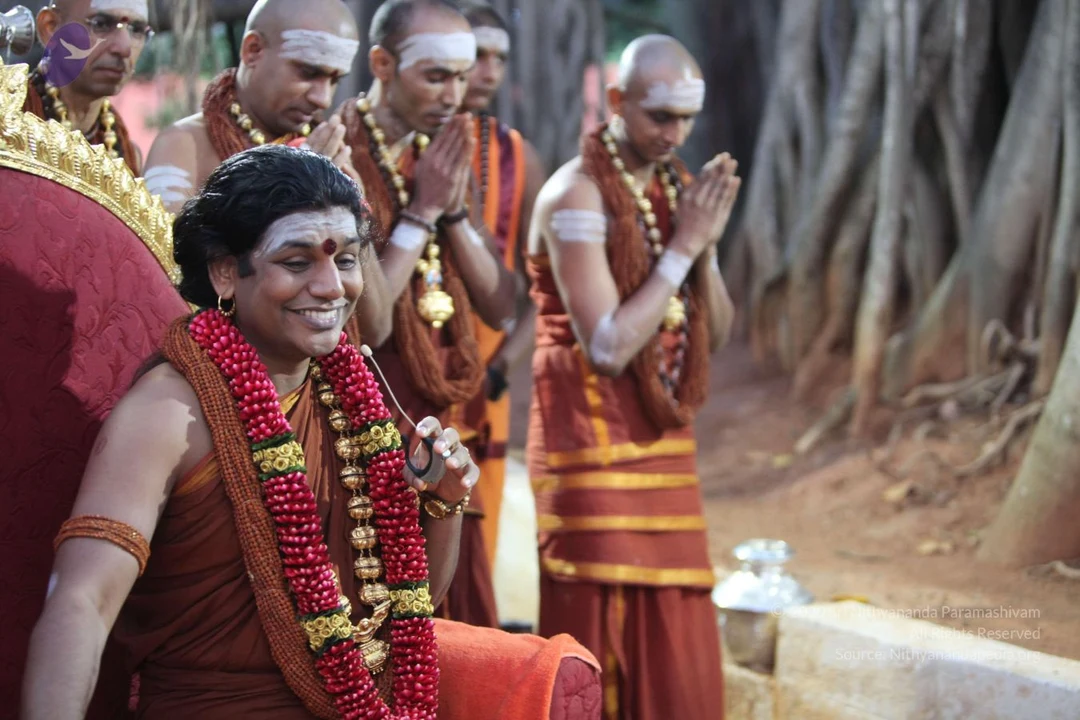
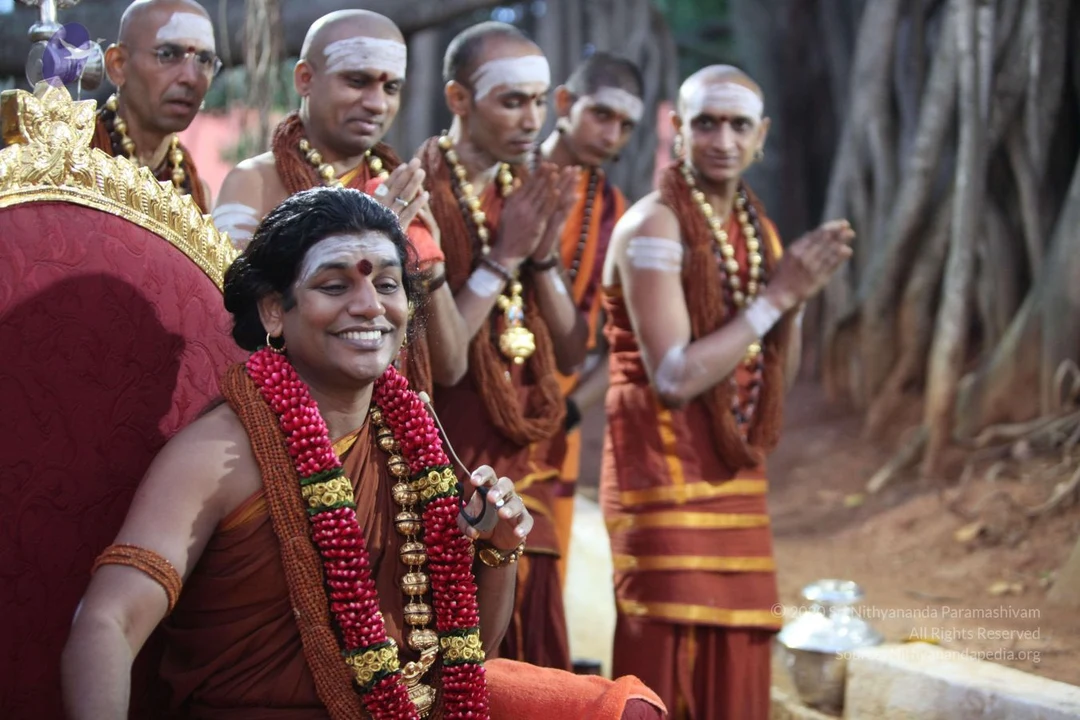
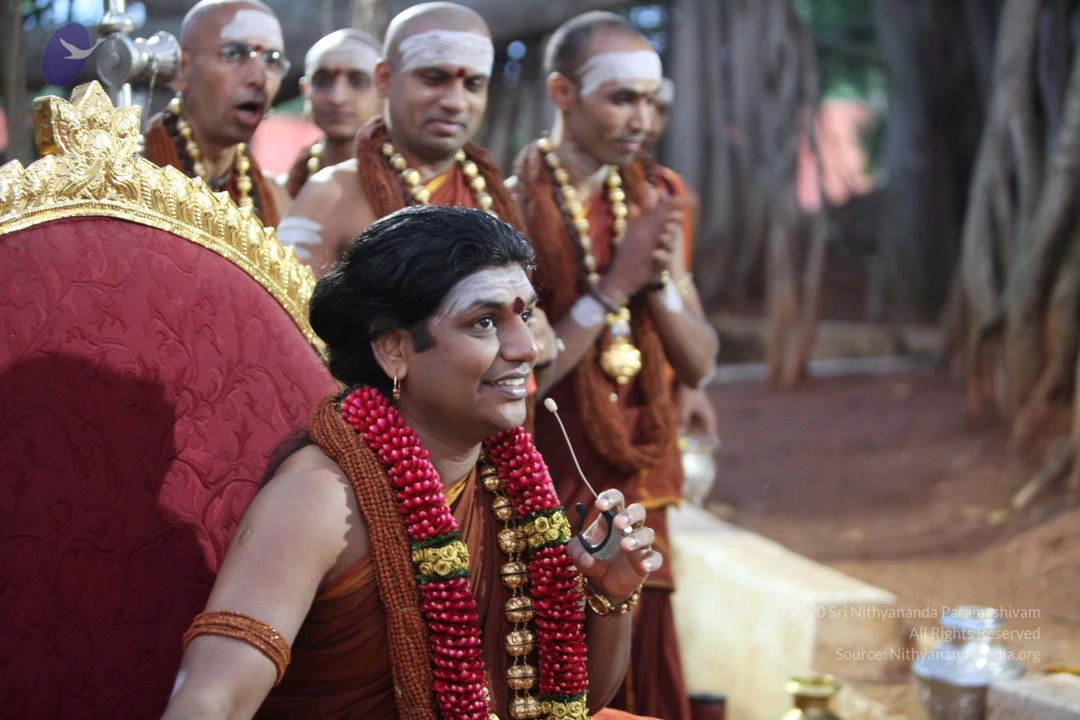
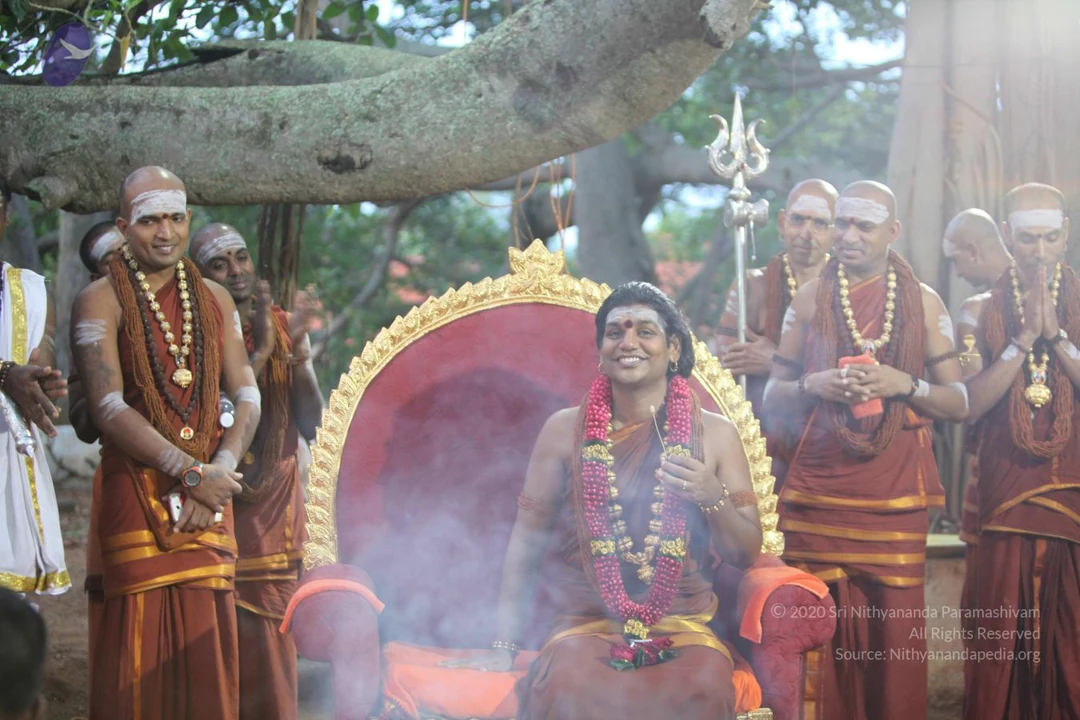
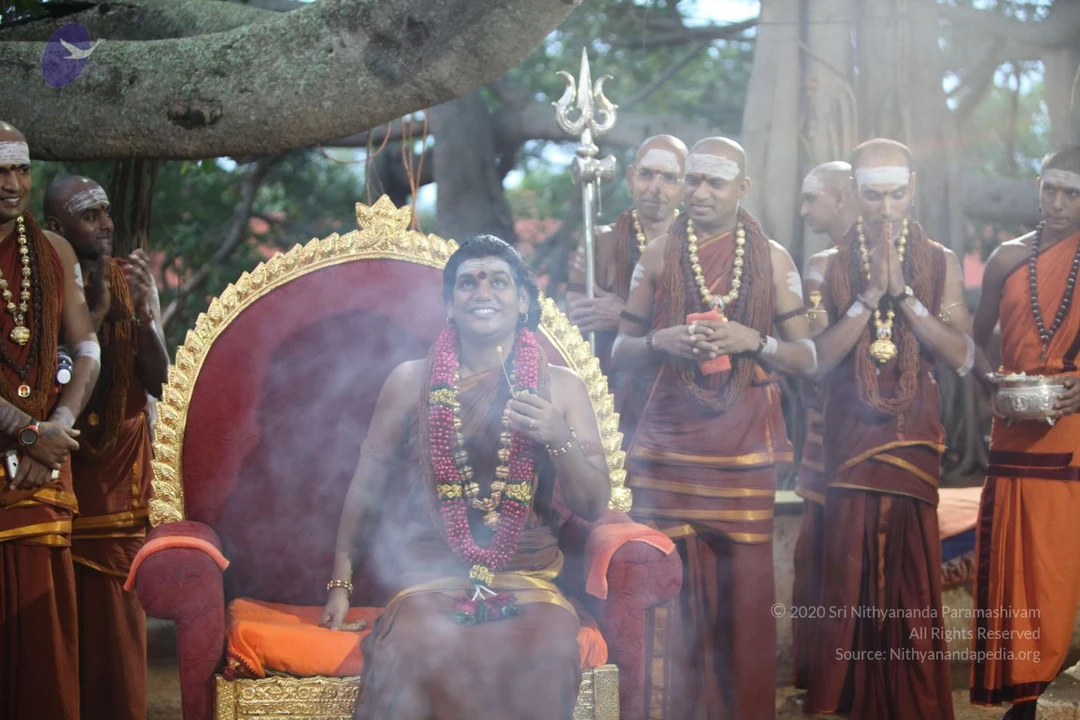
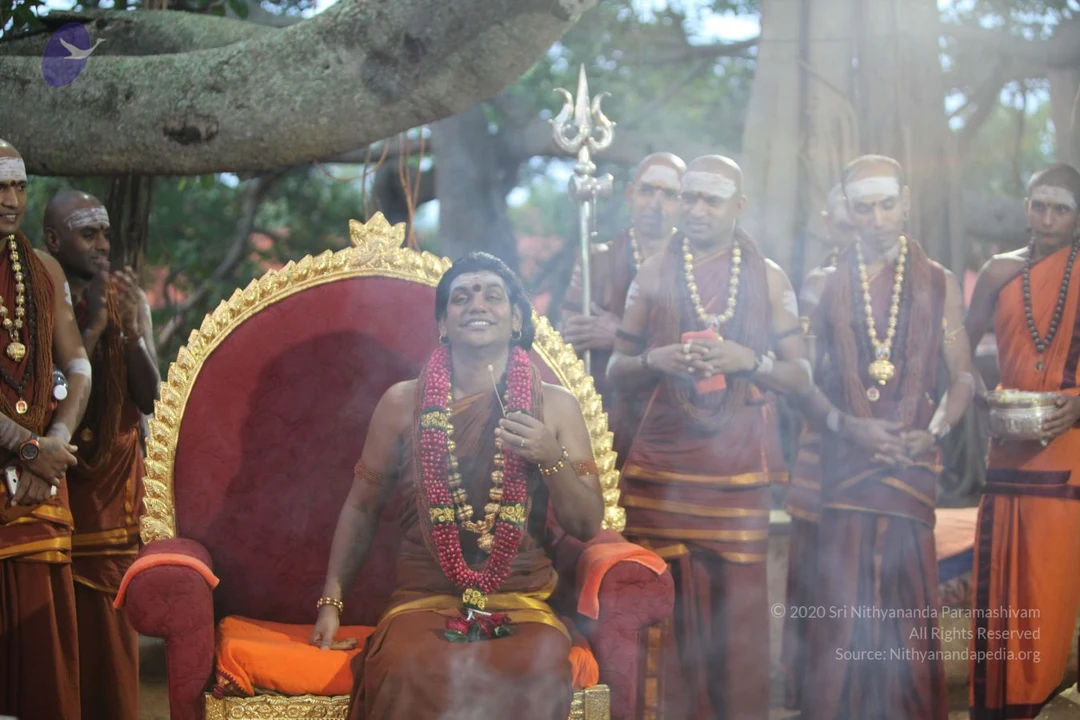
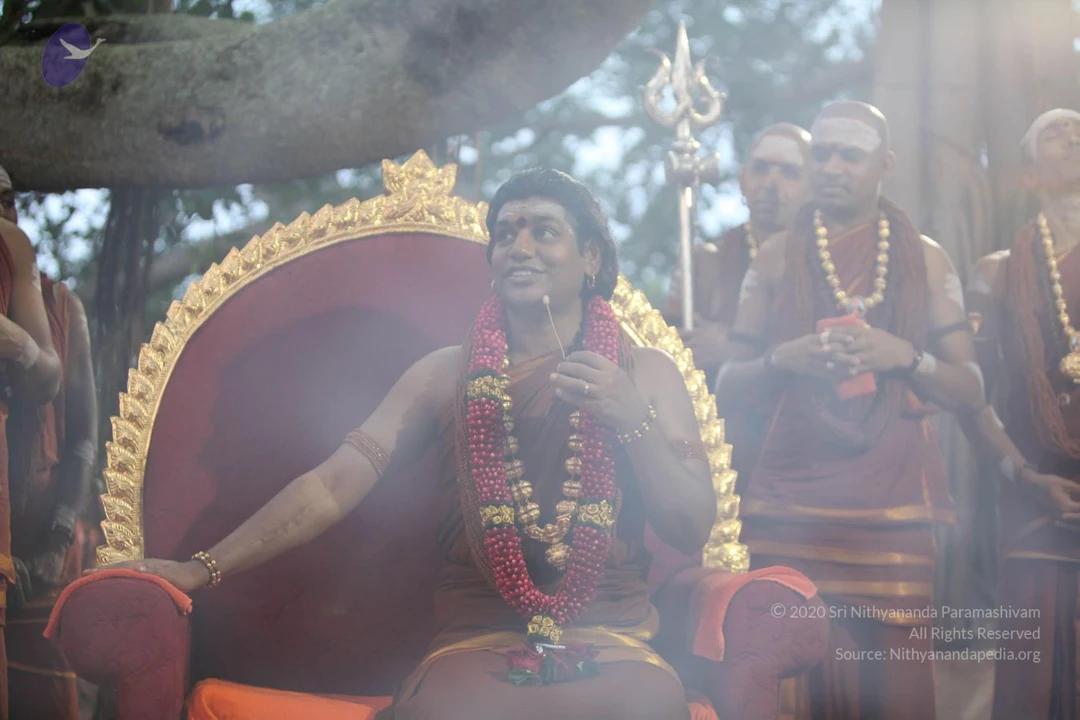
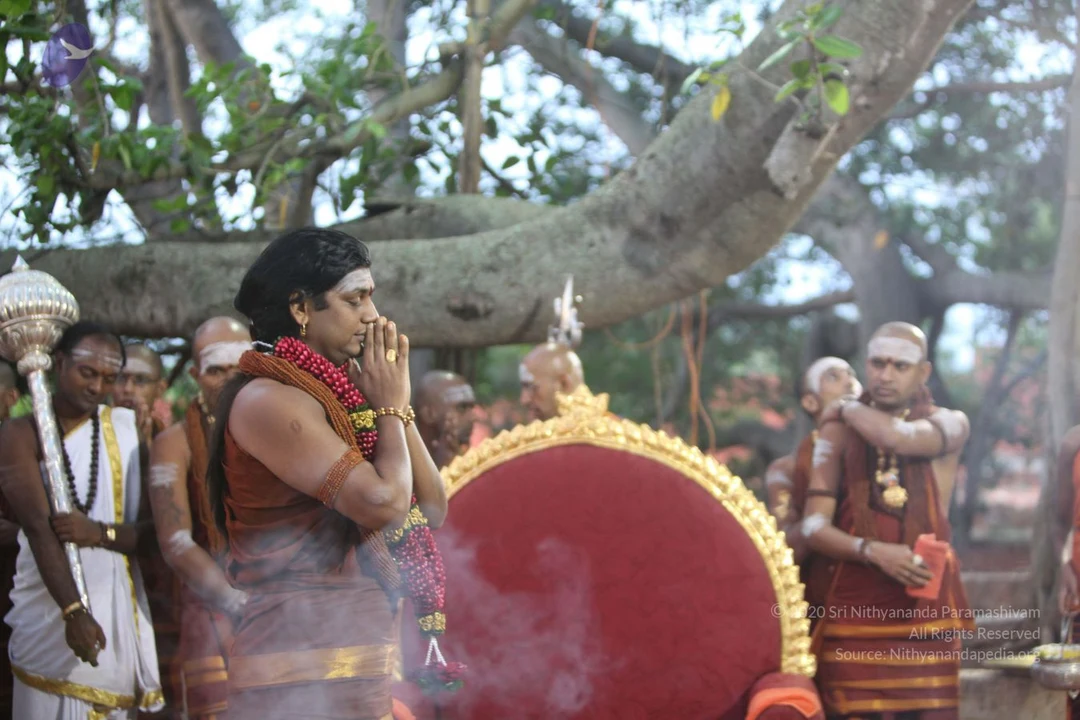
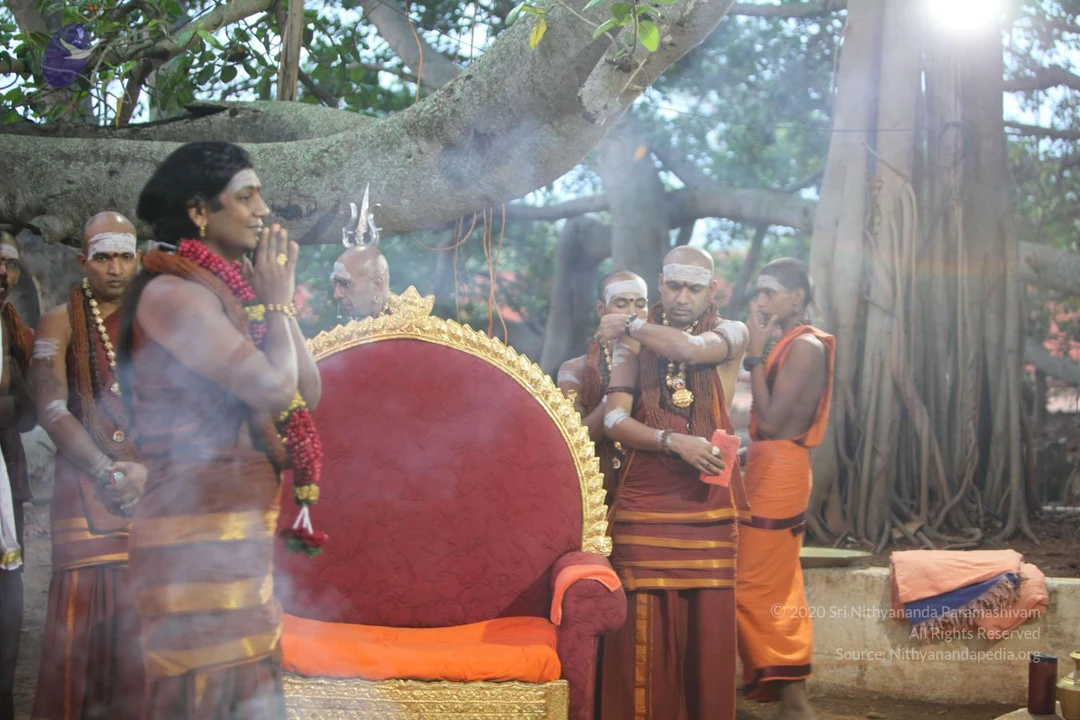

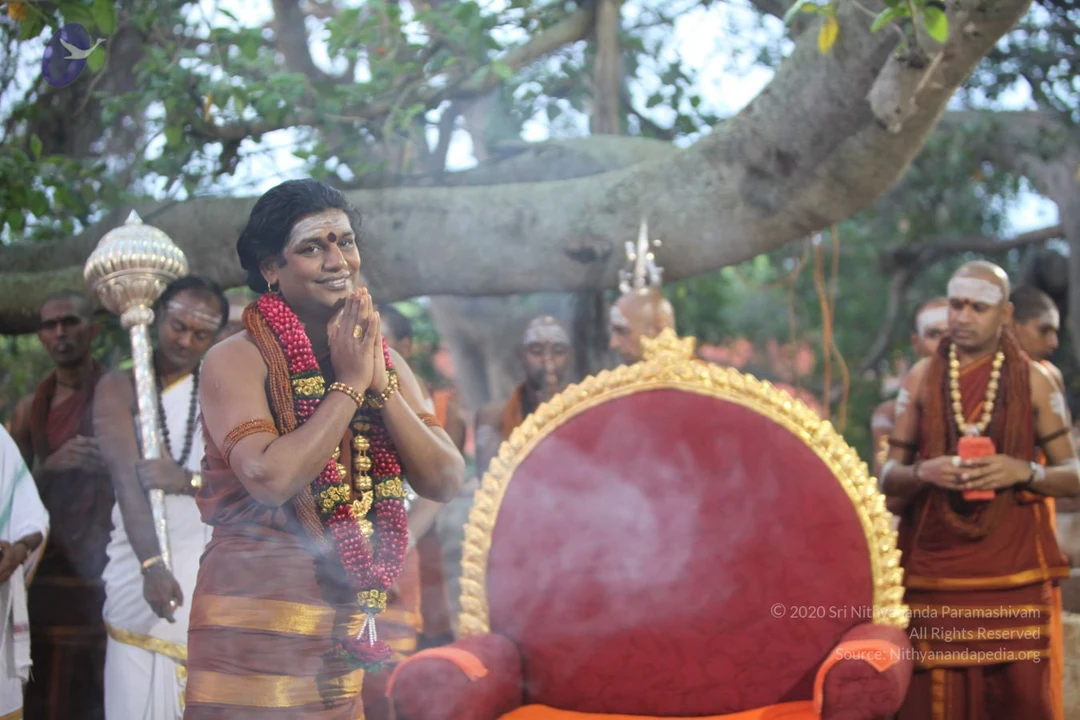
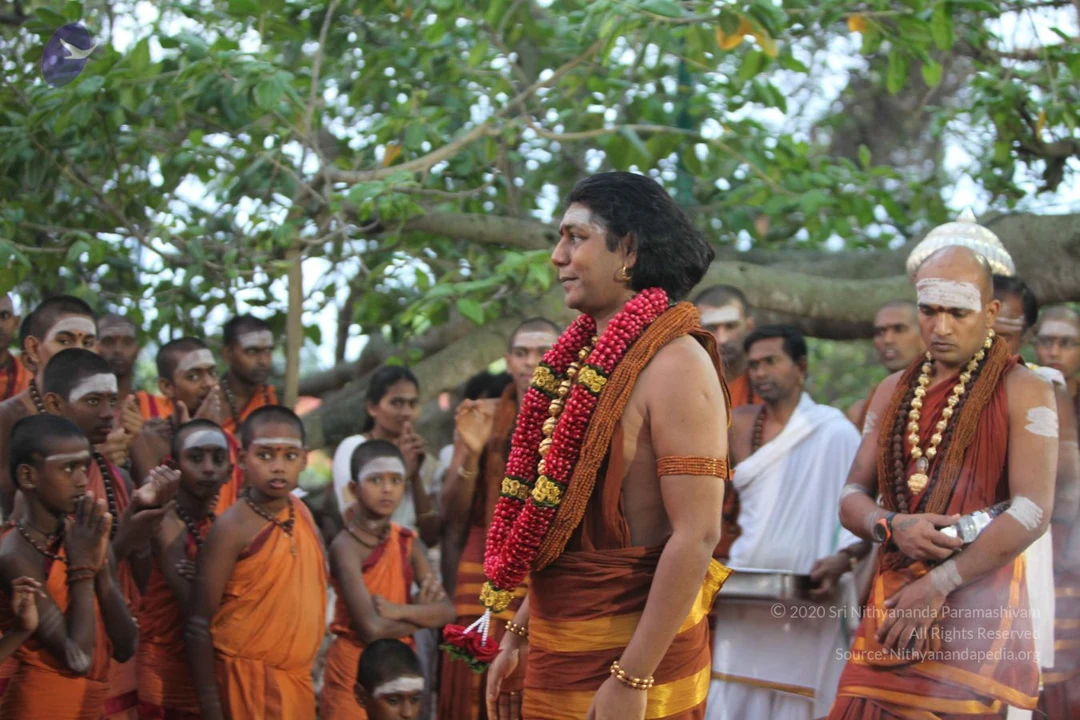
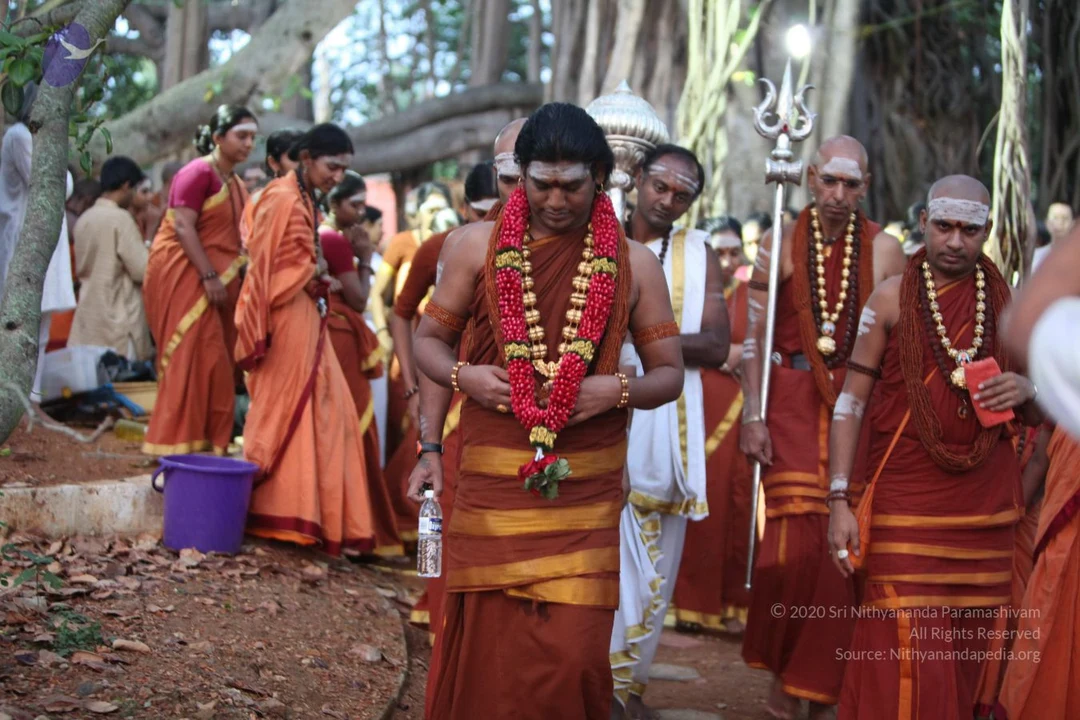
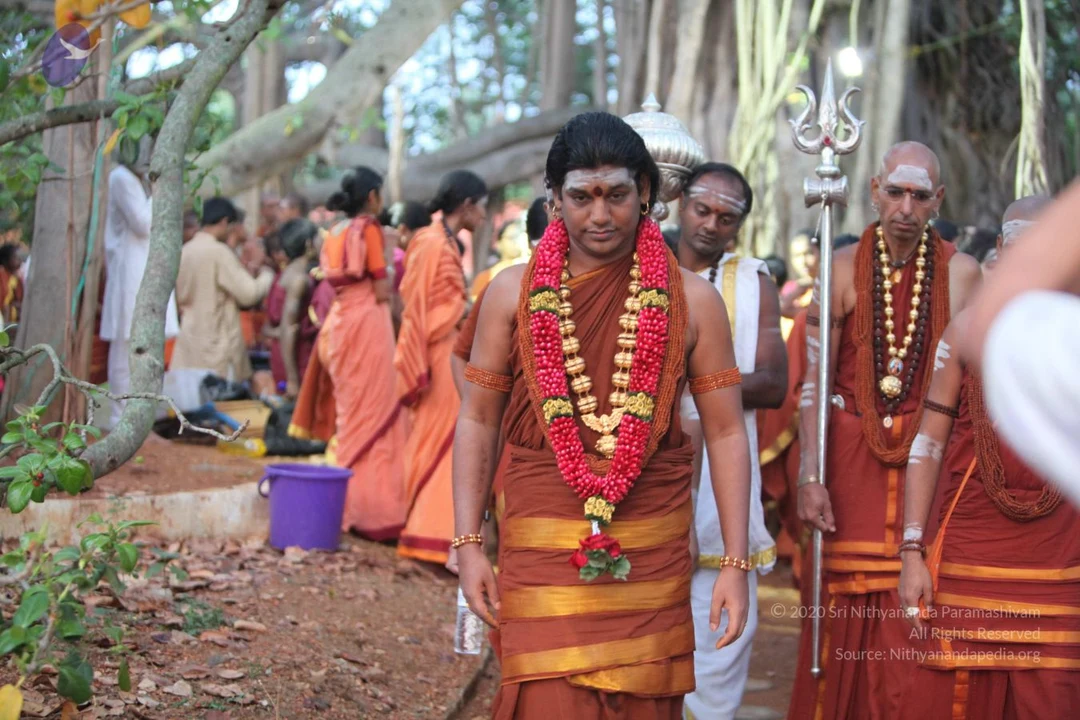
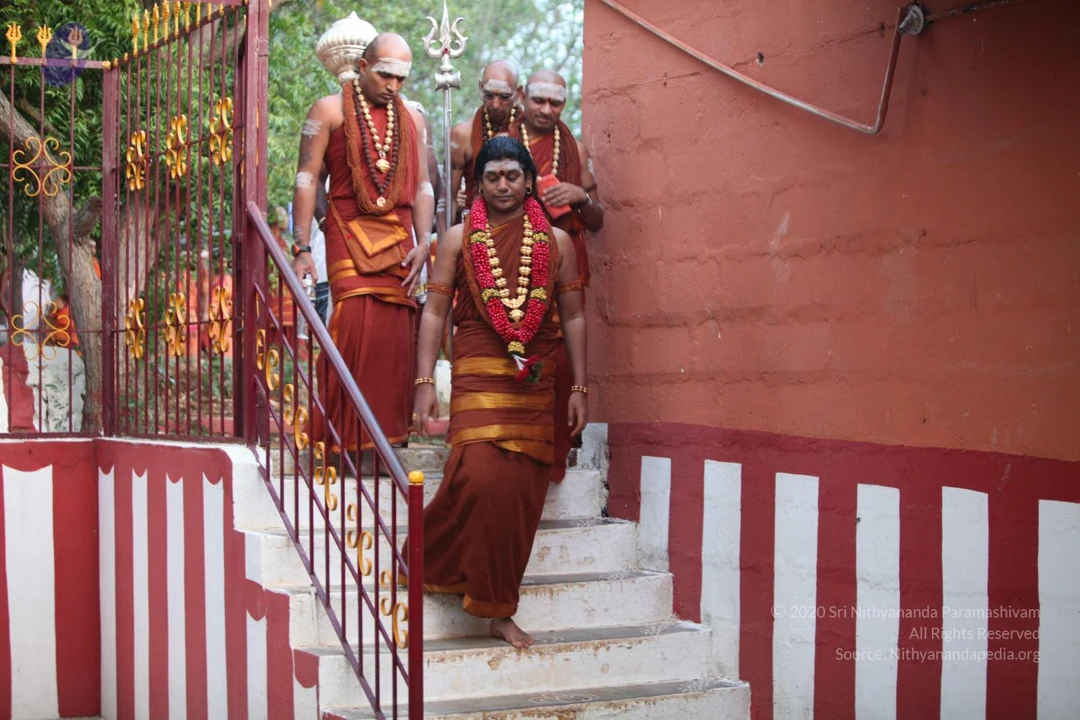
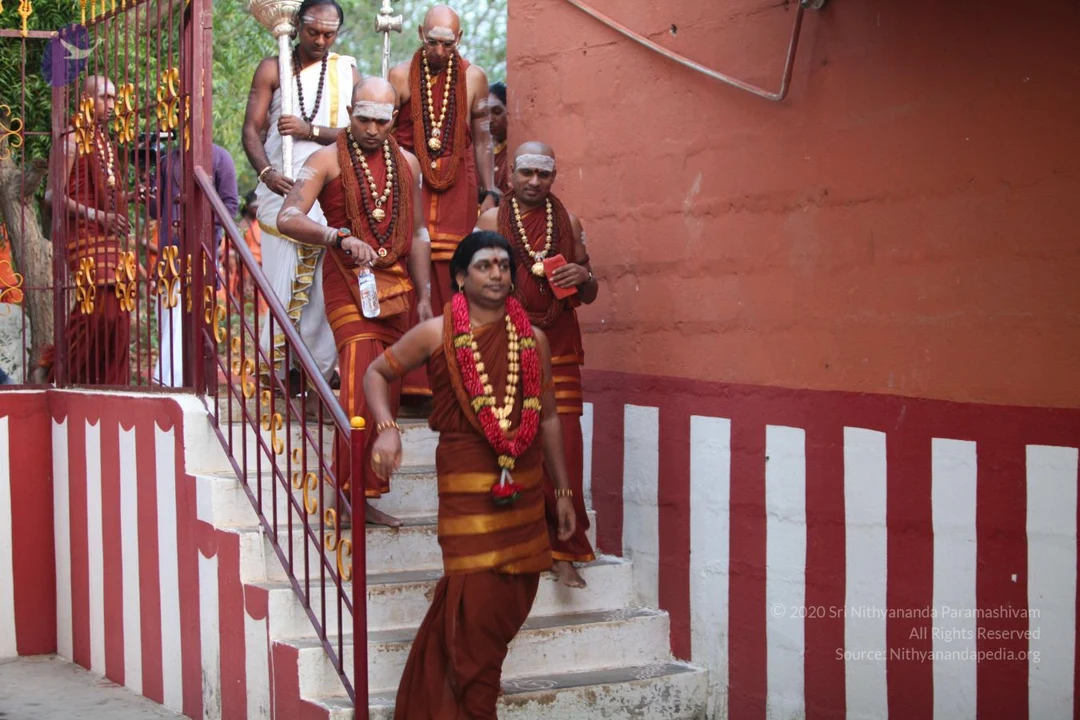
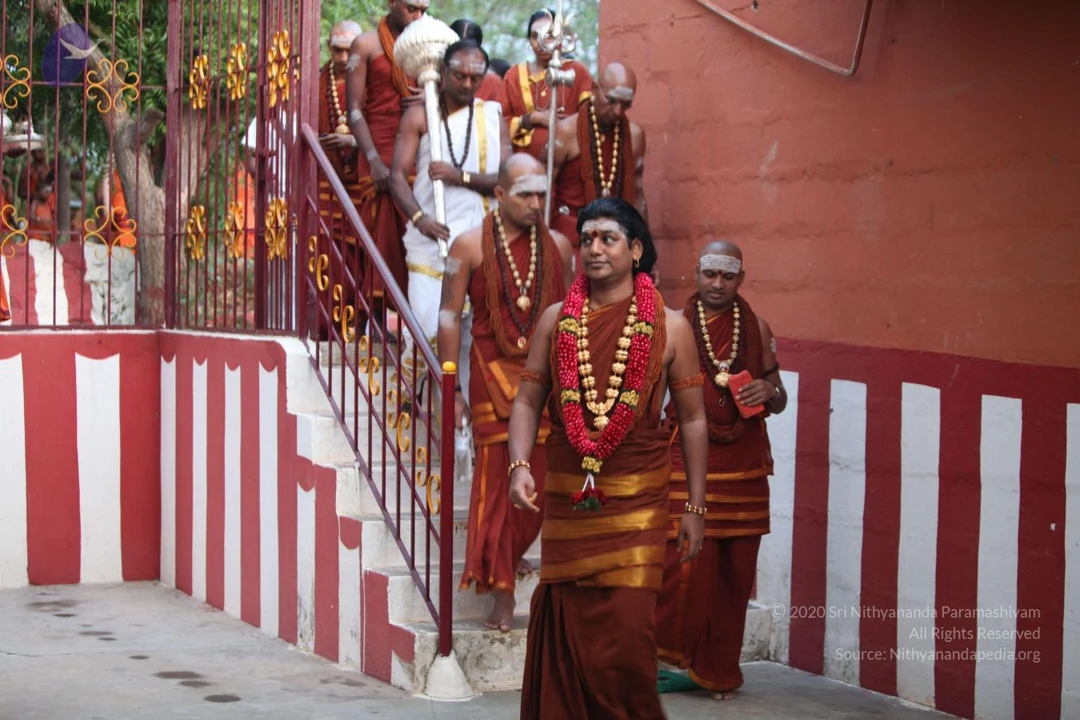
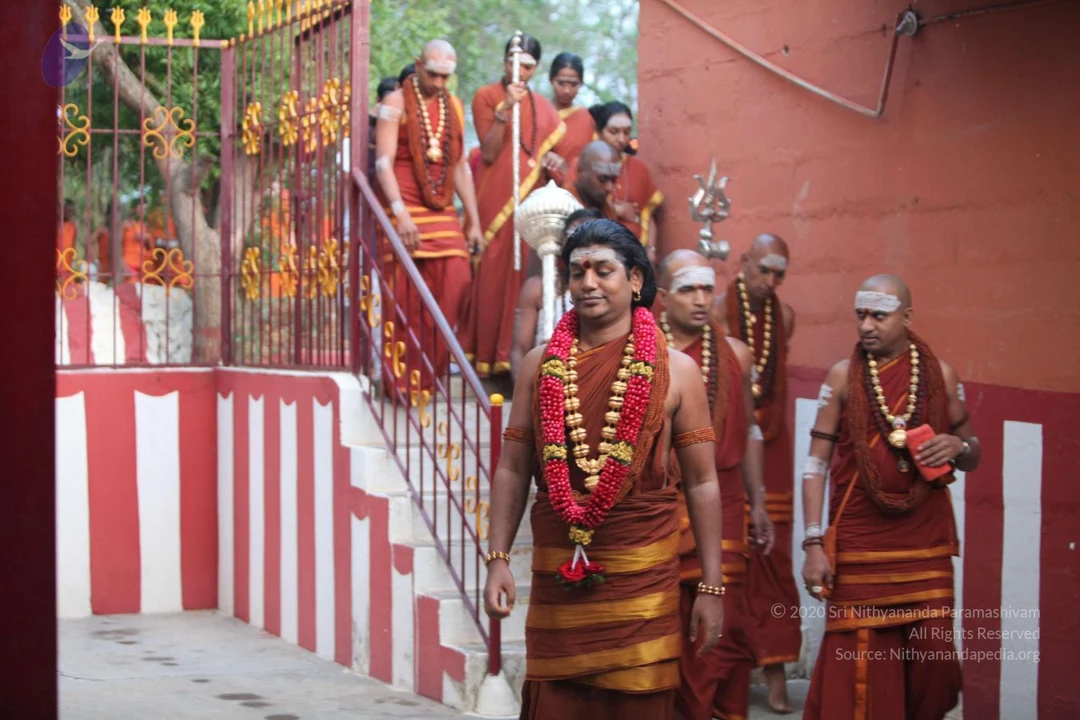
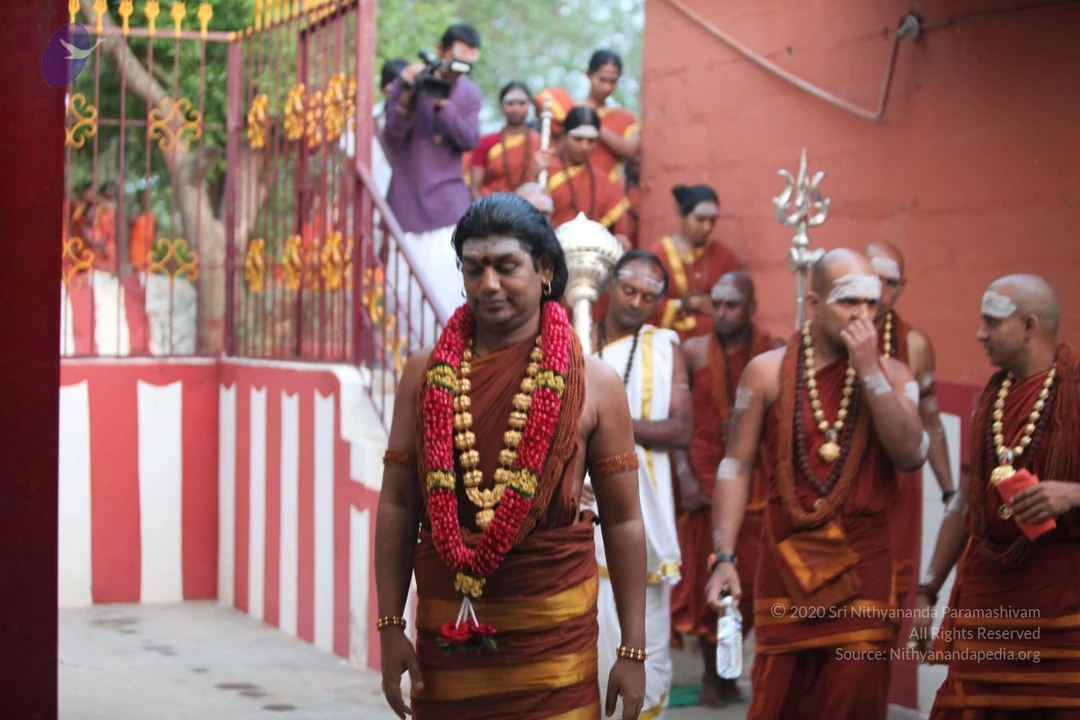
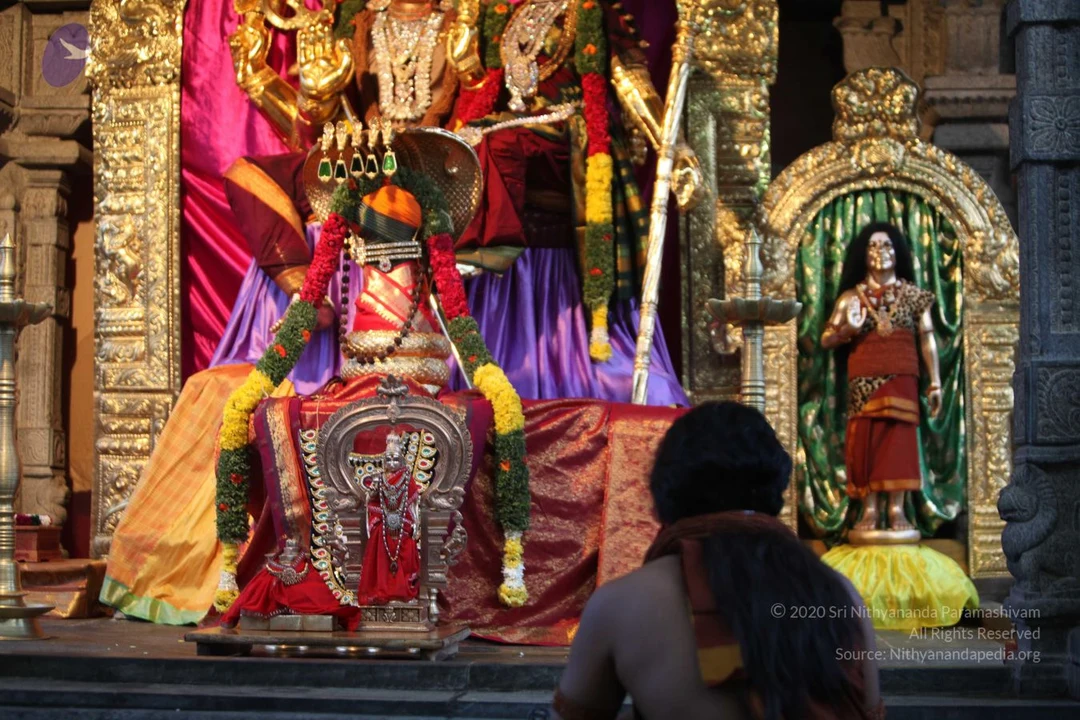
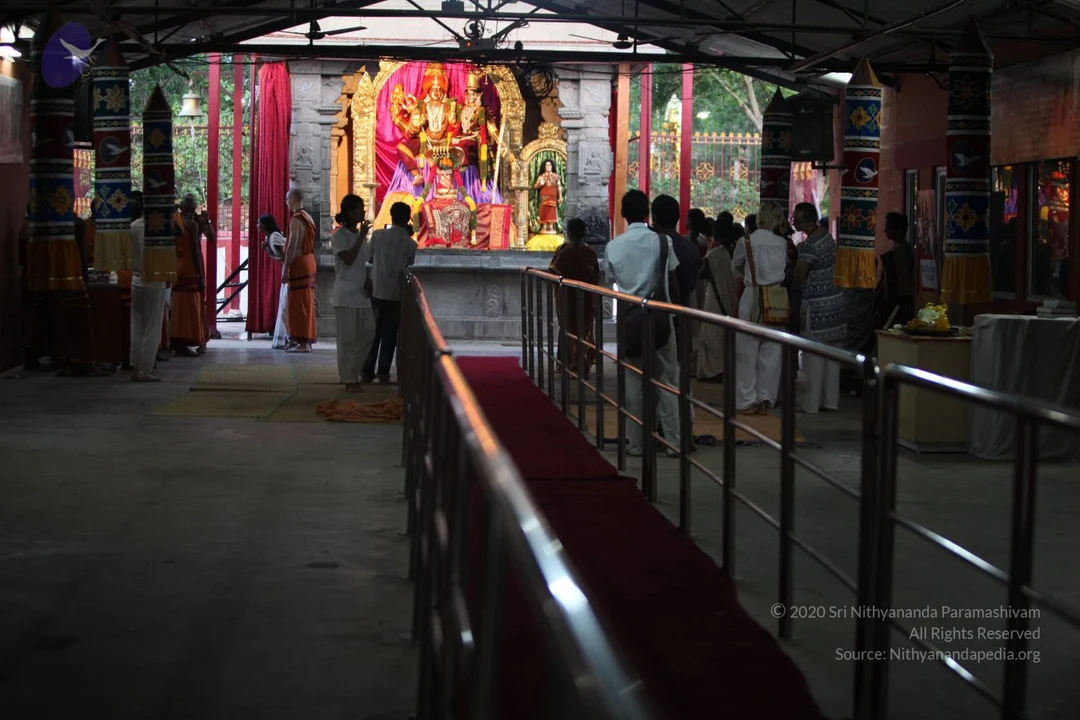
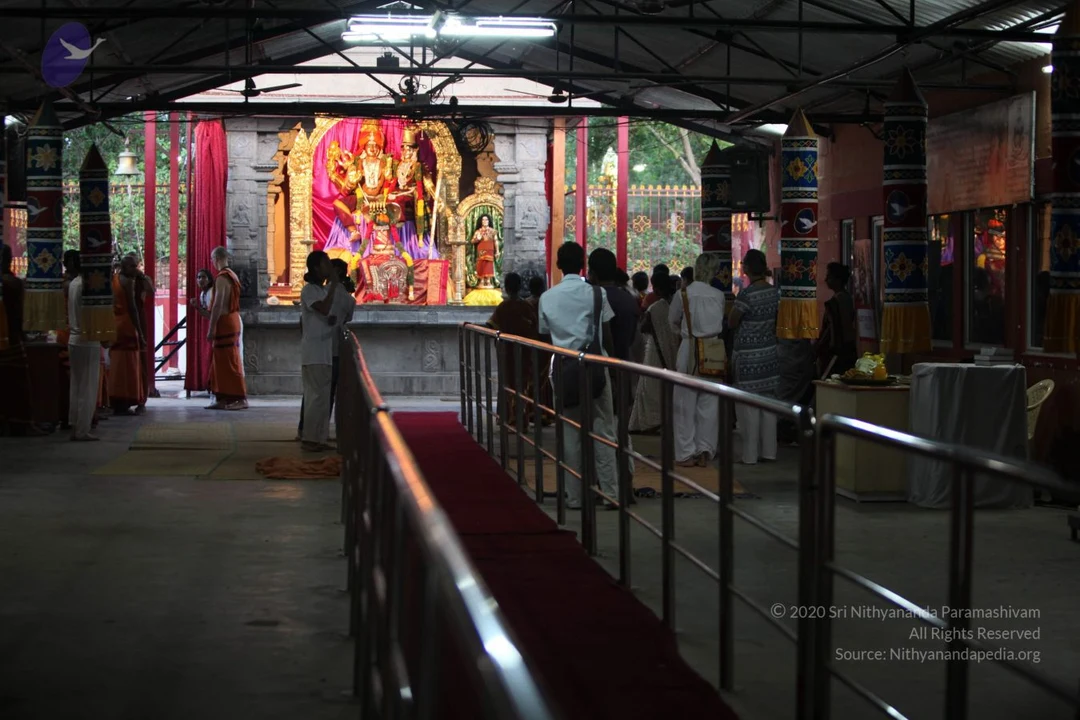
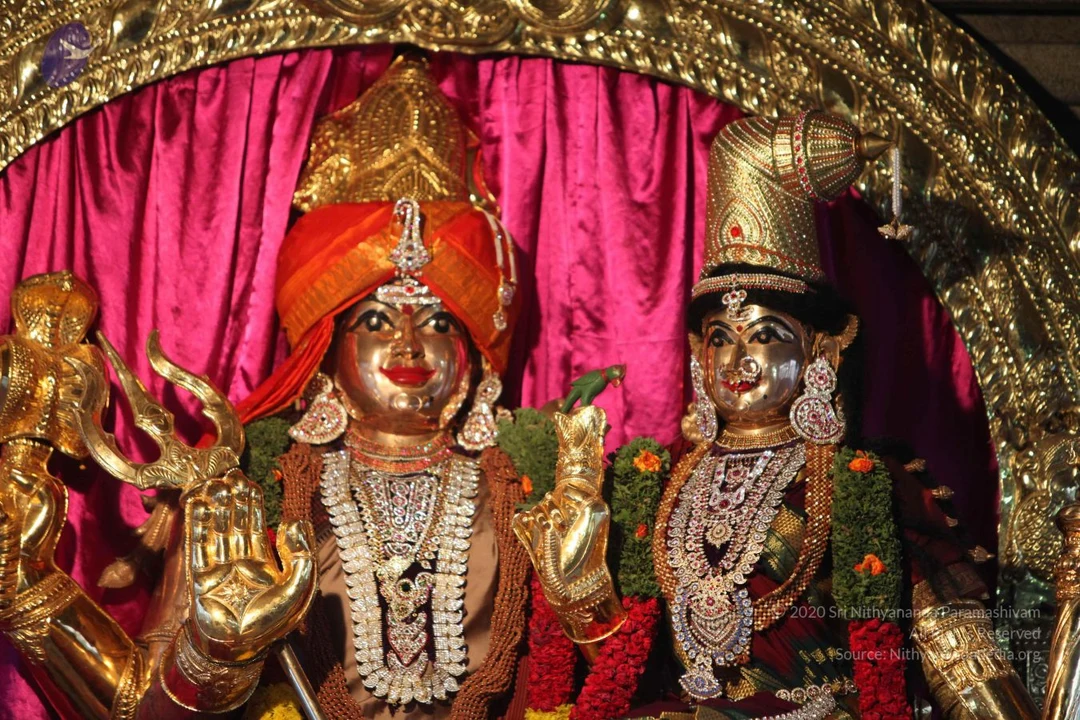
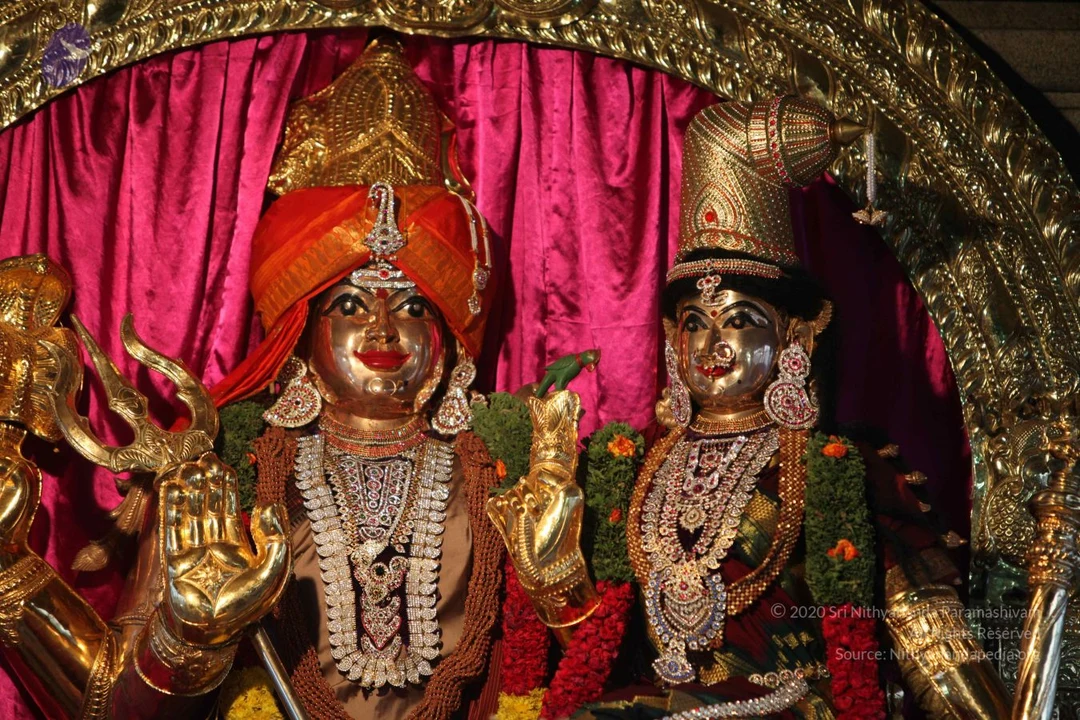
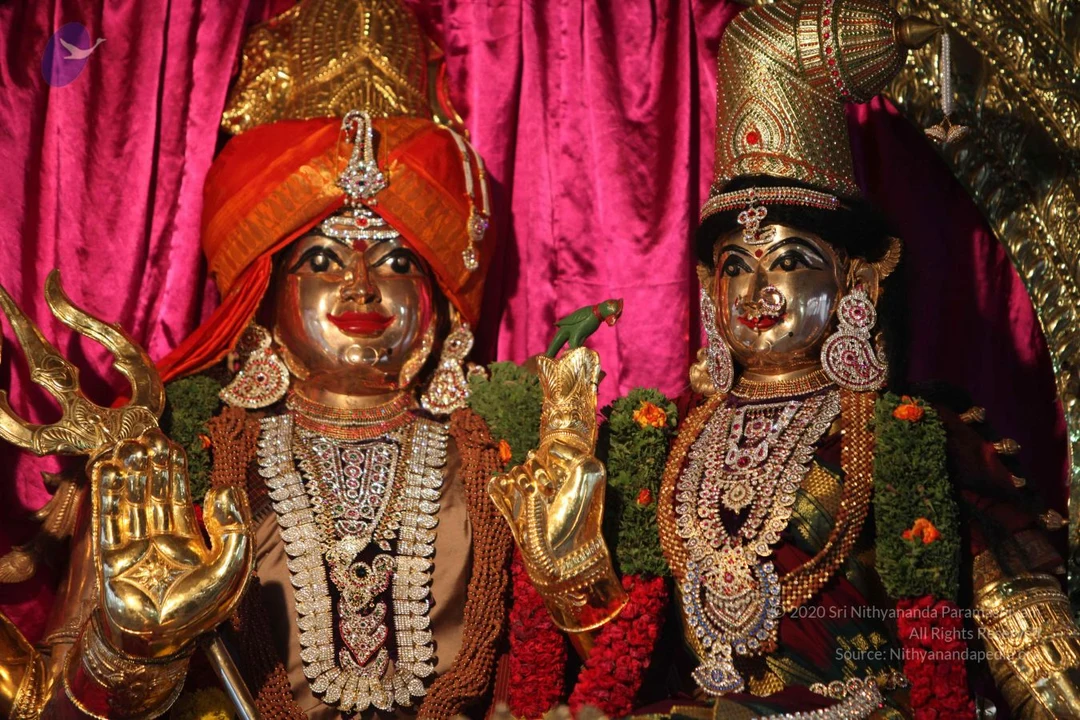
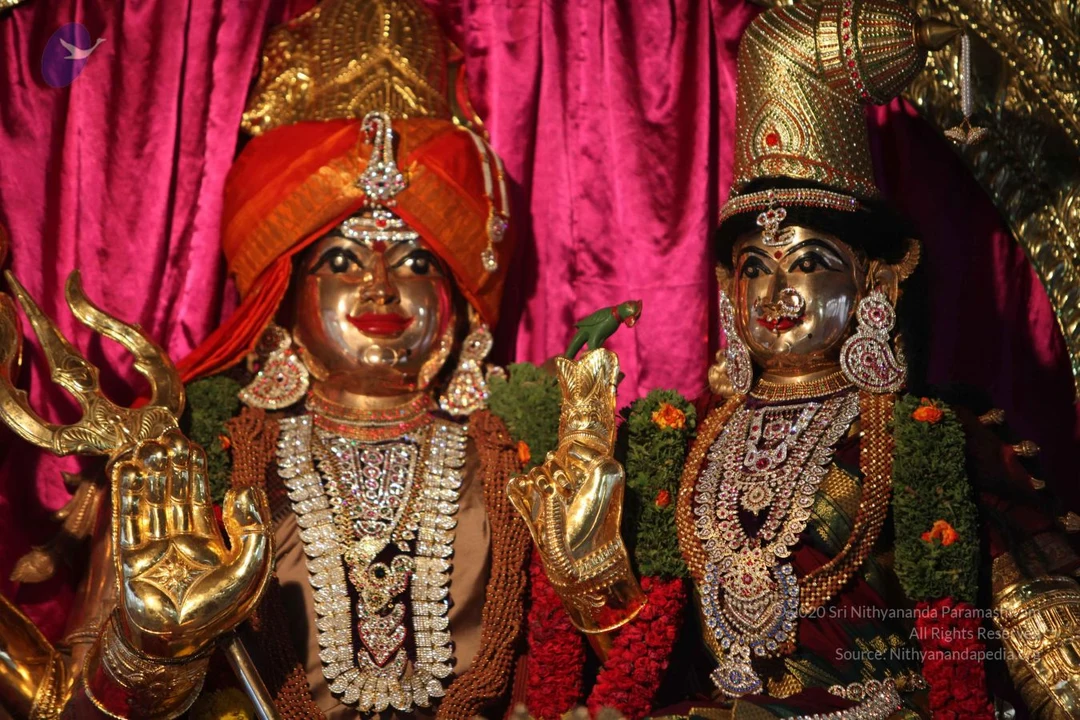
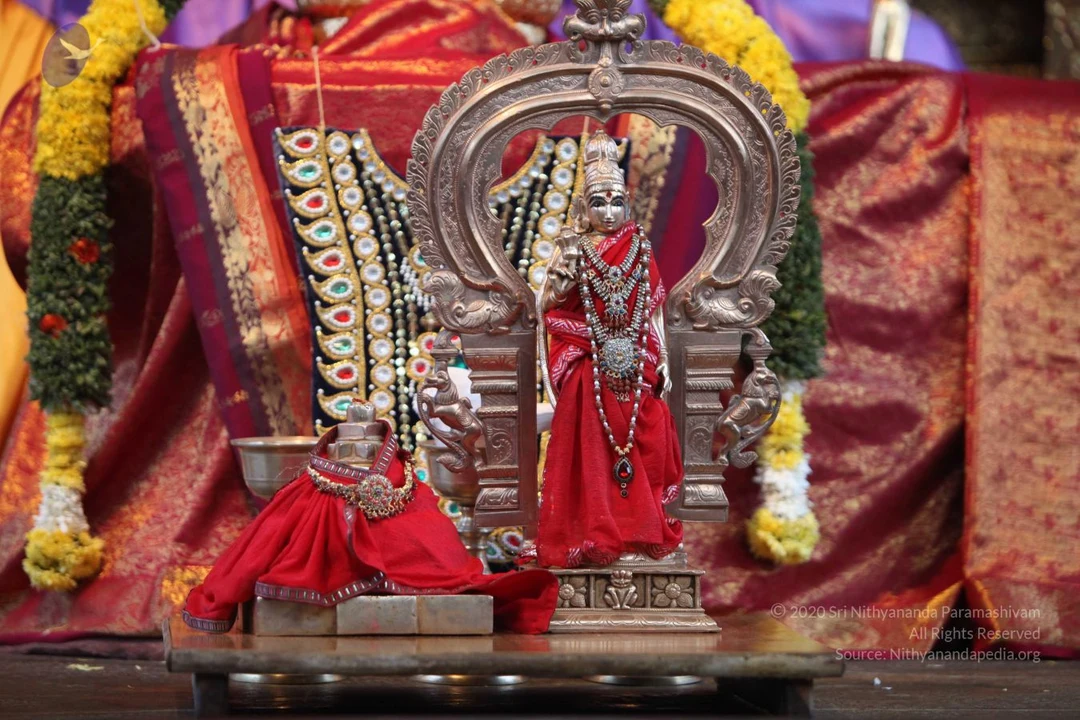
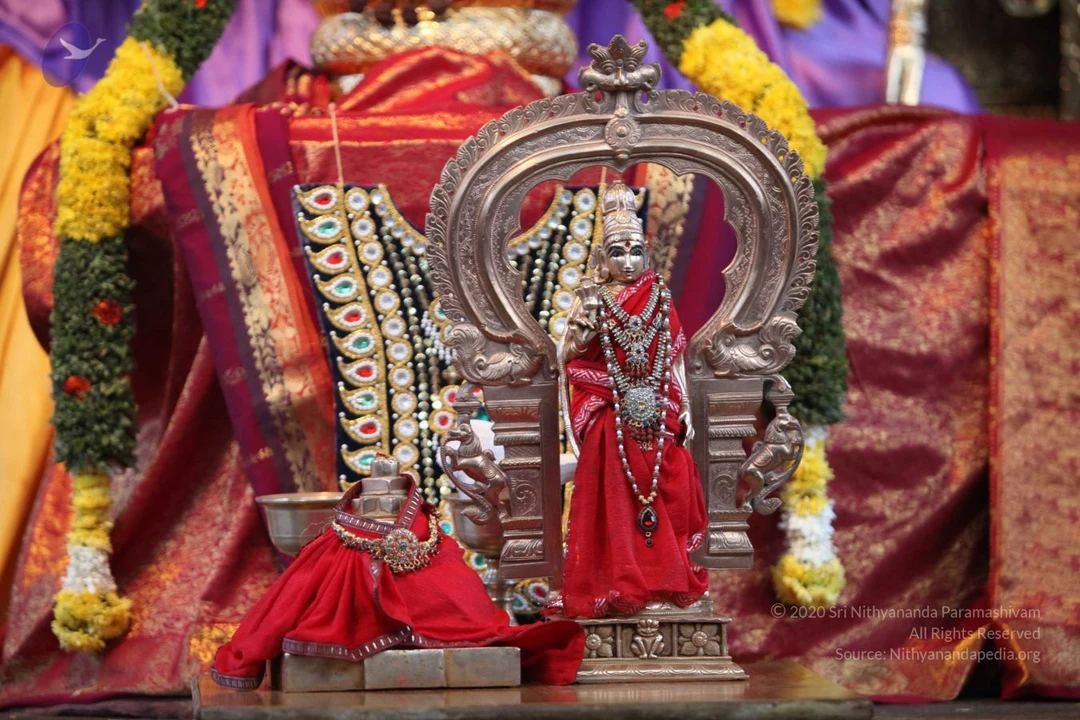
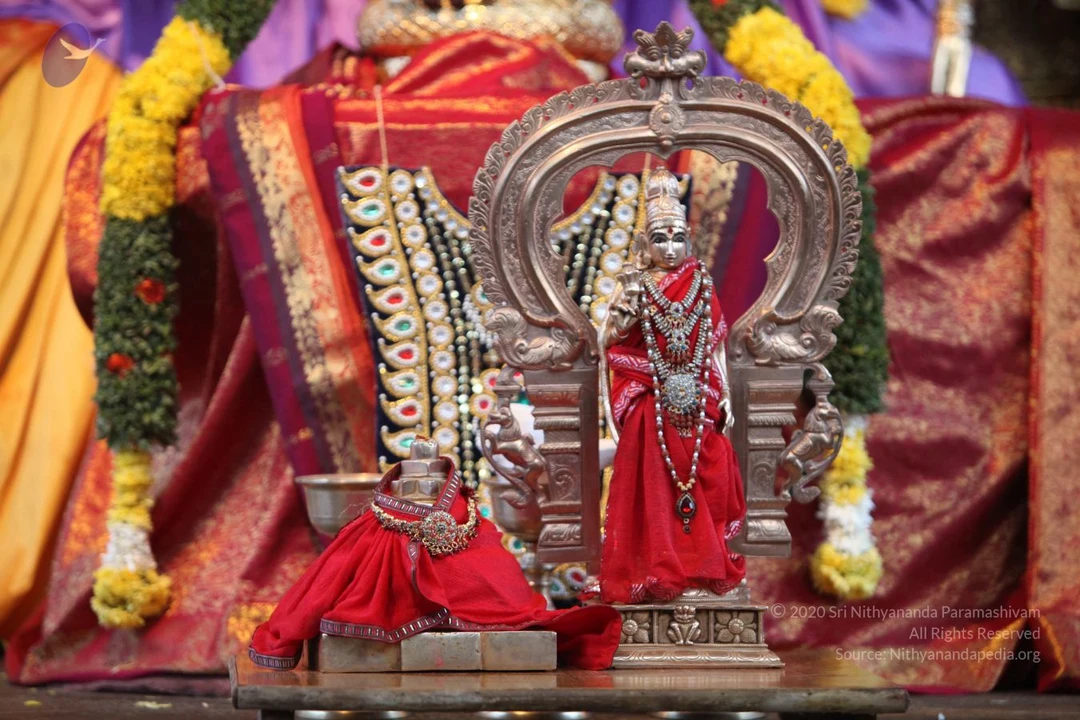

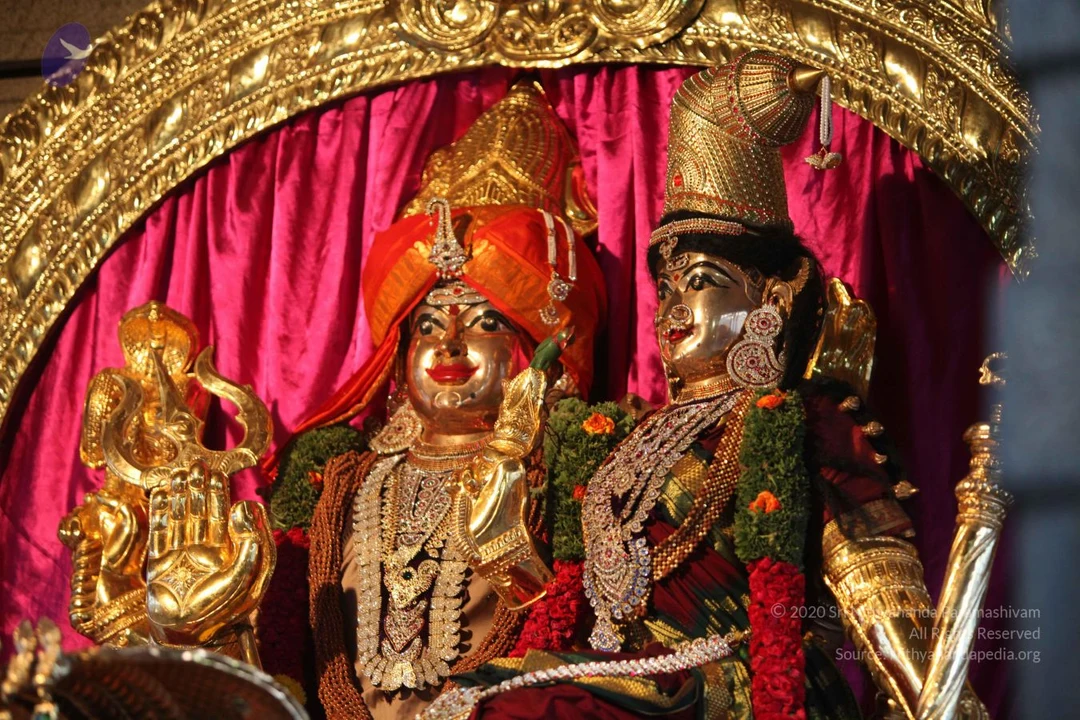
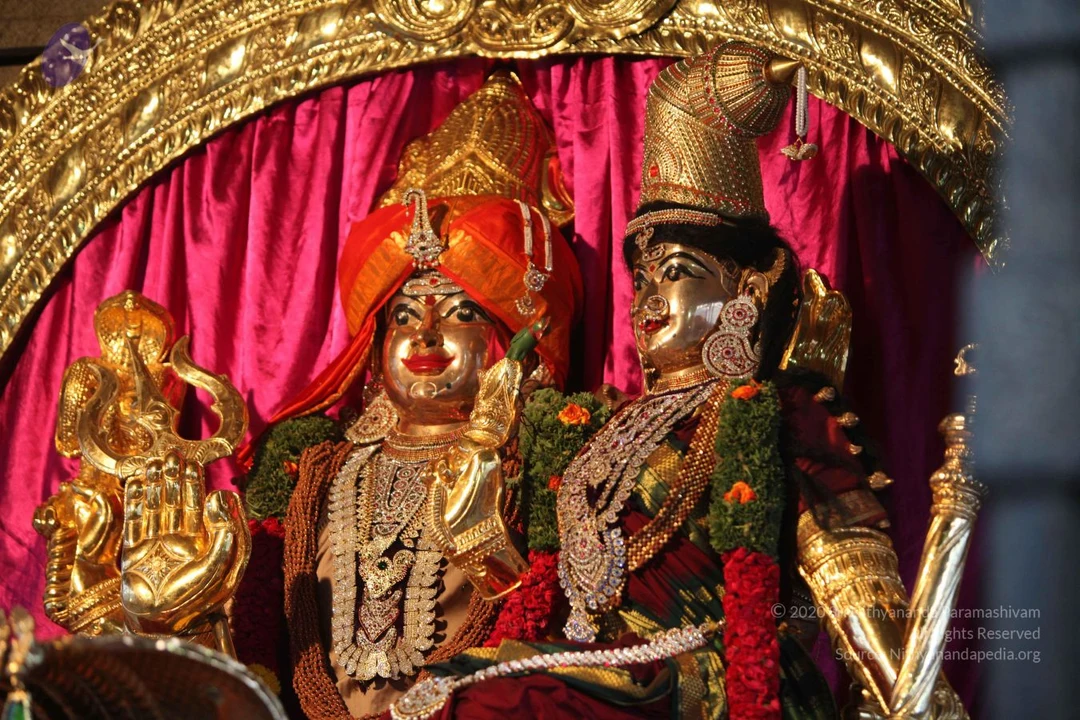
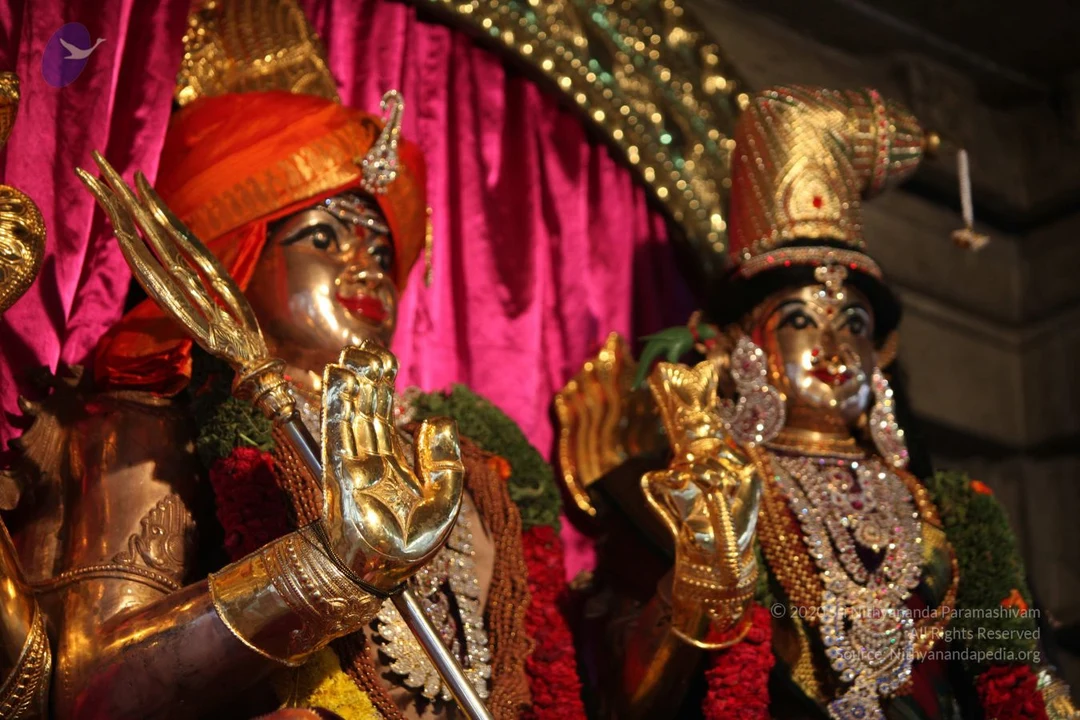
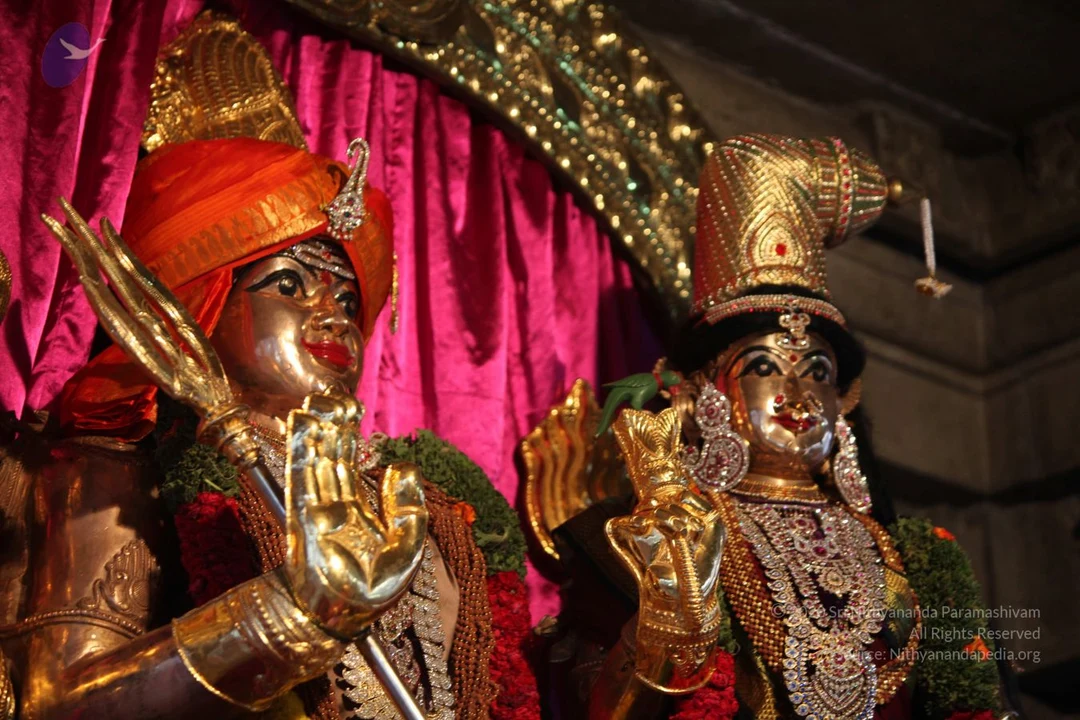
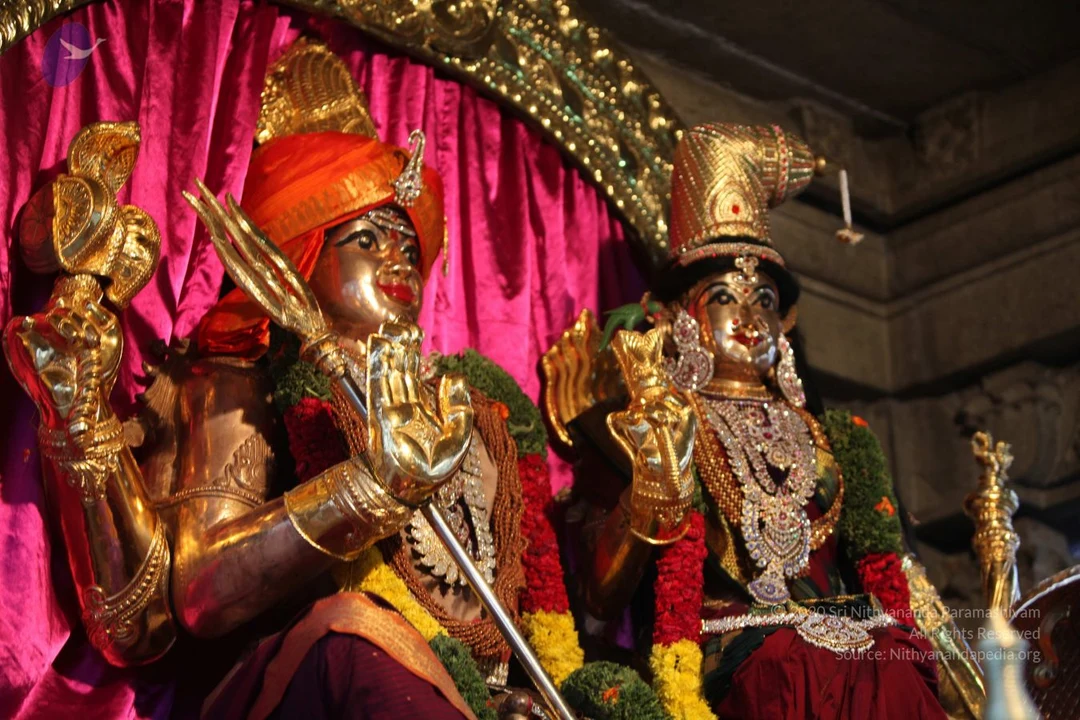
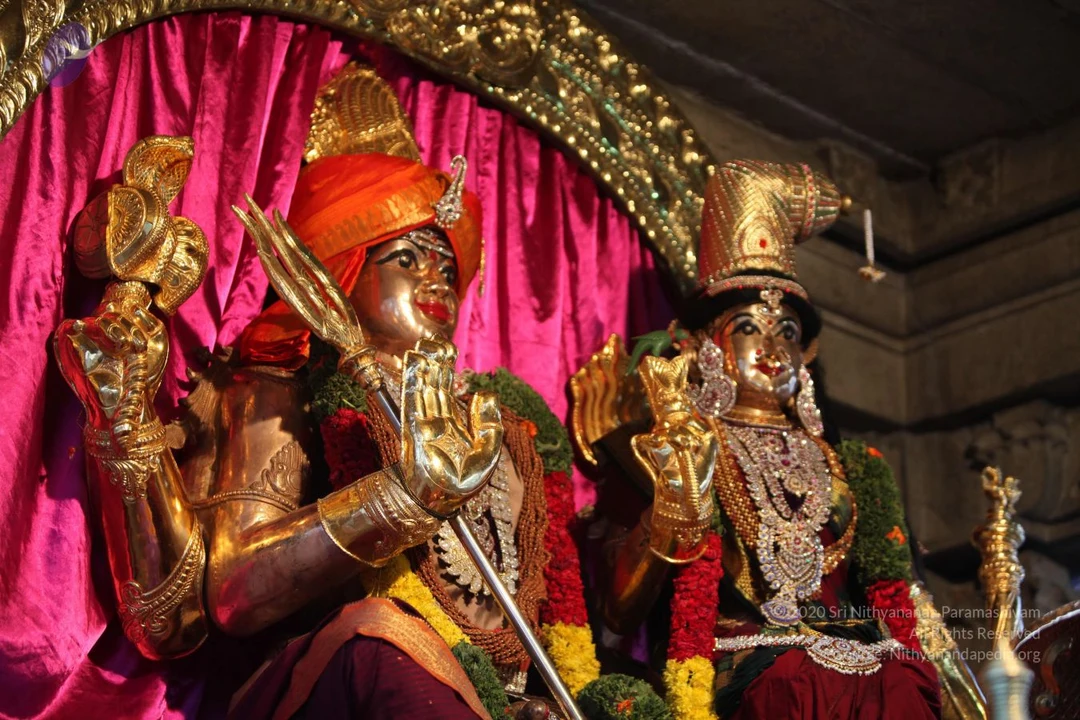
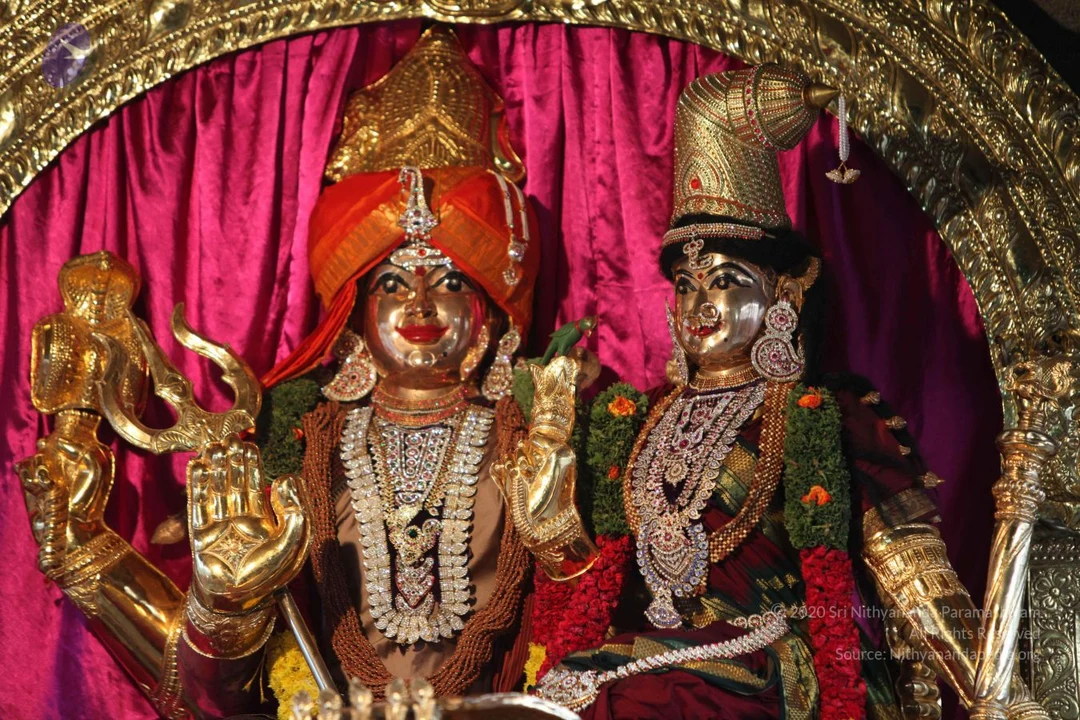
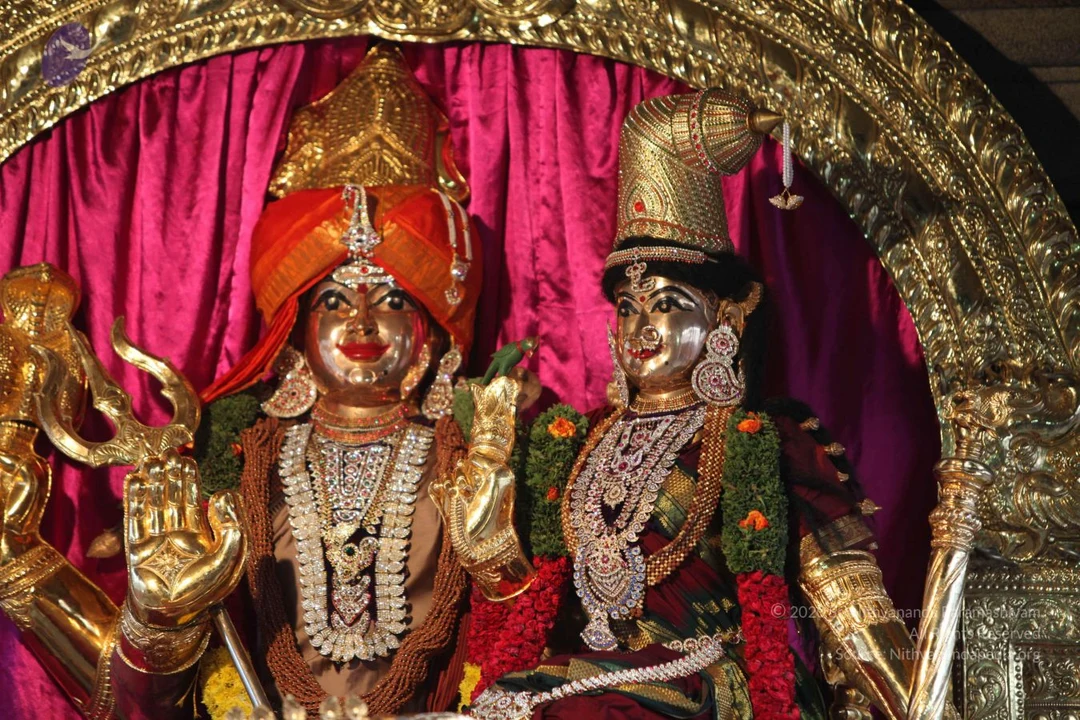
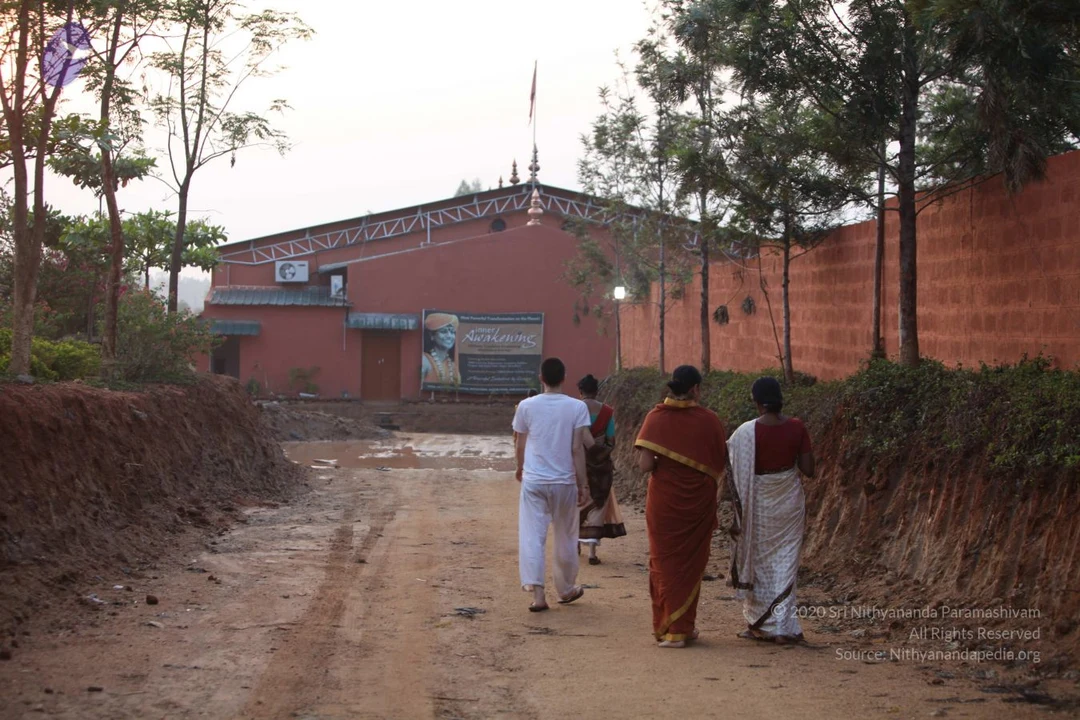
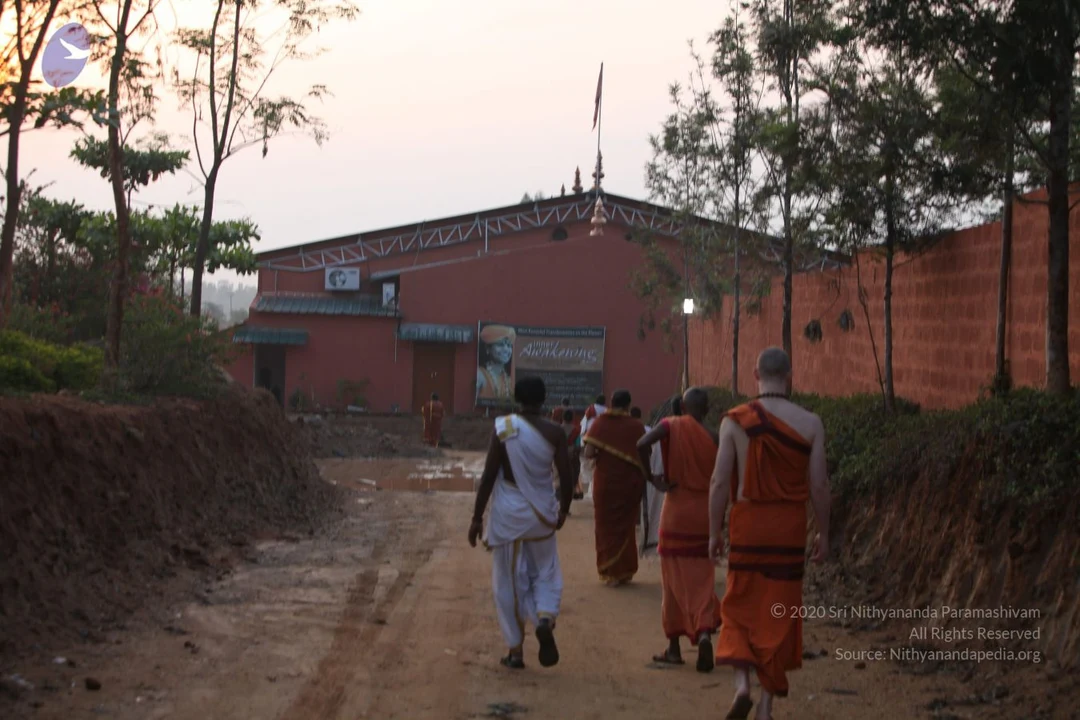


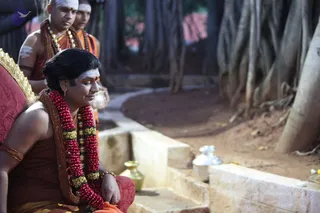
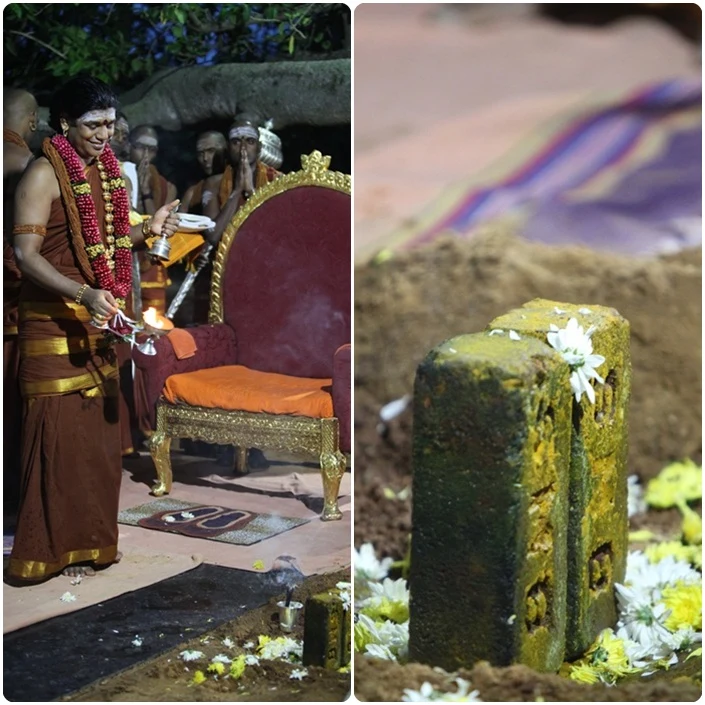
PadaPuja
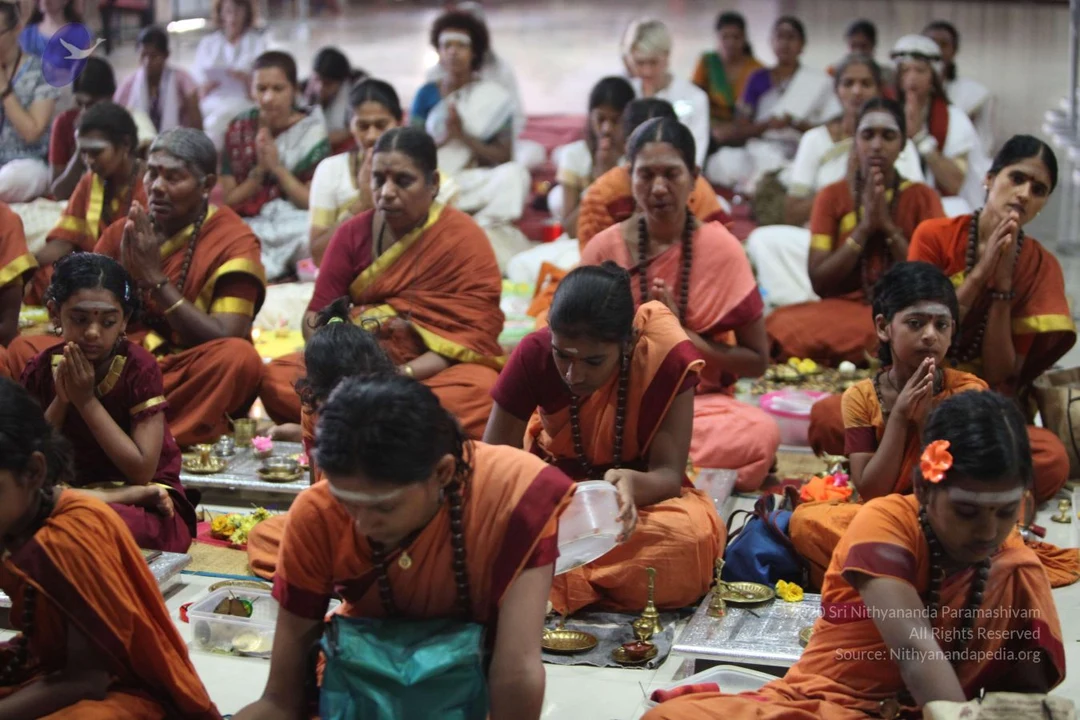
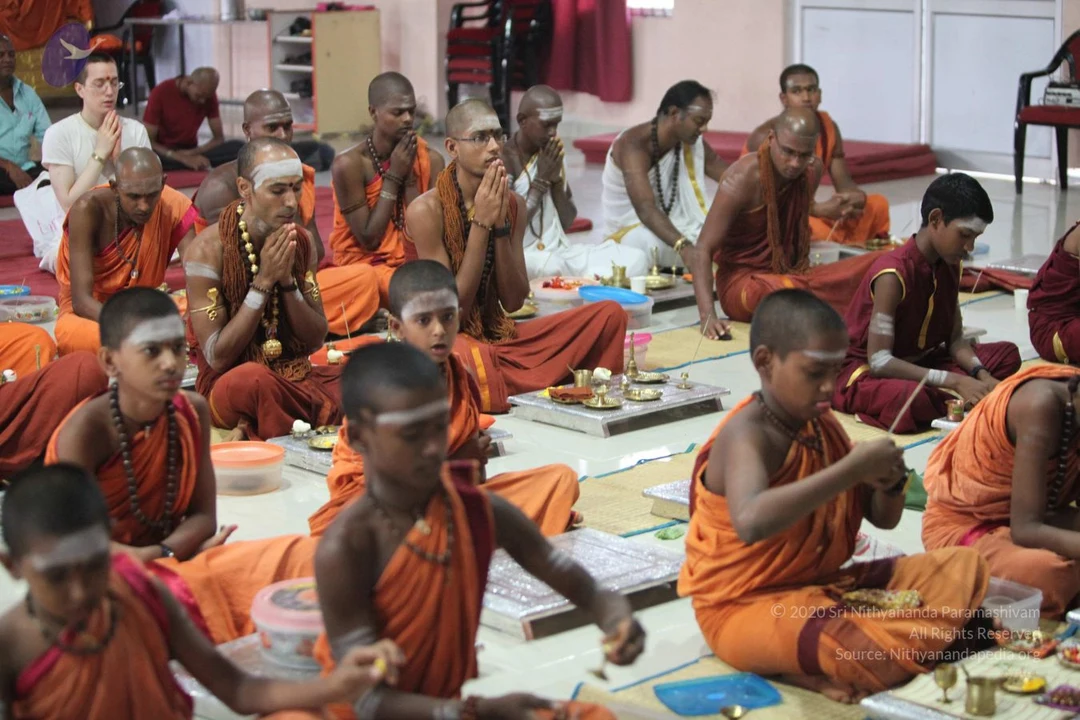
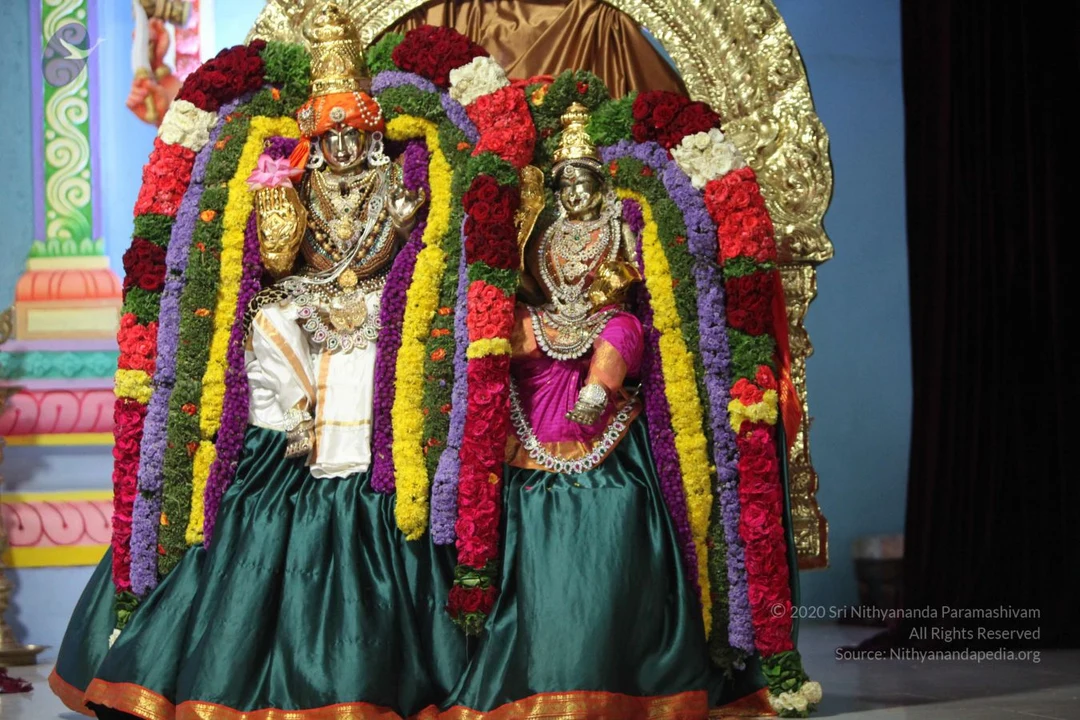
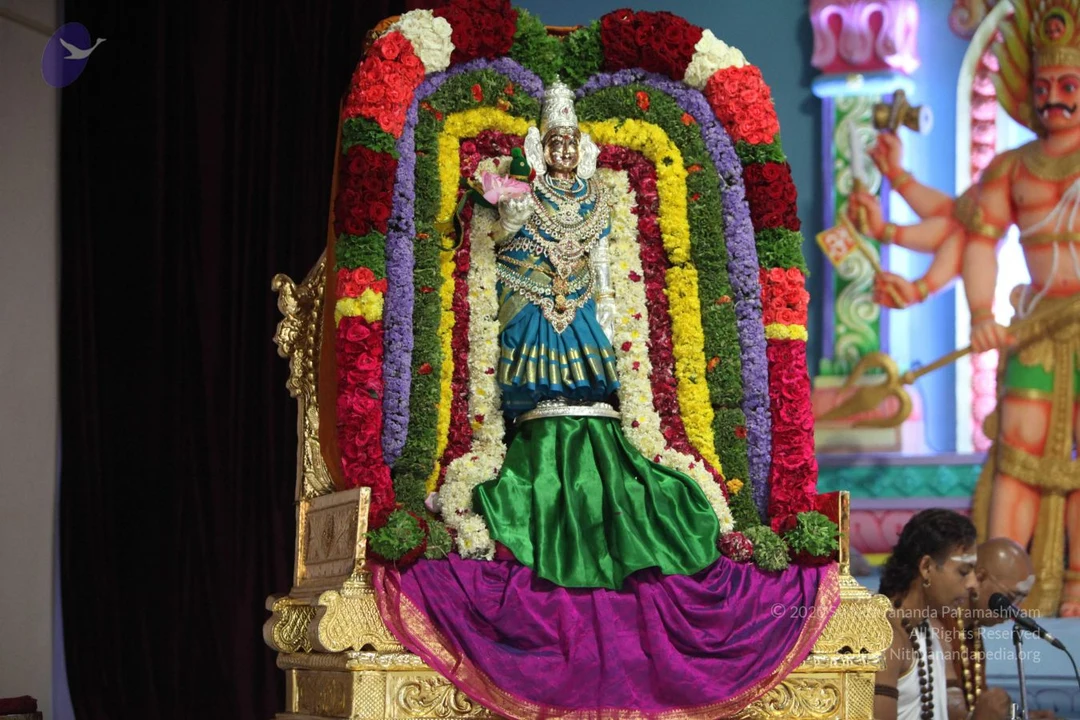
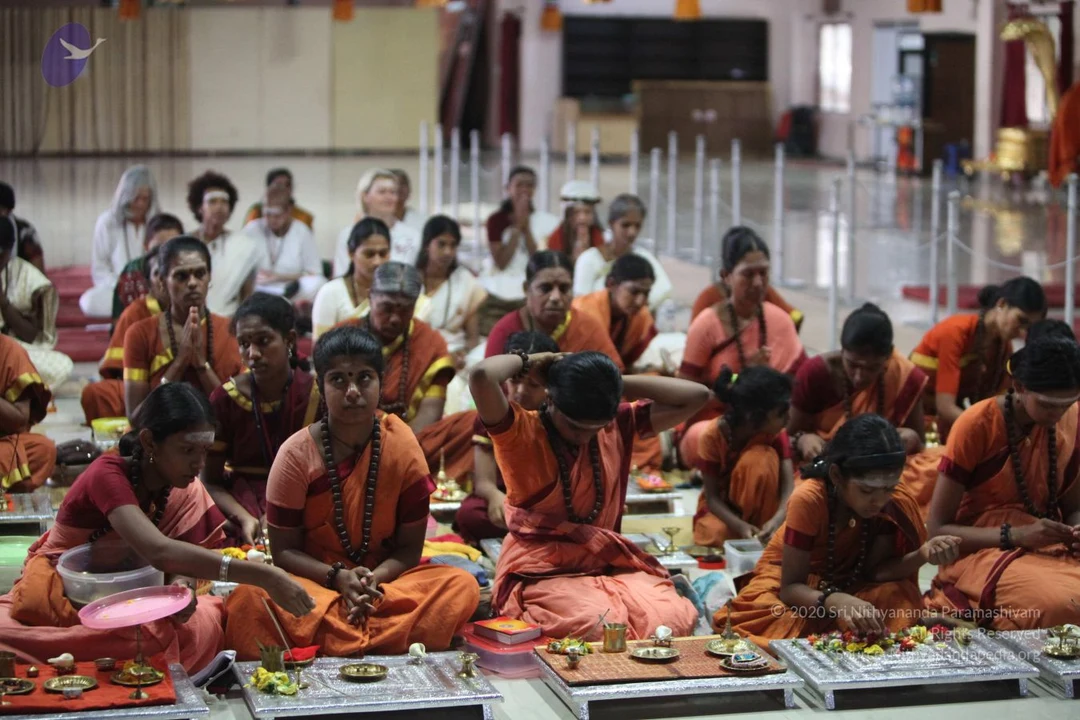
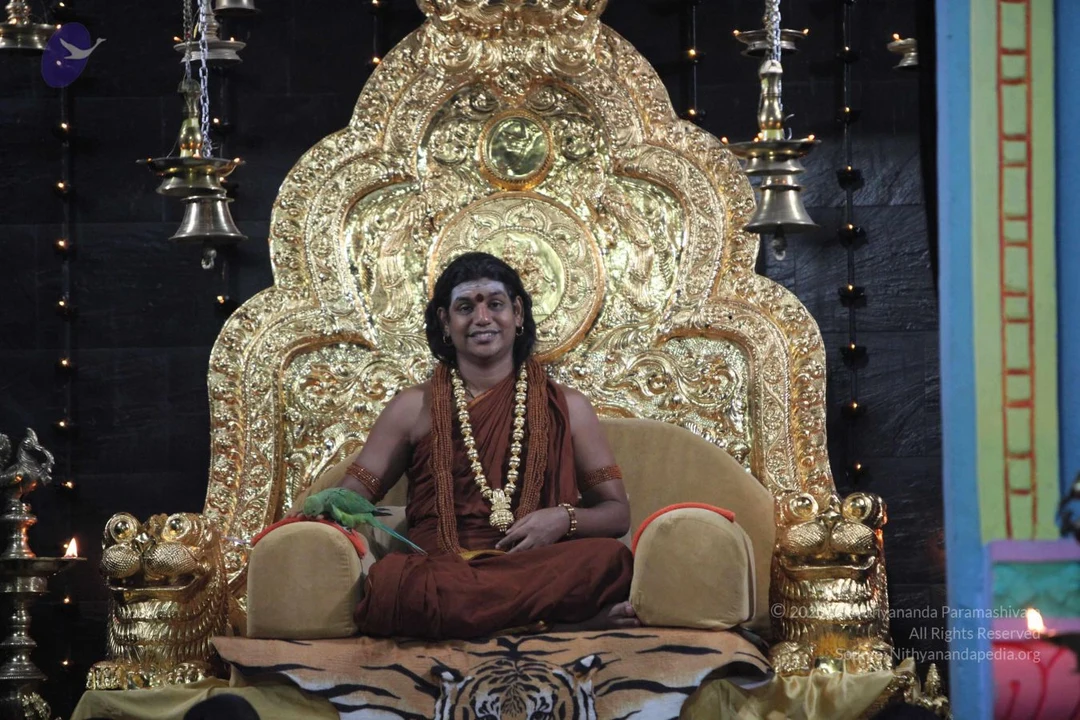
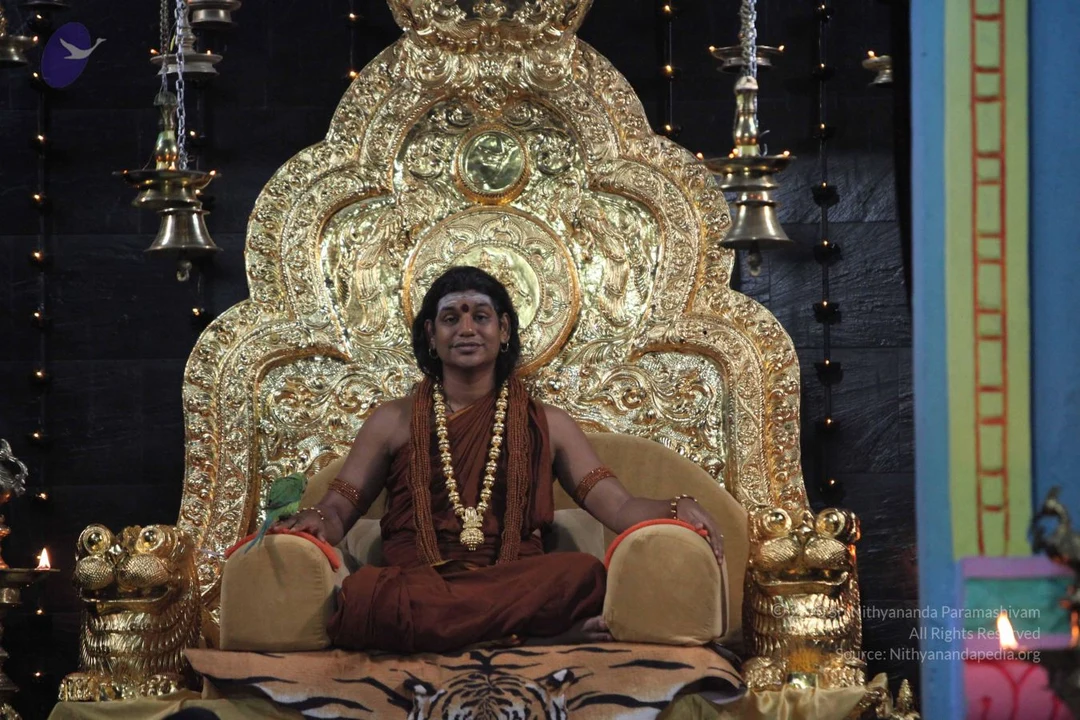
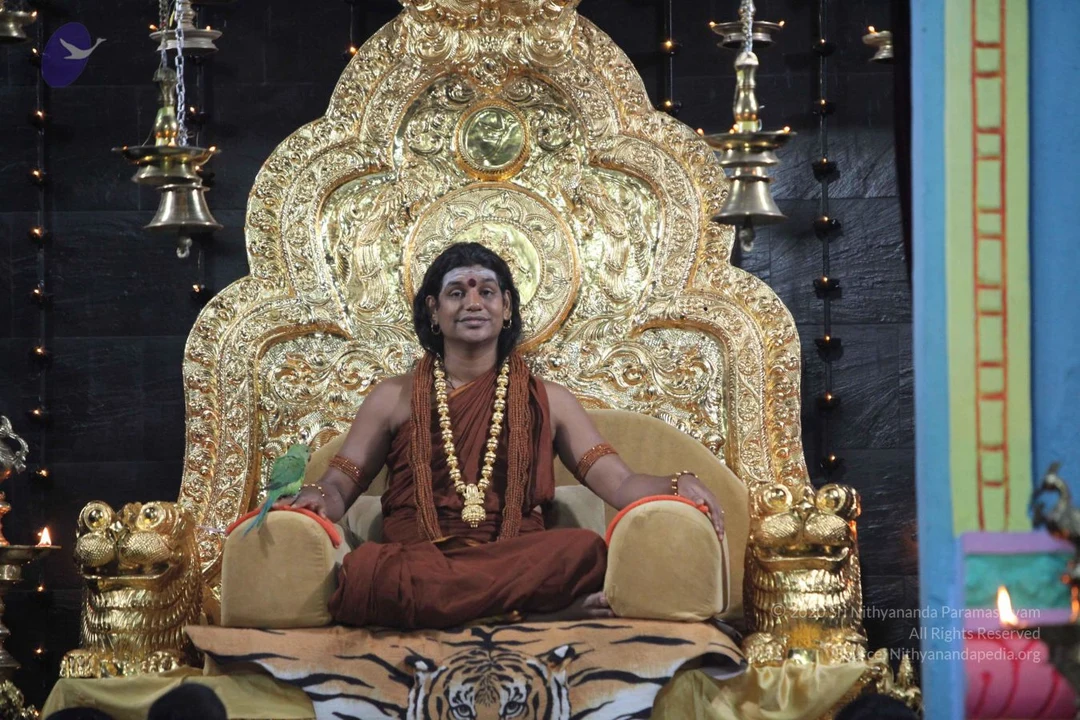
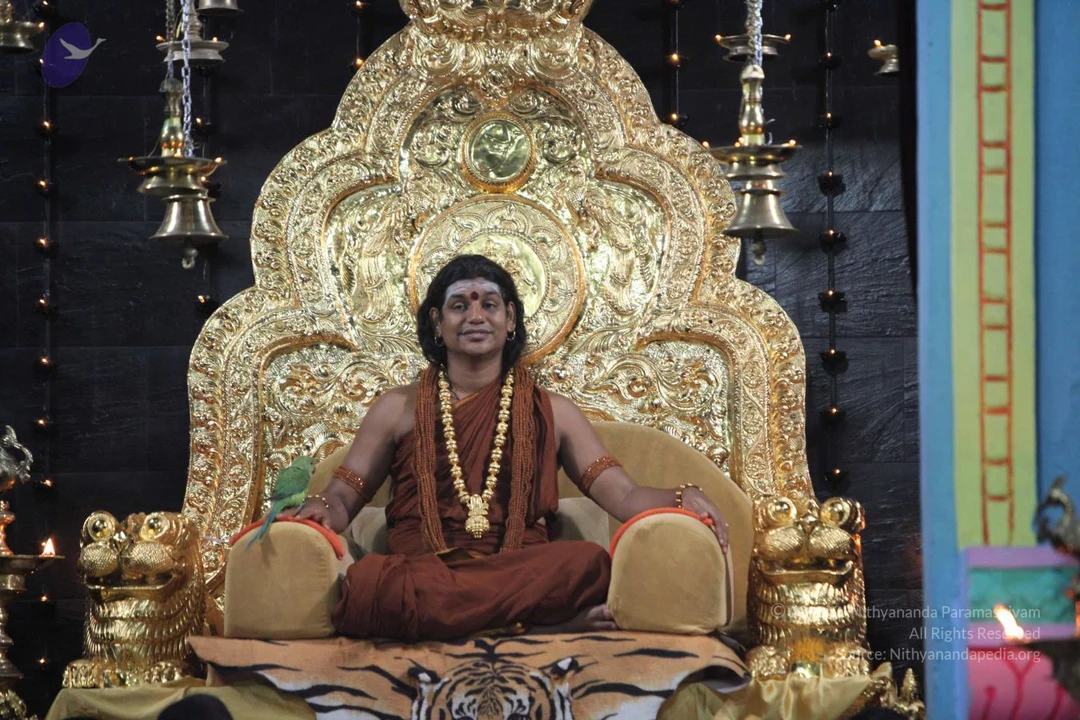
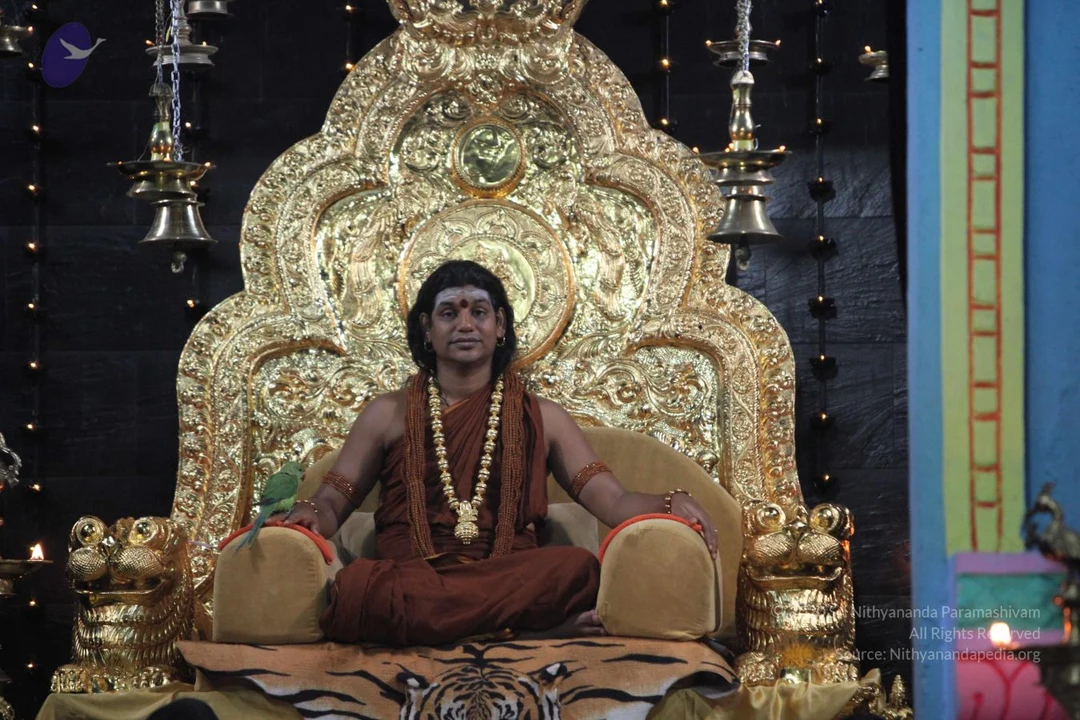
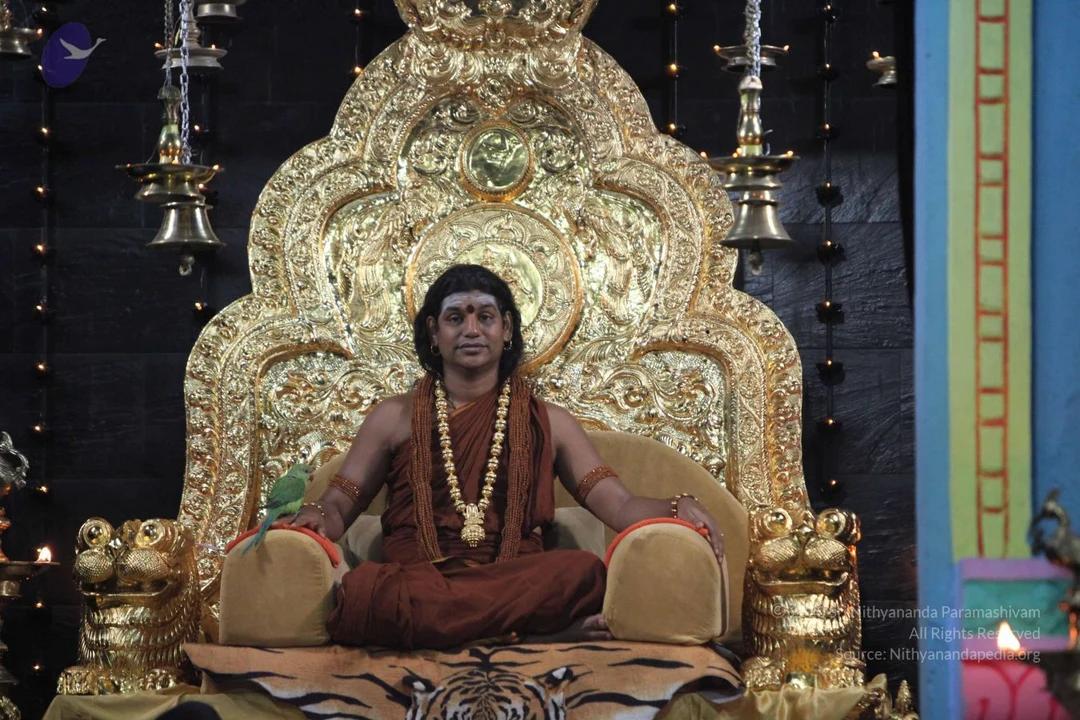
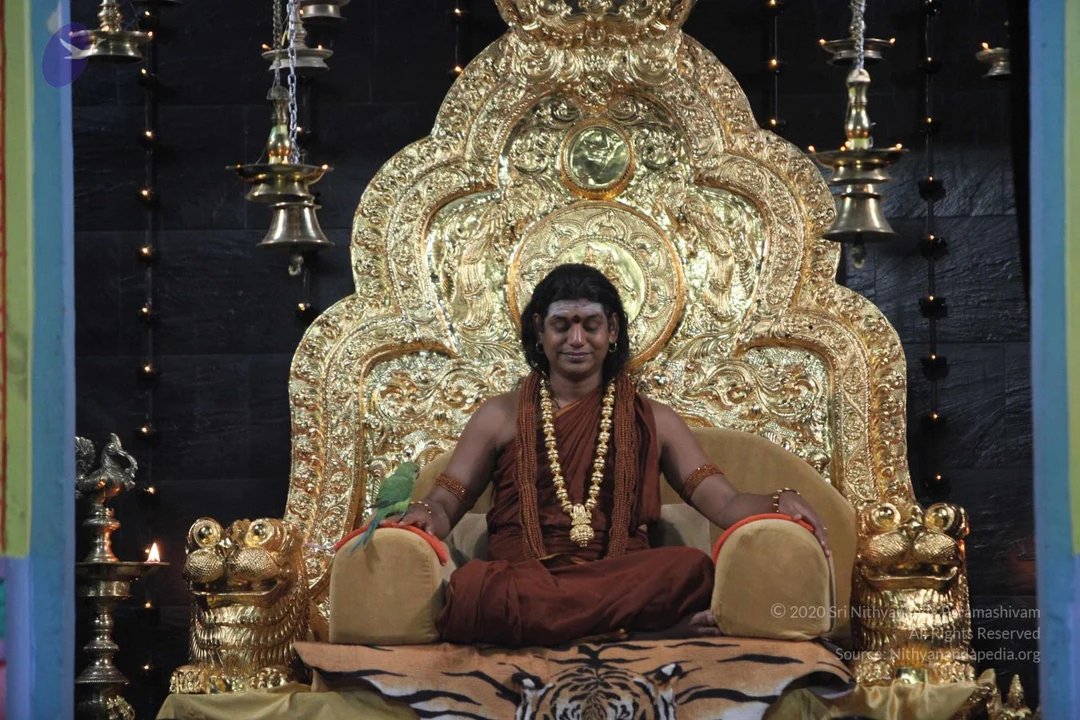
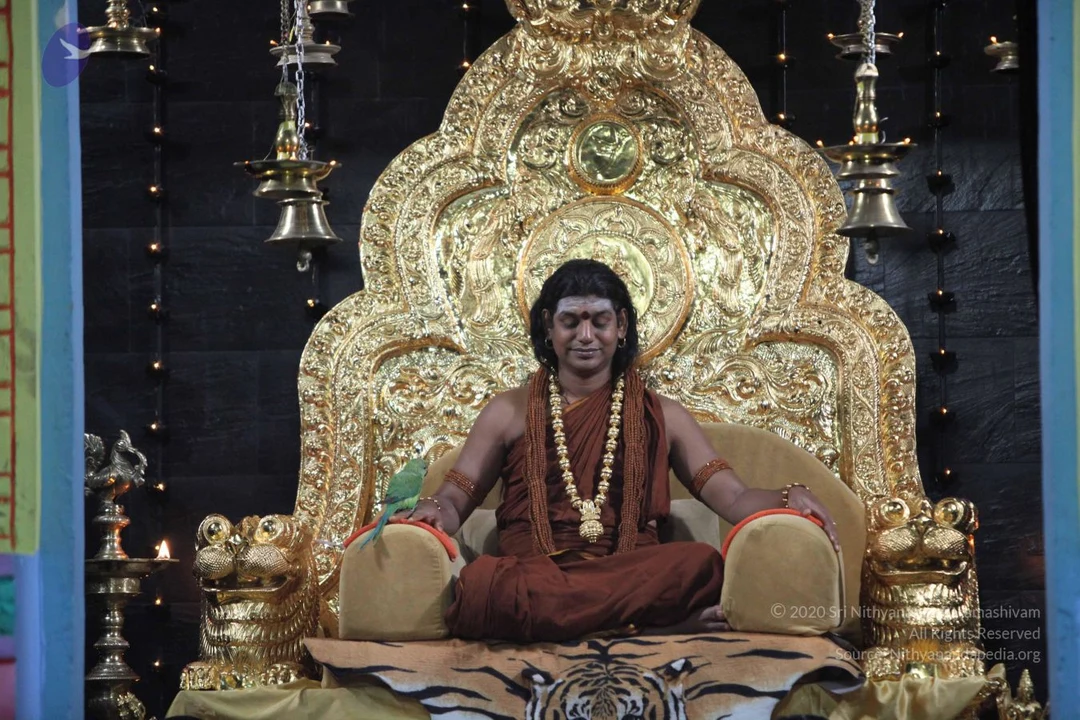
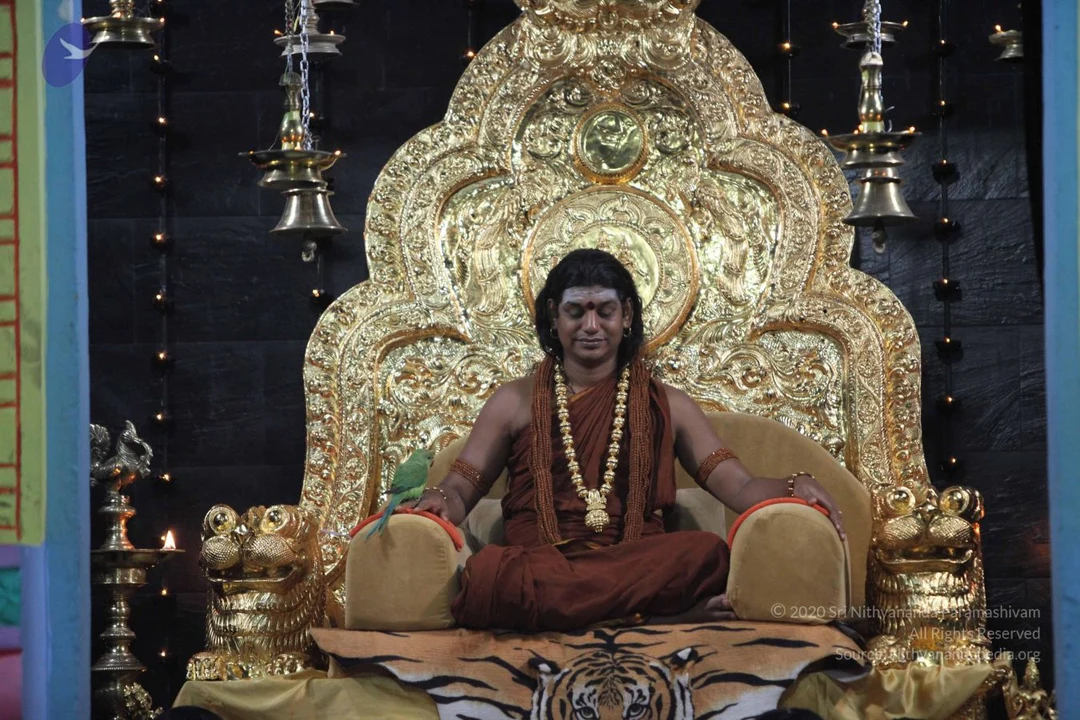
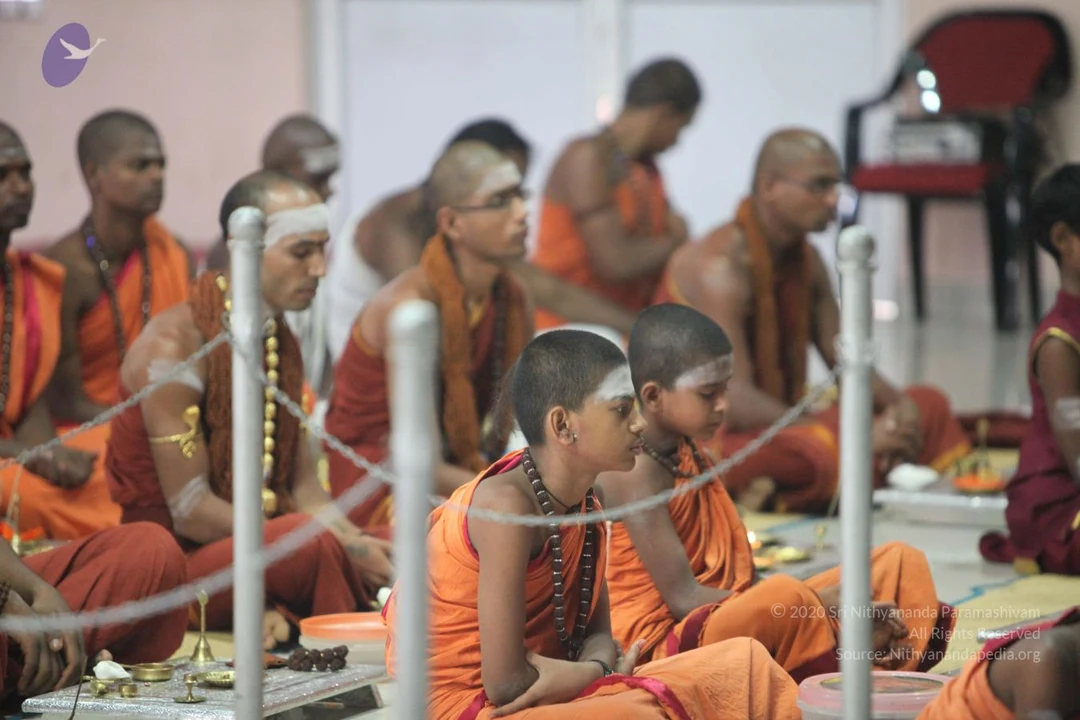
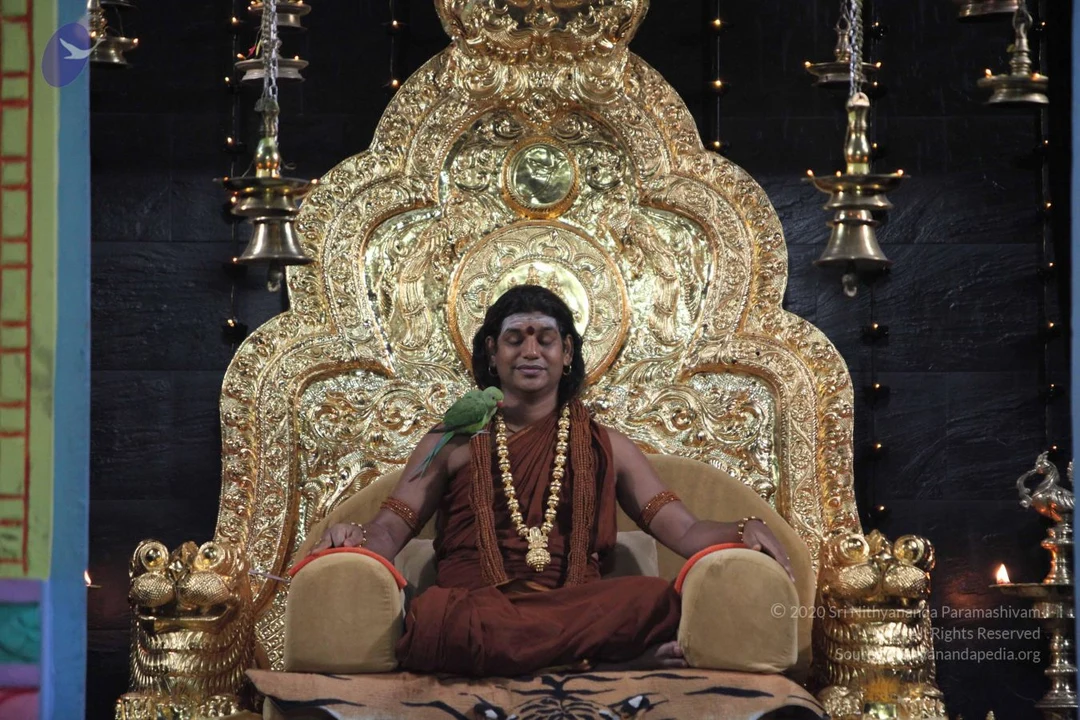
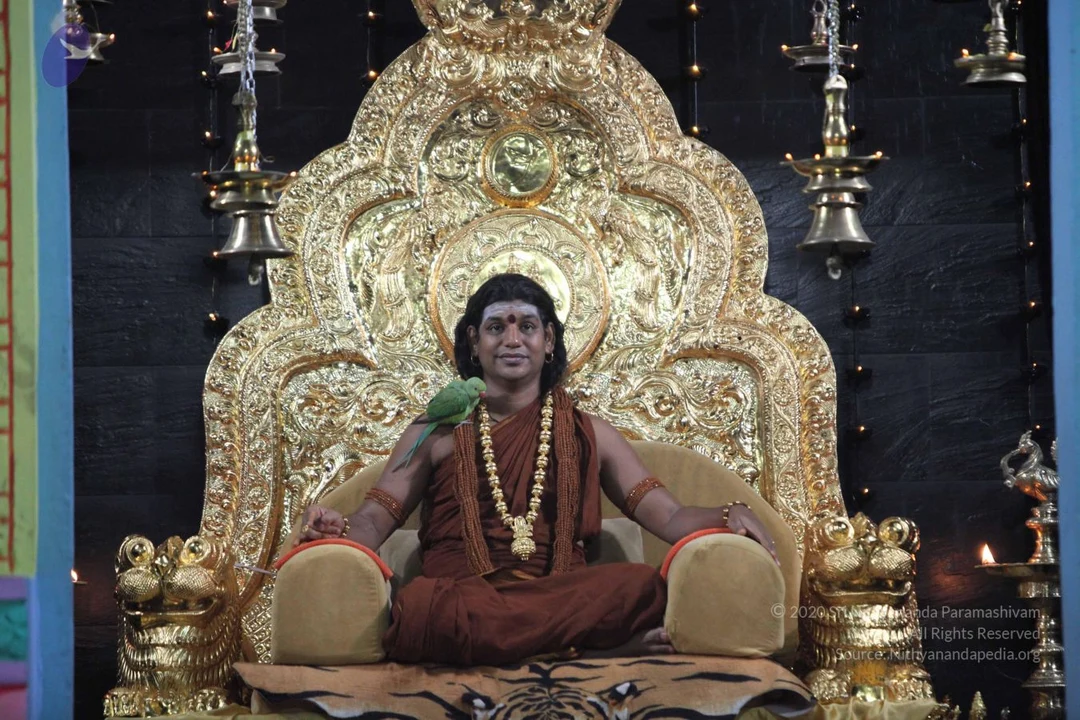
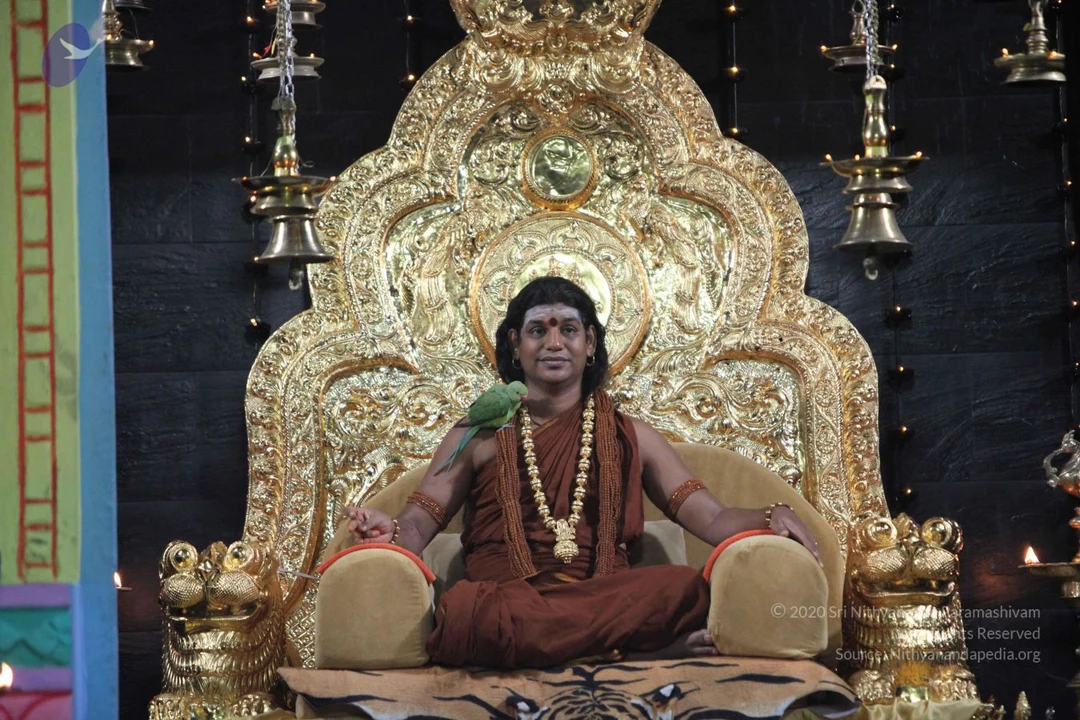
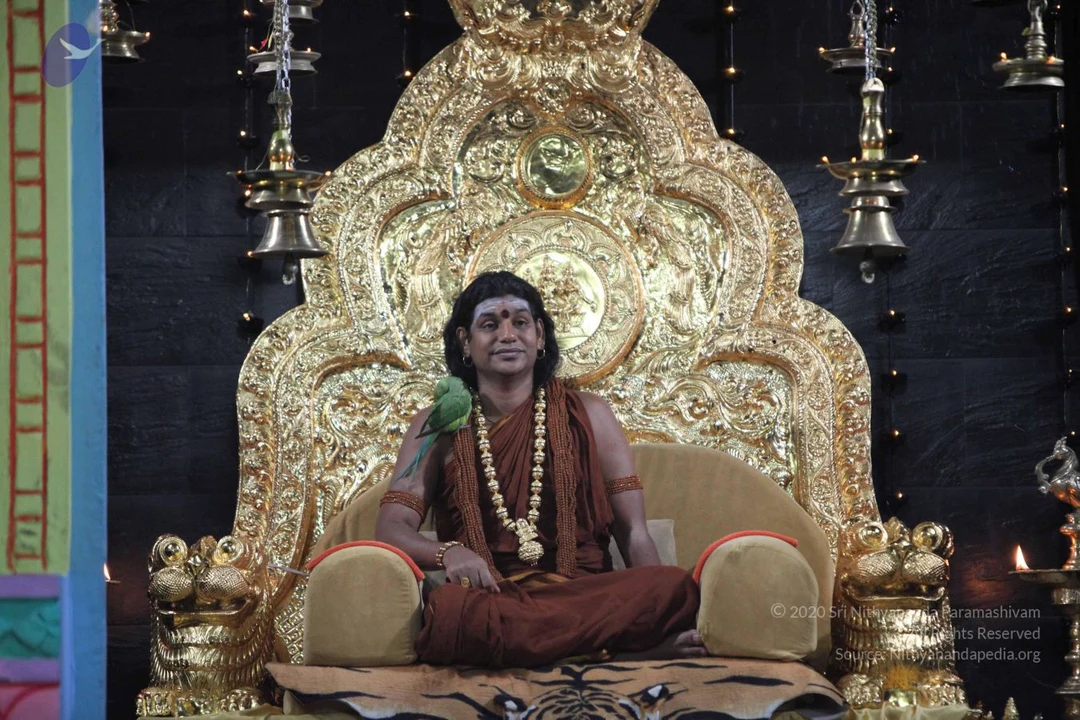
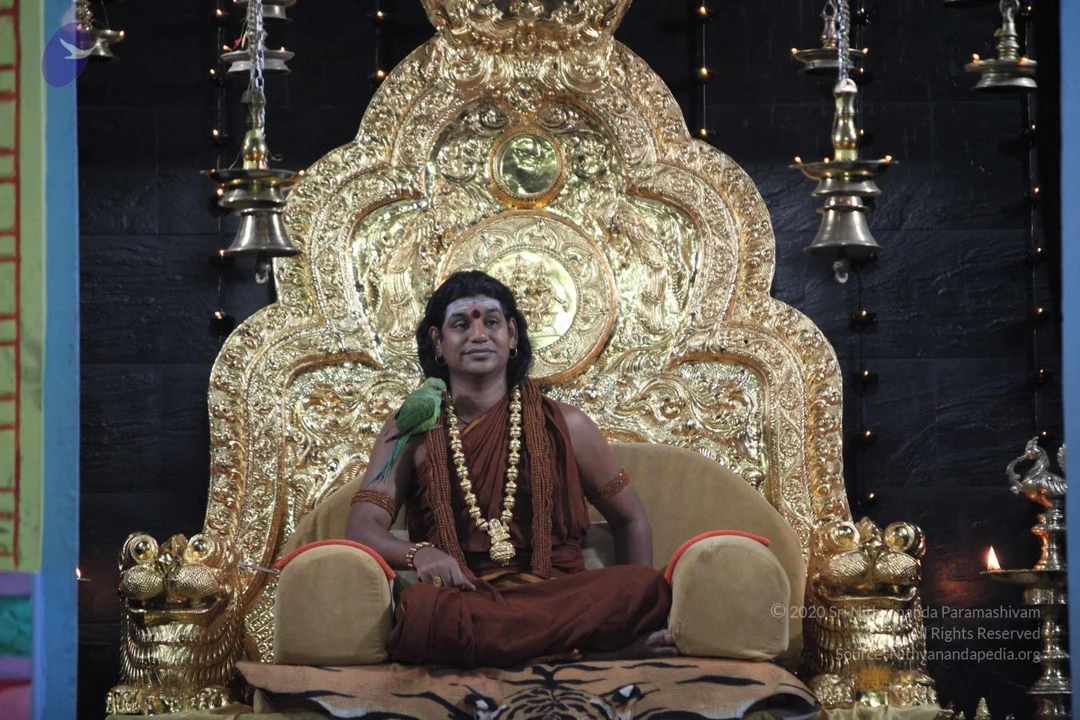
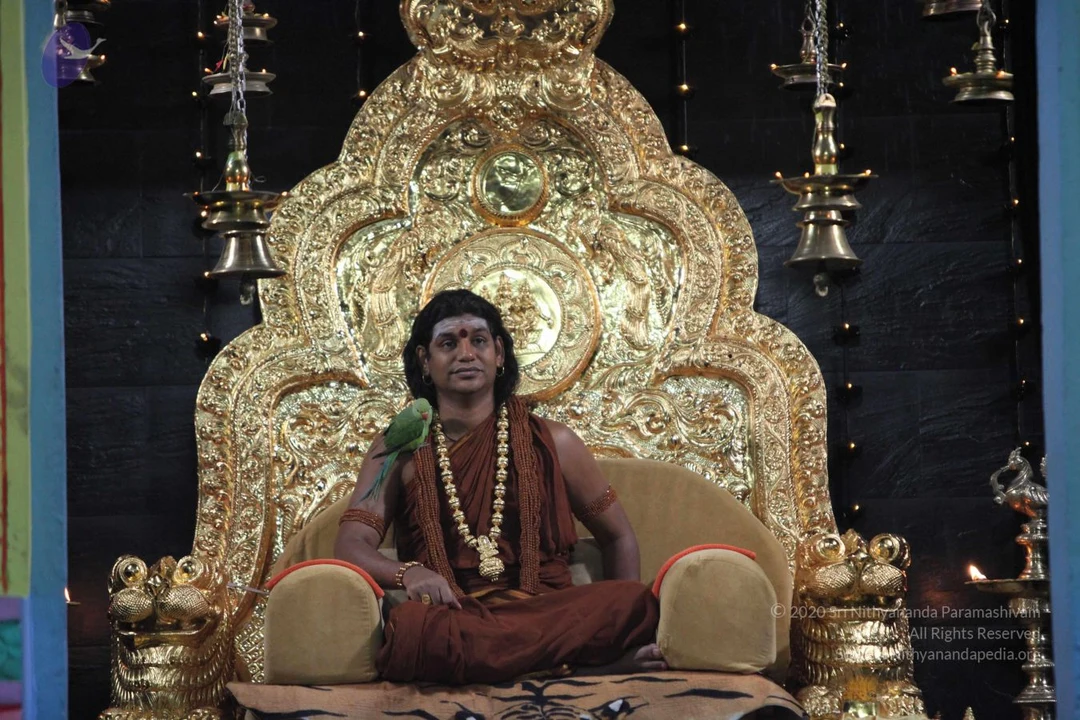
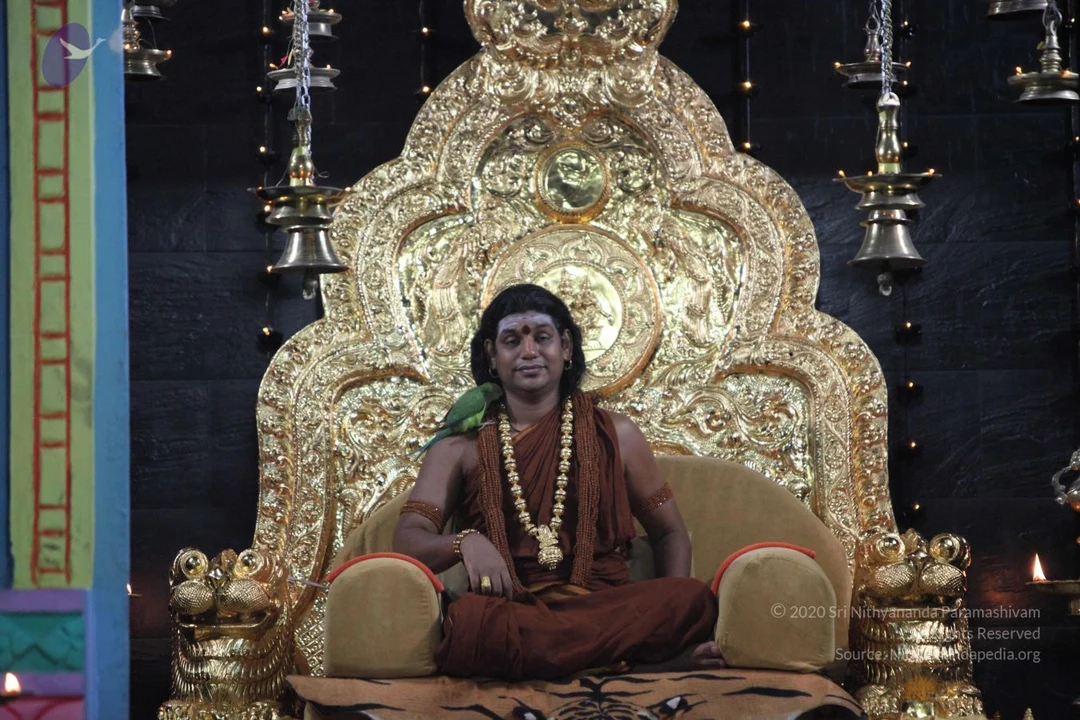
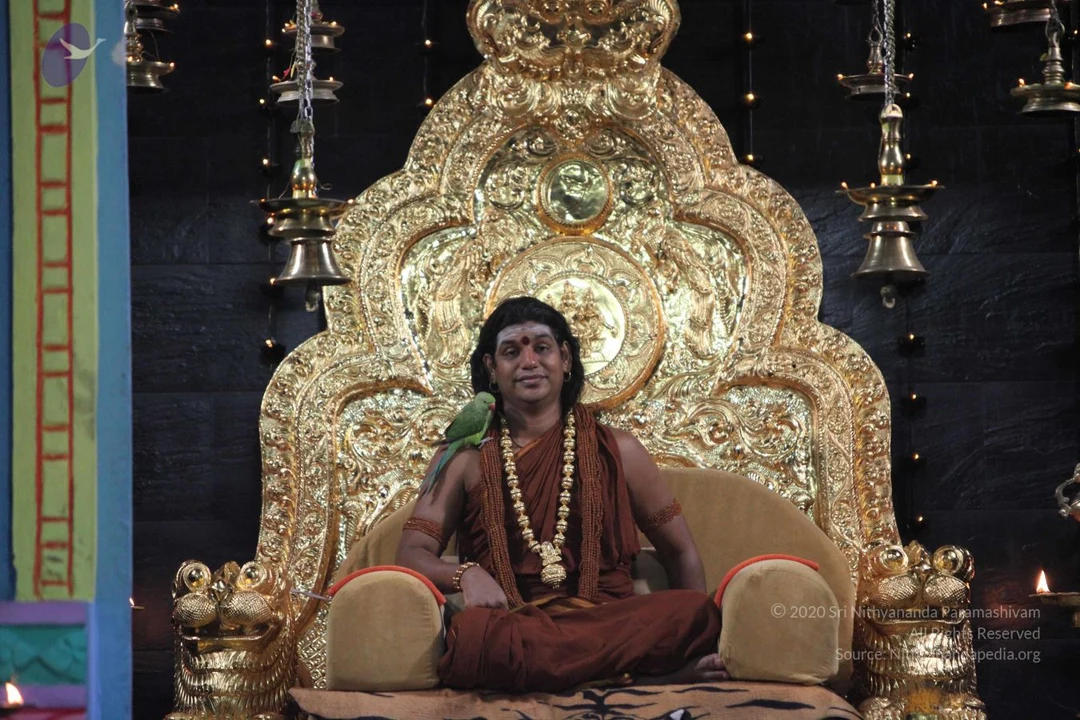
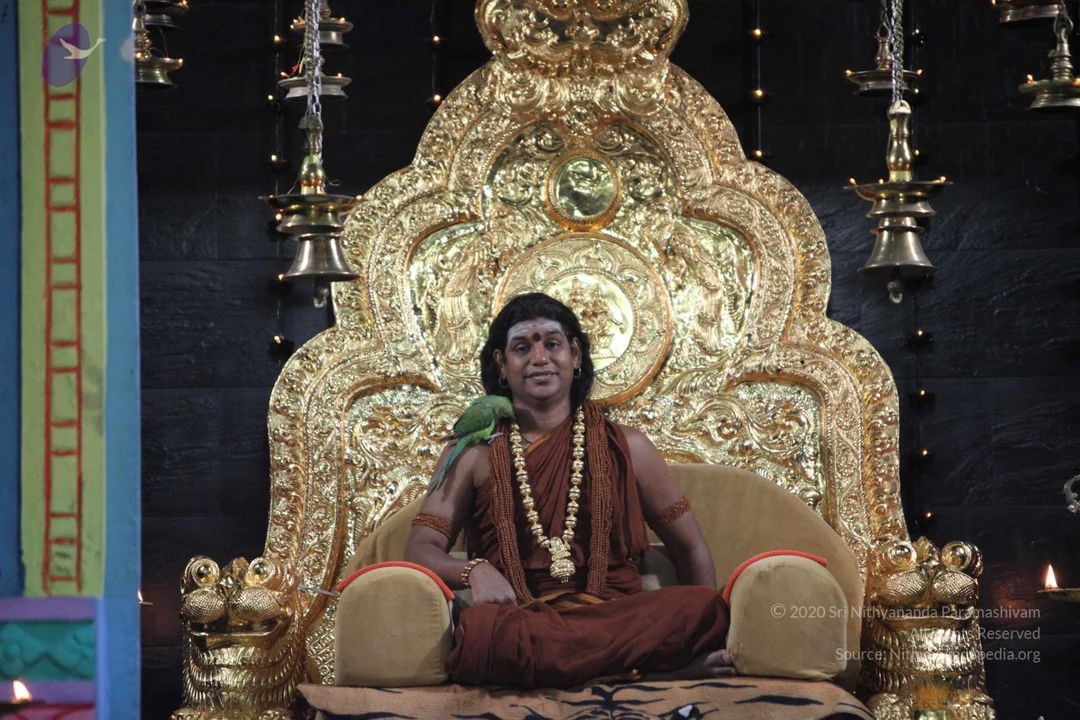
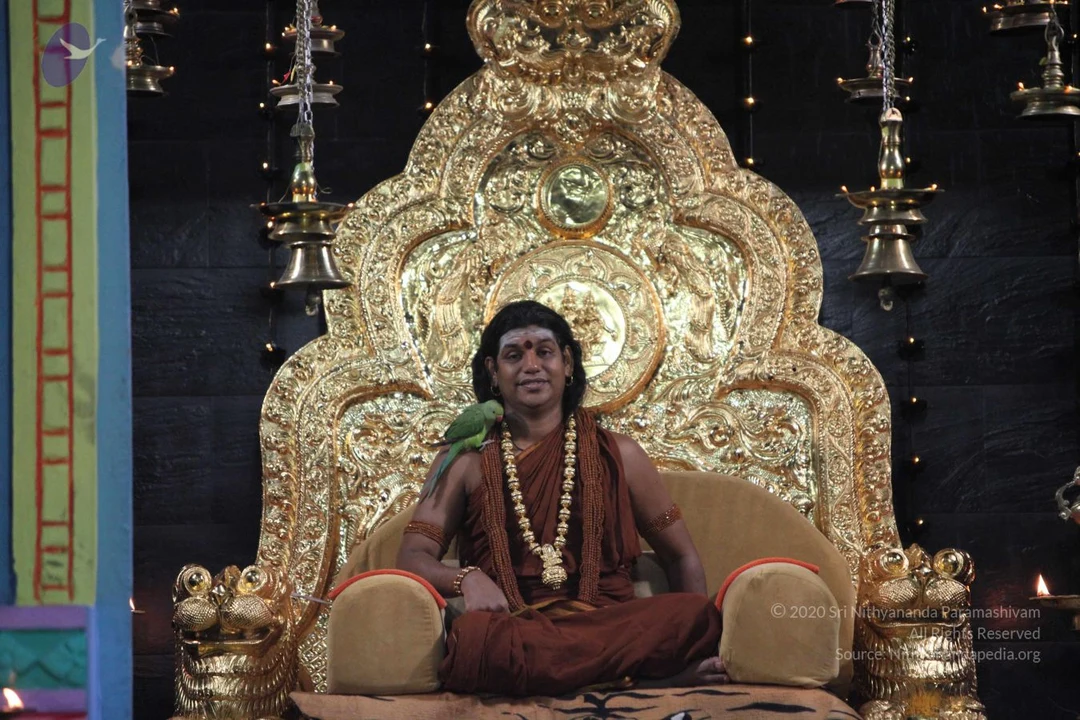
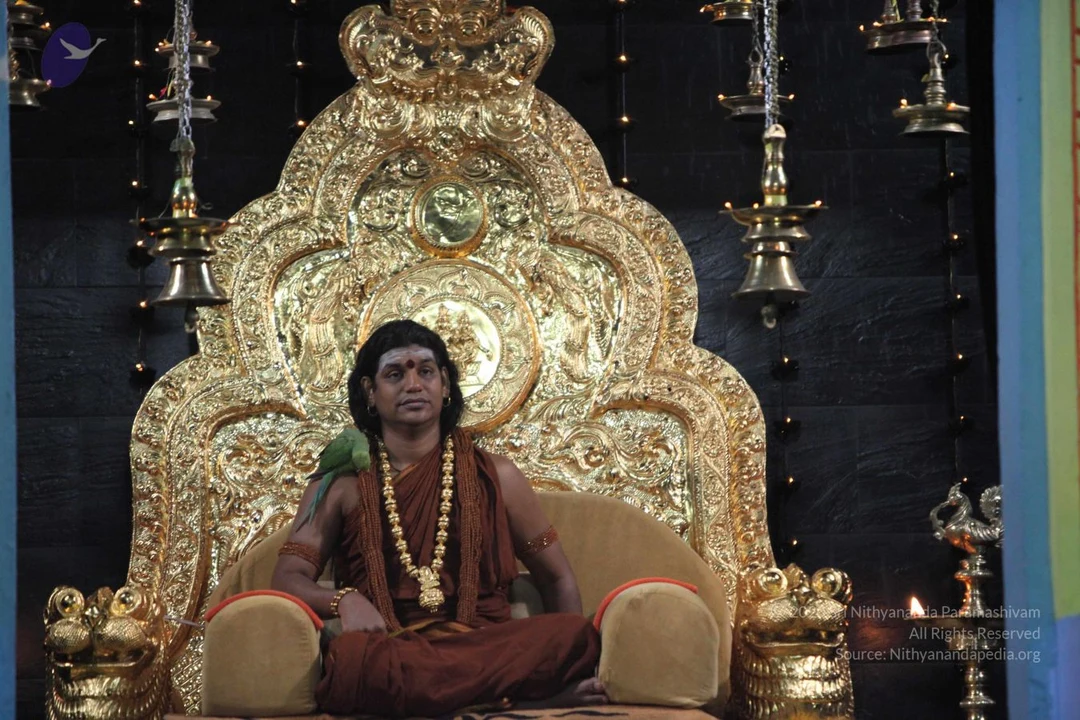
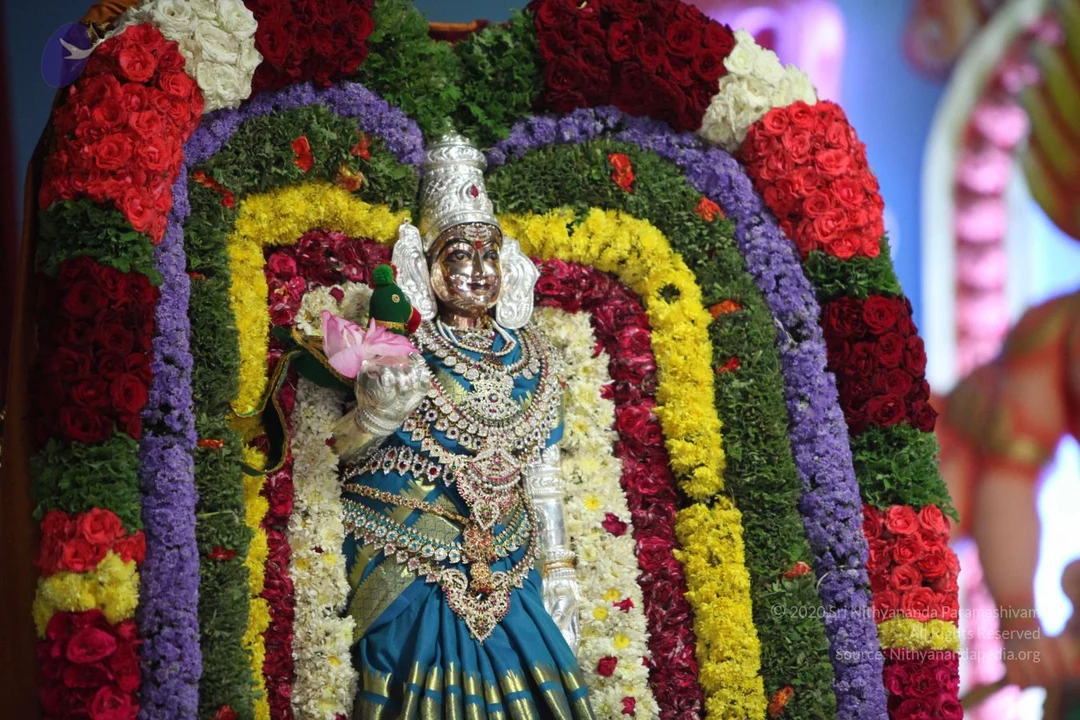
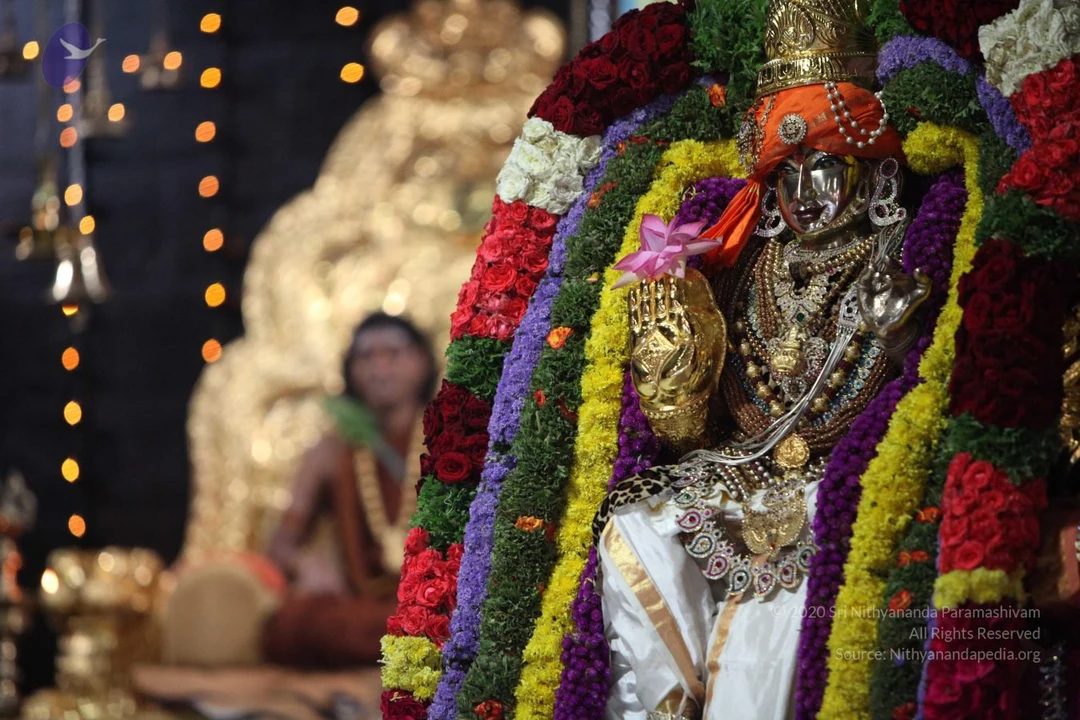
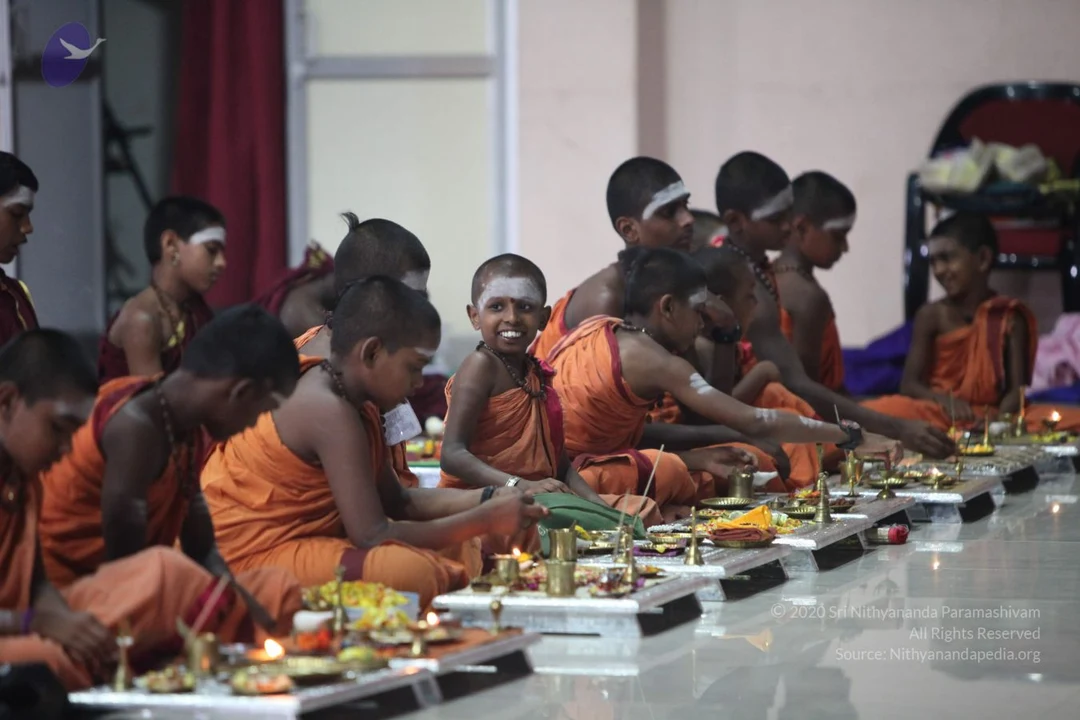
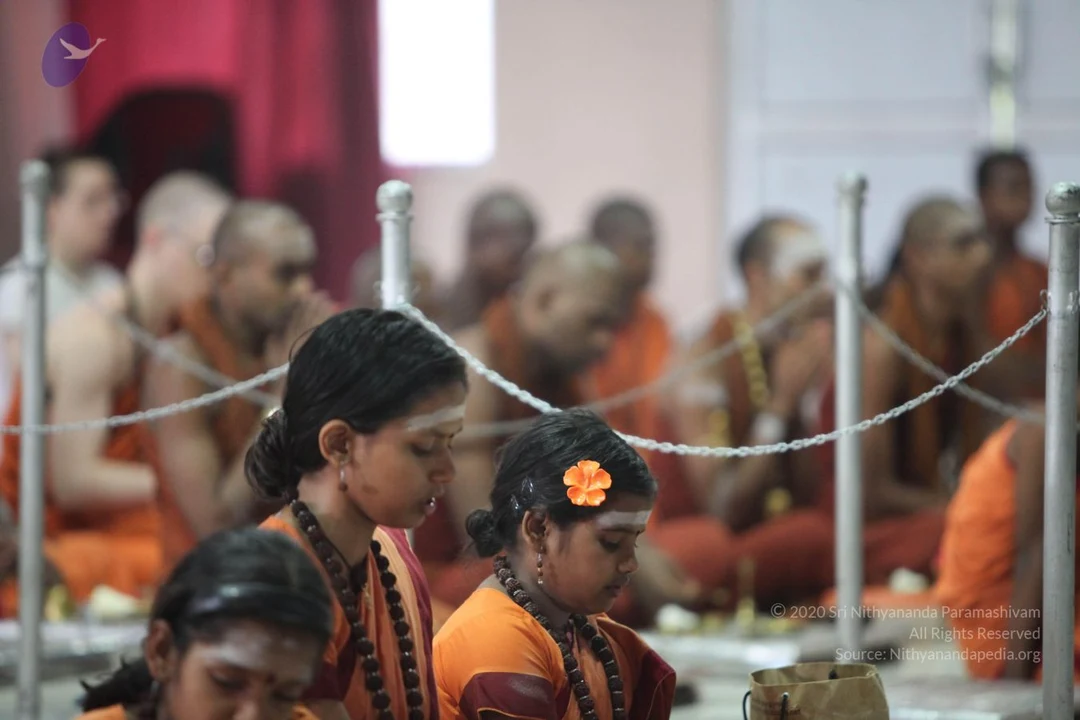
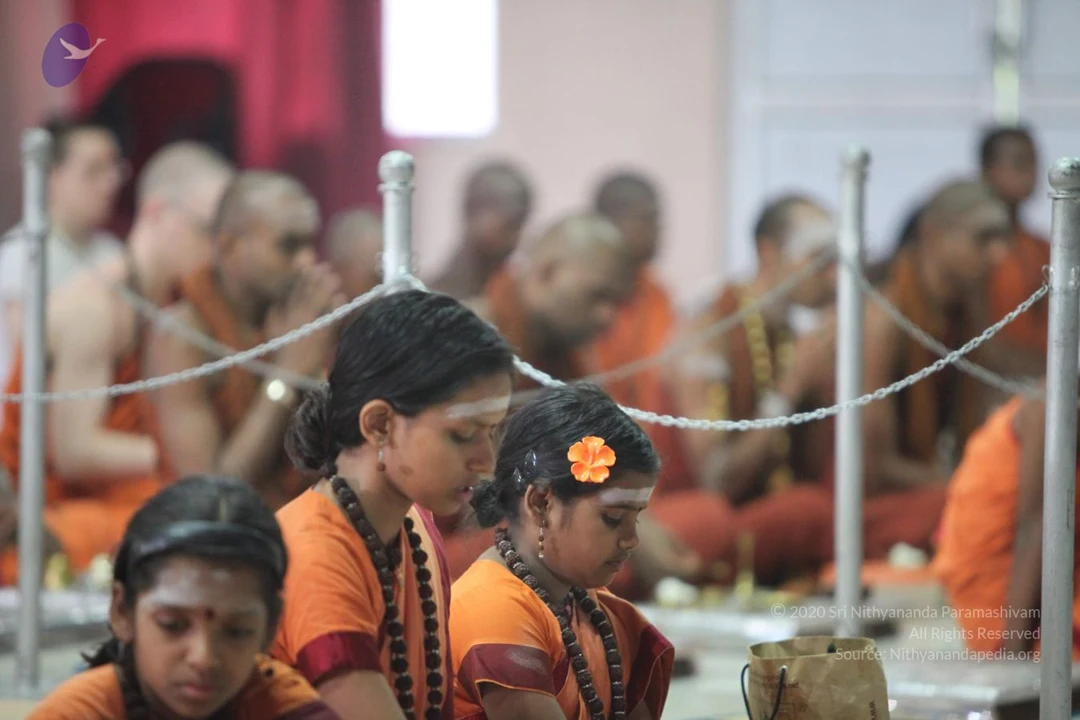
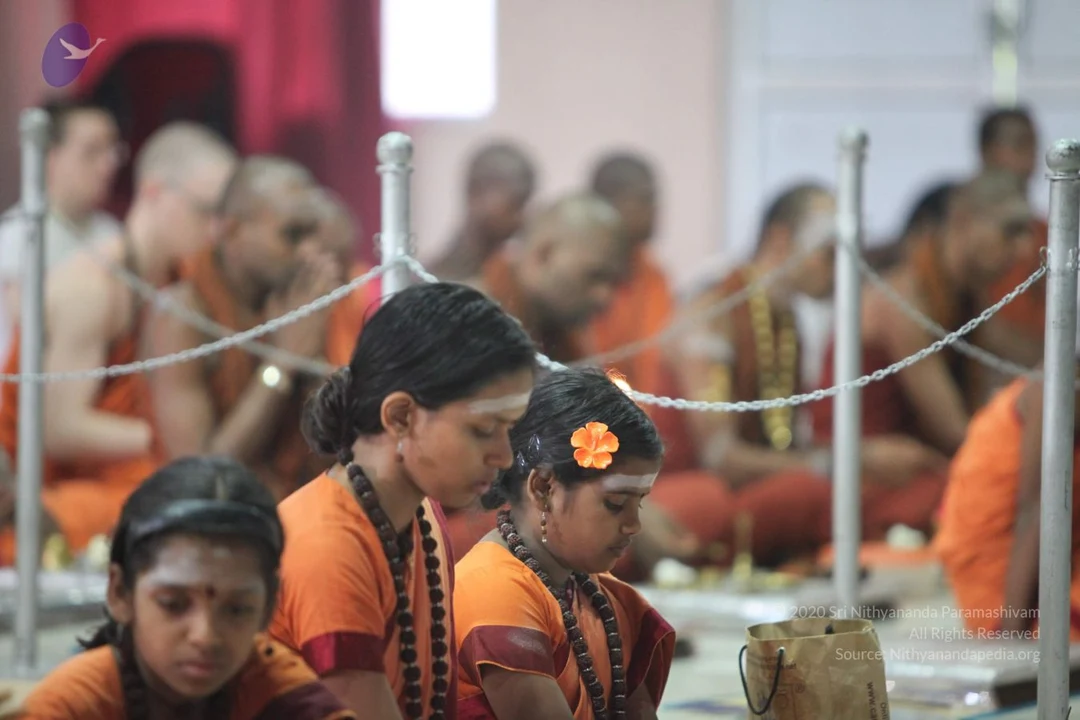
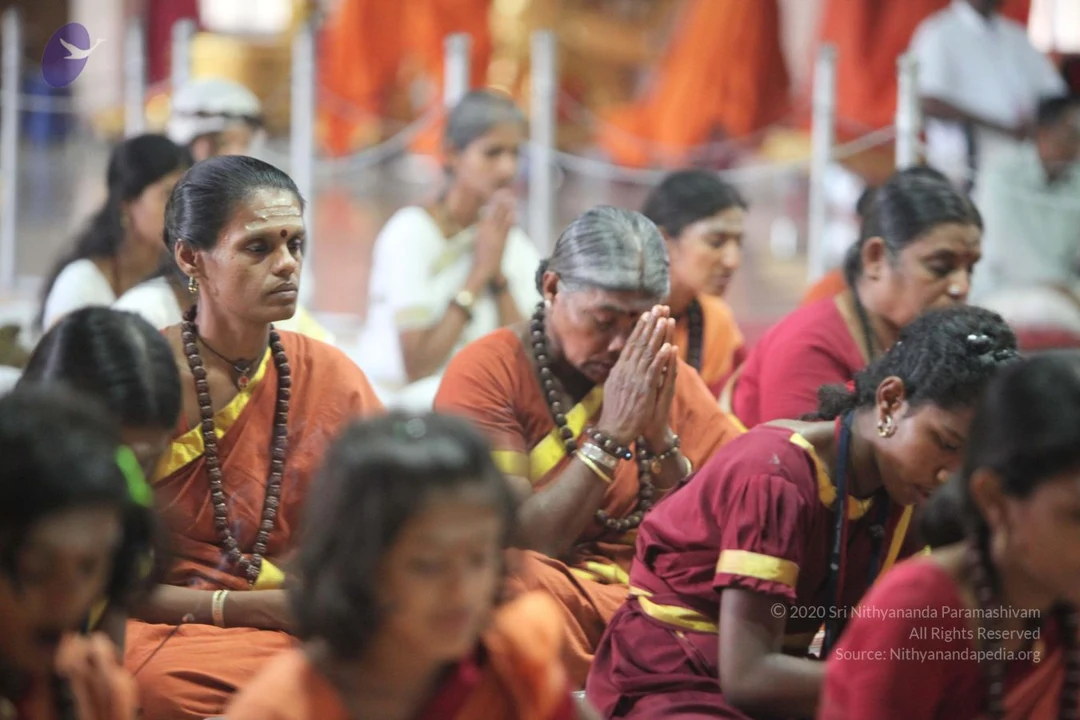
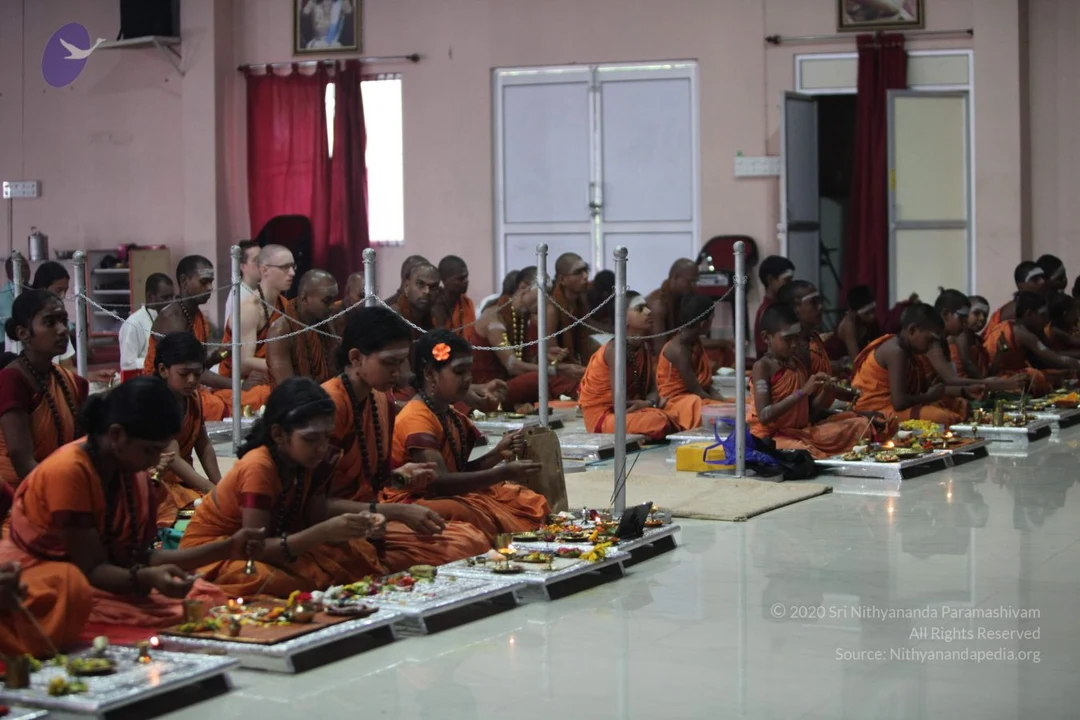
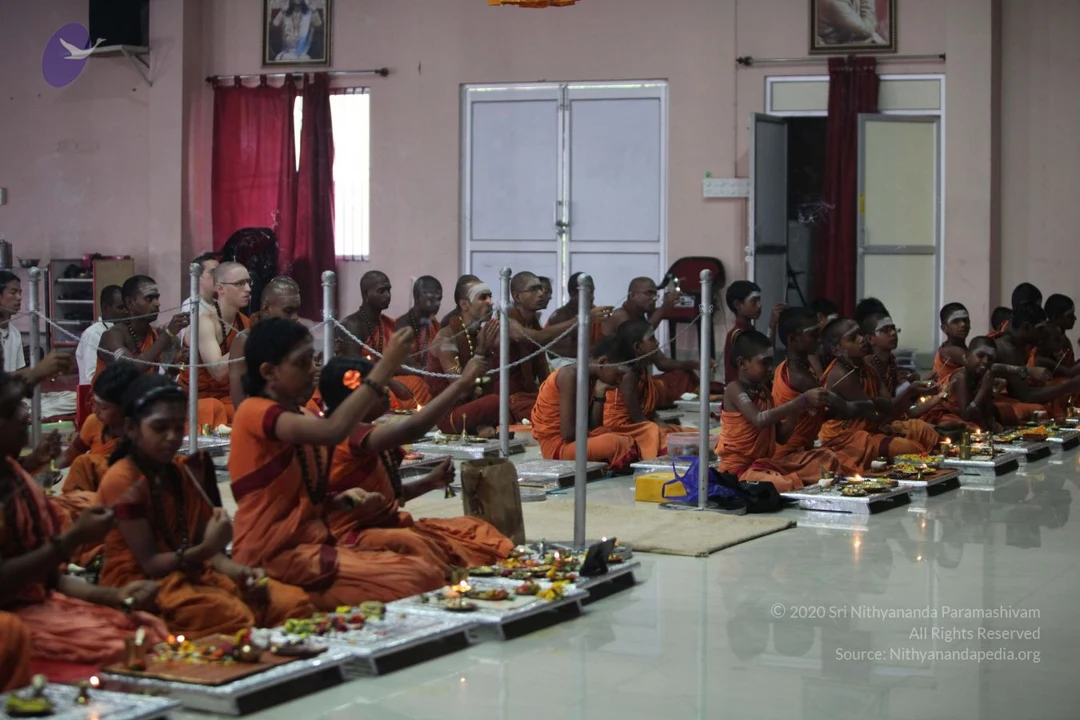
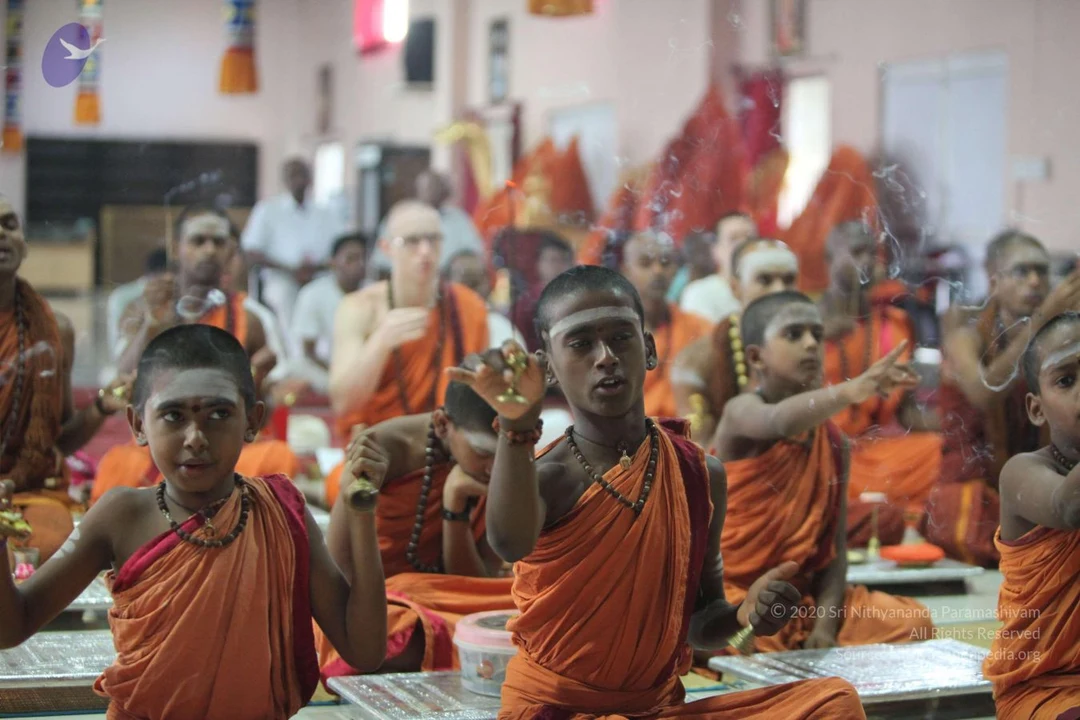
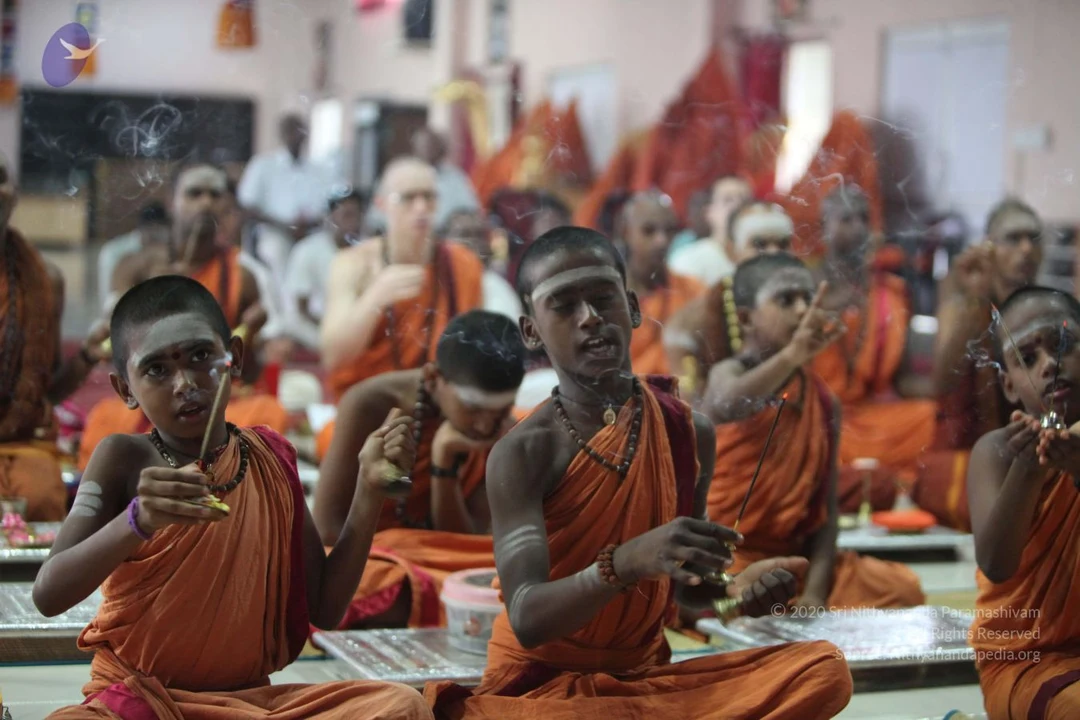
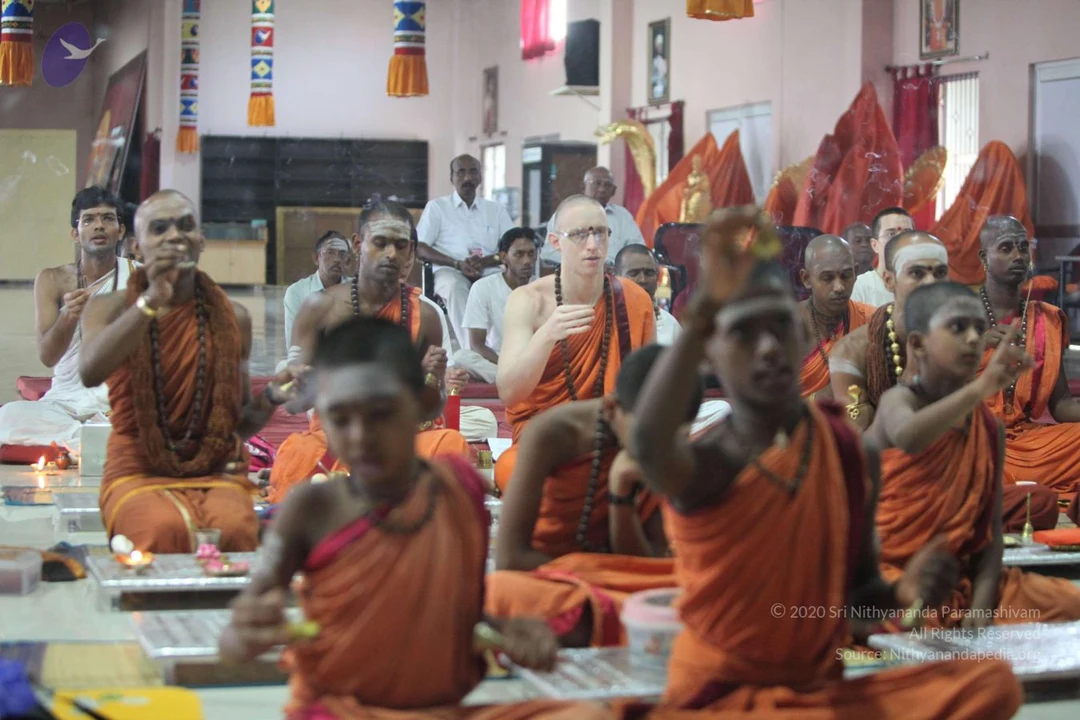
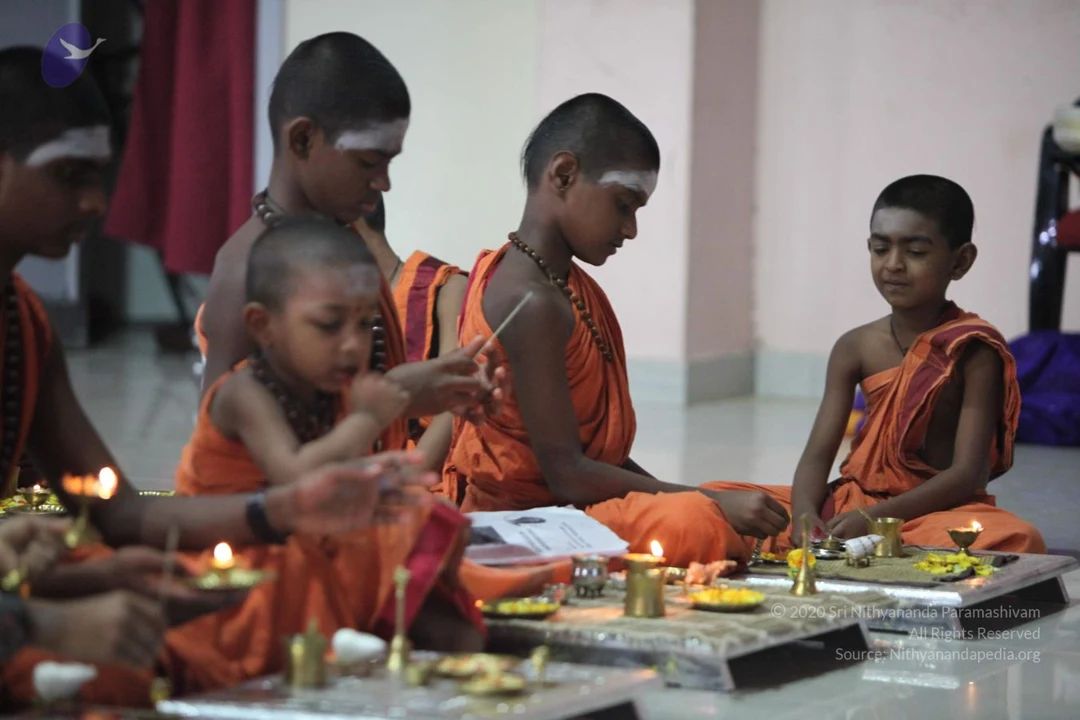
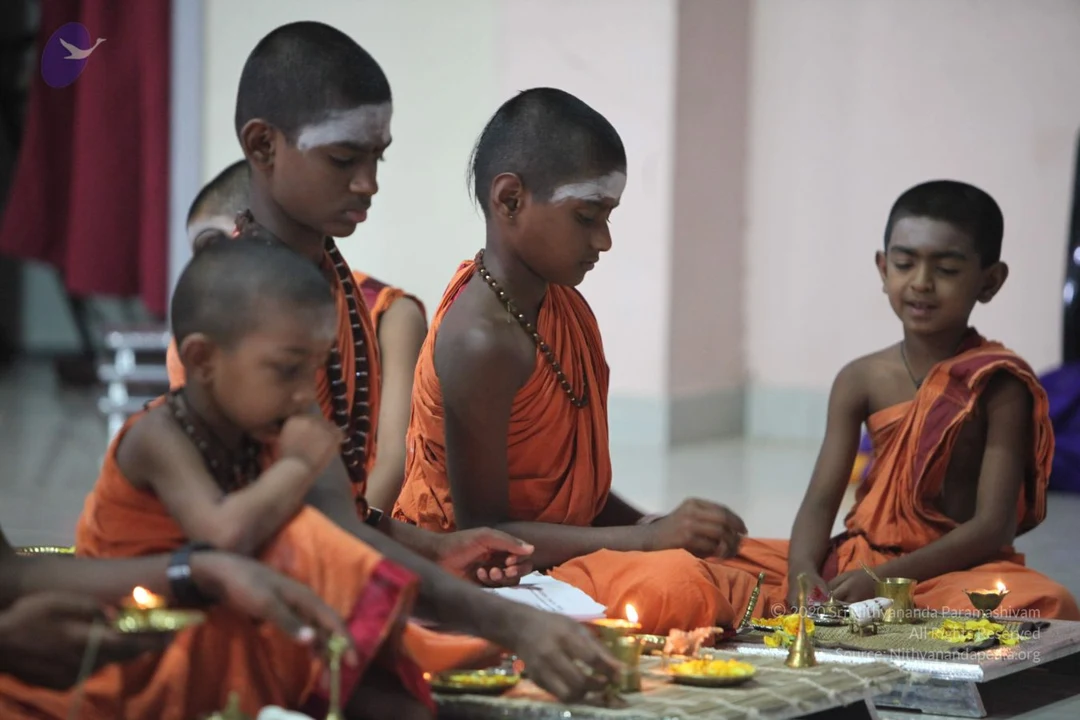
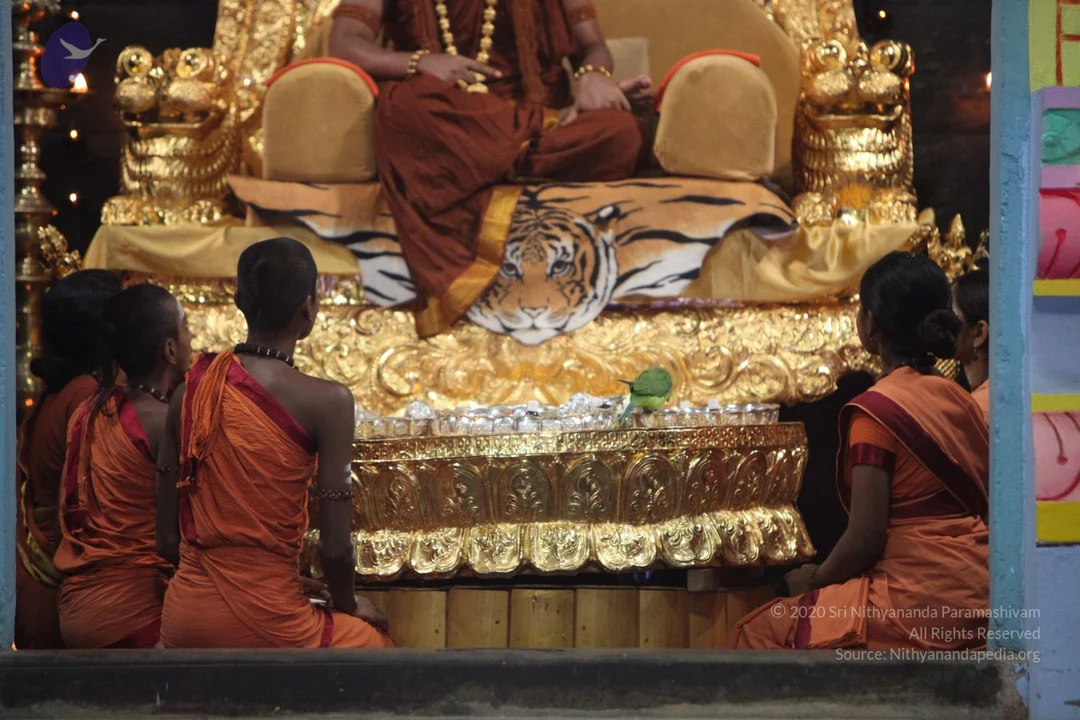
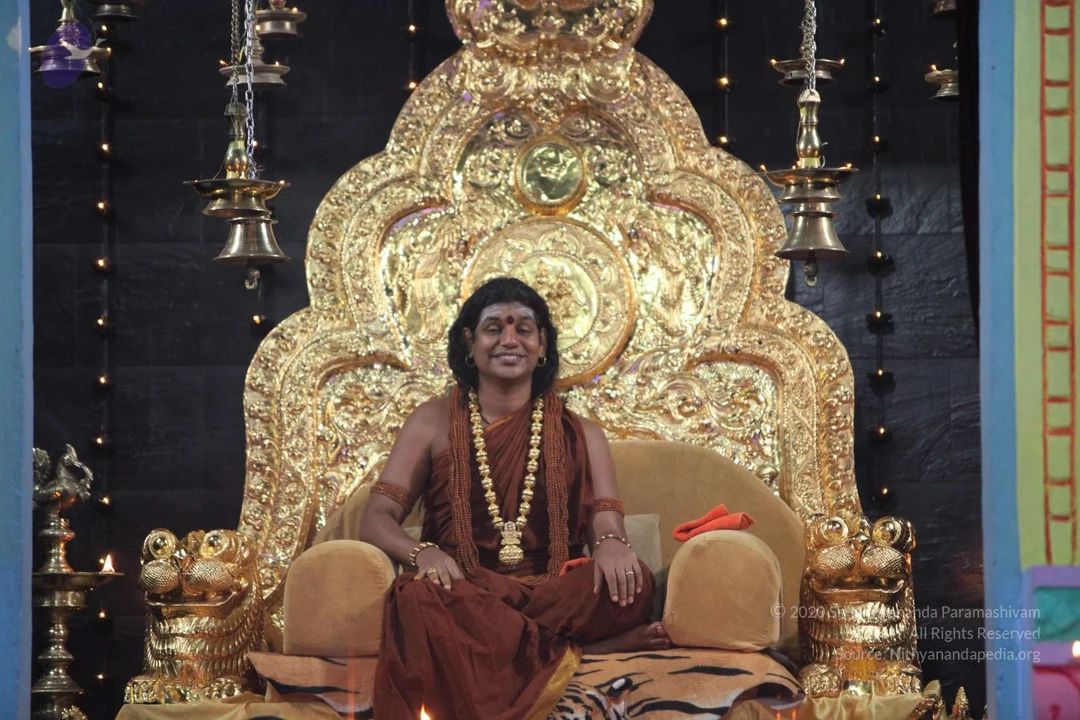
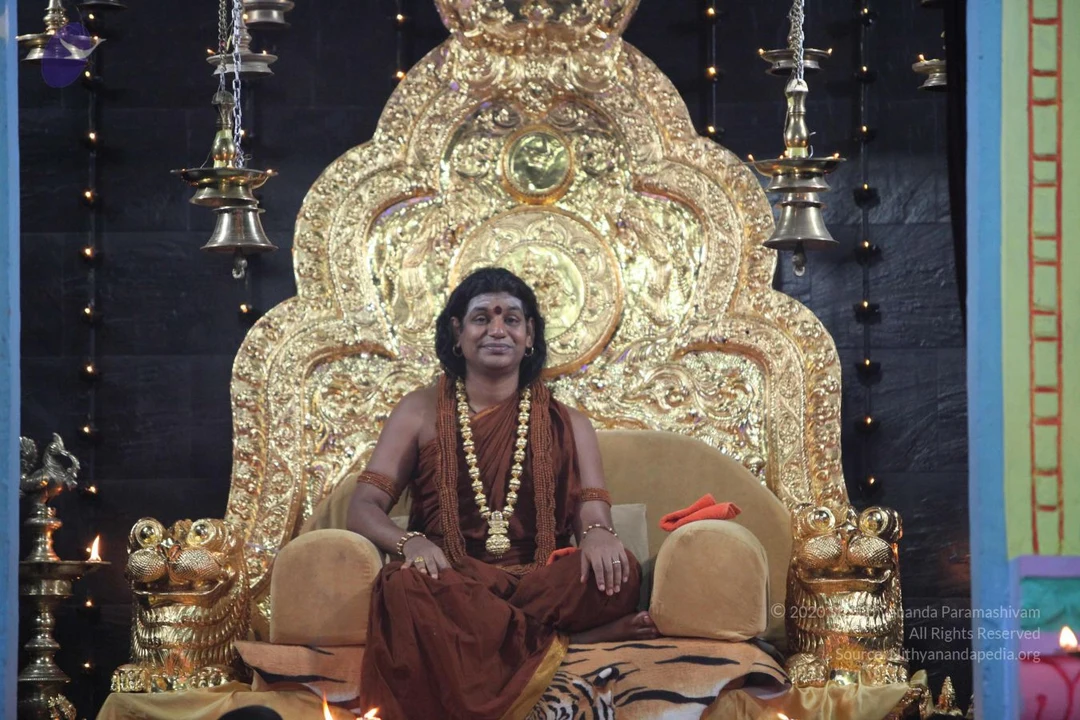
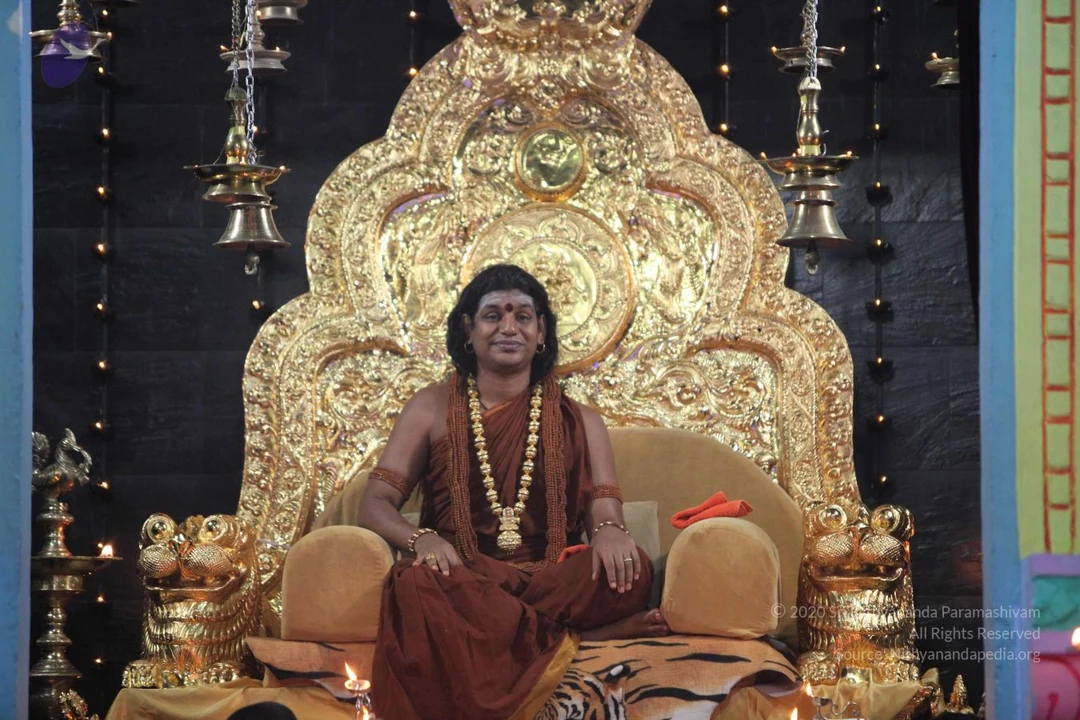
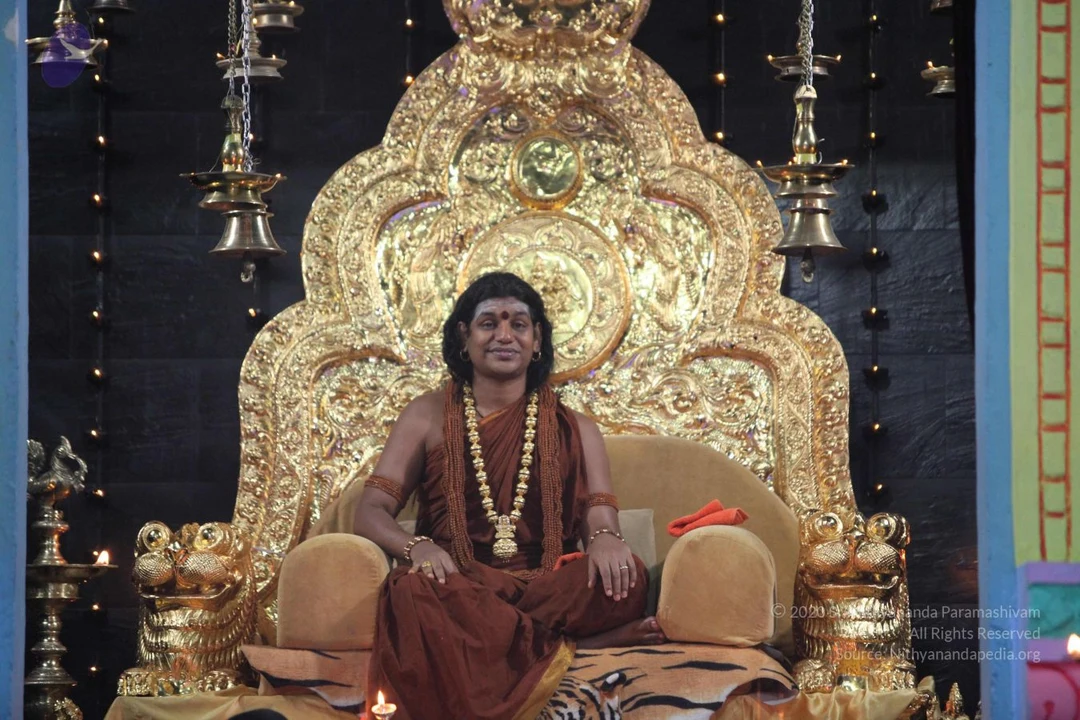
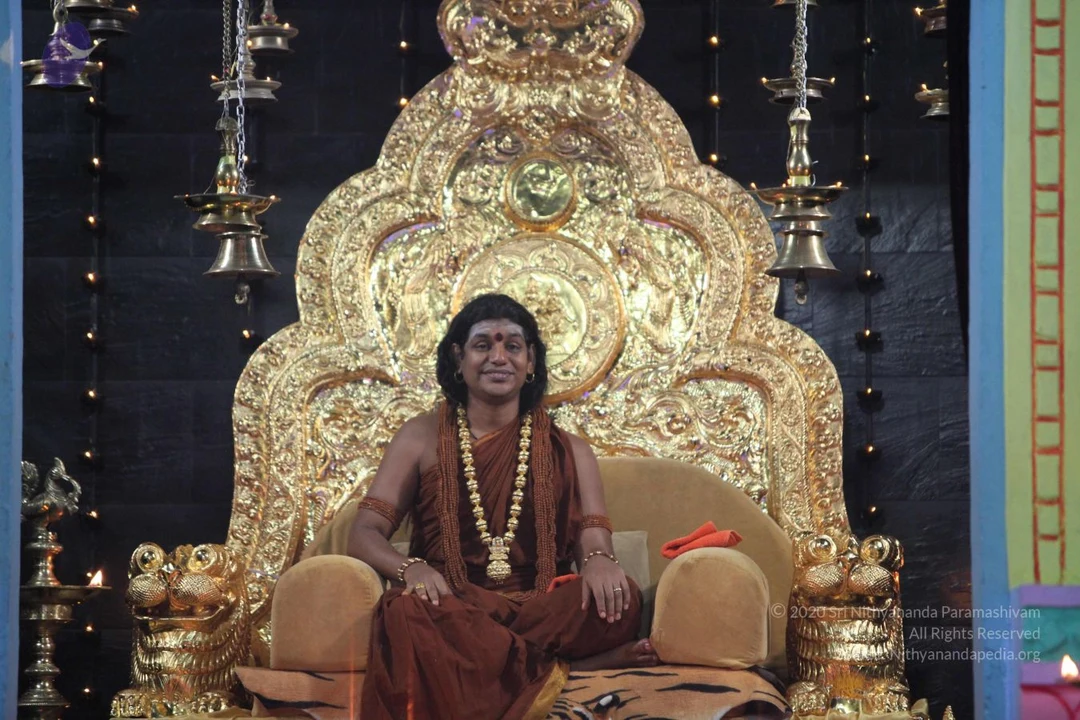
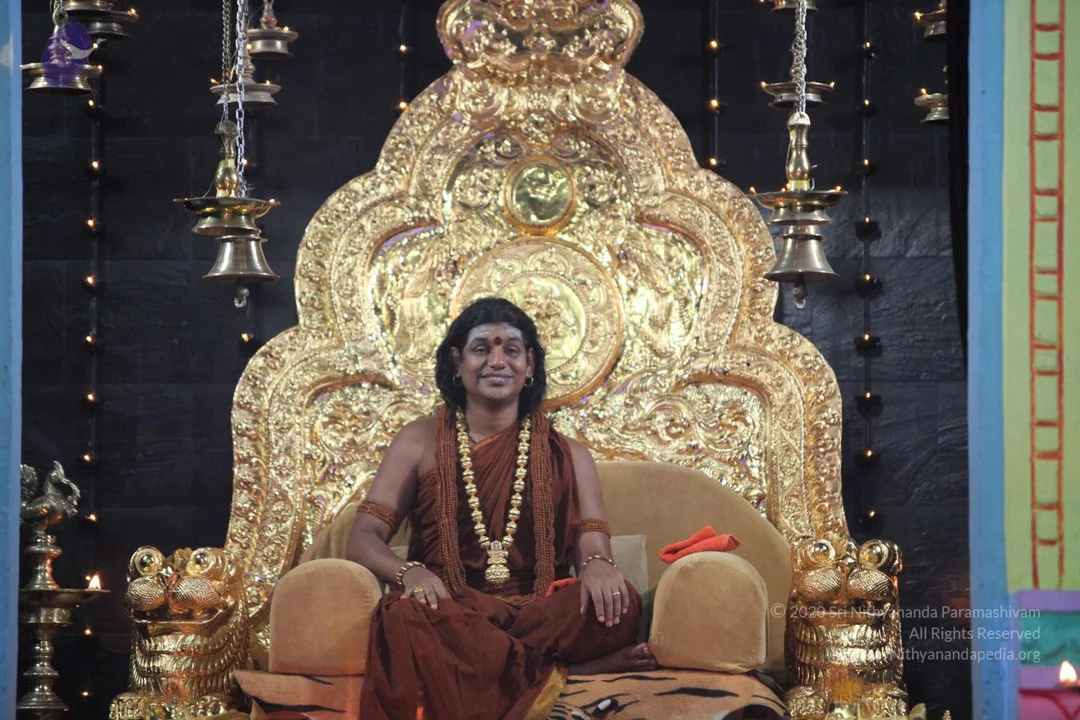
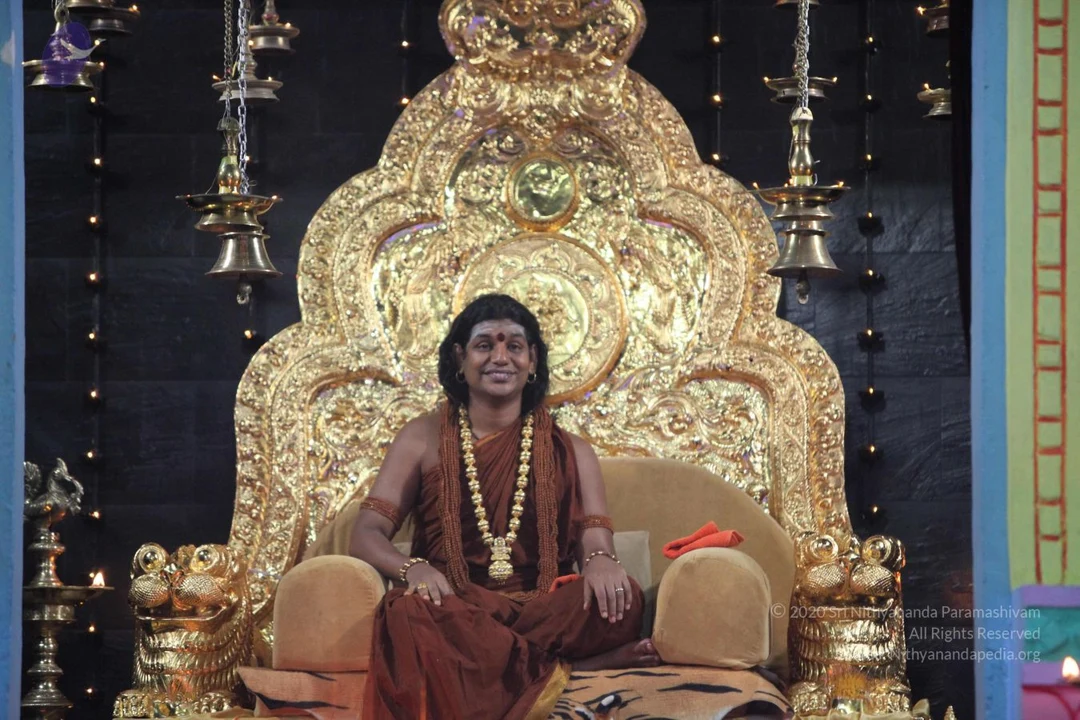
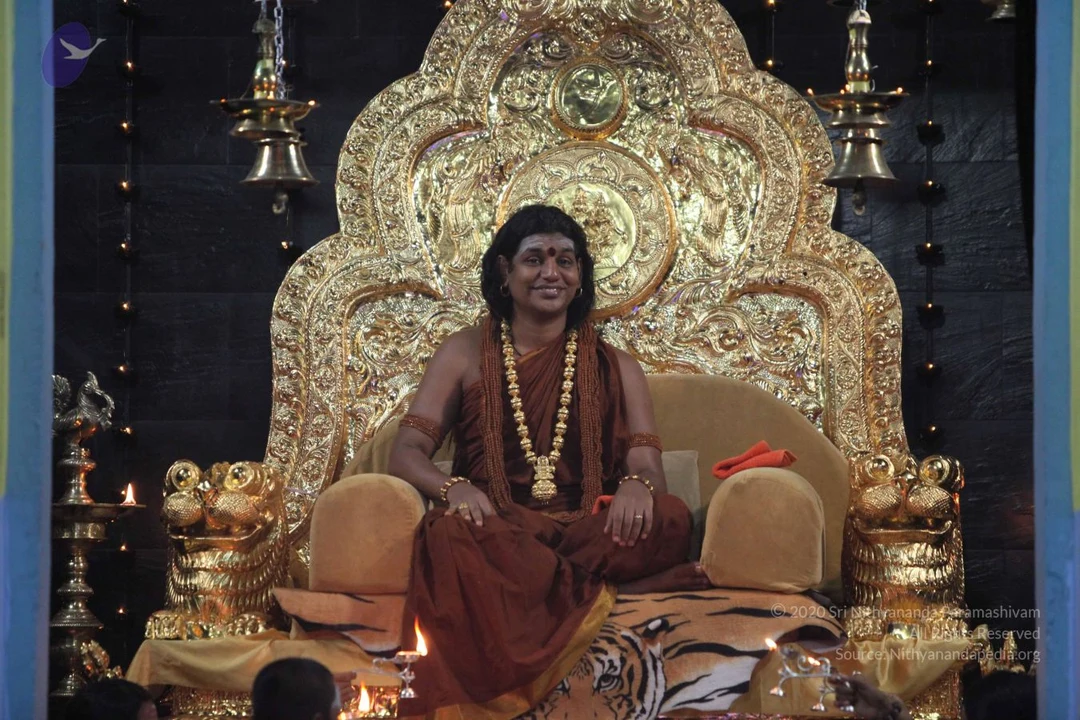
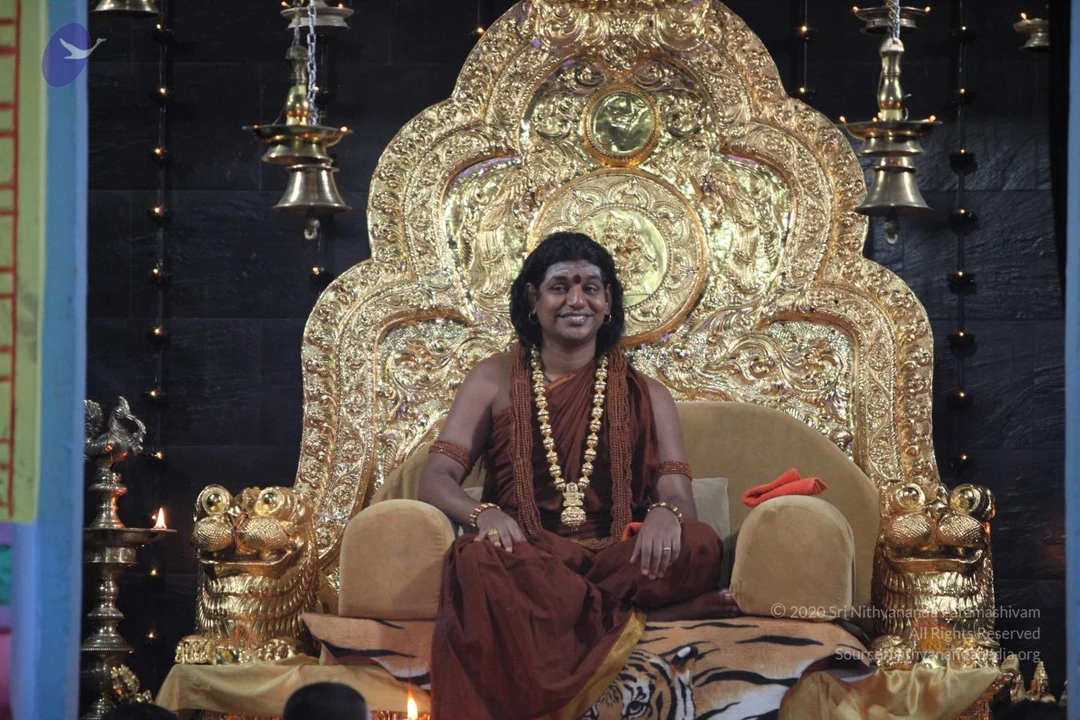
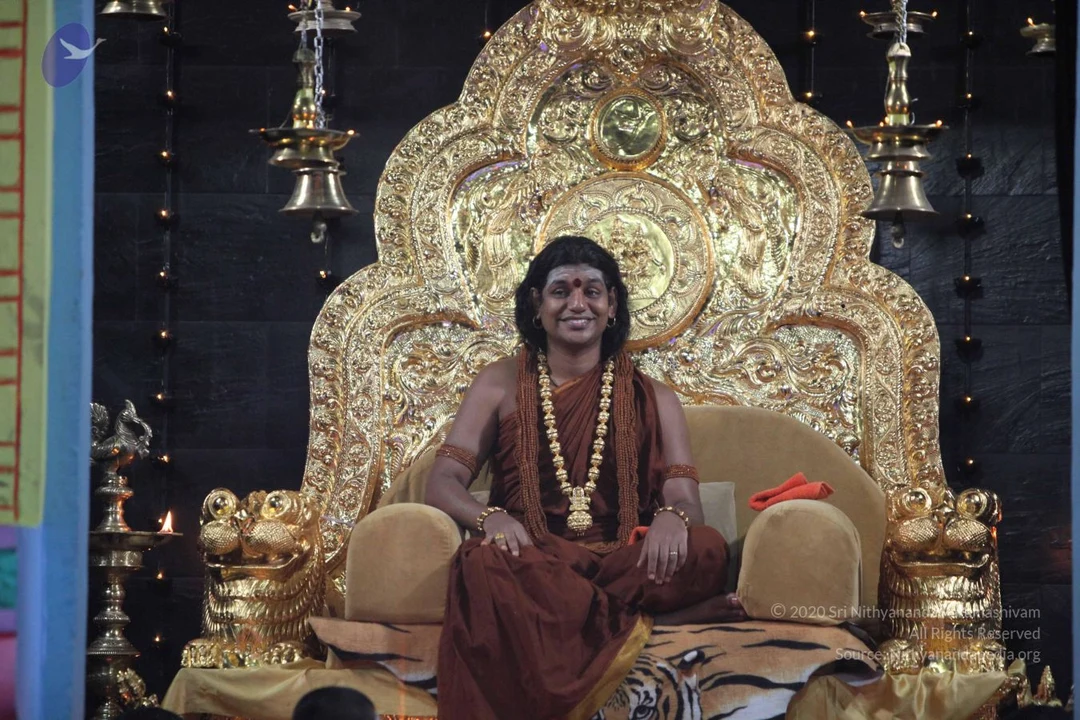
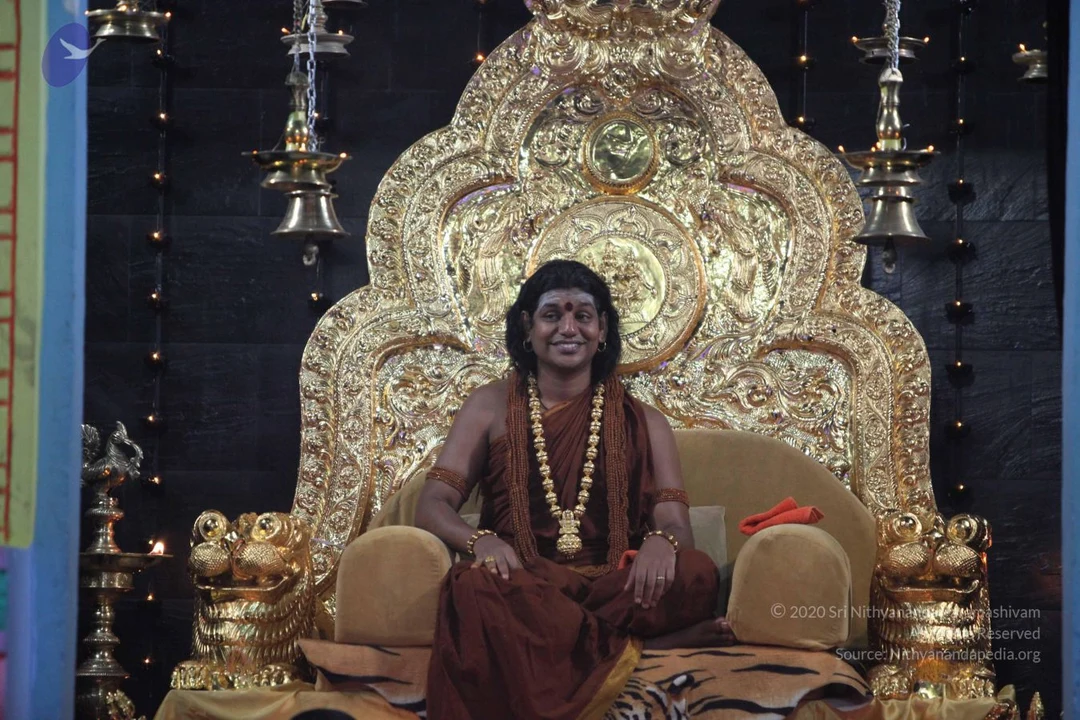
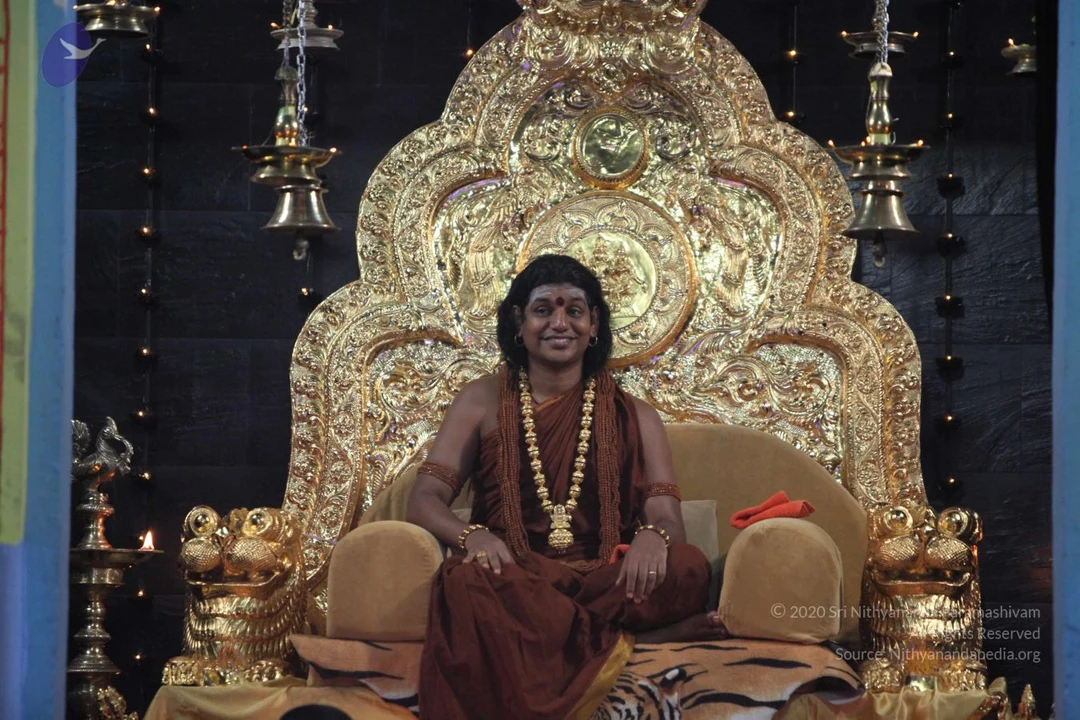
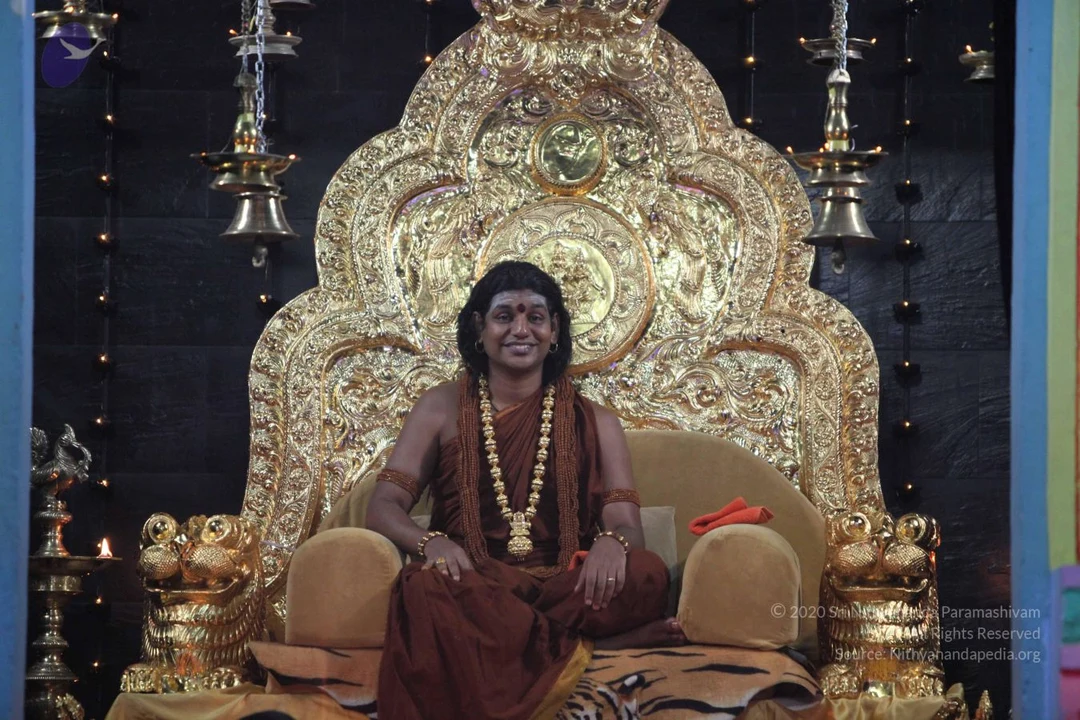
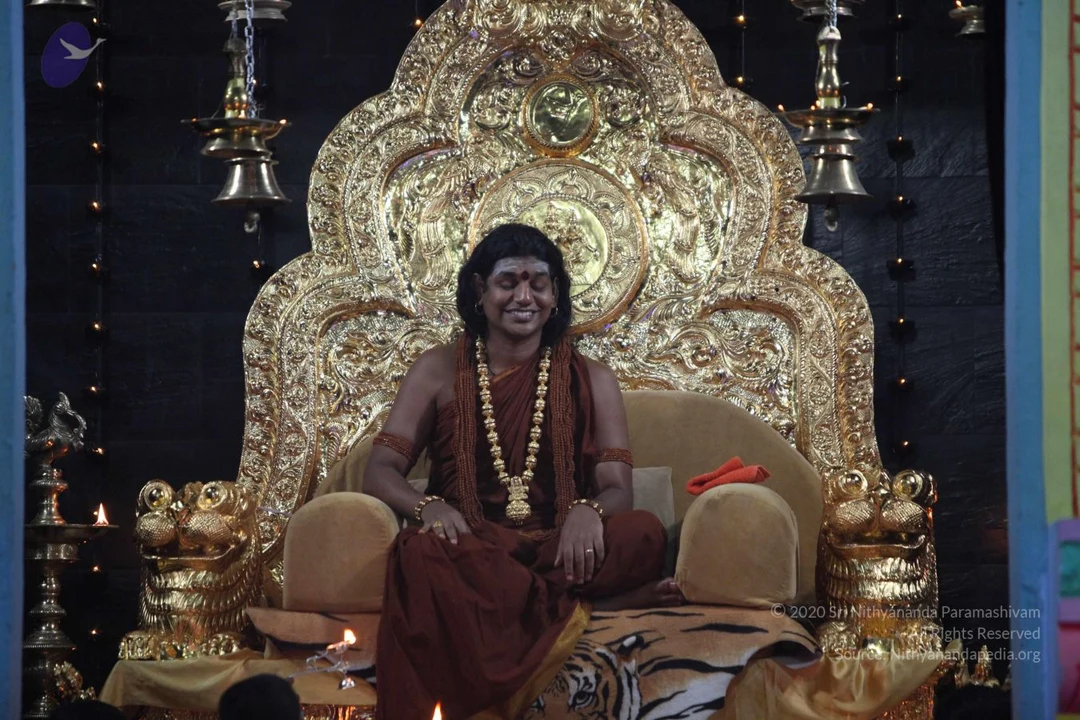
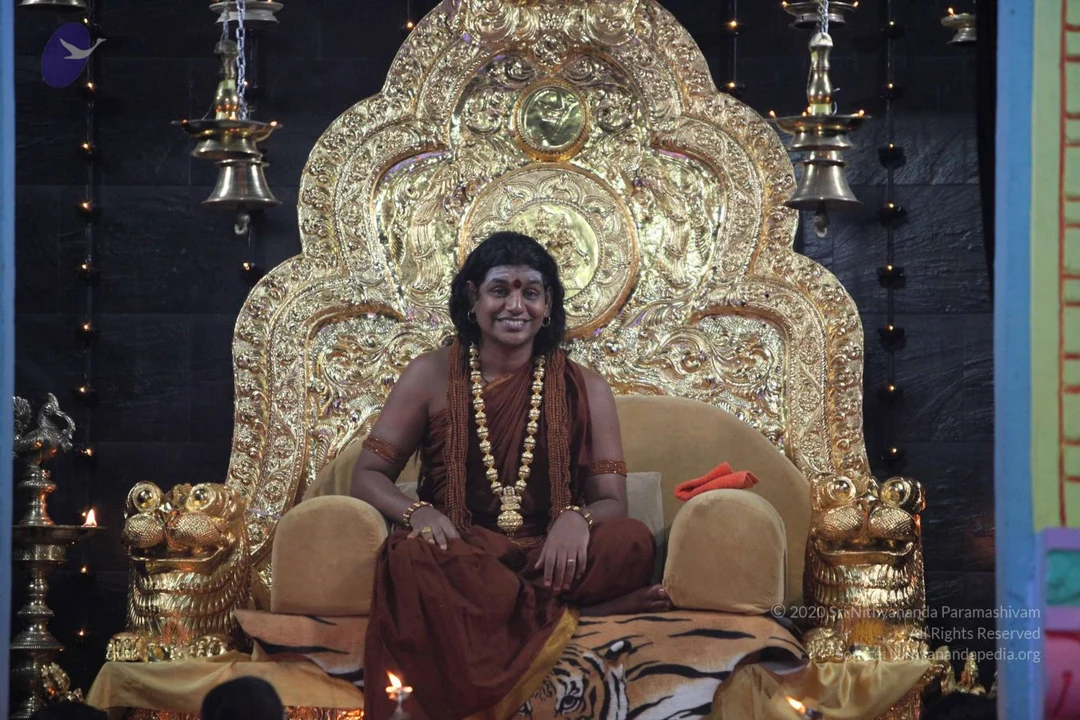
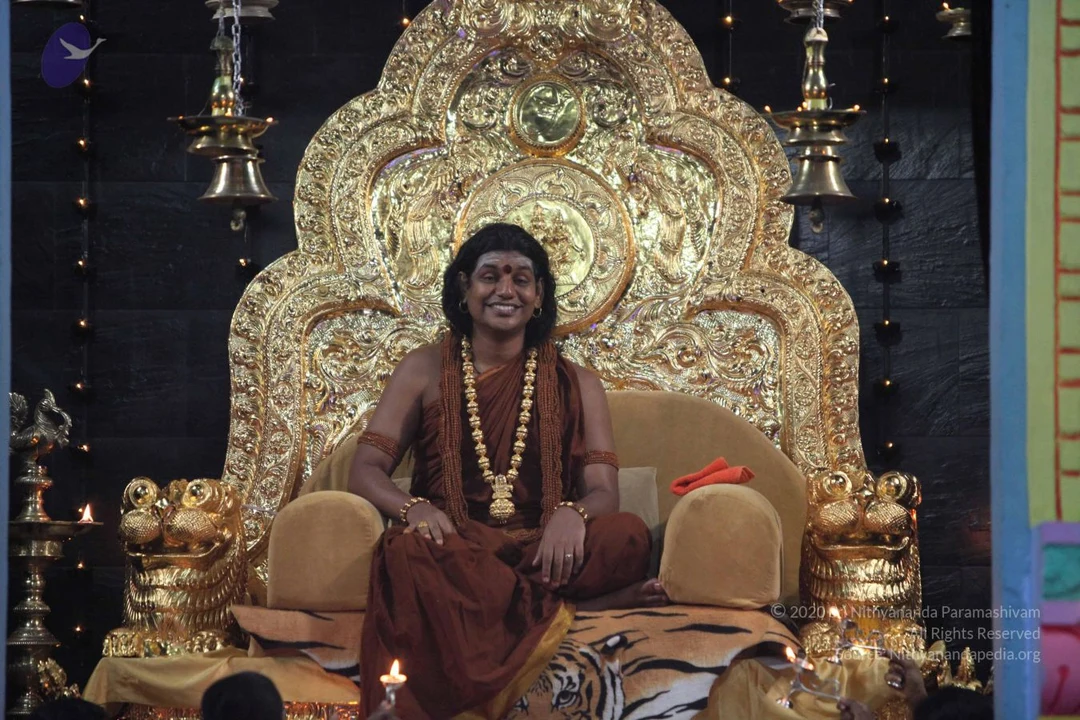
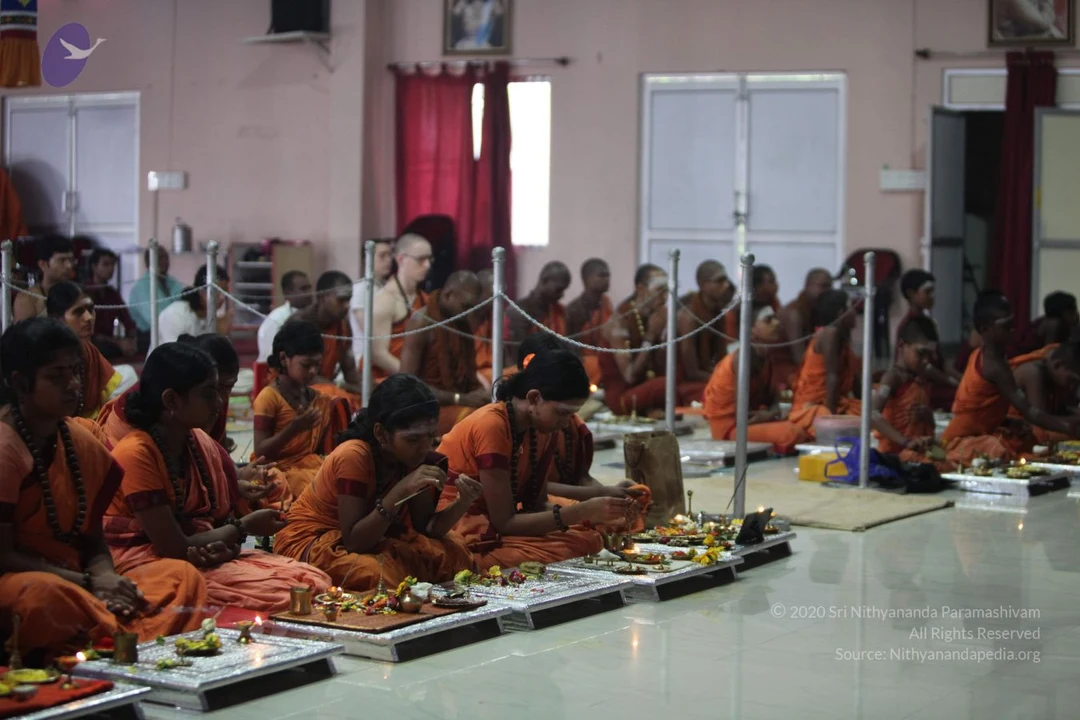
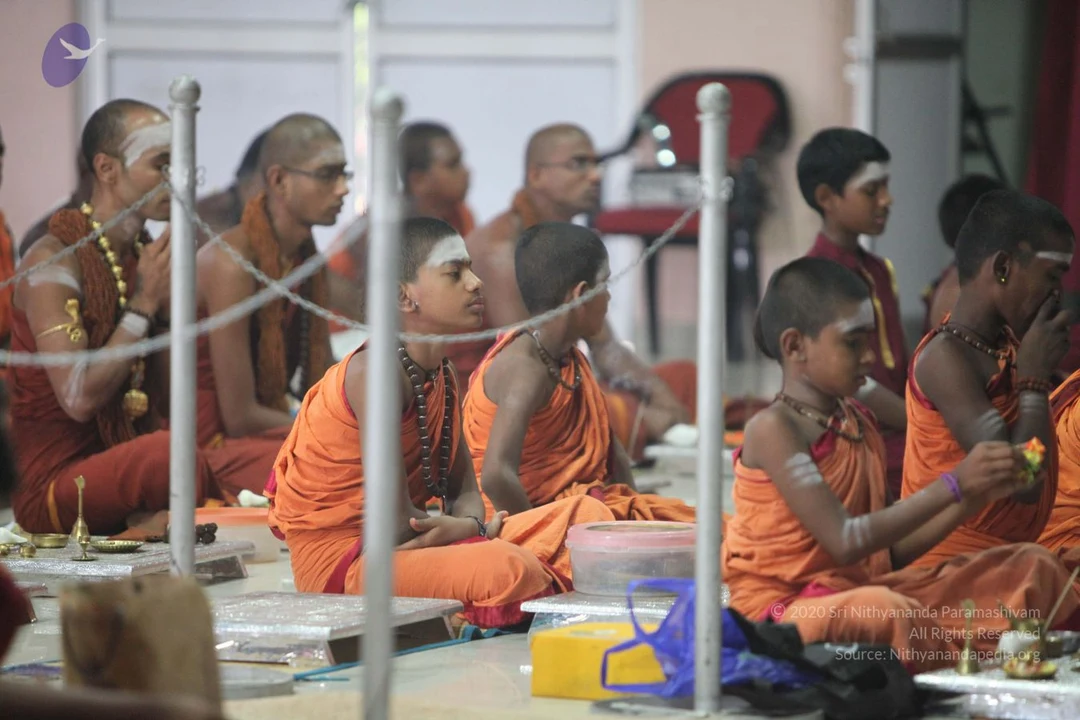
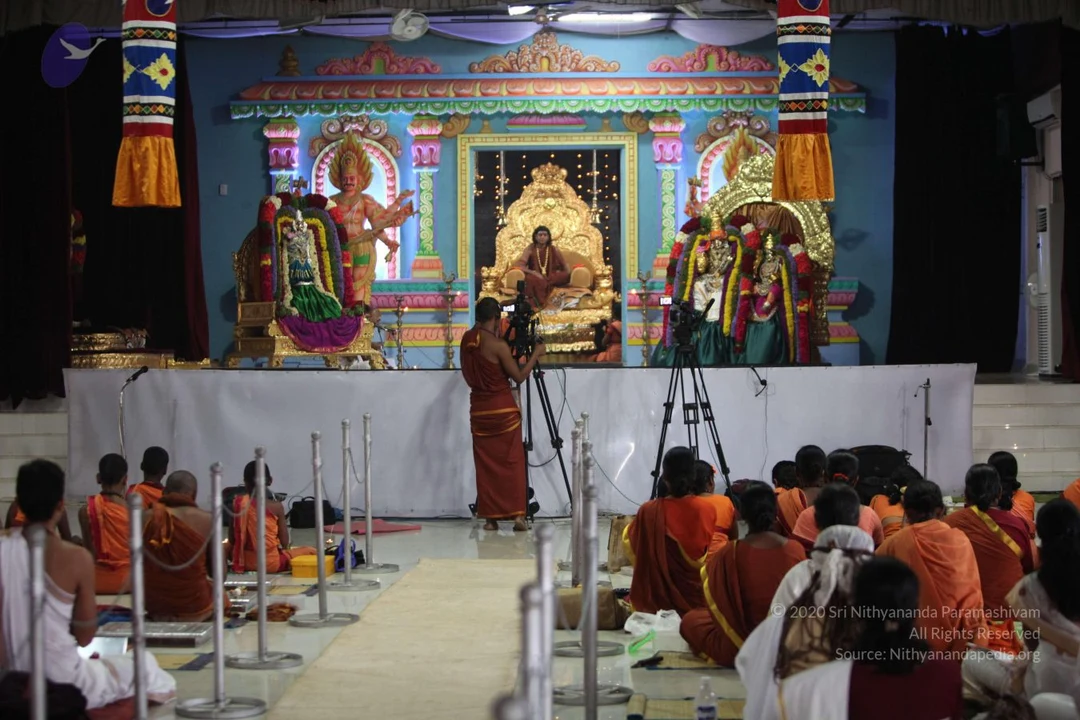
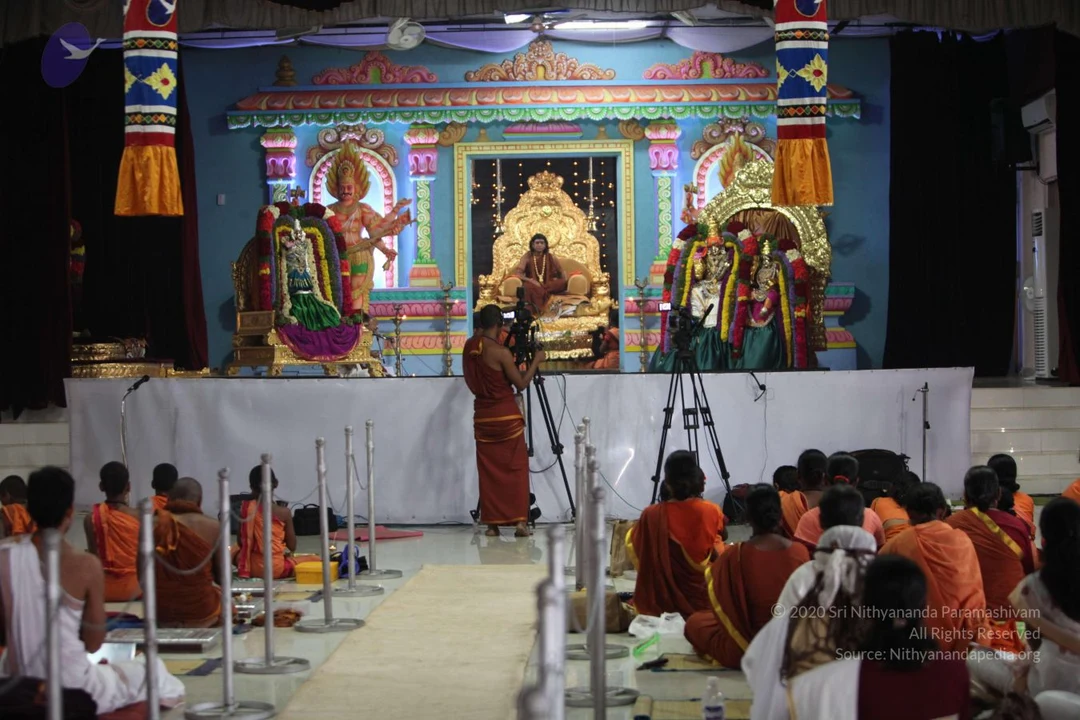
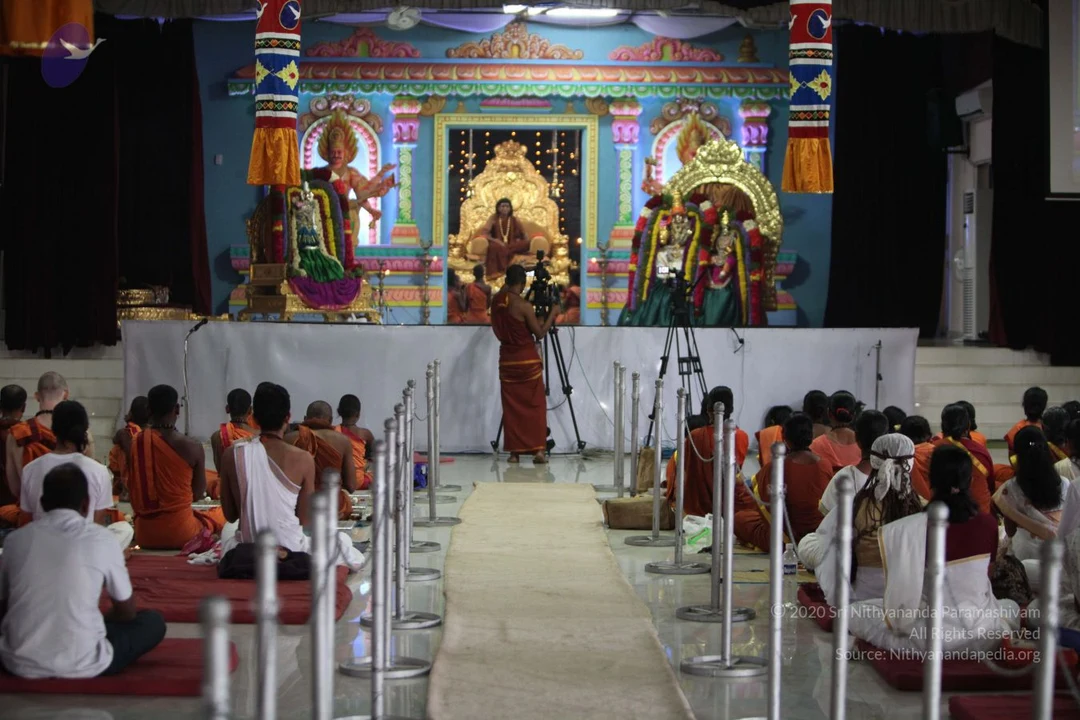
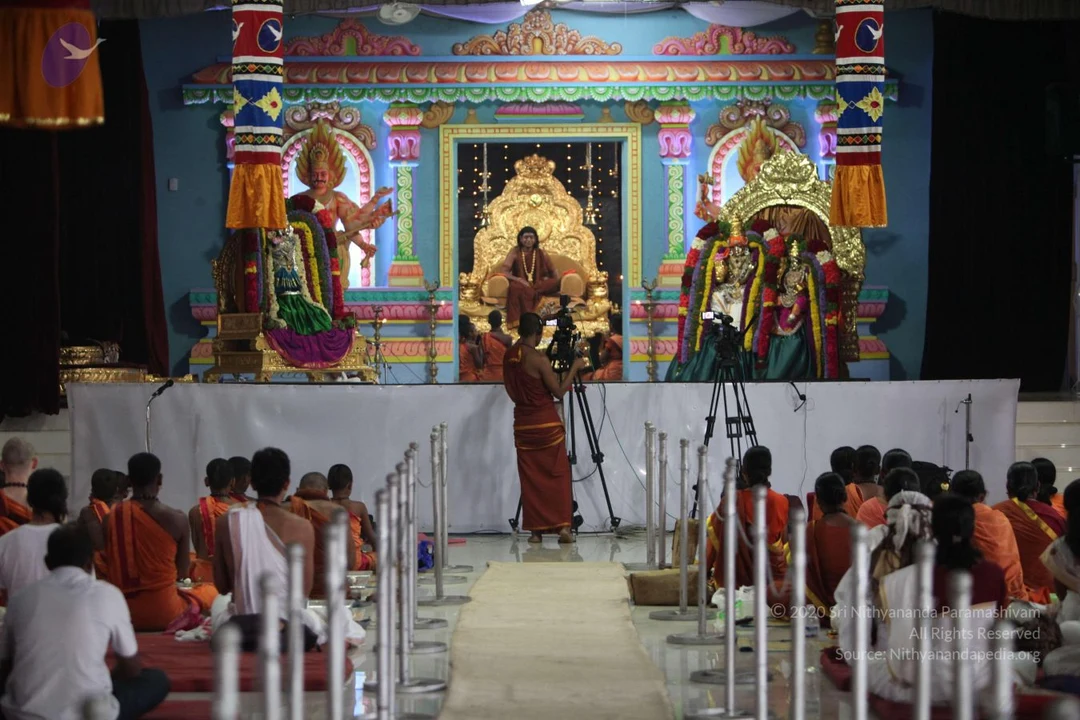
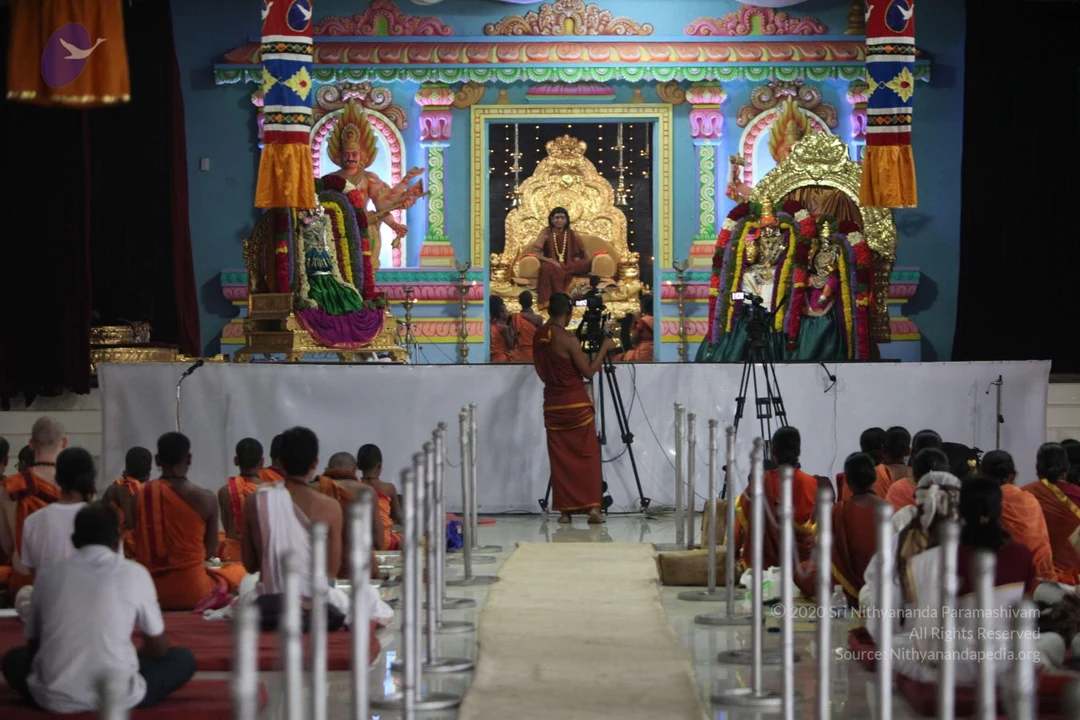
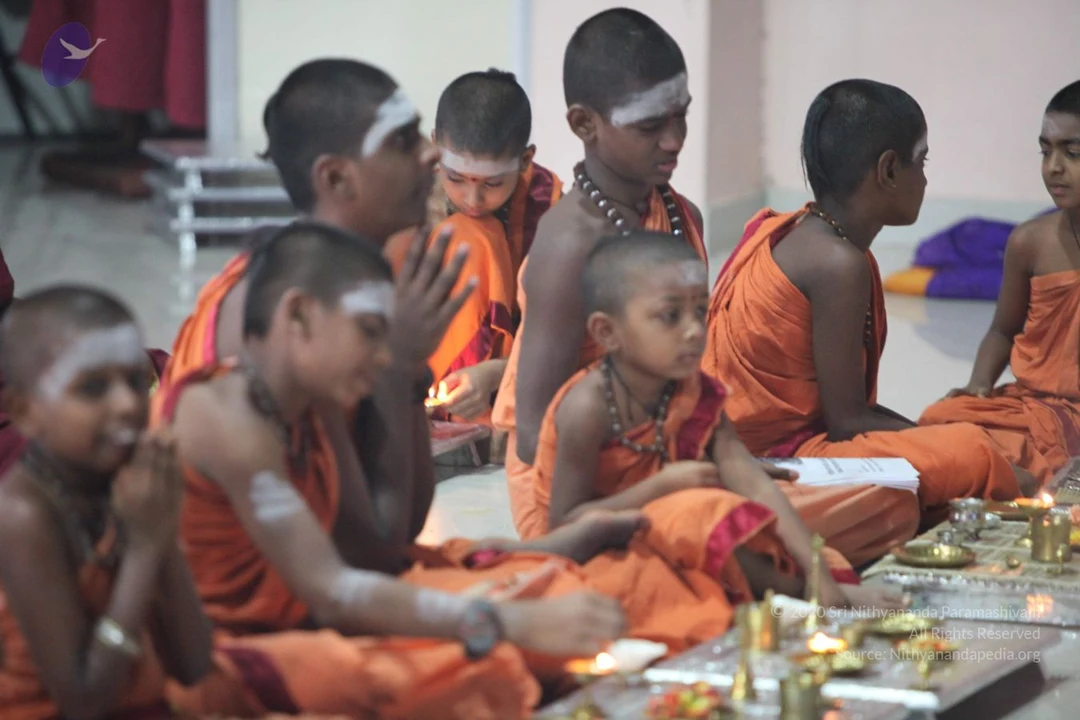
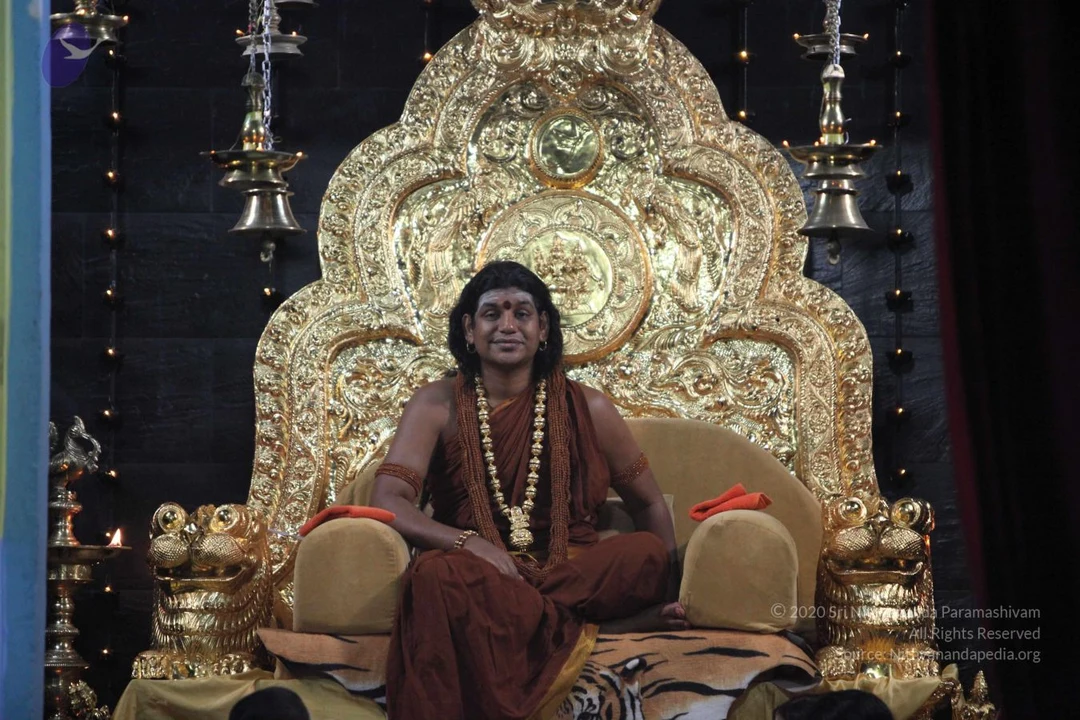
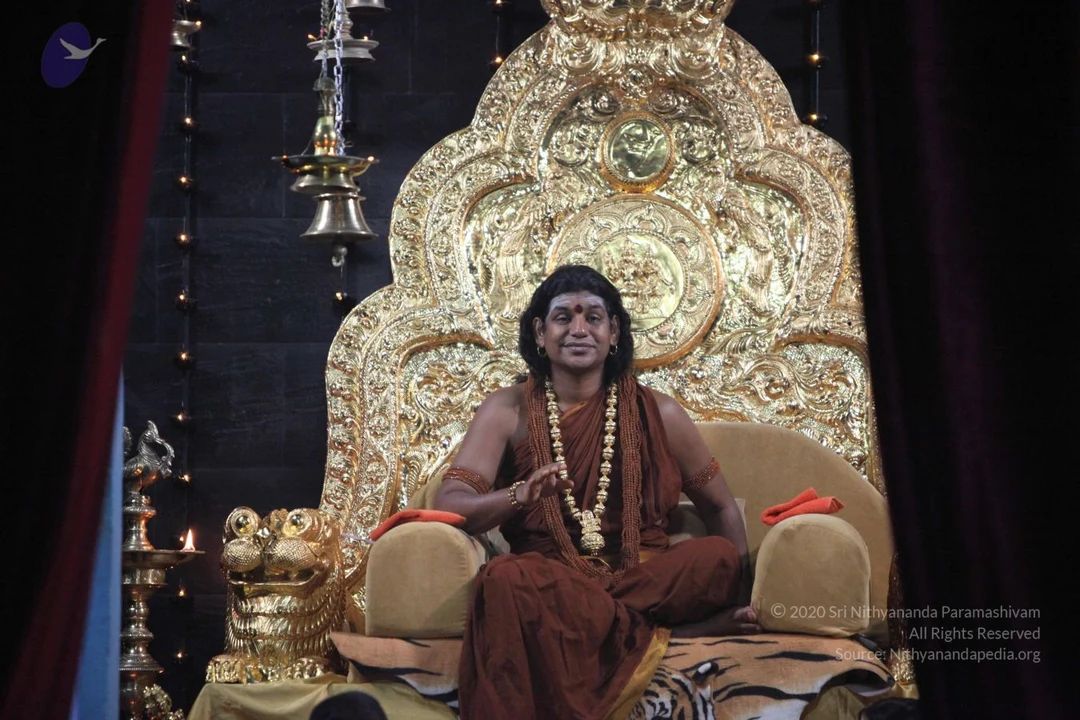
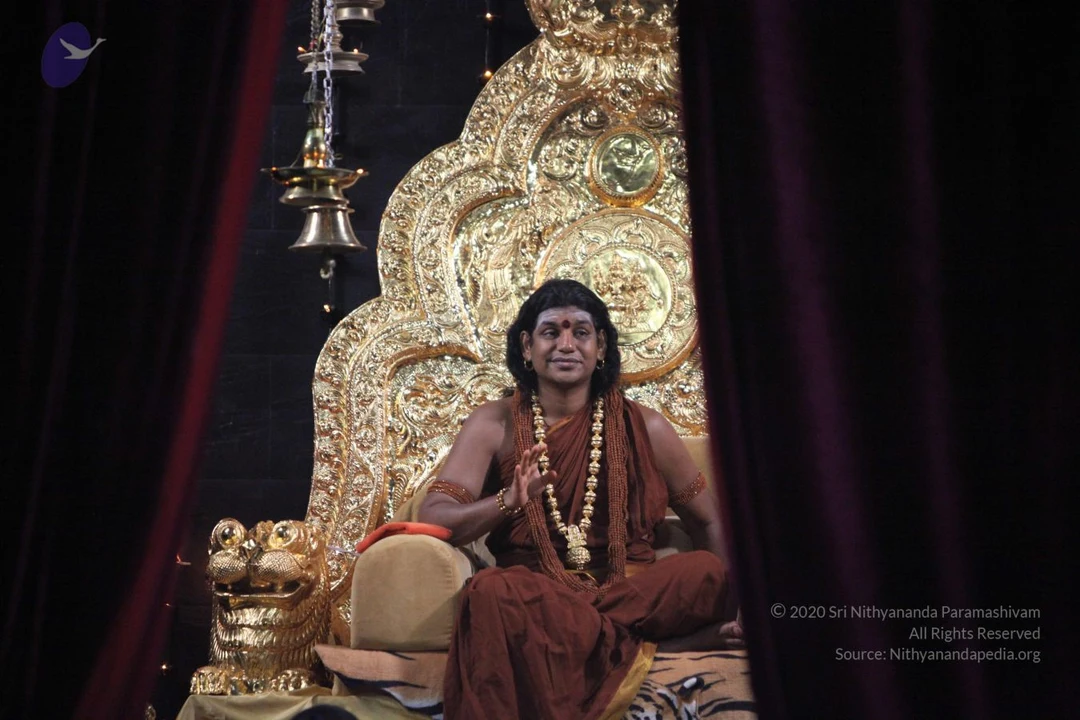
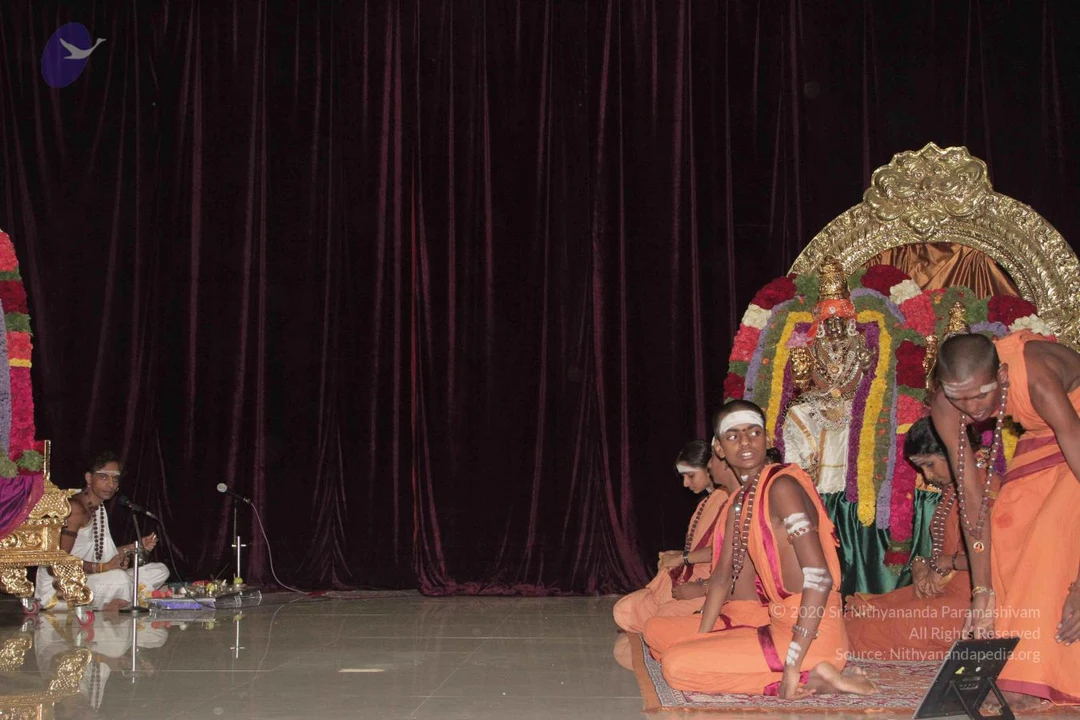
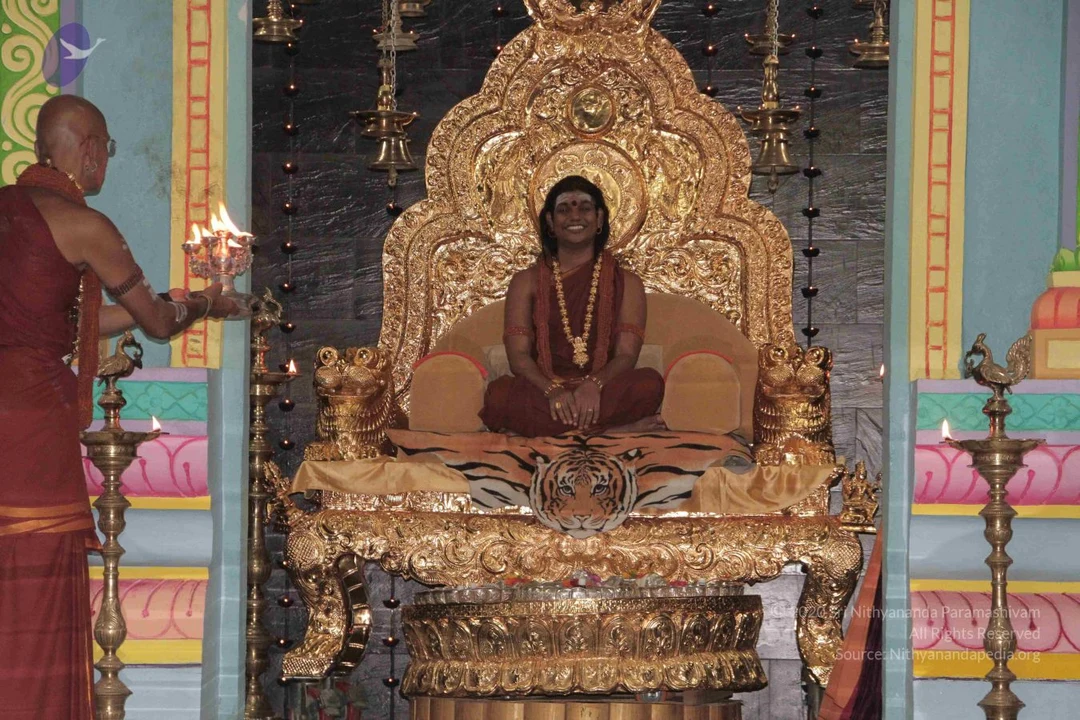
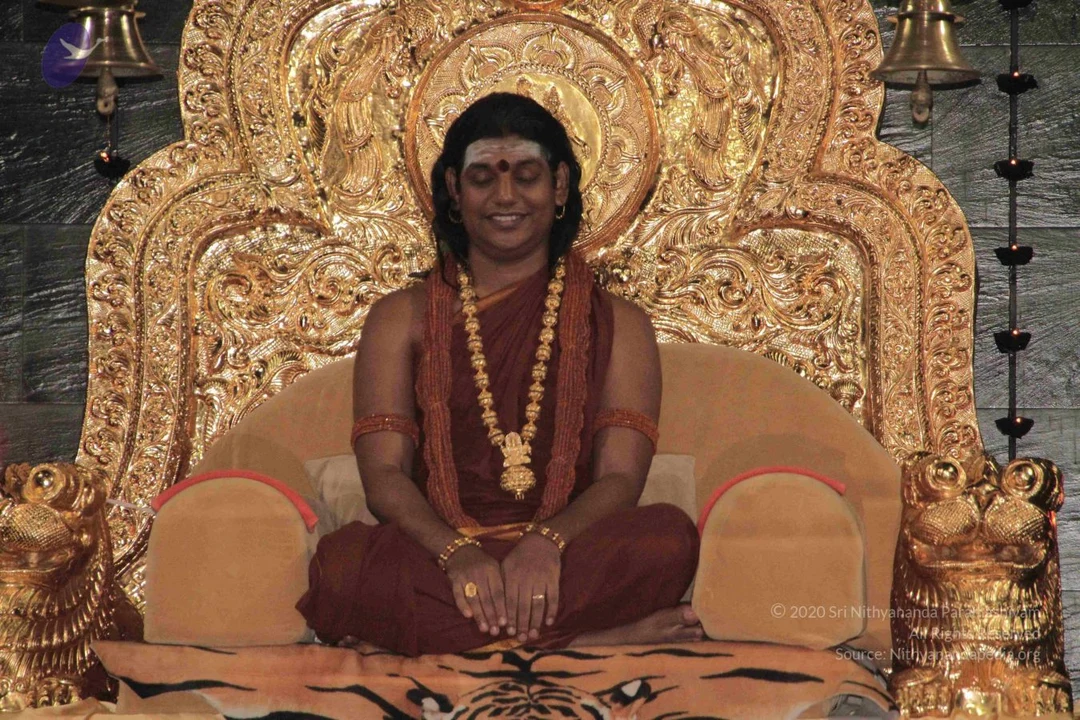
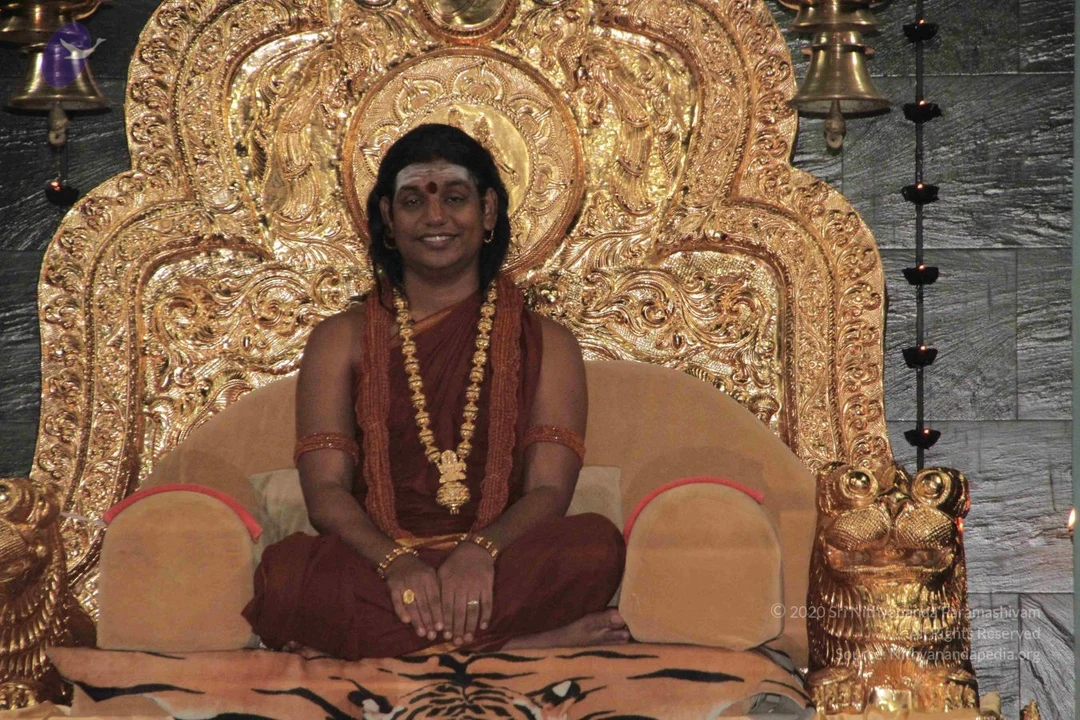
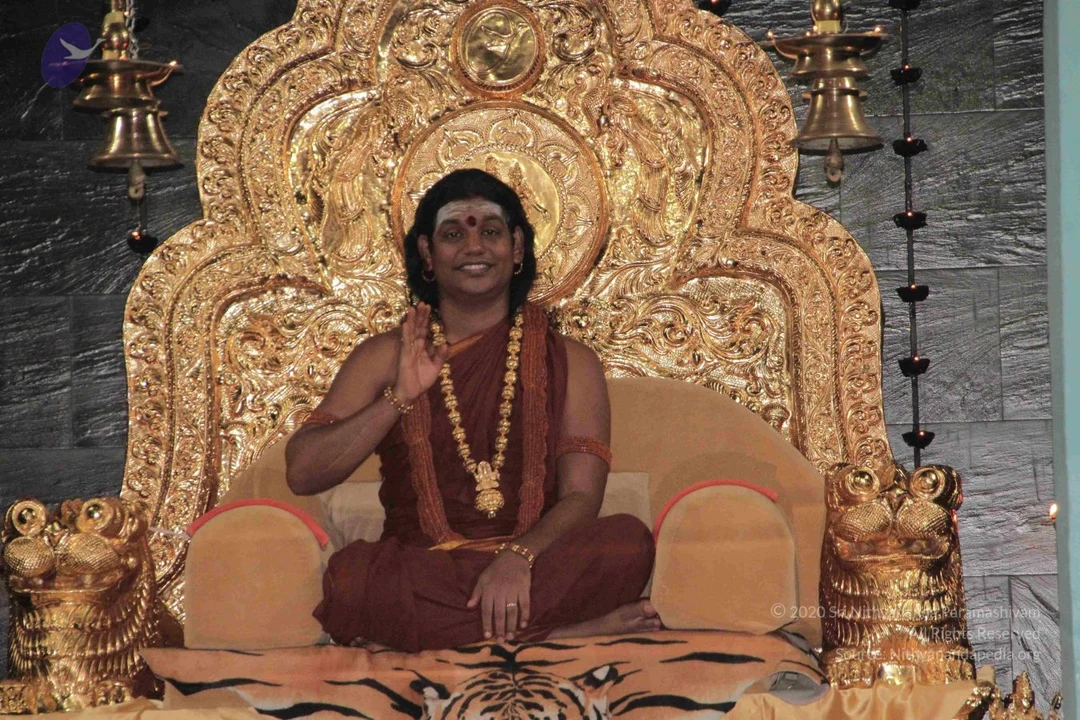
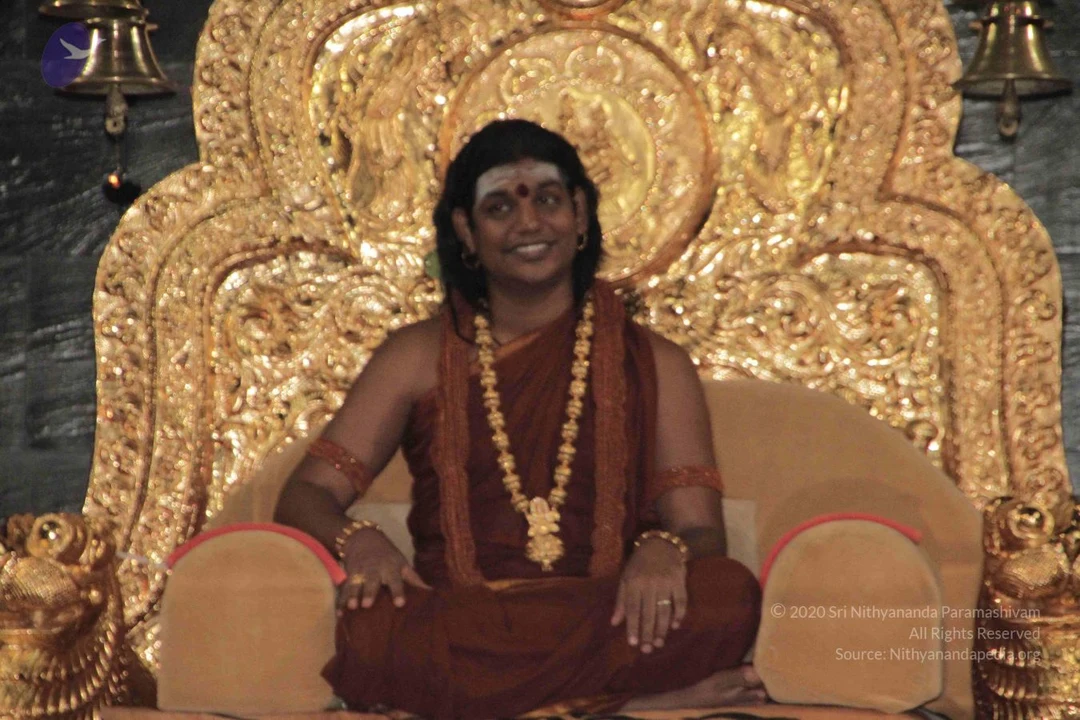
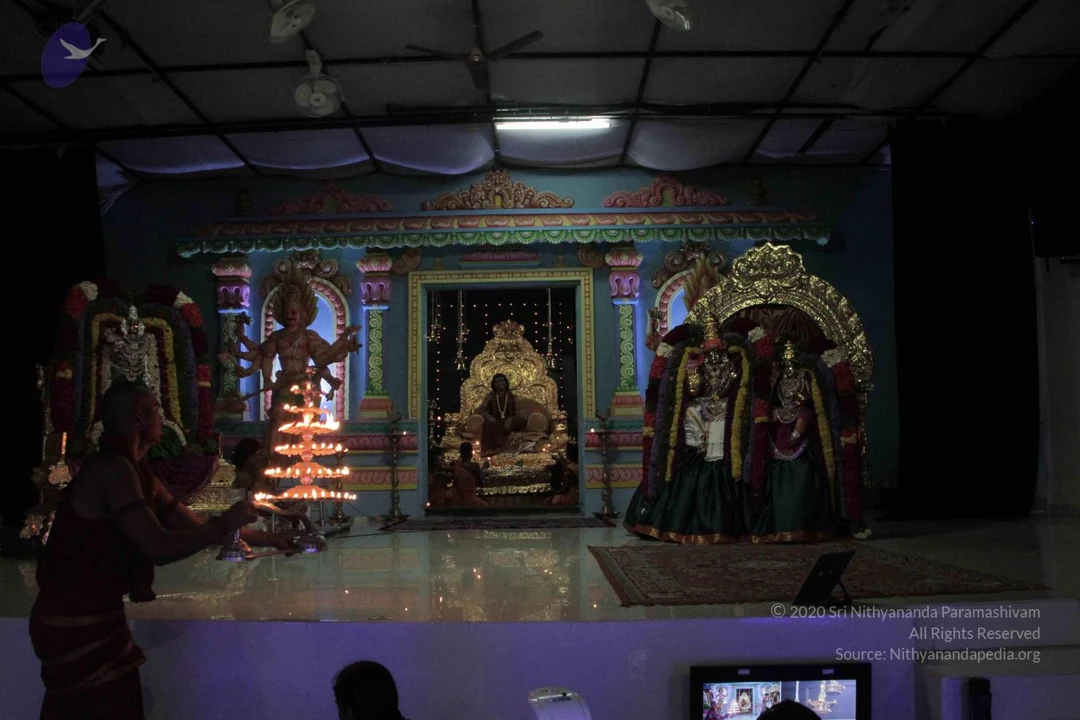
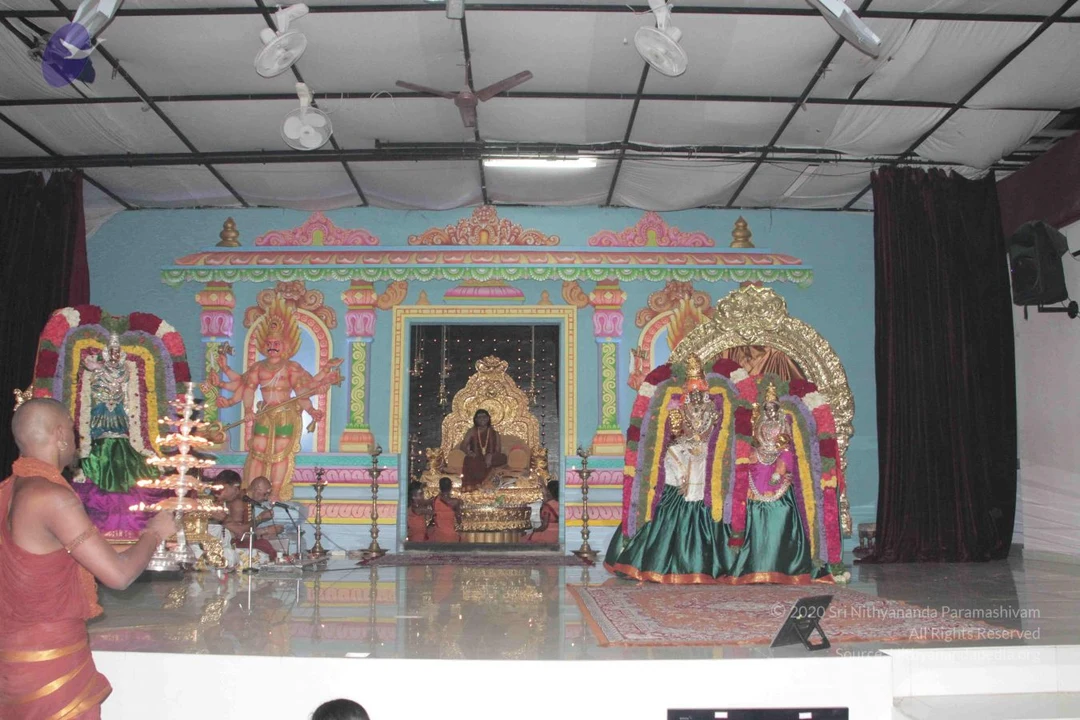
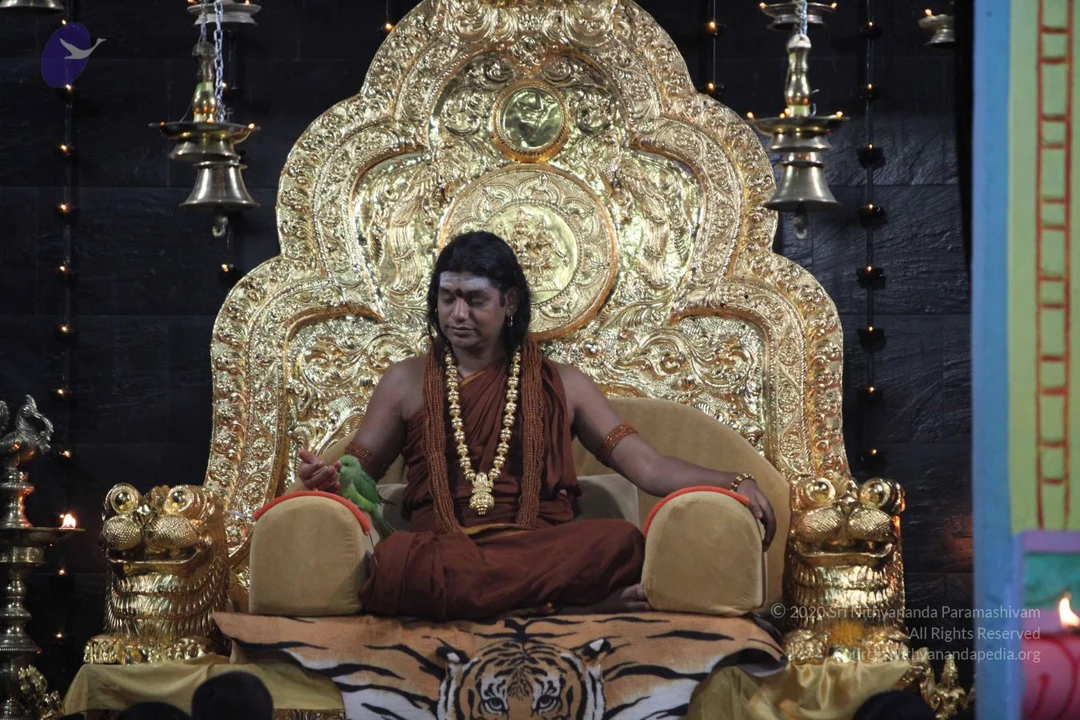
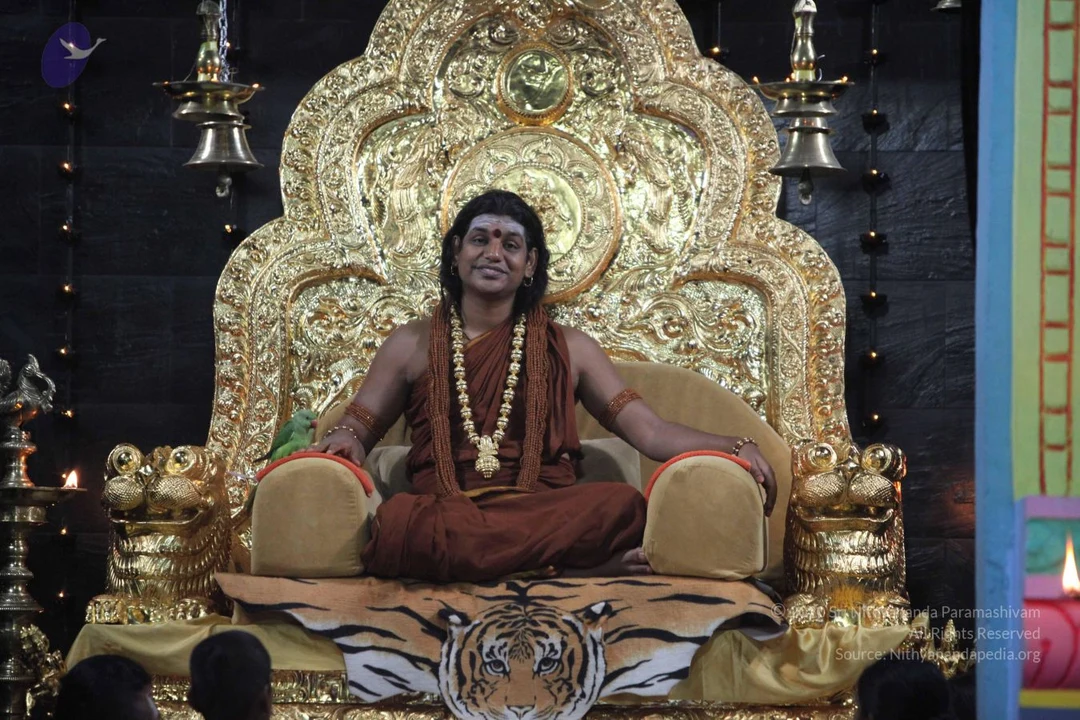
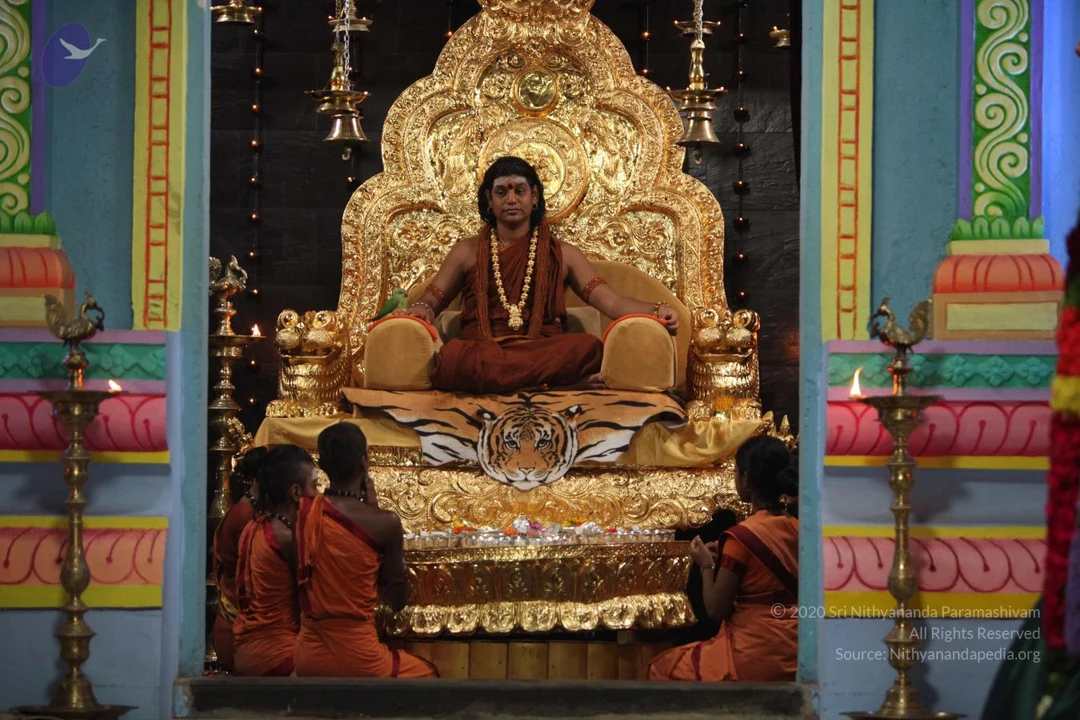
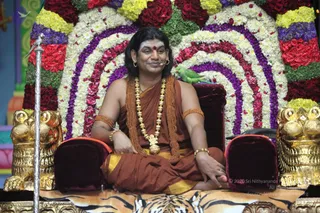
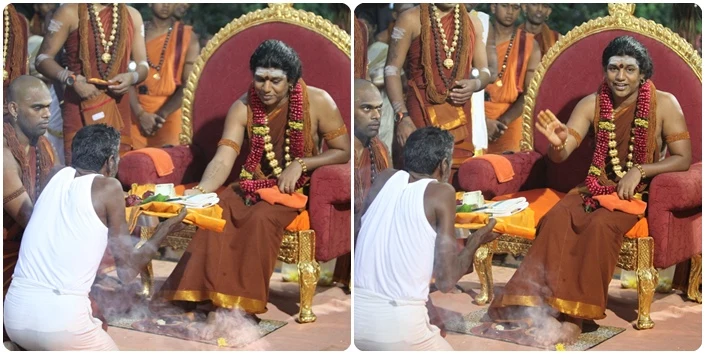
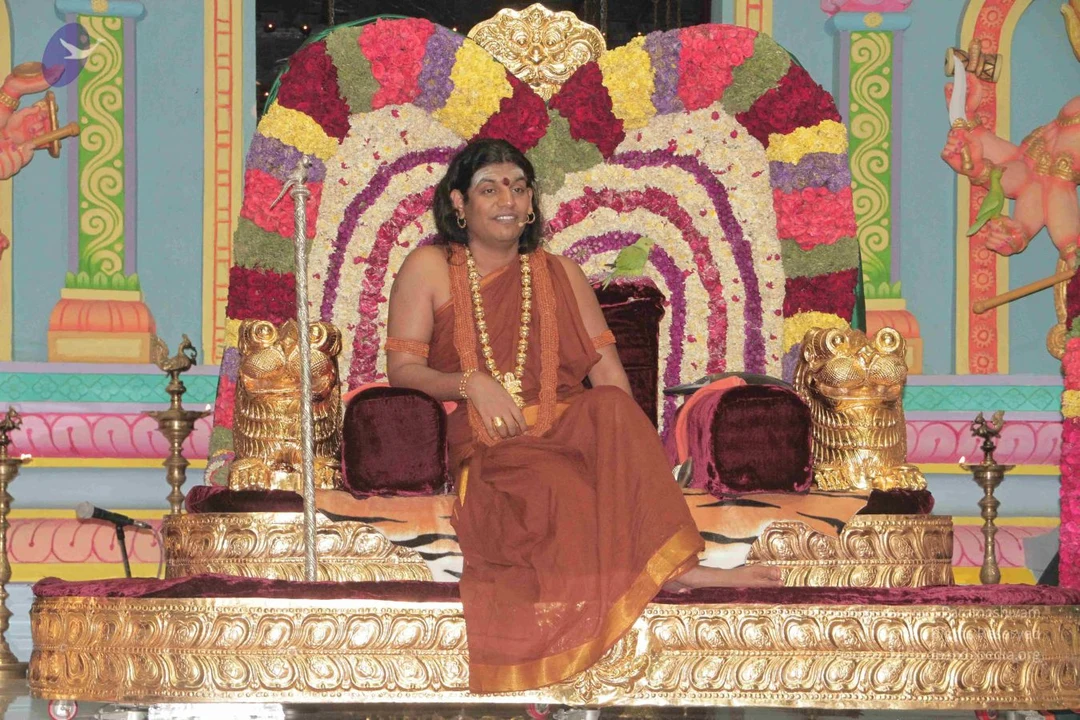
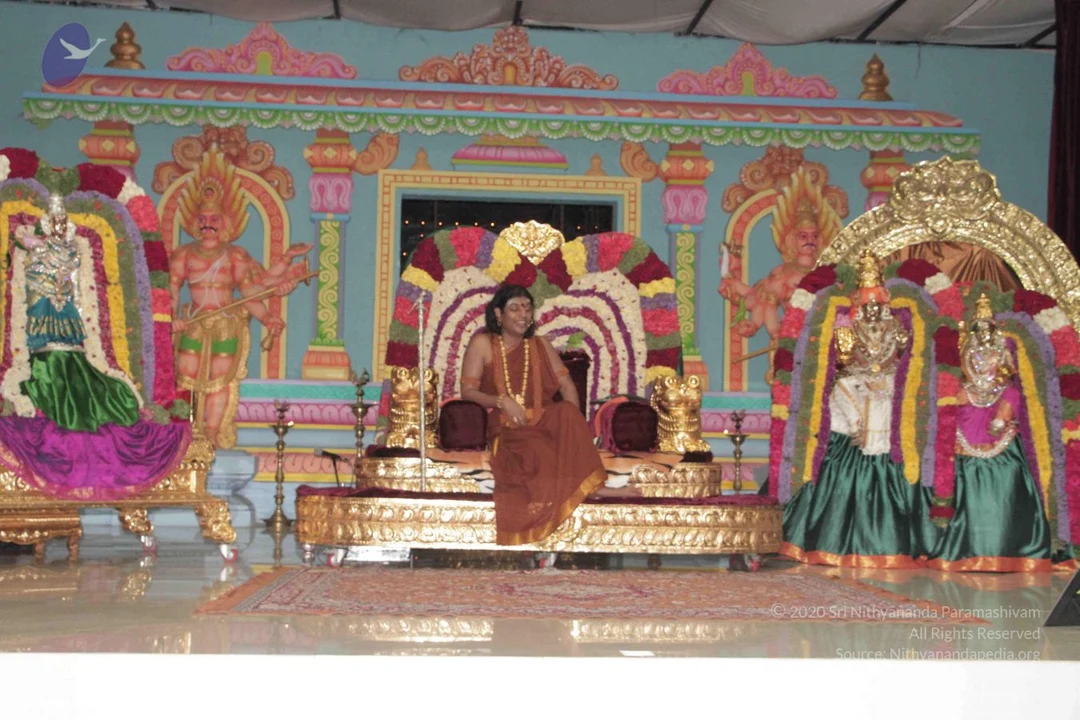
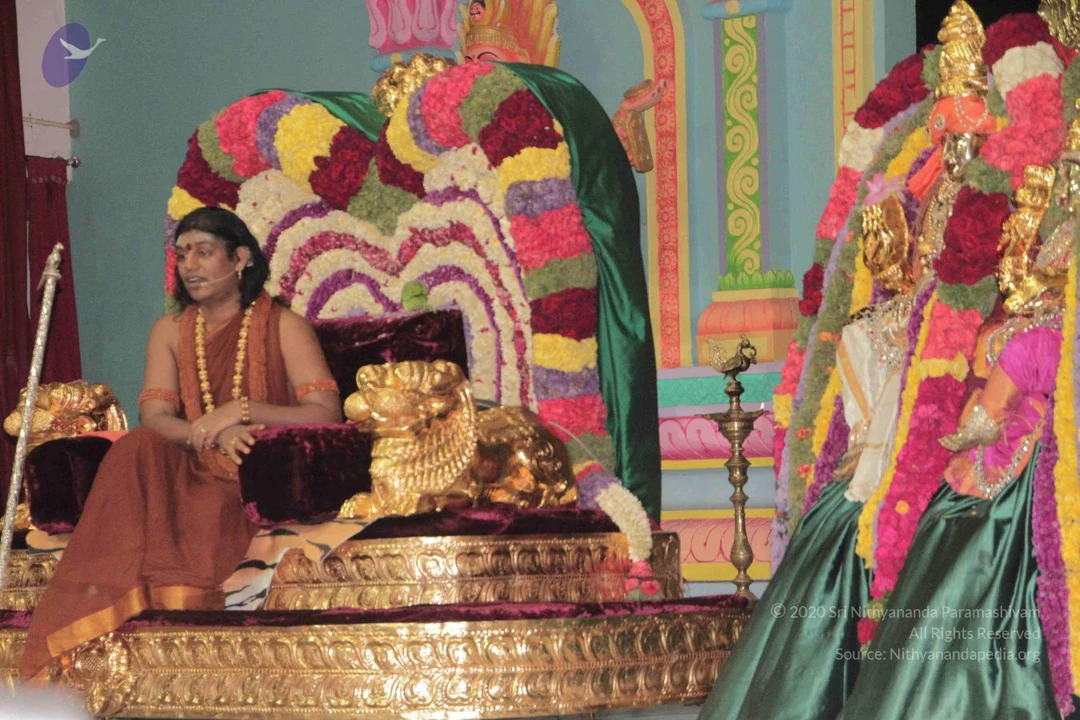
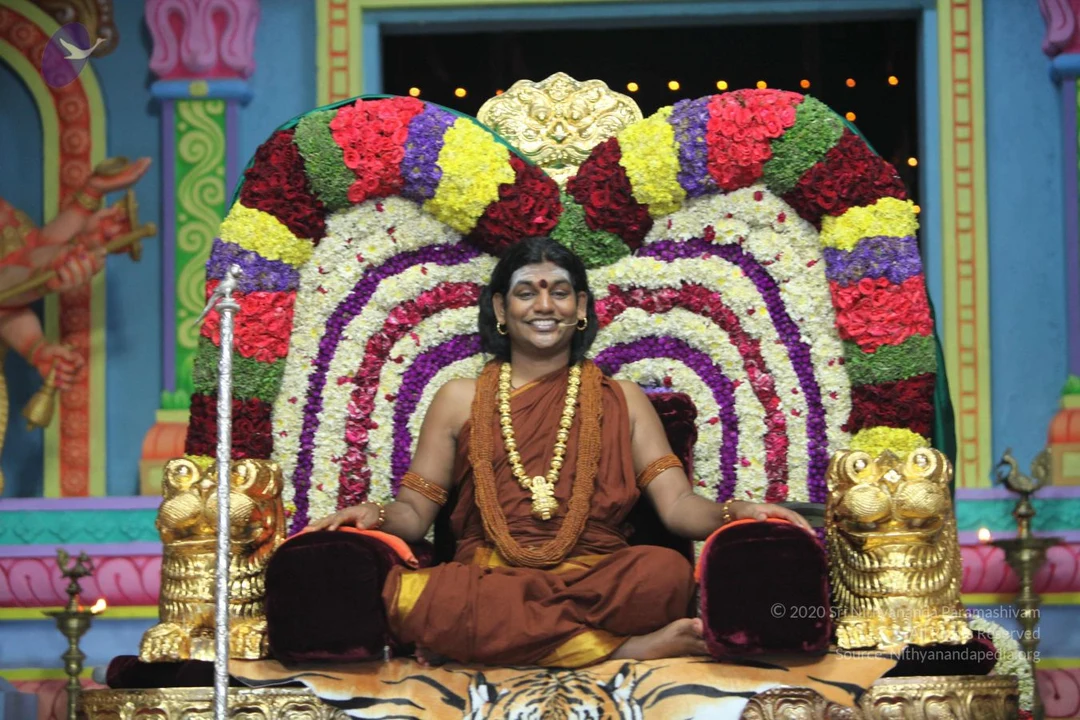
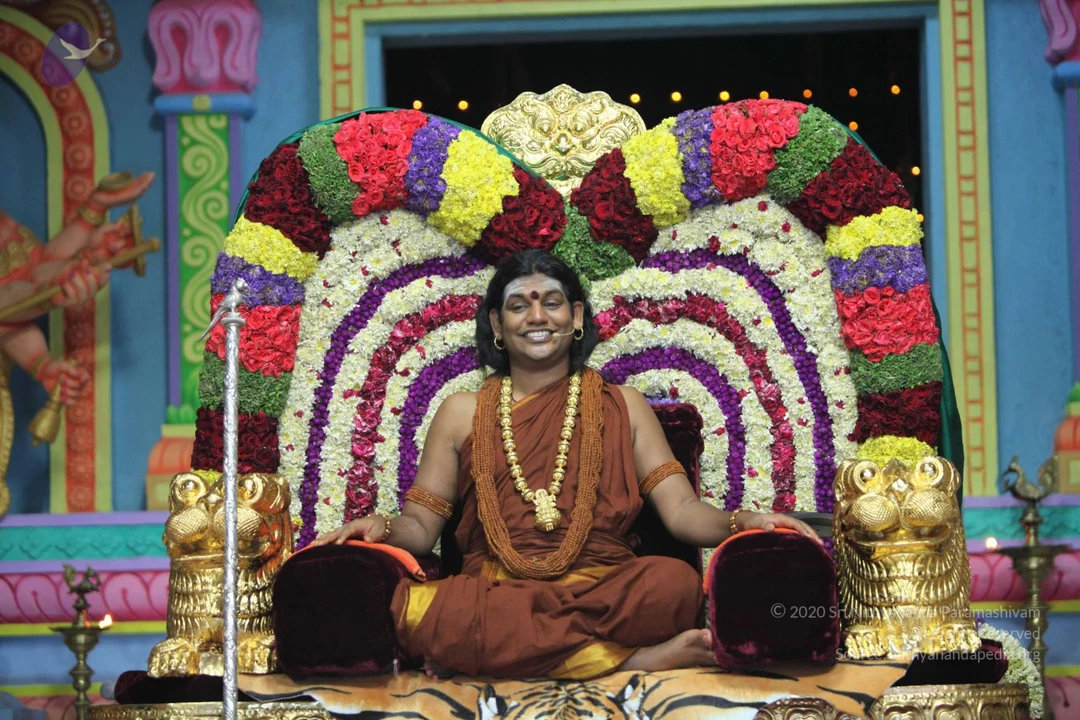
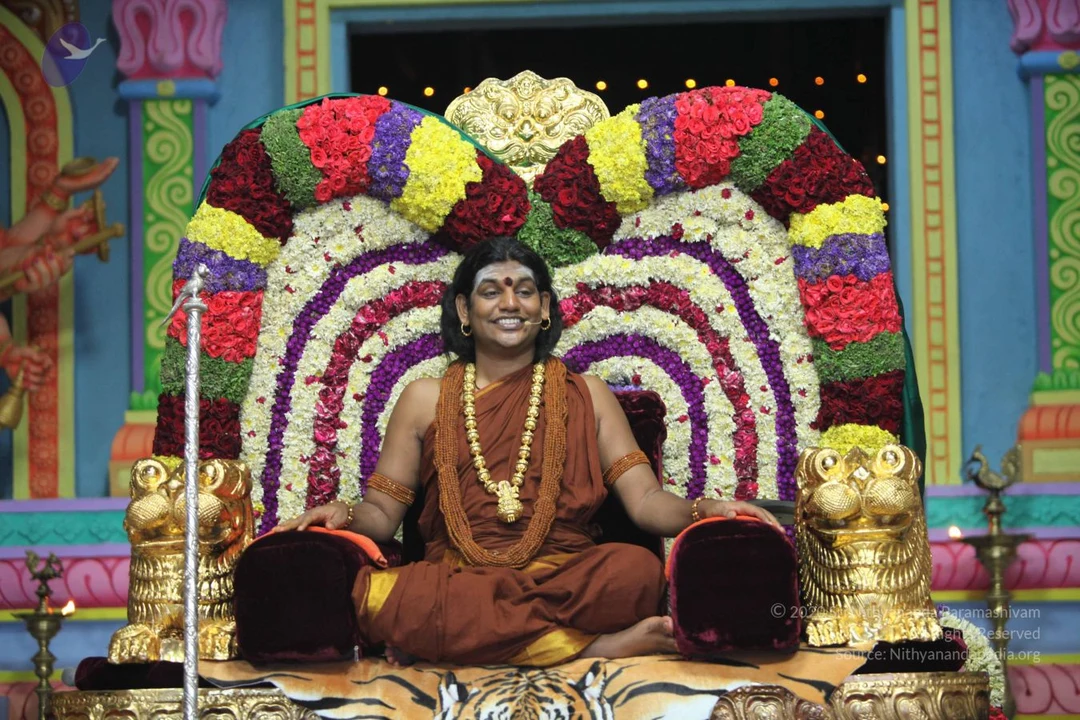
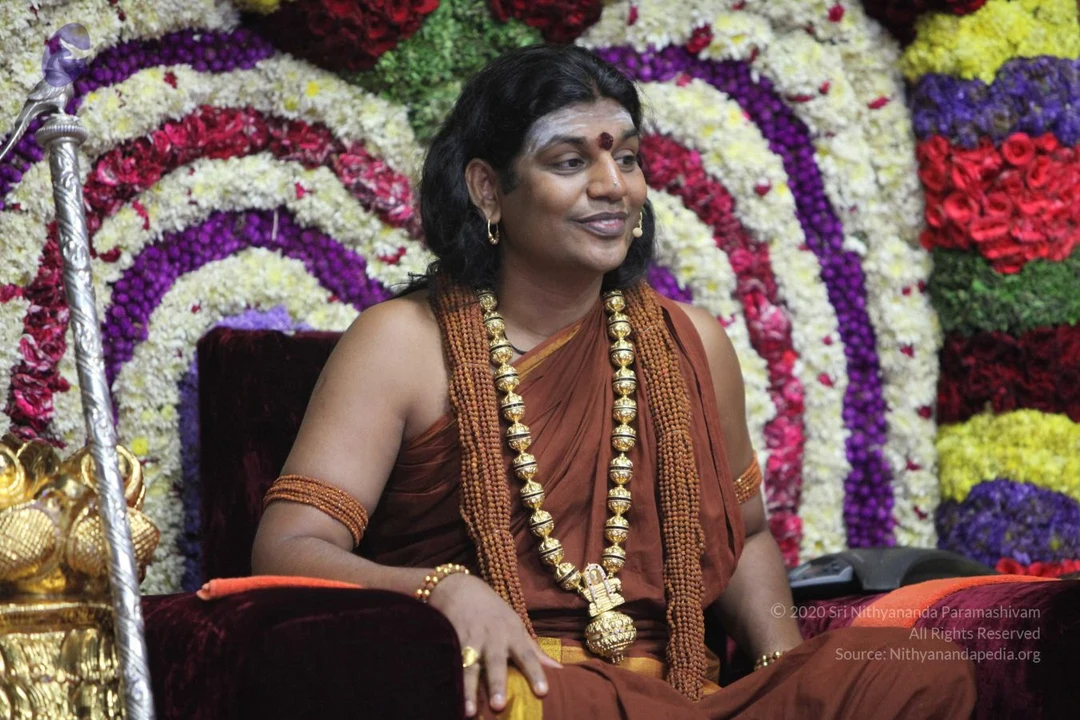
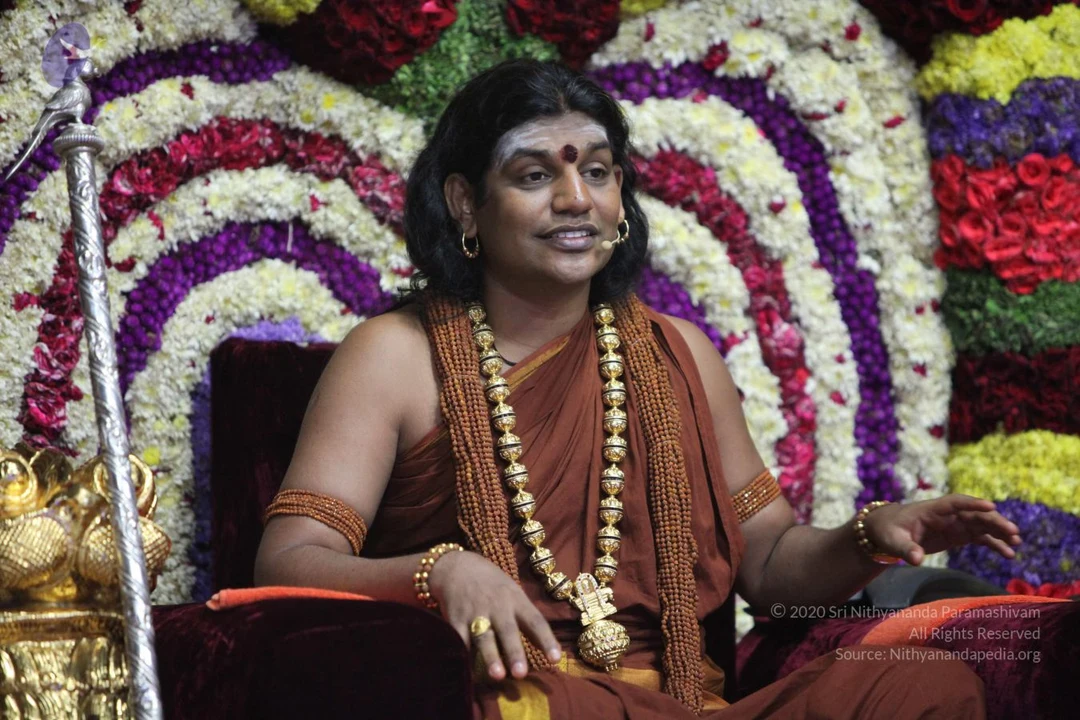
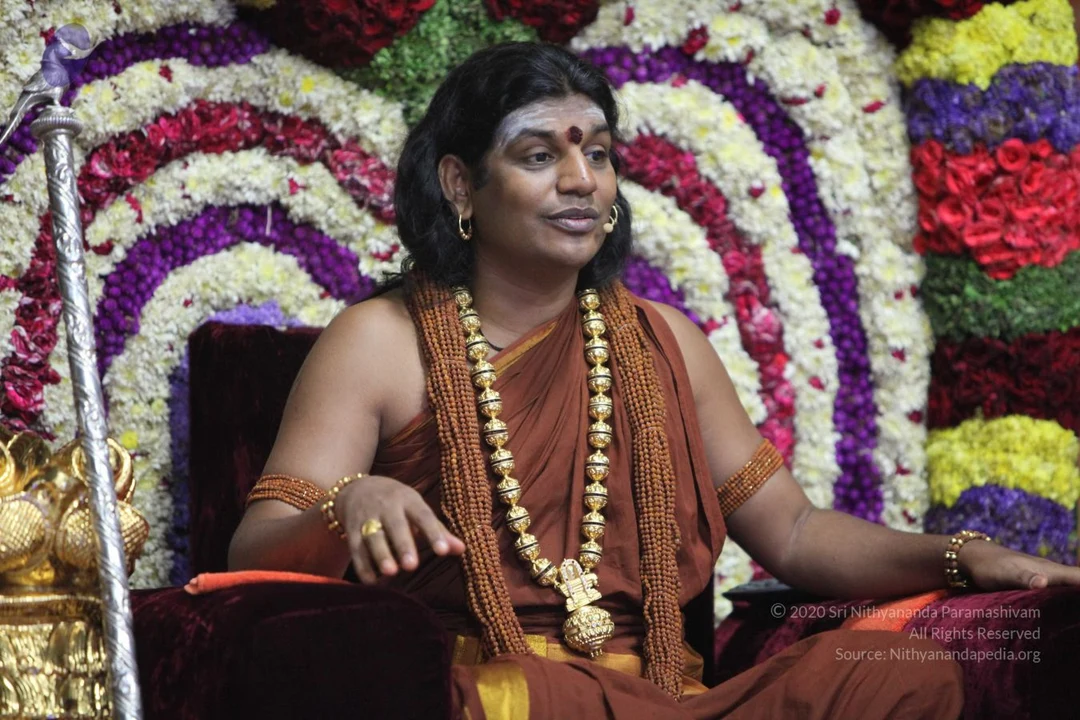
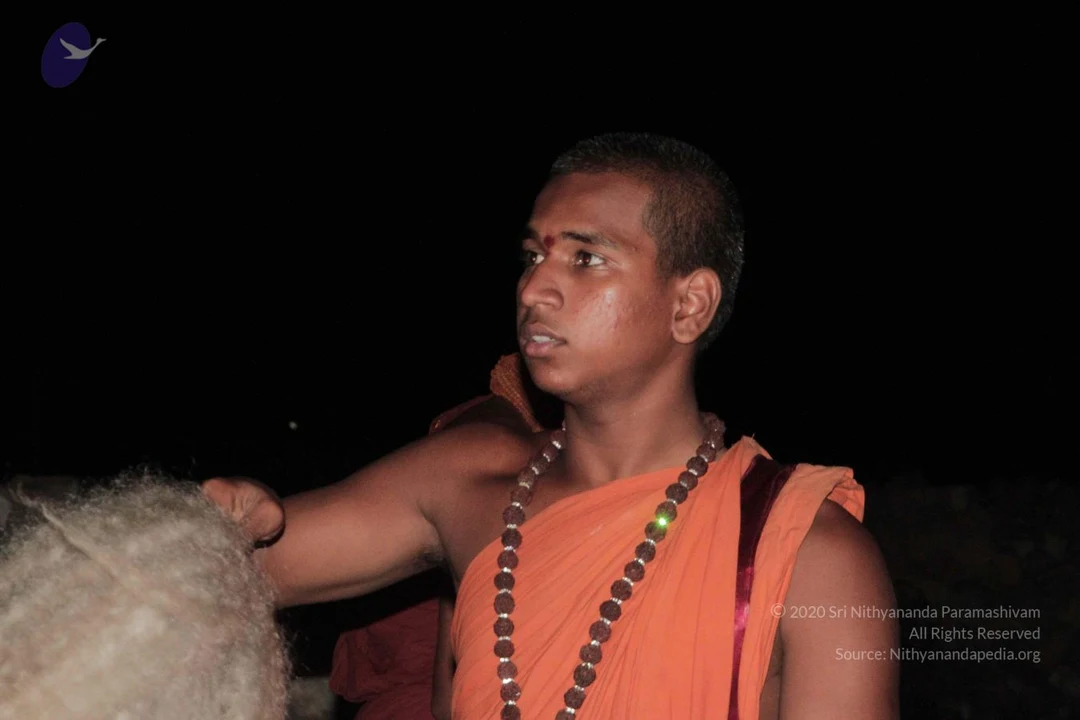
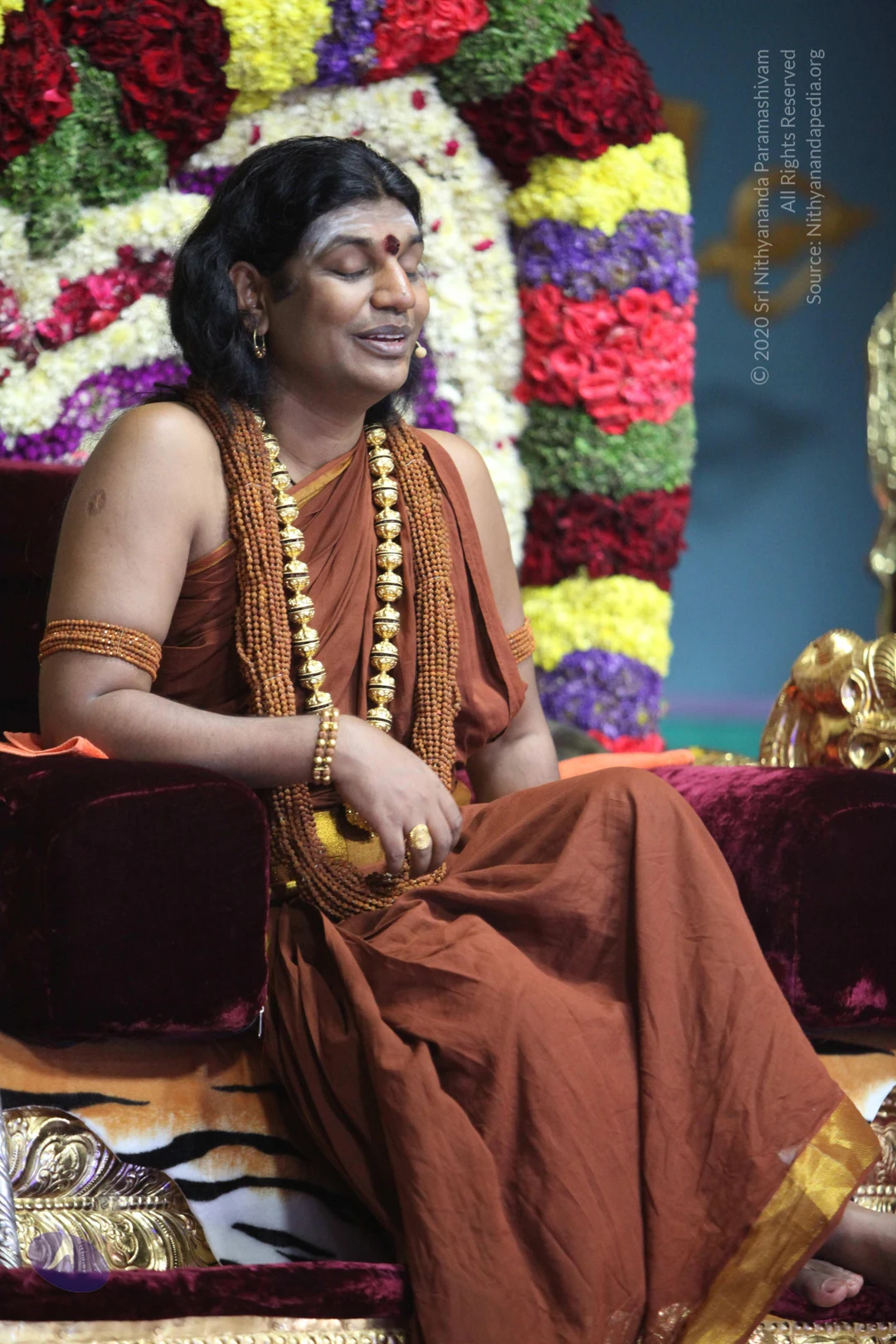
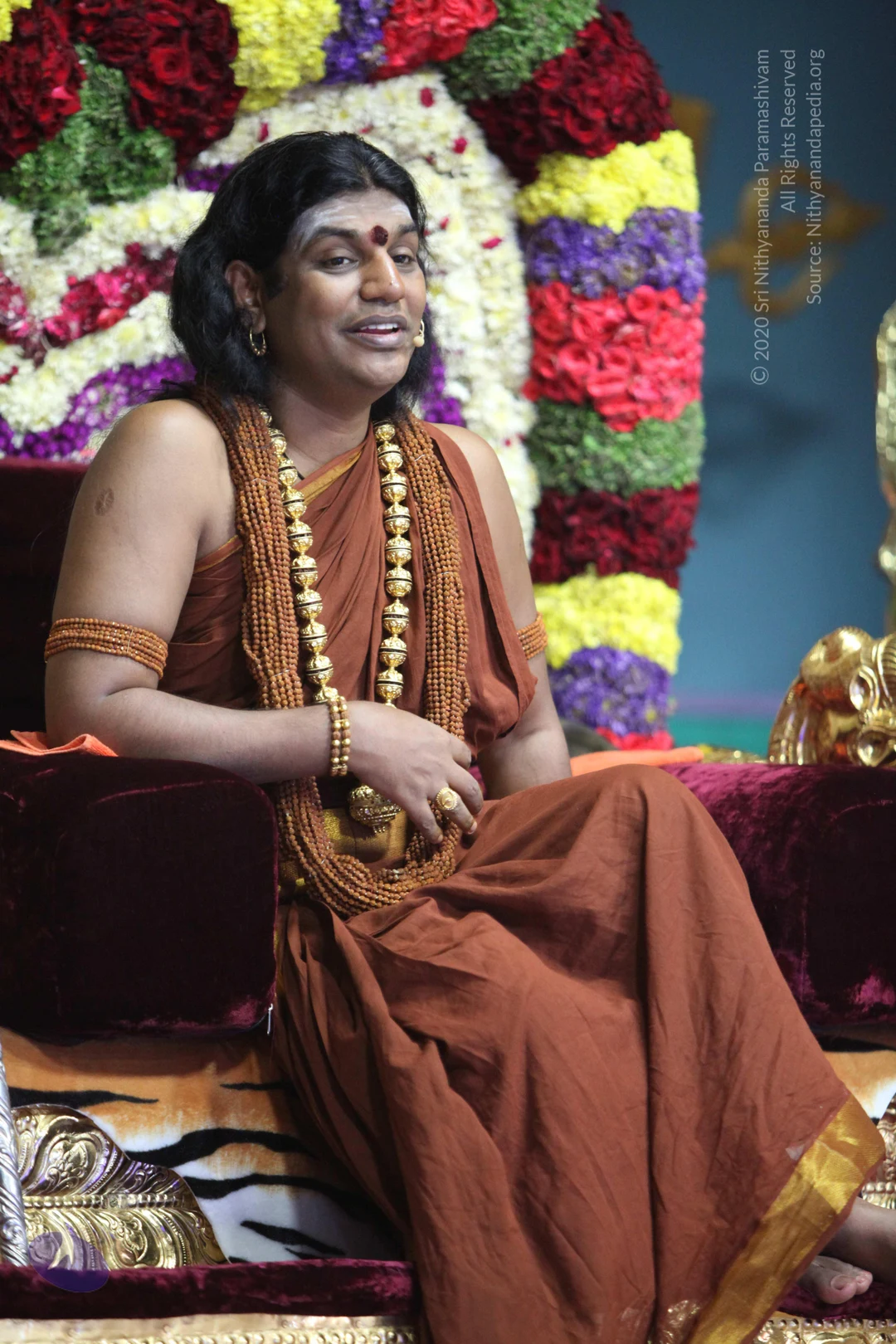
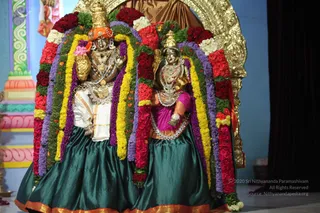
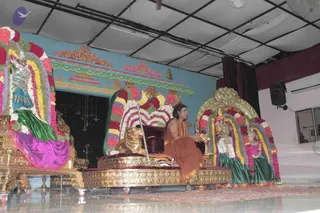
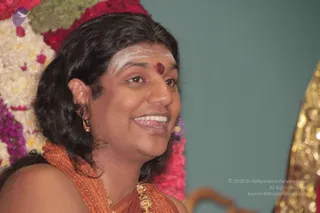
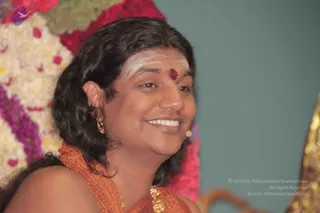
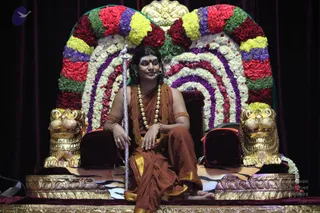
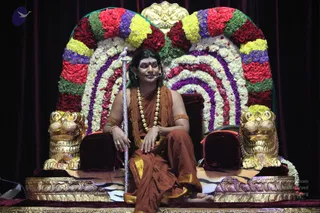
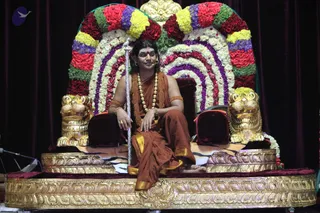
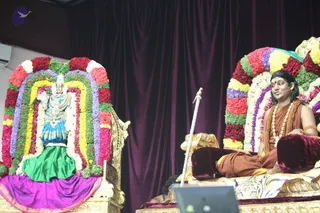
MorningSatsang
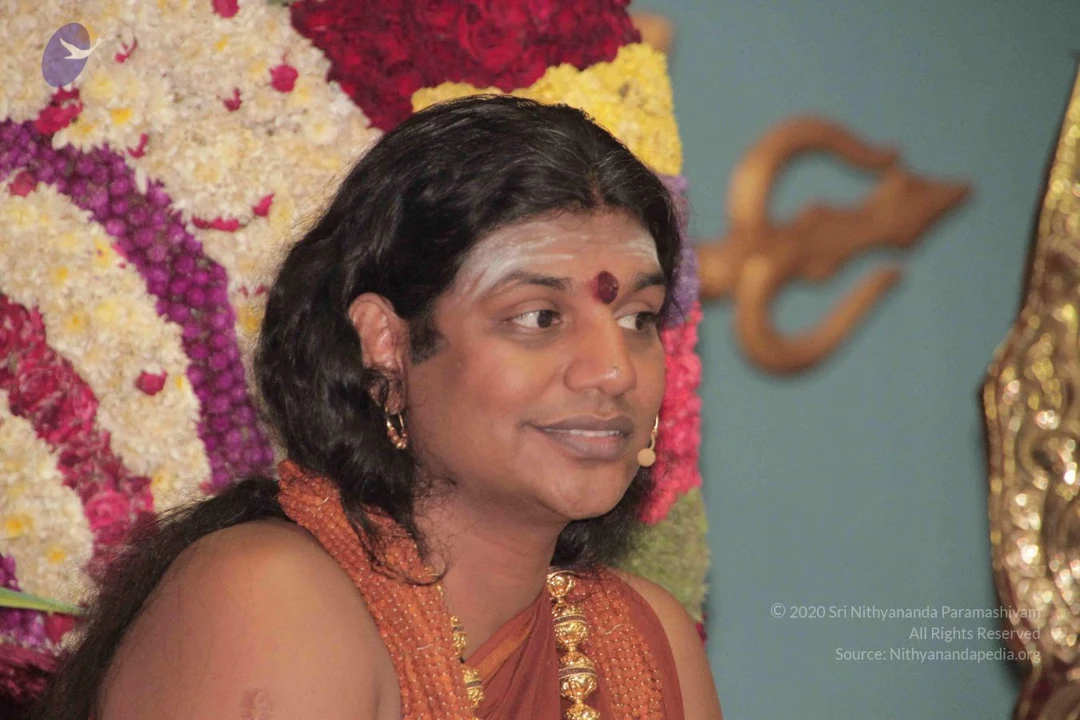

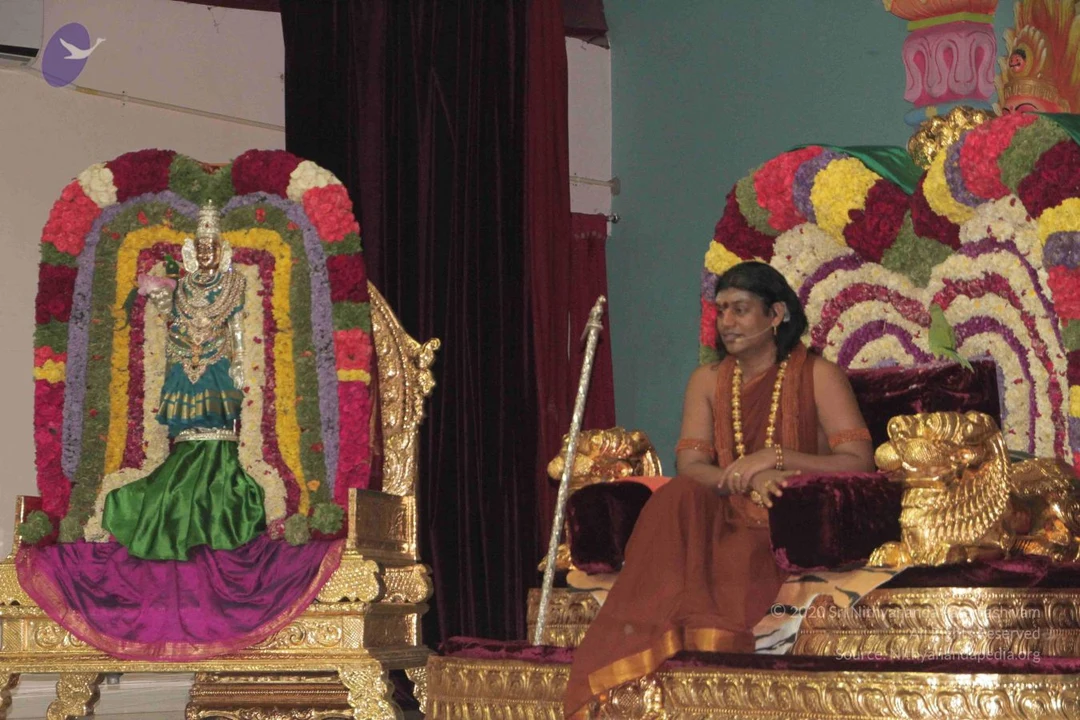
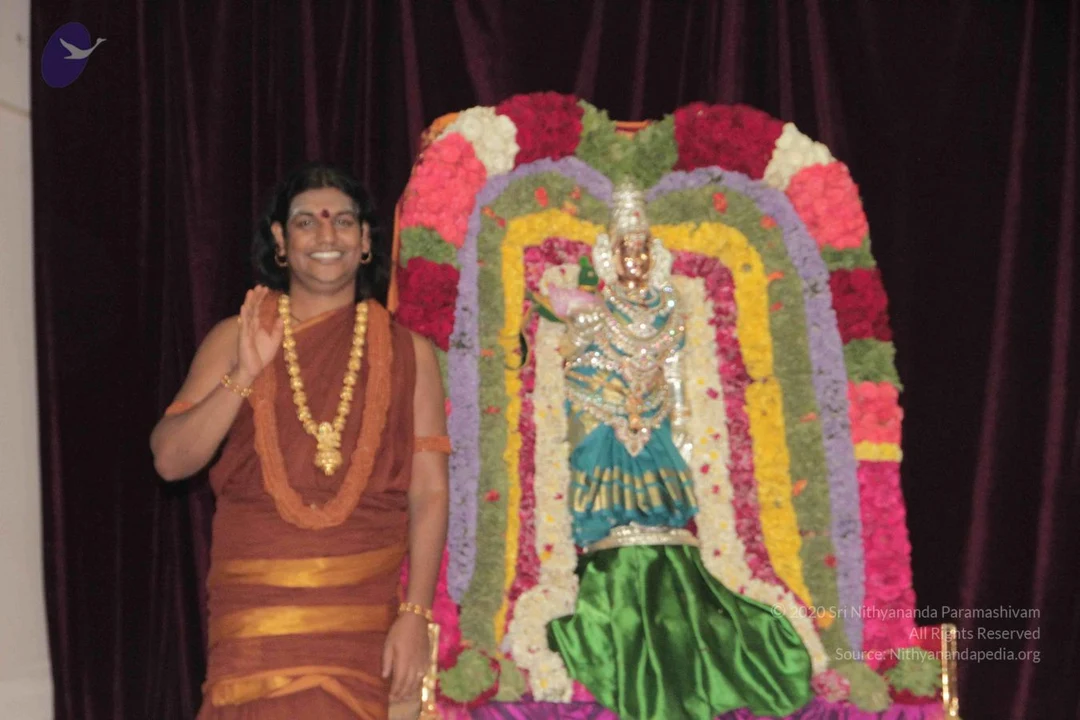
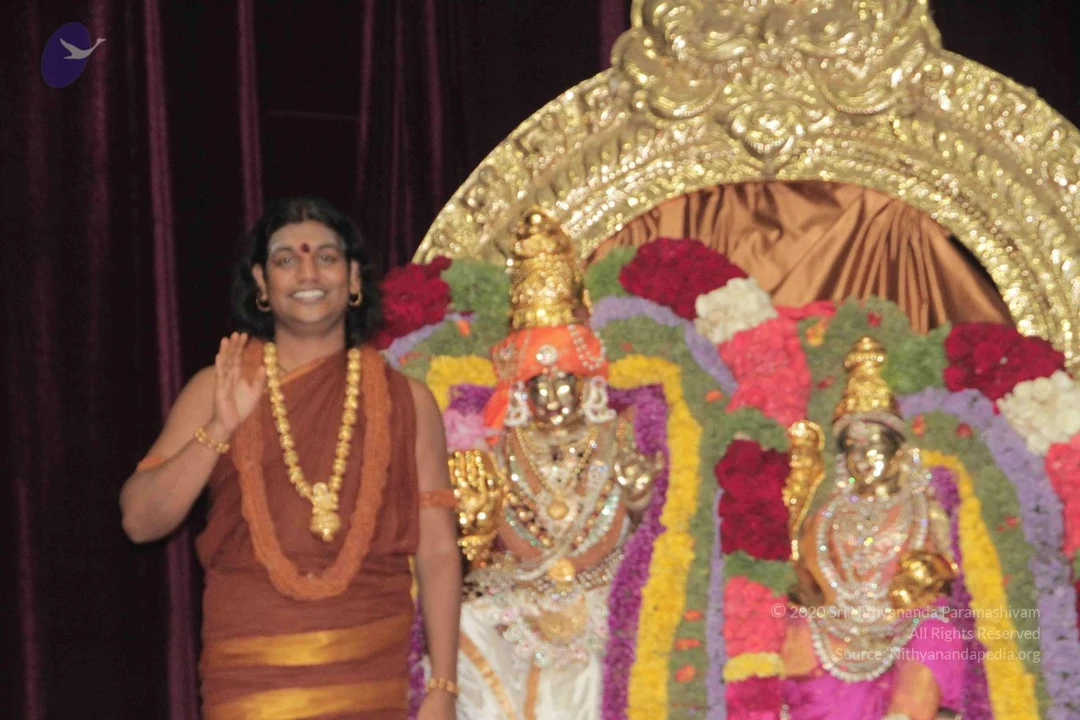
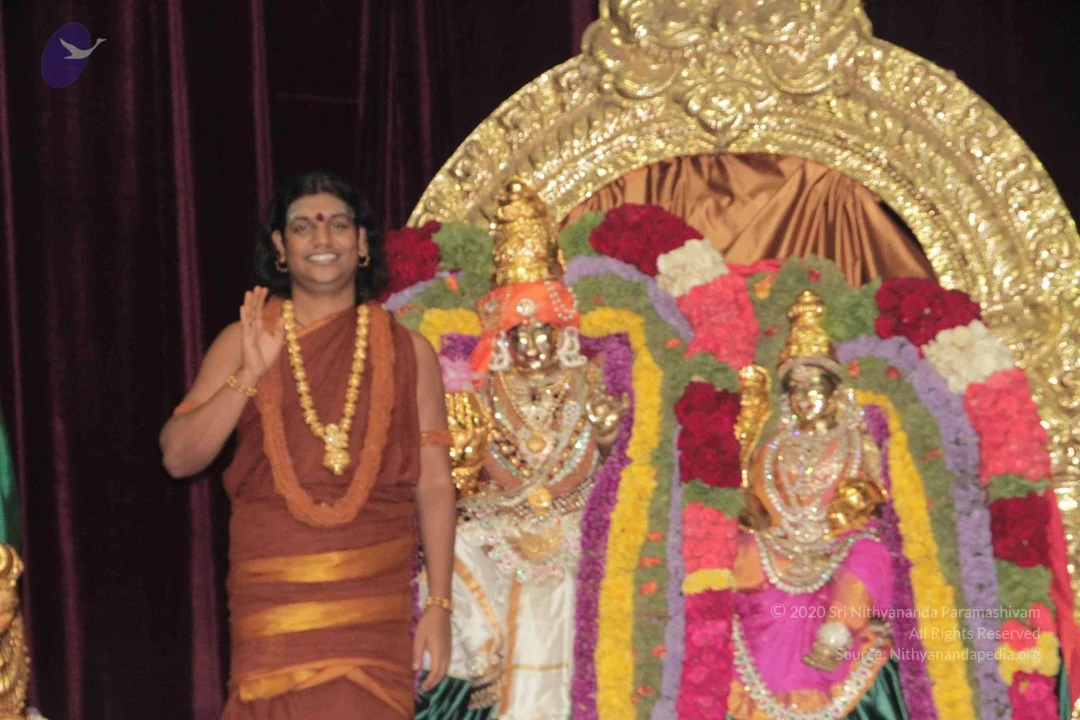
EveningSatsang
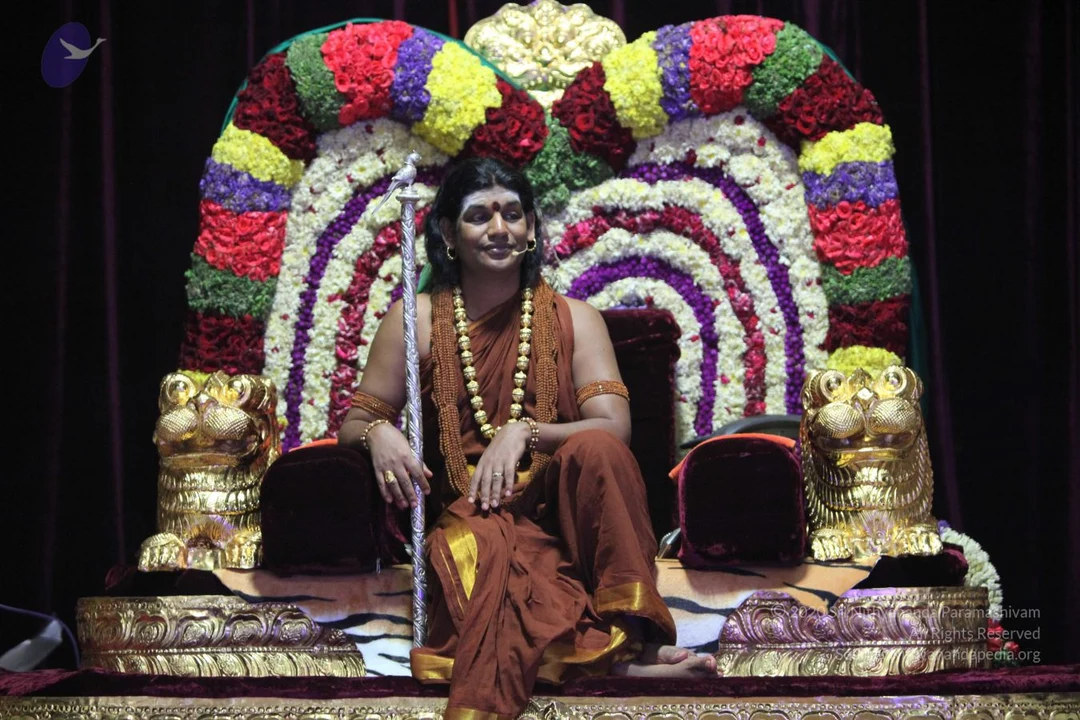
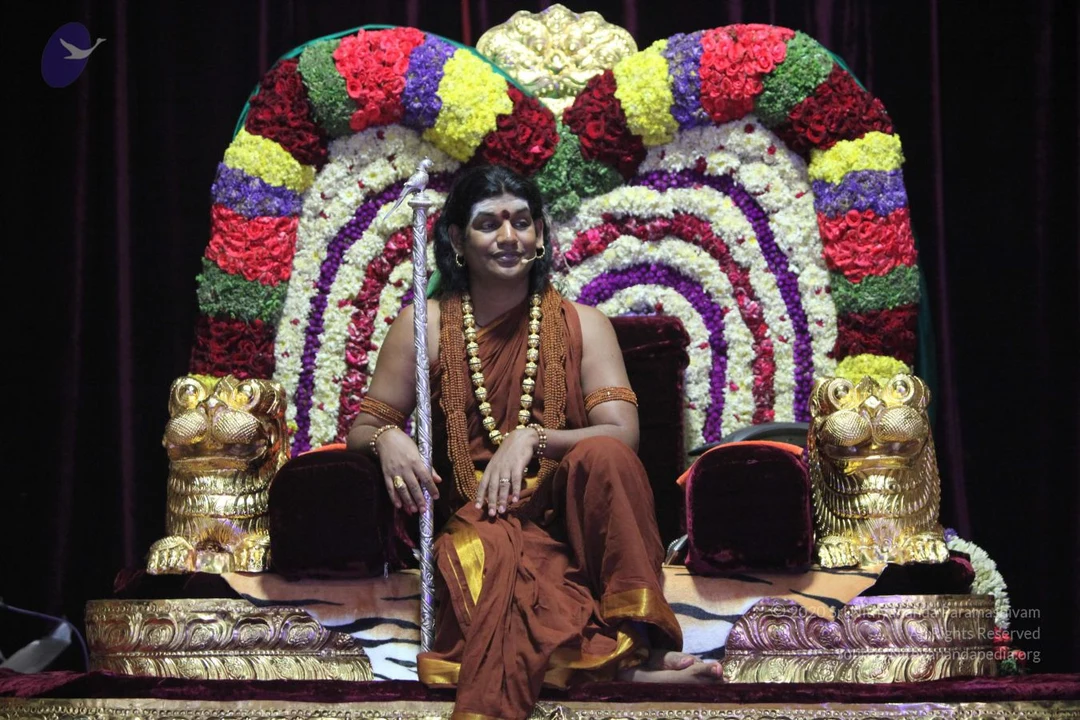
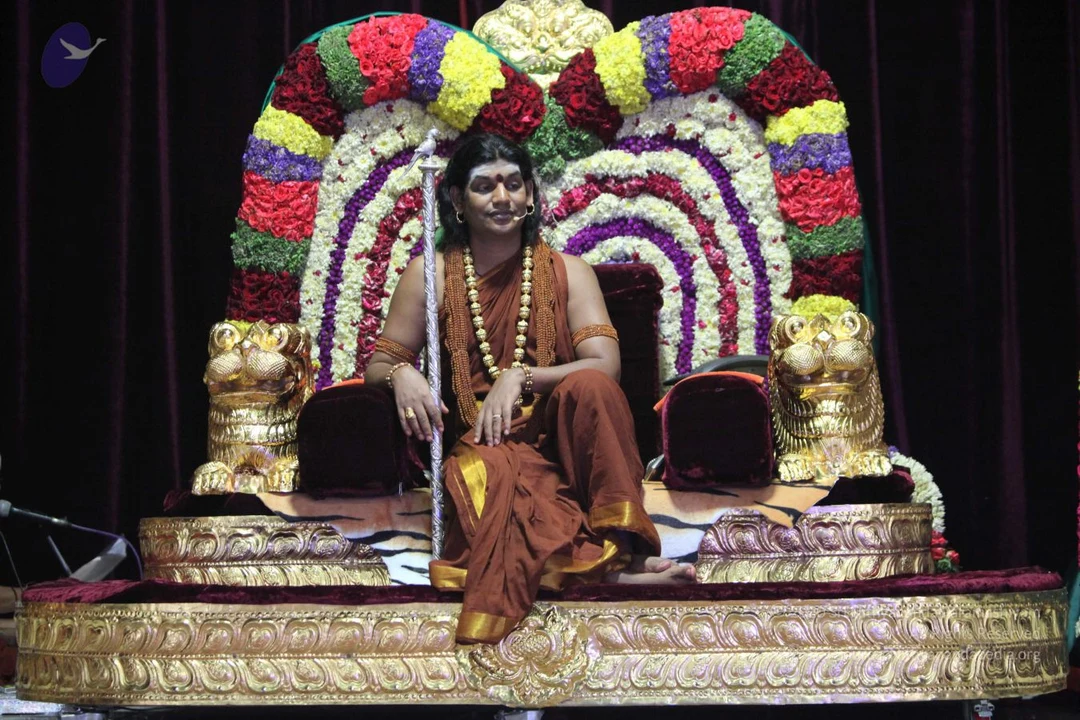
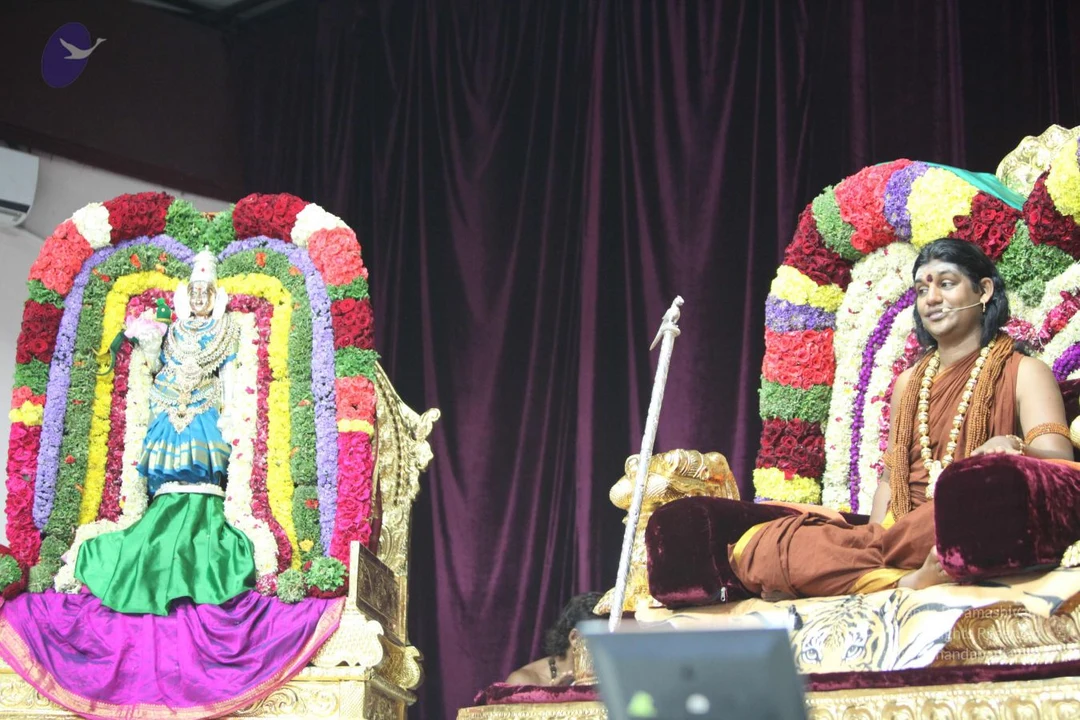
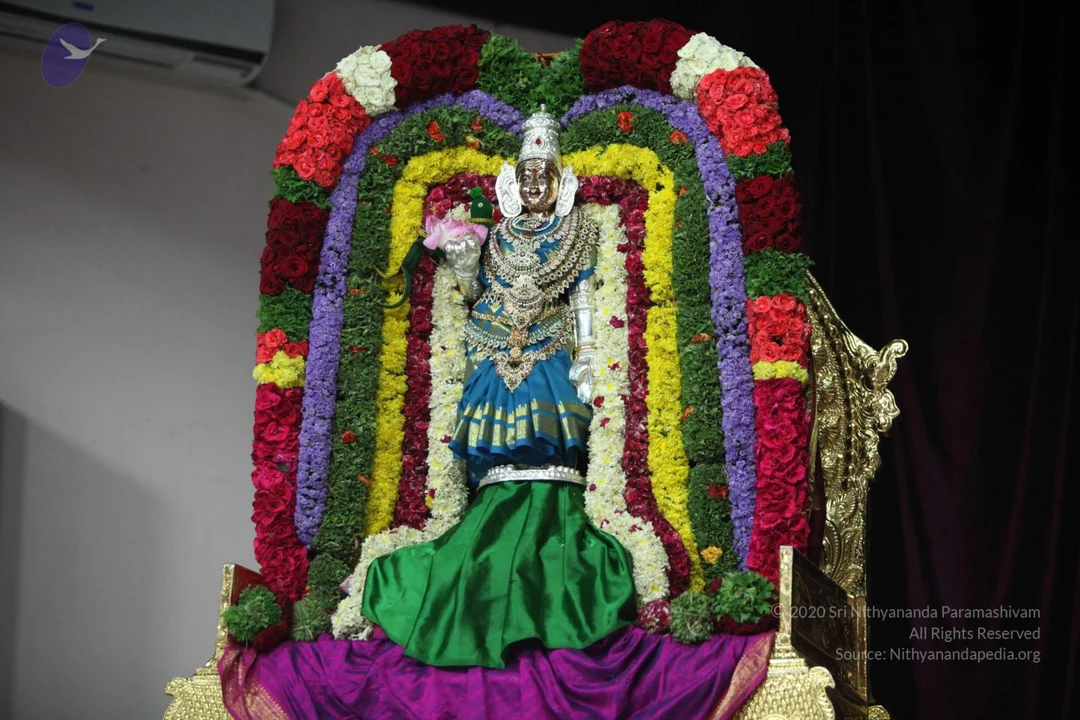
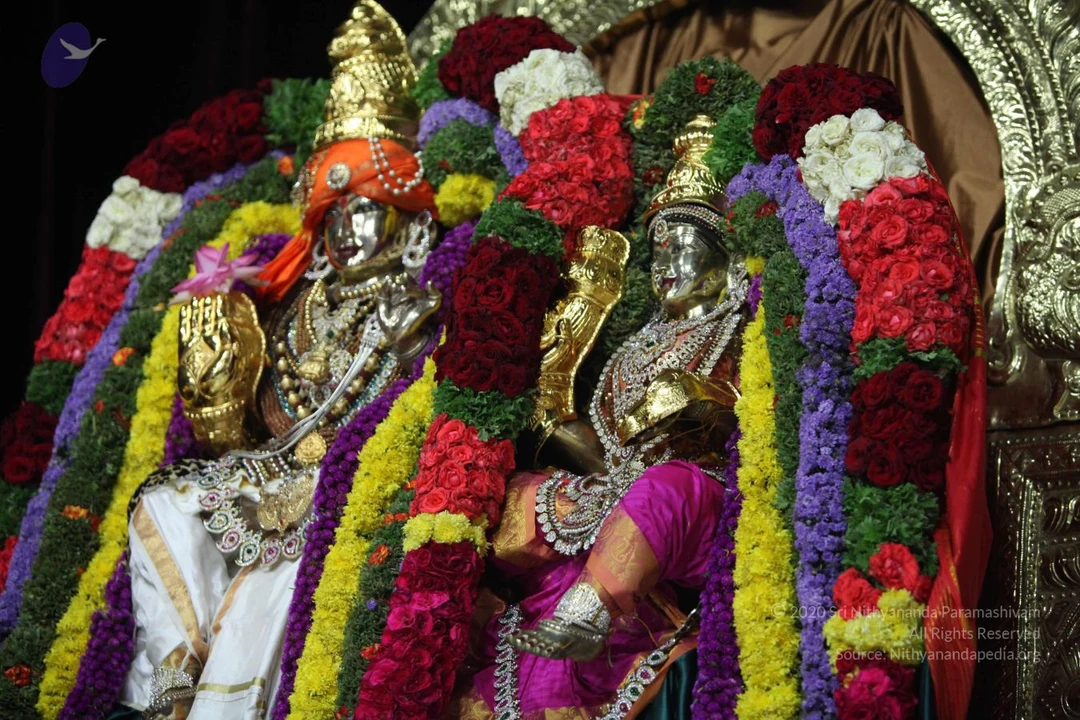
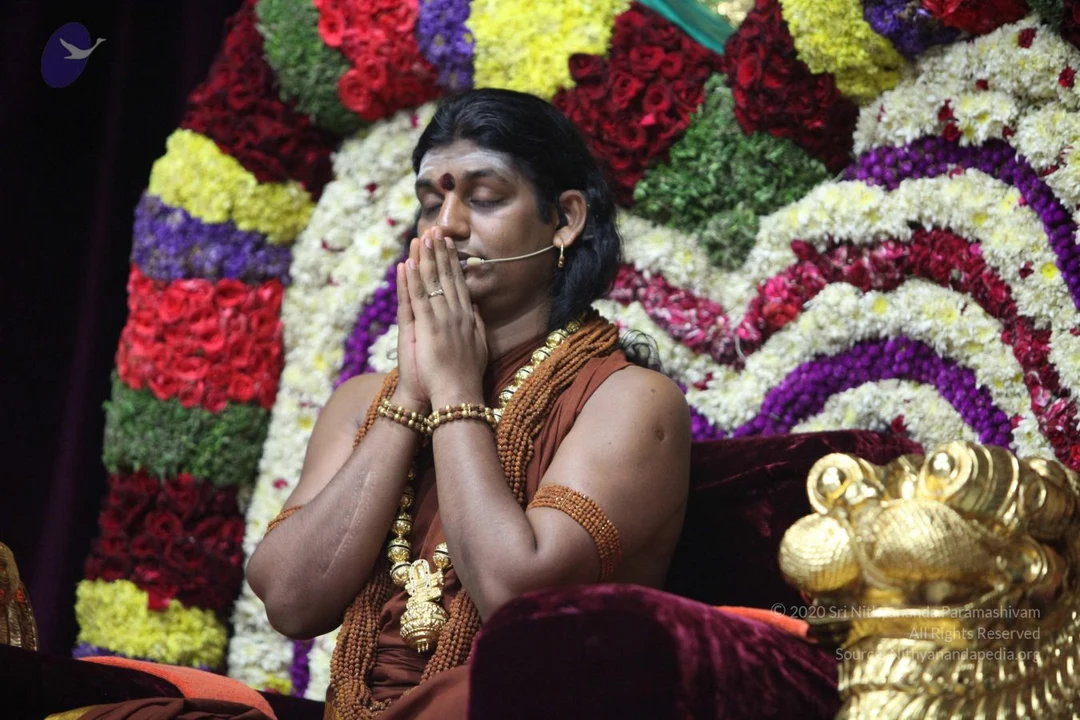
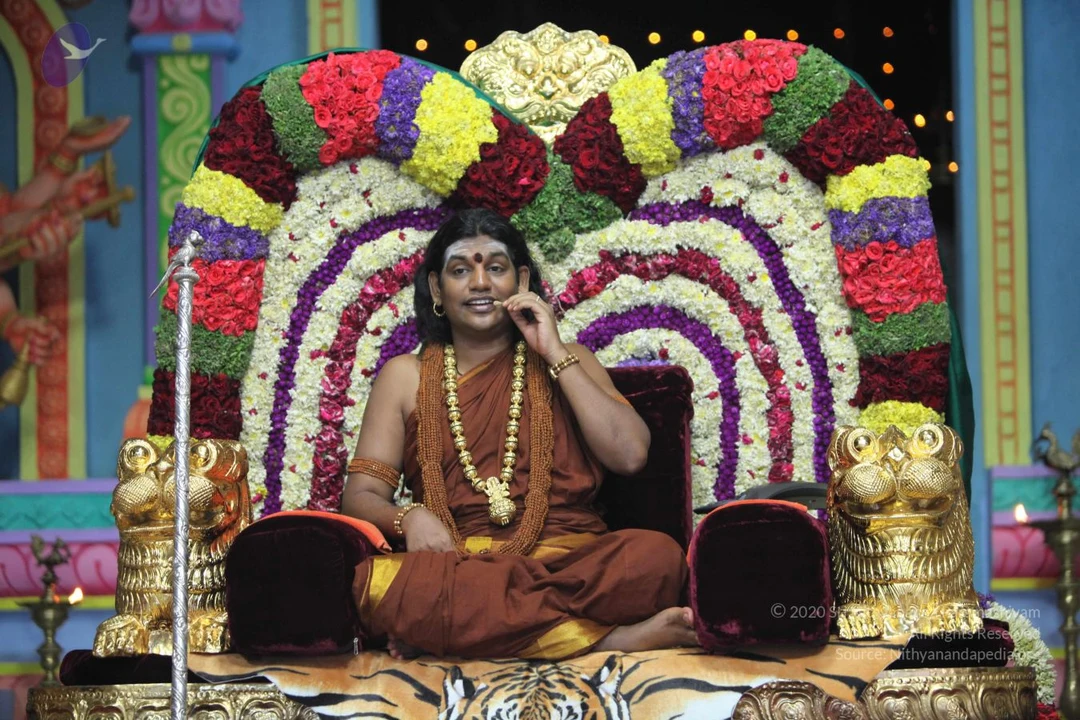
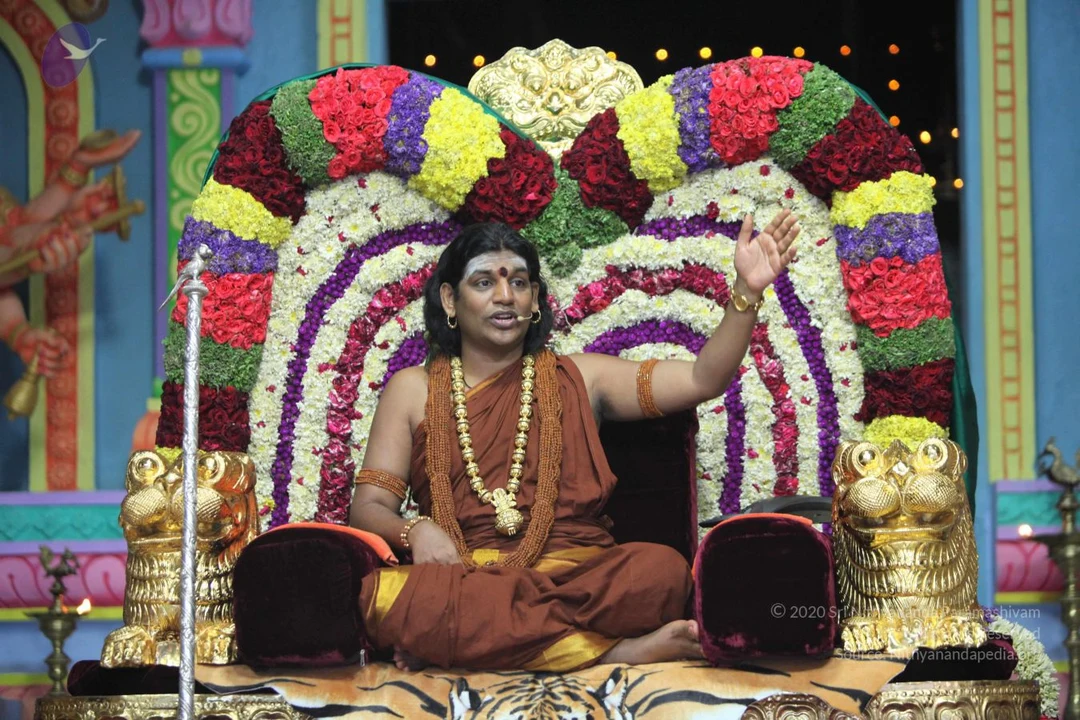
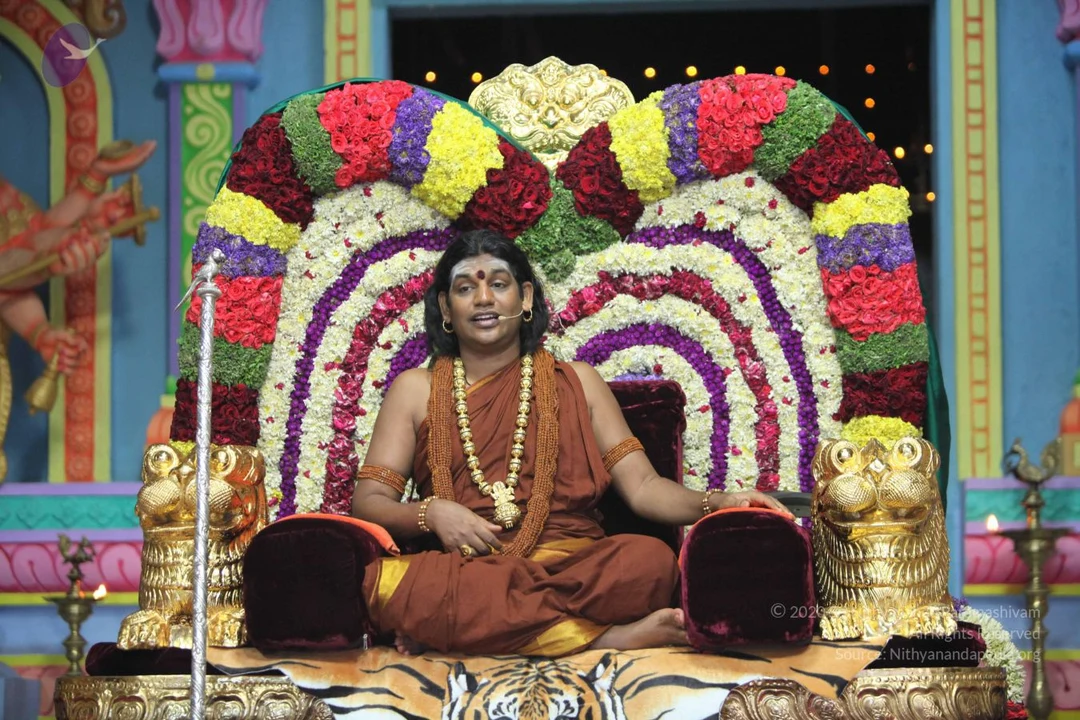
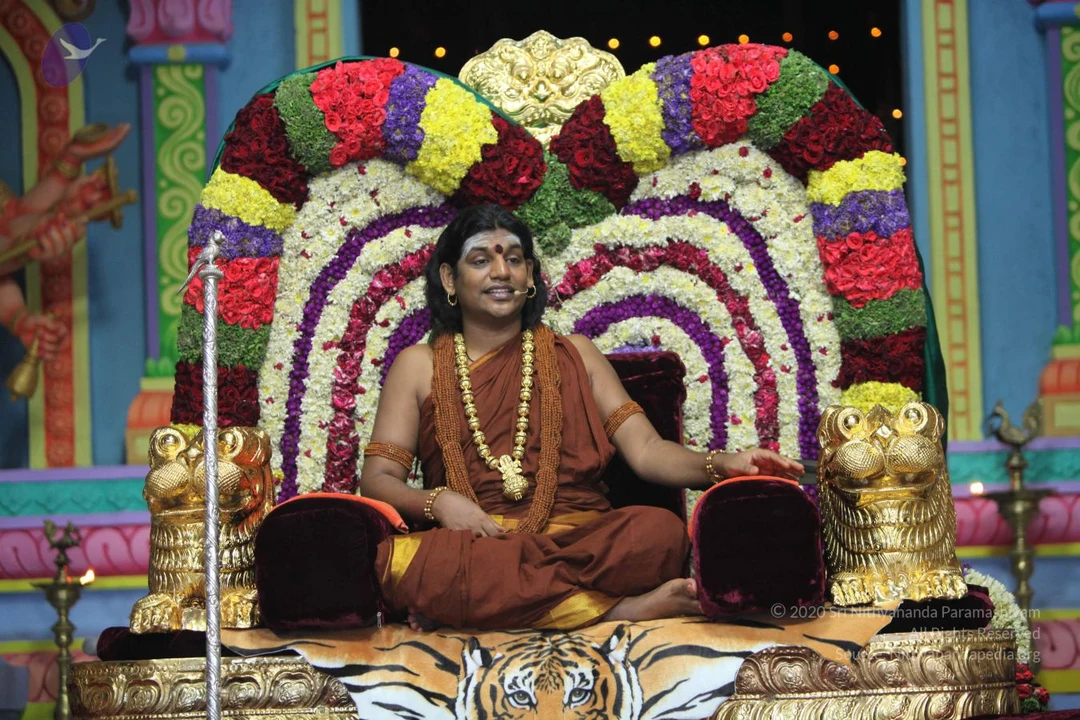
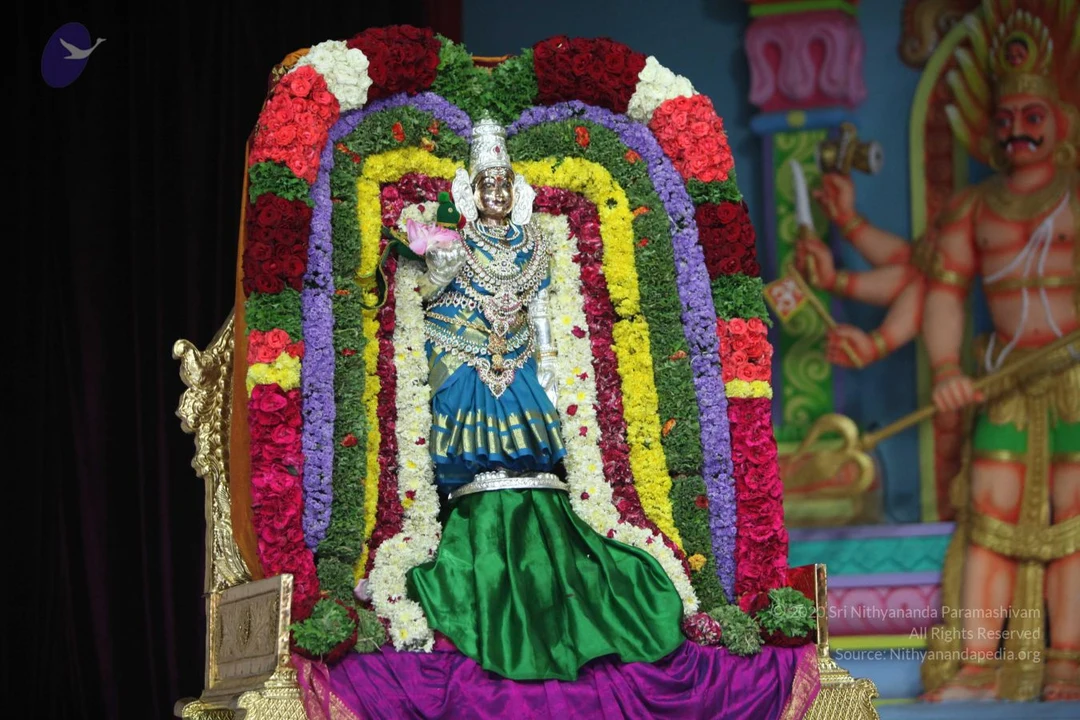
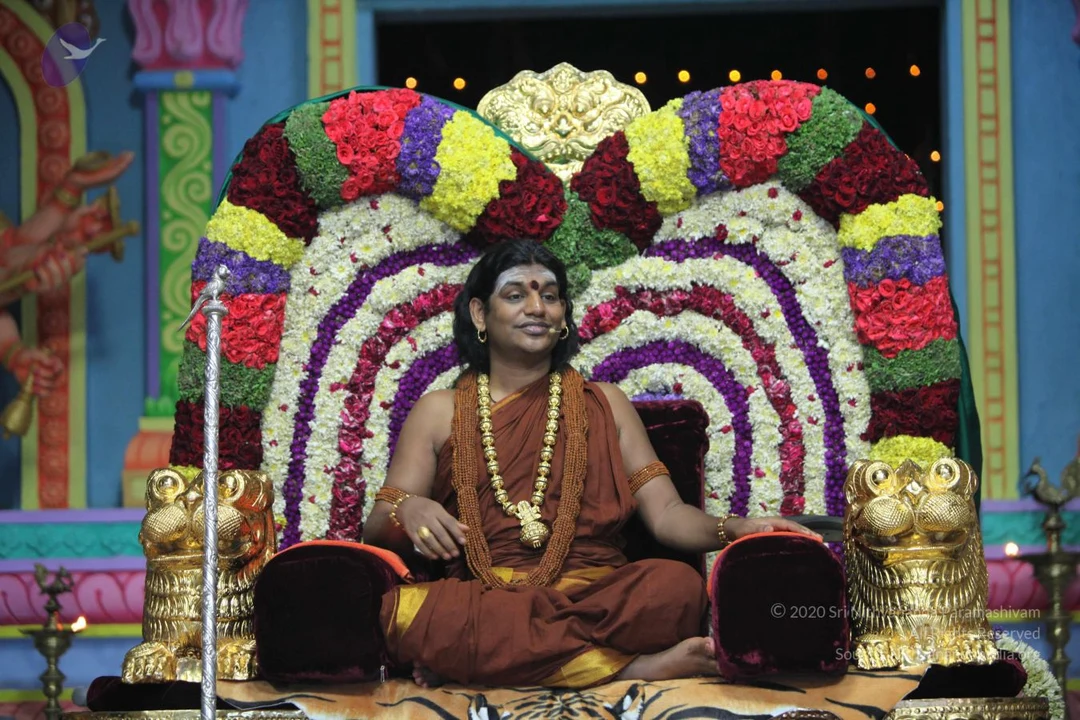
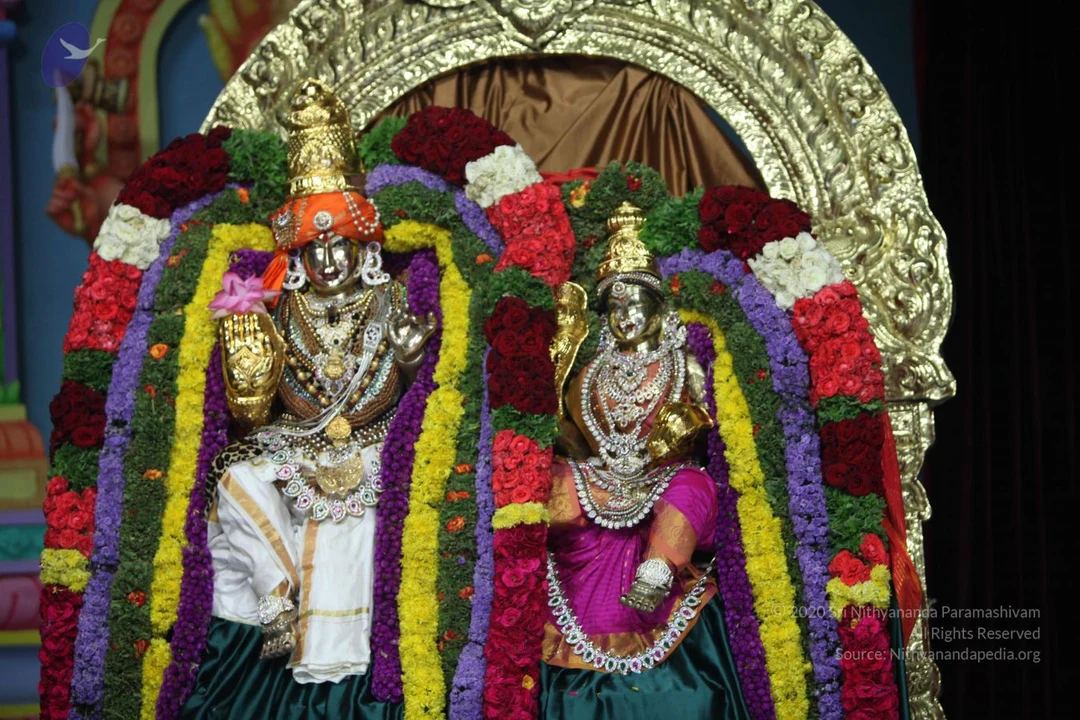
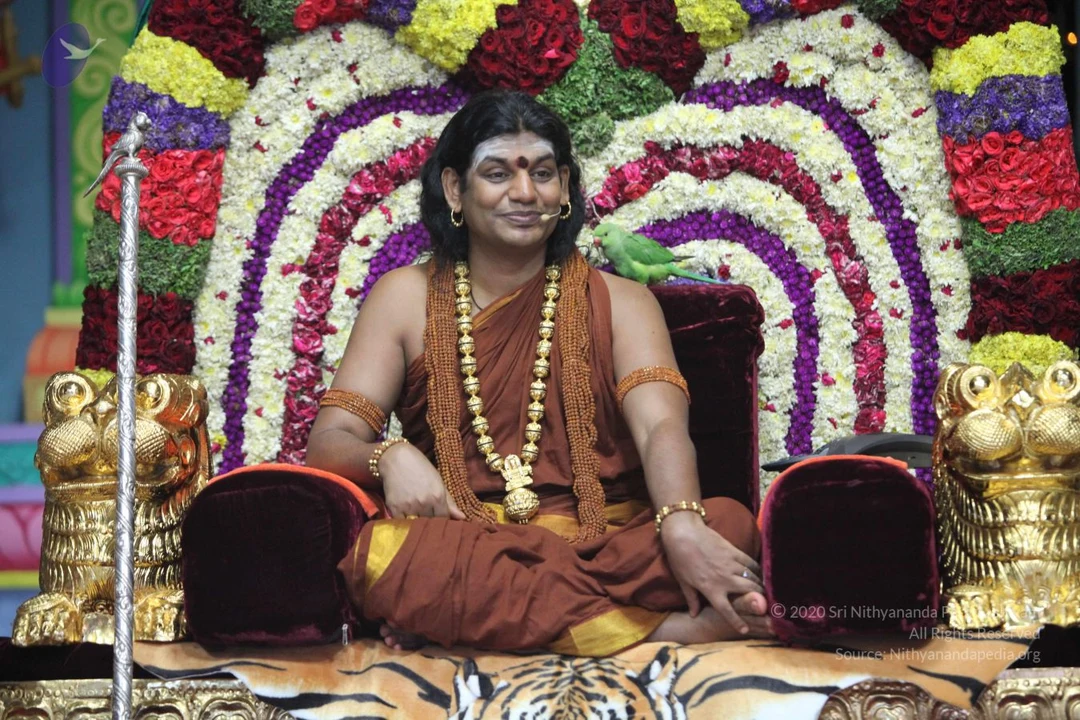
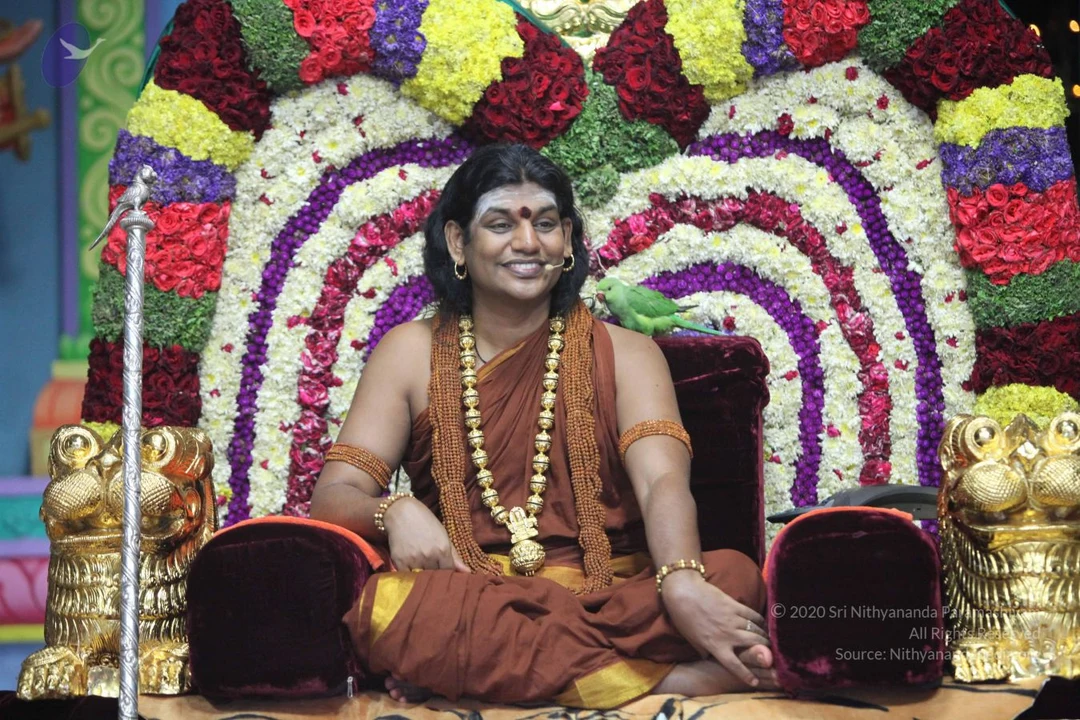
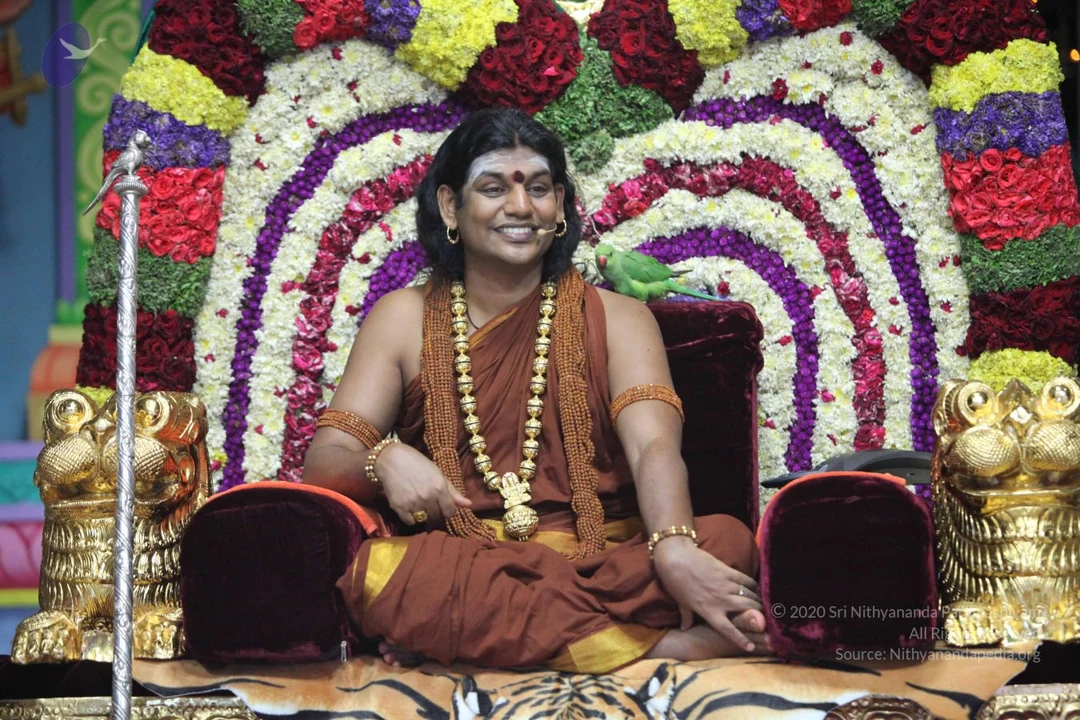
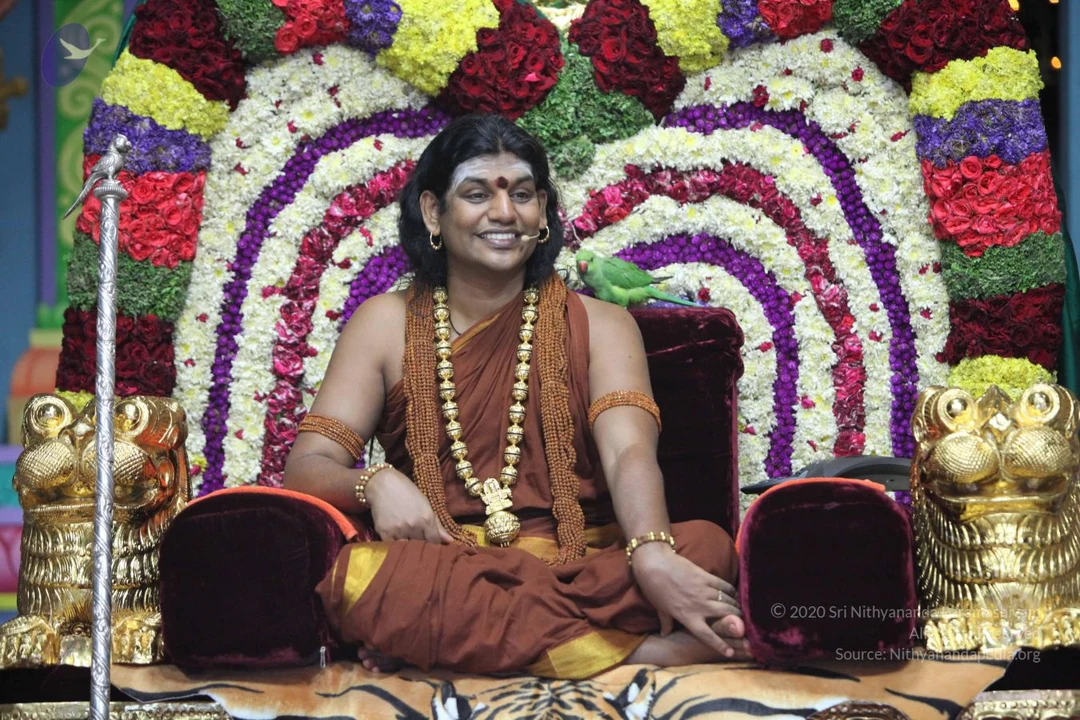
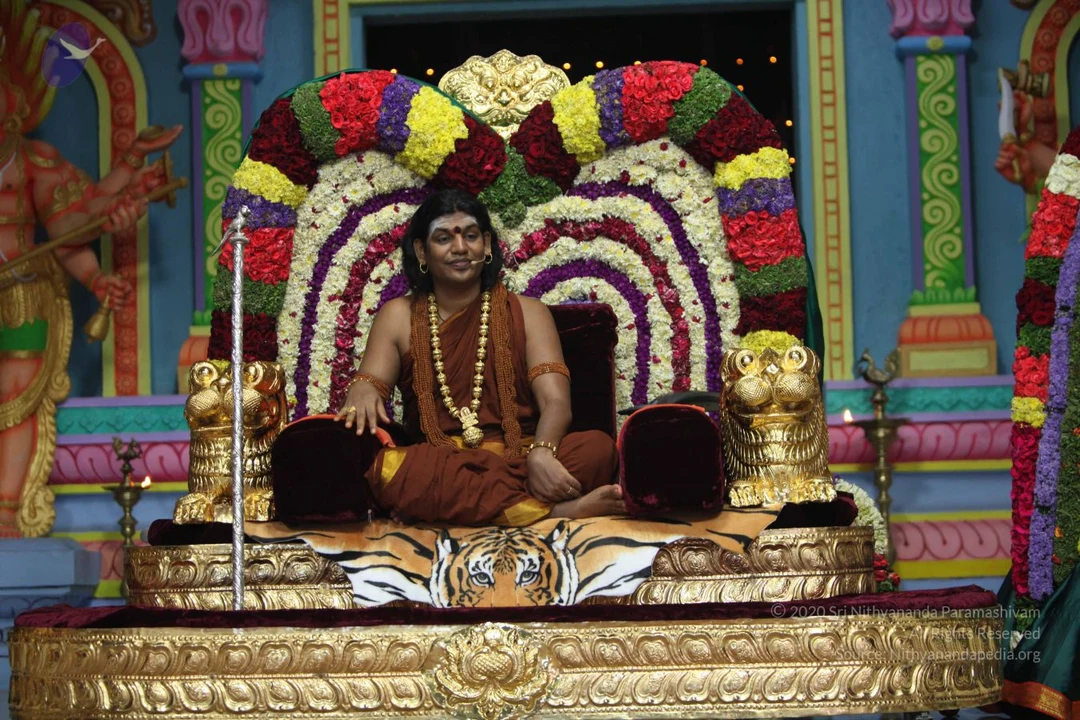
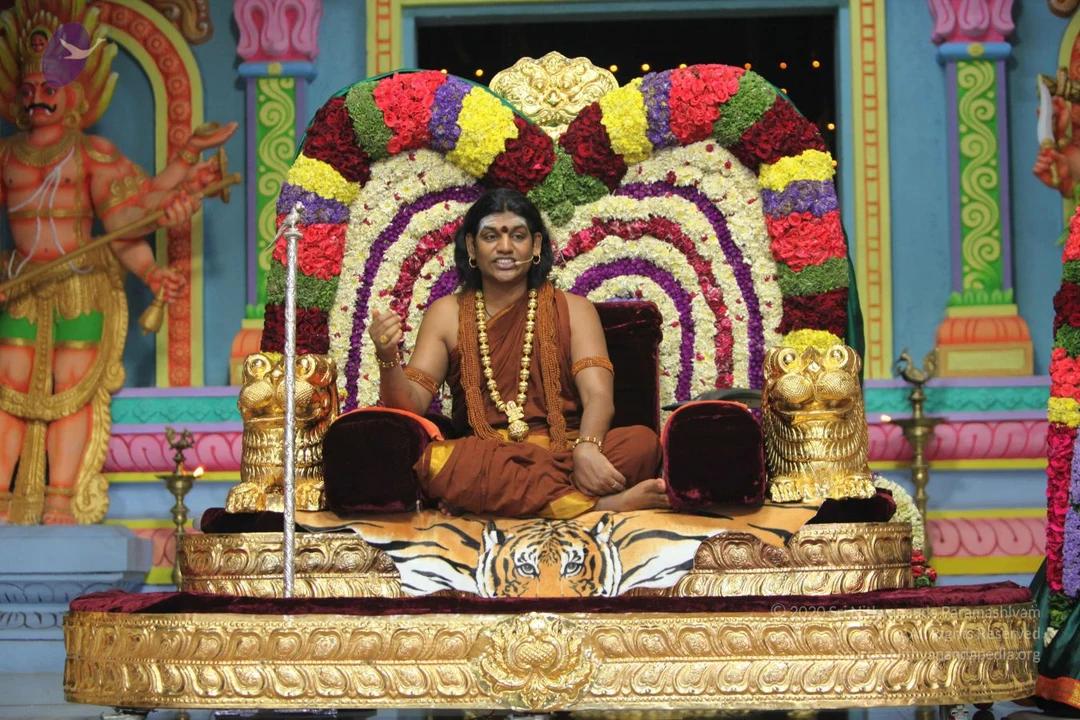
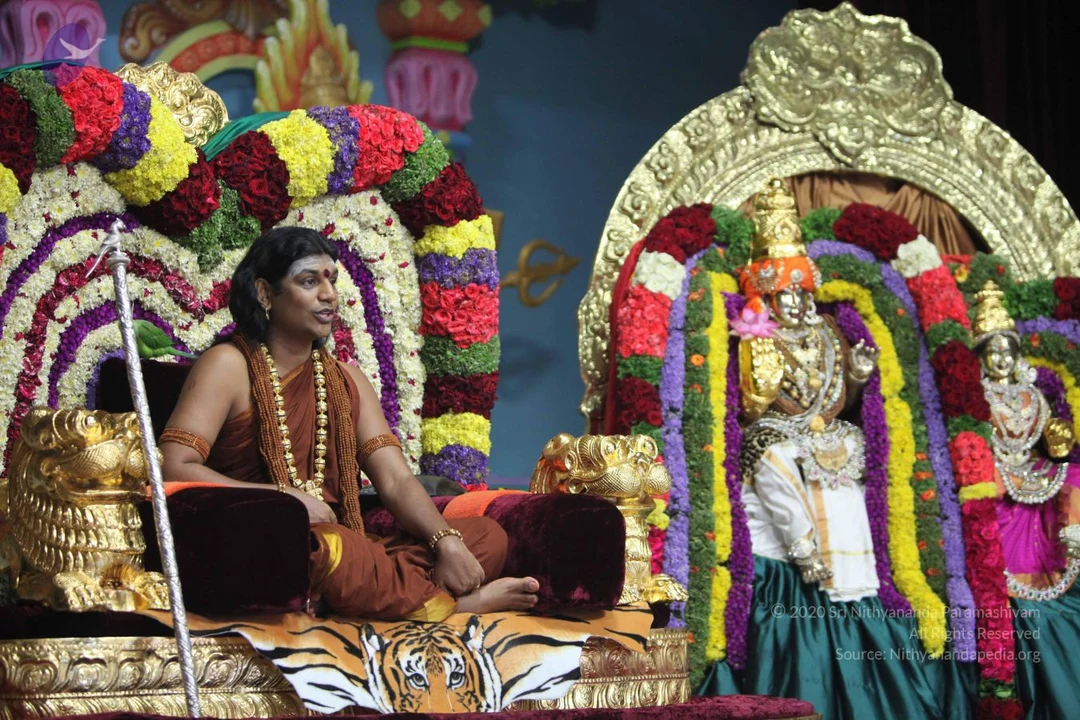
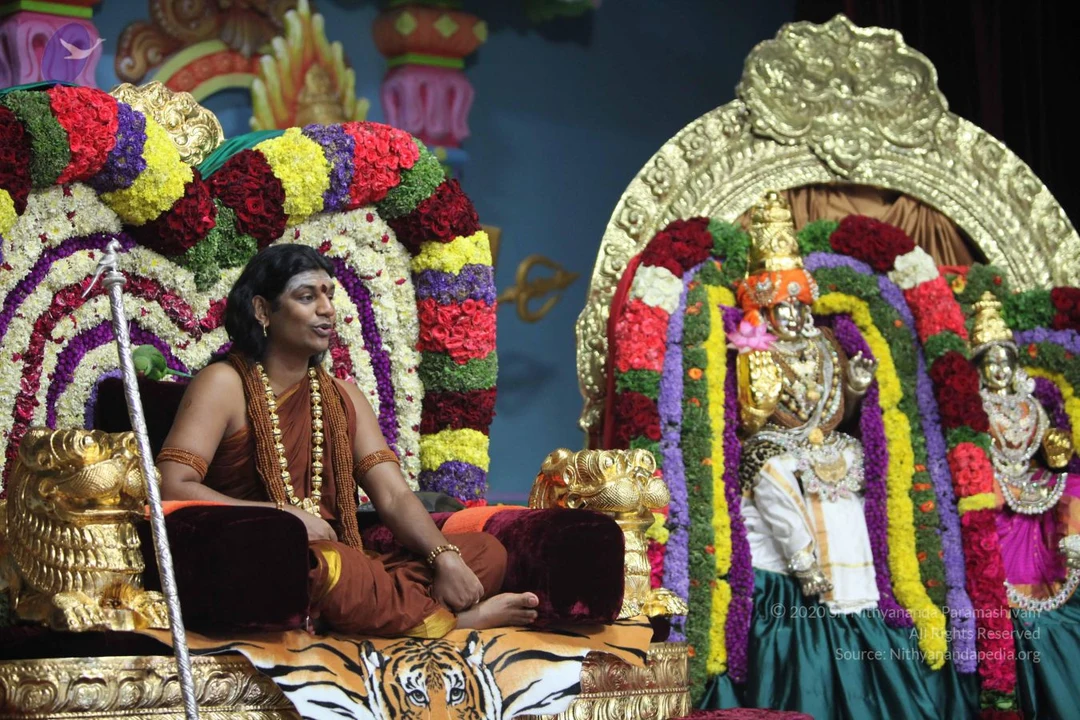
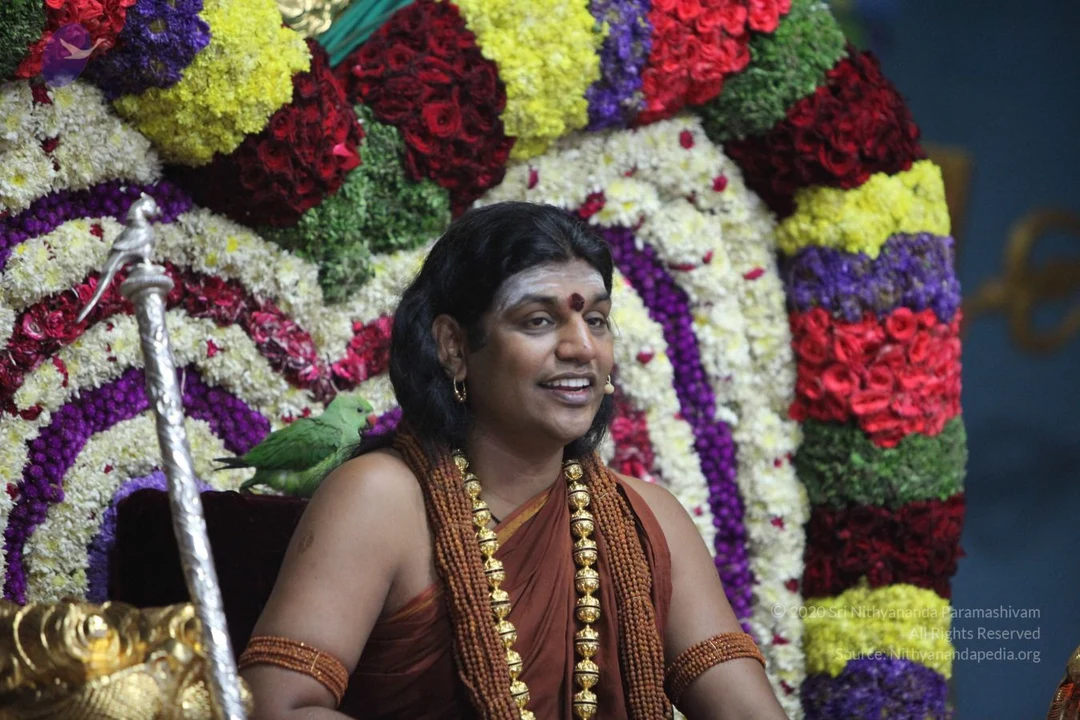
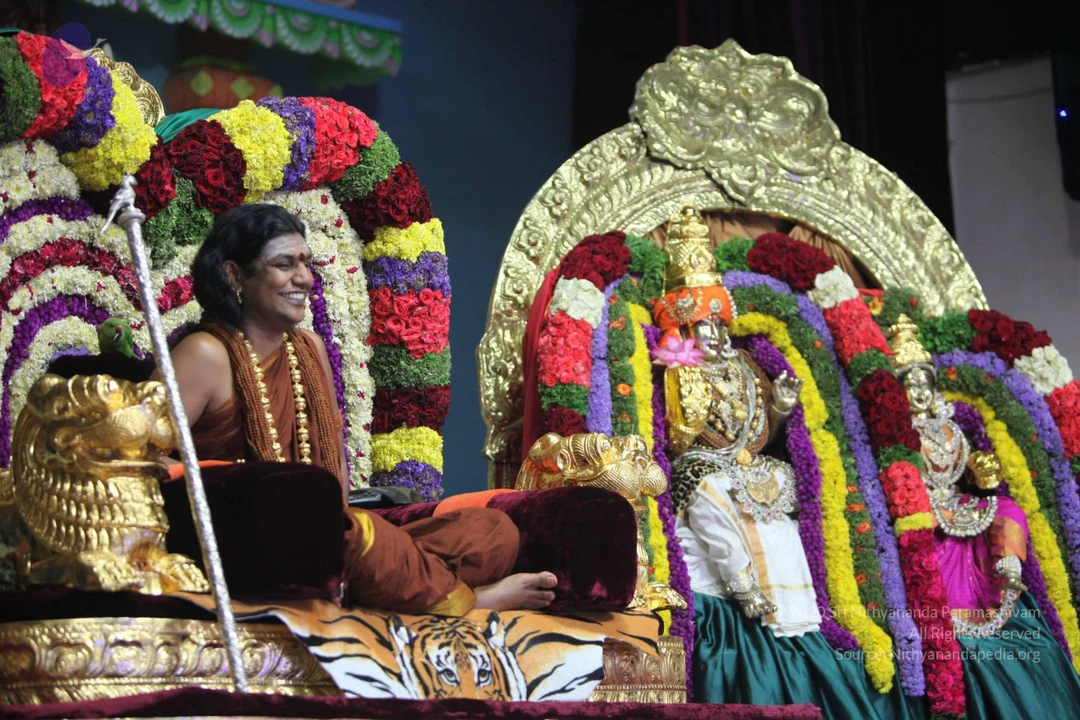
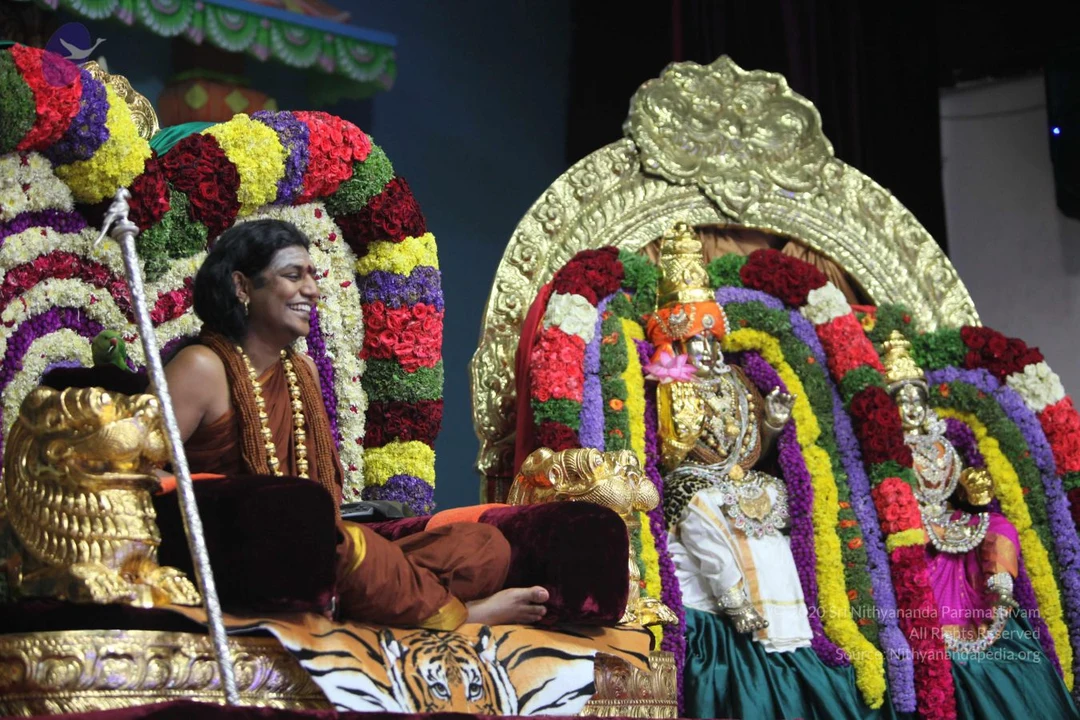
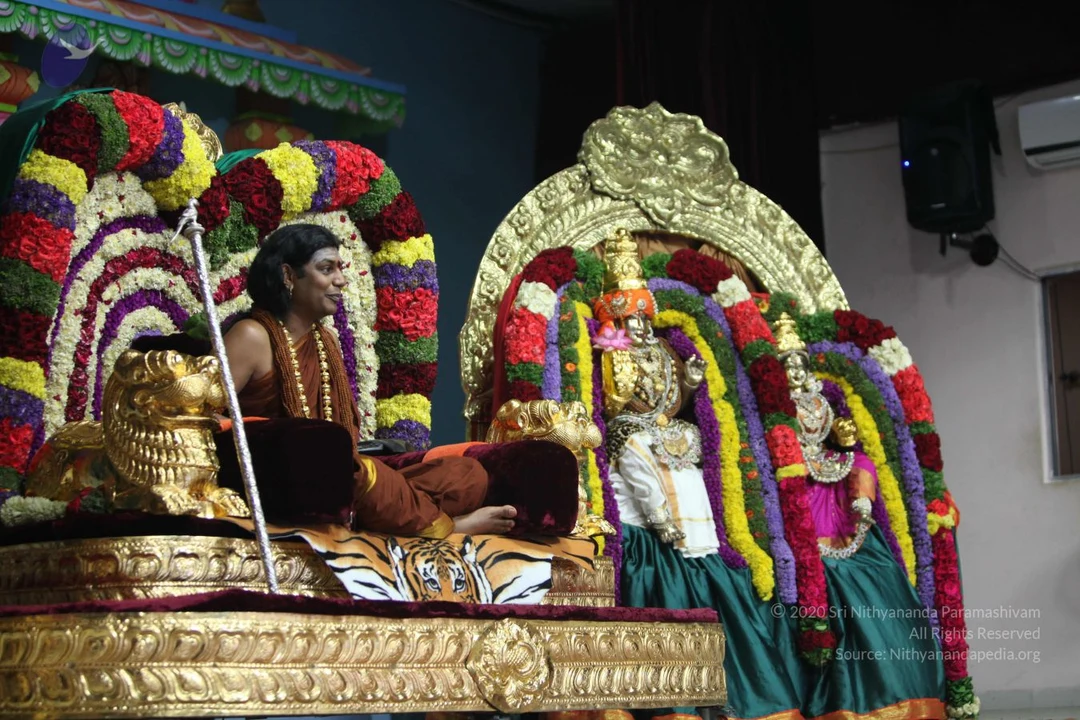
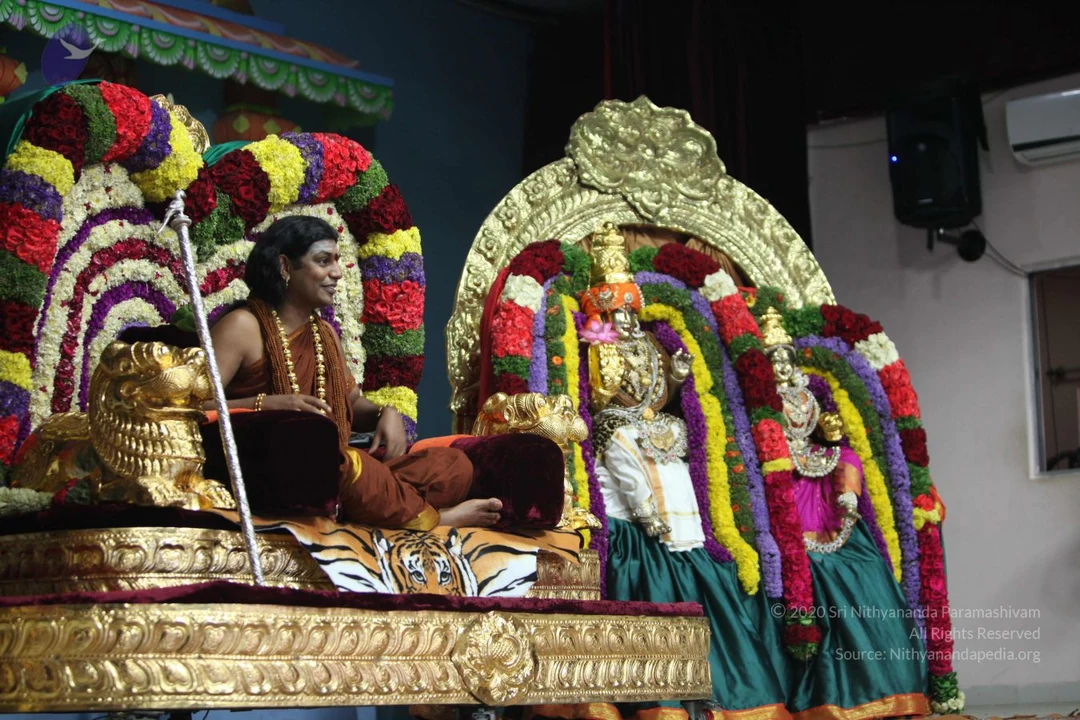
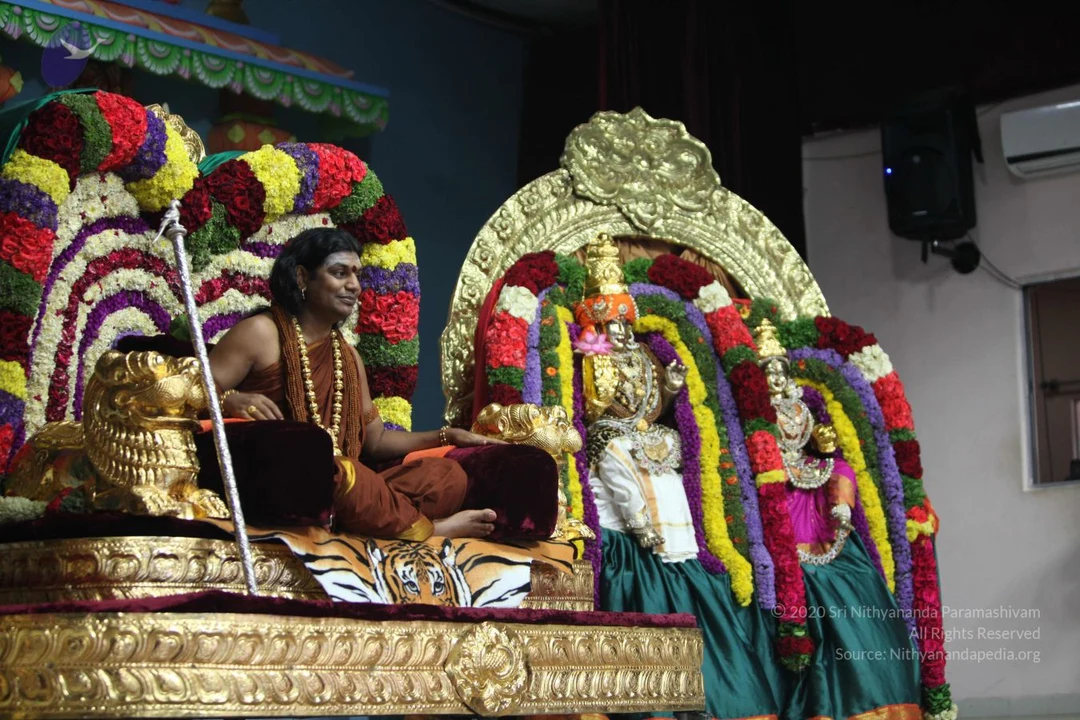
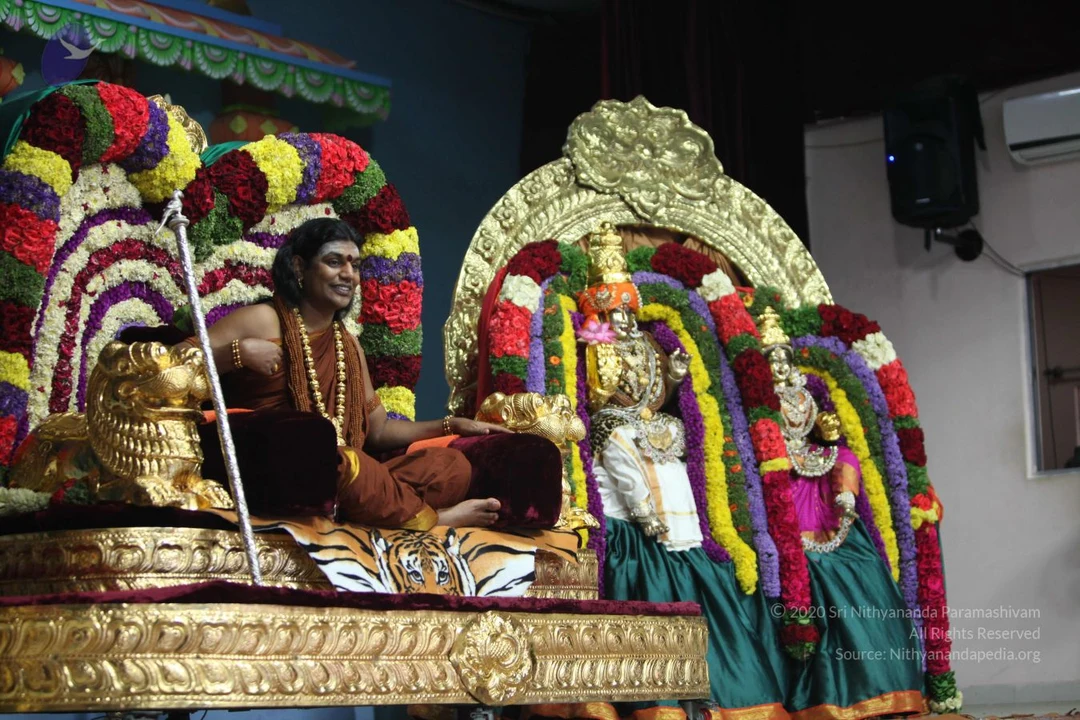
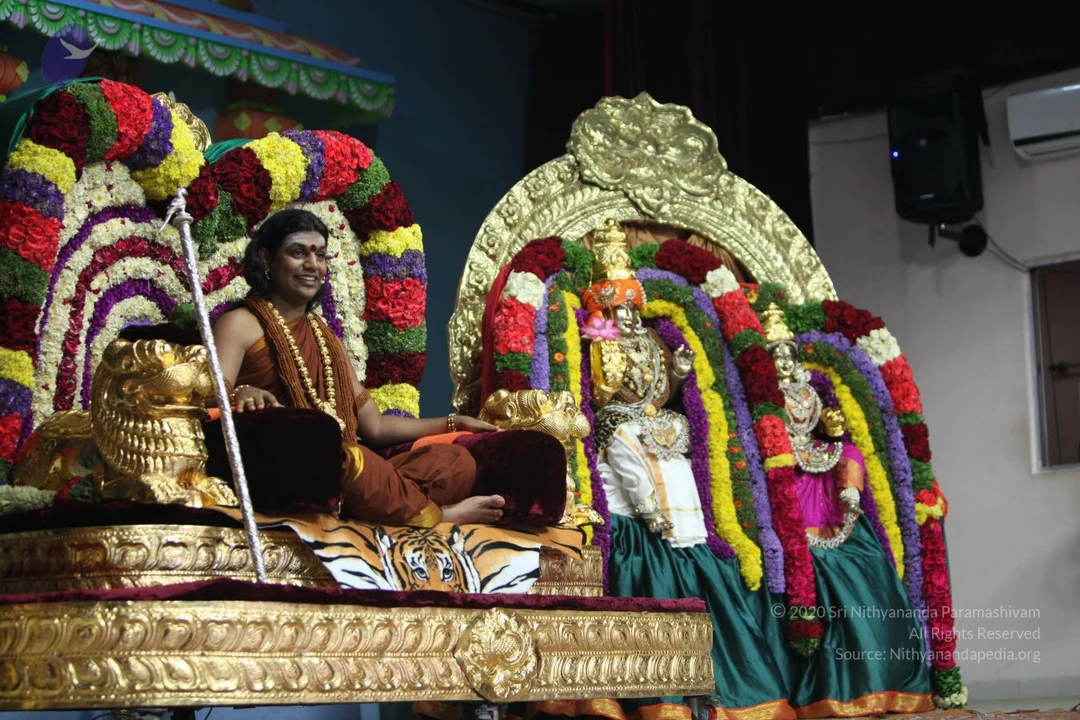
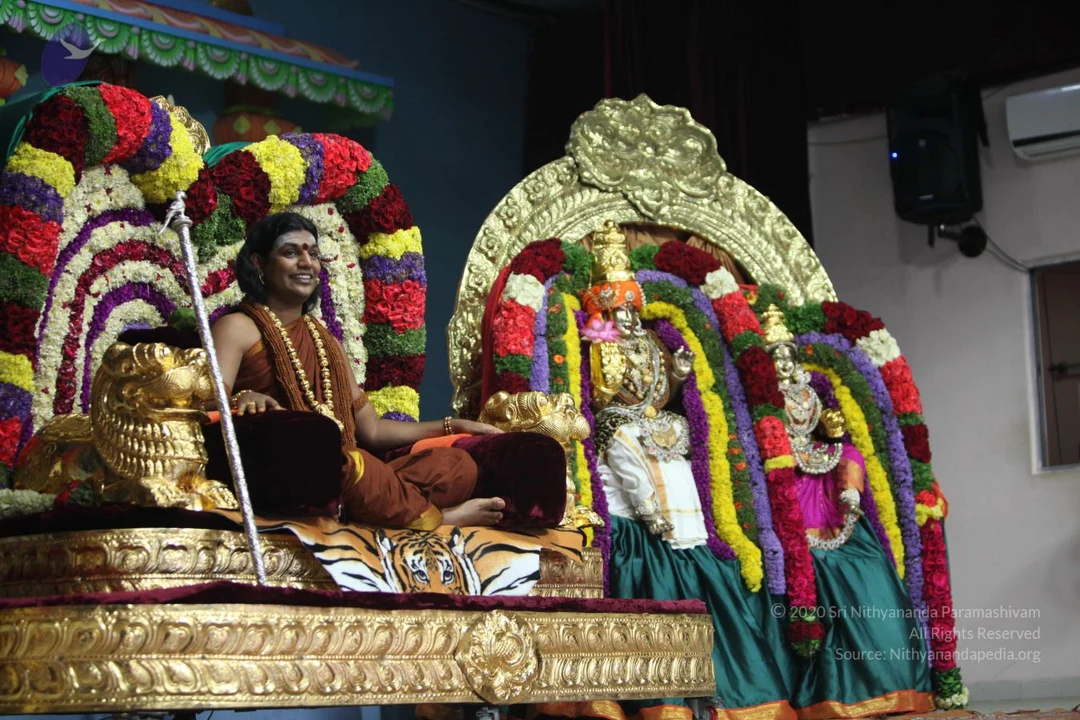
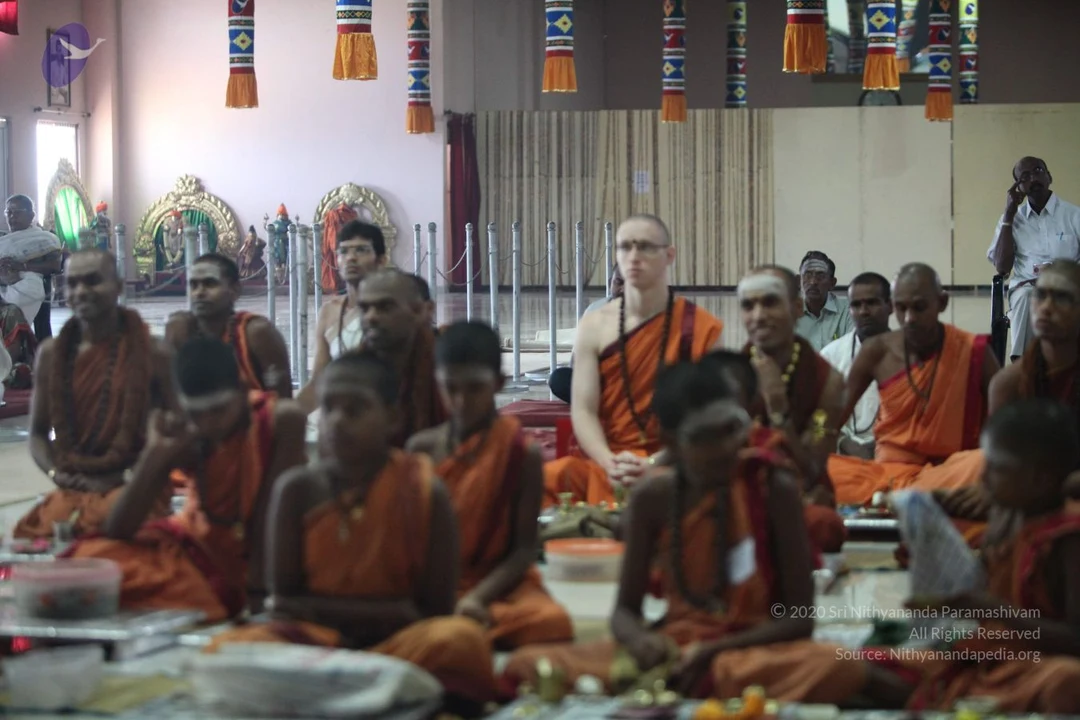
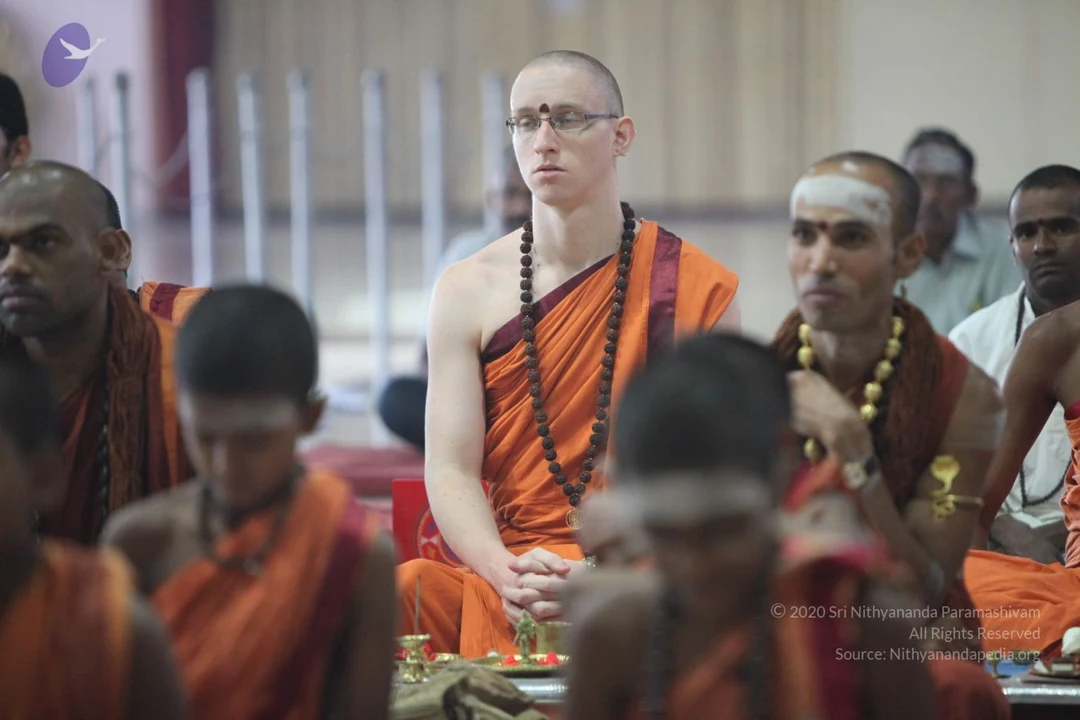
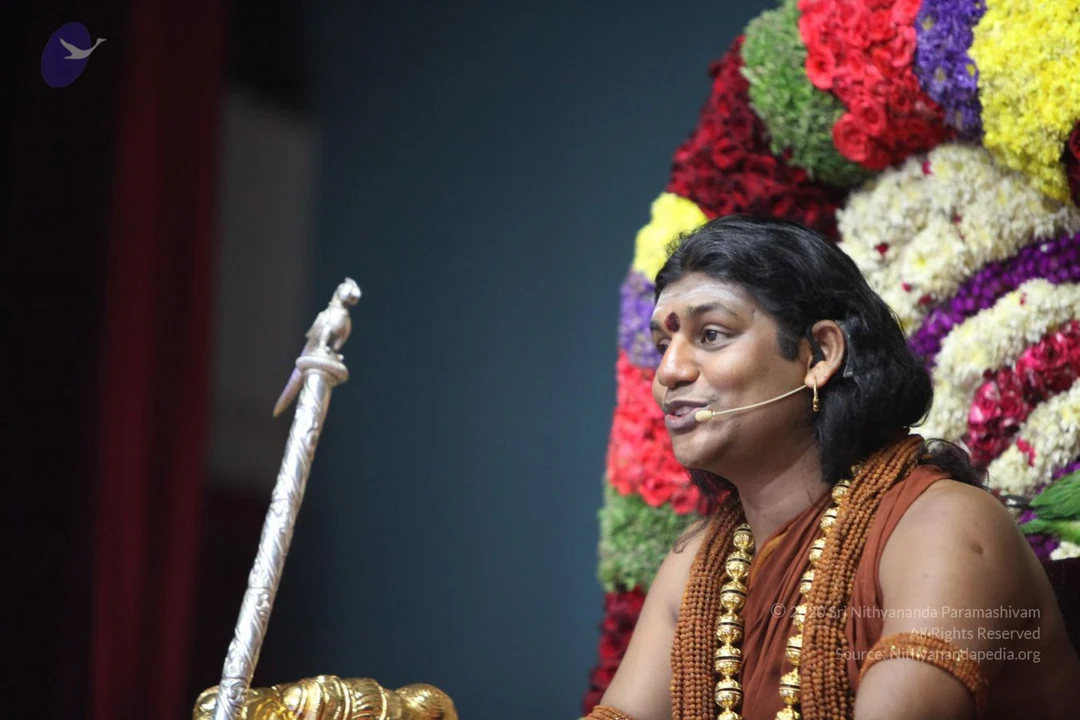
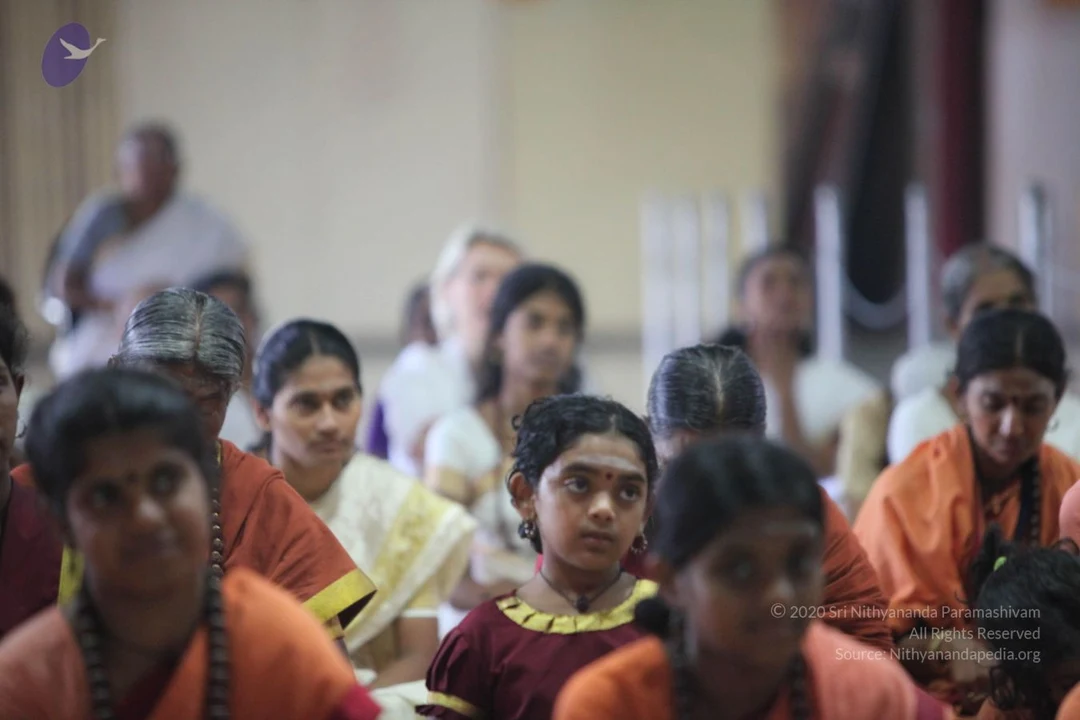
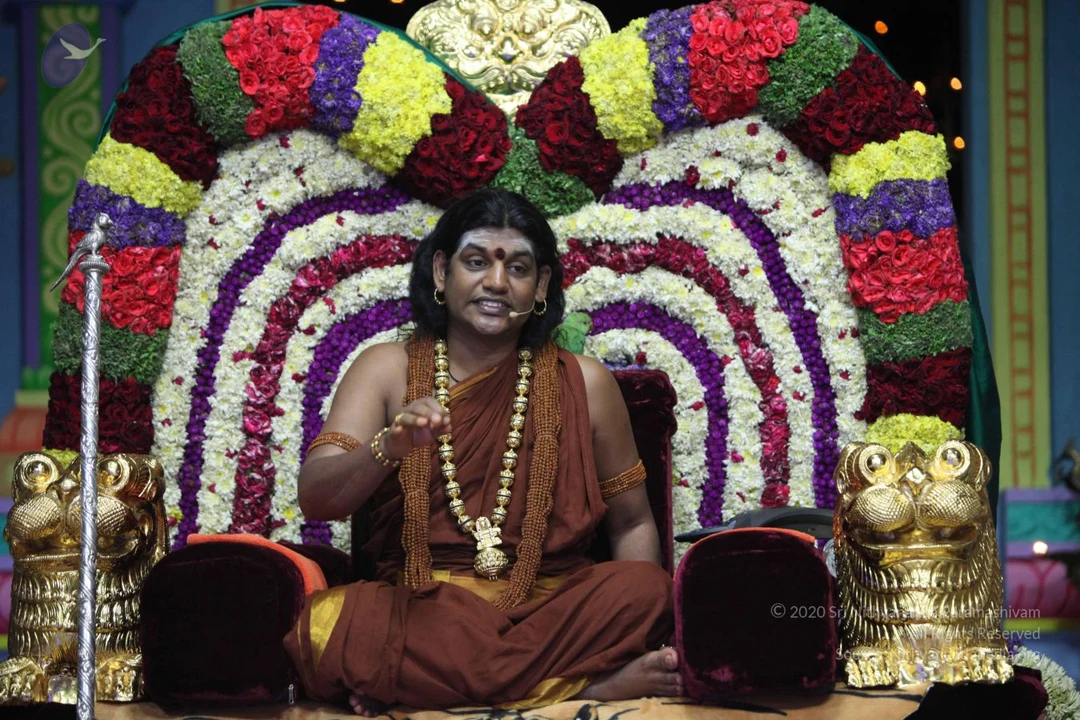
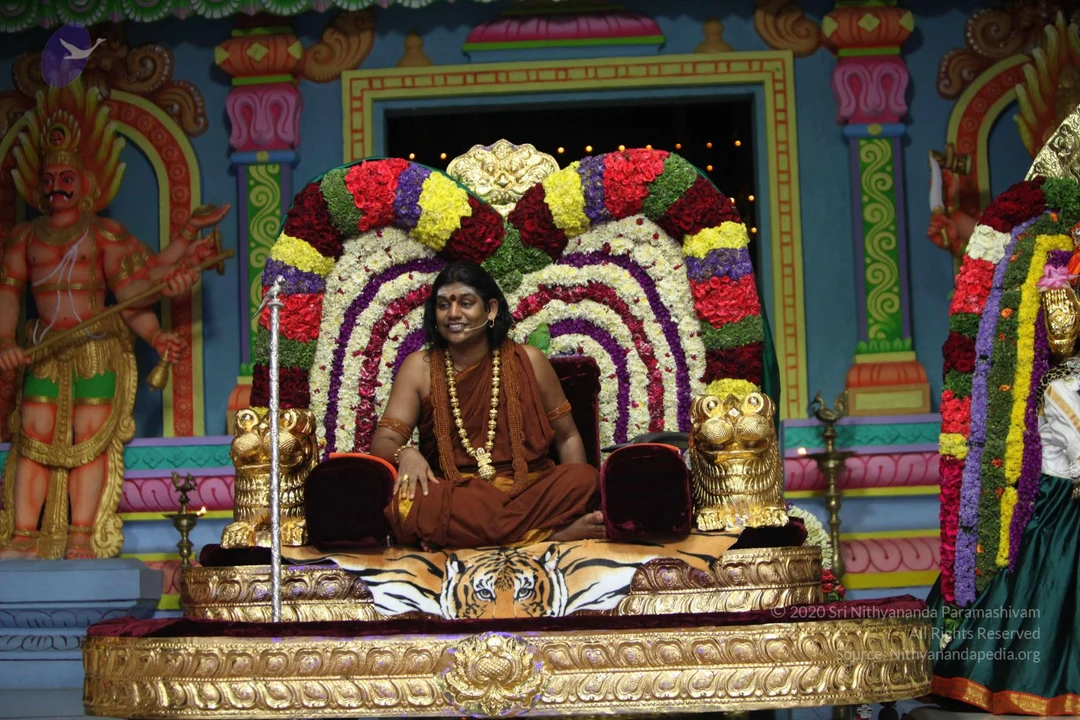
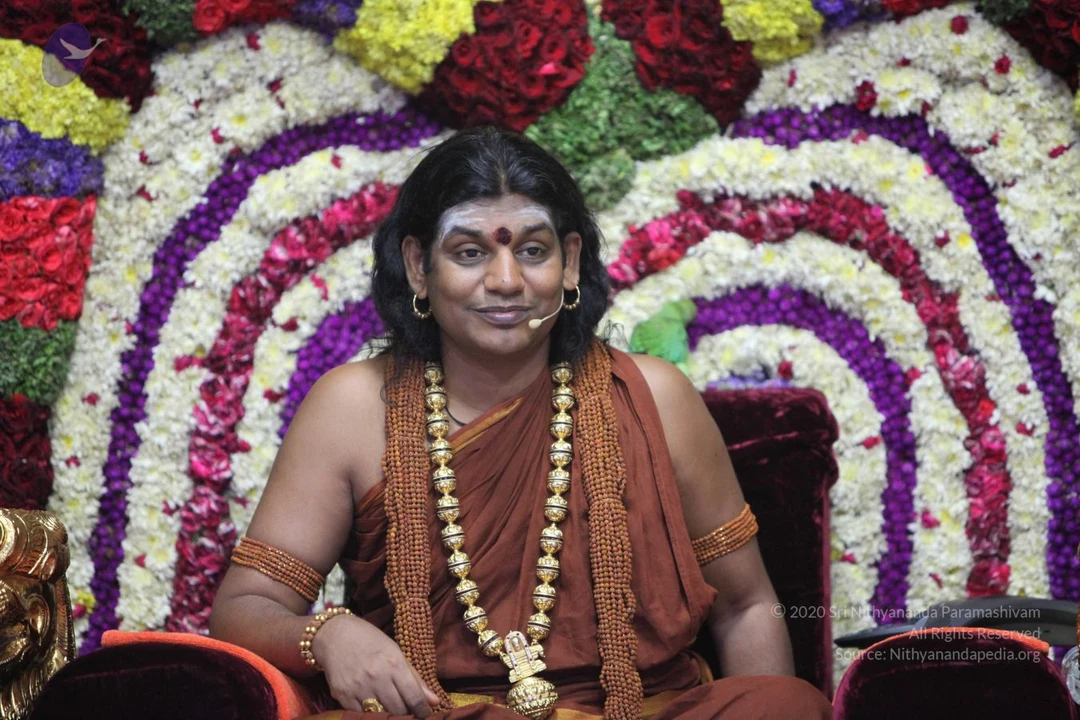
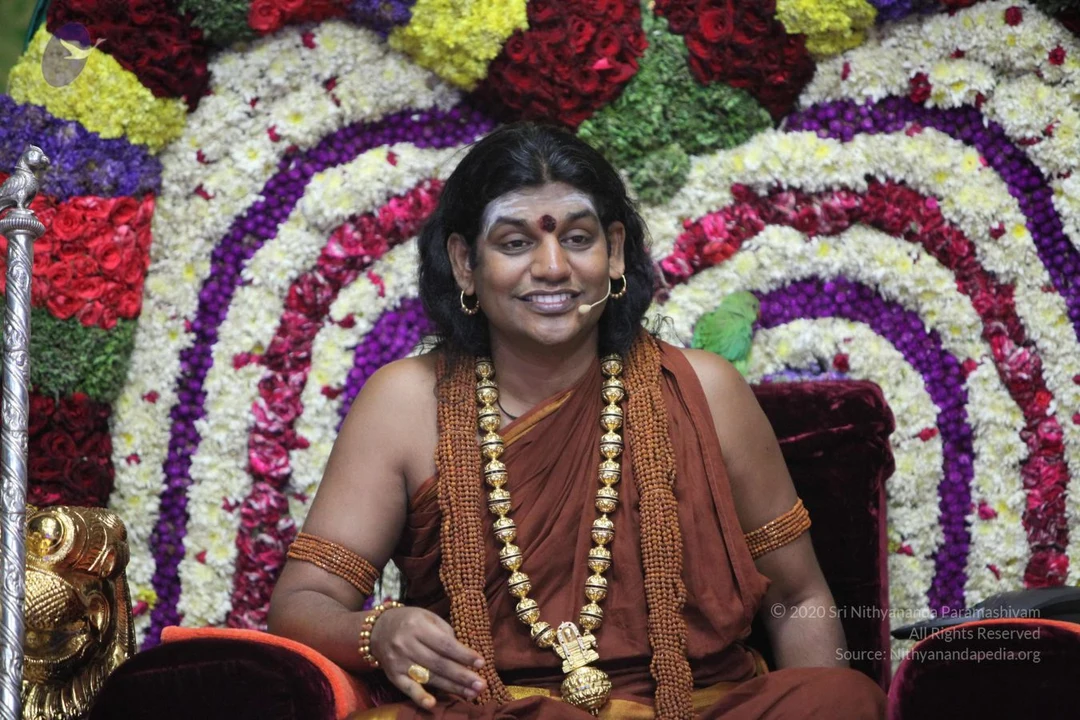
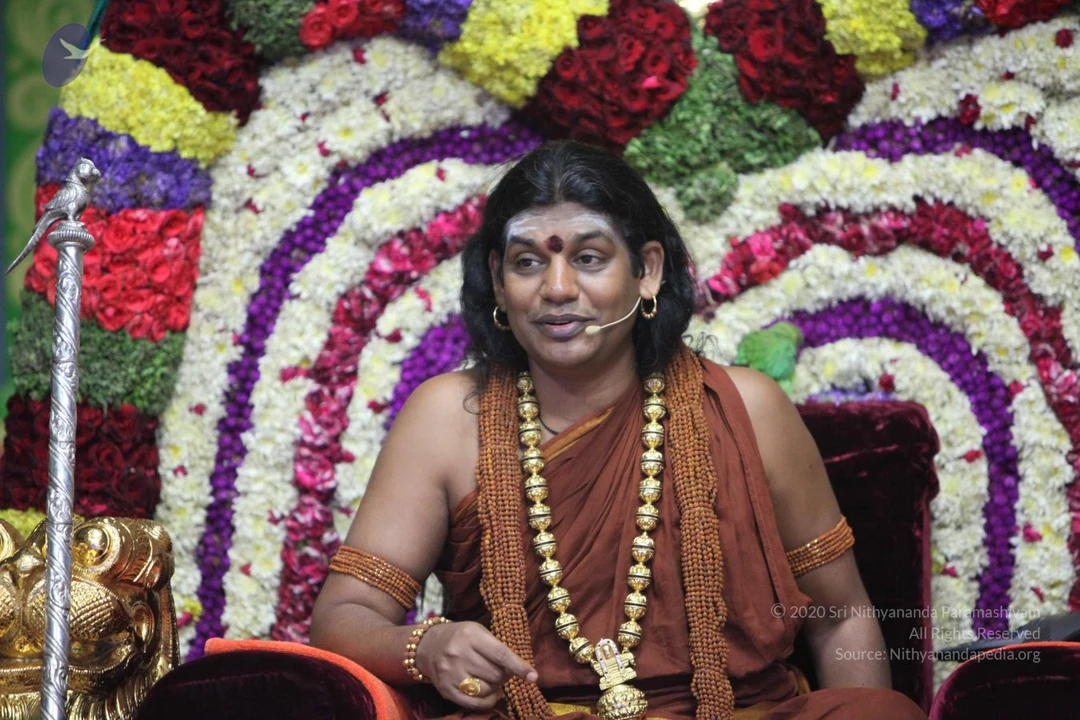
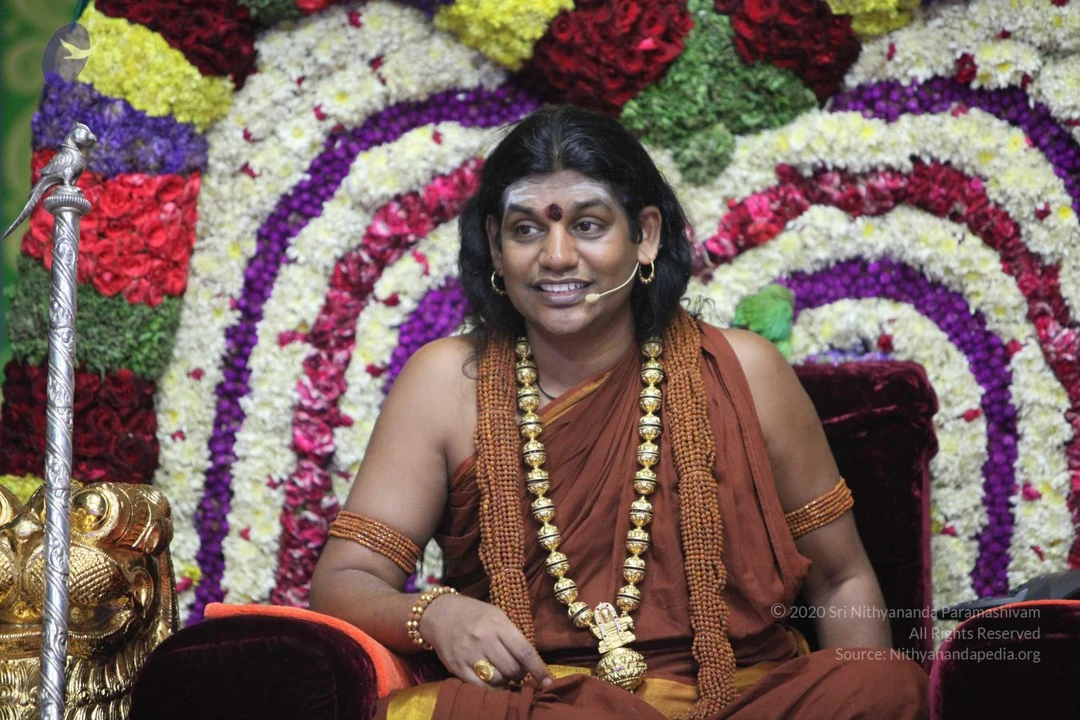
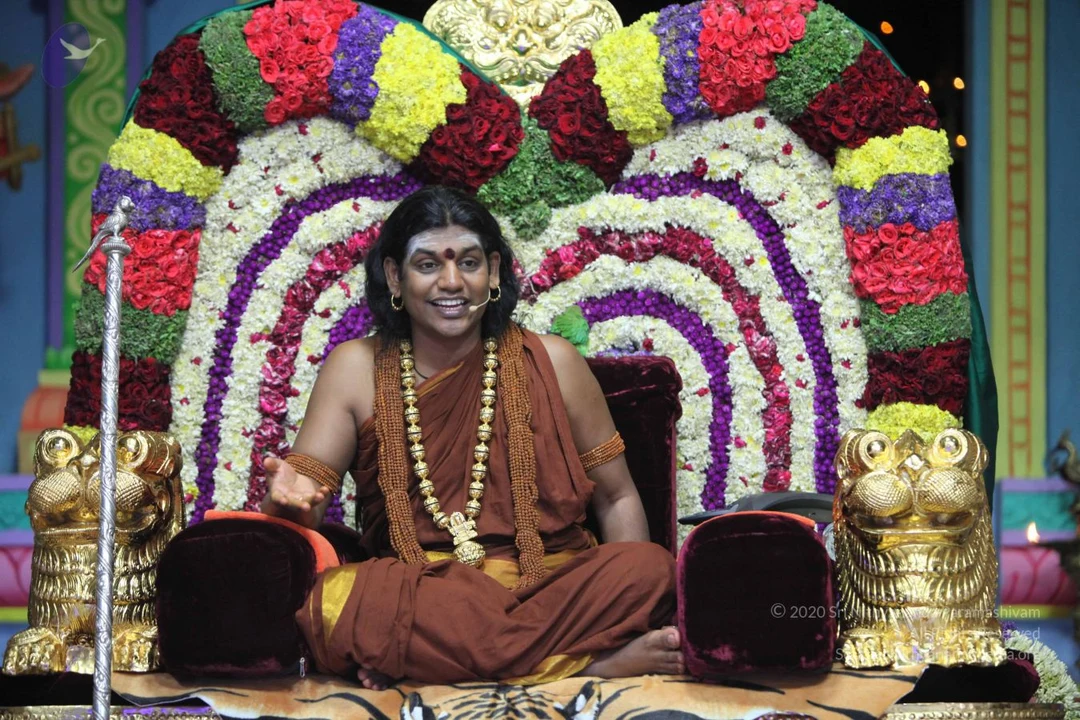
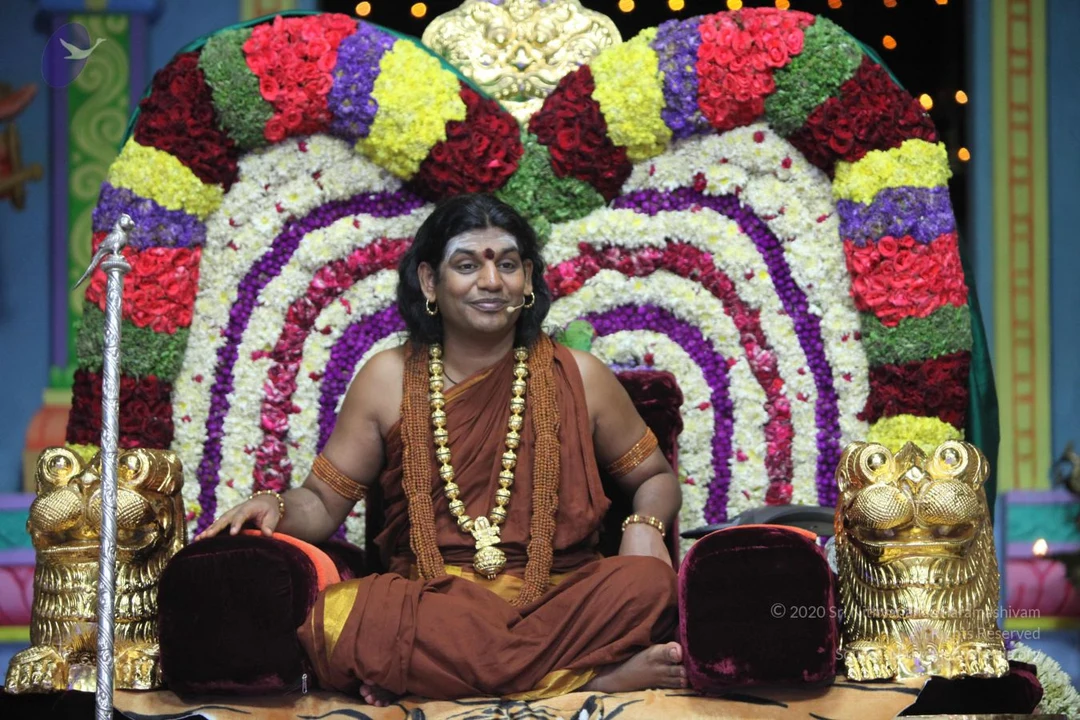
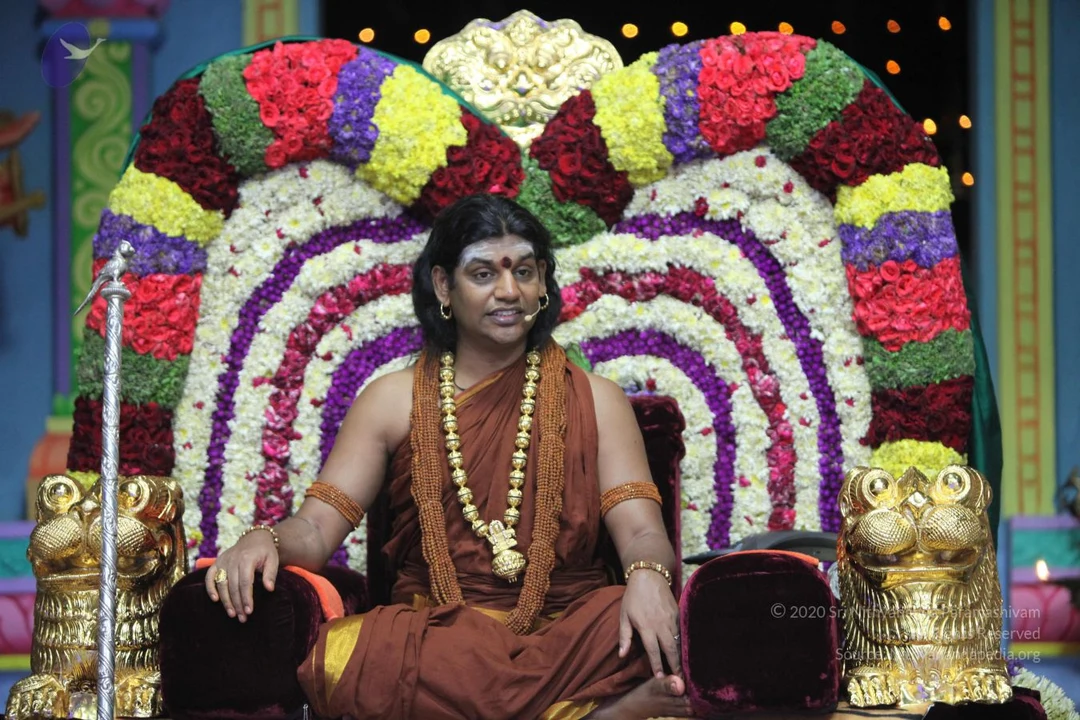
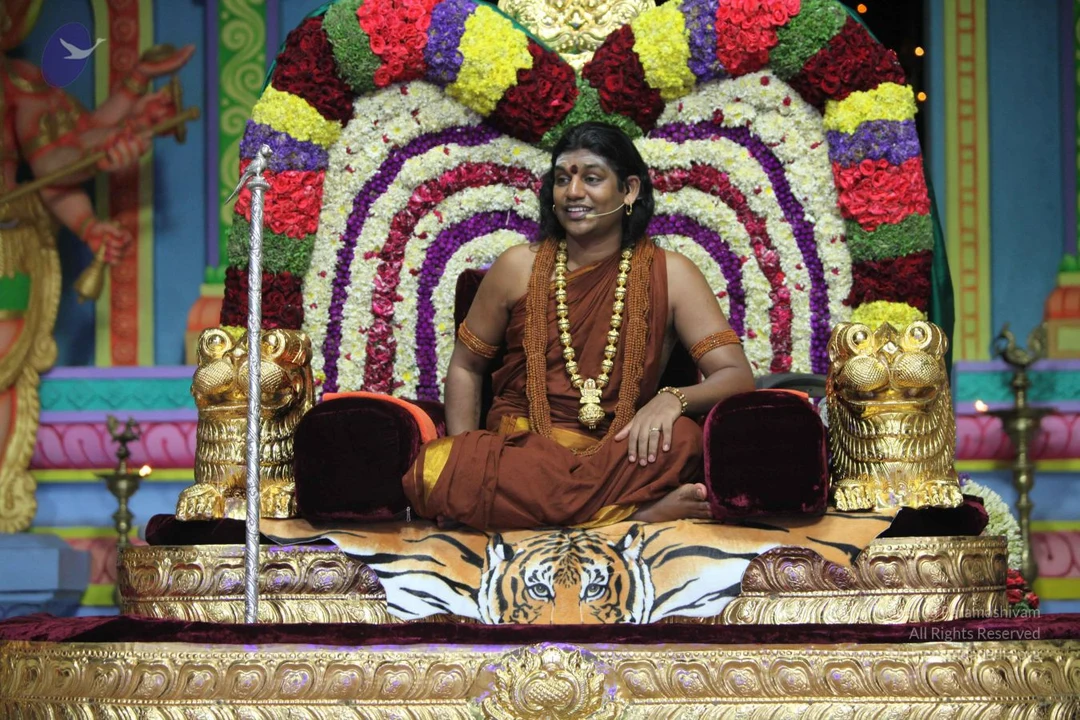
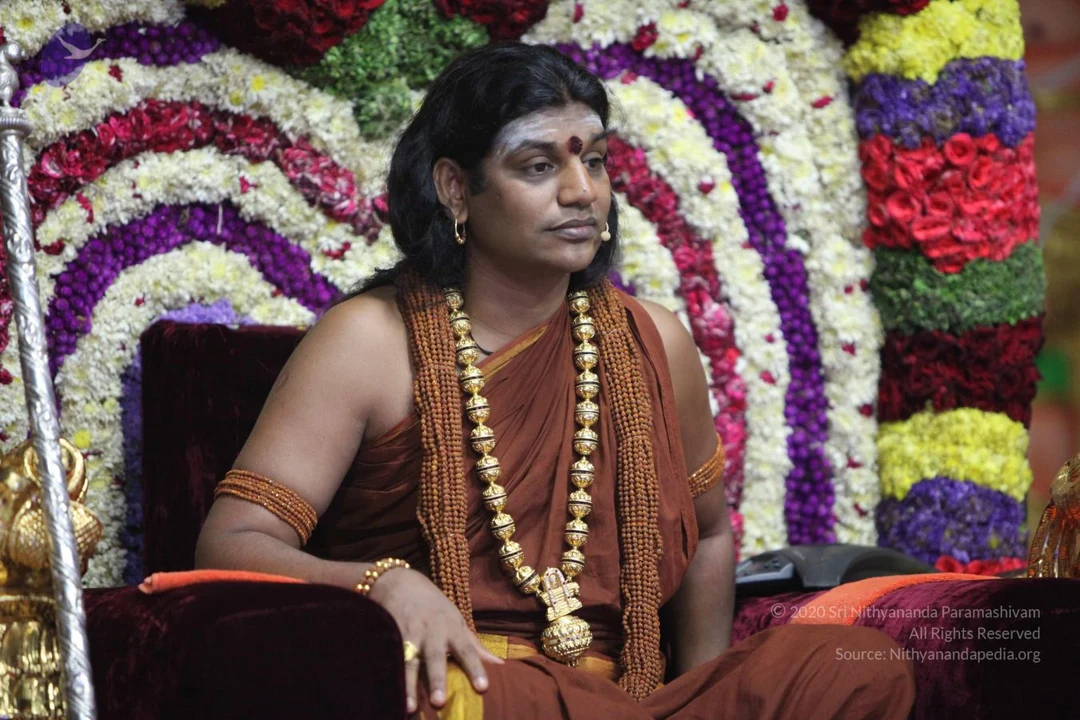
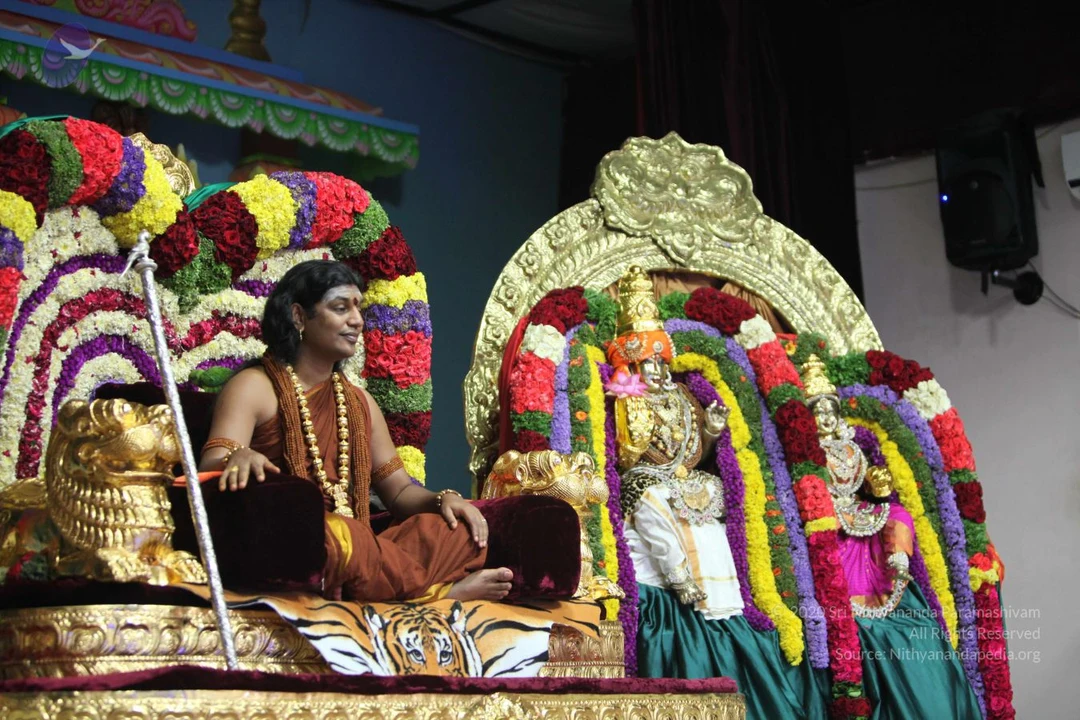
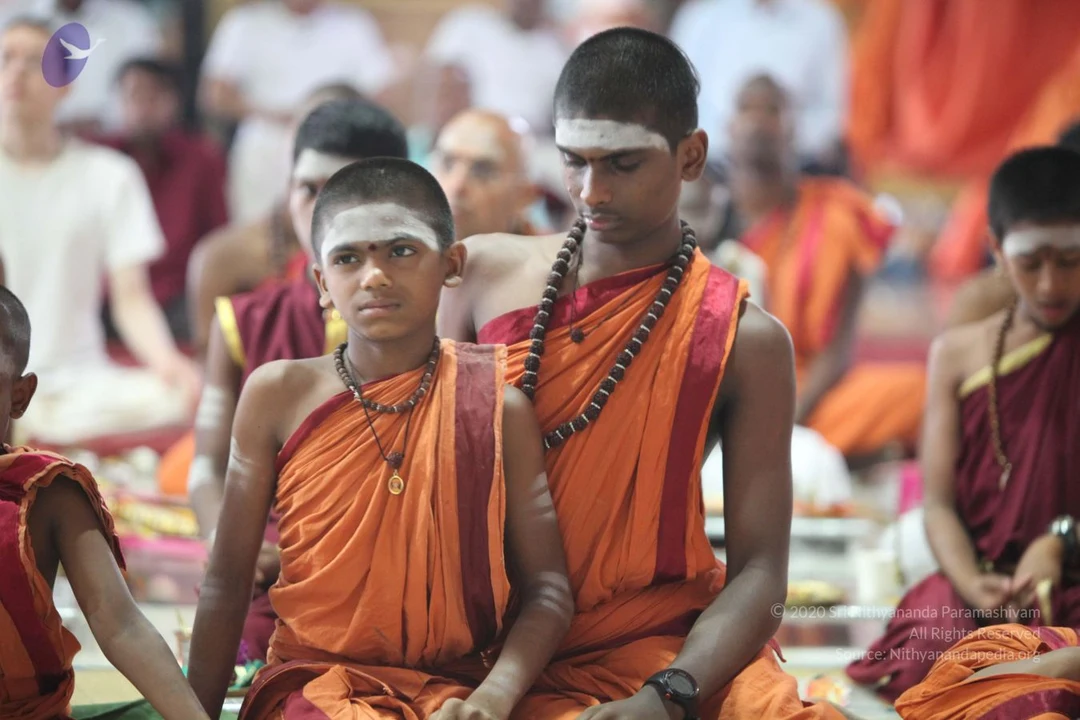
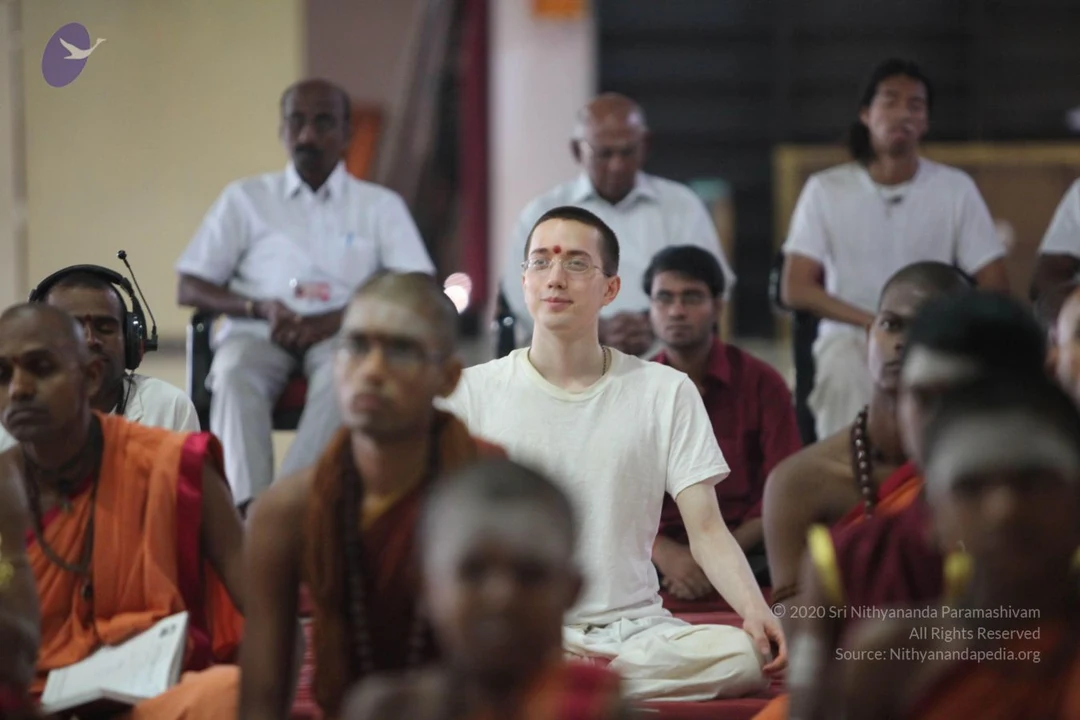
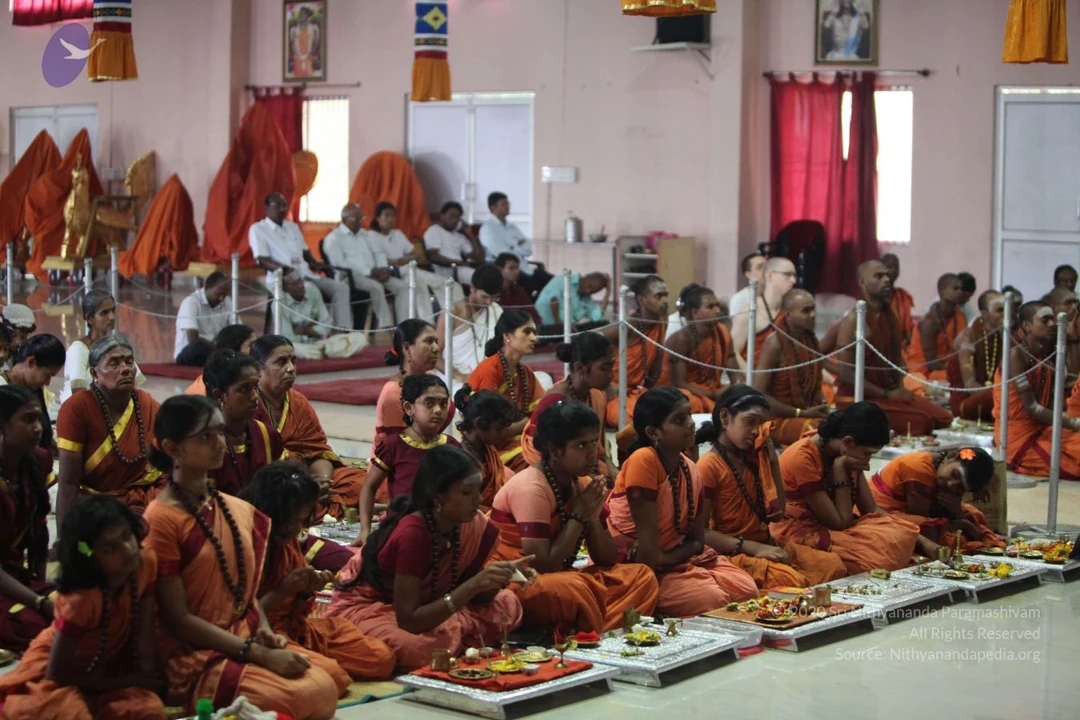
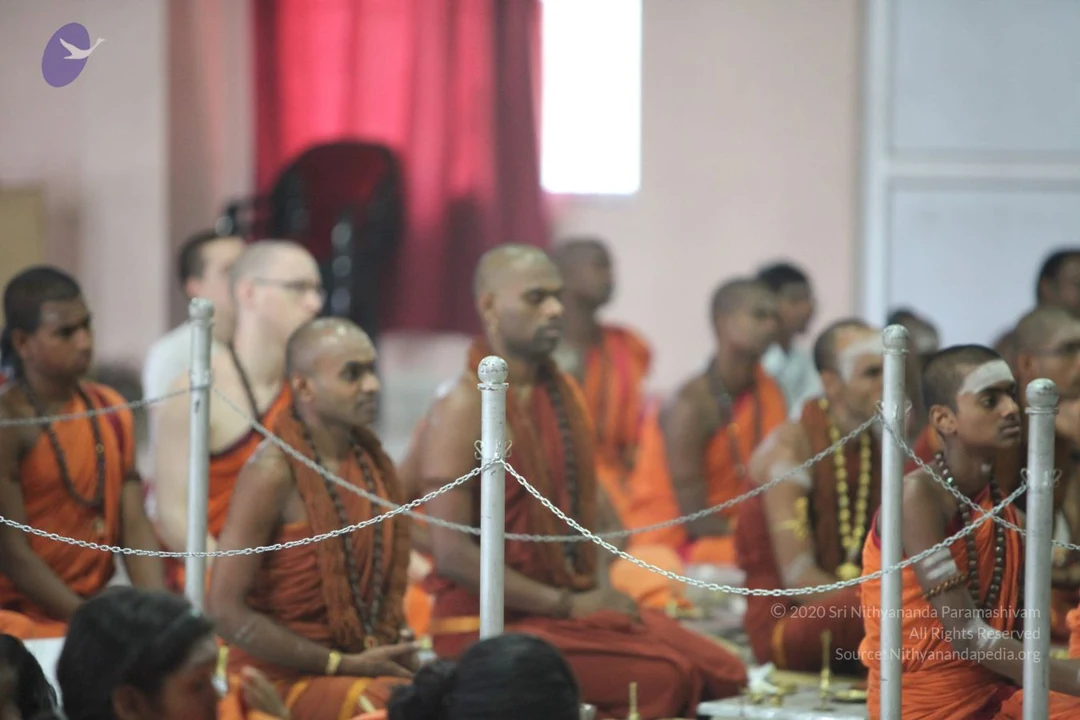
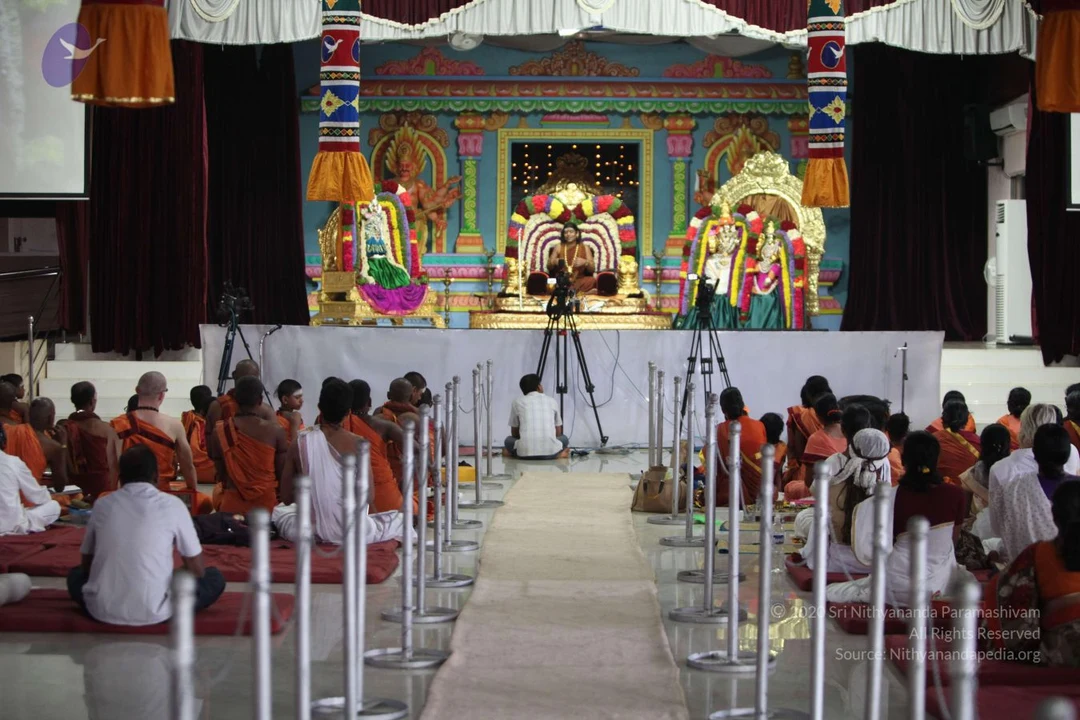
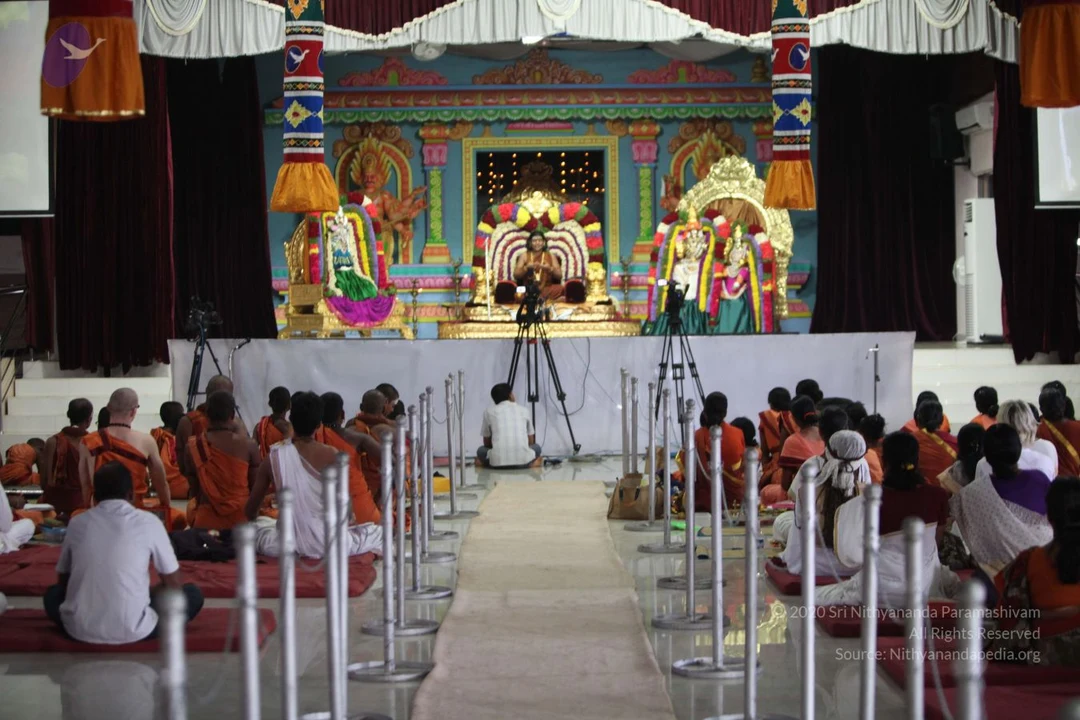
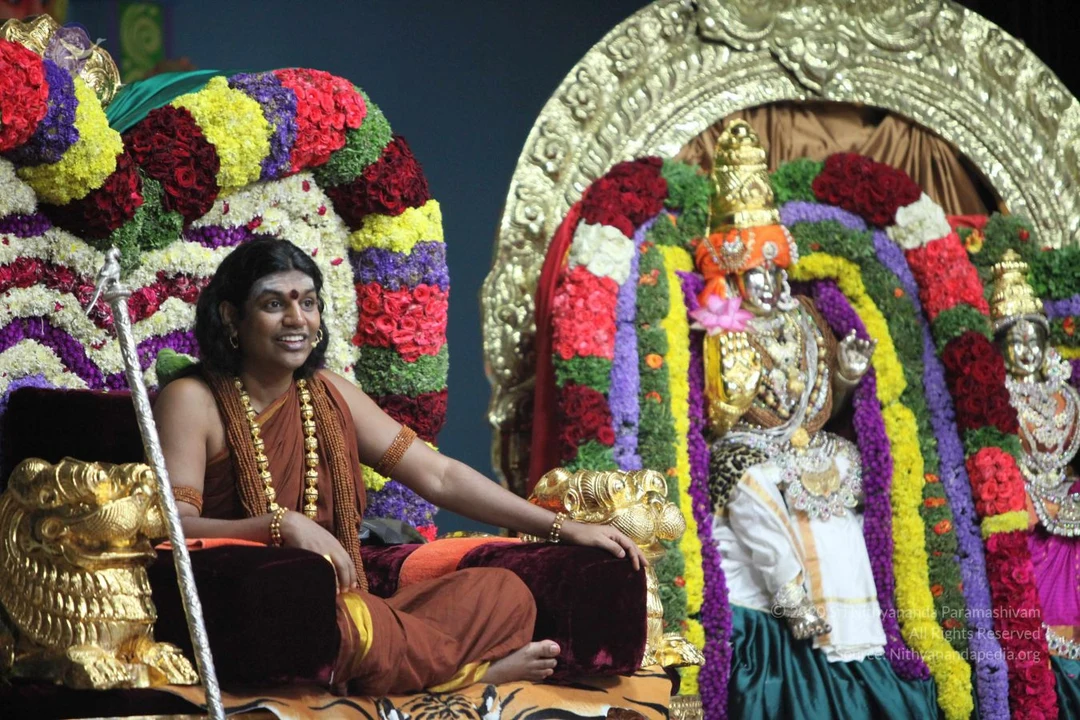
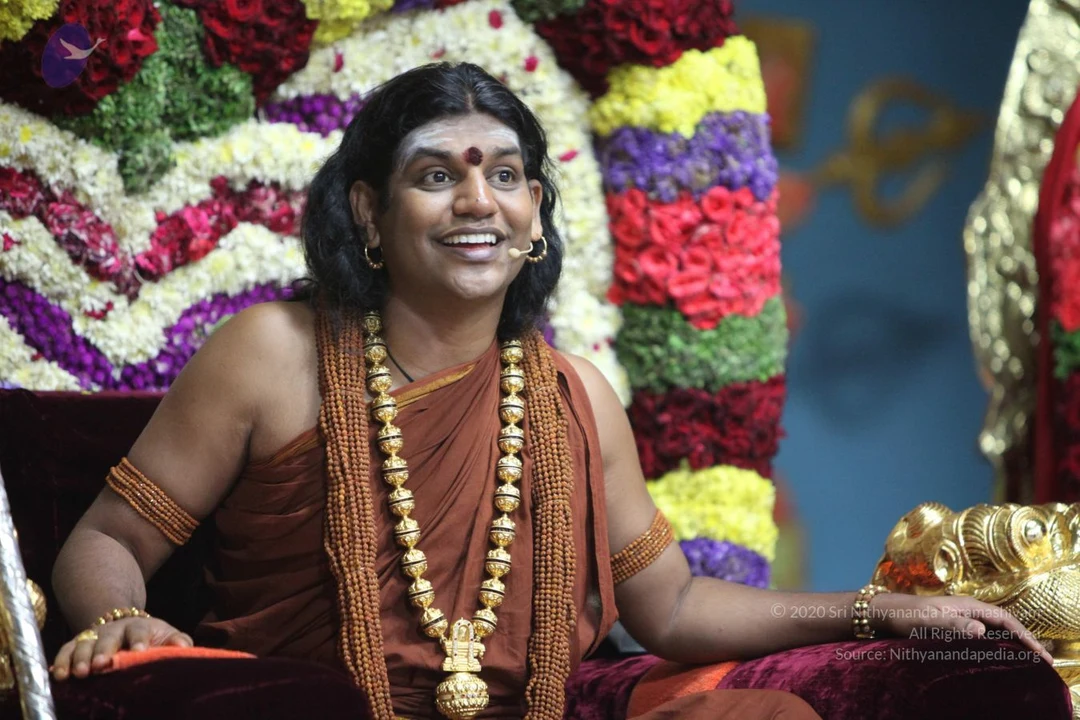
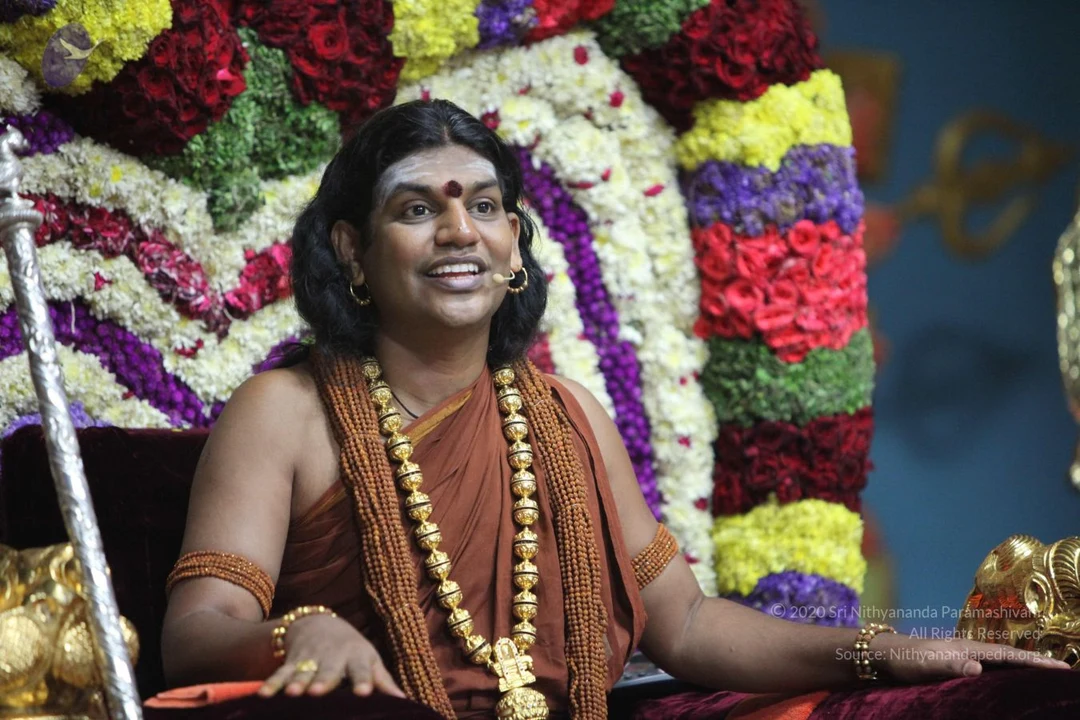
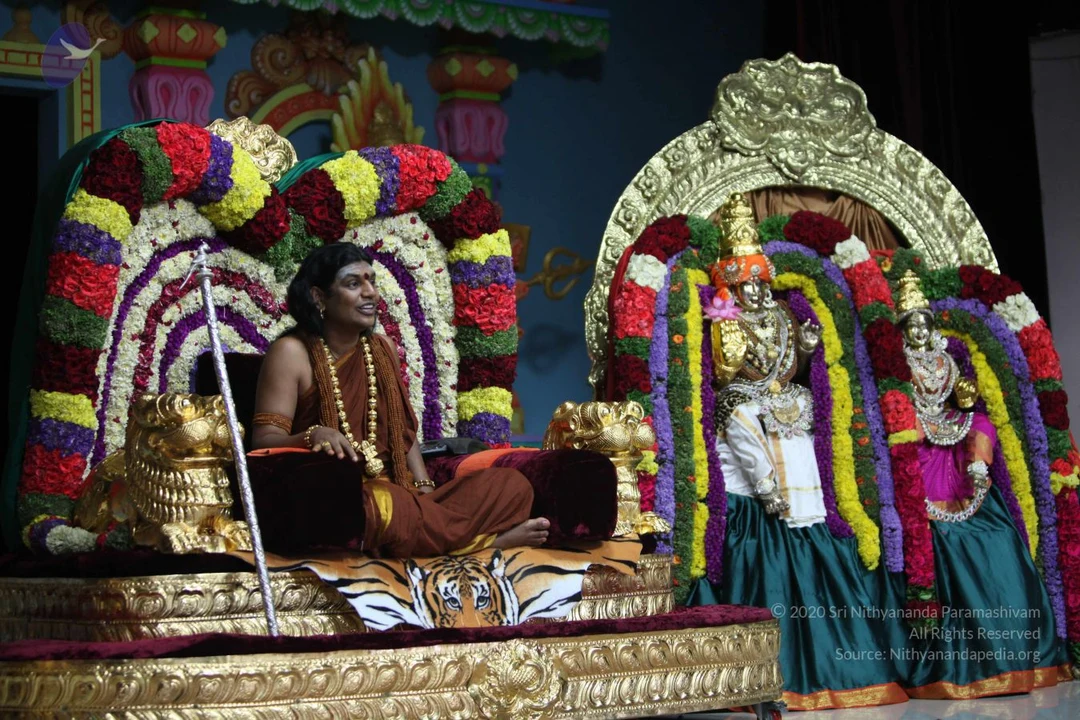
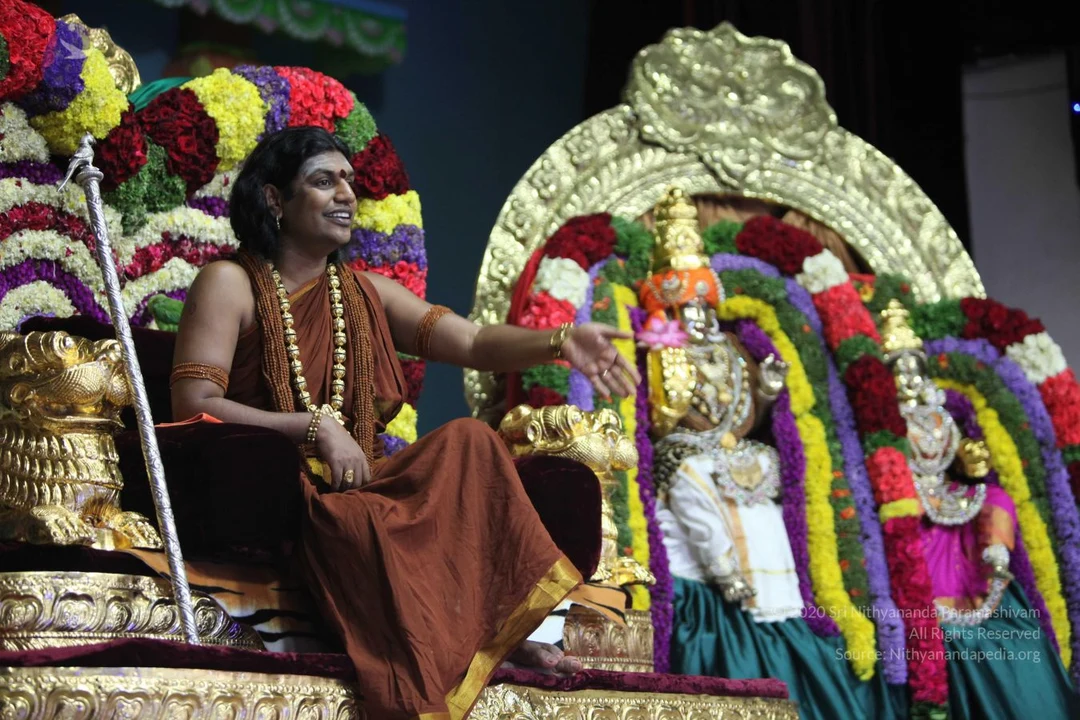
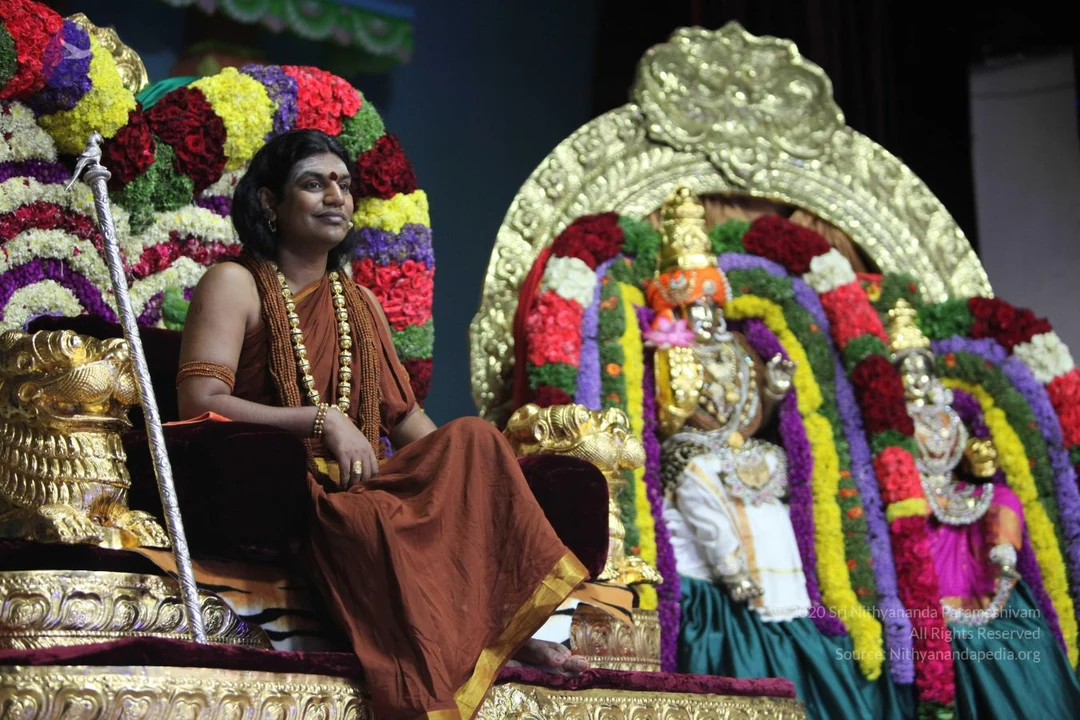
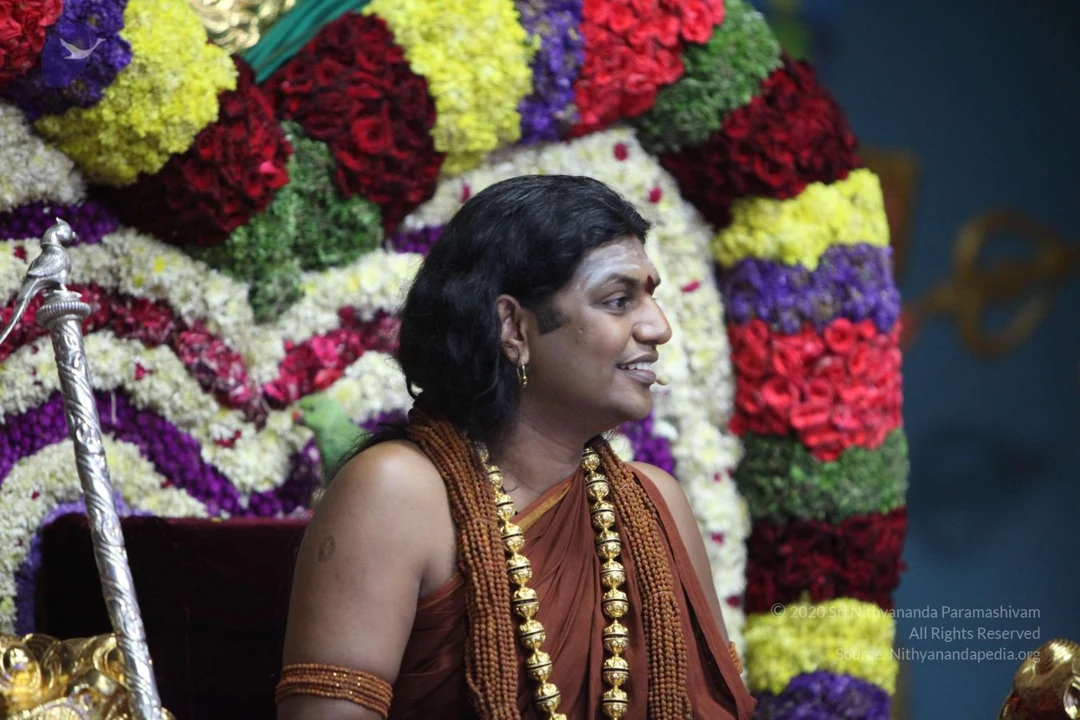
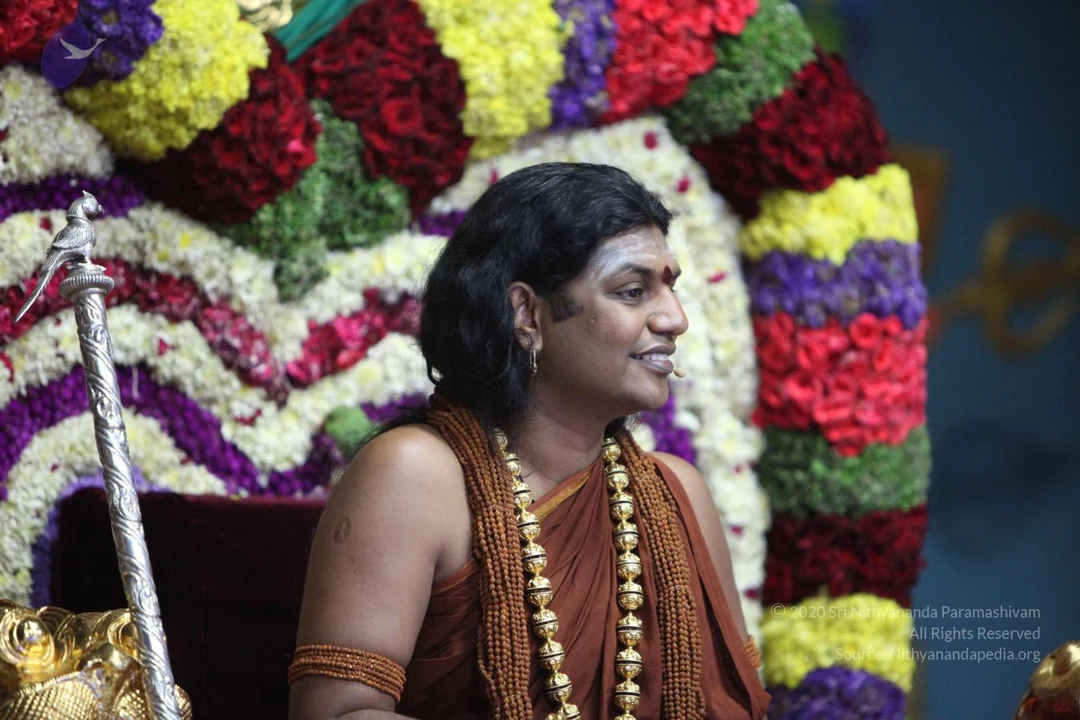
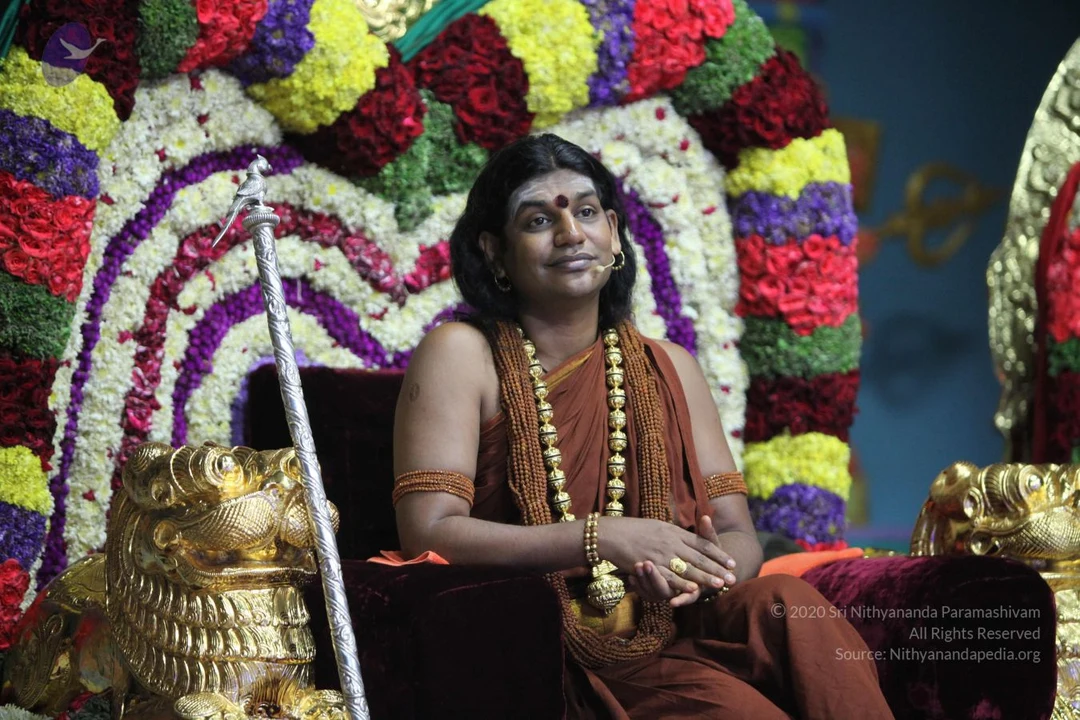
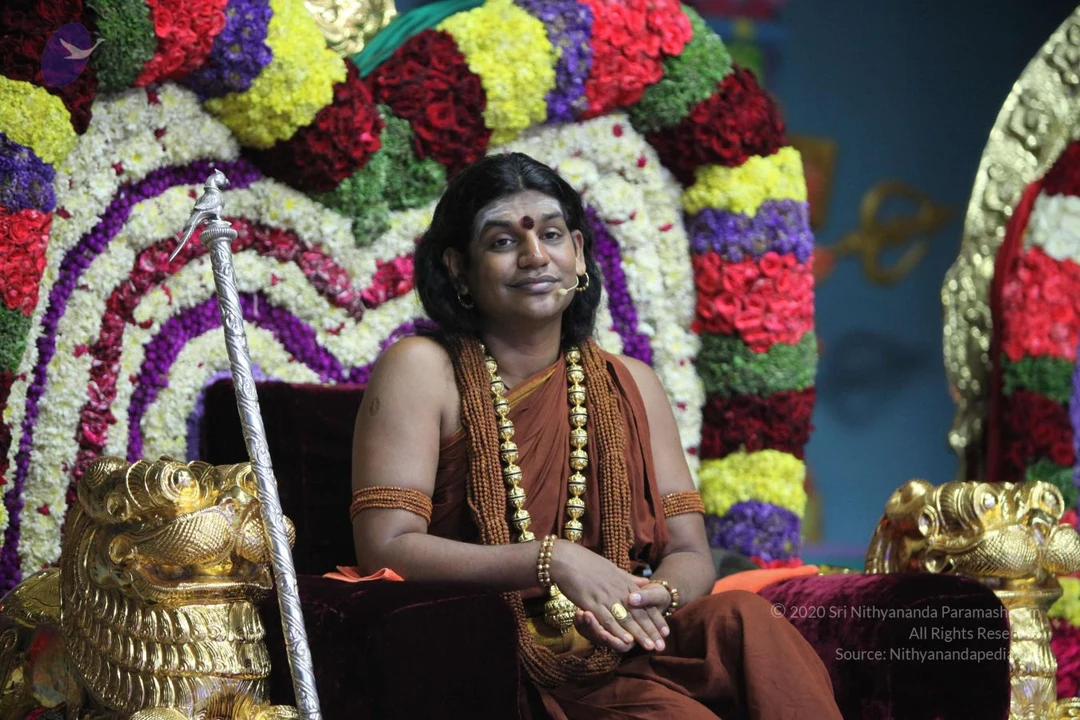
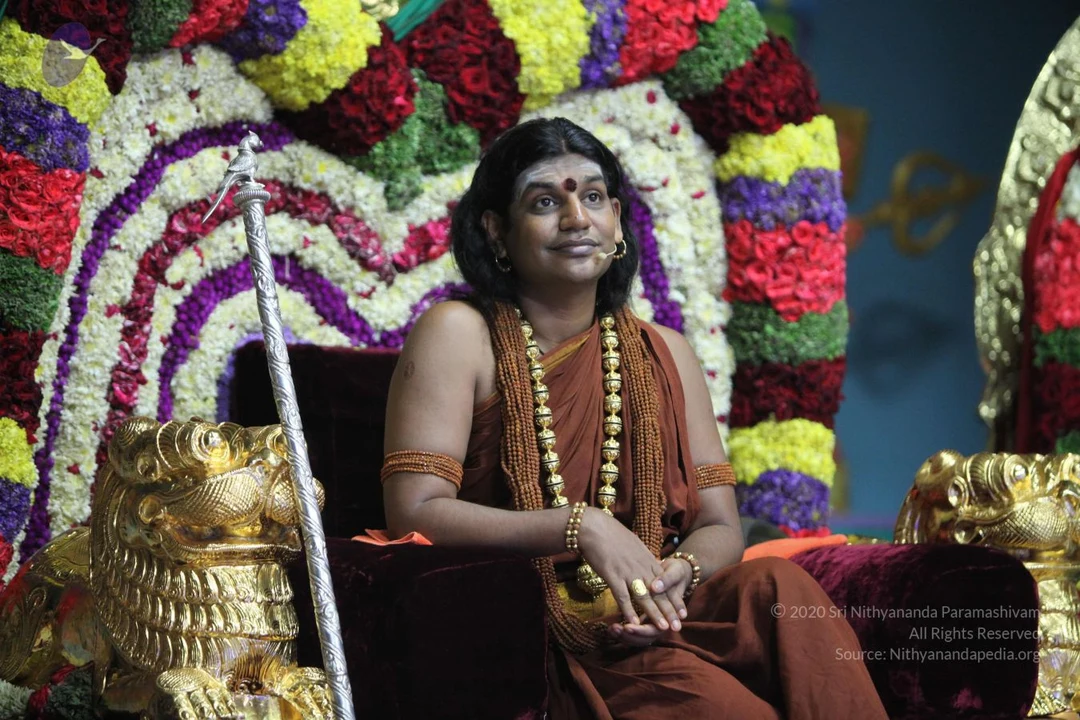
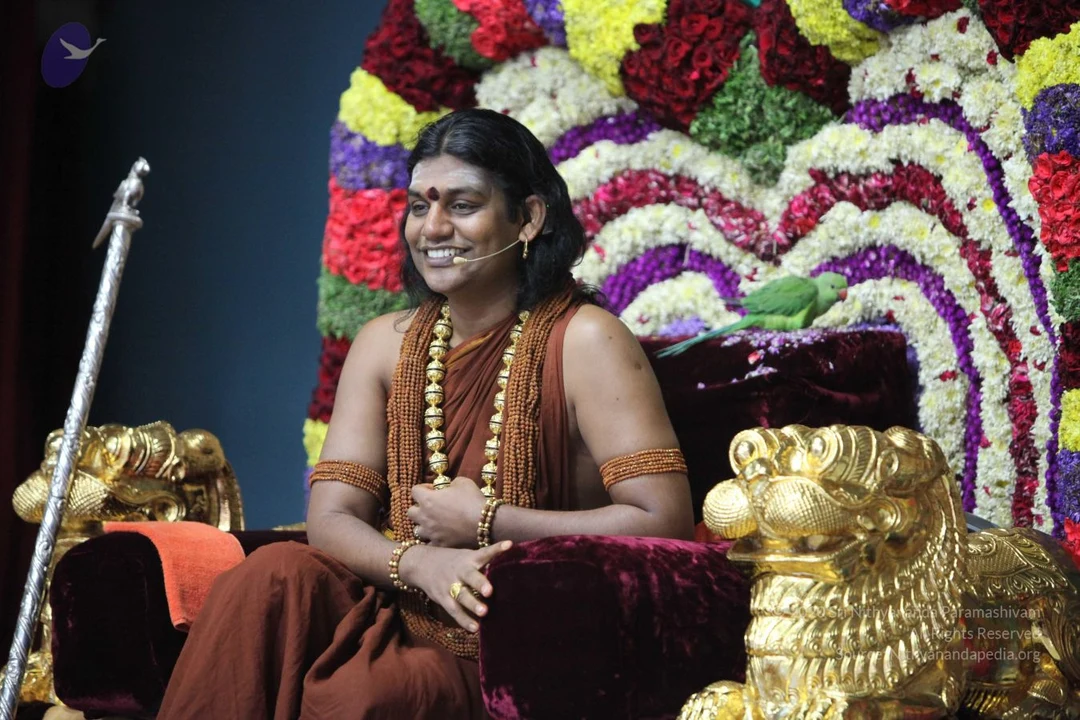
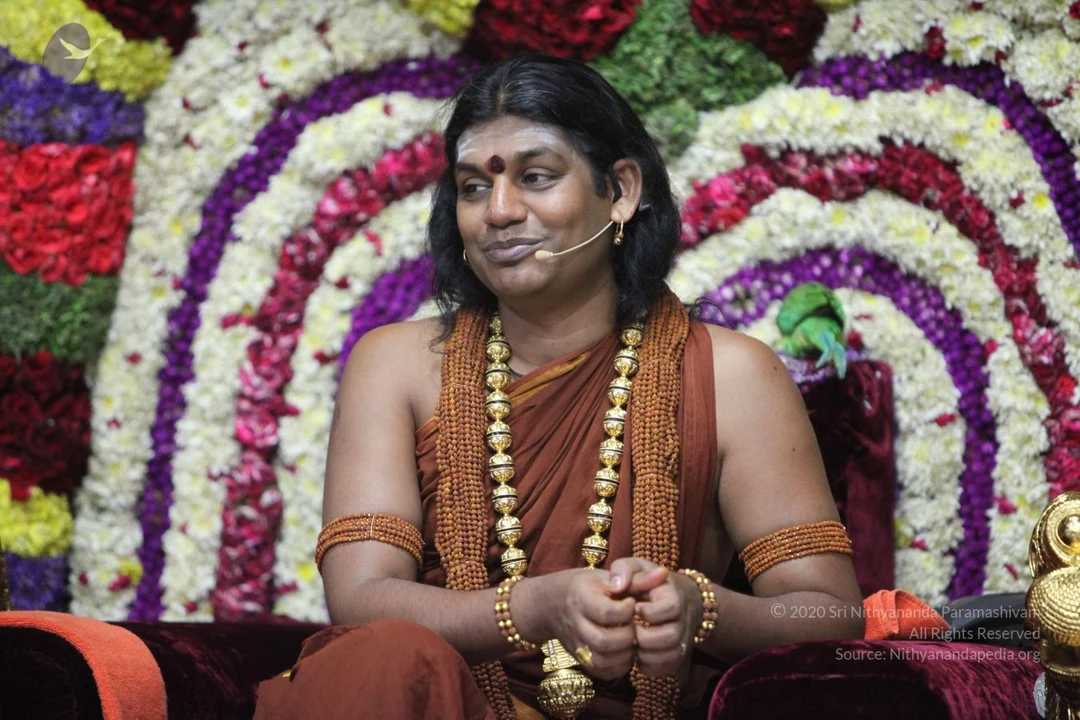
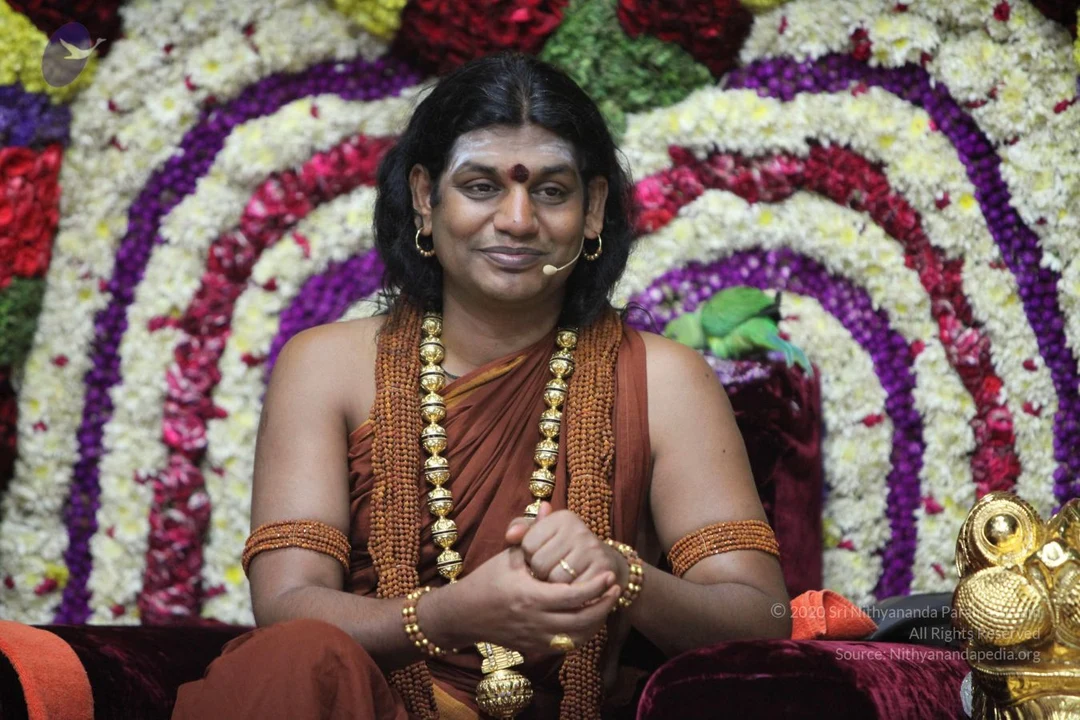
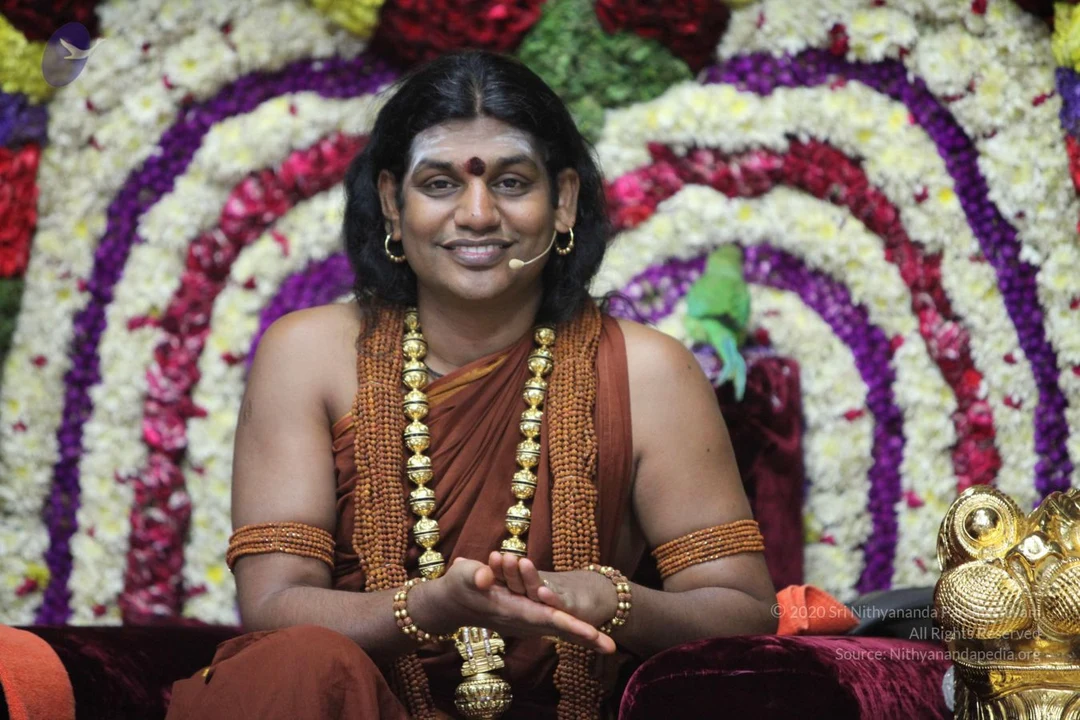
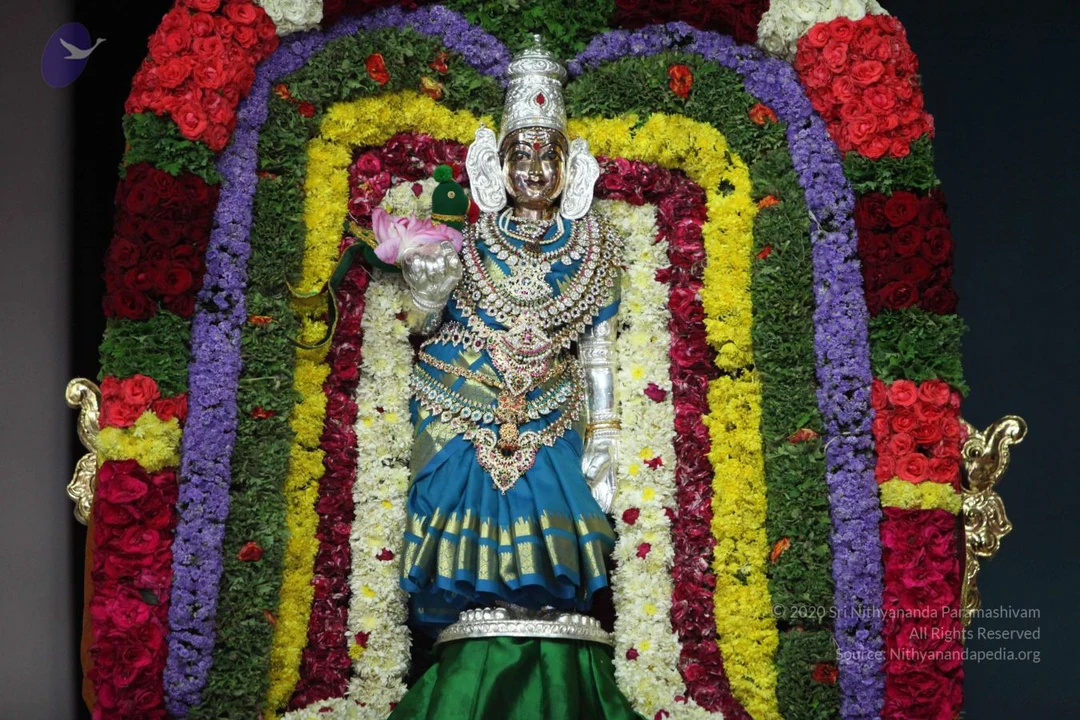
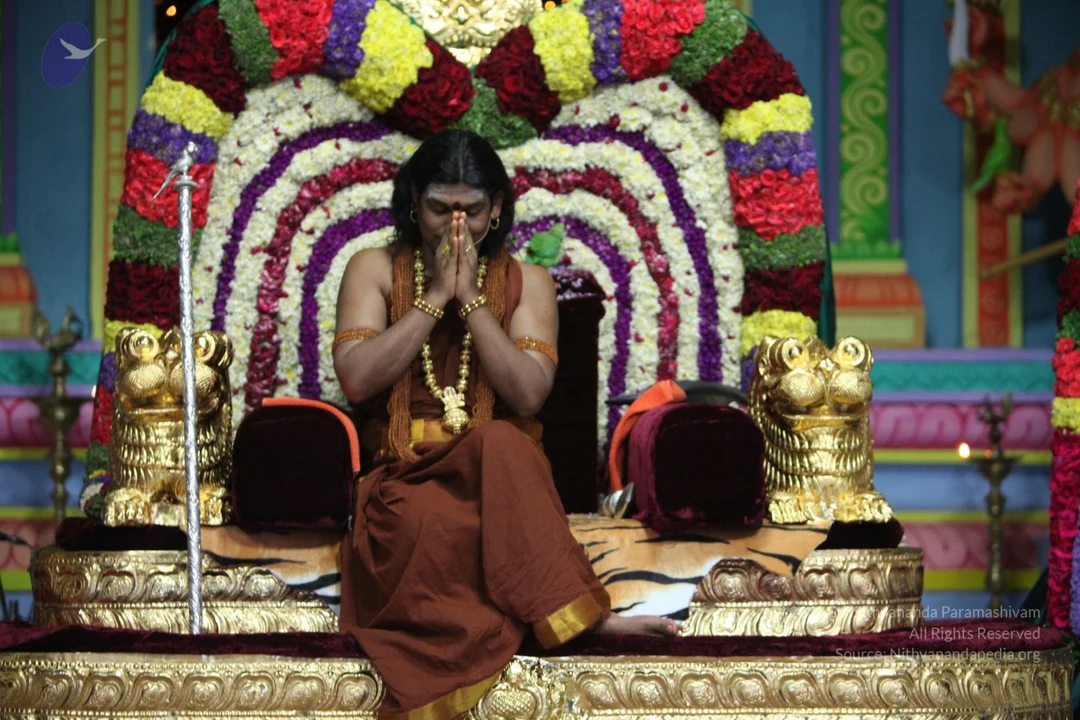
SarvaDarshan
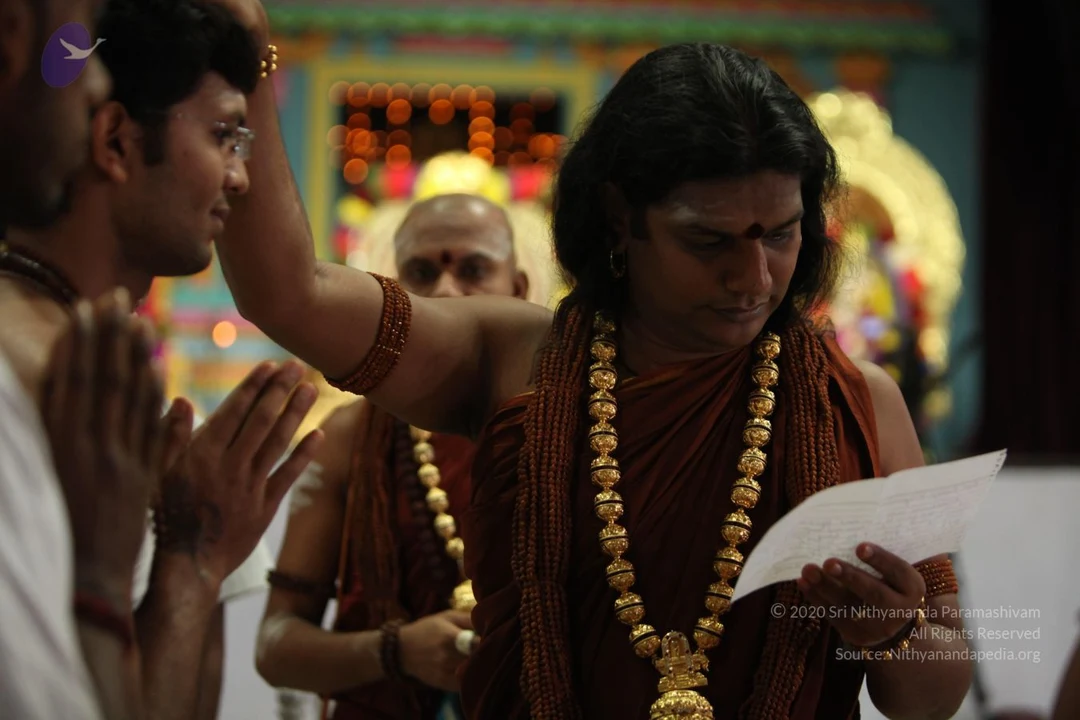
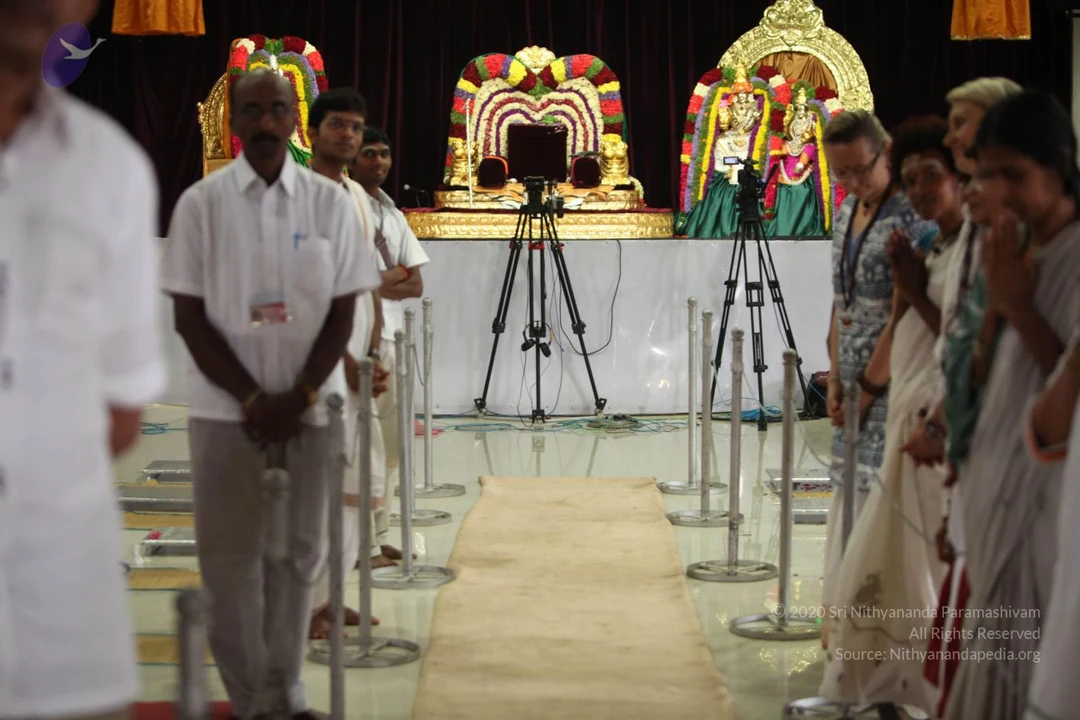


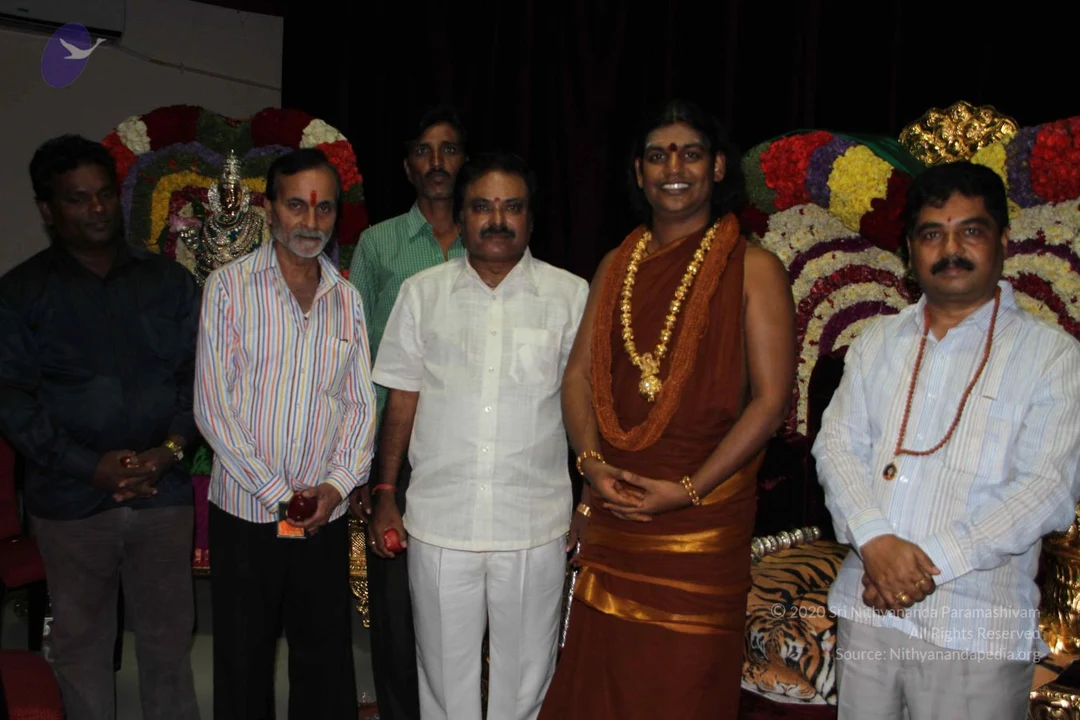
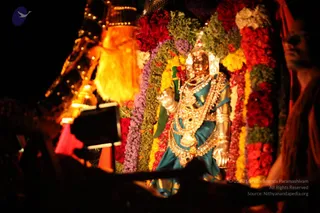
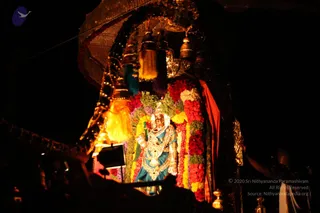
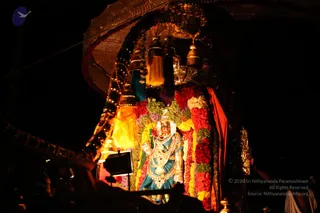
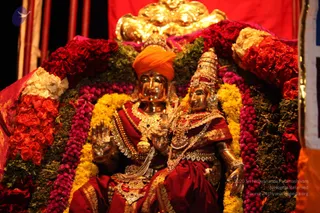
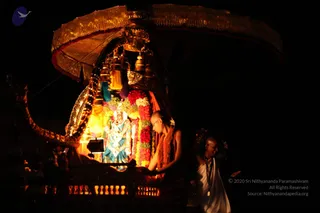
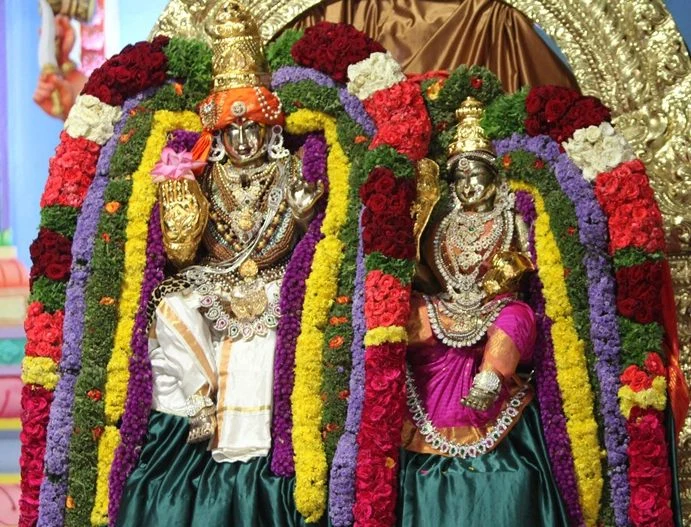
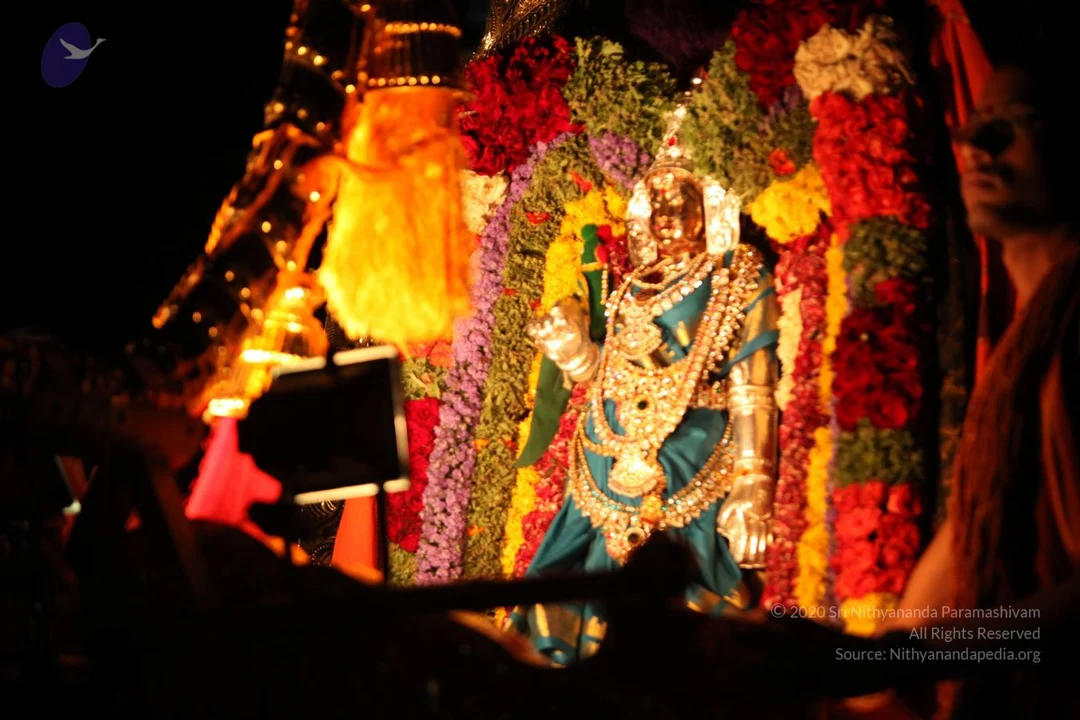
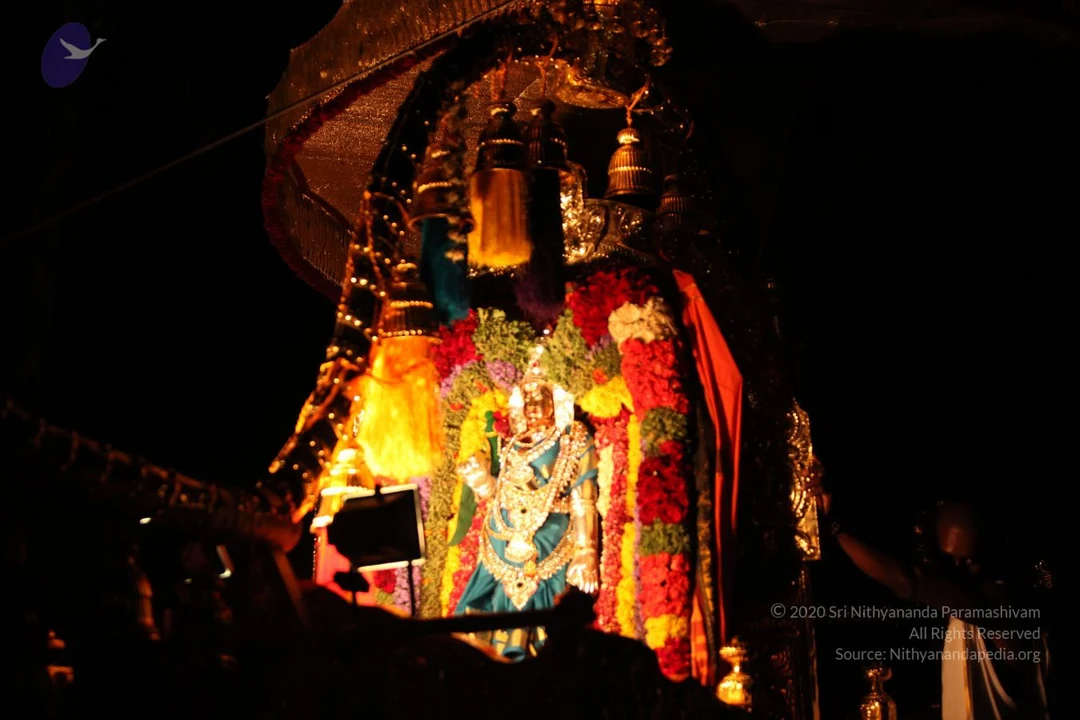
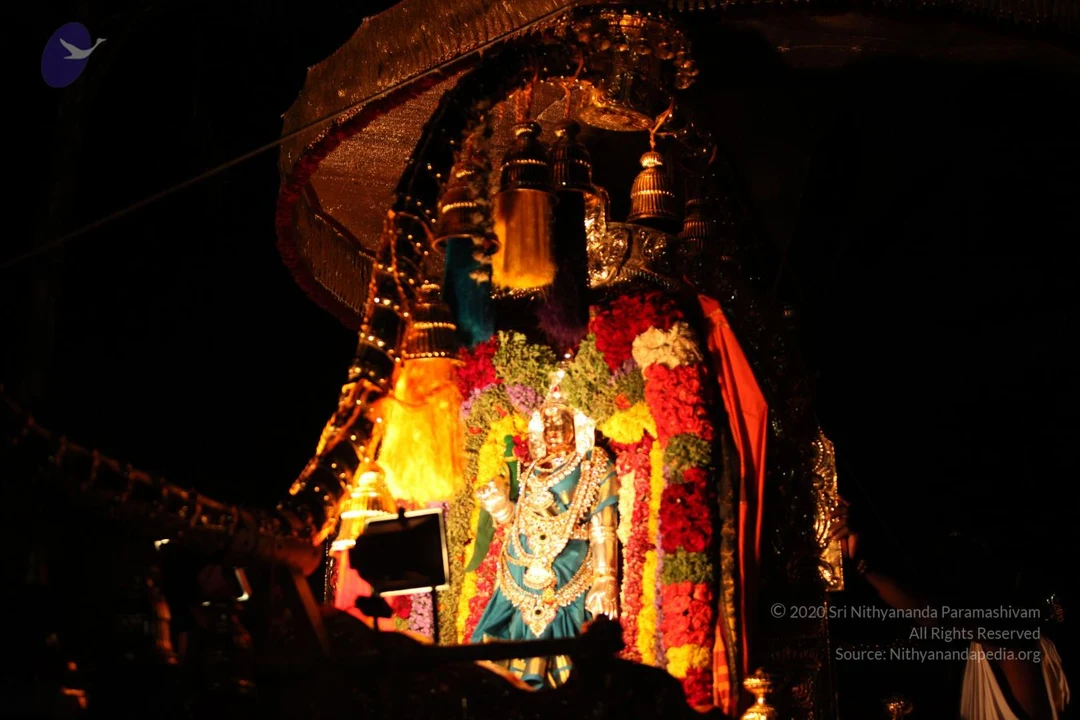
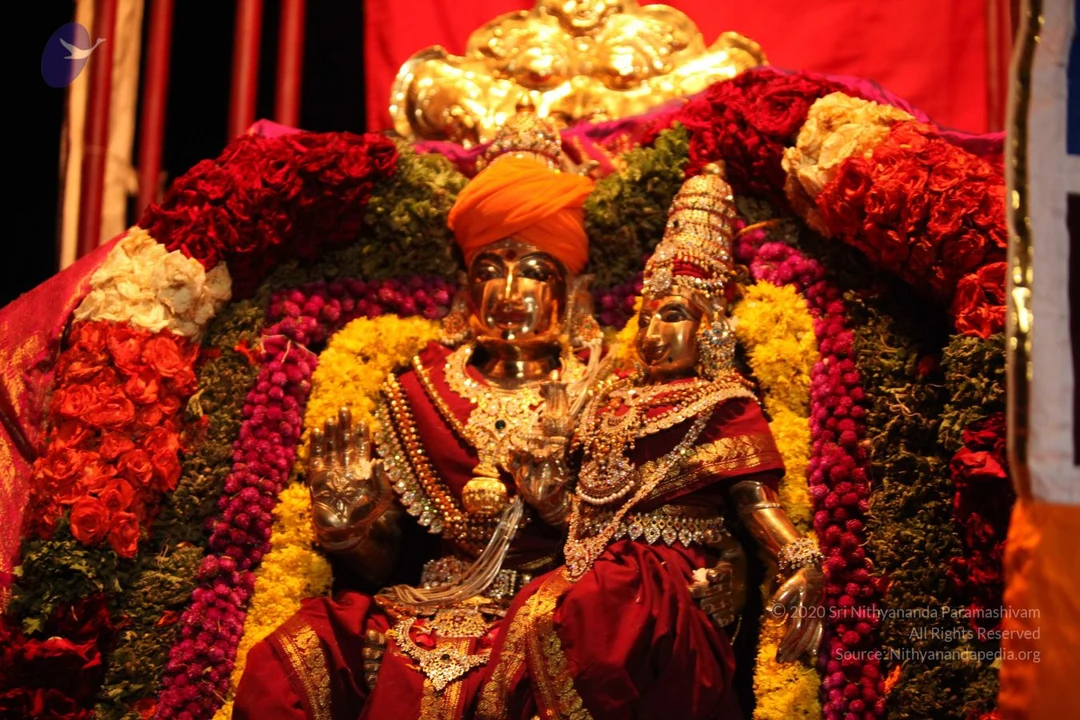
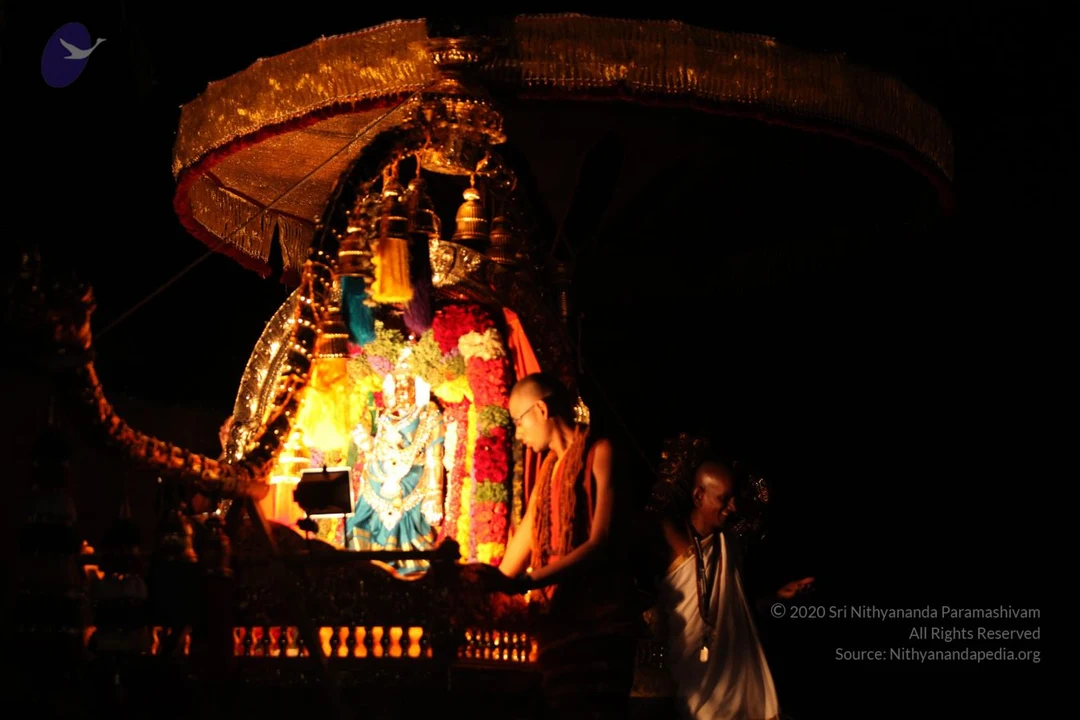
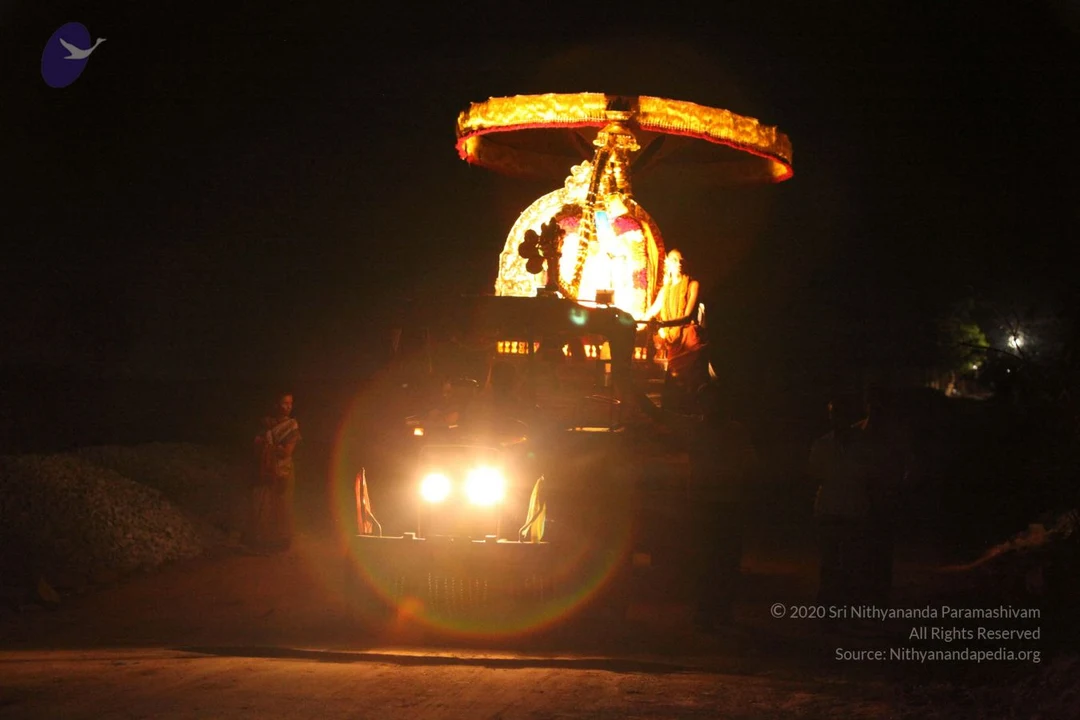
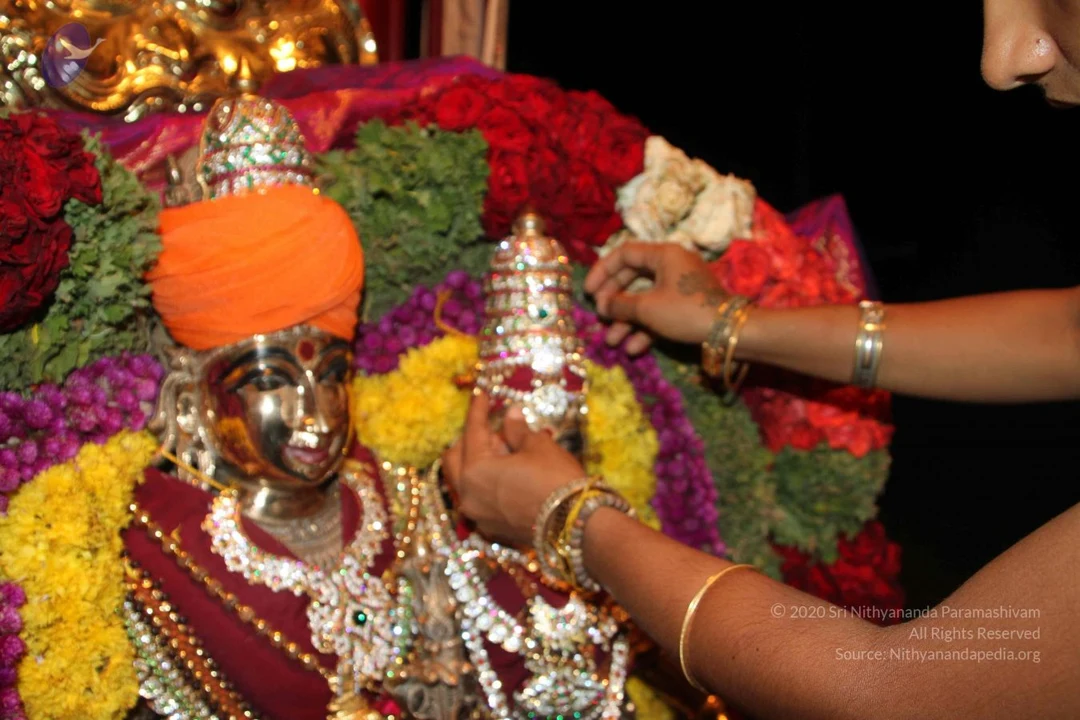
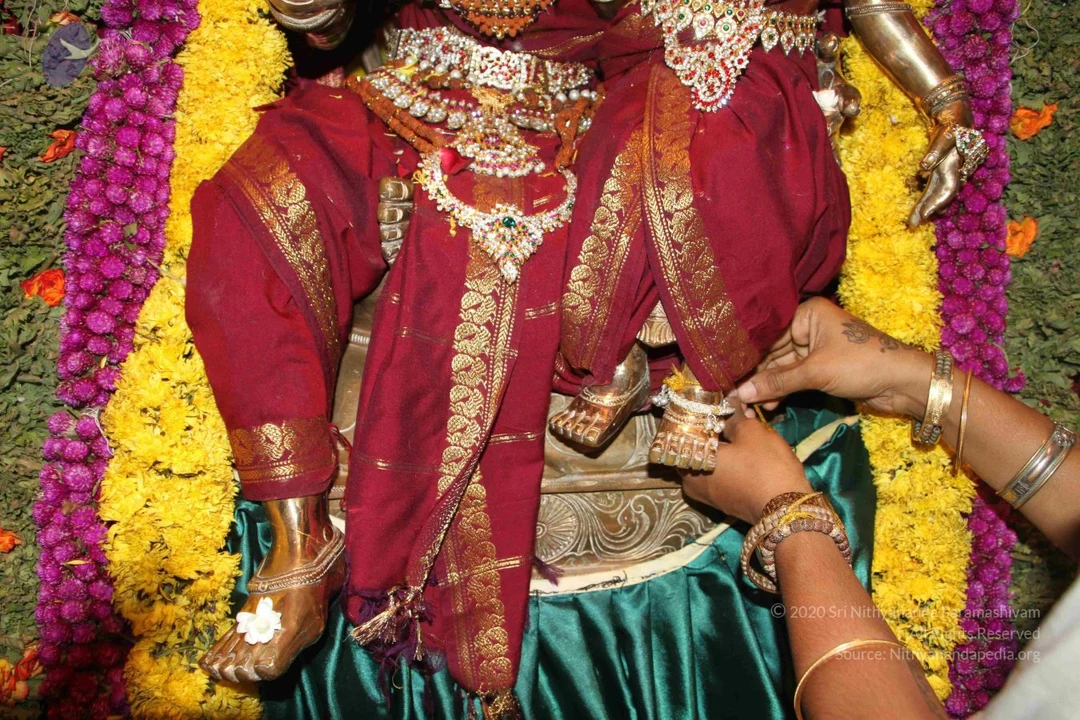
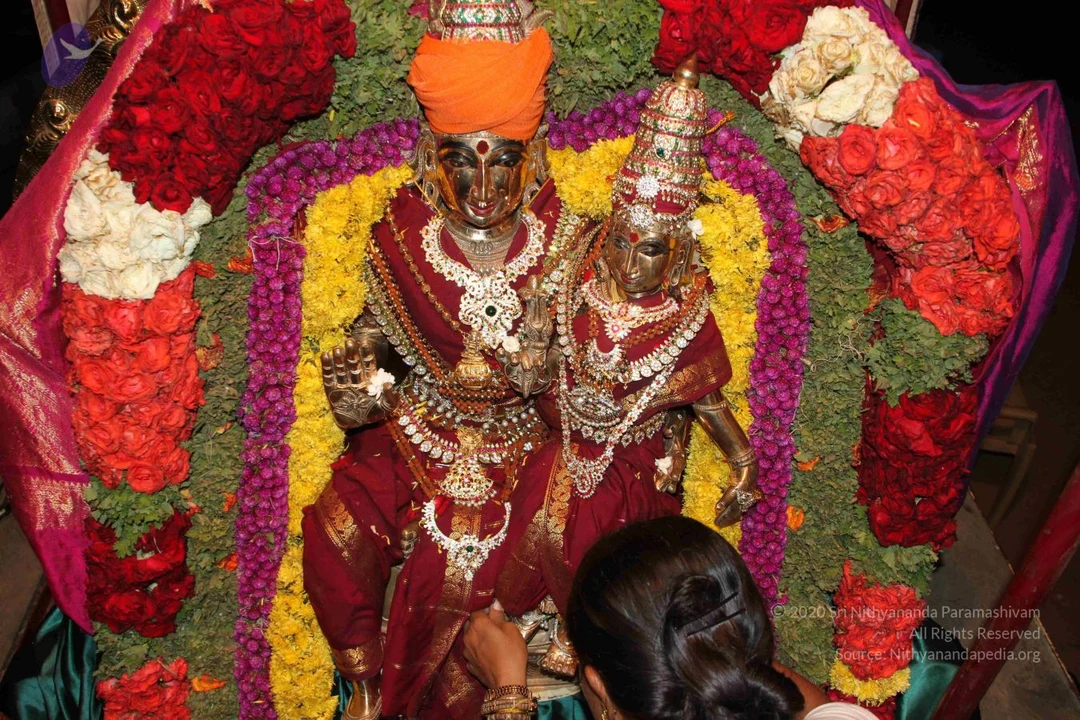
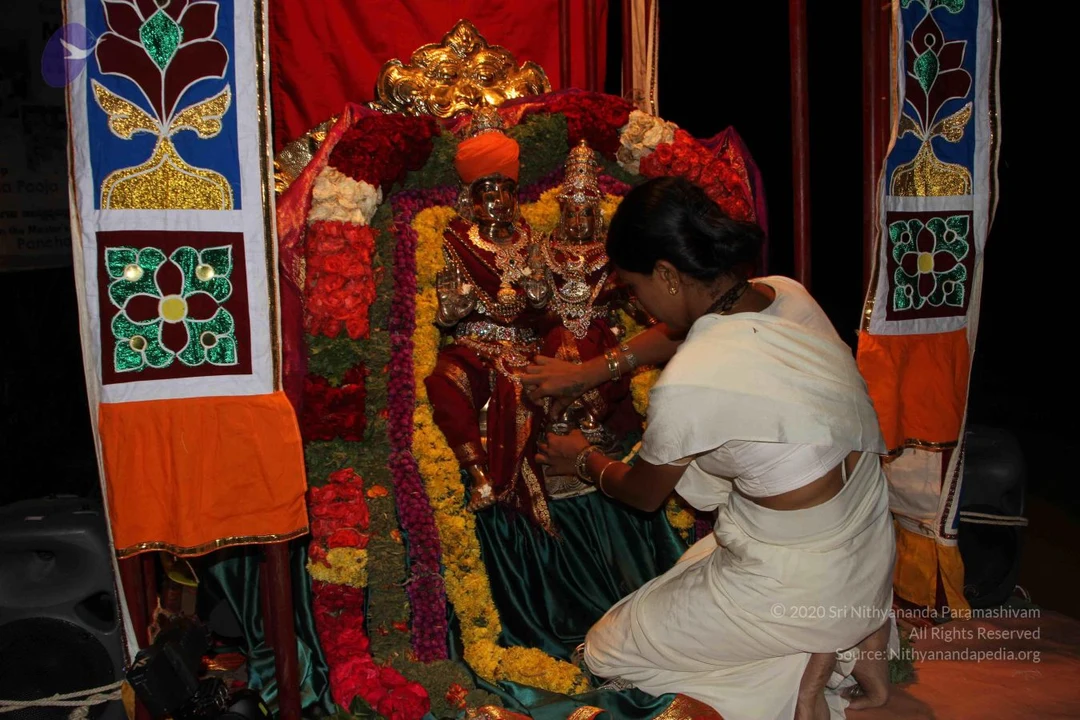
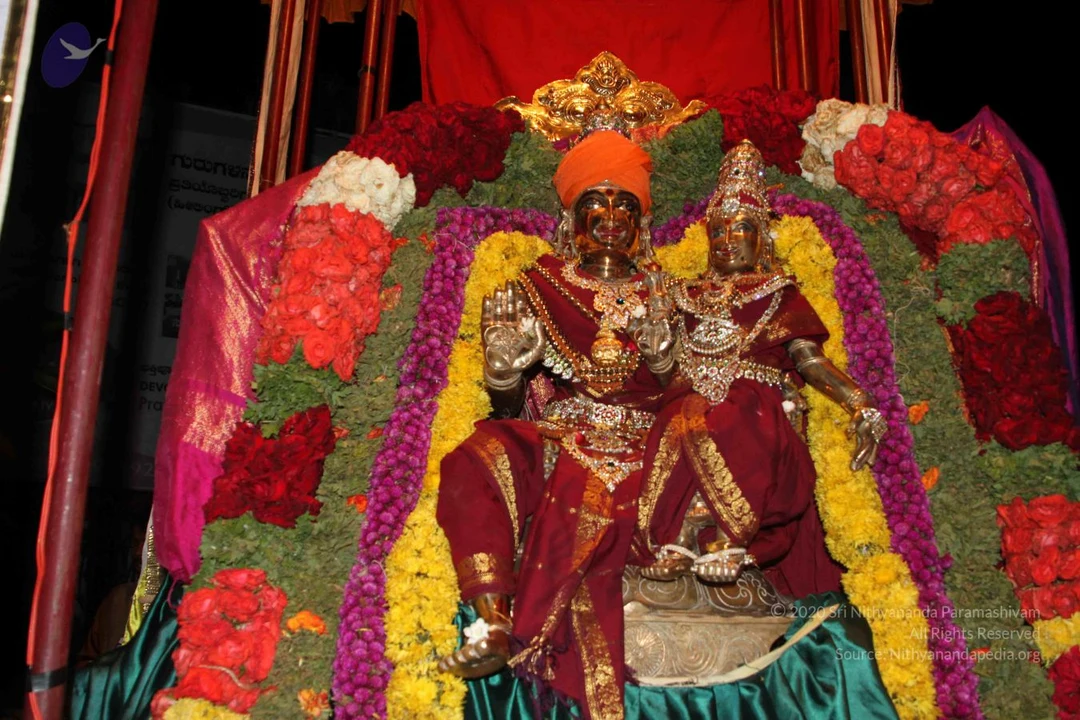
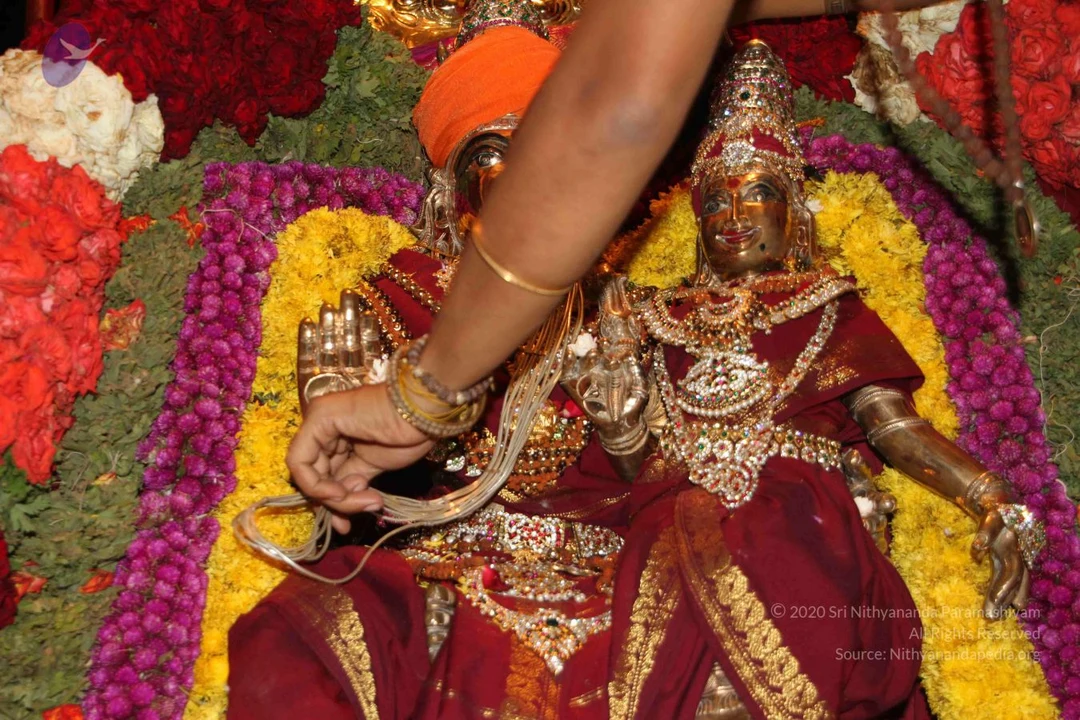
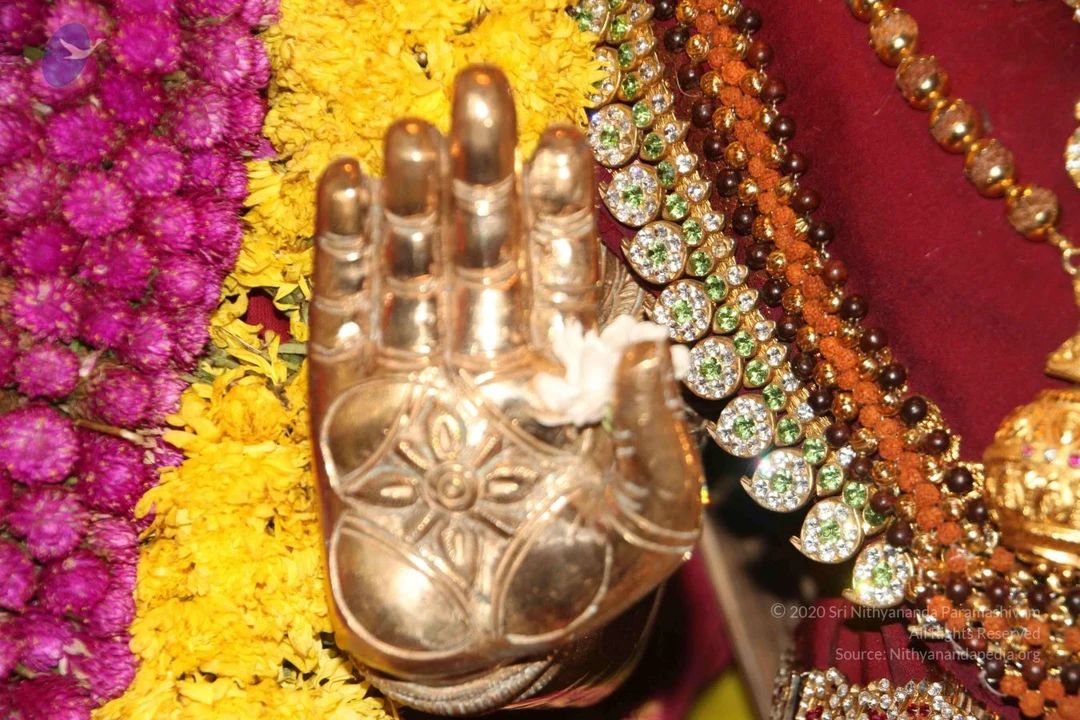
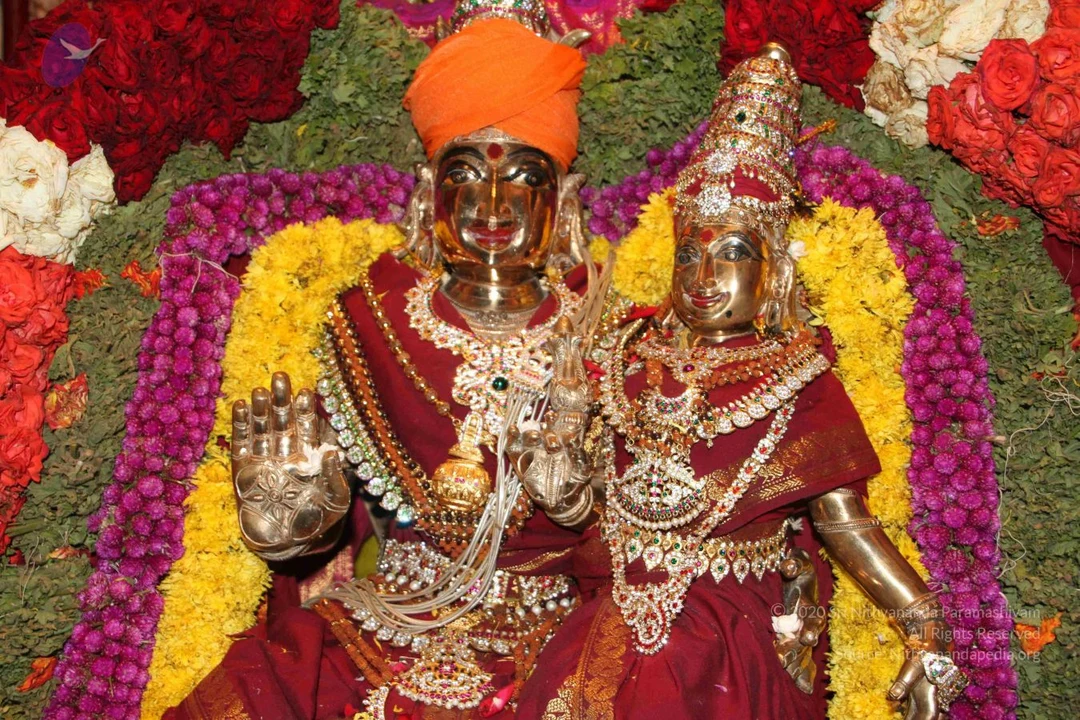
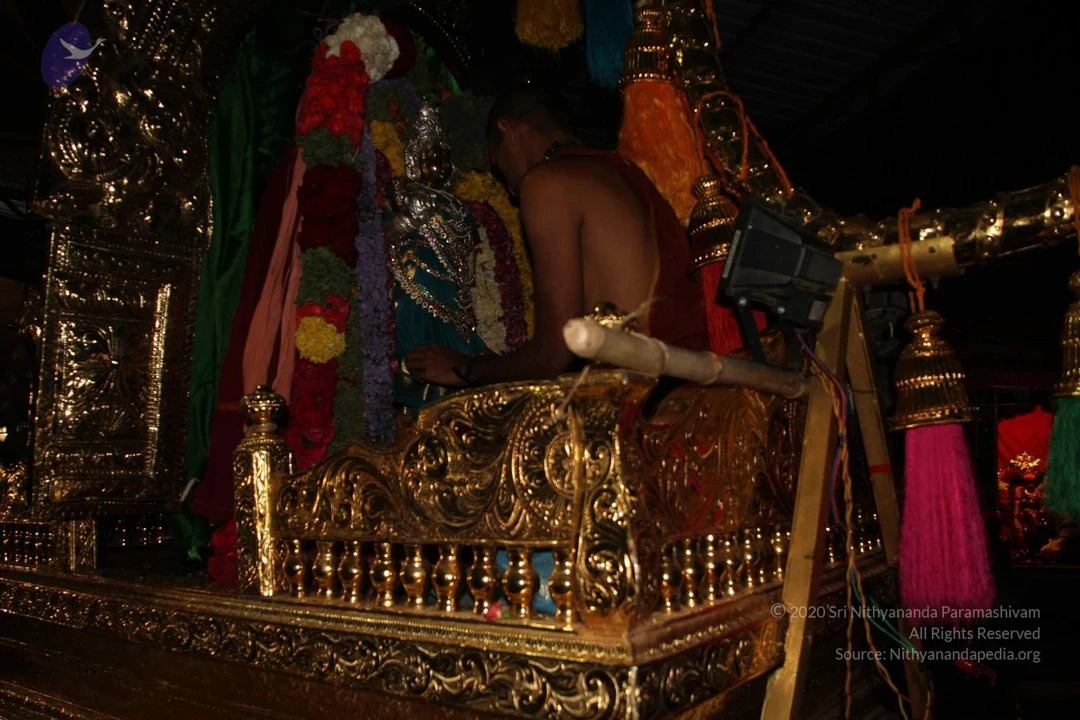
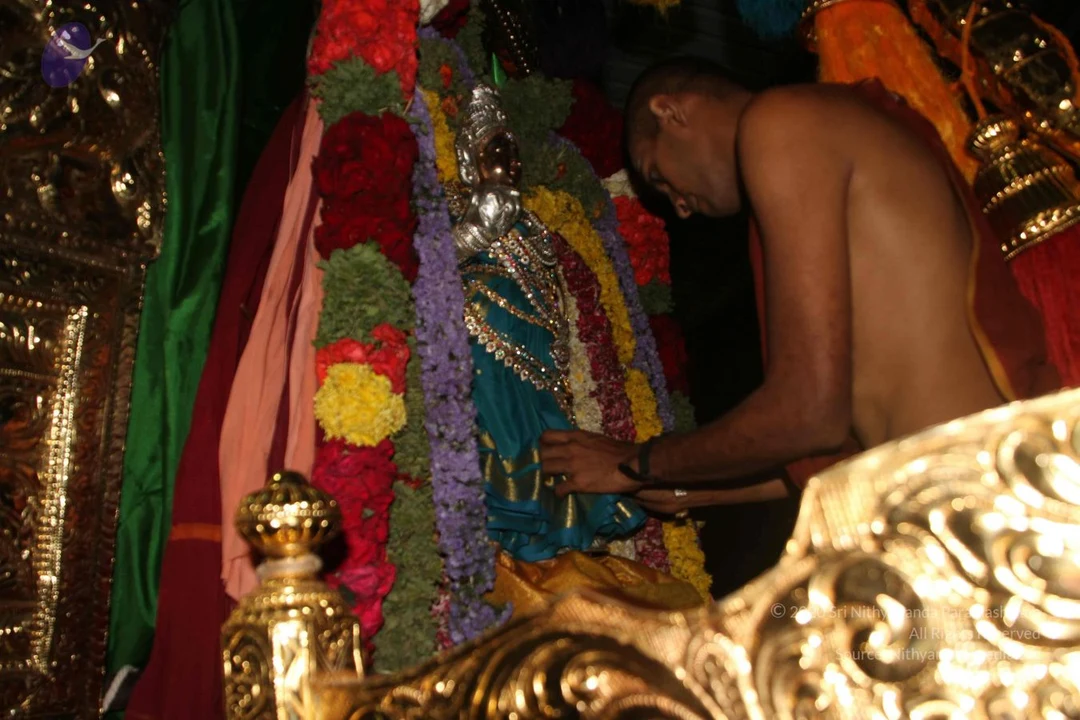
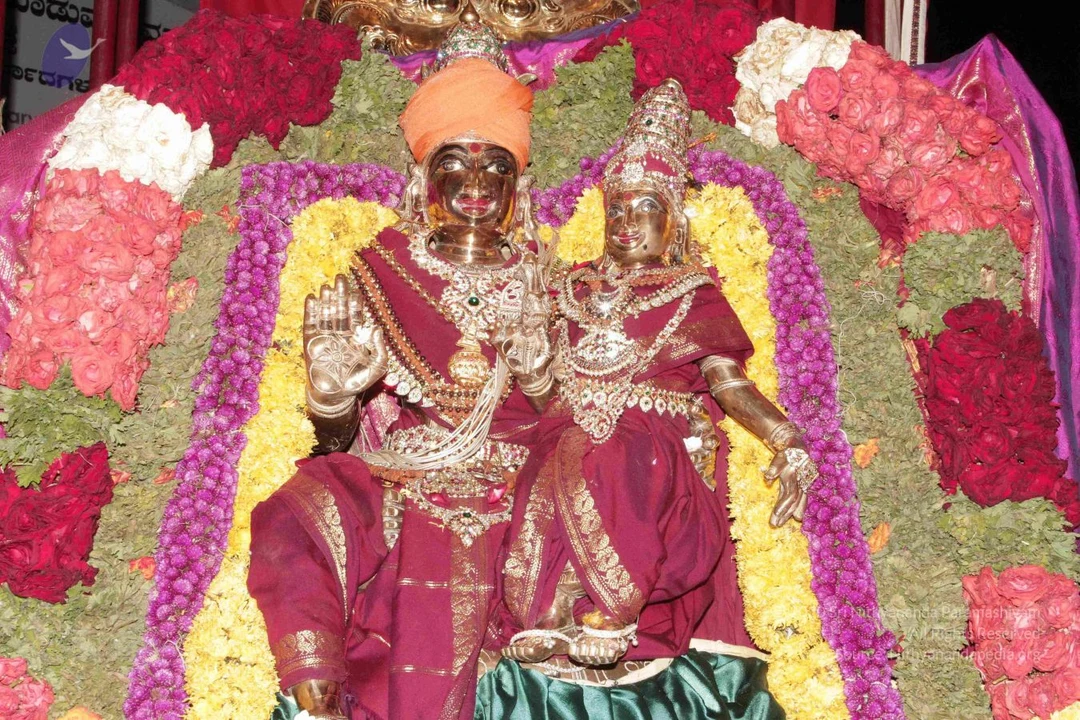
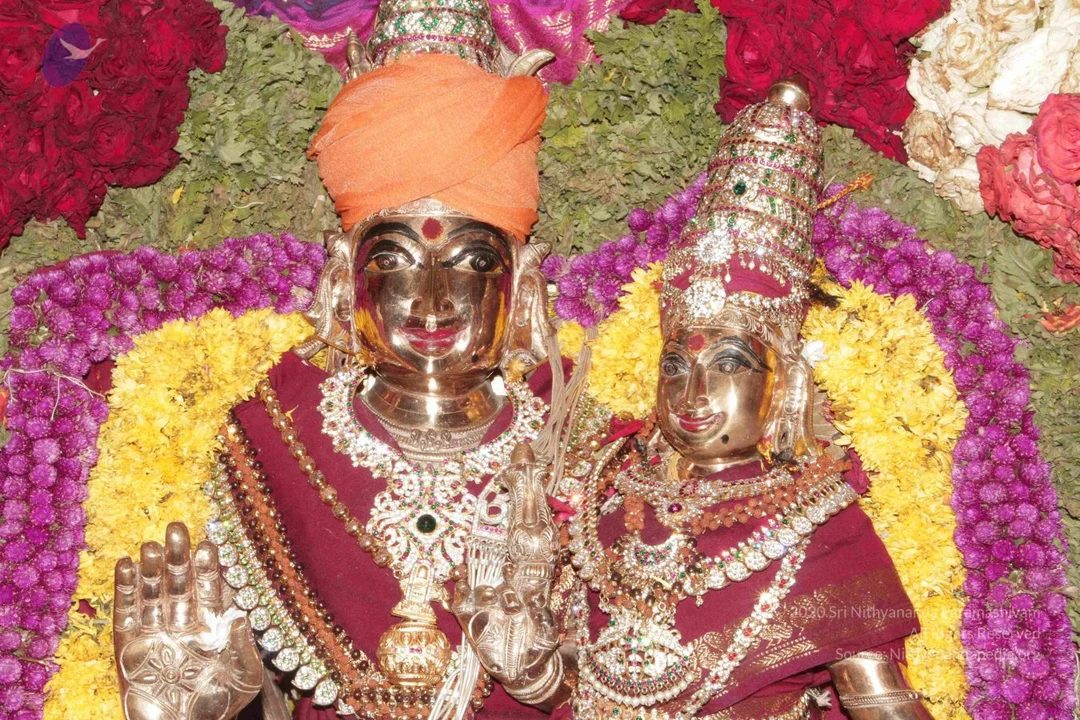
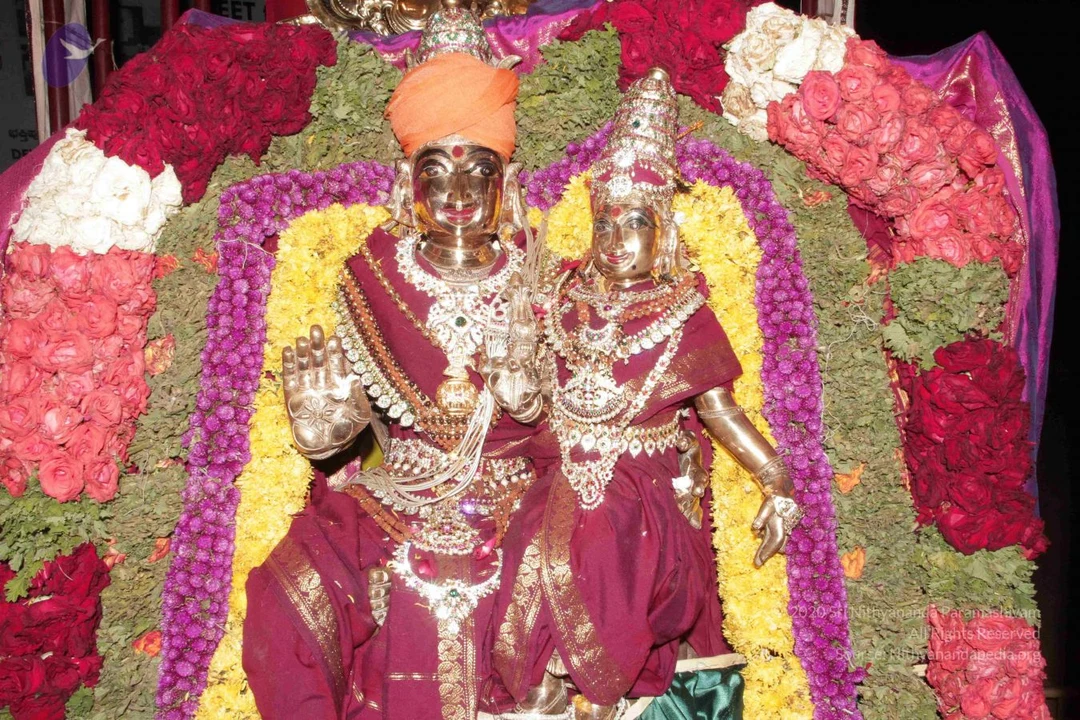
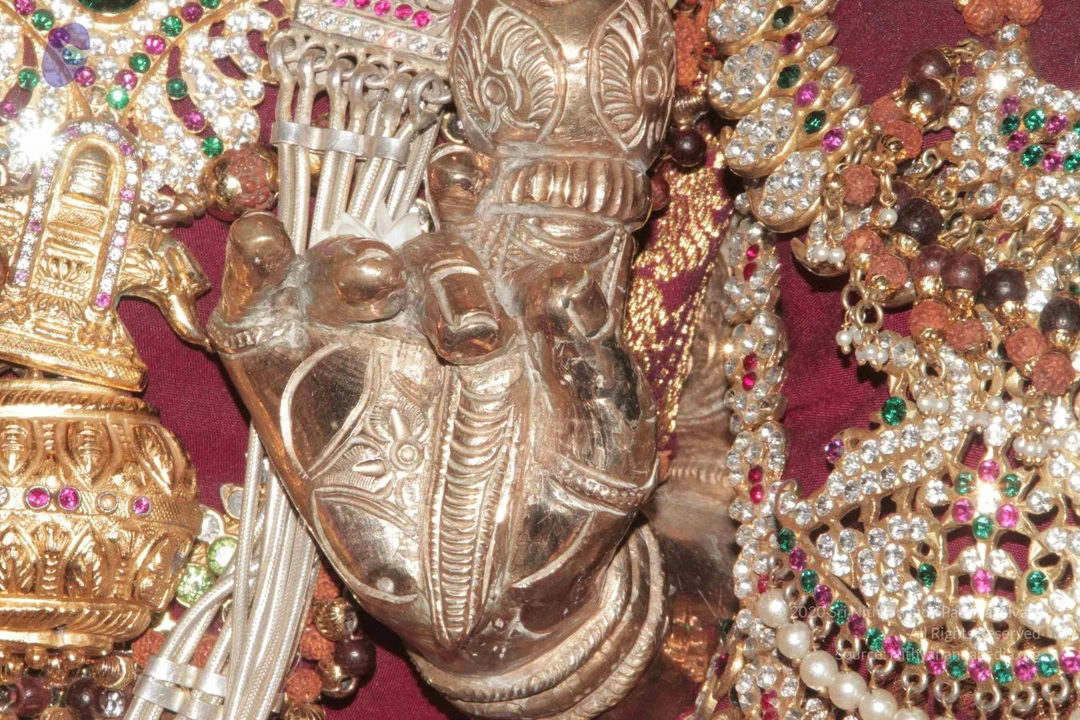
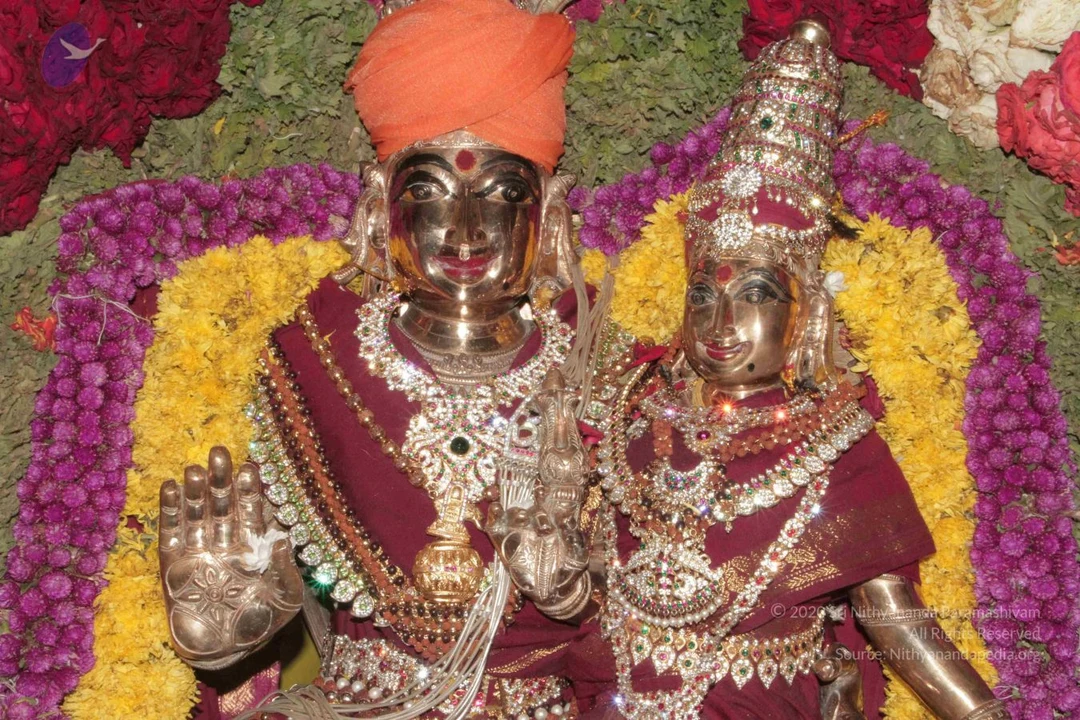
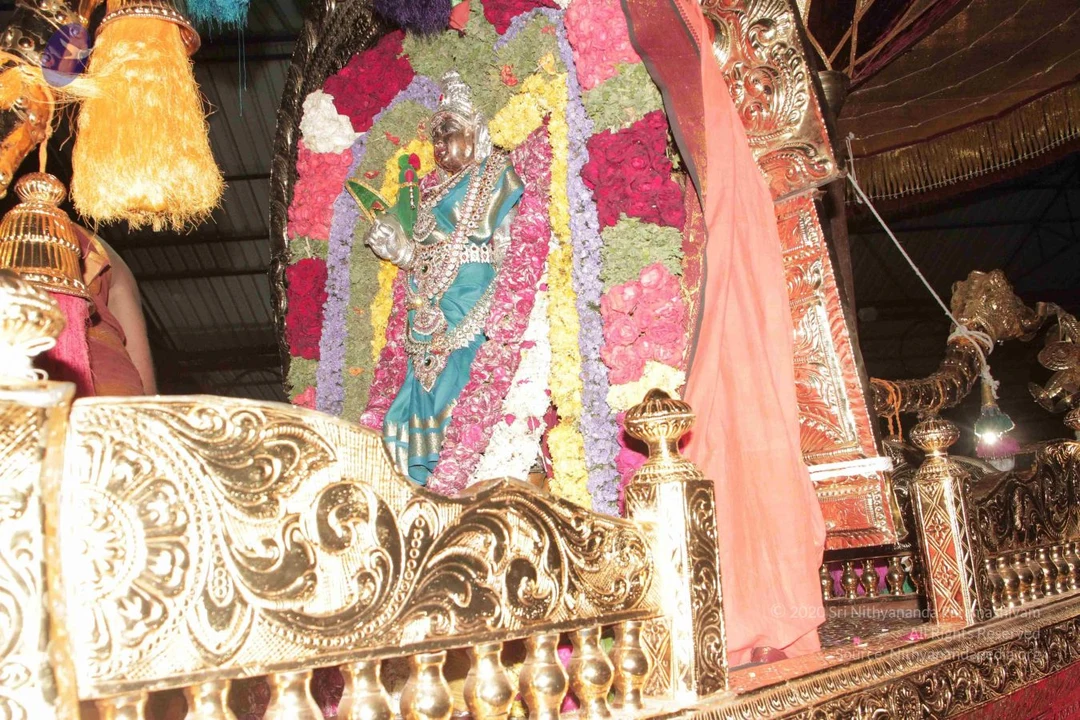
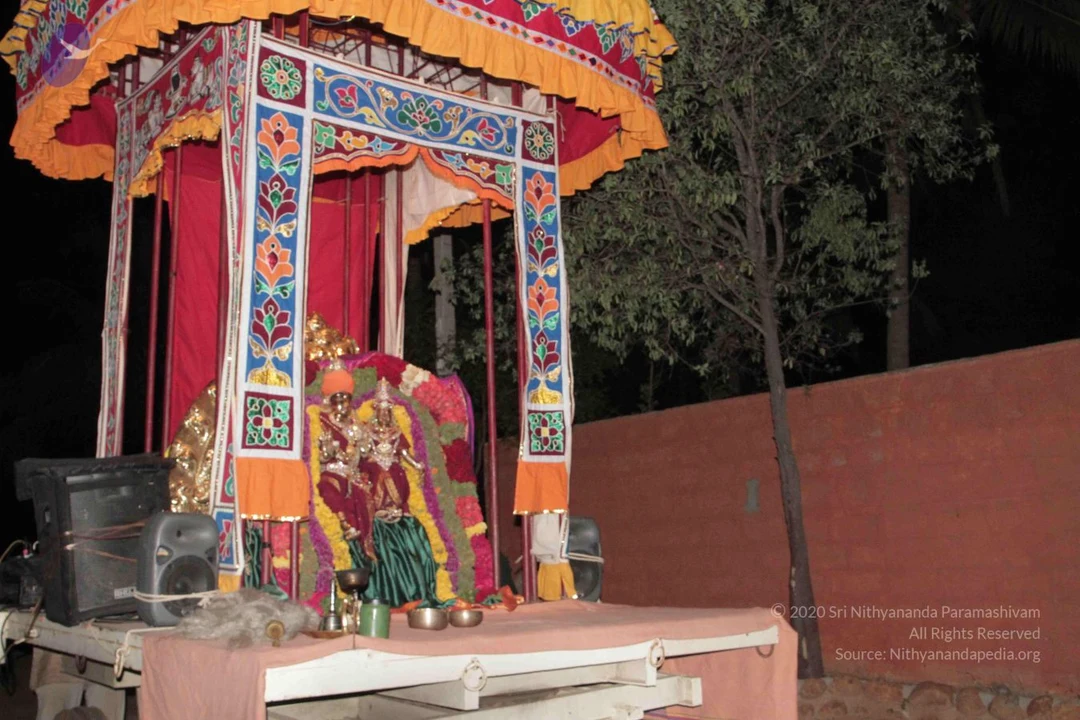
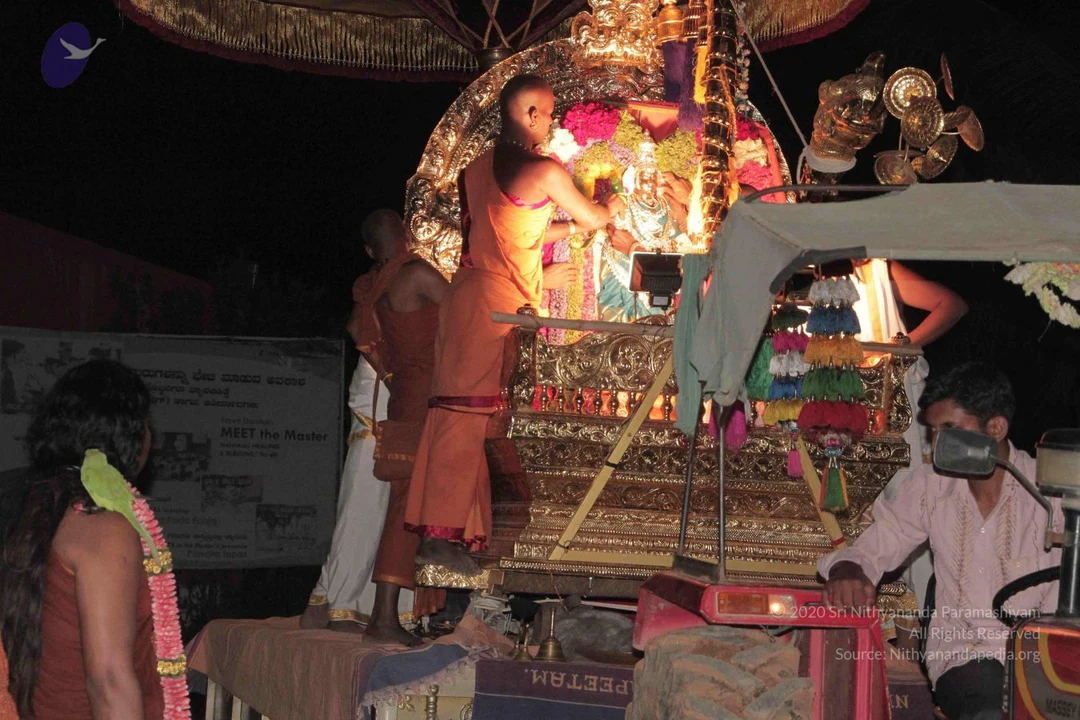
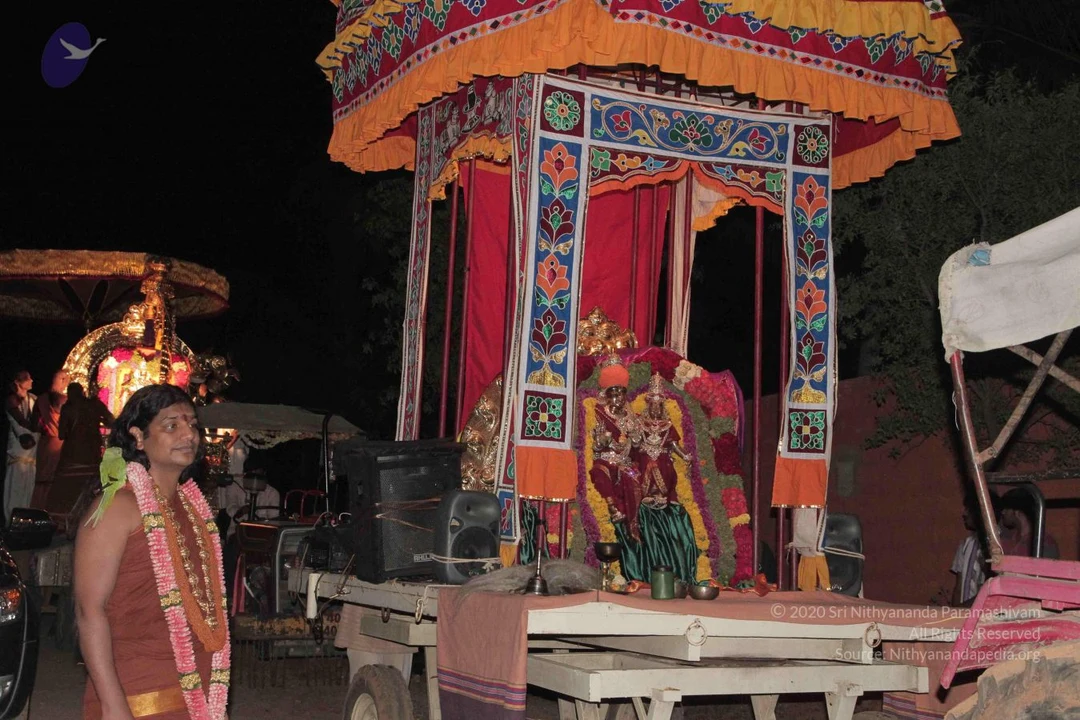
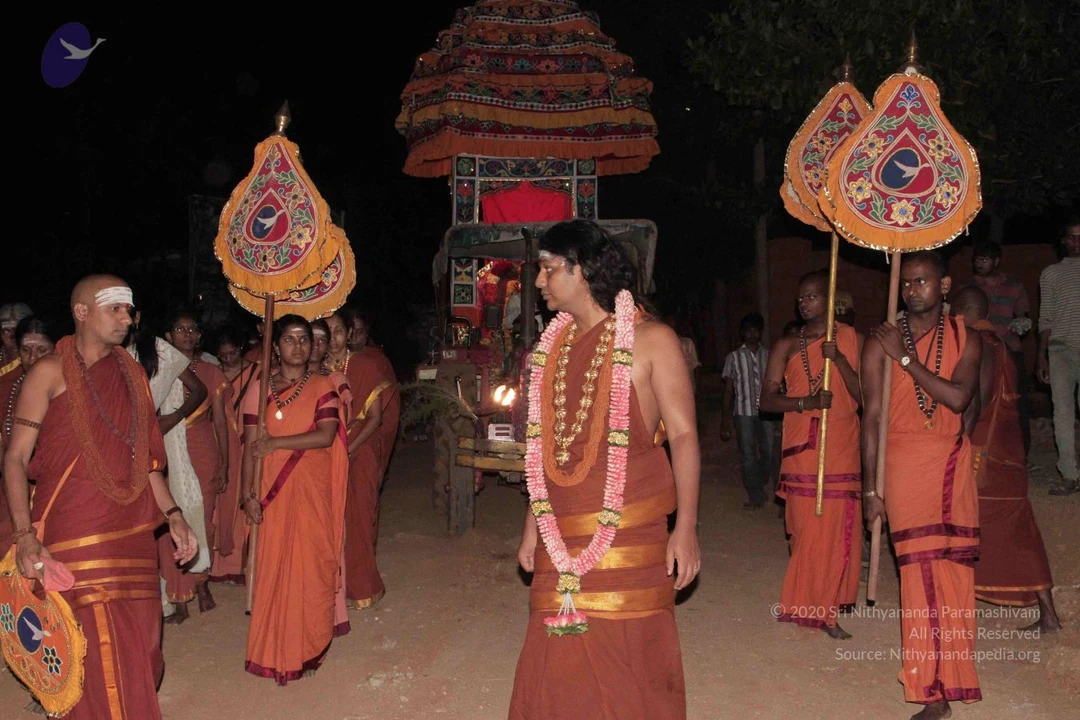
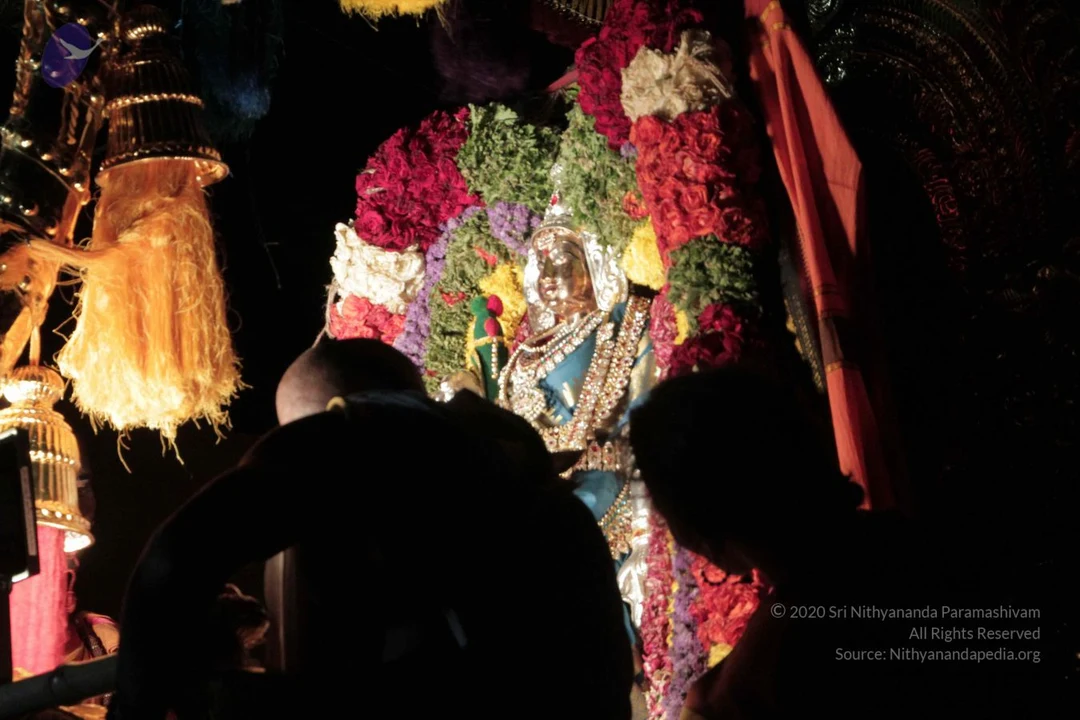
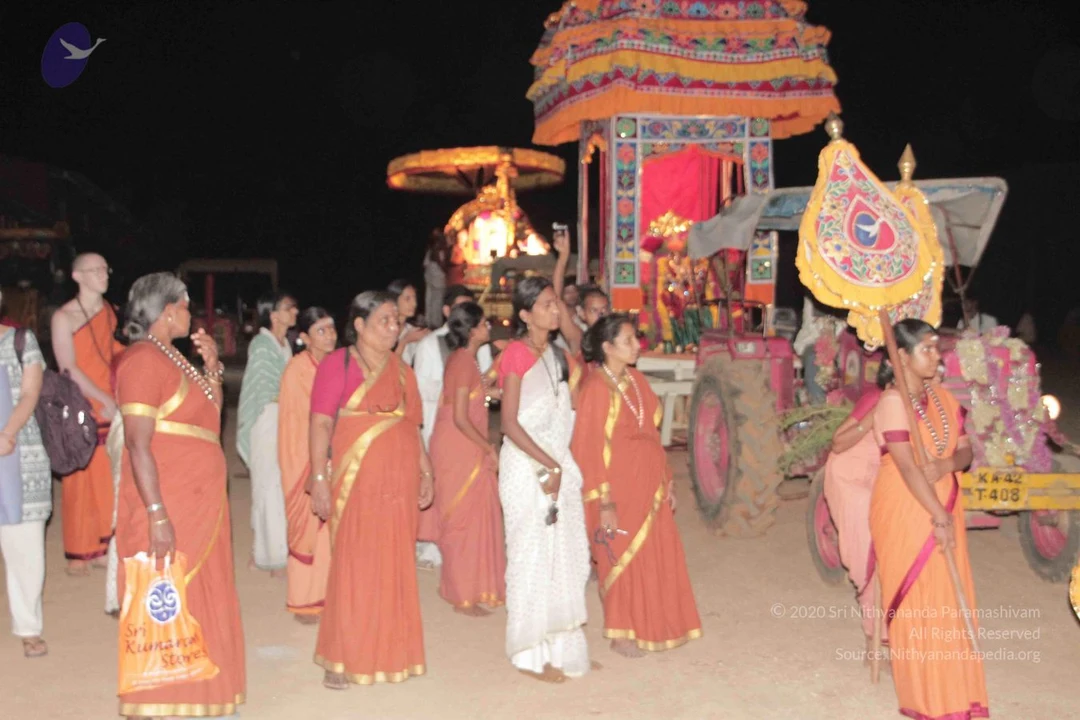
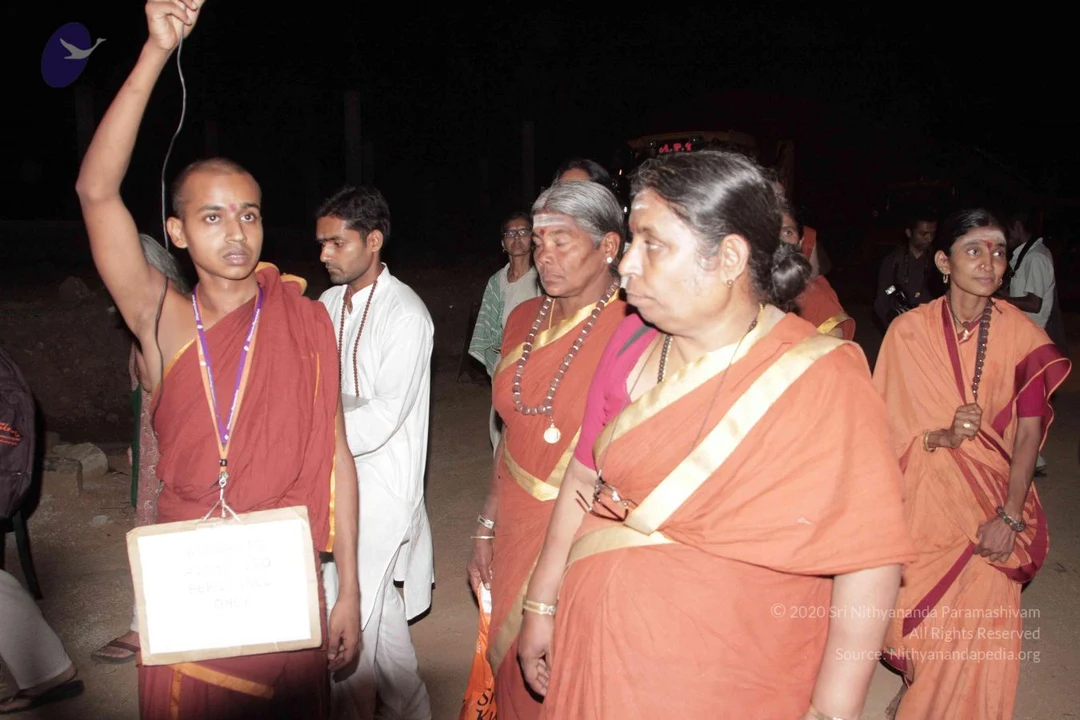
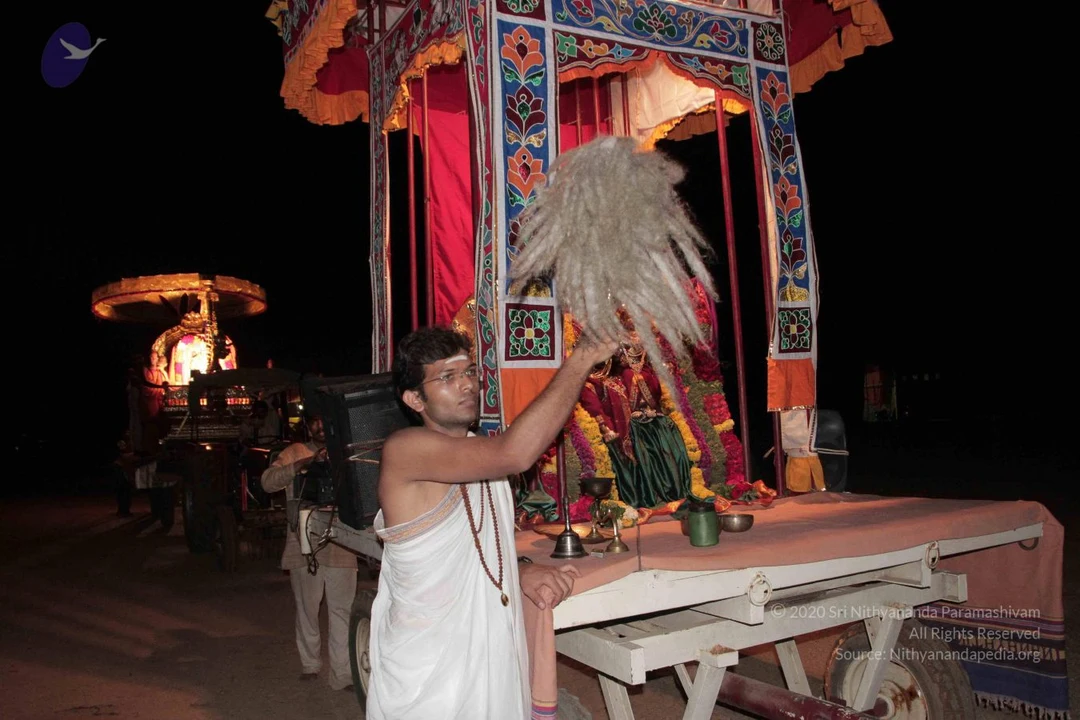
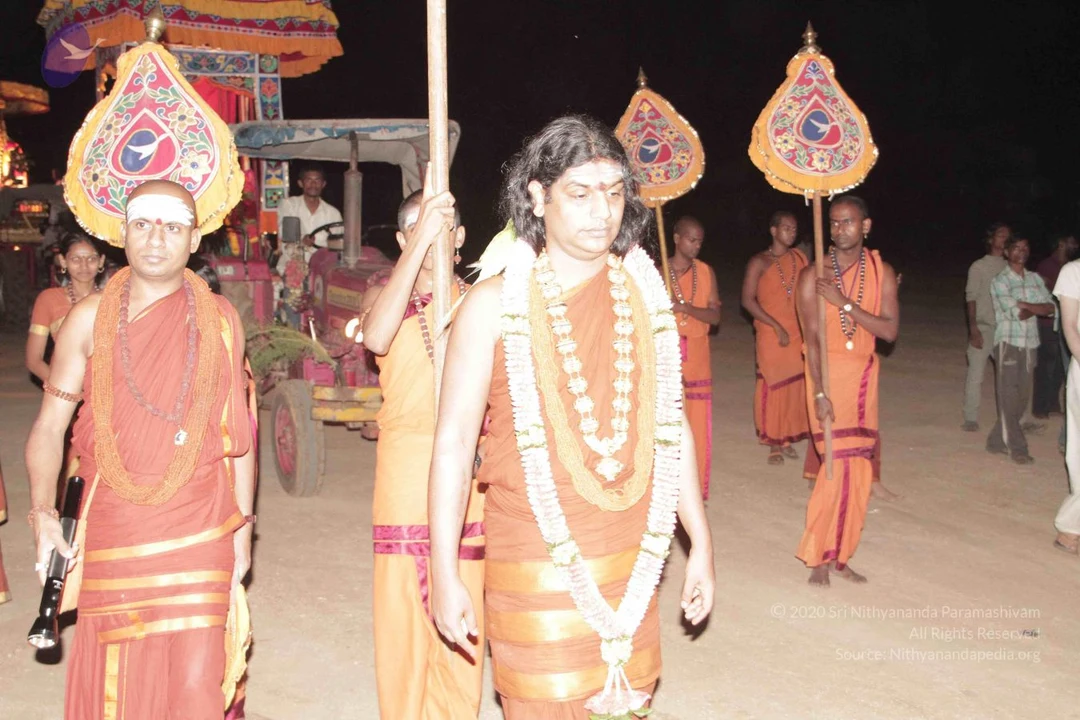
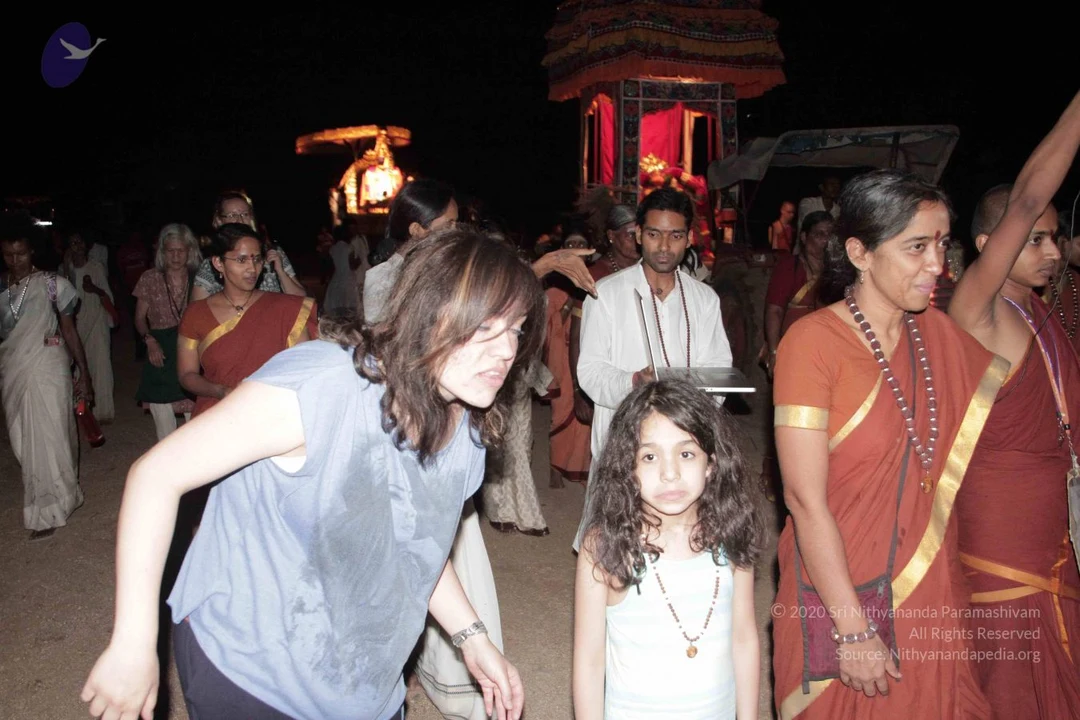
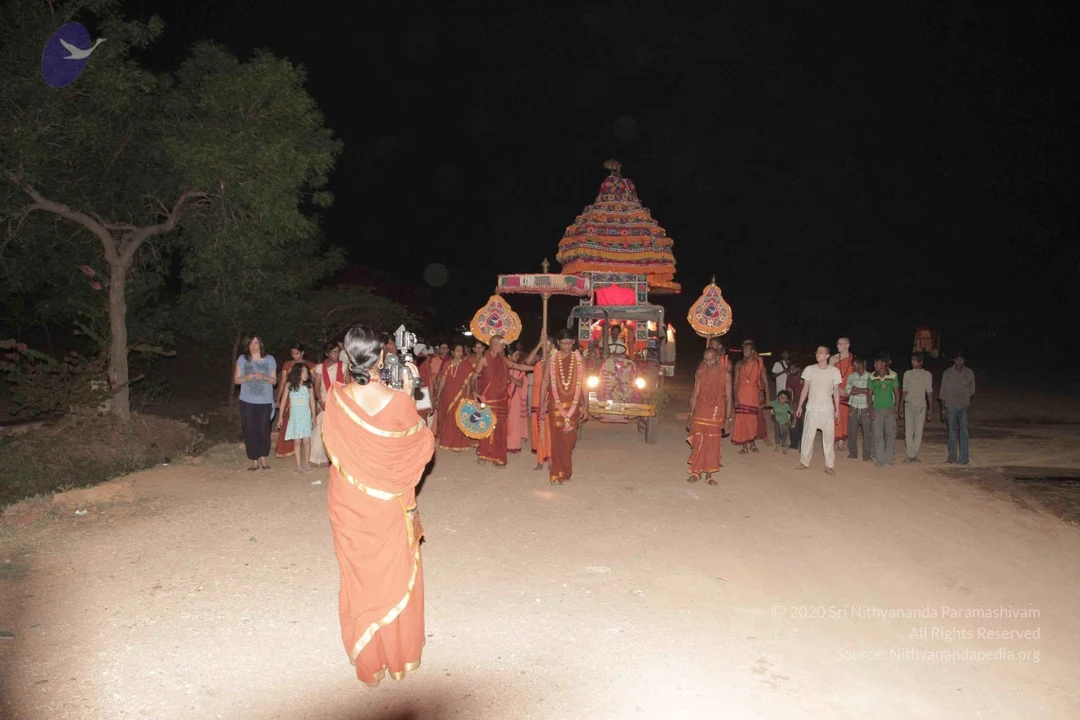
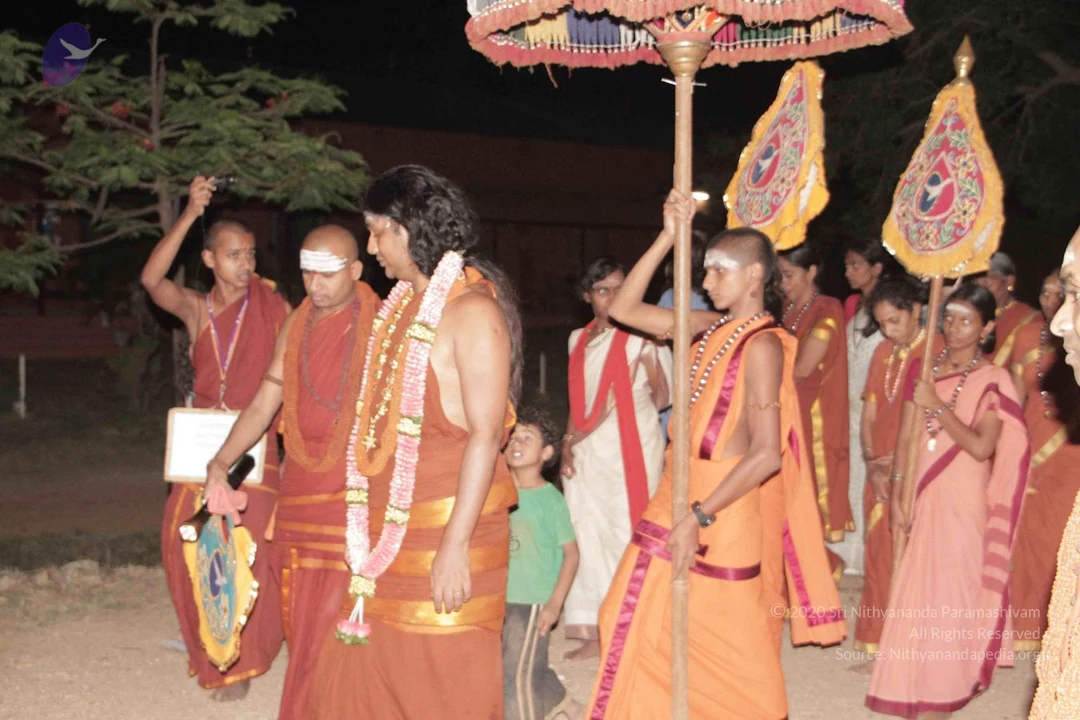
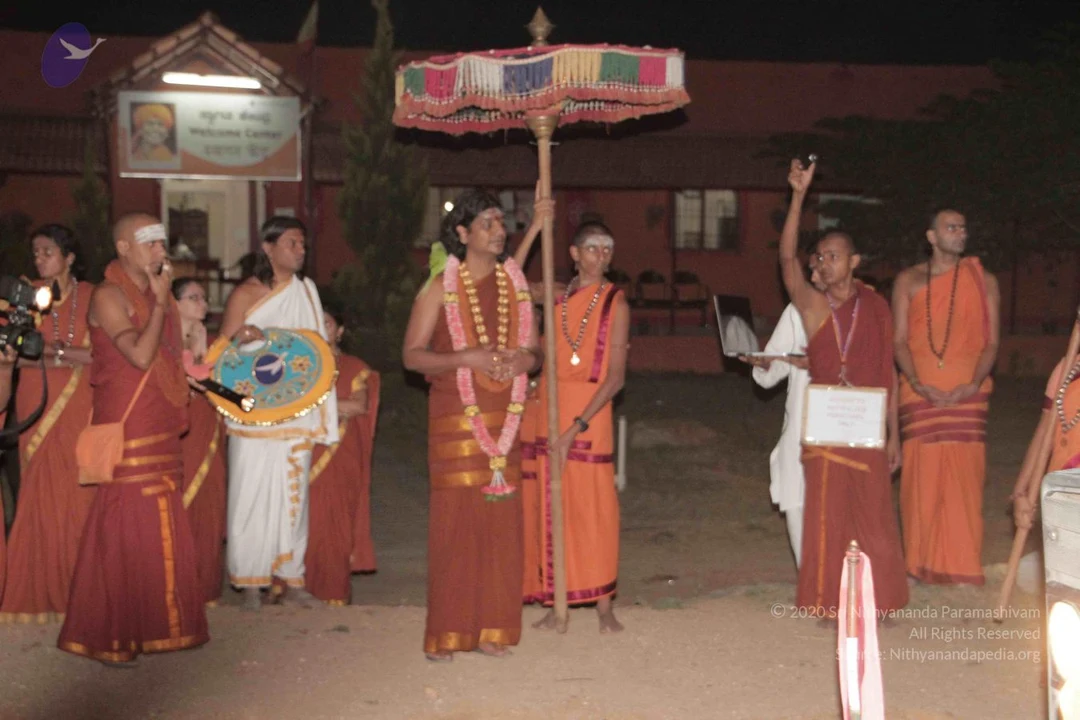
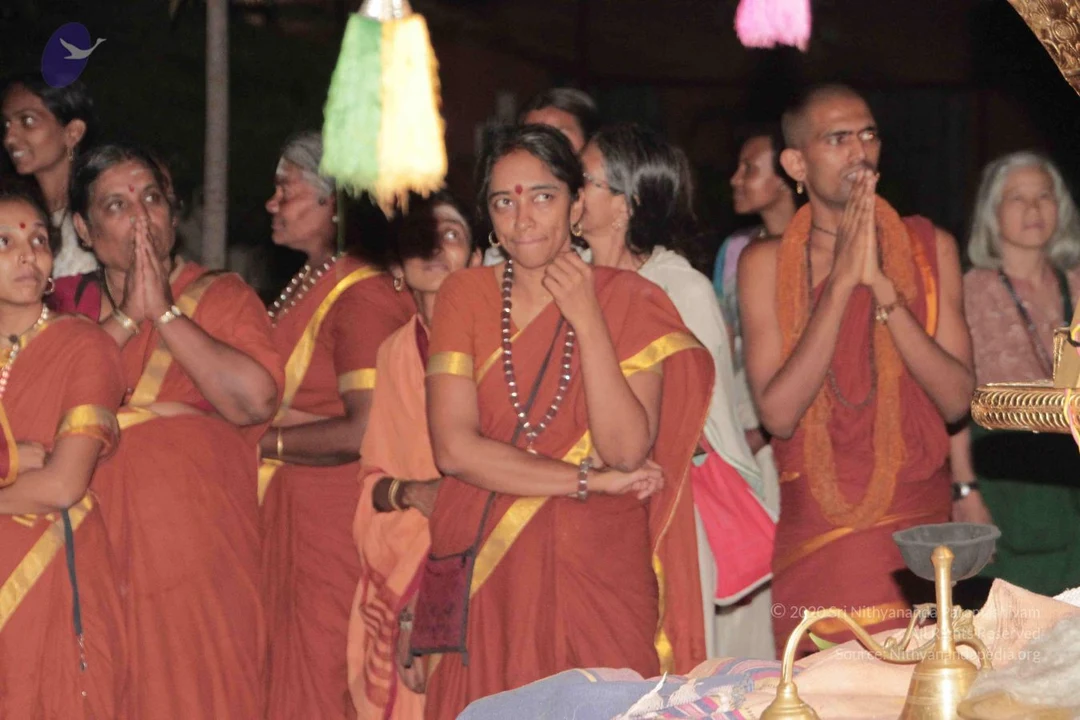
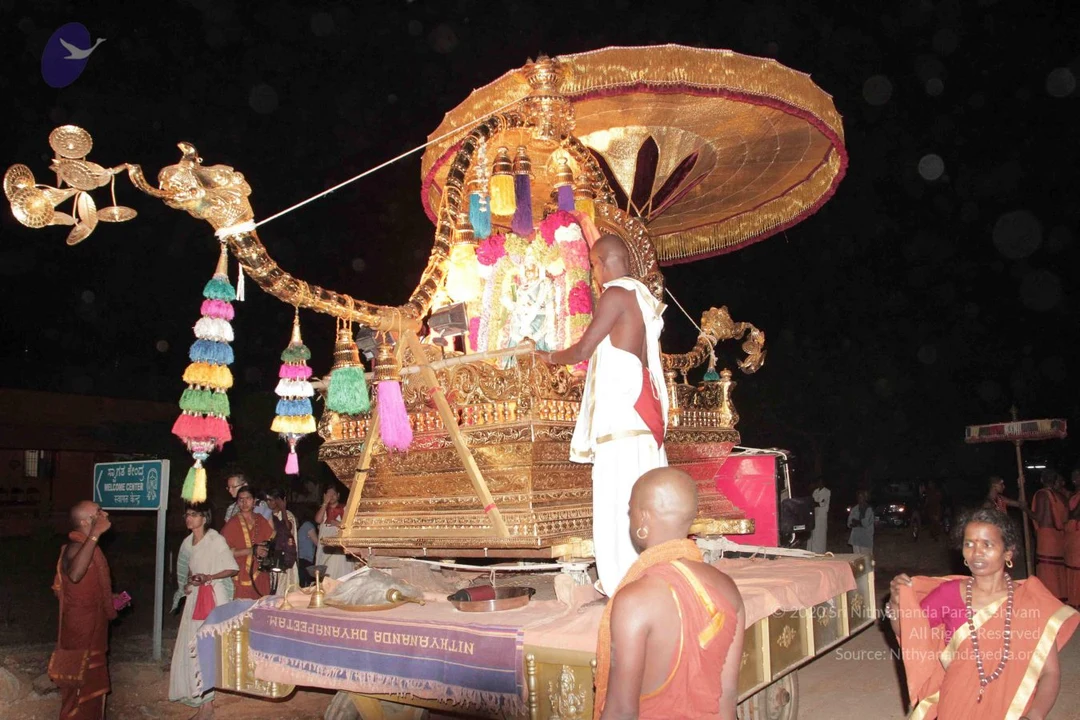
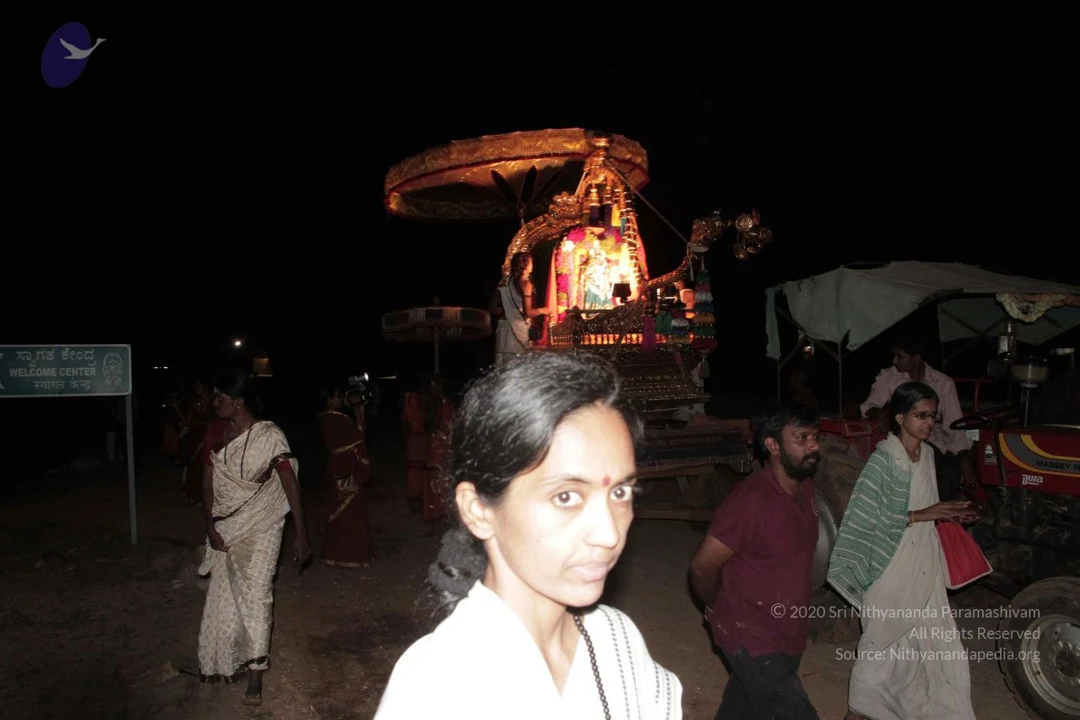
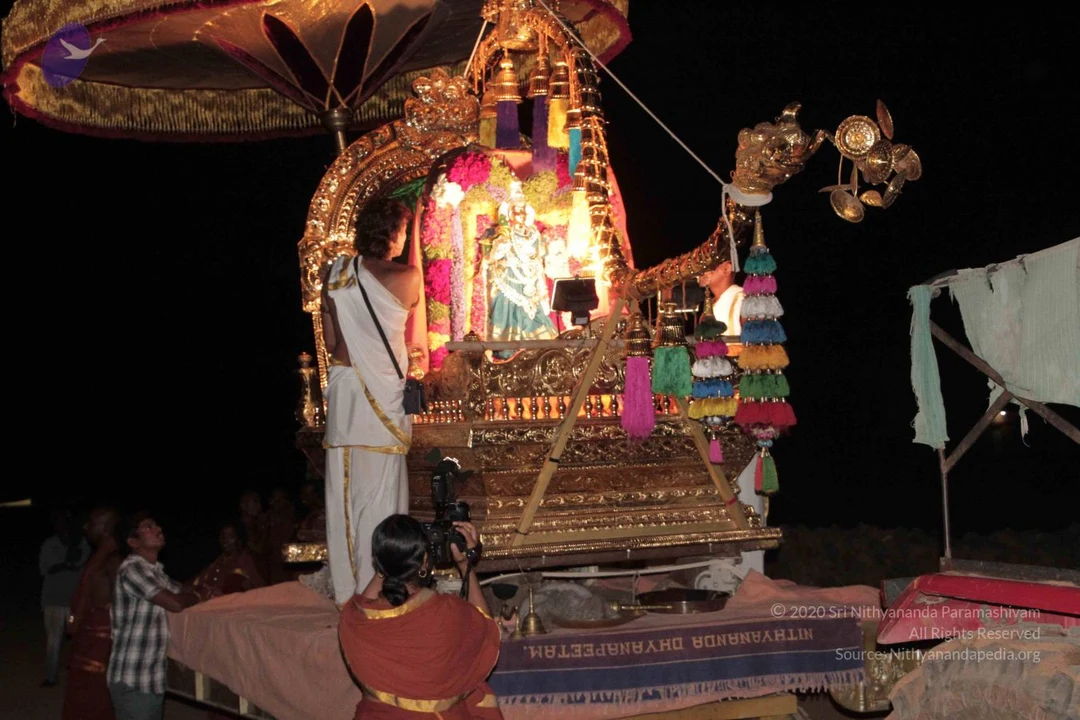
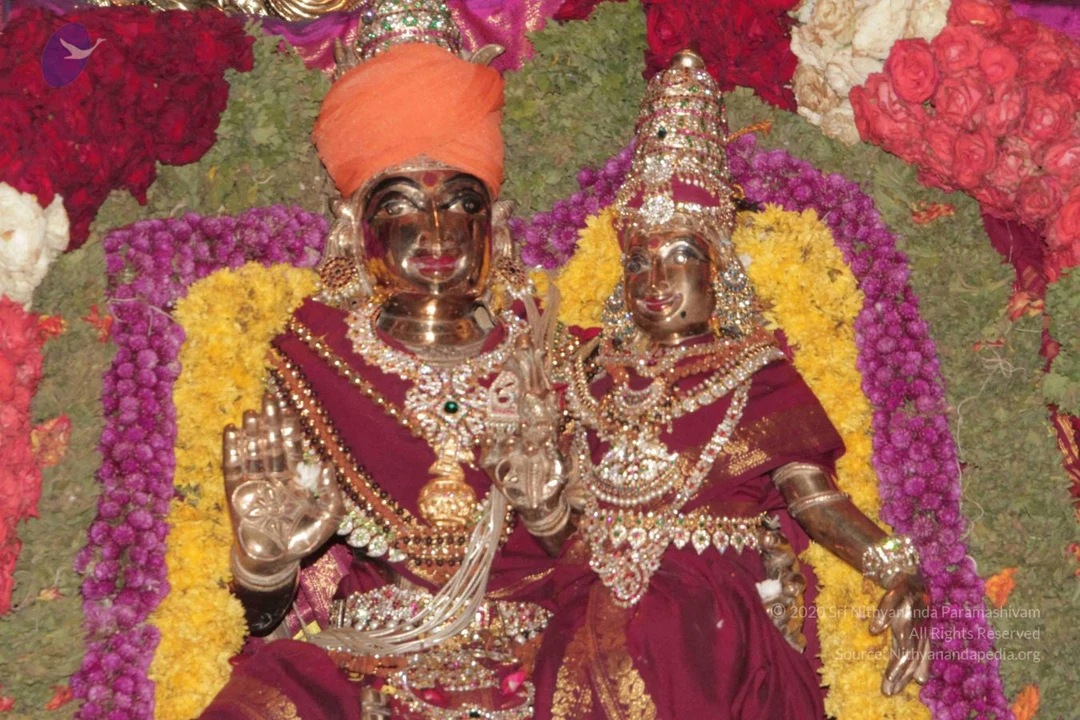
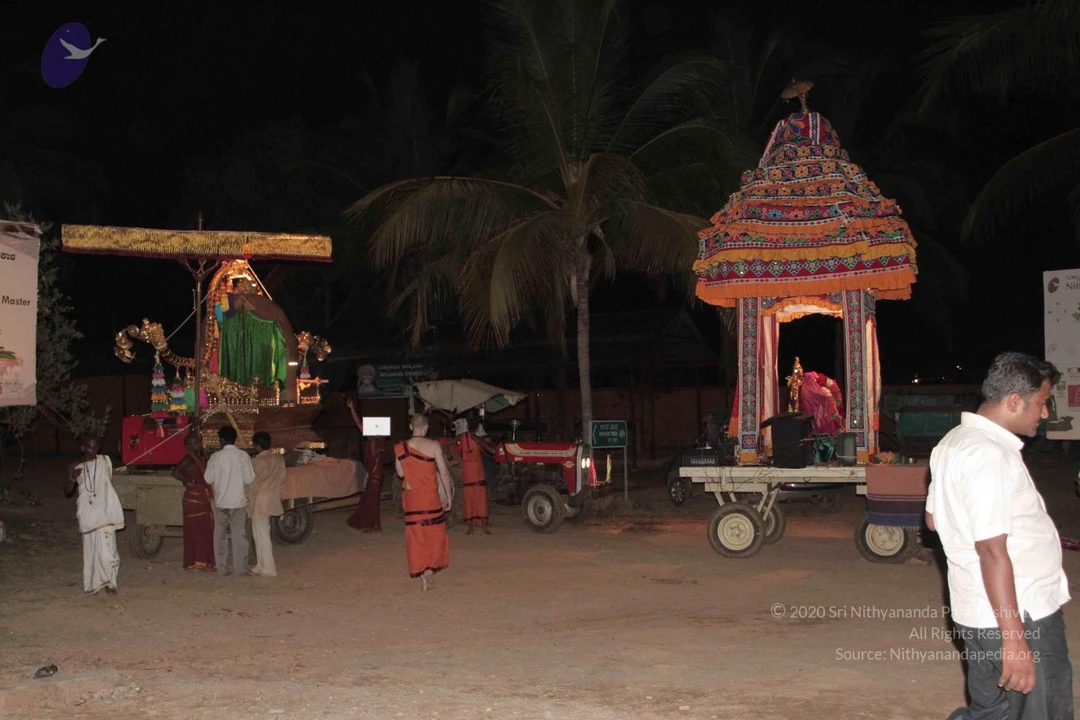
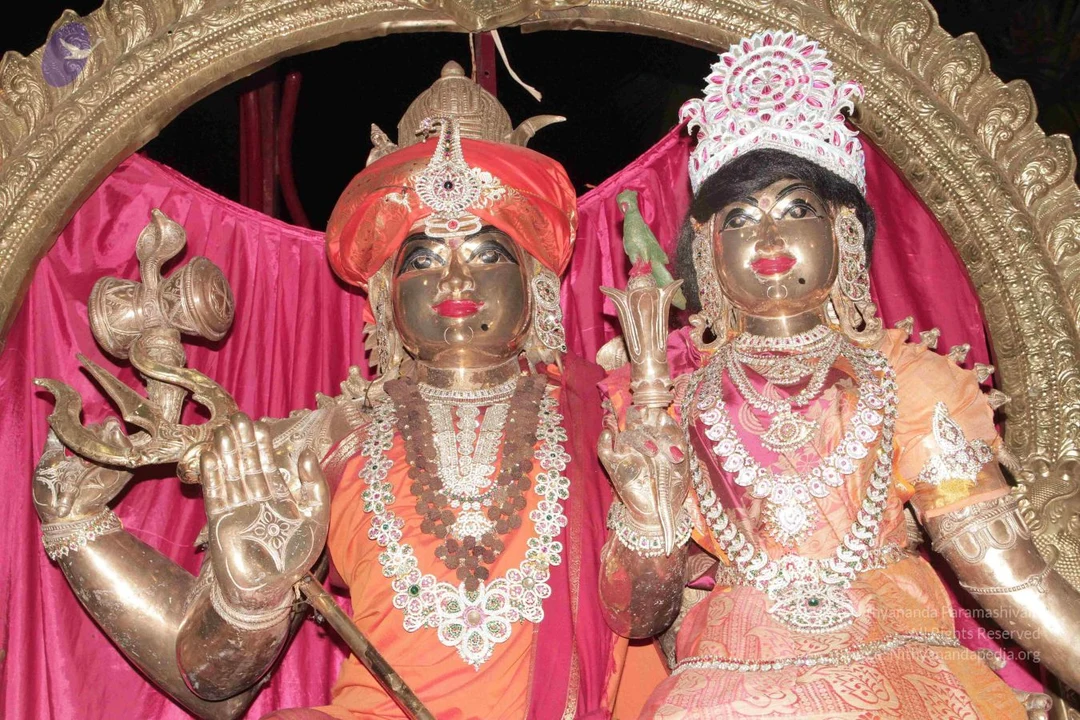
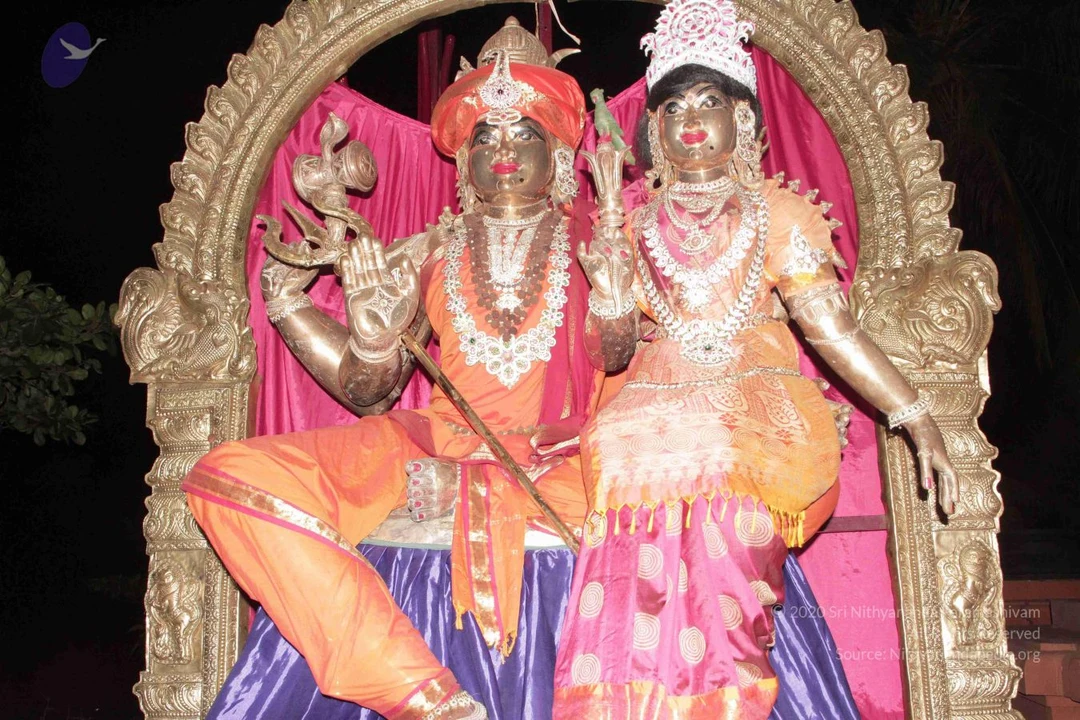
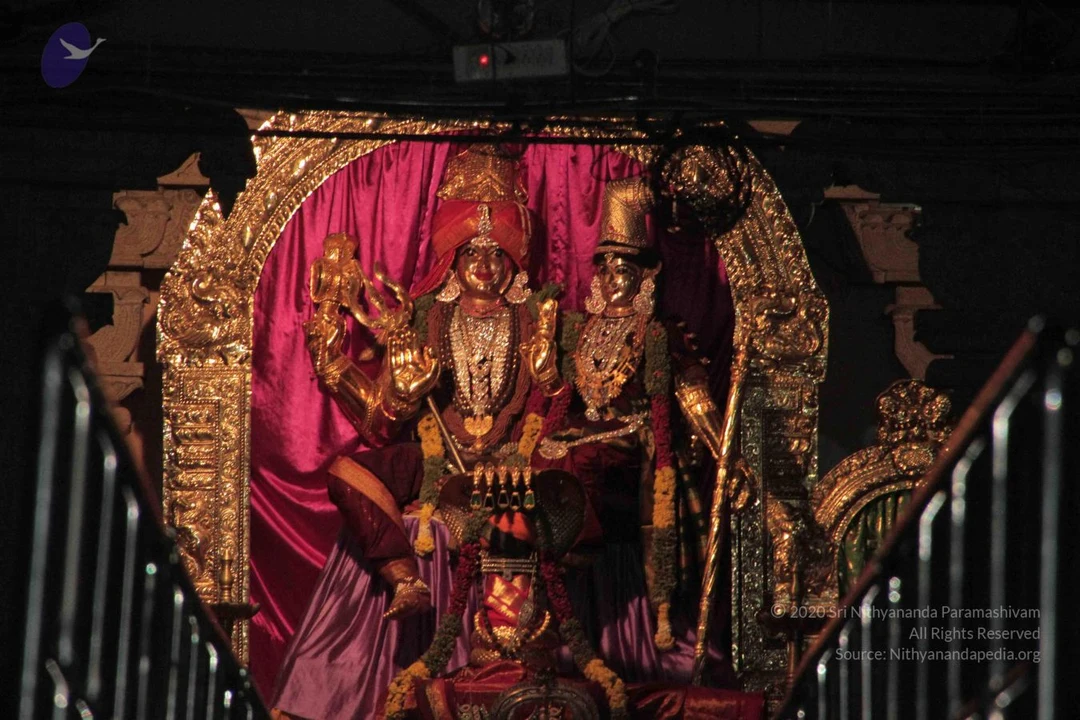
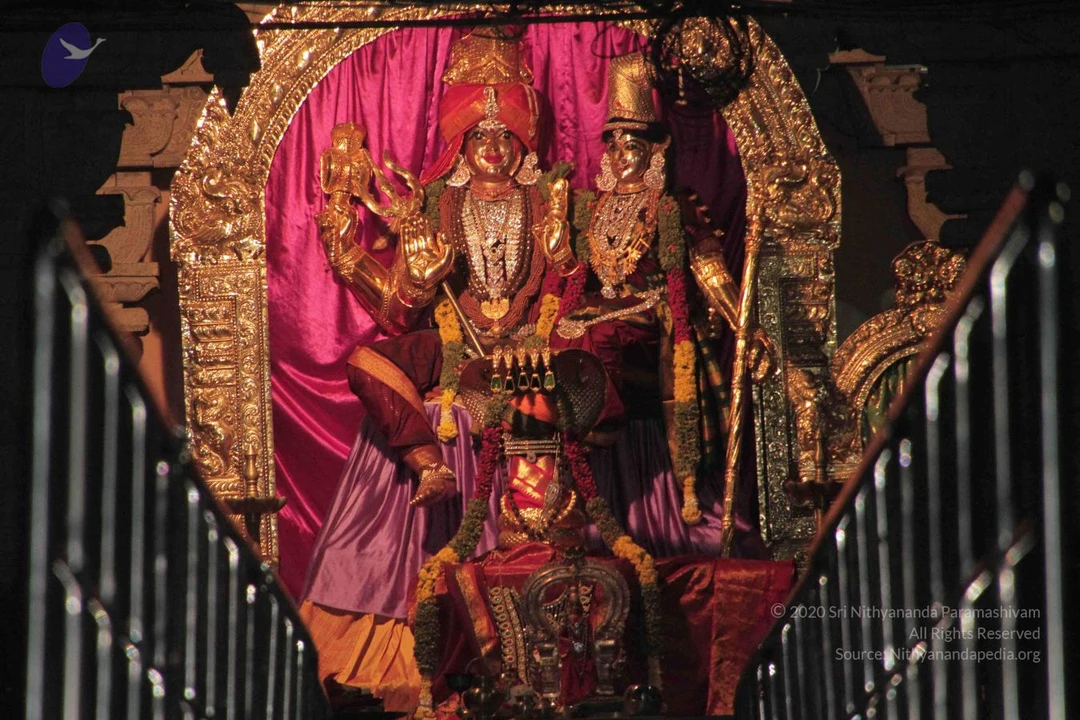
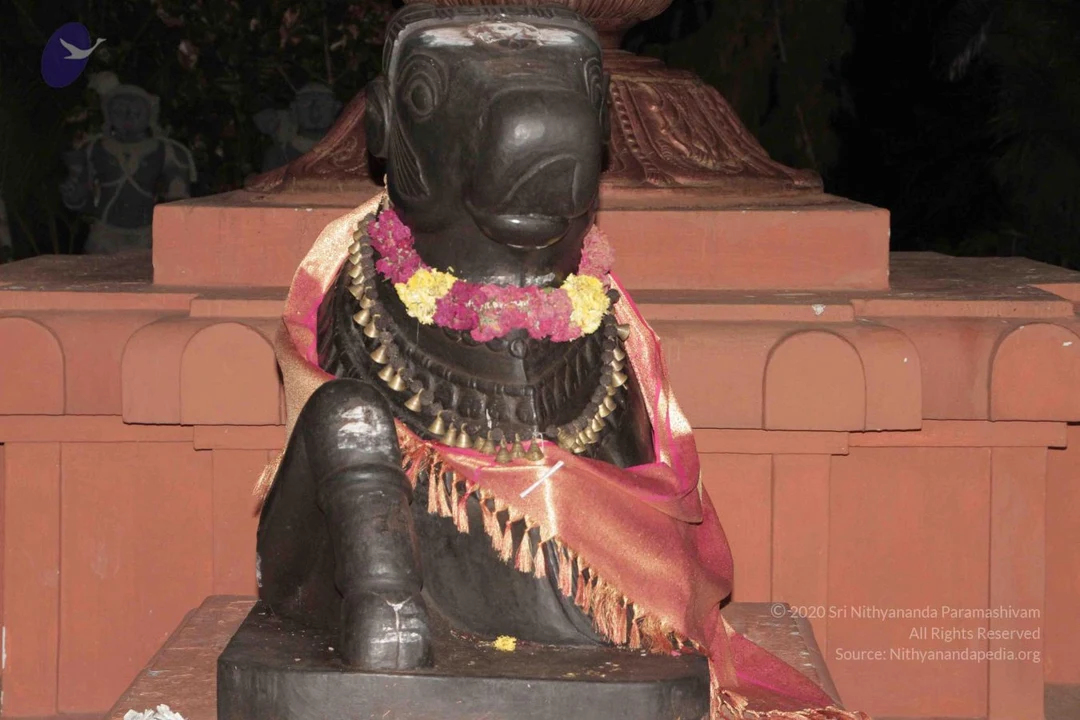
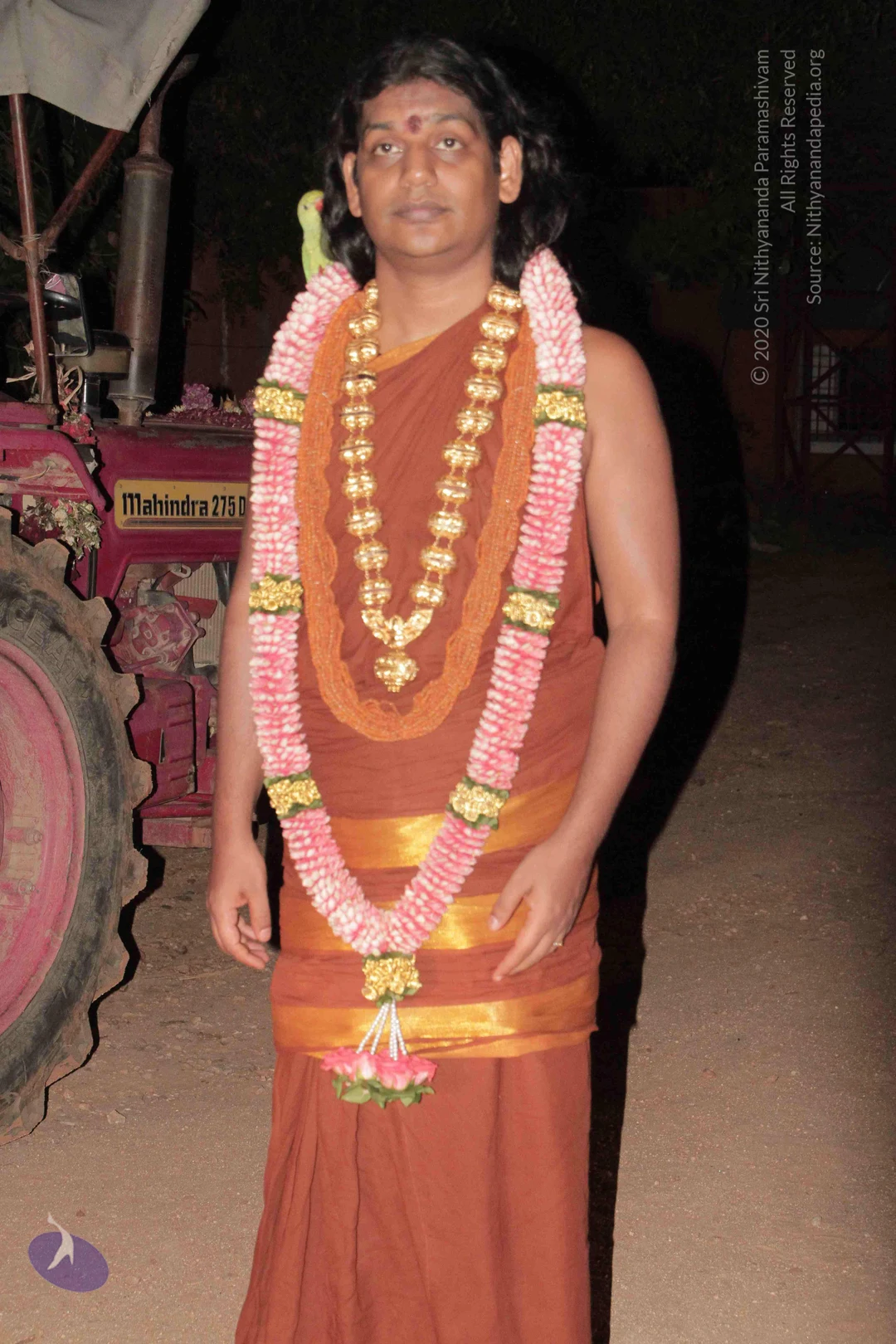
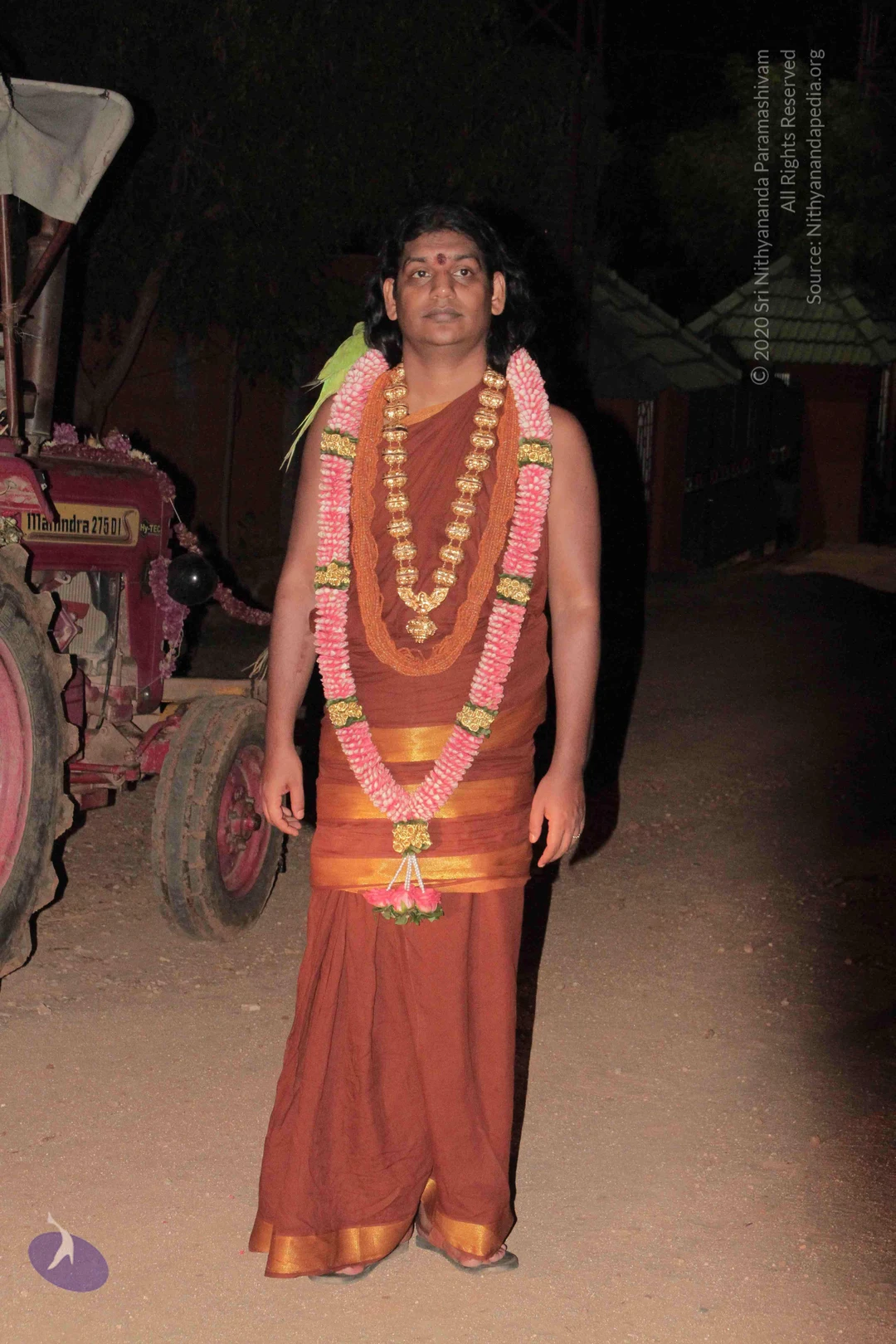
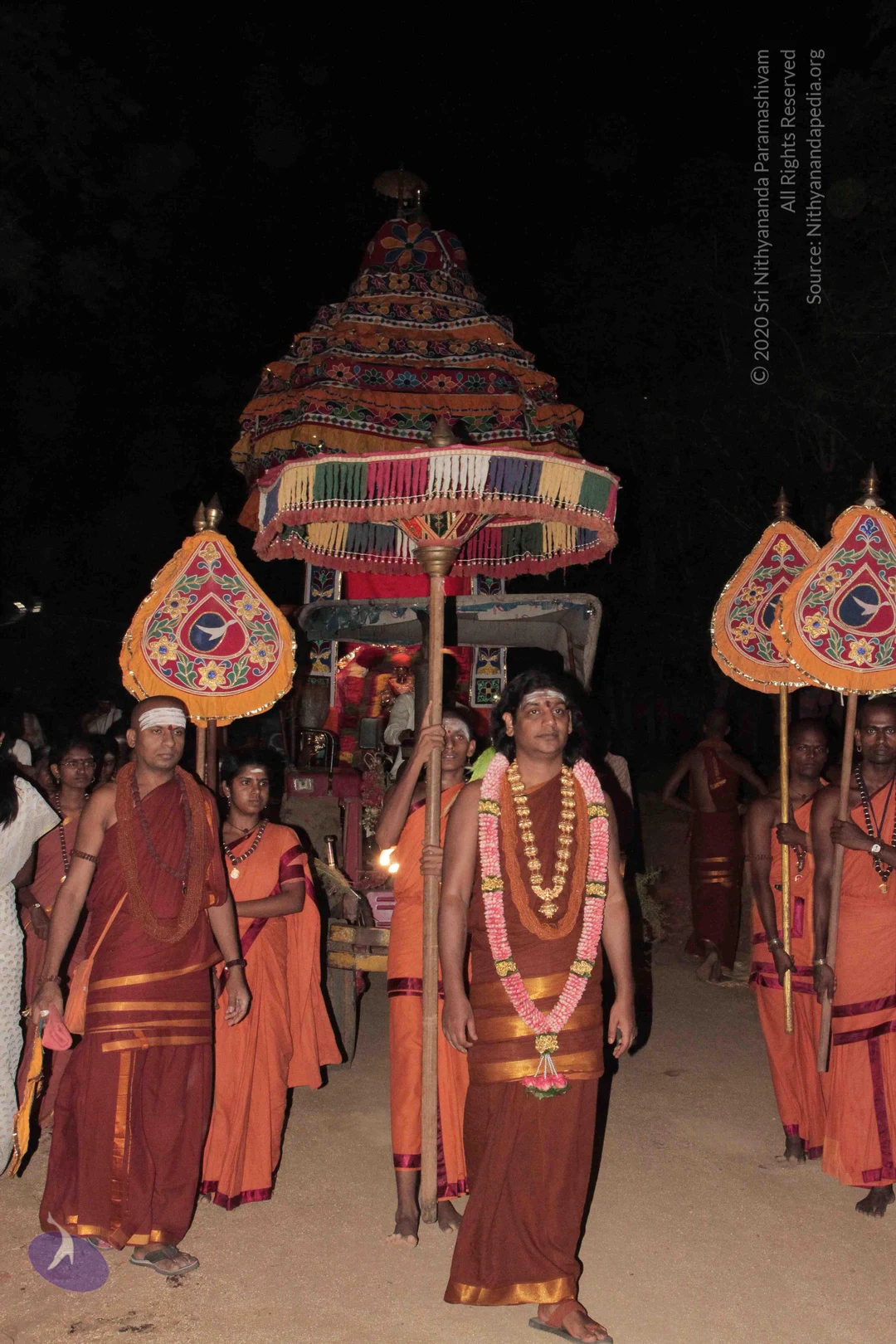
MeenakshiBrahmotsavam-Procession

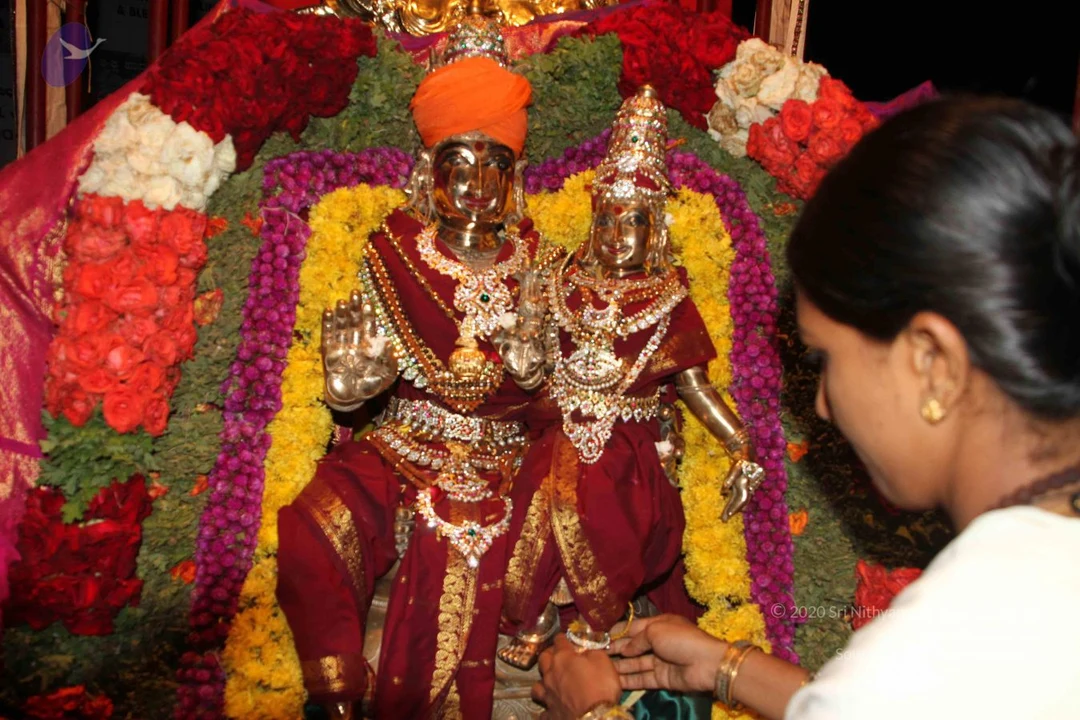
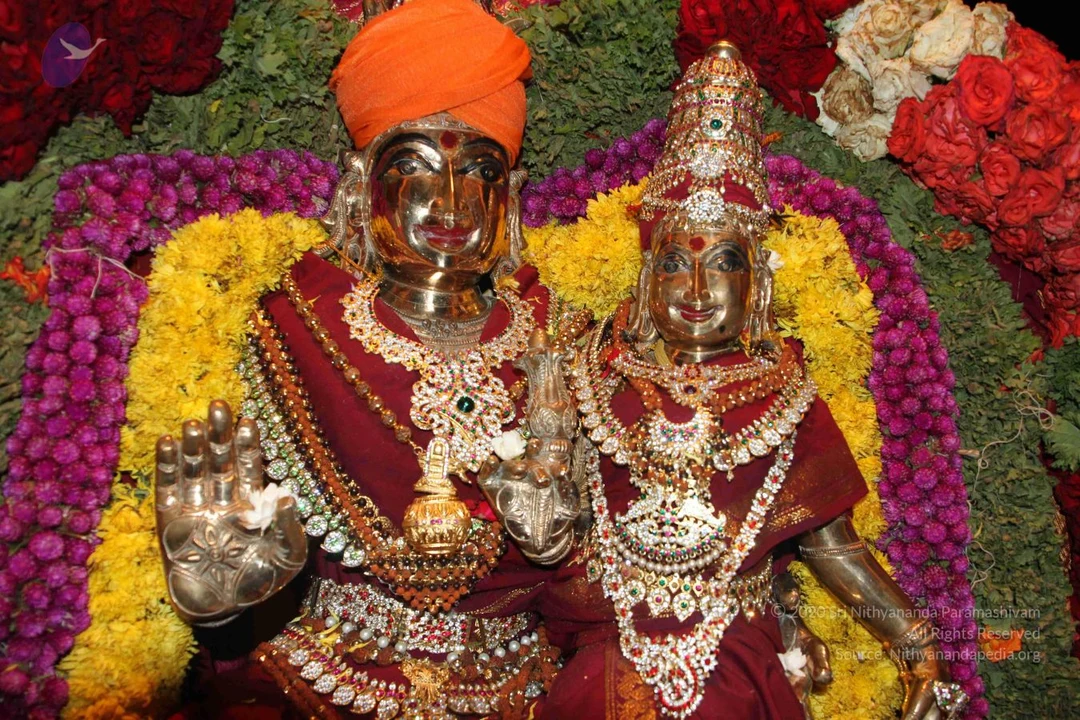
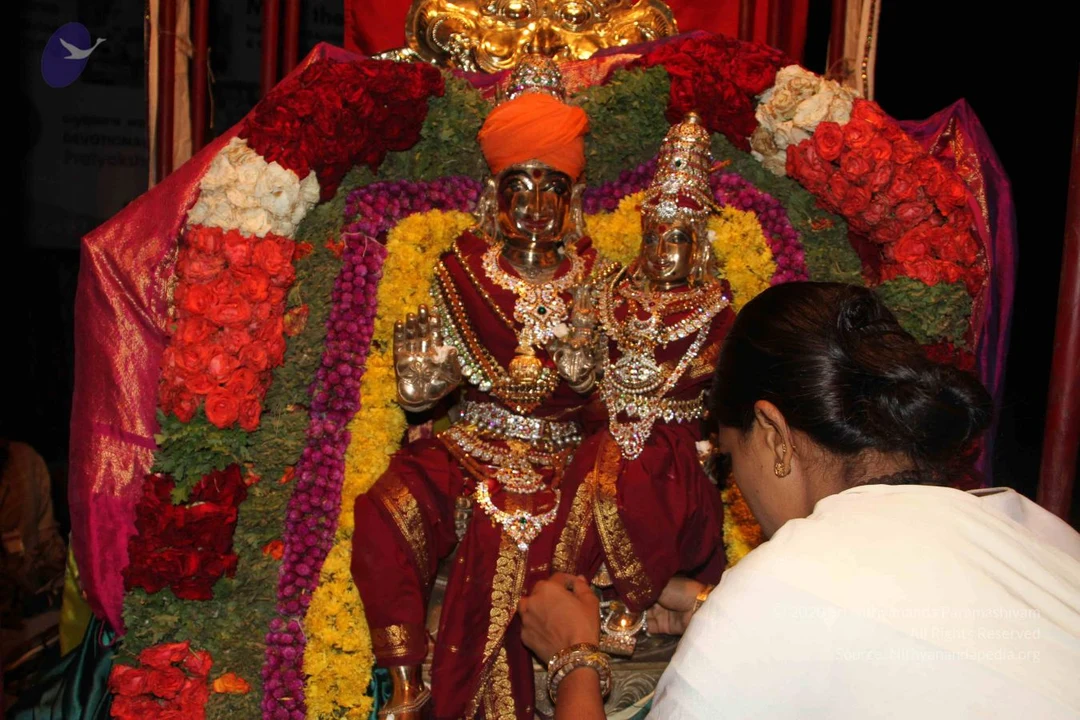

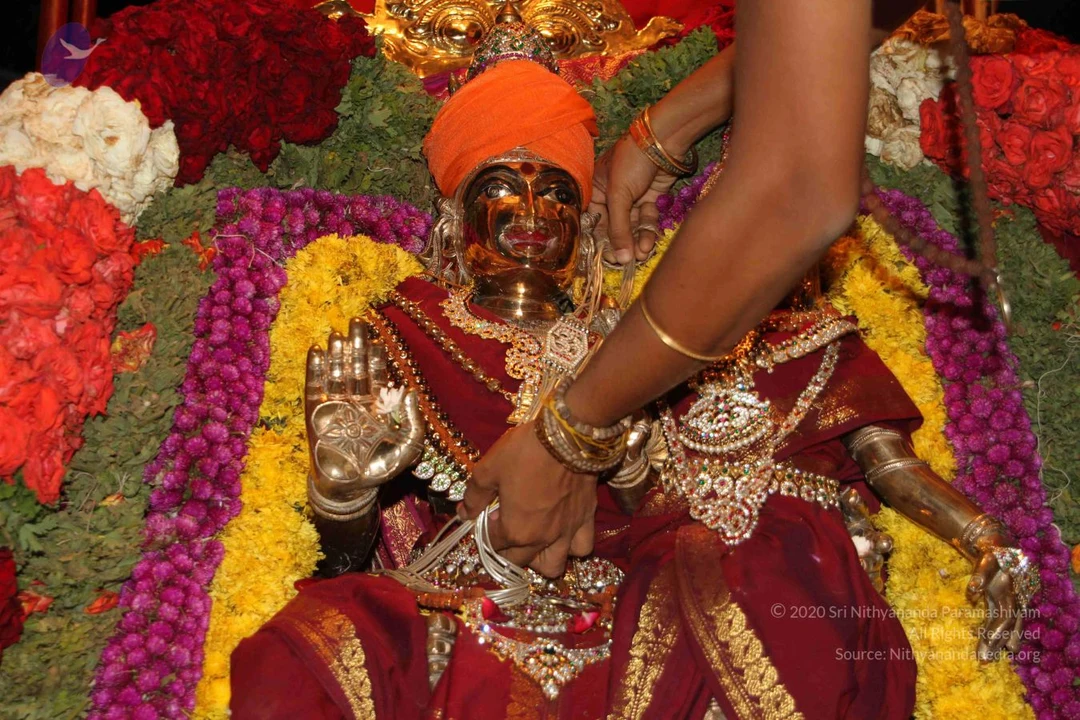
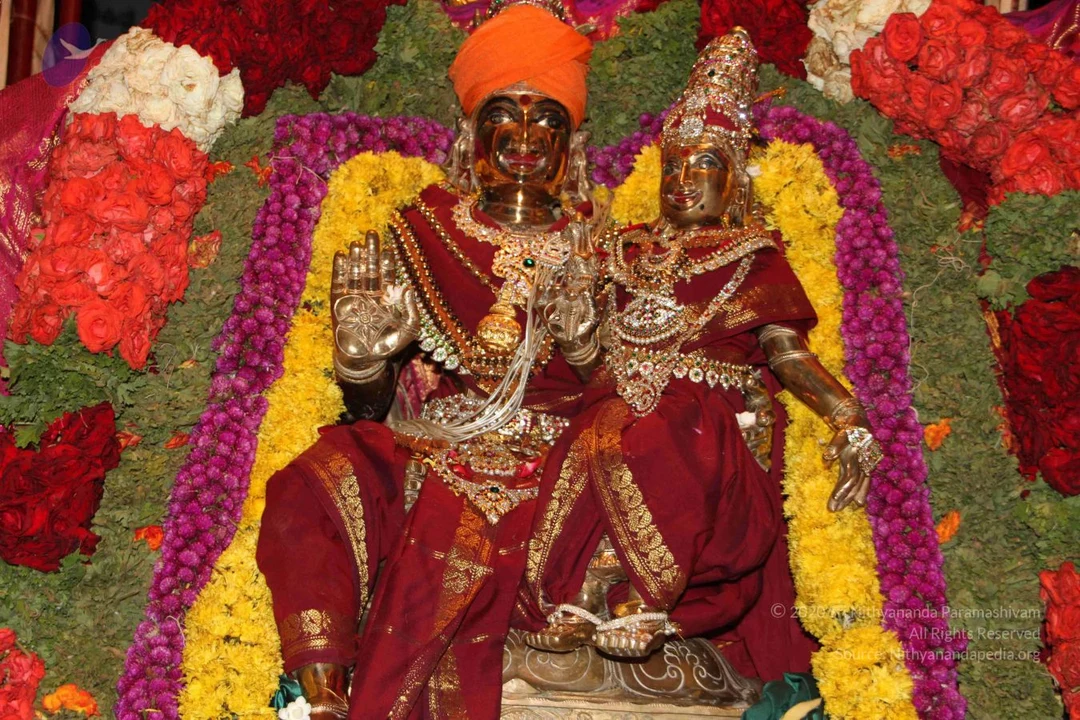
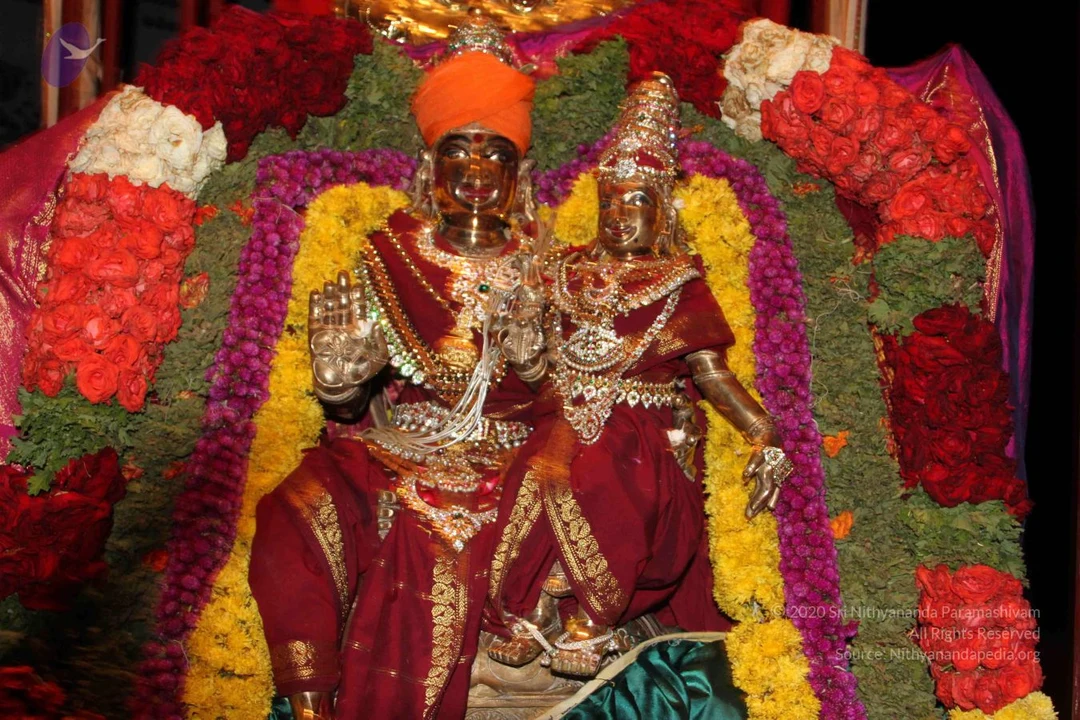
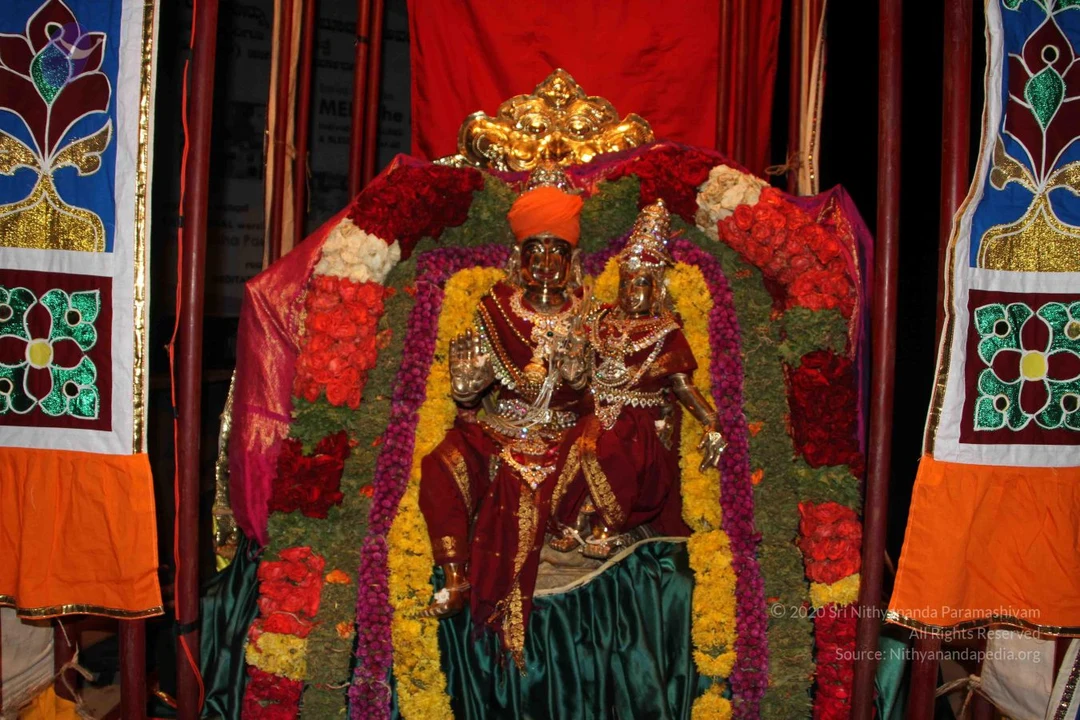



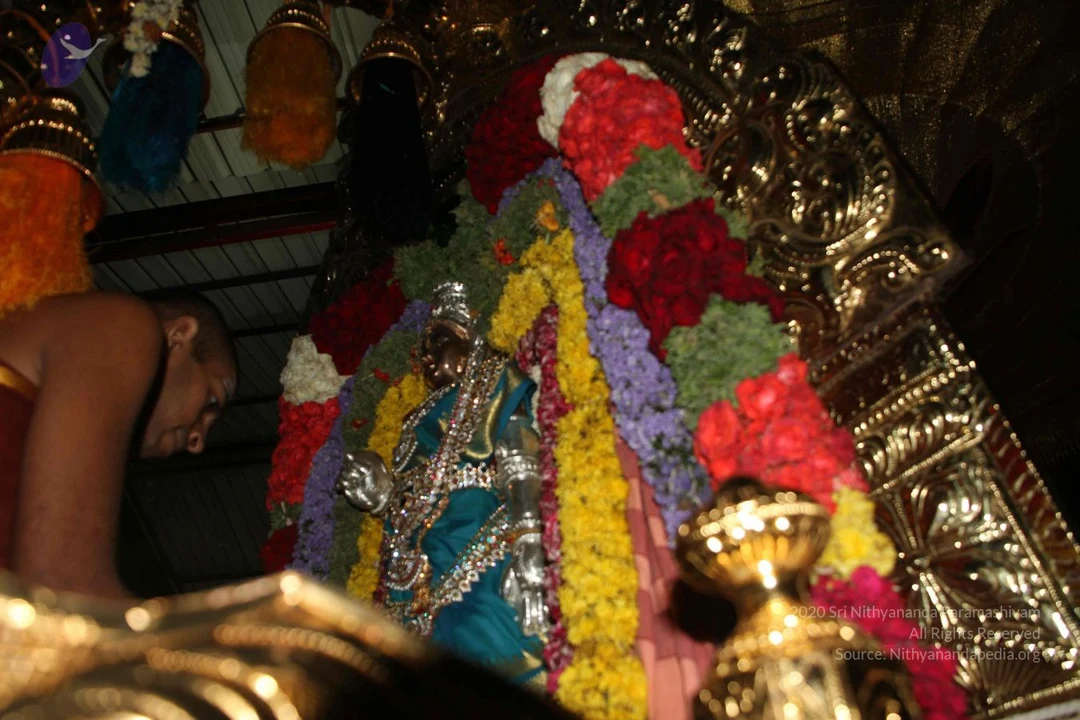
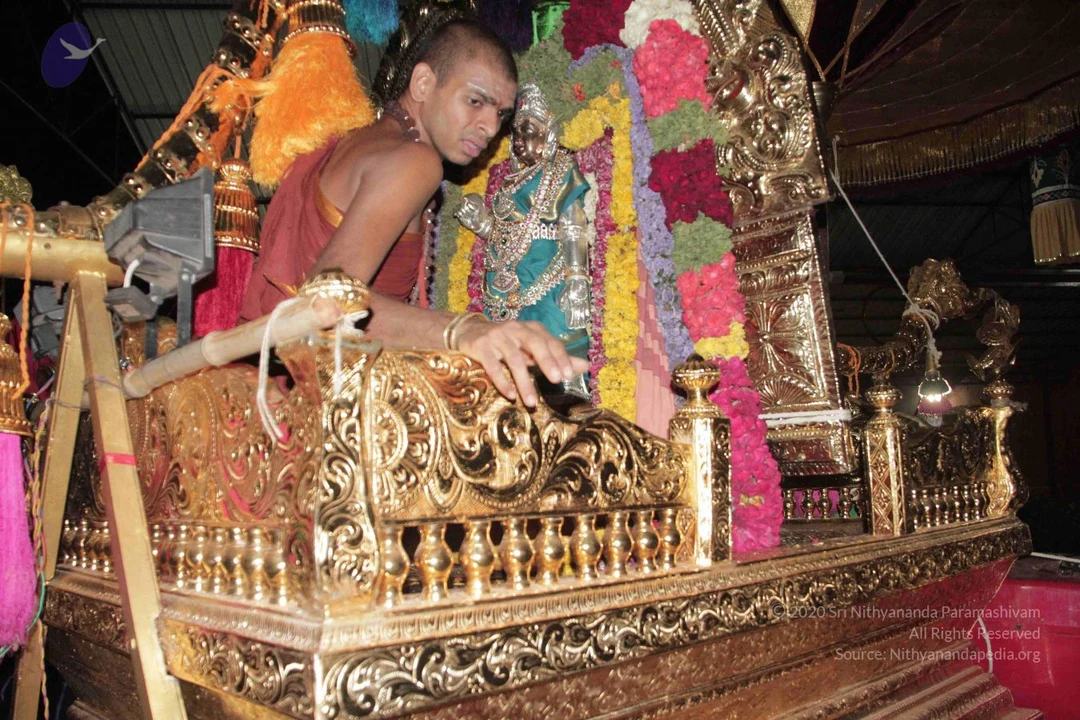
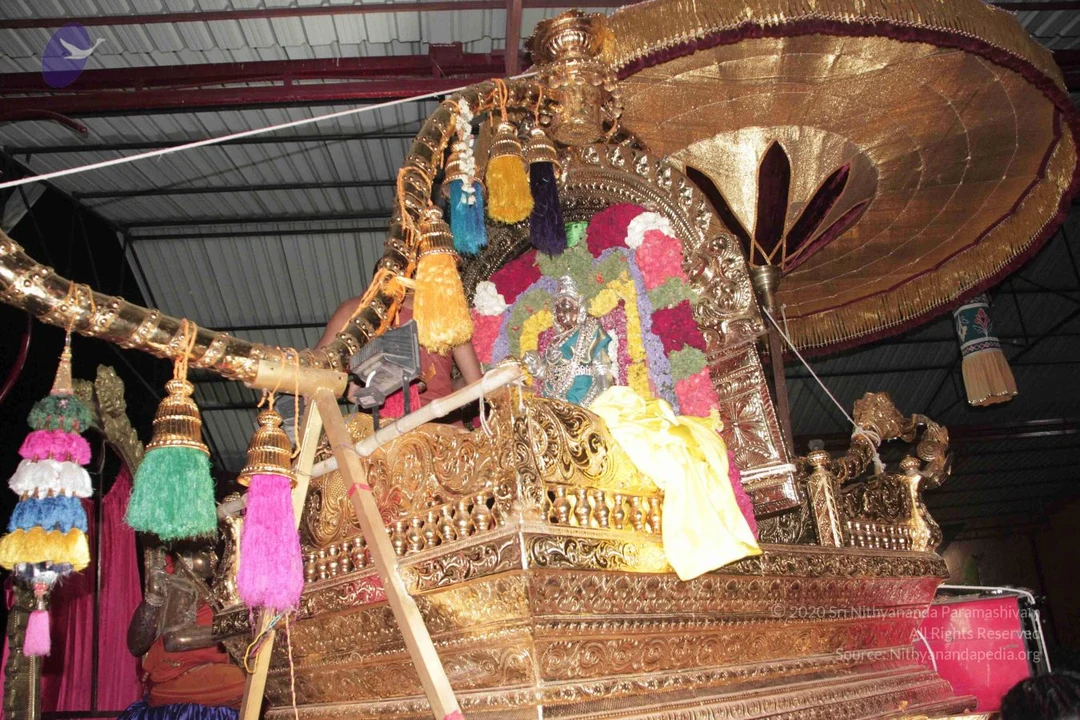
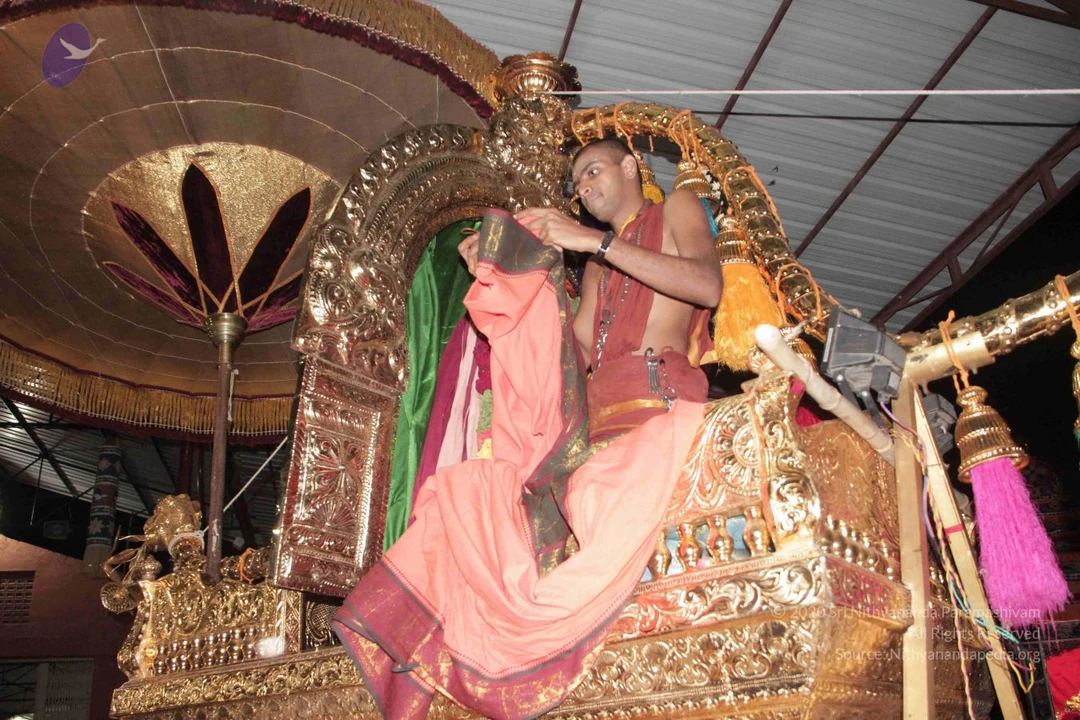










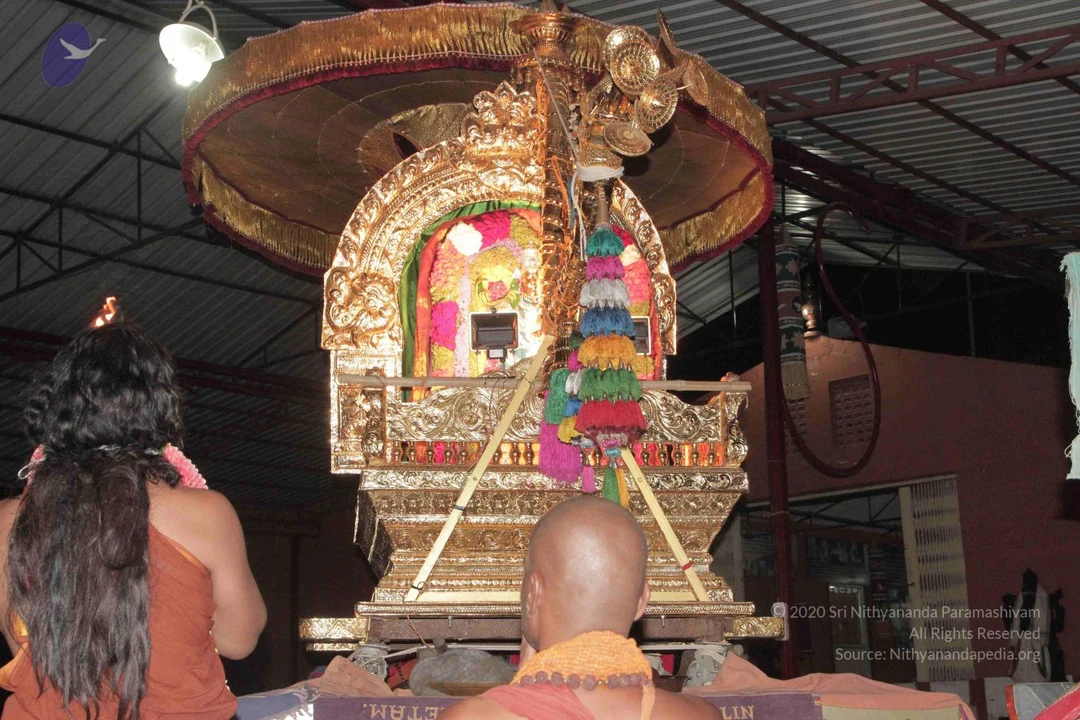
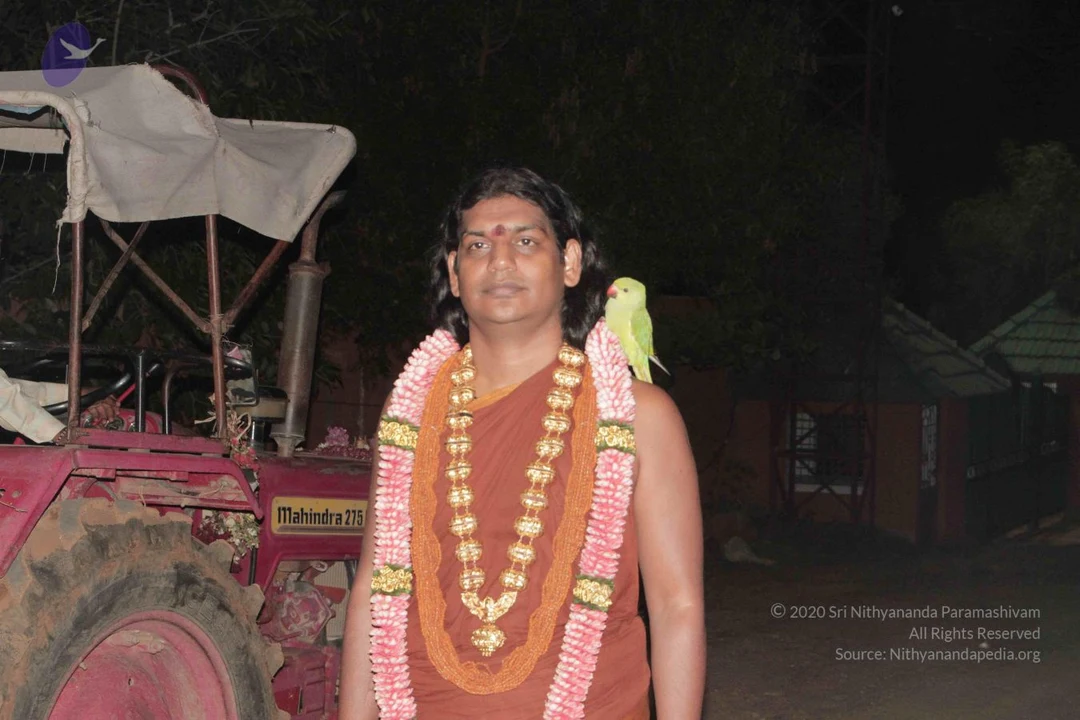
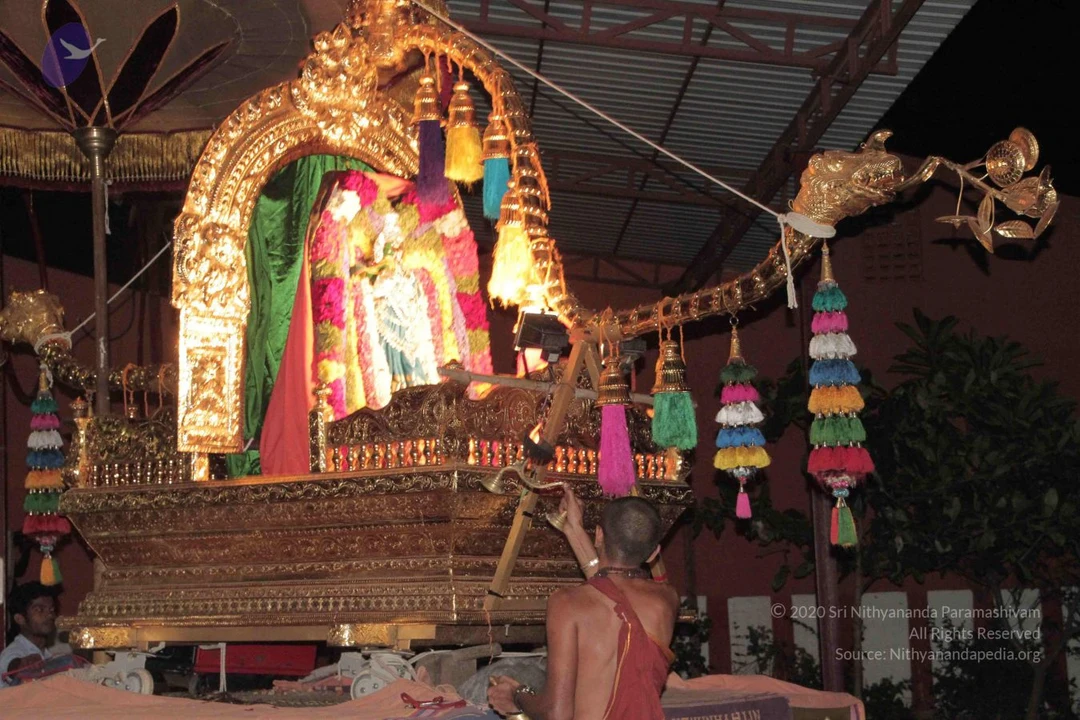

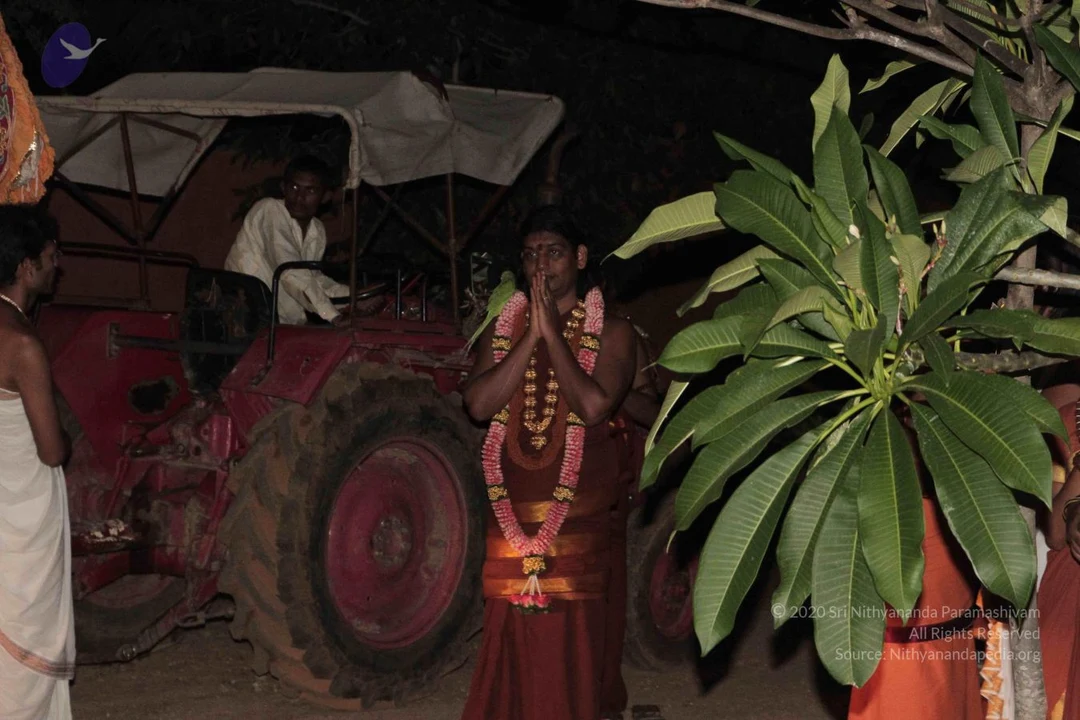
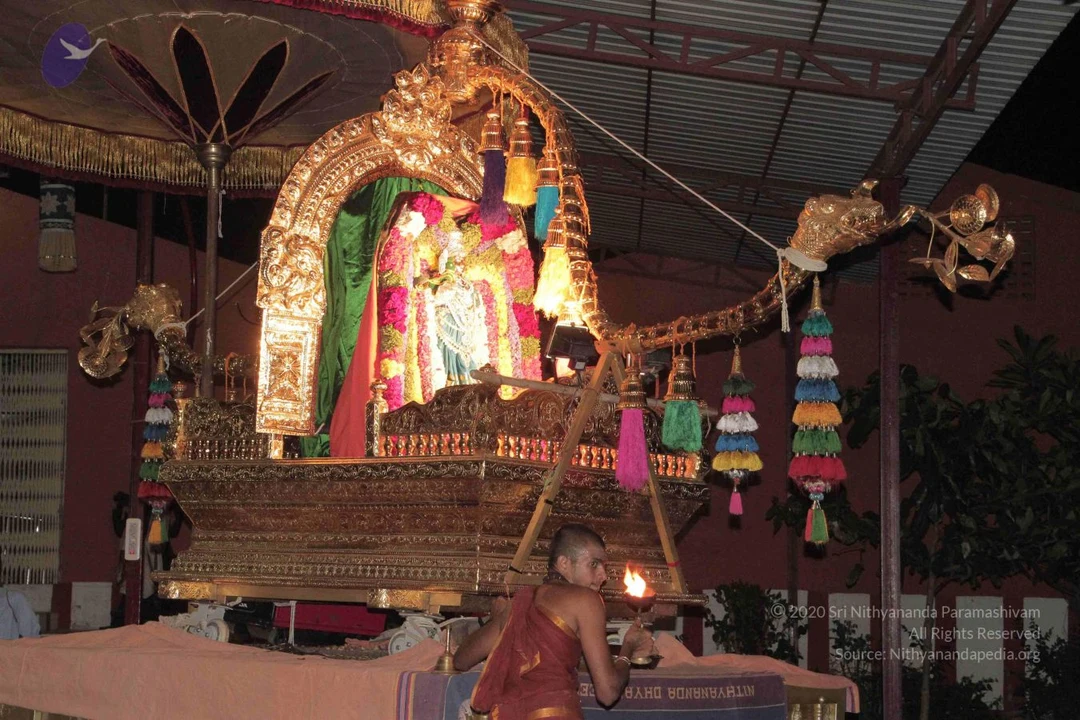
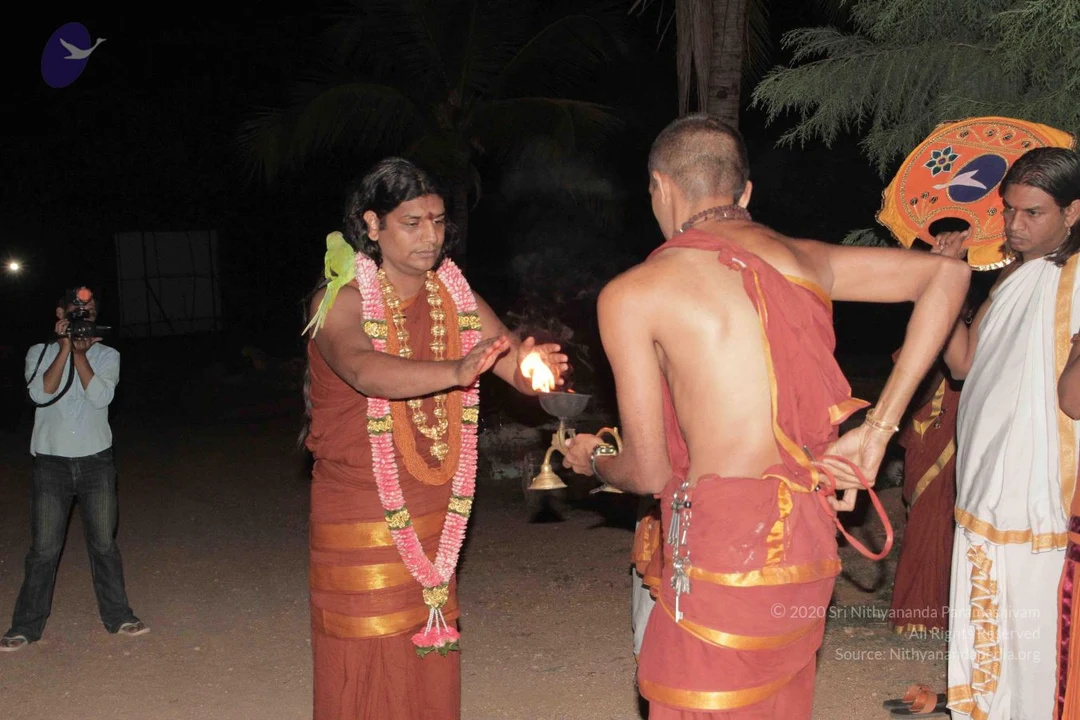
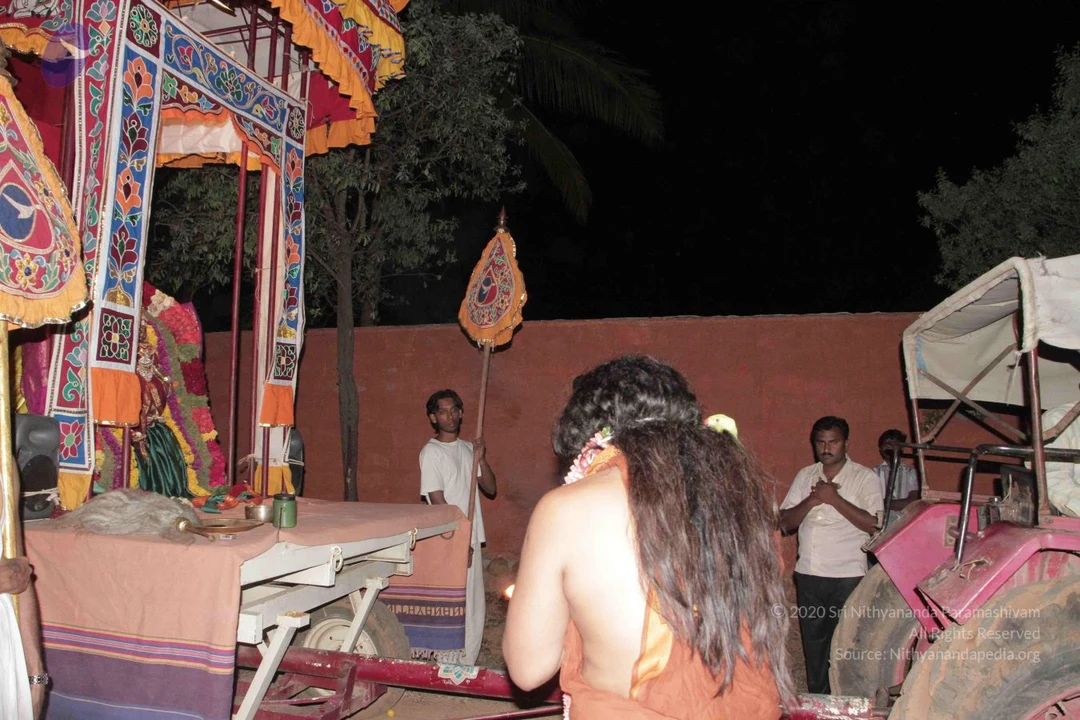
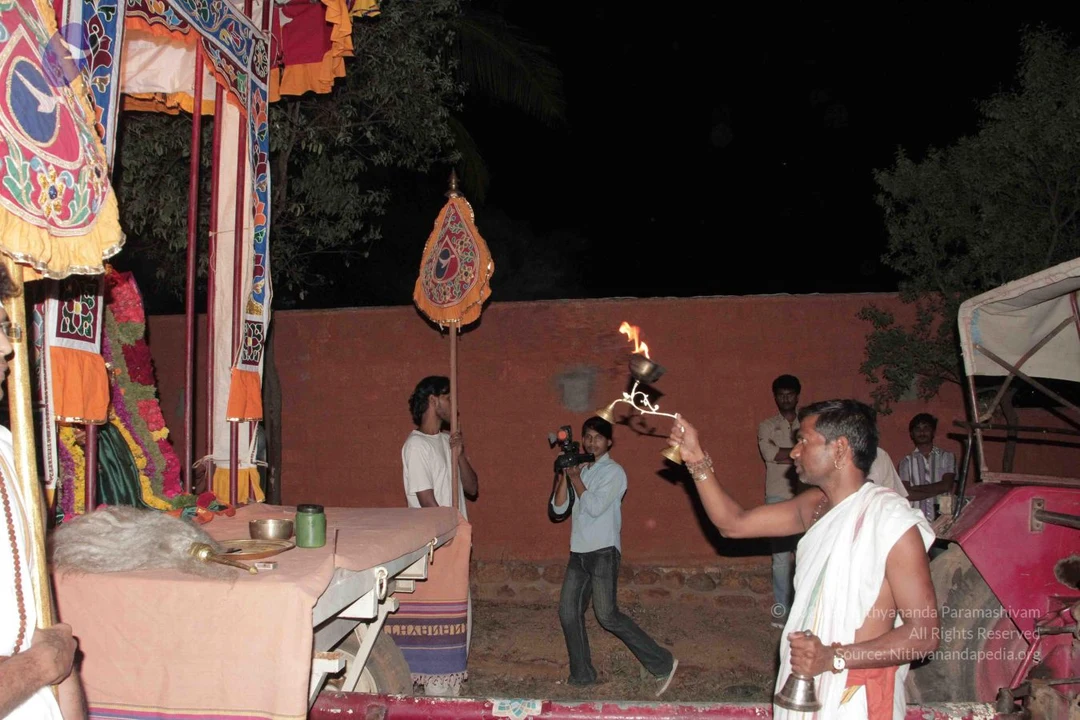
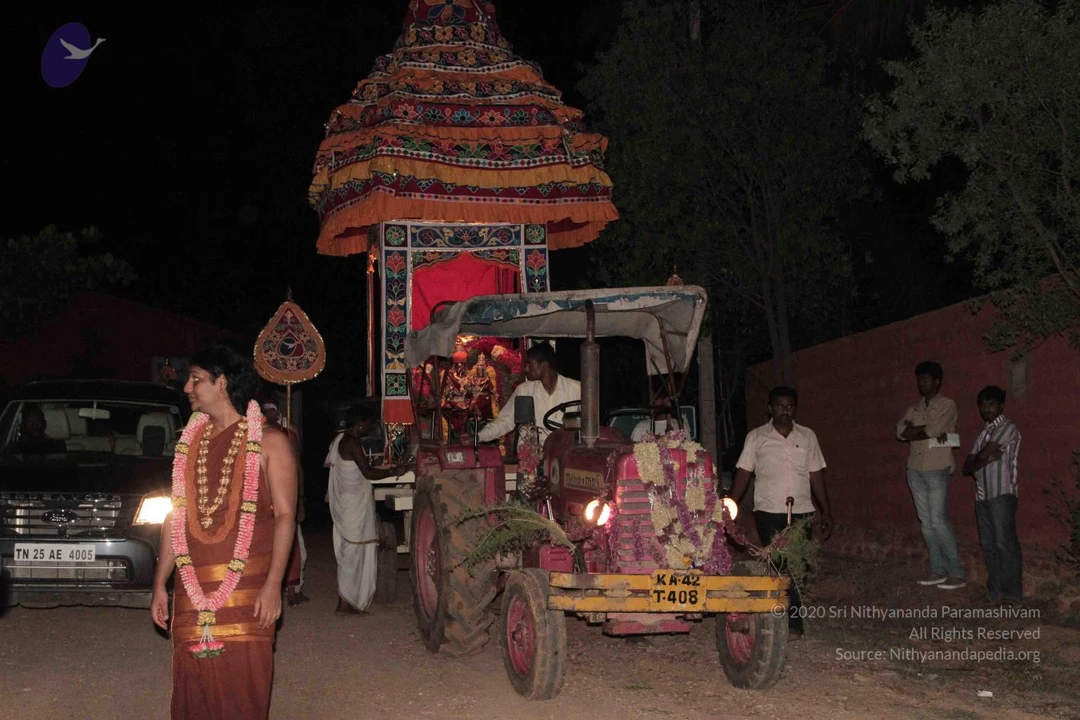

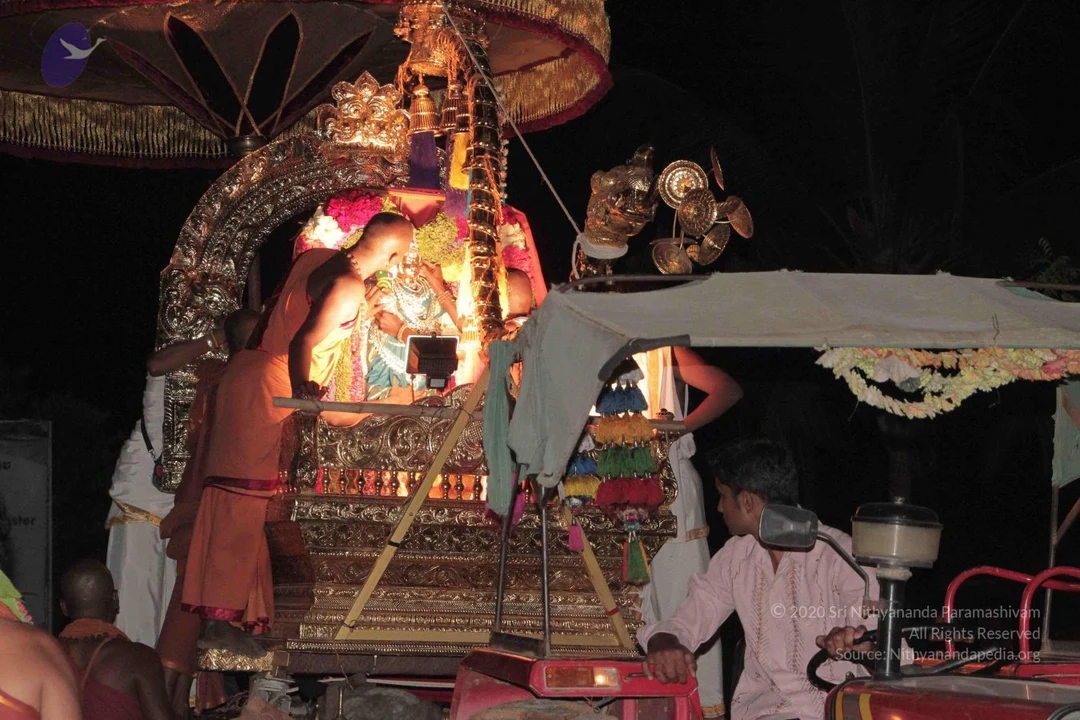
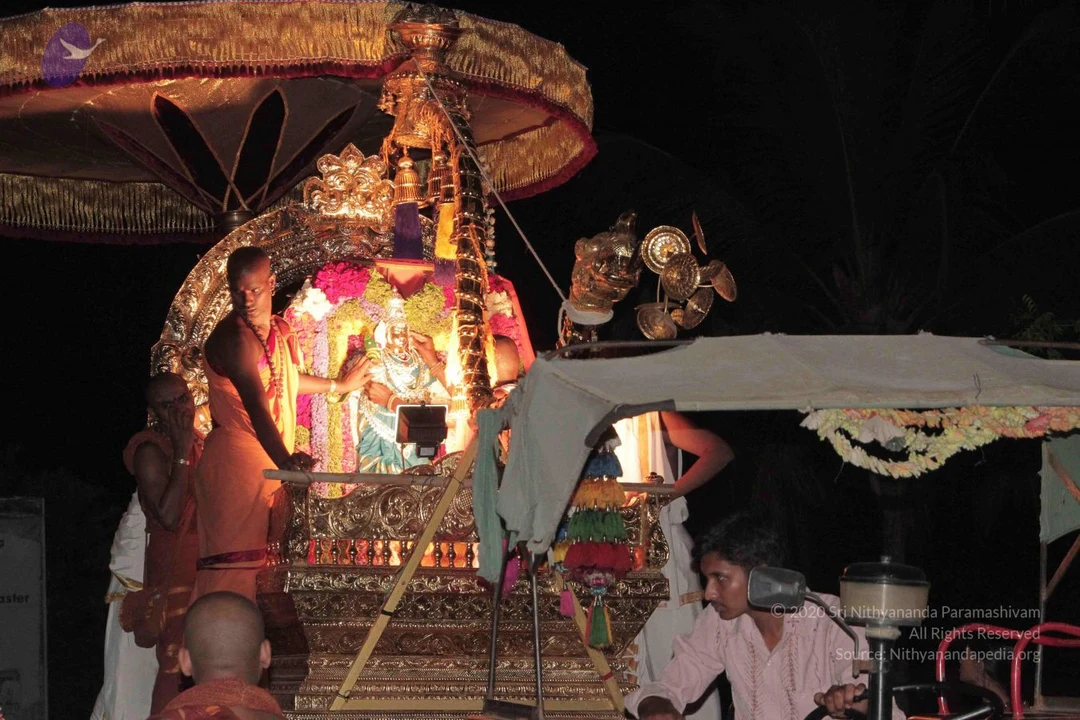
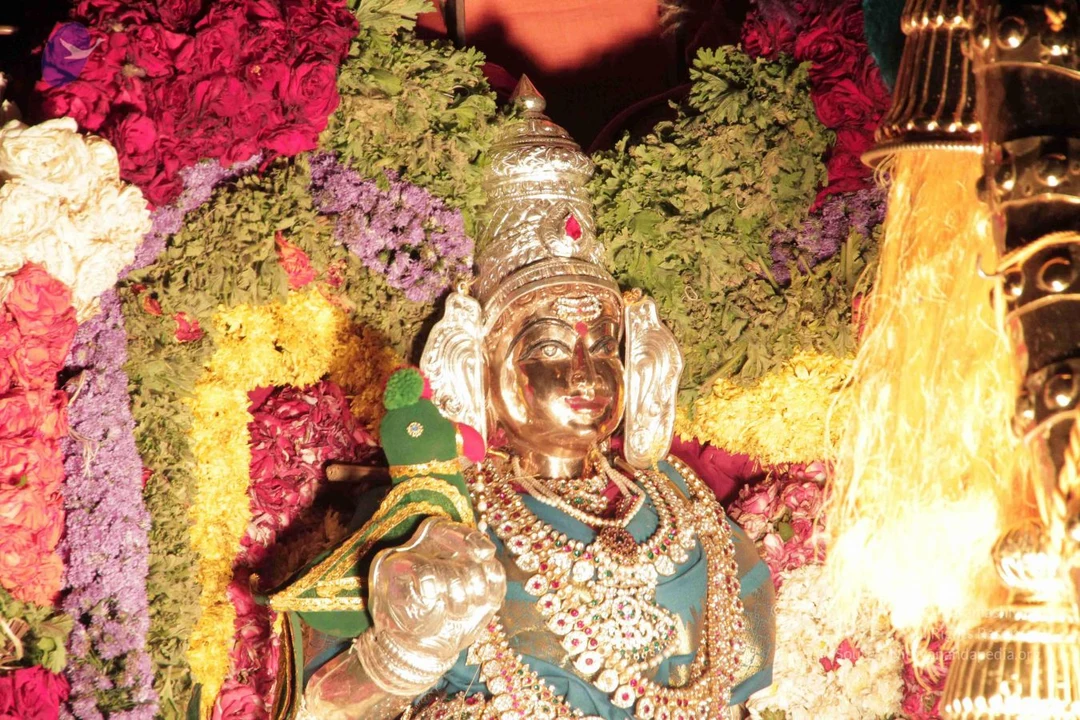
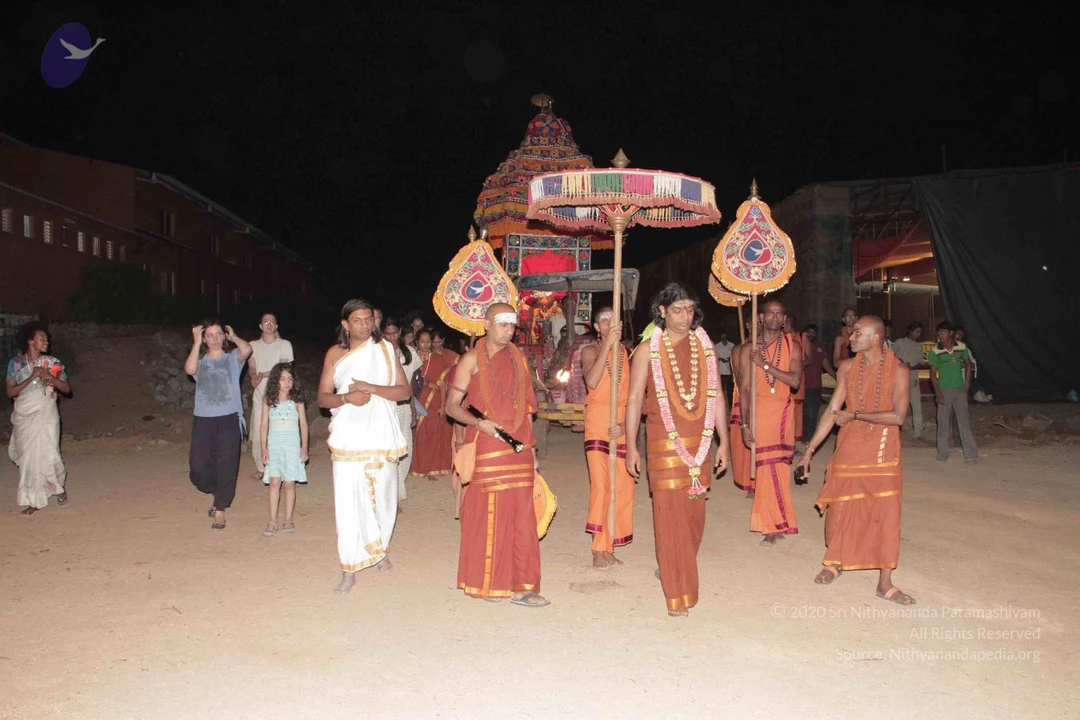
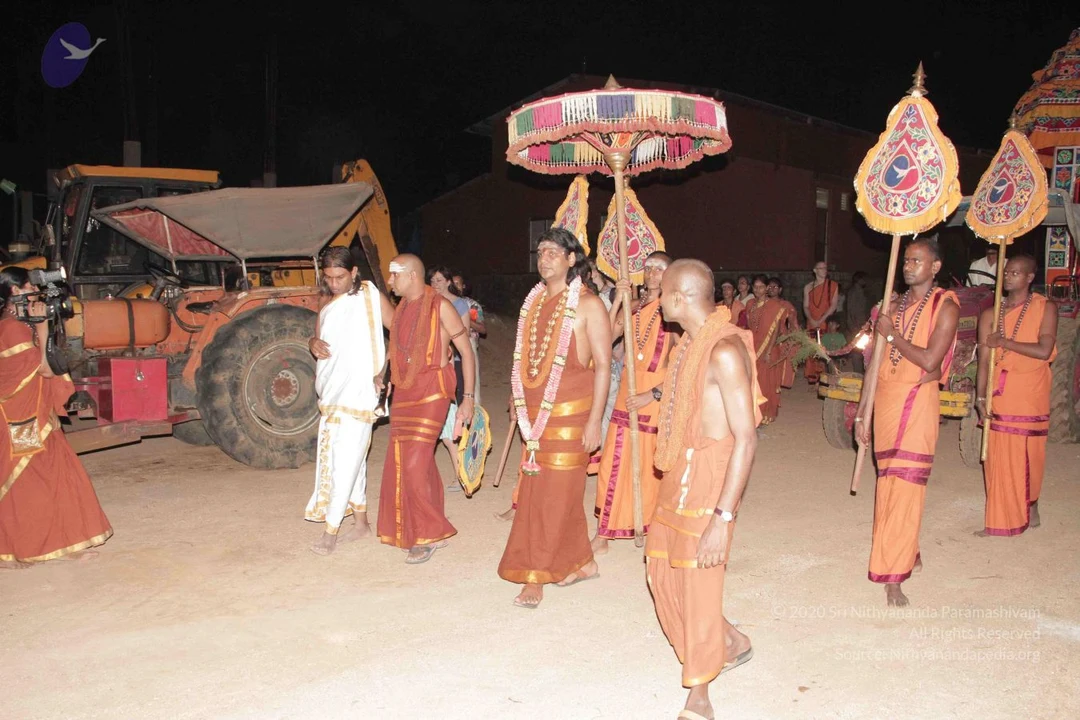

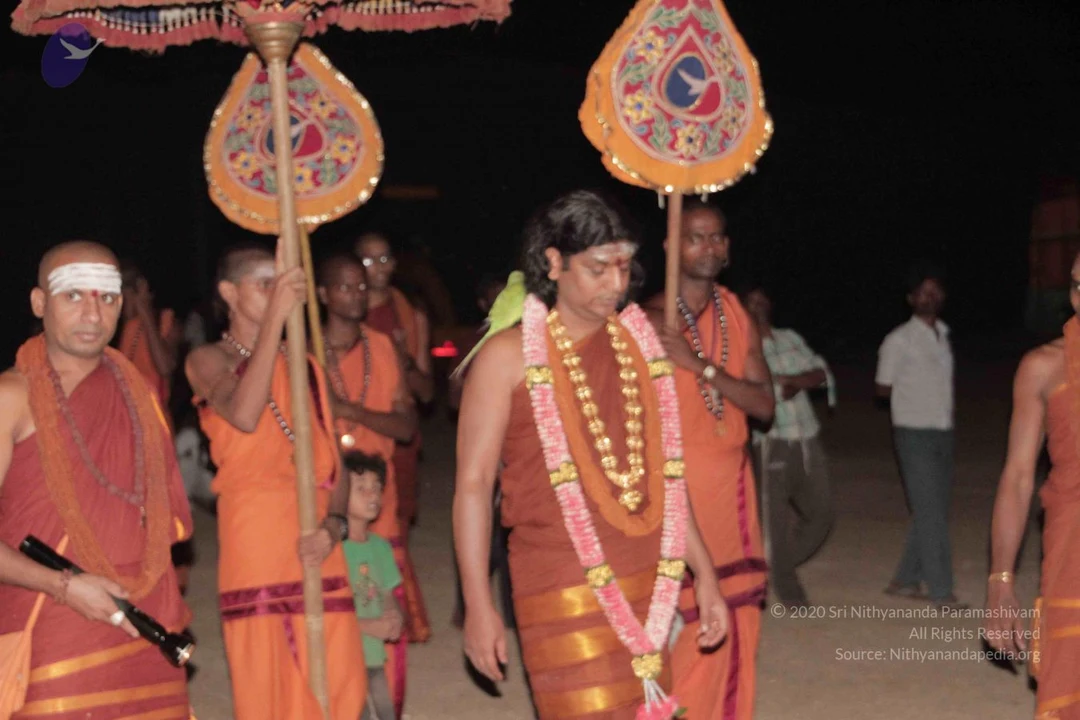





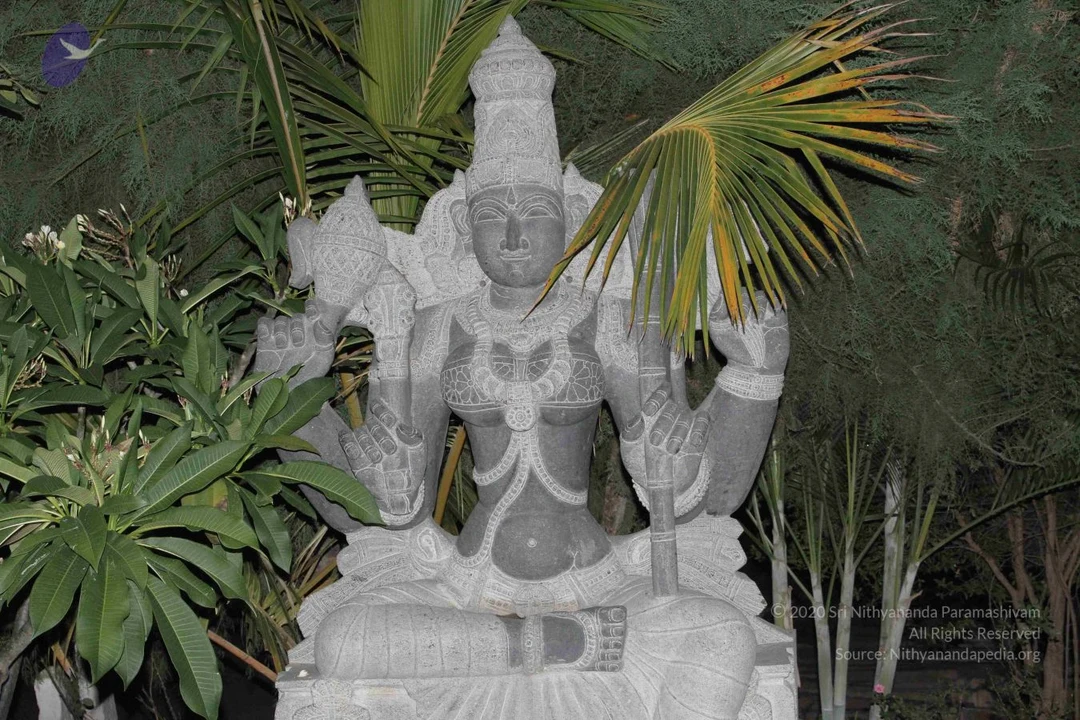
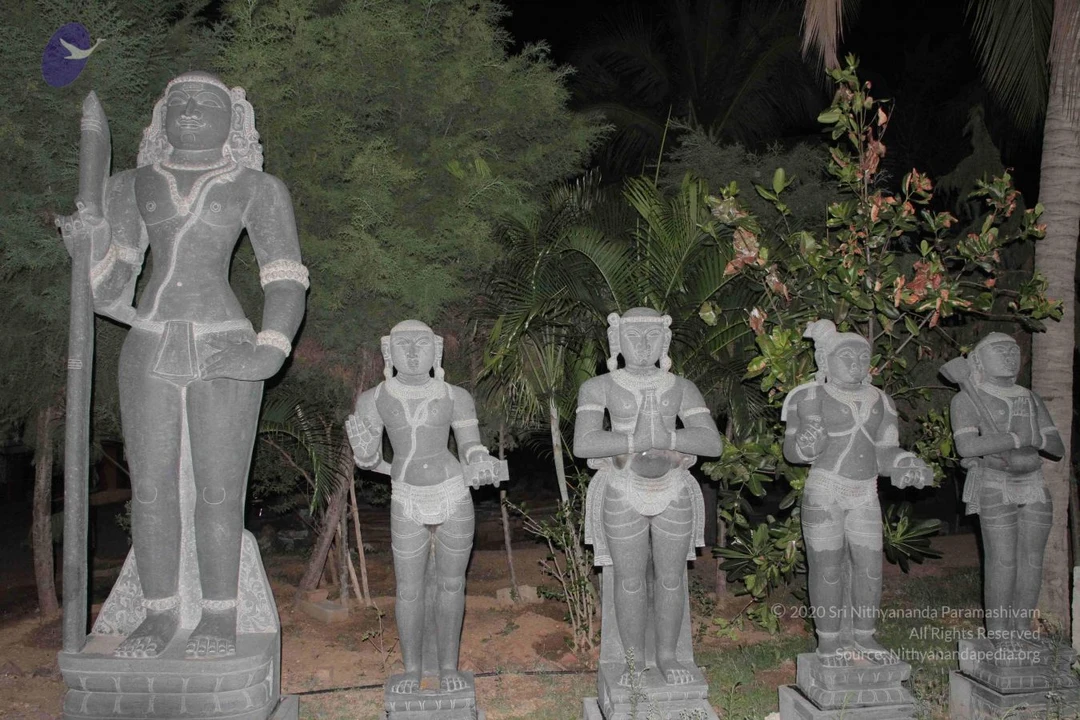

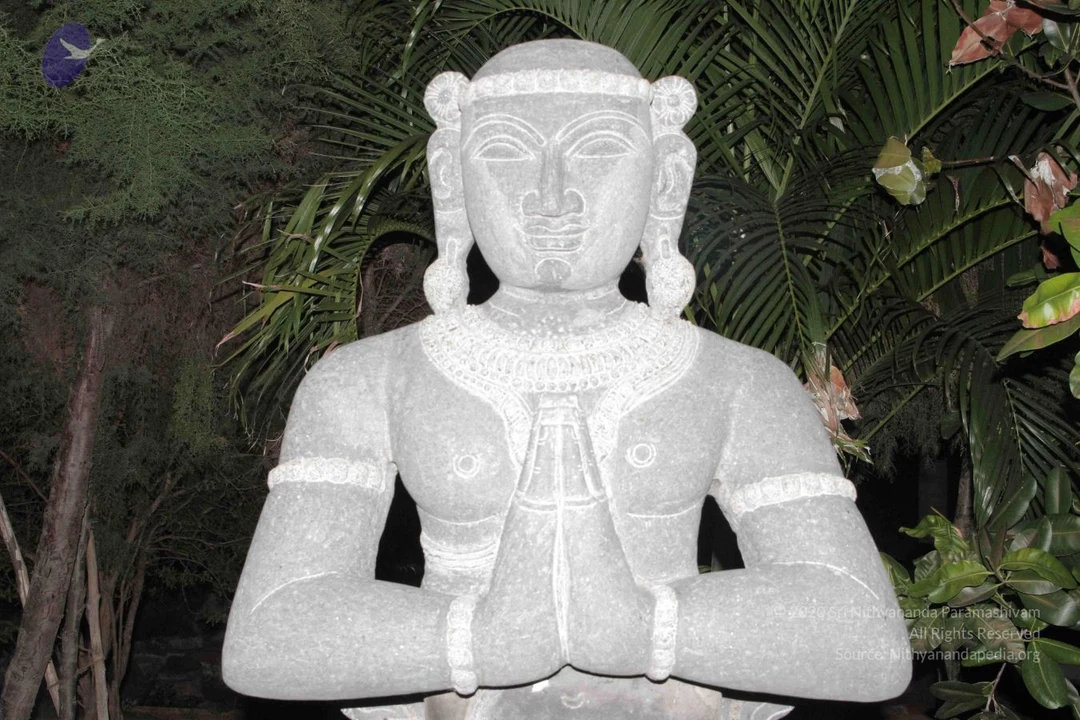
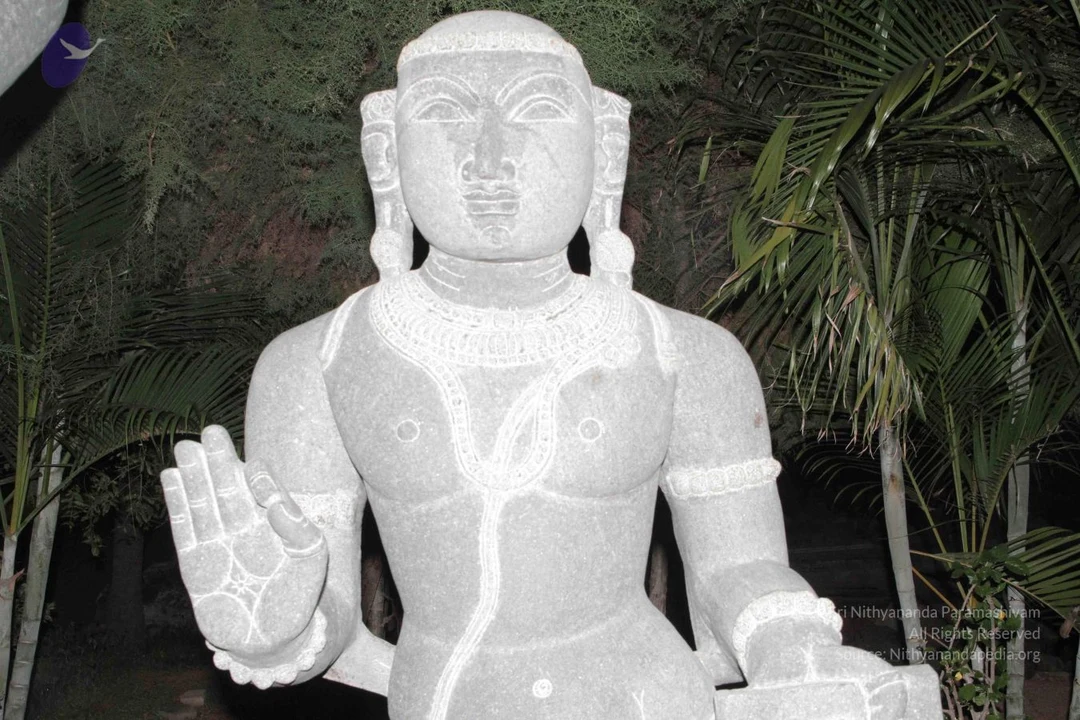
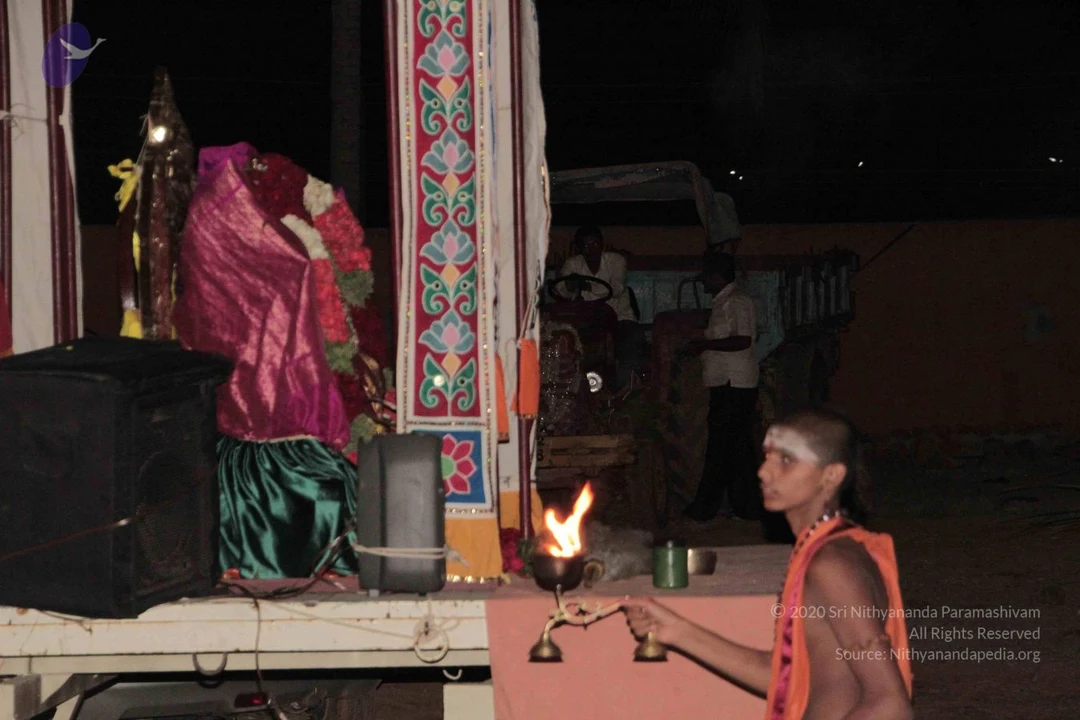
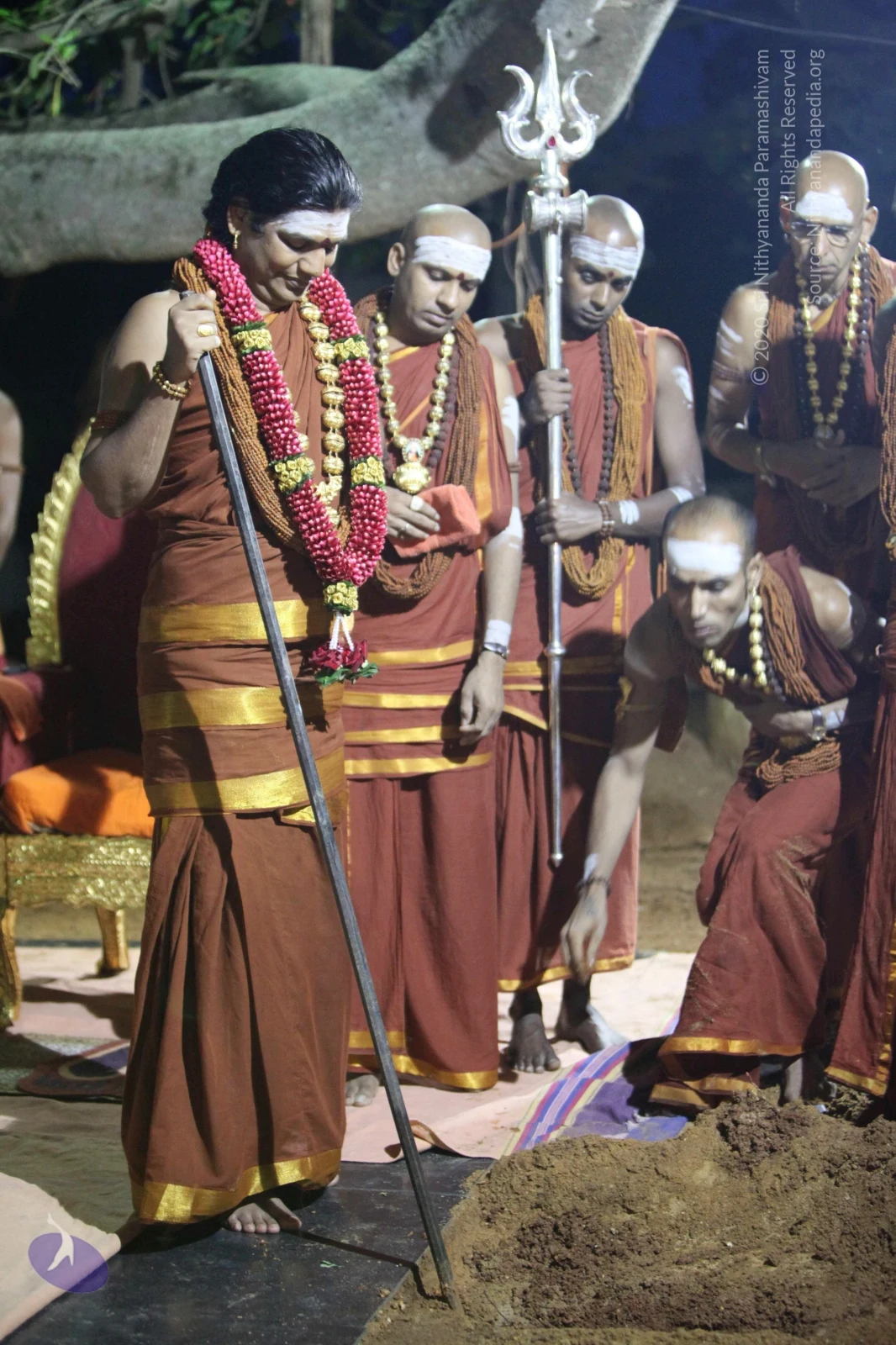
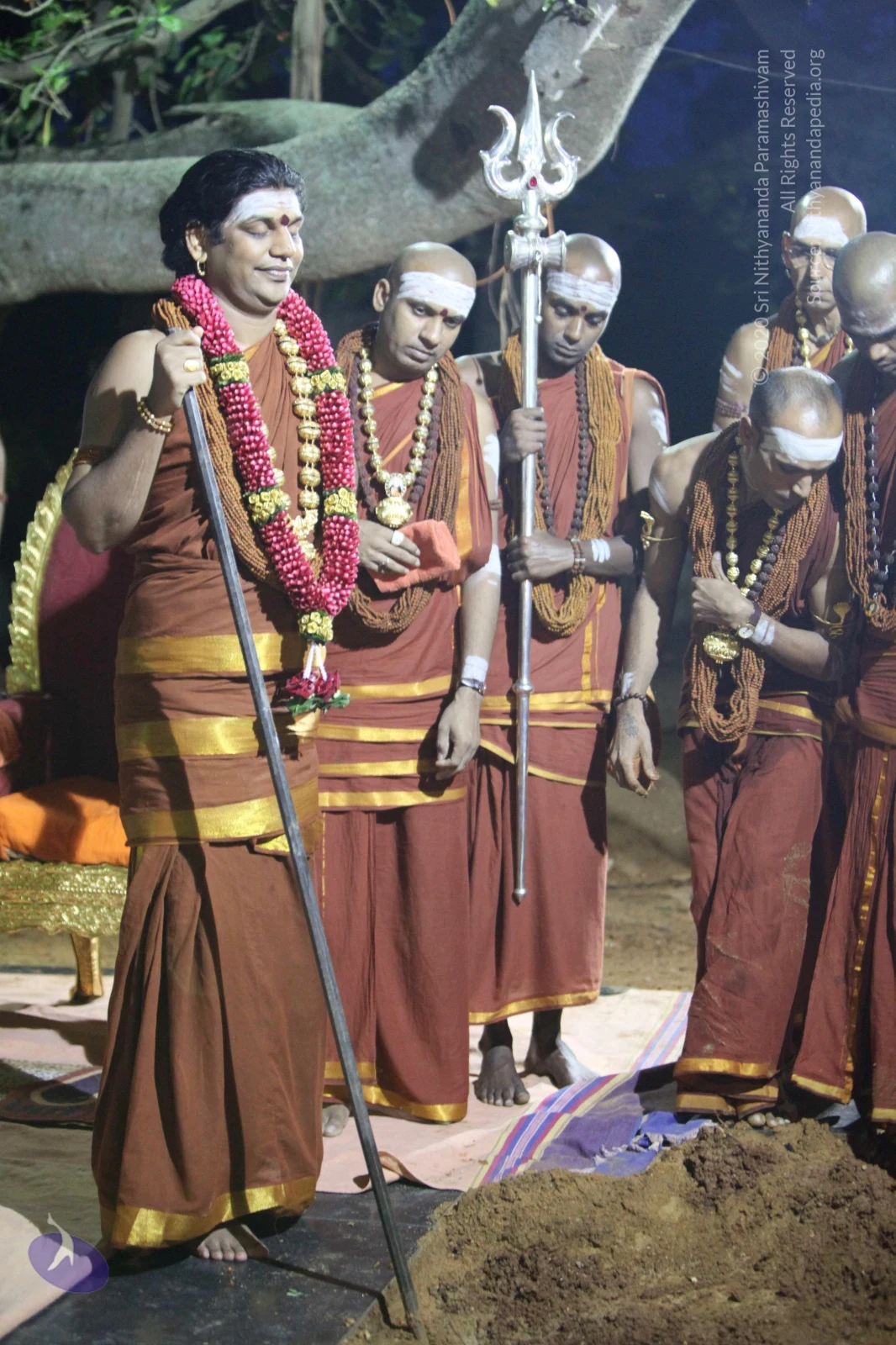
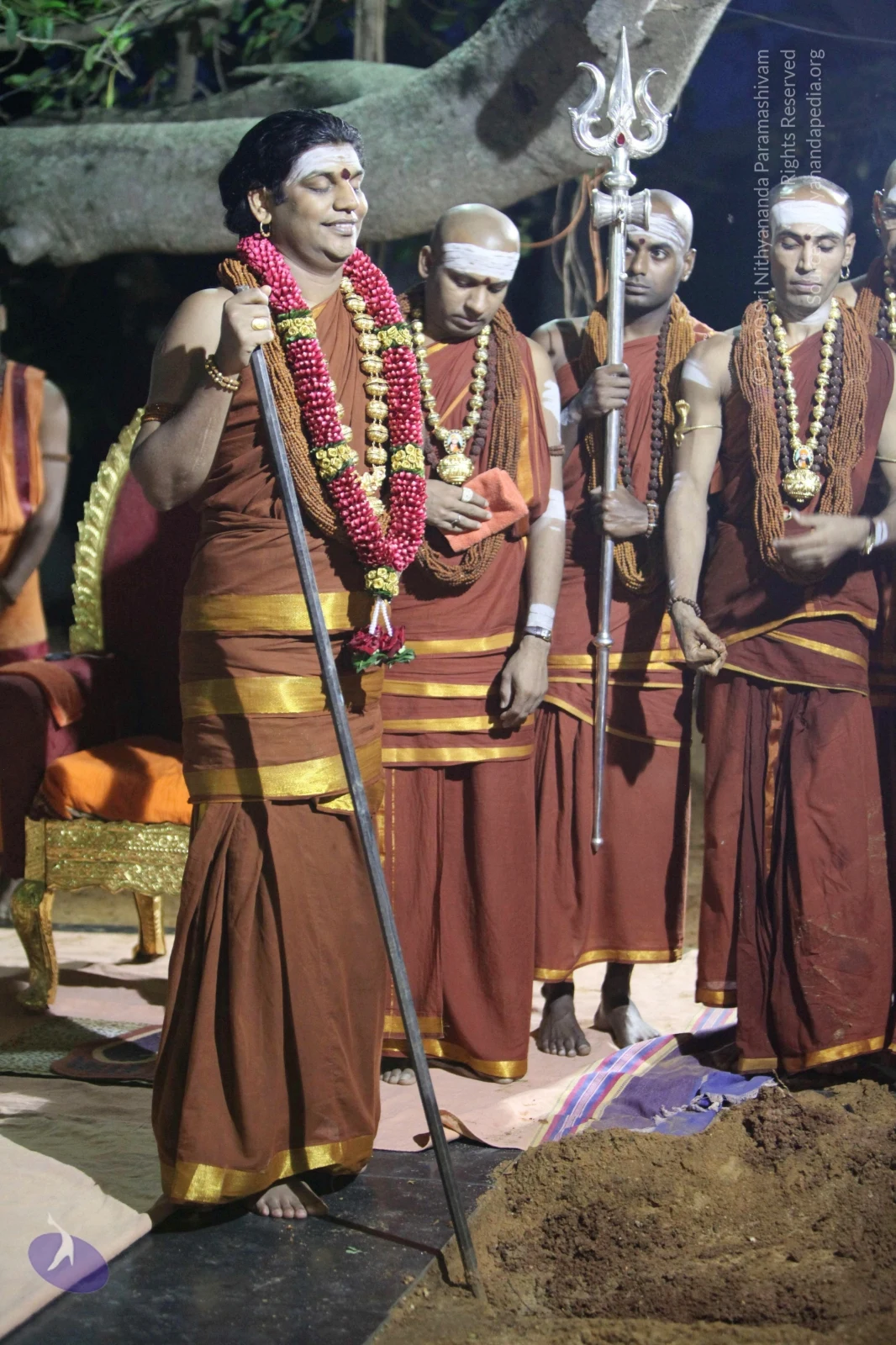
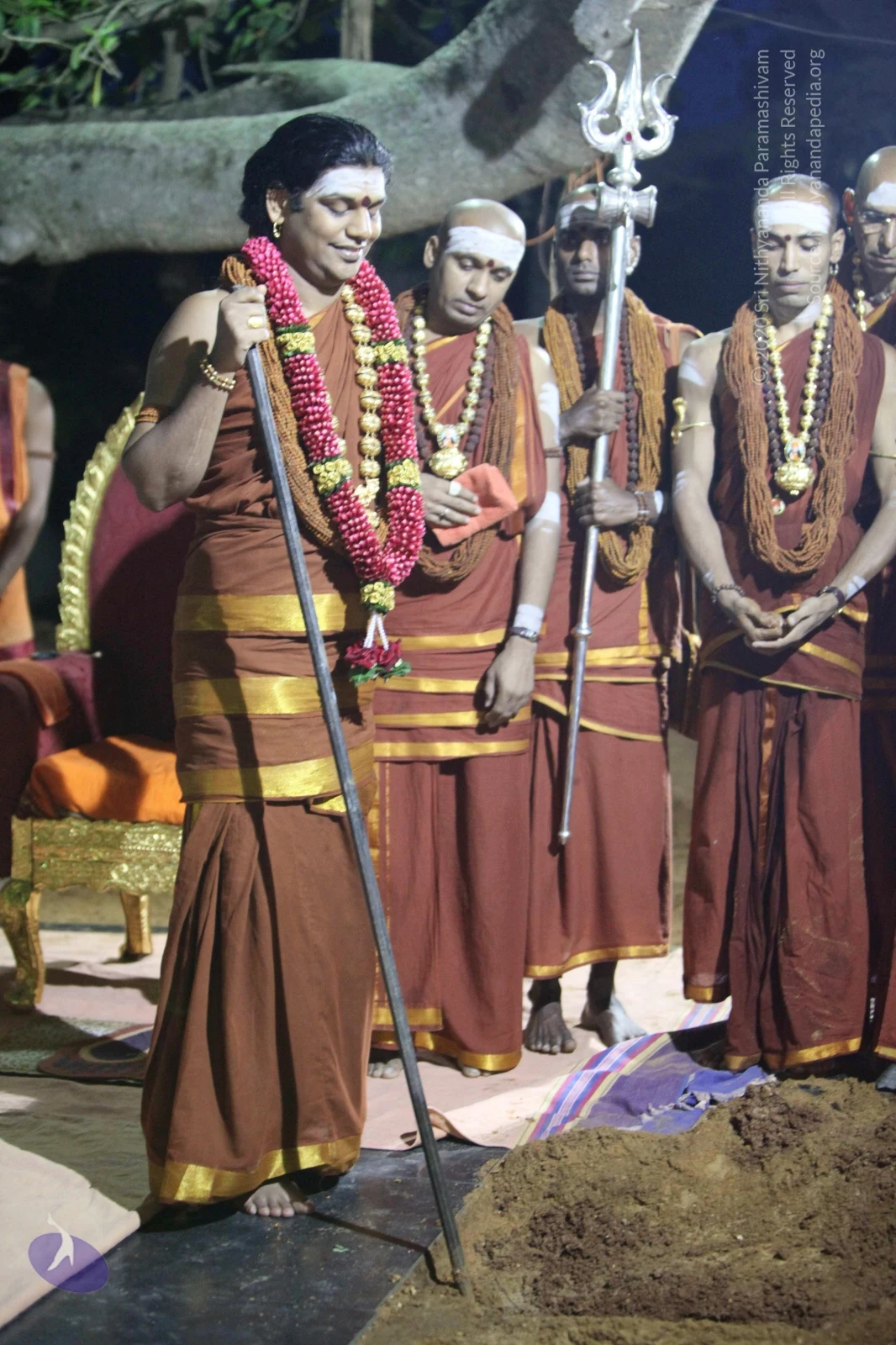
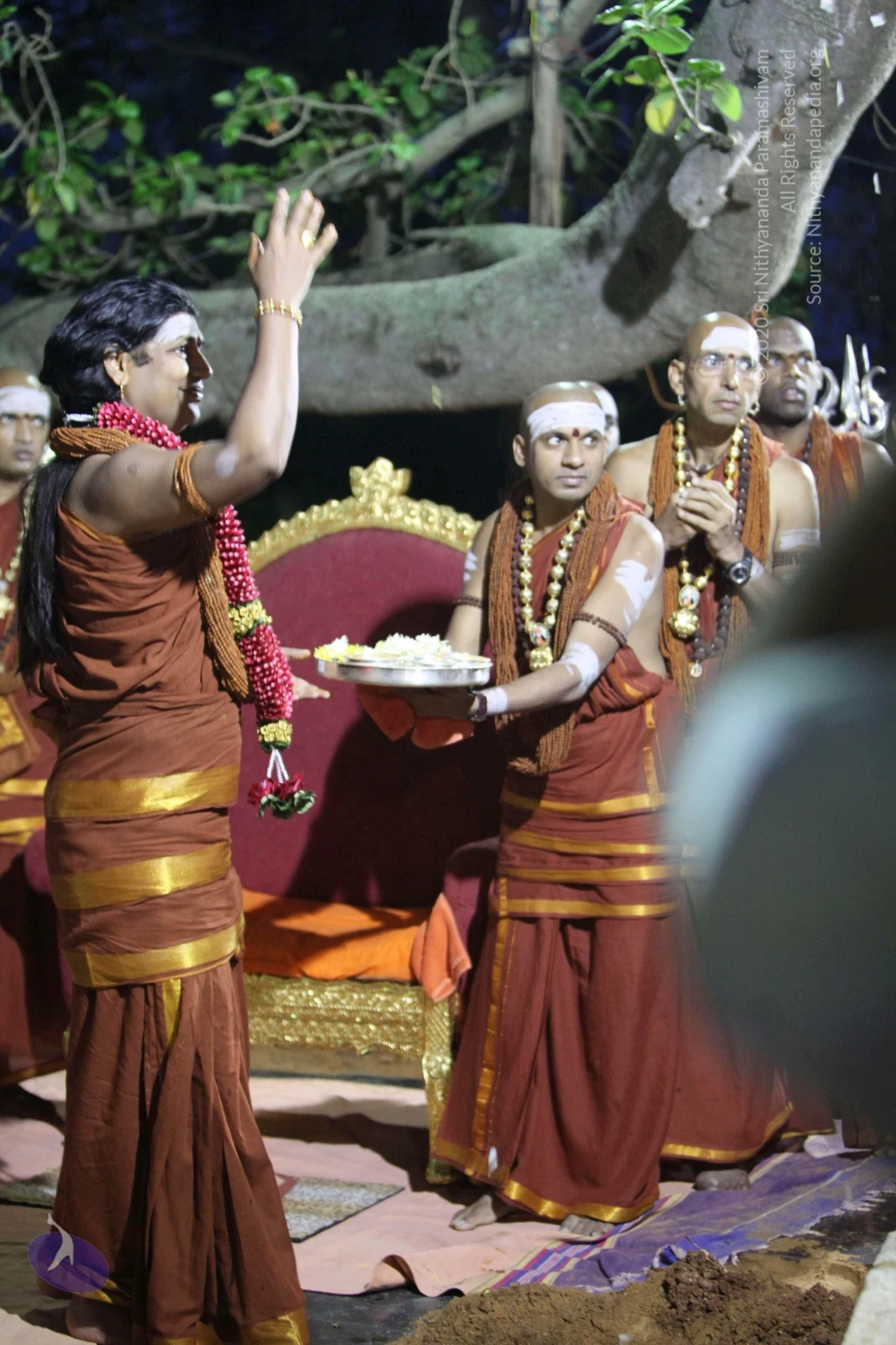
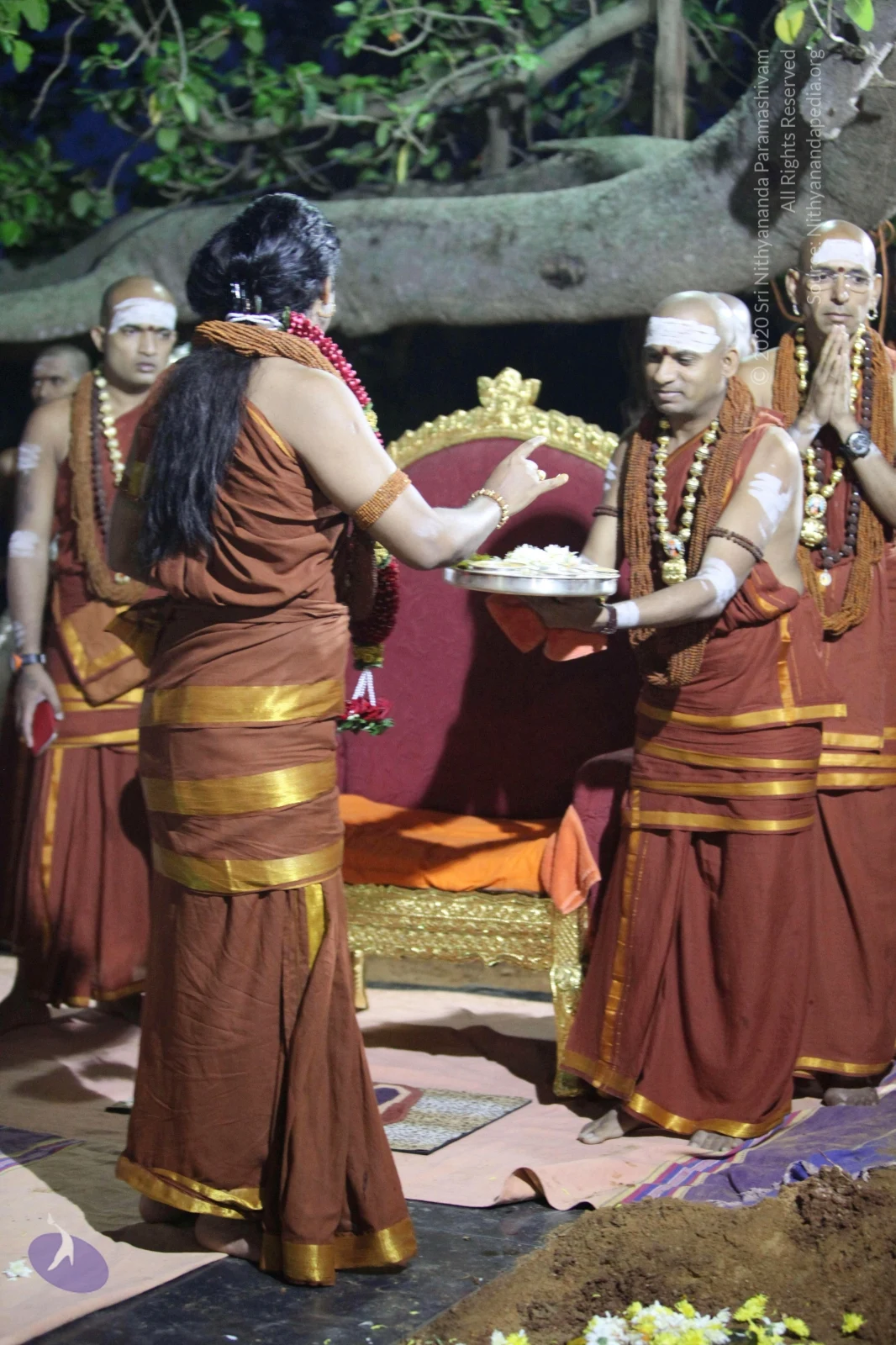
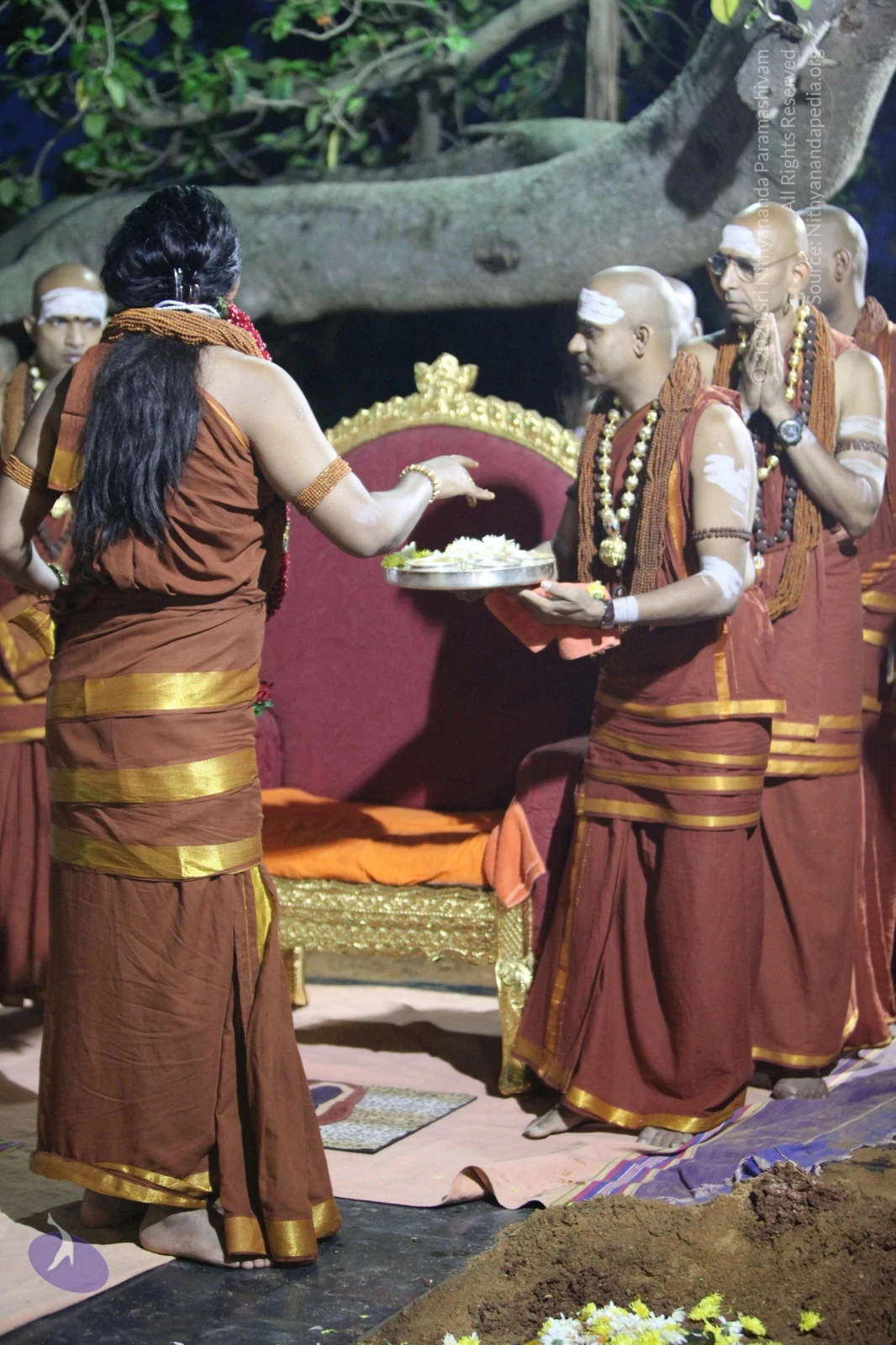
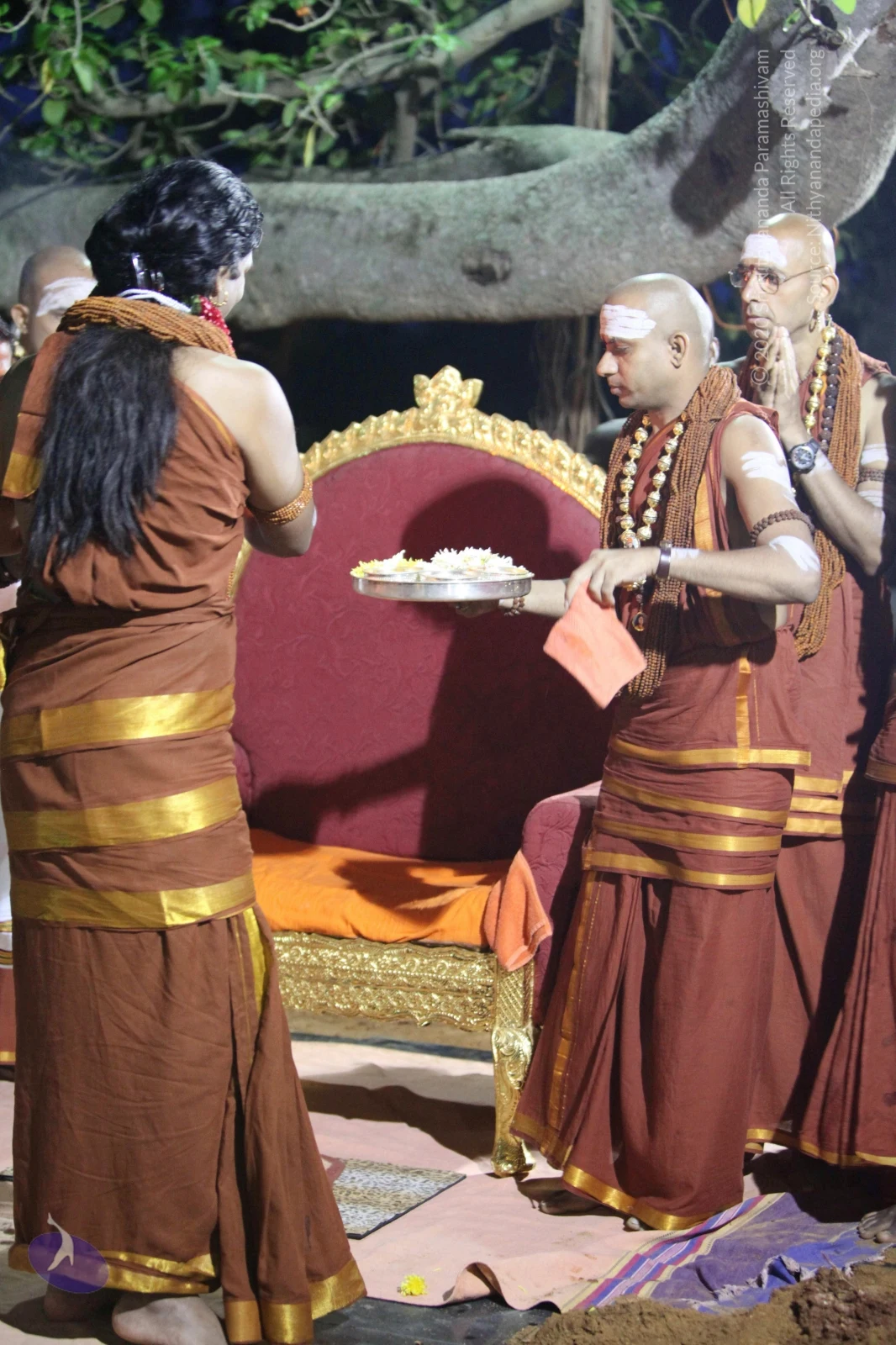
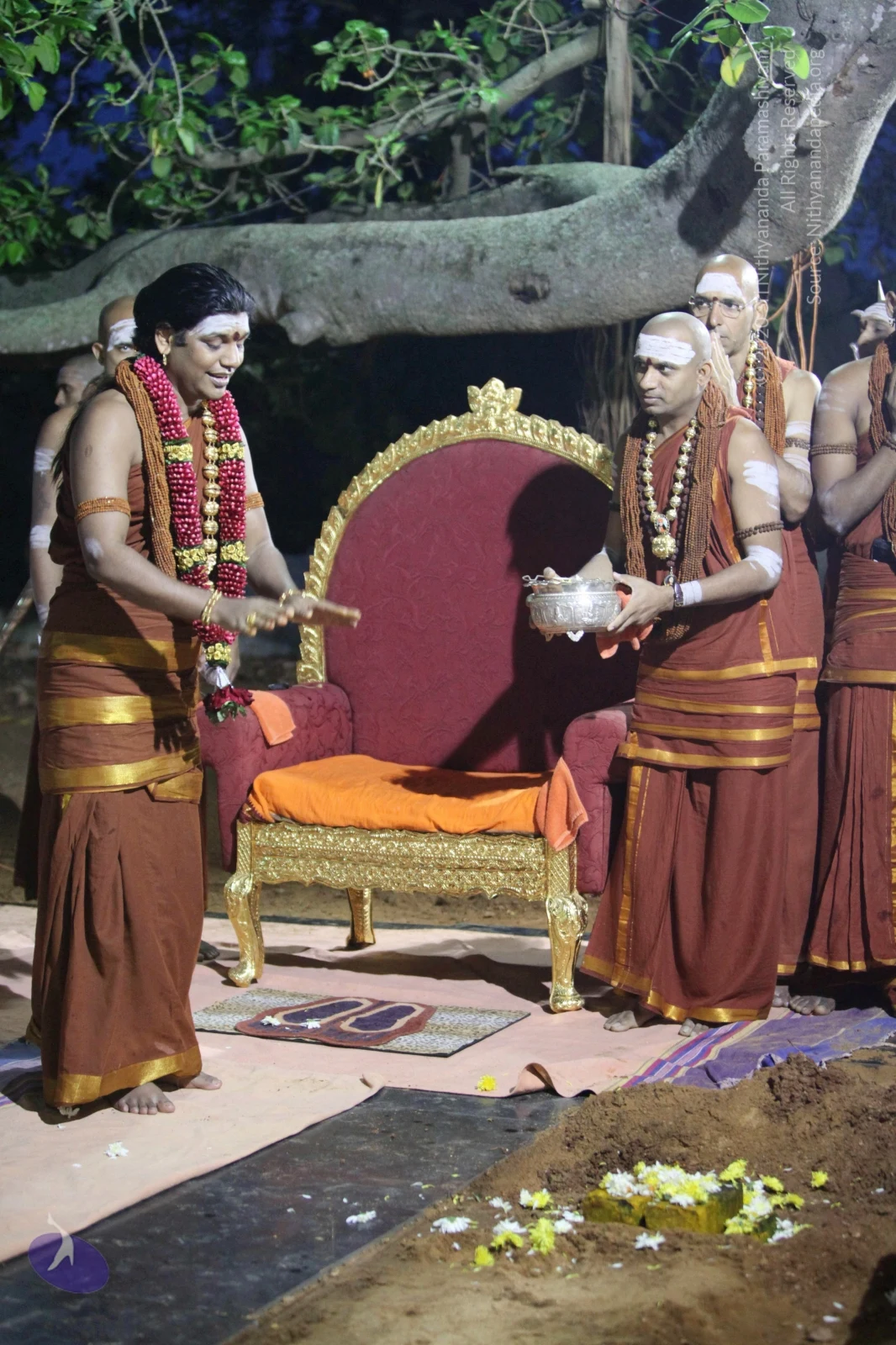
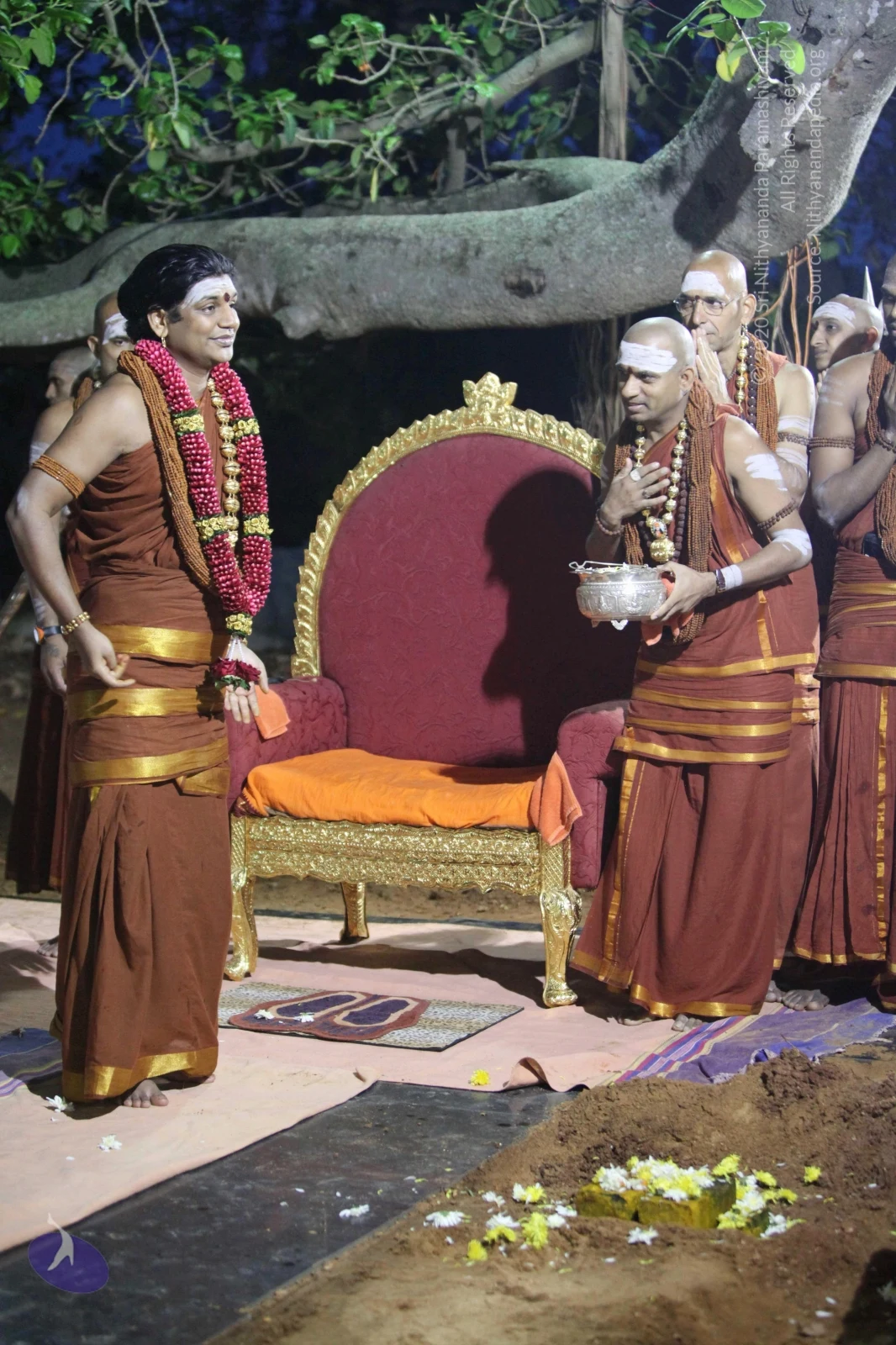
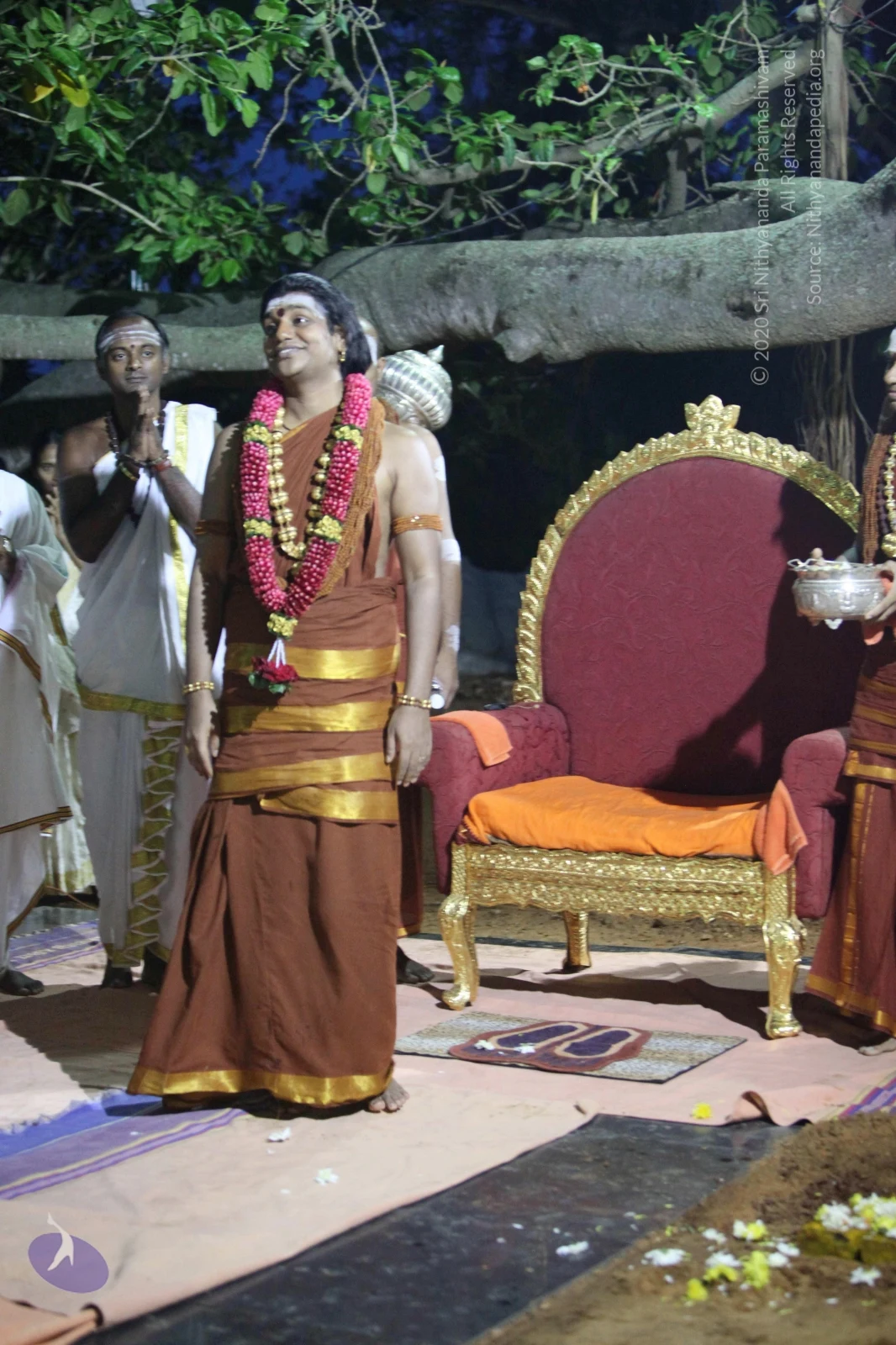
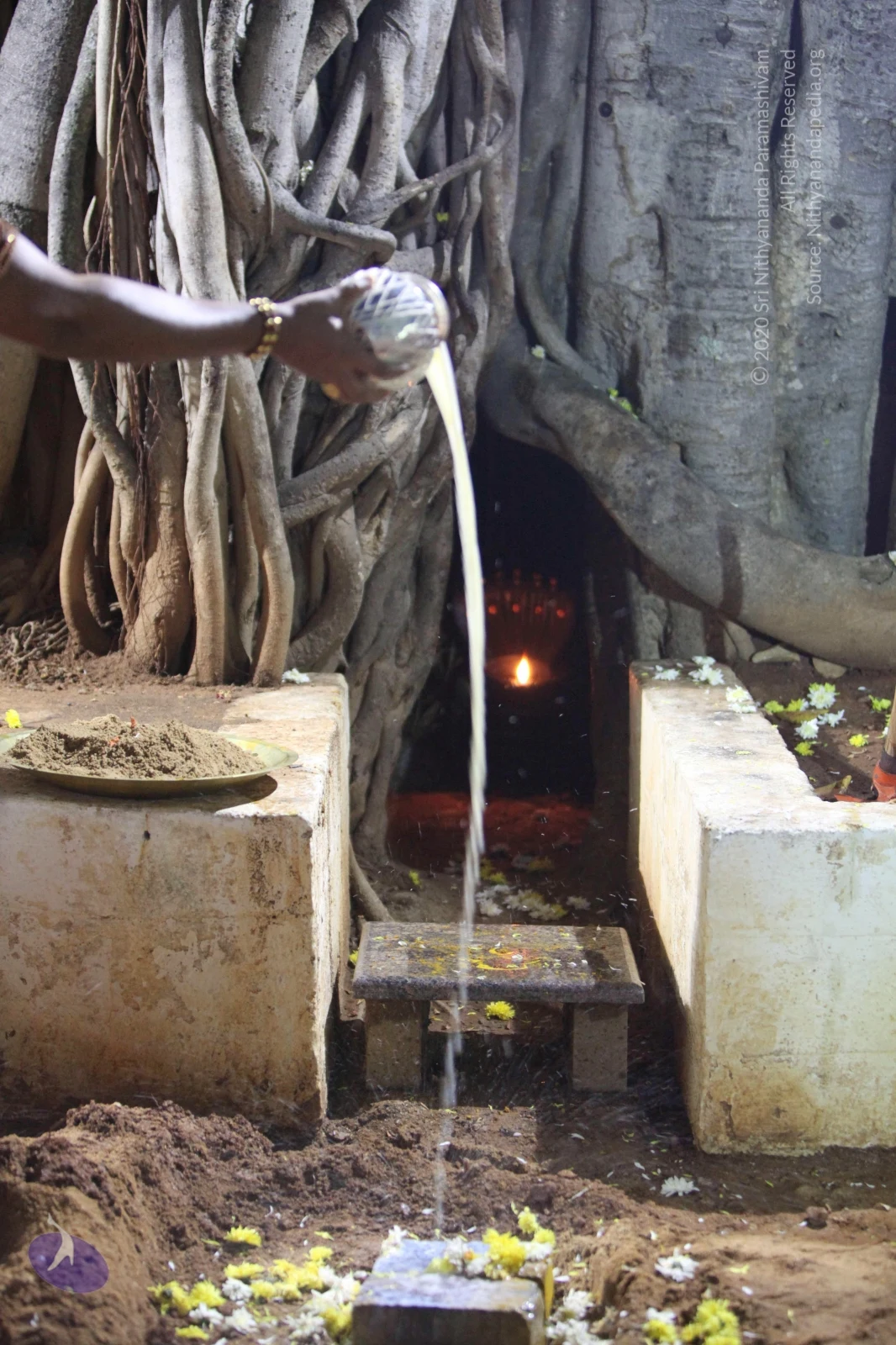
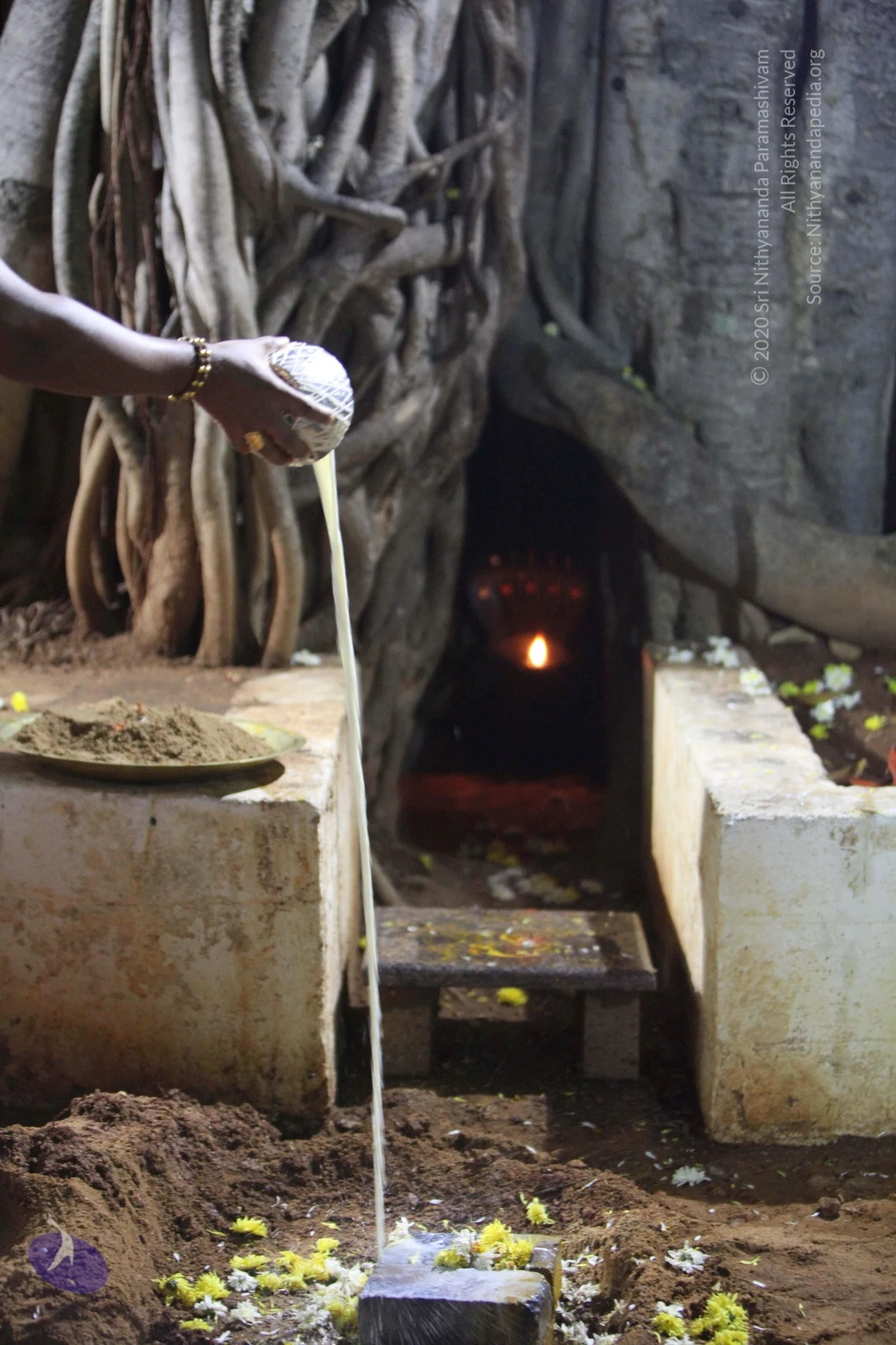
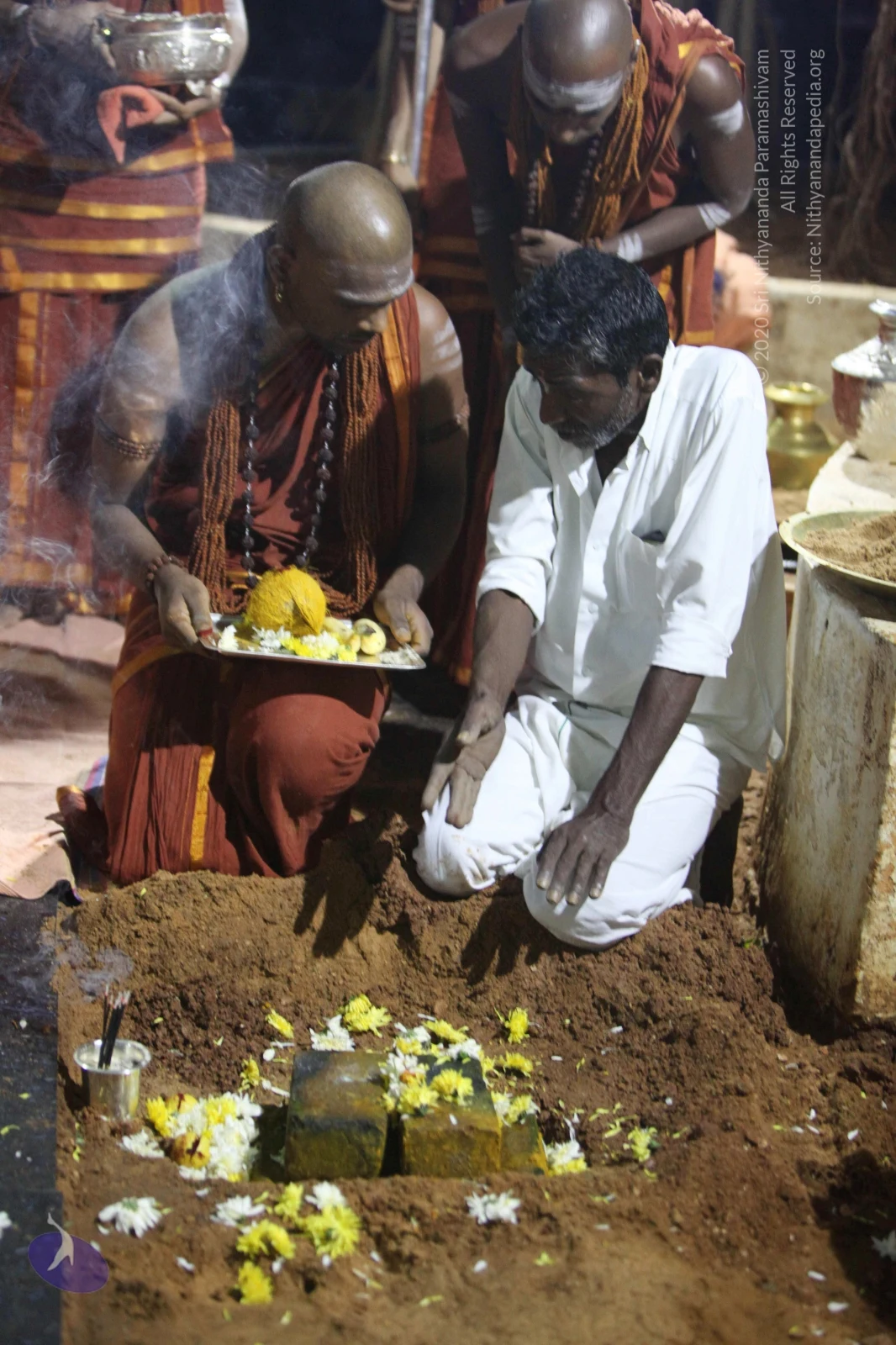
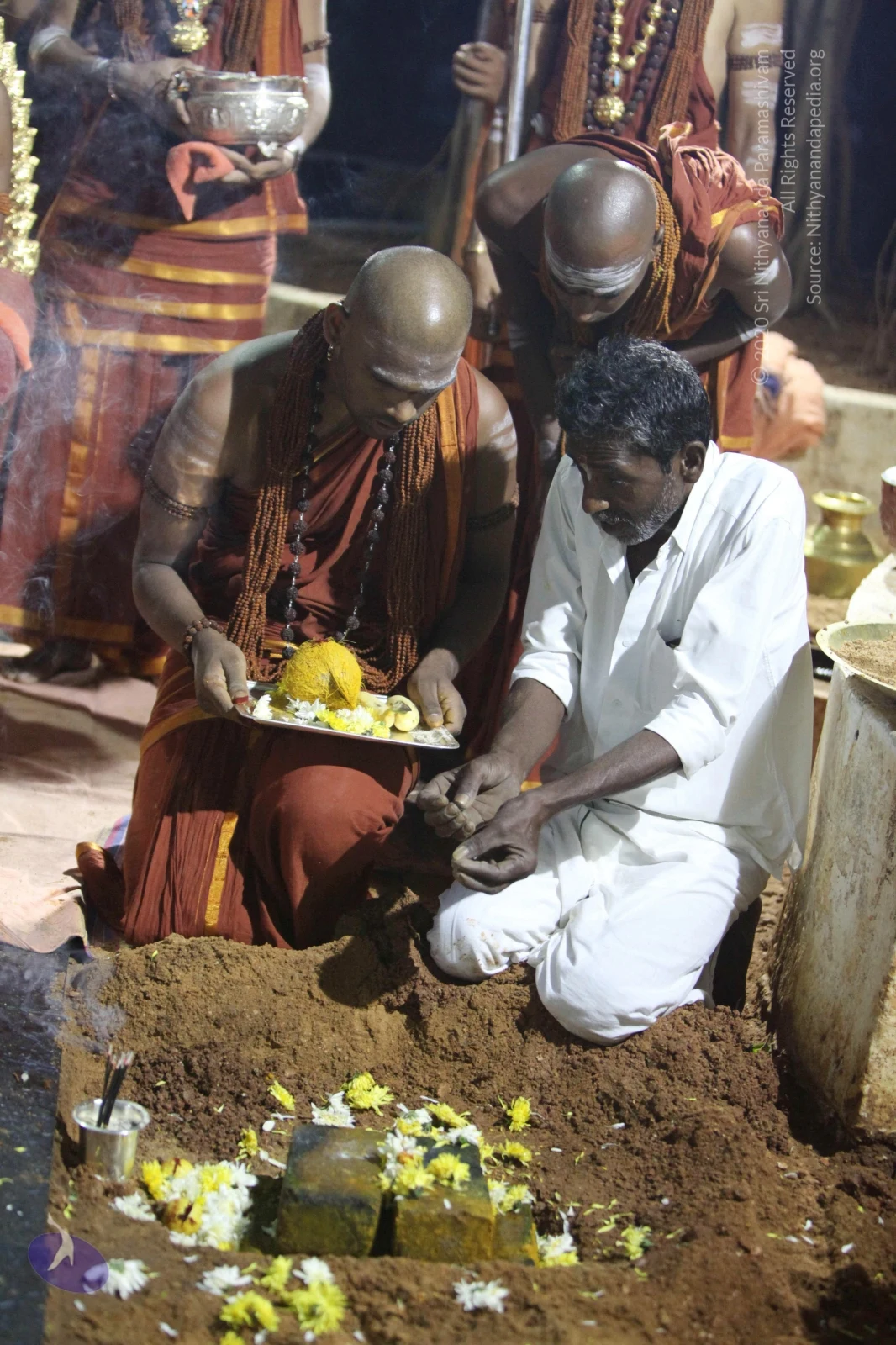
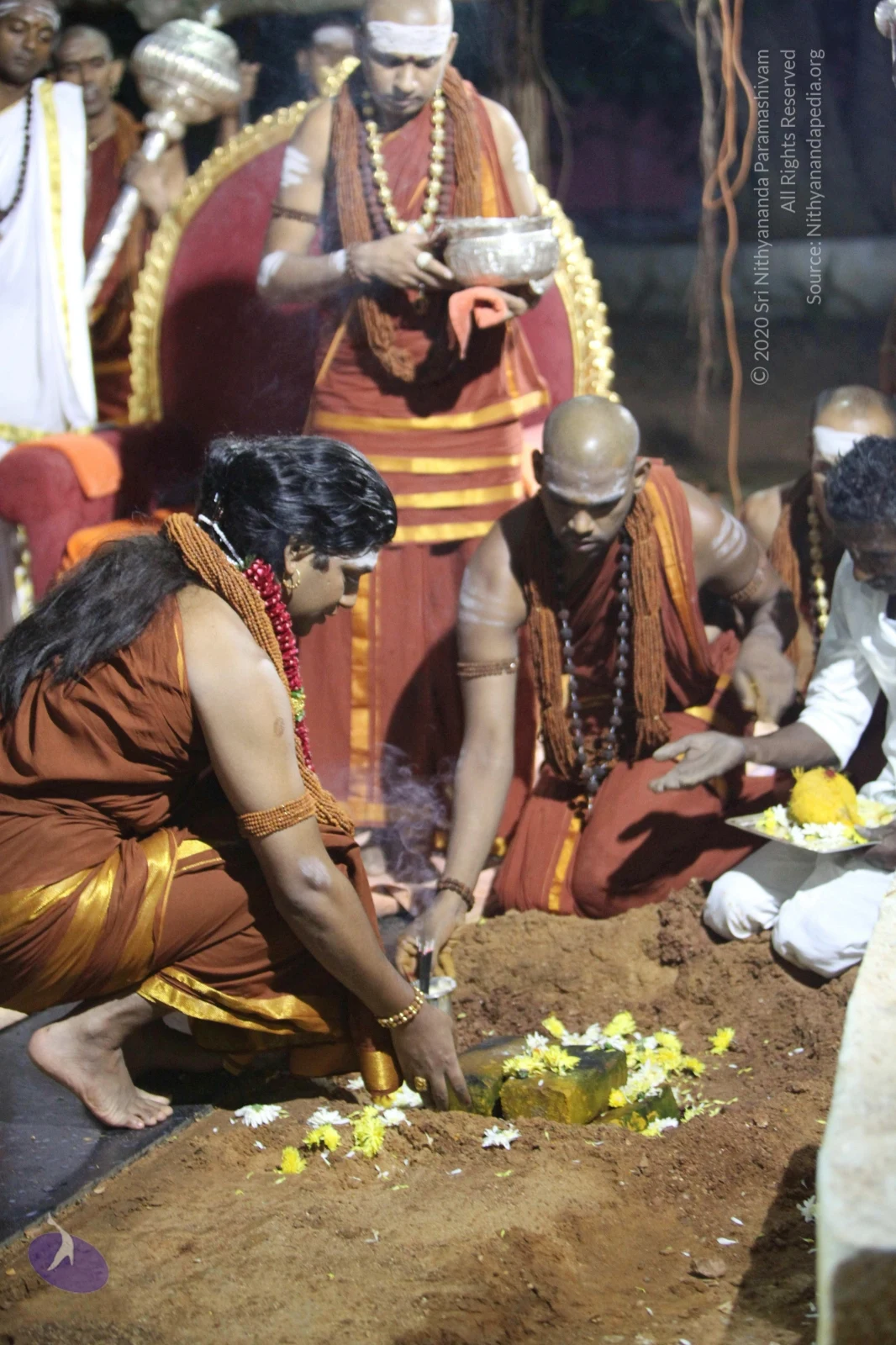
01-Golden-Temple-Ground-Breaking-Ceremony

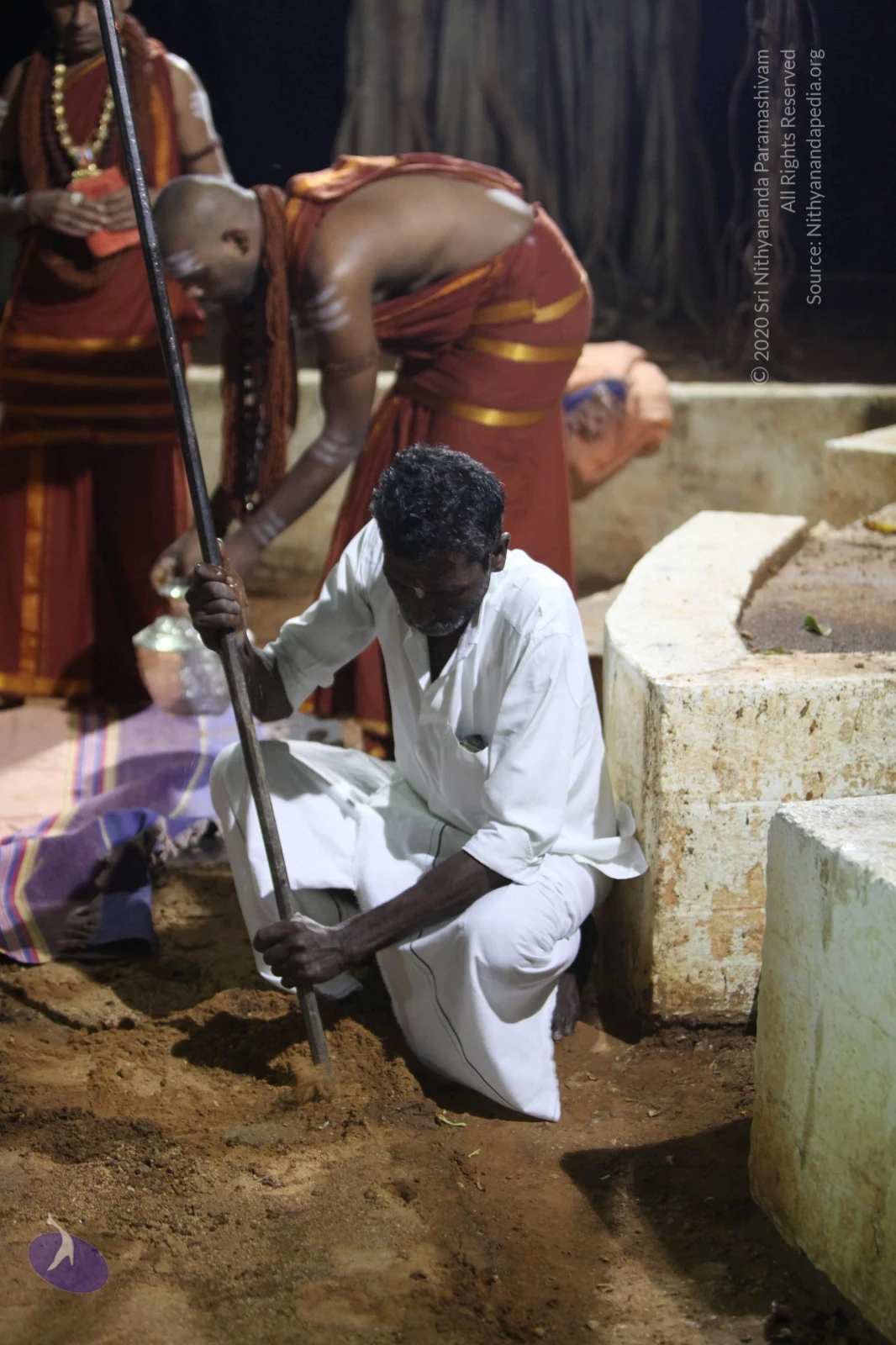

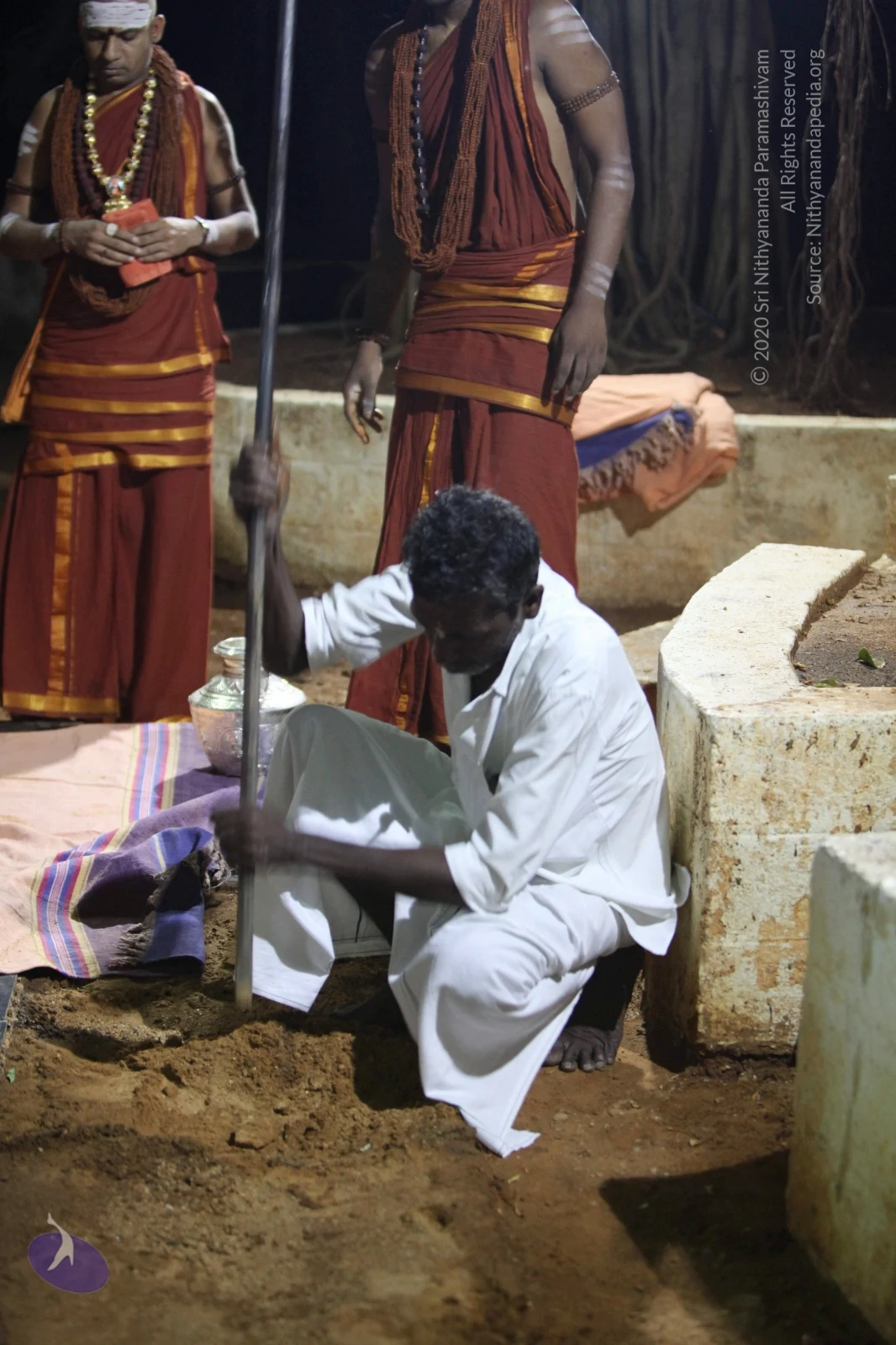
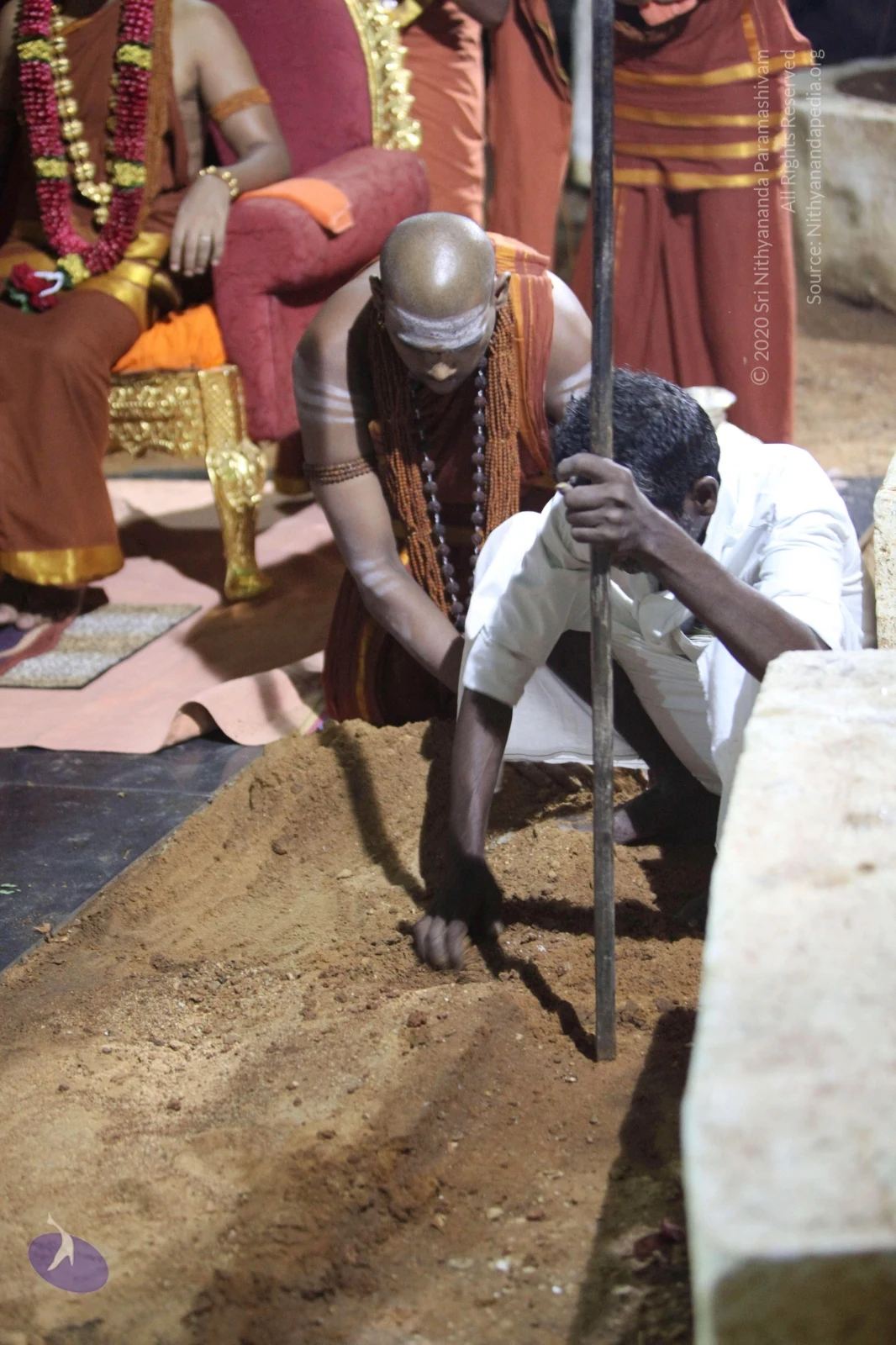



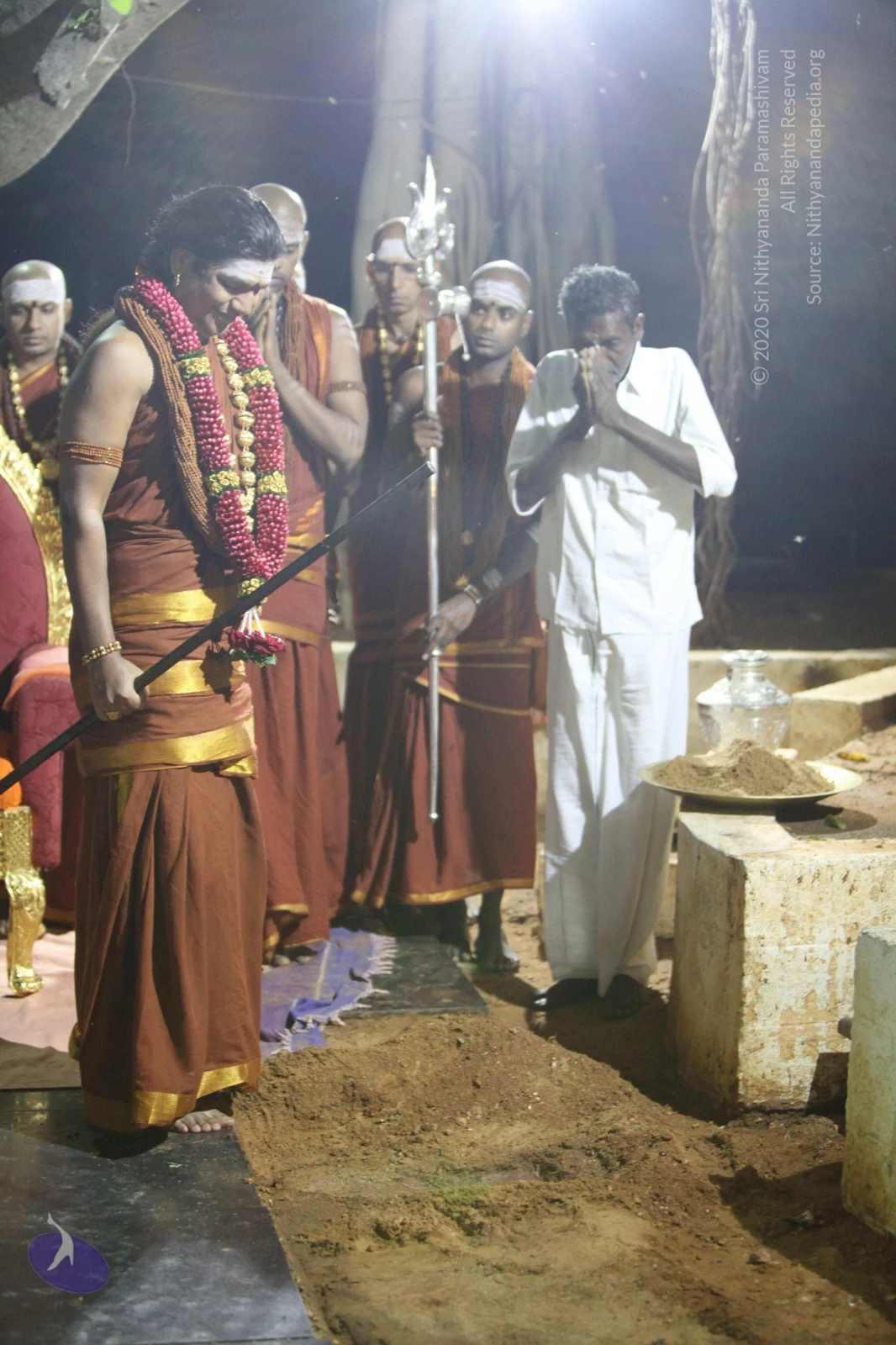
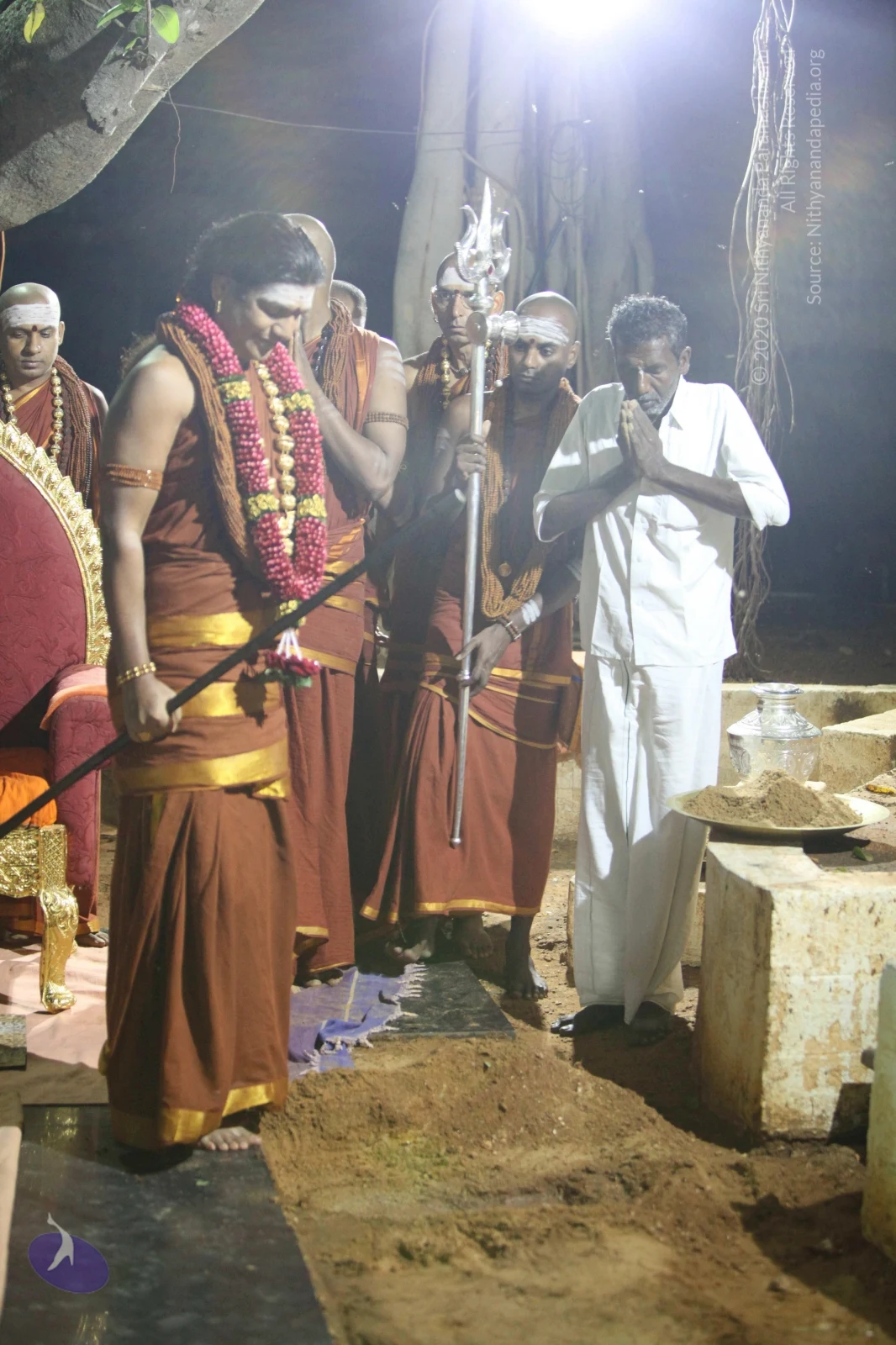
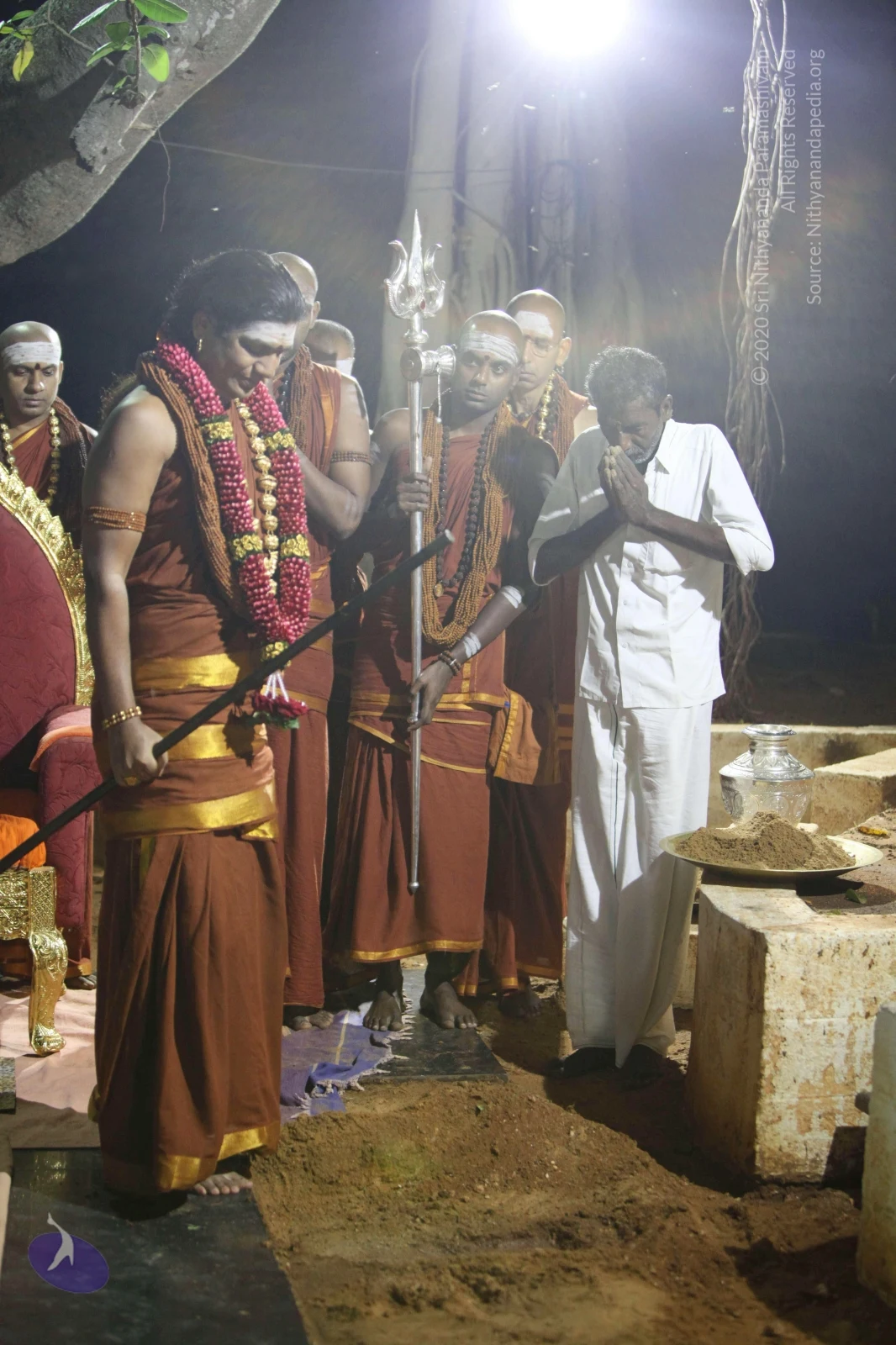
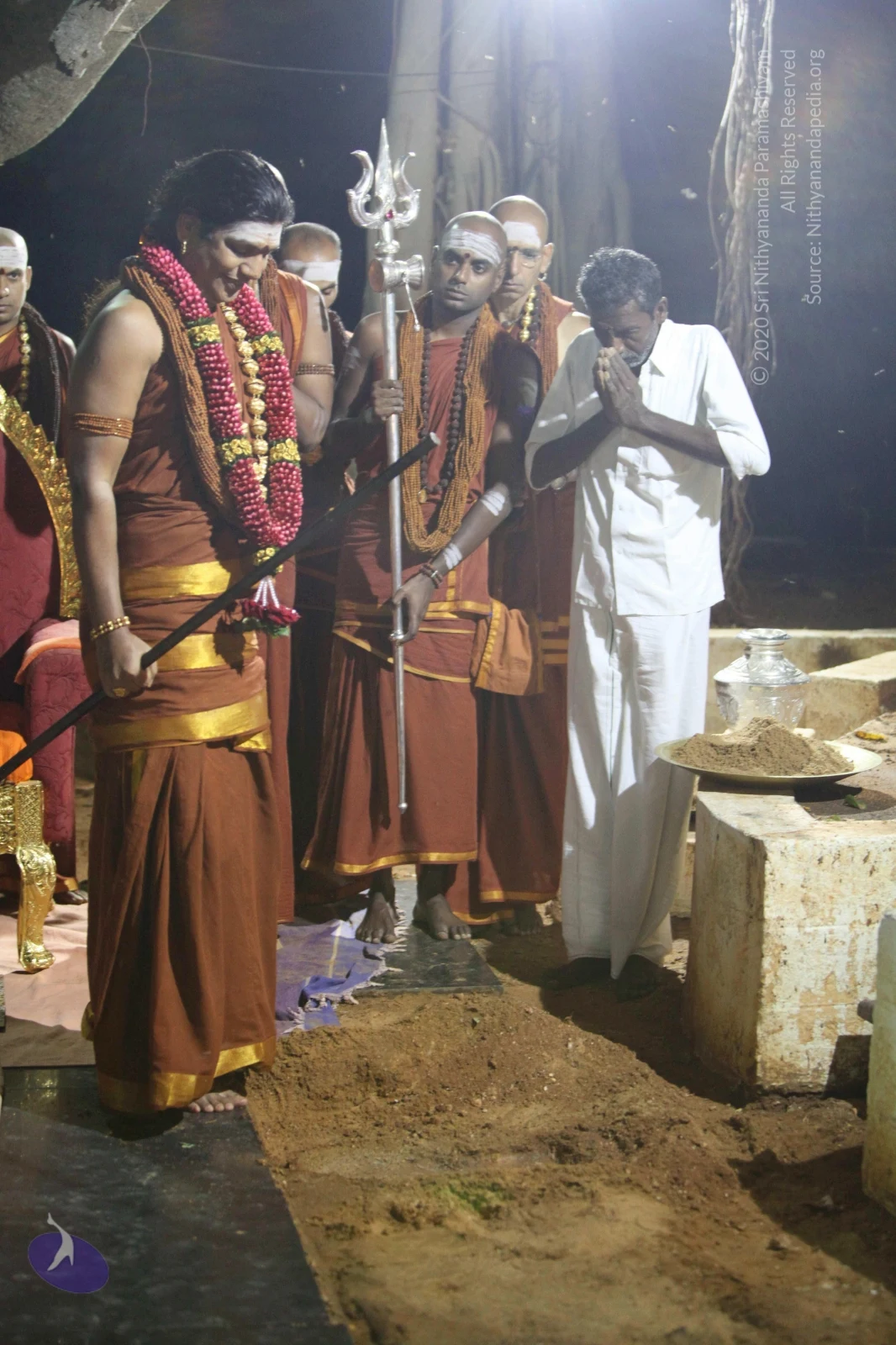
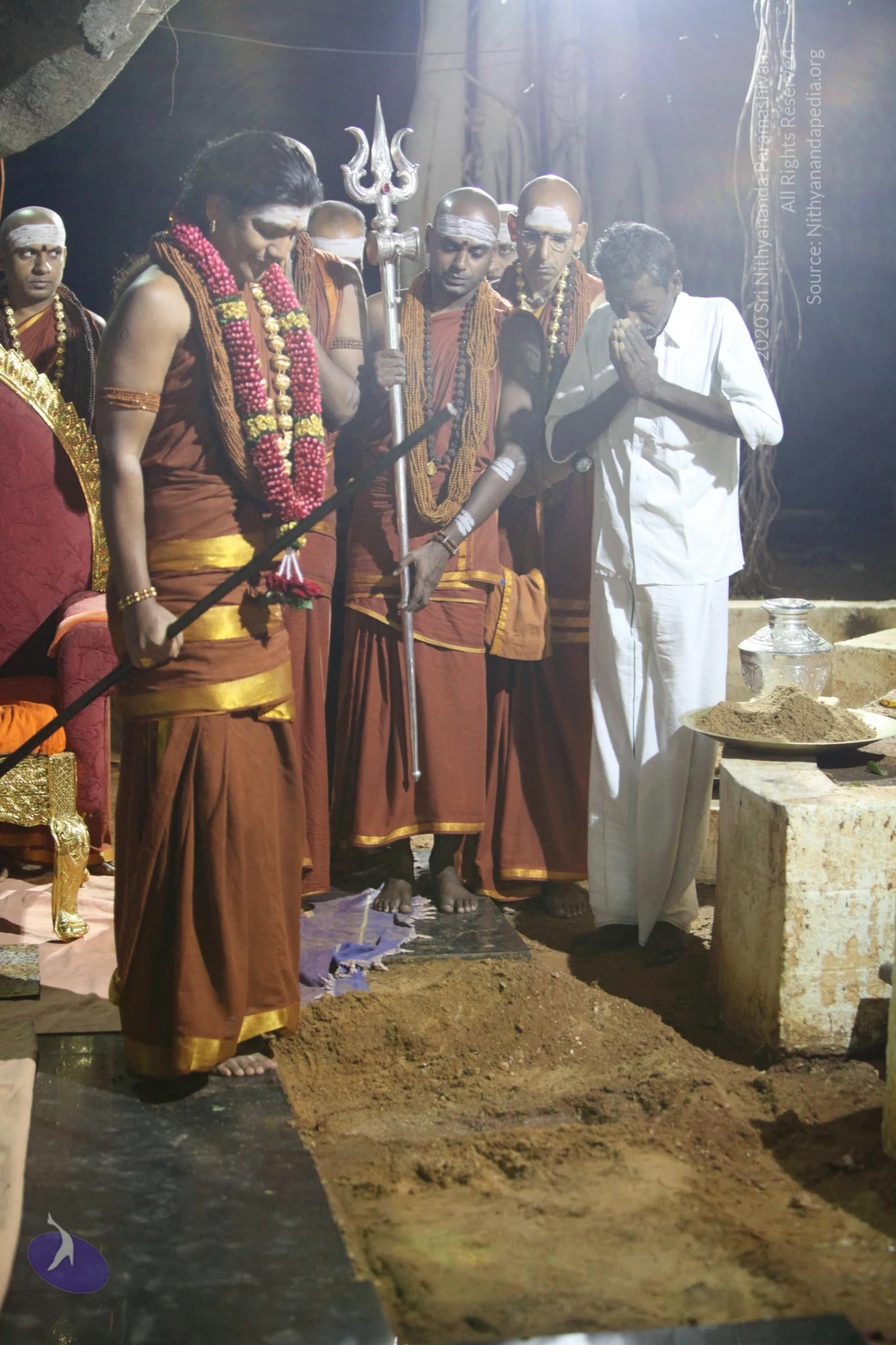
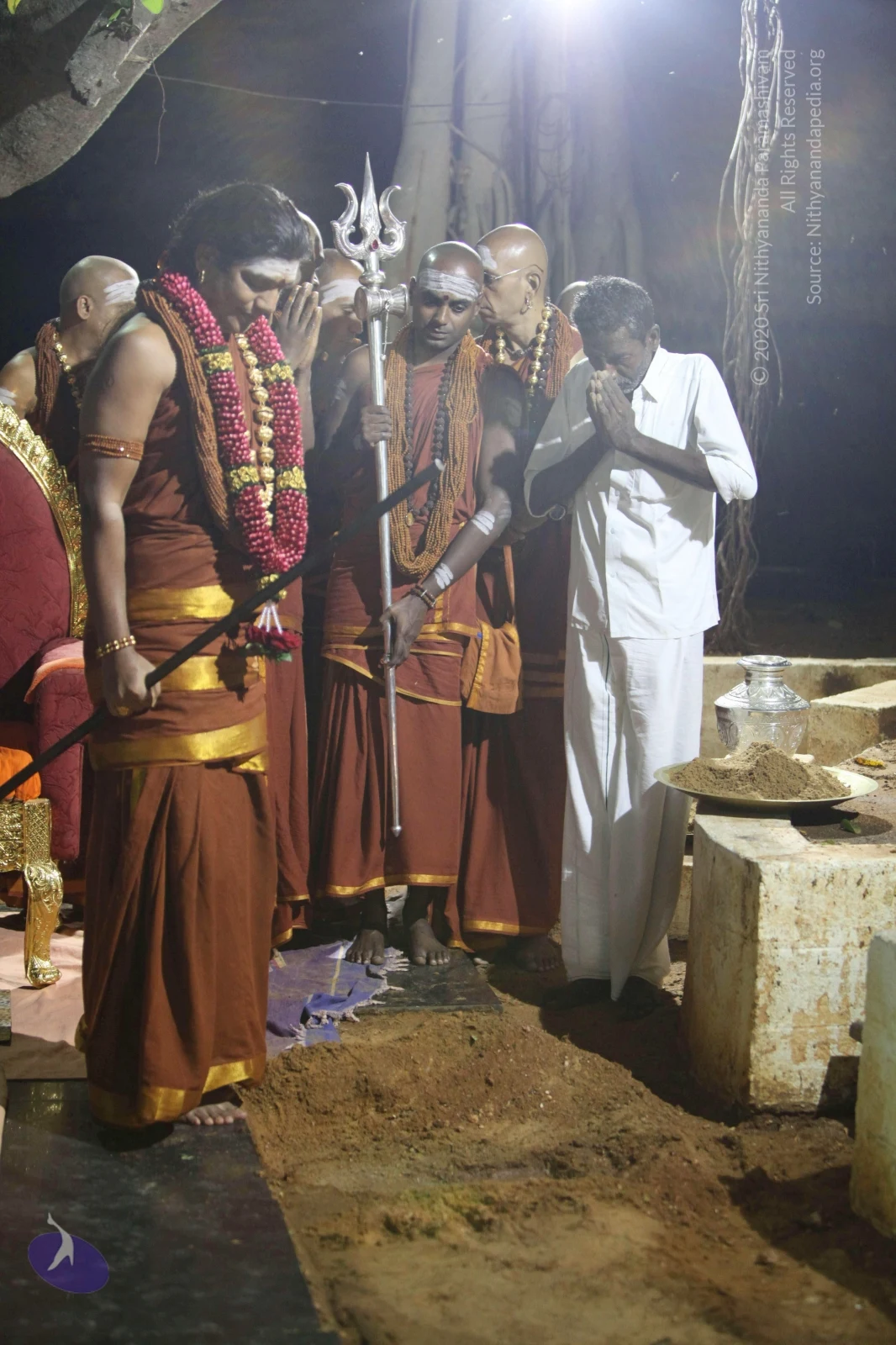
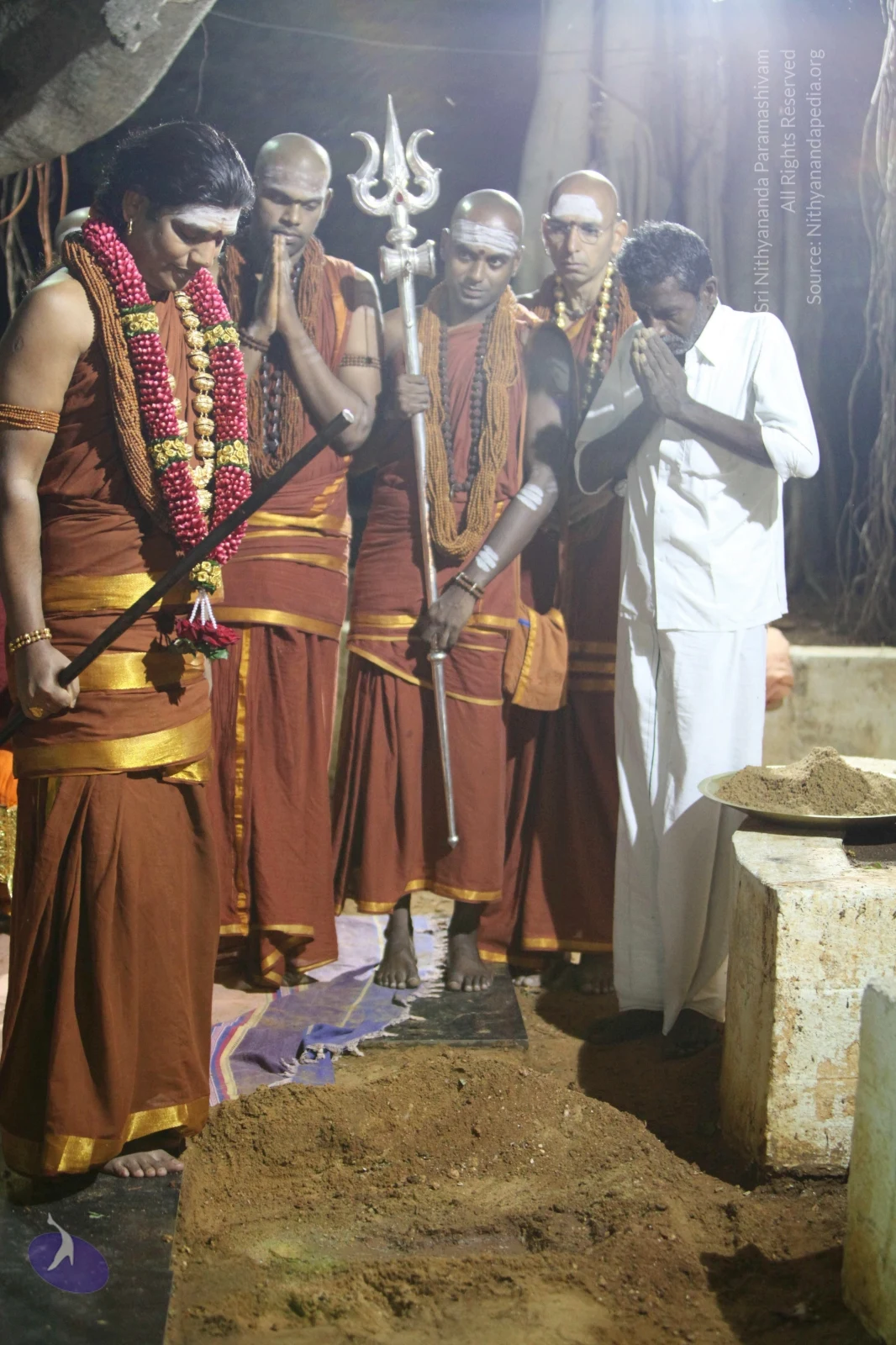
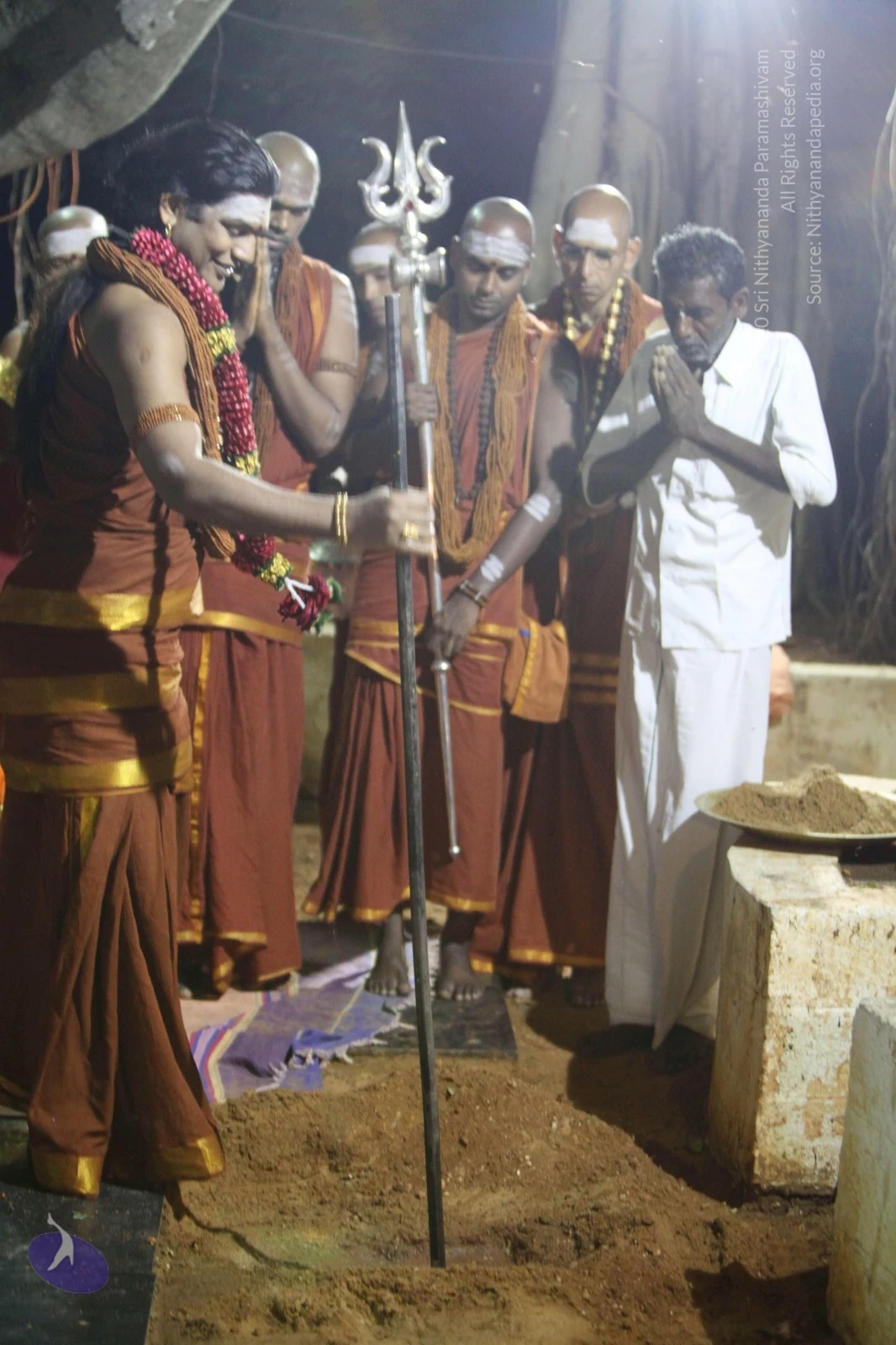
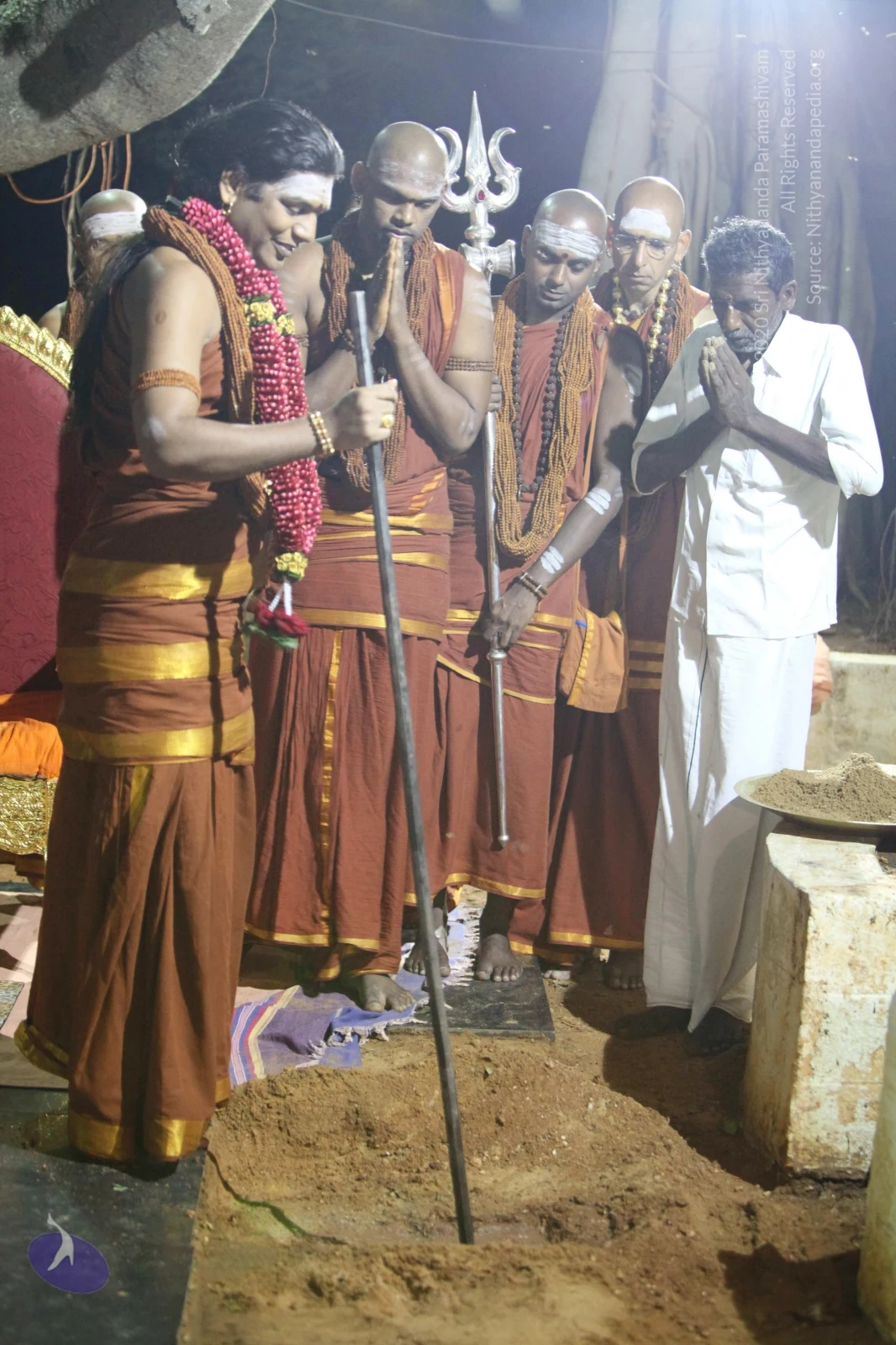
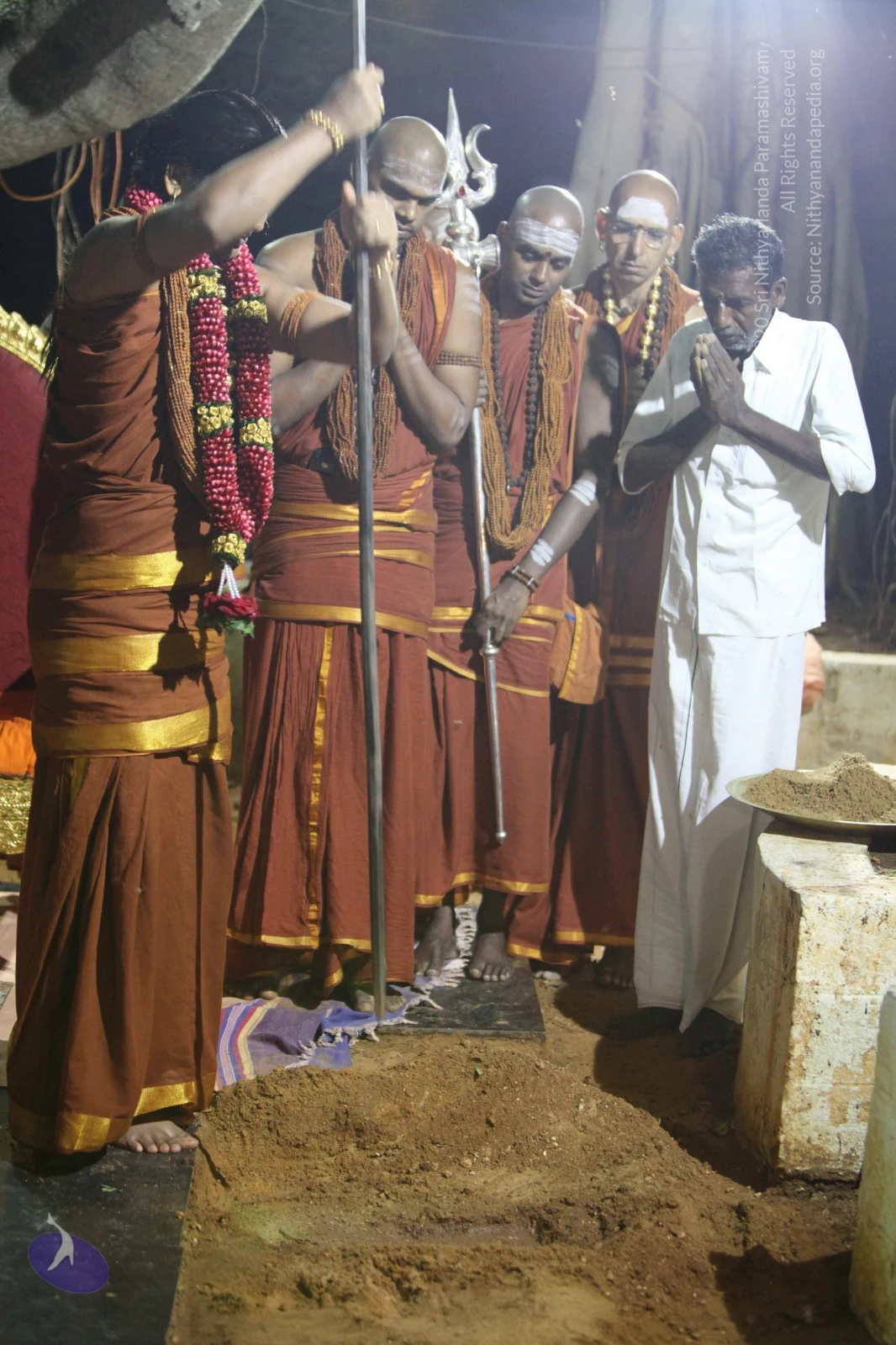
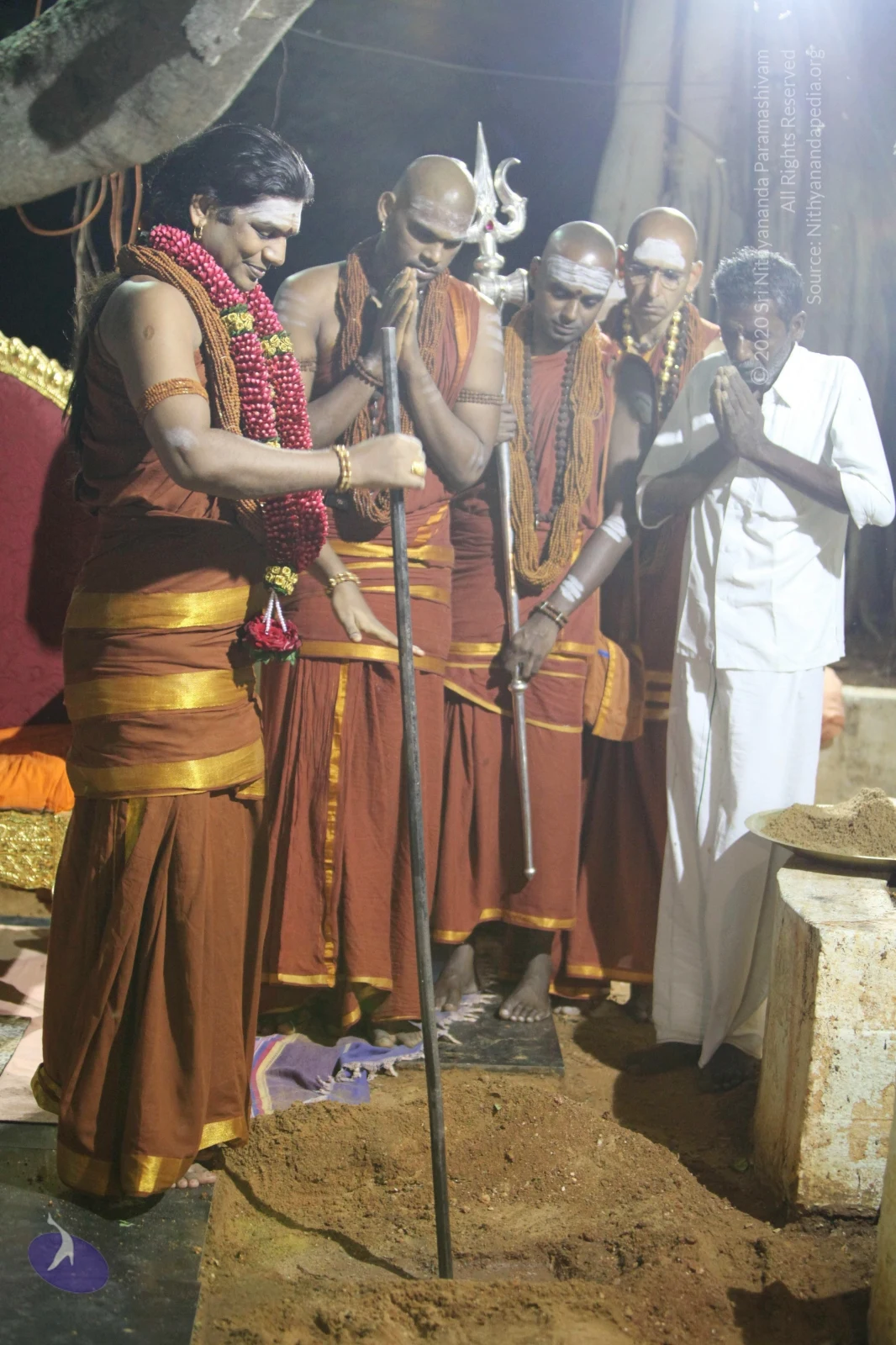
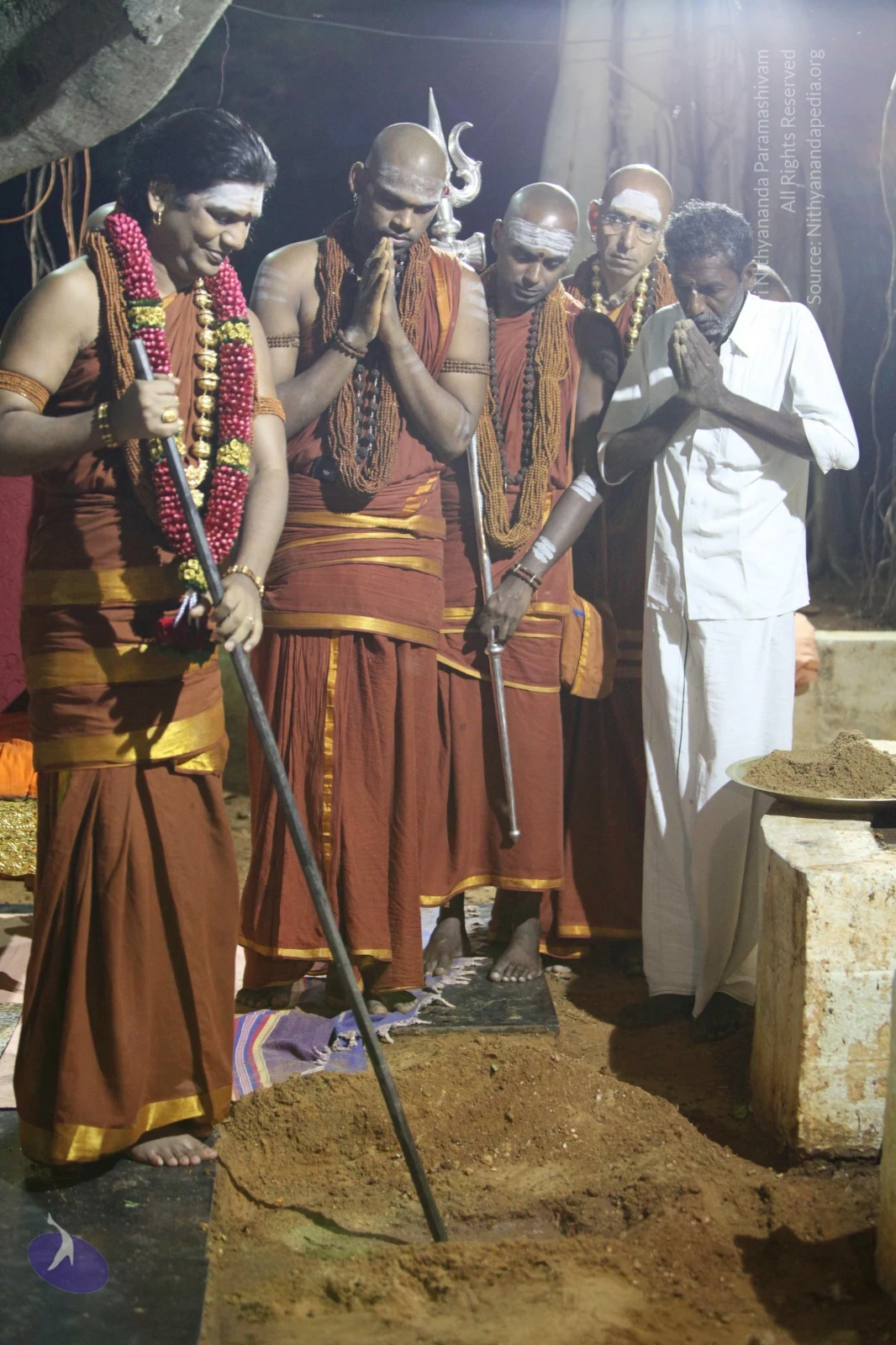
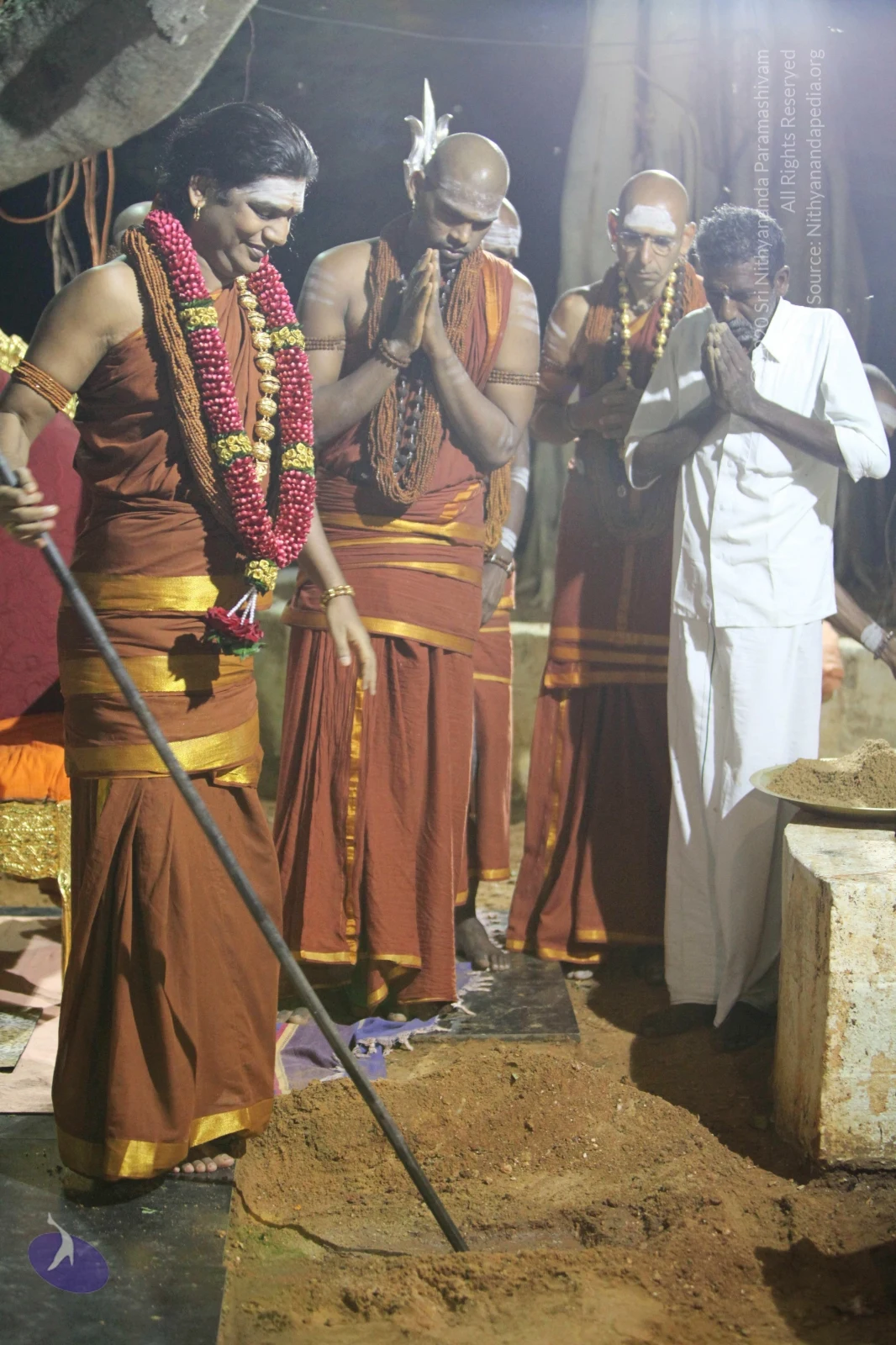
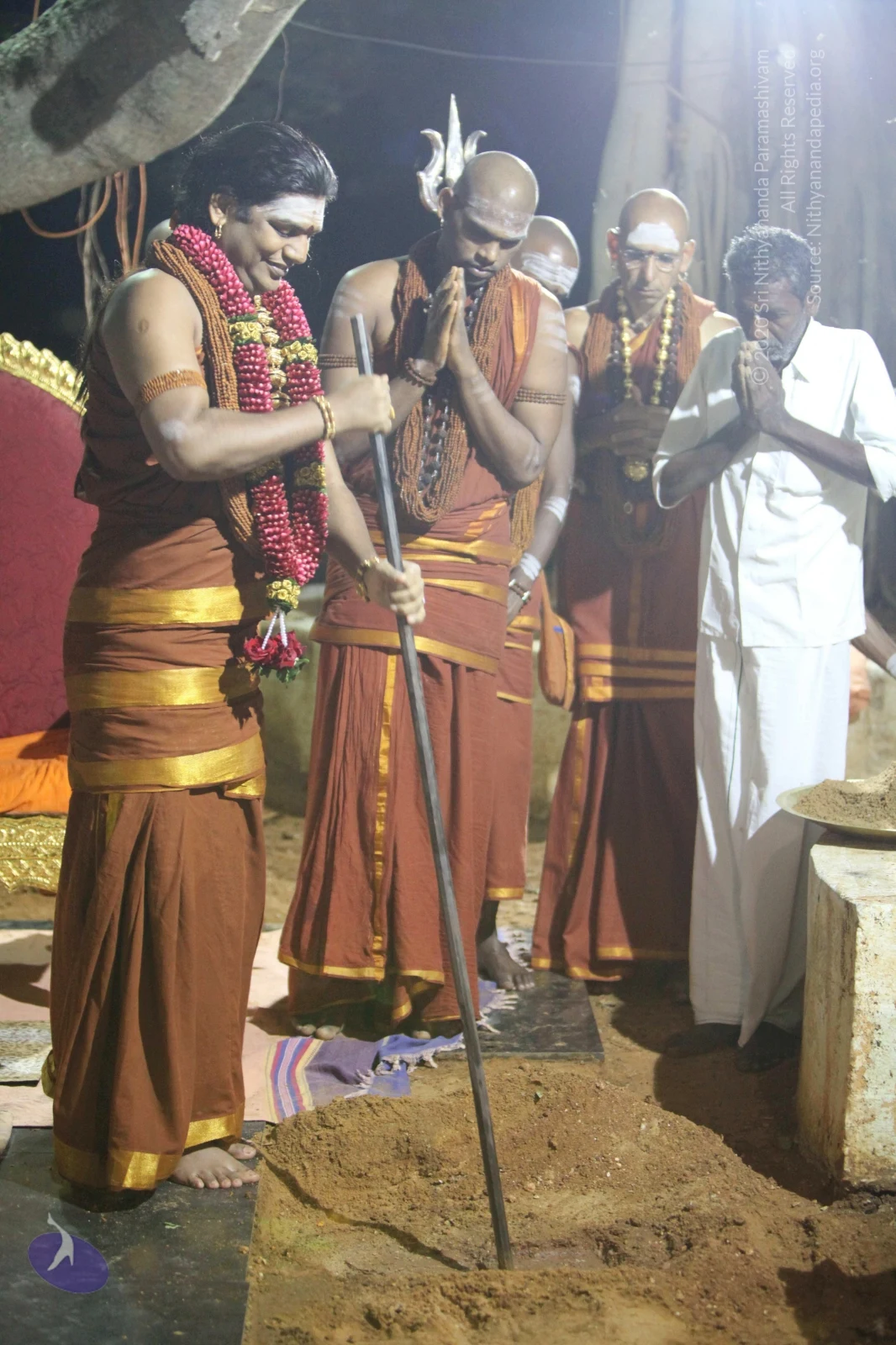
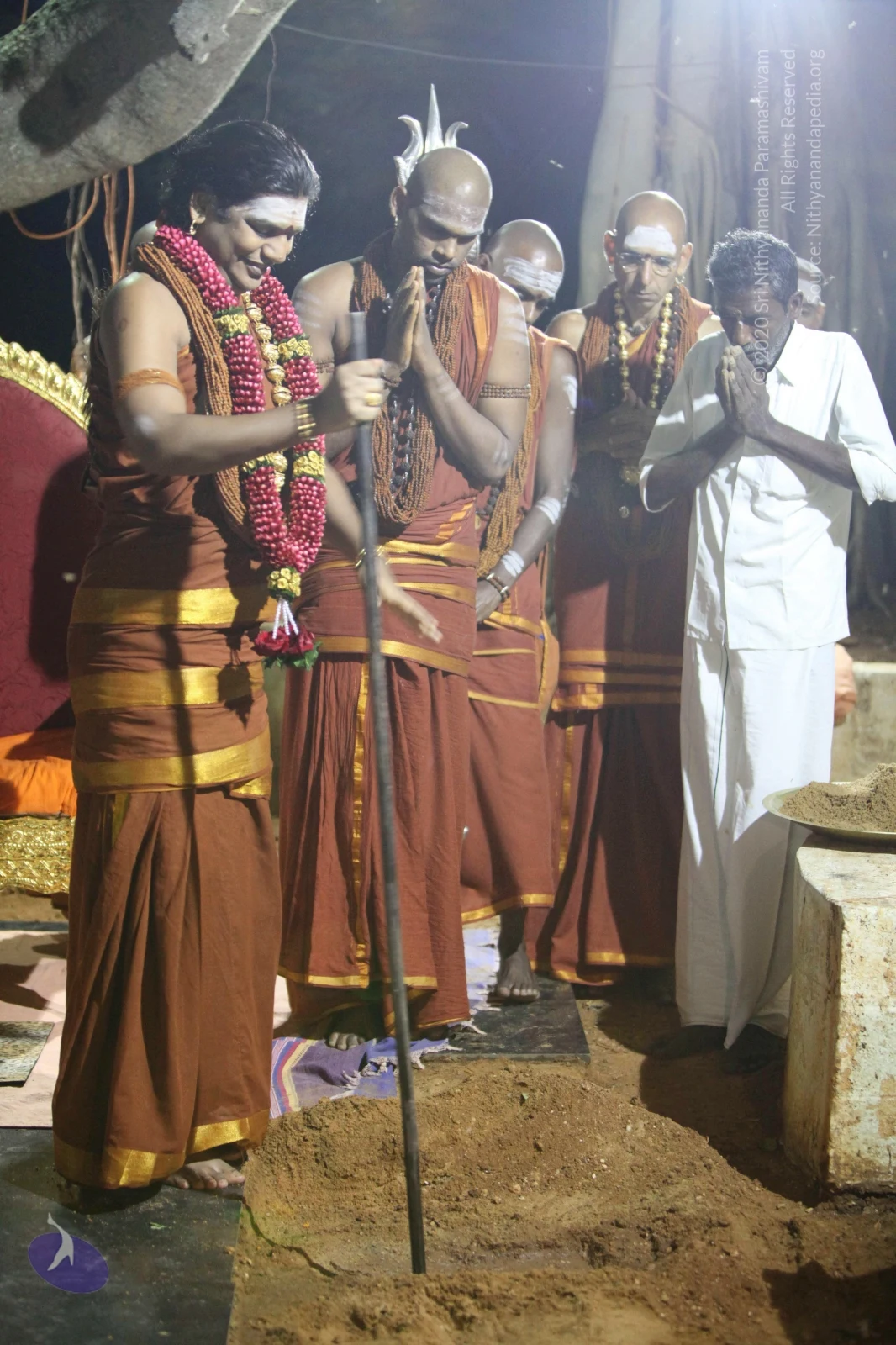
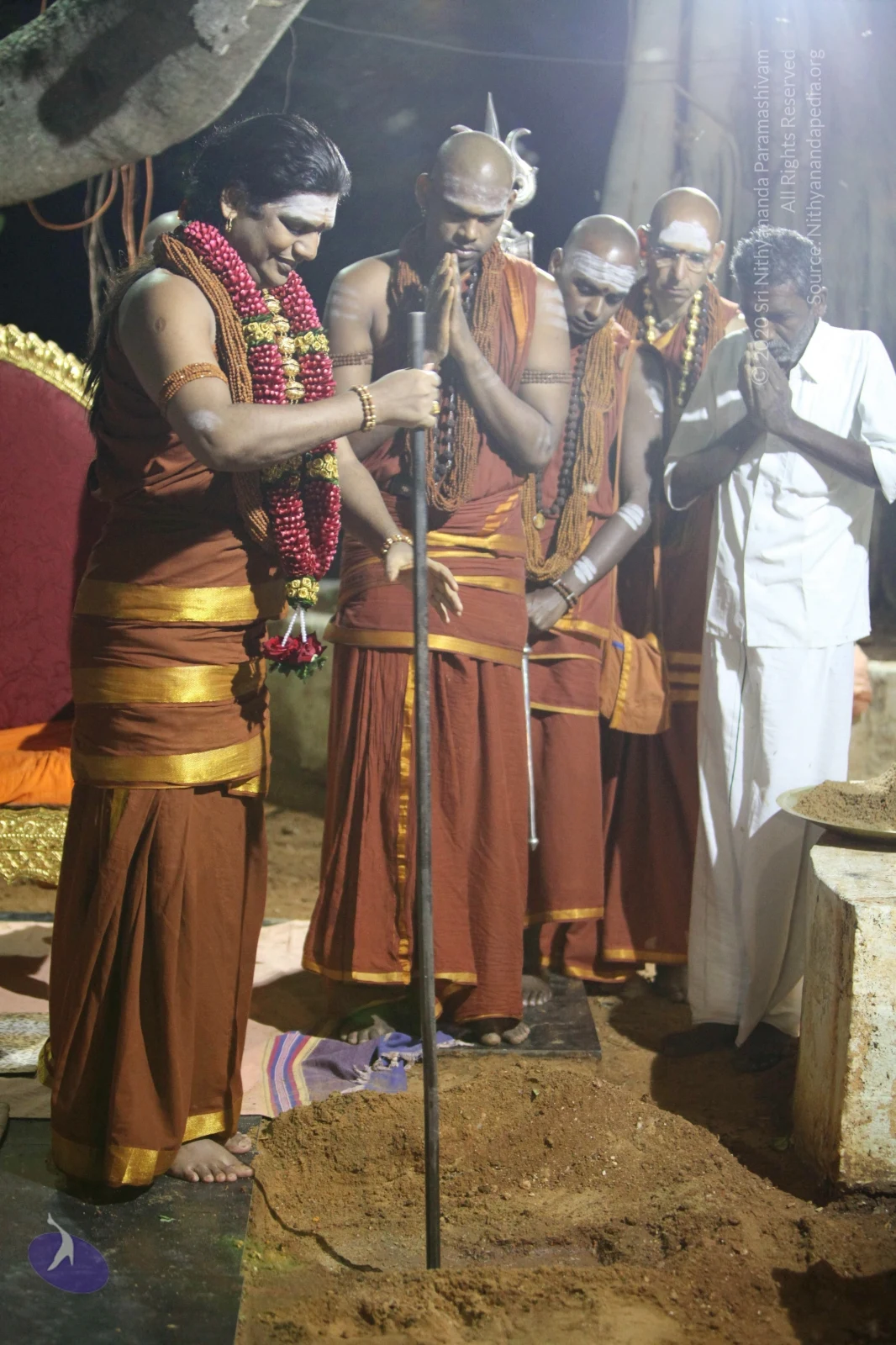
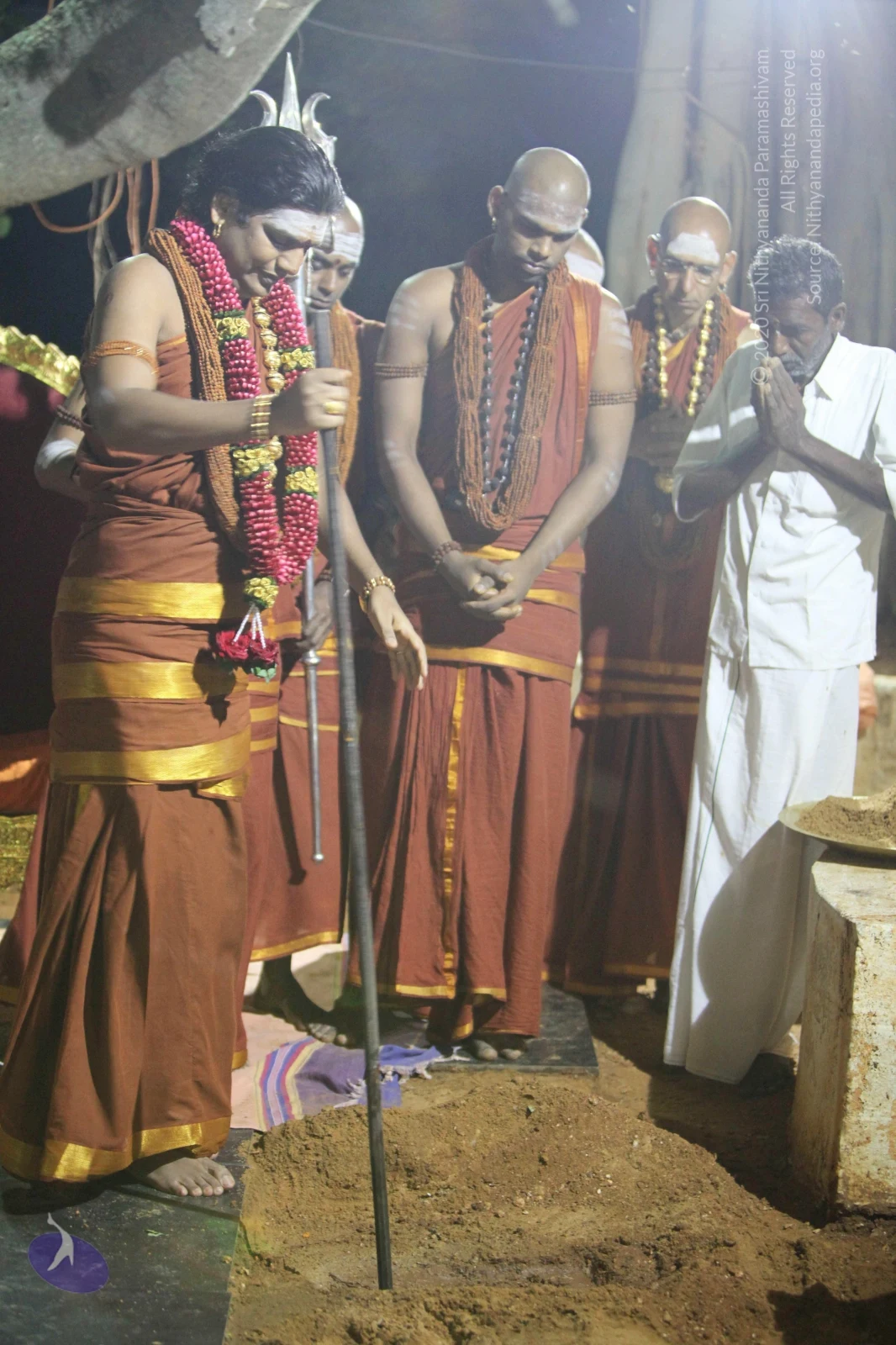
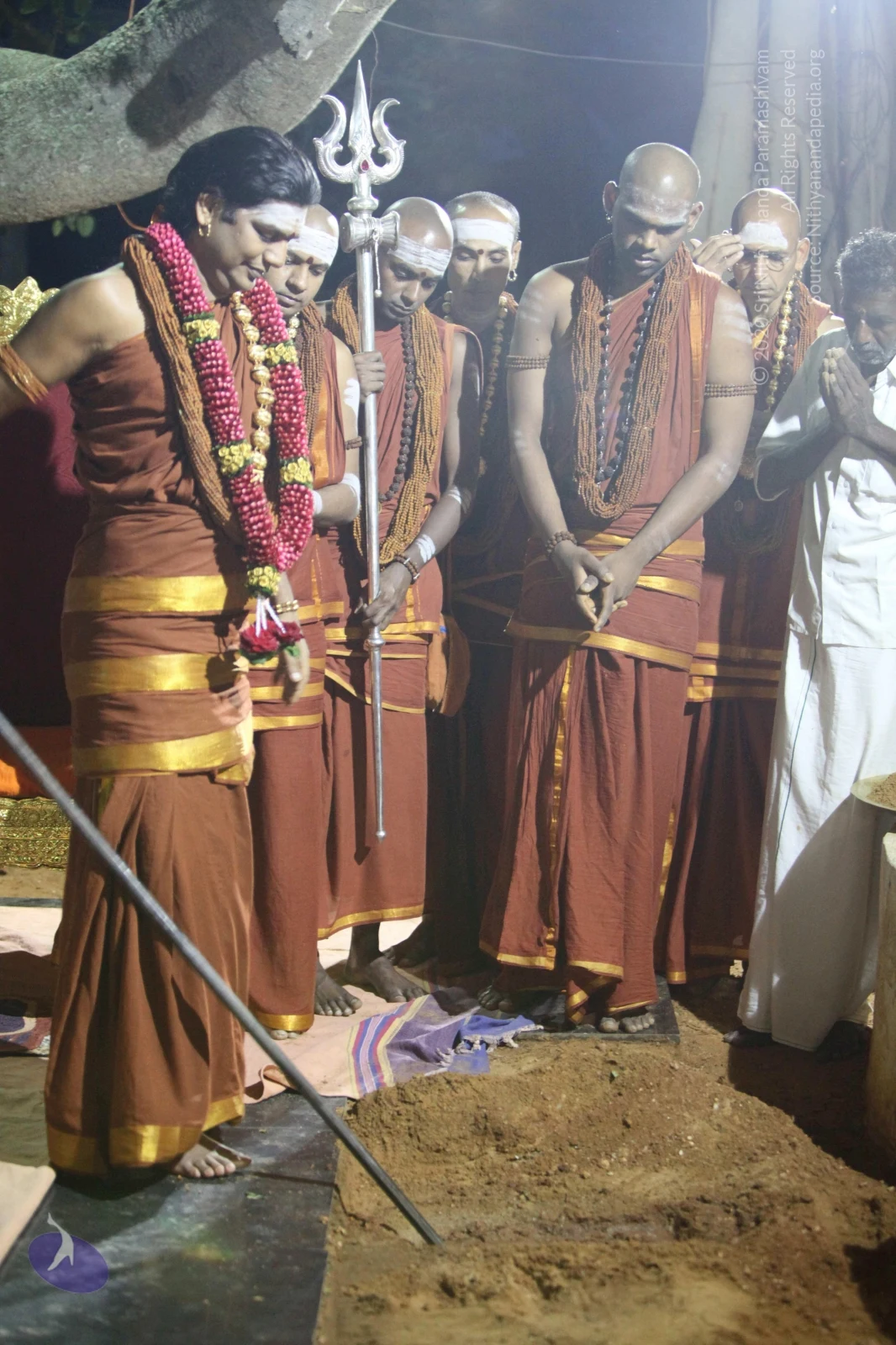
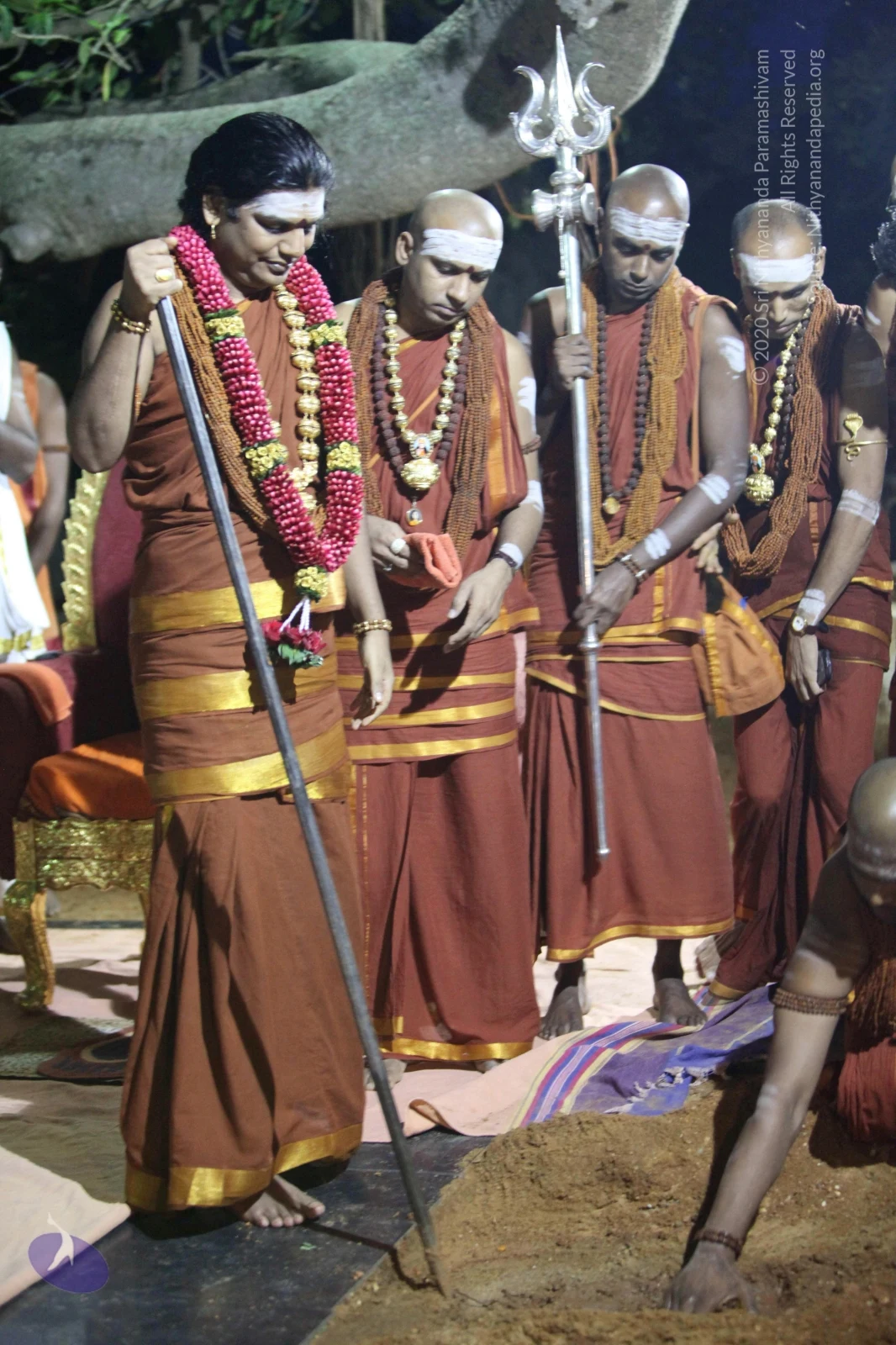
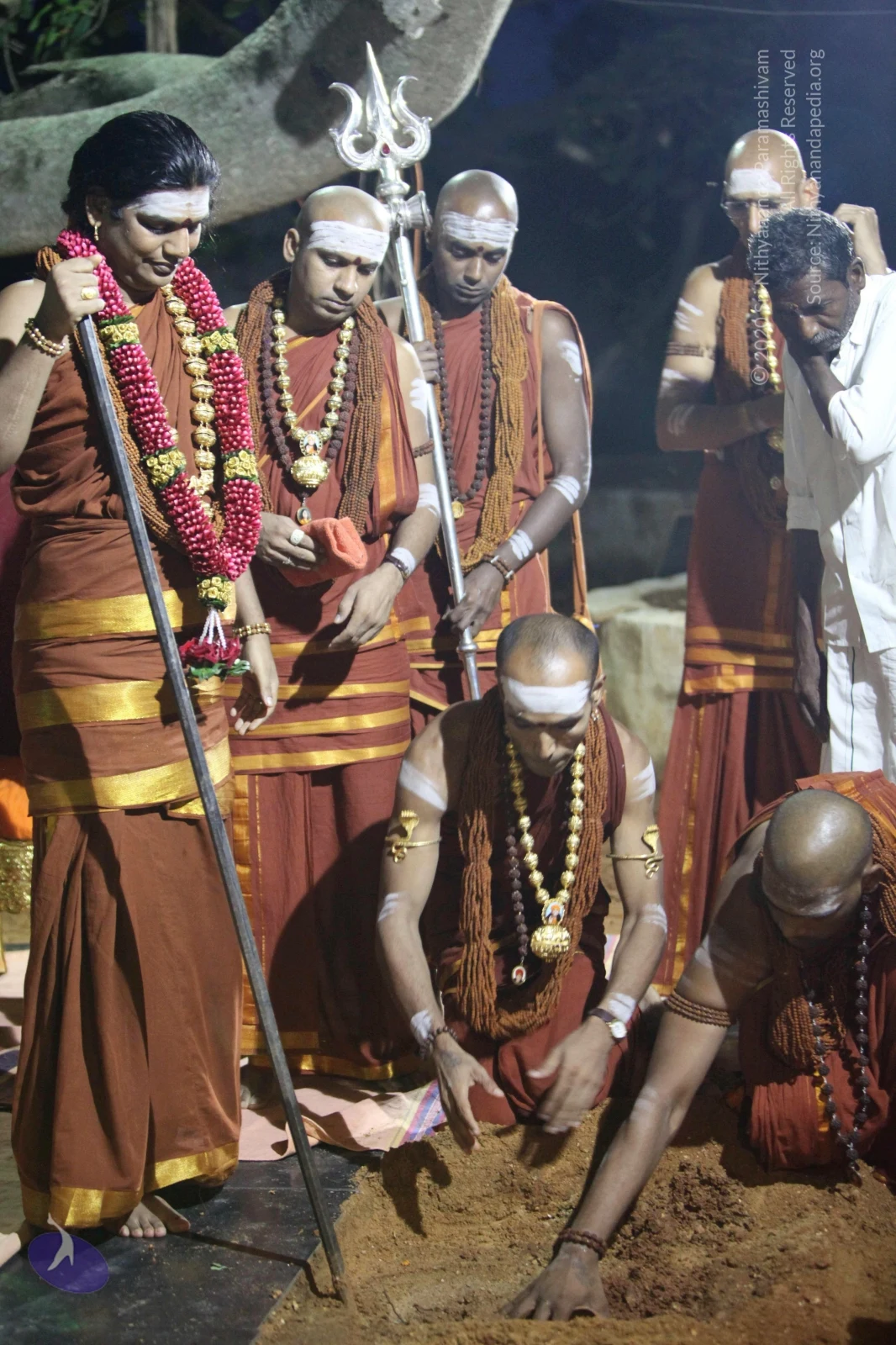
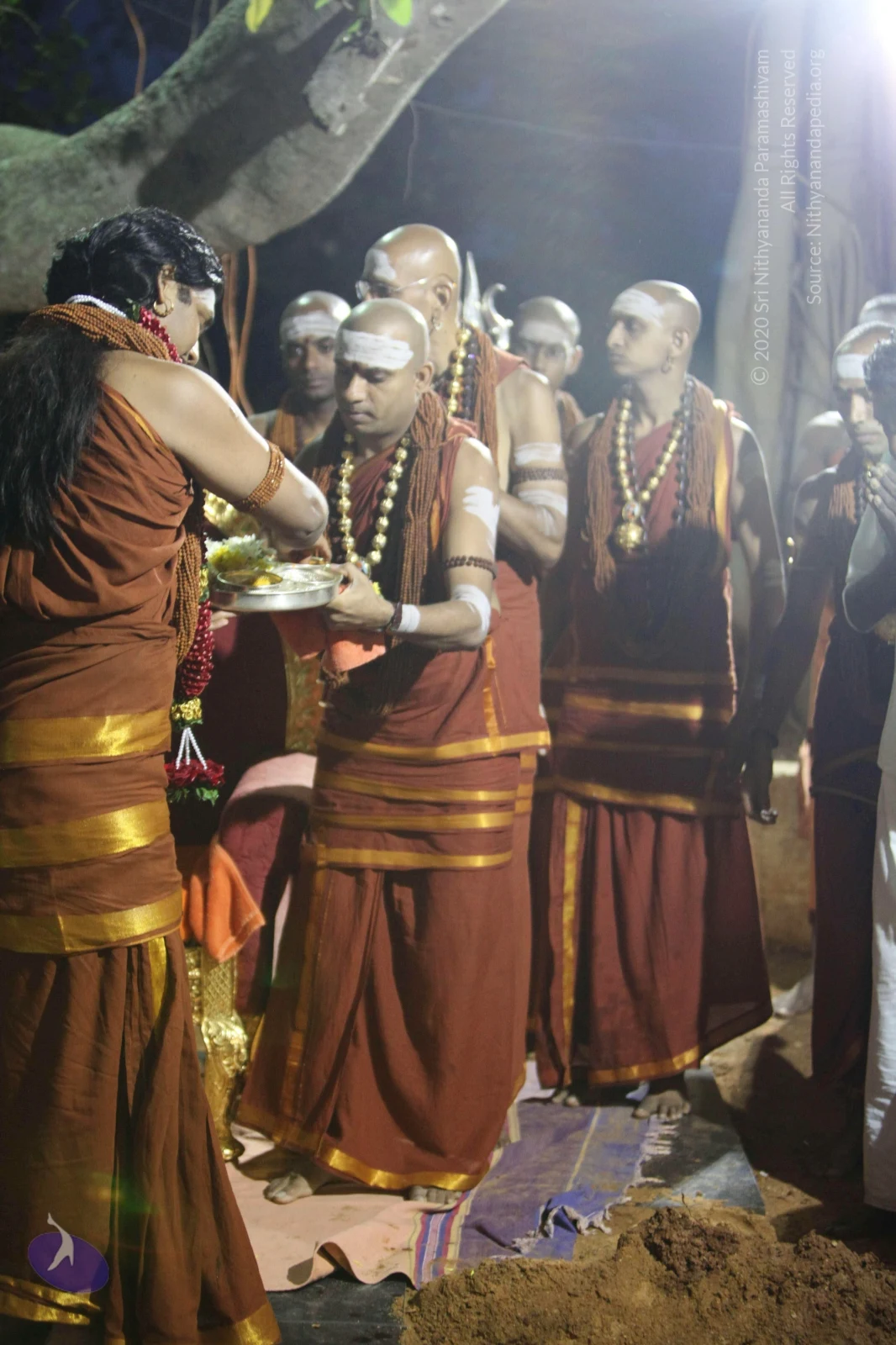
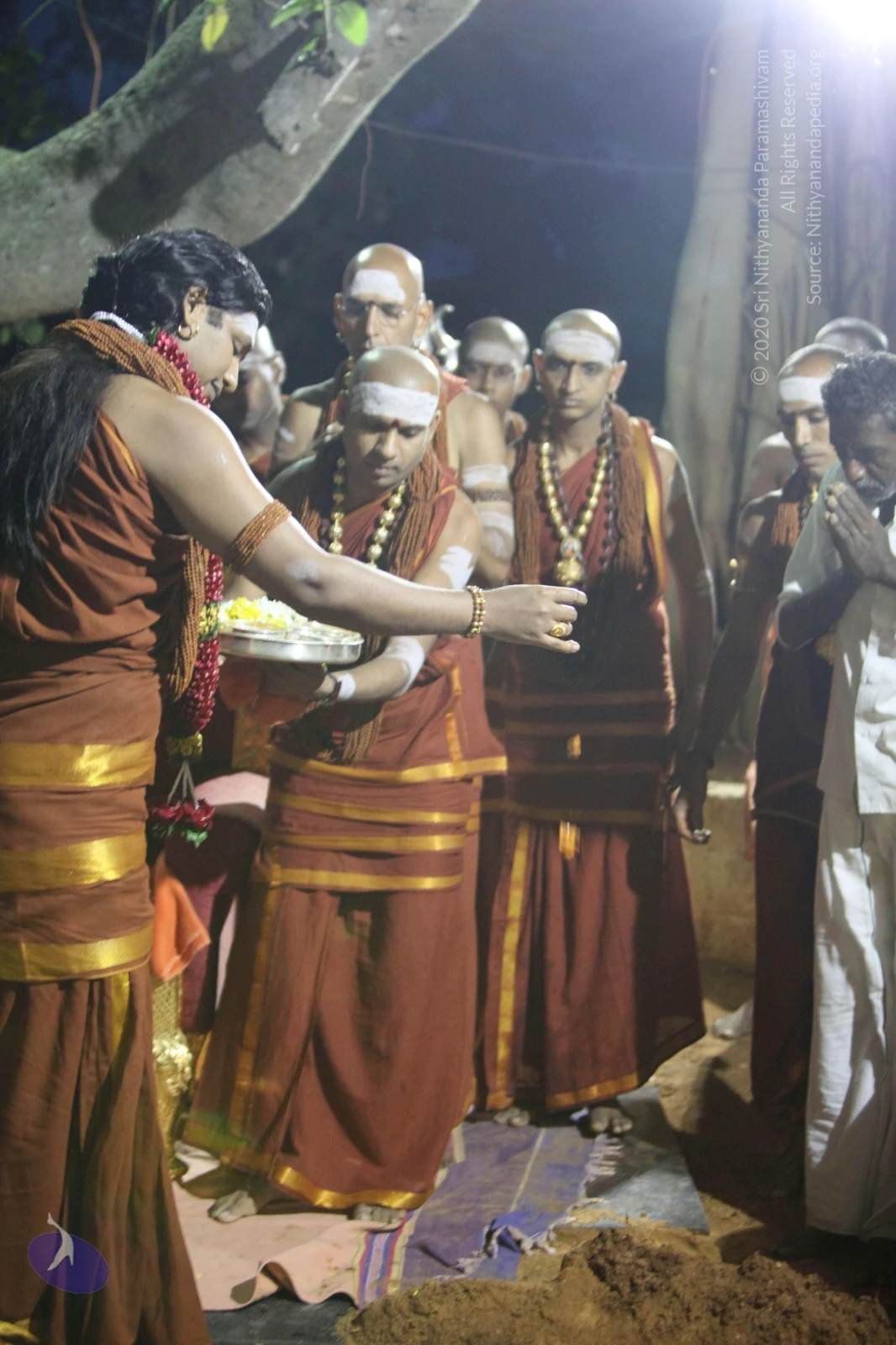
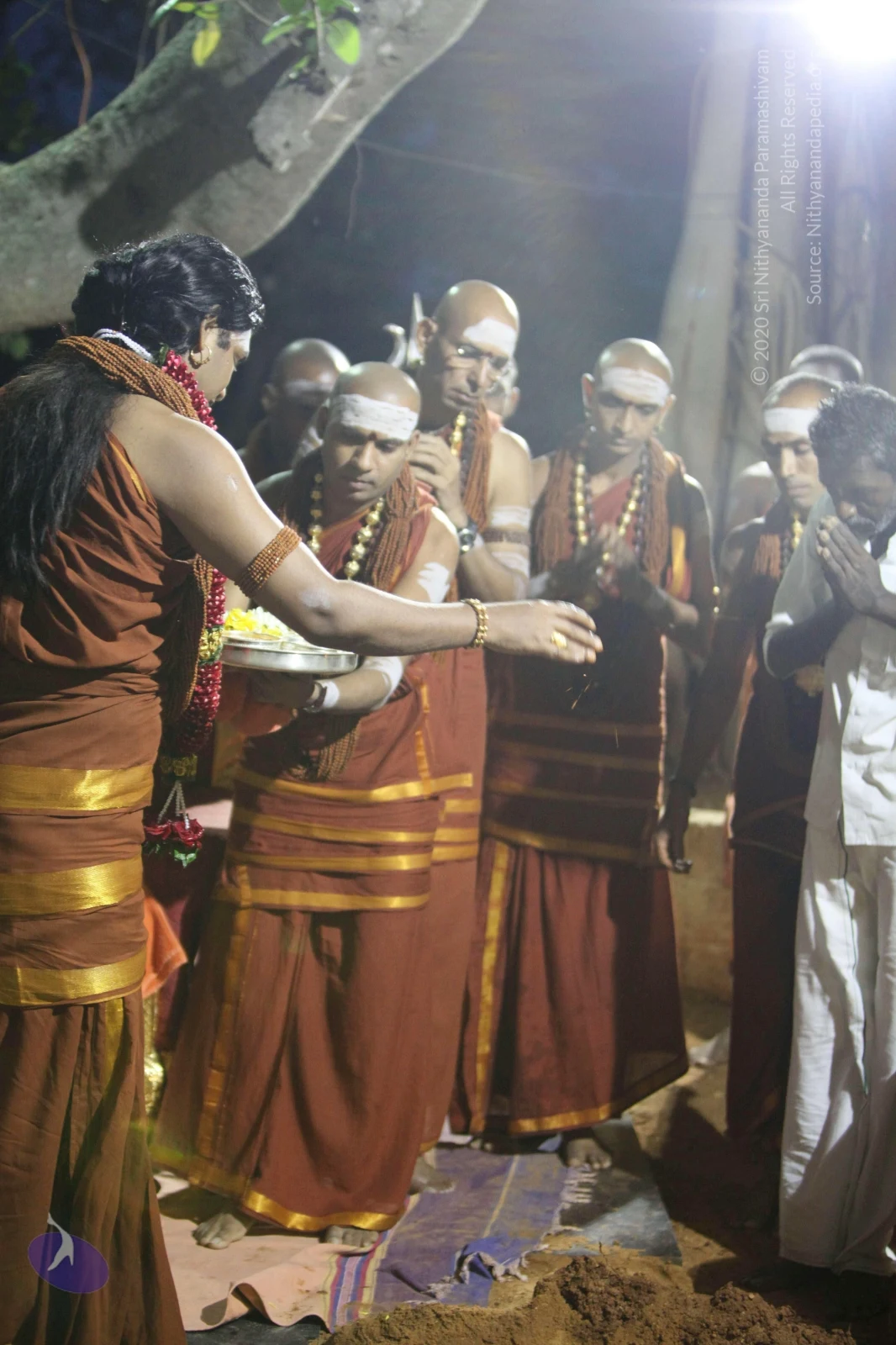
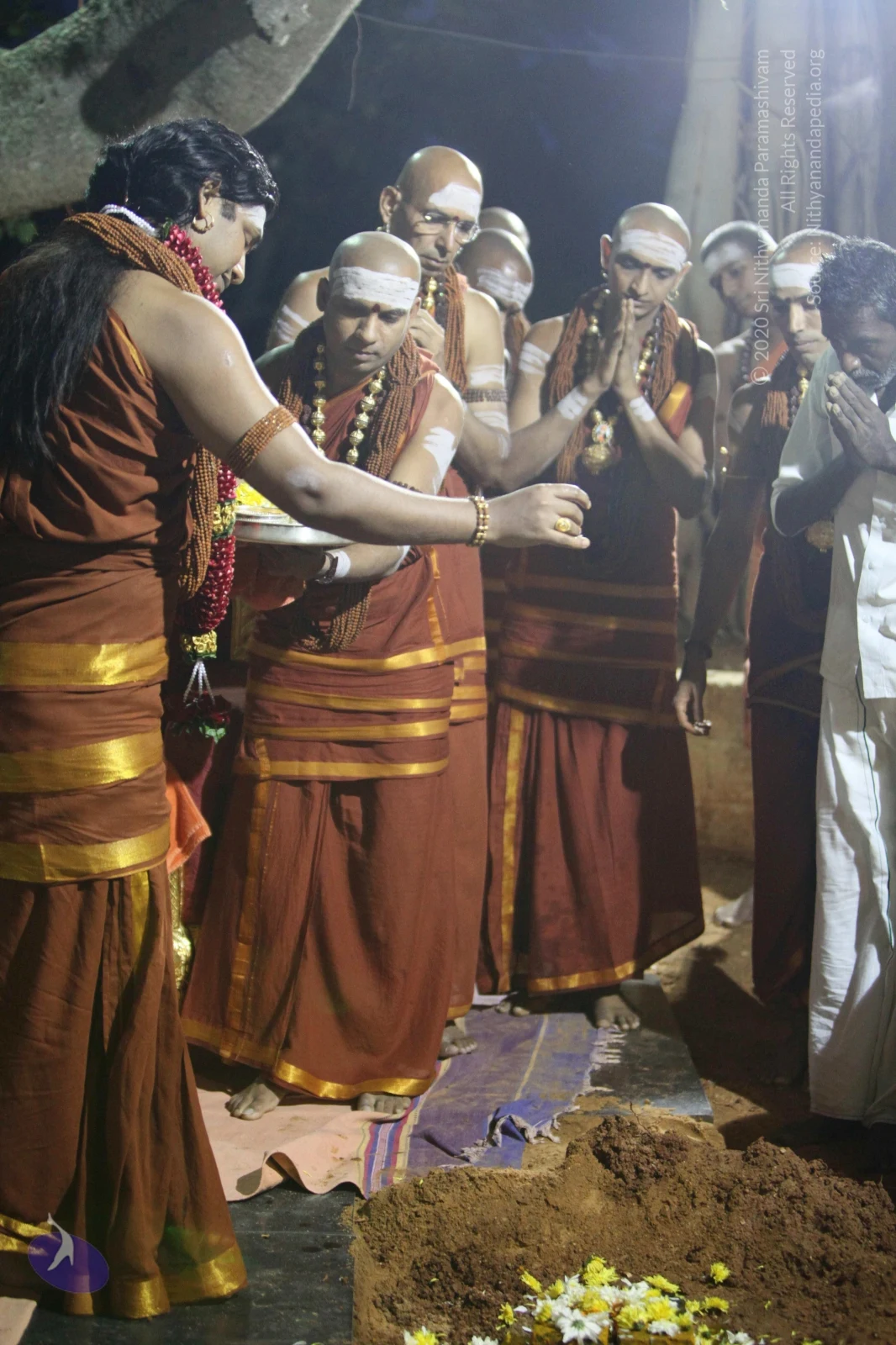
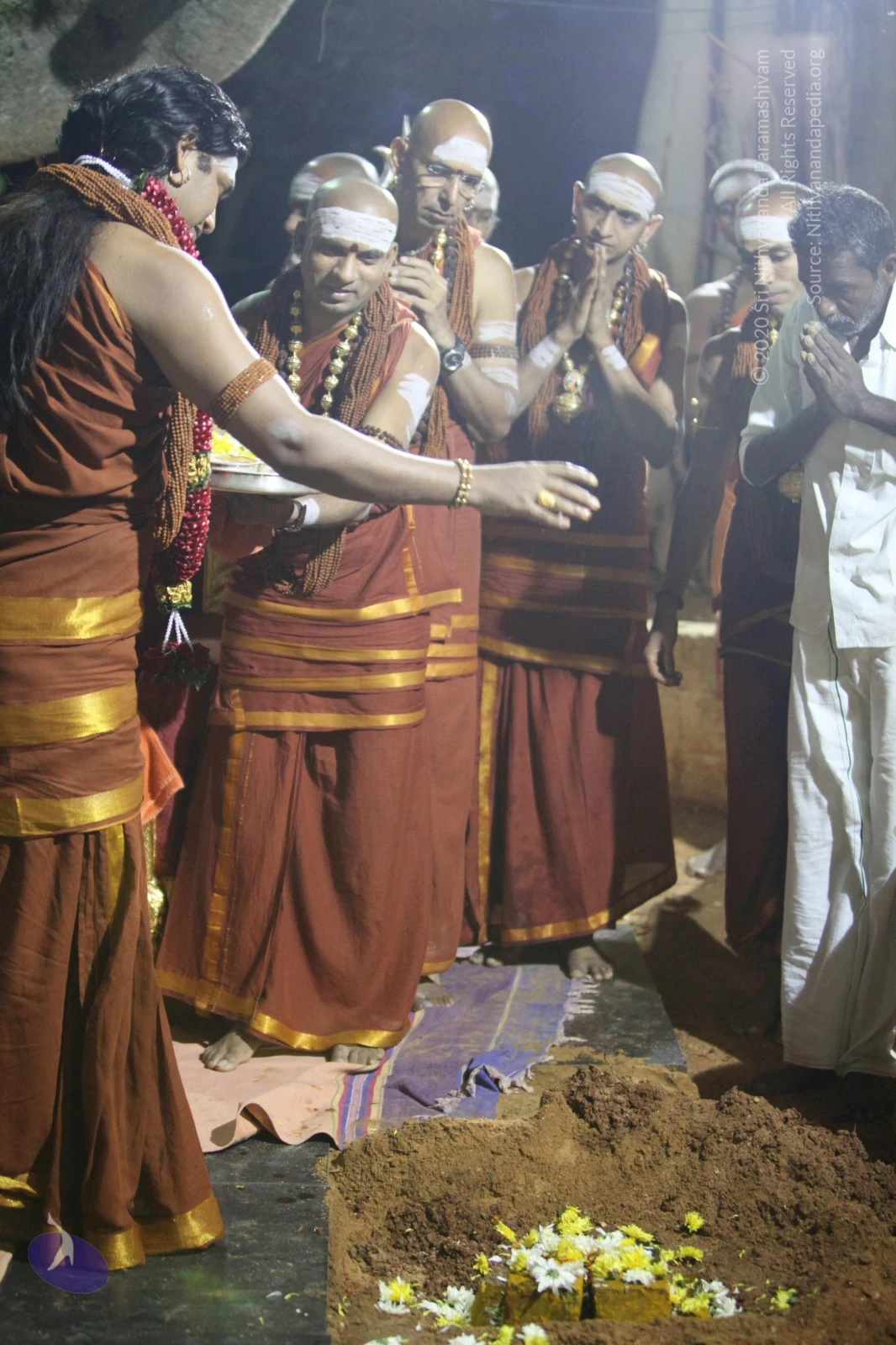
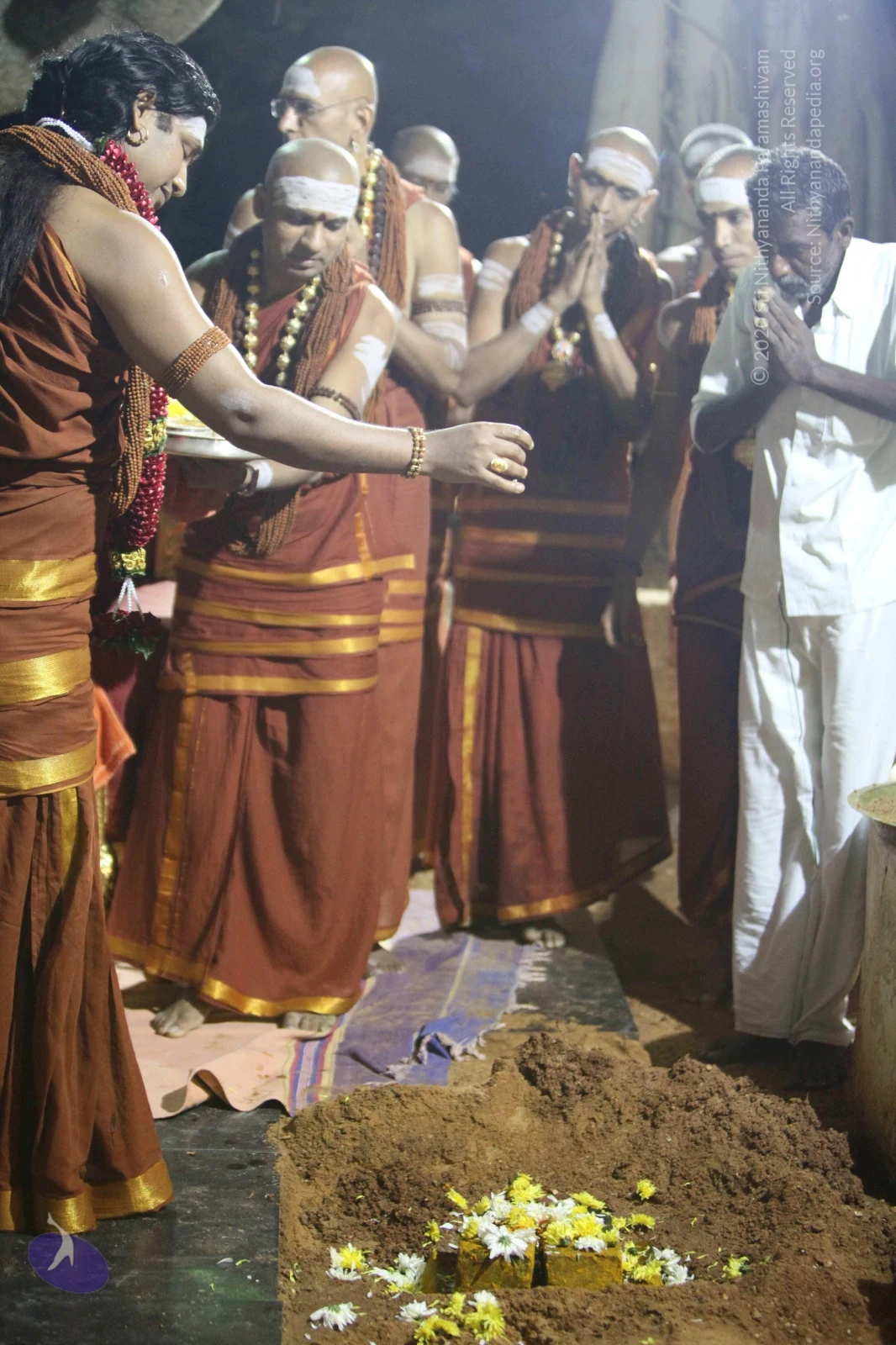
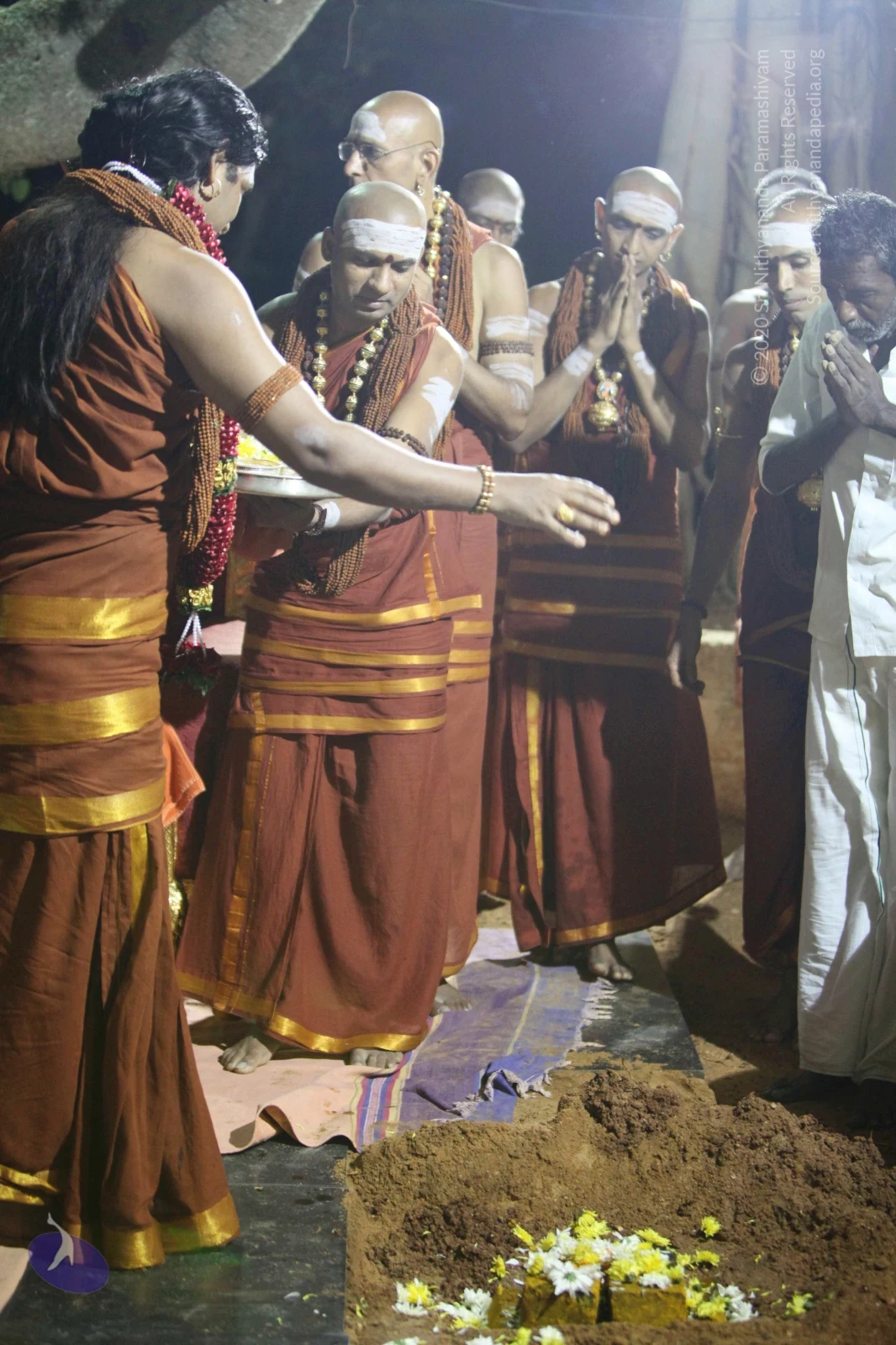
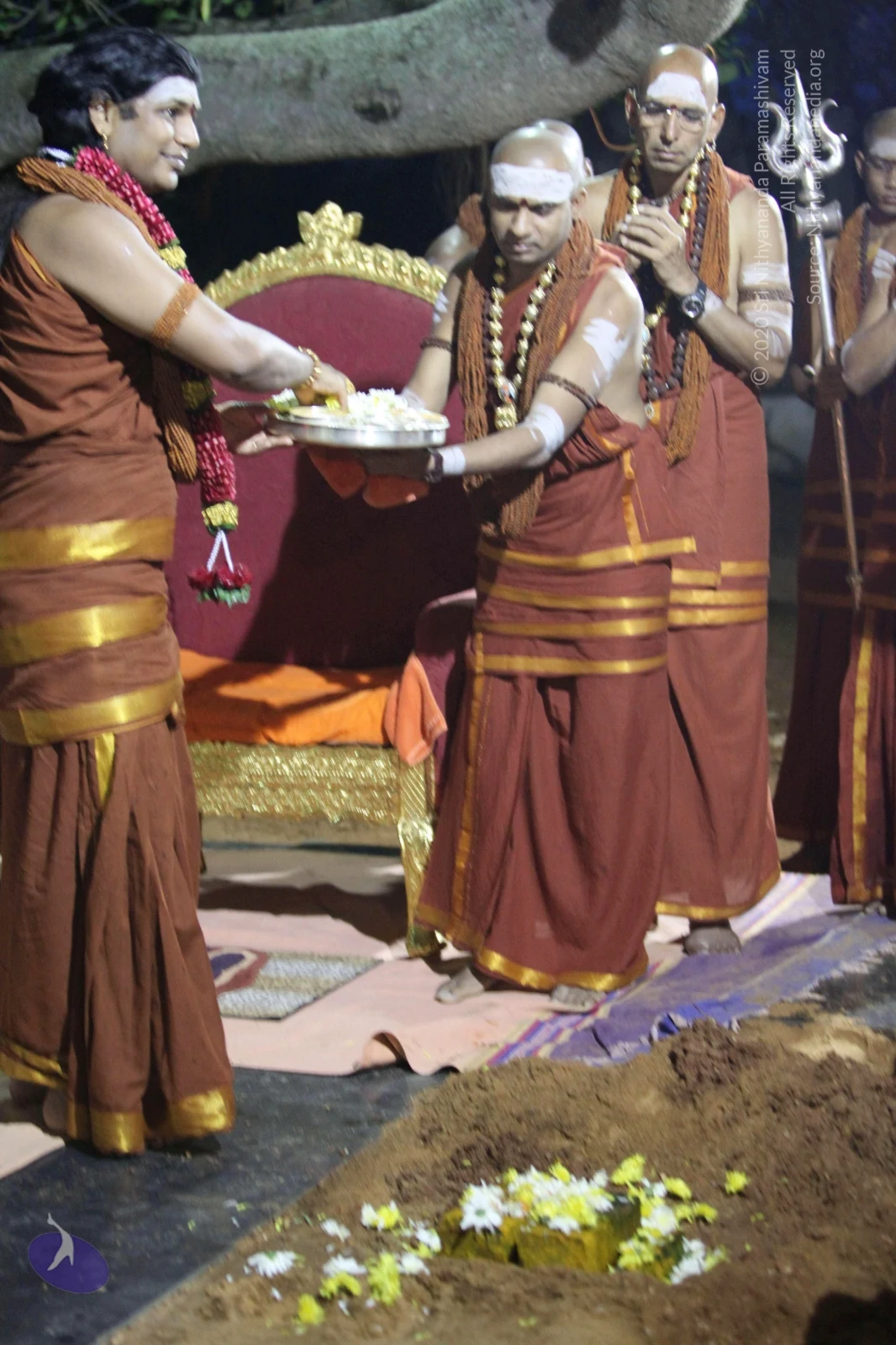
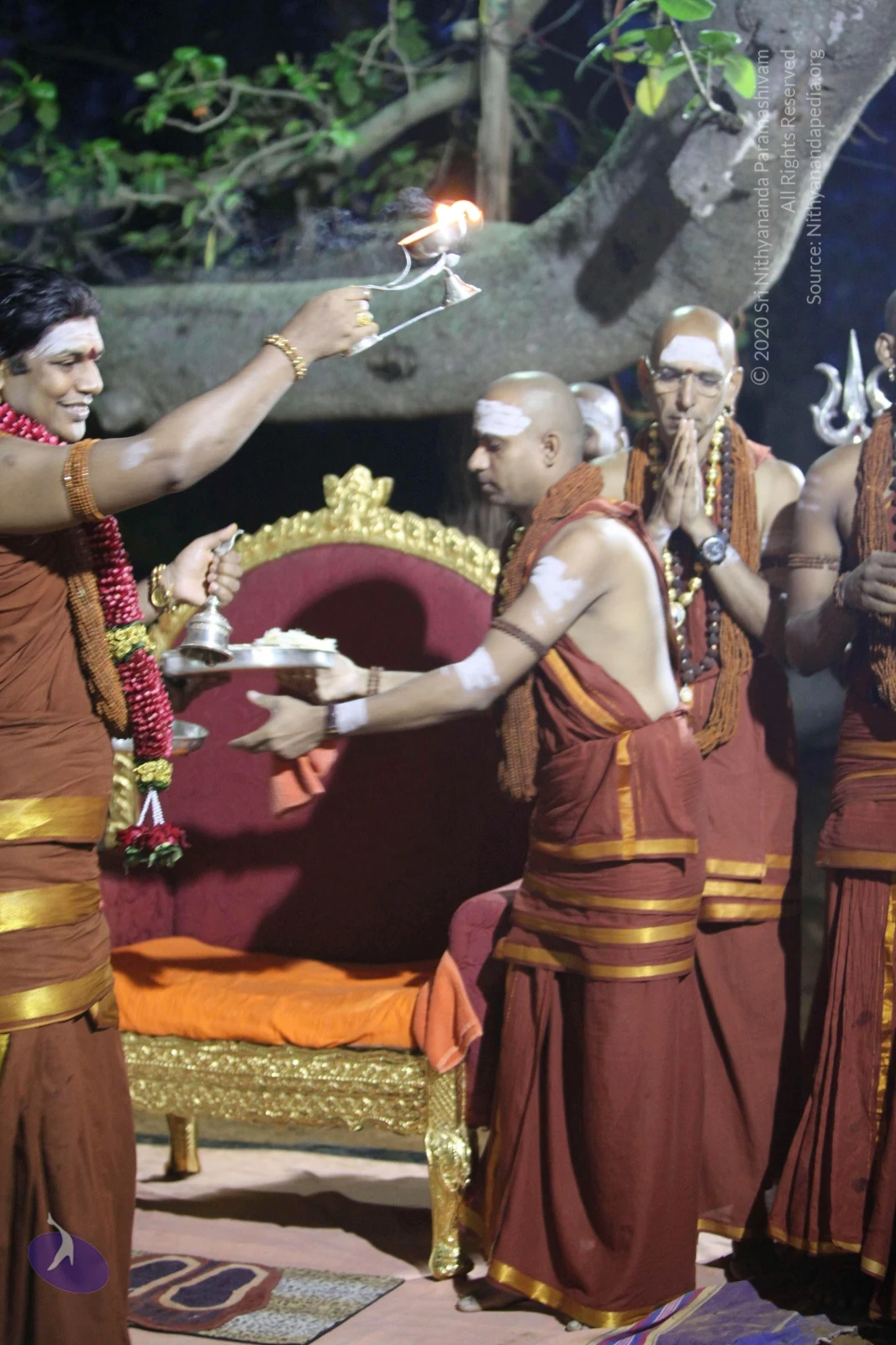
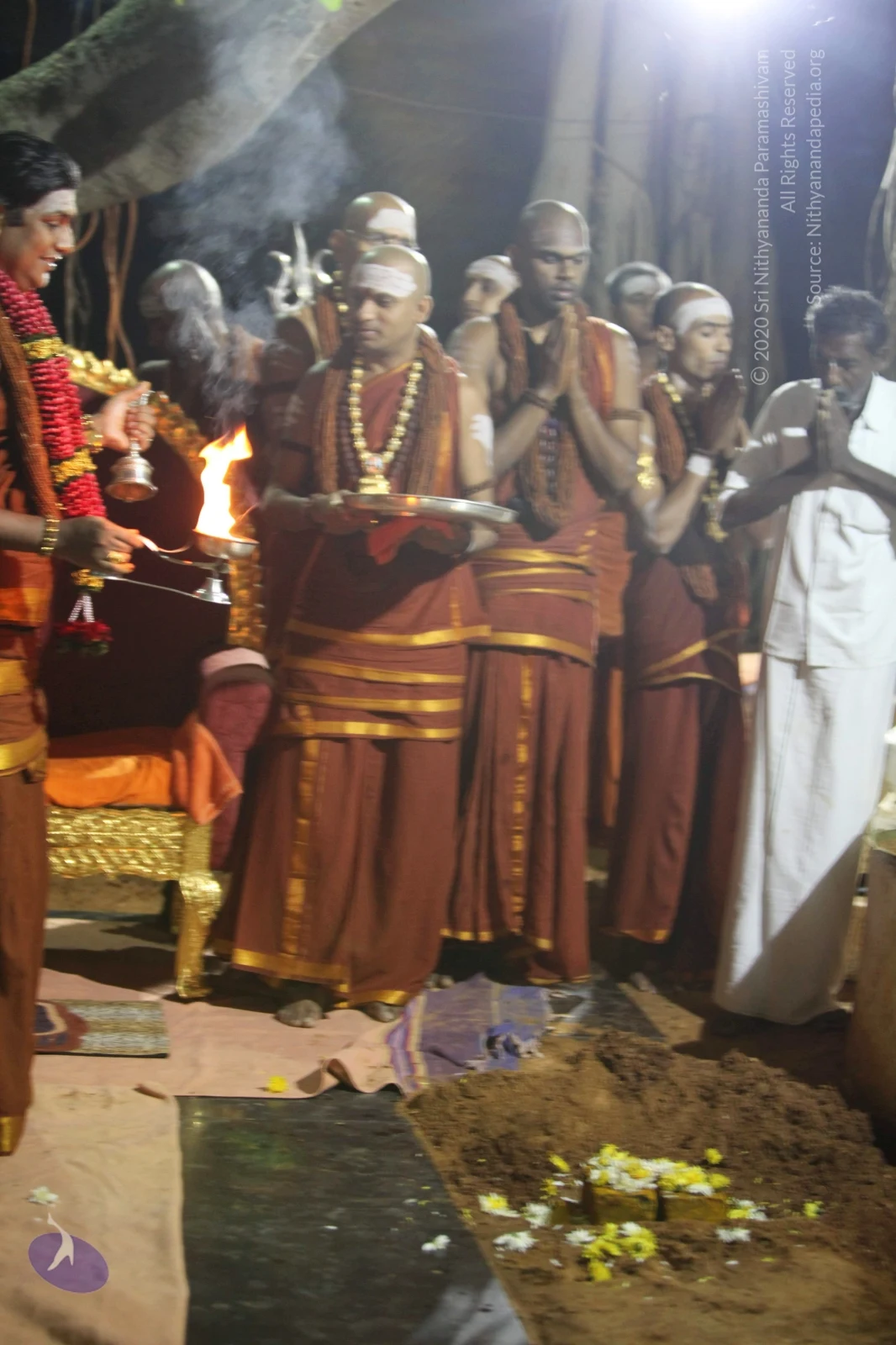
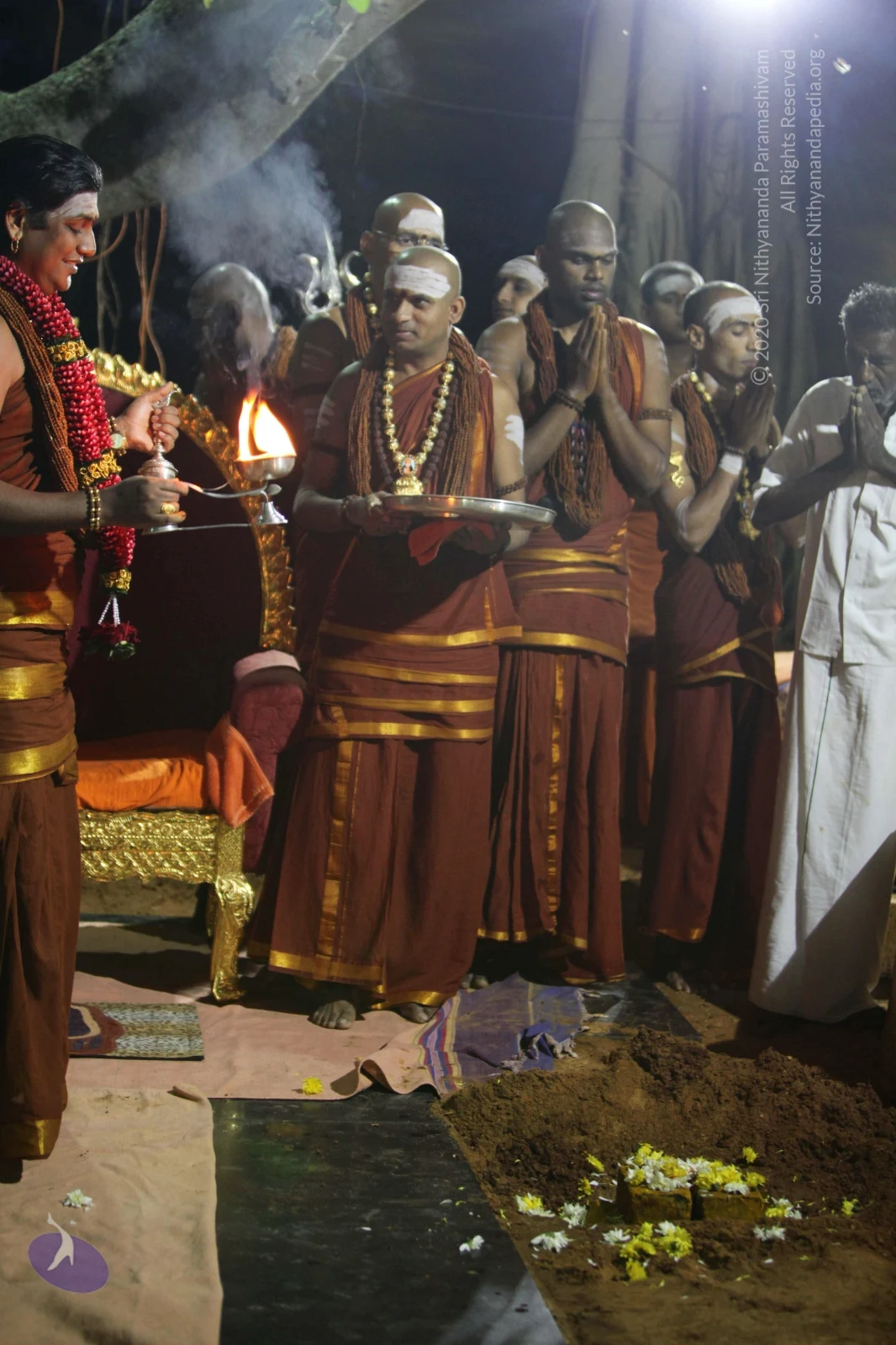
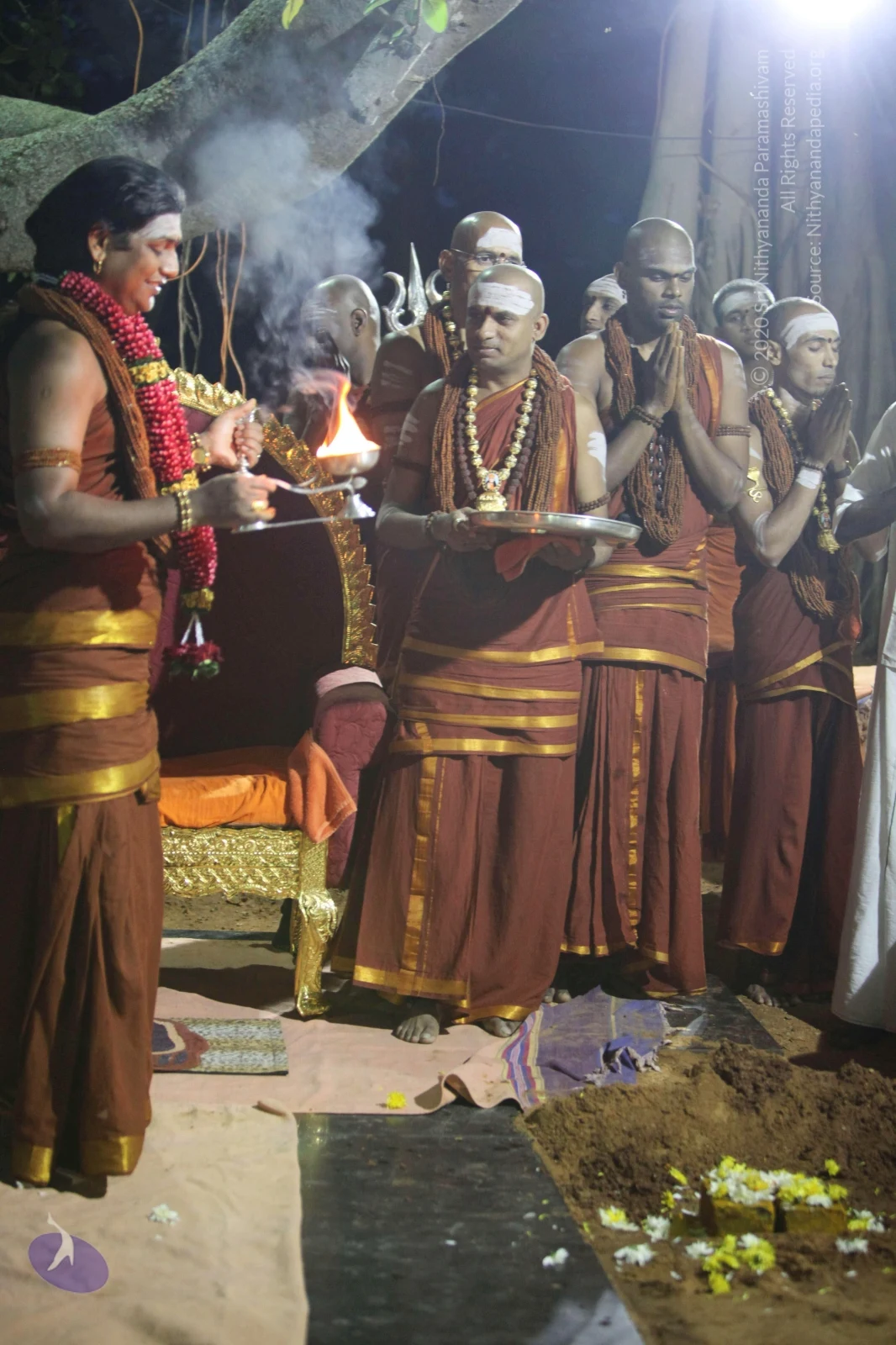
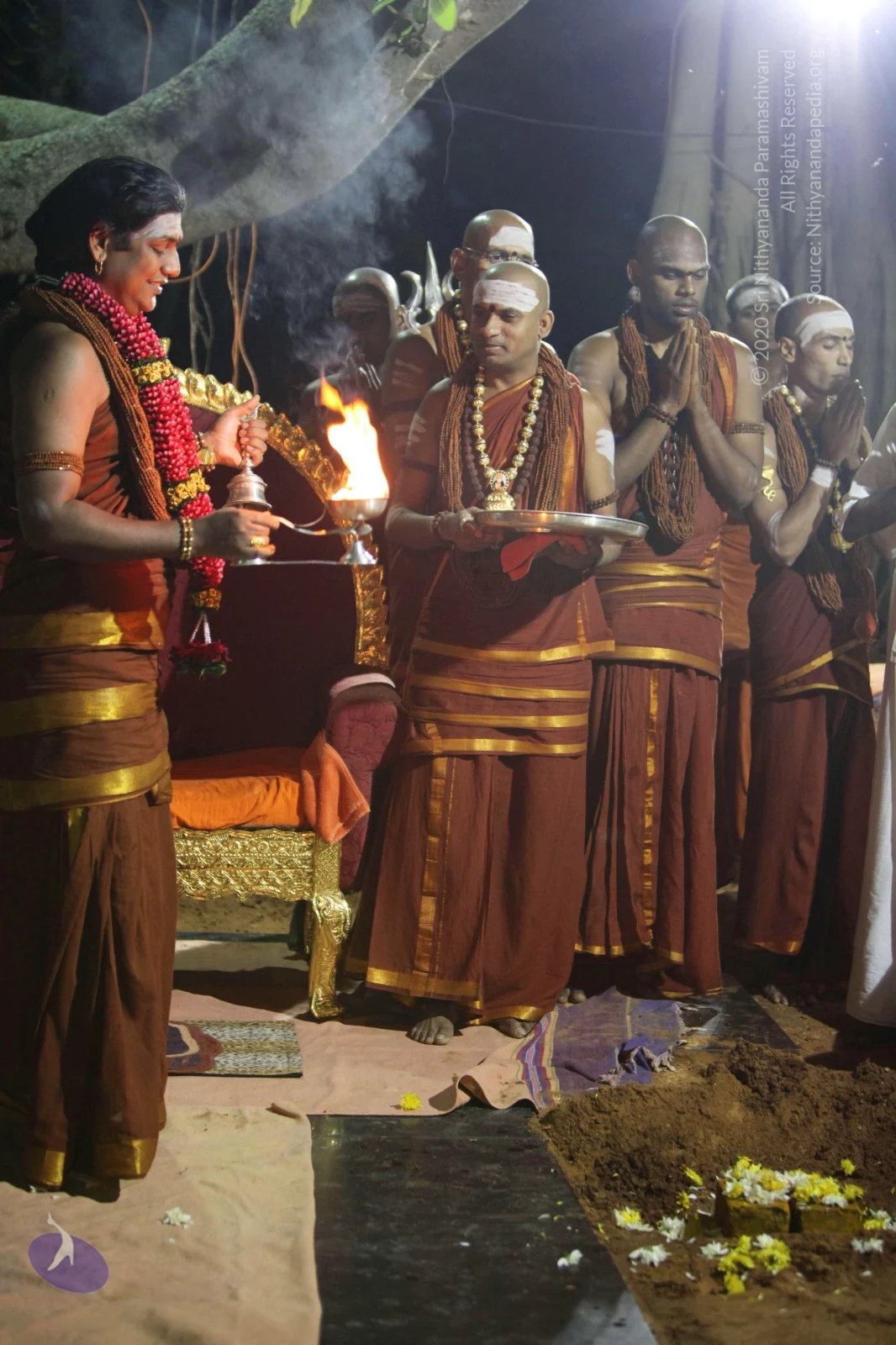
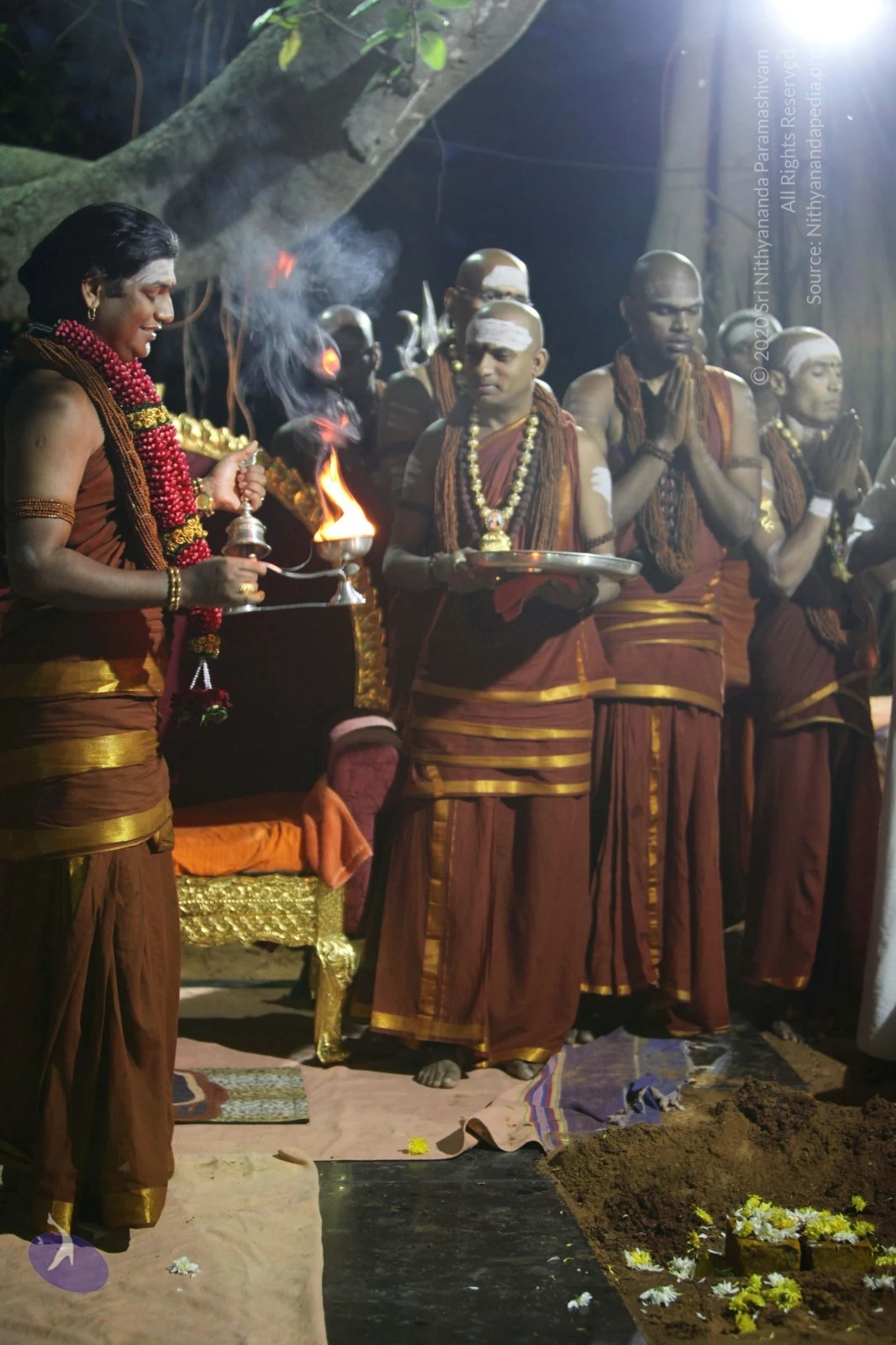
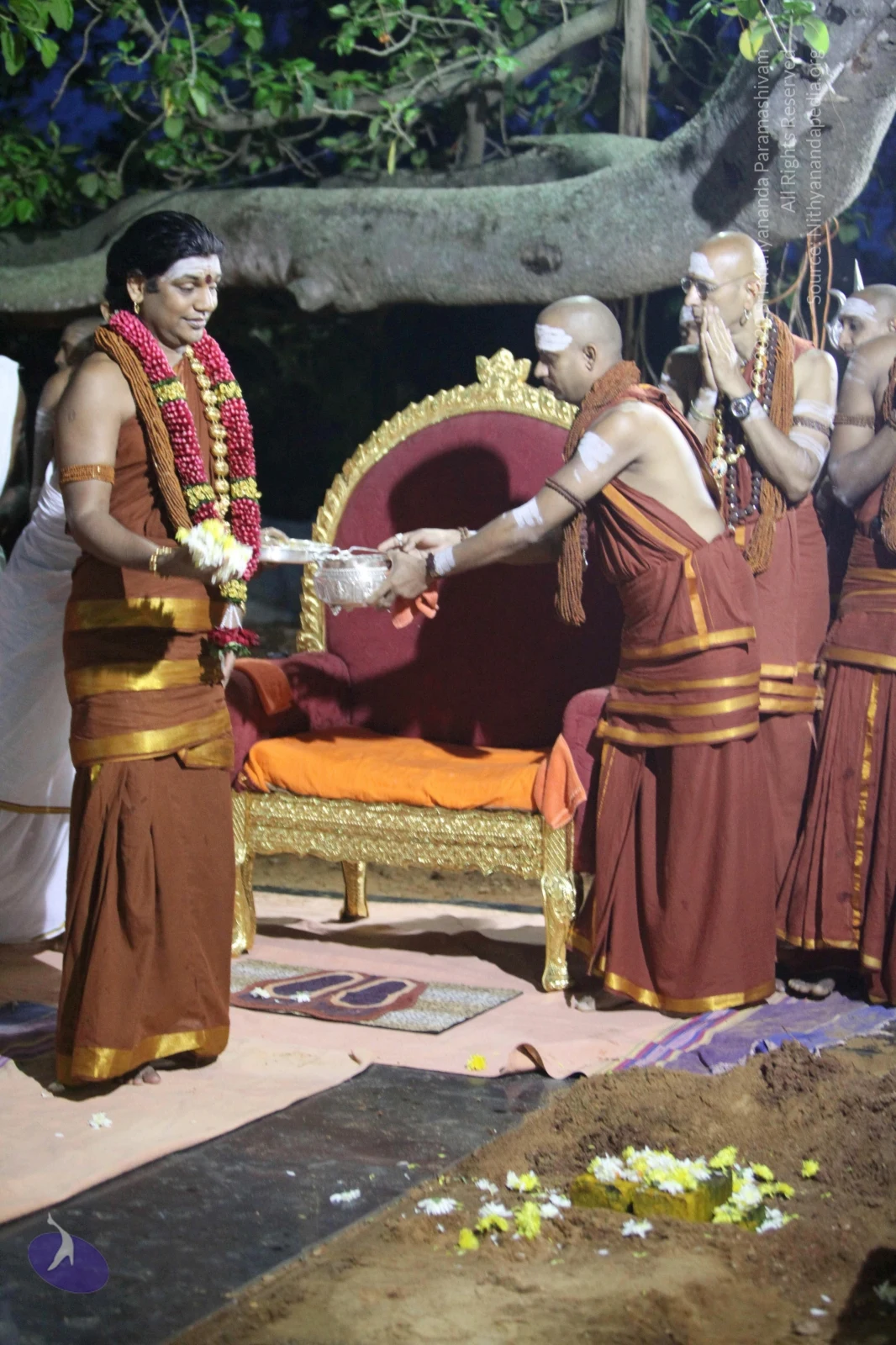
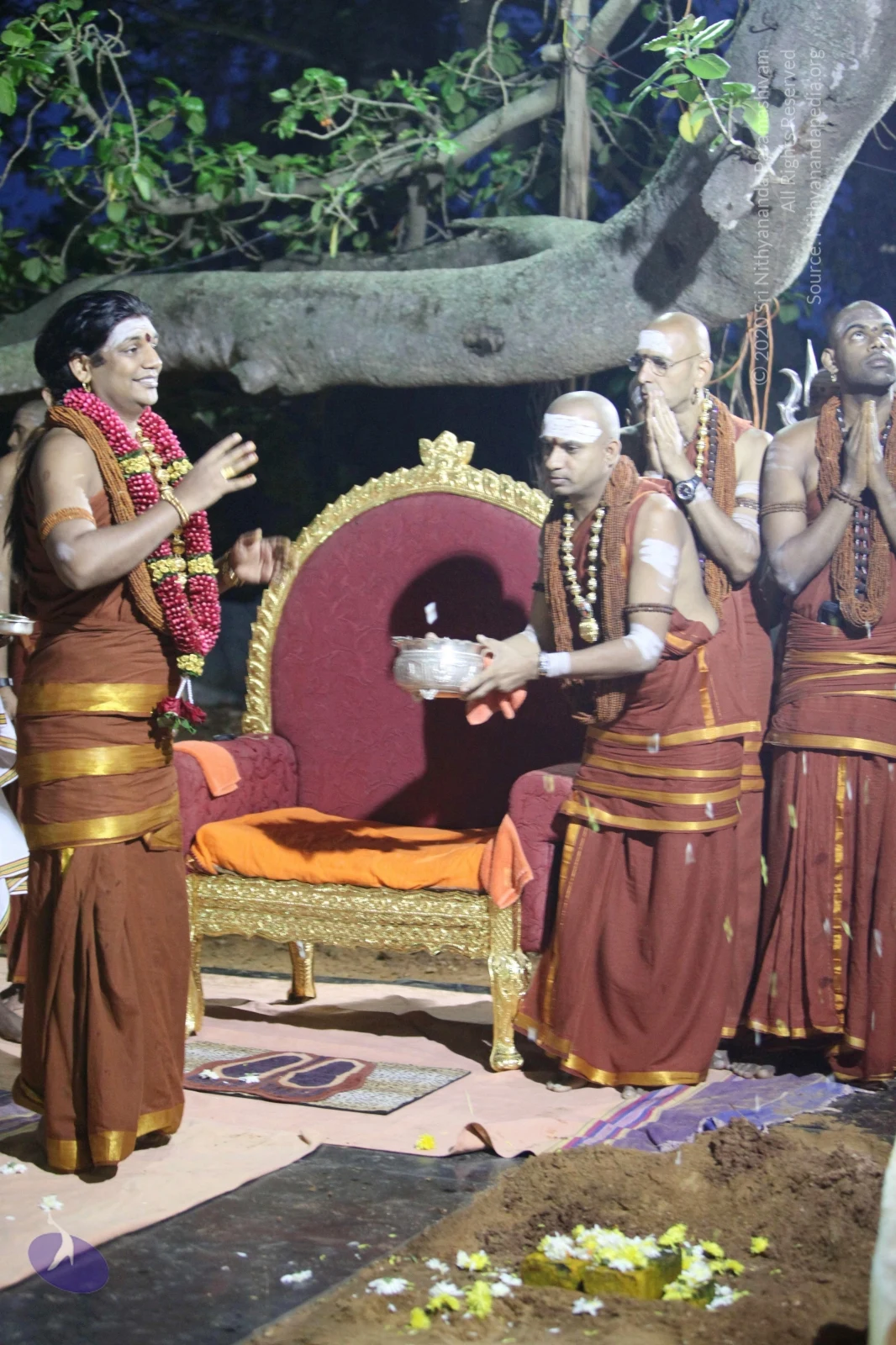
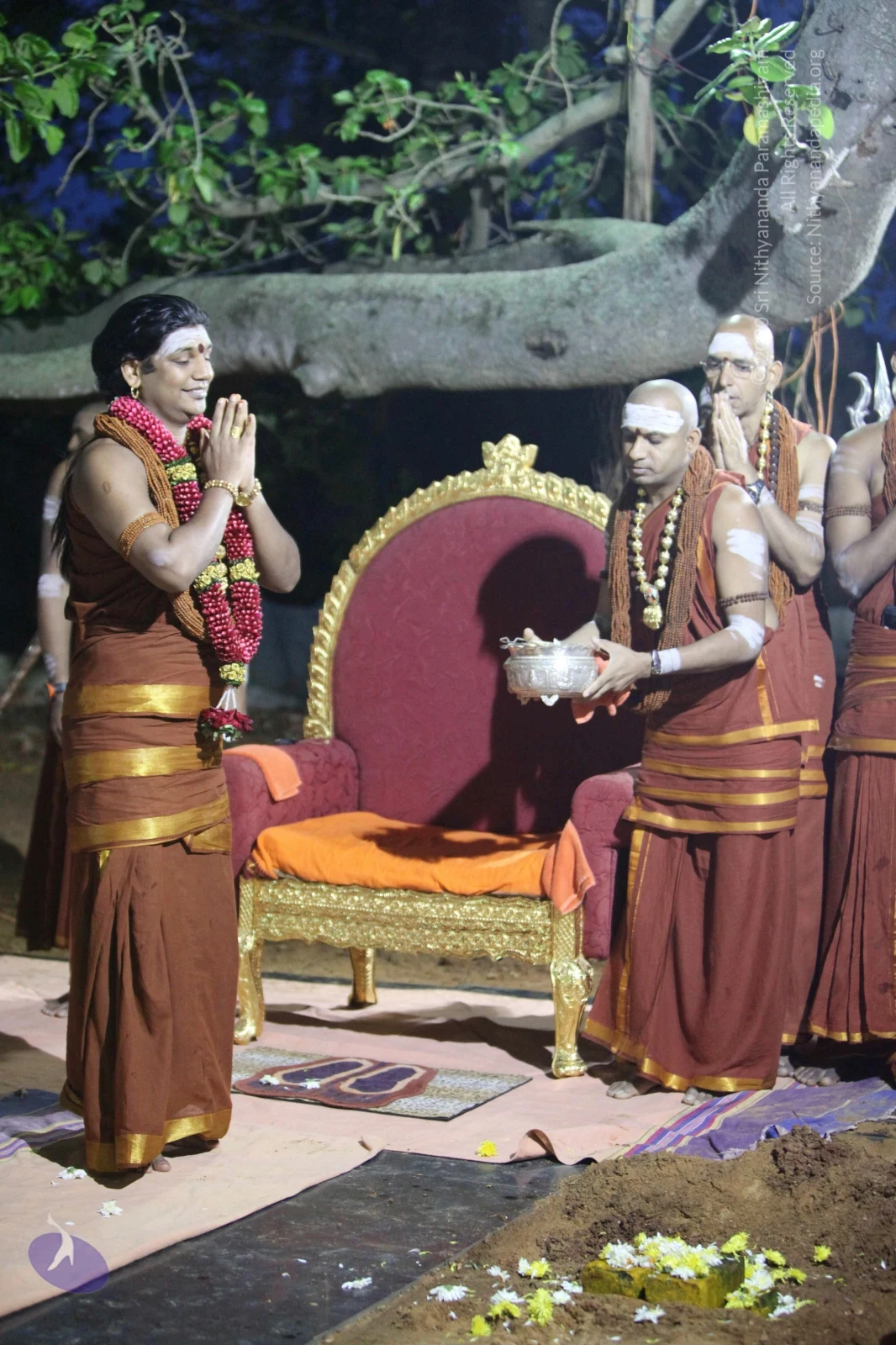
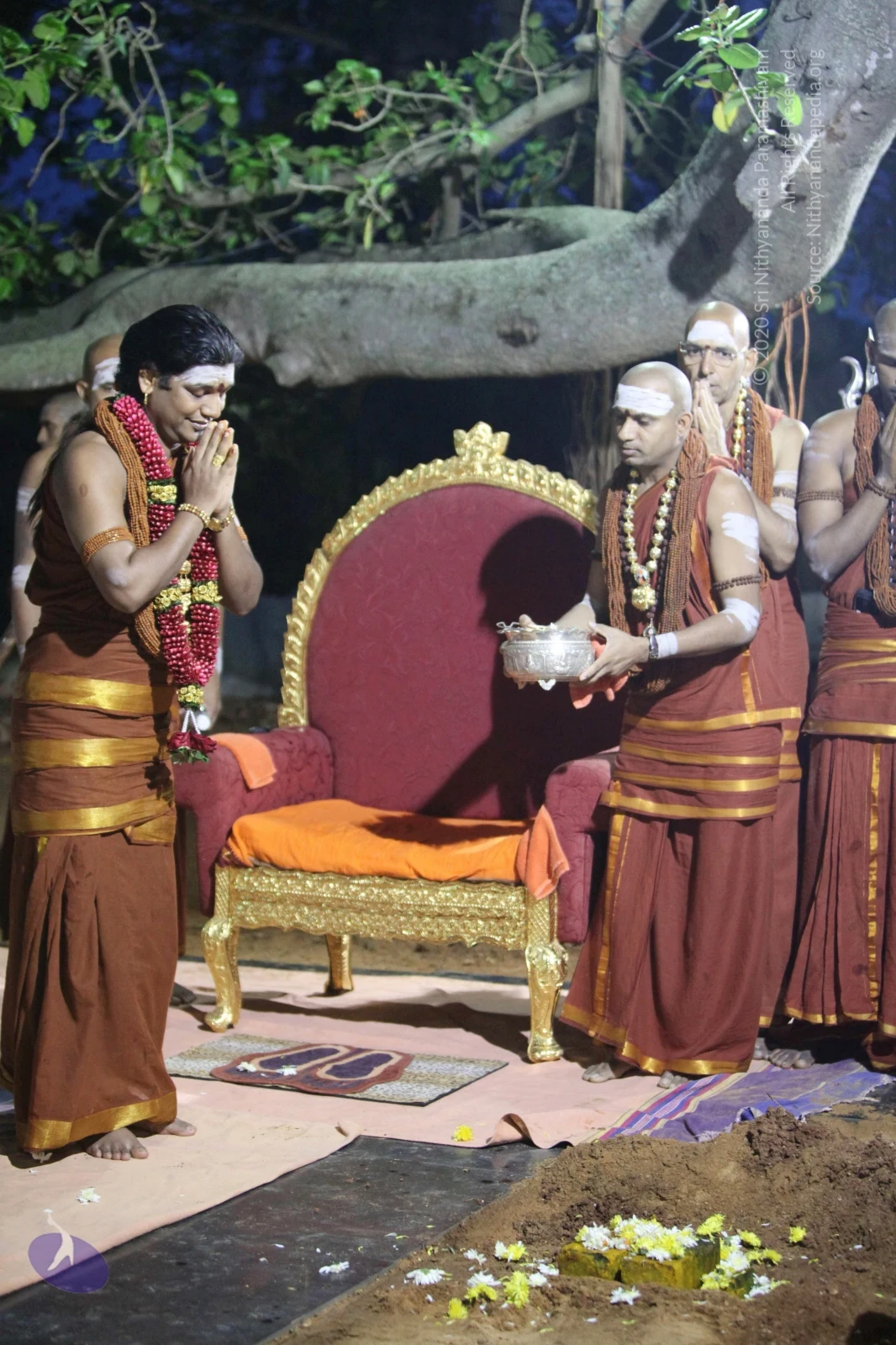


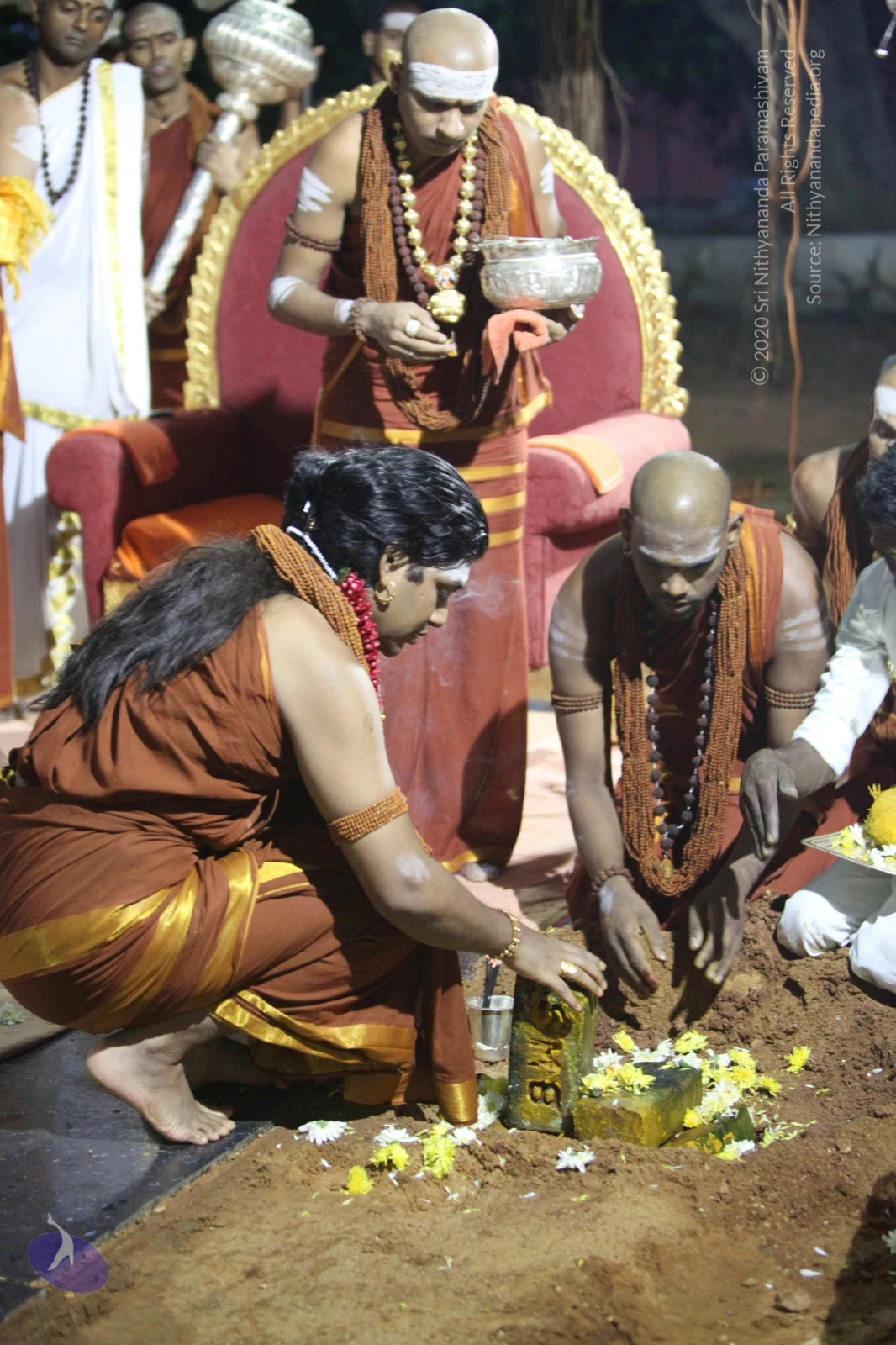
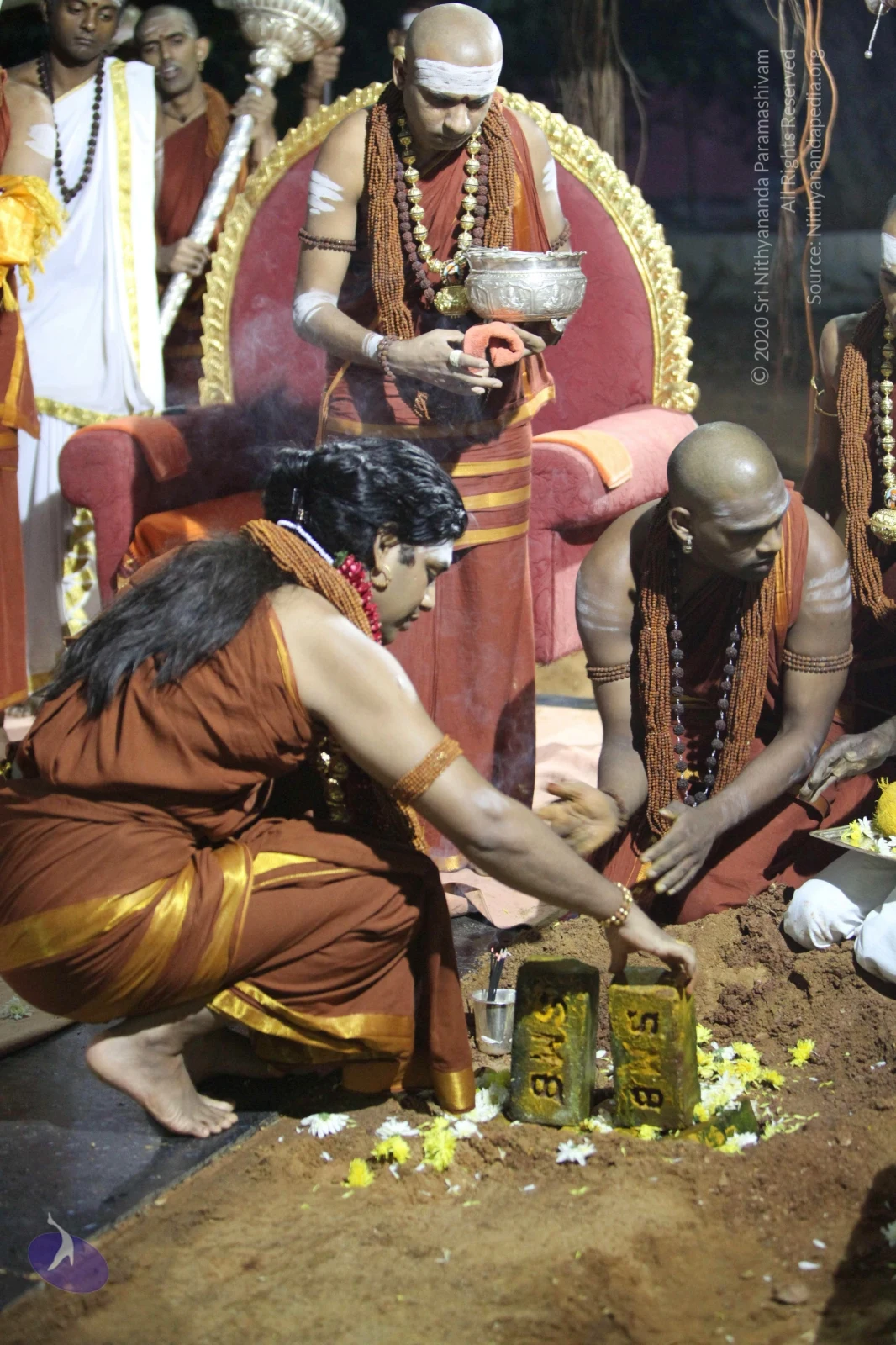
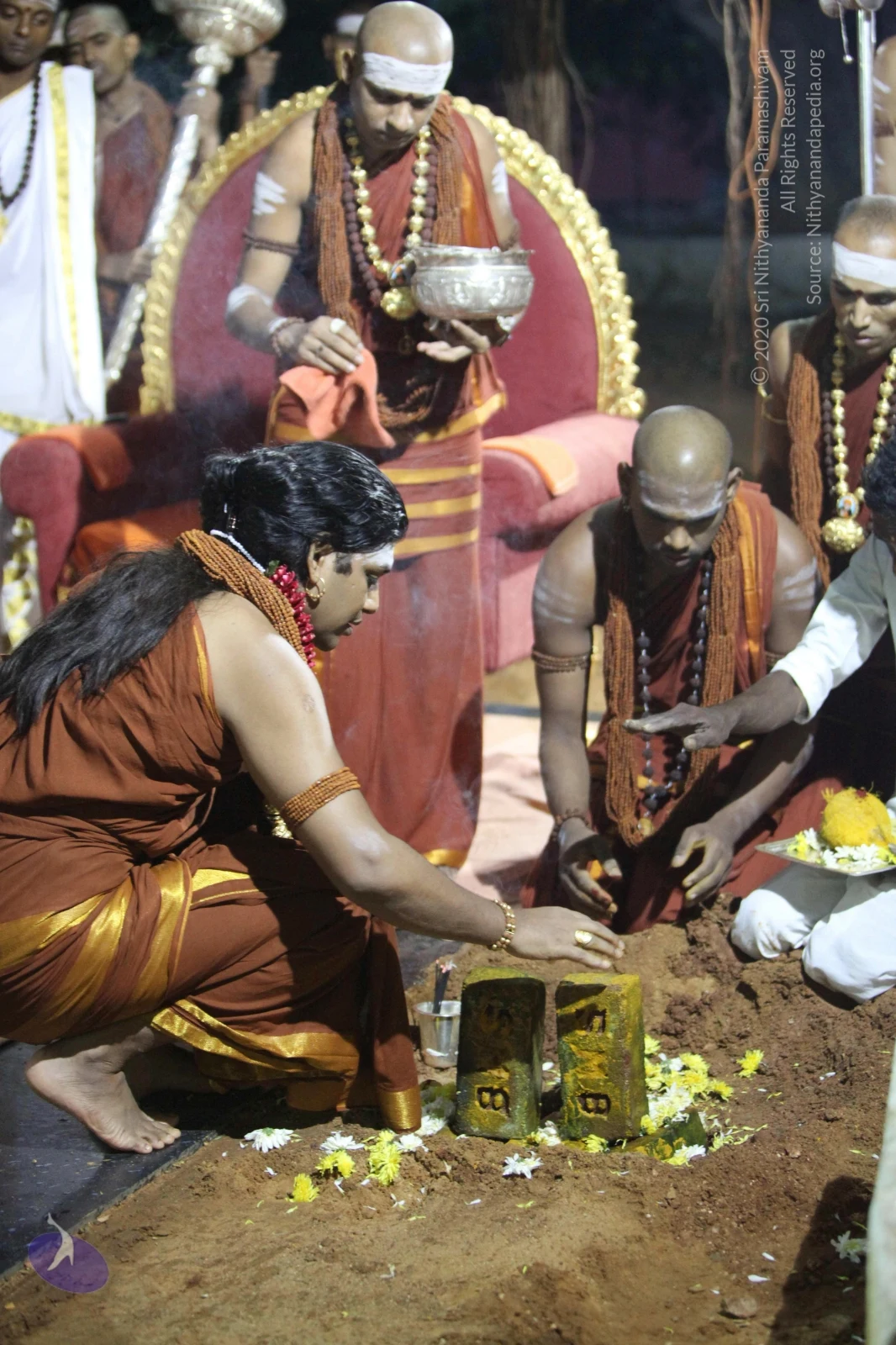
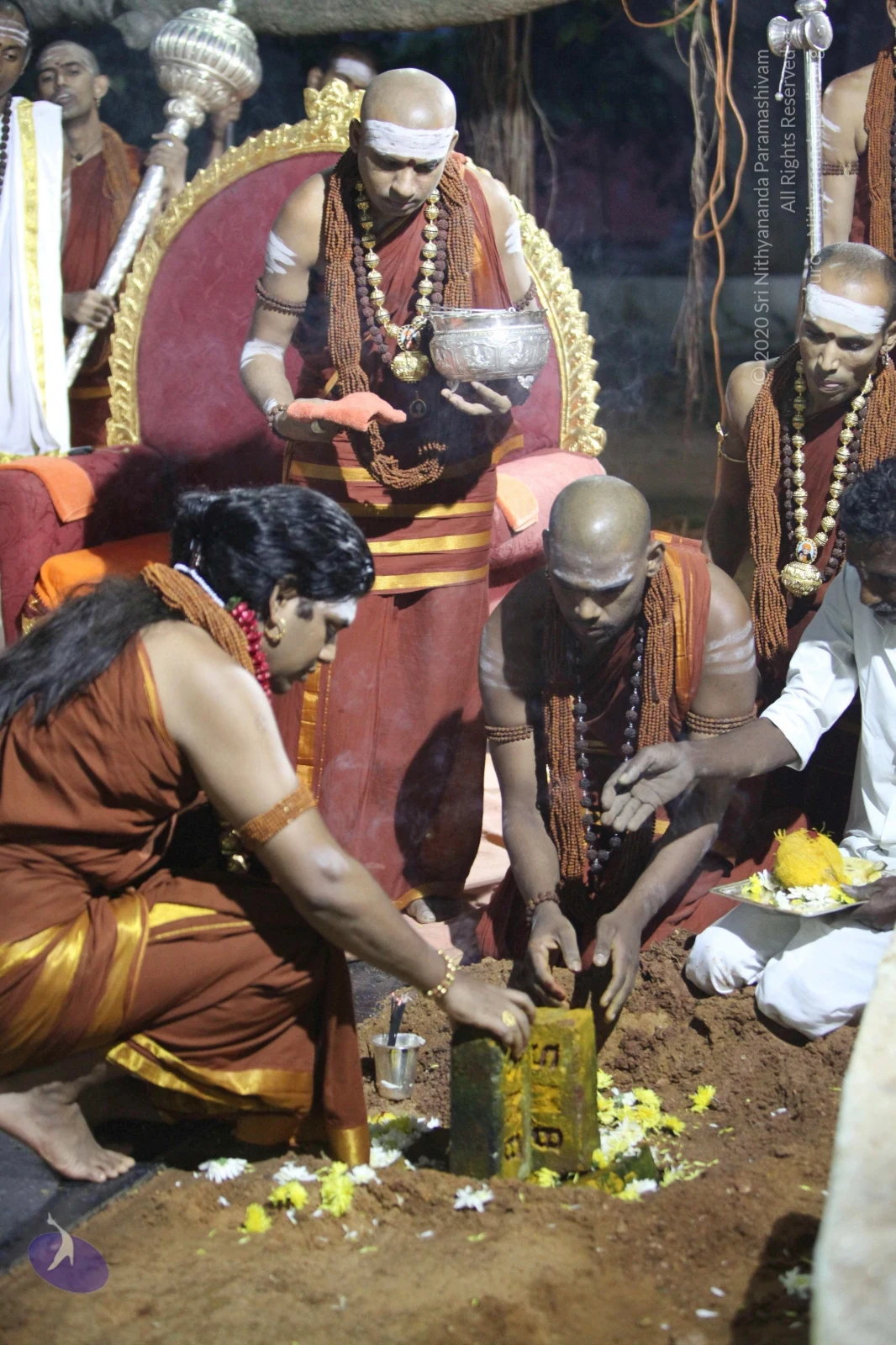
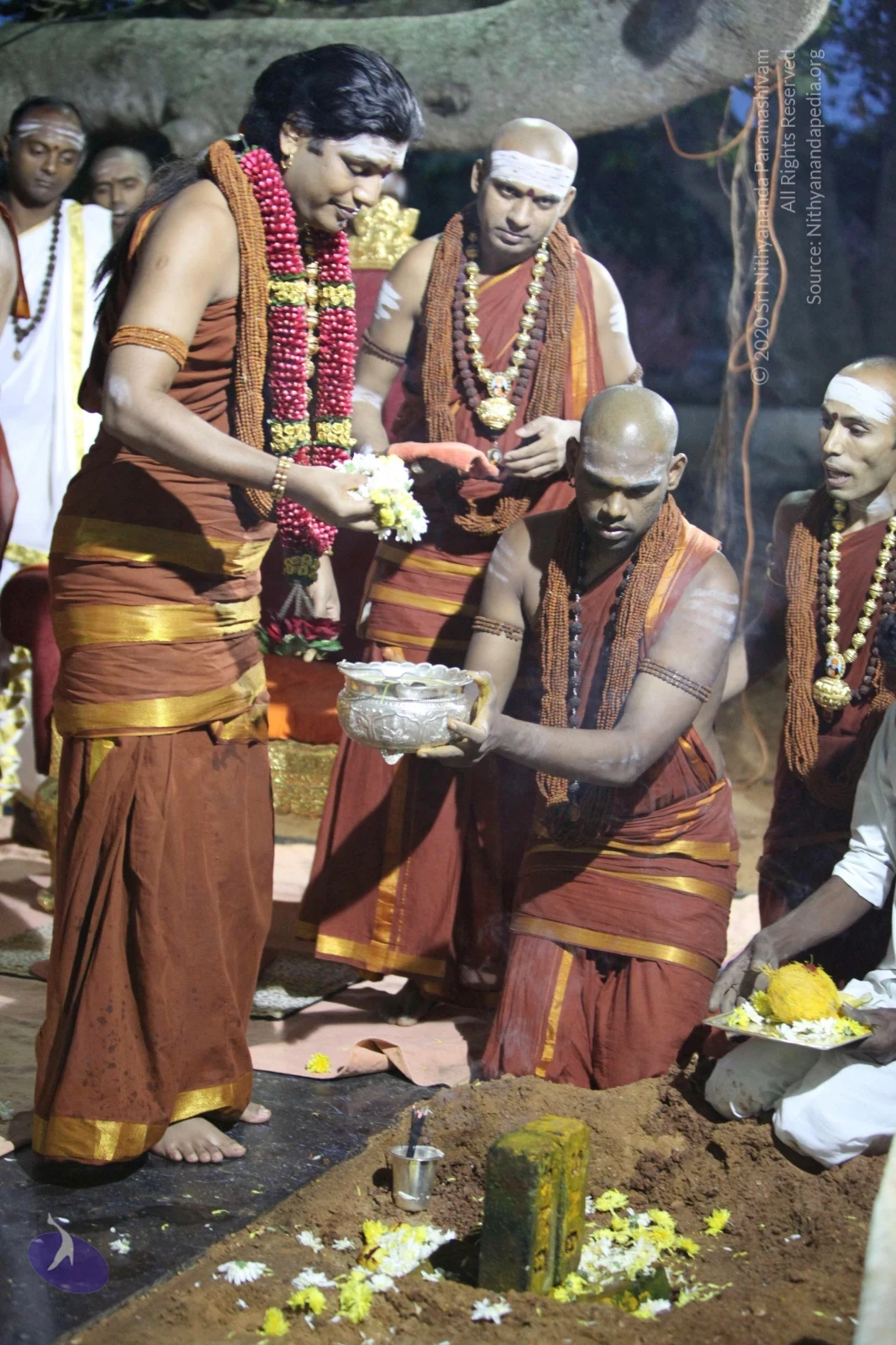
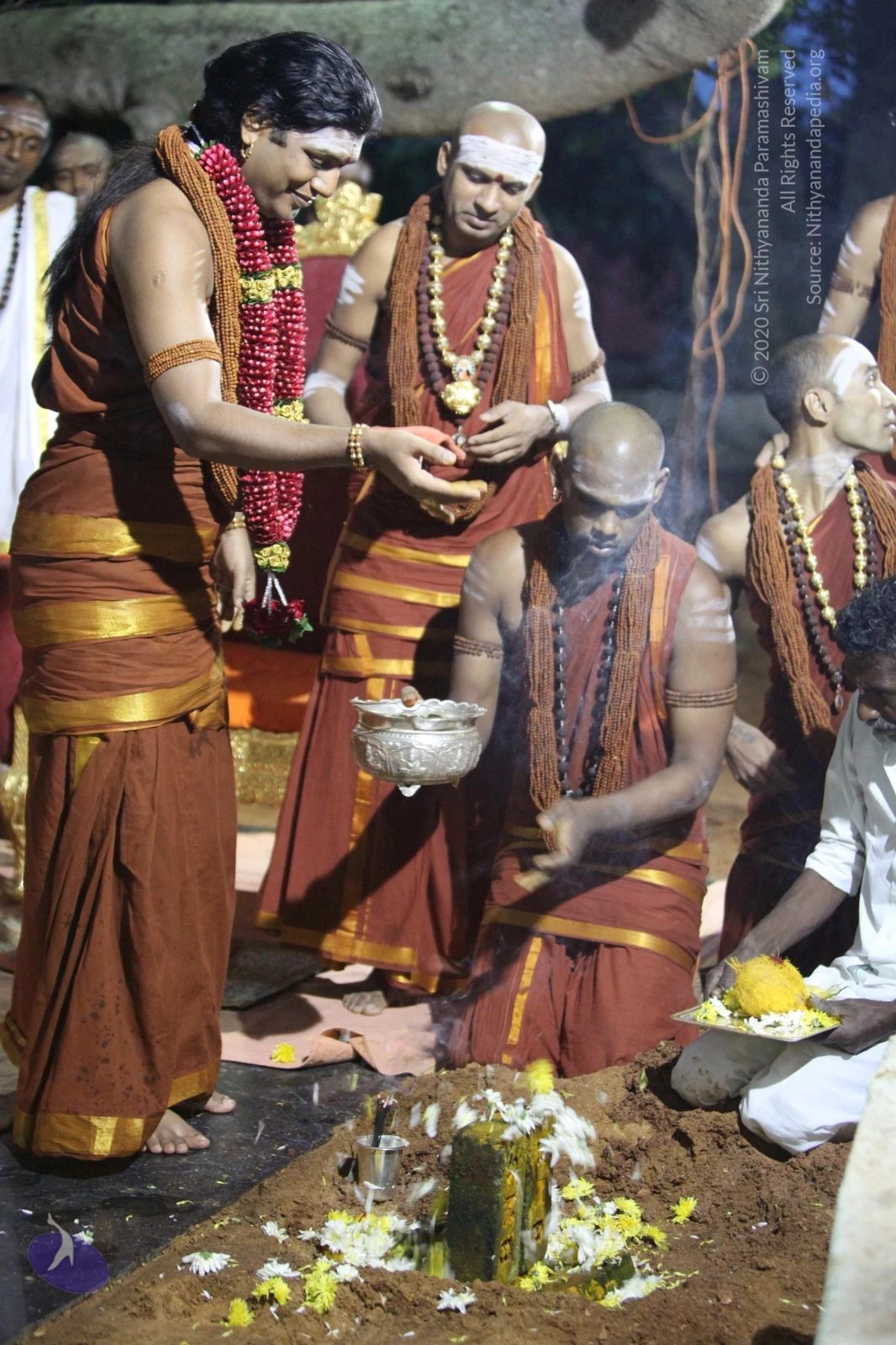
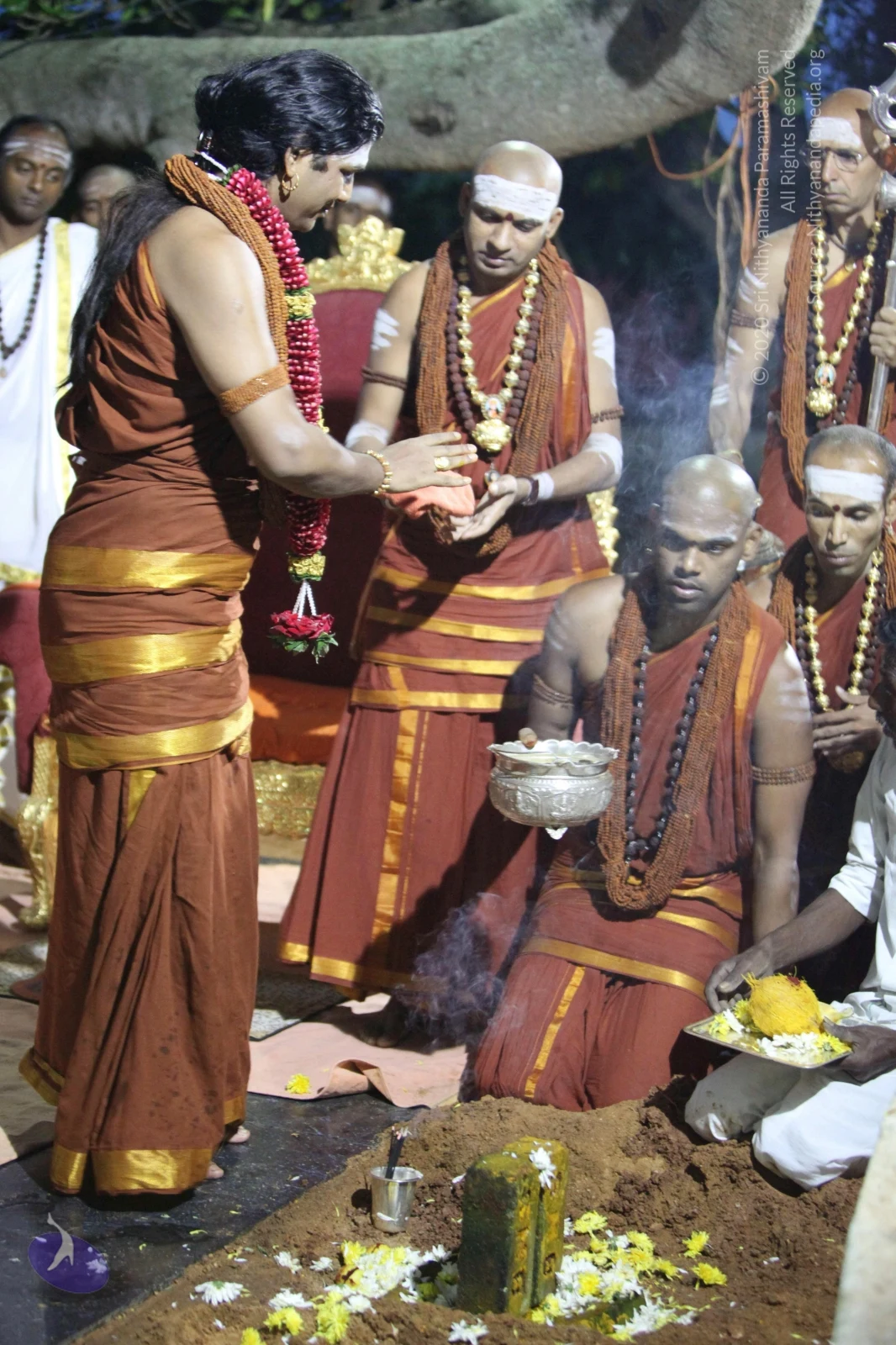
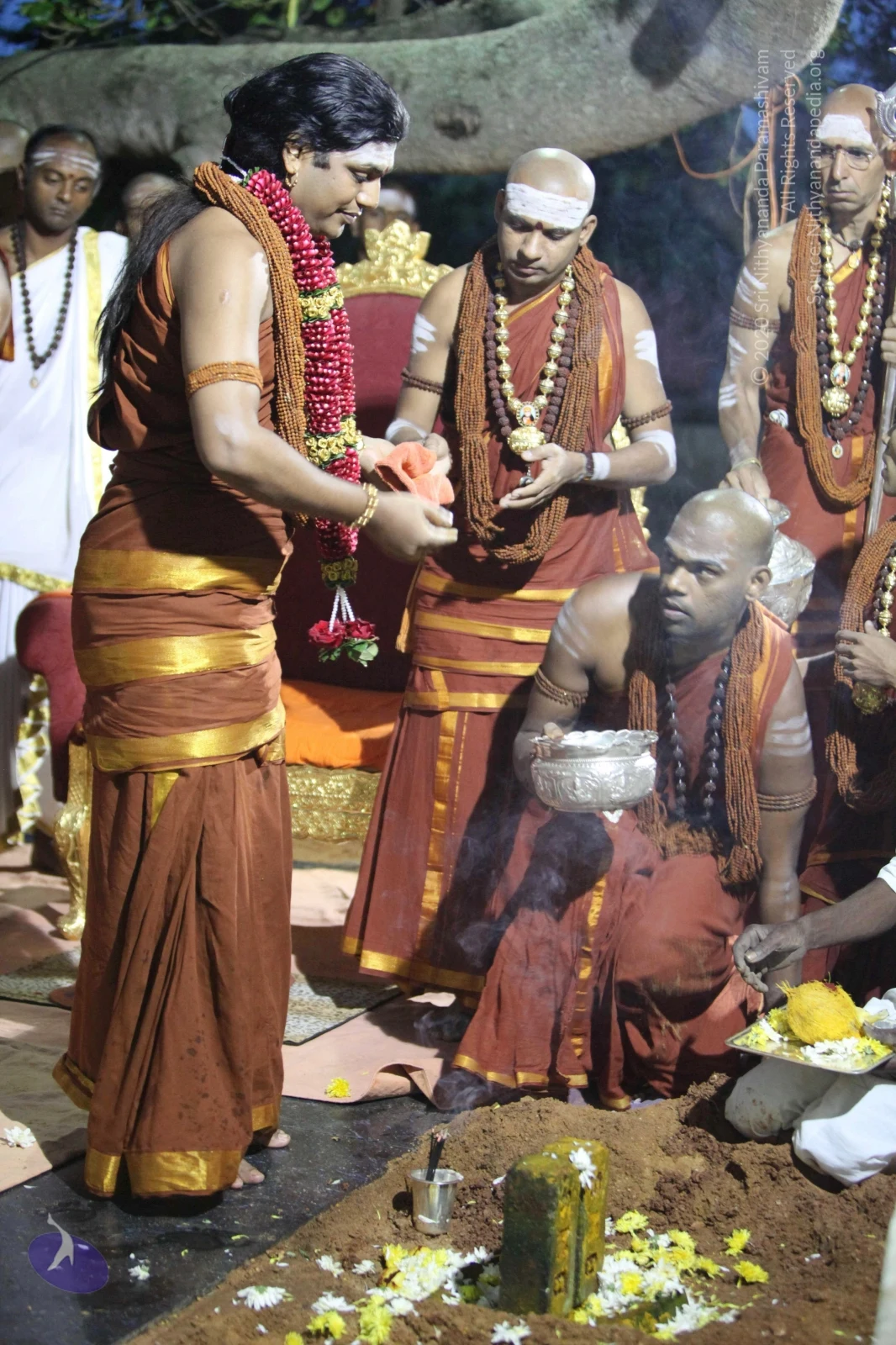
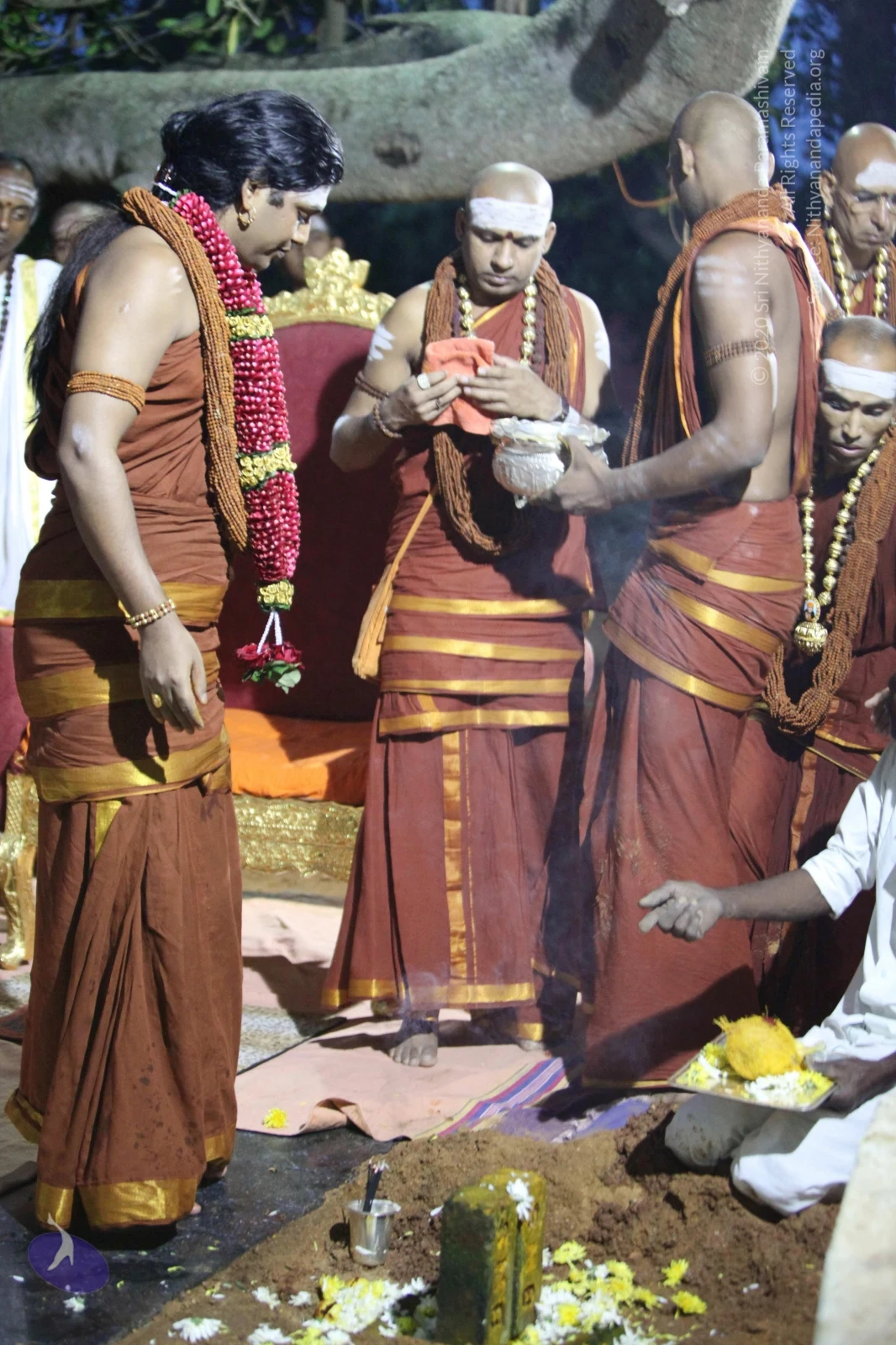
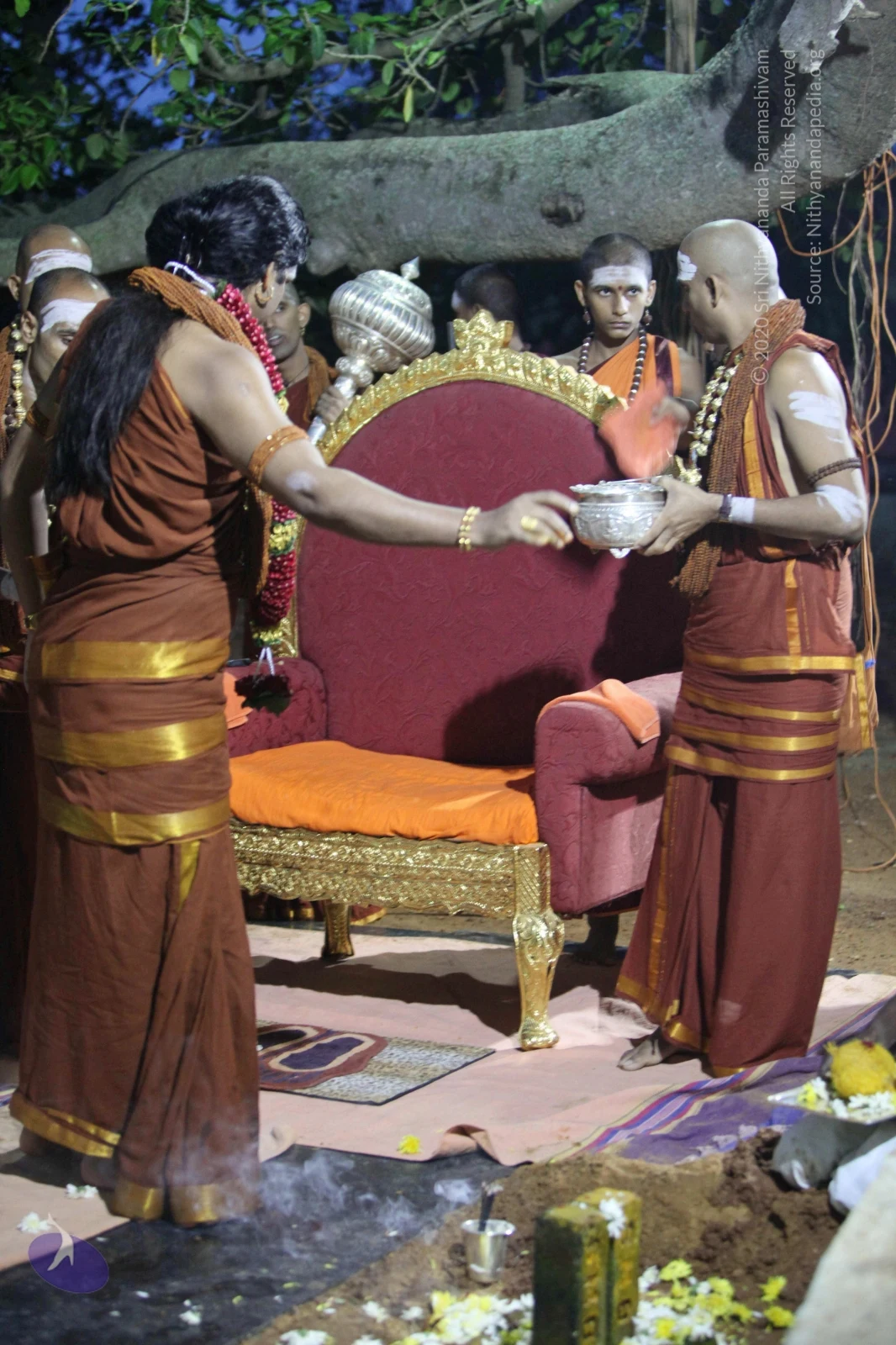
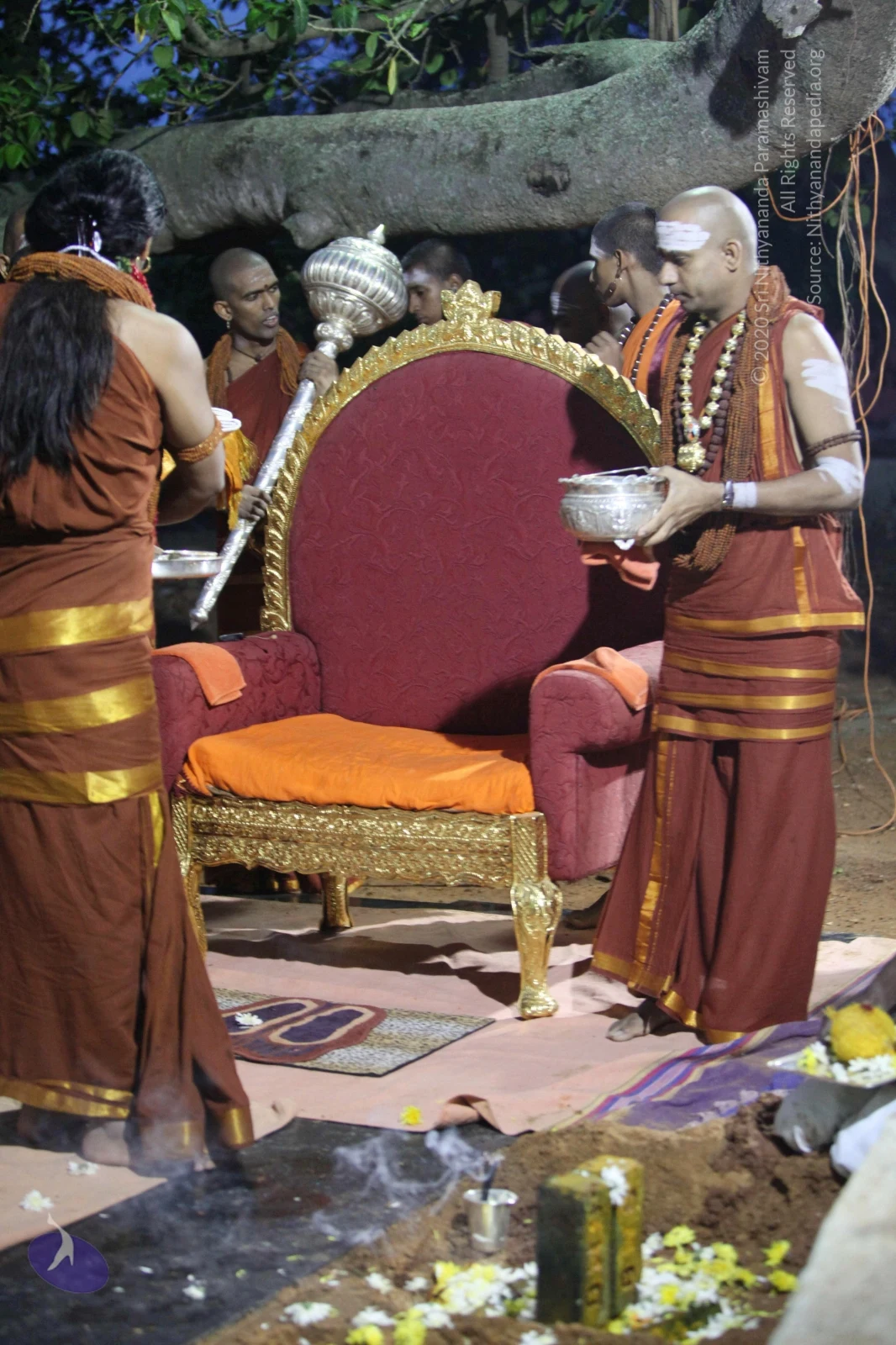
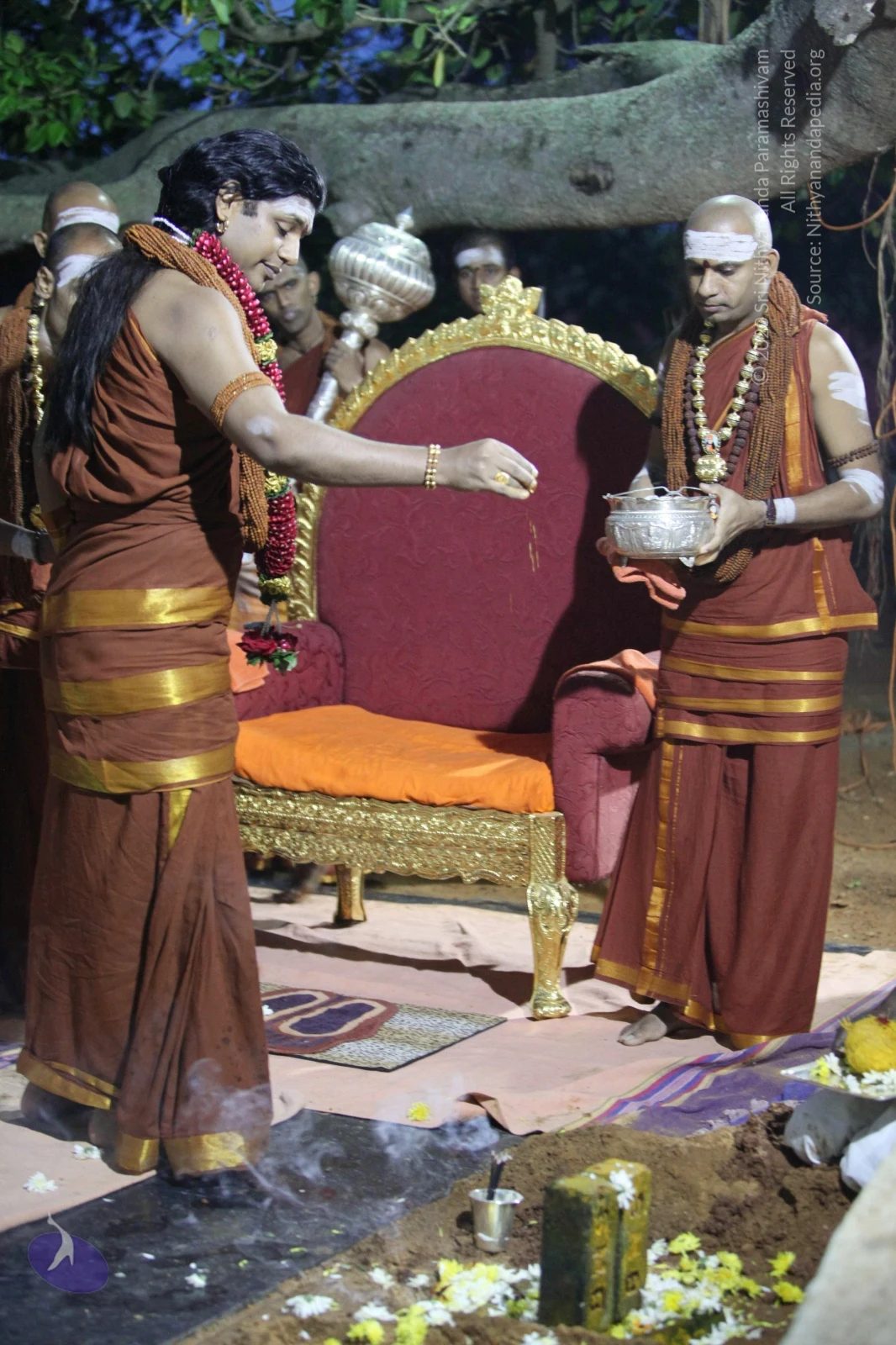
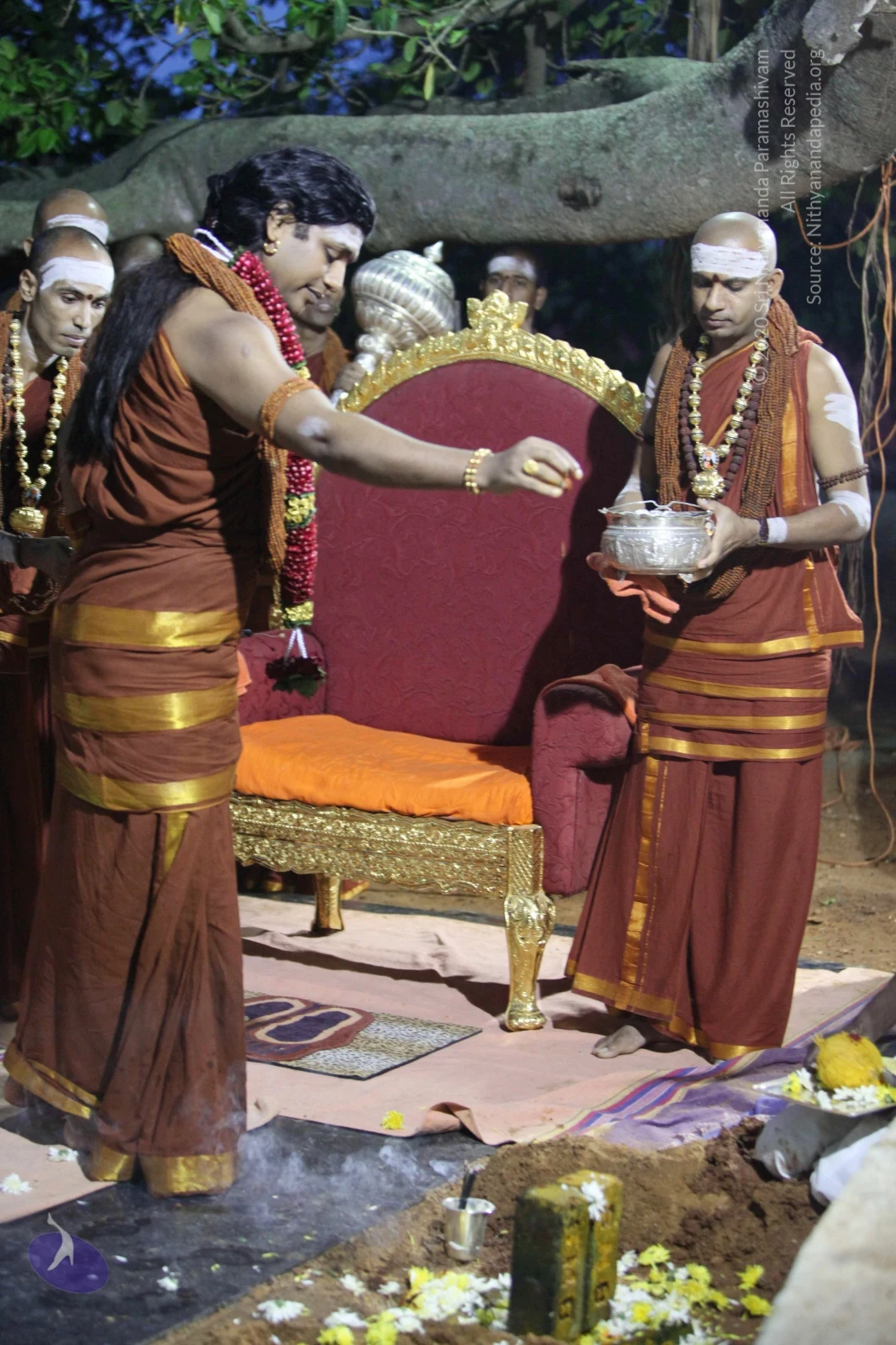
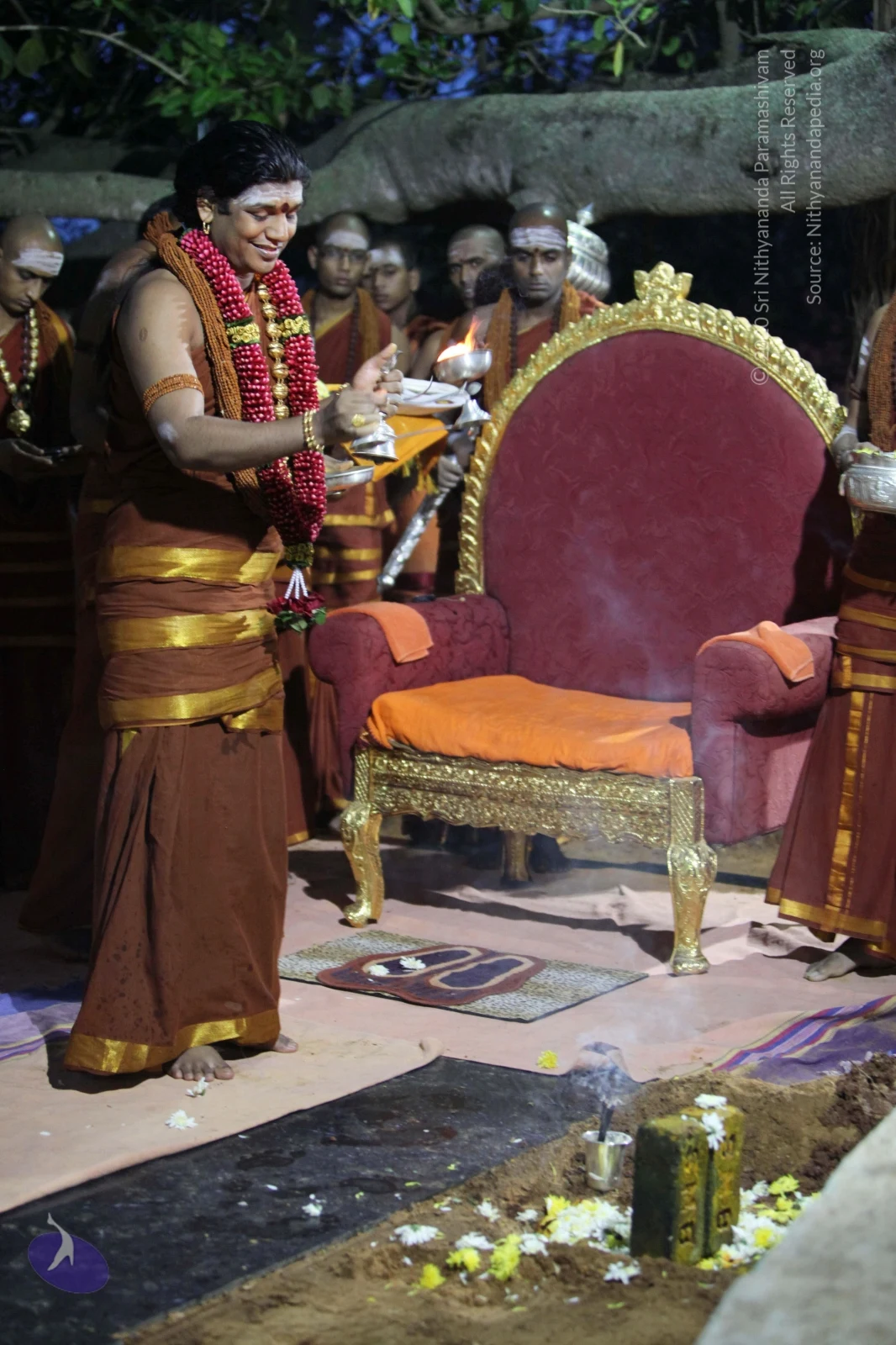
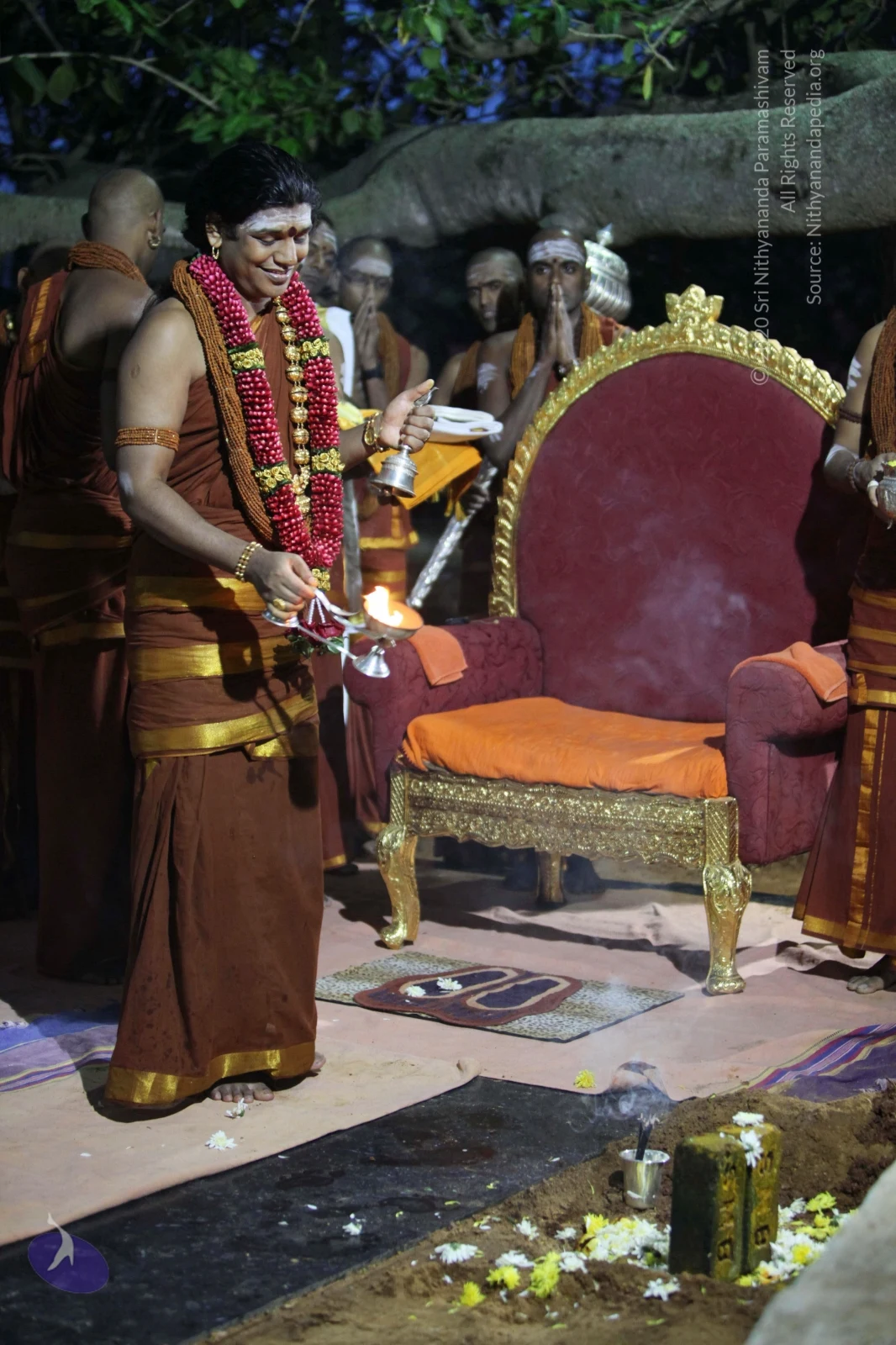
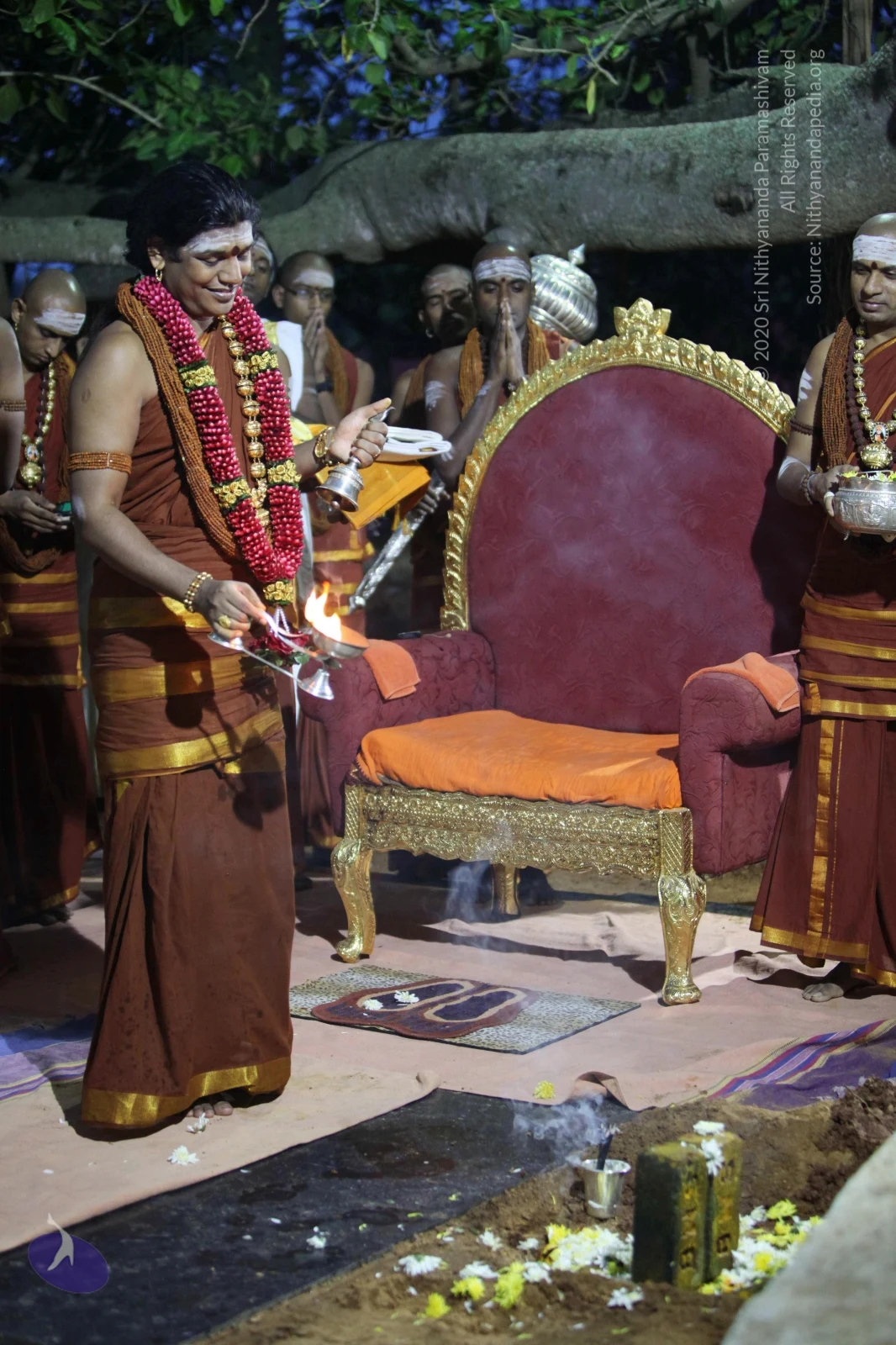
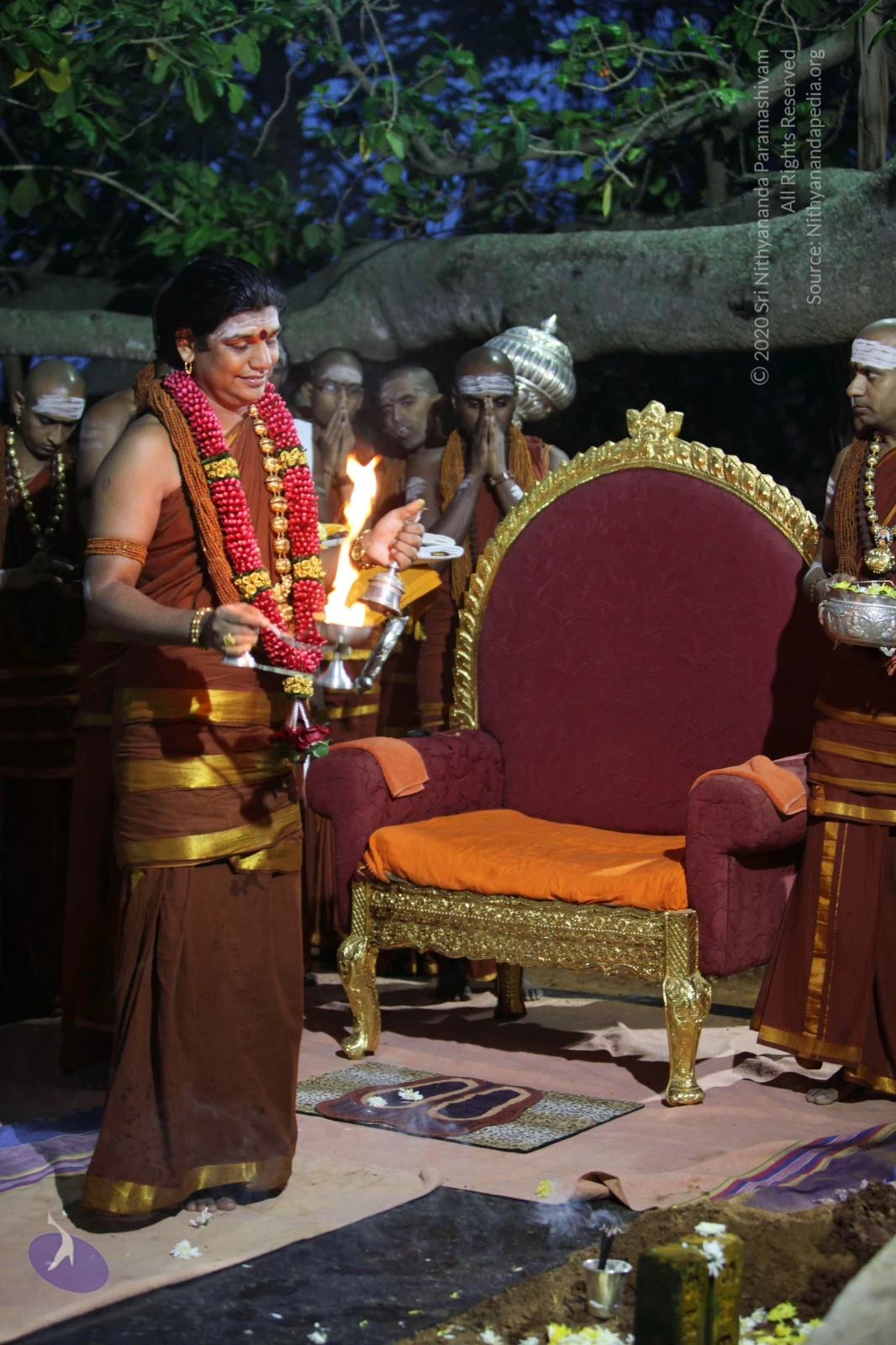
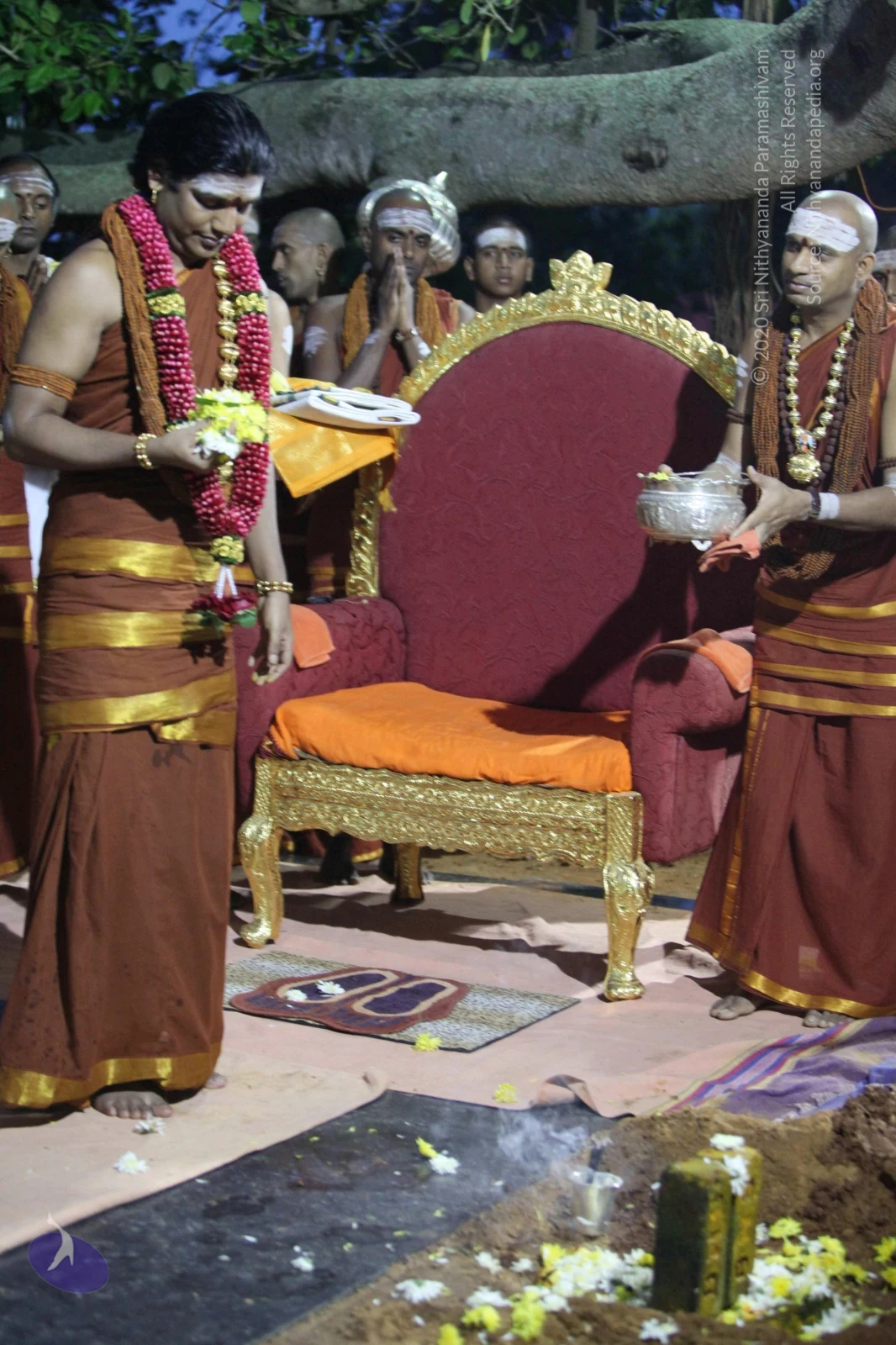
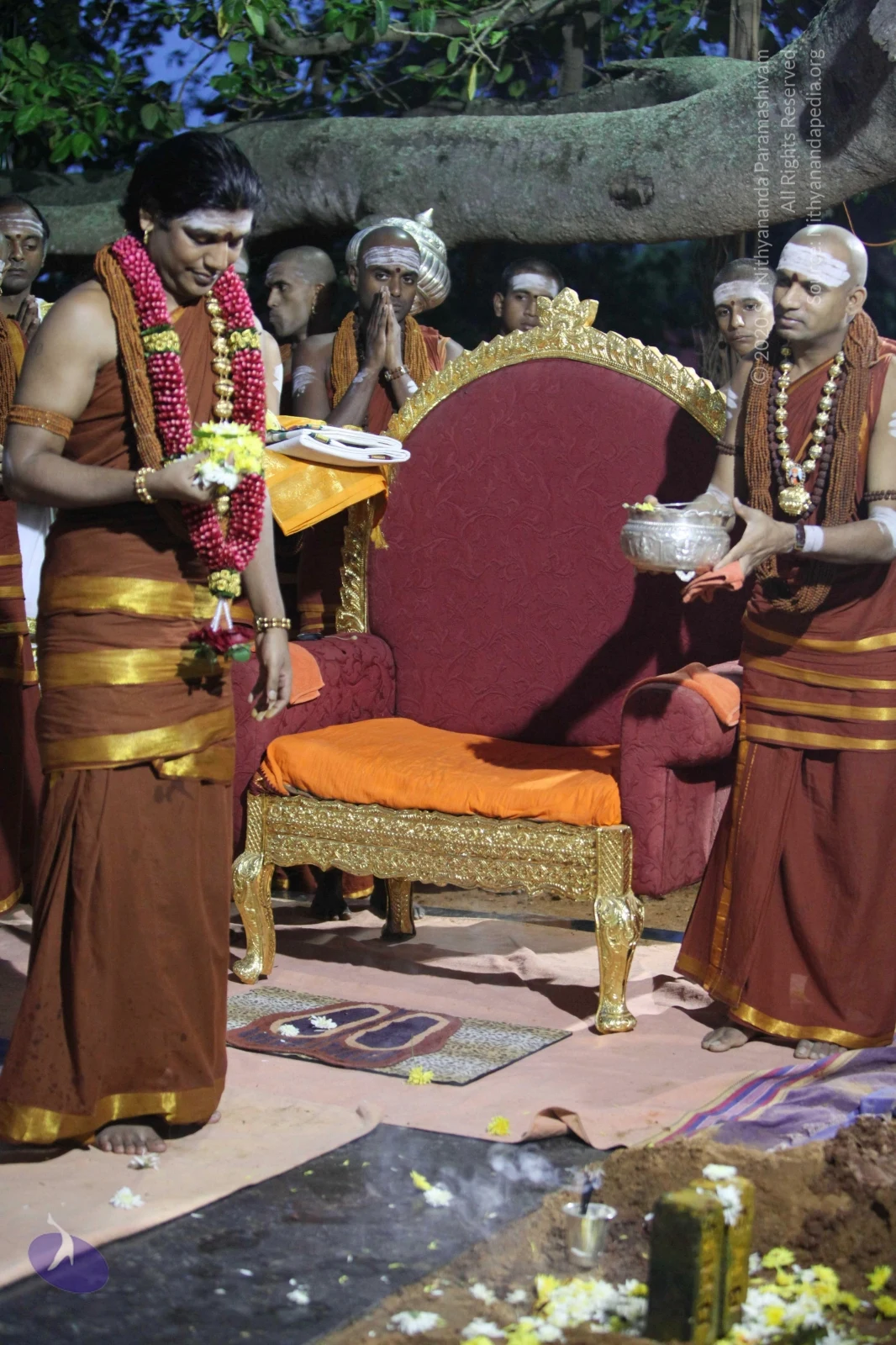
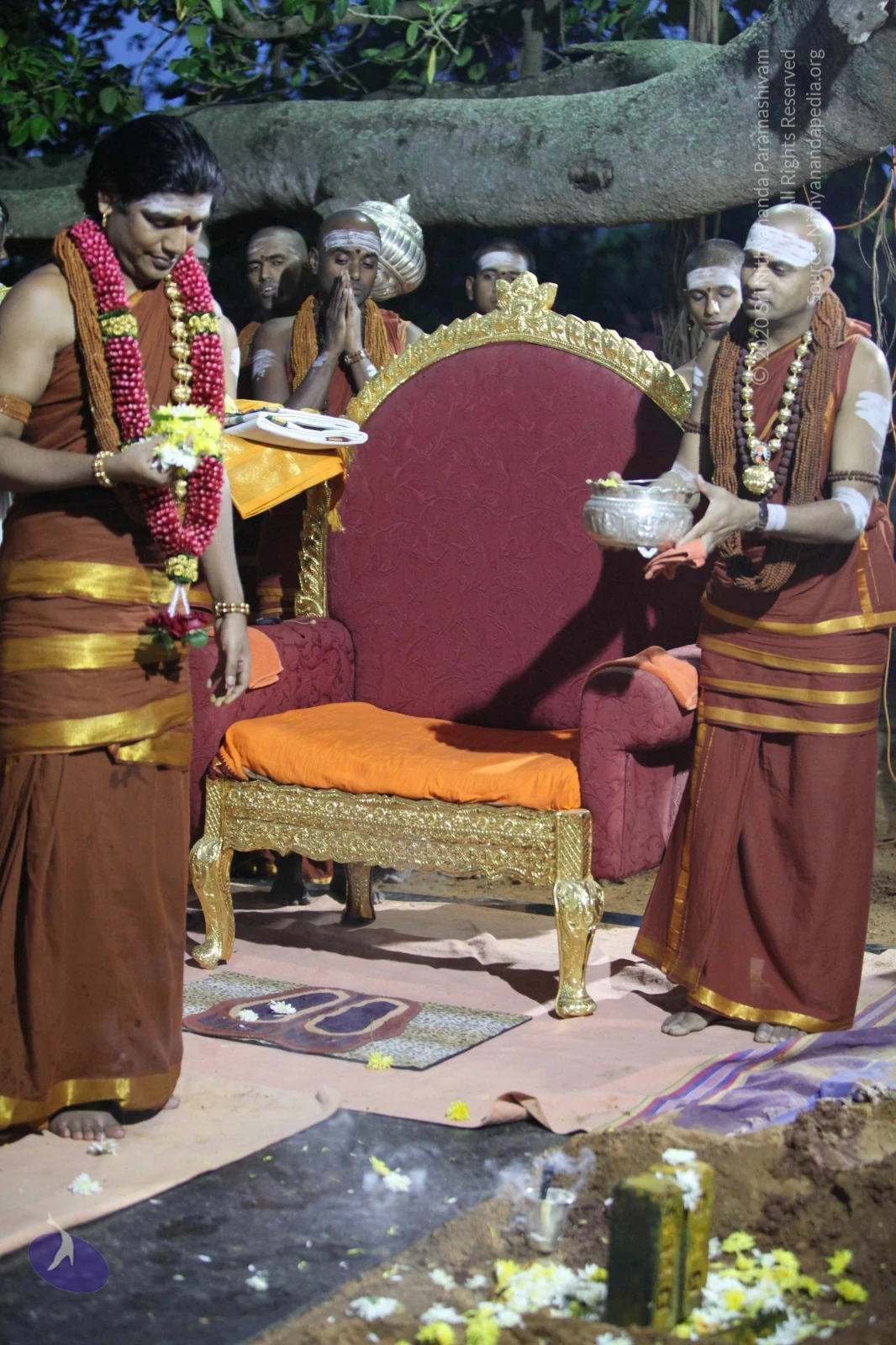
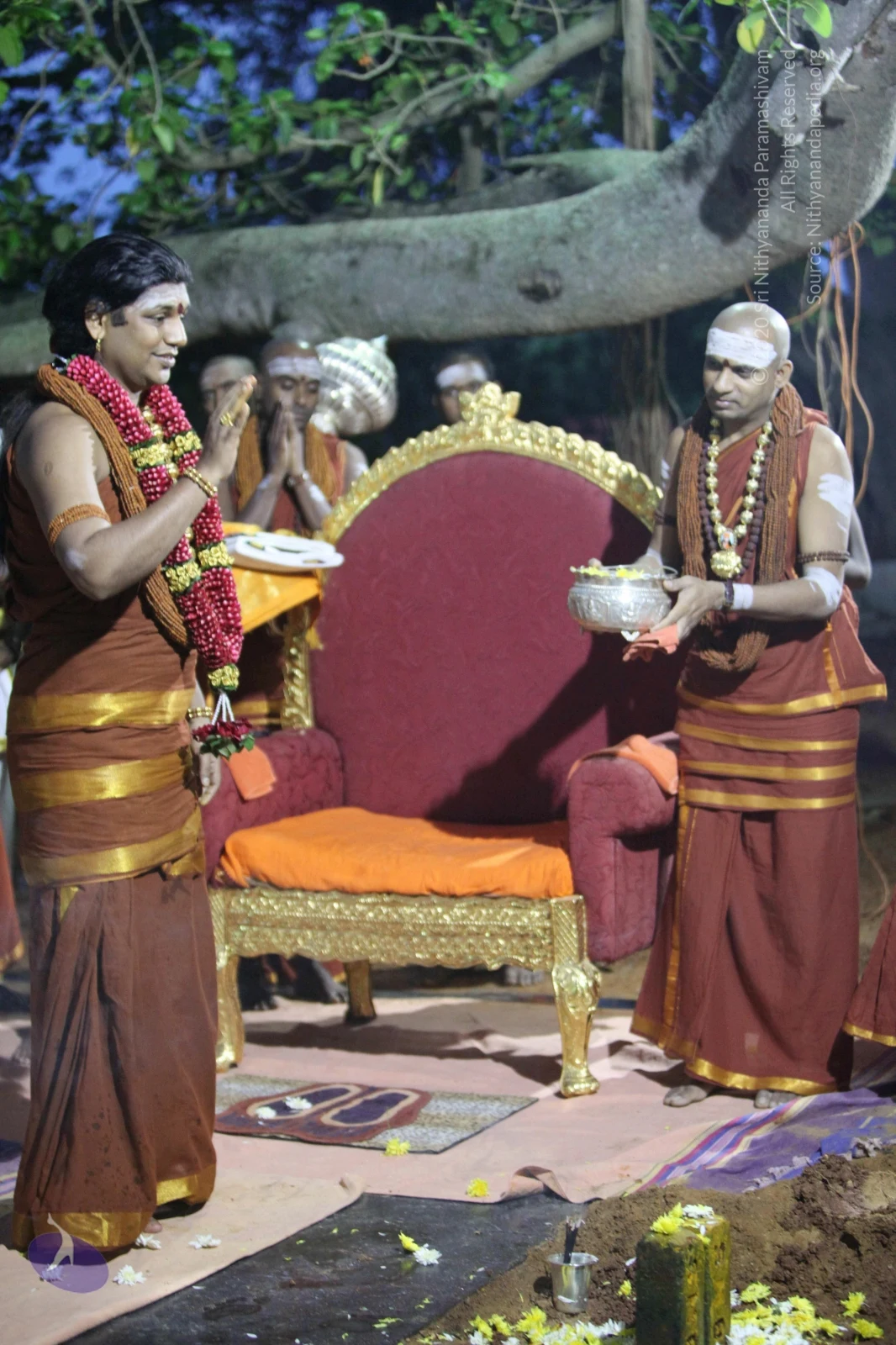
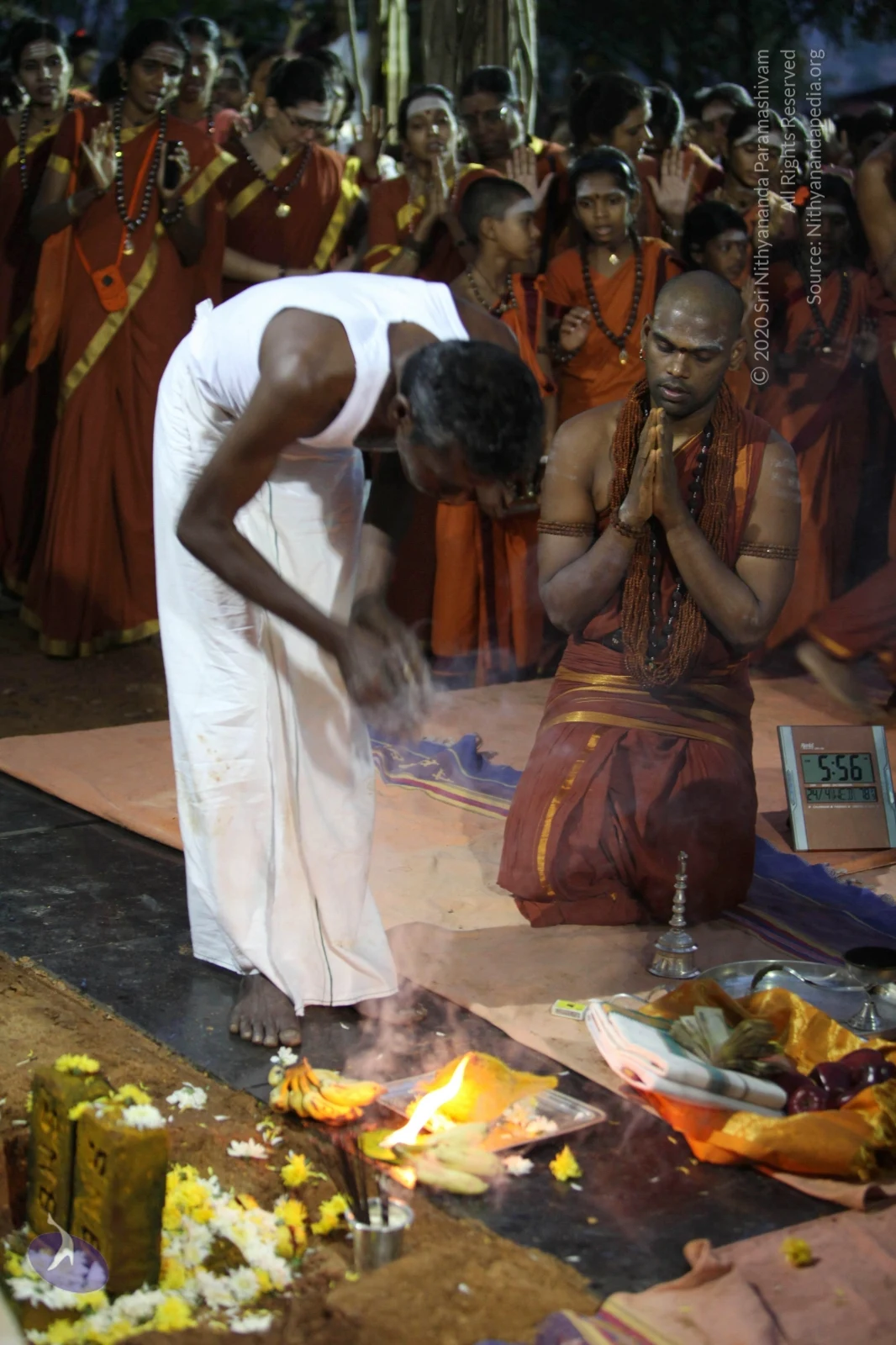
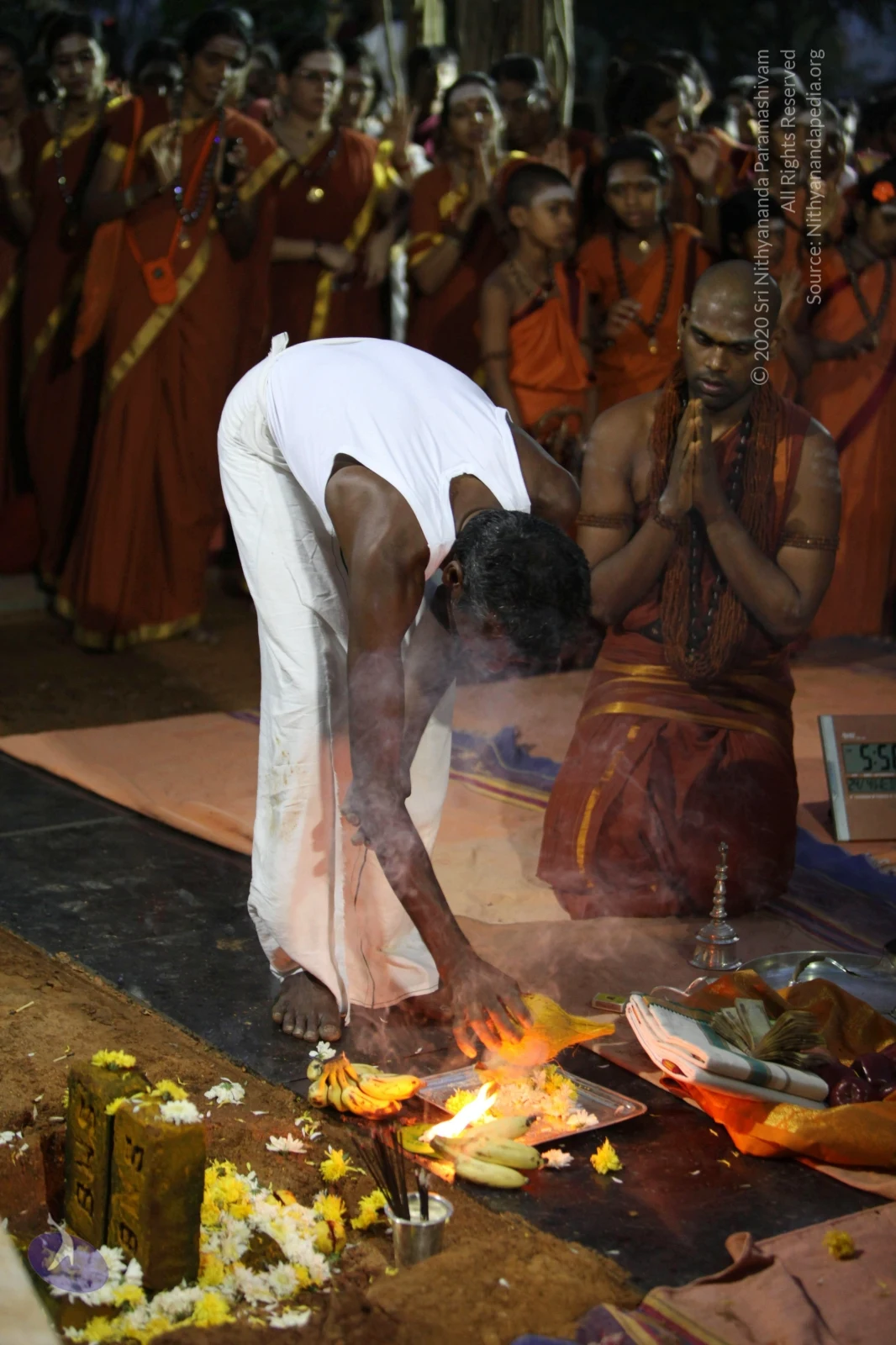
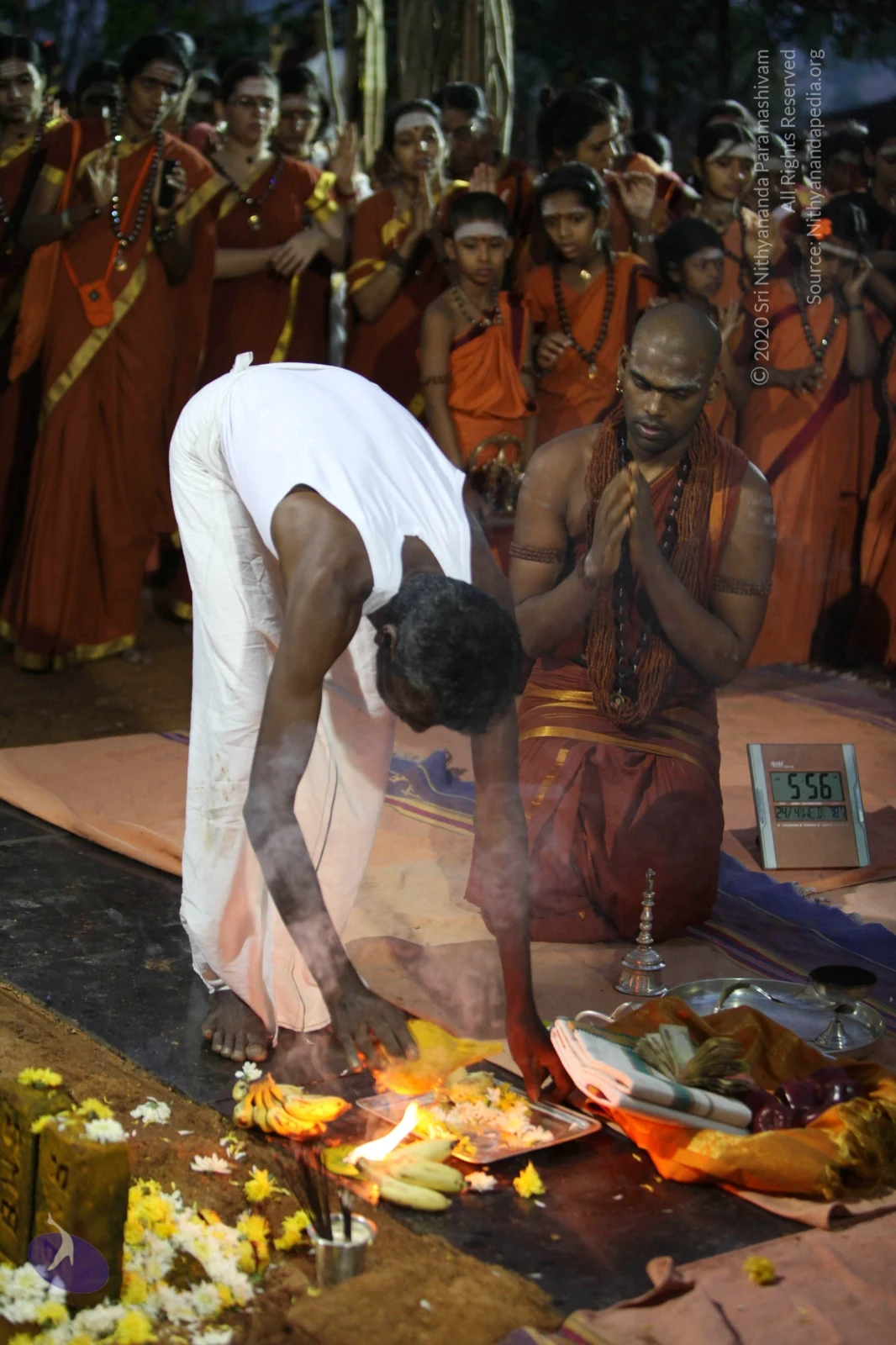
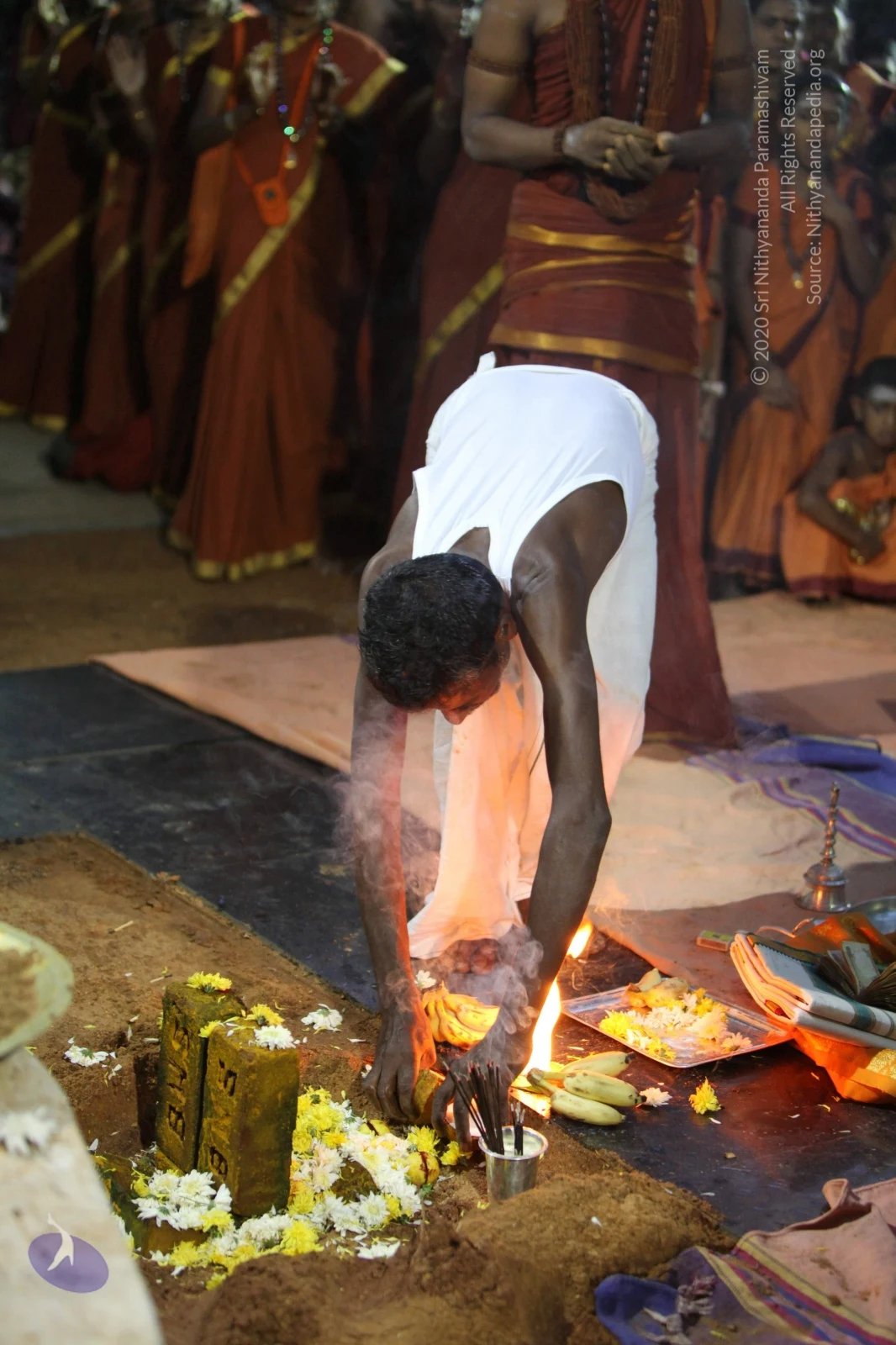
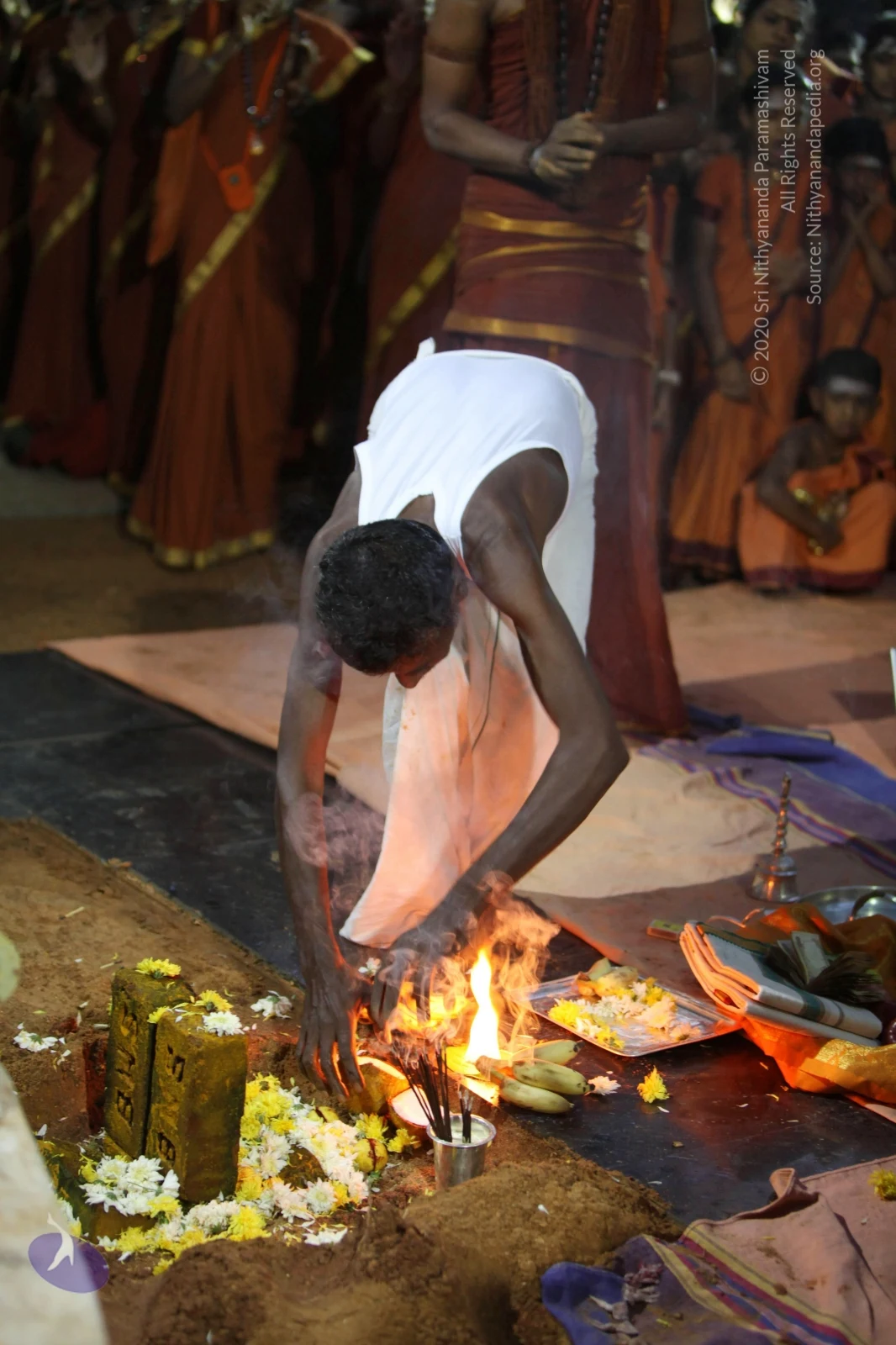

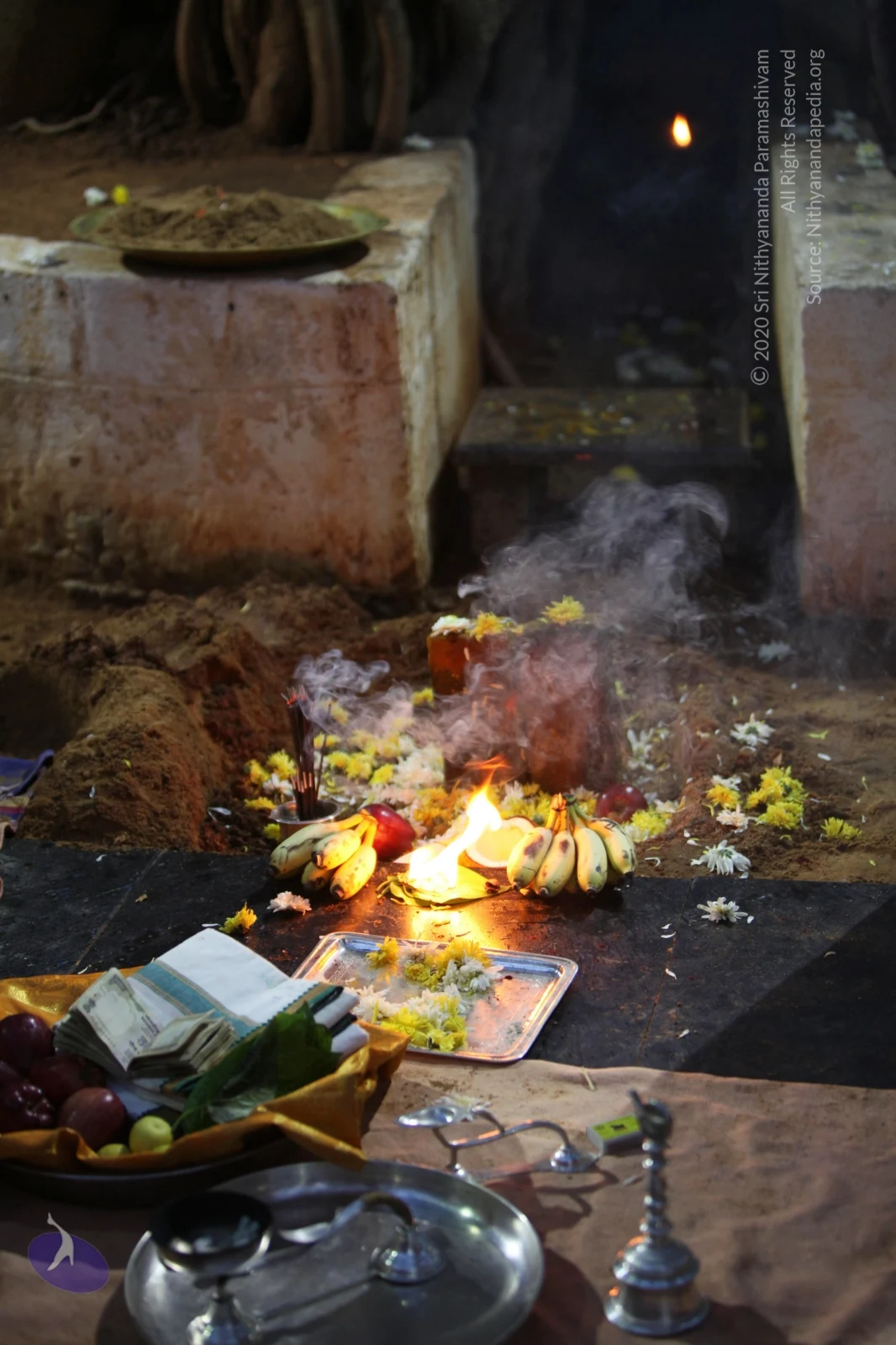
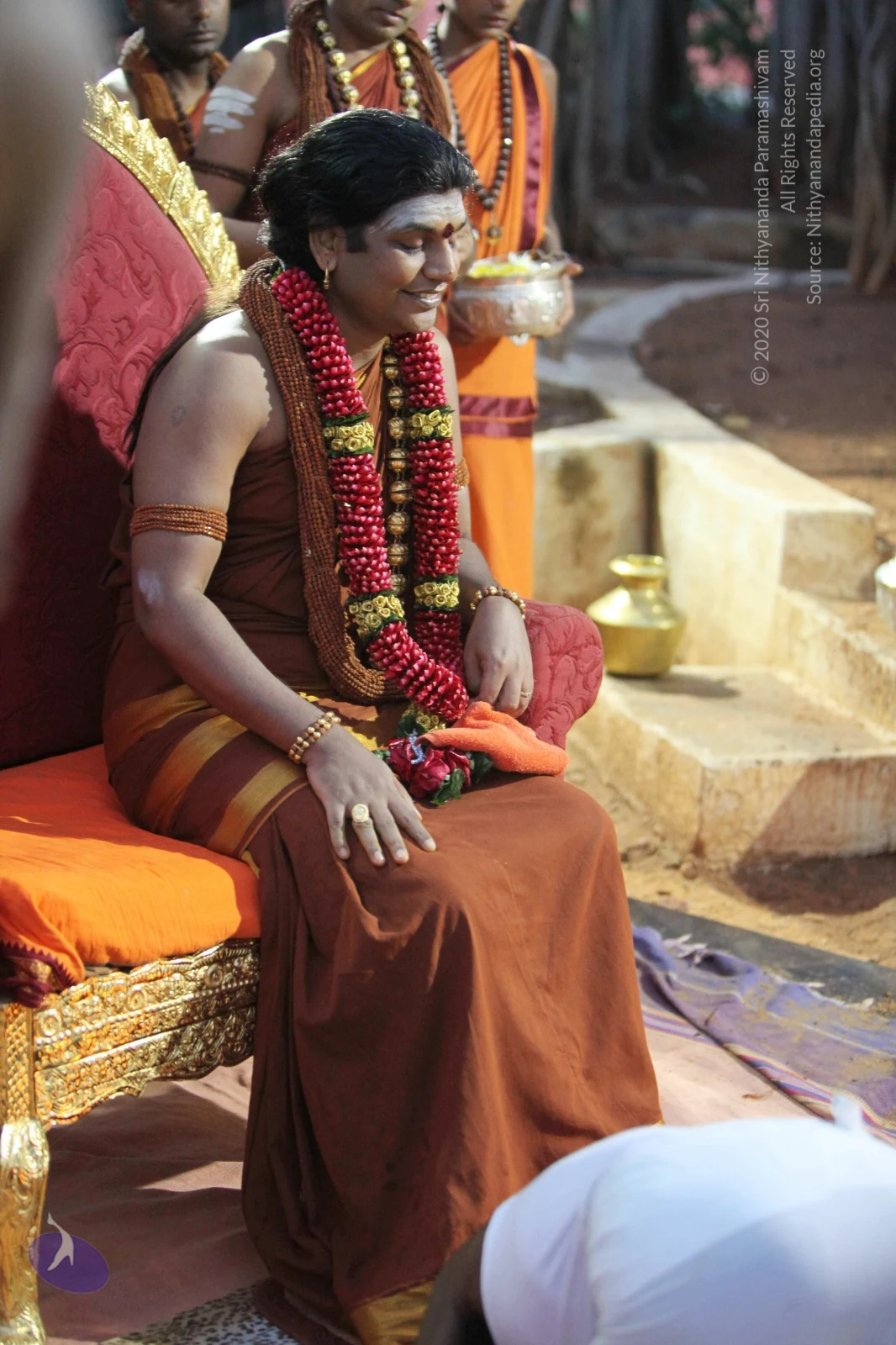
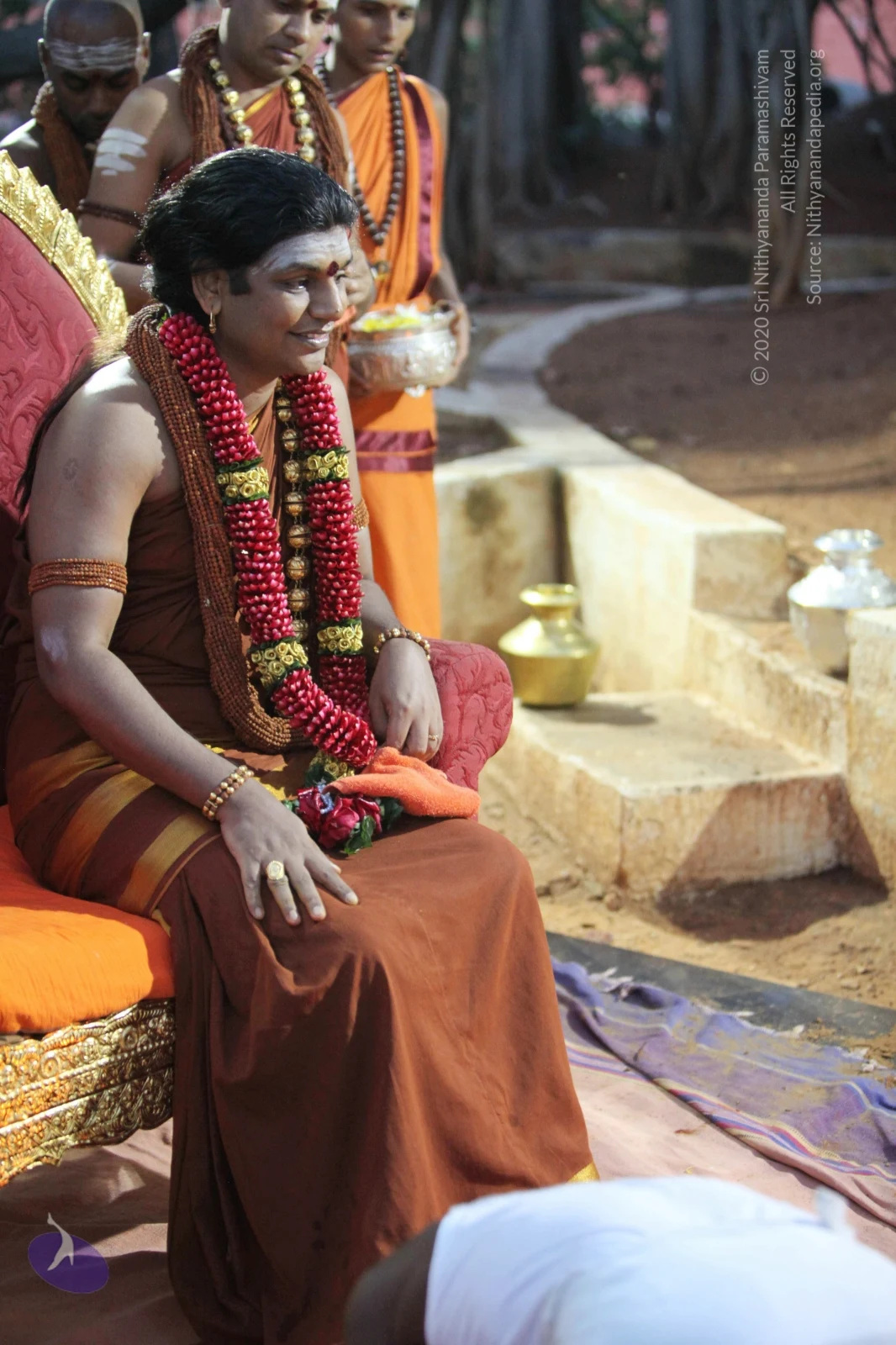
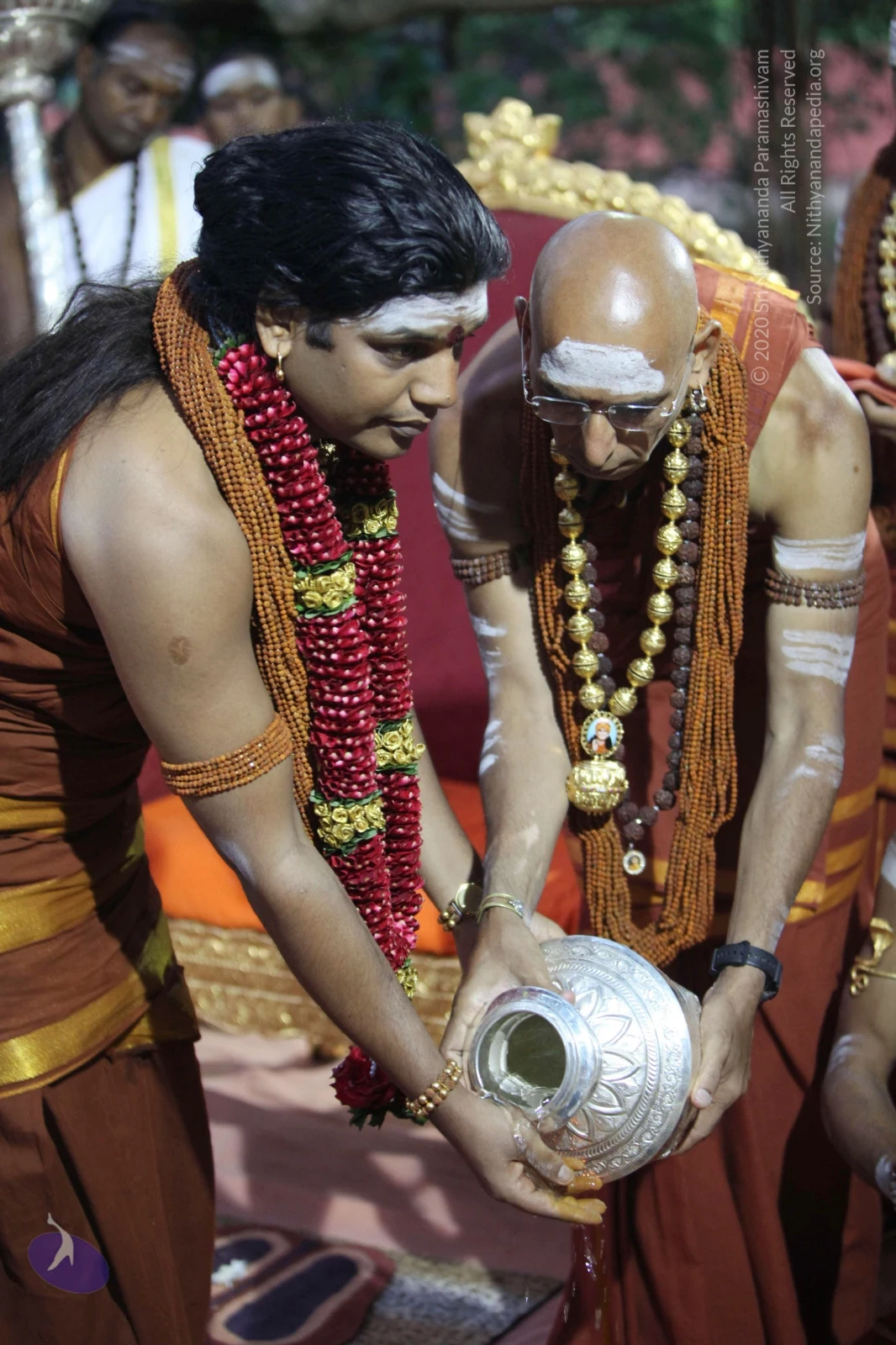
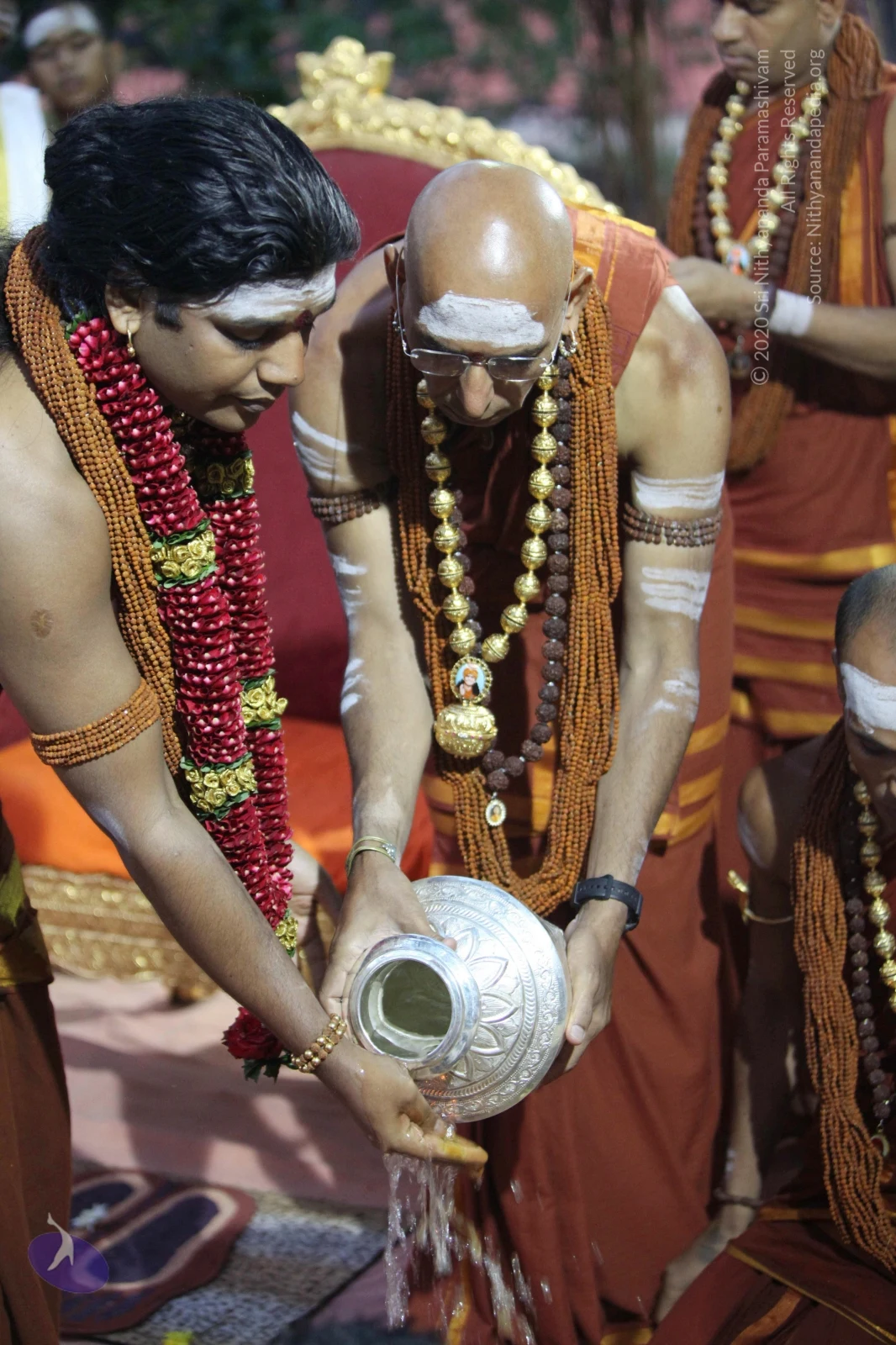
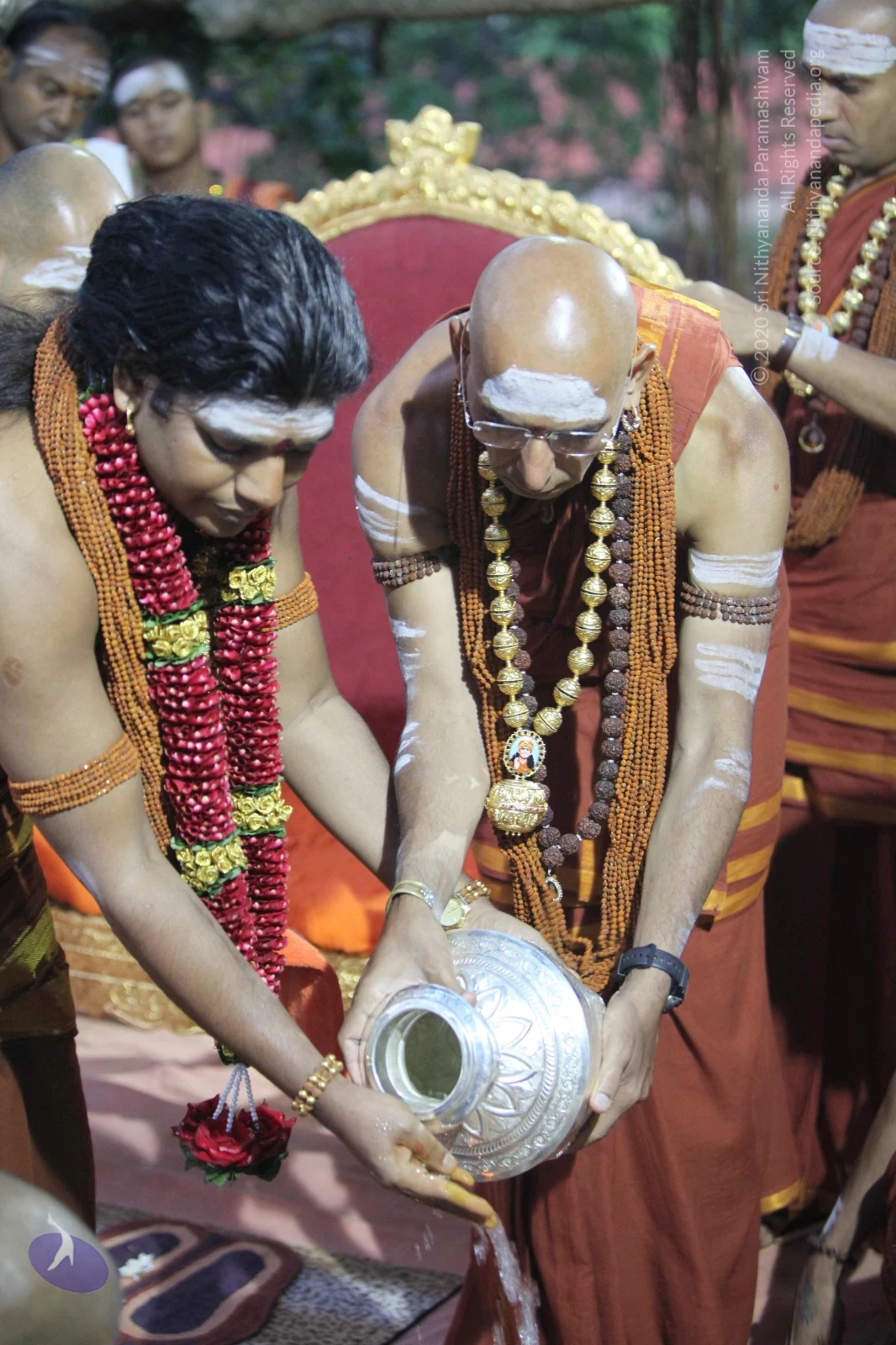
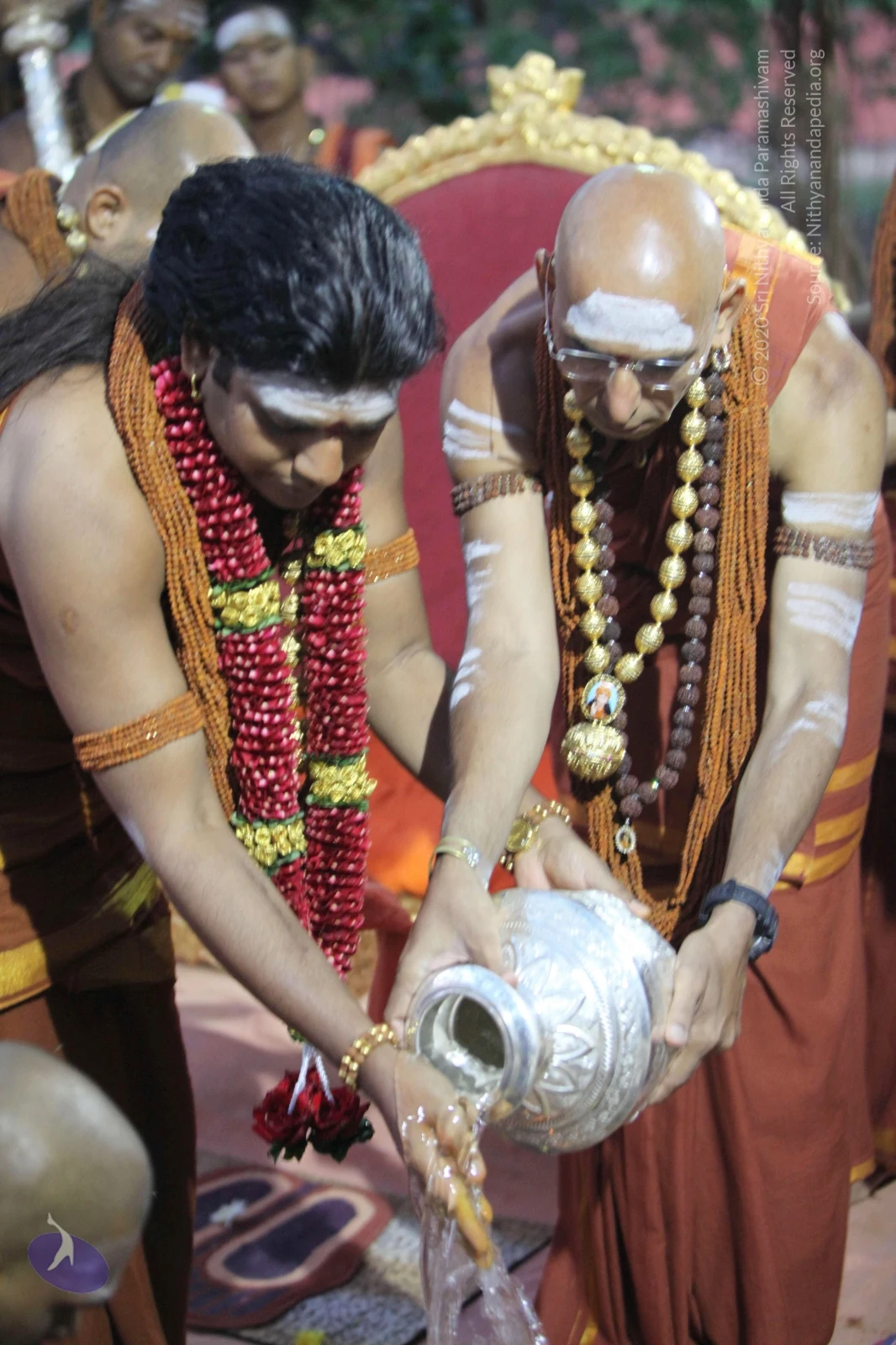
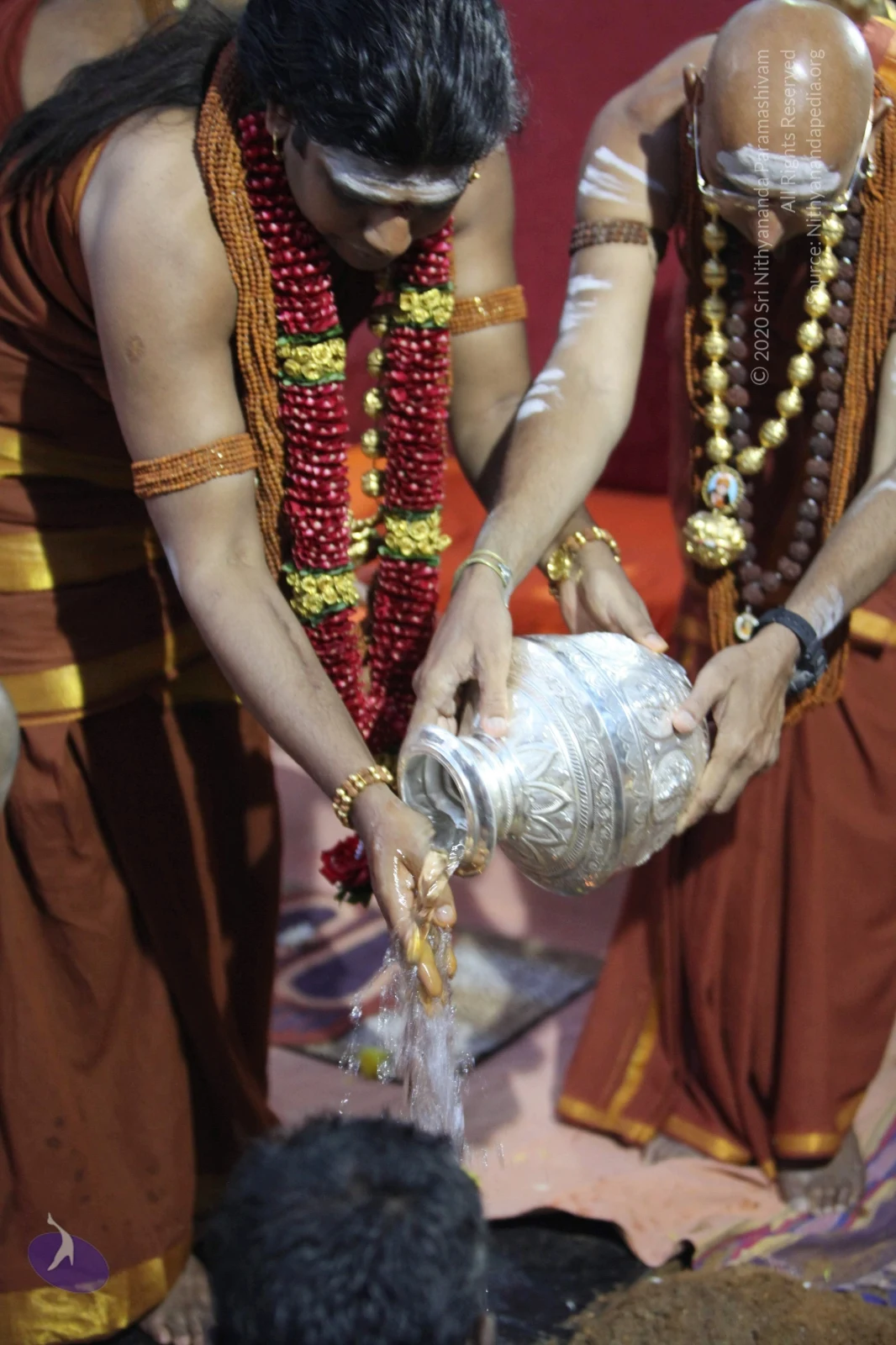
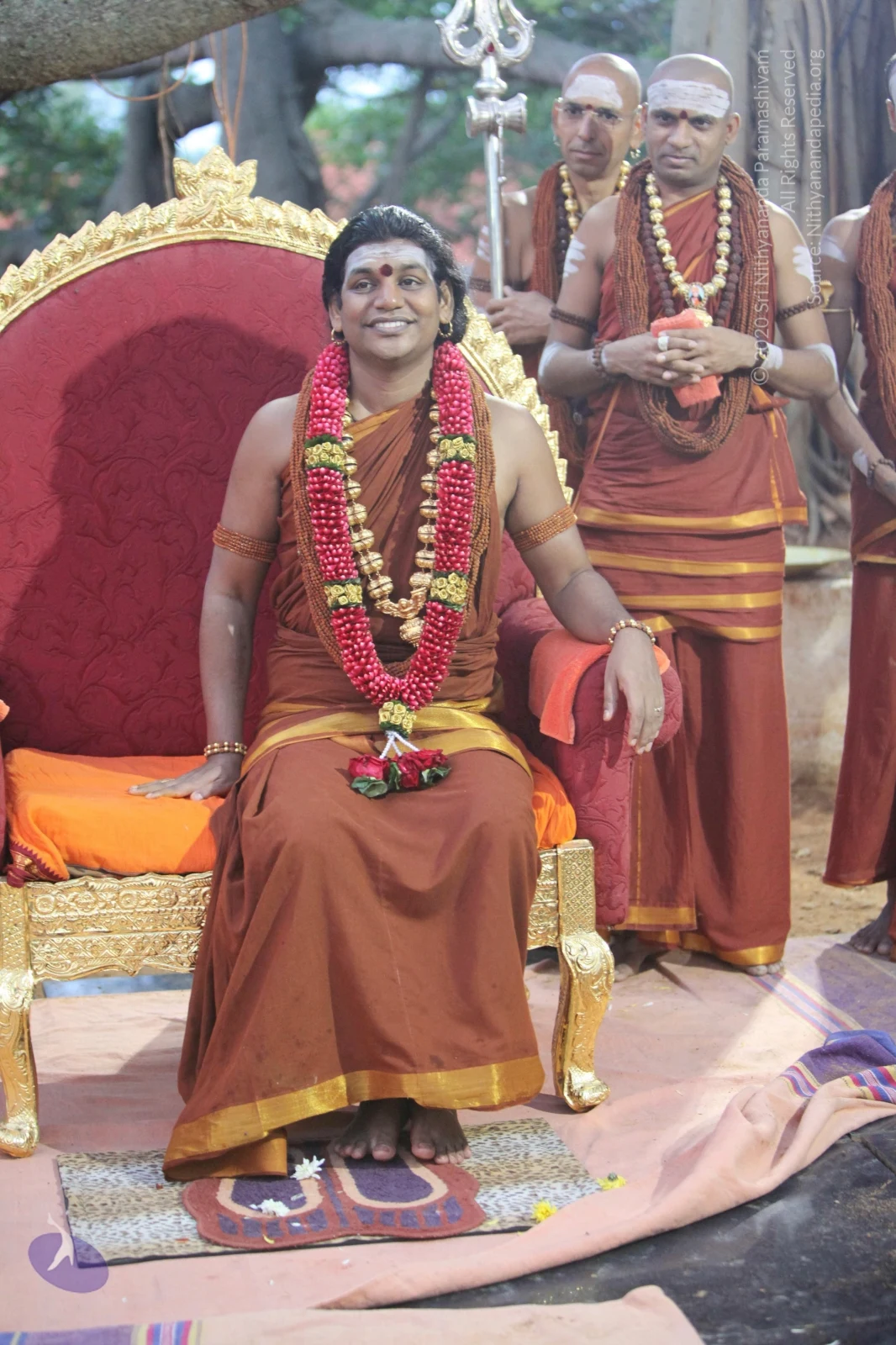
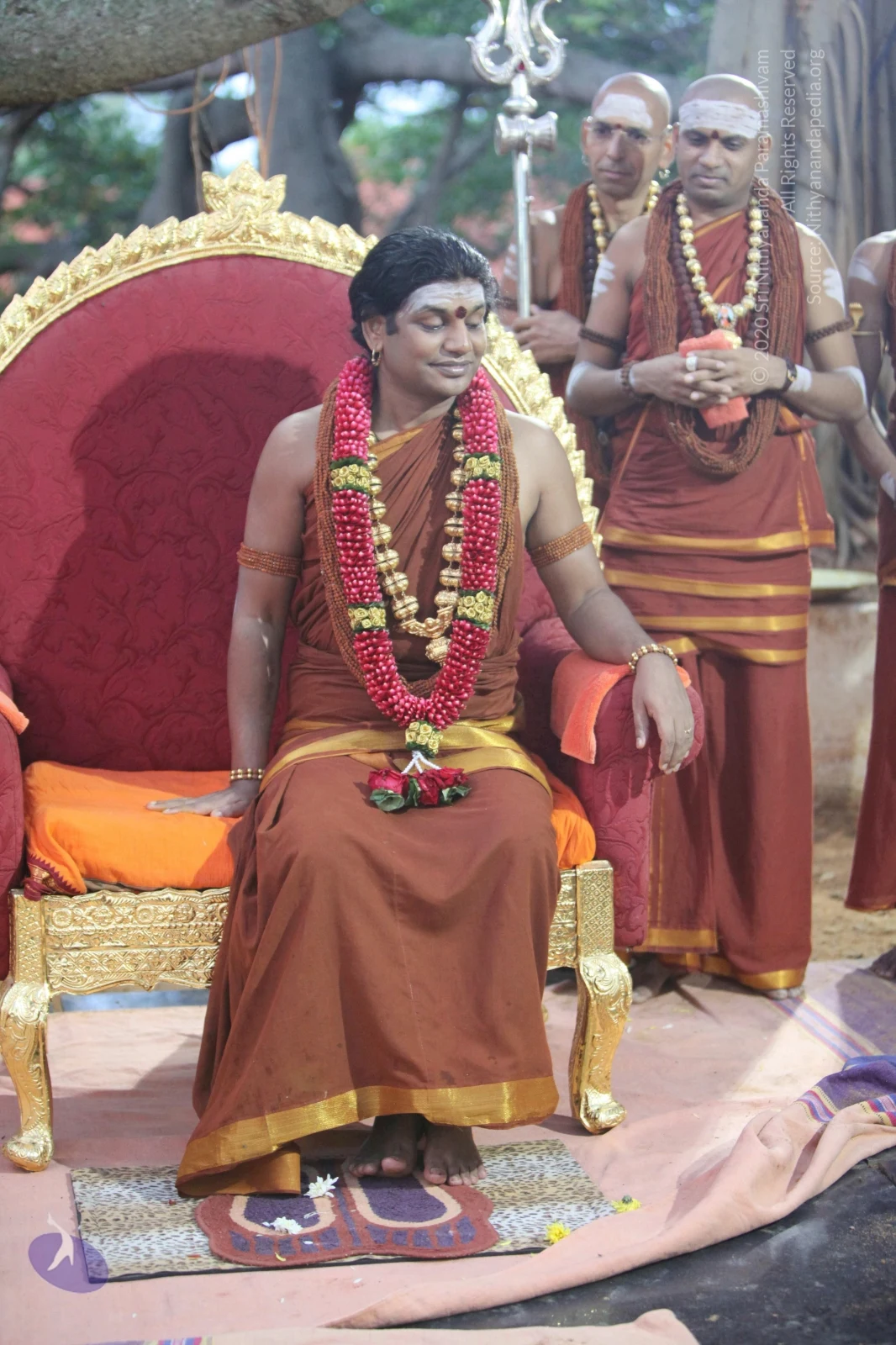
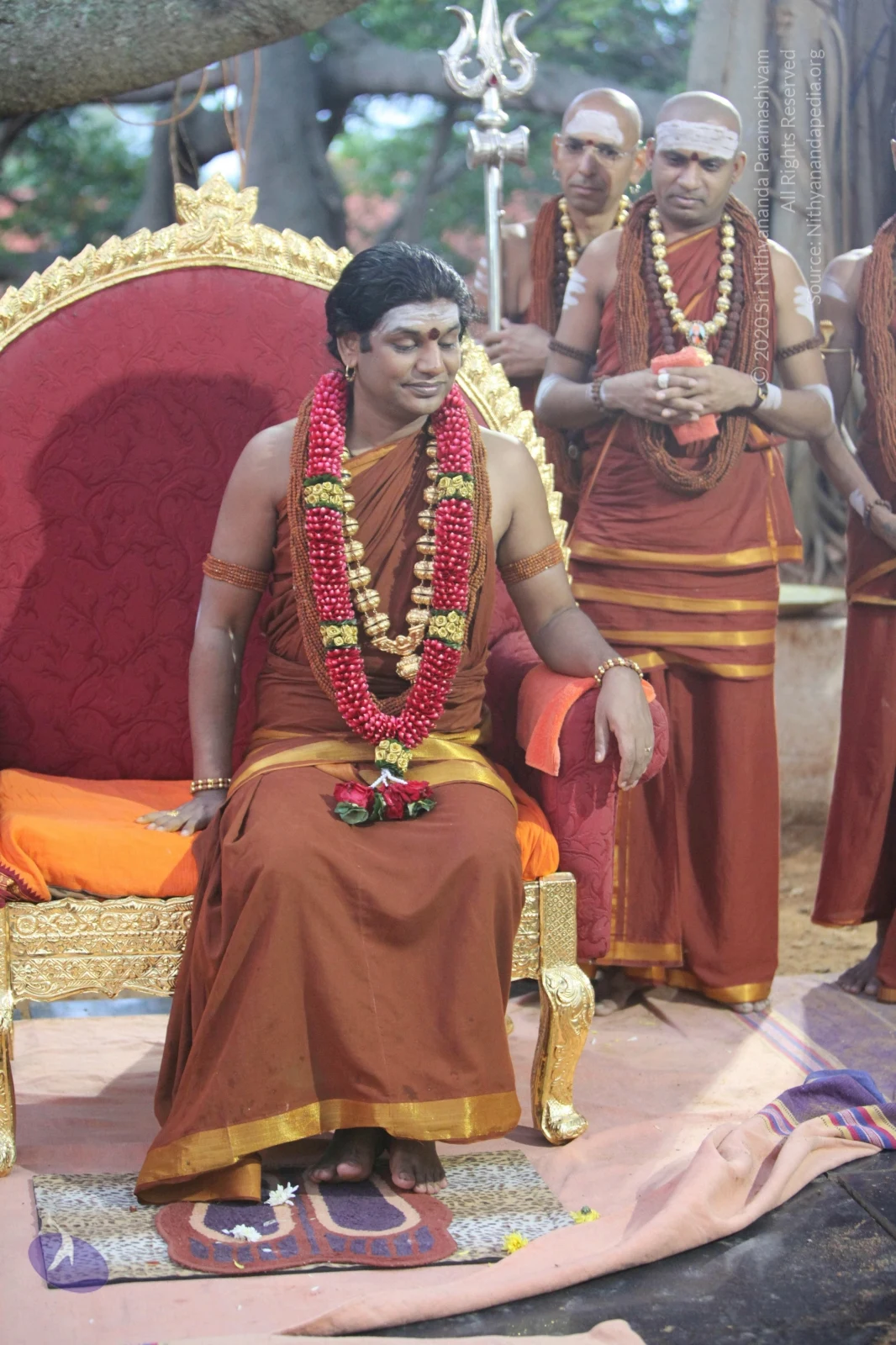
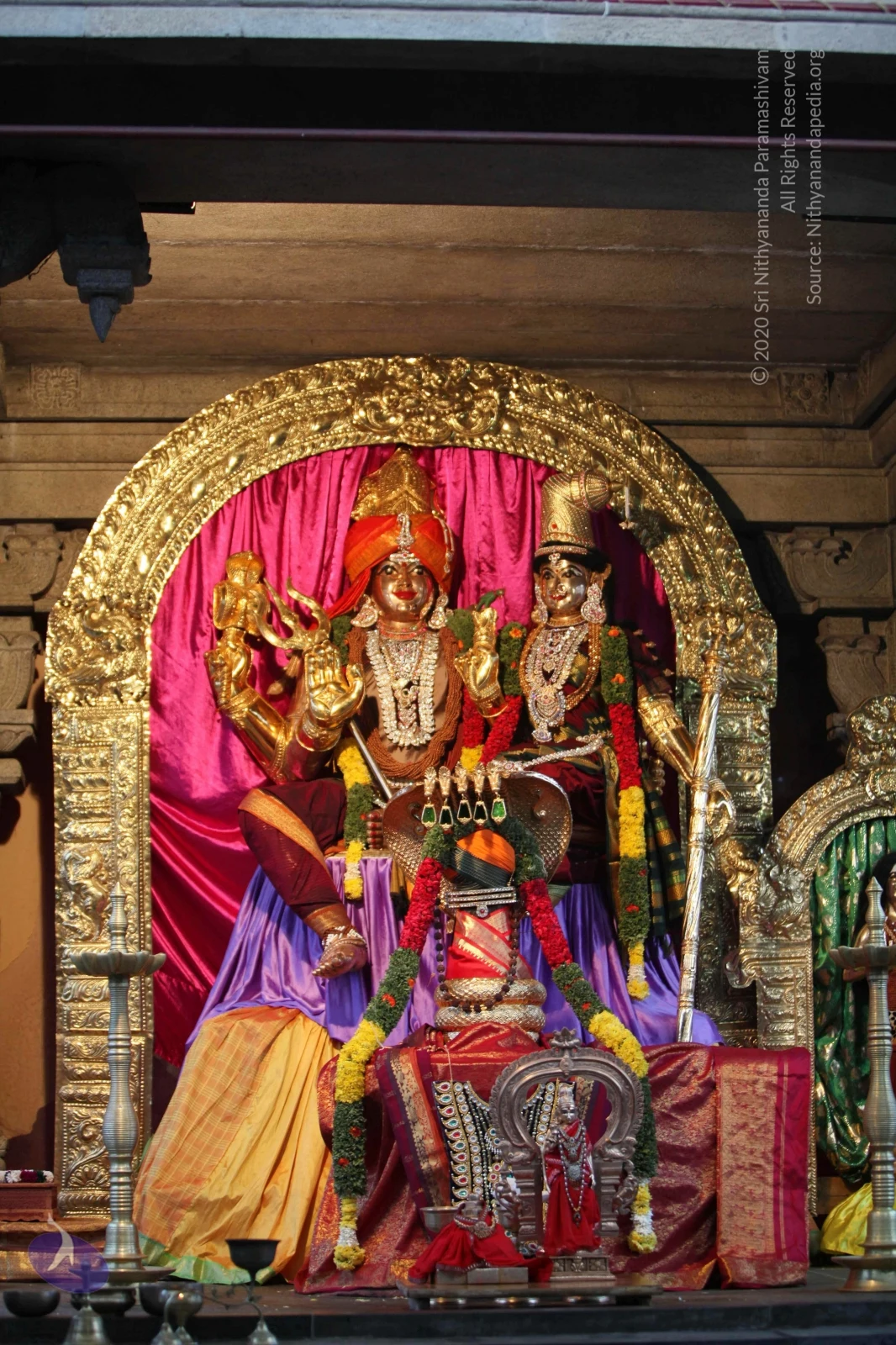
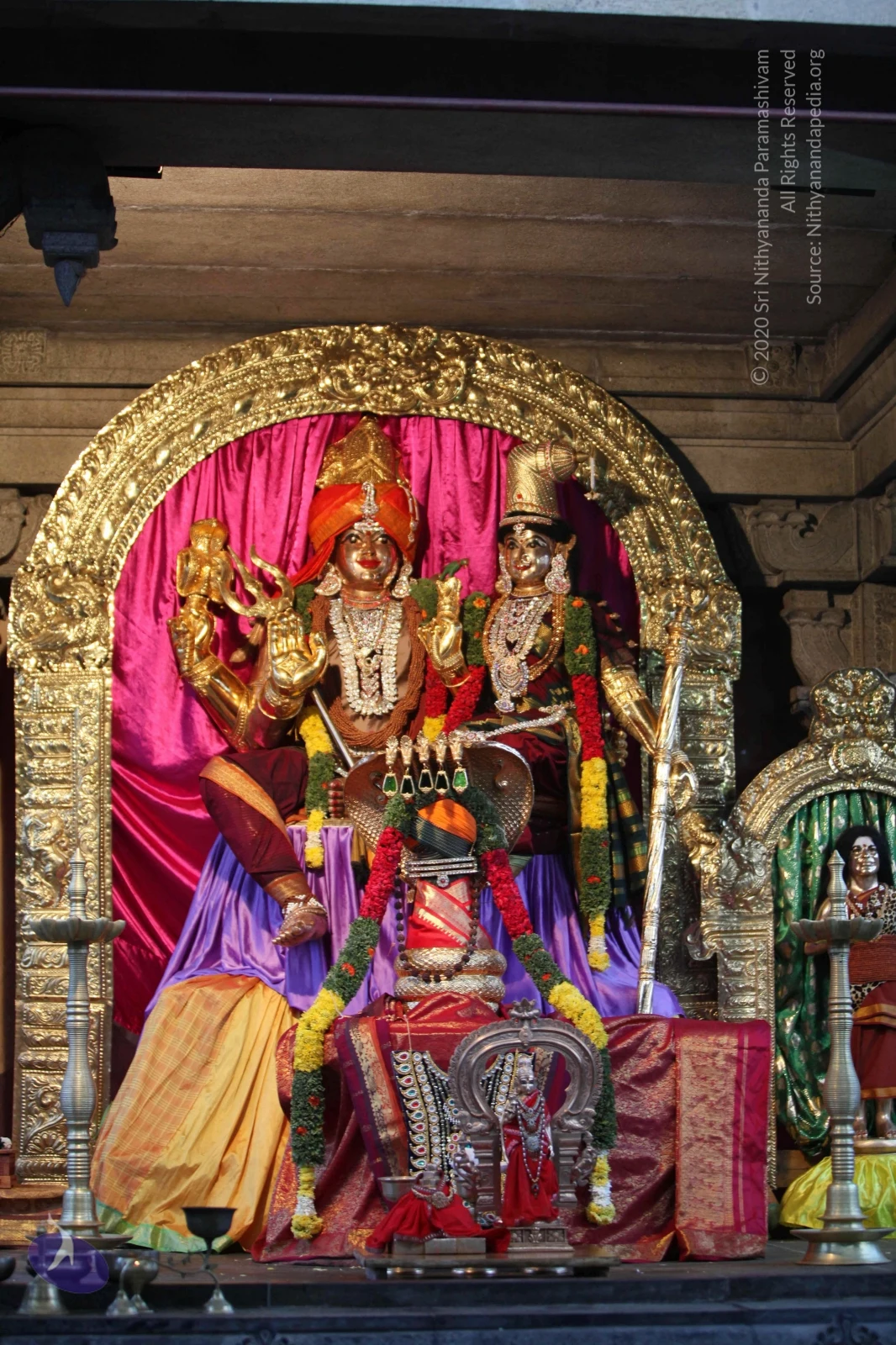
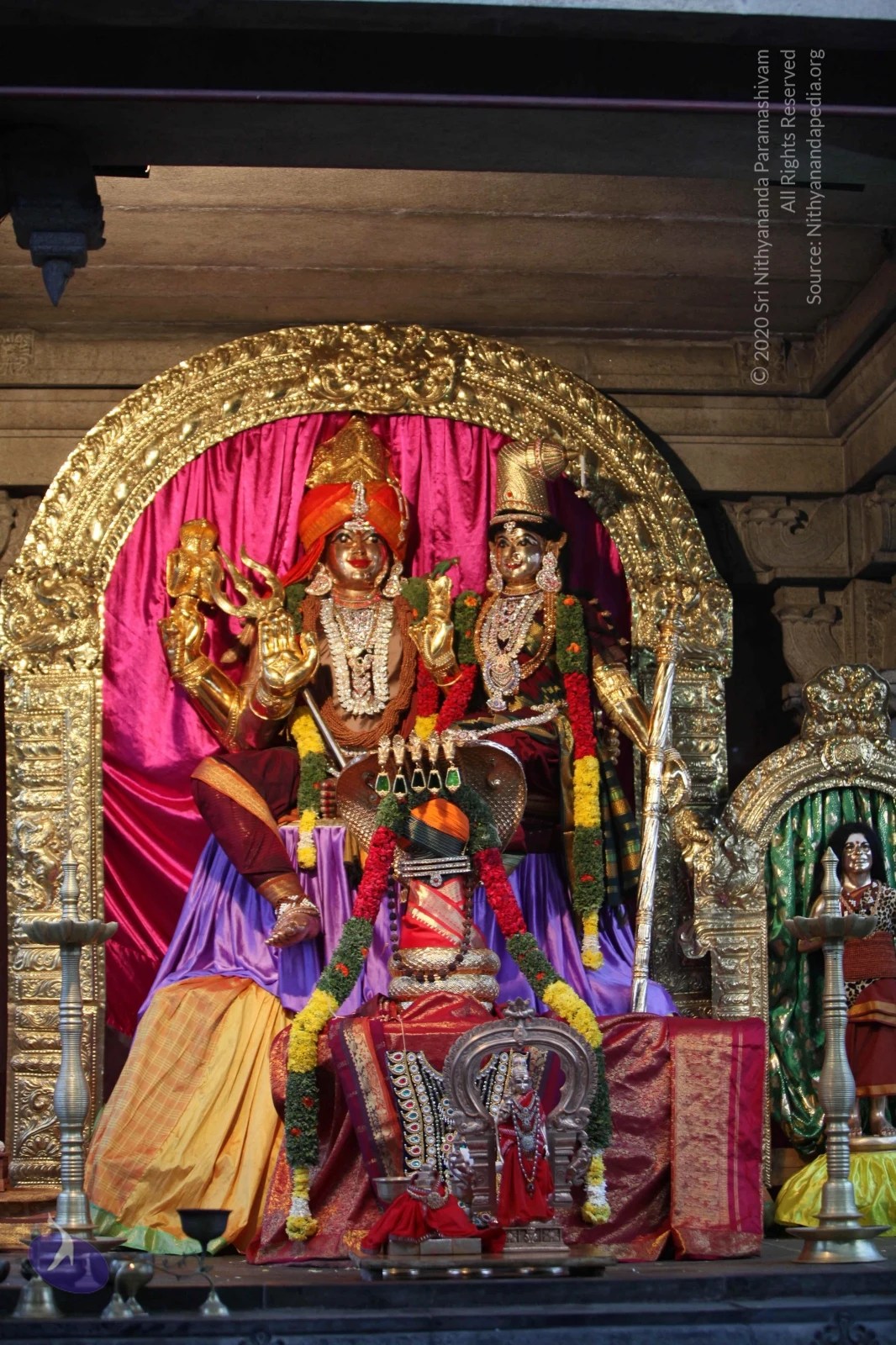
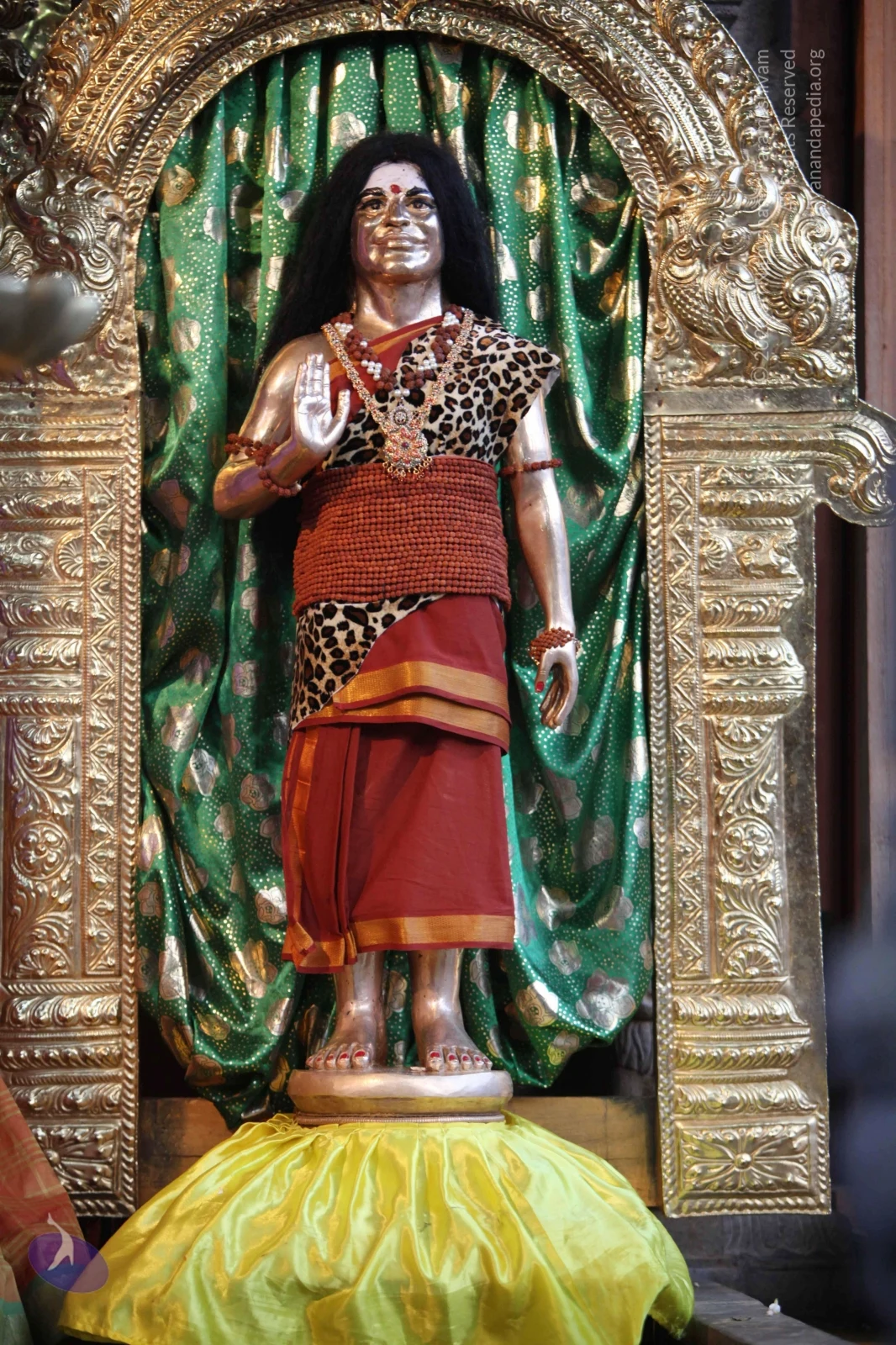
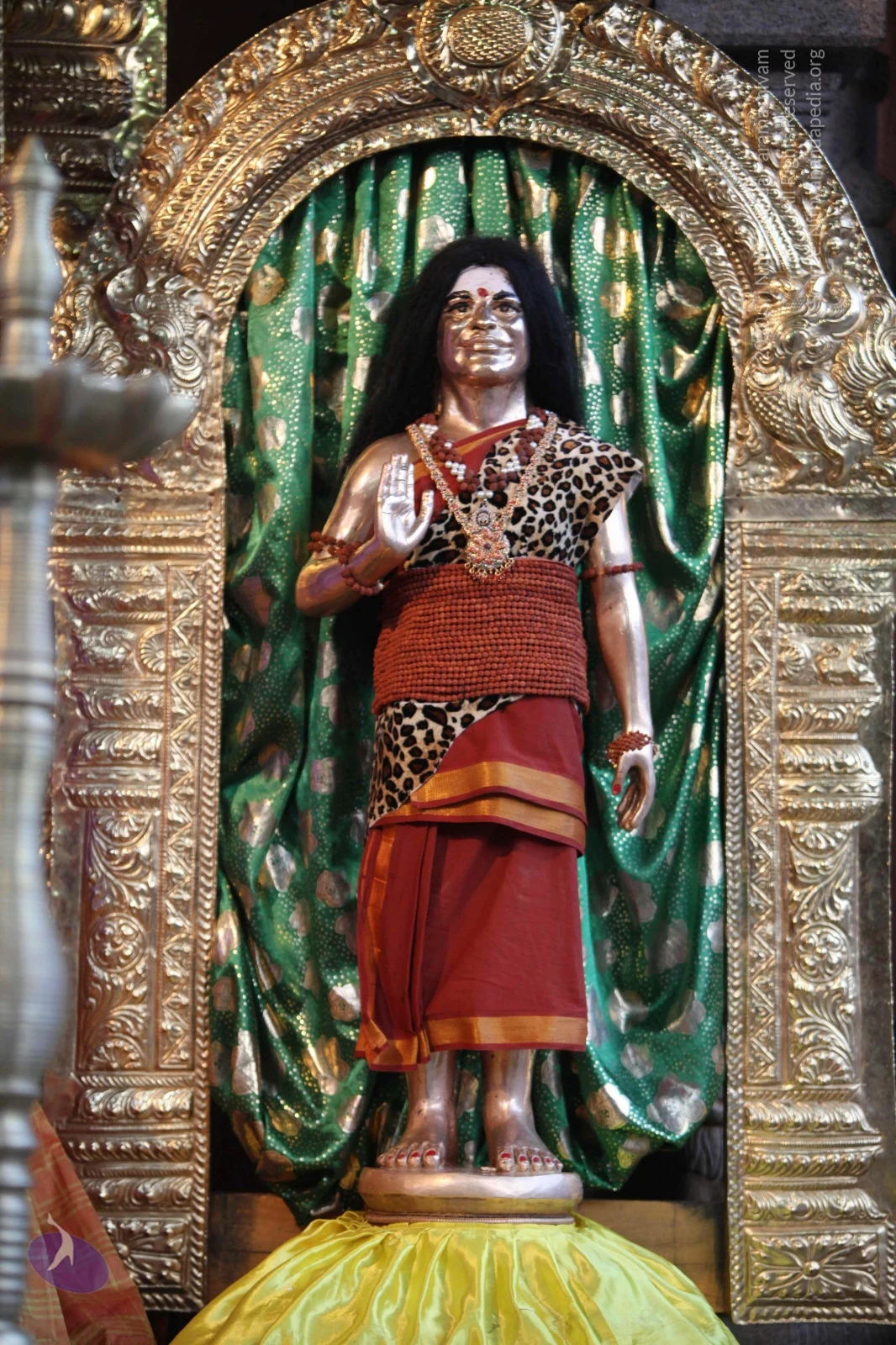

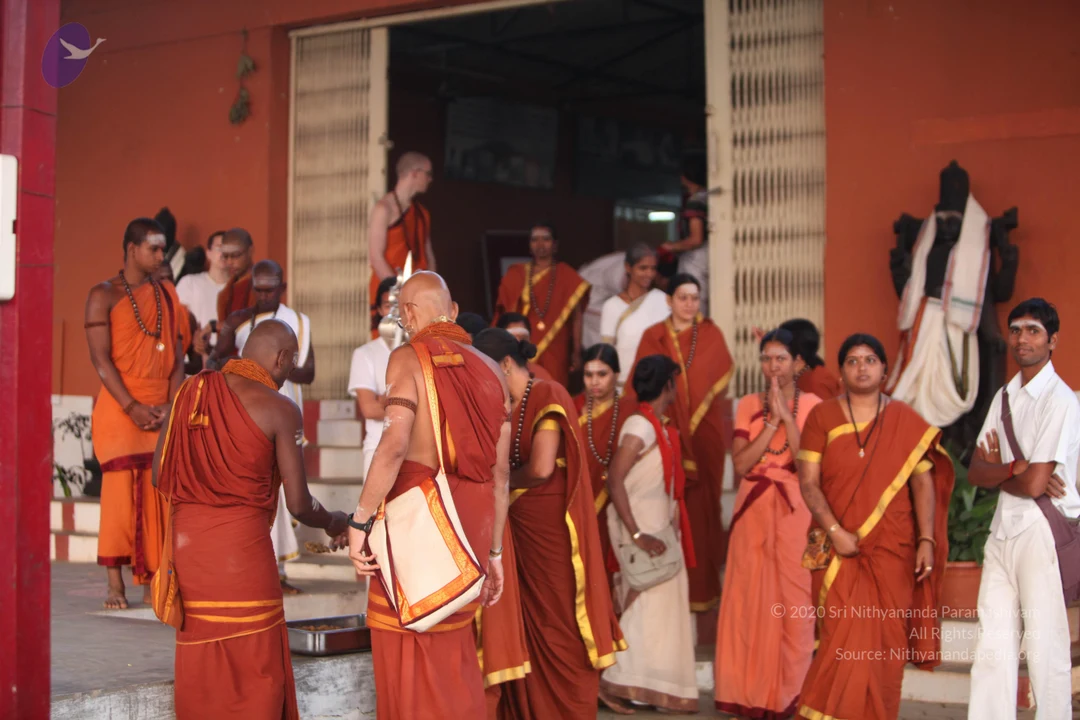
02-PadaPuja
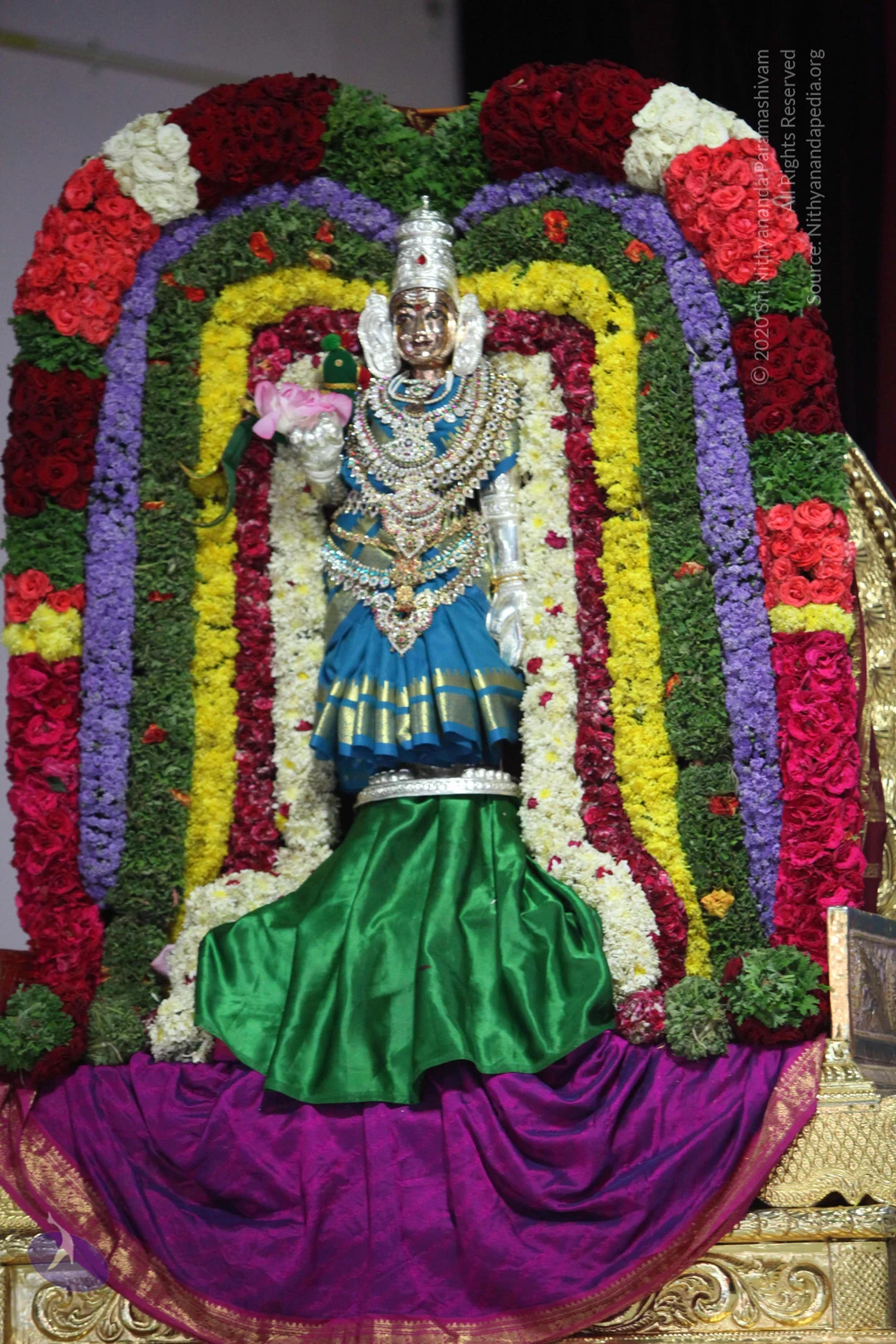
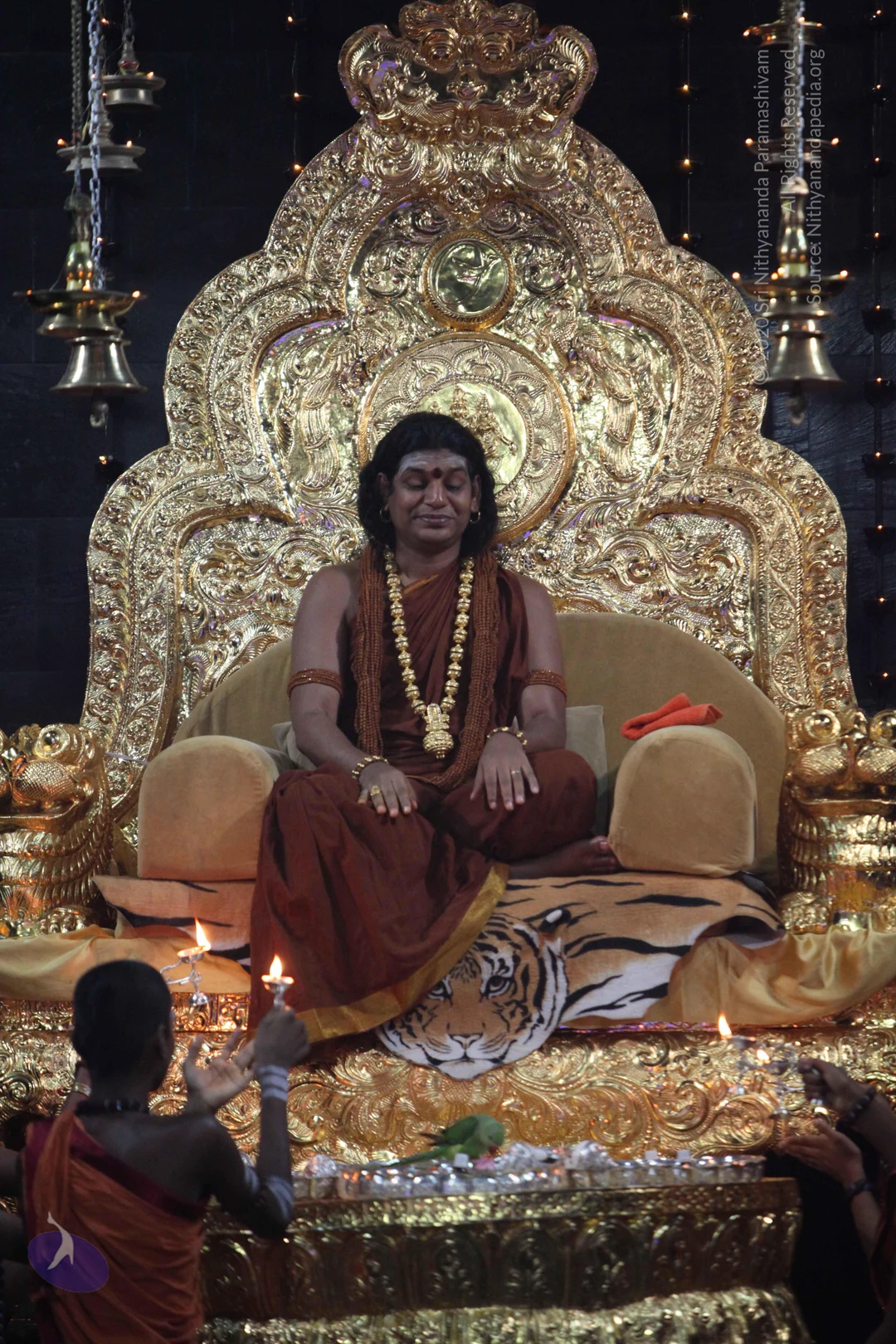
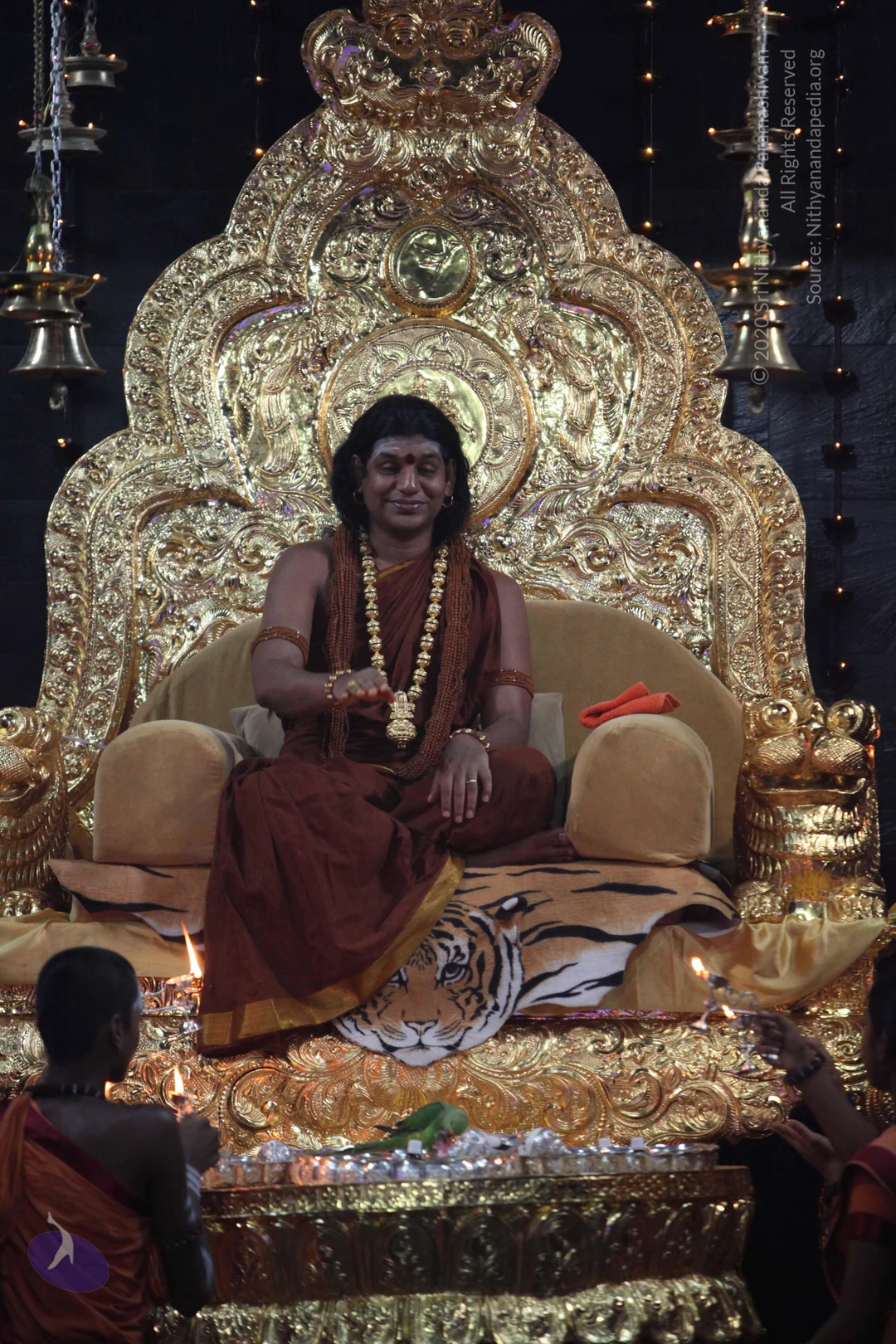
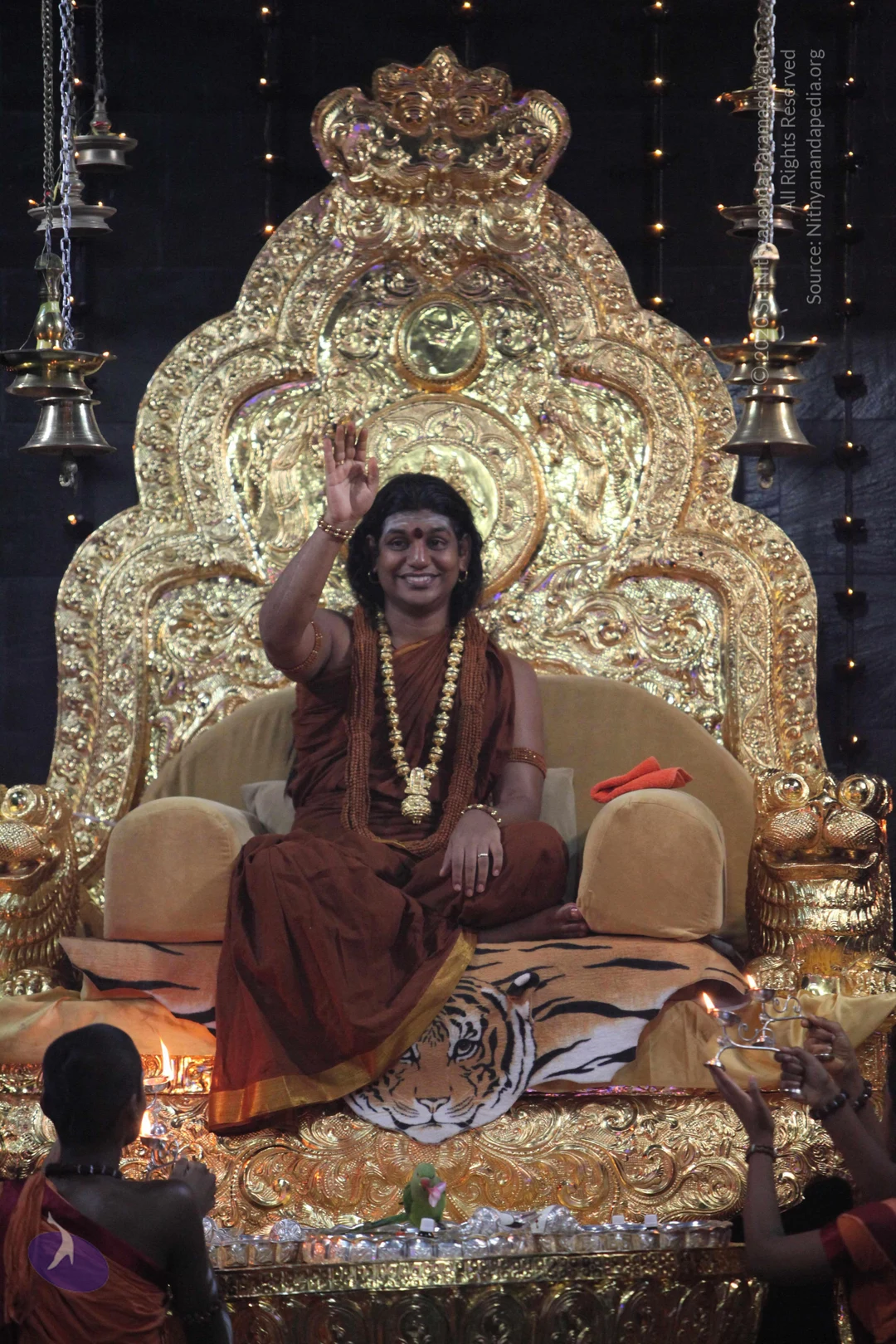
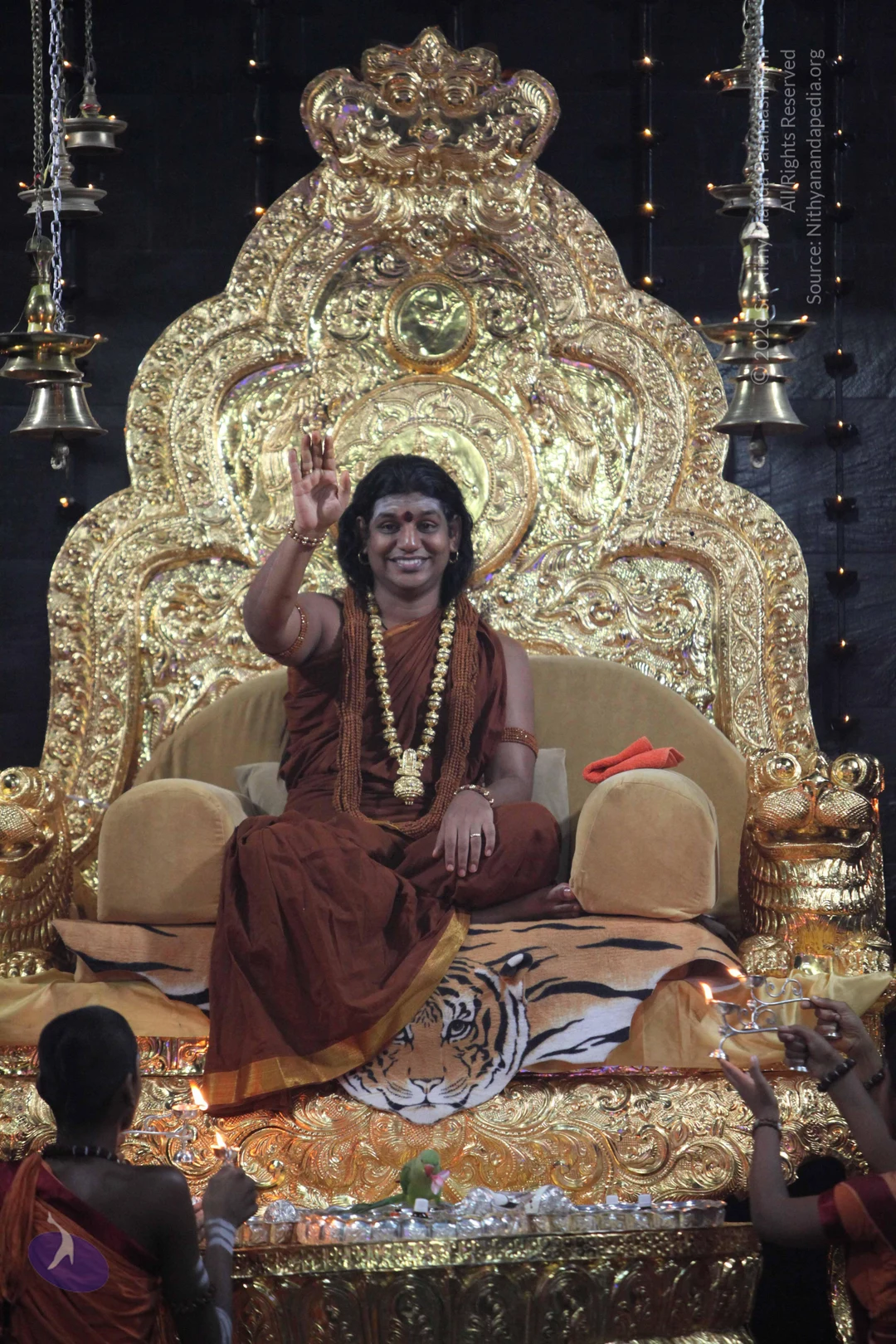
03-MorningSatsang
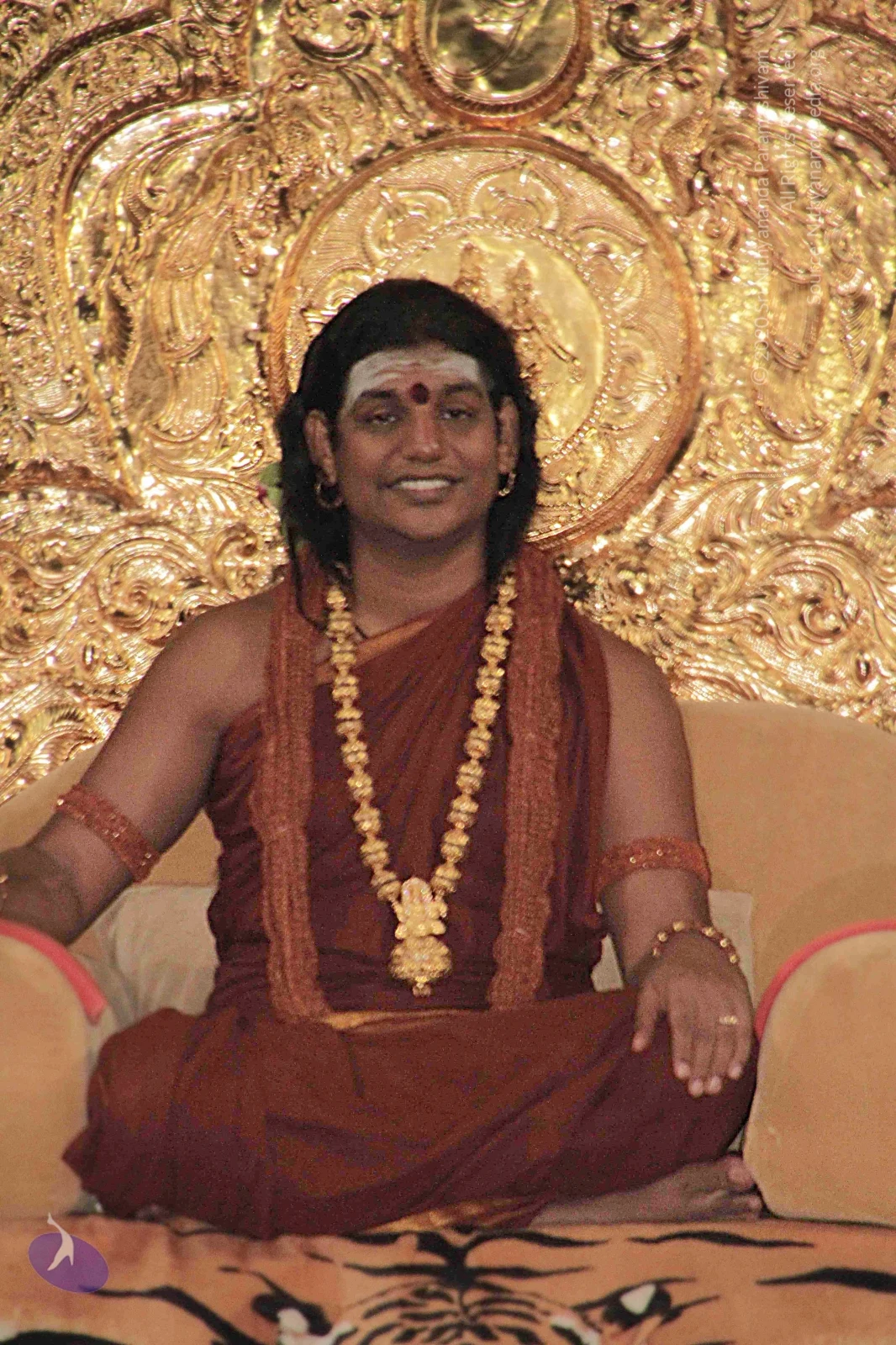
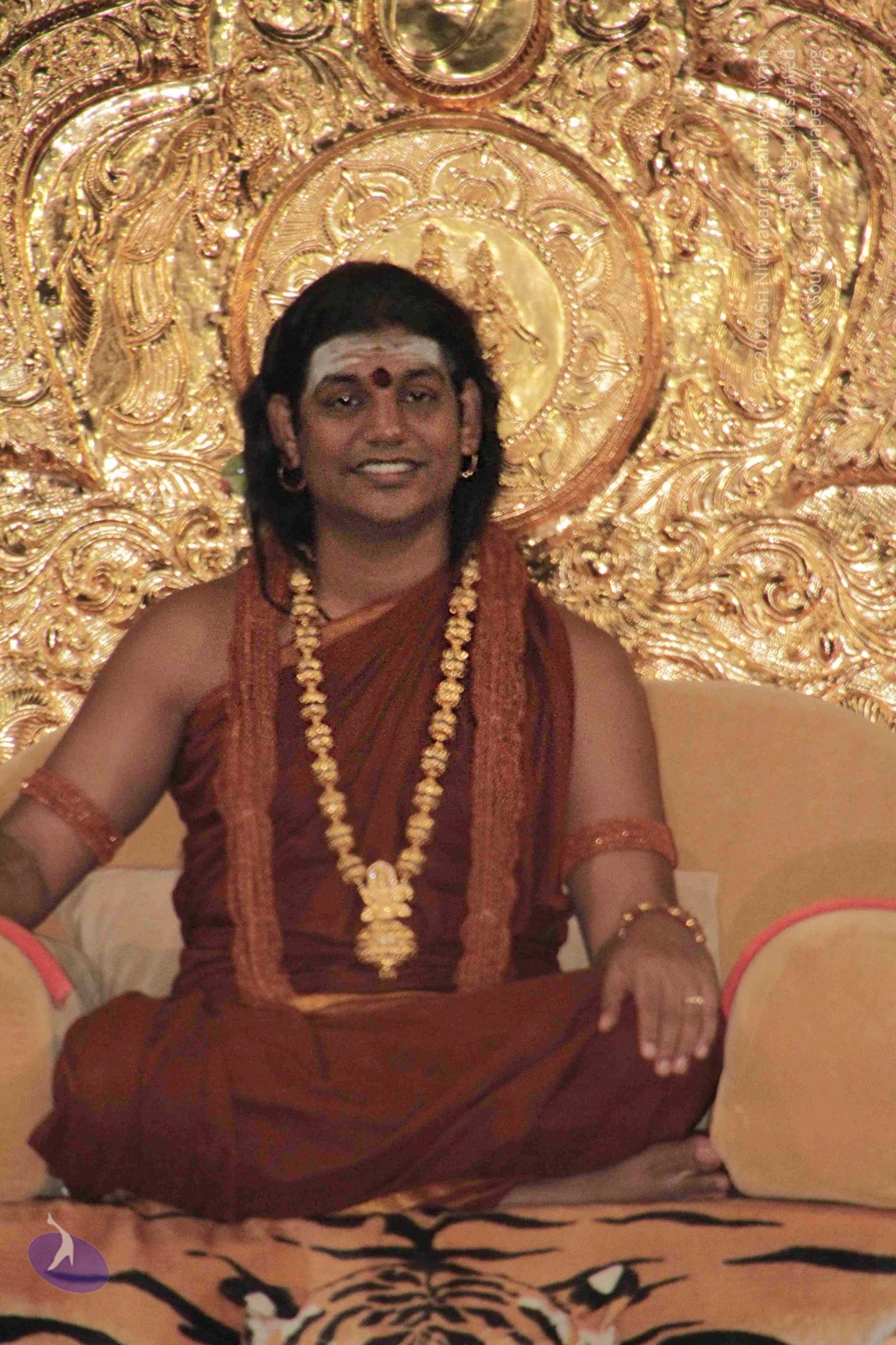
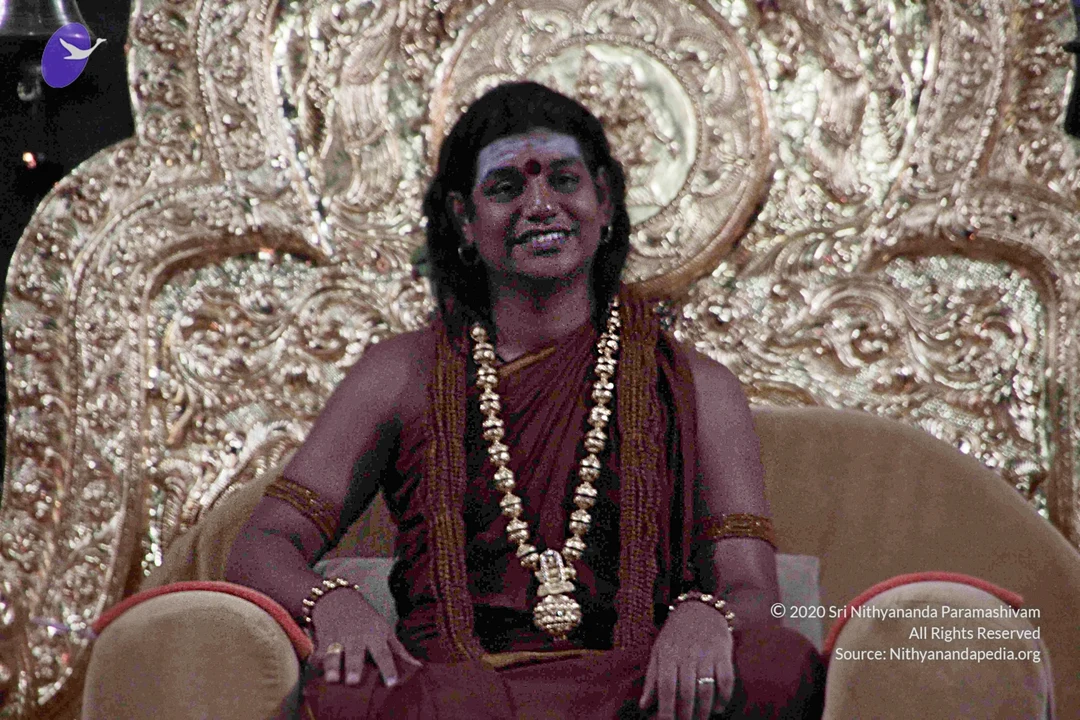
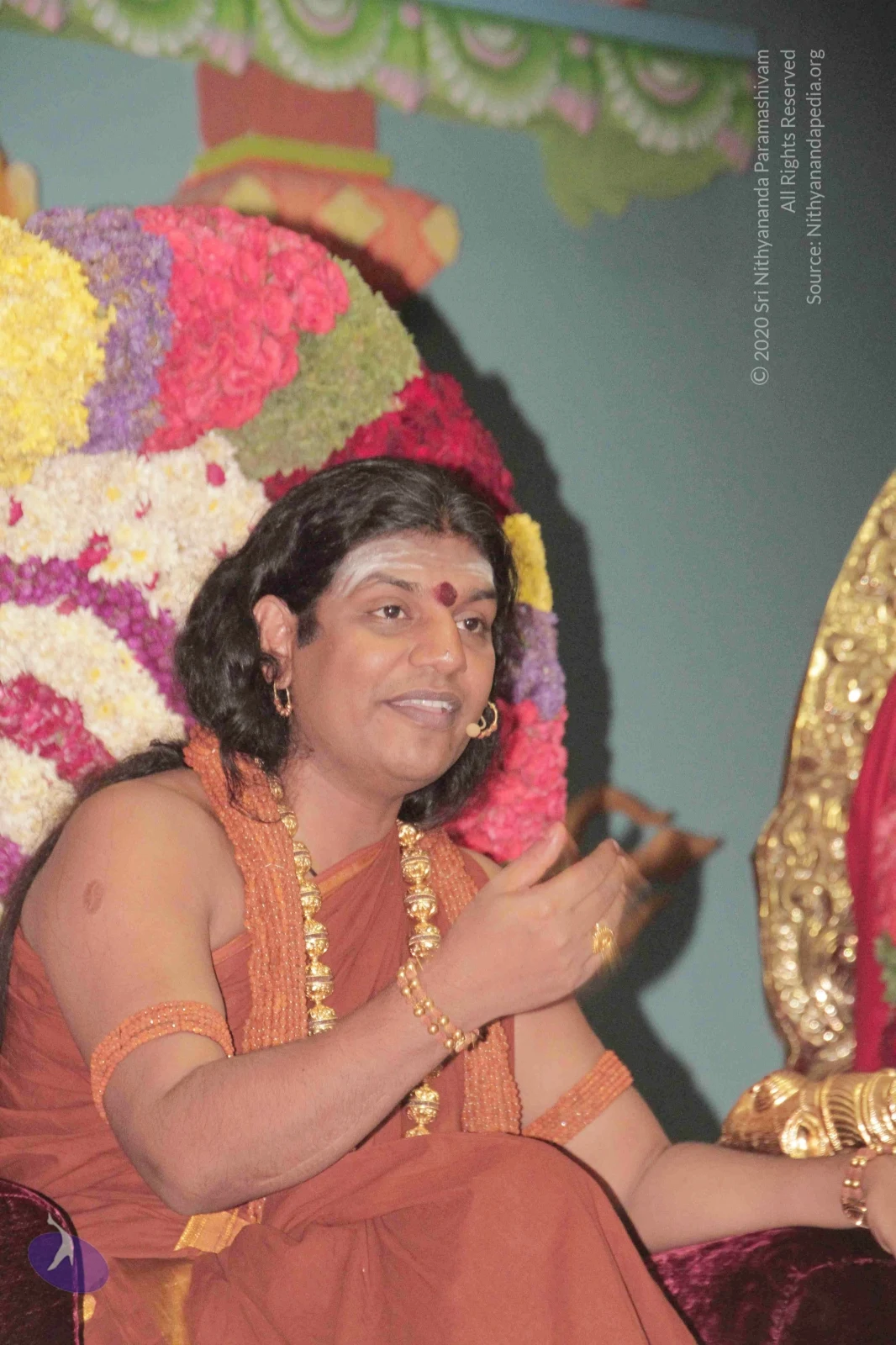
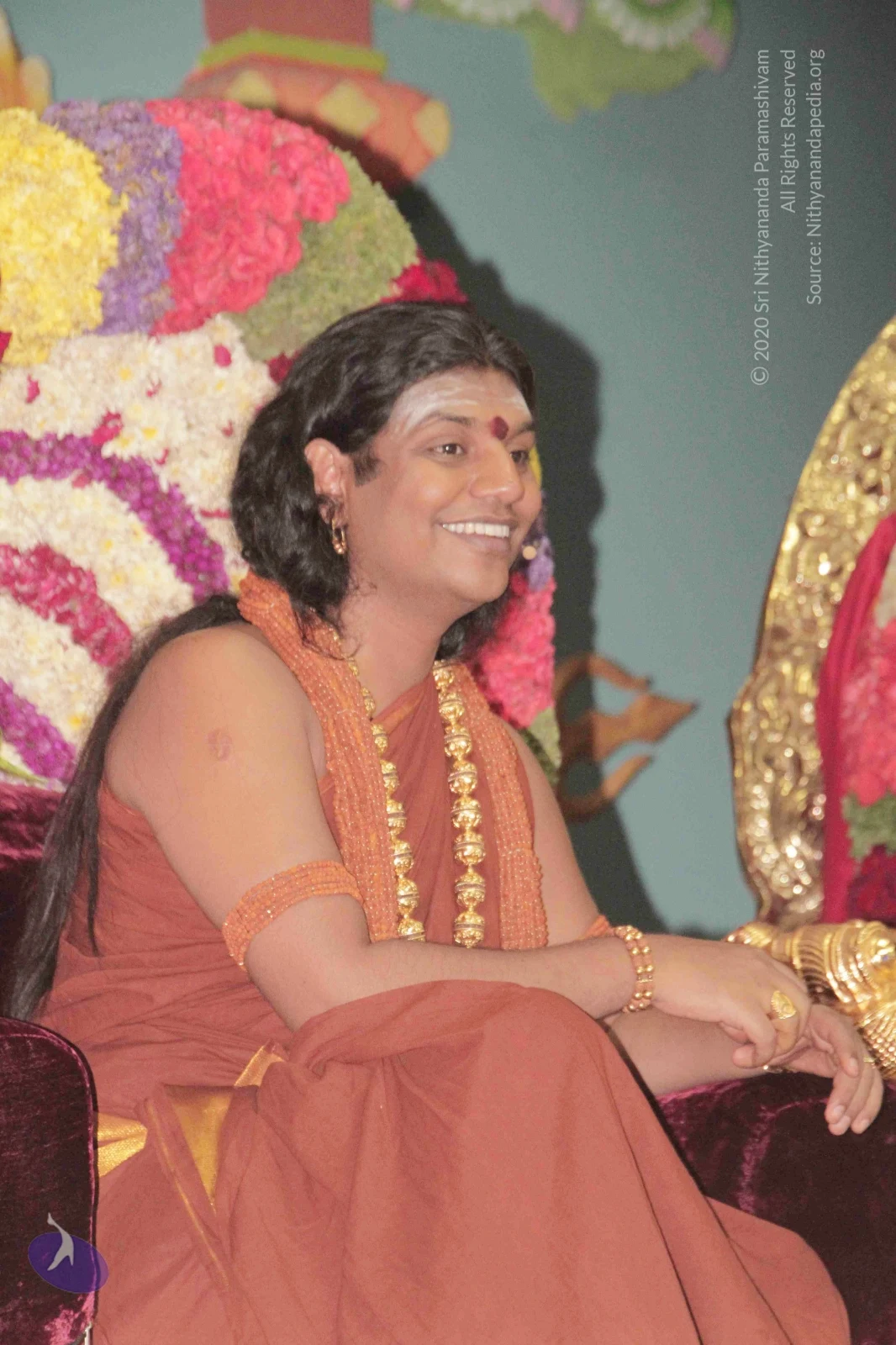
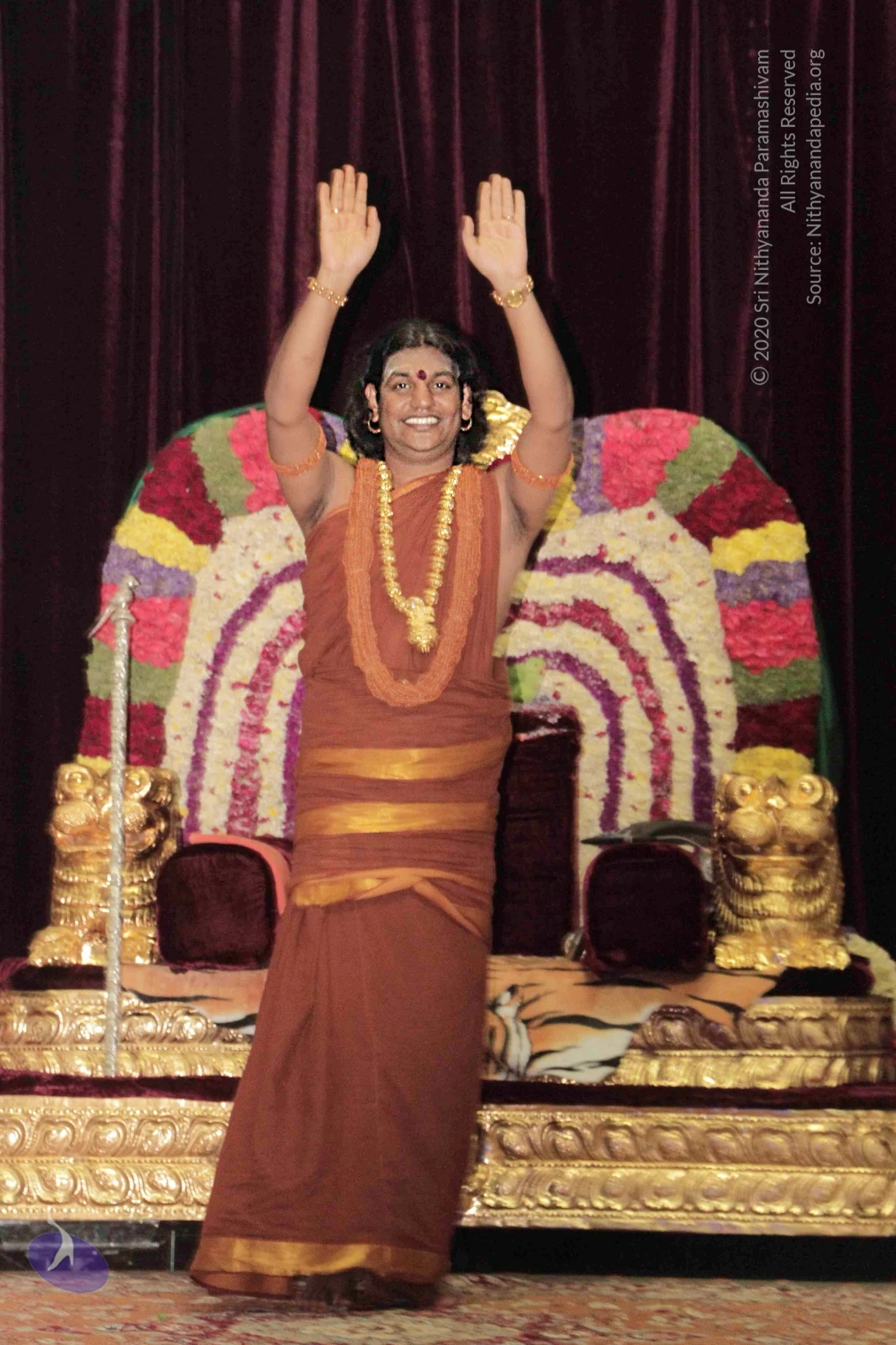
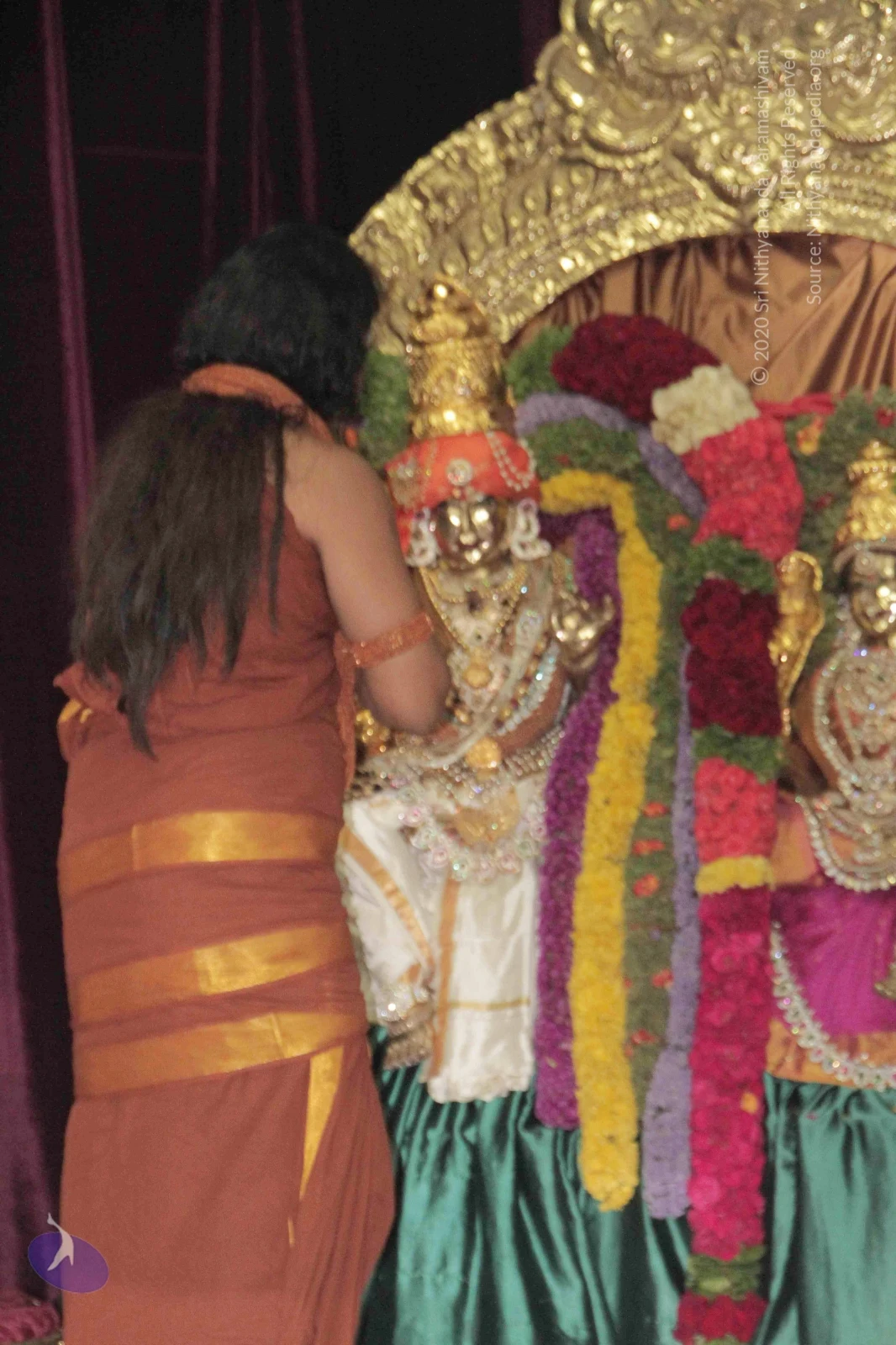
04-EveningSatsang
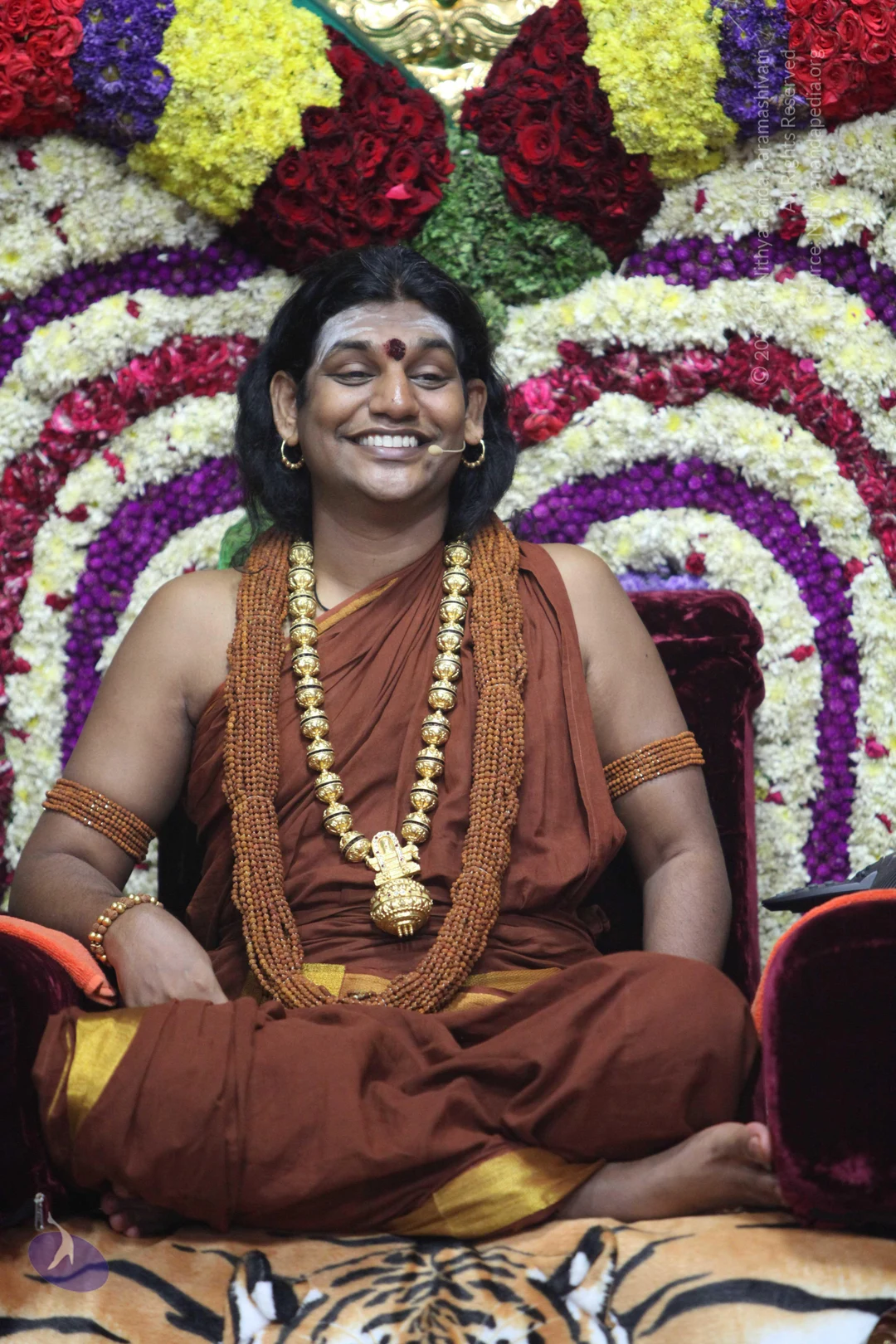
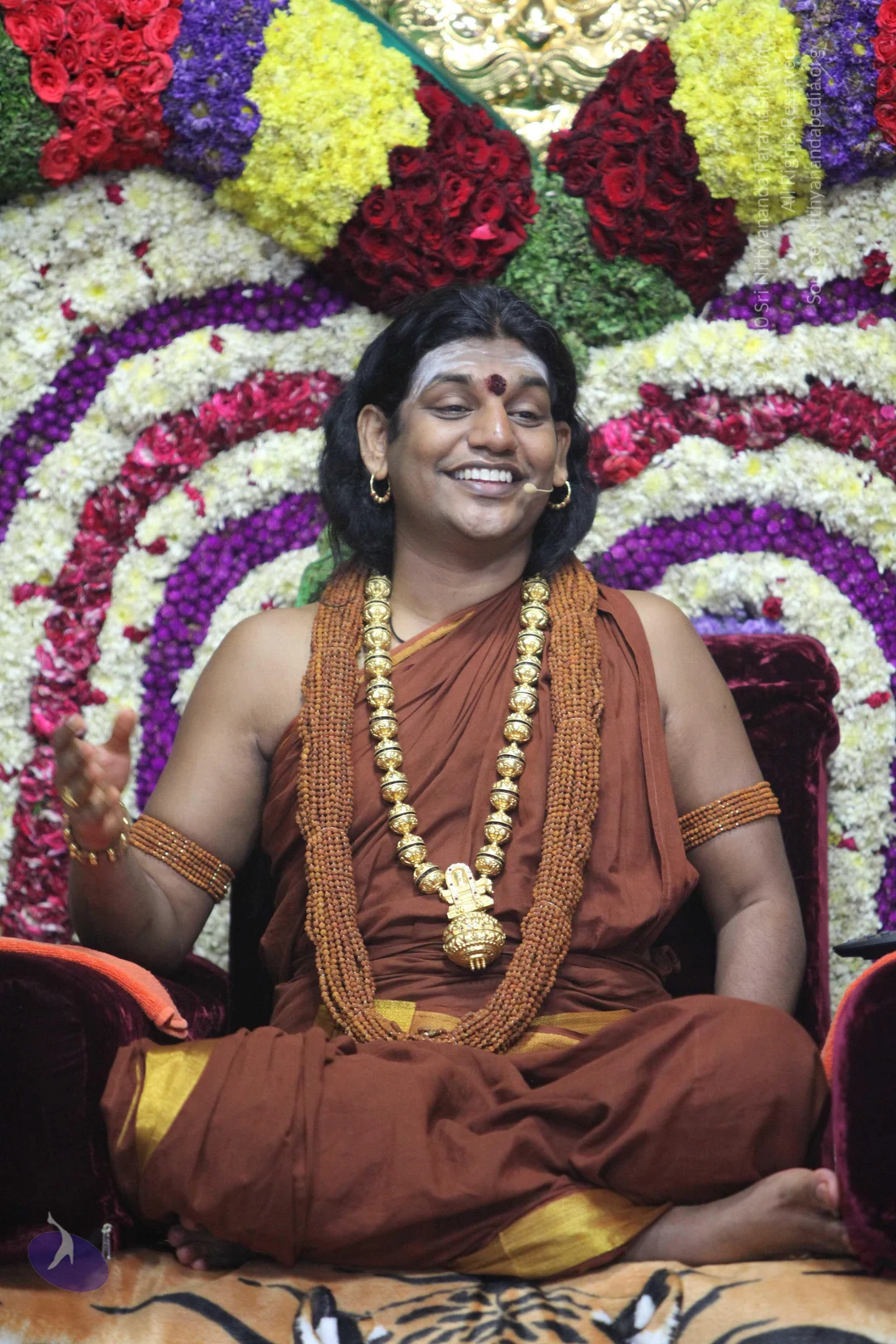
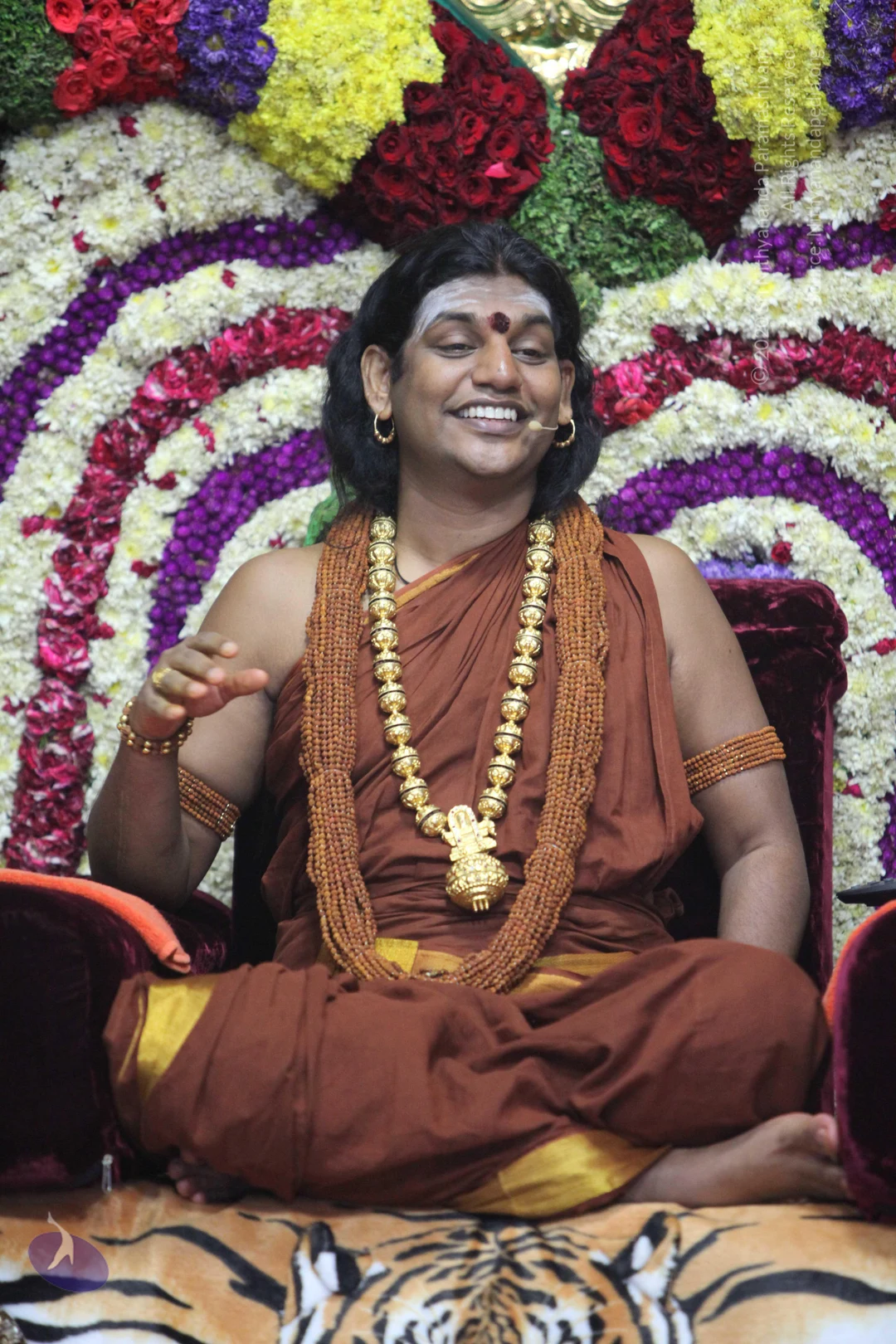
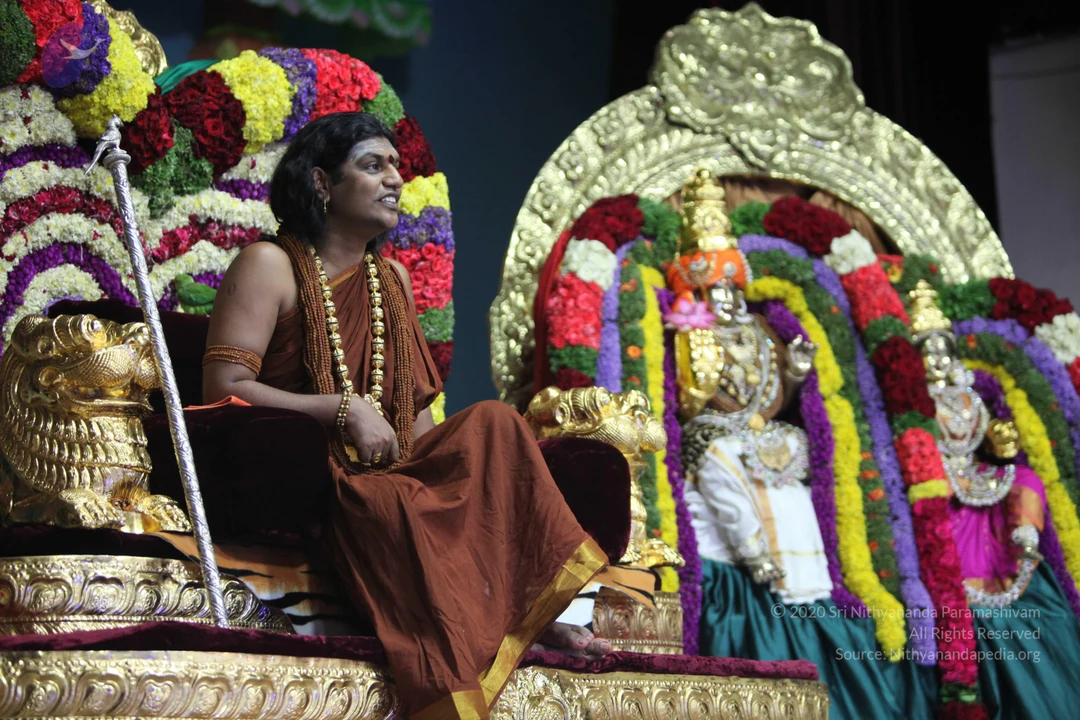
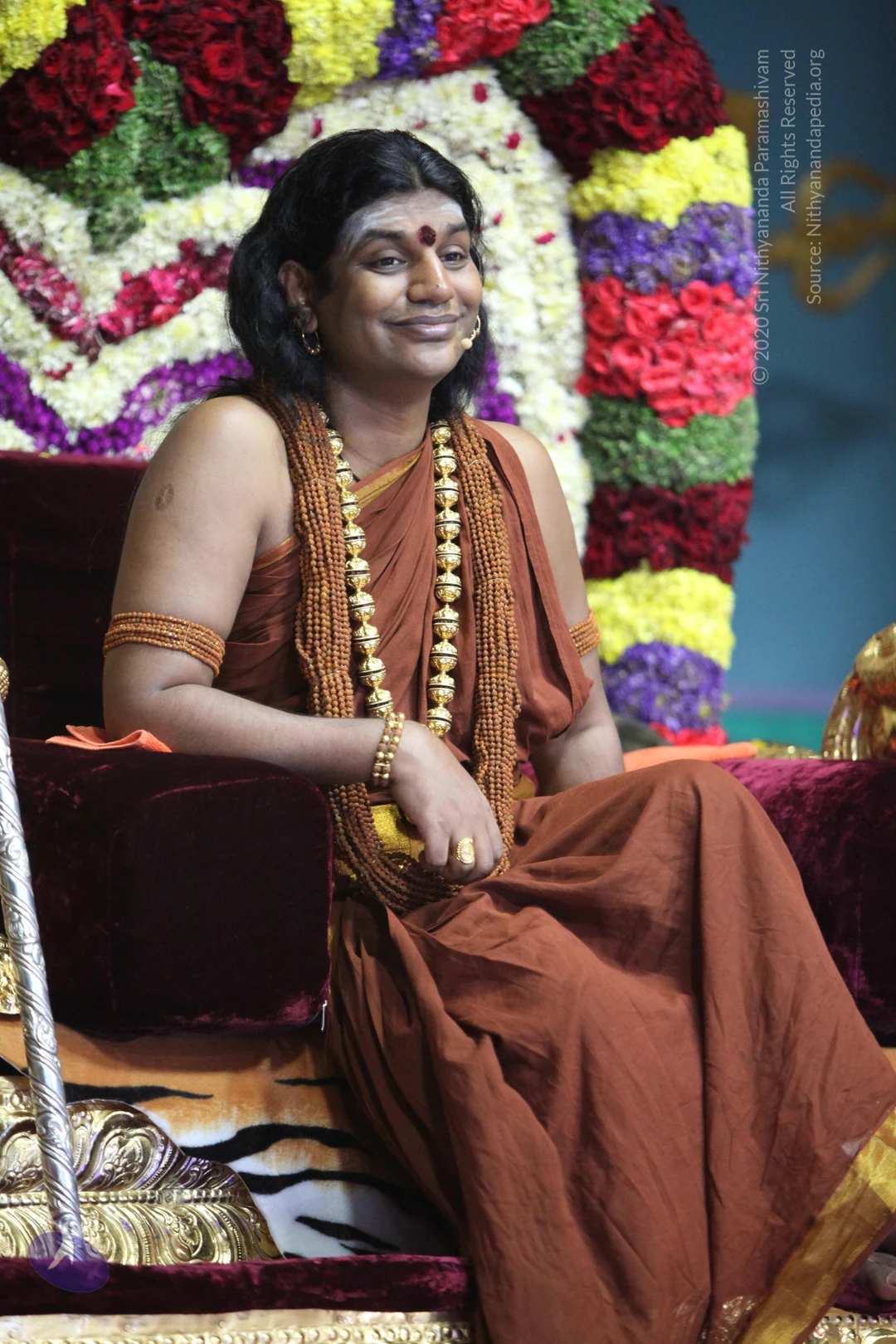
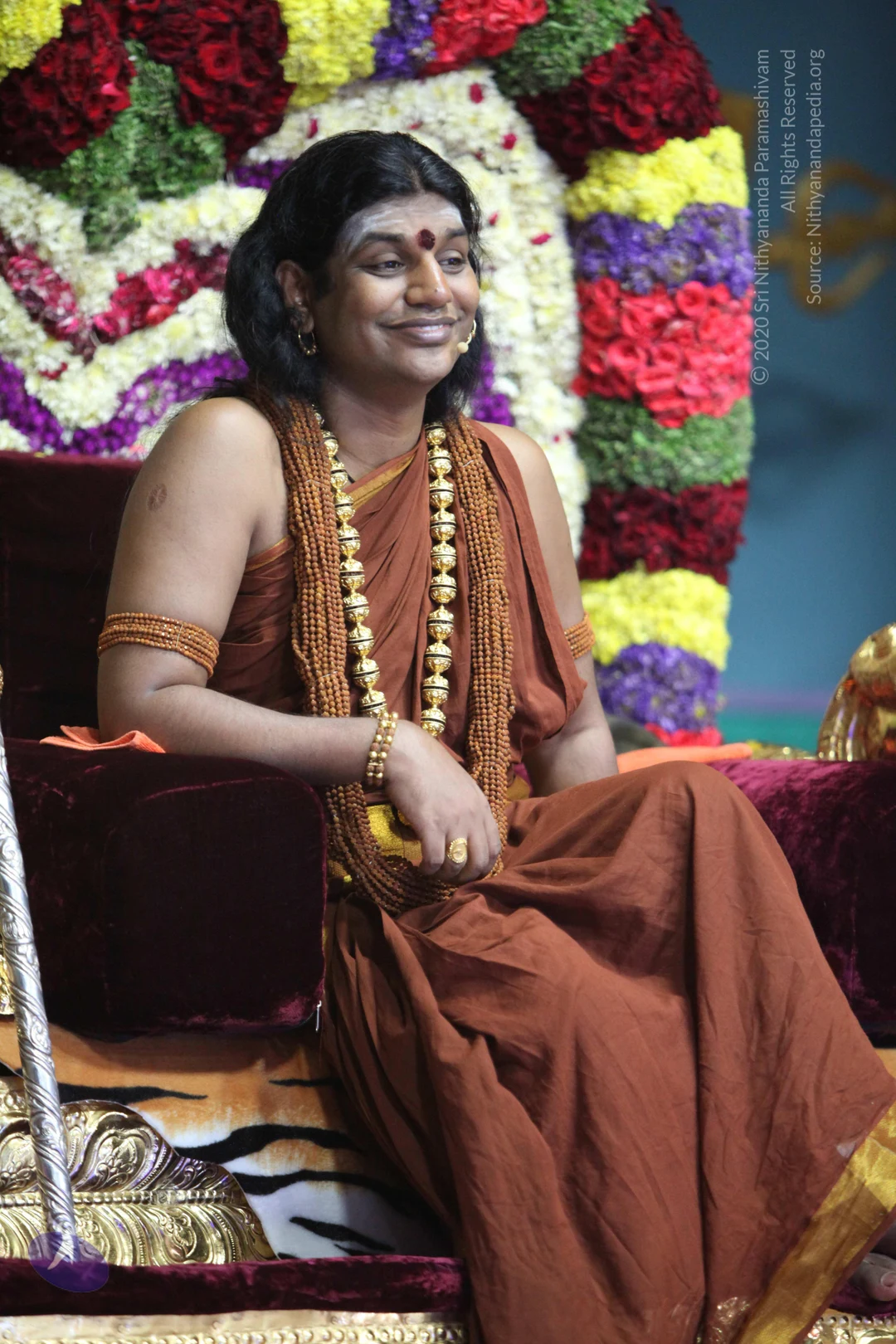
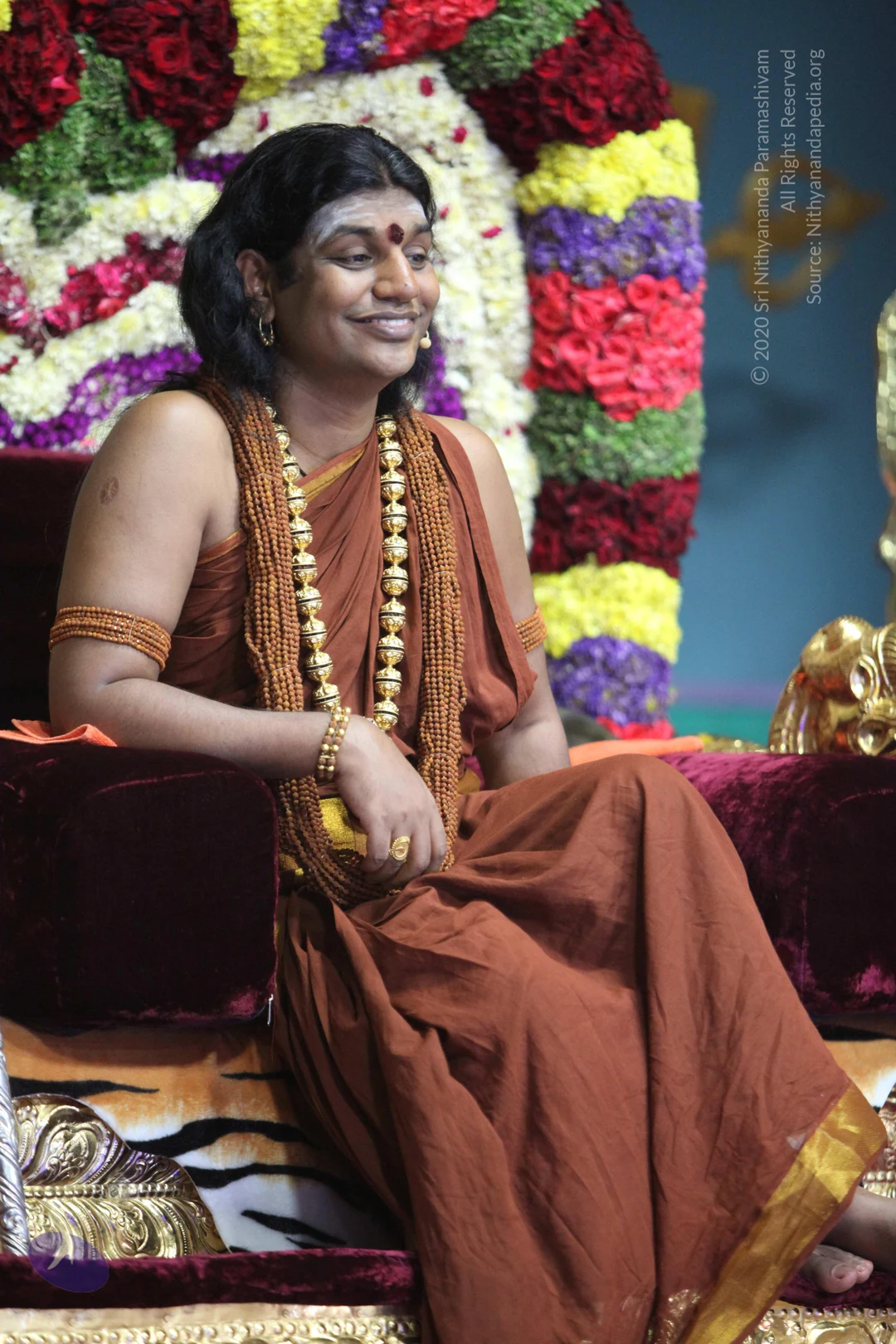
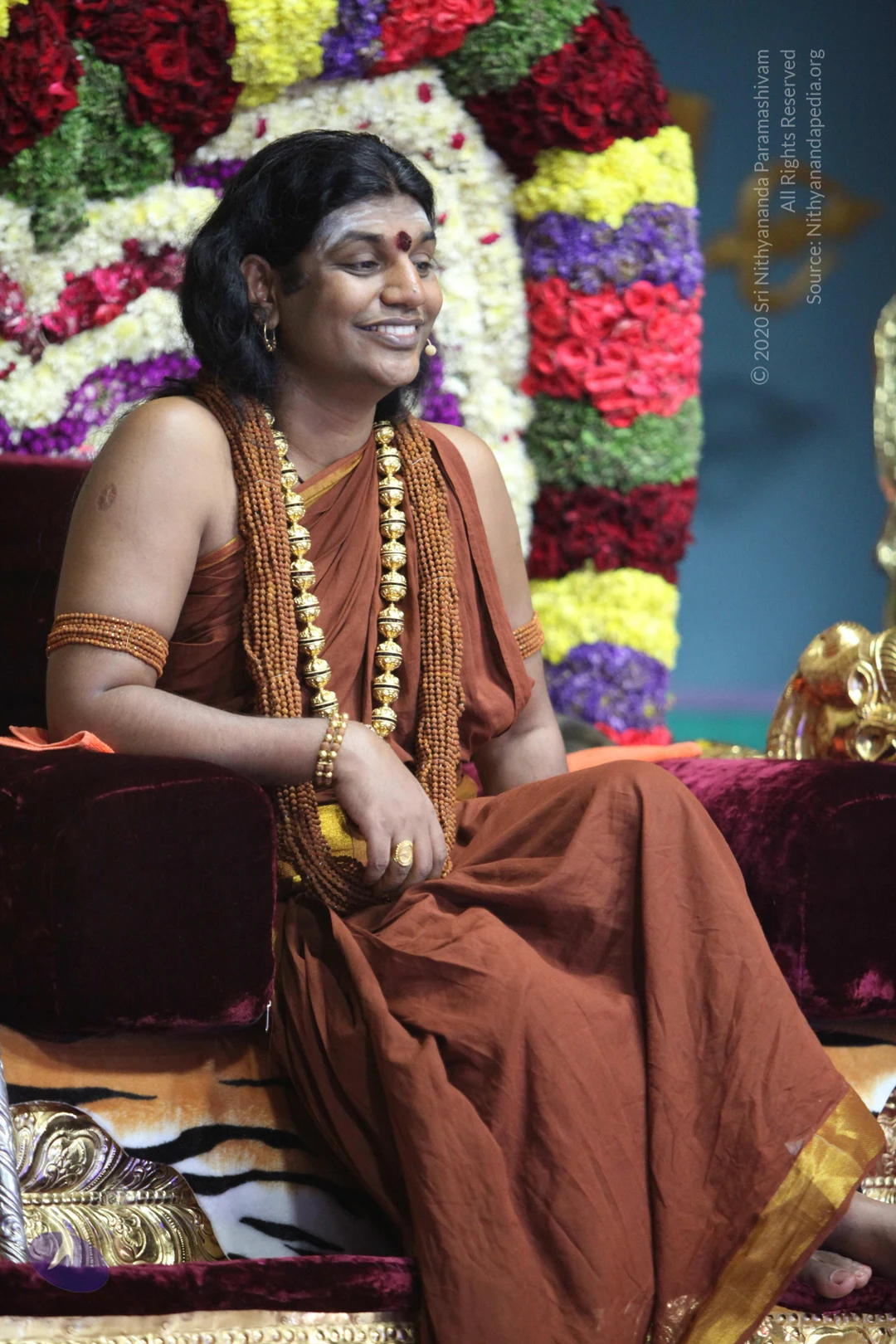
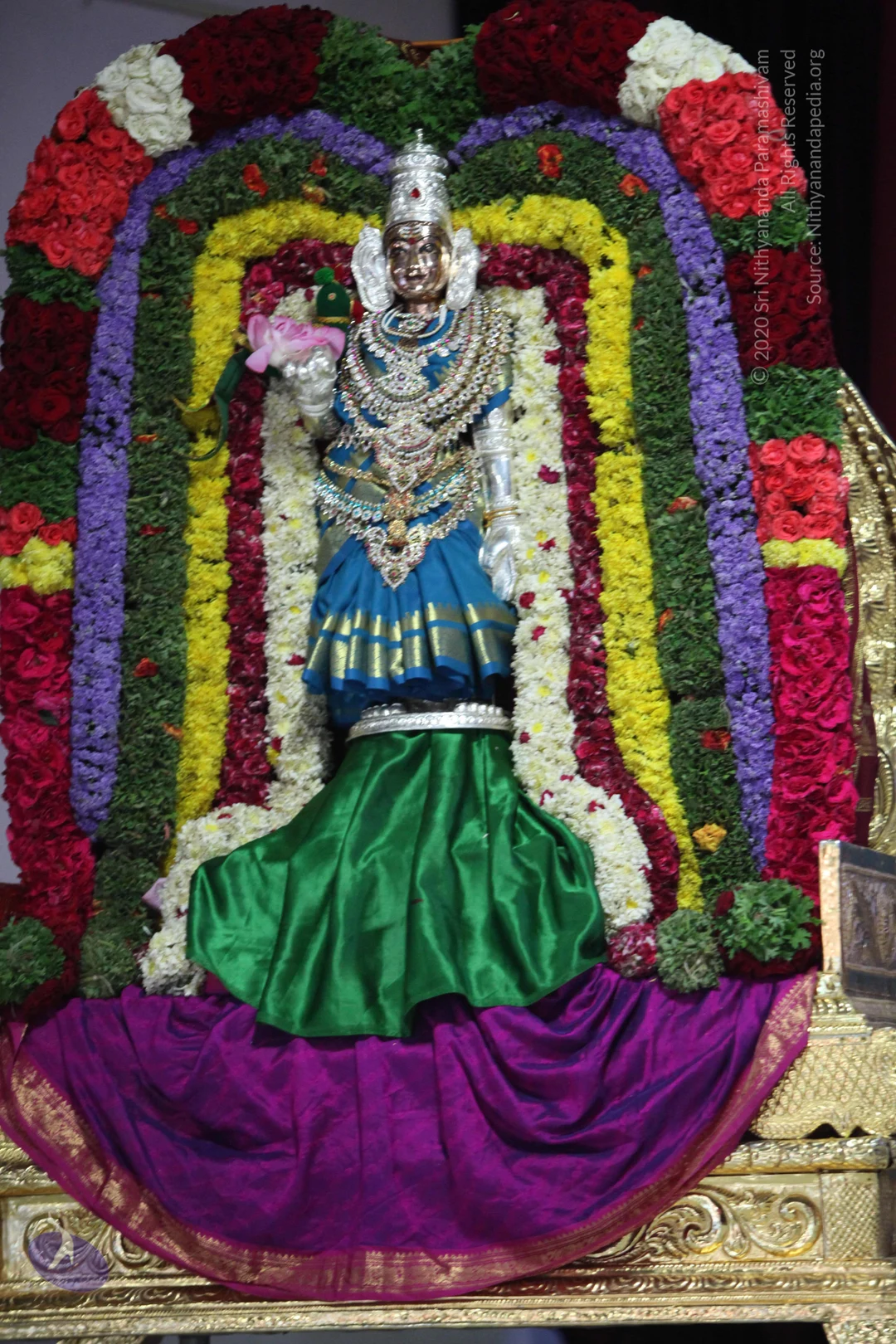
06-MeenakshiBrahmotsavam-Procession


Photos from this day
View all 907 photosGoldenTempleGroundBreakingCeremony
231 photosSource gallery

PadaPuja
59 photosSource gallery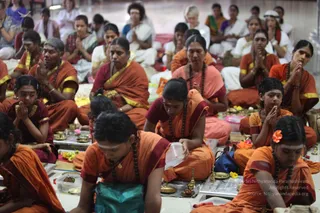
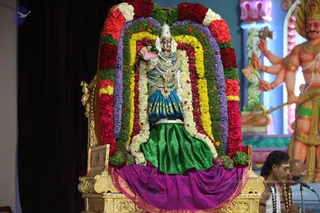
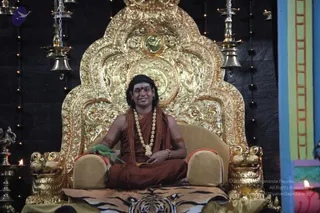
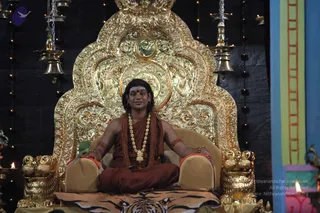
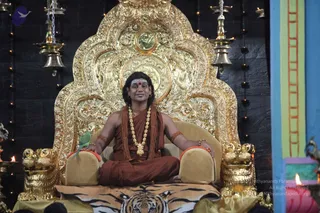
MorningSatsang
17 photosSource gallery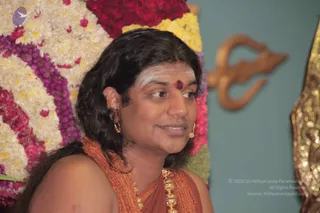
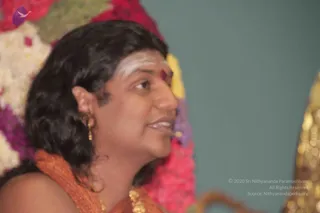
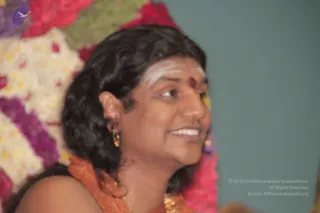
EveningSatsang
112 photosSource gallery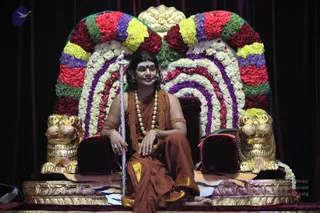
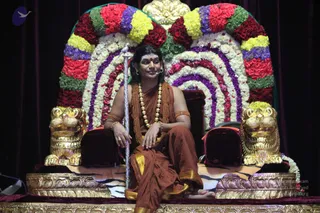
SarvaDarshan
6 photosSource gallery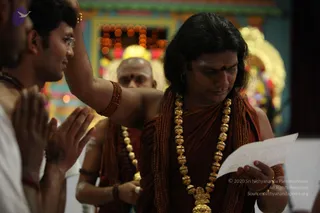
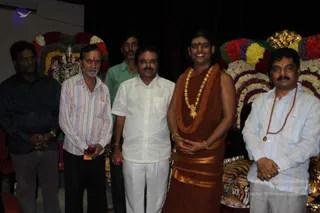
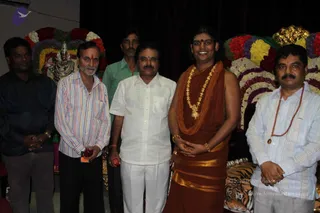
MeenakshiBrahmotsavam-Procession
75 photosSource gallery