Wednesday
6 March 2013
Law of the Cosmos is Responsibilism
- Dated photos
- 394
- Source pages
- 1
- Media
- 2
March 06 2013
Original wiki pageTitle
Law of the Cosmos is Responsibilism
Description:
In today’s morning satsang, Paramahamsa Nithyananda reveals the prescription for deathlessness. Death begins in us when we entertain any sensation of powerlessness. Feelings of tiredness and boredom are physical powerlessness: we don’t feel strong enough to continue the task before us. Depression is mental/emotional powerlessness, and refusing to trust in life is spiritual powerlessness.. When we refuse to accept that we are powerless, we deny death any space in our biomemory. By flooding ourselves with integrity, authenticity, responsibility and enriching, we assert our power and ascend to enlightenment.
Link to Video:
| Video | Audio |
Transcript:
[00:00:31]
Jnana sambandha madhyamām Asmadācharya paryanthām vande guru paramparām. ll I welcome you all with My love and respects. I welcome all of you with My love and blessings. I welcome all the devotees, disciples, samajis, satsangis who are sitting around the world at this moment in 496 places through Nithyananda TV, So from tomorrow I welcome all the devotee, samajis, satsangis, visitors, viewers, sitting with us around the world atb this moment in 496 places through Nithyananda TV and 37 places two-way video conferencing having Nayana dheeksha in 207 cities and 25 countries around the world as per the statistics. The cities sitting with us in two way video conferencing having nayana deeksha: Toronto-Kailasam, Guadeloupe-Rameswaram, Ohio-Prayag, Nithyananda Nagaramu- Hyderabad, Alwarpet-Chennai, Seattle-Chidambaram, San José-Madurai, Ohio-Sivananda, Los Angeles Arunachalam, Oklahoma- Somanatham, Adayaru-chennai, Phoenix- Kanchipuram, Paris Home Temple, Nithyanada Nagar-Thiruvannamali, Malaysia-Palani, Chandravimala-SurreyBC, Nithyananda vidyalaya-Bangalore, East London UK, Katmando_Nepal, Los Angelis-Redondo Beach, Sandiego-Pacific Beach, Ann delta circle -Canada, Hyderabad Shree, Hong Kong-Sirkazhi, Gangama circle-Bangalore, Charlotte-Srisailam, Monterey-Mexico, Singapore-Singapuram, Dakota-dunes, Paris-Kalighat, Devon UK, Bangalore North, Bangalore Marthak eali, Oman -Sivagangai, Bangalore electronic city, Dubai-Thirukovilur, Los-Vegas Duna Belo Am I right? Diena Belo. Yes. everyone is..? I welcome all of you with My love and blessings.
[00:04:05]
Today ninth batch Nirahara samyama, second level third day. Fourth batch Nirahara samyama, sorry The Samyama 18th day successfully. Wow! Only three more days to go. Fifteenth inner awakening and twelfth eN-genius 18th day successfully. Only three more days to go. Collective responsibilities of Los Angeles and Hyderabad both has reached us. Today I will comment on all of that. Great. Today I am going to expand on helping each one of you to find stability and strength from and through these four tattvas. Listen, Dhyan Se suniye. Always give priority to be established in these four tattvas. Listen, when you are established in these four tattvas, please understand, you are directly radiating the super conscious energy. I will expand on each statement now I am making, first listen.
[00:6:00]
The groups like the Landmark and all, they believe language is God. I tell you, No. Language is the prism through which you experience God, experience consciousness; language itself is not God. Consciousness is Mahadeva, language is Devi. Because, they are able to reach only up to the level of language, they say Language itself is God. No. Language itself is not God. Language is the prism through which you can experience God and everything. When the Divine decided to enjoy itself, its own extension is Language. When Mahadeva decided to enjoy Himself, His own extension-Devi is Language; that is why we call in Sanskrit, in the Vedic tradition, Language as ‘mathruka’, mother. Language is mother, Consciousness is father. Language is ‘bio-memory’, Consciousness is bio-energy.
[00:07:40]
So, listen, when you live these four tattvas, again and again and again, go on drilling yourself to be established in these four tattvas. For example, even if you feel tired, bored, immediately ask yourself, if I apply authenticity and integrity, is this tiredness allowed? I tell you, listen, every tiredness is you deciding to pamper yourself. How many of you have felt, the tiredness and boredom, if you decide, you can drop it, you can throw it away, but you are cherishing it because you pamper you, raise your hand, let Me see. So, all of you understand? When you decide to pamper you, you allow it. So, whenever… relax, drop your hand. Whenever you have even this simple ups and downs… tiredness is not a tsunami or tornado or… what other words they use? hurricane. It is just wave in the tea cup. What can be the effect, maximum effect of a wave in the tea cup? It is nothing but the effect, when you blow the air through your mouth to cool, to reduce the heat, temperature or preparing your tongue to tolerate the temperature. Tiredness is just a wave in the tea cup. Aalasya Keval Ek chai ke Cup mein Lehar ke Saman hai.
[00:10:01]
Listen, whenever you feel tiredness or boredom, just decide, ‘With my integrity and authenticity if I see me, is it right? The moment you ask, what will happen? It’ll just disappear. How many of you, experienced it, tell Me how many of you have really cognized it by experience, that’s it. Even in a small thing like a tiredness and boredom, do not entertain the idea of pampering yourself or, ‘it’s okay’ or cute, cuddling feeling. Life is not going to give you teddy bear. It may give you bear, teddy separately; not teddy bear. So, do not entertain, do not engage yourself, do not entertain that cute feeling of boredom or tiredness. ‘Chalta hai’ ki Mano sthiti Kabhi na apnaye
[00:11:44]
Do not entertain the idea of ‘it’s okay’, whether... please listen, Dhyan Se suniye. The tiredness which you allow again and again, because you feel you have done too much, is the root inauthenticity starts growing. There is nothing called too much. Listen, how many of you when you are having that cute feeling towards tiredness, you just want to cuddle that tiredness and sleep, you just want to cuddle the boredom and sleep. That time suddenly the inner Guru appears in you and says, “Eh, practice these four tattvas, chaar tattvas.” And then you hate this inner Guru voice inside. No it happens. How many of you have cognized it at least once? That is why I am telling you, whenever your inauthenticity is exposed, immediately you somehow try to divert your attention to something else. Listen, Dhyan Se suniye. Do not entertain this cute, cuddling feeling with boredom or tiredness saying, ‘I work so much from whole day, see my next department fellow, does not do anything, he behaves like a government office, I behave like a professional corporate office, I am much, much, much better than that guy.’
[00:13:58]
Listen. Comparison is the root from which inauthenticity justifies and continues to exist in you. How many of you cognize this? Do not, do not allow. Tell very clearly, ‘If that fellow does, that is his responsibility and my life is my responsibility. End of the day, even if he is not responsible, for his irresponsibility also I am responsible.’ As I said, listen, Cosmos functions in responsibilism. Cosmos does not believe in socialism, communism, capitalism, and any ‘ism’ corporatism, any ‘ism’. Neither Moscow, nor Wall Street is the law of the cosmos. Neither Beijing, nor Moscow or Wall street is law of the Cosmos. Law of the cosmos is Responsiblism. Dhyan Se suniye. Law of the cosmos is Responsiblism. Meenakshi, Sundareshwara, ruled the cosmos with this one thought of Responsibilism. Comparison is the root from which inauthenticity justifies itself.
[00:16:00]
Dusre se tulna karna hi aapki ashraddha aur use Sahi doharane ki jad hai Comparison is the root from which inauthenticity justifies itself. Dhyan Se suniye. But law of cosmos, the natural law of existence, Dharma, is neither comparison based philosophies of communism, socialism, capitalism, corporatism. Law of the cosmos is Responsibilism. Prakriti ki niti hai upaayanam. Prakriti ki niti hai upaayanam. Prakriti ki Dharma hai upaayanam.
[00:17:42]
Law of the nature is Upaayanam. Law of the nature is Responsibilism. Listen, when you take the responsibility, those higher energies express through you. I tell you, you always measure the result of your responsibility based on the little money and name and fame you get. That is where you fail. I tell you, when you take Responsibility, the Divine energies are supporting you. Kinnara, Kimburuda, Gandharva, Gandhara, Siddha, Rishi, Muni, Gana, they are all supporting you. All I request you, first few times, do not bother and logically calculate with your small logic.
[00:19:04]
See, when I ask you to take the Responsibility, you think, ‘two lakh rupees a month. With this responsibility if I work, I know I will not have tiredness; whenever tiredness comes I will break it with authenticity, whenever boredom comes I will break it with authenticity. If I work like this in two years per month, I will be making twenty lakh. Wow! Swamiji is great, giving me this kind of ideas. By the time you finish this calculation, you will see, ‘Okay, then how can I have the twenty lakh, without even taking the responsibility.’ After you complete your calculation, the last question you throw on you, “How can I have that twenty lakh also per month without even taking this responsibility”? How many of you cognize what I am saying? That is why I am telling, please do not measure the results of this four tattvas with your small logic. When you actually take Responsibility, Indra enters in your hand; it becomes ‘vajrayudha’; Yama enters in your lungs, means non-stopping, Lakshmi enters your heart, means continuously sharing, Kubera enters in your liver and kidney, keeping the whole thing alive; Marud, Agni, Marichi, all of them enter your intestine, burning anything is offered and keeping the whole system active and alive.
[00:21:08]
Sharadanada anidra amrit ke liye jayiye. Dhyan Se suniye. When you take the Responsibility, when you start expressing authenticity, whatever you calculate through your small logic, the benefits you may get, thousand times more happens. Listen, when you start living with Responsibility and authenticity, not only your monthly earning moves from two lakh to twenty lakh, you build a space, where you live deathless. Your body gets built as you want, your consciousness gets built beyond body, you are building a space of deathlessness; you are building your akshardham. With integrity and authenticity, responsibility and enriching, keeping Kalabhairava as promise, I declare I am telling you the truth, satya, complete satya. Whenever you break that boredom, tiredness pattern by bringing, “Eh, with integrity if I think this tiredness is nothing but self-destroying negative pattern. How can I allow this? I complete with my tiredness and boredom, I divorce both of you. I lived enough with both of you, today, divorce.” Talak, talak, talak; not even Hindu divorce, where you have to go to the court and apply, six months you wait, nothing. No. “My tiredness, my boredom, I divorce you.”
[00:23:17]
Listen, listen, when you divorce your tiredness and your boredom, don’t think just your salary will increase, your earning will increase from two lakh to twenty lakh. You need to know, you are creating a conscious space where you will be established forever deathless. It is not just a technique to improve your external productivity and success and life. It is a process where the source of consciousness is getting opened in you. So, divorce your tiredness and boredom today. All I am trying to tell is divorce your tiredness and boredom now. Divorce your tiredness and boredom today. Yesterday only I divorced My tiredness and boredom. No, it was trying to ask Me, “I am also your disciple, why don’t you give me a little place.” I said, “Nothing doing, like you, I have given a place for lot of disciples, now I cannot afford to give a place for you.”
[00:25:23]
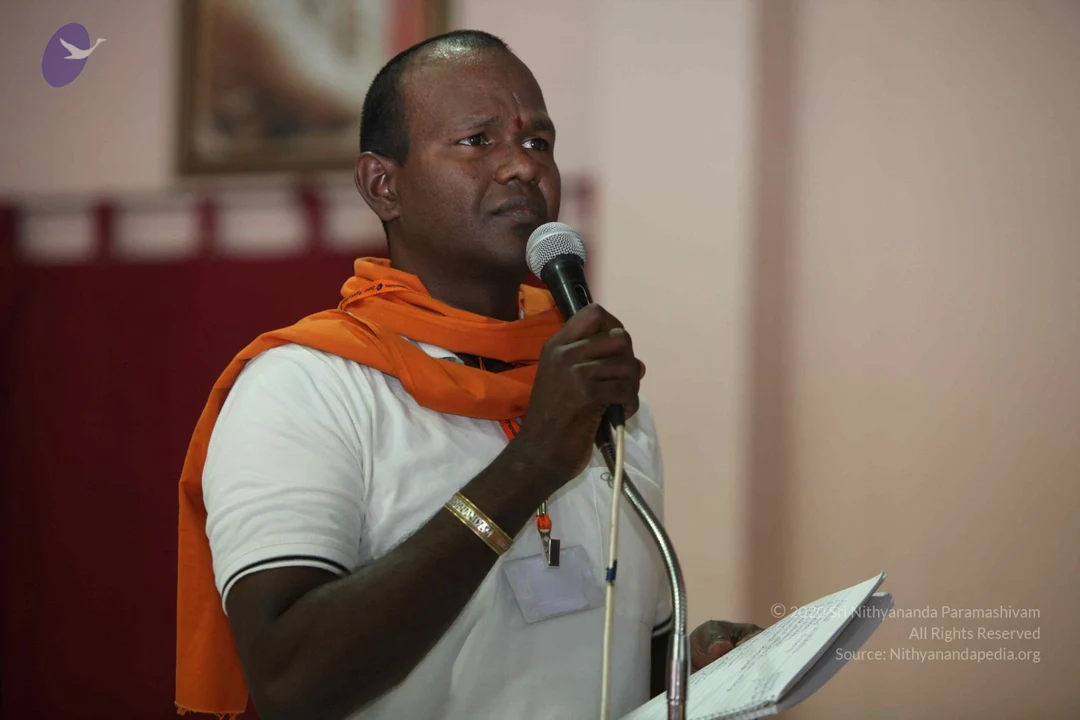
I have question from Jnanatma, “Does that mean that whoever is active and does not encourage tiredness, boredom, they achieve the state of deathlessness”? No, if they does not encourage tiredness and boredom with this clarity, in this context of using authenticity and integrity, they achieve deathlessness. There are people who don’t get tired by taking the … there are some drugs and pills, which the sports people use, which is banned. What do you call? Steroids. And there is a … there is a name for the… doping. Am I right? Doping. There are sports people and this bodybuilders and others, by doping they live without tiredness and boredom, but that is no way going to help you. That is not going to make you, lead you to deathlessness. No. Are you all clear? And sameway, sometimes the intense lust and the intense fear will get you out of tiredness and boredom. If there is a lust, there will be not be boredom or tiredness, you will jump, run. If there is a intense fear, there will not be tiredness or boredom. If a stray dog is chasing you, will you have tiredness or boredom to run? So, intense fear and greed also can help you to be out of tiredness and boredom, but that is not going to lead you to deathlessness. If you get out of tiredness and boredom by using integrity and authenticity, you will achieve deathlessness. Jnanatma, doubt is clear? Kripaya punah suniye. Jab aap jimmedari Lete Hain uchatam shaktiyan aapke dwara vyakt hoti hai
[00:27:54]
When you take the responsibility, the higher energies express through you. When you break your tiredness and boredom, the source of consciousness is opening in you. Jab aap apne aalasya aur boriyat ko Tyag ke uske paar Jaate Hain toh aap Chetanta ke shrotra ko prapt kar lete hain. Dhyan se suniye, kripaya punah suniye. Jab aap apne aalasya aur boriyat ko Tyag ke uske paar Jaate Hain toh aap Chetanta ke shrotra ko prapt kar lete hain.
[00:28:50]
When you use integrity and authenticity, and break this pattern of cuddling up with your tiredness and boredom, you are allowing consciousness to build your muscle memory and bio-memory. Sameway, I tell you, when you do the yoga or fitness, doing weight lifting or dumbbells or anything, look into your muscles which claims pain and with integrity and authenticity, handle that pain. Naturally what will happen? I have to be in my peak; that is authenticity. It means, how can I have this? Then you will understand, the pain your muscles claim is pseudo pain, false pain. Drastically your ability to lift the weight will become double. Just with this one understanding your ability to bend your body will become double. The flexibility of your muscles and the stability of your muscles, ability of your muscles and stability of your muscles and flexibility of your muscles will become double just by this one truth. Listen. I am giving you the technique once more. When you bend the body in yoga or do the weight lifting, any of this process, when your muscles claim pain, when any part of your body claims pain or your whole body claims pain, look in and ask with integrity ‘am I having this pain or creating a self destroying thought pattern which I am enjoying and cherishing?’
[00:31:17]
Yesterday one of My disciple came up with a finding a root pattern that I don’t care for him or her. I said, “You found the root thought pattern, why don’t you now complete it and get out of it.” “No, if I complete and get out, I will never bother to ask Your attention and You will also not give me Your attention. You will never bother about me. So I am going to keep this root pattern even if I know it.” Now what to do? Anyhow finally the person got convinced to complete and get out of that root pattern. Many time you keep the false pain signals in your body as a protection security mechanism but you don’t understand you don’t need that protection security mechanism. It is like a, how these security agencies get their job you know? When they go to a new locality they themself have few people they hire and do some stealing; create certain insecurity in that locality. So, naturally all the fellows ask for security agency number and ask for private security. Sameway the idea of pain which comes in your muscles and body is the henchman of security agencies. They come and give you some trouble so that you appoint the security agency or if you don’t appoint the security agency, security agency itself is hurting you. How many of you cognize what I am saying?
[00:33:08]
Dhyan Se suniye. I will explain once more. If you don’t appoint the security agency and give them money they themself will come and do some problem, galata. There are some rowdy elements, they will ask for money, if you don’t give them the money they will come in some name, some form and do some protest. Sameway the pain which you are feeling in your muscles, you think this pain will keep my body in good shape without getting damaged so better to have this pain signals in me is not the right logic. Those pain signals are the enemies who are destroying and stopping you expressing your authenticity. Yogacharyas this is one of the first lesson you need to teach in your yoga classes. Just understanding of this lesson, immediately their flexibility, stability and ability will increase twice. Tomorrow in the yoga session everyone will experiment with this truth. All of you are cognizing it? Do not entertain any form of powerlessness any time of your day, in any level of body, mind or consciousness. Depression is nothing but you entertaining powerlessness in the level of mind. Tiredness, Tiredness is nothing but you entertaining powerlessness in the level of body. Atheism is nothing but you entertaining powerlessness in the level of consciousness.
[00:35:40]
Dhyan Se suniye. Tiredness is nothing but you entertaining powerlessness in the level of body. Depression is nothing but you entertaining powerlessness in the level of mind. Atheism is nothing but you entertaining powerlessness in the level of consciousness. Kitne Logon Ko yah samajh mein aa rahi hai How many of you are cognizing this? I tell you, atheist is a person cherishing poverty in conscious level. aswath aur Kuchh Nahin Keval manasik sthar par aapki durbalta ka Pratik hai. aswath aur Kuchh Nahin Keval manasik sthar par aapki durbalta ka Pratik hai.
[00:37:05]
Do not entertain powerlessness in any form of your life. Listen. Death itself is nothing but all three parts of you entertaining tiredness and powerlessness. Death starts in your life when you entertain tiredness. Whenever you handle your tiredness and boredom with integrity and authenticity even when you need to leave the body you will not entertain death. Death will not happen to you. I am not teaching you science of just making success. I am teaching you the science of deathlessness. I am not just teaching you the science of Ananda. I am teaching you the science of Nithya. Let your muscle memories and bio memory not entertain any form of powerlessness; use integrity and authenticity. Mrityu aapke Jivan Mein Pravesh Karti Hai Jab aap aalasya ko Sharan Dete Hain. Mrityu aapke Jivan Mein Pravesh Karti Hai Jab aap aalasya ko Sharan Dete Hain.
[00:39:07]
Death starts in your life when you entertain tiredness. No. Authenticity and integrity should be the security for your hrudgarbha. The garbha mandir which is in you is ananda gandha. Your ananda gandha is a garbha mandir where your god, super consciousness, ishta devatha is residing. Integrity and authenticity should be the dwara palakas not allowing tiredness and boredom or depression any form of powerlessness to enter inside.
[00:40:23]
Jnanatma is giving a question, “When life does not give me what I want or change what I don’t like, how not to entertain powerlessness in this case”? Listen. Because you entertain powerlessness, life is not giving what you want. Not that life first denies you and then you entertain powerlessness. No, because you entertain powerlessness, life asks you to change or denies. Change or denial comes from life only after you entertain powerlessness. You commit a crime only then life gives you punishment. Life energy is not in a hurry to harass somebody before even verifying whether they have committed a crime or not. Dhyan Se suniye. Any form of entertaining powerlessness either as tiredness and boredom or depression or fear or worry or non trusting attitude, denial of life is atheism. Any form of entertaining powerlessness in your inner space is entertaining death. Don’t, don’t.
[00:43:00]
Entertain life so even your death will be living. You will be living death. If not you will be dead living. I have seen people who are dead living and I have seen people who lived death. All My sanyasis should be living death not dead while living. No. Change or denial comes from life when you entertain powerlessness. Jivan se nakaratma tabhi prapt hoti hai Jab aap Swayam durbalta mein rahte hain. Jivan se nakaratmakta tabhi prapt hoti hai Jab aap Swayam durbalta mein rahte hain
[00:44:17]
It is you entertaining powerlessness. Listen:
Powerlessness in the level of physical body is tiredness and boredom. Powerlessness in the level of pranic body is dilemma. Powerlessness in the level of mental body is worry. Powerlessness in the level of subtle body is depression. Powerlessness in the level of karana sharira, unable to trust life, causal body, is unable to trust life. Powerlessness in the level of cosmic body is atheism. Powerlessness in the level of nirvana sharira is being a demon - Satan. Being Satan is one step more than atheist. Atheist does not believe god exists. Satan believes god exists but he wants to fight with him. He wants to oppose him.
[00:45:38]
The child form of Satan is tiredness. Tiredness slowly grows, grows, grows, grows, grows finally becomes Satan - Devil. Whenever tiredness approaches you, know very clearly it is a small sweet cute snake. No, when you see a baby snake it is very cute. You just want to cuddle with it and have that guy running around all over you. When you see a baby tiger you feel so cute. Wow. Can I have this? Only when it grows you will understand tiredness is the child form of Satan. Aalasya Swayam Shaitan ka Laghu roop hai. Aalasya Swayam Shaitan ka Laghu roop hai Do not entertain powerlessness, dilemma in any form in your being.
[00:47:30]
Bhakta has a question, “Is Swamiji saying Satan or Saturn”? I am not saying Shani-Saturn. No. I am saying Satan - means the Christian devil - Satan. Satan means the devil. Dhyan Se suniye. The integrity and authenticity will bring tremendous kundalini awakening and stability in you. Tomorrow all of you try to practice this integrity and authenticity while you are doing weight lifting or bending your body during yoga. I promise you guys your ability, stability, flexibility will become at least twice more, two times more. Krupaya suniye. Your integrity and authenticity awakens highest possibilities in you. Whole day, whole day do not entertain any pampering thoughts. Integrity and authenticity will bring tremendous kundalini awakening in you.
[00:49:38]
Sometimes you think anger with this guy I can afford. And you entertain. Even that is entertaining powerlessness. If you got the right reason and logic and if the other person is really powerless, “Come on tud tud tud tud tud...” You are fighting in the war, all the snakes ran away, finally you got only two cockroaches and you are beating it left and right and then you raise the stick and show to the world, “Ehh don’t come near me, don’t come near me.” And that cockroach blood is there on that stick. How many of you cognize in your life you have the pattern of beating cockroaches? Raise the hand. Because first of all you are afraid of snakes and they ran away. You caught only cockroach. ‘Come on, now I will show my valor and strength.’ Krupaya punah suniye.
[00:51:16]
Integrity and authenticity should be used as a strategy planning before every small or big decision. Even a decision like ‘Should I put the bhasma or not?’ Immediately apply the both principles. ‘Is this putting bhasma brings me to integrity and authenticity and responsibility and enriching?’ ‘Yes; because it reminds me that I should plan my strategy planning completely based on these four tattvas, not anything external; because anything external is going to become ash like this.’ ‘Reminding me and reminding others.’ That is what has happened to Goon Pandiyan and Gnanasambandar’s healing miracle. Listen. I am giving you the black box truths of what happened to Goon Pandiyan’s mental setup. Some jain monks who have not really understood Jainism have started putting suicidal tendency thoughts into Goon Pandiyan. That Pandiya king slowly, slowly started hating life and life affirmative things, started shrinking. Literally his body also started shrinking. Then comes Gnanasambanda - embodiment of Meenakshi-Sundareshwara to make Goon Pandiyan understand ‘Your consciousness does not need to shrink because of the ideas of this so called things; everything is going to become just ash like this.’ Listen. But your consciousness is beyond this anything you see. Initiating him into this tattva of life and giving this ash as a prasada, when the tattva started spreading expanding in Goon Pandiyan’s consciousness, the shrinking body stood up and he expanded, became Nindrasir Nedumara Nayanar.
[00:54:29]
Listen. Most of you are still Goon Pandiyans. The life shrinking root thought patterns - you are suffering with it, suffocated by it. If you are suffocated by life shrinking thoughts, you are shrinking, shrinking, shrinking. Entertaining tiredness, entertaining depression, entertaining low mood, entertaining atheism, is all nothing but entertaining powerlessness, entertaining the idea of non possibility is powerlessness. Jivan se nakaratmakta tabhi prapt hoti hai, Jab aap Swayam durbalta mein rehte hain.
[00:56:25]
Continuously, continuously, whenever you feel hungry, try to attend the hunger, thirst, everything with integrity and authenticity. Even with integrity and authenticity if your body feels the hunger and thirst give food for it. I tell you this is the way My disciples and devotees should eat. Eat if you feel authentically the hunger; the hunger is felt by your muscle memory, bio memory. Drinking water can be done even if you remember. That is okay. No problem. But eating should be done, only your muscle memory or bio memory feels the hunger, the hunger. Unfortunately even if you feel anger you eat. Not that only in the primary school kindergarten you mistook the anger and hunger. Even now you mistake anger and hunger. The kindergarten, in the school, how many of you have mistaken anger and hunger? Even now how many of you are mistaking the anger and hunger. When you are feeling angry you feel like eating. What anger has to do with your food? Dhyan Se suniye.
[00:58:59]
The science of enlightenment, science of enlightenment, listen, I am defining the science of enlightenment. Flooding your body, mind, spirit with these four tattvas and establishing yourself with these four tattvas is science of enlightenment. Today I tell you, you can declare to be Maha Mandaleshwar. Sameway with integrity and authenticity you can declare for your purna sanyas. You can declare for your naishtika brahmacharya. You can declare for your krama brahmacharya. I tell you, you can declare your enlightenment. Nobody else is responsible. Nobody else can declare. And I am telling you really, if you declare with integrity and authenticity, responsibility and enrichment, enriching, that ‘I am enlightened’, have it in your resume – Enlightened disciple of Paramahamsa Nithyananda. I have no problem because it is your responsibility now. I have set a high standard of enlightenment. So, before declaring make sure very clearly, people are going to look up to you to live this standard. So, if you feel, with integrity and authenticity, responsibility and enriching if you cognize you are enlightened, declare your enlightenment.
[01:01:05]
Dhyan Se suniye. Mai aapko jivanmukti ka vigyan bata raha hun. Apne Sharir, man evam Atma mein chaar Tattvon ko samavit karna evam 4 tattvon mein sthit ho jana.
[01:01:31]
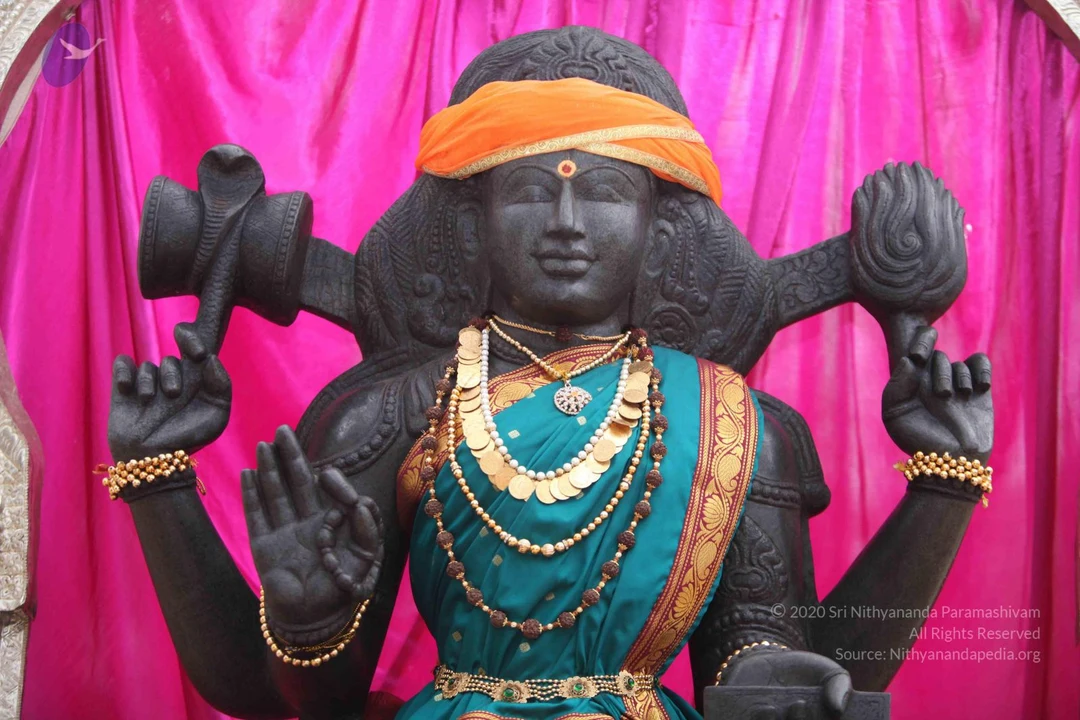
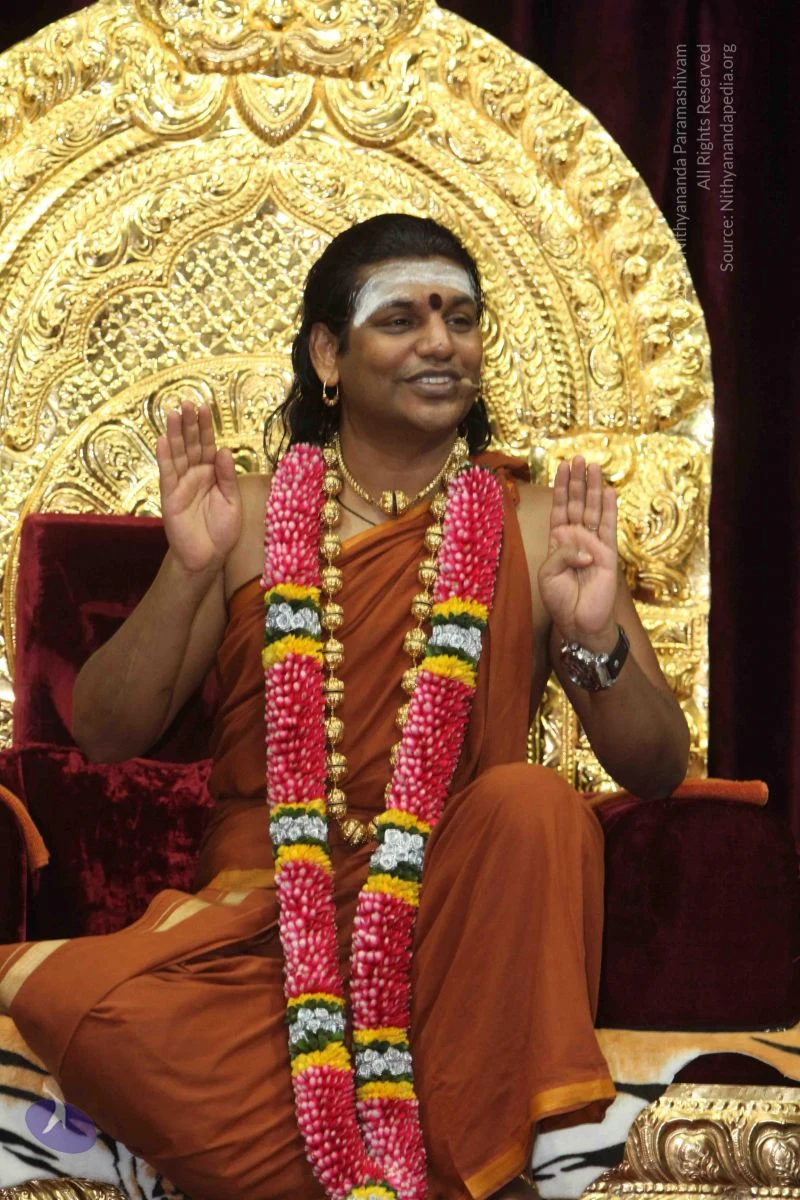
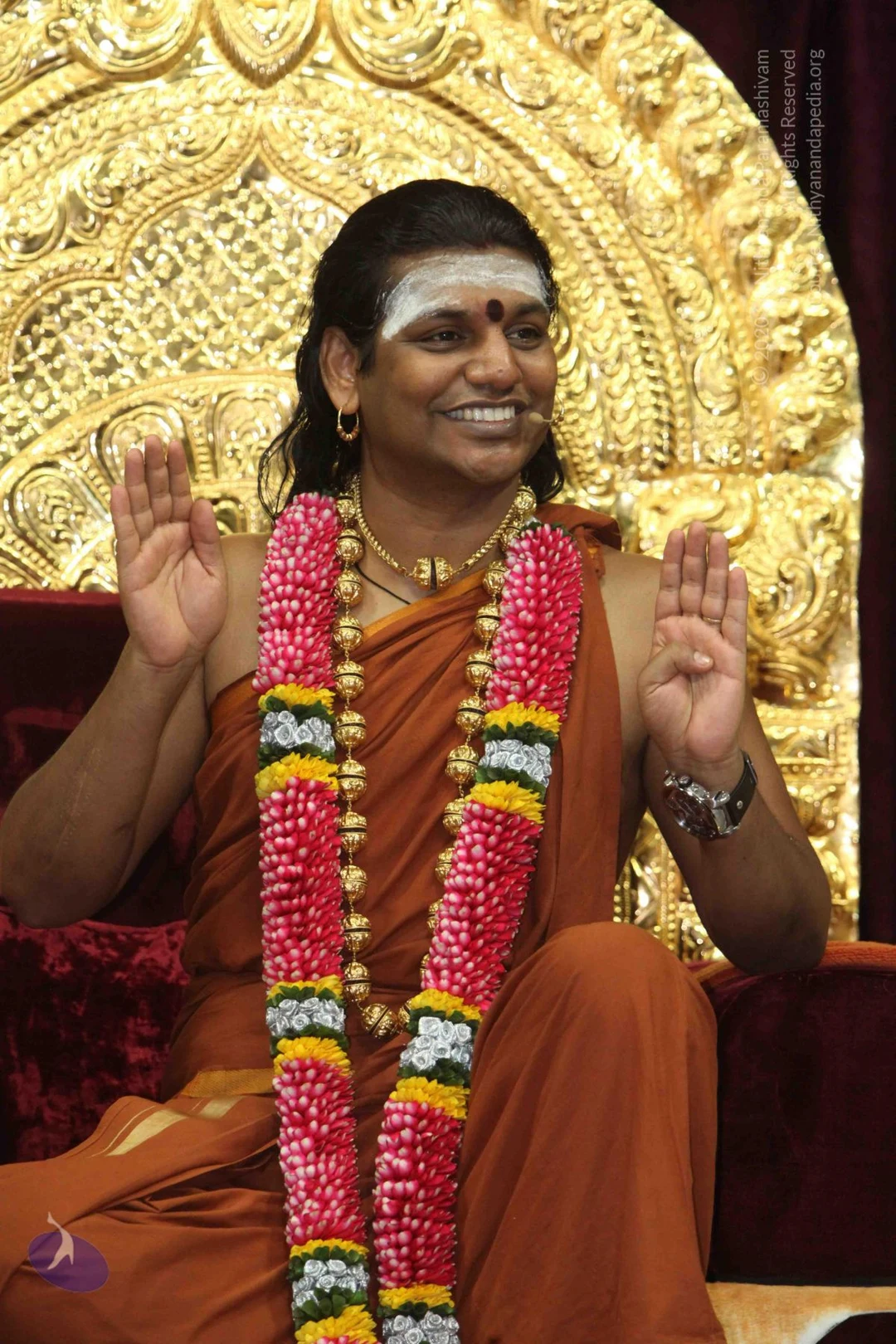
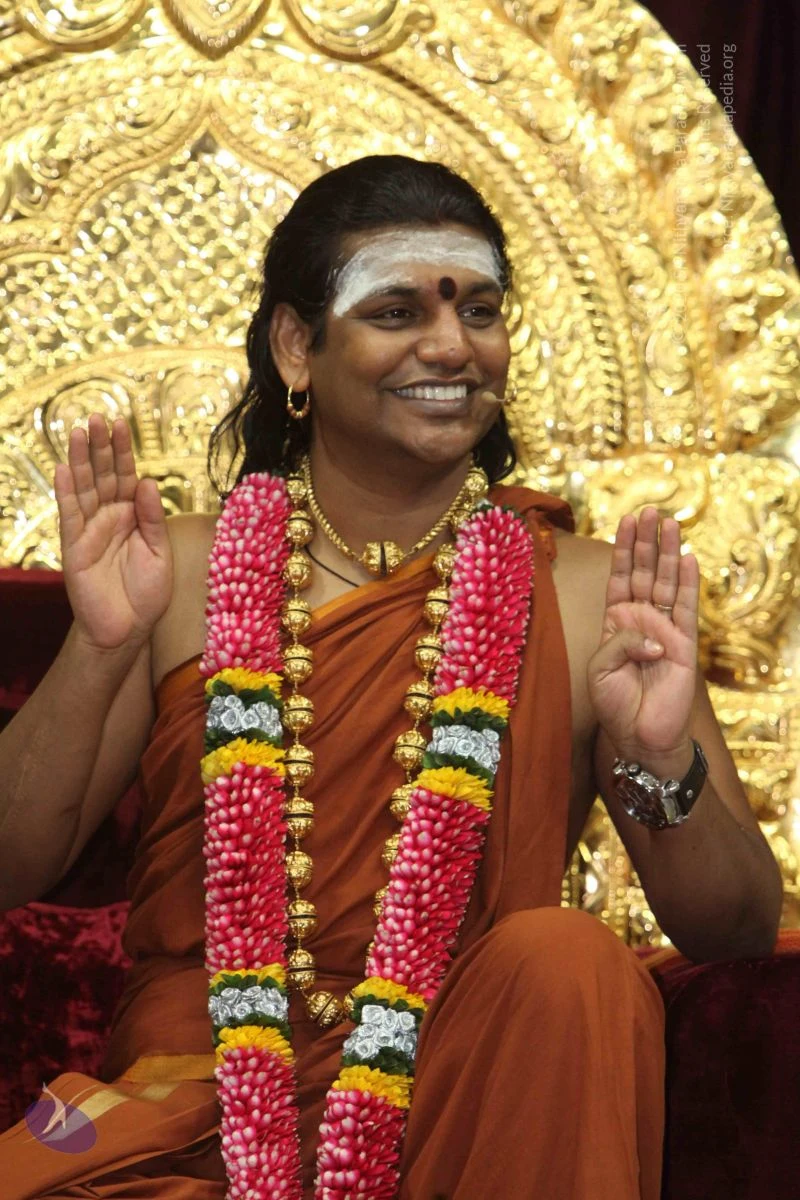
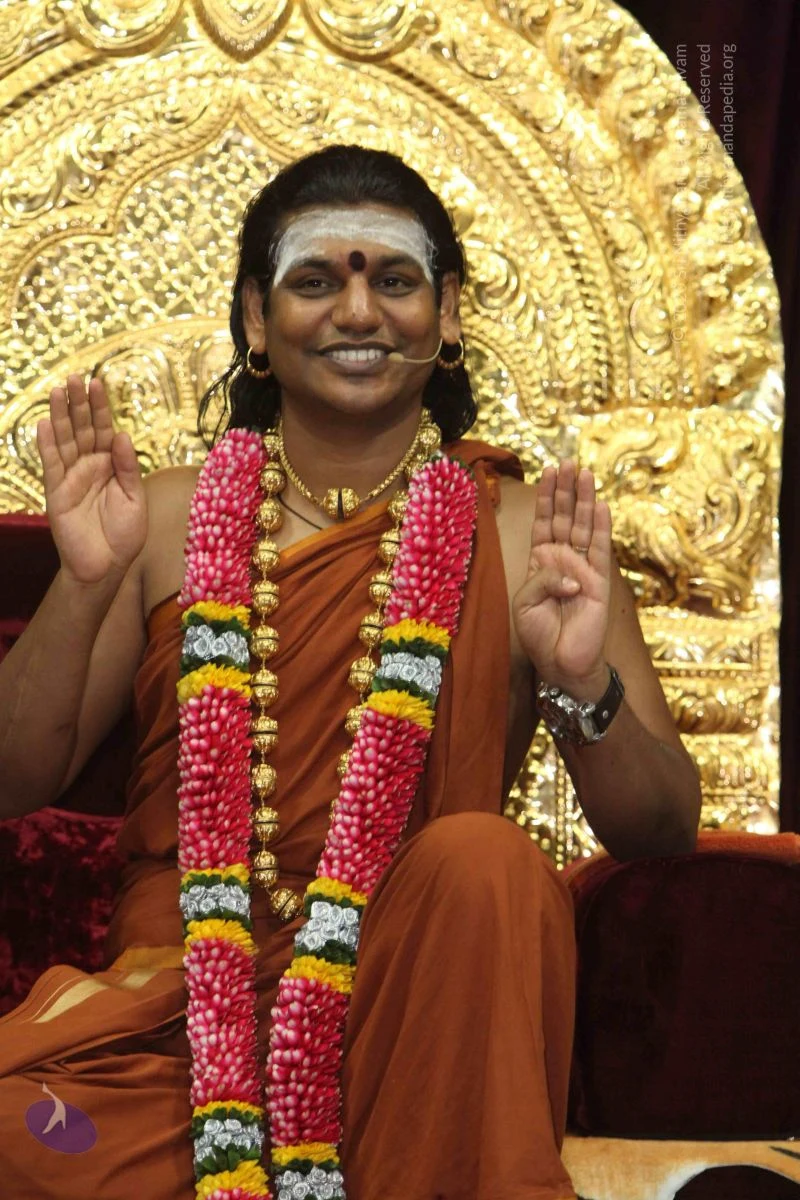
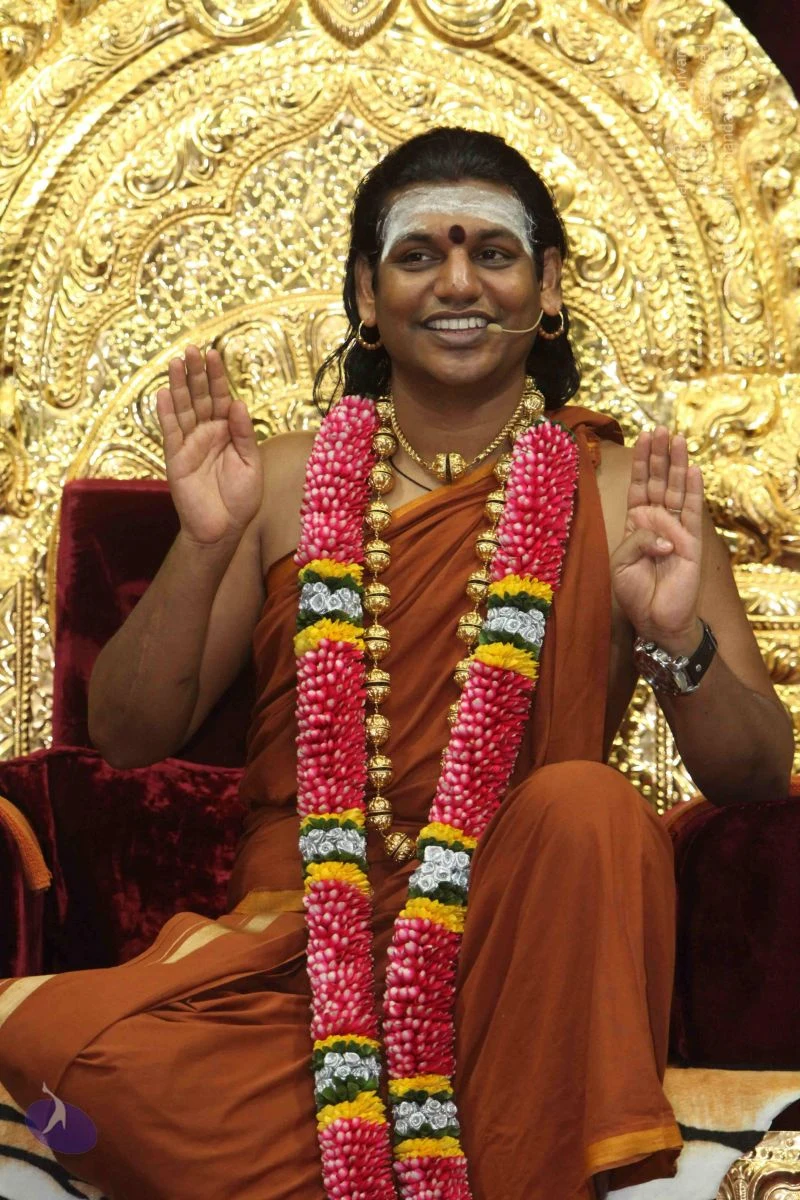
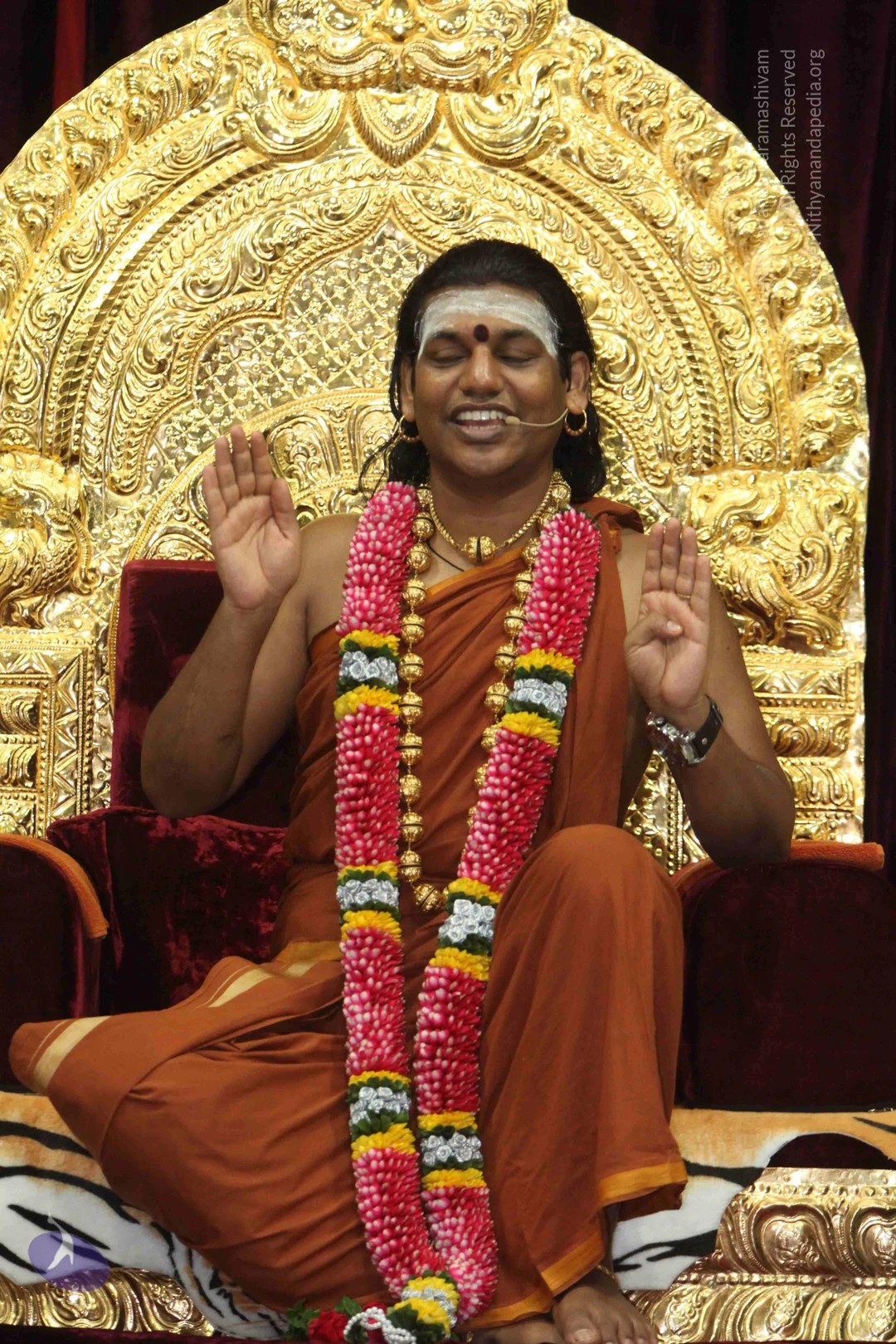
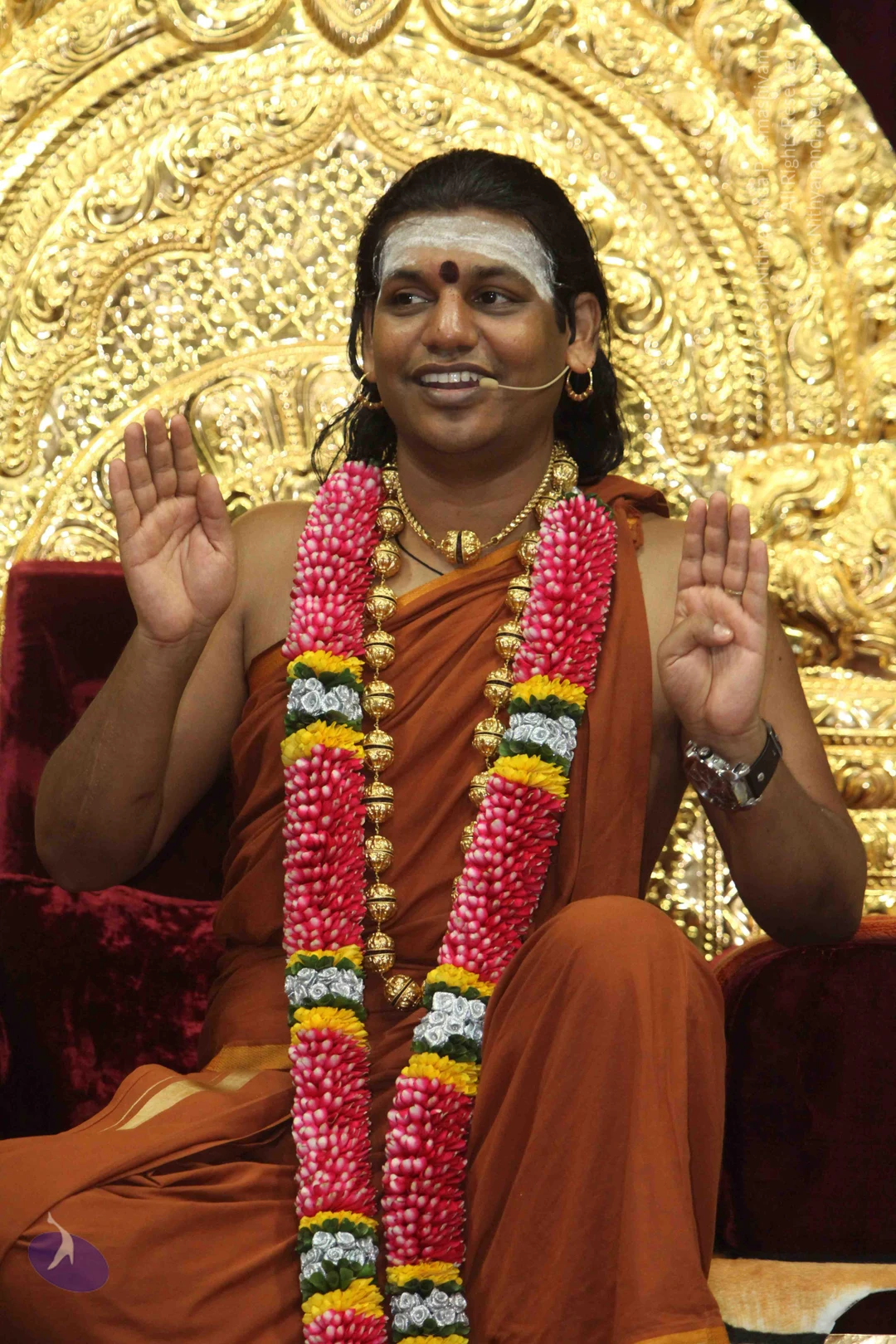
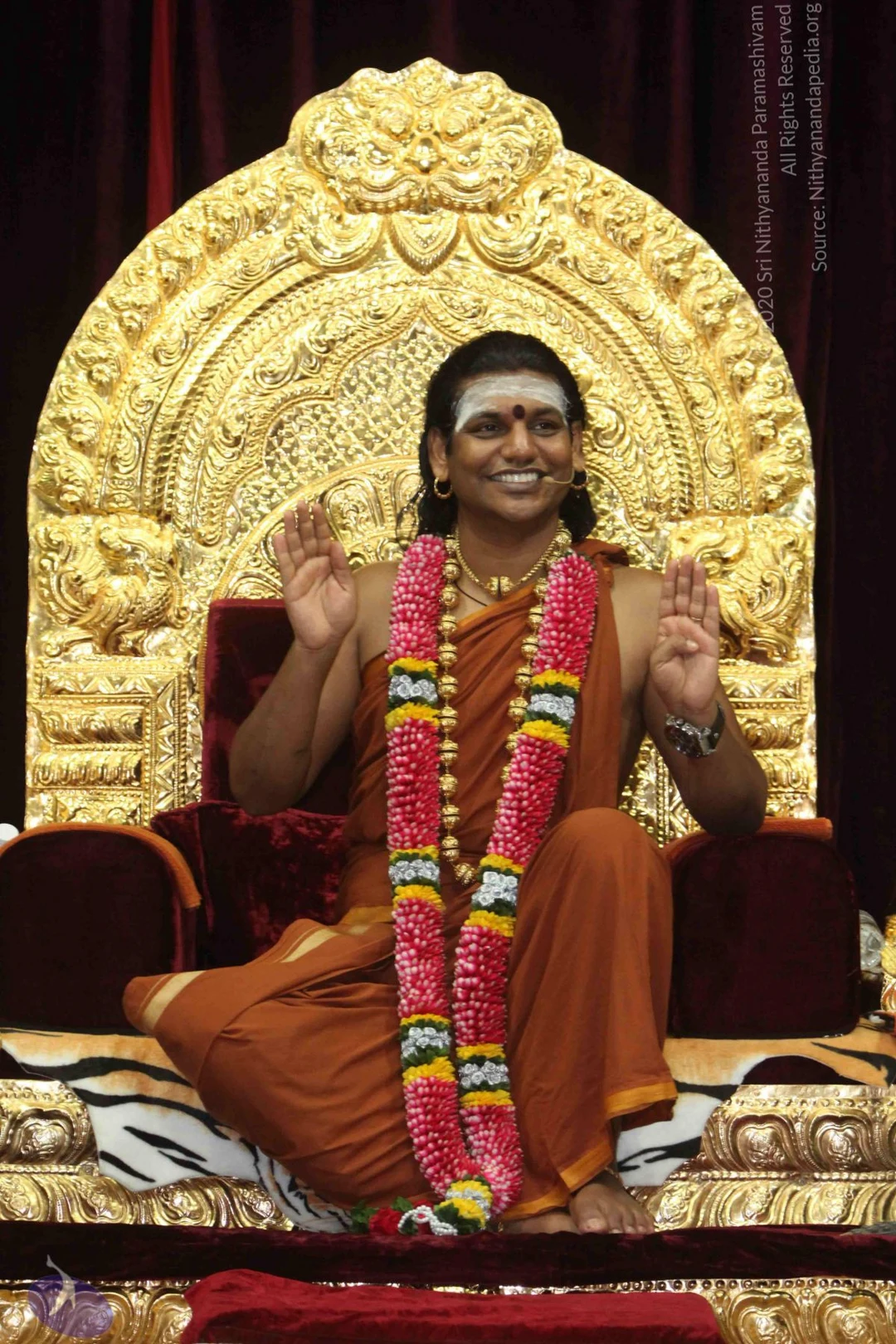
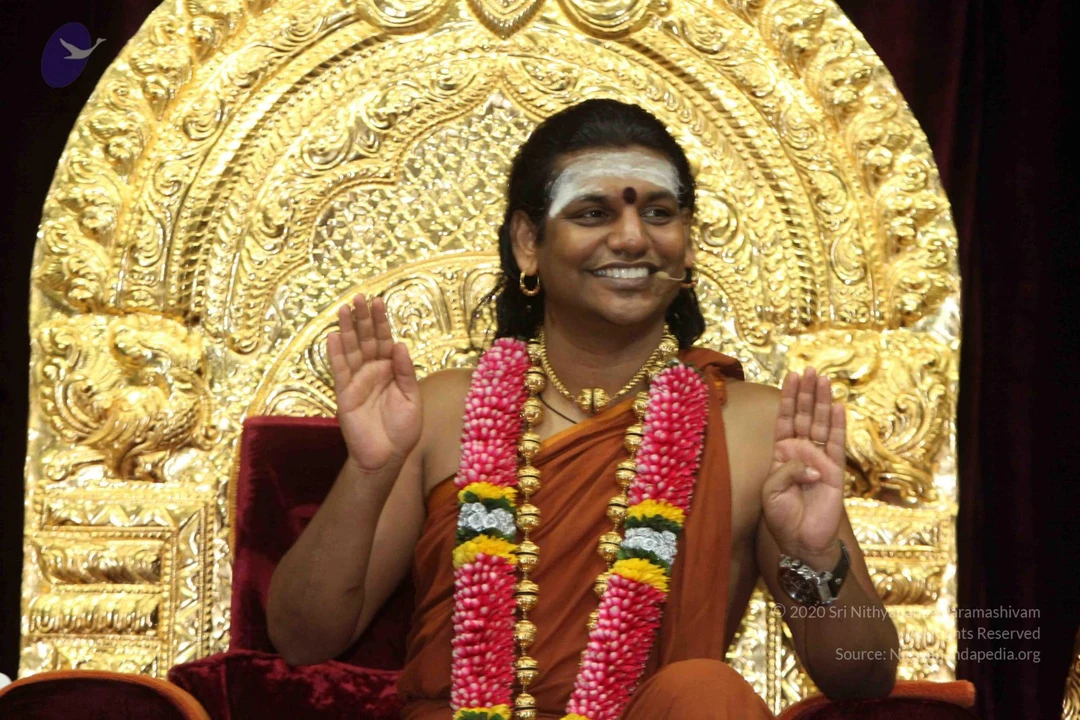
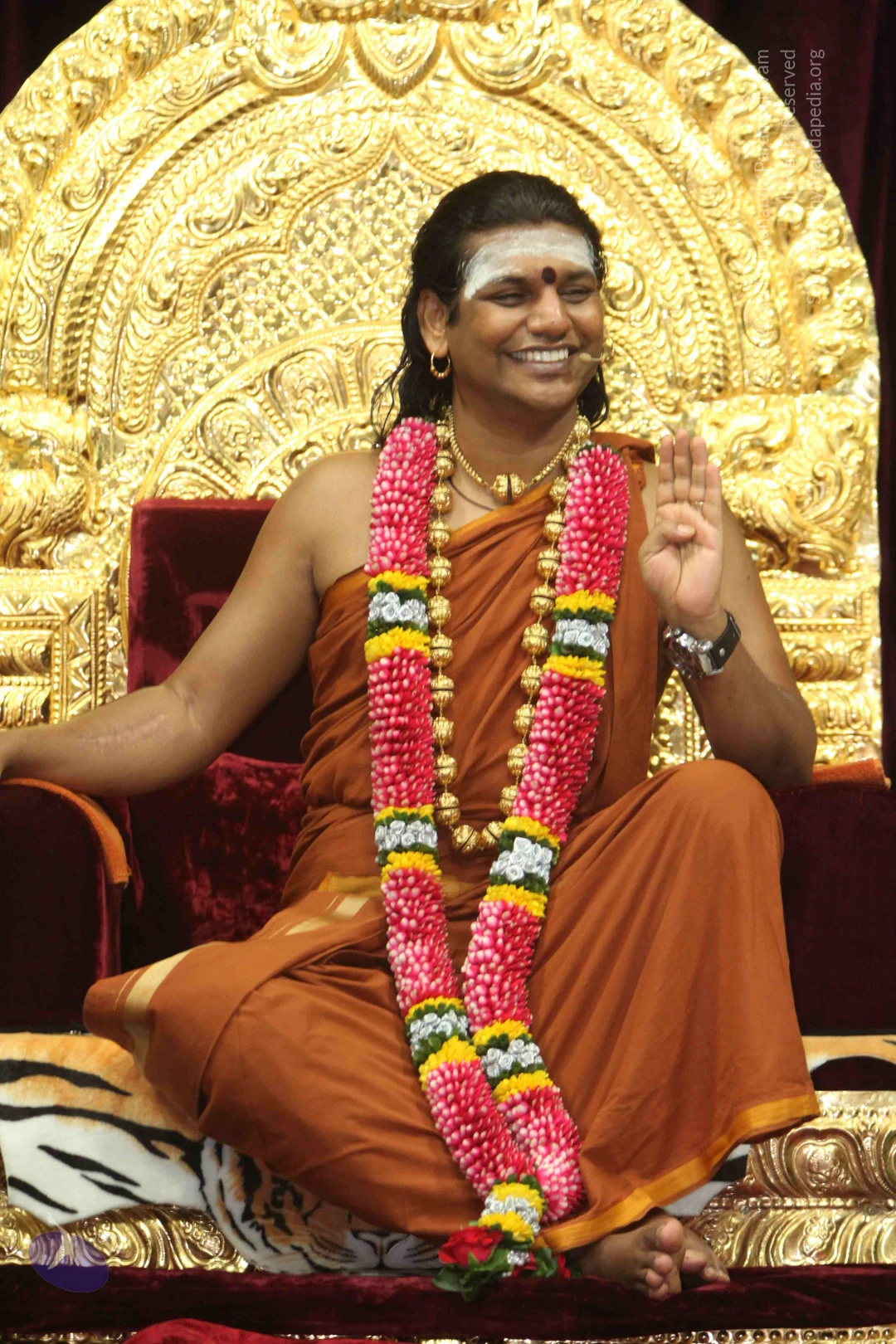
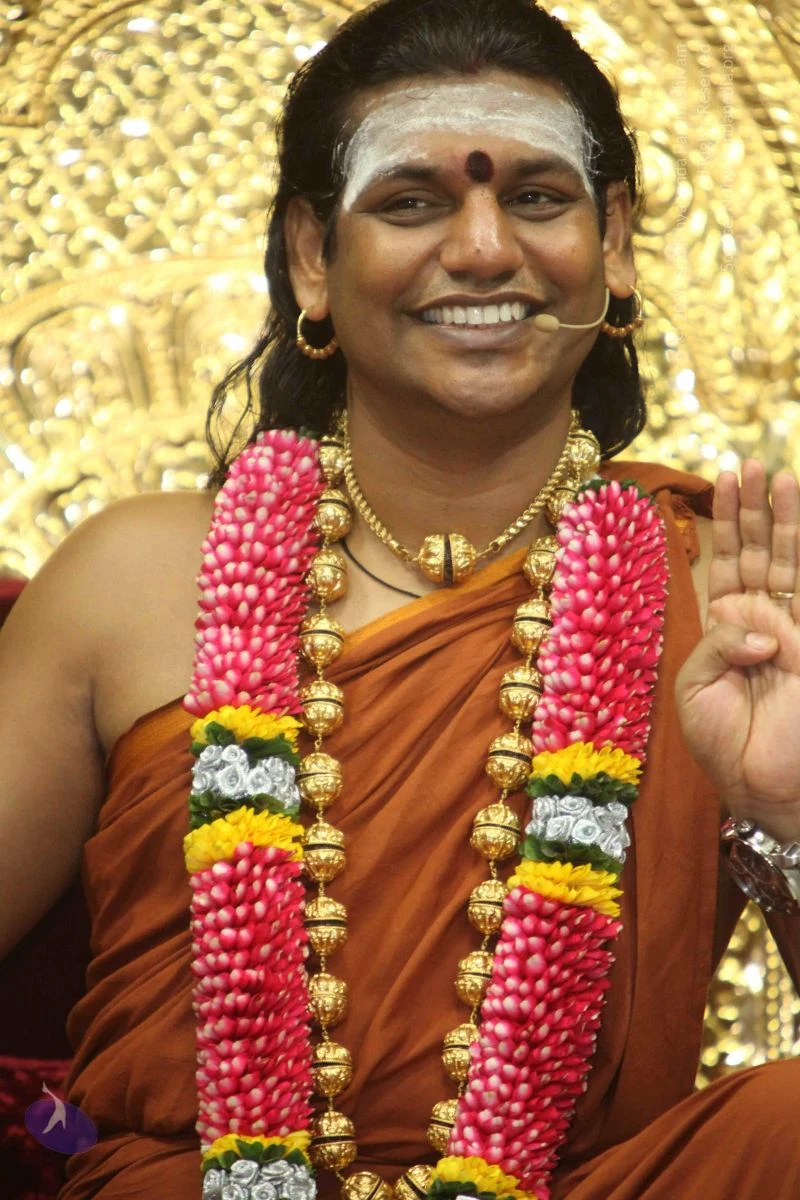
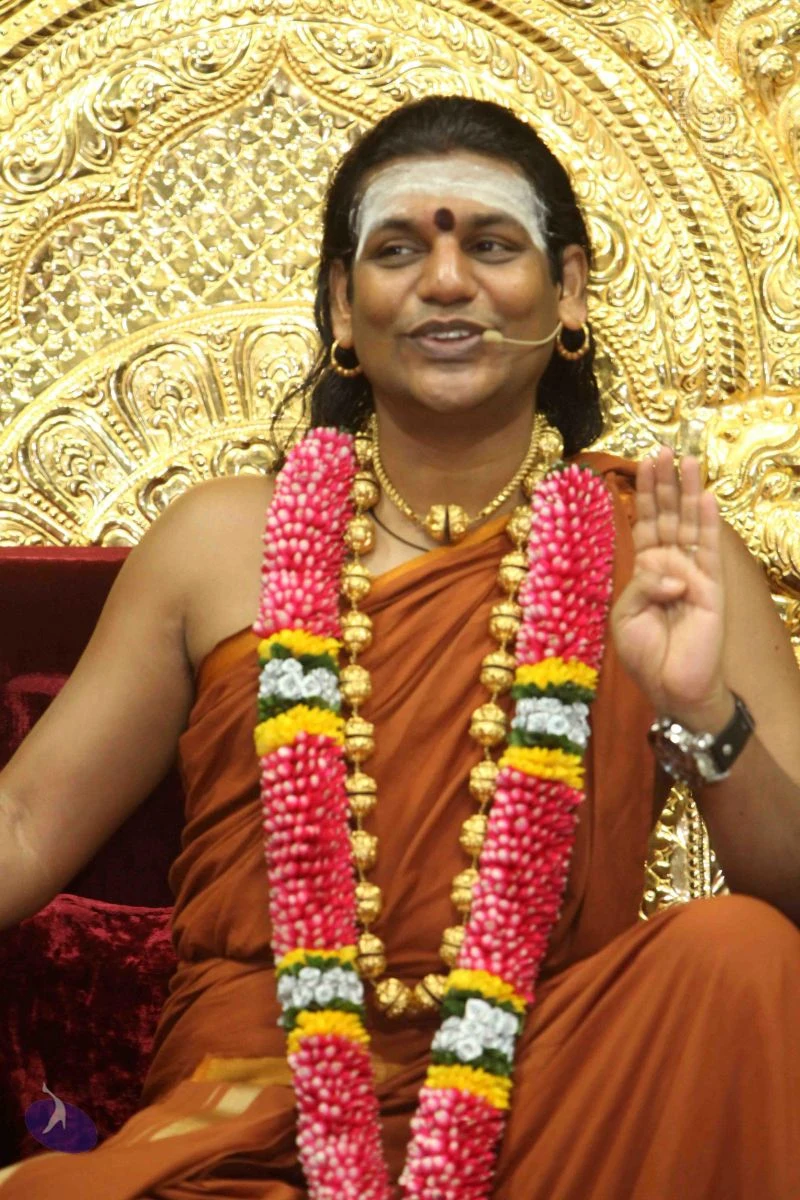
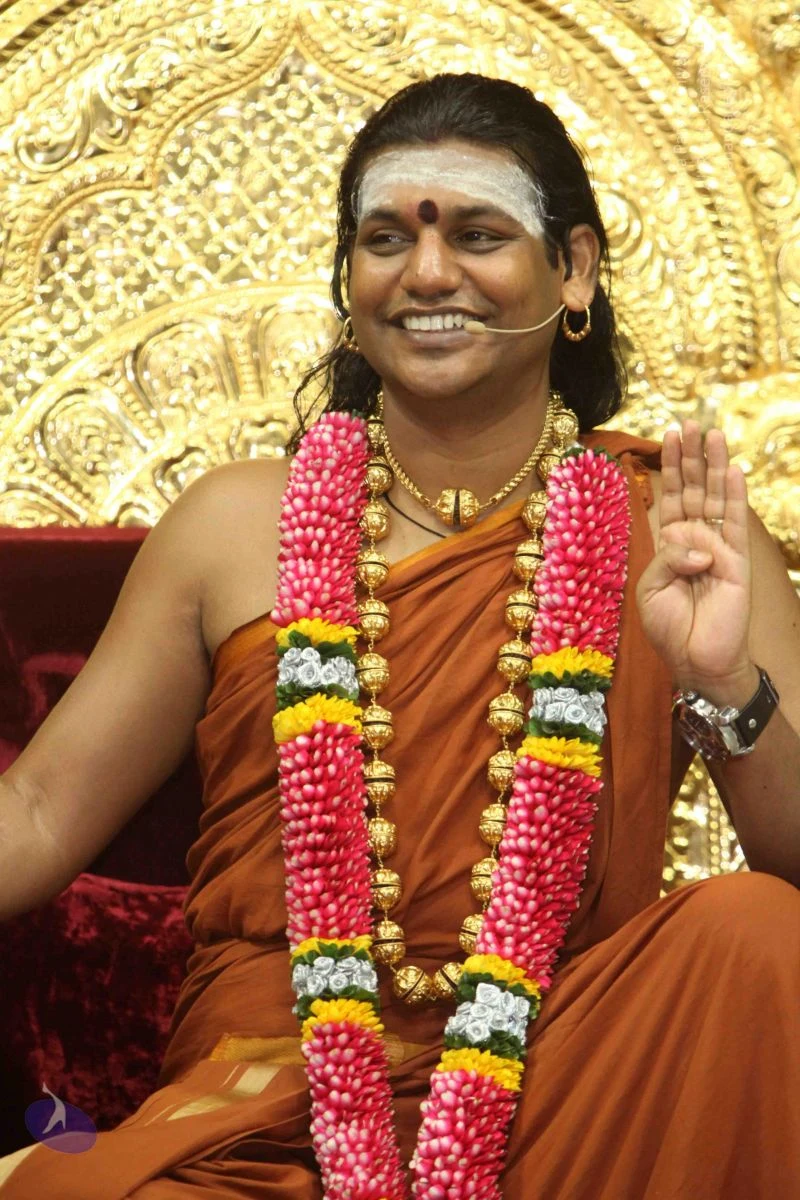
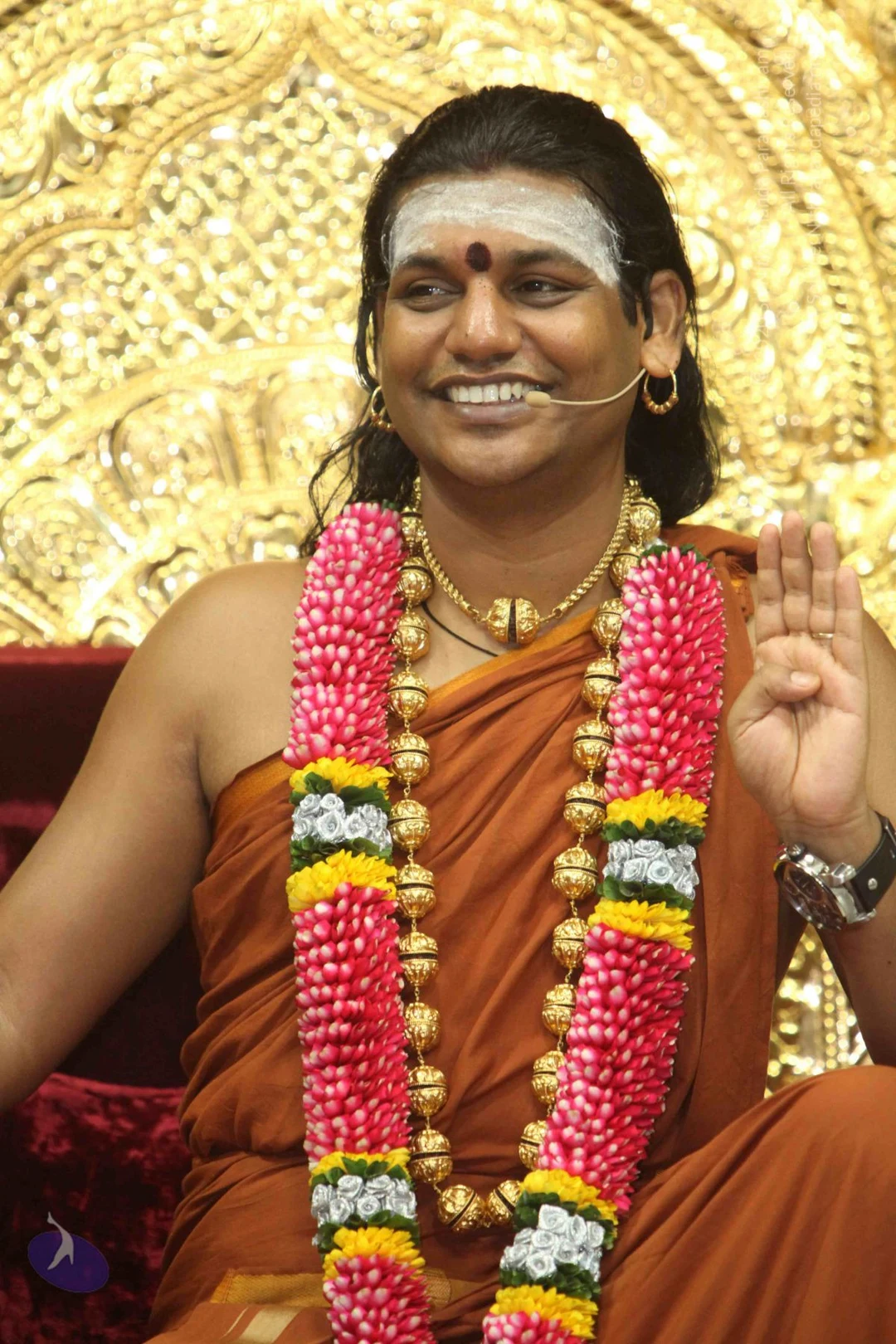
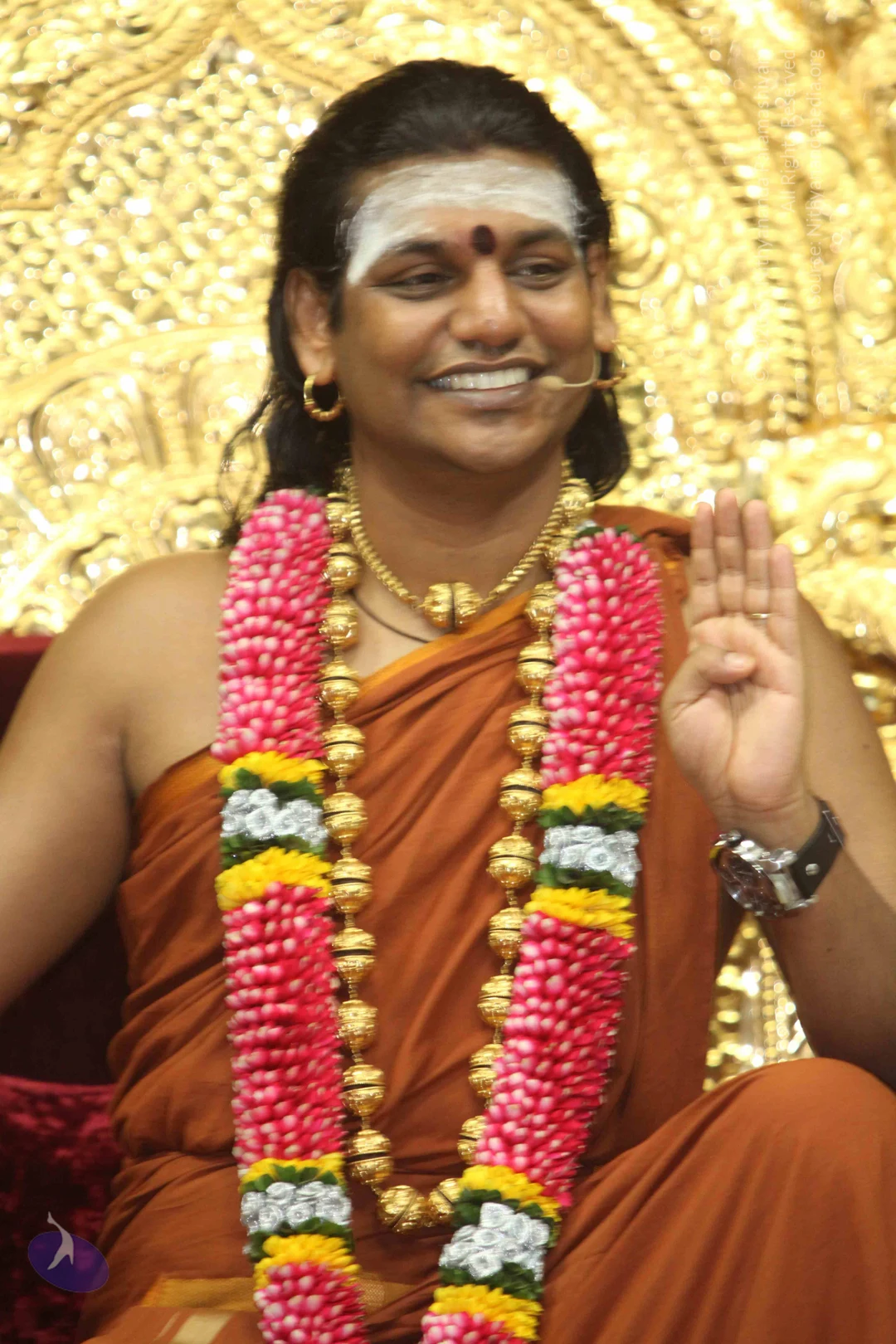
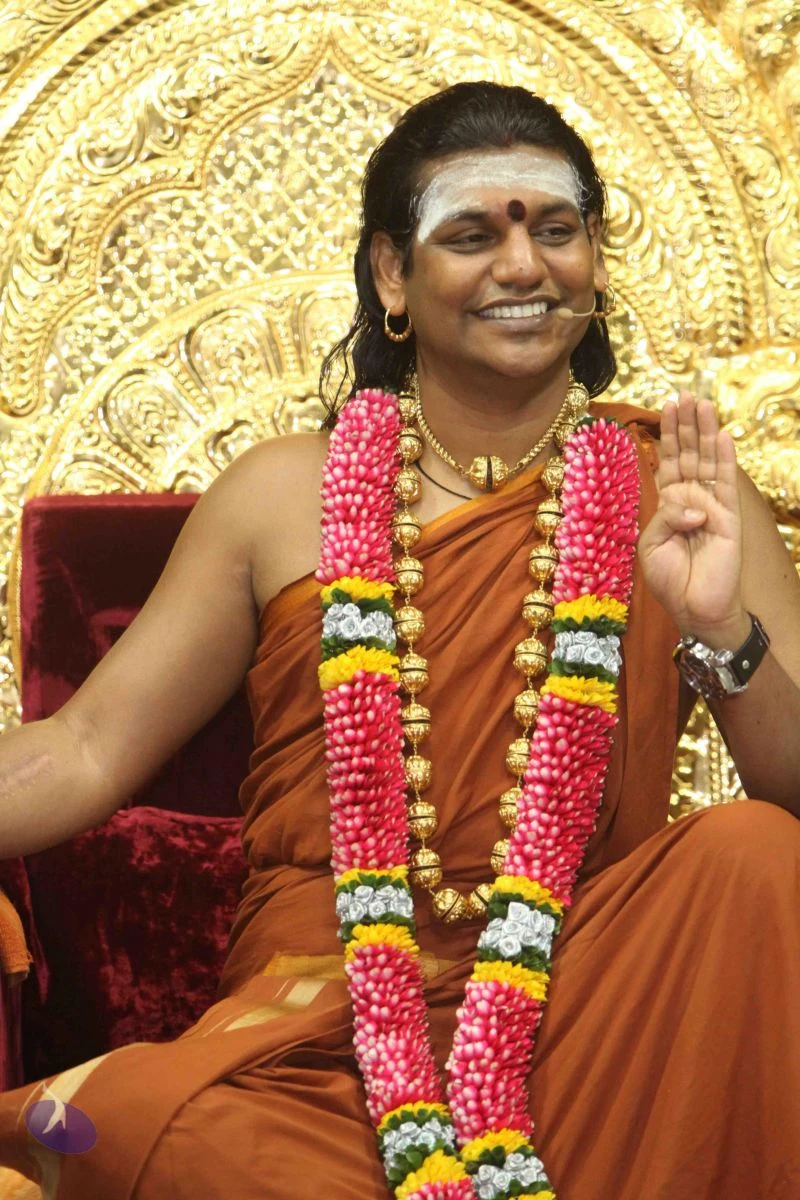
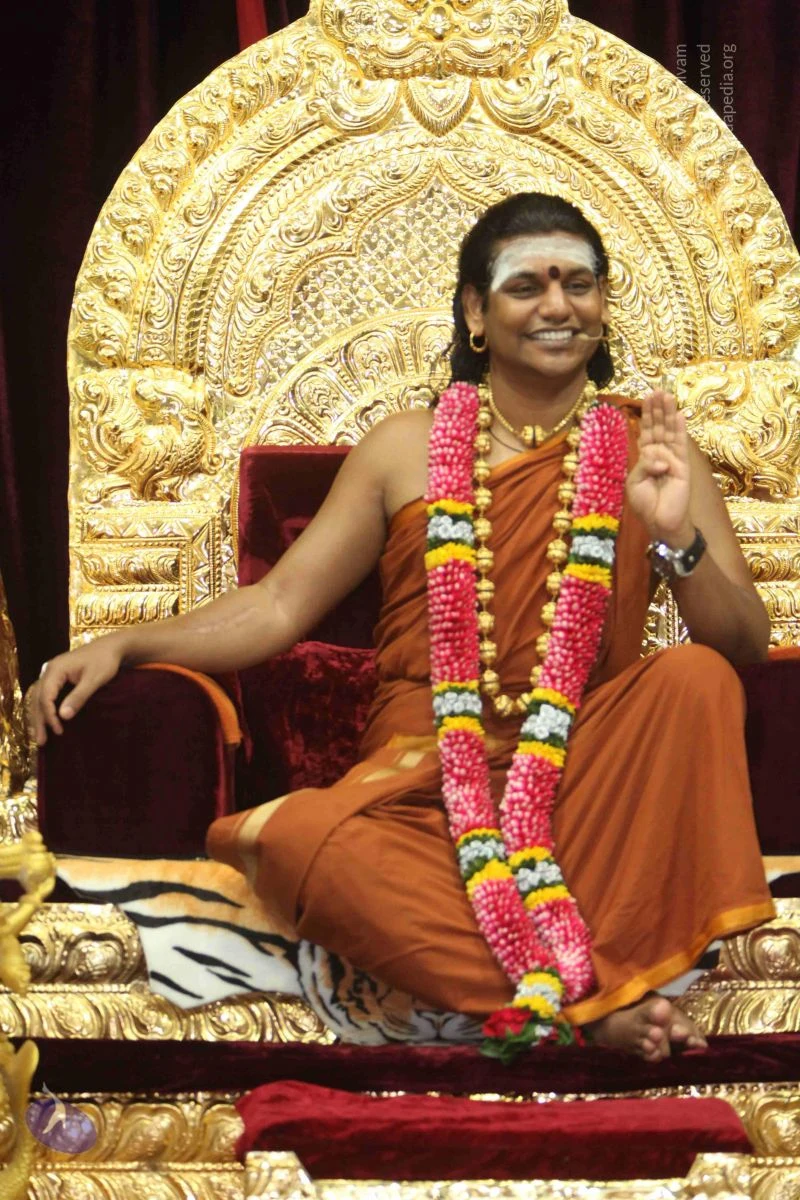
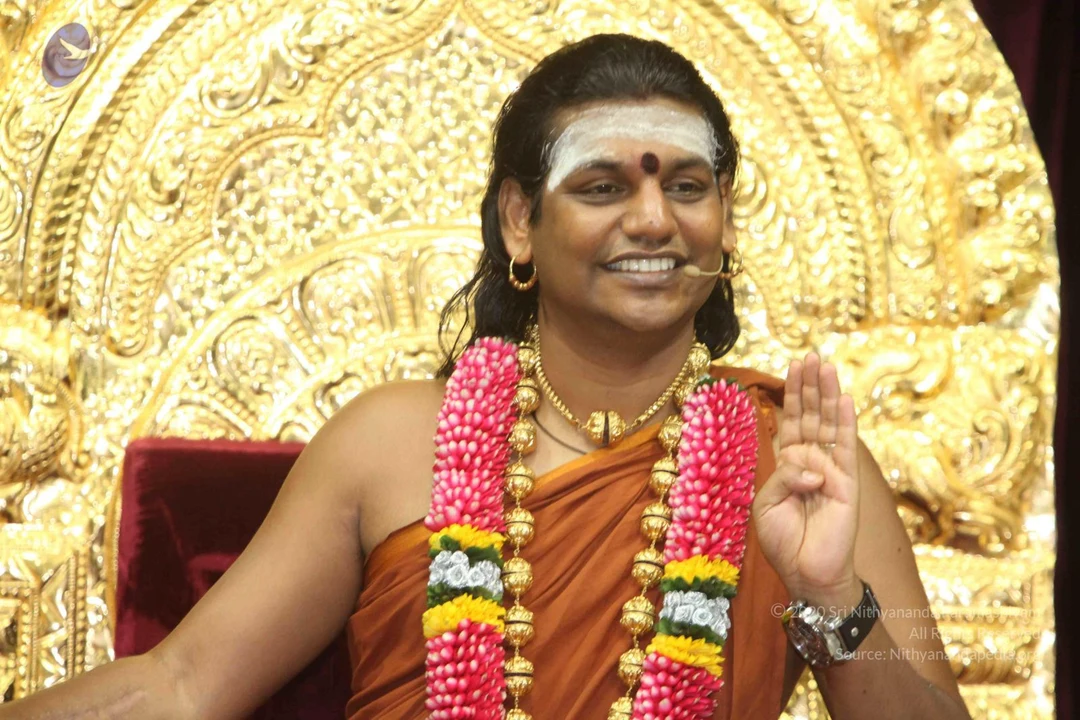
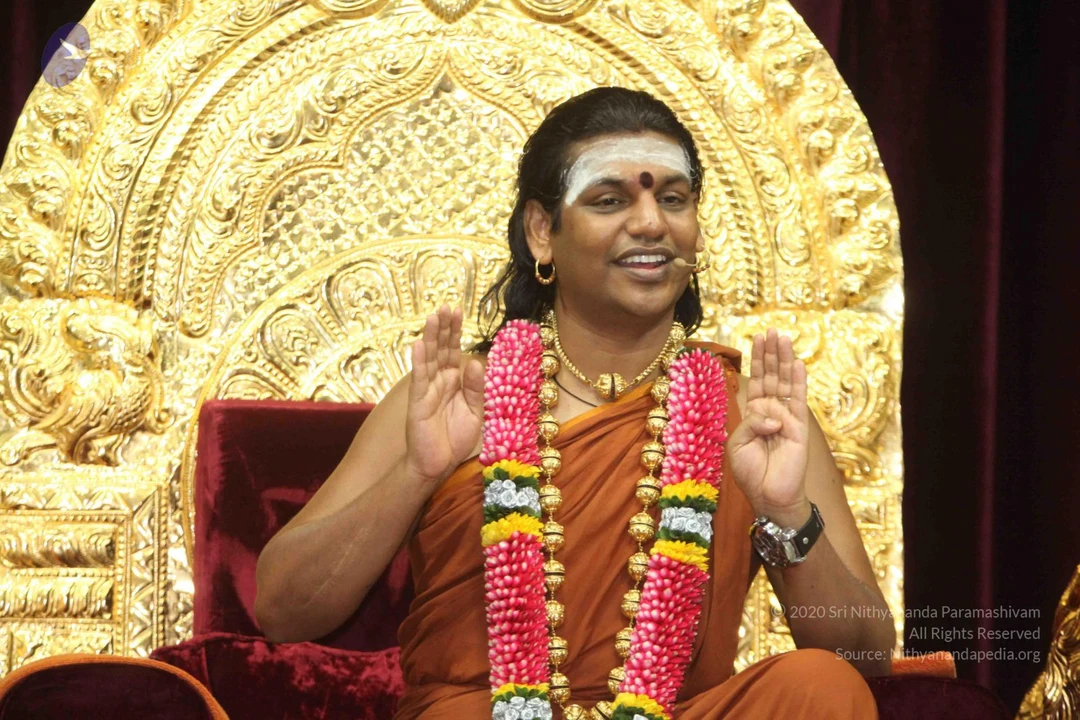
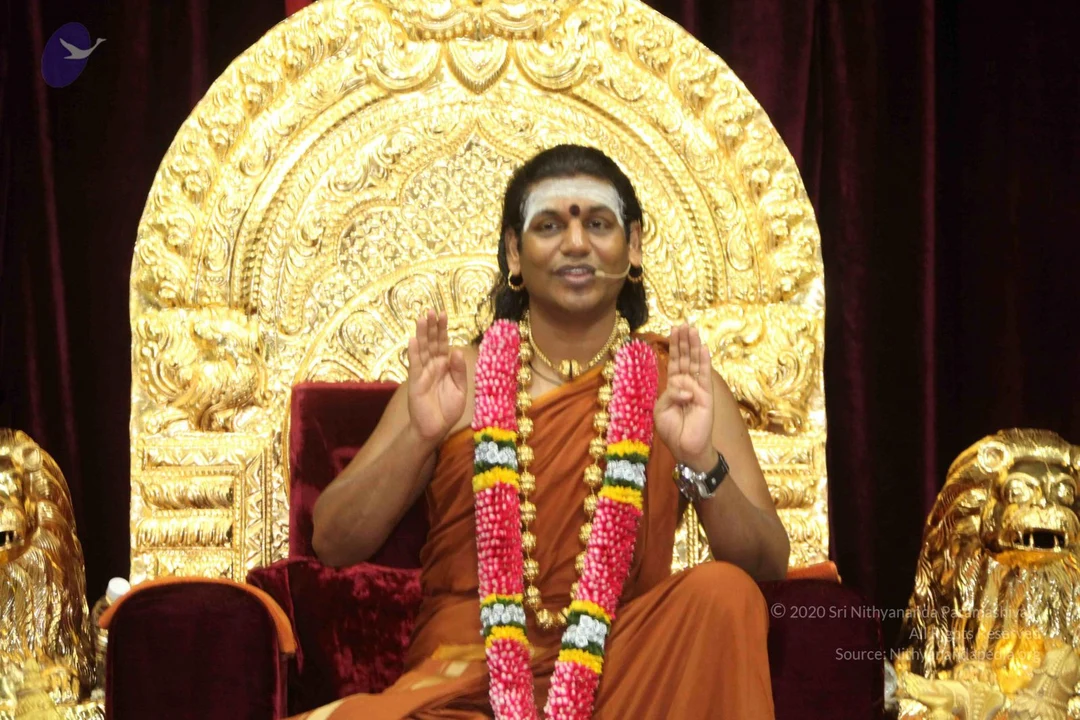
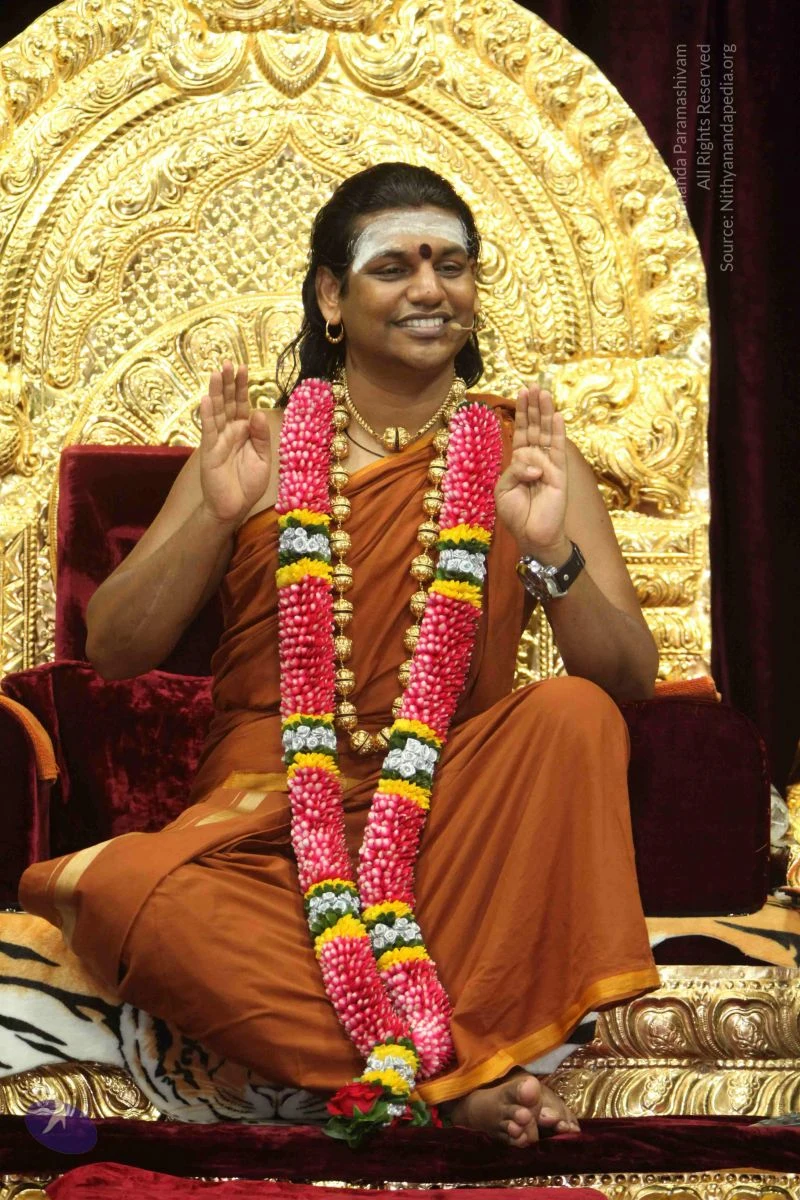
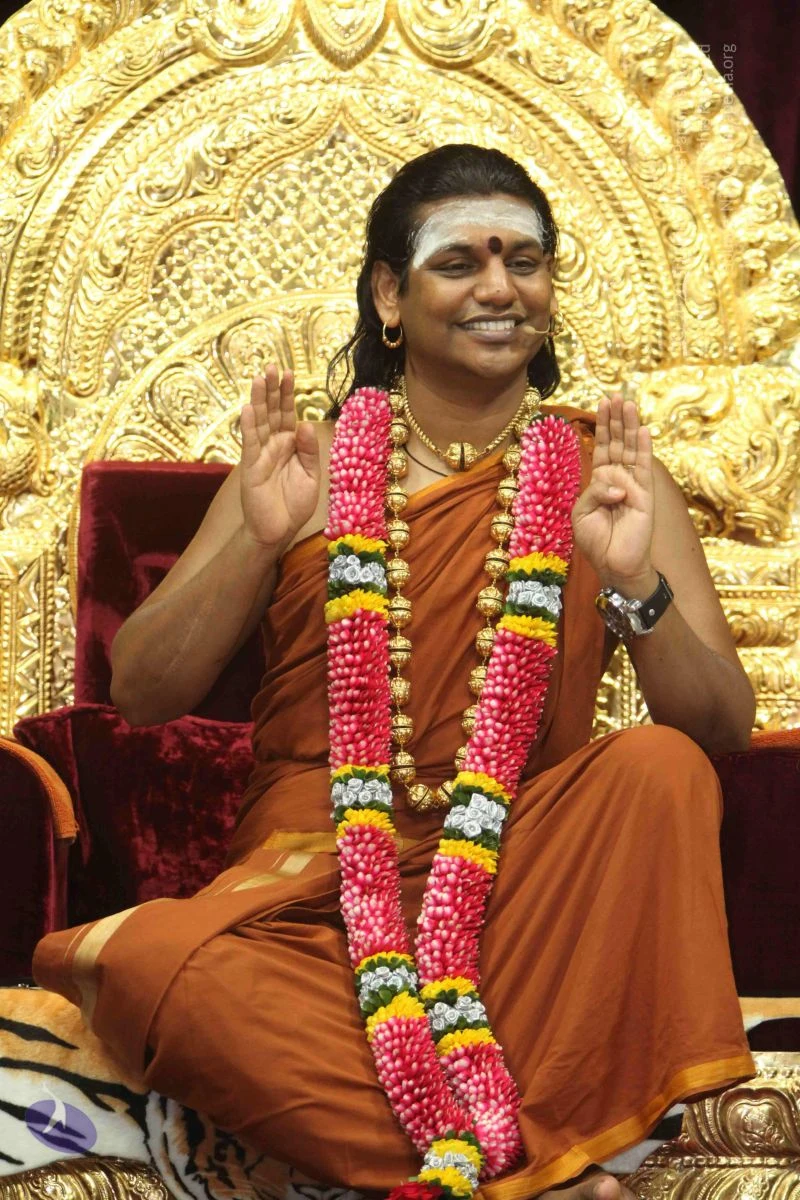
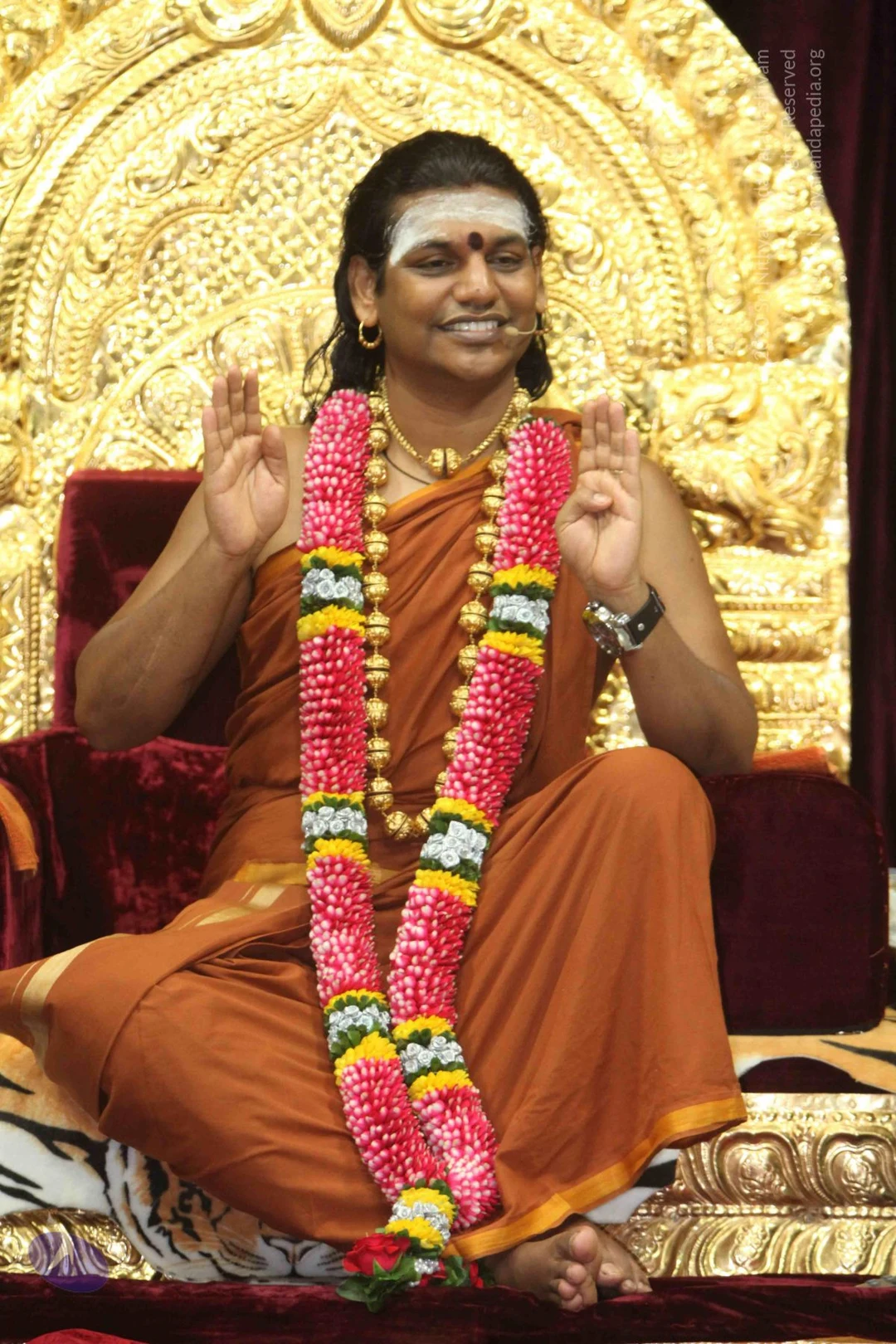
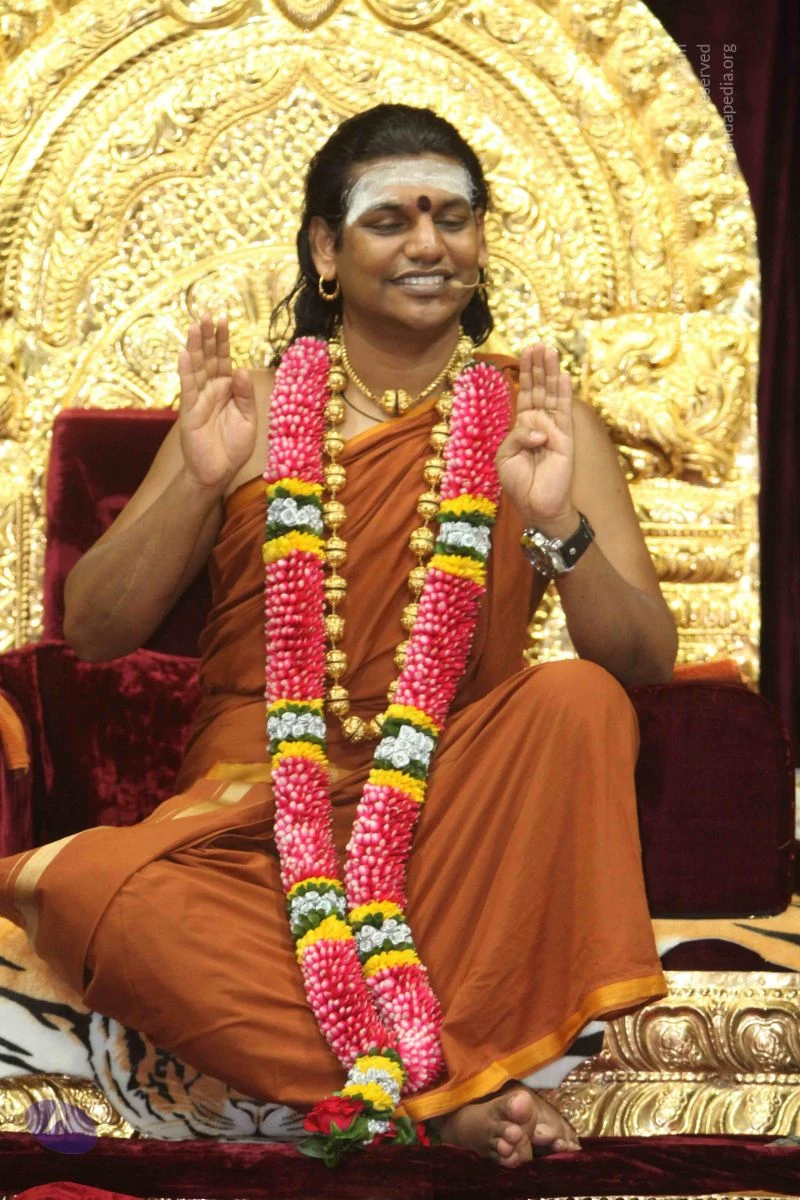
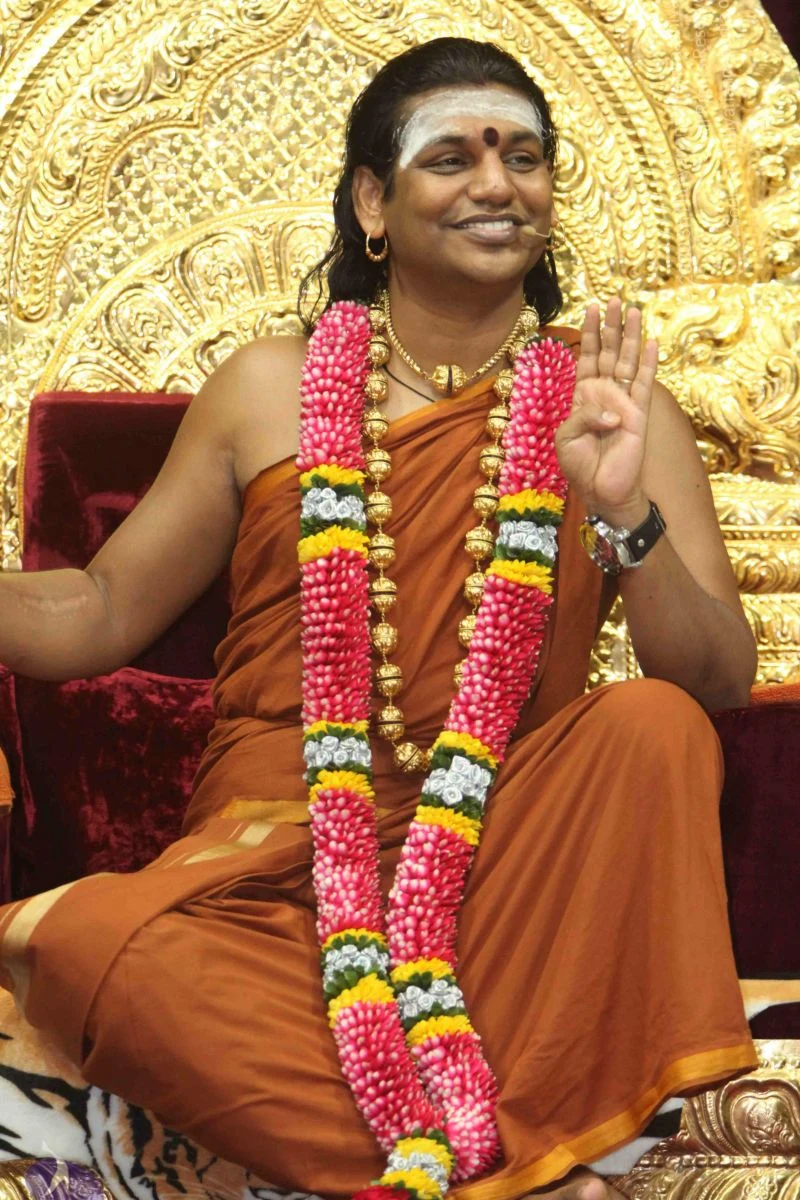
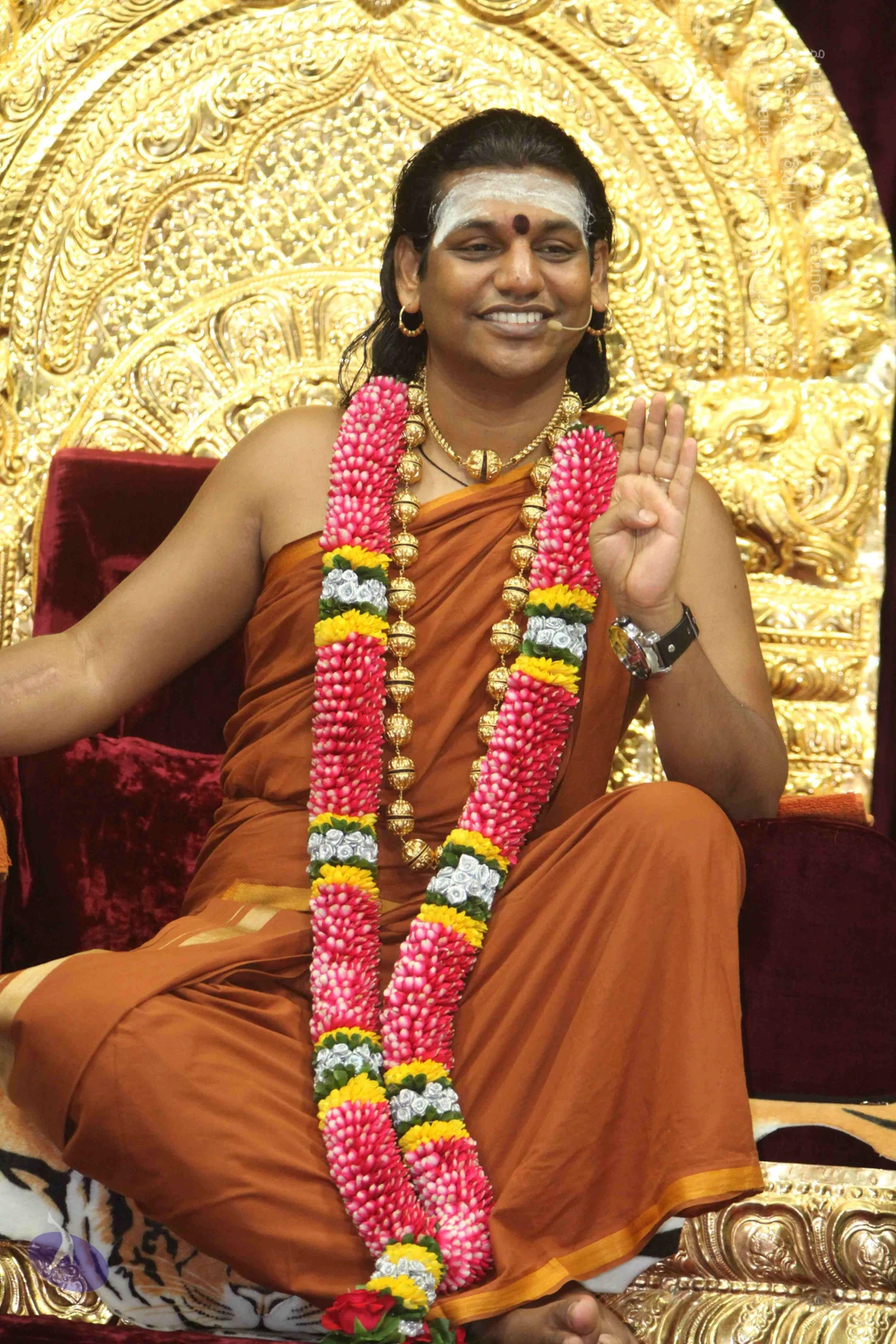
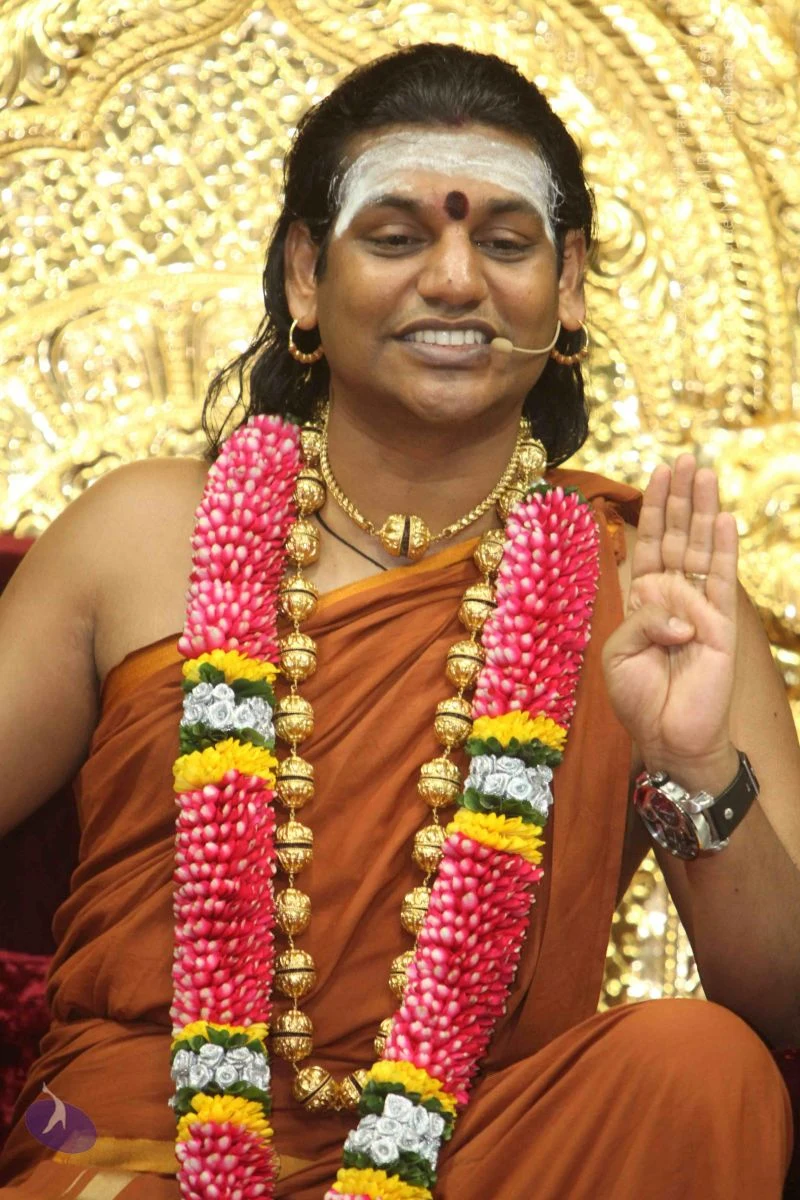
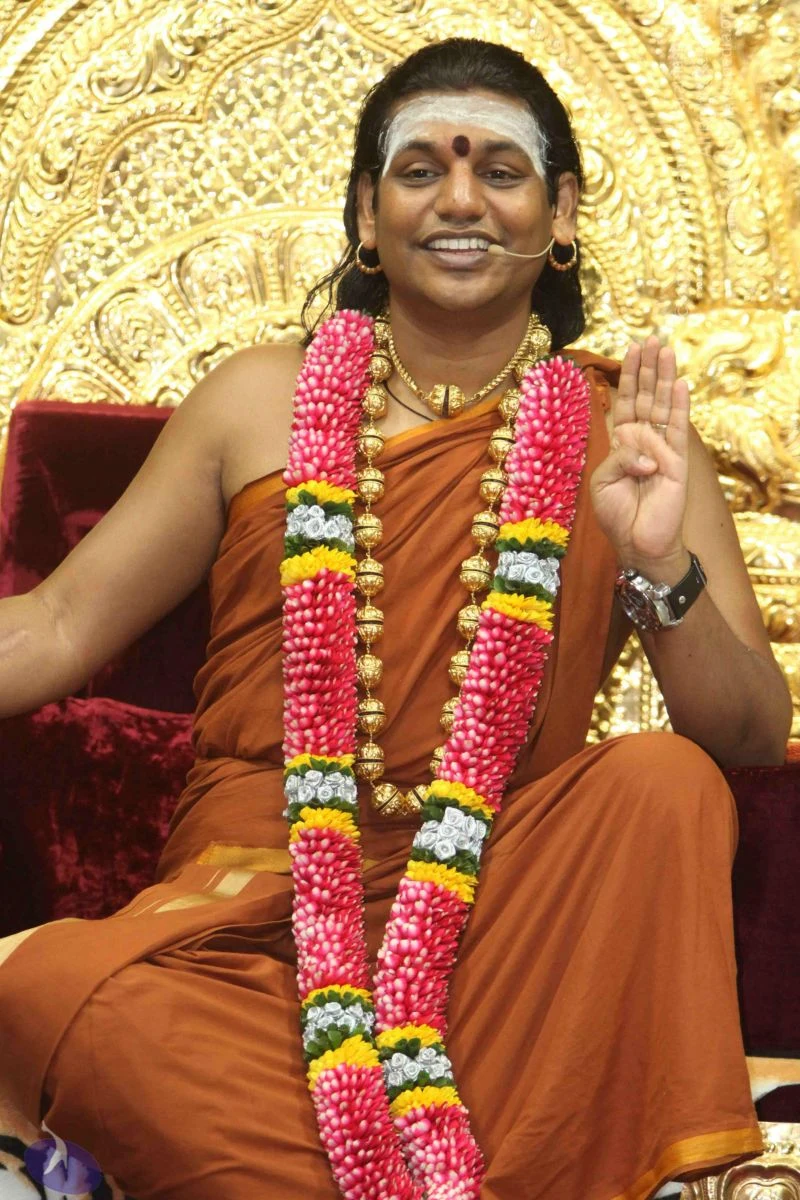
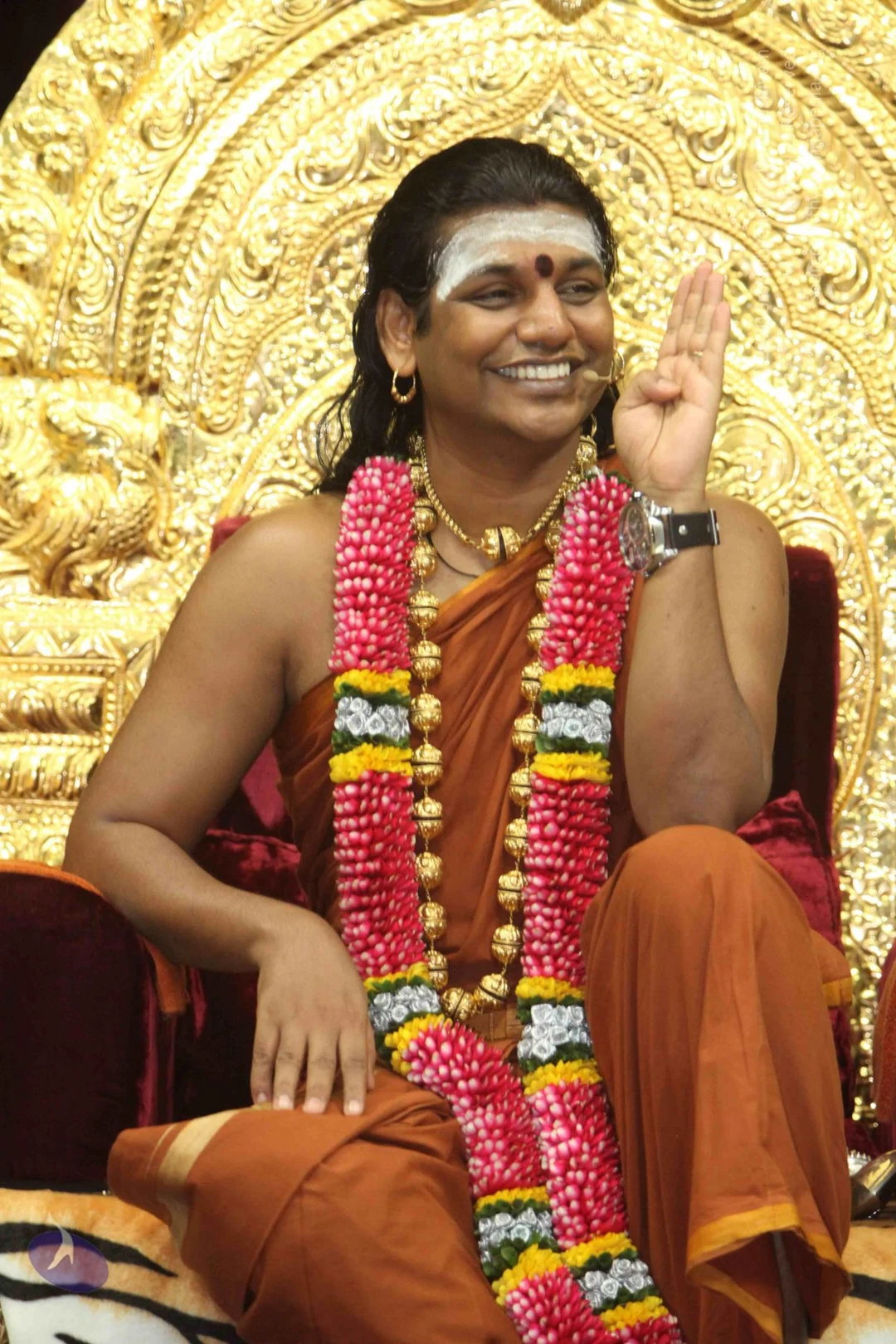
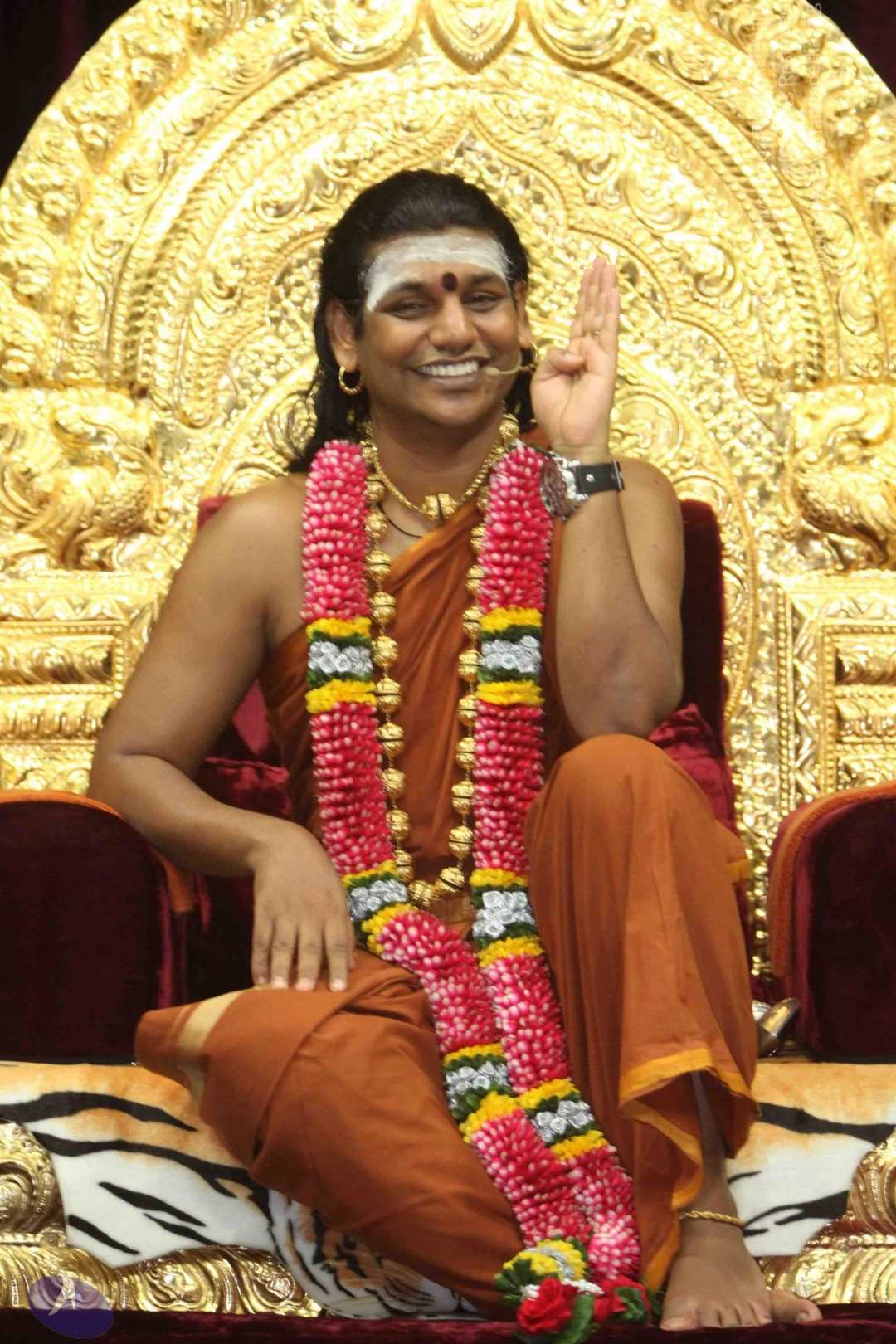
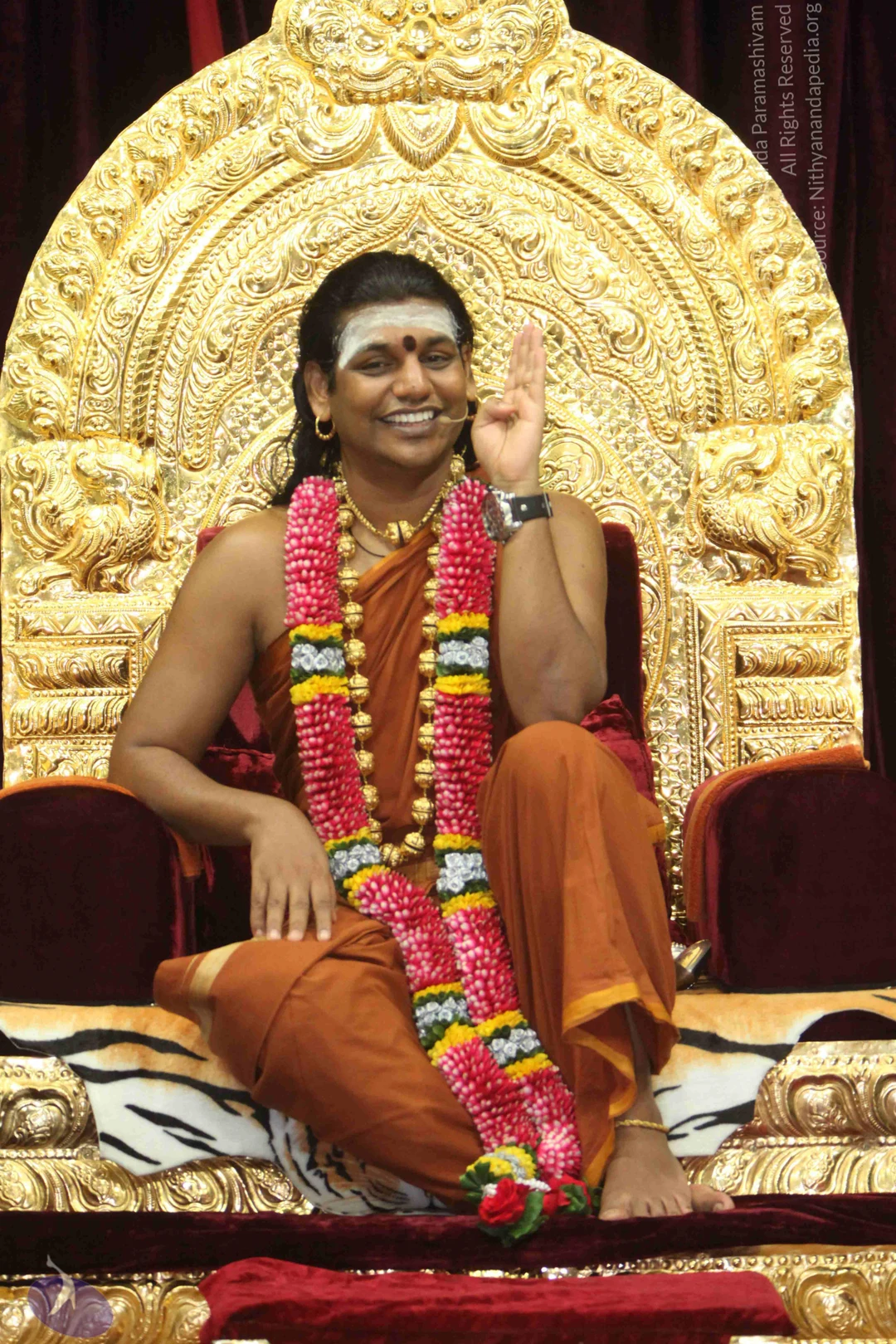
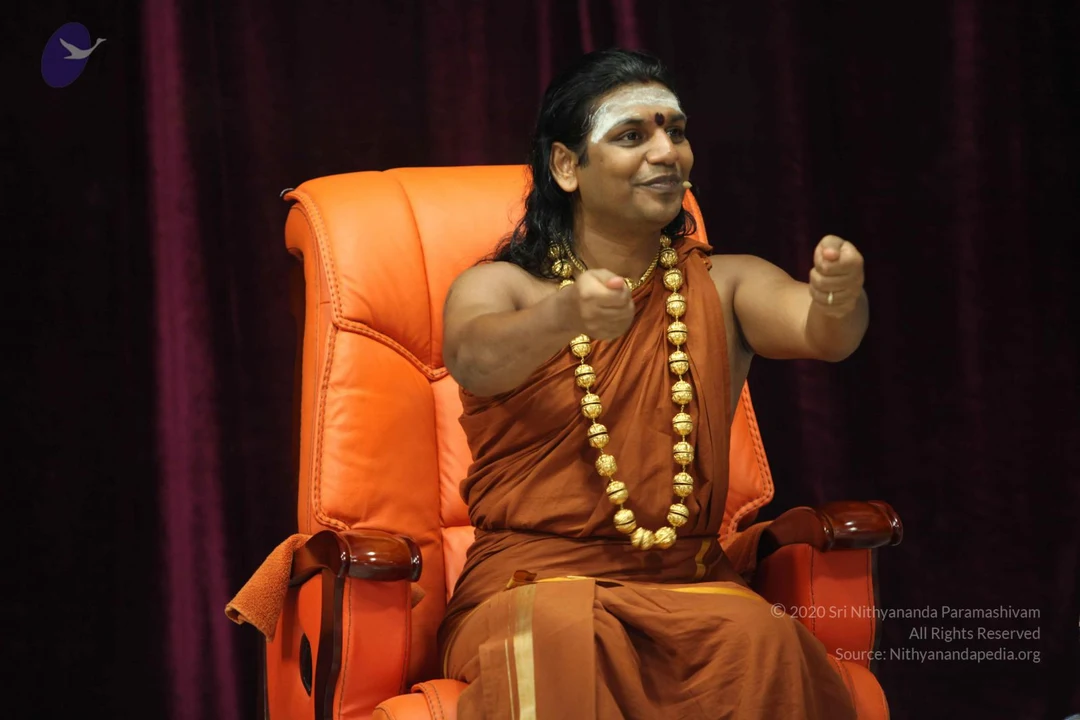
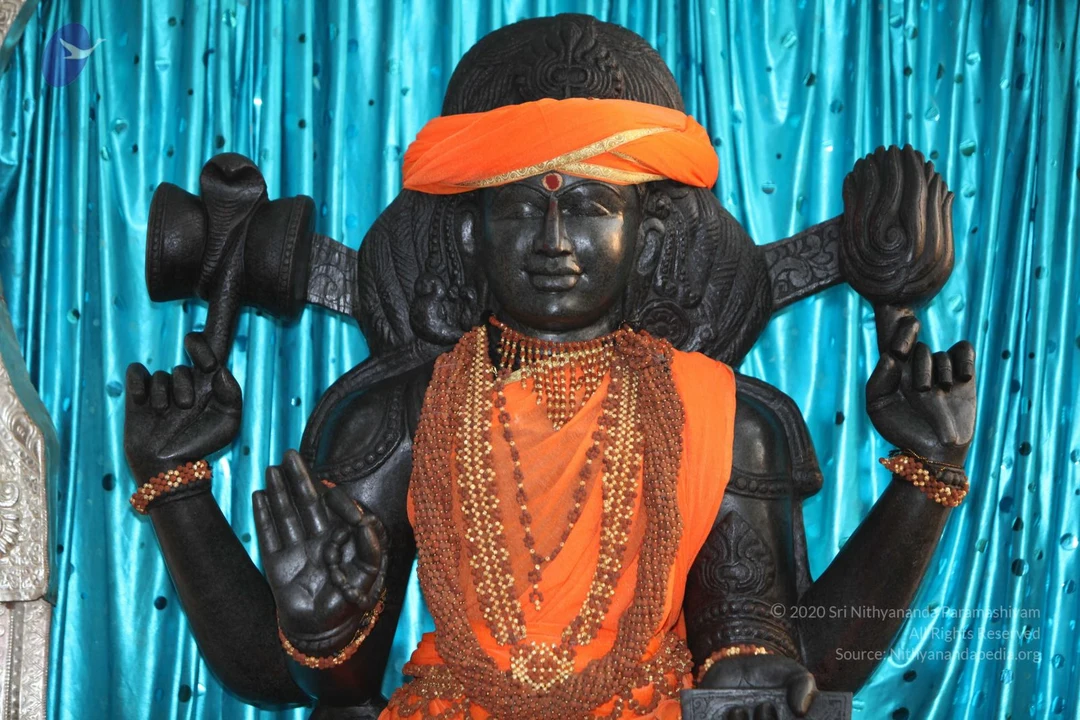
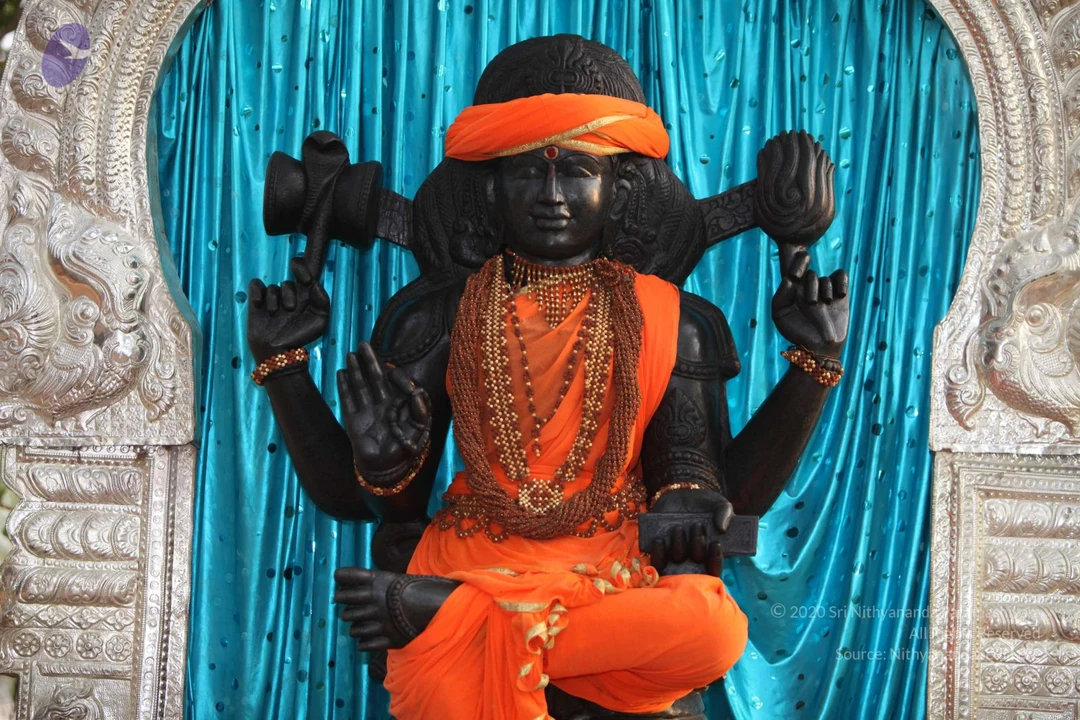
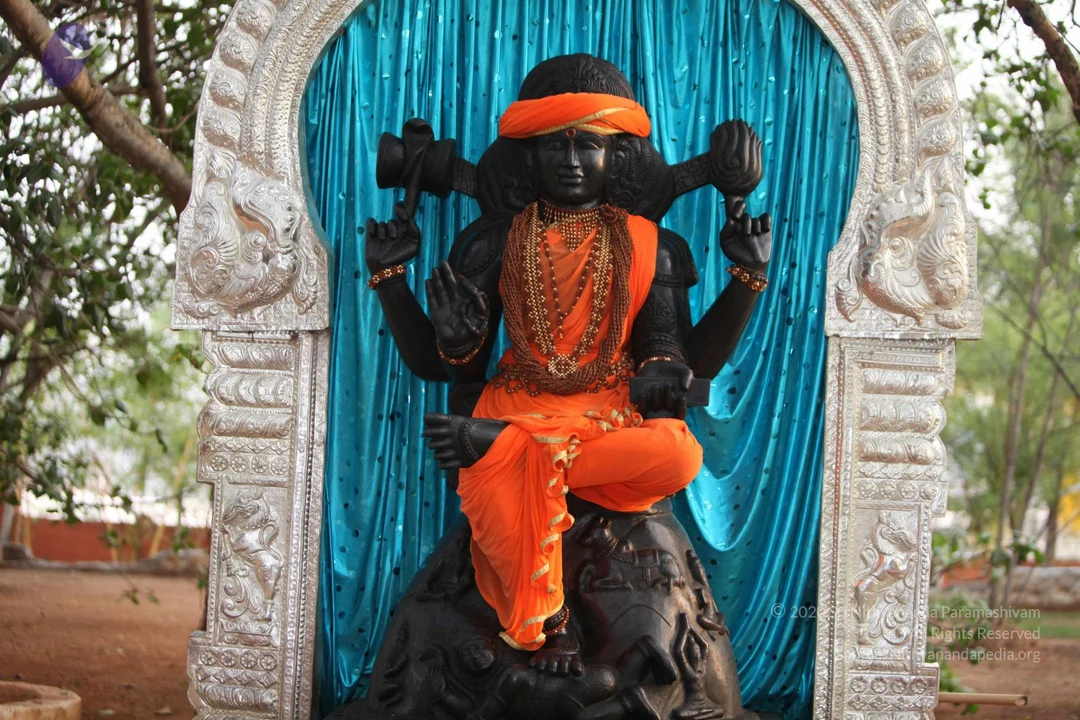
Science of enlightenment is flooding your body, mind, spirit with four tattvas and establishing yourself with these four tattvas. From now onwards my deities should be carved, created and established in our temples, right hand with abhaya hastha, left hand showing the four - Showing the four tattvas, chaar tattvas. I give you the abhaya and vara, live these four tattvas. The four fingers meaning the four tattvas. Sahaja clear?
[01:03:53]
Authenticity and integrity straight away gives you whatever you want and takes away whatever is not required to be inside you. The whole problem of humanity is what you want outside is not with you; what you don’t need inside is with you. You need to empty your inside which is filled with unnecessary things. You need to have outside all the necessary things. Integrity and authenticity will do that job immediately. It will get all the things which are unnecessary which are sitting inside out of you. It will get all the things necessary outside which you don’t have to you.
[01:05:17]
So many ashrams, temples, centers are declaring their collective responsibility. Understand, your collective responsibility meeting and declaration is not poetry session. It is a prose, theory, planning session. All of you are clear? It is not that all of you sing and have some romantic poetry written and send it to Swamiji. We have done the collective responsibility session. Your muscles should have already started getting built the moment you declared the collective responsibility declaration. Your muscles should have started feeling the strength. Your mind should have started feeling the stability. Your body should have started feeling the life the moment you declare collective responsibility. Listen. When you declare collective responsibility your whole body should be feeling the life, “Wow I am going to do this, live this.”
[01:06:56]
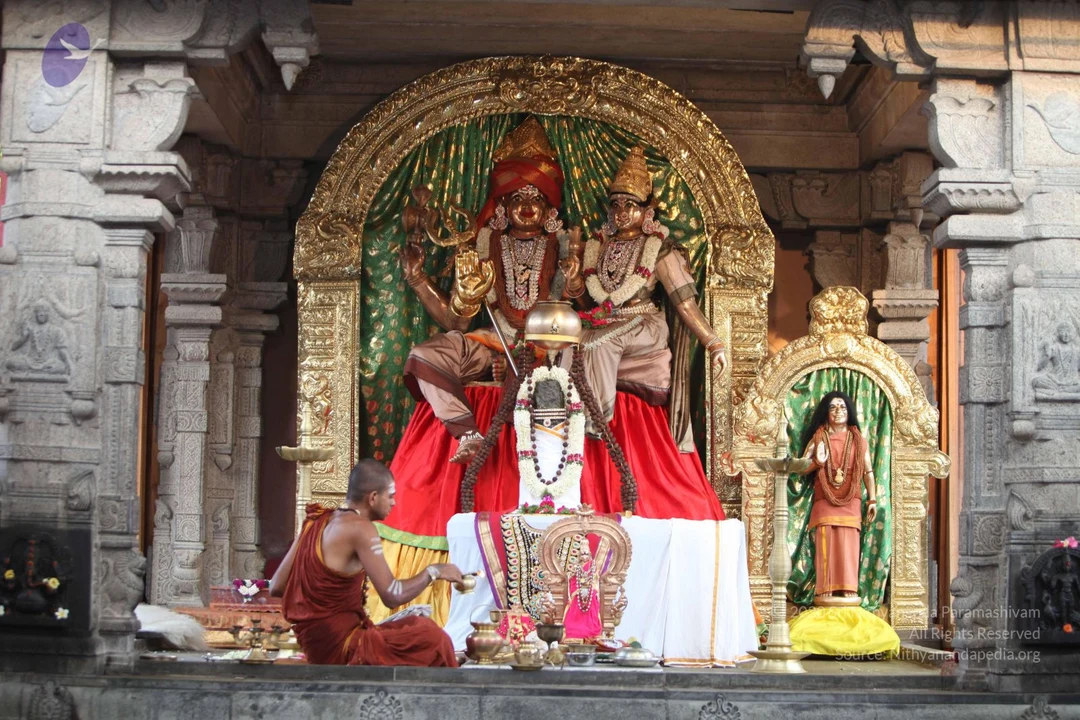
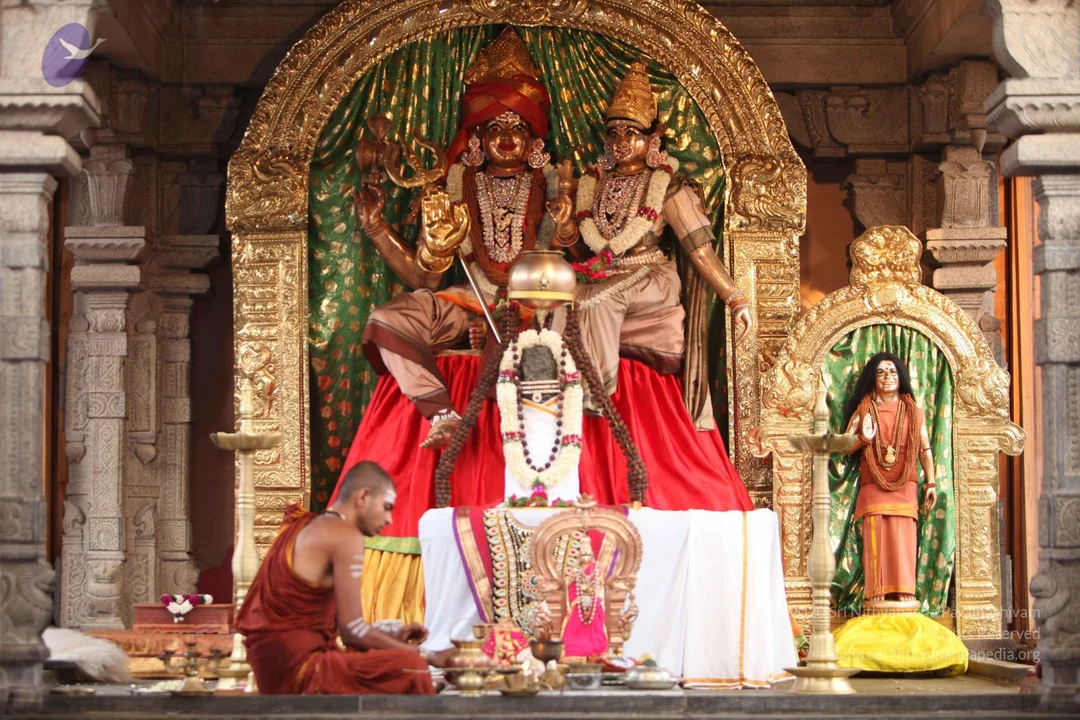
What Gnanasambandar would have felt when Mangayarkarasi called him to come the Pandiya desa and transform the King Nindrasir Nedumaran! And here is a senior appaswamy, he is telling, Thrirunavakar swami is telling, “Don’t go, the planets are not right and the King is also not in Shaivism.” Gnanasambandar says, “No, I am going.” It is his collective responsibility declaration, “I am transforming Pandya desa and reviving Madurai Adheenam establishing the sarvajna peetha.” He did it. He did it. I know for sure his body, his muscles, his bio energy, his muscle memory, his bio memory, whole thing would have felt the life of Mahadeva, Shiva when he declared “I will transform the king, I will transform the kingdom to shaivism.” You should know still in the dhwaja stambha of Meenakshi temple Gnanasambandar is there; means the temple itself is revived by Gnanasambandar. In the dhwaja stambha of Meenakshi temple Gnanasambandar deity is carved. Then understand the amount of importance he has. Shaiva samaya kartru founder of the shaiva tradition.
[01:08:56]
So, when you declare the collective responsibilities your body should feel, your body should feel the life energy. It is happening in front of you. It is happening in front of you. All the cities declared collective responsibility, listen, it is the energy which is happening in your word, in your mind, in your body. That is going to inspire, enrich thousands of people to live these four tattvas. Thousands of people living these four tattvas only going to create the temple or the city or the university or the goshala, you are visualizing and declaring. Understand. Thousands of people living the tattva is going to create temple. Thousands of people who want to learn the tattva is going to create university. Thousands of monks who want to live these tattvas is going to create monasteries. Money is not going to make monastery. It can make corporate buildings. Political power is not going to create monasteries, temples. It can create parliaments. The temples and monasteries which you are declaring will be created only by thousands of people who are practicing these tattvas. Thousands of devotees who are living these tattvas, they create temples. Thousands of monks who live these tattvas, they create monasteries. Don’t think if there are no worshippers there is no temple if there are no monks there is no monastery.
[01:11:54]
People, people, people; our sangha starts with people, lives with people, eternally will live with people. If there is going to be a time the last human being on the planet earth, he will be Nithyanandaite living these four principles. We start with people, live with people, continue to live with people; we will never die. It is people whom you need to serve enrich. If Toronto Kailasam is declaring three hundred thousand people will live in the community, go round and enrich three hundred thousand people with these principles, tattvas, satyas. Chatur tattva mudra. Live this chatur tattvas; the abhaya and varada of the ultimate is always with you. You are Brahmanyam Bahuputratam. The being which has surrendered to the four tattvas is Brahmanyam Bahuputrataam. Thumb denotes the being which has surrendered to the four tattvas. So, you will wear the ring Brahmanyam Bahuputrataam in the left thumb. The being which has surrendered to the four tattvas enjoys the space of Brahmanyam Bahuputrataam.
[01:15:29]
Do not allow powerlessness in any form and do not allow boredom or tiredness in any way. Aap…. Your life is your responsibility. Vah Jeev Jisne 4 tatvon ke Prati Samarpan kar diya hai, Vaastav Mein Brahman ka sarvapriya ho jata hai. The being which has surrendered to the four tattvas is Brahmanyam Bahuputrataam. Vah Jeev Jisne 4 tatvon ke Prati Samarpan kar diya hai, Vaastav Mein Brahman ka sarvapriya ho jata hai.
[01:16:53]
Music plays Let’s move now to the next part of the morning satsang. Ab Ham Satsang ke agale Bhaag mein Pravesh Karenge.
[01:18:14]
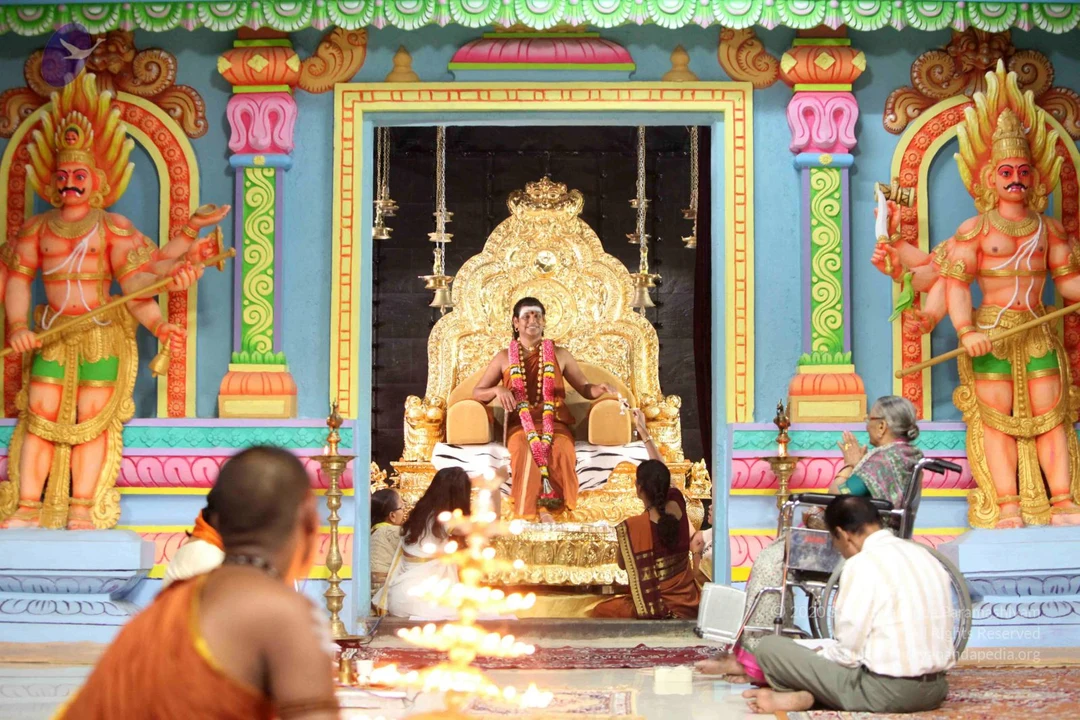
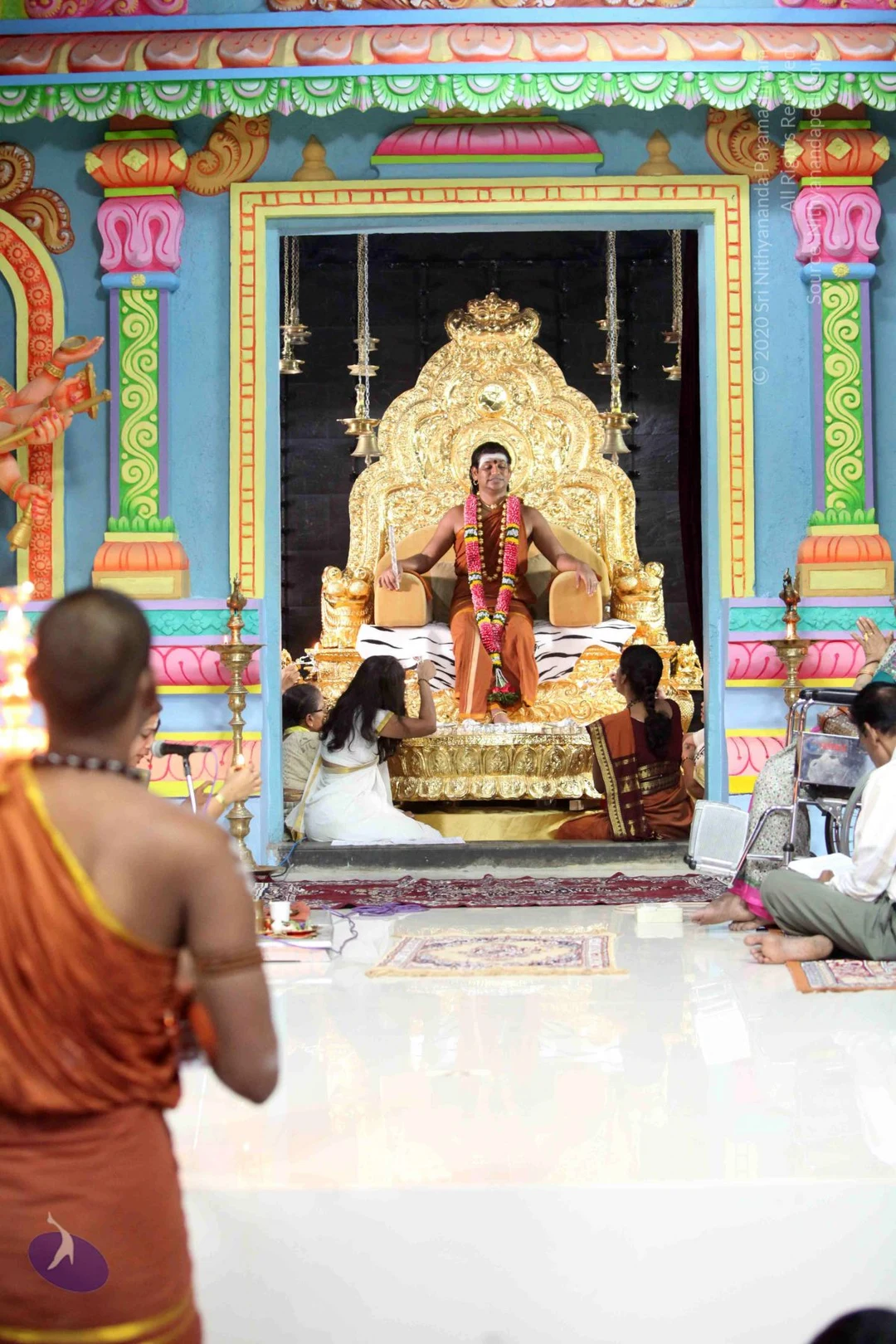
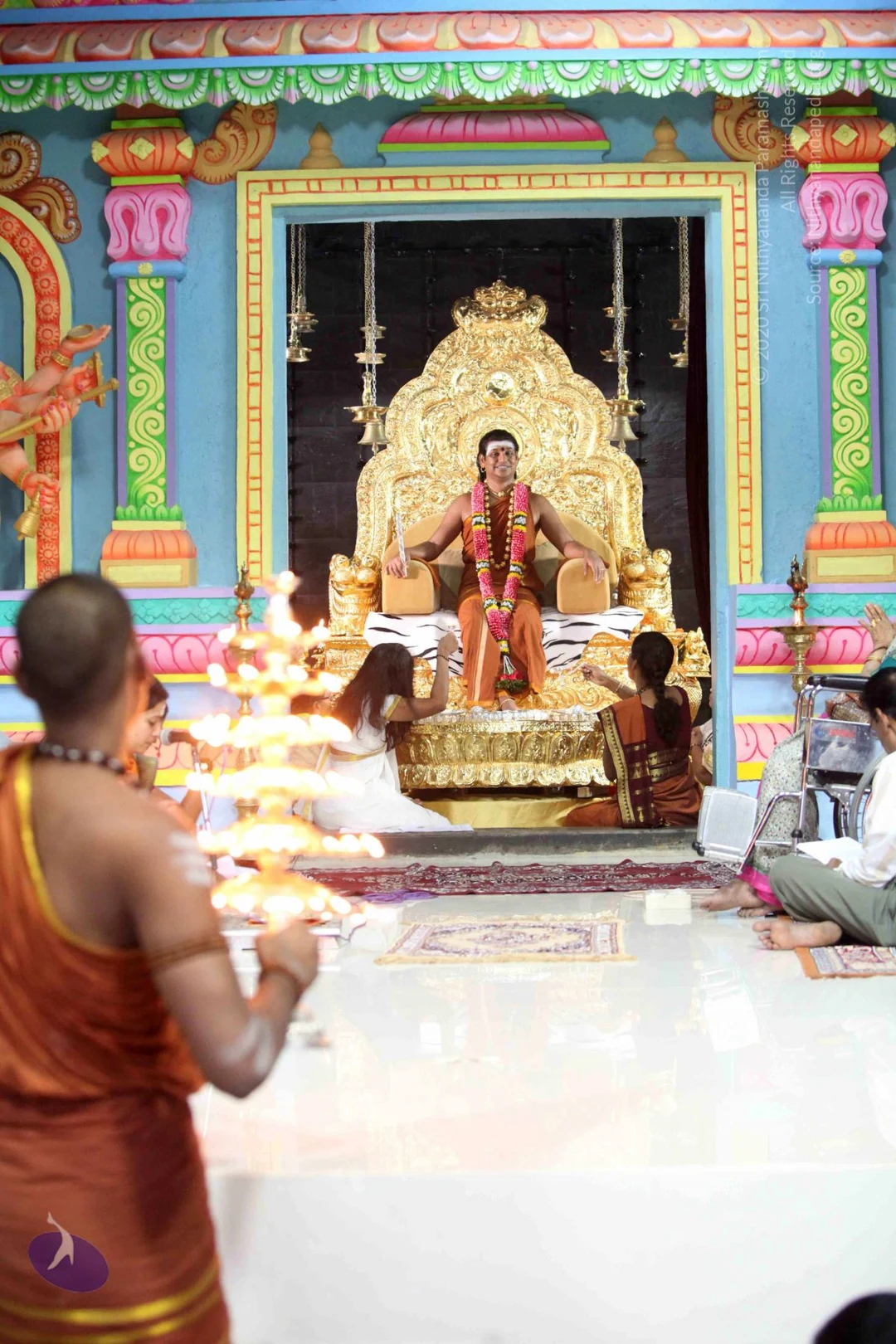
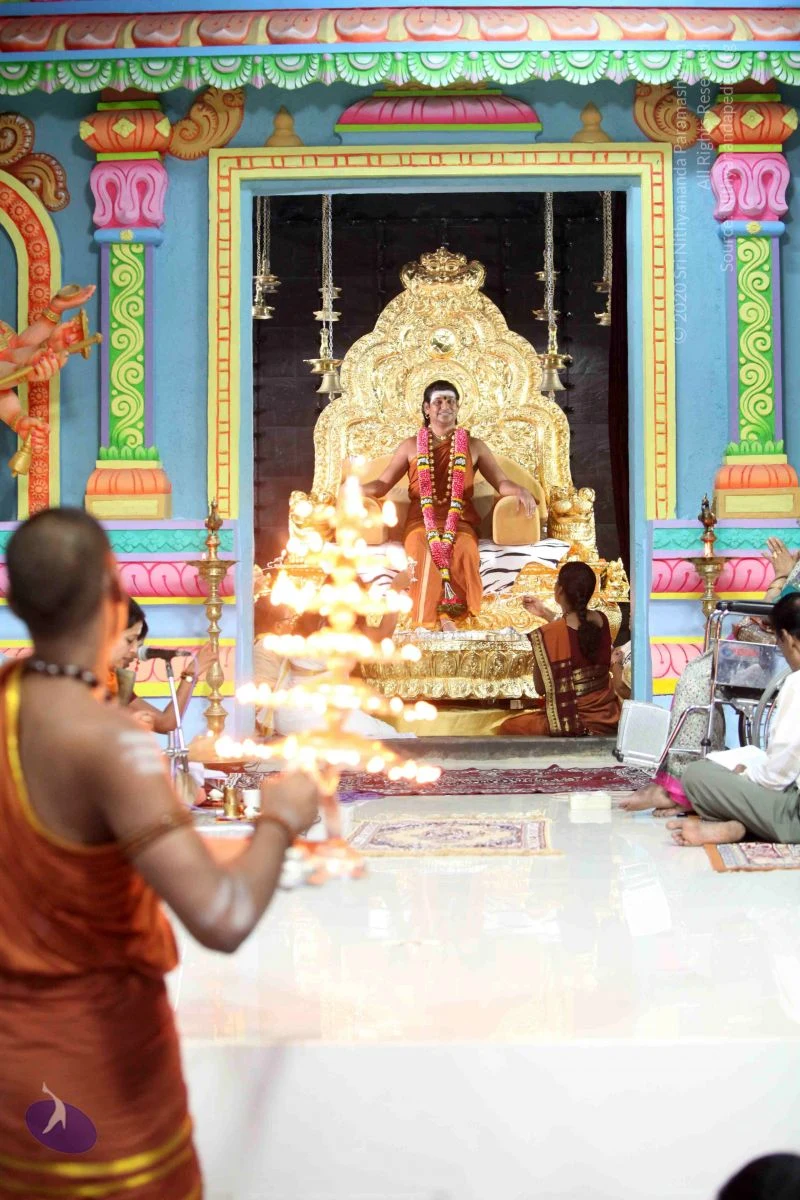
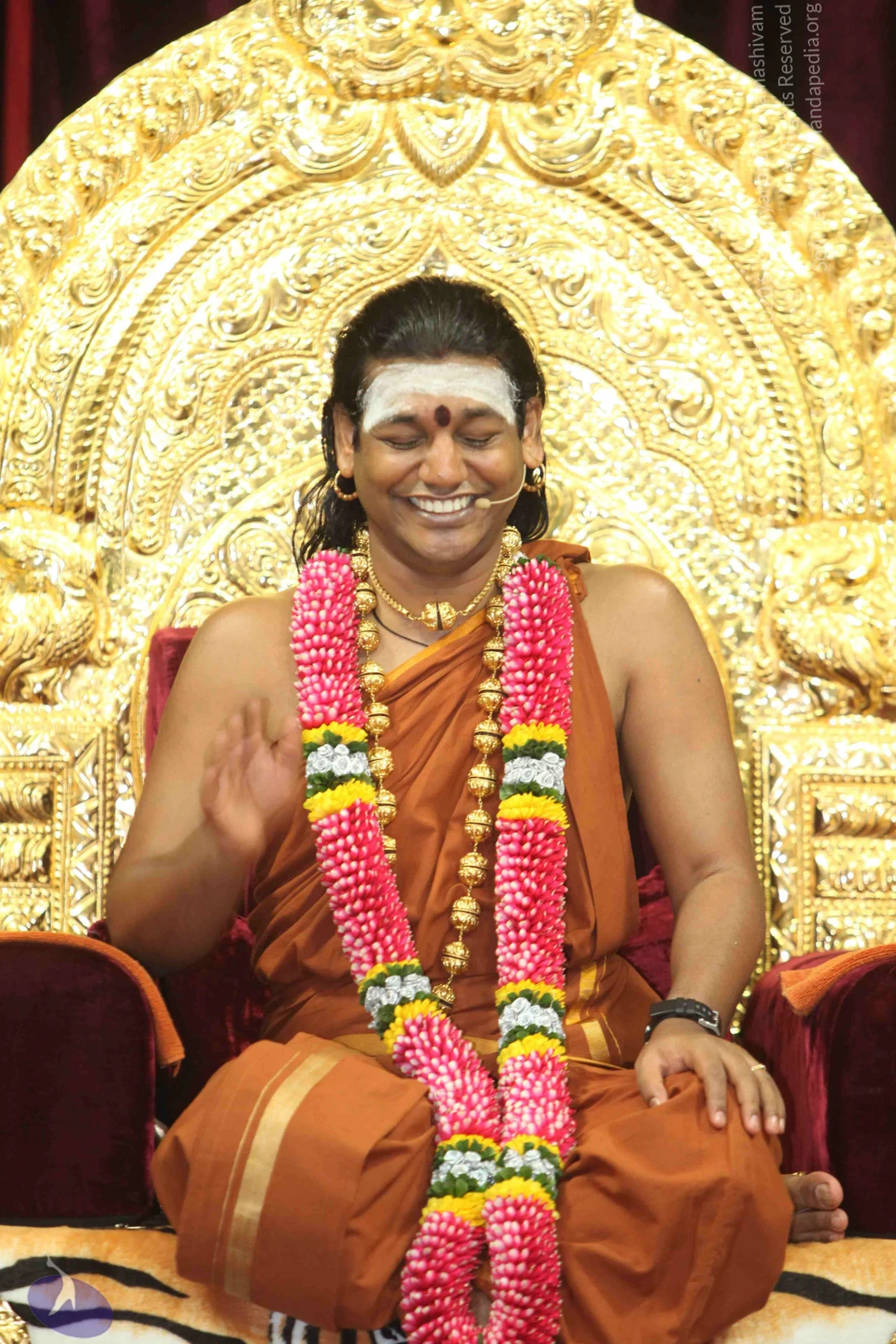
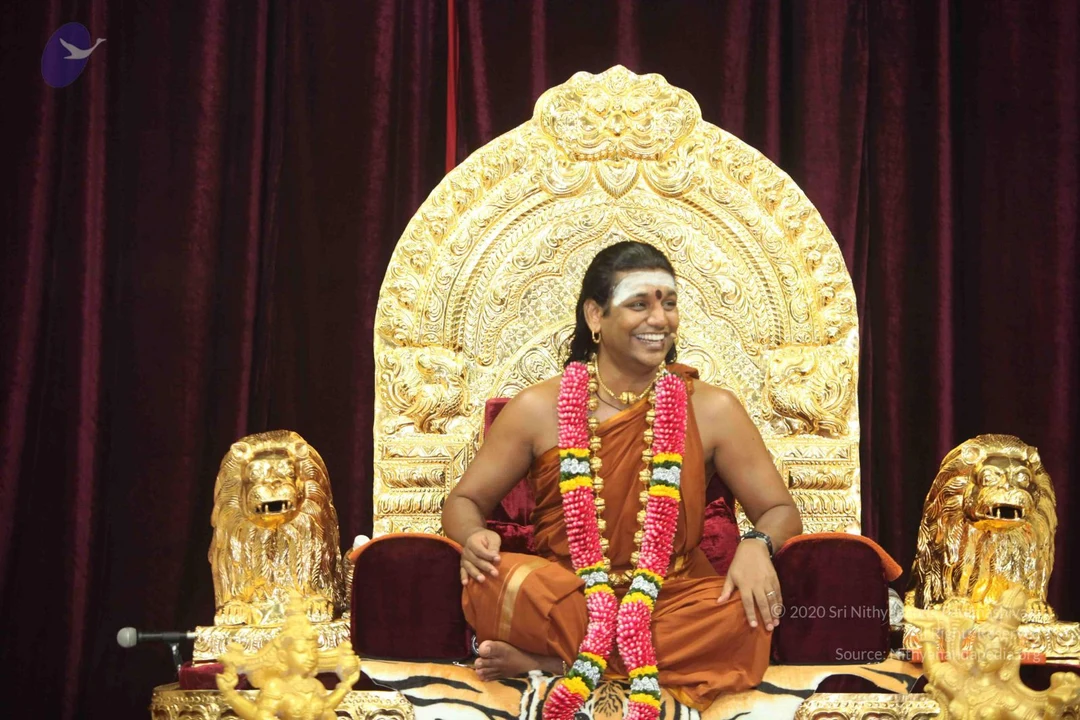
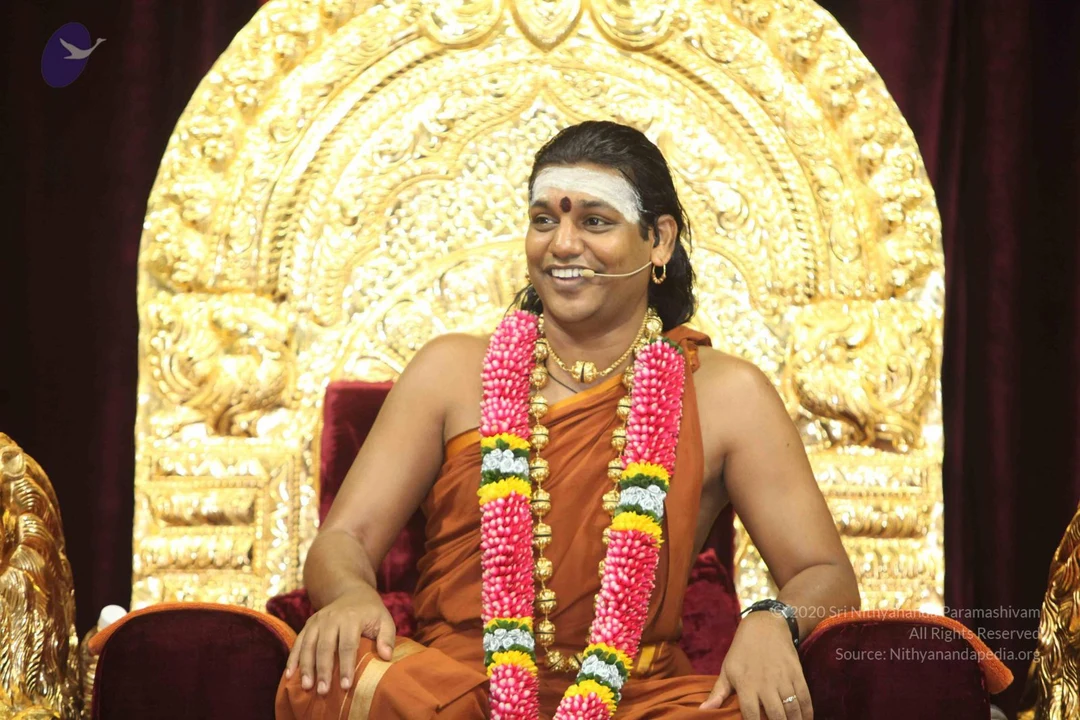
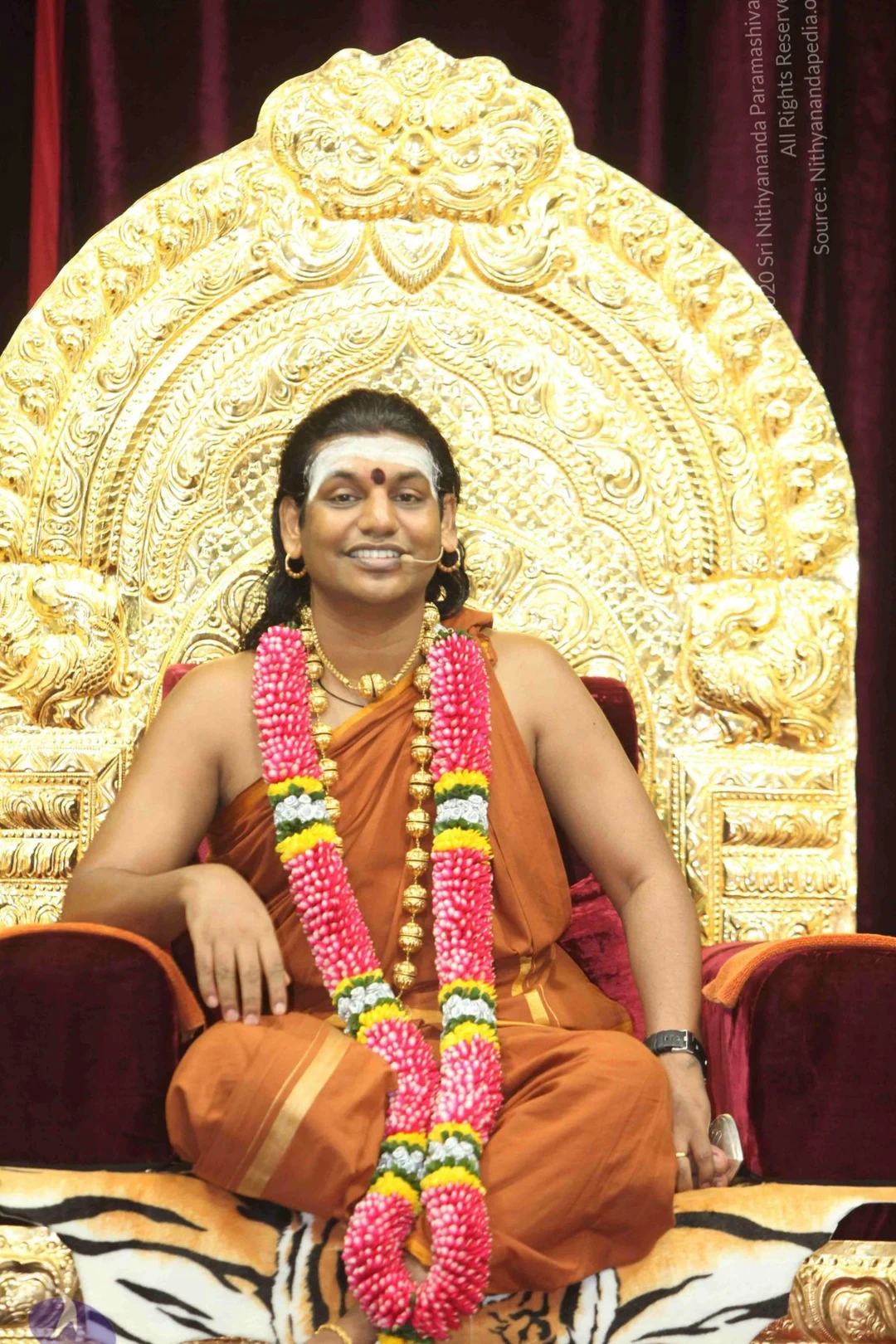
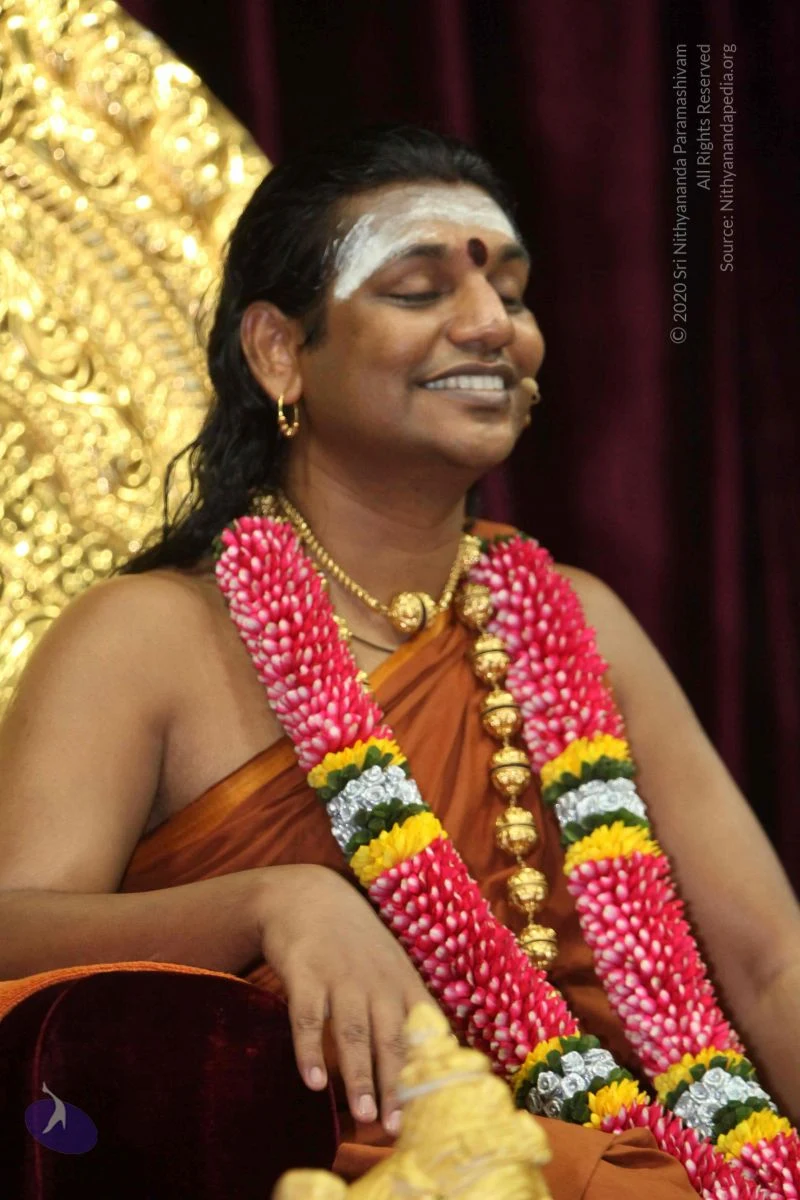
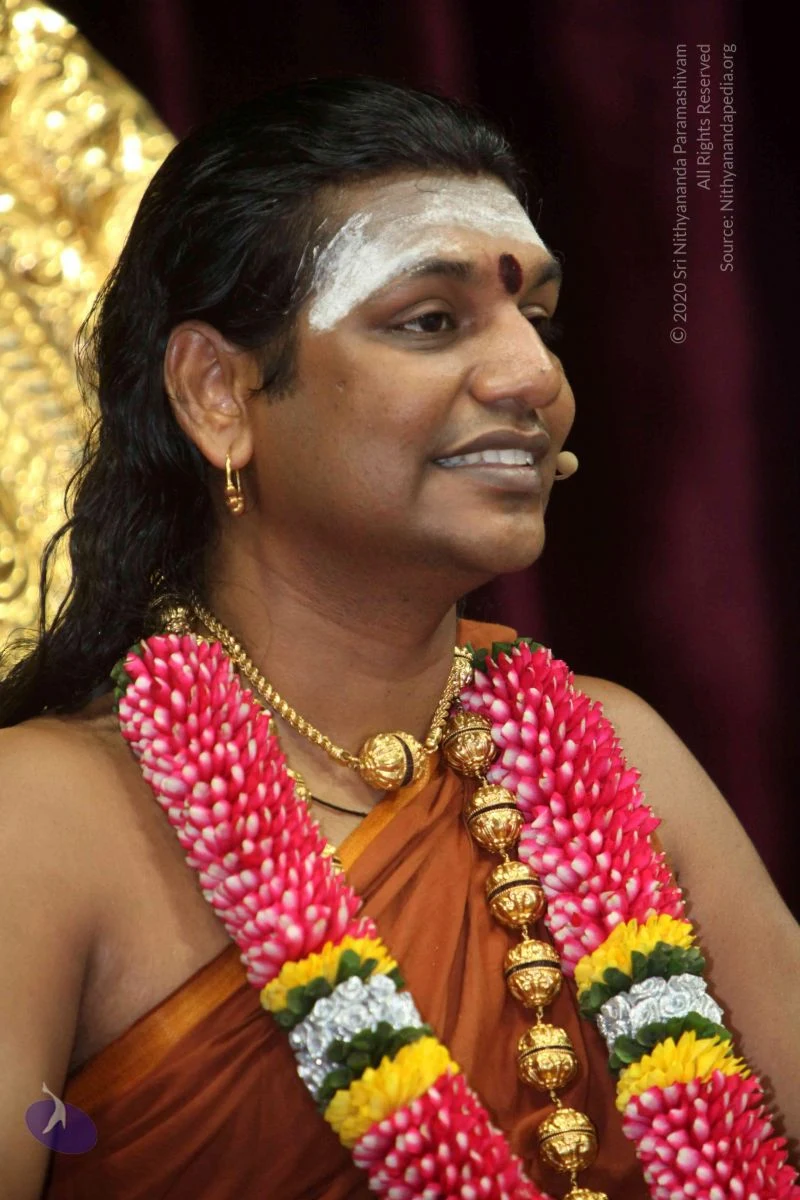
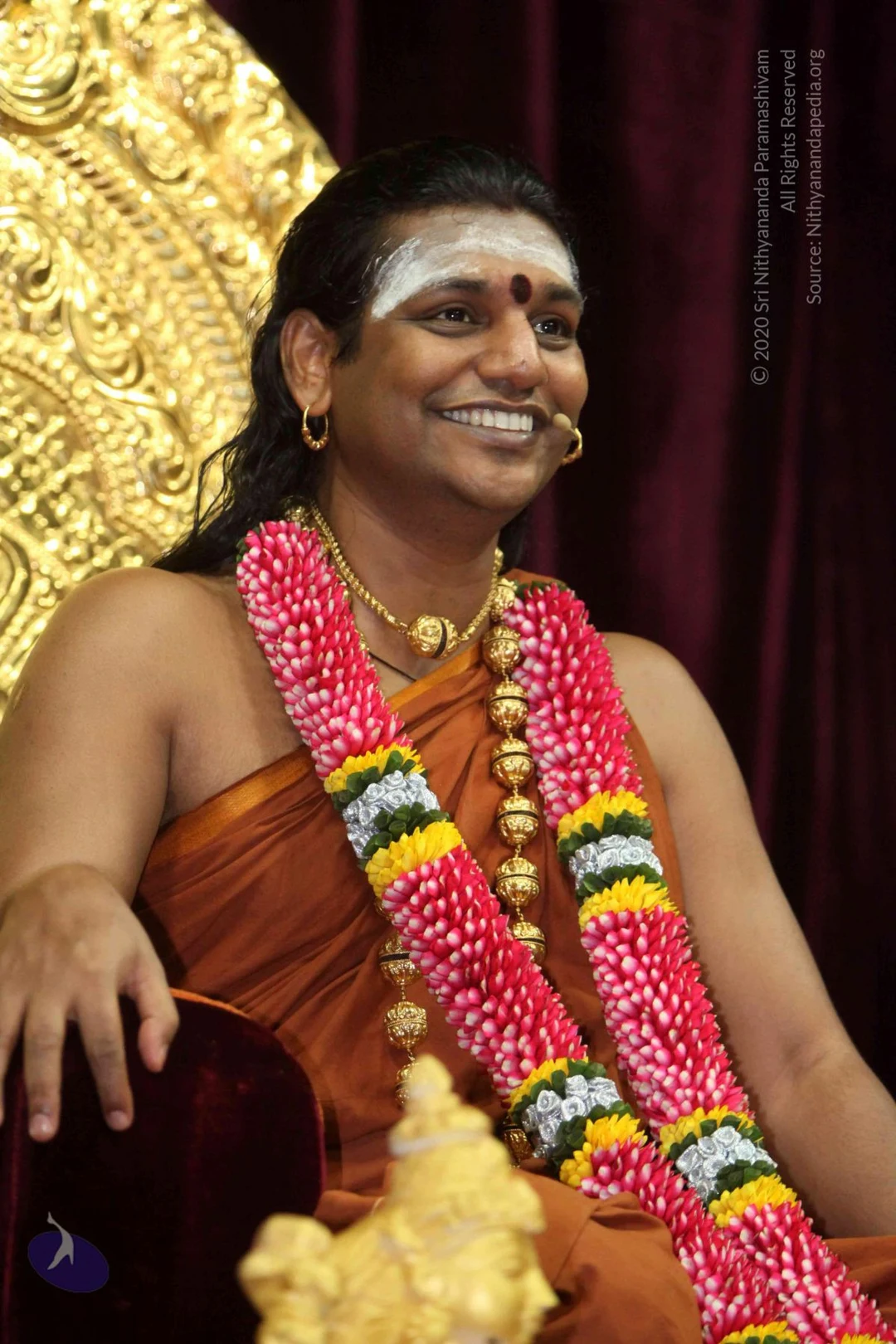
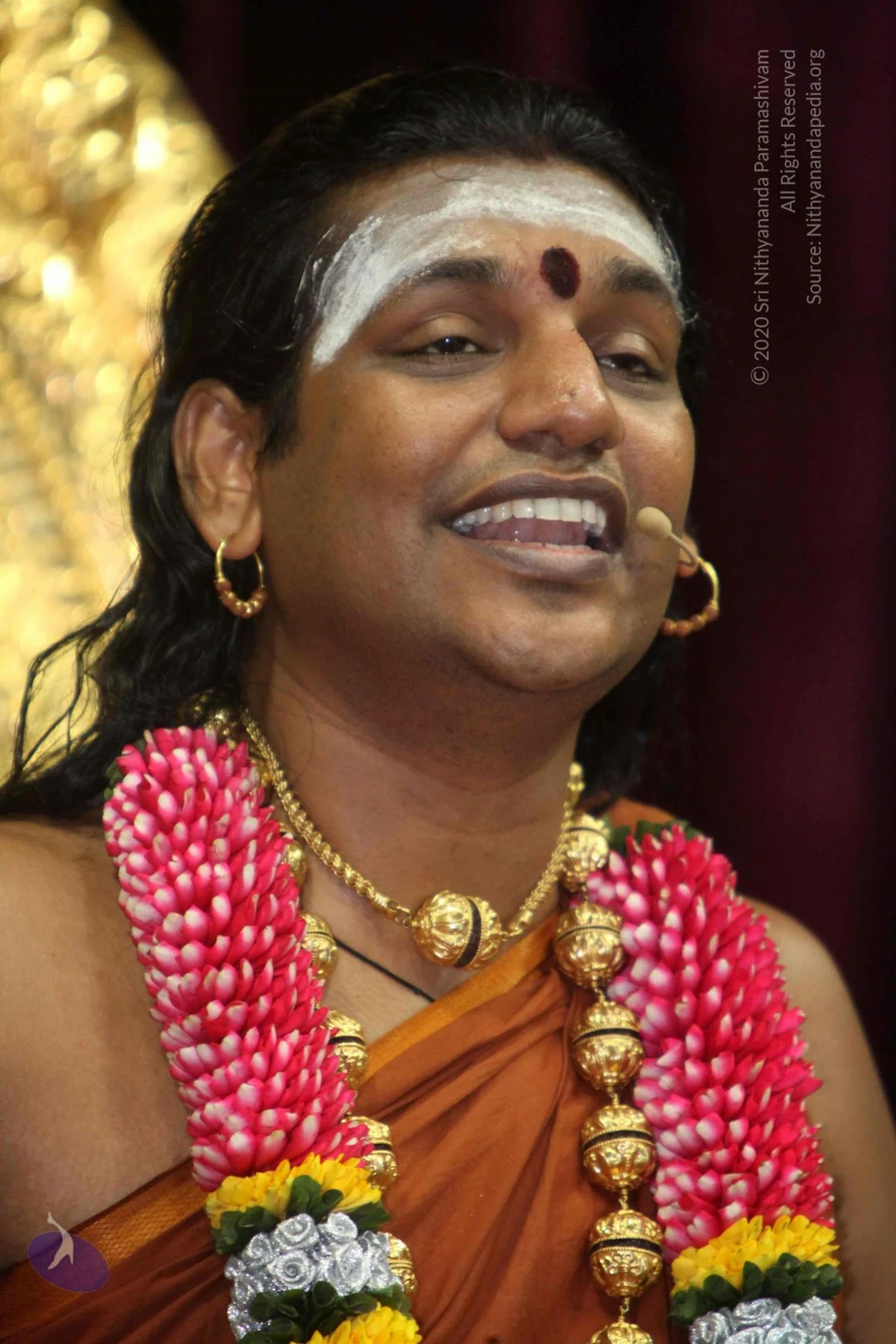
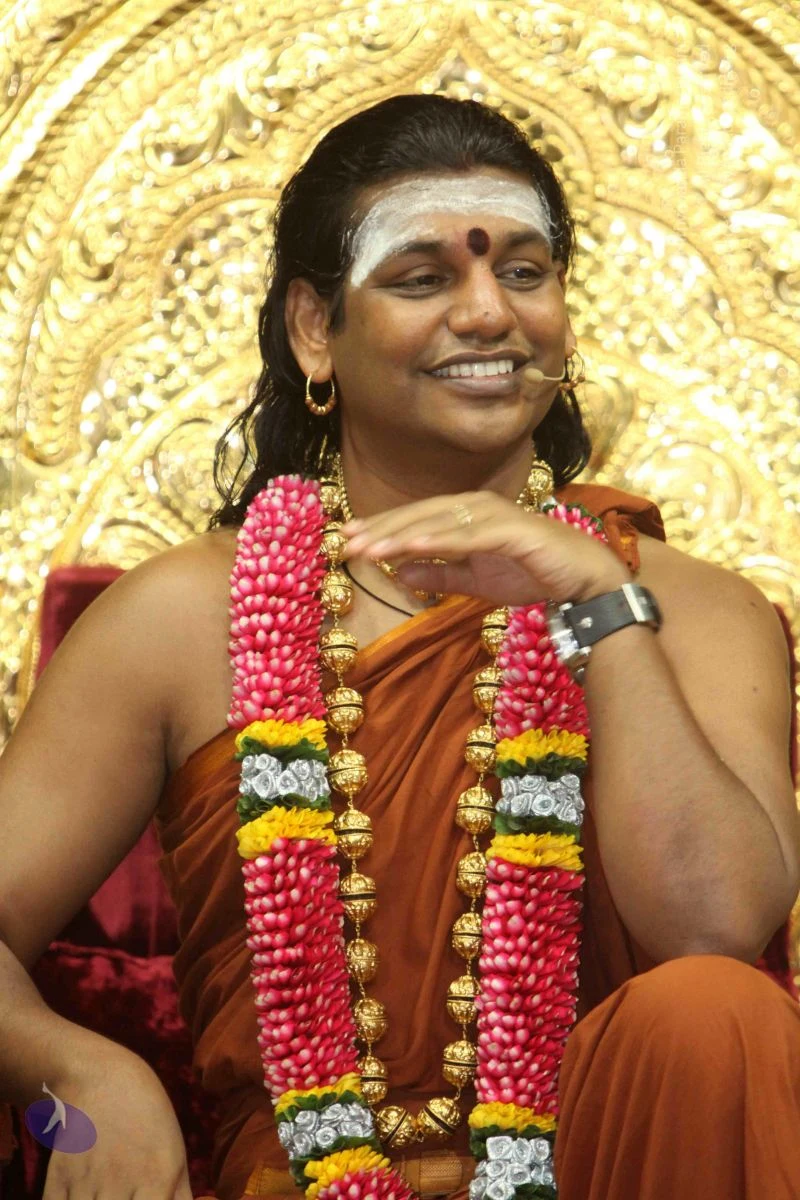
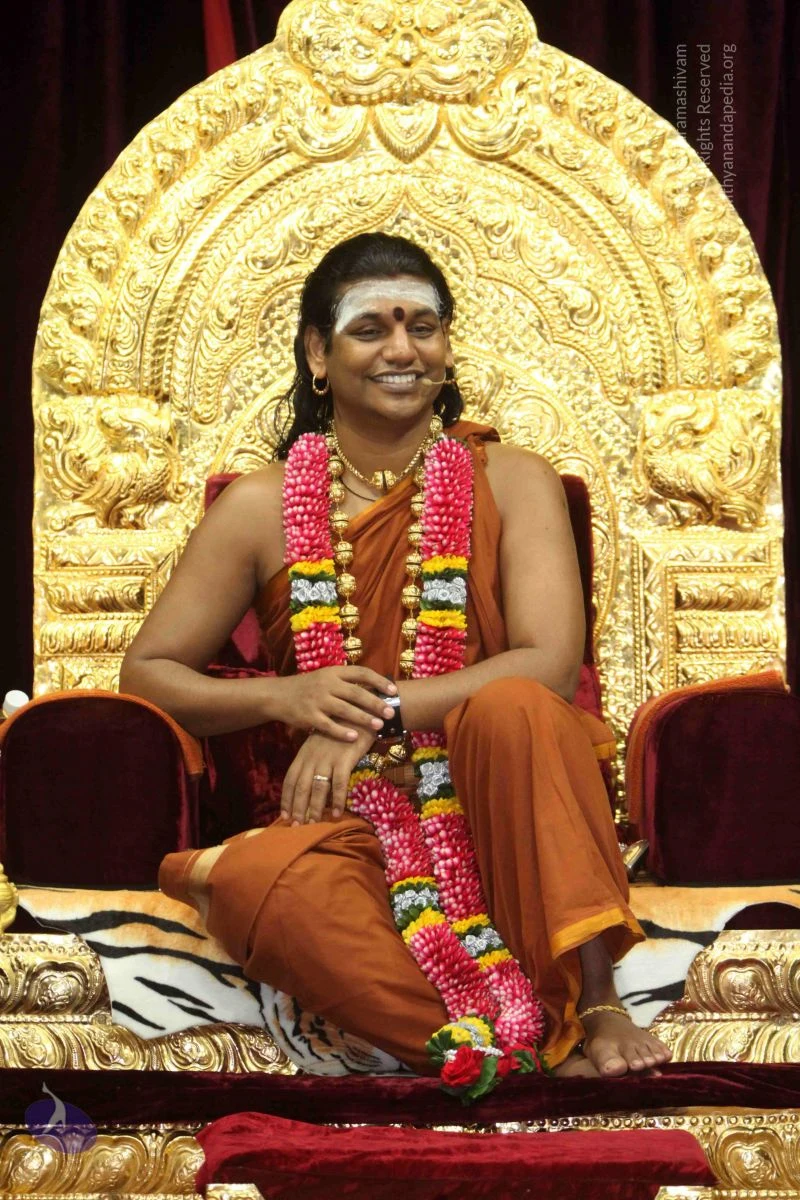
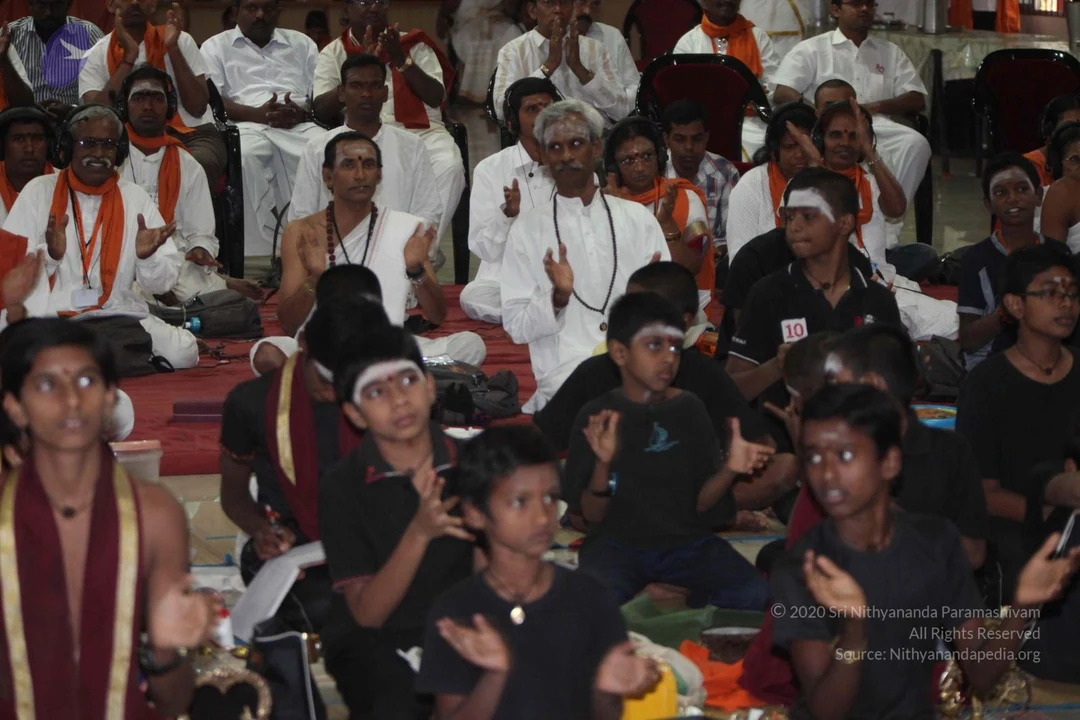
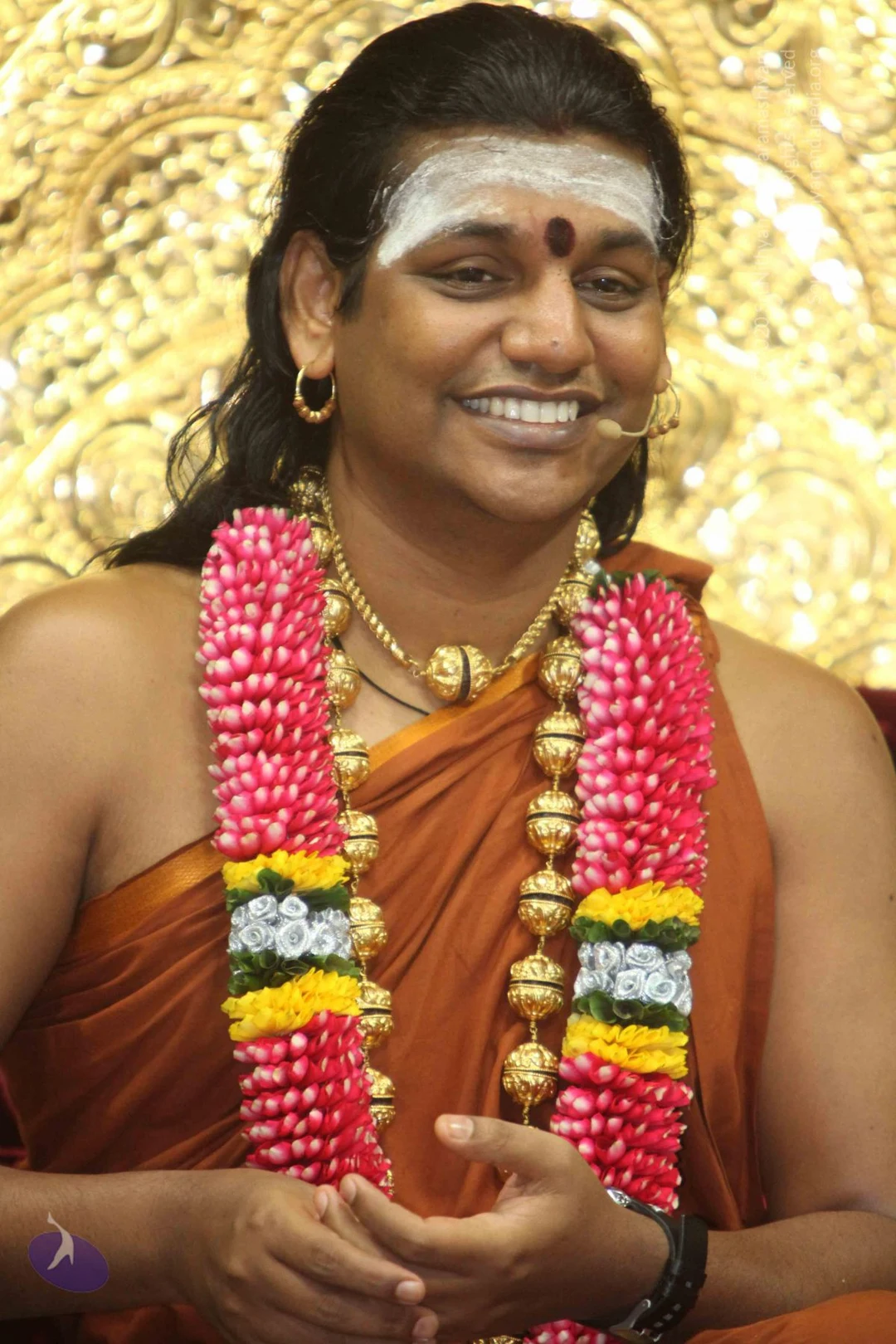
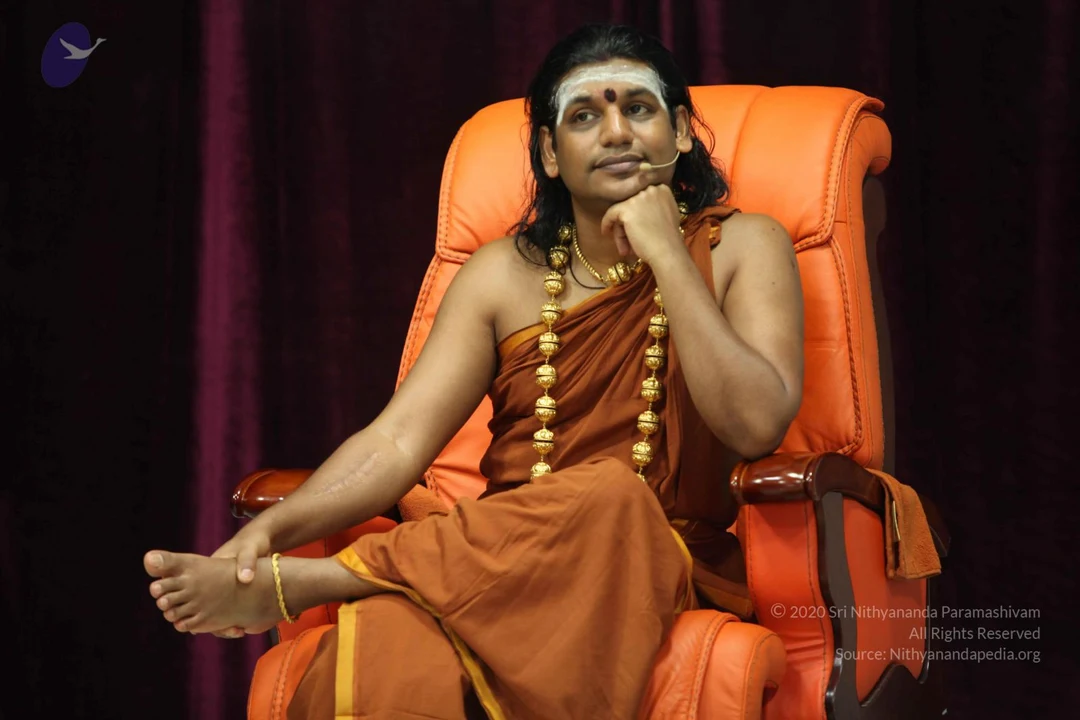
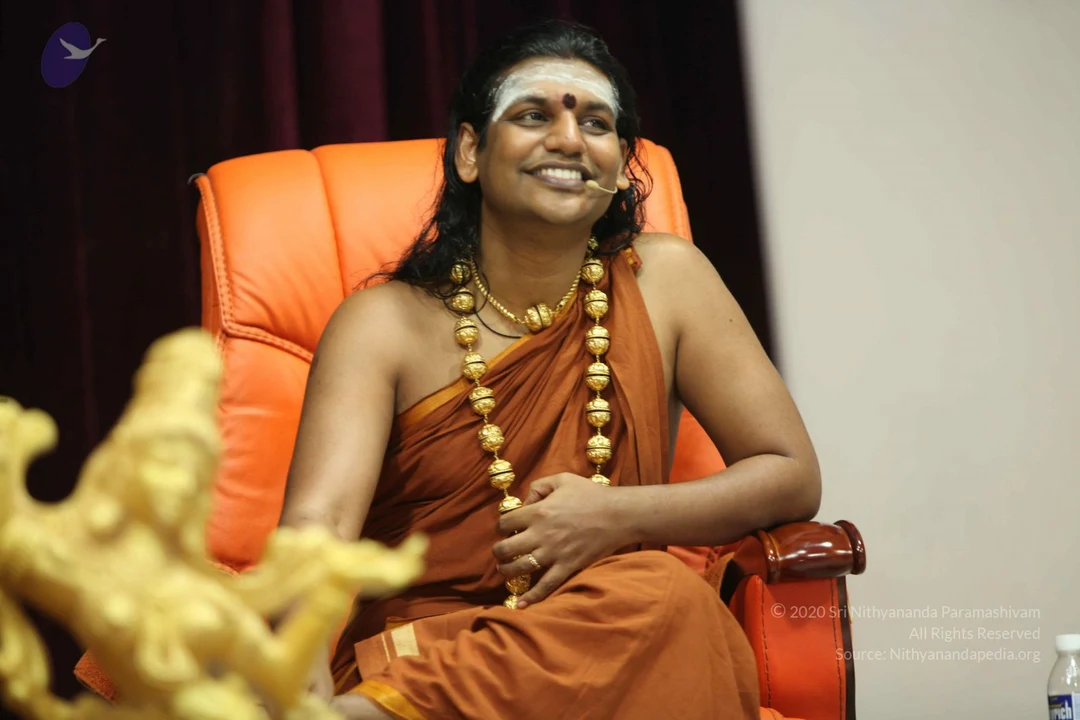
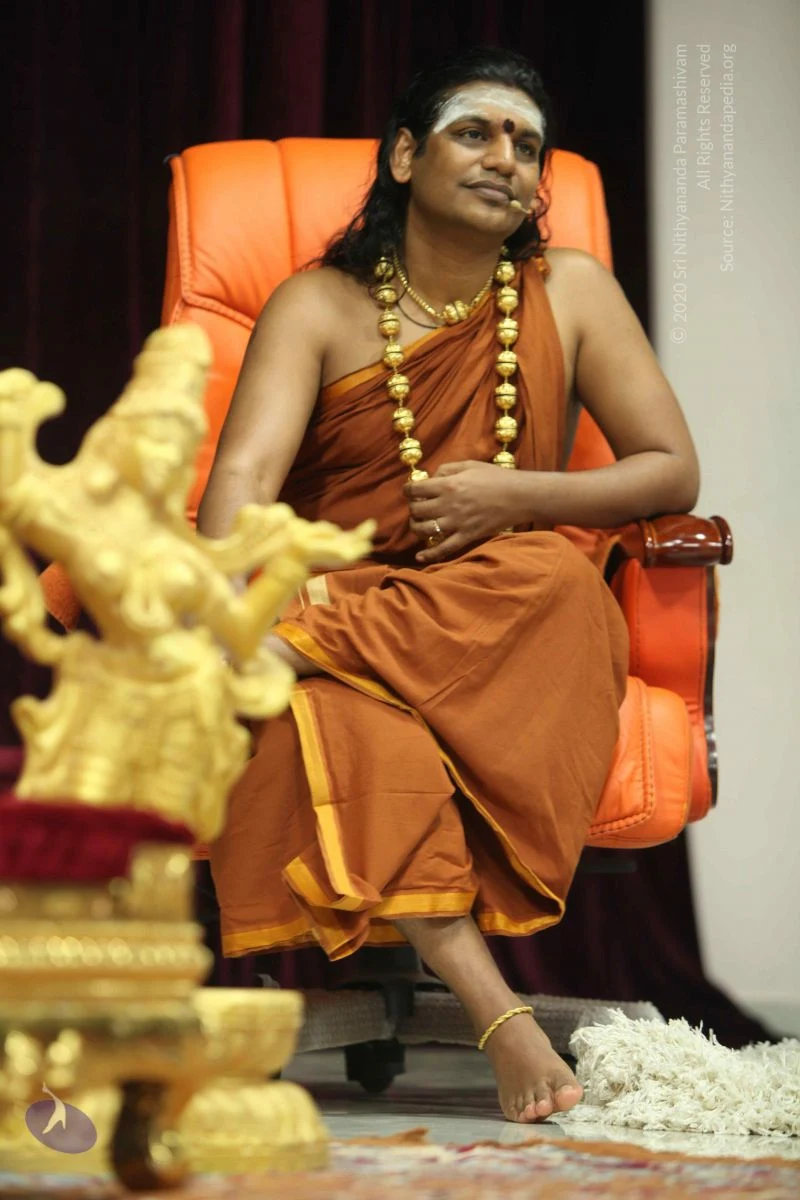
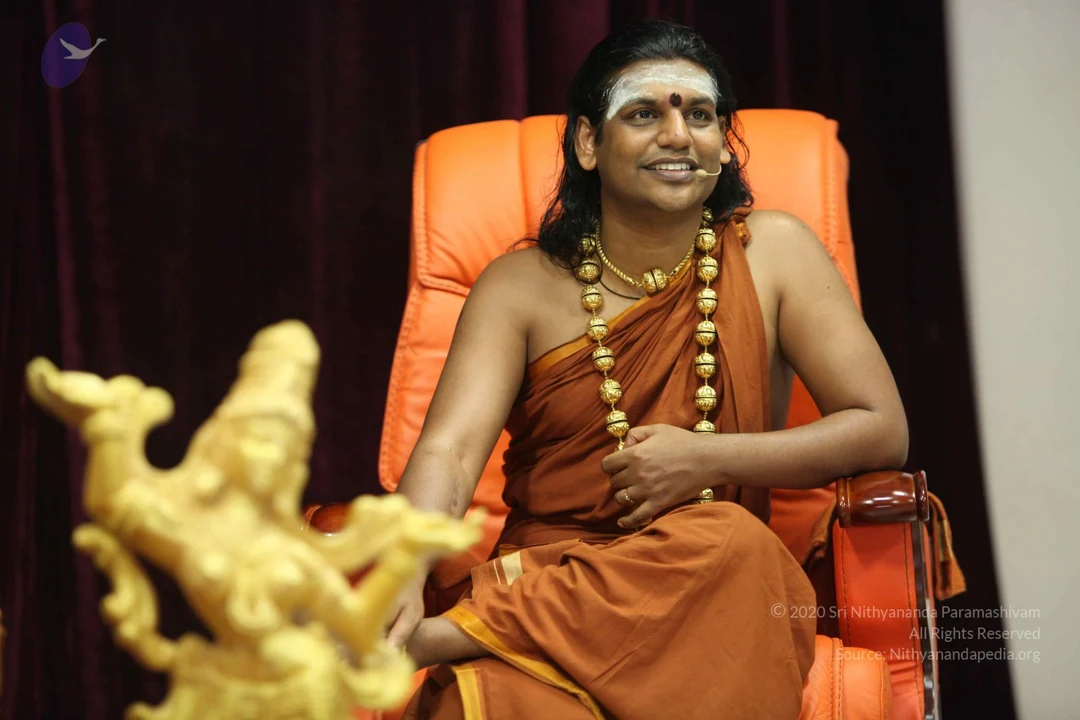
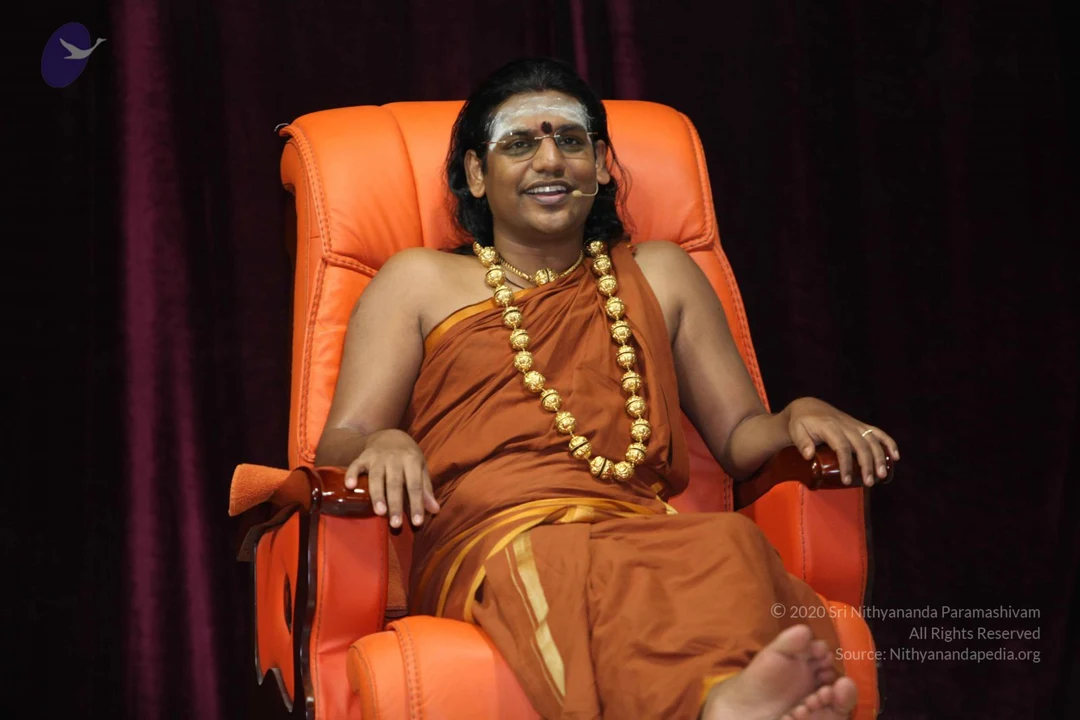
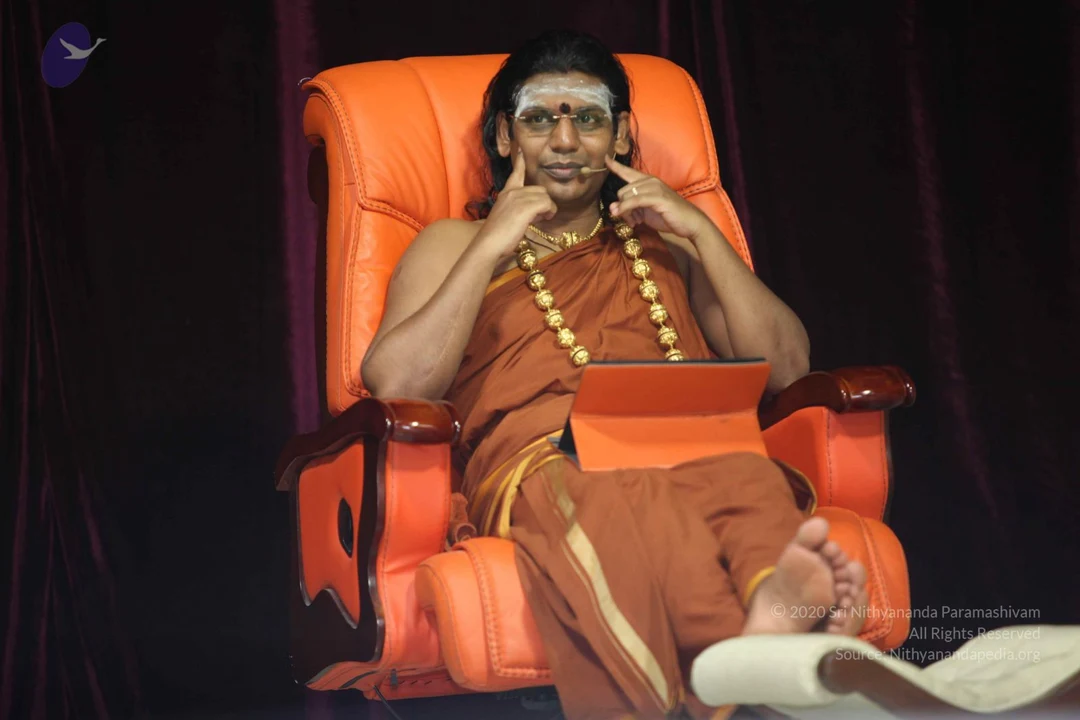
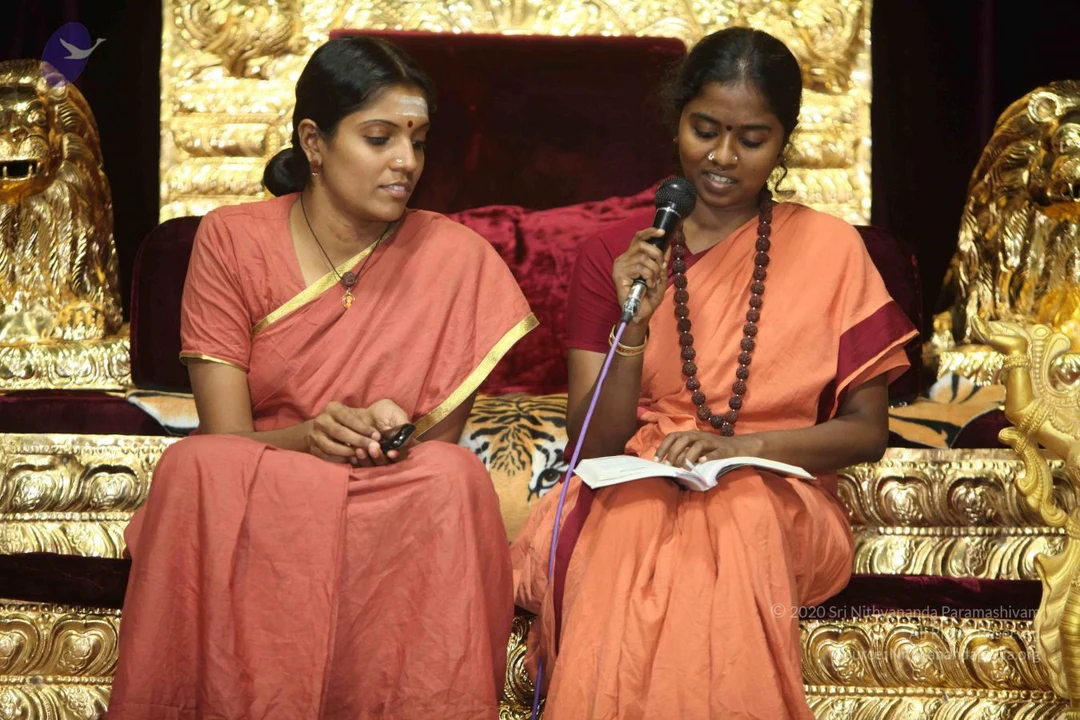
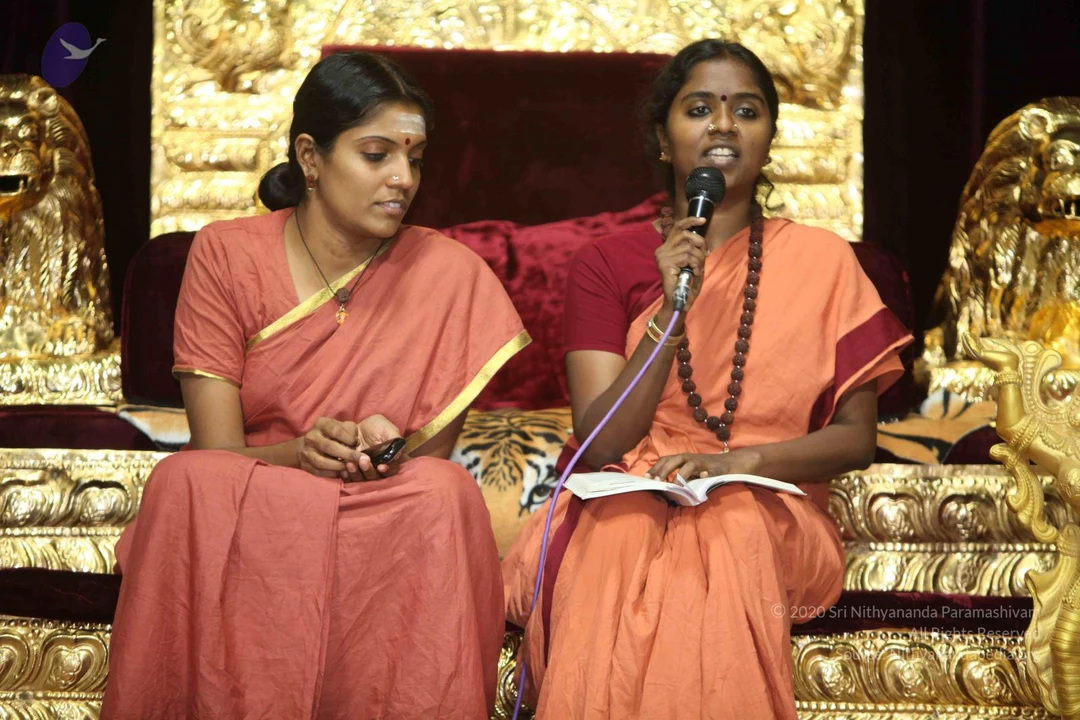
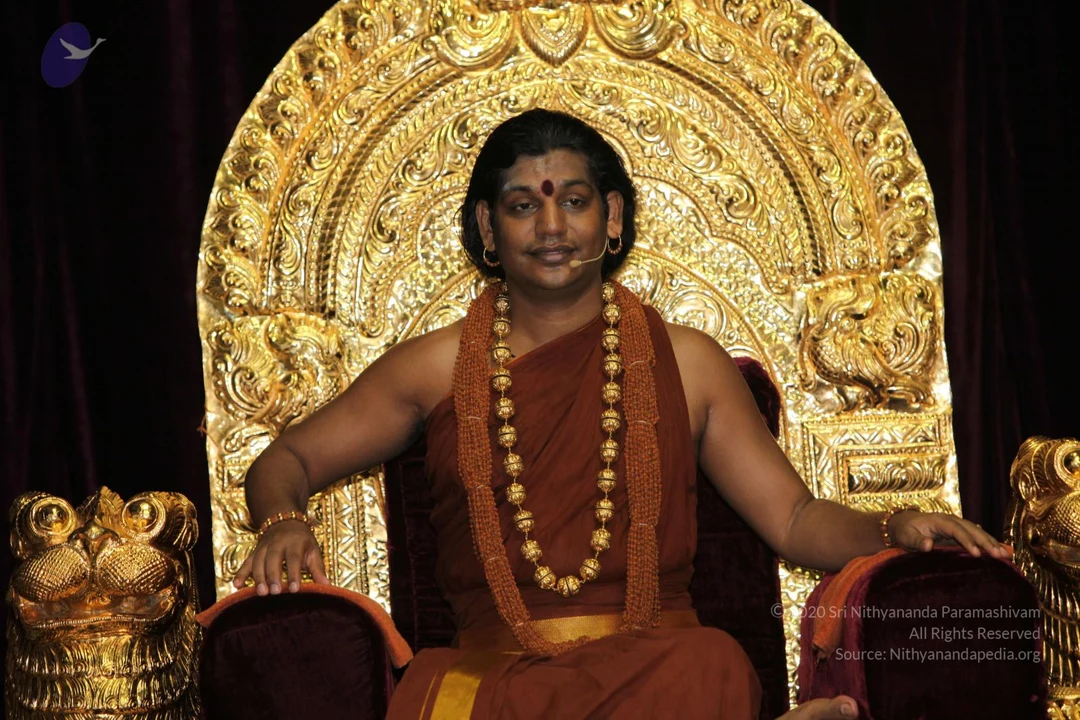
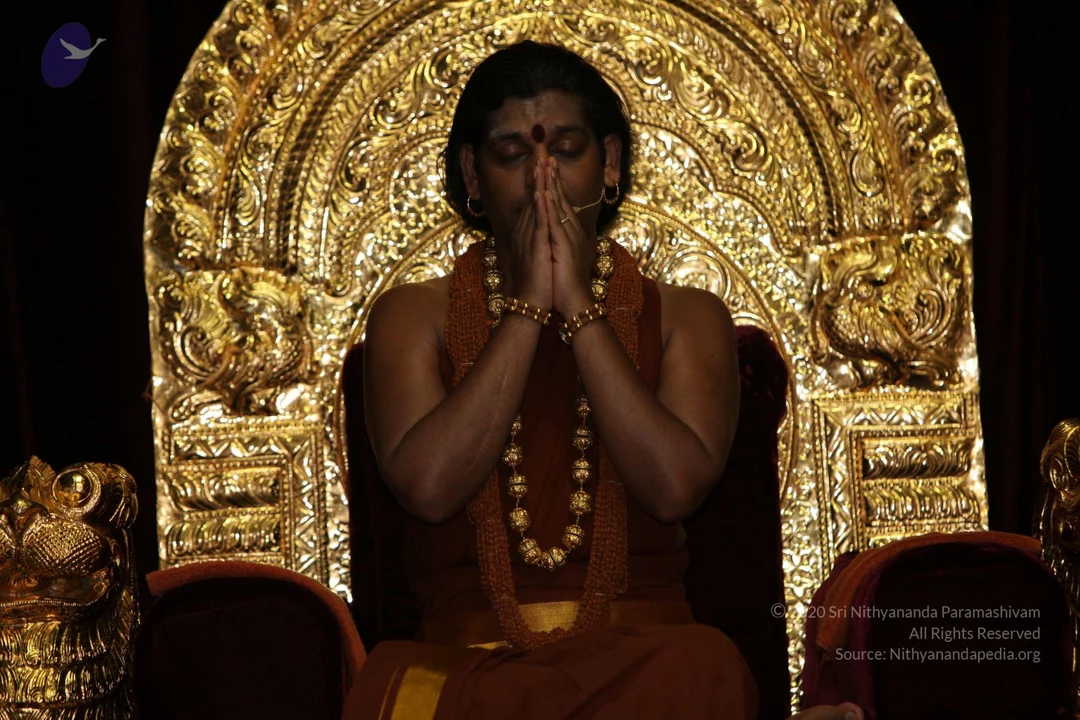
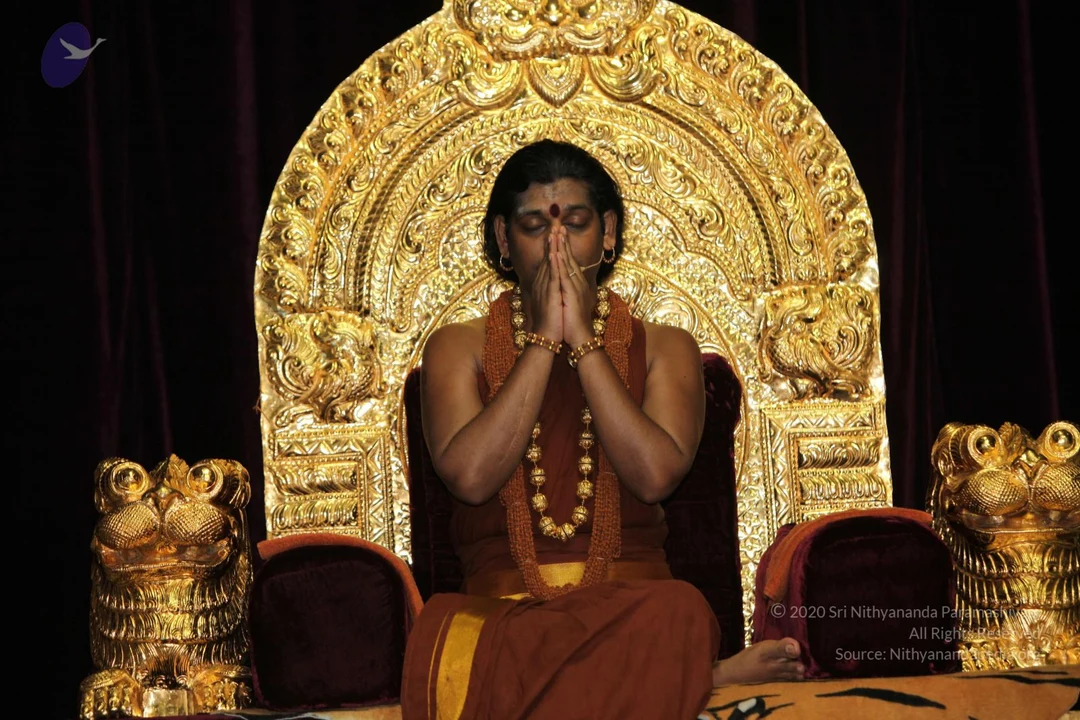
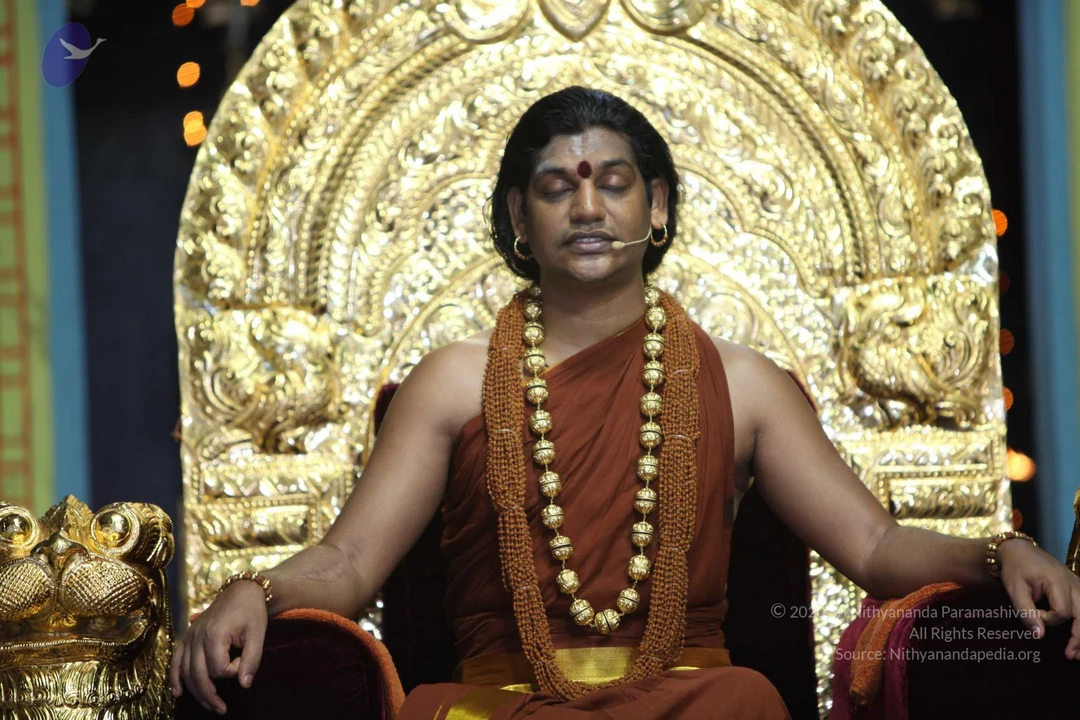
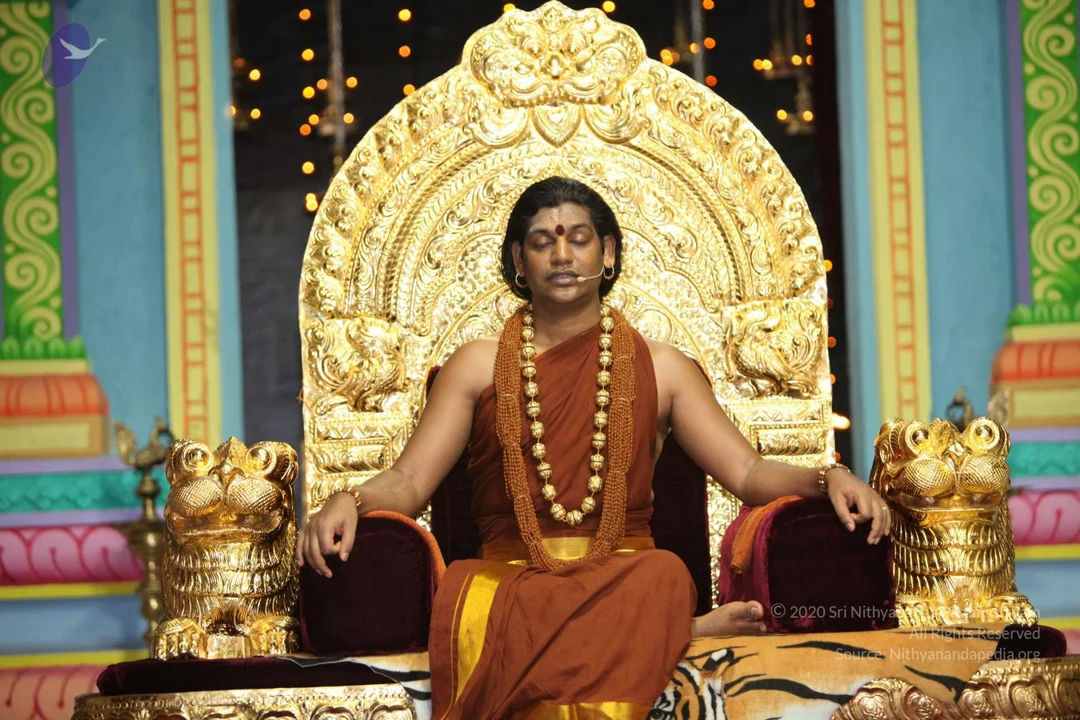
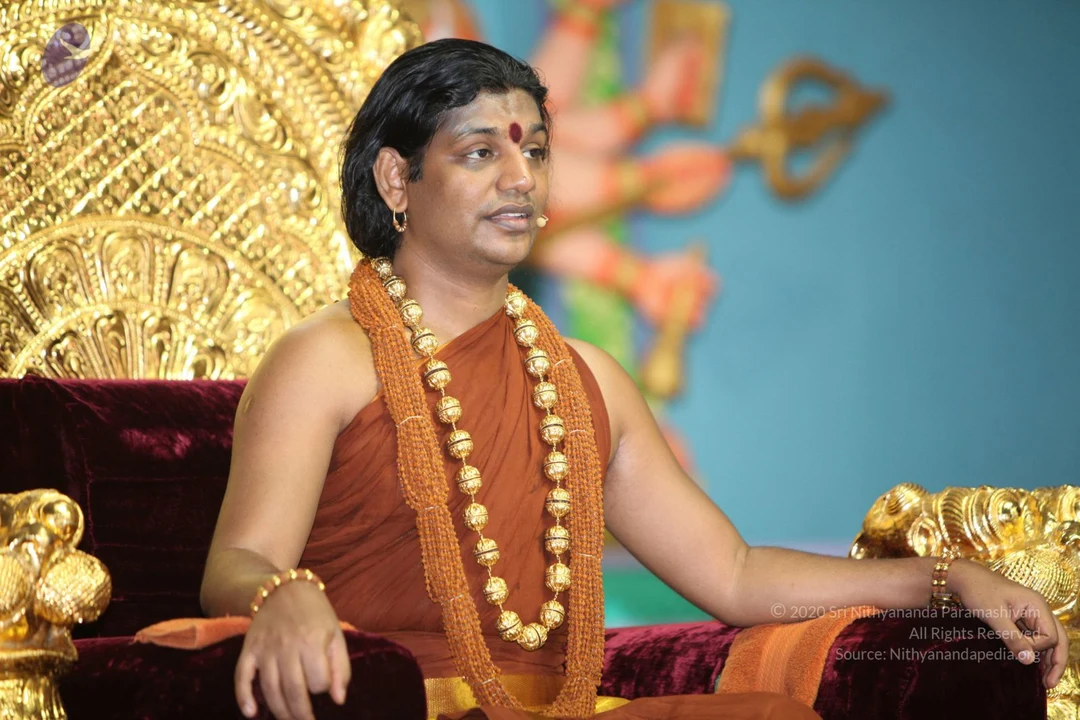
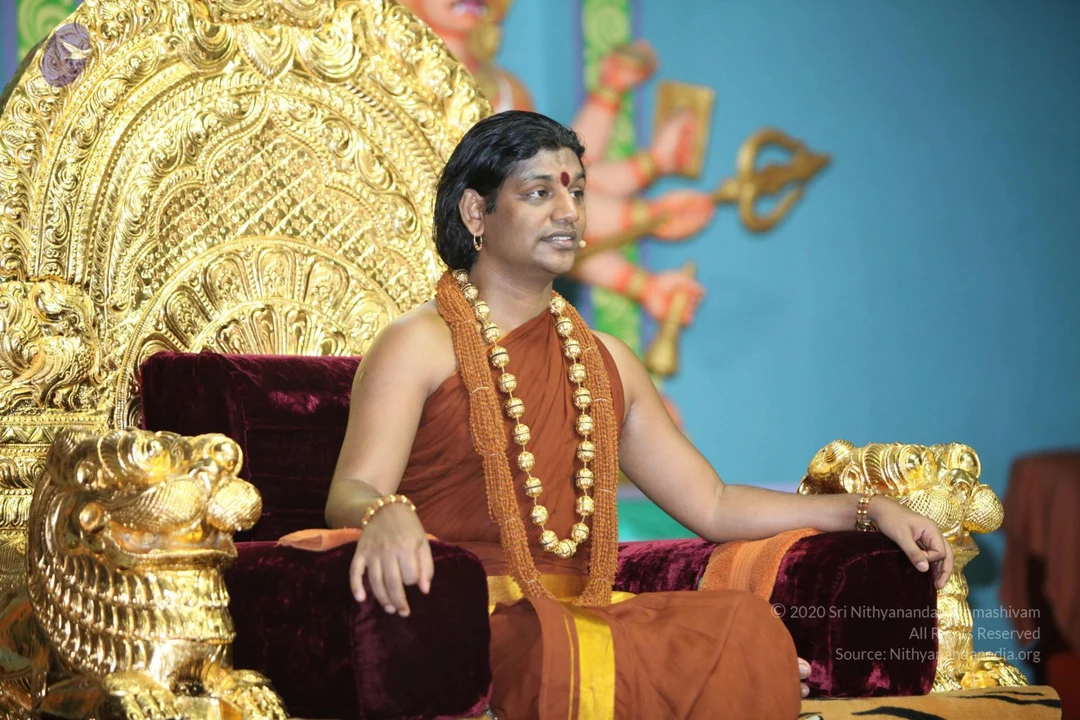
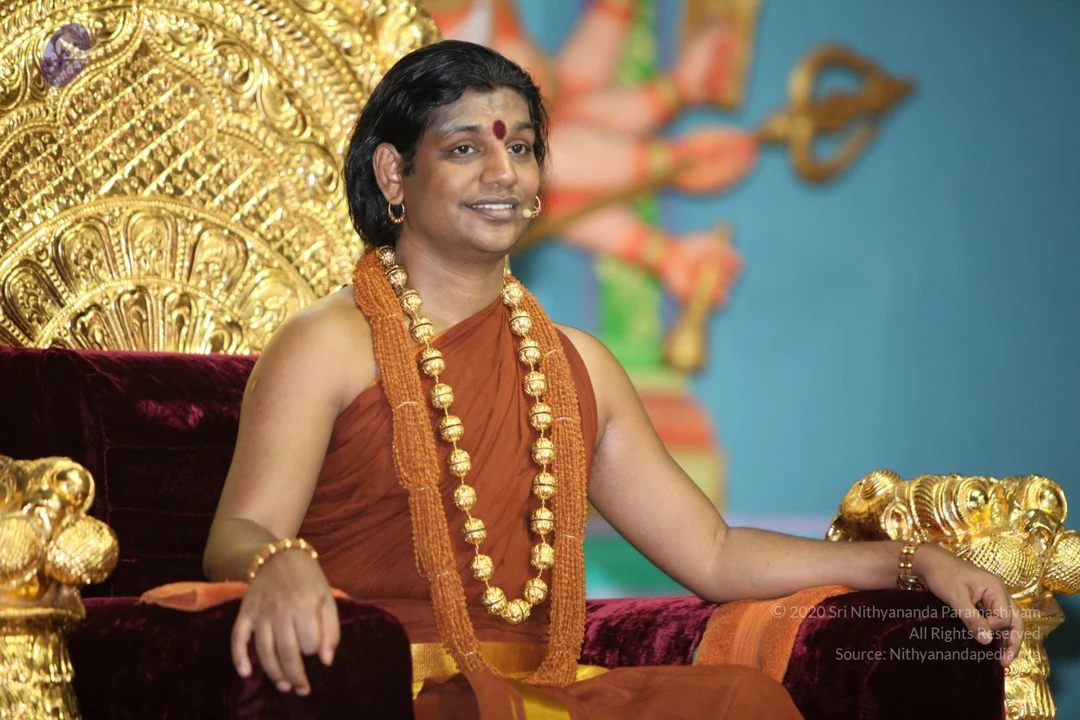
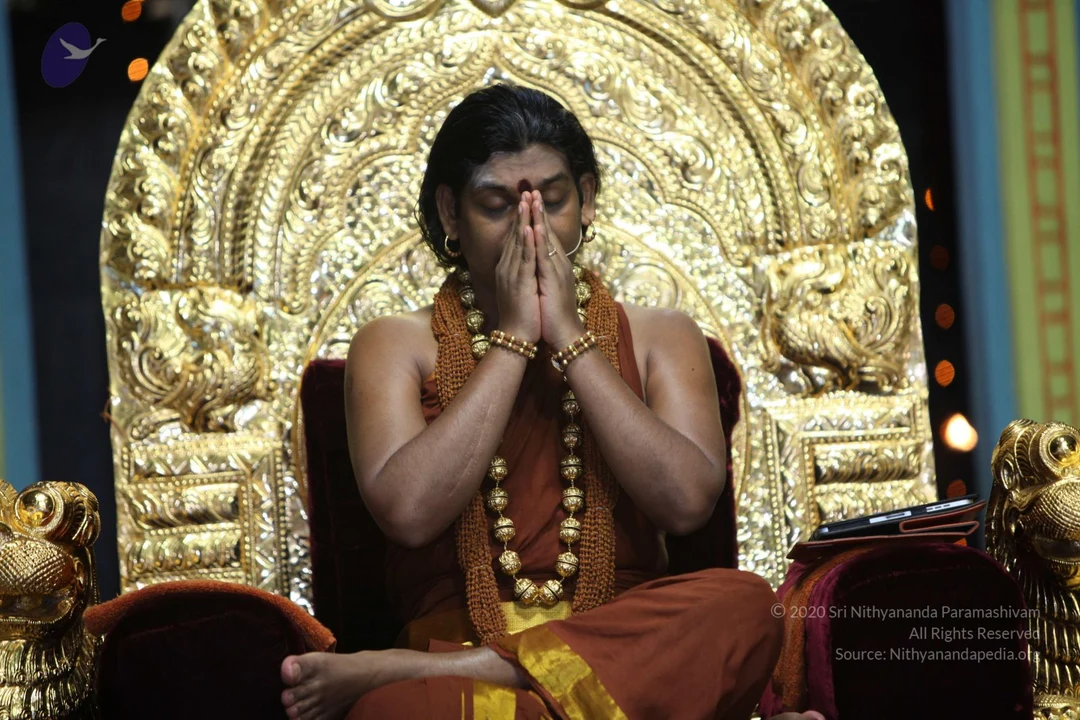
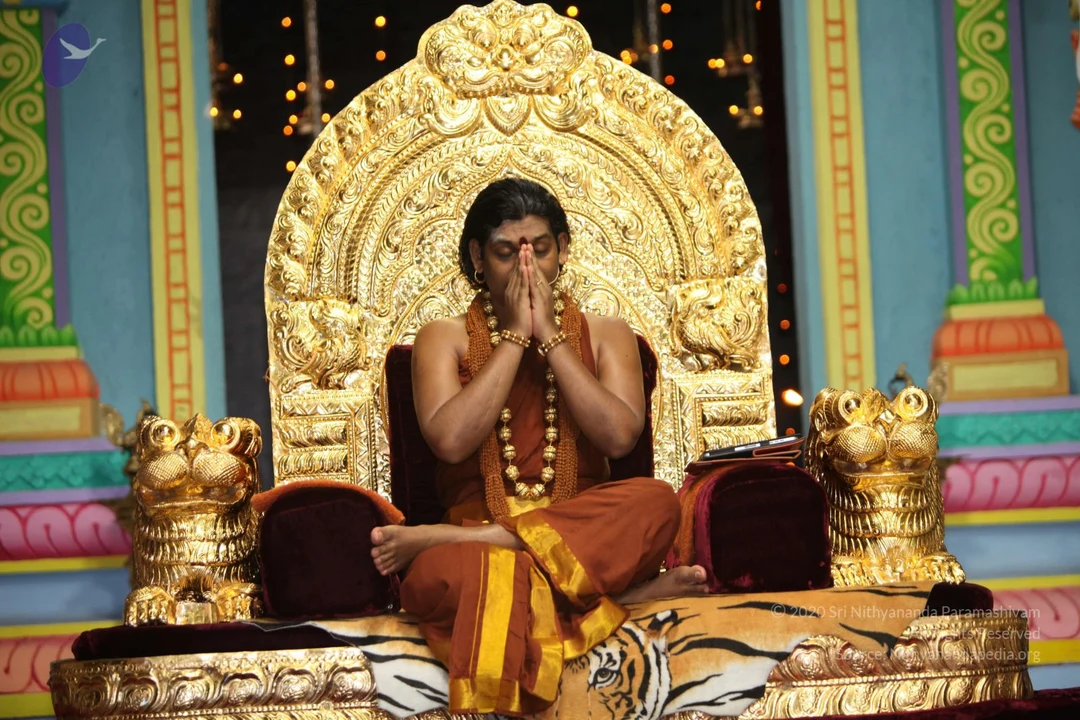
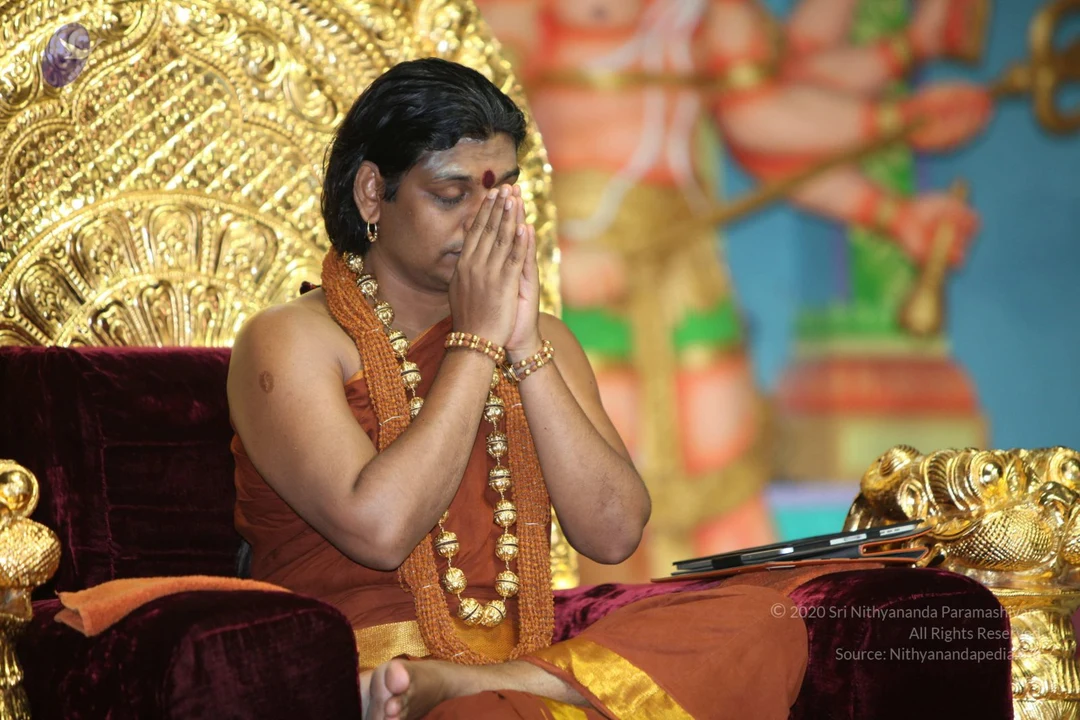
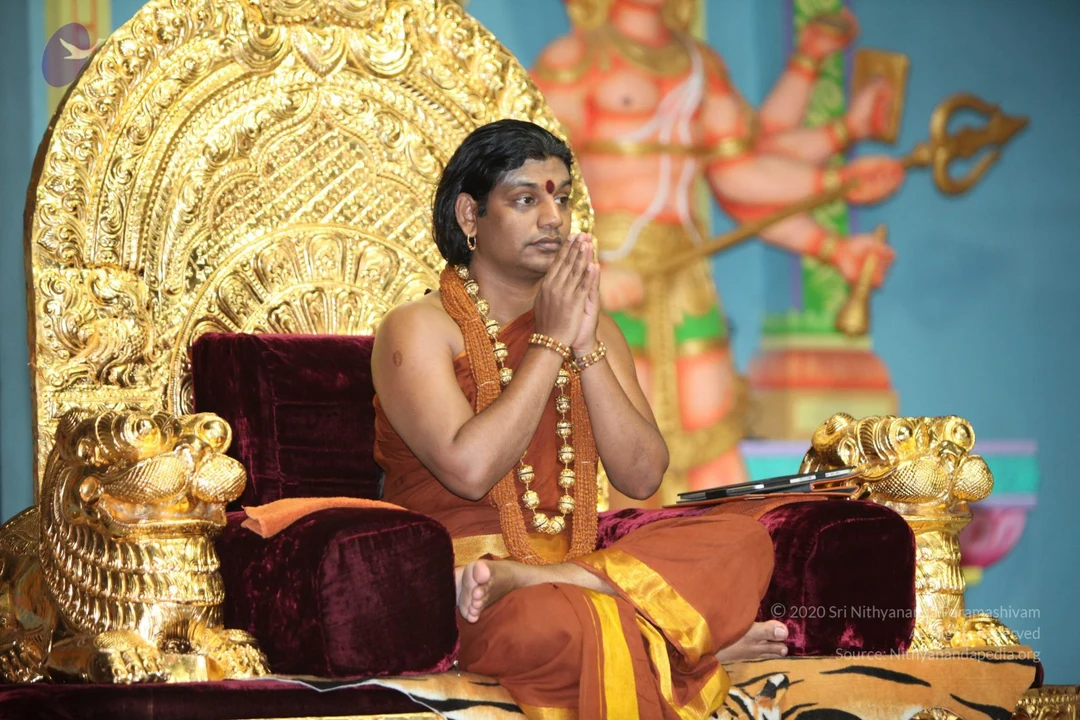
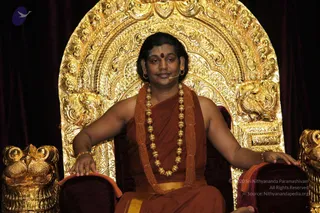
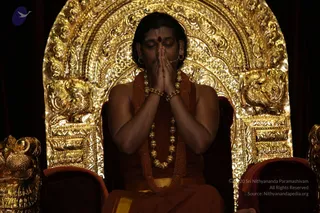
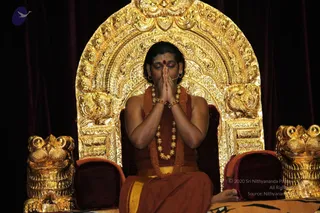
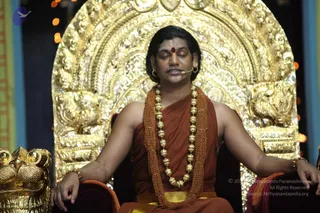
Photos From The Day:
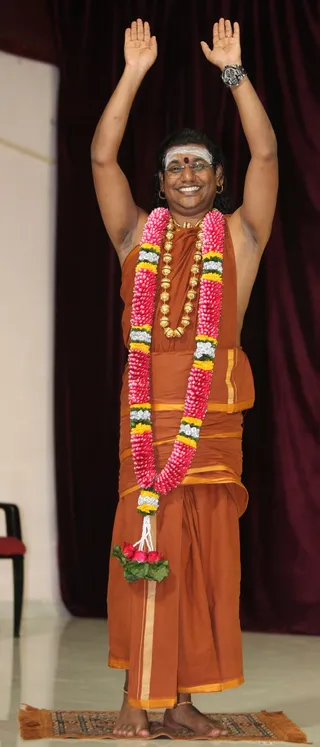
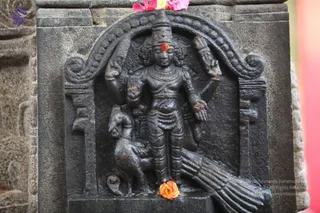
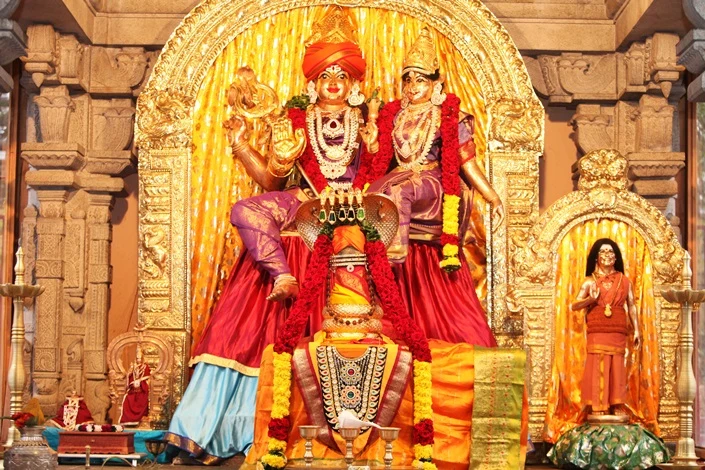
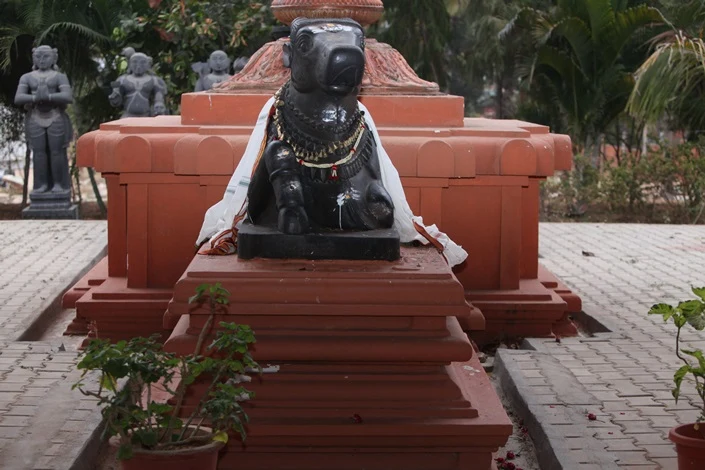
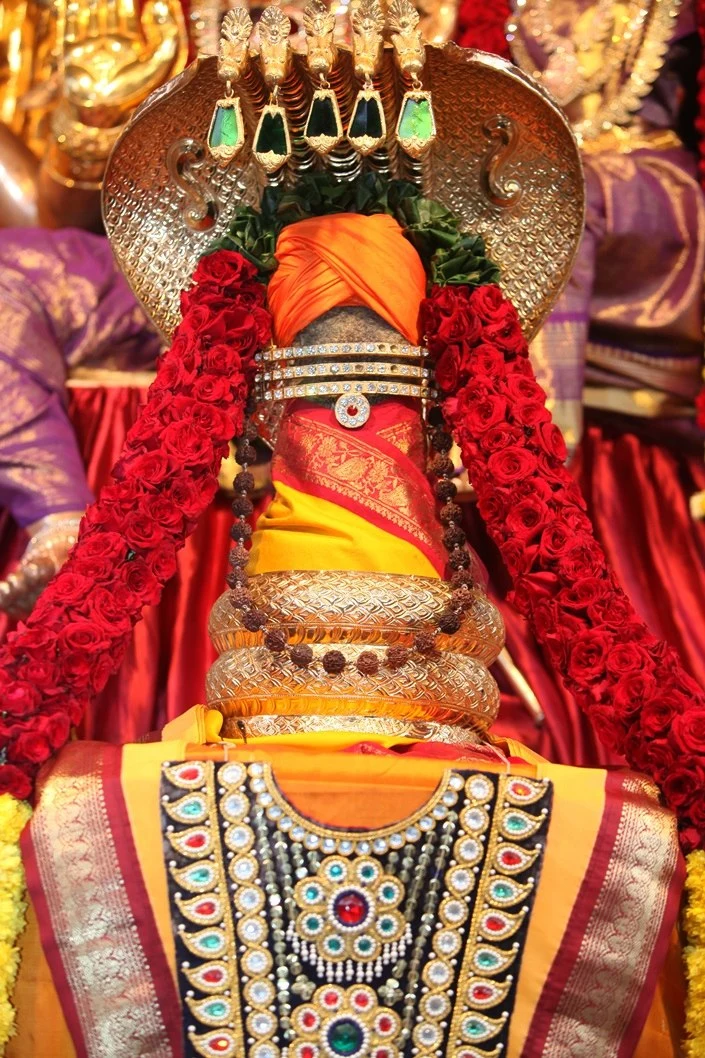
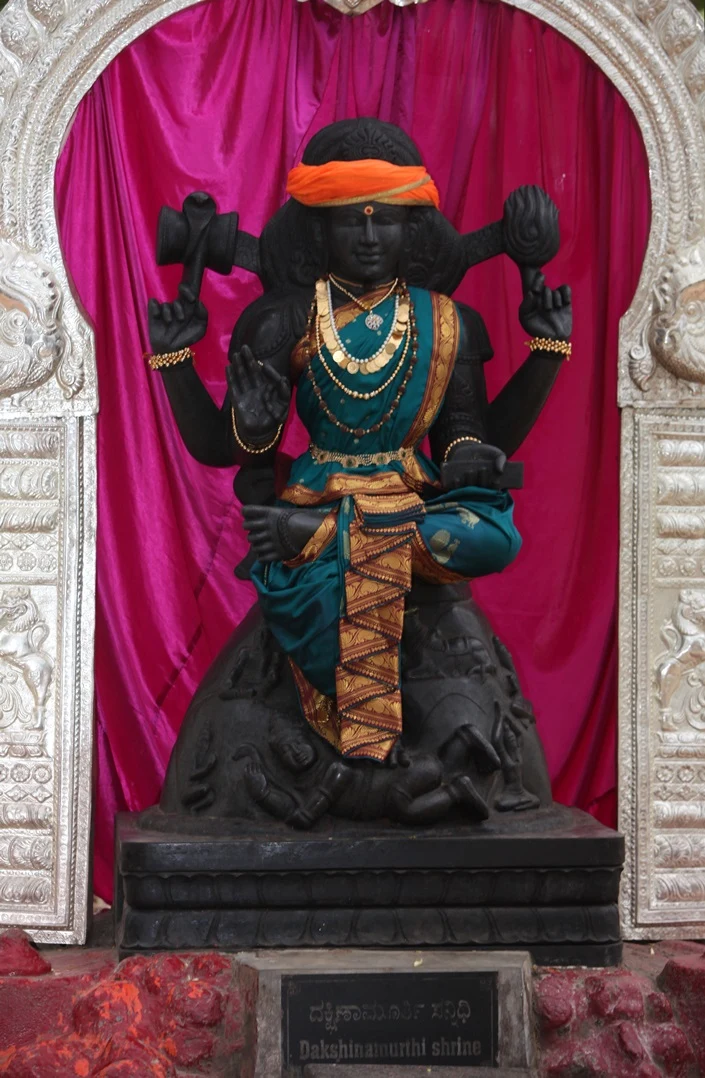
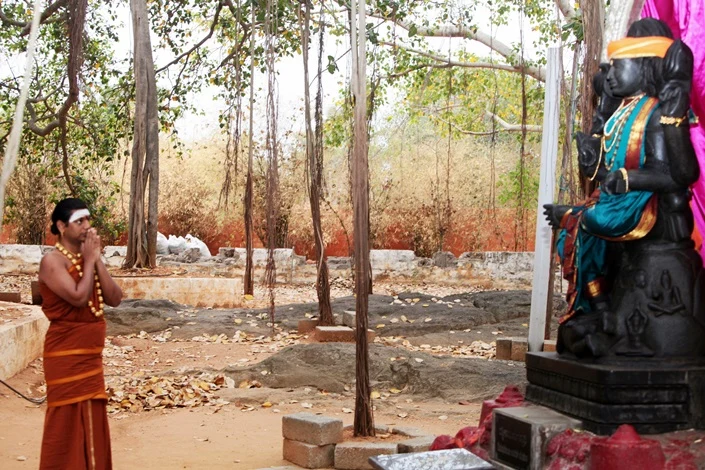
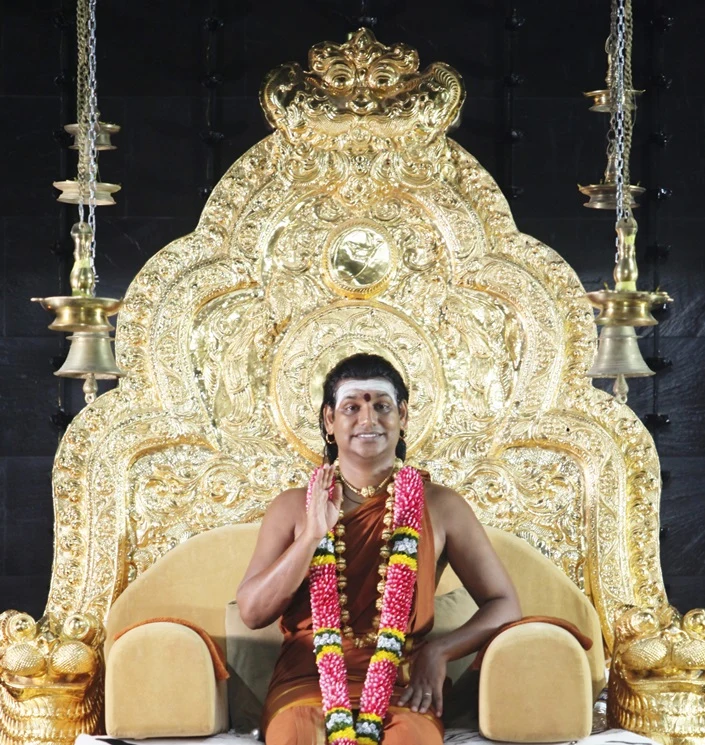
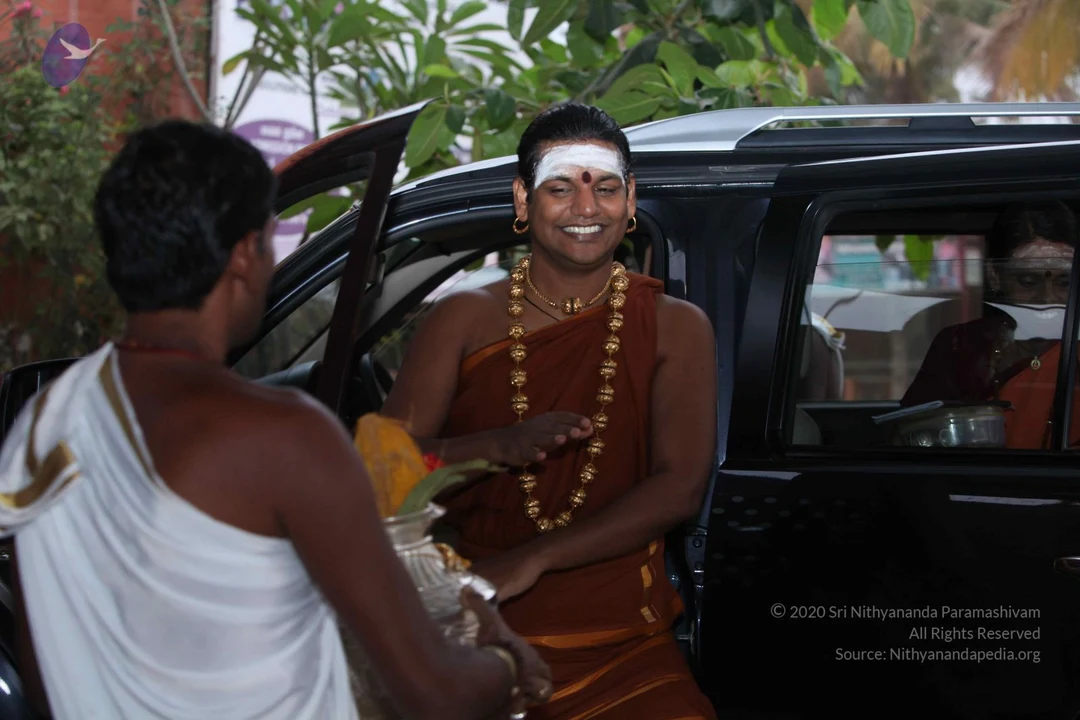
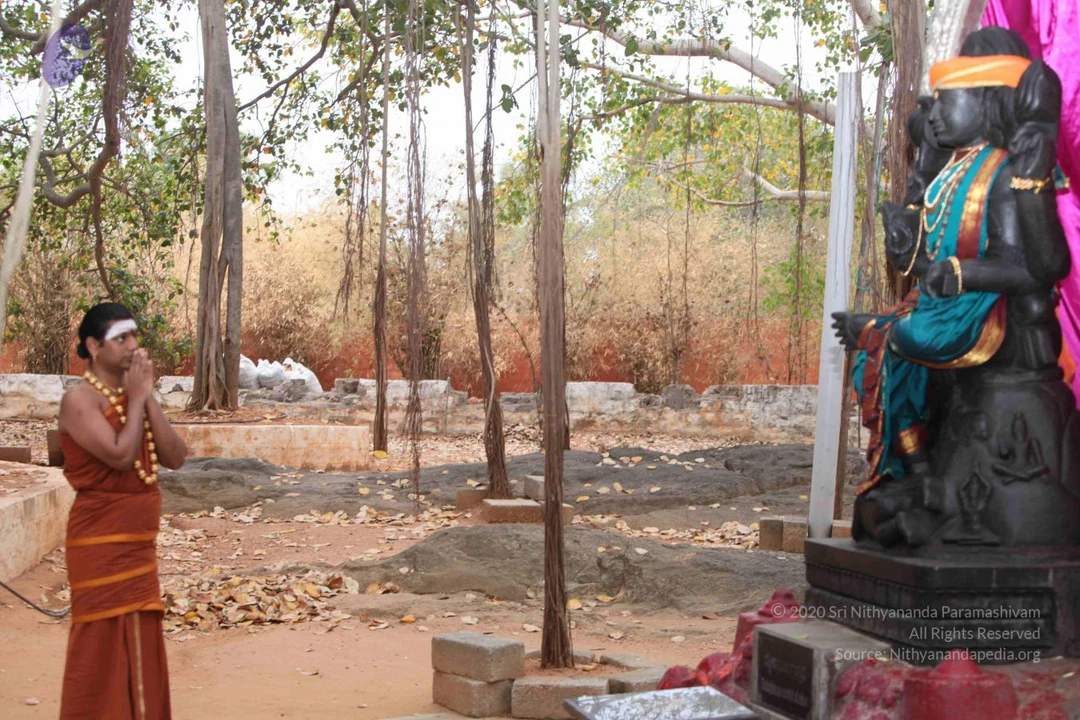
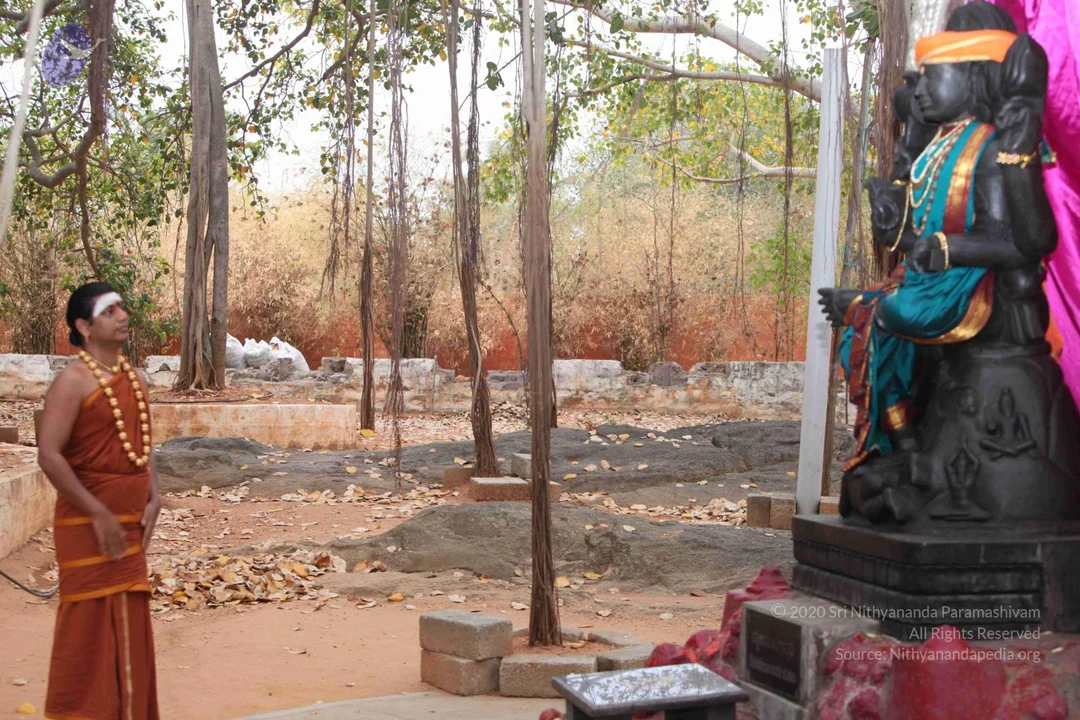
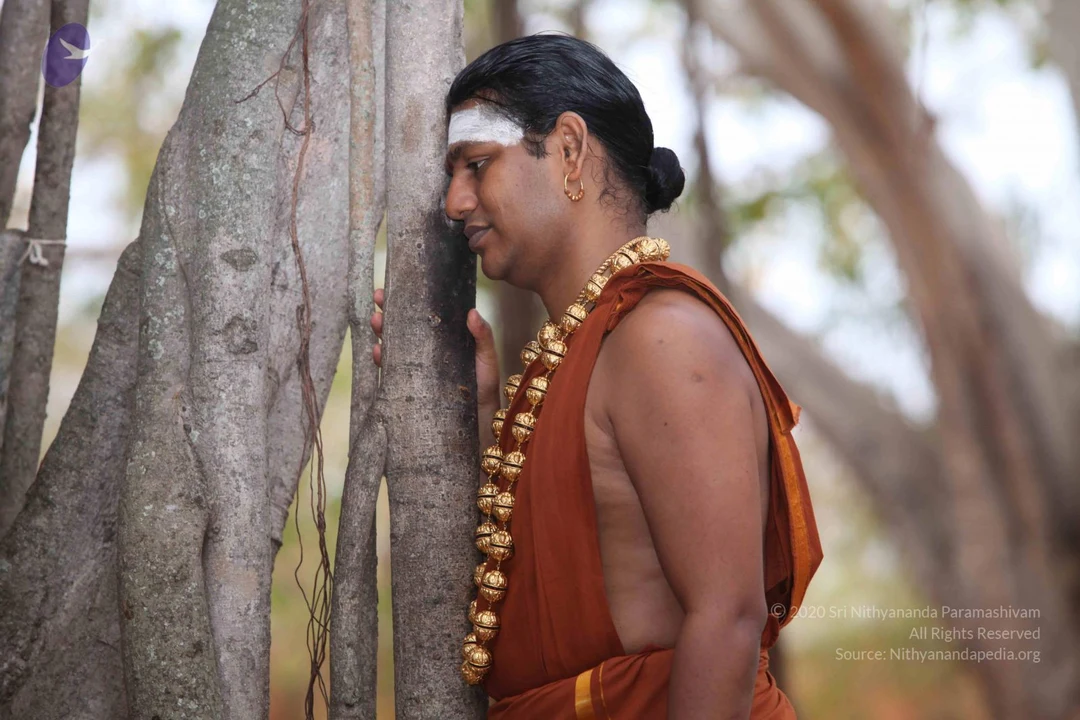
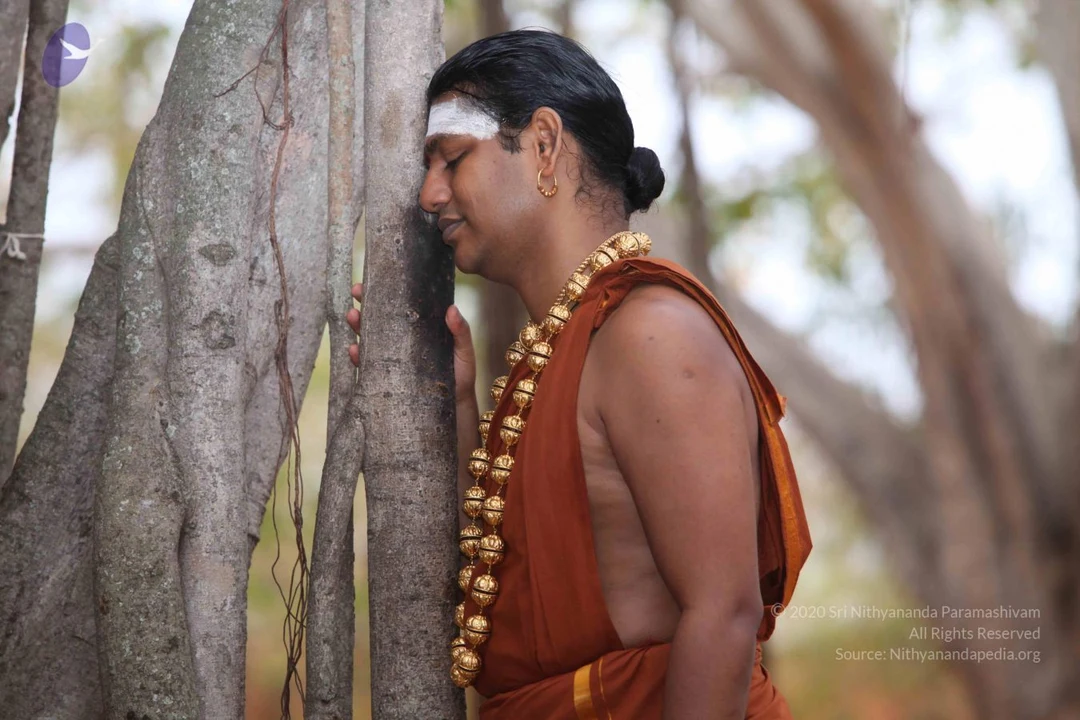
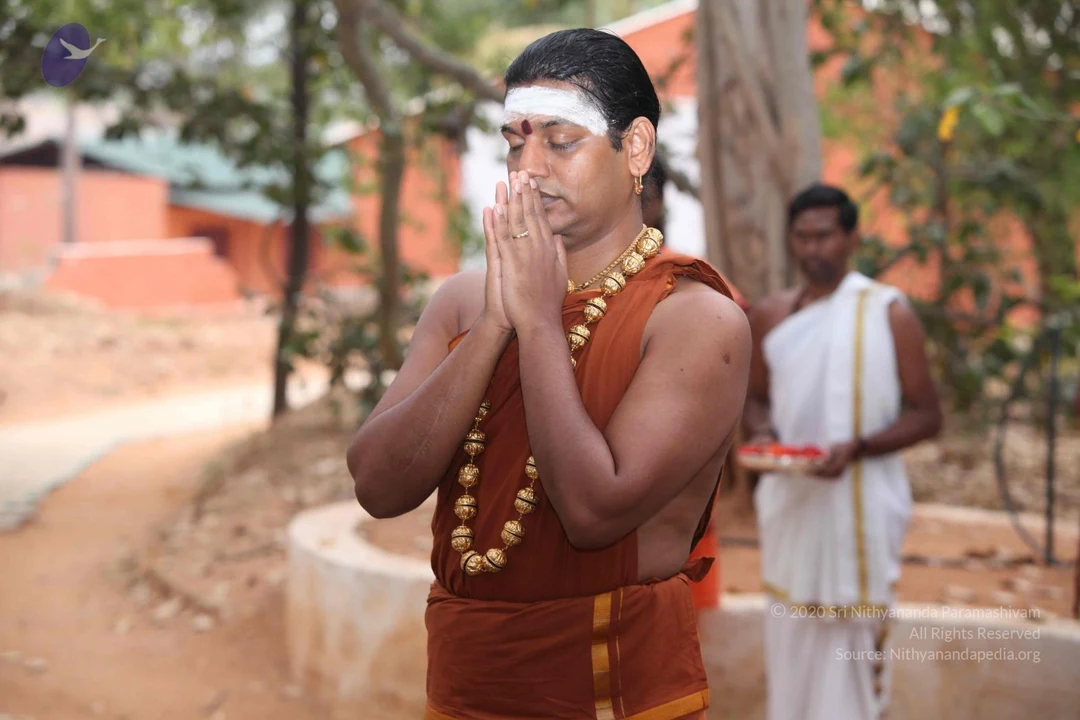
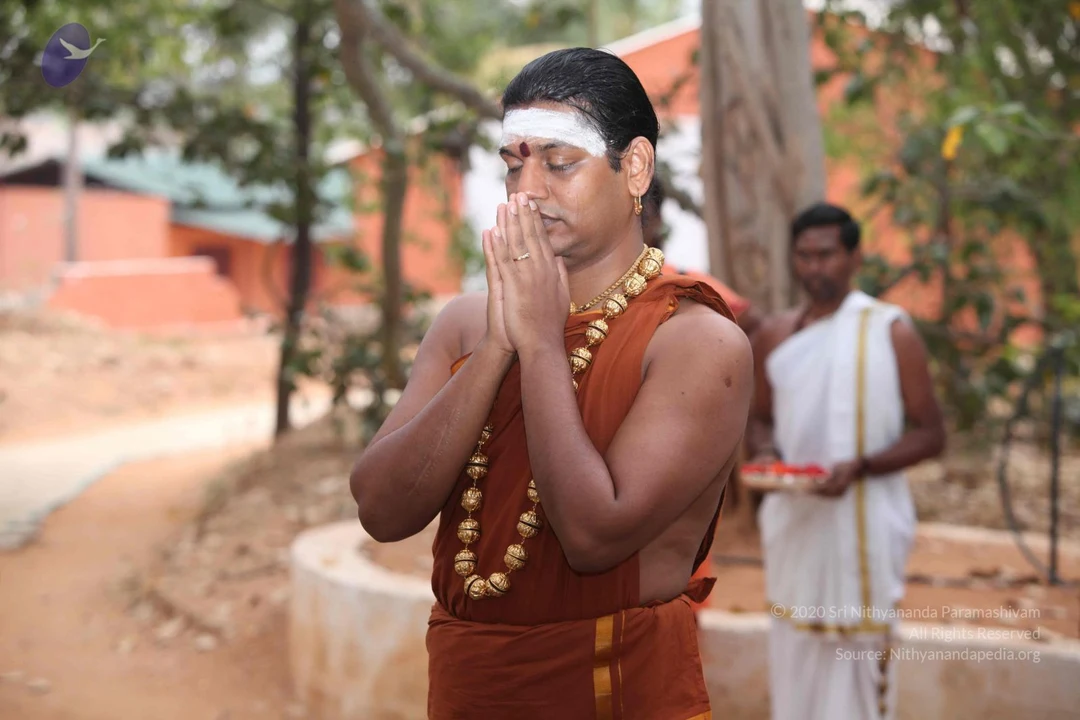
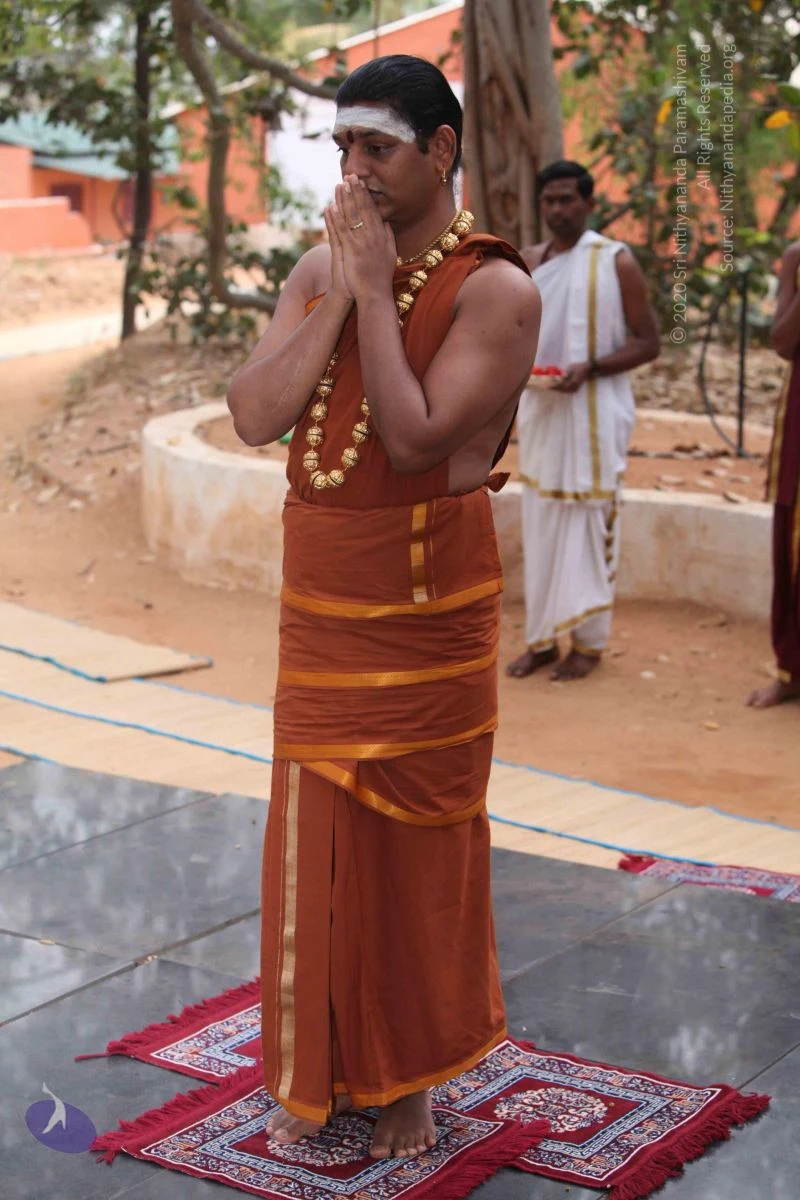
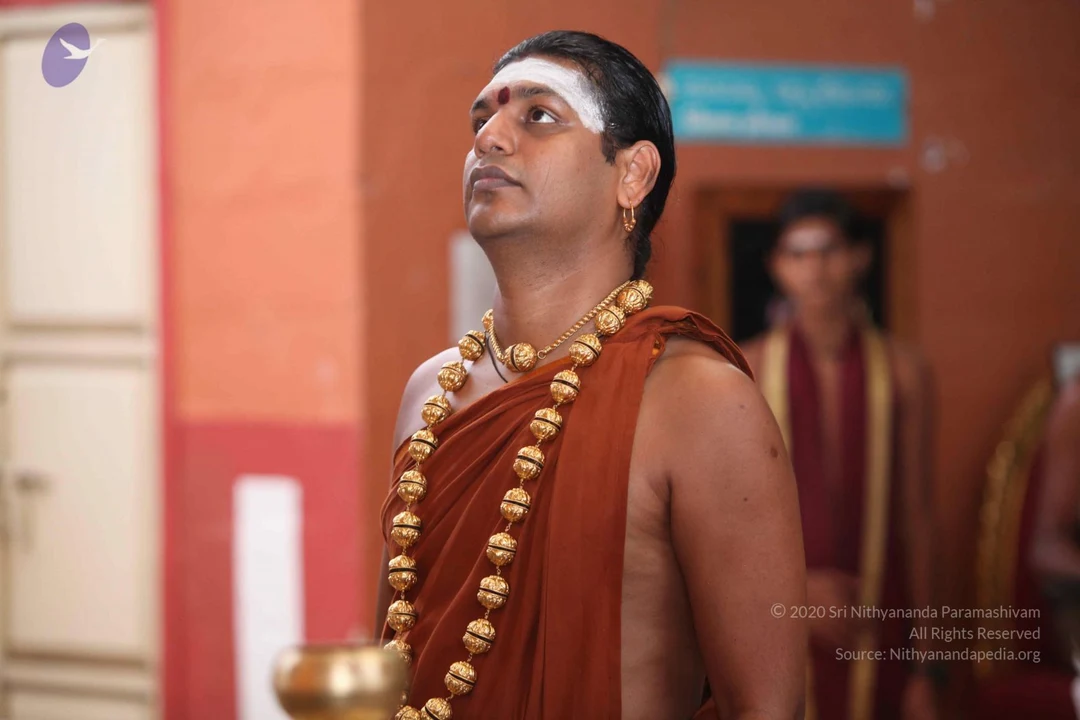
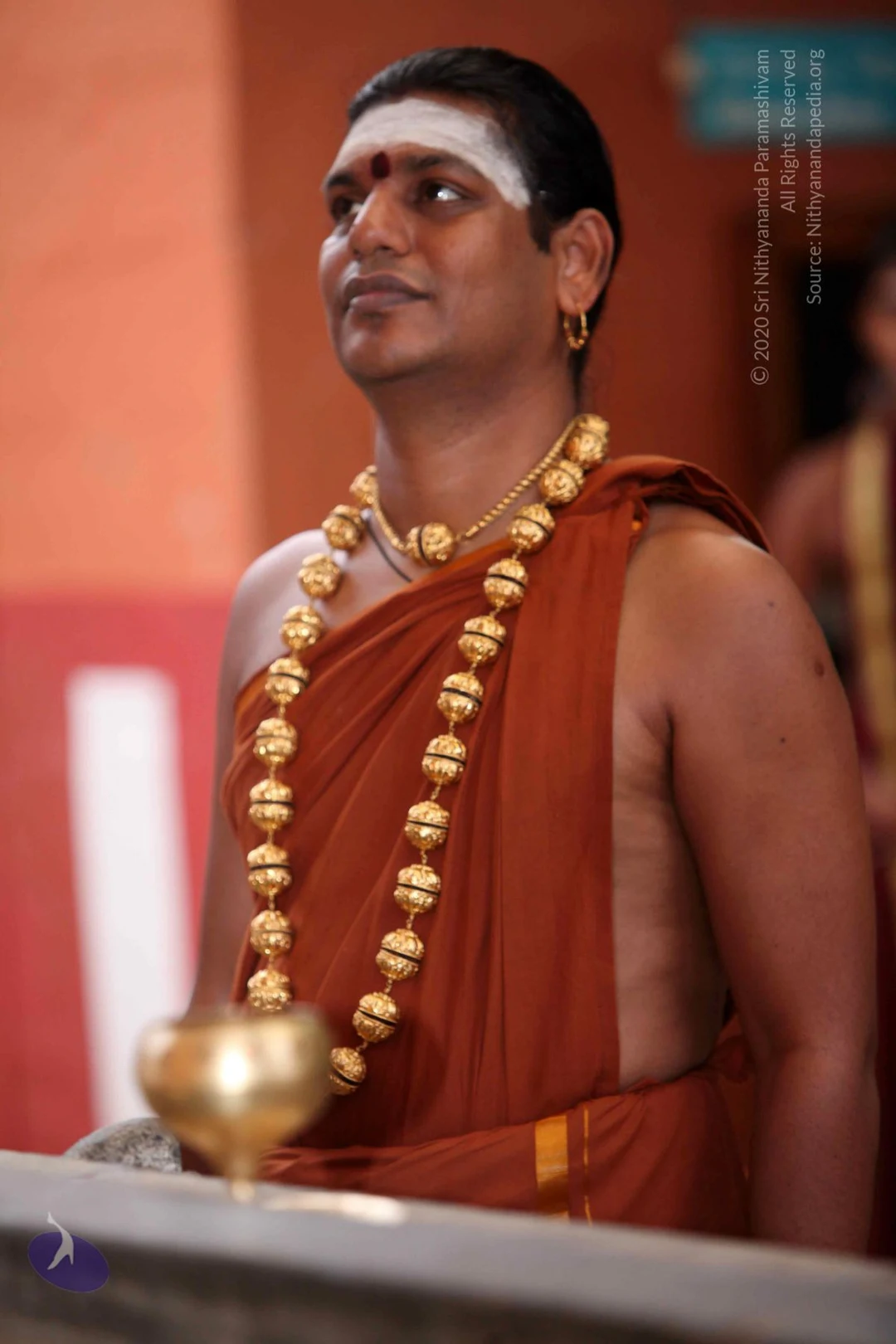
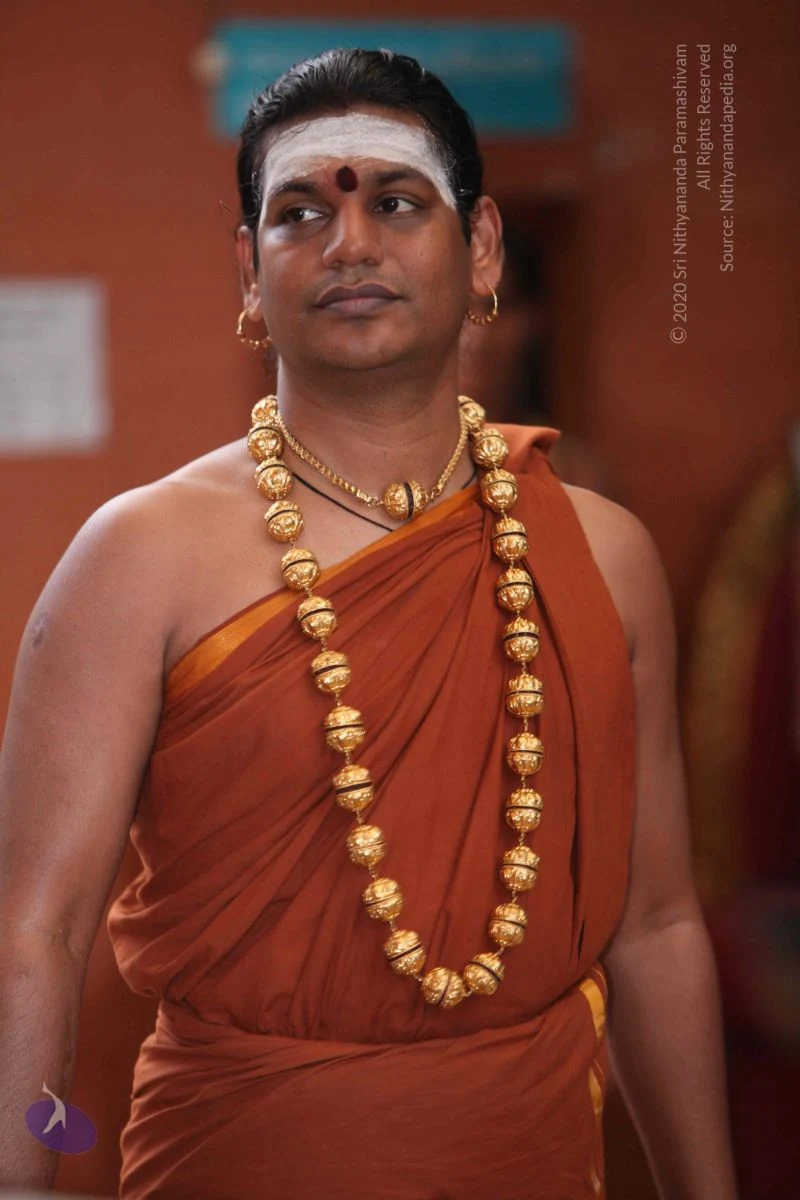
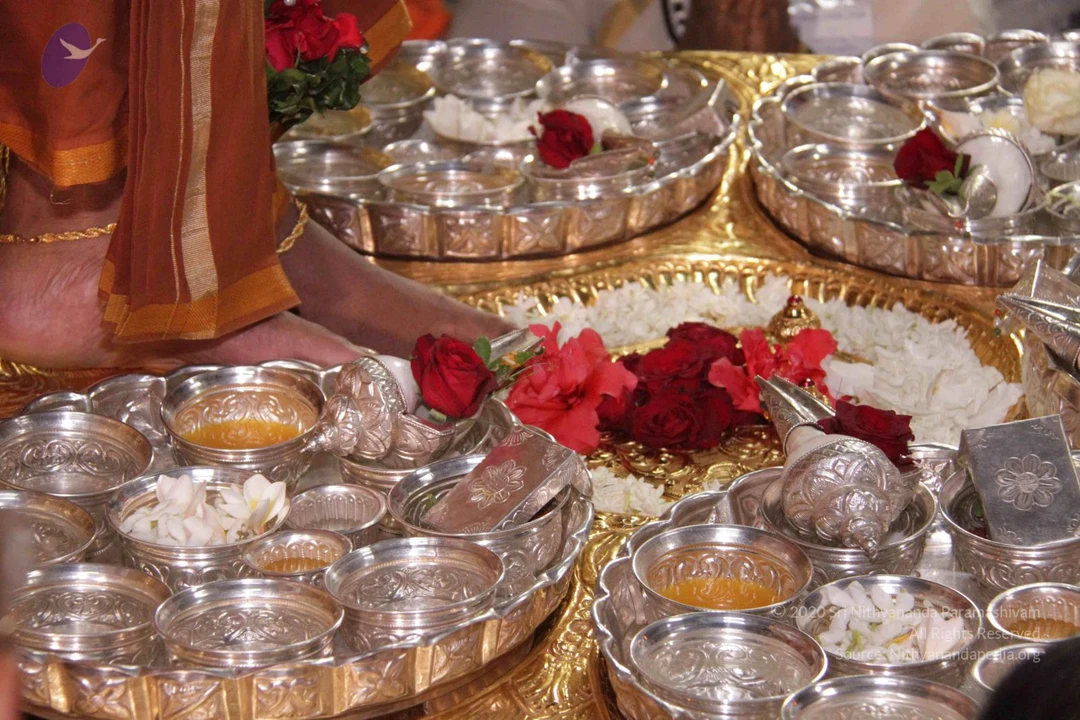
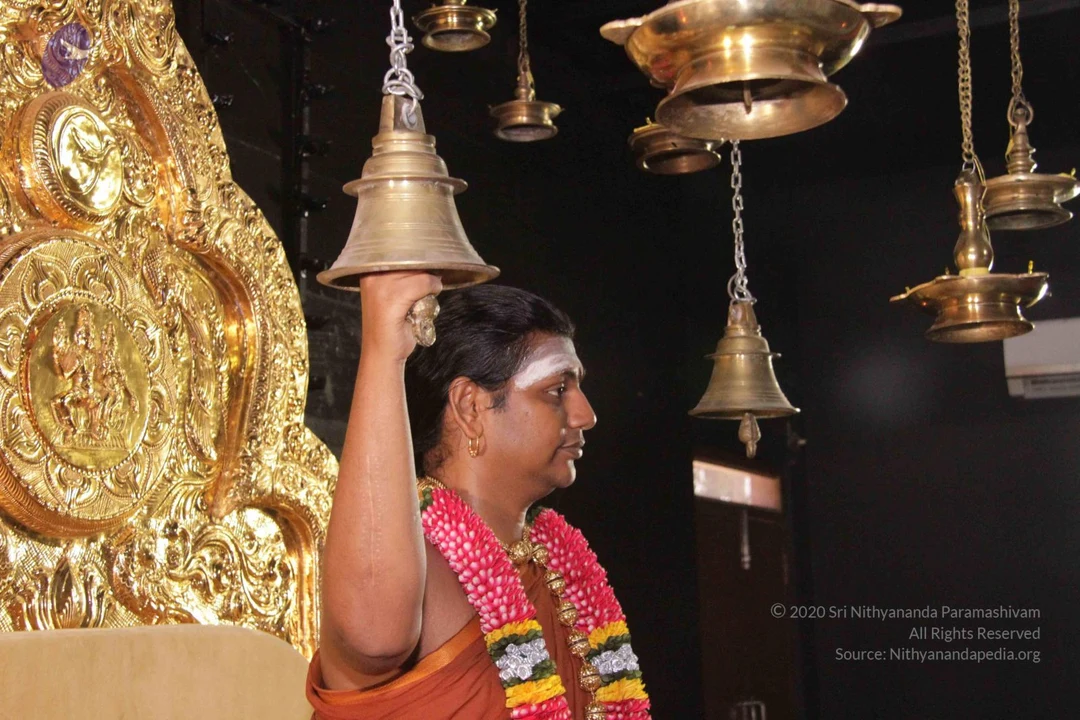
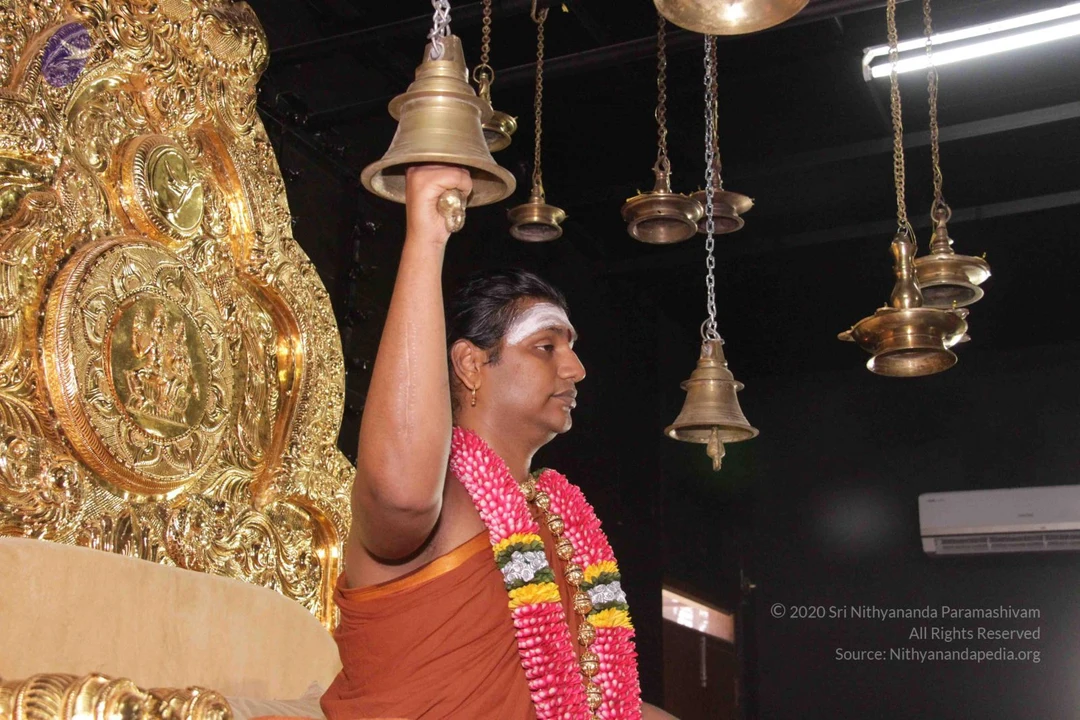
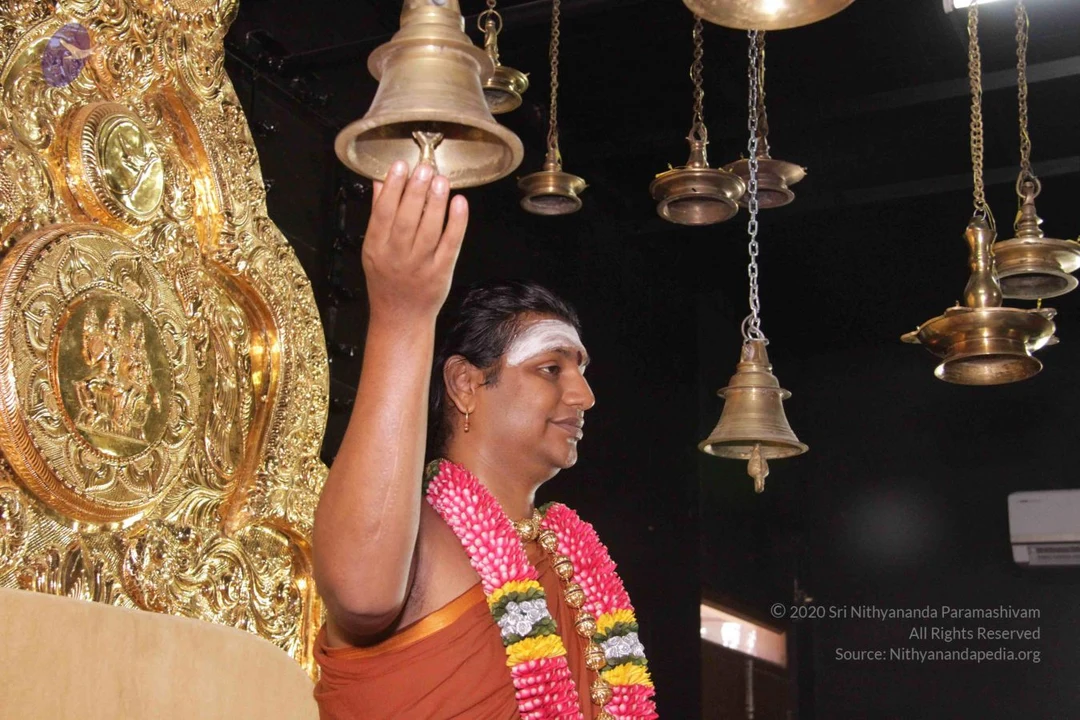
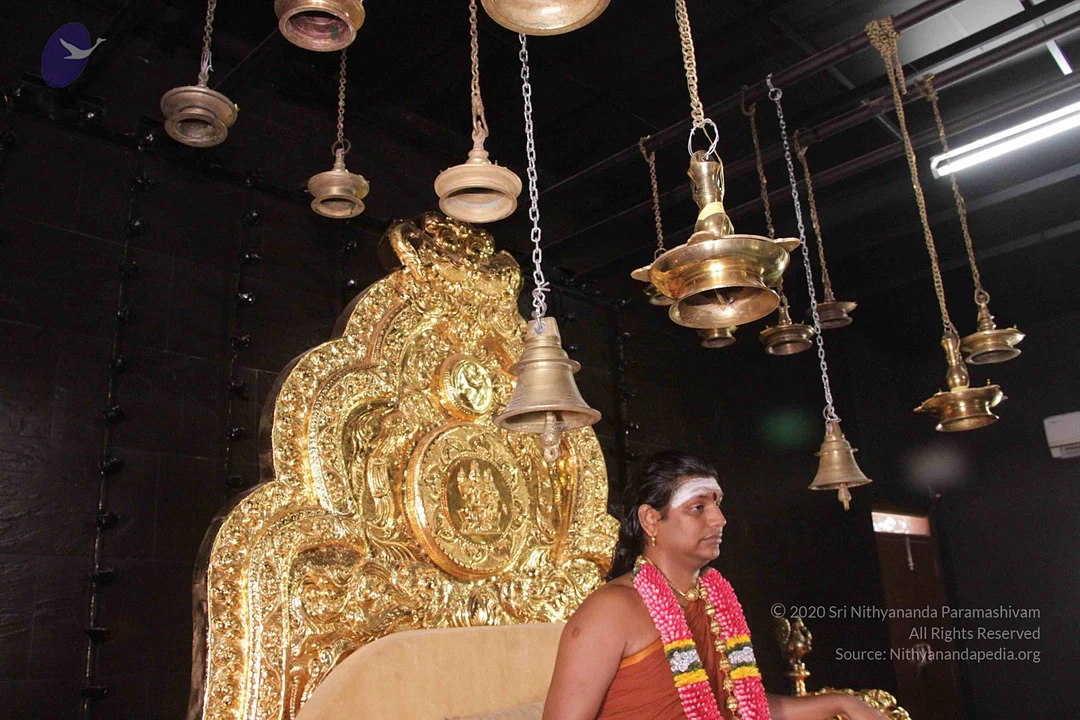
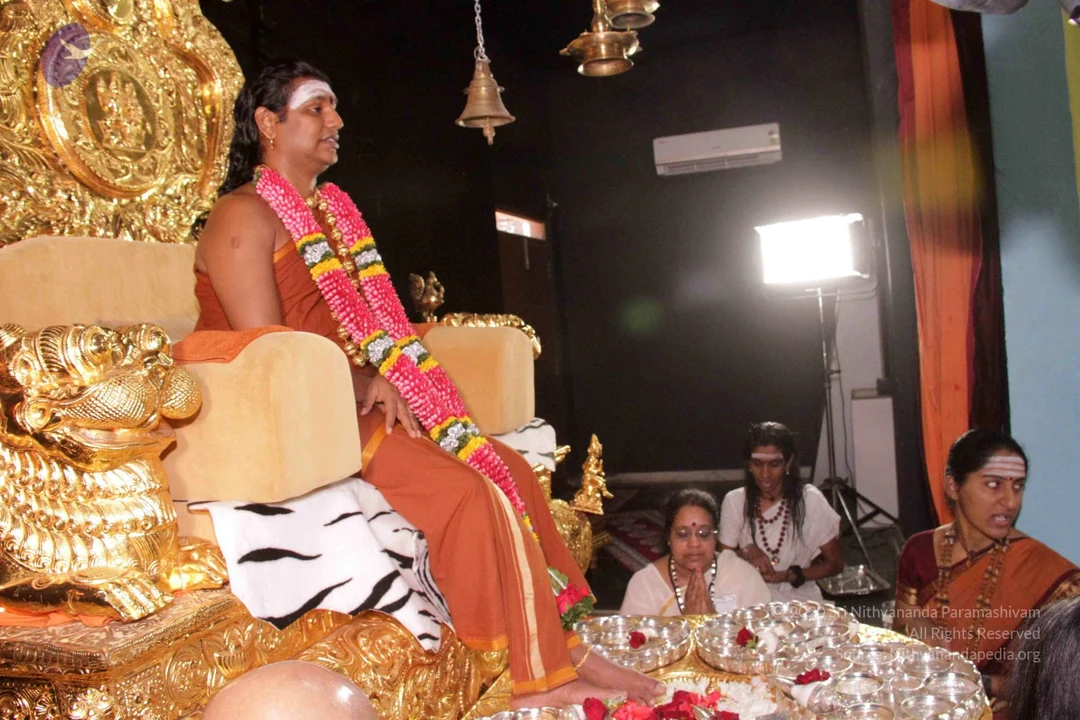
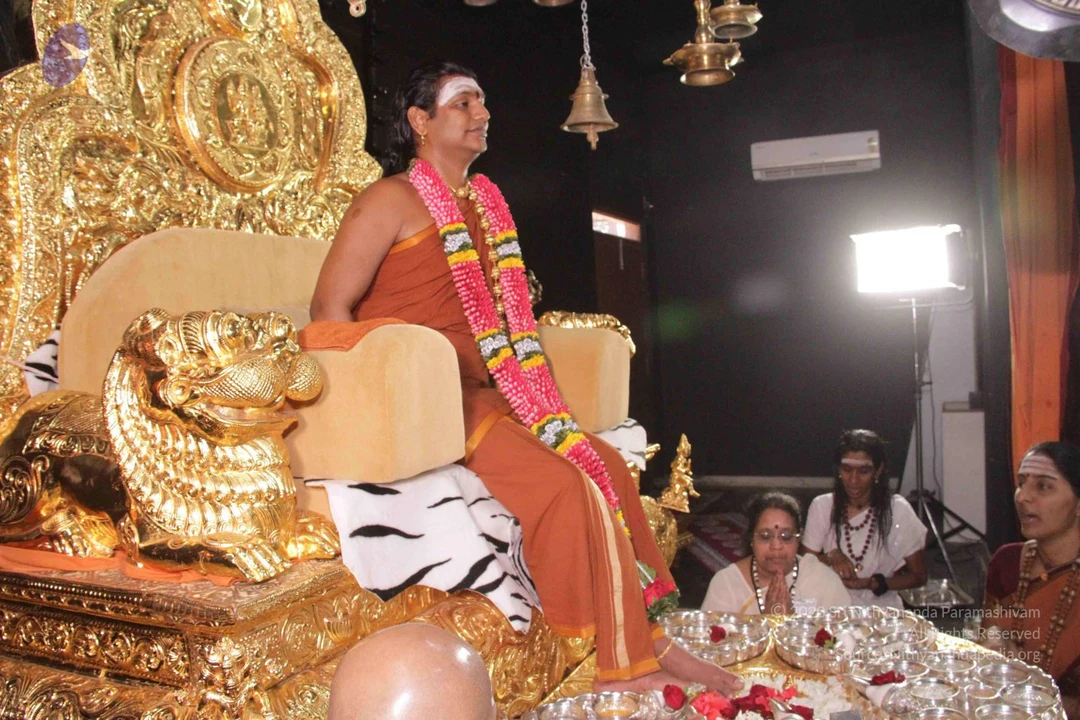
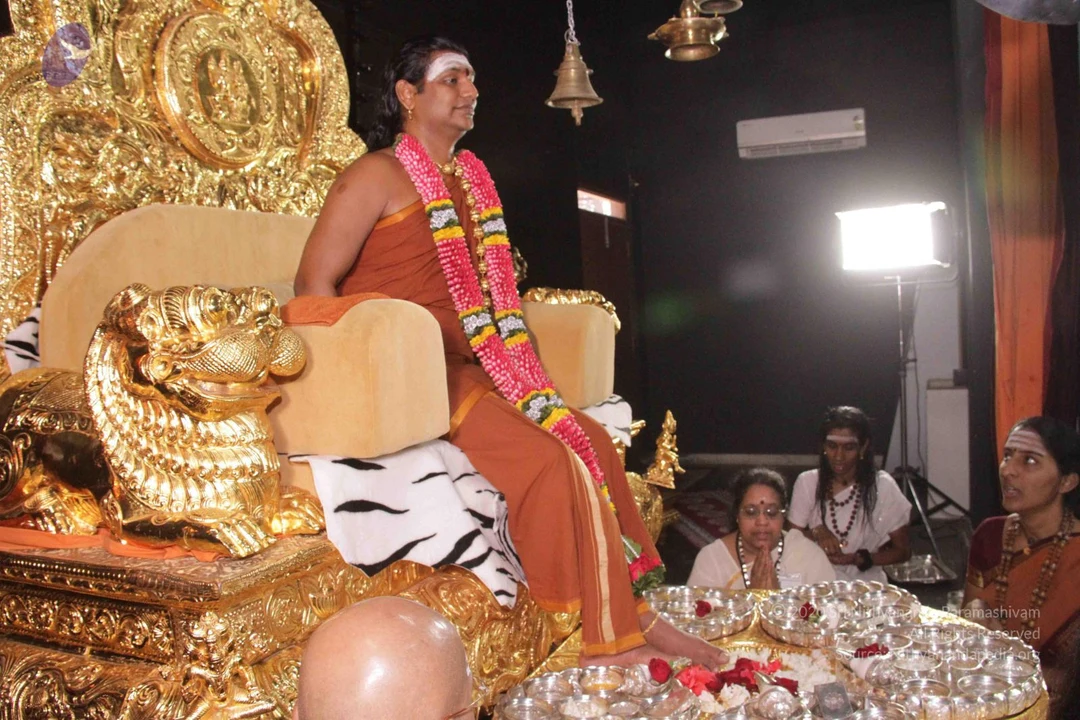
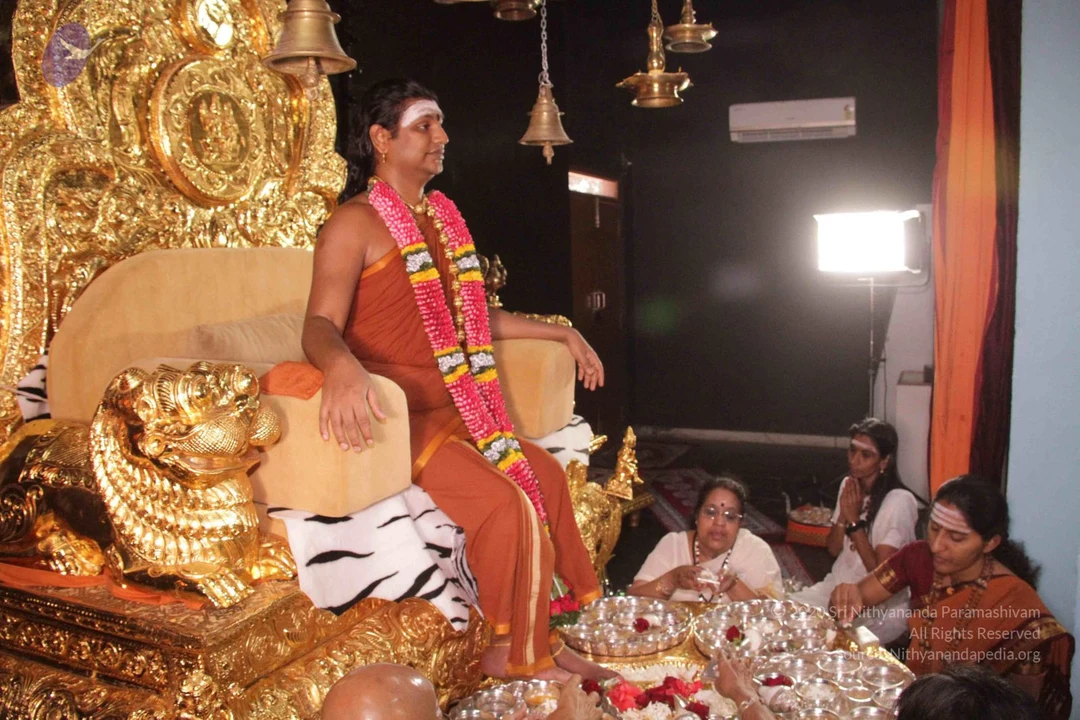
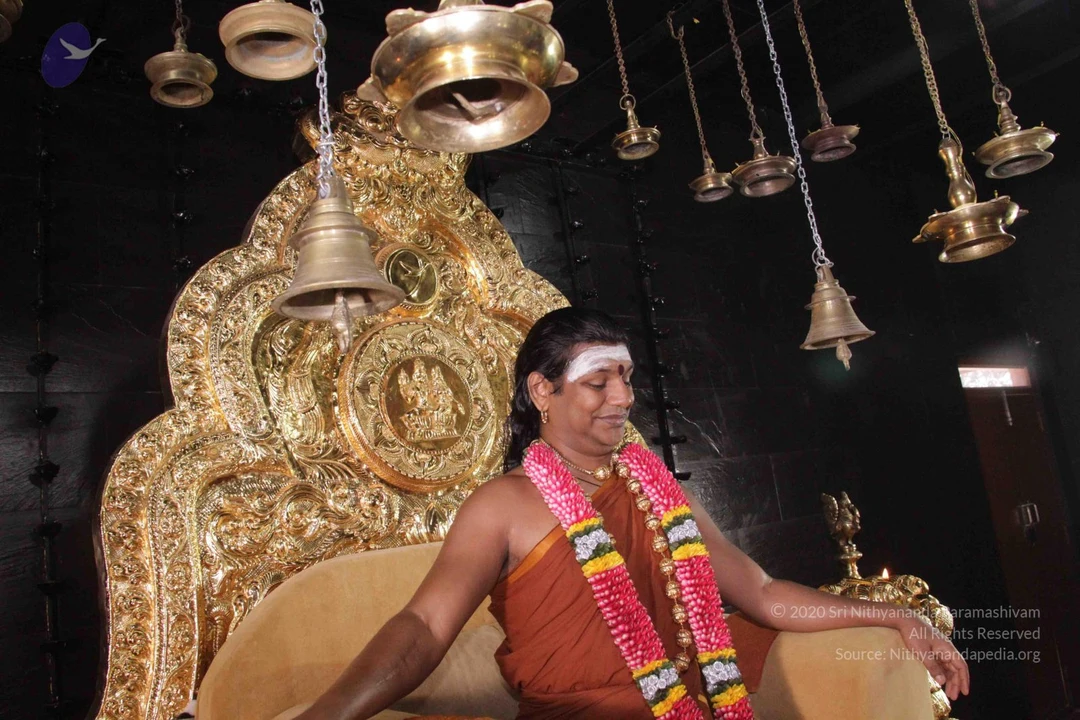
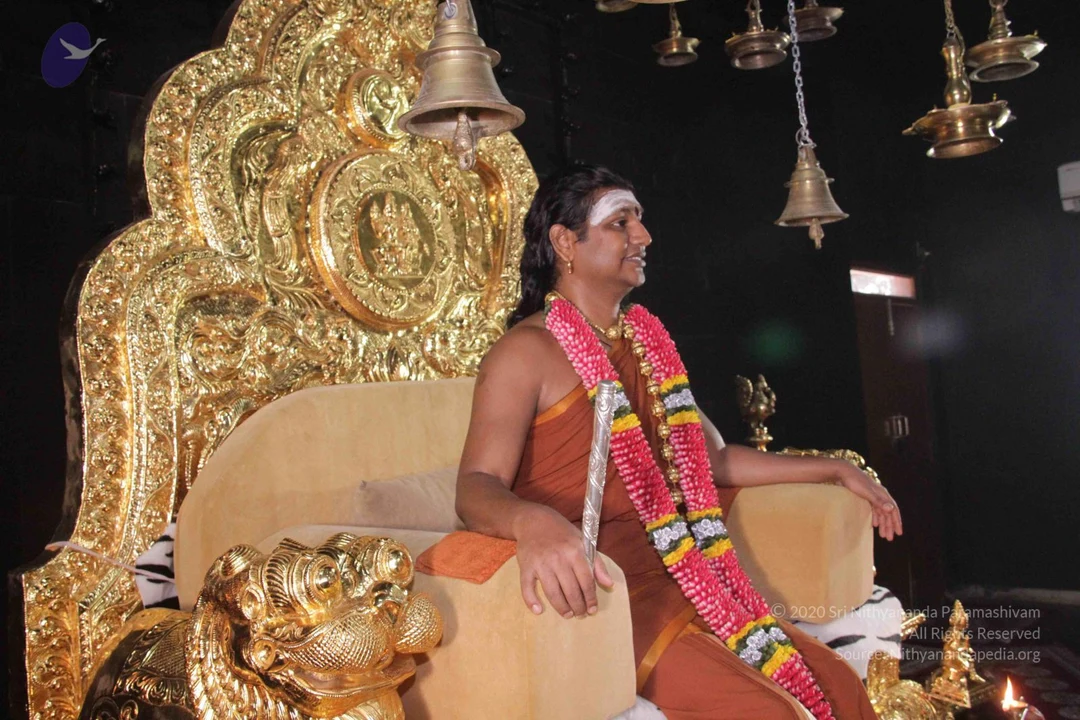
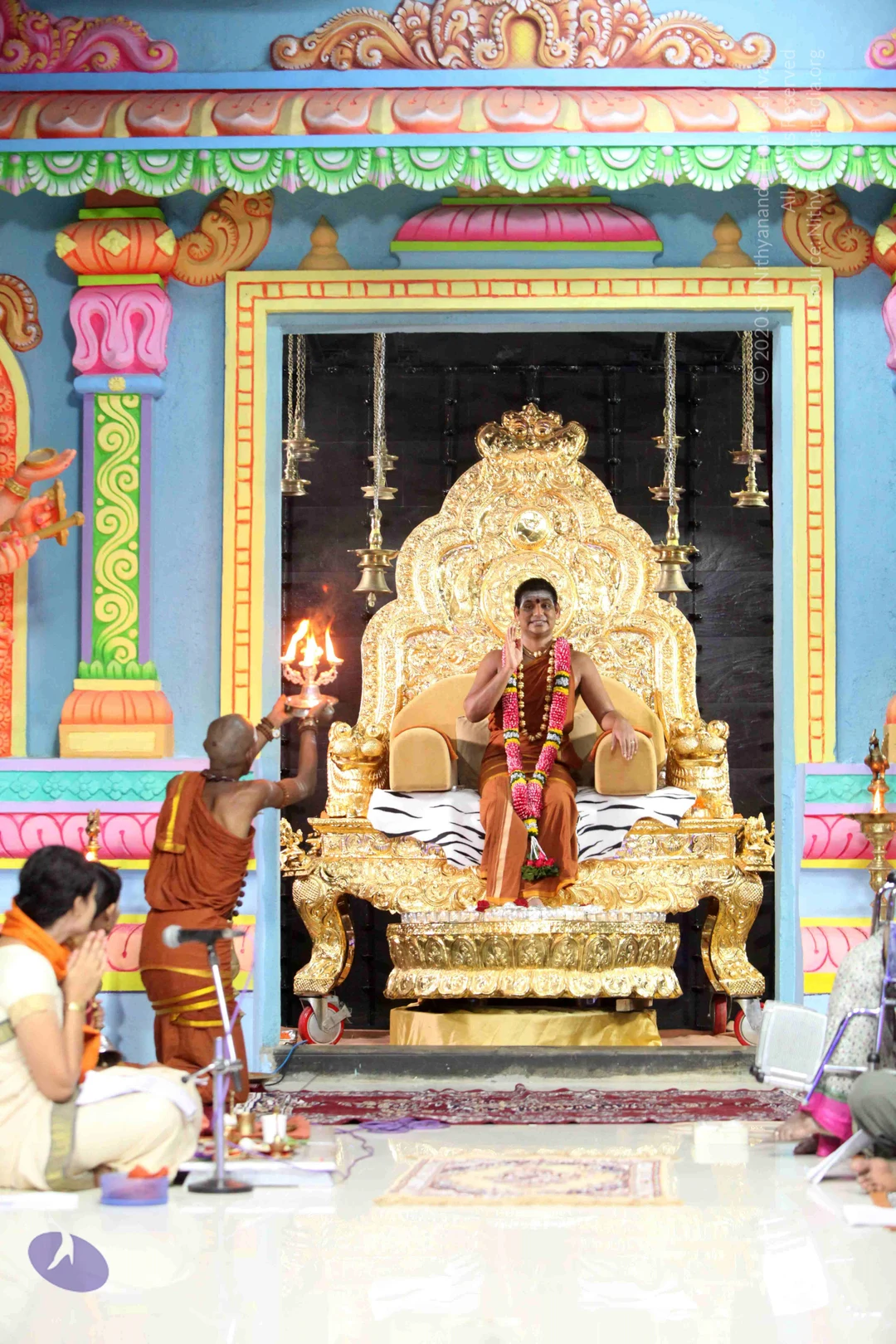
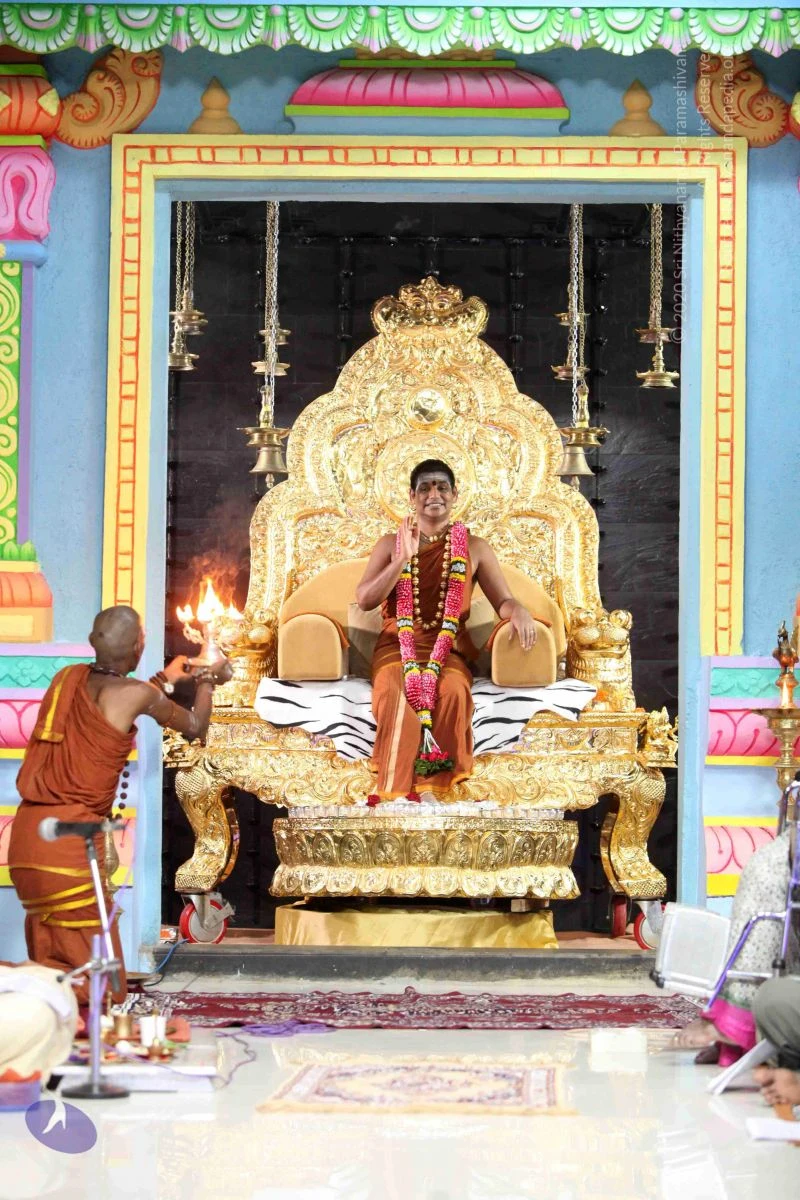
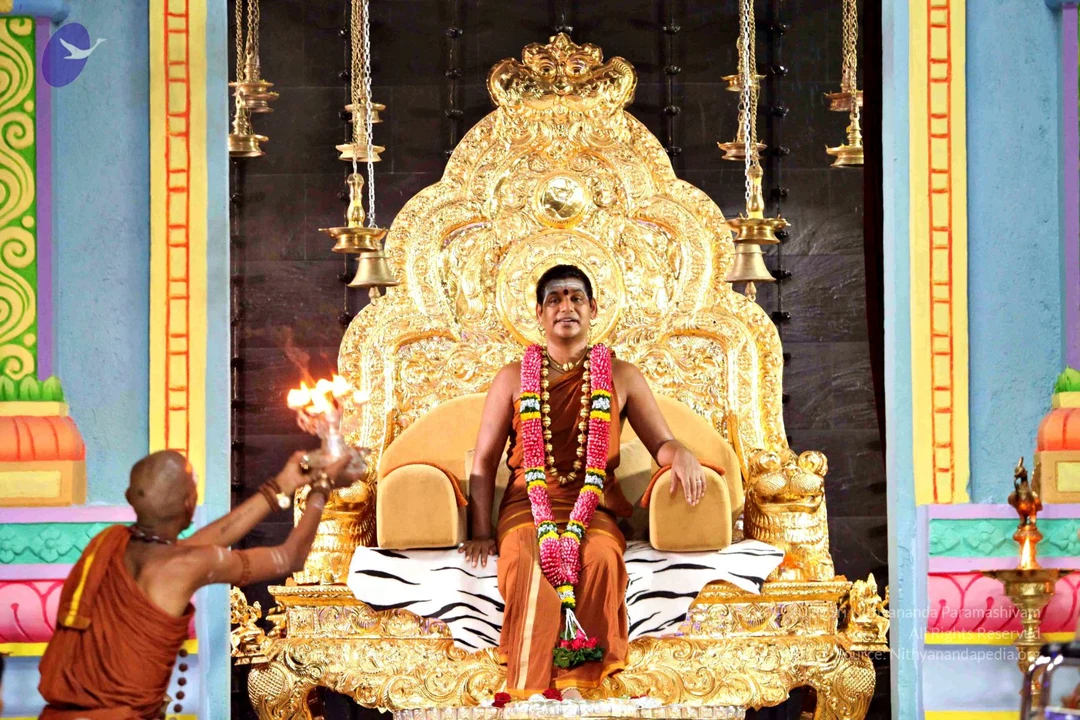
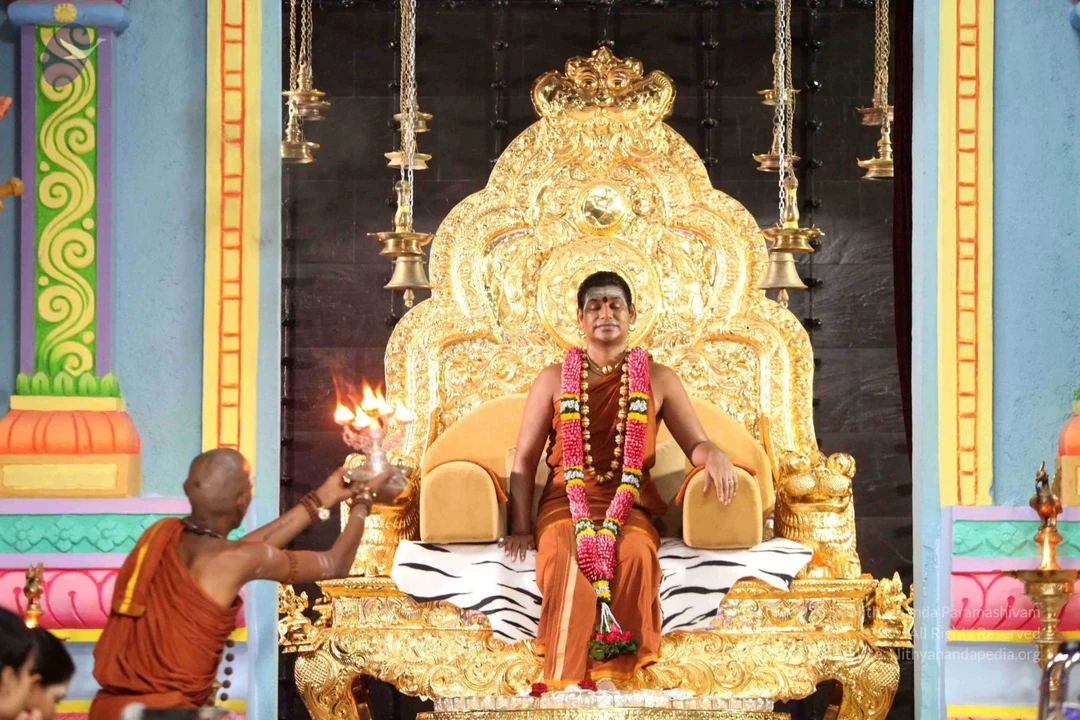
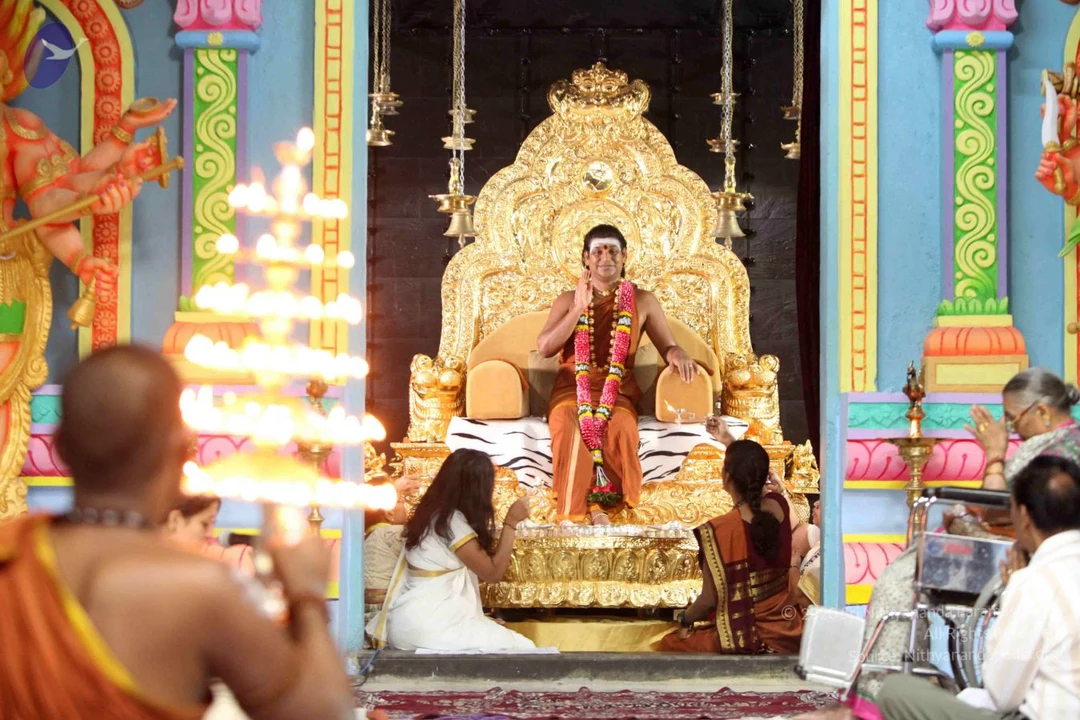
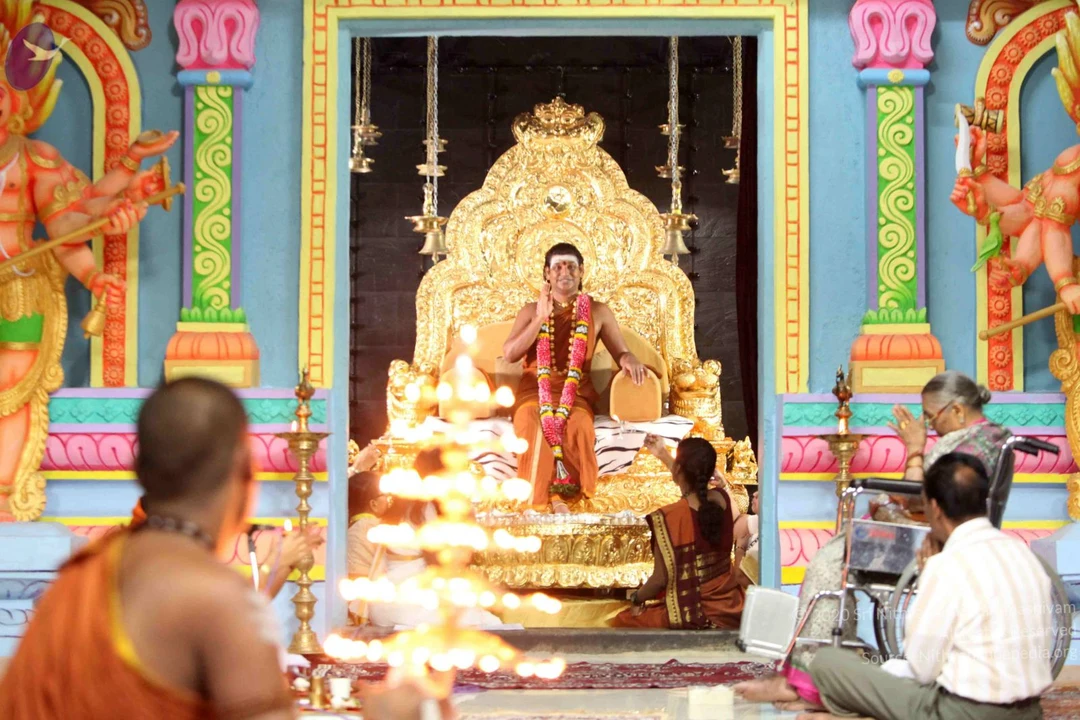
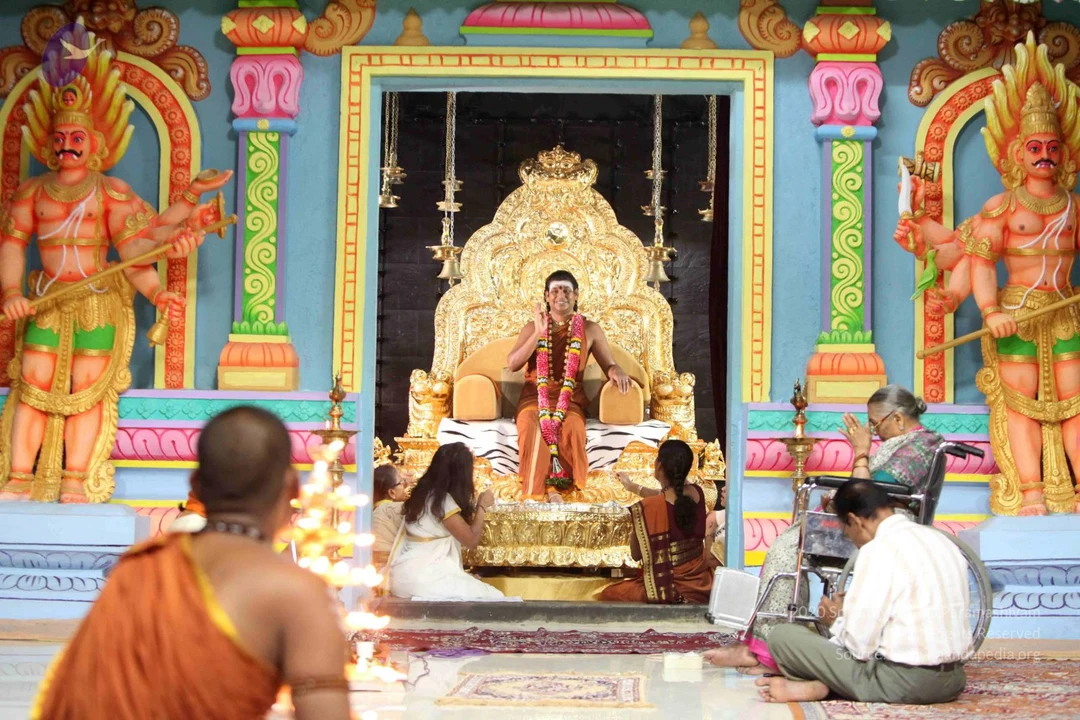
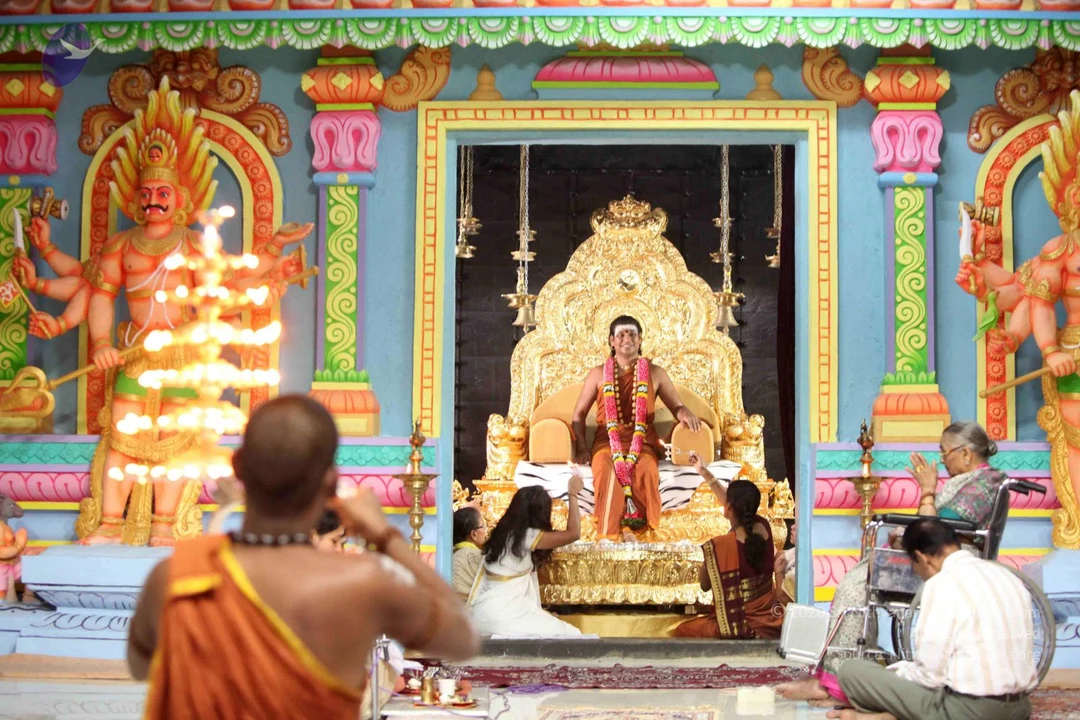
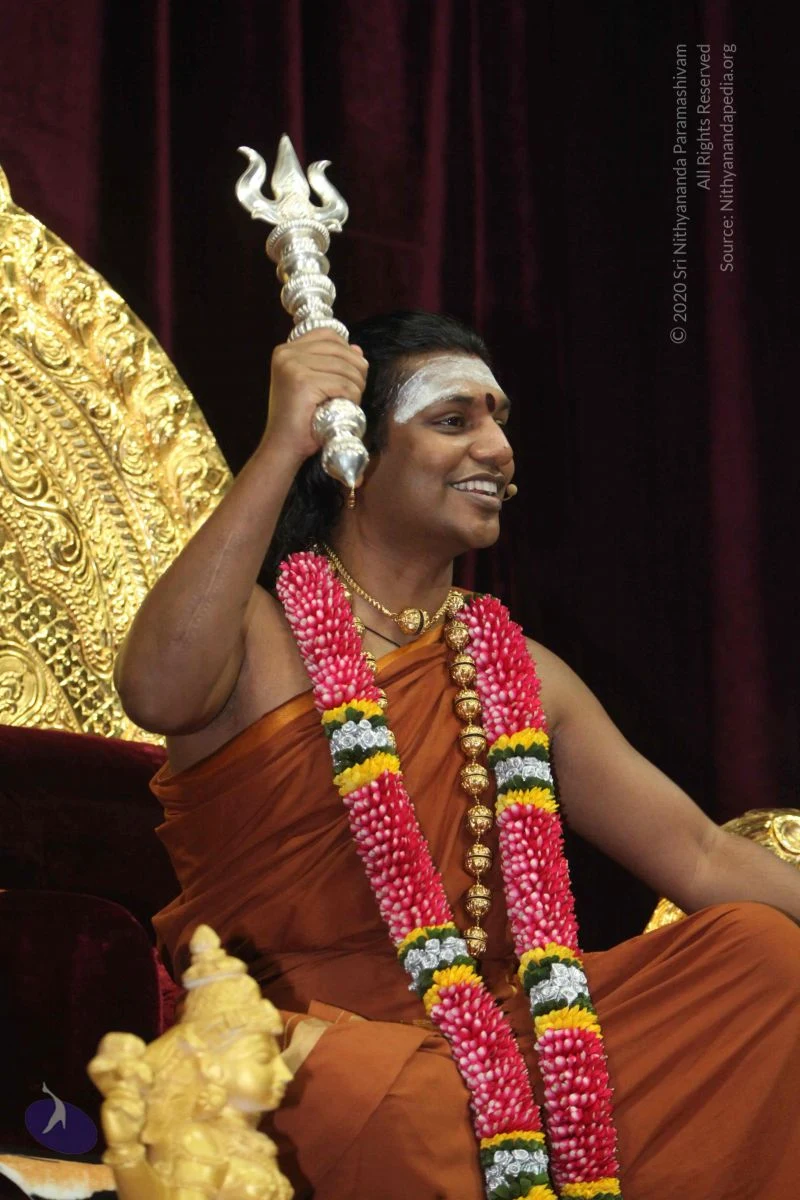
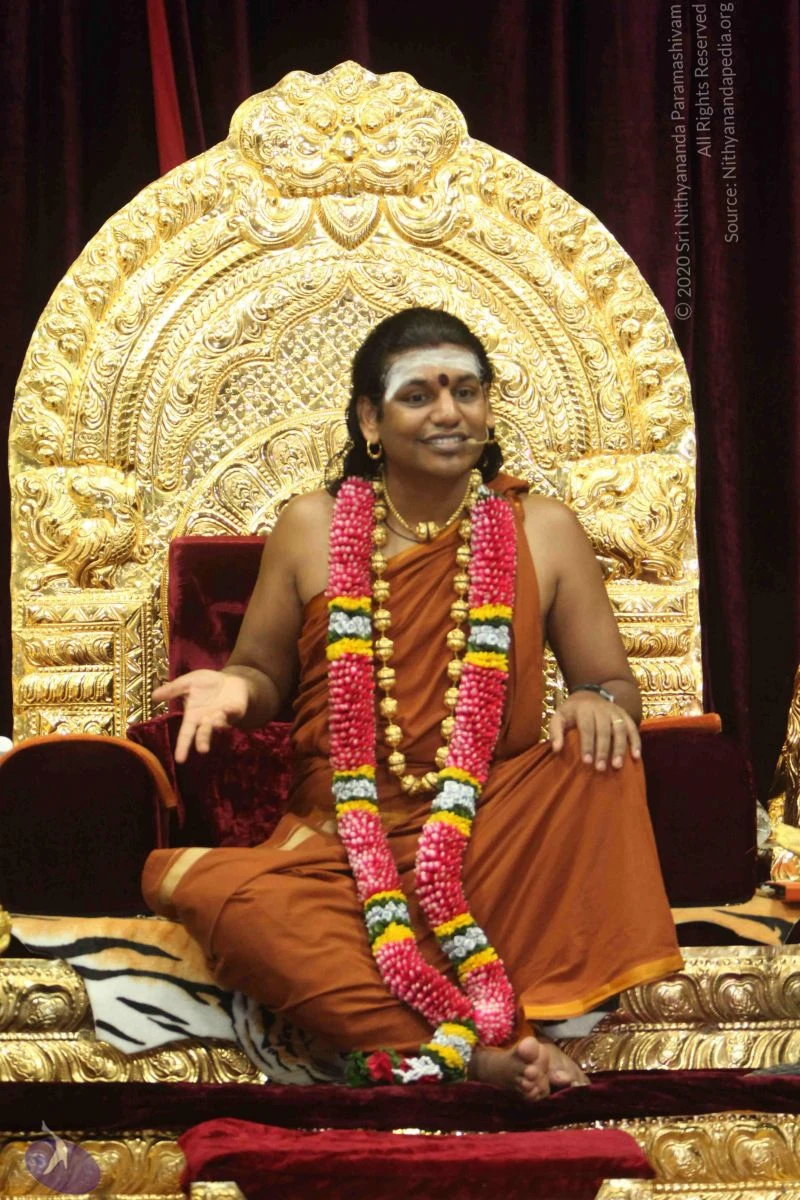
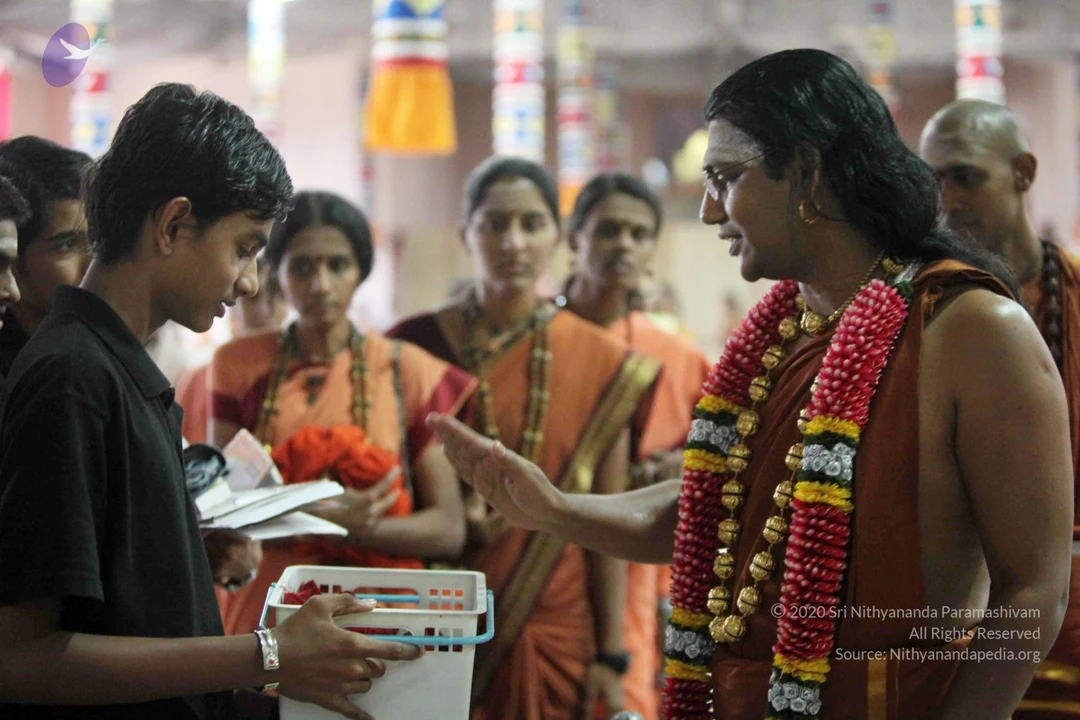
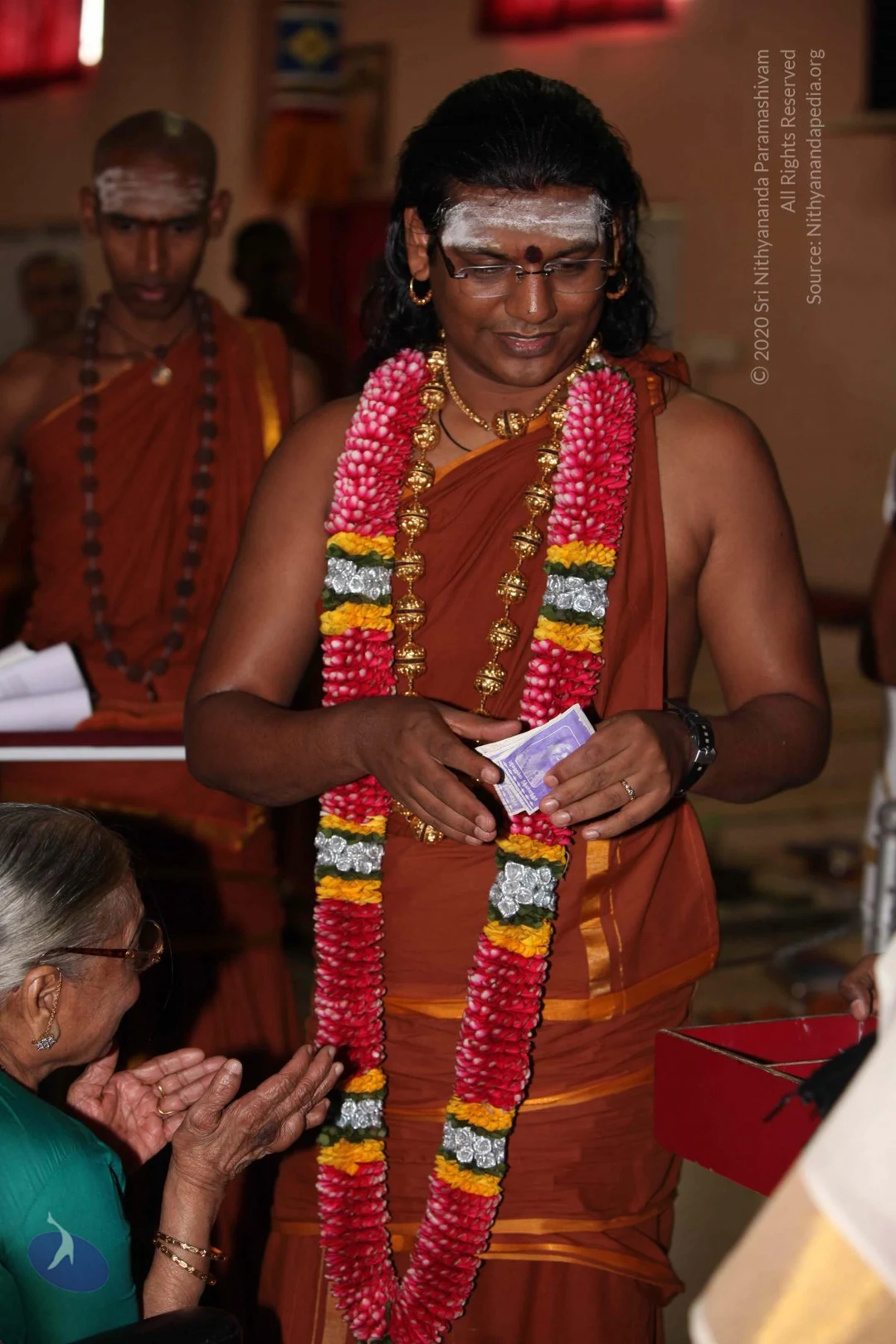
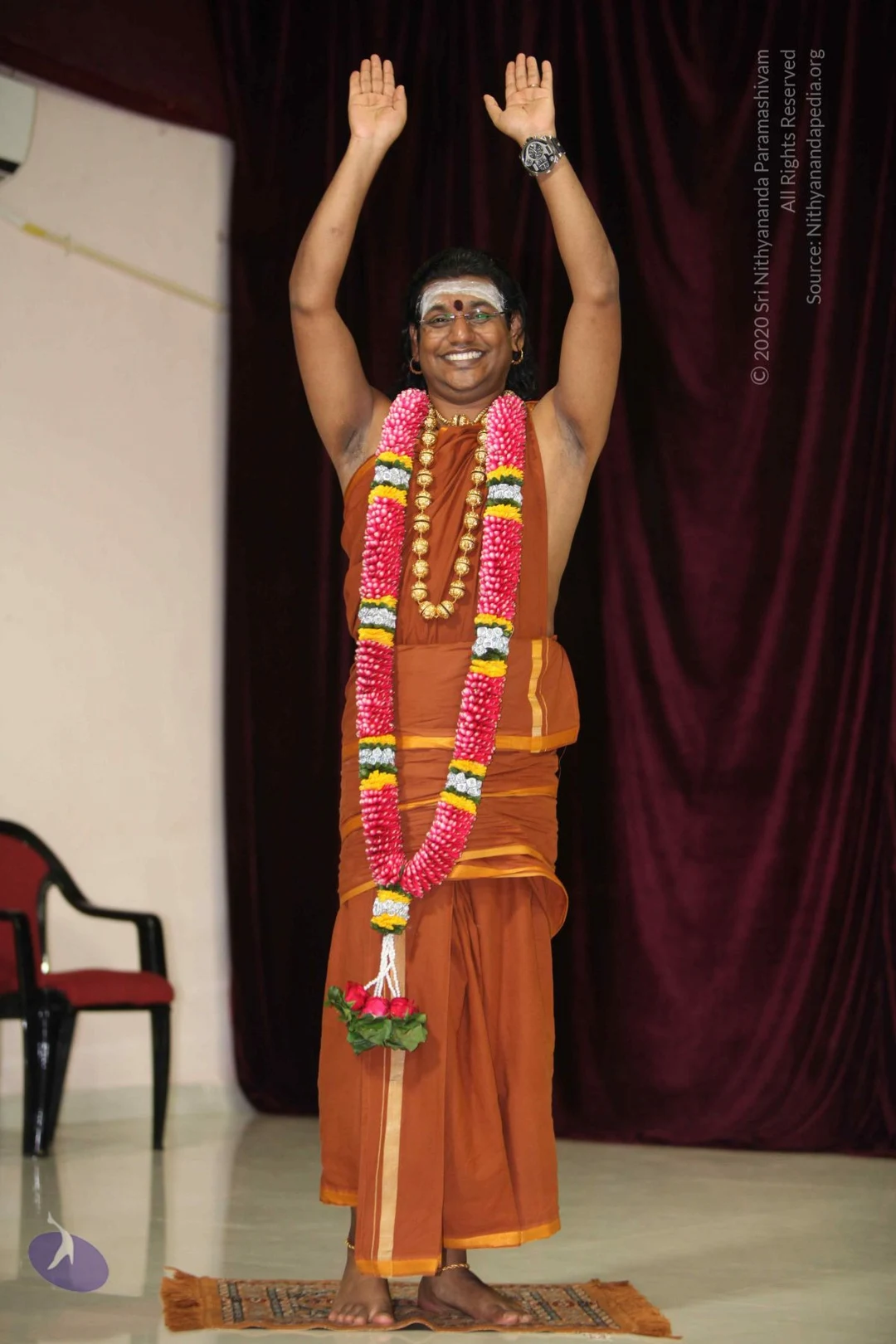
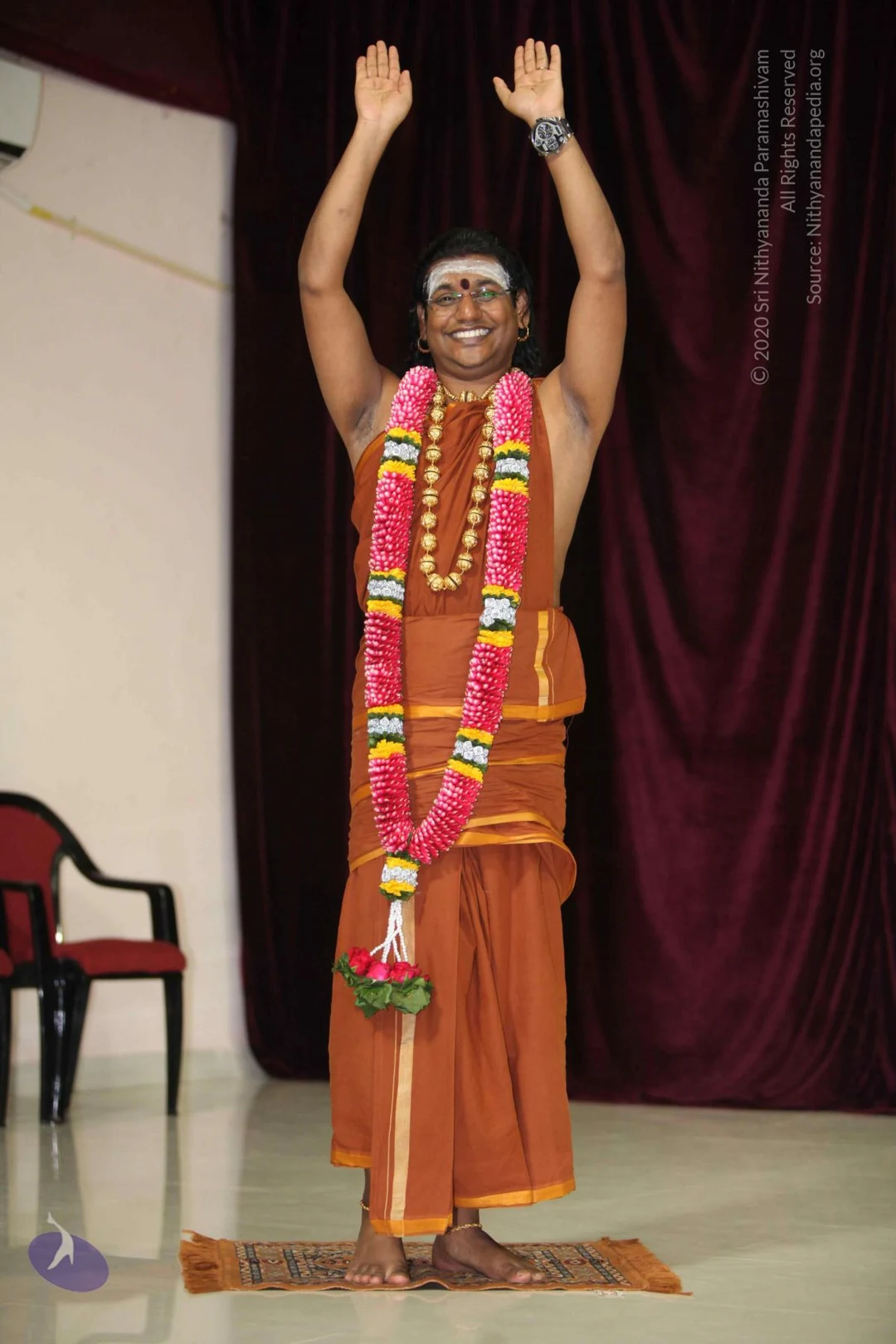
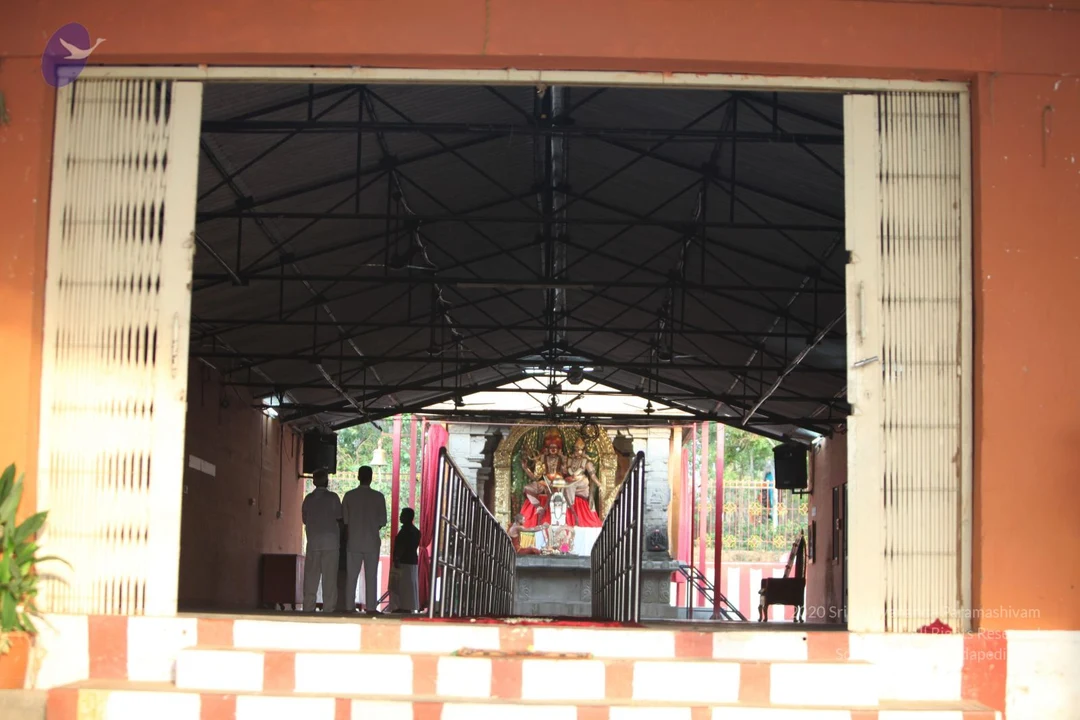
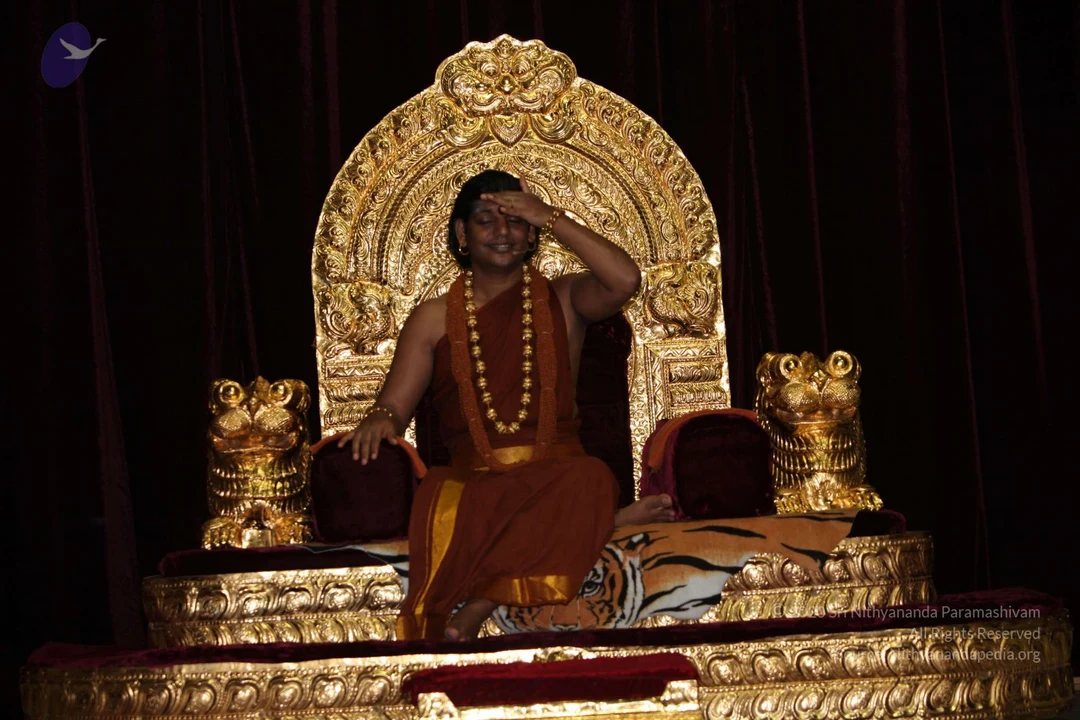
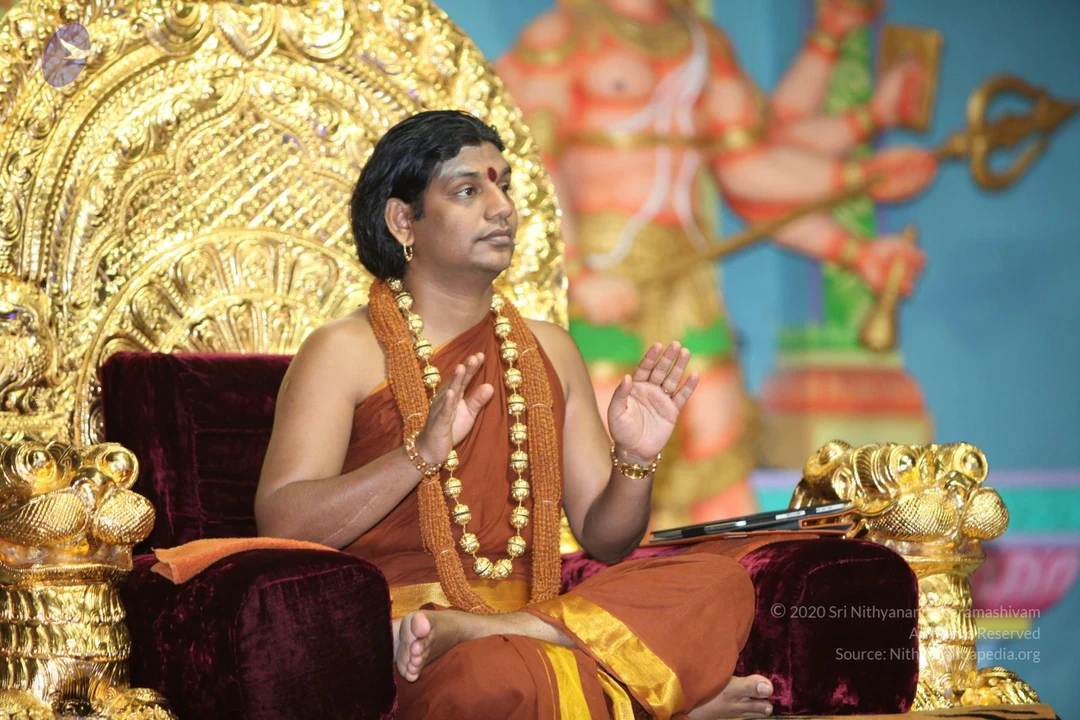
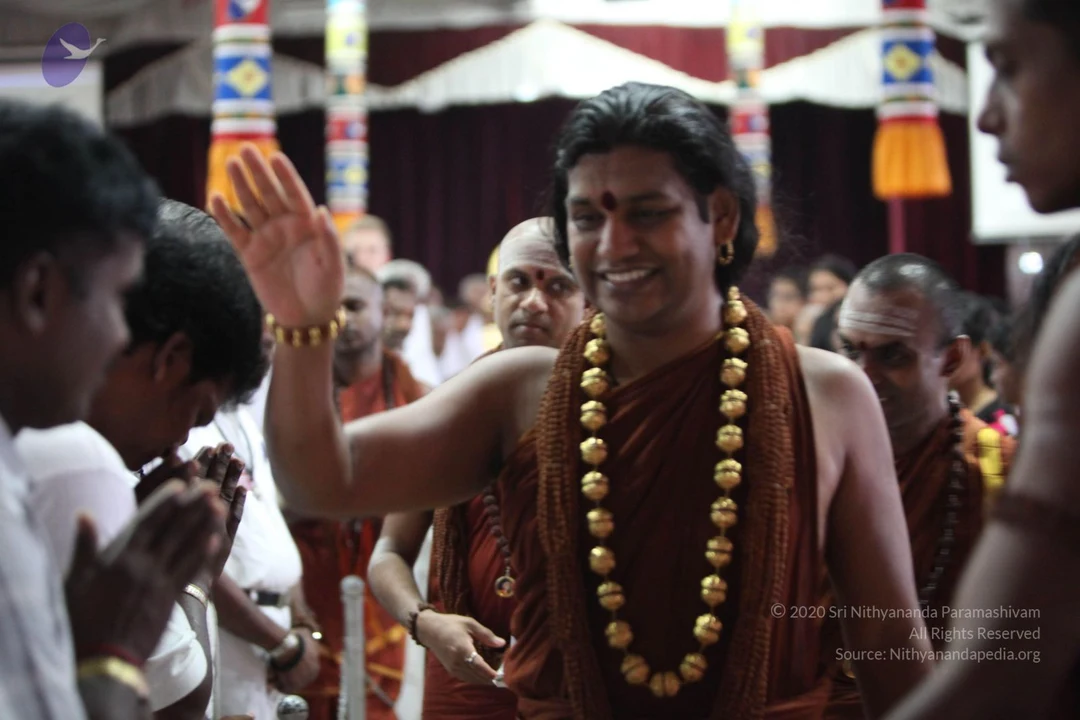
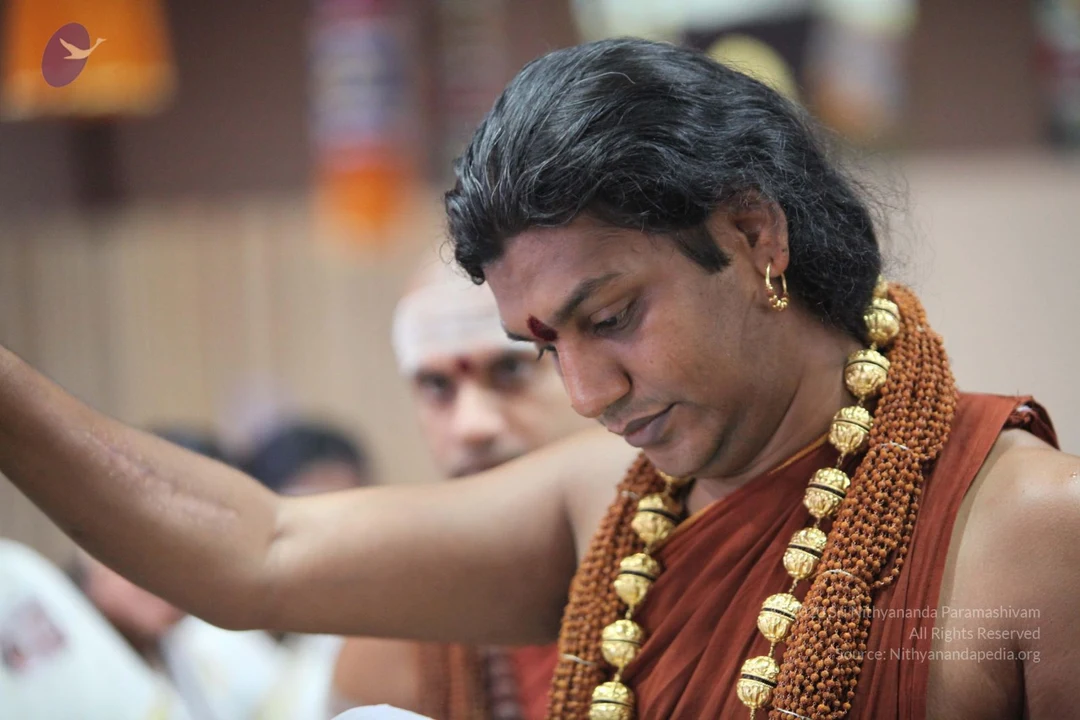
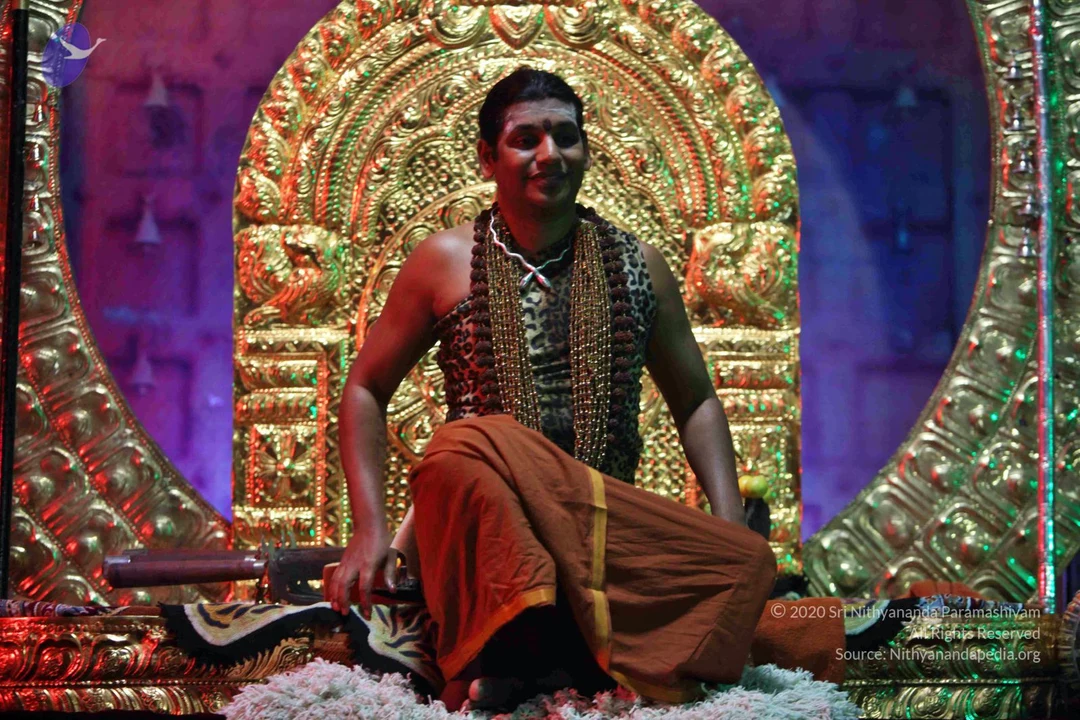
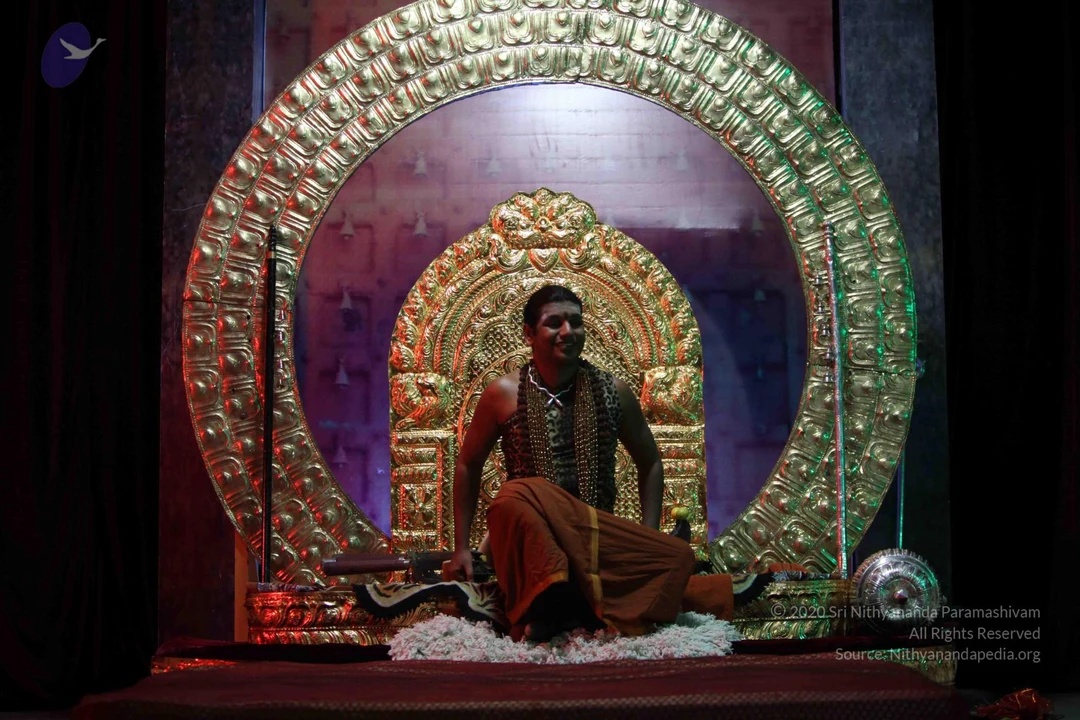
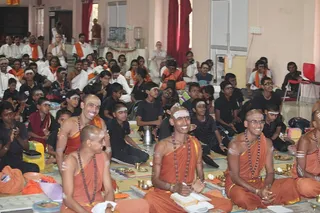
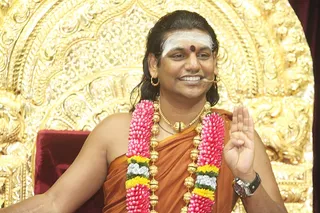
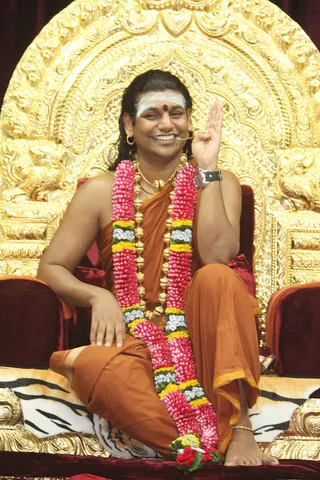
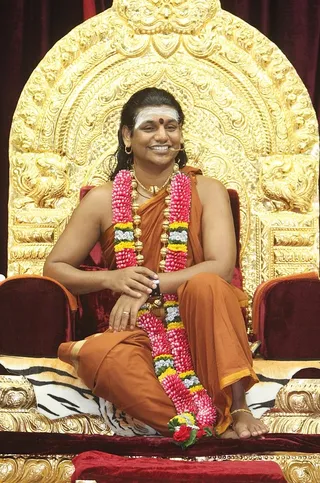
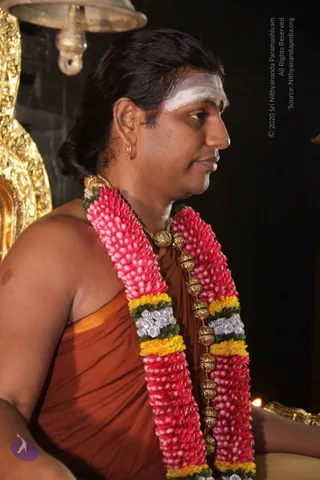
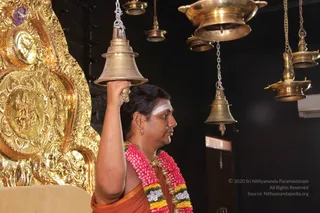
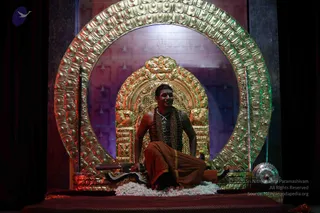
Swamiji arrives at Temple
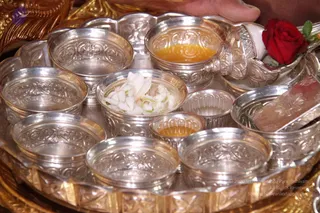
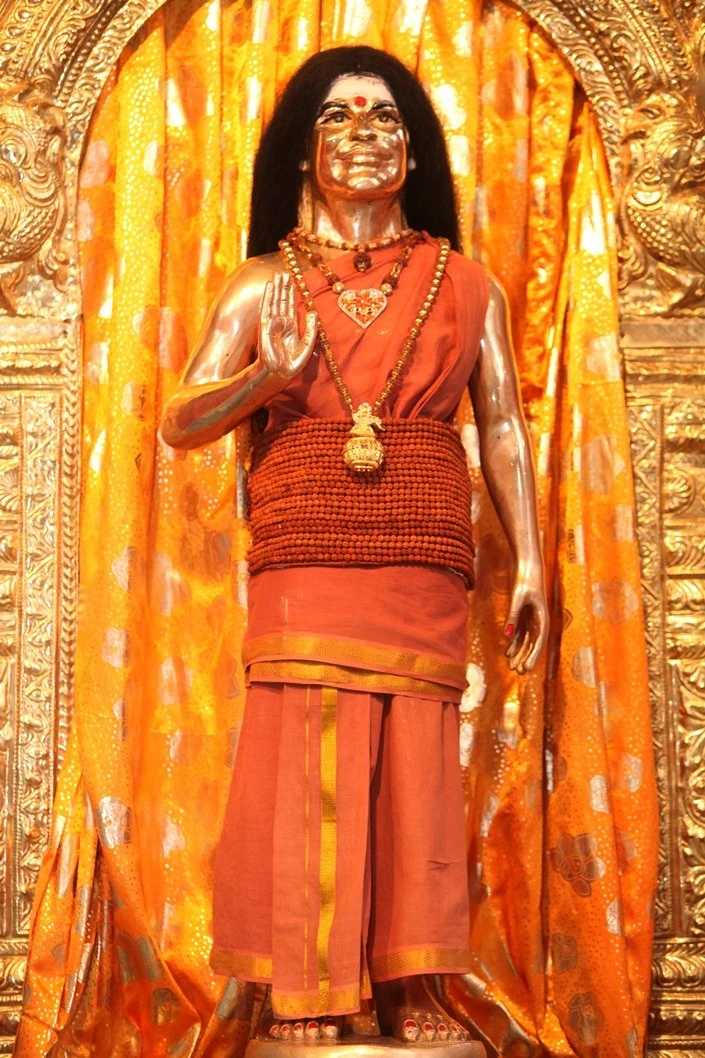
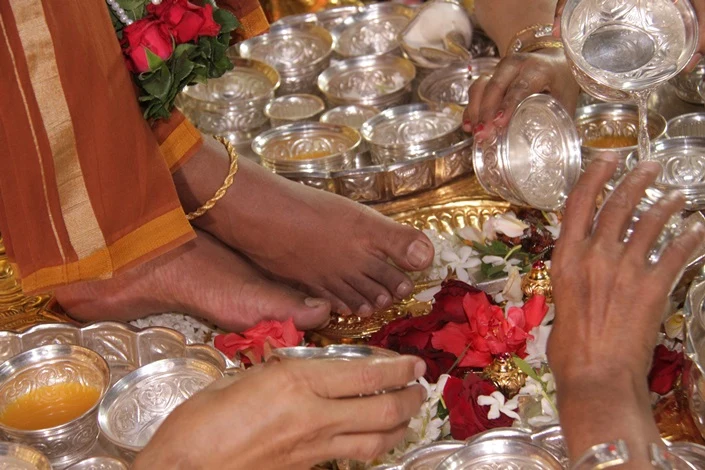
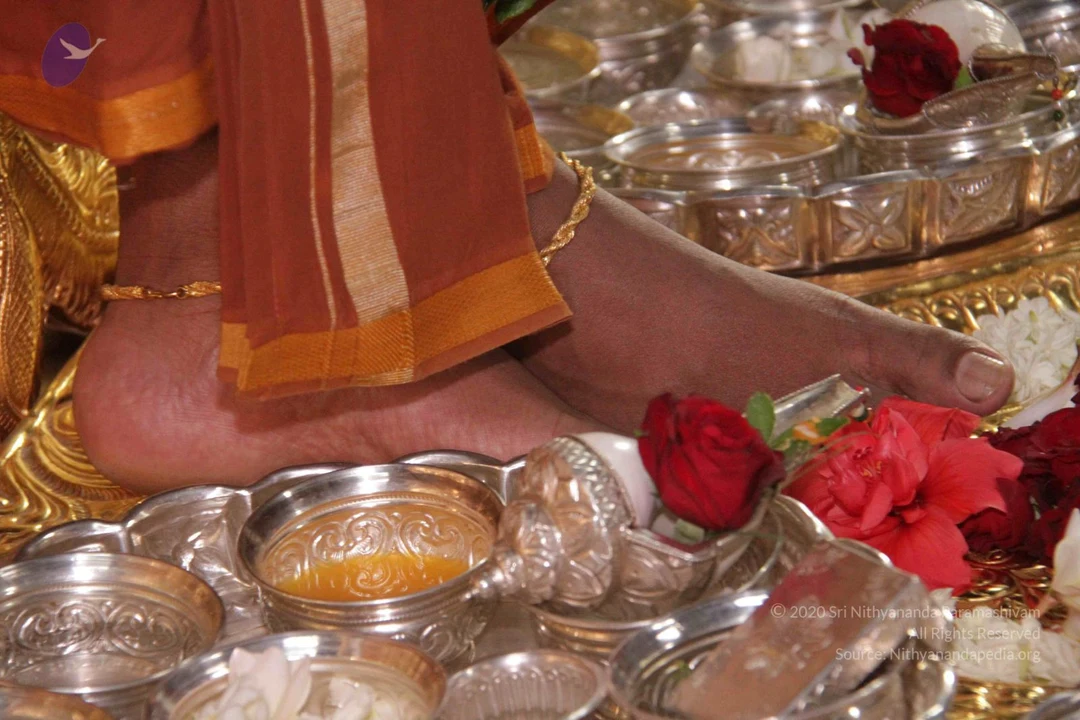
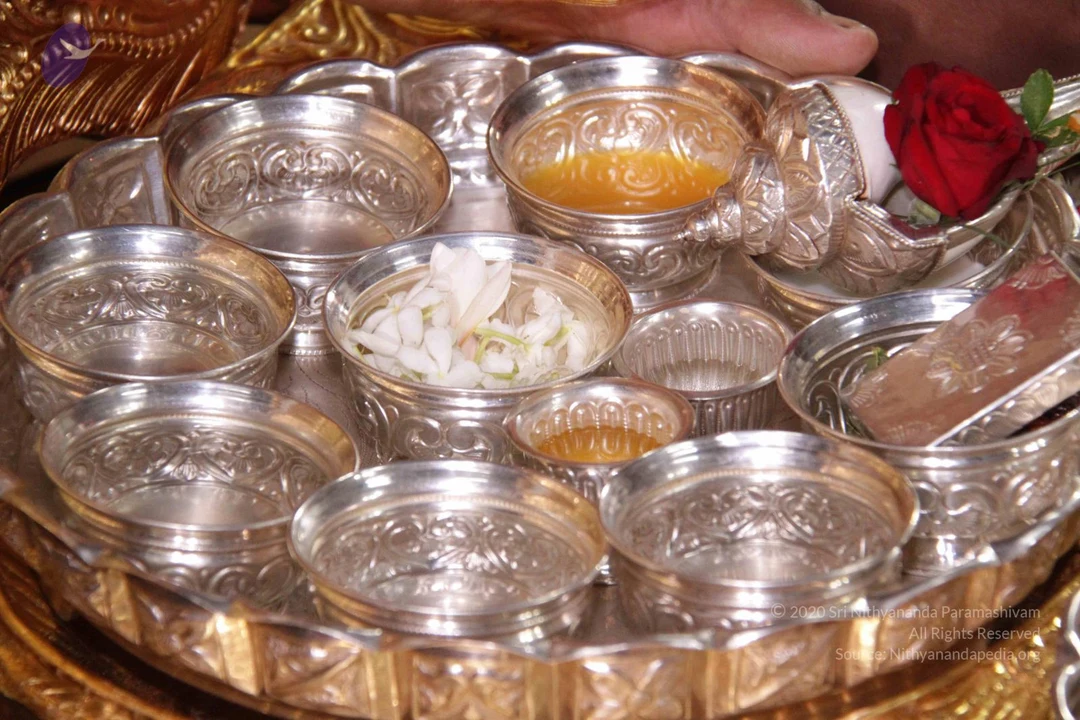
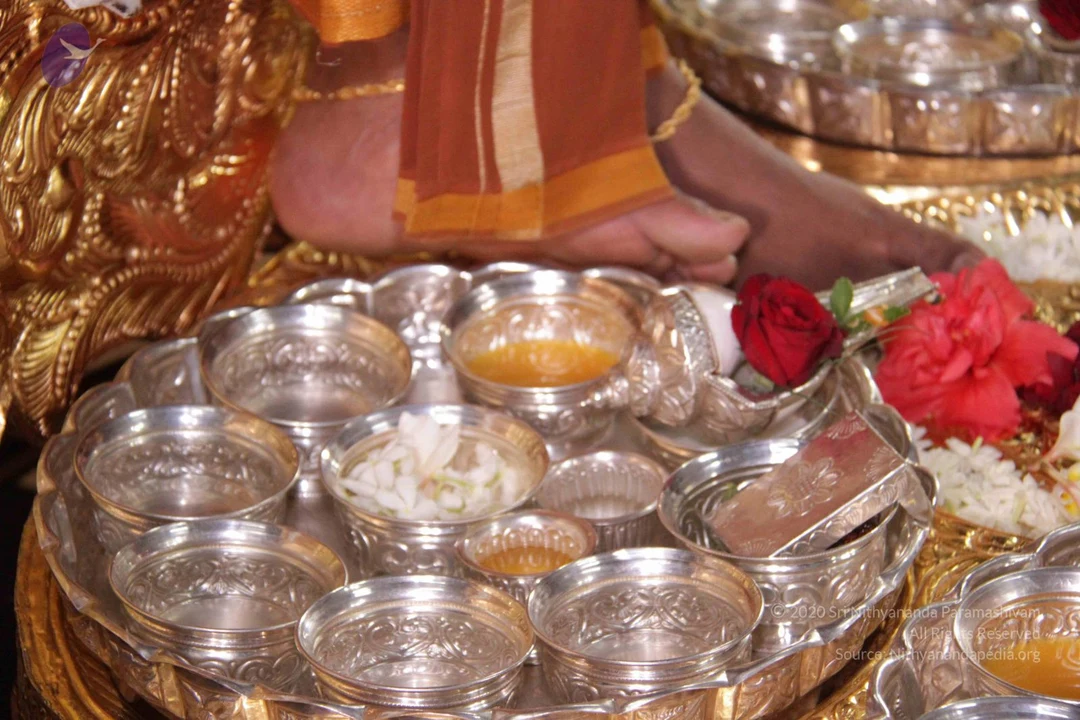
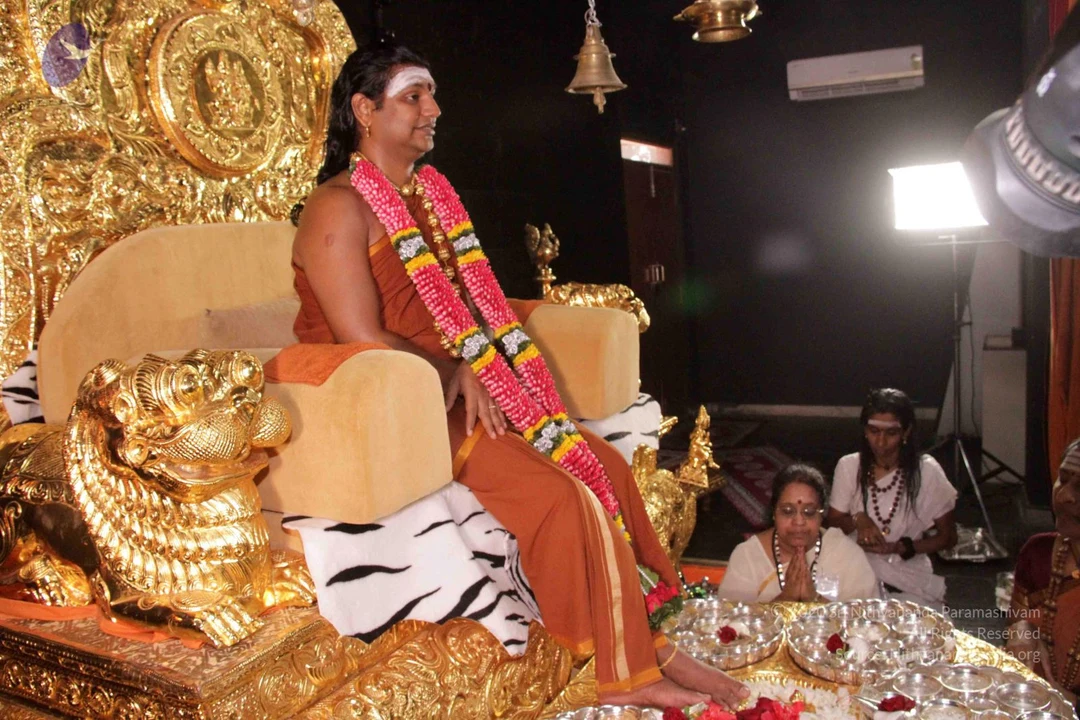
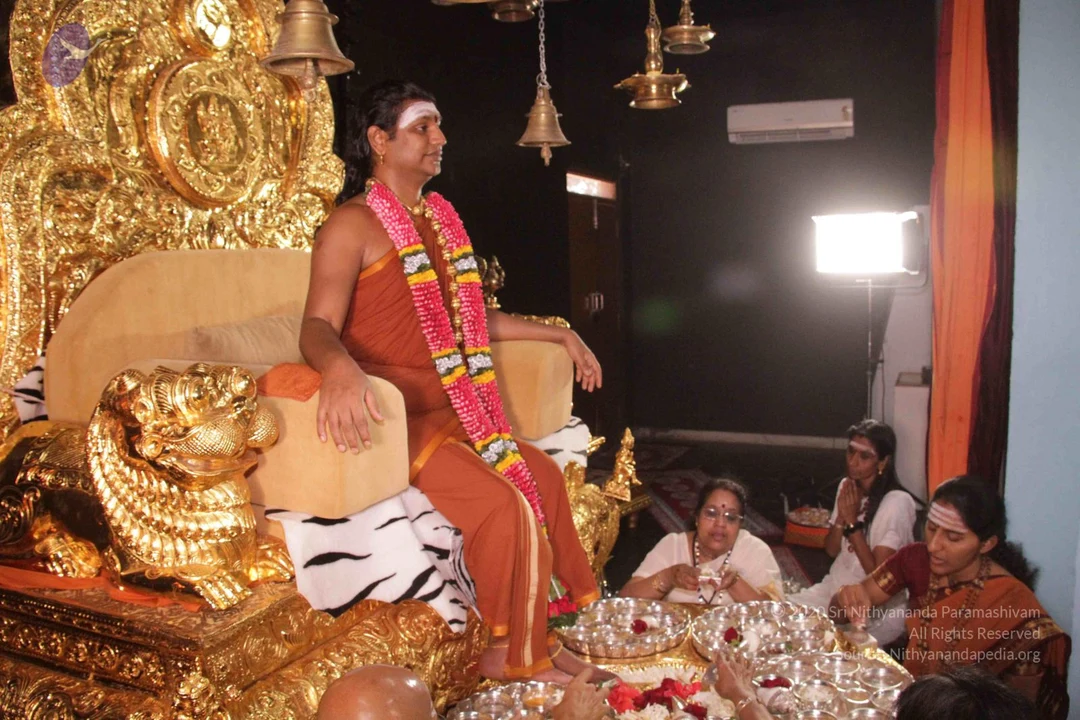
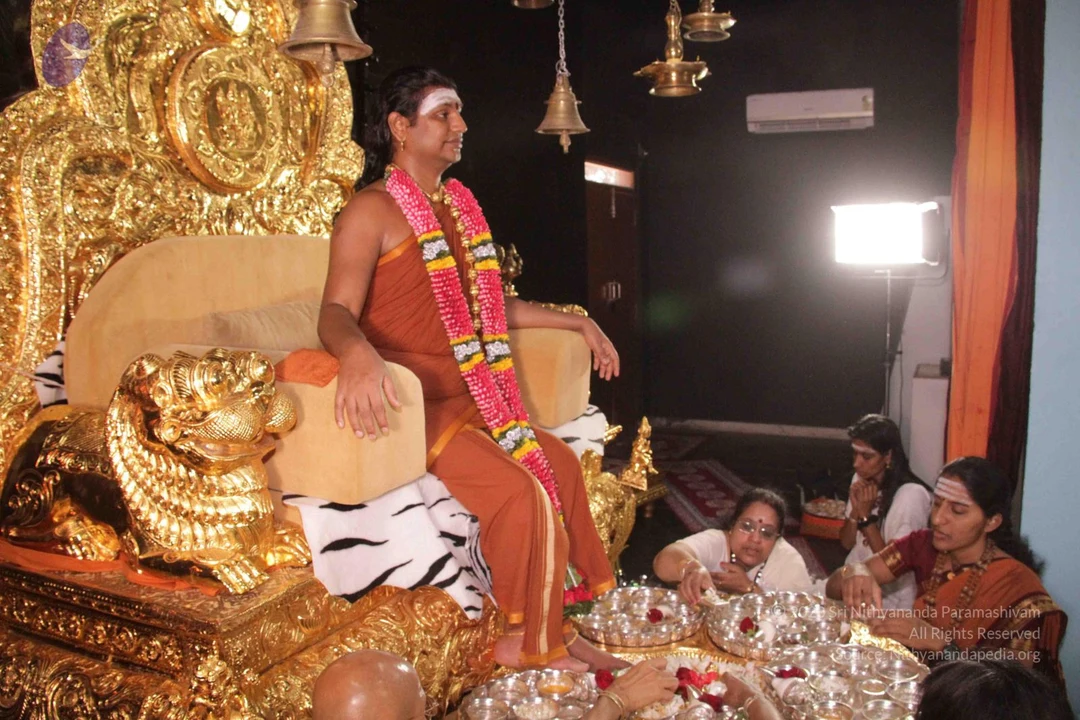
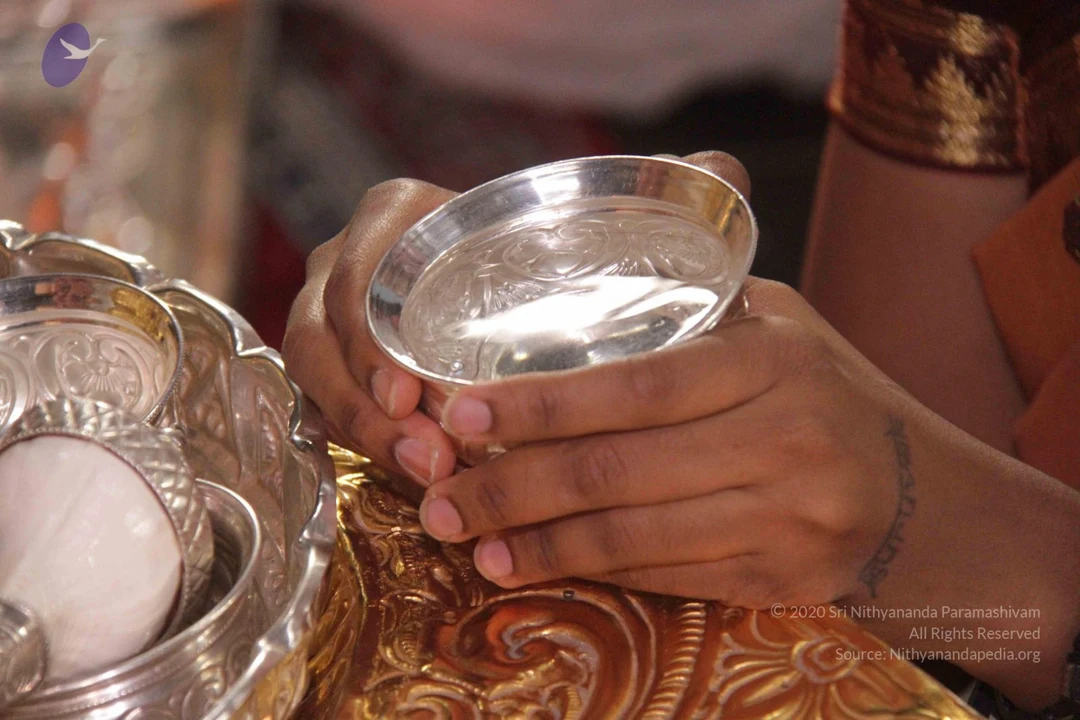
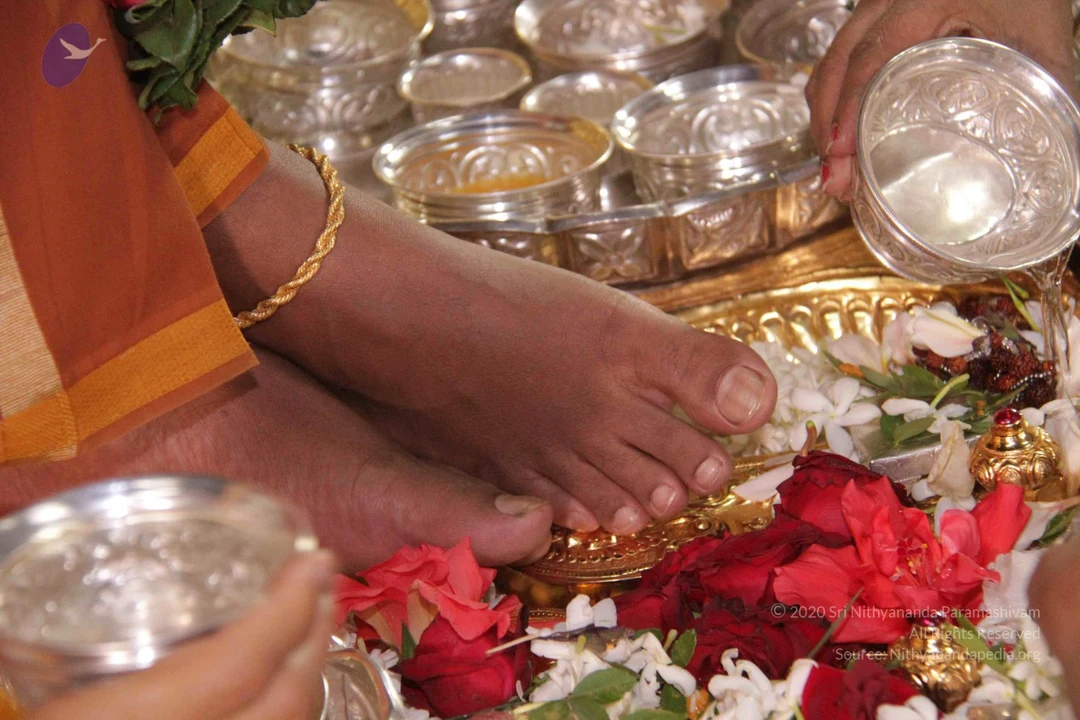
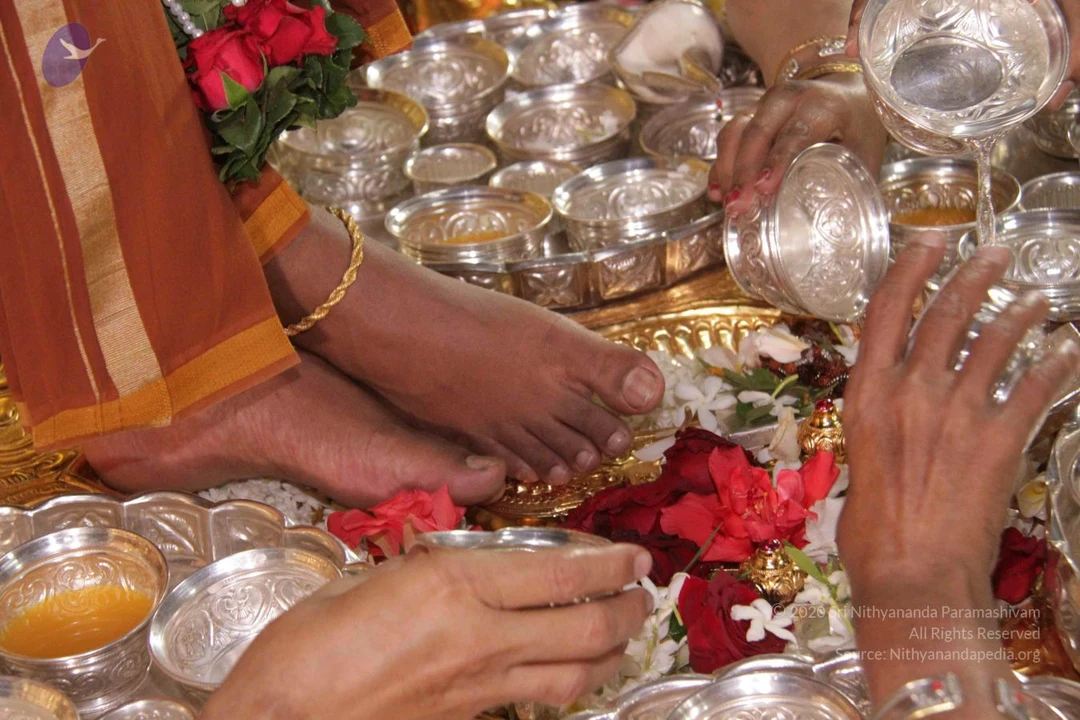
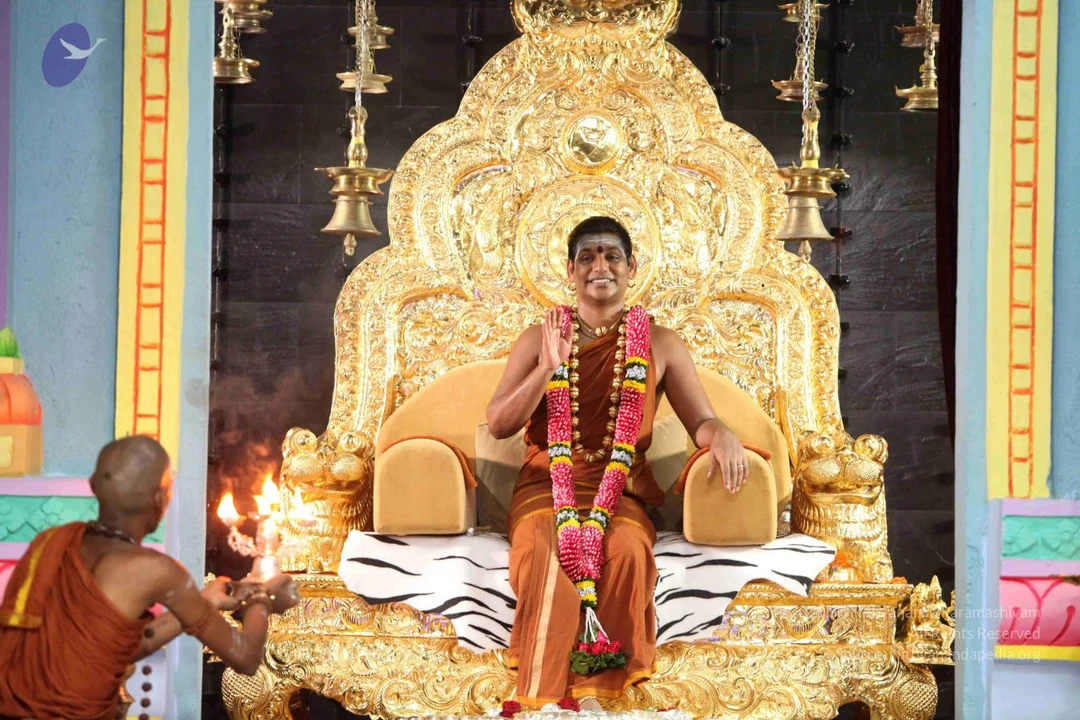
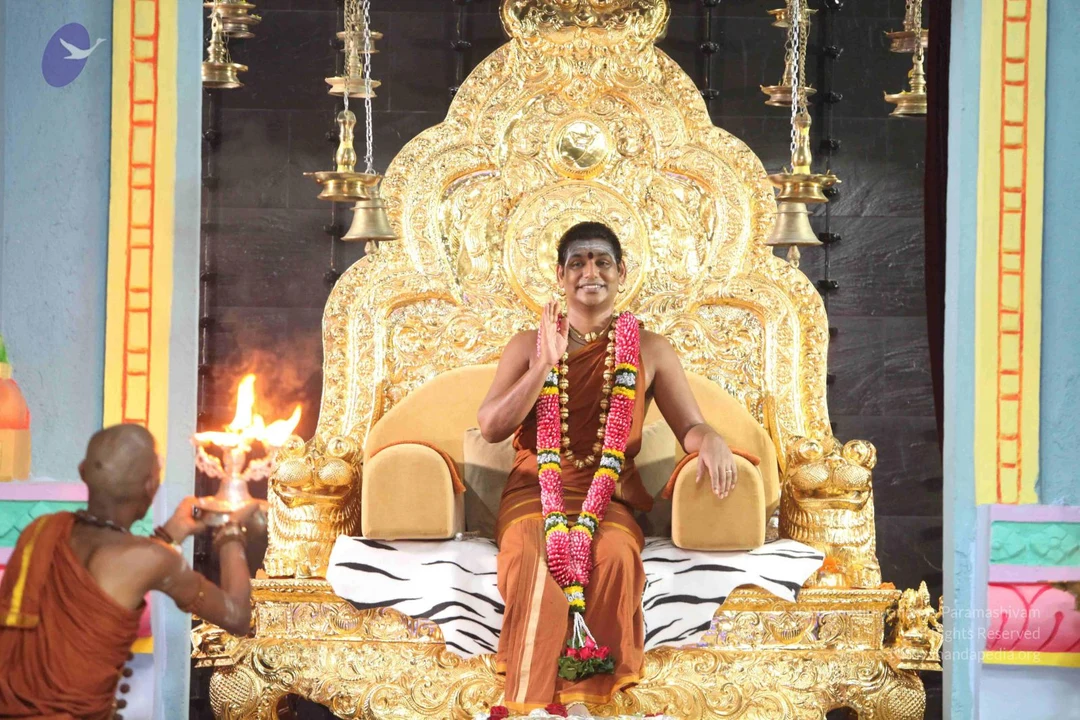
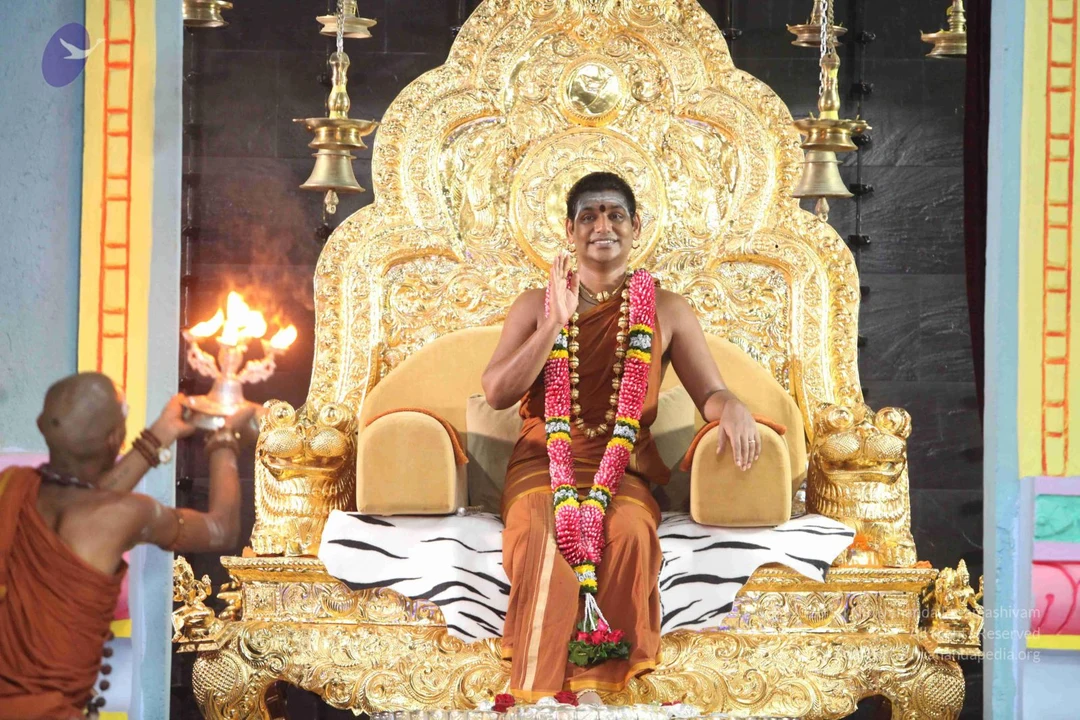
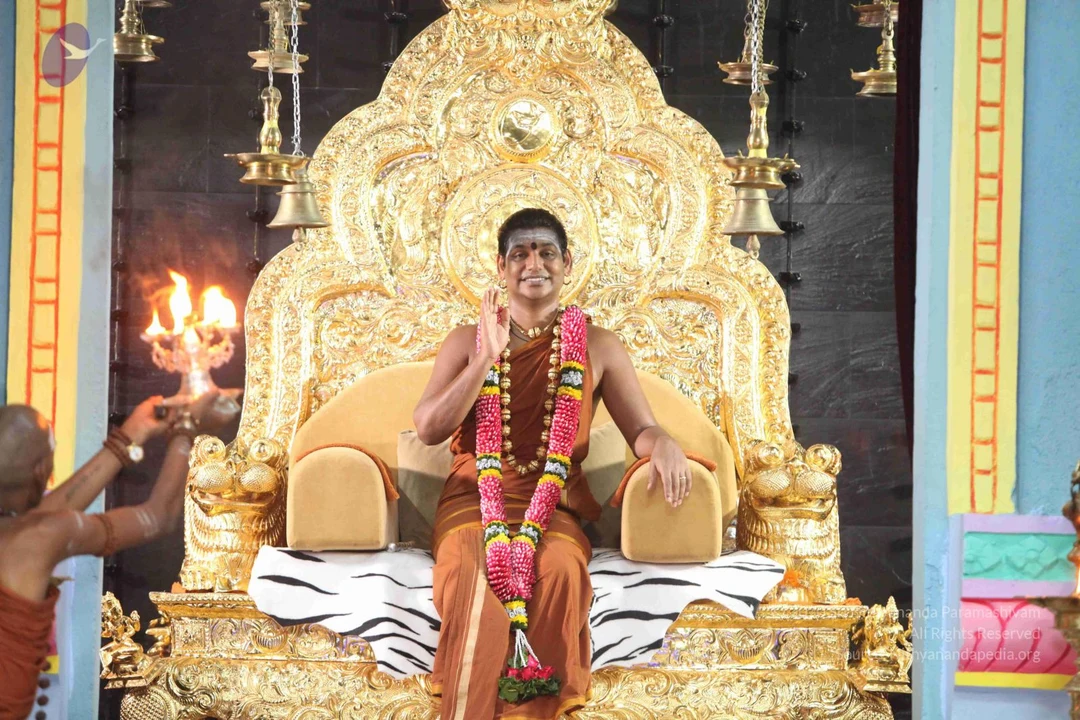
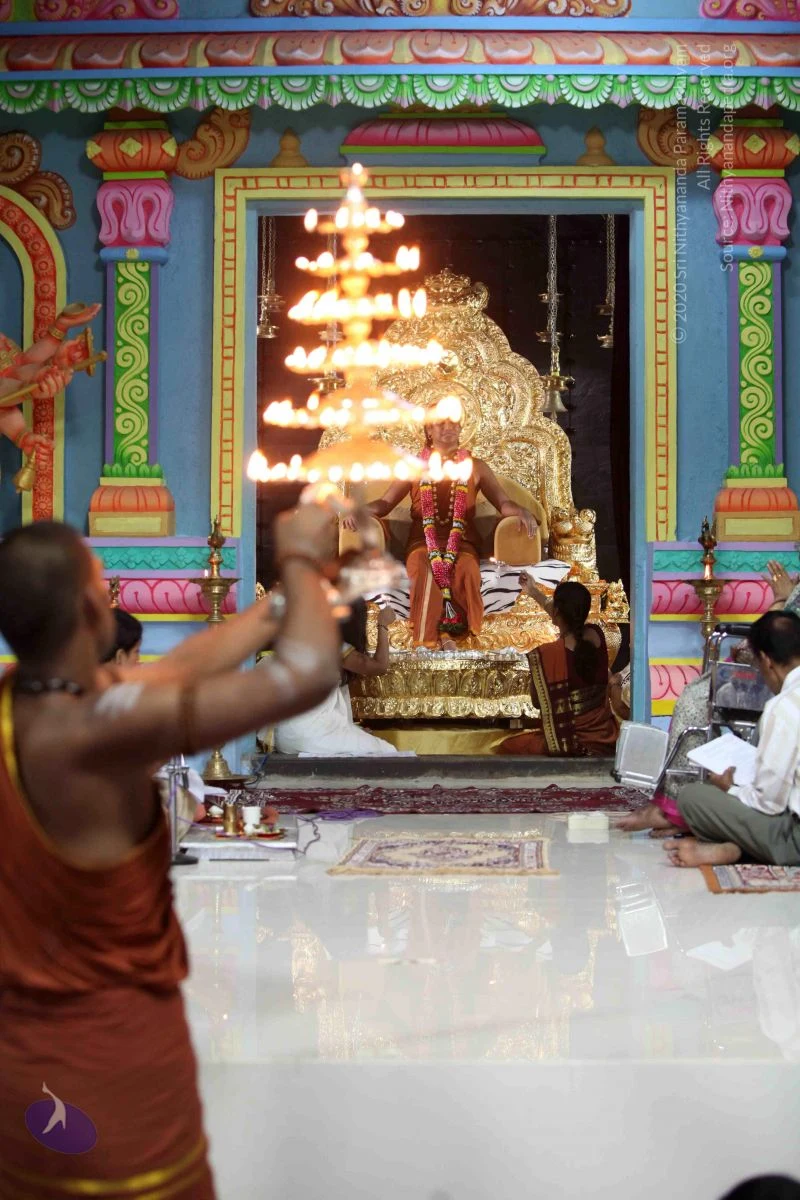
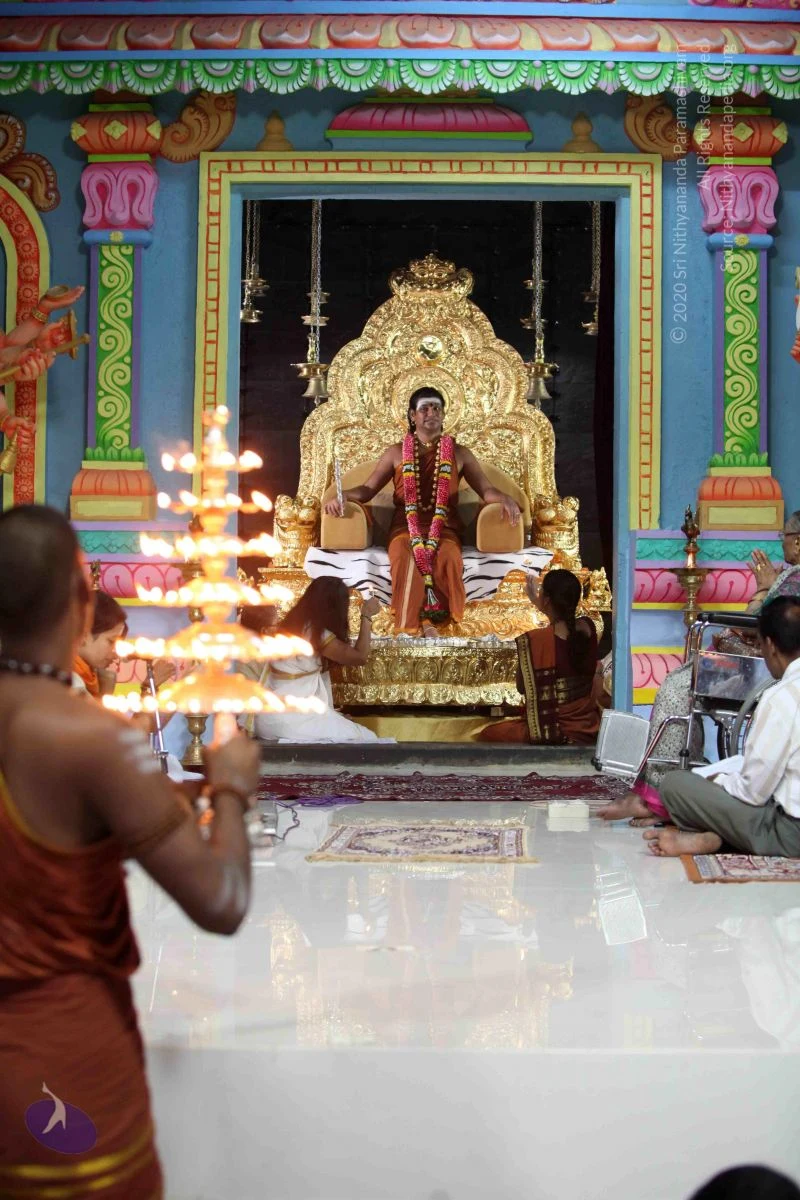
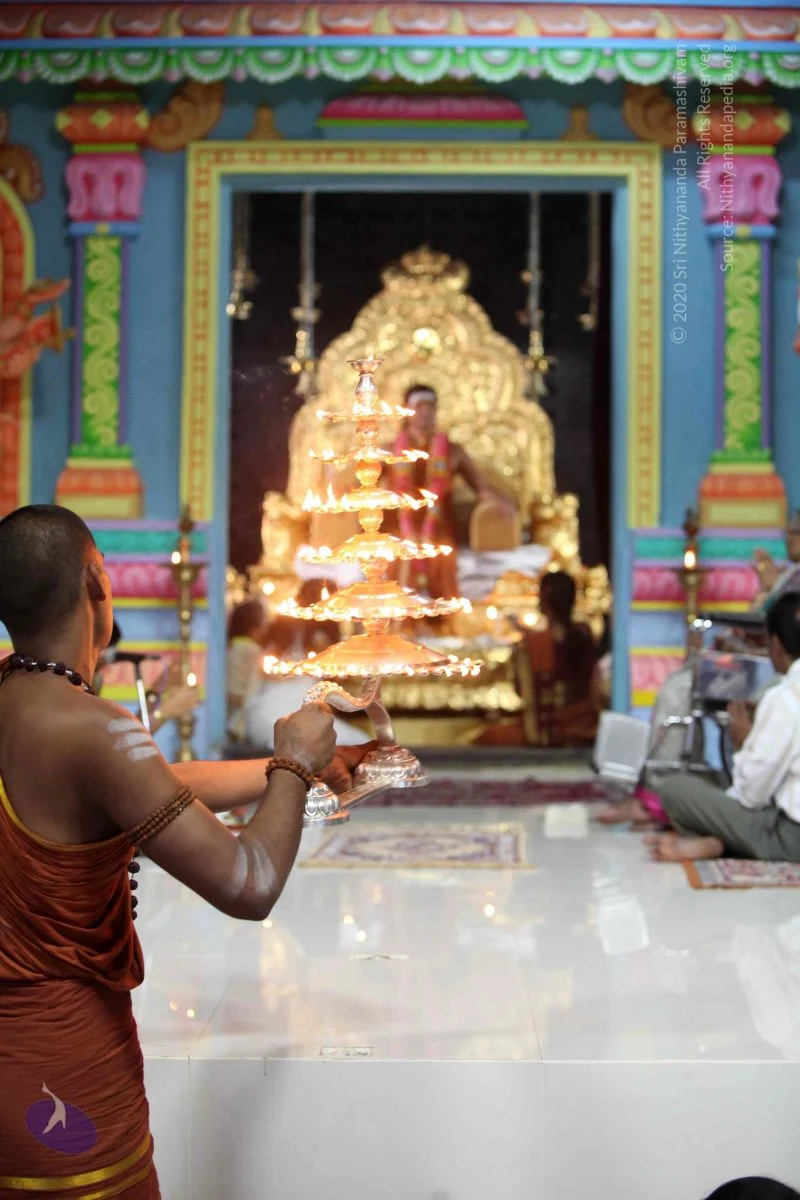
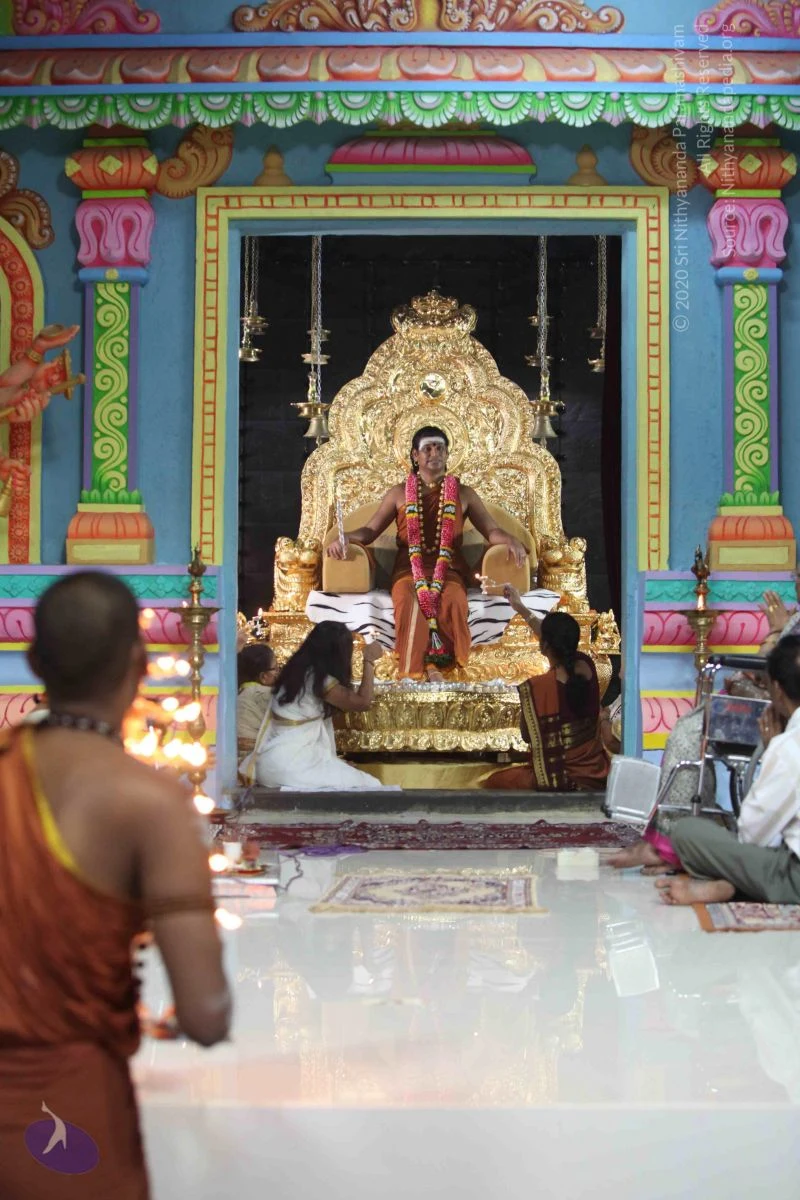
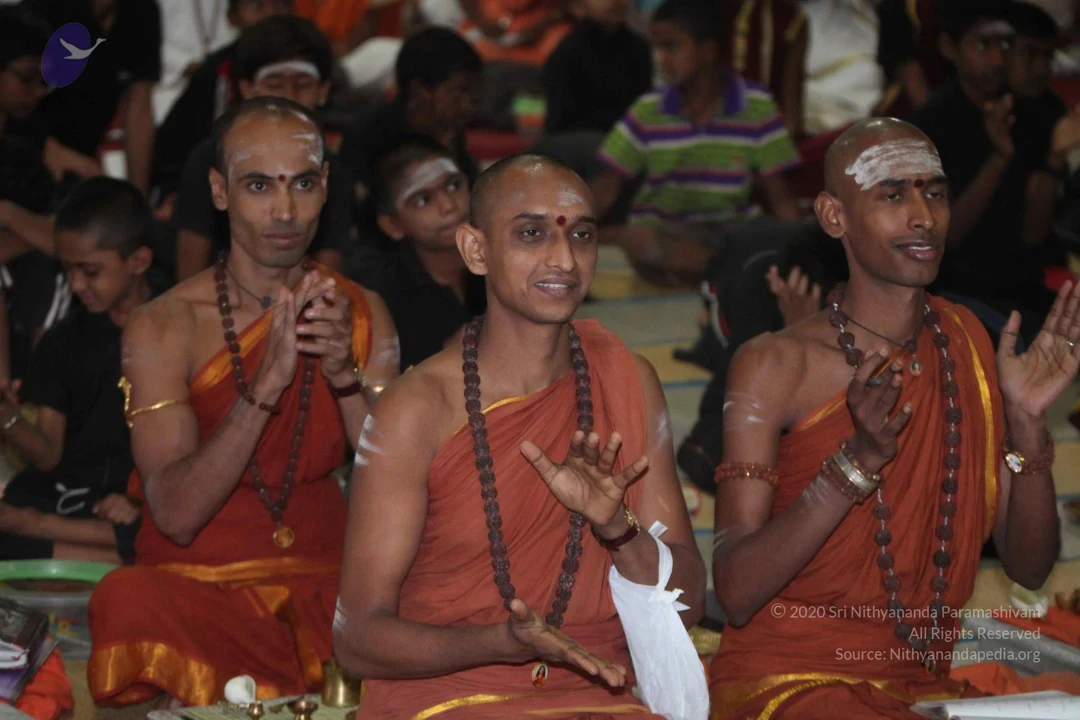
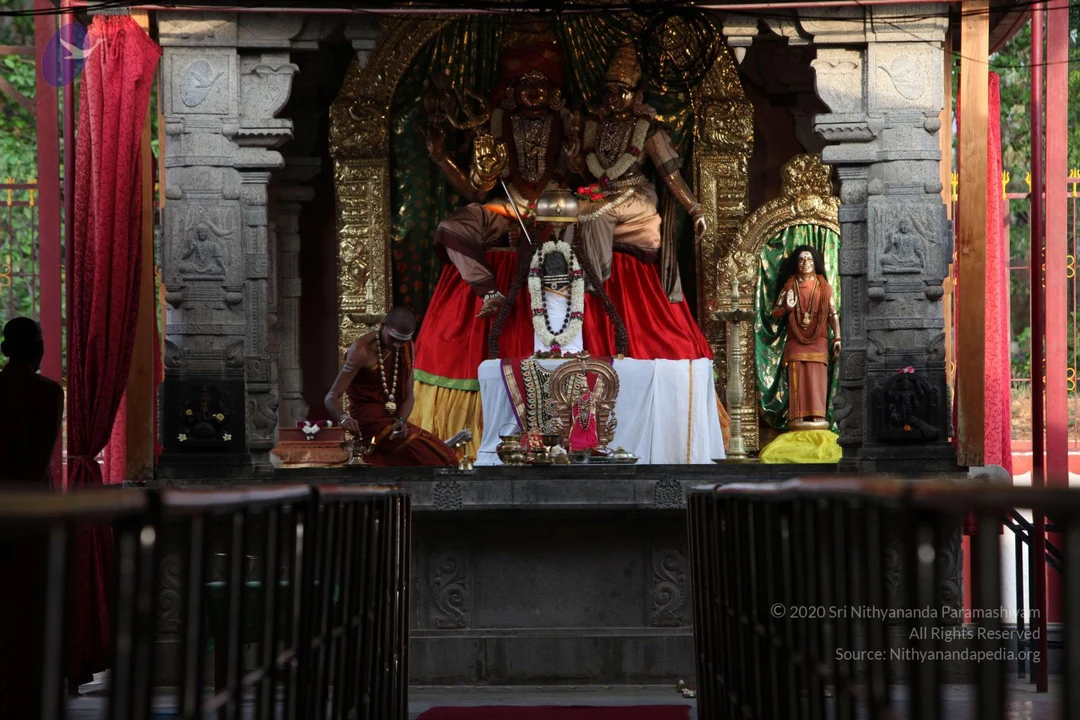
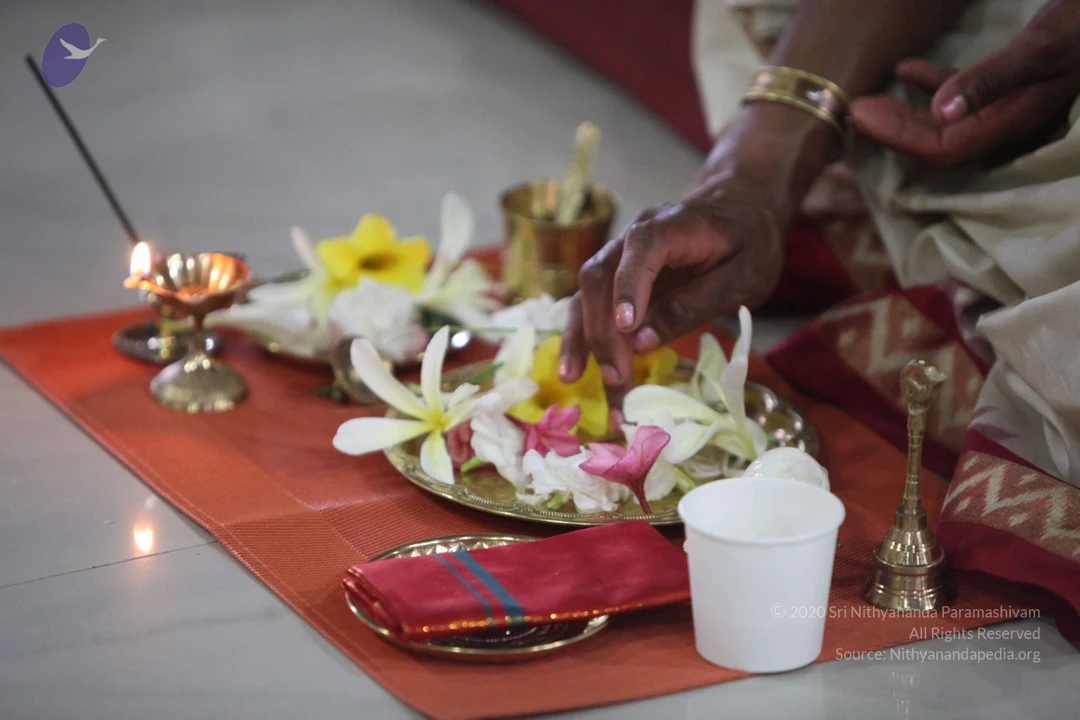
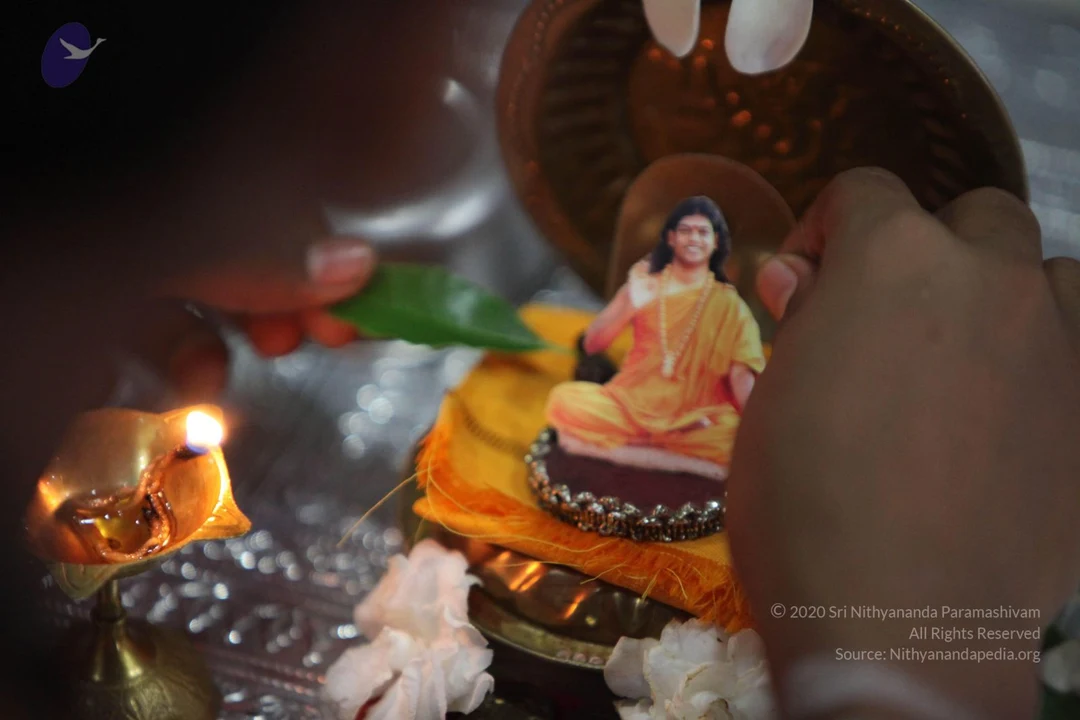
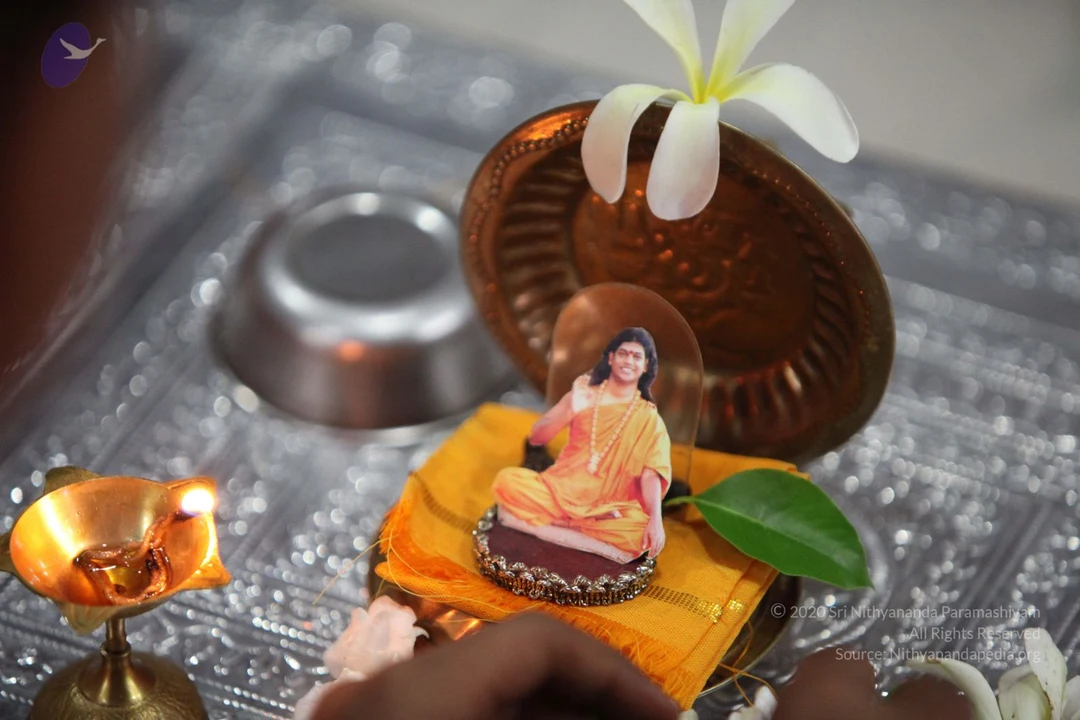
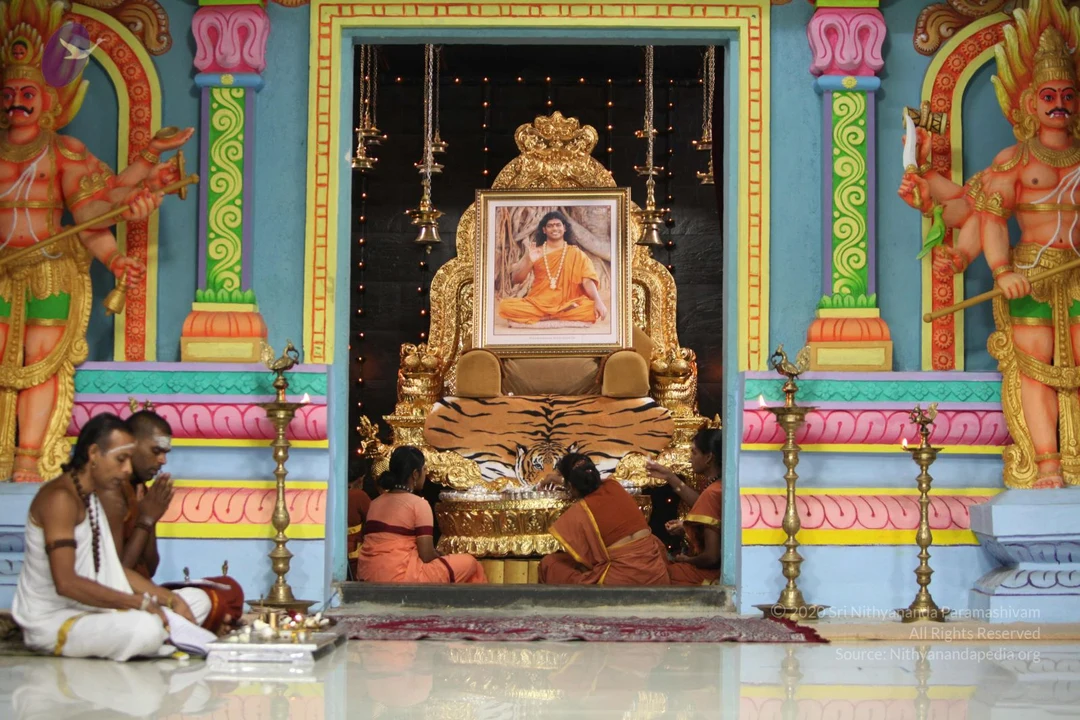
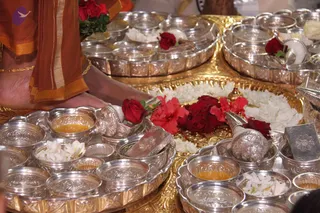
Pada Puja
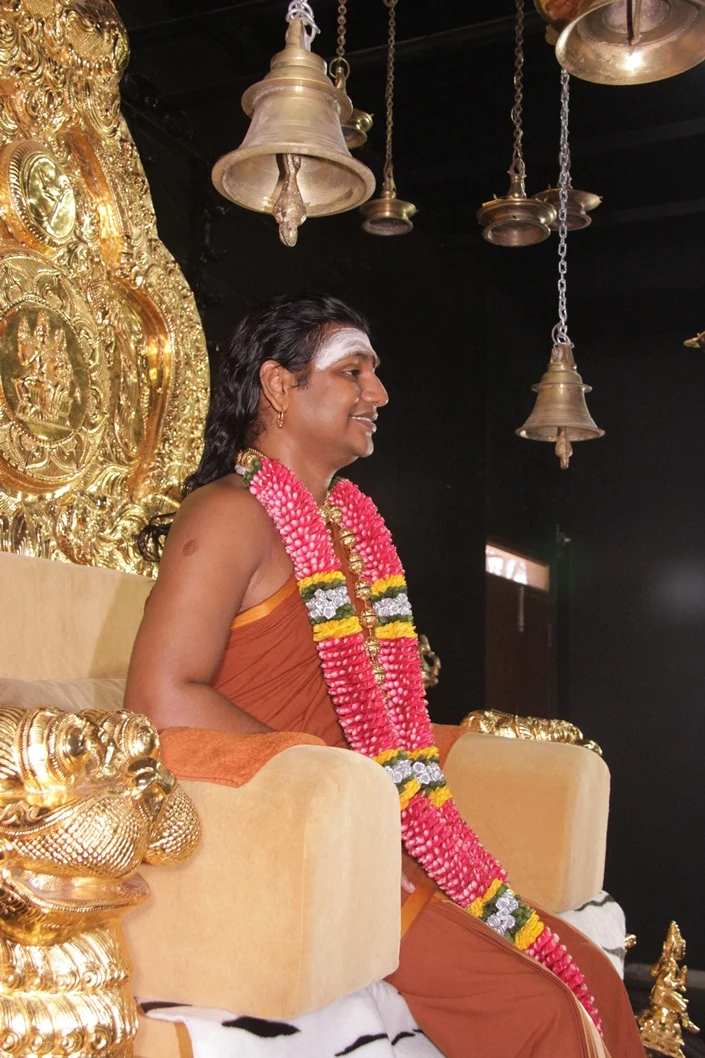
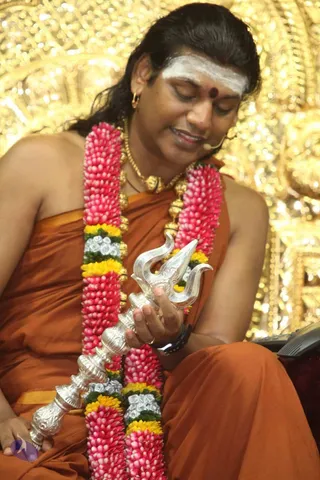
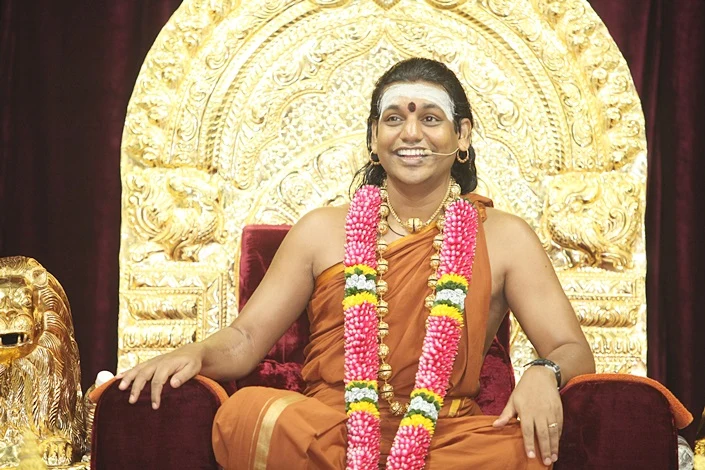
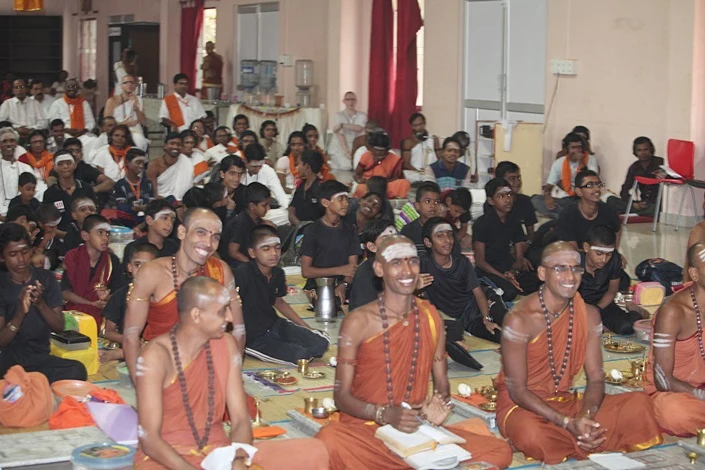
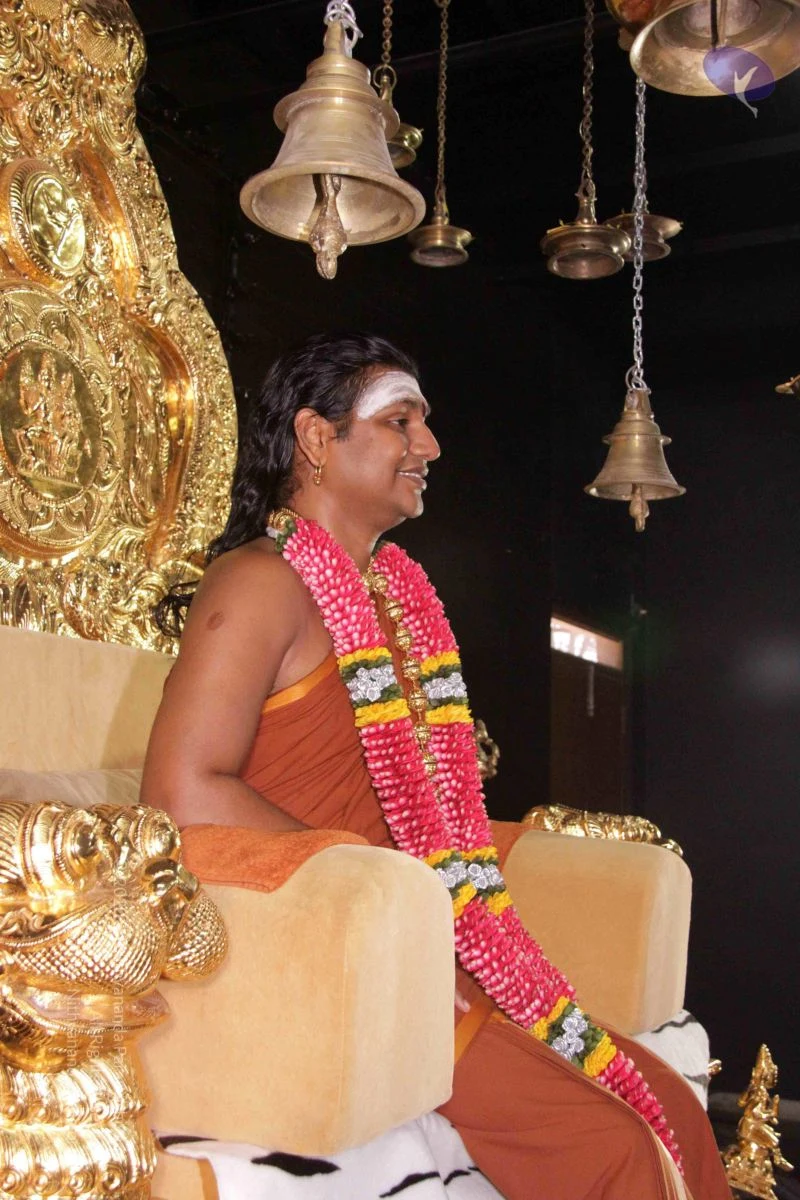
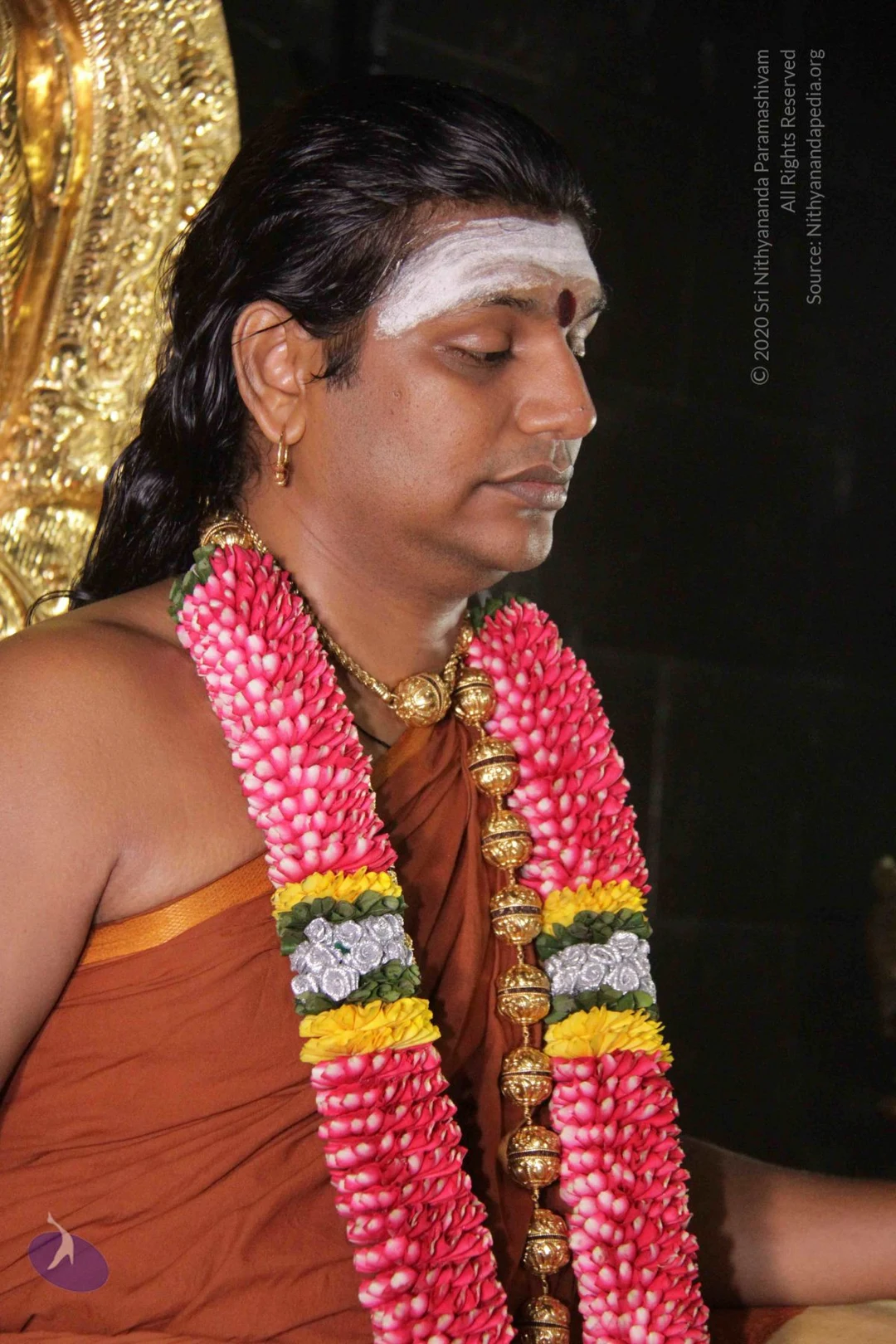
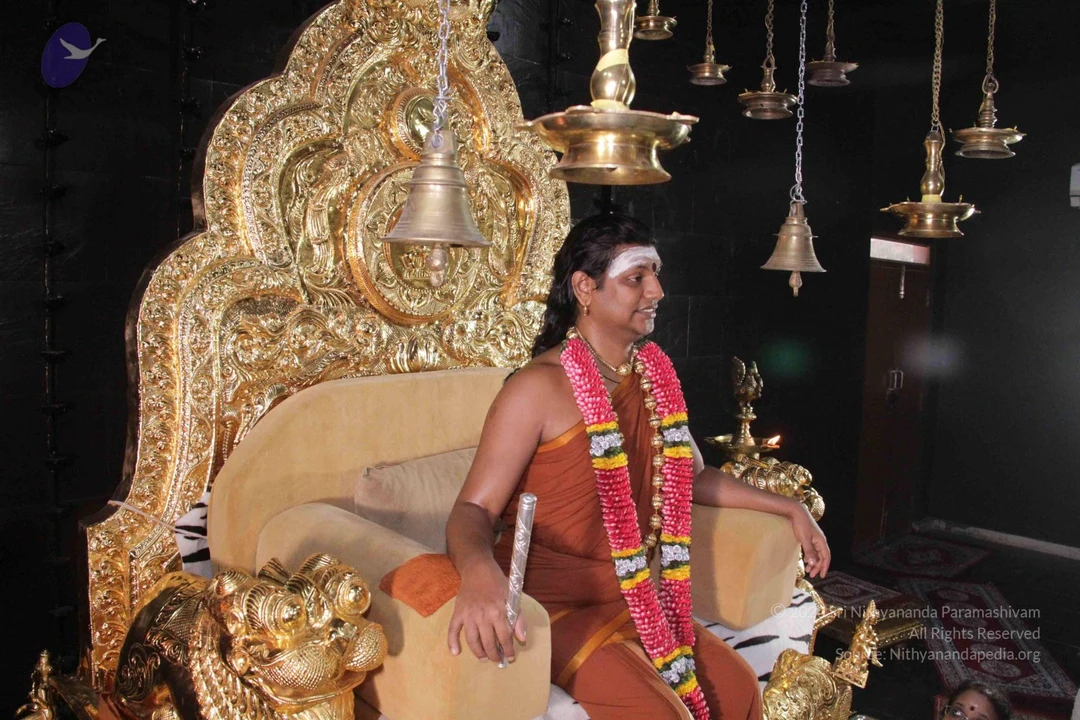
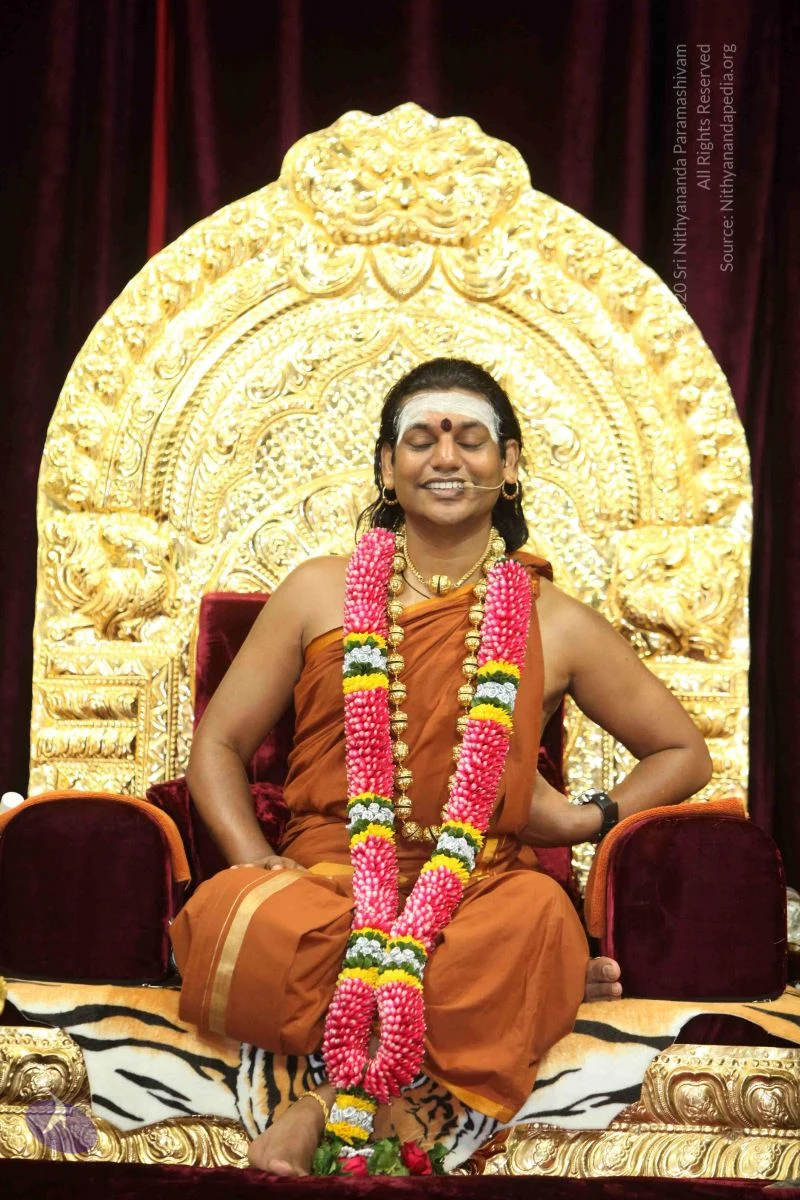
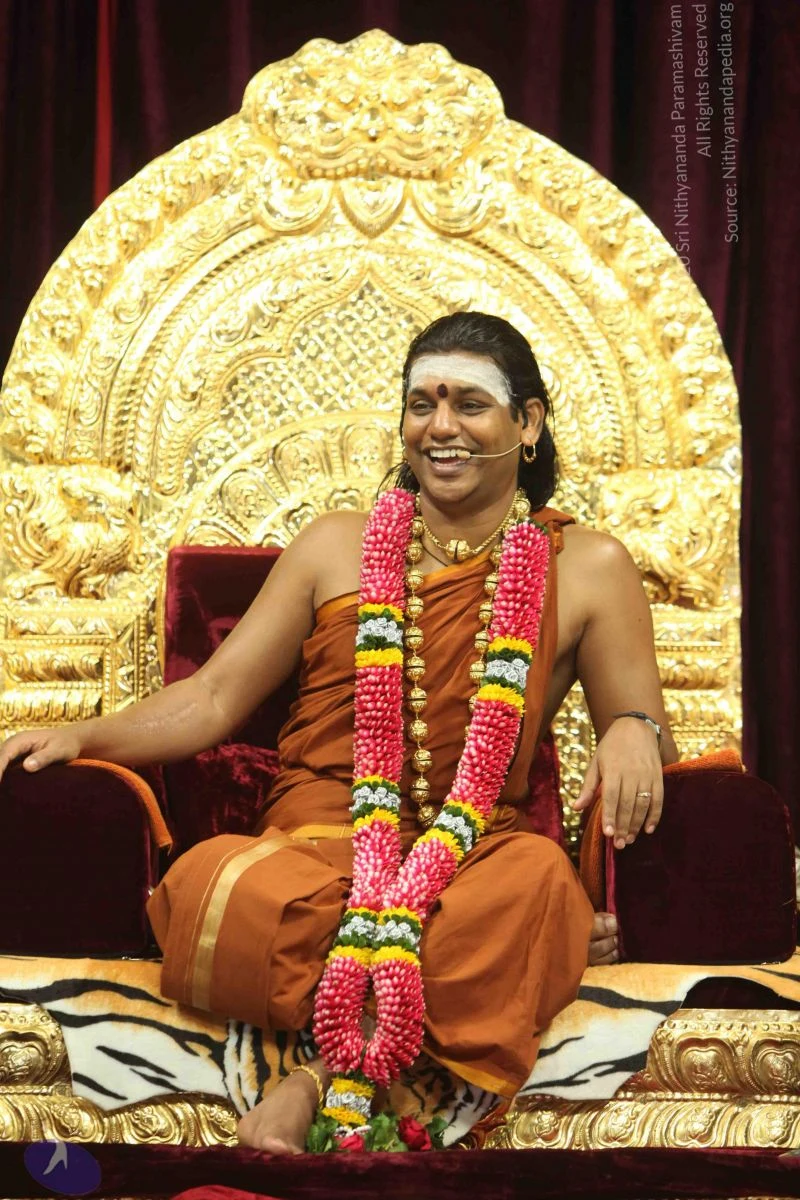
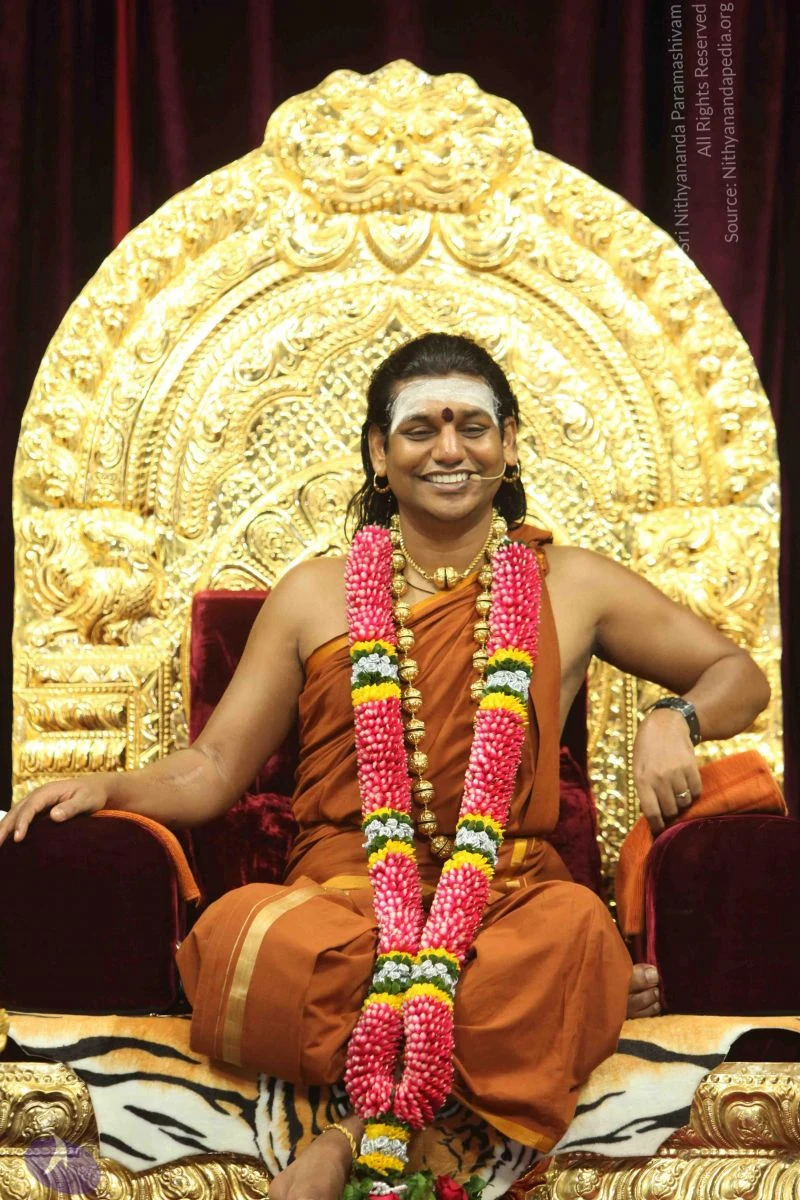
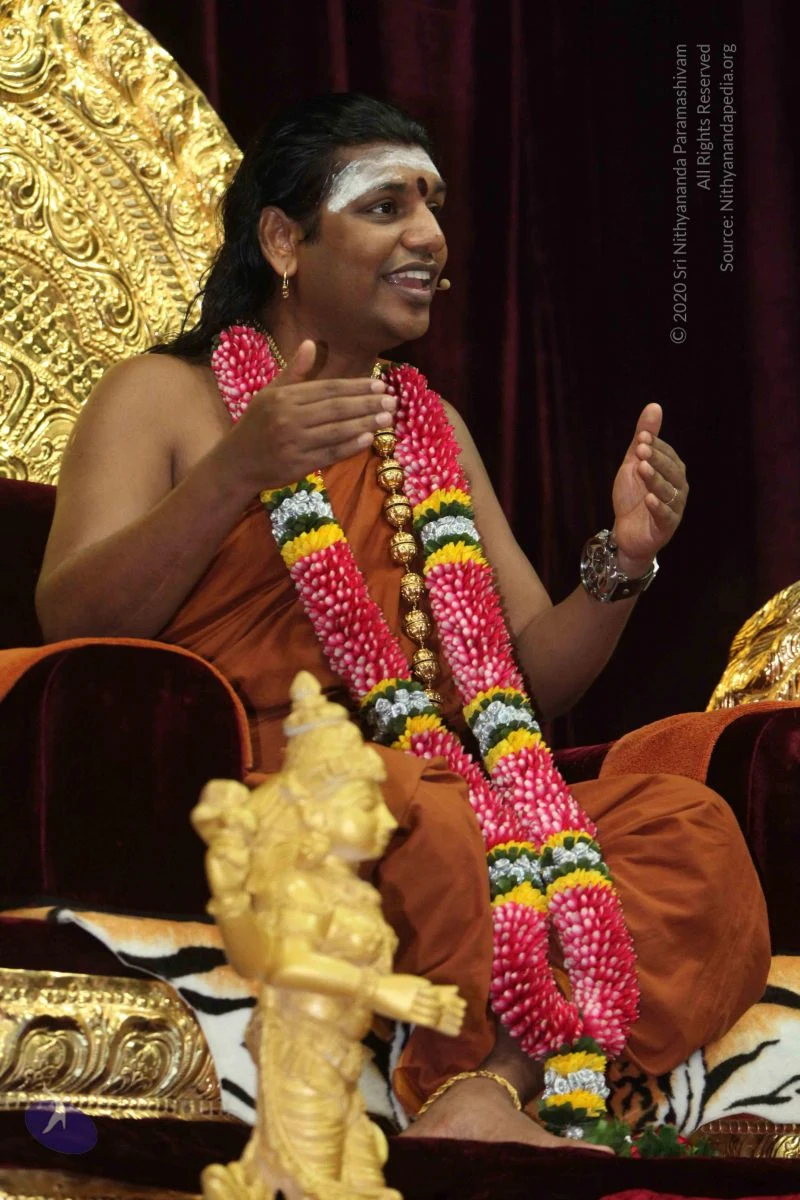
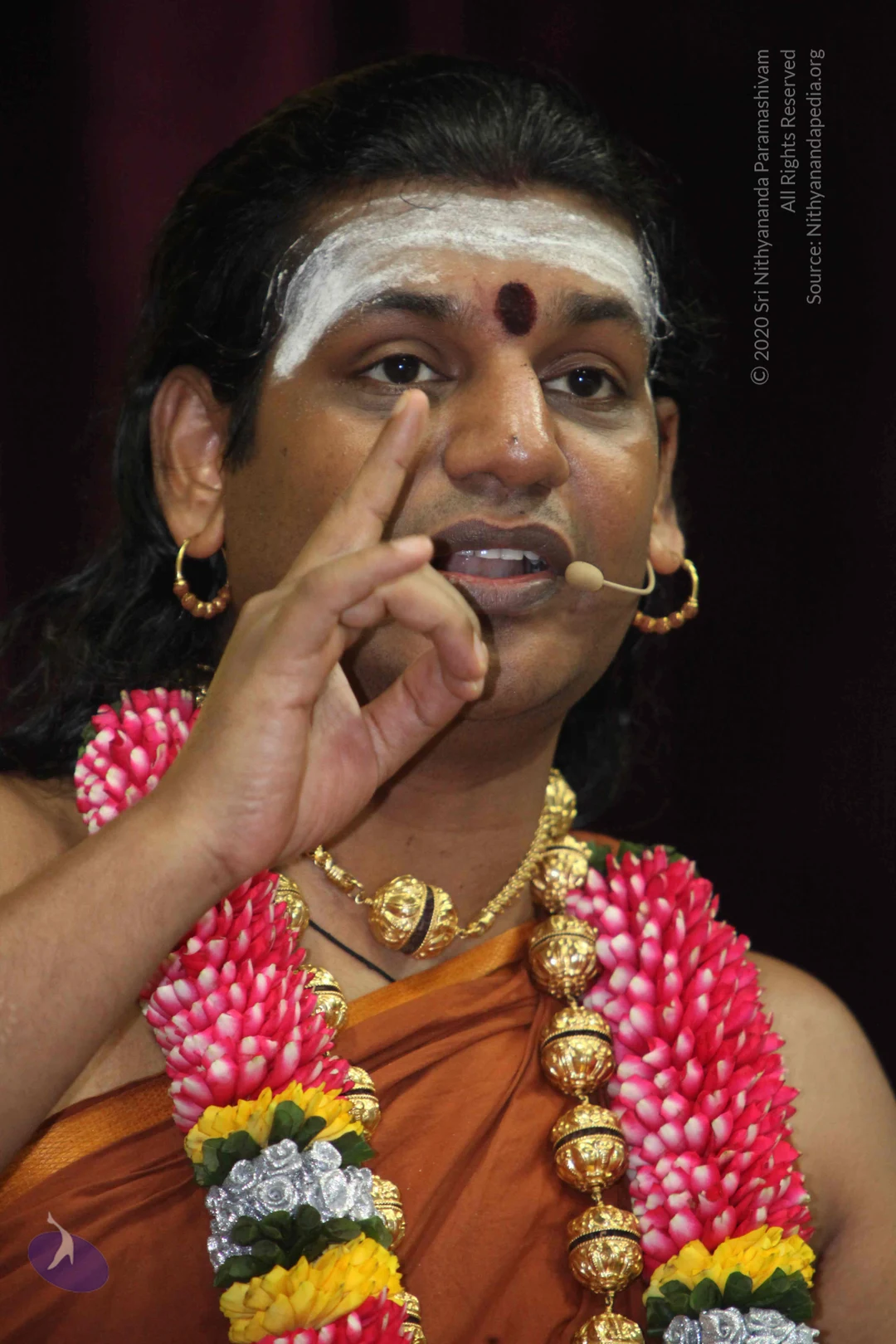
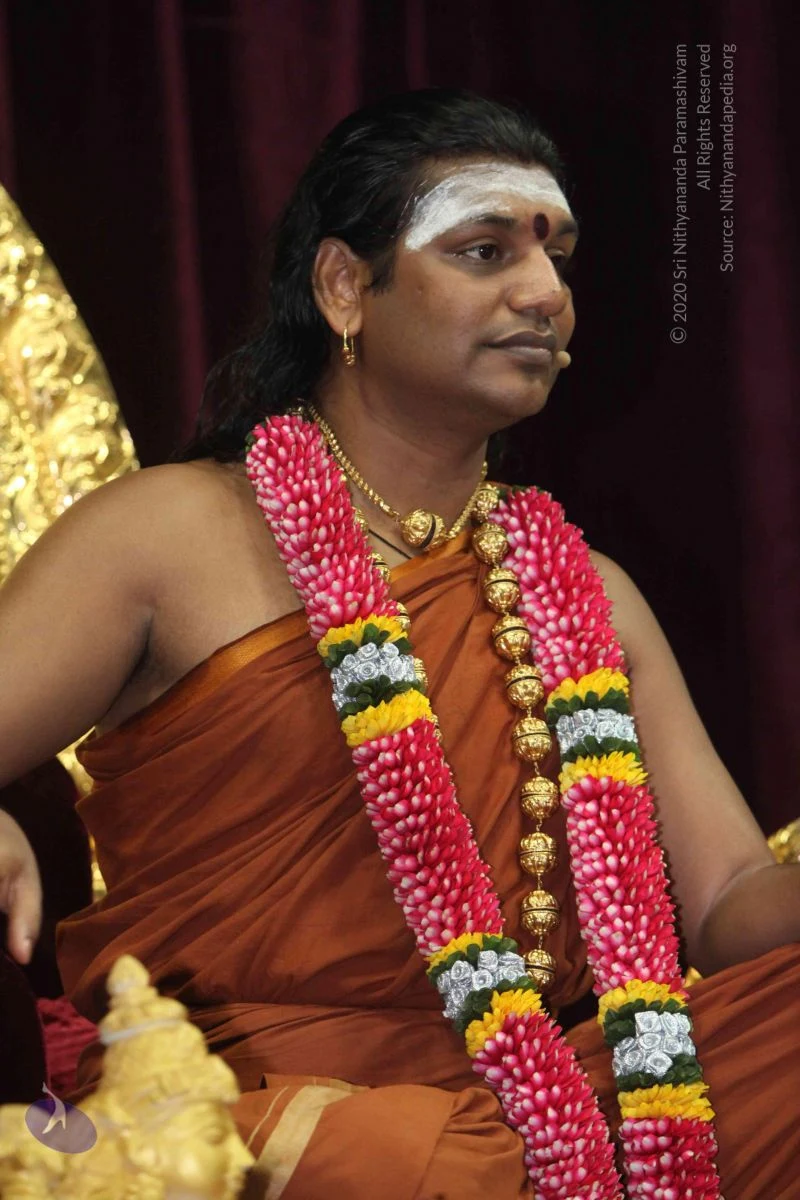
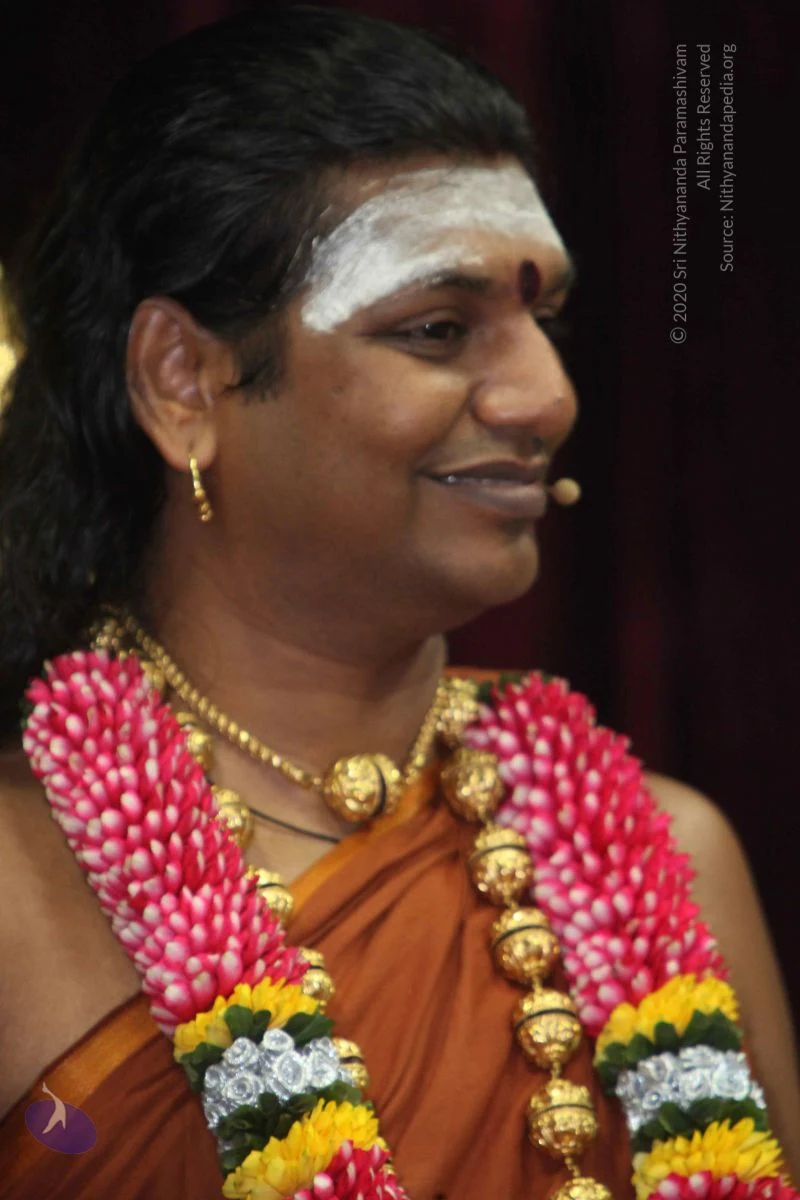
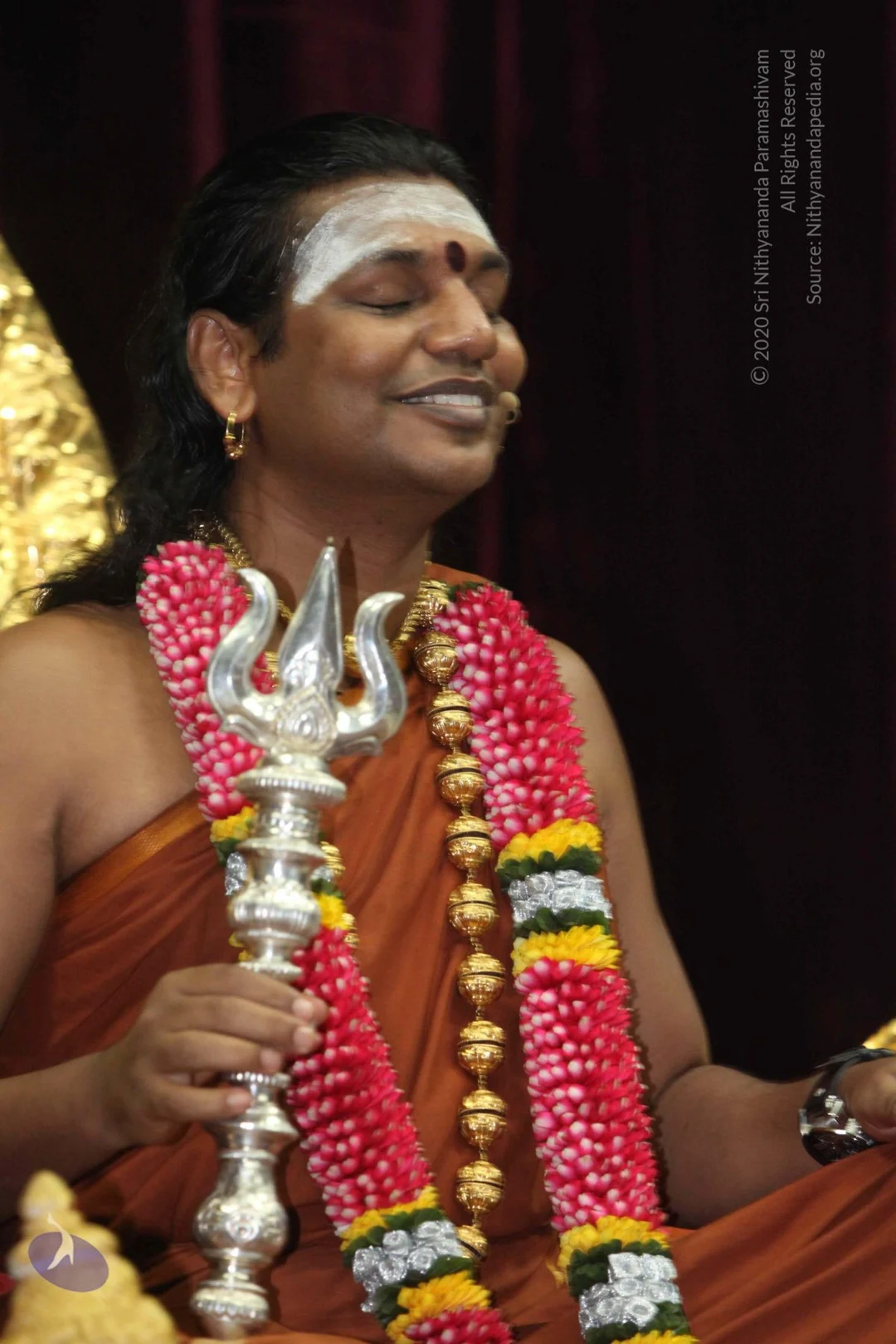
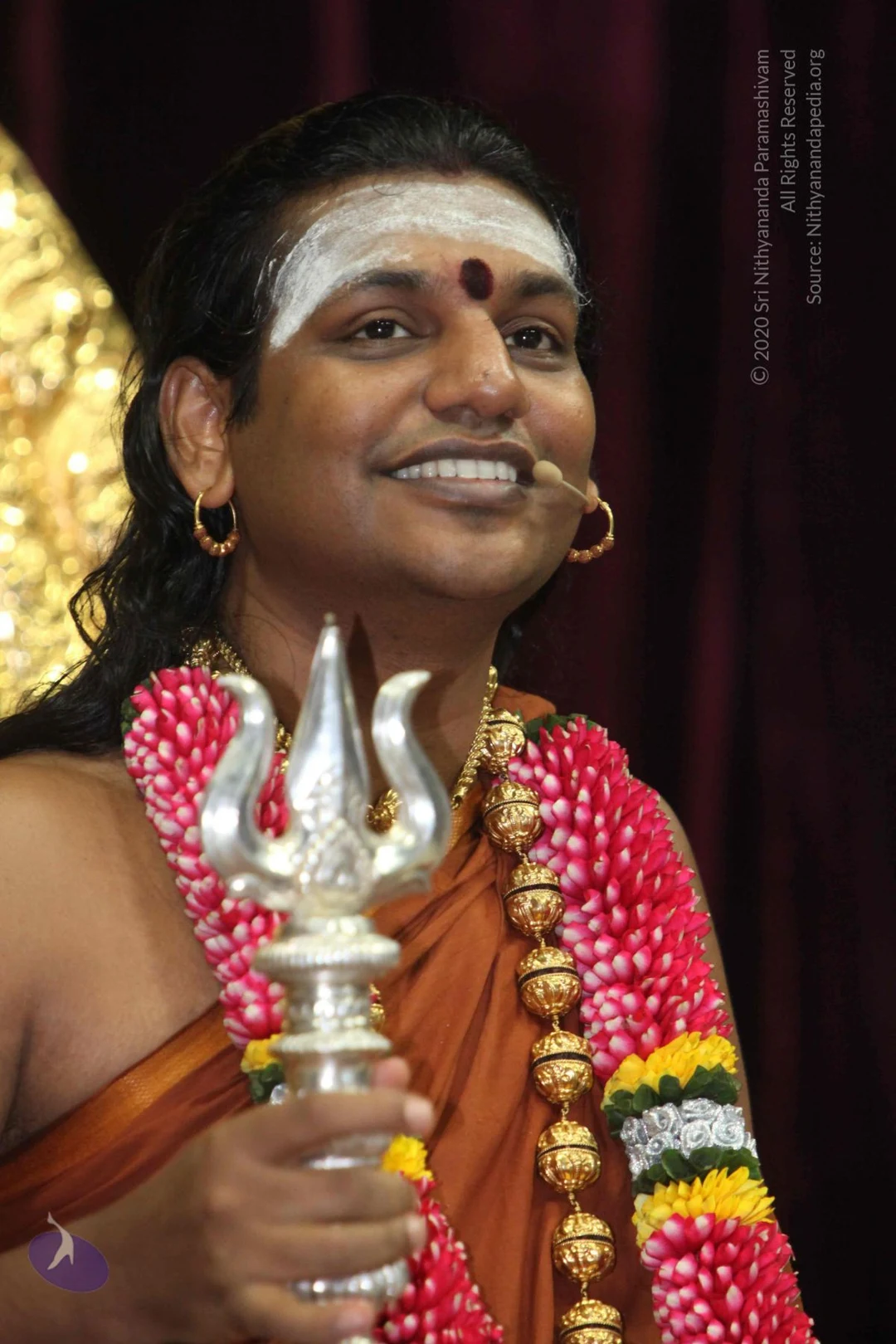
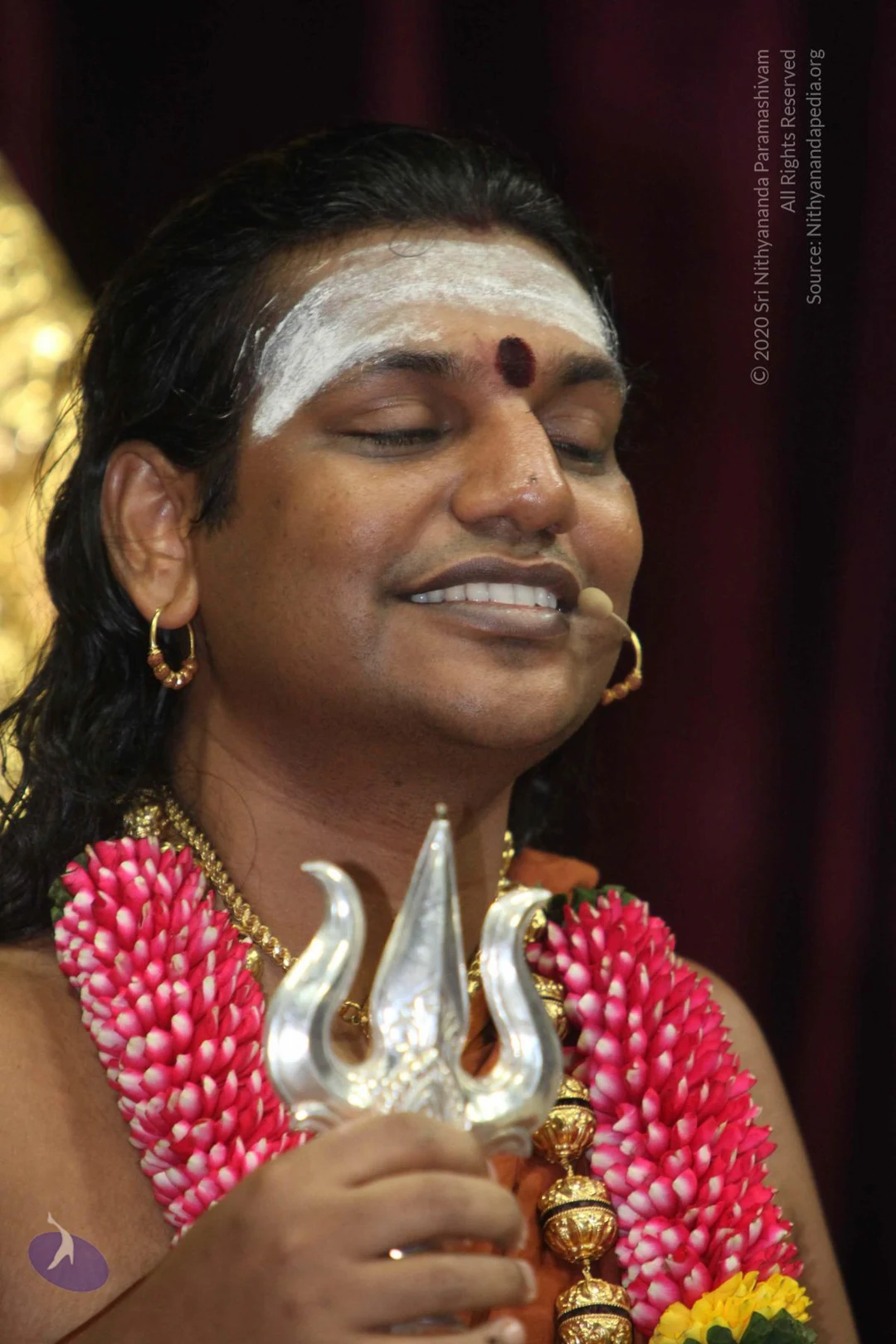
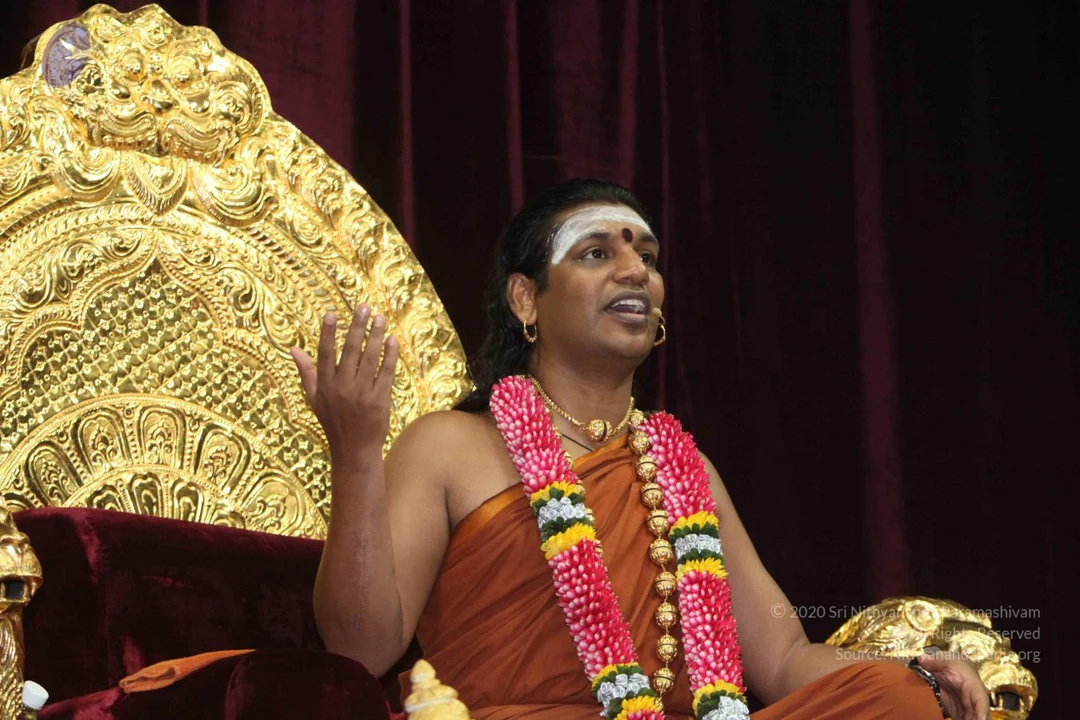
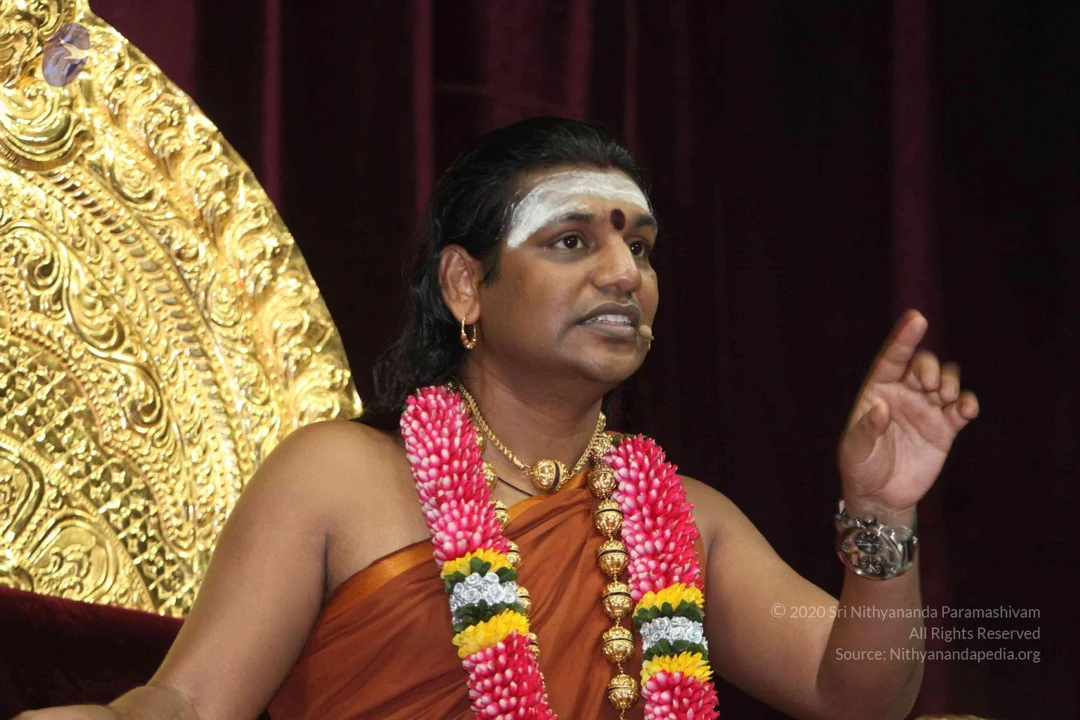
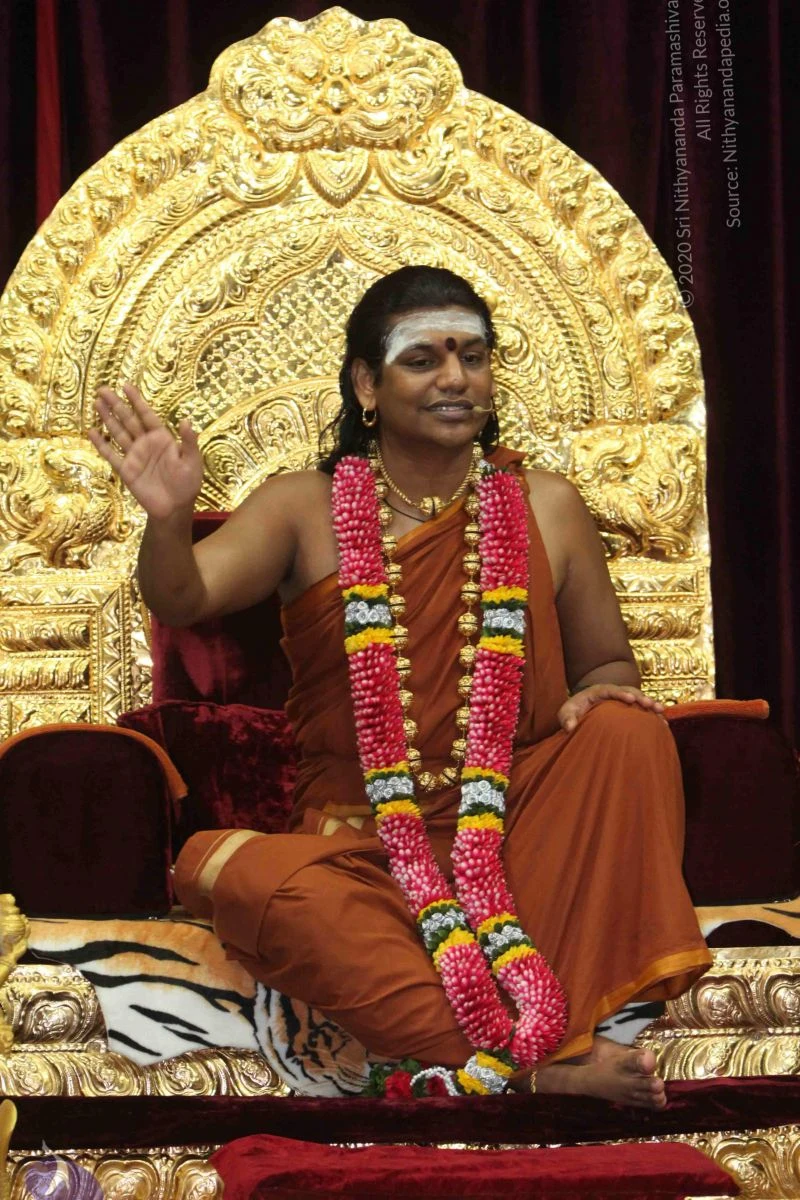
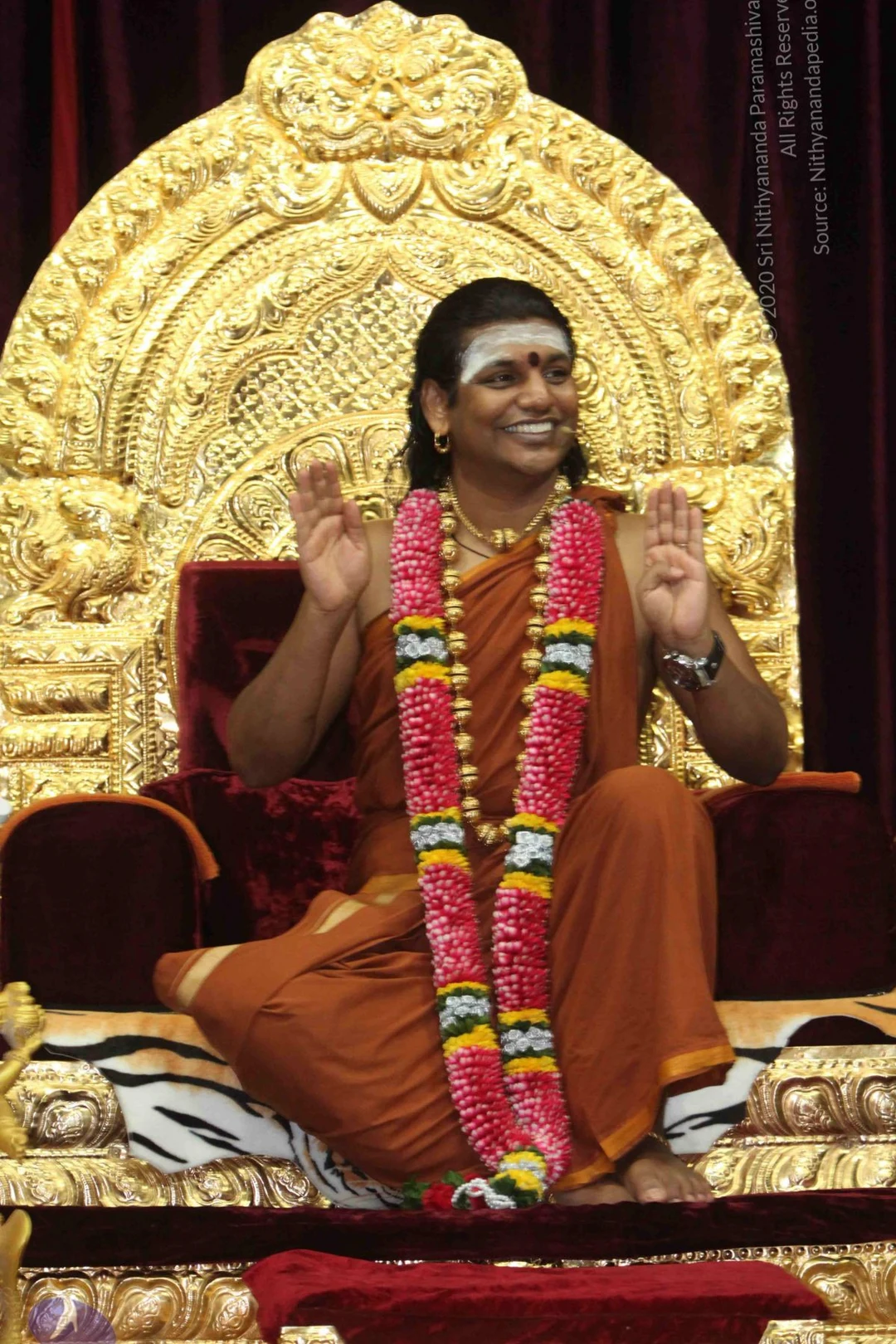
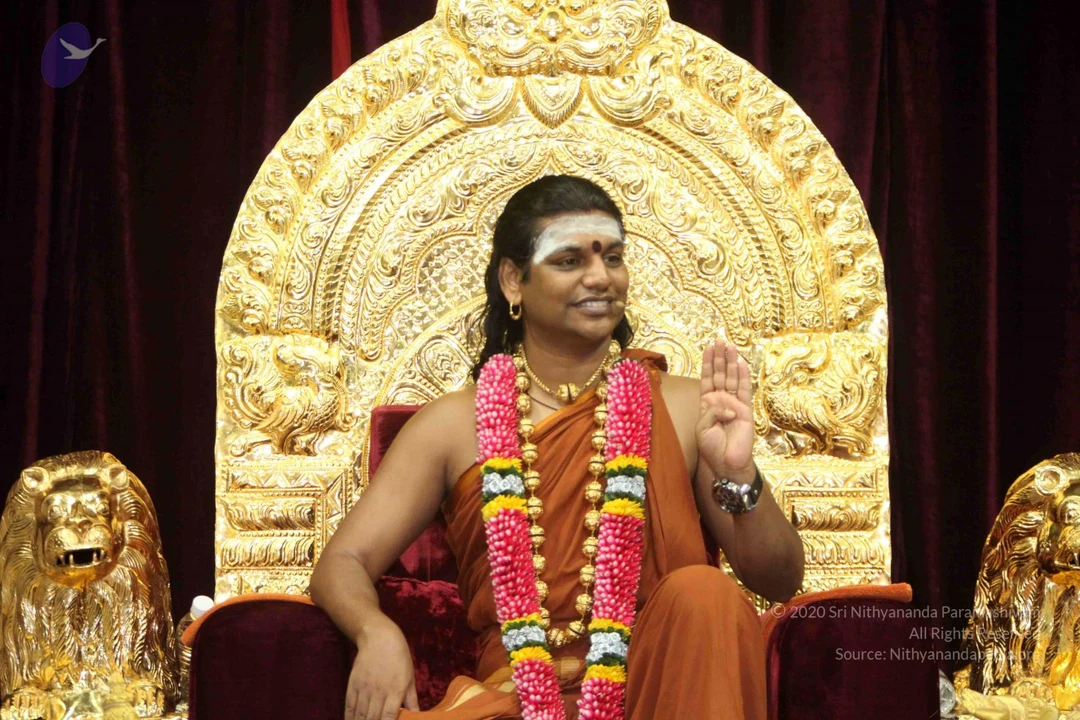
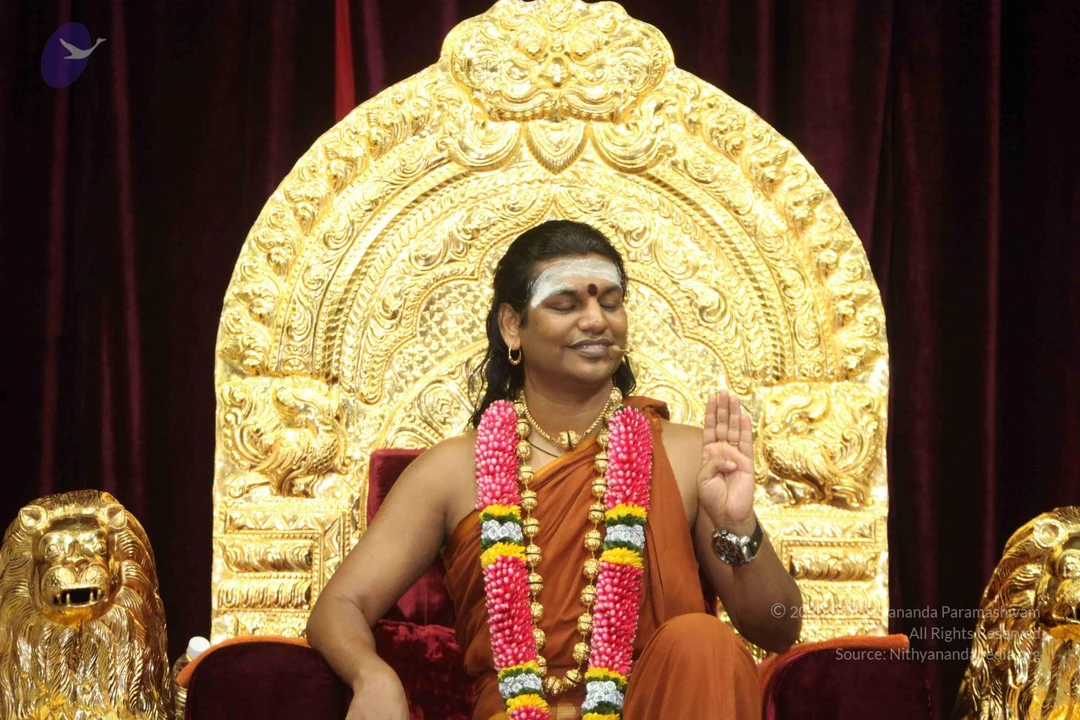
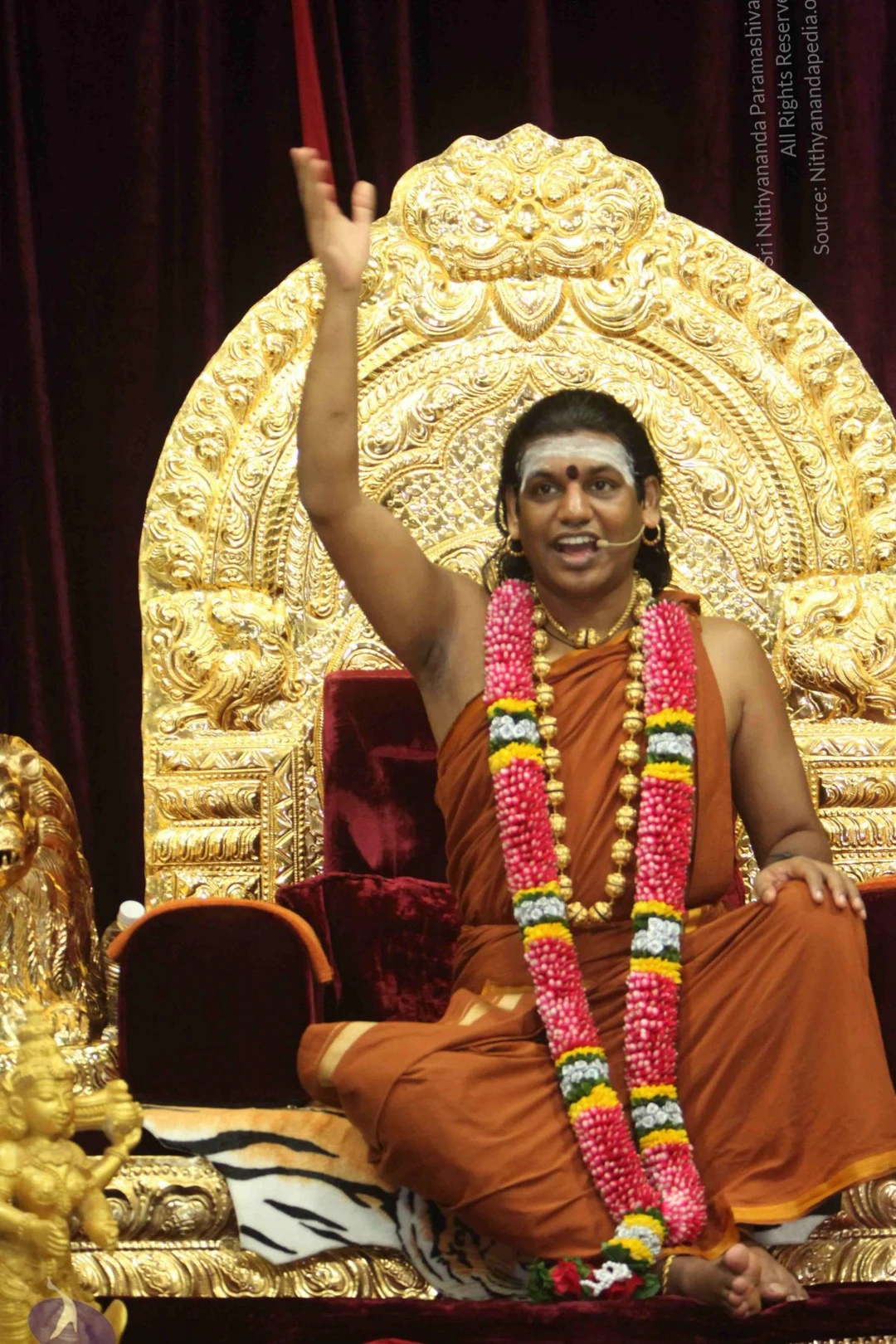
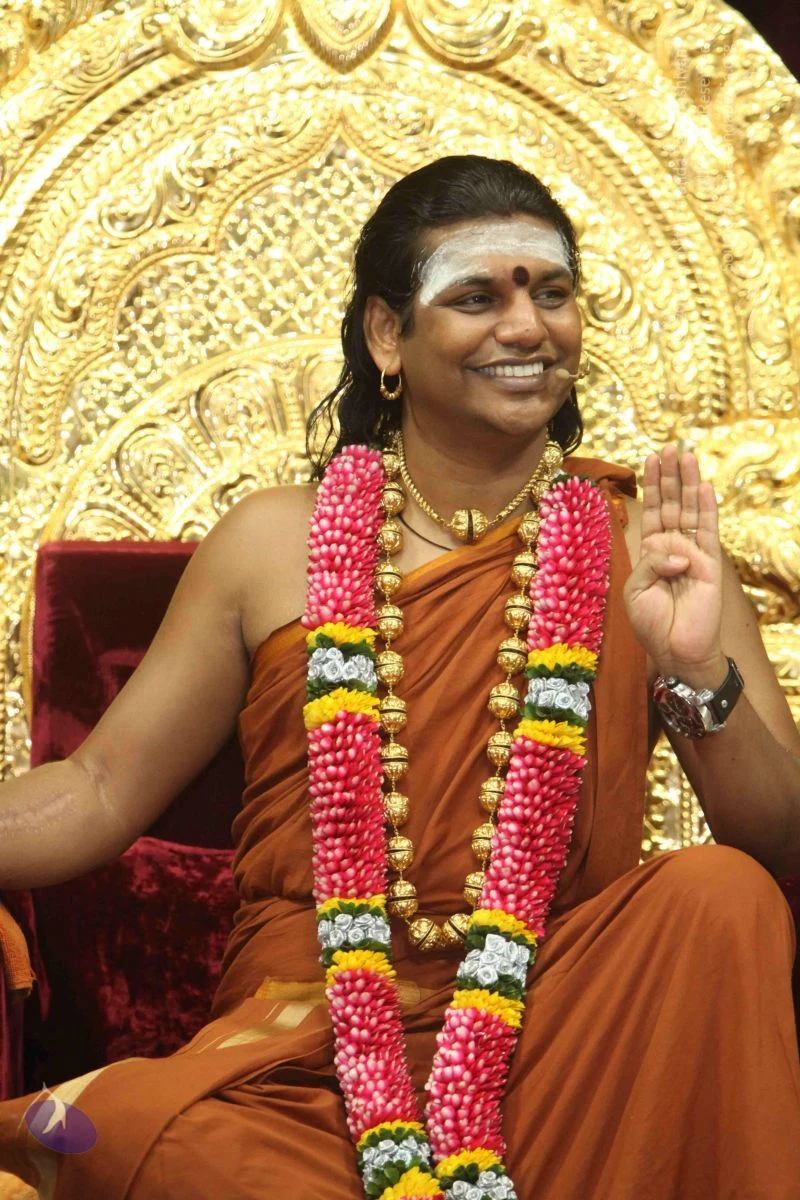
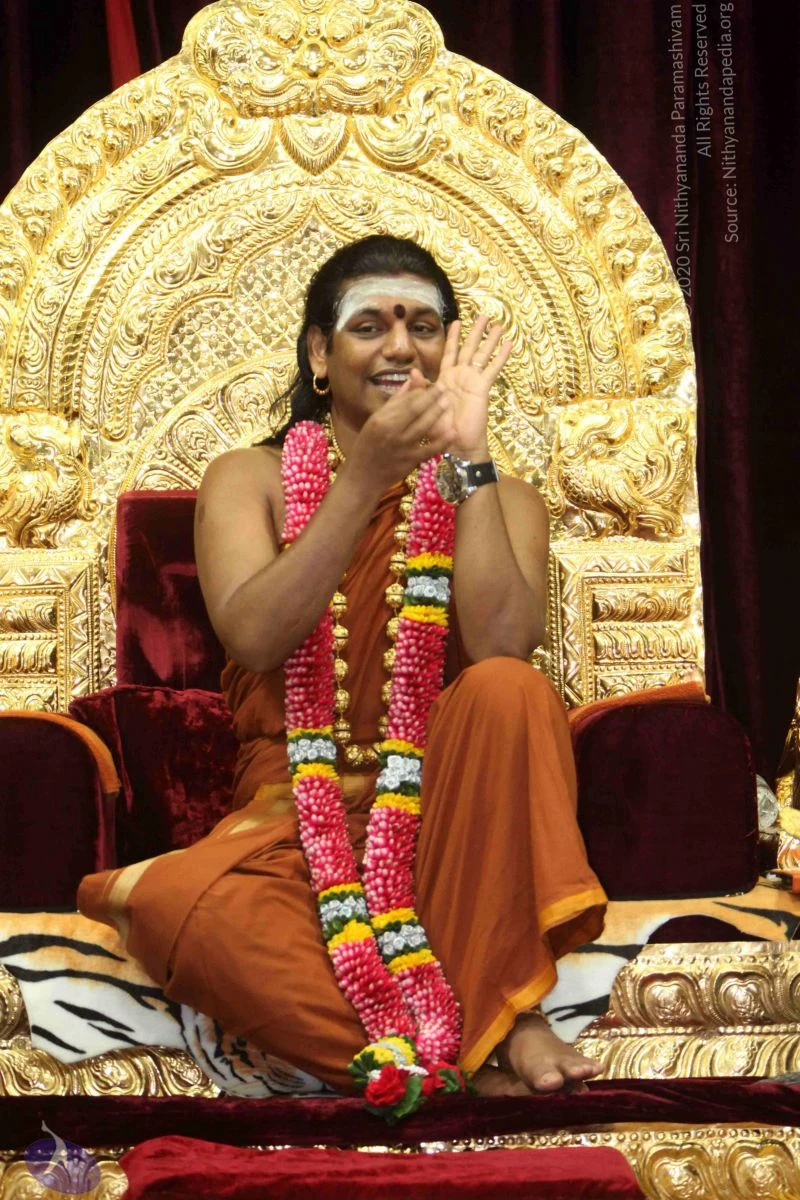
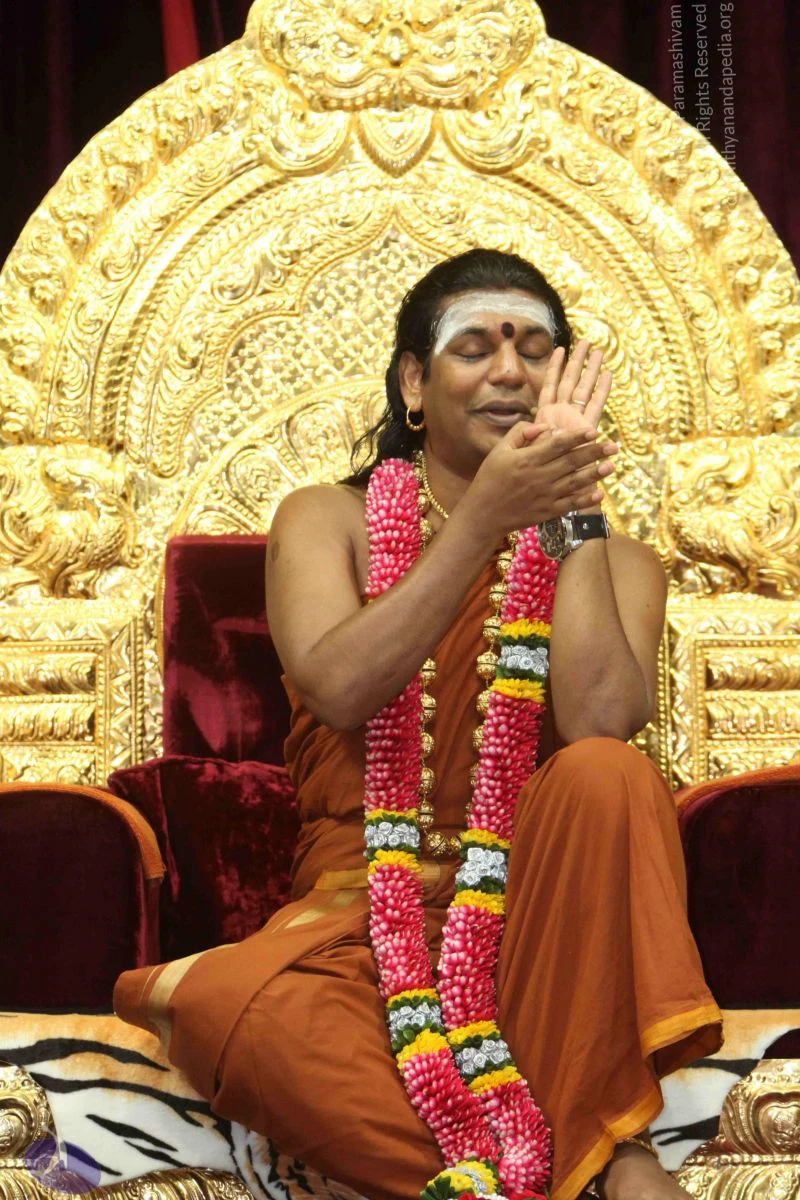
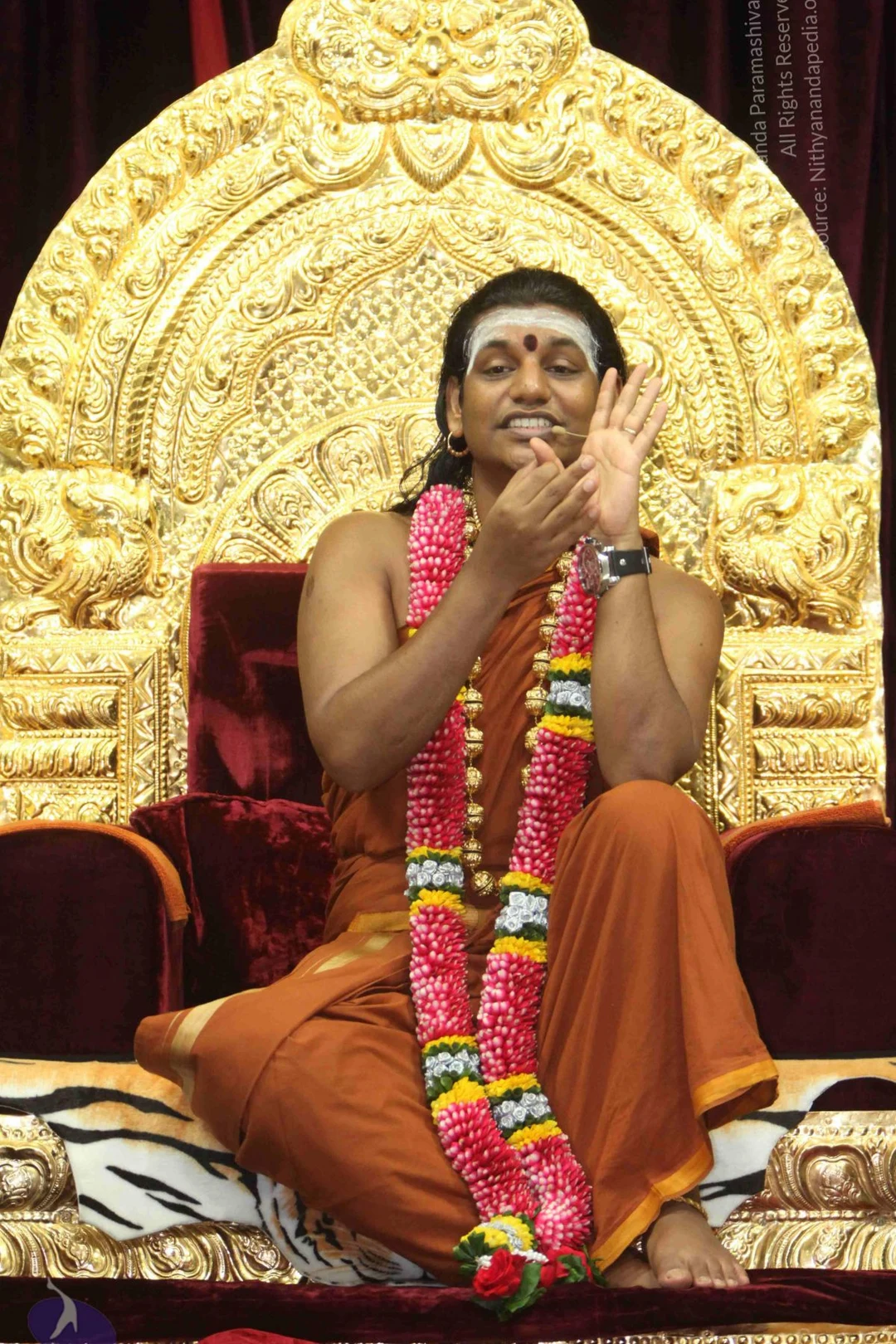
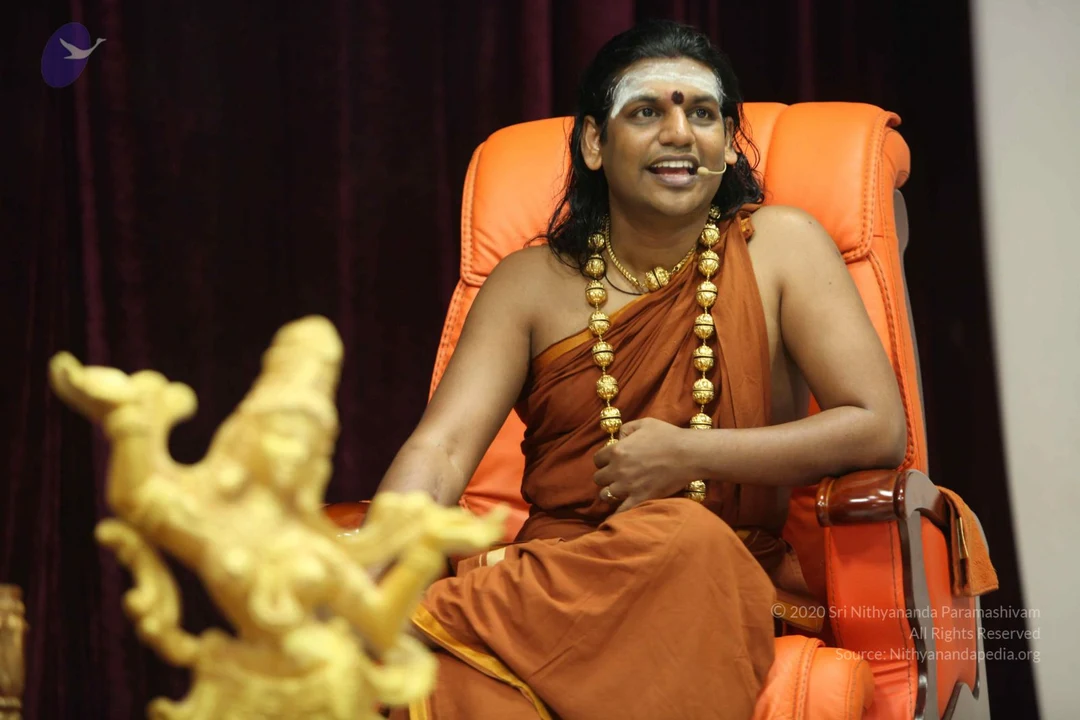
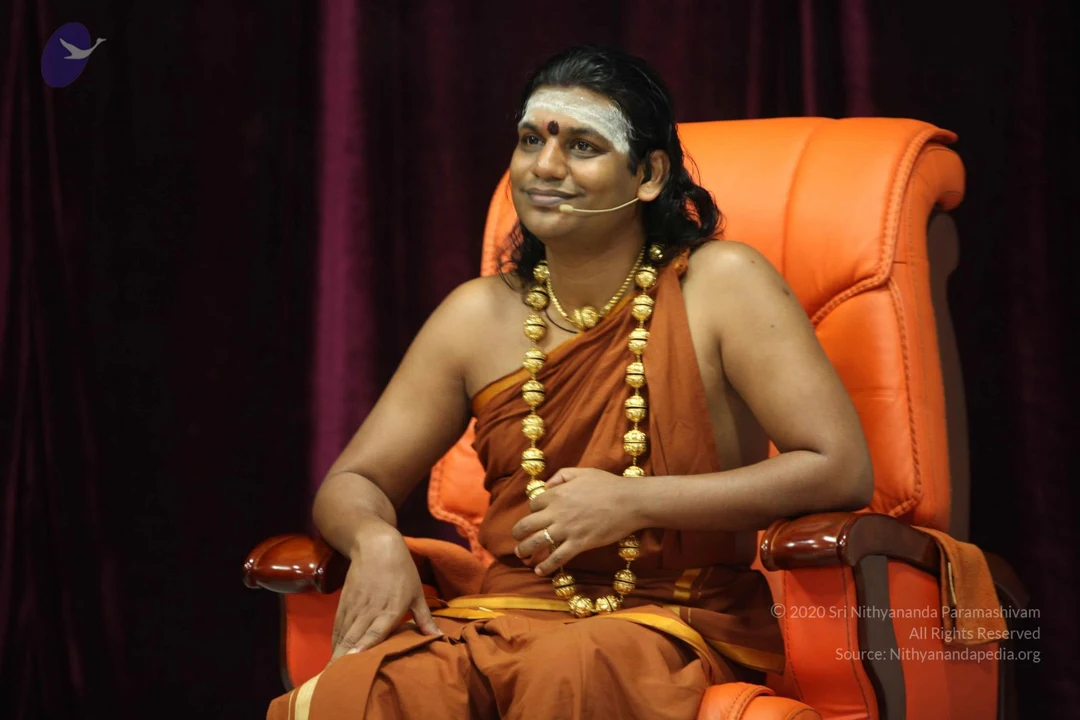
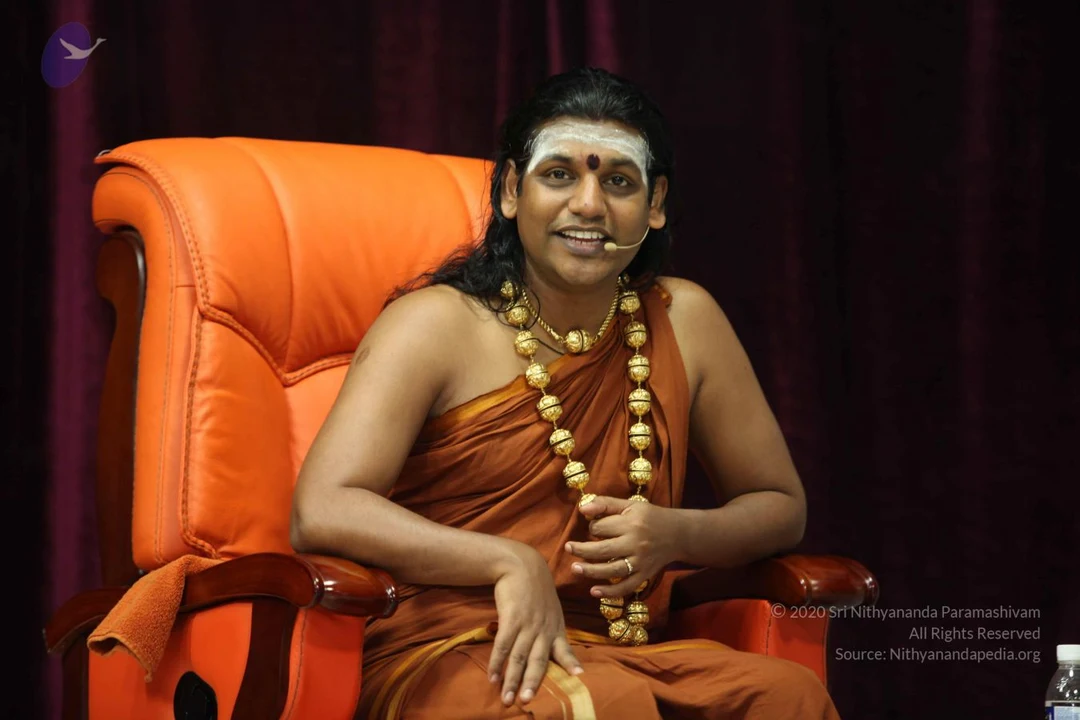
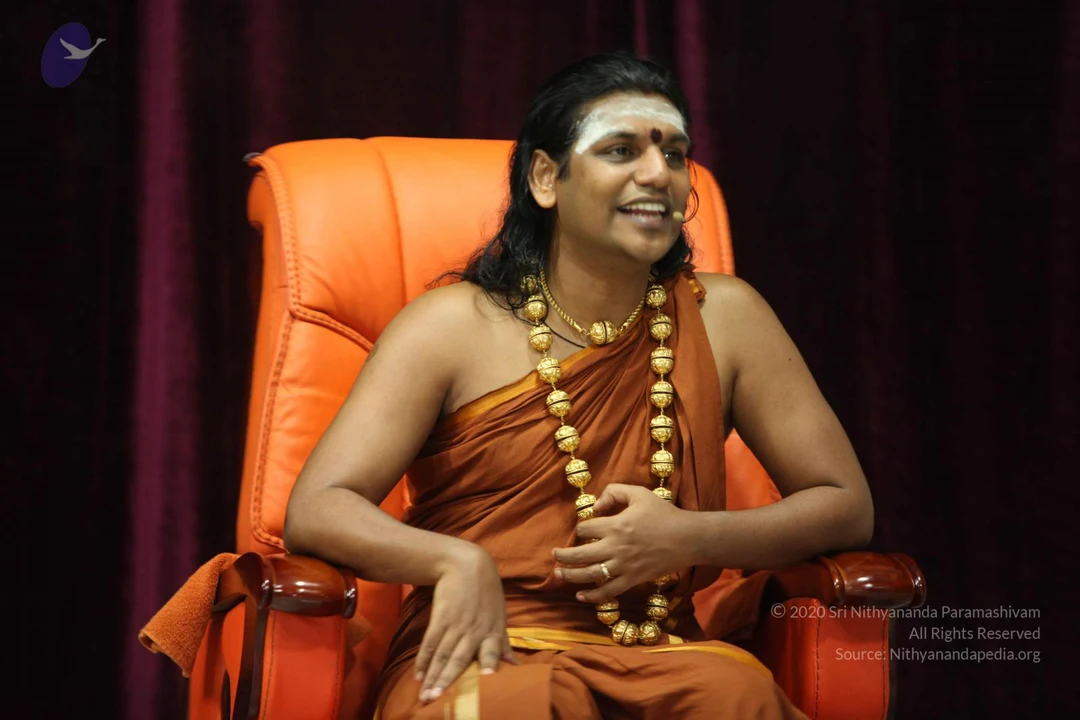
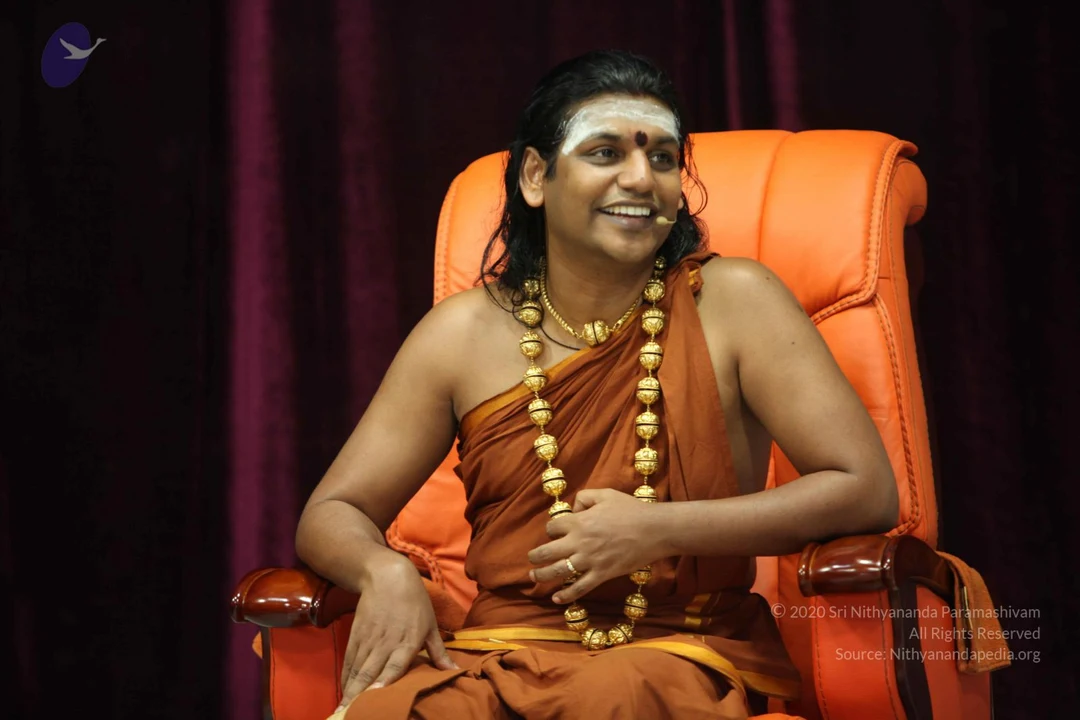
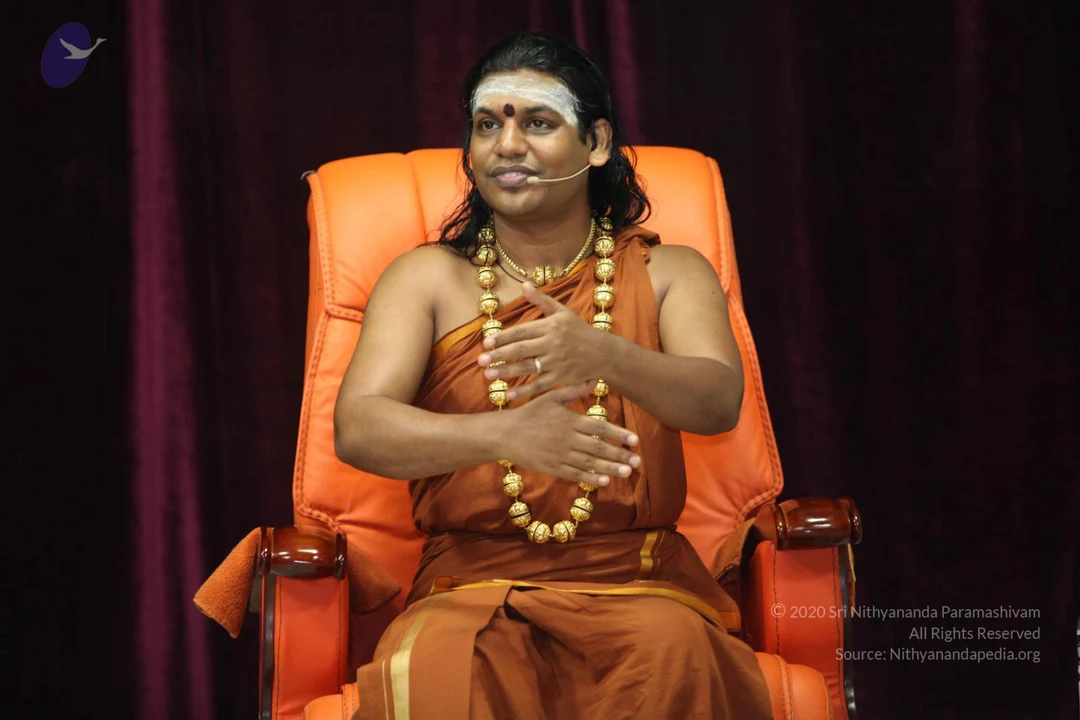
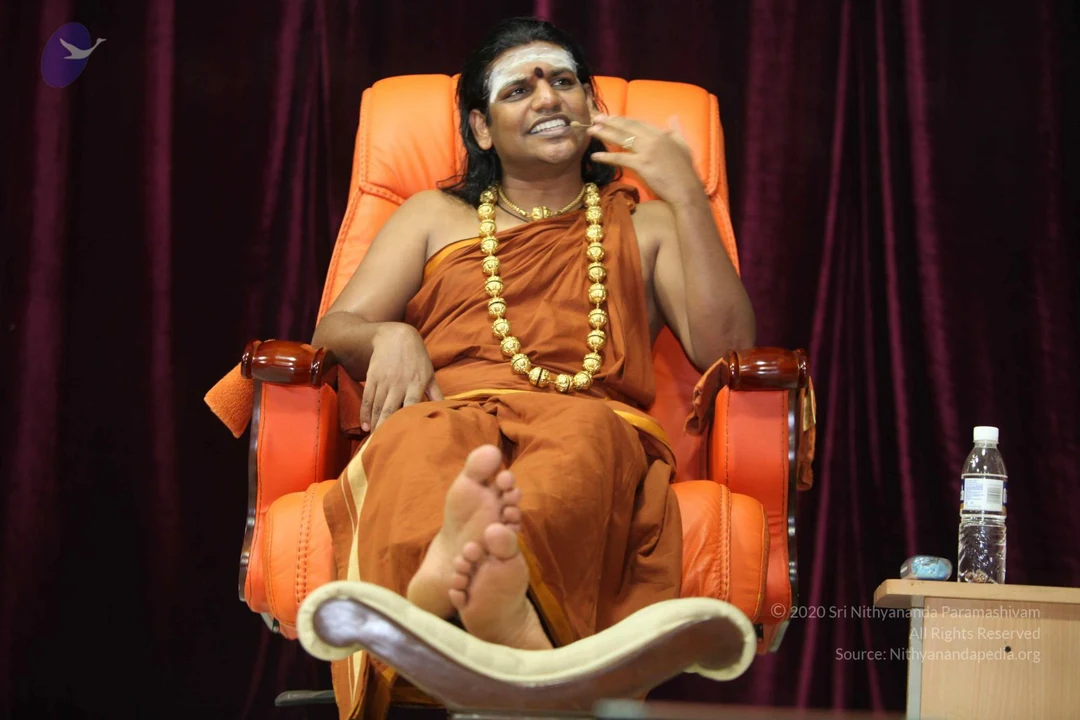
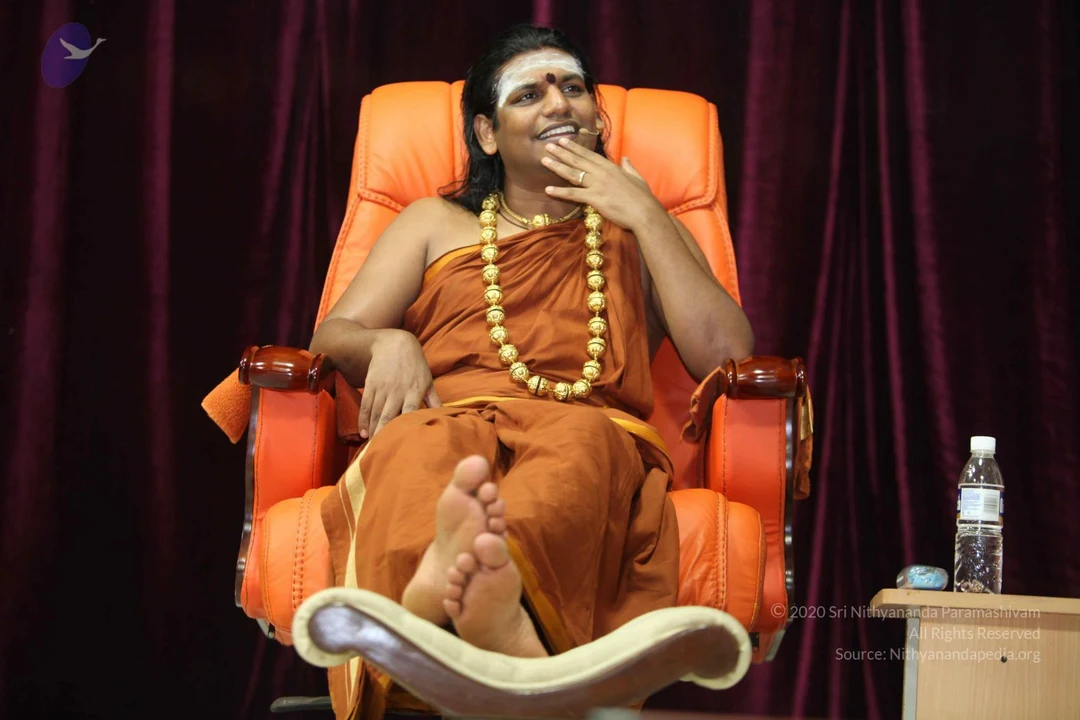
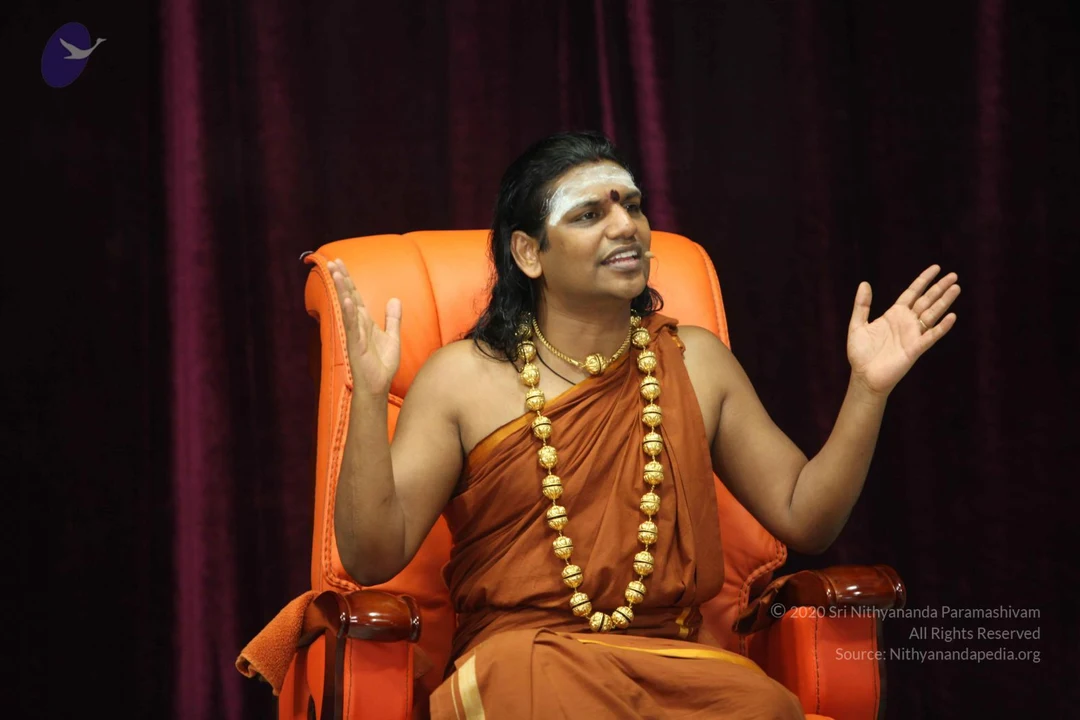
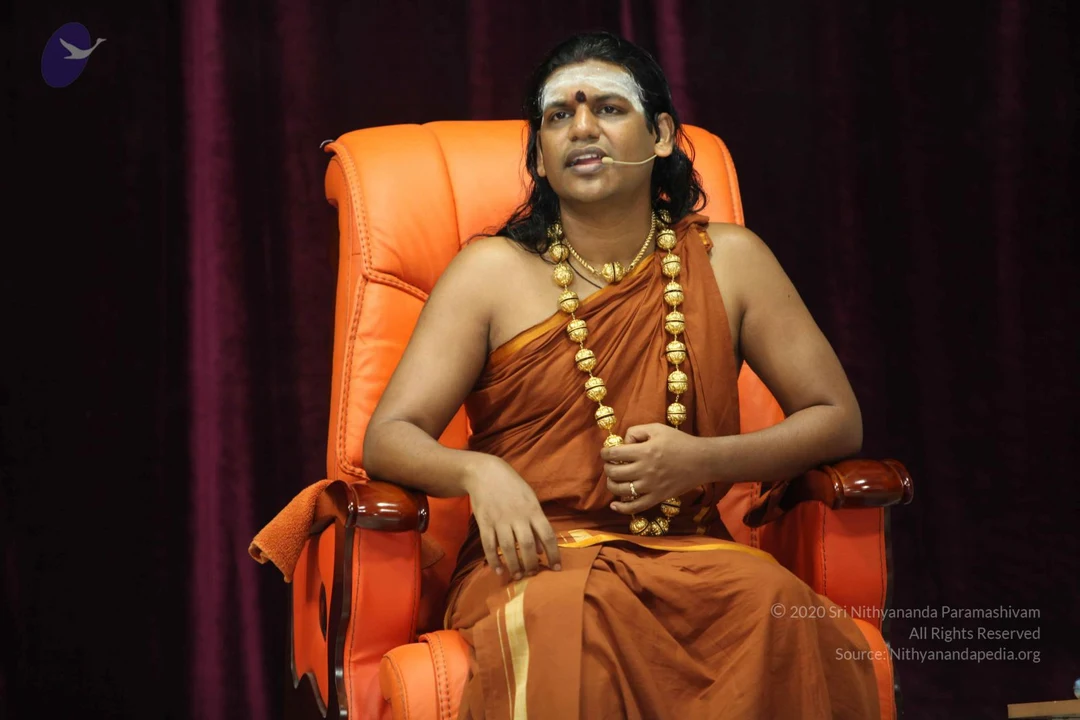
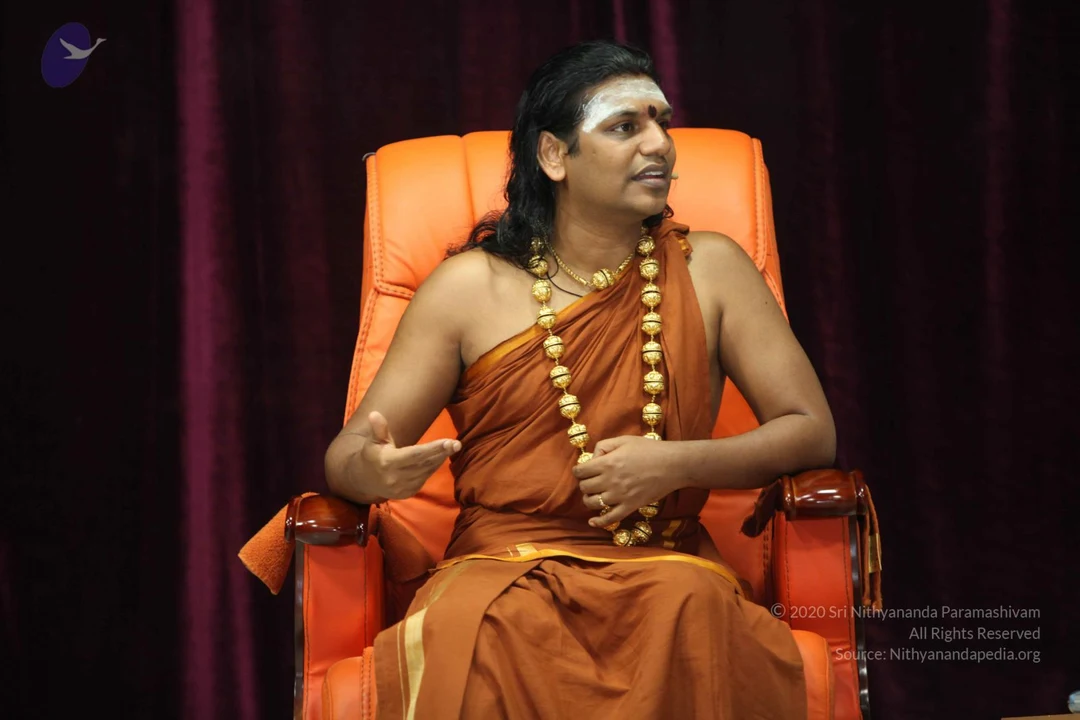
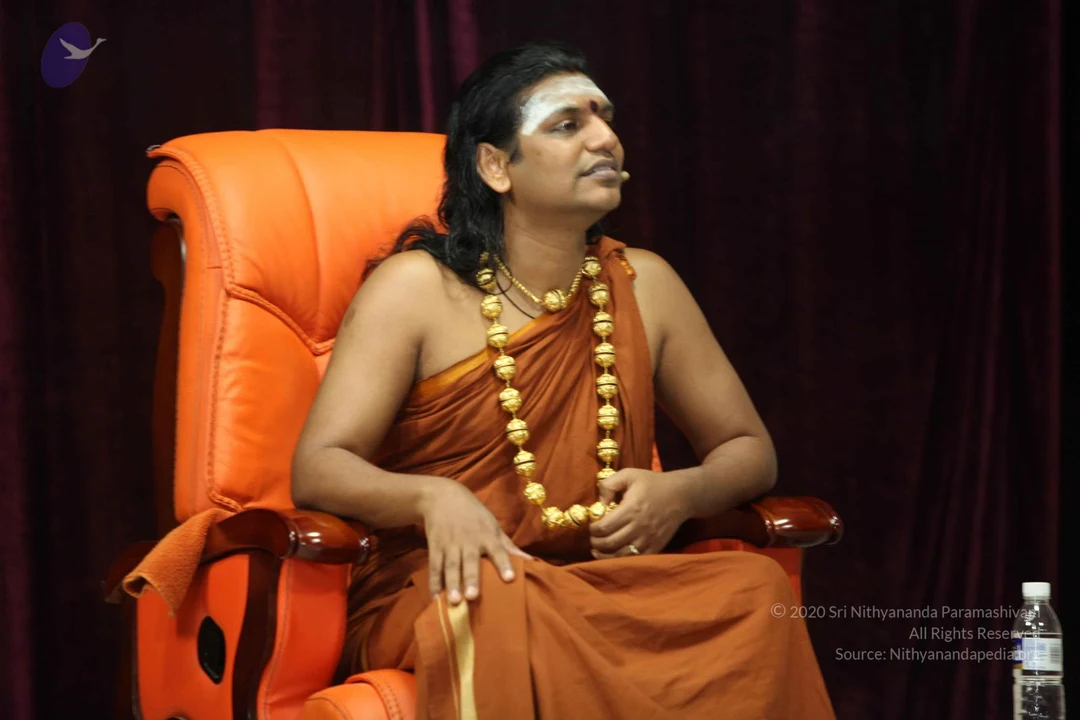
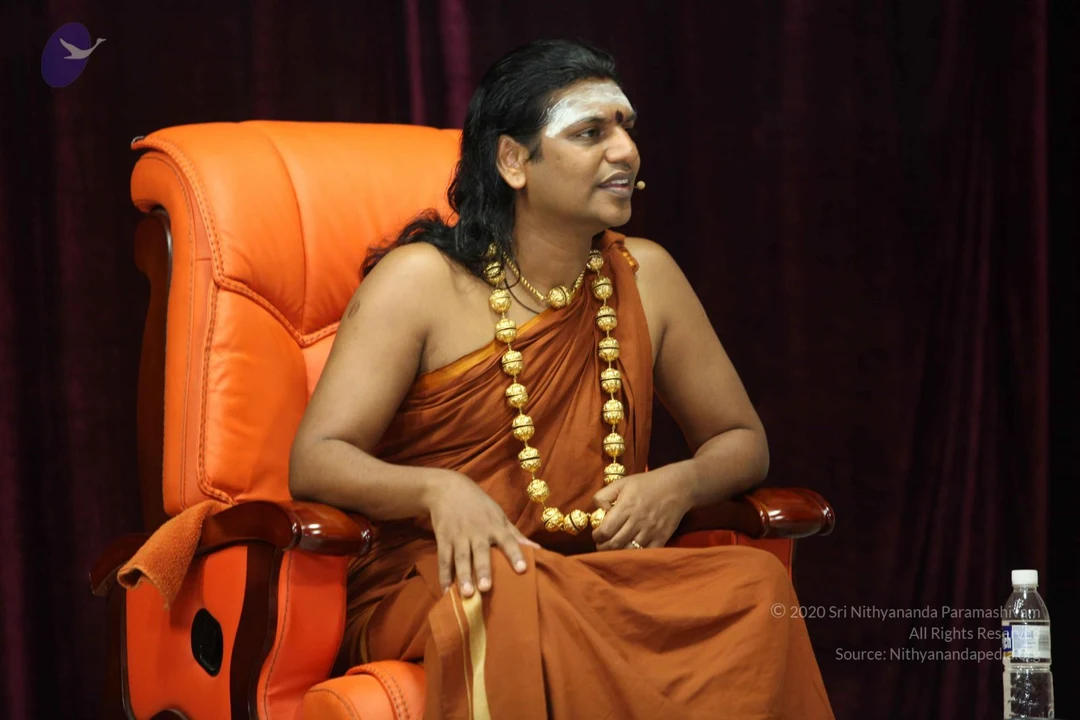
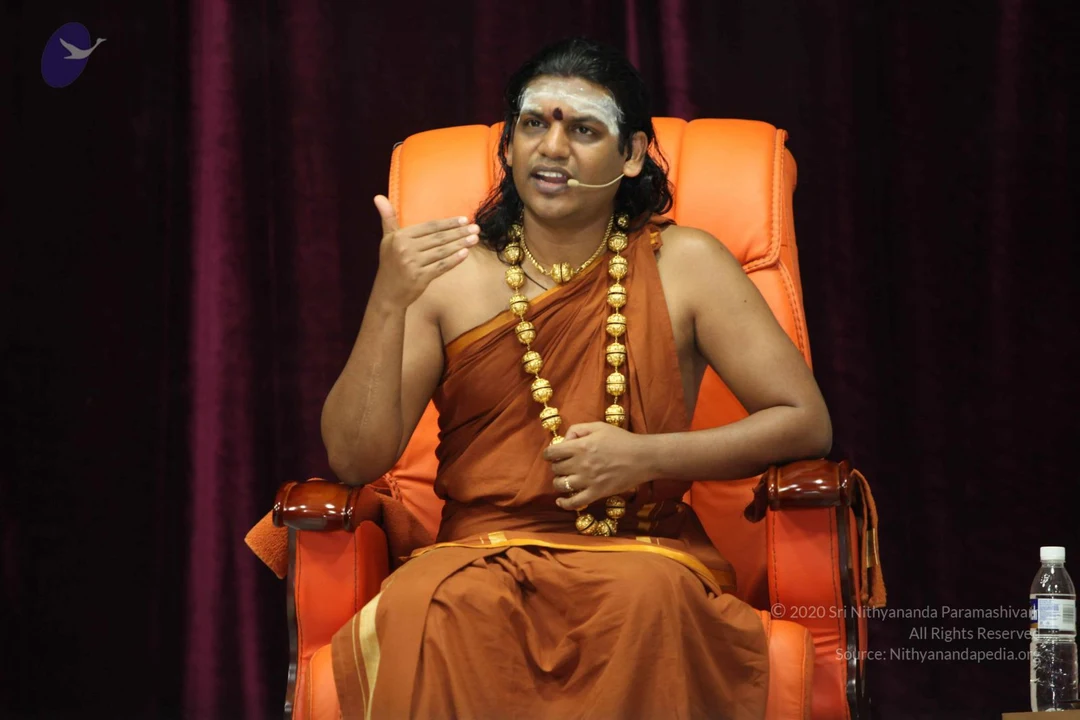
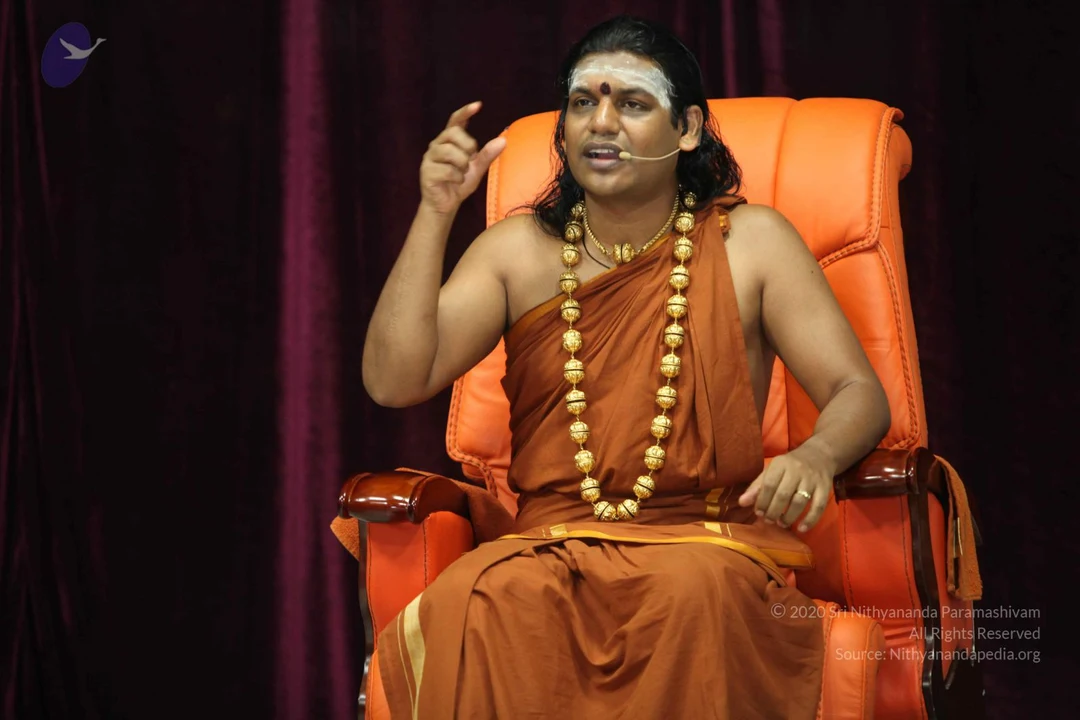
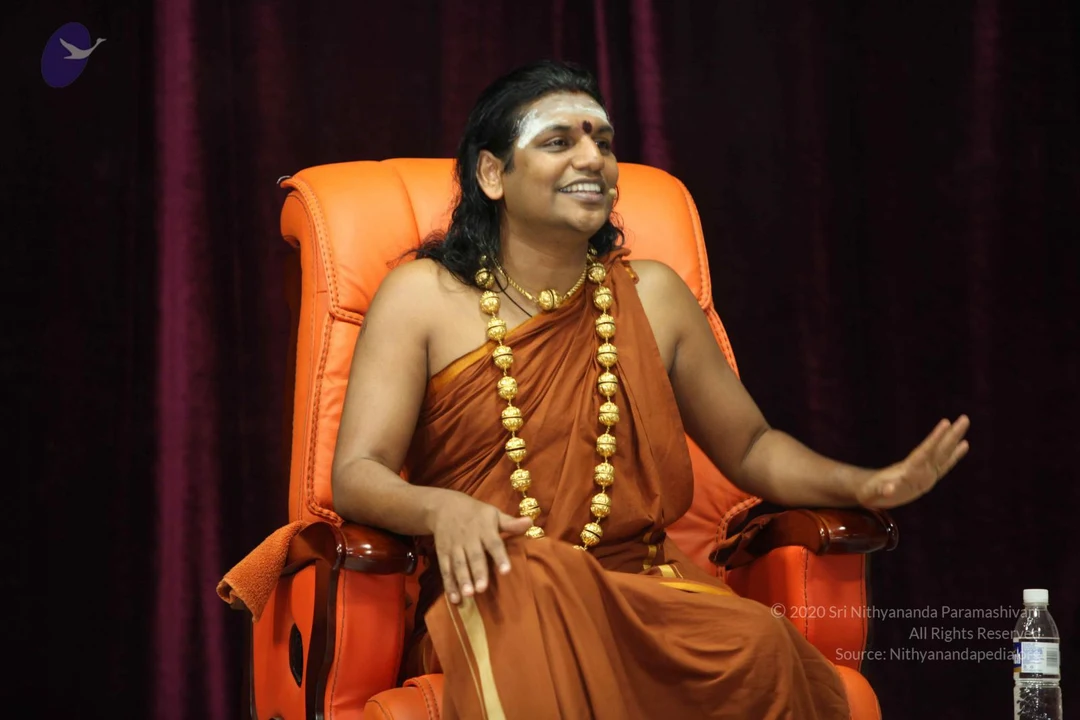
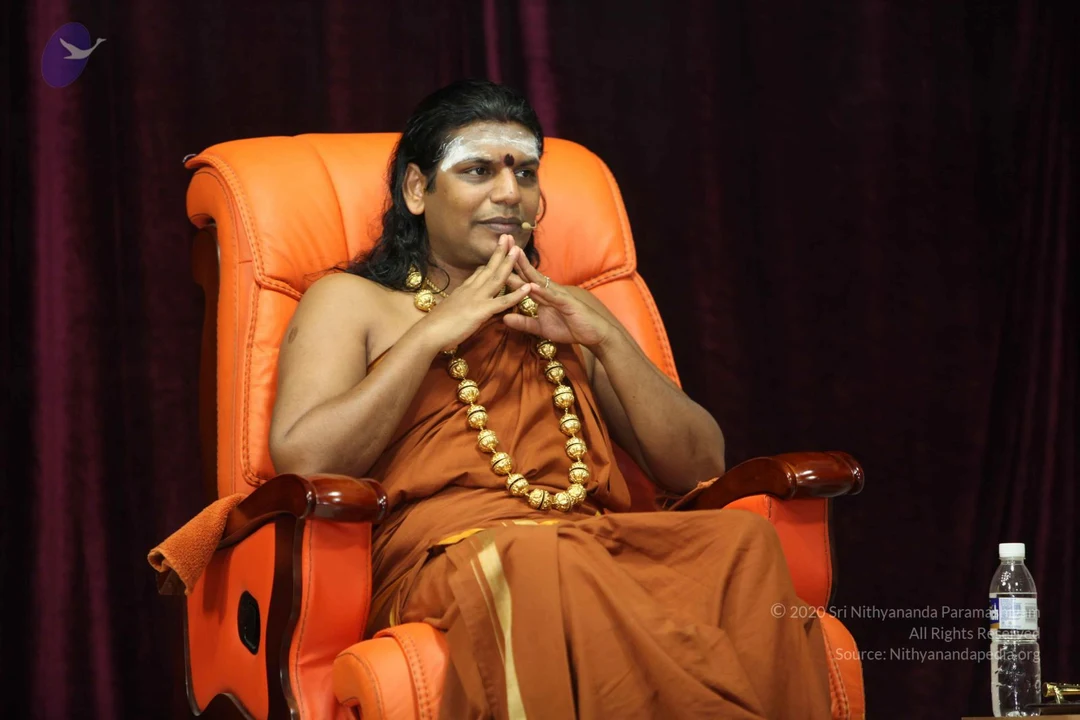
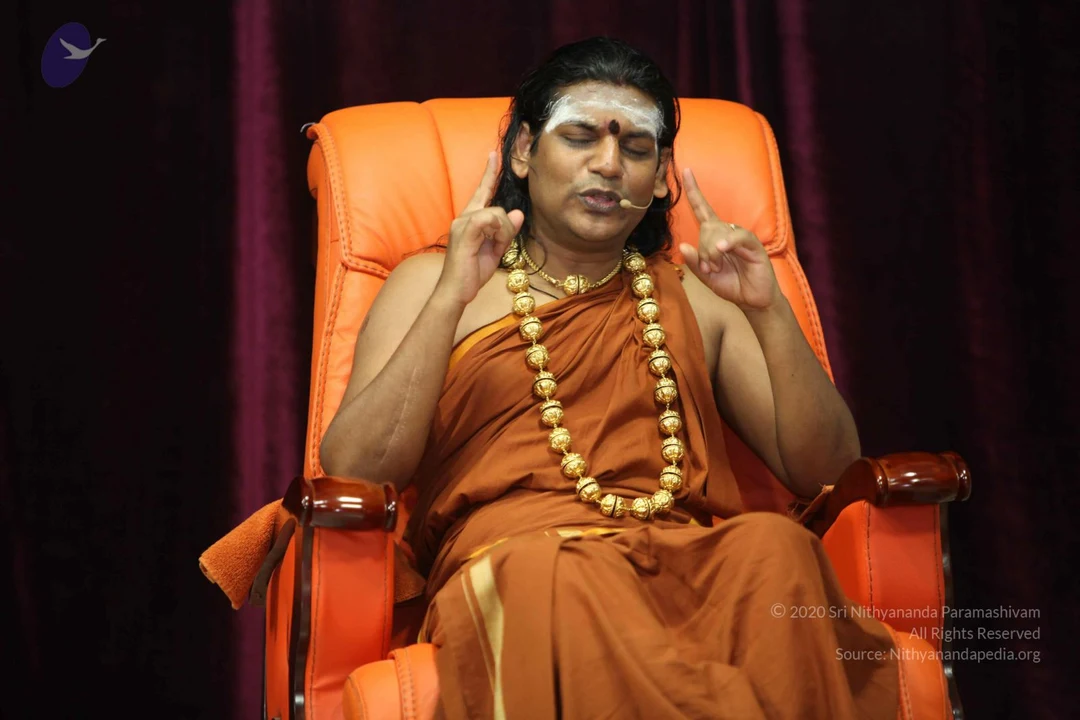
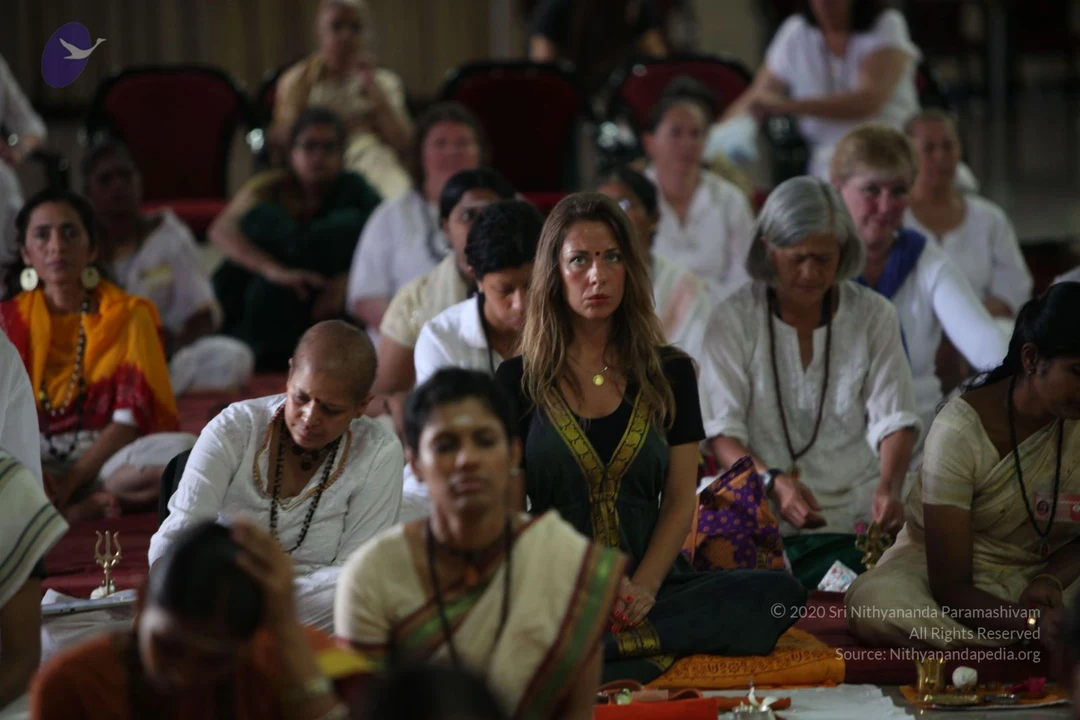
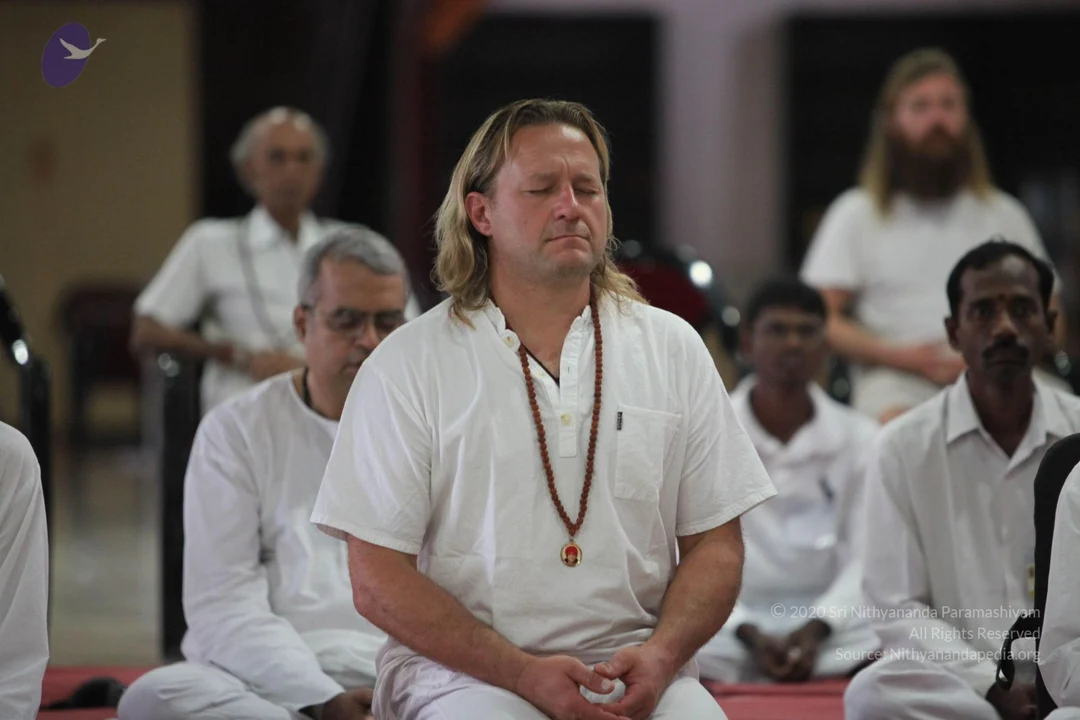
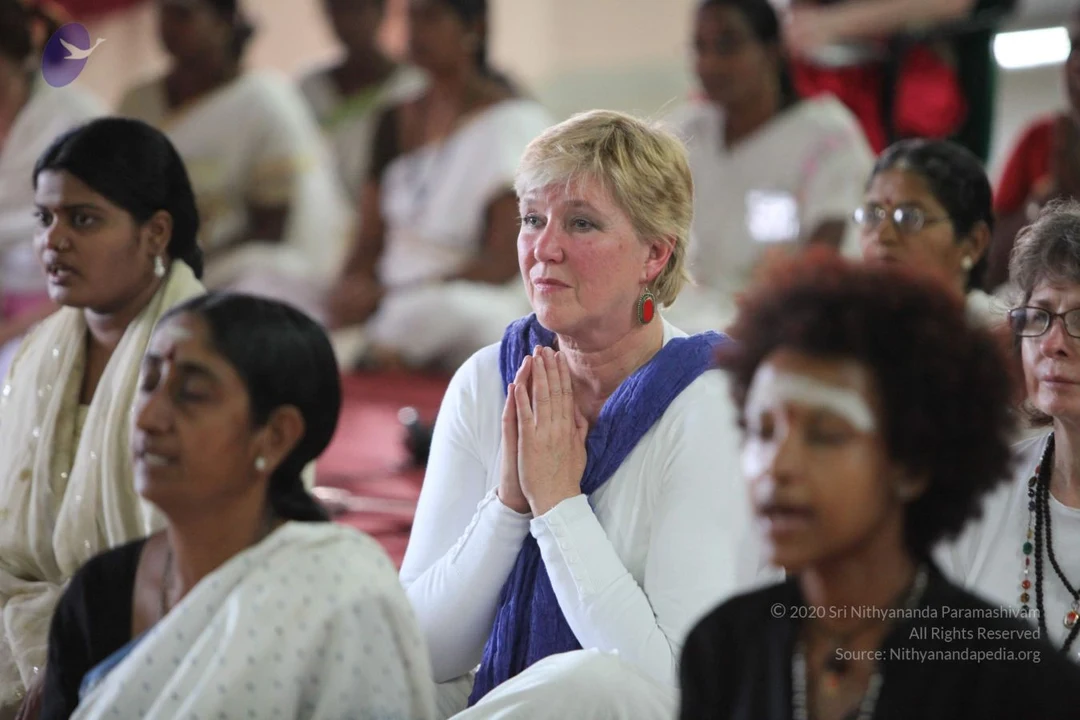
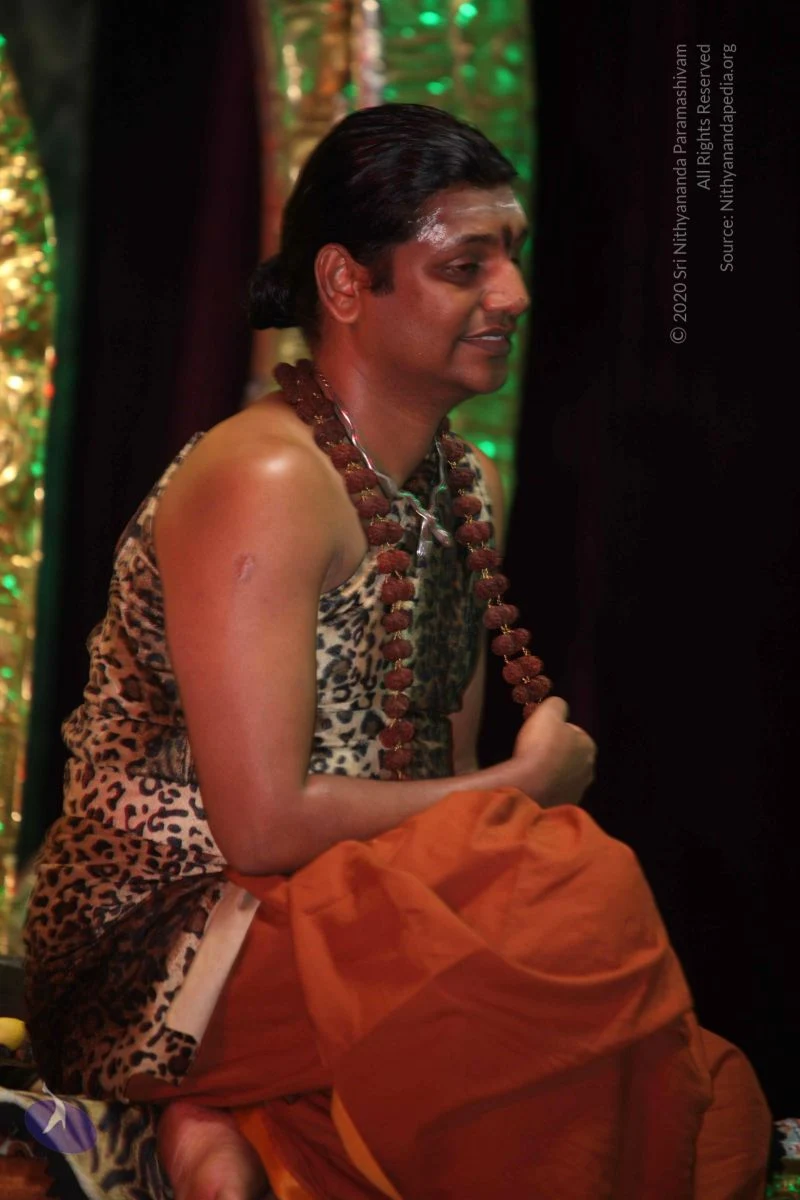
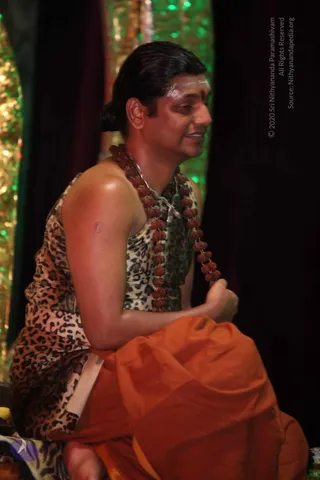
Satsang

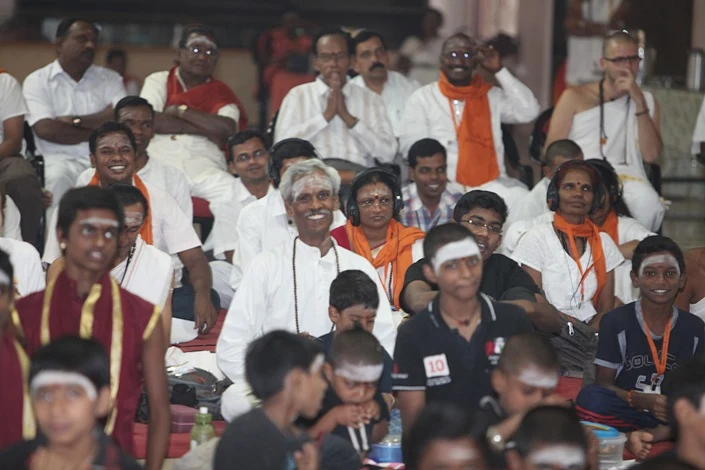
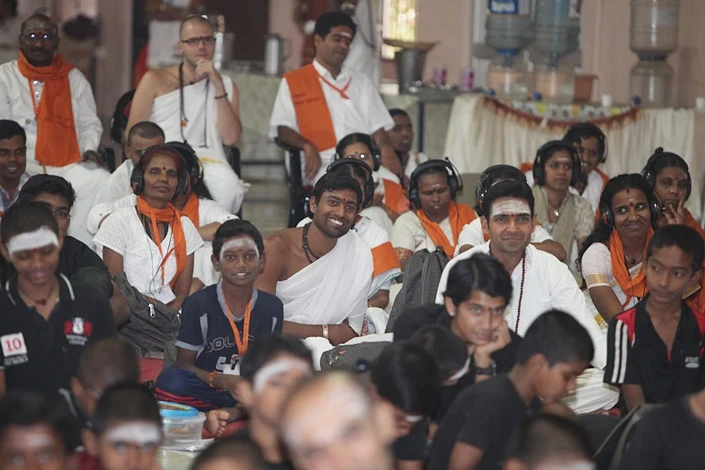
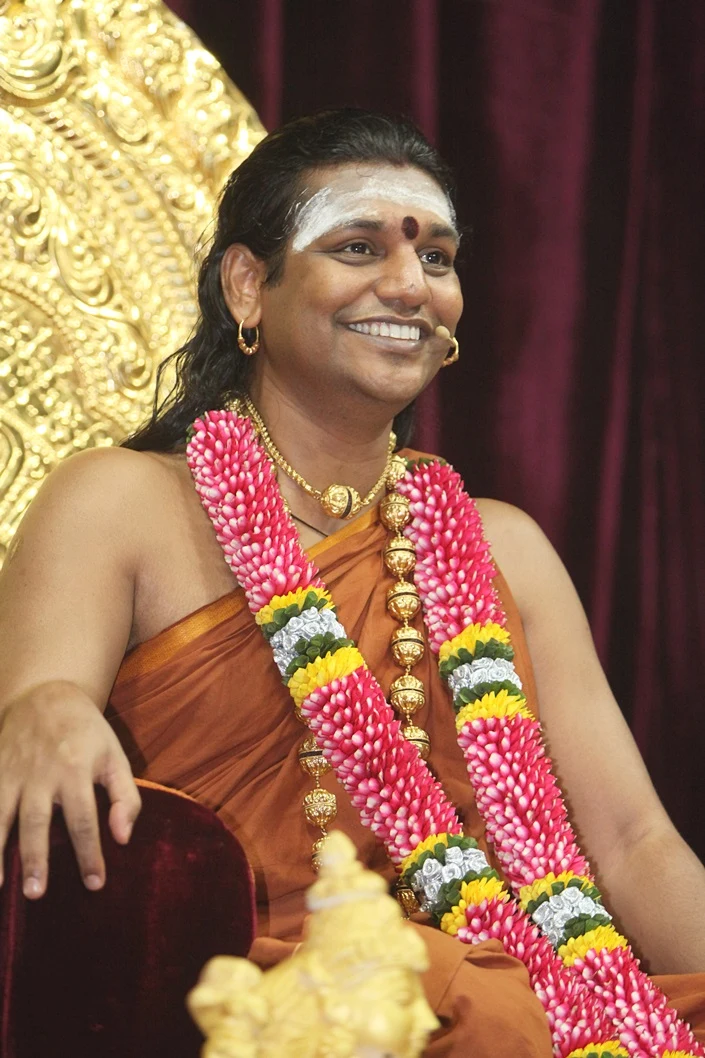
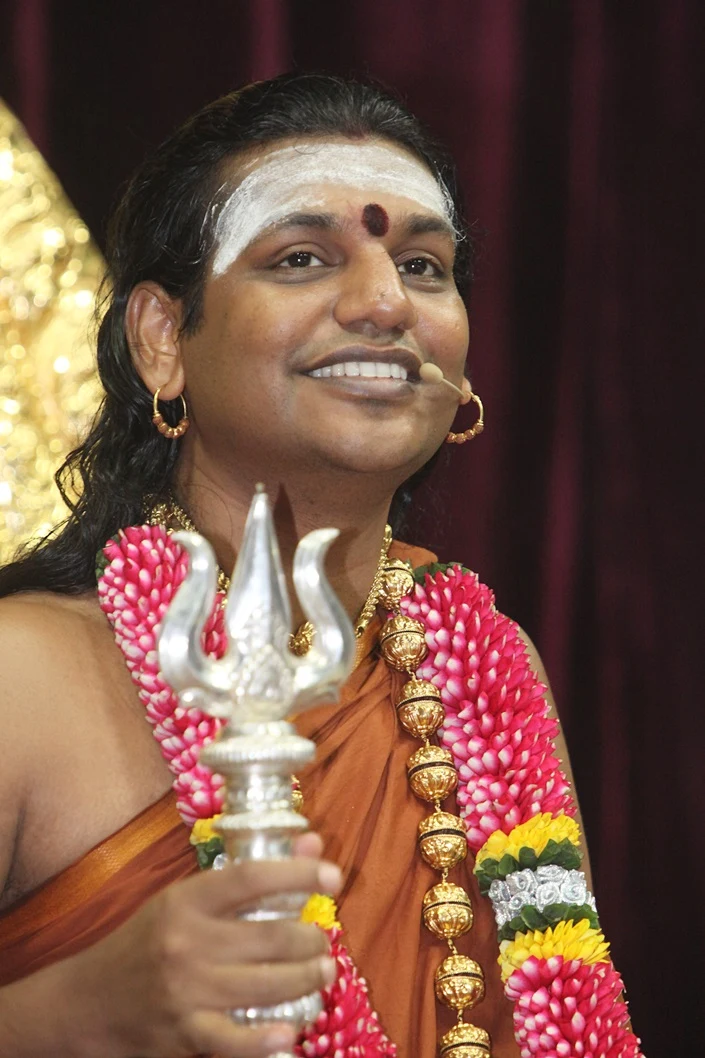
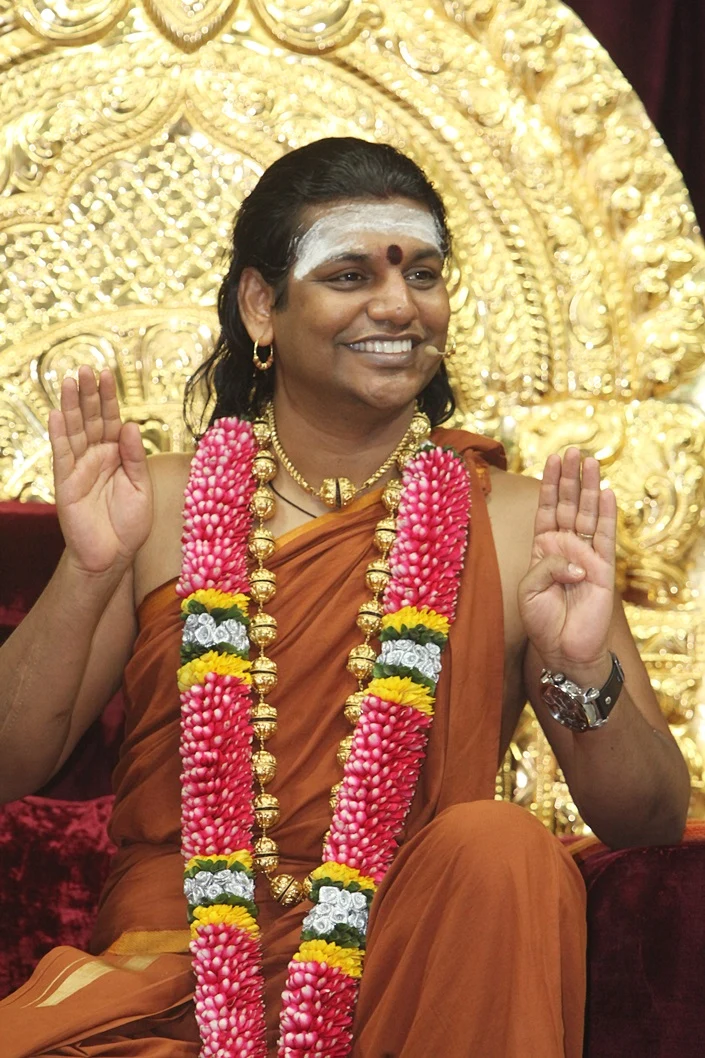
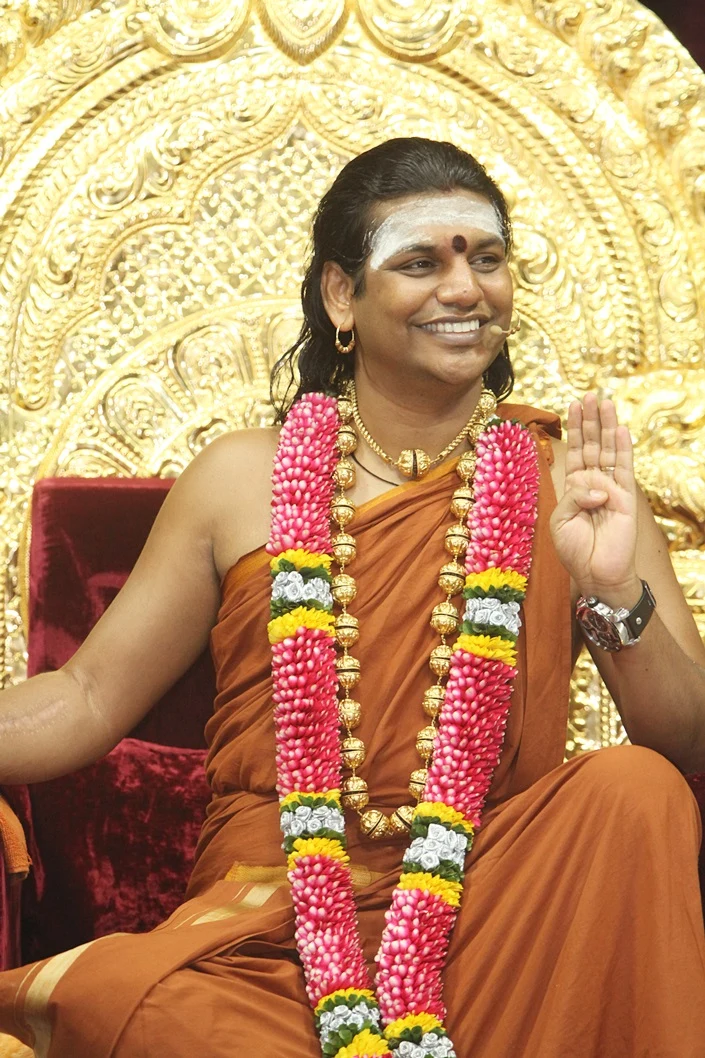
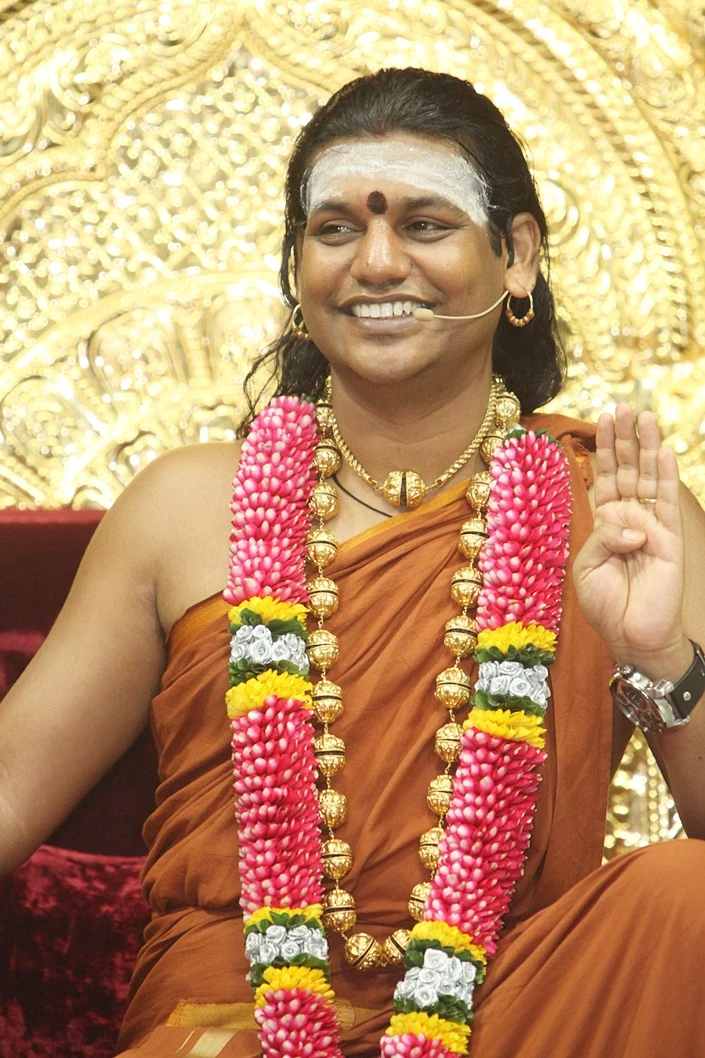
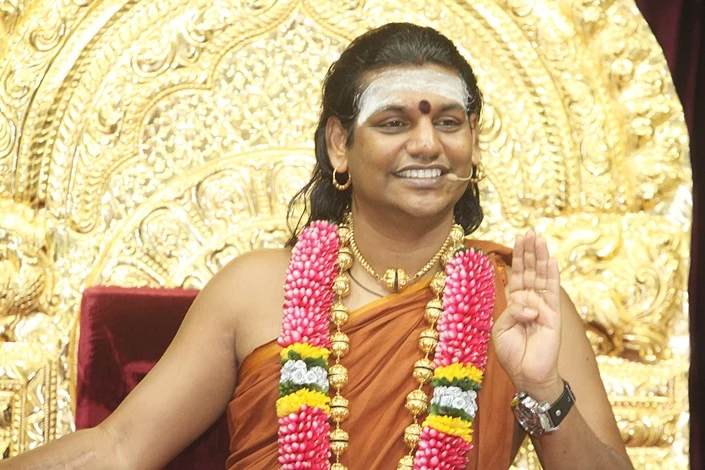
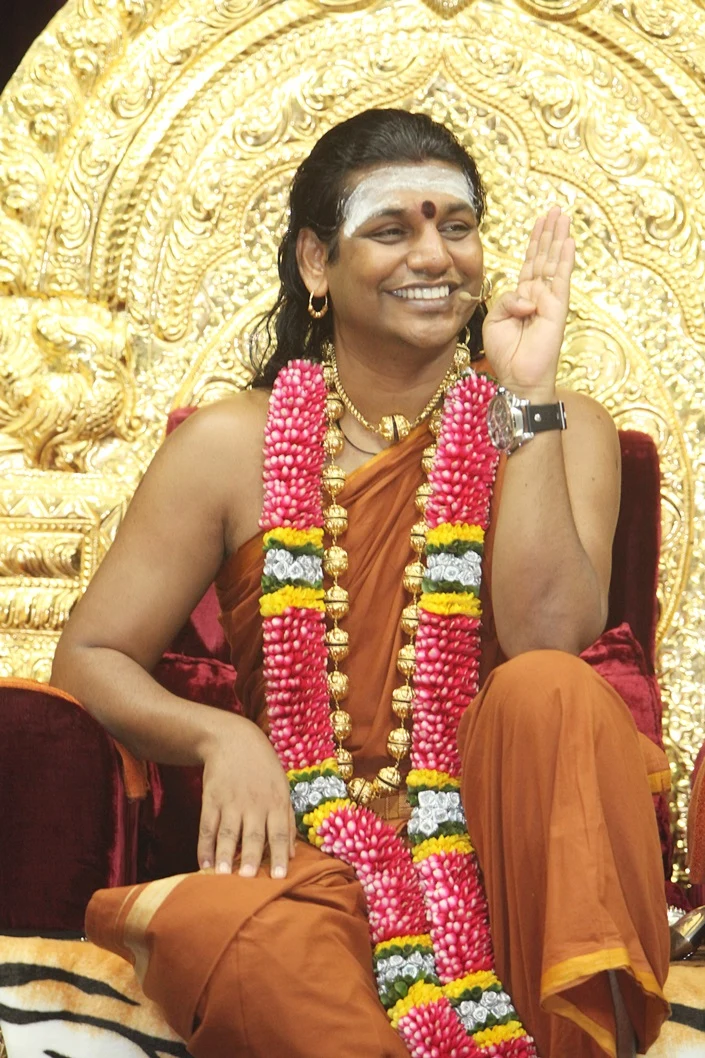
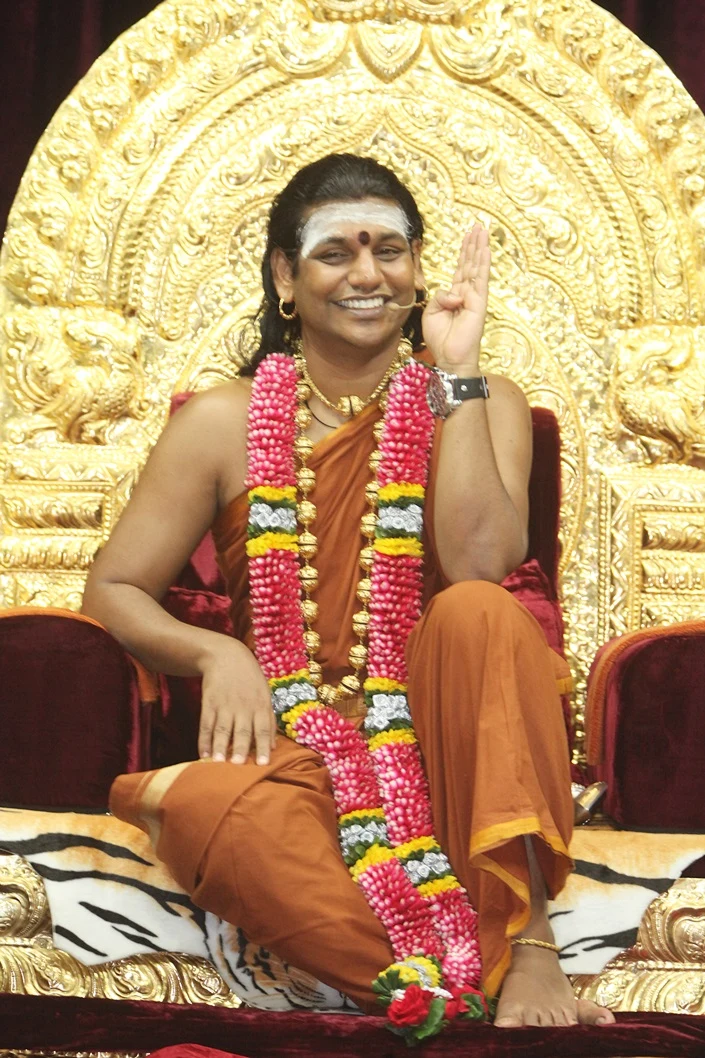
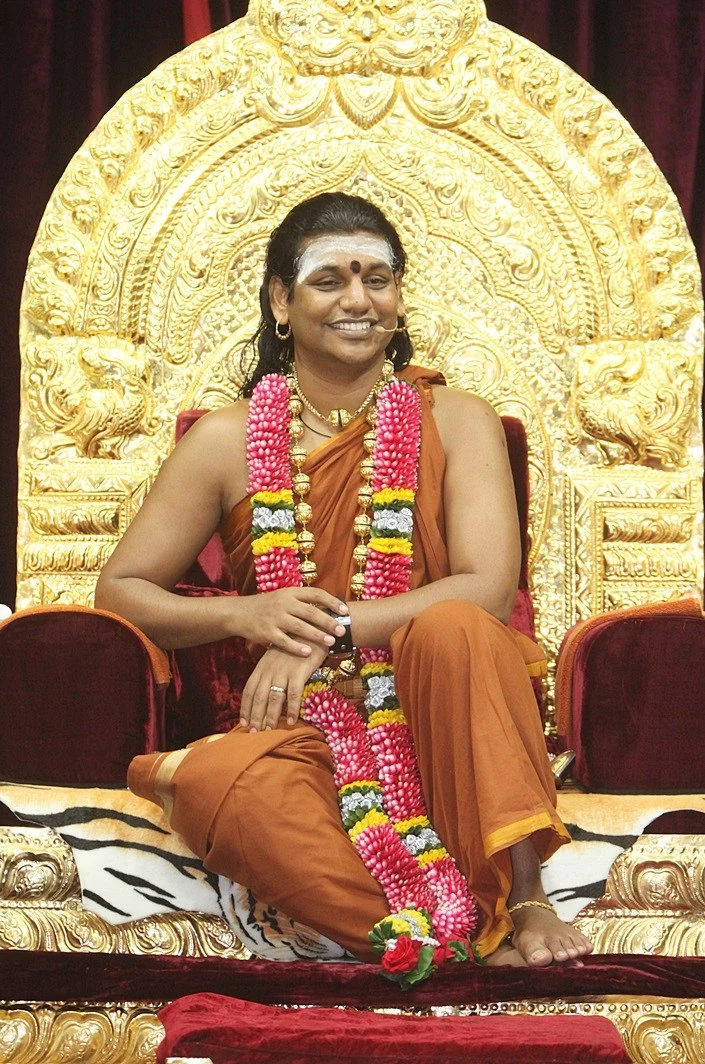
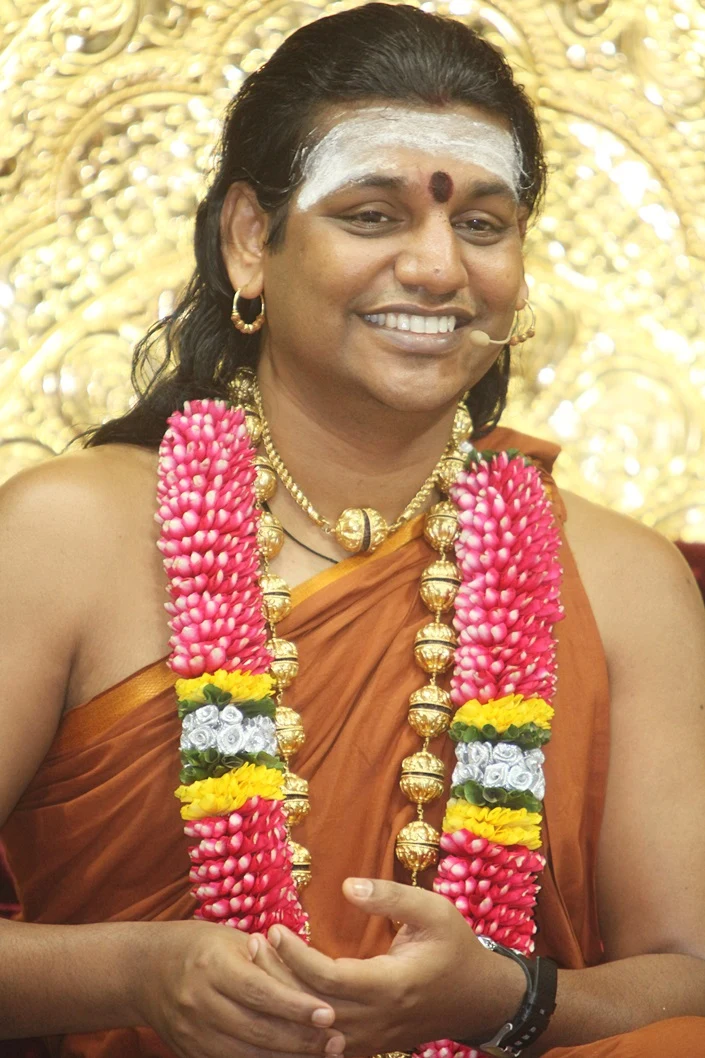
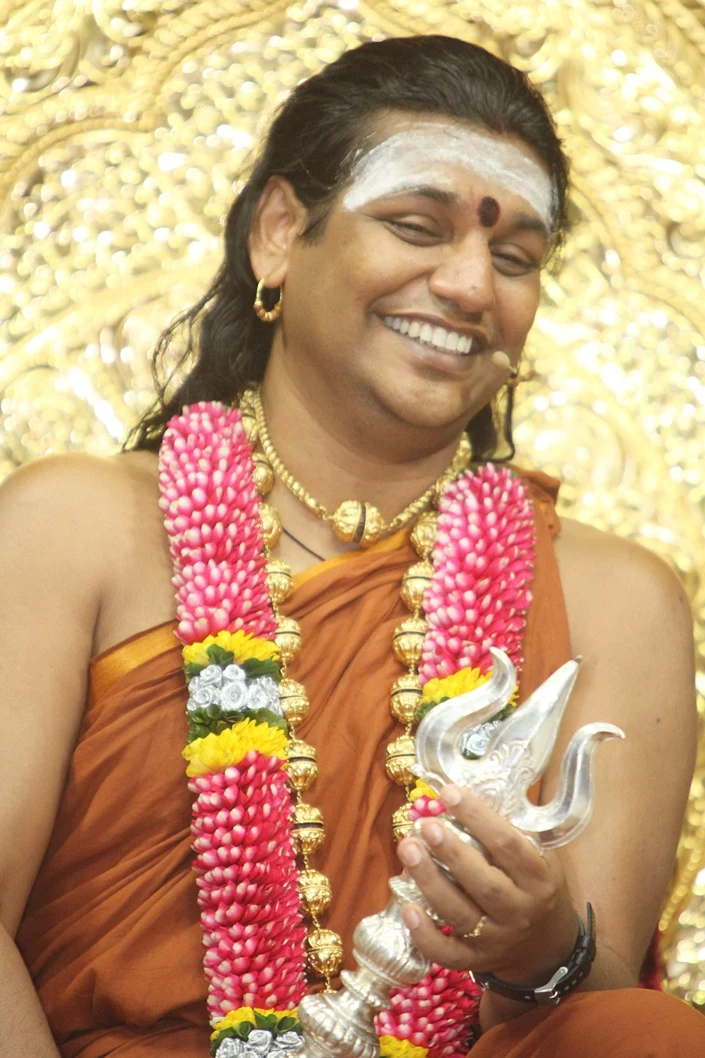
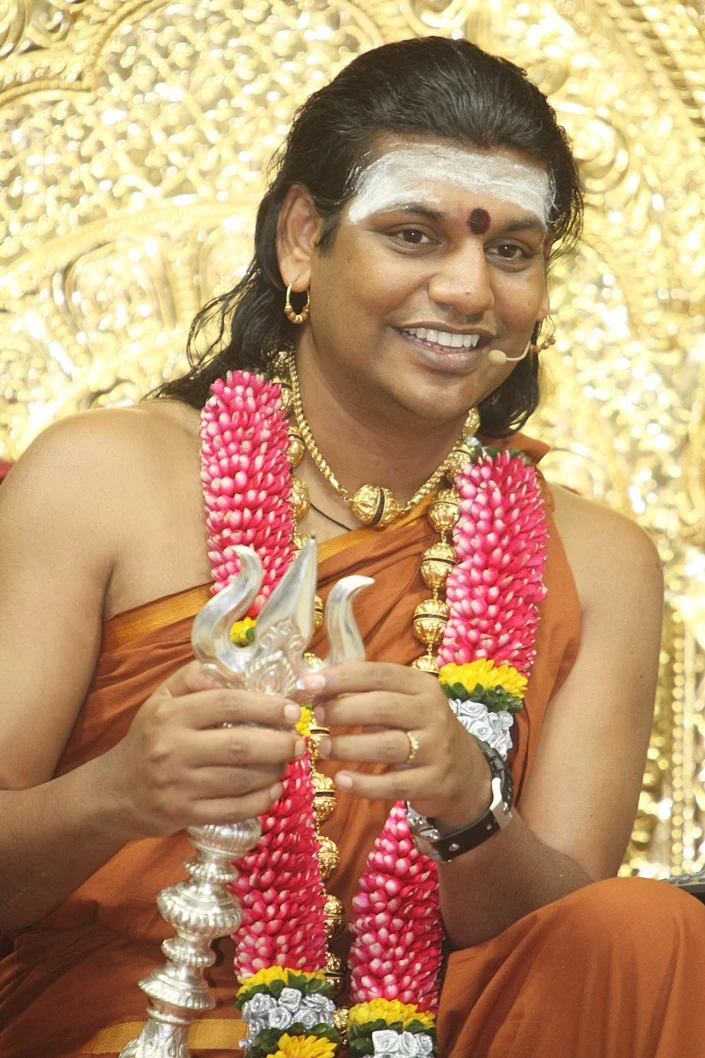
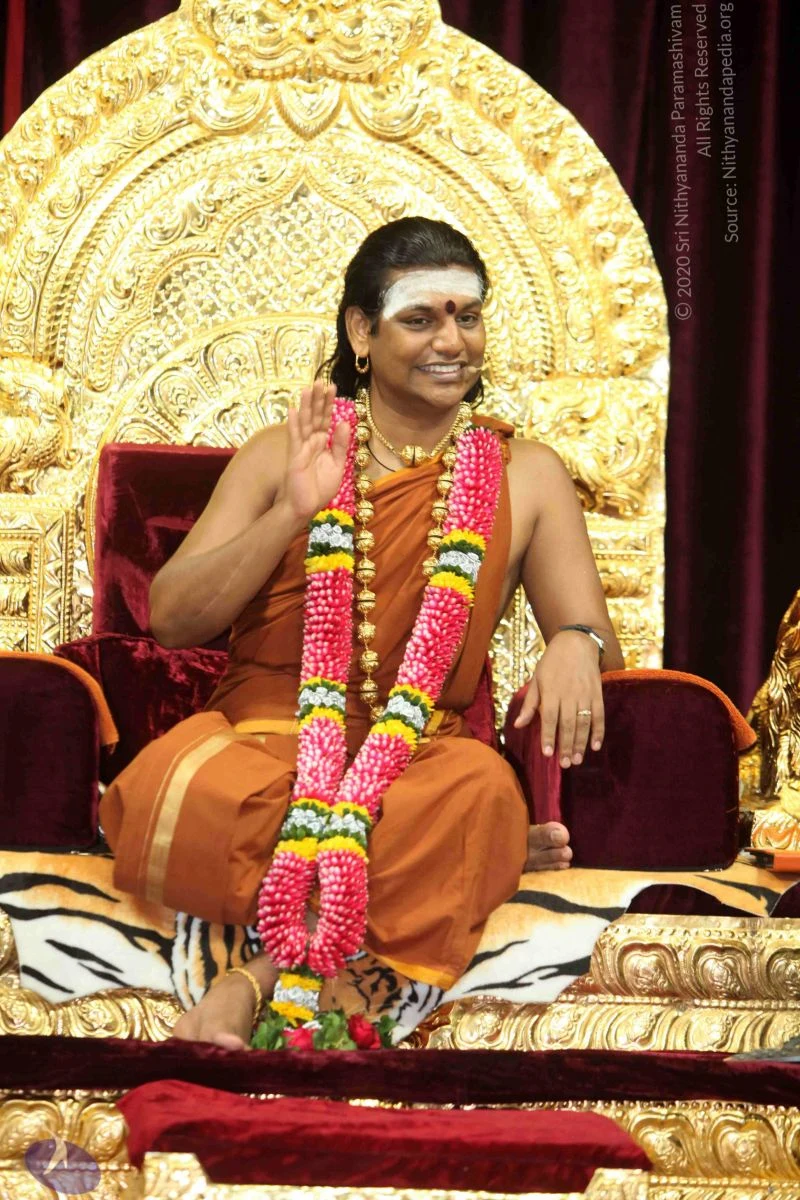
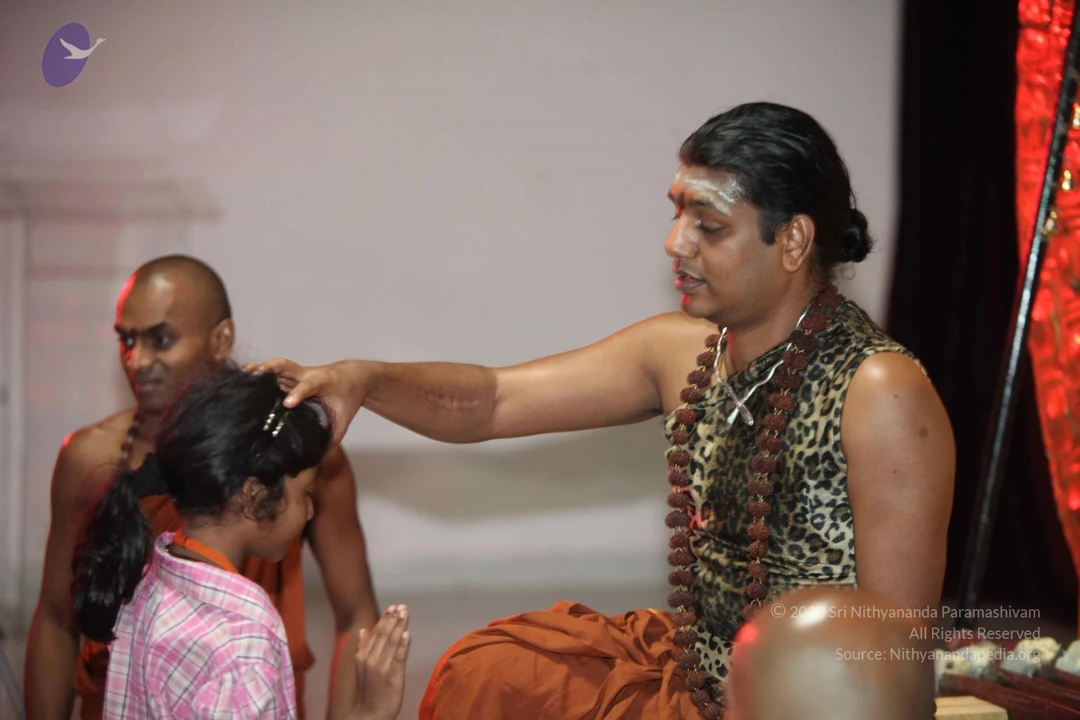
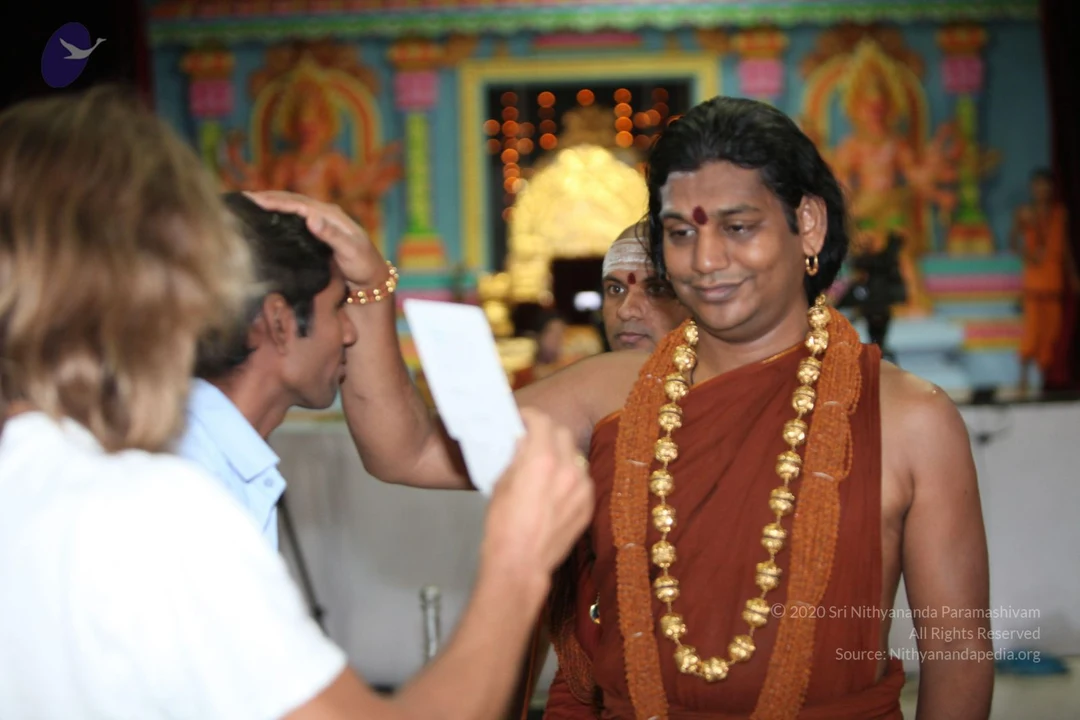
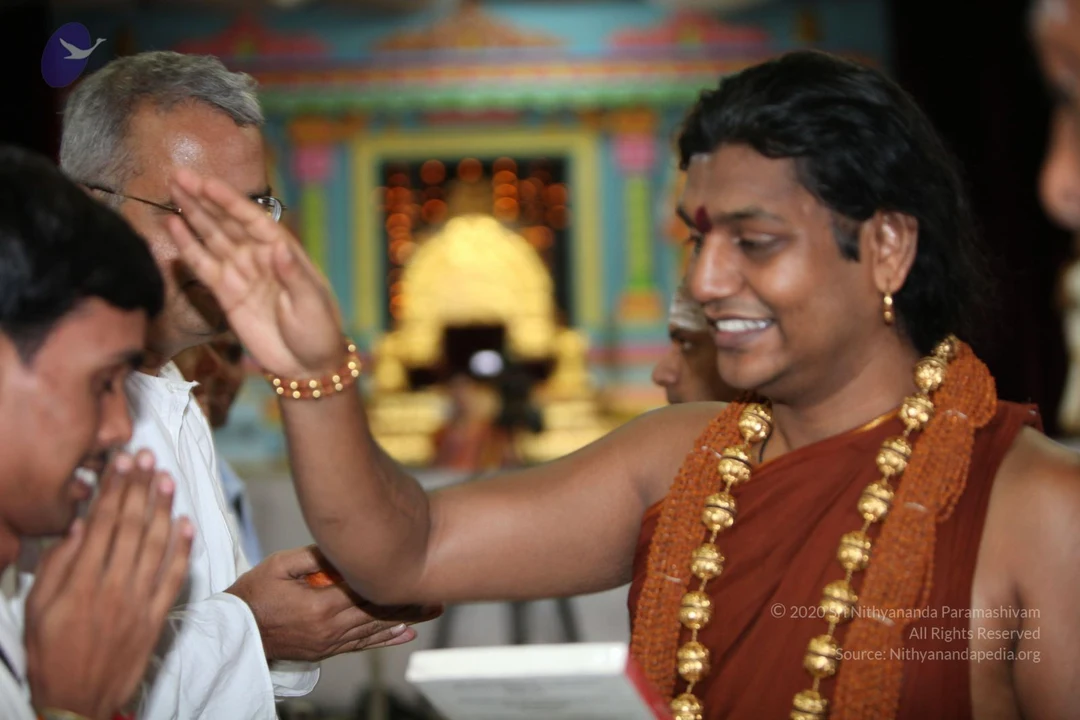
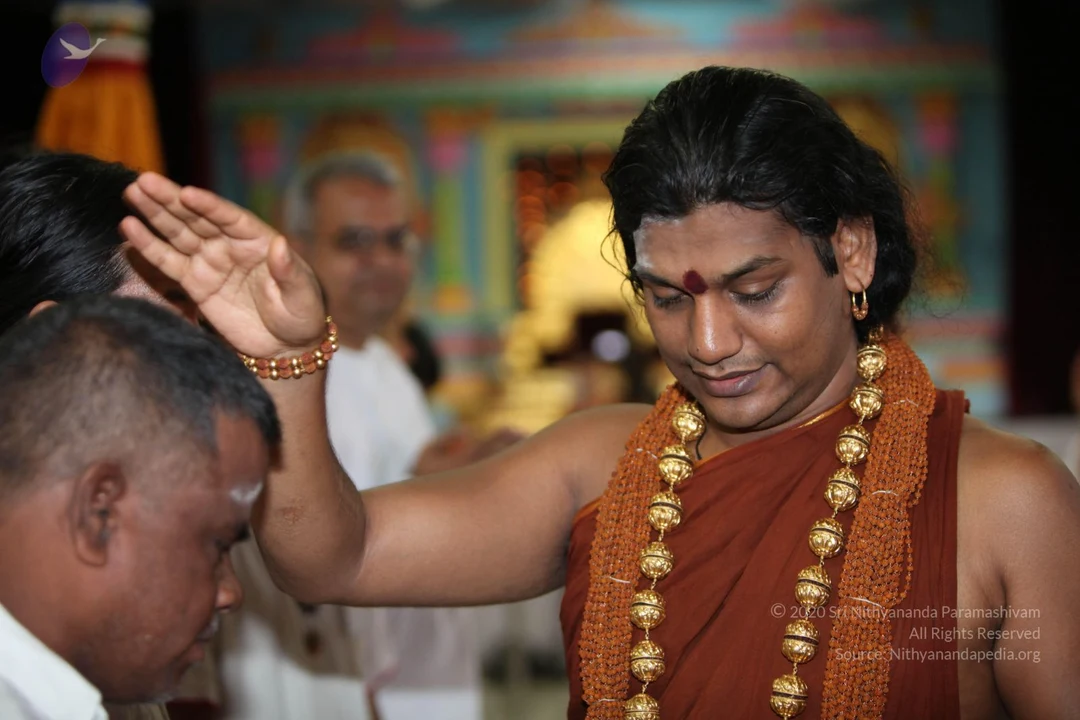
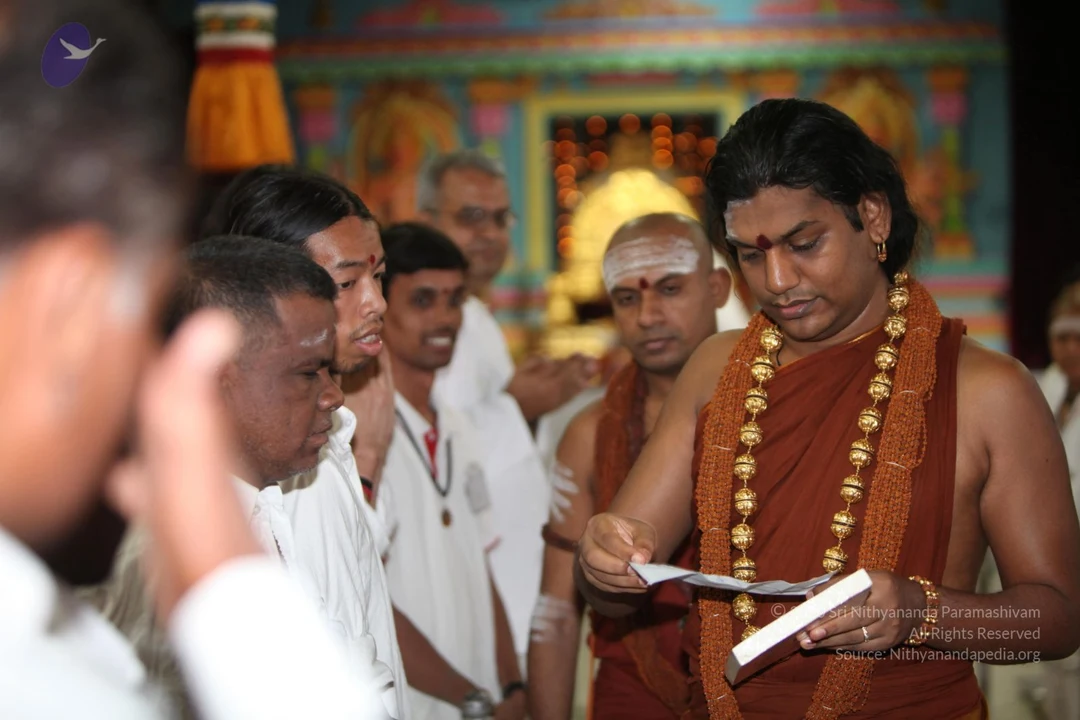
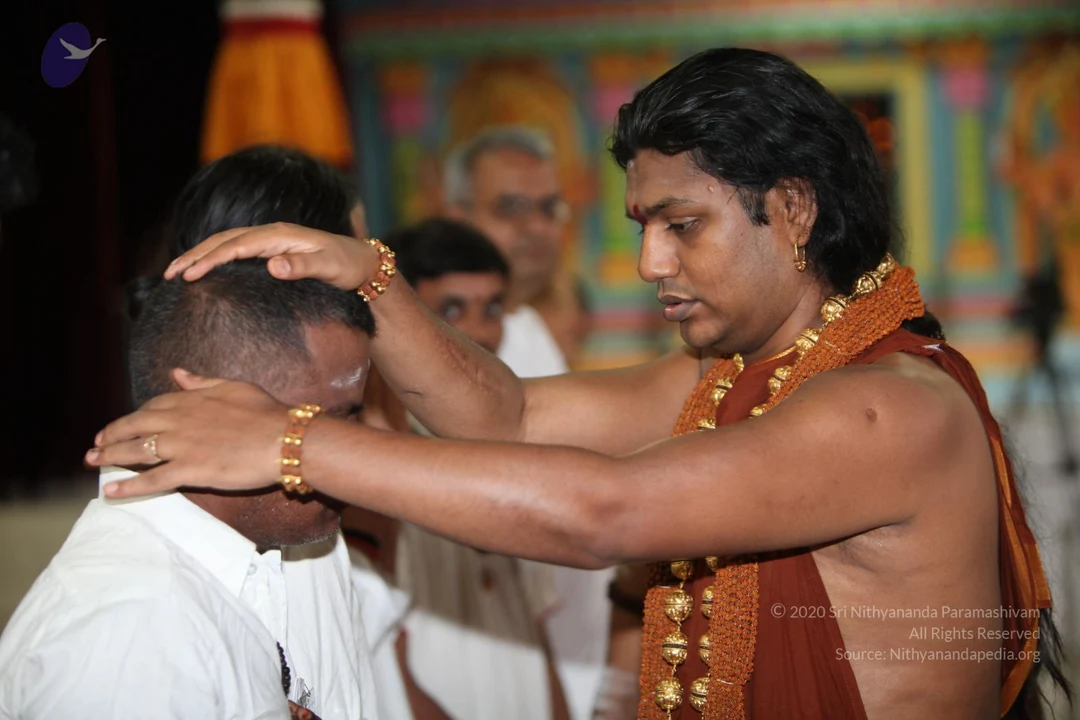
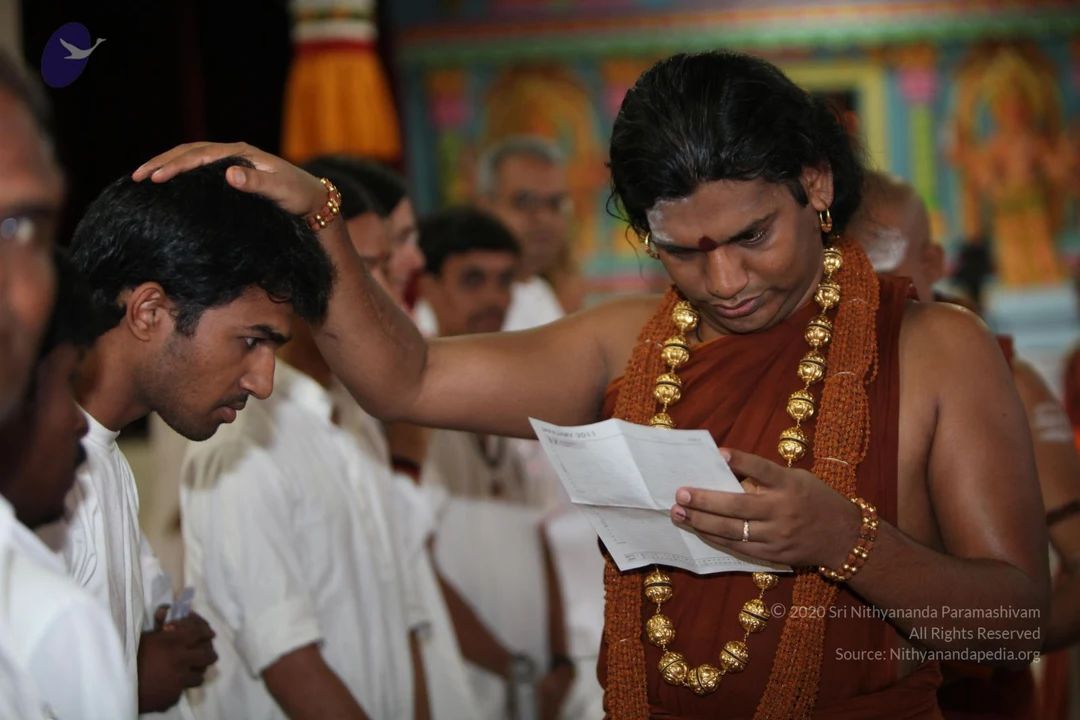
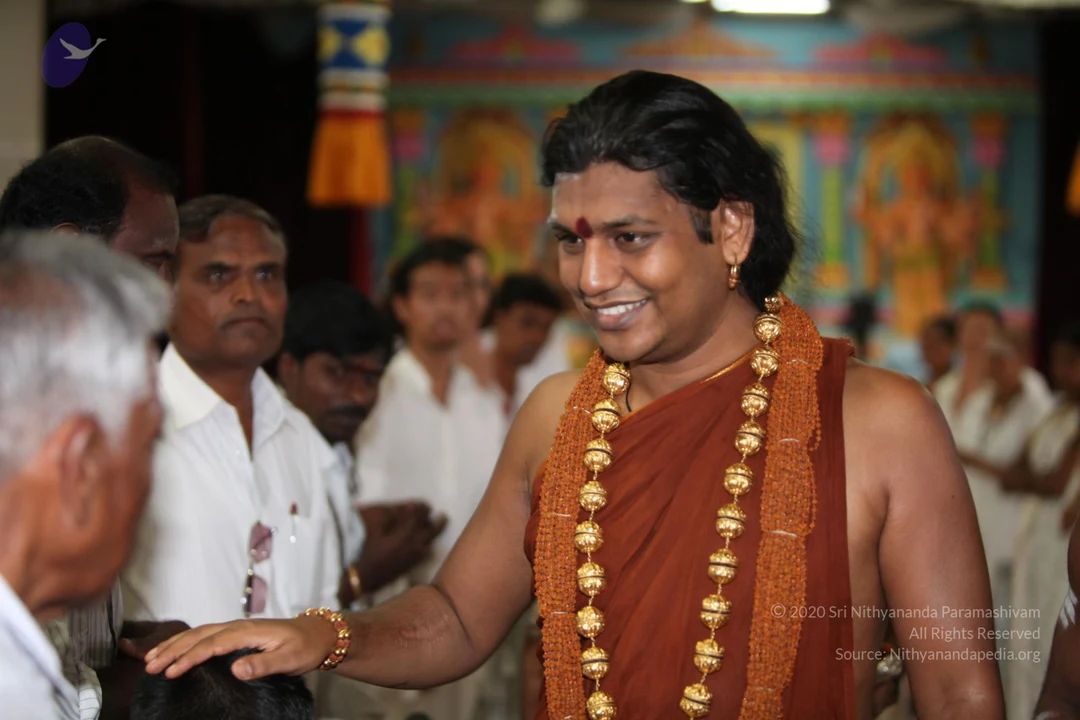
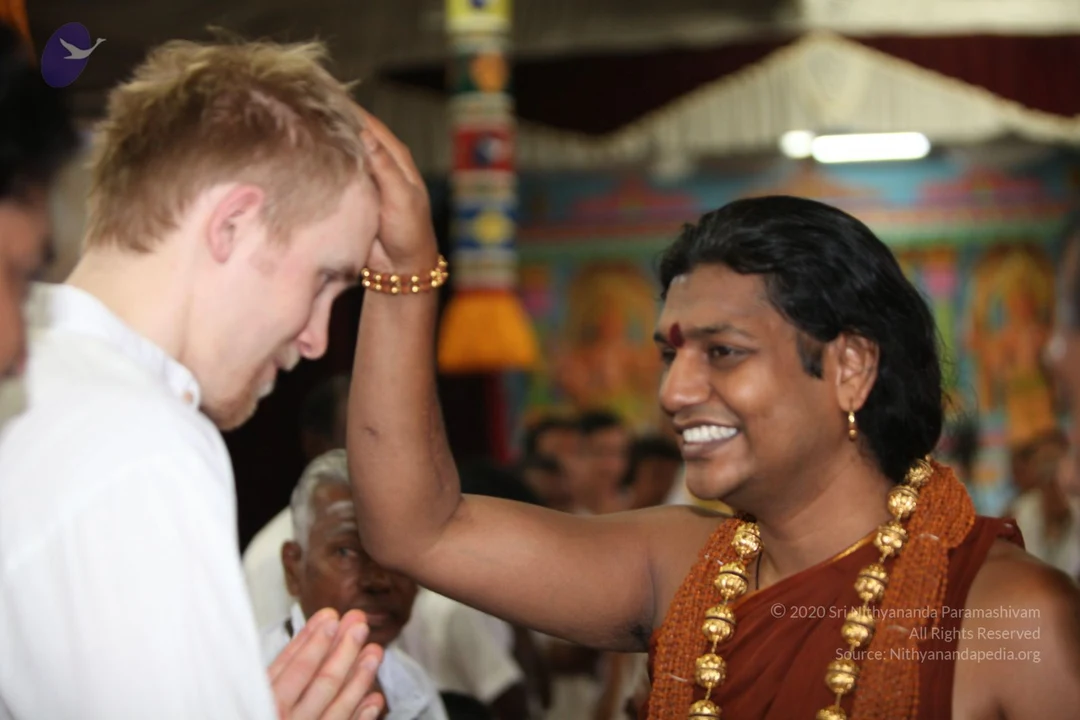
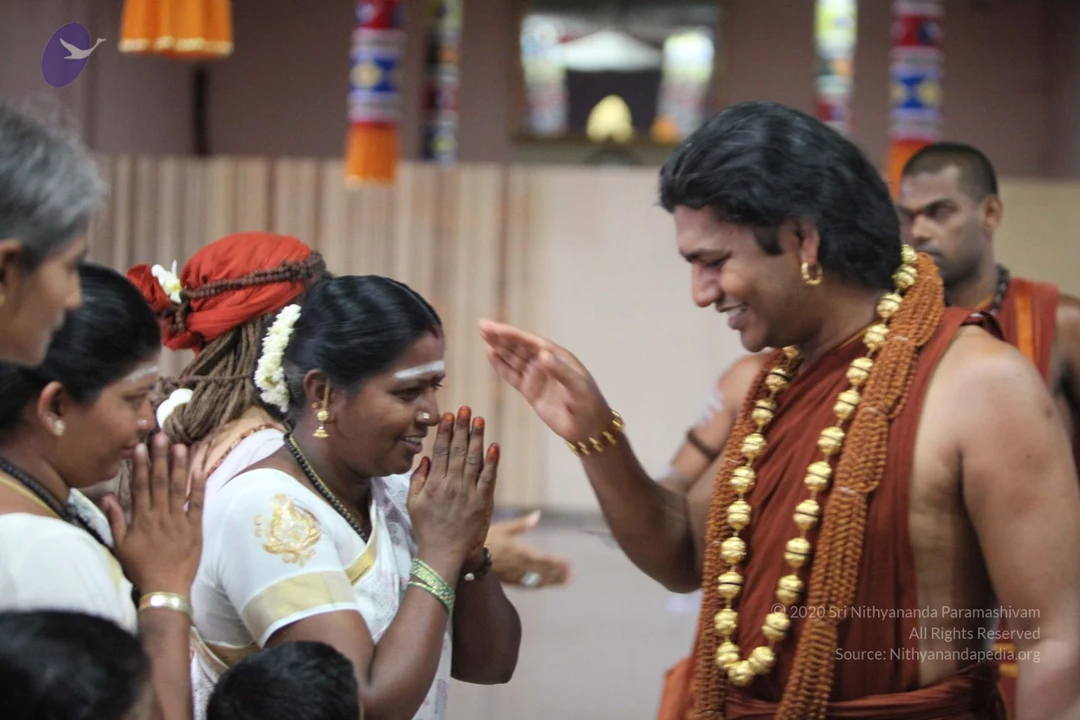
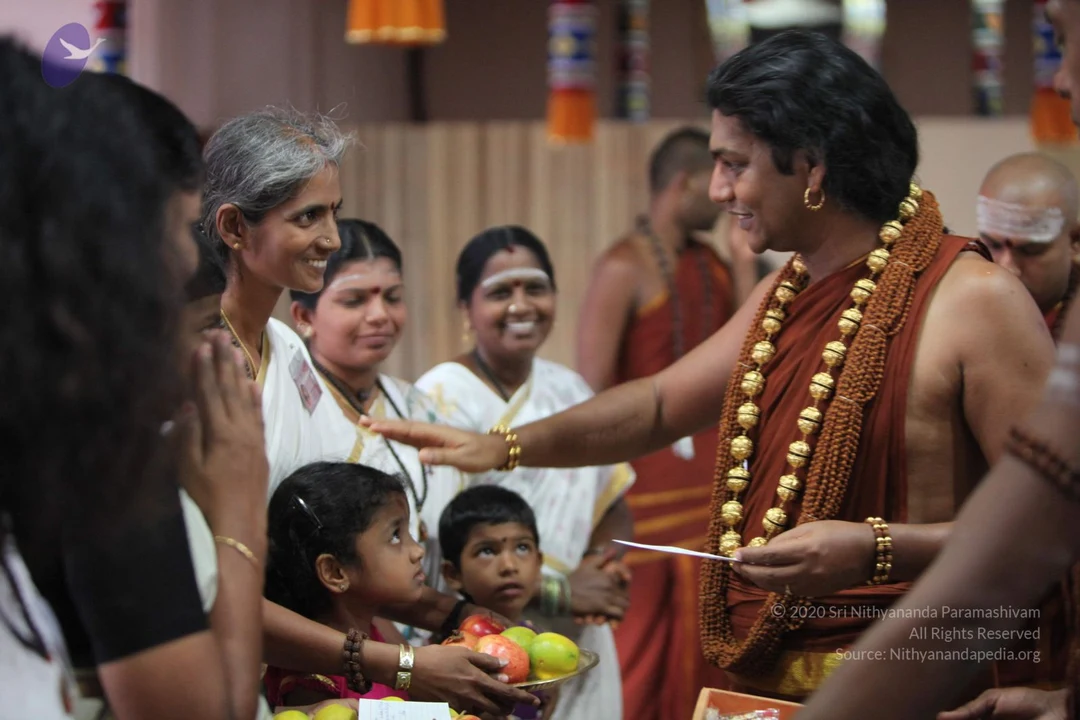
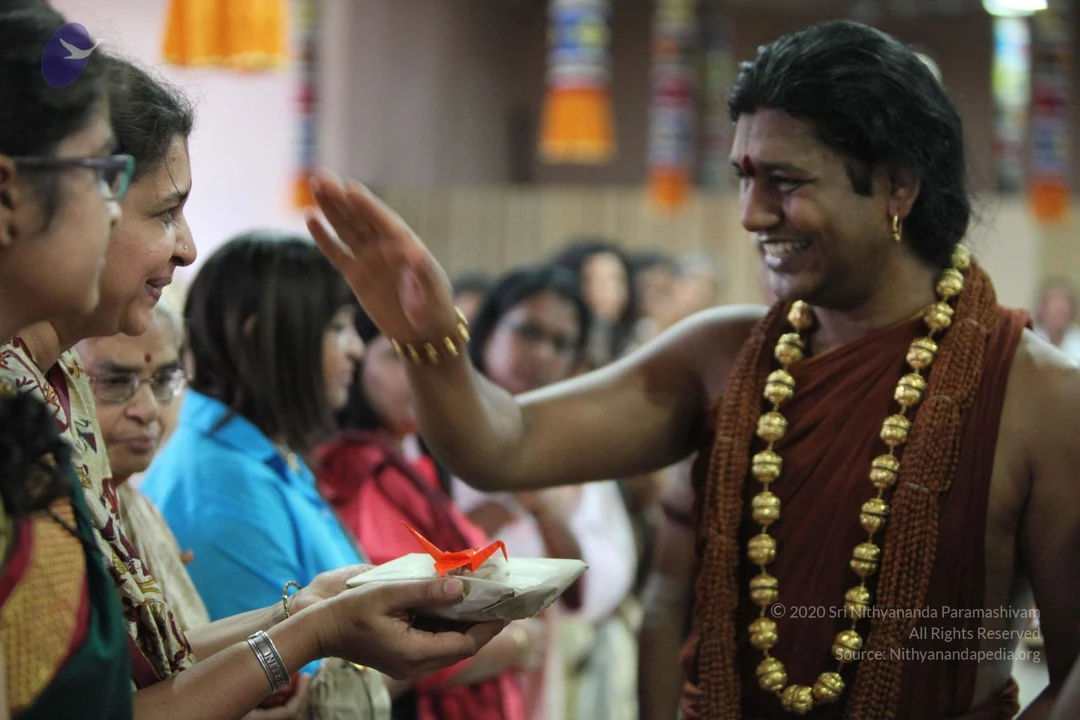
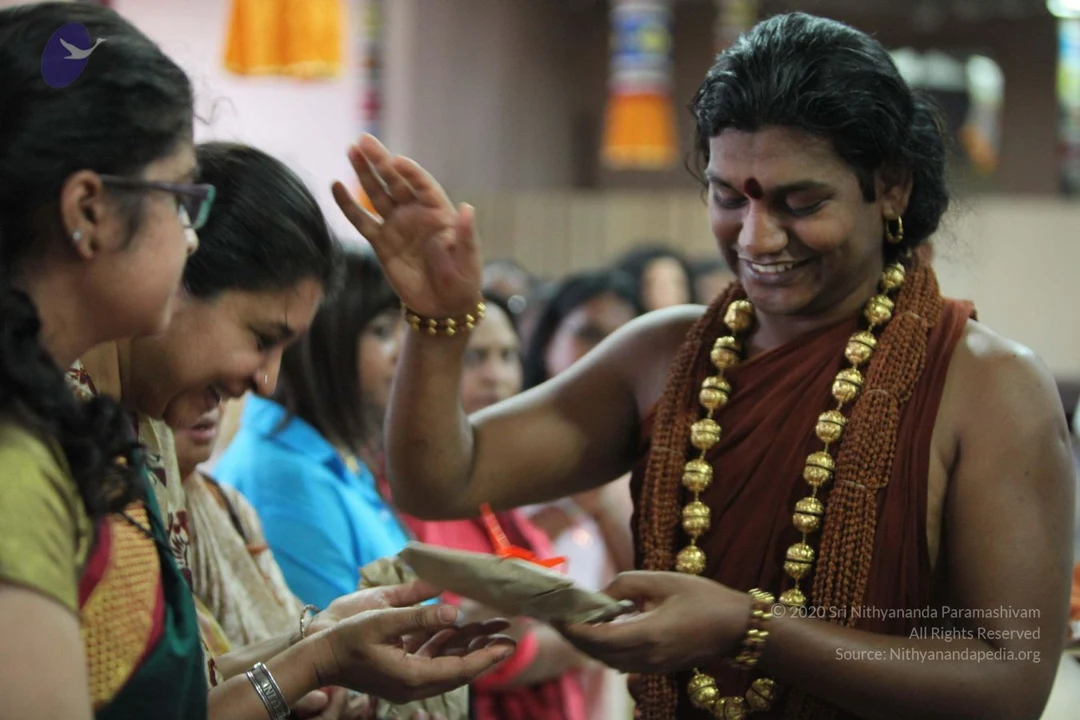
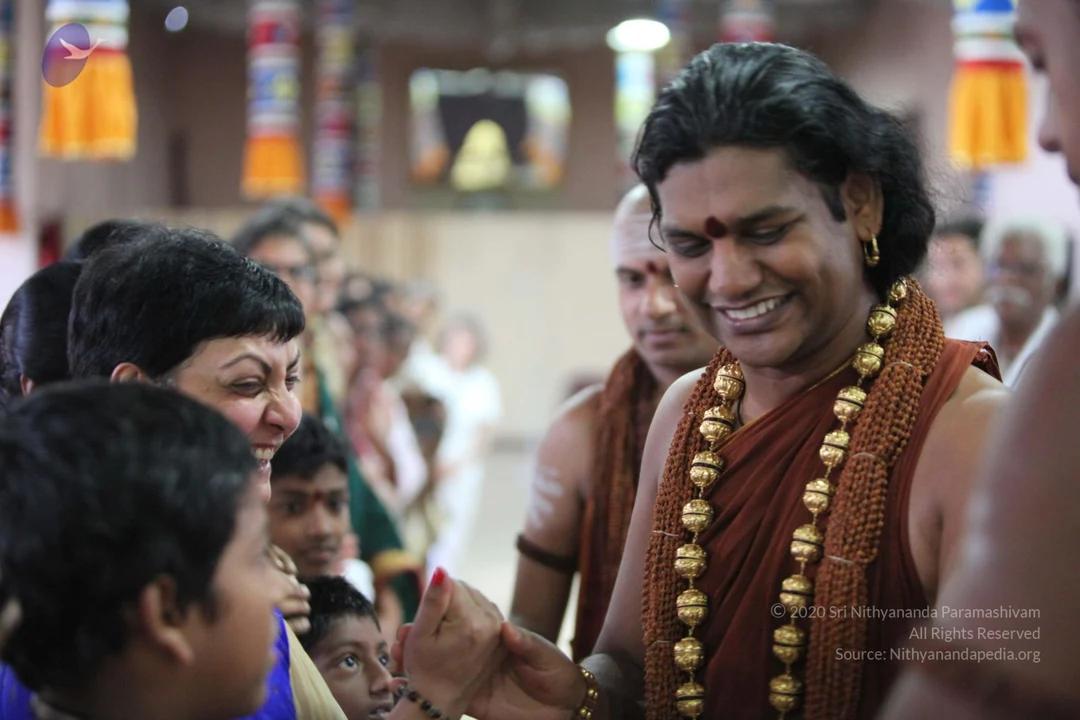
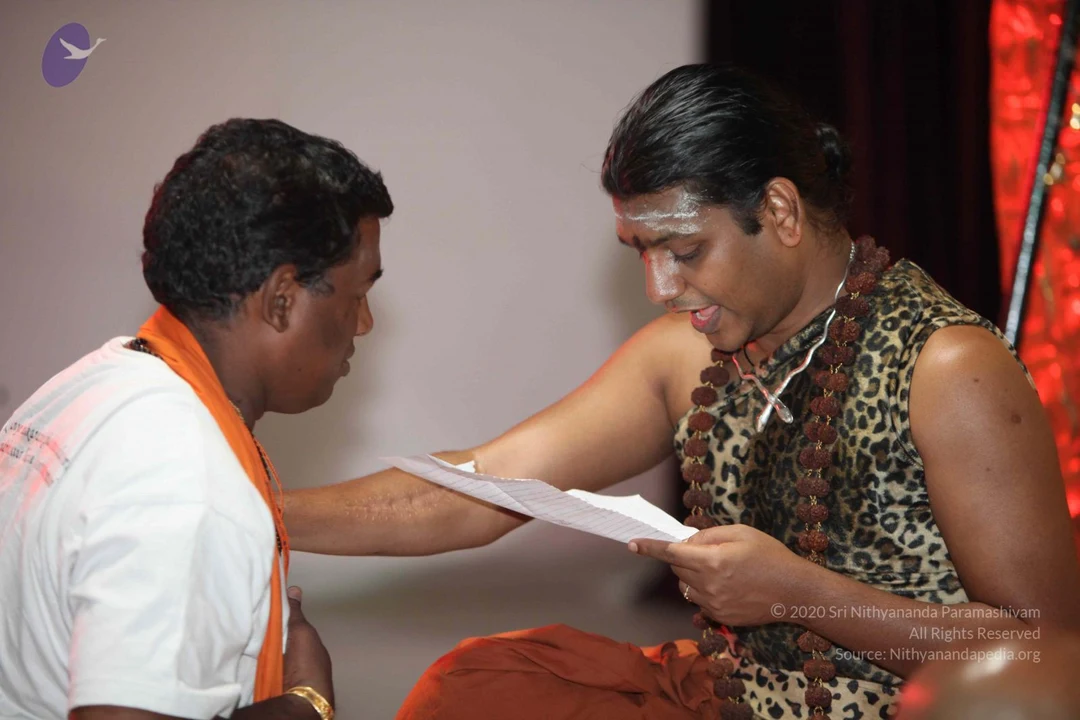
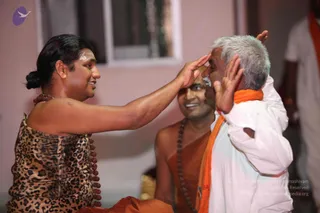
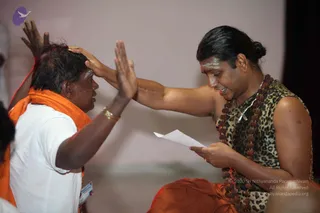
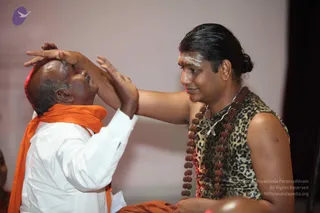
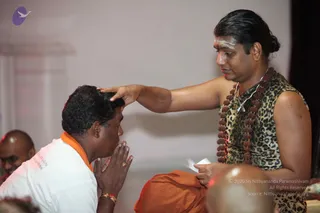
Swamiji Blesses All
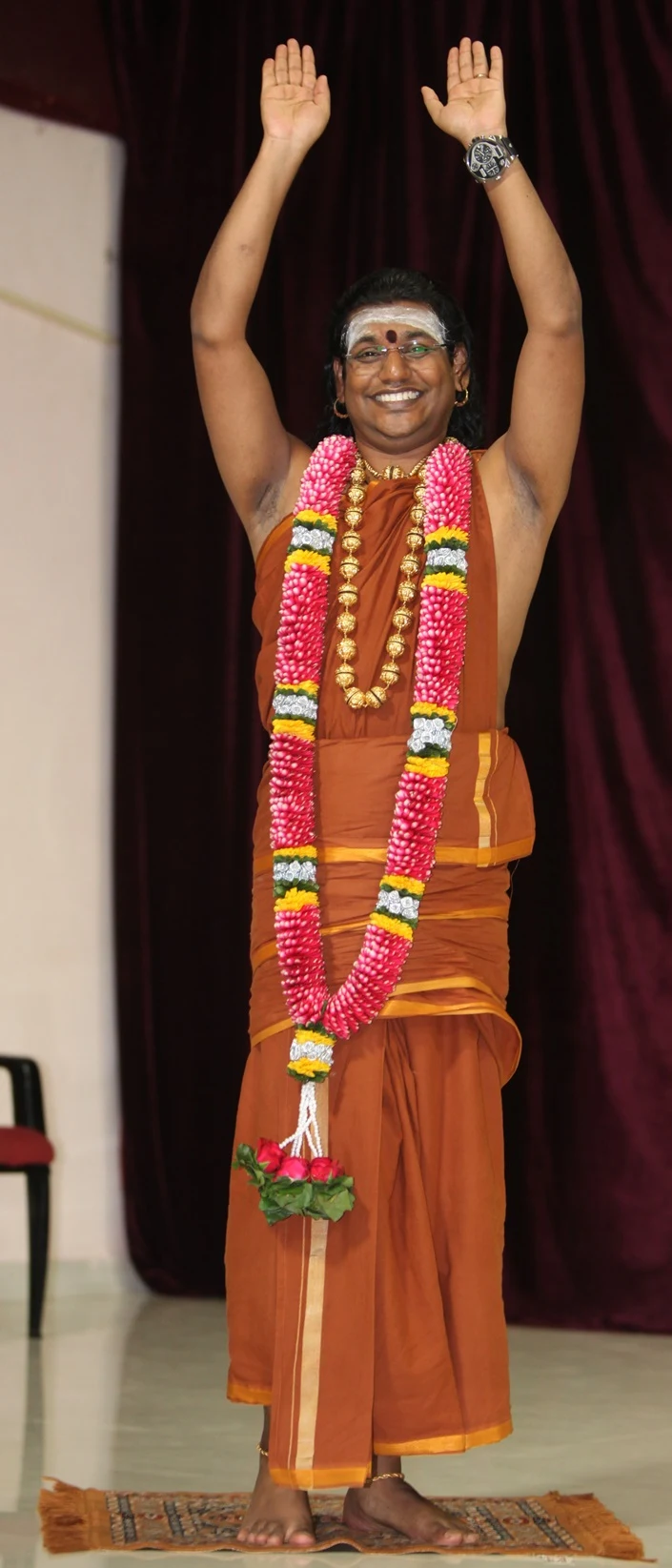
Tags:
Paramahamsa Nithyananda, death, entertain, sensation, physical,depression, mental, emotional, life, spiritual,integrity, responsibility, power, enlightenment
Photos Of The Day:
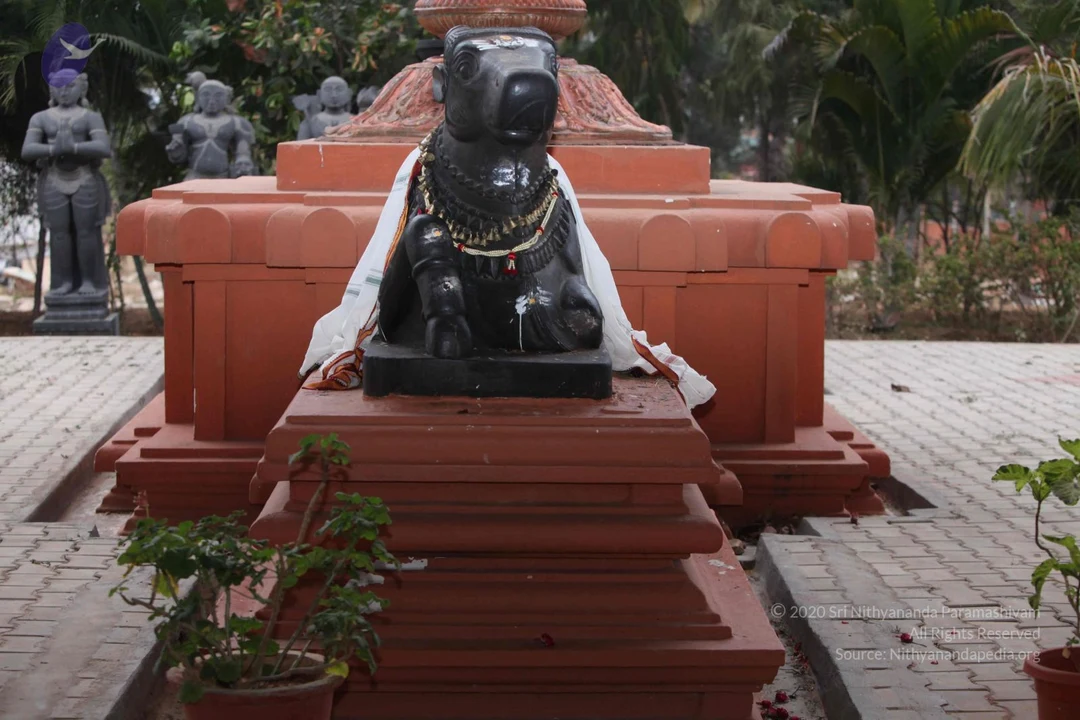
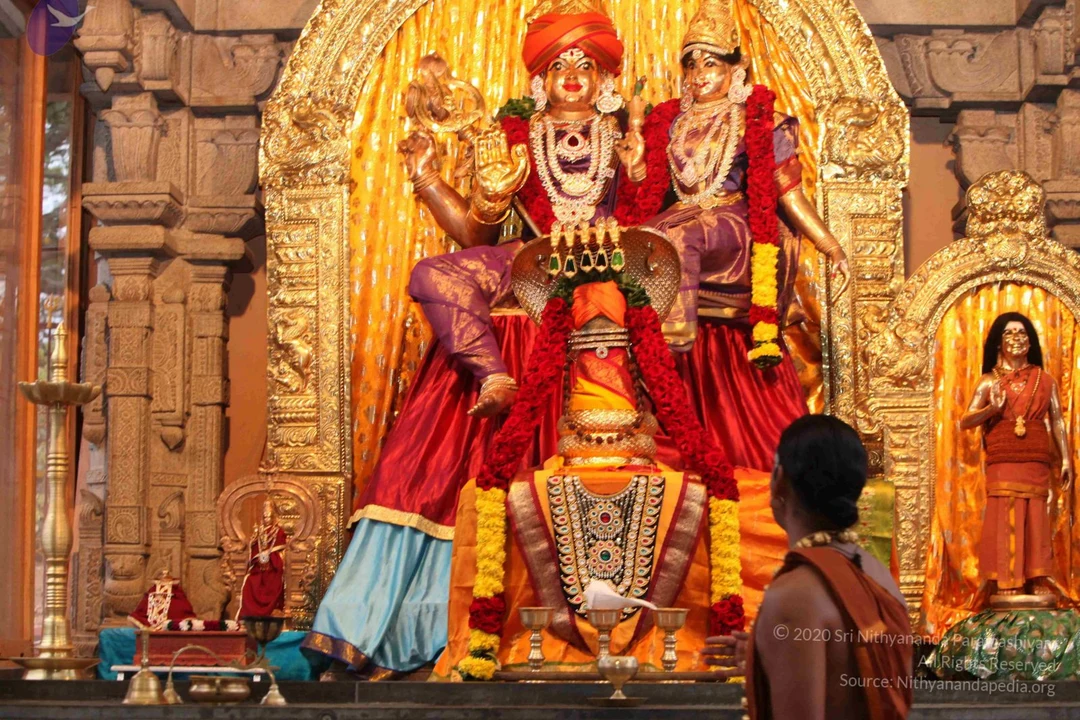
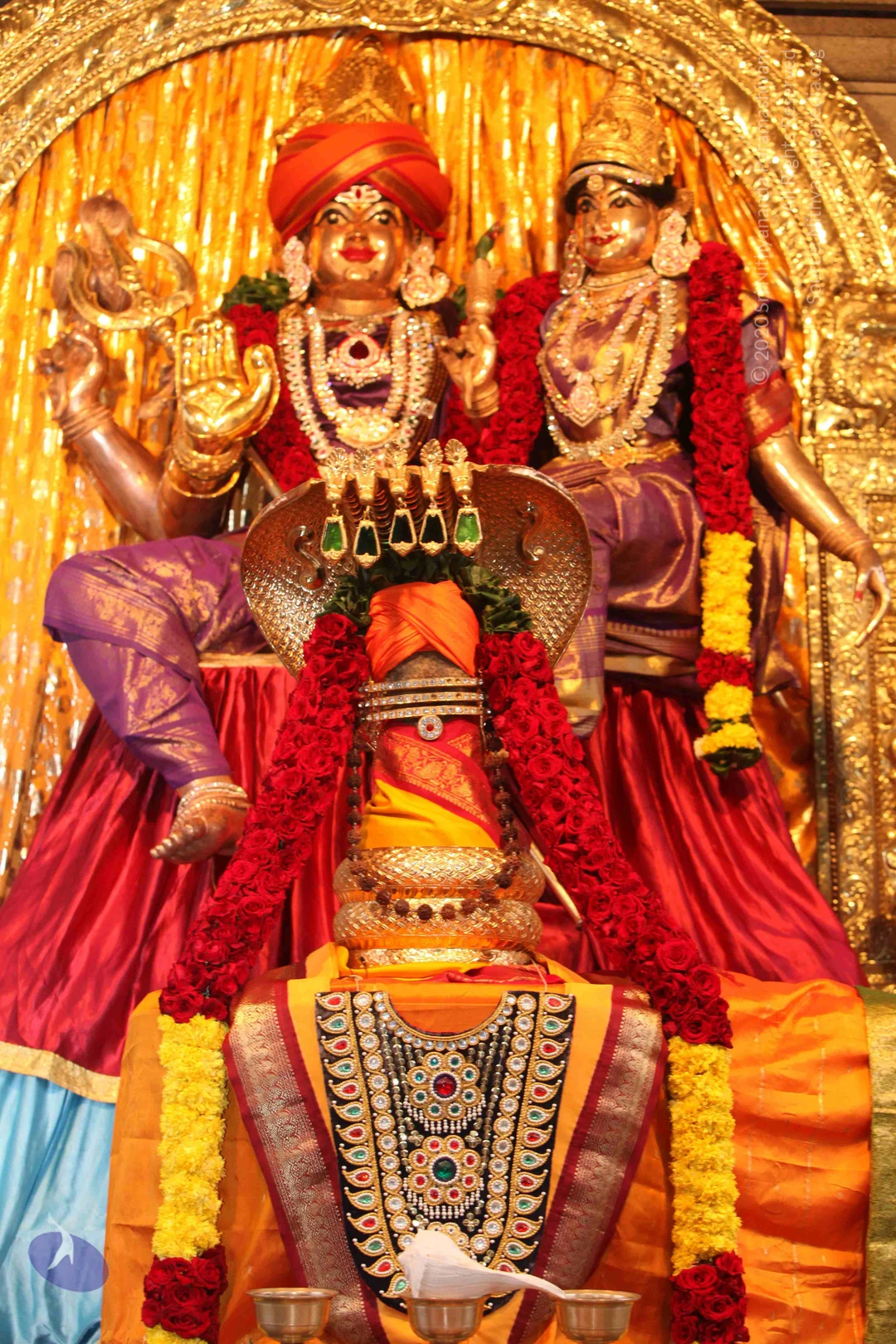
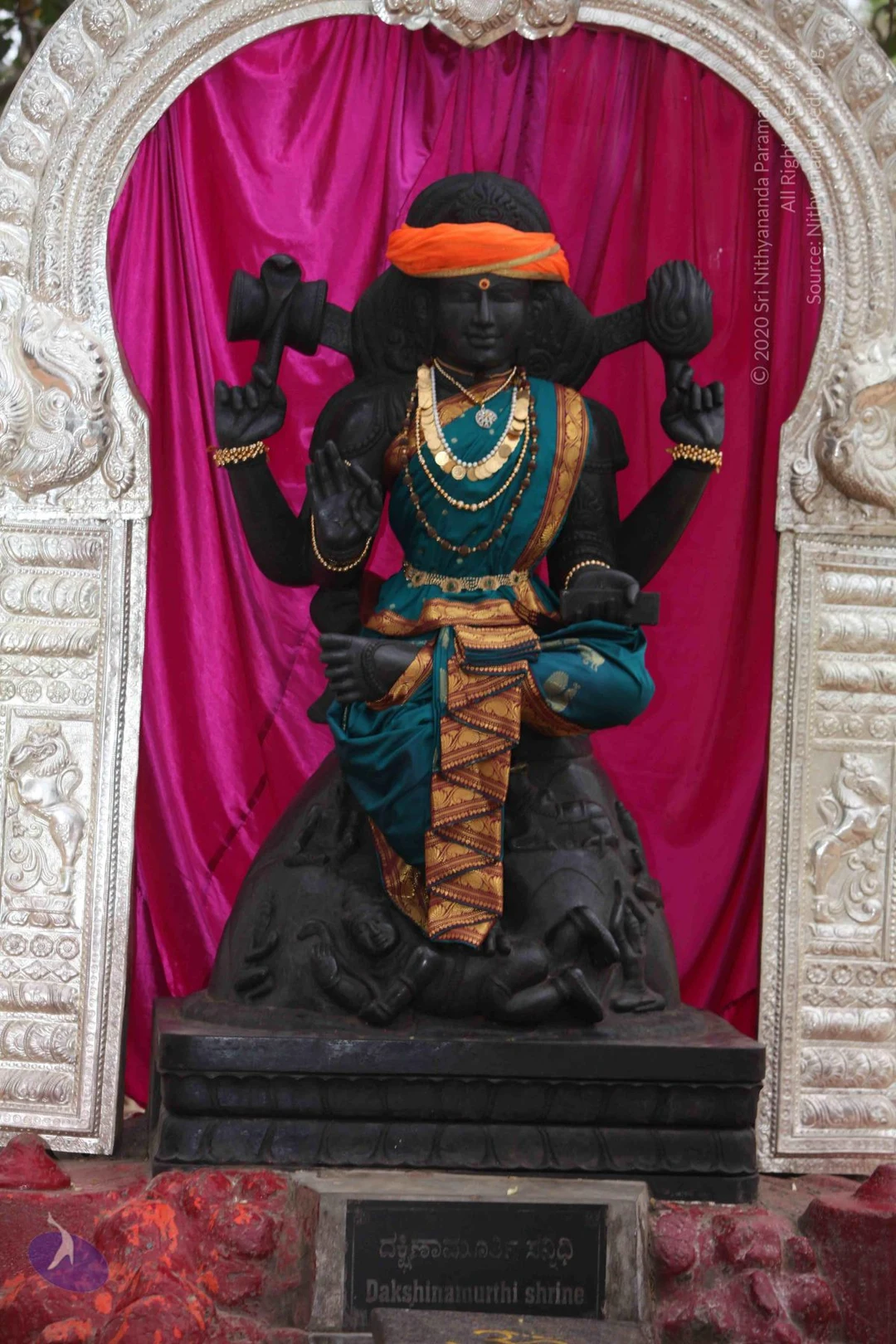
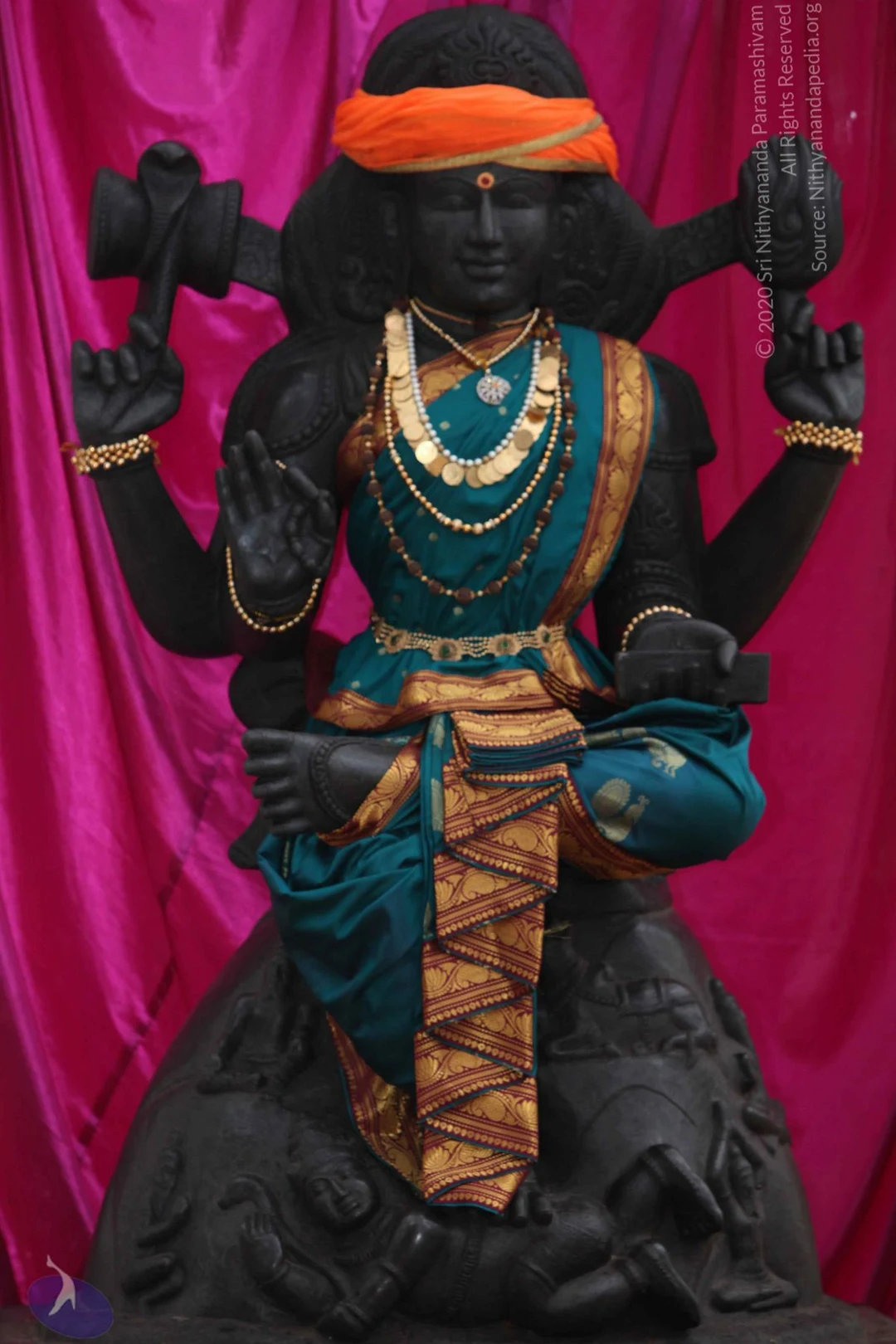
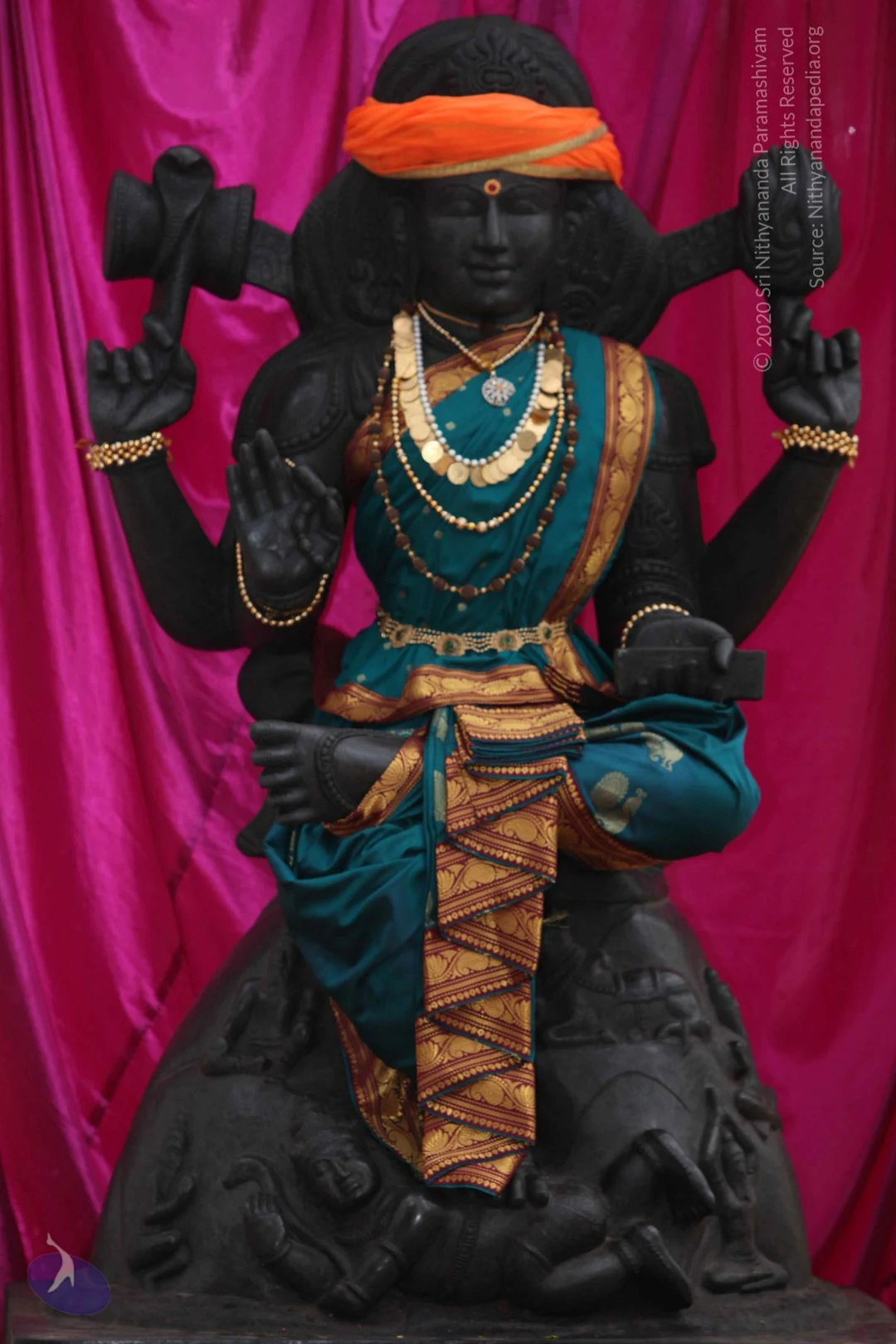
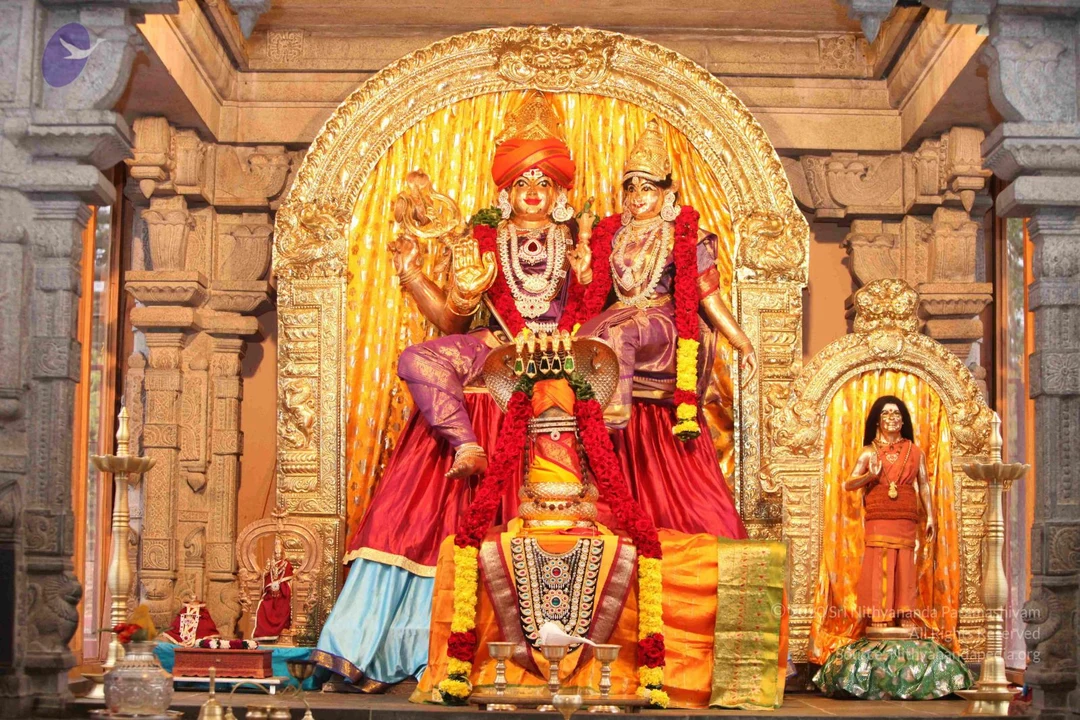
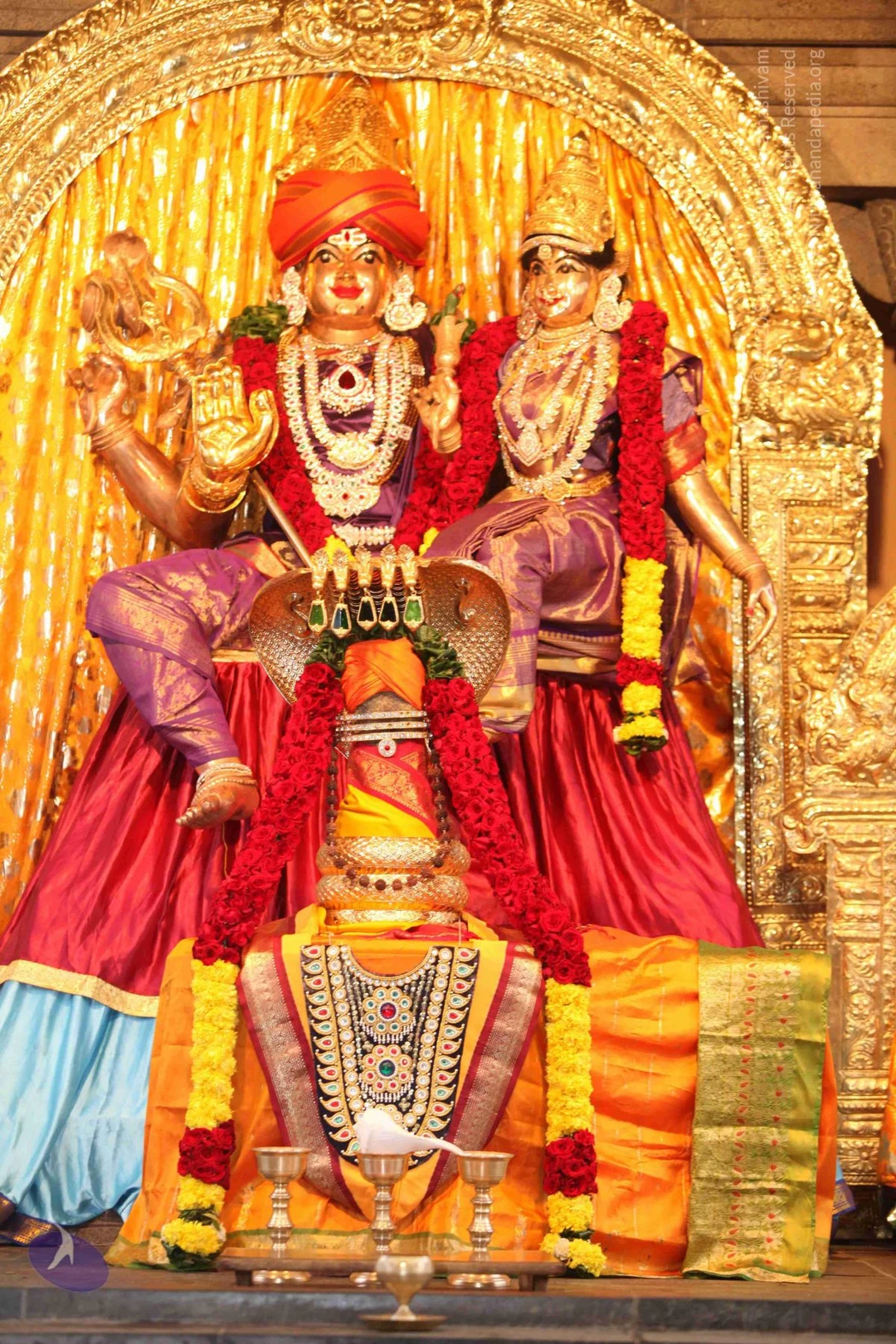
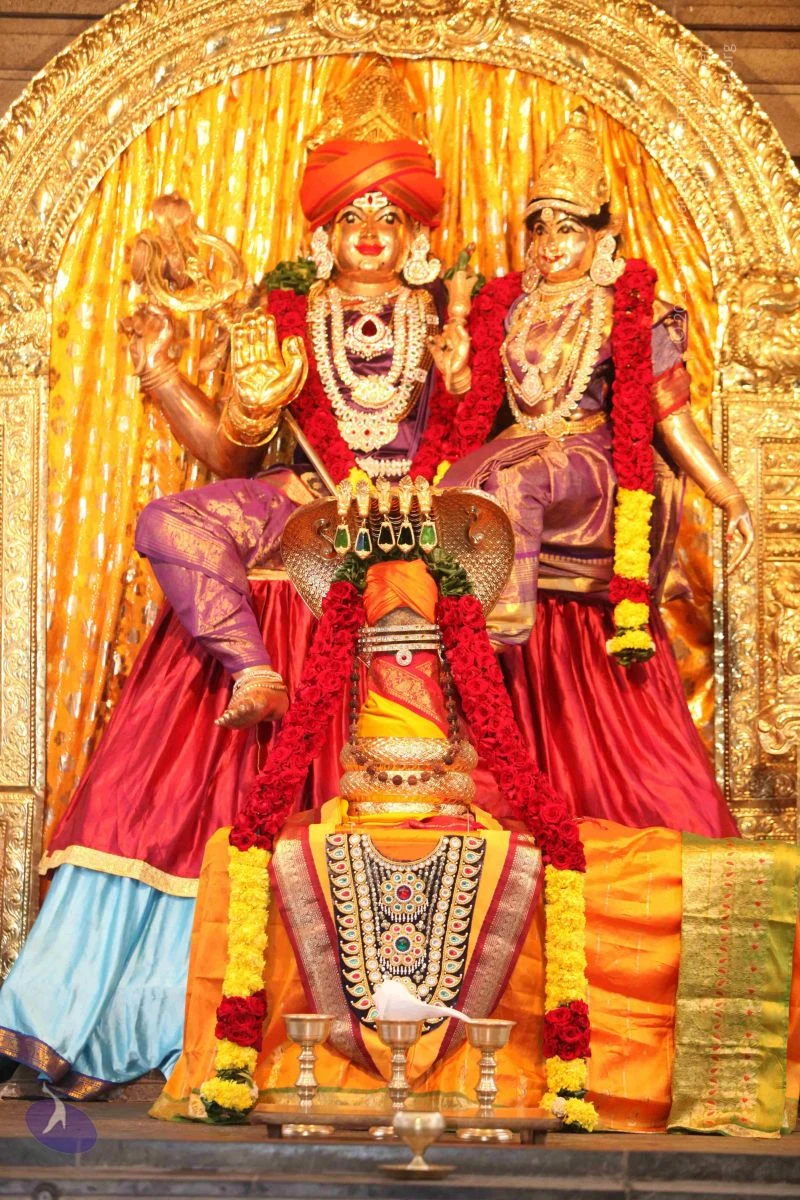
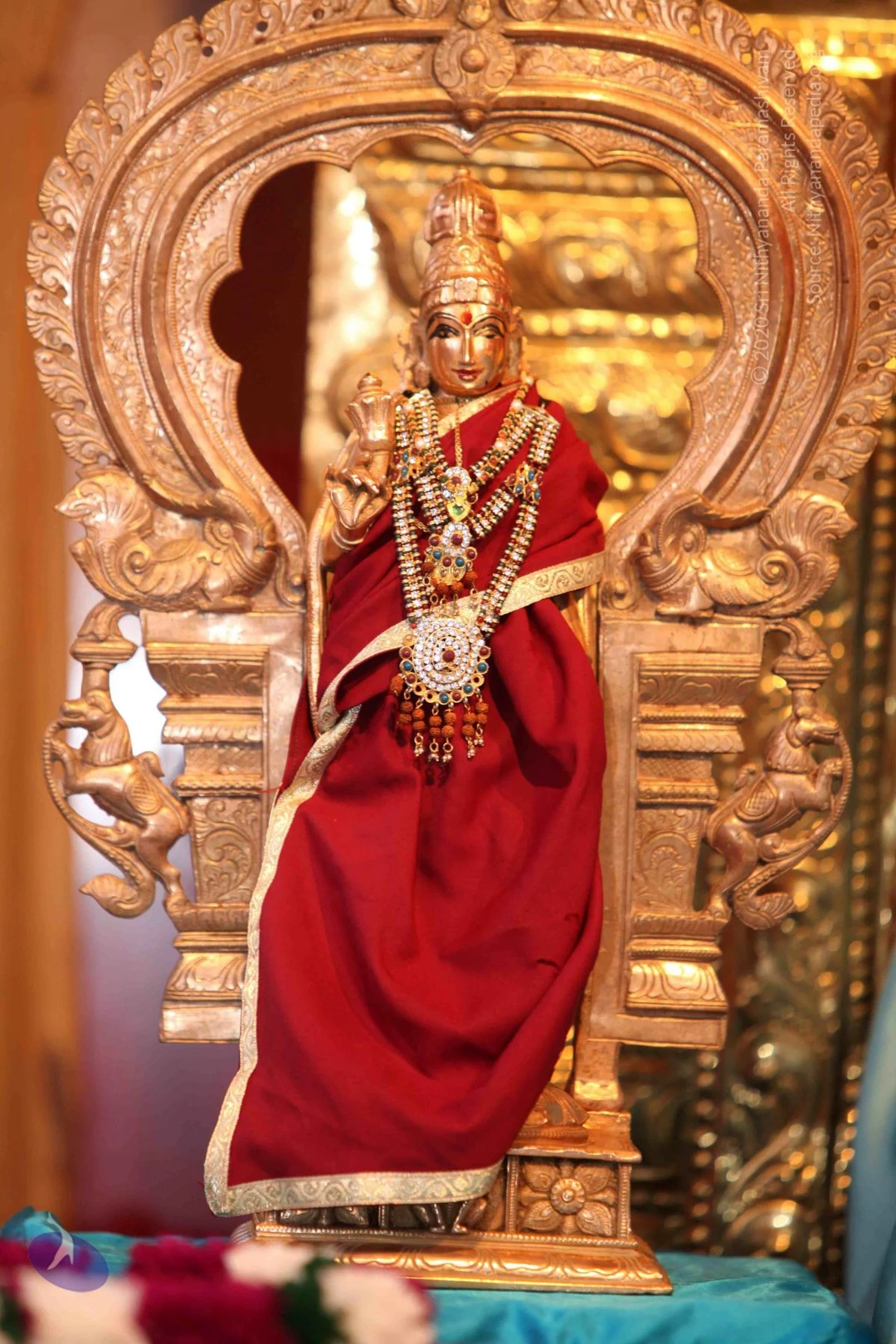
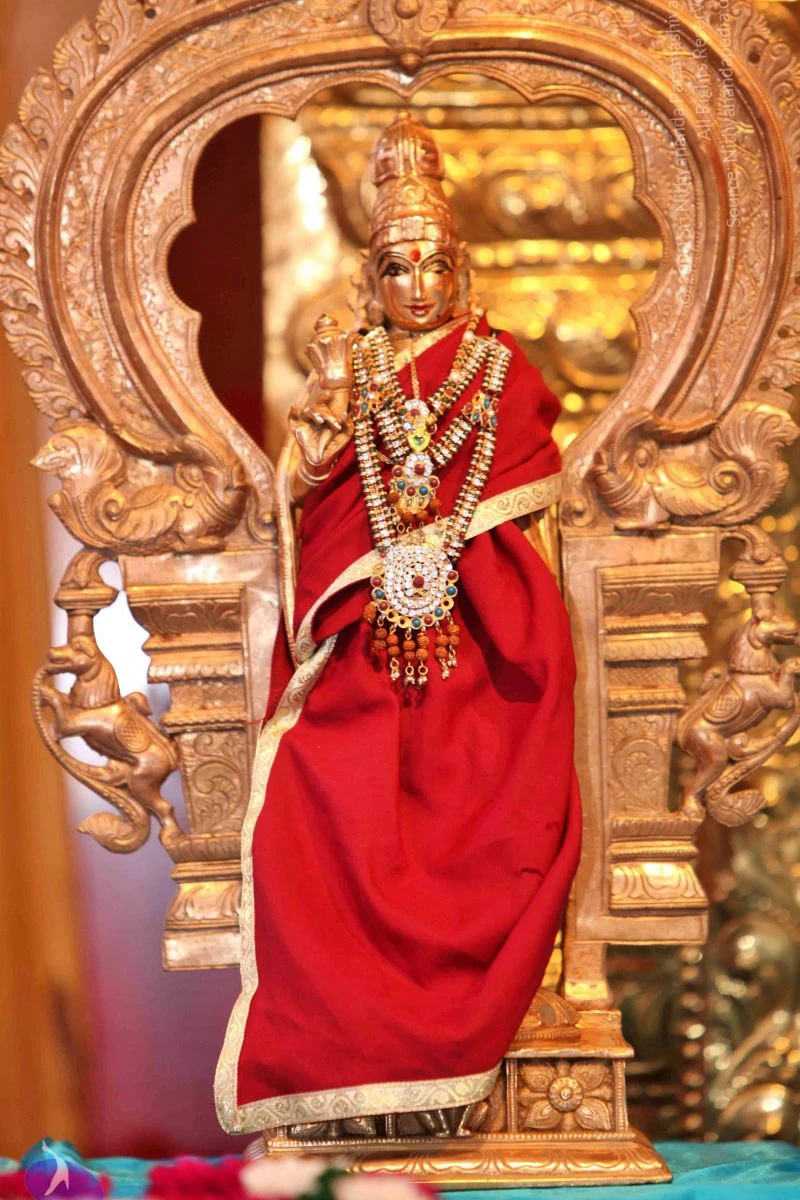
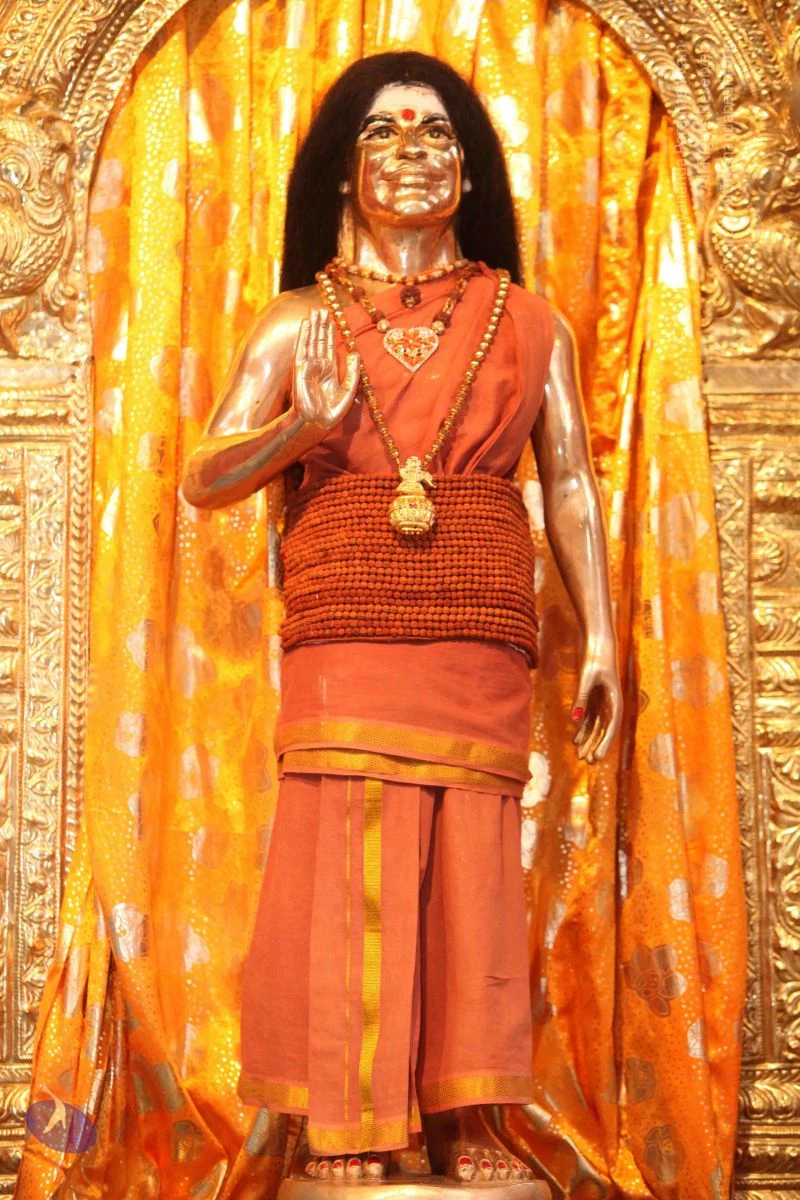
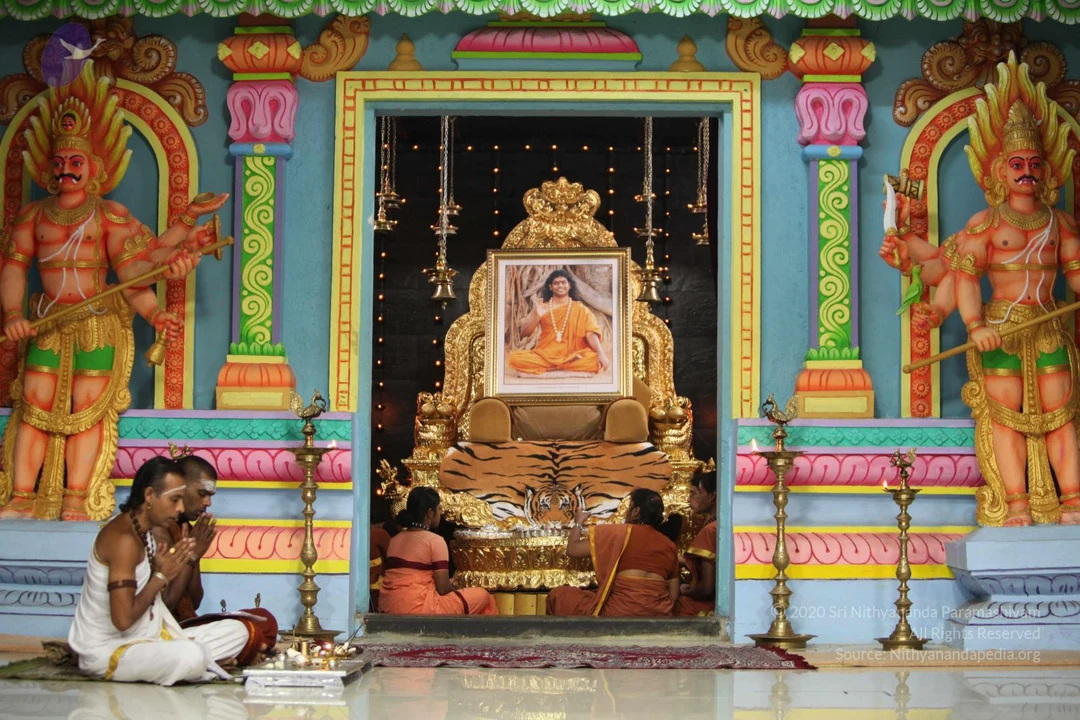
Temple
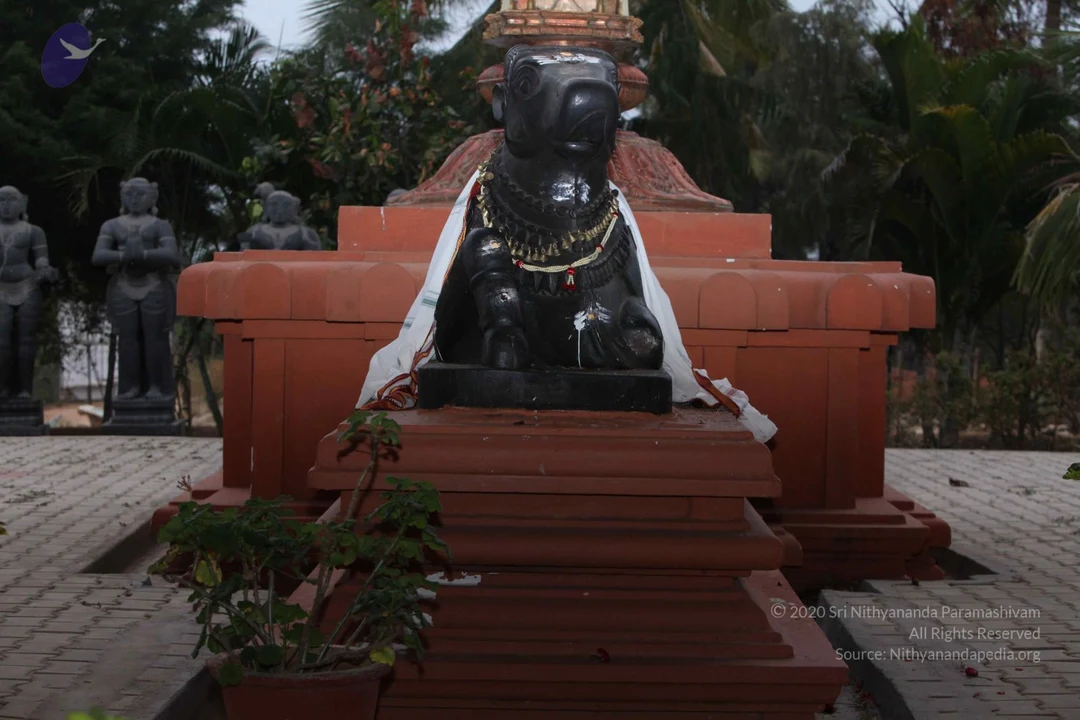


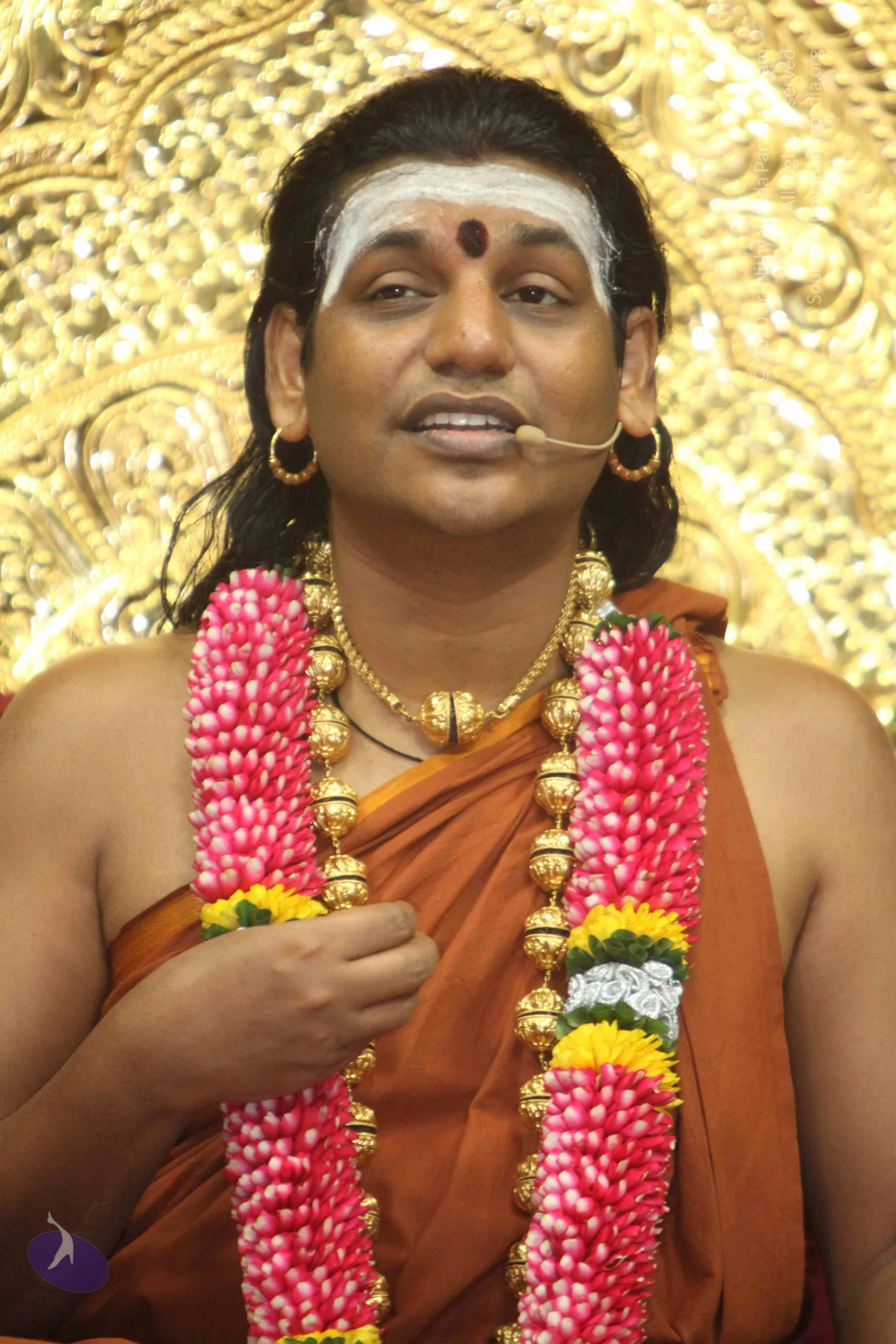
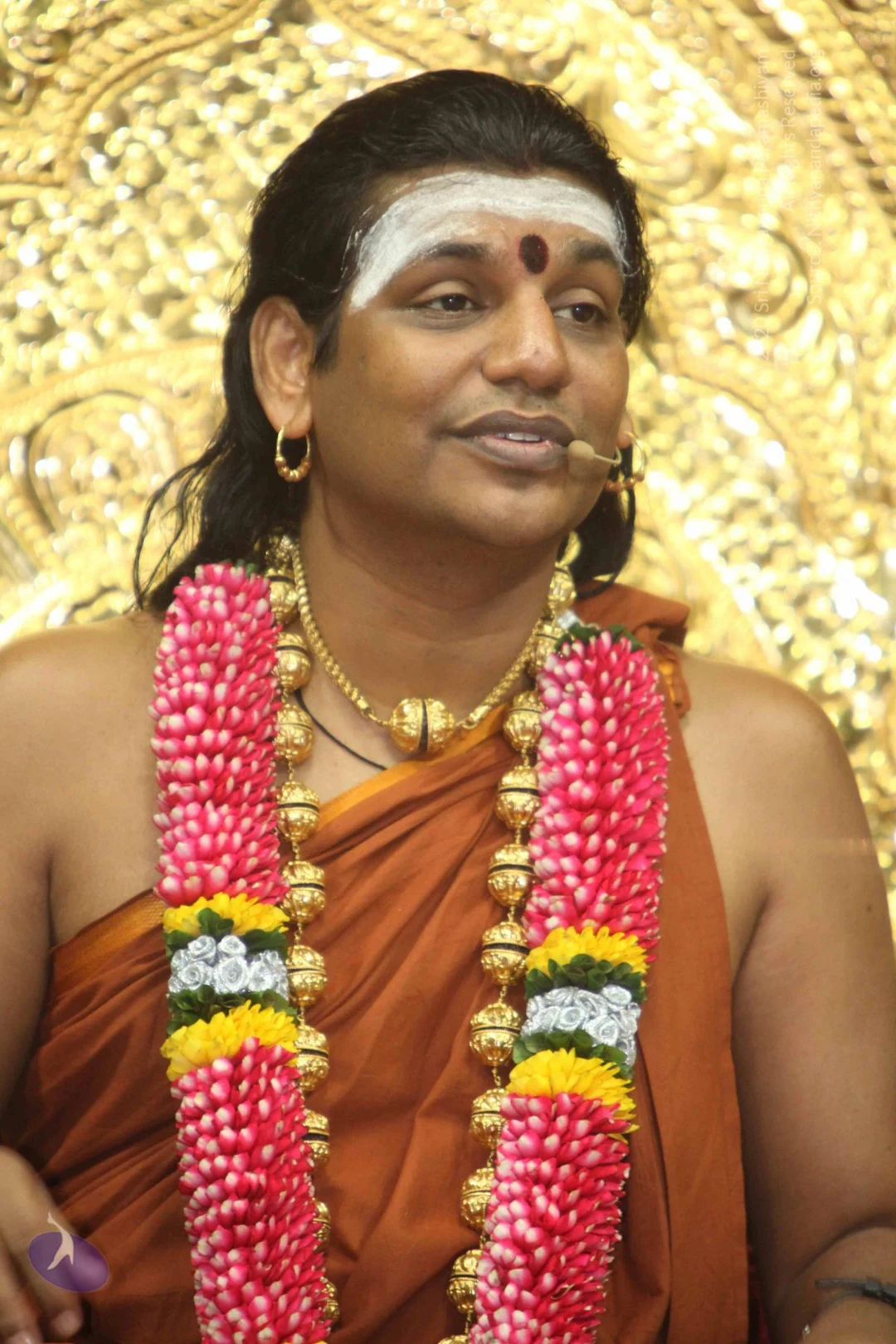
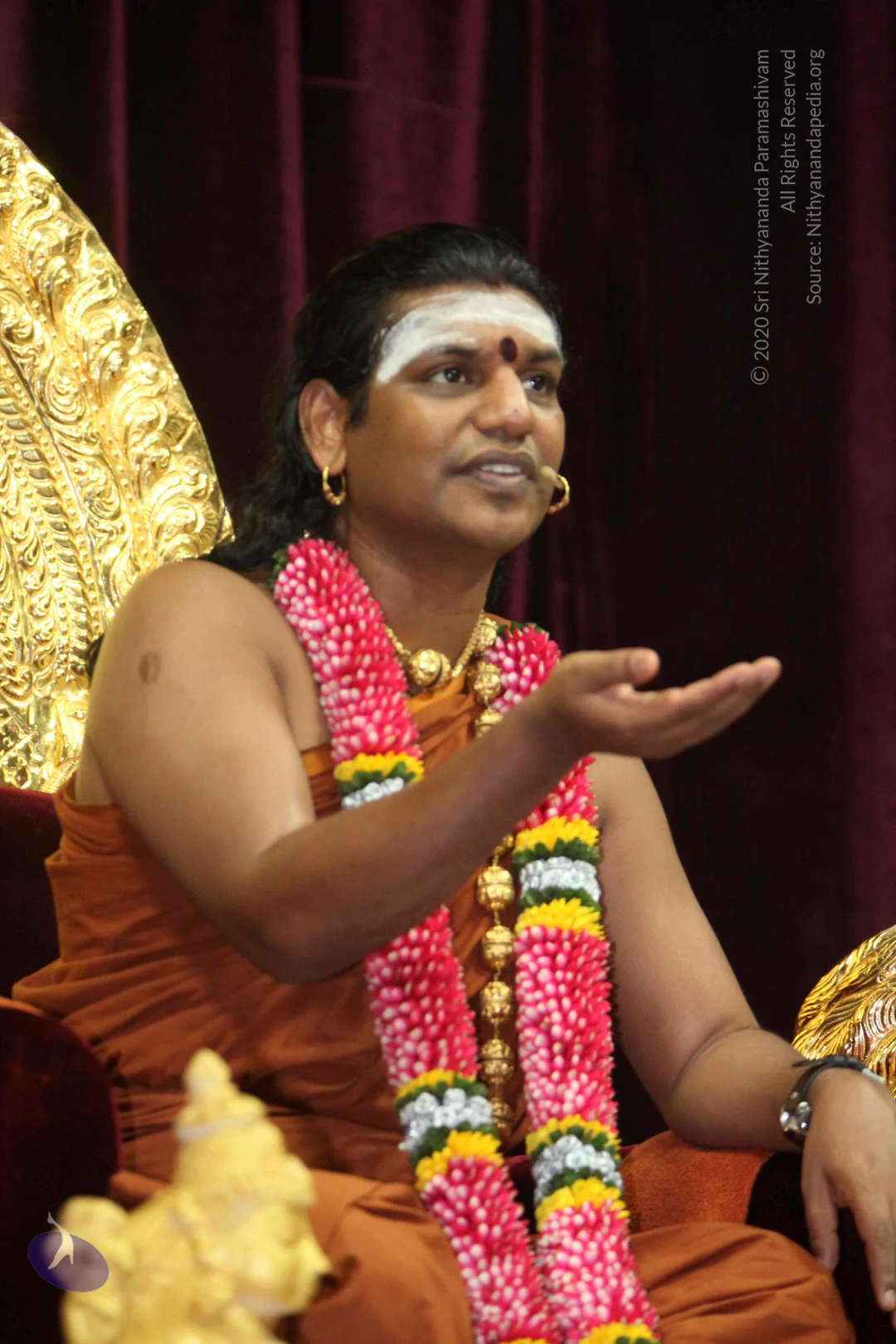
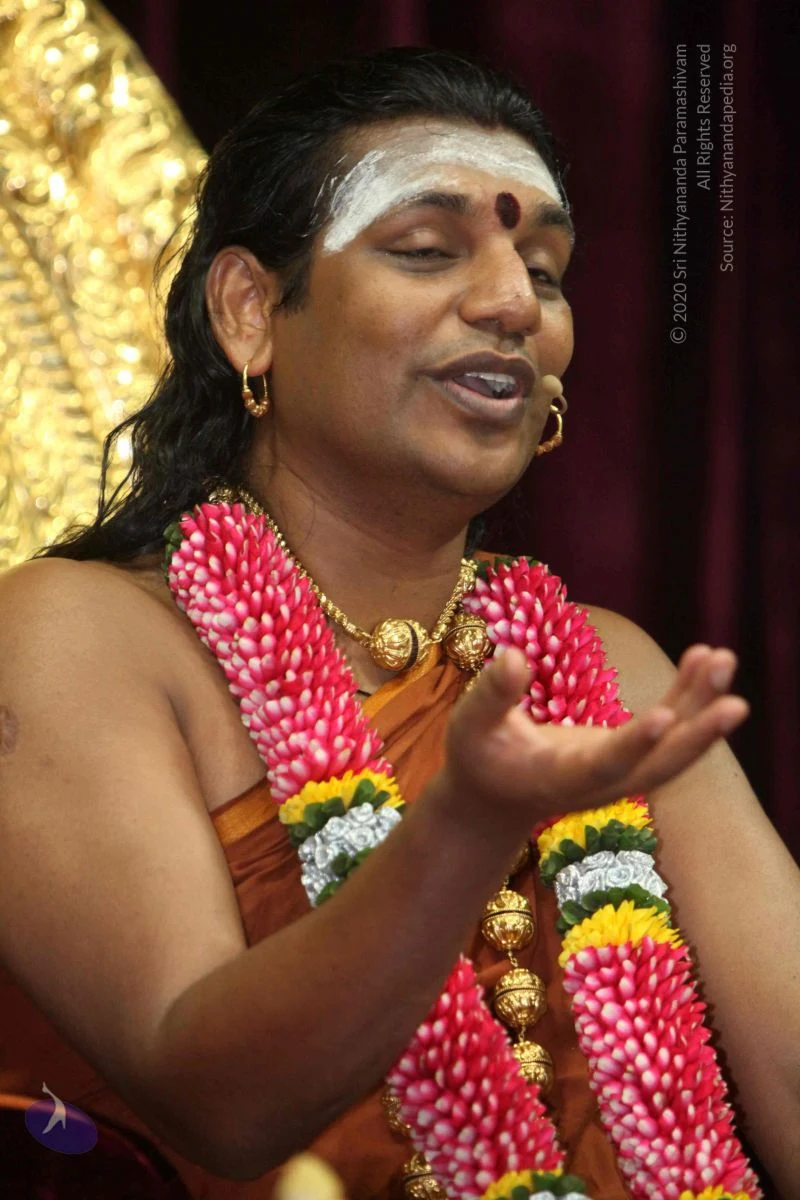
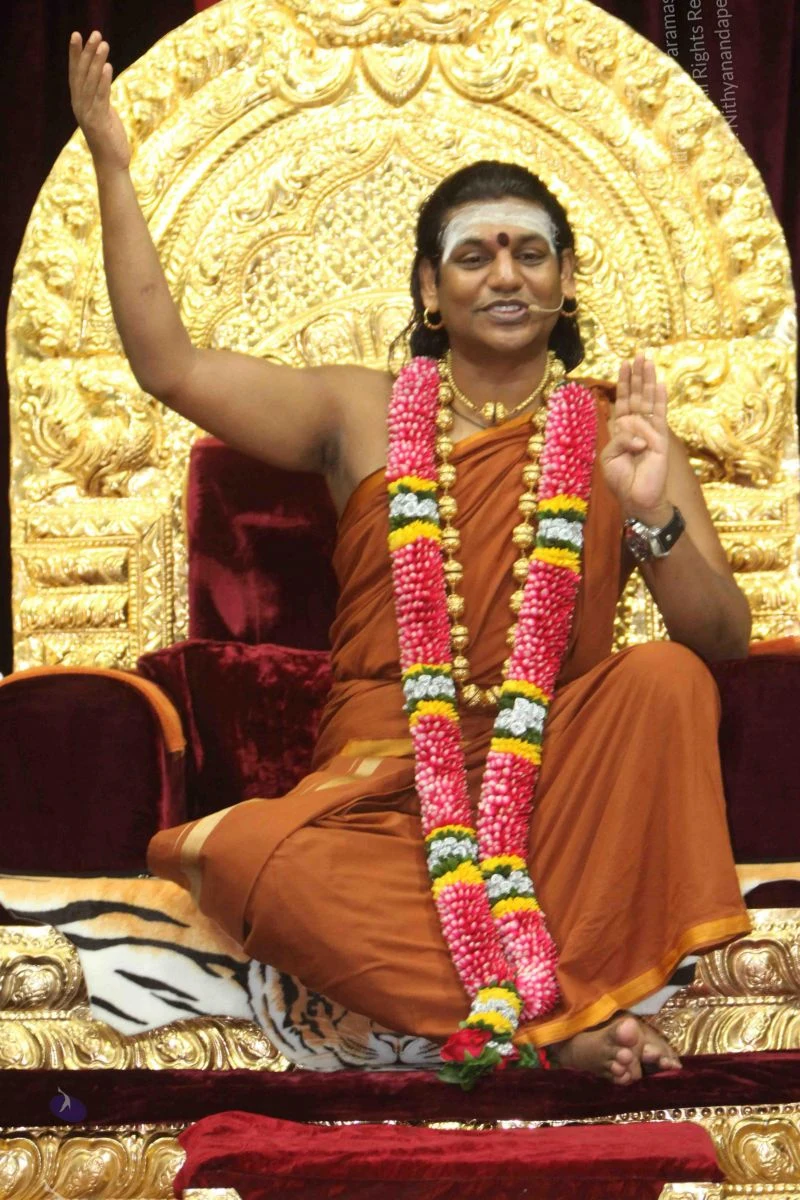
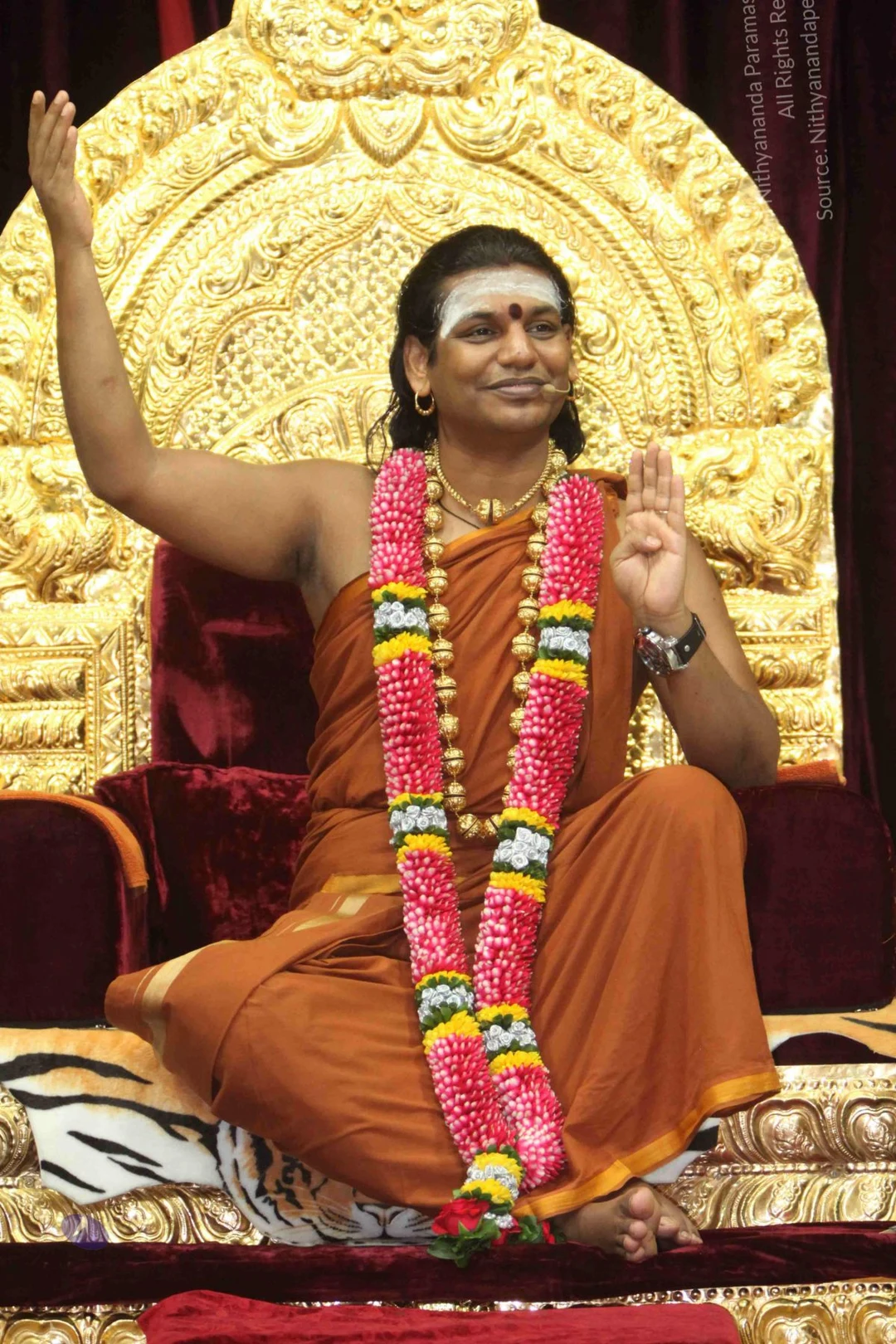
Nithya-Satsang
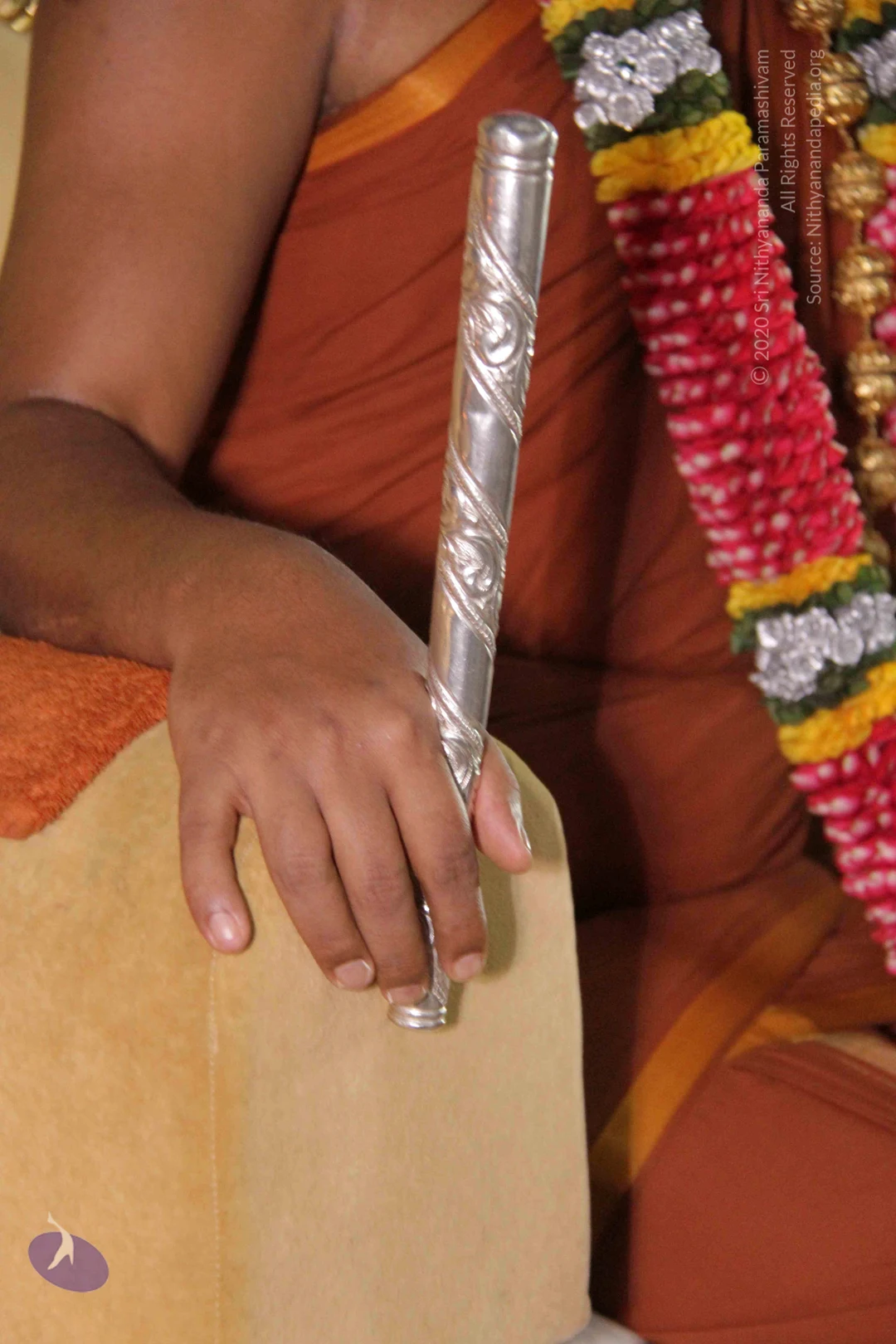
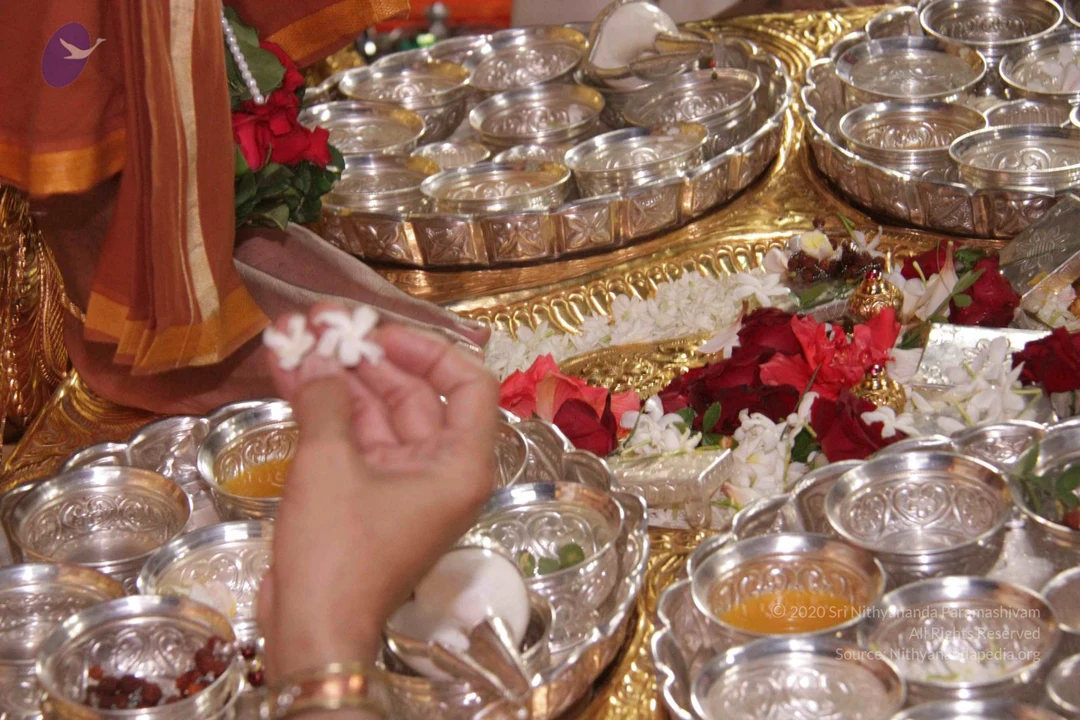
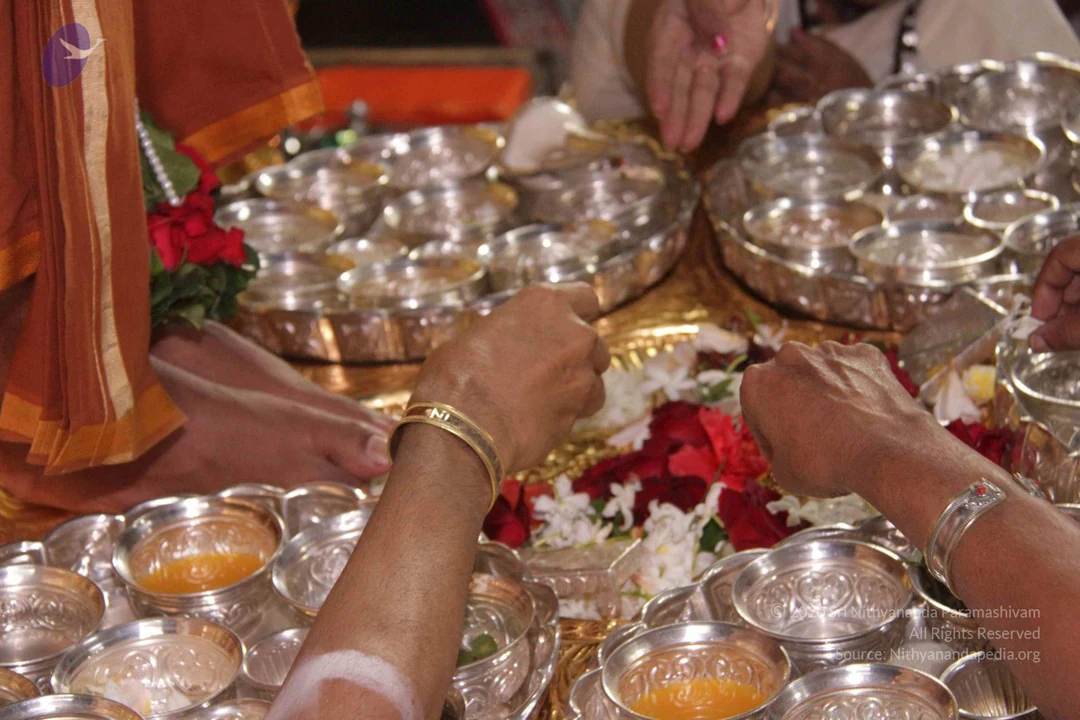
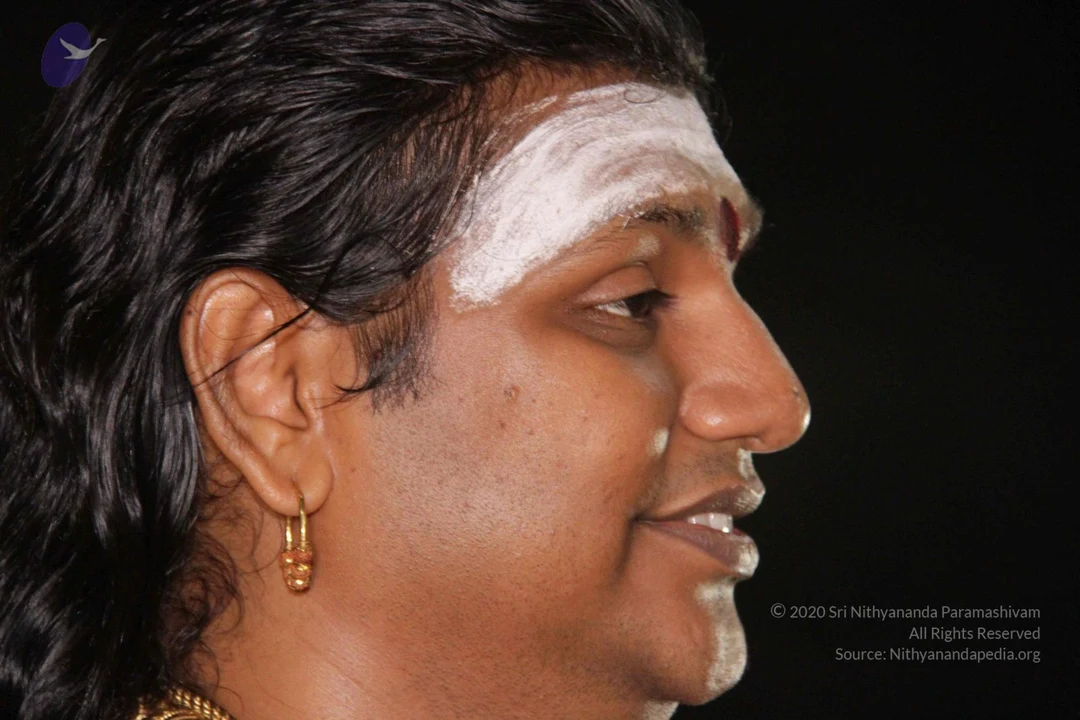





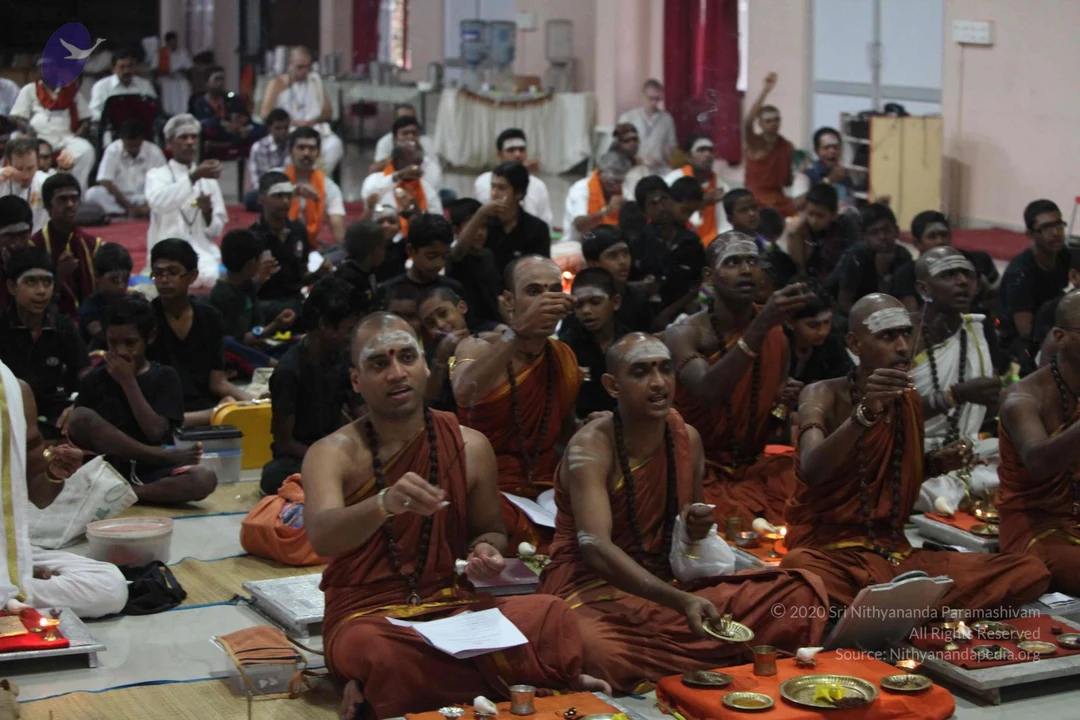
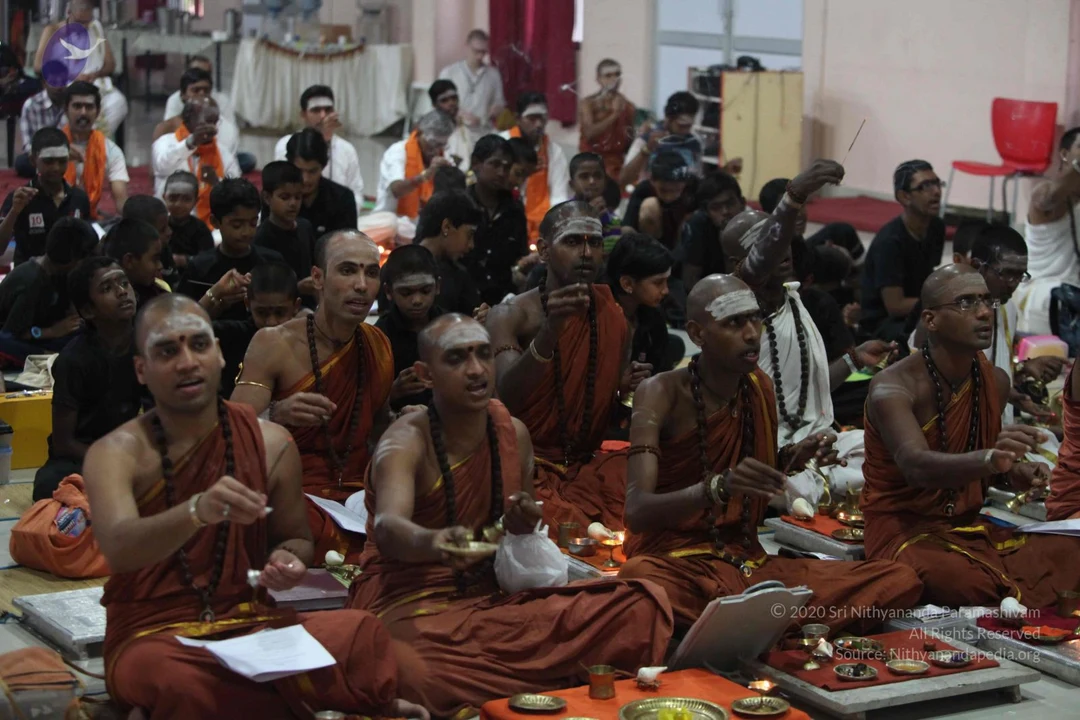
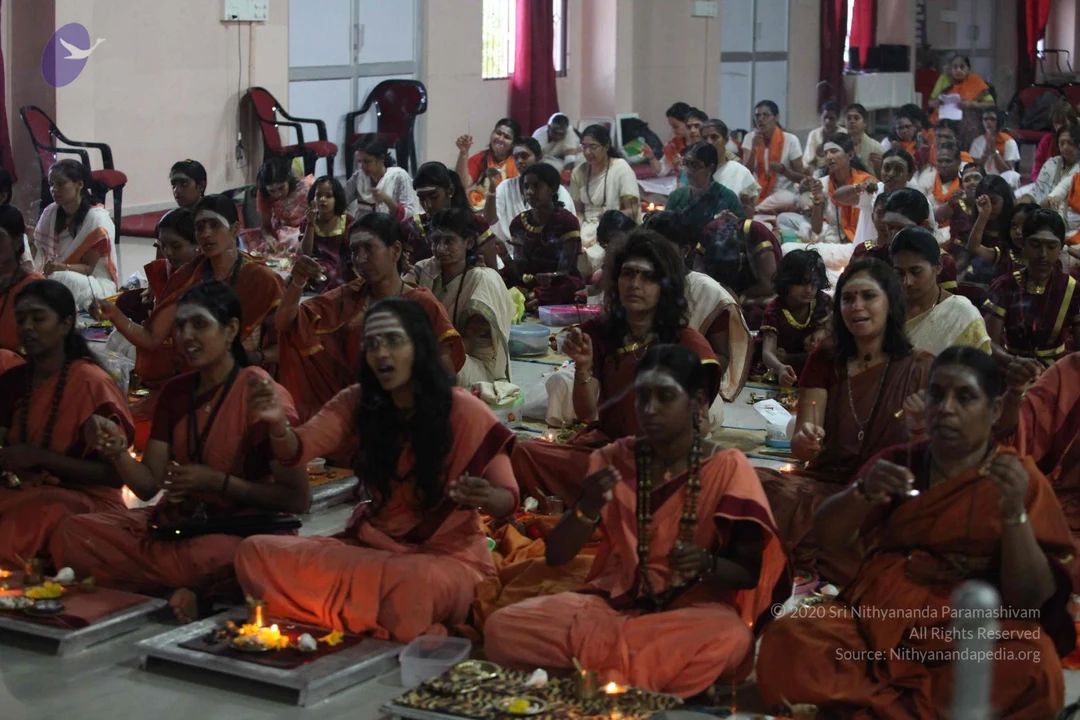
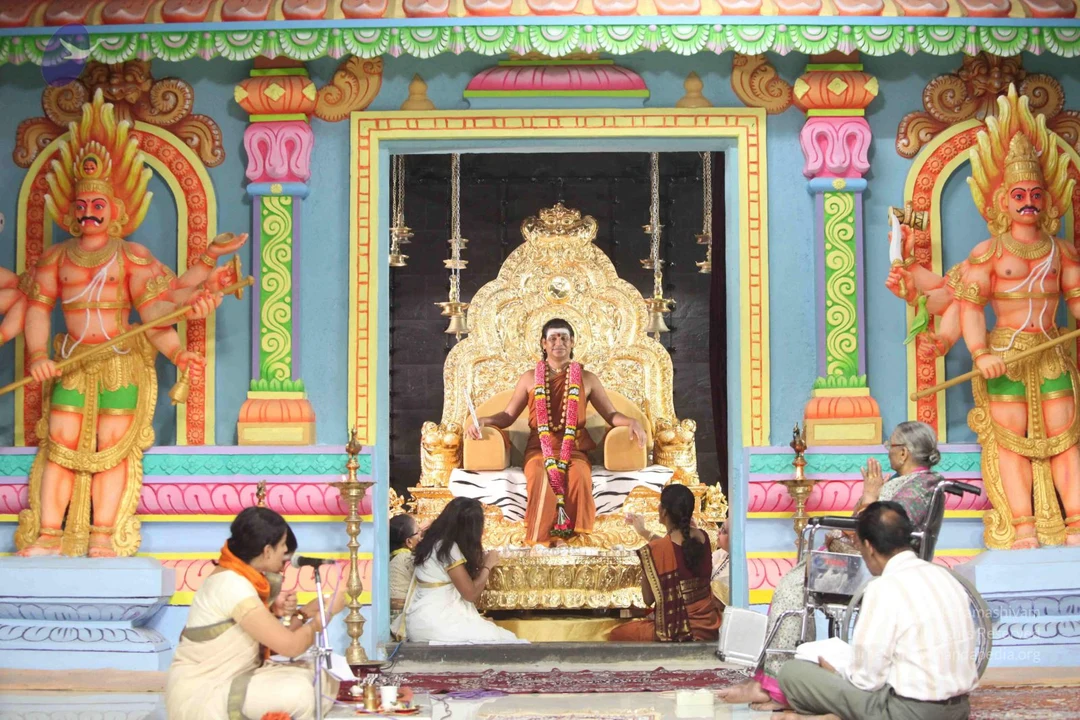
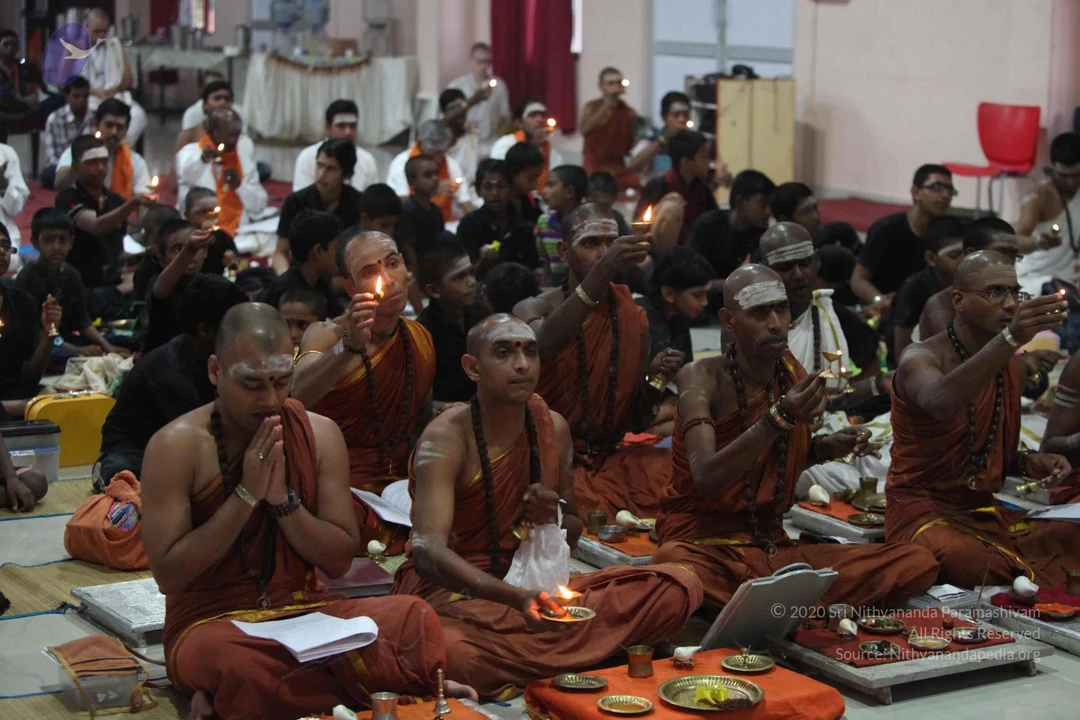
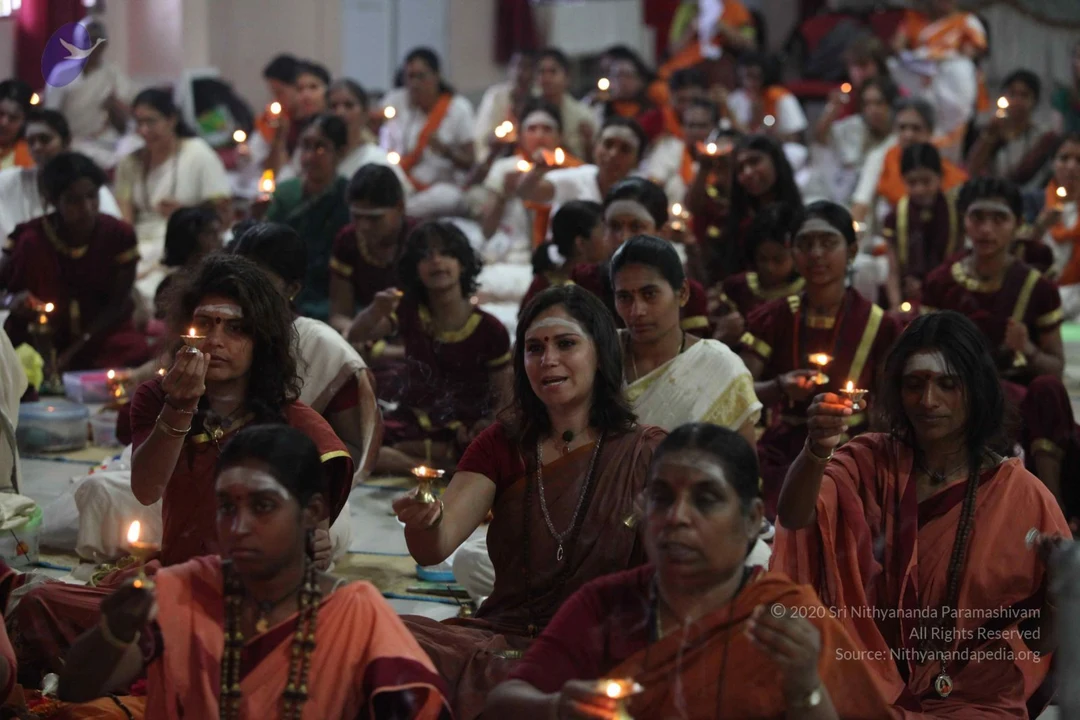
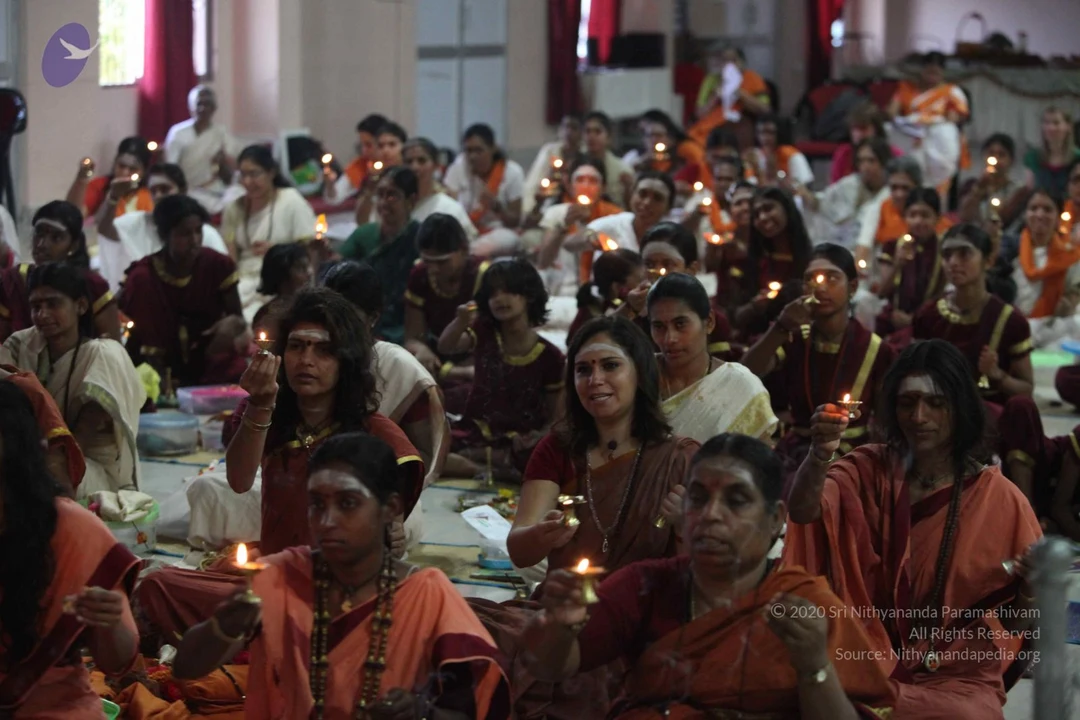
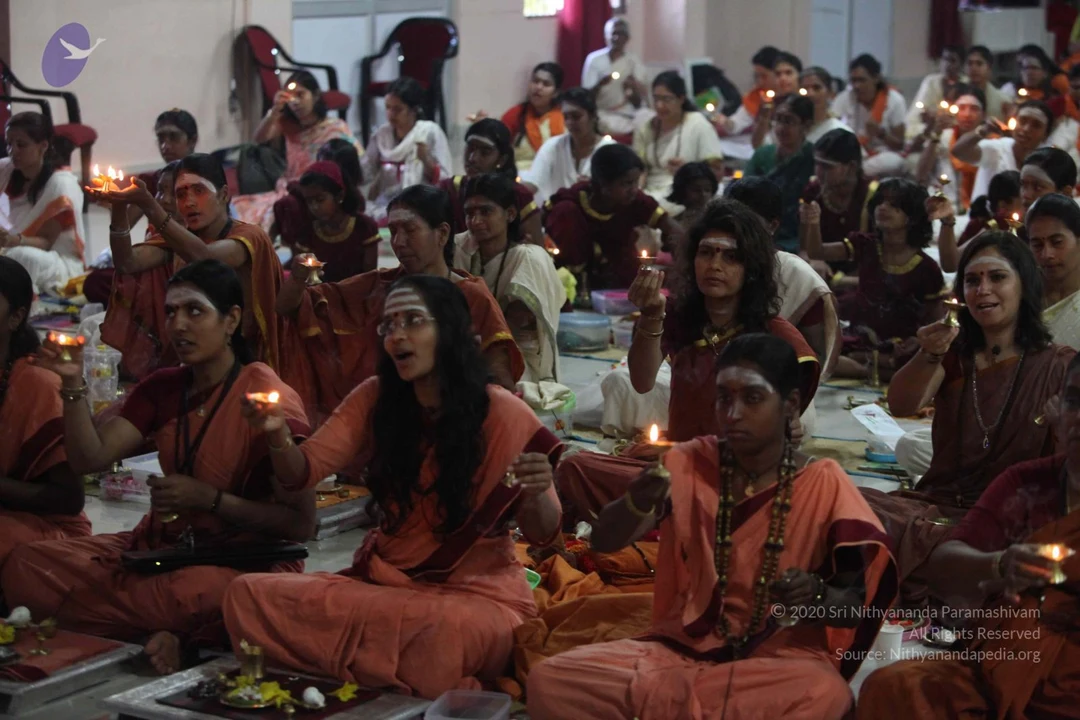
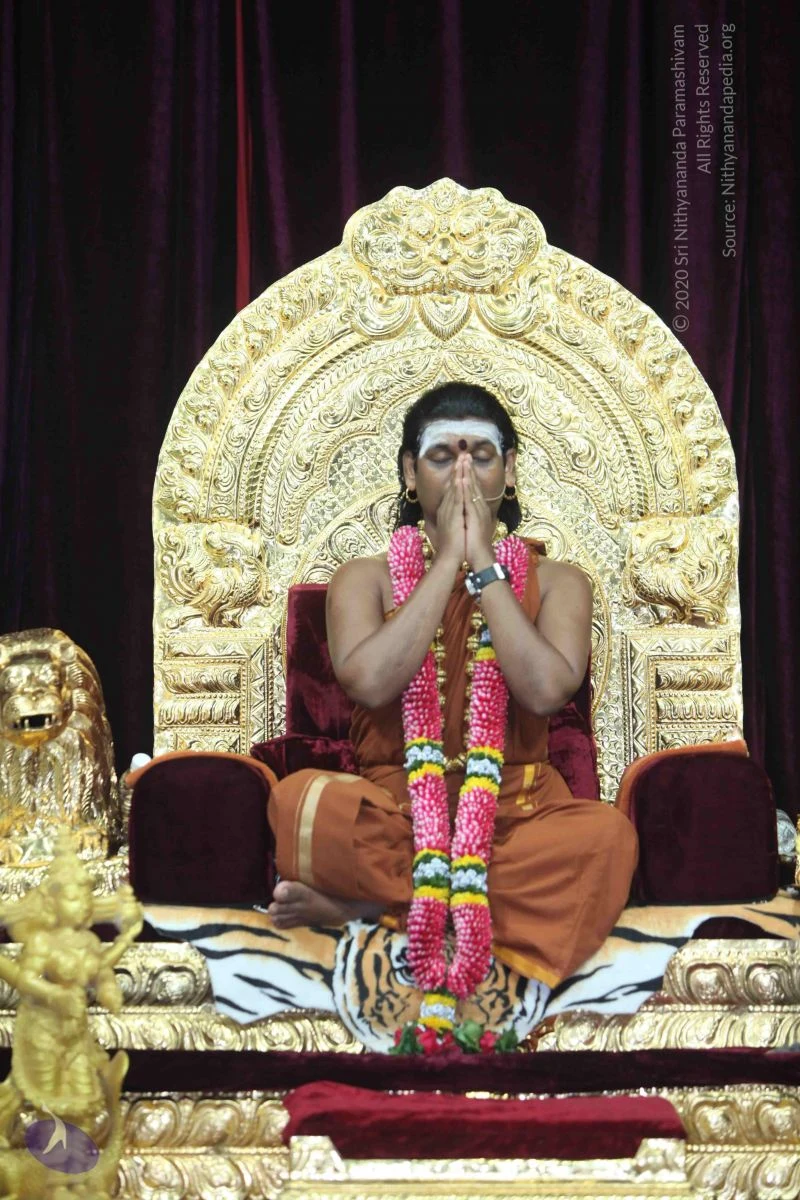
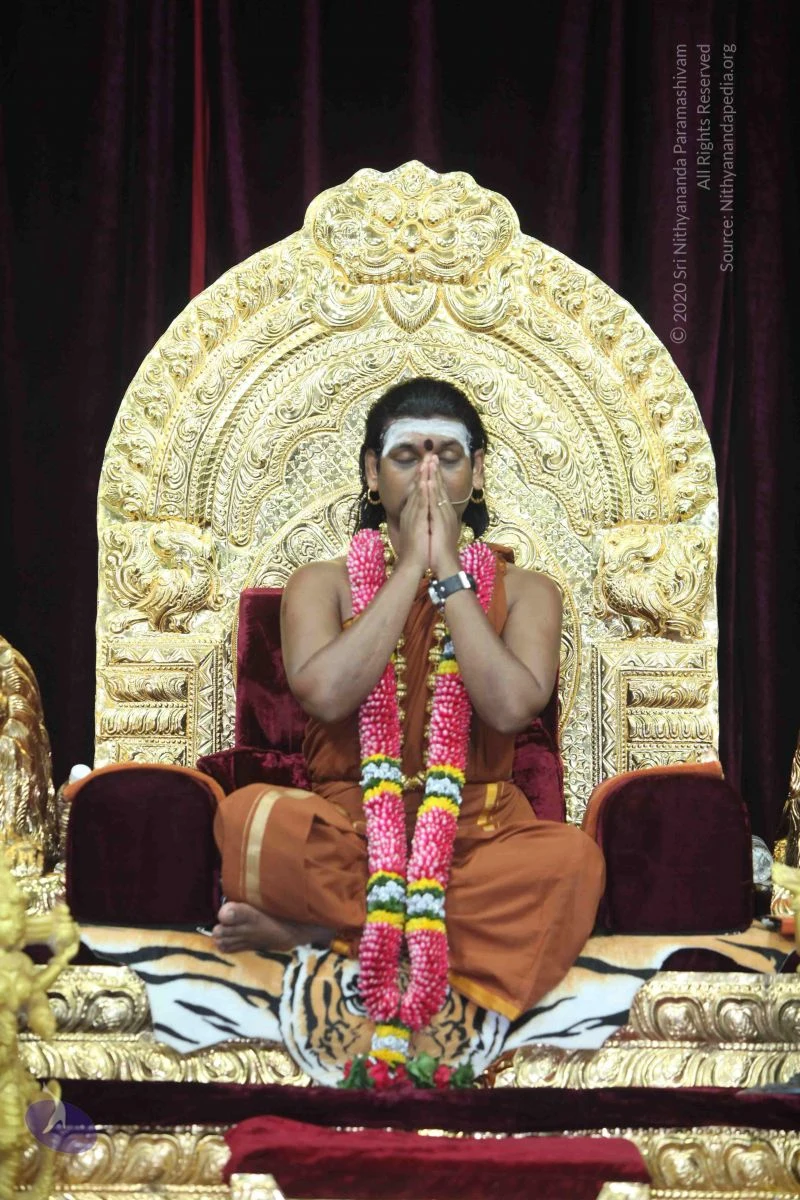
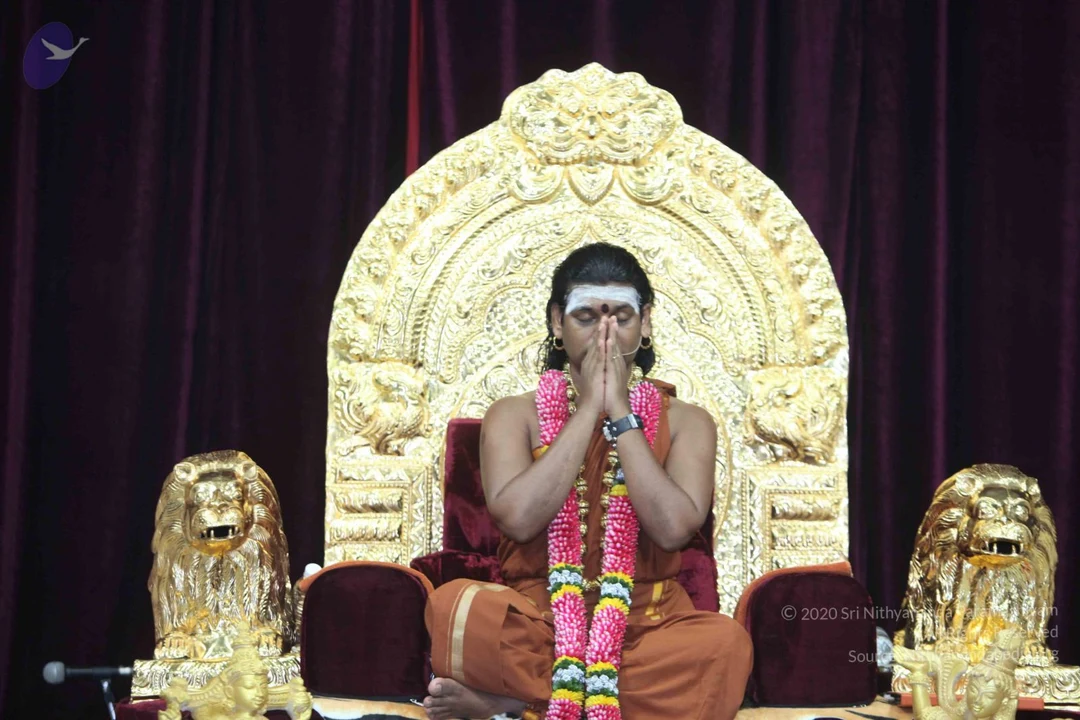
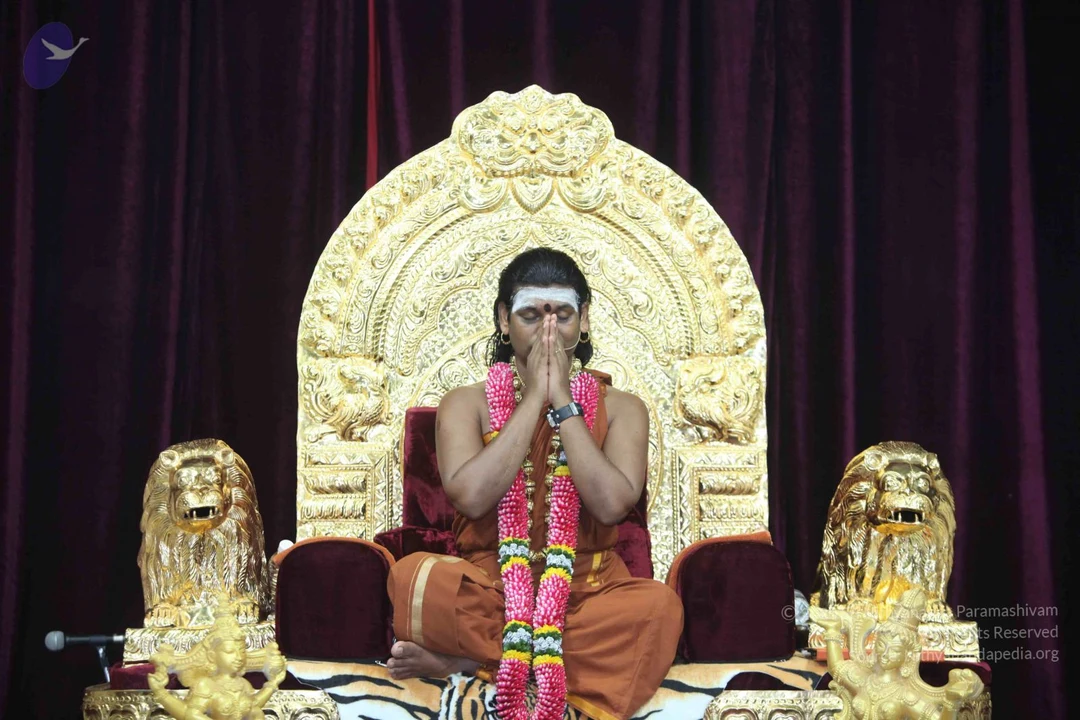

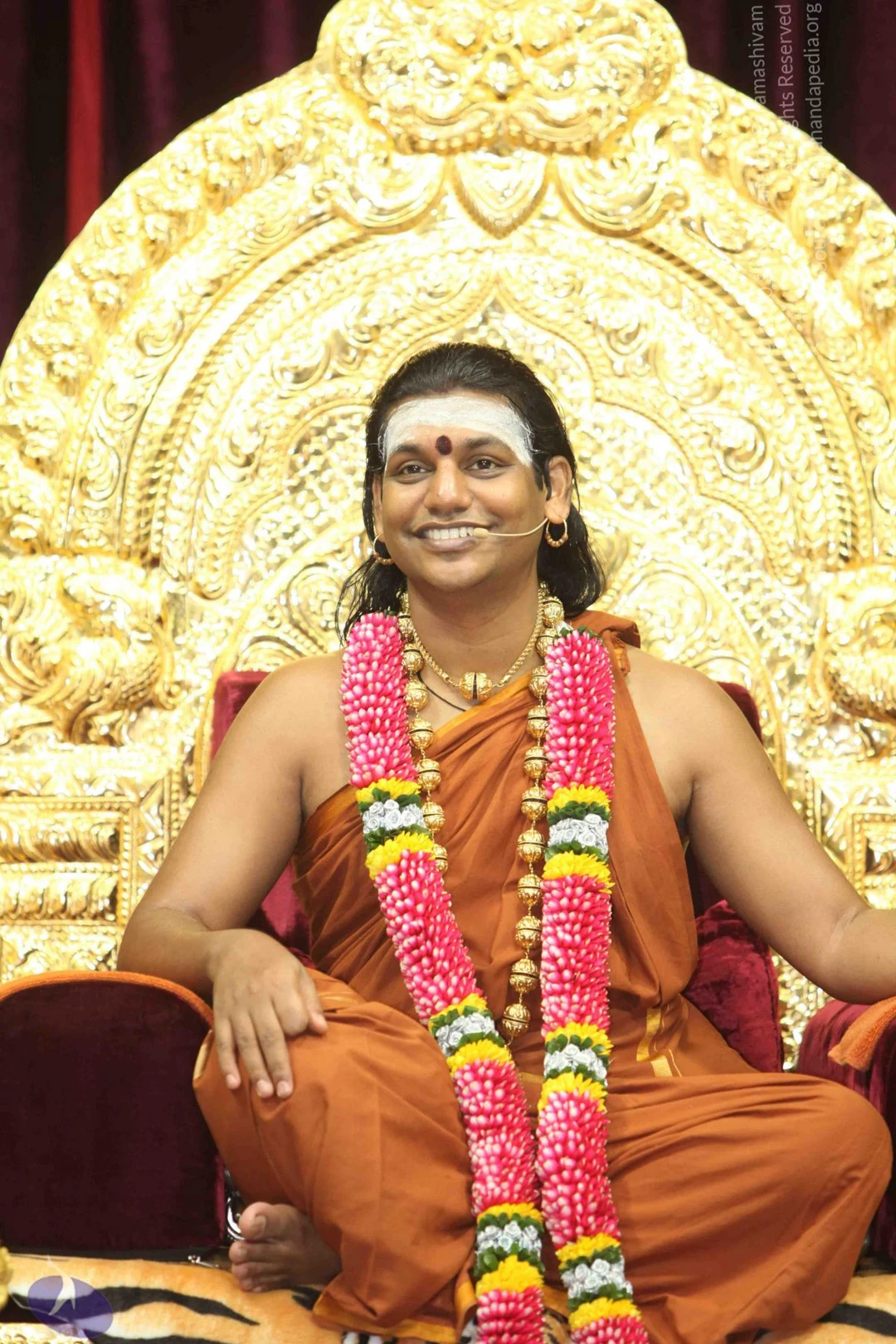
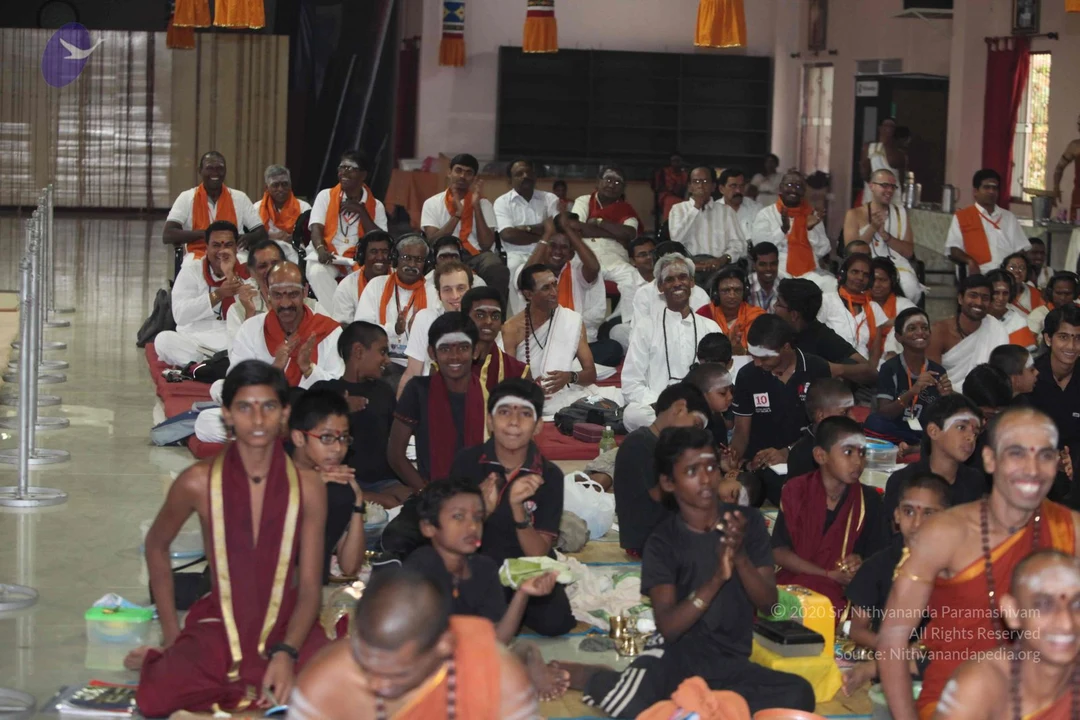
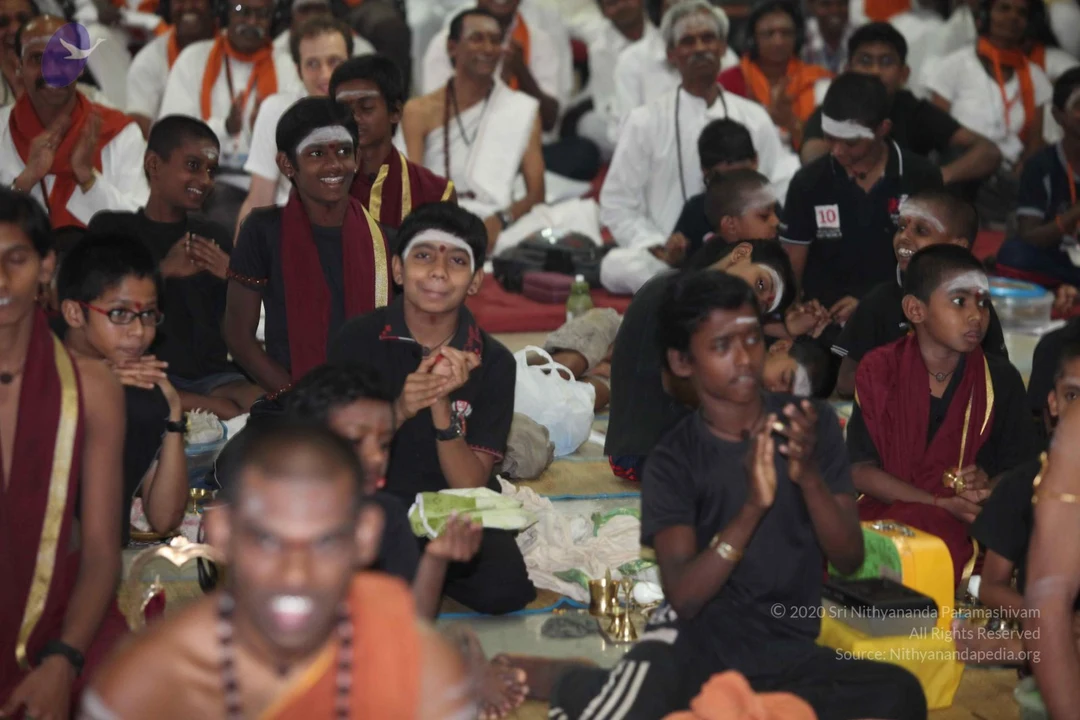
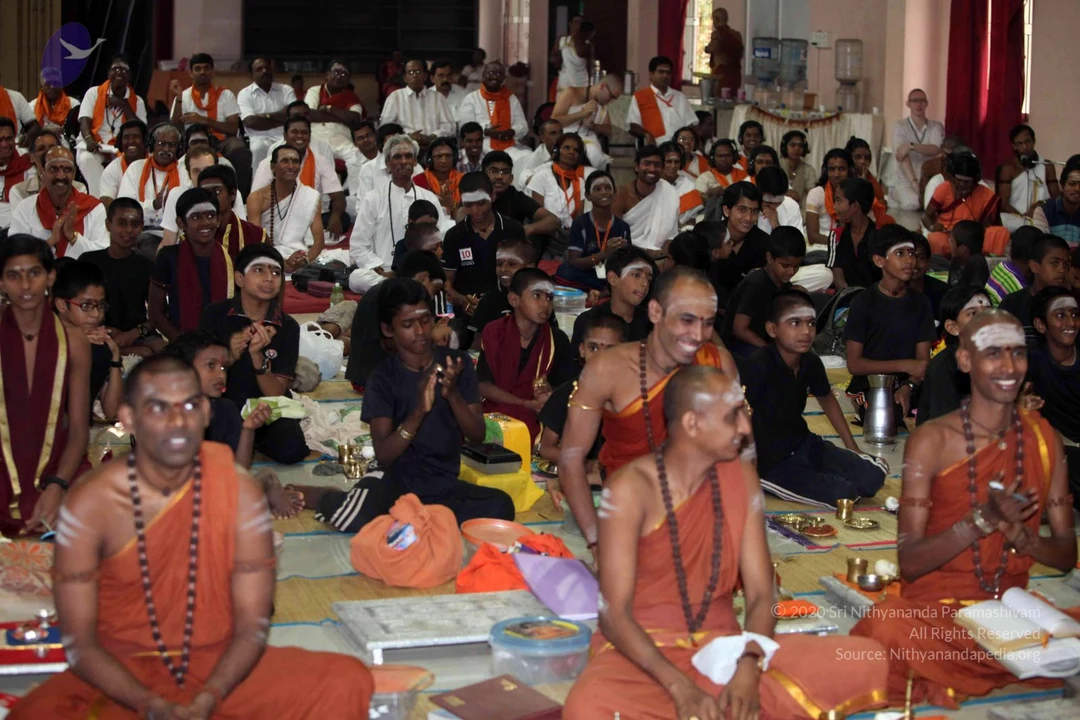
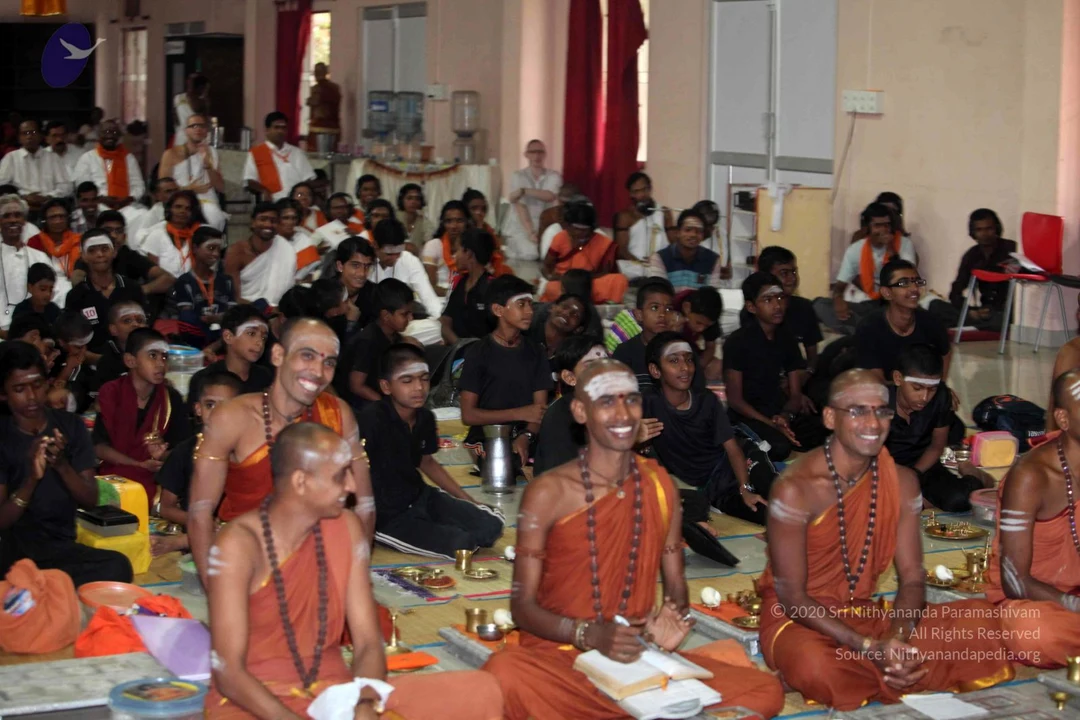
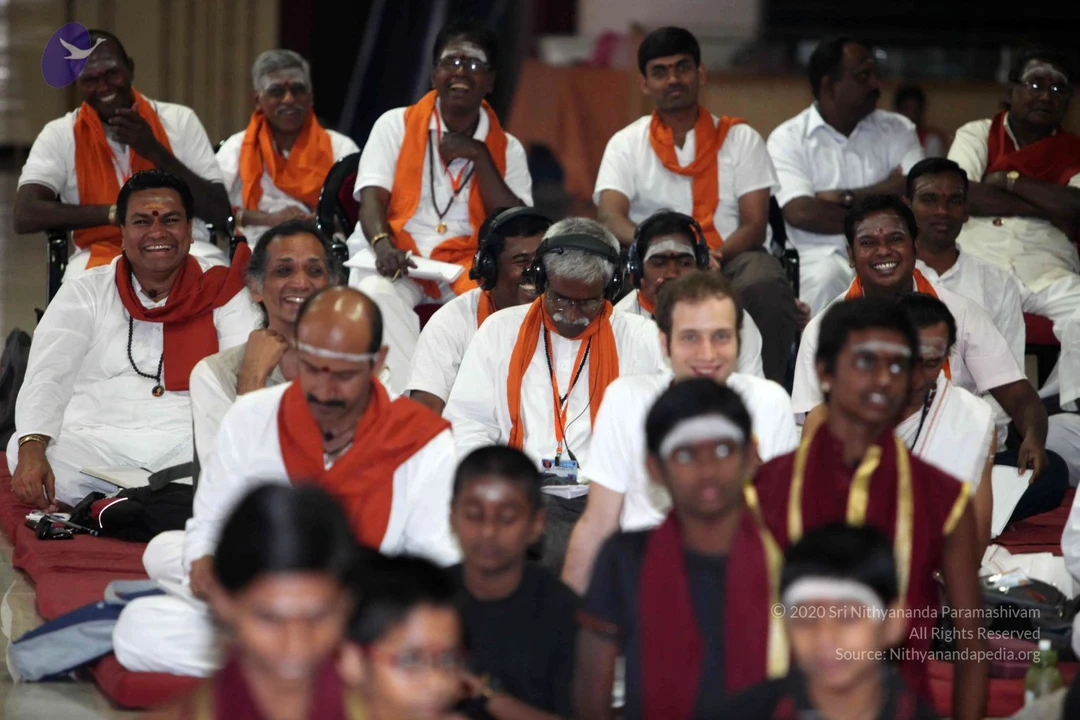
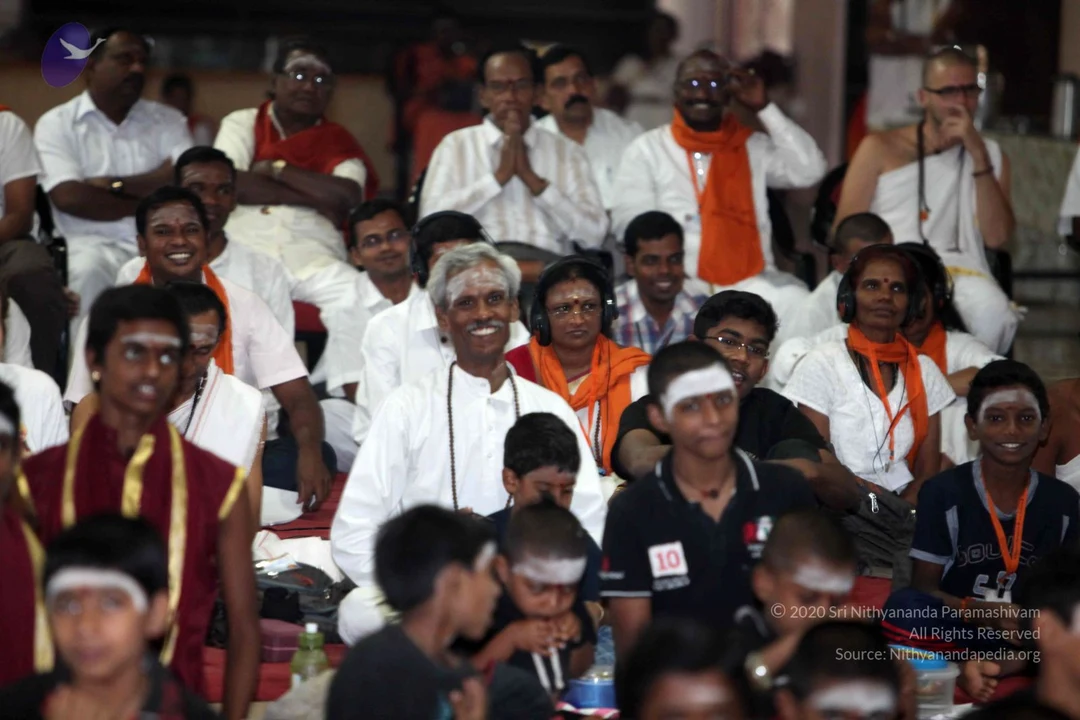
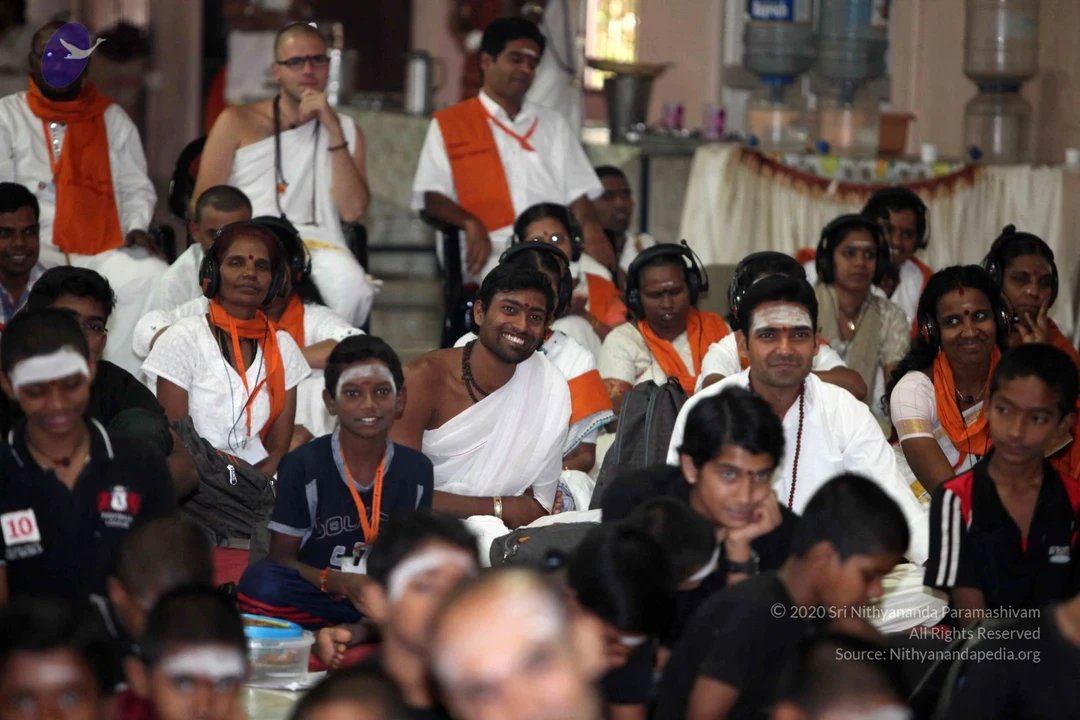
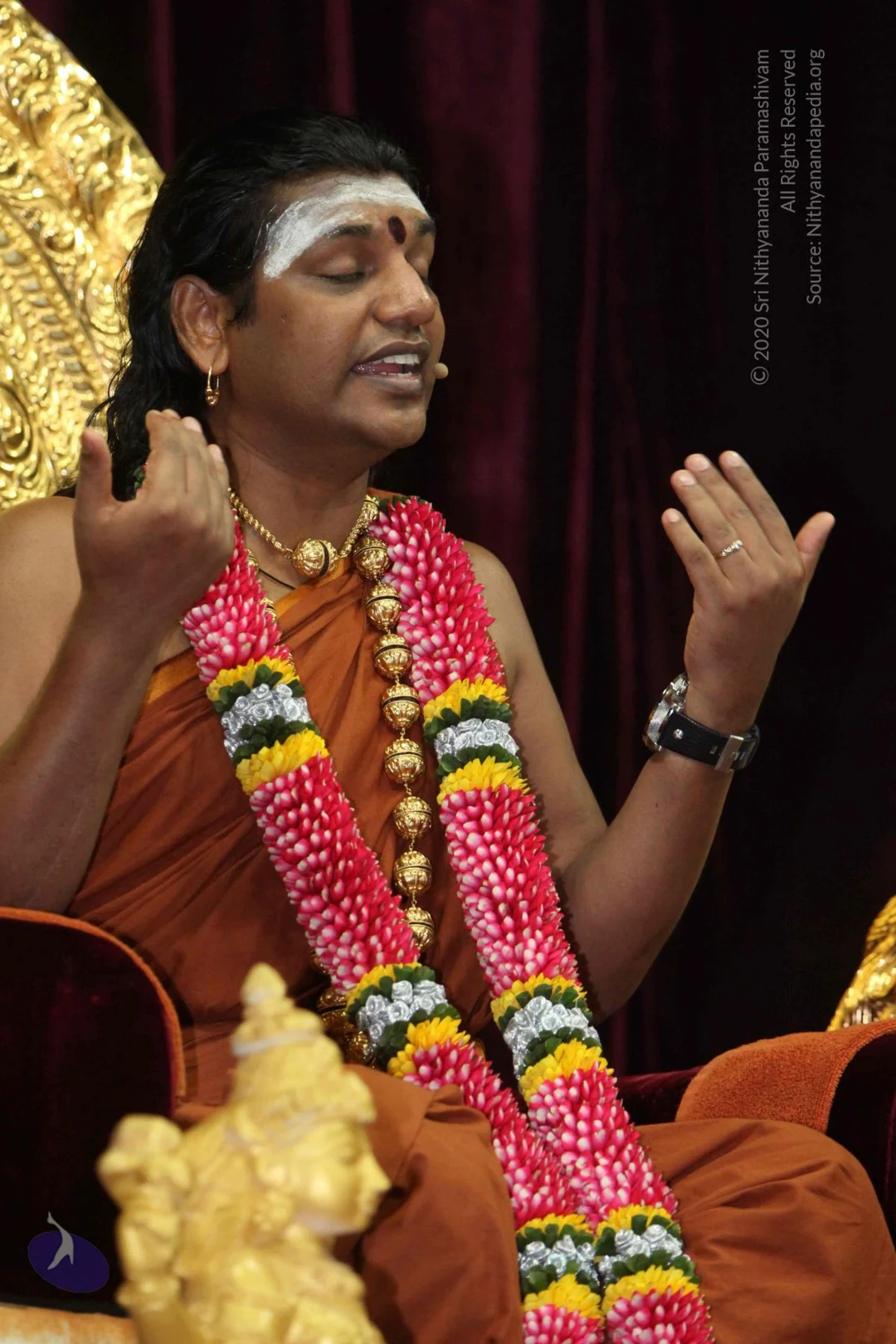
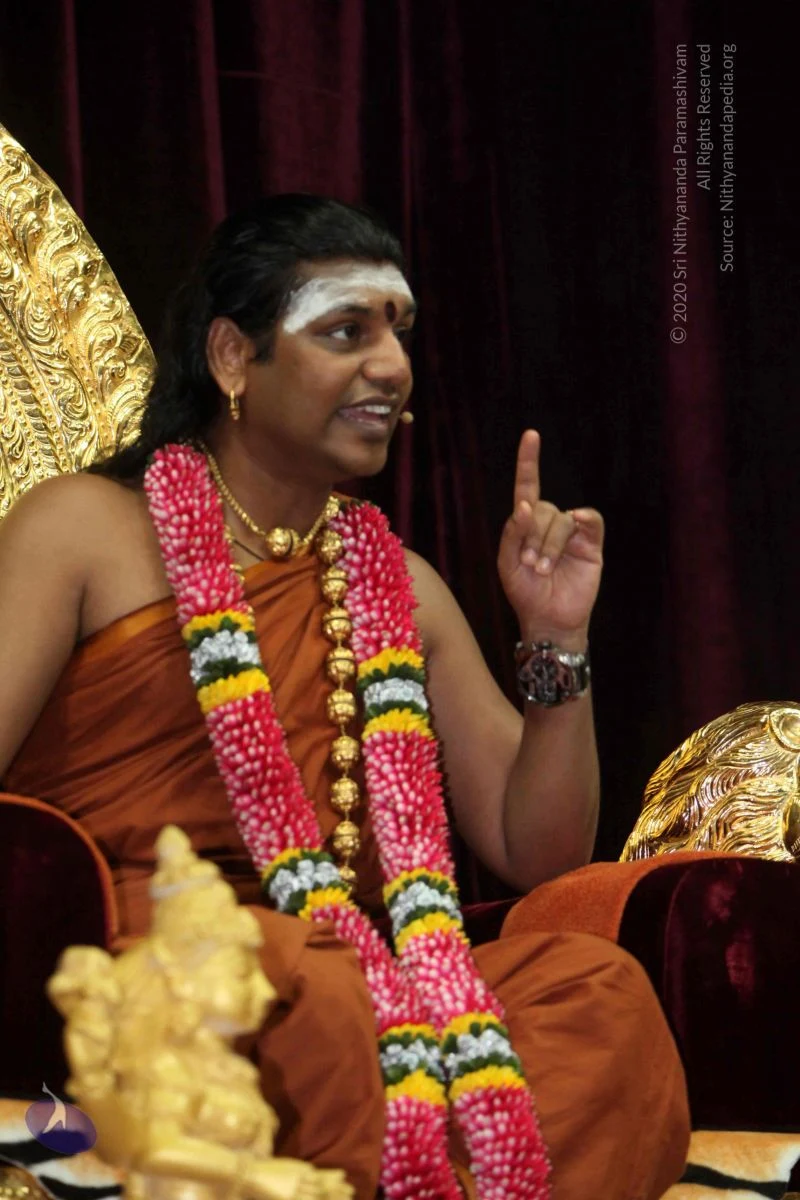
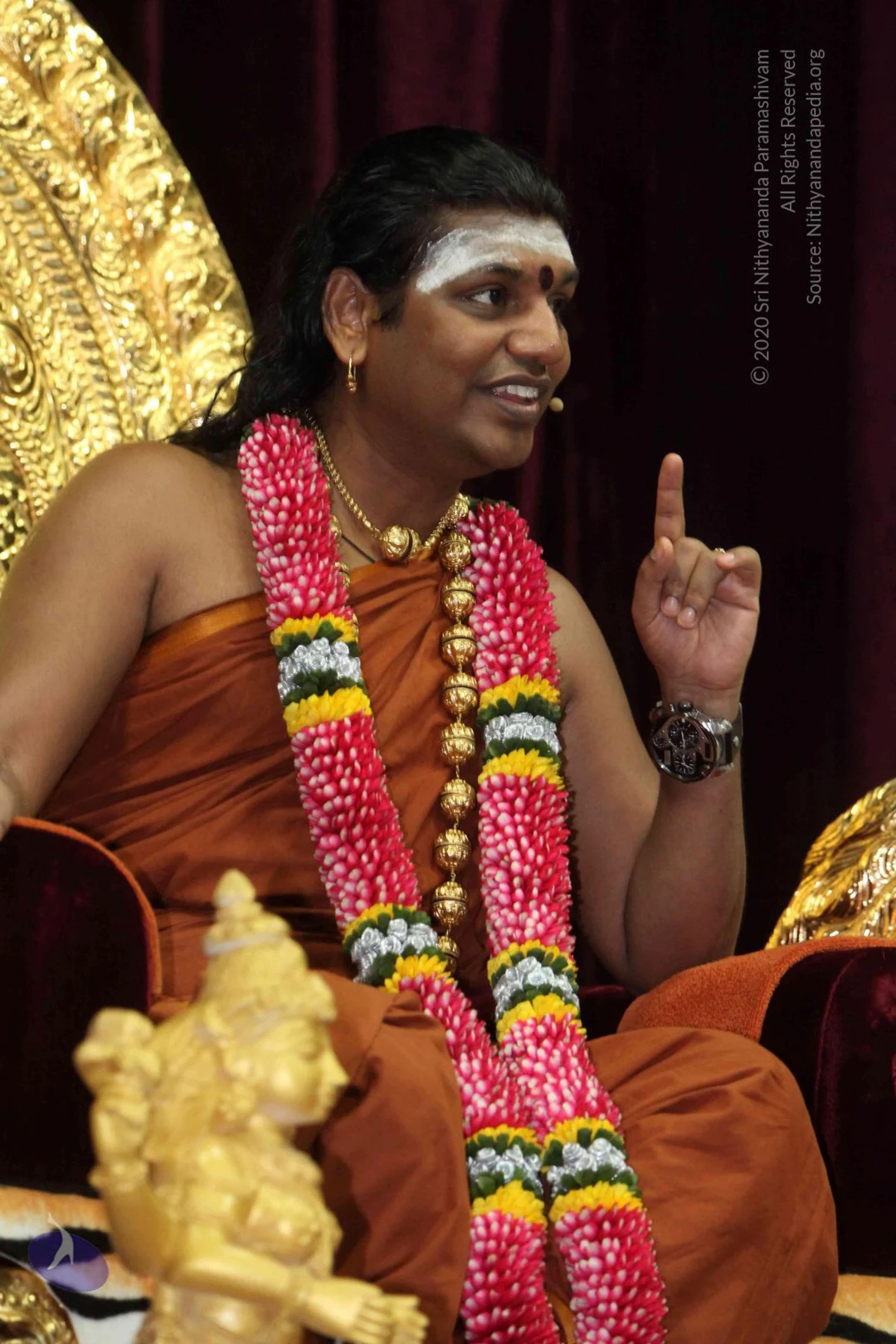
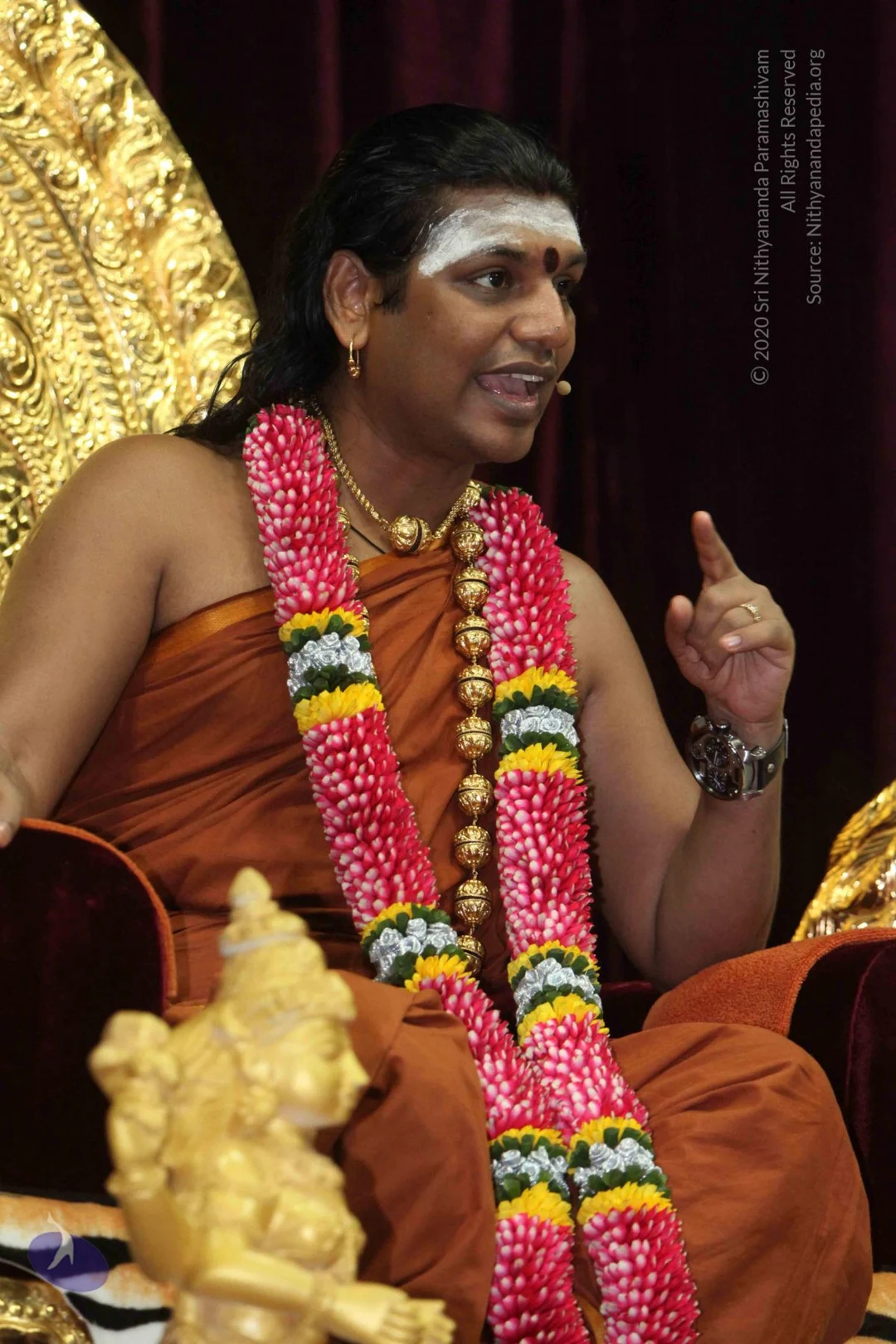




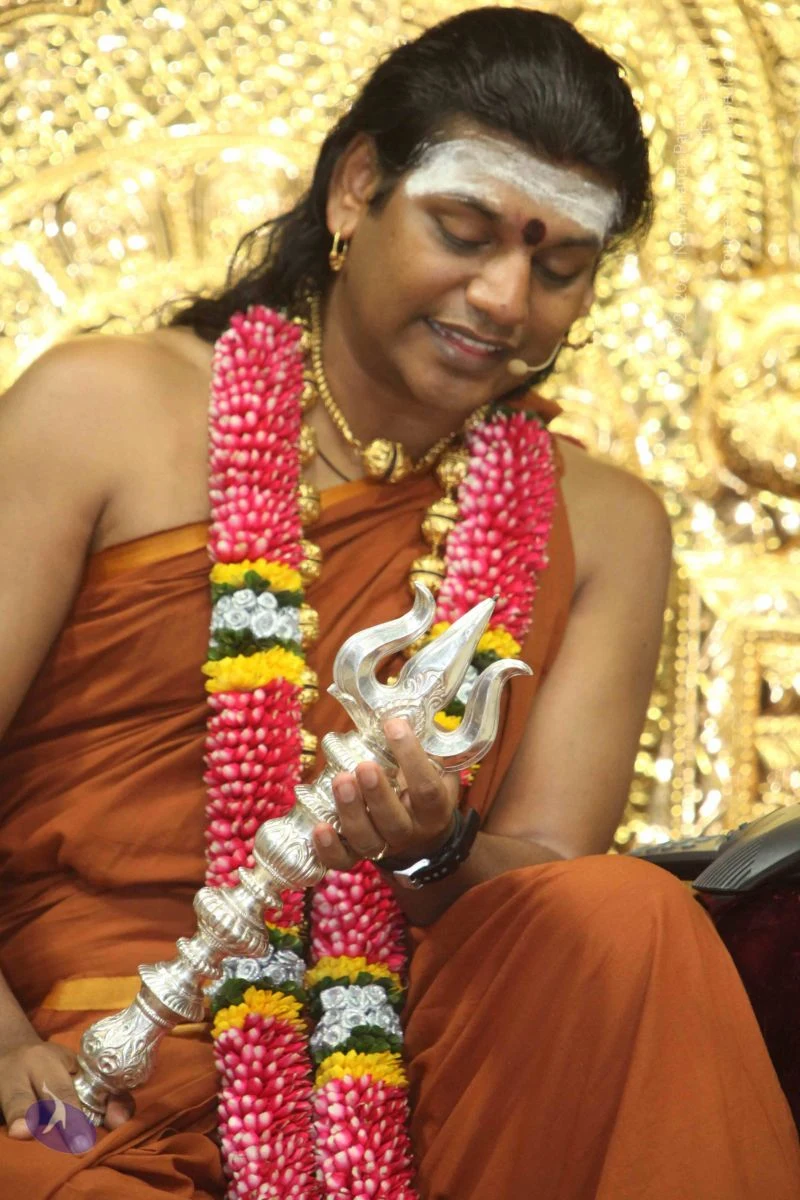
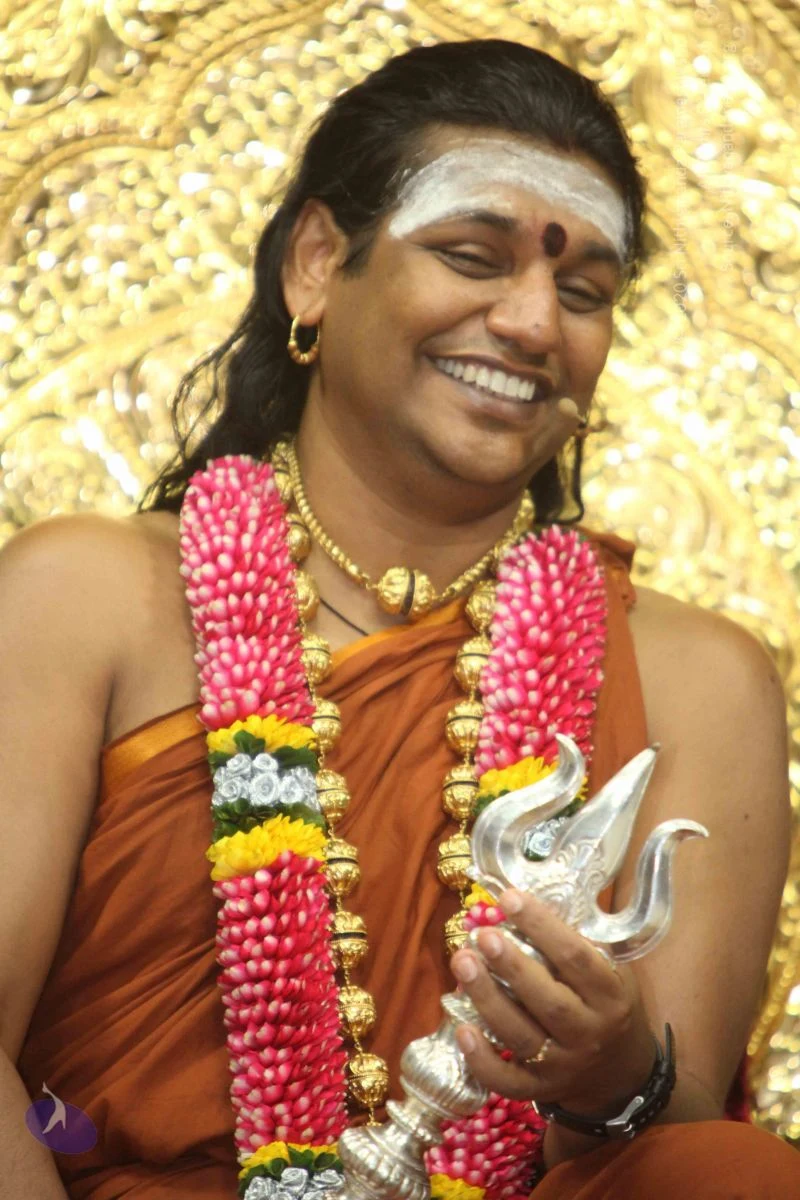
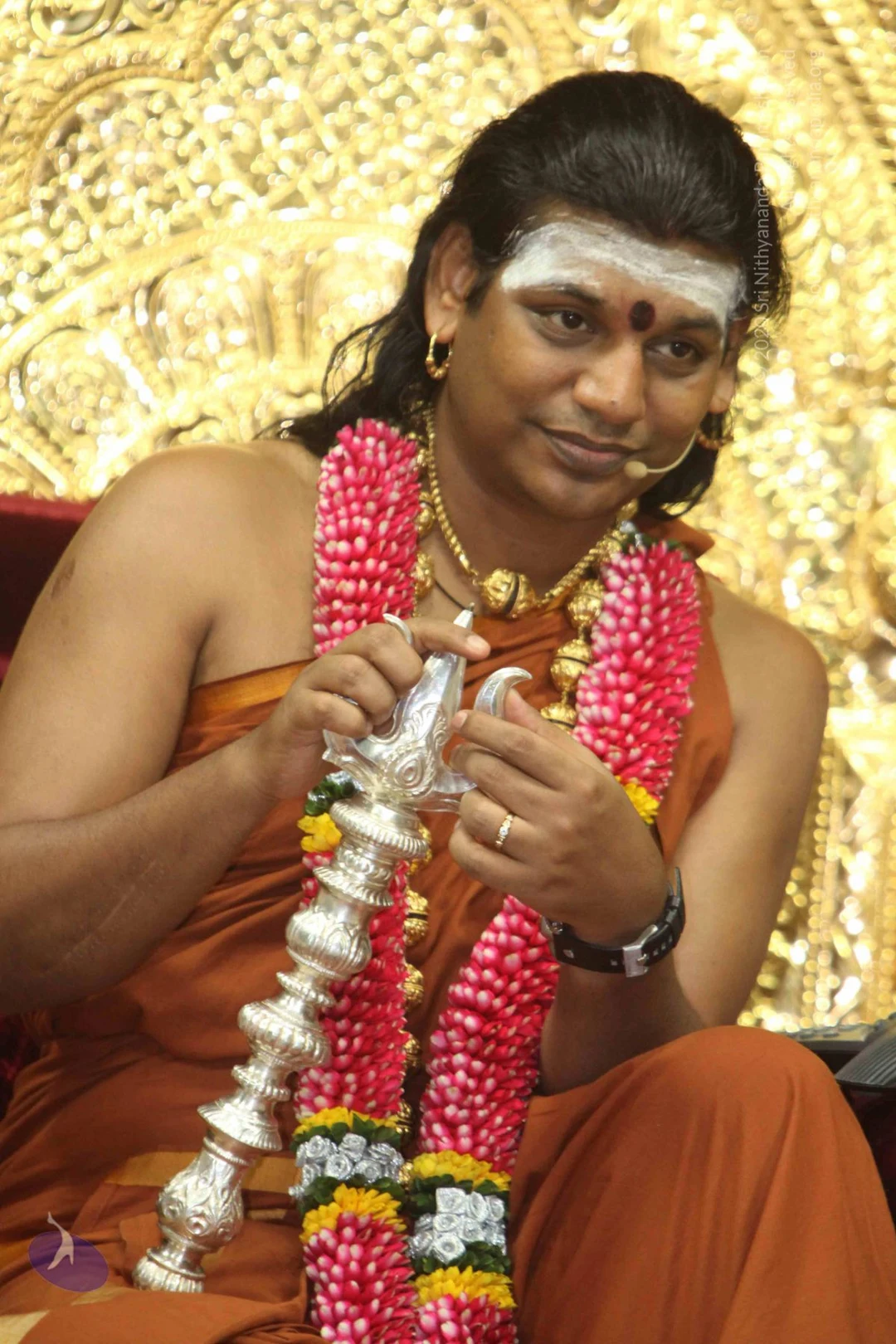


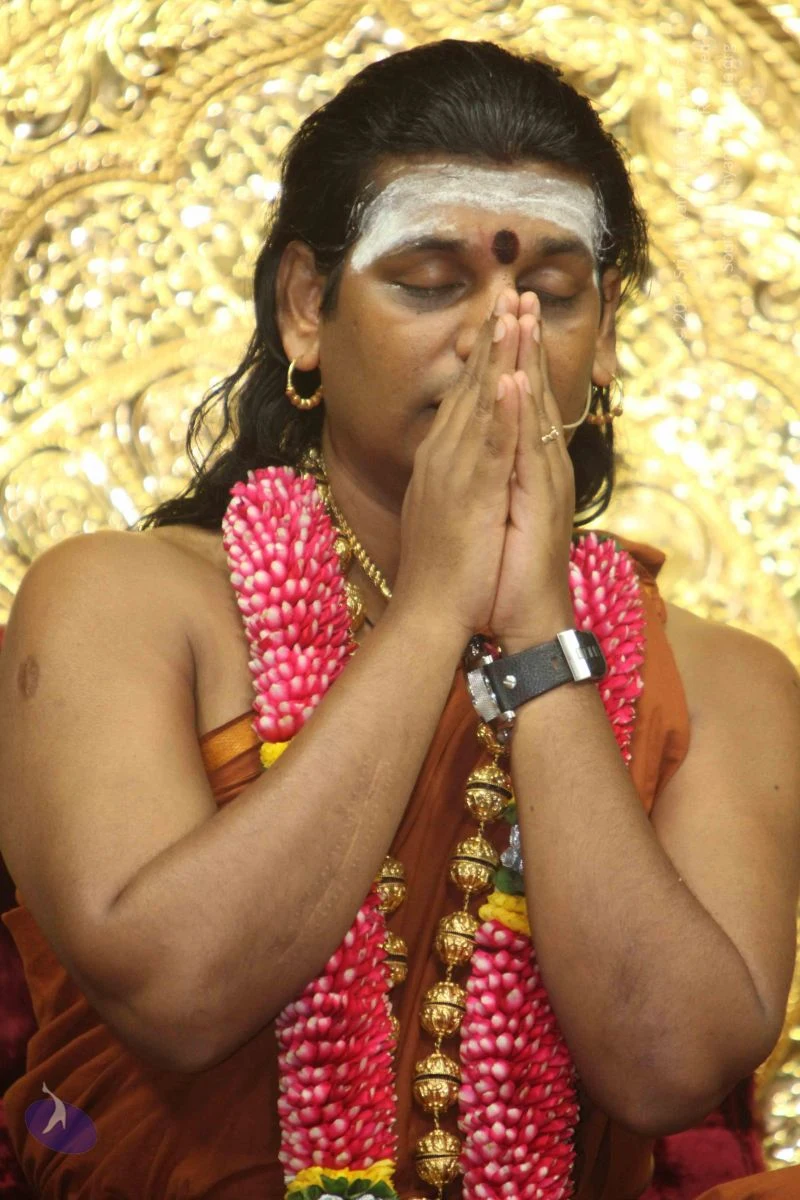

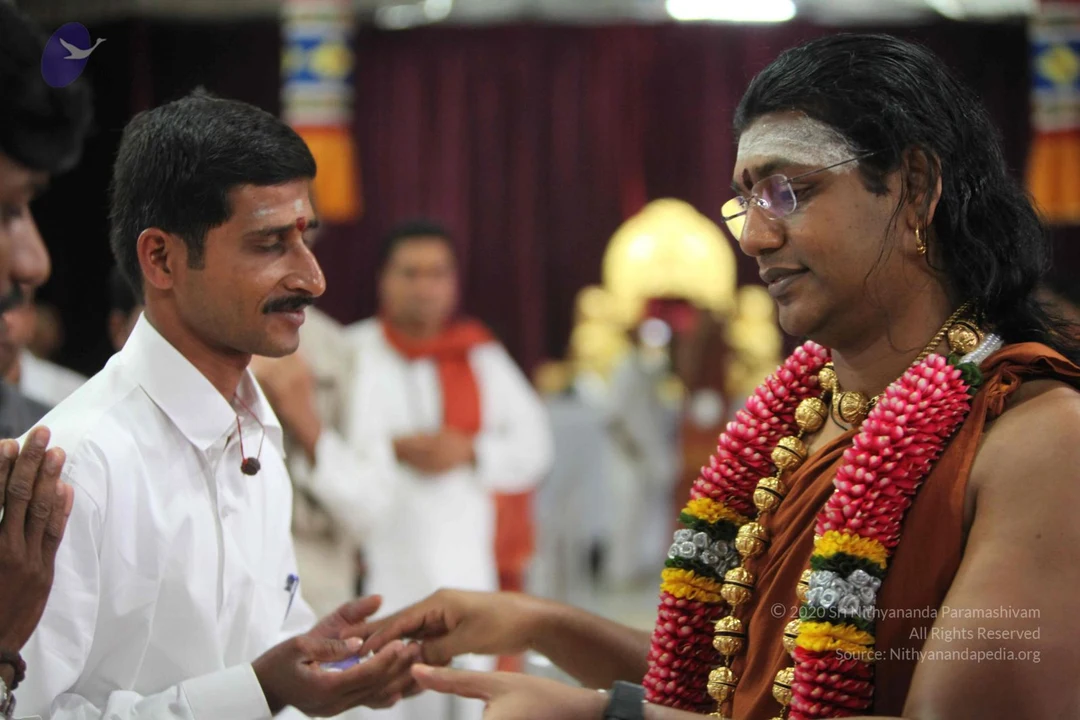

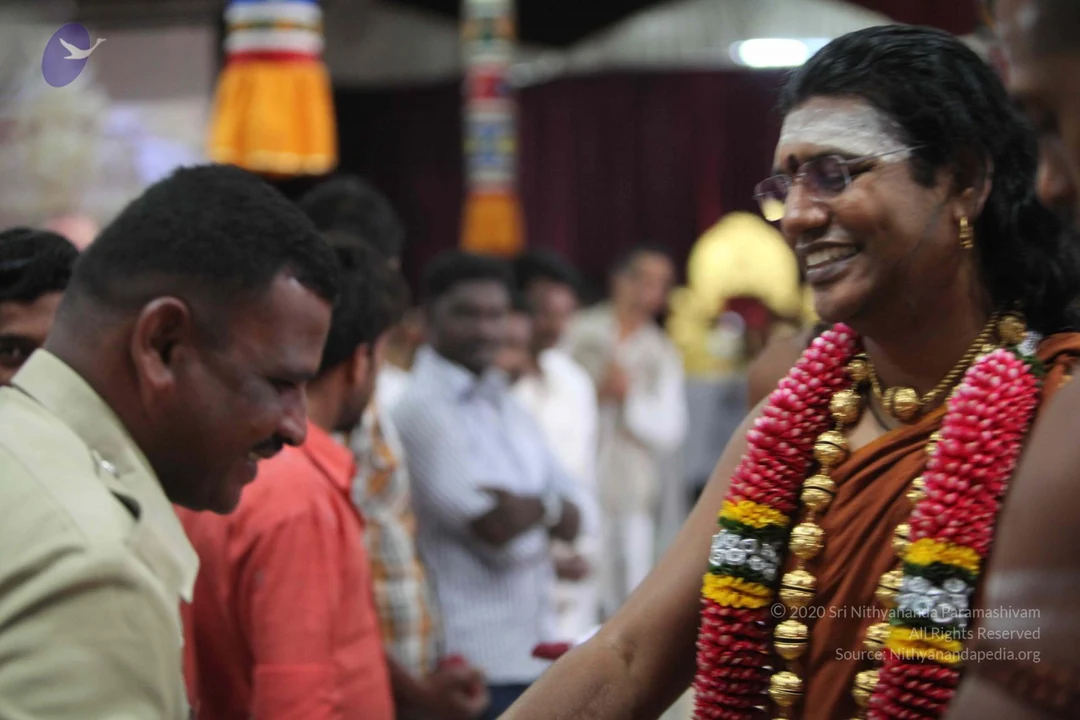
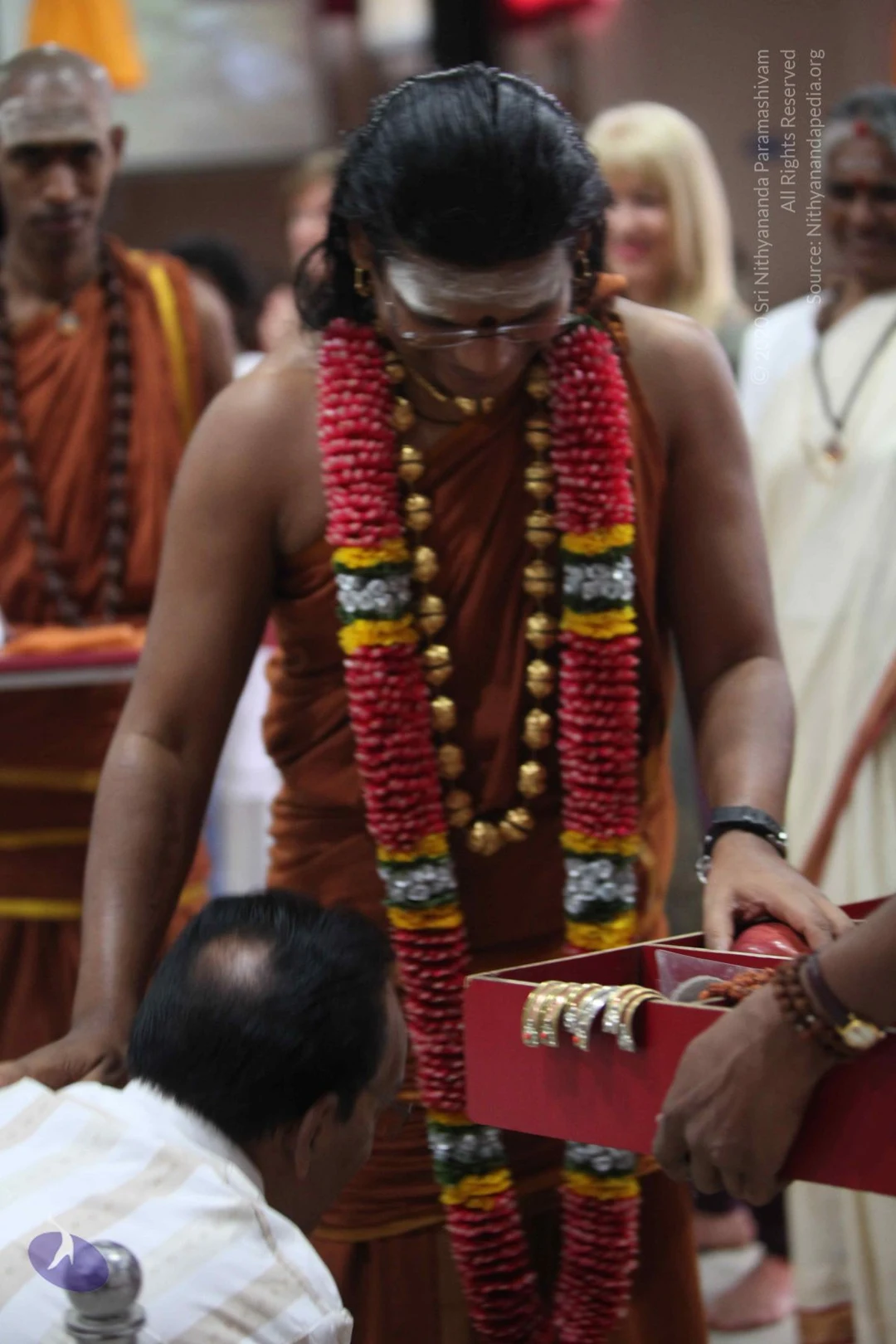
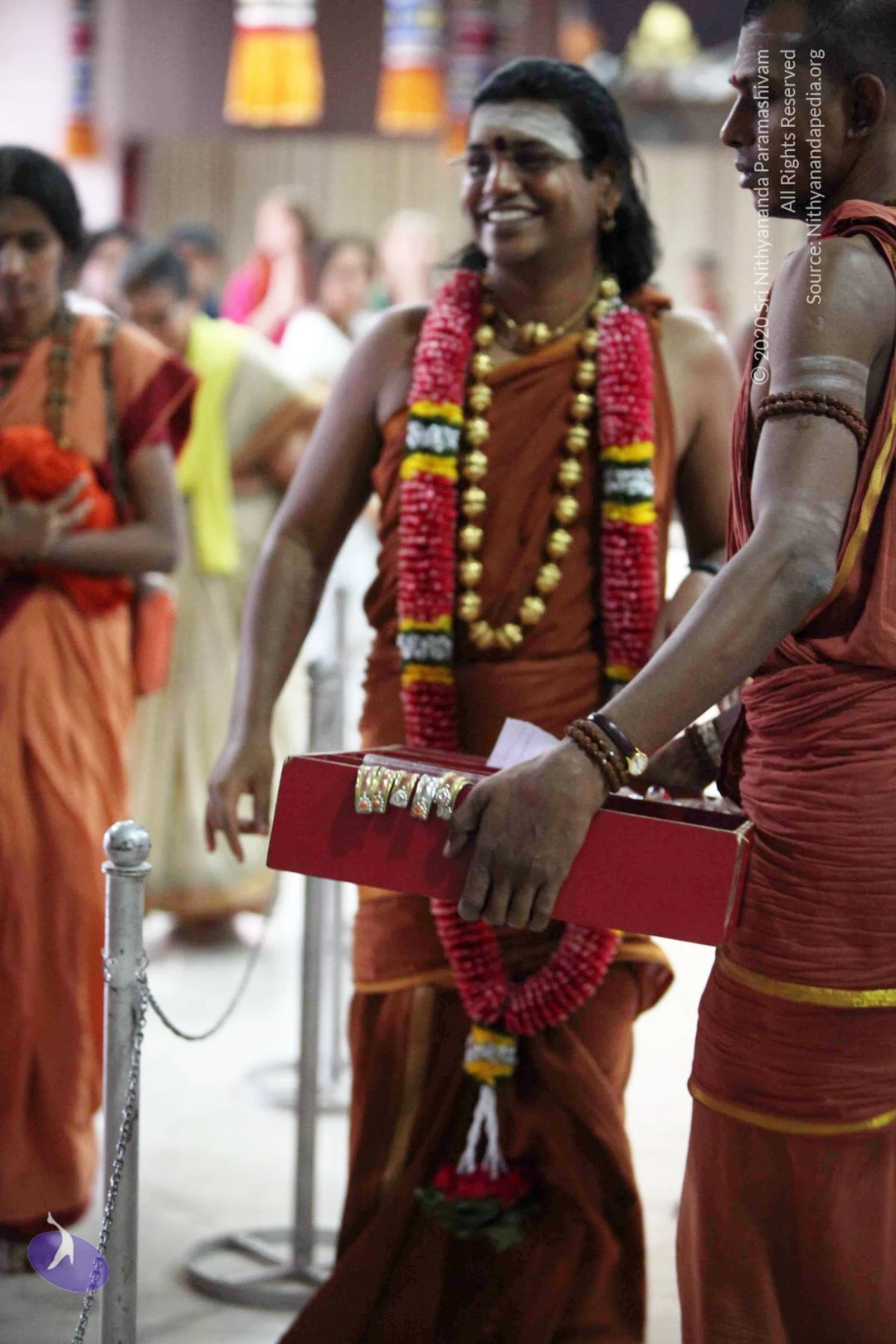
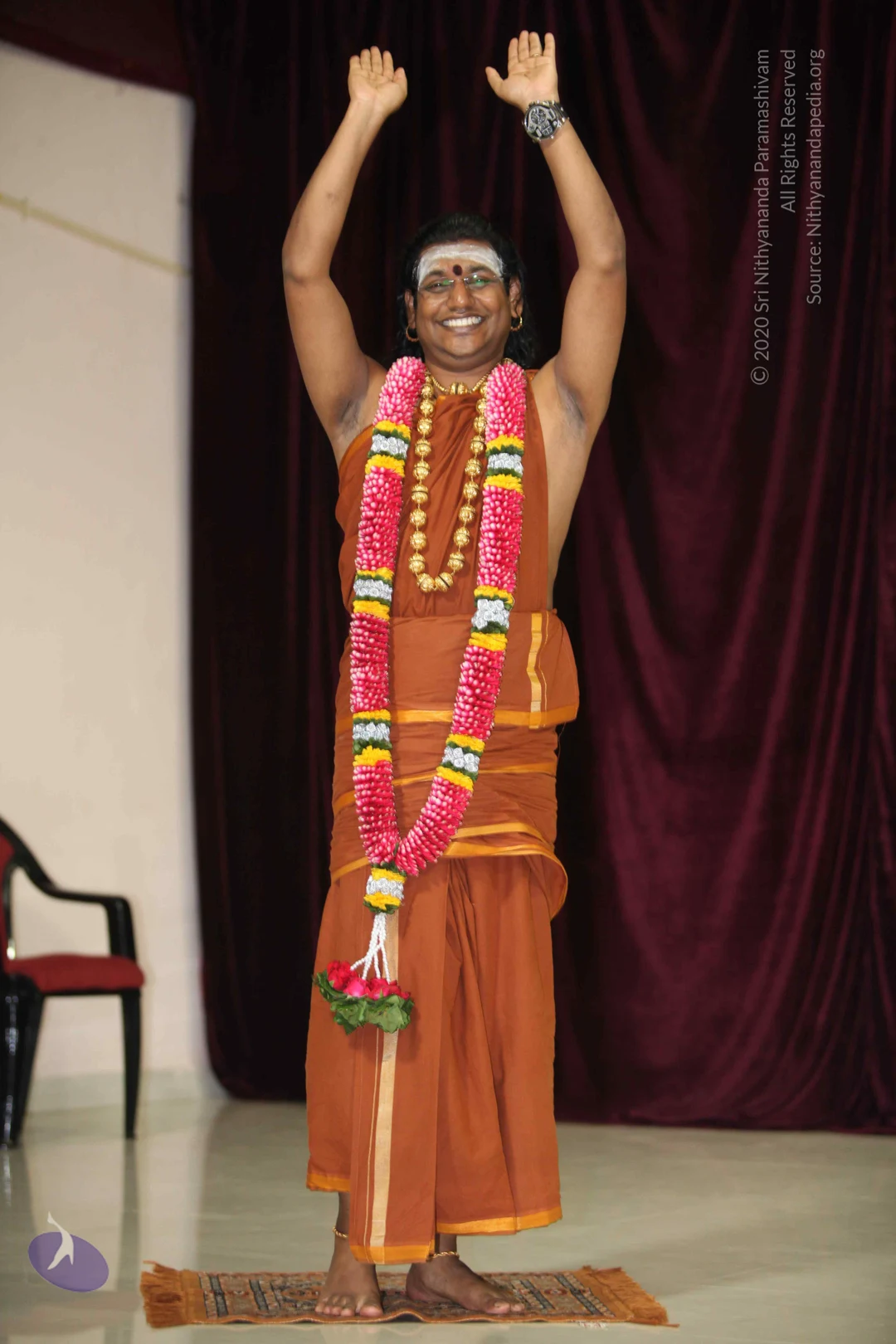
Tamil-IA-Session
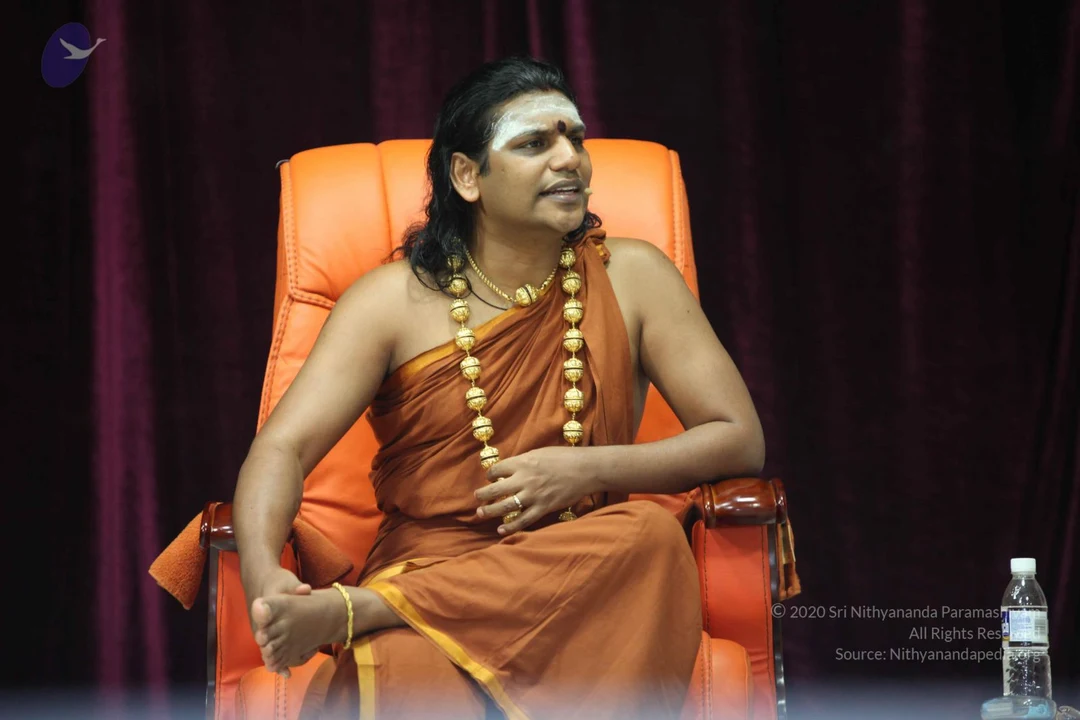
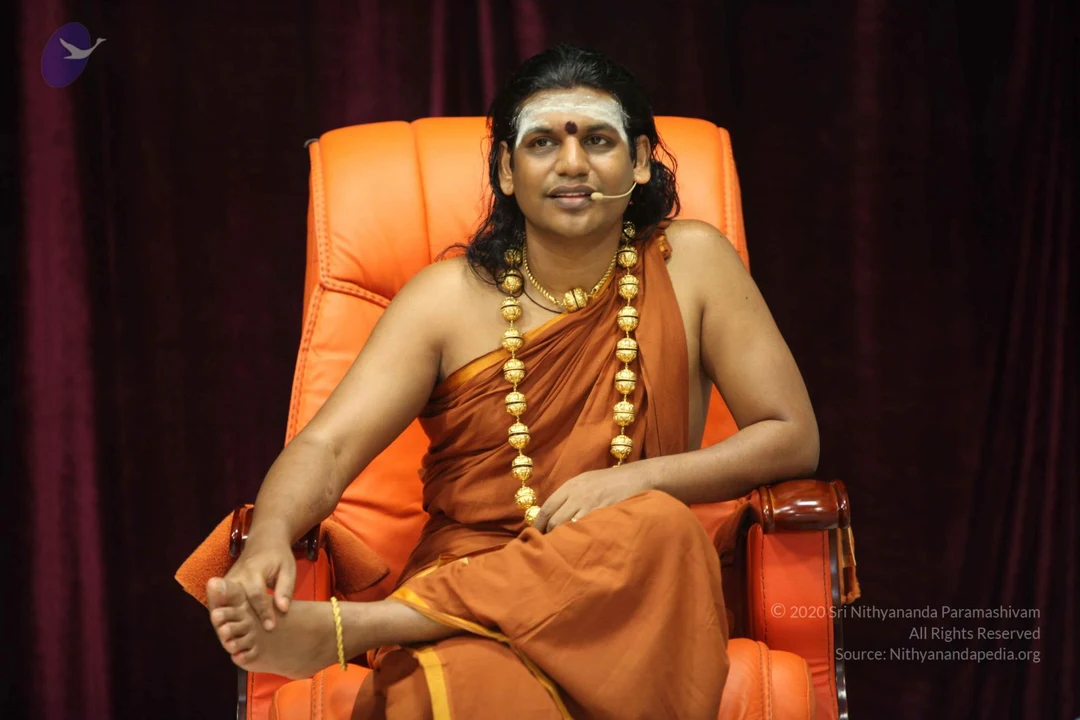
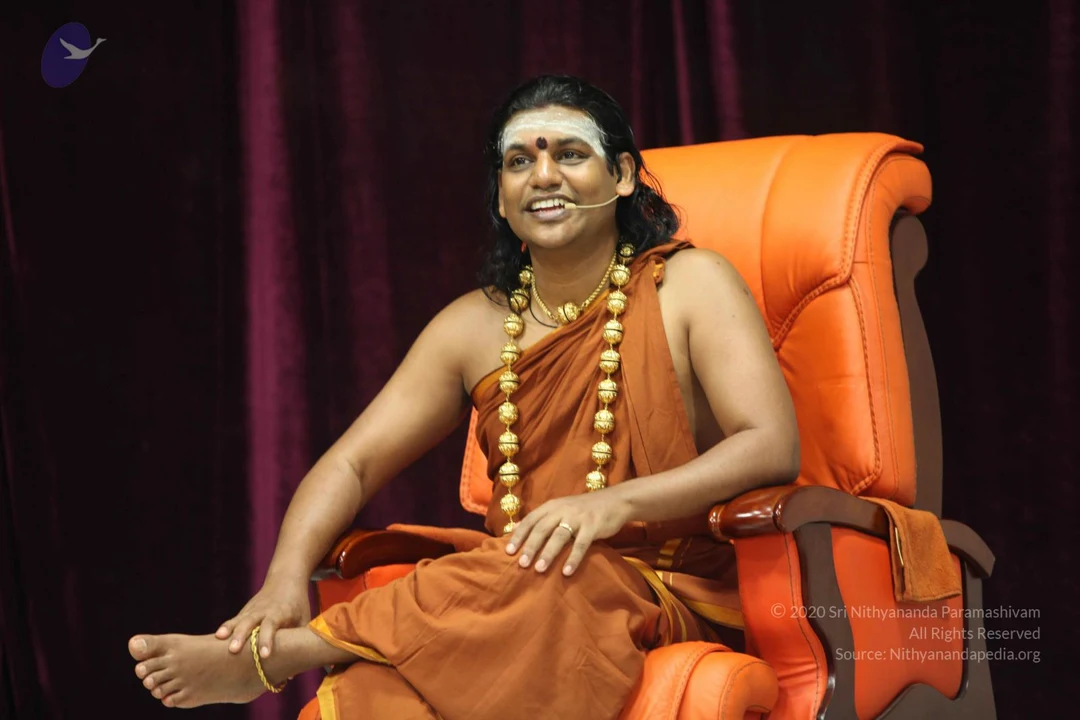



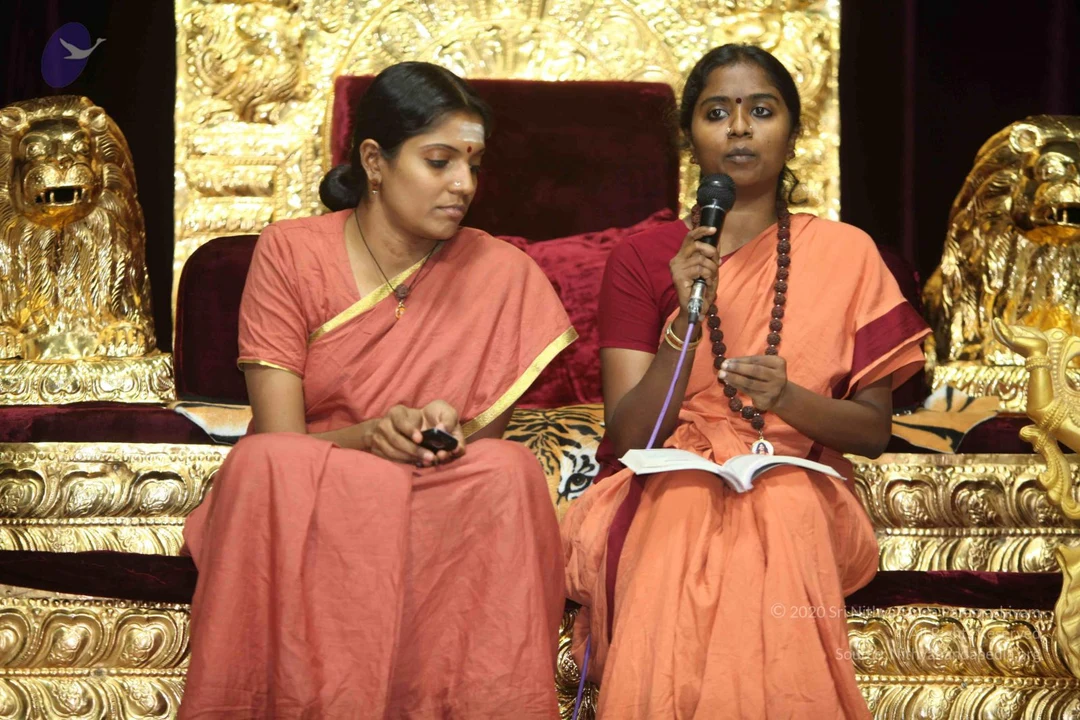
AkashicReading-Darshan
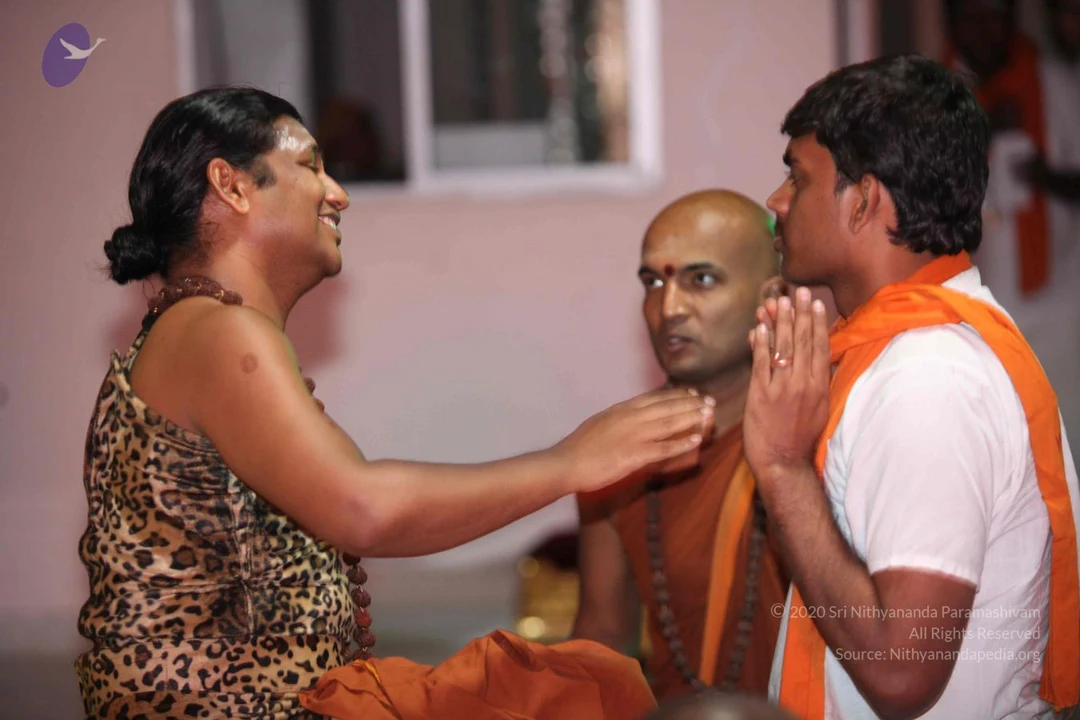
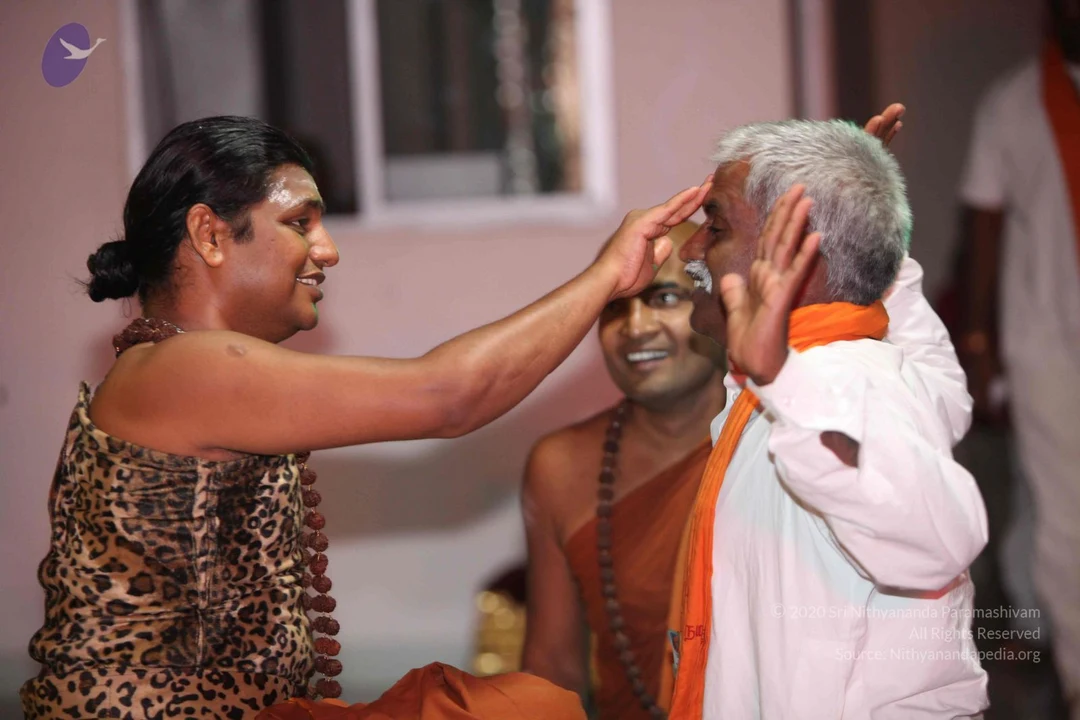
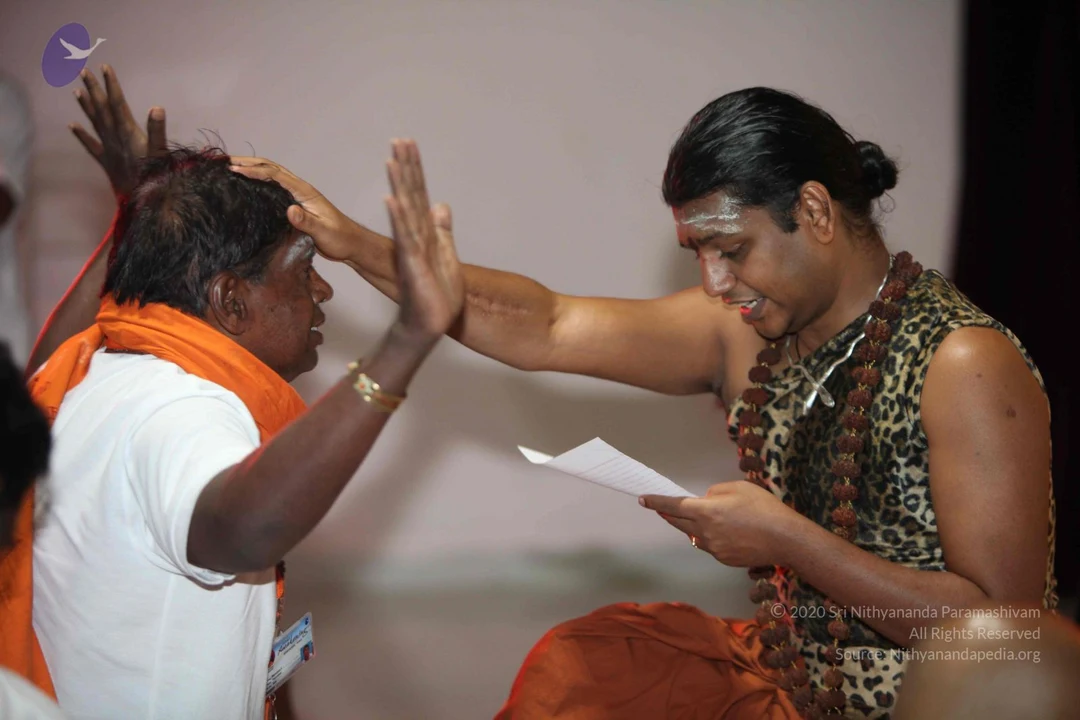
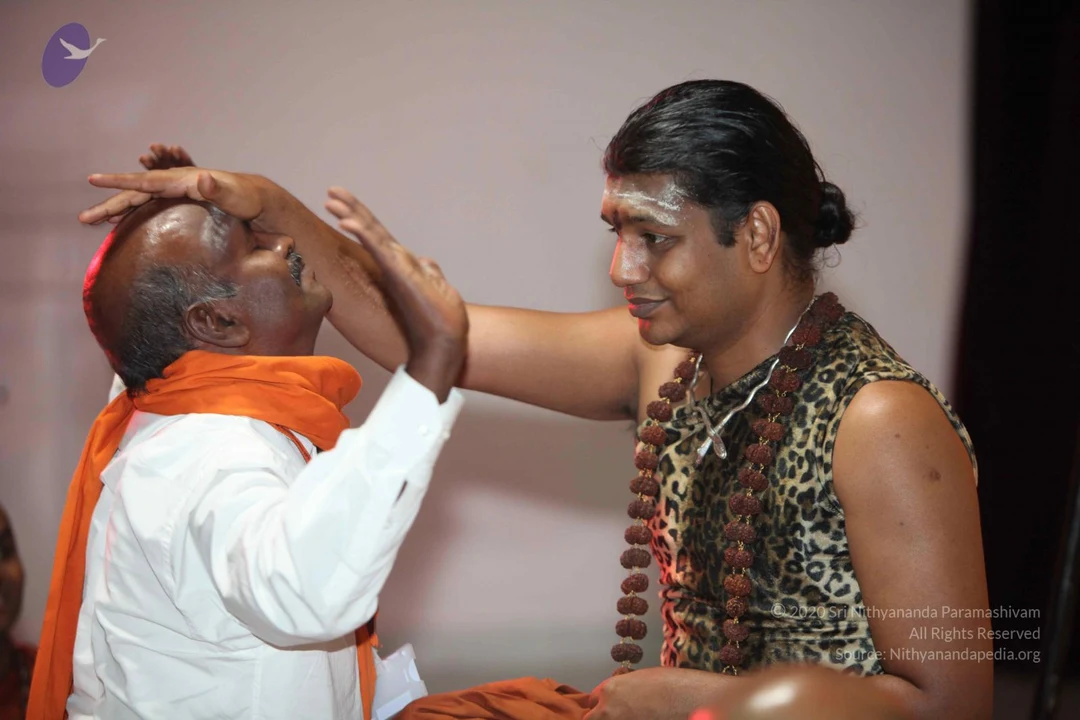
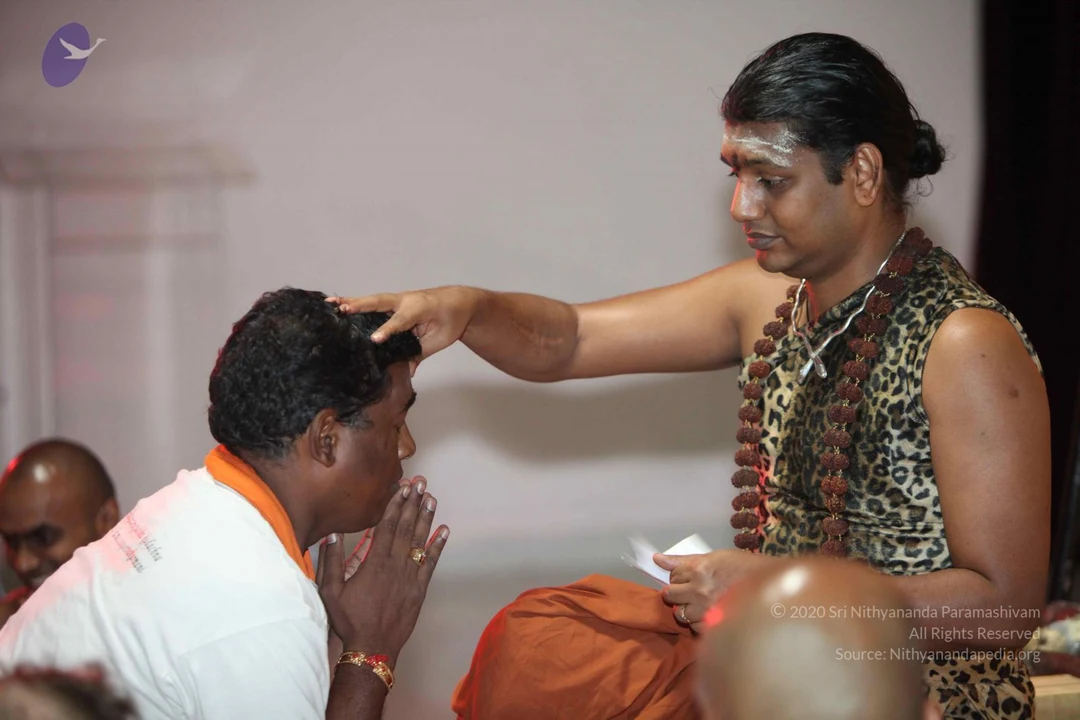
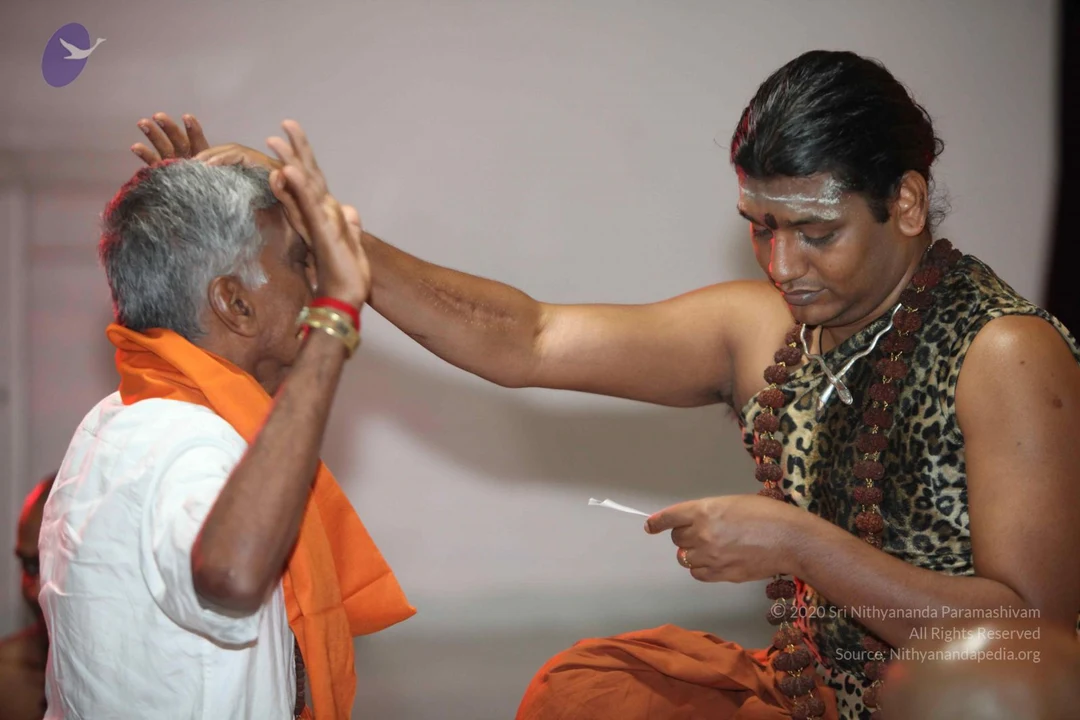
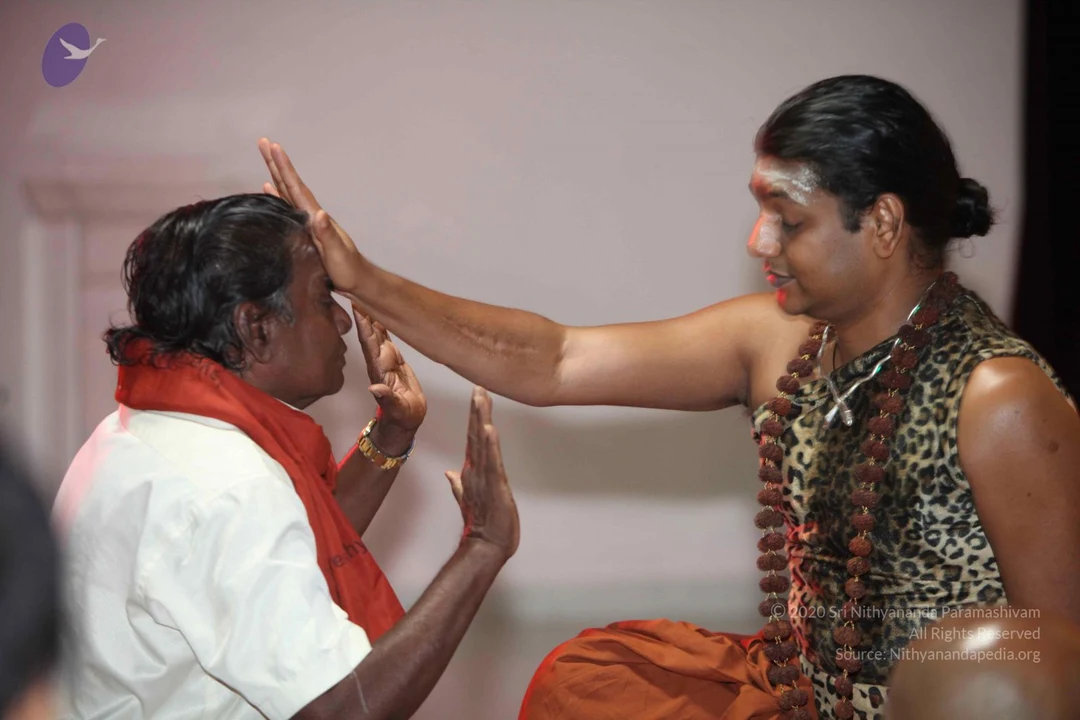
Photos Of The Day:
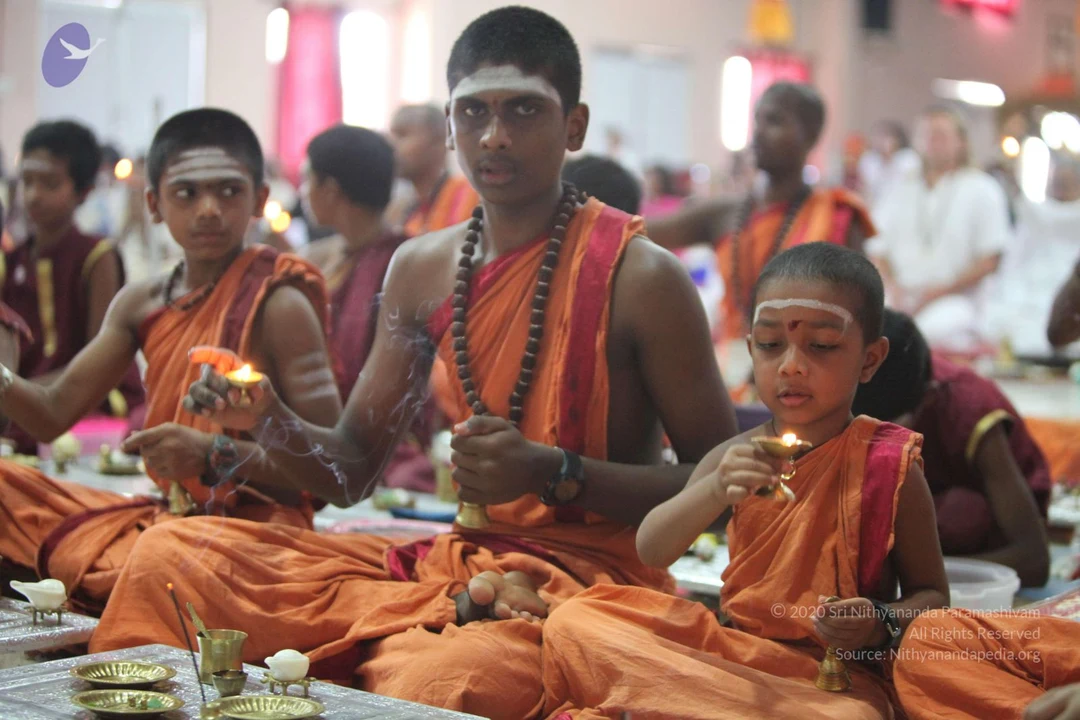
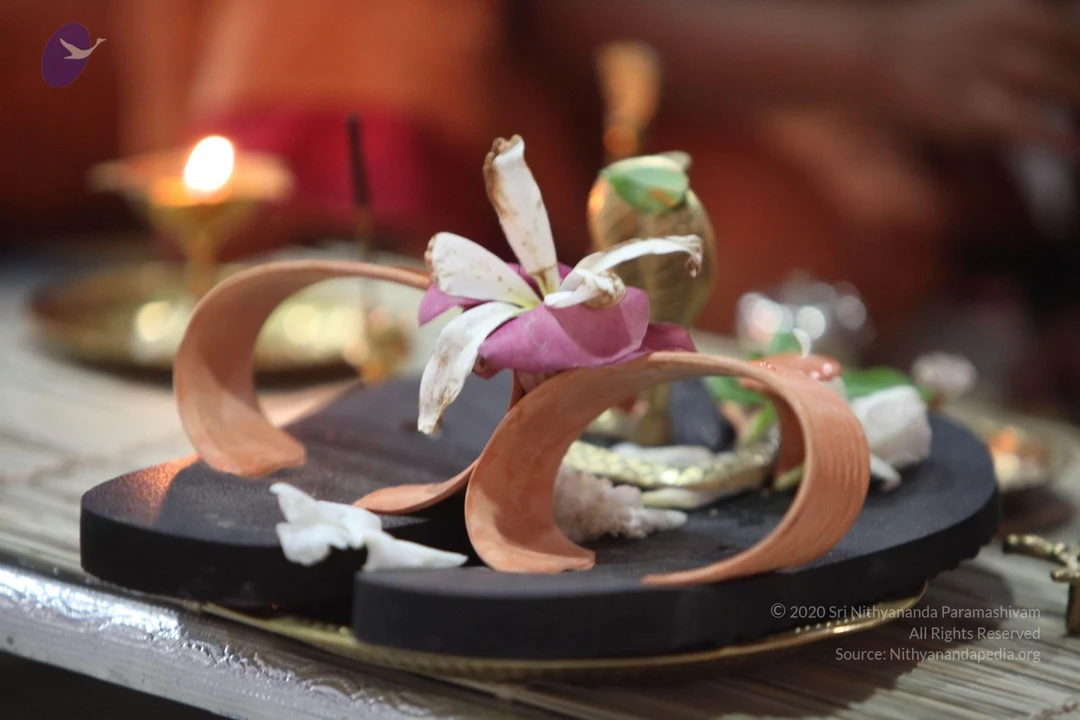
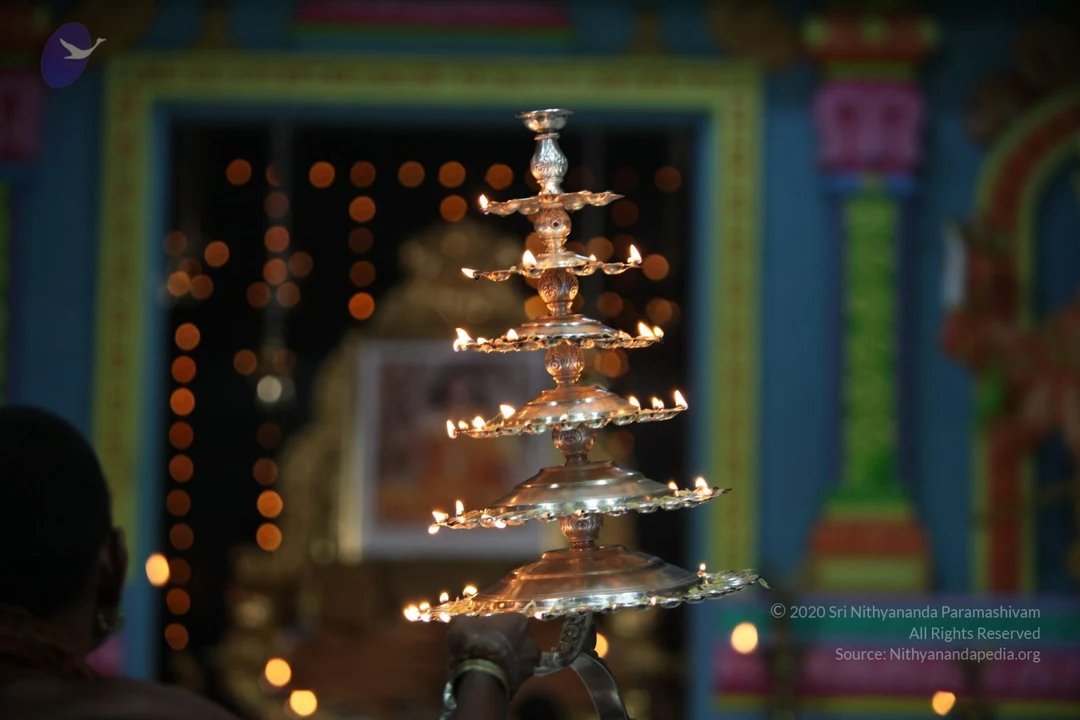
Gurupooja-and-Temple
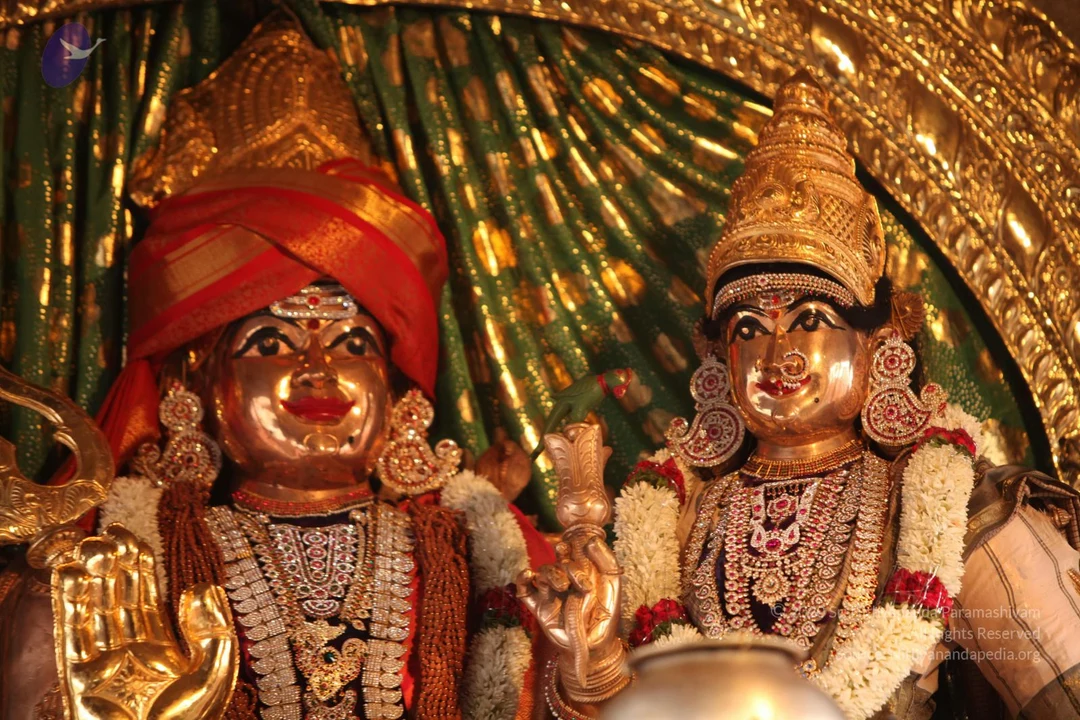
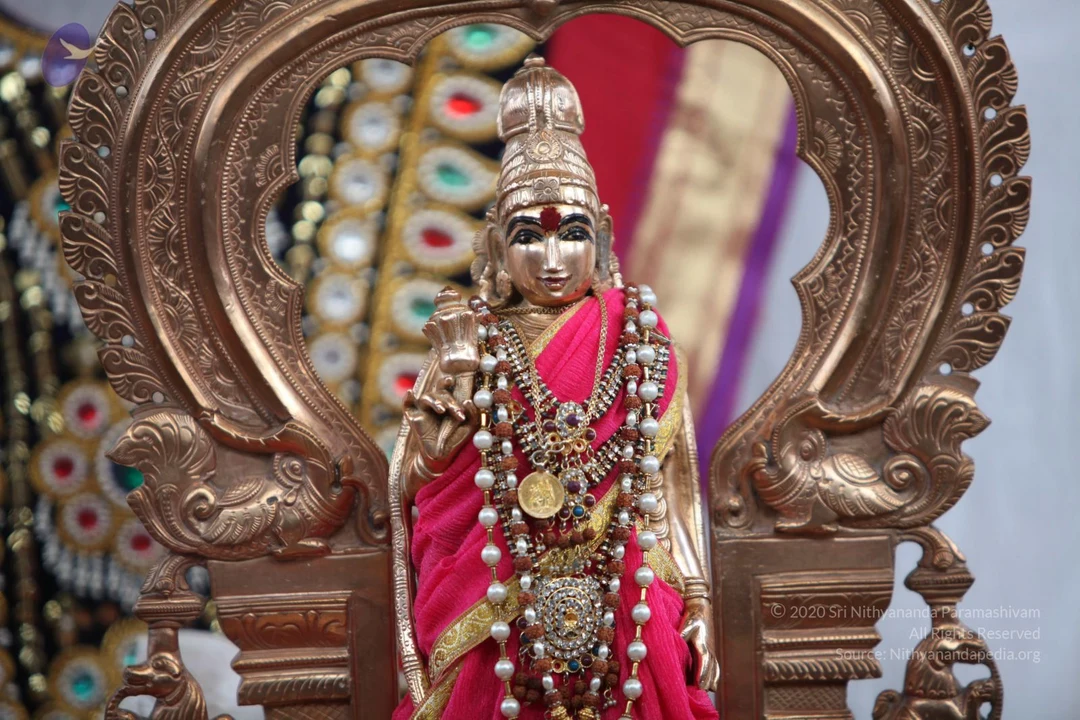
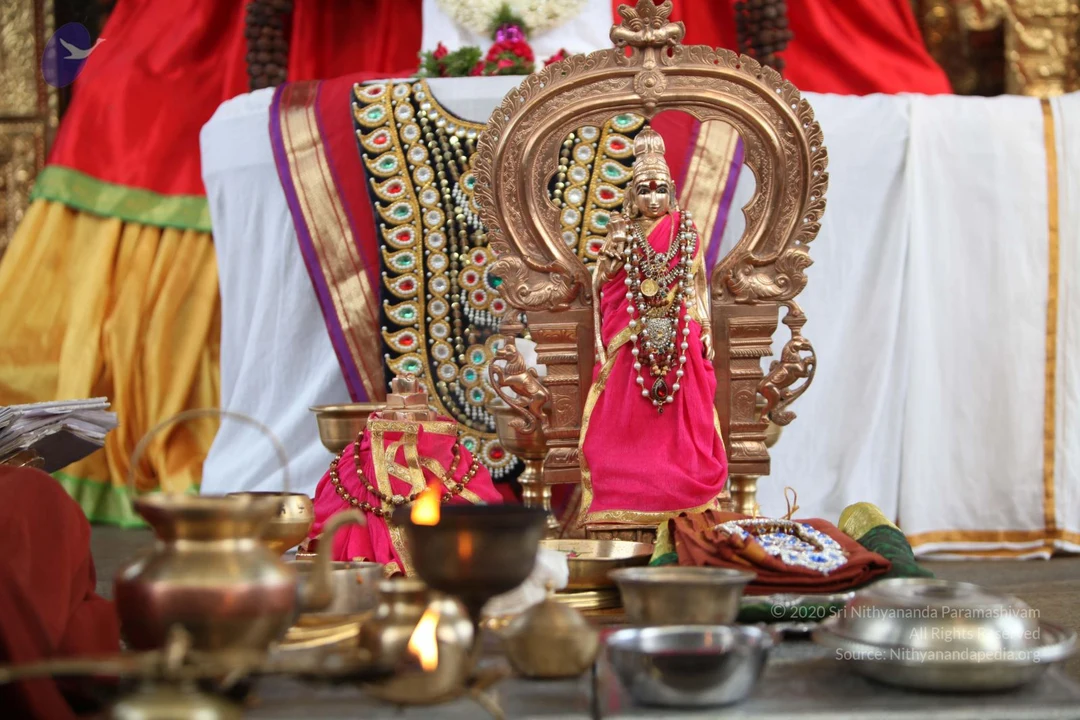
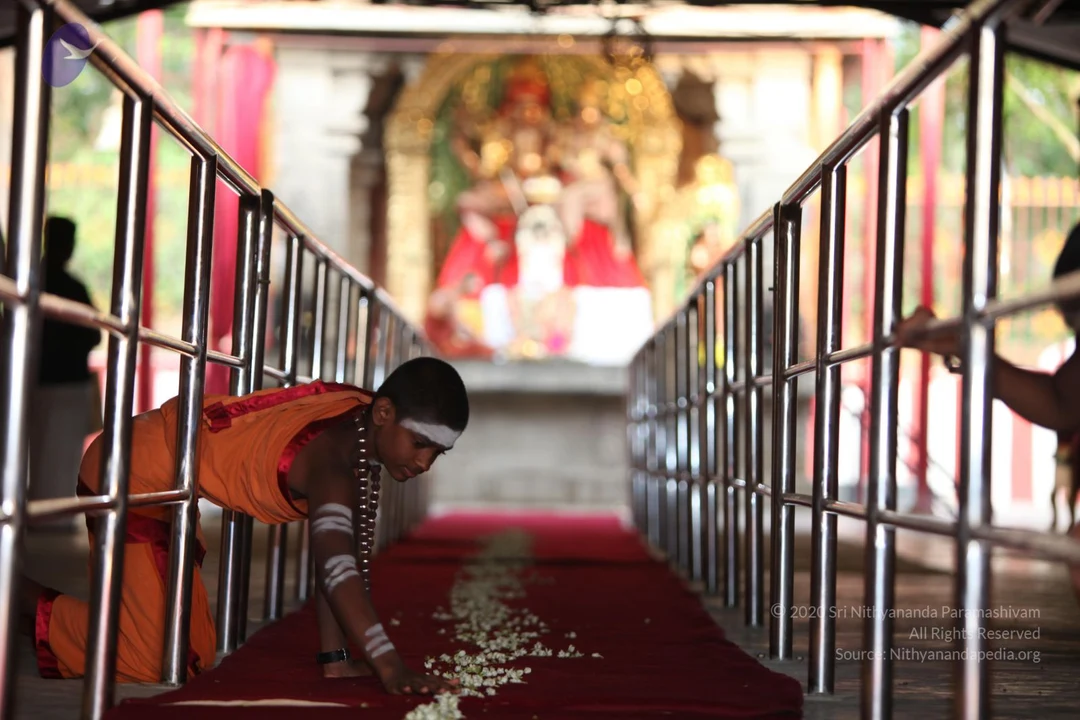
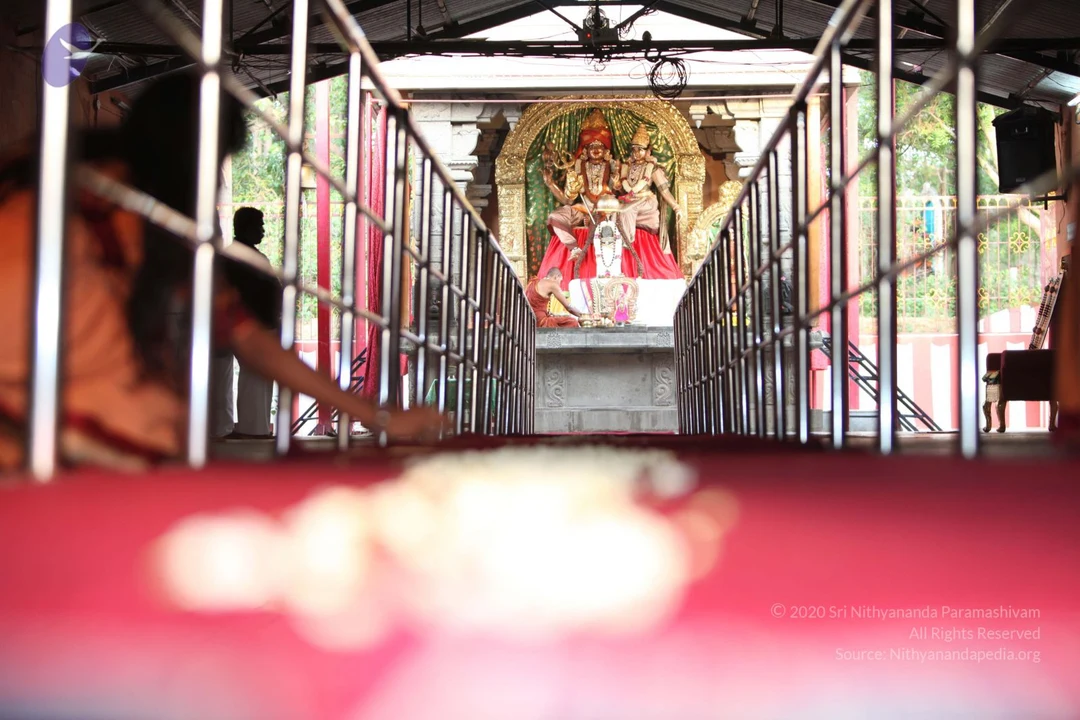
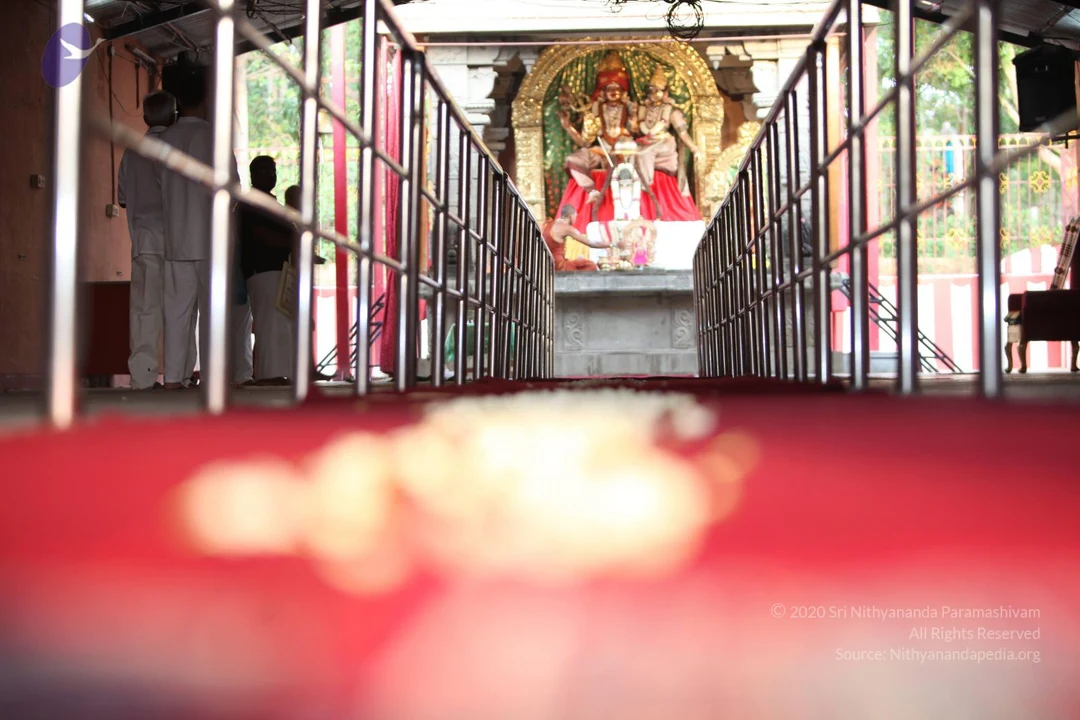
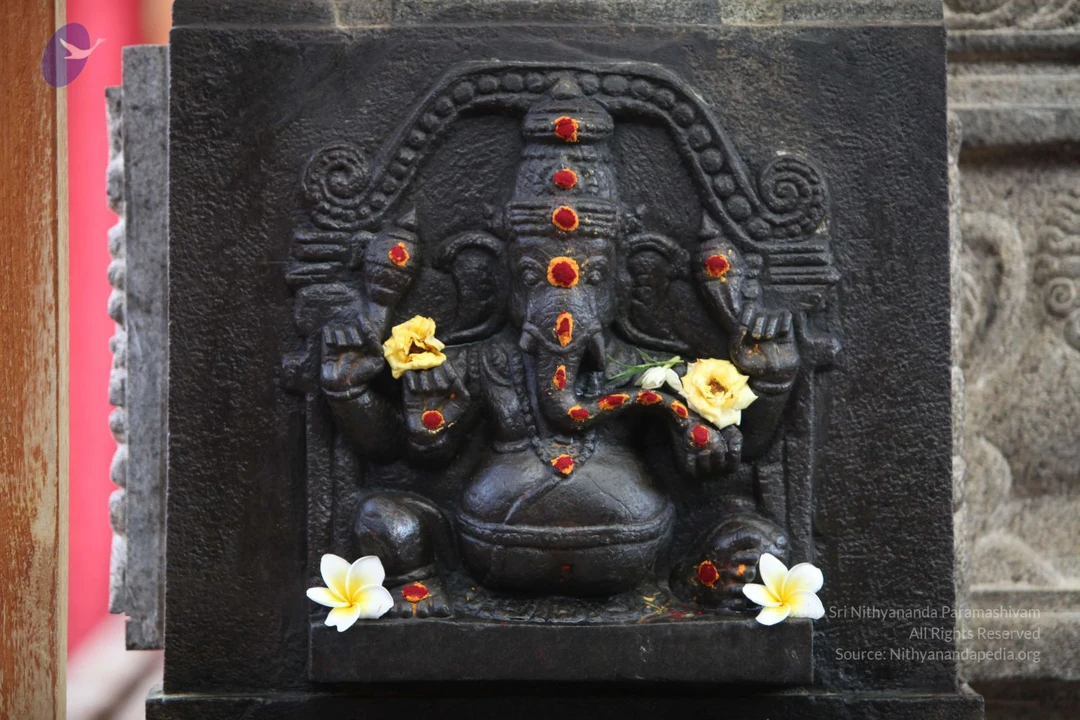

Sarvadarshan
Photos Of The Day:
Kalabhairava-Akashic-Reading
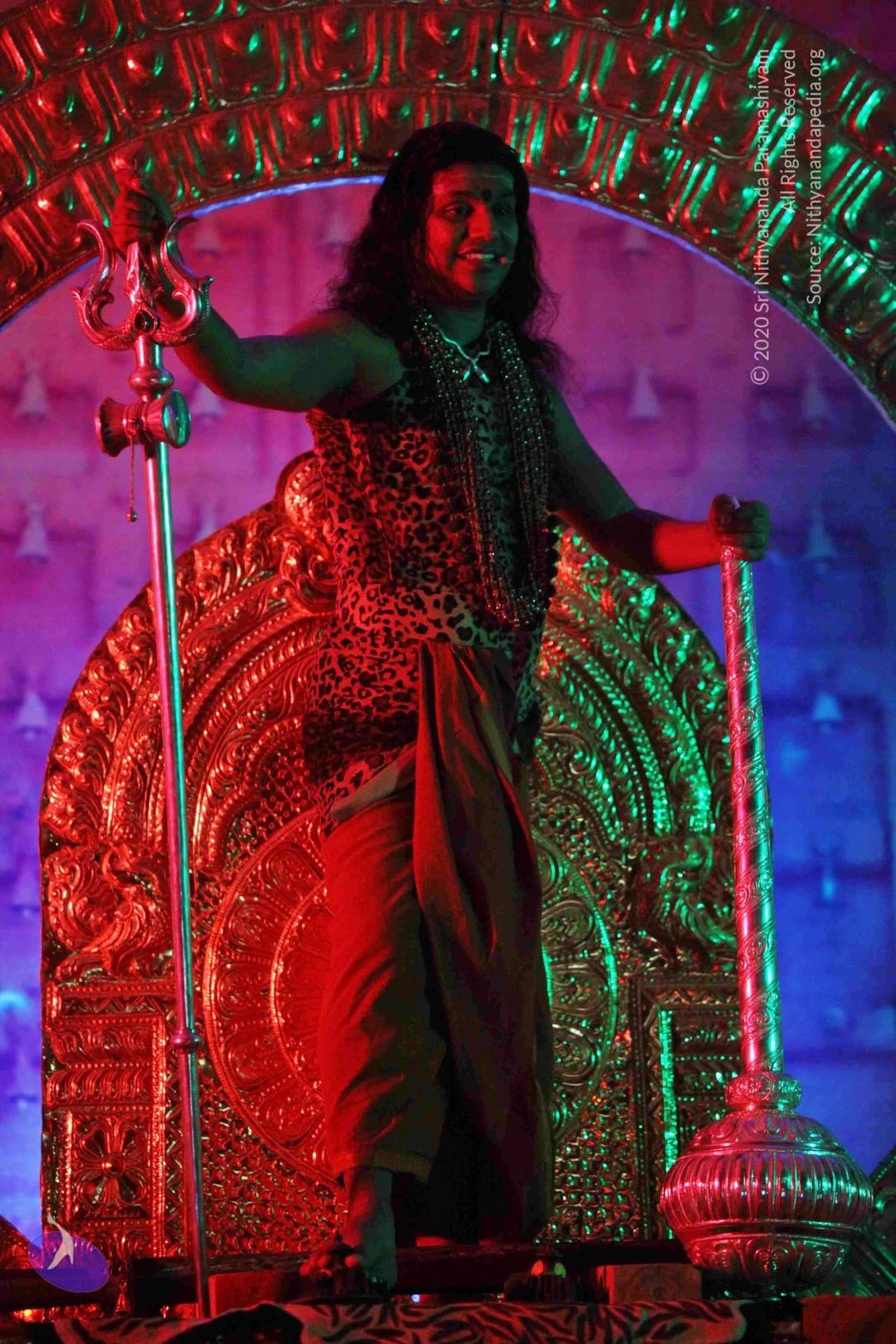
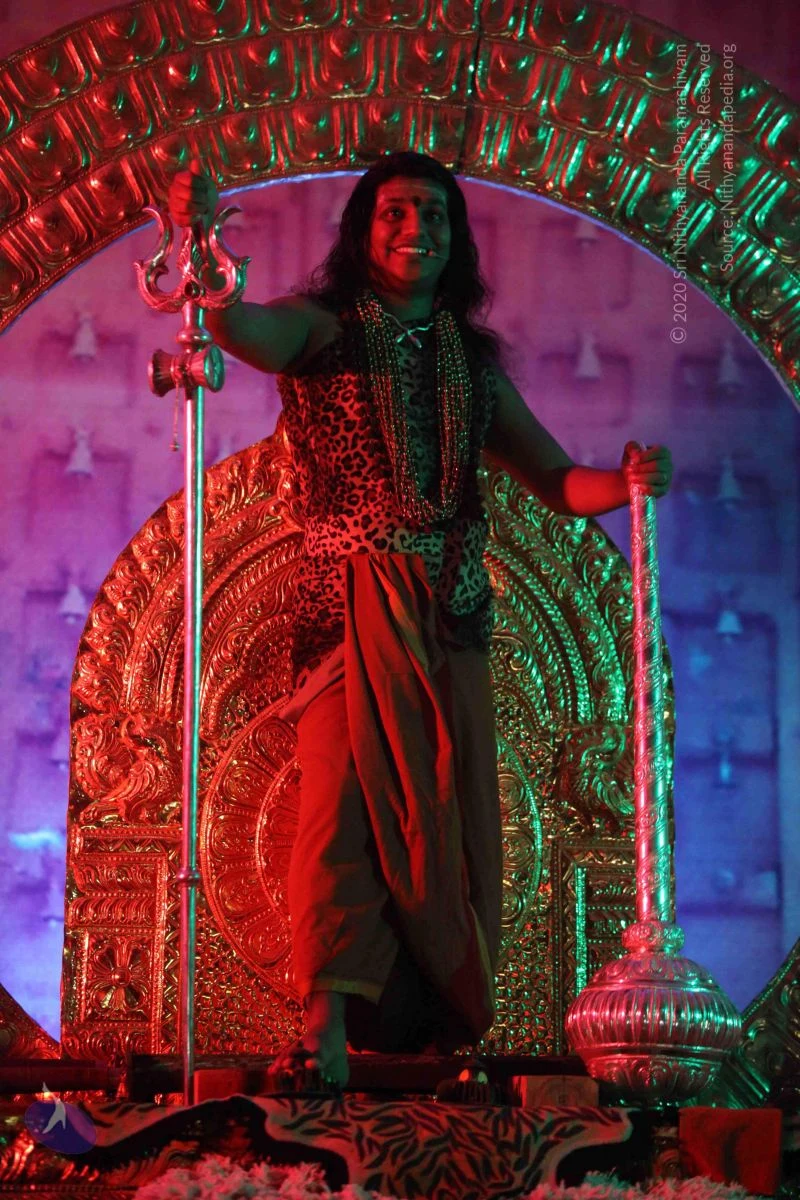
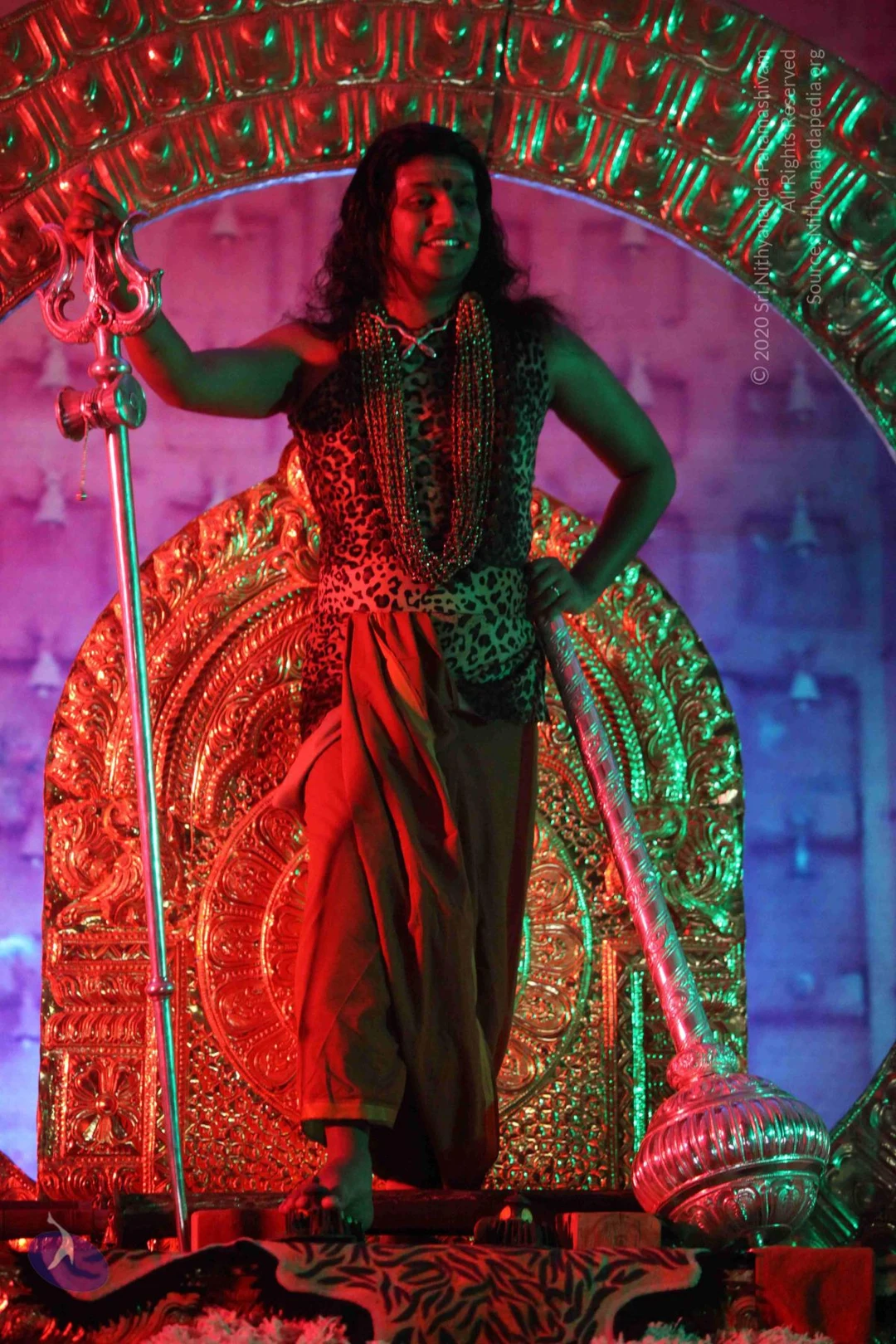
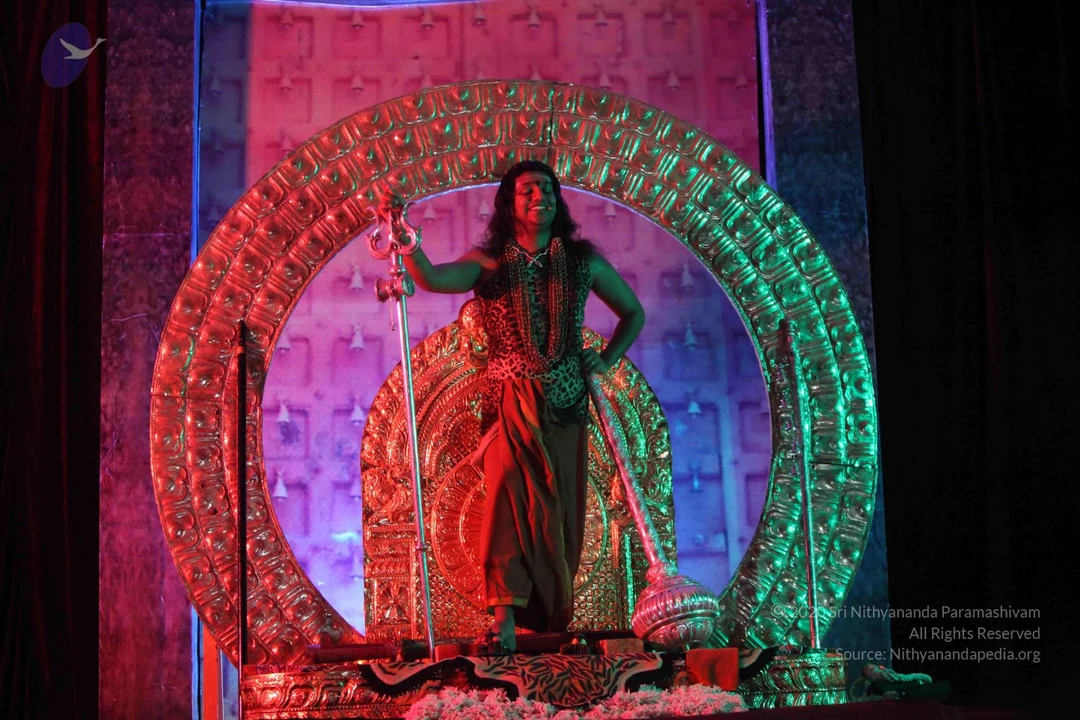
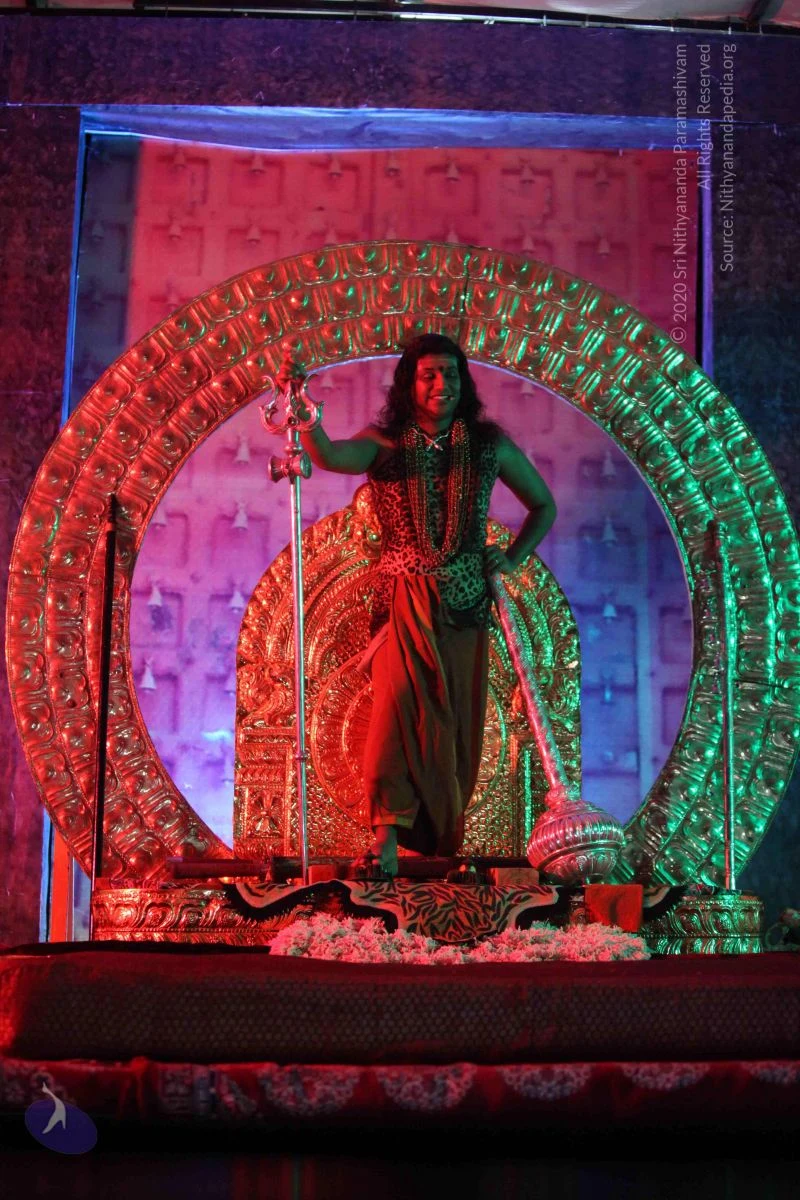
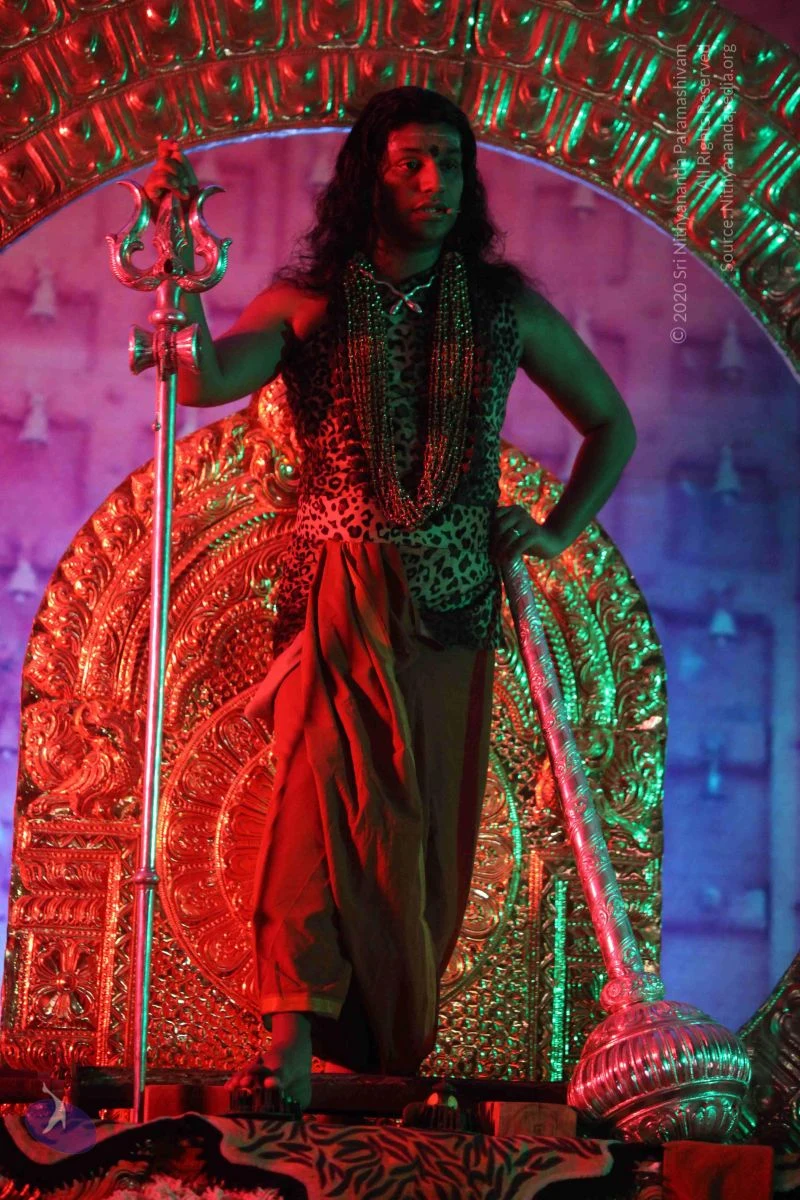
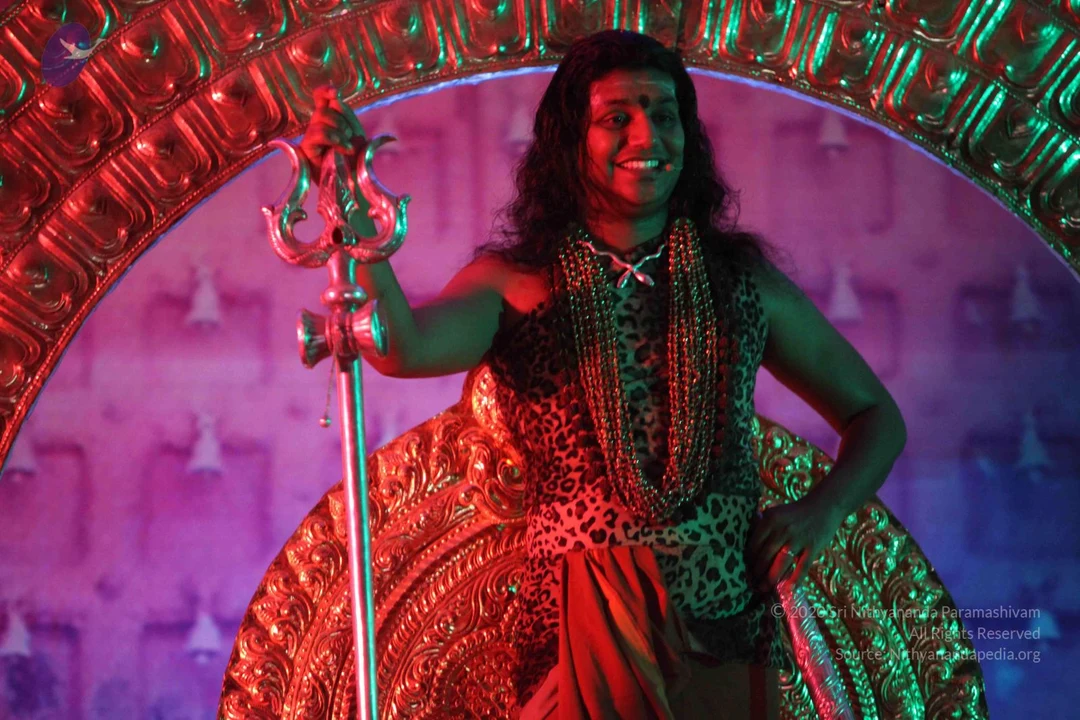
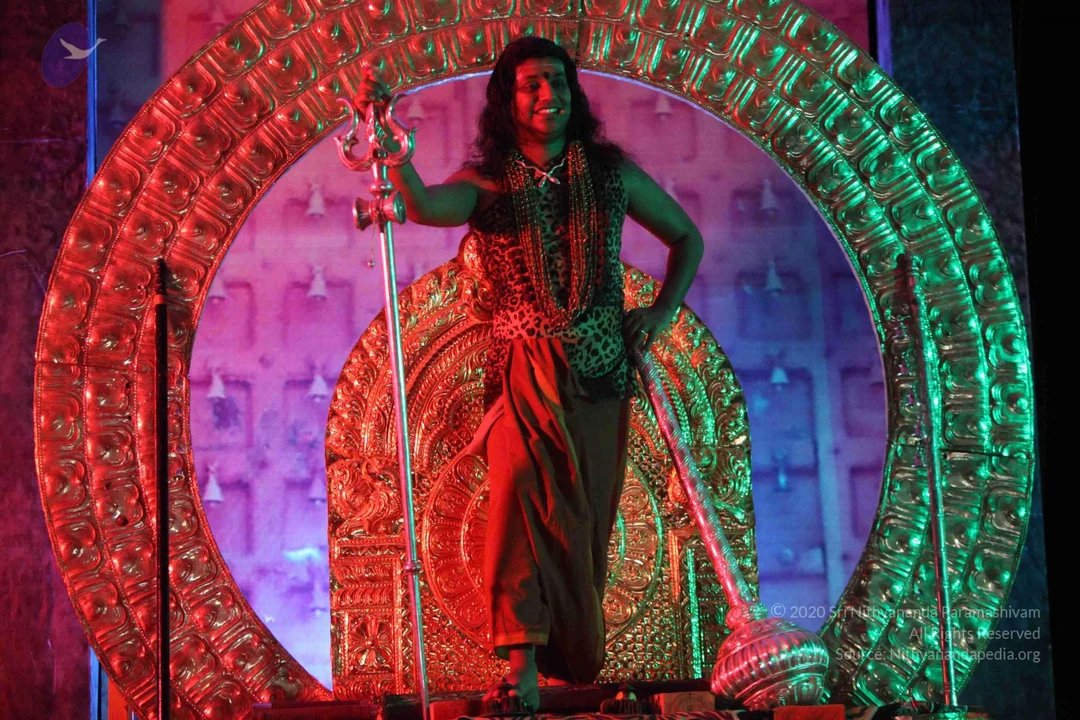
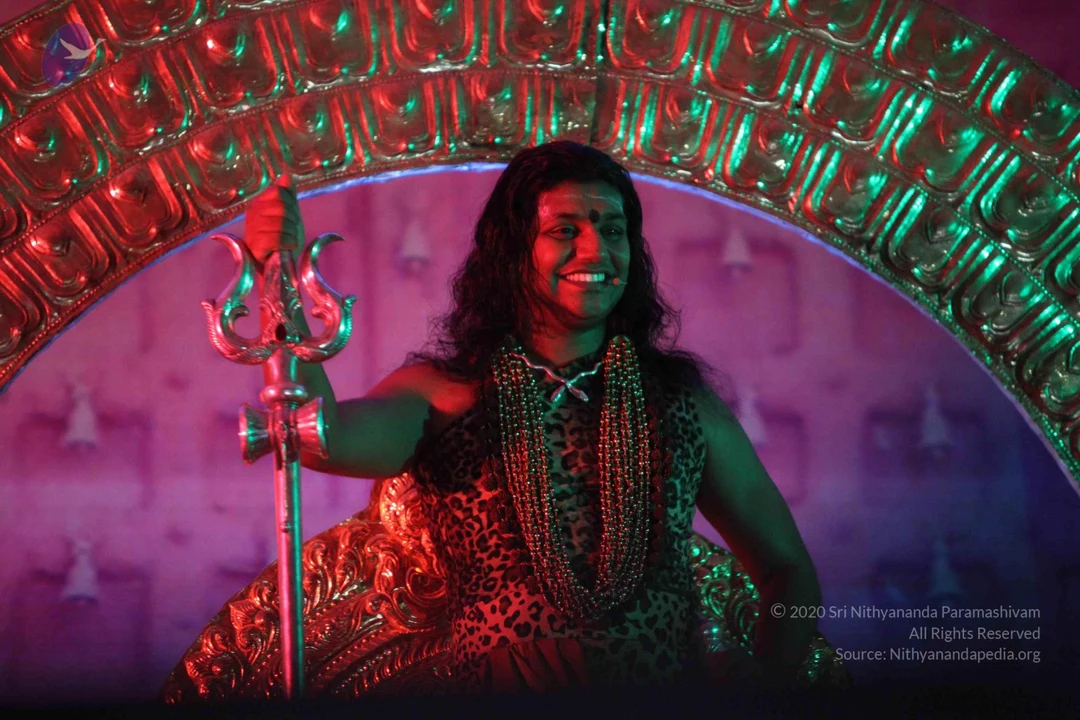
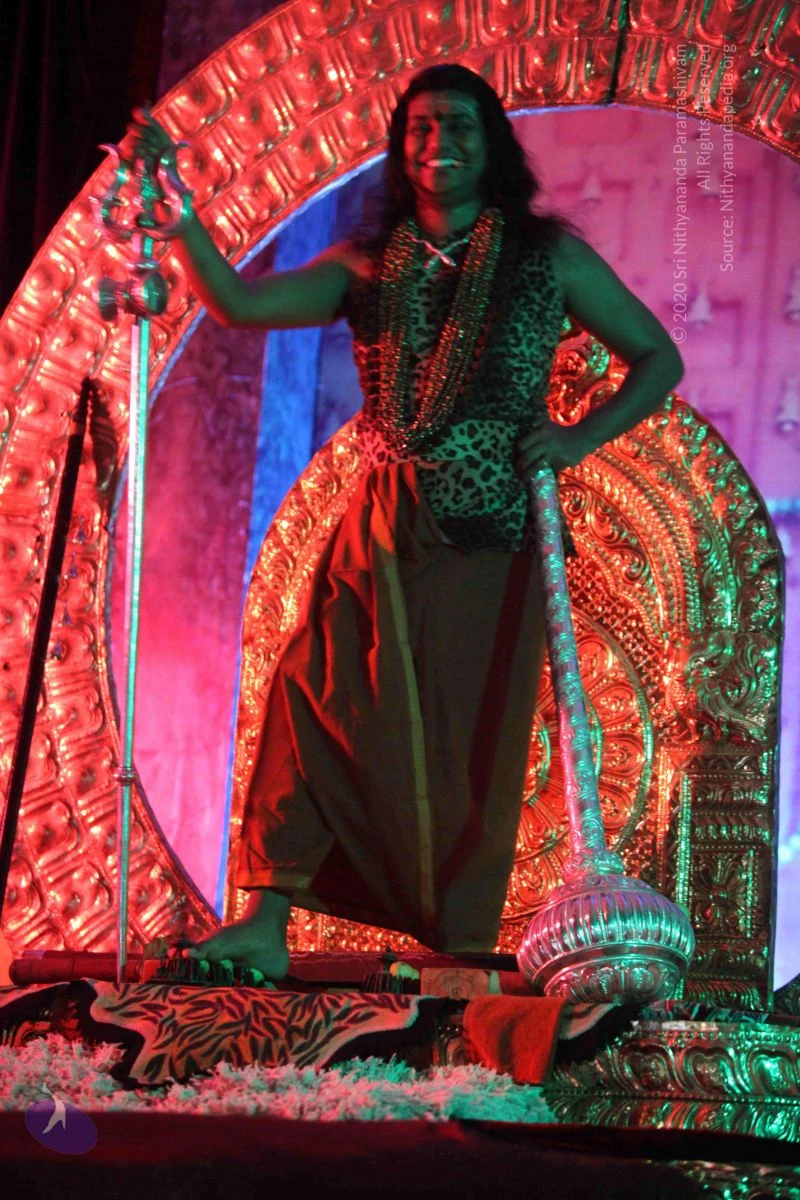
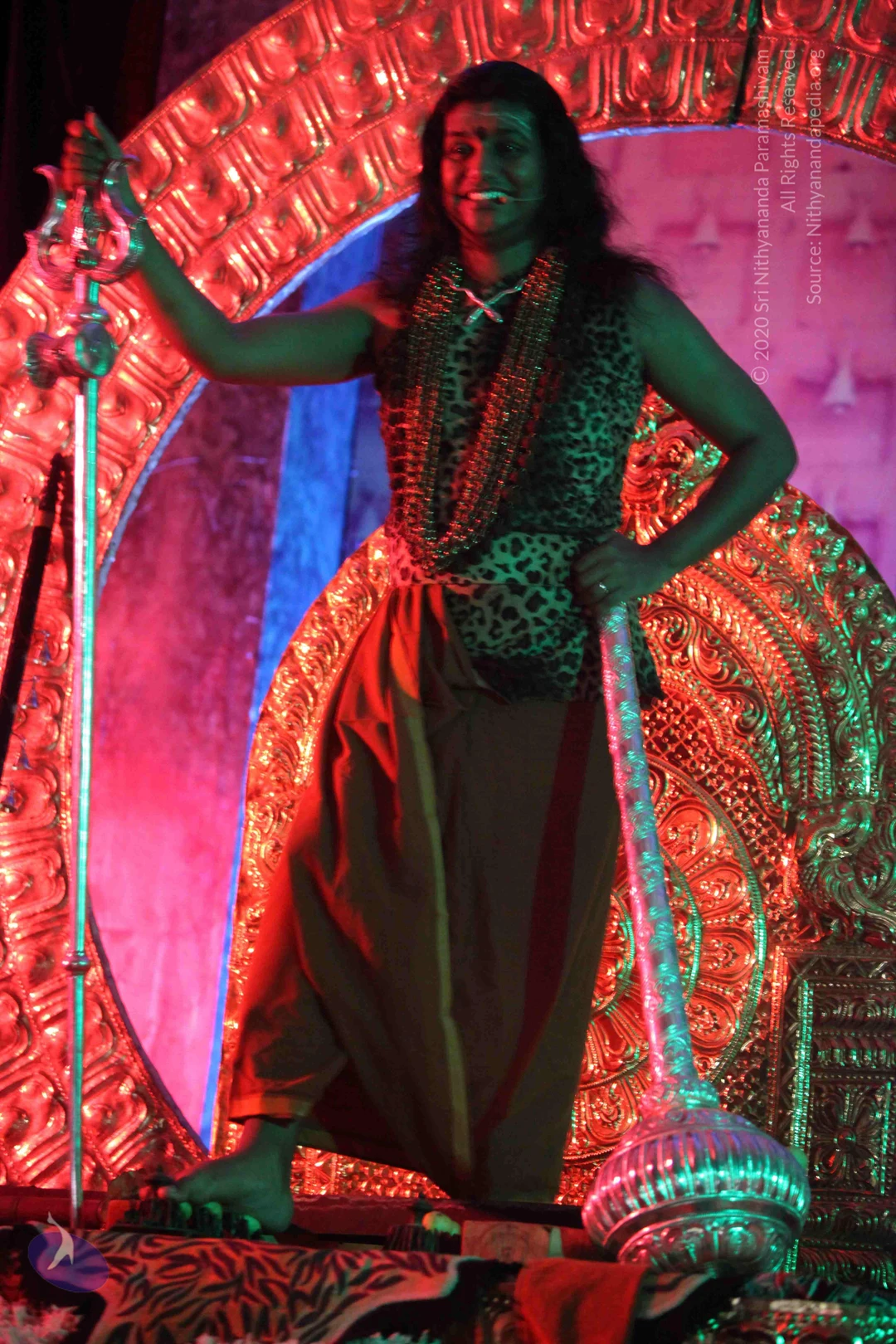
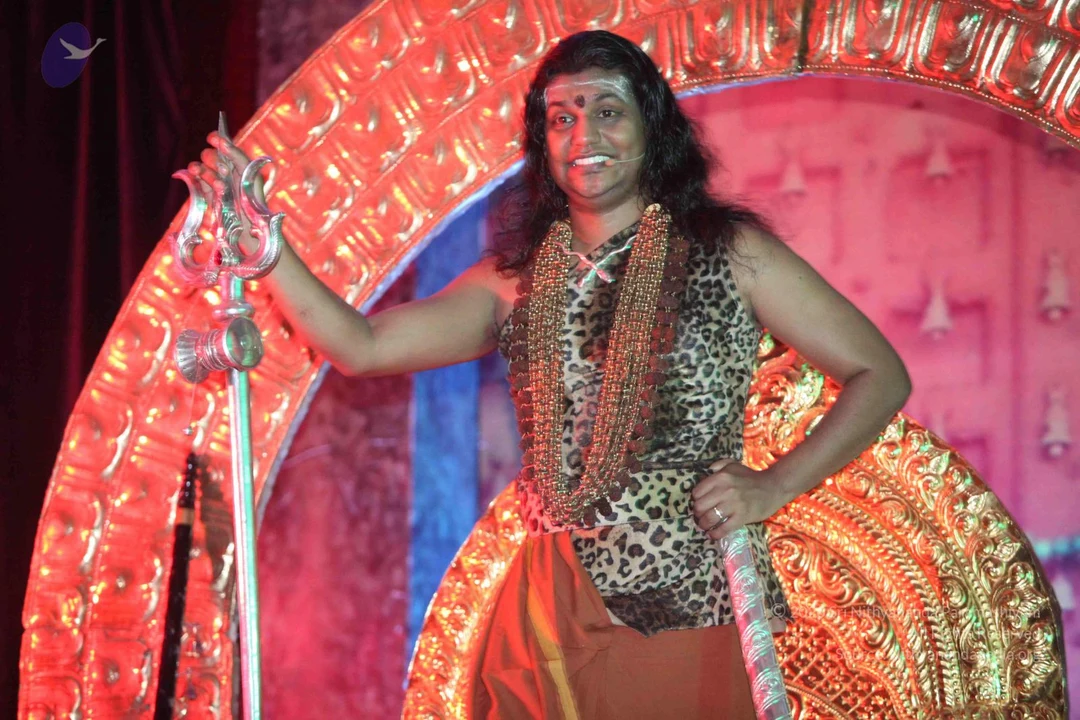
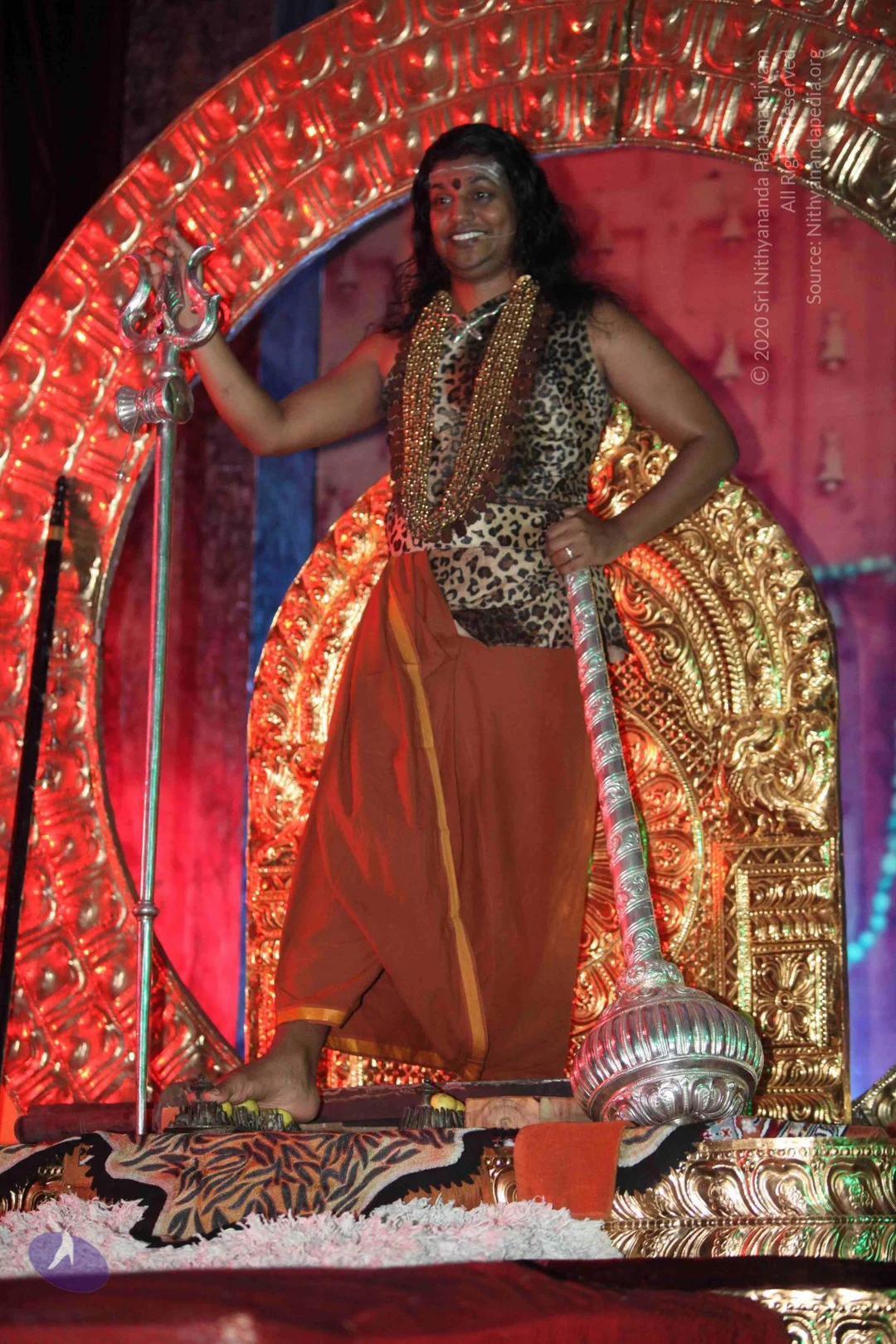
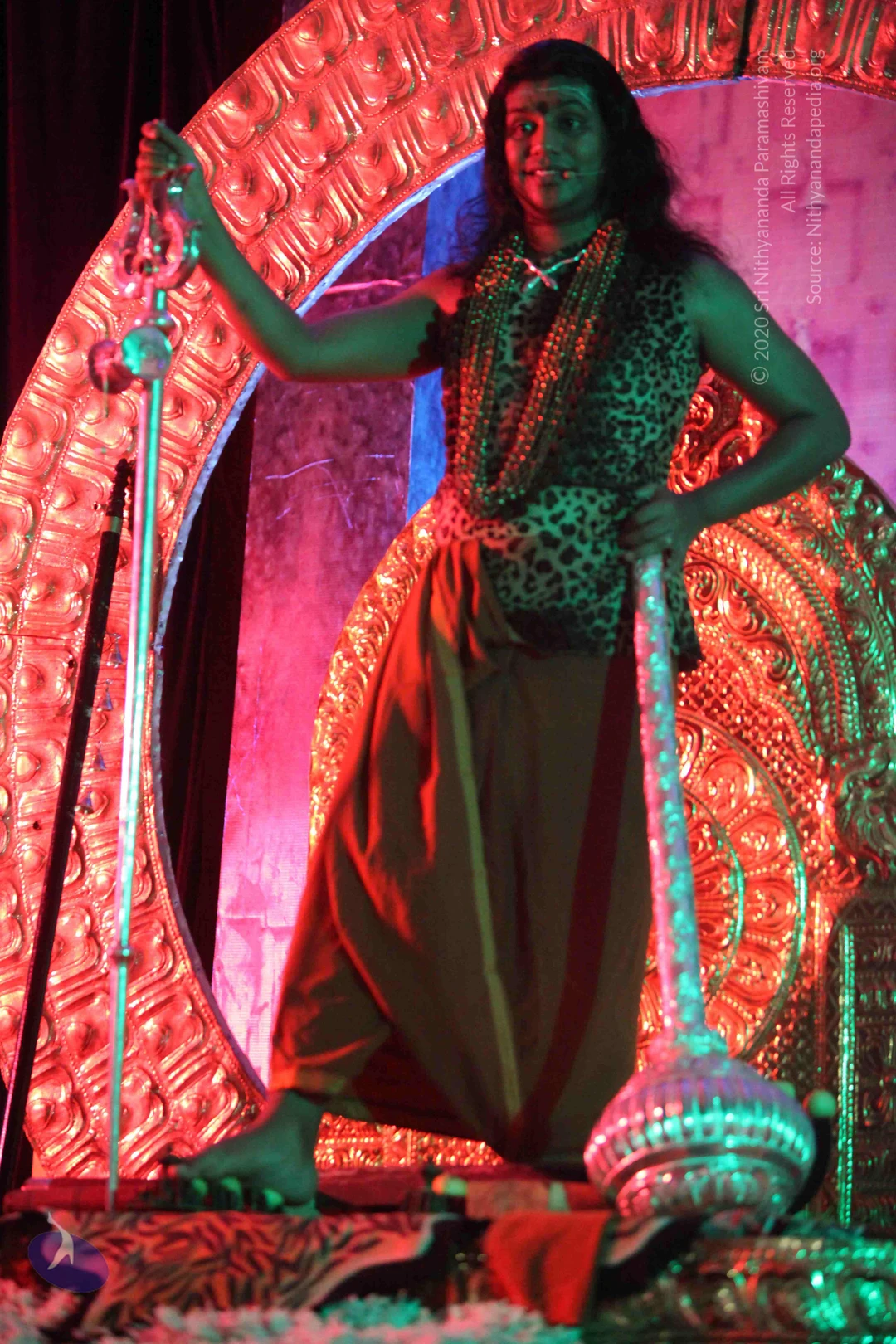
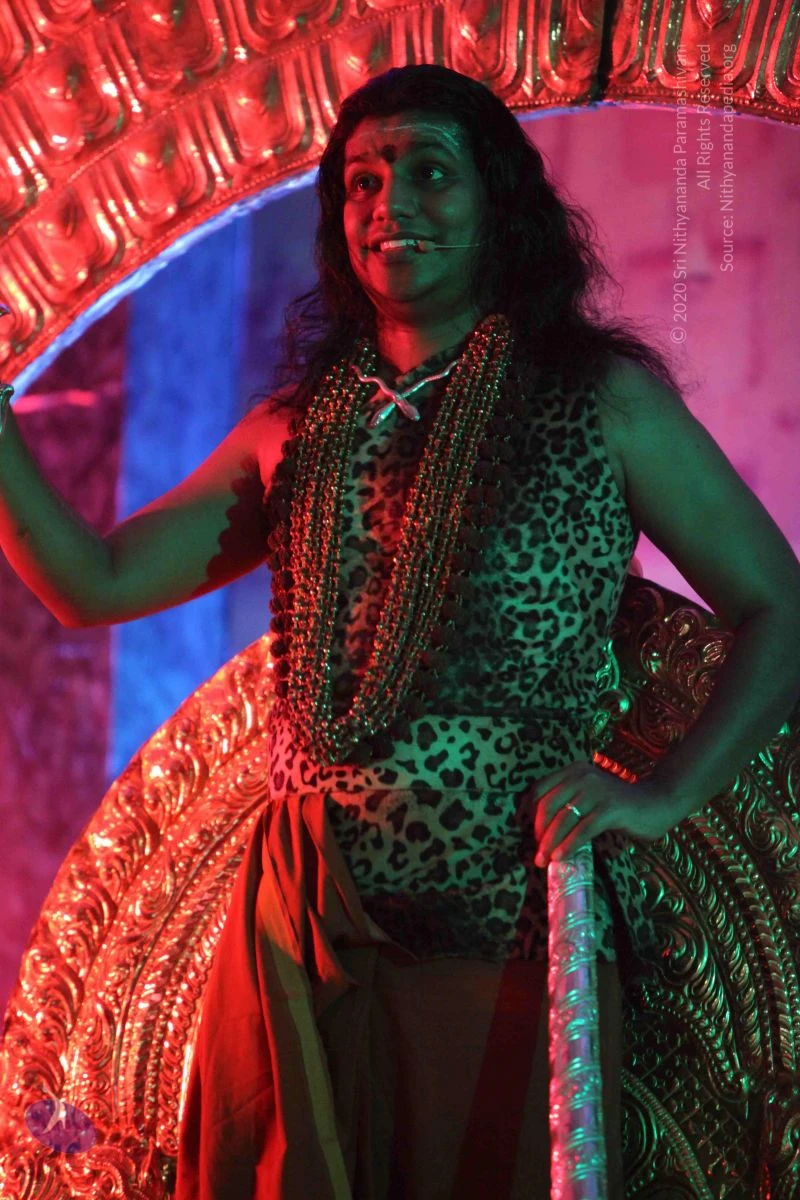
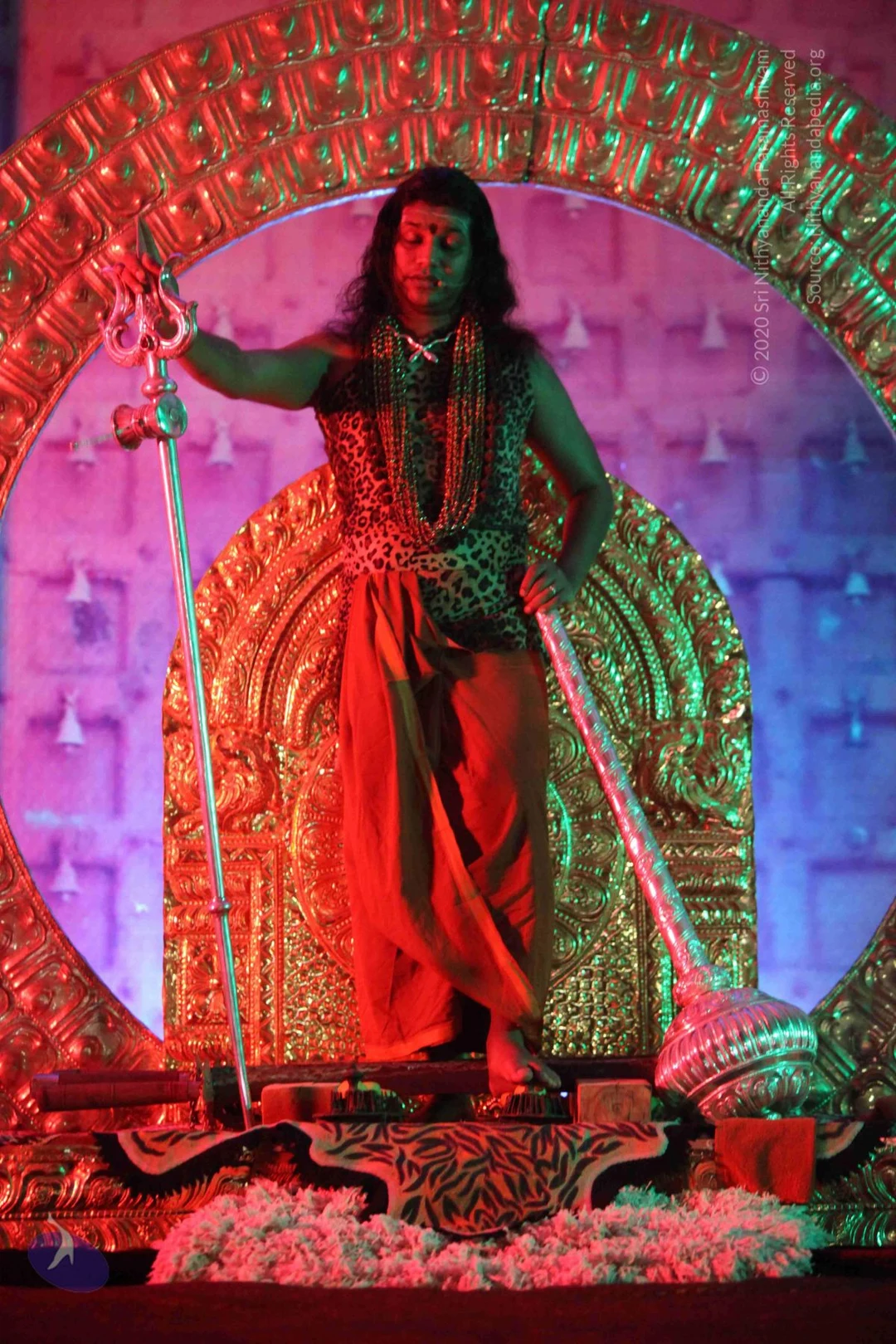
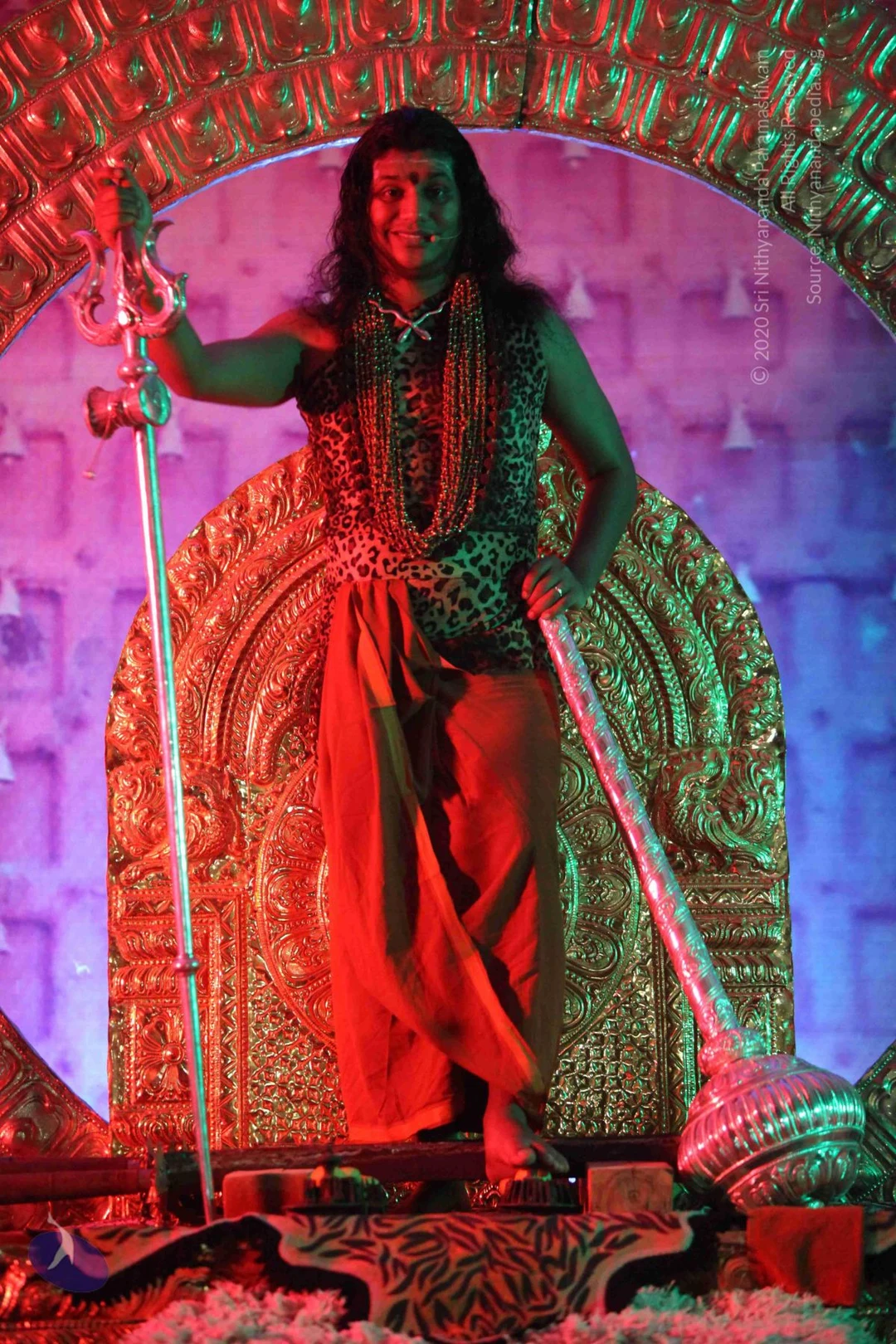

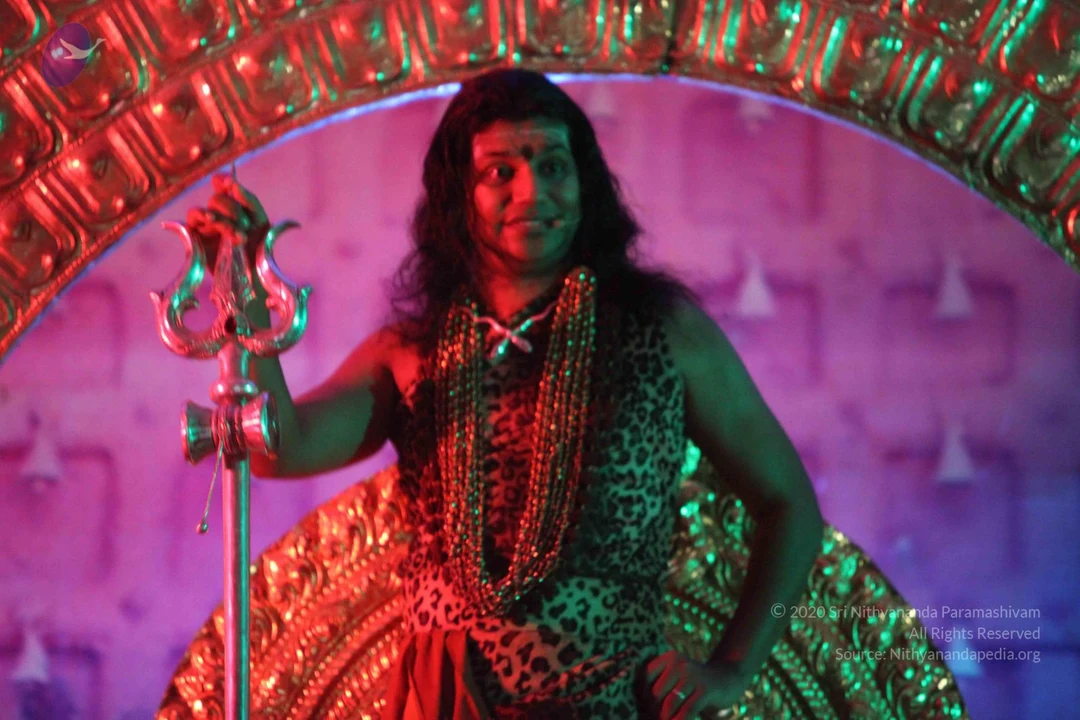
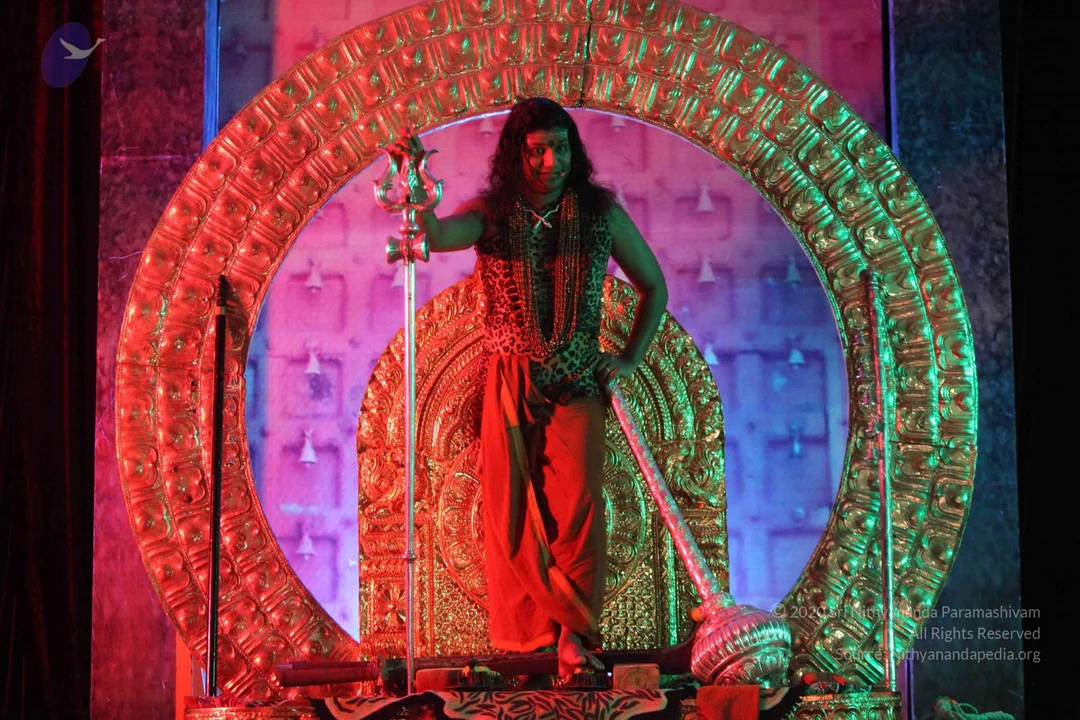
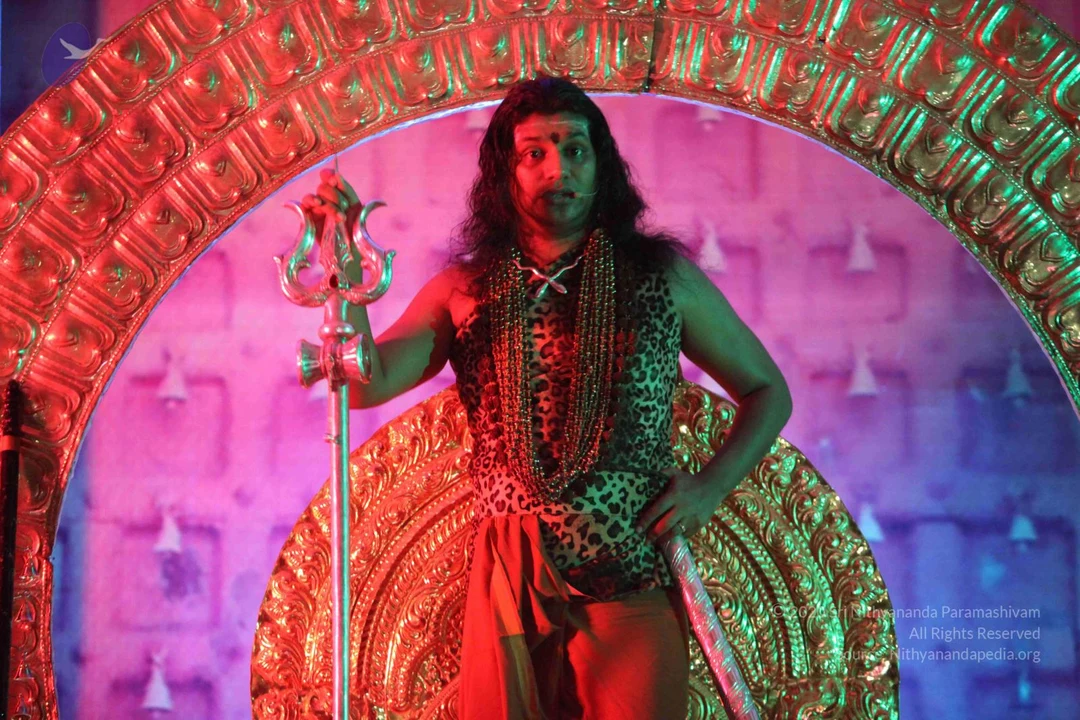
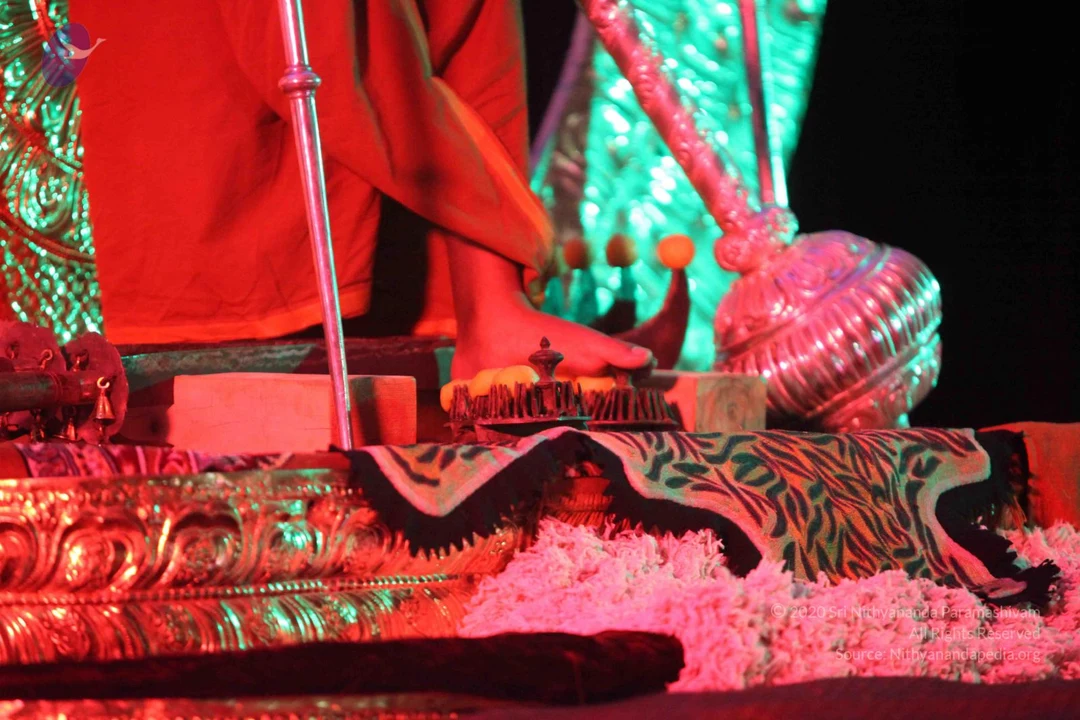
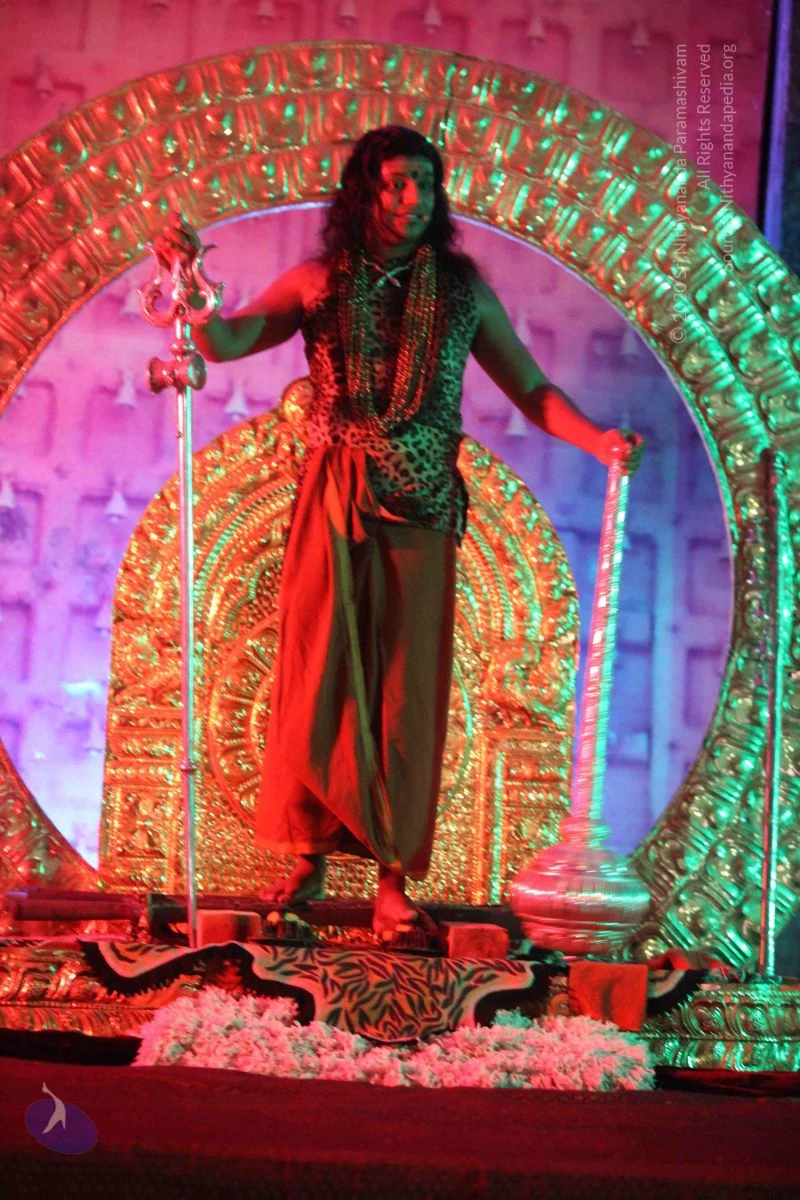
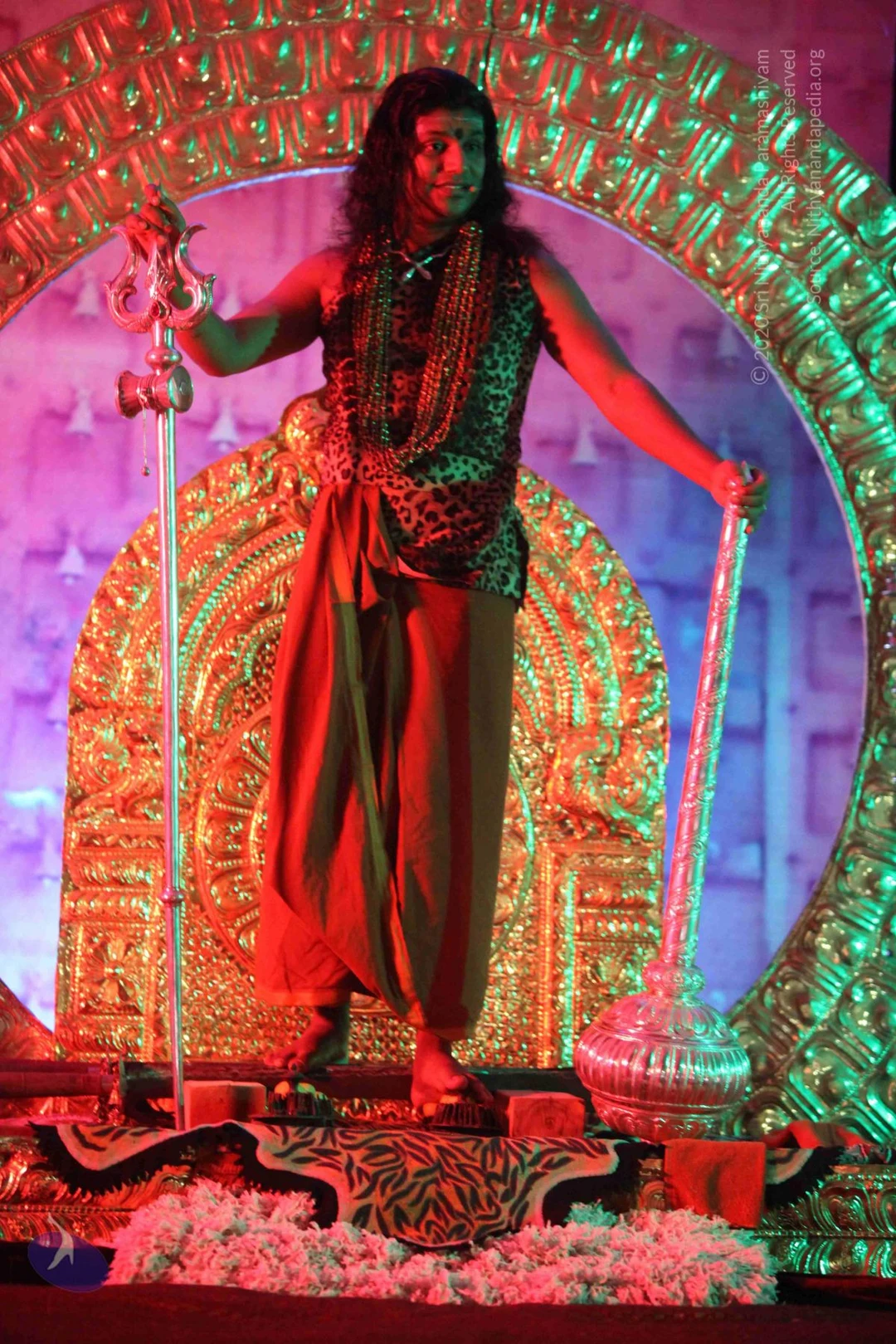
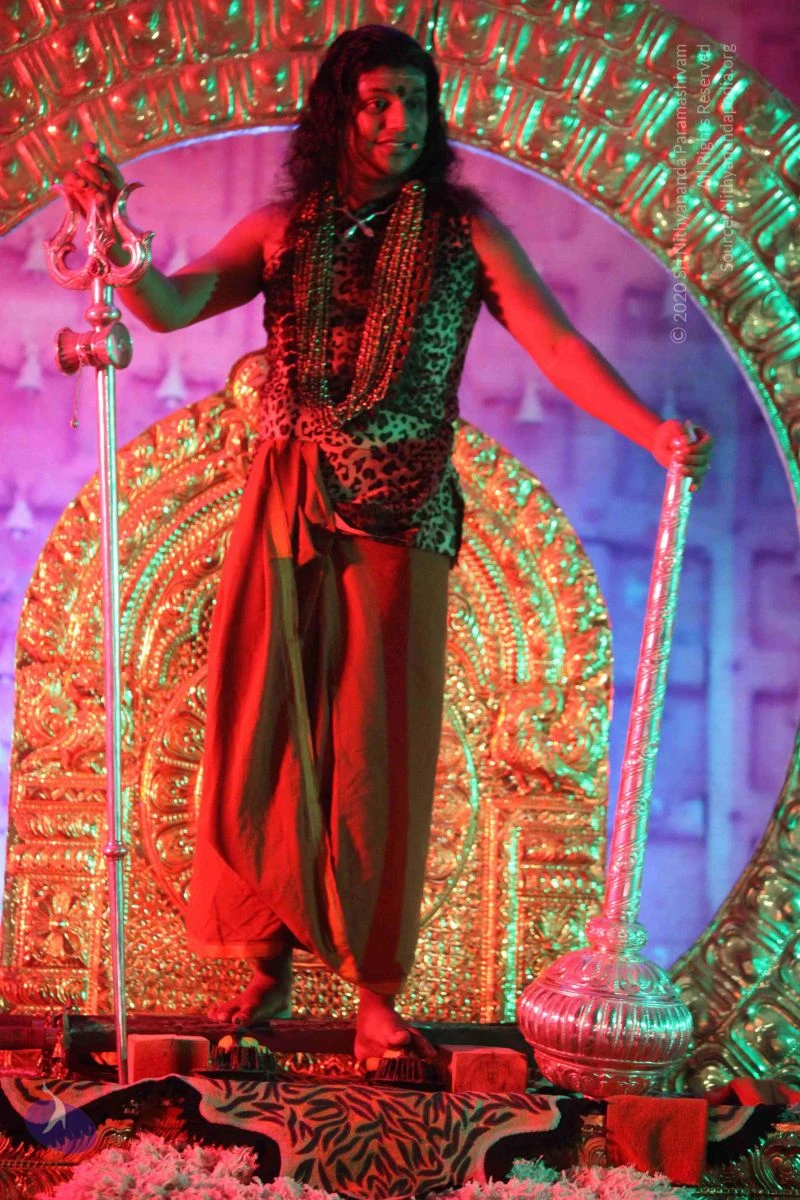
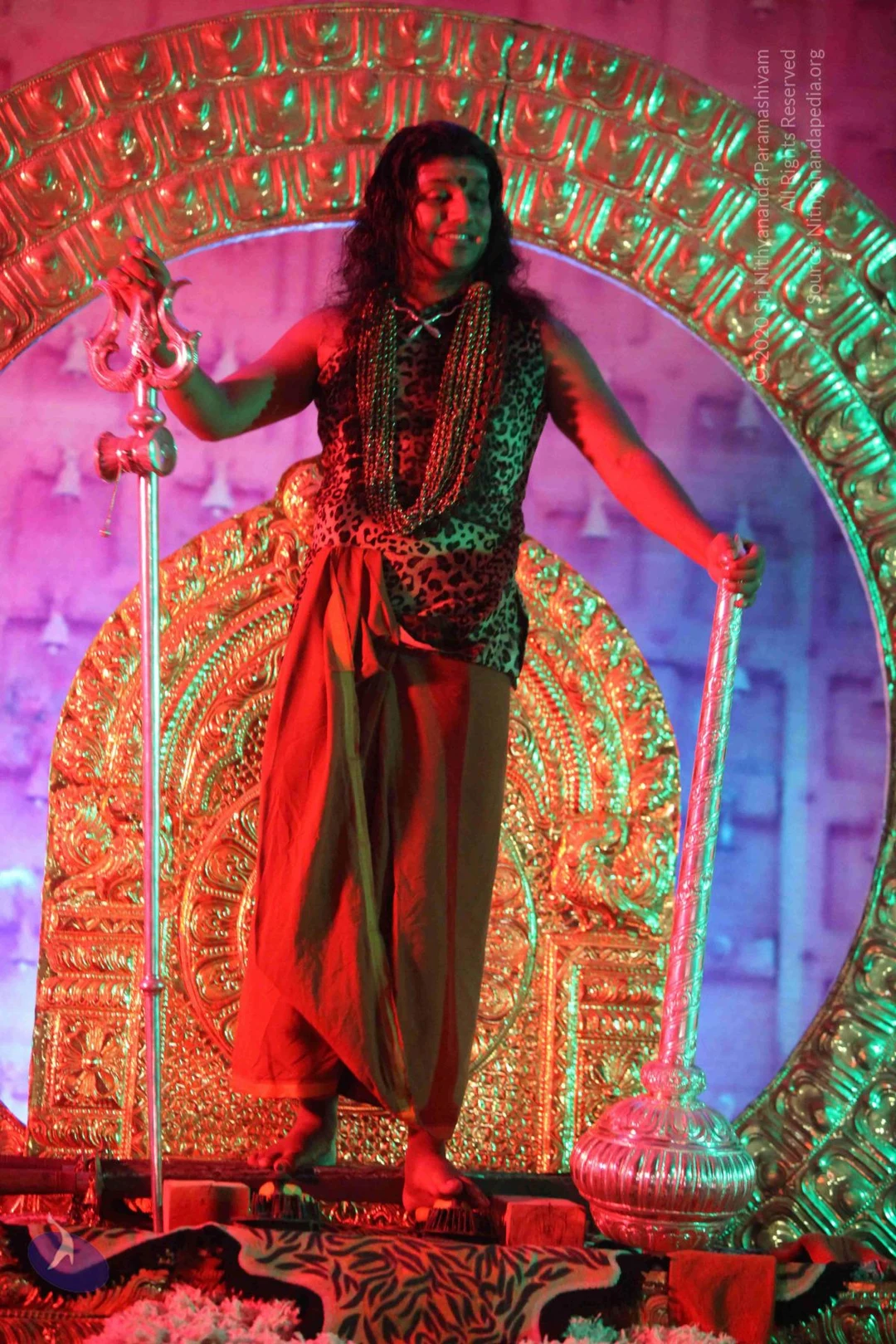
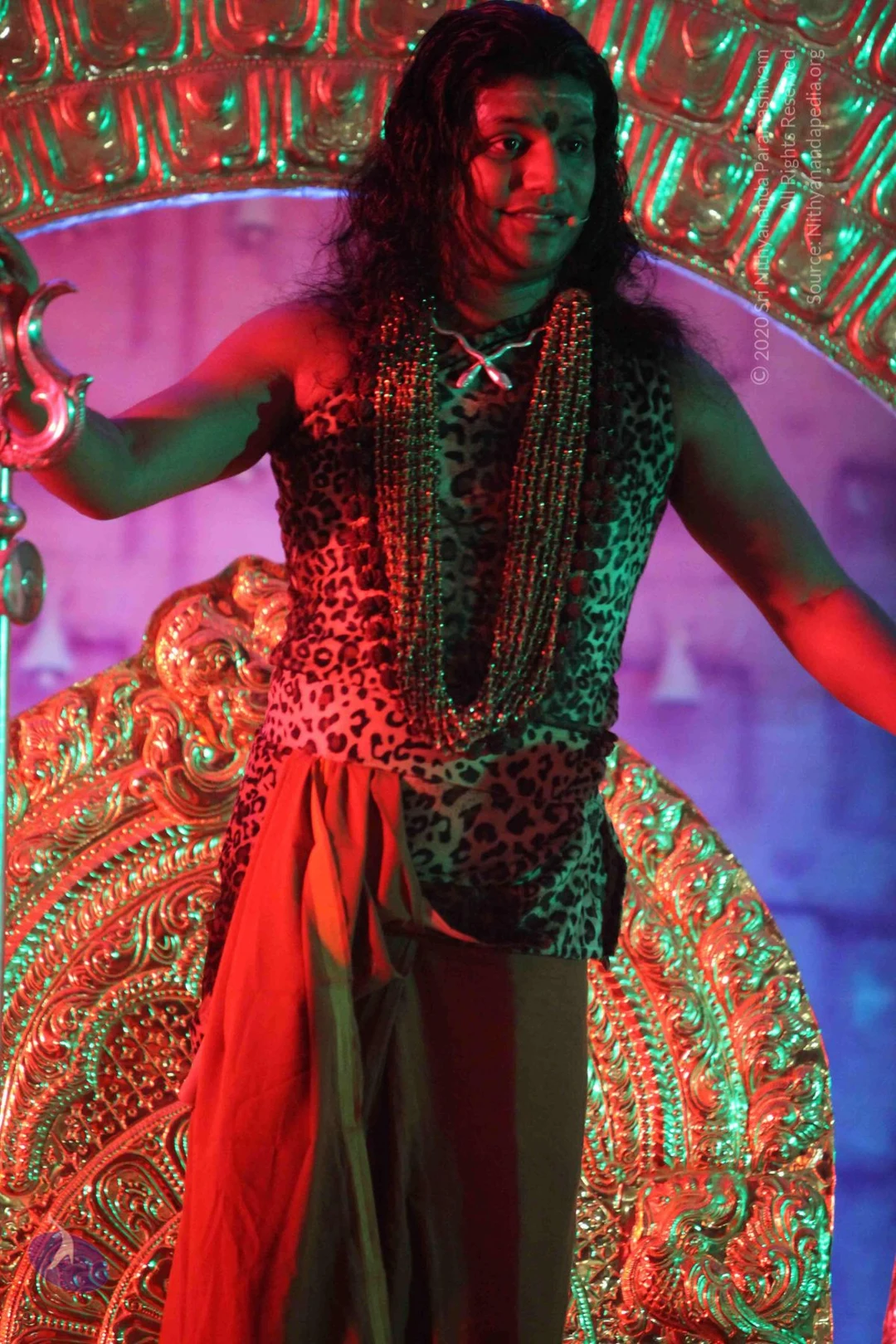
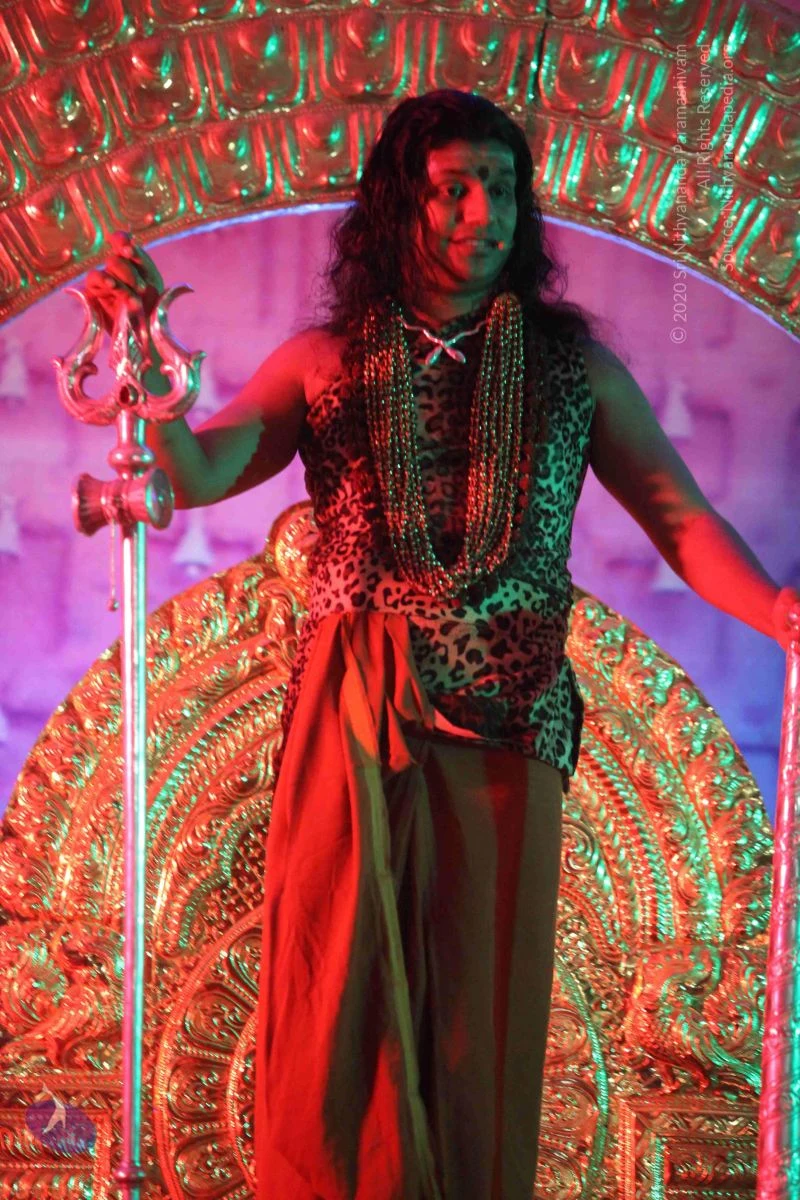
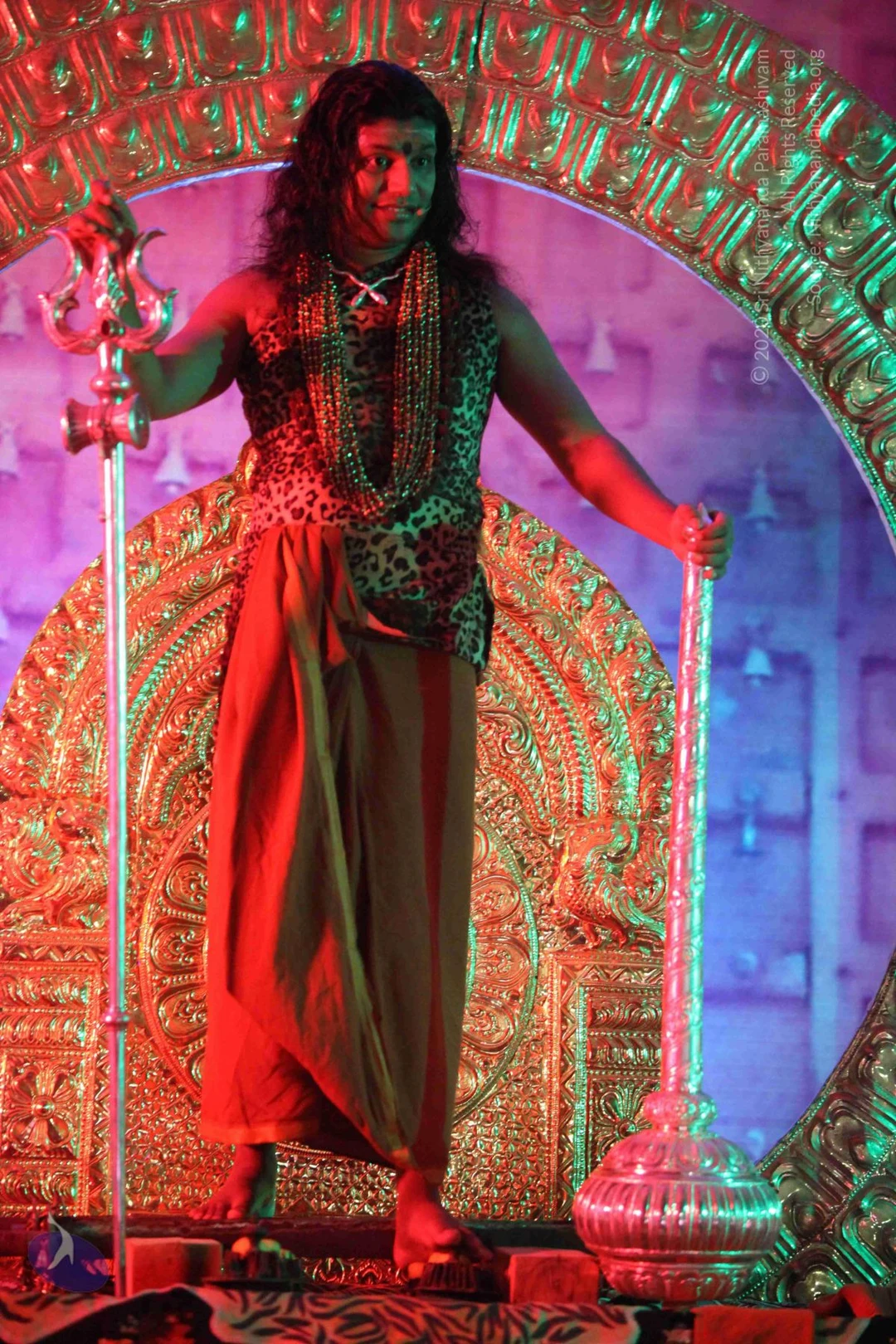
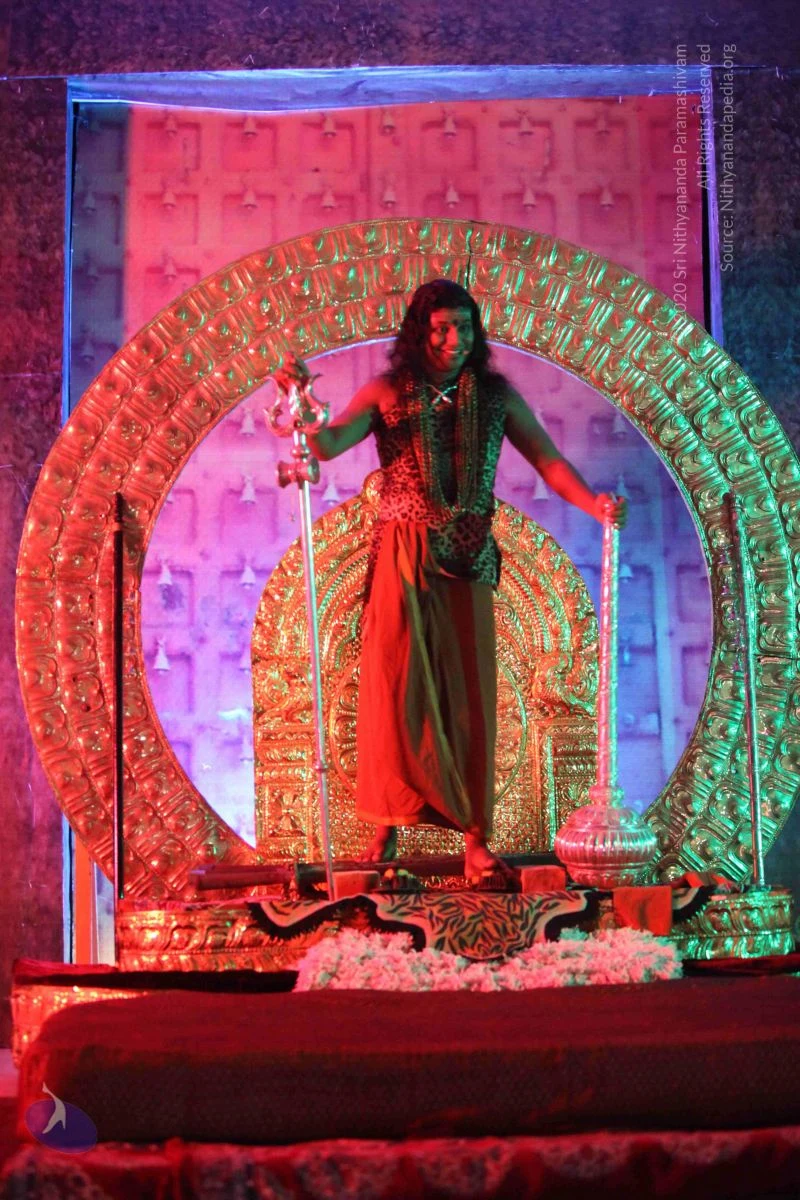
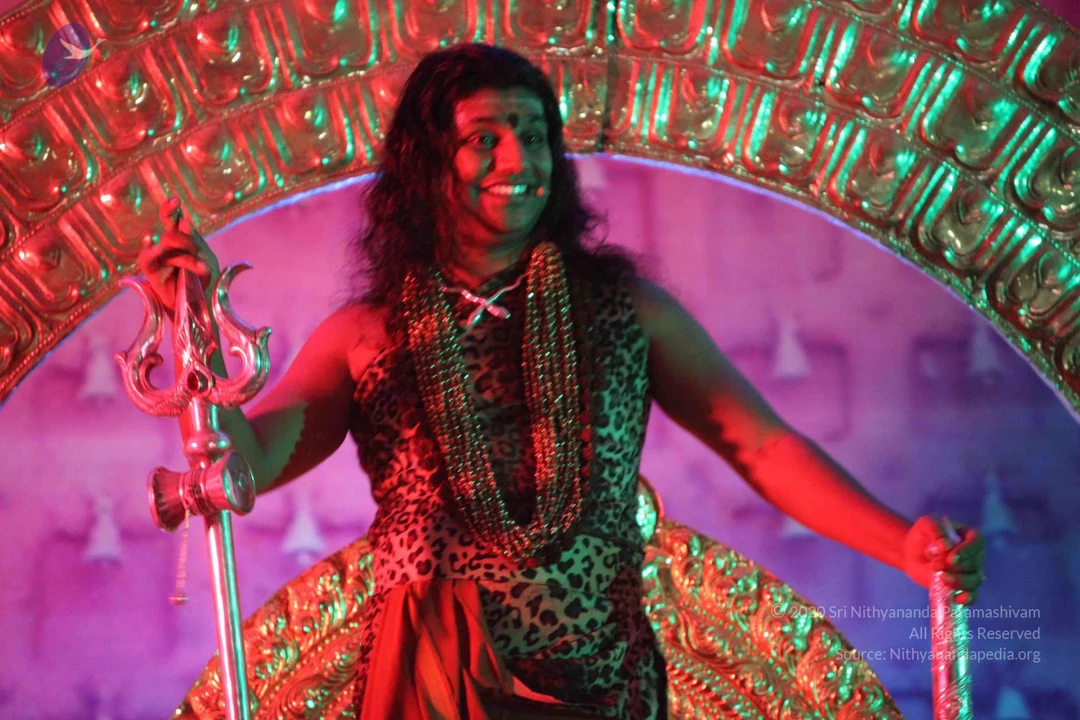
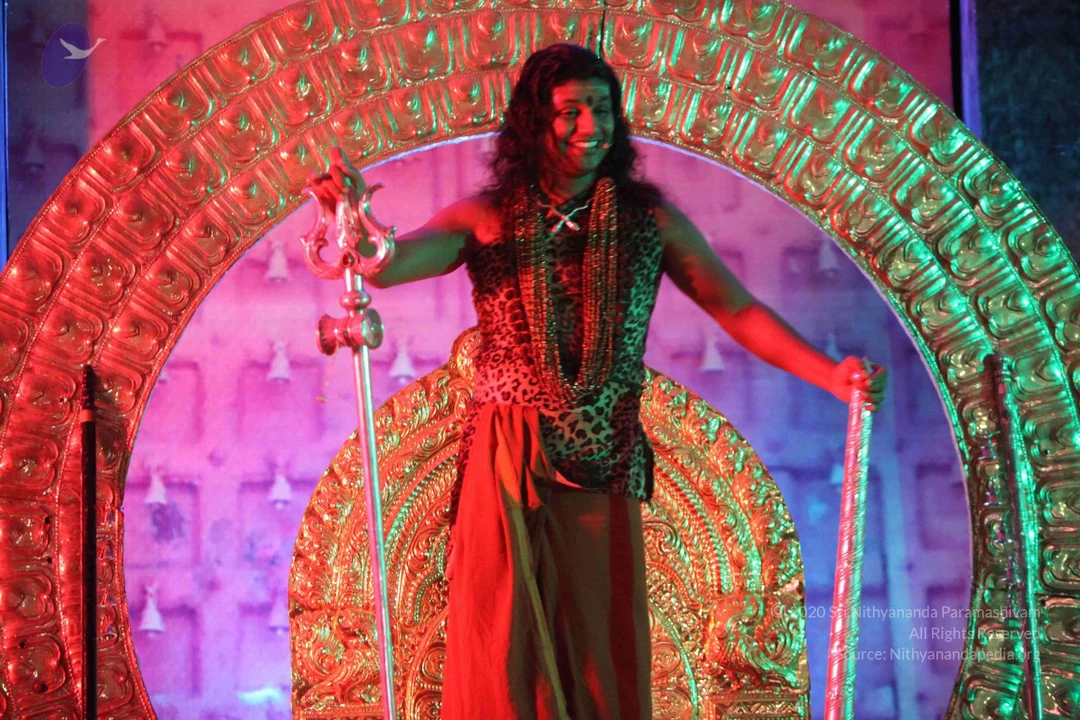
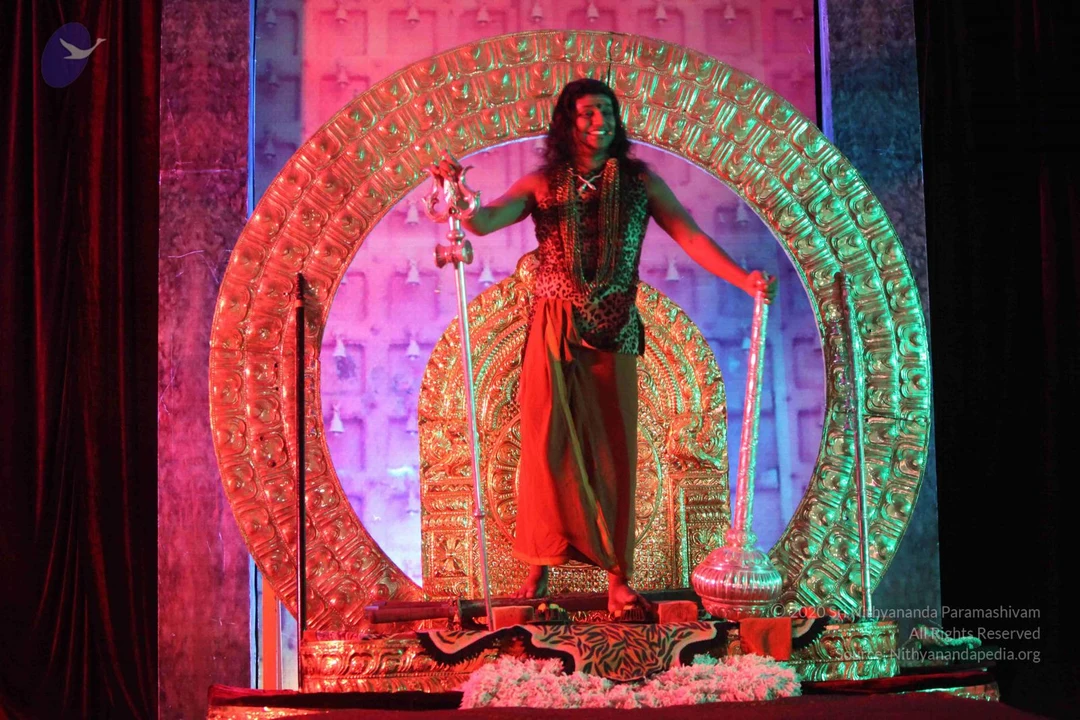
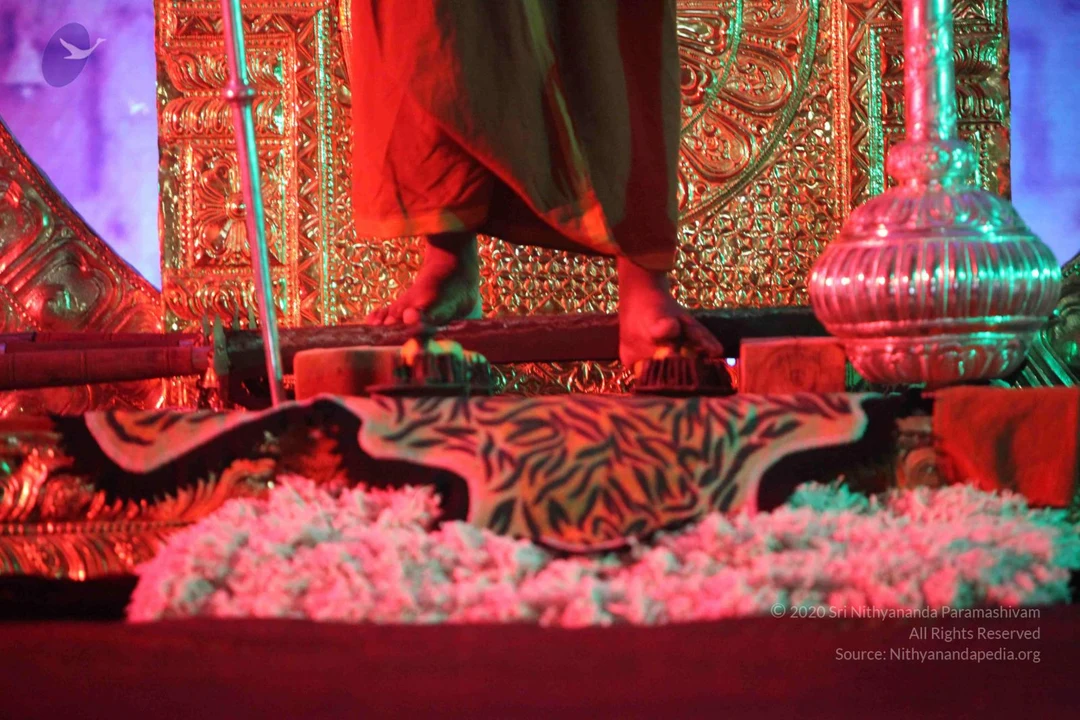
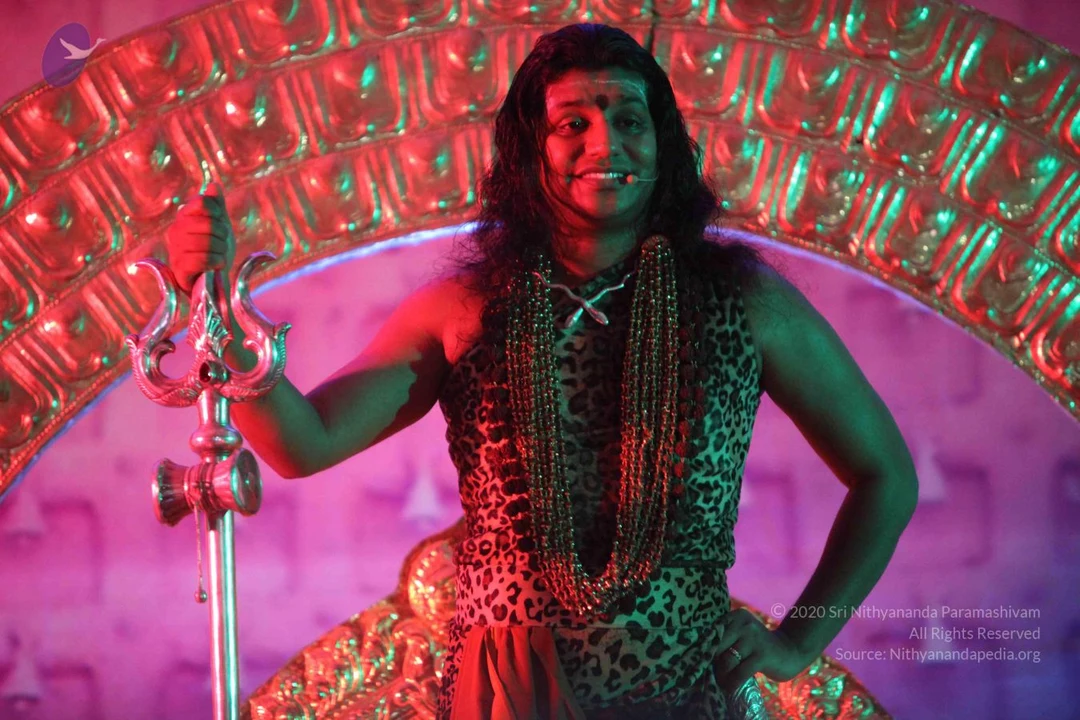
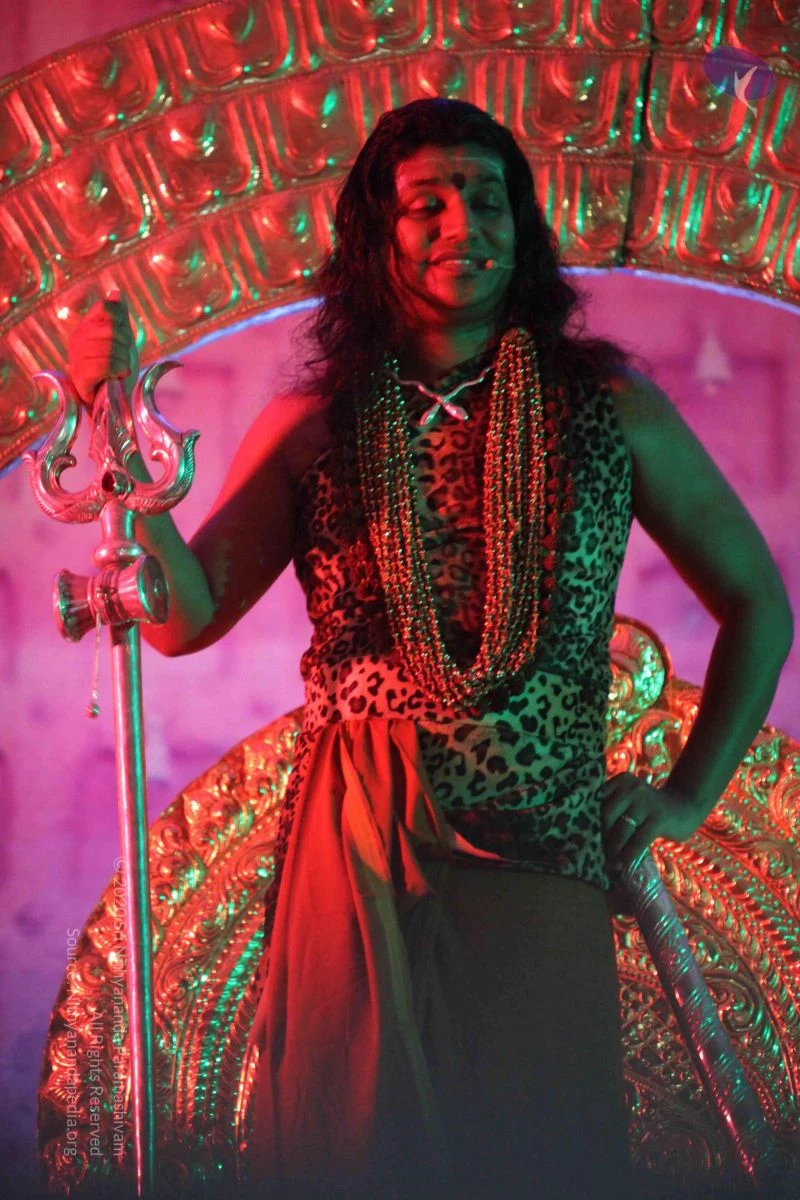
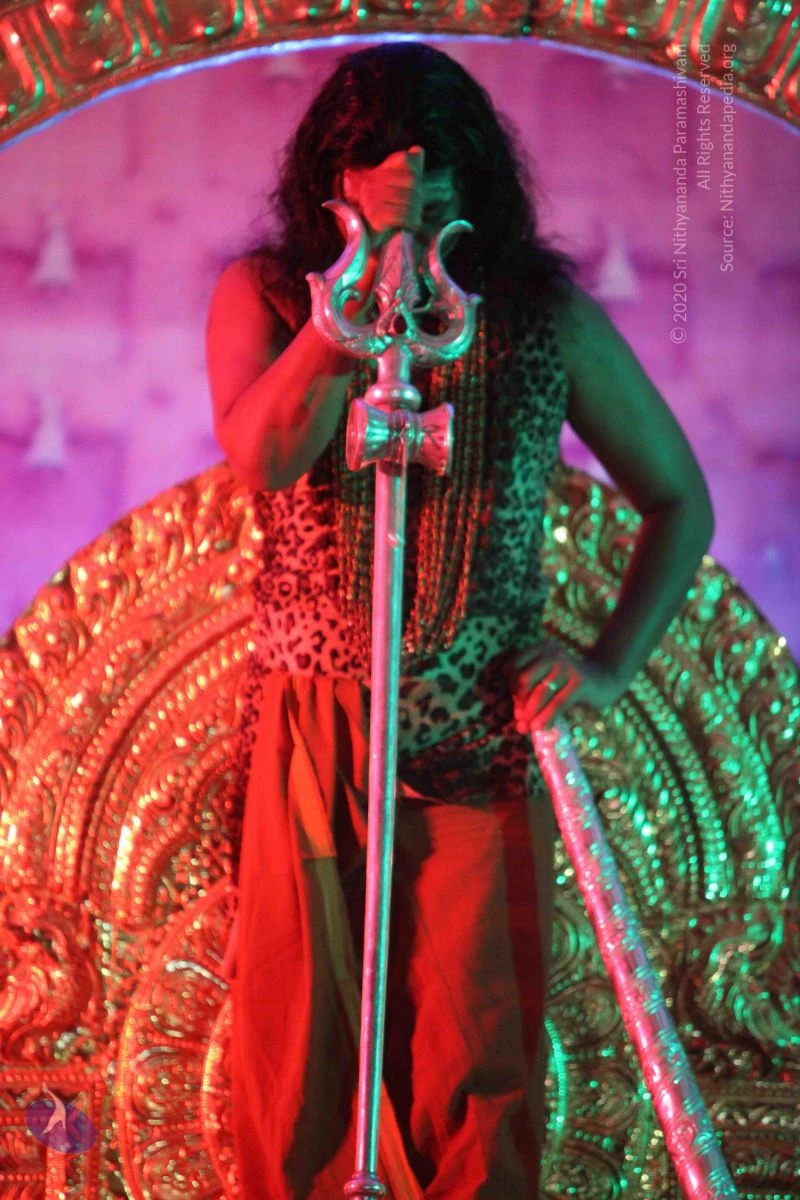
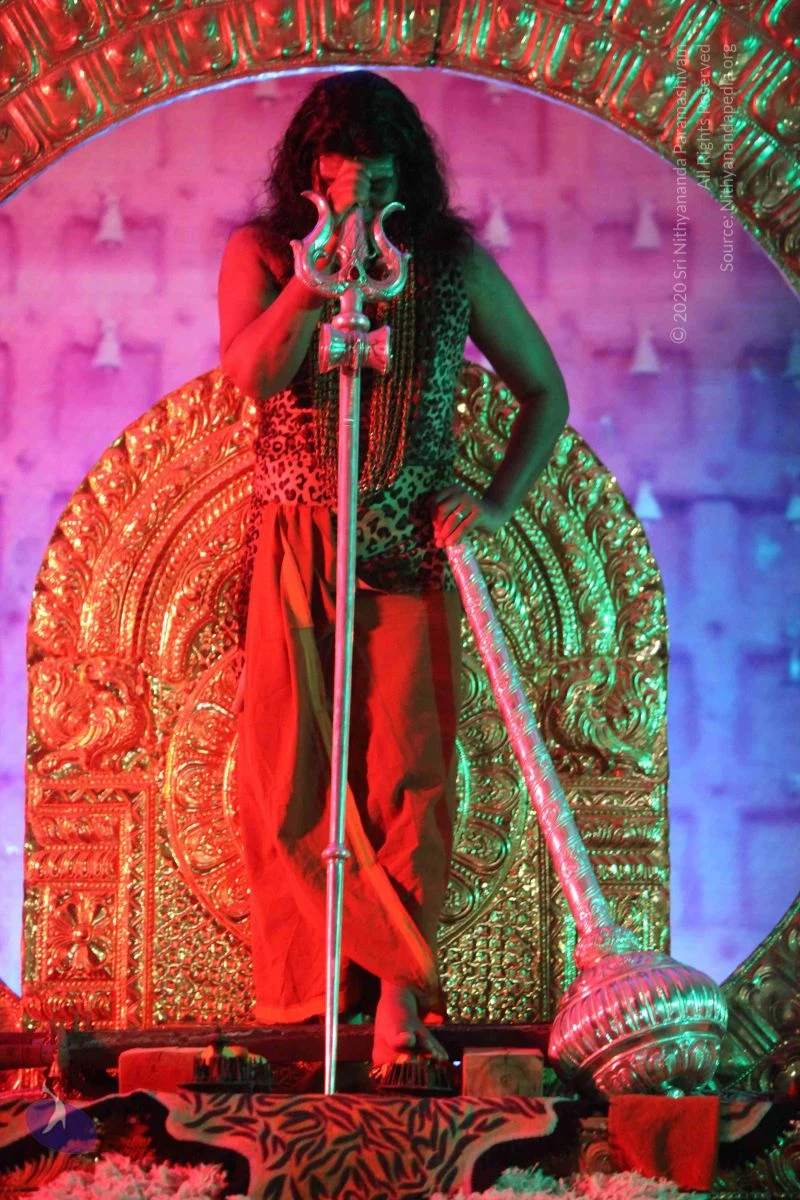
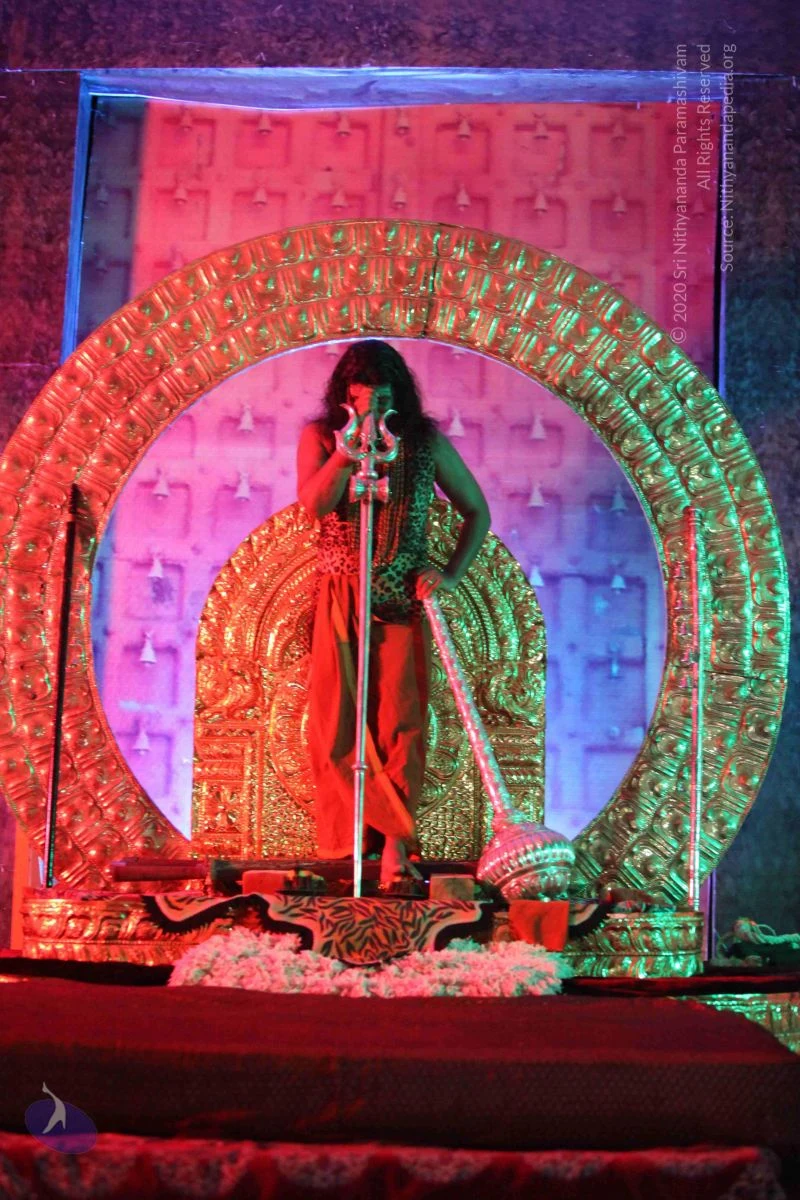
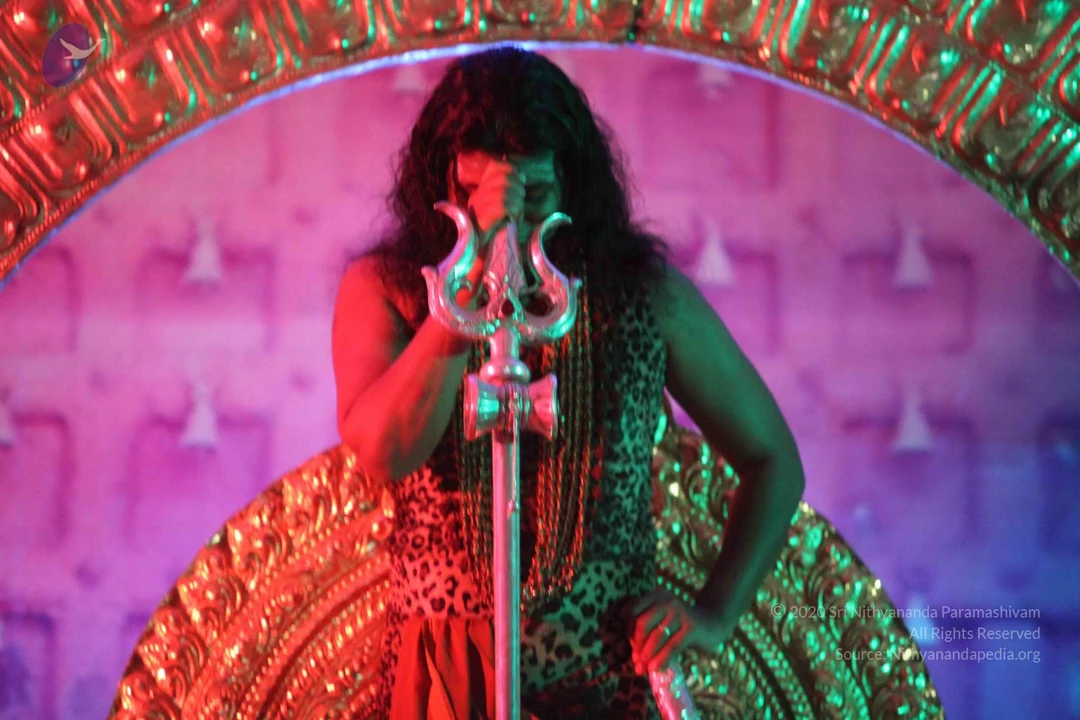
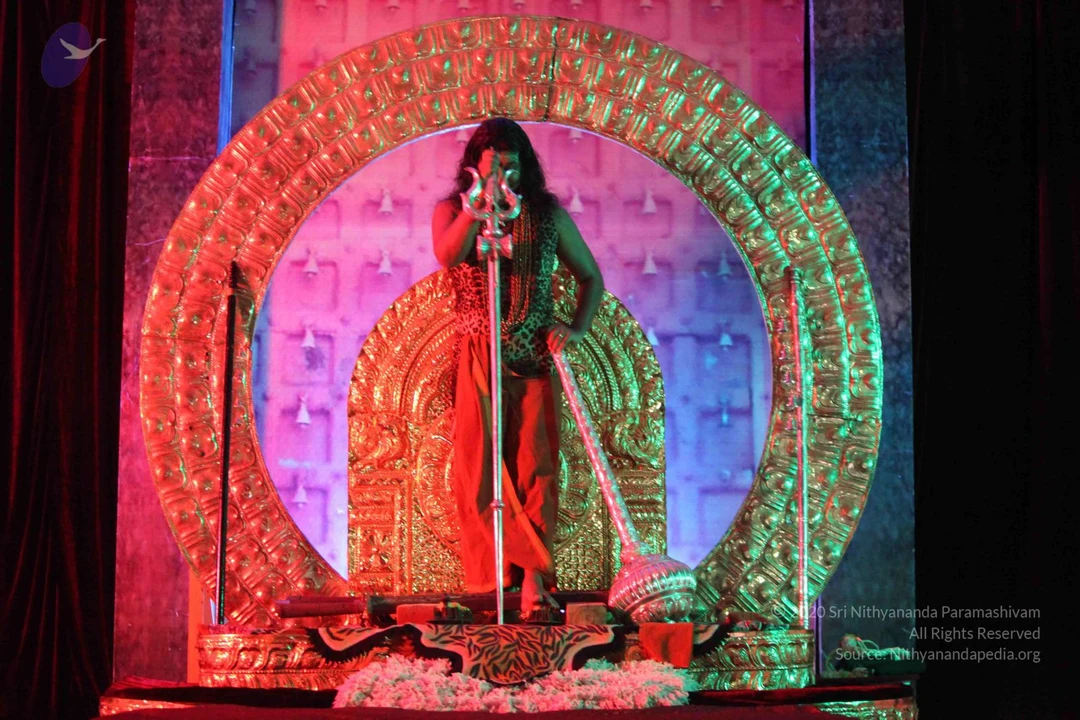
Energy-Darshan
Photos from this day
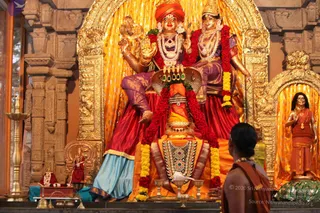
View all 394 photosSwamiji arrives at Temple
2 photosSource gallery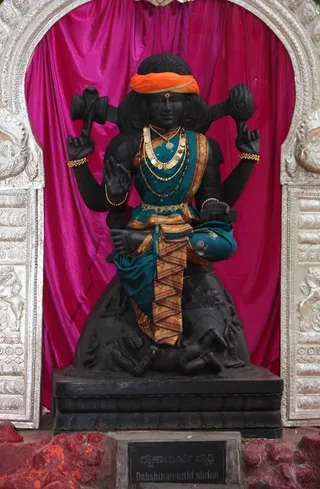
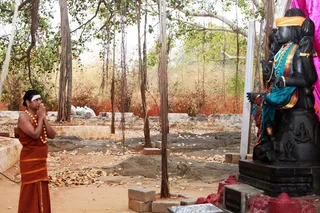
Pada Puja
1 photoSource gallery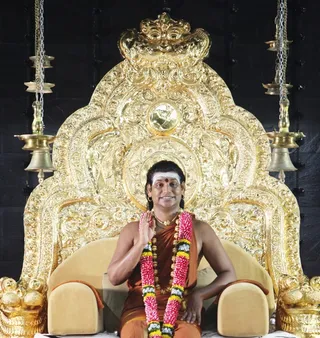
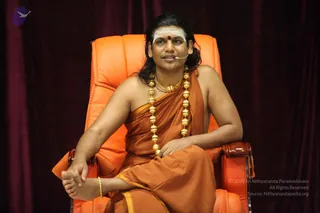
Satsang
6 photosSource gallery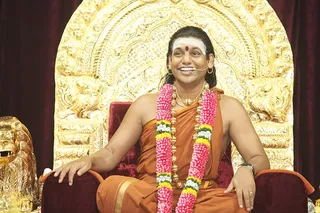
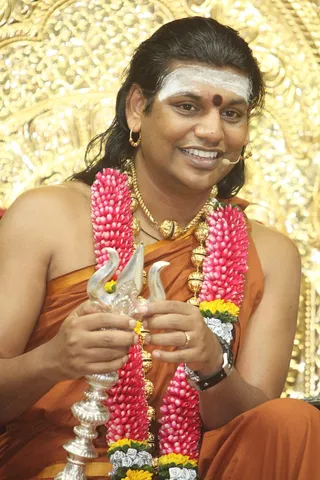
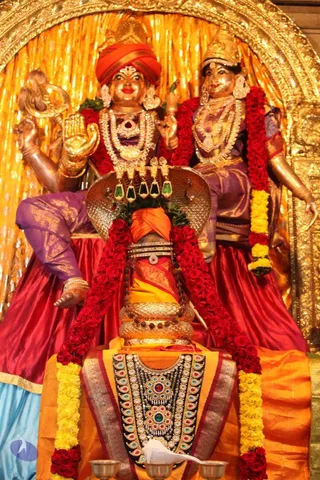
Temple
32 photosSource gallery
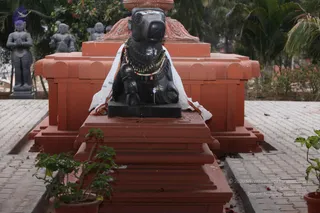
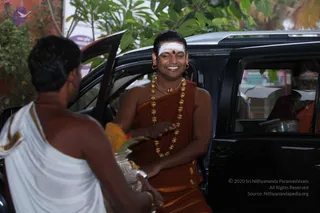
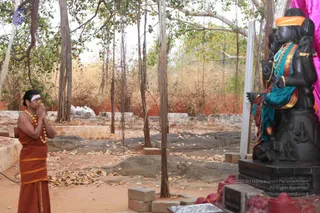
Nithya-Satsang
191 photosSource gallery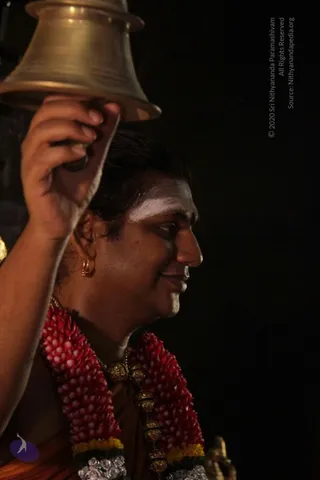
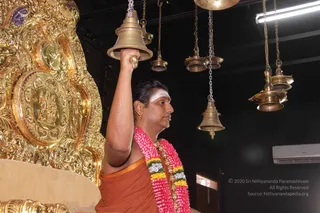
Tamil-IA-Session
32 photosSource gallery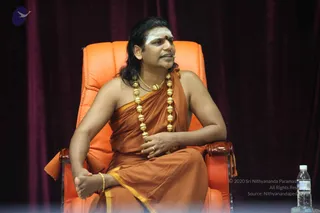
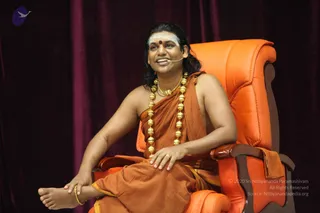
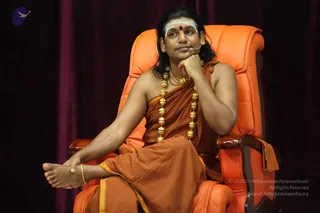
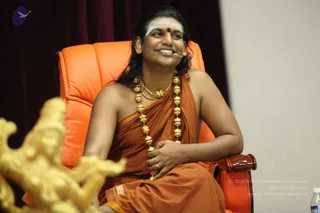
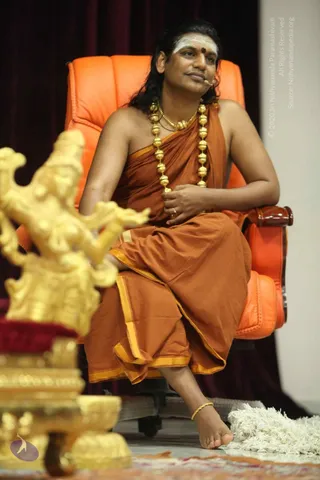
AkashicReading-Darshan
8 photosSource gallery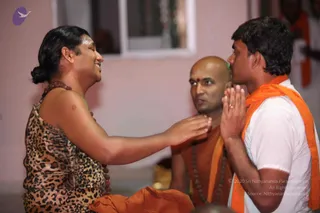
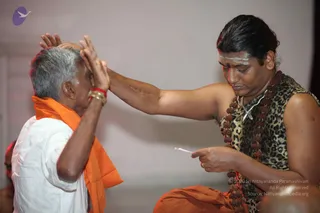
Gurupooja-and-Temple
43 photosSource gallery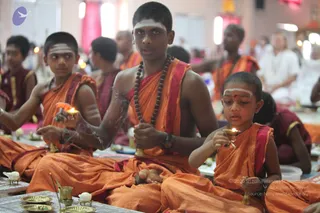
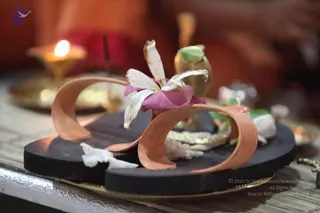
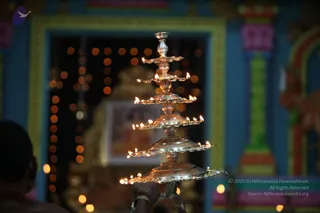
Sarvadarshan
29 photosSource gallery
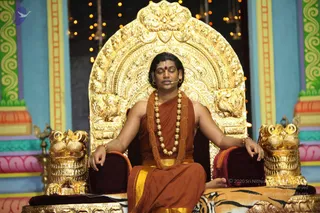
Kalabhairava-Akashic-Reading
45 photosSource gallery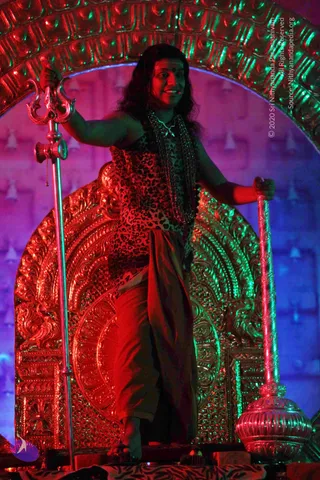
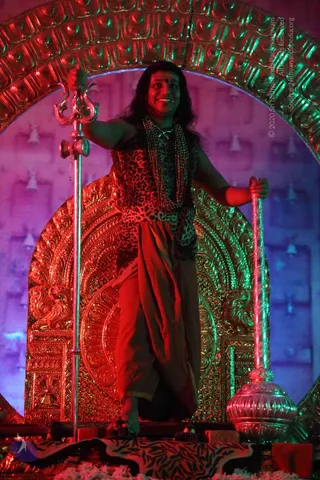
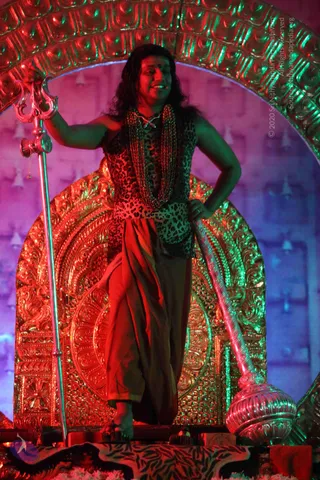
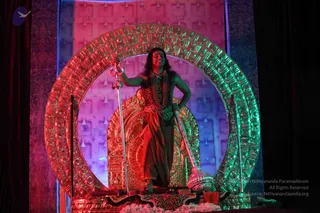
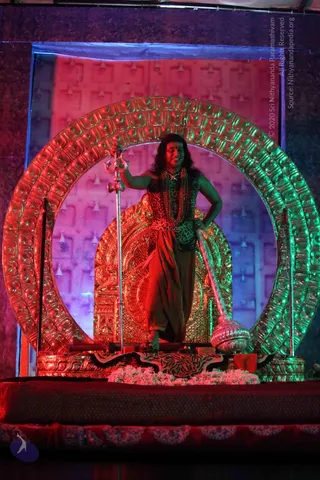
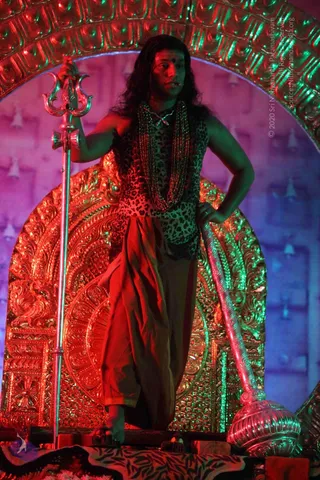
Energy-Darshan
11 photosSource gallery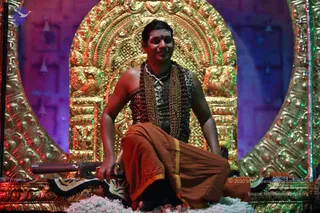
March 06 2013
1 photoView all