Tuesday
6 March 2018
Mechanics of Sleeping & Waking States - Why You Feel Lethargic After Waking Up
- Dated photos
- 215
- Source pages
- 1
- Media
- 4
March 06 2018
Original wiki pageTitle
Mechanics of Sleeping & Waking States - Why You Feel Lethargic After Waking Up
Narration
The Supreme Pontiff of Hinduism, Jagatguru Mahasannidhanam, His Divine Holiness, Bhagavan Nithyananda Paramashivam, is the visionary through whom this whole revival of KAILASA is made possible.
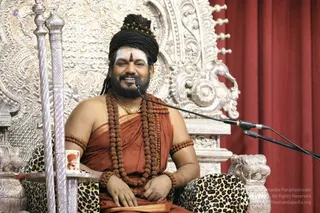
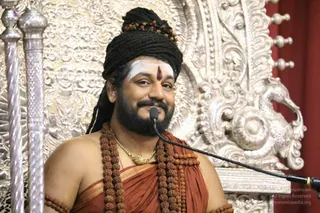
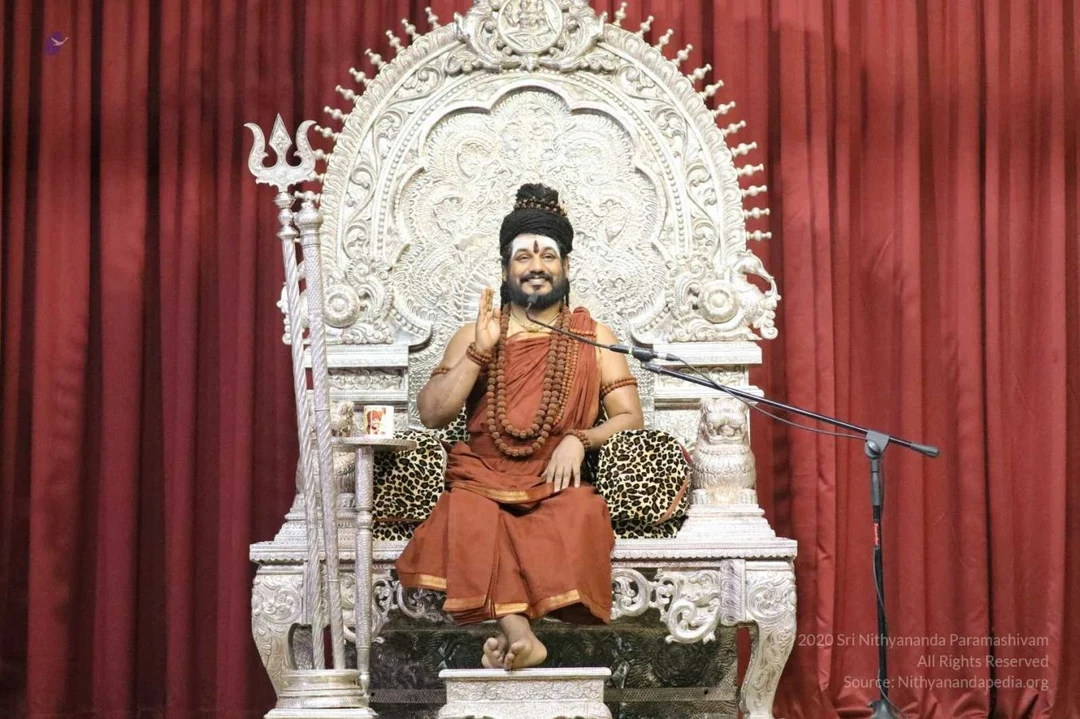
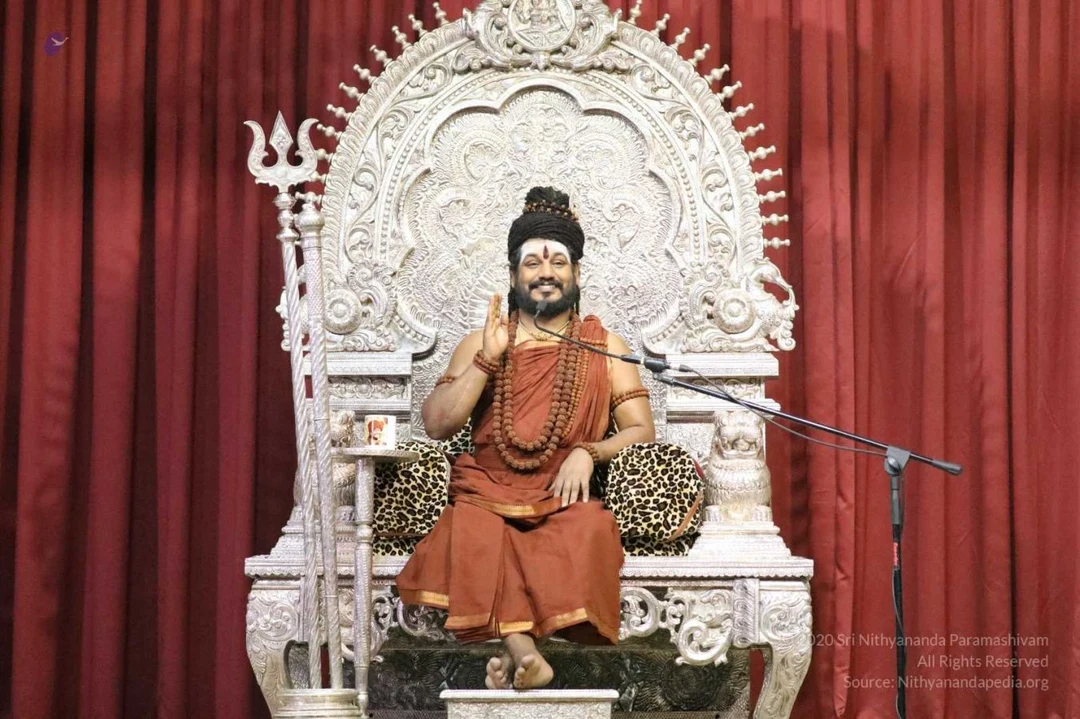
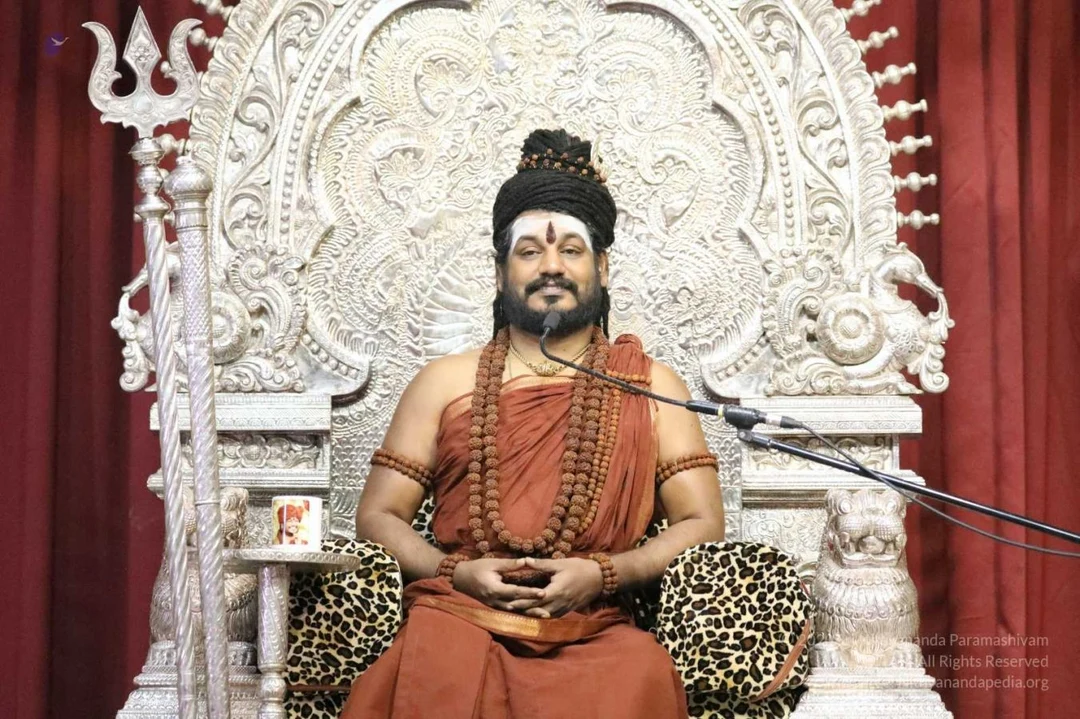
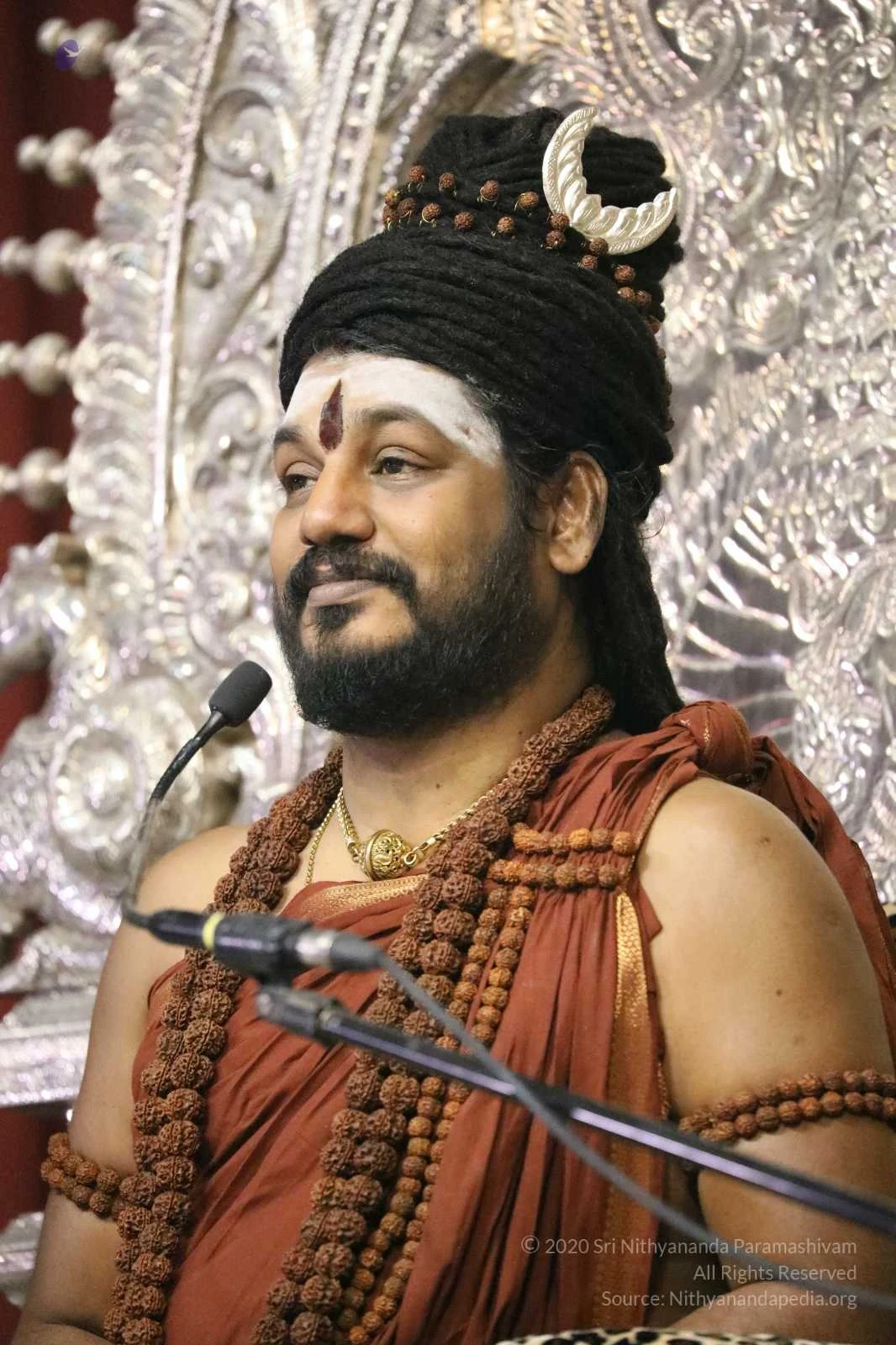
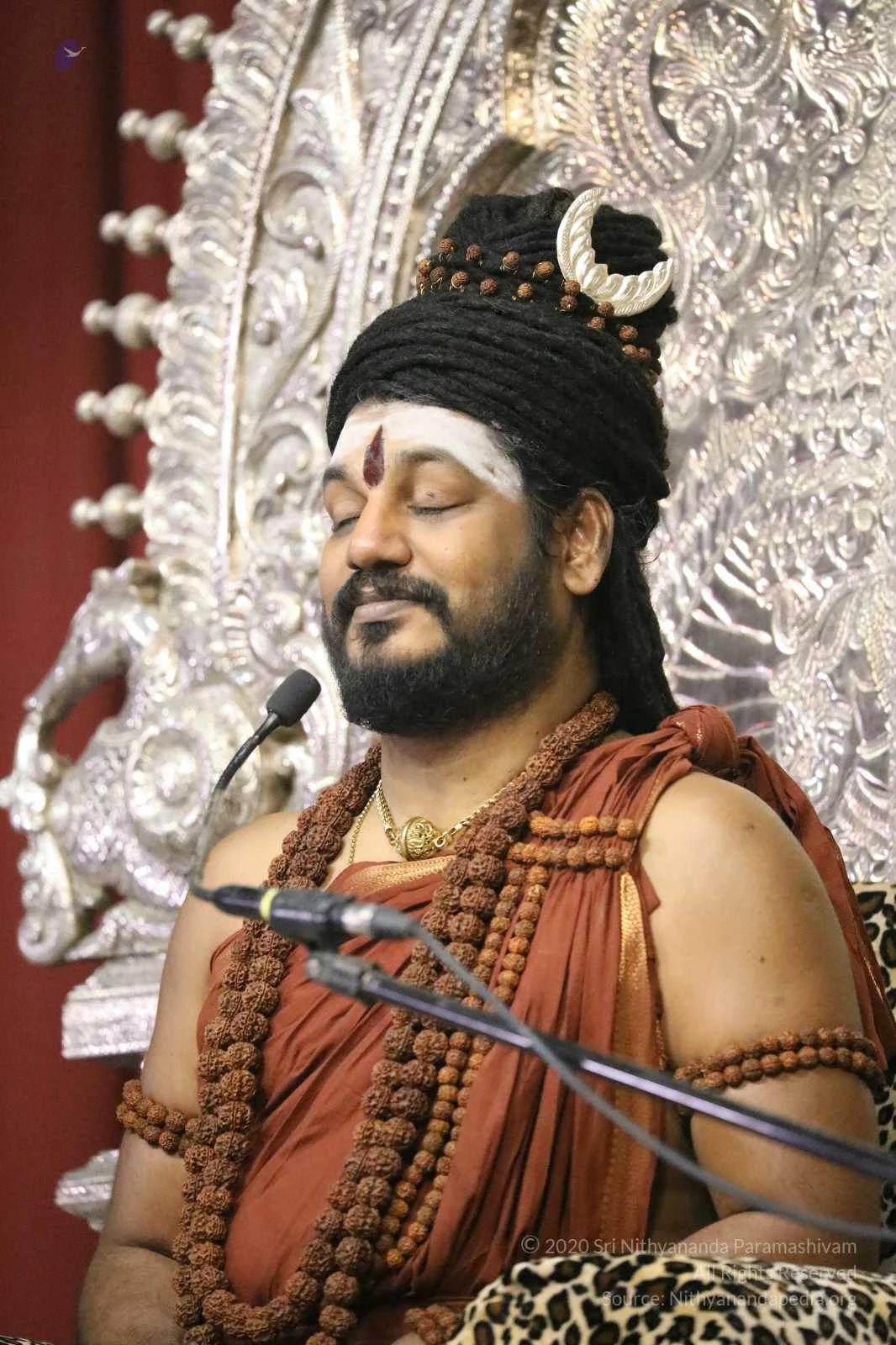
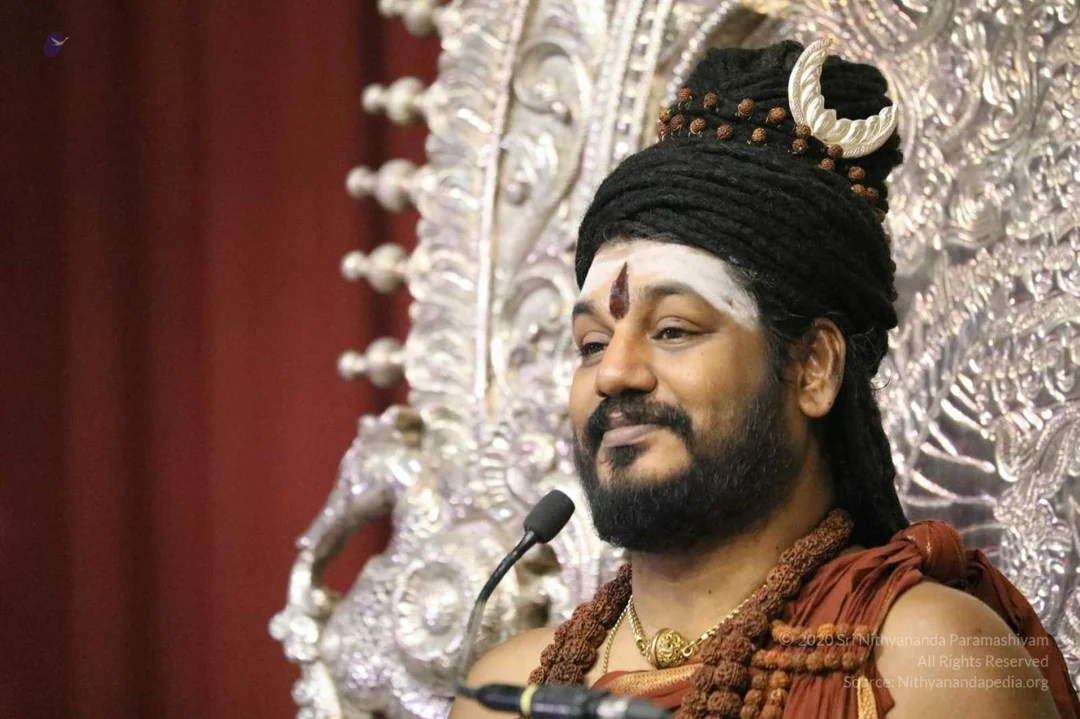
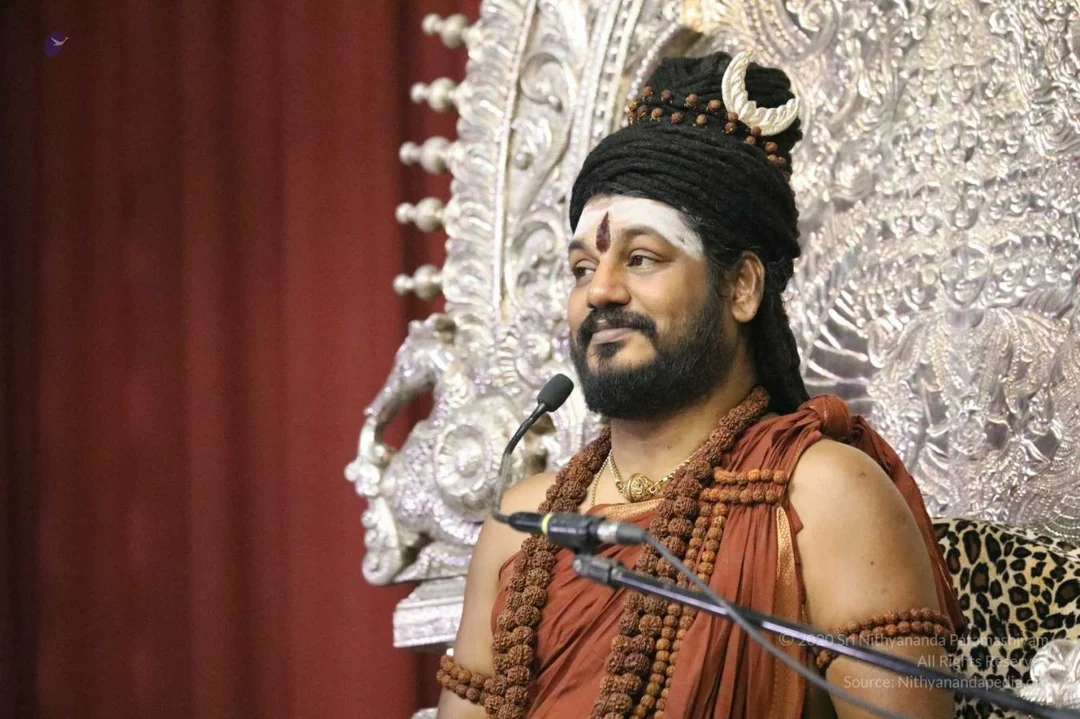
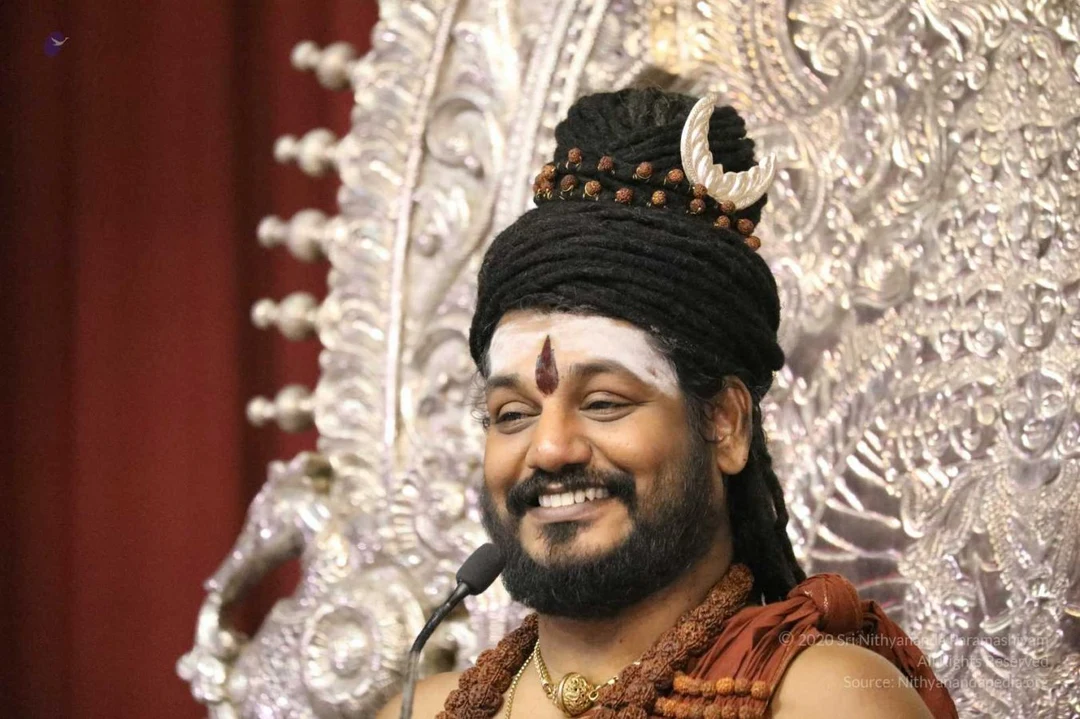
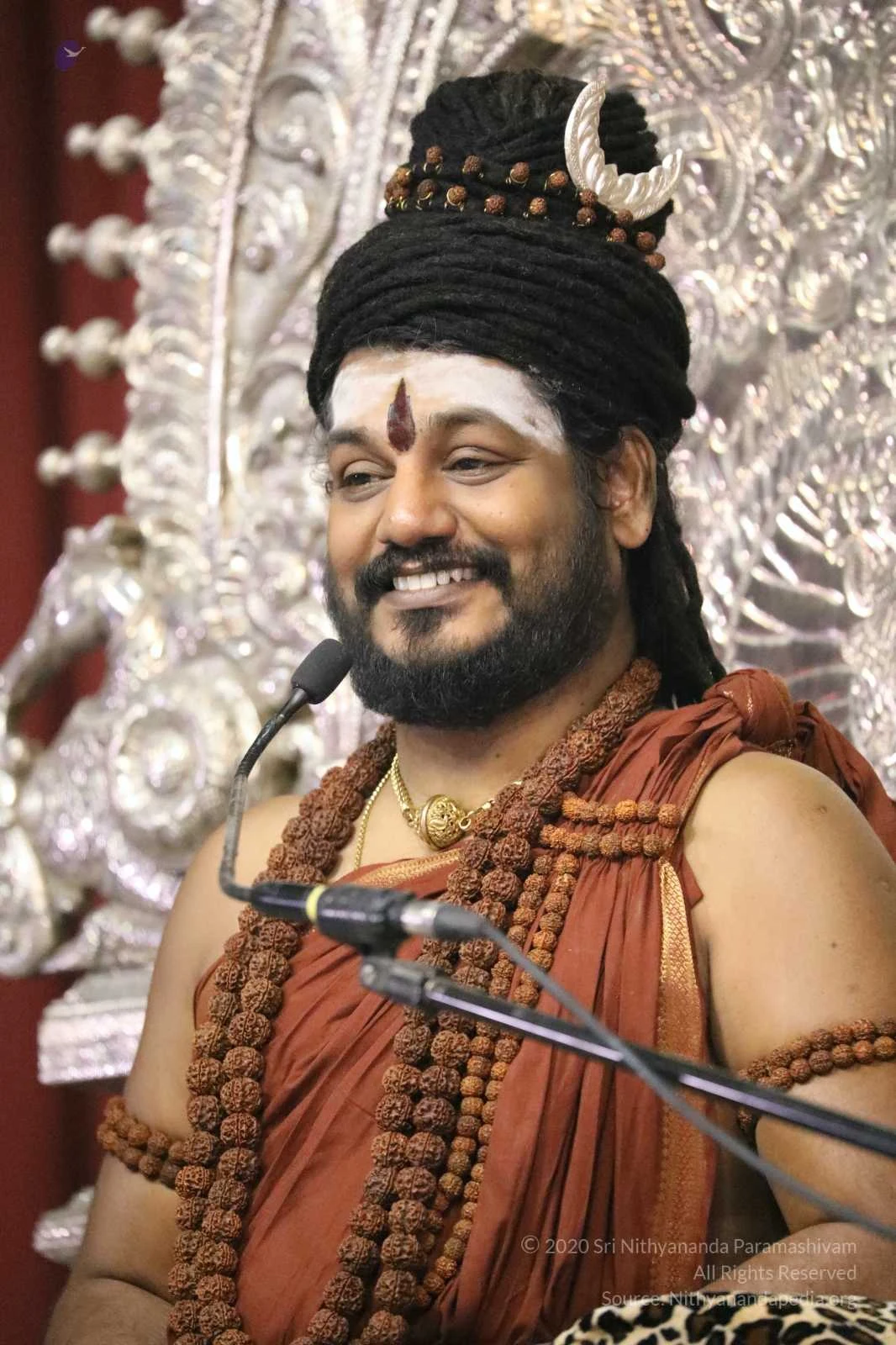
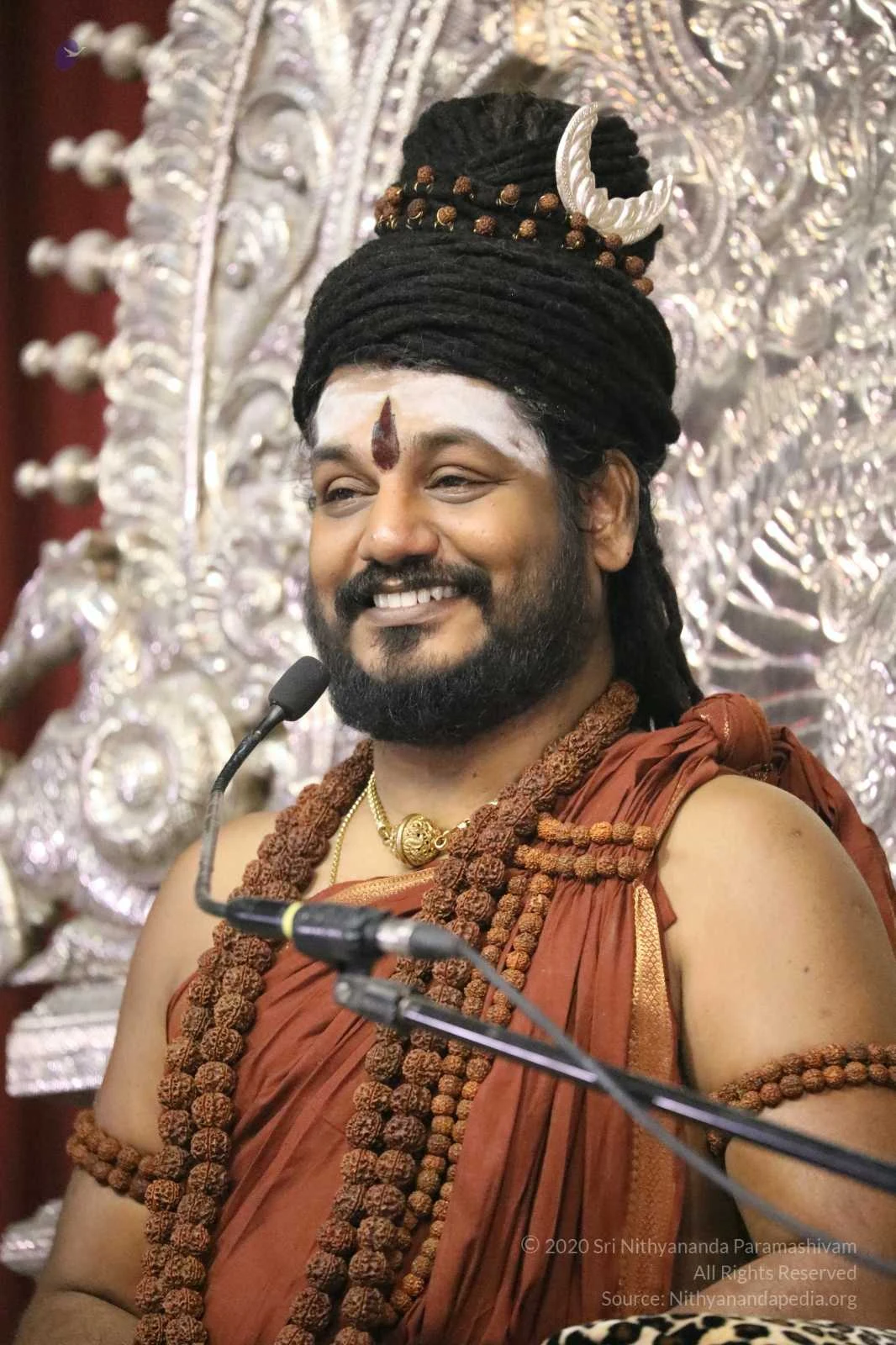
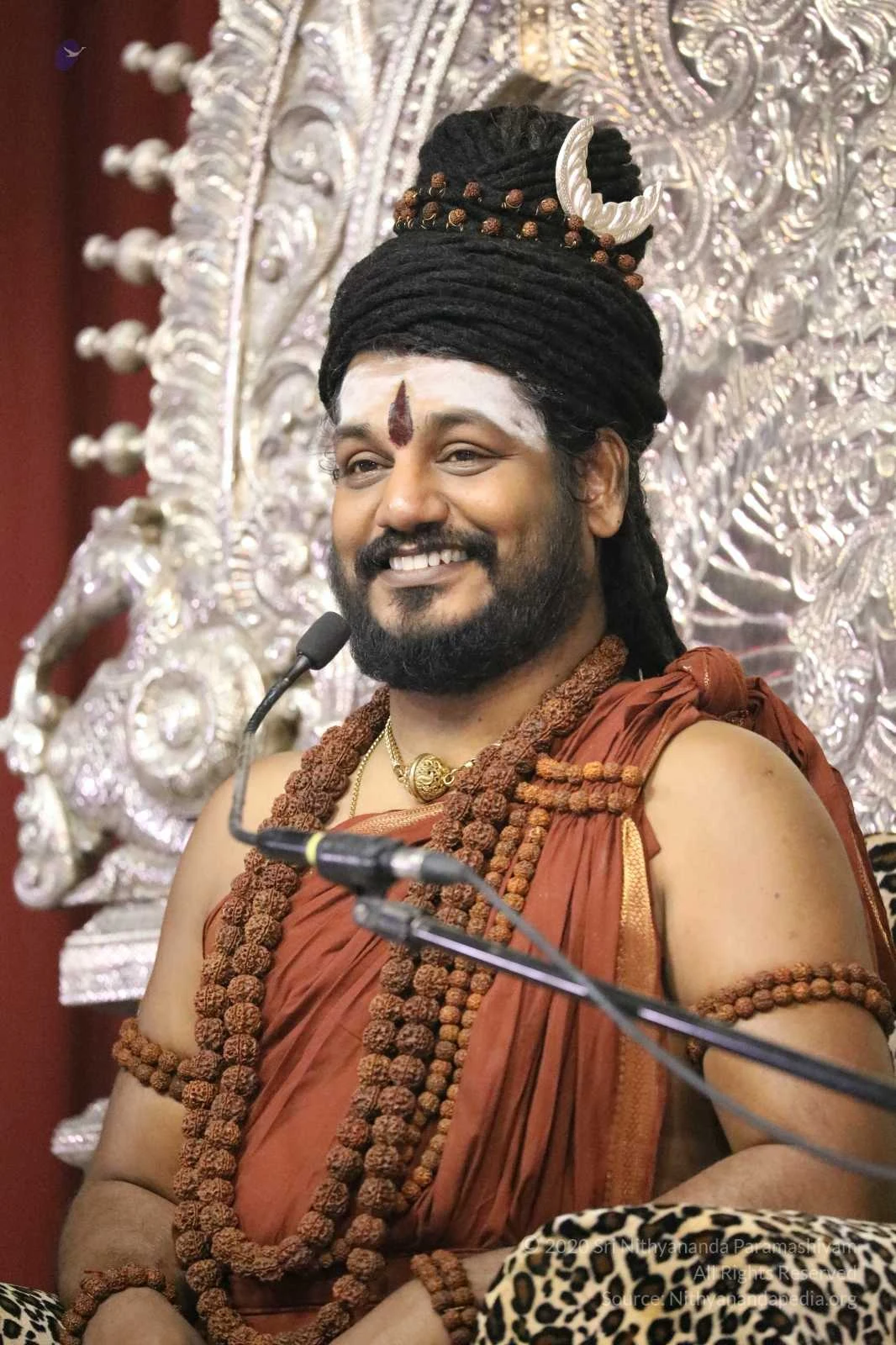
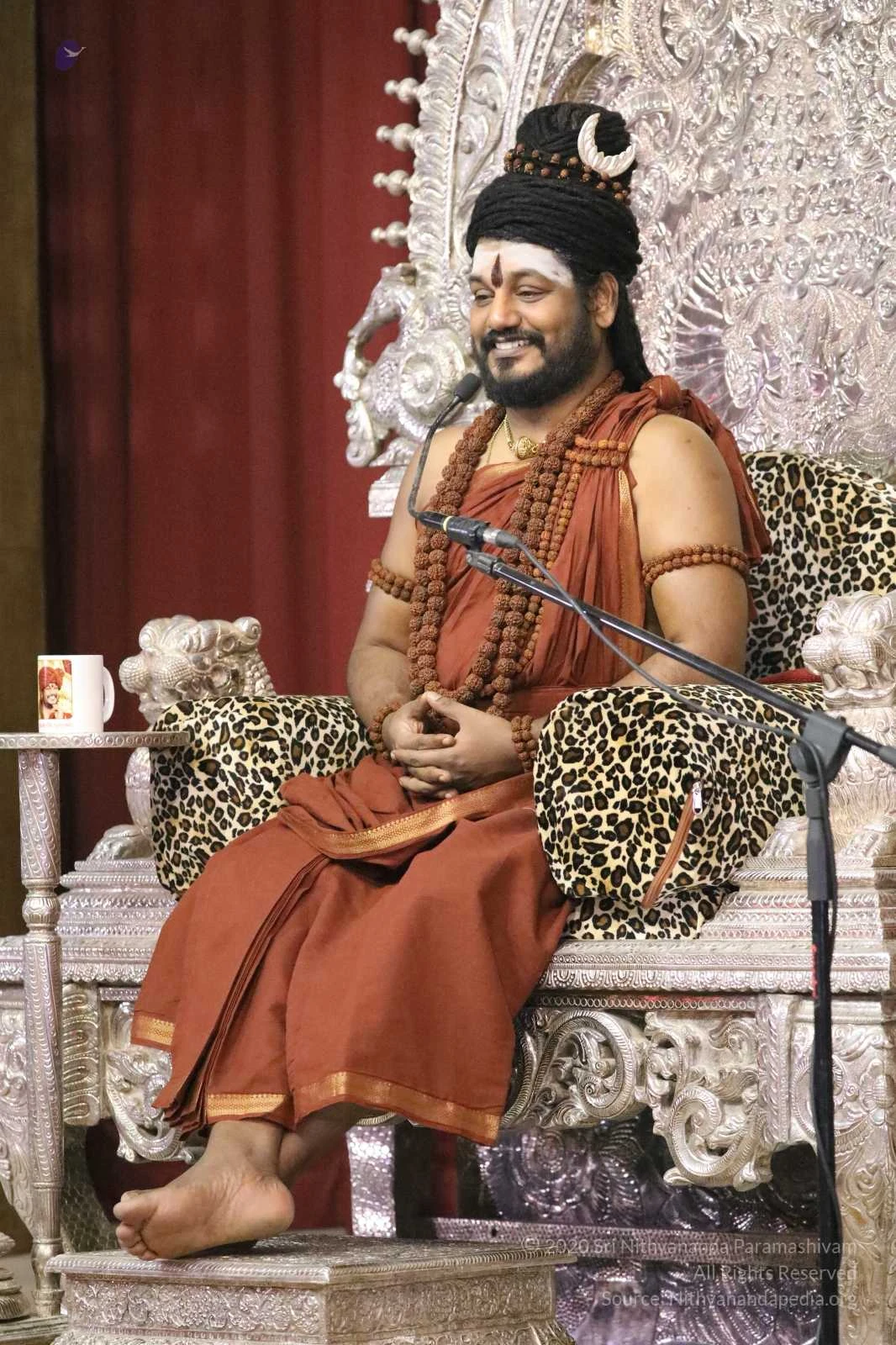
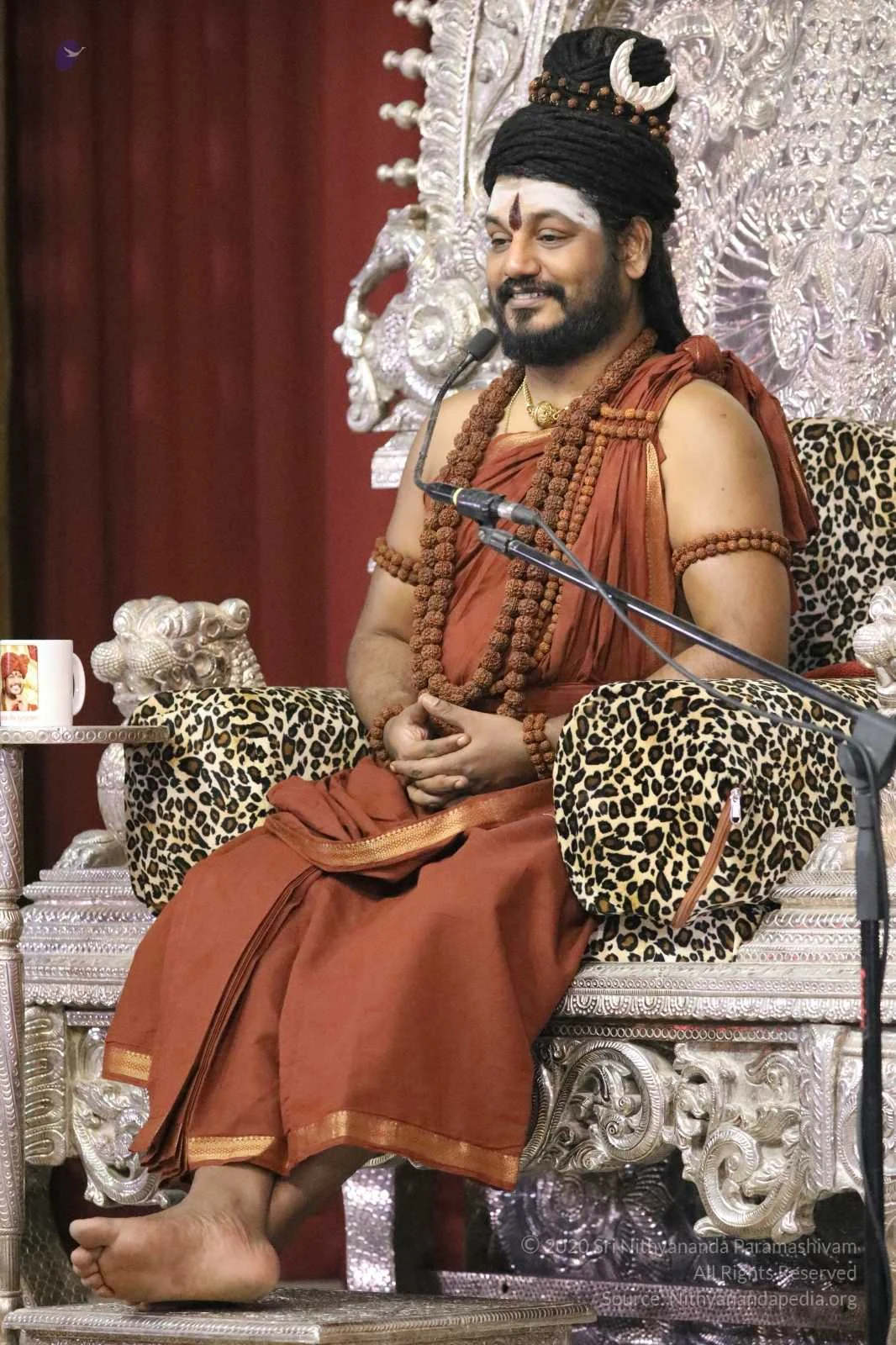
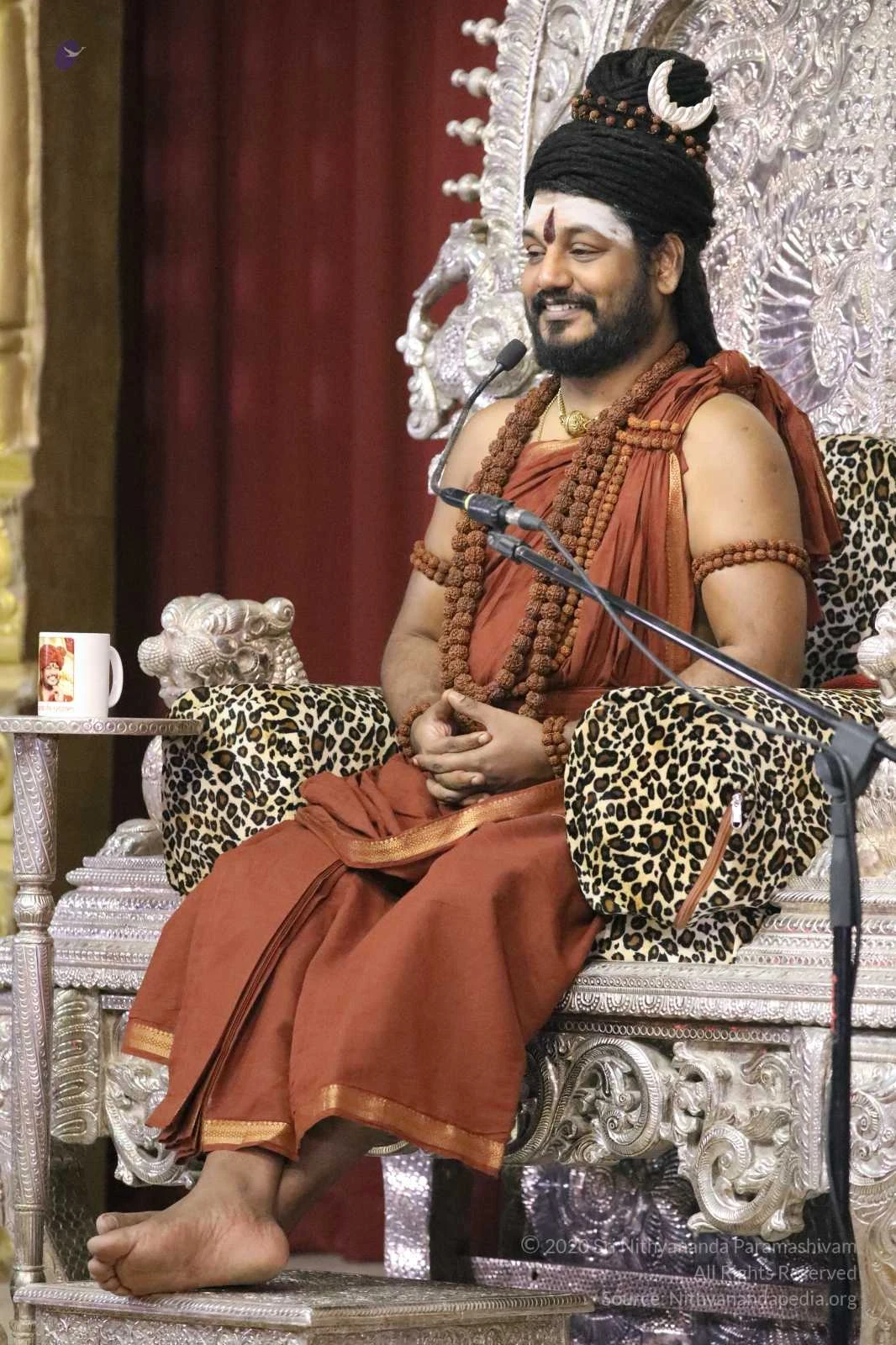
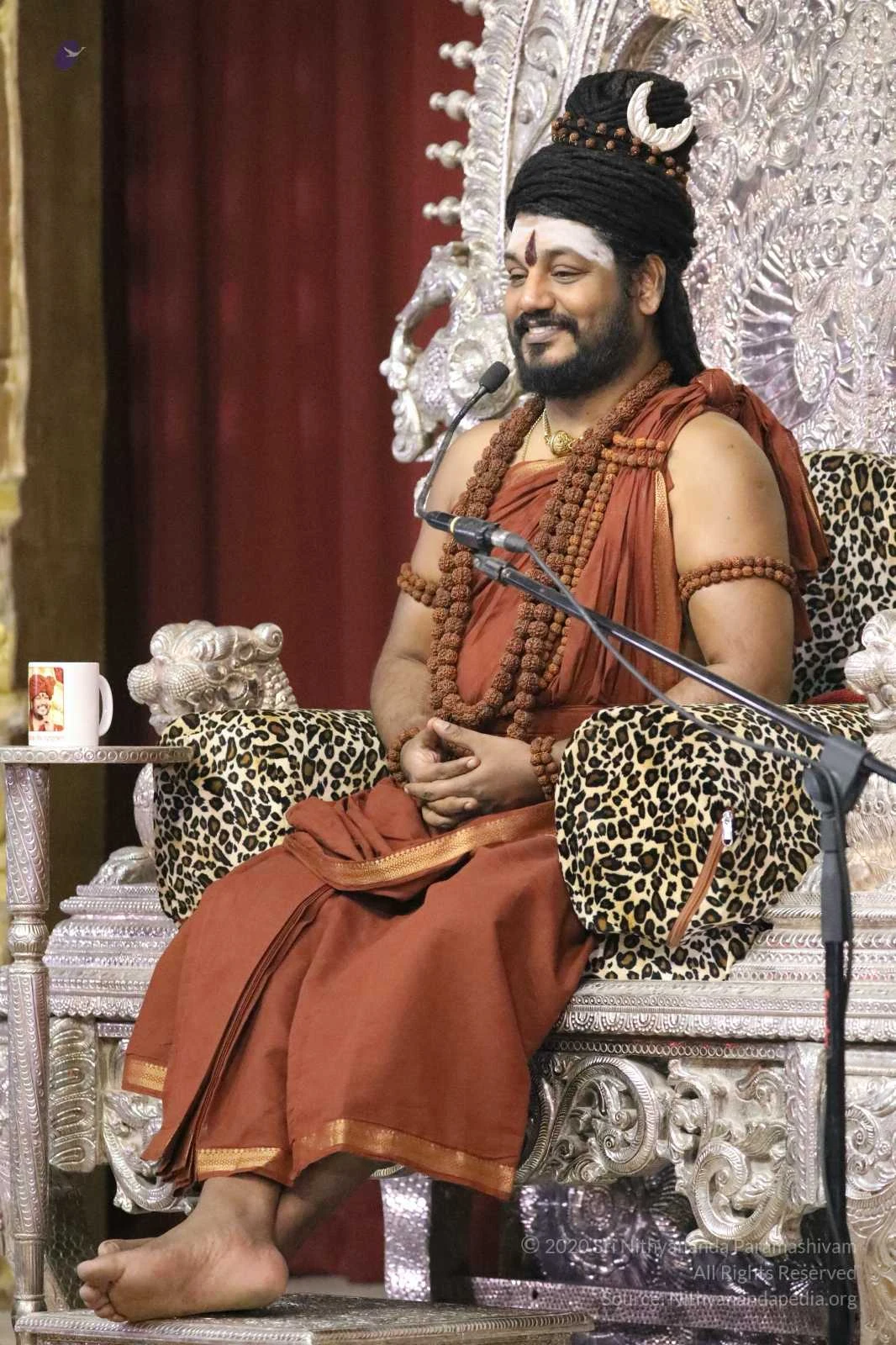
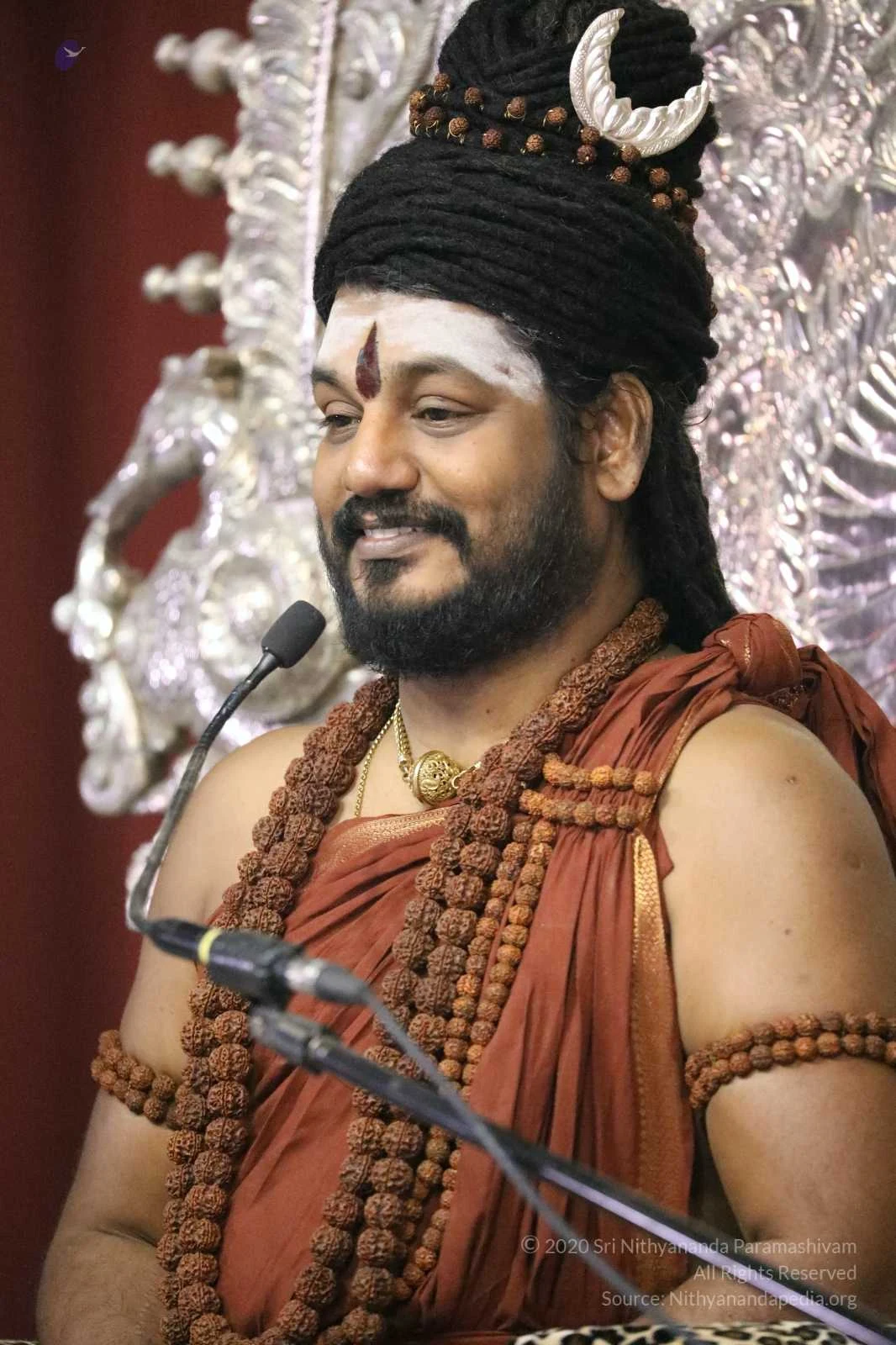
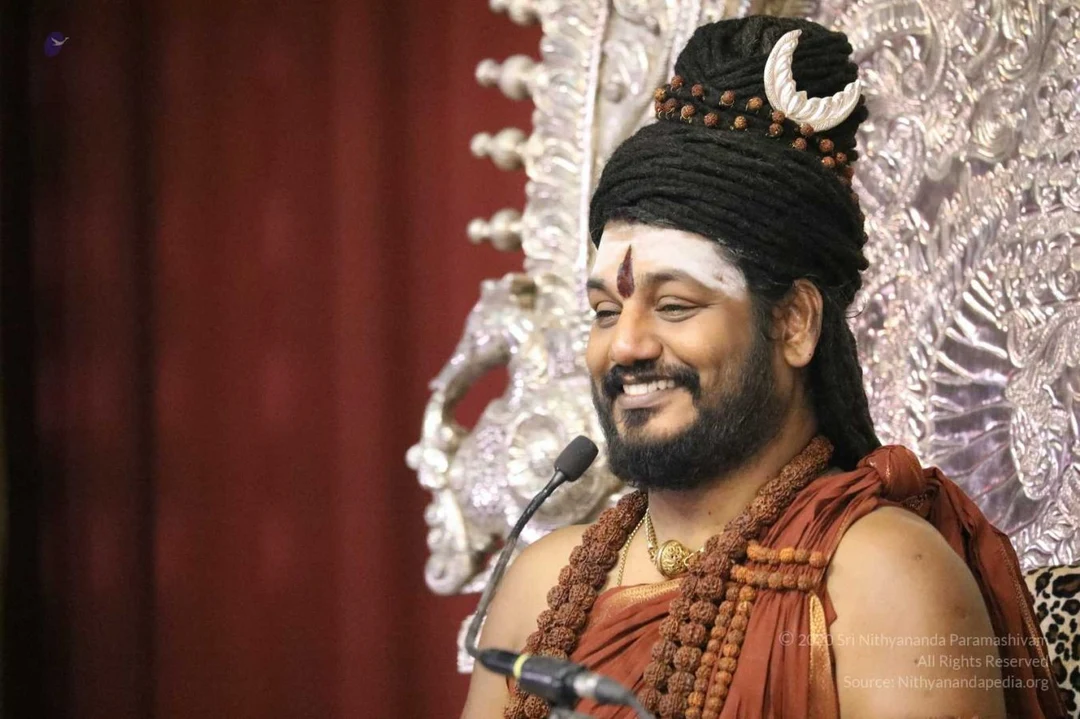
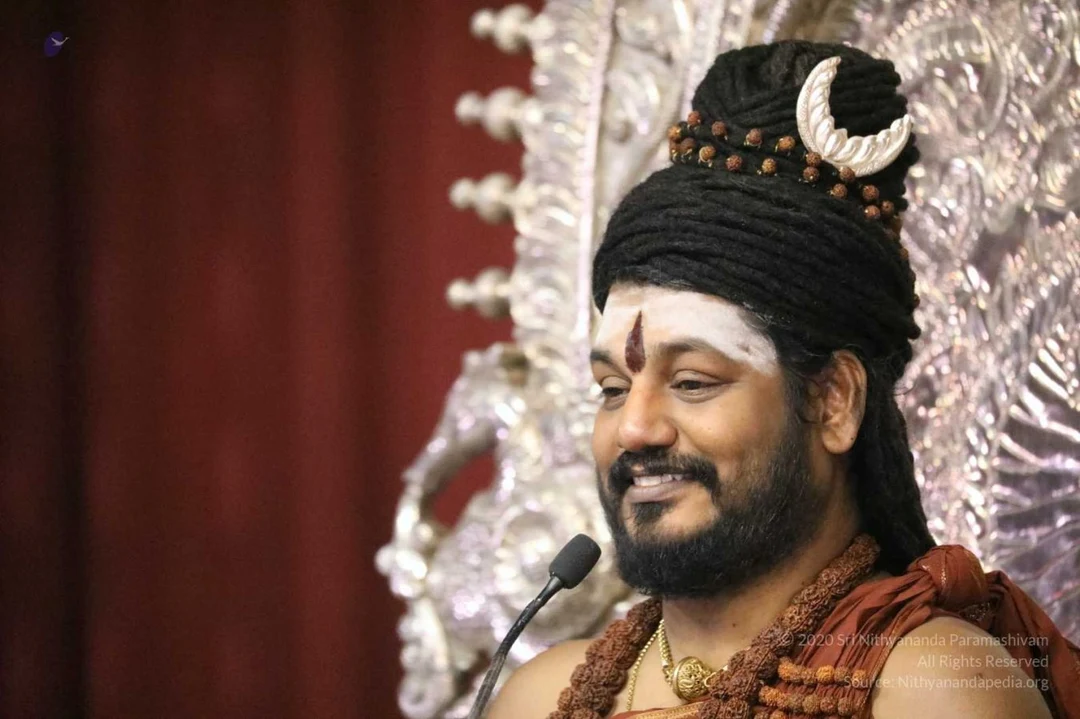
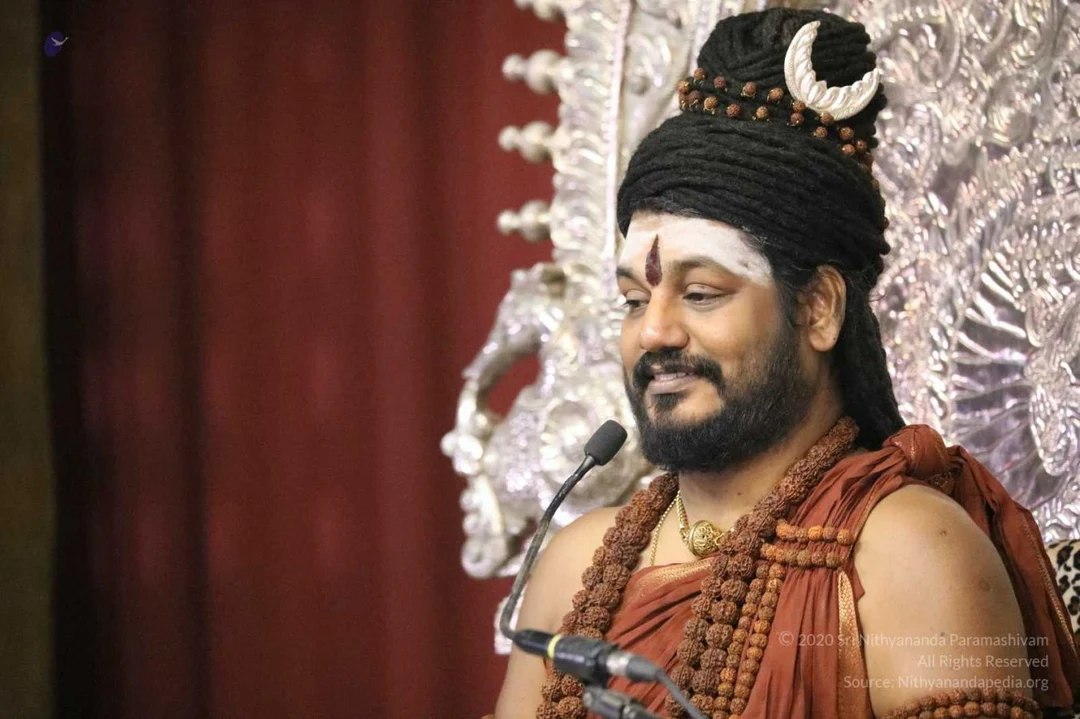
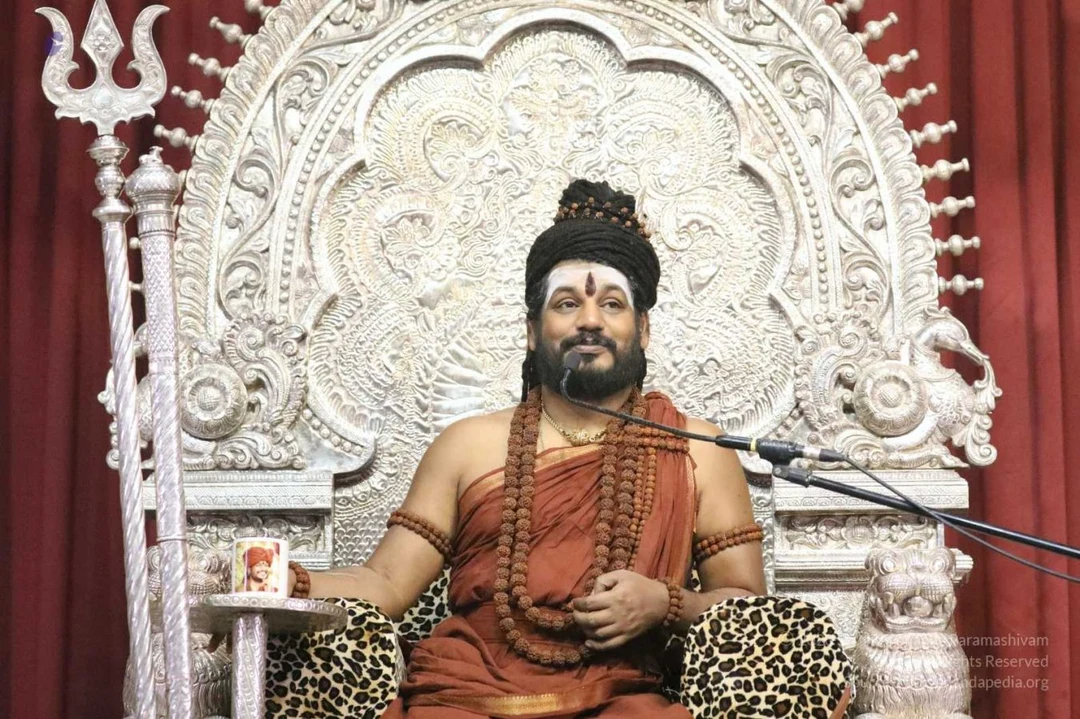
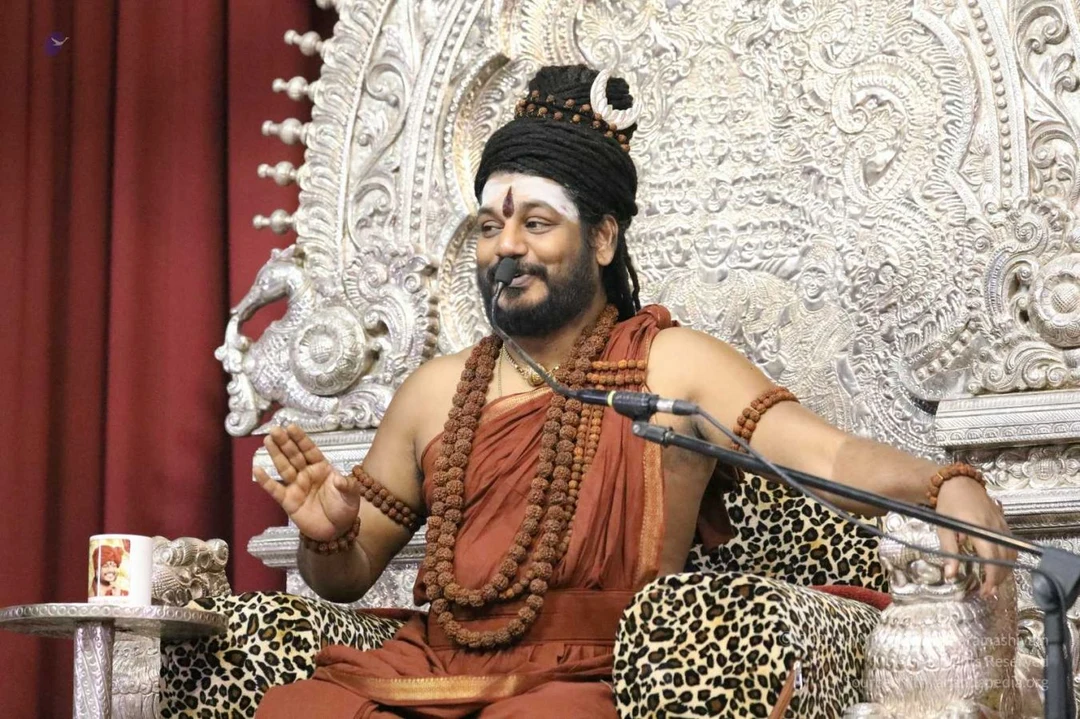
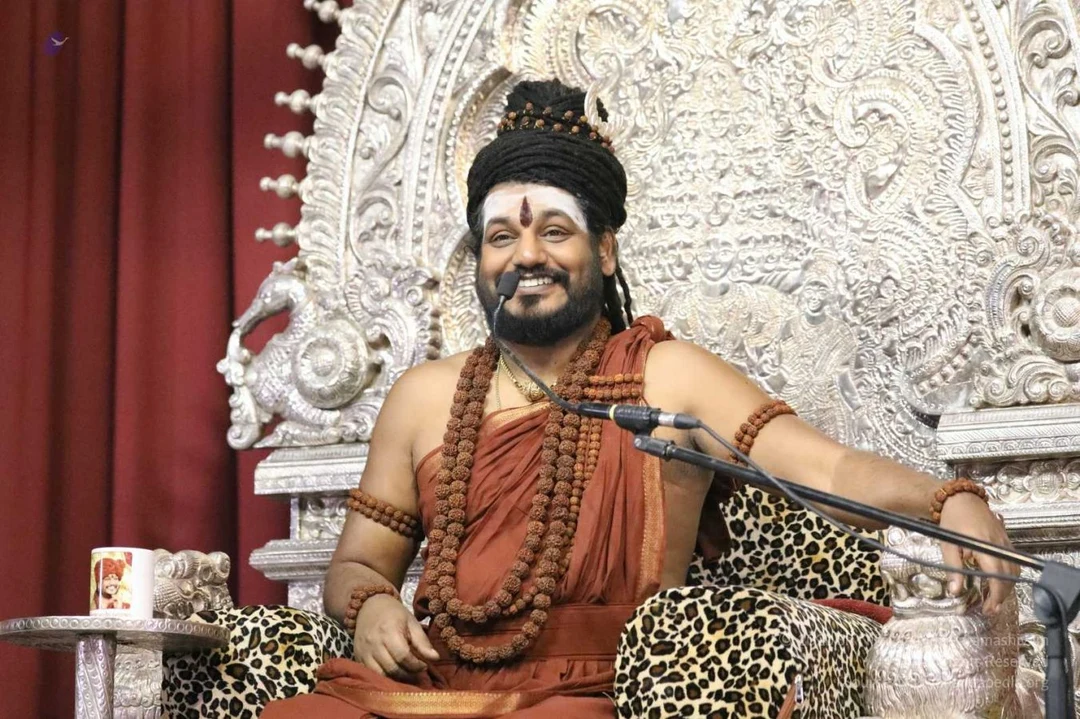
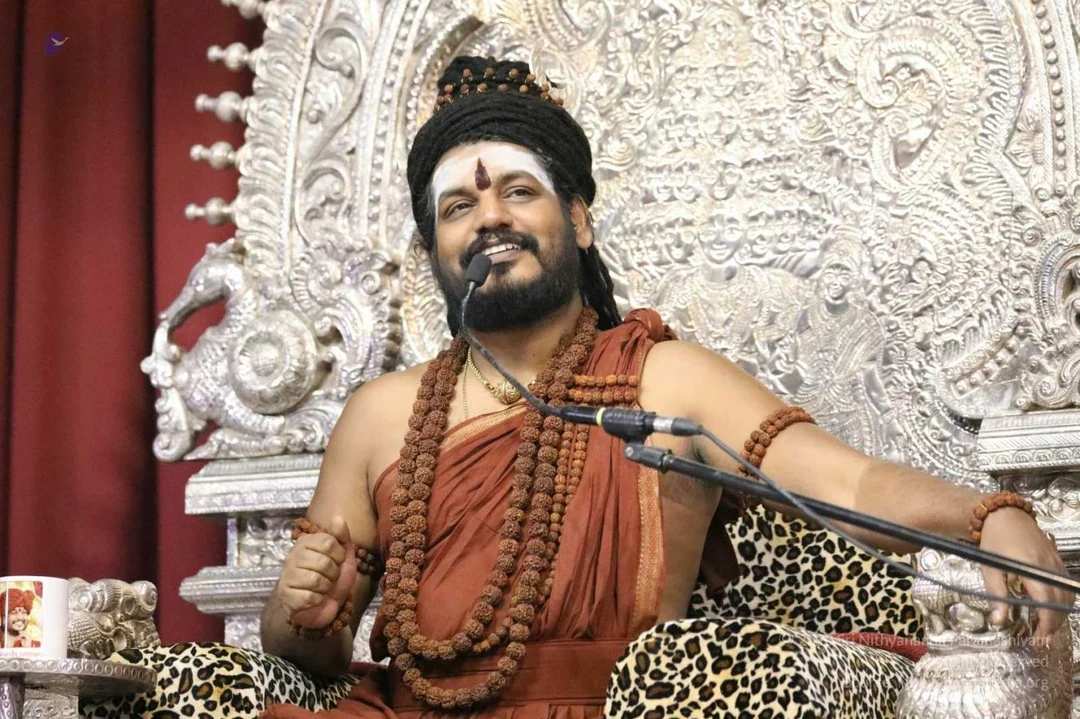
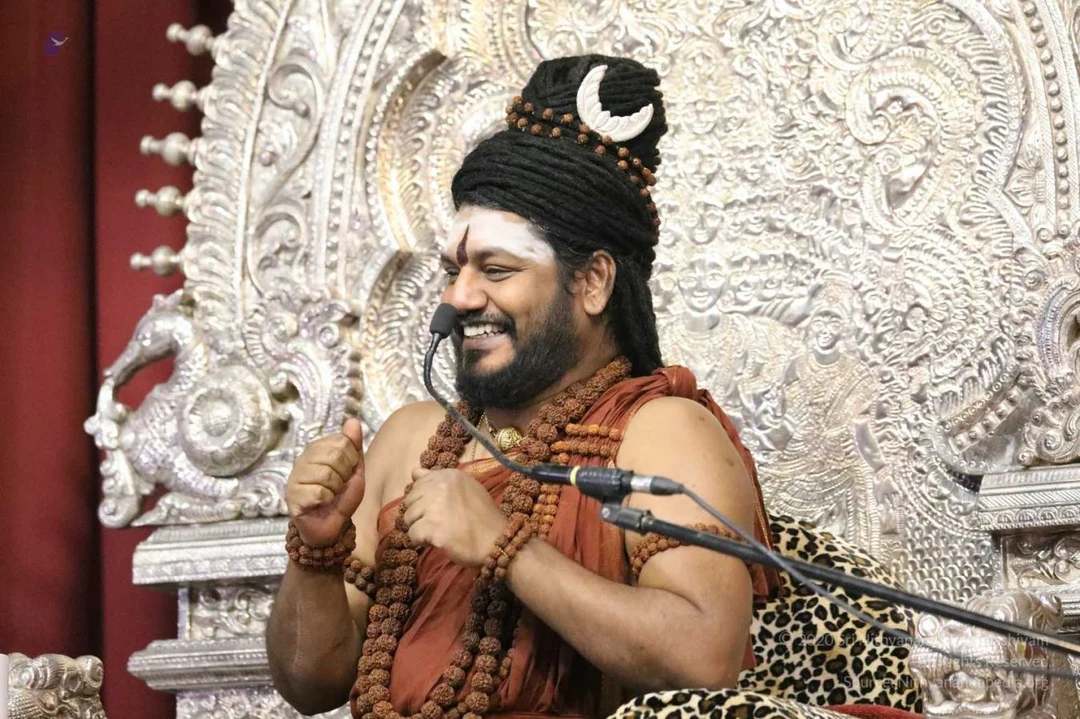
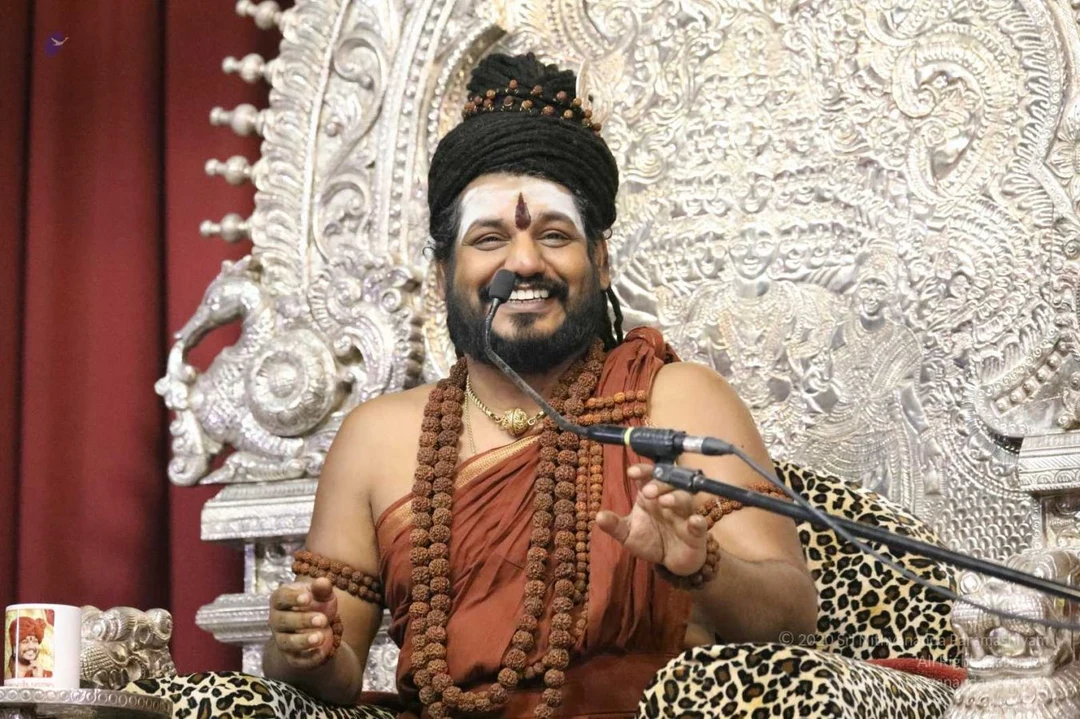
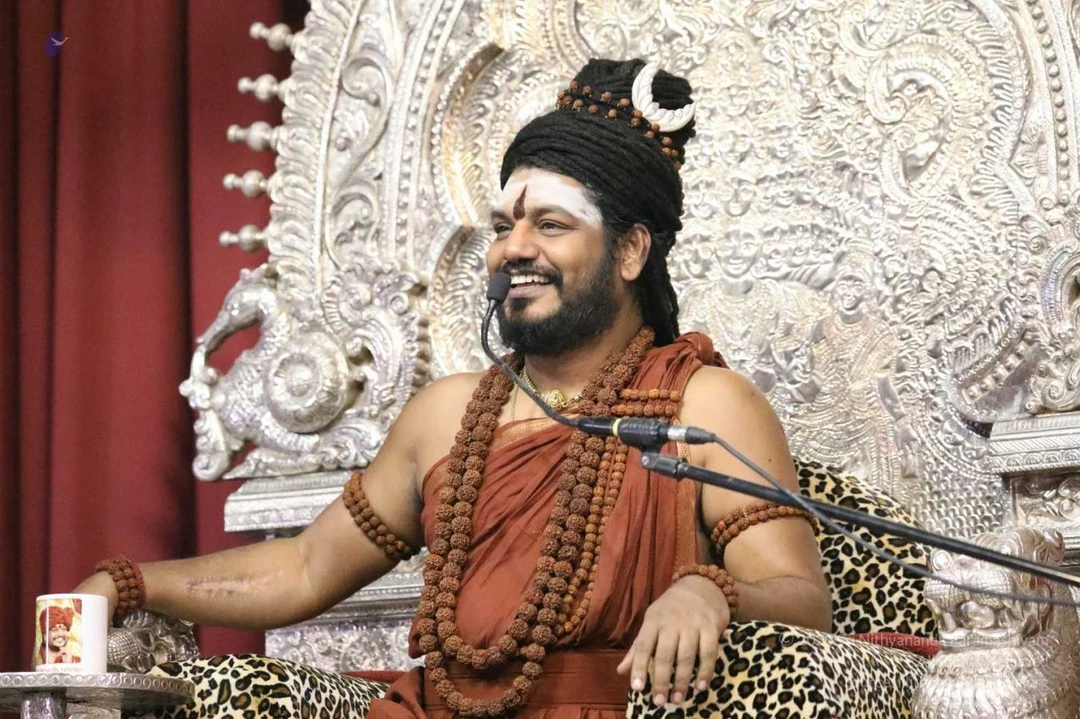
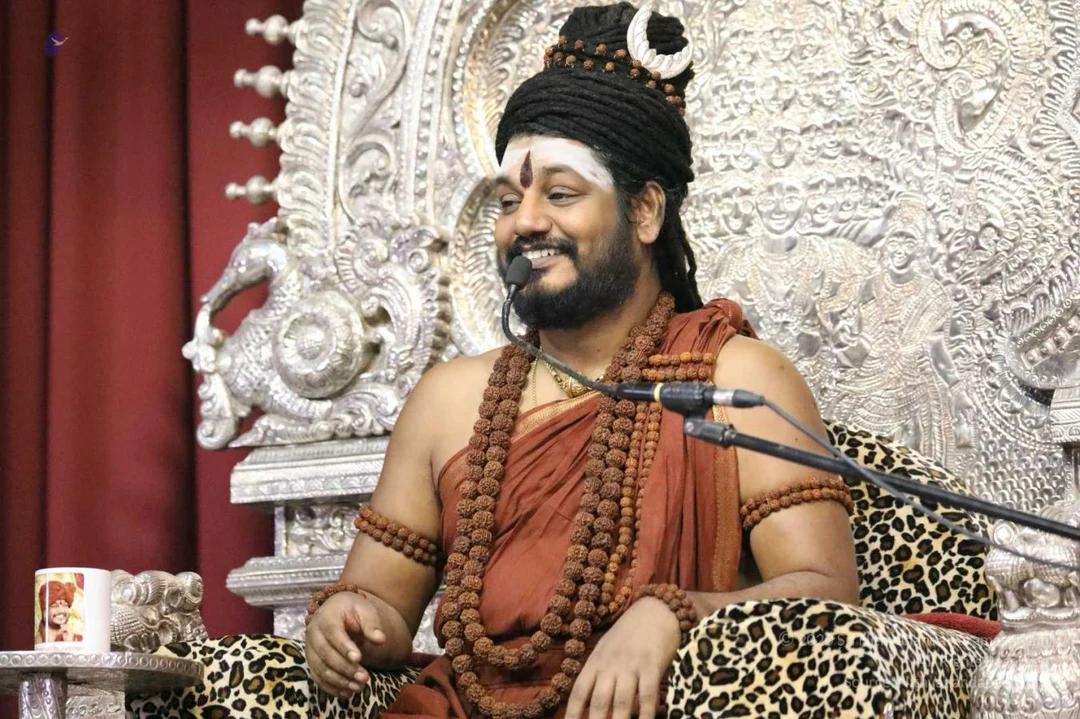
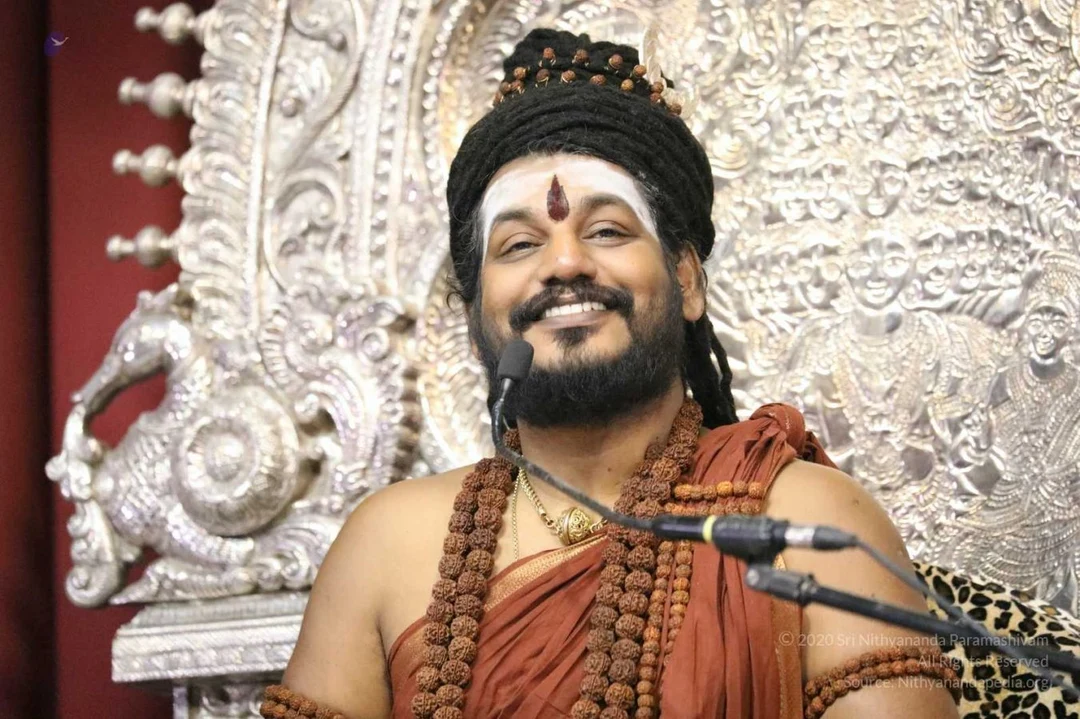
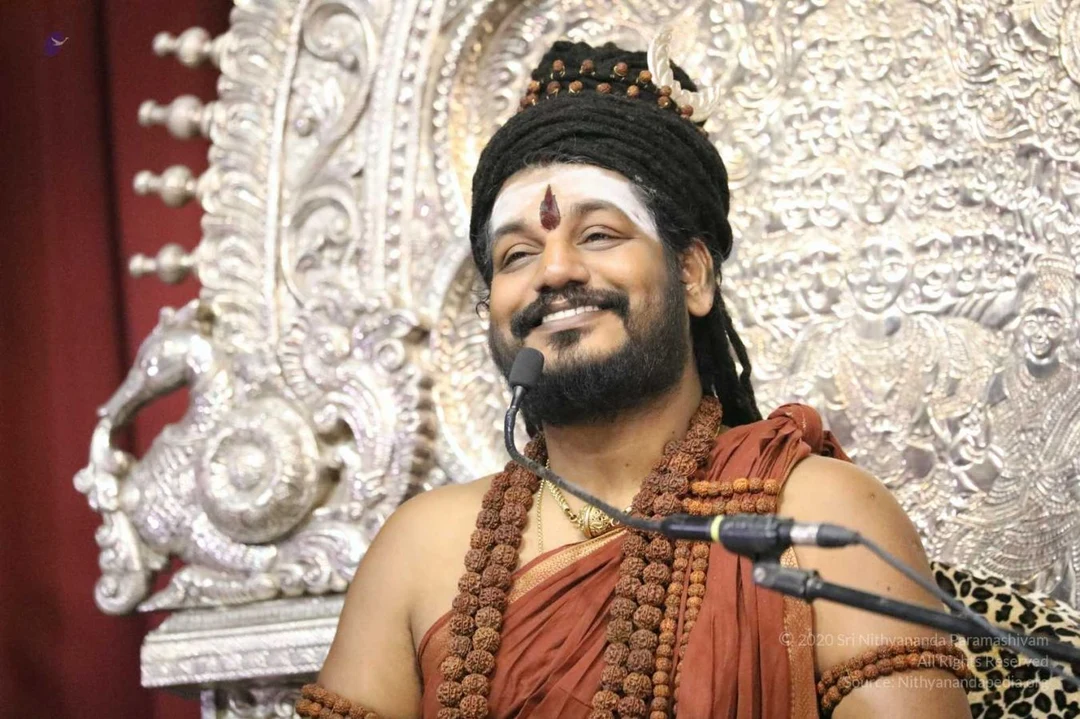
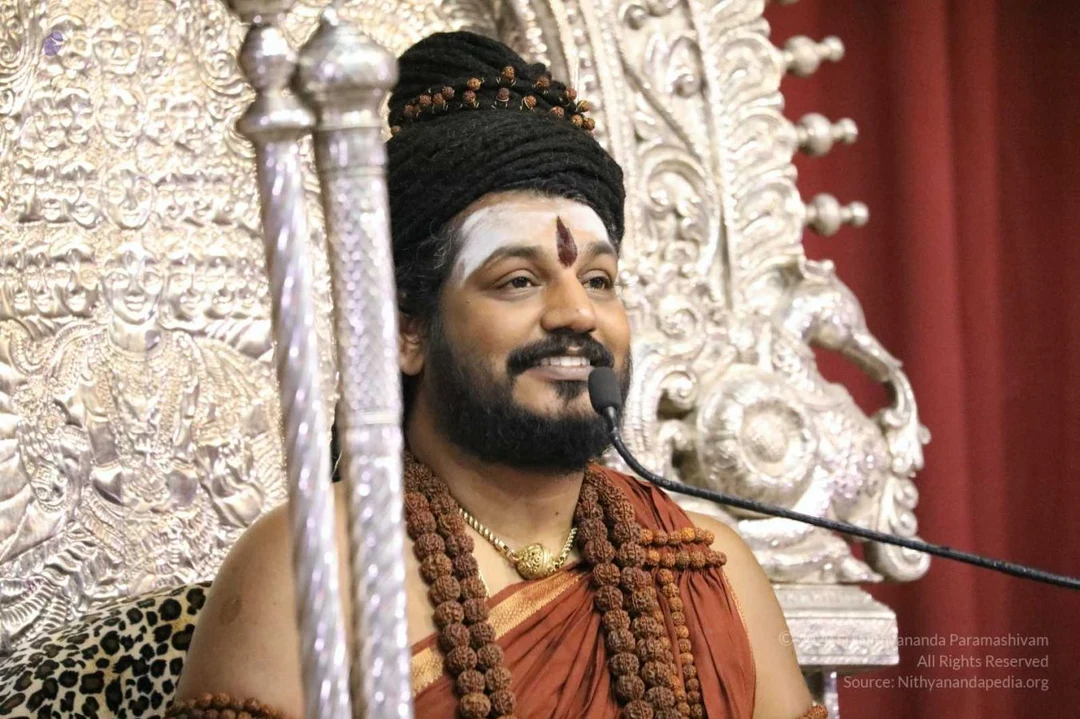
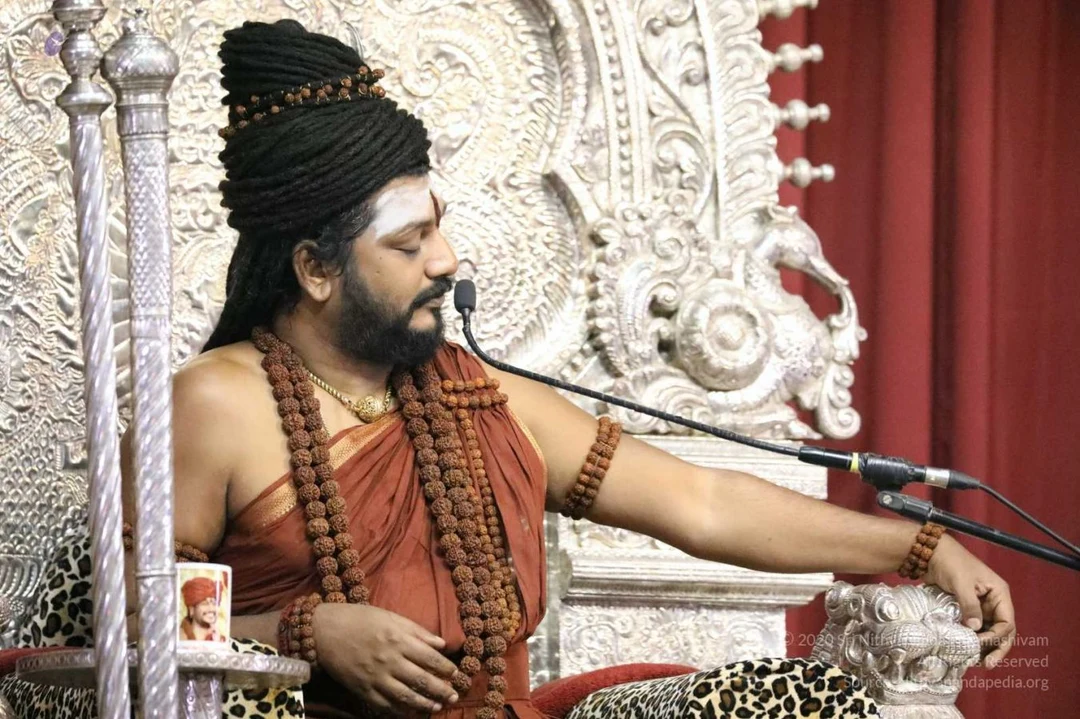
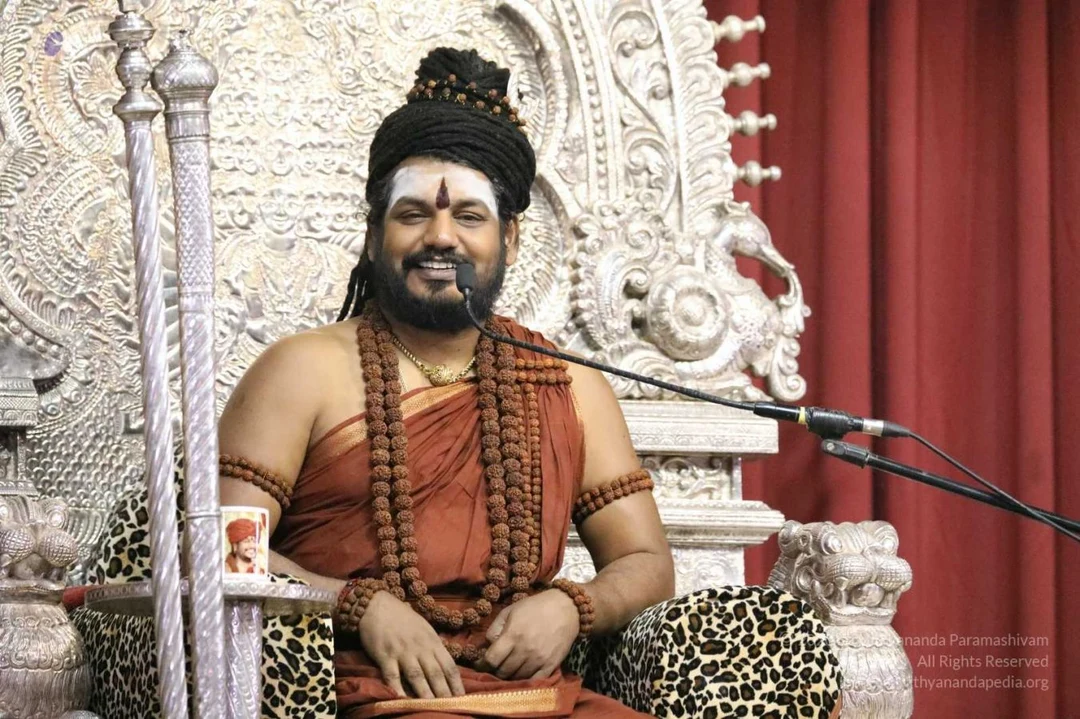
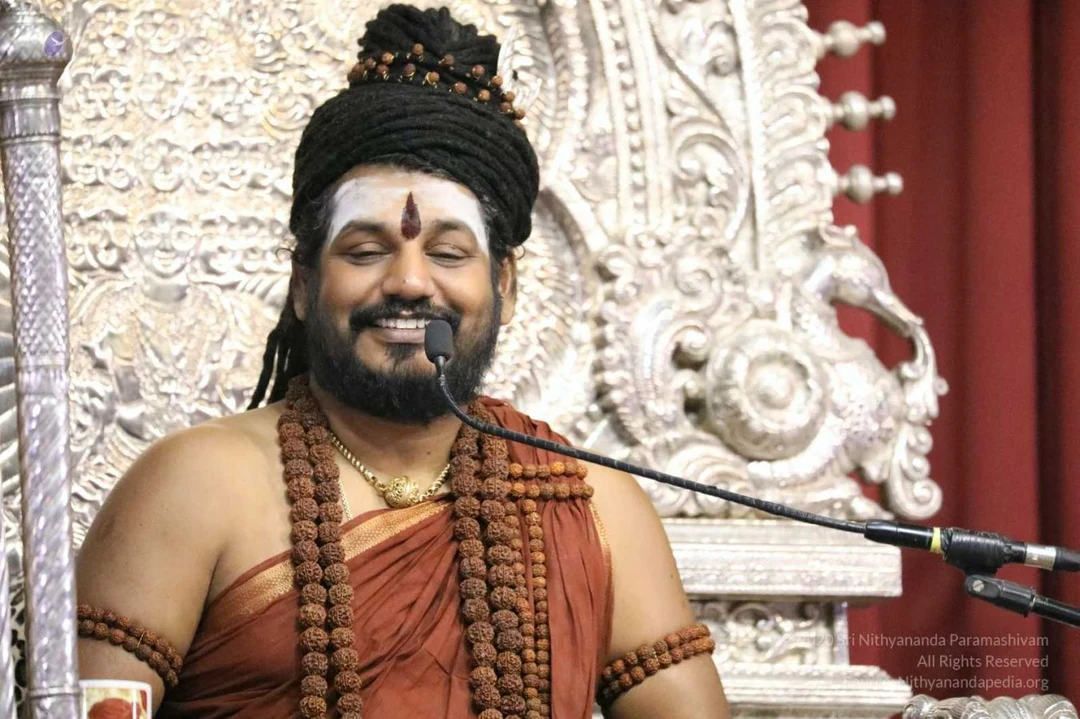
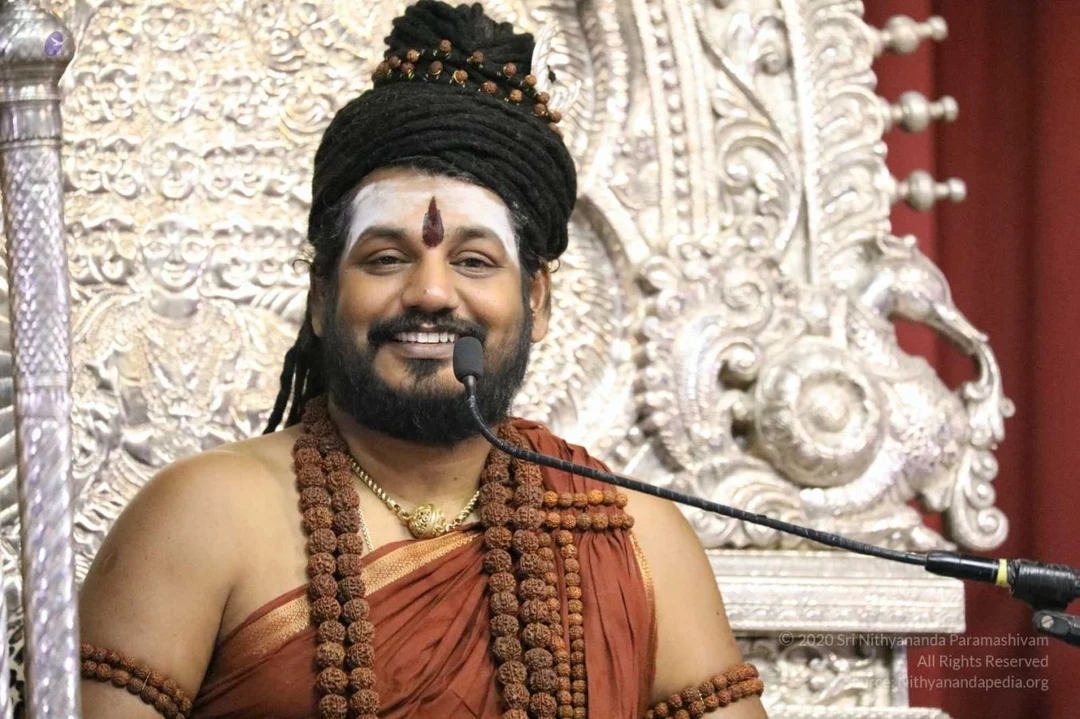
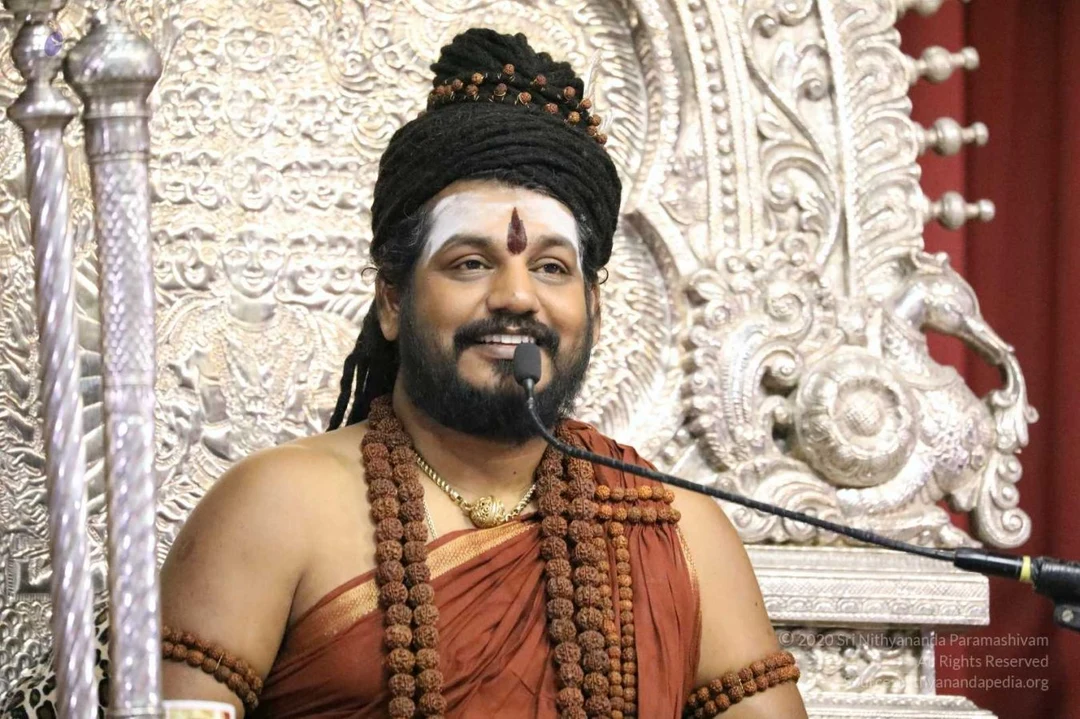
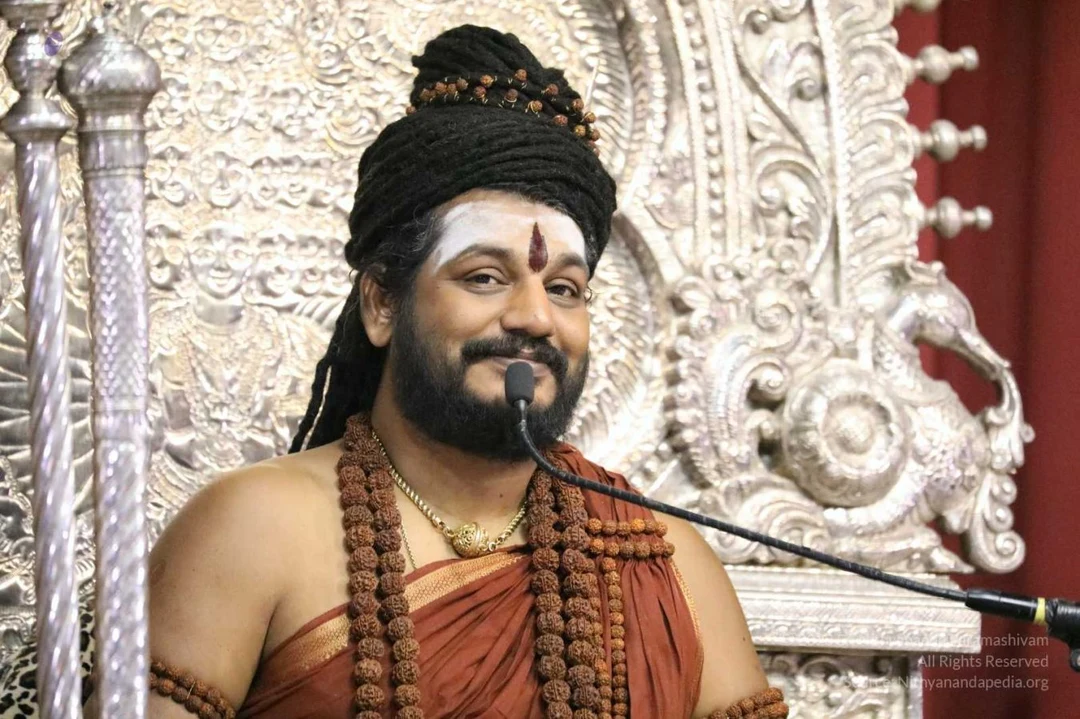
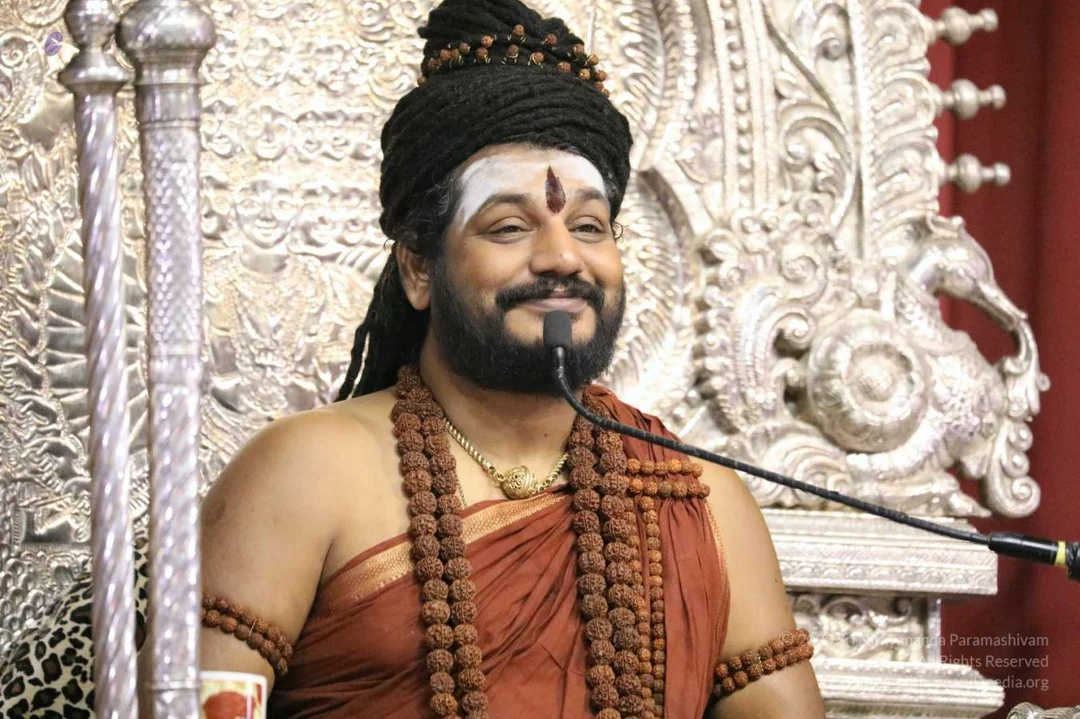
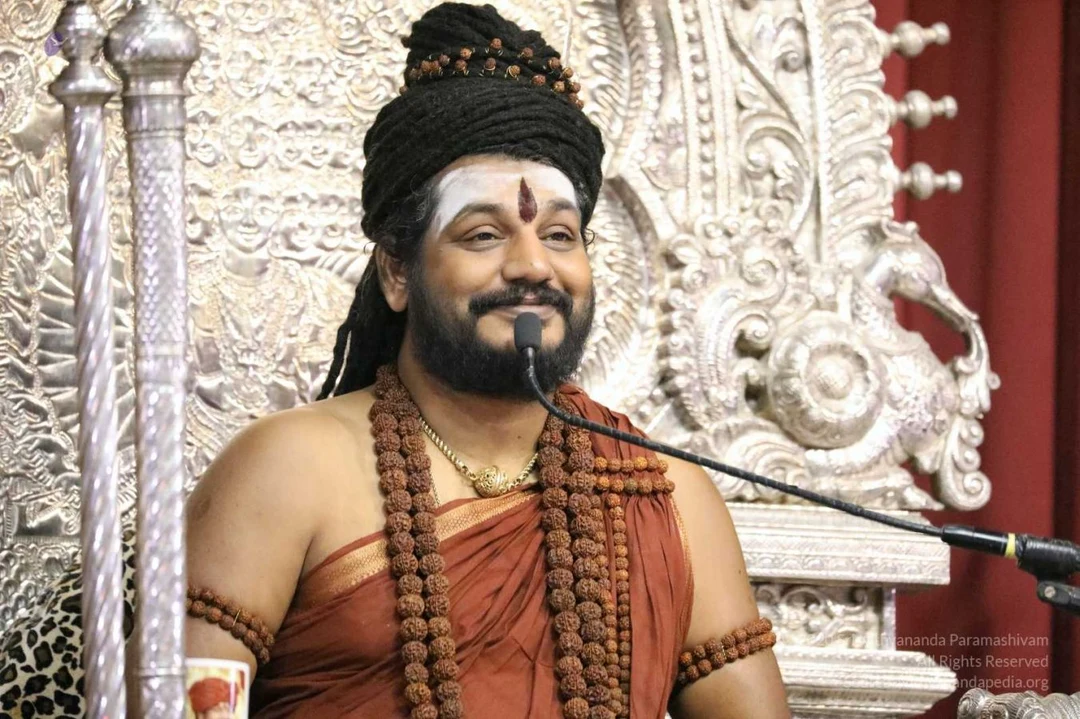
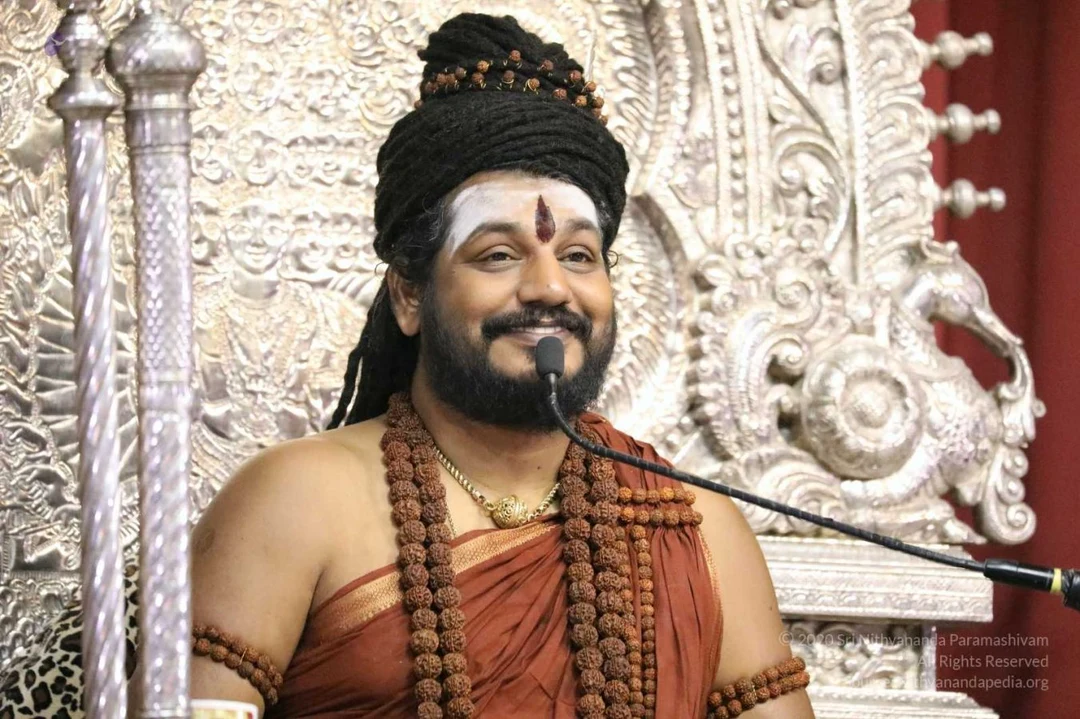
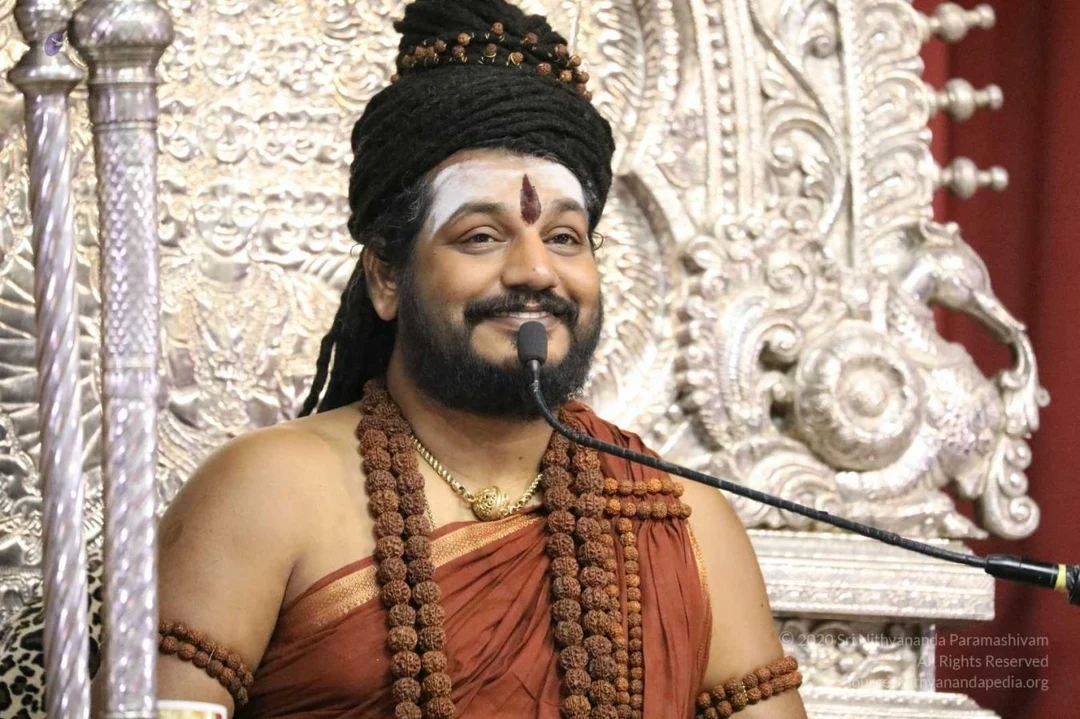
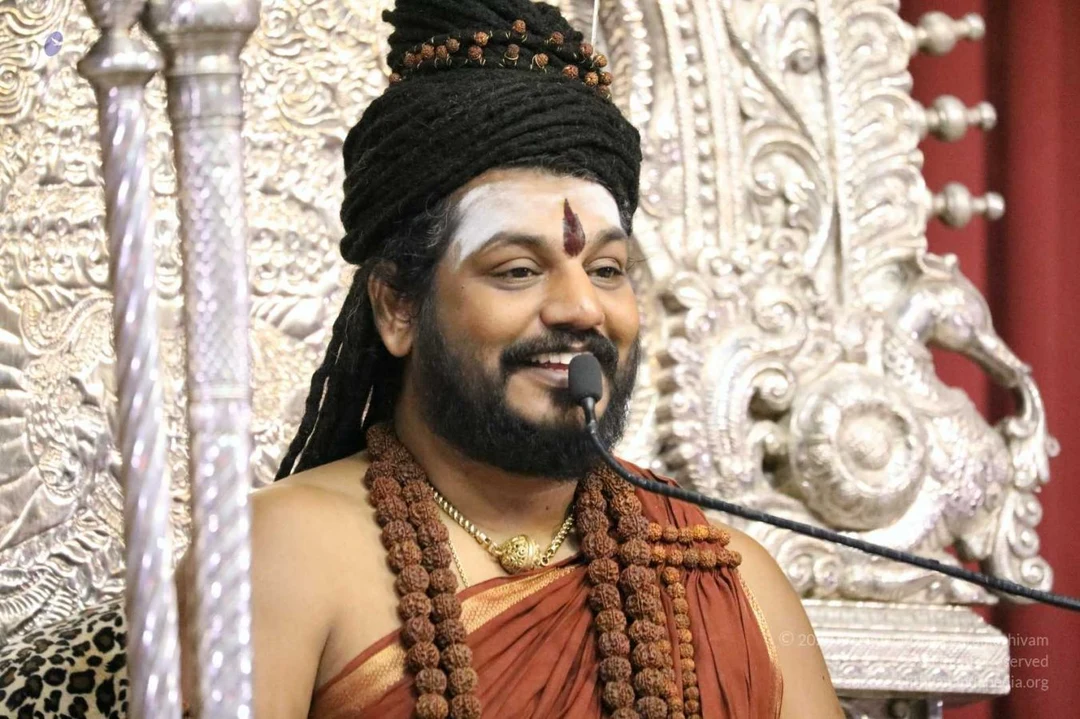
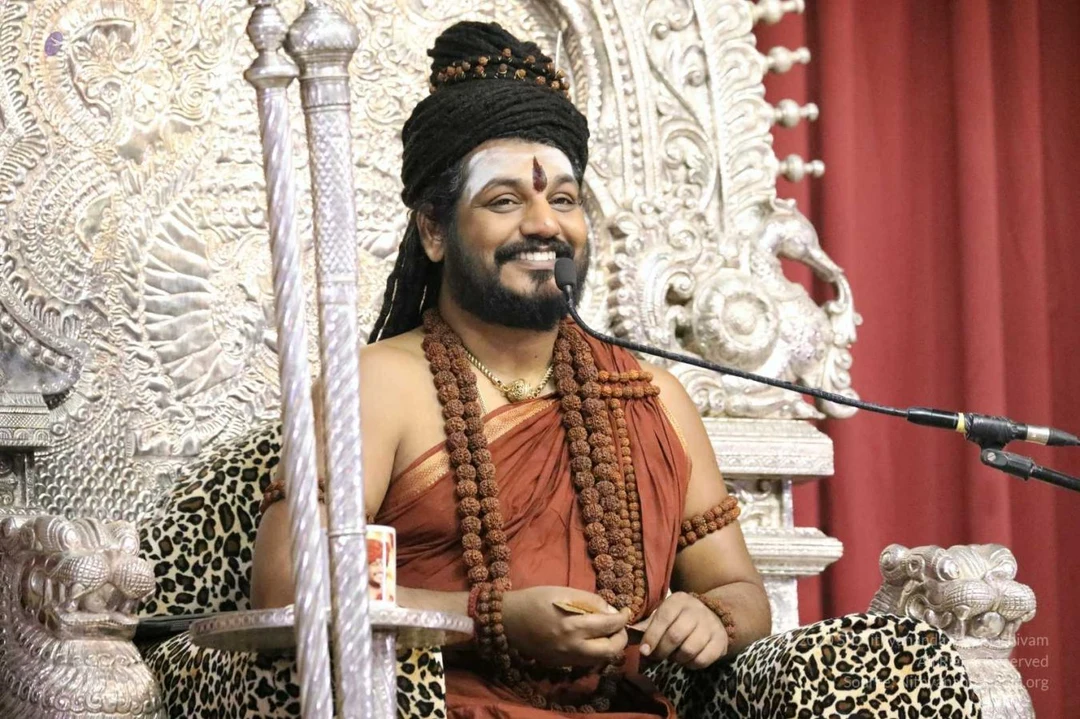
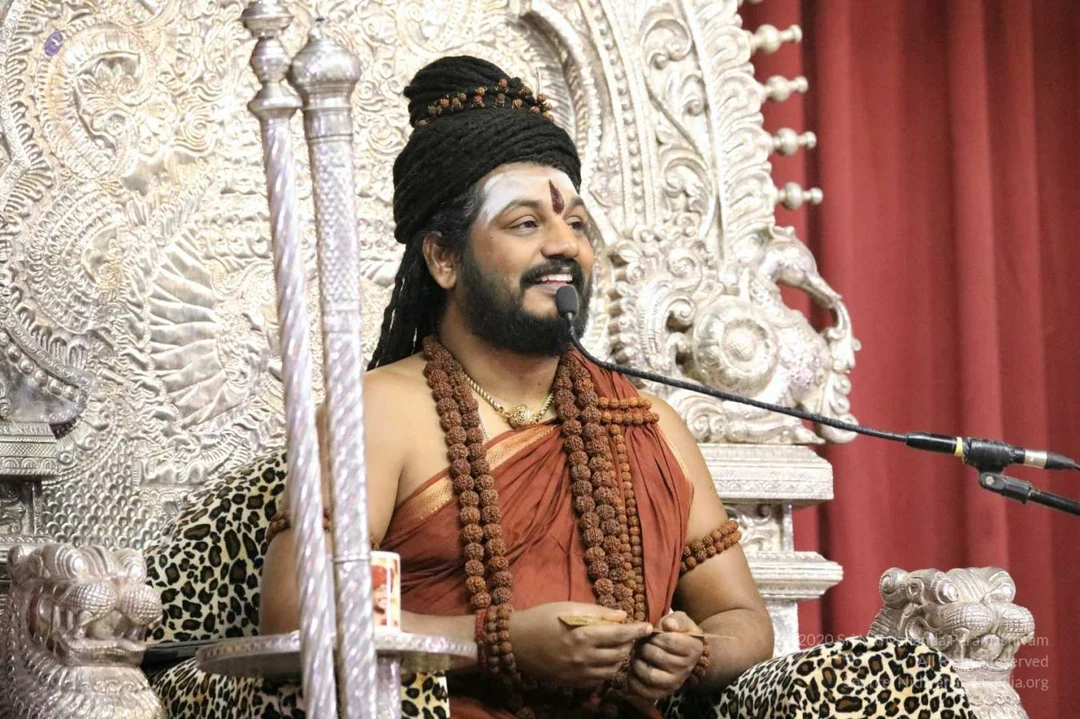
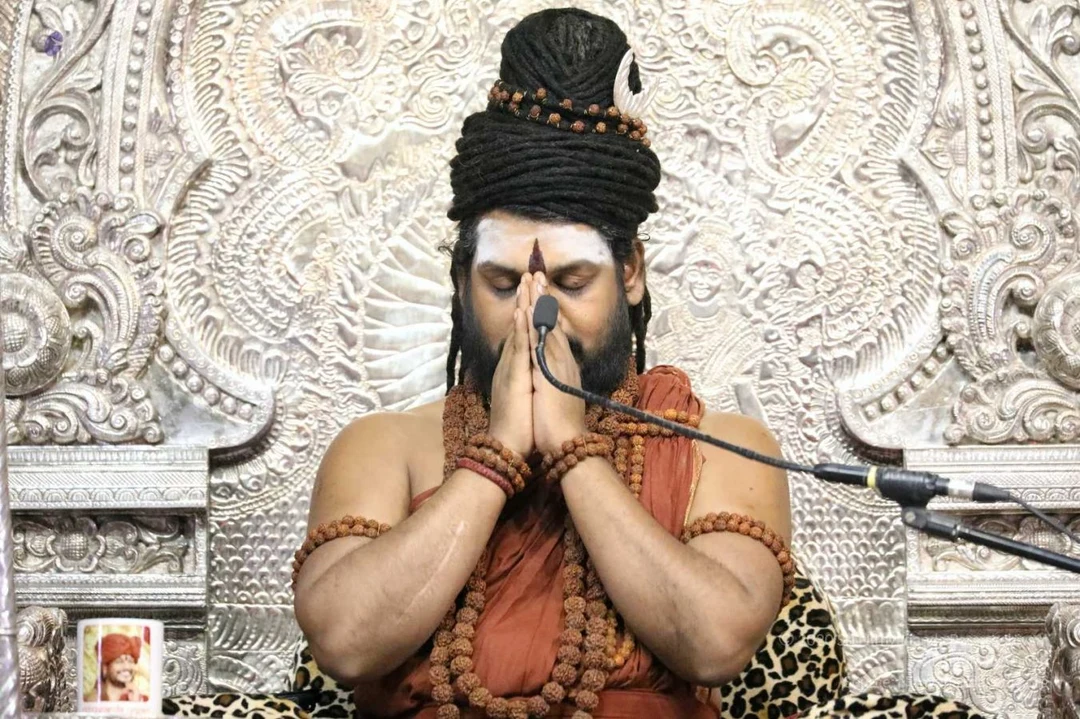
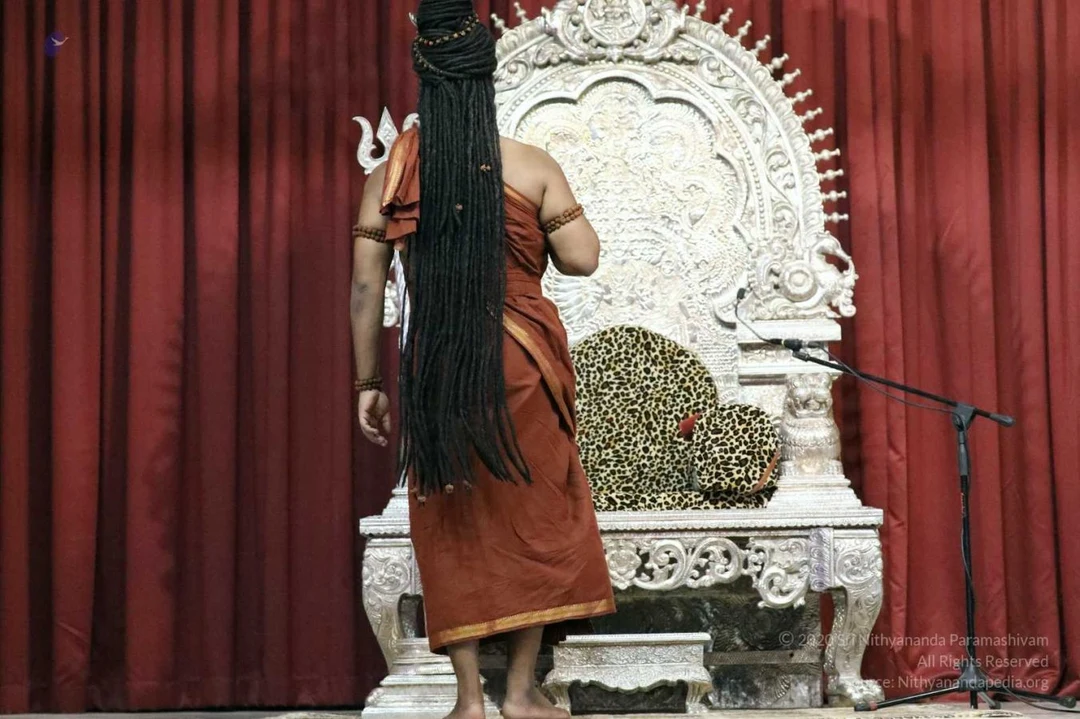
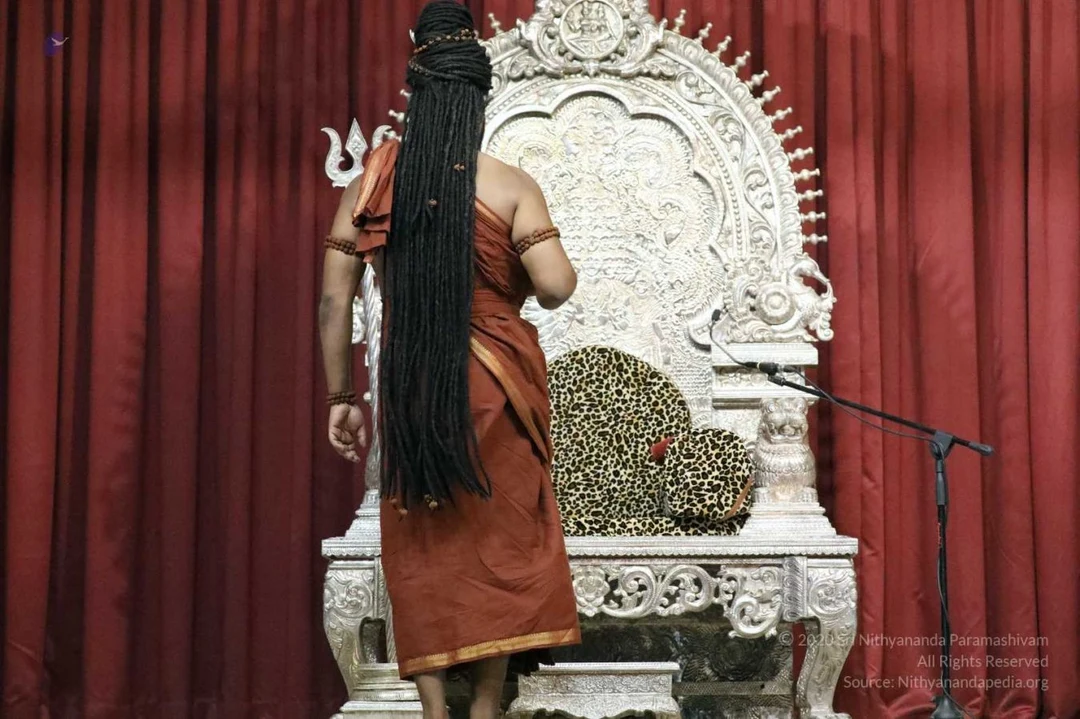
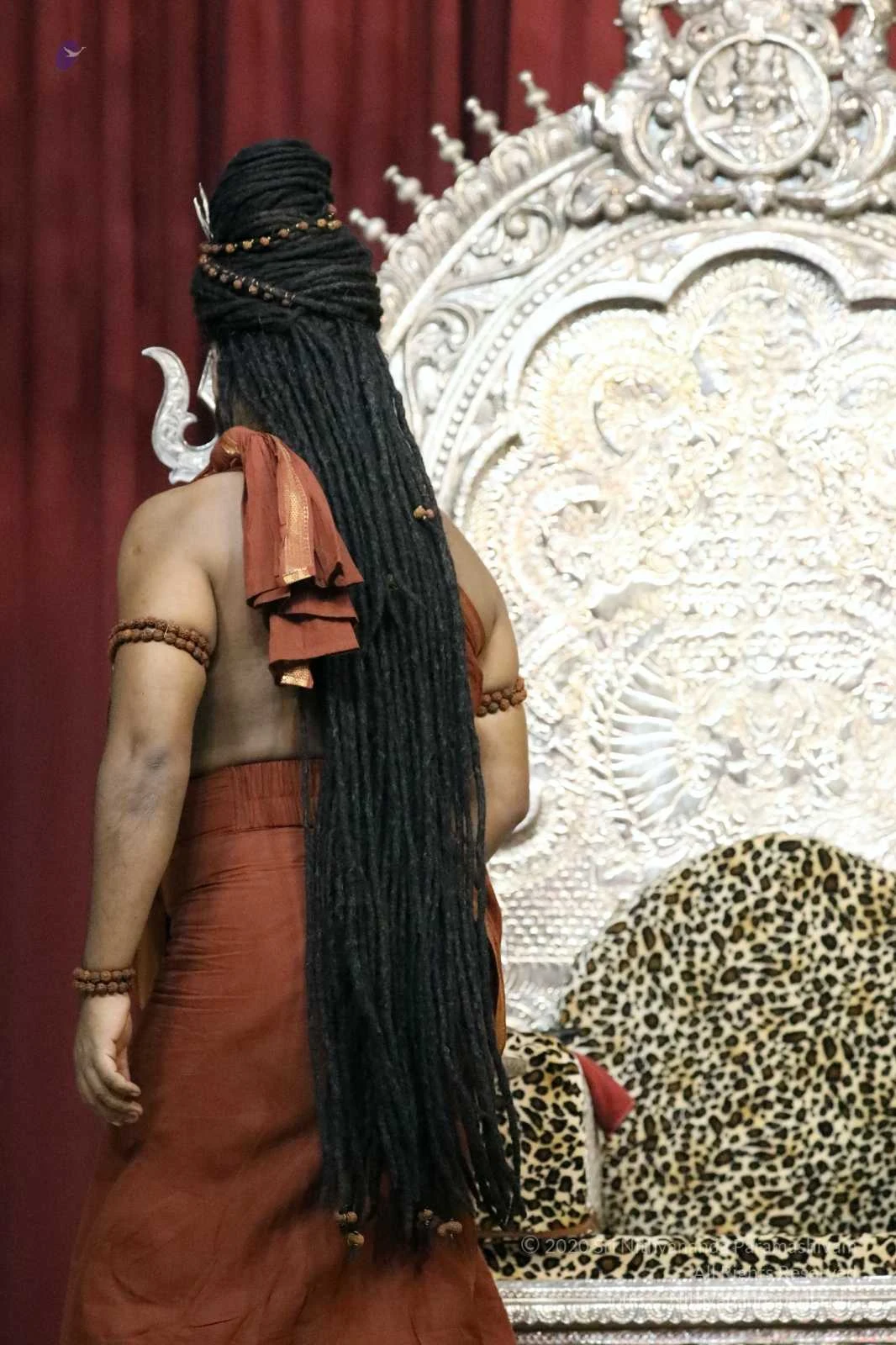
The Supreme Pontiff of Hinduism, Jagatguru Mahasannidhanam, His Divine Holiness, Bhagavan Nithyananda Paramashivam expounded on the Cosmic Principles of States of Consciousness, during the everyday live public talk - Nithyananda Satsang. In this talk entitled Mechanics of Sleeping & Waking States - Why You Feel Lethargic After Waking Up, His Divine Holiness (HDH) expounded on the Physics, Chemistry, Biology, and Mechanics of how we sleep and wake up in relation to our states of Consciousness. Furthermore, His Divine Holiness revealed why it’s important to do Sandhya Vandana to establish oneself in Turiyatita with Asanas and Pranayama. He announced the powerful Rajashekara Vinyasa Krama - 108 asanas with Sanskrit verses and encouraged listeners to share clicks on Facebook. The Supreme Pontiff of Hinduism concluded by announcing the making of a golden form of MahaSadāshiva and inviting all to carve their names in golden leaves which will be installed as forever part of the Deity.
| Video | Audio |
Transcript:
(0:06)
nithyānandeśvara mahsadāshiva samārambhām
nithyānandeśvari adīshakti madhyamām |
asmat āchārya paryantām vande guru paramparām ||
(0:40)
I welcome you all with My love and respects. I welcome all of you with My love and blessings - all the Disciples, Devotees, Satsangis, Samajis, Sri Mahants, Mahants, Thanedars, Yajaman, Sarvajnapeetha Yajamans, Kotharis, everyone. Everyone sitting with us through Nithyananda TV and 2-way Video Conferencing. I welcome all of you with My love and blessings.
(1:18)
I’ll continue to expand on this physics, chemistry and biology.
Listen carefully.
Somethings you need to understand about the state of consciousness, to understand the biology, chemistry and physics of the Cosmos. Every night when you fall asleep, it is not that all of you fall in the same deep sleep state or dream state. You are all cut to pieces like a mutton - chicken. One chunk goes to dream-waking, one chunk goes to waking-deep sleep, one chunk goes to dream-deep sleep, one chunk goes to sleep- dream, one chunk goes to sleep-sleep, one chunk goes to dream-dream. You are actually a….sorry but truth….you are a disgusting disaster, not bipolar - multipolar part-part. Your liver goes and settles into dream-deep sleep and kidney goes and falls into sleep-sleep and eyes are into dream-dream. Brain - coma sleep. No, you fall…..no please understand - you fall into different states, when you wake up, don’t think all the parts are retrieved. No! Liver still does not come out of it’s sleep, that is why it is sending the signals of lethargy into your system. Lethargy is nothing but your liver still not come to waking state.
(3:11)
Daydreaming is your brain still not cognized waking state. Understand. When you wake up, it is not that all your parts are integrated and comes to waking state or turiya state or turiyatita state. When you wake up, collecting your whole Being and establishing on turiyatita is what is Sandhya Vandana. That is what is precisely the science of Sandhya Vandana. Unfortunately, you…...even Brahmins have lost...the bond Brahmins have lost being practicing Brahmins. Forget about the other 3 Varanas. The Varana which was dedicated for this purpose itself has stopped doing. That’s the most unfortunate thing.
We have so many Brahmanas, who don’t know they are Brahmanas. We have lot of Brahmins, but they don’t know….
Many of them really, “What Sandhya Vandanam...what what? I know Sandhya, I know Vandana, Sandhya and Vandana together - which movie?” “No, I know Sandhya, I know Vandana, together they have done any movie? That movie I don’t know.” If you feel, “Whole day I am working, but end of the day, if I see, I don’t know what I have done!” Listen carefully. If you feel, “Whole day I am working,but end of the day, I don’t know what I have done! Neither I feel I have done something nor others feel I have contributed something. But day has passed.” It means you have this same sickness - multiple disastrous disgusting….we can create our own word…..homo, somo, coma, aama, bama, boma - memia. Because there is no name for it.
(5:37)
Listen. Parts of your body - biology, parts of the chemistry and parts of your physics - happening, still not out of your deep-sleep or dream state or sleep-dream or sleep- dream-sleep, that lower states, when still part of you are stuck in sleep-sleep, sleep- dream, dream-sleep, sleep-wake, wake-sleep, wake-dream, in those lower states you feel, “The whole day I am working, but end of the day, neither I am feeling I have done something nor others are feeling I have contributed something. What is wrong?” Everything is wrong!
Still you have not woken up!! Fundamental problem is - you are out bed does not mean you are awake. You are just…… If you get a chair, with a back support…… and able to get a secret place in dorm somewhere, where nobody will come and knock the door or where nobody will ask you to get up…… and now with this new gadget also, 24 hour Facebook is available…. Actually now, we’ll have to add….it is not 24 hour….25 states anymore - Facebook state! That’s one more state. It has to become now 26. Understand. At least, full 2 cycle, means 42 minutes, if you are breathing long and keeping your body active through some yoga or jogging, only then actually you wake up. That is why Pranayama. Pranayama is to wake up, nothing else!
(8:08)
Either you do the long breathing for that 42 minutes through various pranayama technique or you do this 108 Asanas, what we have given newly as Rajashekara Vinayasa Krama, the 108 Asanas with the versus. Only then all the parts bits and pieces which you threw in the night, liver in the deep sleep, kidney in the chutney and heart in dream state, brain in dream-dream state, eyes are in dream-sleep state wherever you have dropped, you have dumped, all of them need to be collected. You need to wake up. You need to wake up, only then I can train you. I cannot help you if you are sleeping. See, Kavi is alive alive….is the space where you feel like power manifestation. So you can make that Kavi into power manifestation, instead of alive alive - power manifestation. You feel like you are….you’ll manifest powers and you’ll start manifesting. Please listen. I don’t want to know what mood you are in. Let me be very clear. Only what clicks you are getting, put it in the Facebook, I’ll see. I don’t want to see your depressed mood. So whatever clicks you are getting, that you can upload it in the Facebook and I have one more announcement.
(9:55)
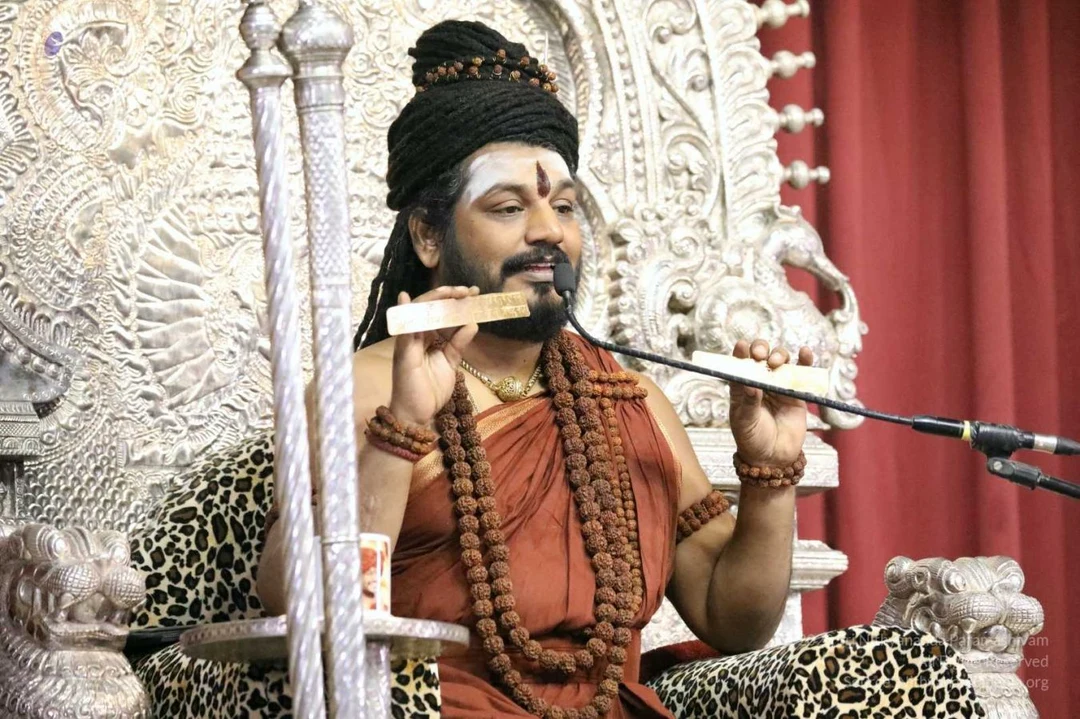
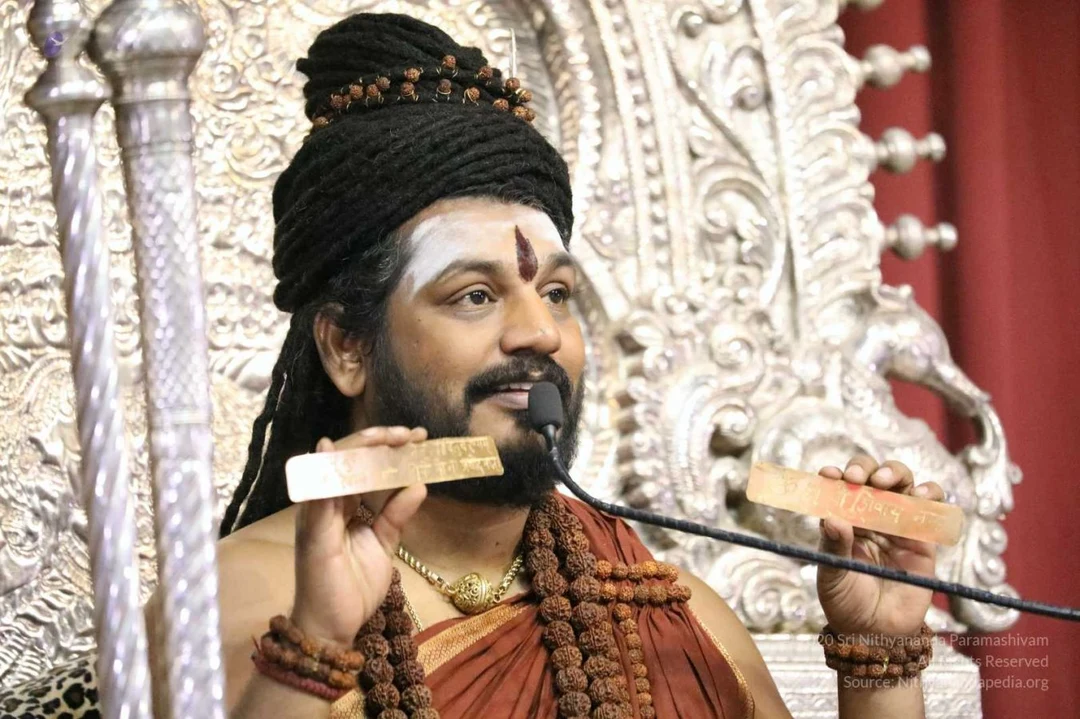
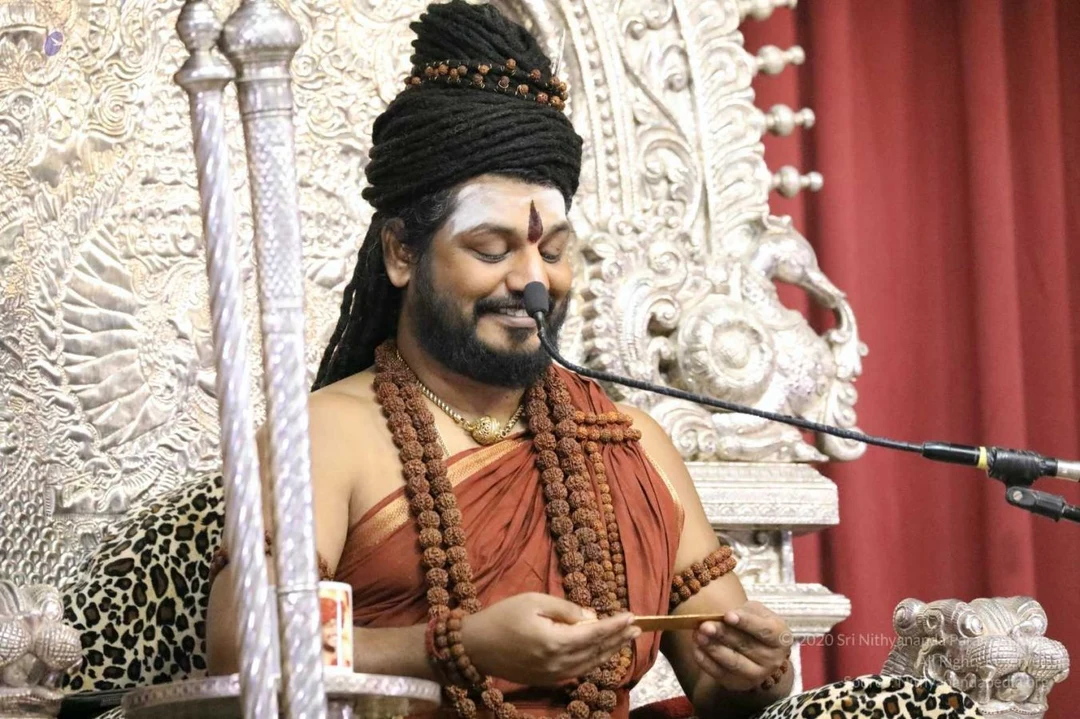
The main deity which is going to be installed in Golden Temple of MahaSadāshiva in Kailasa, Adi Kailasa, in Bengaluru Aadheenam, in Garbha Mandir….you see, we have the Swayambhu Linga, that’s going to be the main deity, just behind the Swayambhu Linga, the form of MahaSadāshiva is going to be installed, made in pure gold. Agama….agama describes as MahaSadāshiva sitting on the throne made of Mantras - Mantra Maya, embodiment of all the powerful sacred sounds. So this leaf which you are seeing in My hand is made of pure gold, in which the mantras are getting written. Like this various mantras are going to be written on gold leaf and it will be inside the deity, which will become part of the deity, means going to be receiving worship forever till the sun and the moon is there. I am opening, I am opening the great possibility that your name can ever be part of the Murthi. Anybody wants, you can make your name in golden leaf, carve your name in that and offer it, it will be put in the deity. Understand, because the deity is going to be completely made out of gold, pure gold. Only condition, the leaf has to be pure gold. If it is not pure gold, than we will not be adding it with the deity, so anybody….it can be few gram or few kg bar, it is all up to you. You can make leaves like this and make your….carve your name on that and offer it, it will be there inside the deity forever. So from today, we are collecting, maybe you have only 30 days more, because within 30 days, we are going to be doing the molding work. Now the wax model is going on in the temple. Within 30 days anybody sends, your name carved in gold, it can be few gram leaf or few kg bar, it is up to you. It will be added into the deity. It will be there forever, you will be worshipped, remembered as part of MahaSadāshiva.
(13:33)
I bless you all, let’s all radiate with Integrity, Authenticity, Responsibility, Enriching, Causing, Living Shuddhadvaita Saivam, MahaSadāshivoham, the Eternal Bliss - Nithyananda.
Thank you.
Be Blissful.
(13:55)
No of temples participated around the world
16 temples from around the world participated
Title
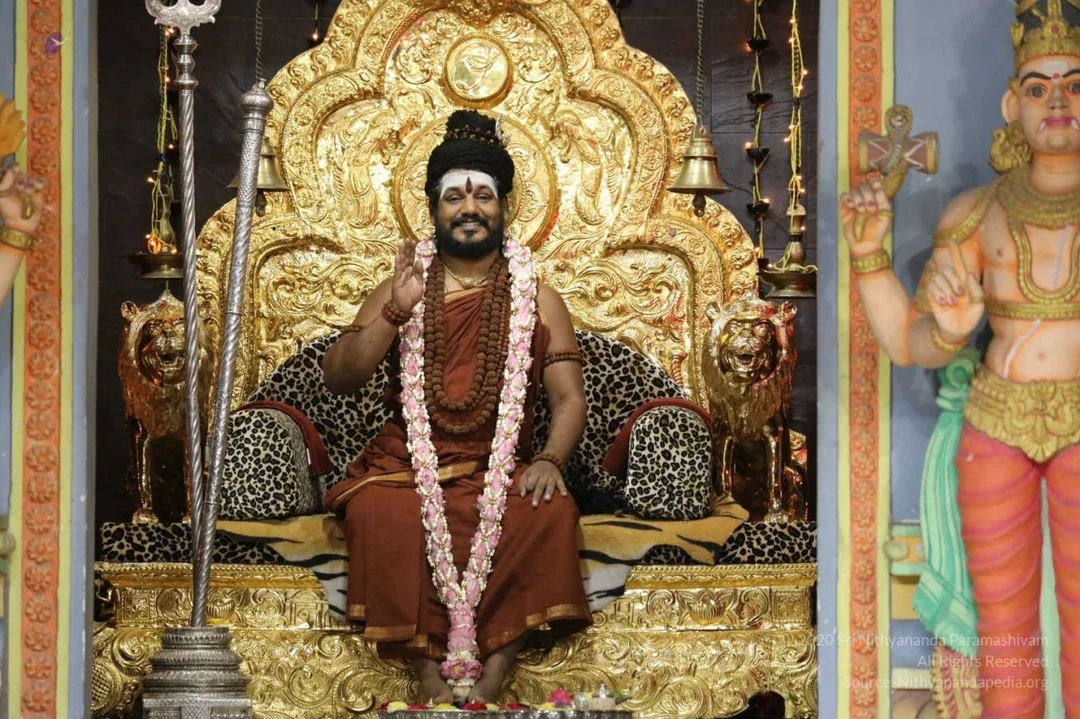
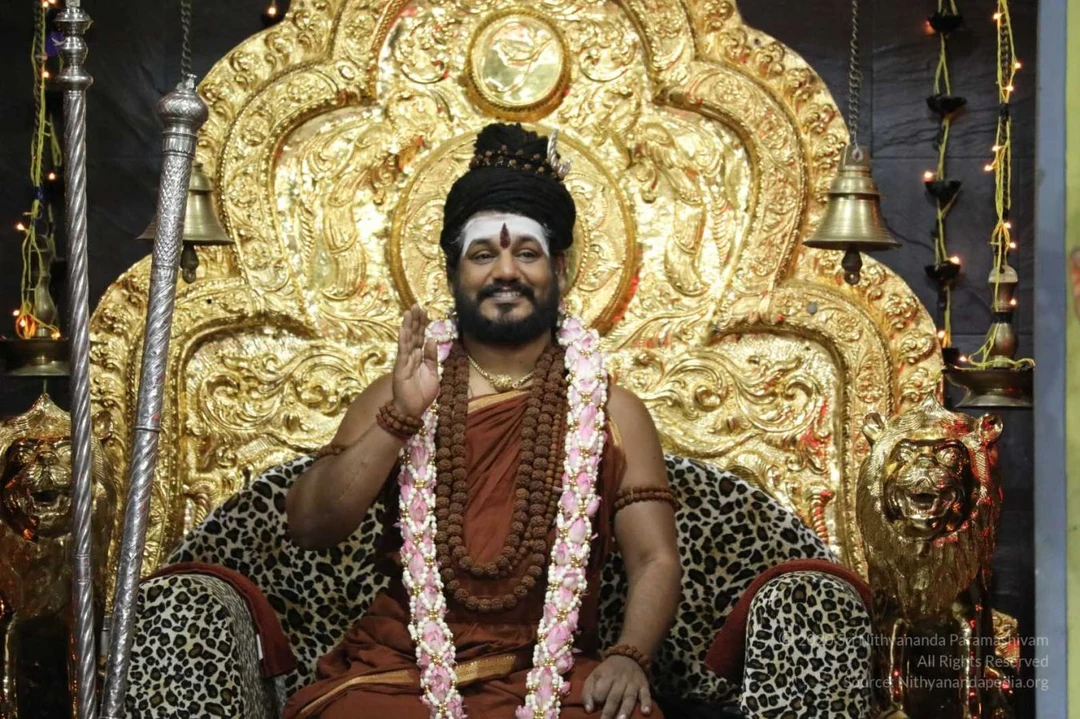
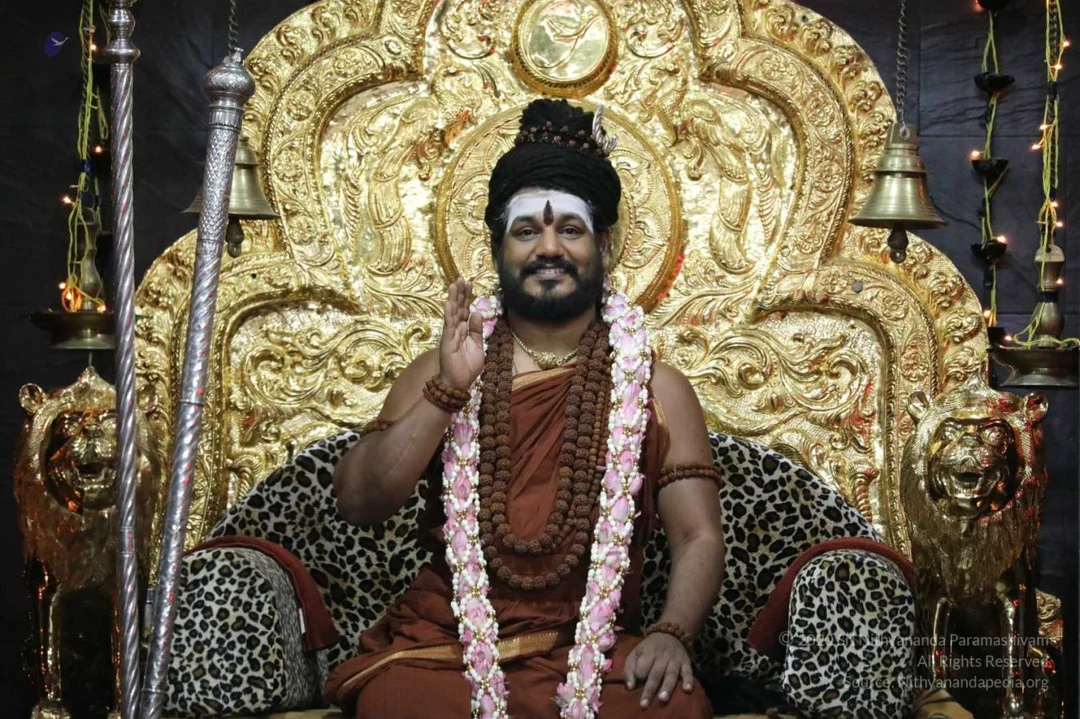
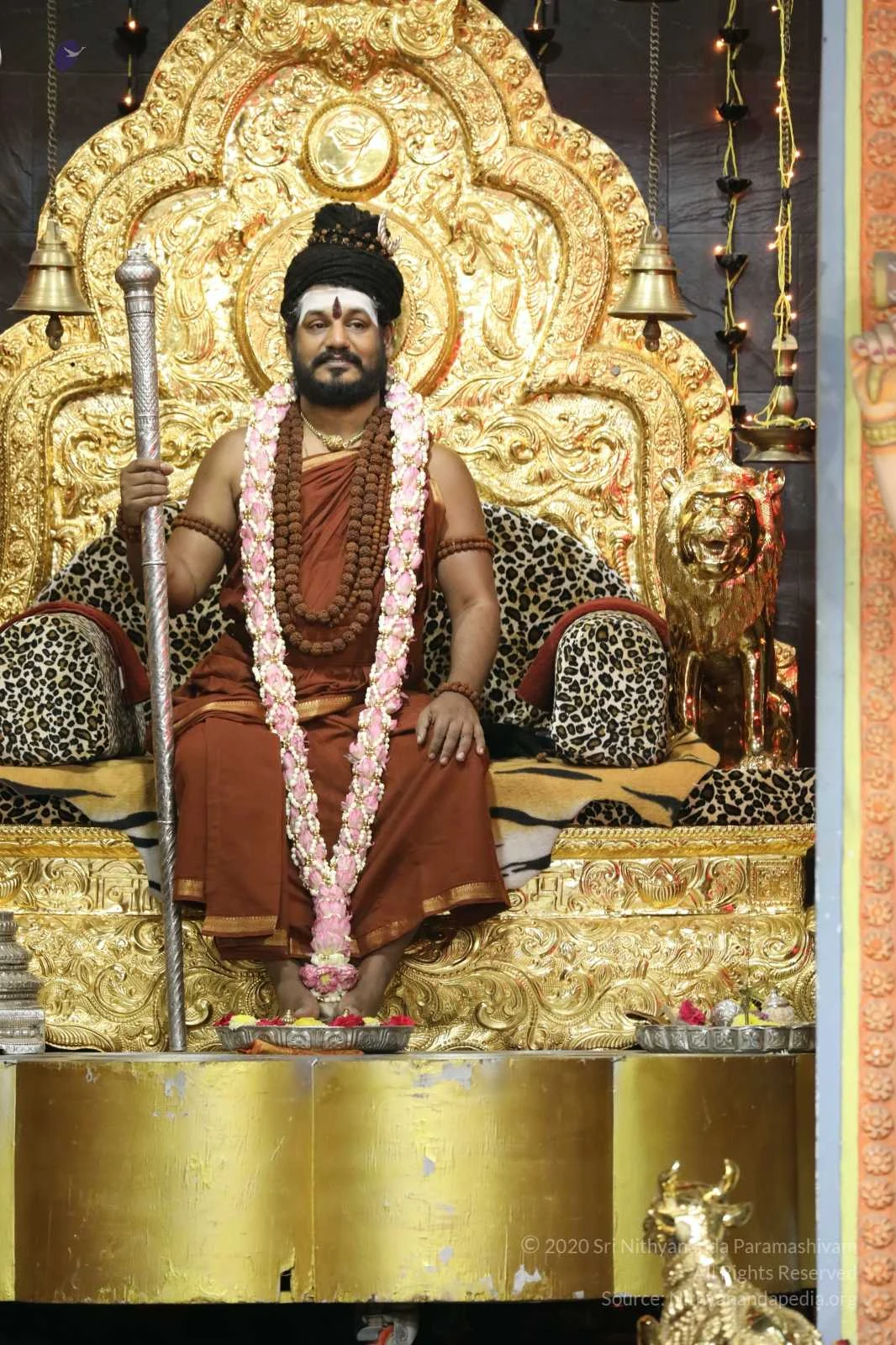
Connecting to The Divine through Pratykasha Pada Puja || 06 March 2018
Description
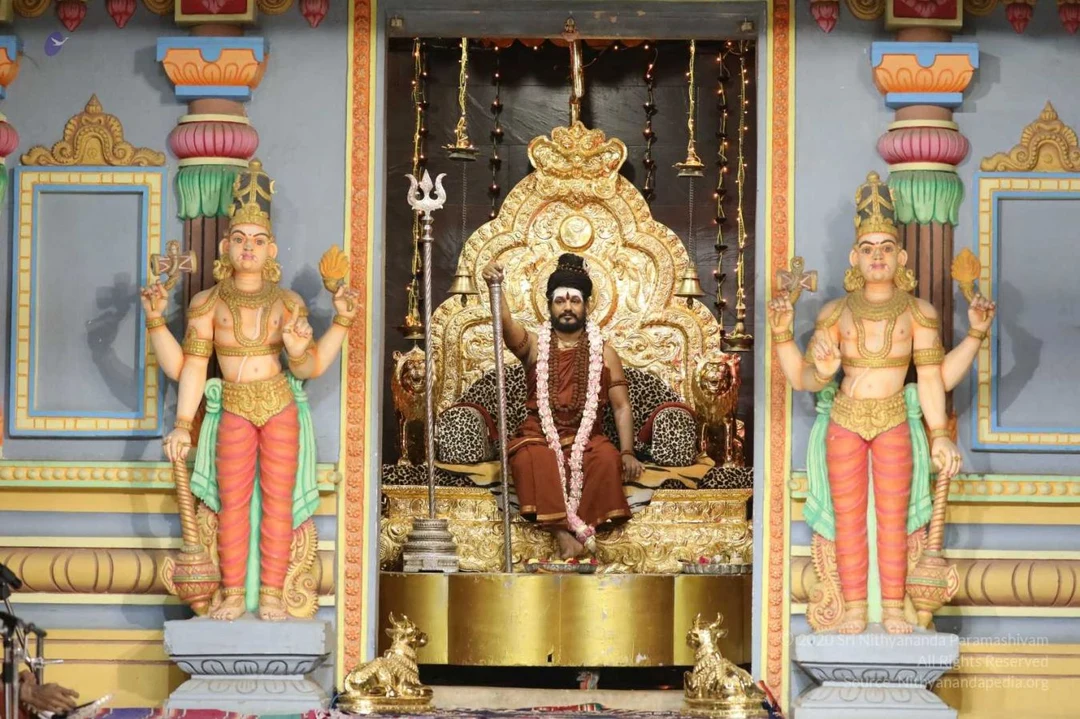
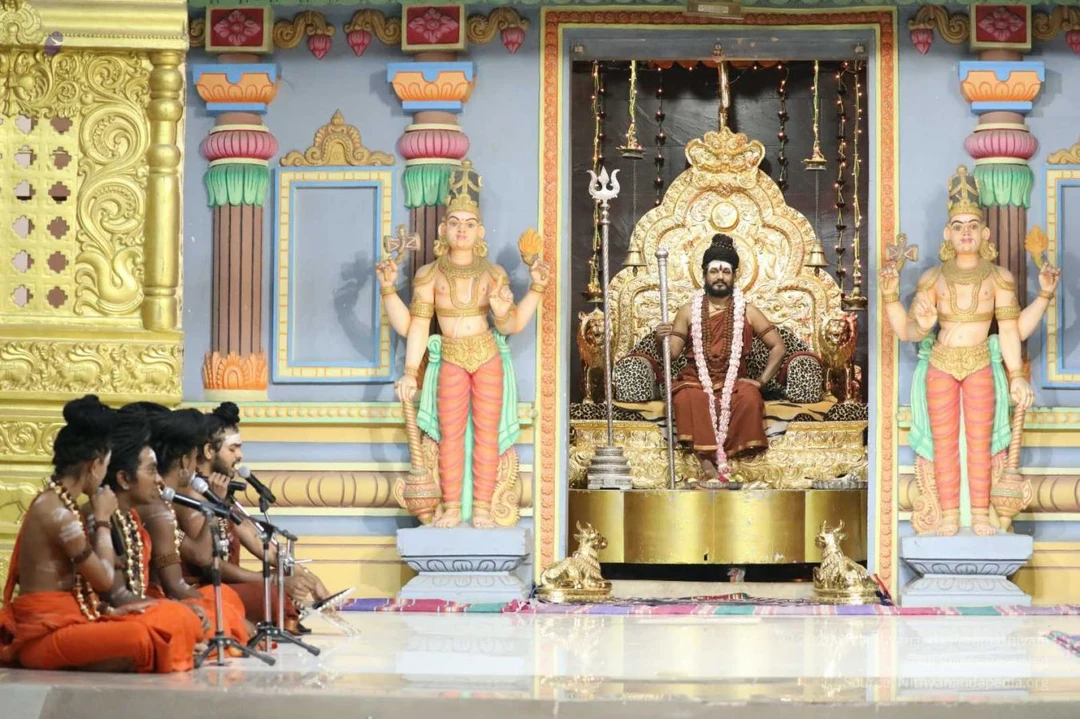
Name of Convention: Private event Title: Connecting to The Divine through Pratykasha Pada Puja || Date: 06 March 2018 Venue: Adi Kailasa, Bengaluru, Karnataka, India
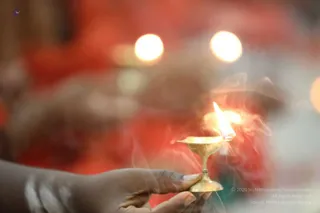
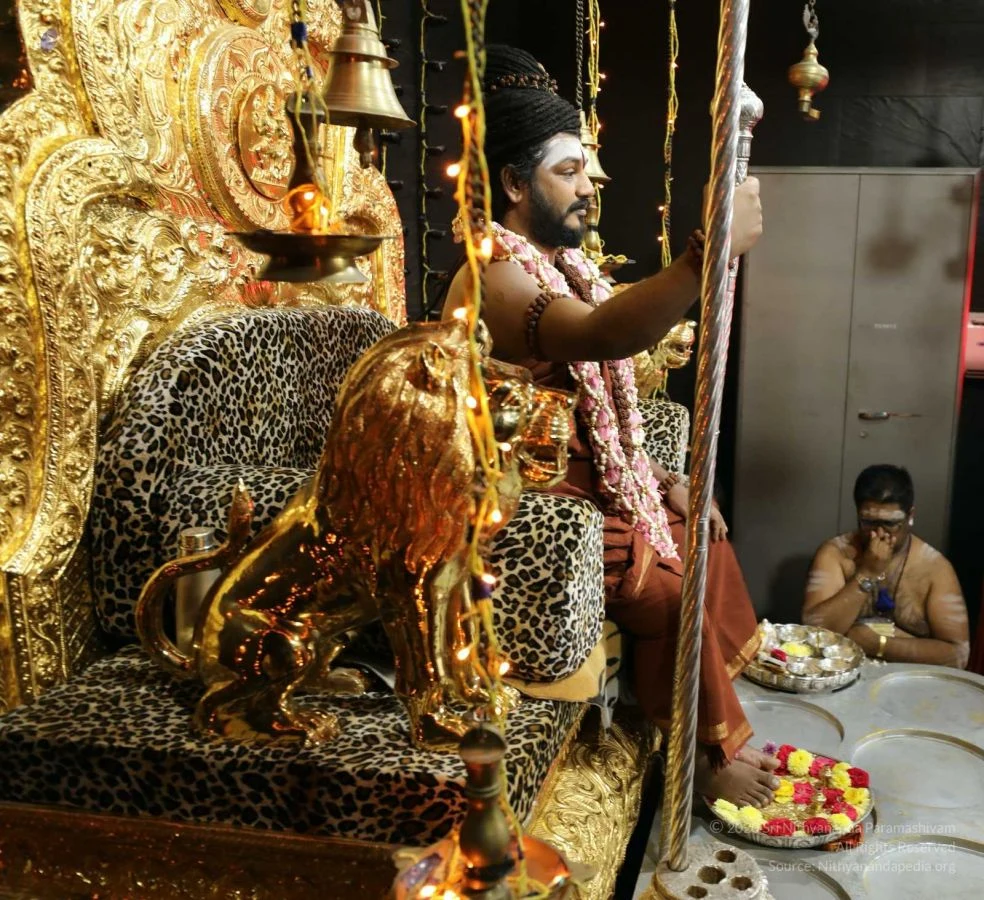
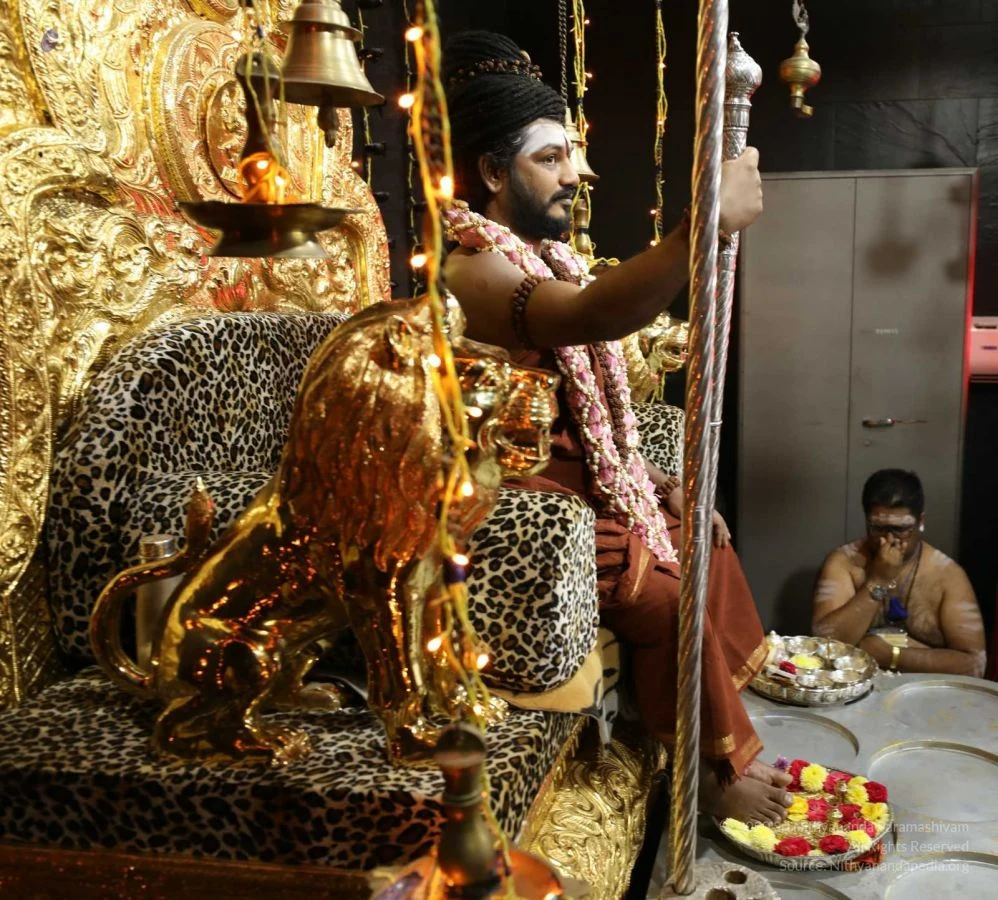
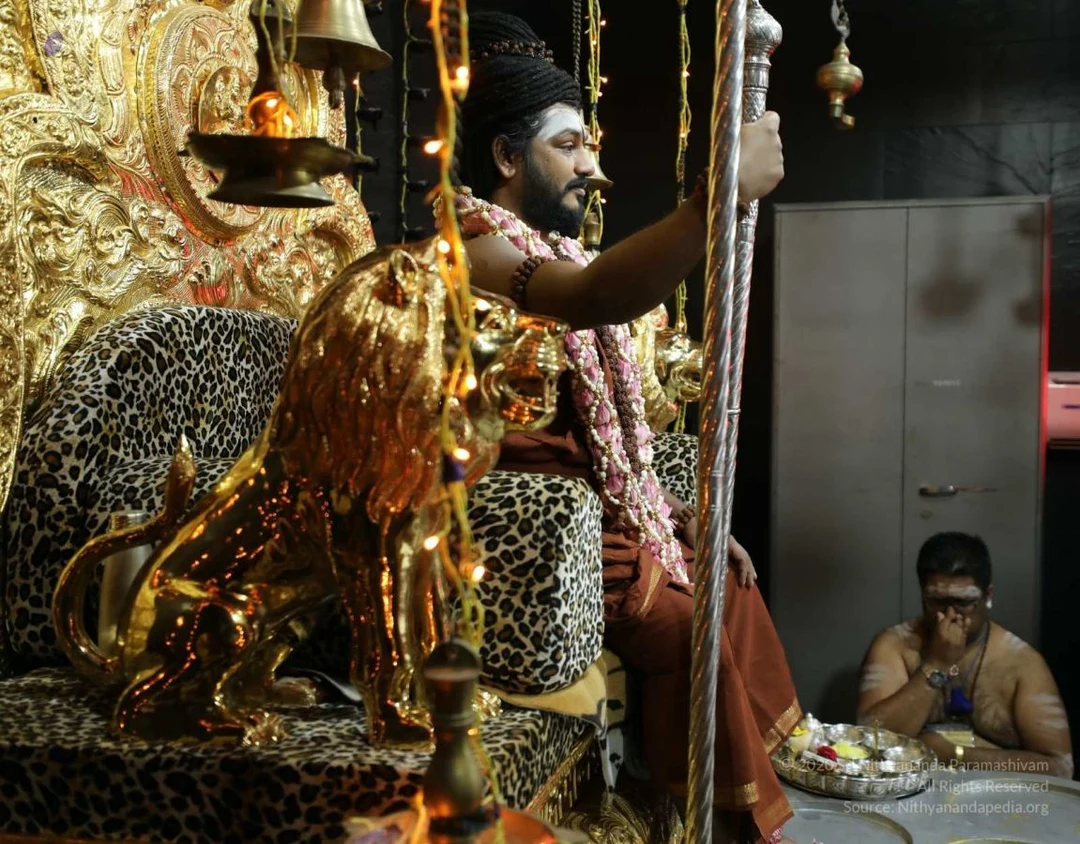
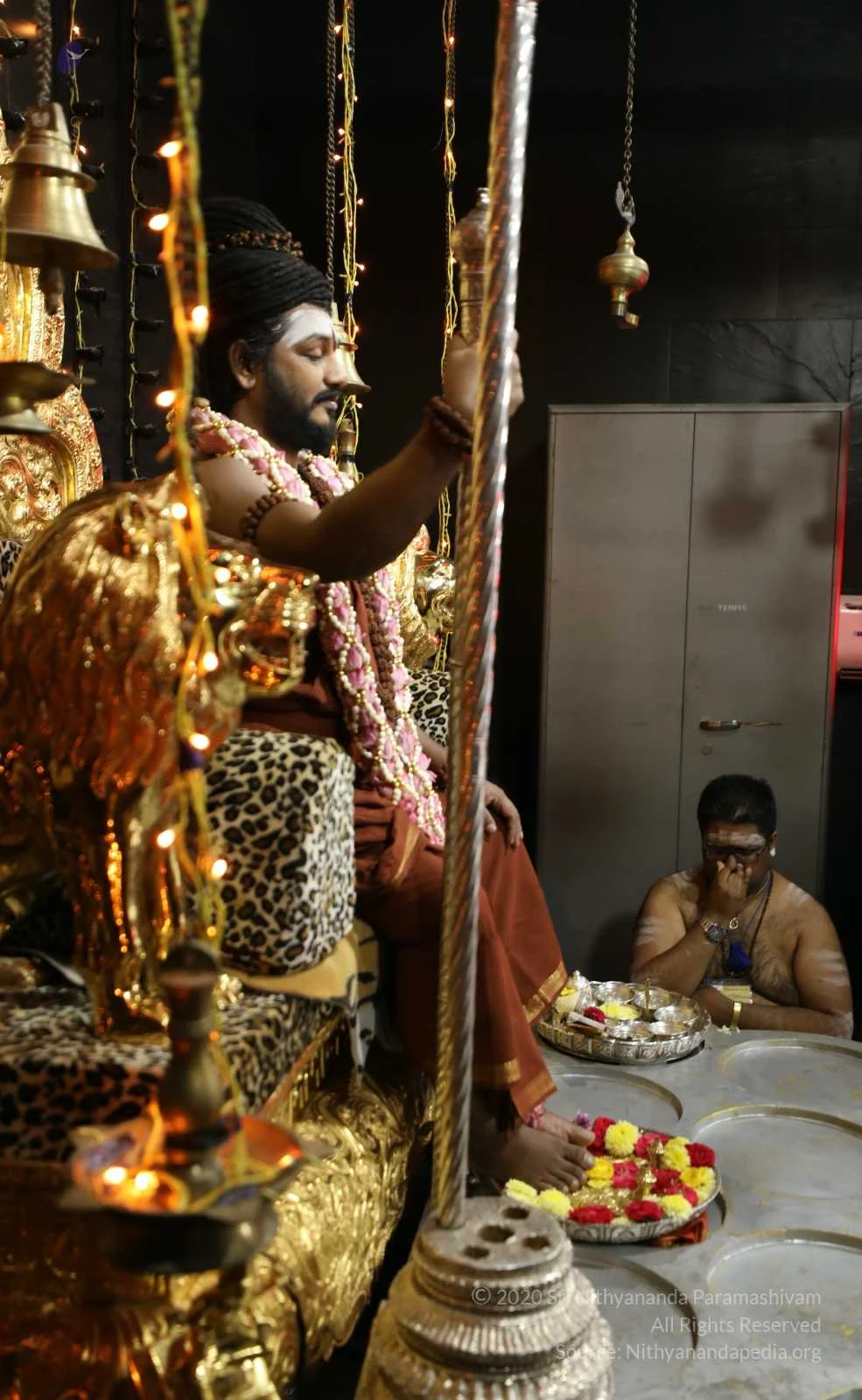
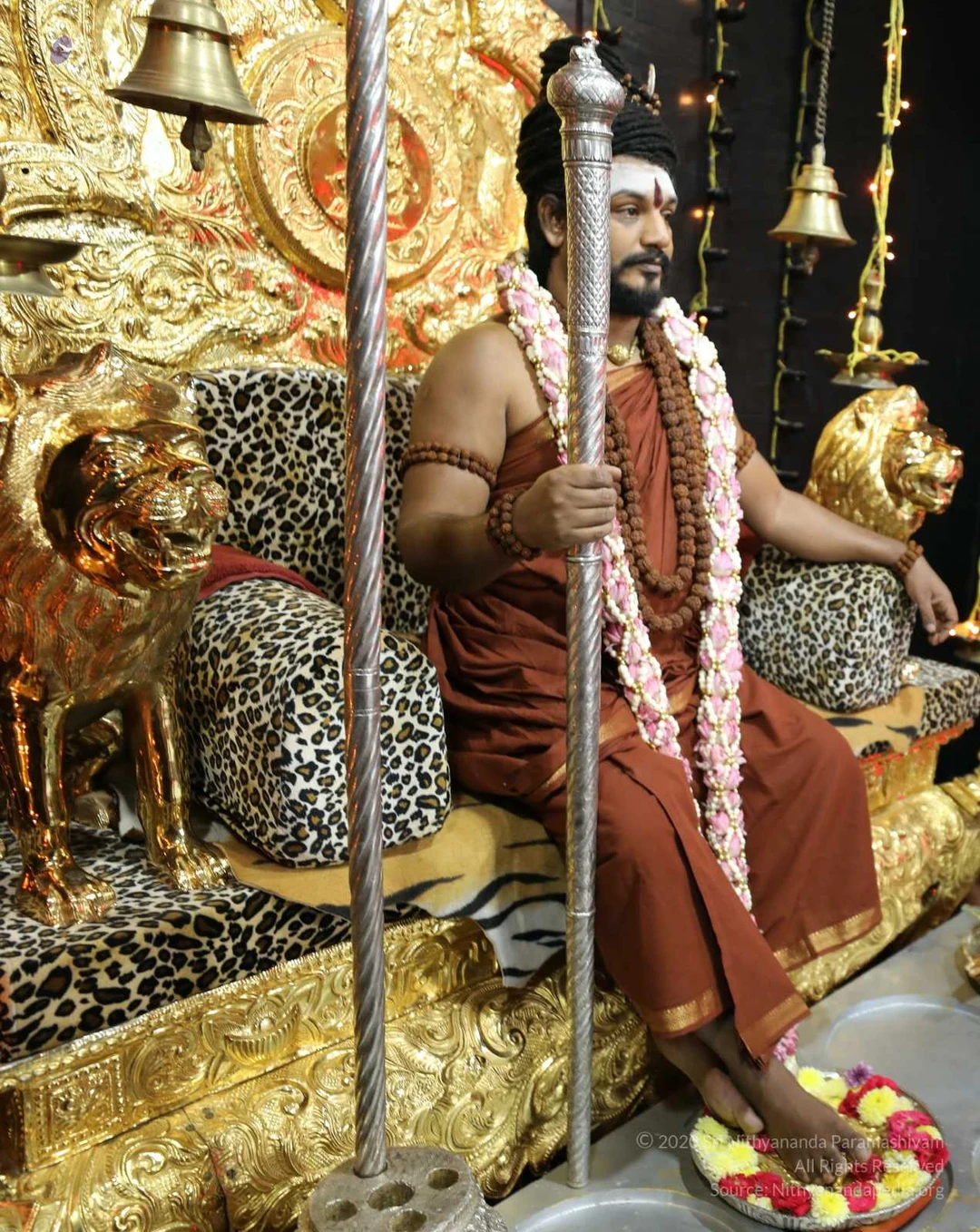
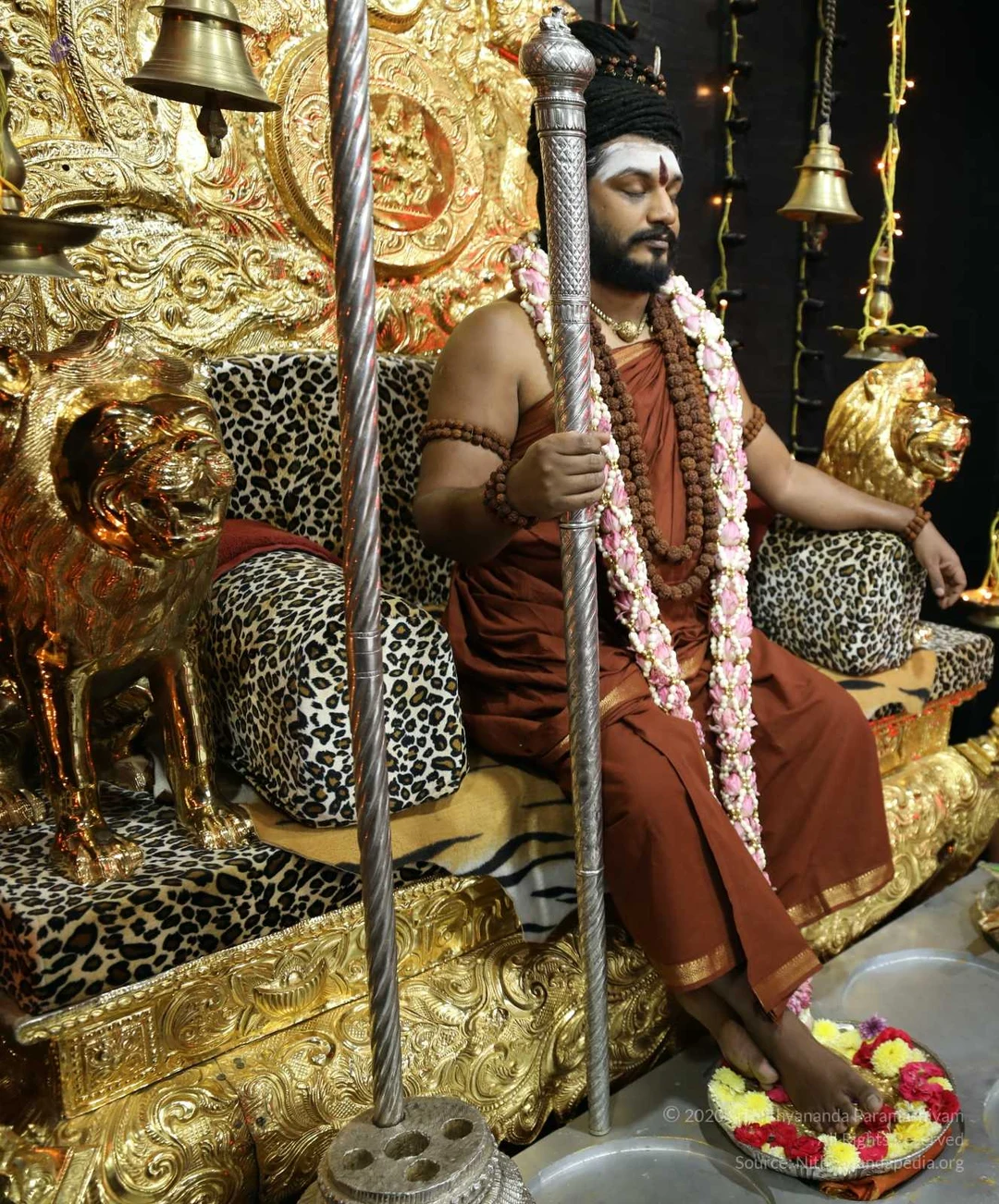
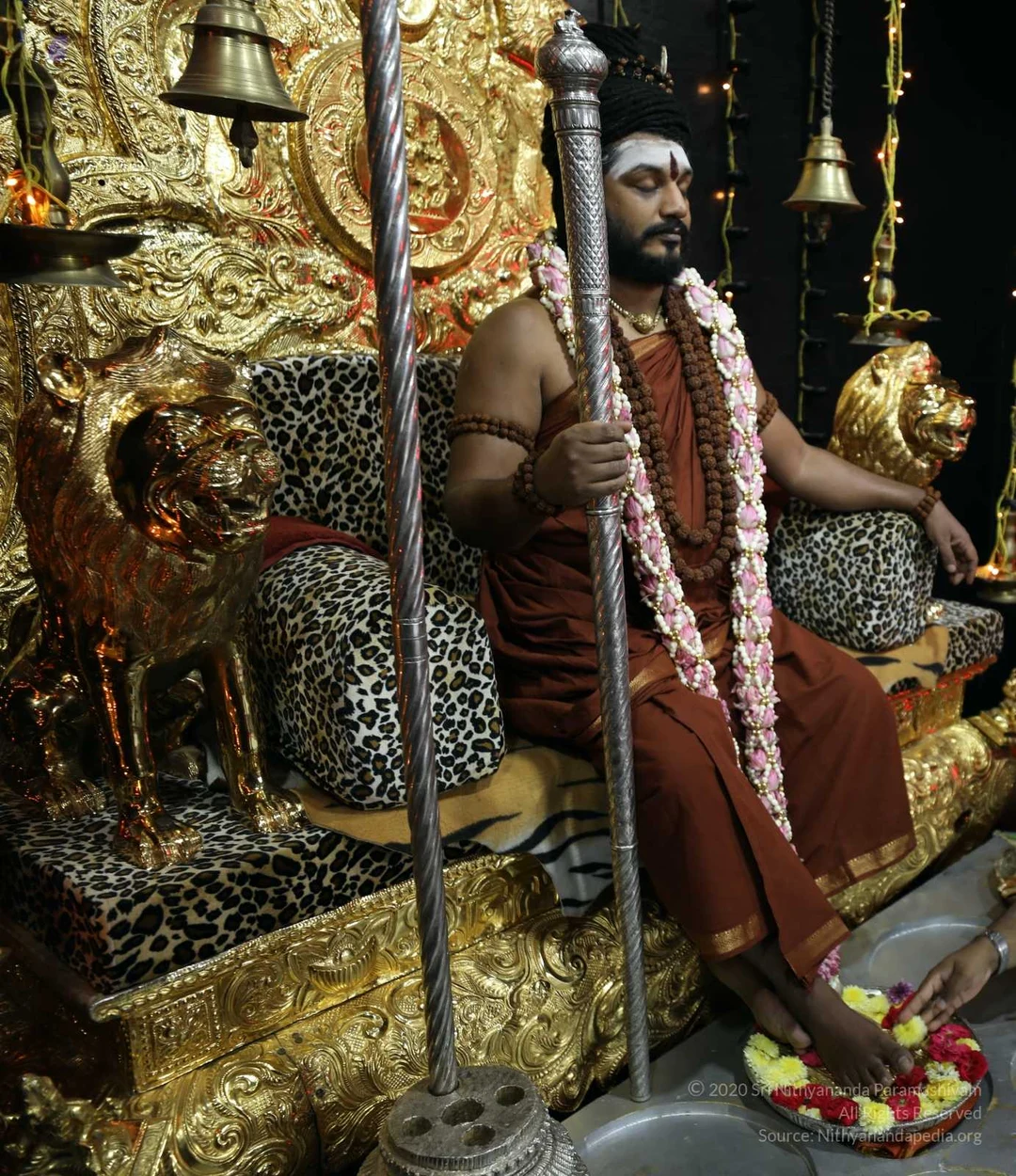
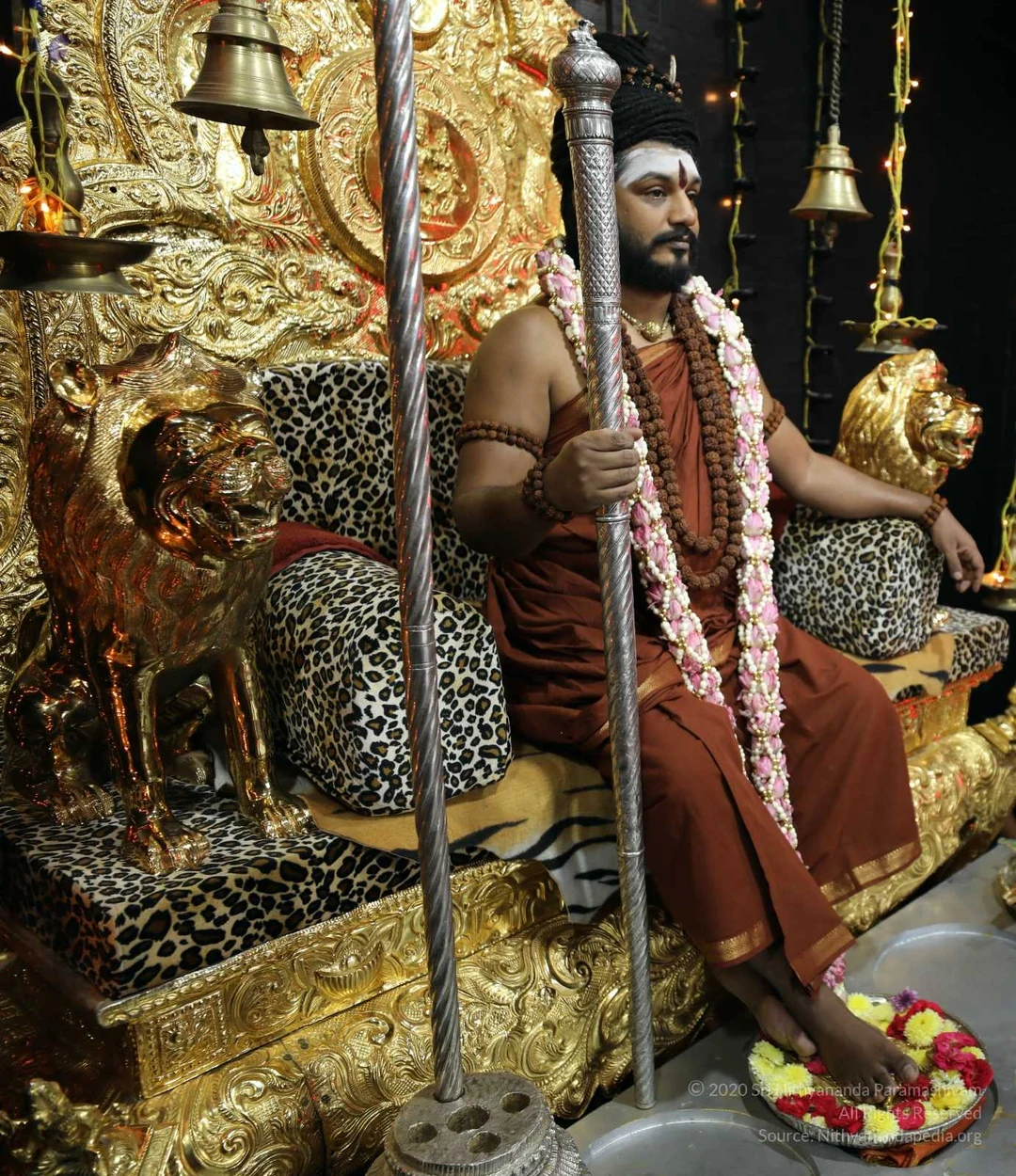
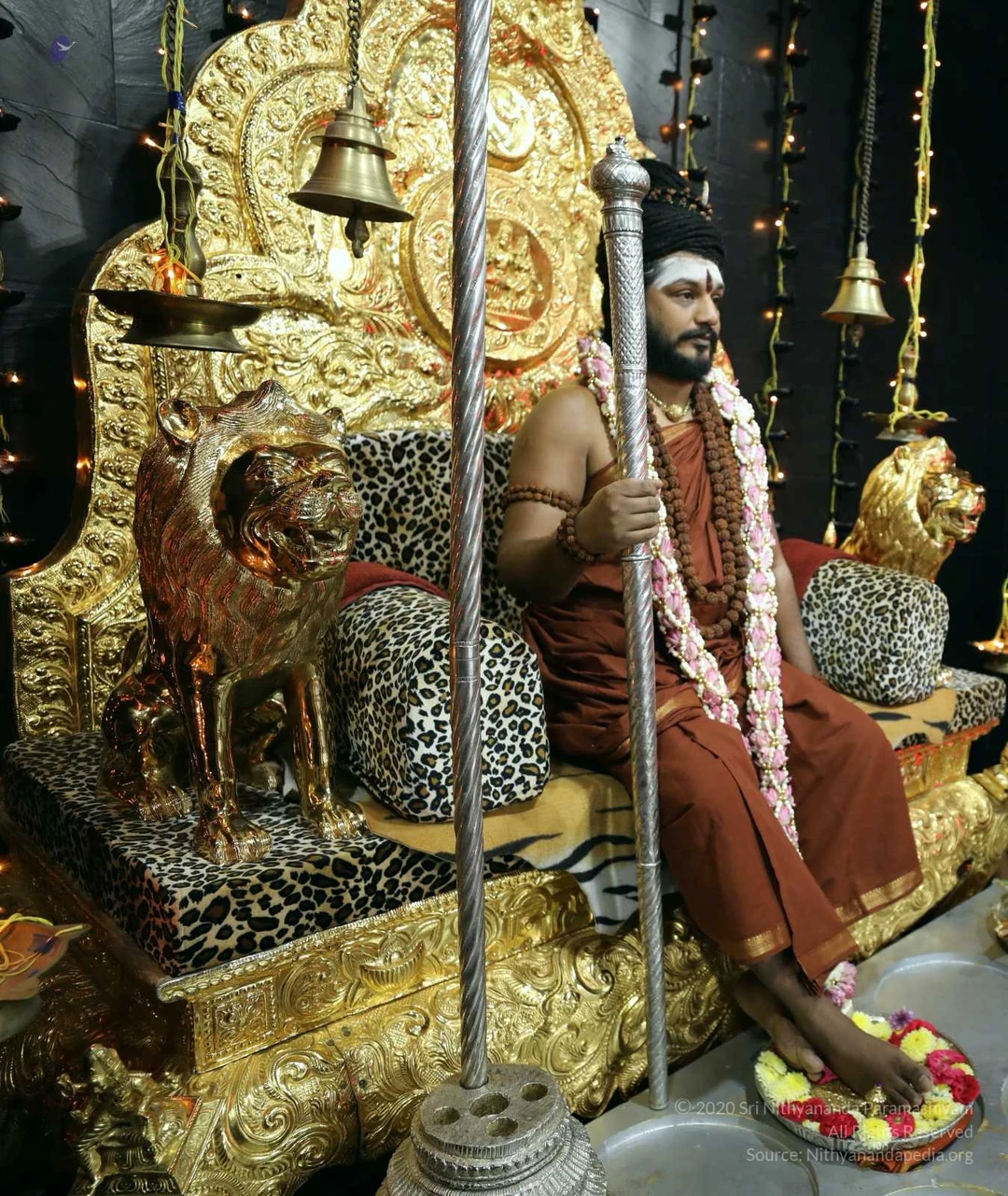
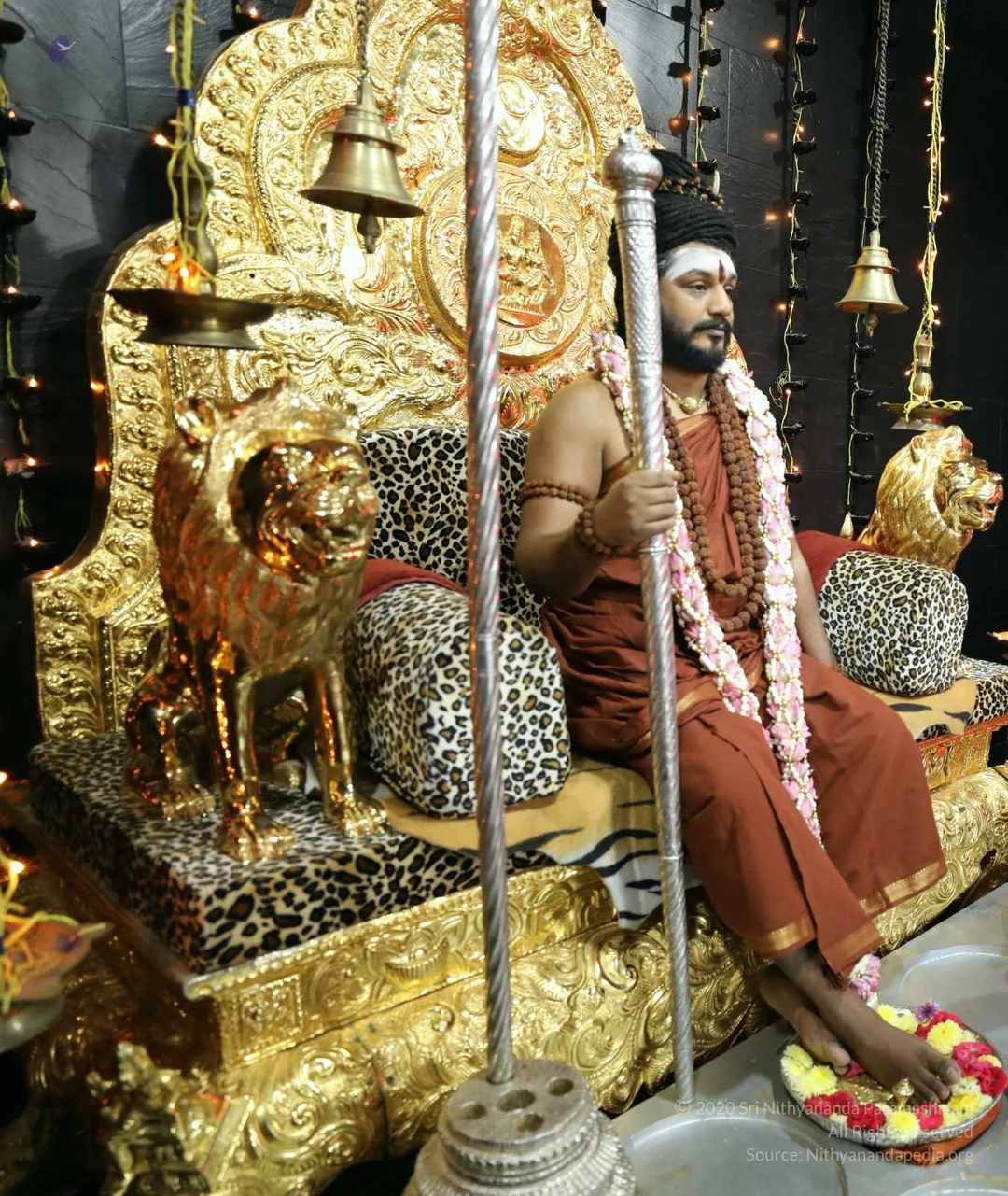
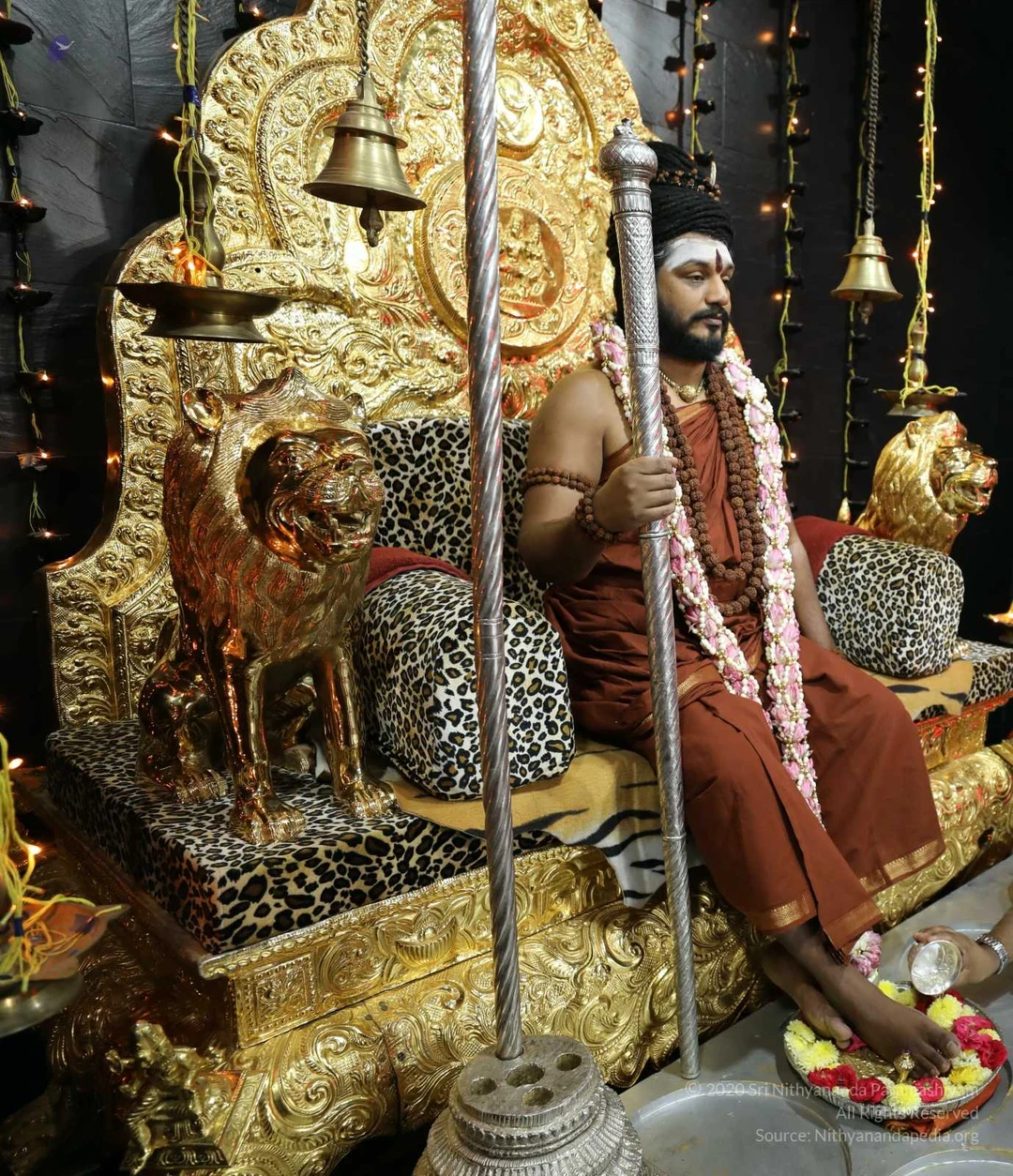
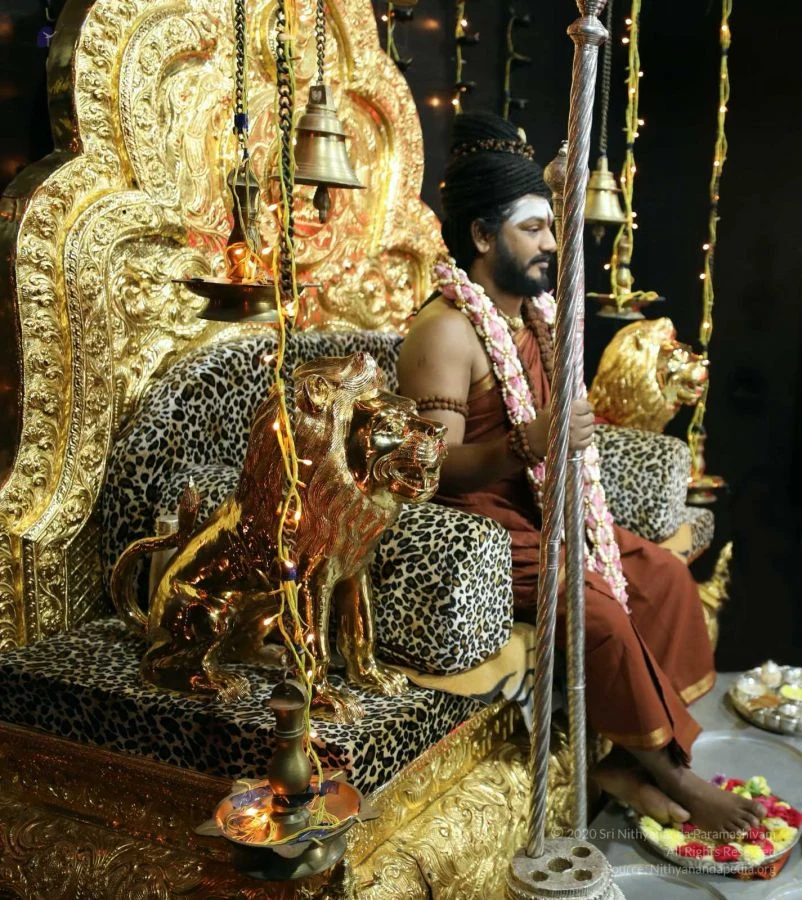
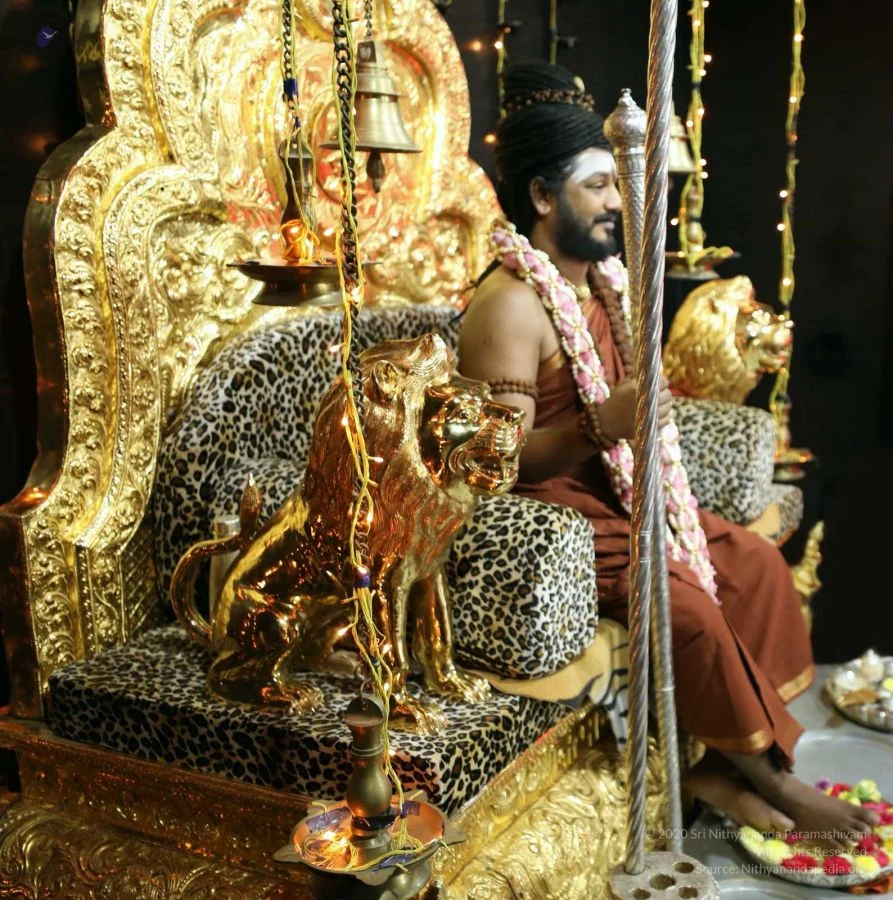
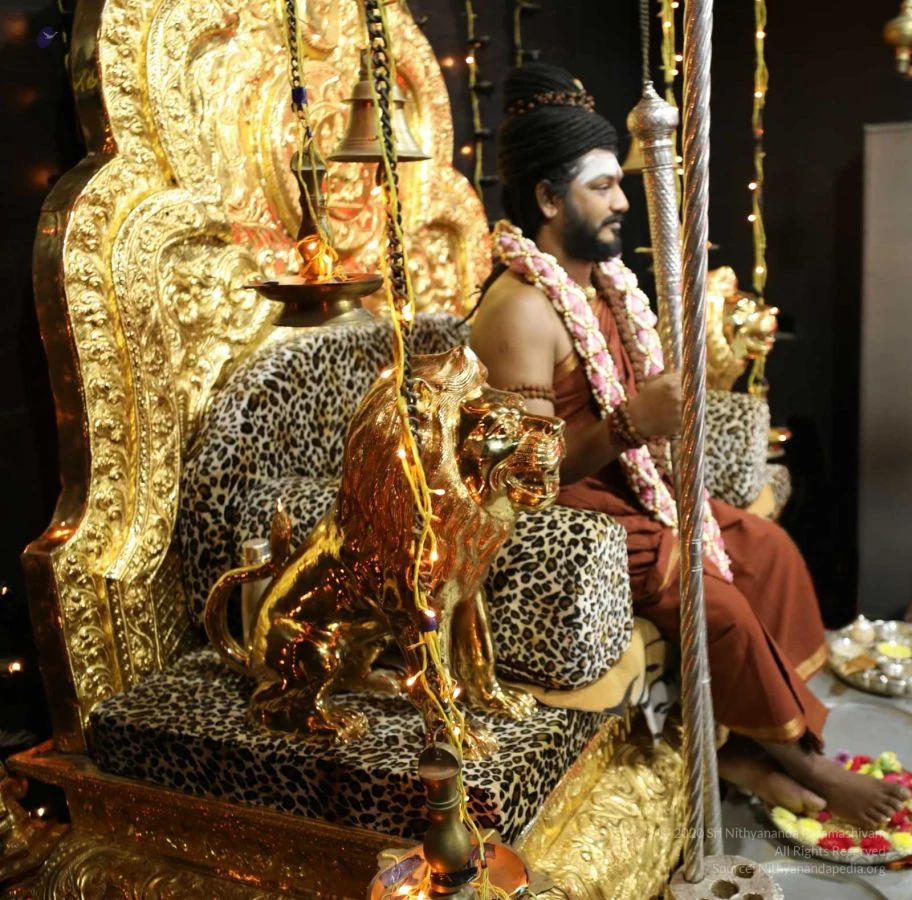
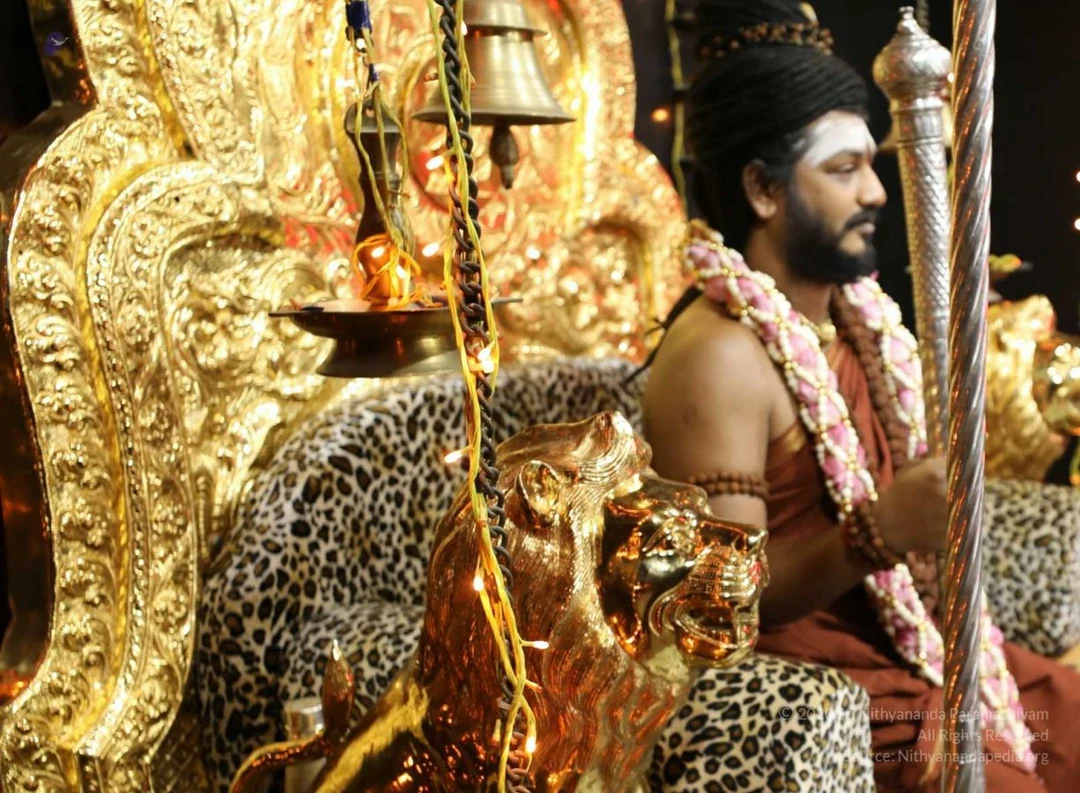
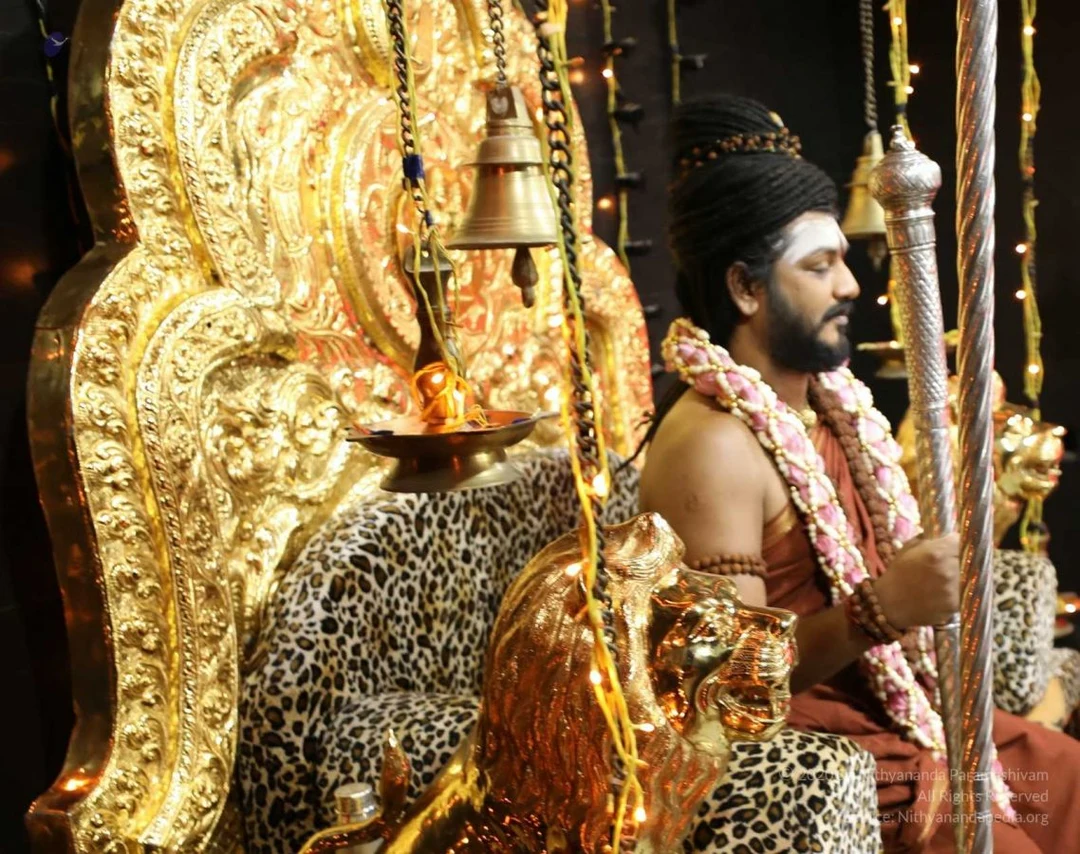
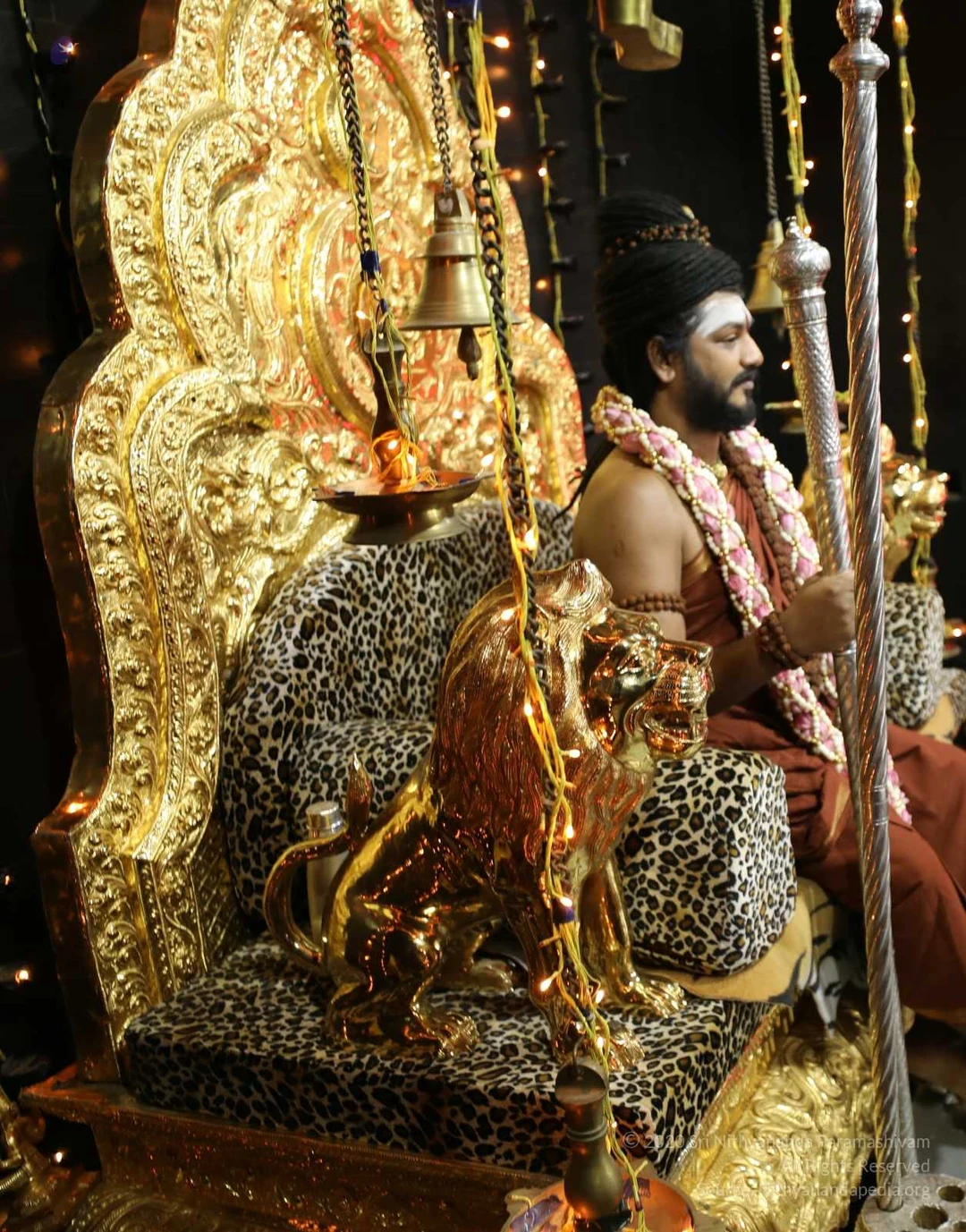
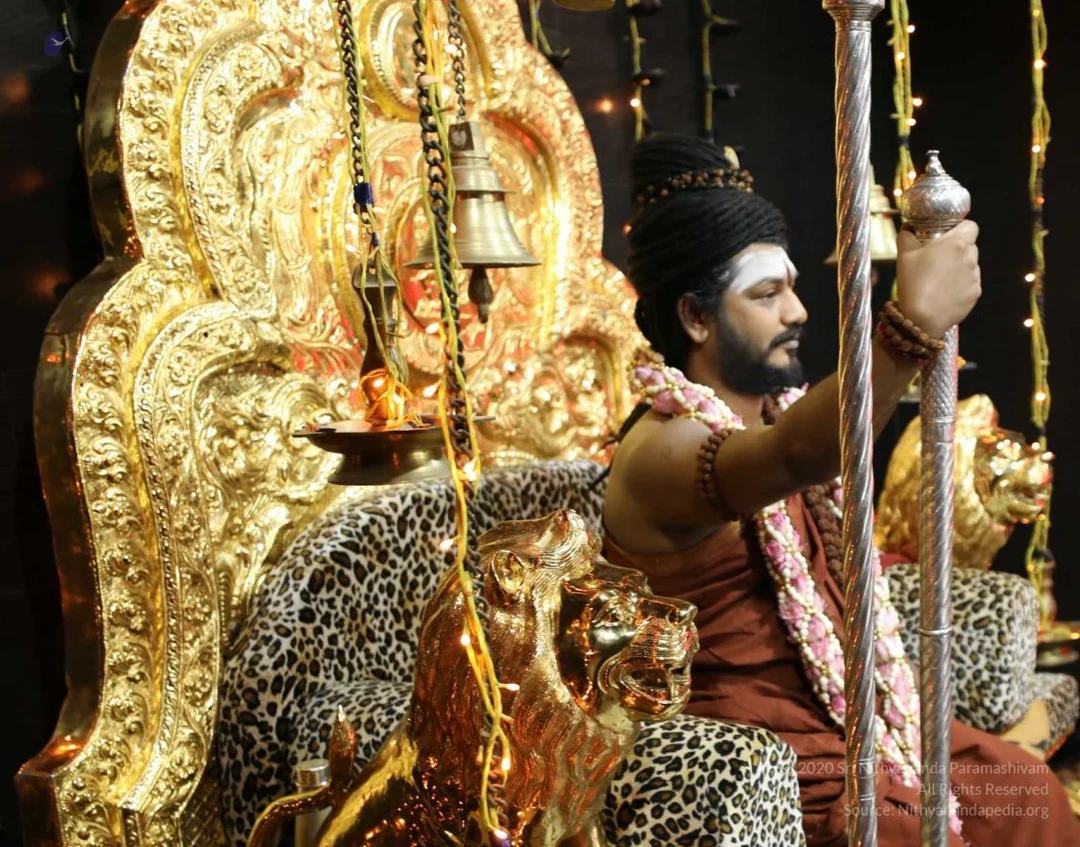
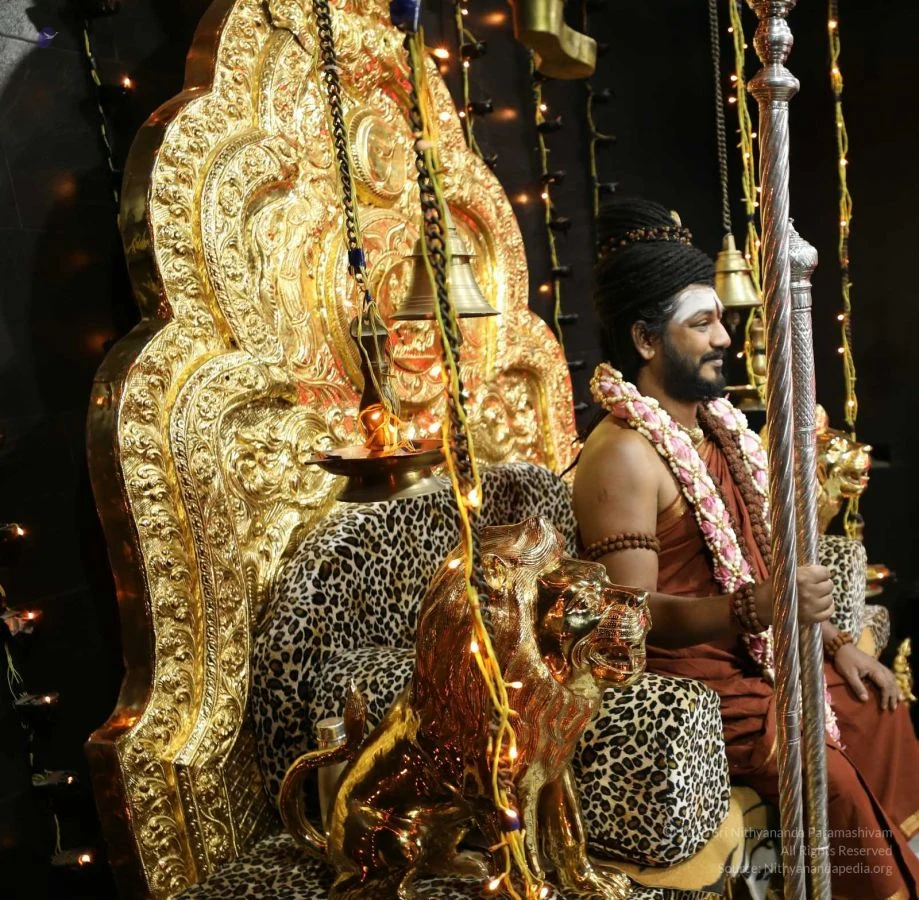
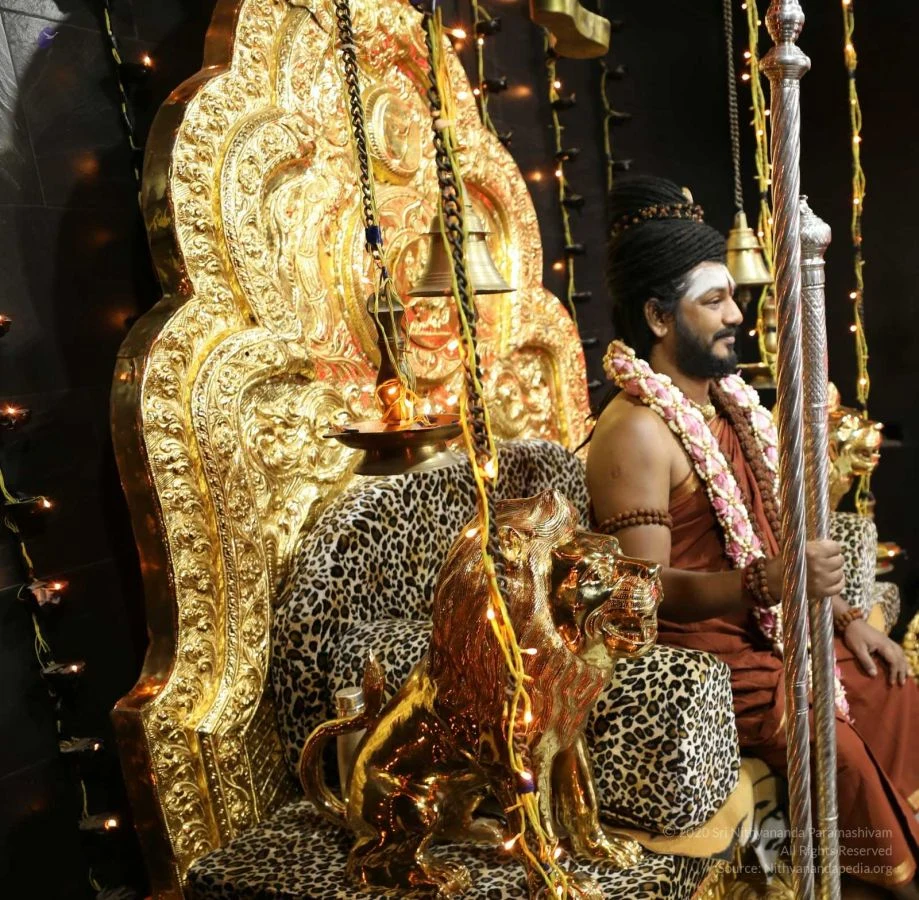
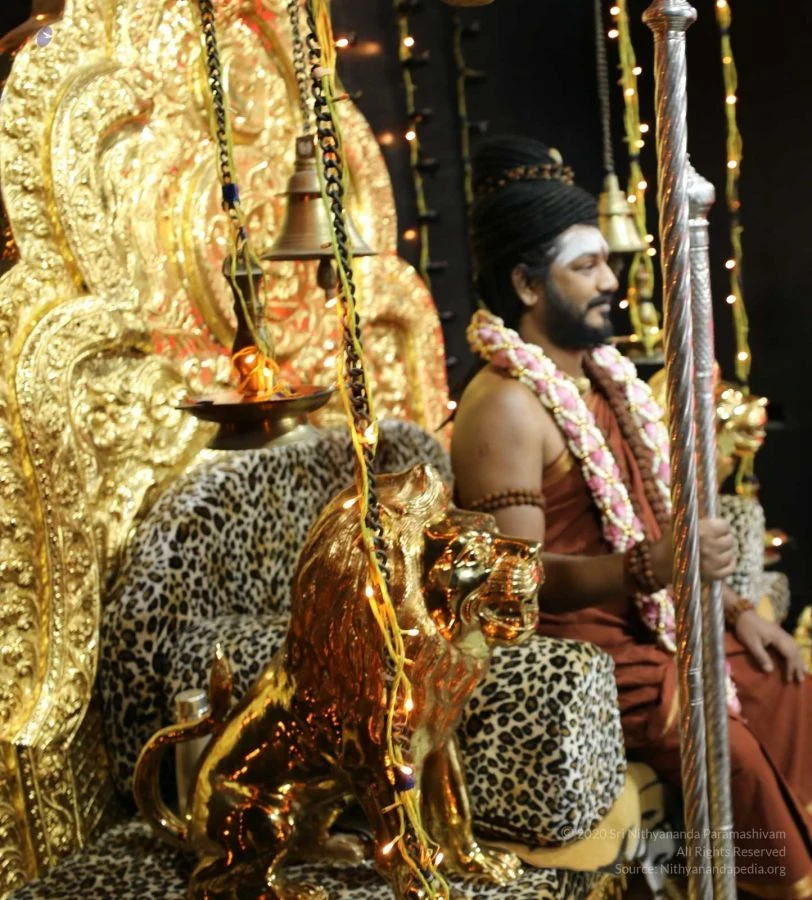
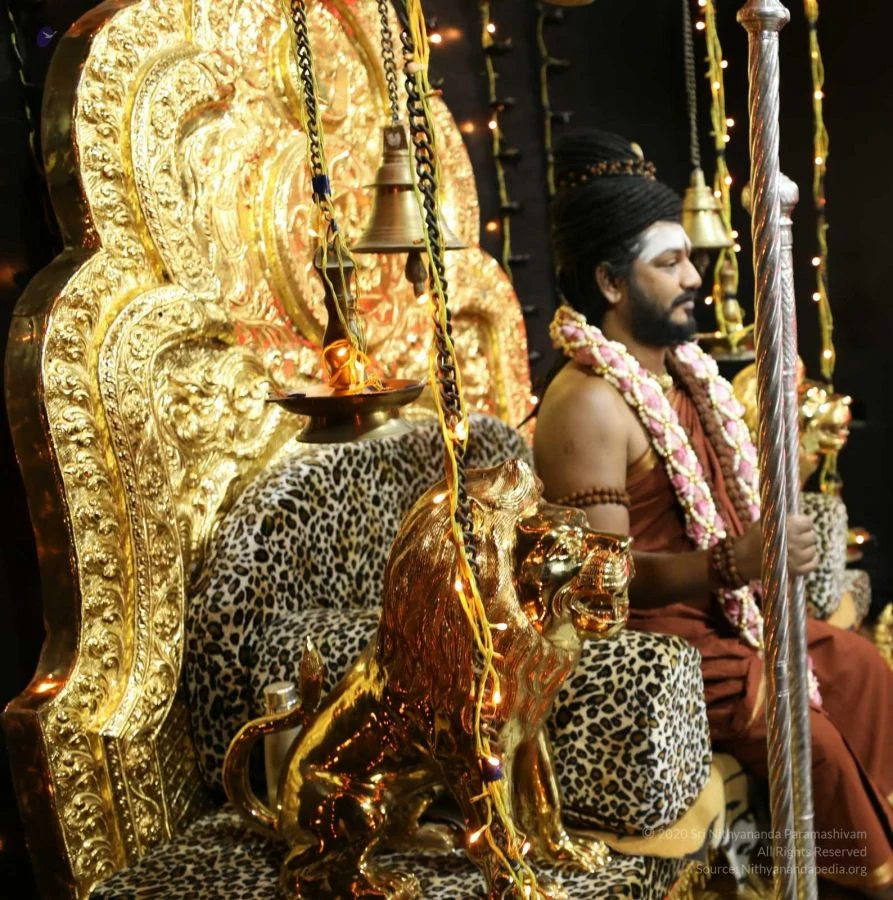
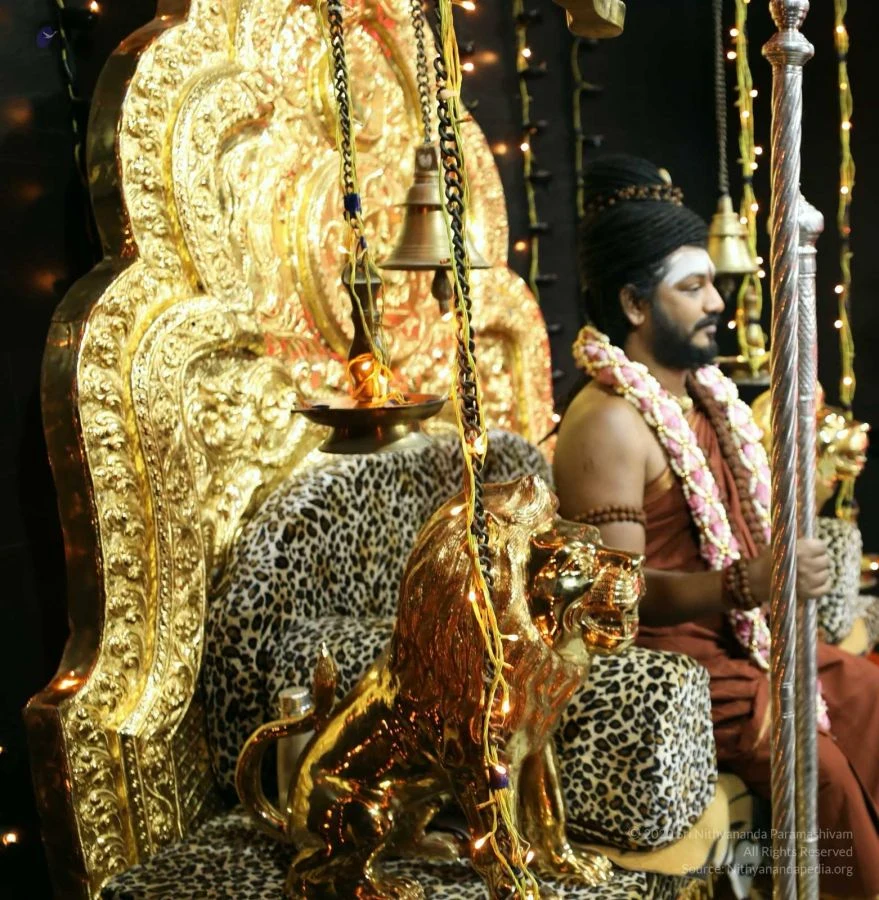
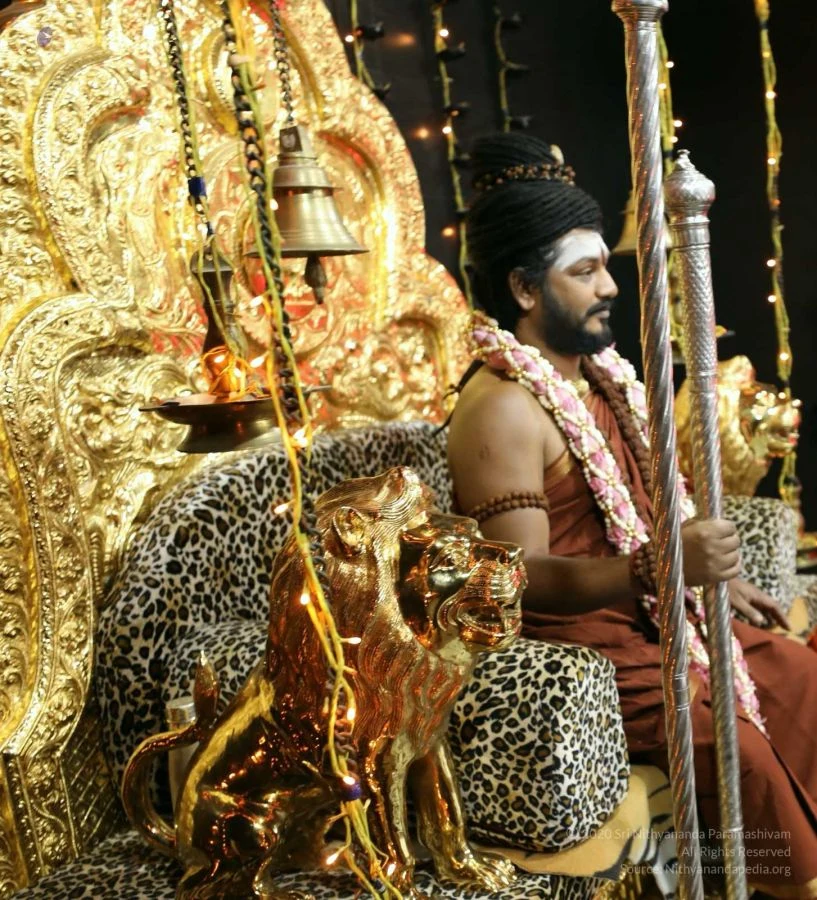
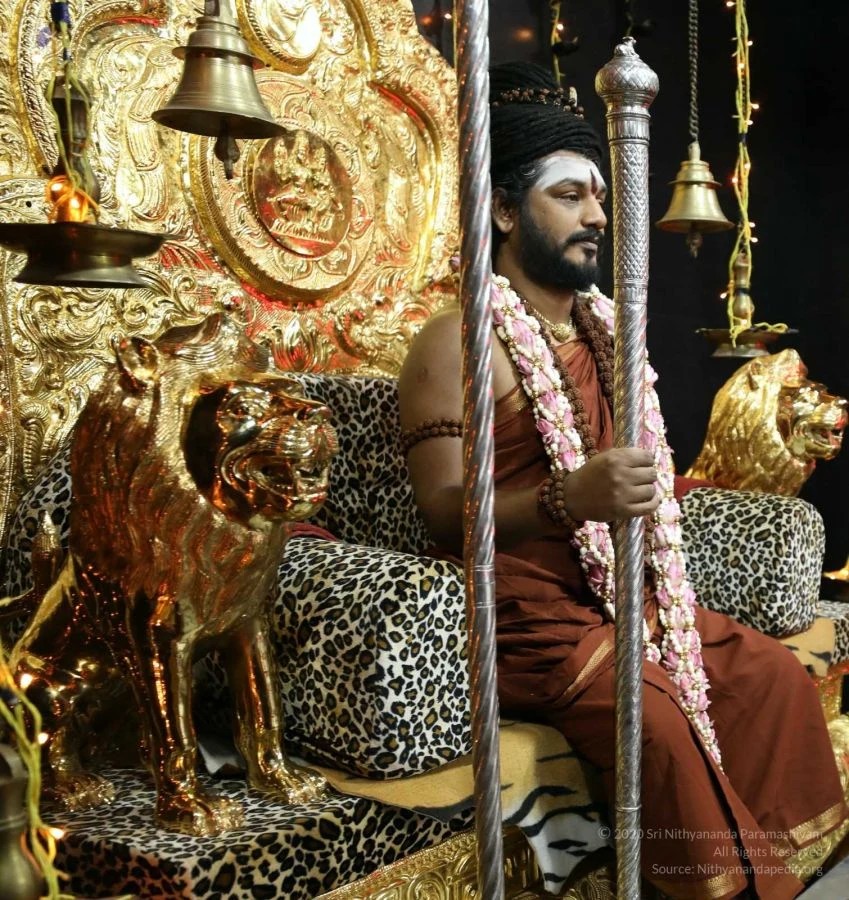
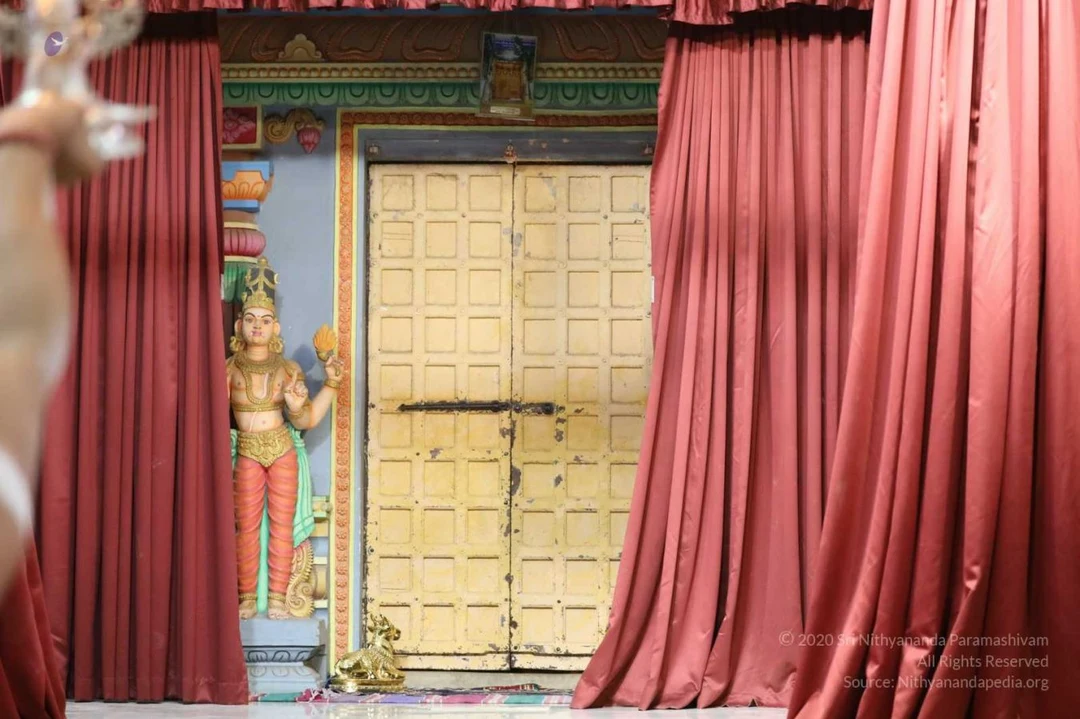
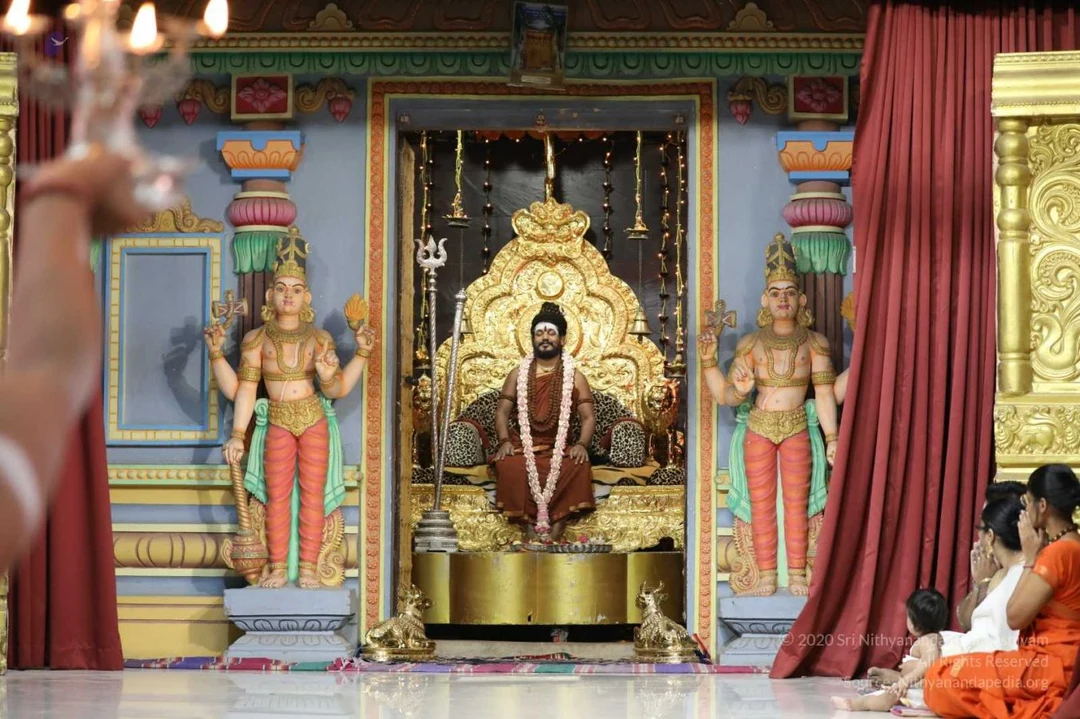
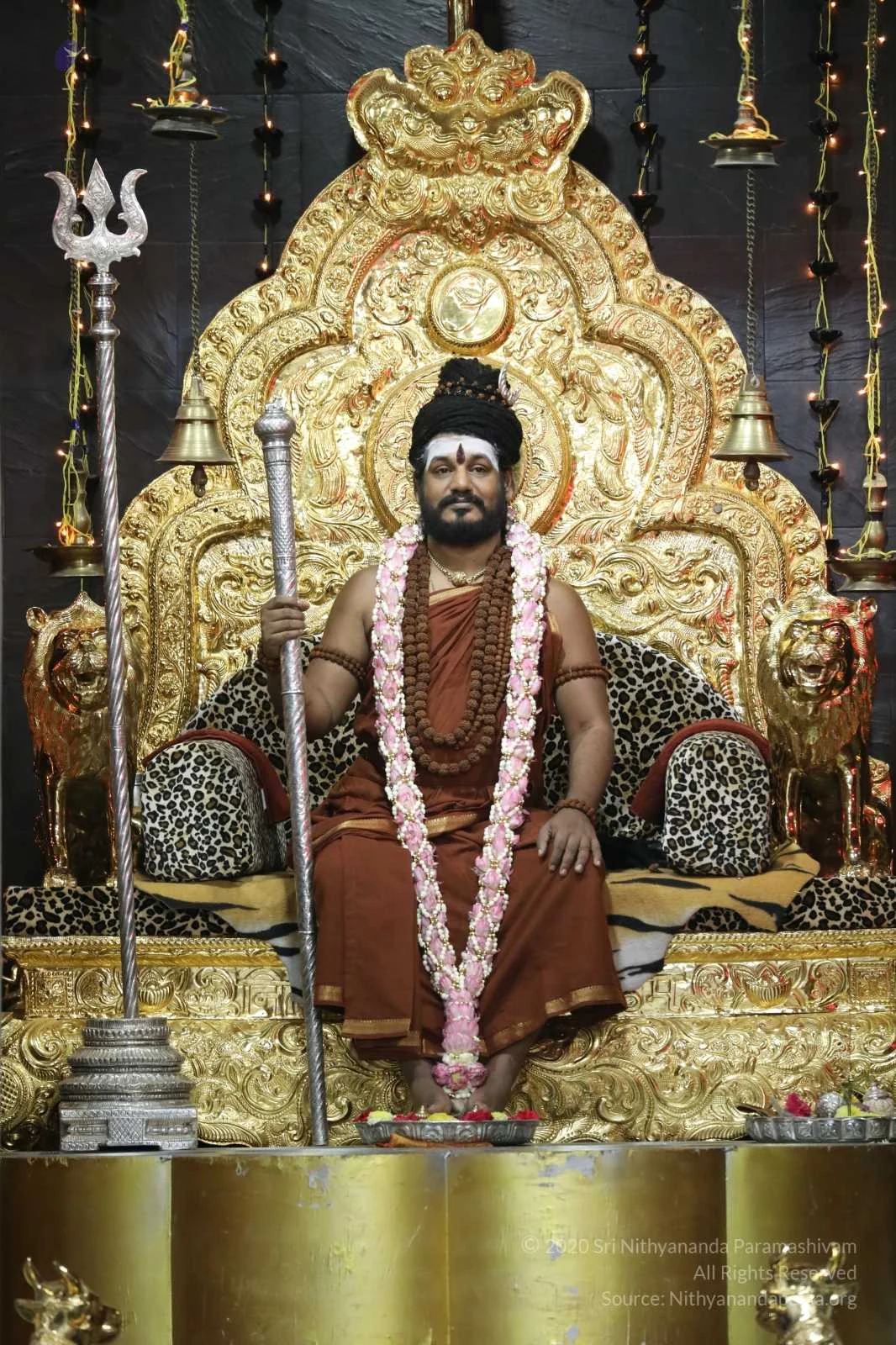
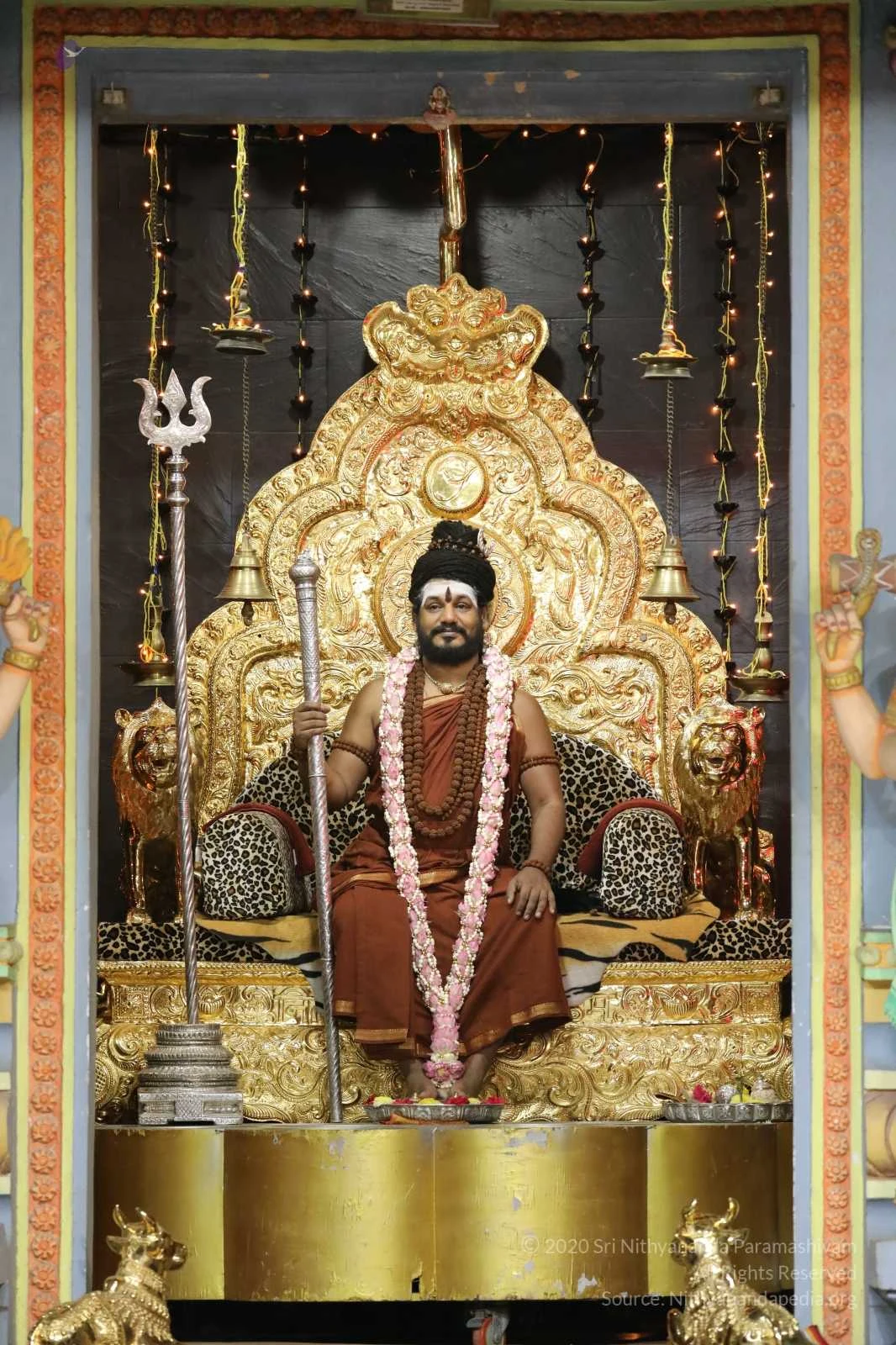
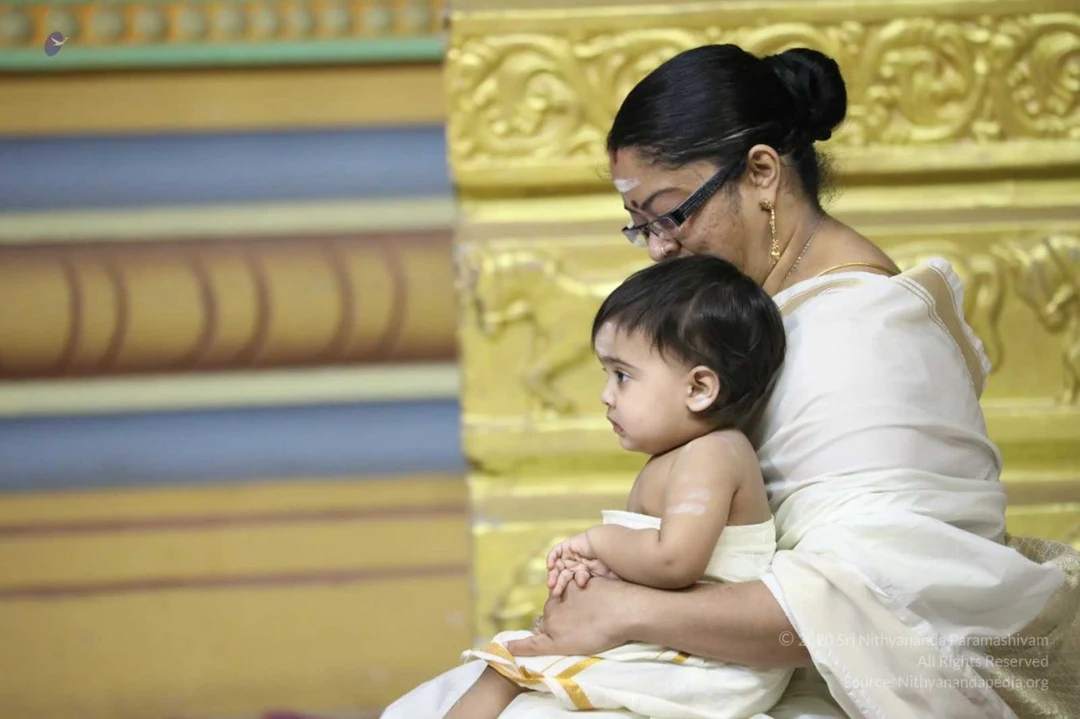
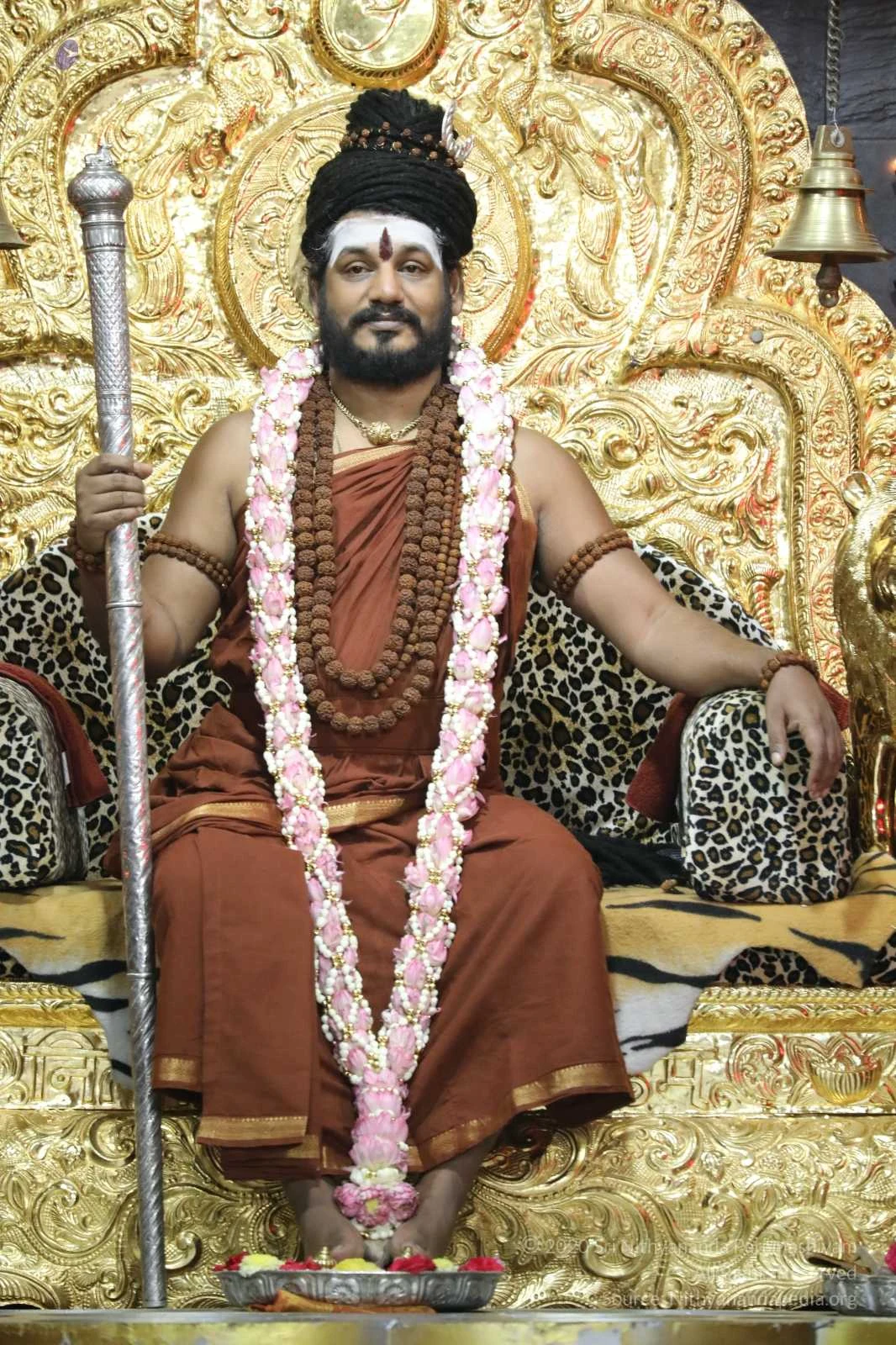
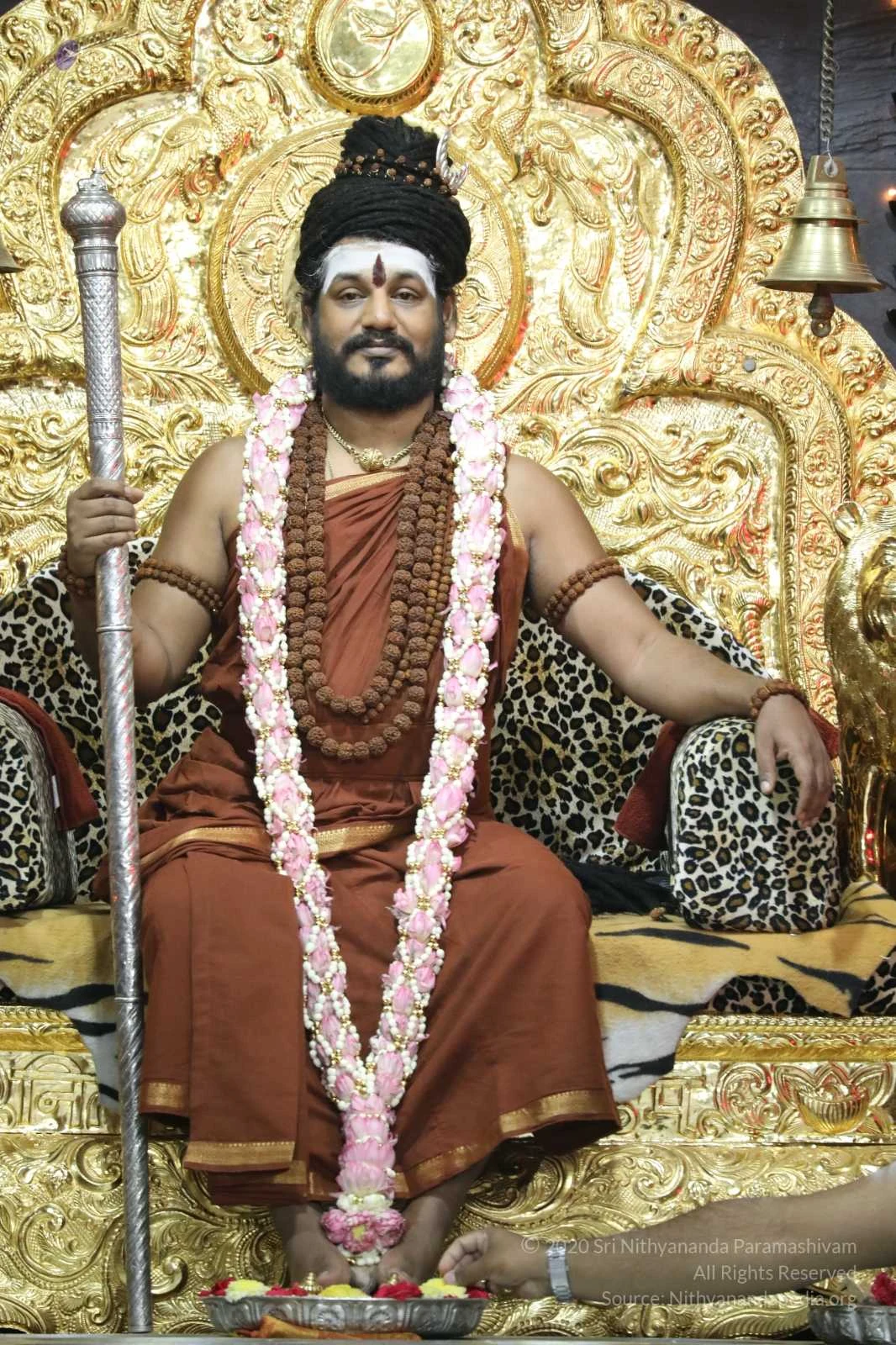
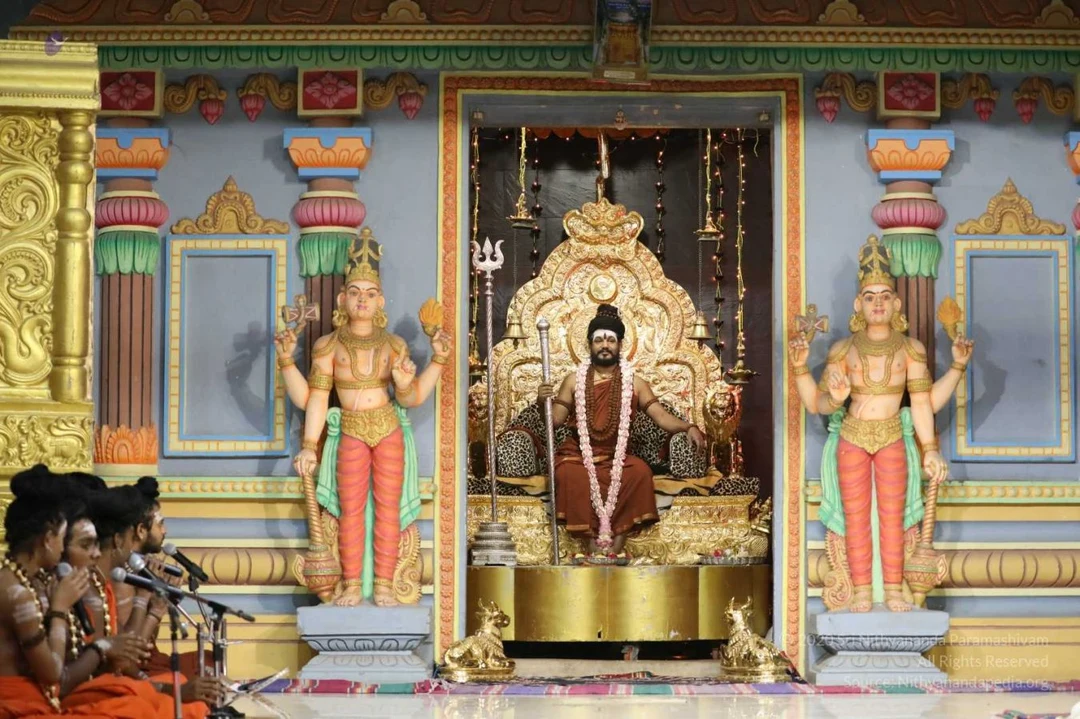
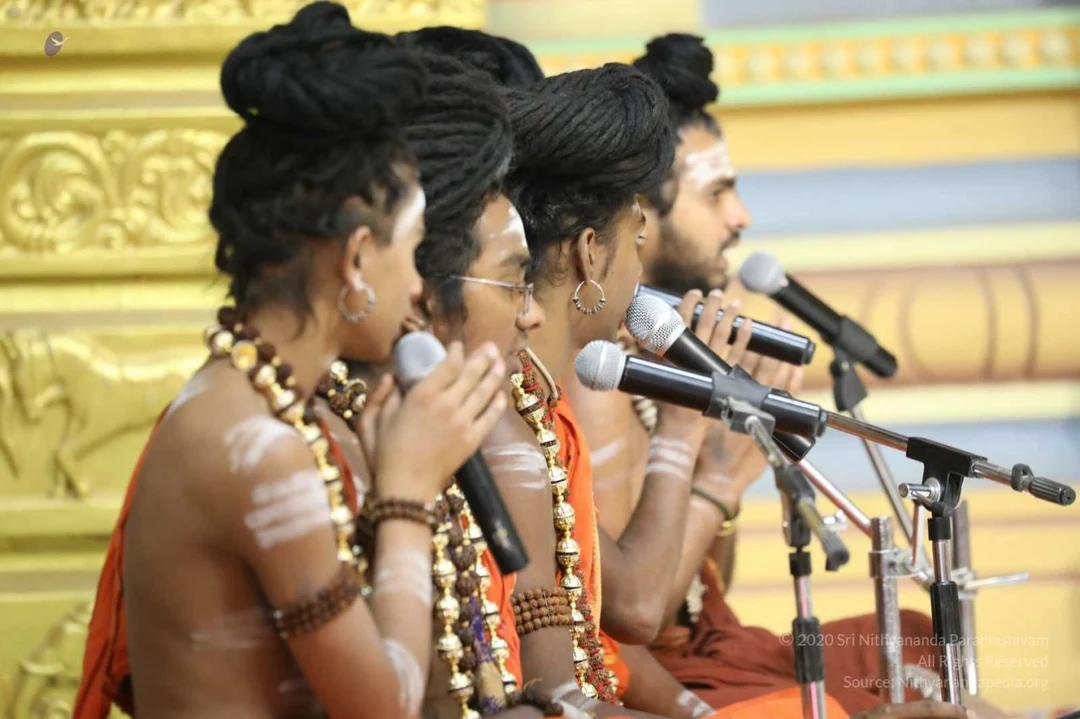
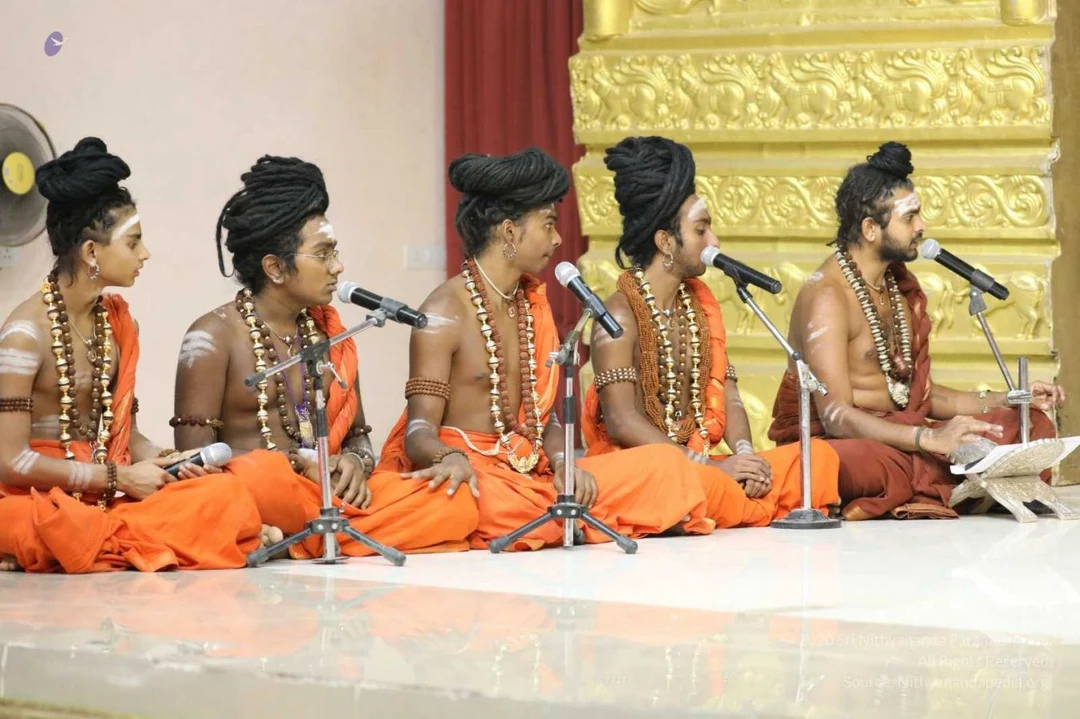
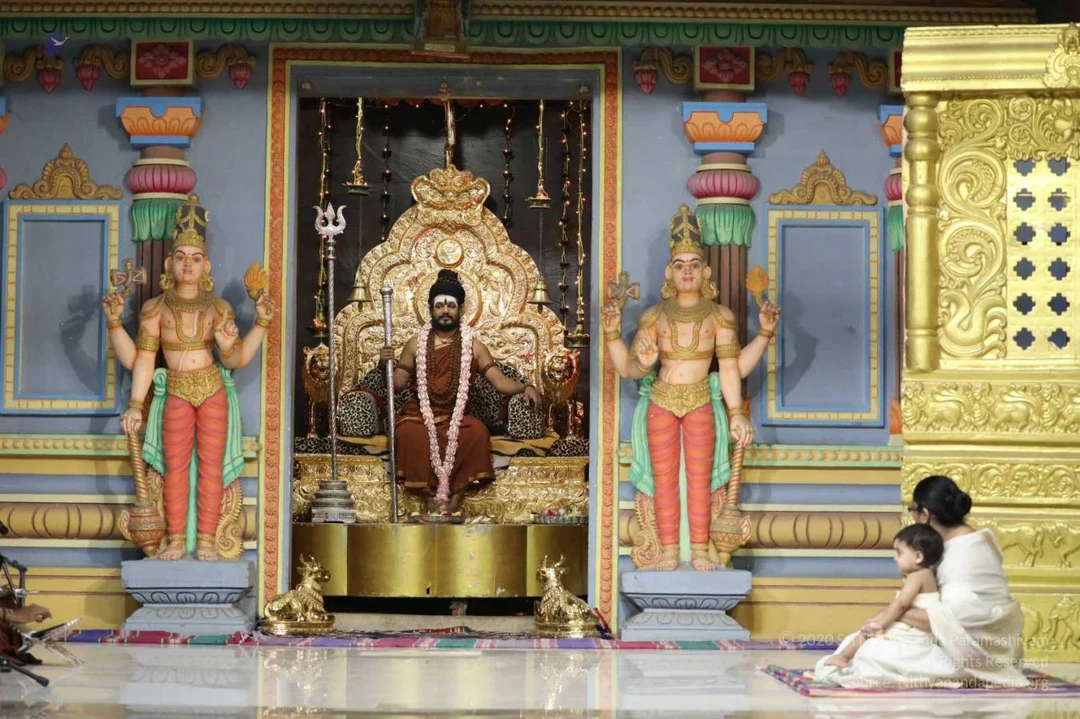
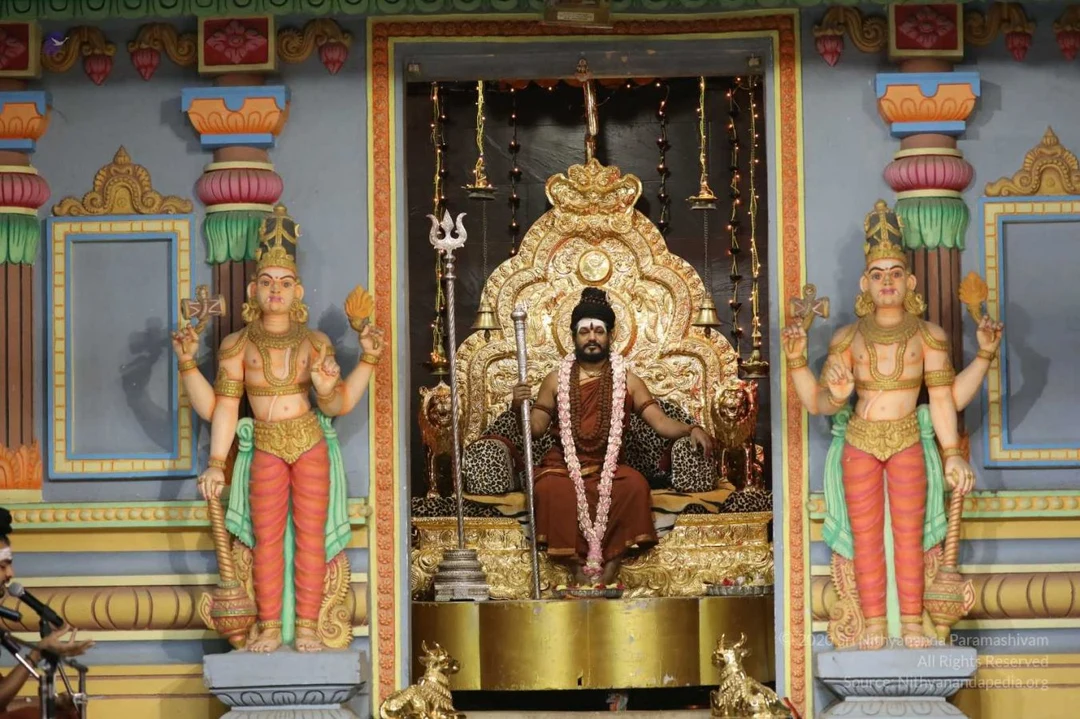
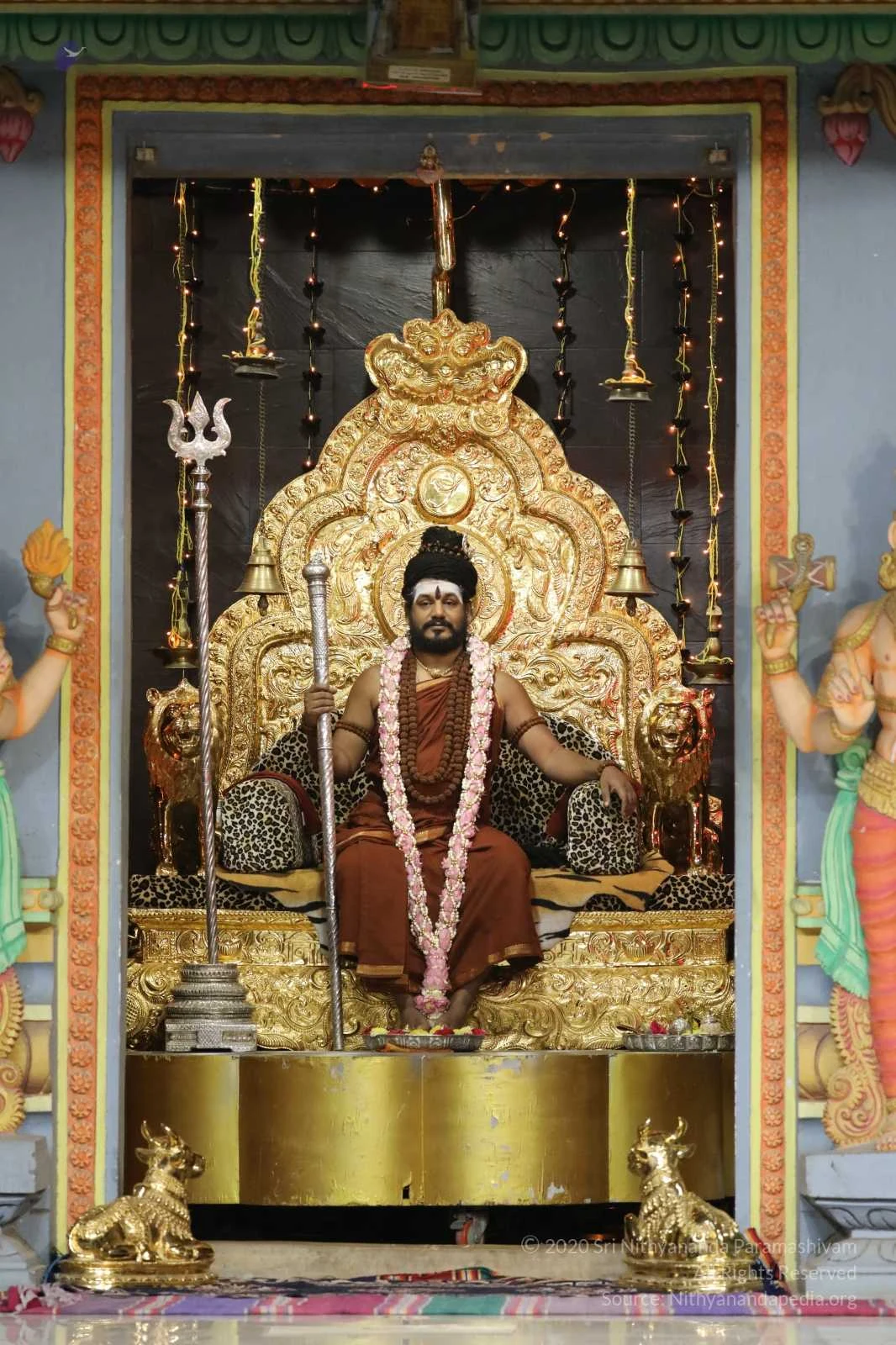
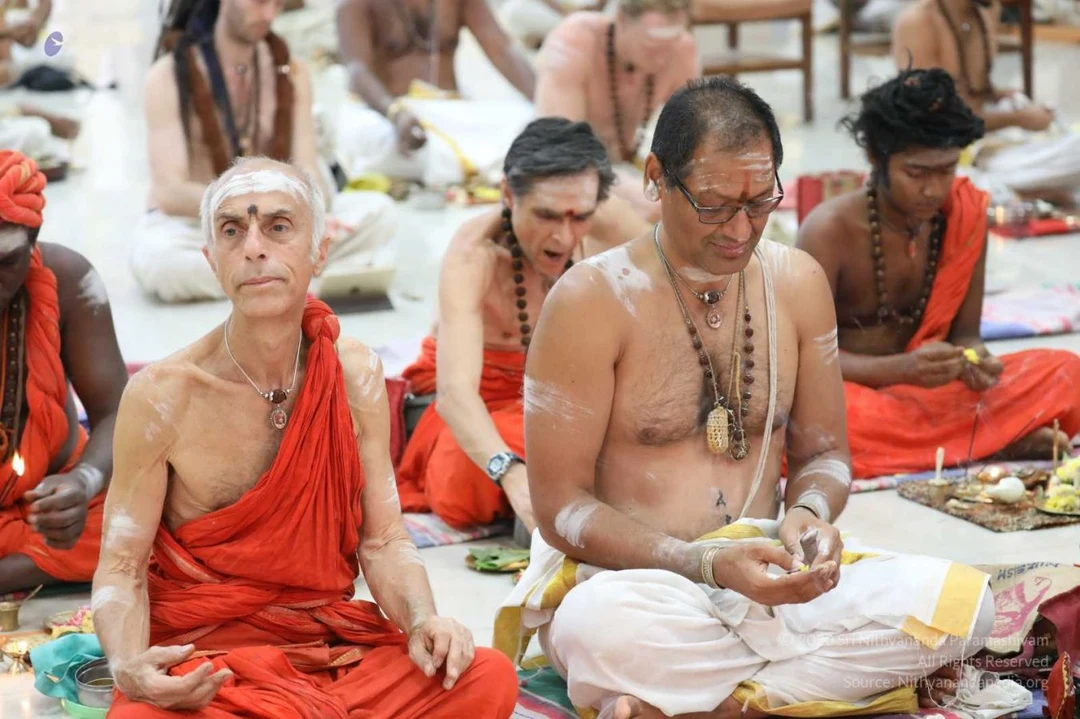
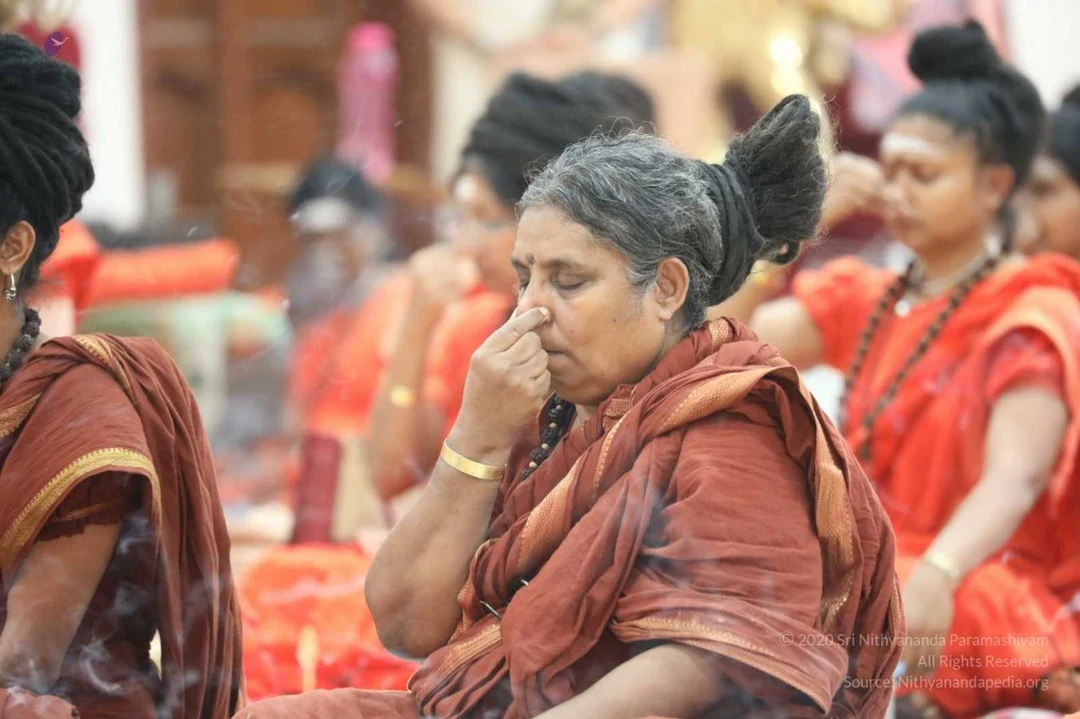
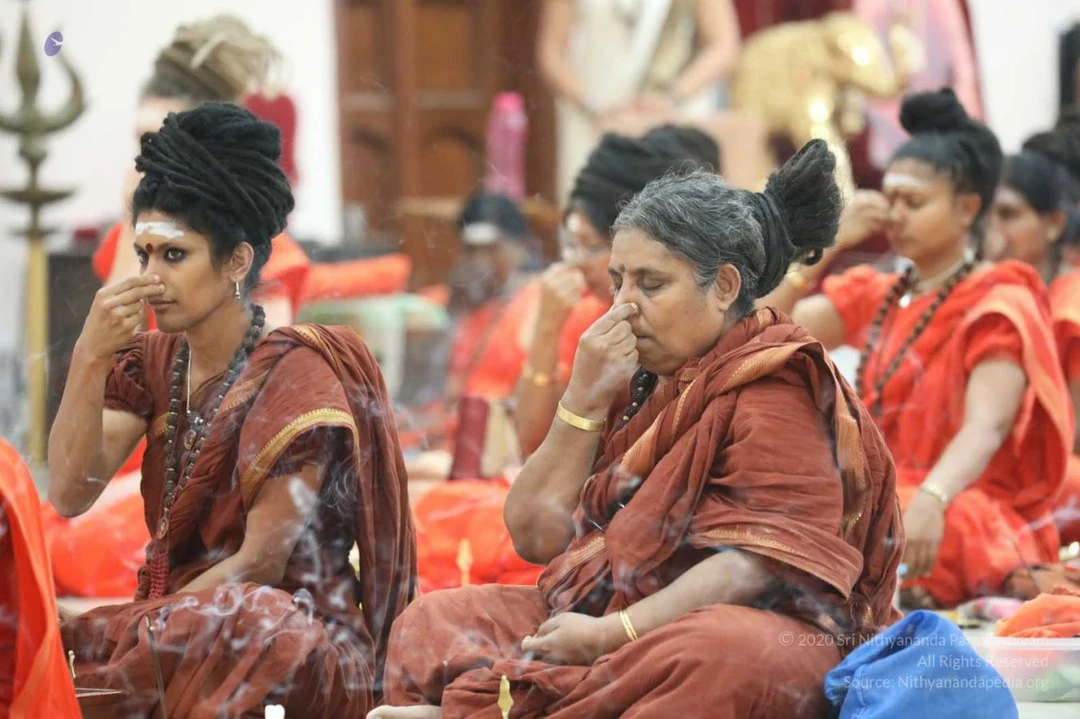
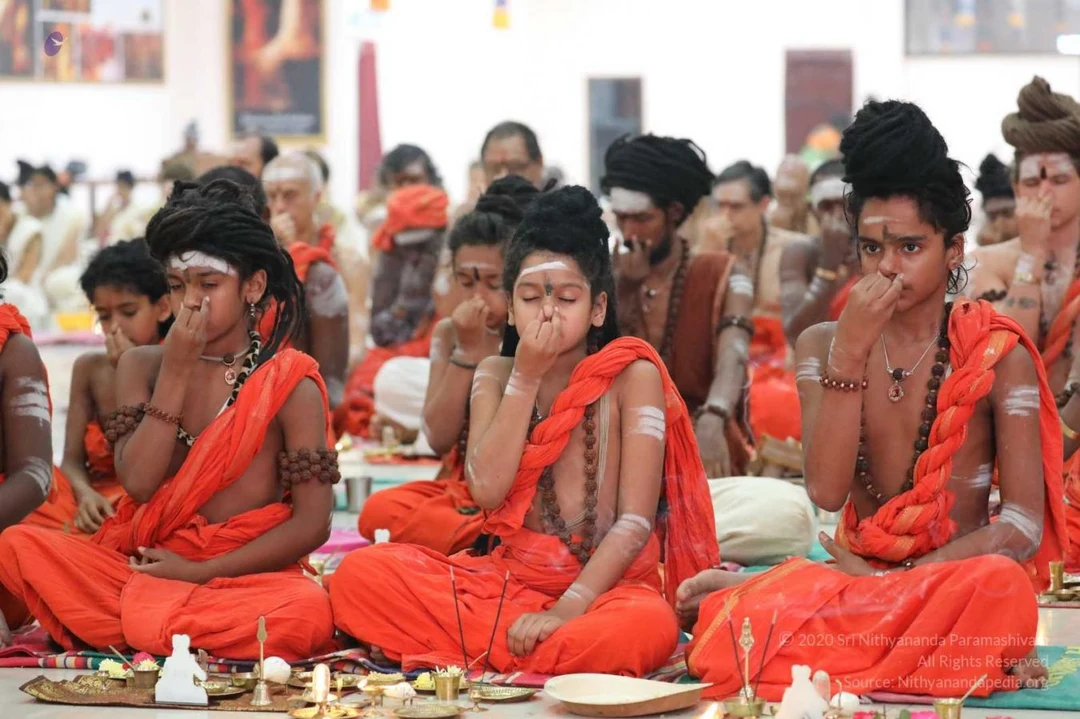
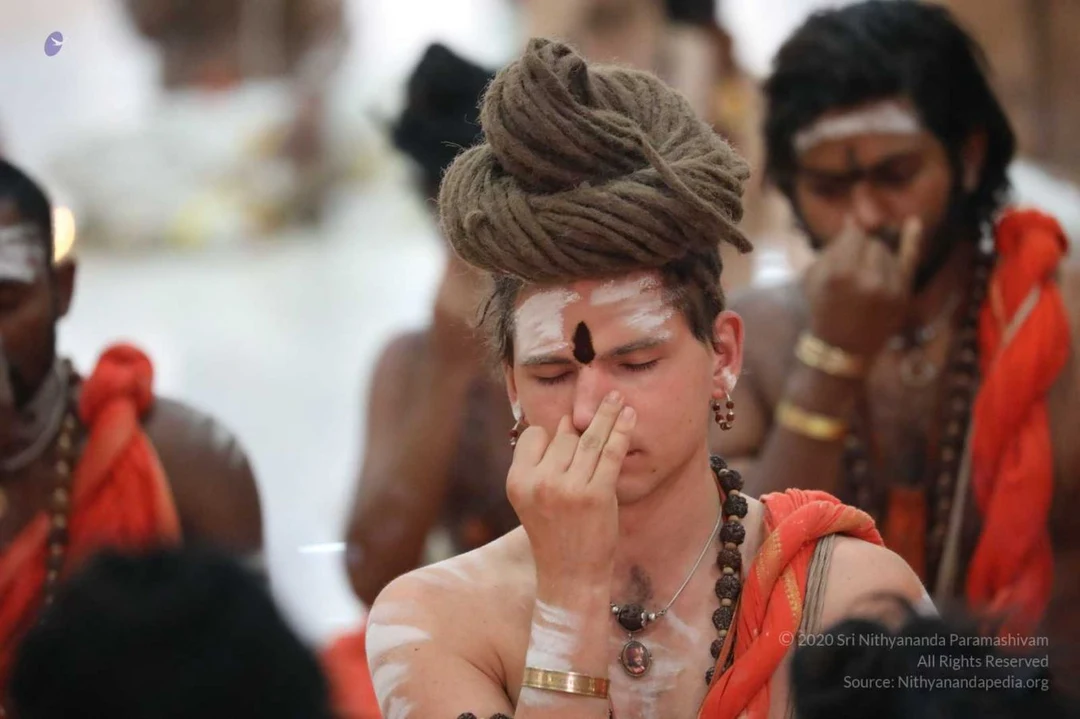
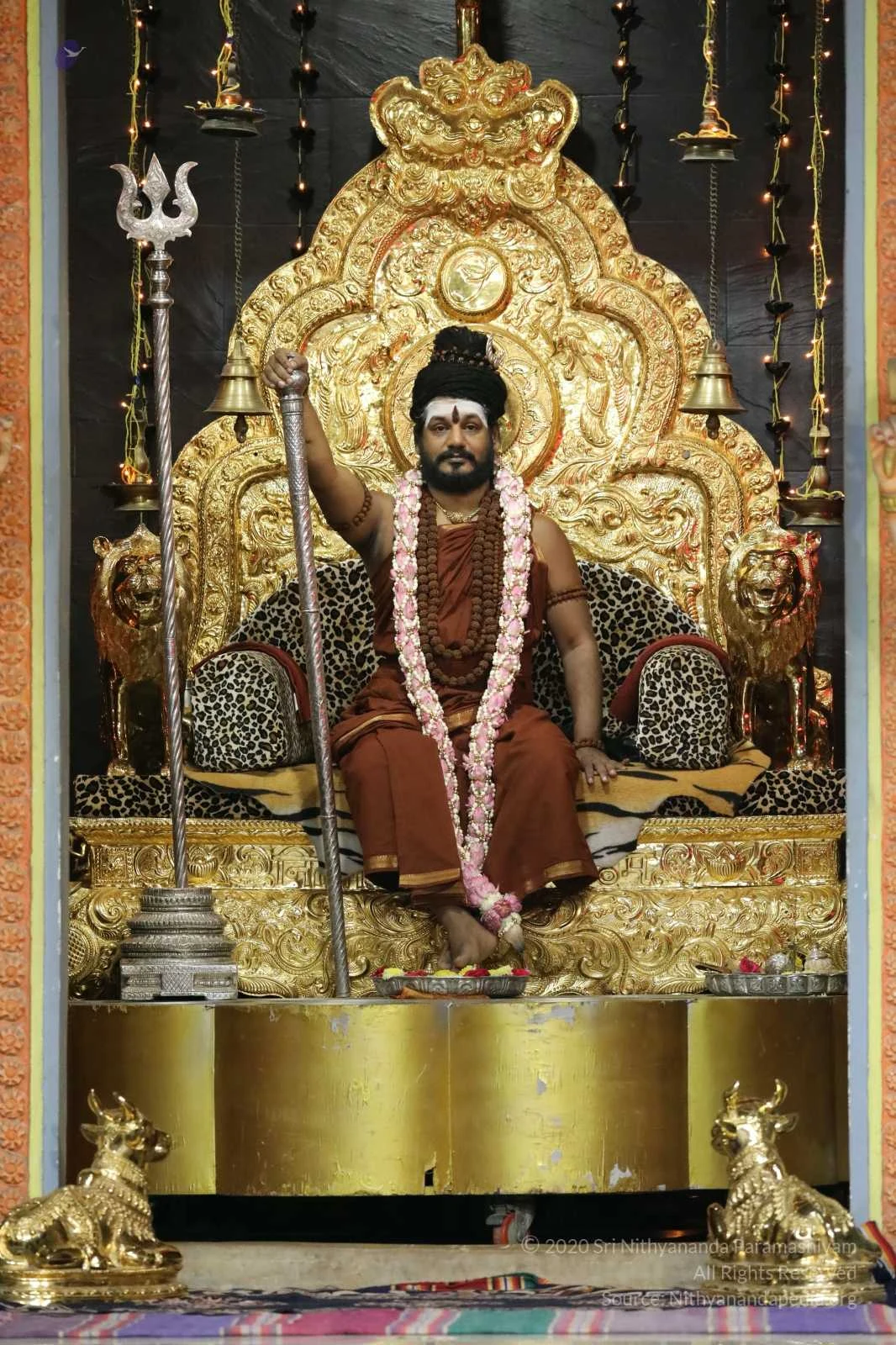
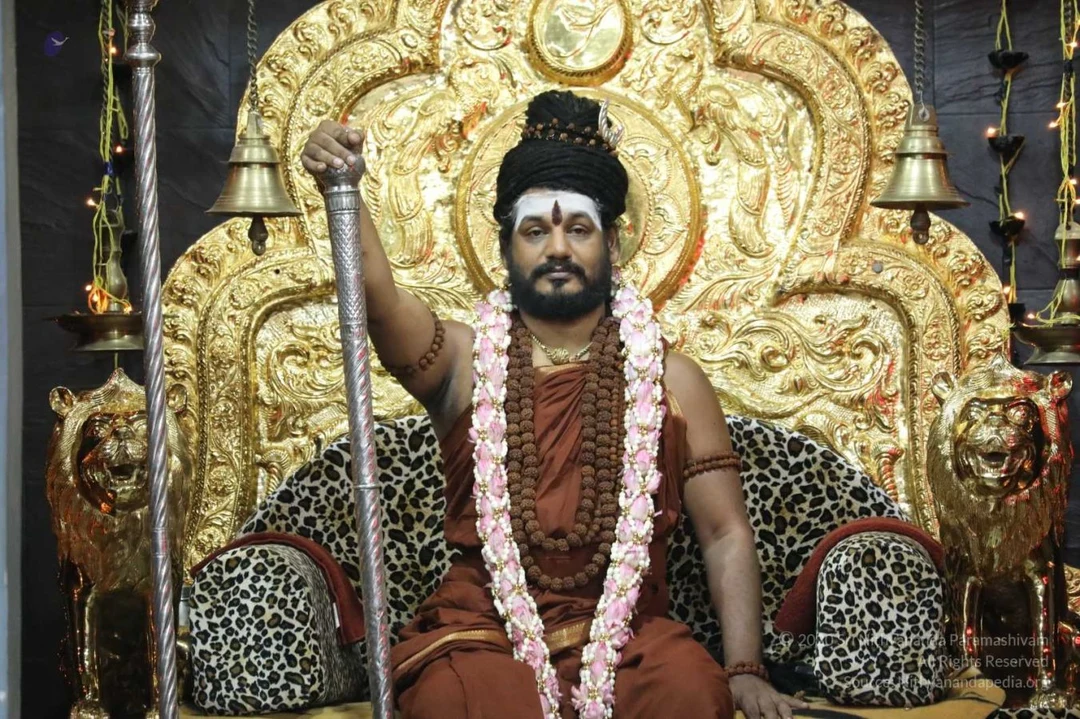
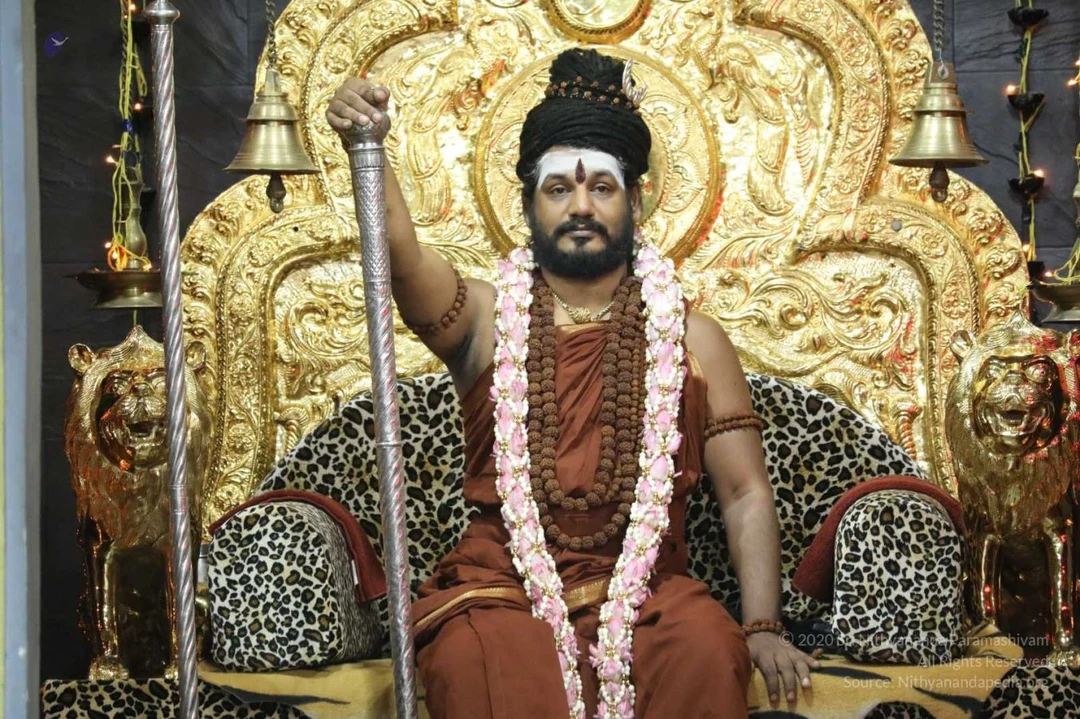
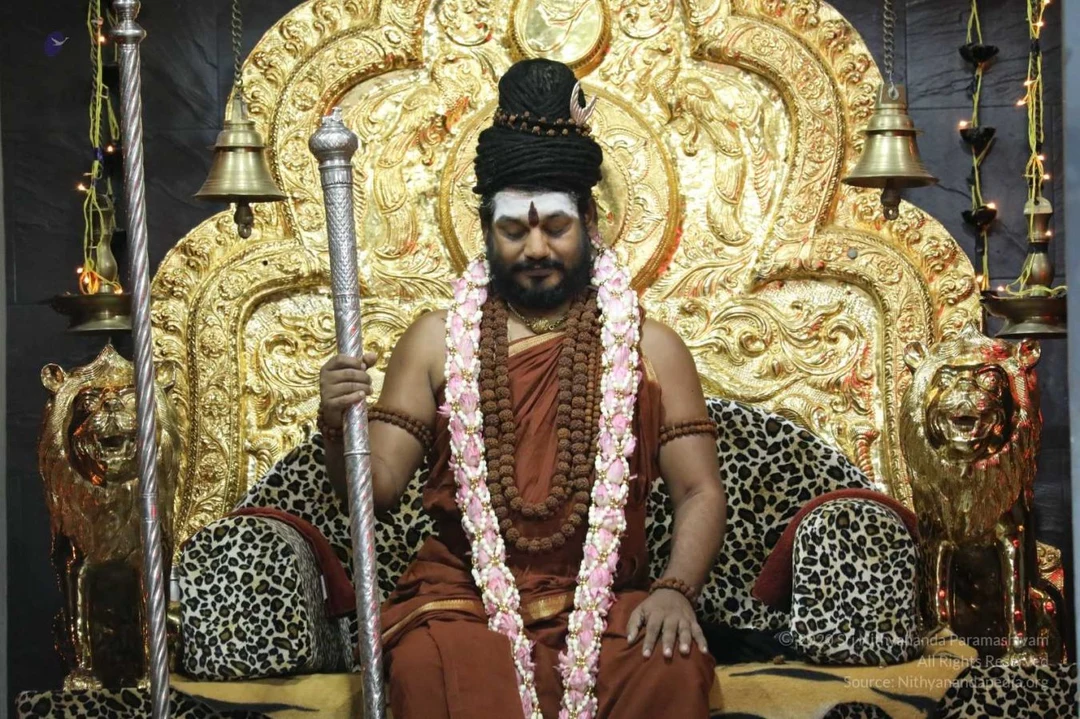
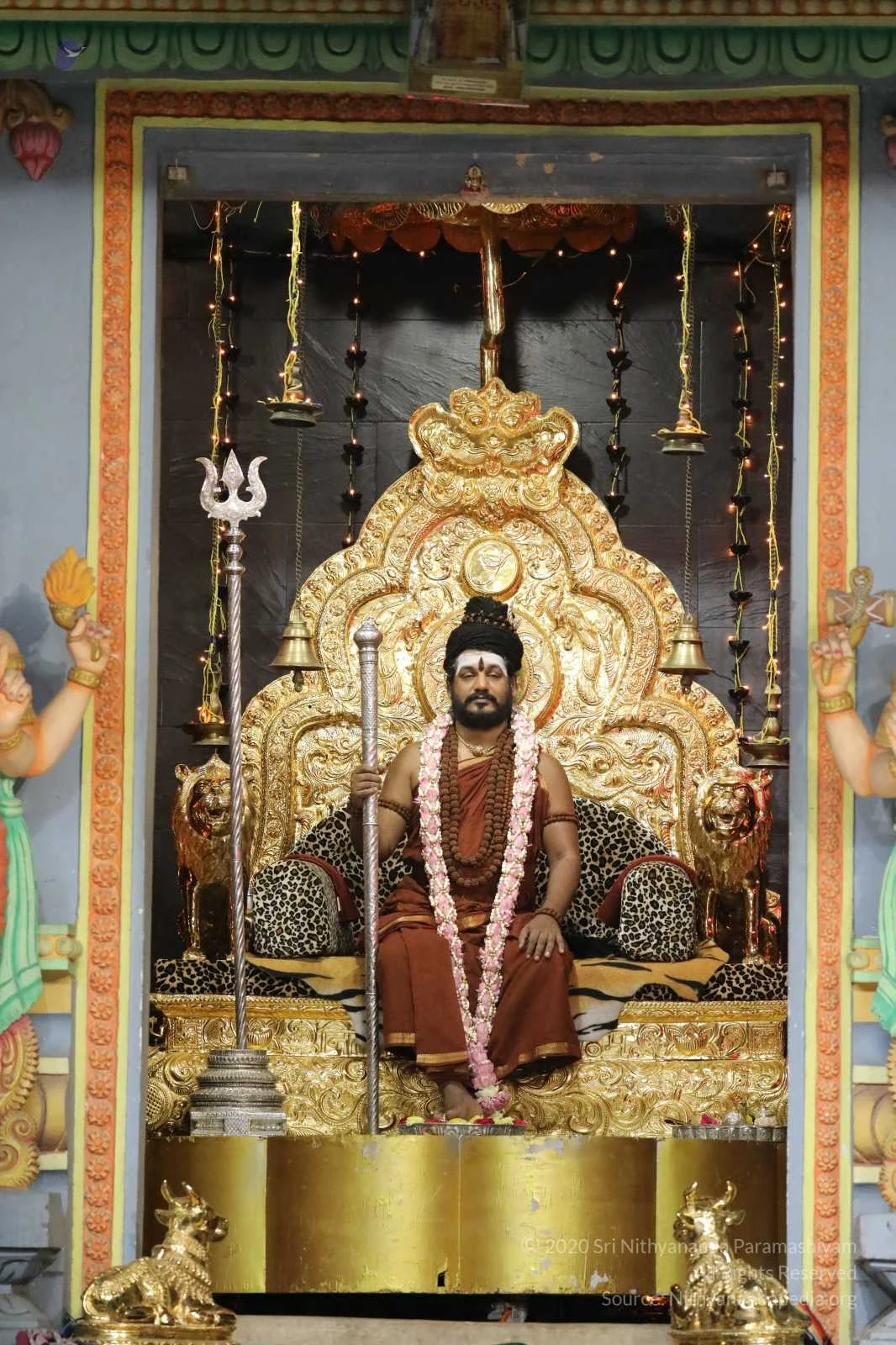
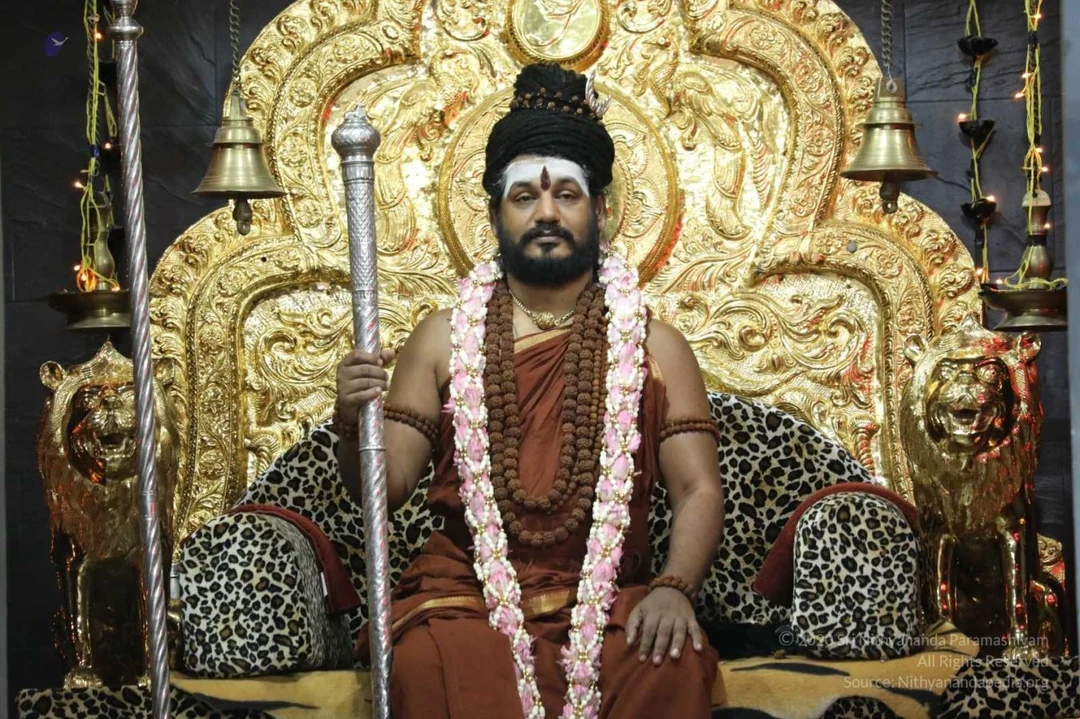
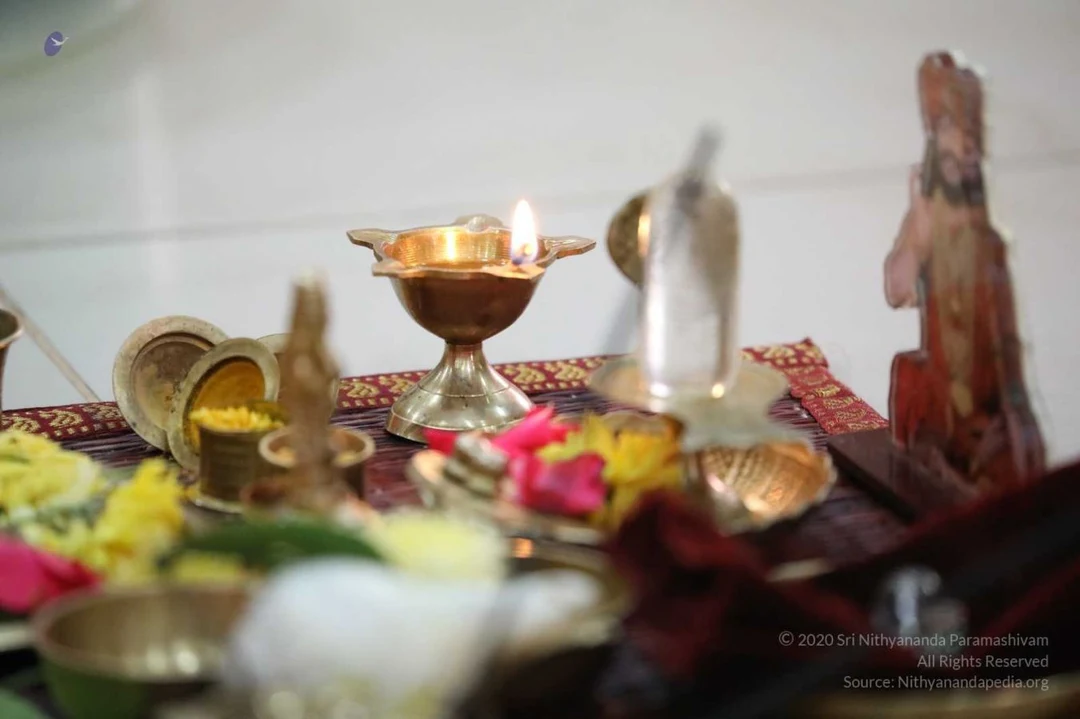
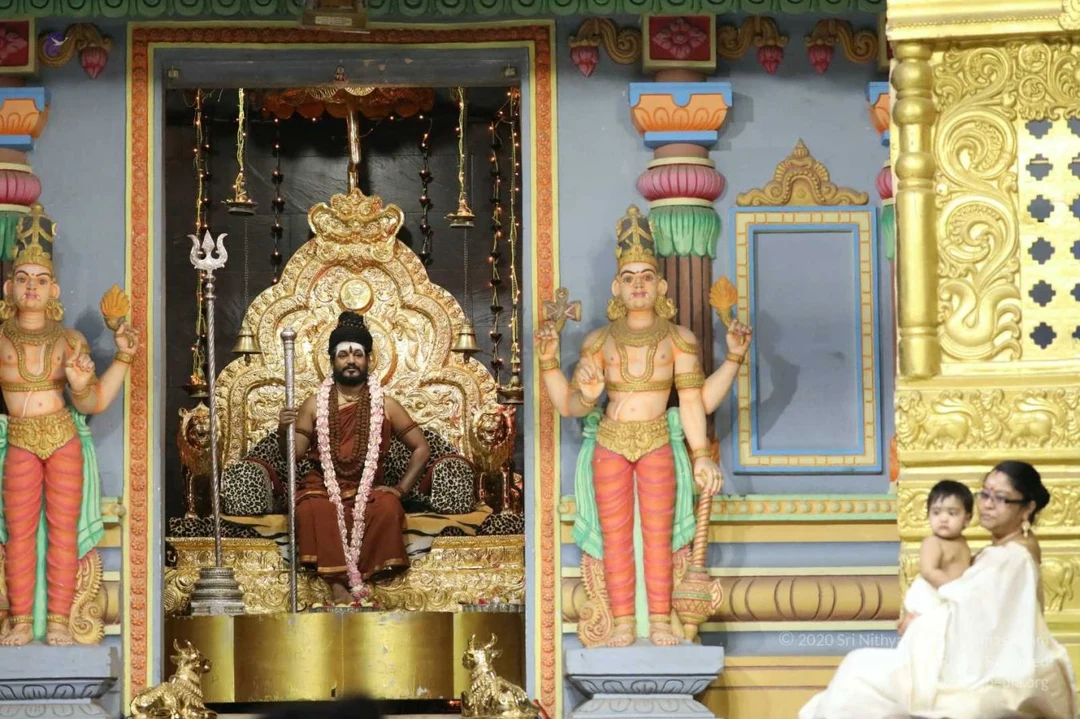
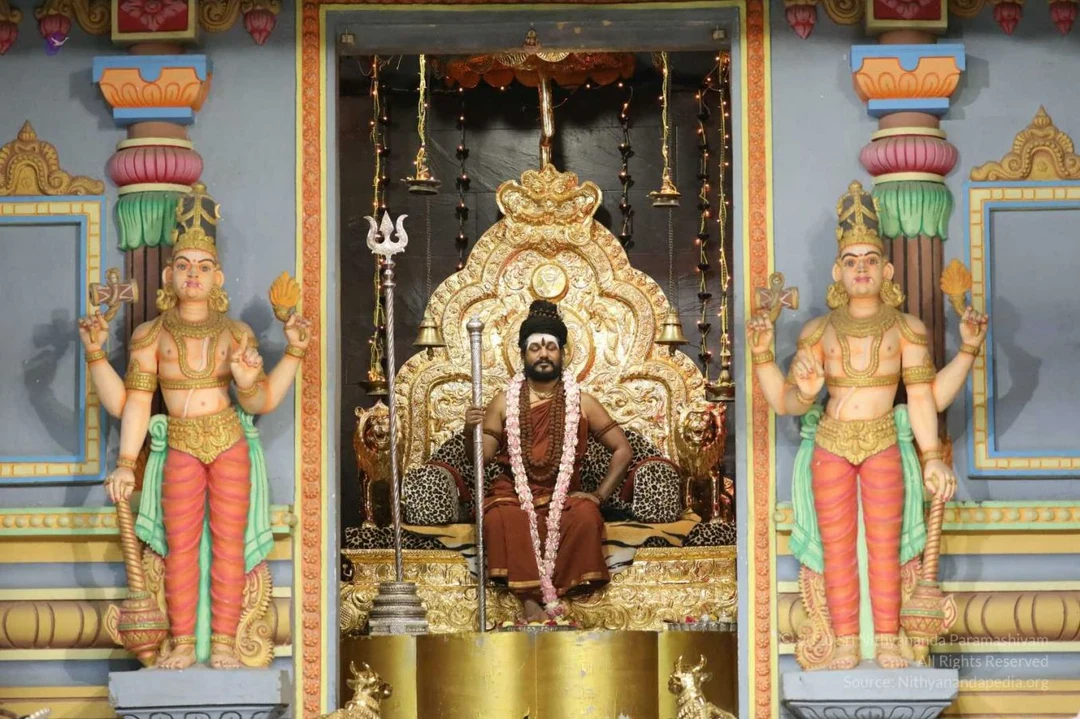
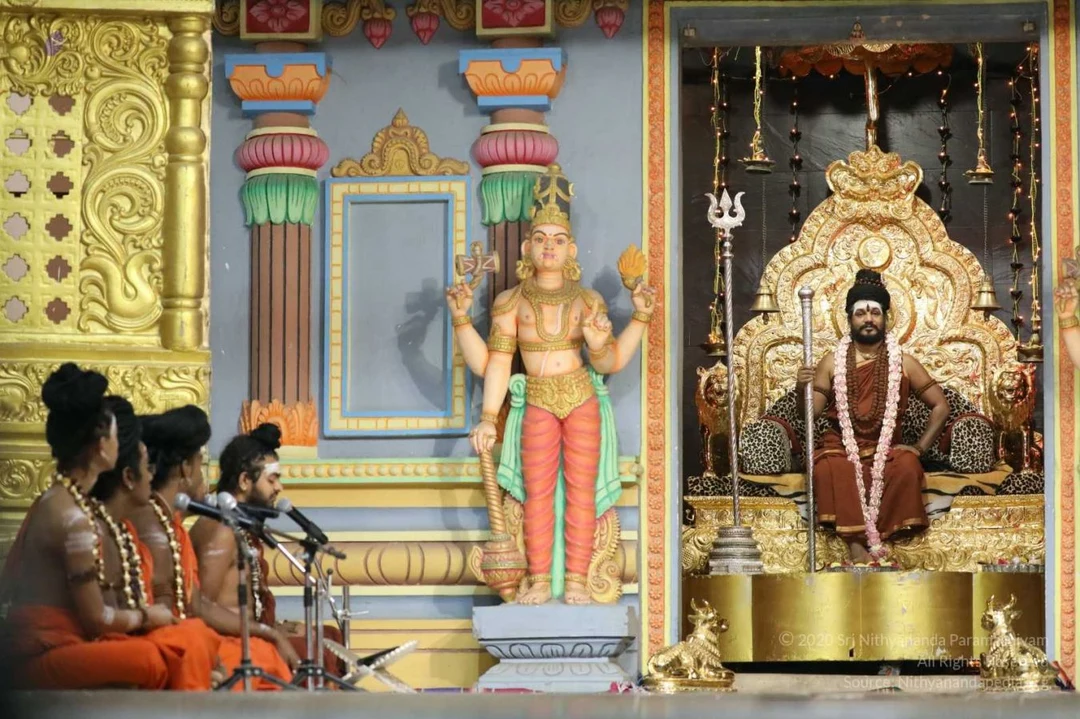
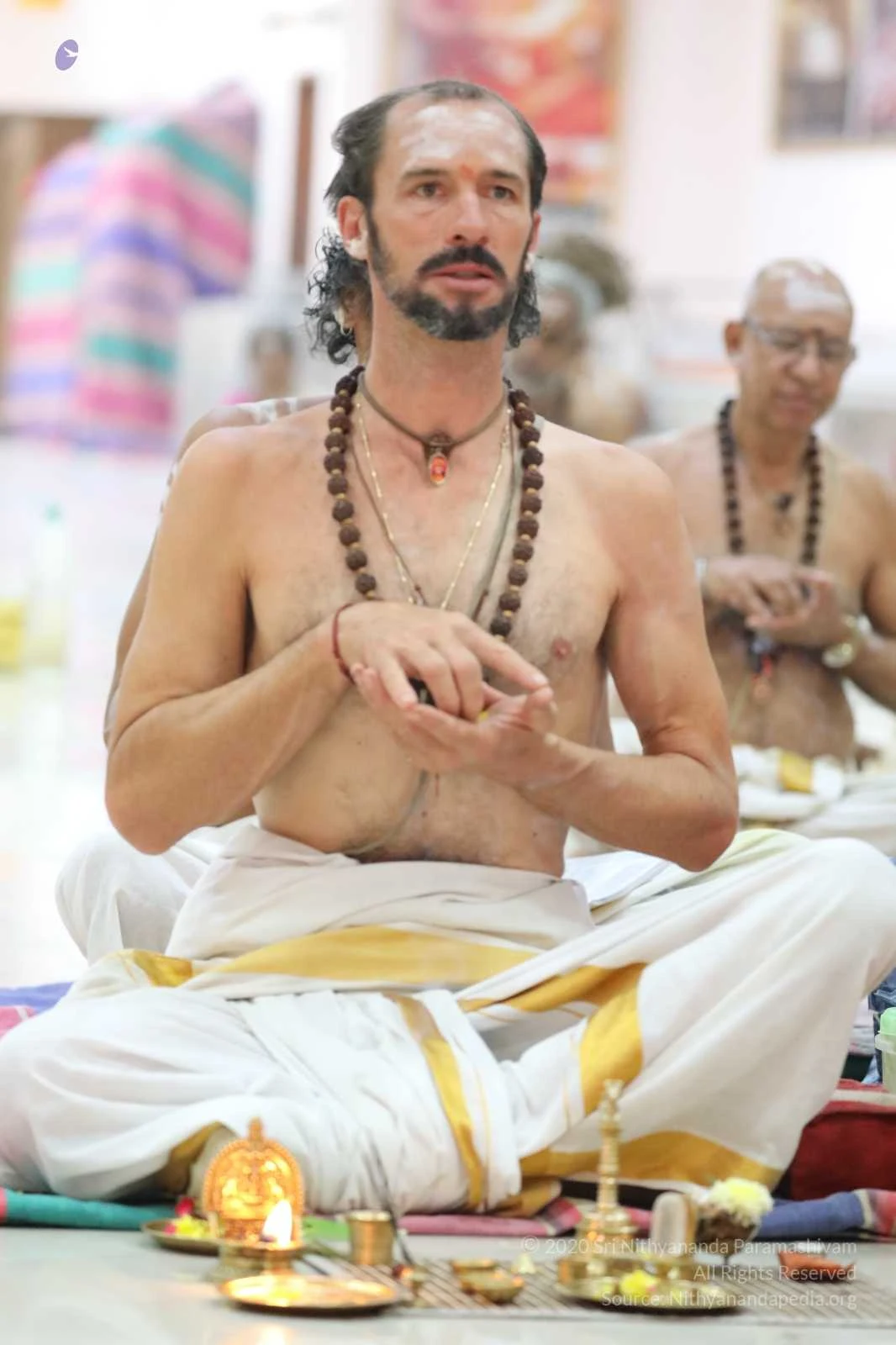
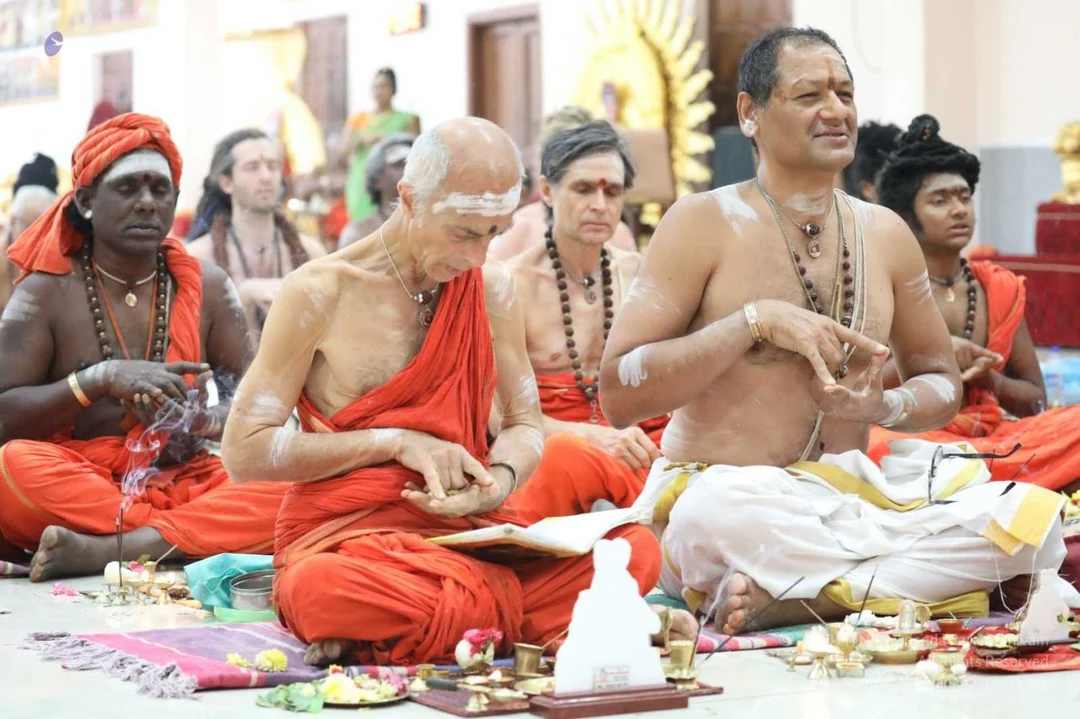
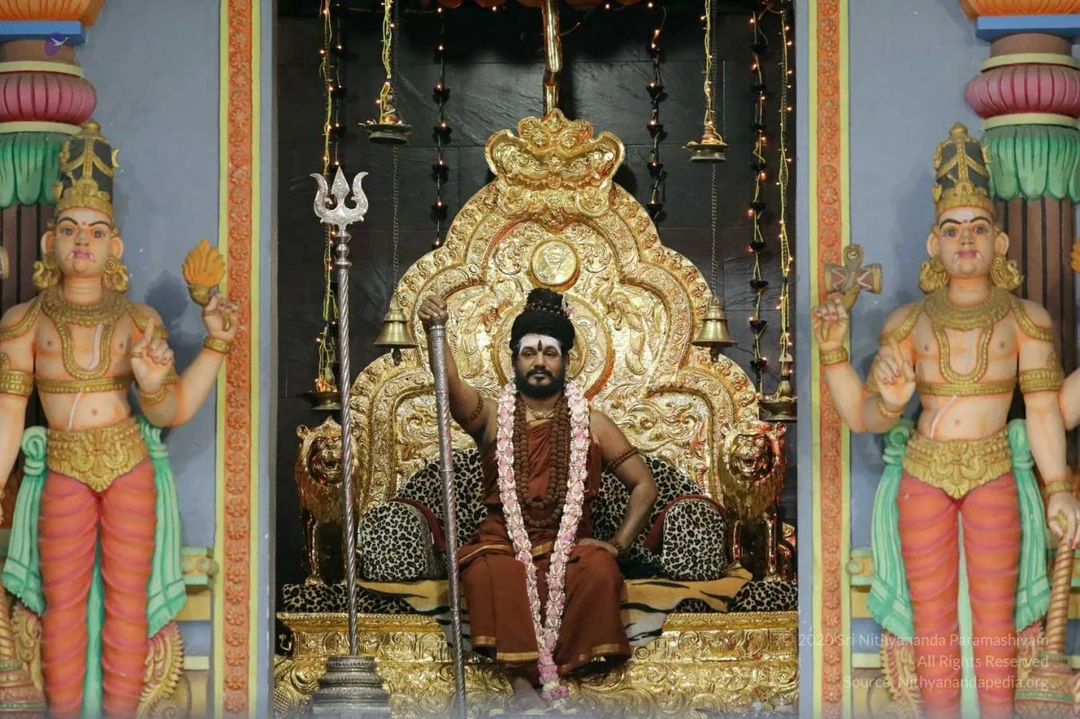
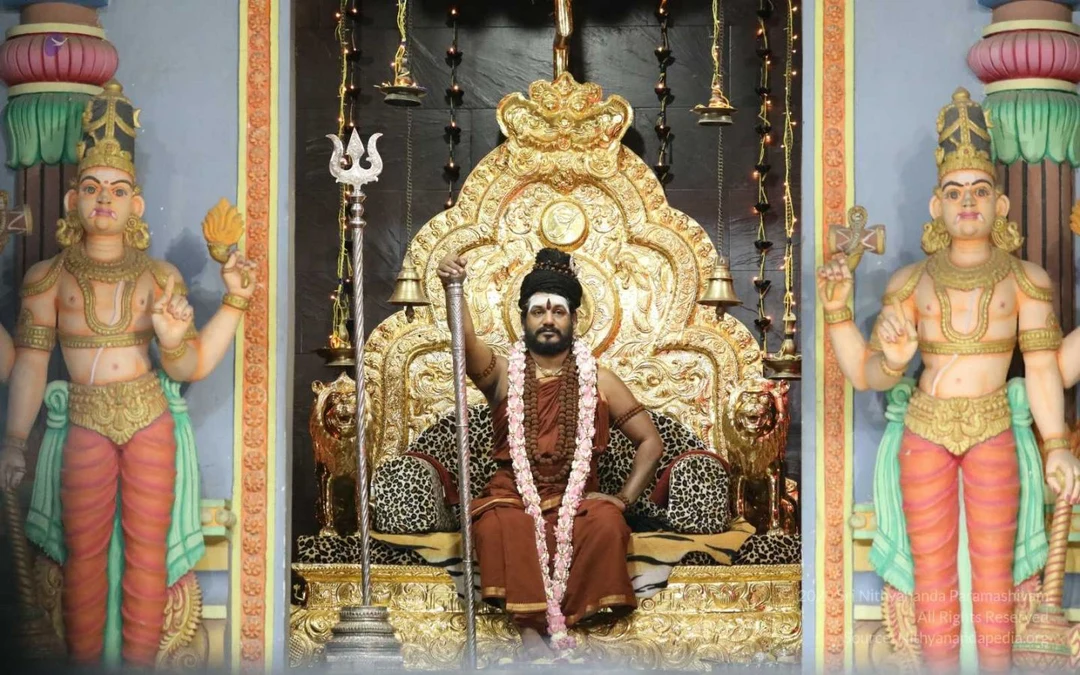
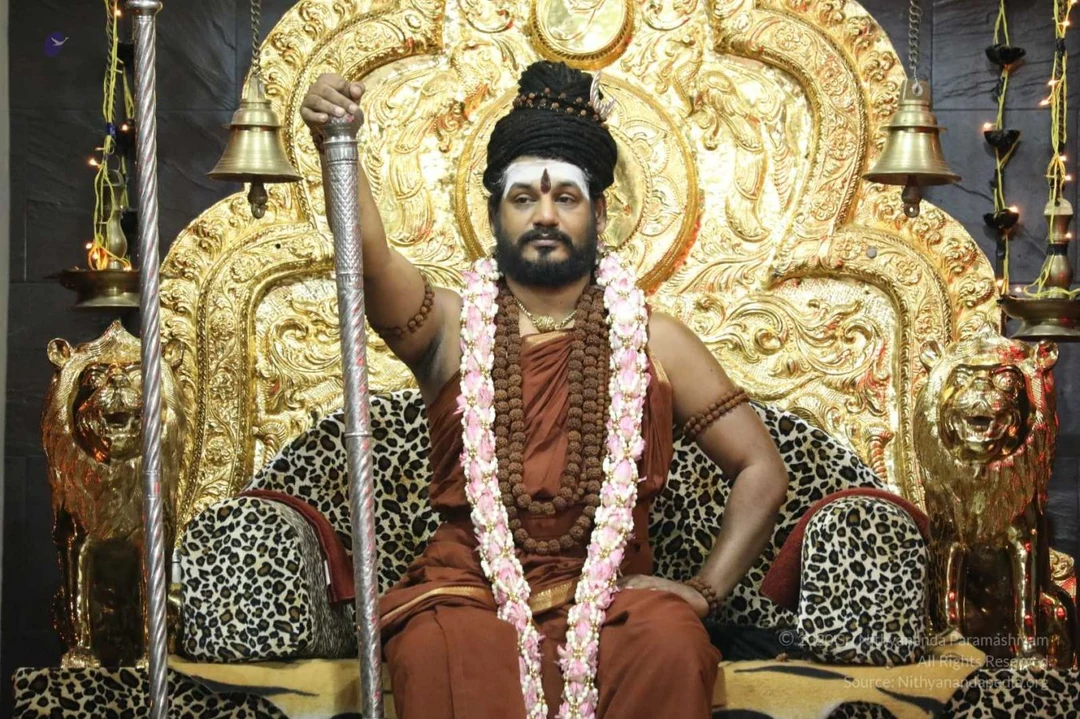
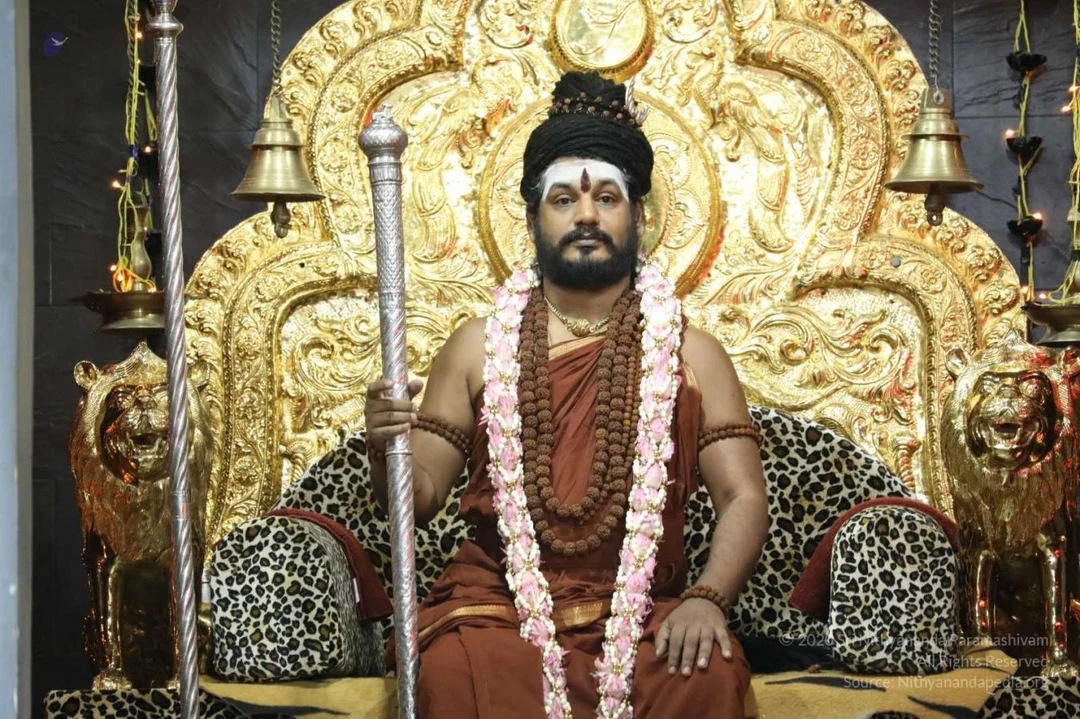
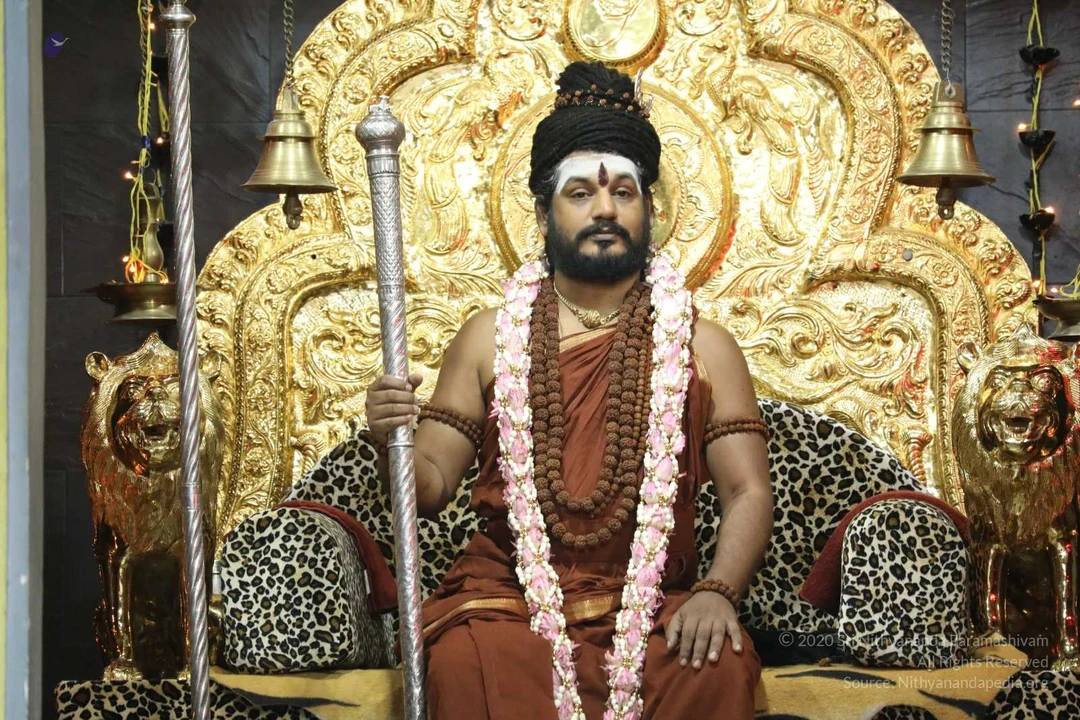
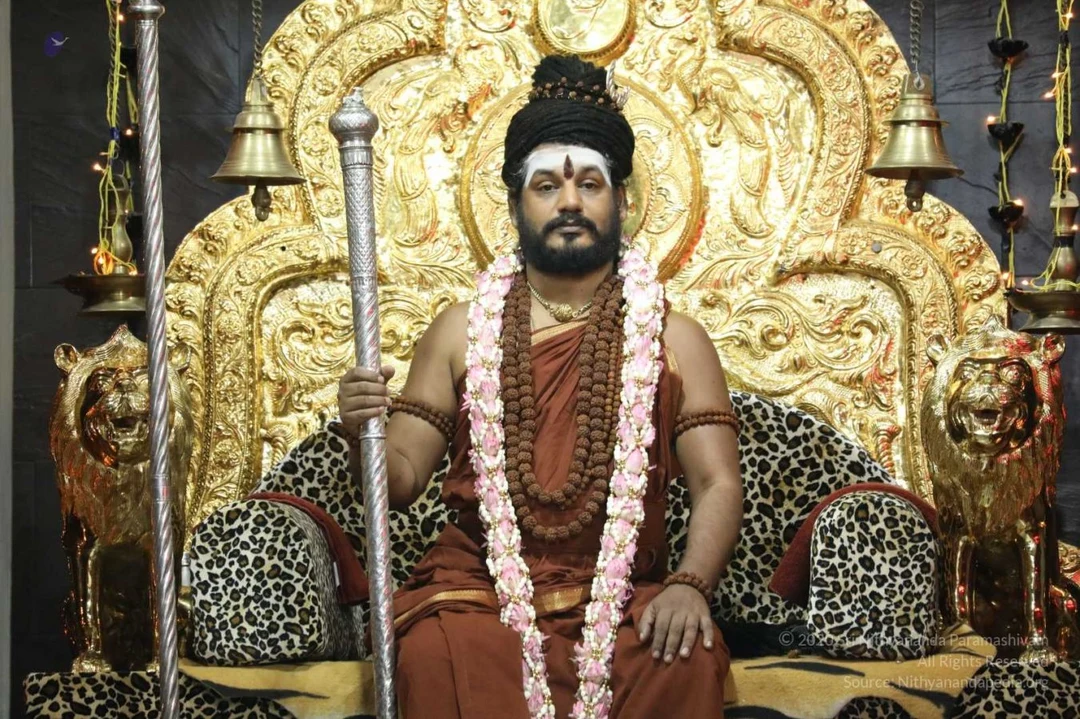
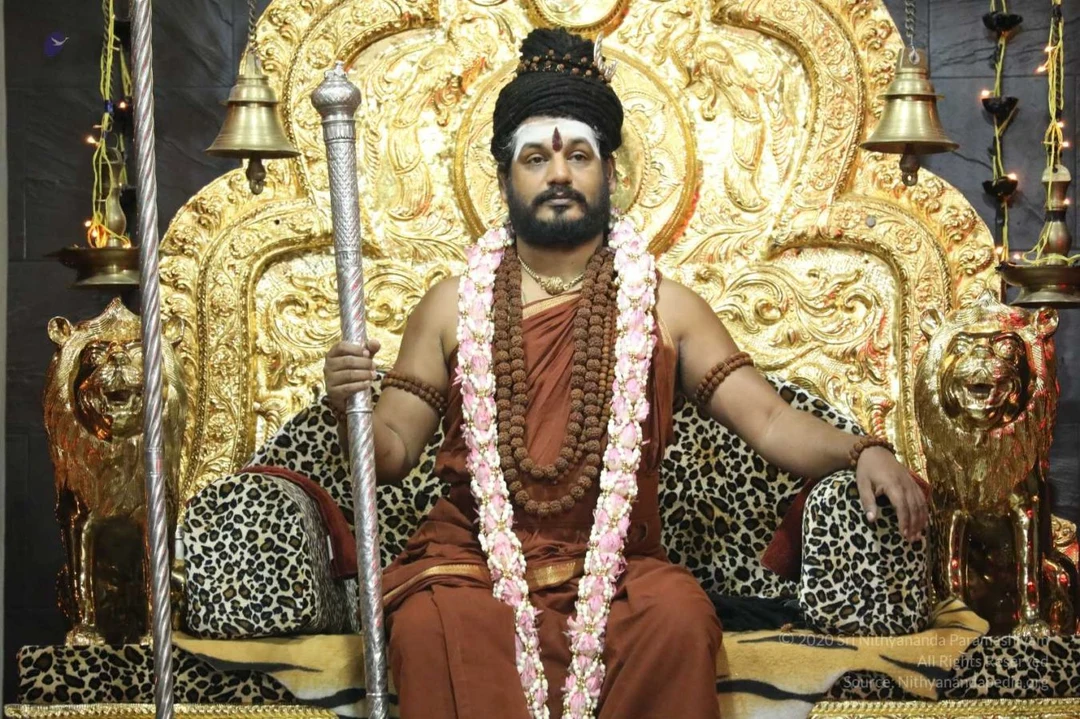
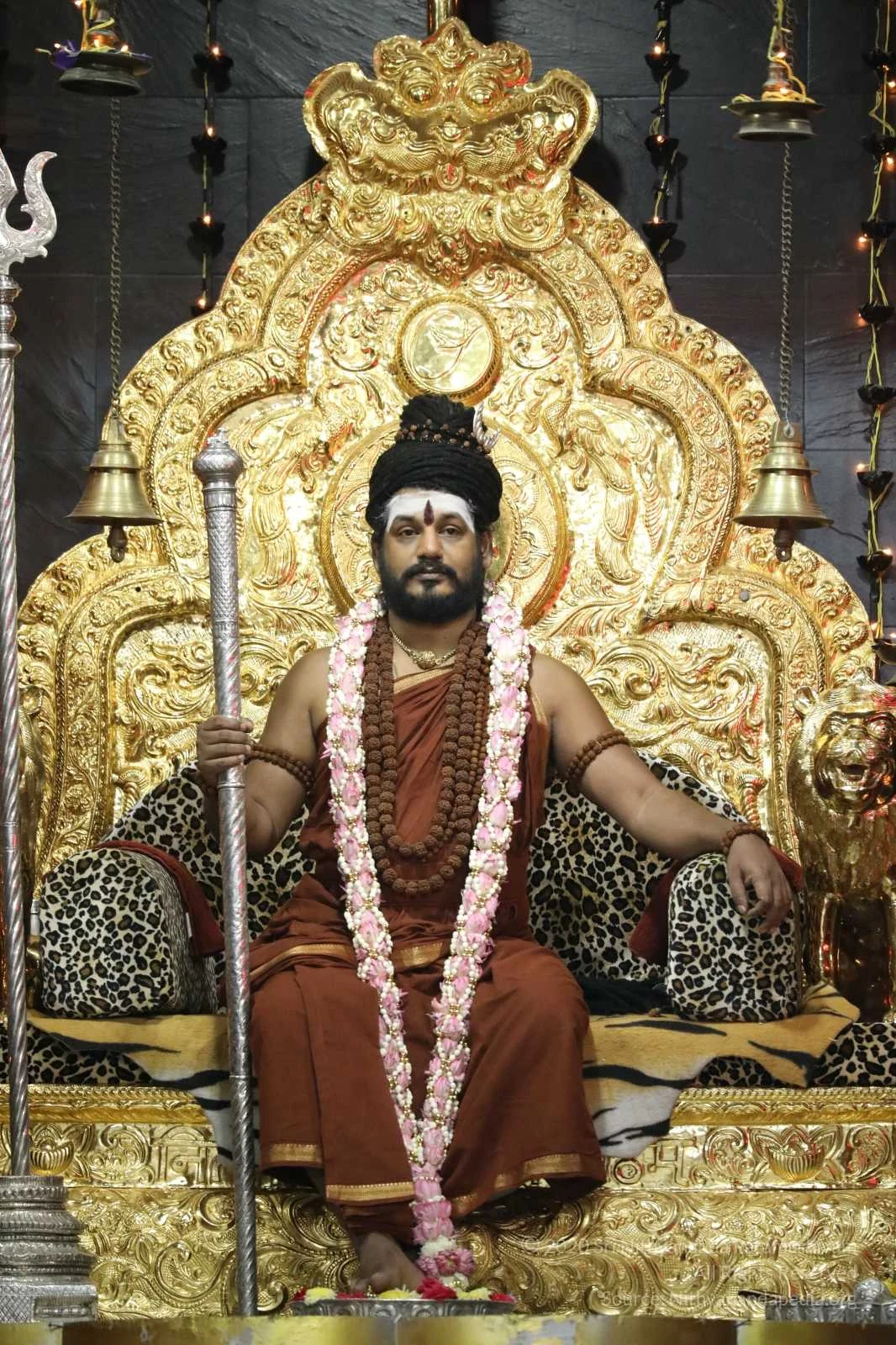
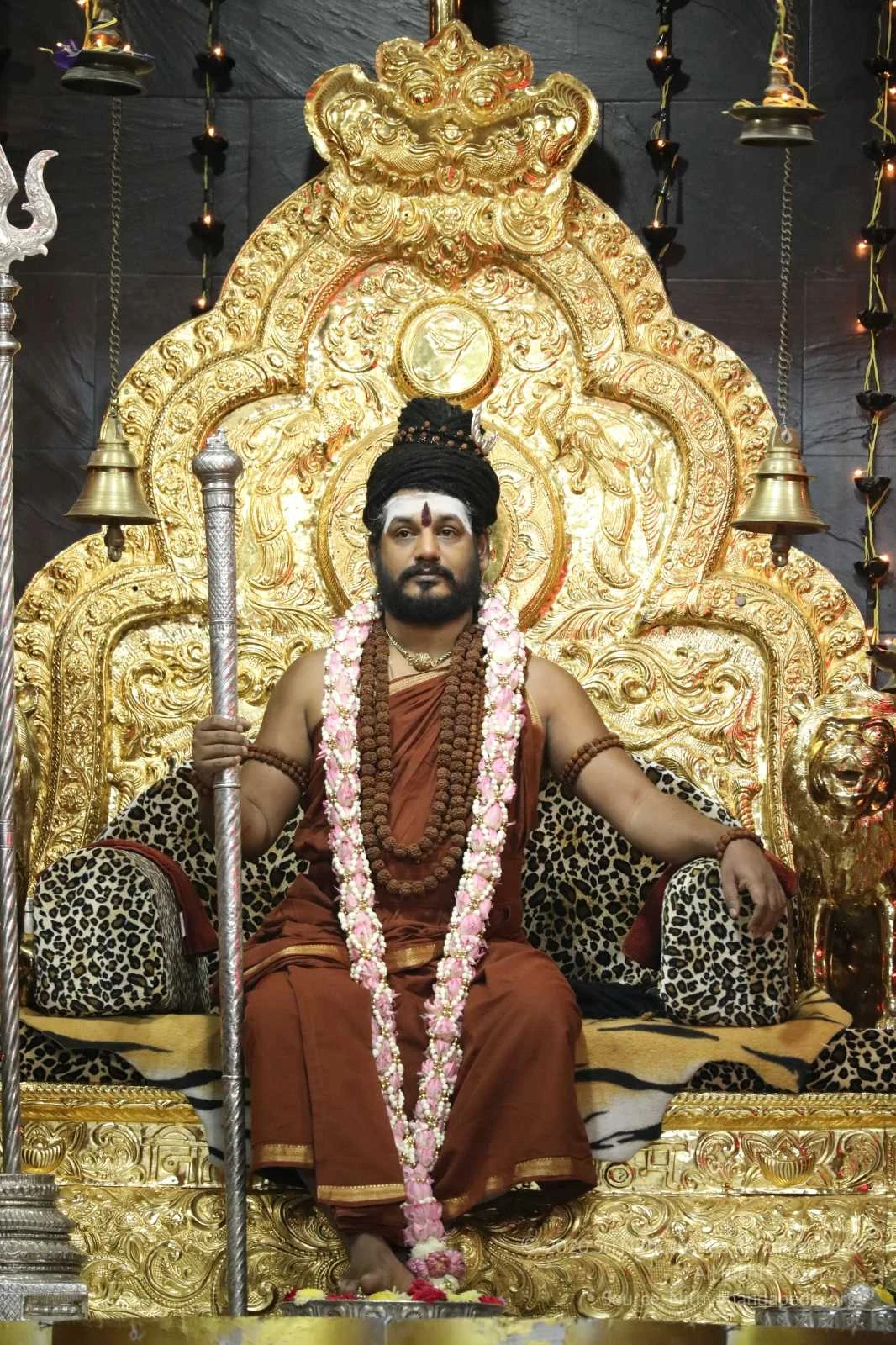
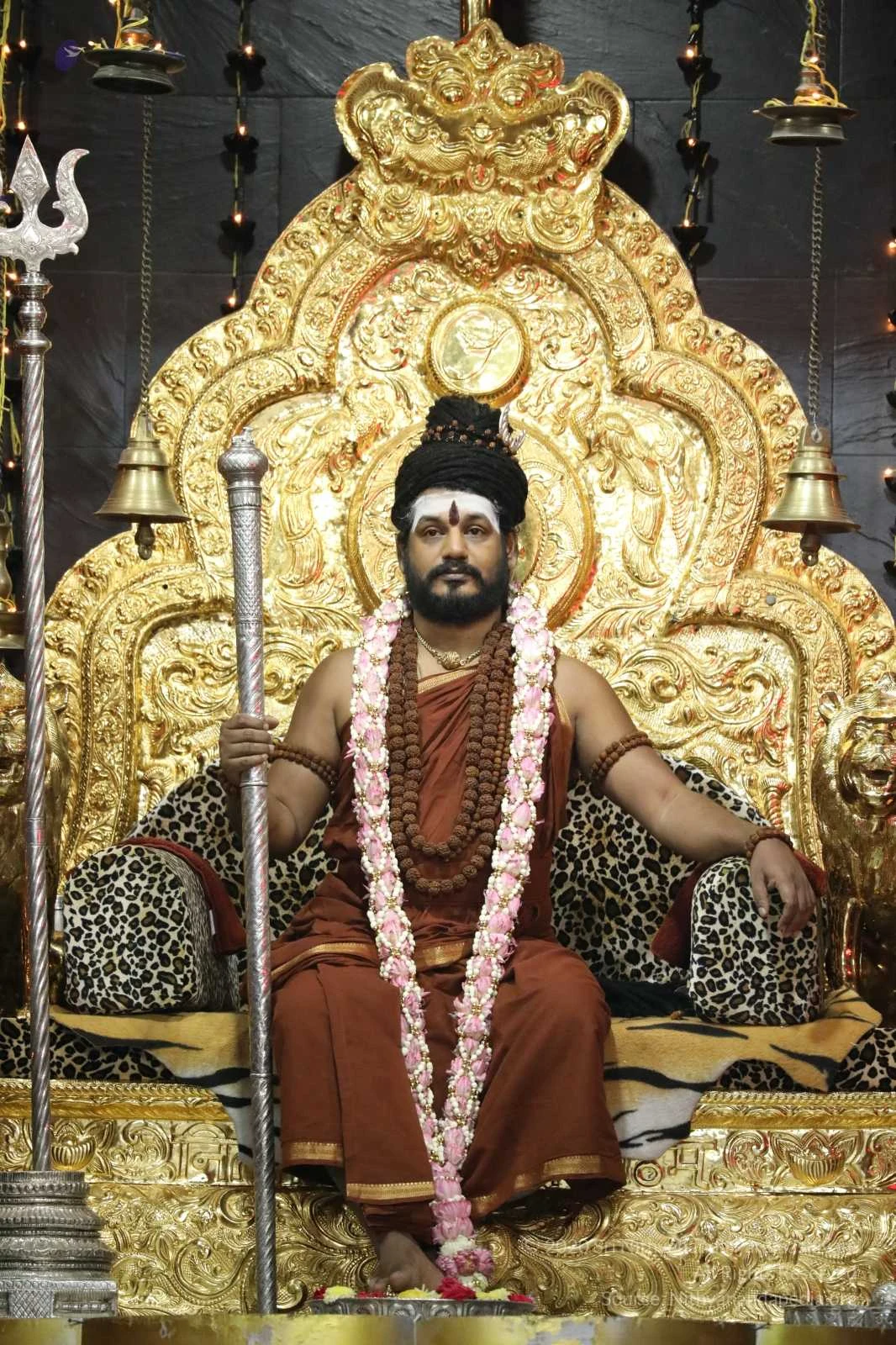
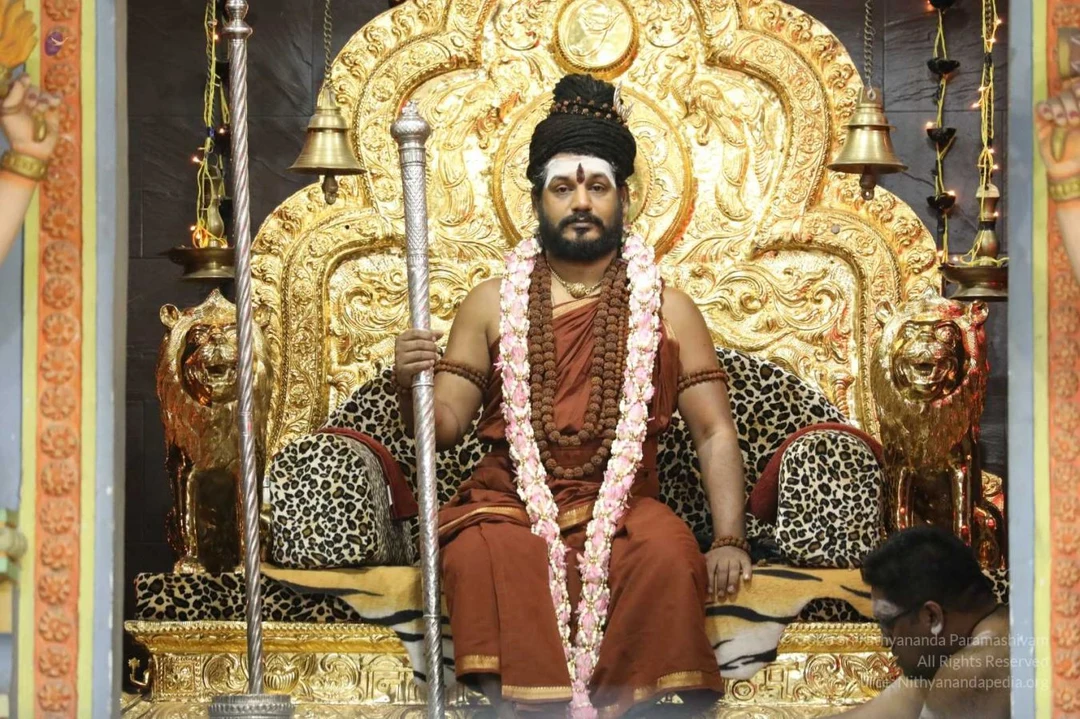
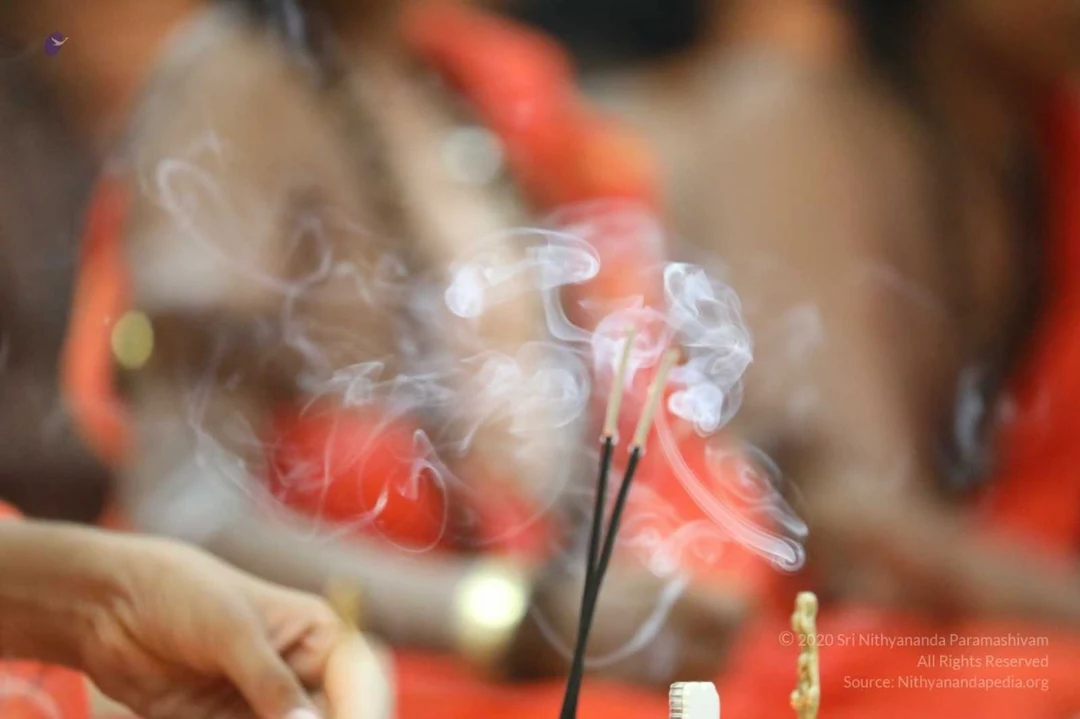
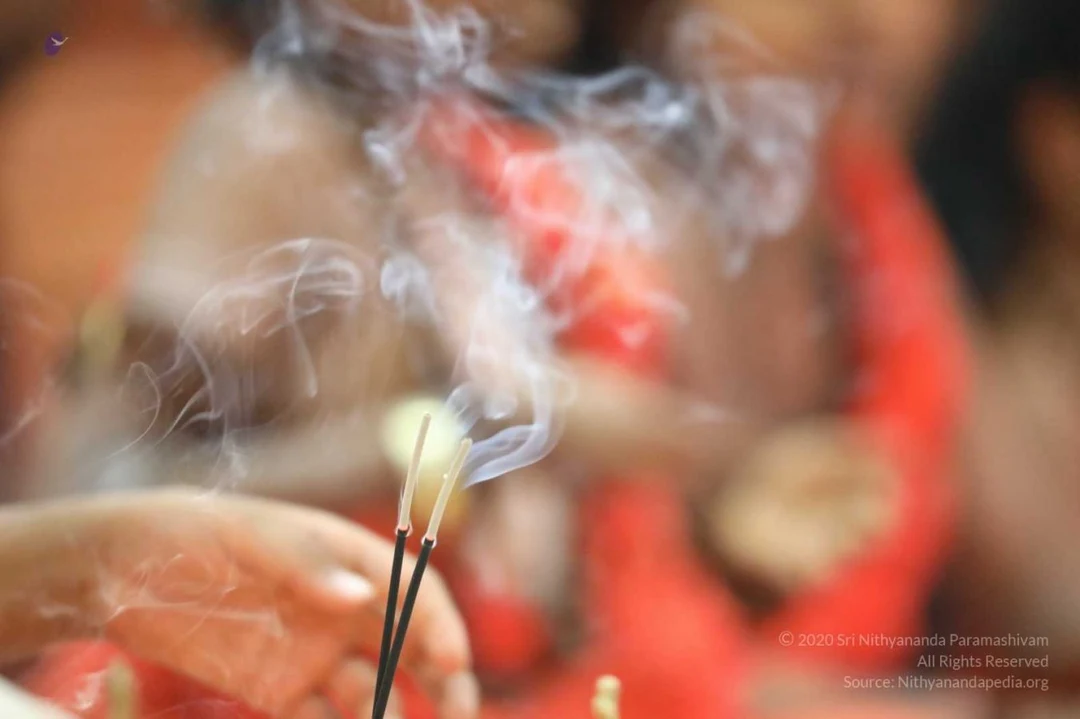
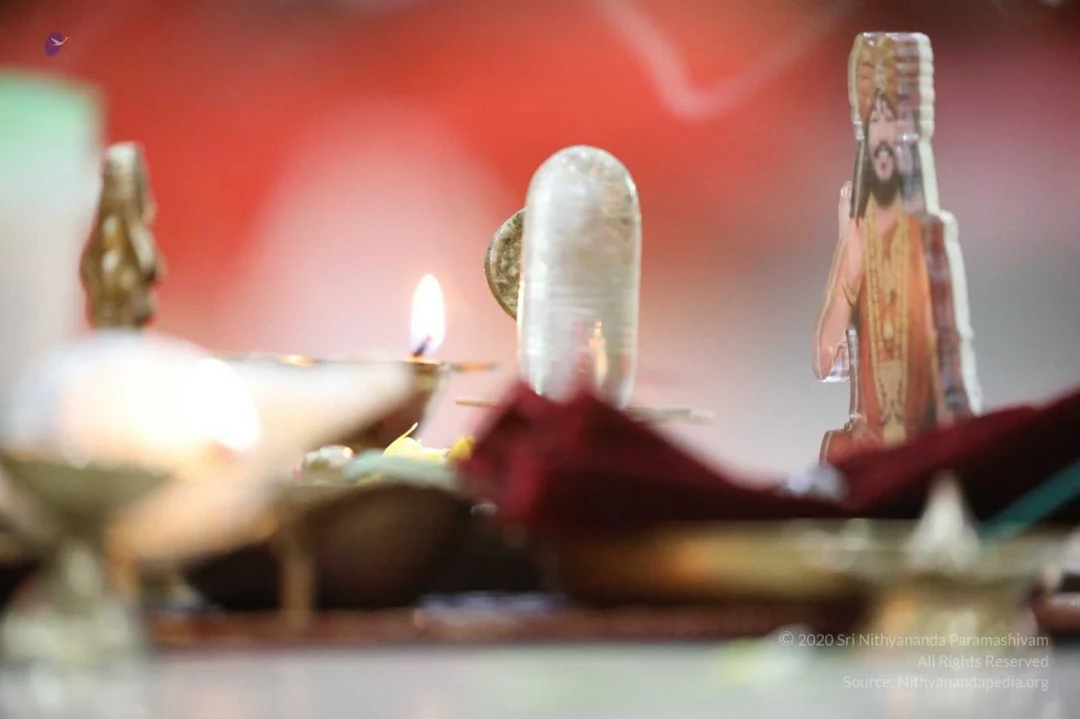
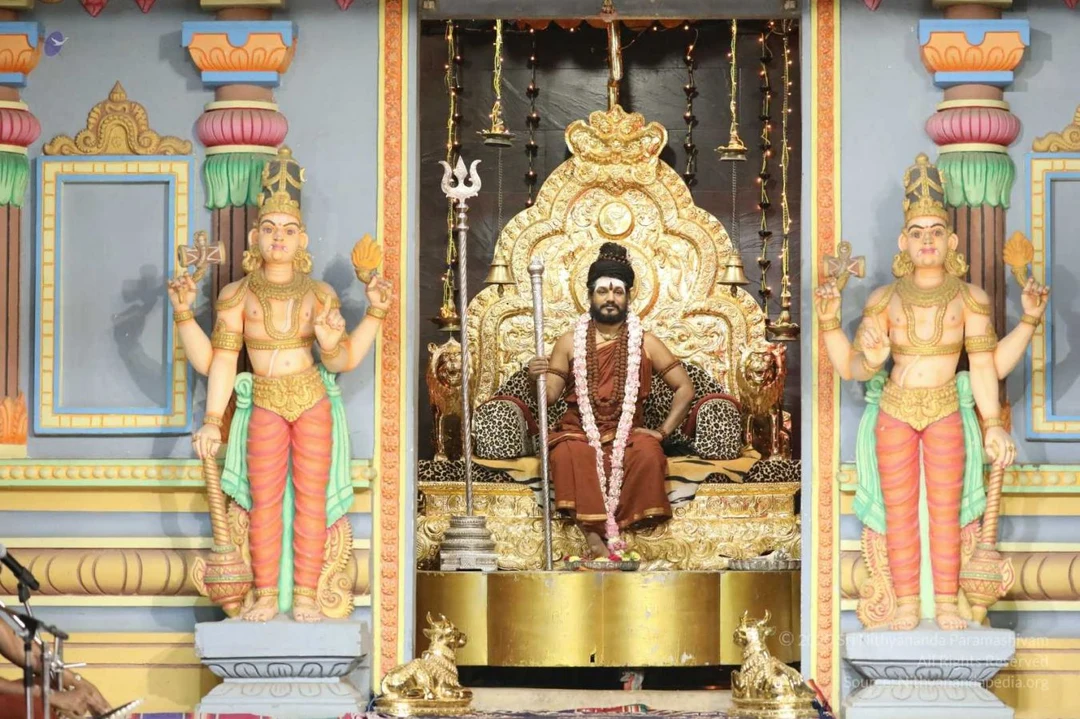
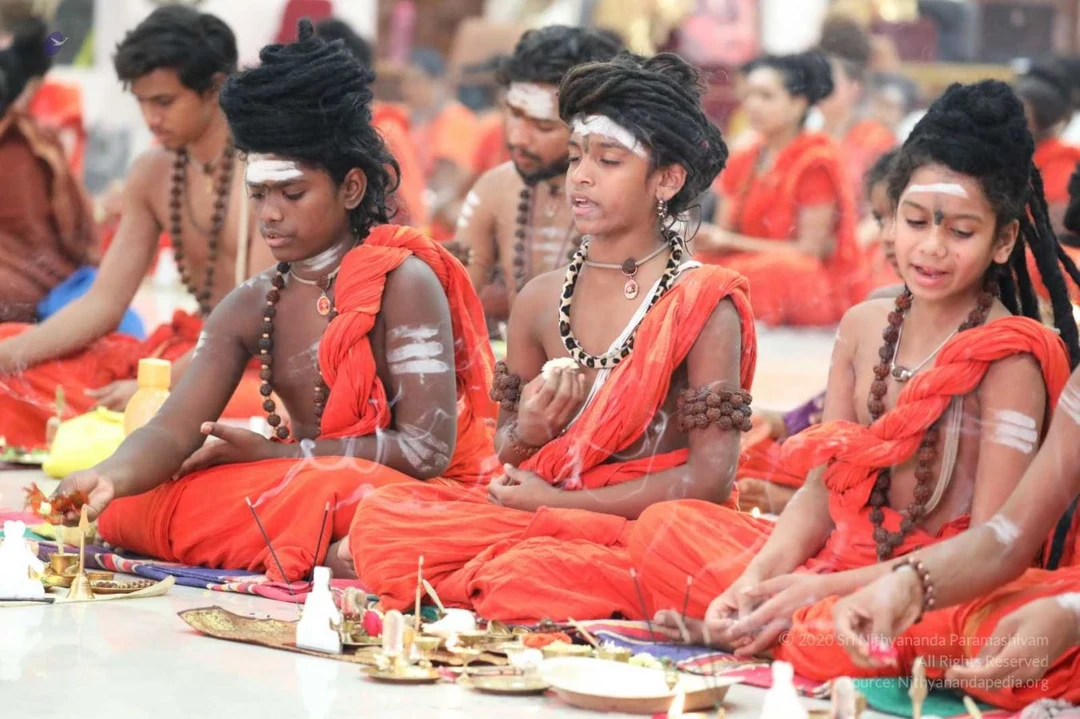
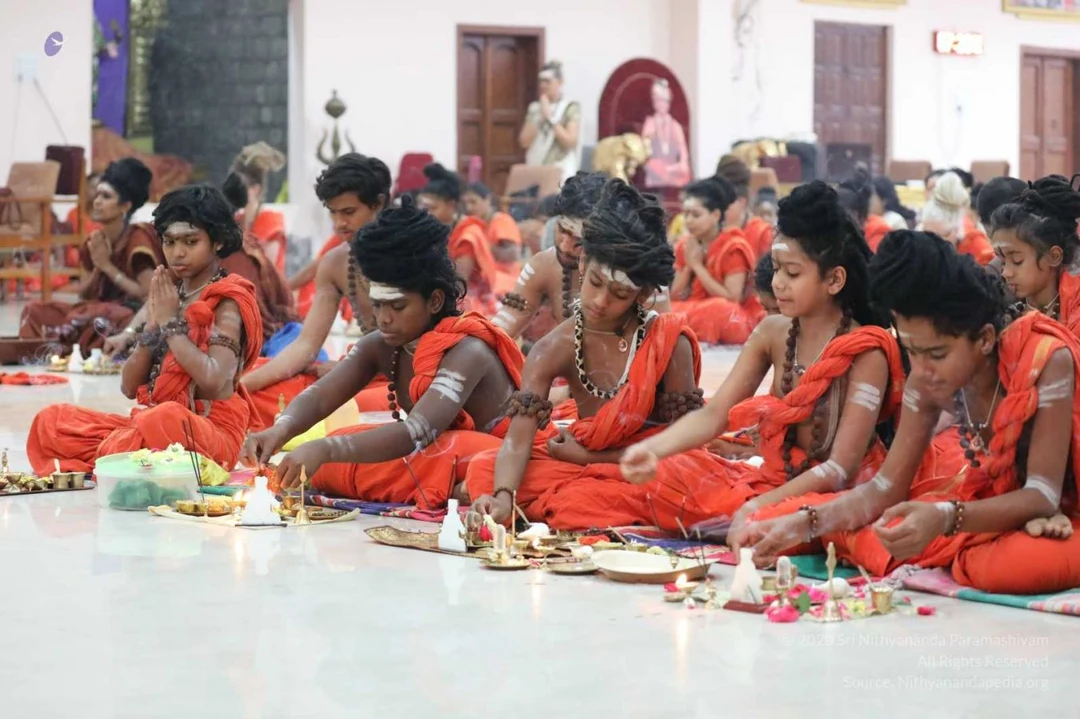
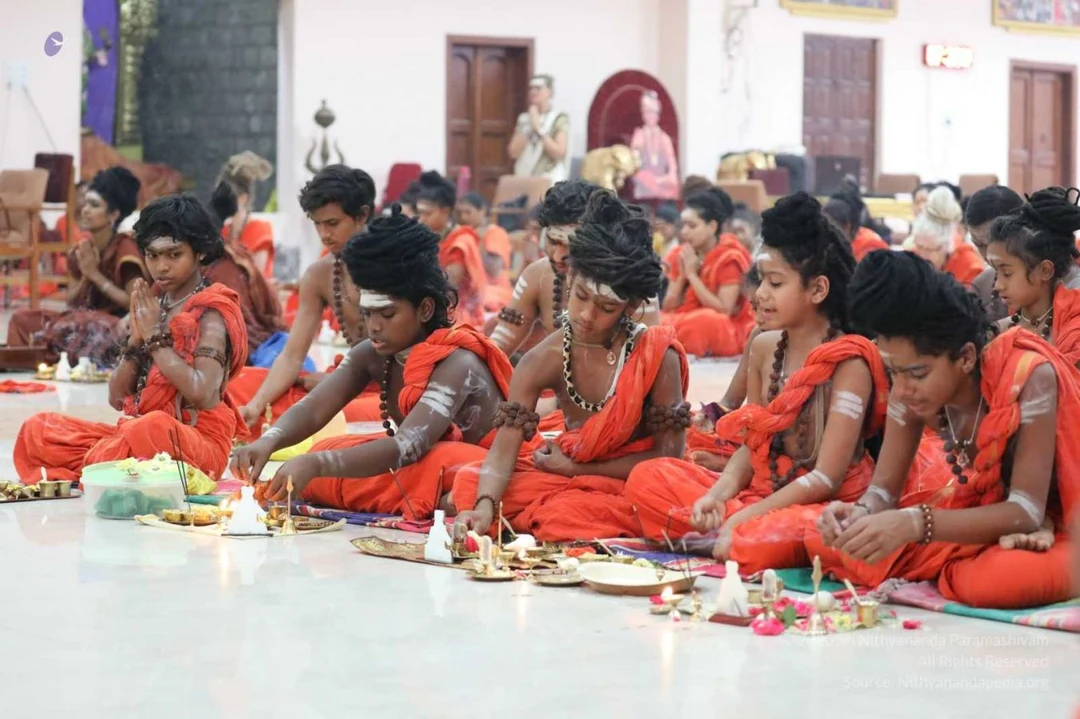
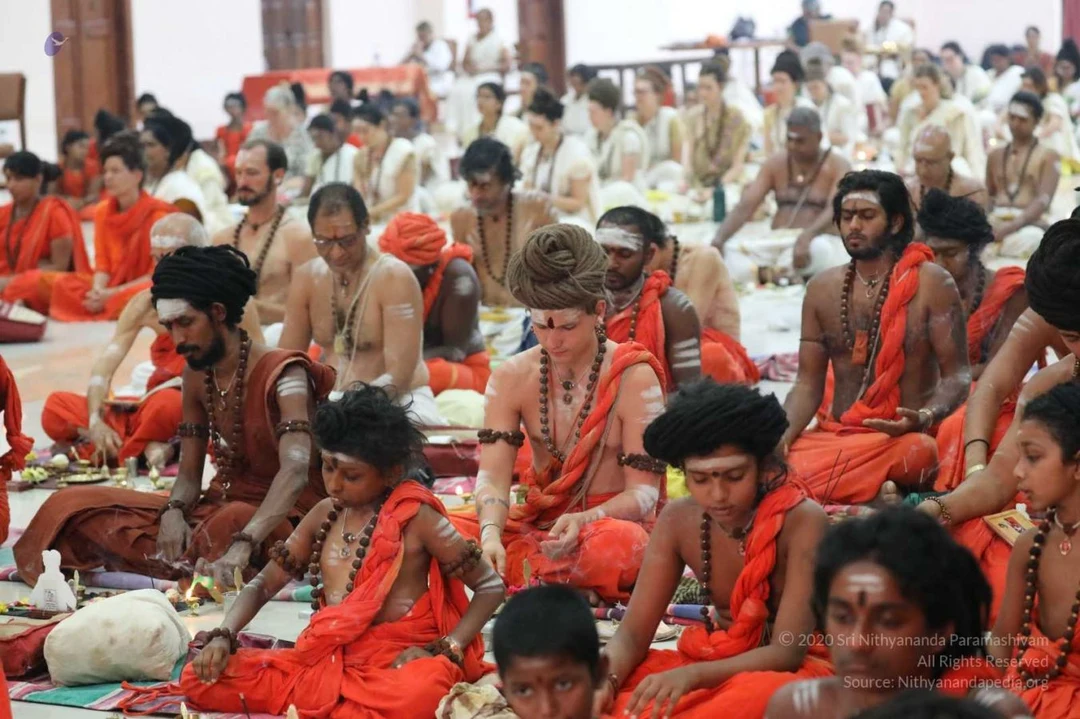
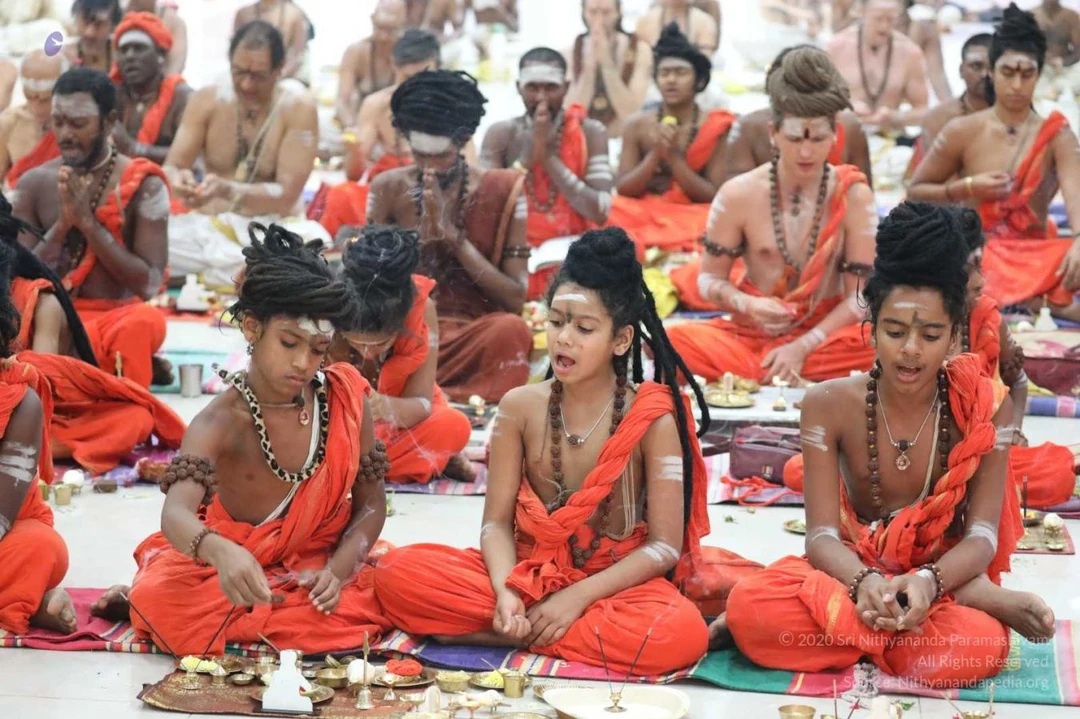
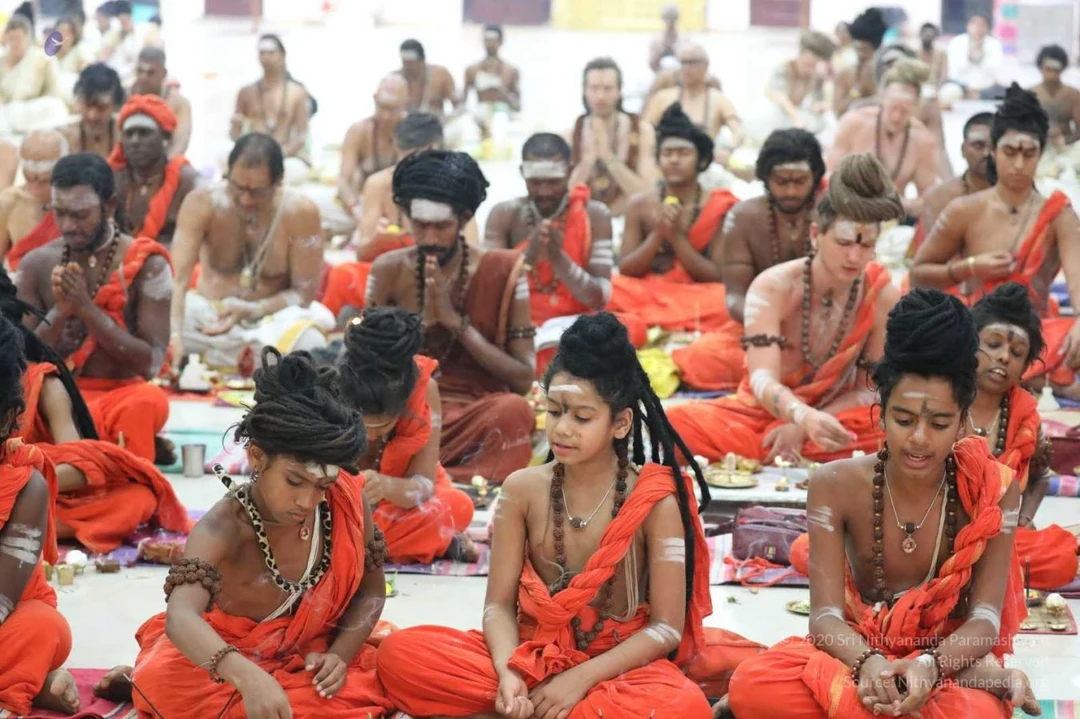
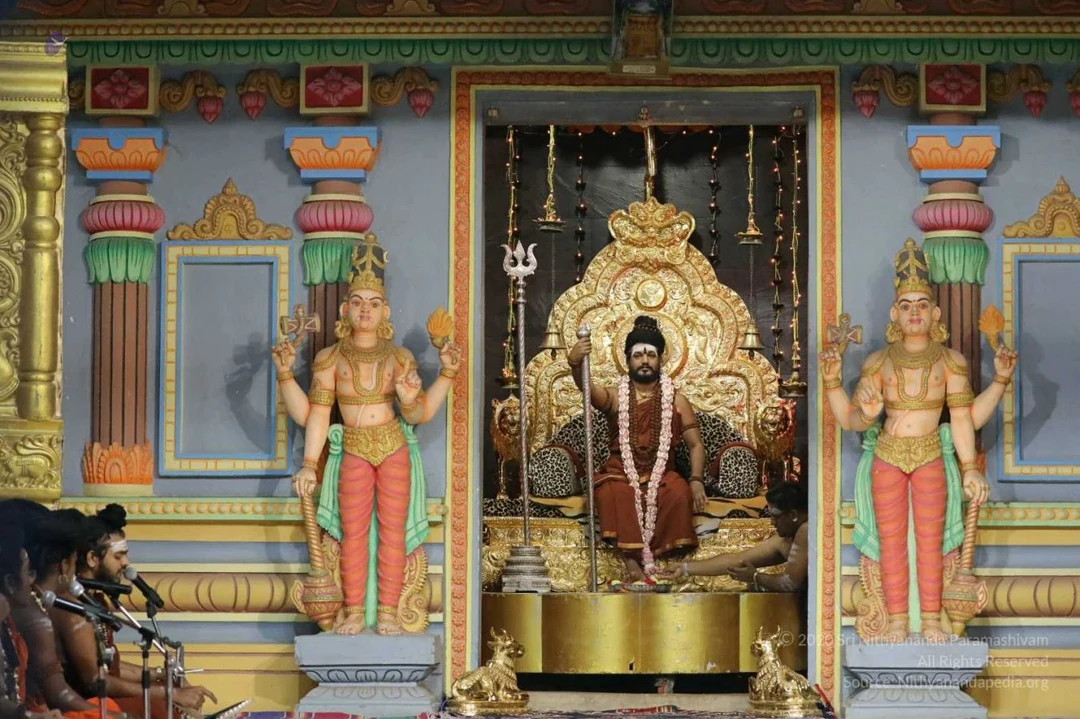
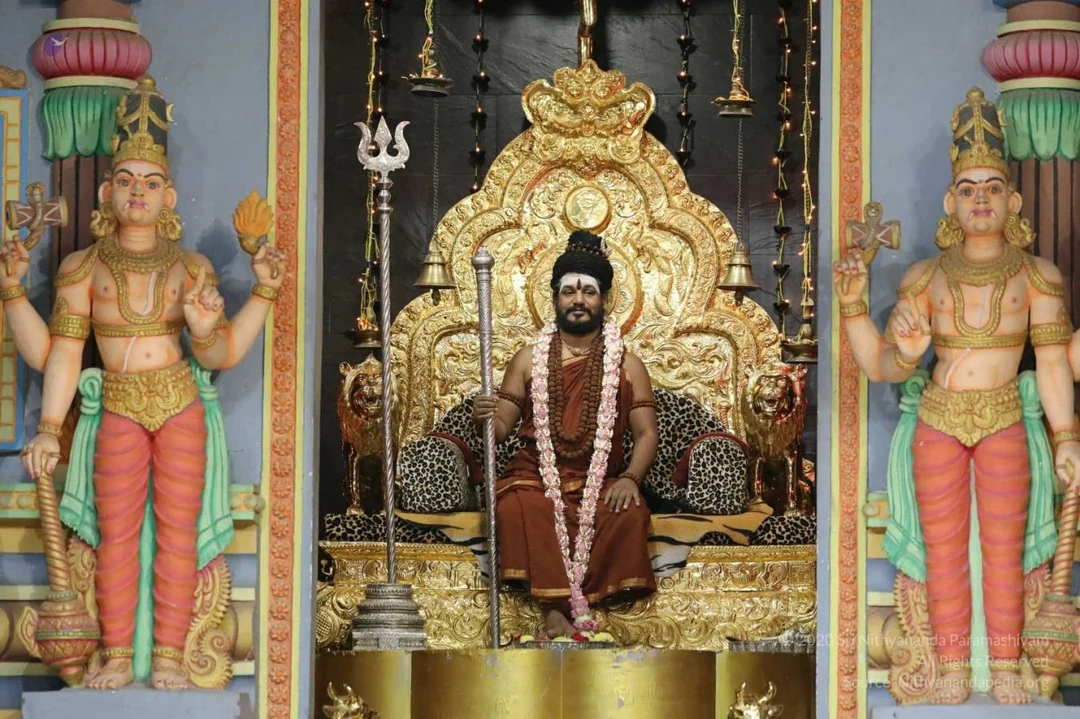
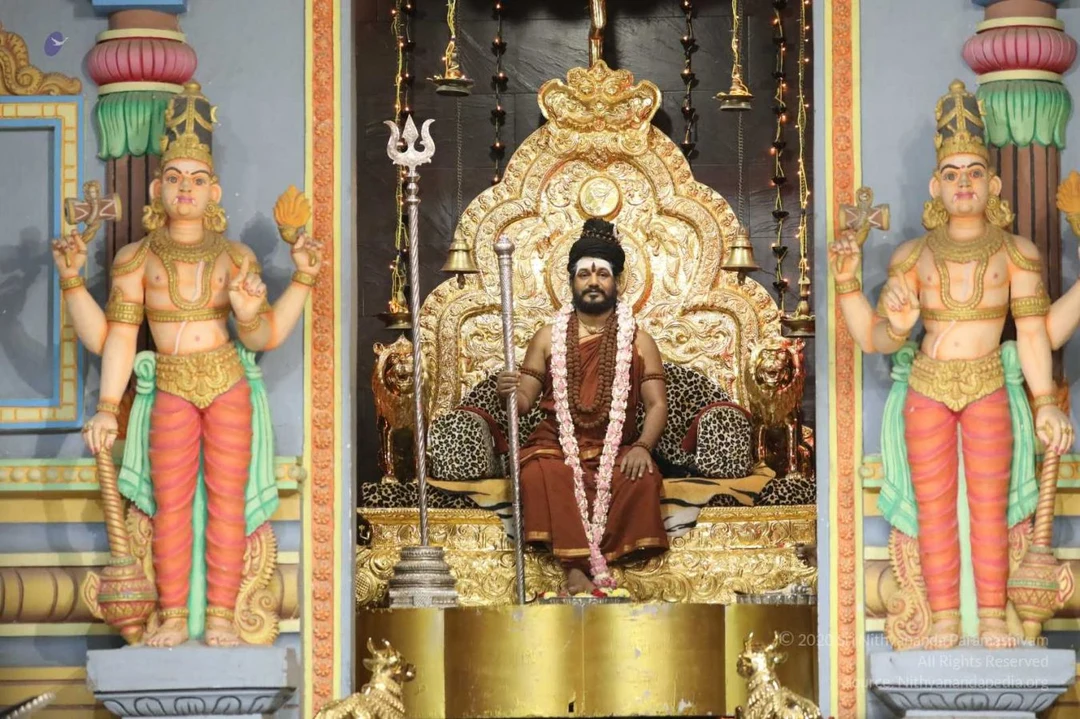
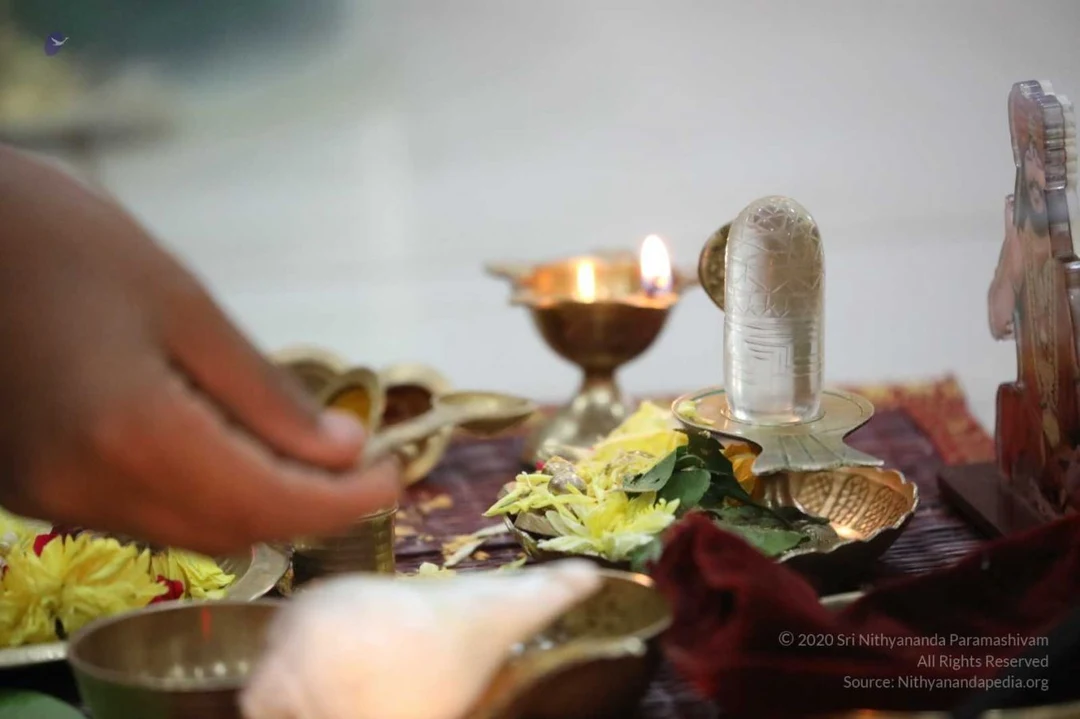
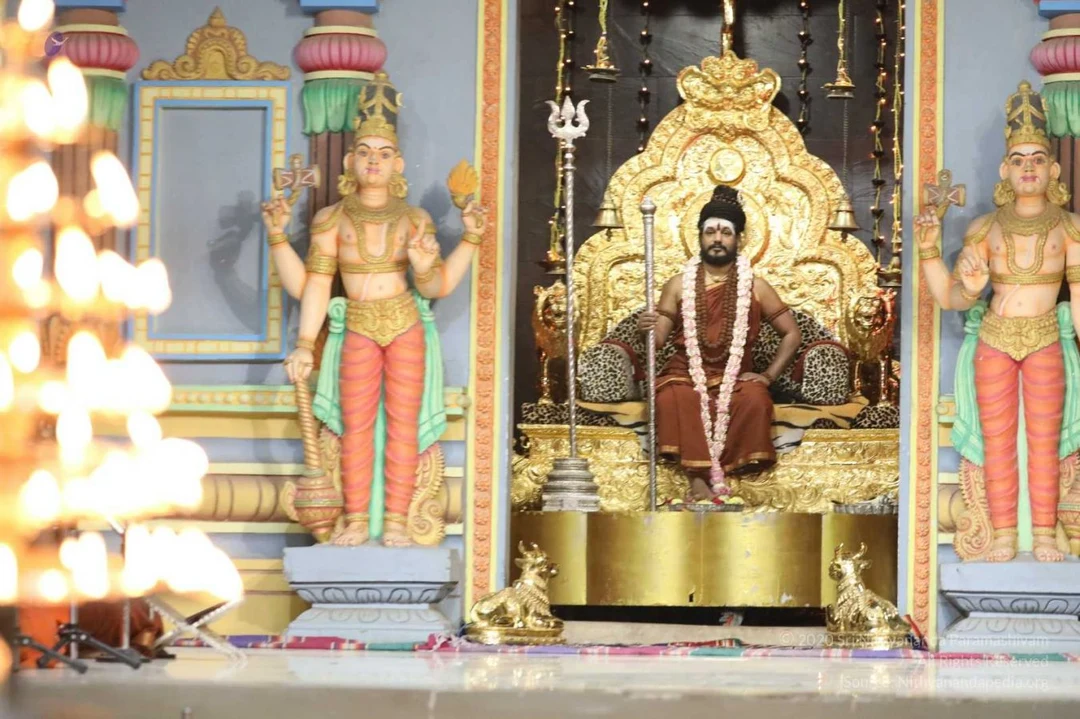
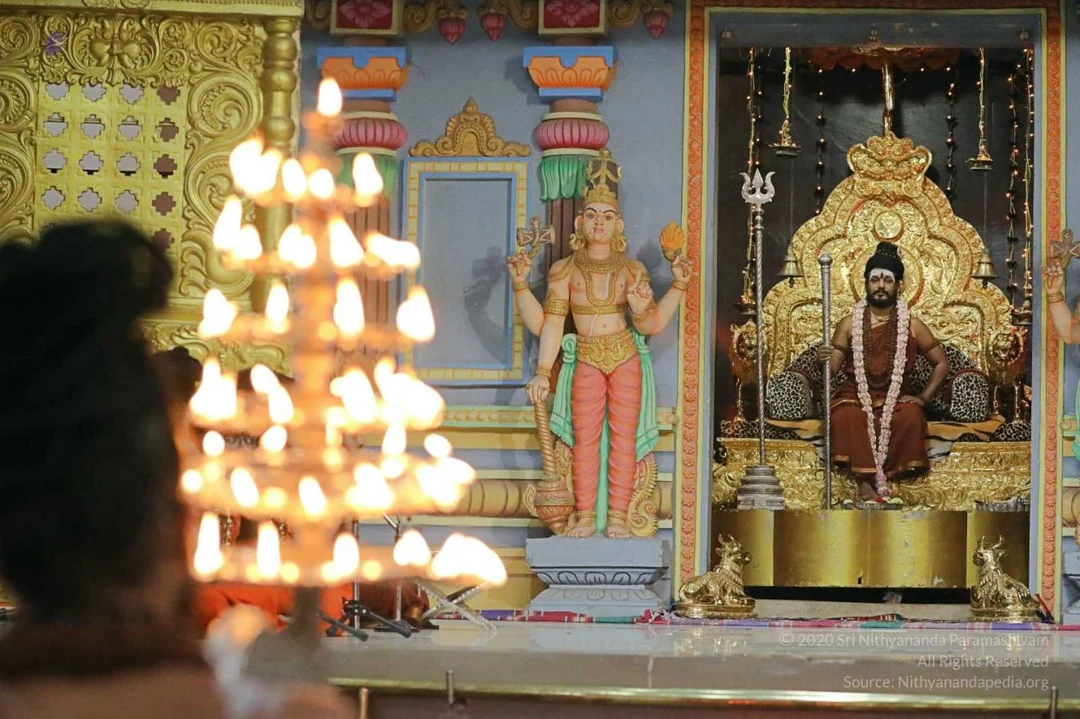
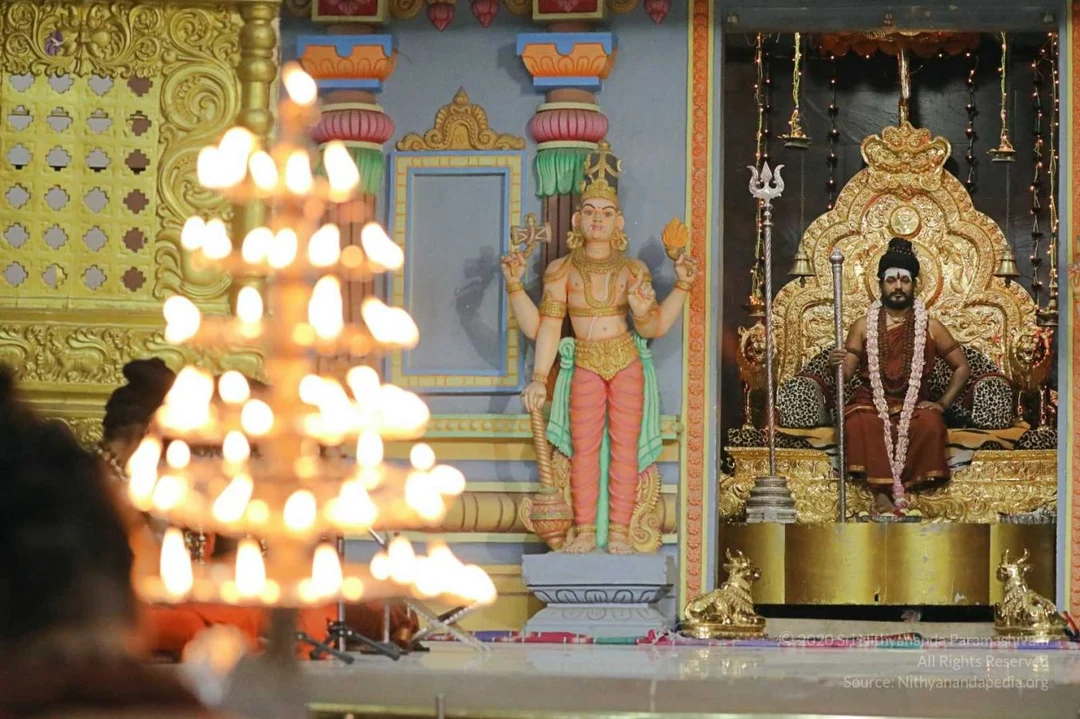
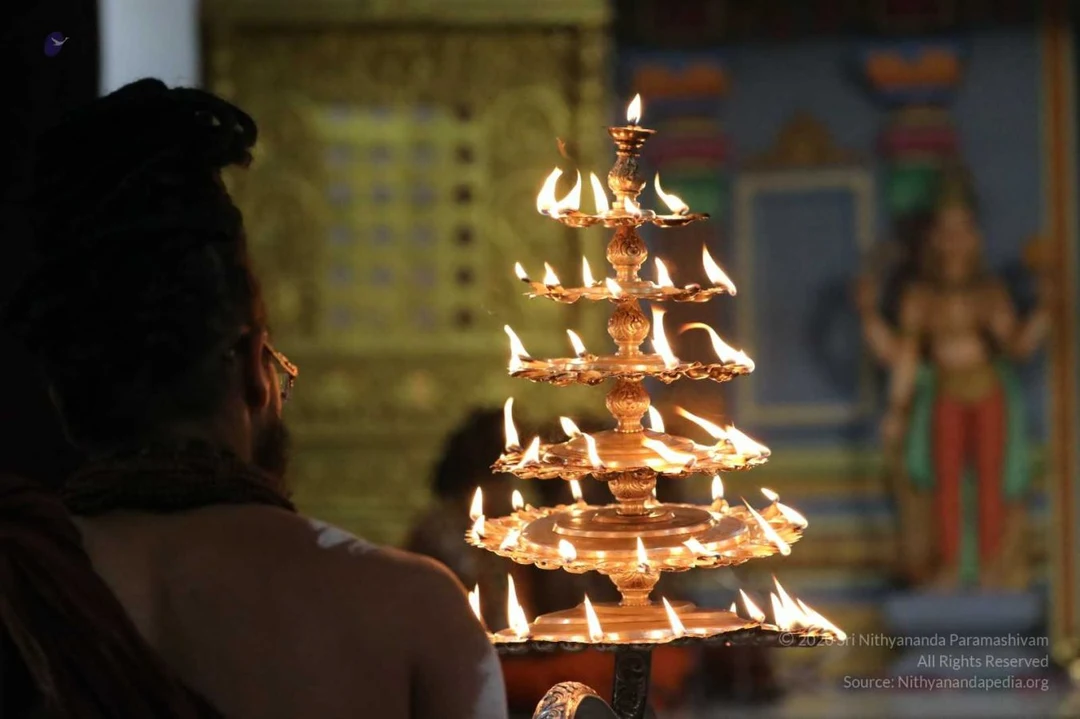
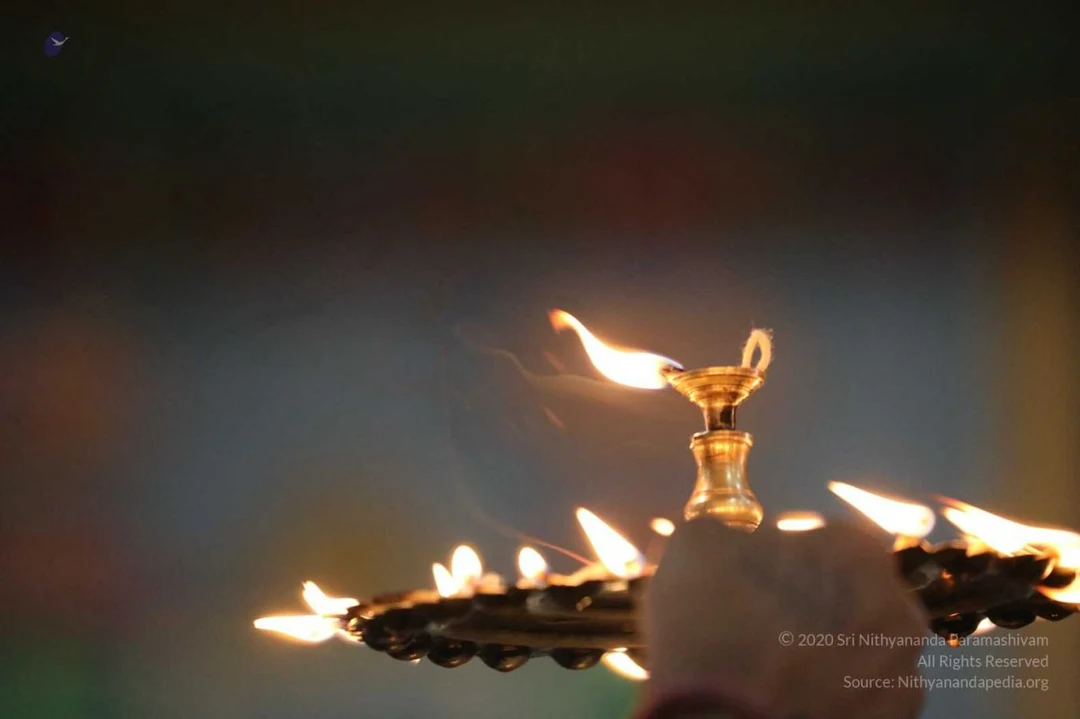
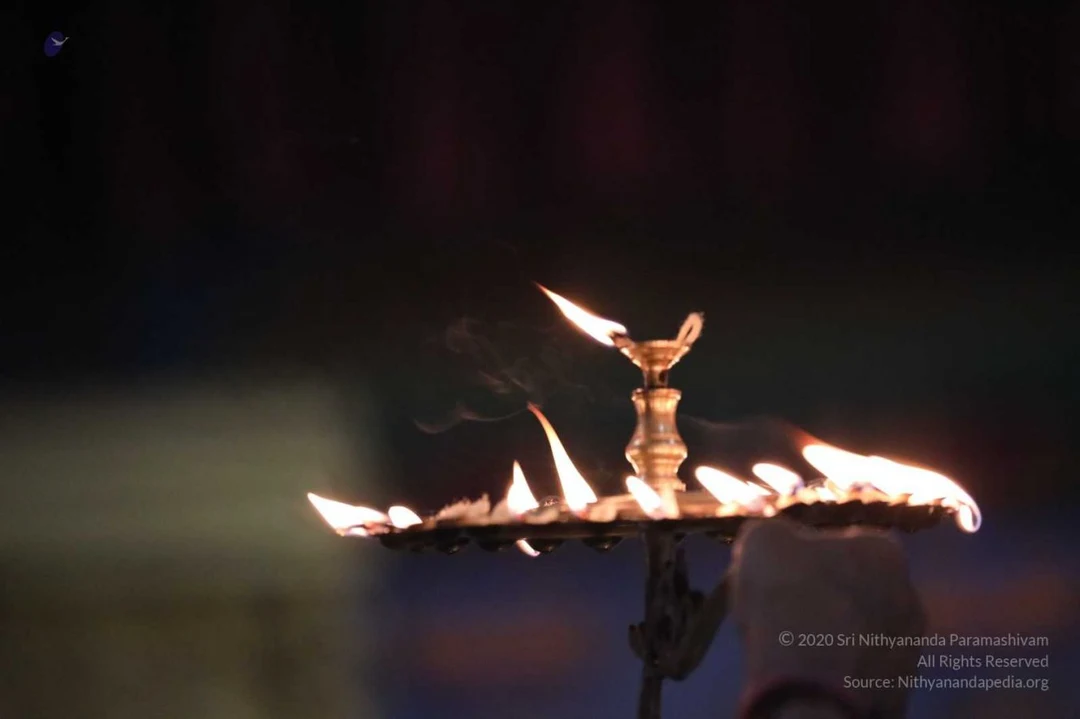
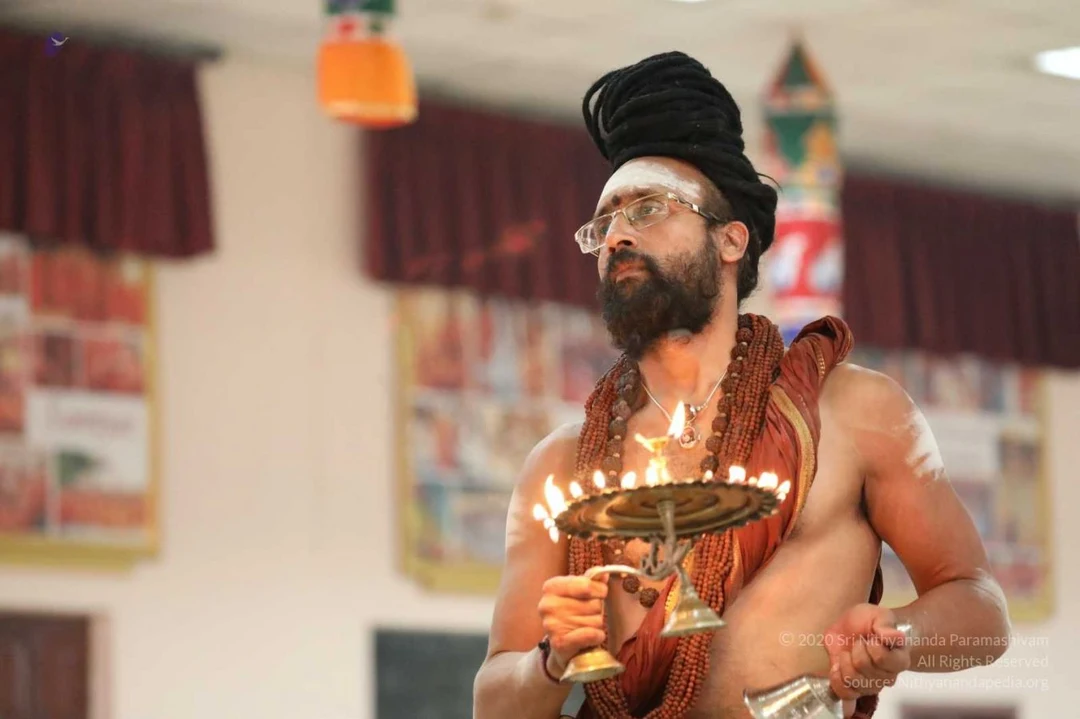
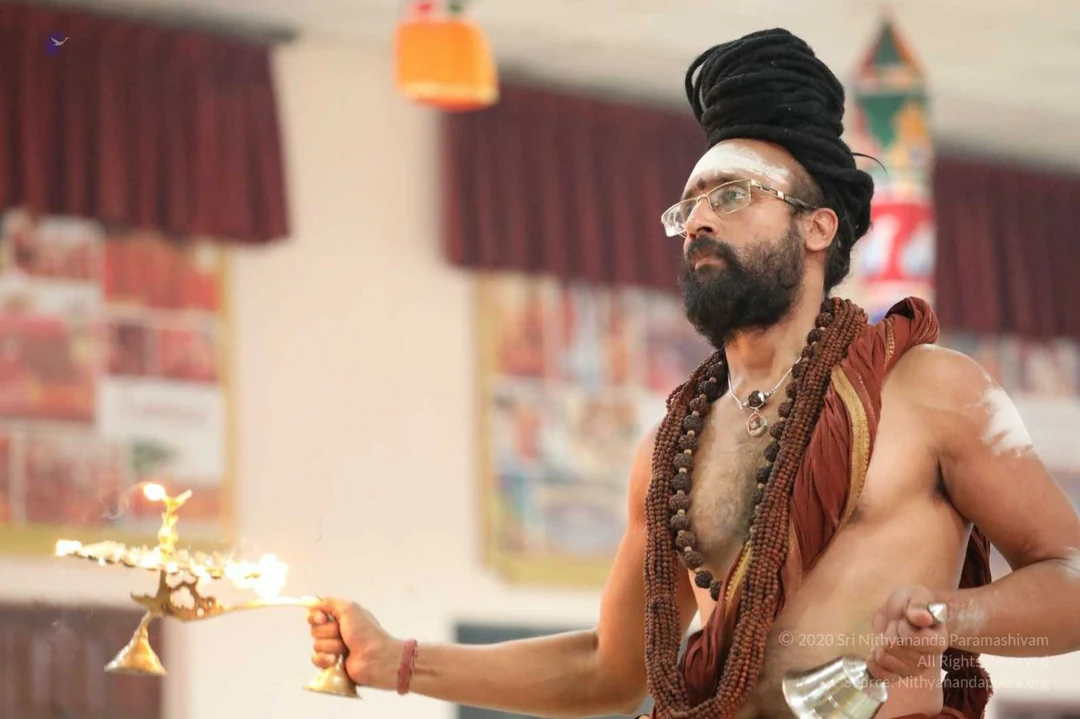
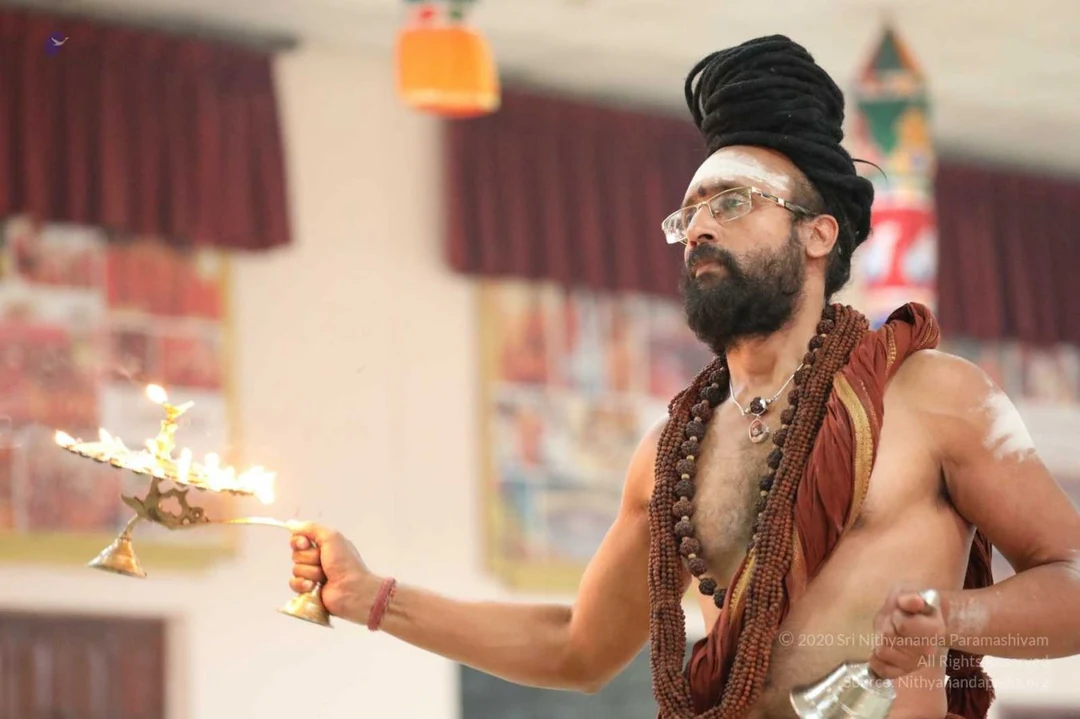
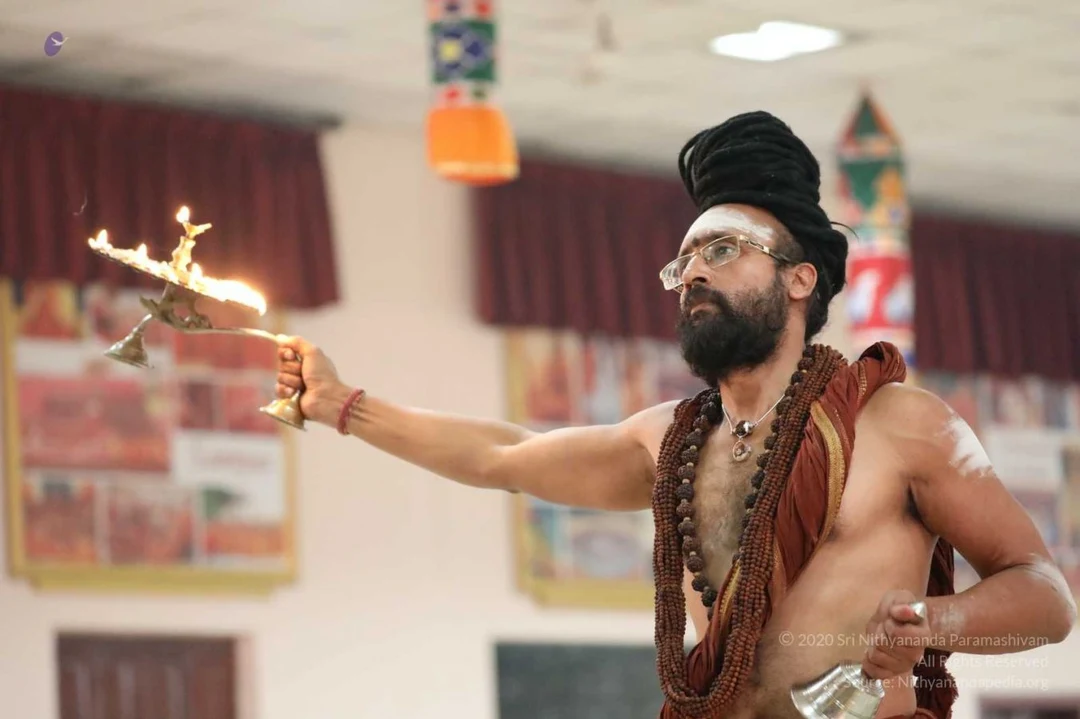
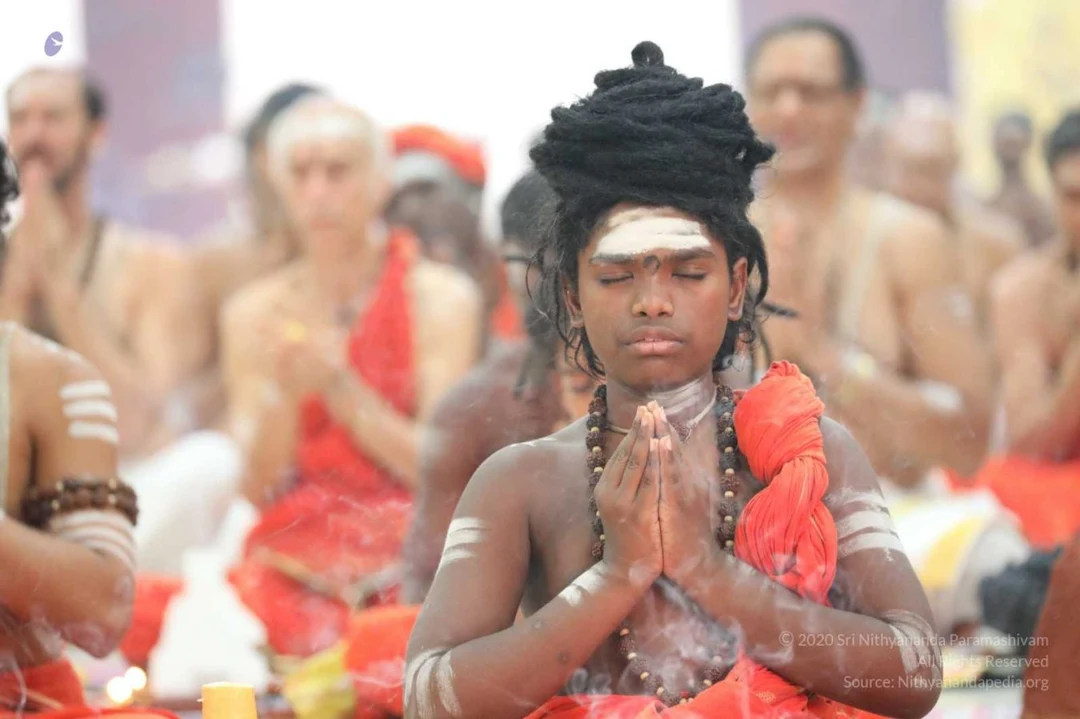
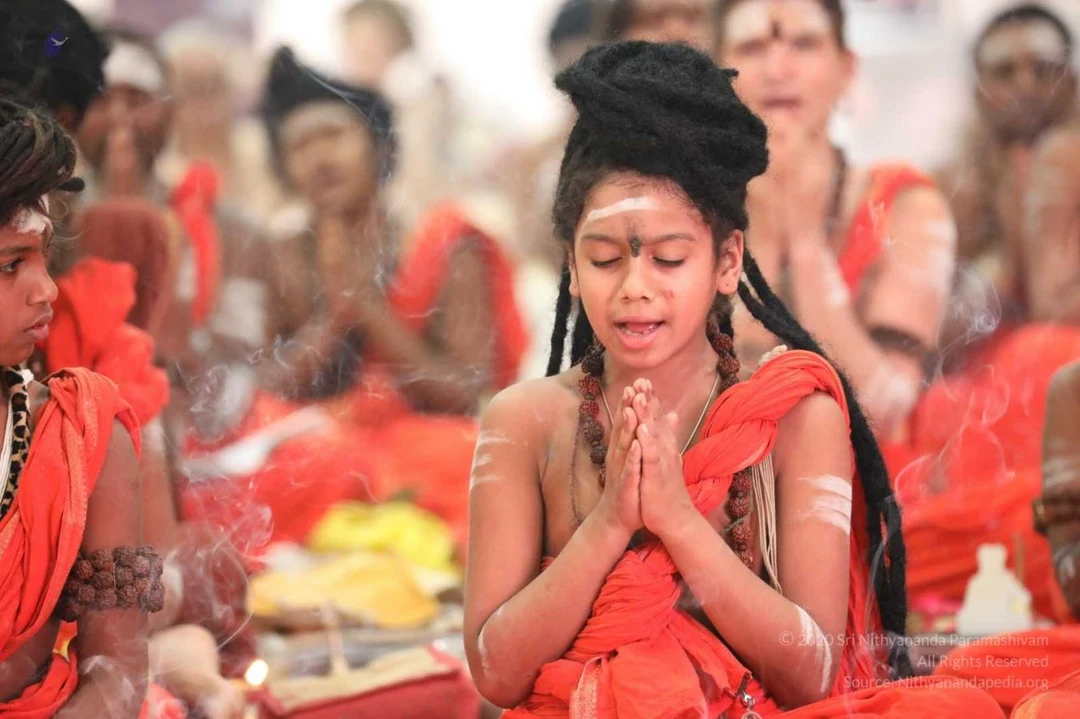
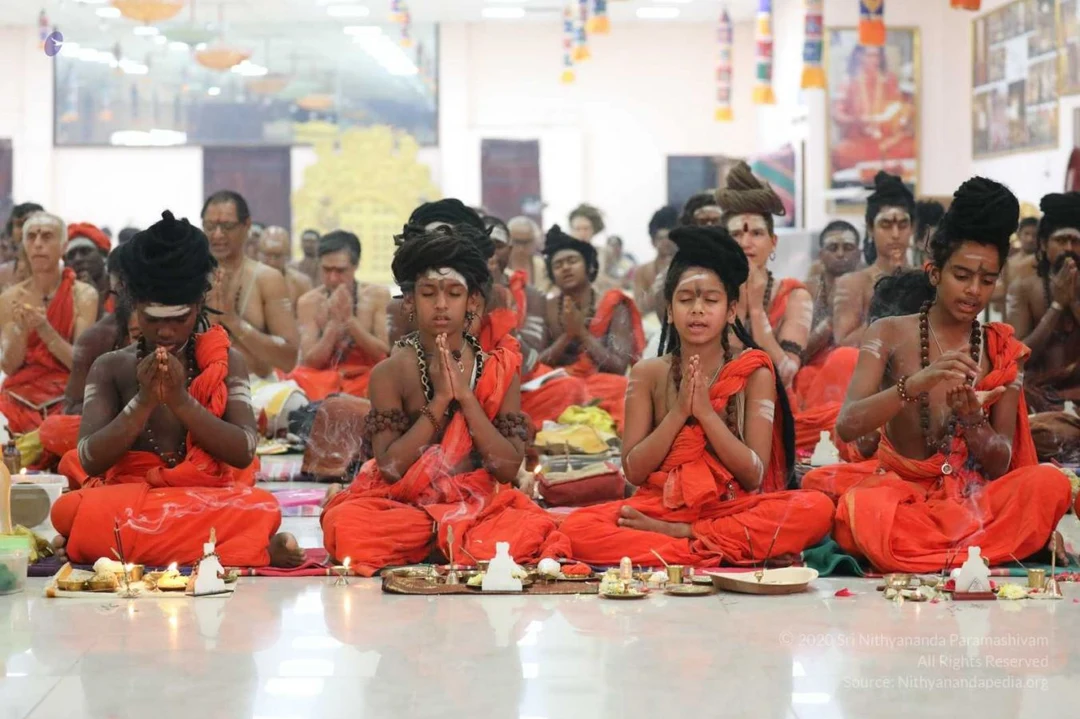
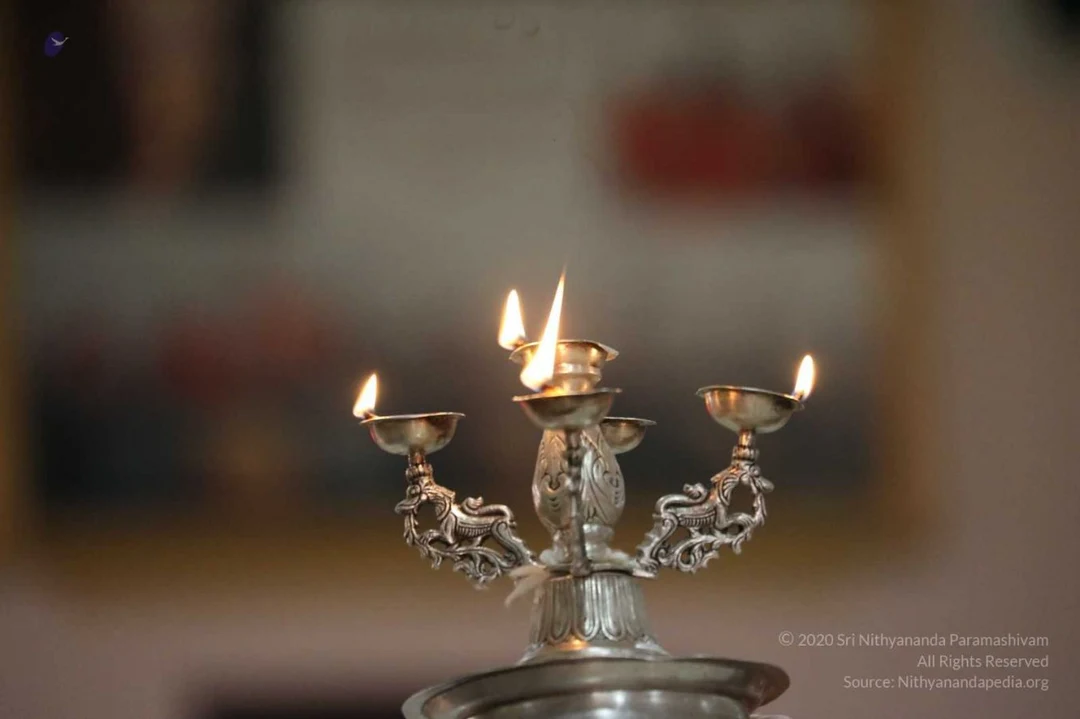
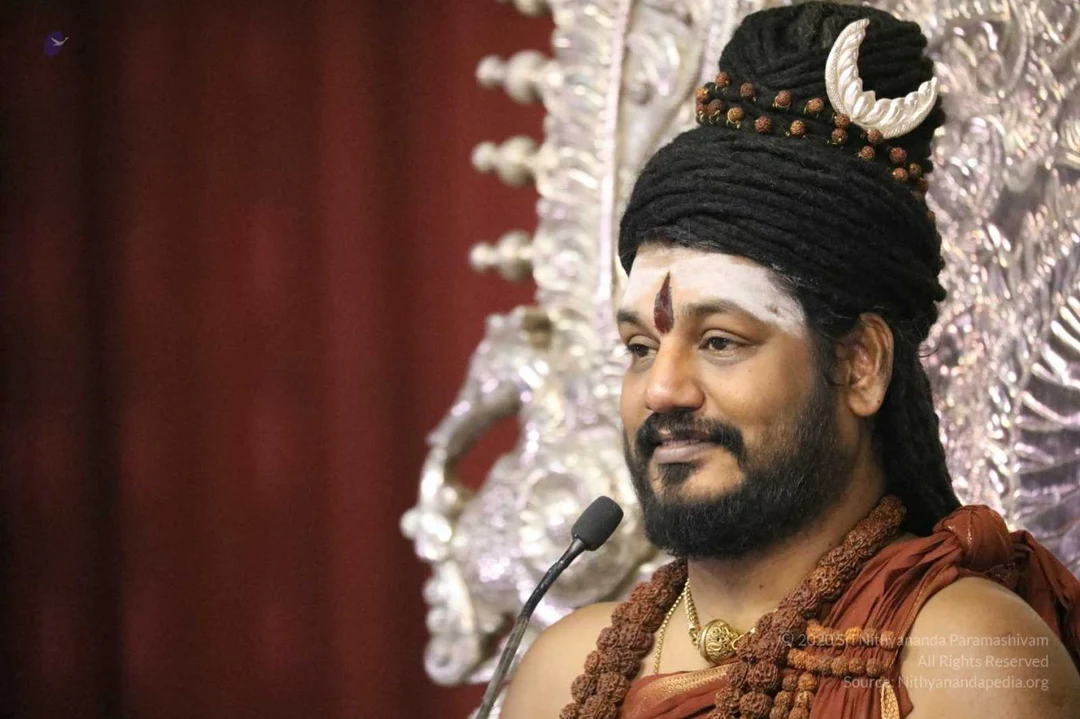
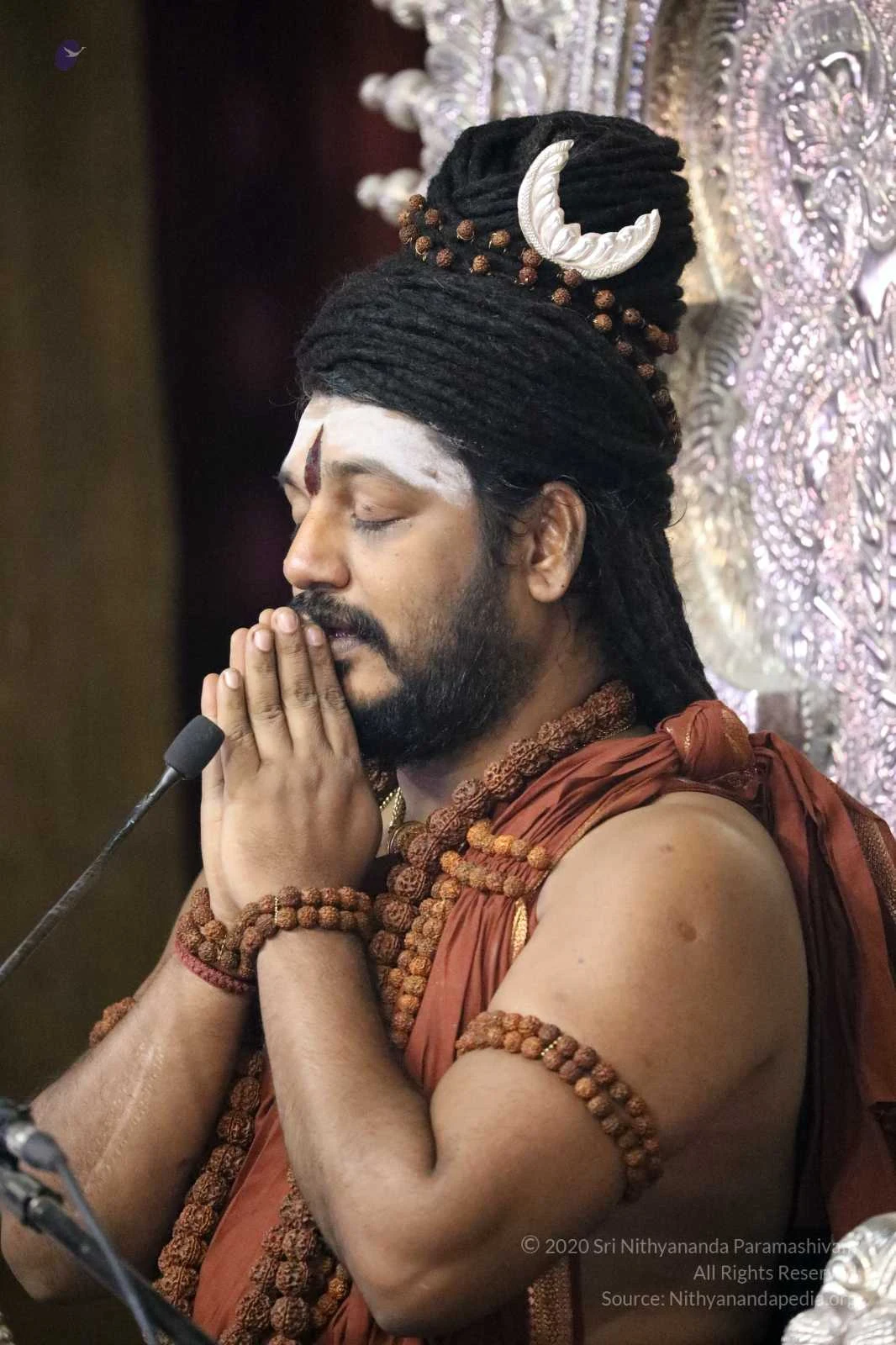
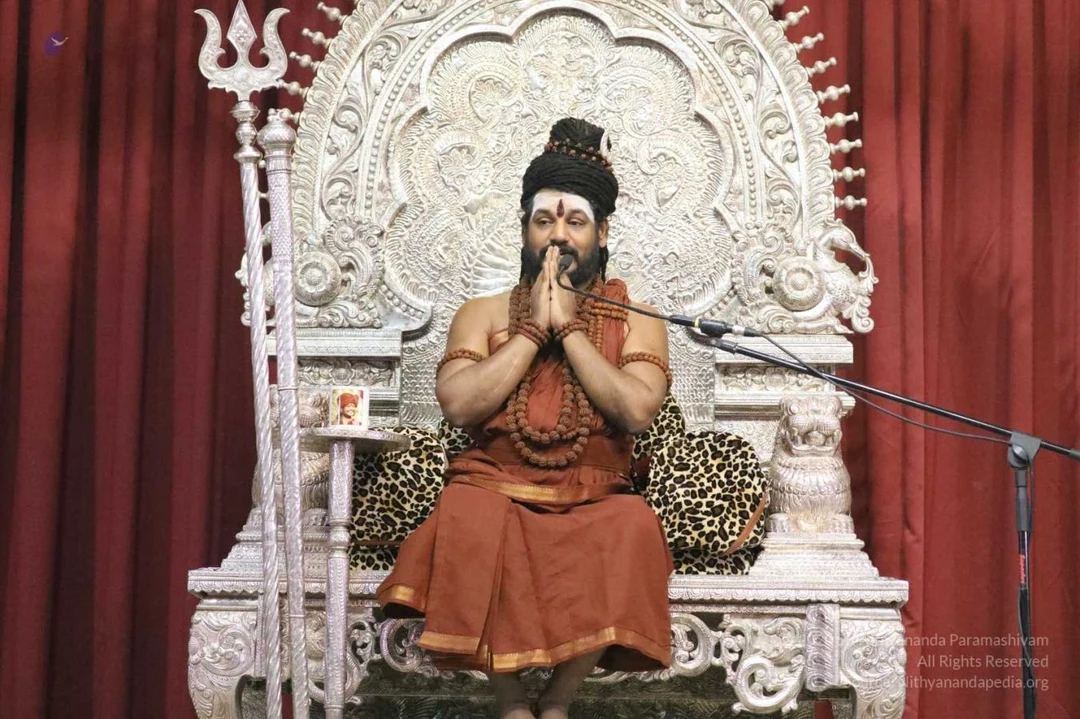
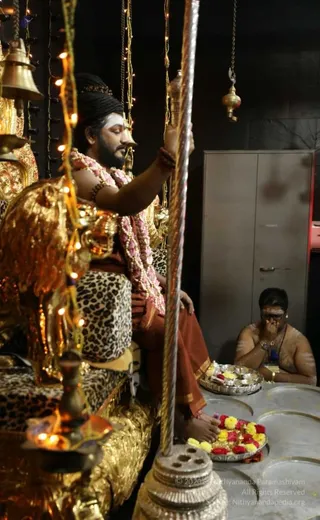
In this video Pada Puja celebration as per agama was conducted for our Supreme Pontiff of Hinduism HDH #Nithyananda Paramashivam.
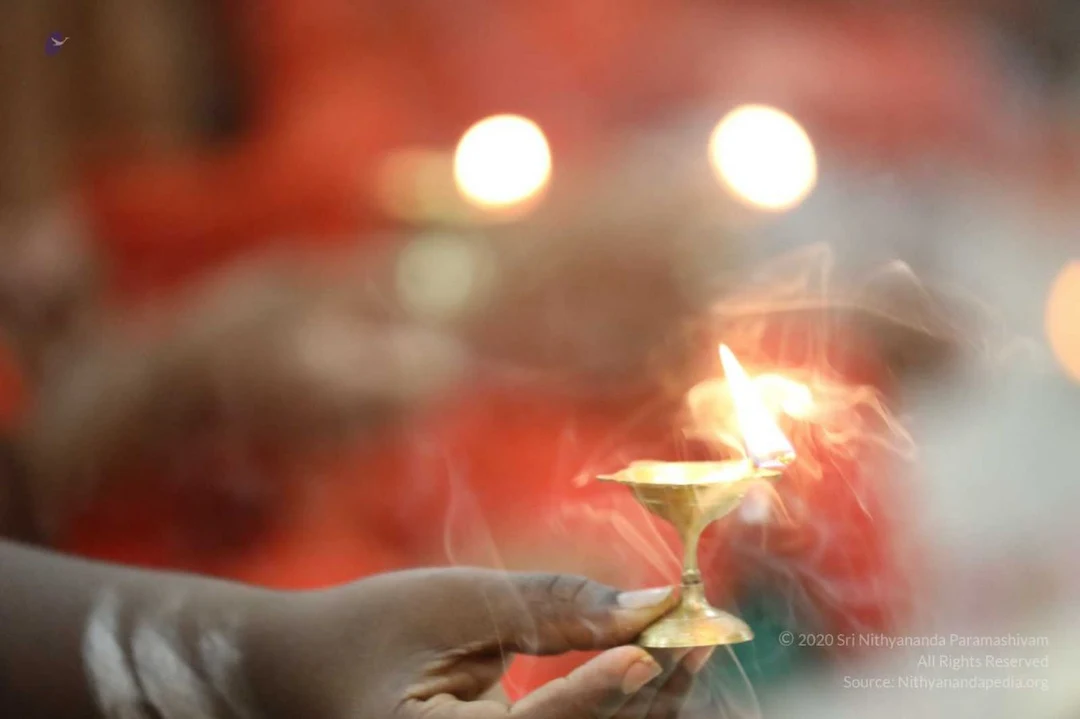
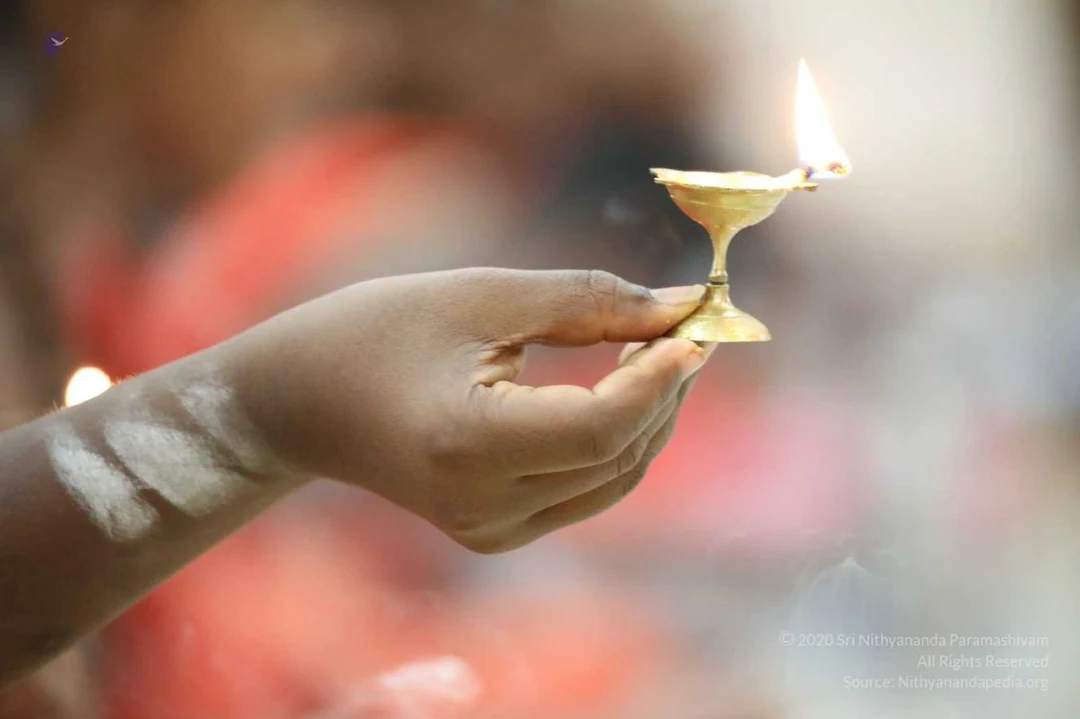
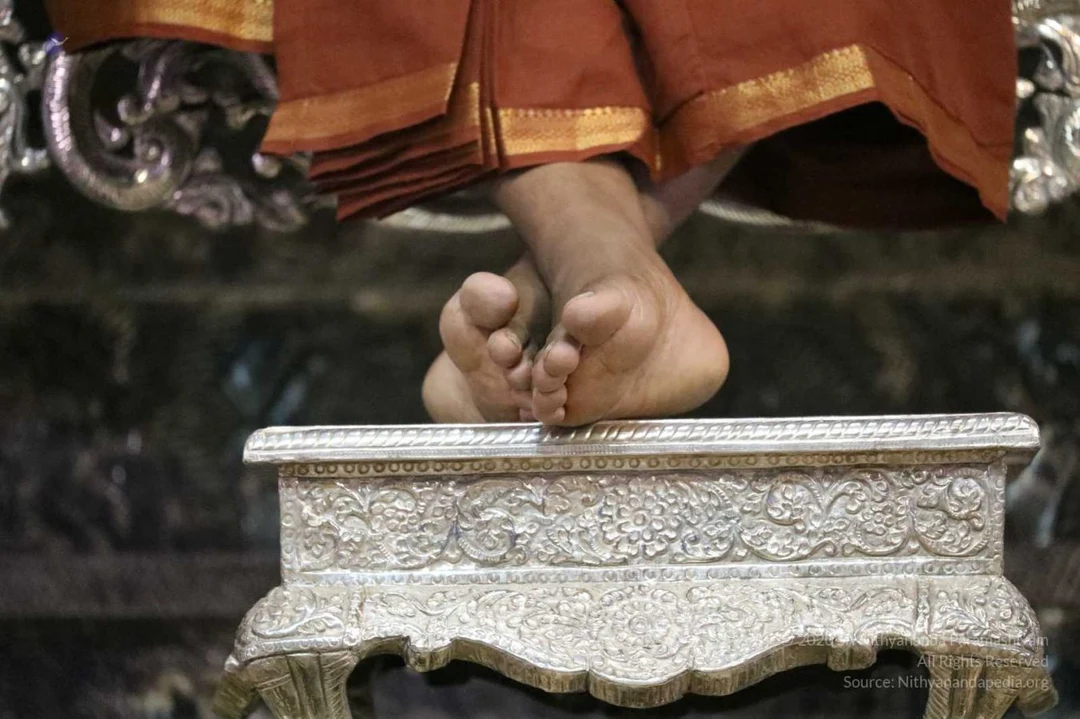
Pada puja is a ritualistic offering of gratitude to our Guru. The word pada means feet in Sanskrit. Pada puja means to give thanks at the feet of the one we are honouring.
Pada Puja is a nectarine space to connect and experience Sadashivatva, oneness (Advaita) with the Guru, who is none other than the embodiment of Paramashiva-AdiShakti, the Cosmic Consciousness. Pada Puja is our personal time with Guru as Paramashiva. At that sacred hour, we are soaked in devotion, in the love current of Guru-Sadashiva, offering our limiting identity to the Infinite Lord. By doing Puja with integrity, our seed of gratitude and Bhakti - devotion, nurtured by integrity to our beloved Guru, grows into Oneness with Him. The scientific intention of pooja is to connect our personal energy with the creative force of the universe — the frequency of the divine. When we make this connection we experience our unity with all of existence, which is the essence of divinity. Then we understand that we ourselves are also divine. This can result in profound shifts in our cognition, as well as in our material reality.
Link to Video:
Photos
Pada Puja







Satsang


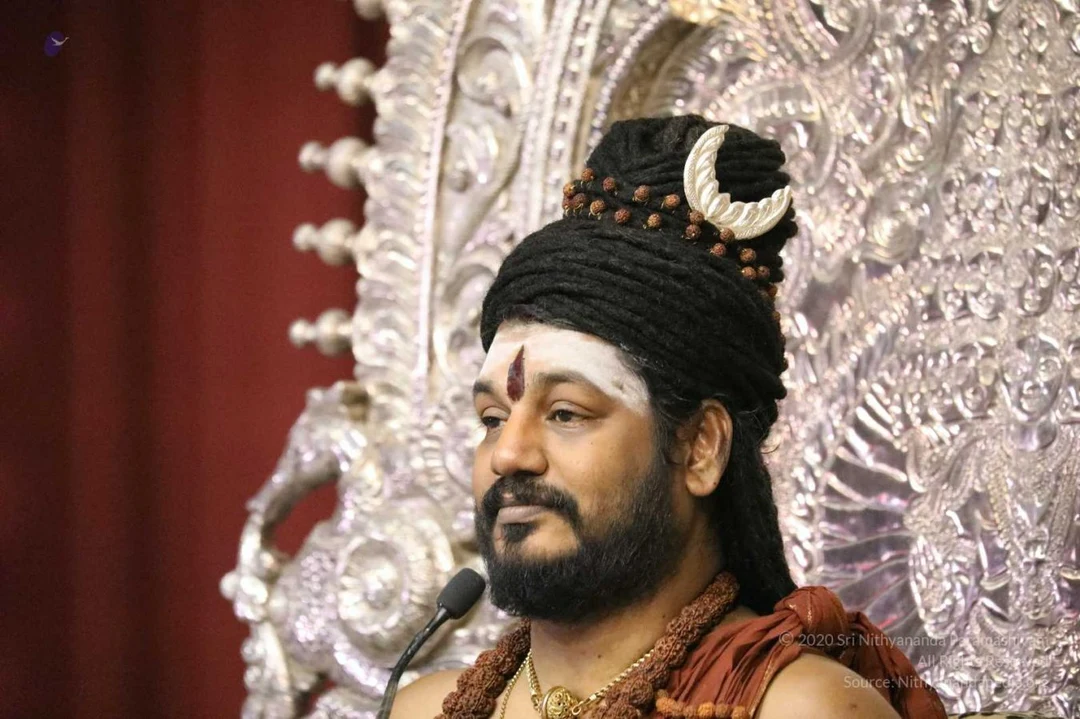
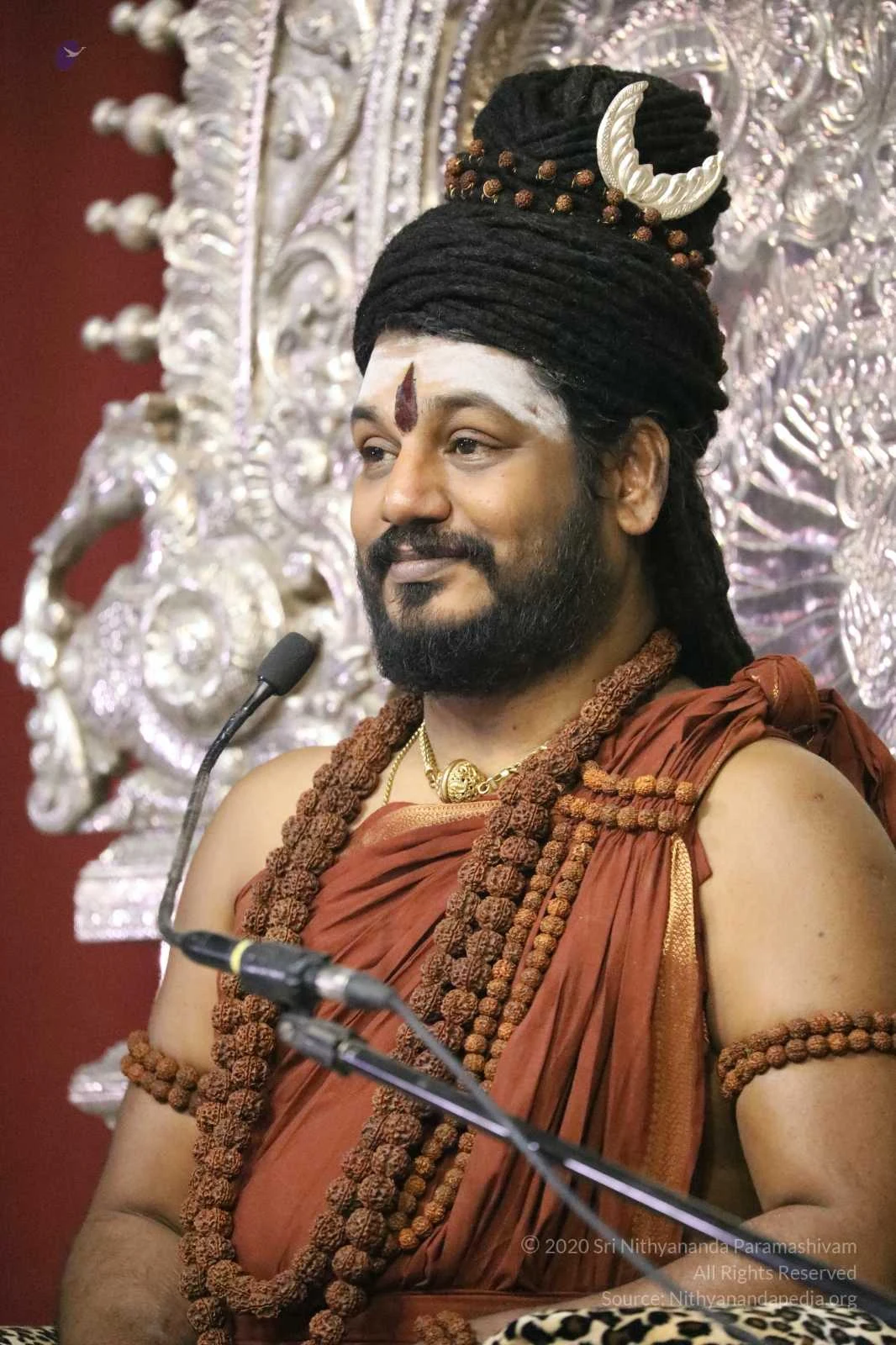
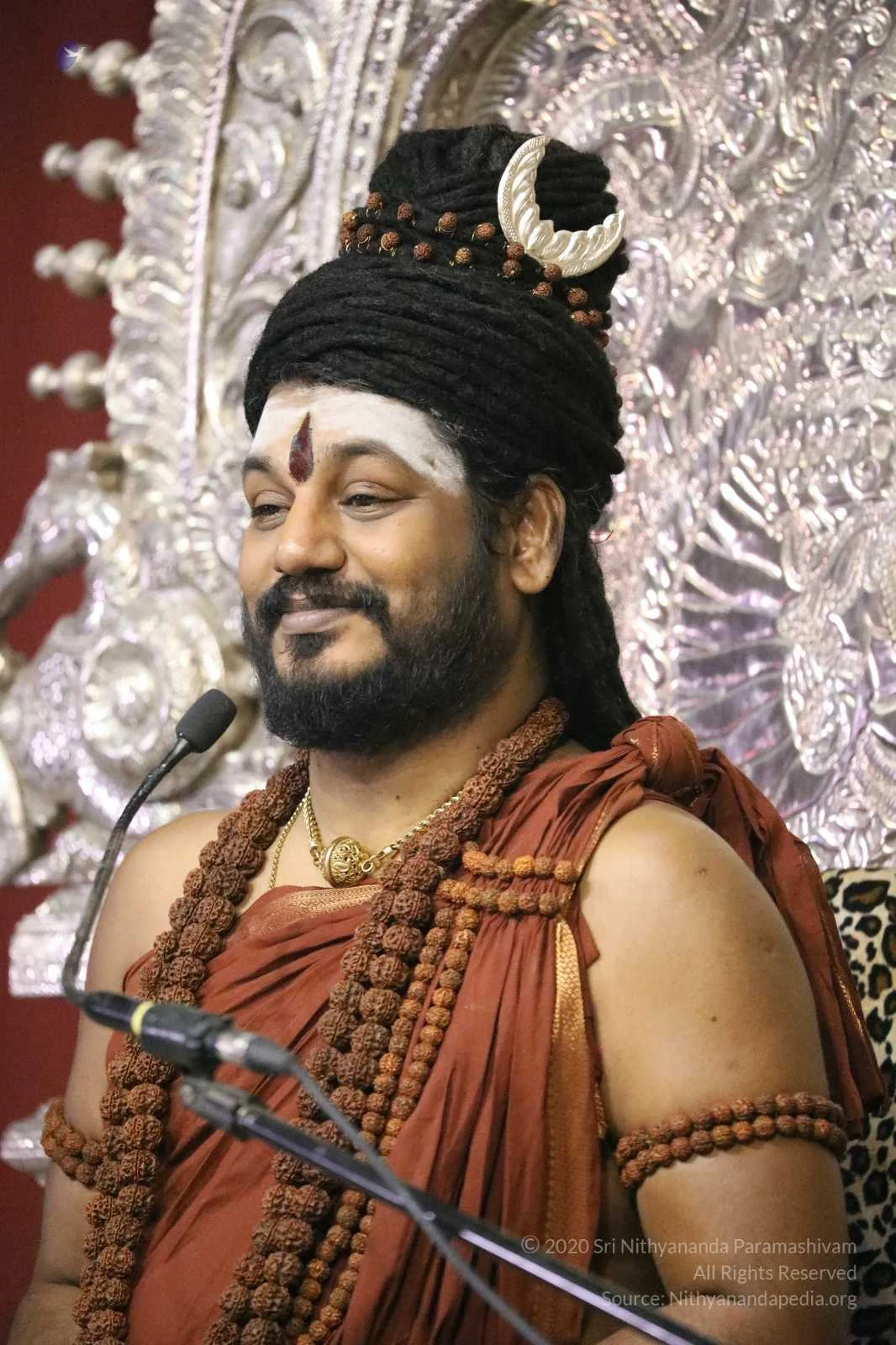
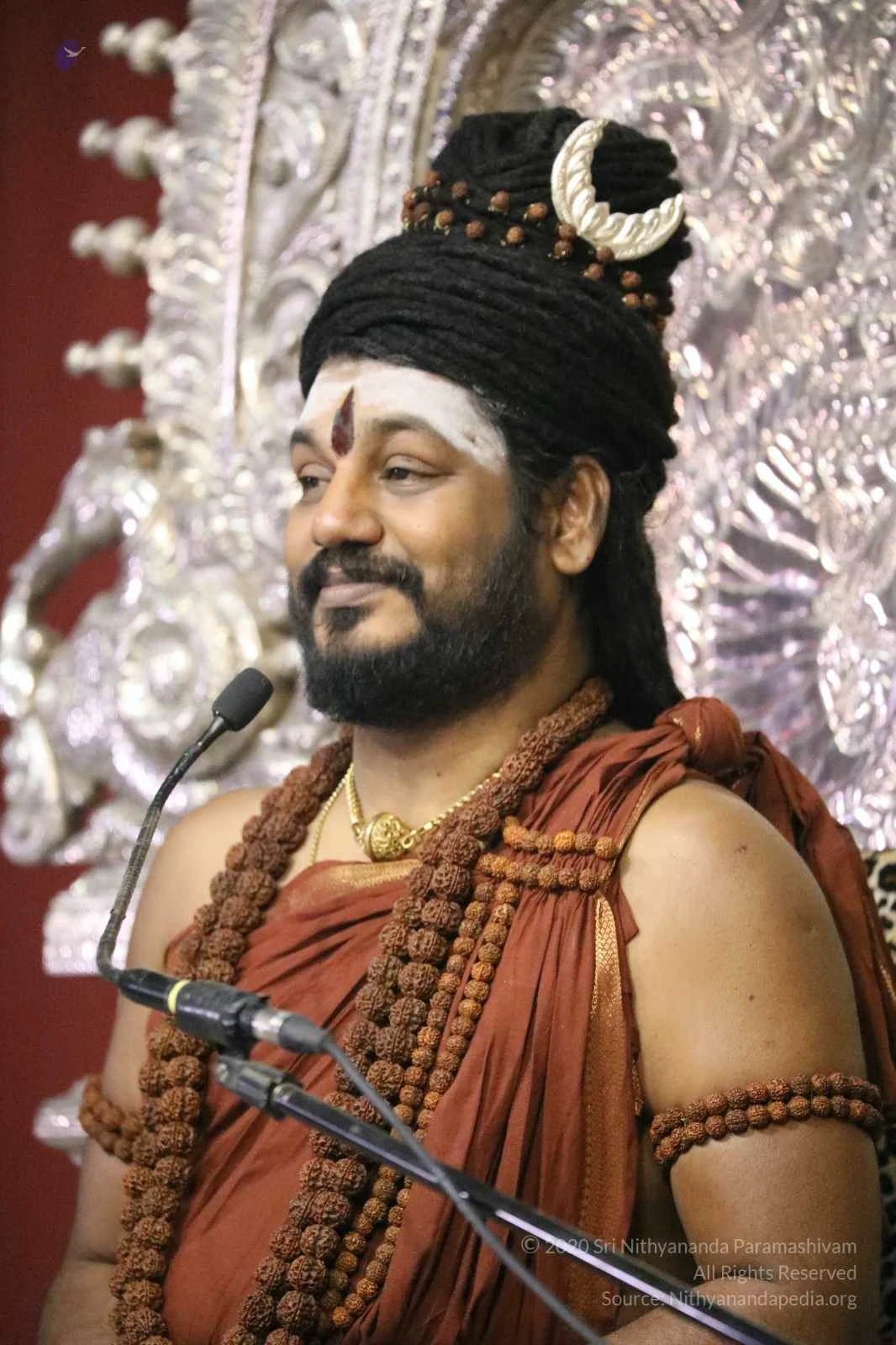
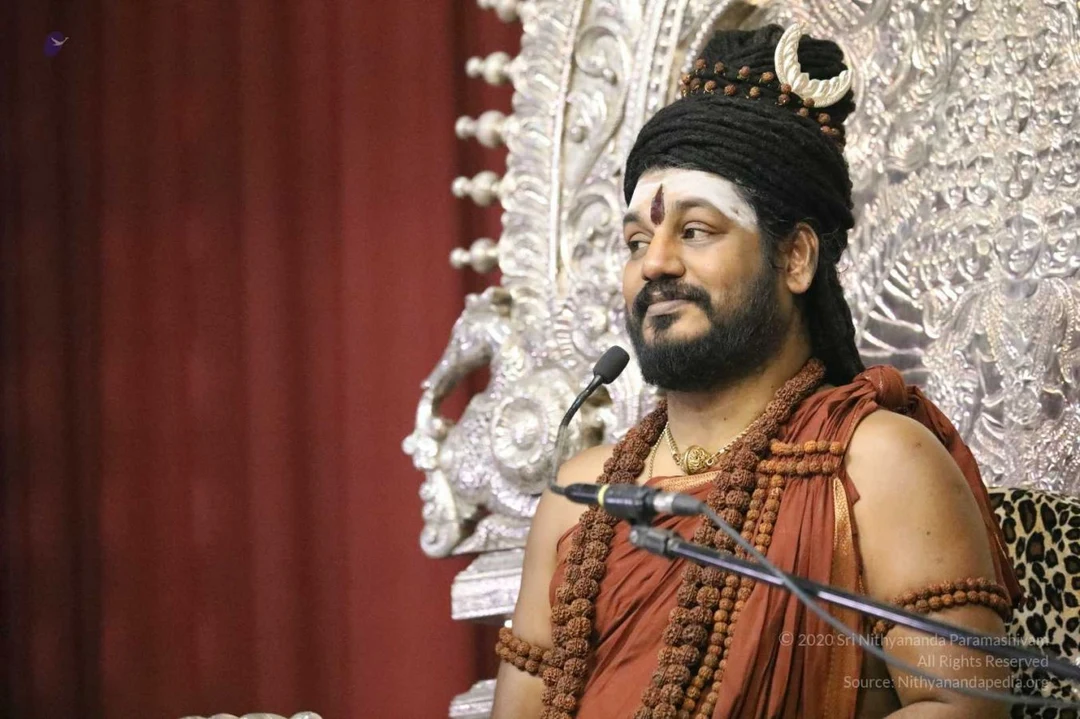
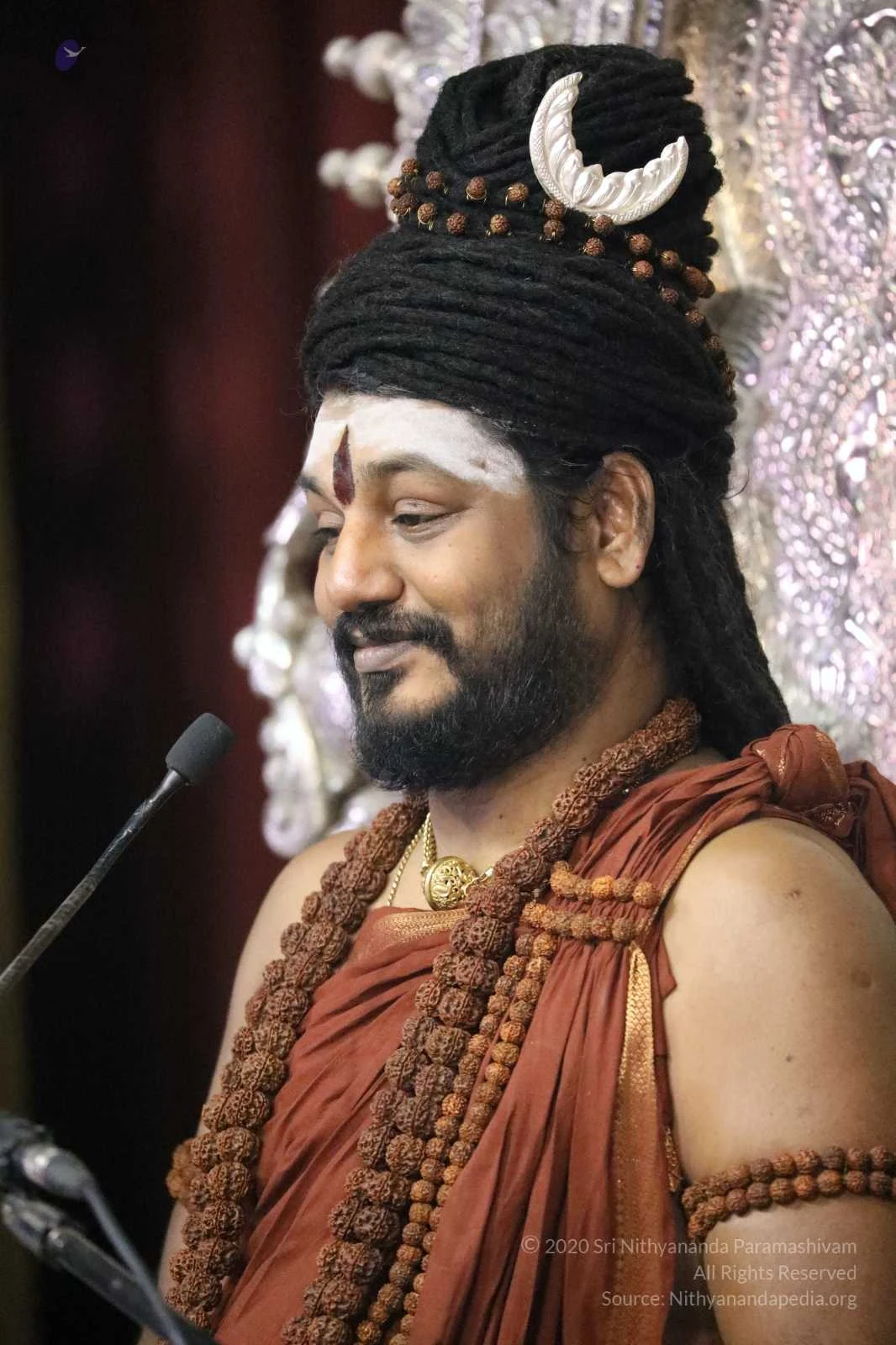
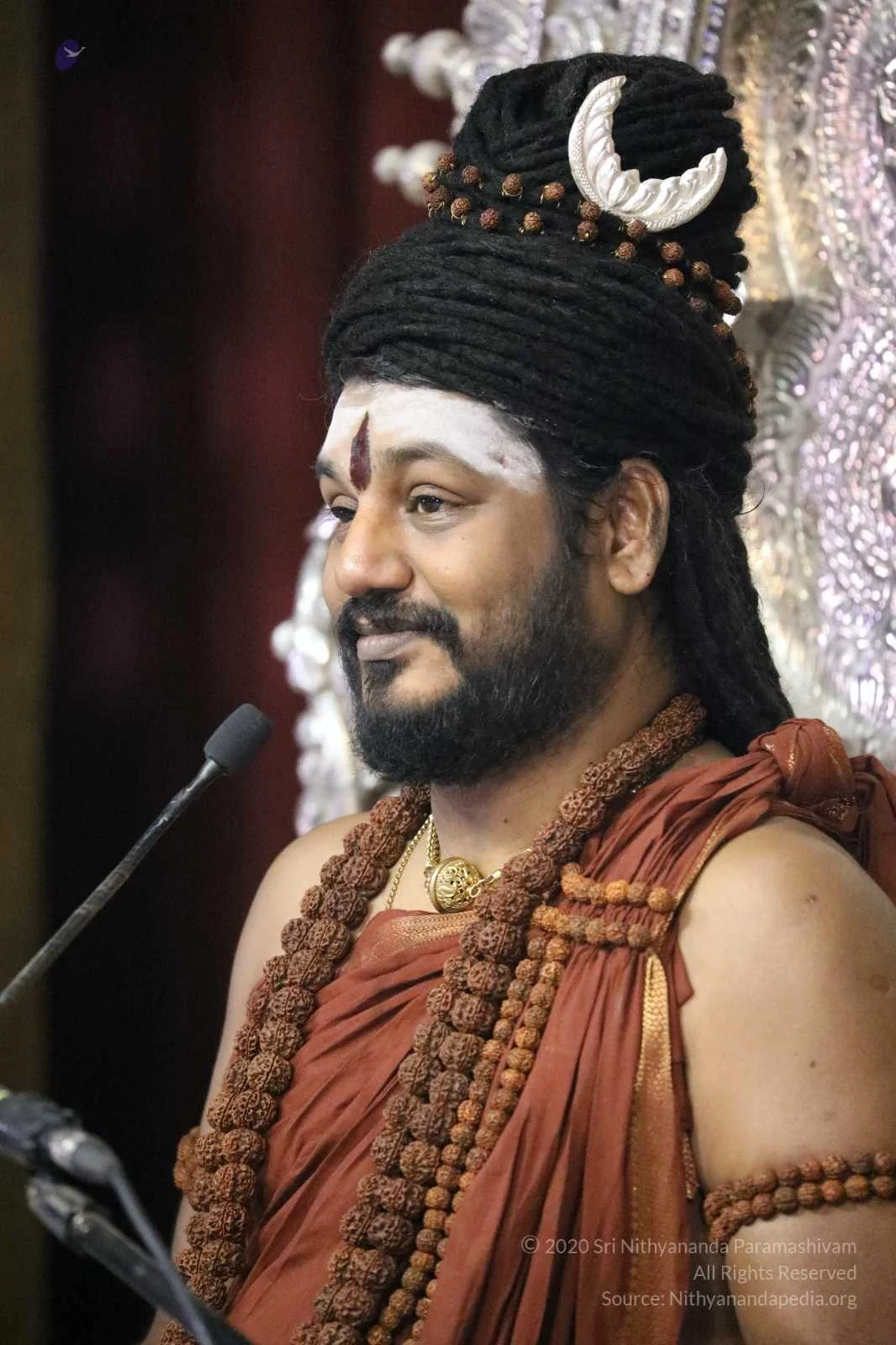
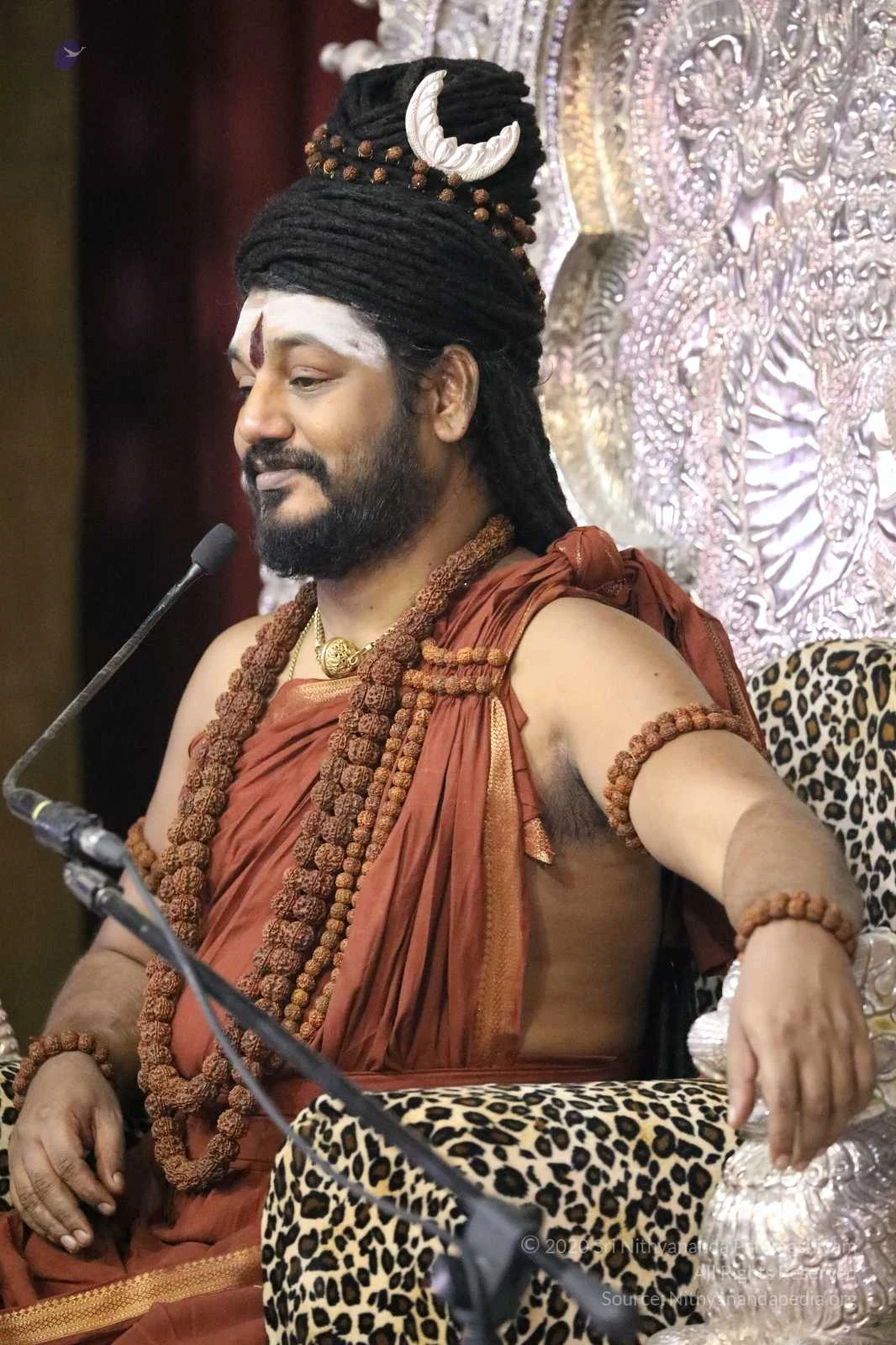
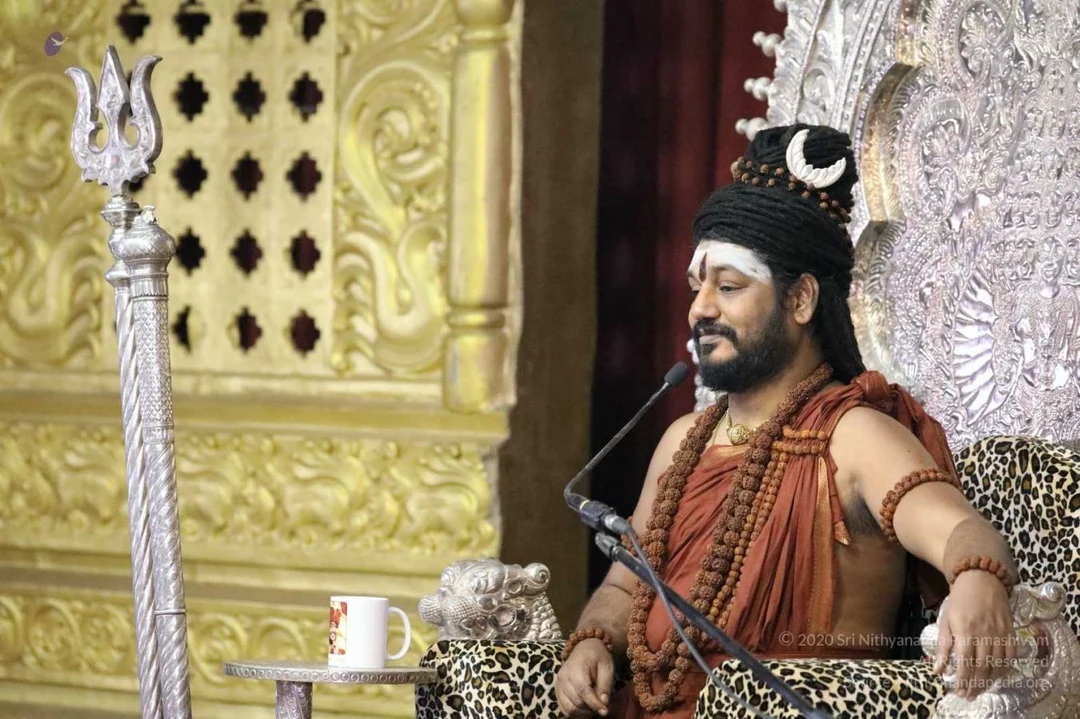
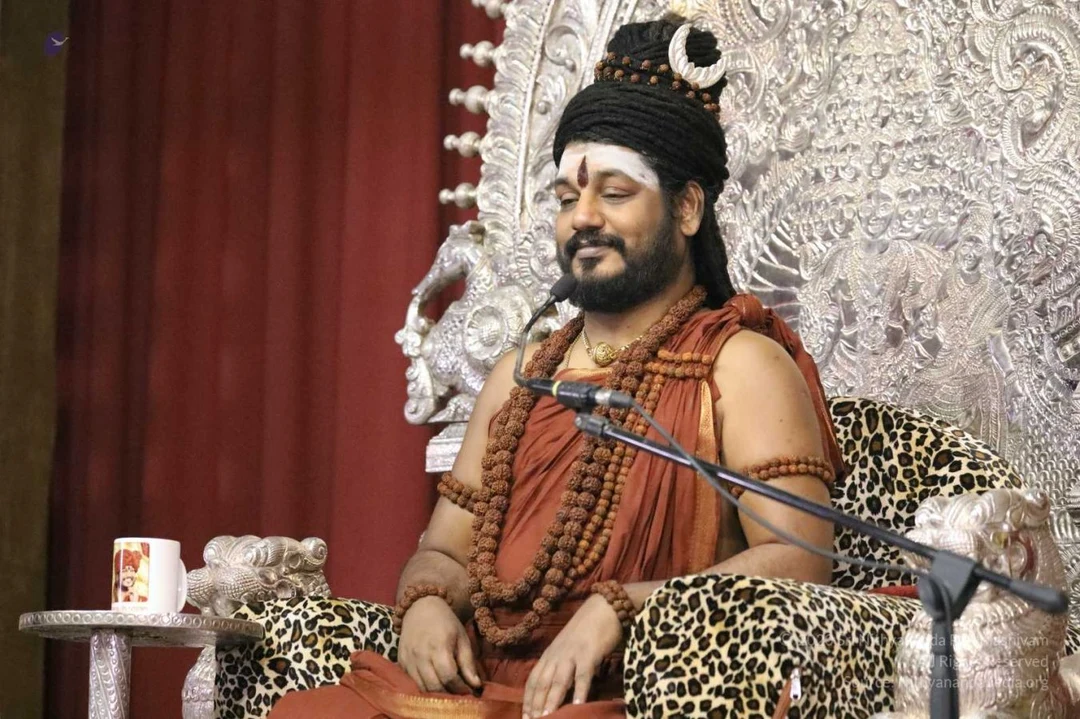
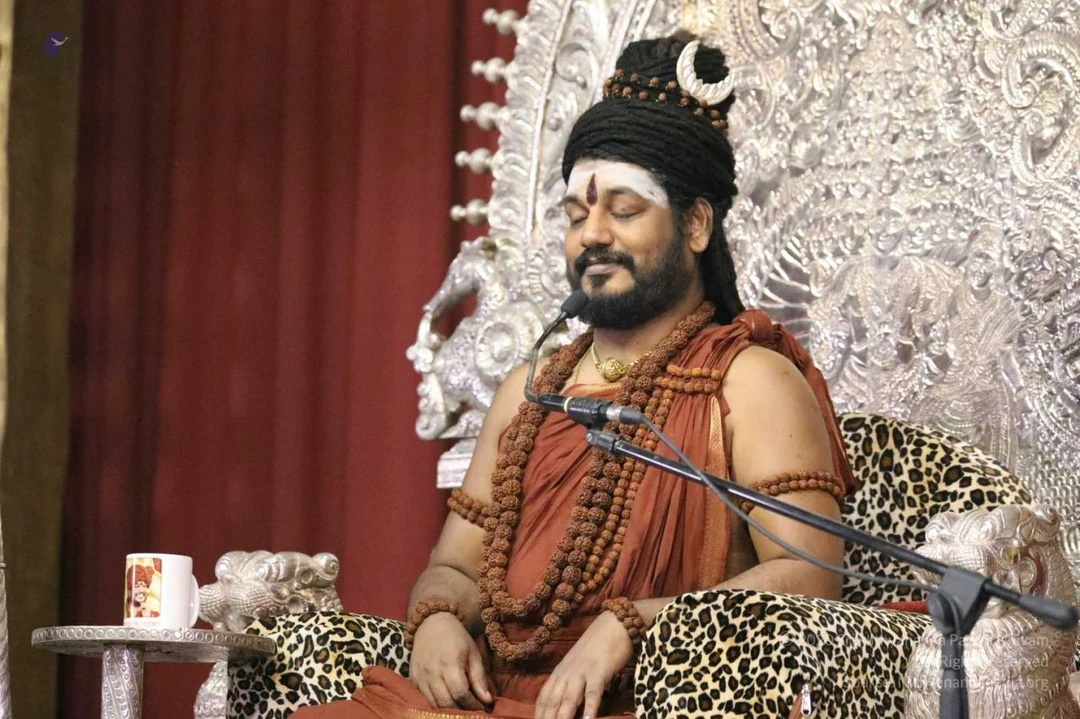
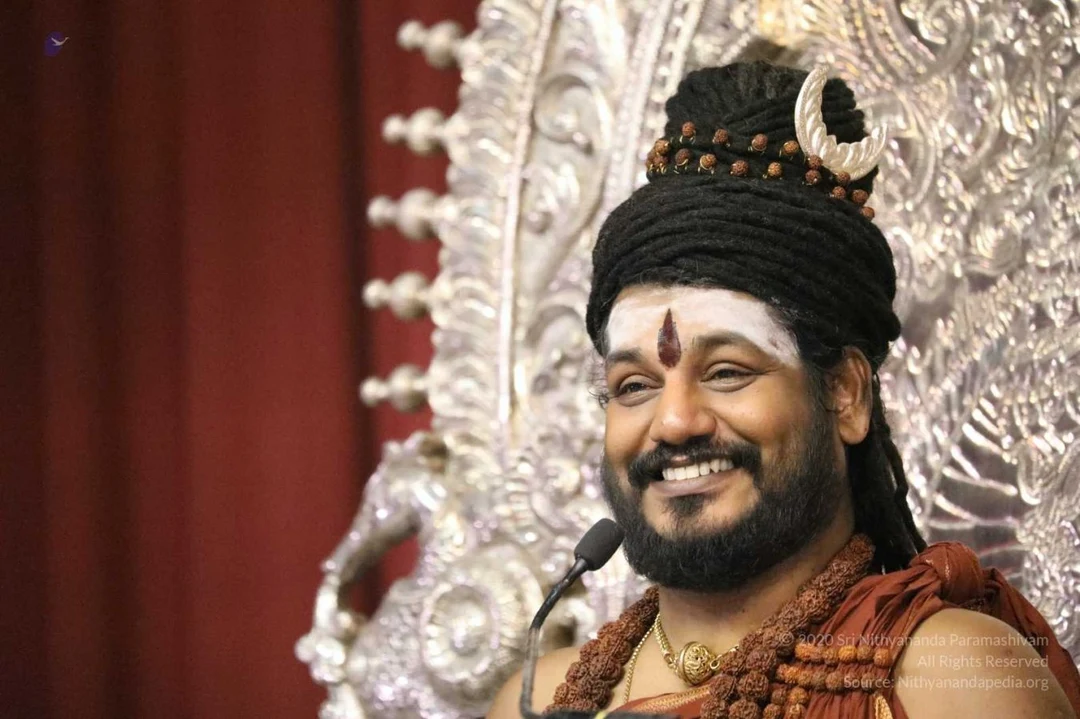





News
Sakshi Pramana:
experiences shared on the science of creating your own reality Kalpataru
Link to Facebook Page
https://www.facebook.com/ParamahamsaNithyananda/posts/1671429202944923
Photos from this day
View all 215 photosPada Puja
106 photosSource gallery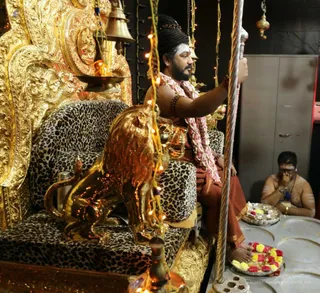
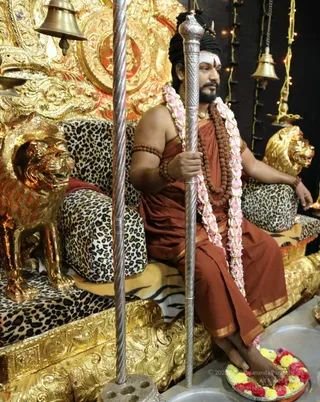
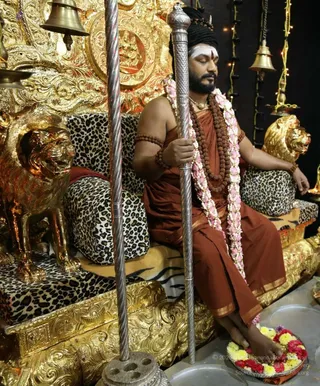
Satsang
109 photosSource gallery