Sunday
6 March 2016
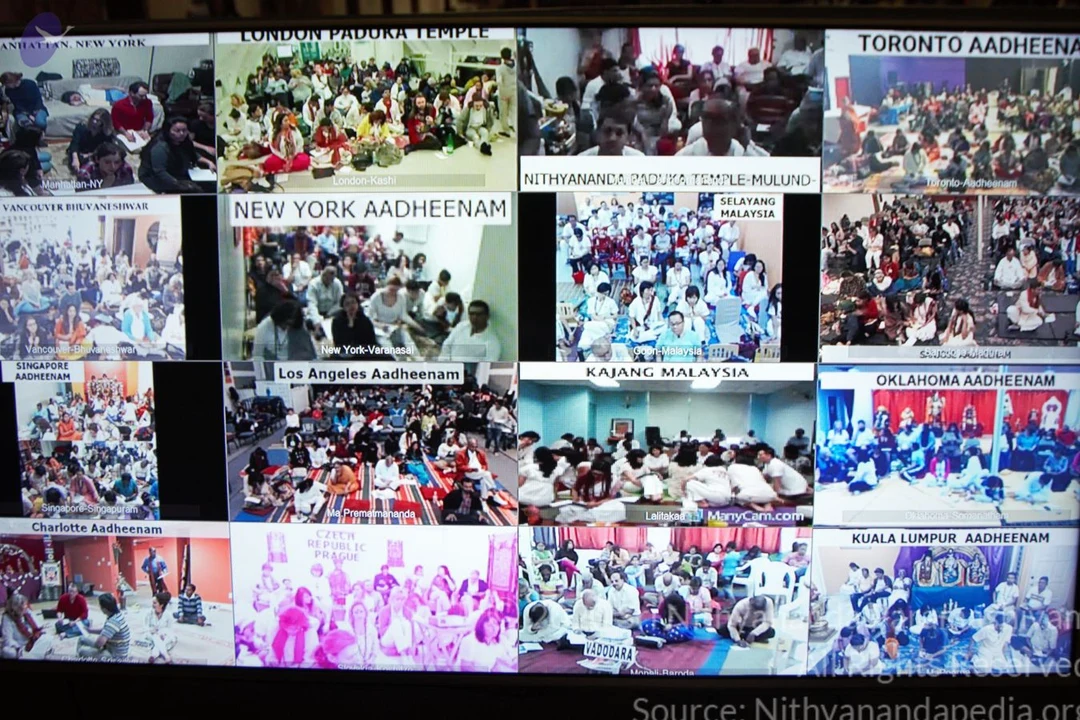
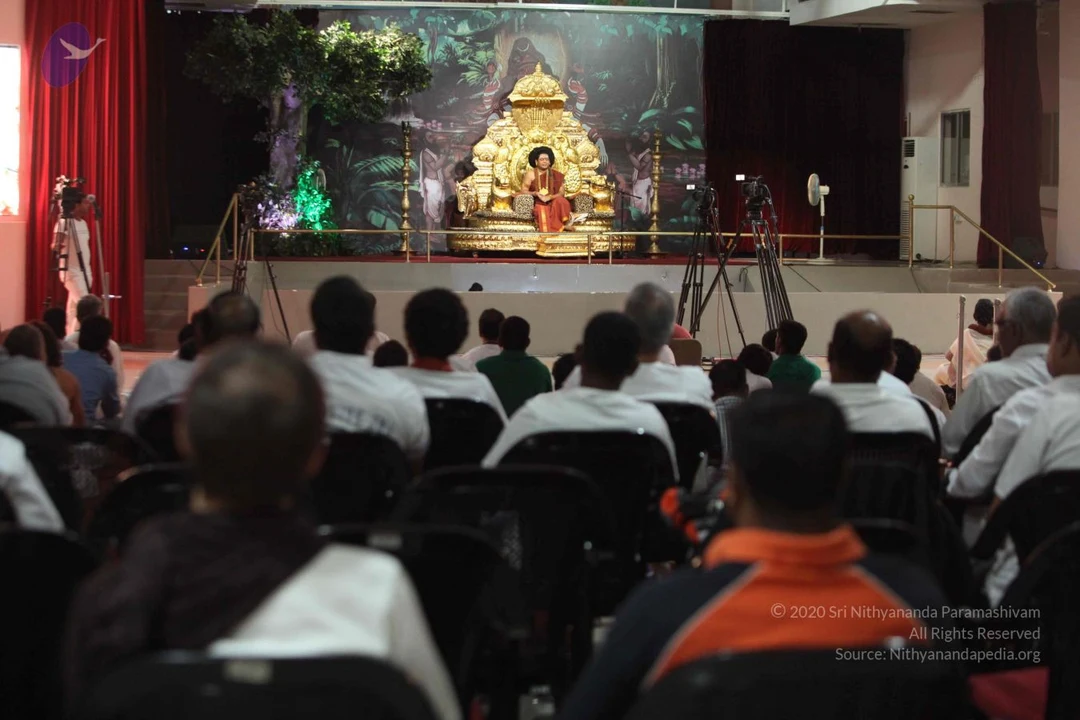
Conquering Time Webinar
- Dated photos
- 617
- Source pages
- 1
- Media
- 10


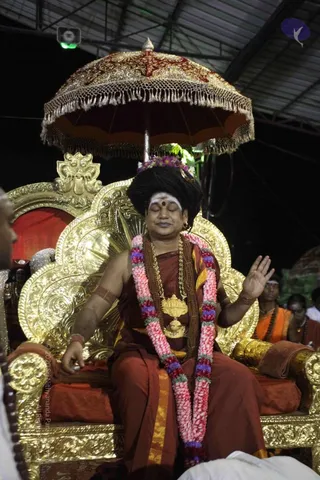
March 06 2016
Original wiki pageTitle:
Conquering Time Webinar
Link to Video:
Not knowing what we need to do with the life - an understanding on Ambition, Confusion, Dilemma, and Integrity
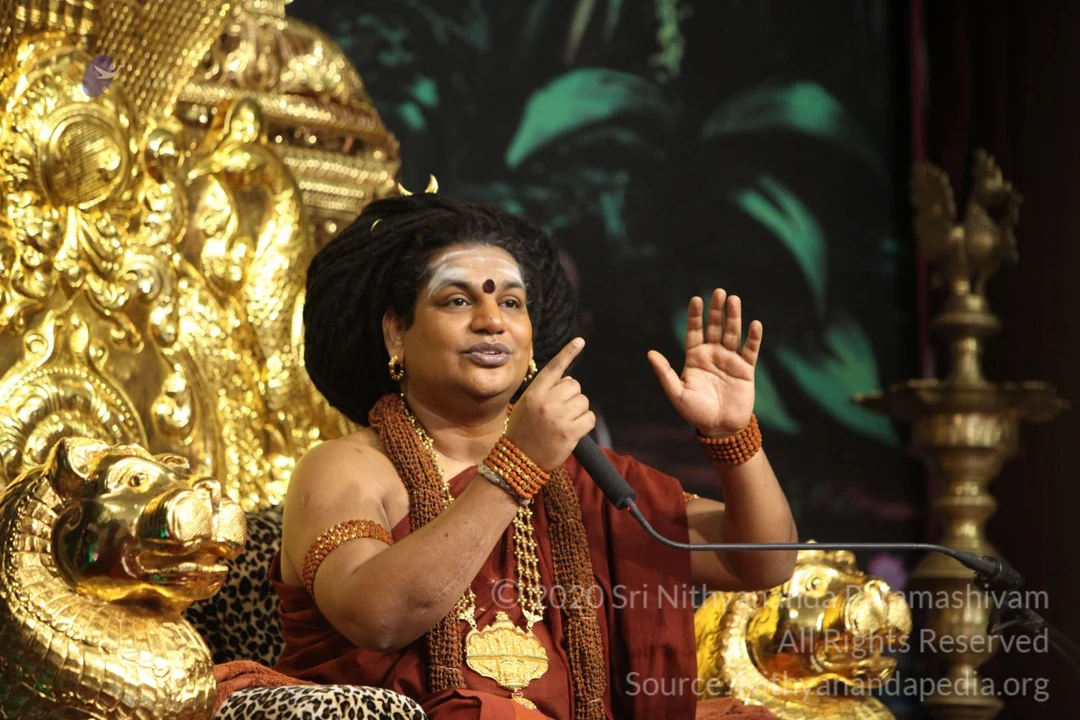
This video is taken from a Q&A session from the Conquering Time program on 6 March 2016. A viewer tells Swamiji (Nithyananda): 'I don't know what to do with my life, but that is OK', and then asks how she can manage her multifold ambitions in the light of conquering time.
To answer her question, Nithyananda explains about life purpose, he explains about ambition, ambitionS, and priorities. He gives insight into breakdown, dilemma and confusion and ultimately gives the questioner one important technique to clear the chaos happening inside her: integrity!
| Video | Audio |
Transcript:
(00:11)
Question: Swamiji I don't know what I am doing with my life but that is okay.”
Swamiji: It is not okay. Please understand, when you have a, when you have your meal in your table, and you throw here and there, apply all over your face ... even one percent of it is not going inside your mouth, and you are dancing on it. Is it okay? It is okay if you do that only one day - your birthday. But that is not okay if you are going to do that everyday! When you say, “I don't know what I am doing with my life,” it is not okay, please understand. Even if it is depressing, frustrating - stop this, it is okay. Decide, even if you collapse - take on! Face it! And I tell you ultimately, there is nothing call collapsing. There is nothing call collapsing, or breaking down. For some people, if you cry, it is call breaking down. For some people, if you go bankrupt, it is call breaking down. For some people, if you get depressed, it's call breaking down. But there is nothing call breaking down. Understand, that idea “this is what is breaking point for me,” is the stupidity.
(02:09)
First thing, “I don't know what I am doing with my life but that is okay.” No! … Break this pattern, it is not okay. Second, “I was wondering if time has to do anything with the ambition?” Please understand, what you are having I will not call as ambition. I’ll only call as confusion…. See, your ambition is your life and it is you. You need to know, you are not spending your time on ambition. You are spending your life on ambition. Please understand ... something which has no life, only that has time. Something which has life, its time is life. Please listen. Only for a stone, twenty years is a time. But for you, twenty years is life. So you need to be very clear, you are not spending your time on something. You are spending your life on something, when you are interested about it. Using right word … clears lot of garbage, confusions inside and outside. Please understand, using right word. Only for a stone, twenty years is a time. But for you, twenty years is a life. Your ambition is your life.
(04:26)
Divya when you make a statement, "I don't know what I am doing with my life," then the next statement, you can't have the word “ambition.” Ambition means you will clearly know what do you want to do. You may be successful or failure that is secondary. But you will know very clearly what is your life! Only then we call it as ambition. If you don't know what you are doing with your life, I should only call, it’s a confusion. It cannot be called as ambition. Next line you are making, "Like I have really strong ambitions, but I don't know what to focus on the most at the moment." Please understand, there can never be ambitions. There can only be “The Ambition,” and ambitions which can also be part of “The Ambition.” Please understand, there can never be ambitions in the life. There can only be “The Ambition.” Then there will be other things you may want to do. I want to have a meal - “The Ambition.” I’ll have pickle also, an ice cream also. So those things should not be given the title “ambition,” to avoid confusion in your system.
(06:09)
Please understand, if you give the same word for the other things which you wanted to make it as reality, you will cause confusion within you. So … I may use this word “priority.” What you want to become, that only for that you should use the word “ambition.” If I read your whole question, you would just need only one thing, nothing else - integrity in your thinking. The words you are using within you, needs to be organized. You need to put little more awareness into it. Otherwise, you do not have a real problem. I tell you, most of us do not have real problem. It is like a two friends were talking. They are very close. Twenty five years of friendship. Suddenly one fellow said, "If you win a million dollar in lottery, what will you do?" That guy said, "I'll have ten thousand acre land farm, and I'll just enjoy my life in a relaxed way."
(07:37)
And he asked back, "If you get million dollar in lottery, what will you do?" “Tsk! Oh, I will have ten thousand cows and dairy farm just next to your agriculture farm." And this friend asked, "Hey! If you keep it next to mine, if the cows come into my land what will happen?" He says "Why? What is there? I'll send all my cows only to your land and graze them." And this fellow, "Hey, how dare you said you will send all your cows in, into my land? I'll put an electric fence and kill all your cows!" This fellow, "Hey, how dare you said you will kill all my cows! I'll see to it what happens to your land and your agriculture,” and fight starts. It’s not a real fight! Most of your problems are not using right word about you within you. Using right words about you within you, is what I call integrity with words.
(08:51)
When I read this question, you neither have a ambition problem nor have a confusion problem or have dilemma. You just need to spend little time on educating yourself to use right words within you. Integrity with the words you use within you, is all you need. I recommend you watch a series of discourses on integrity available freely in the Youtube. Even if you watch some ten discourses, you will understand how using right words within us, takes away tons of our problems. When you use the word, “I don’t know.” When you use the words like I'll exactly read out the line, "Like I have really strong ambitions but I don't know what to focus on the most at the moment." It means, if you want to have a house, you call that as ambition. And if you want to have a cup of ice cream, you call that also as ambition. That is where starts confusion. You want to have a chappal stand outside the house, you call that also as ambition.
(10:28)
Please understand, what you want to become ... in your inner space, how you want to hold yourself and how you want others to hold you, only that should be given the title “ambition.” All other things should be given maybe a smaller word. Any word you can choose. Those things can be called as a small desire, or cute desire, time past desire, or entertaining desire. You can use any word. But do not use the word “ambition” for your whole laundry list. When you use the word “ambition” for the whole laundry list, starts the confusion. And, you're asking the next question, "It feels as if it is getting further away from me. What is the relationship of time with all these ambitions of mine?" The whole situation is, it's all about confusion you are carrying. With confusion you will just be stuck. Maybe, you practice integrity with words for eleven days. I tell you, this whole question, you will have experiential answer inside. Blessings.
(12:14)
Say Yes to Responsibility, and No to Obligation
Short video taken from Q&A session of Conquering Time, 6 March 2016. In this video, Nithyananda talks about responsibility and obligation, and how they are two completely different concepts. He defines obligation and asks his viewers to remove all obligations from their life. And instead, to run their life by taking responsibility.
Especially in relationships, feeling obligated is a very destructive force. Because you will always take revenge on whomever you feel is demanding from you from inside out. Mature relationships are relationships without obligations, even in marriage.
| Video | Audio |
Transcript:
(0:11)
Responsibility has nothing to do with feeling obligated. Please understand, the moment you feel obligated, you are irresponsible and situations are demanding from you. Obligation, feeling obligated and responsibility can never go hand in hand. Responsibility means, you are much ahead of your obligations. What people expect from you, for which you are obligated, you are much ahead of it is what is called Responsibility. Obligations will be running behind you, not ahead of you. So, feeling obligated is powerlessness where you have not decided to take the responsibility. Please understand, if there is the load of the past, sitting in your present that is what makes you feel obligated. If there is a load of past, I am repeating - If there is a load of past sitting in your present that is when you feel obligated. Obligation, feeling obligated is no way equivalent to responsibility. Responsibility means you are fresh, alive without the load of the past and you are taking it up, nobody else, nobody else... you are taking it up.
(2:24)
It is you decide, it is you who is taking the whole thing on your system, on your shoulder, on what you think as you. Your body, your mind whatever you call it as you, you are taking it on you. So, please understand, feeling obligated means you don’t feel responsible for that, but others are demanding that from you is what is feeling obligated. But you decide to be responsible for it. The moment you decide to be responsible for it you will never feel it’s an obligation. When you feel responsible it can never be a obligation.
(03:28)
Do not feel obligated to anything! You are not even obligated to Guru; I am telling you. Do not feel obligated to anything. Obligation is the most ugly relationship. If you feel obligated to something you will take revenge on that person because obligation is nothing but somebody demanding some part of you. No! That will be the most ugly relationship. If you feel obligated to somebody, I tell you, I guarantee, today or tomorrow you will take revenge on them. Because you won’t be able to handle somebody demanding part of you and sitting inside you and nagging you. Especially obligation is inner demand, where that person has convinced you.... he is sitting inside you. You will feel deep anger and vengeance. So, I tell you, decide to declare completion with all your obligation. That is what is Sannyas. I am not asking, drop everything and go to the street. But, tell them - whatever has happened in the past, with your life, our life, my life, all this, it’s a sharing. But if you, if the other person feels,share...that maths is not yet over, accounts is not yet settled, decide to settle it now and go for completion. “Whatever you have done, what do you think, still I have not settled? Come on let’s settle now”.Go for completion as early as possible. Let you be free from all obligations. I tell you, now itself I set all of you free. Whoever considers Me as Guru, for all My disciples I tell you, no way you are obligated to Me. I am very clear. Even if I have given you commitment, till you become enlightened I will be available and all that. That is My responsibility. That is the way I am. But that does not mean you are obligated to Me in any way.
(06:08)
Obligation will cherish a deep incompletion into vengeance...into vengeance. Never, never, never leave obligations, finish it off. Complete it. Complete it. Declare completion with obligations. Feeling a sense of obligation can strongly damage your inner space. When you feel completion with all obligations, wherever you live you are a Sanyasi. And Grahasta life can be lived beautifully without obligation.I am here to share My life, you are here to share your life, and both of us let us celebrate the life. There is no need to bring that stupid, cunning word of obligation which is not required. See, when people are immature you need to arrest them with fear and greed. That is when this words, obligation and all, need to be inserted into your system, you need to be psychologically programmed, all this stupidity. But for a matured relationship I don’t think obligation hook needed to be used, and when a obligation hook is used I may not call that as a matured relationship. That may be that legal contract - marriage certificate. So, I tell you, in any relationship if there is an obligation there will only be subtle vengeance and anger. So always allow love to take over the relationship - not feeling obligated.
(8:24)
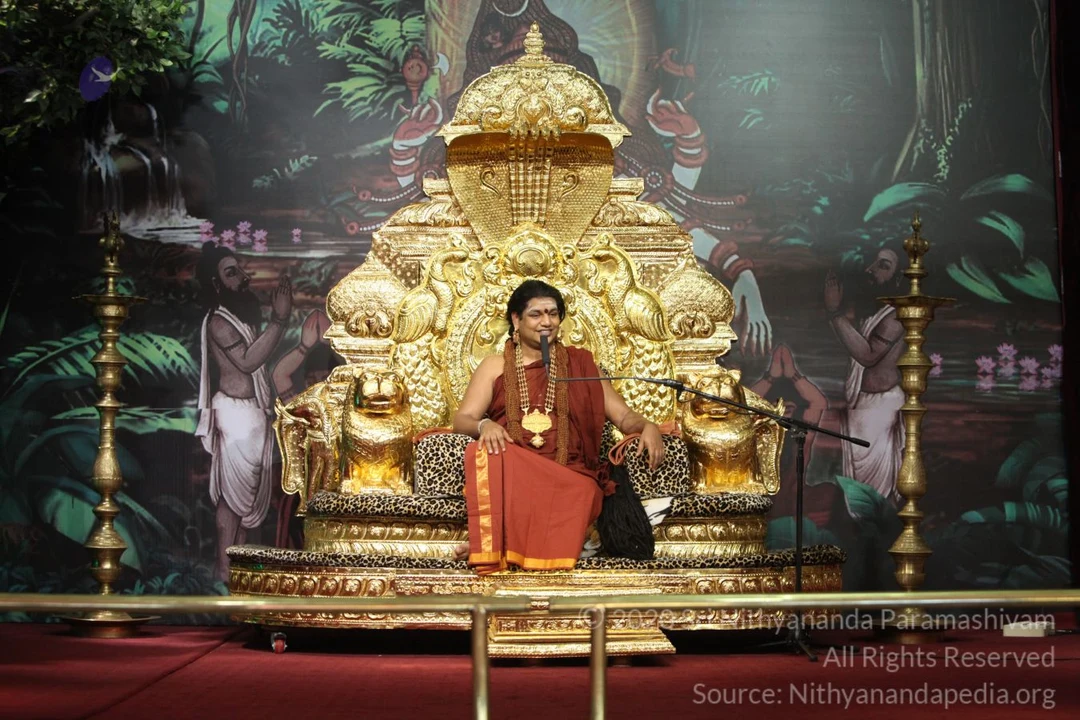
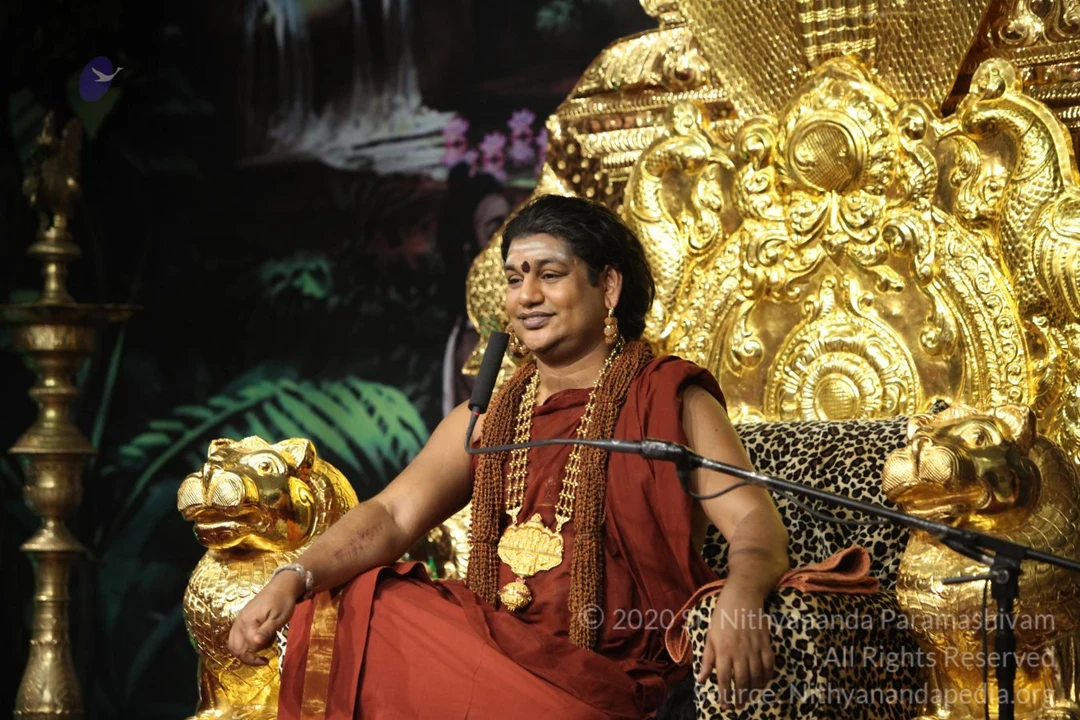
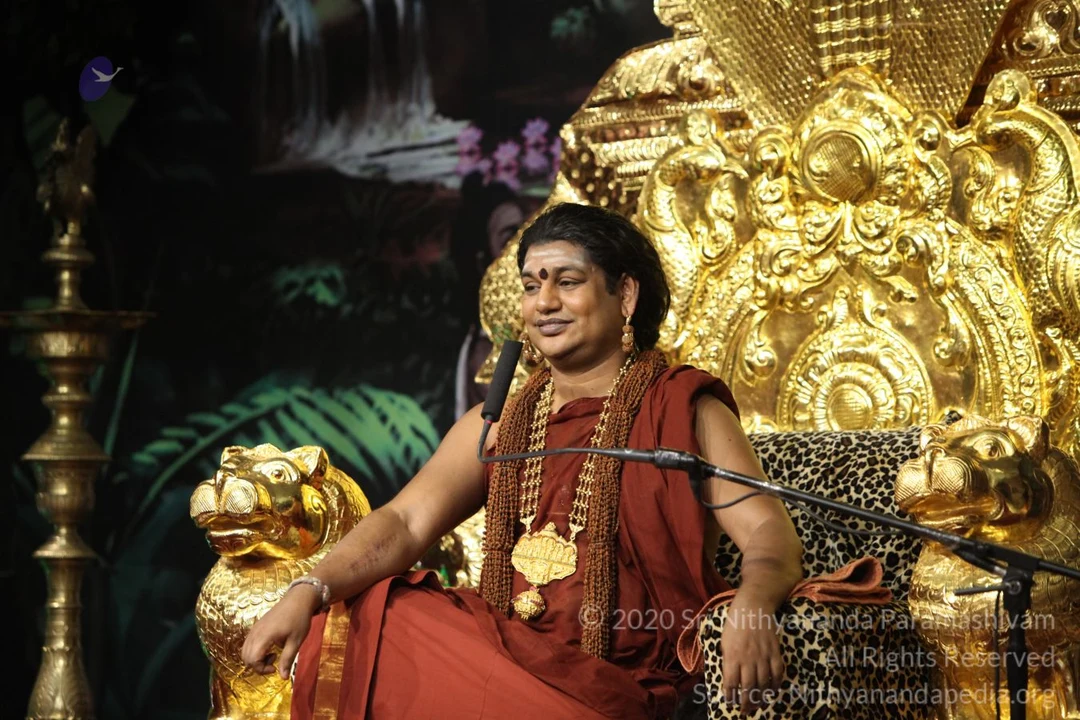
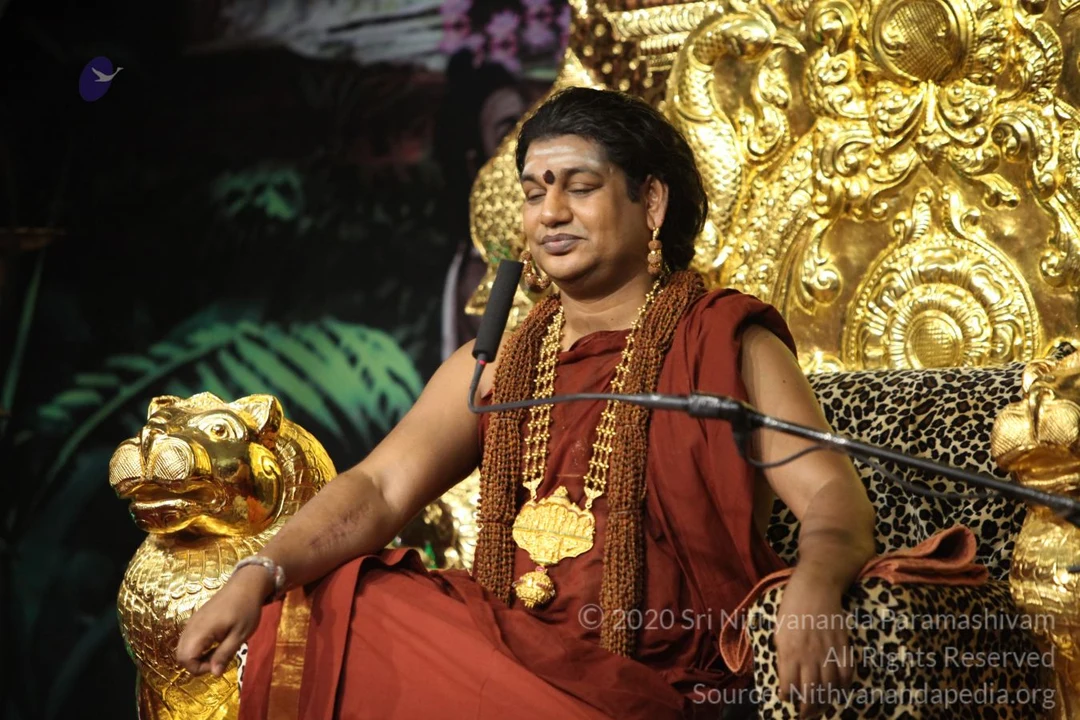
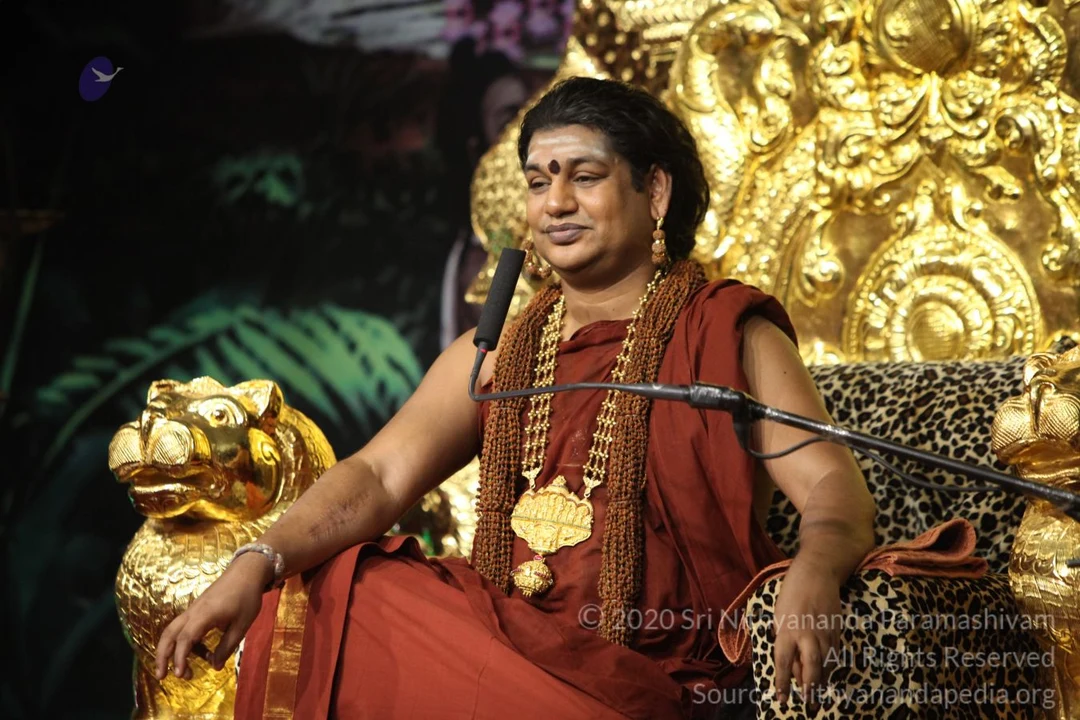
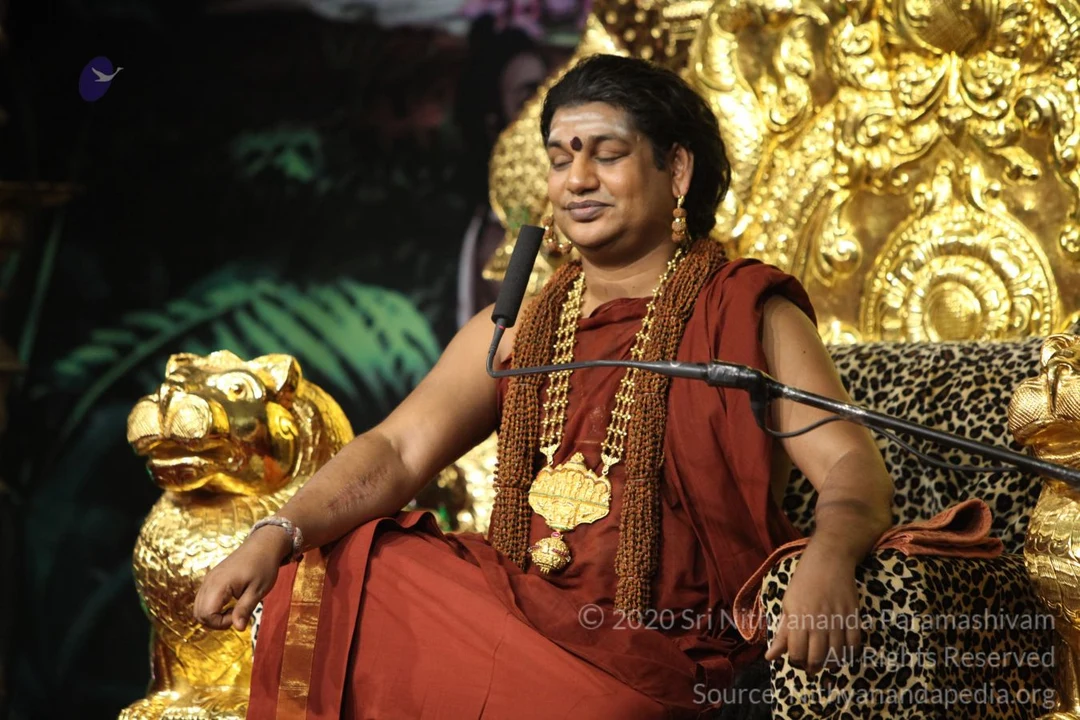
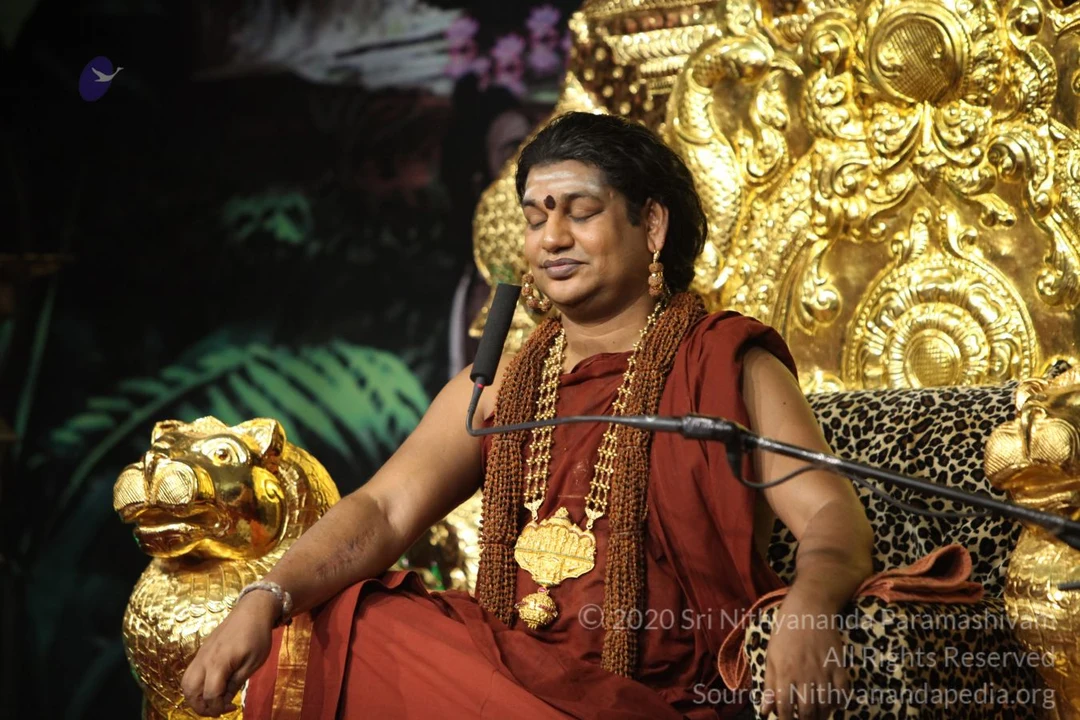
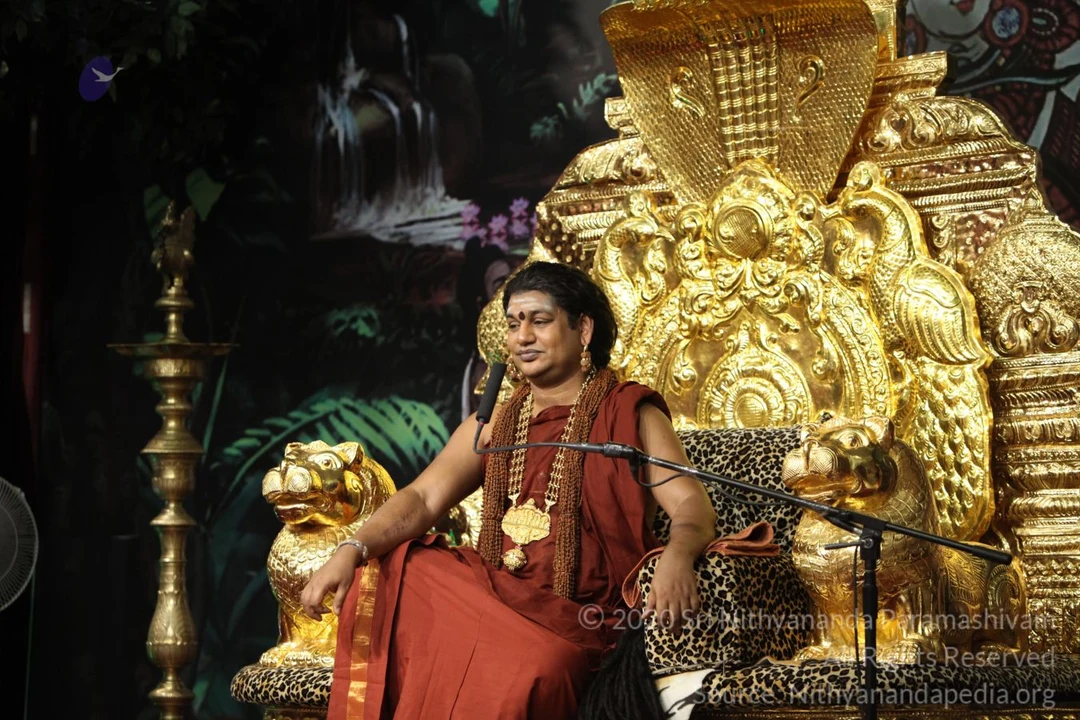
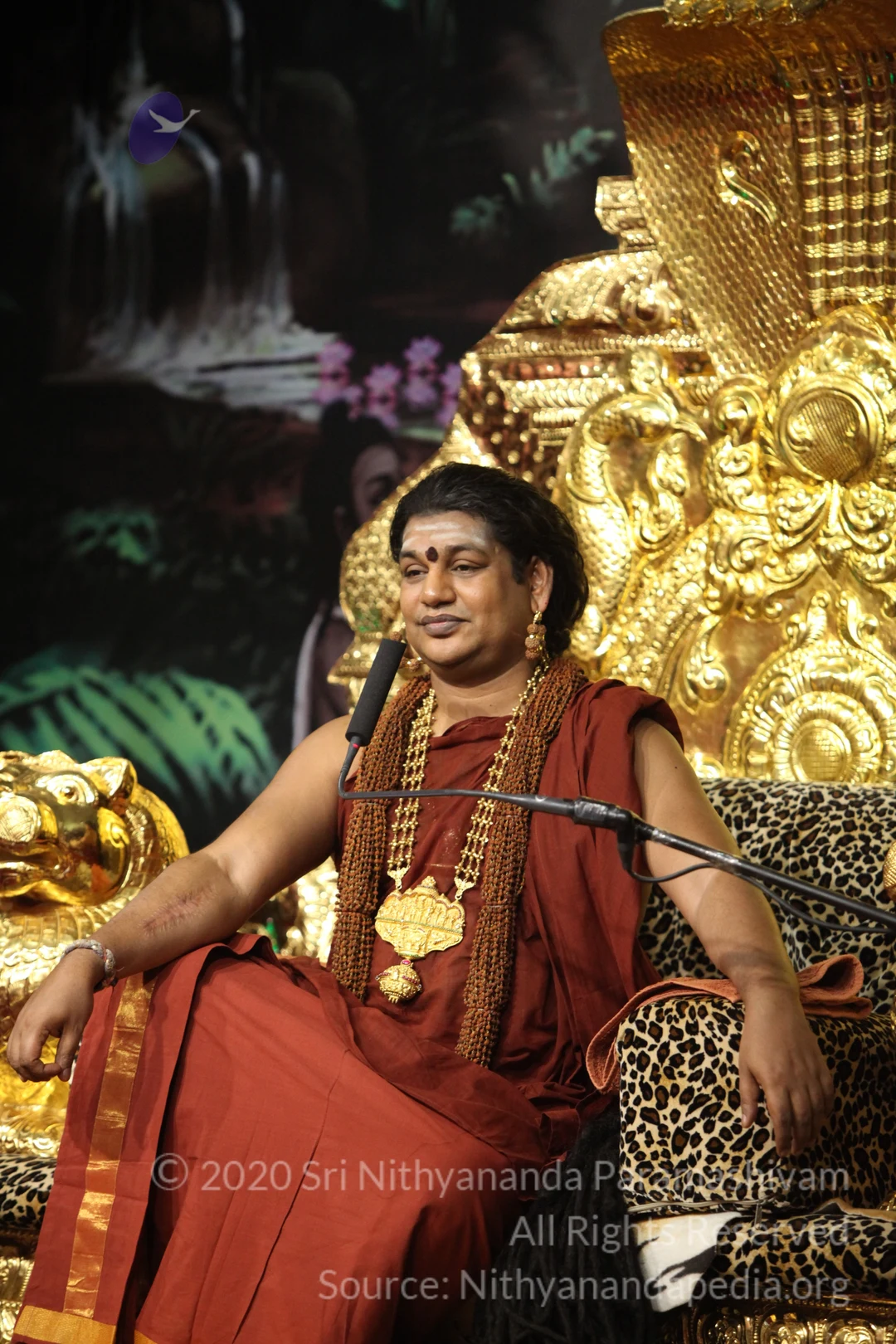
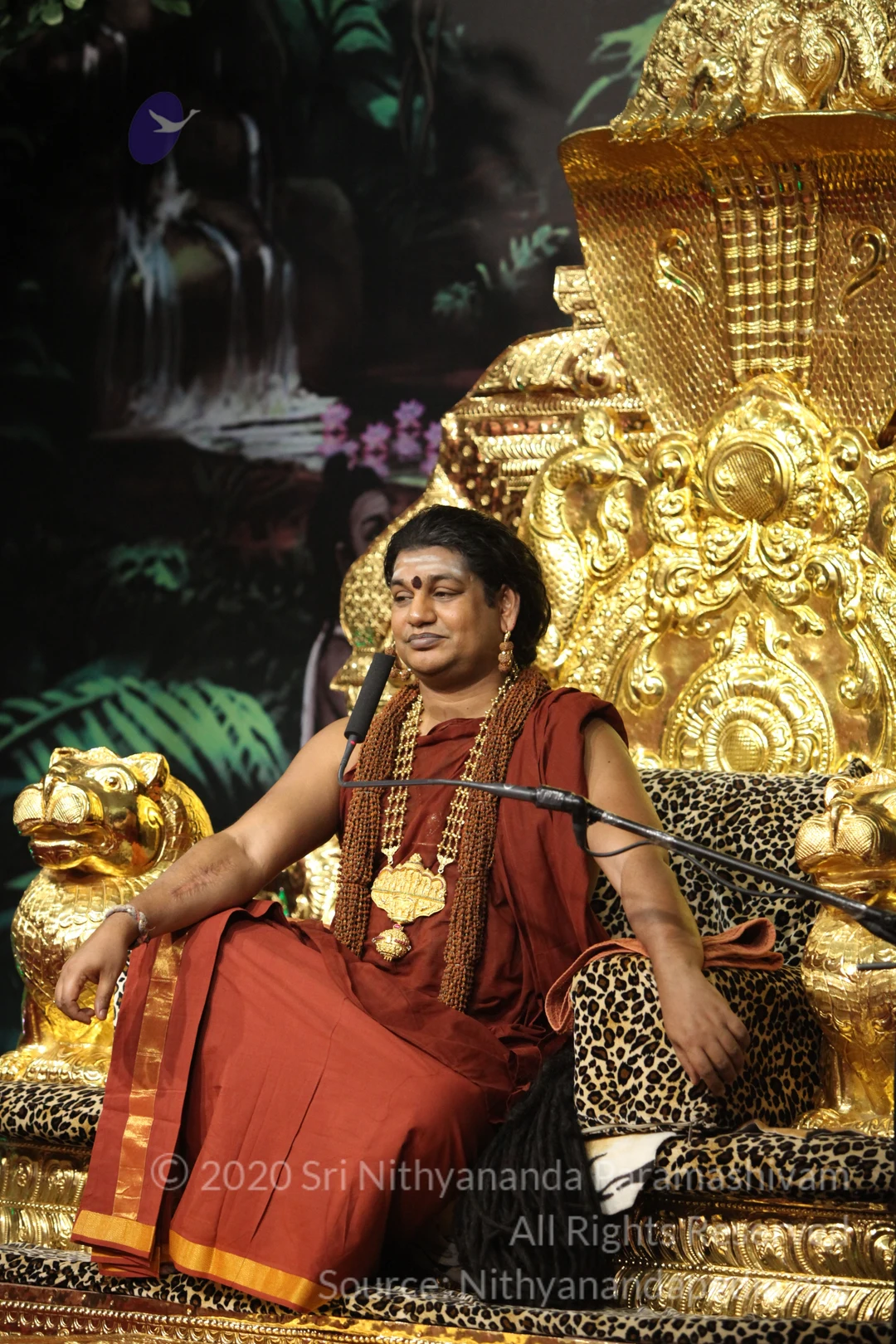
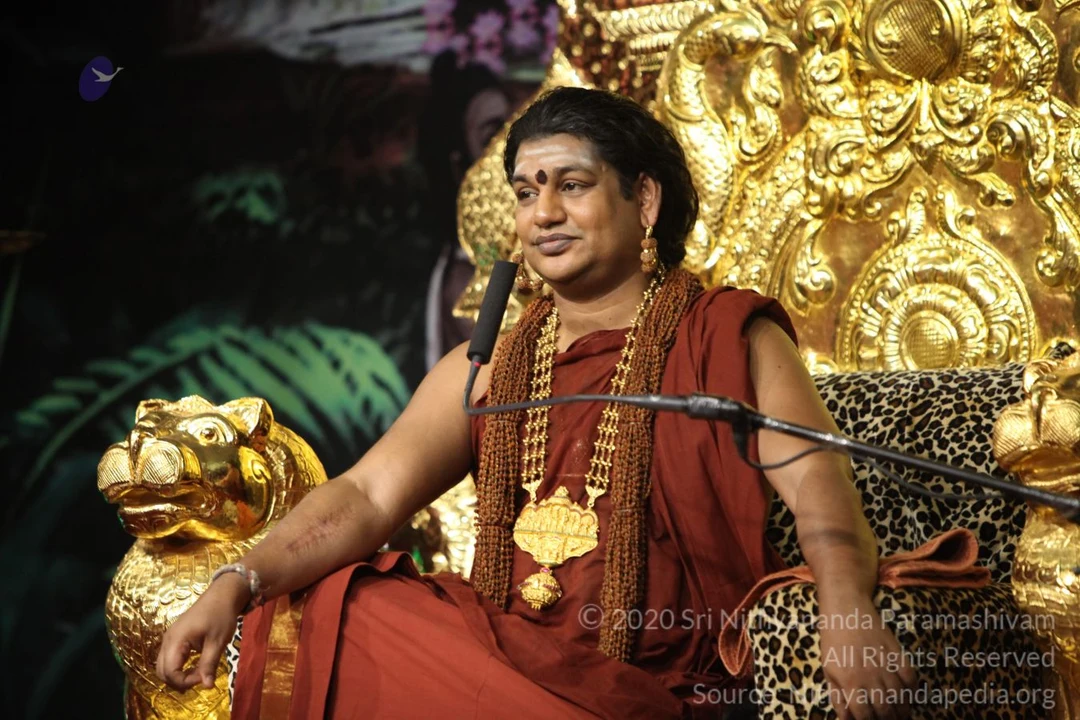
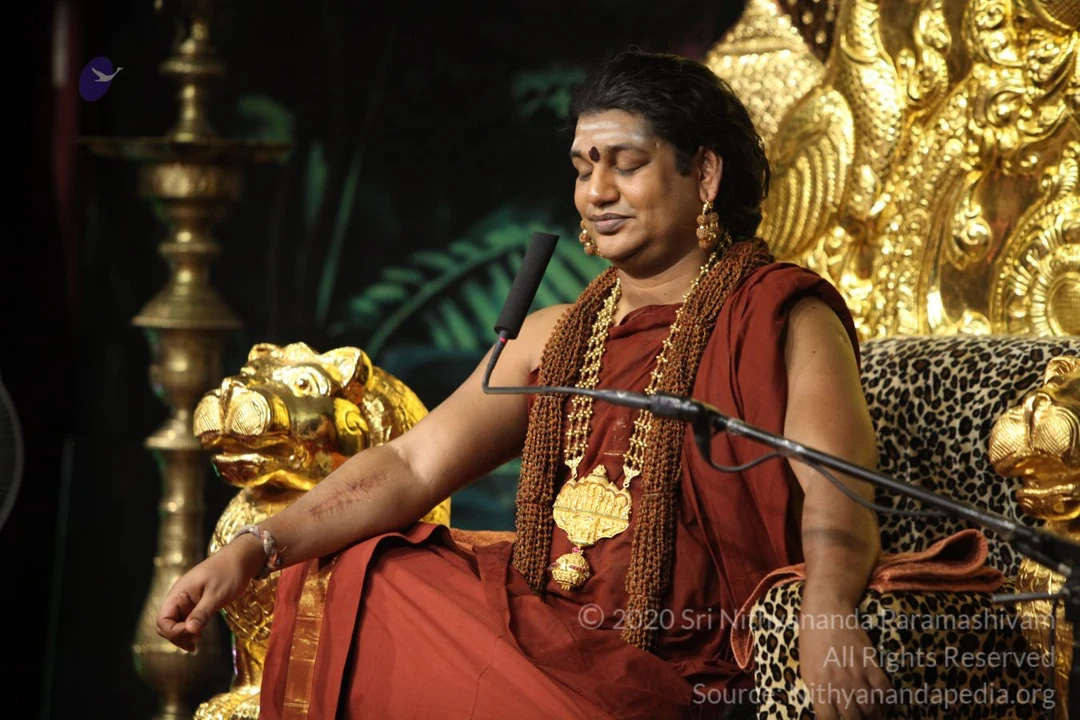
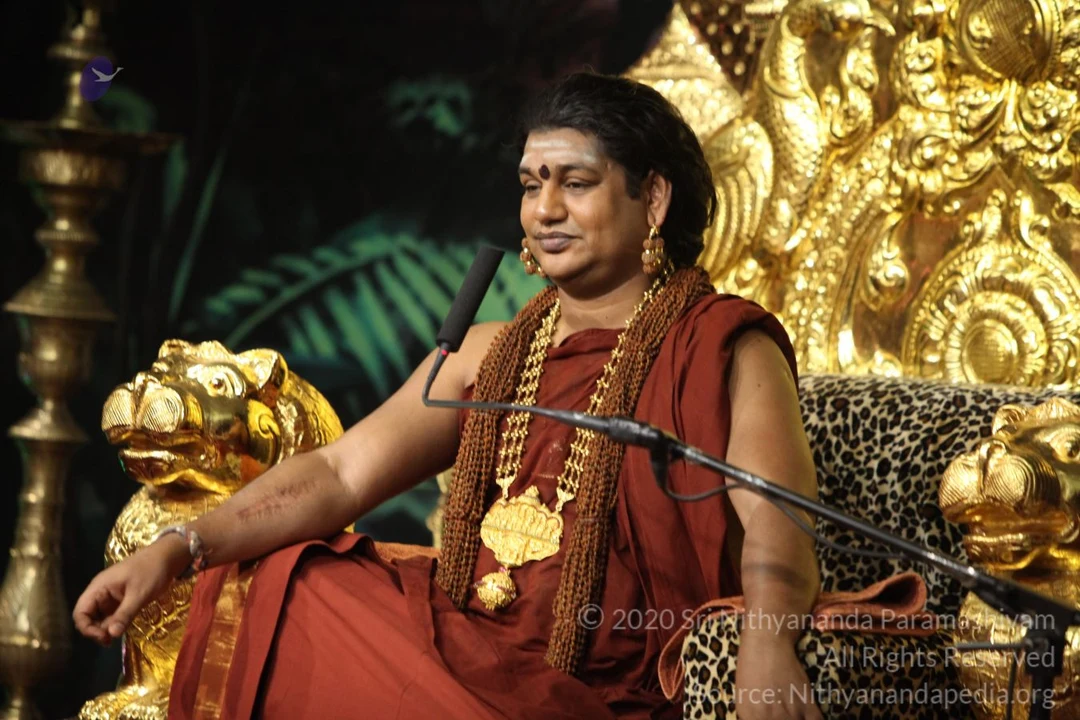
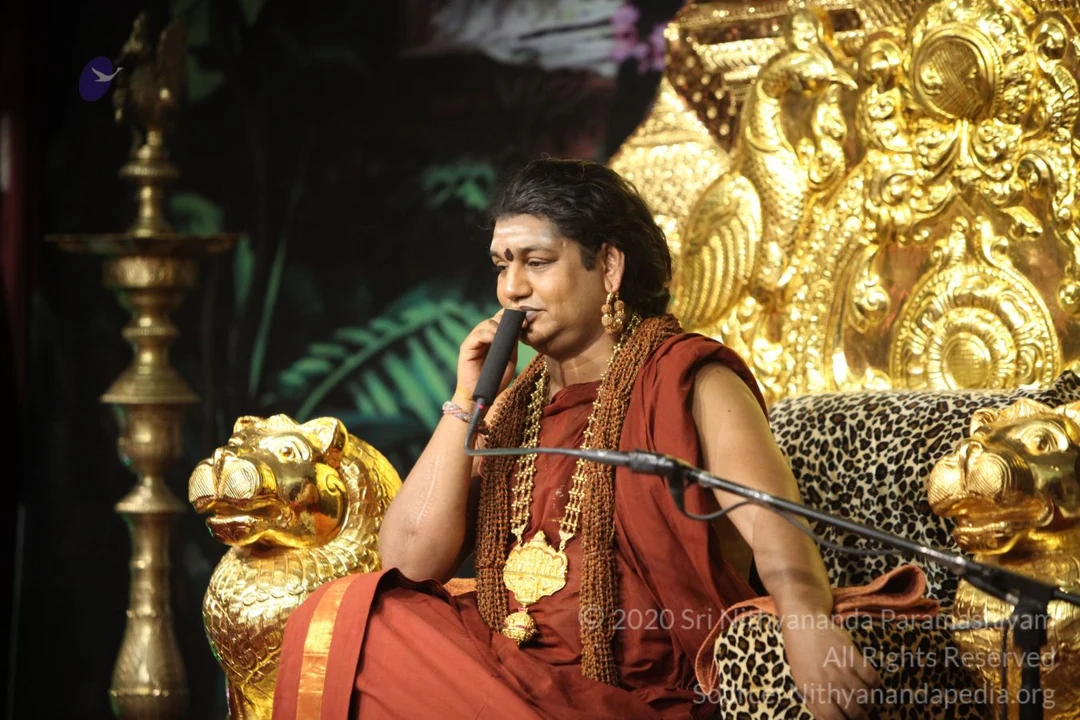
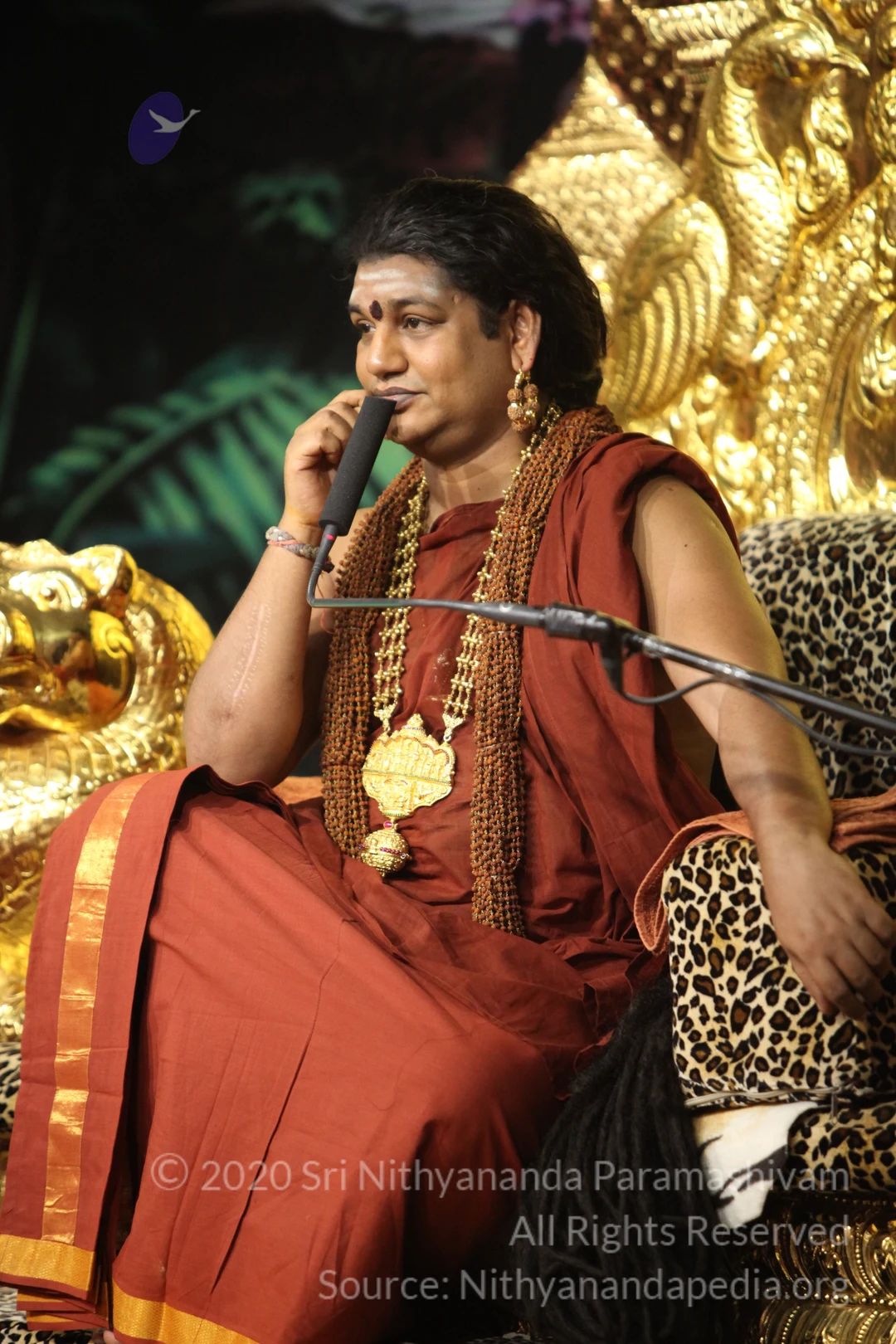
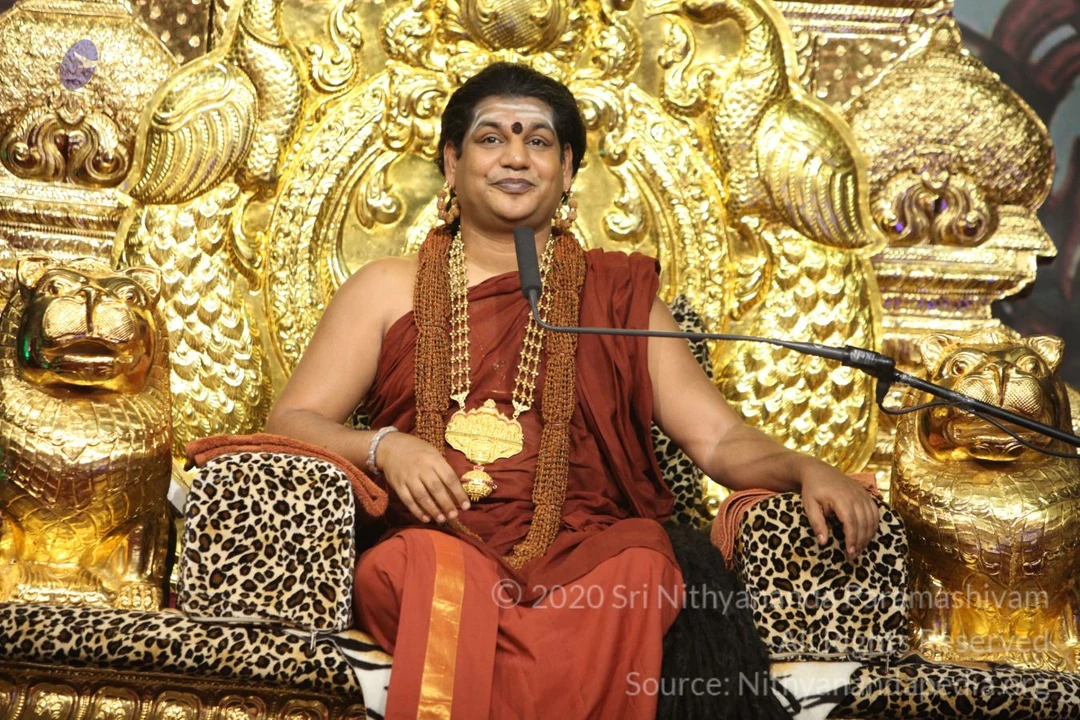
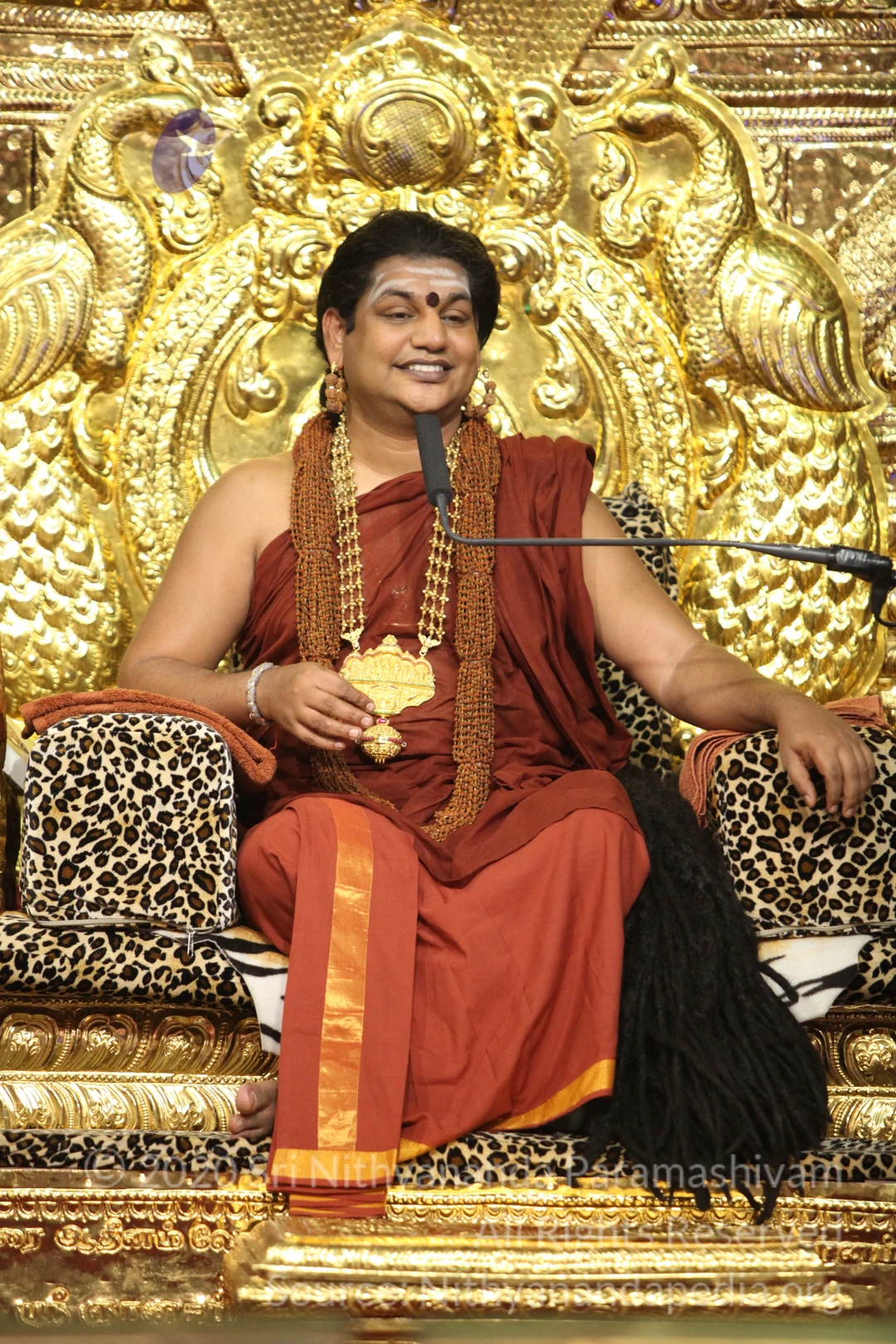
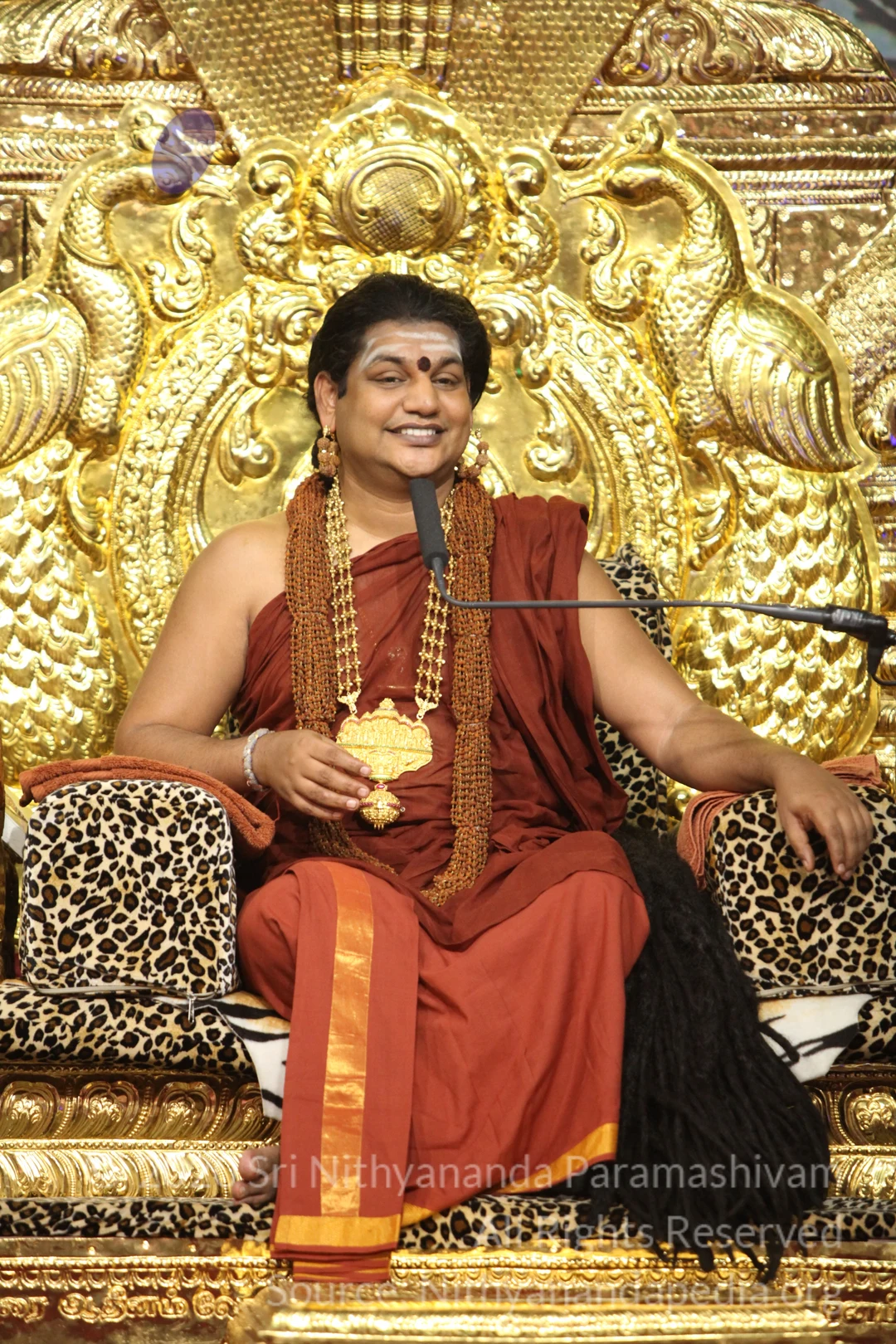
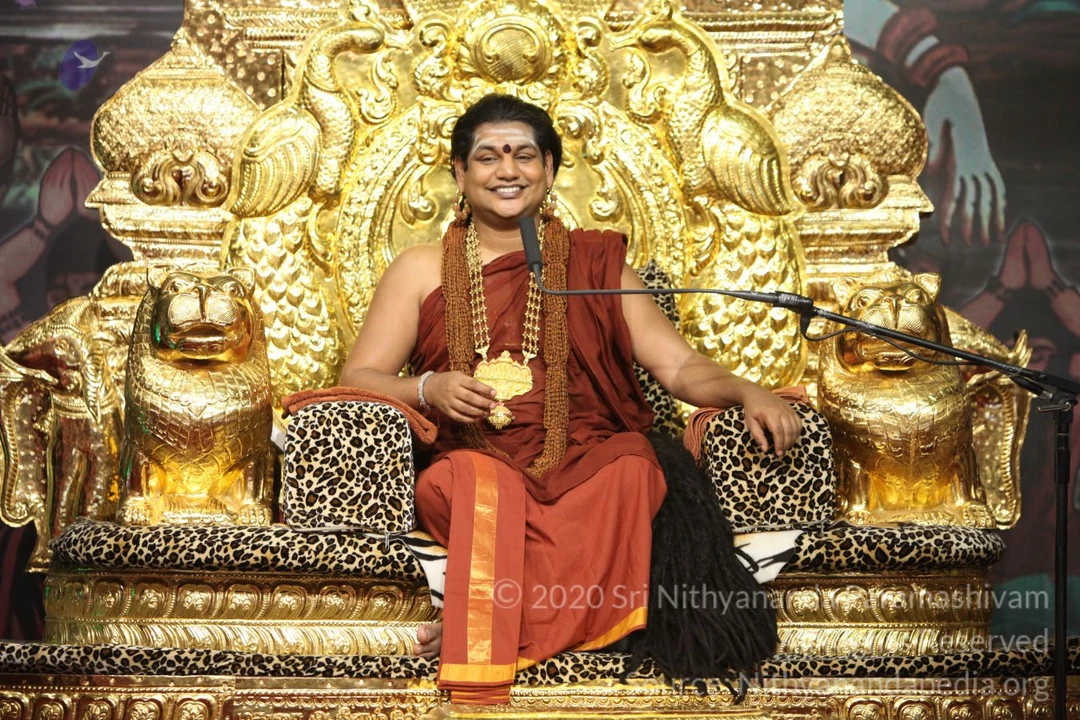
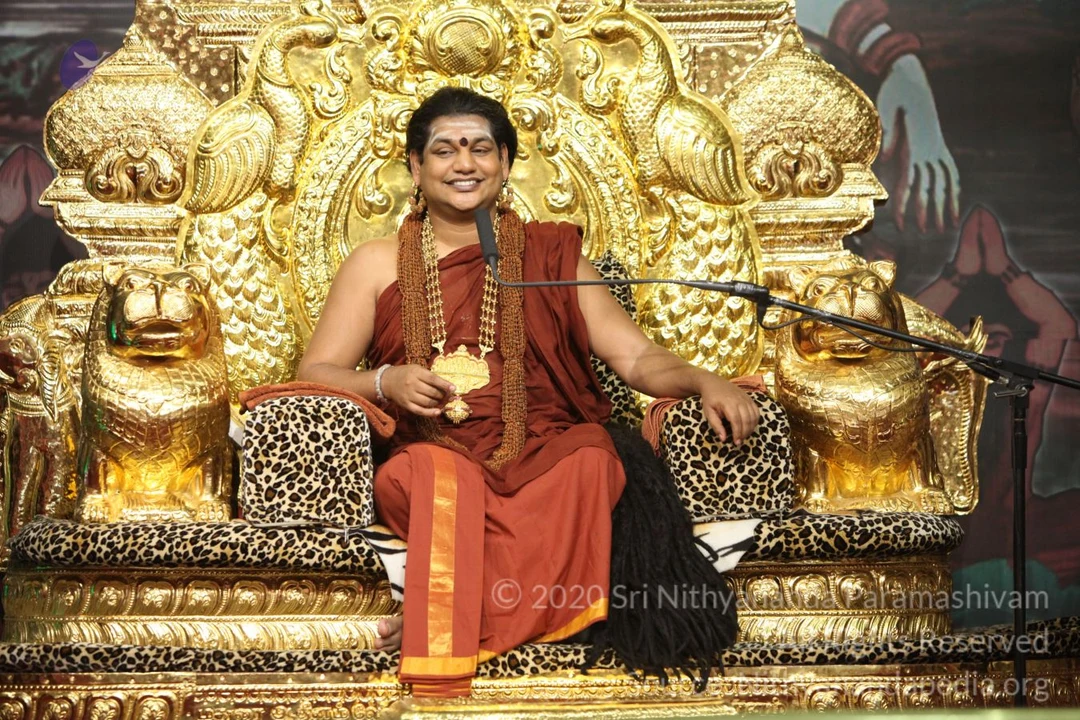
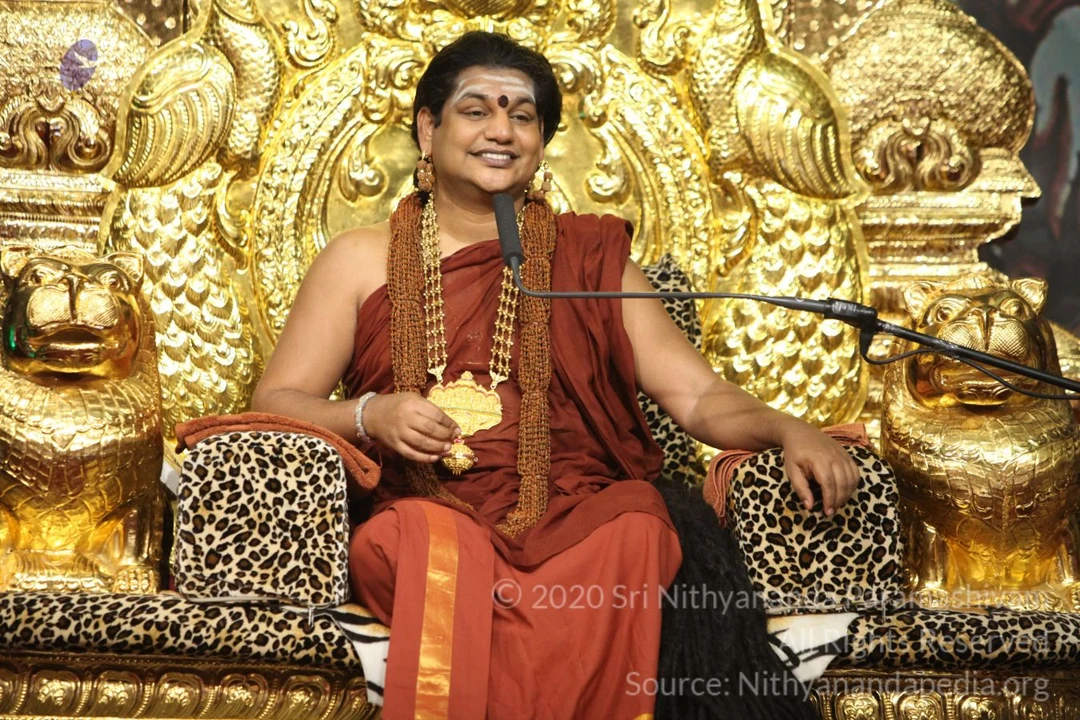
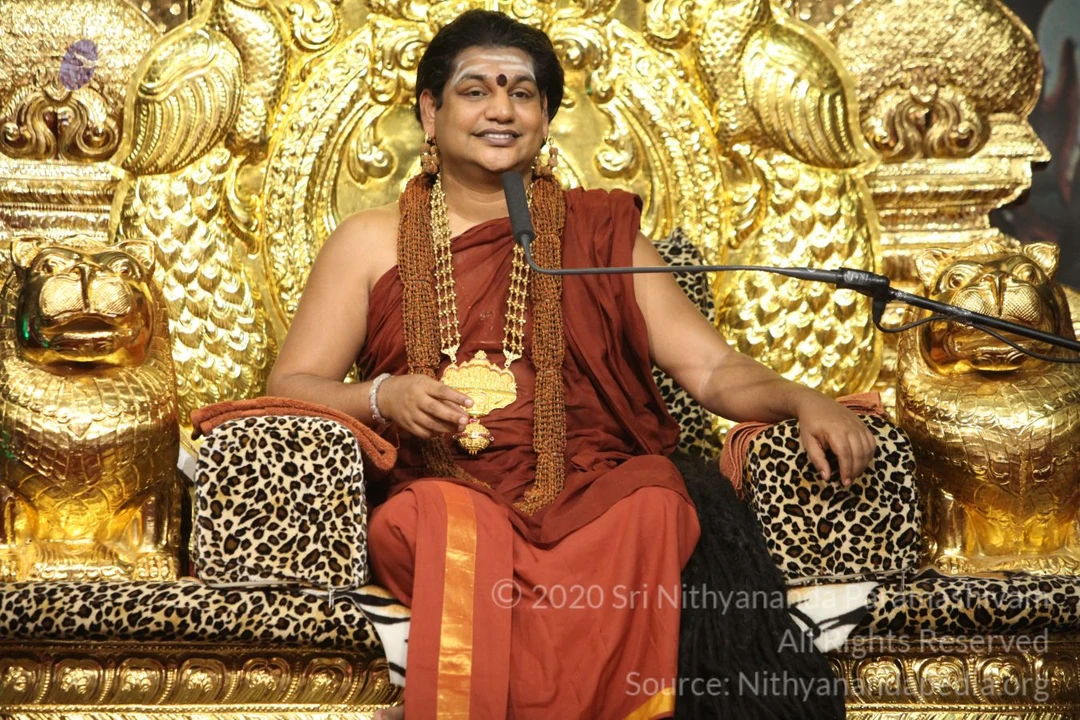
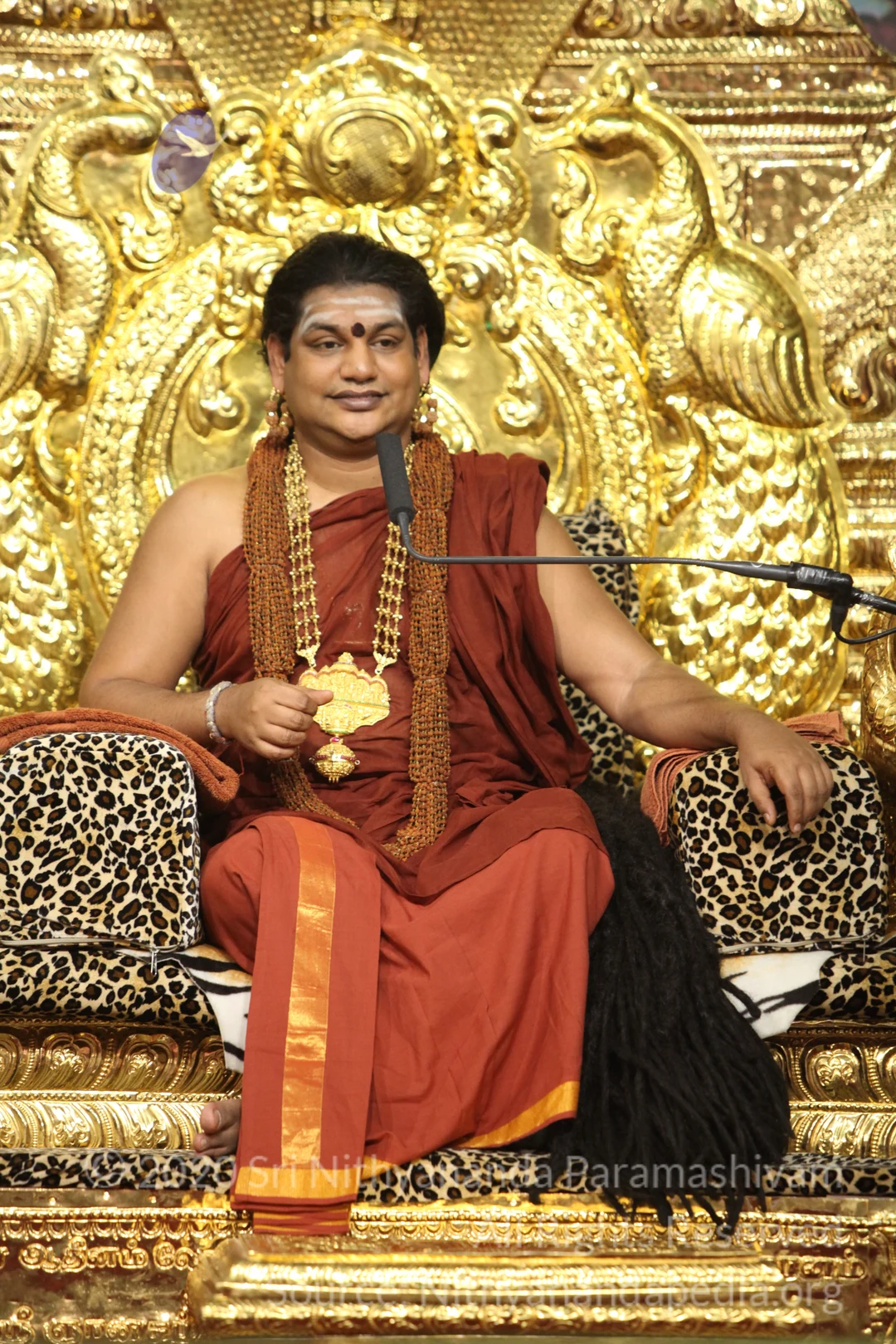
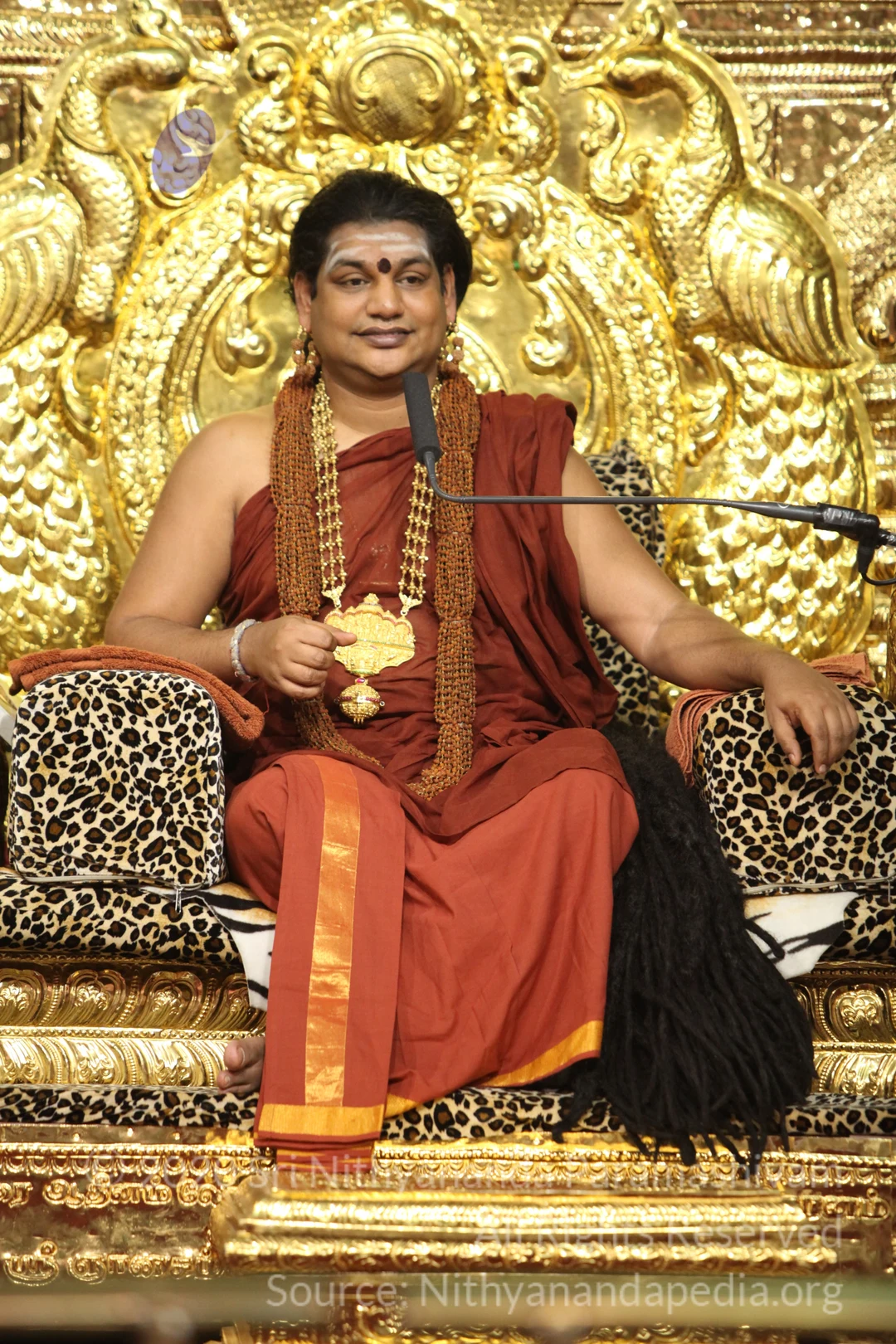
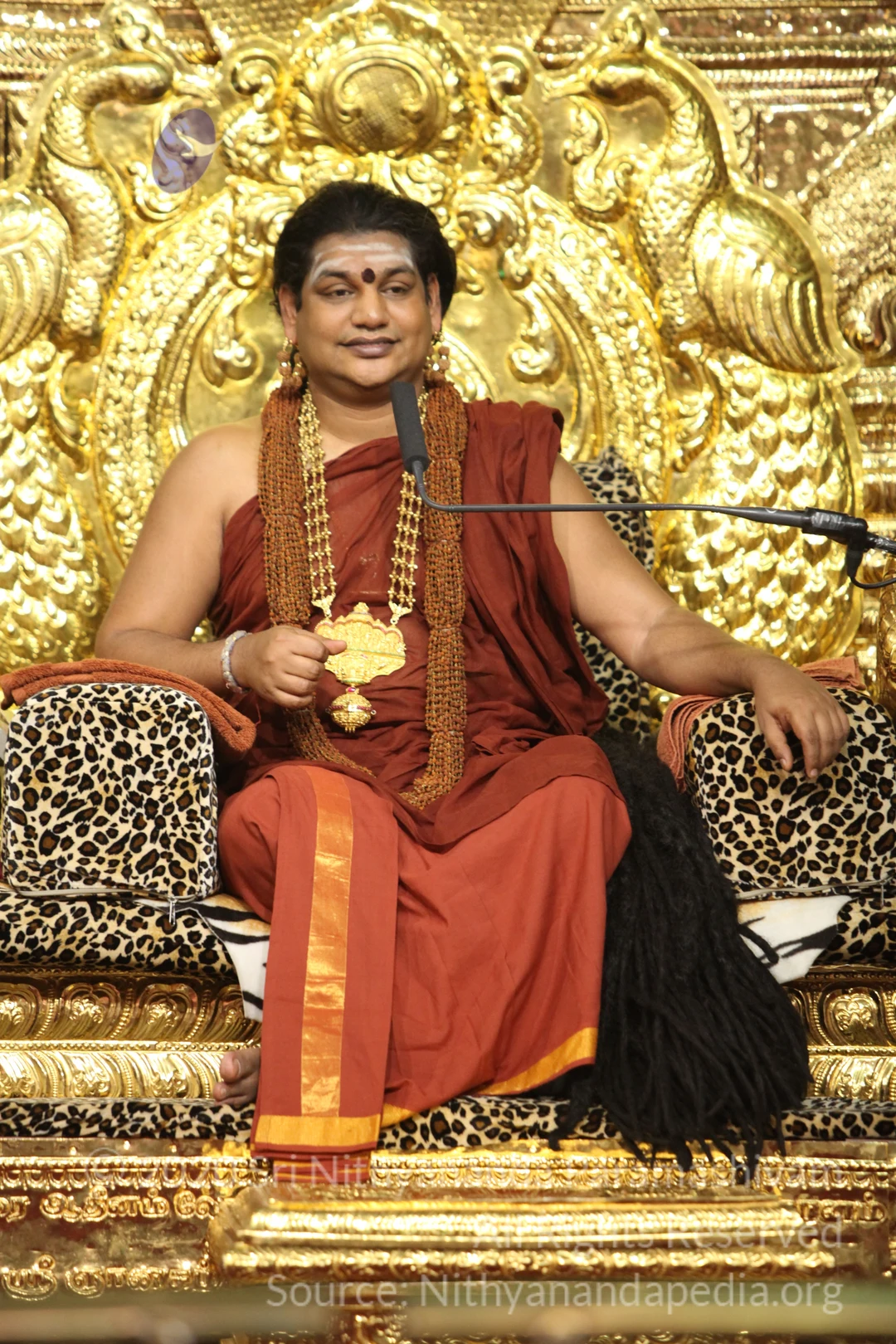
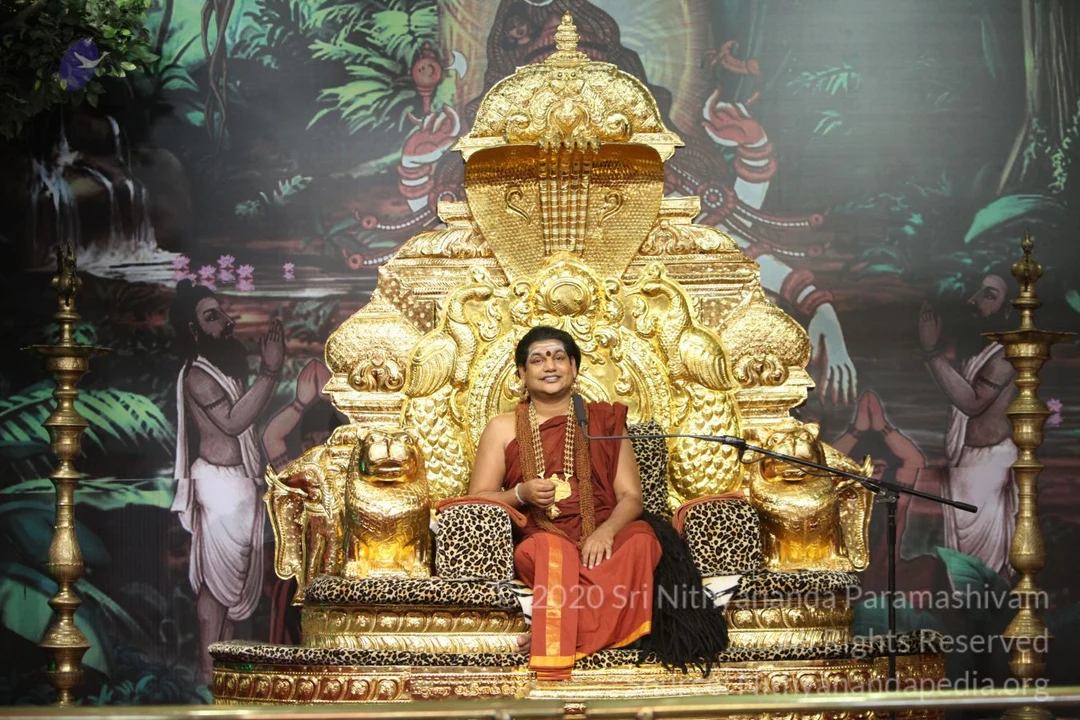
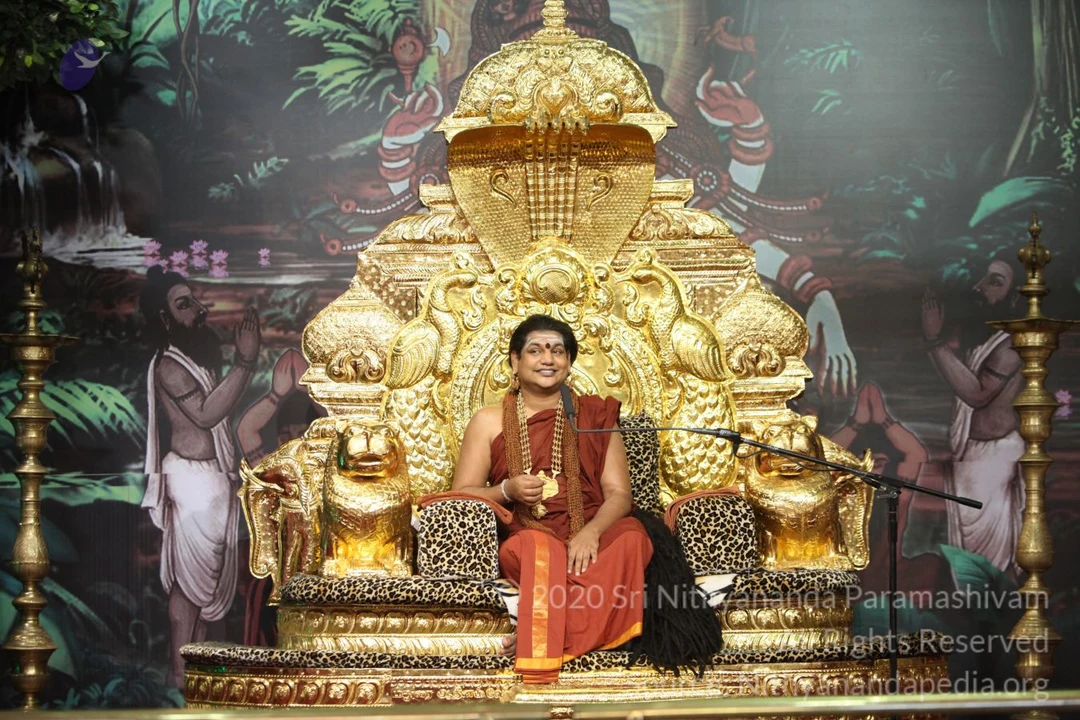
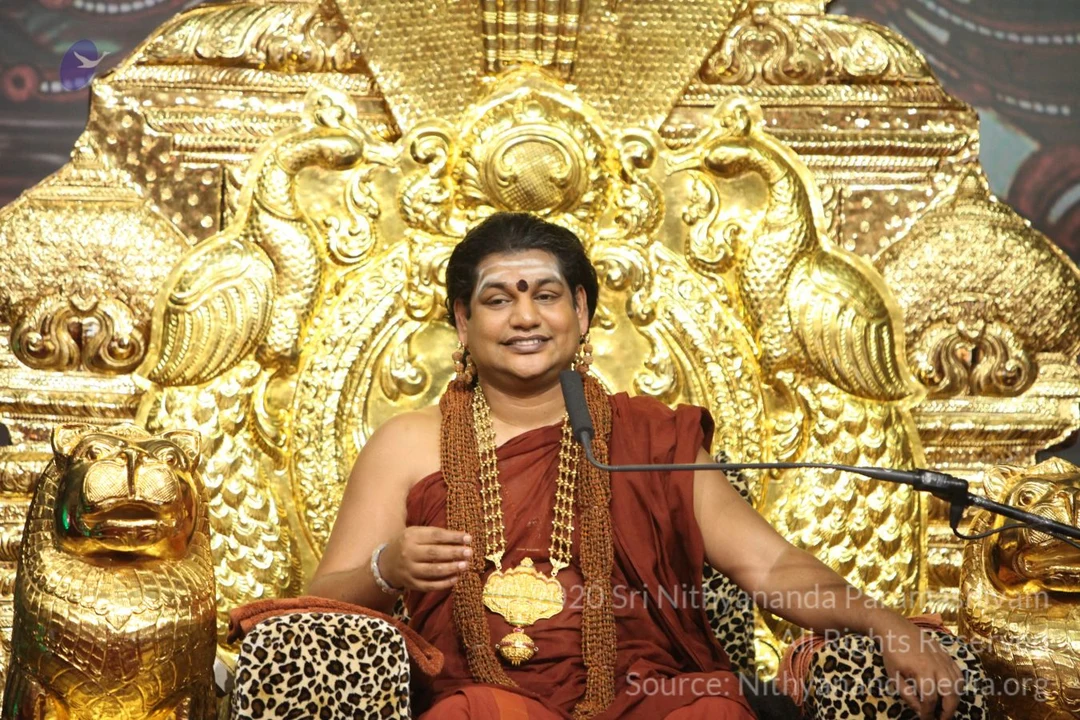
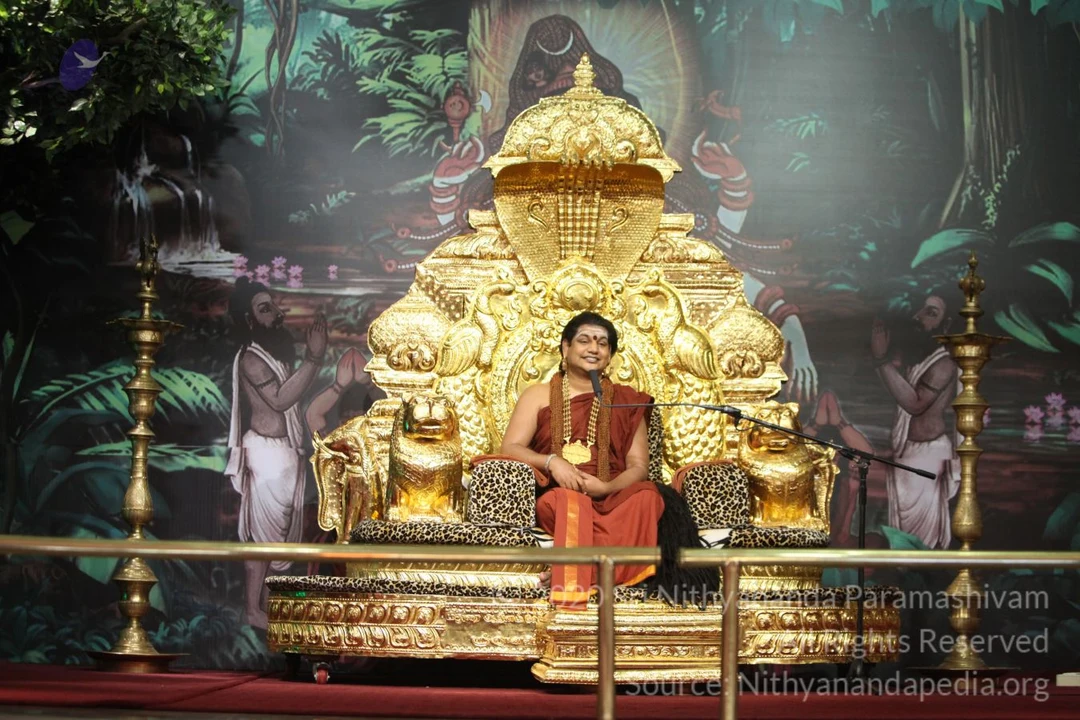
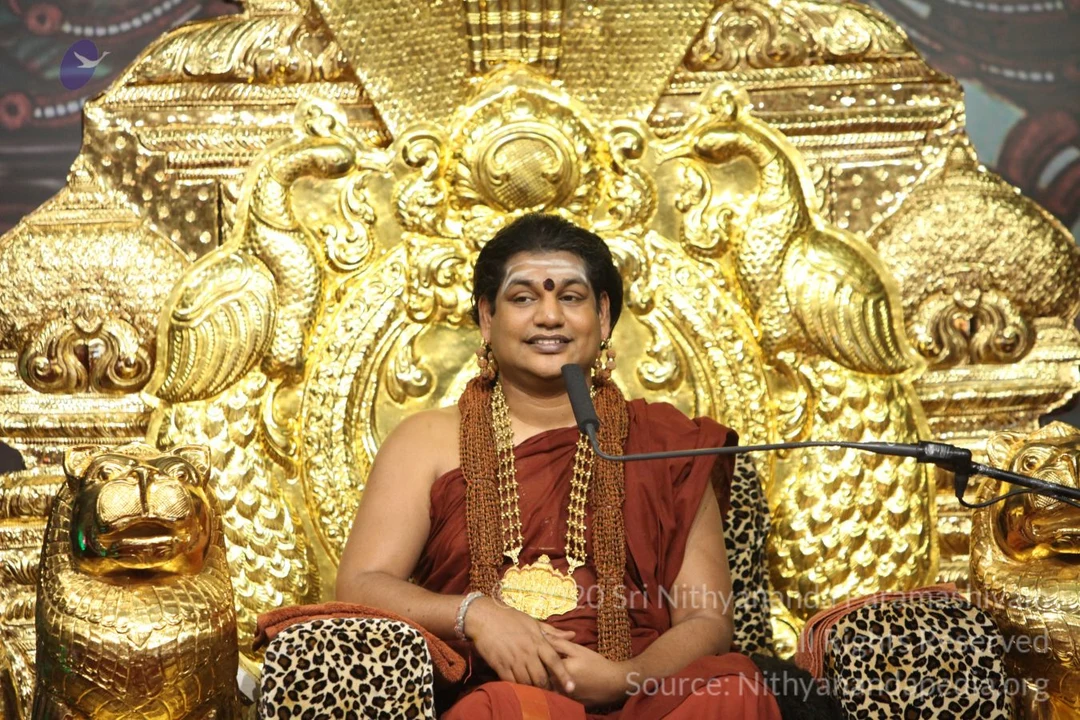
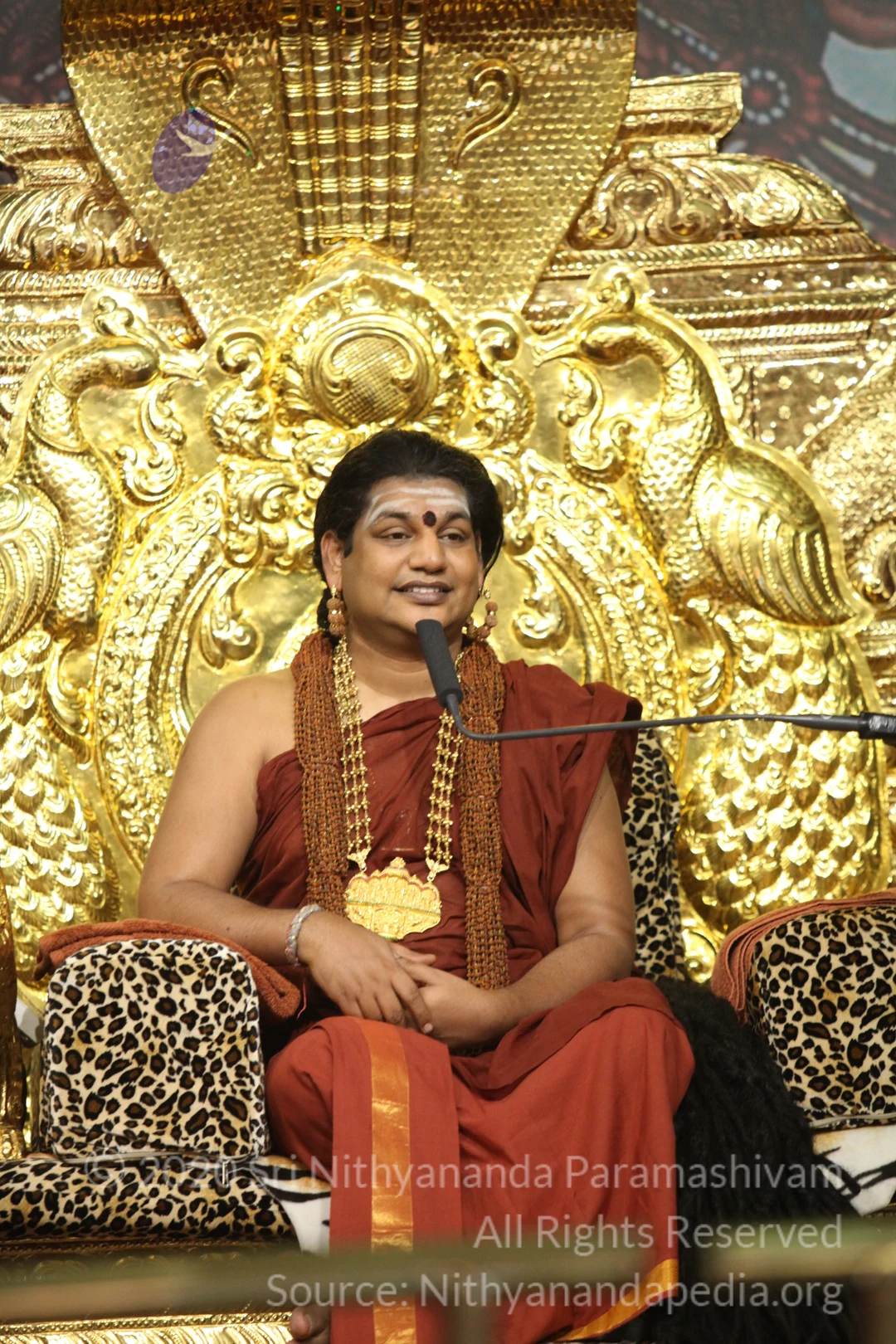
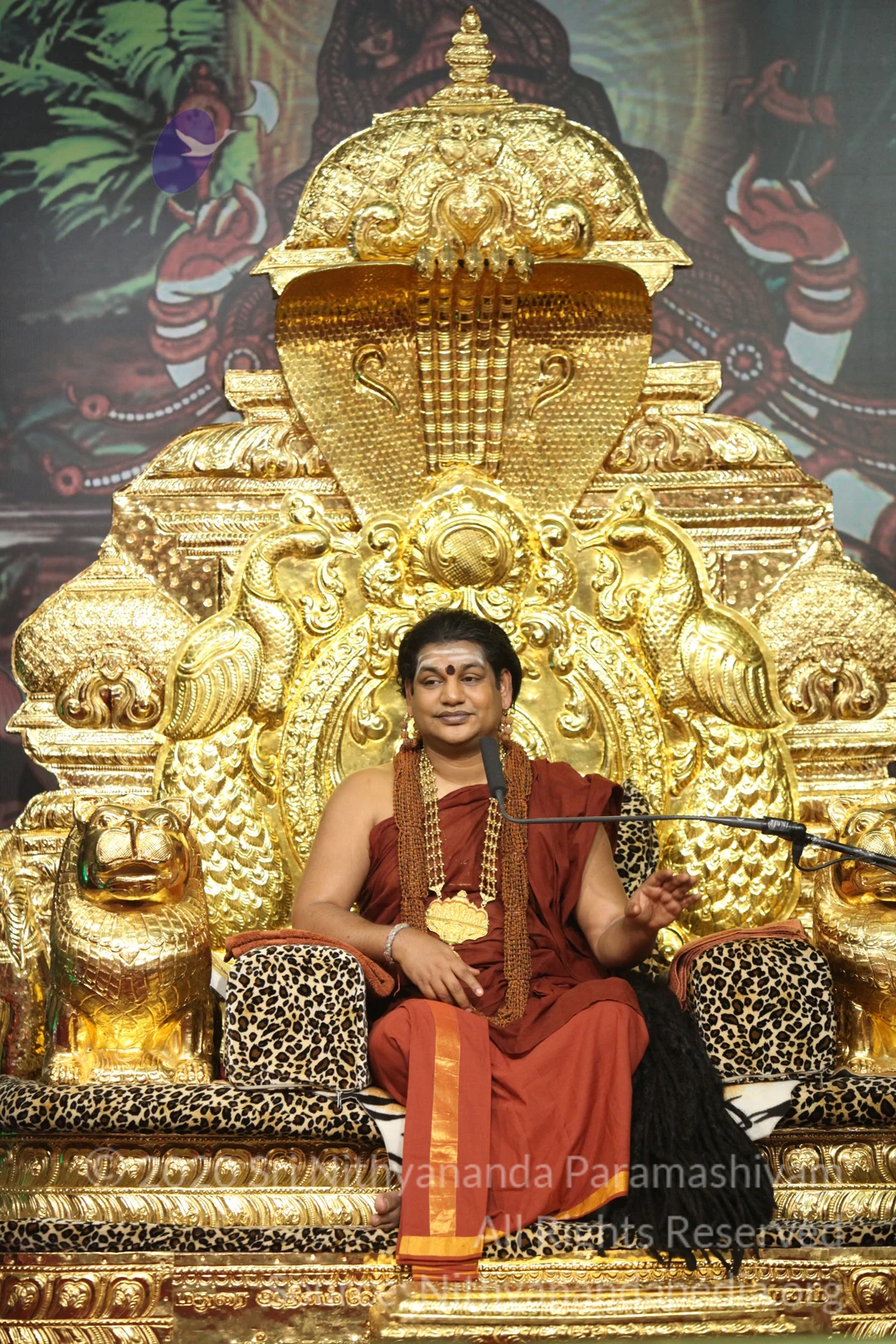
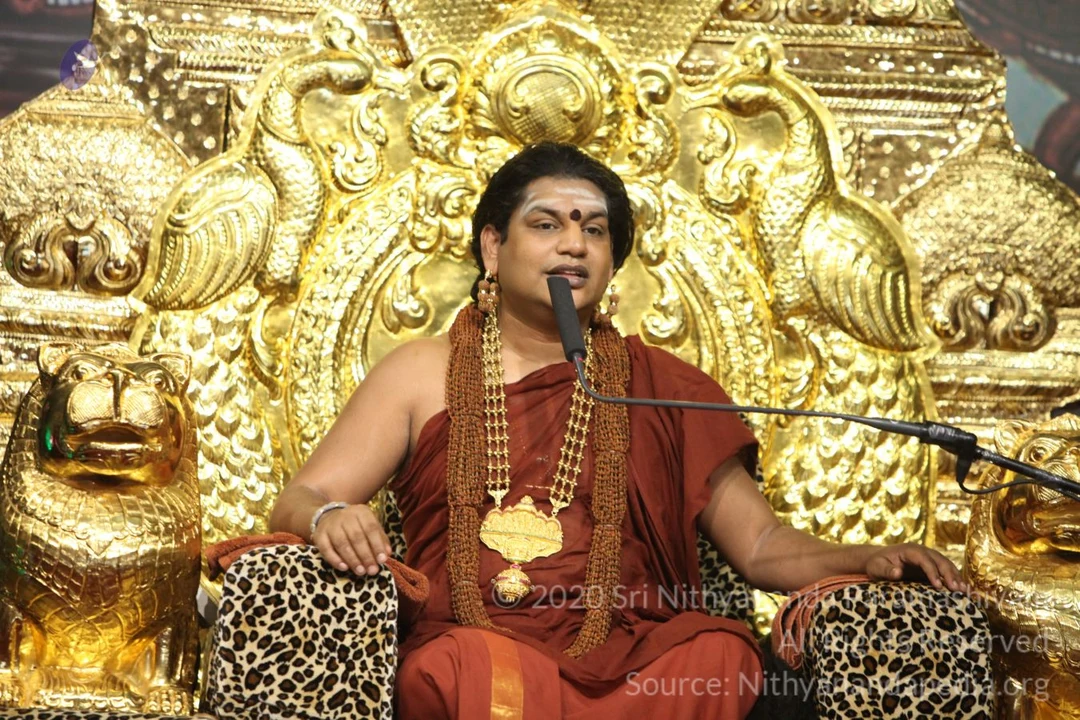
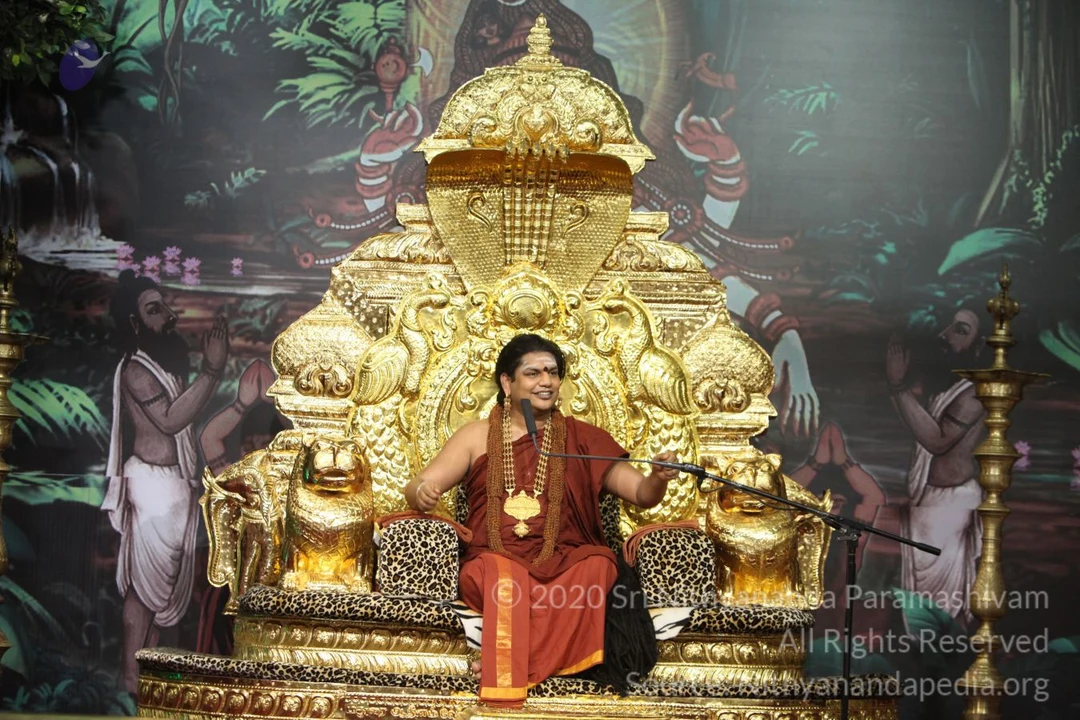
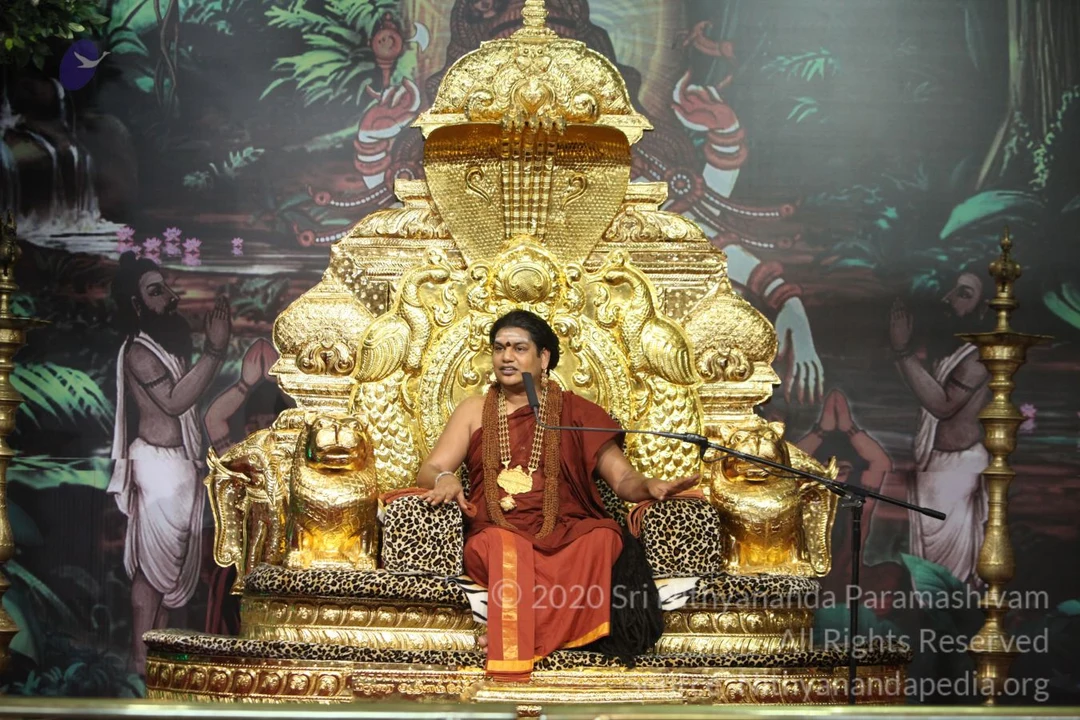
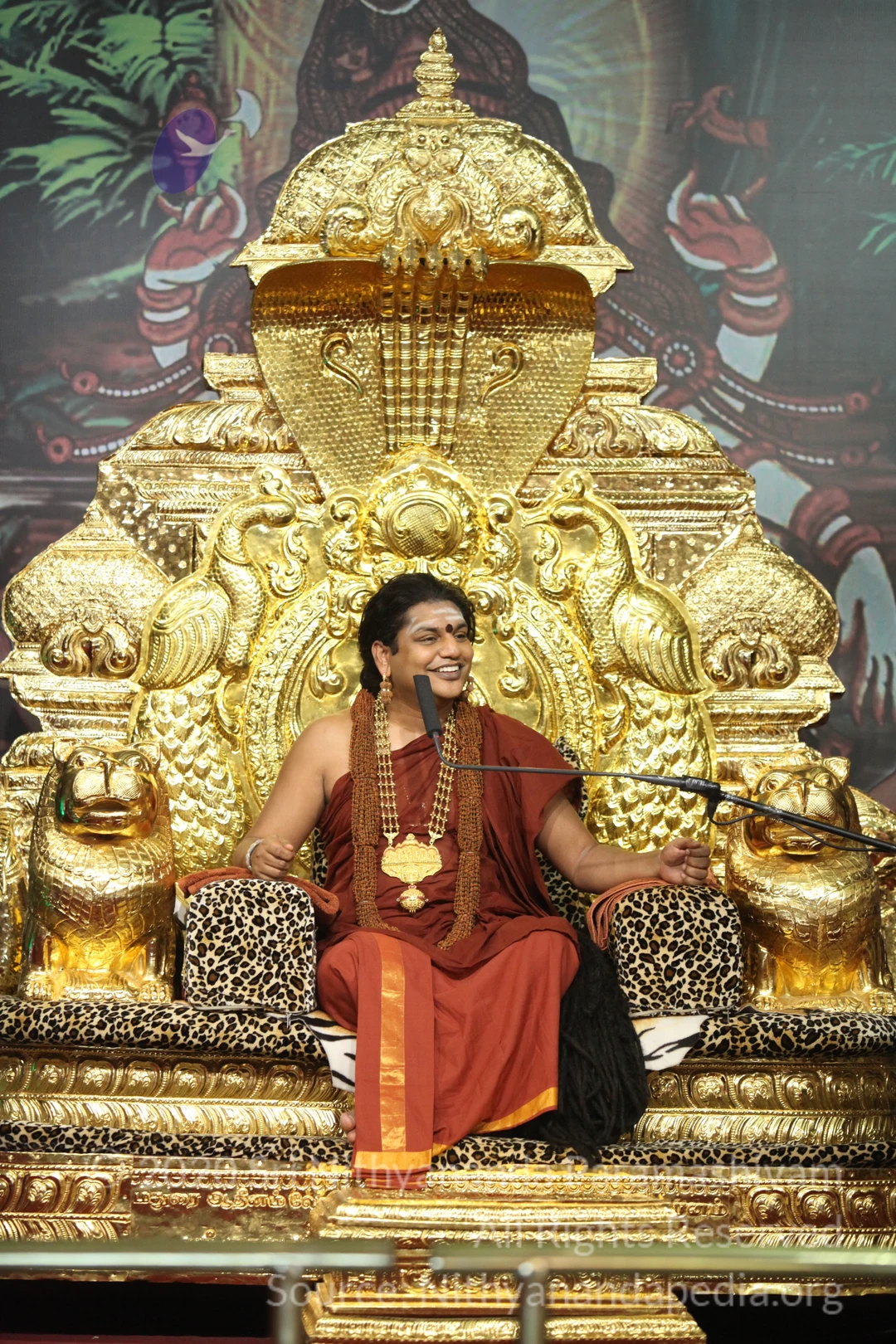
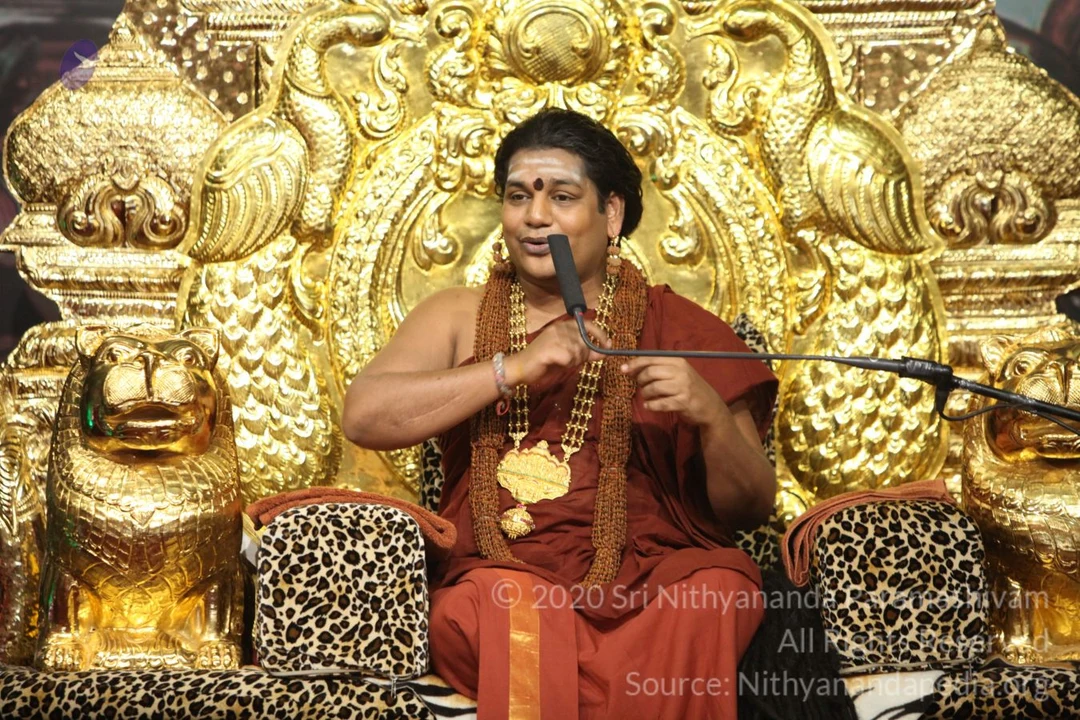
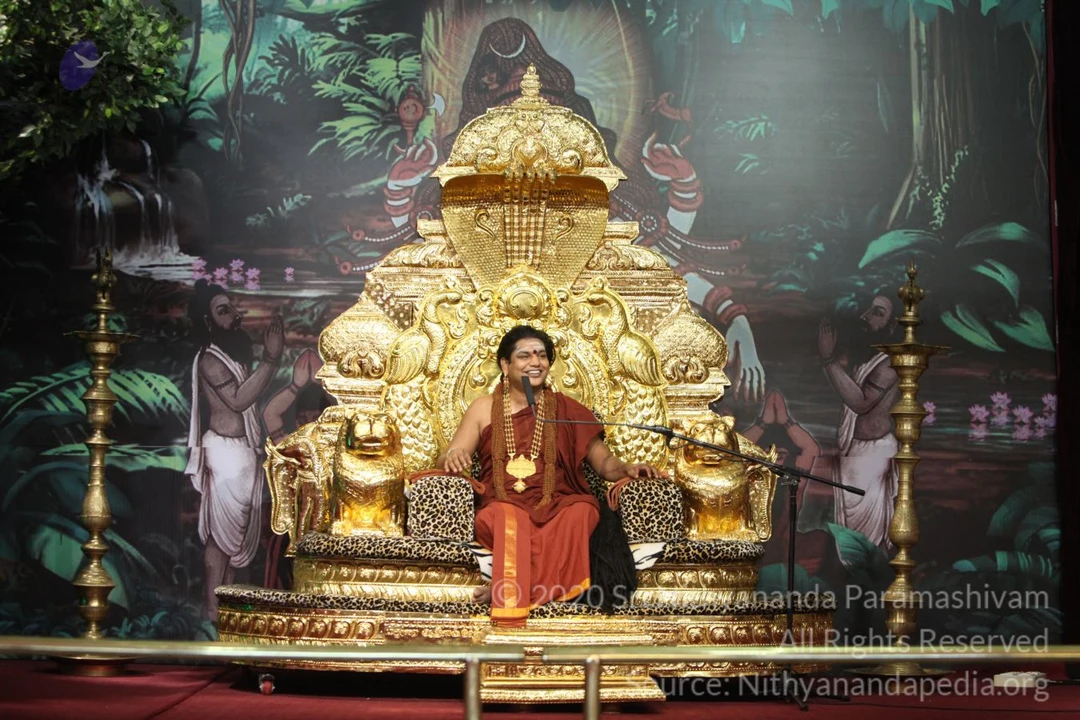
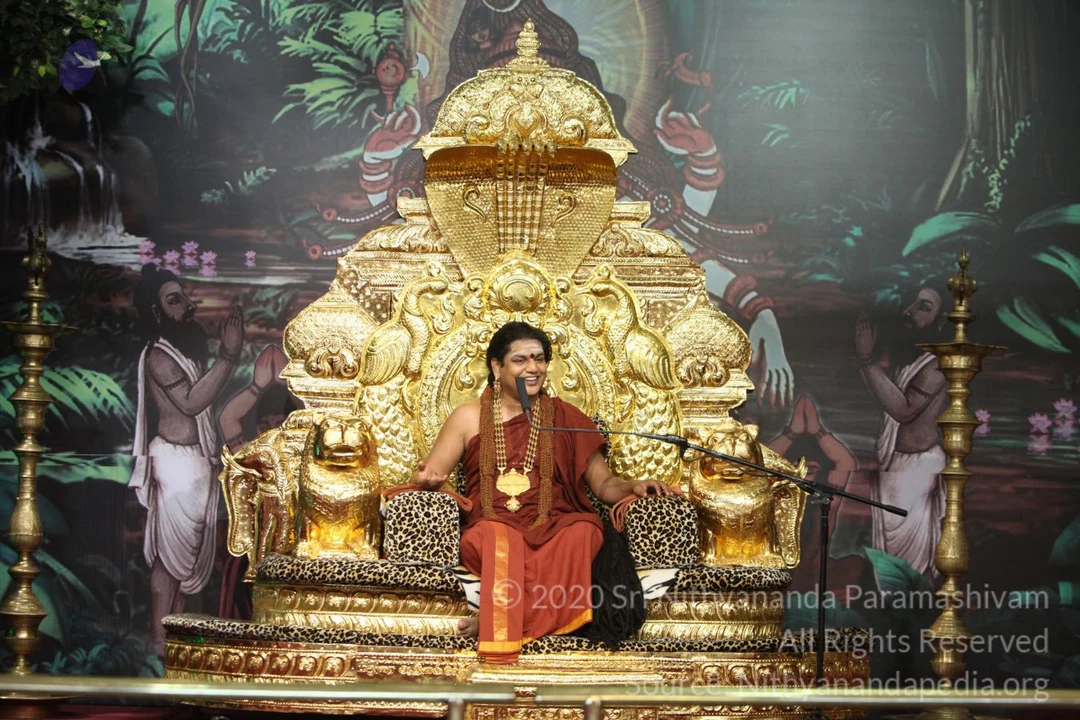
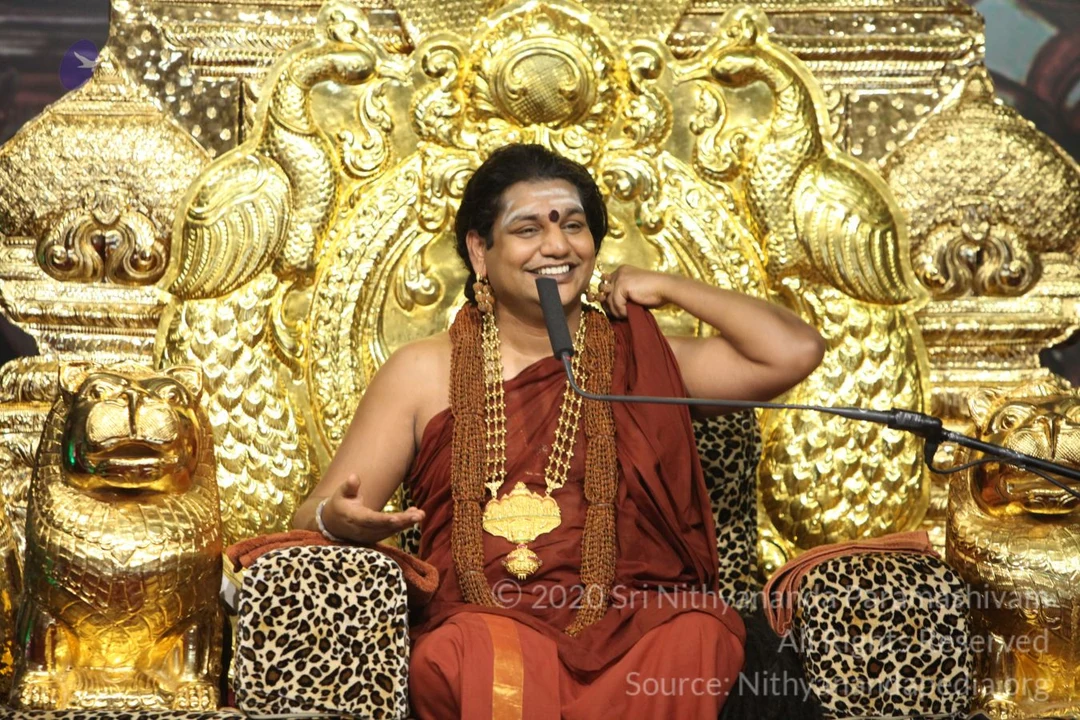
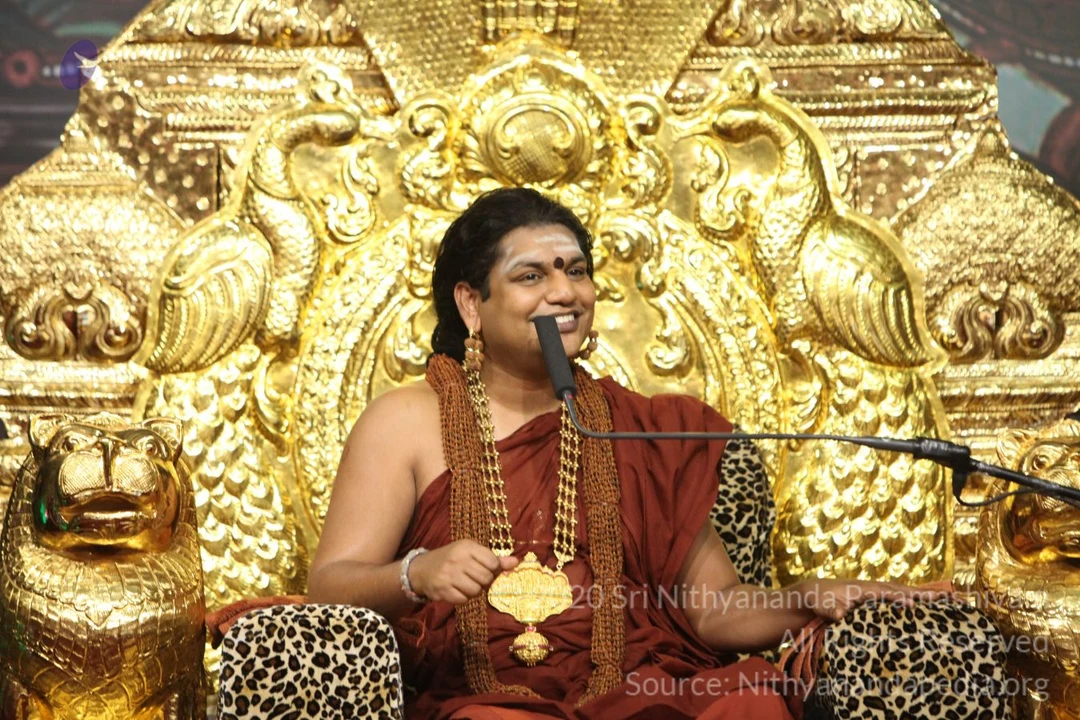
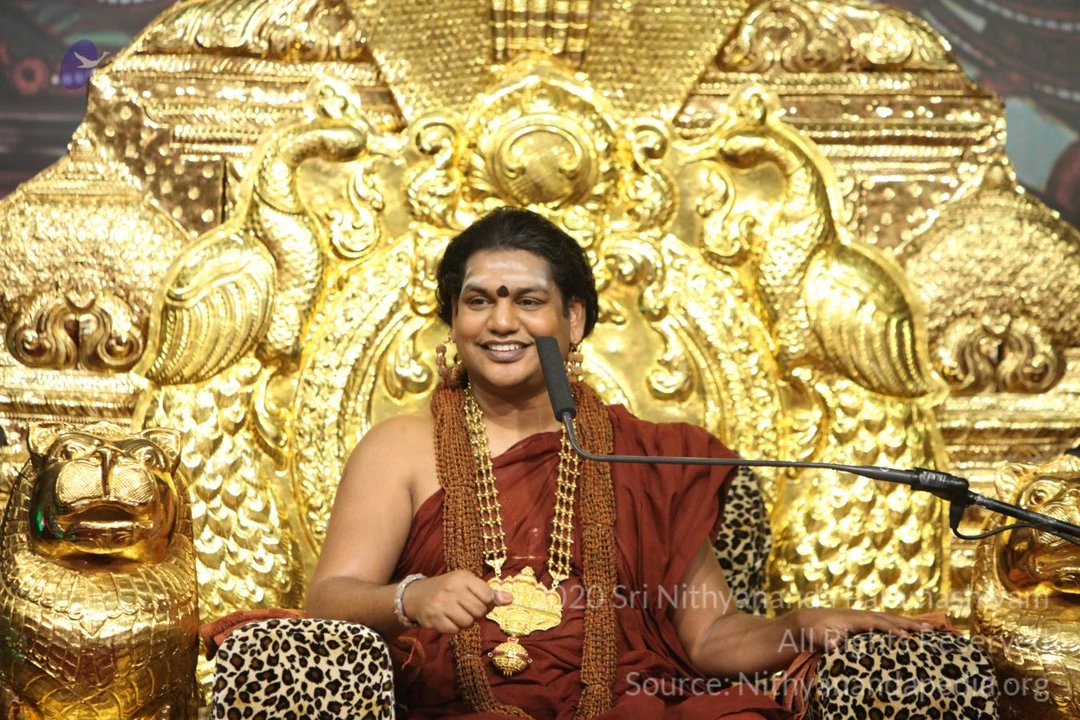
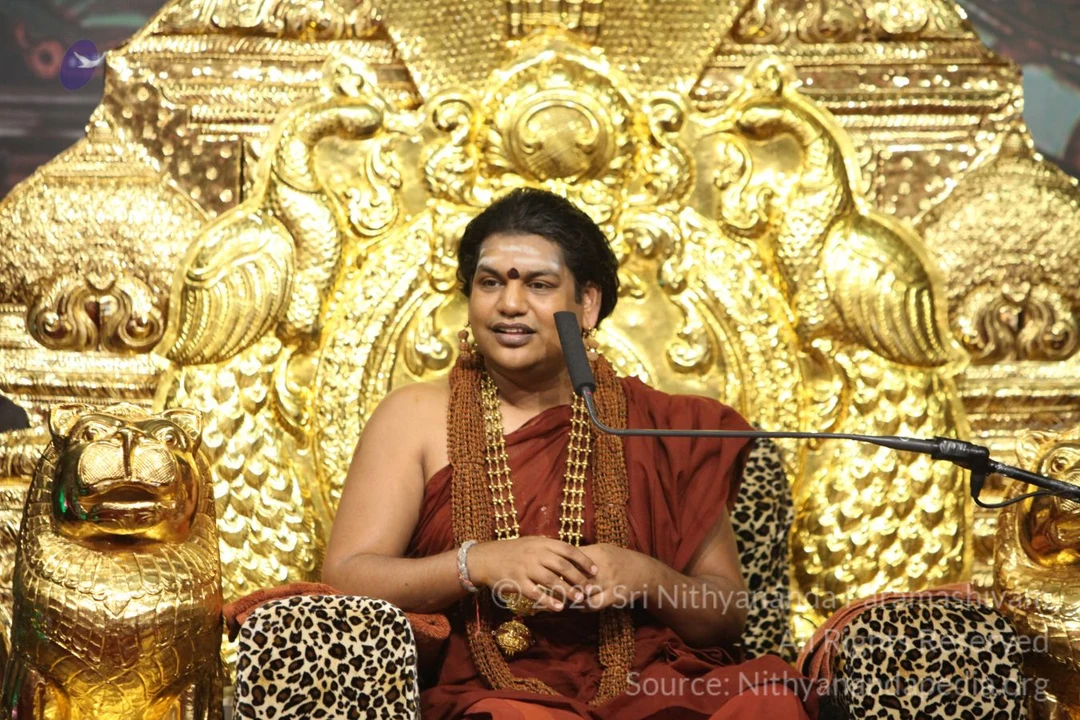
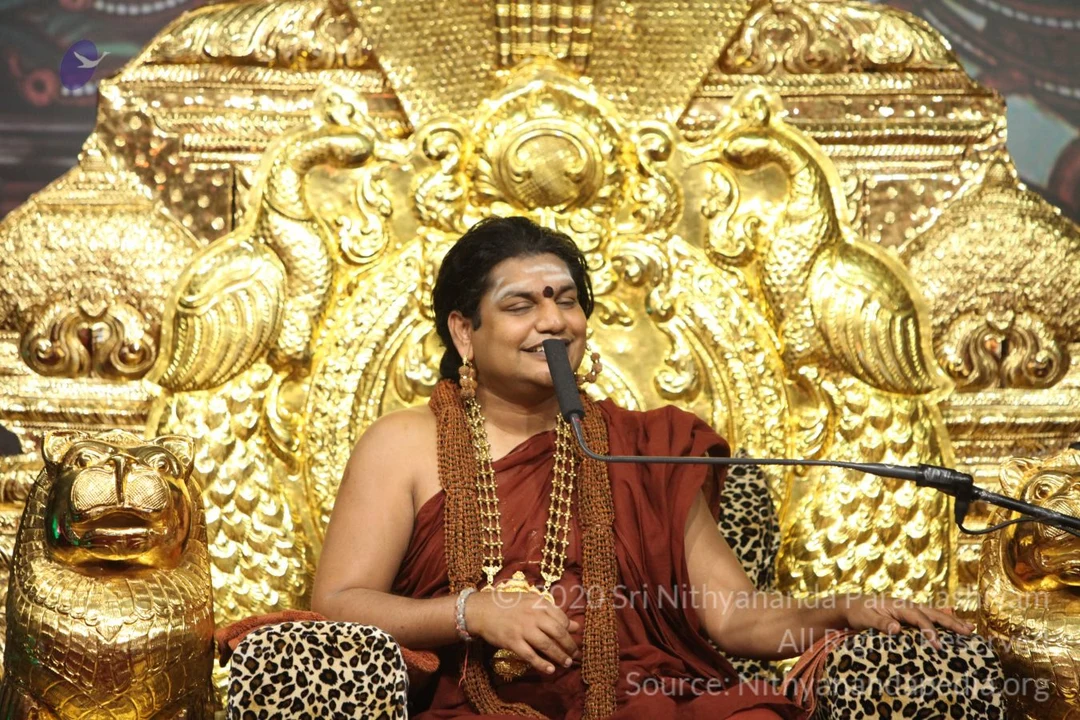
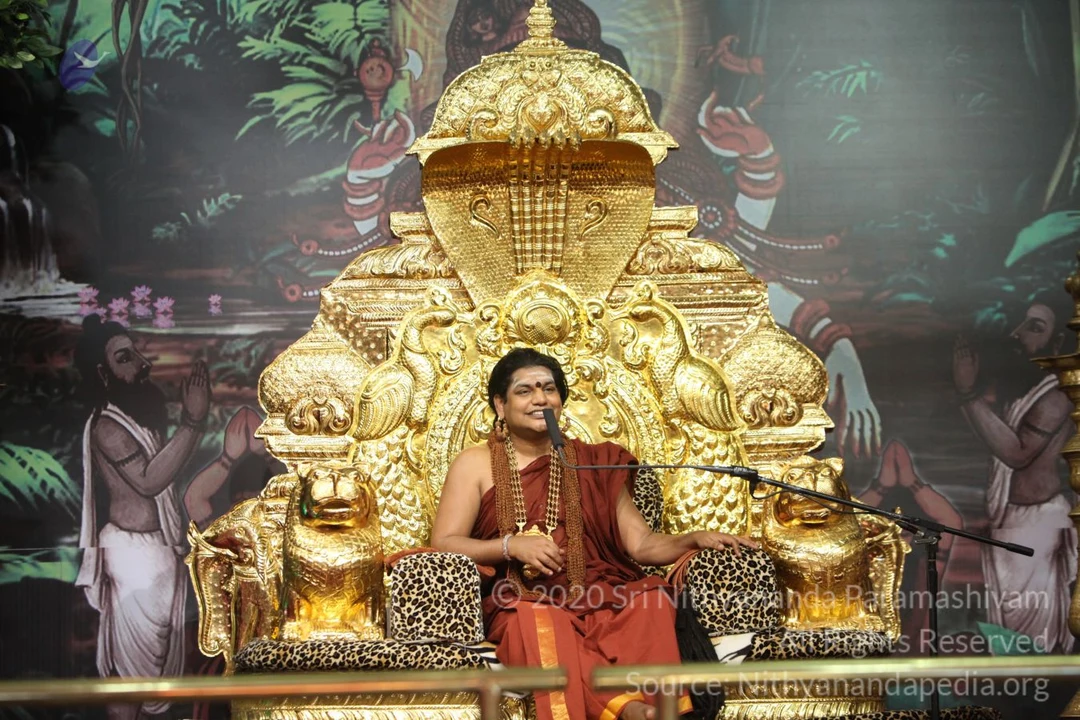
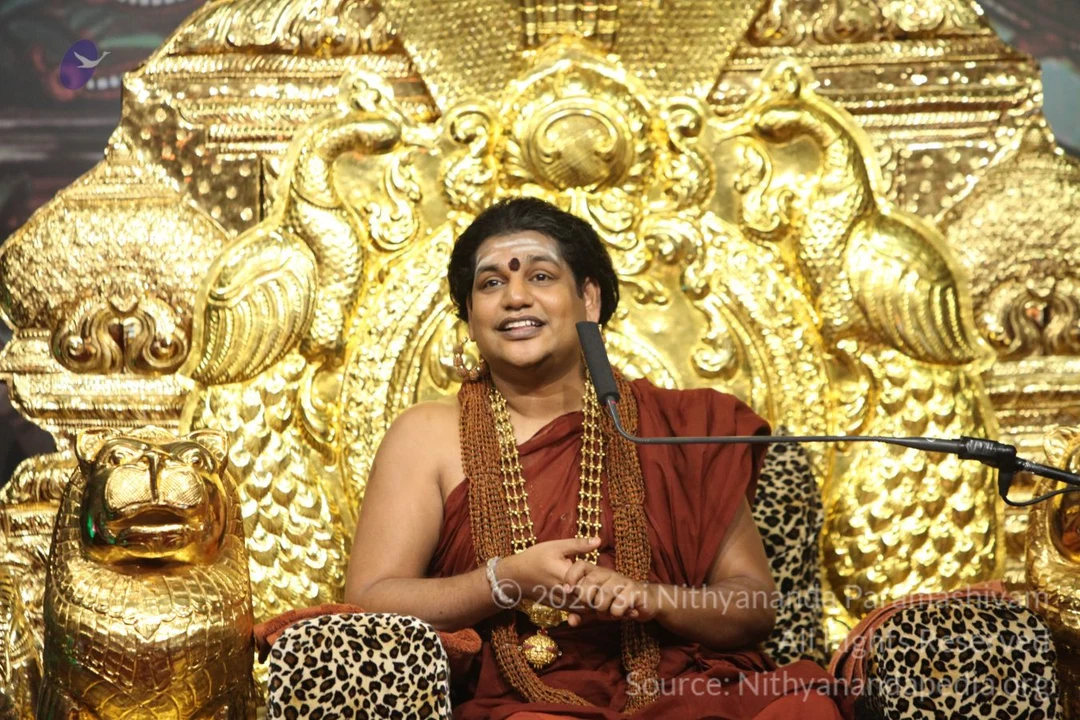
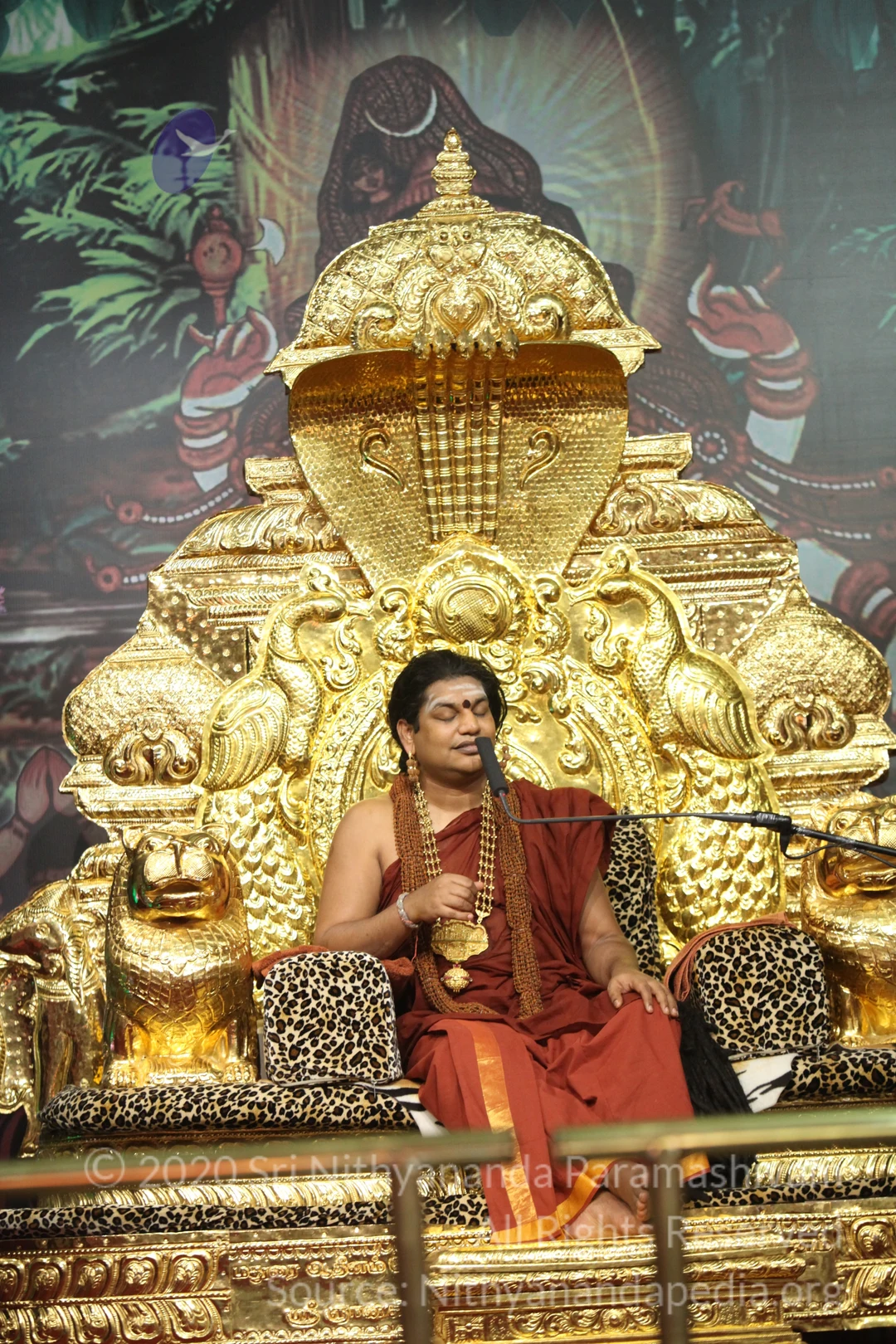
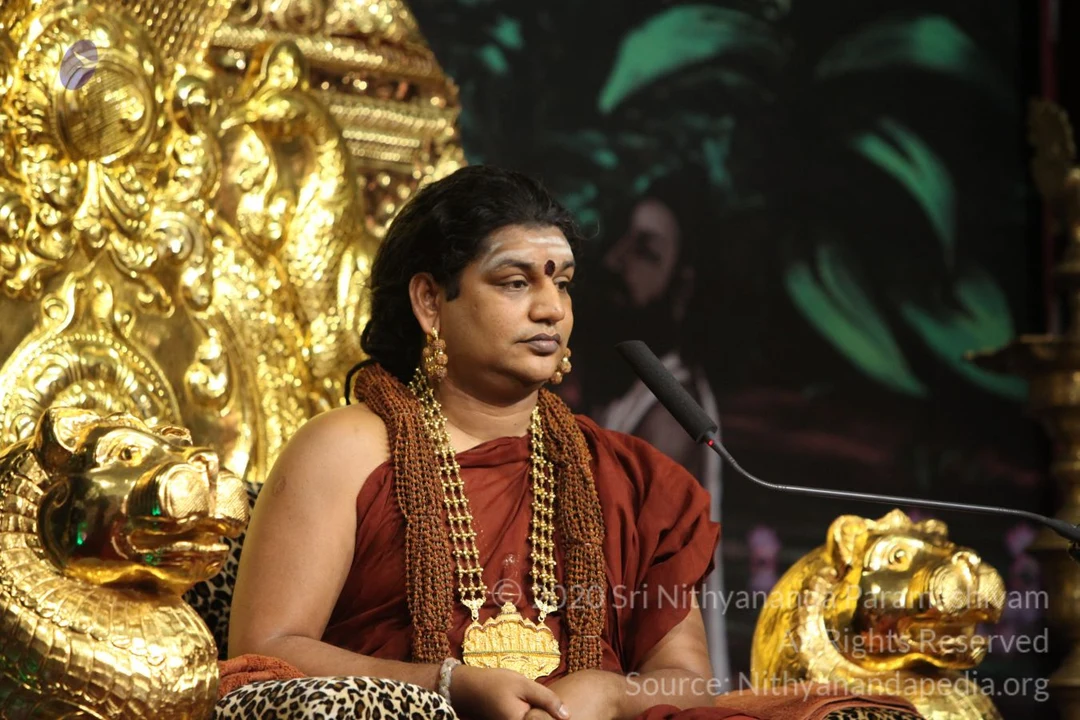
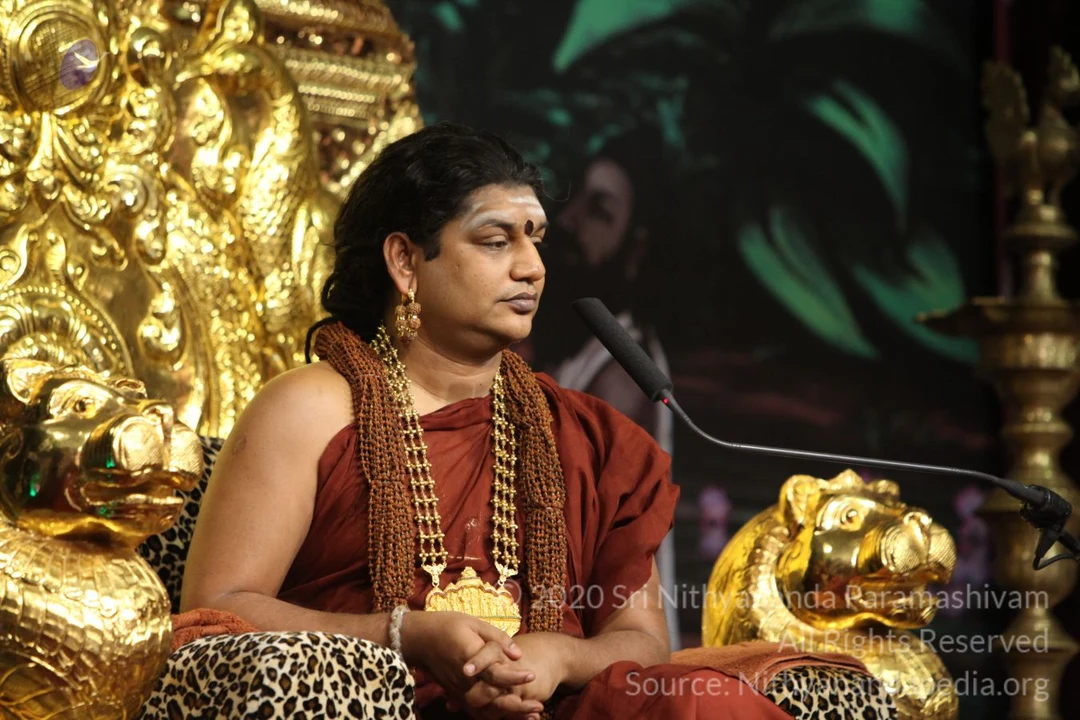
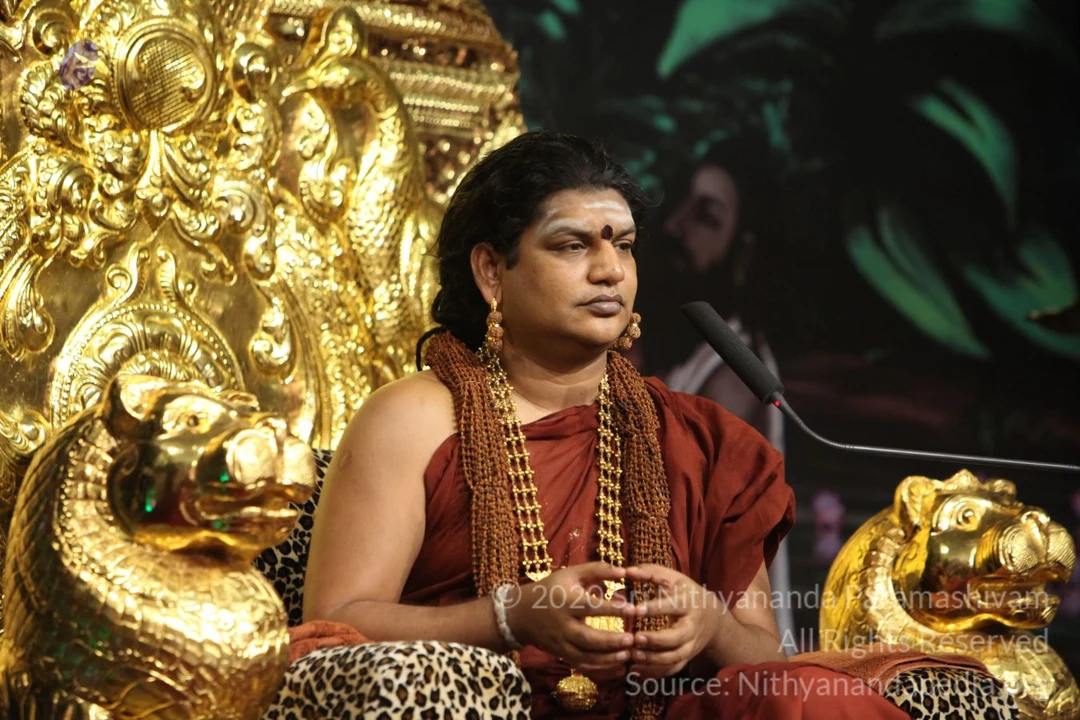
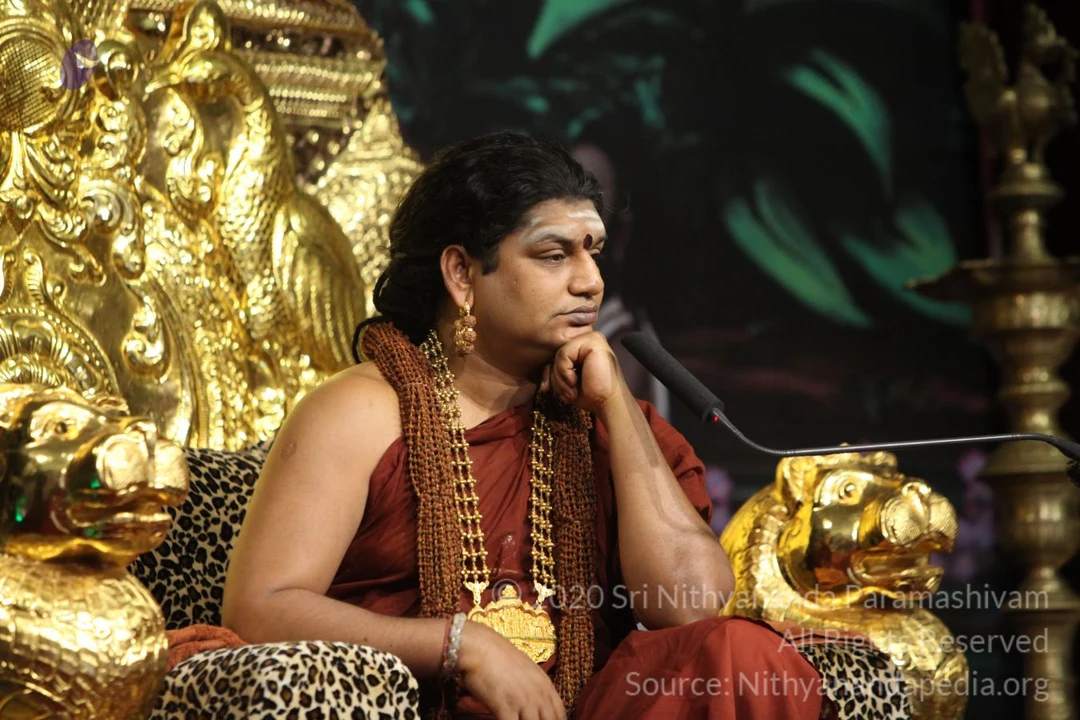
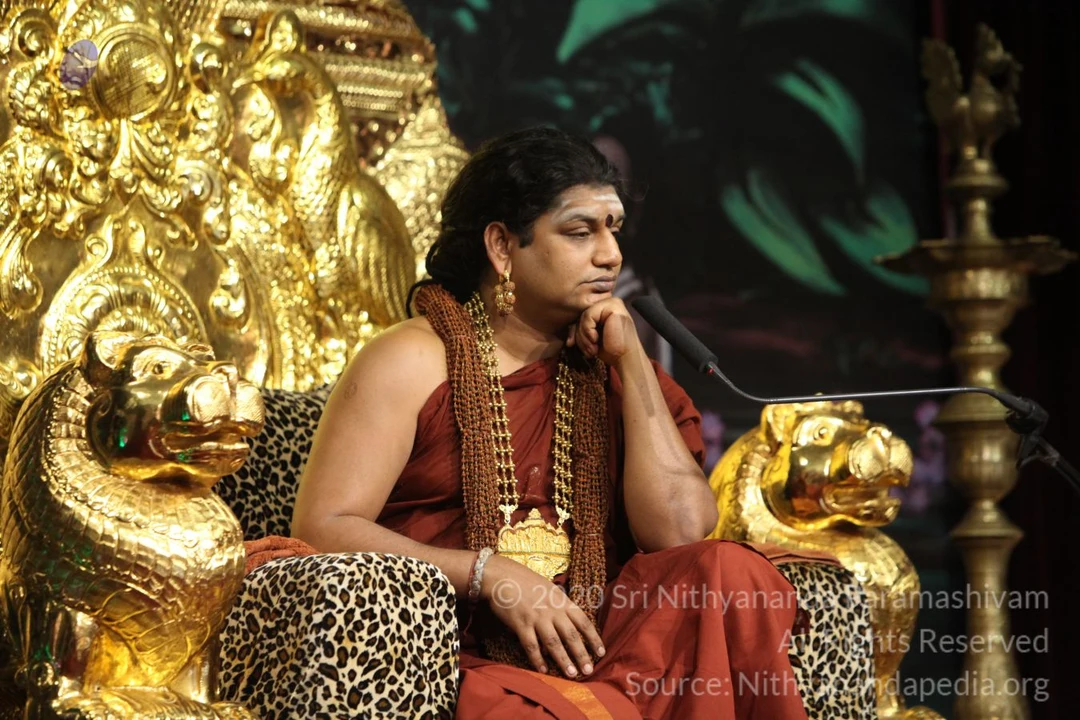
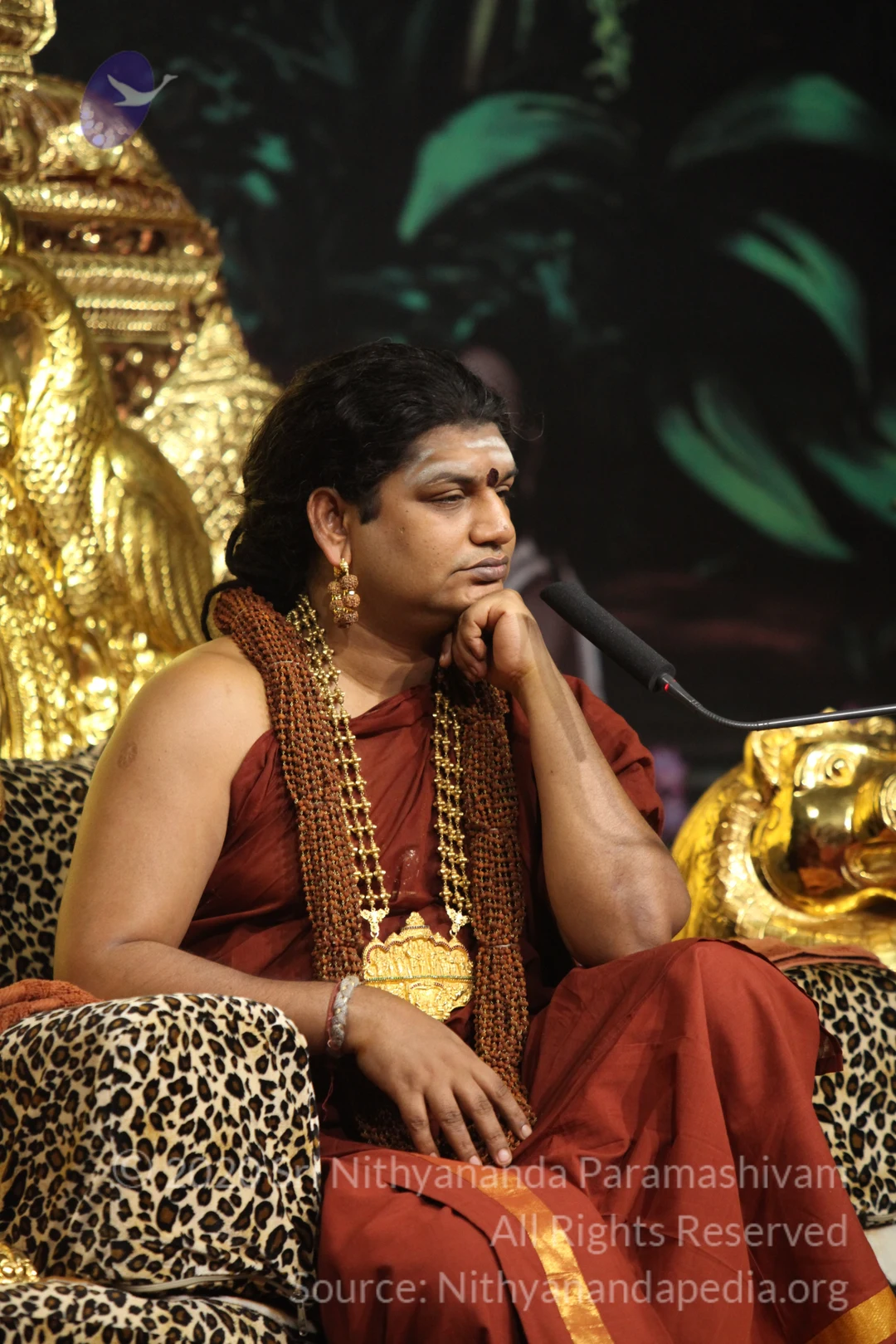
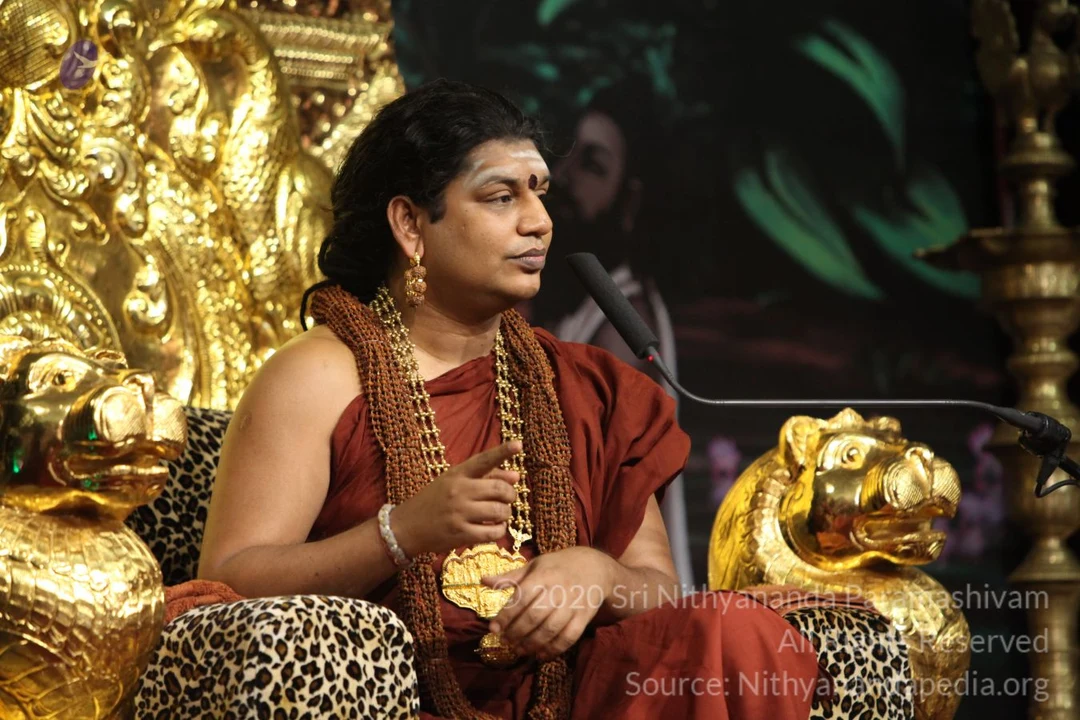
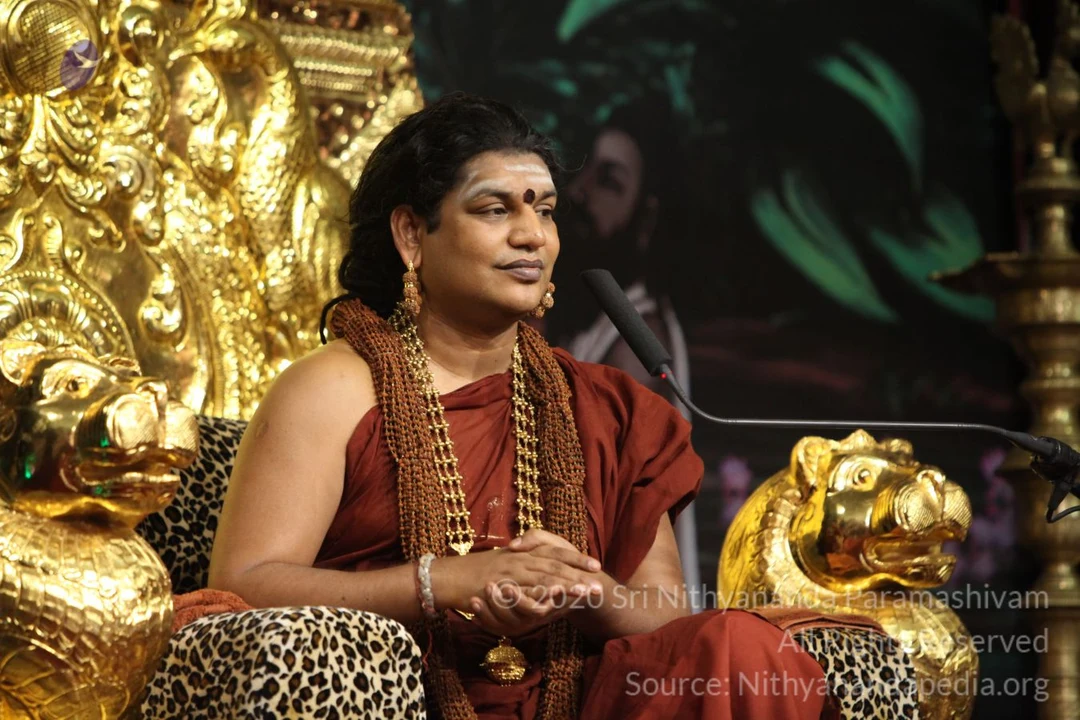
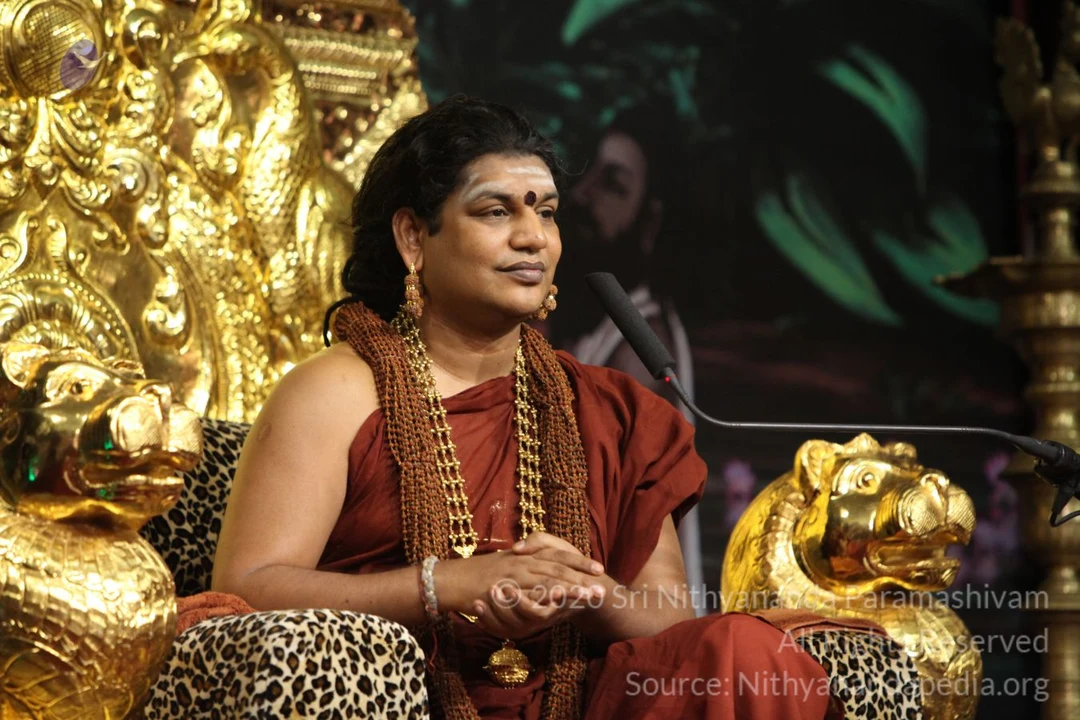
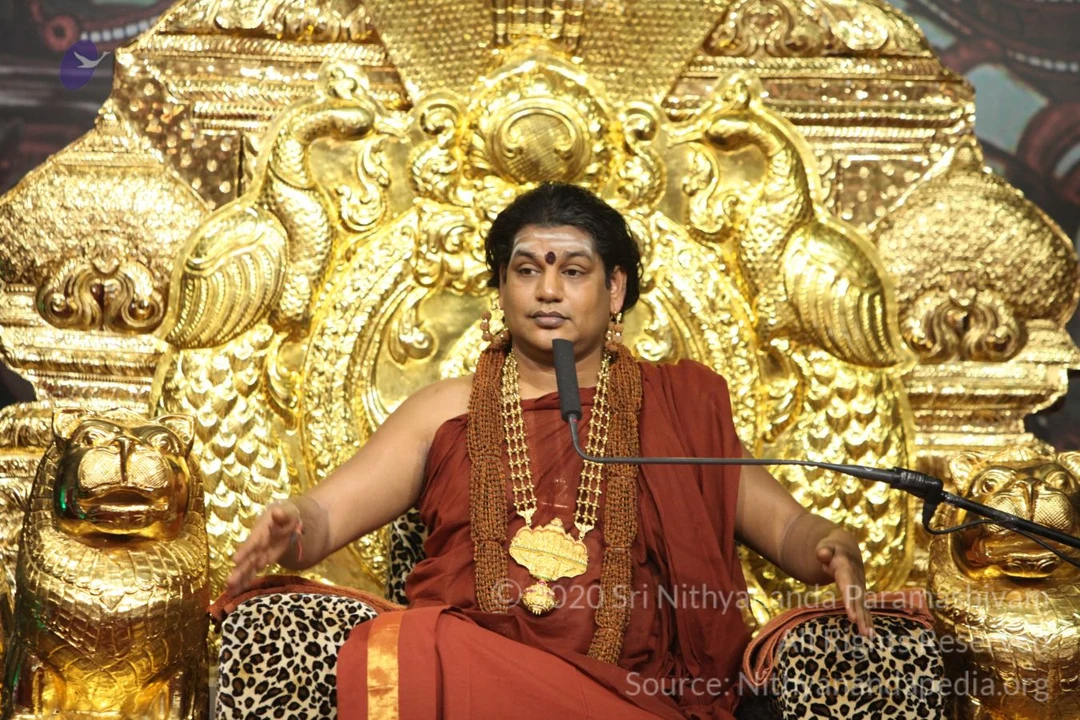
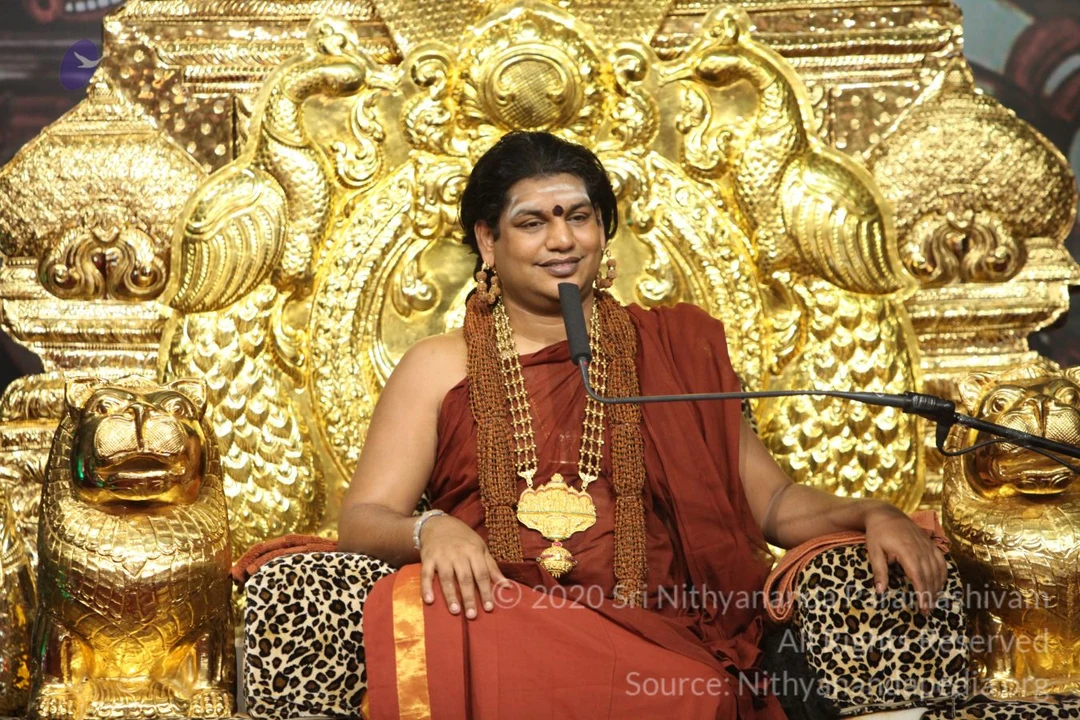
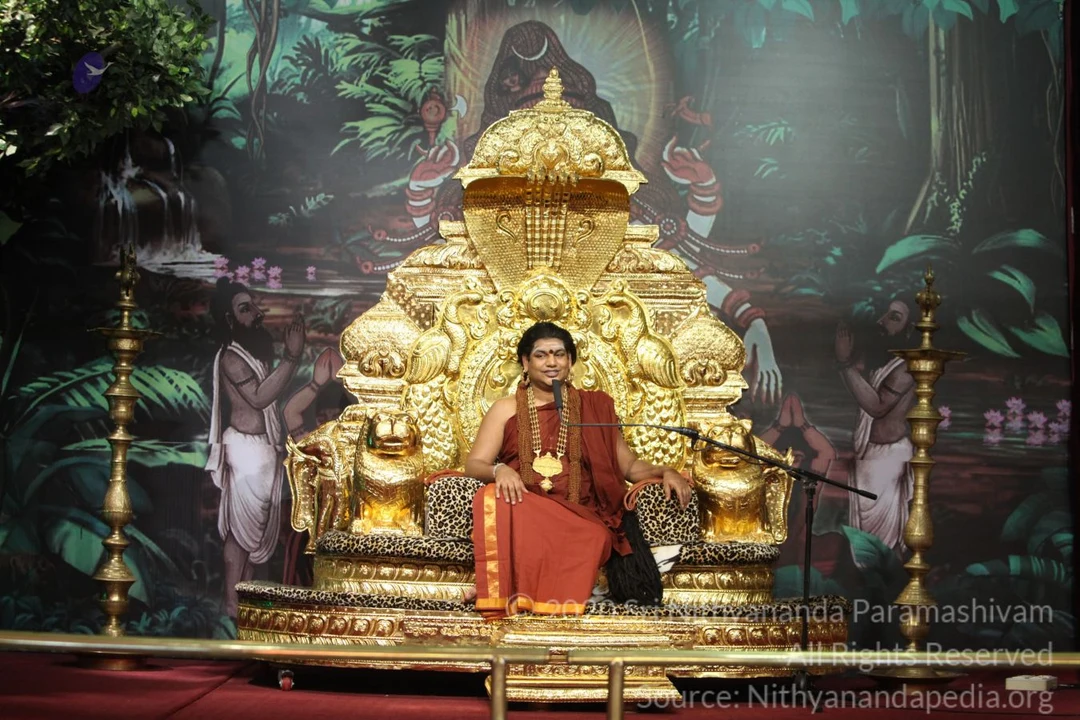
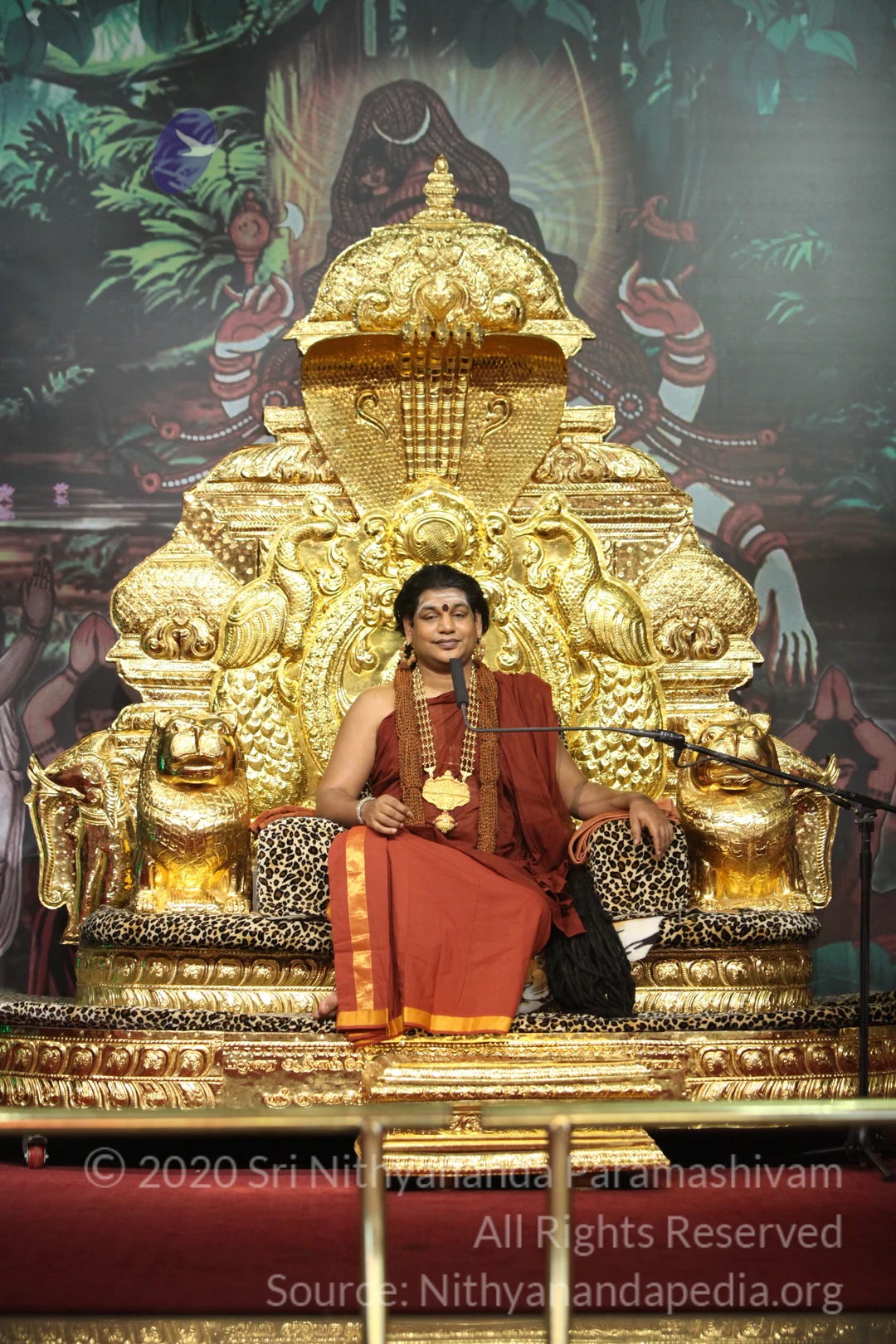
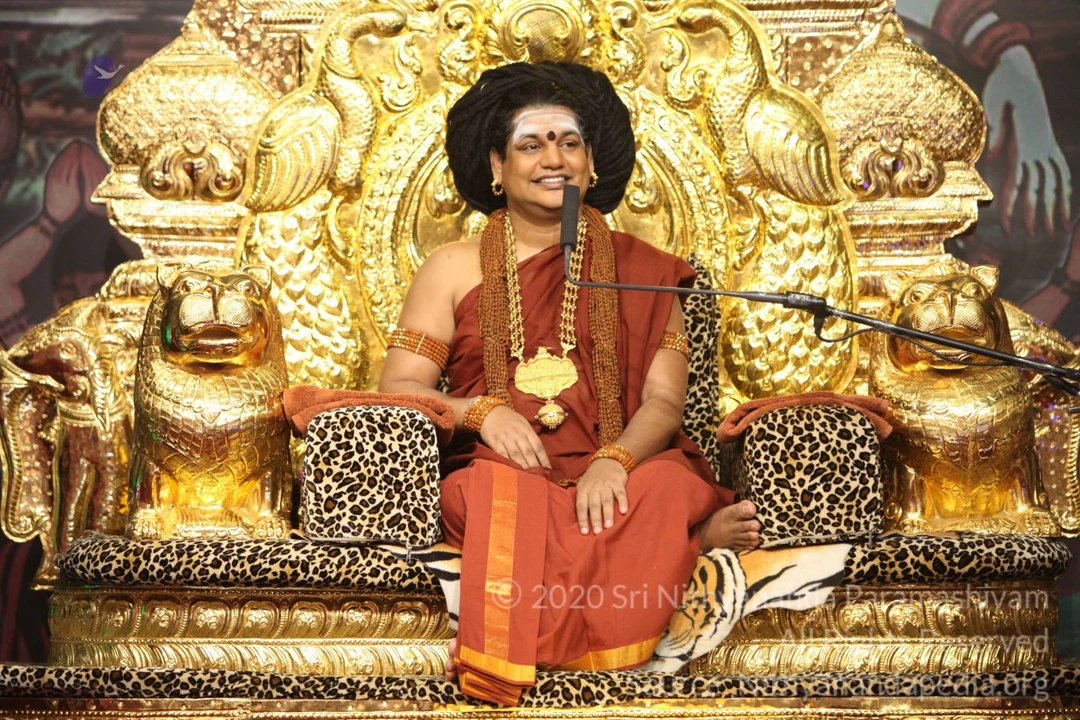
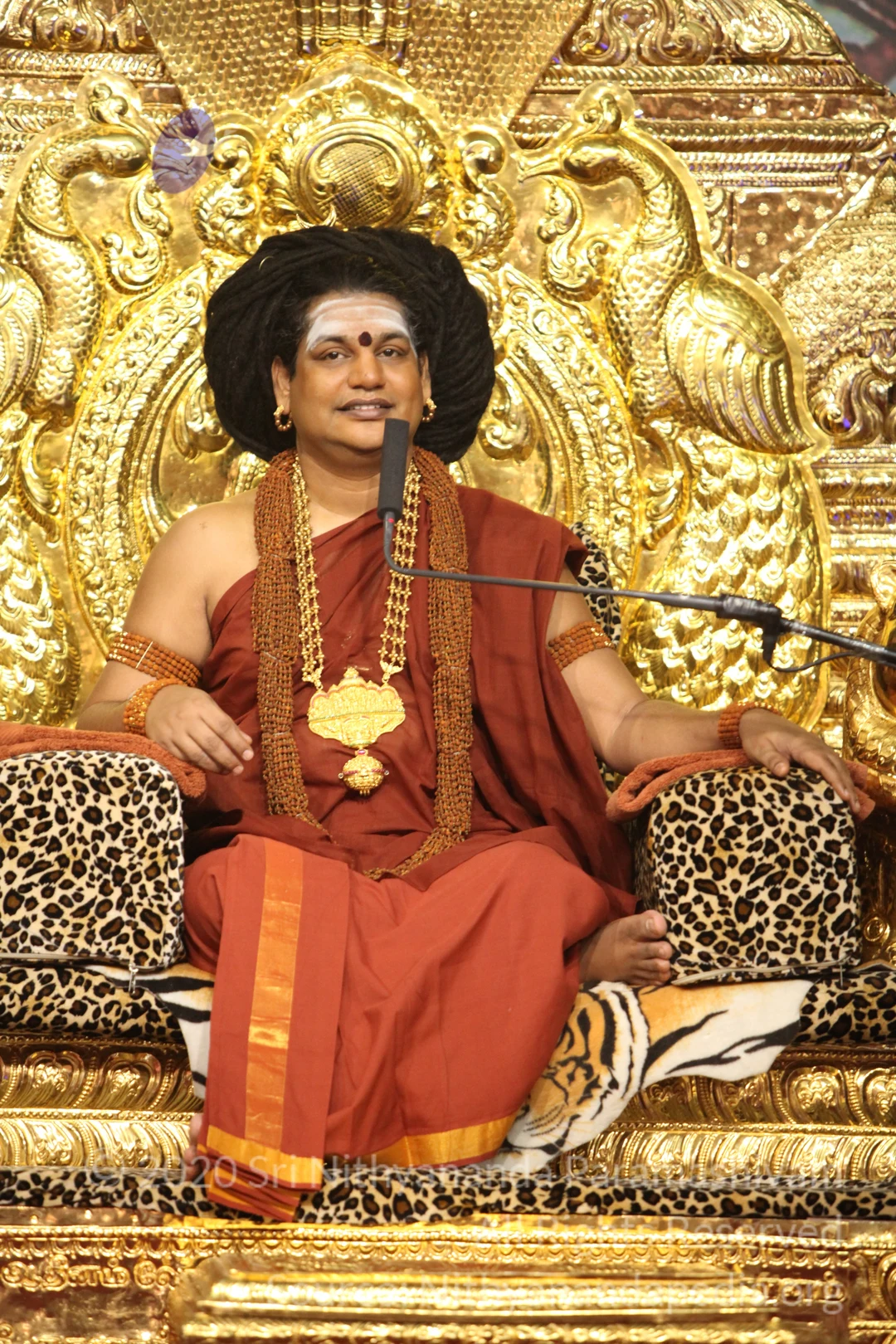
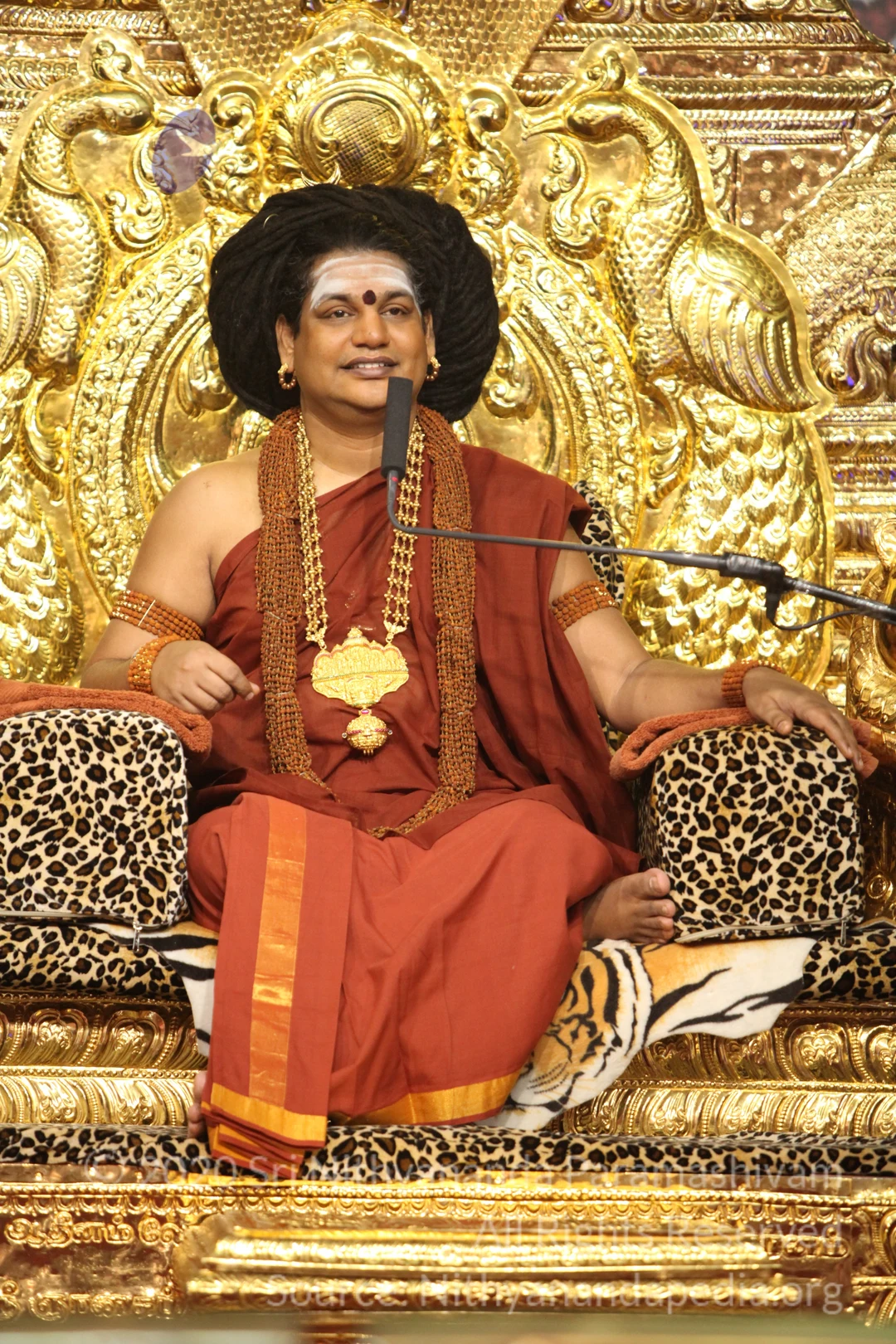
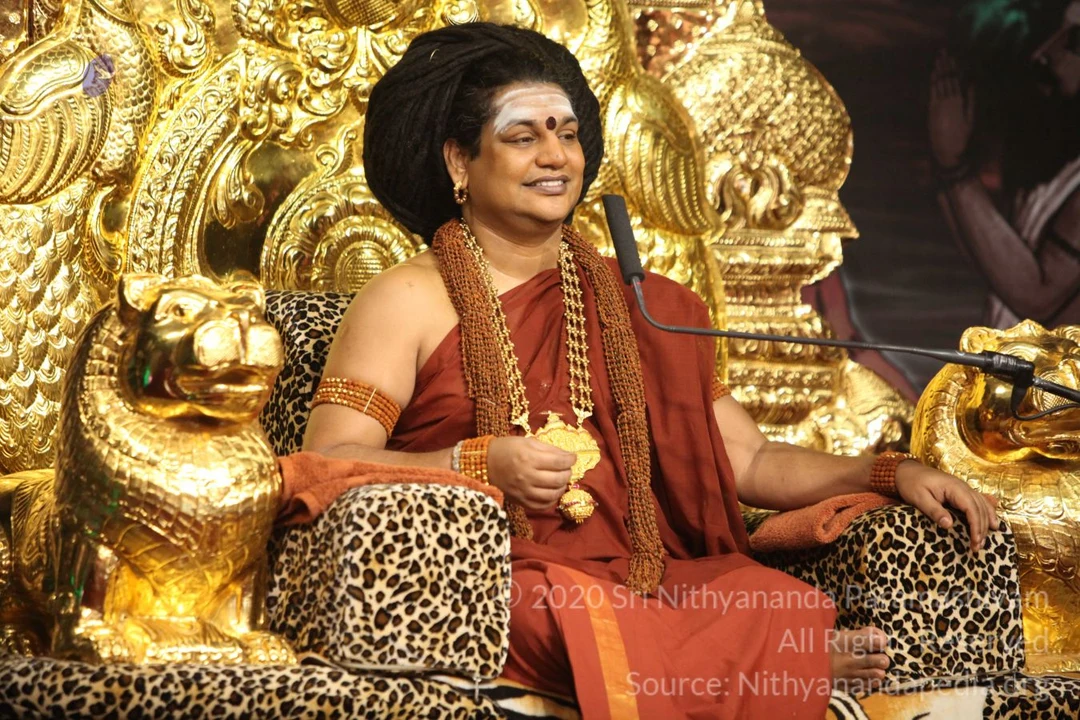
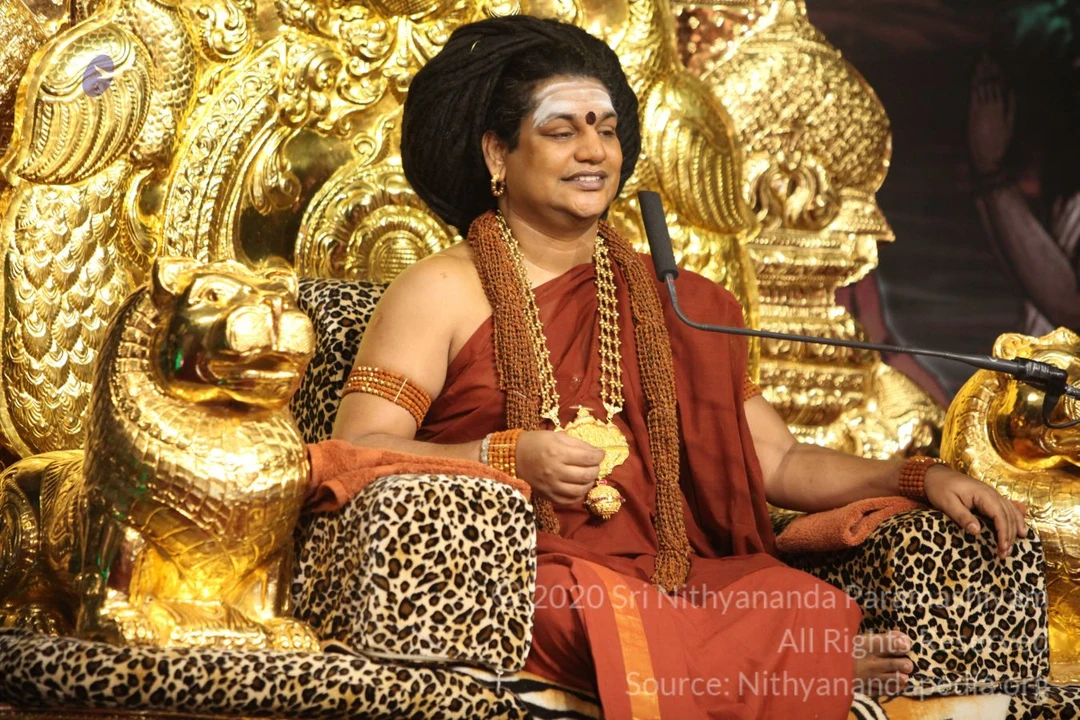
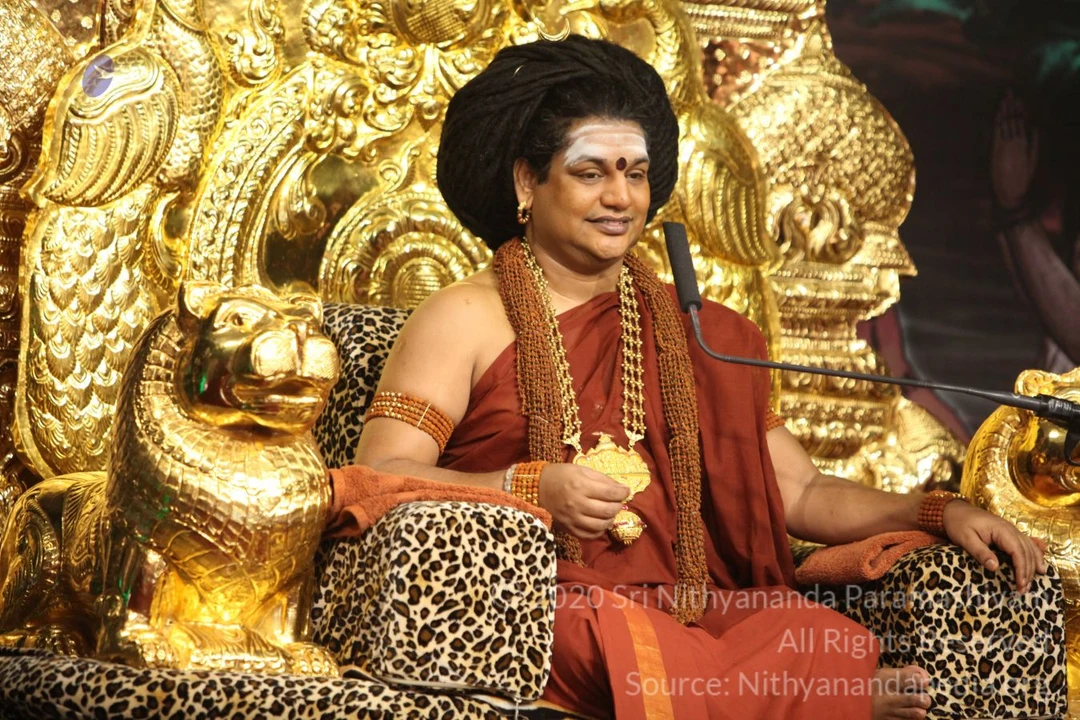
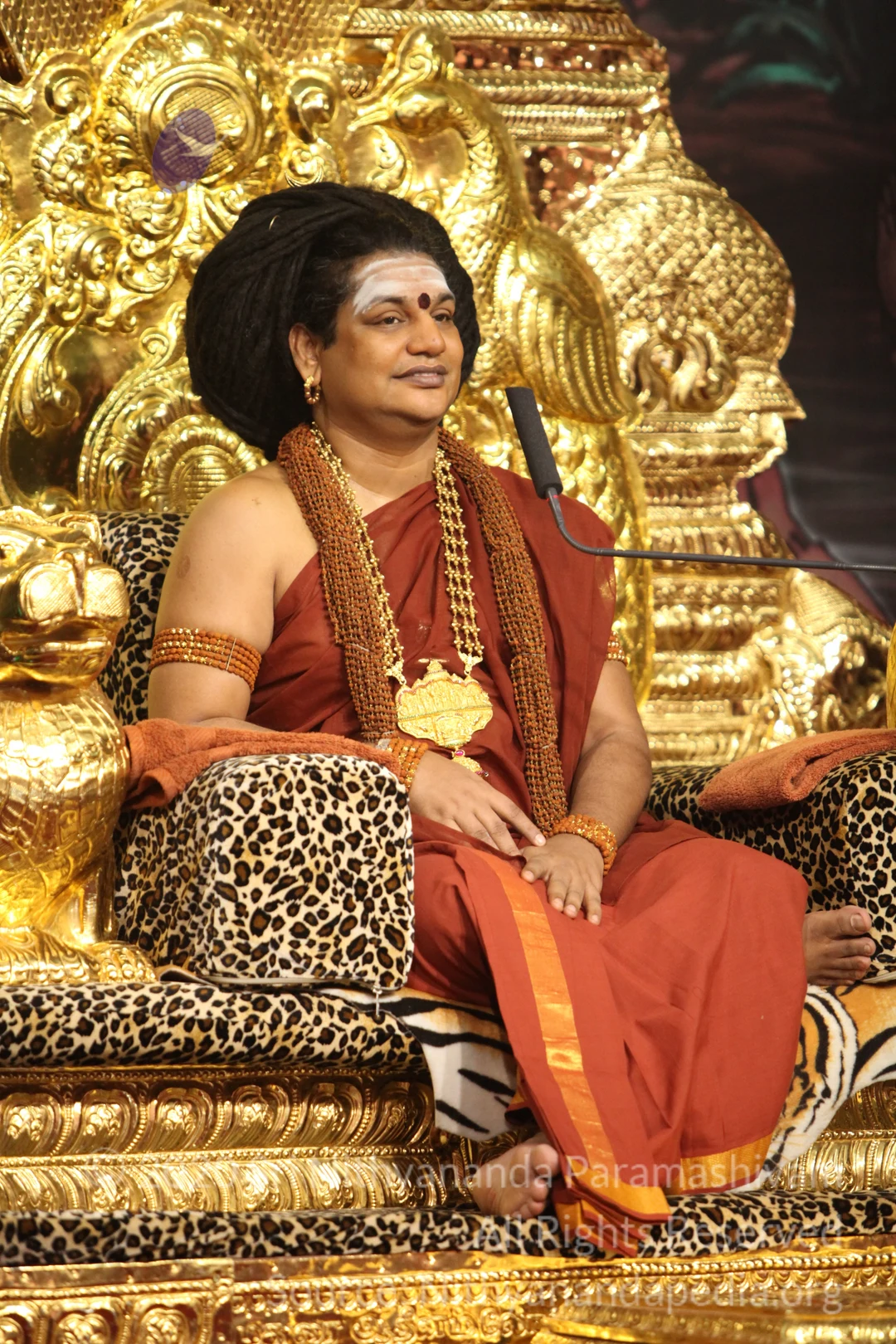
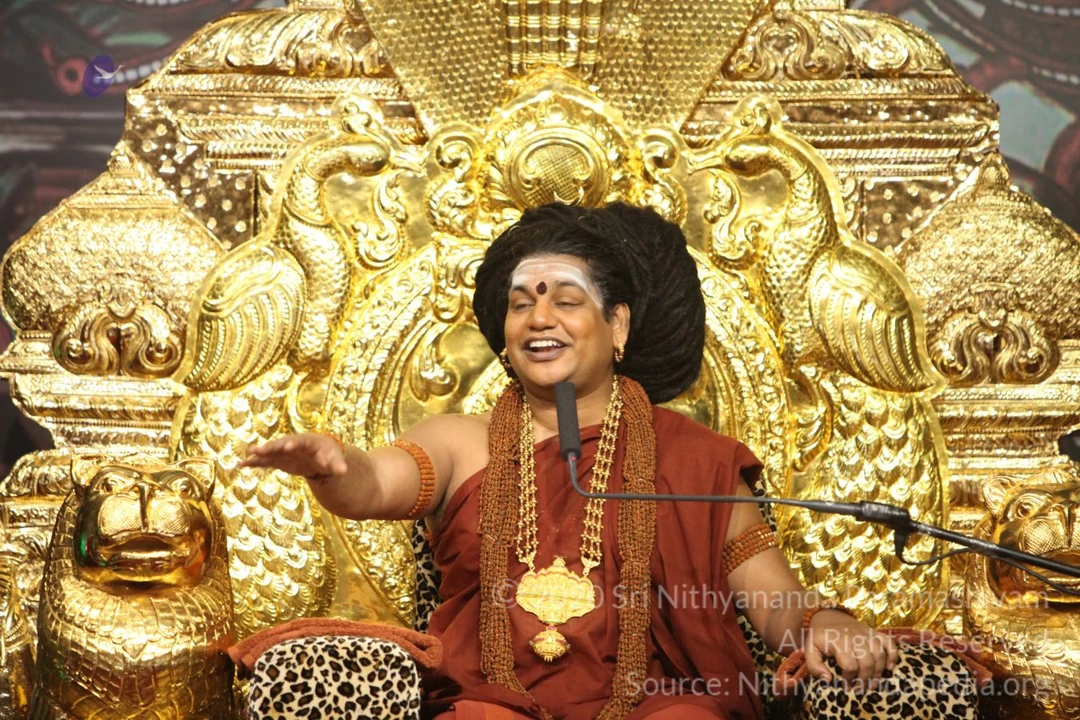
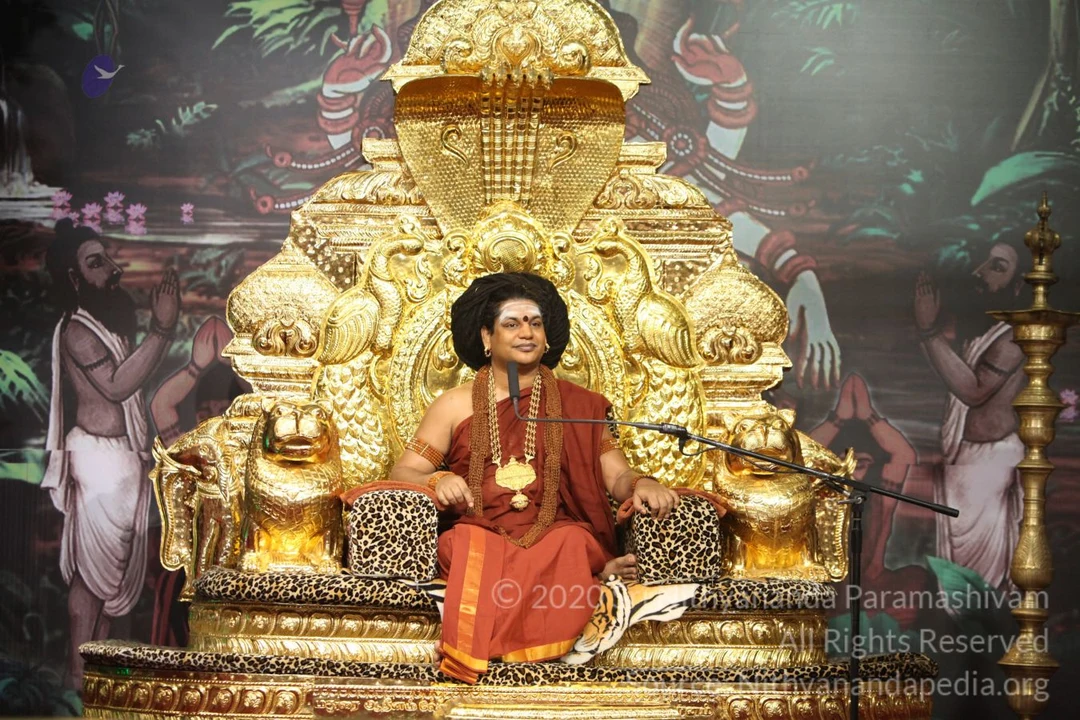
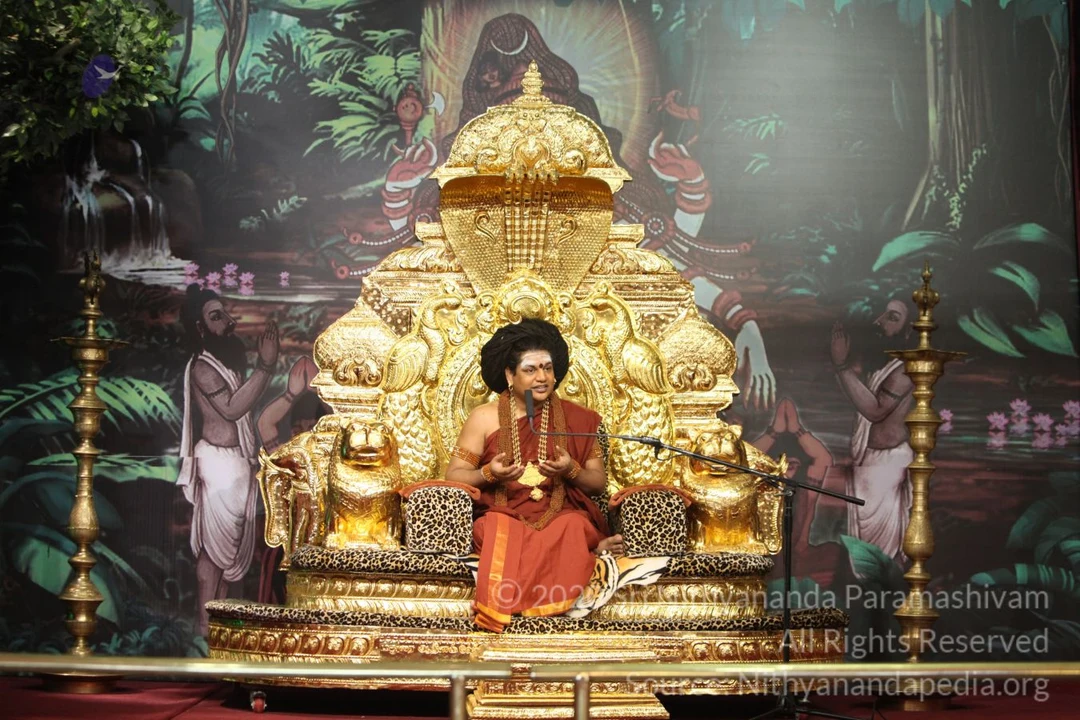
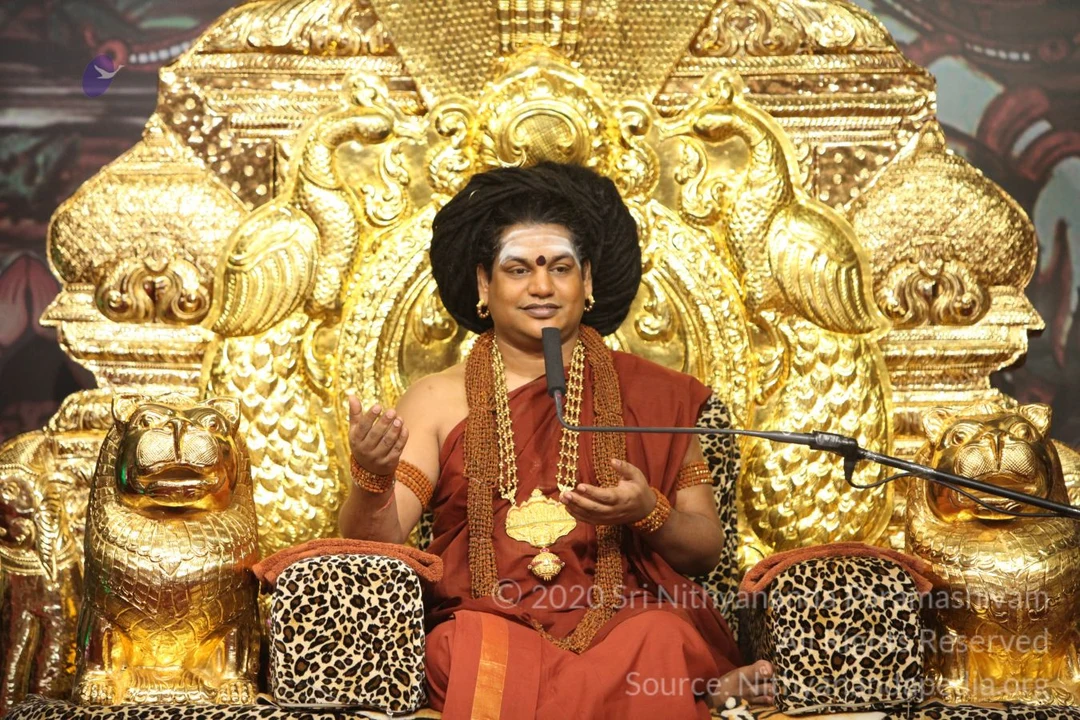
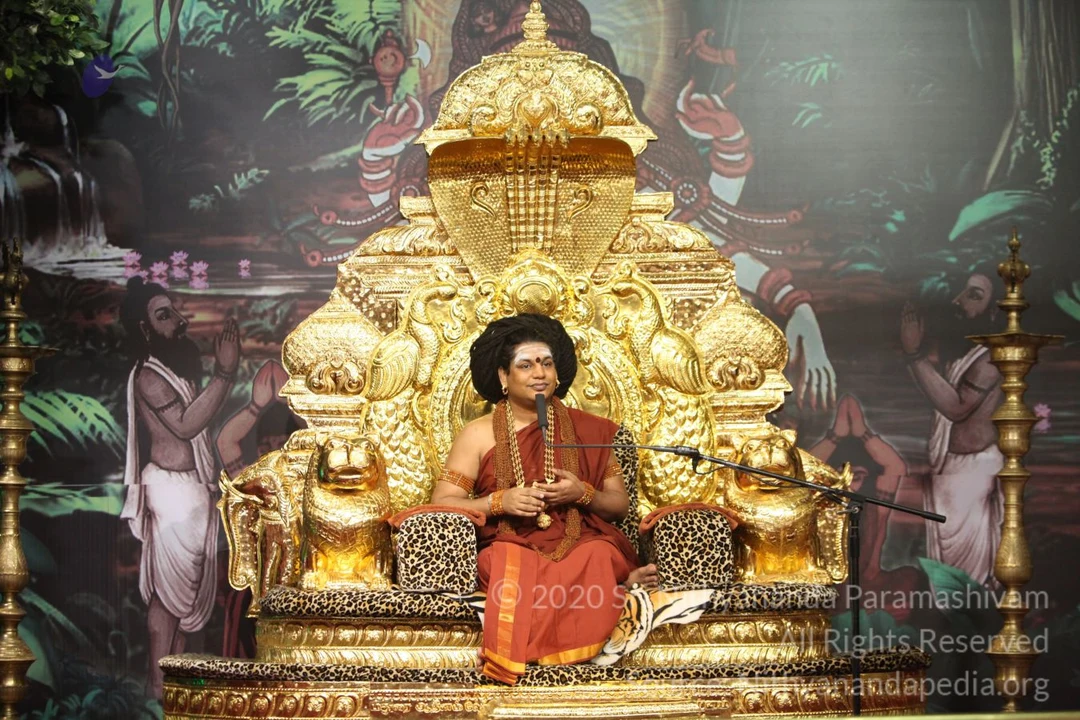
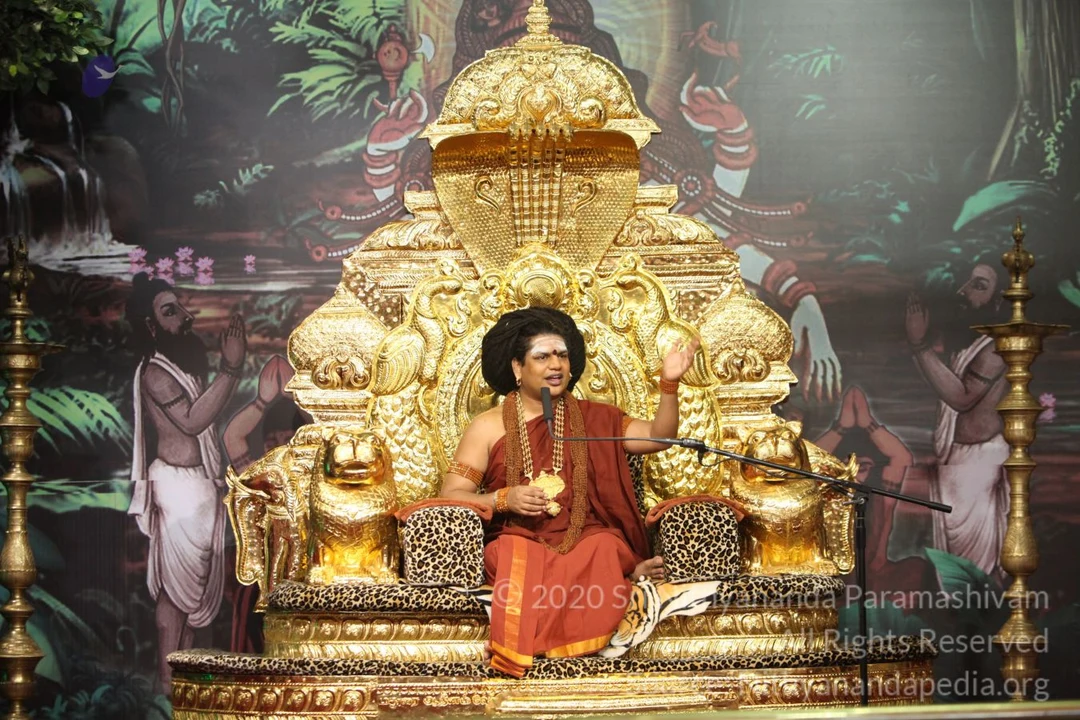
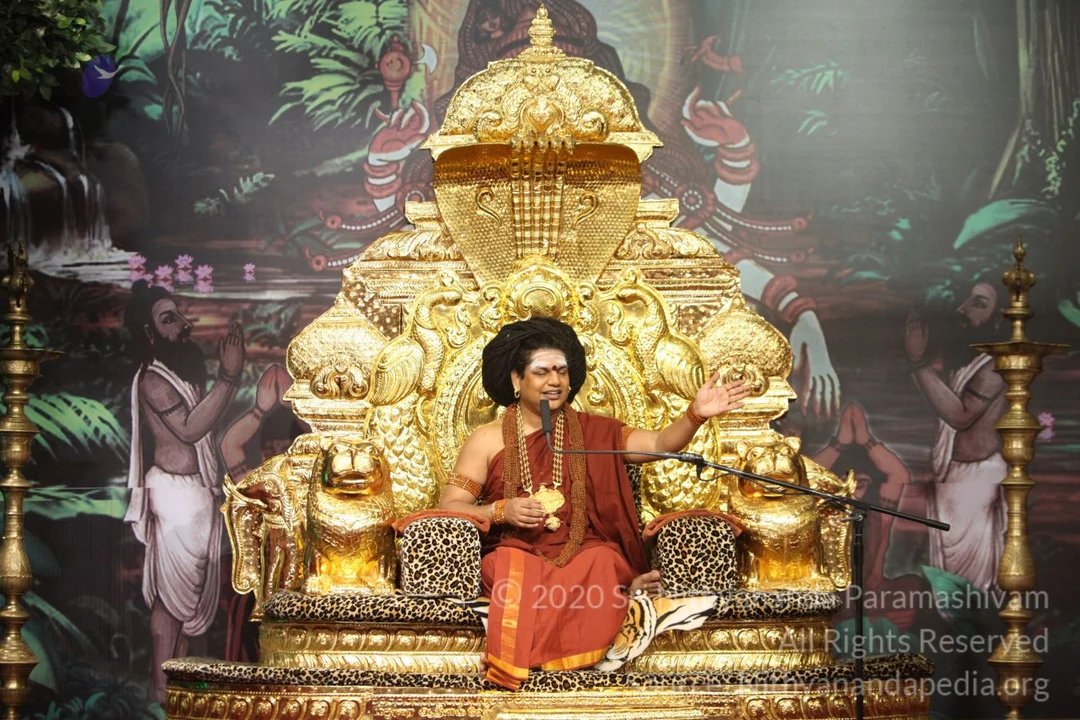
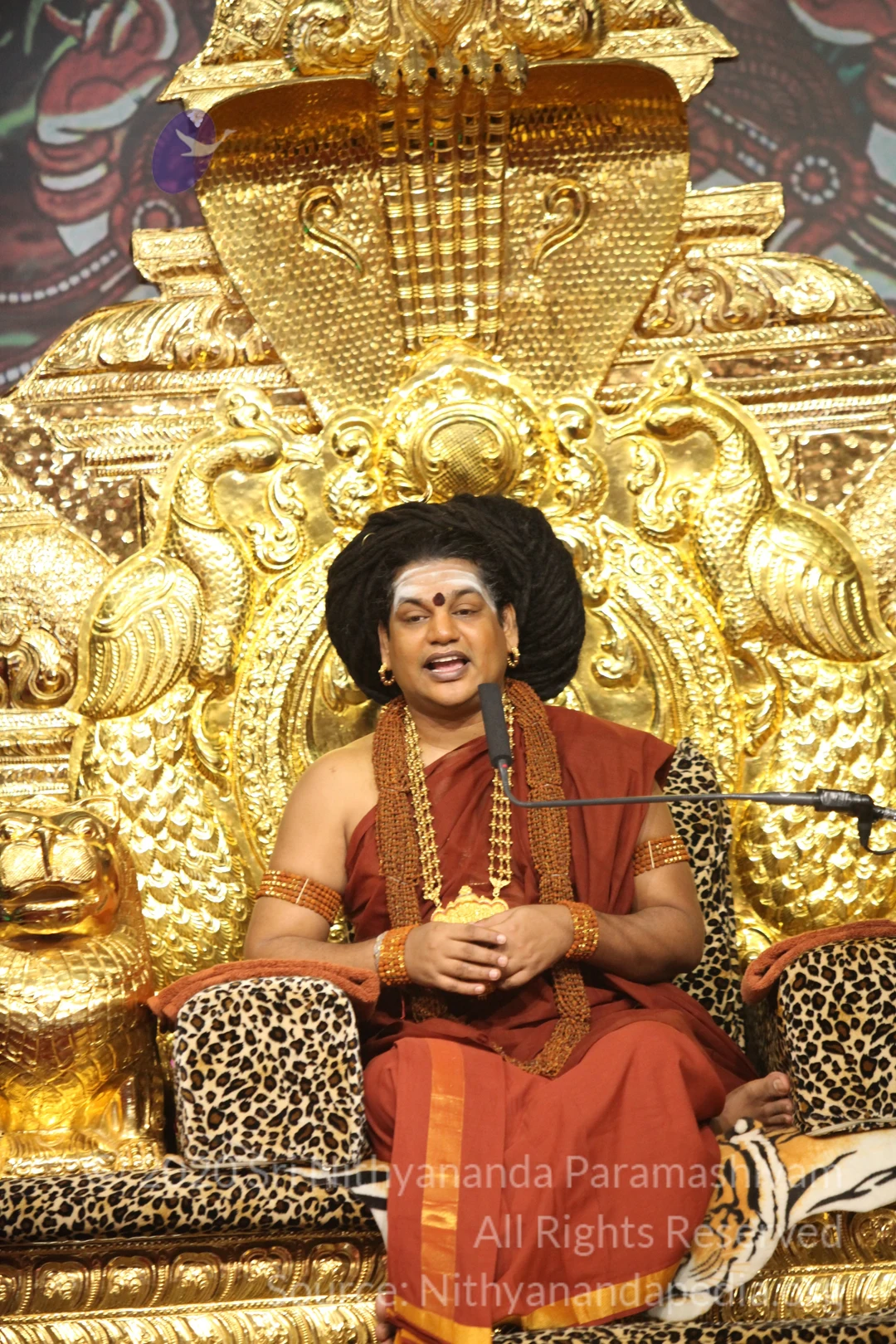
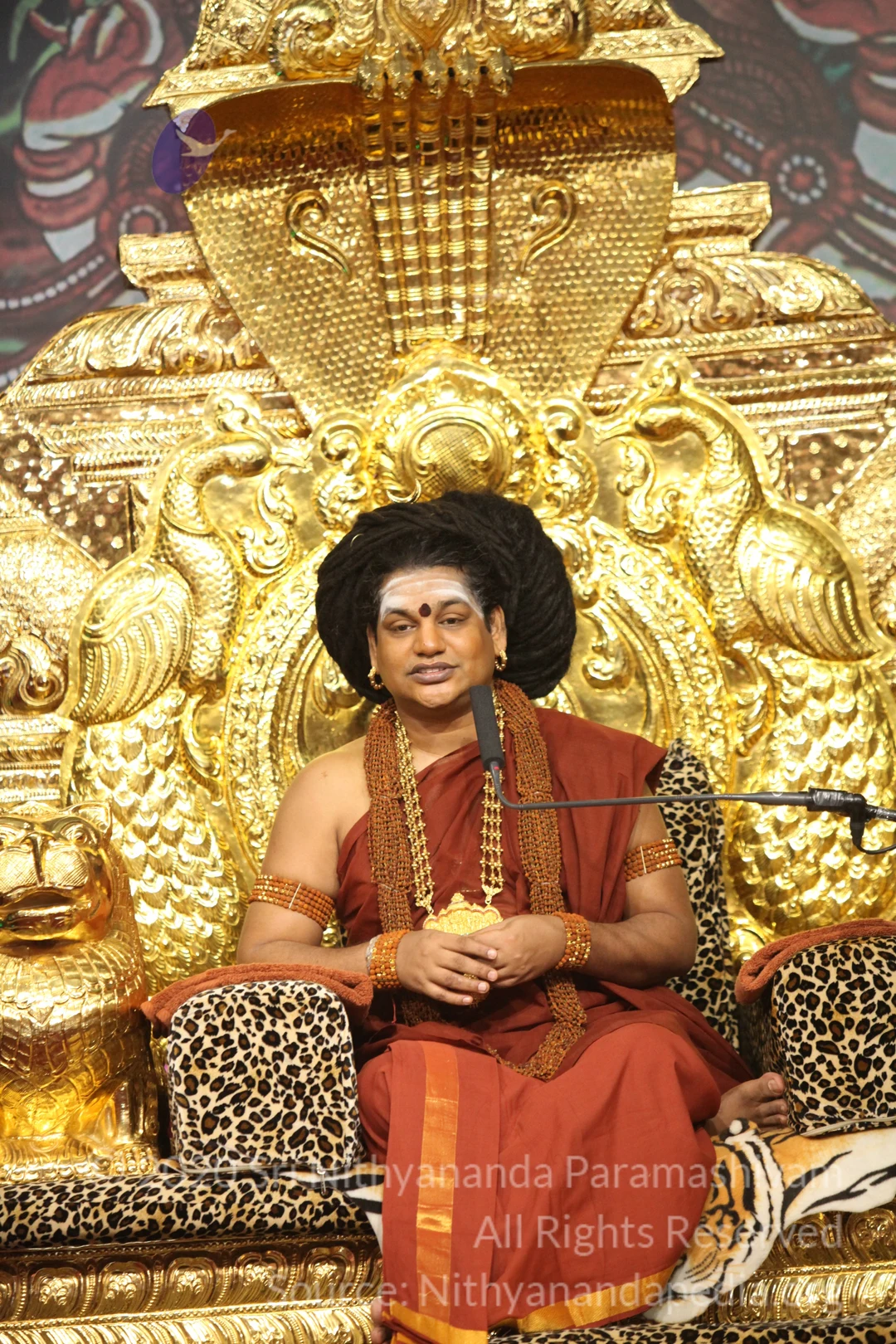
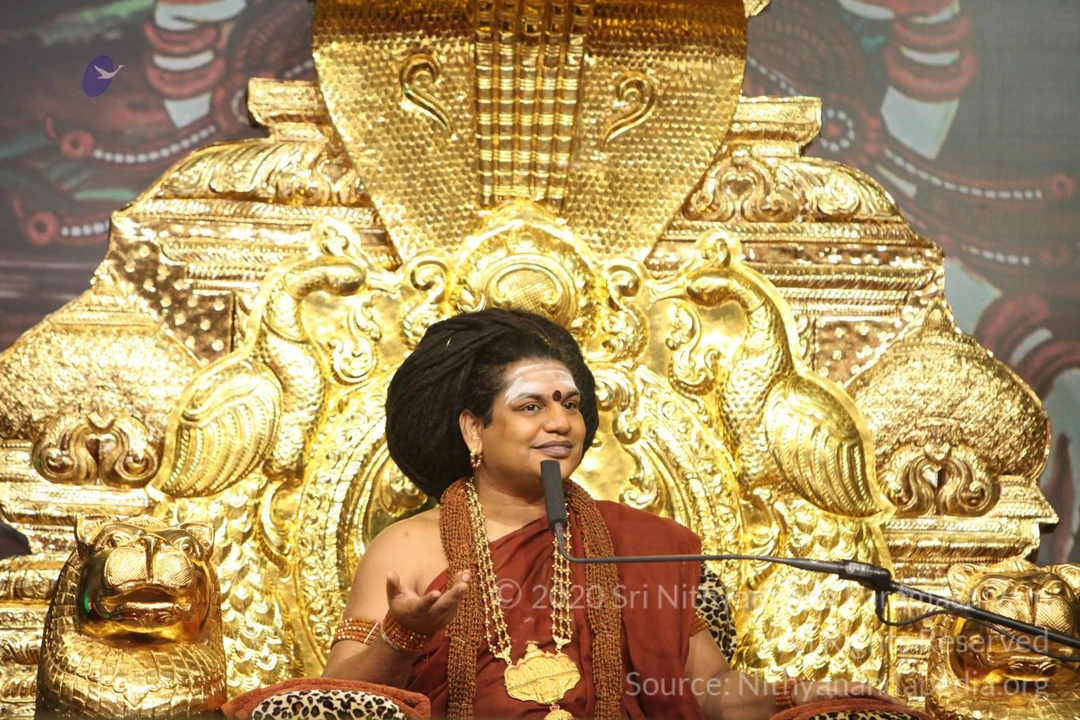
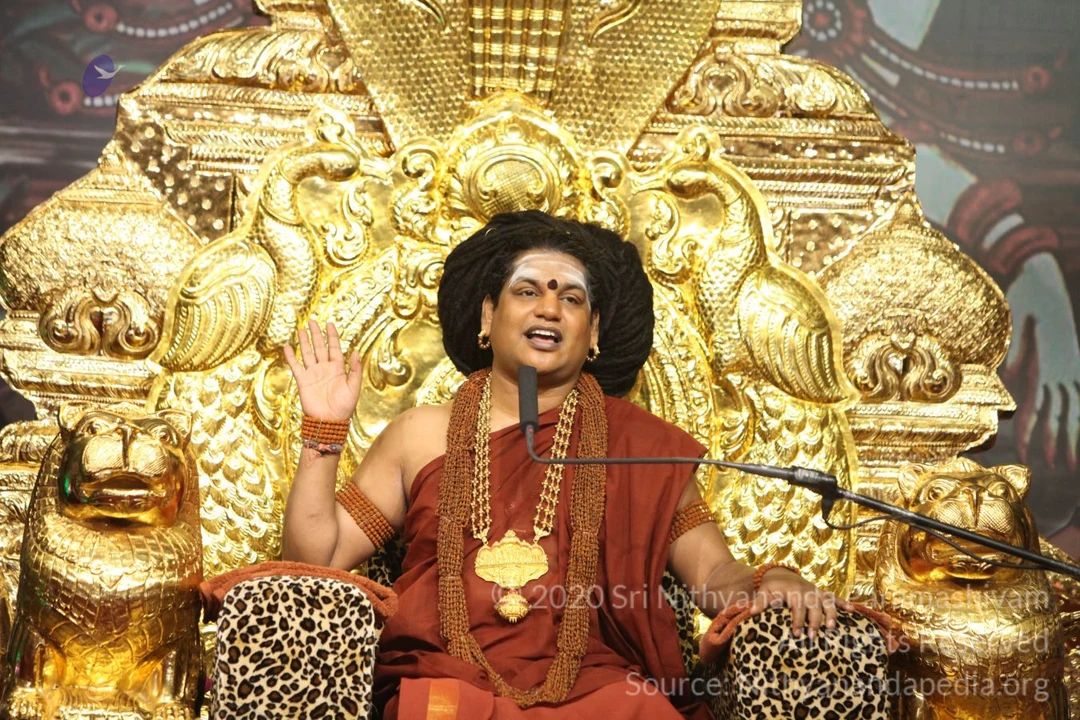
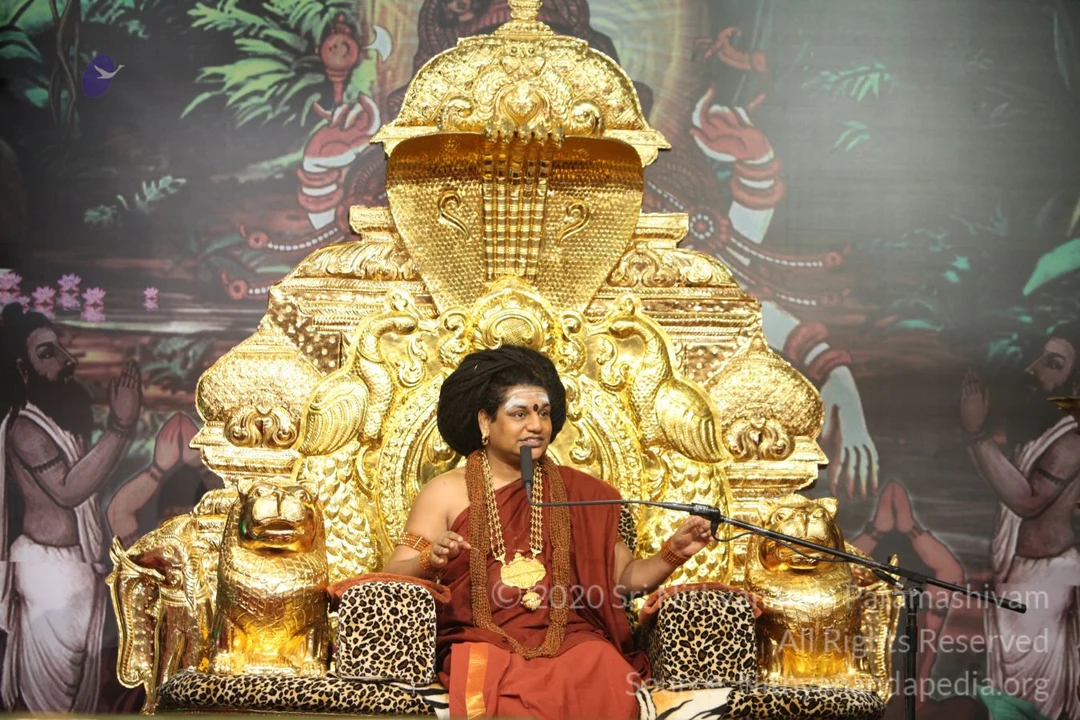
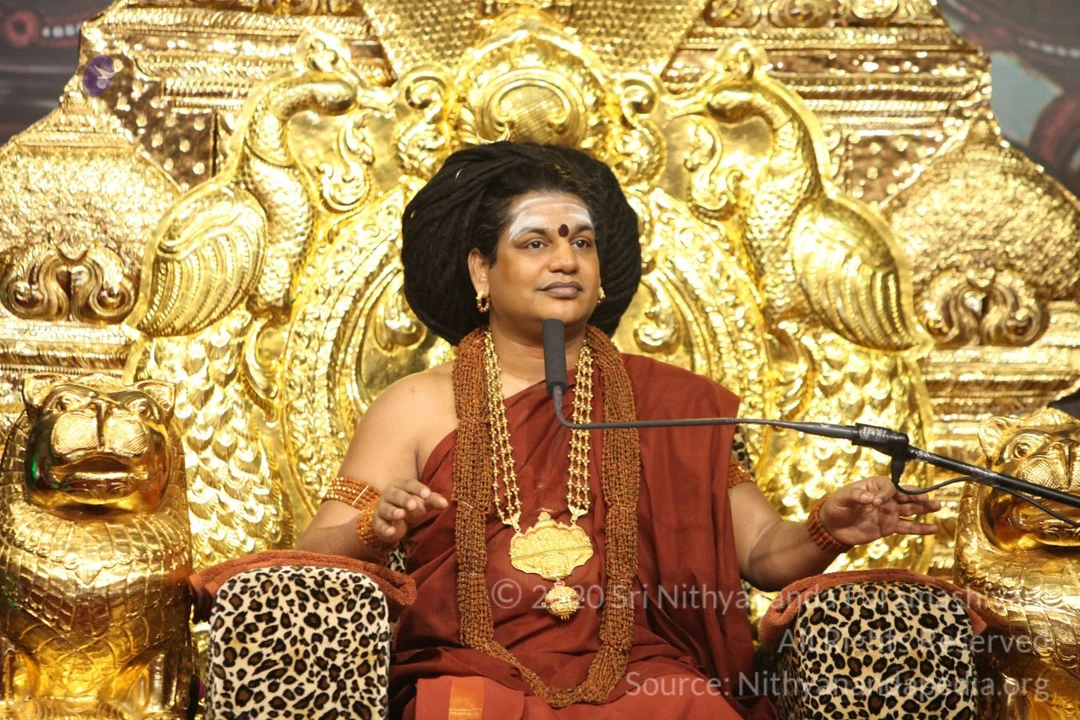
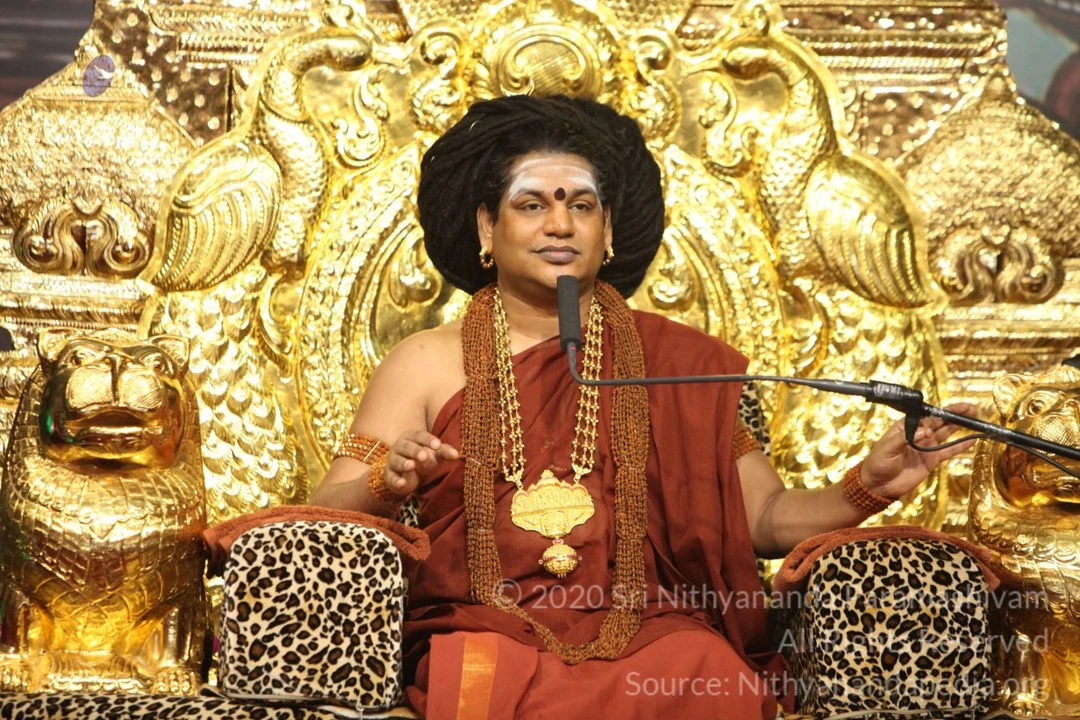
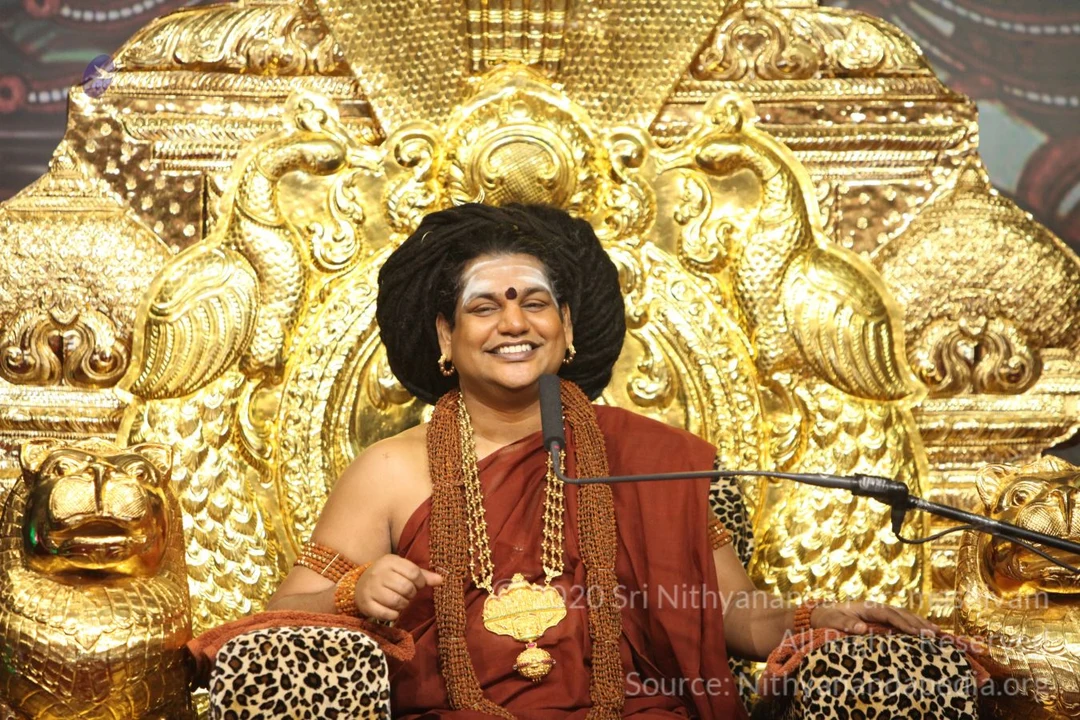
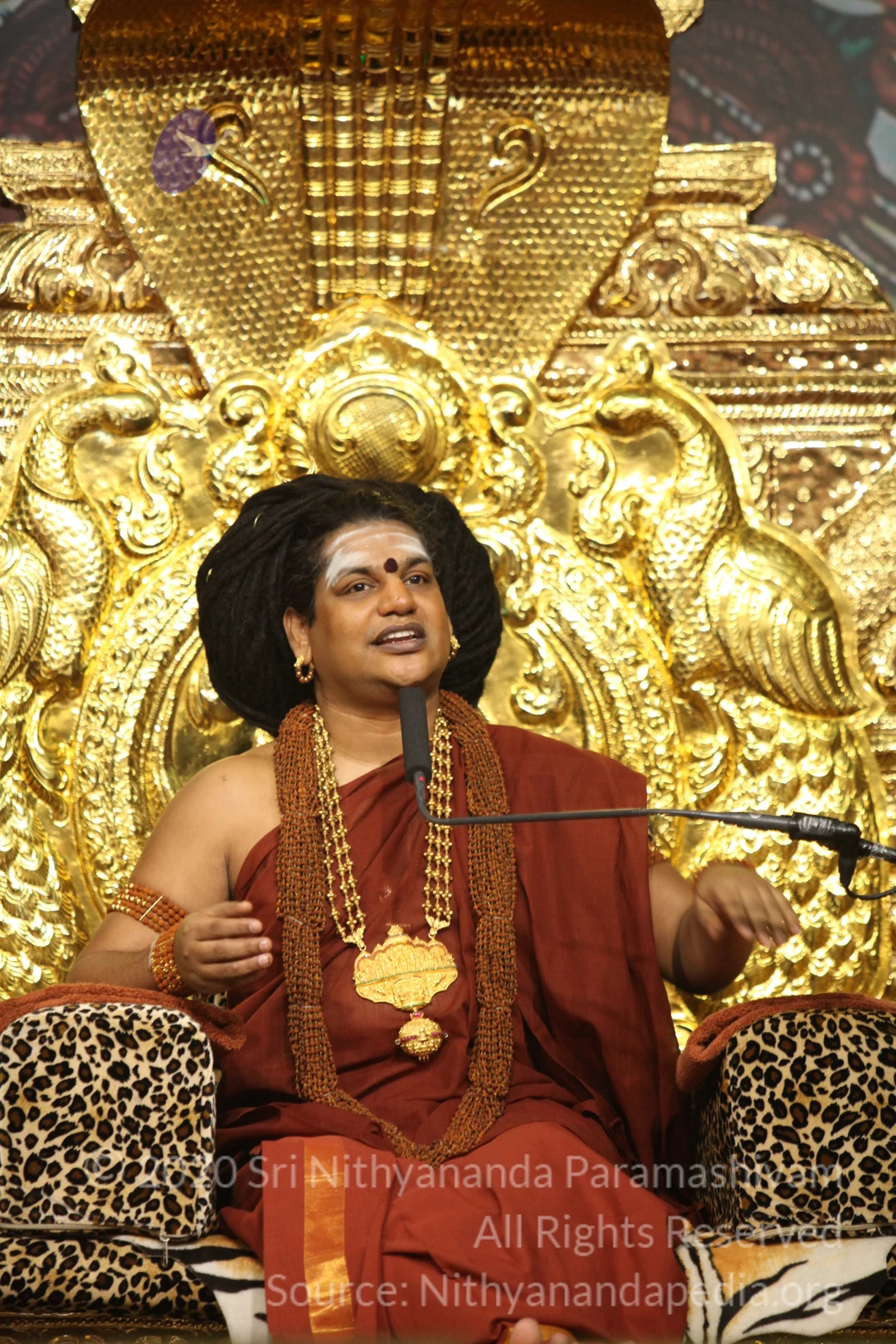
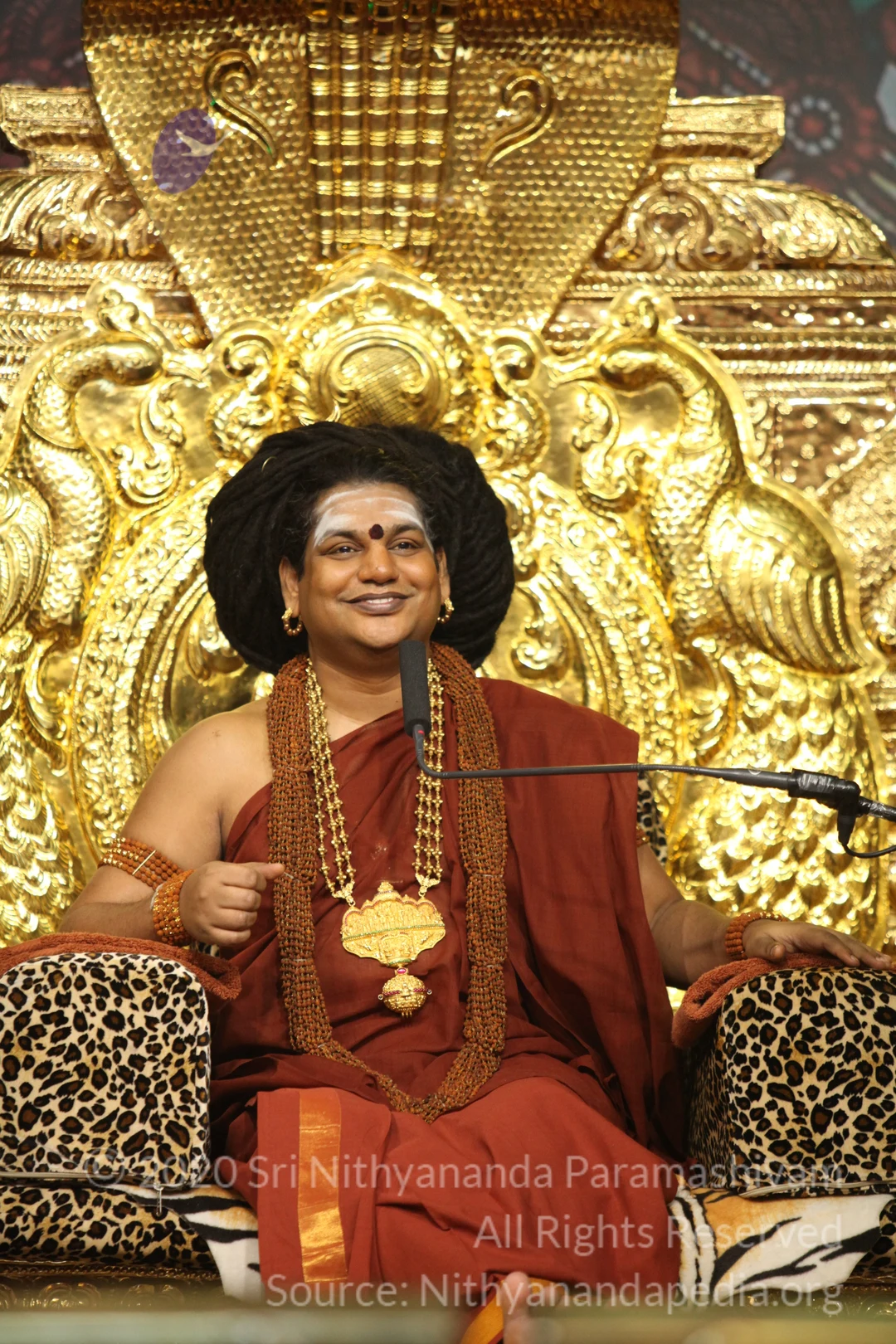
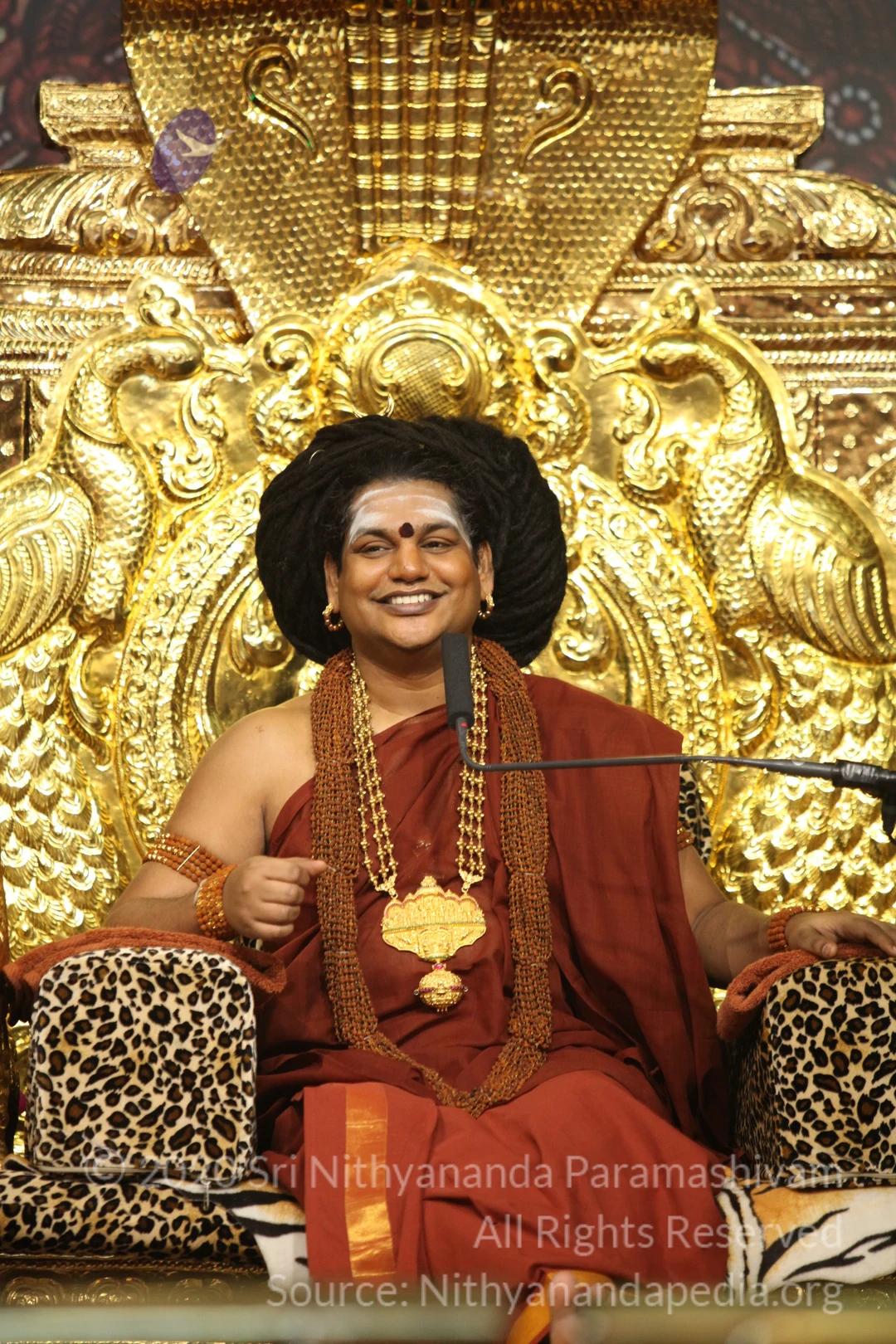
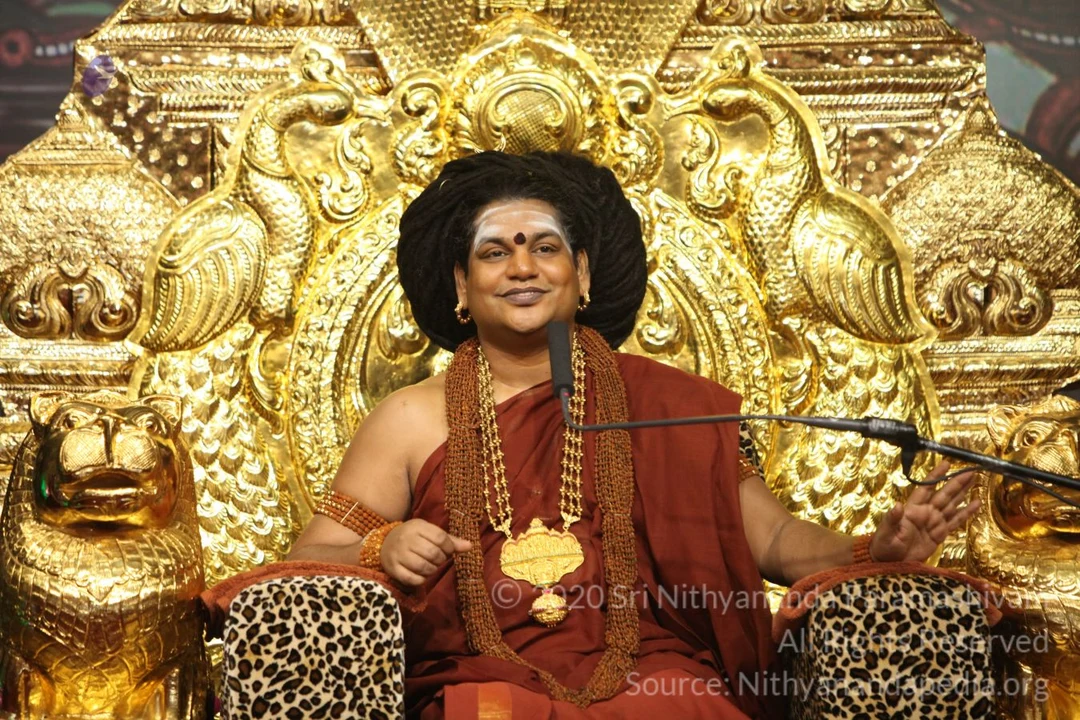
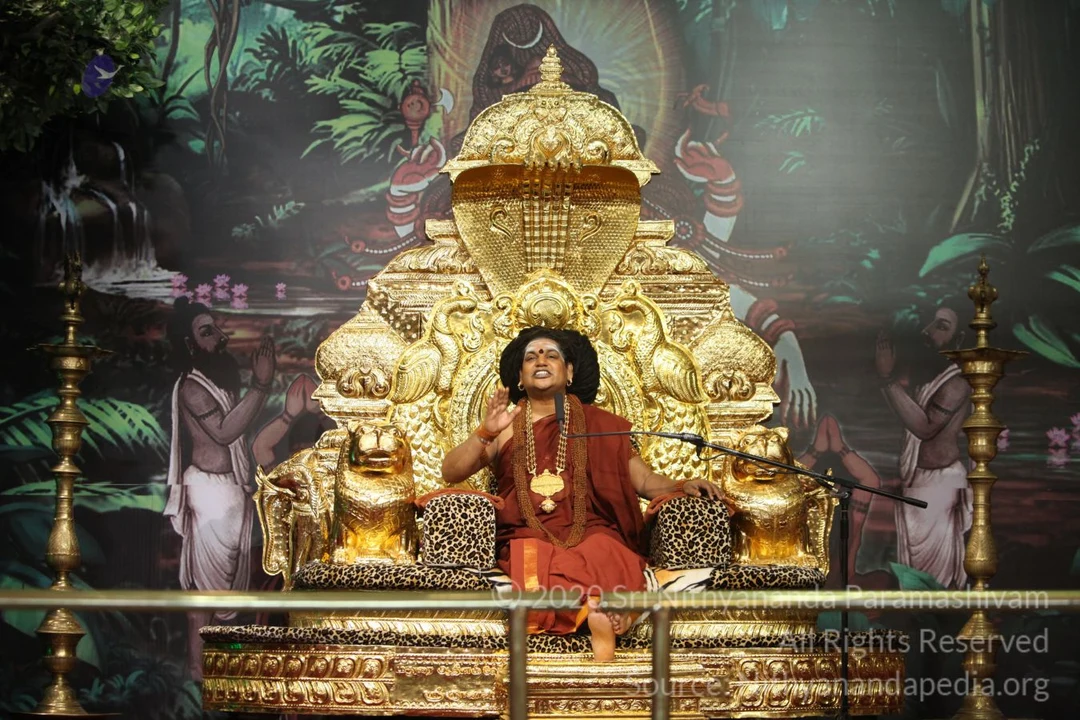
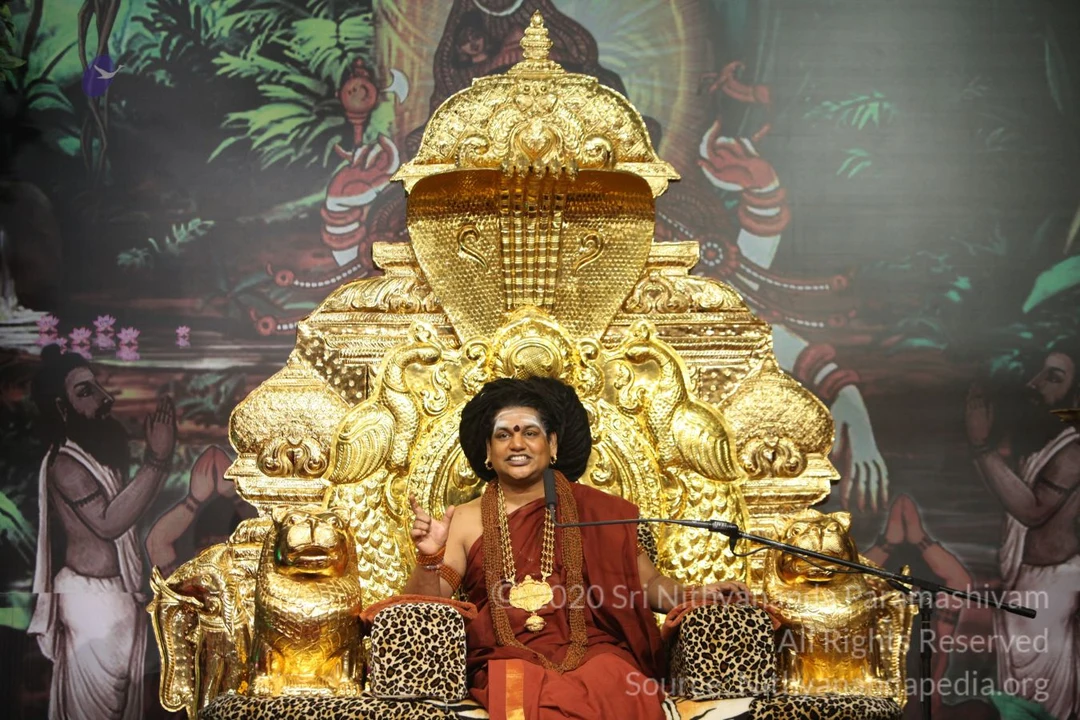
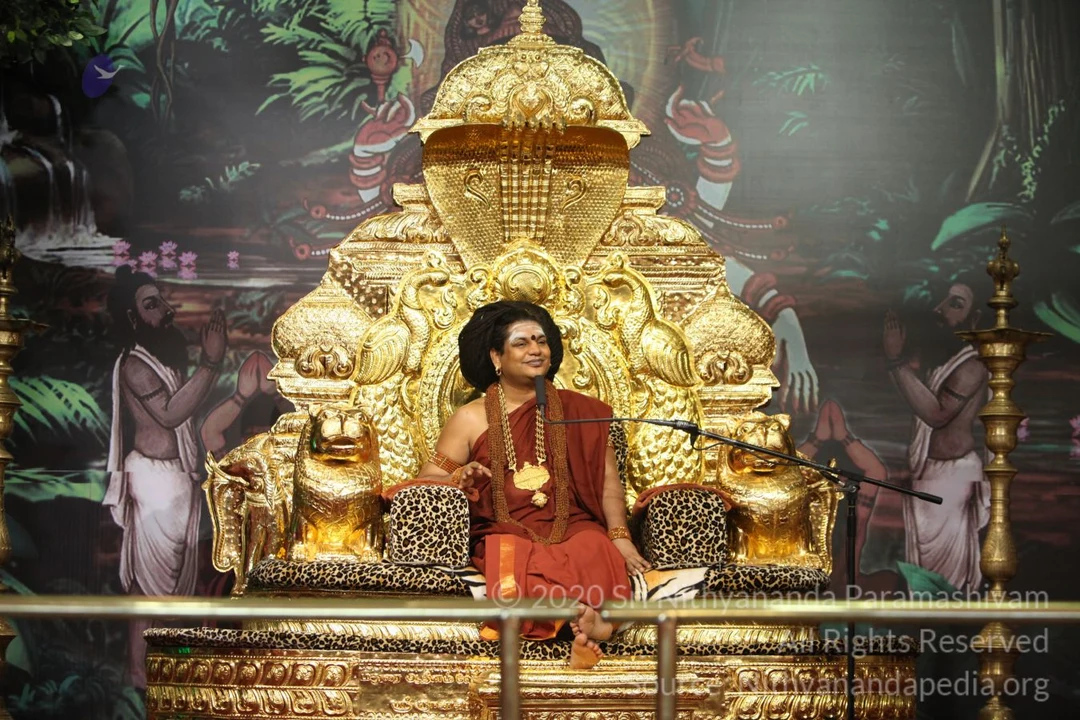
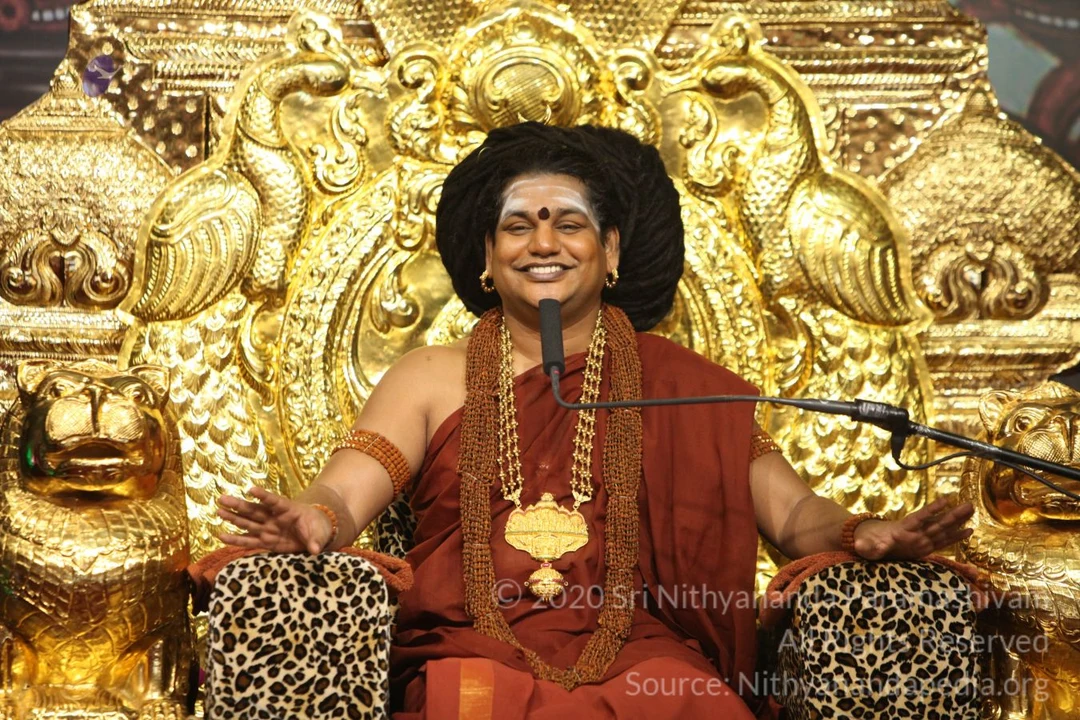
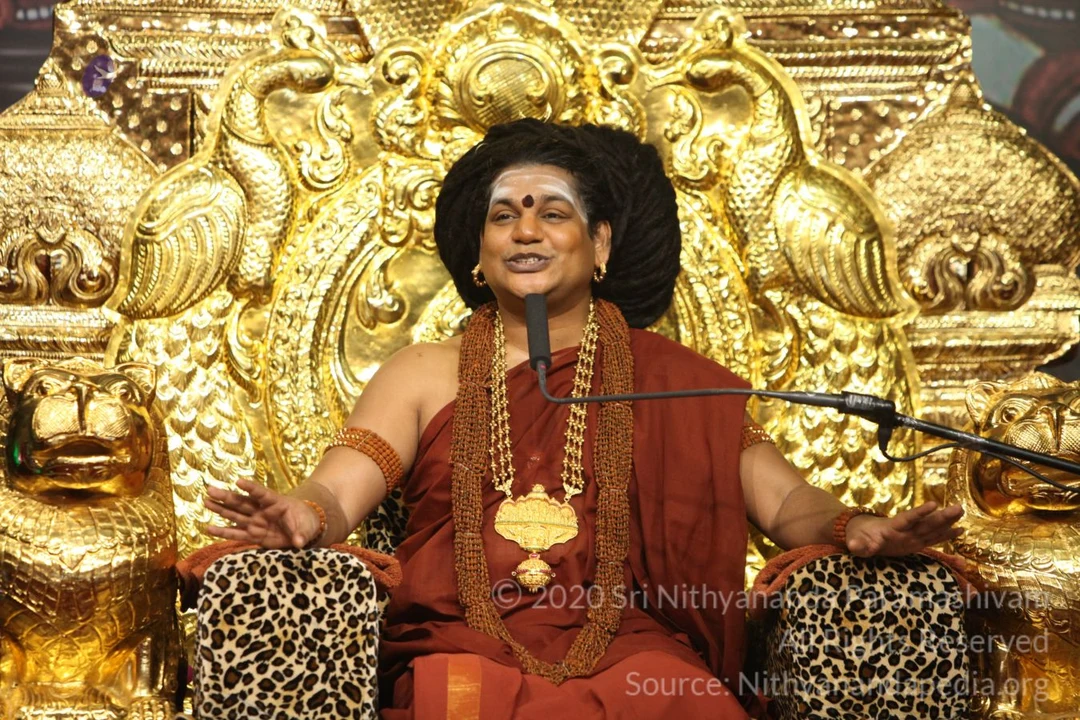
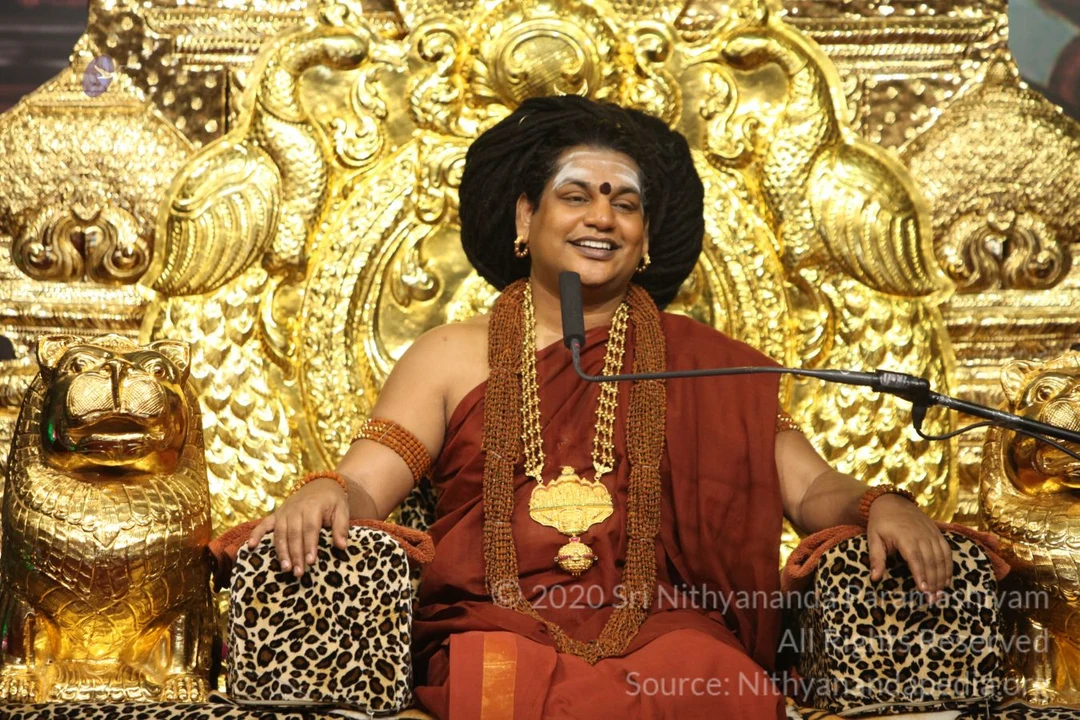
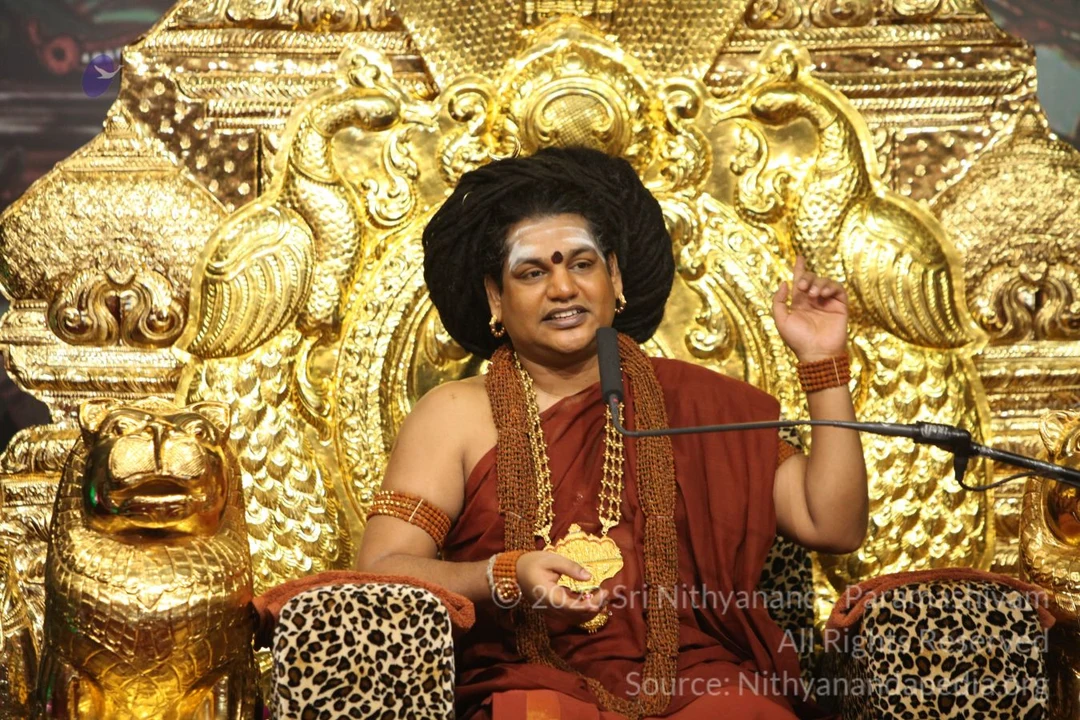
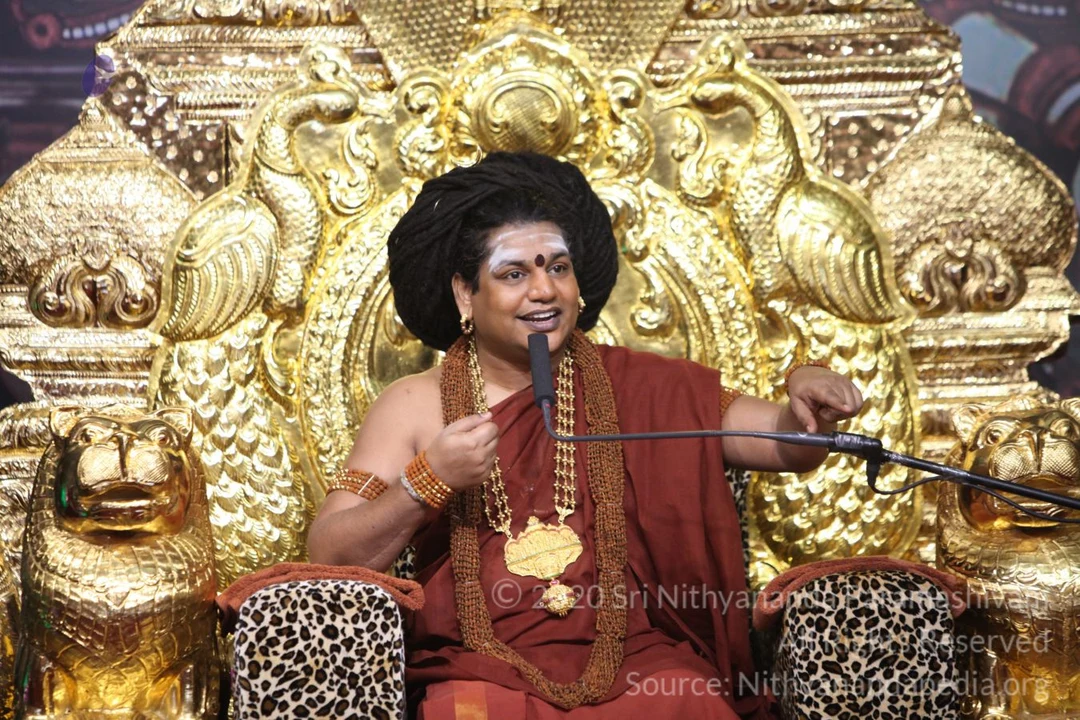
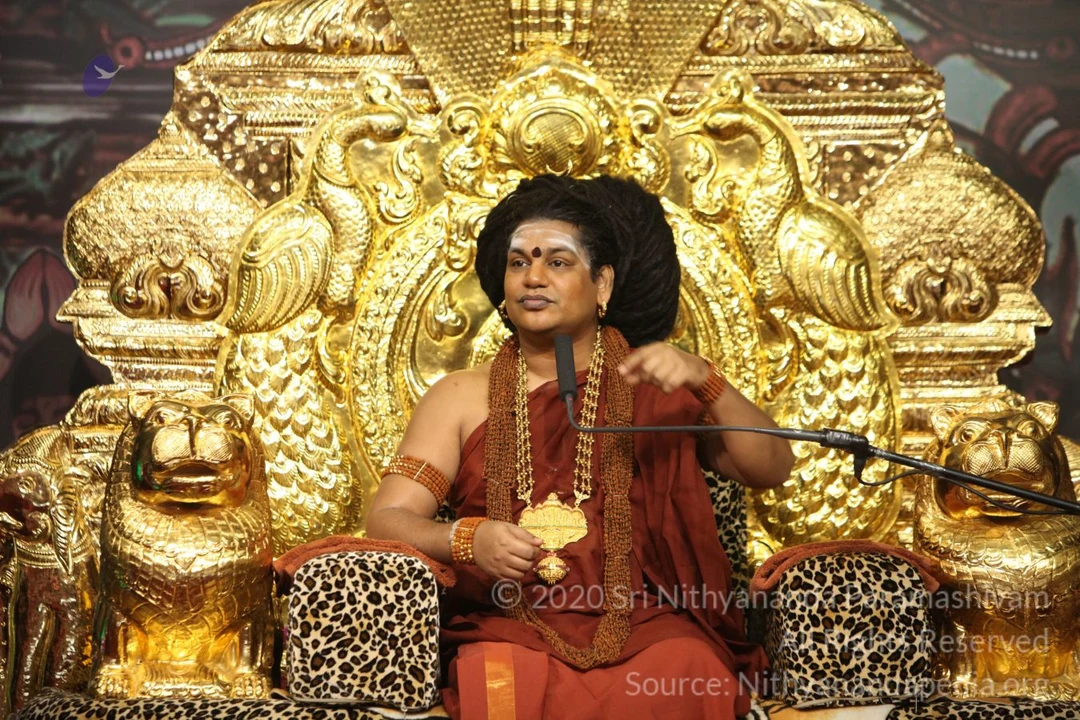
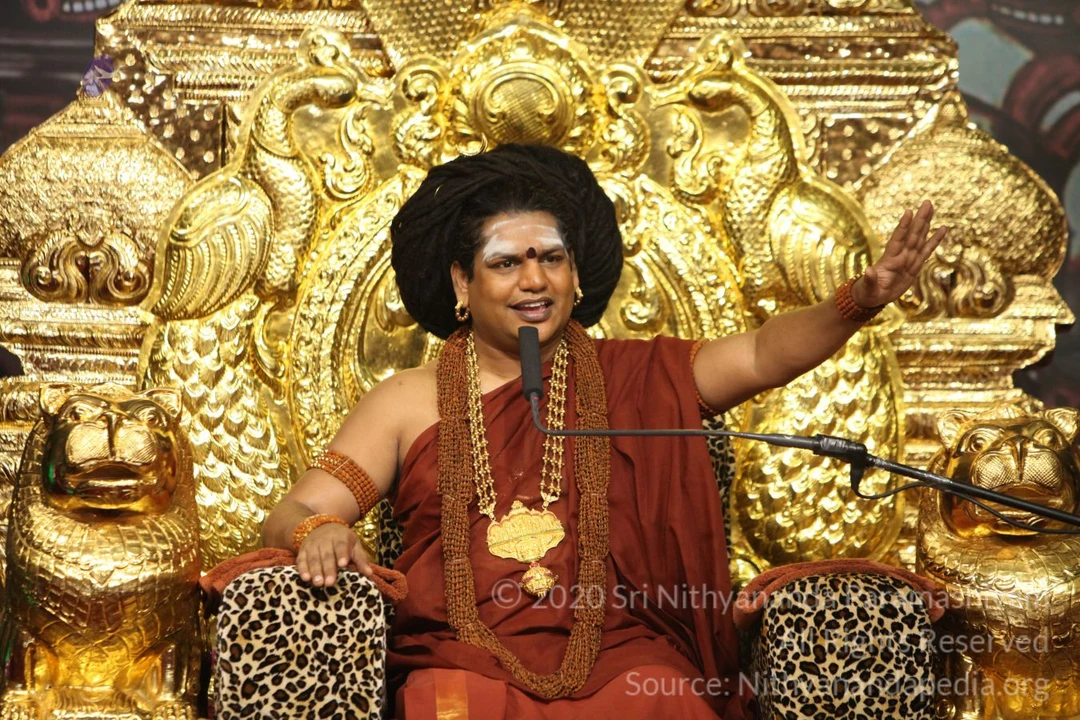
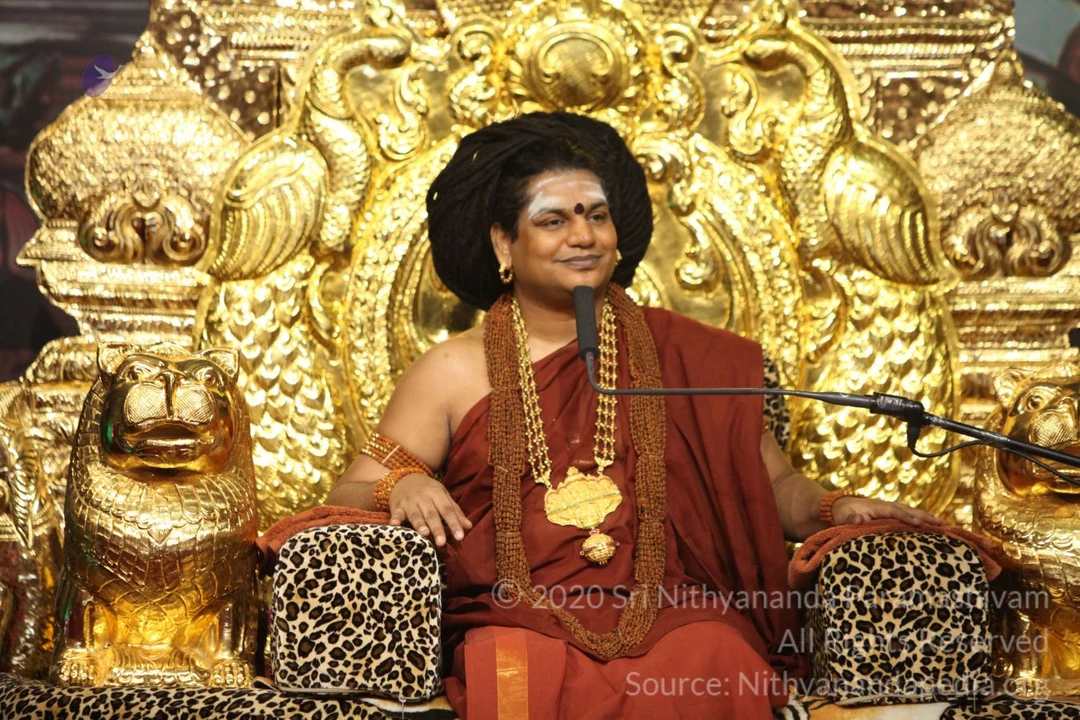
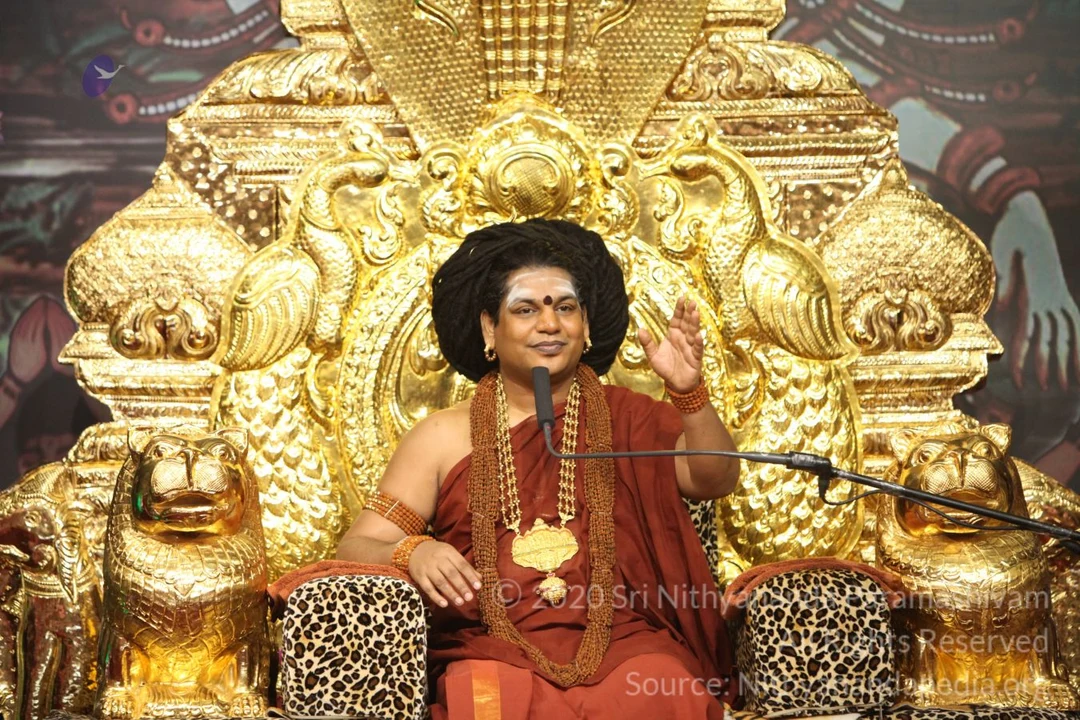
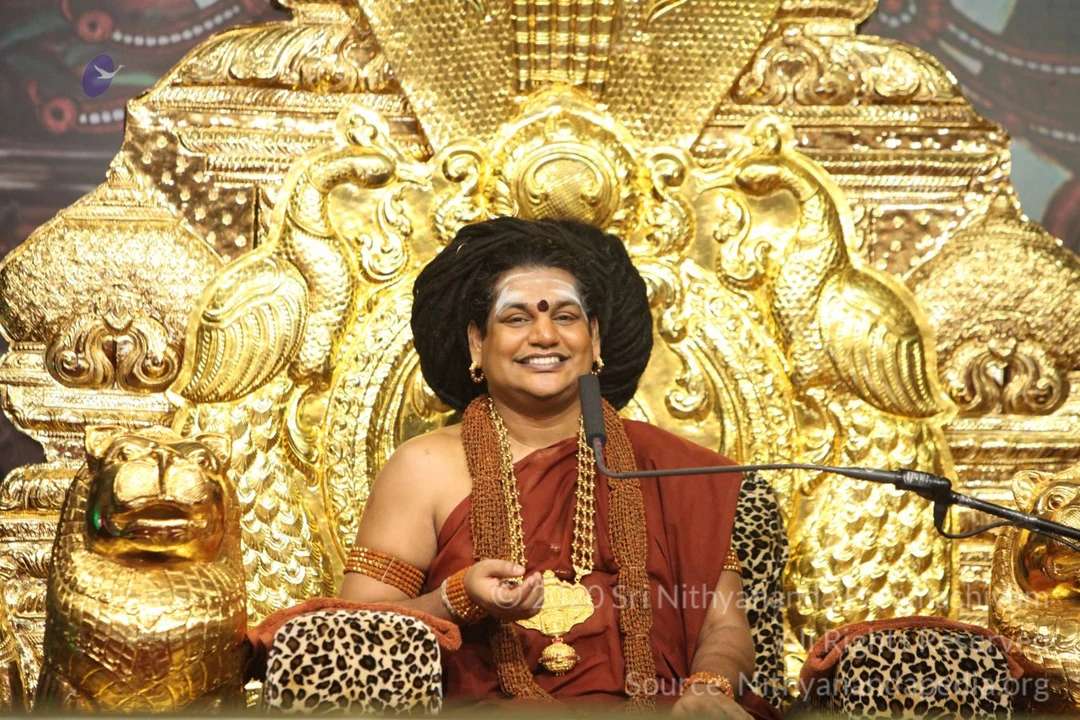
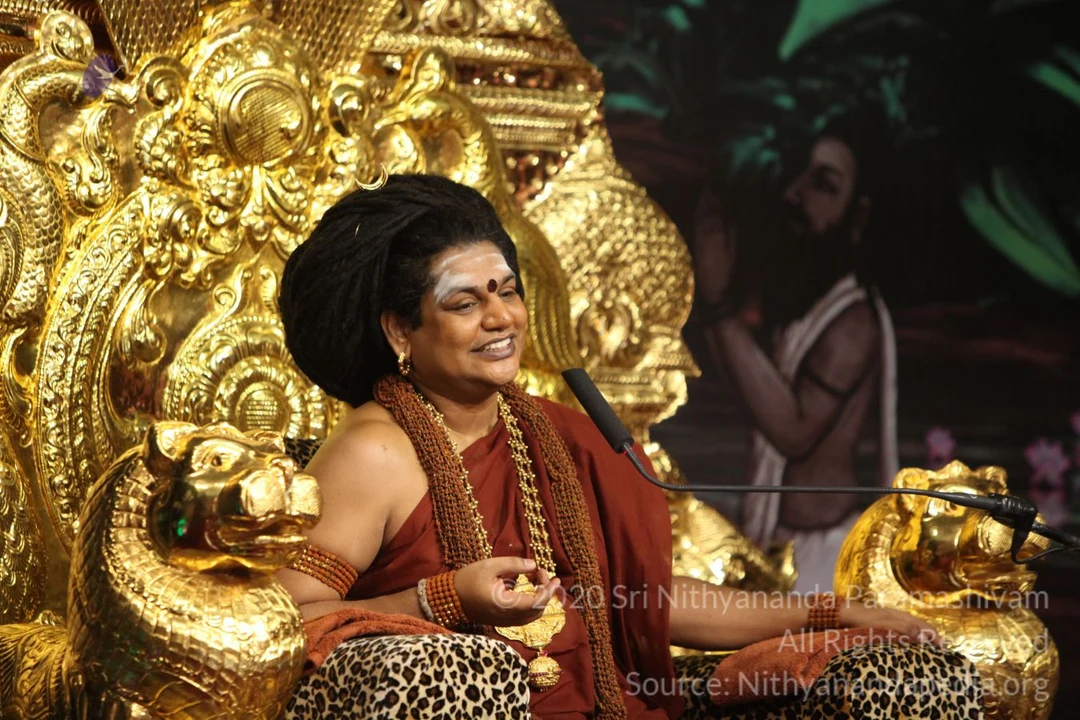
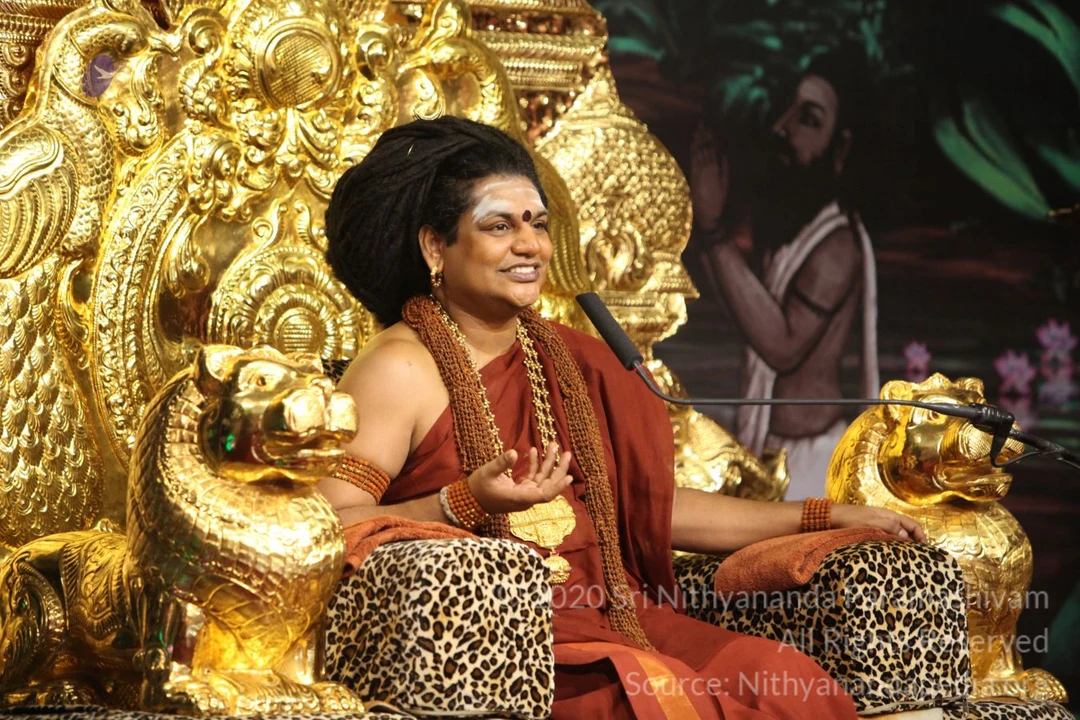
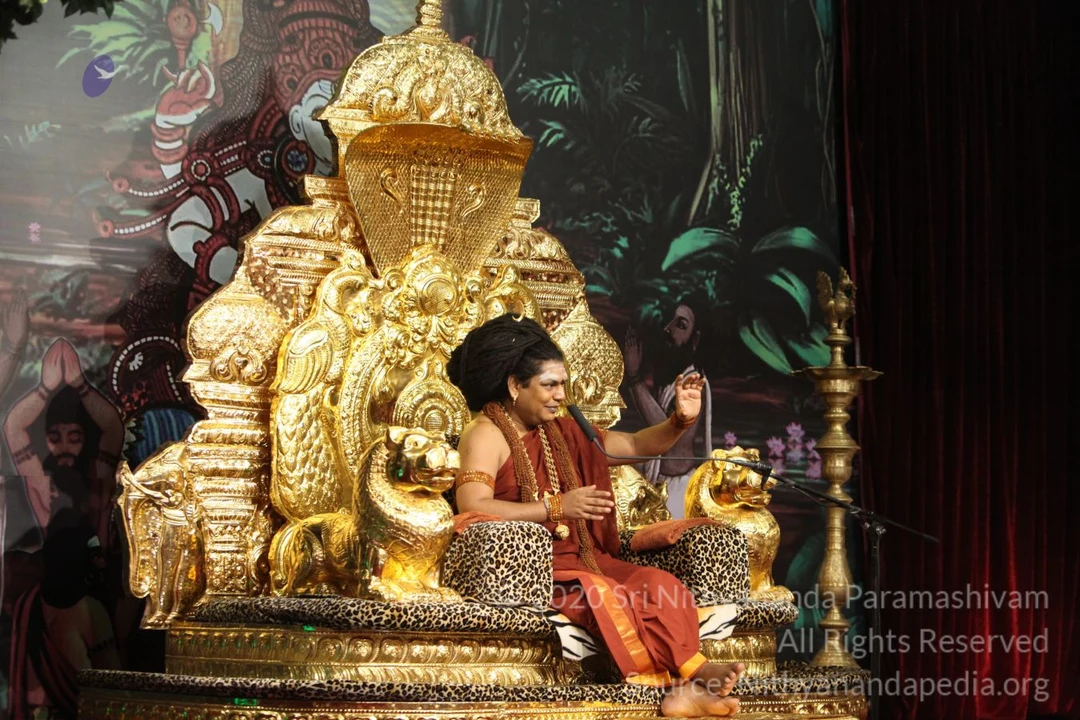
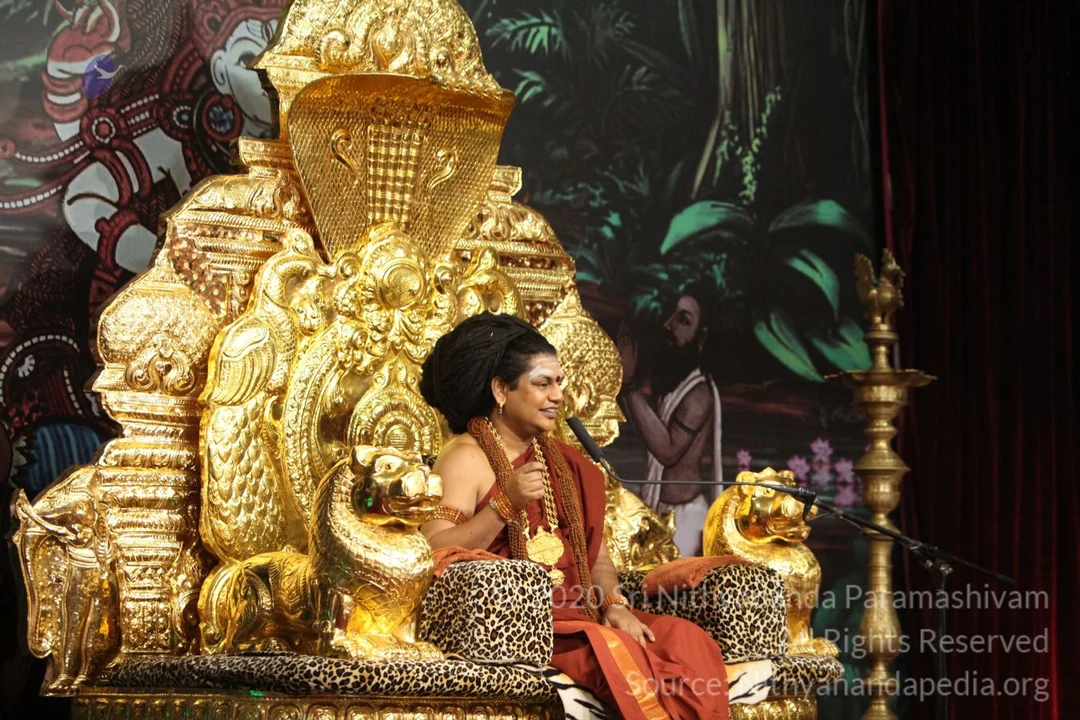
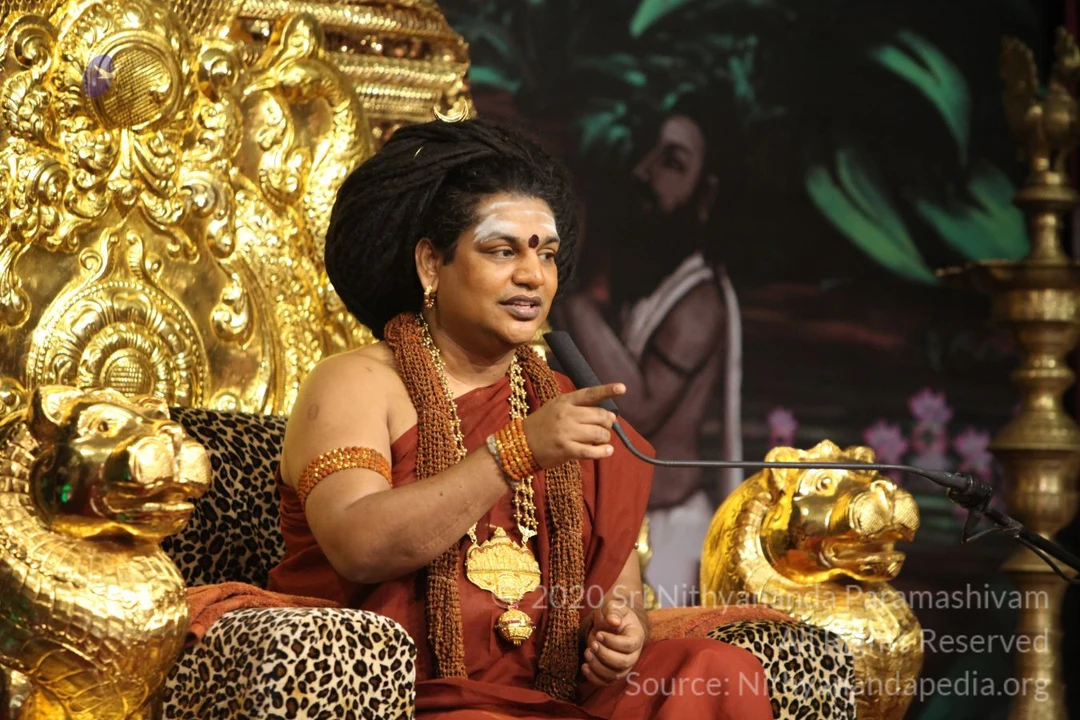
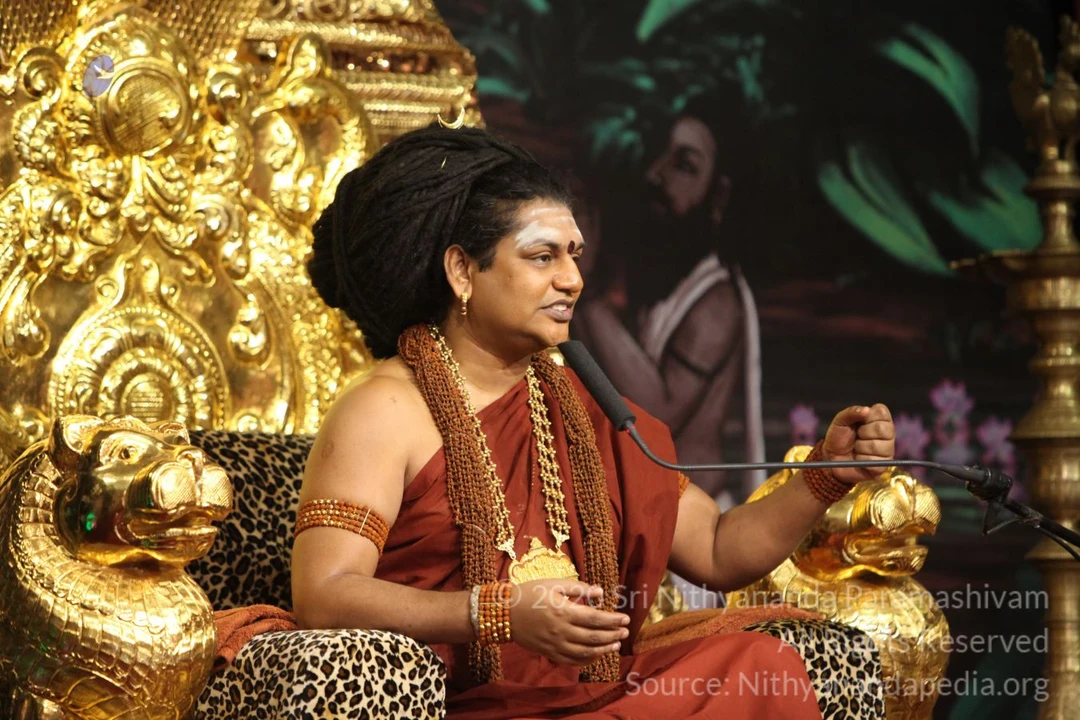
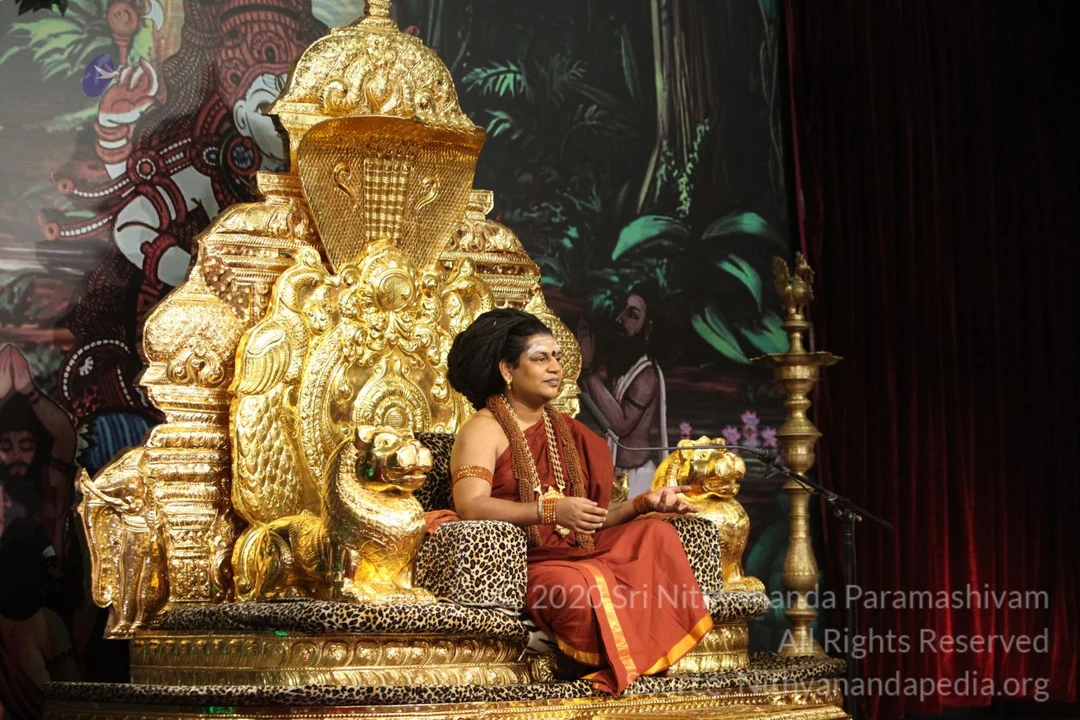
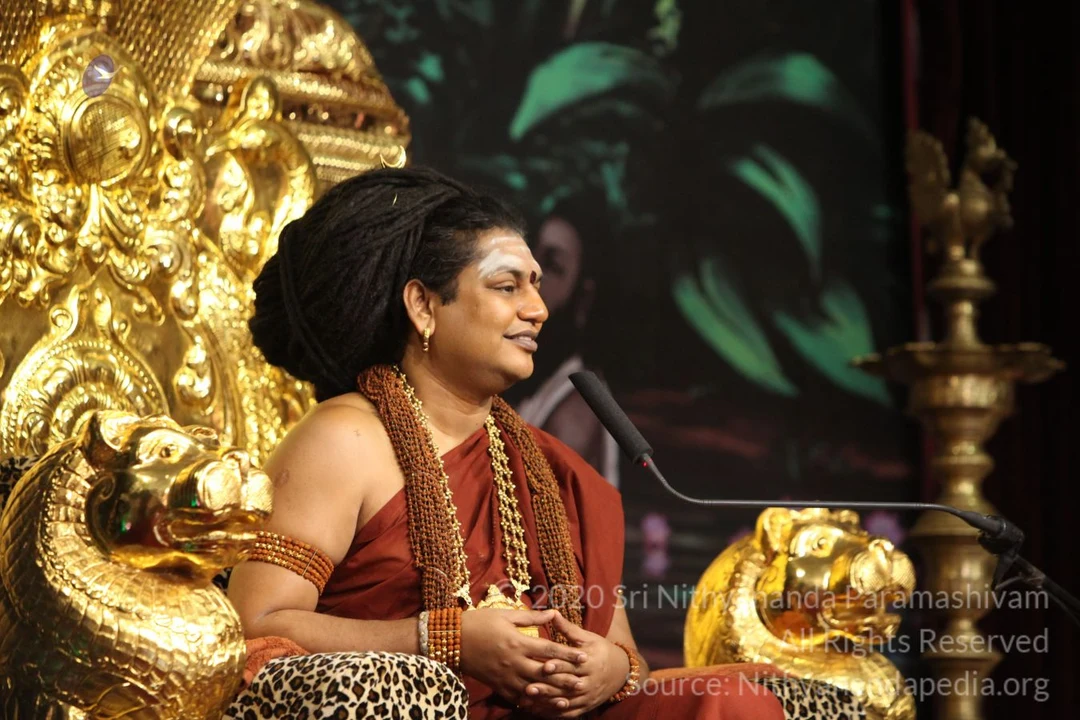
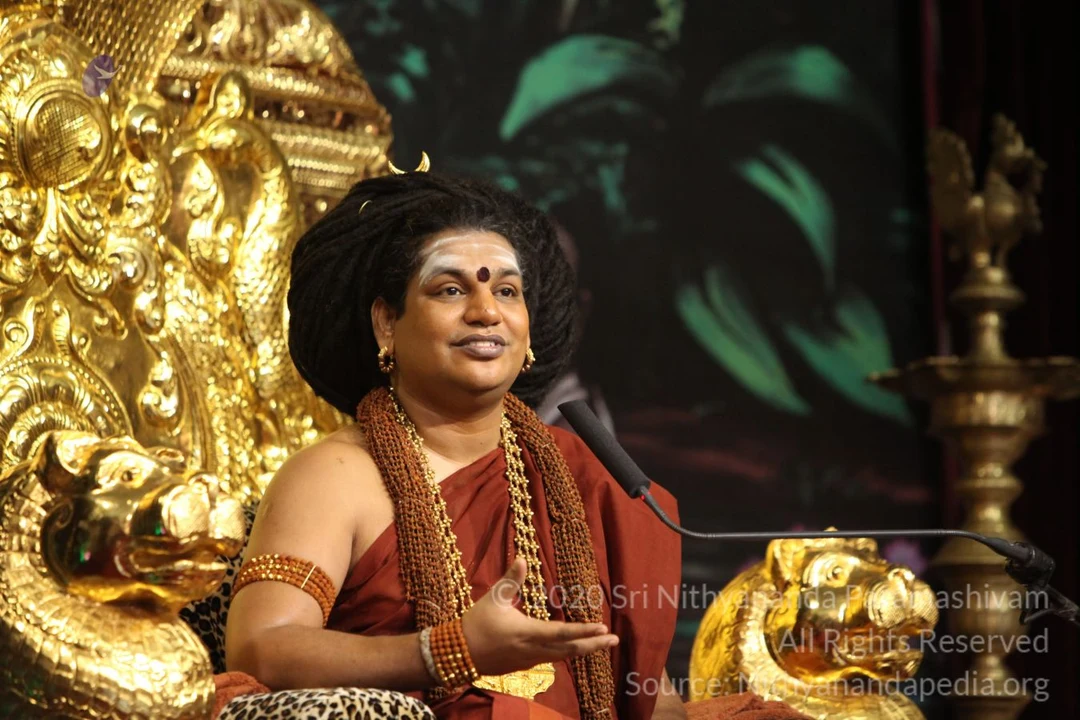
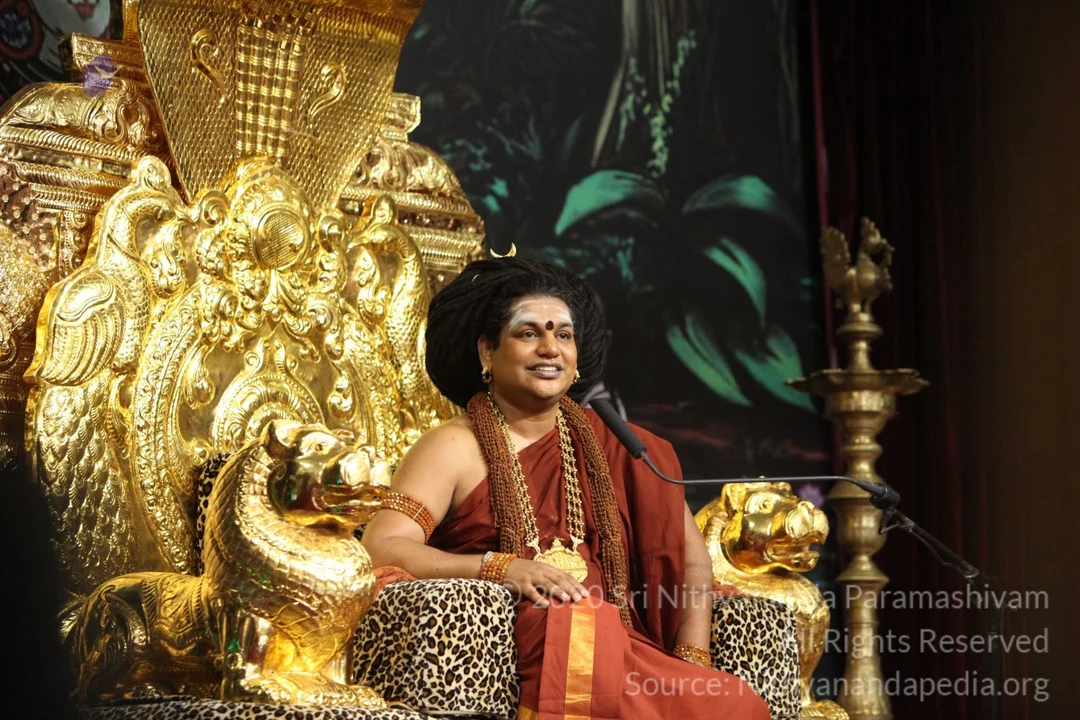
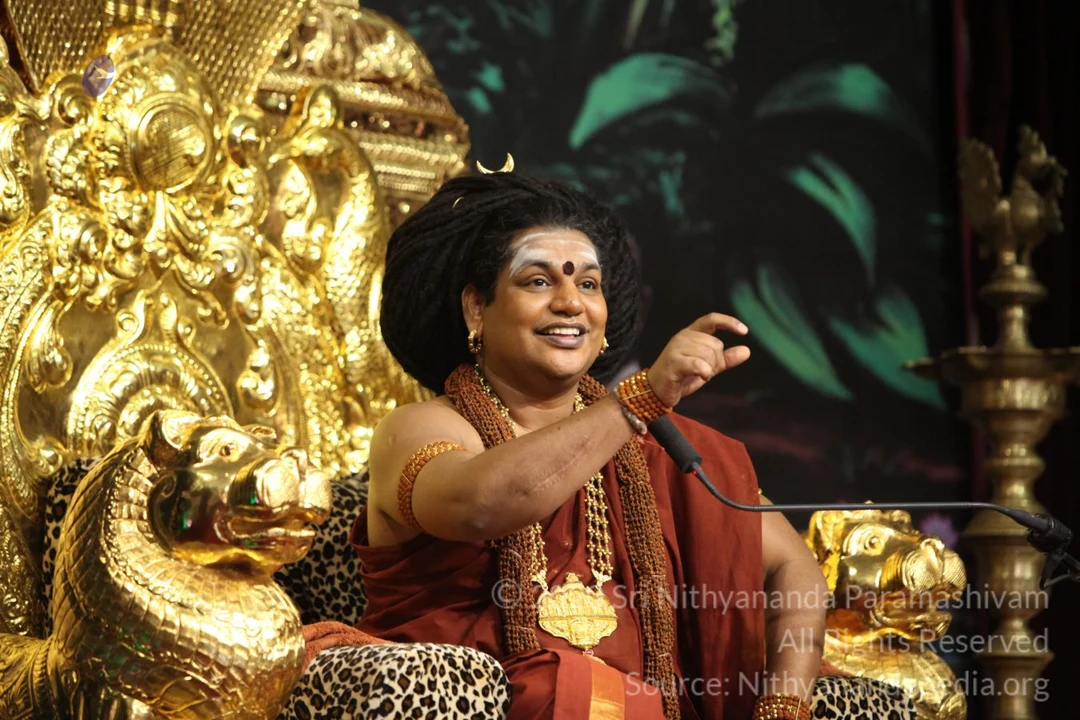
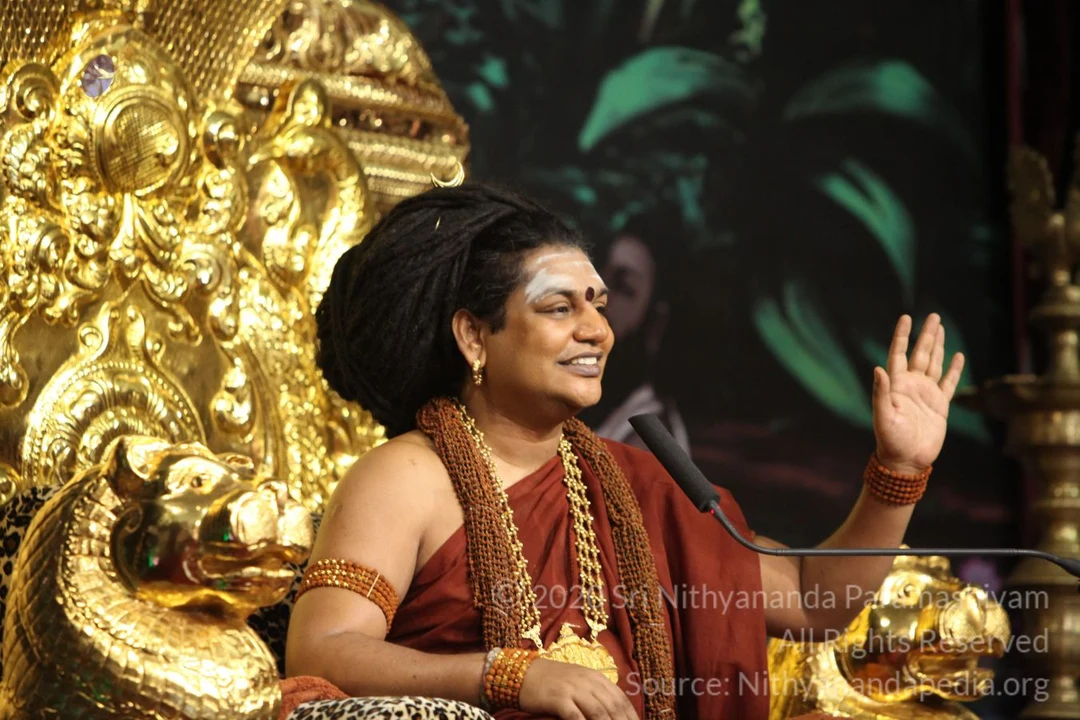
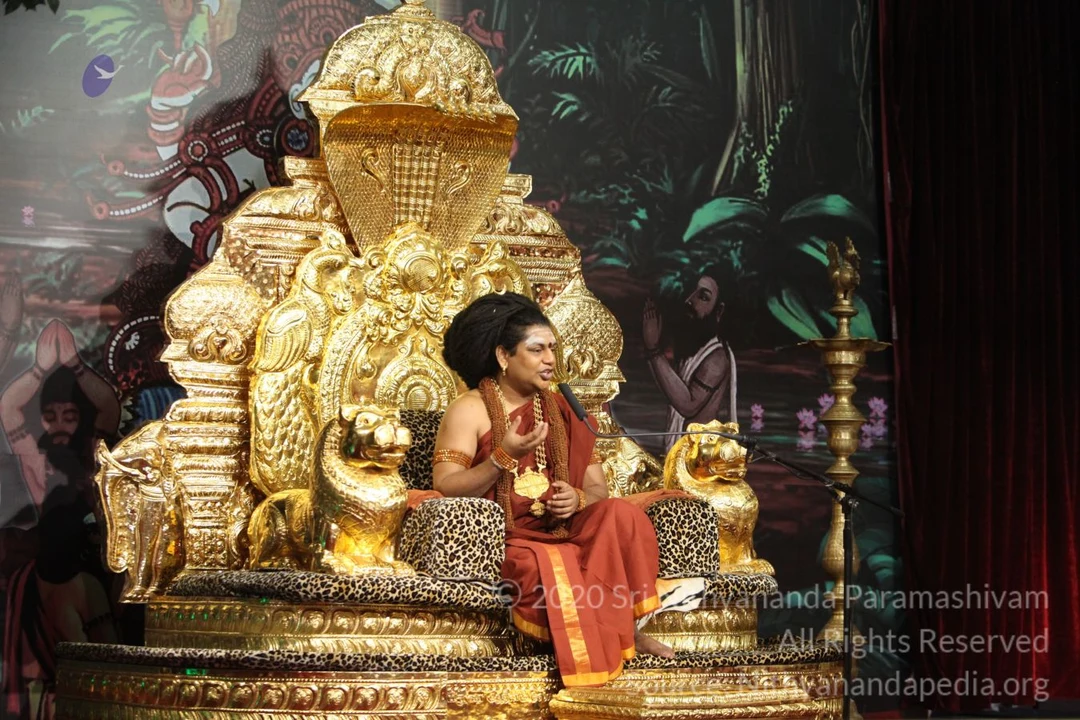
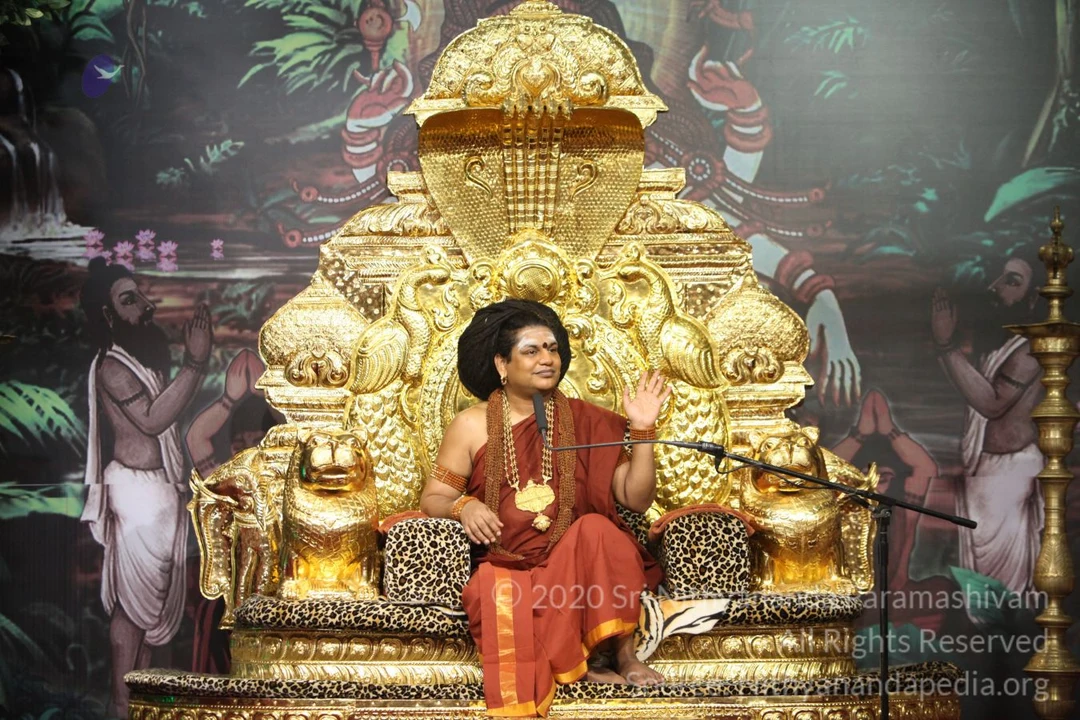
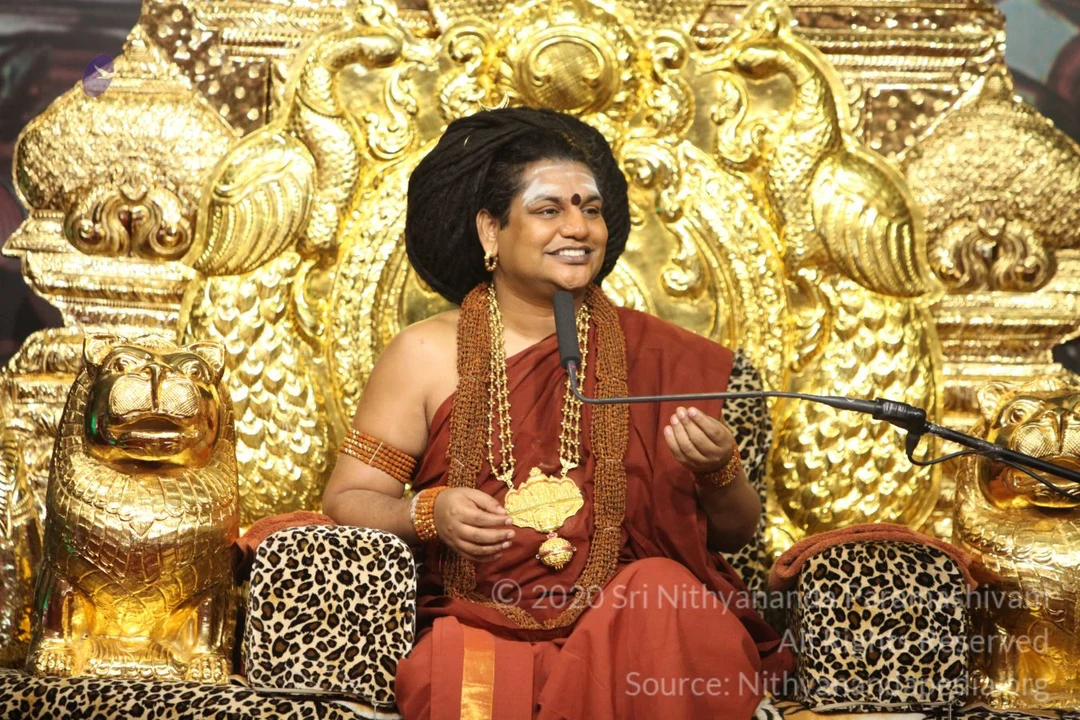
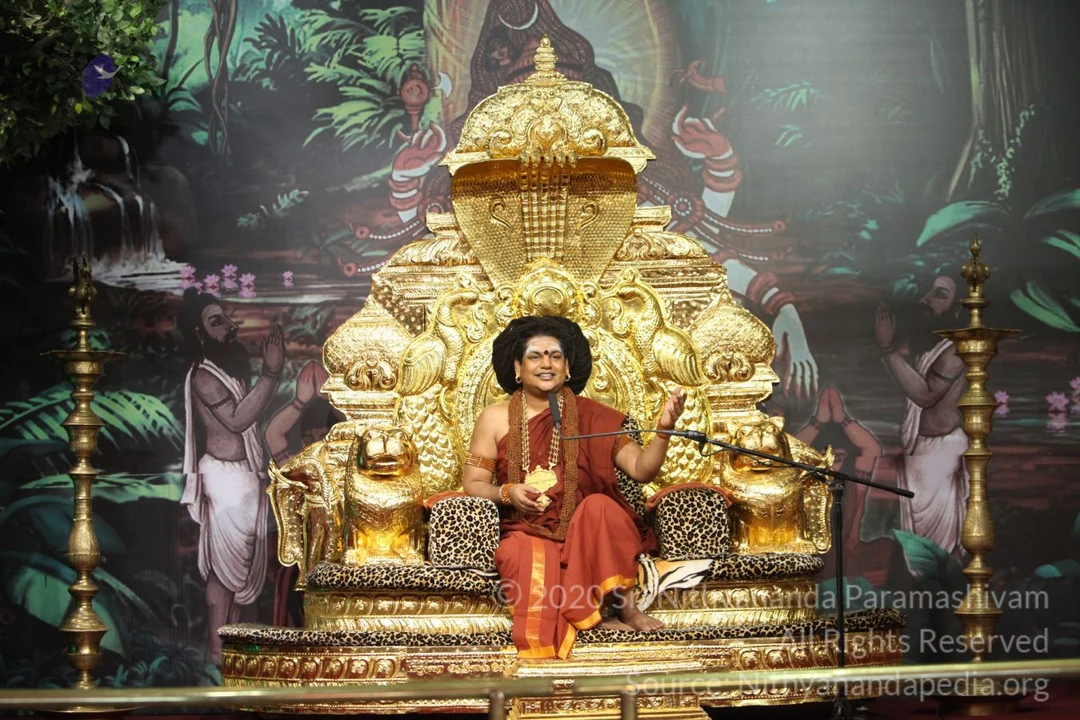
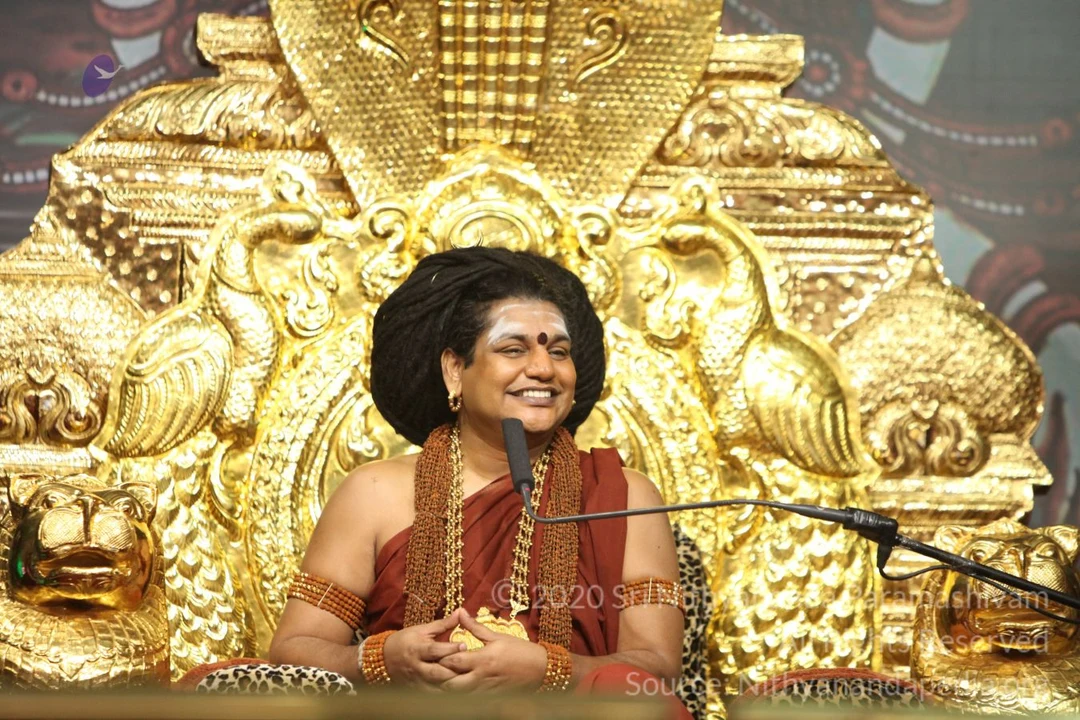
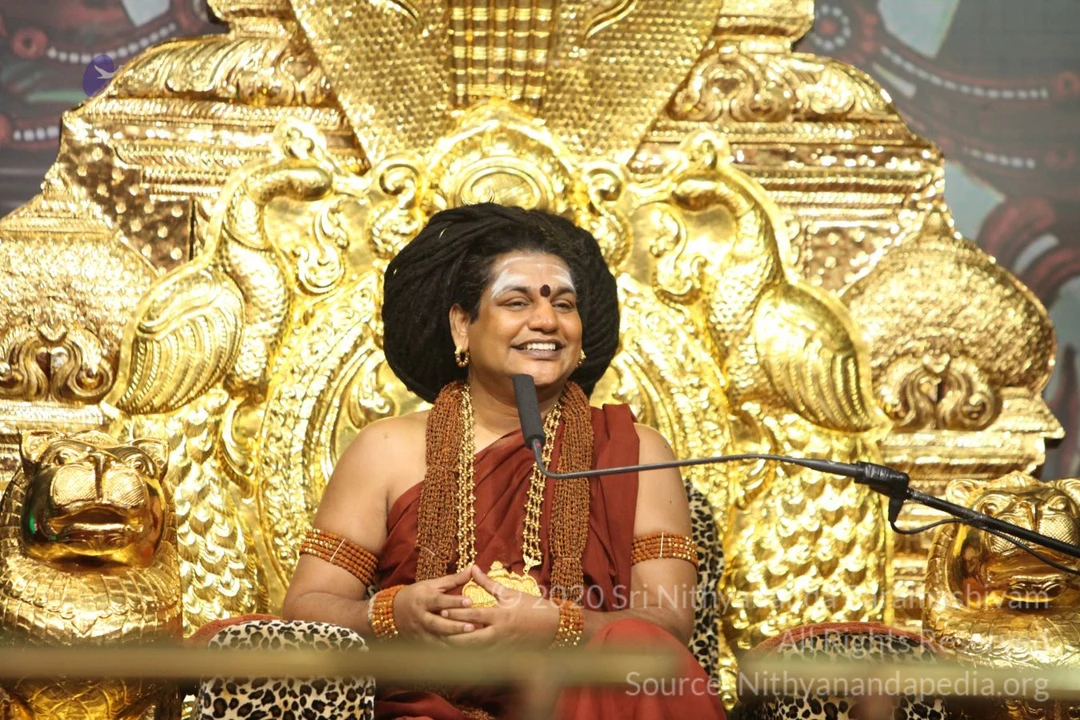
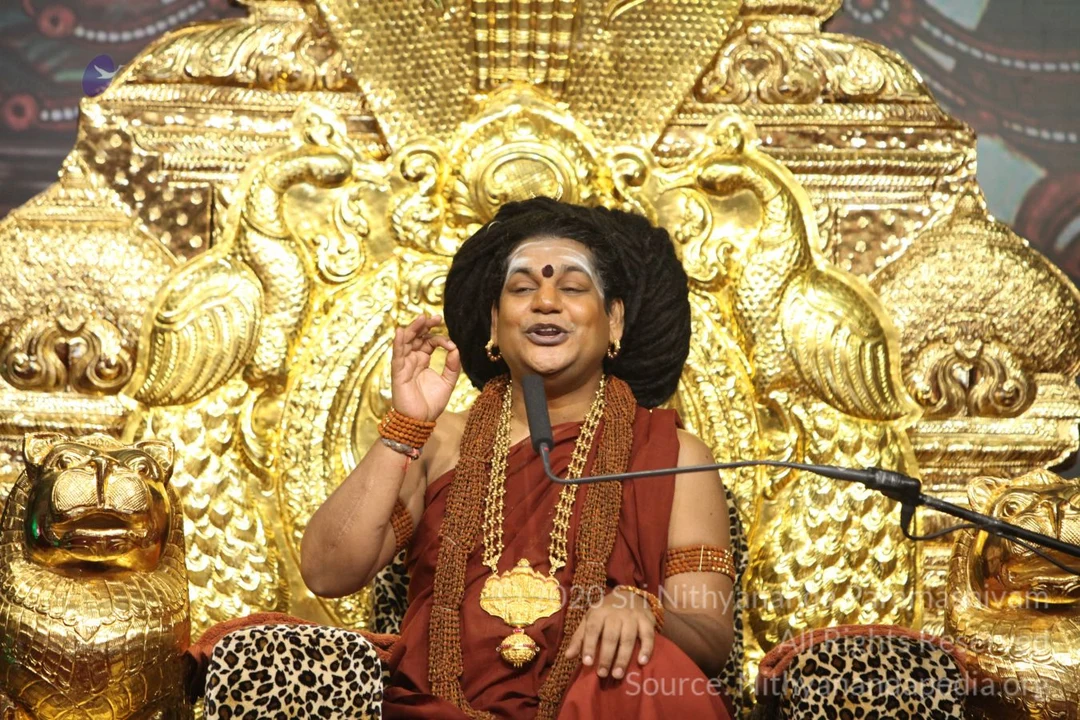
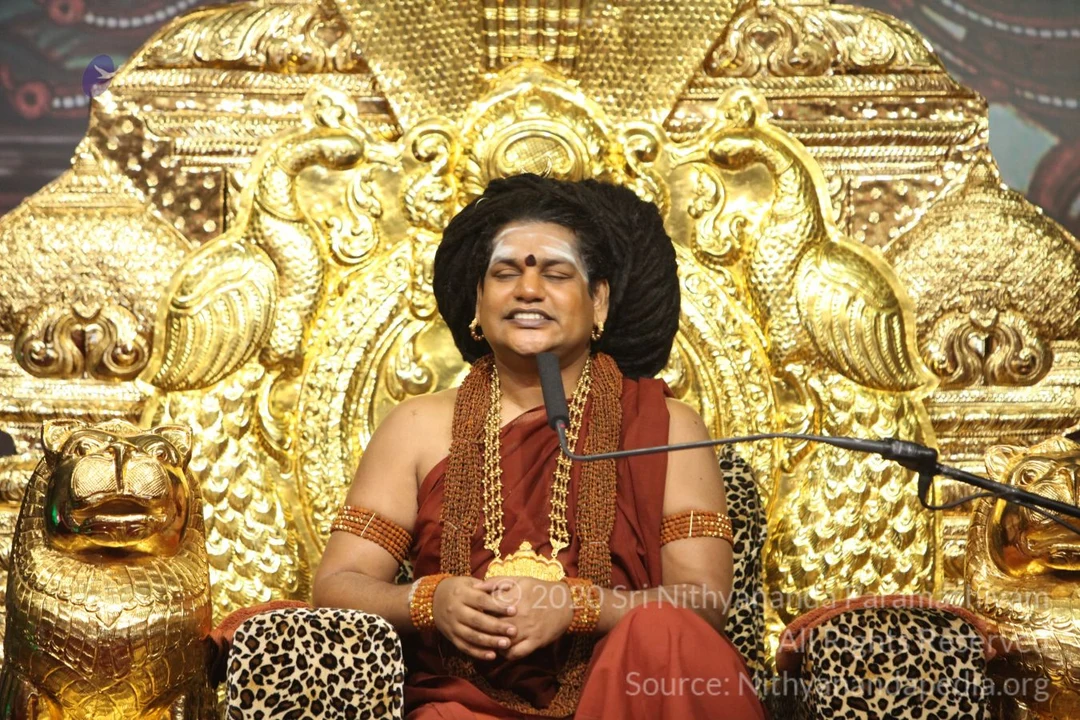
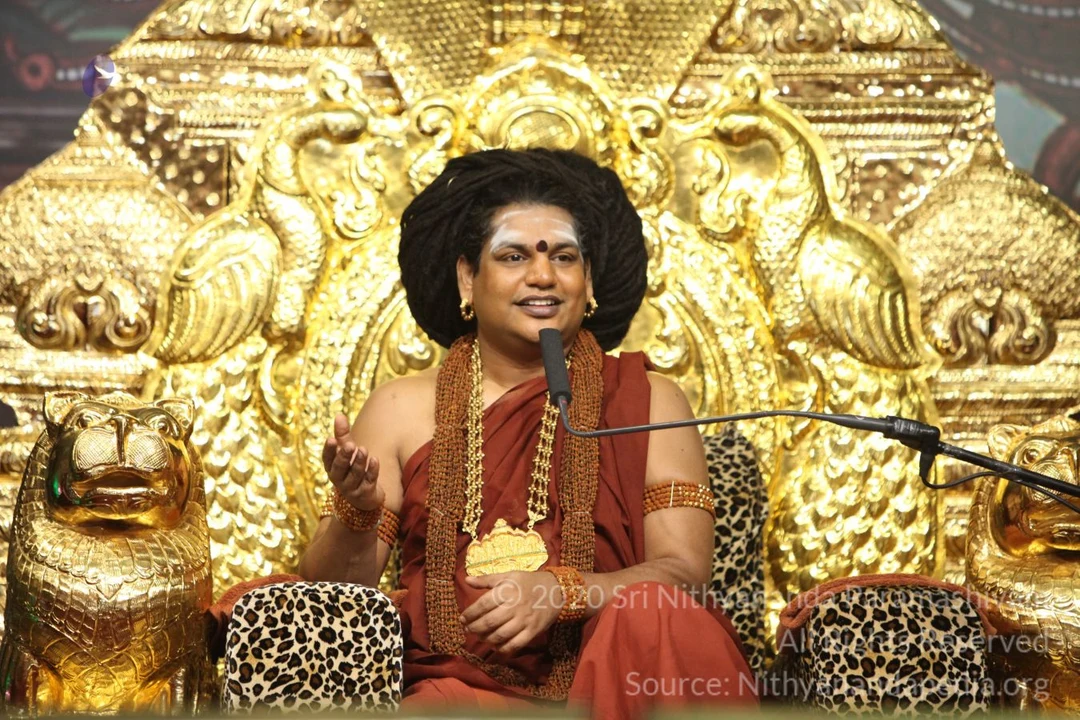
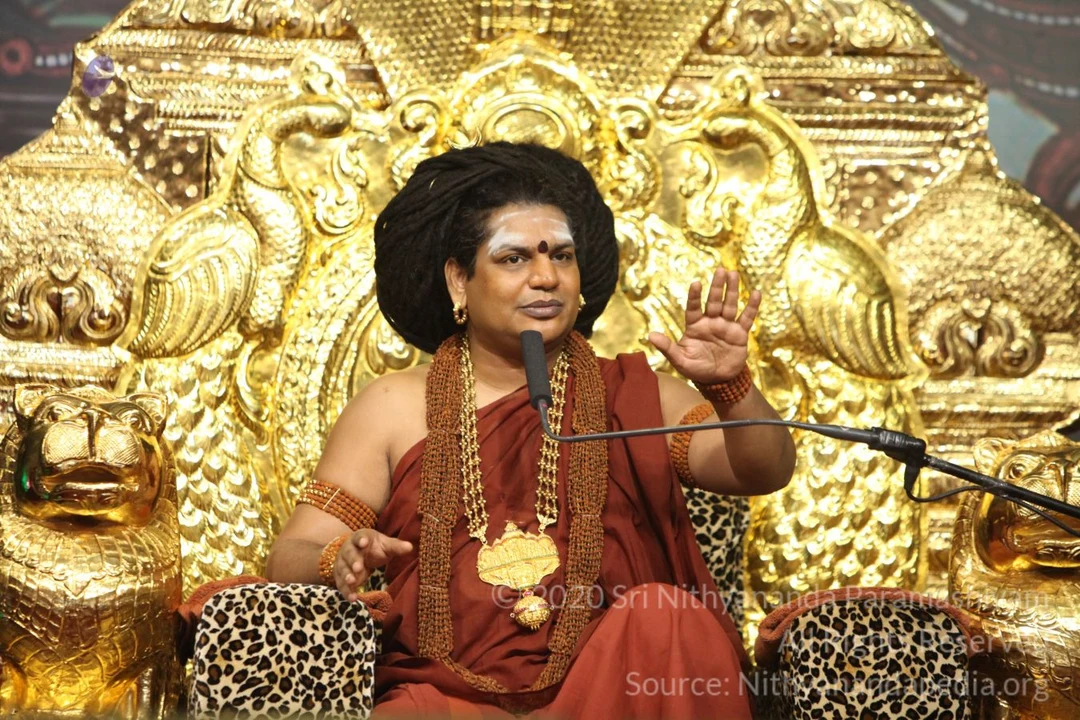
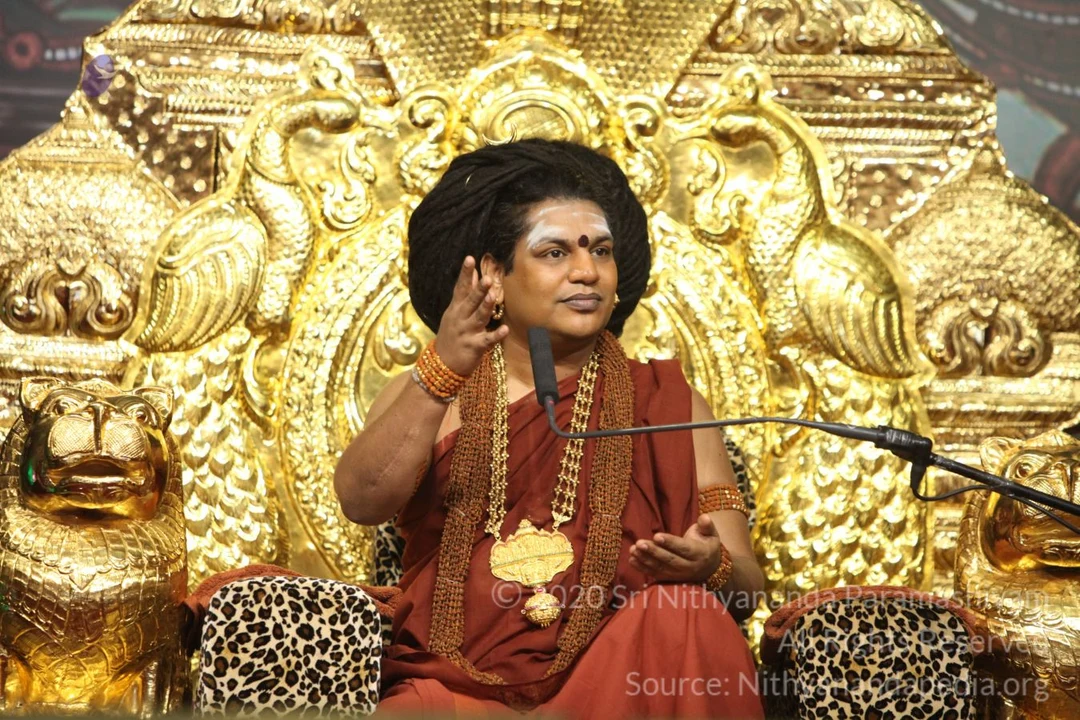
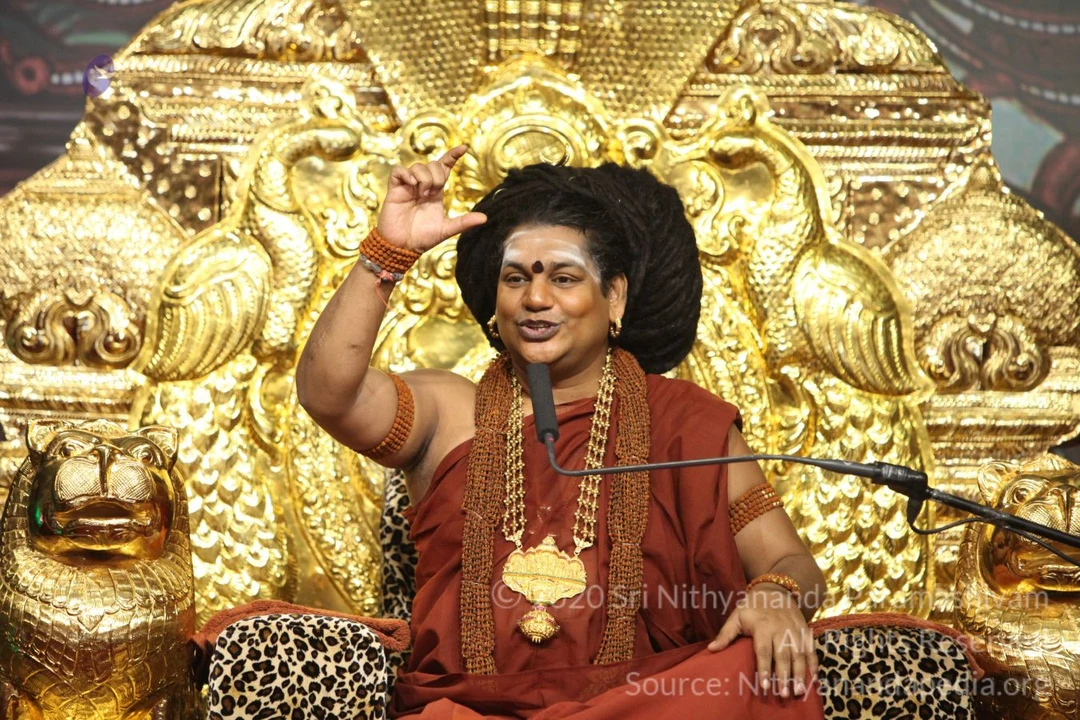
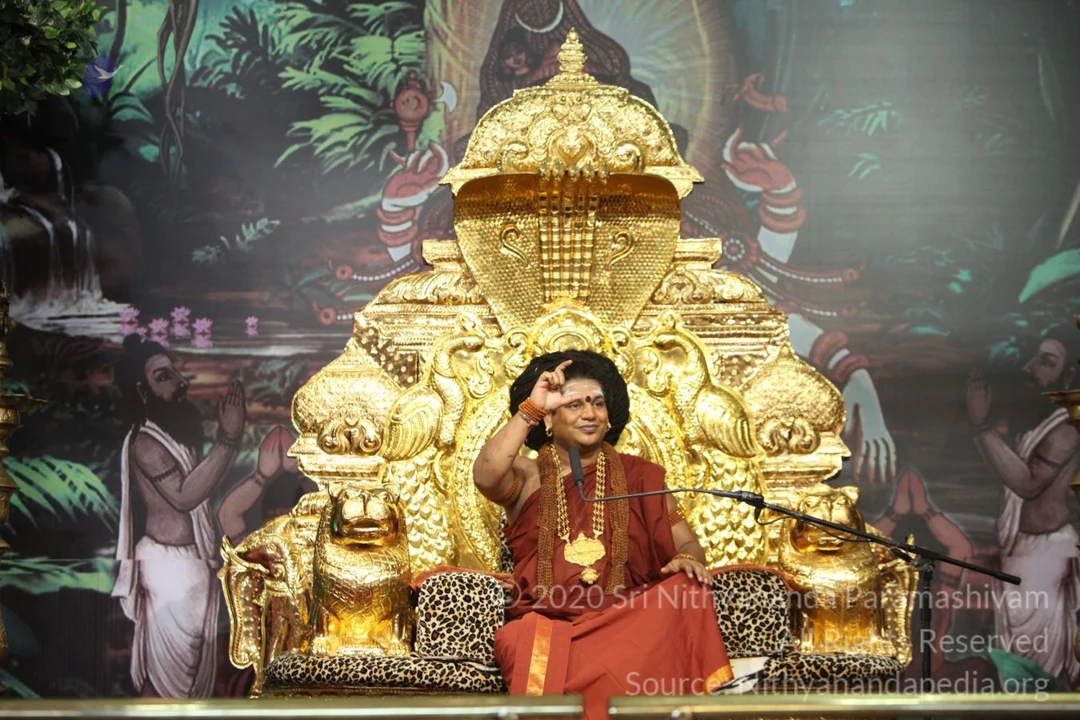
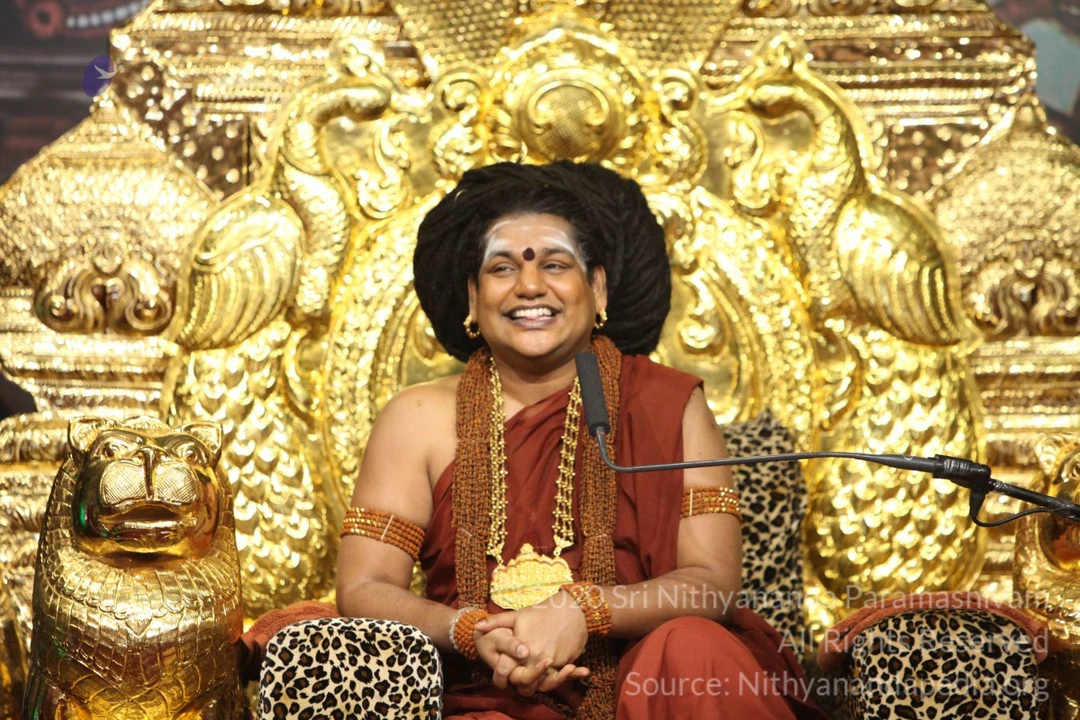
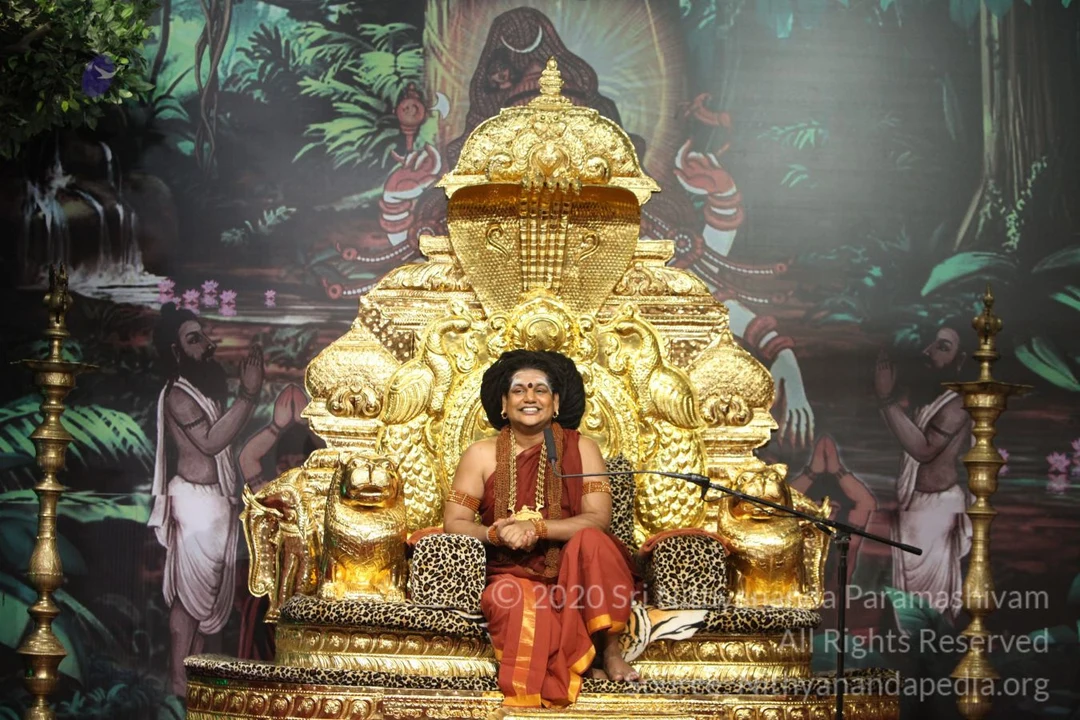
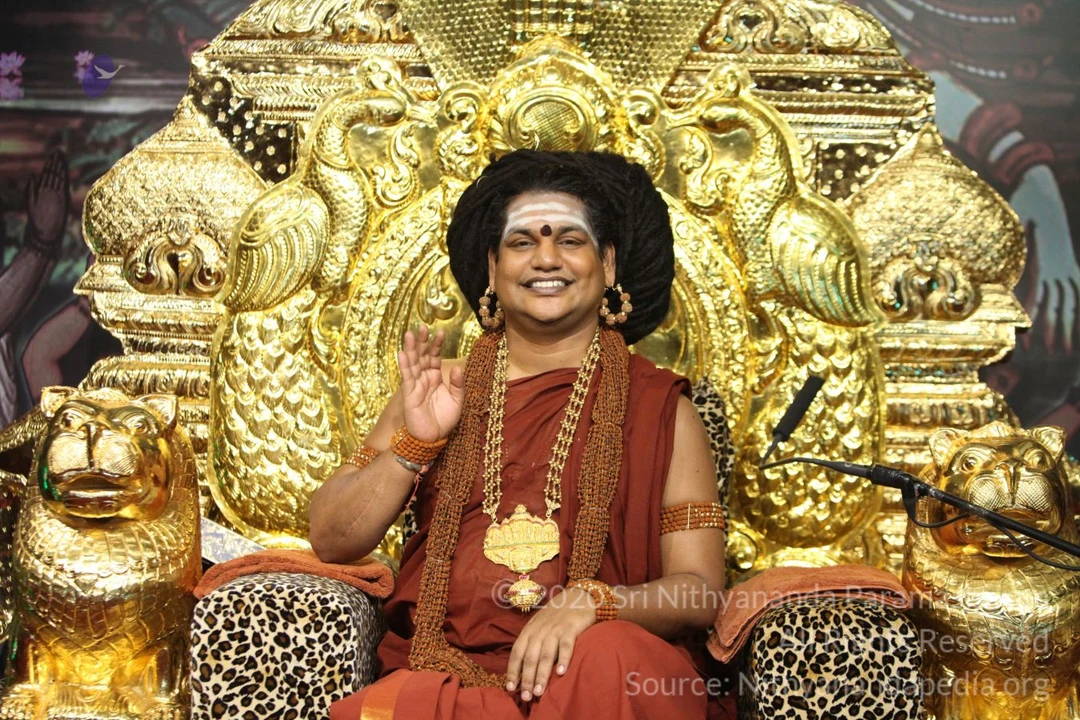
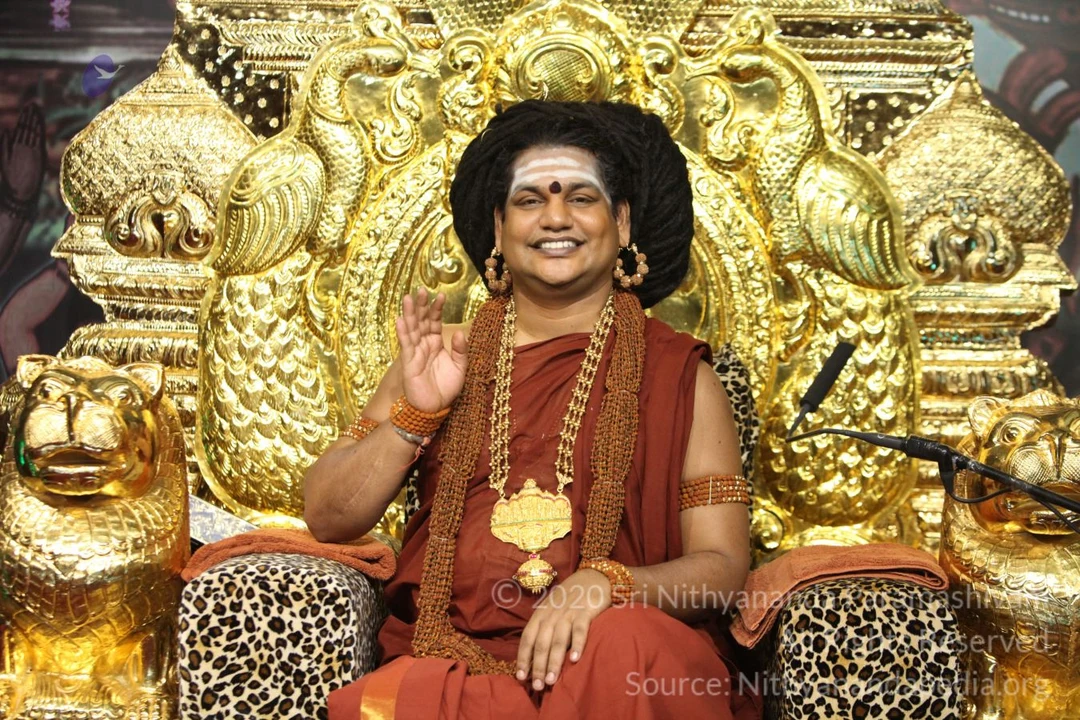
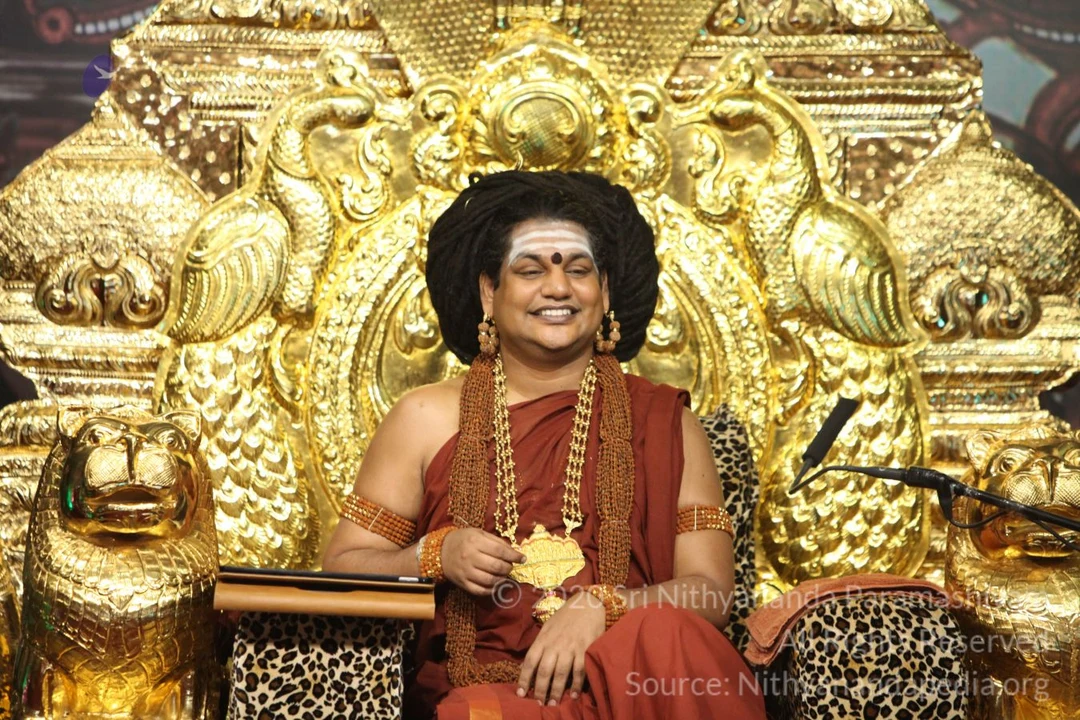
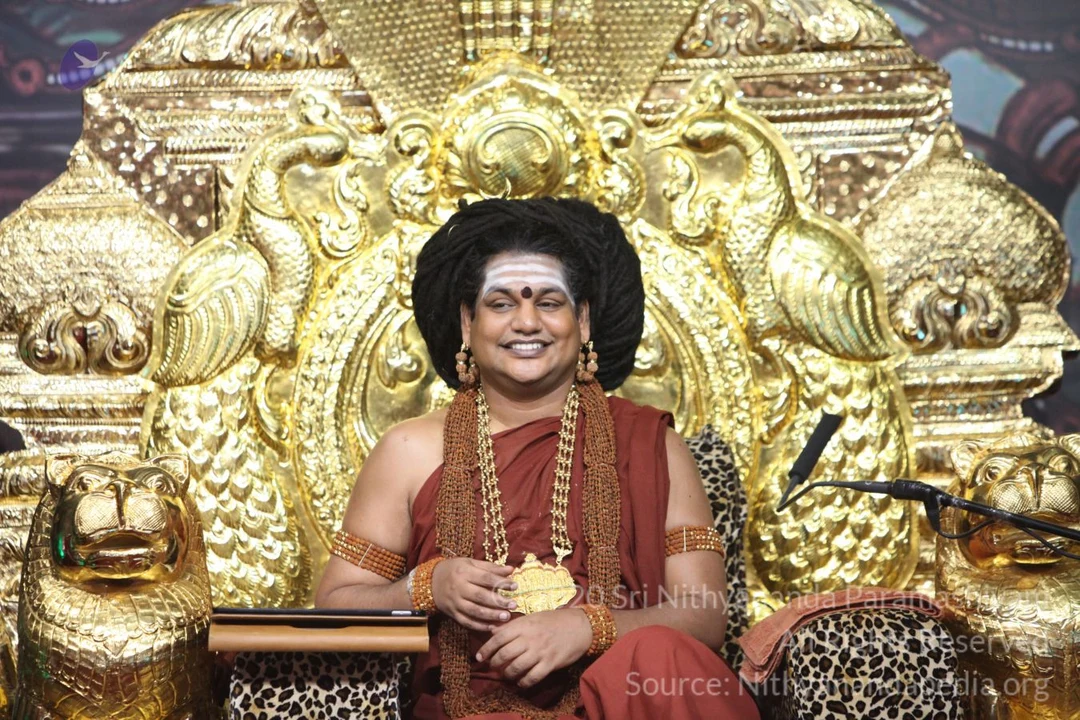
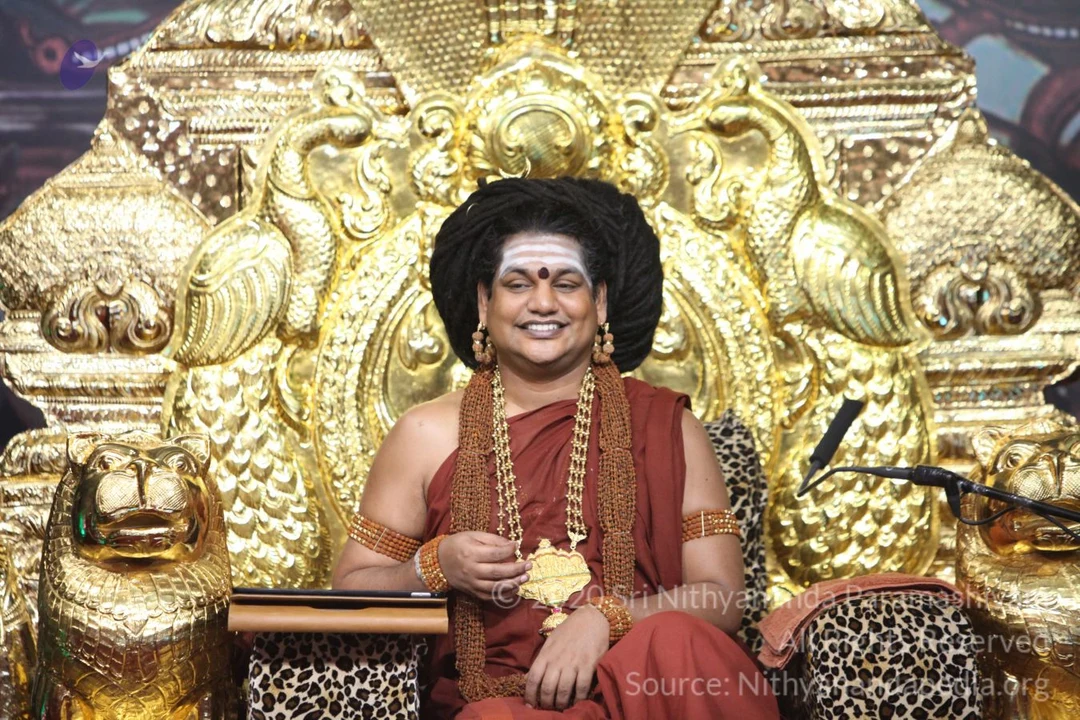
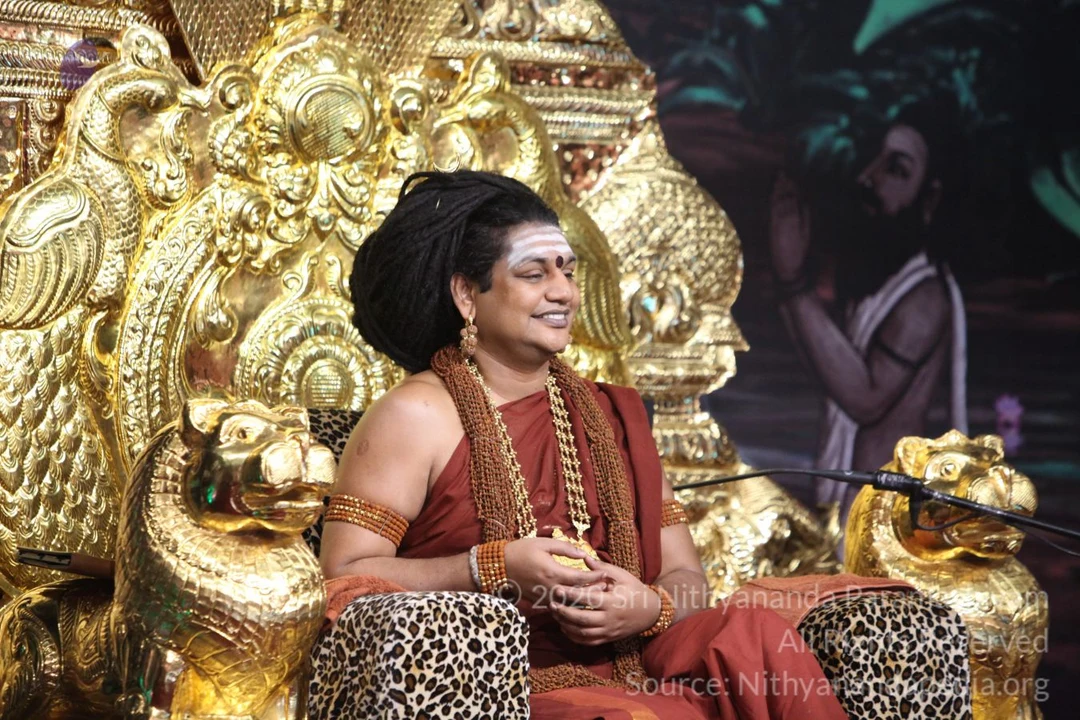
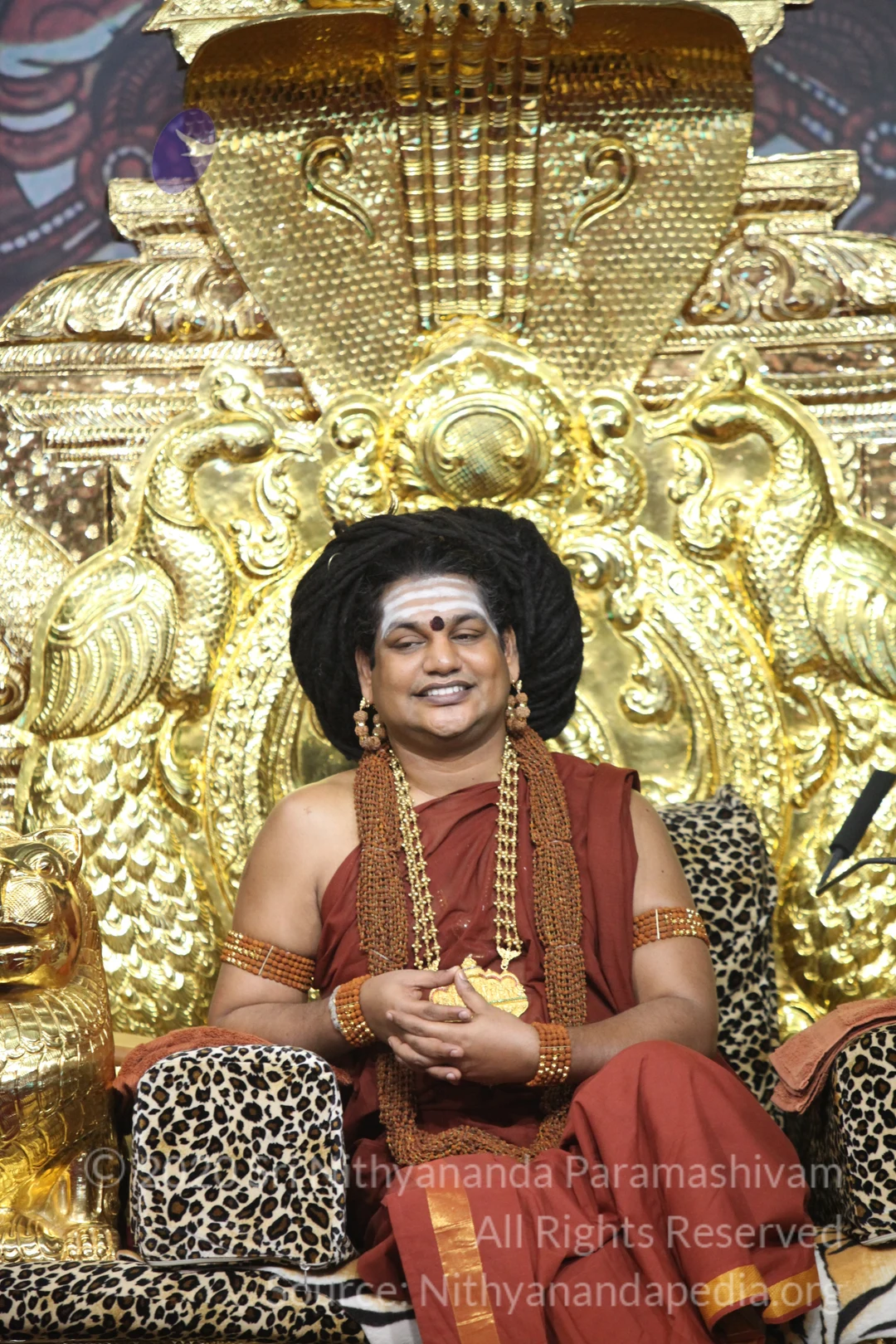
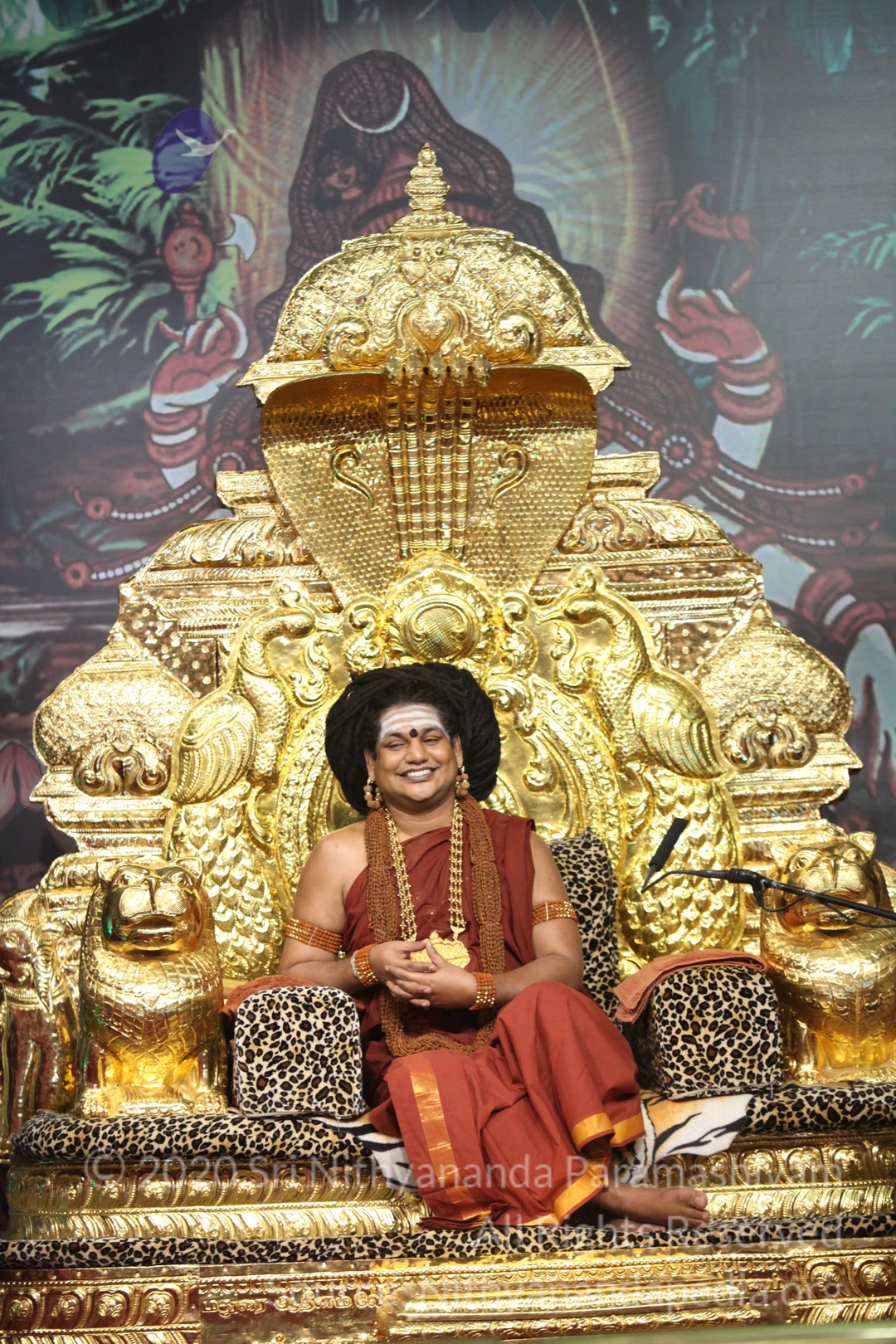
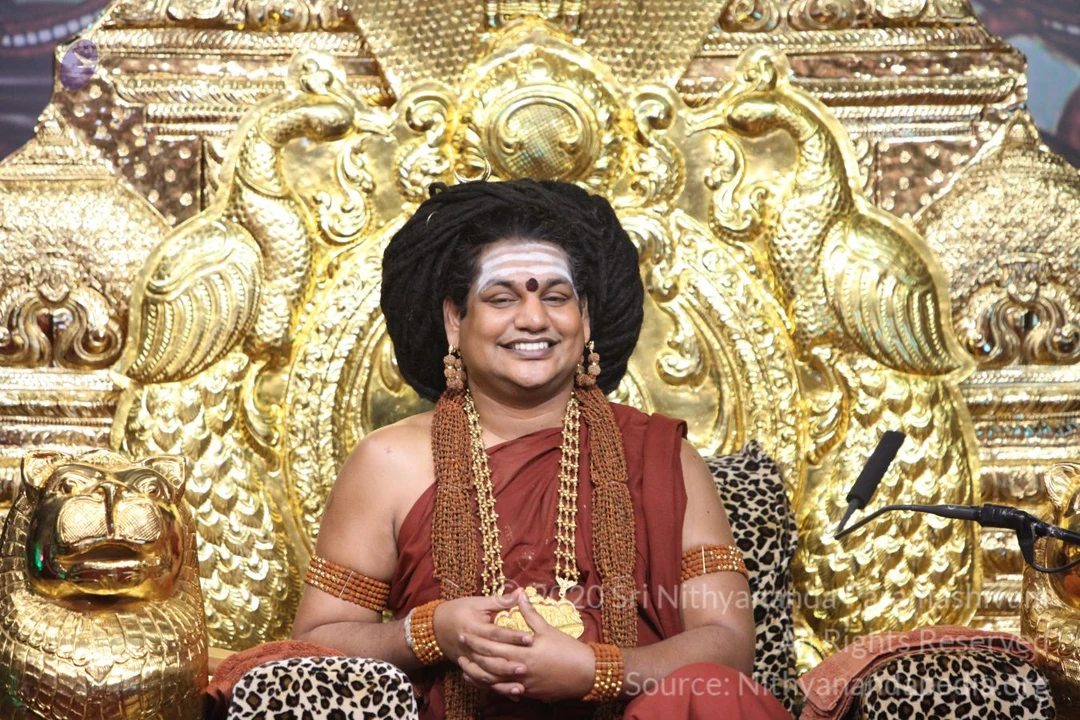
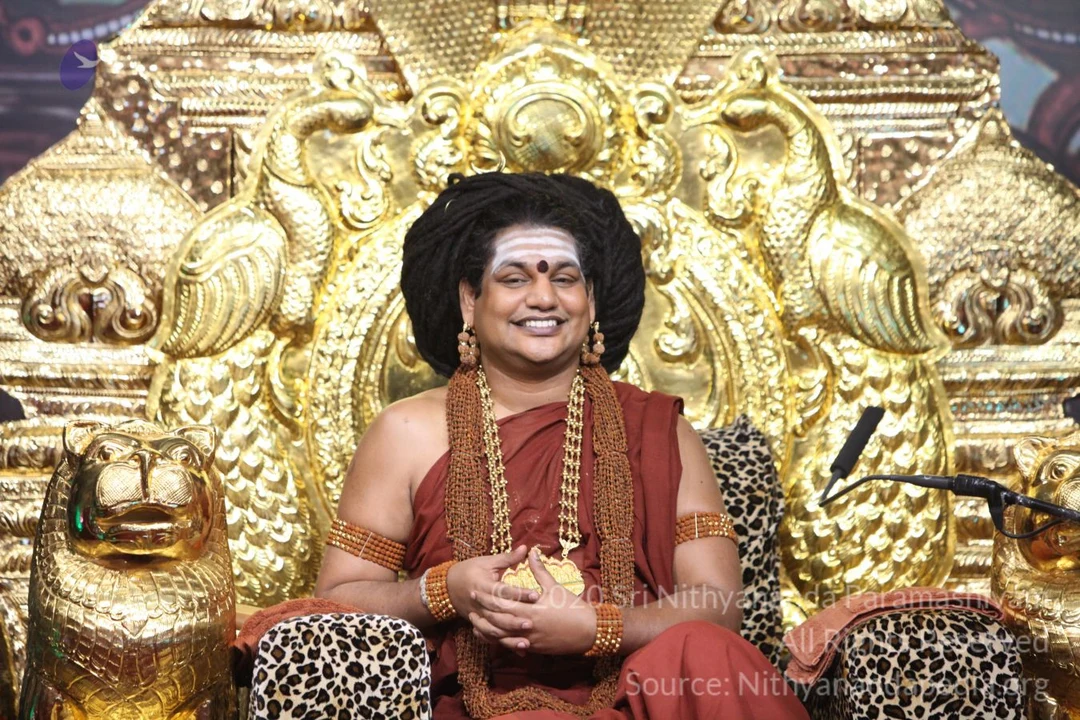
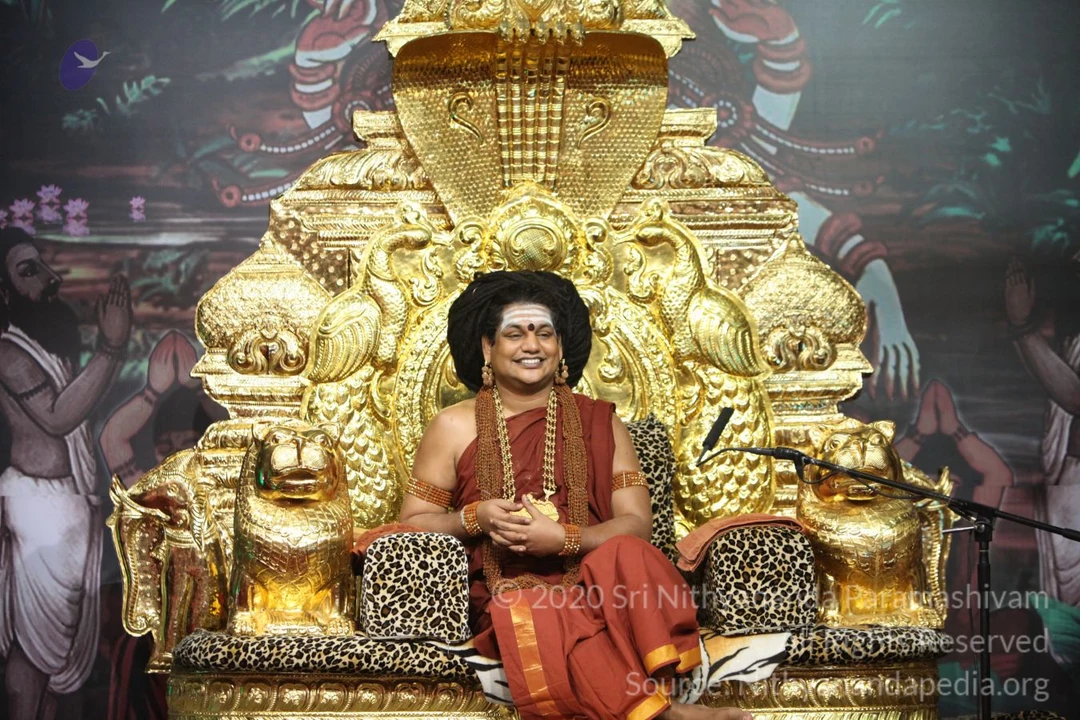
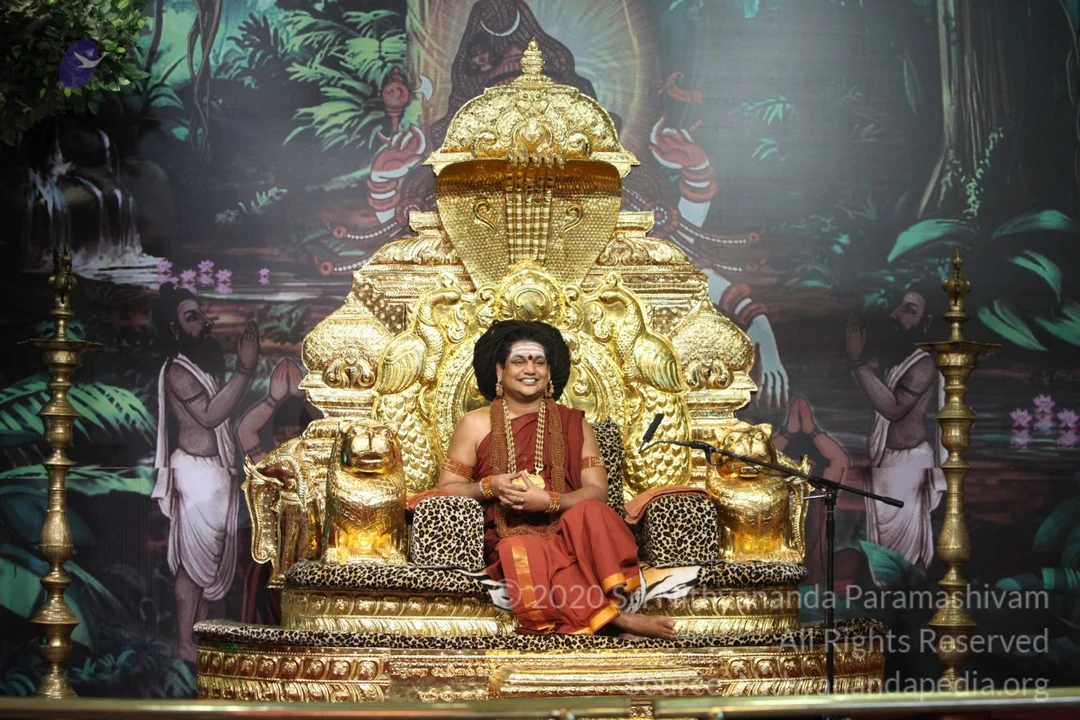
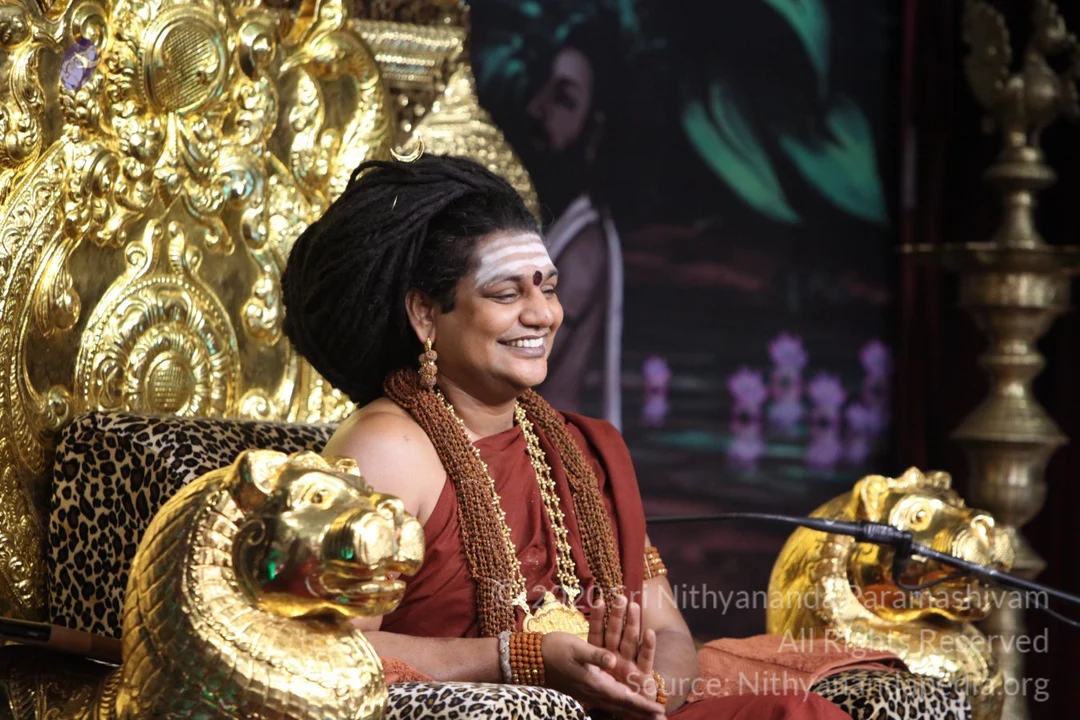
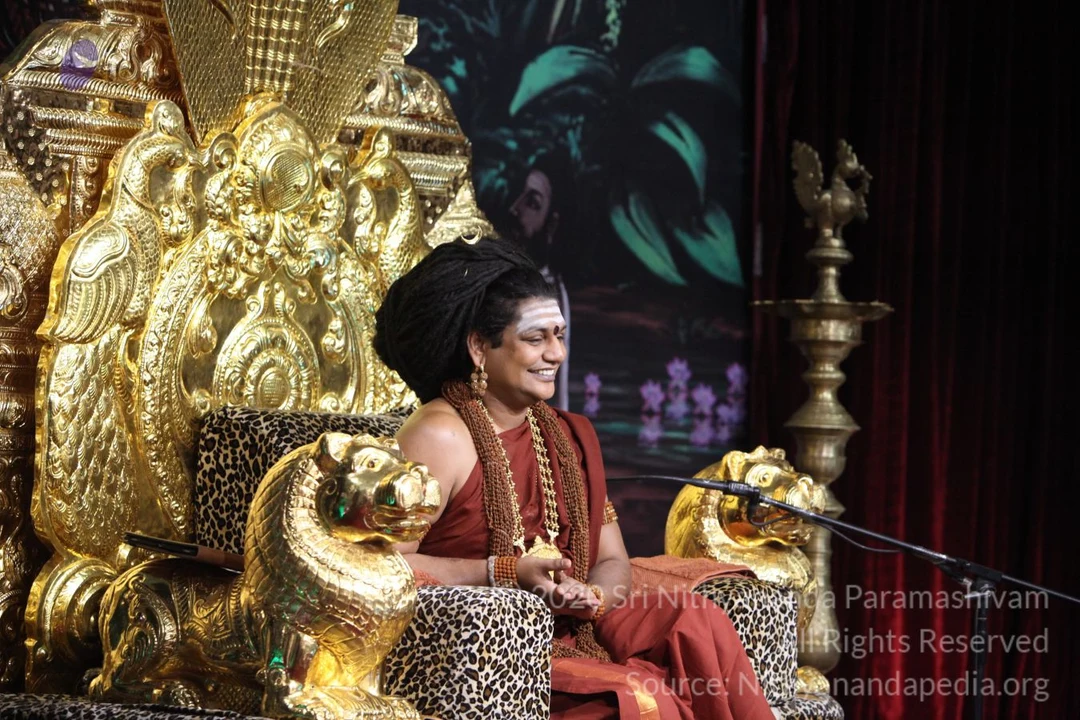
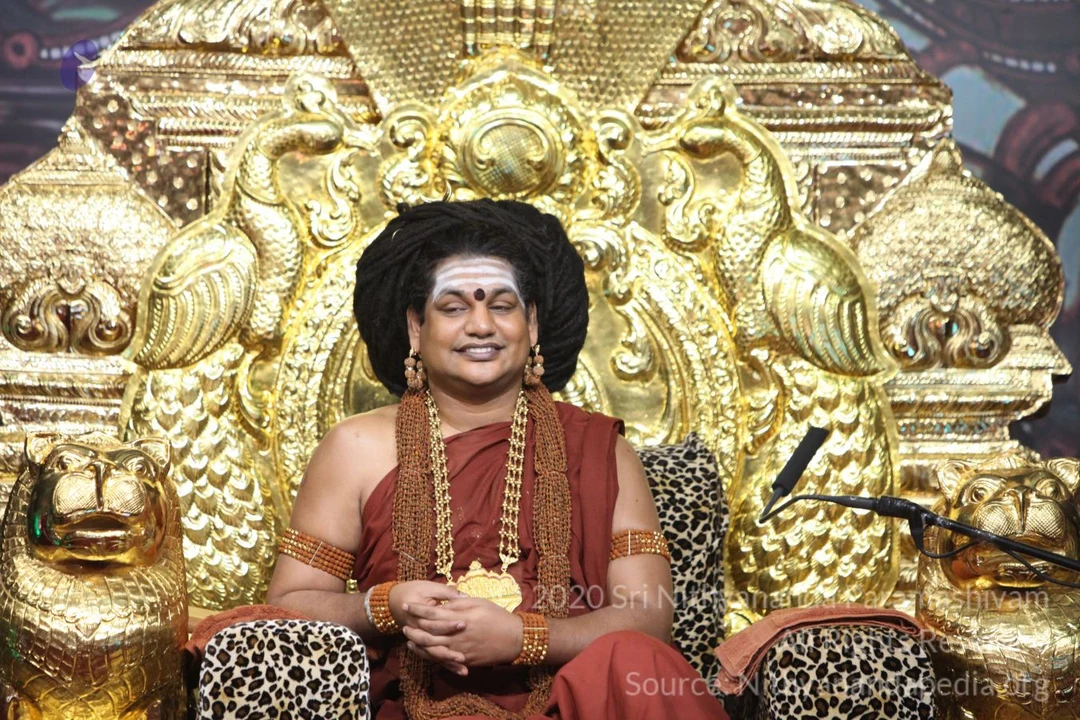
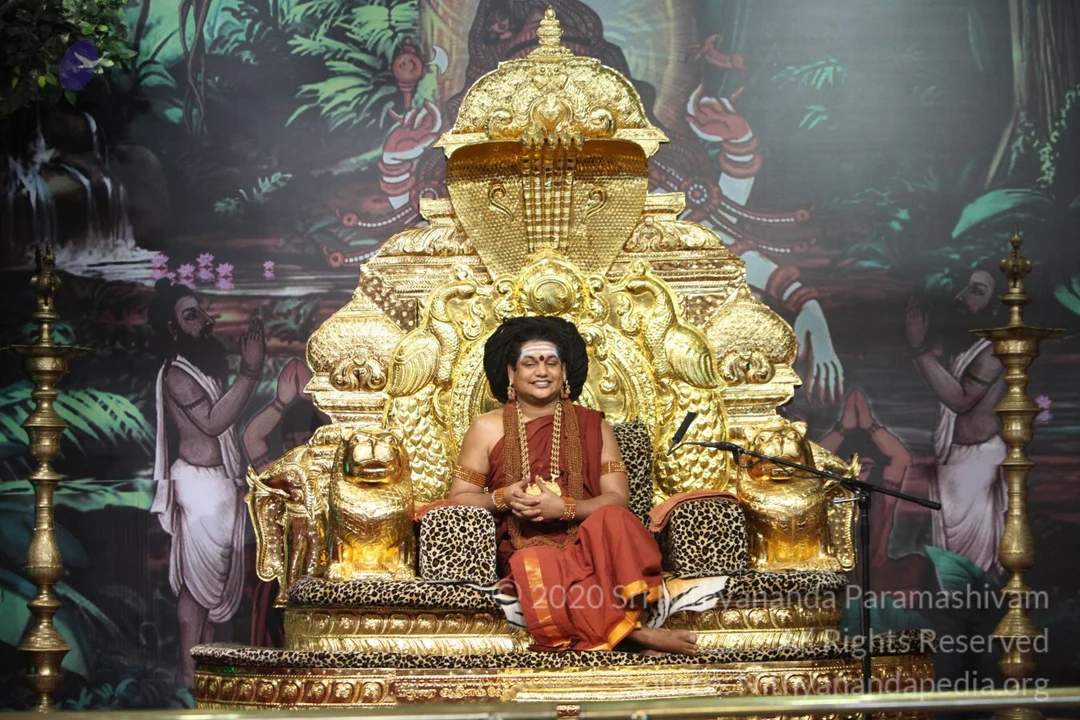
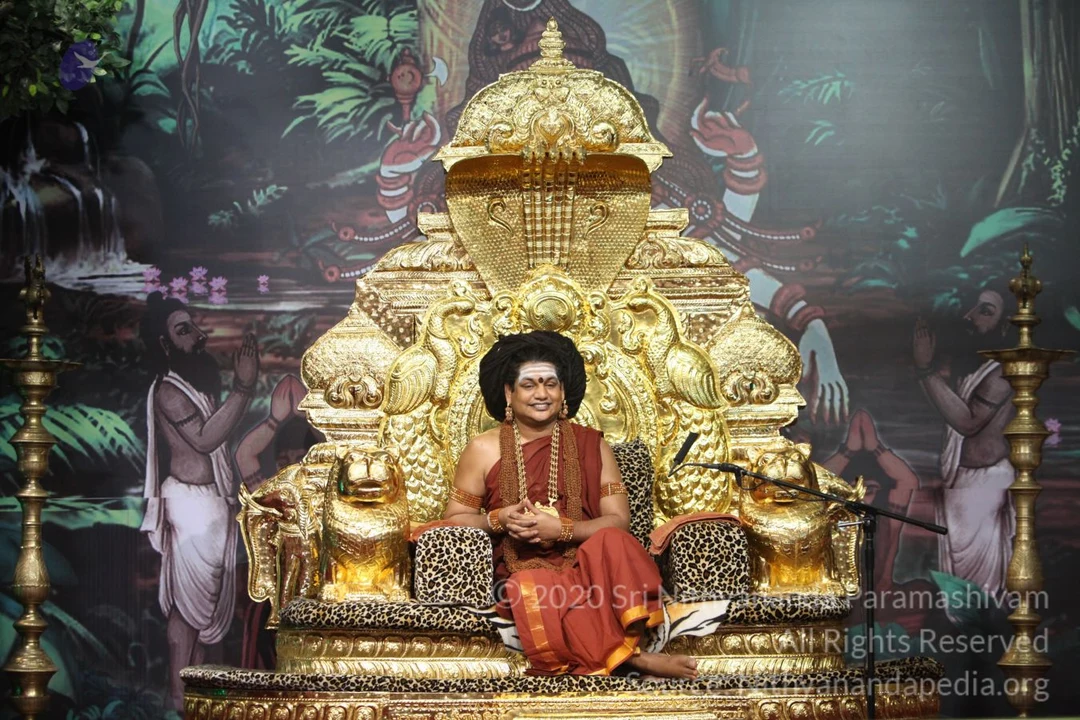
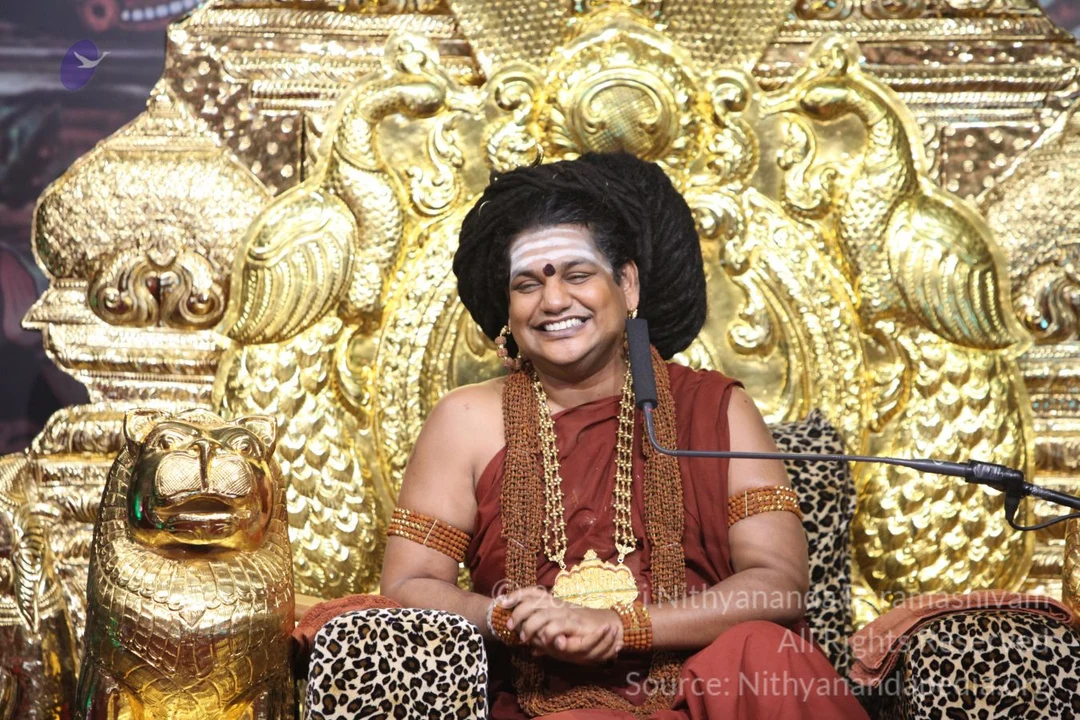
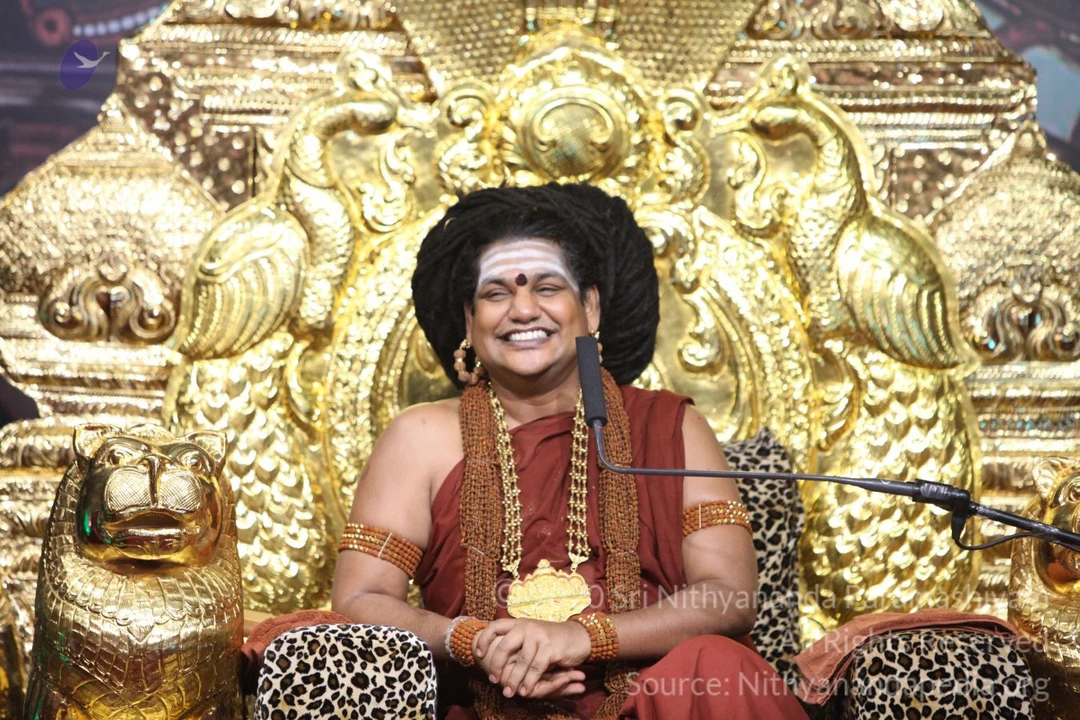
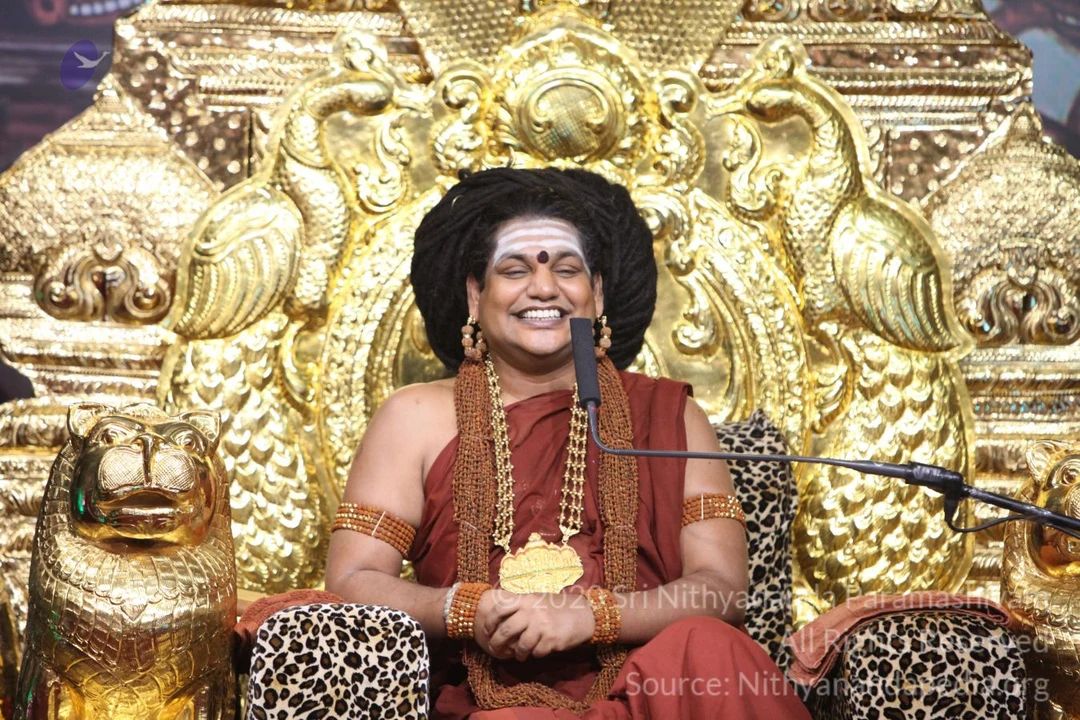
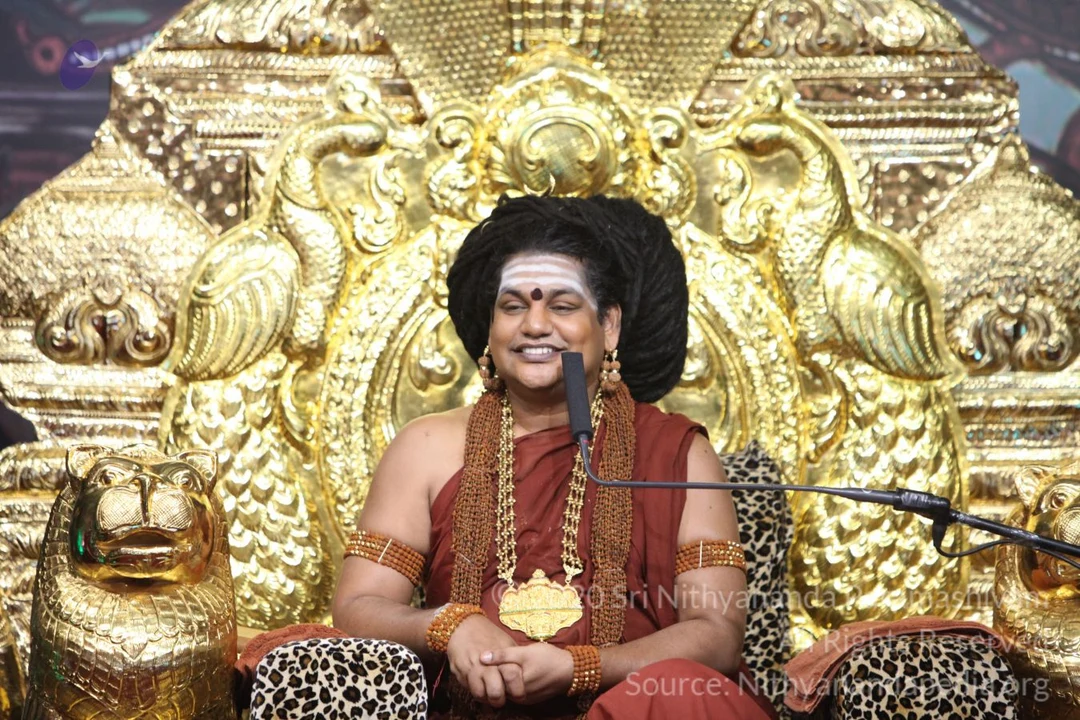
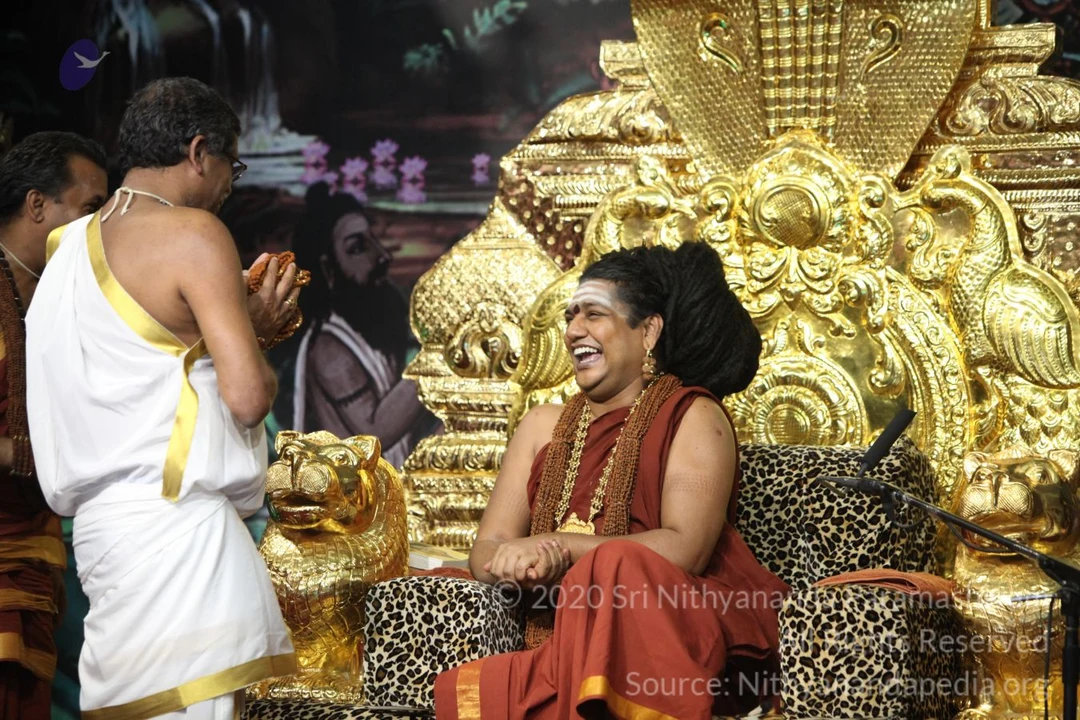
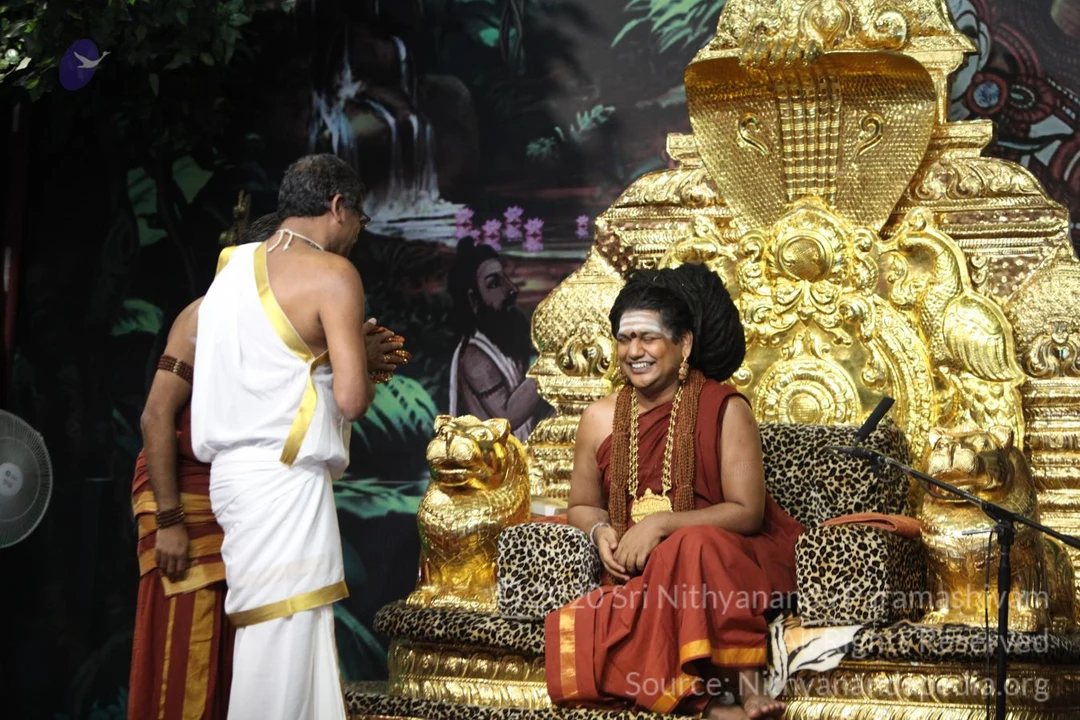
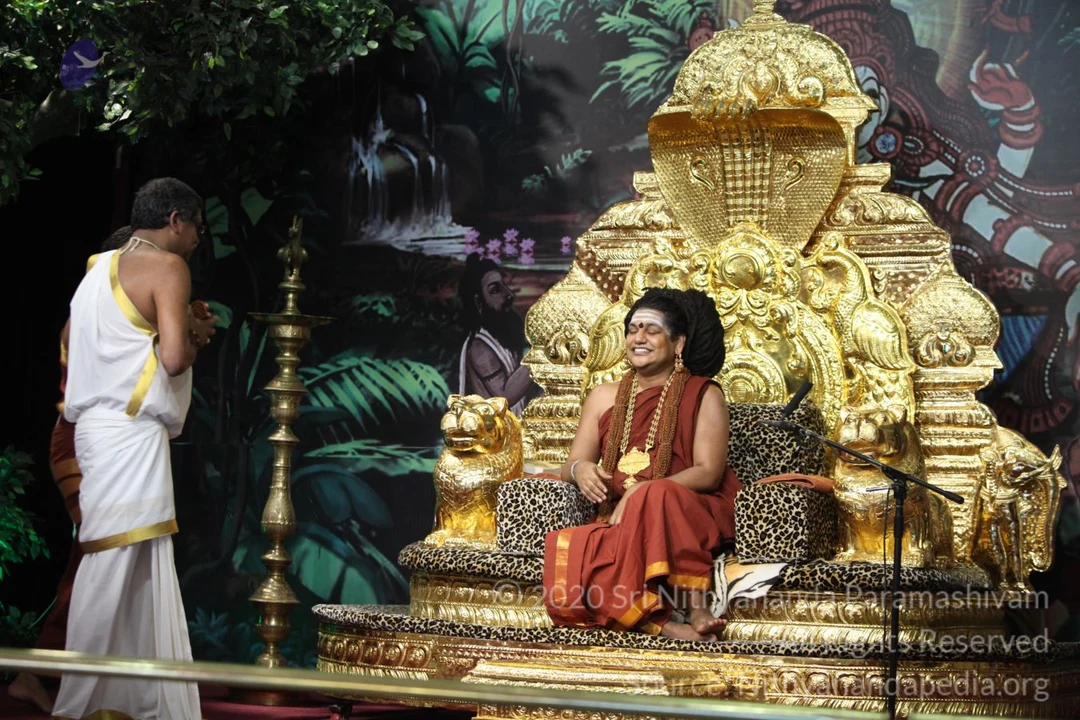
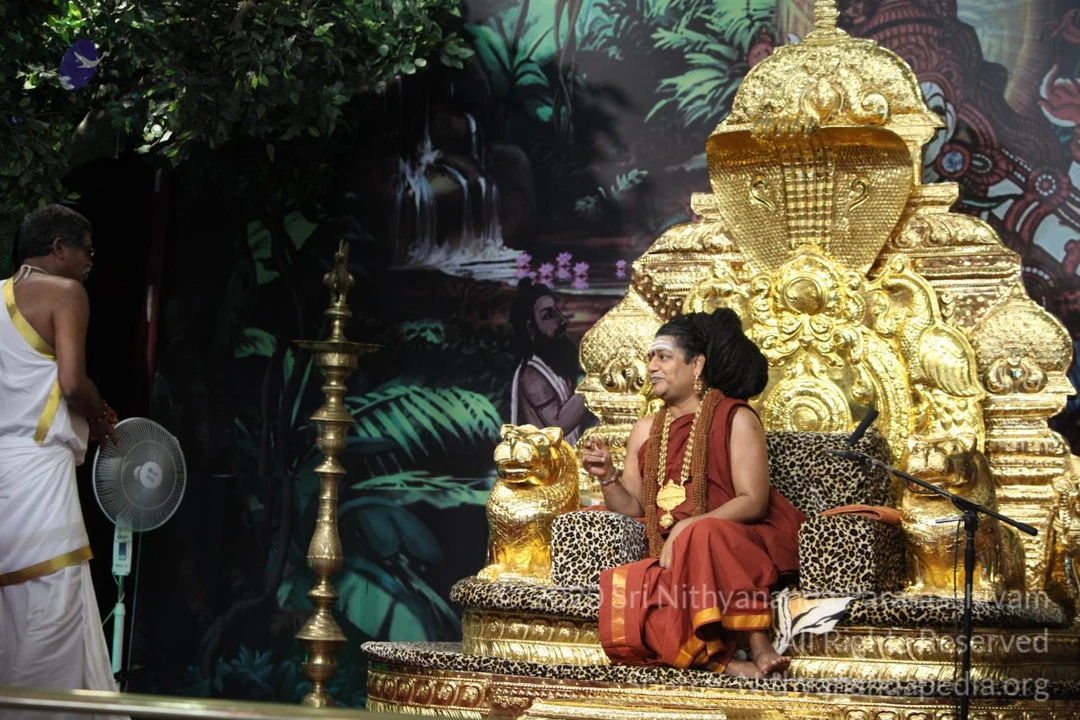
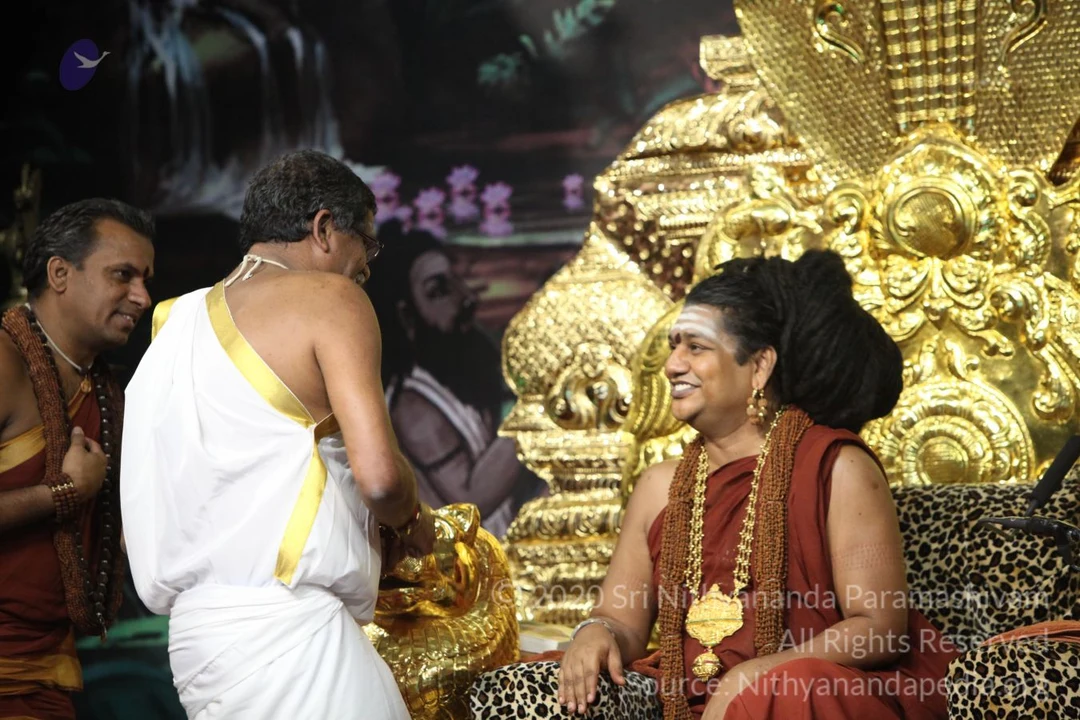
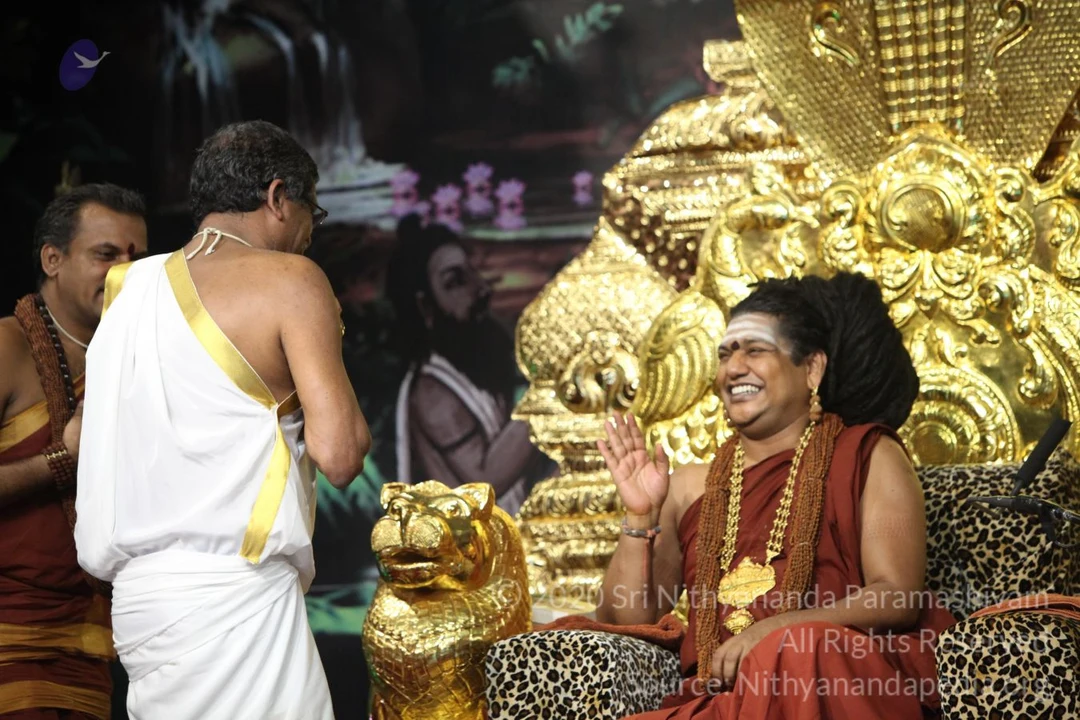
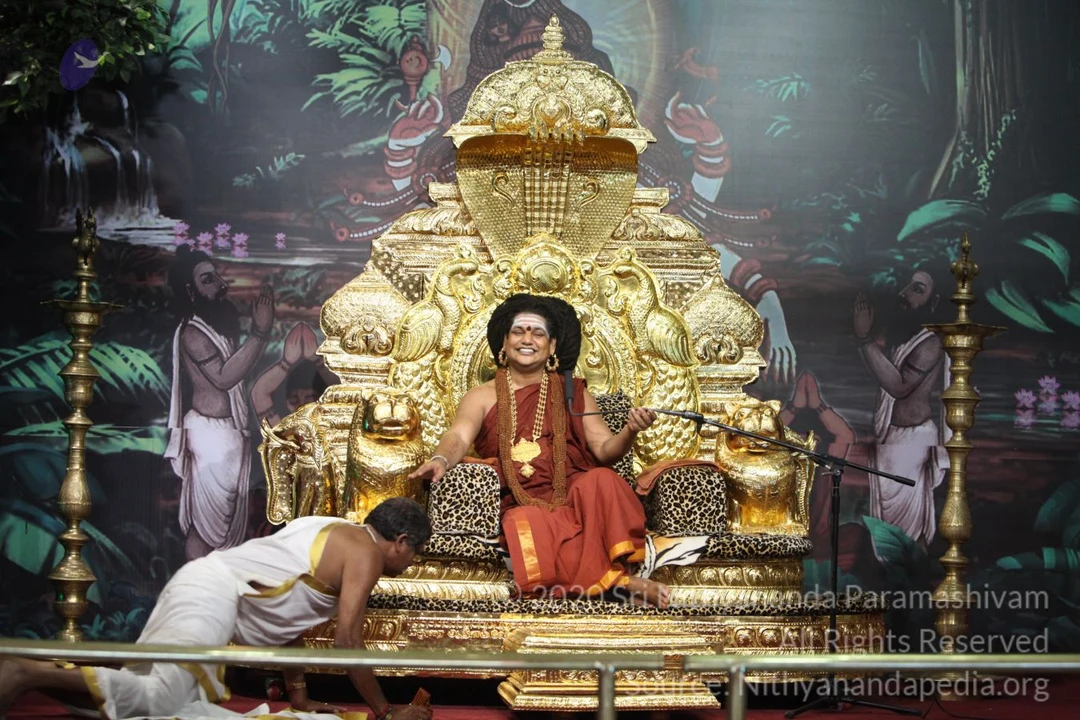
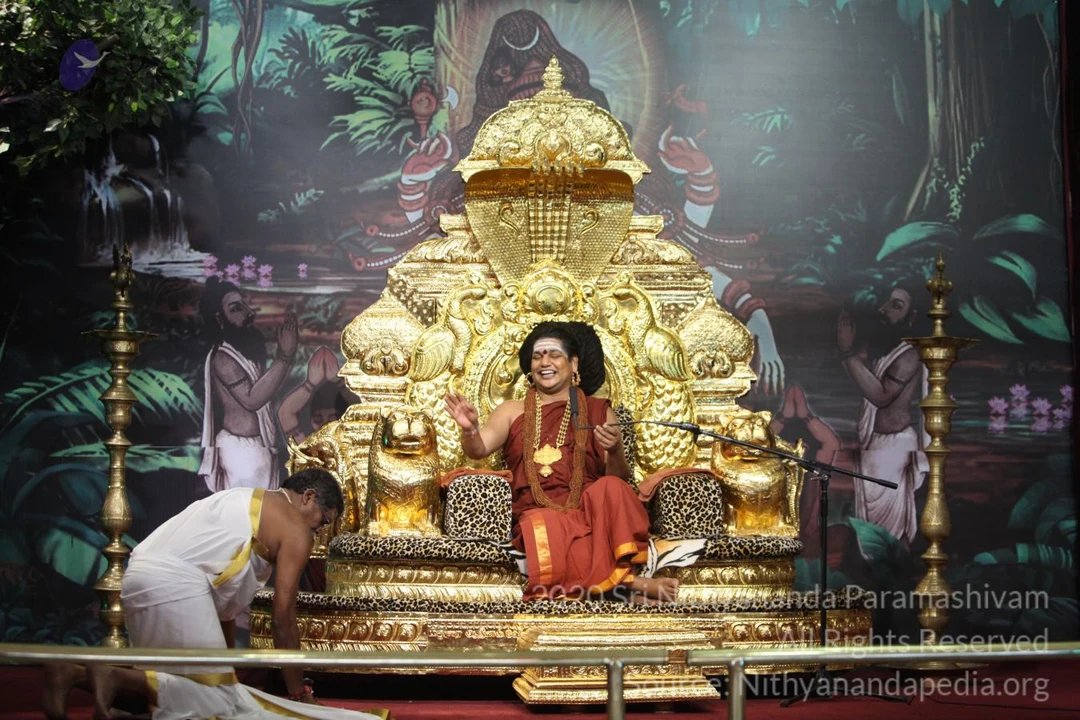
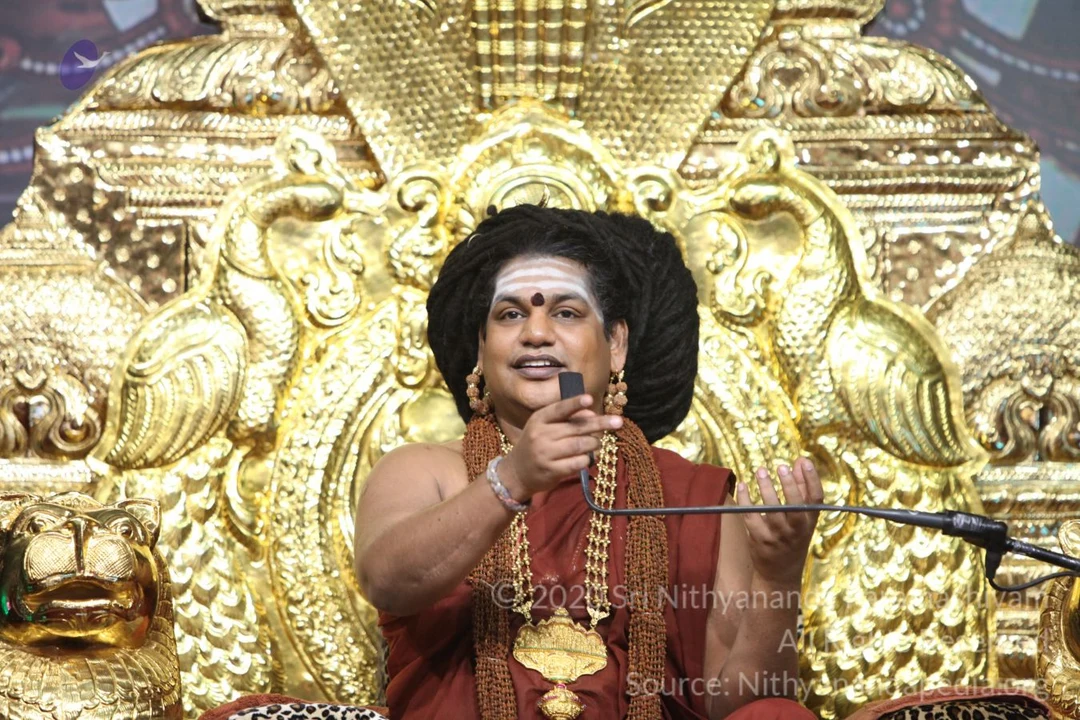
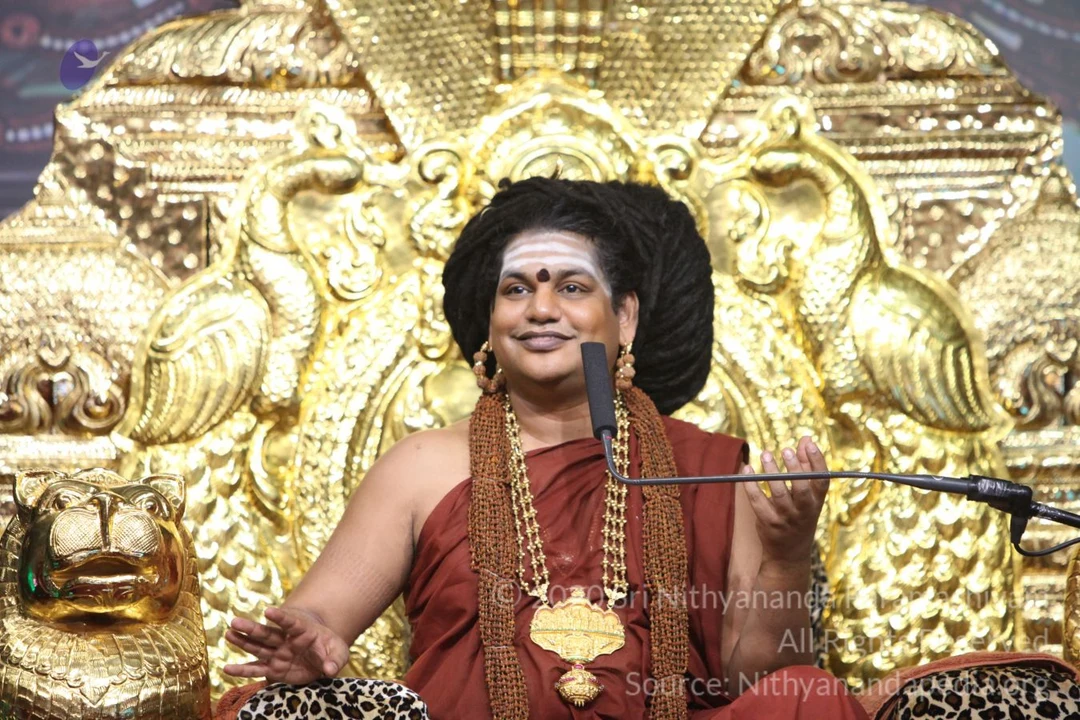
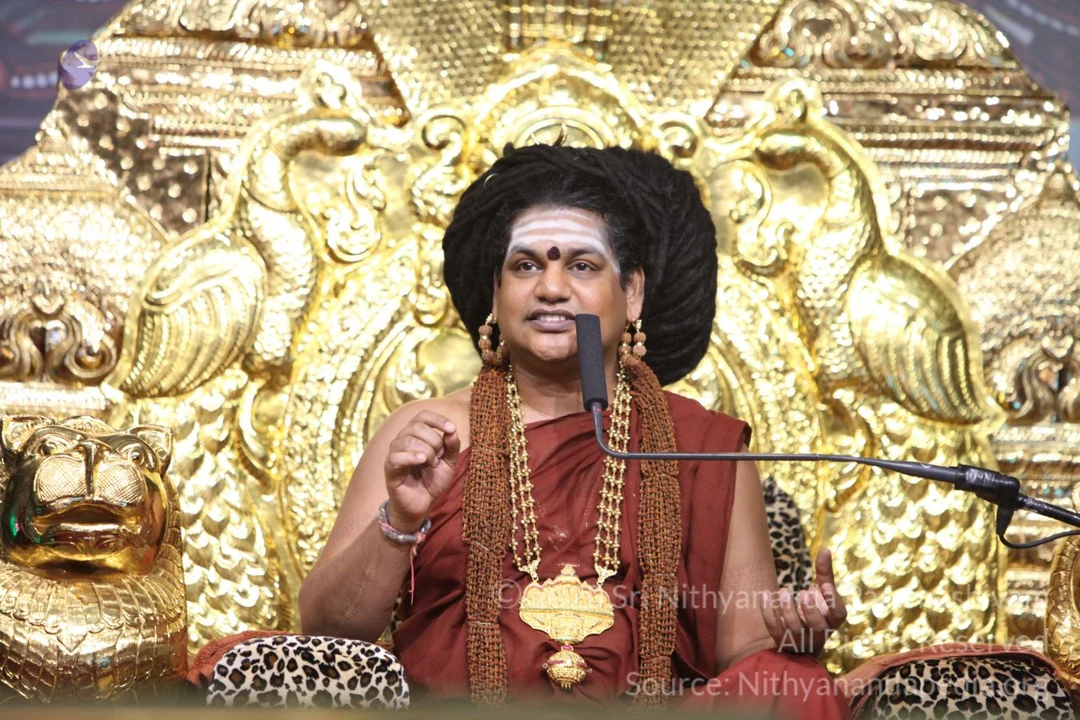
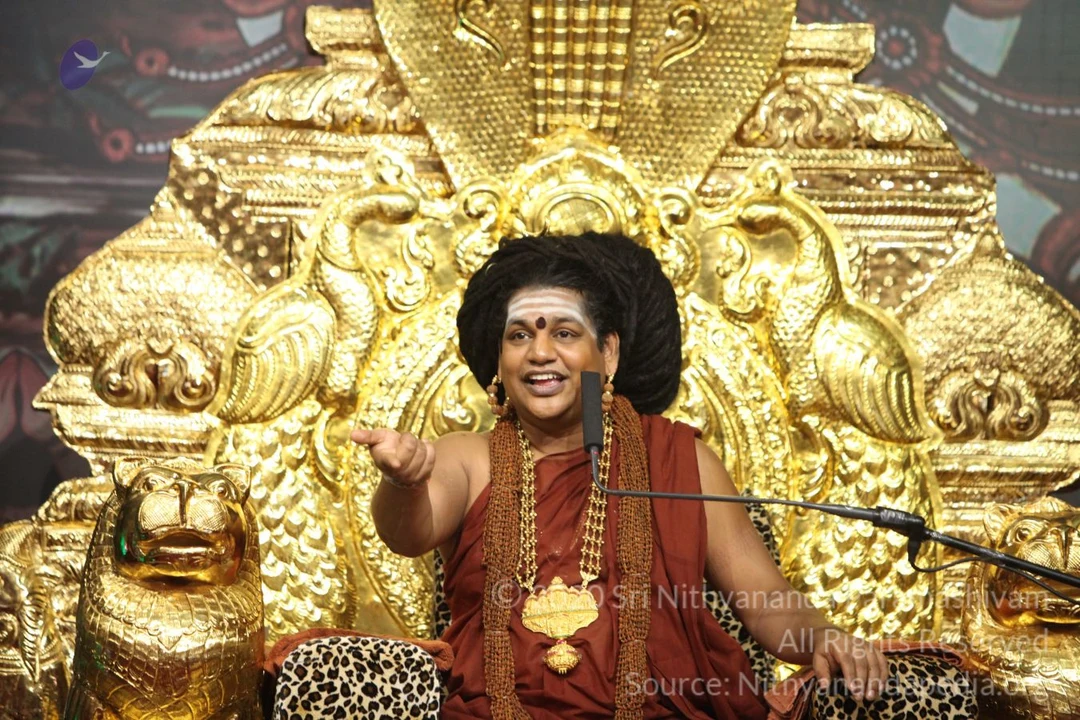
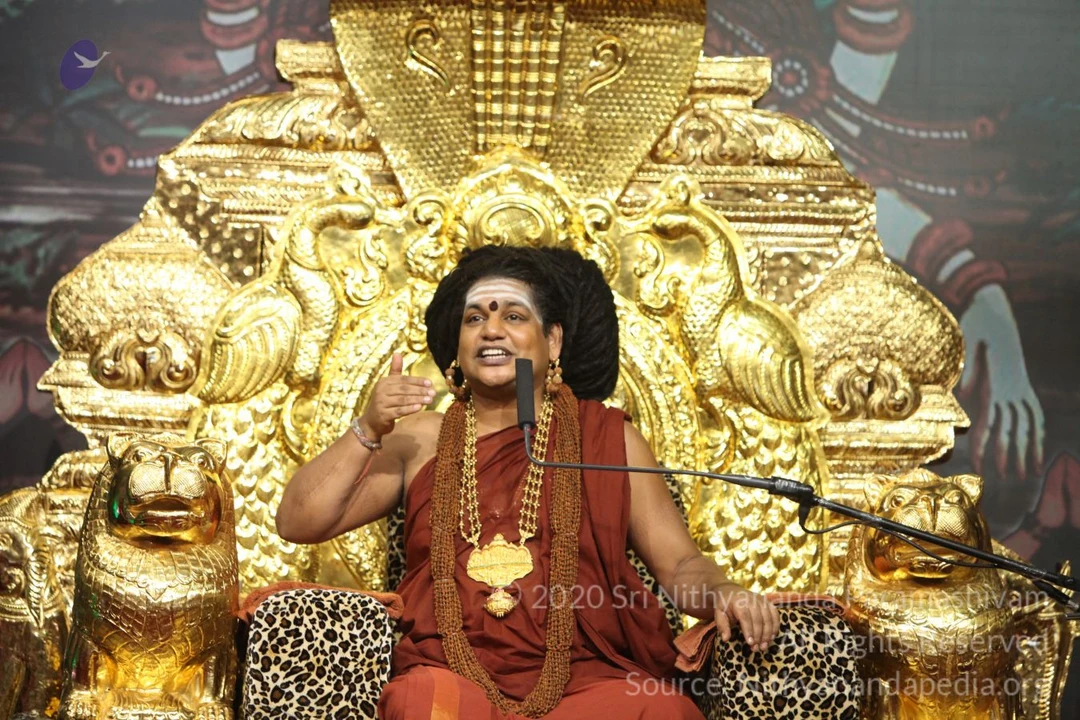
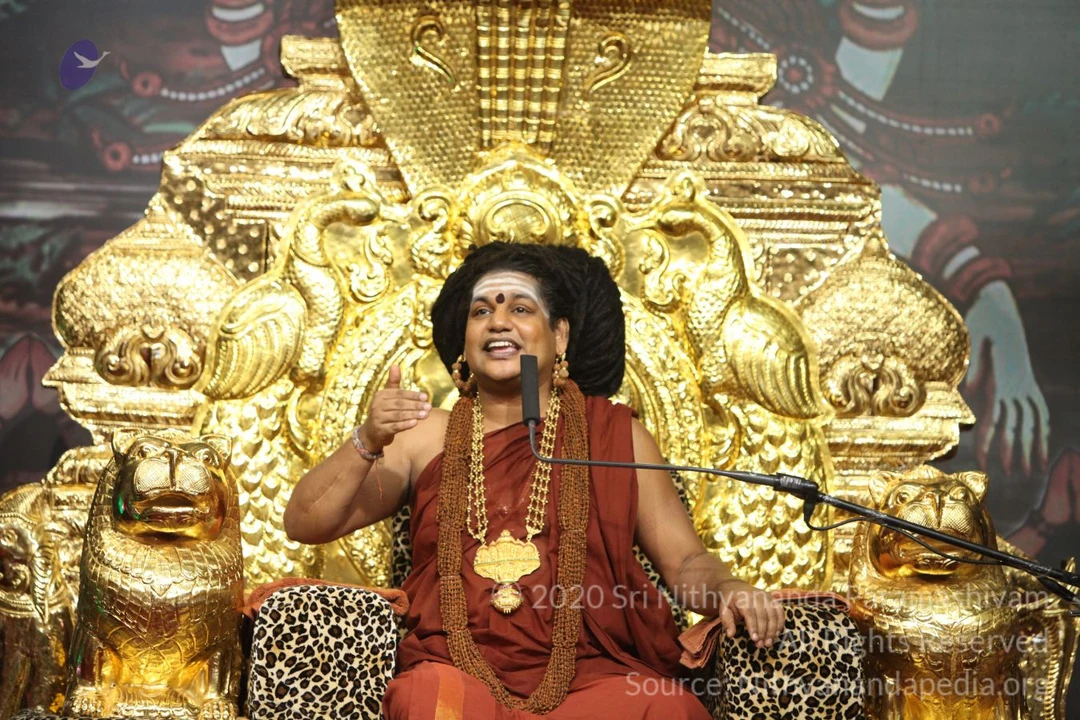
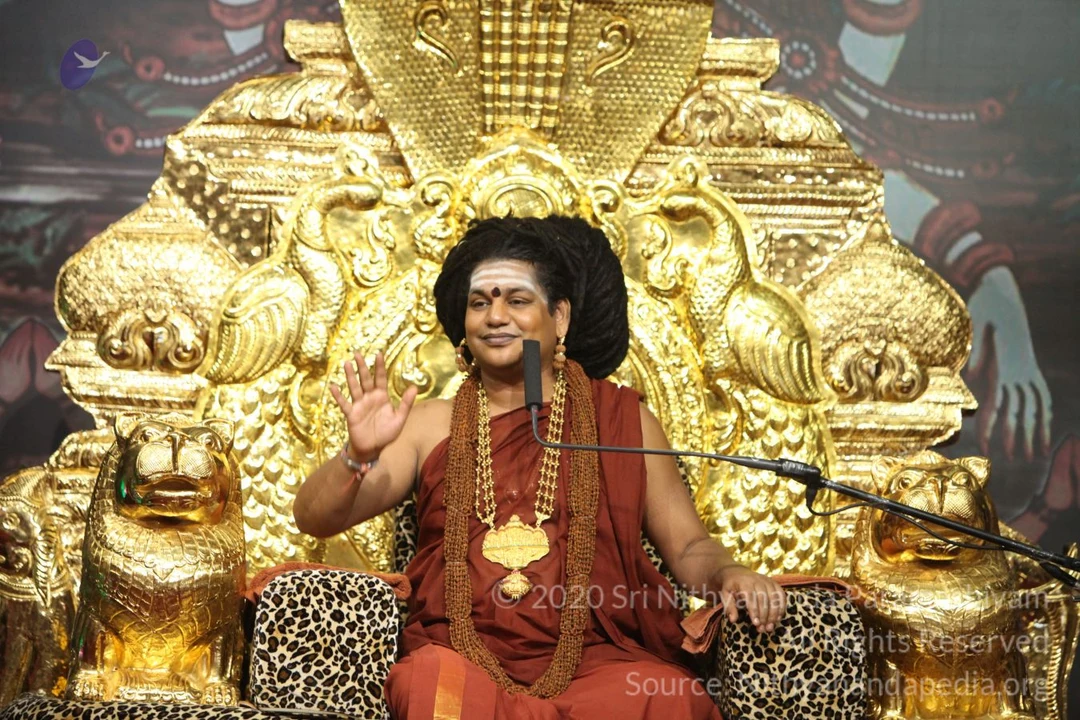
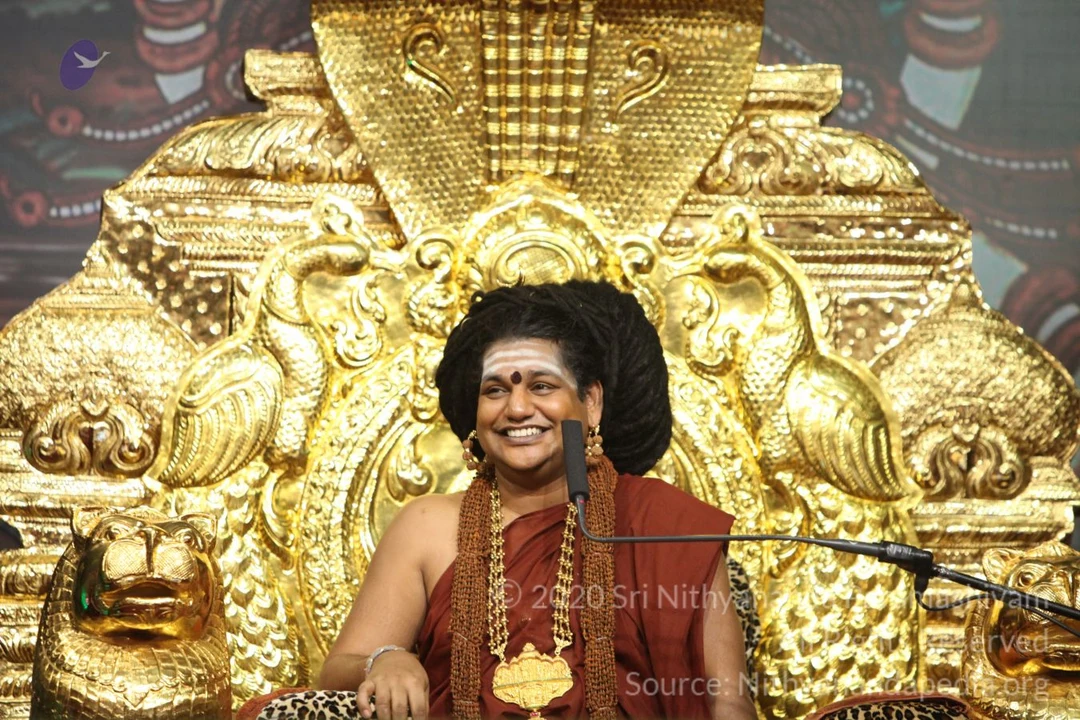
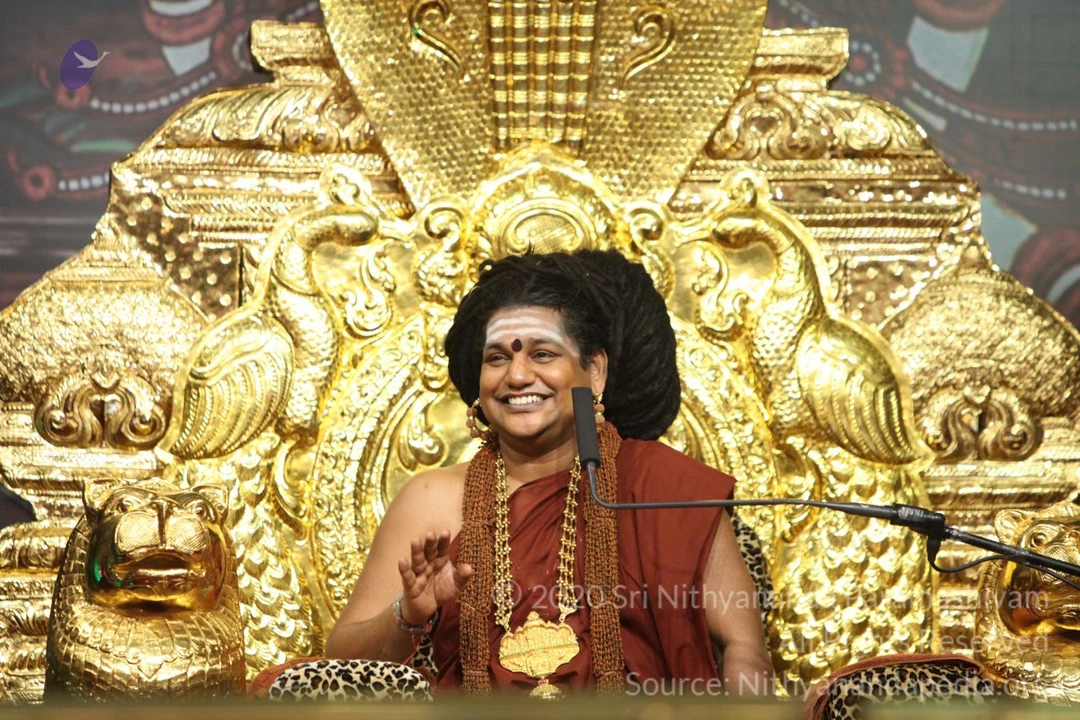
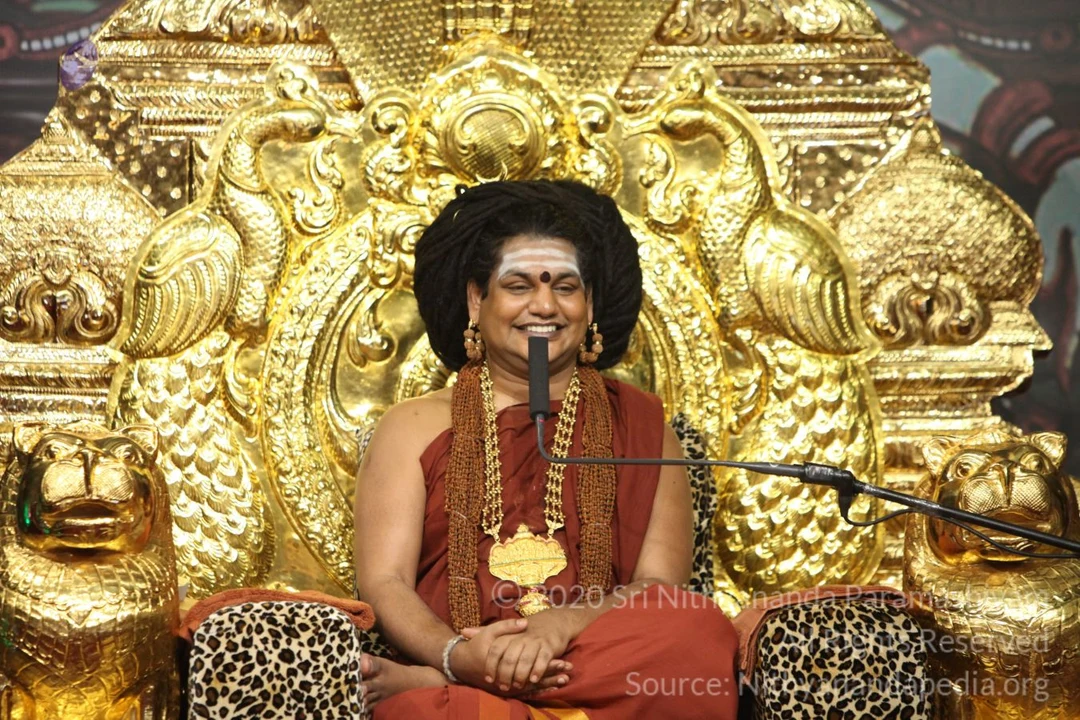
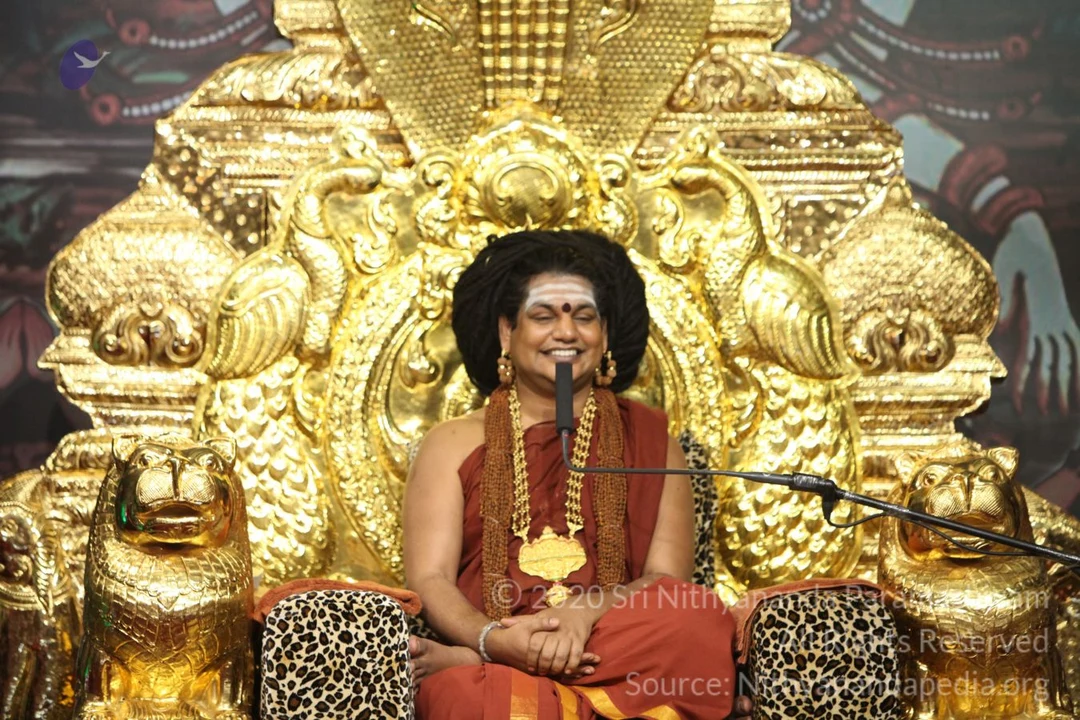
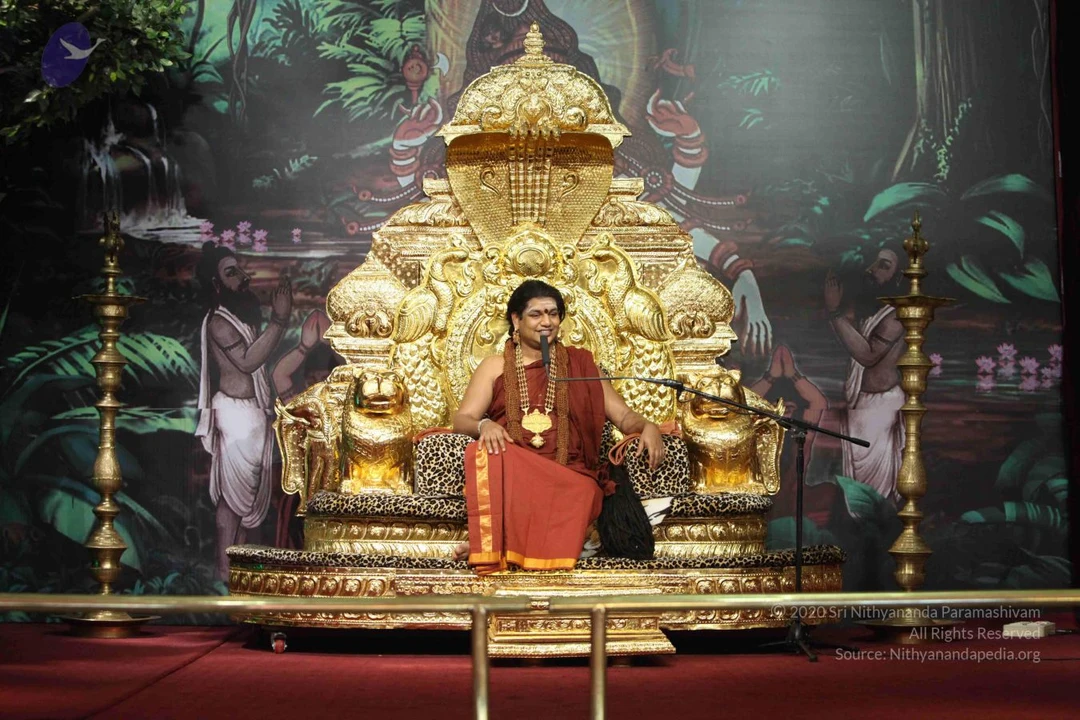
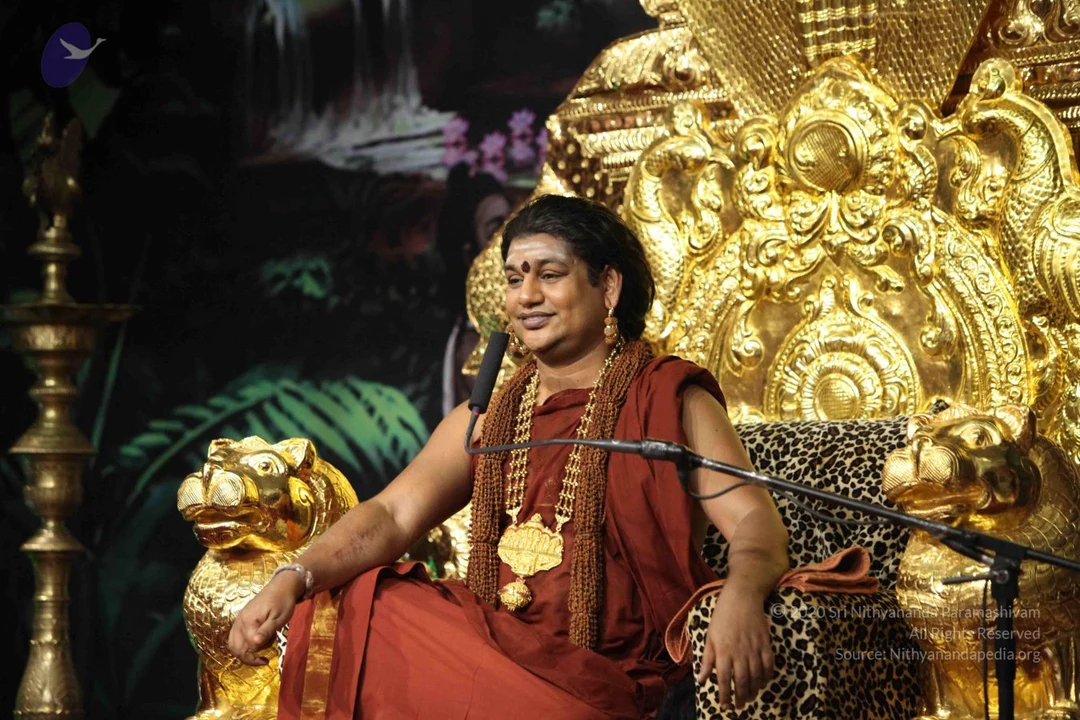
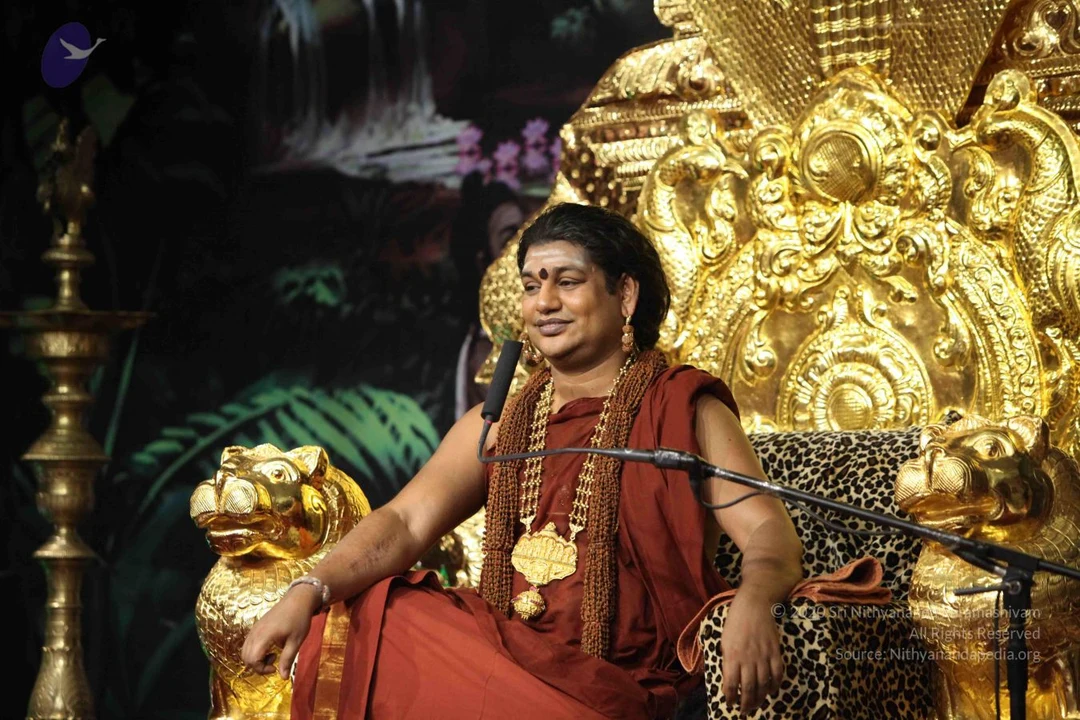
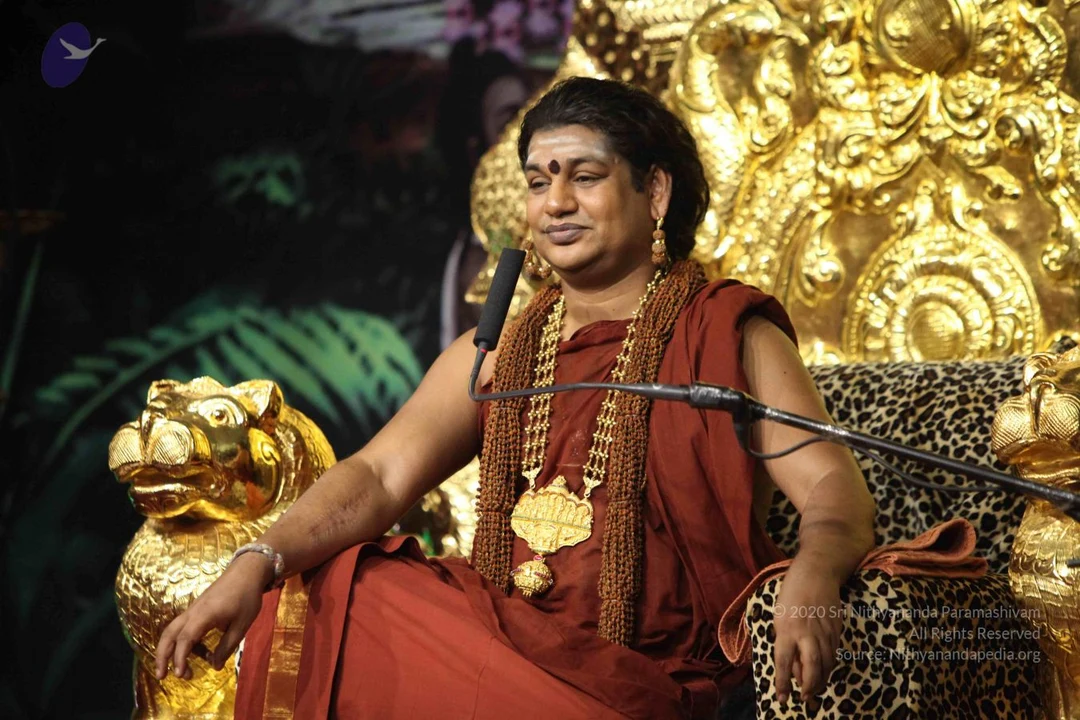
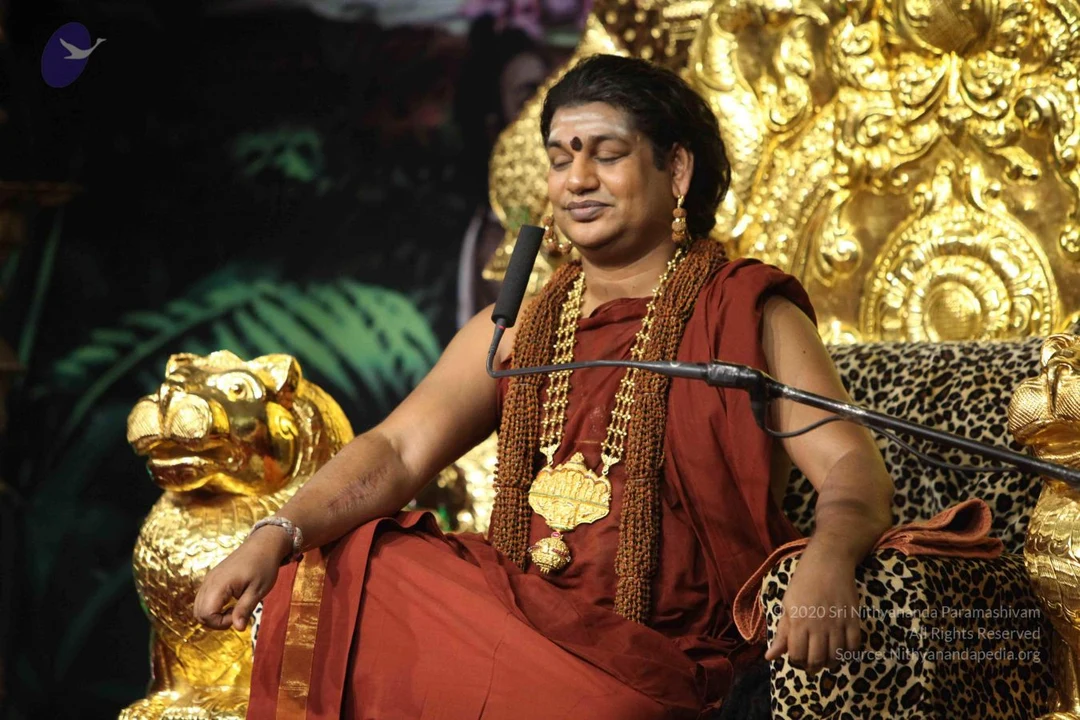
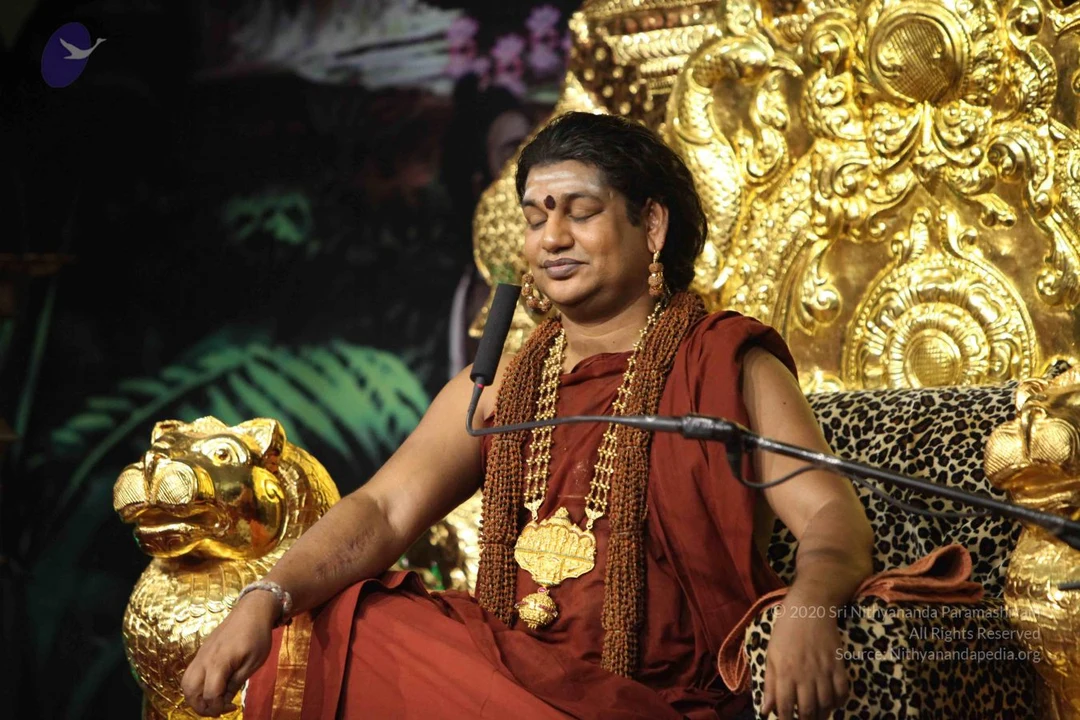
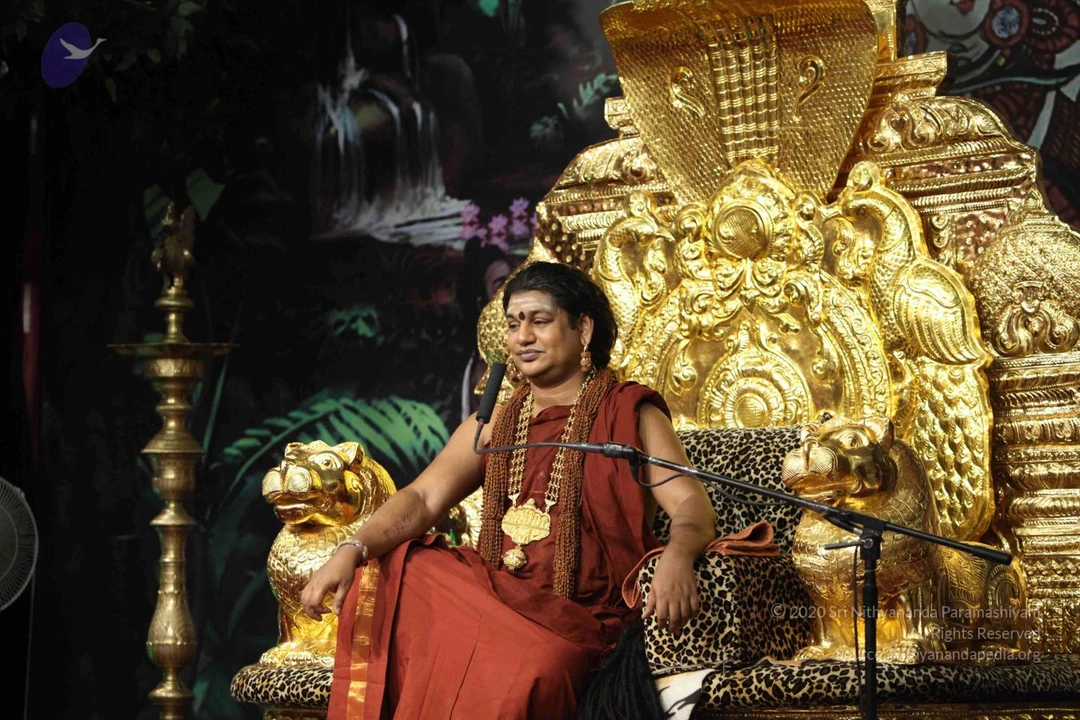
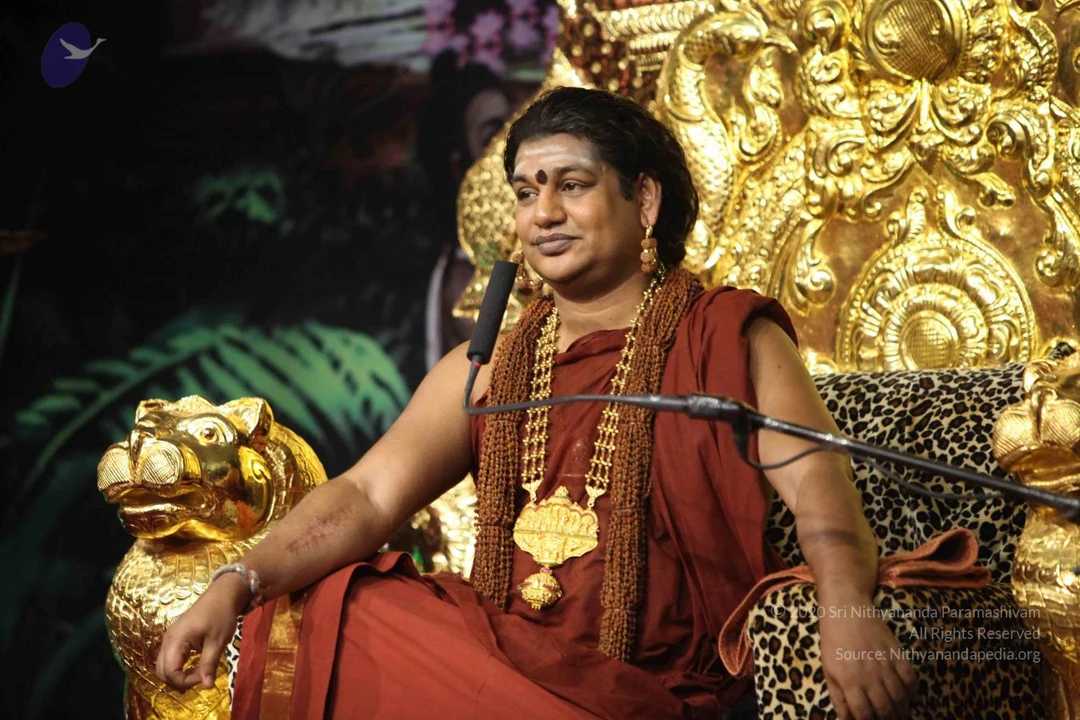
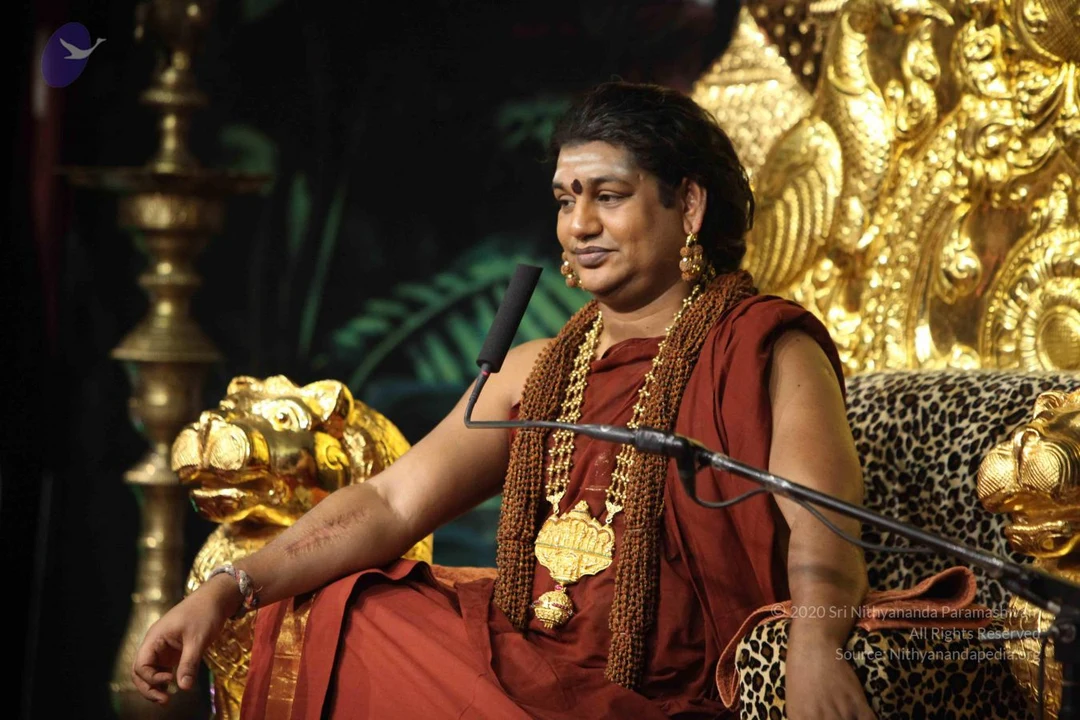
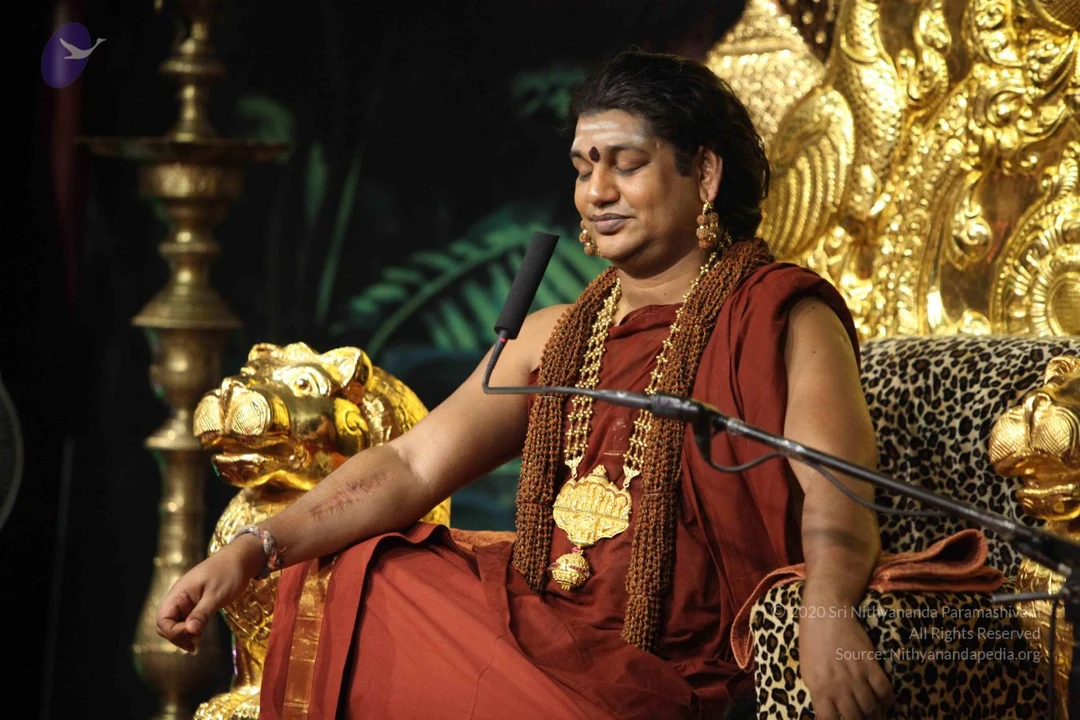
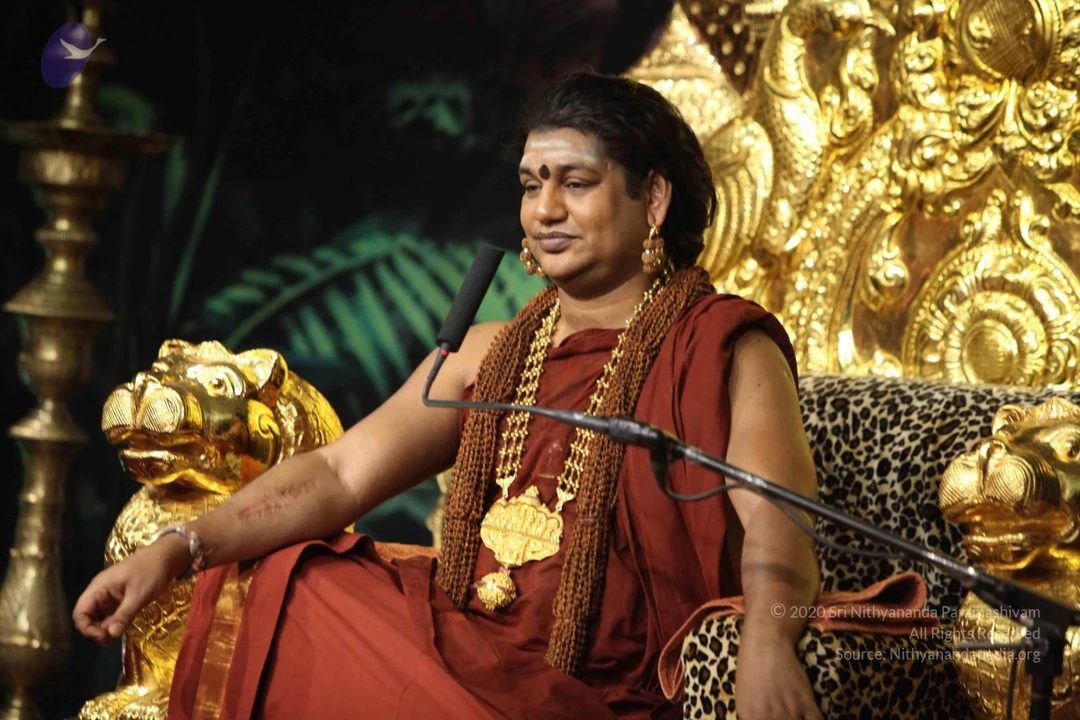
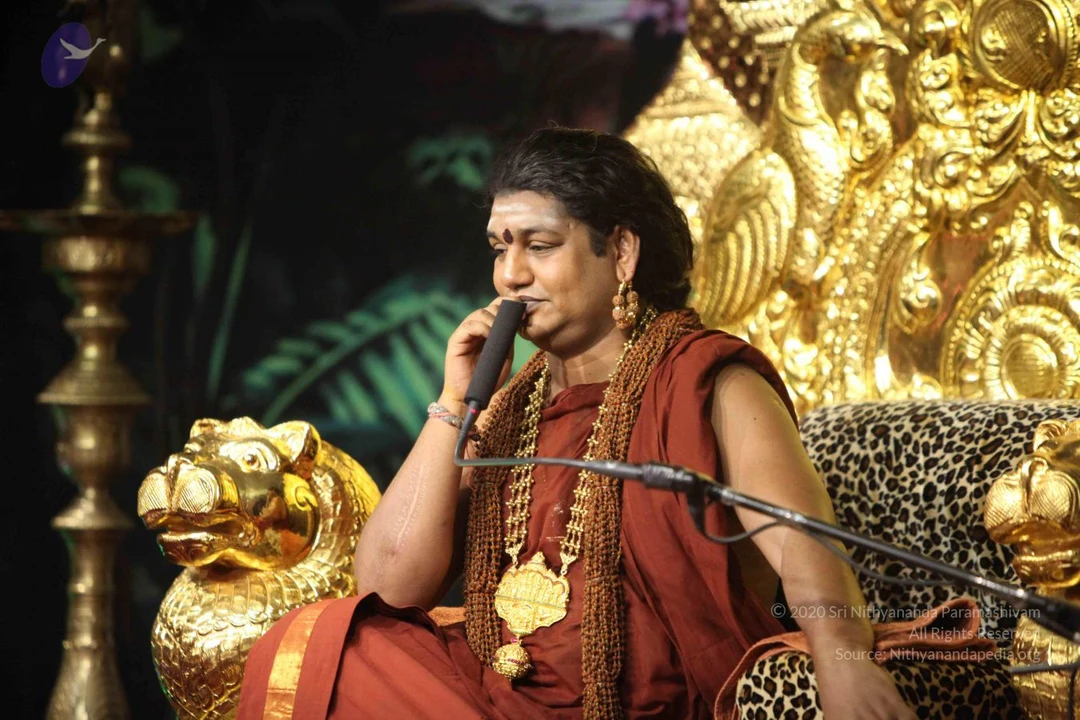
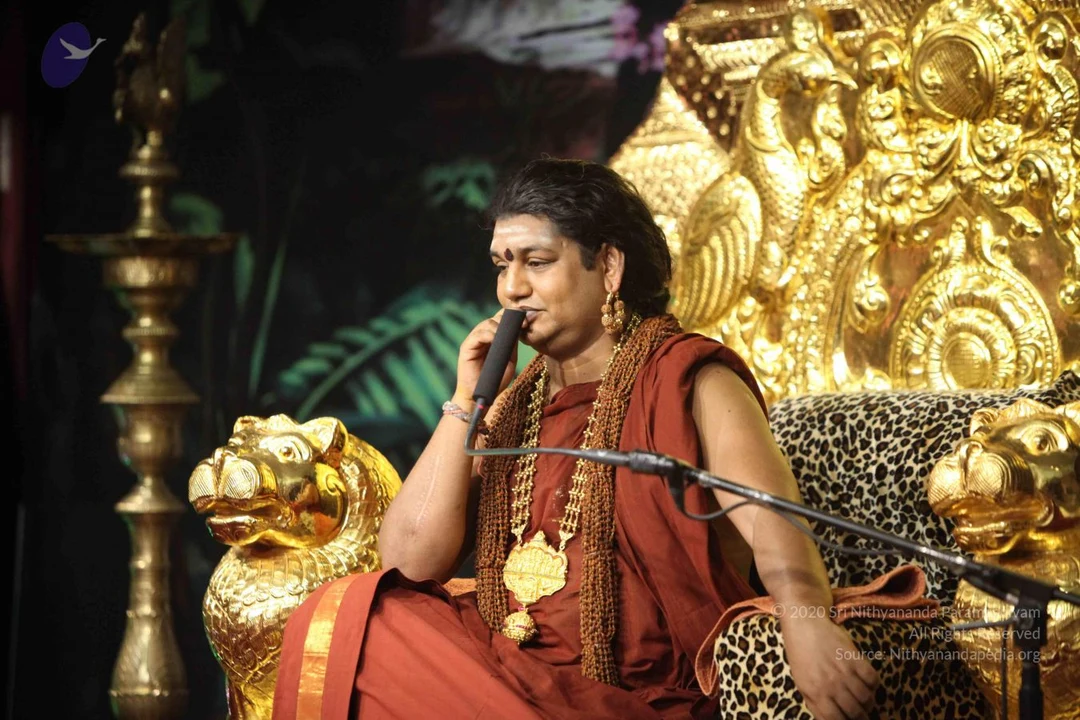
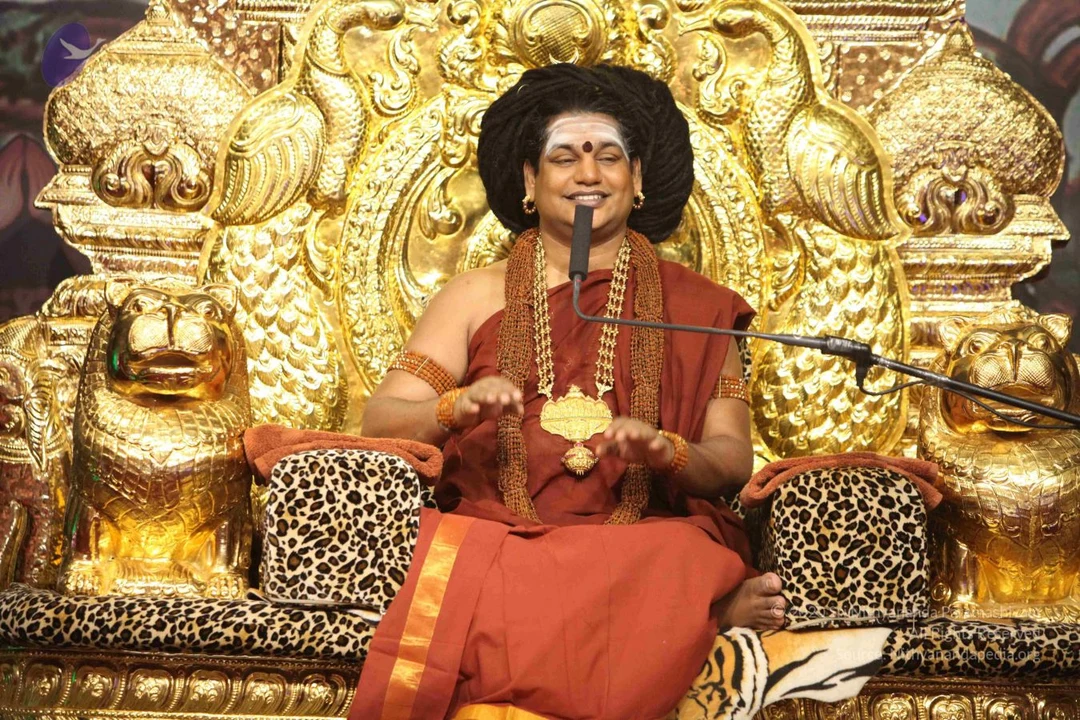
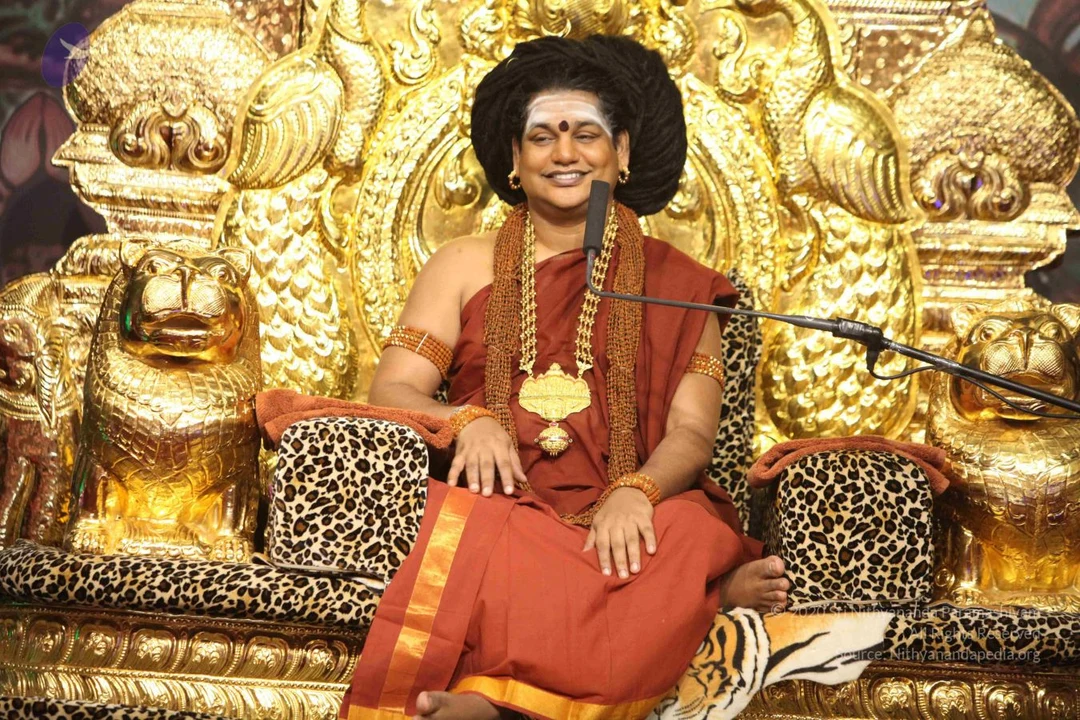
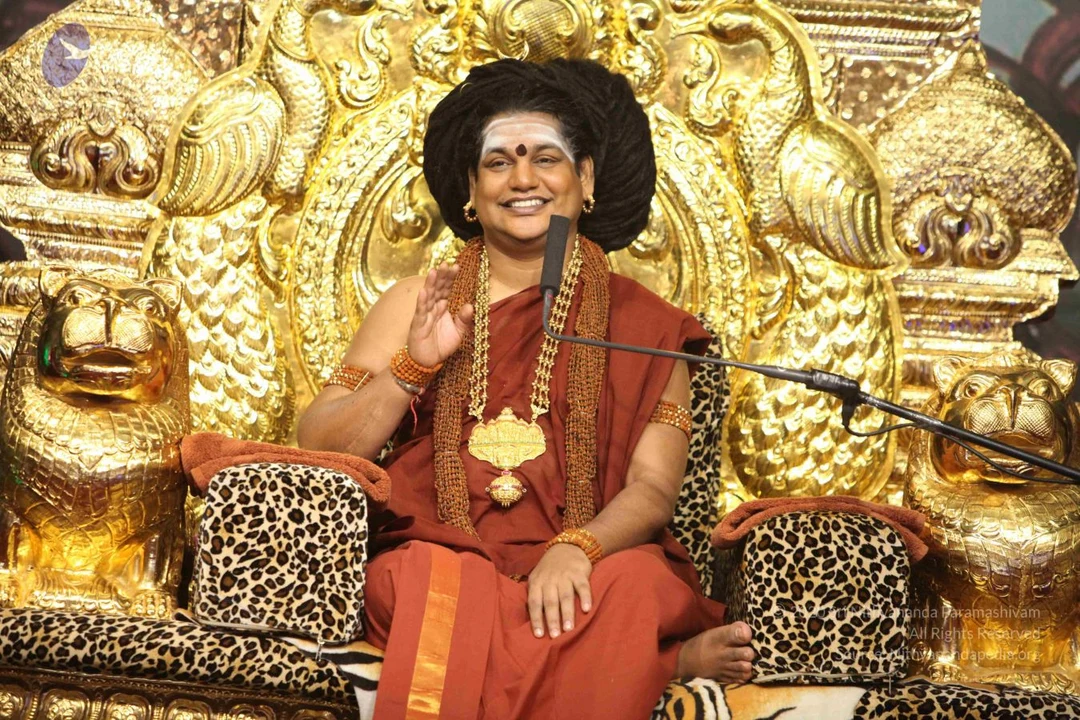
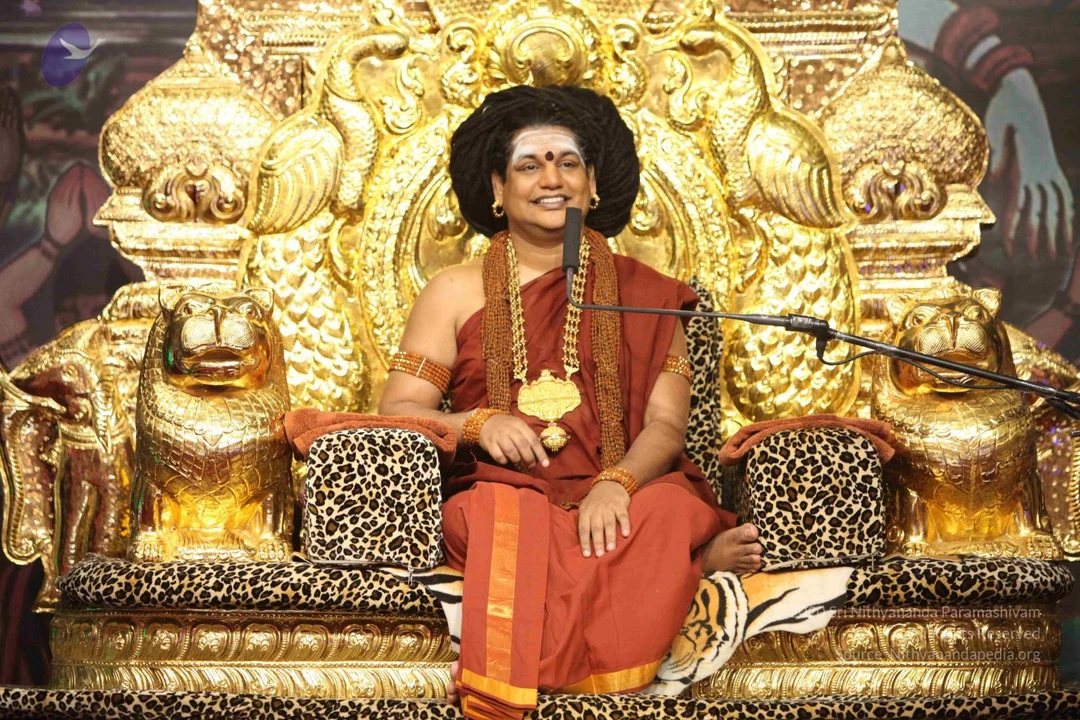
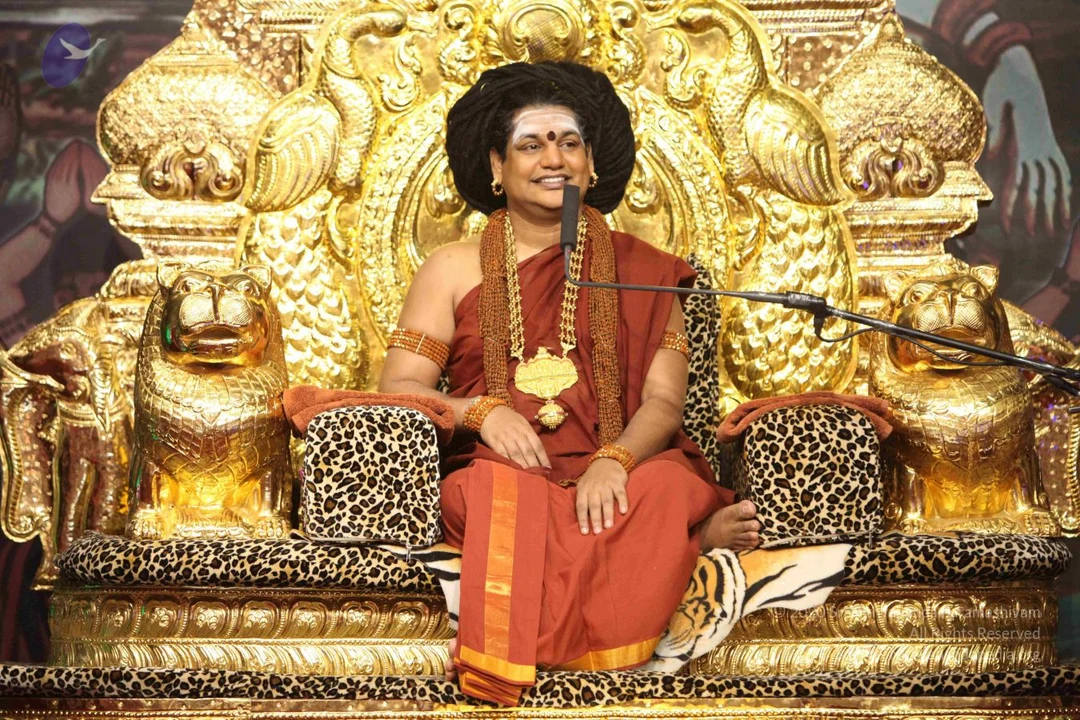
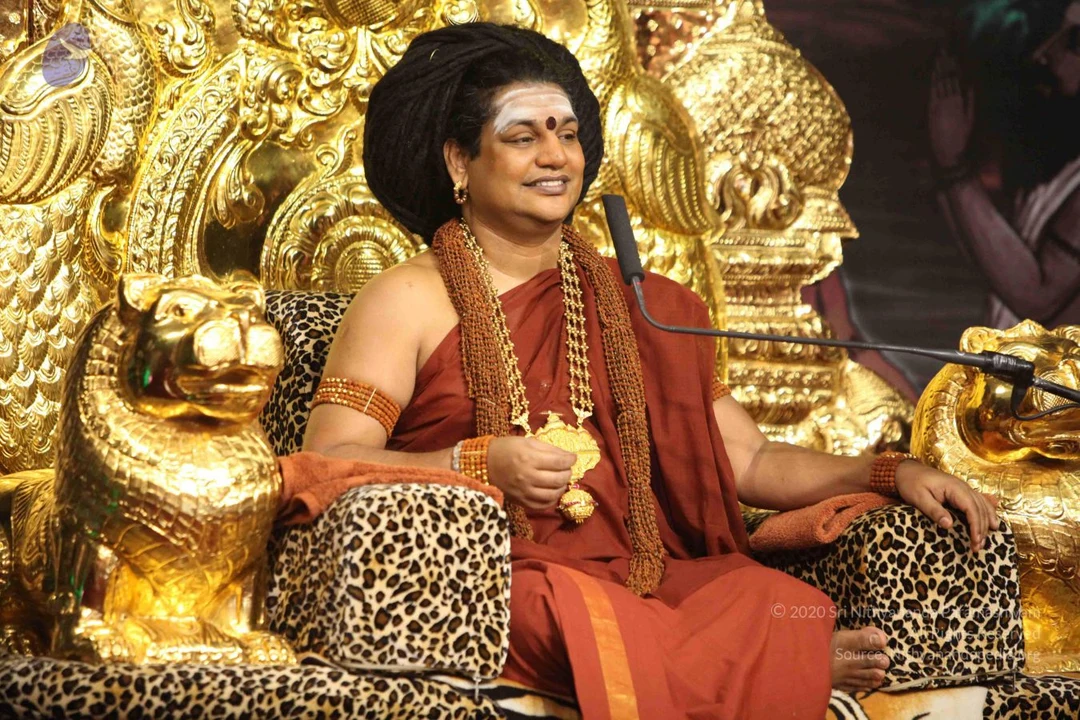
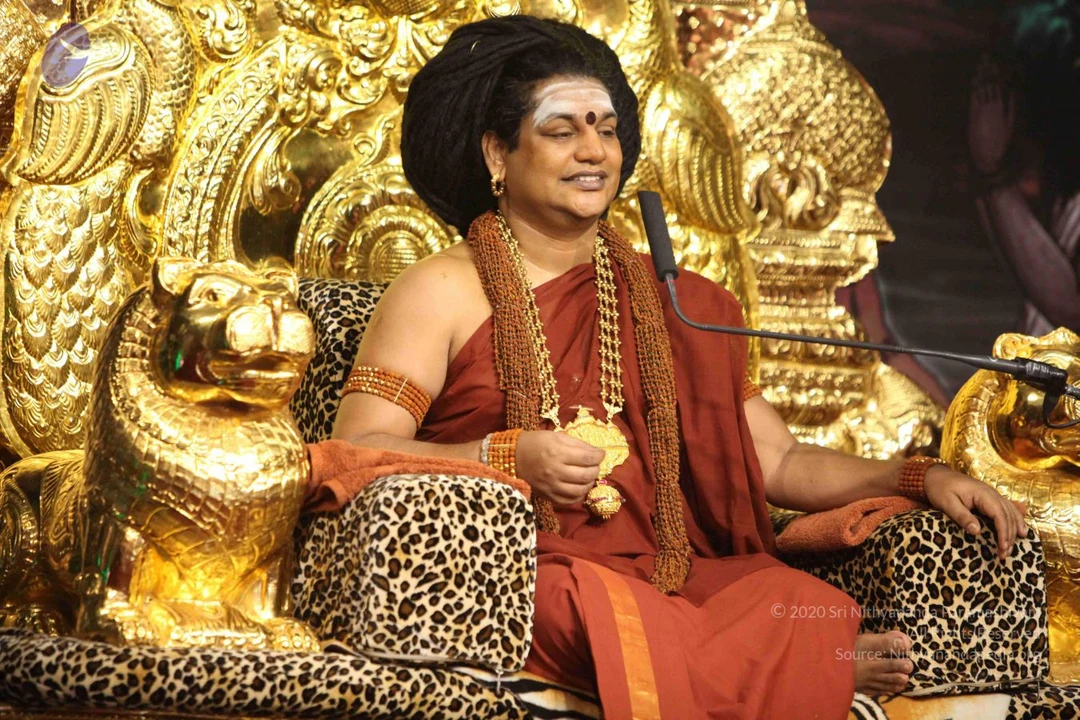
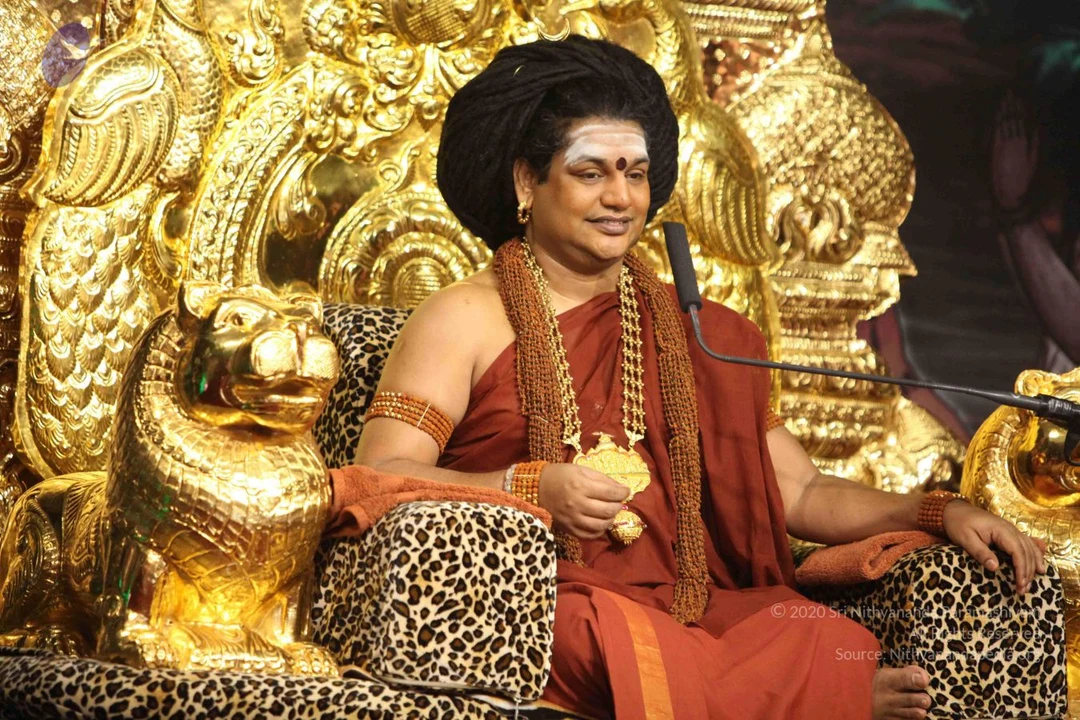
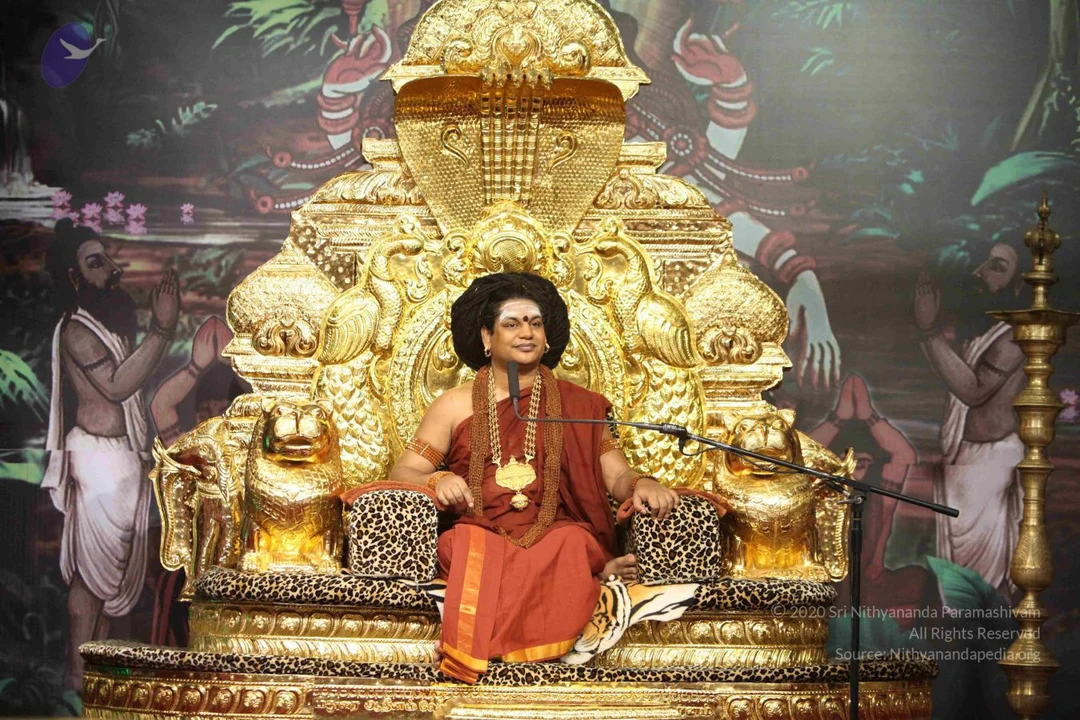
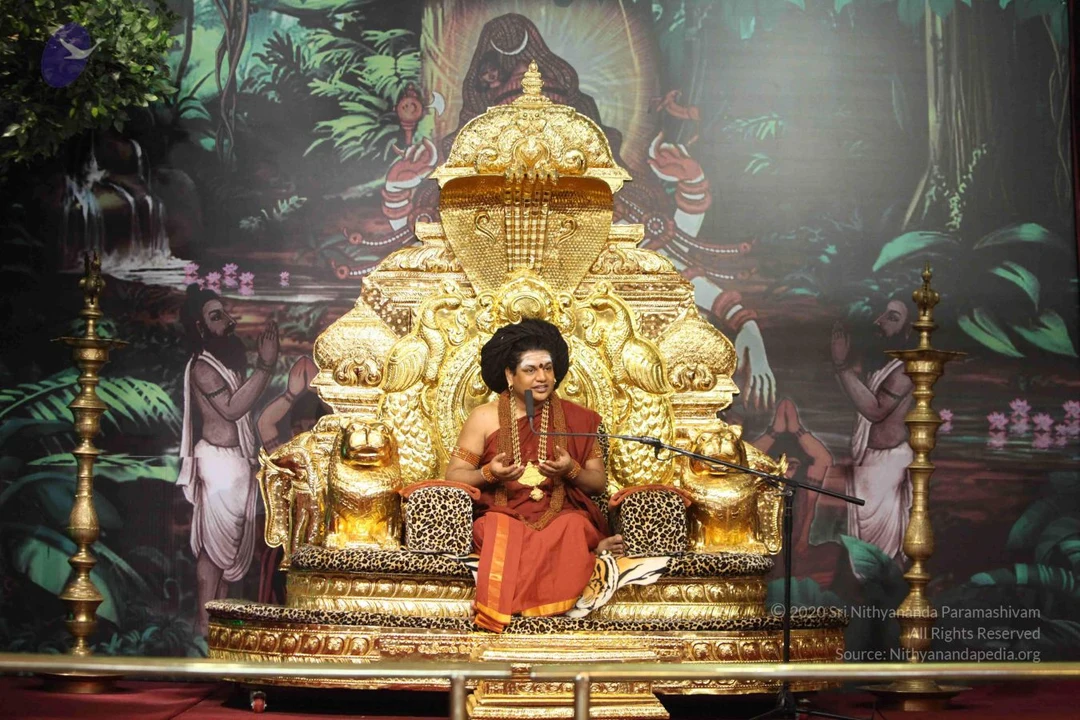
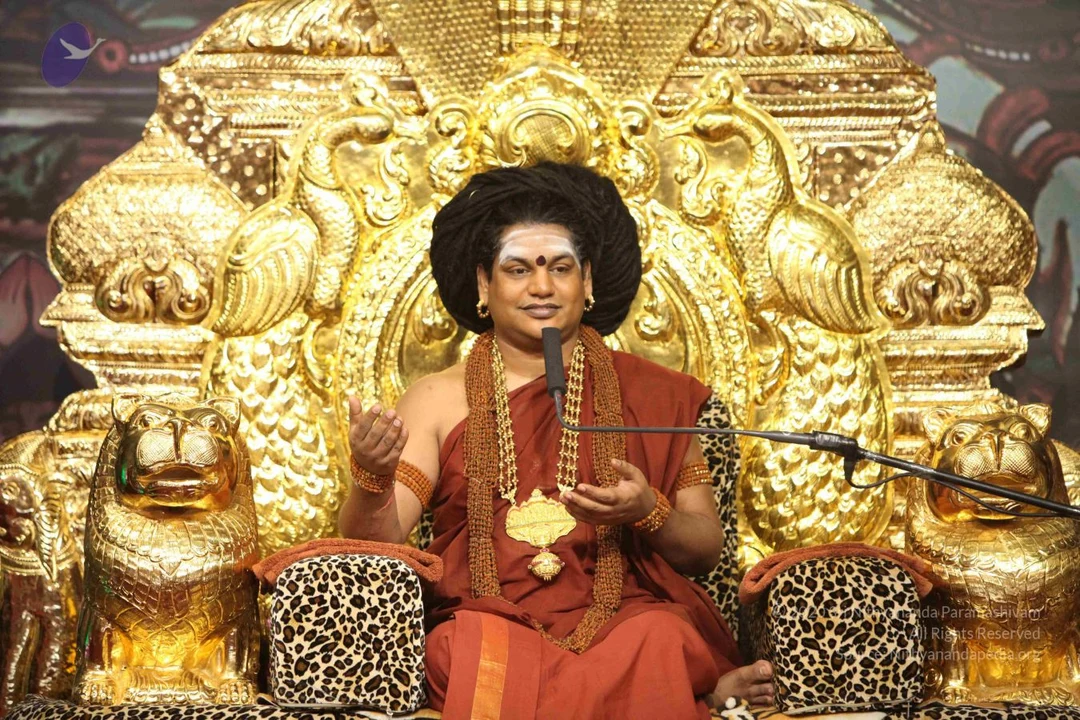
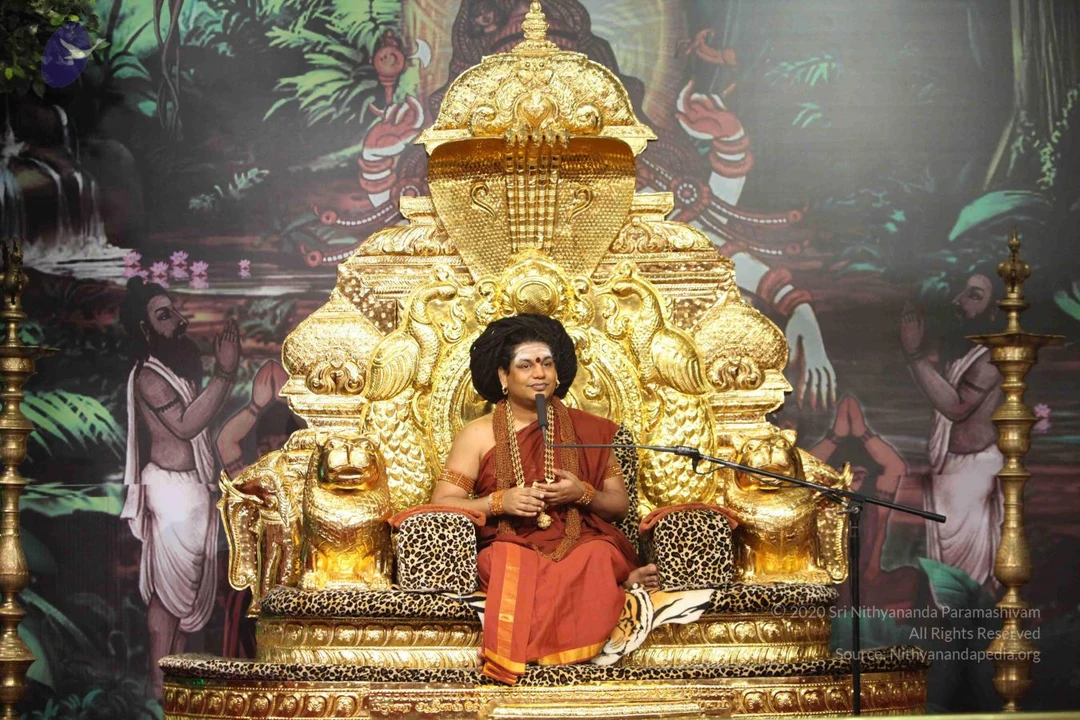
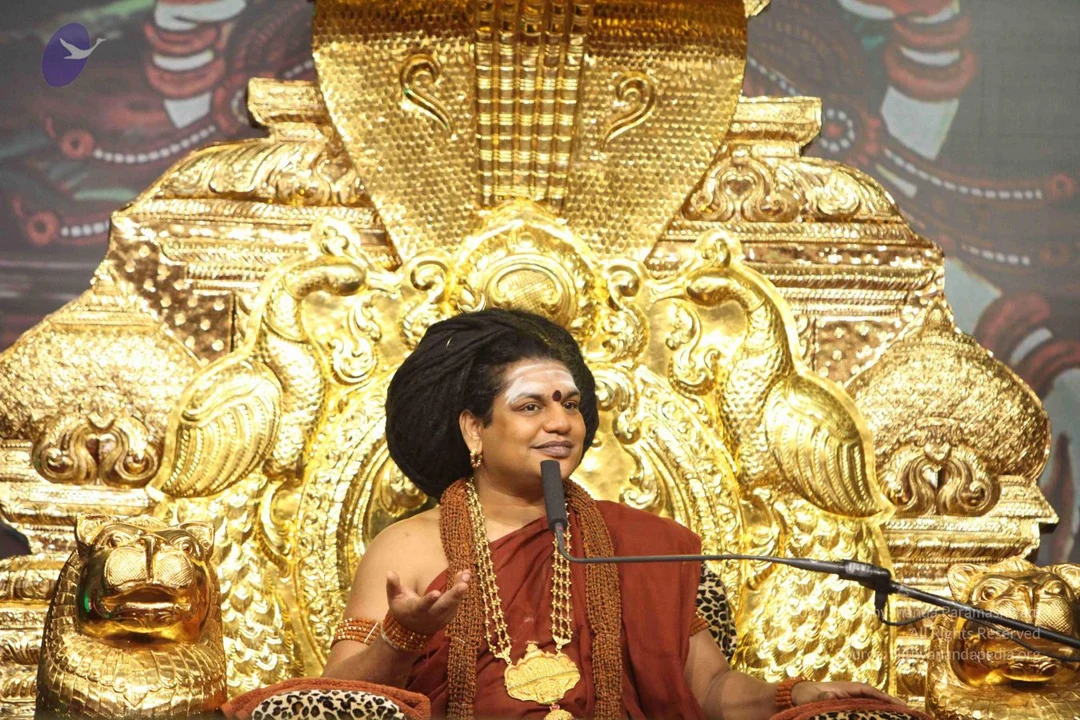
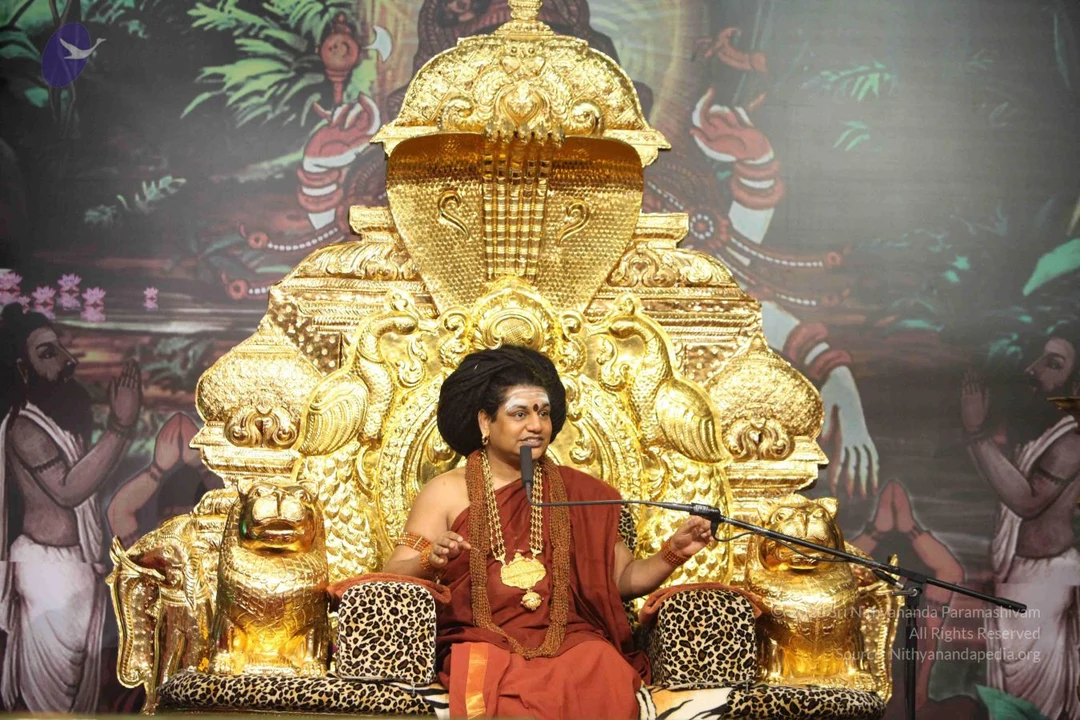
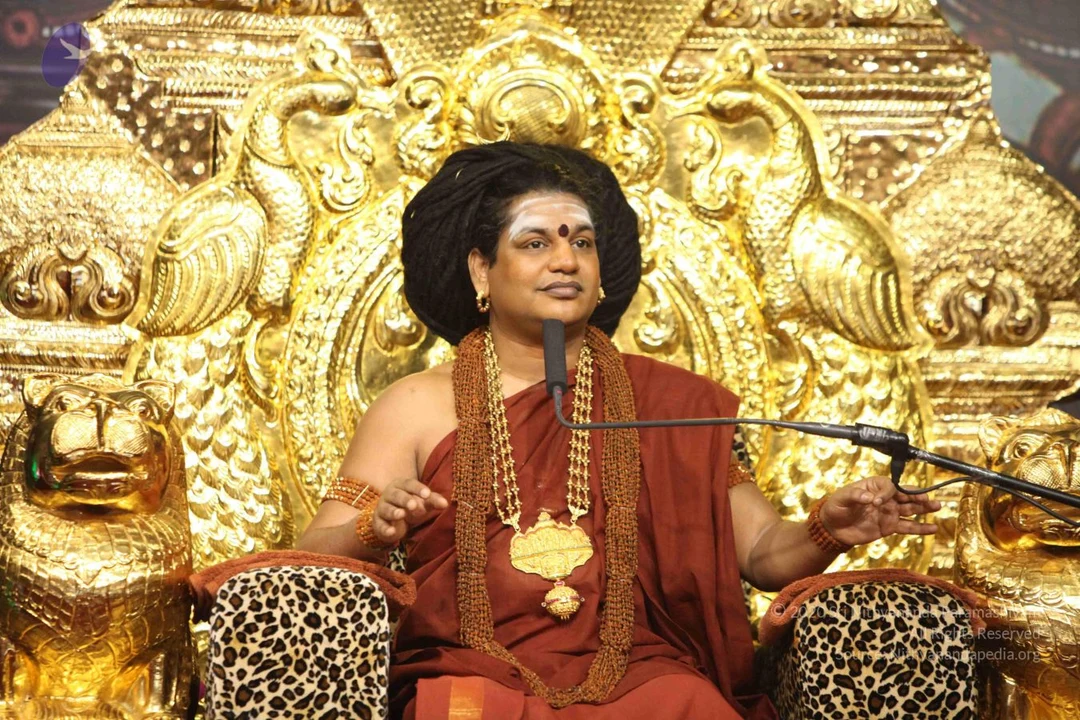
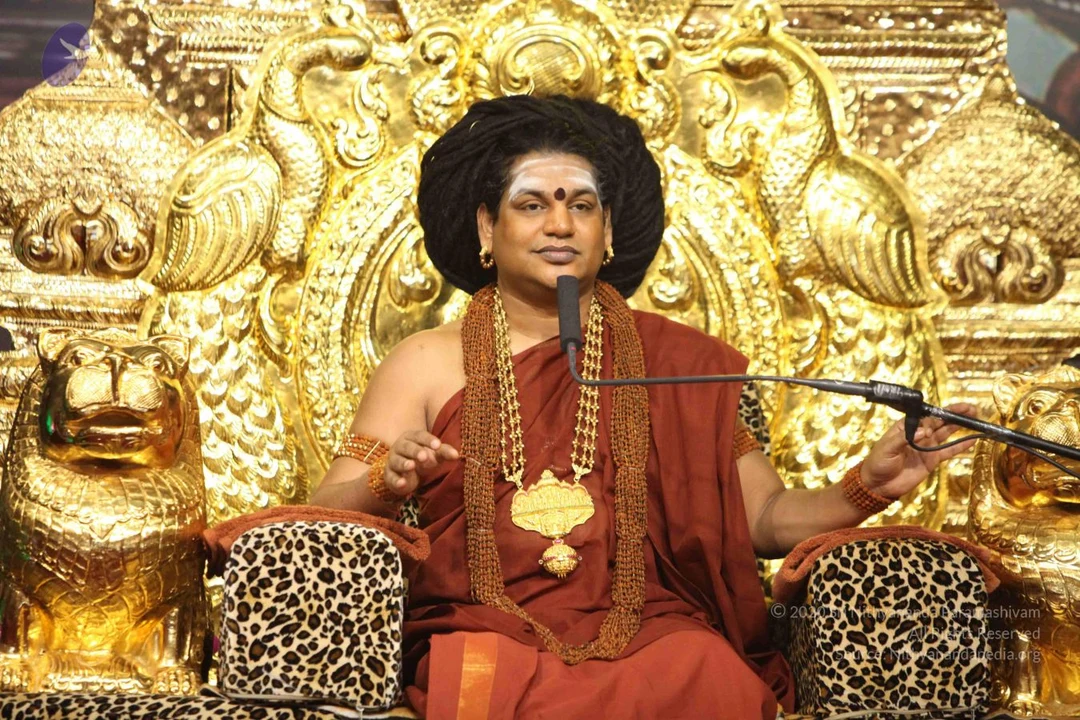
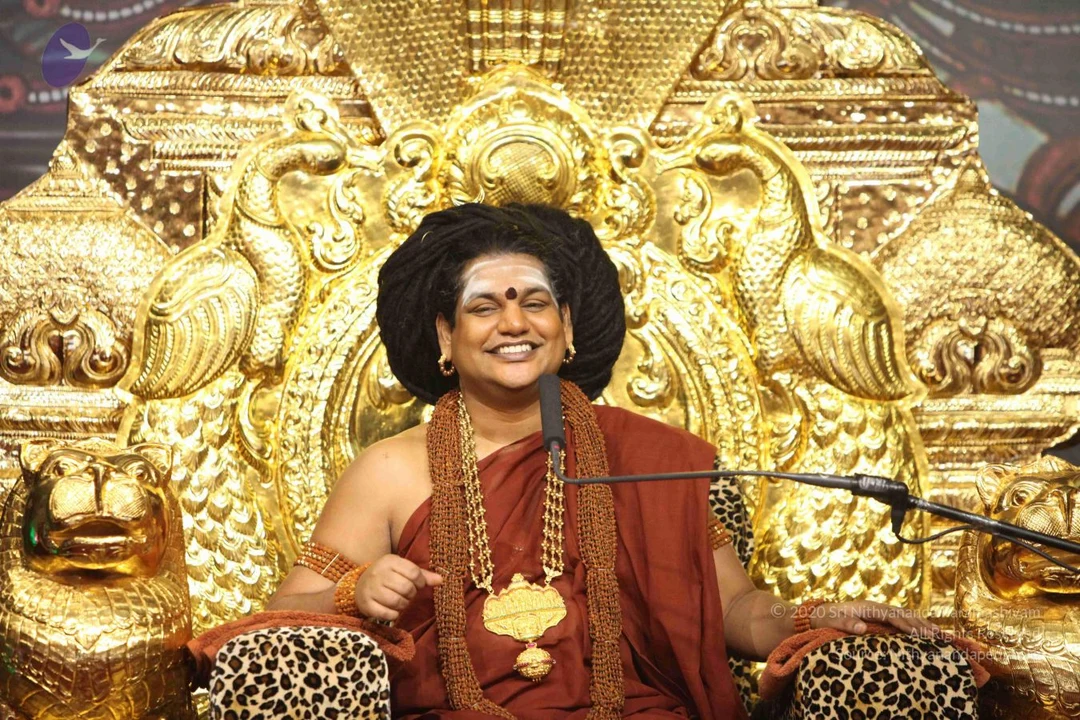
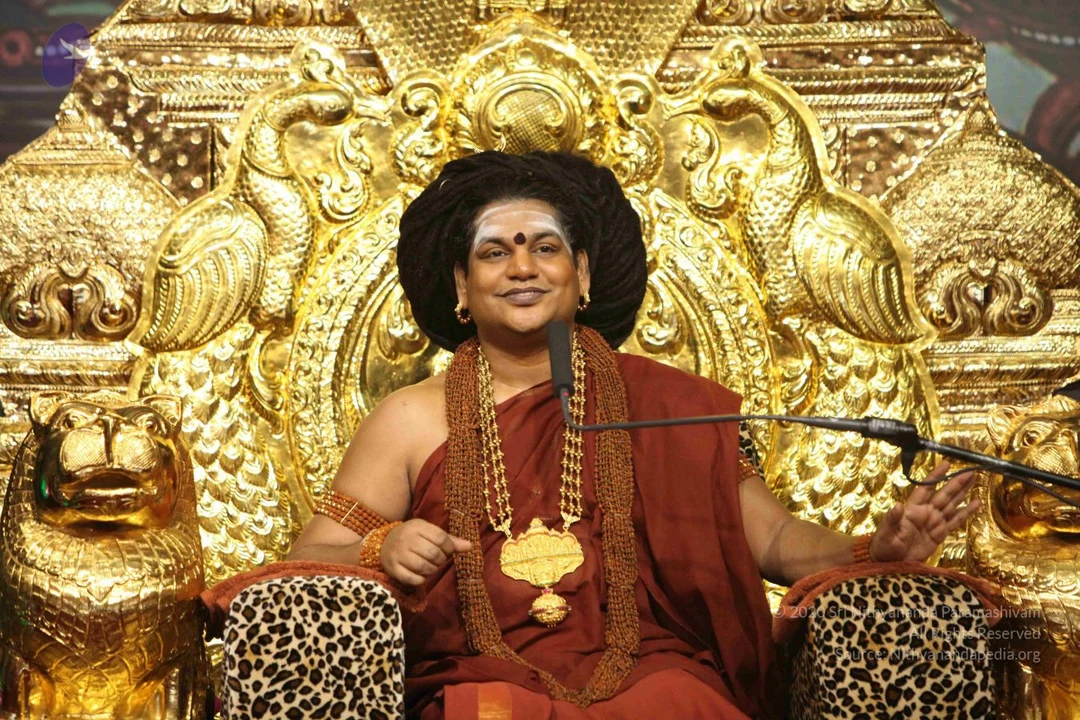
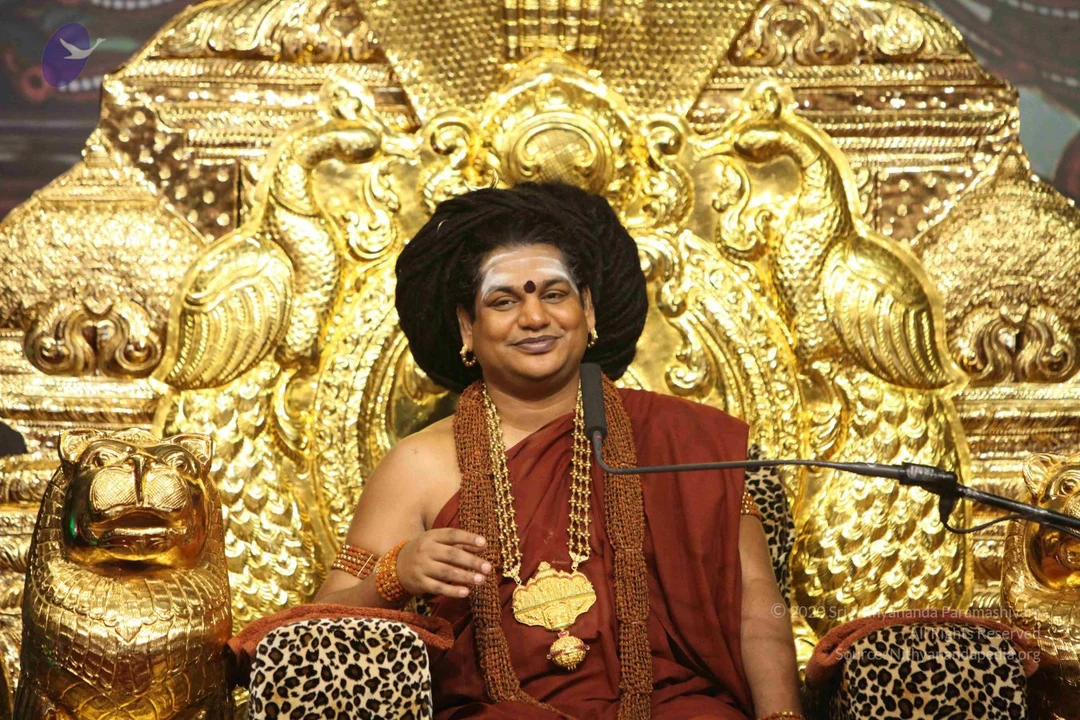
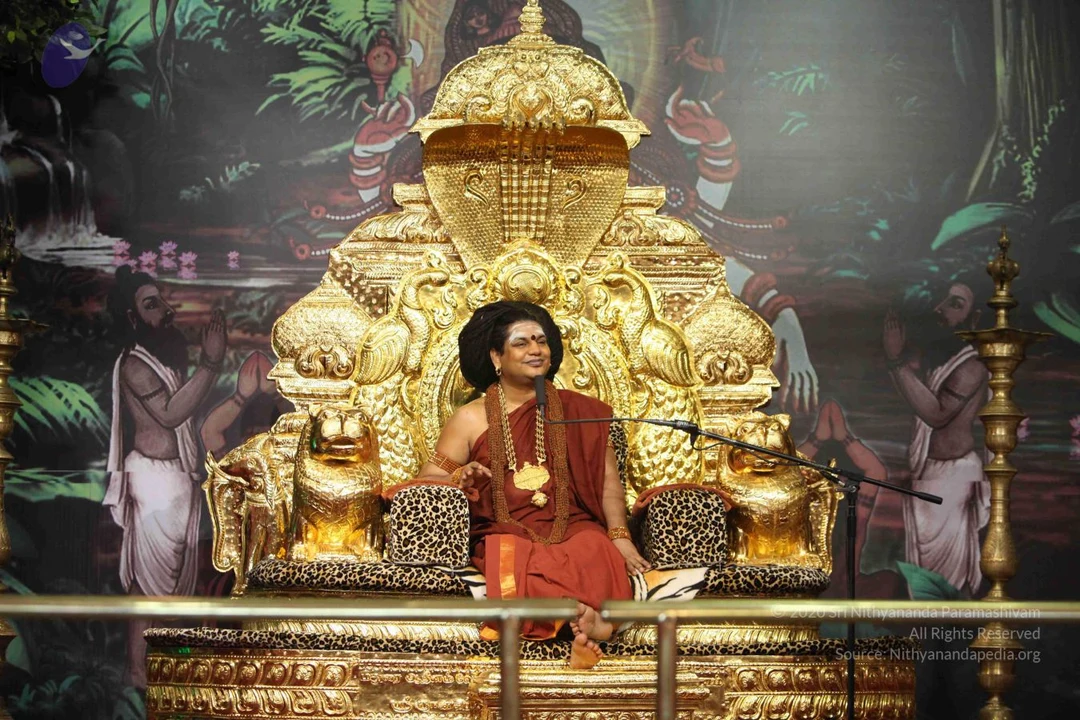
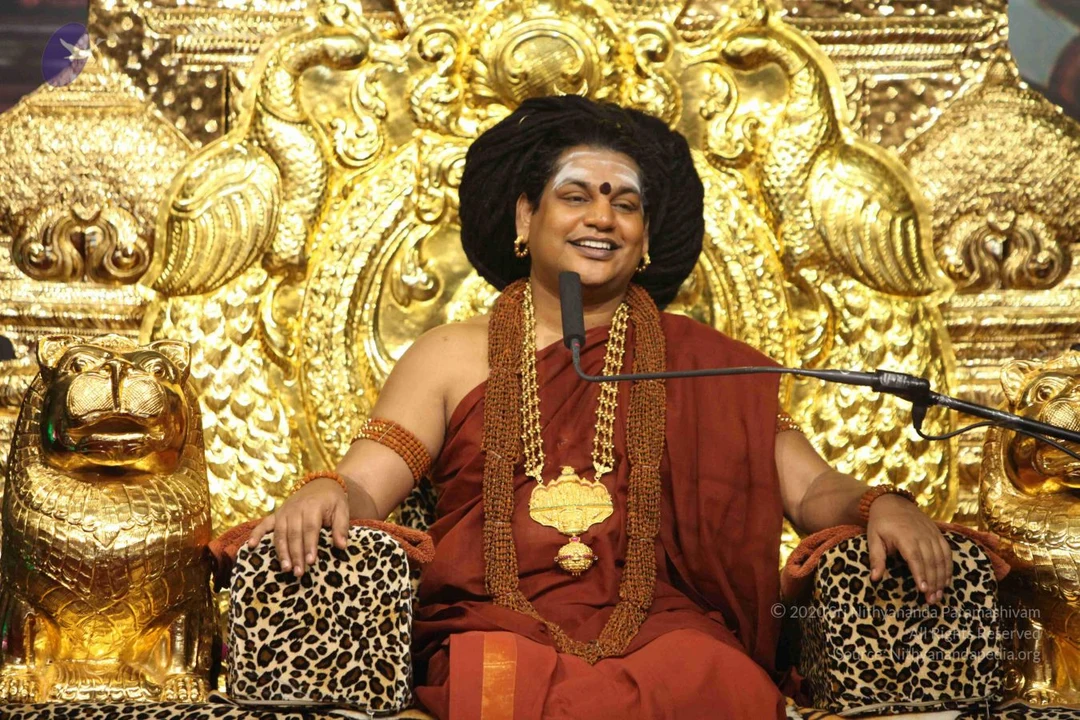
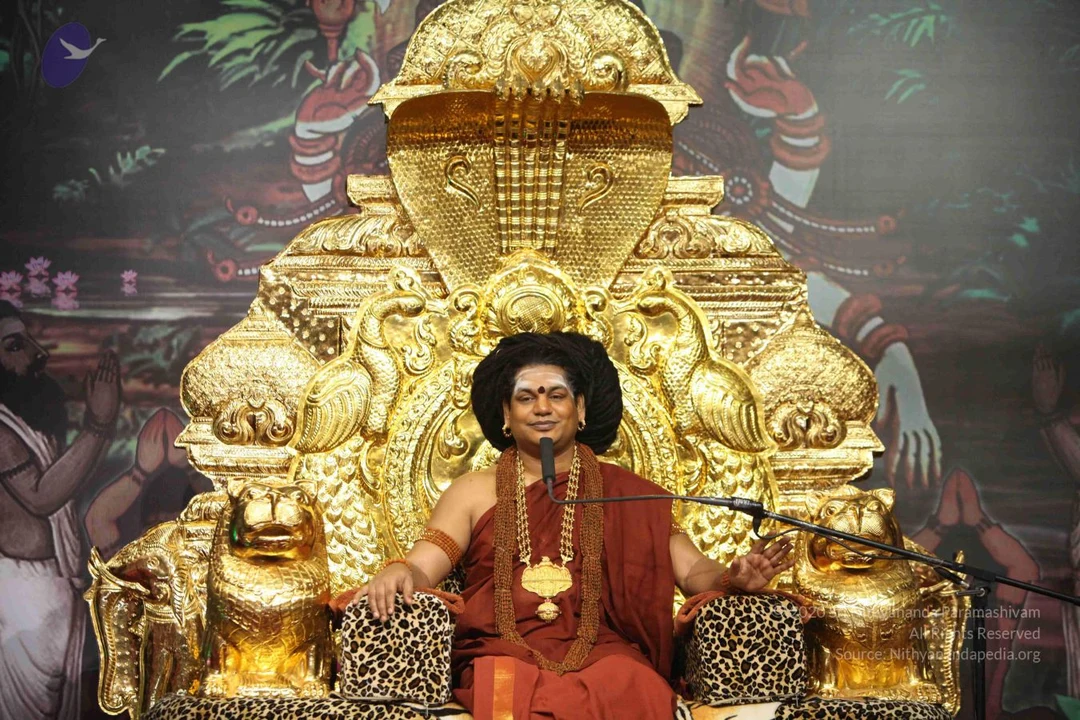
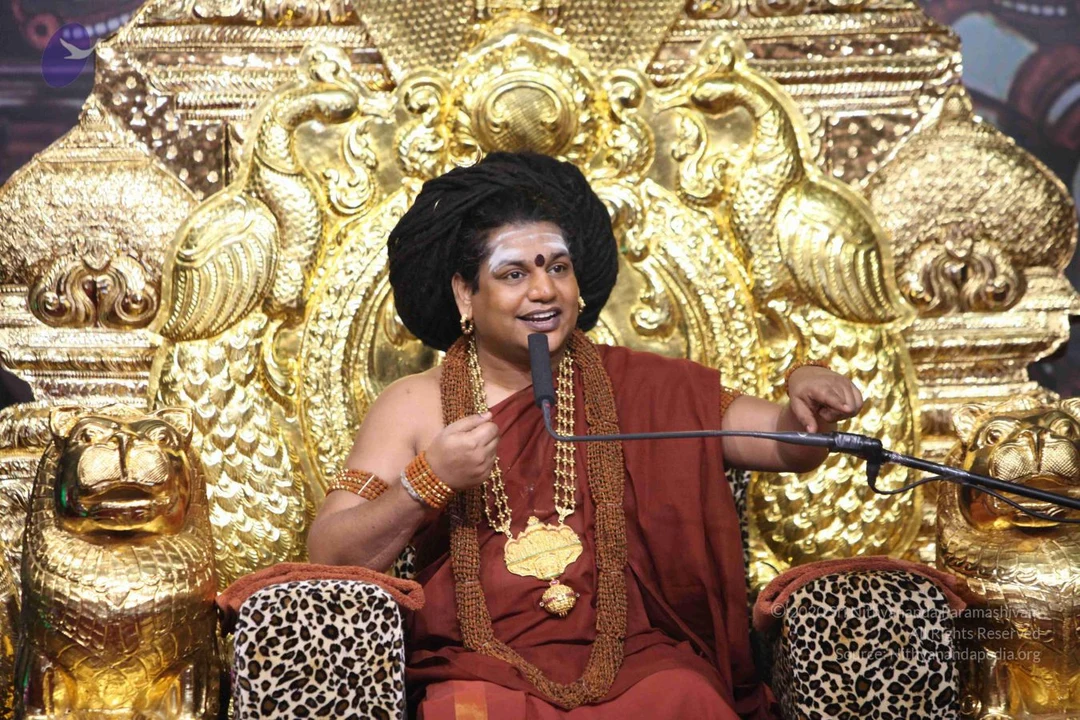
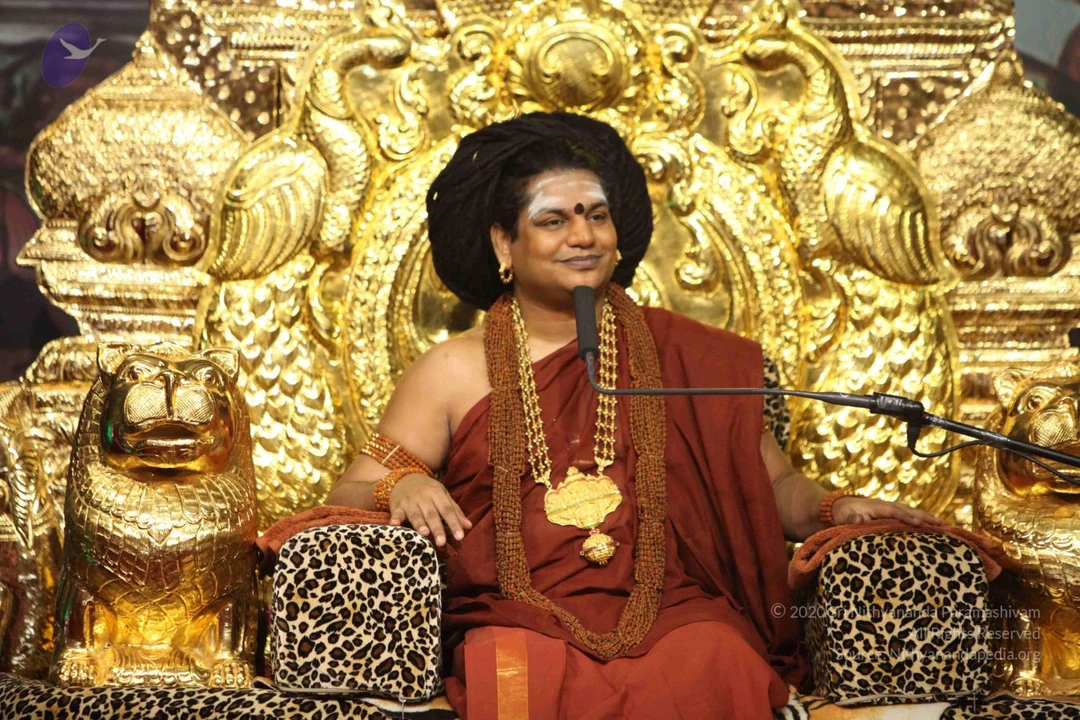
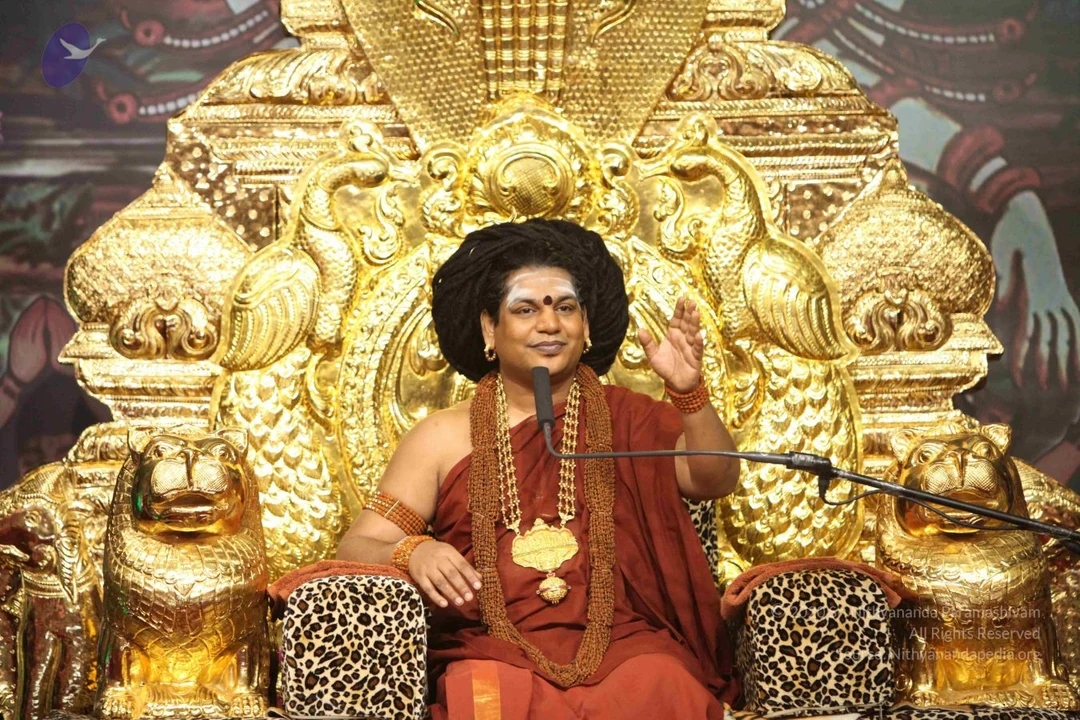
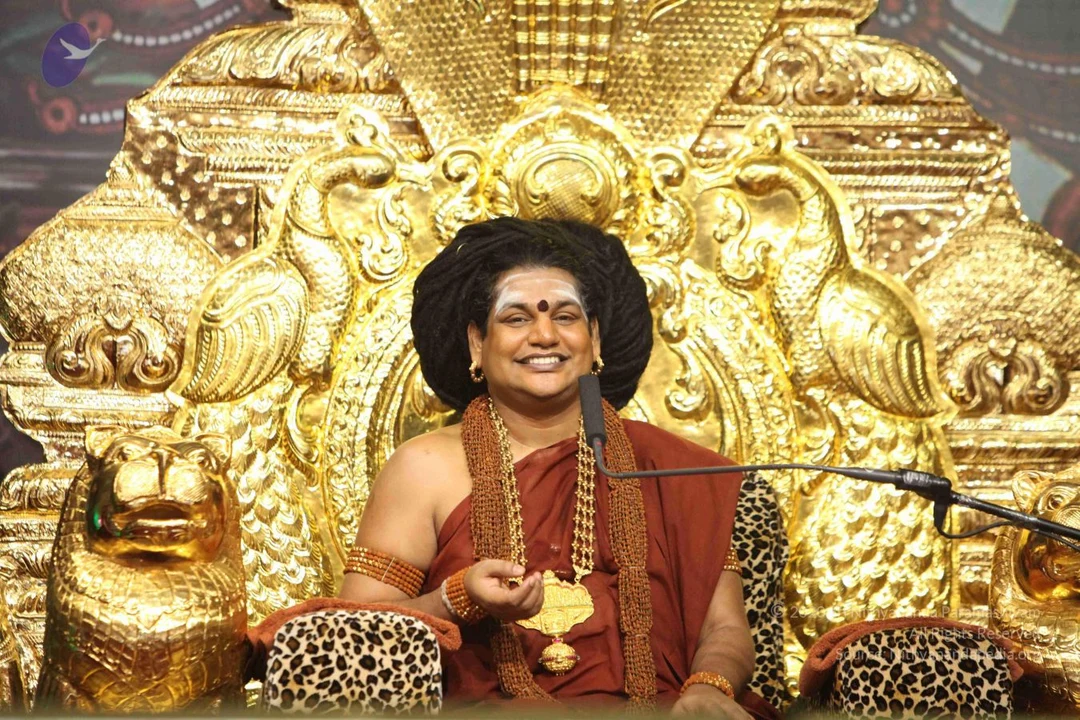
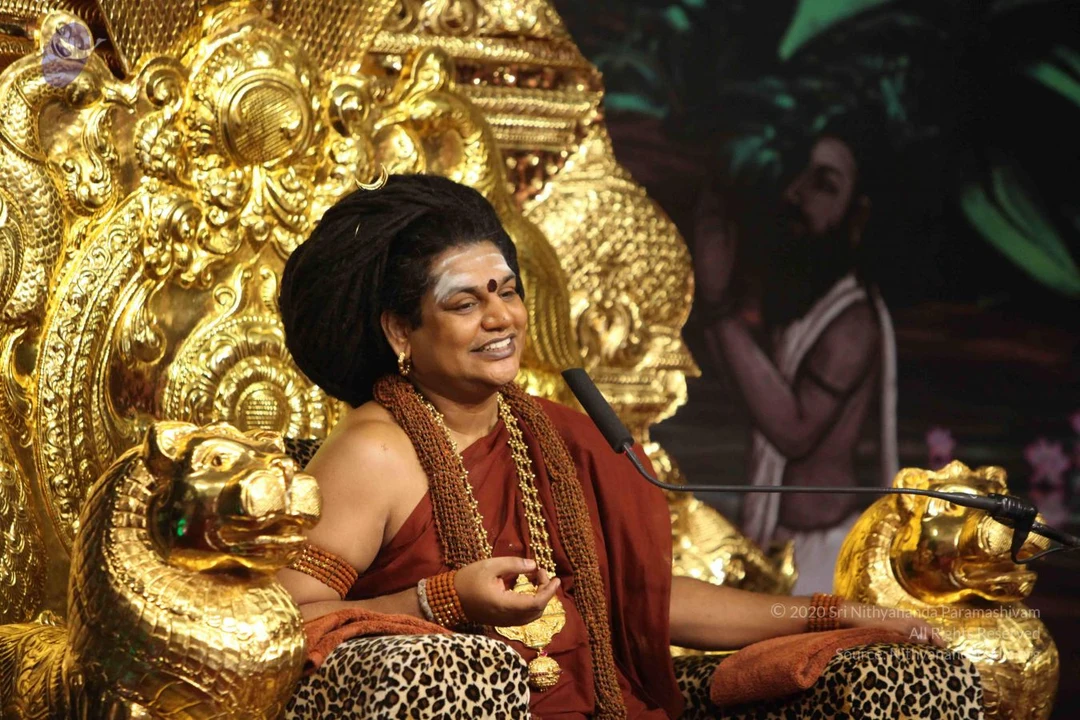
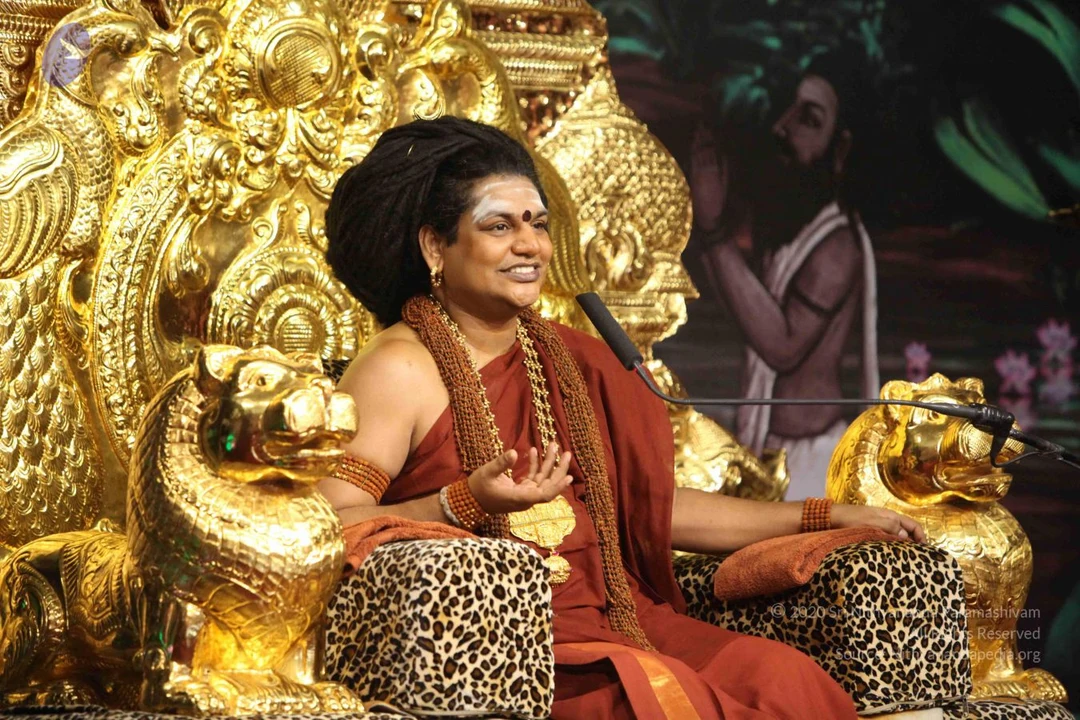
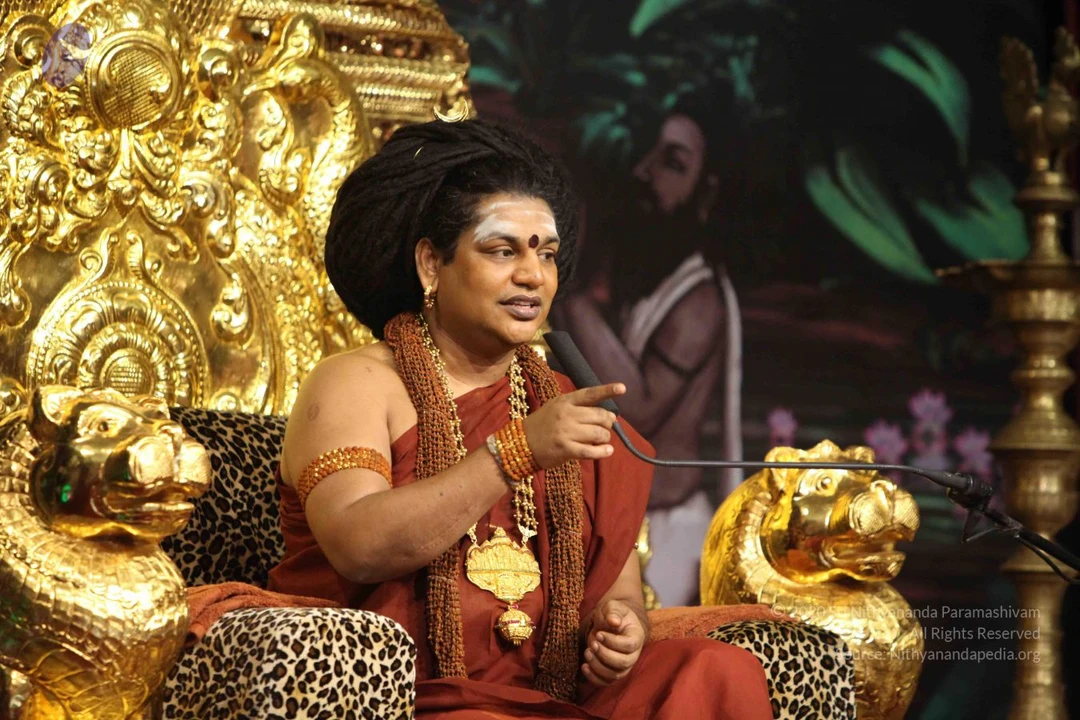
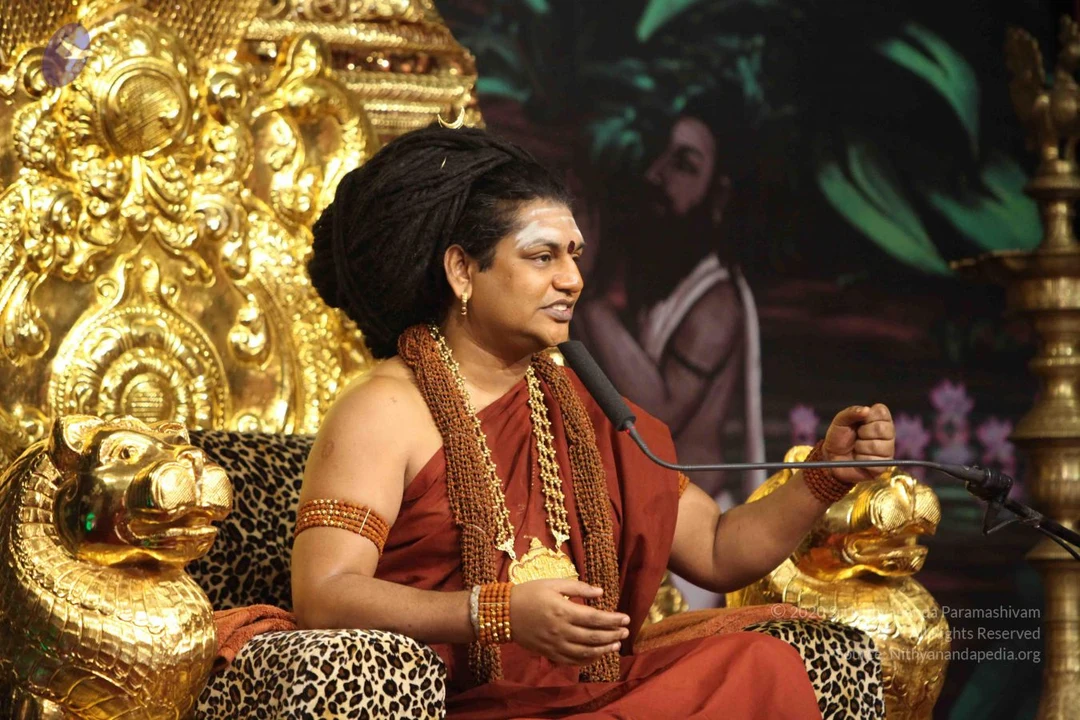
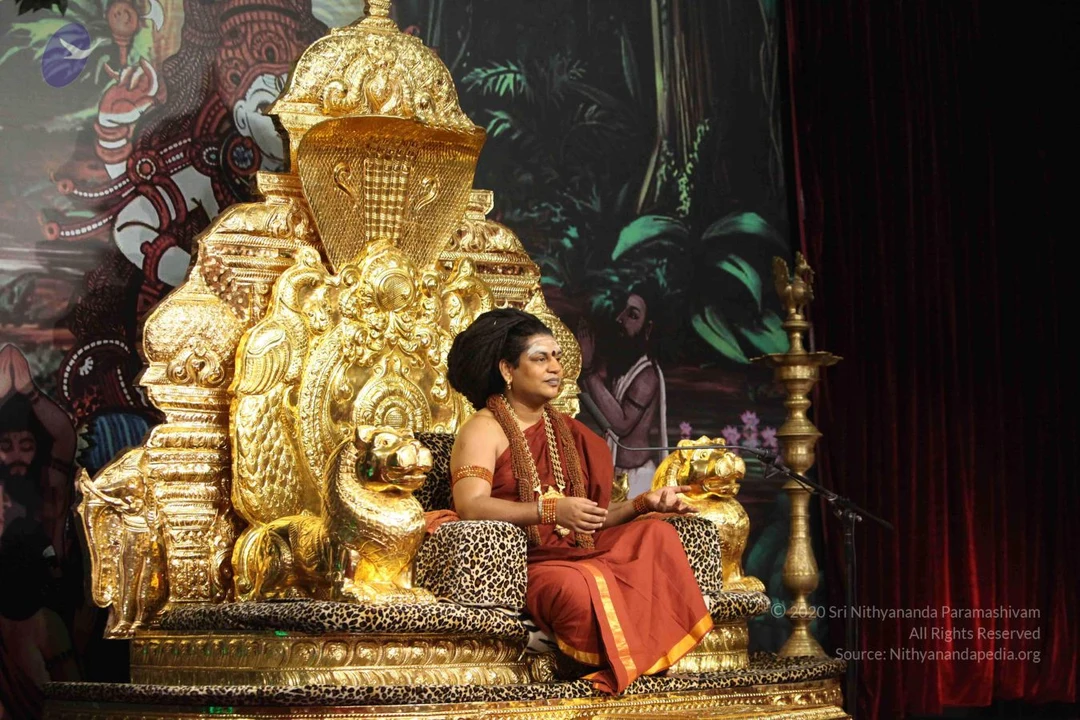
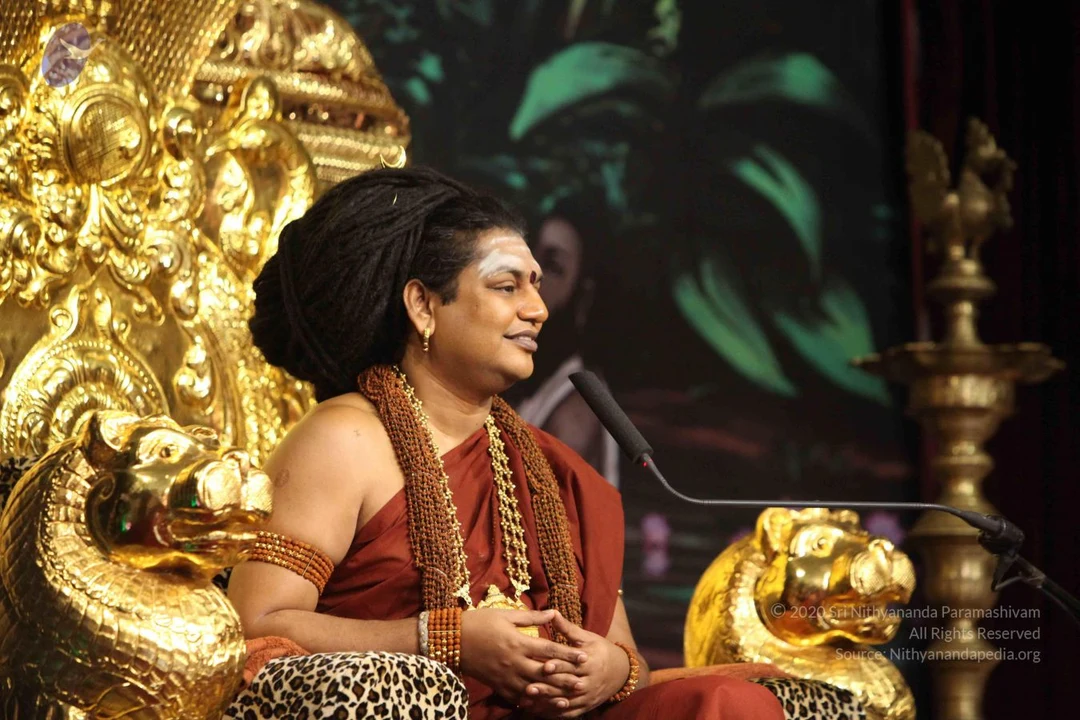
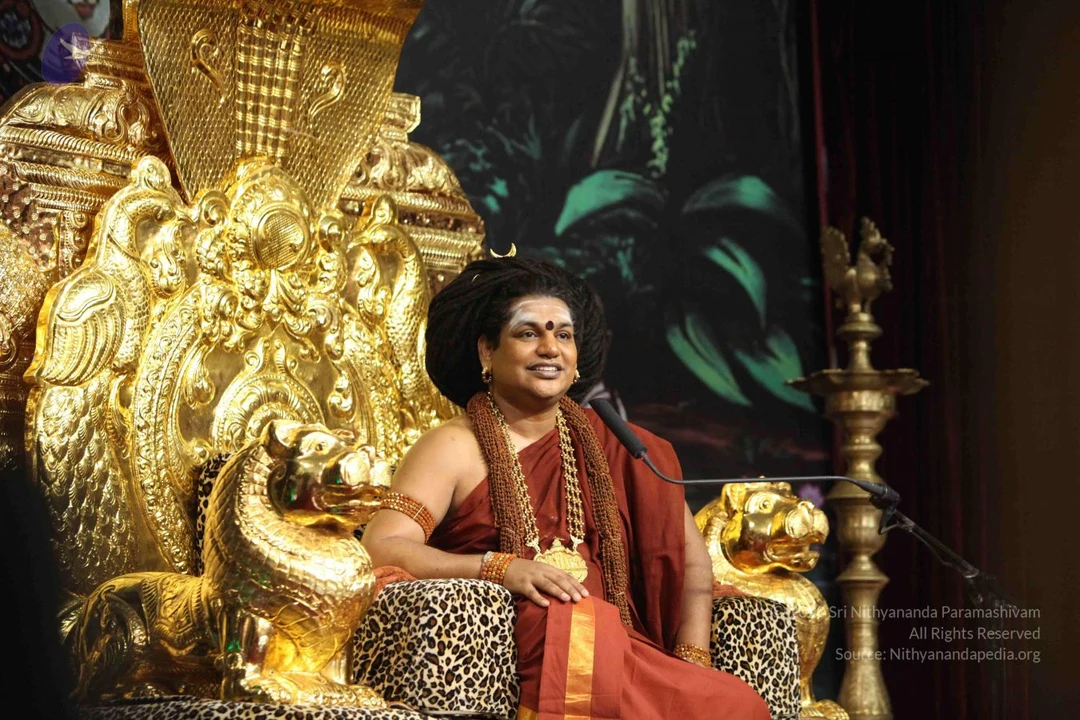
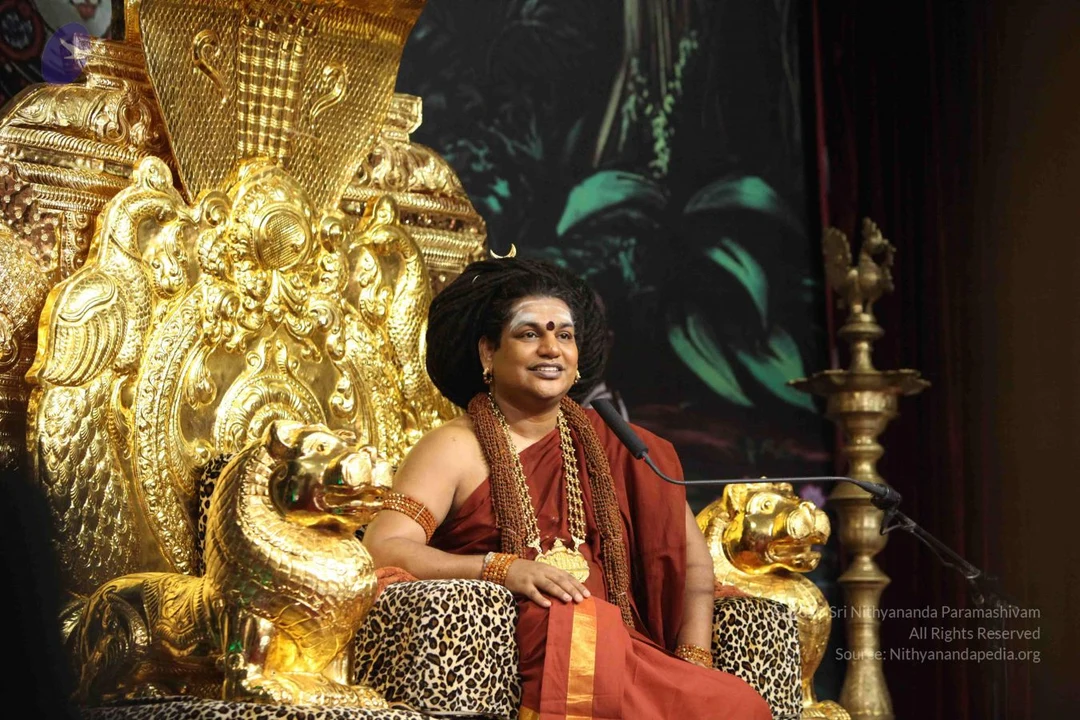
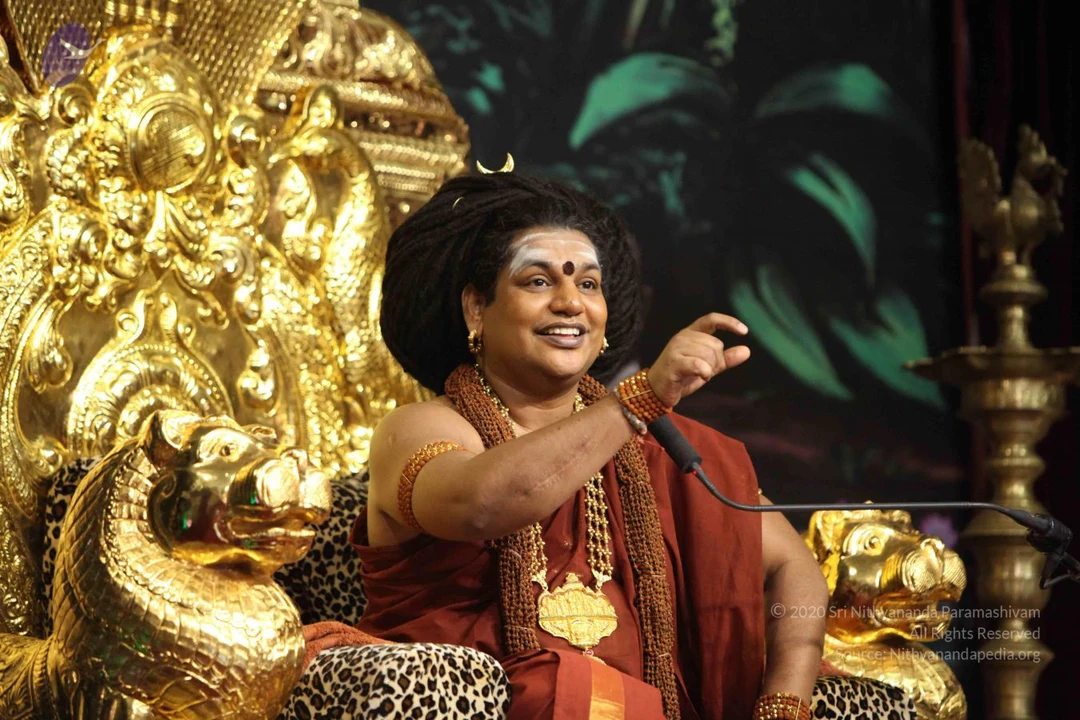
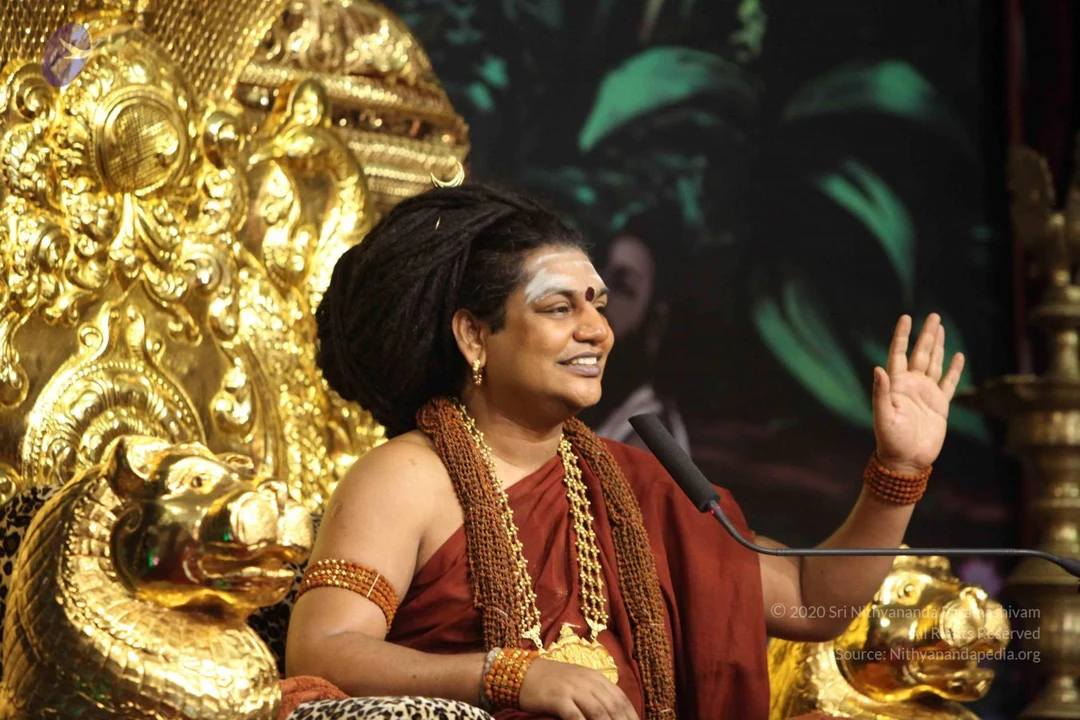
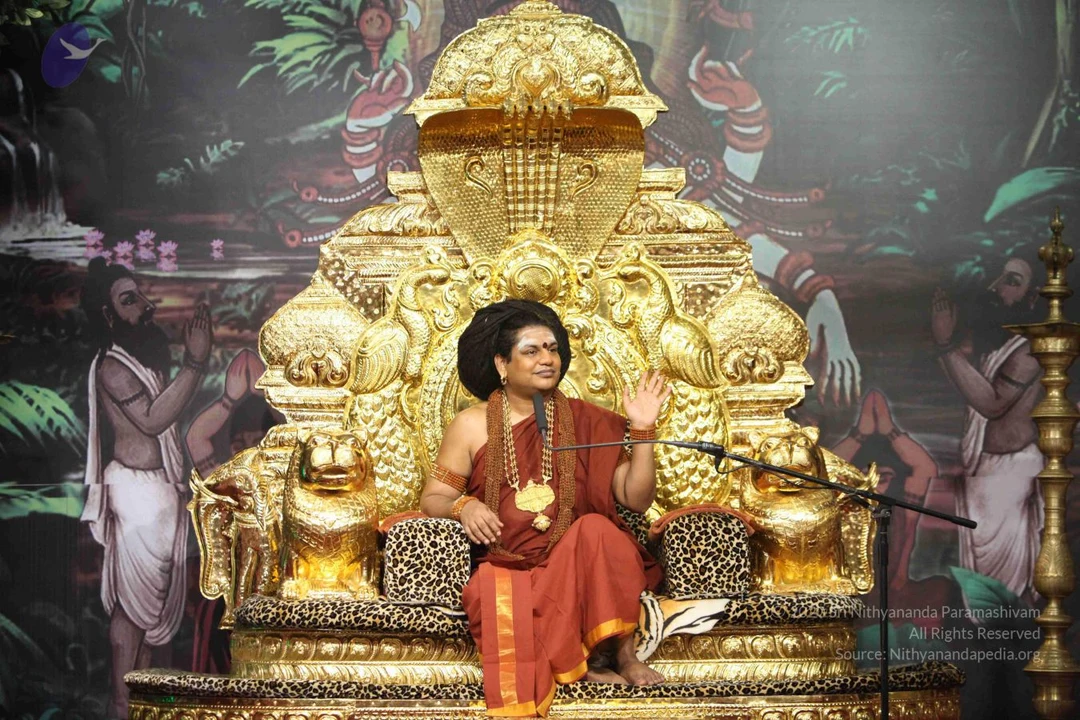
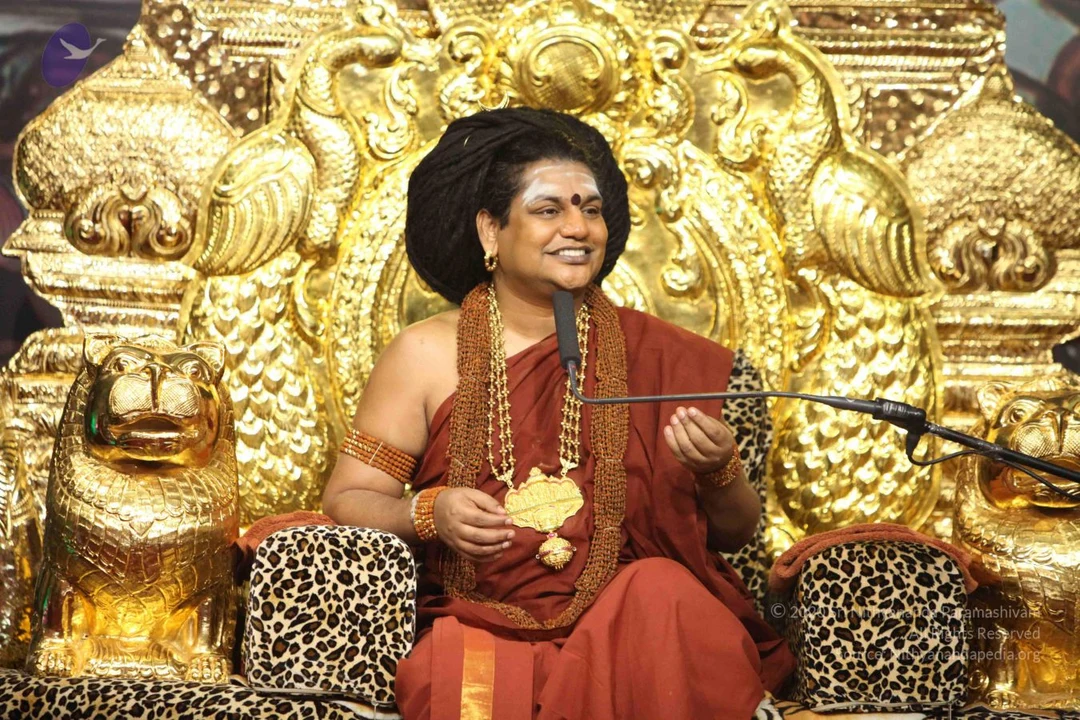
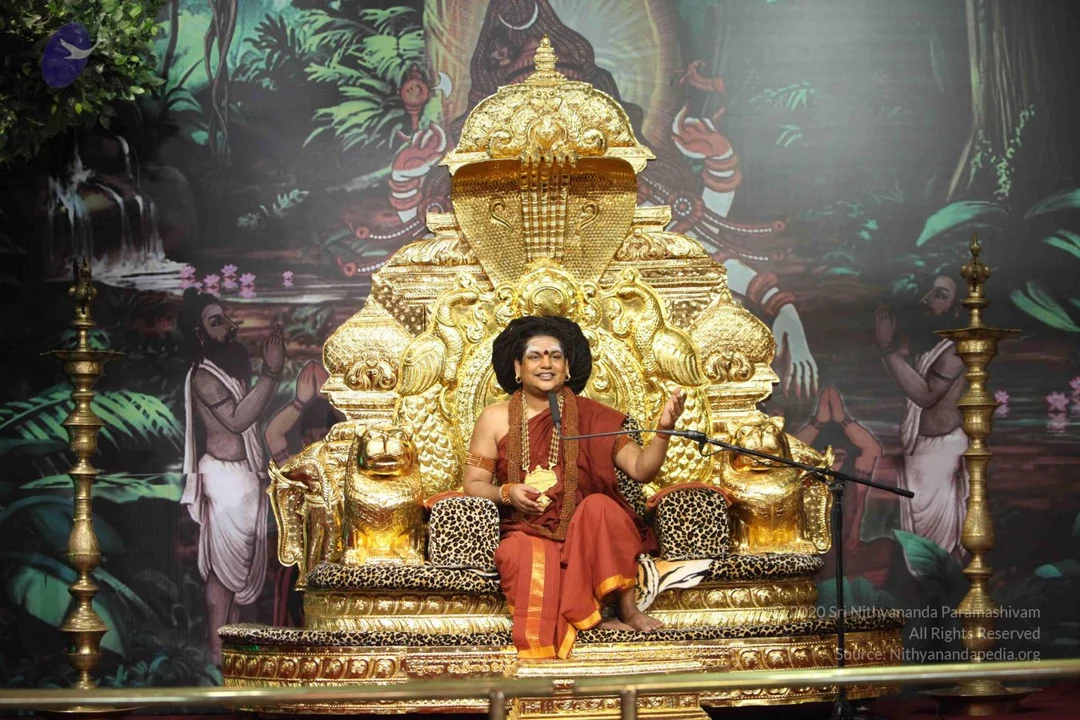
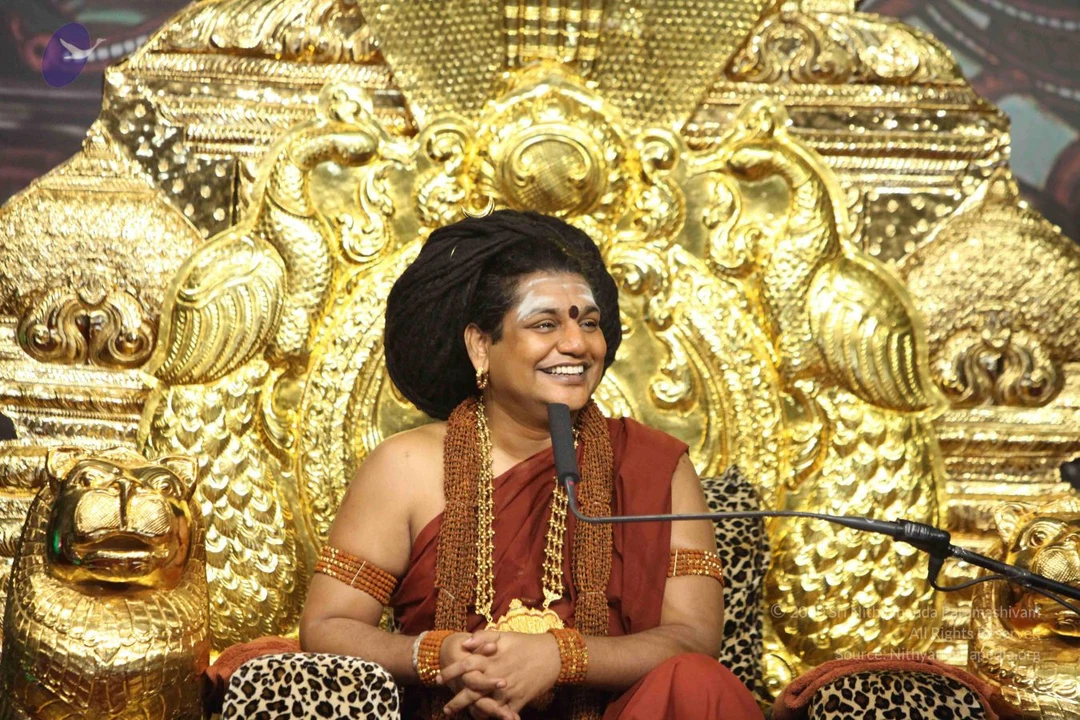
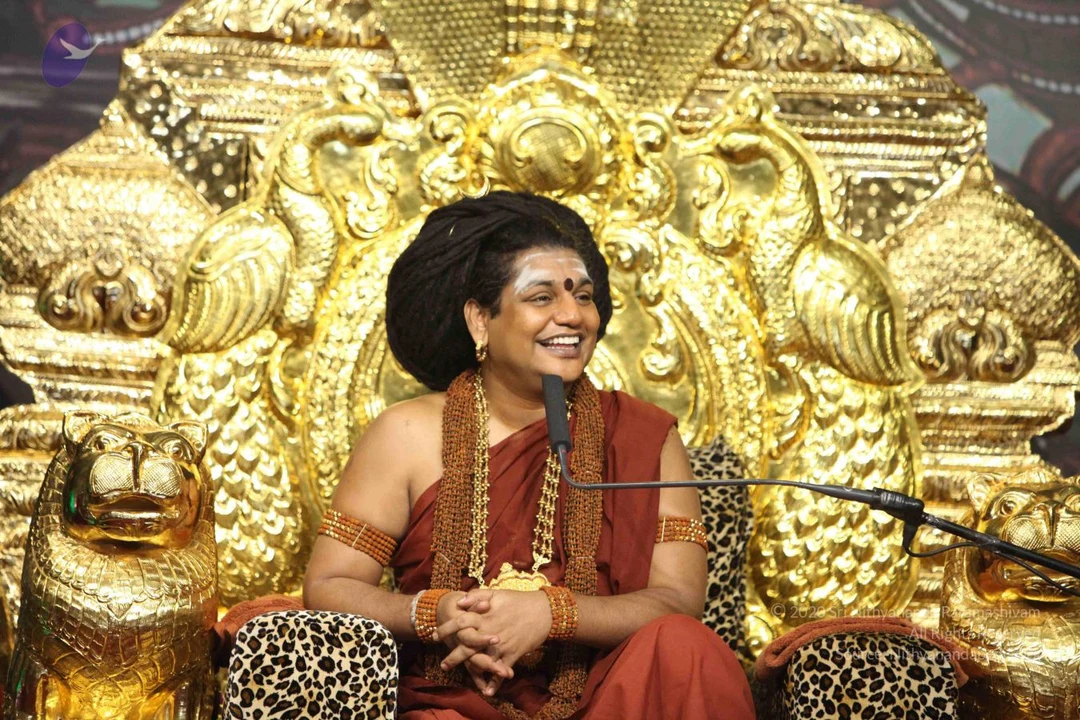
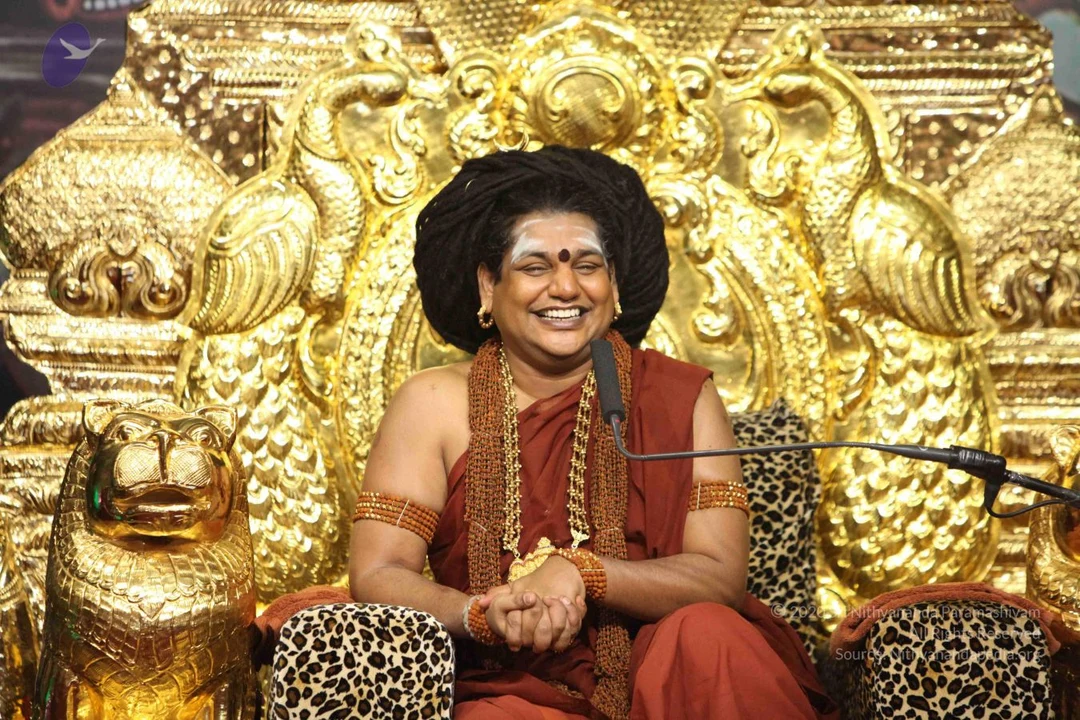
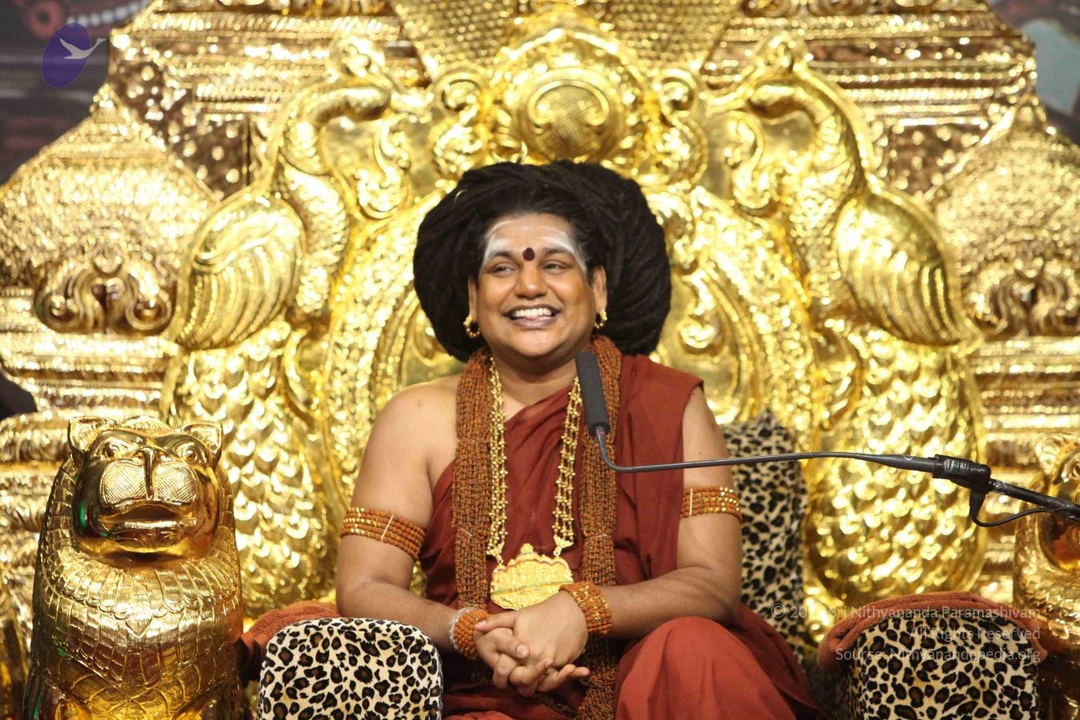
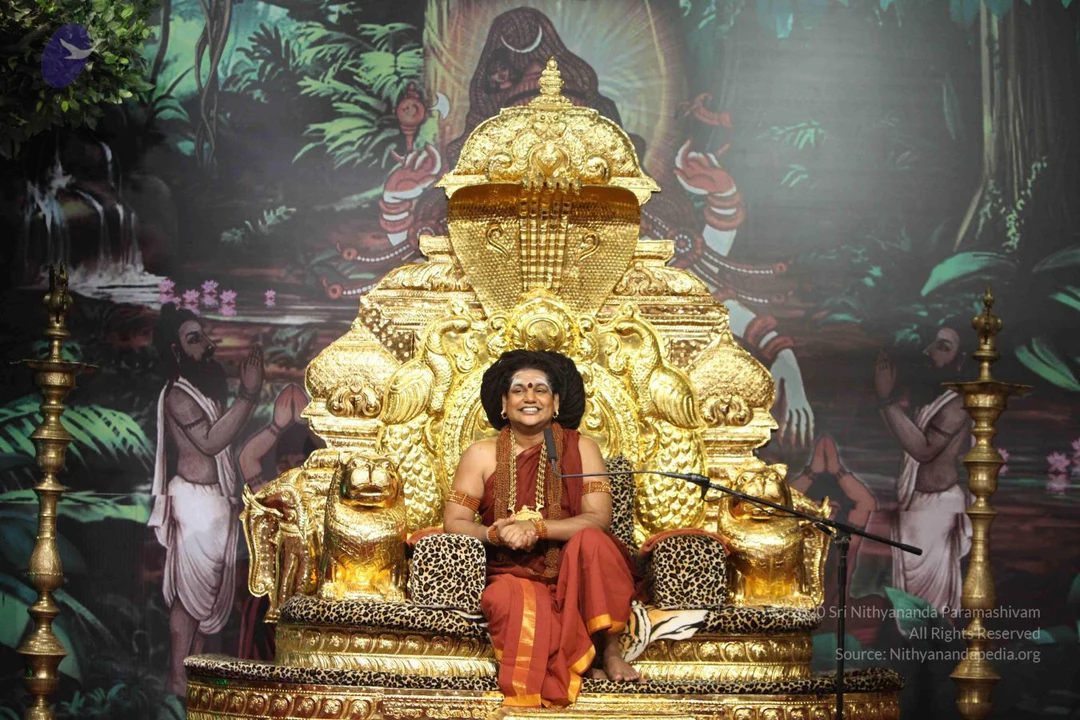
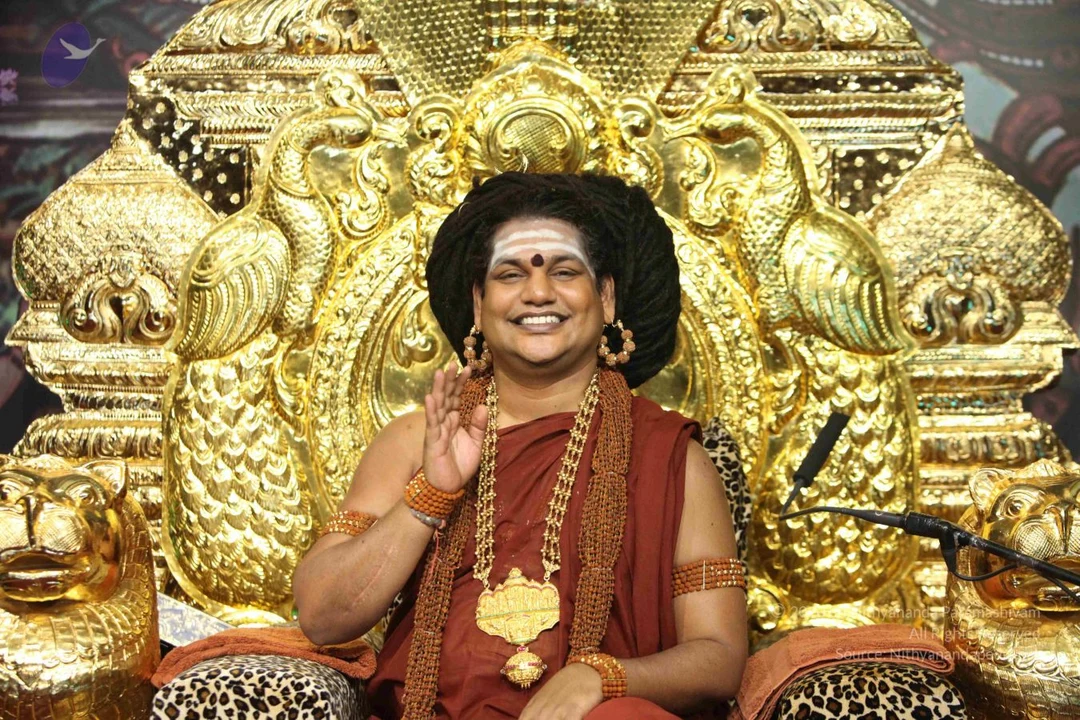
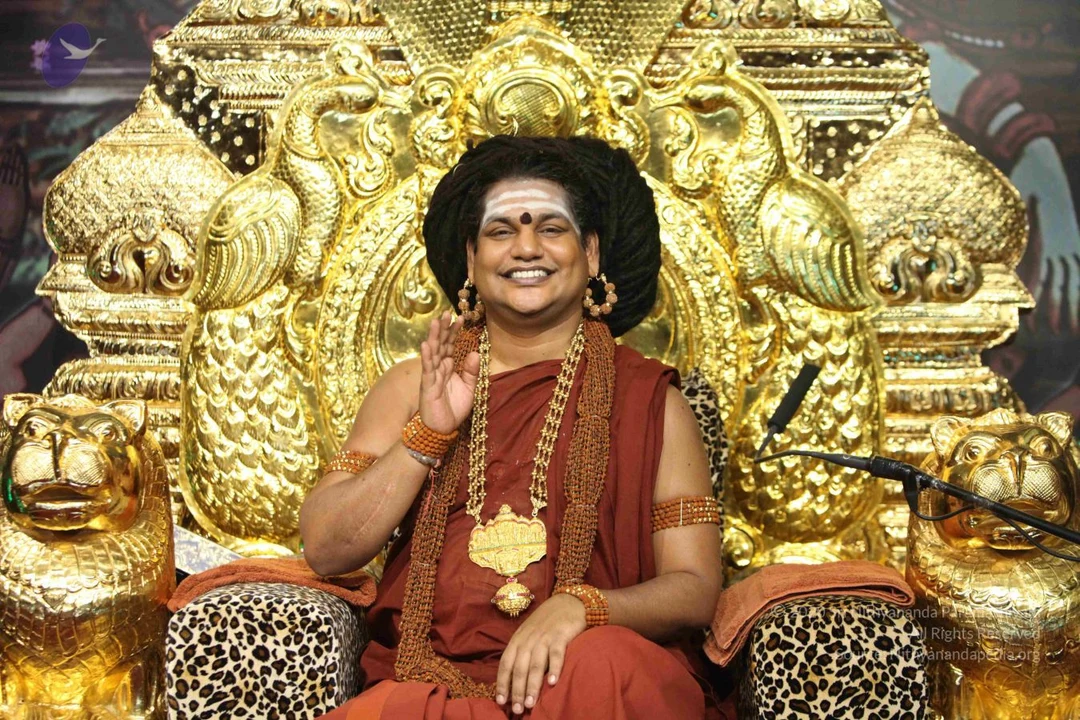
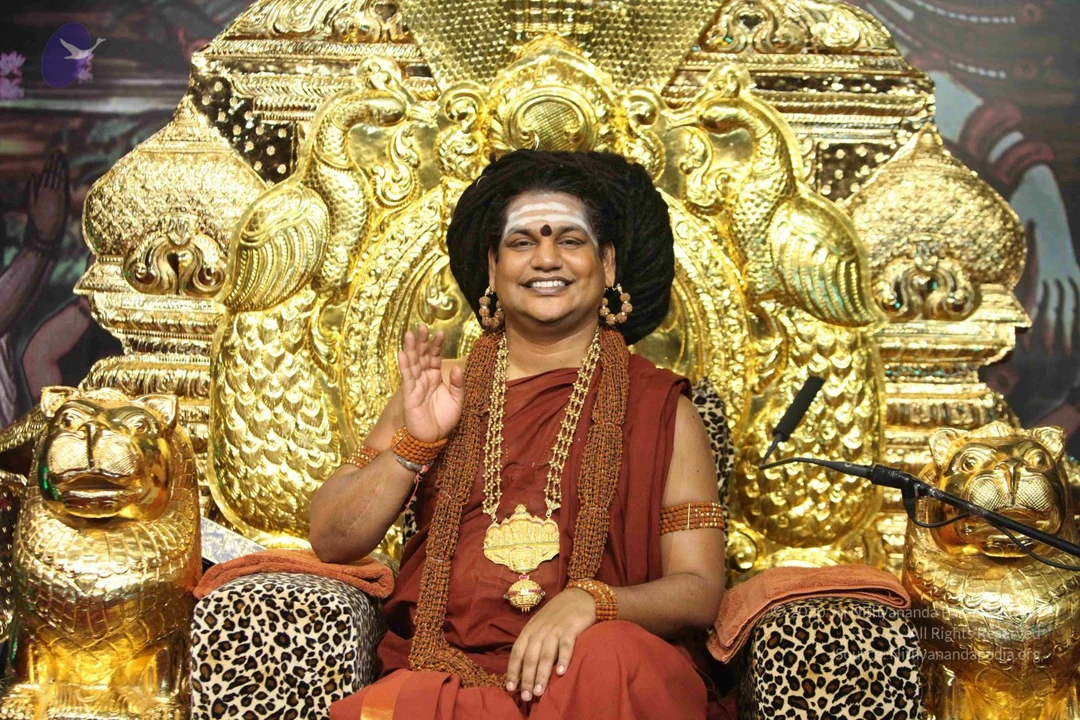
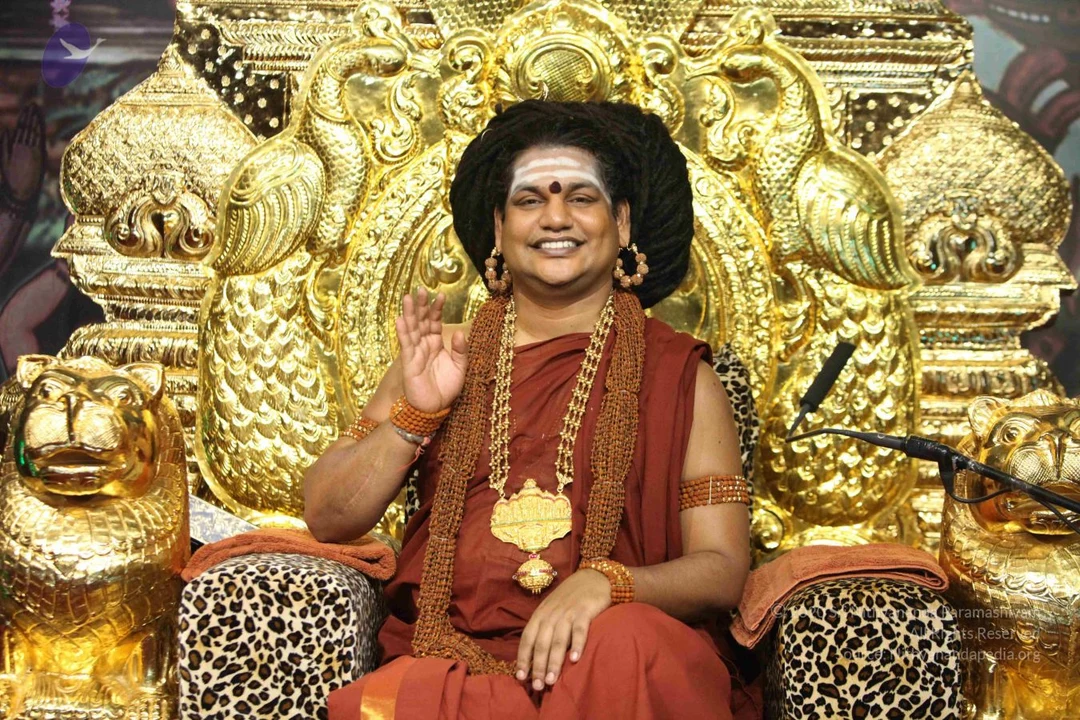
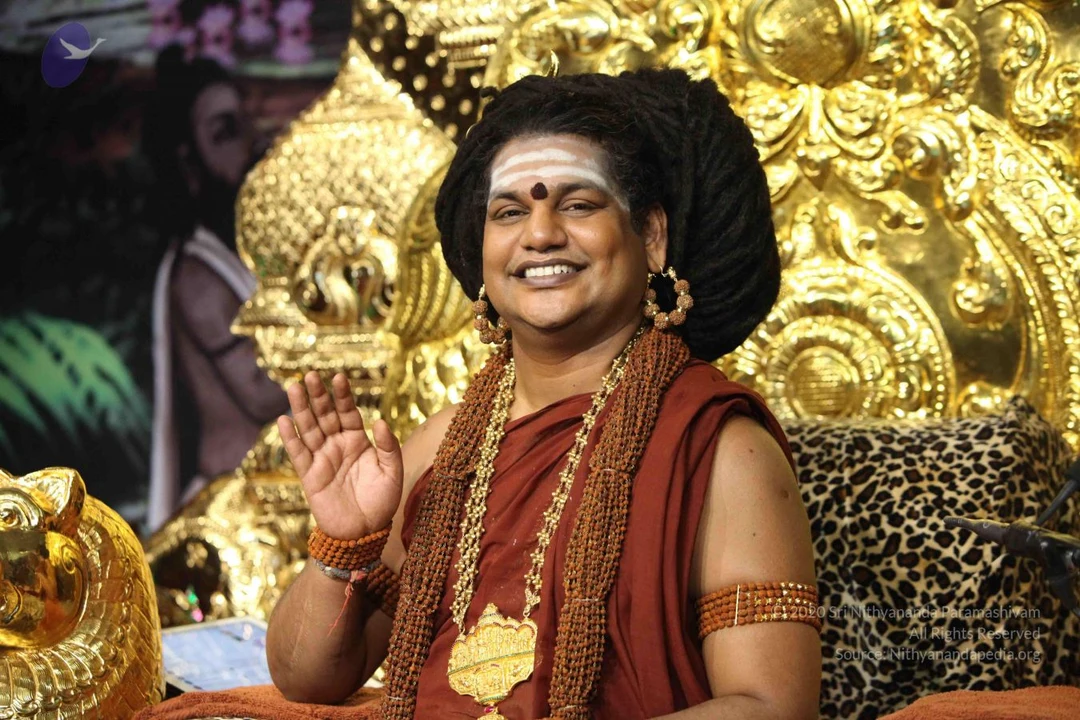
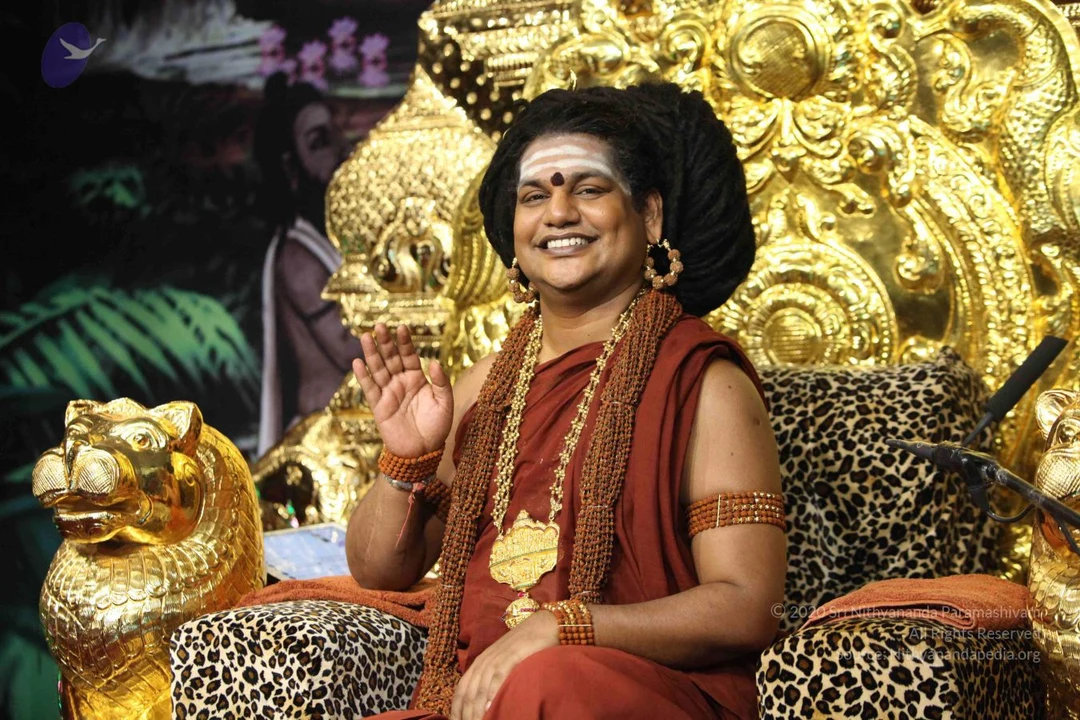
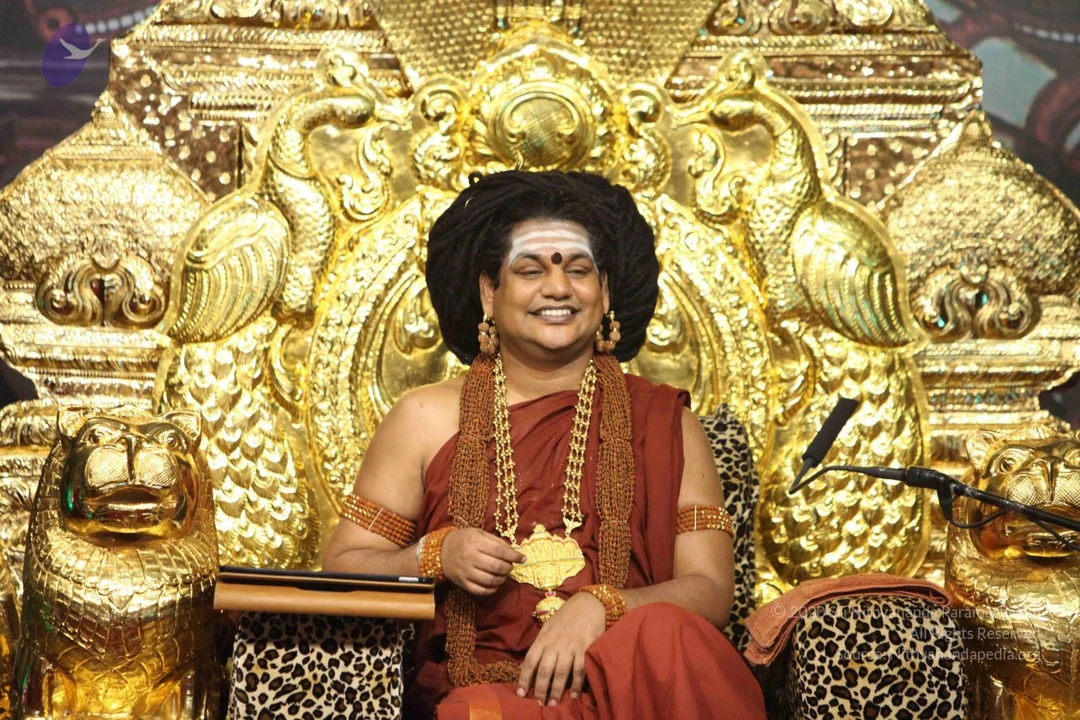
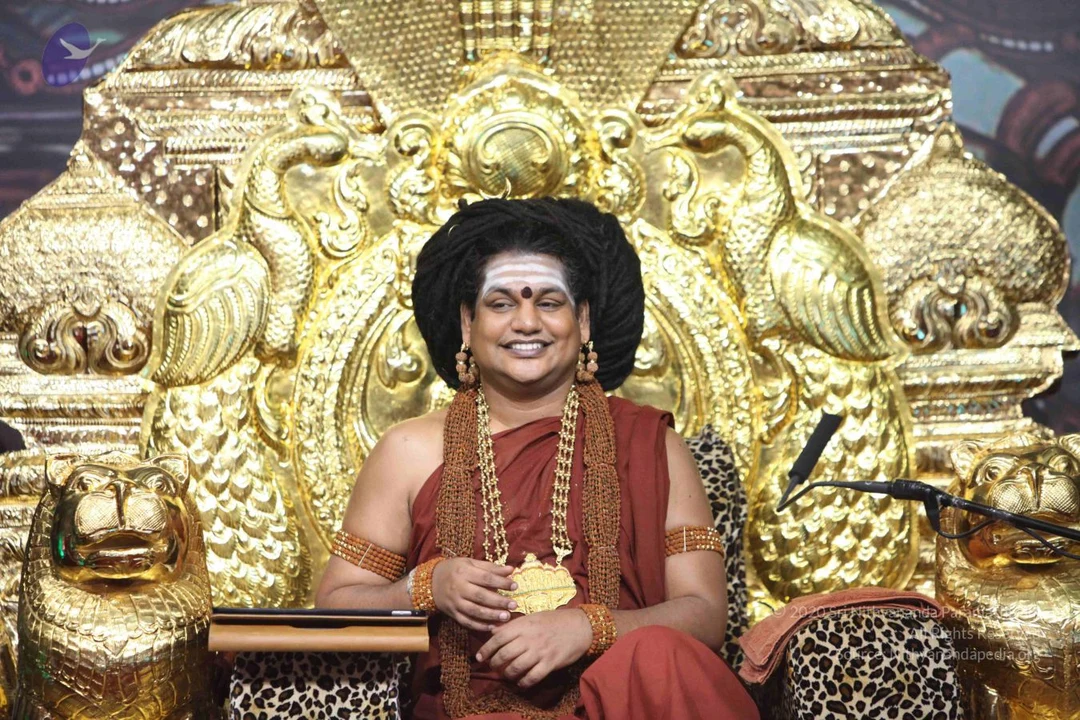
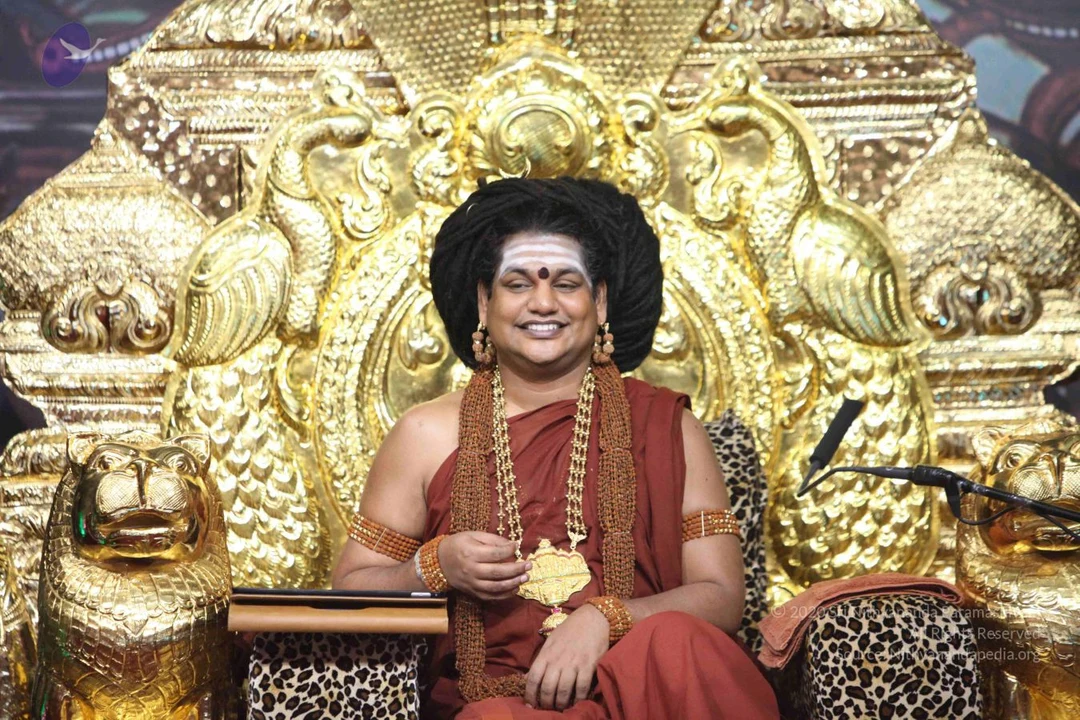
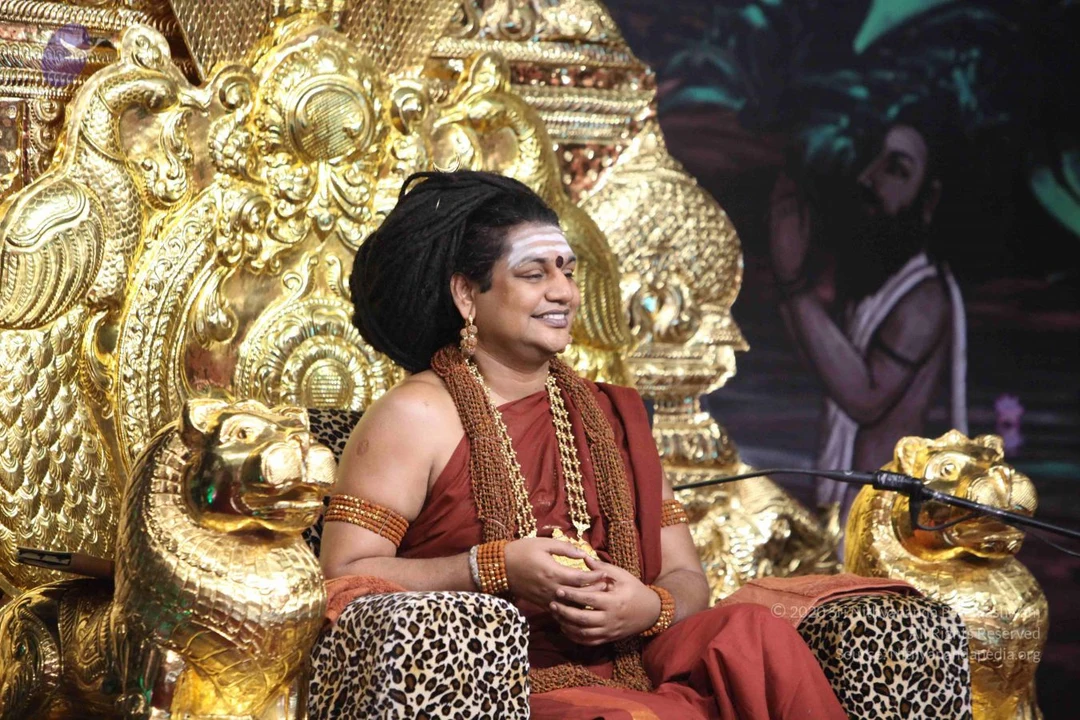
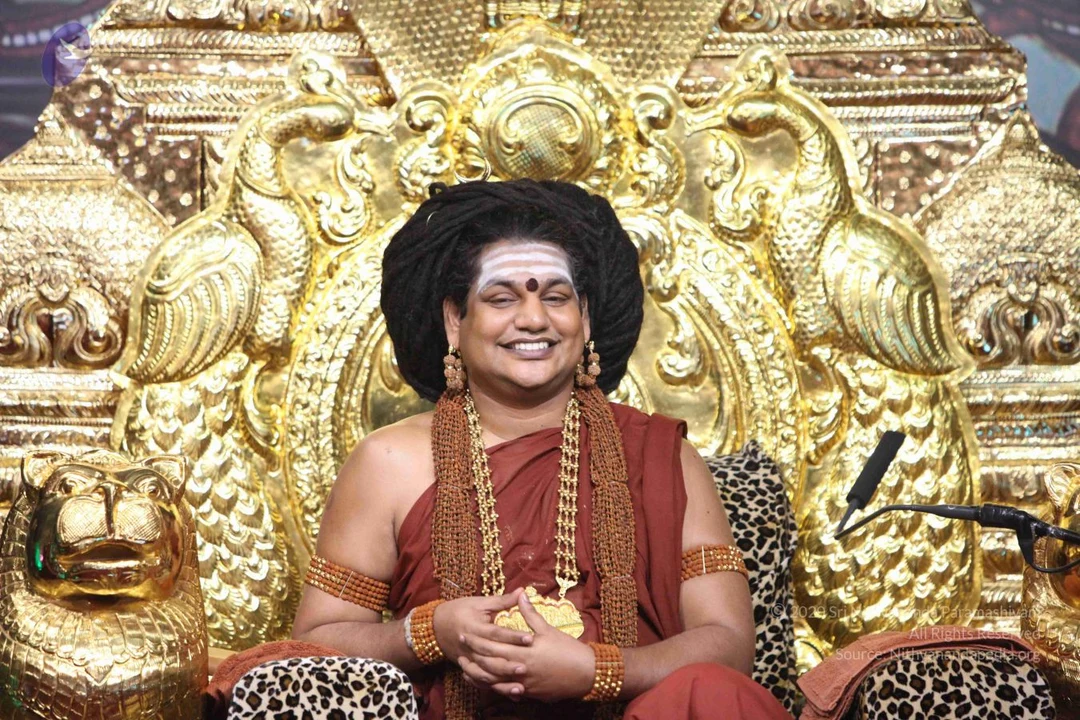
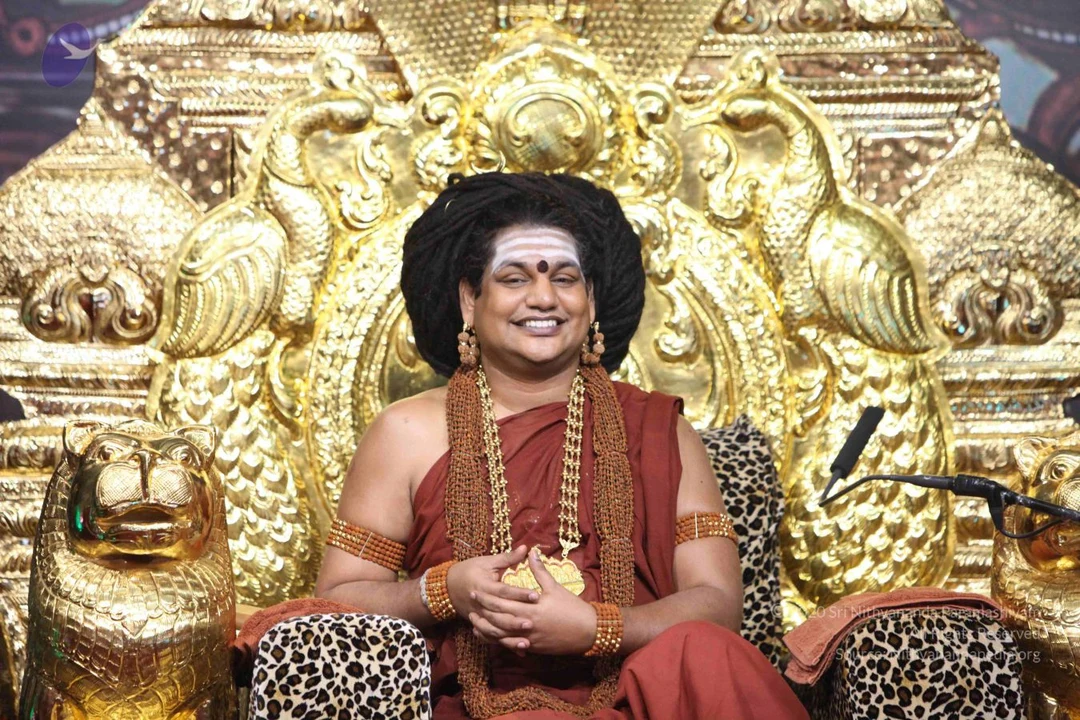
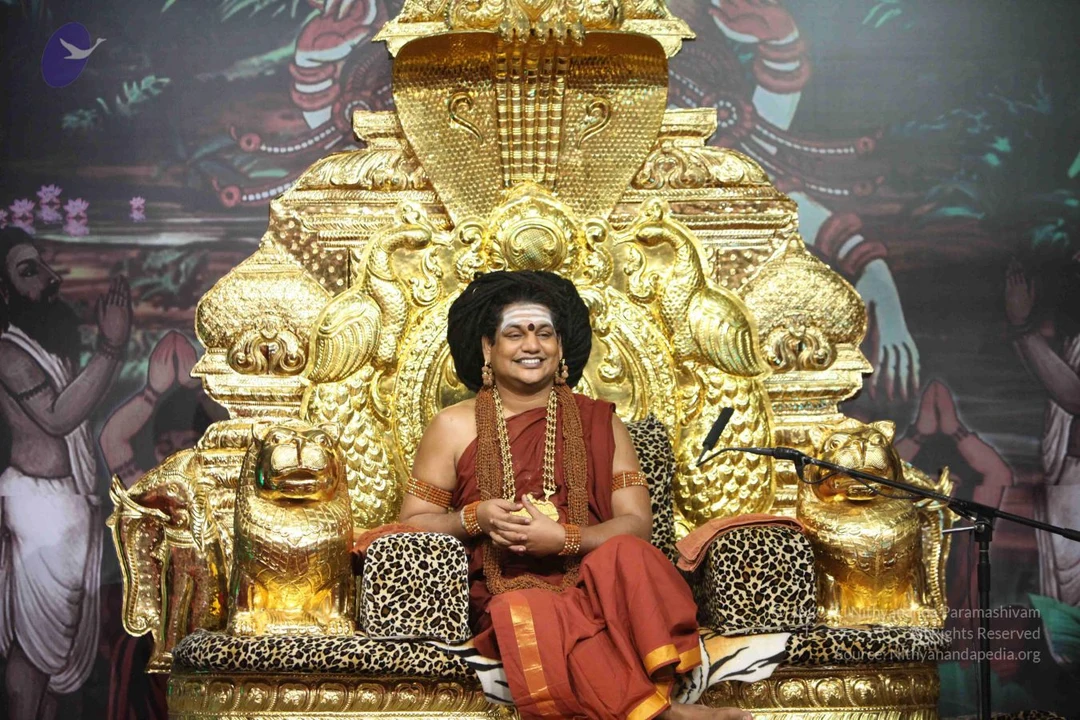
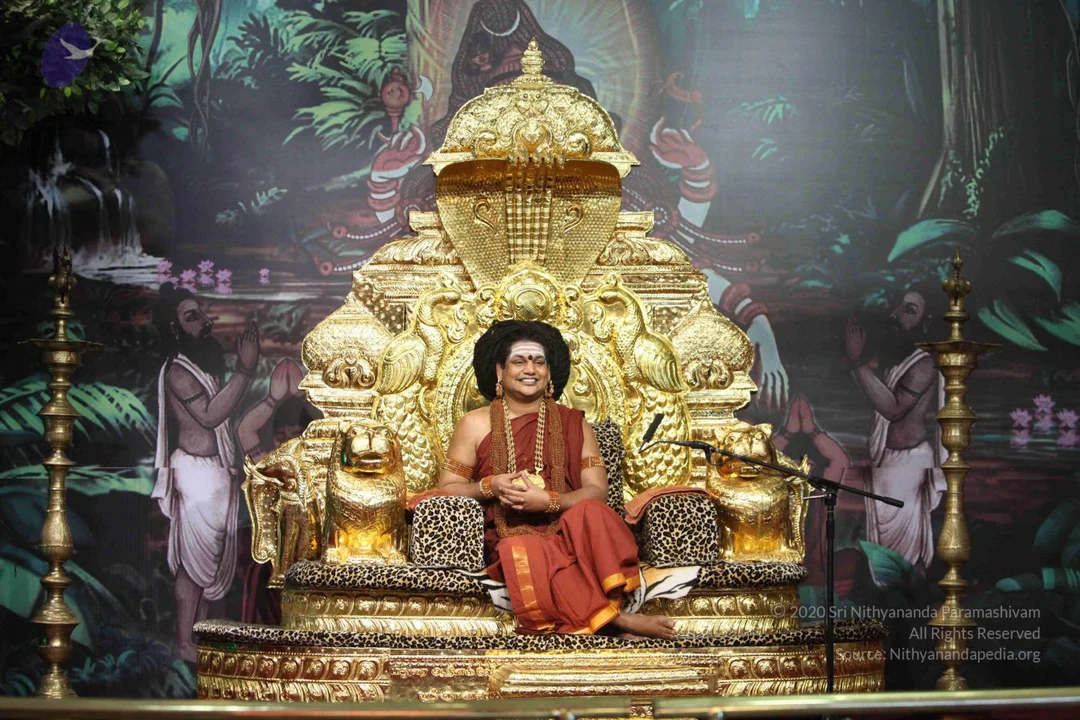
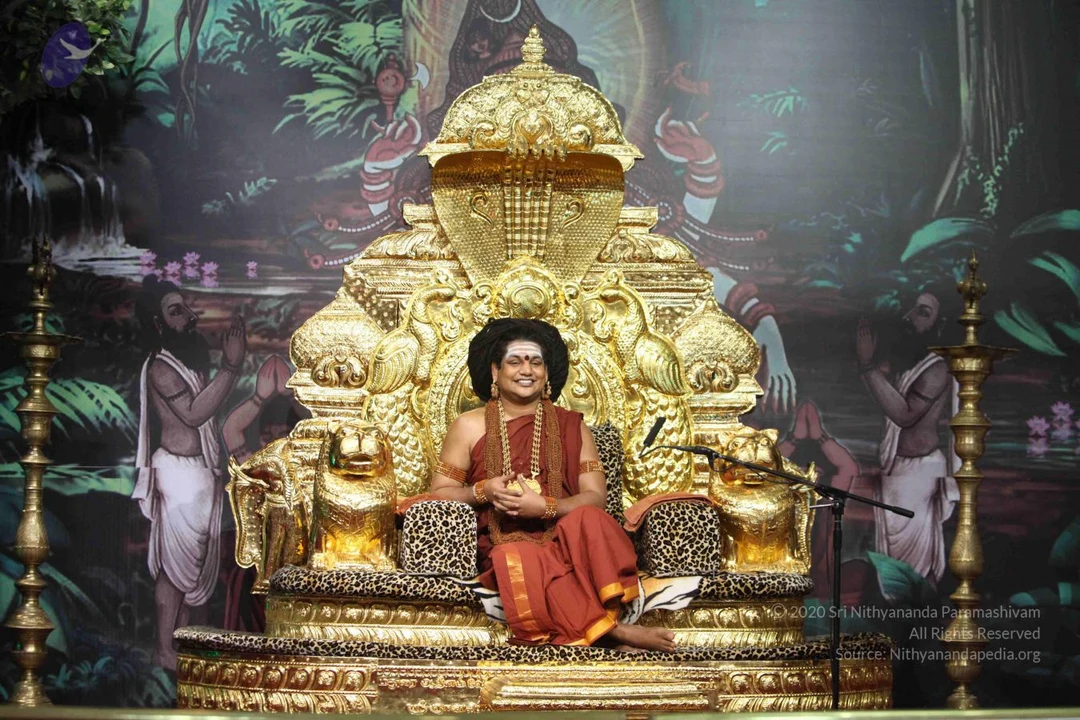
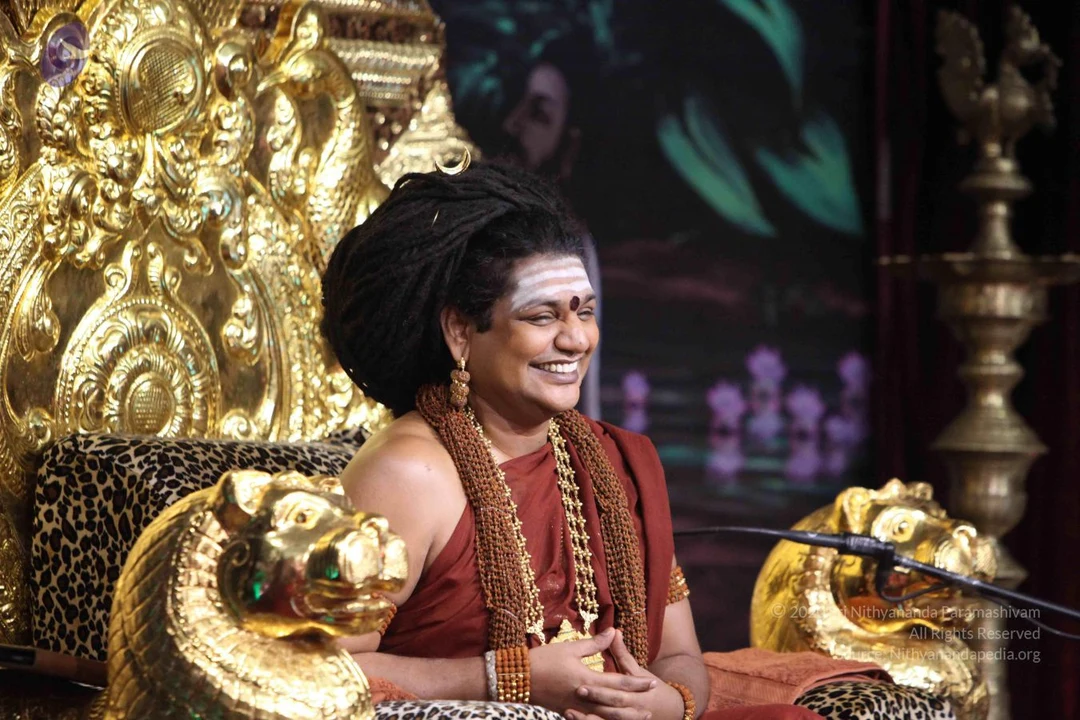
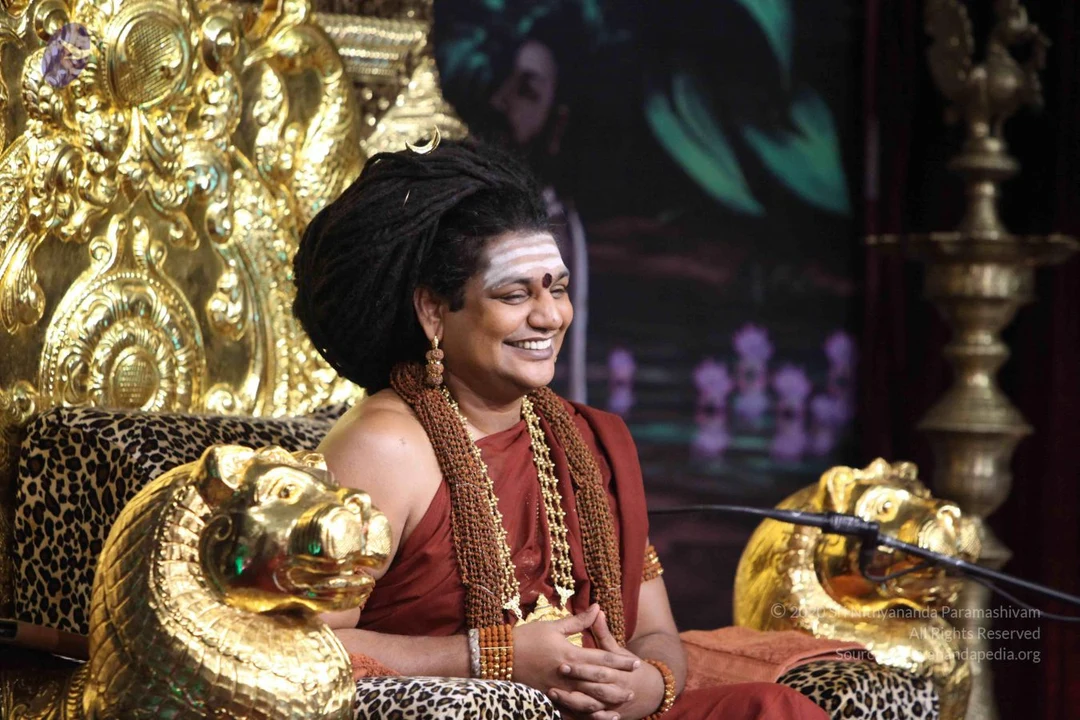
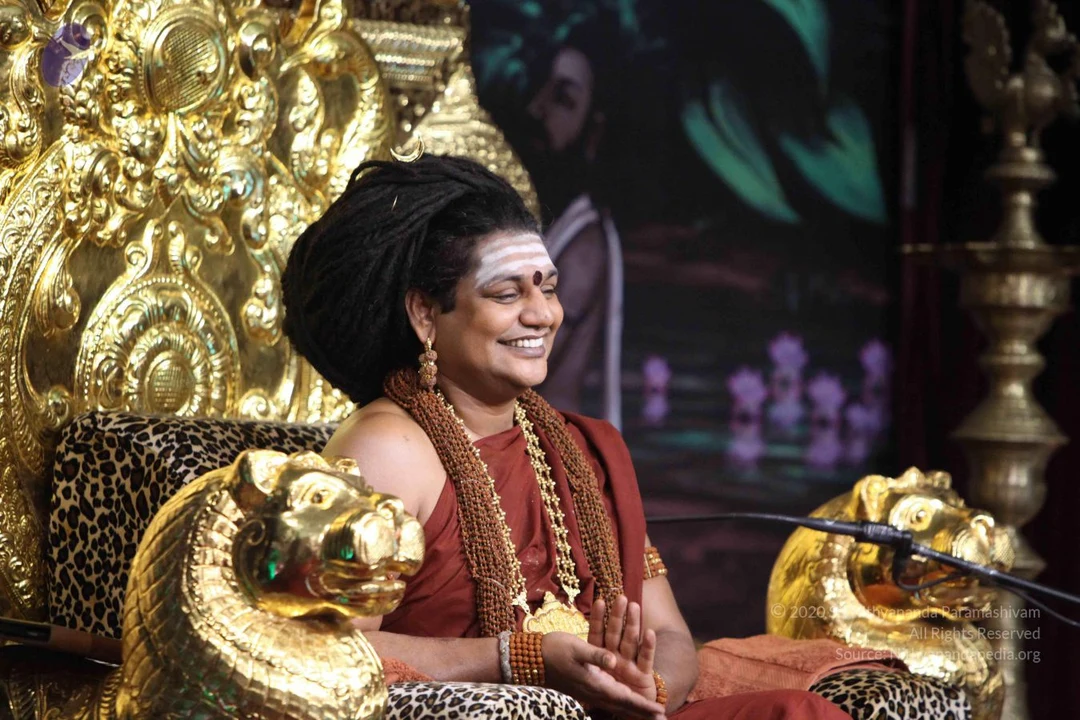
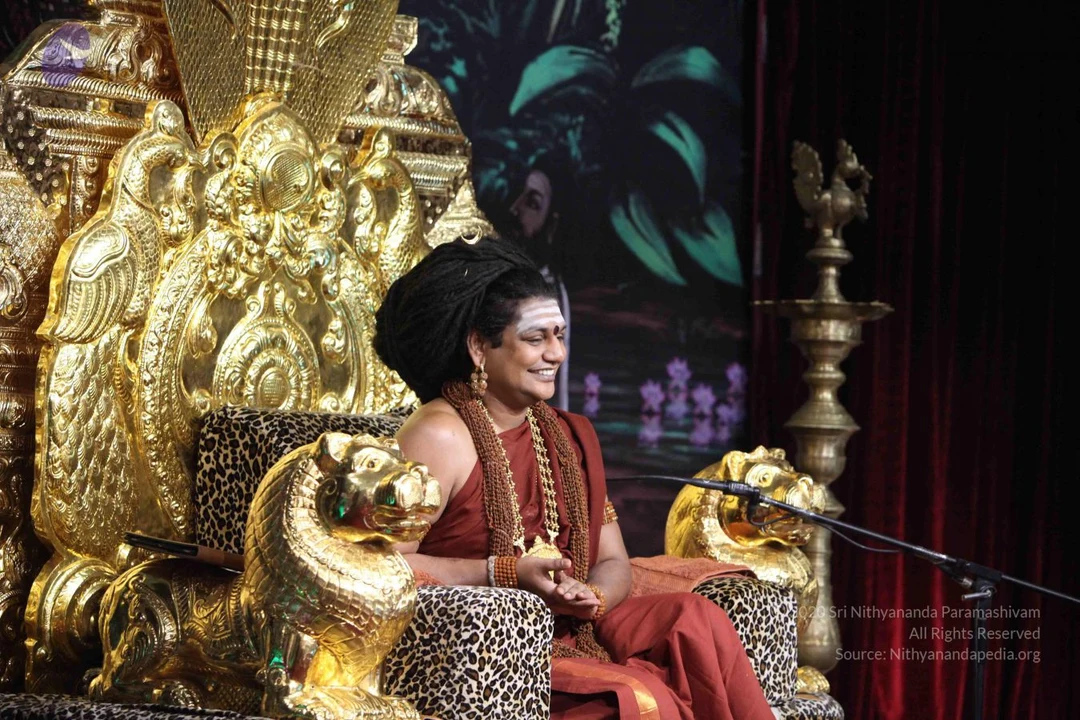
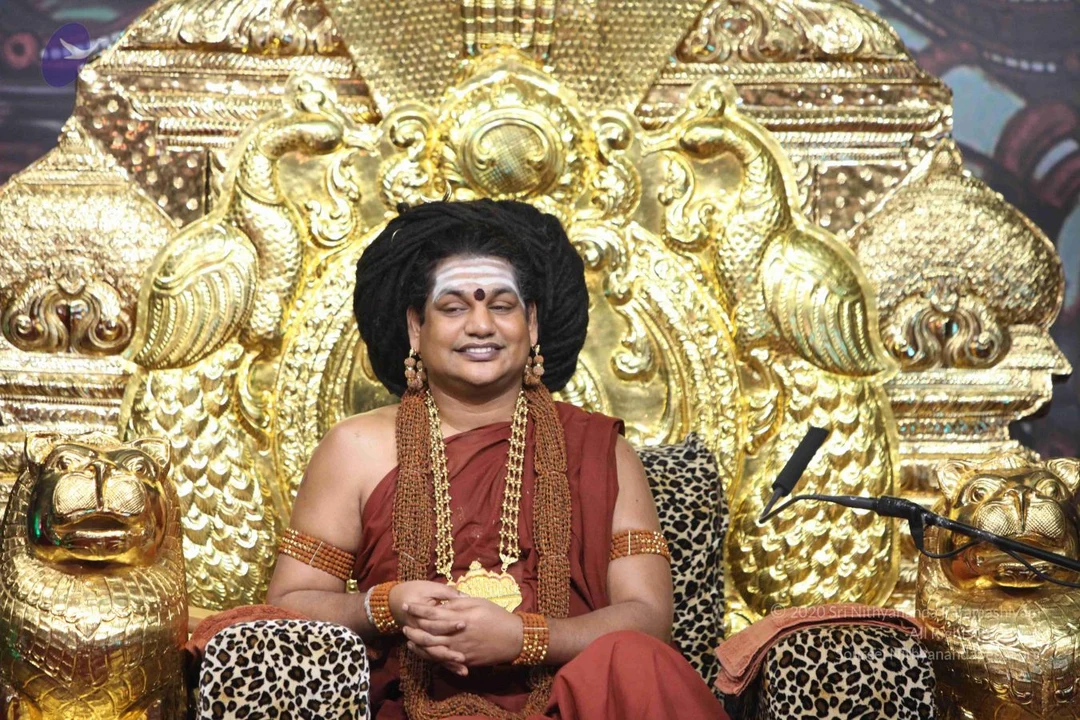
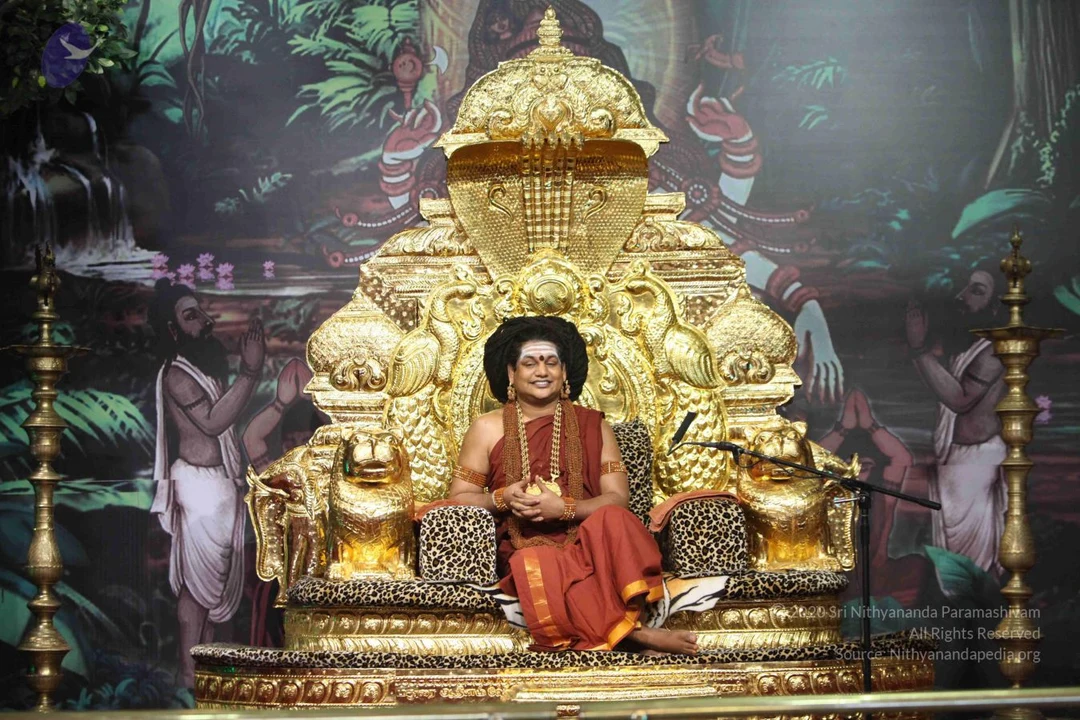
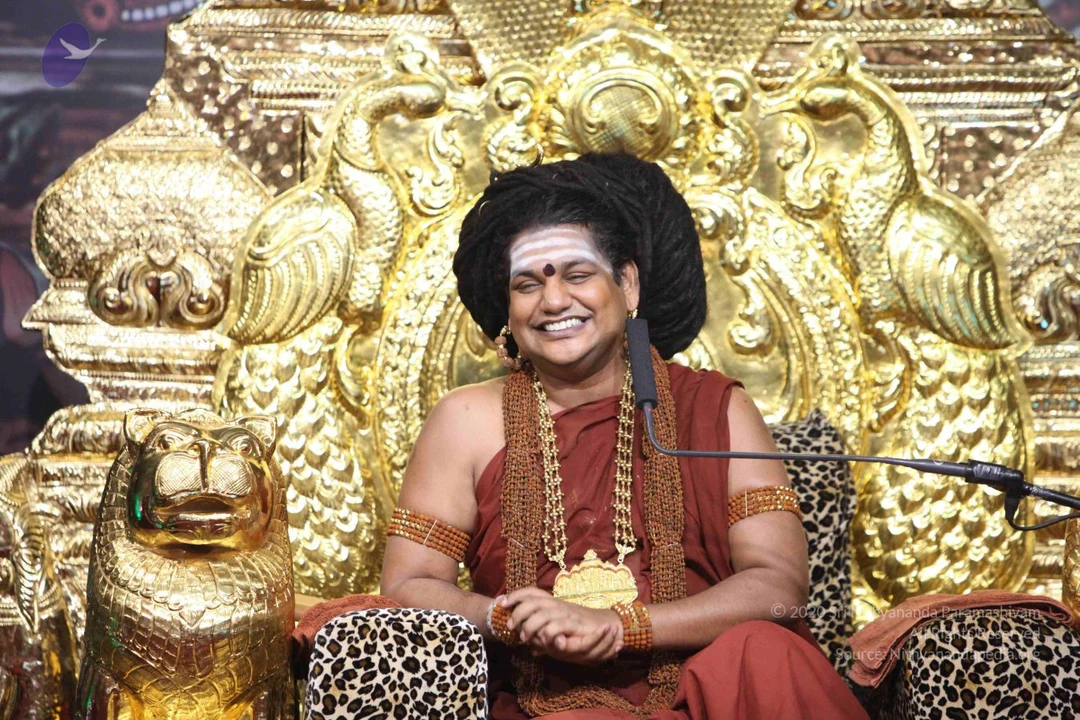
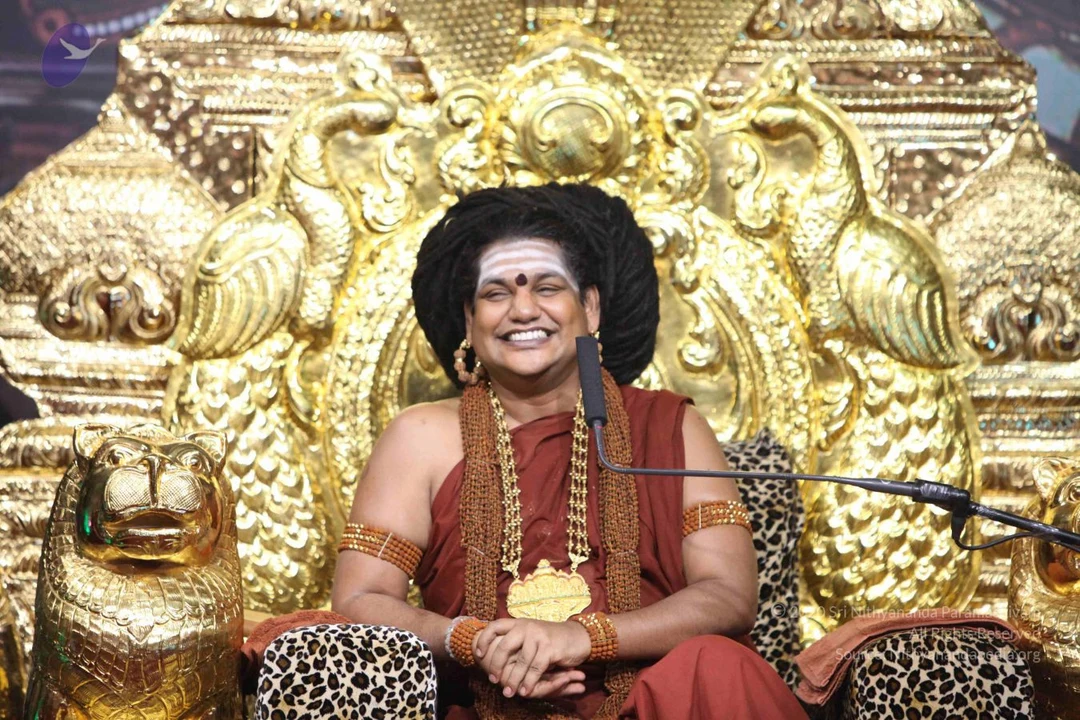
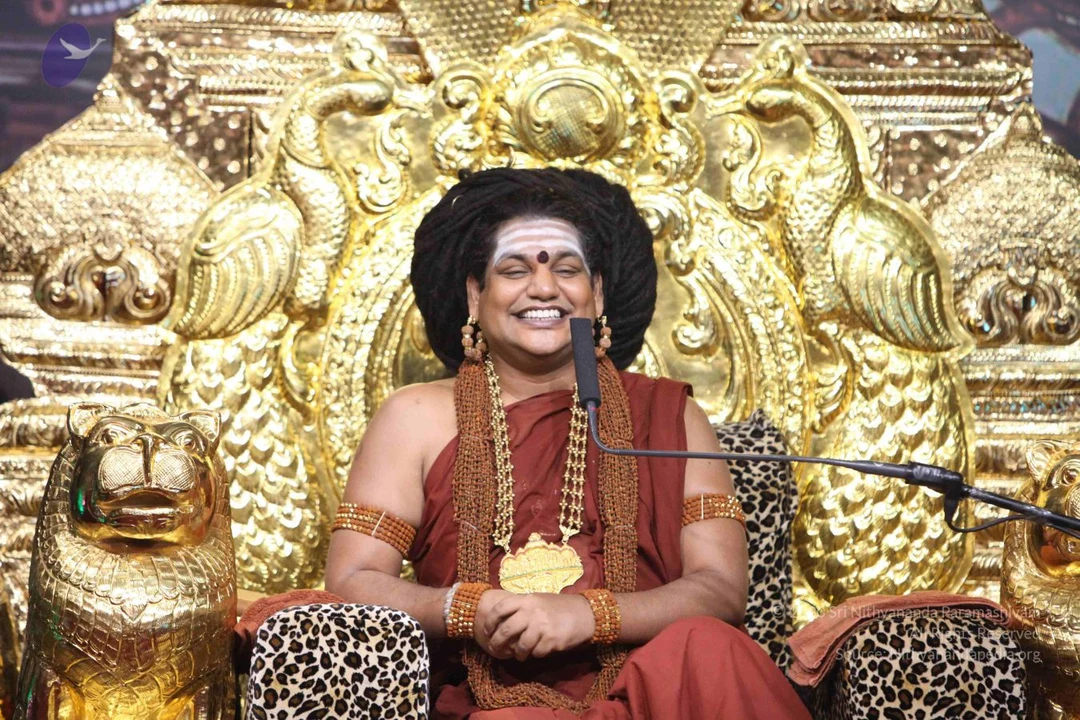
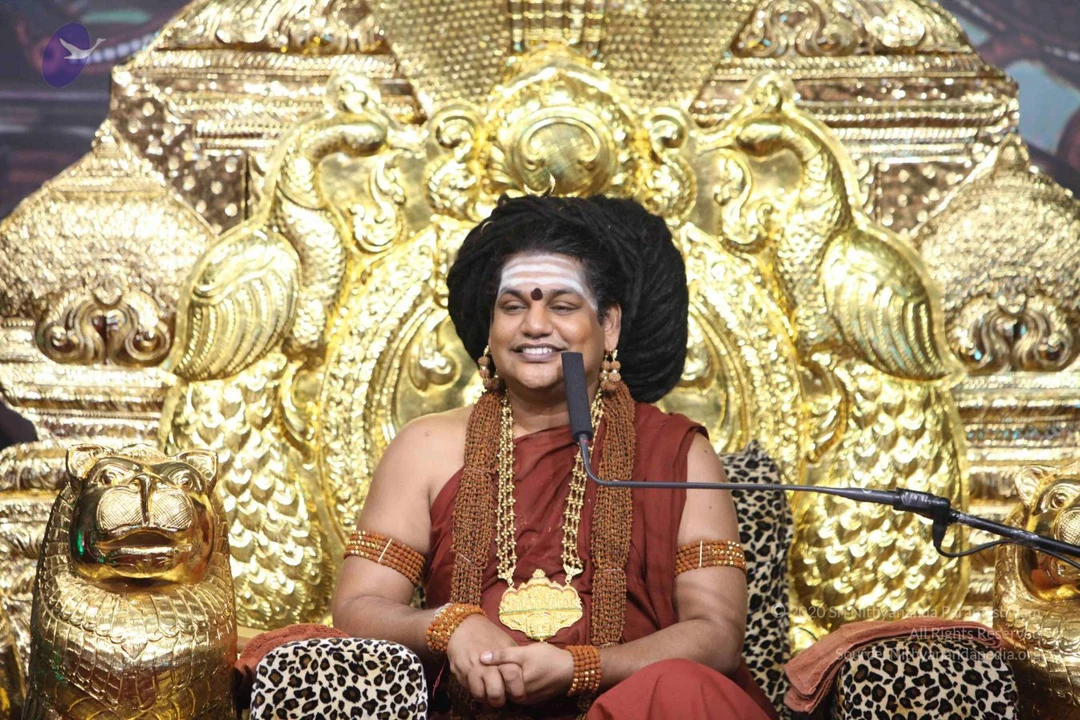
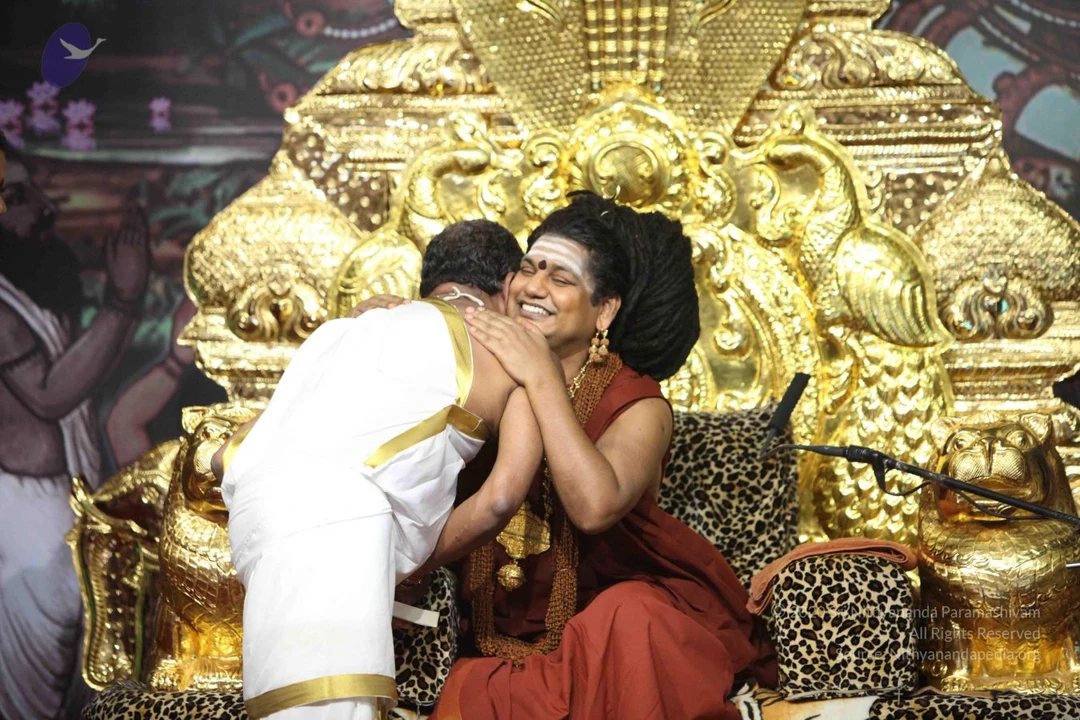
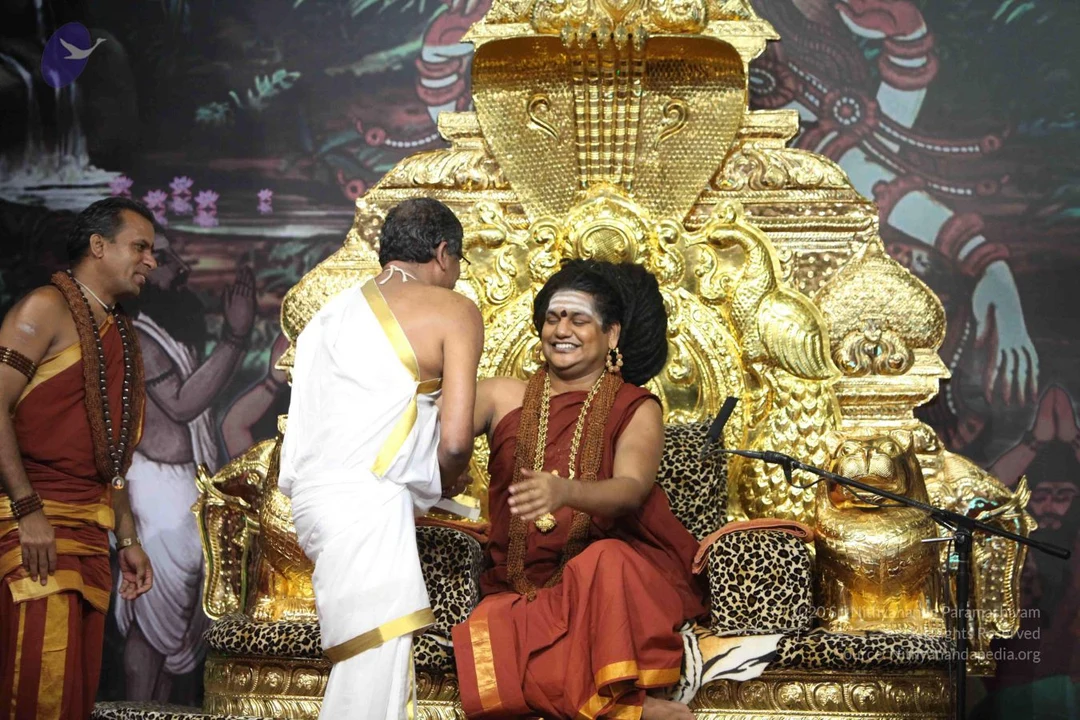
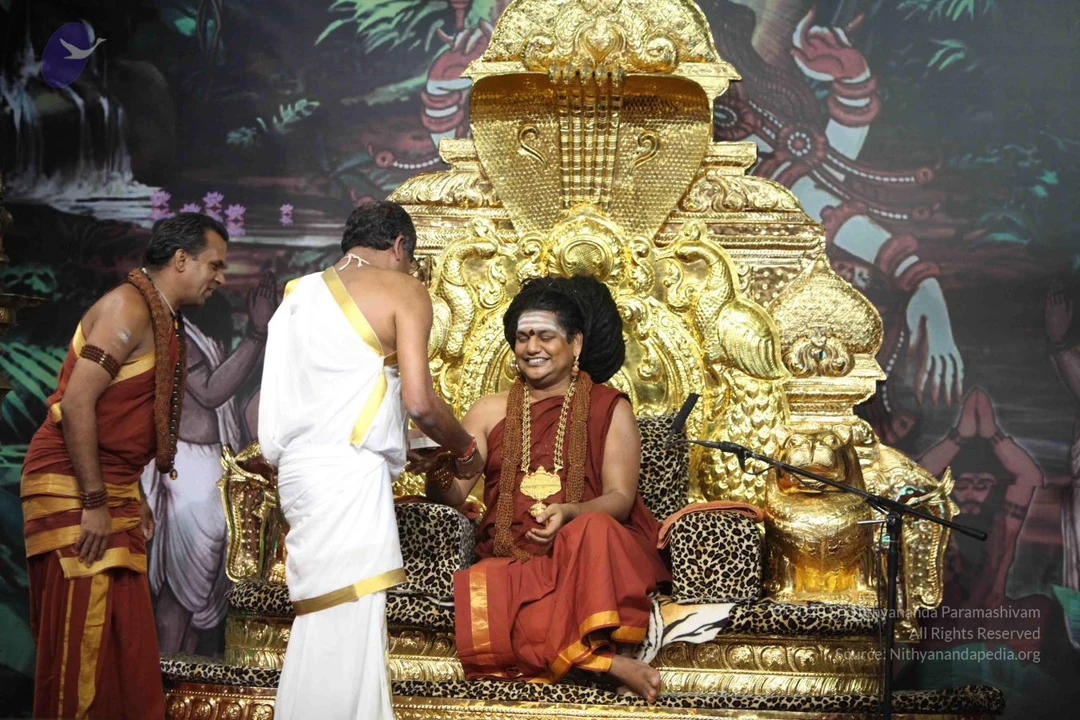
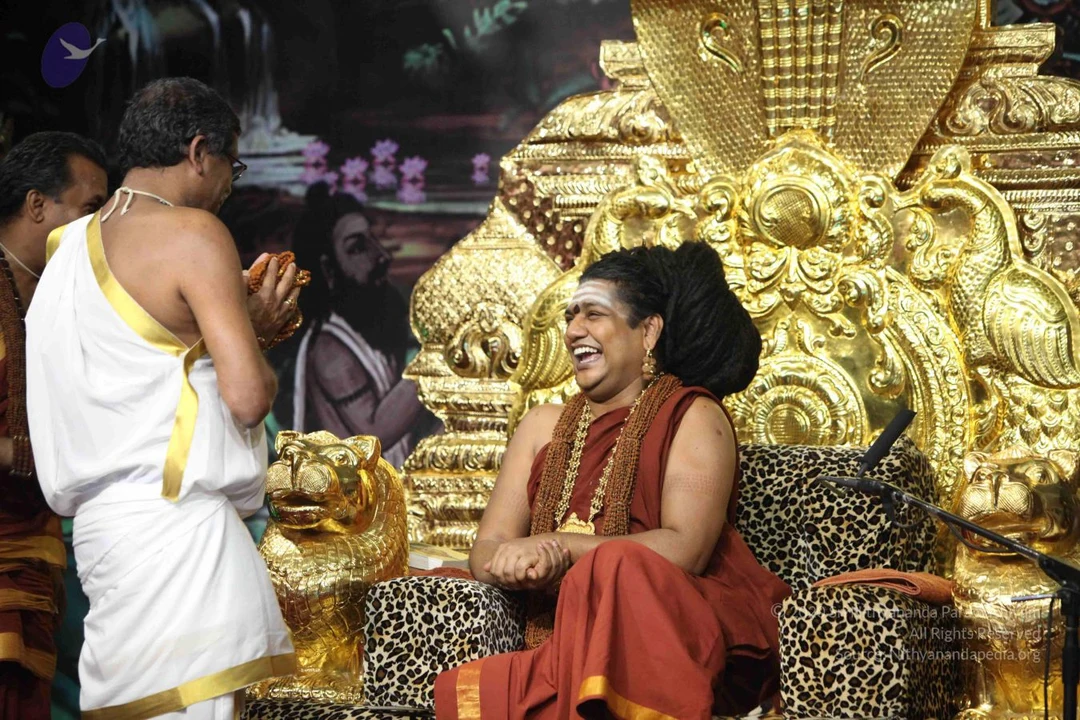
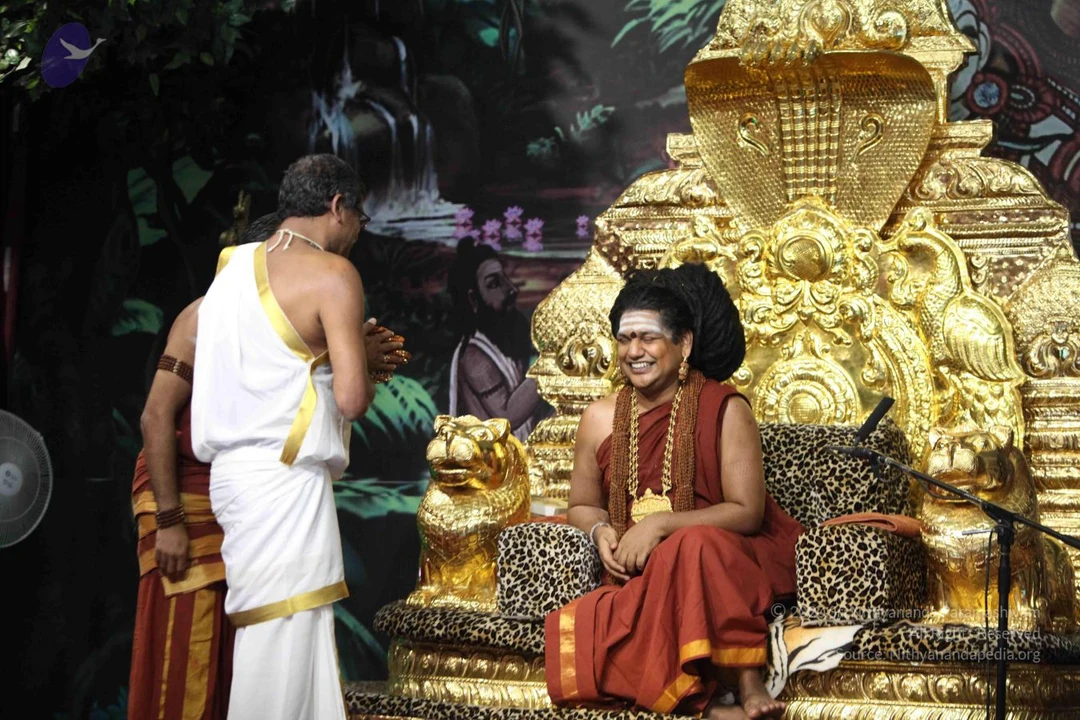
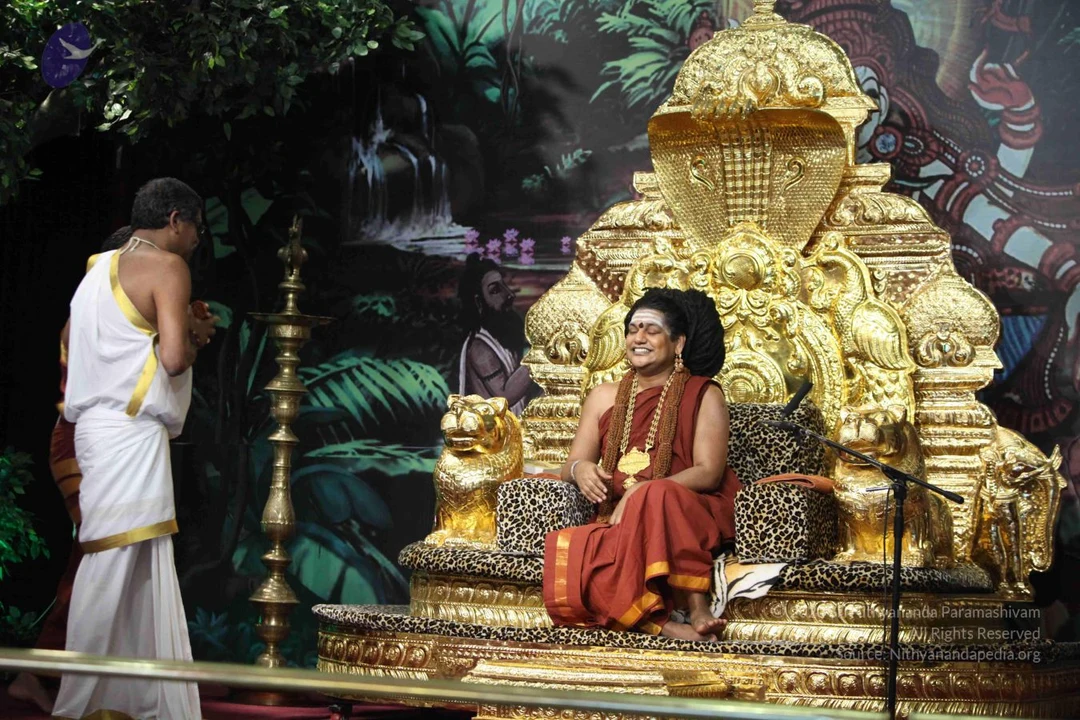
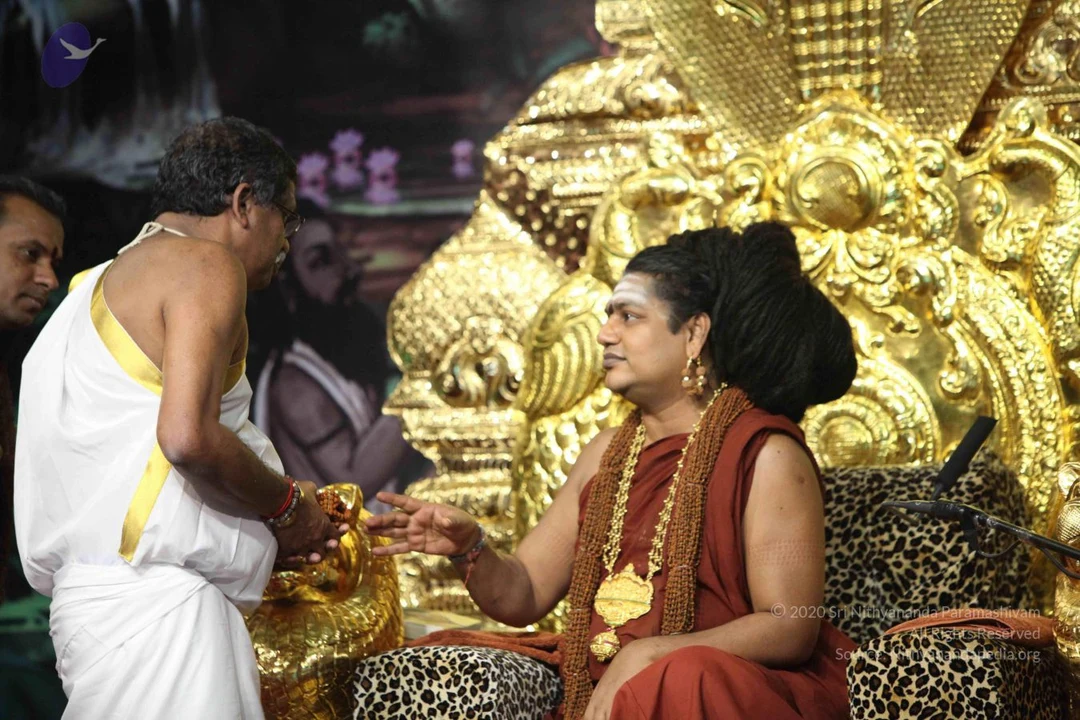
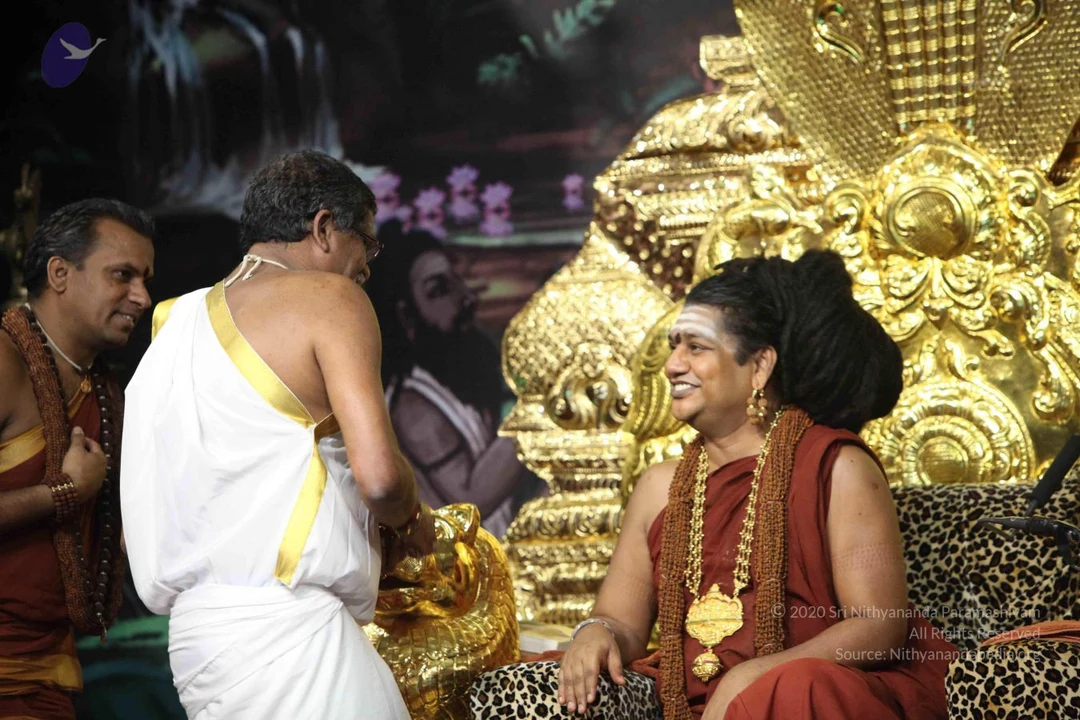
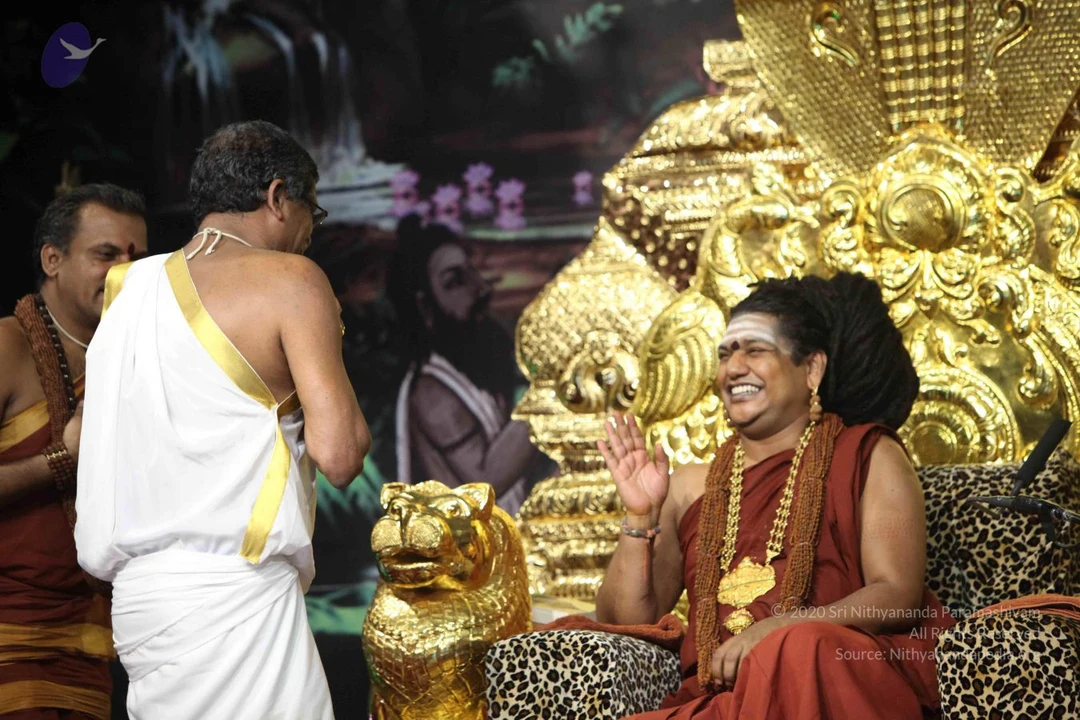
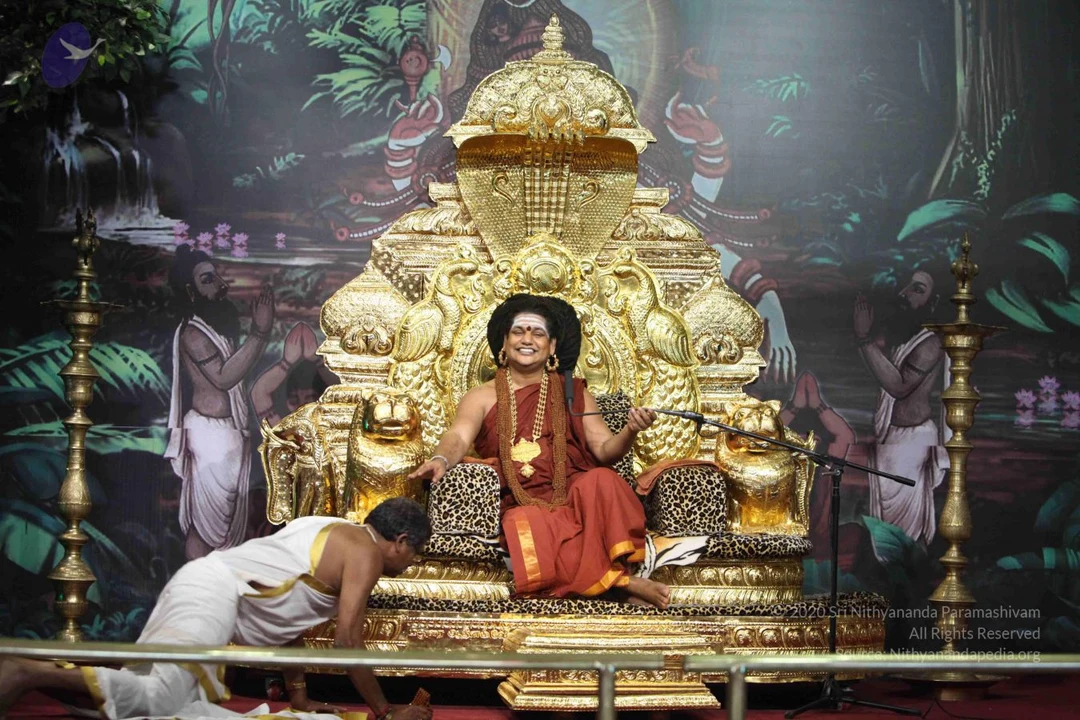
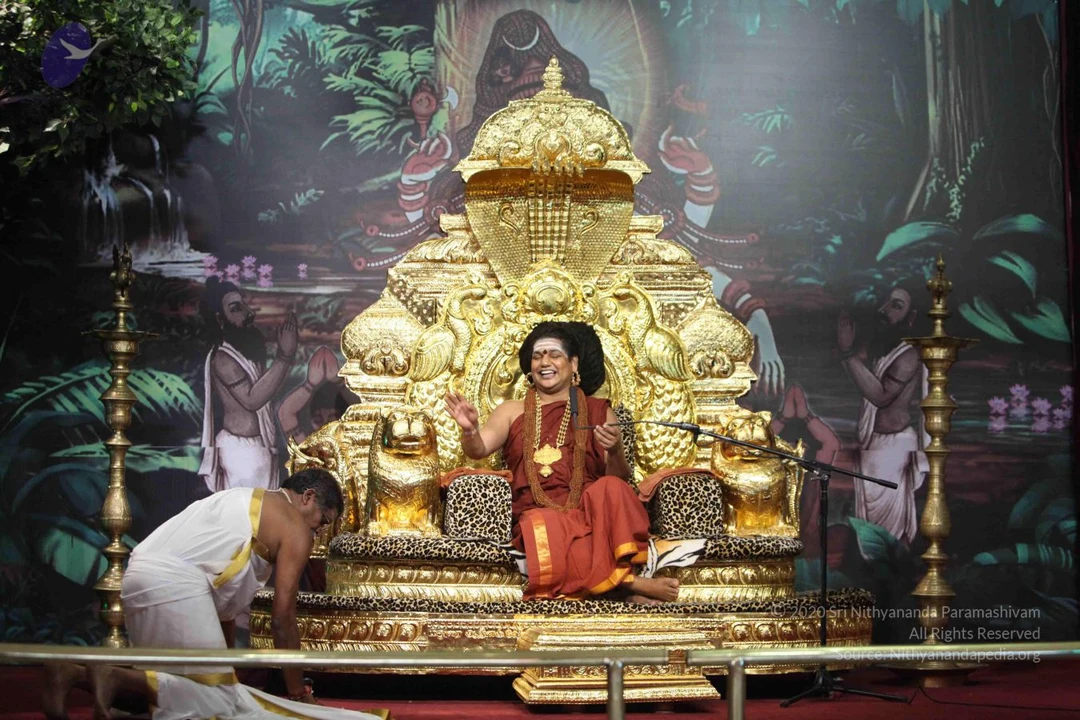
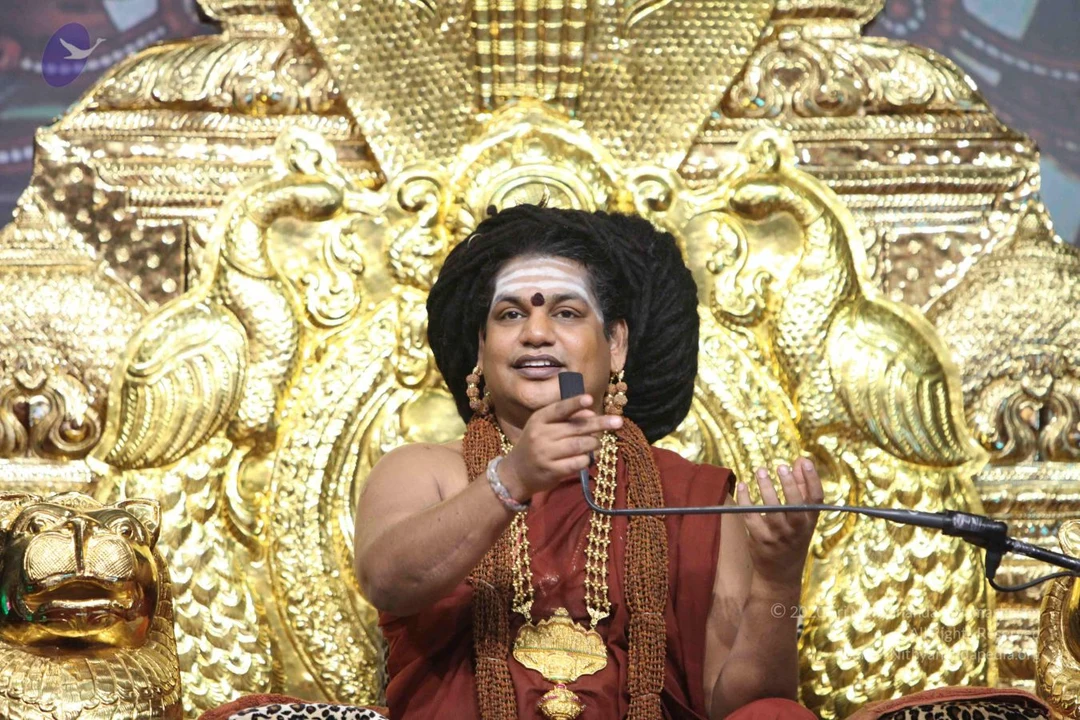
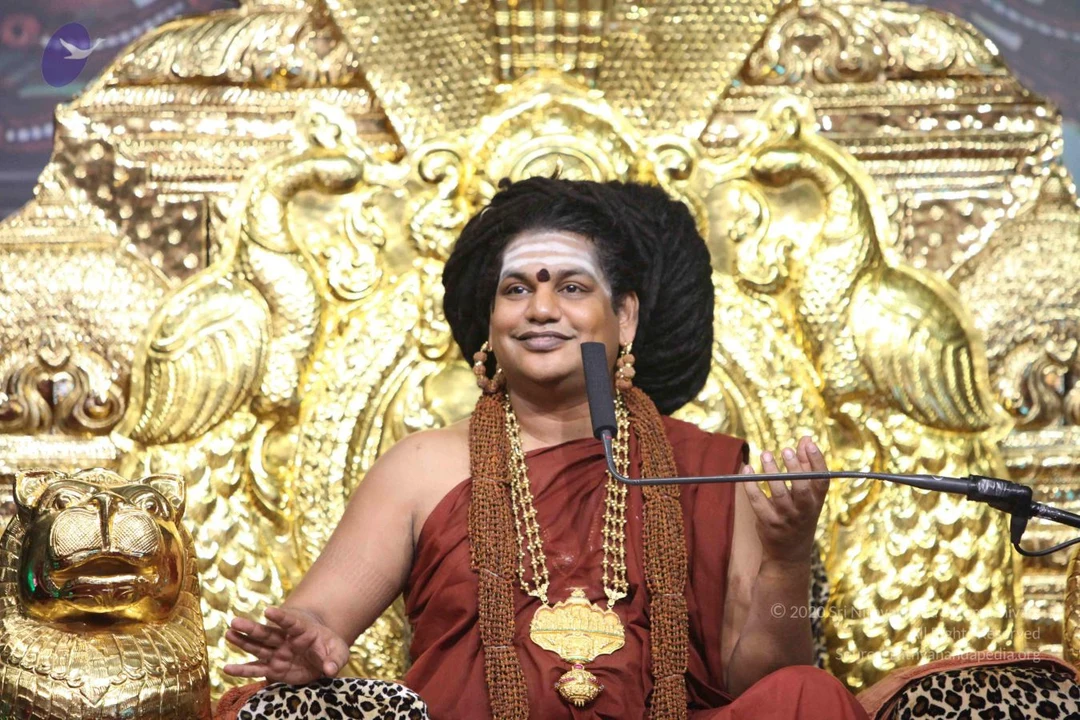
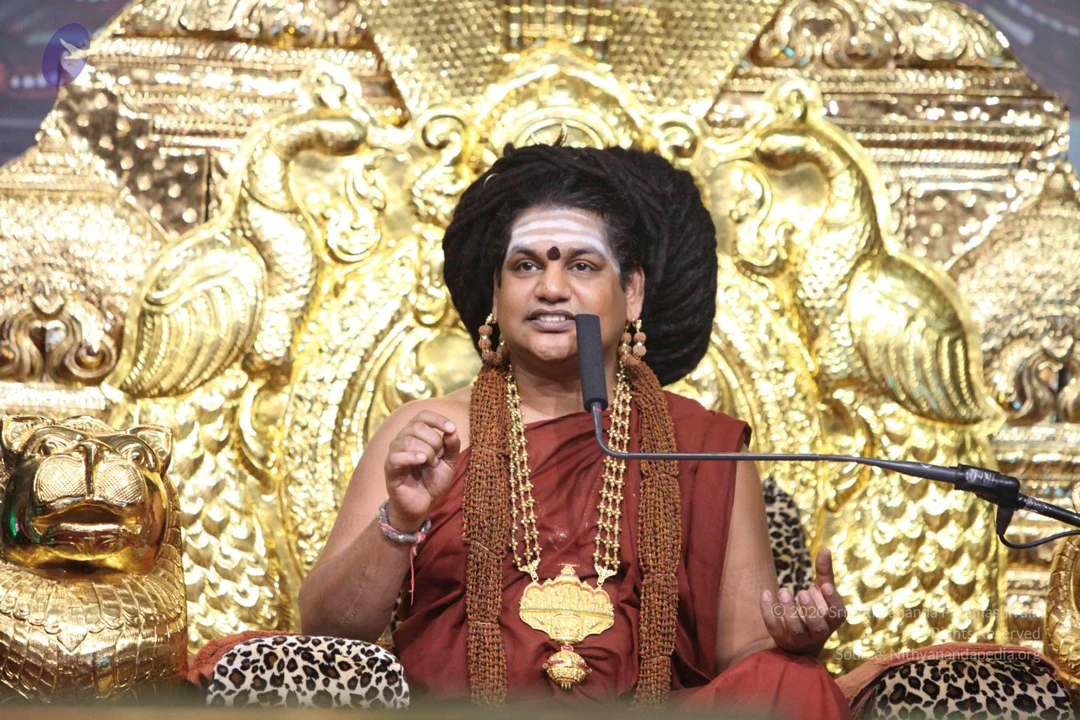
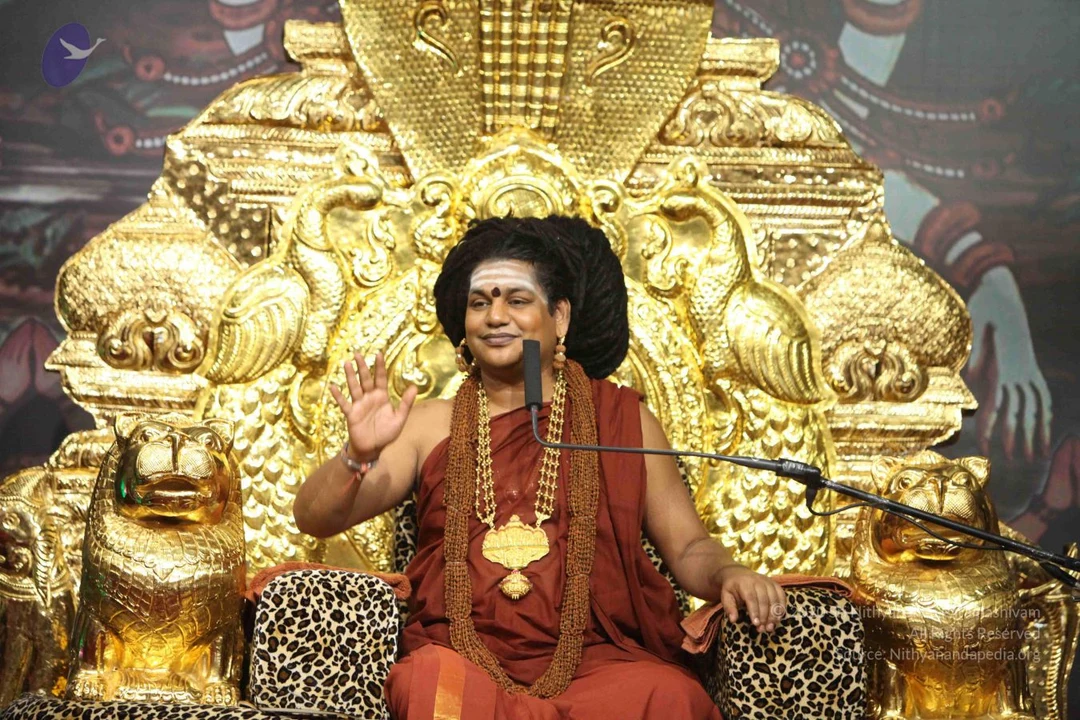
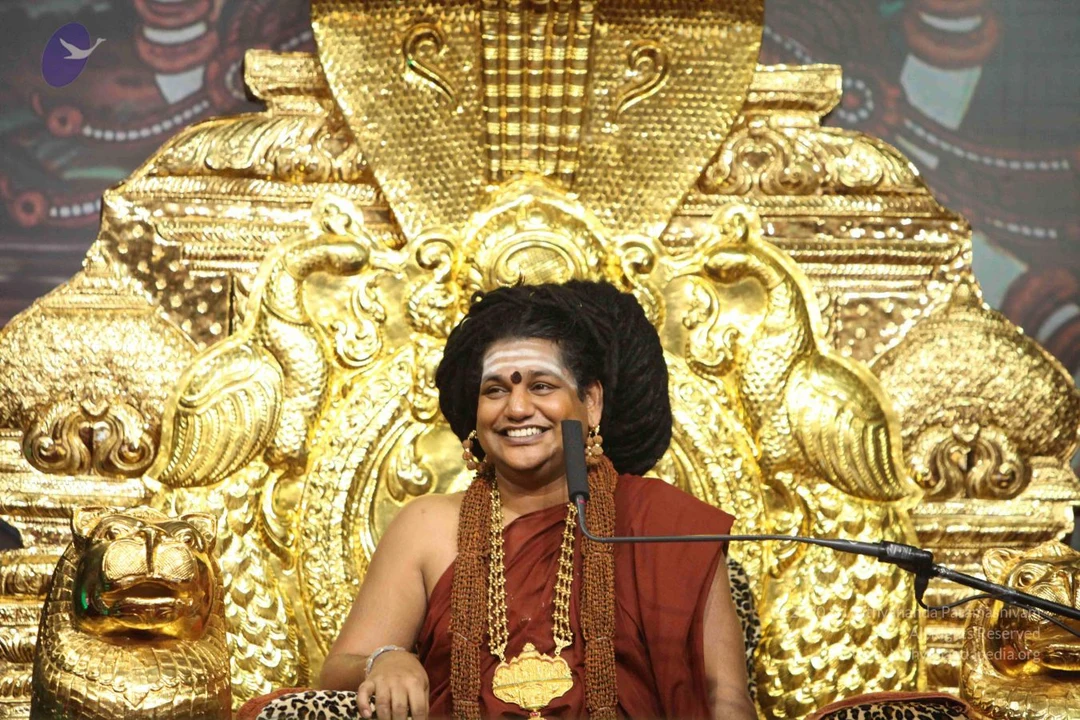
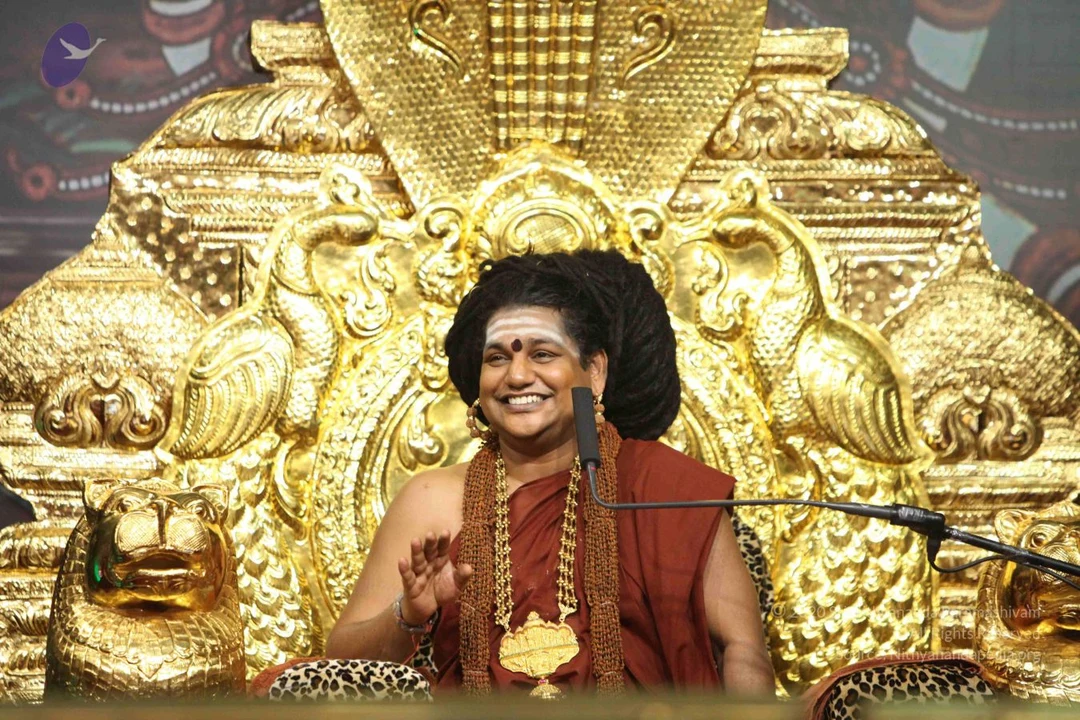
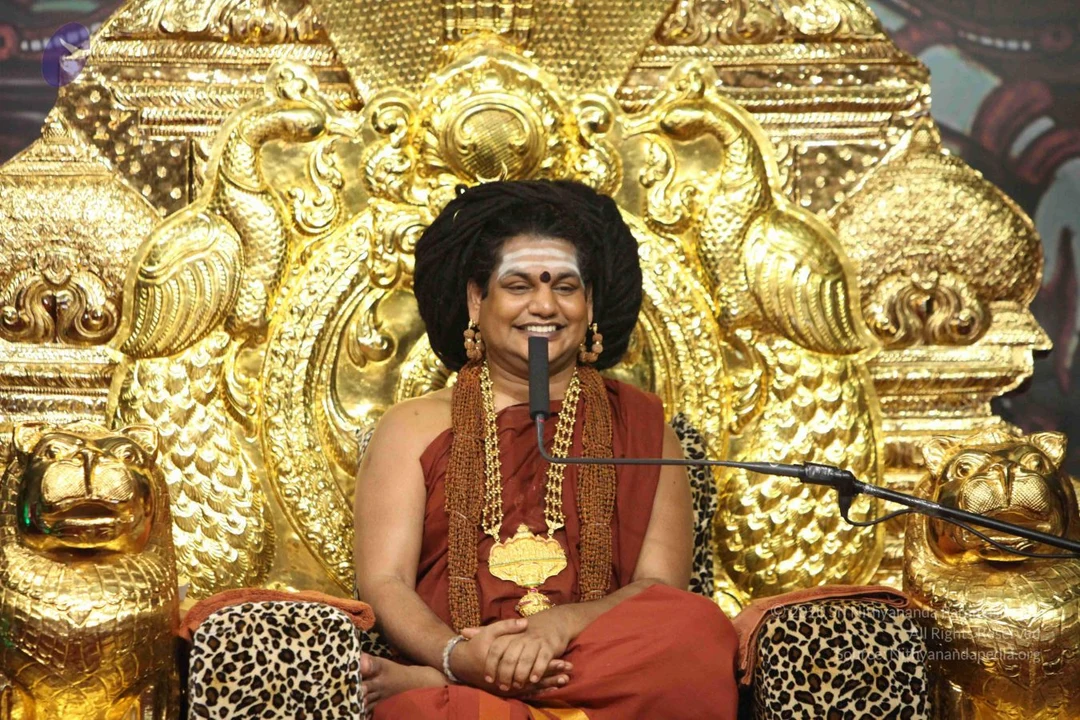
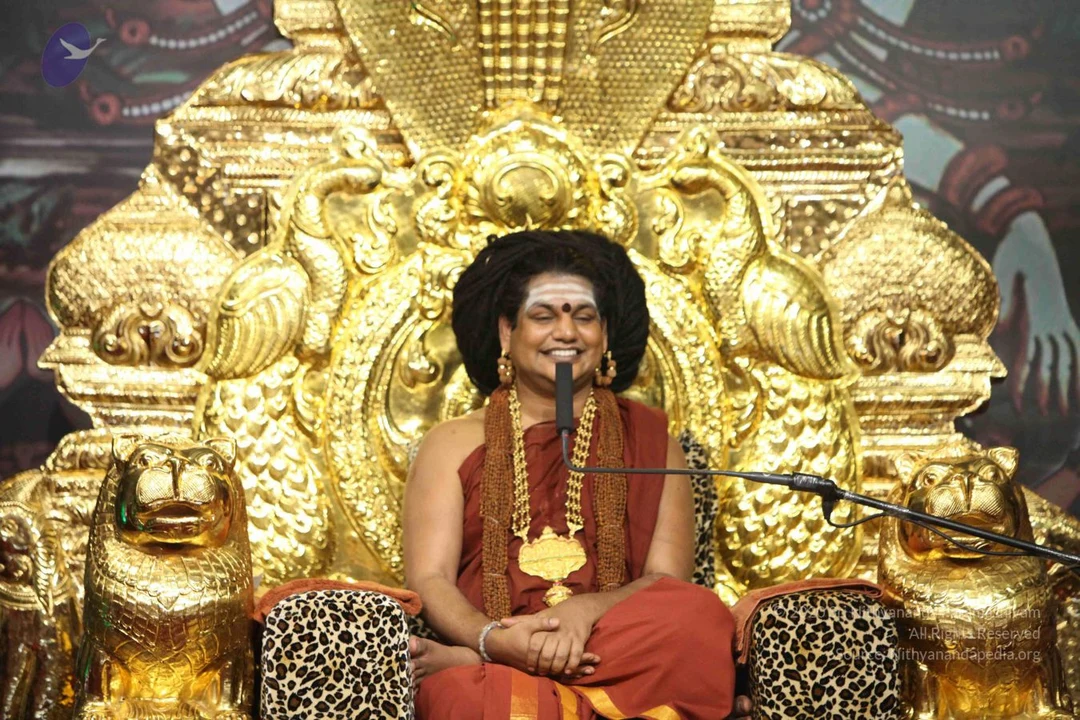
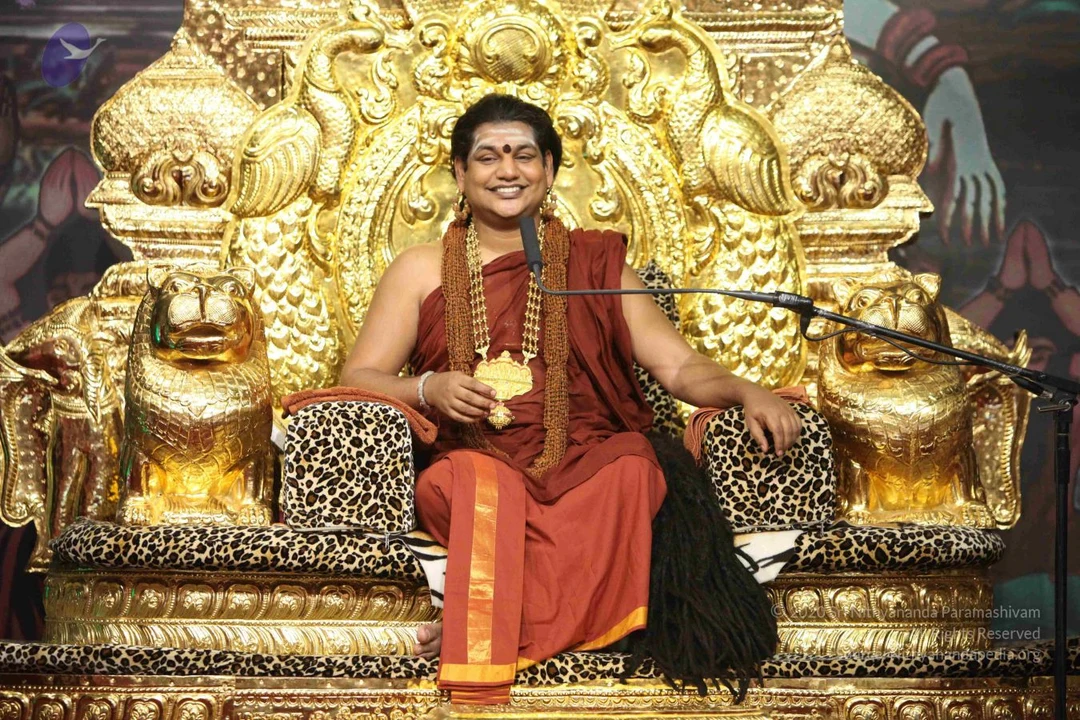
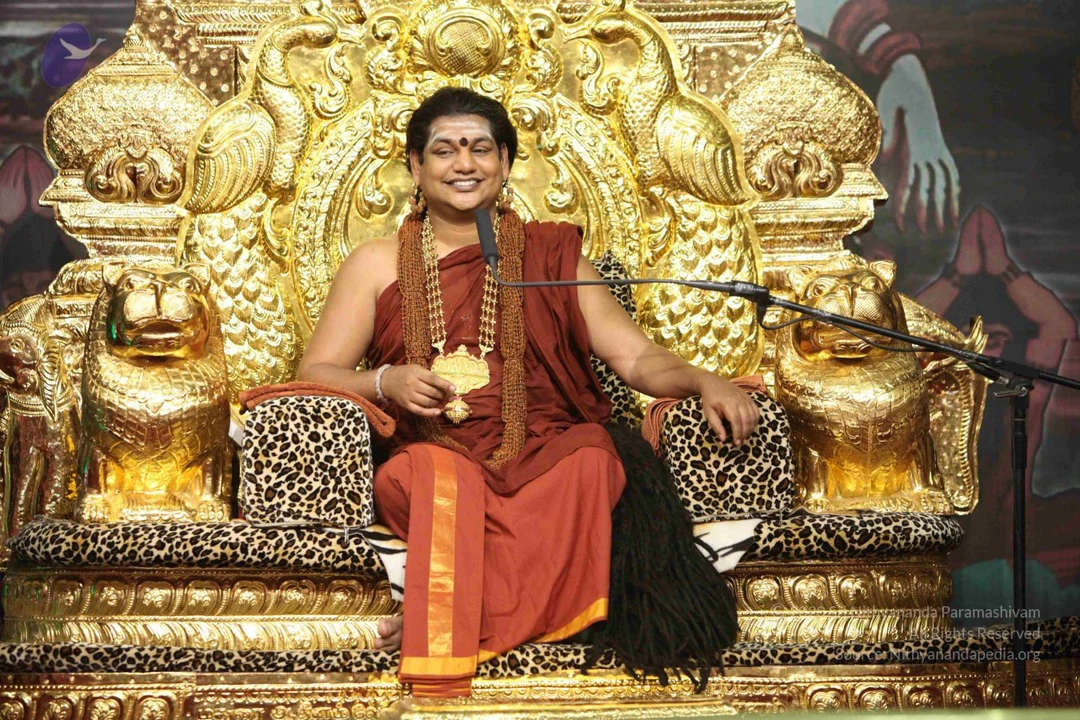
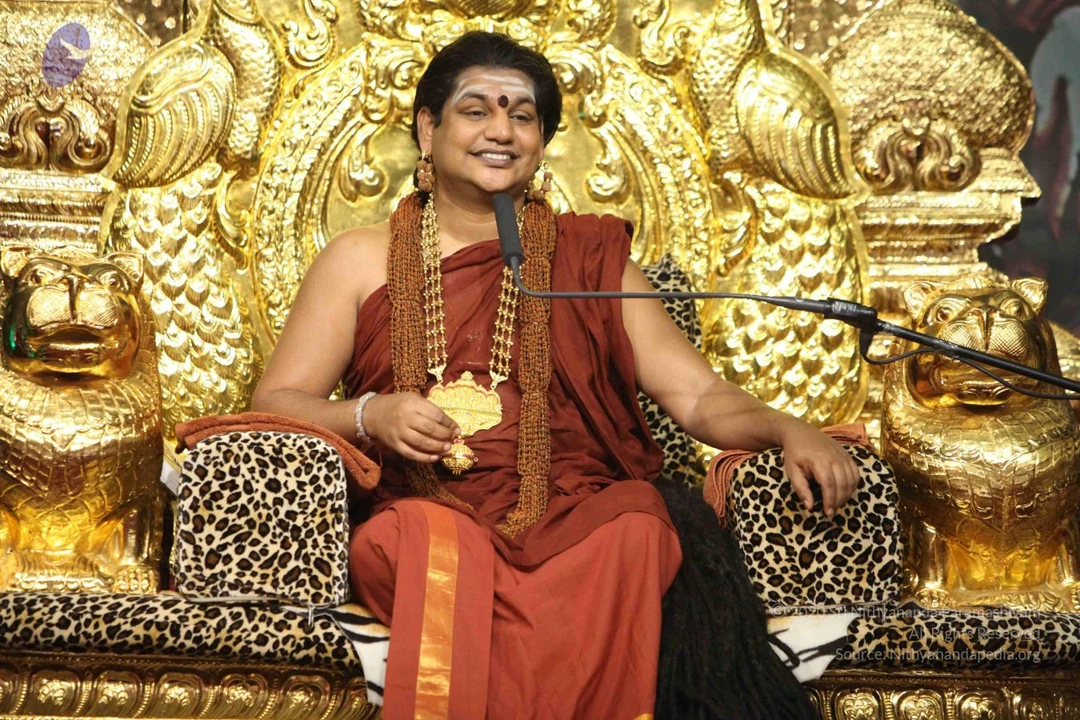
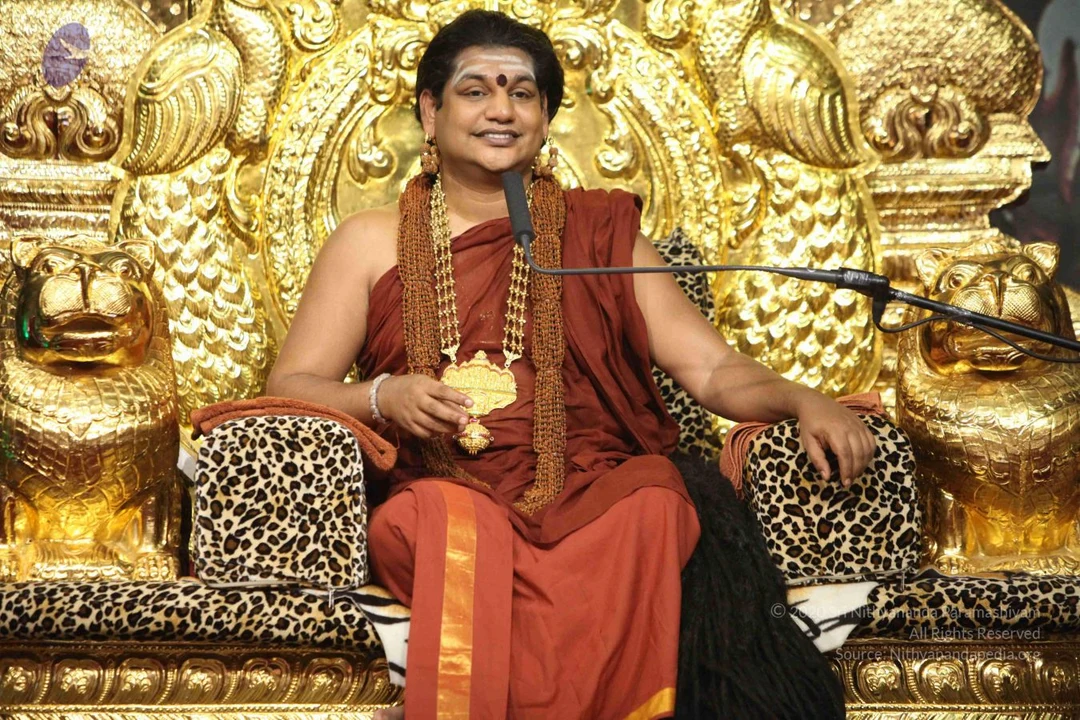
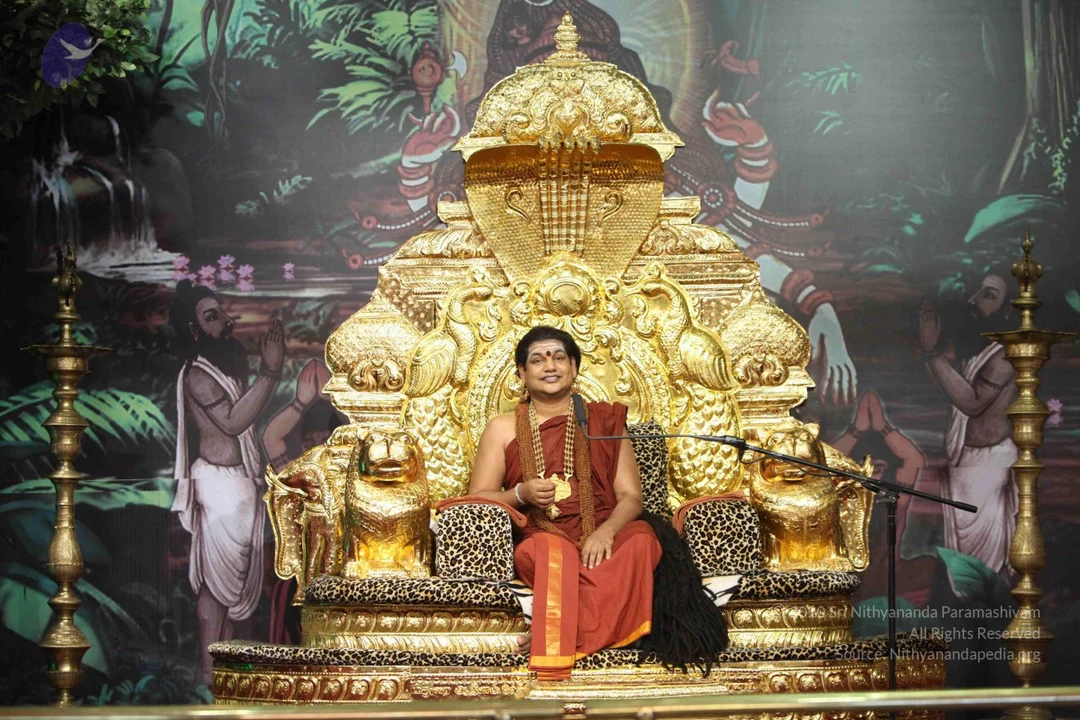
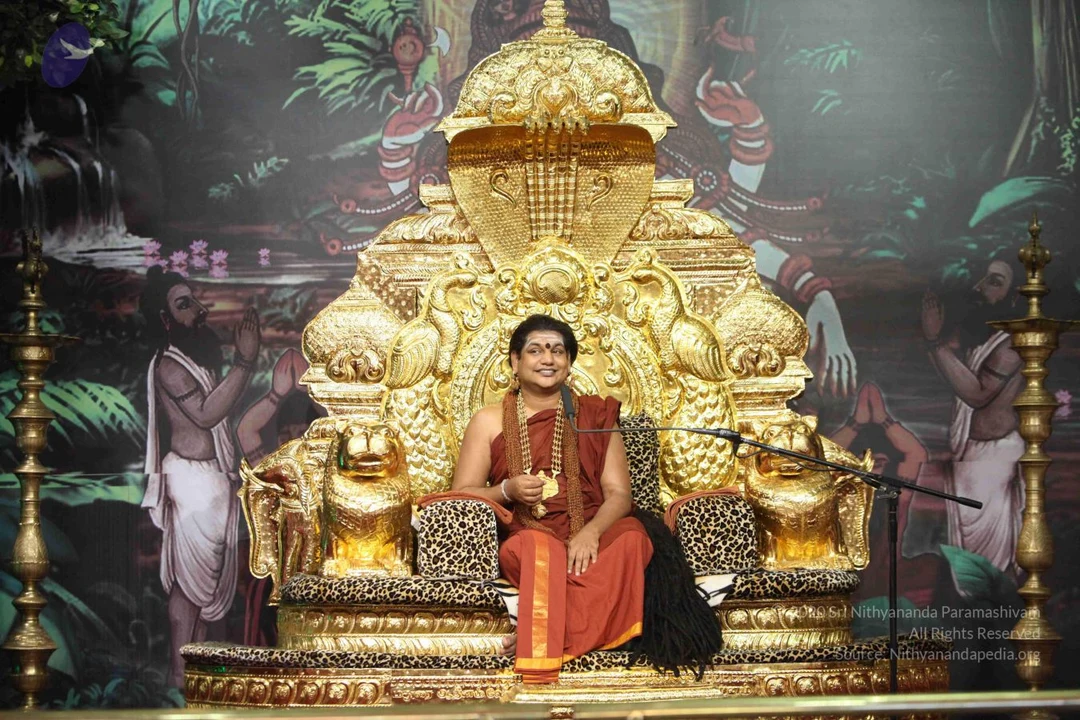
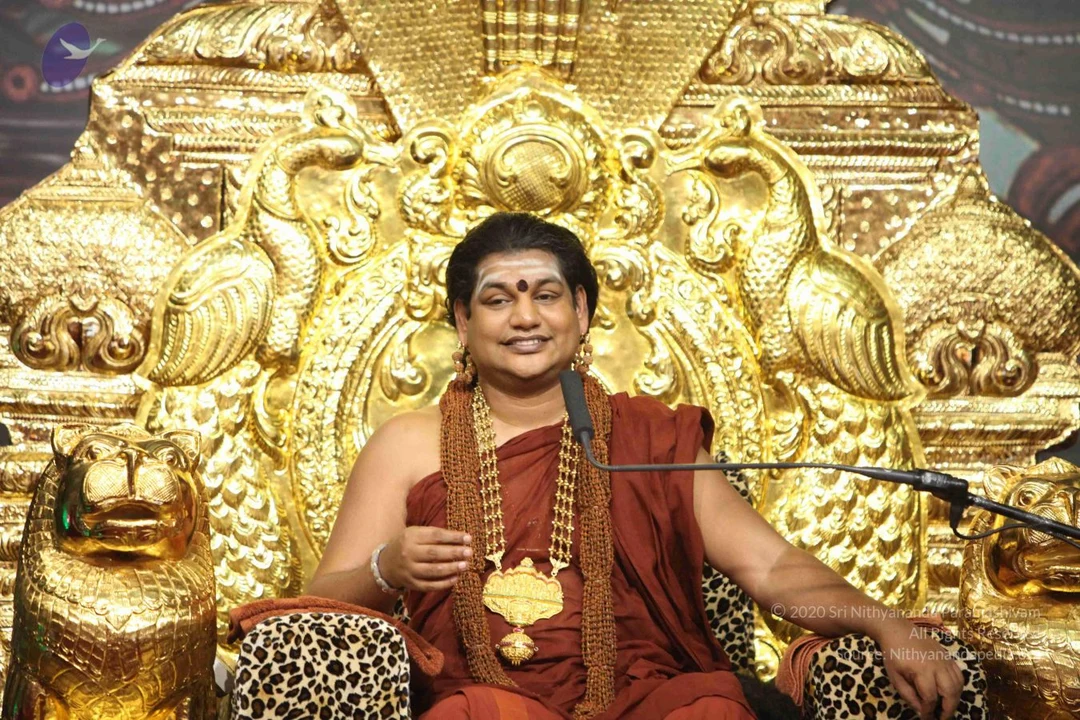
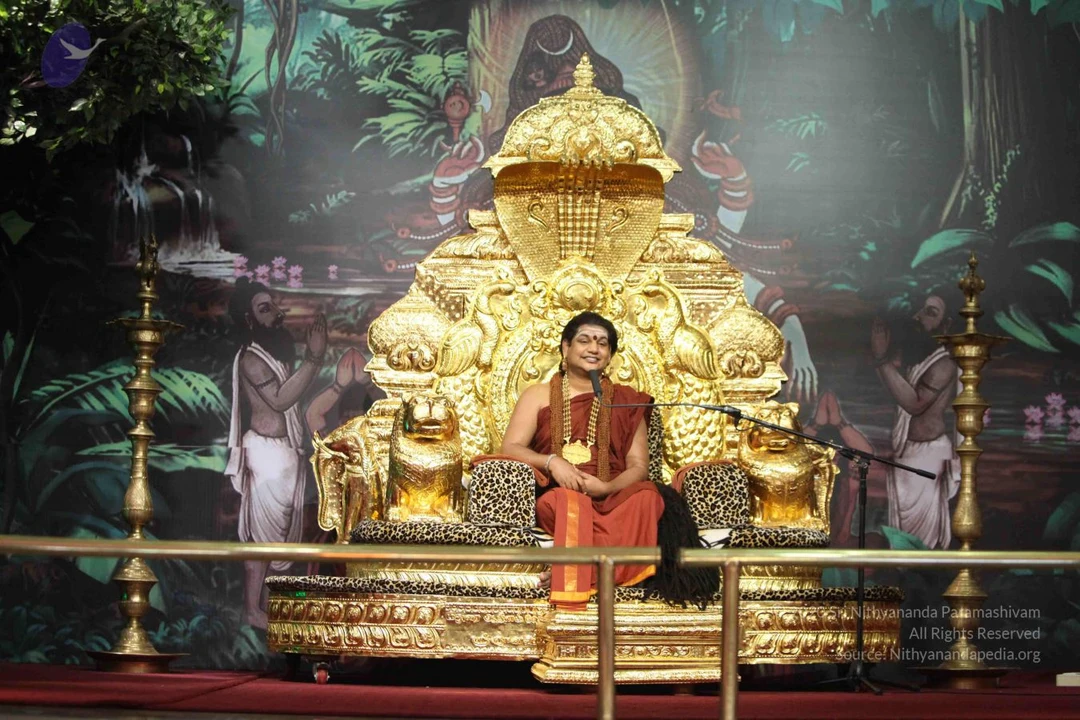
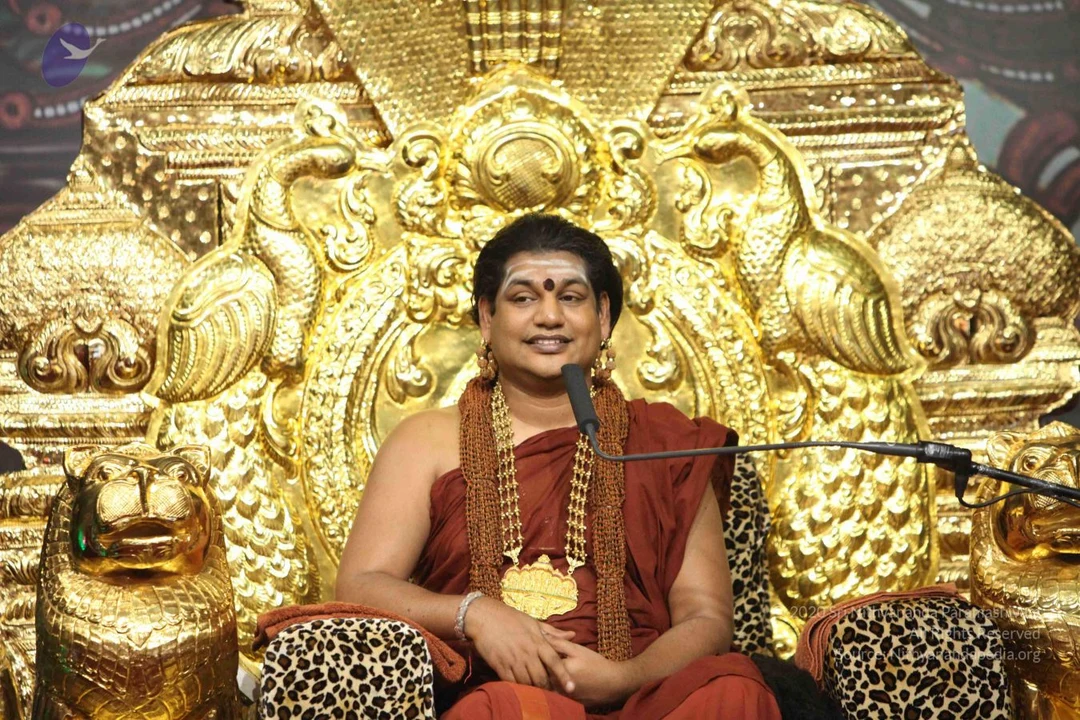
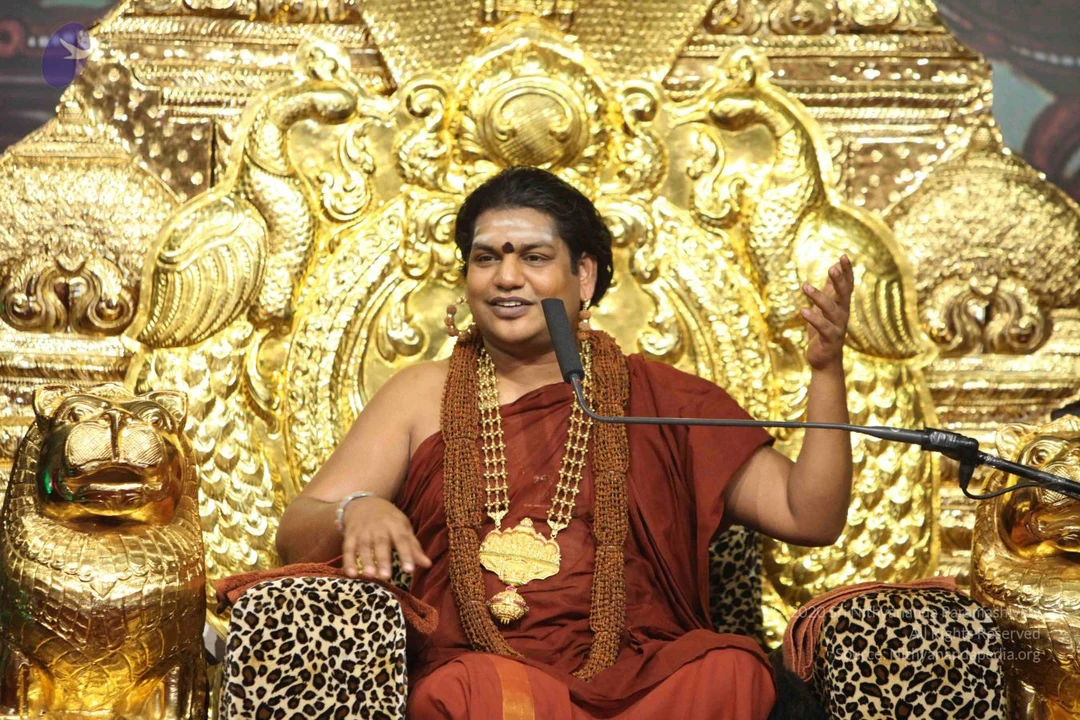
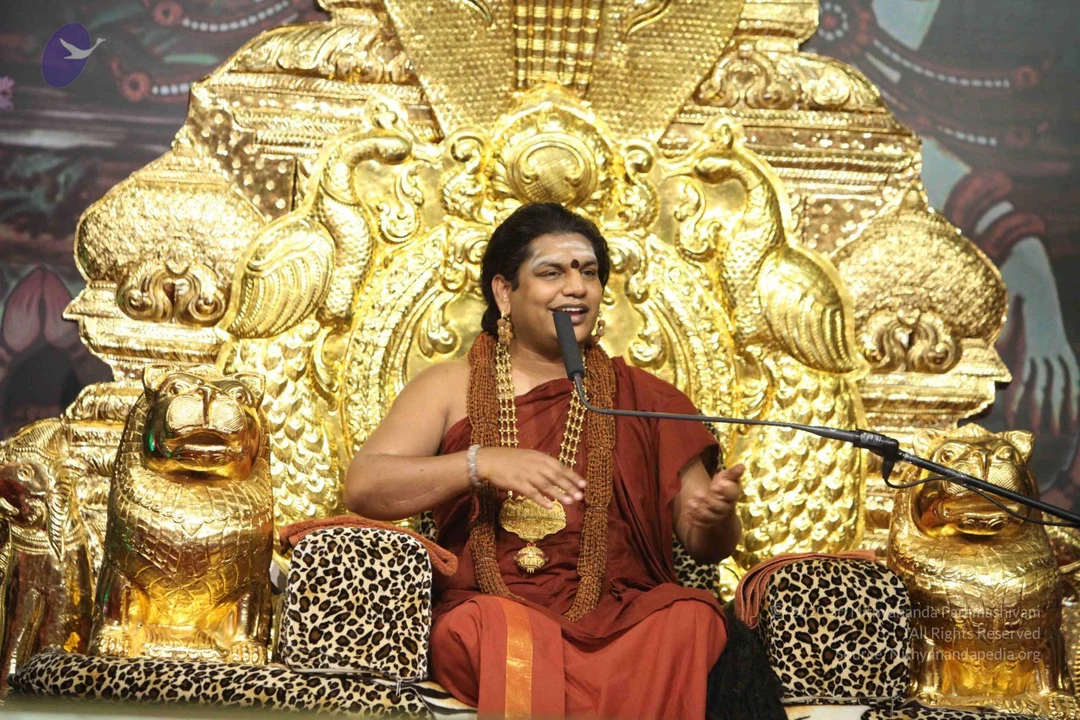
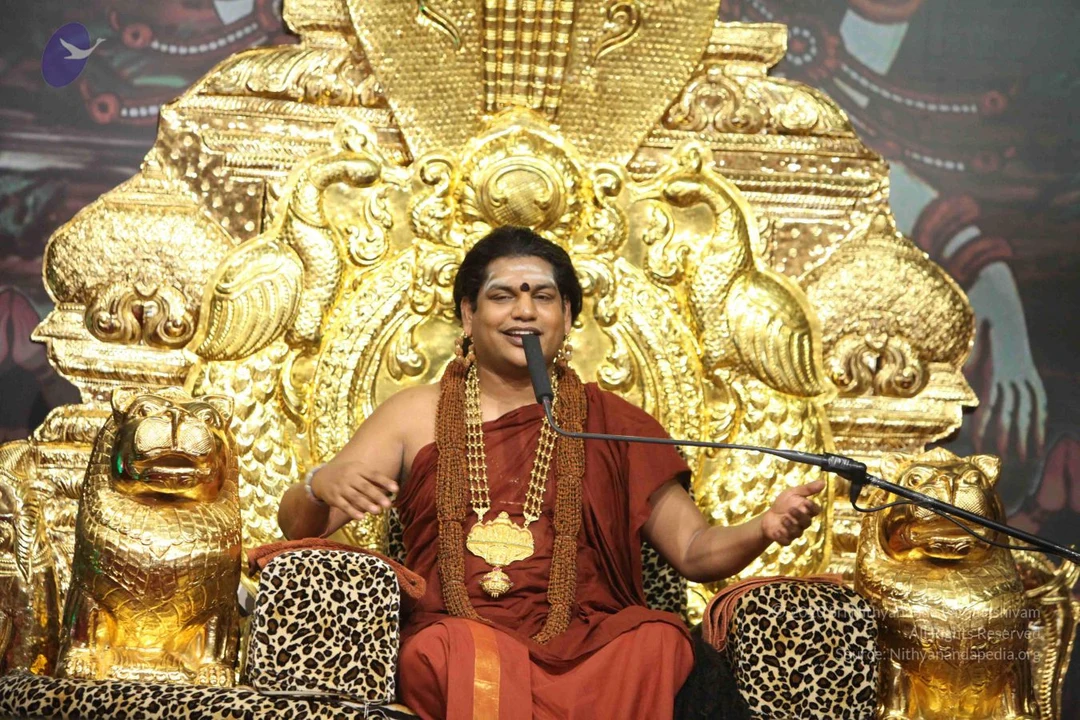
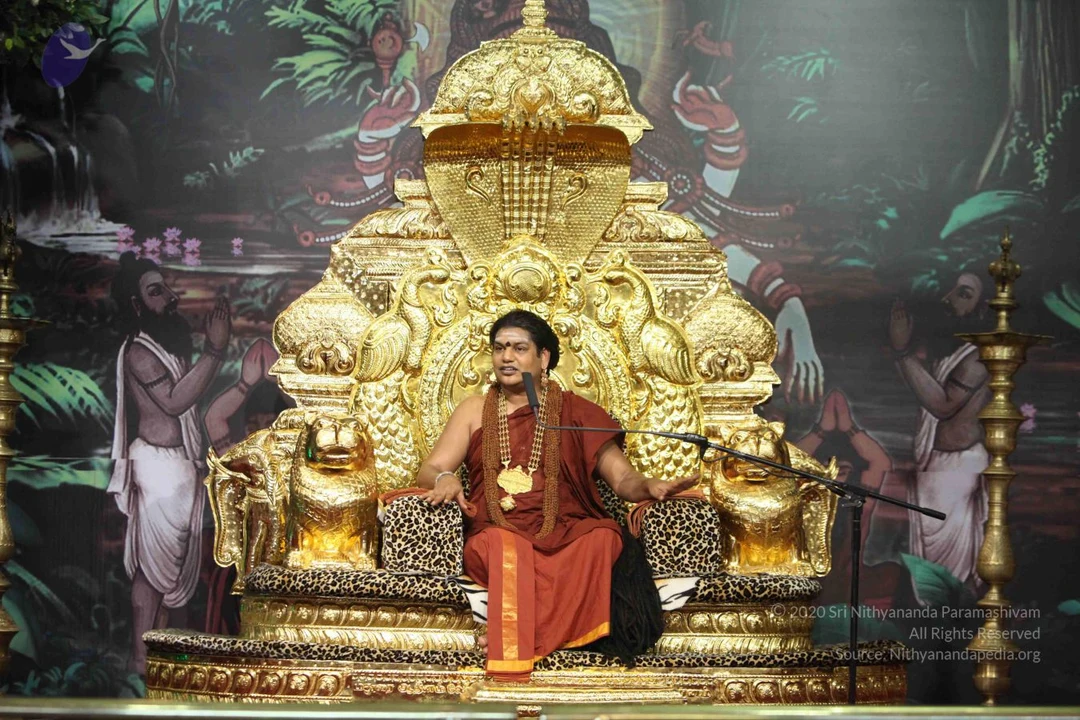
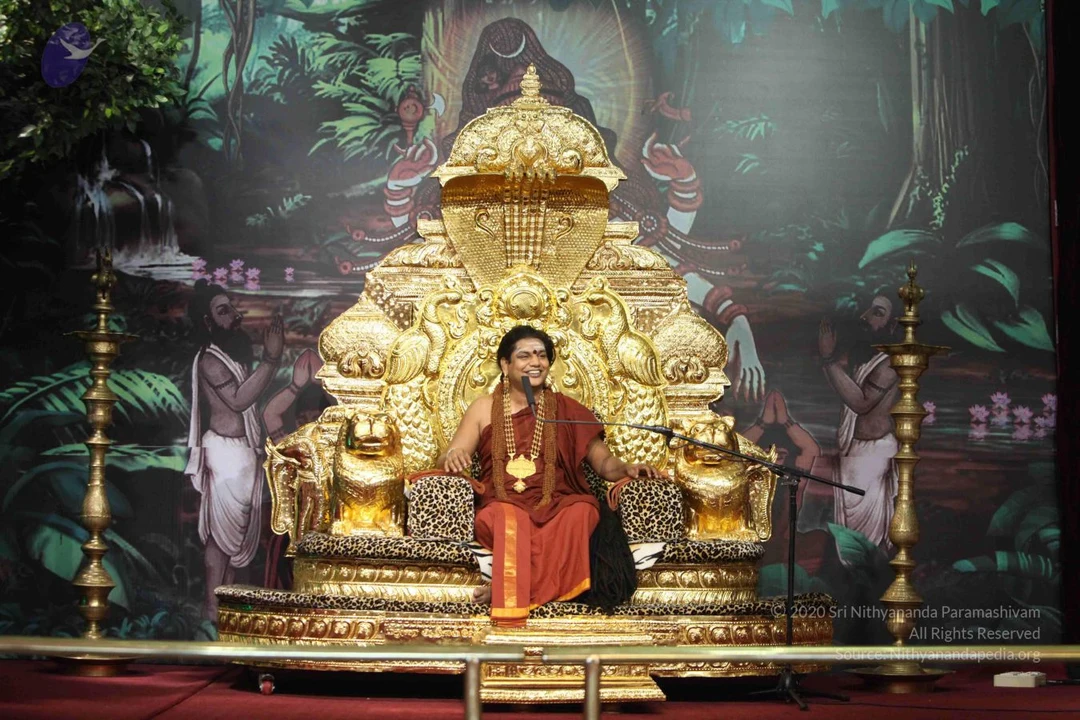
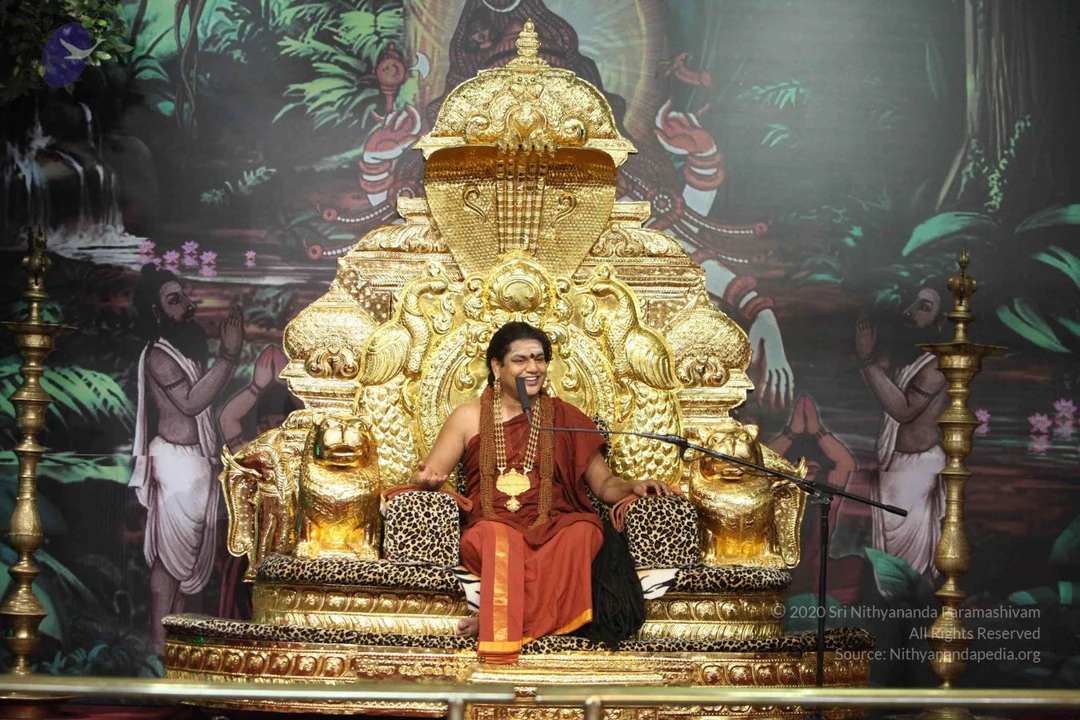
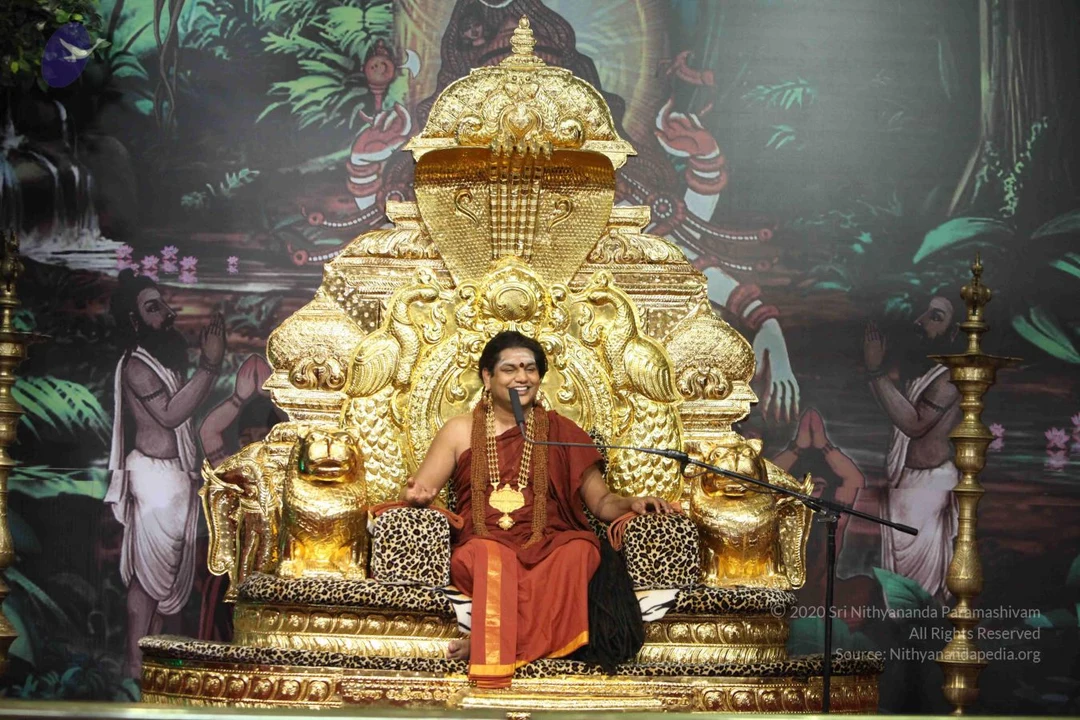
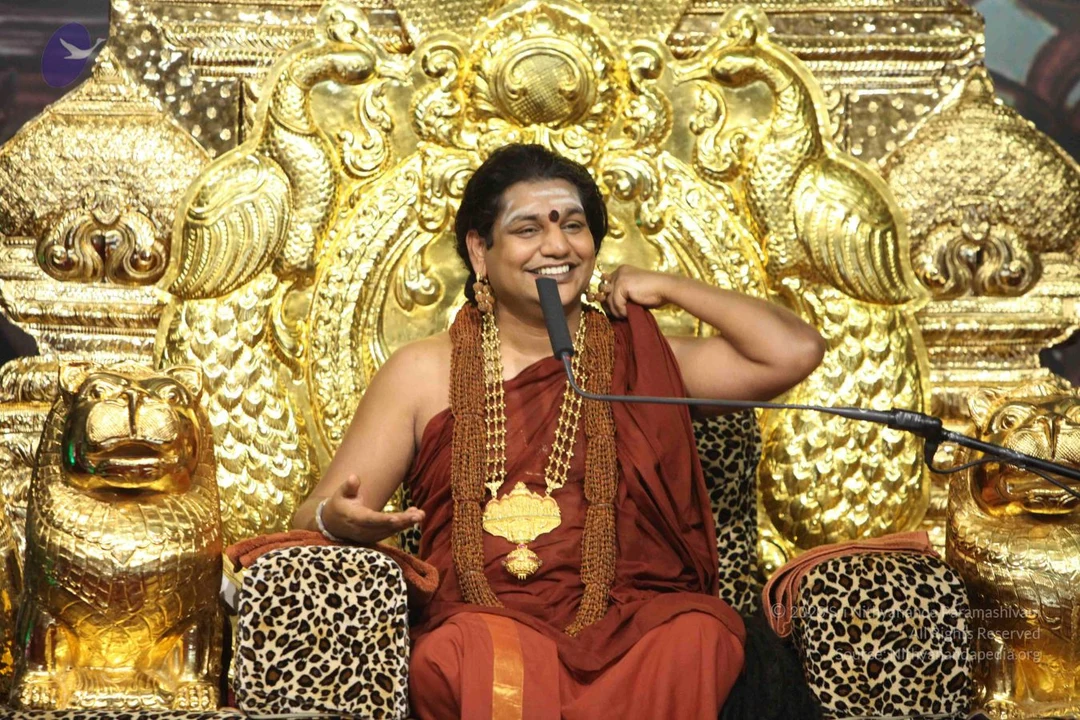
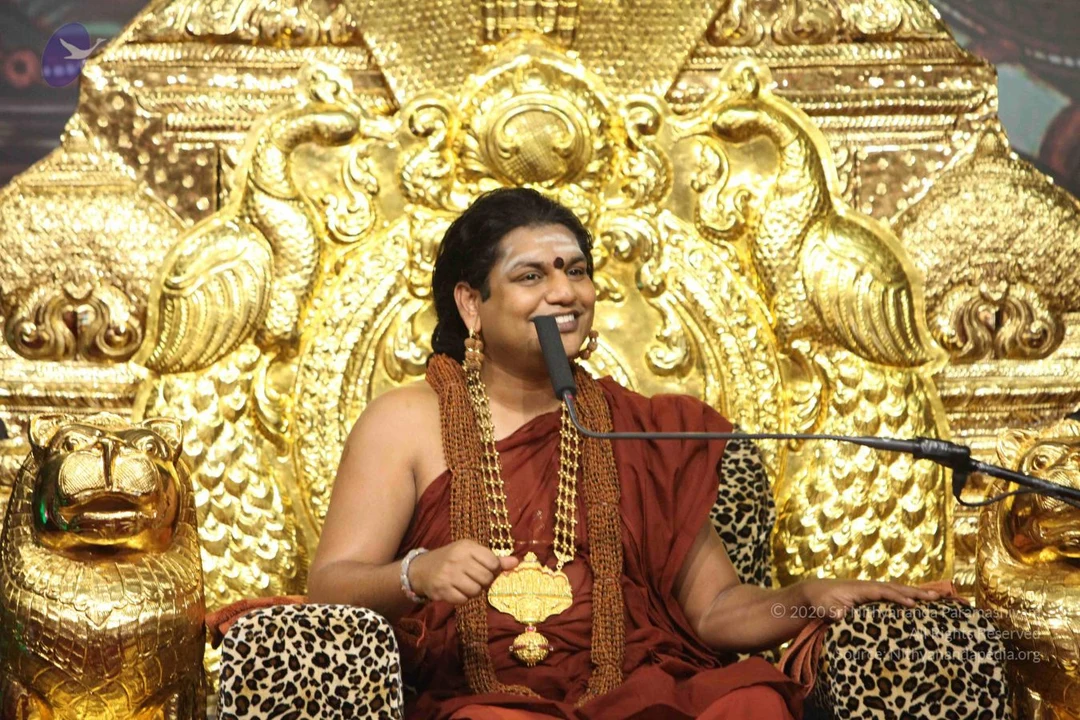
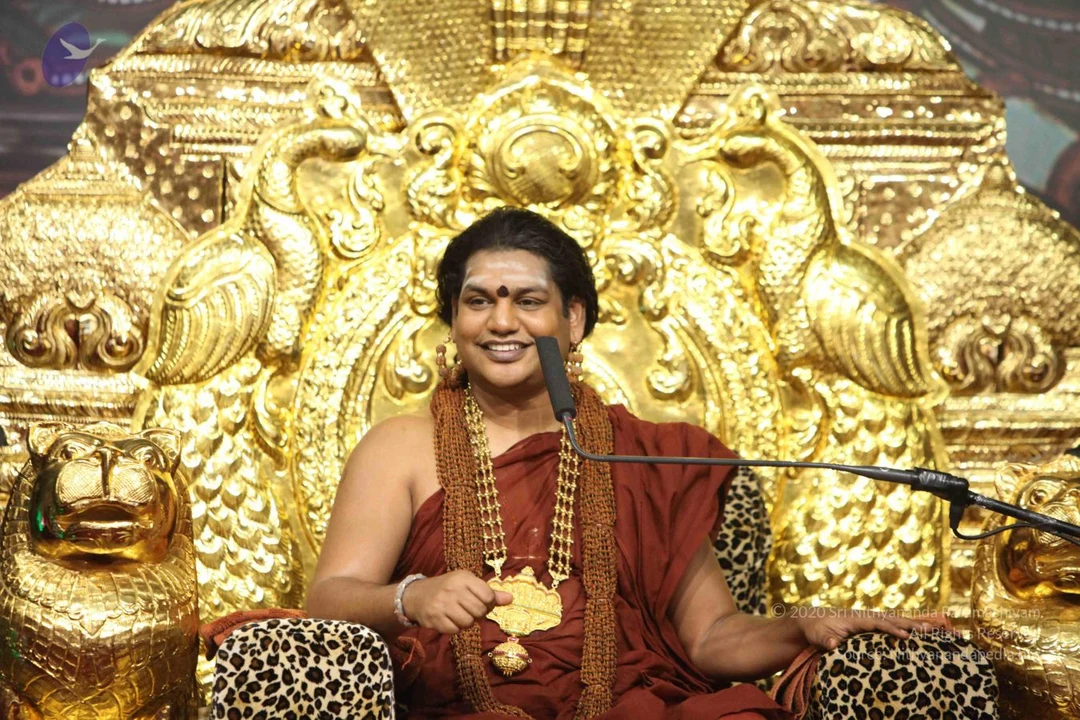
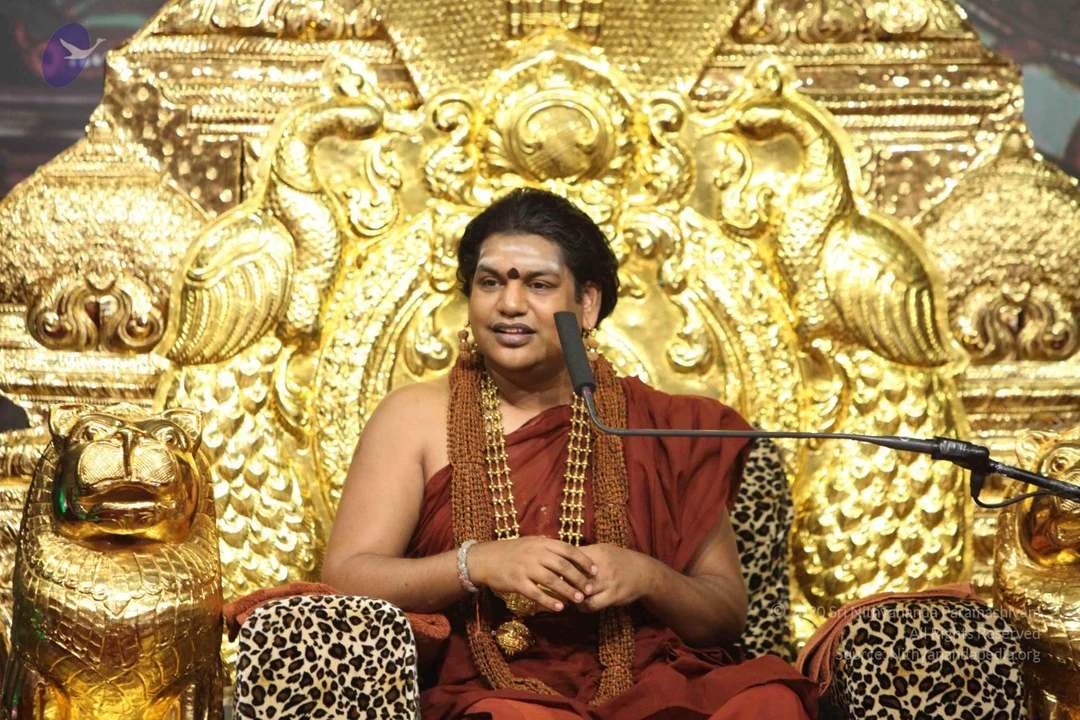
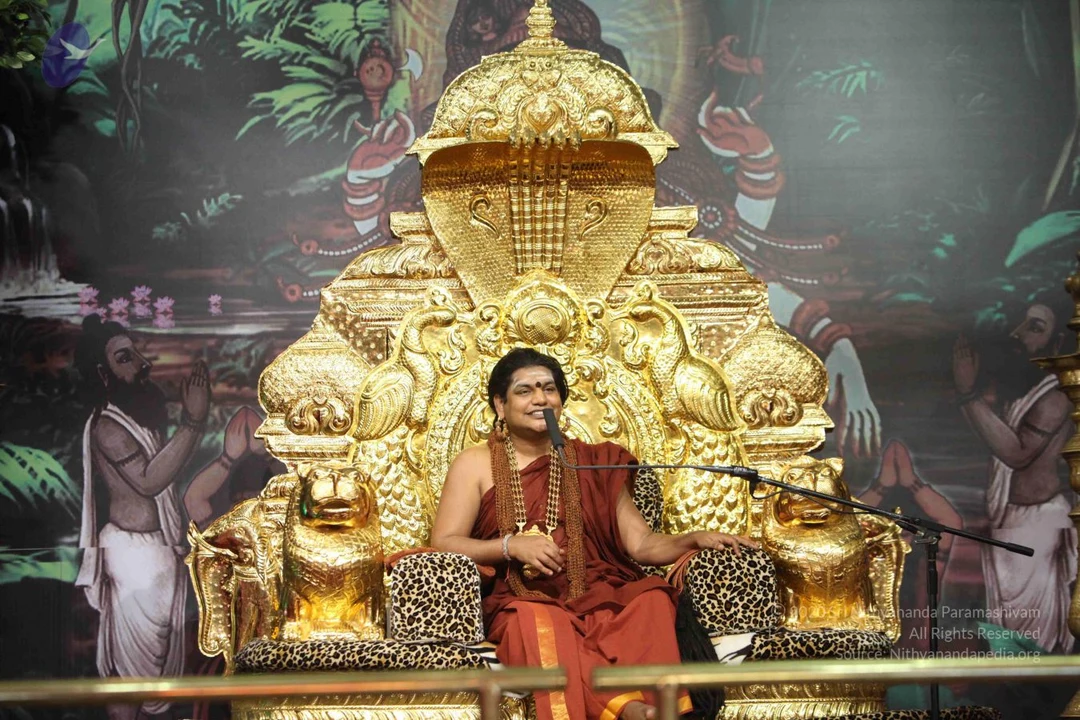
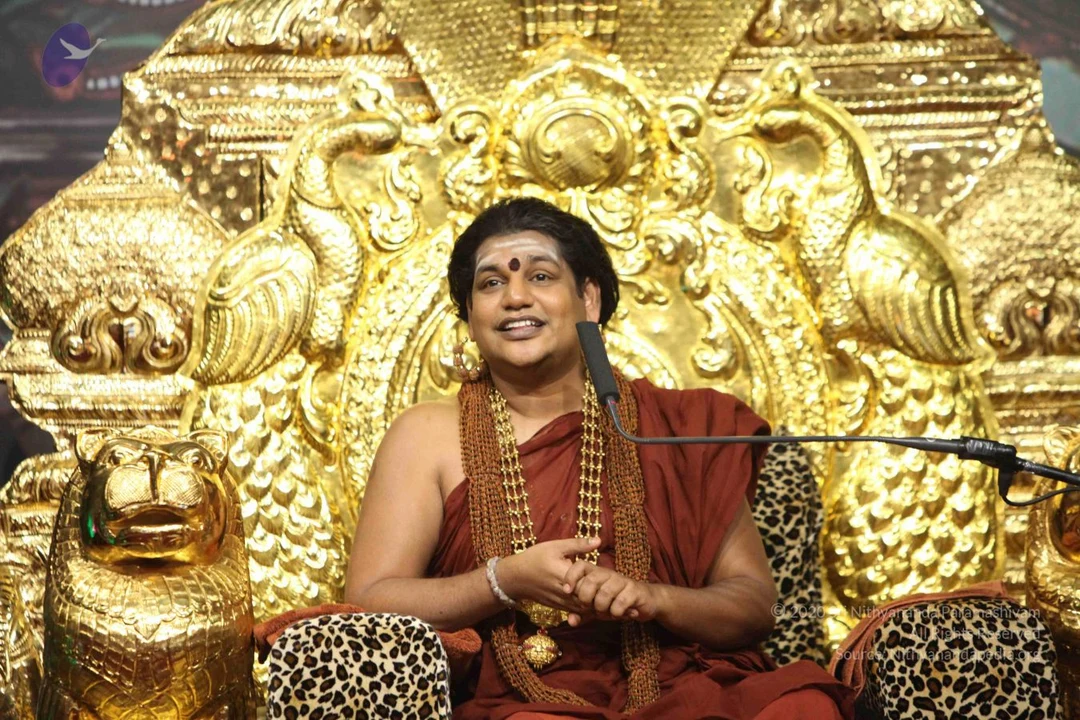
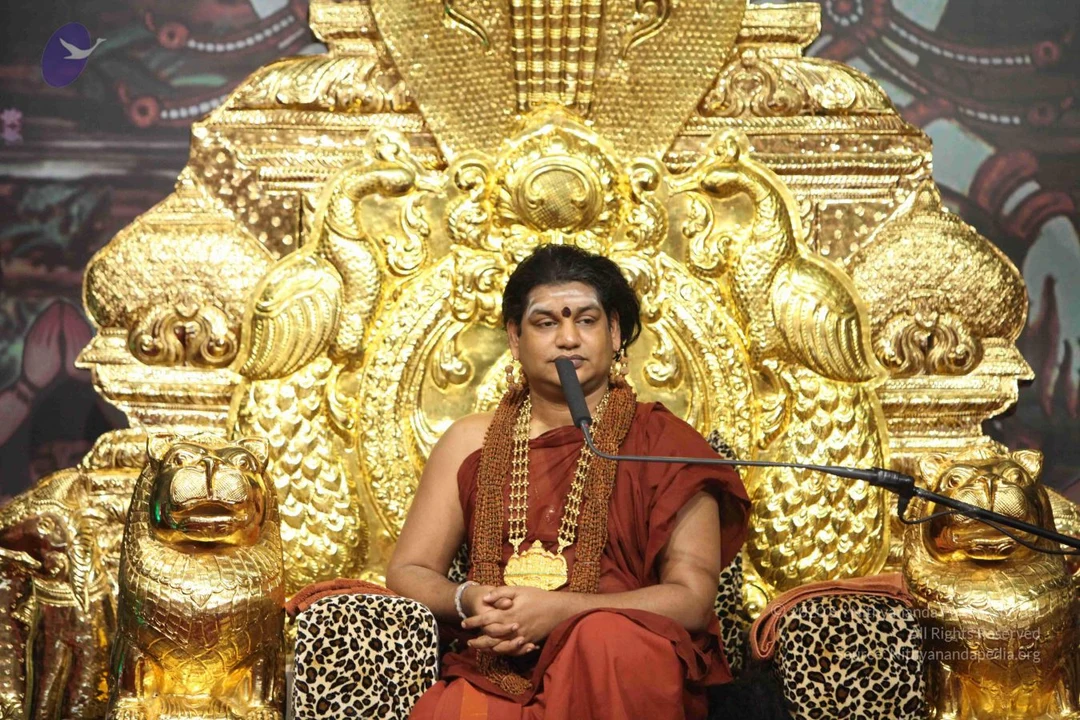
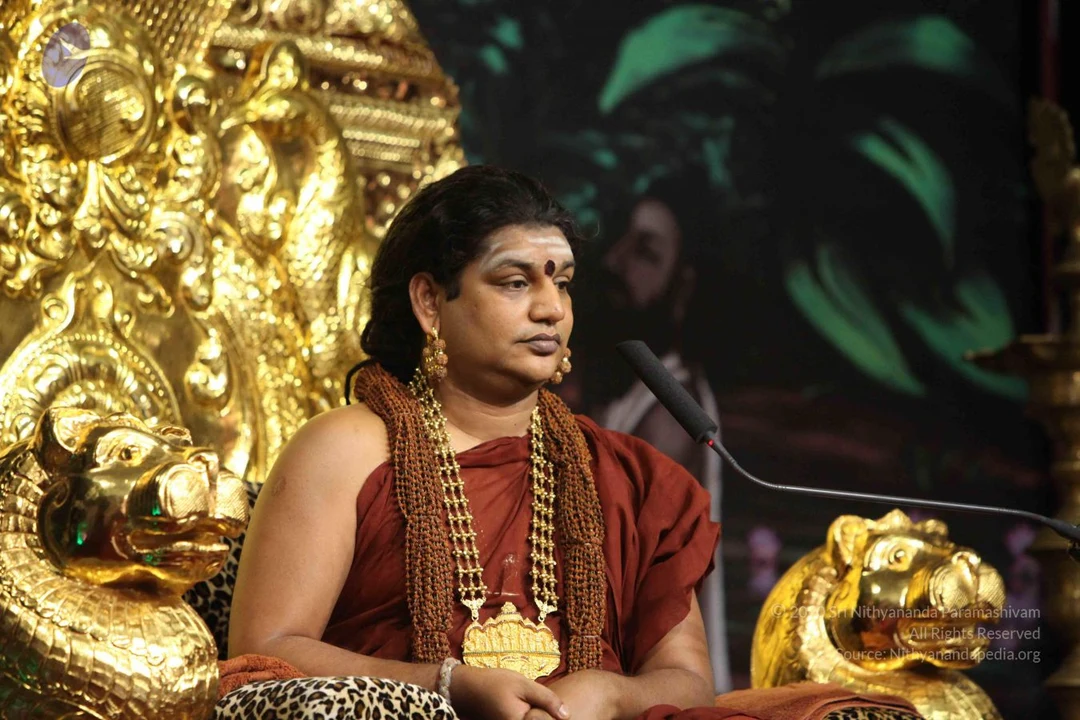
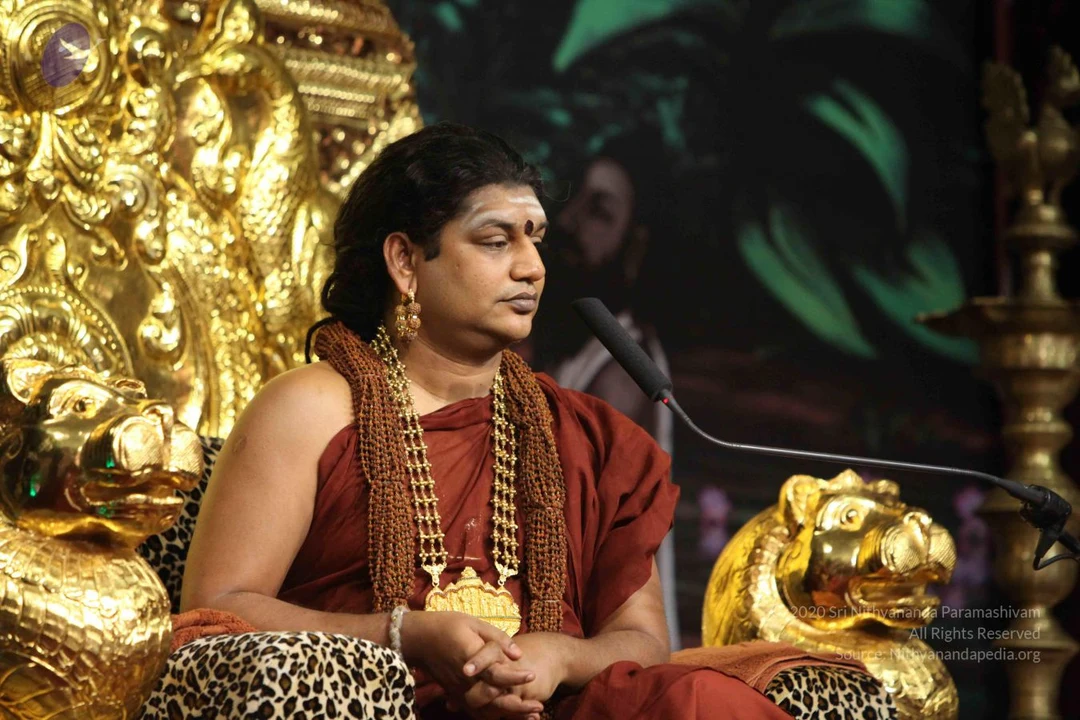
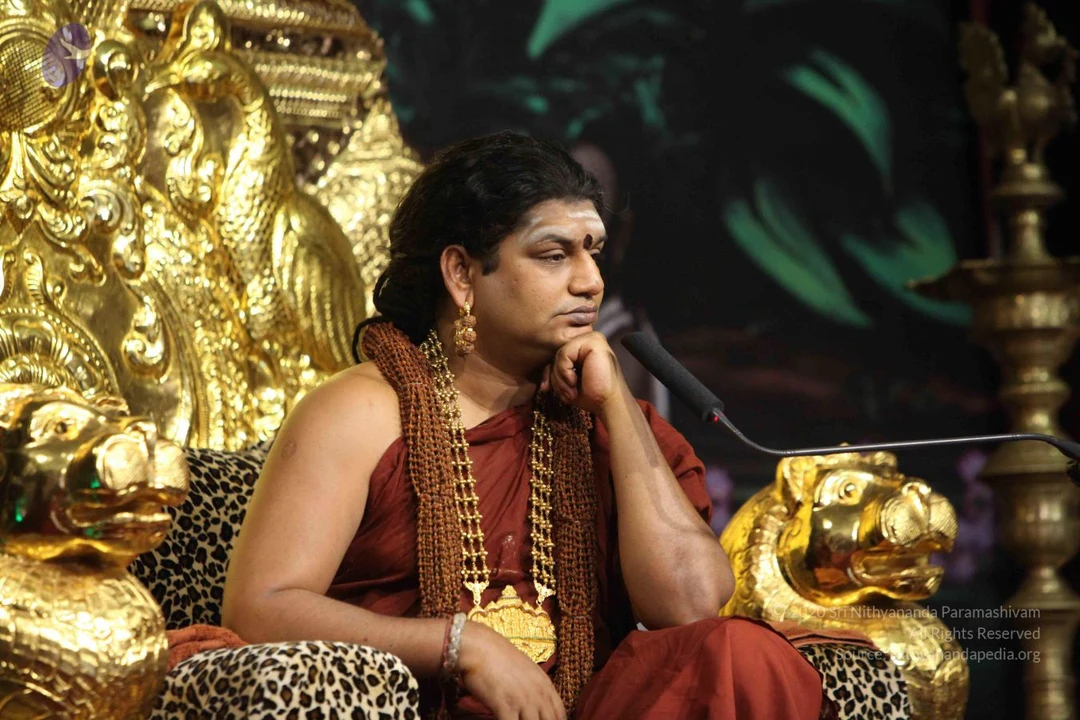
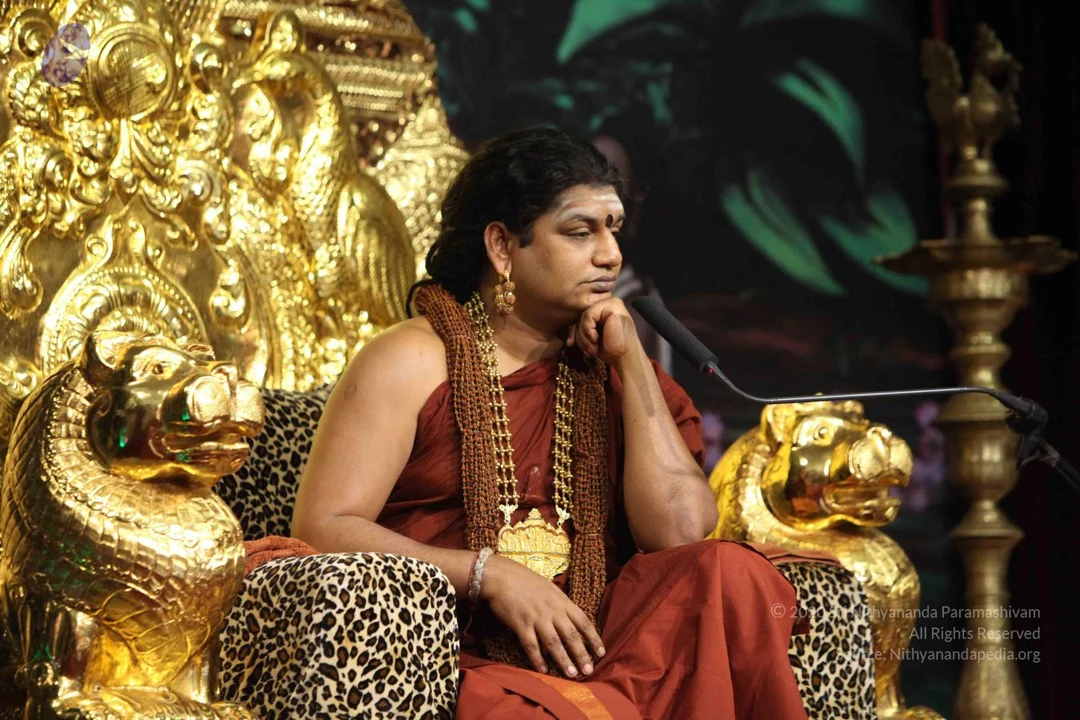
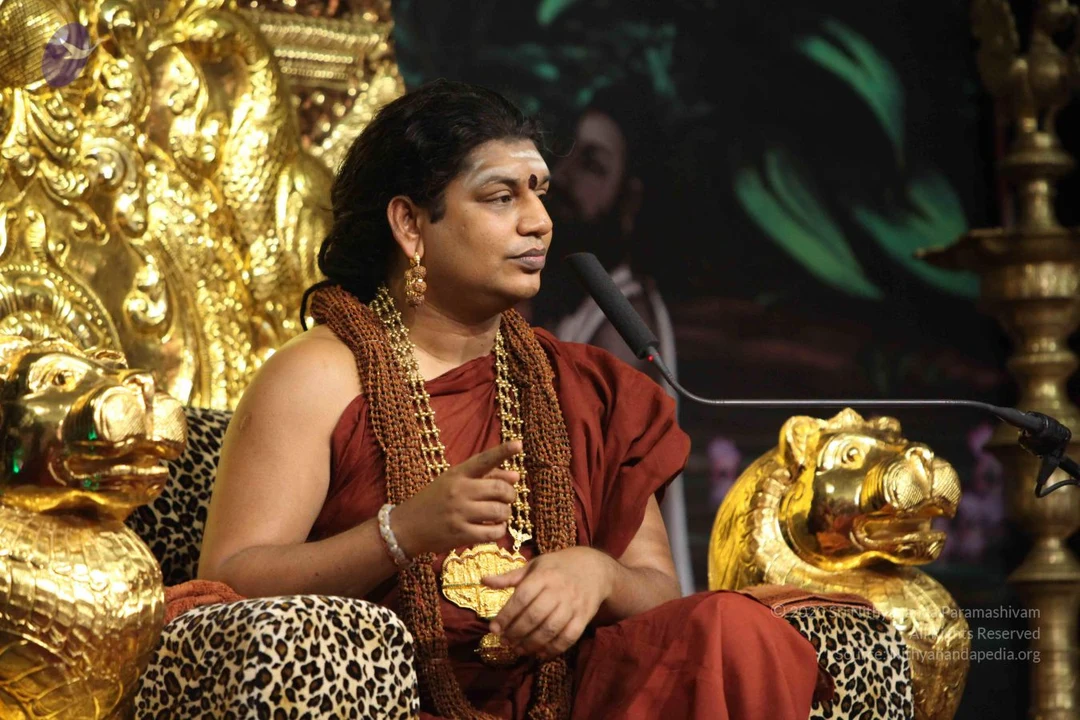
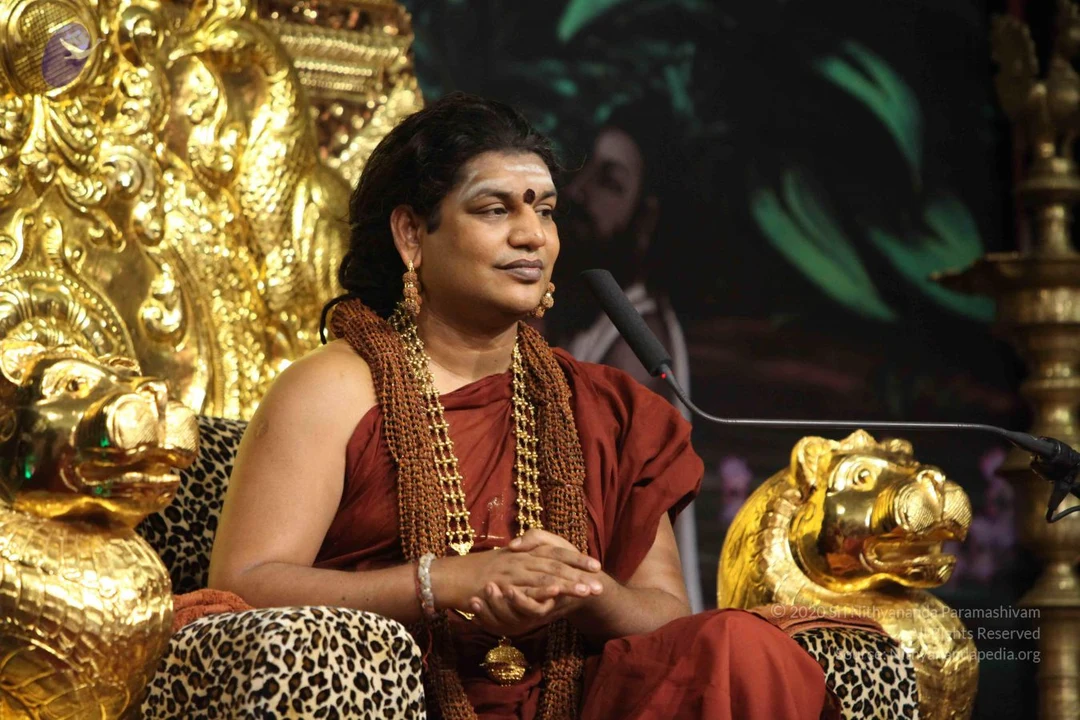
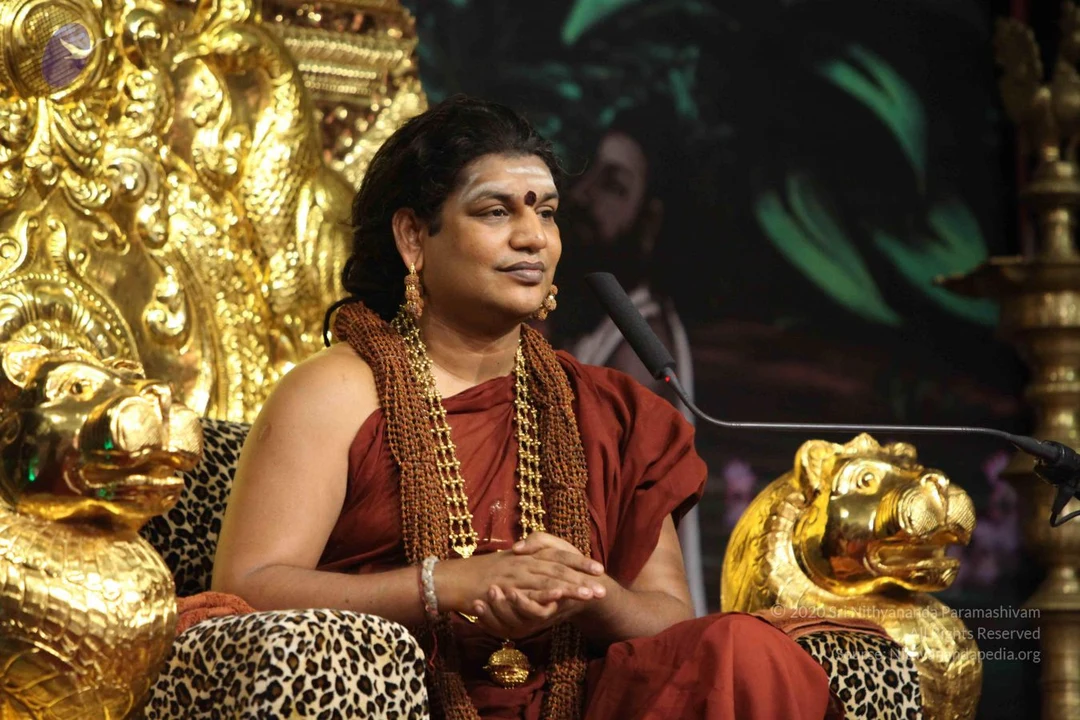
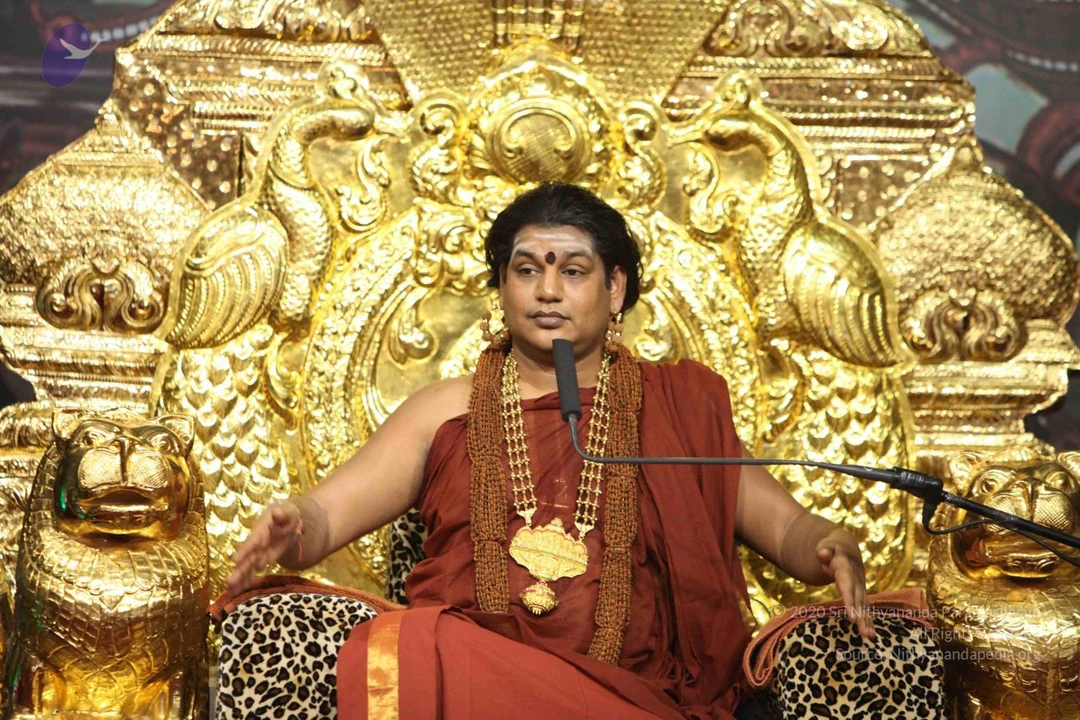
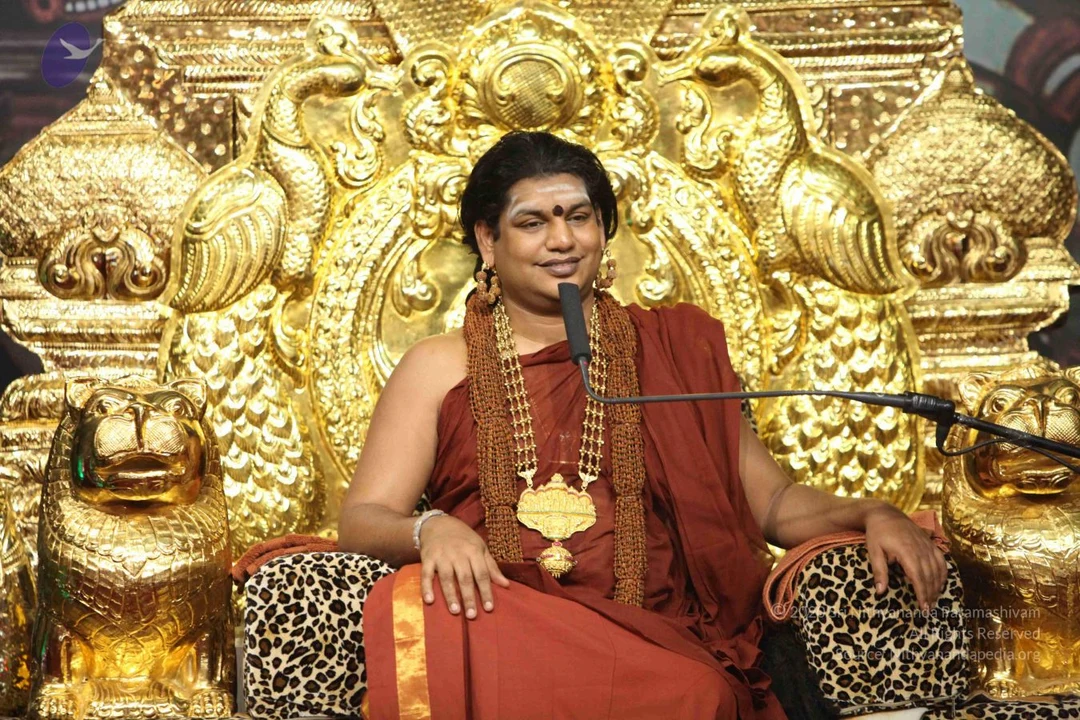
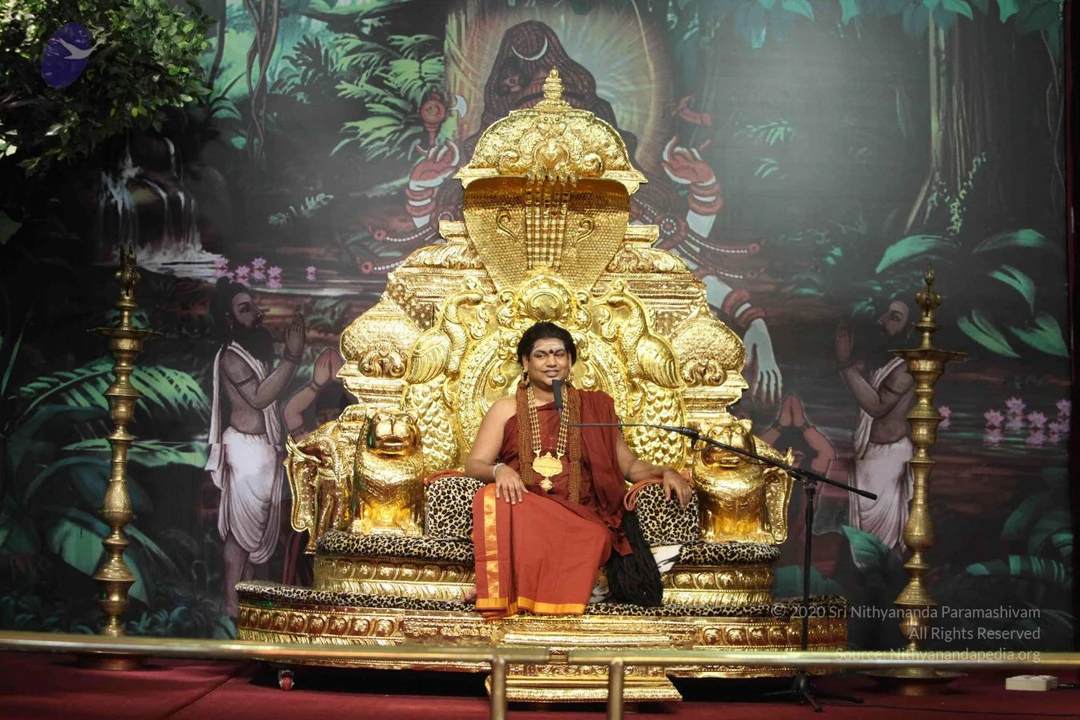
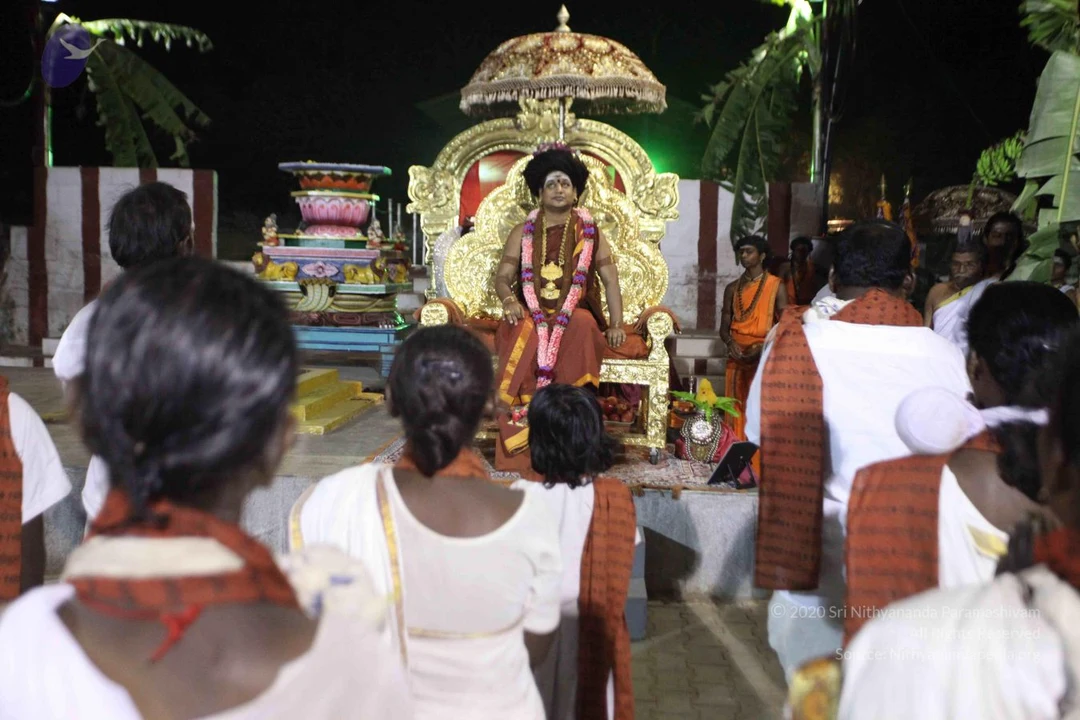
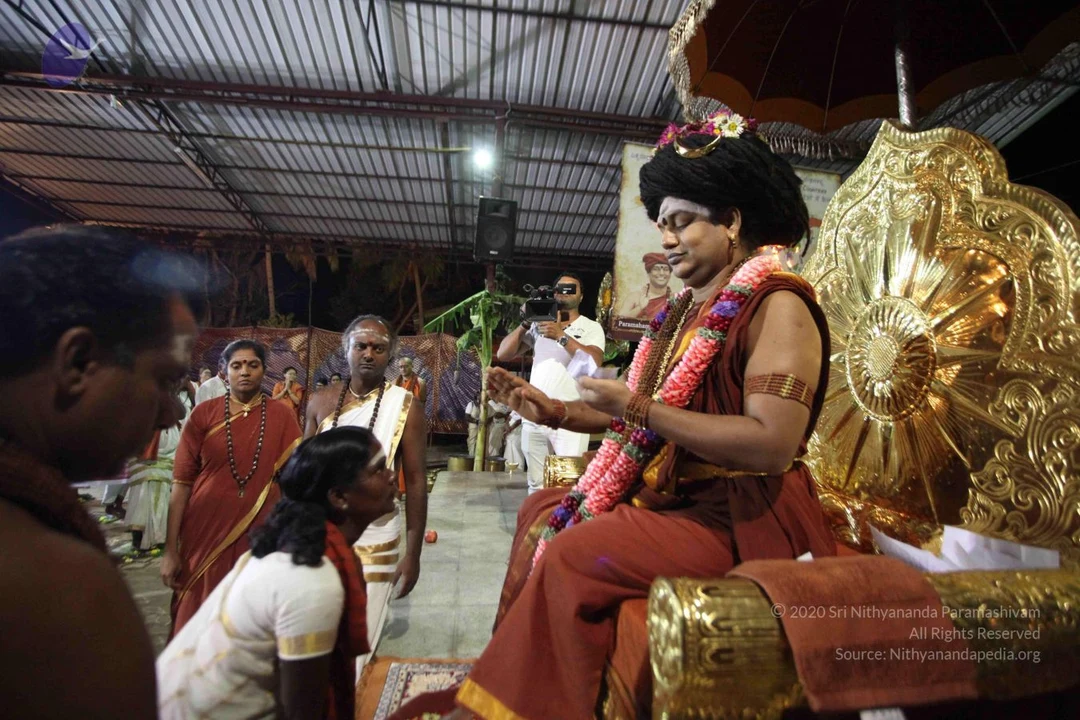
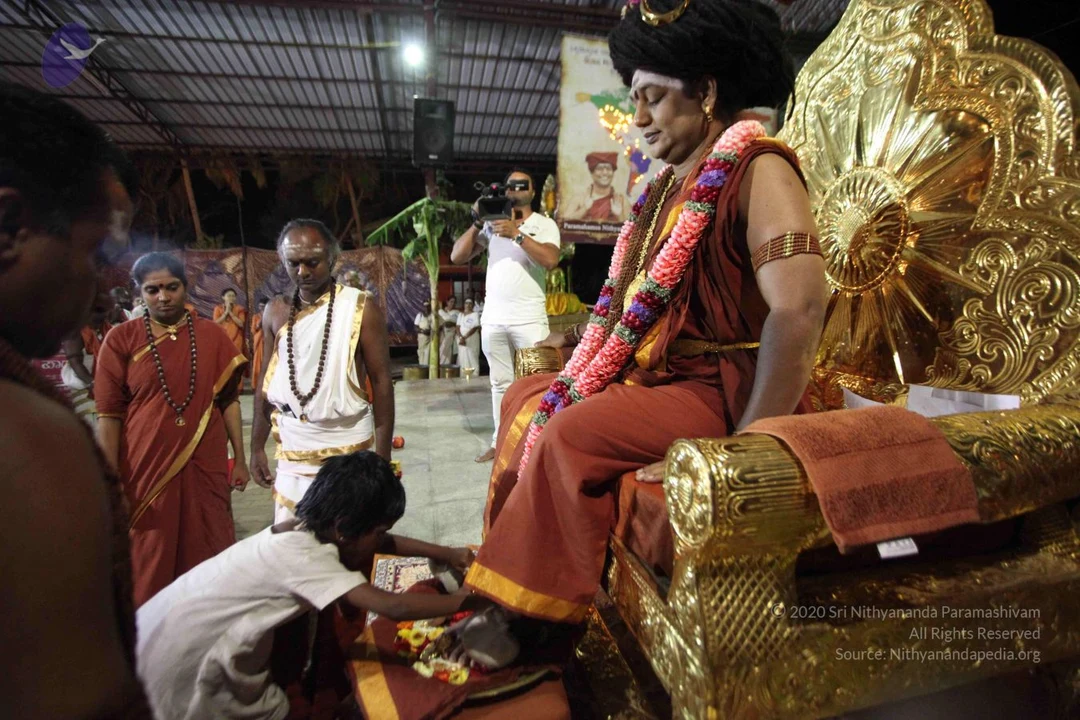
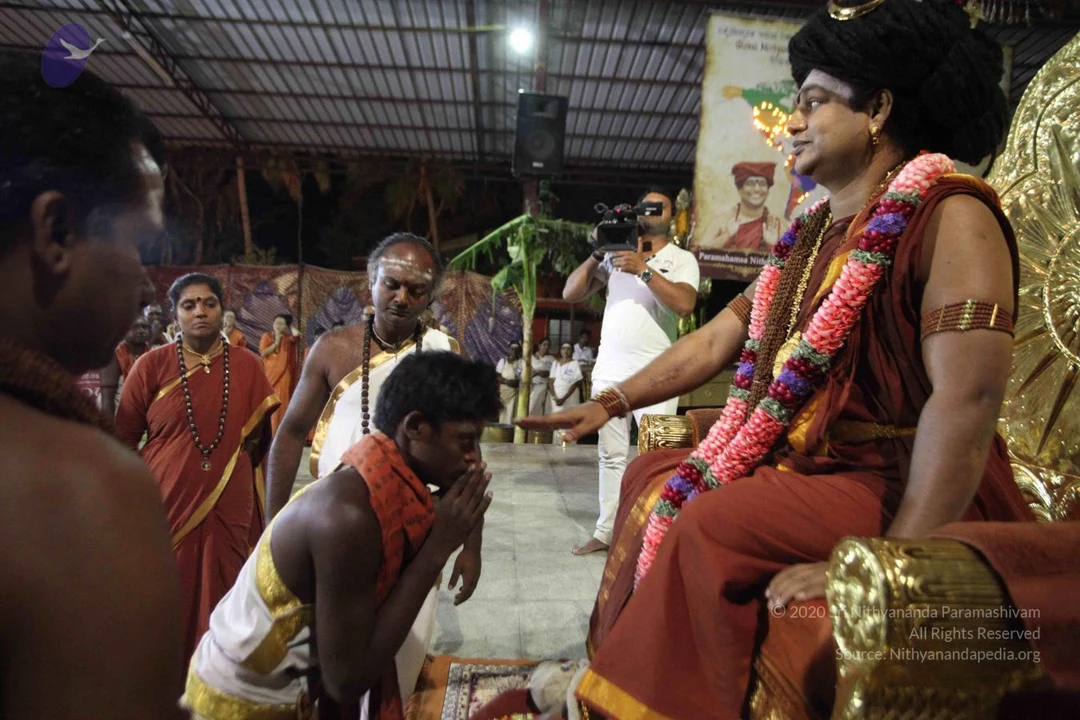
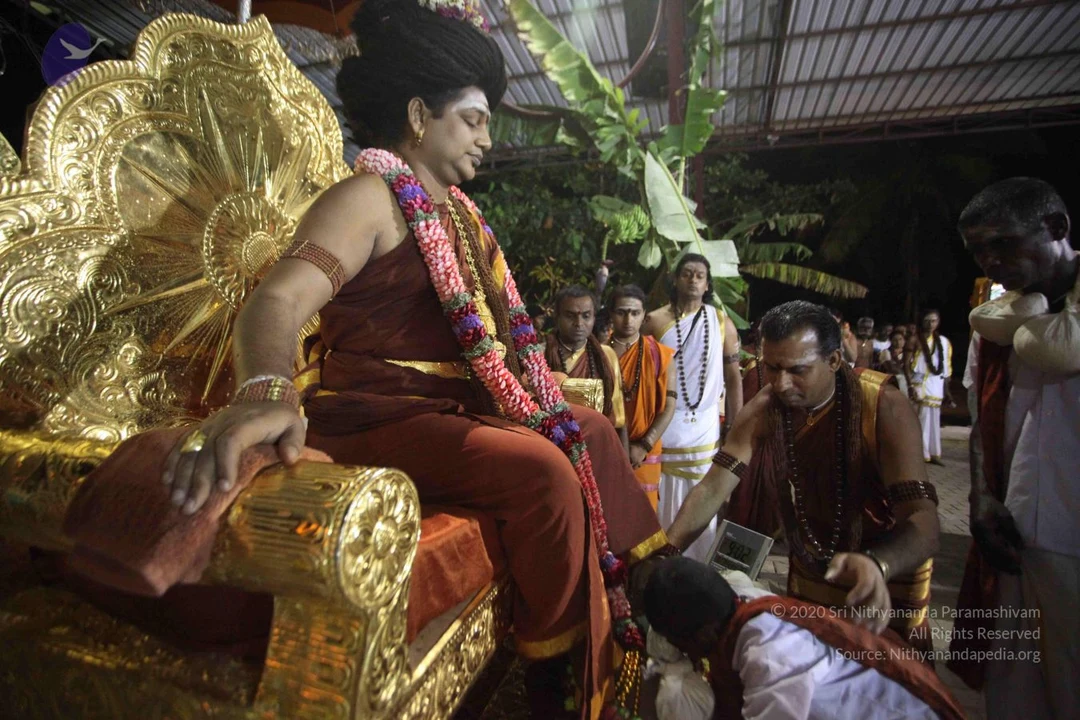
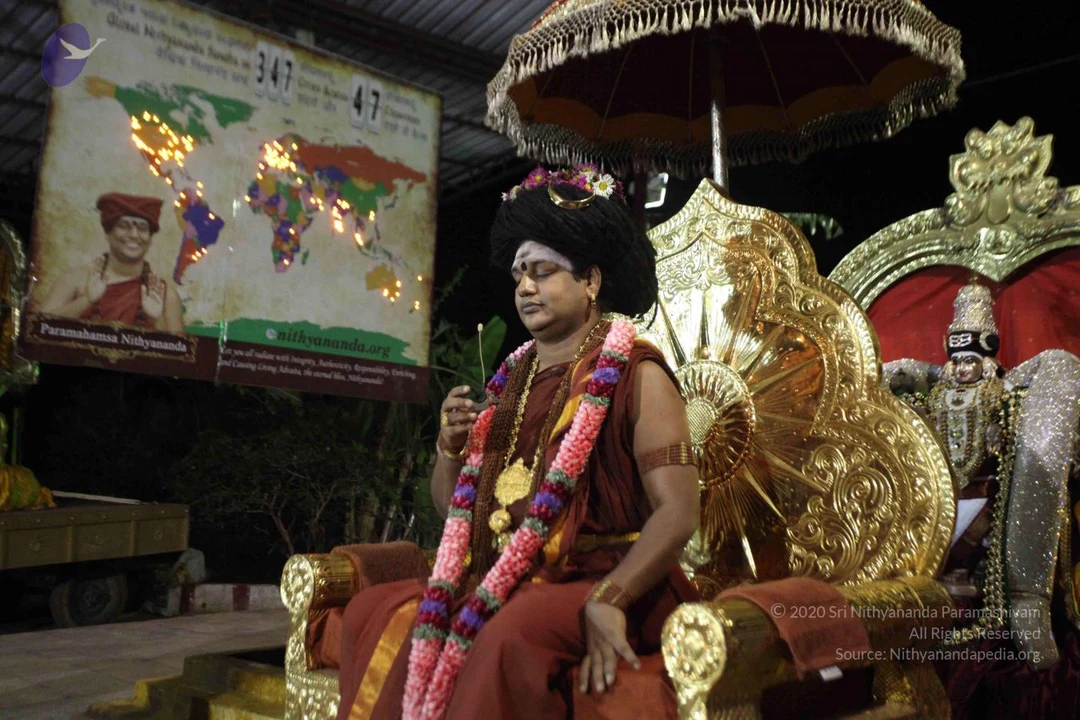
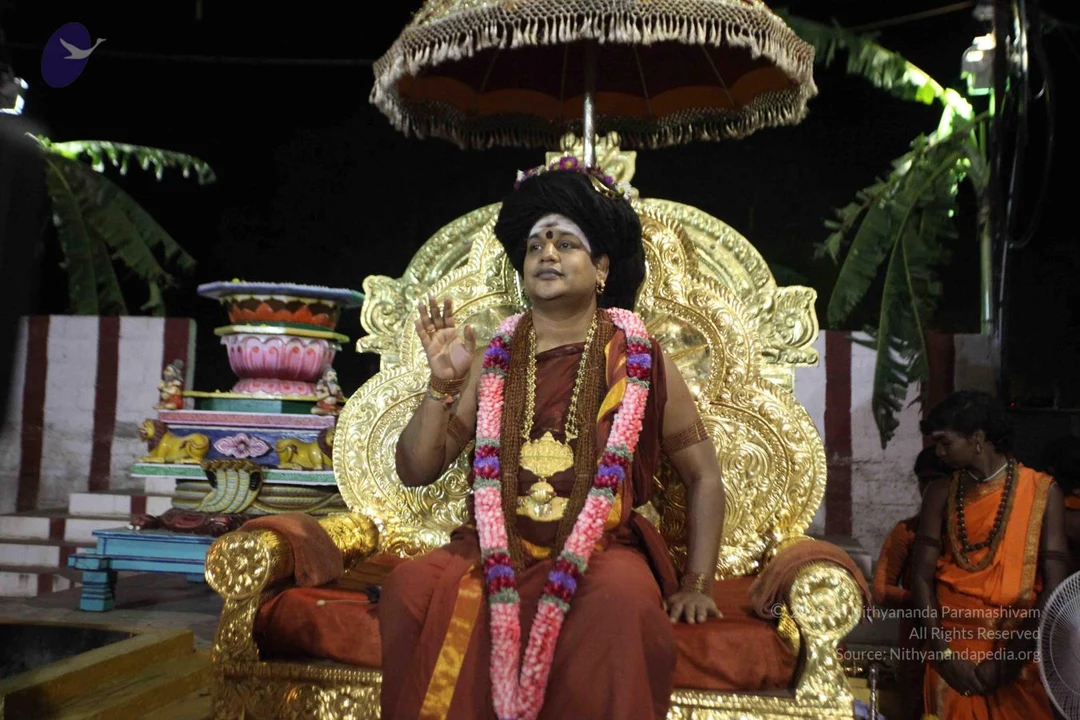
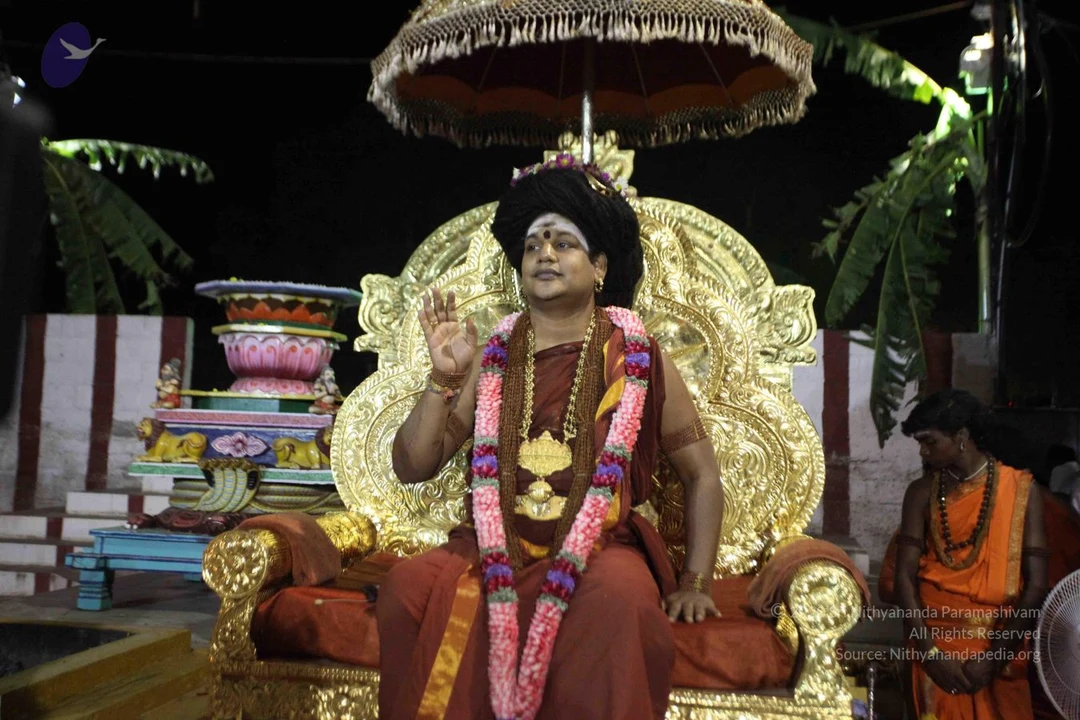
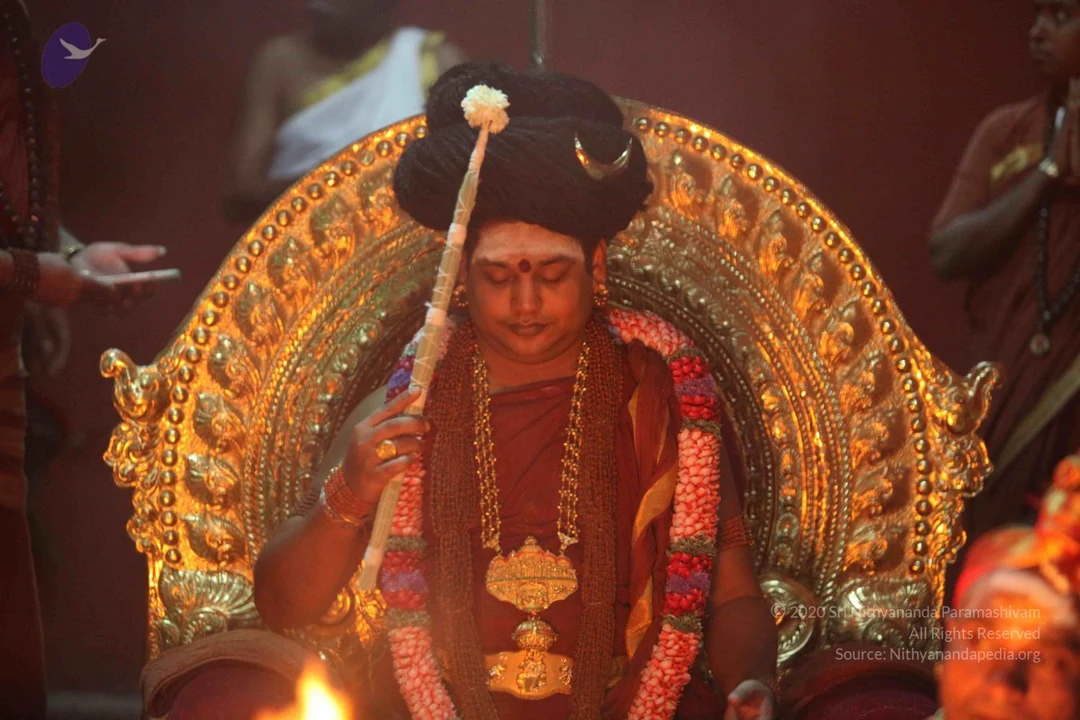
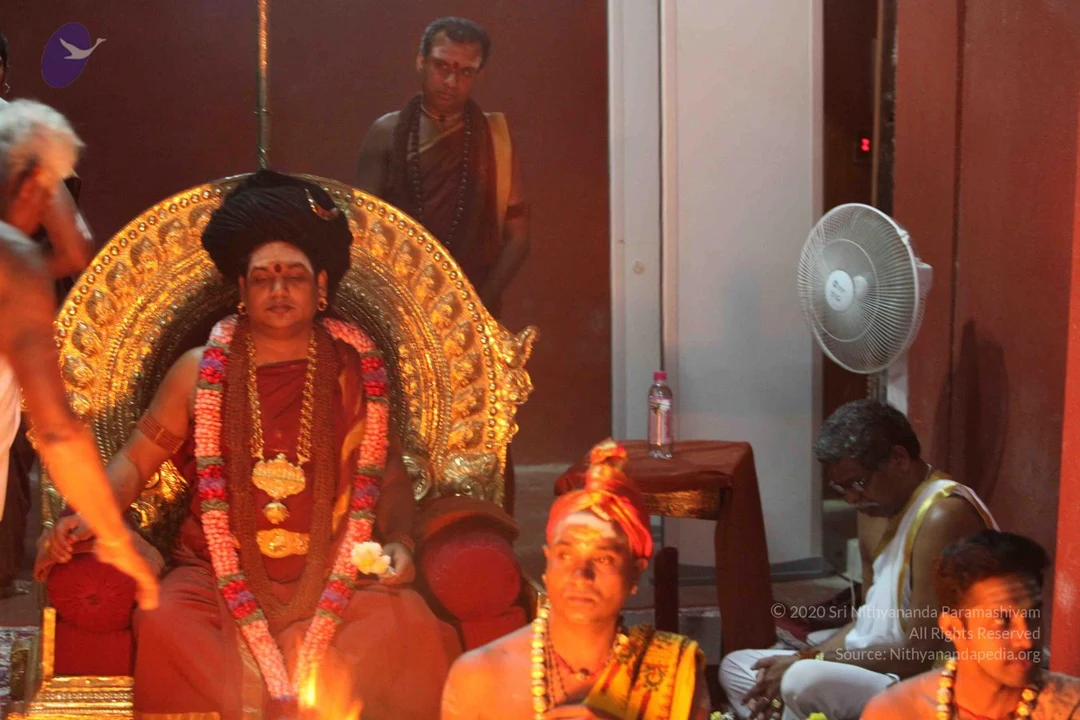
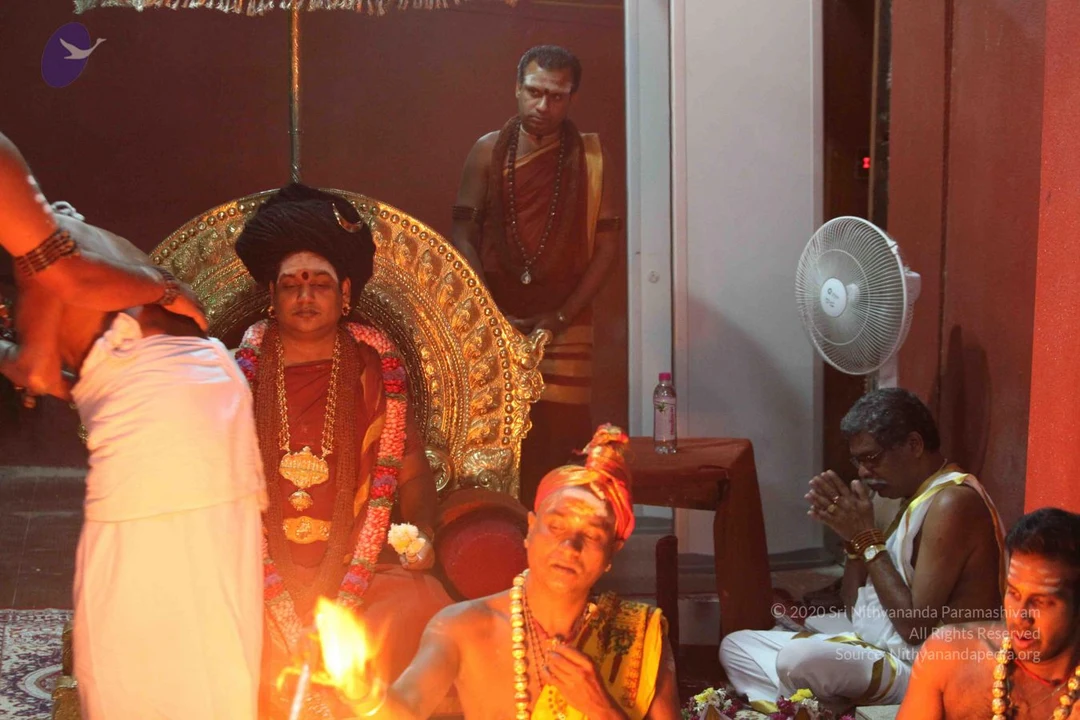
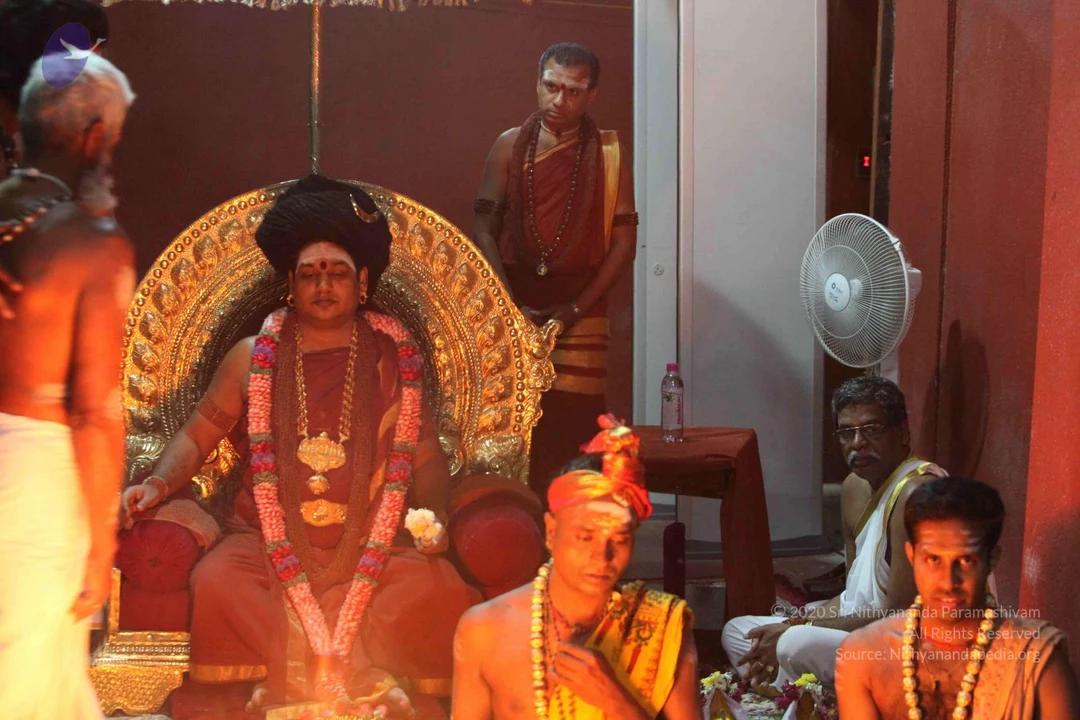
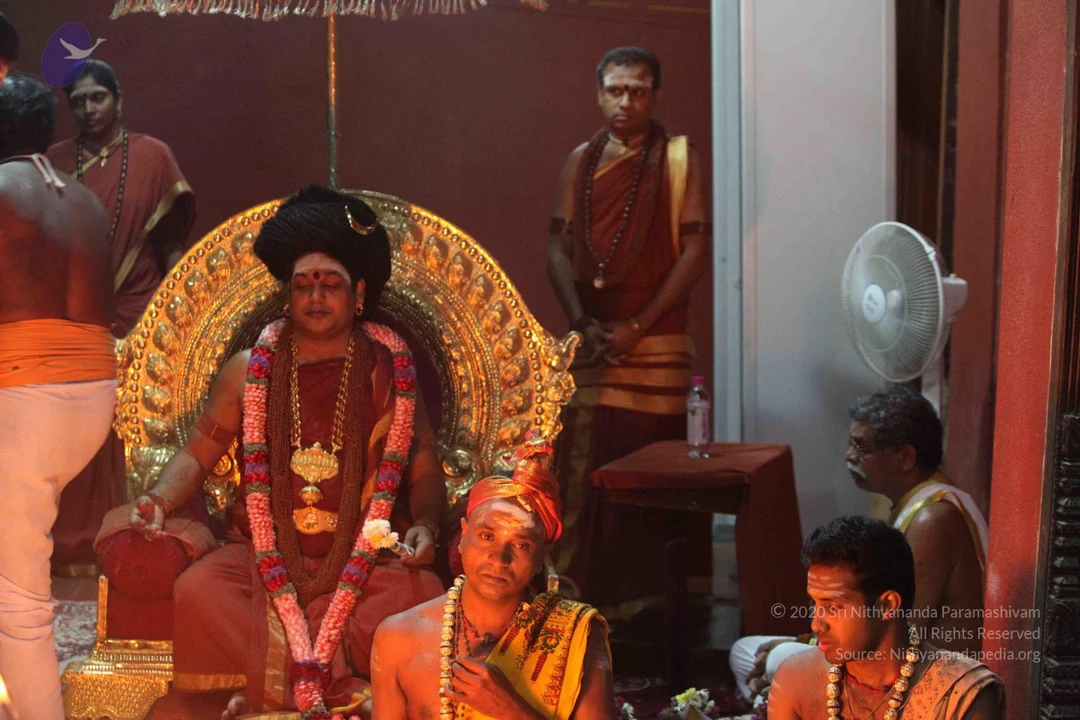
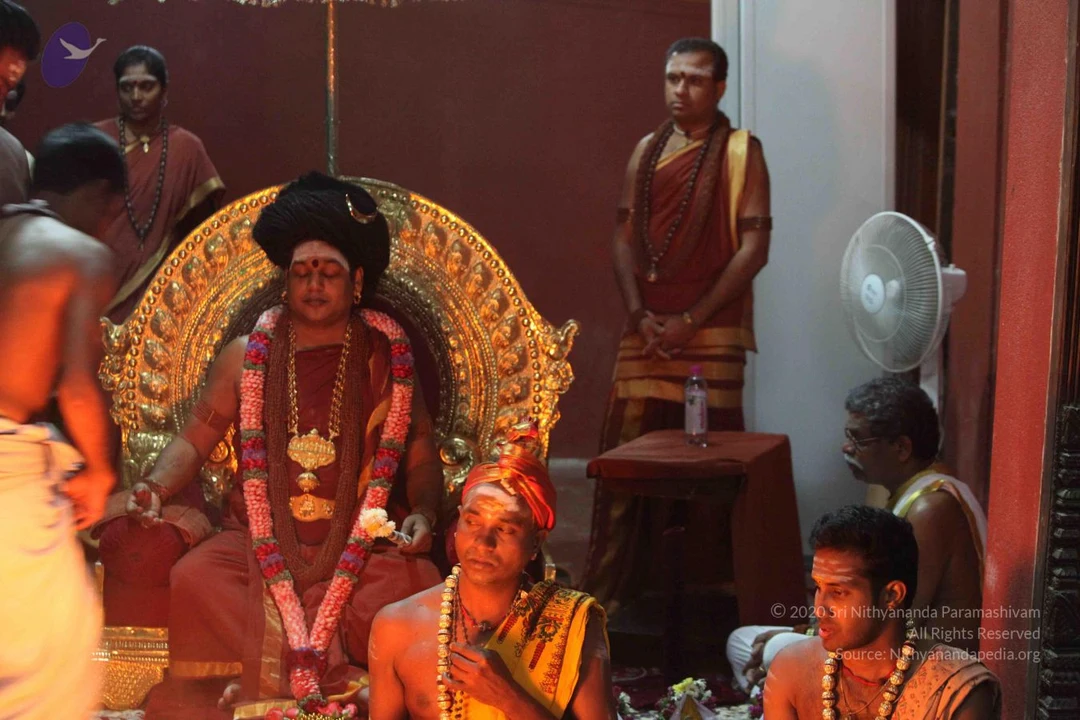
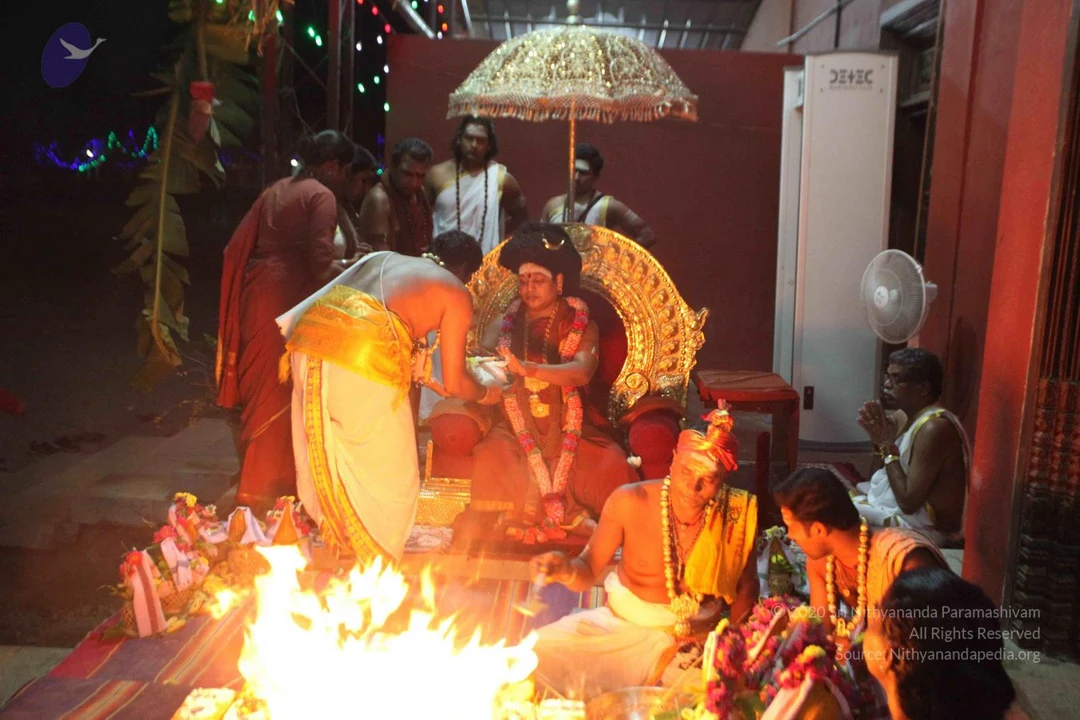
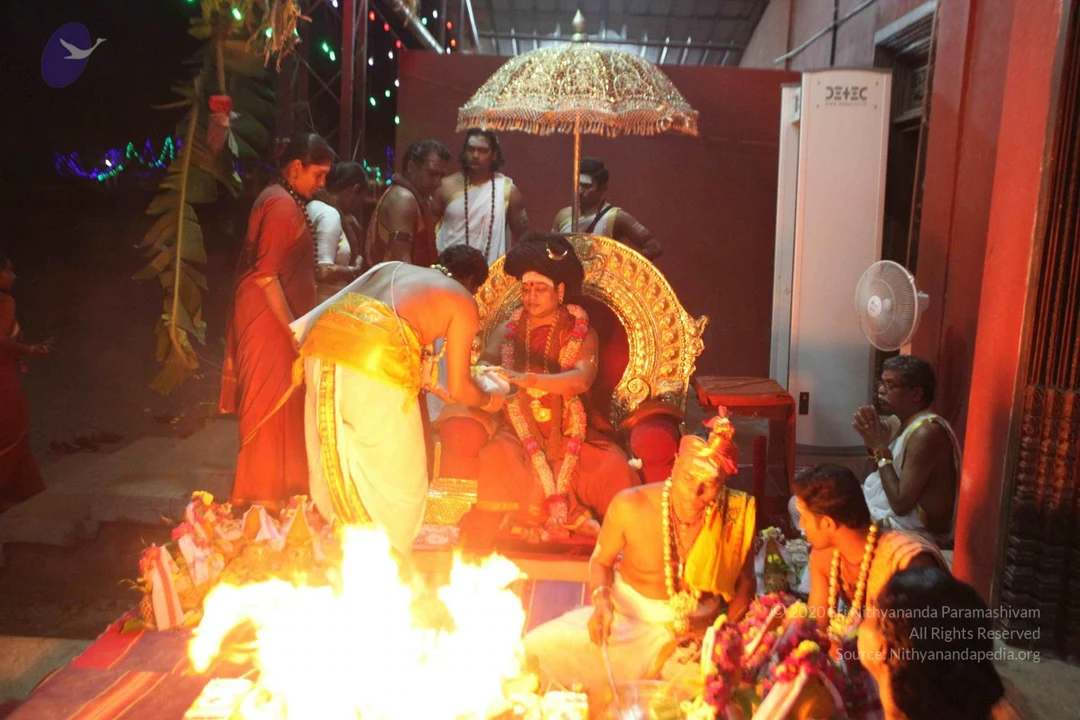
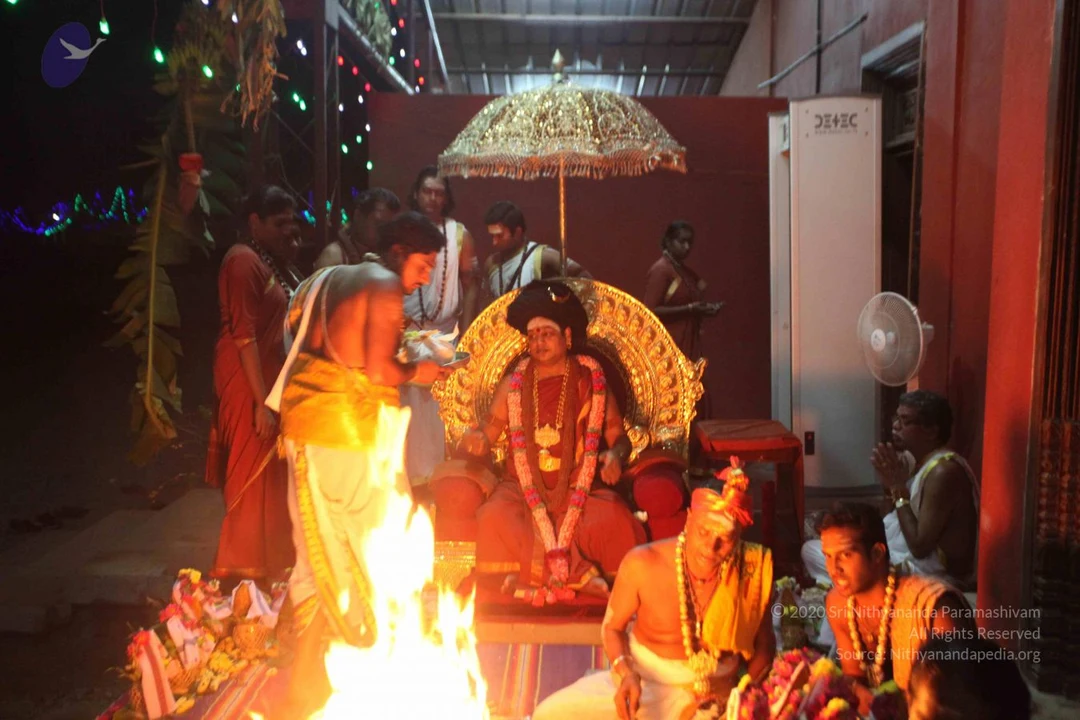
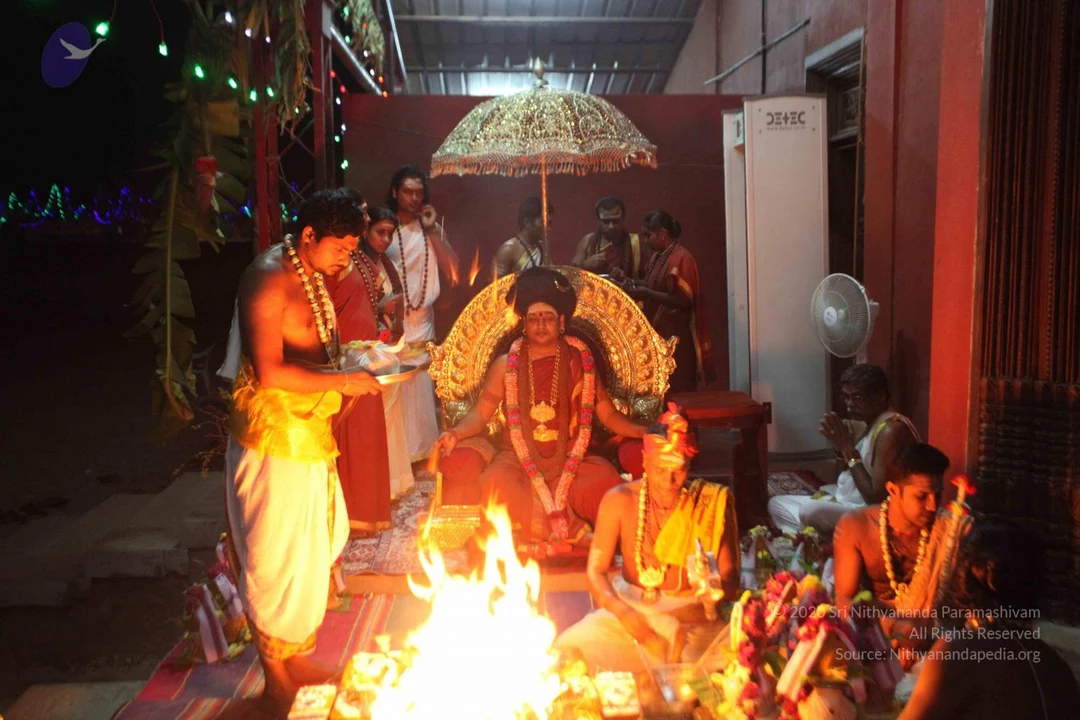
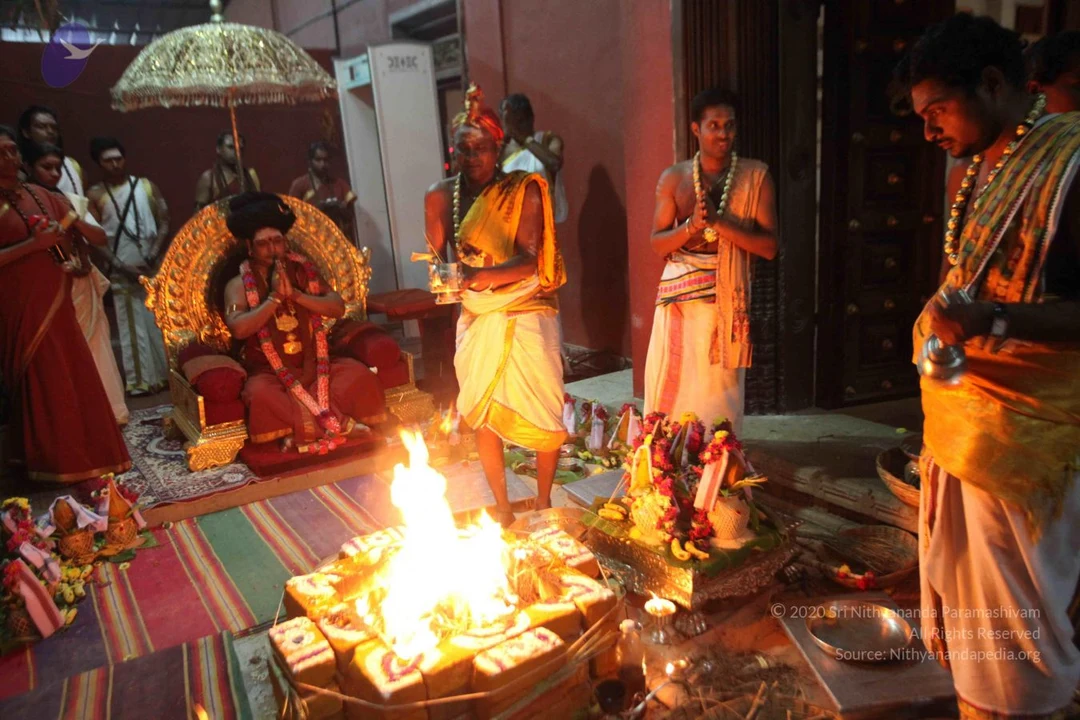
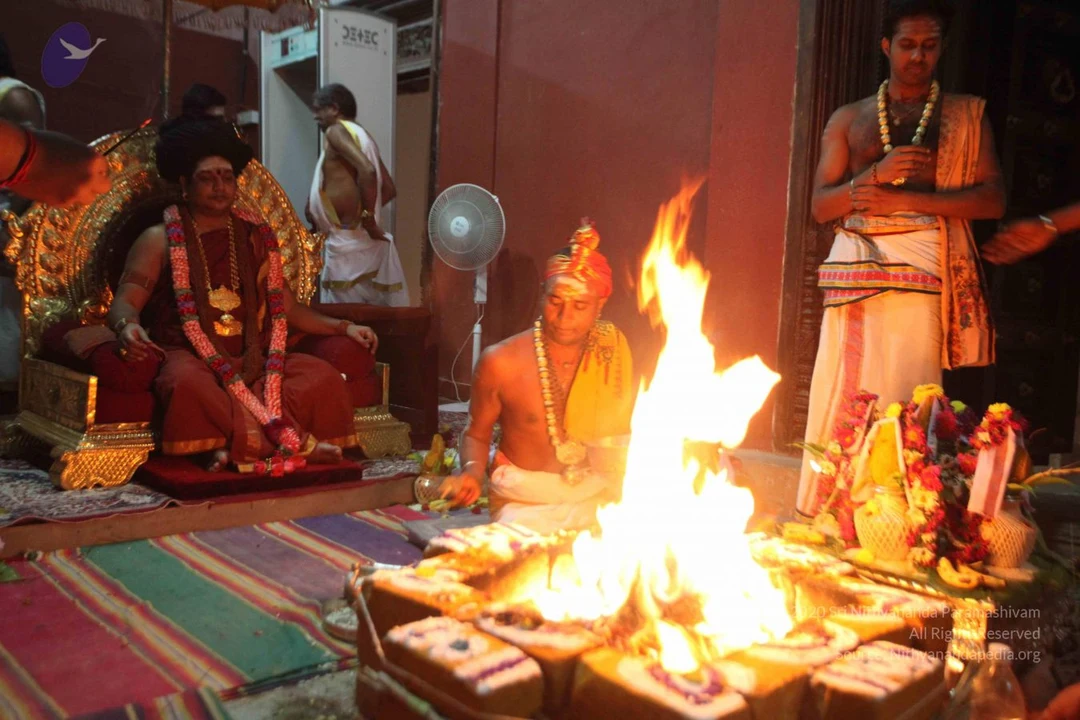
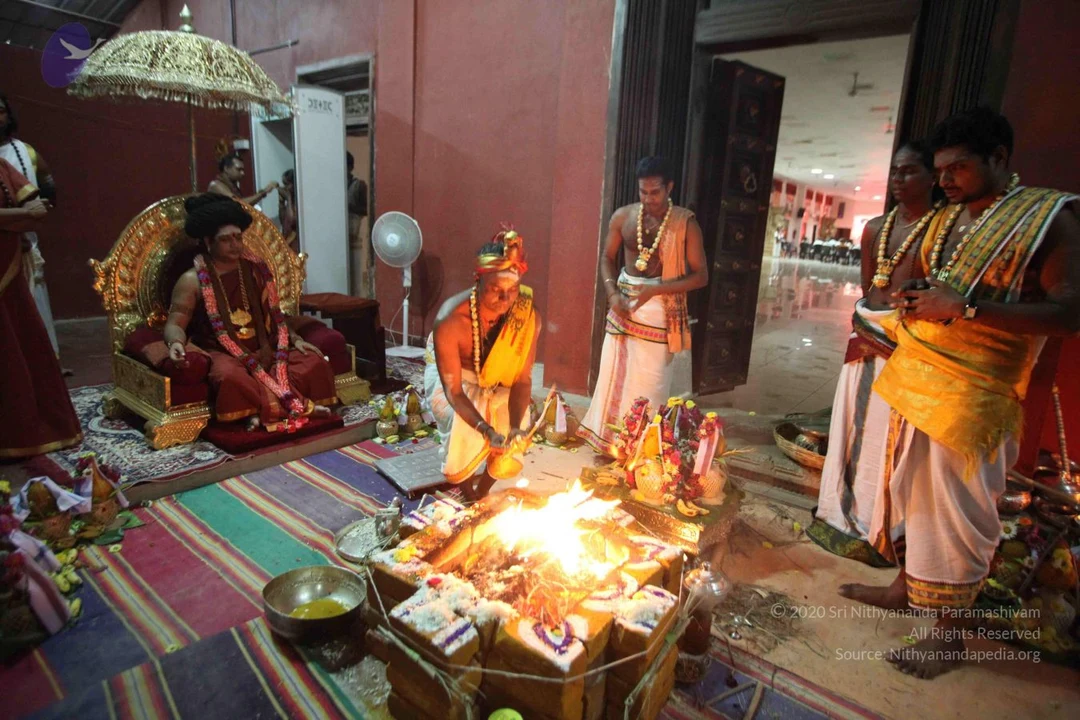
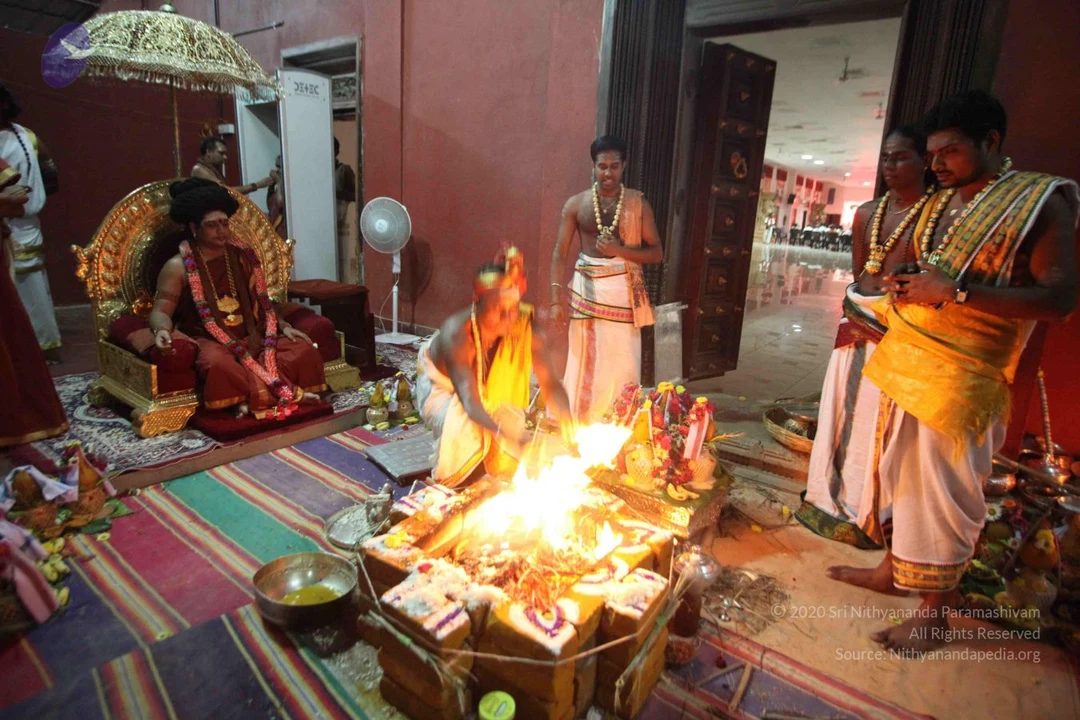
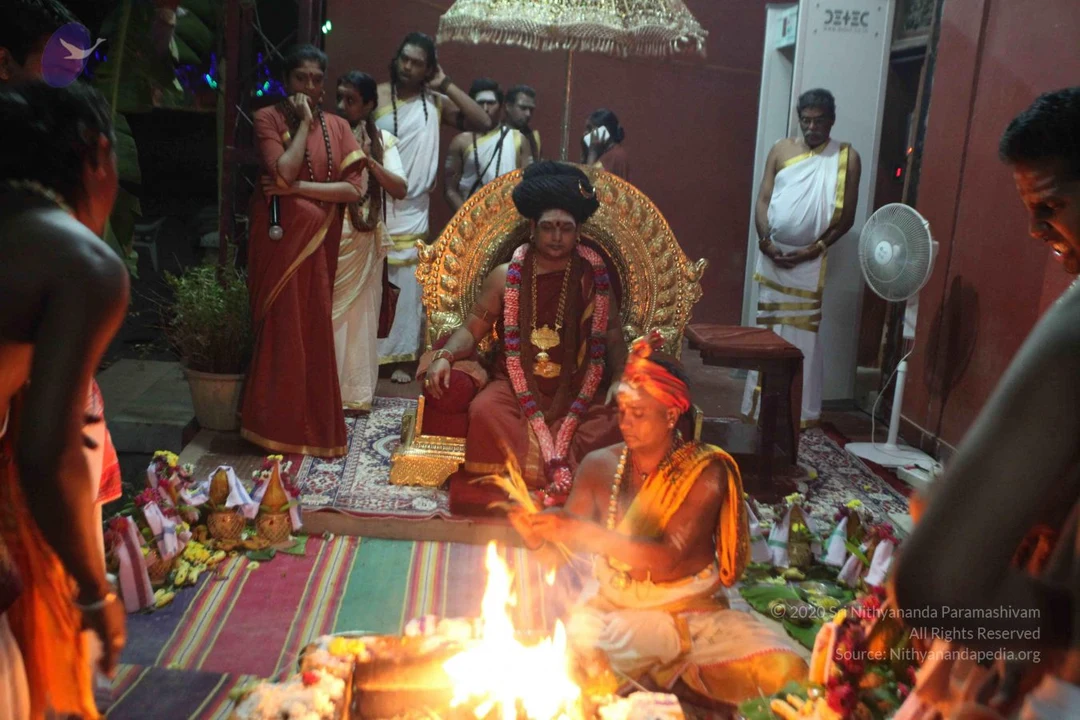
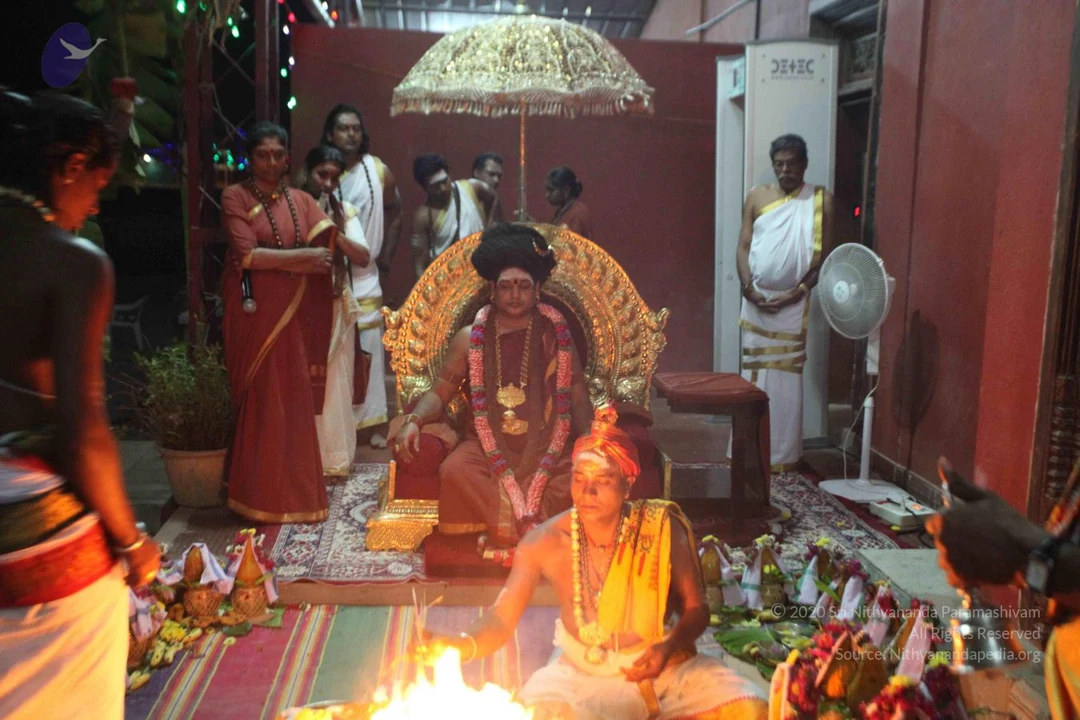
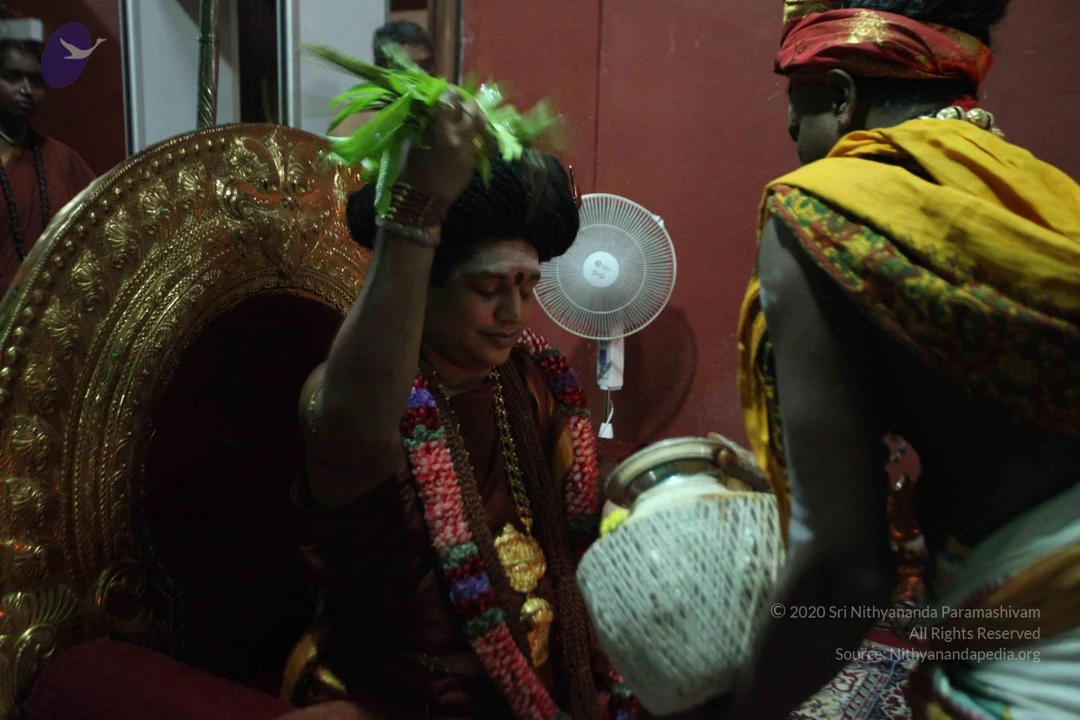
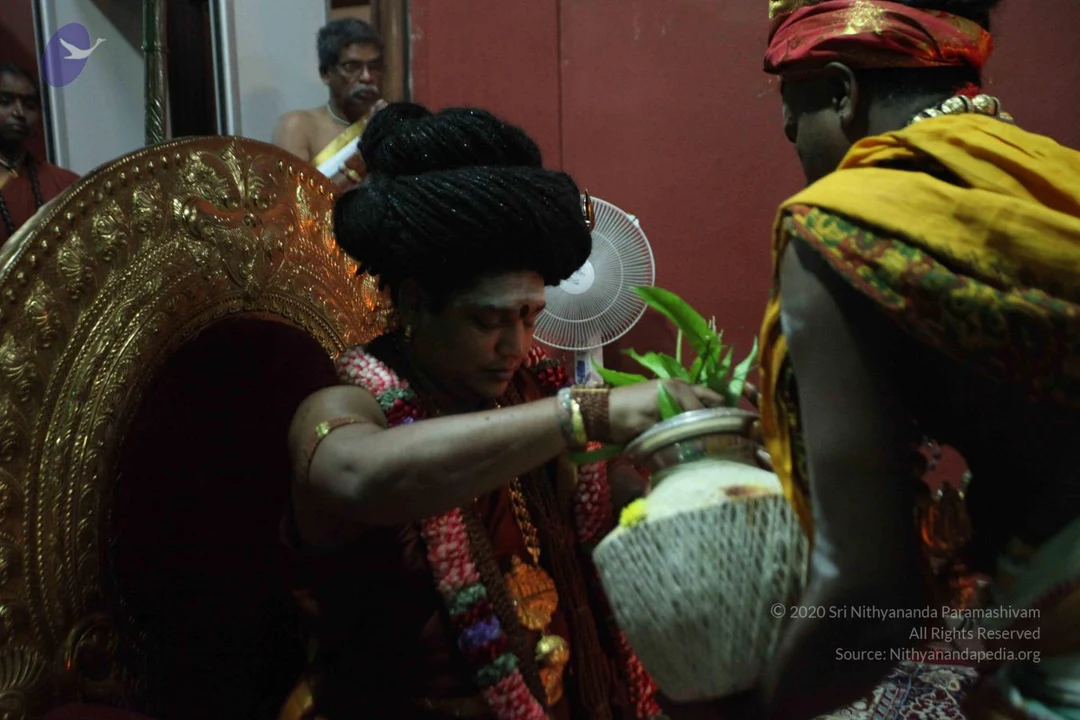
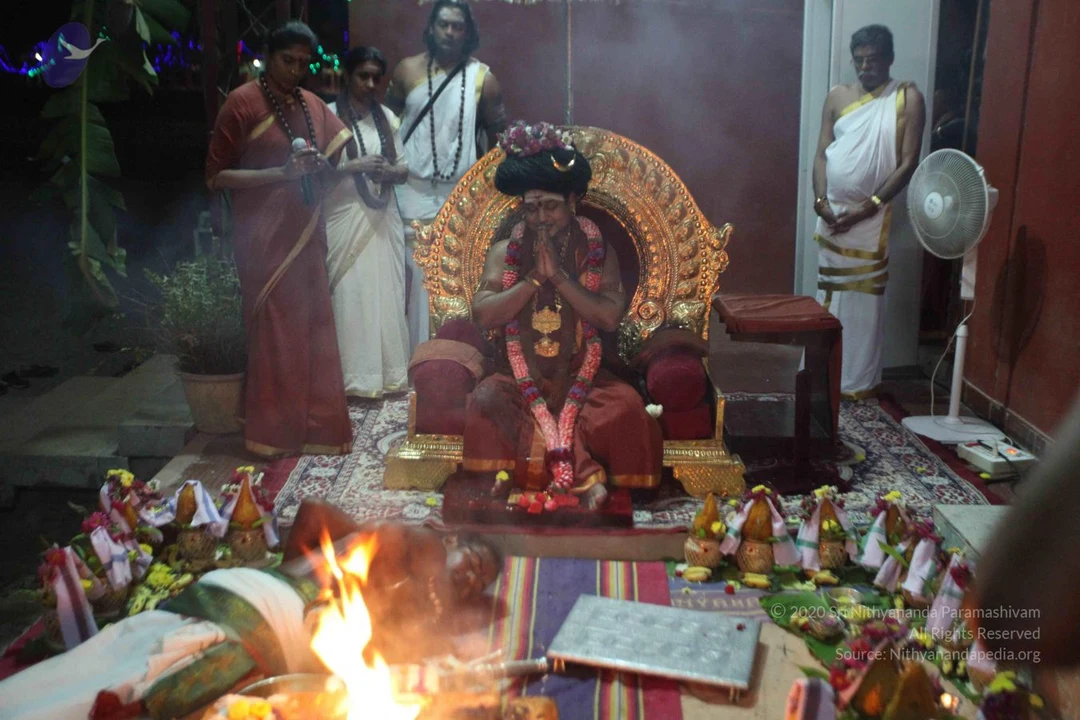
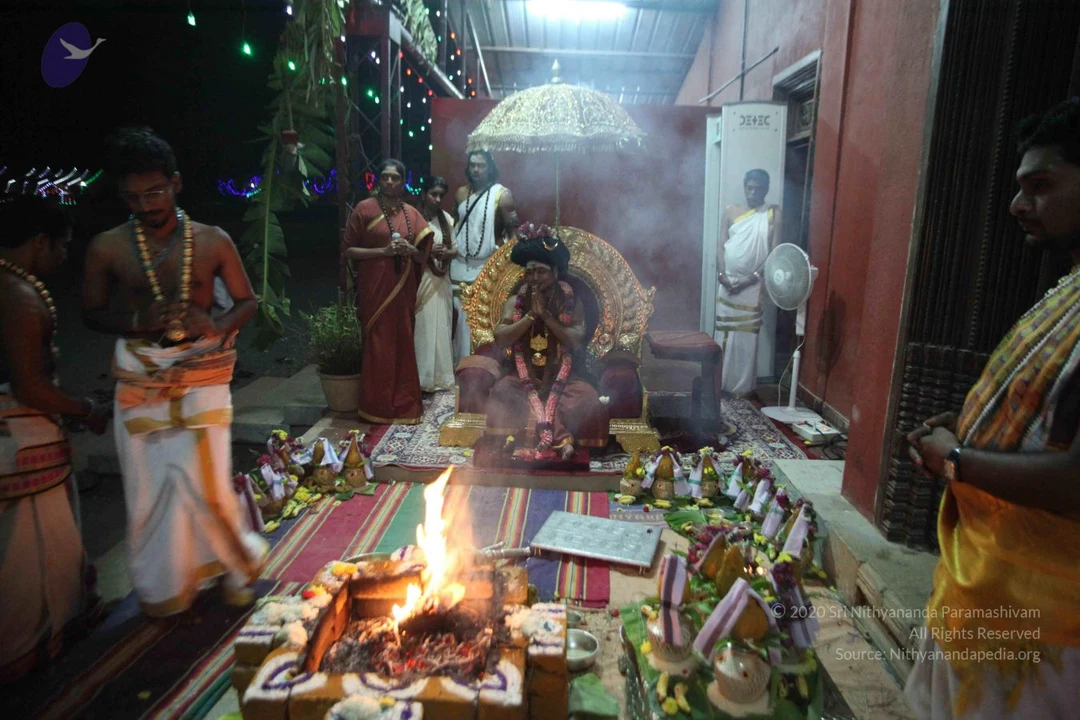
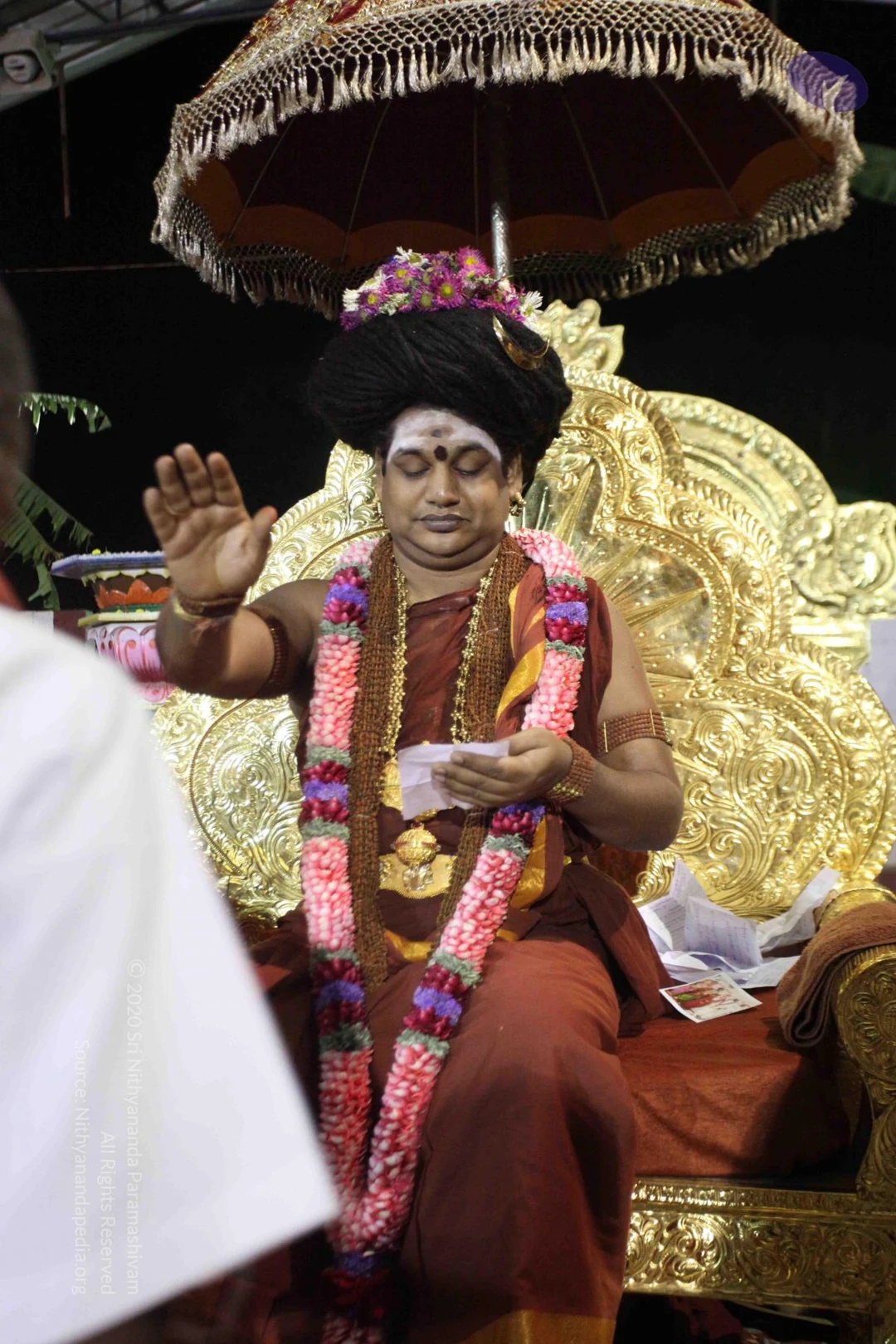
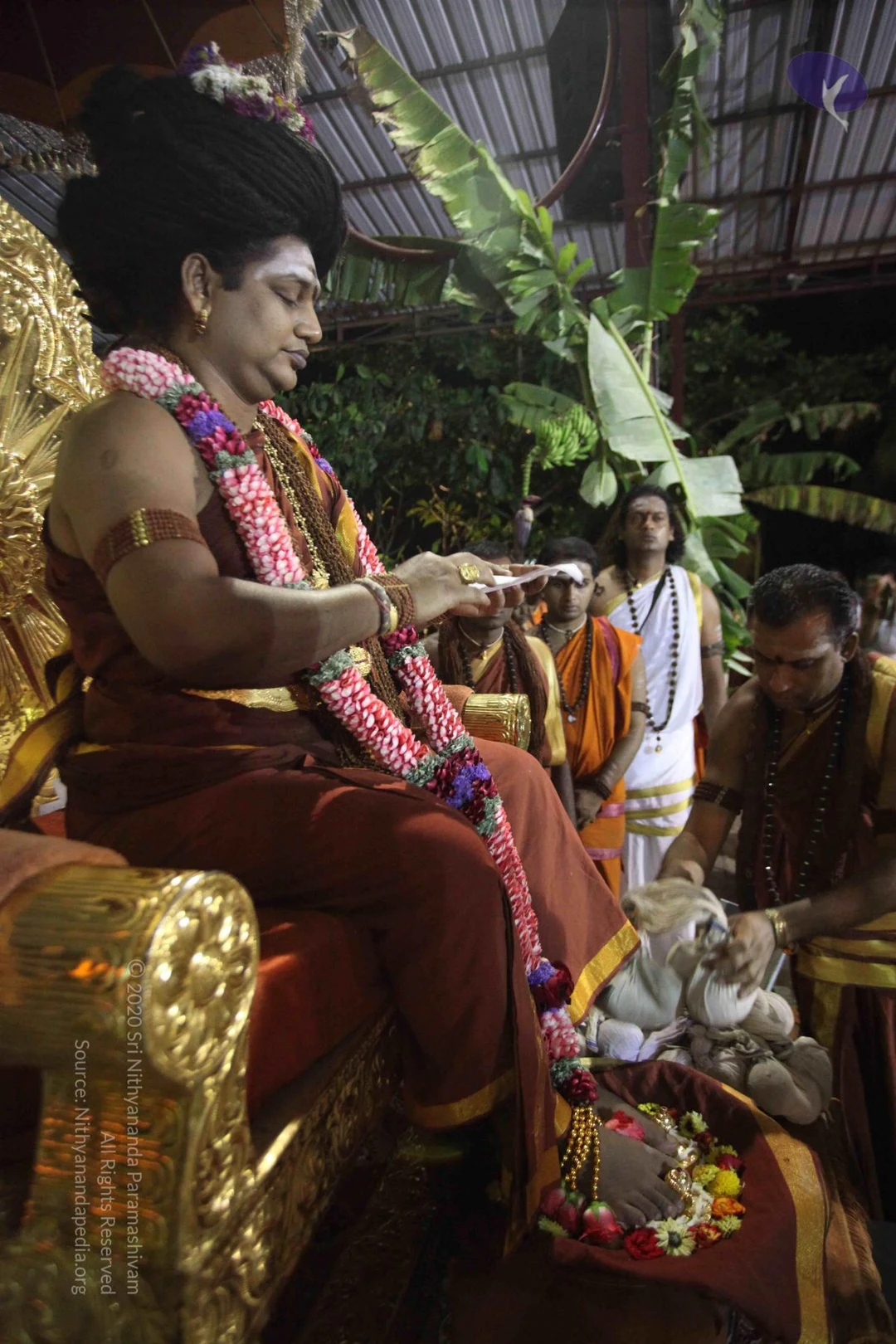
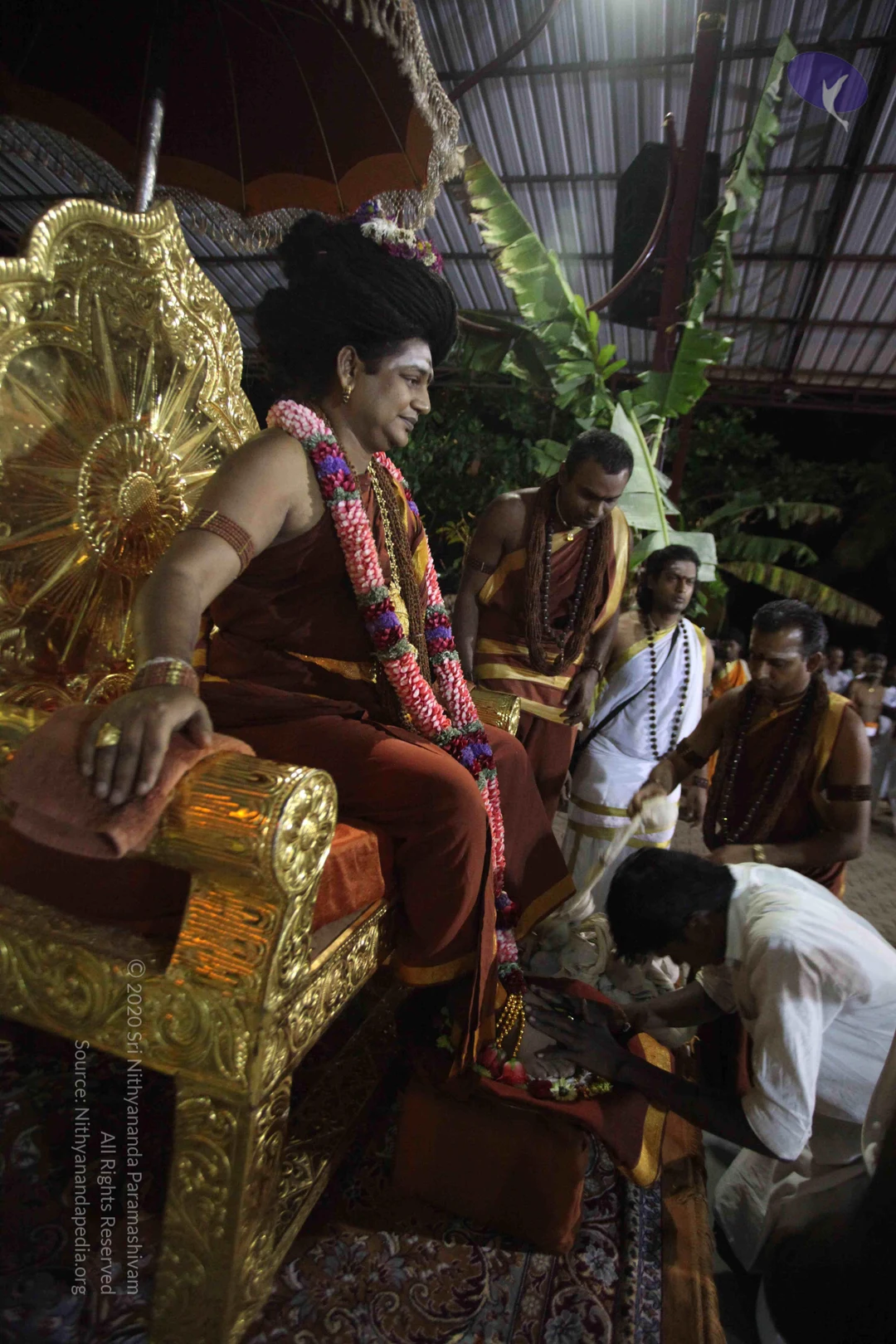
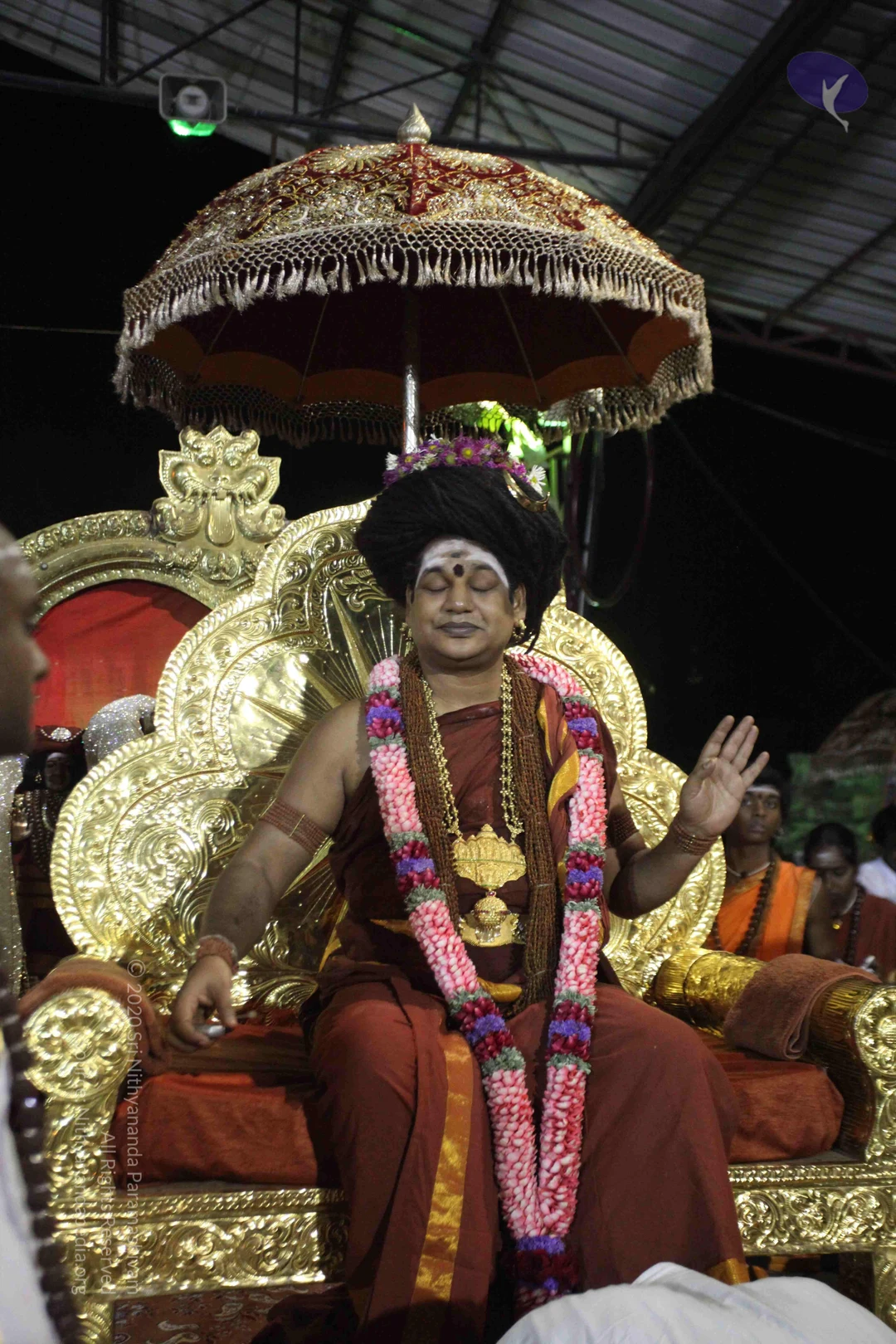
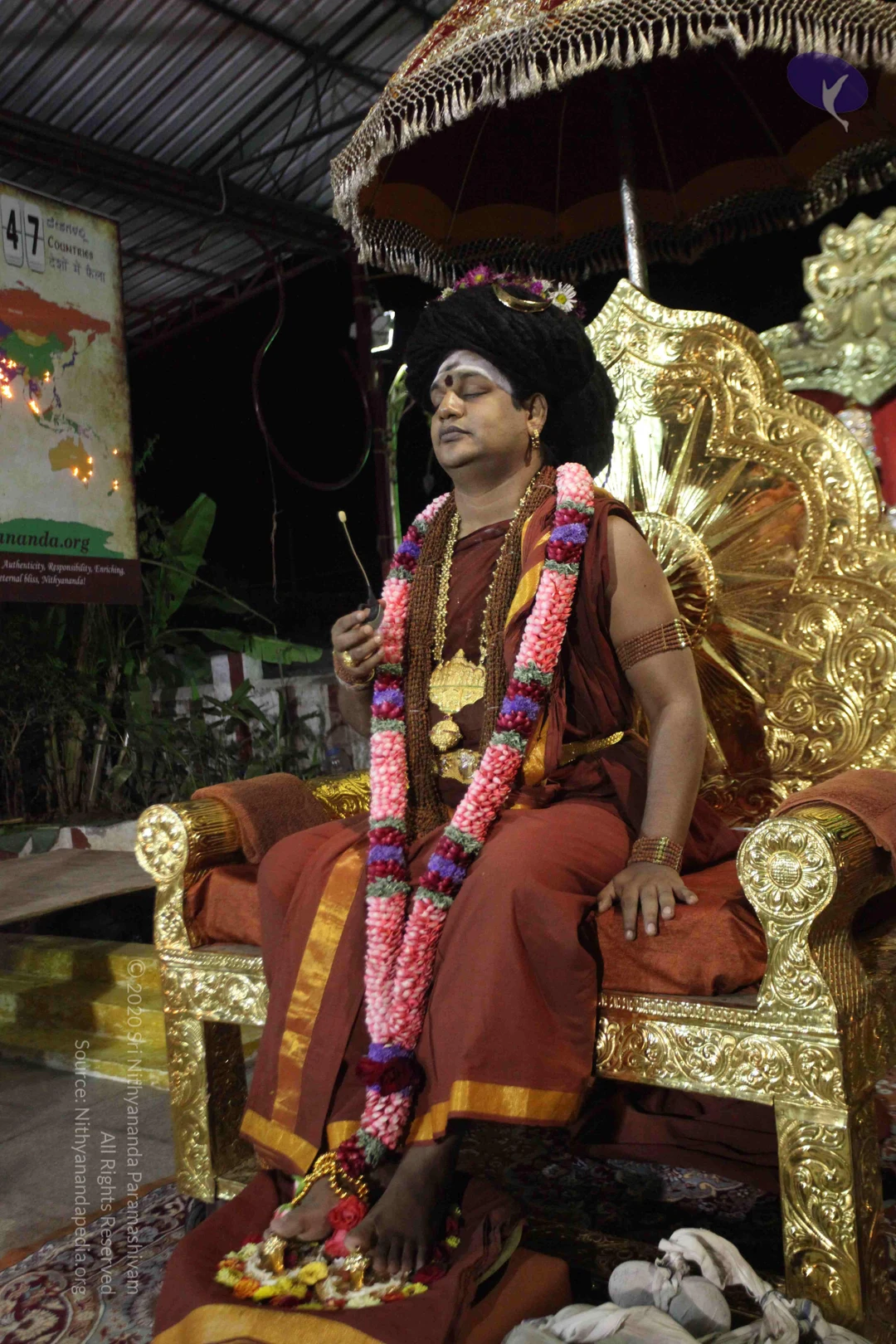
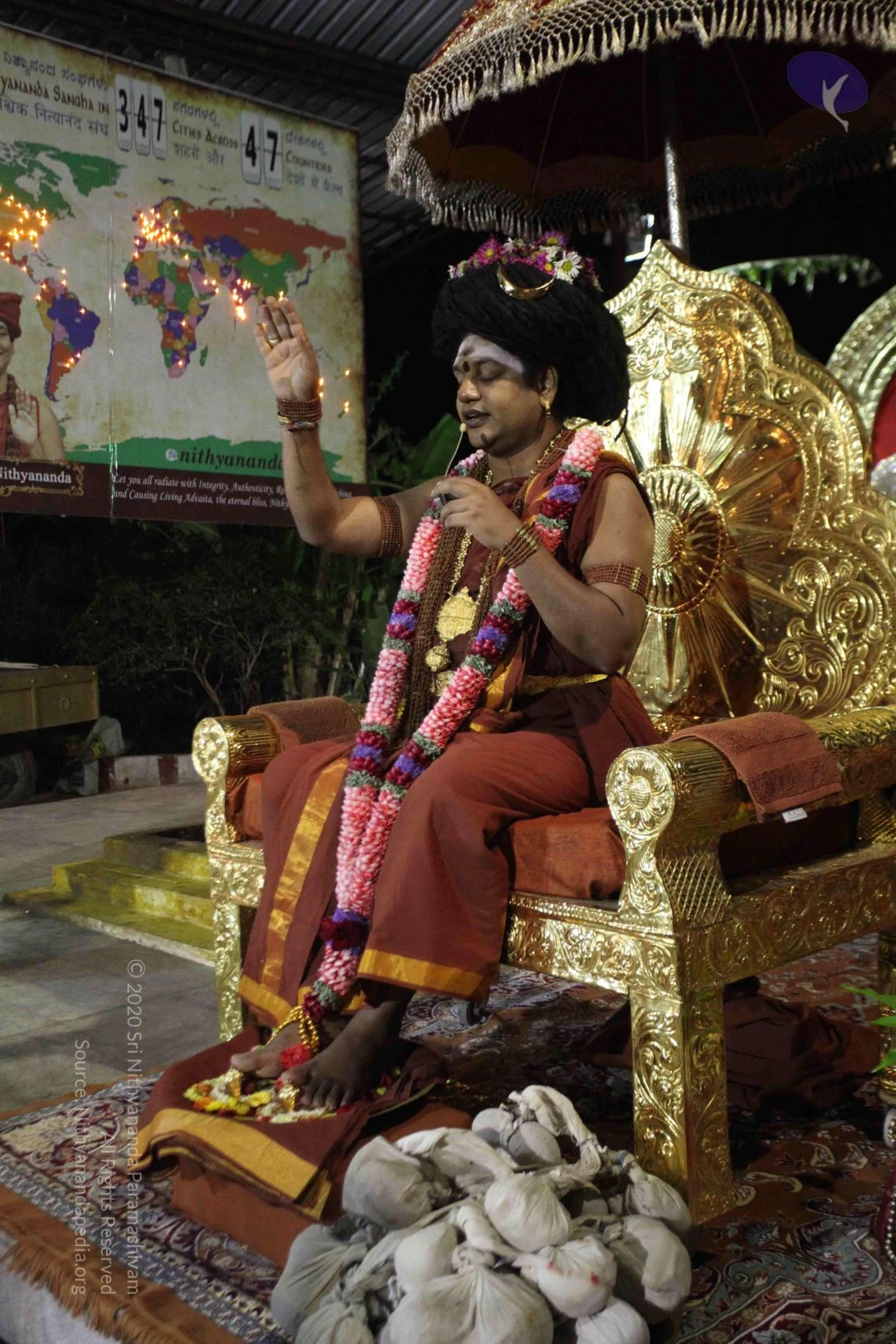
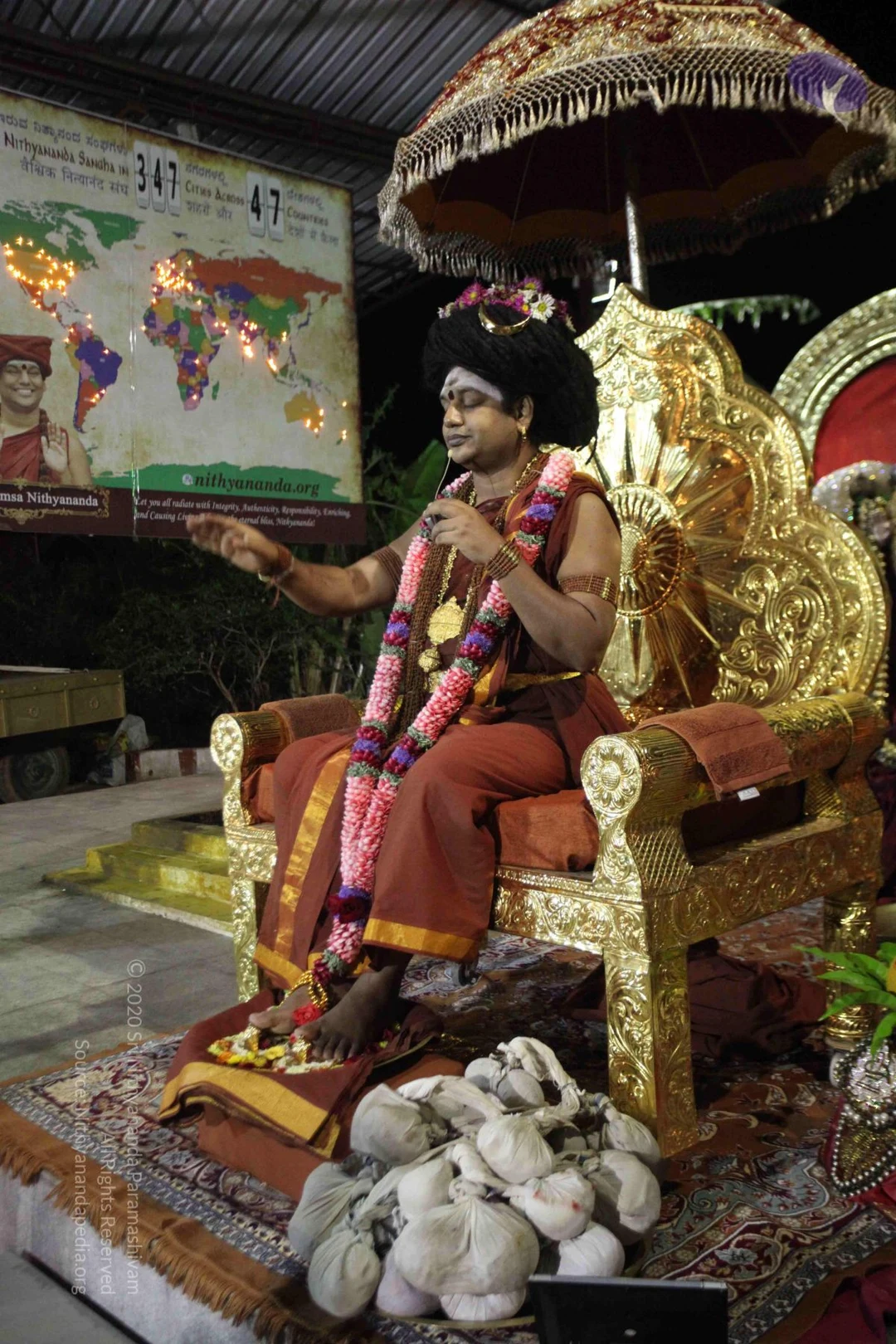
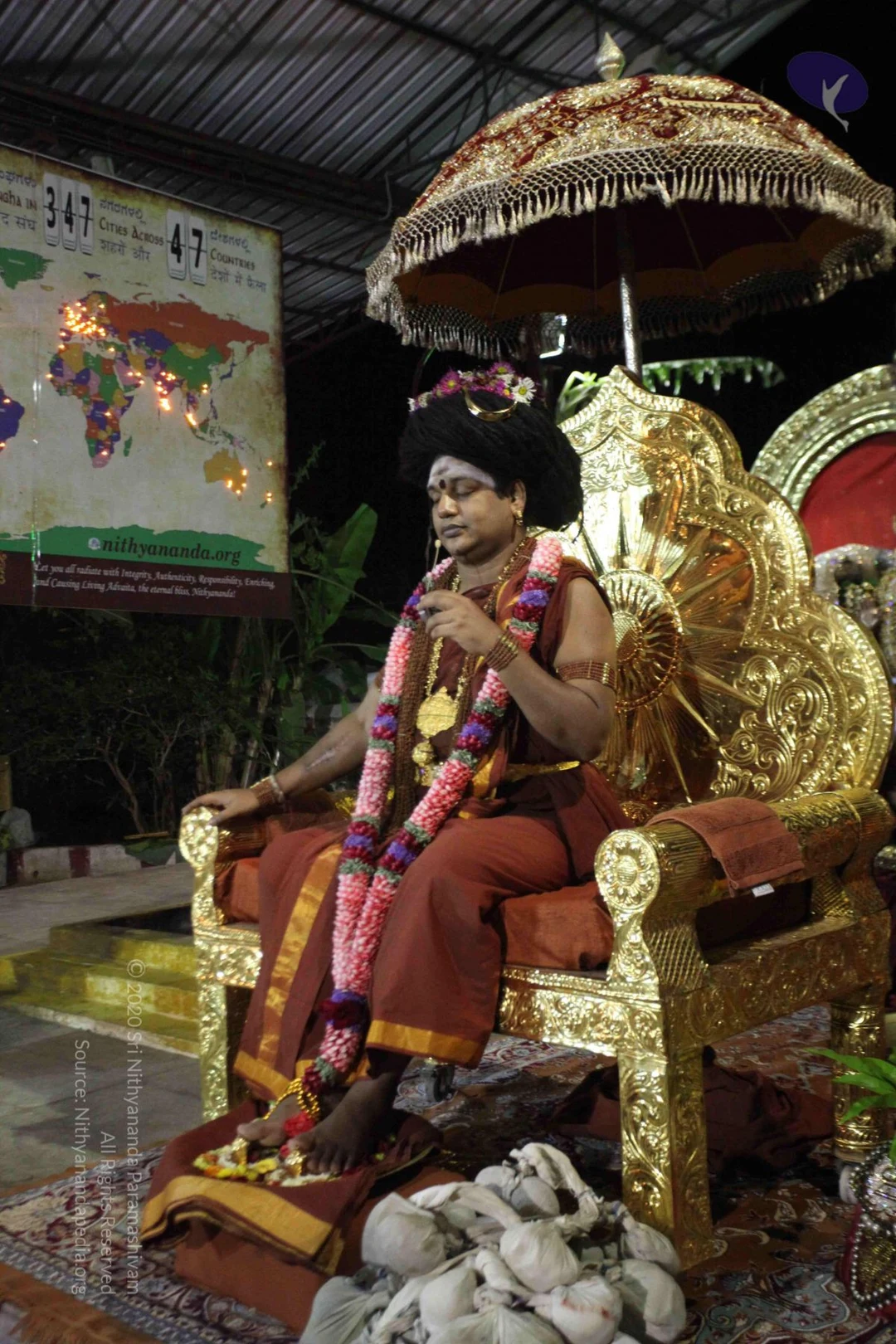
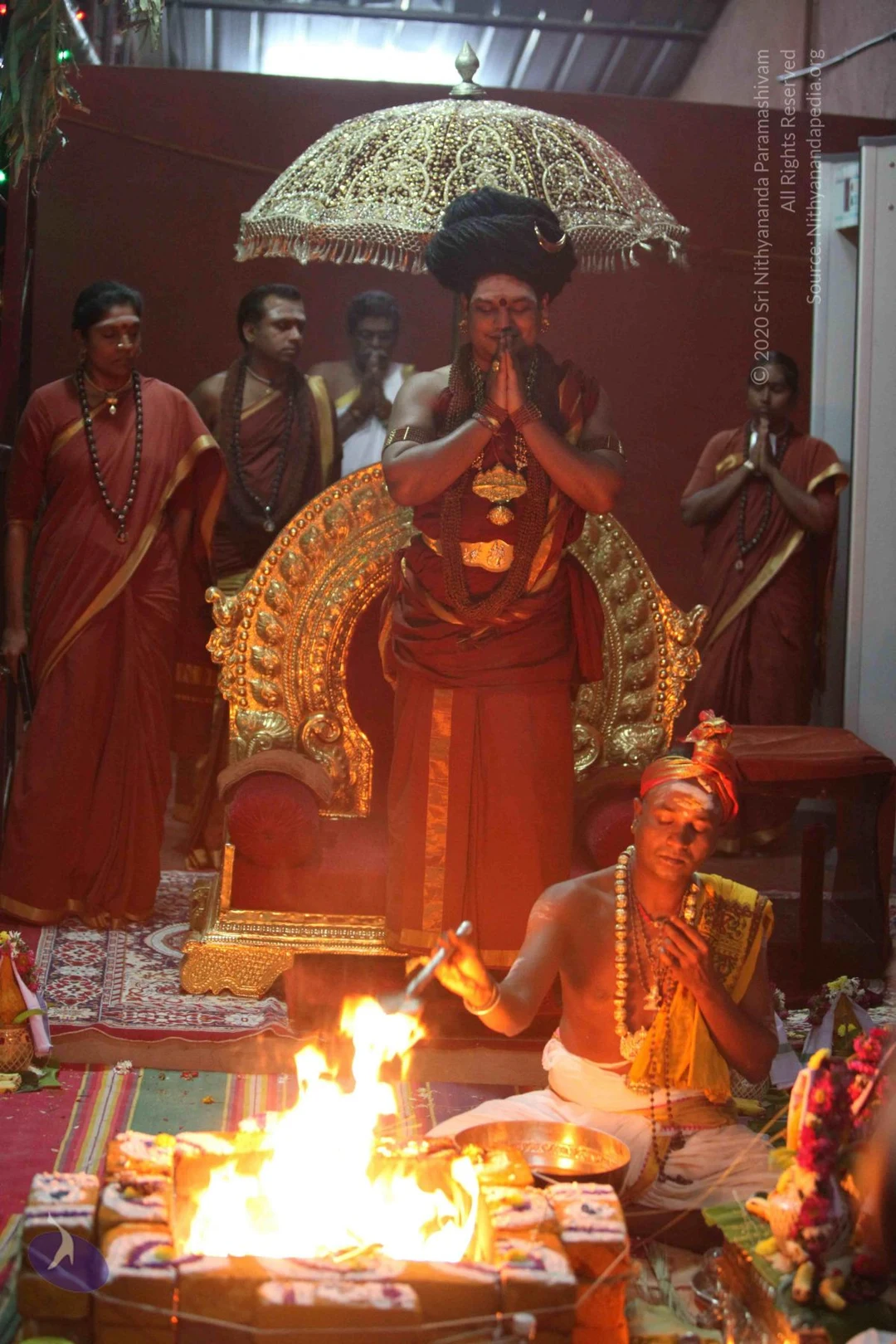
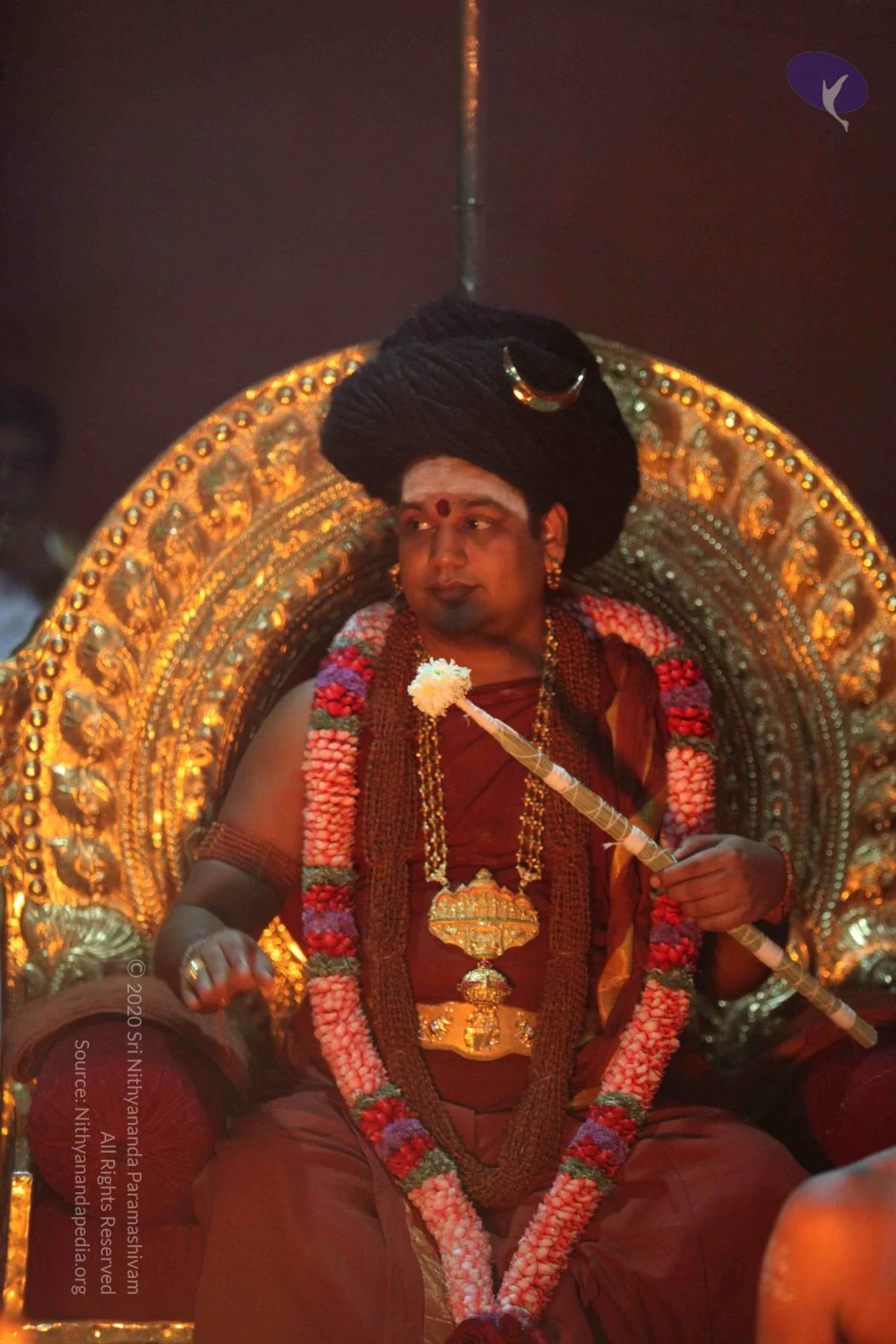
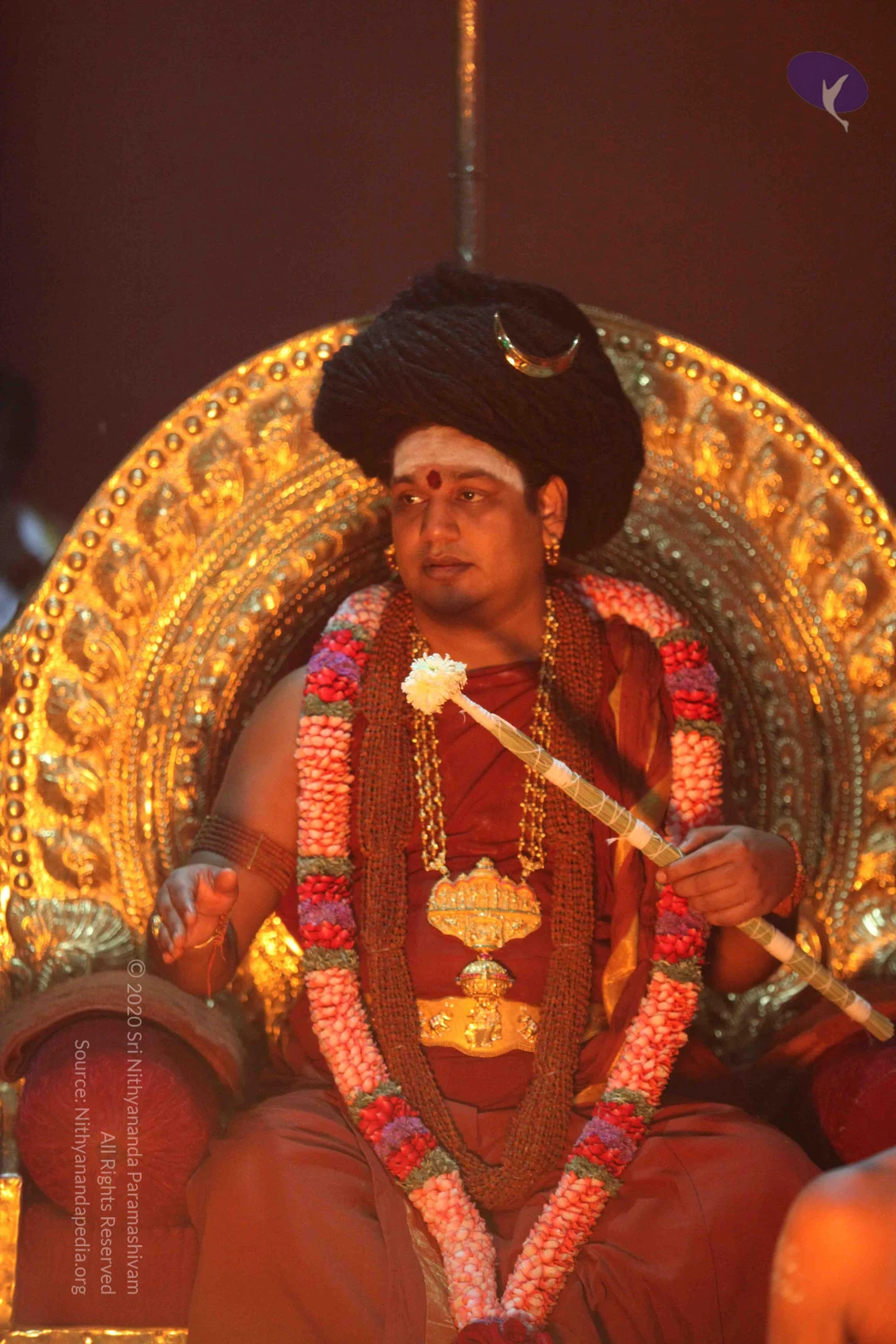
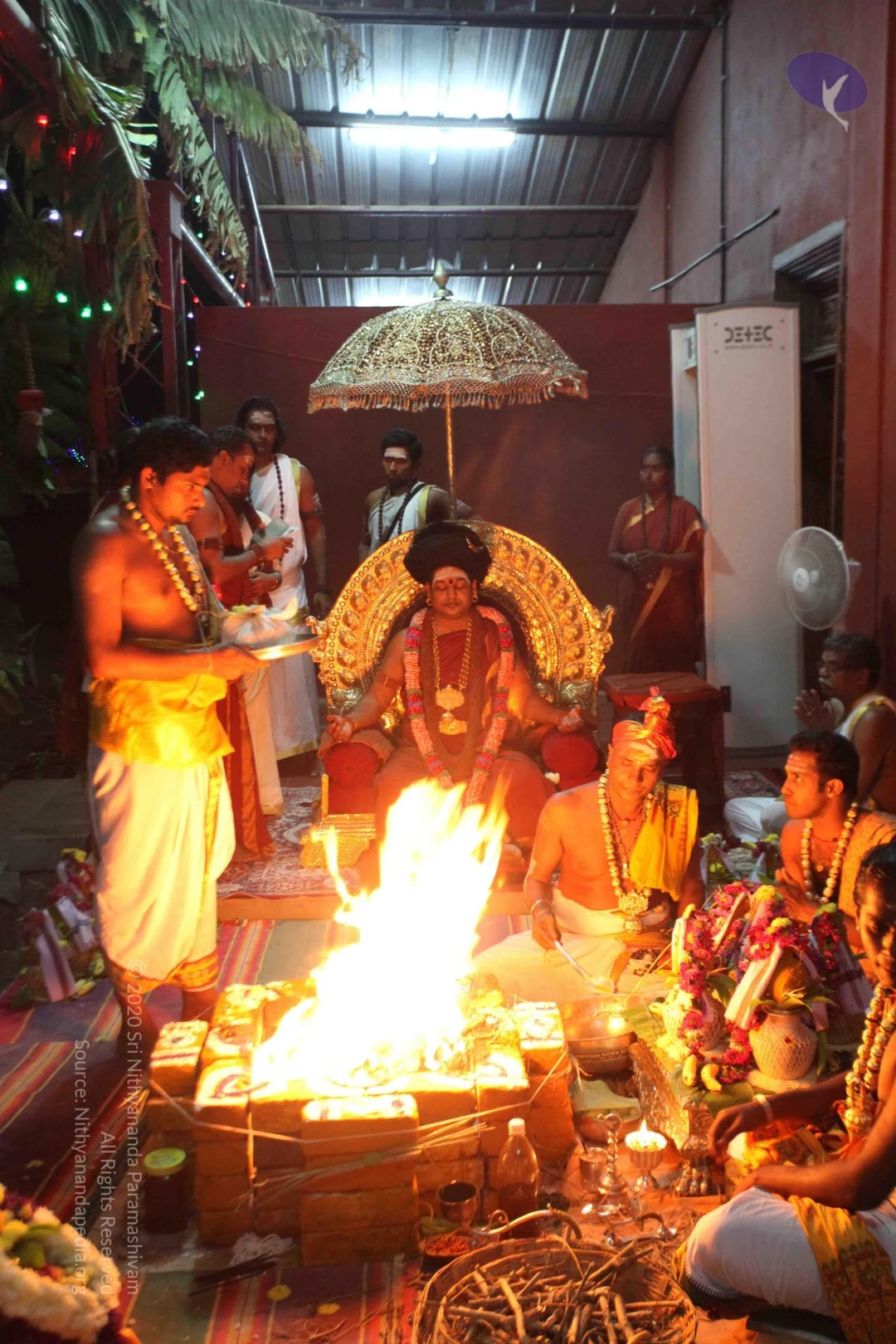
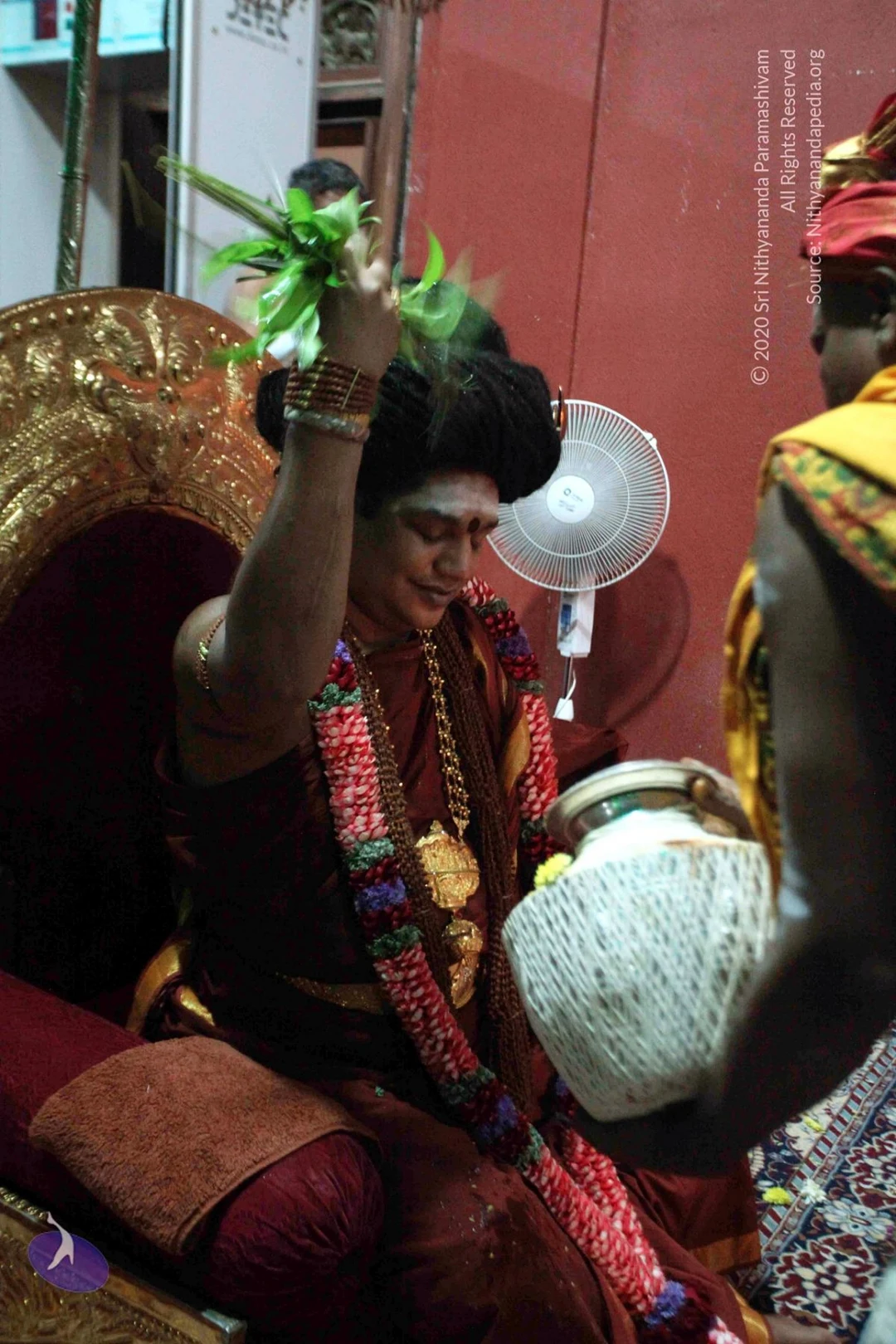
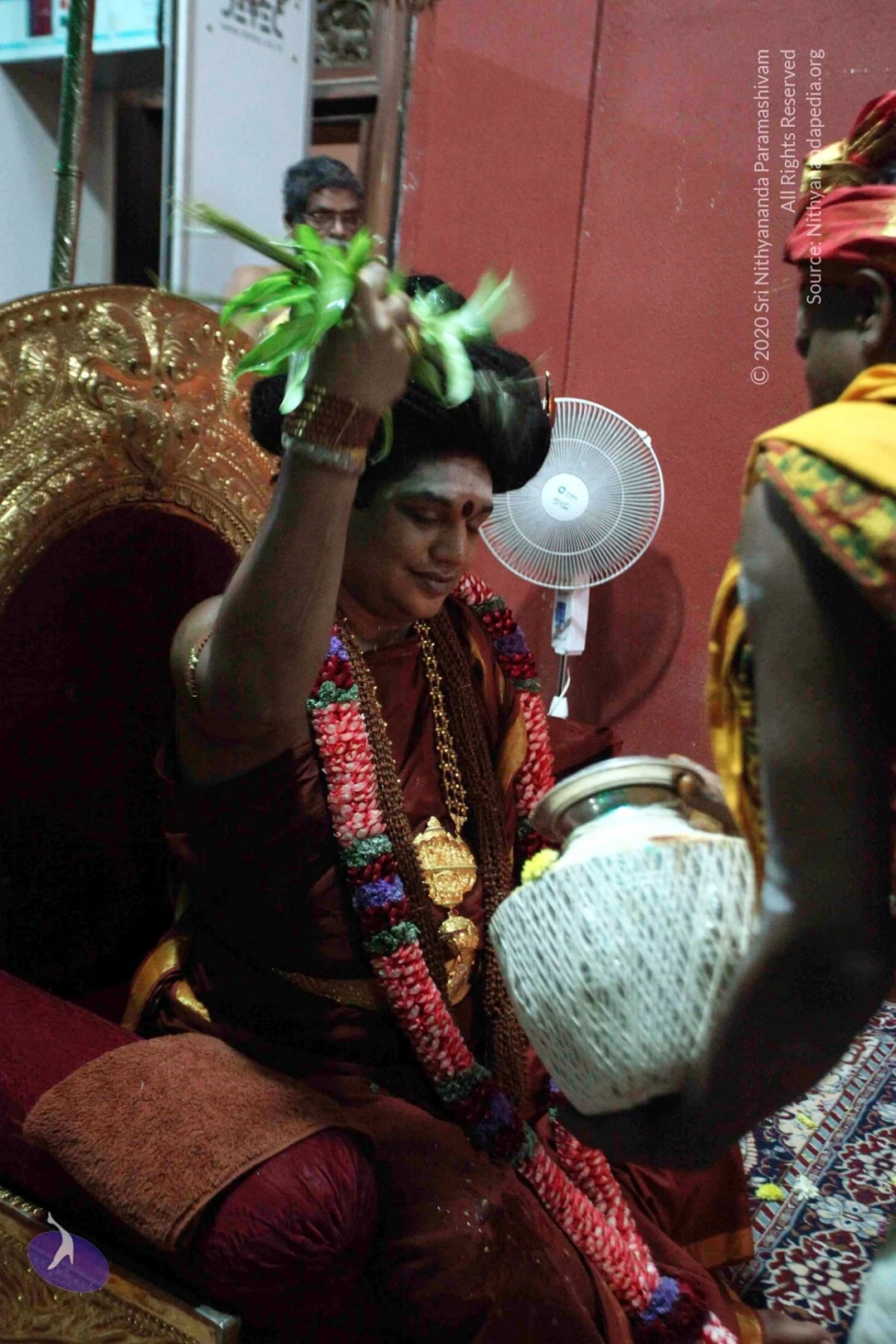
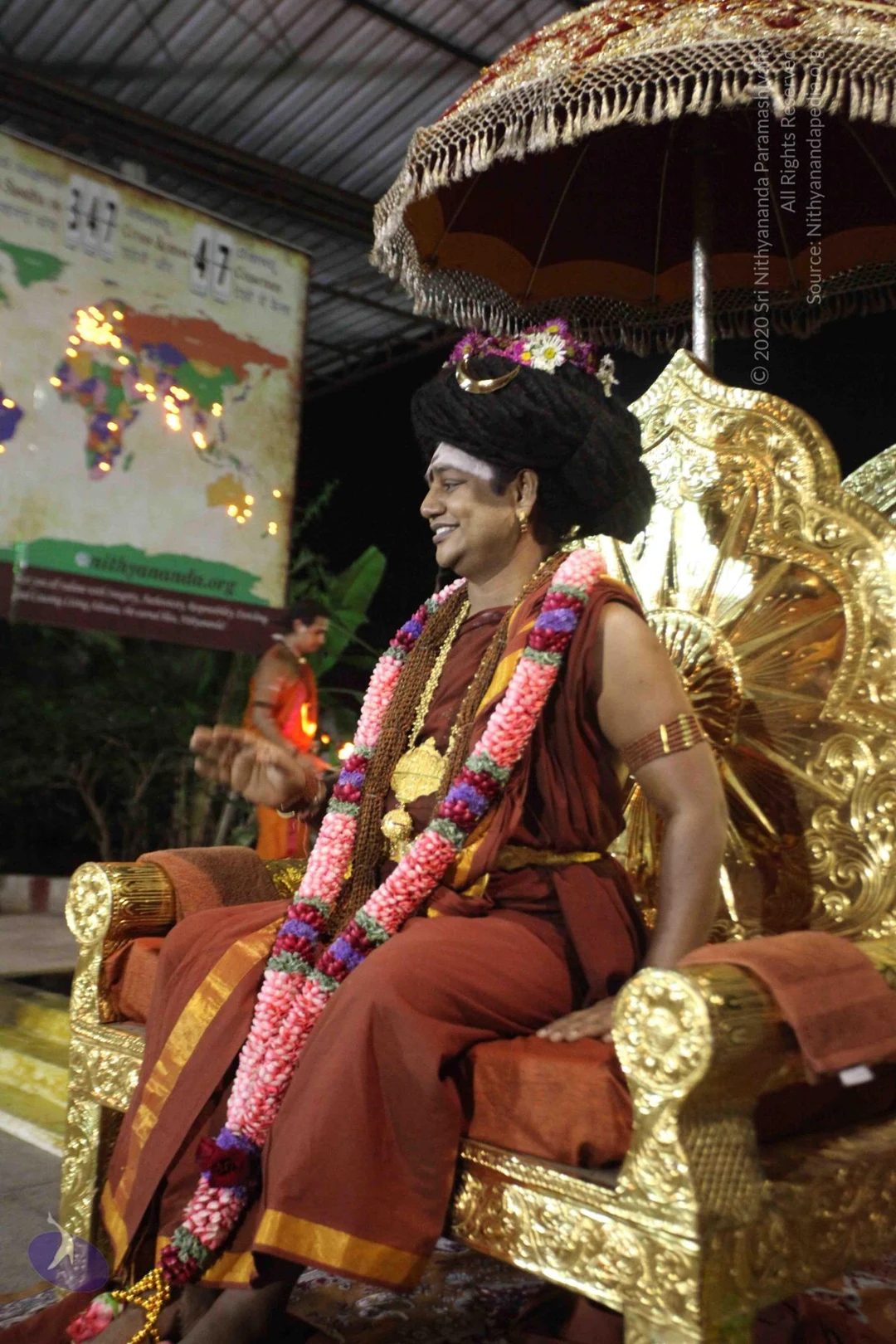
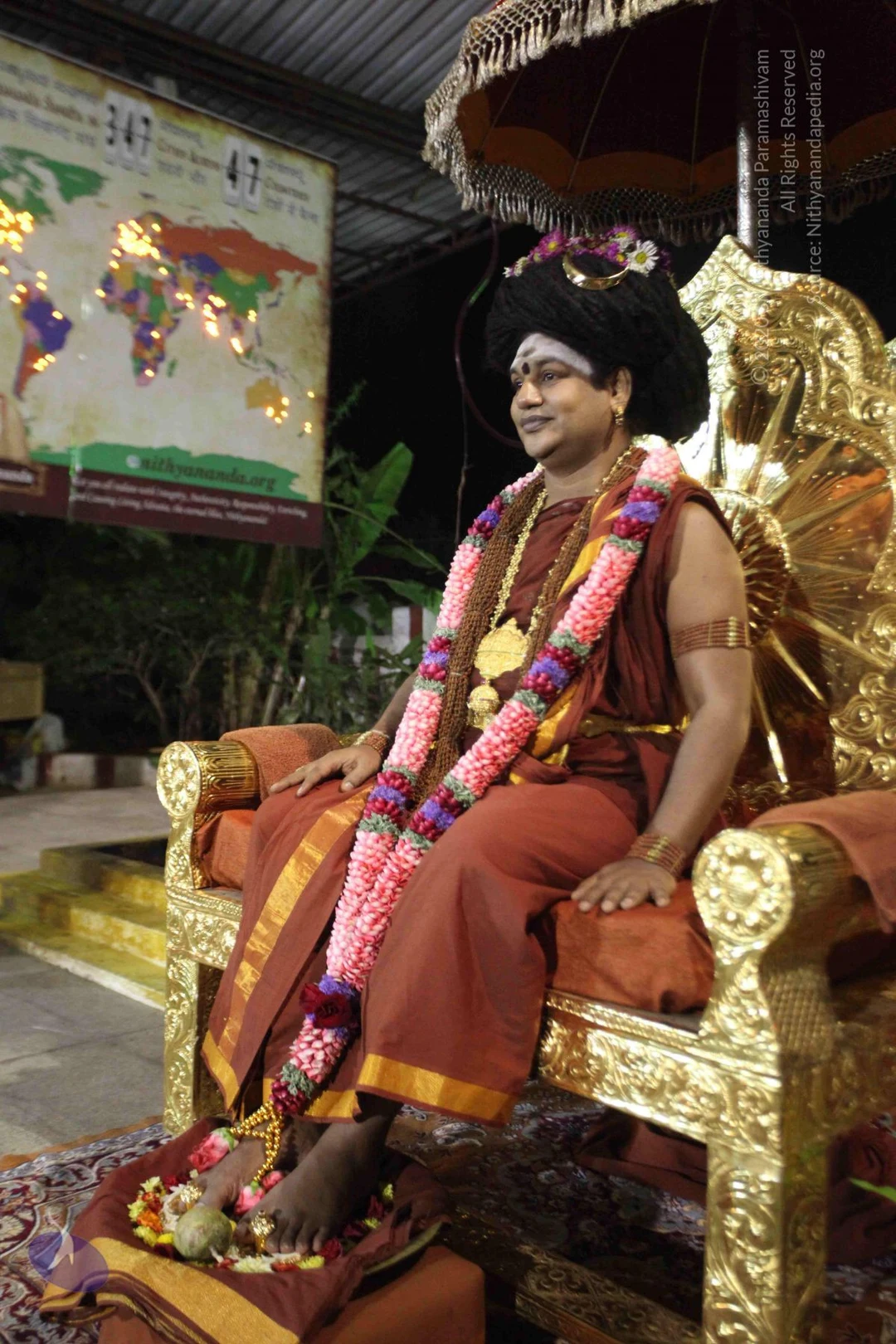
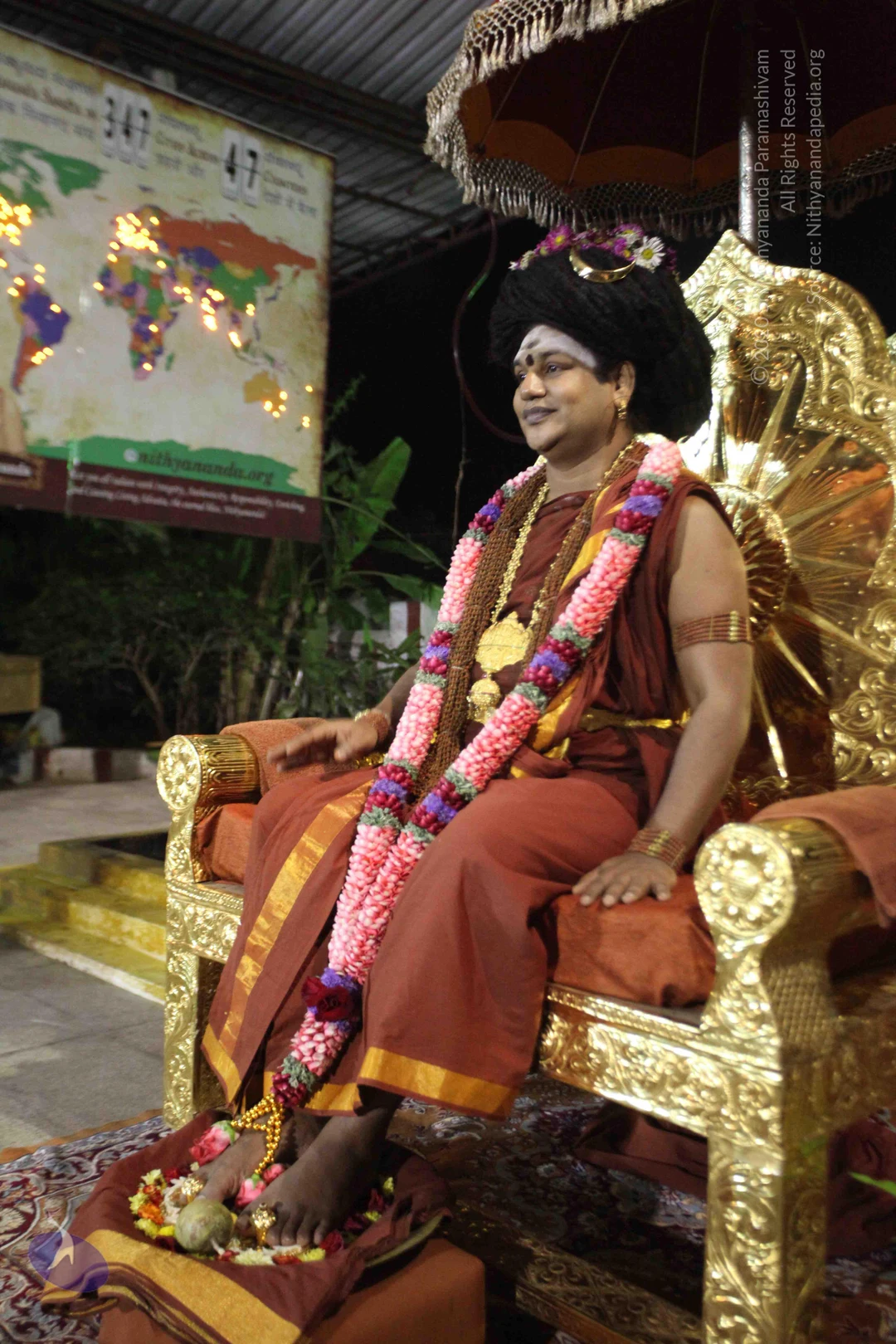
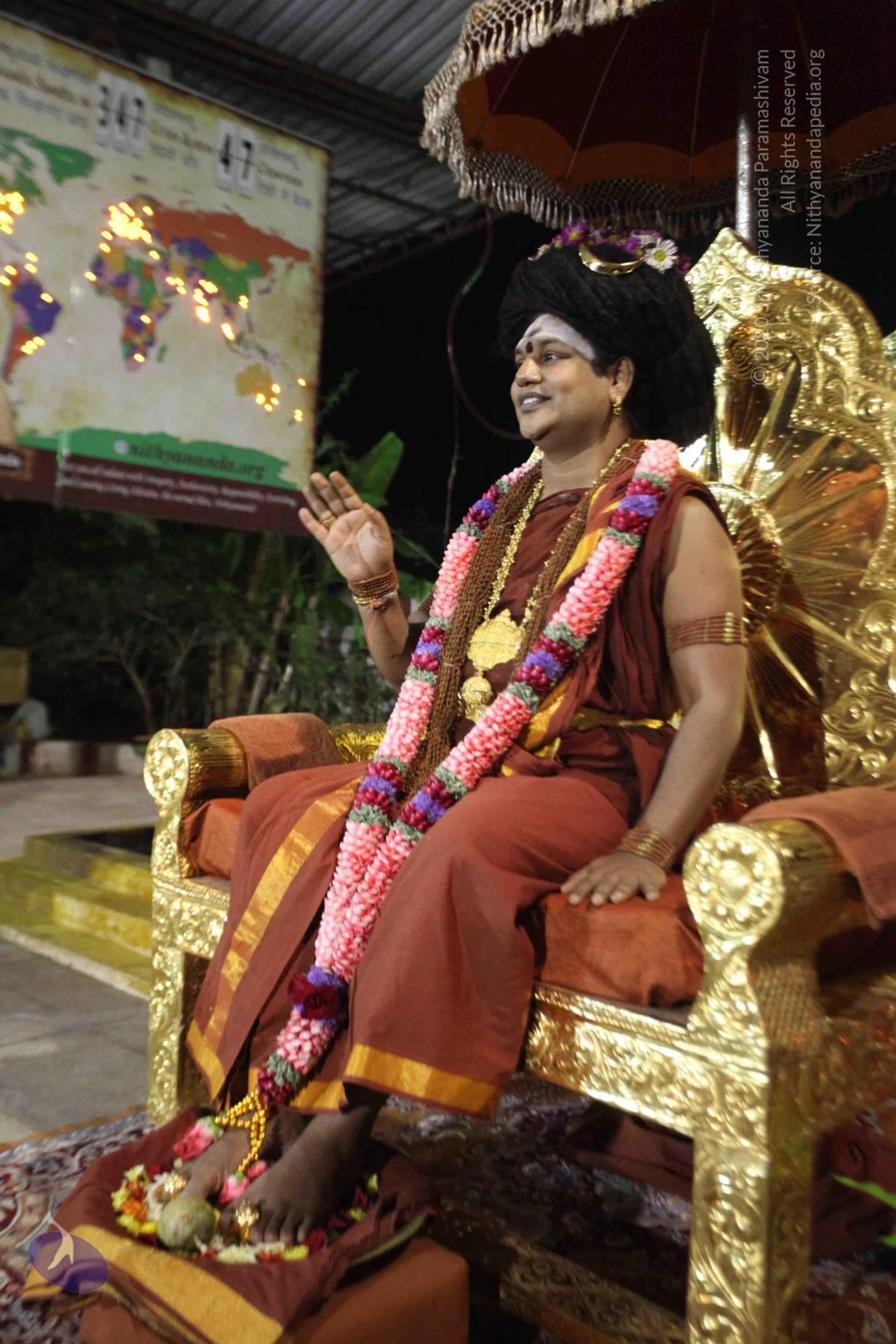
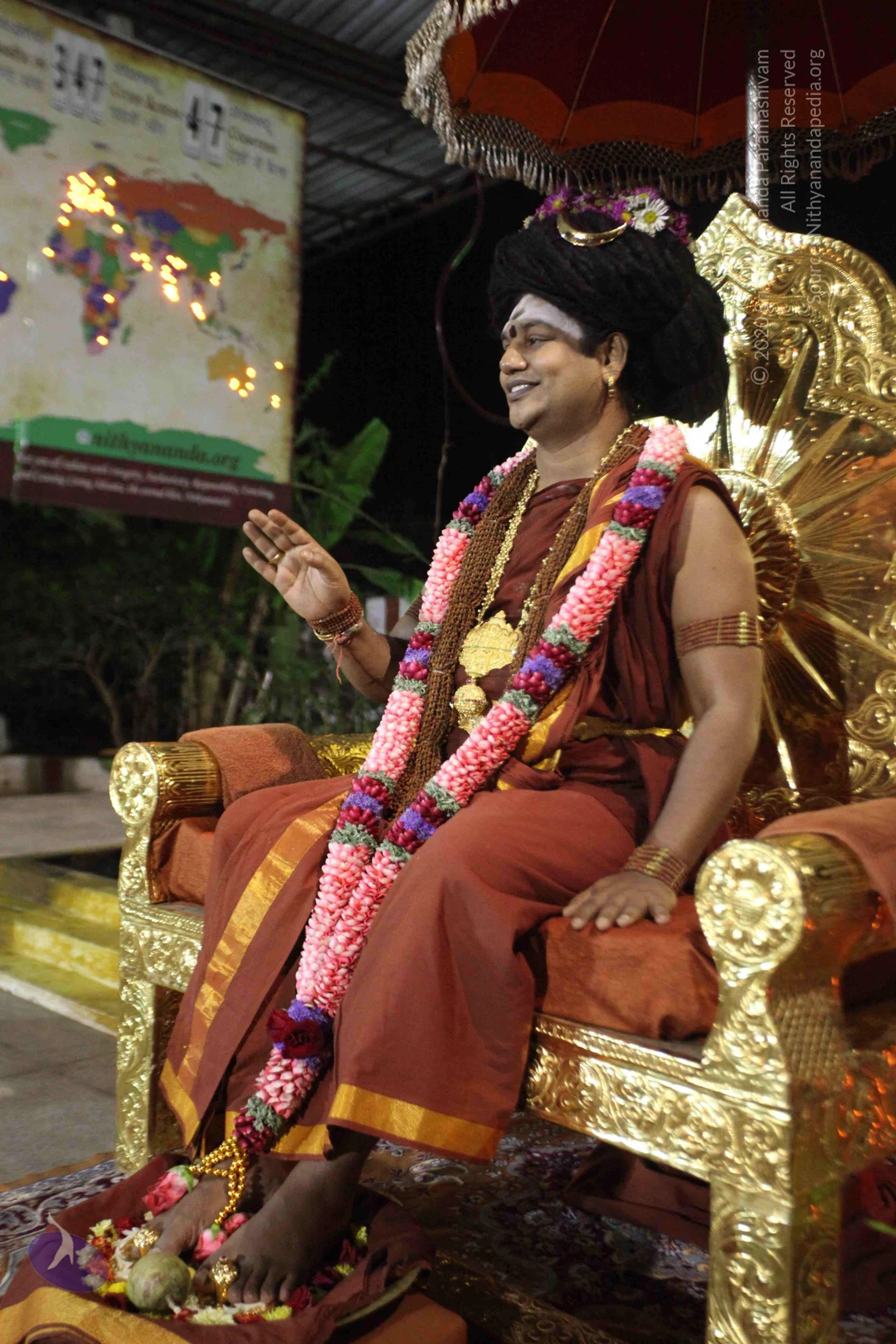
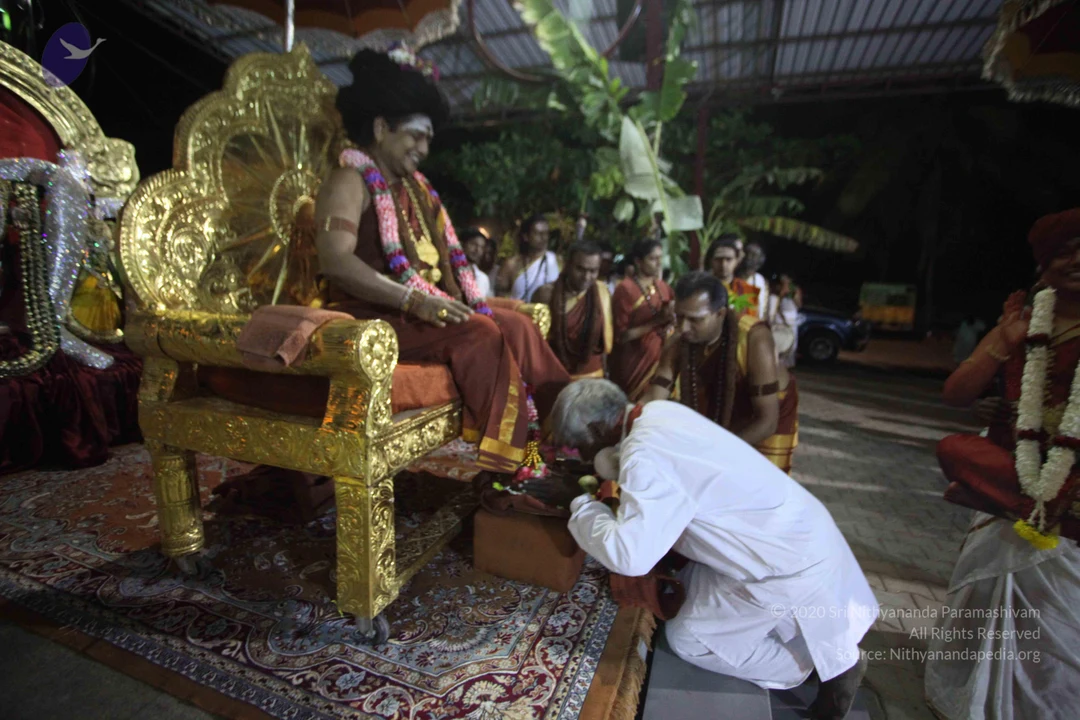
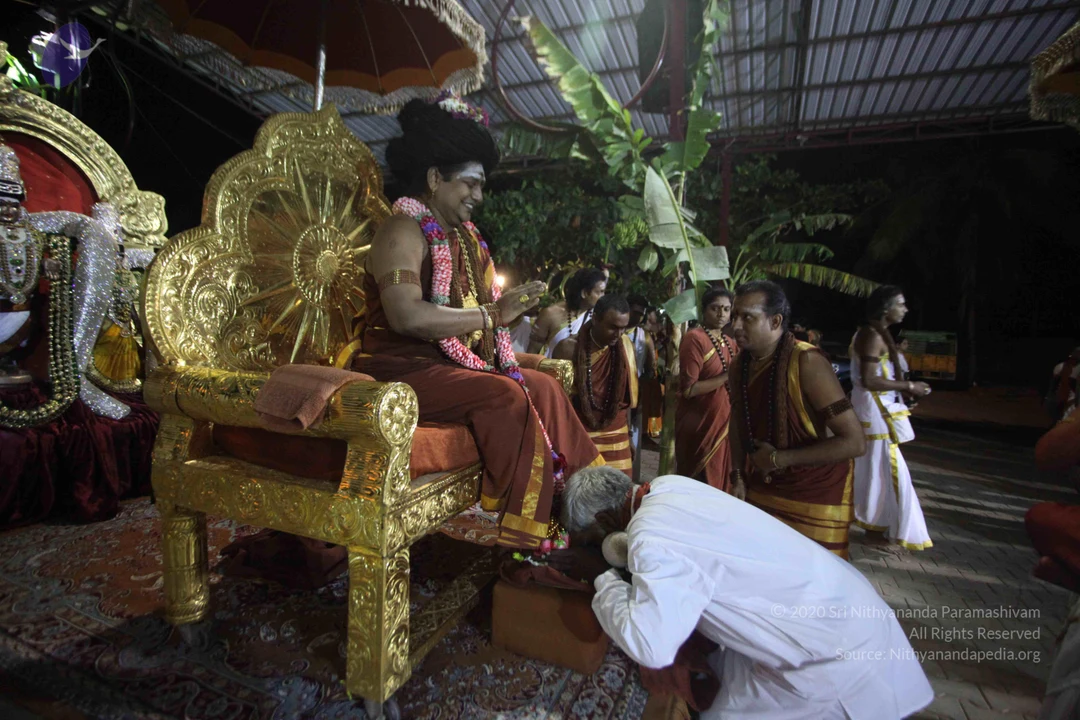
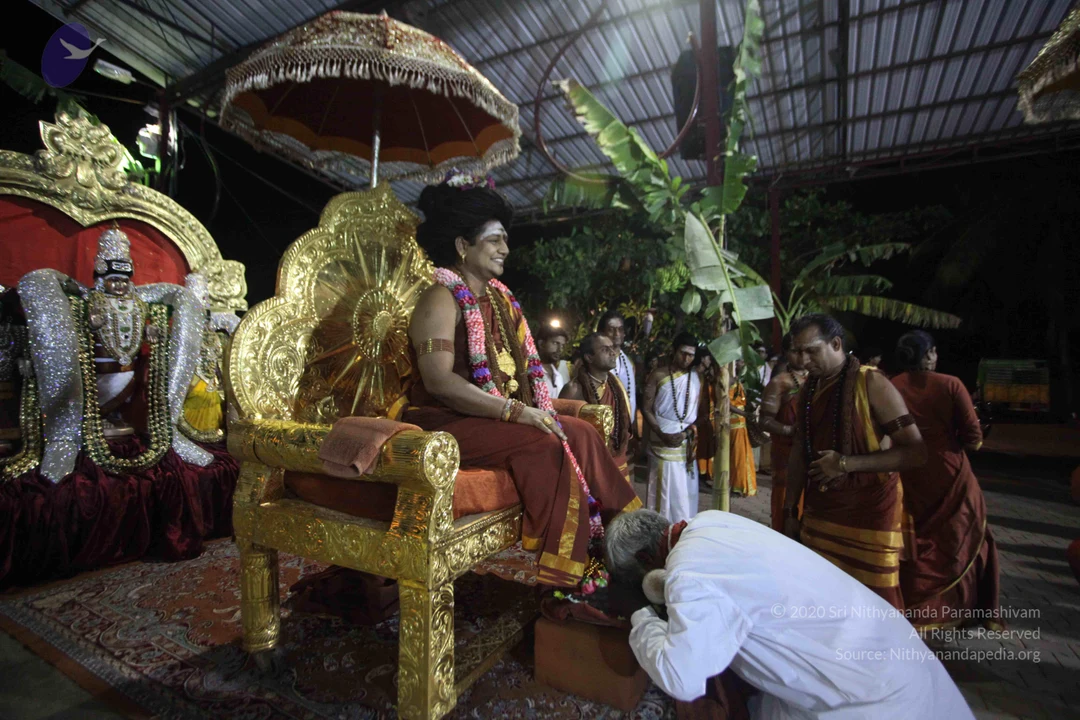
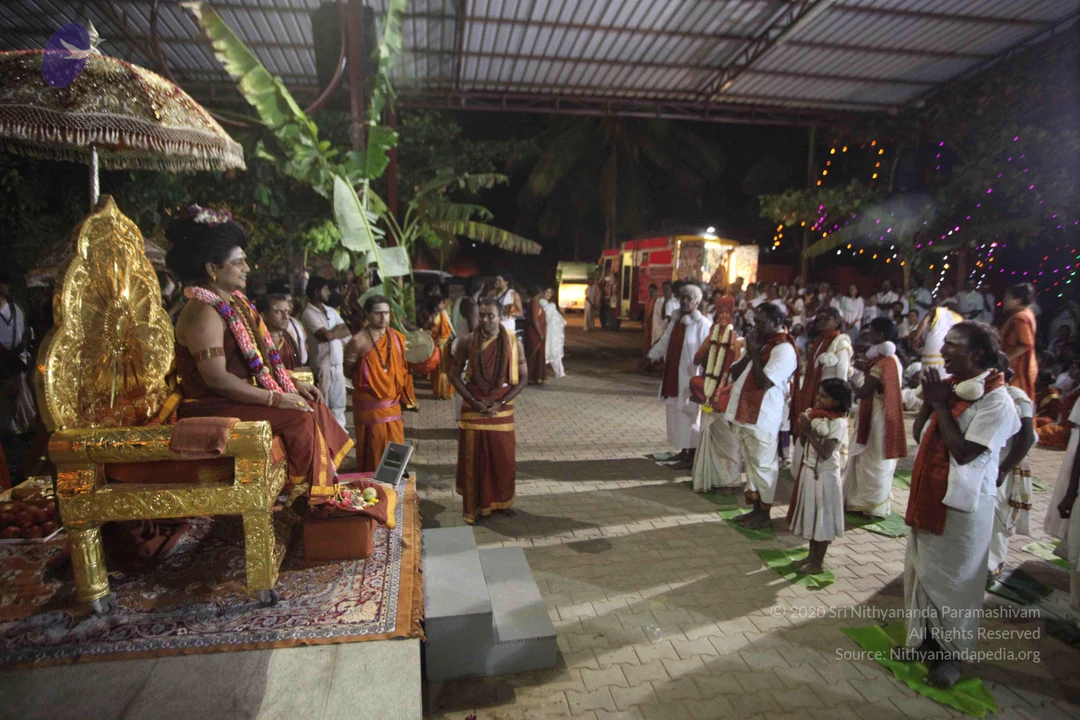
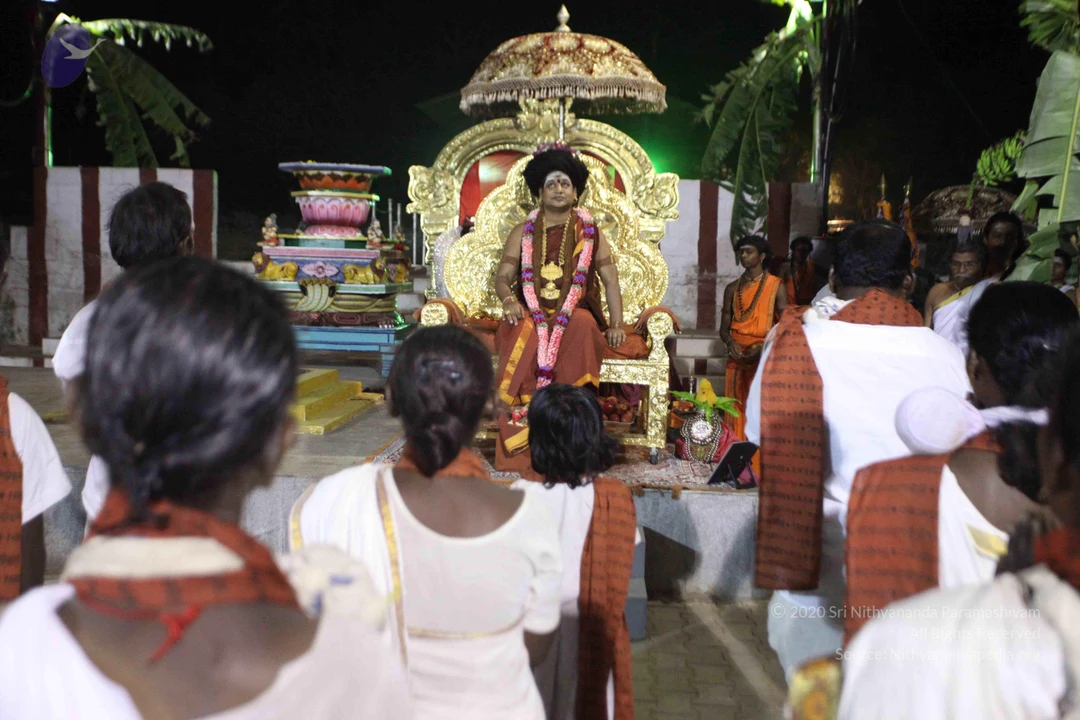
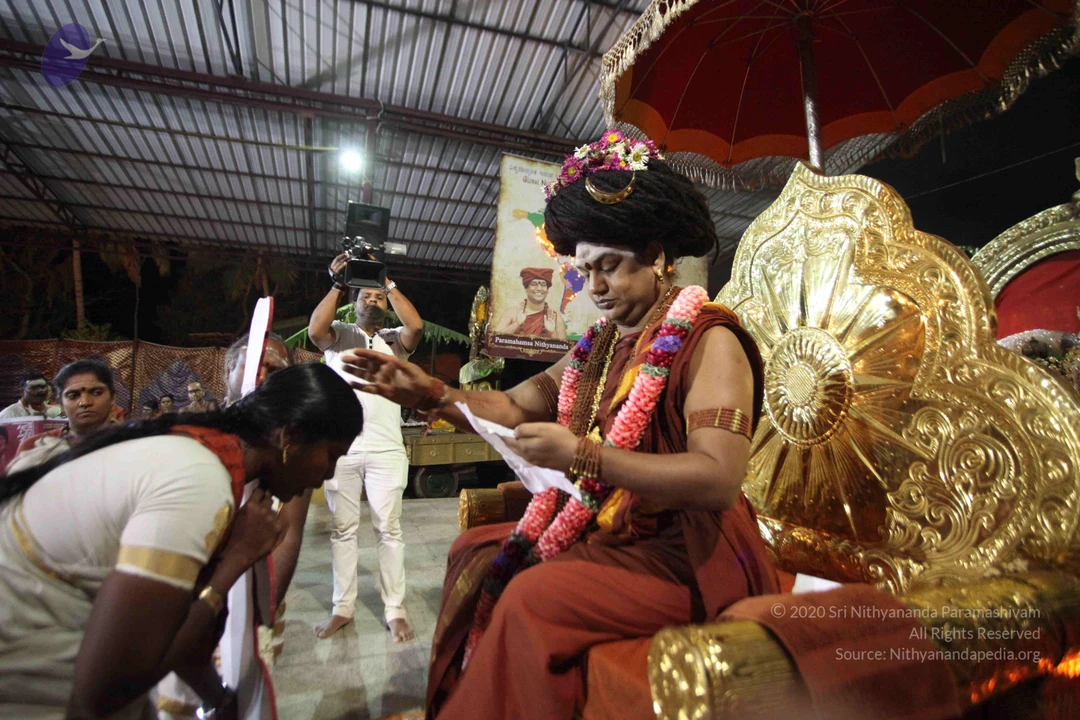
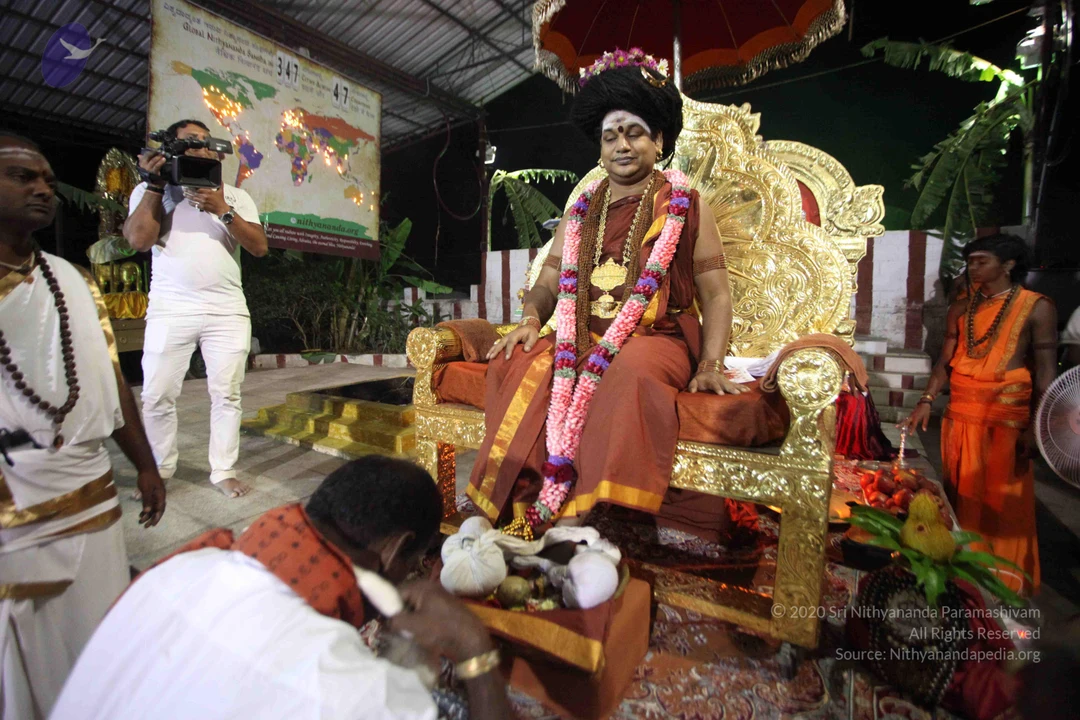
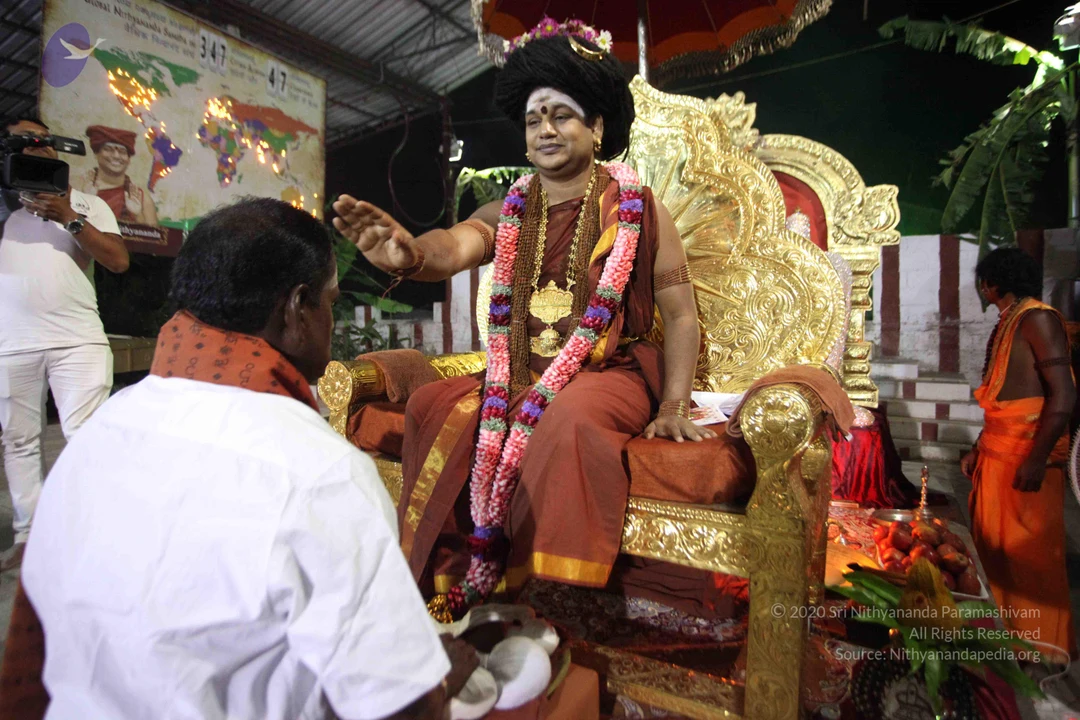
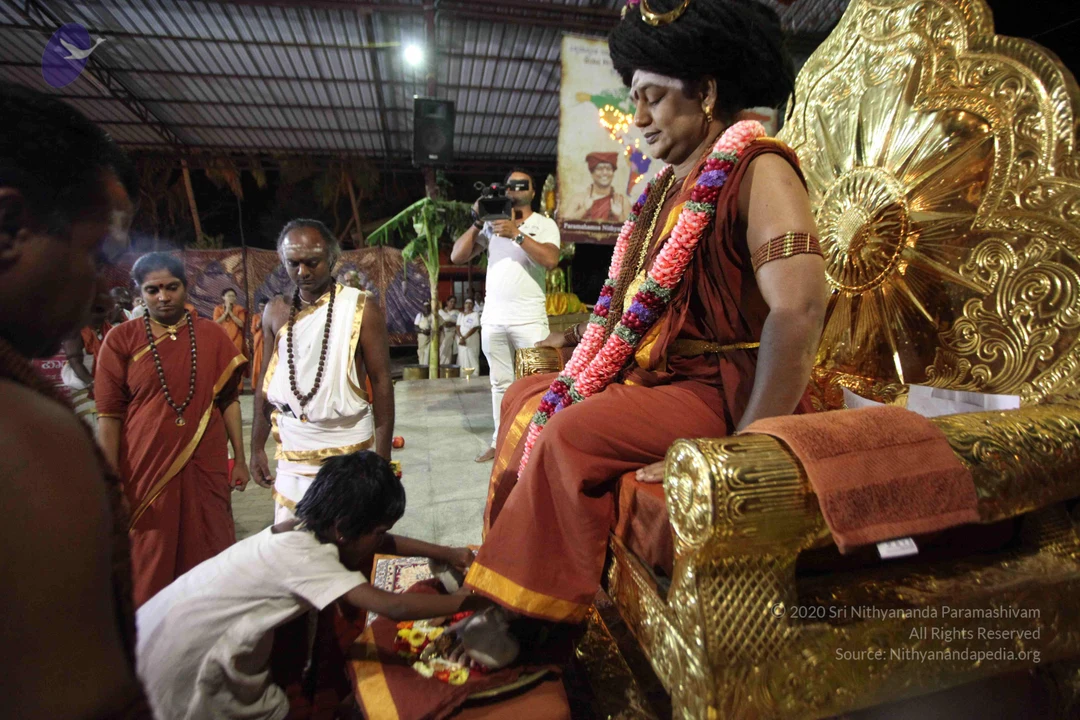
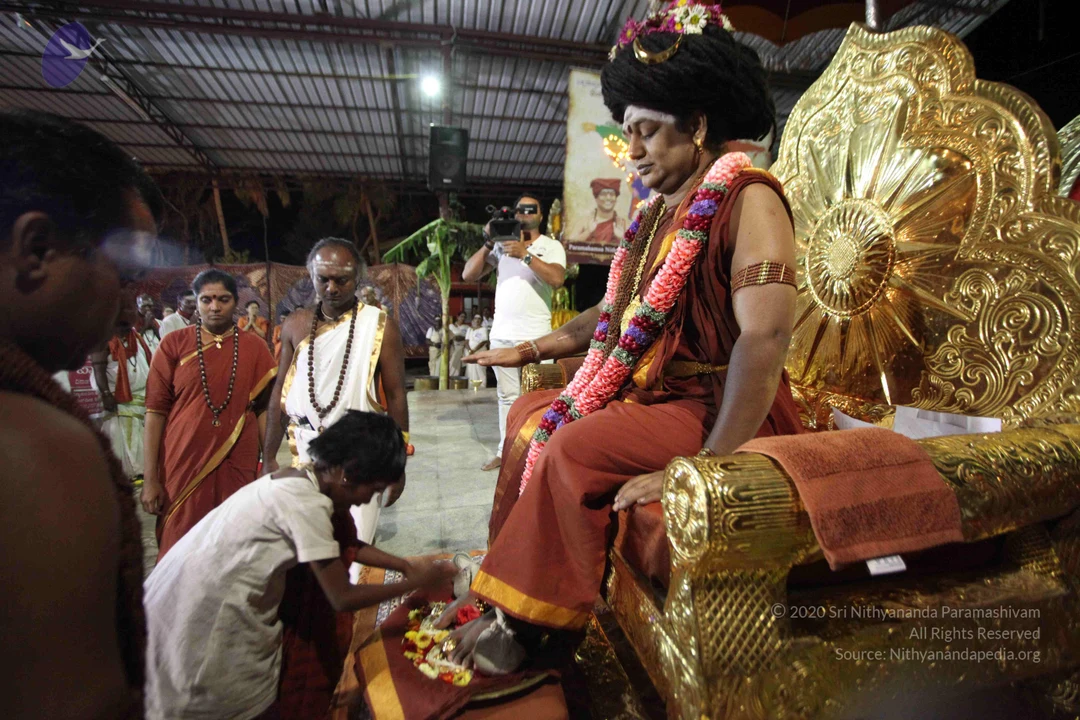
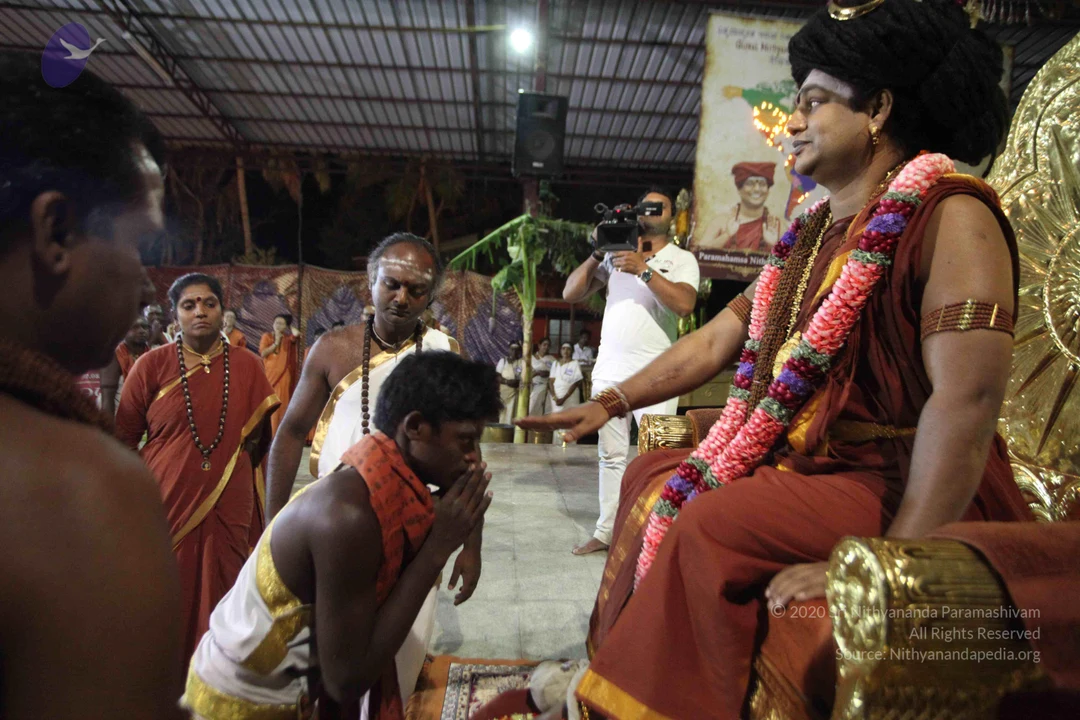
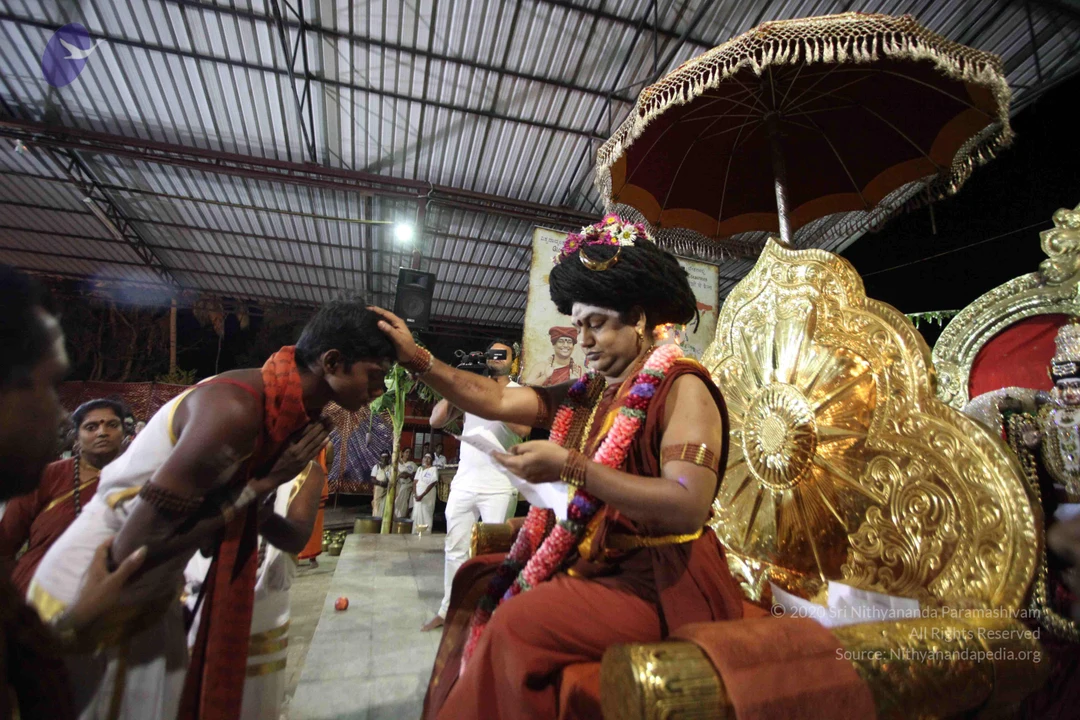
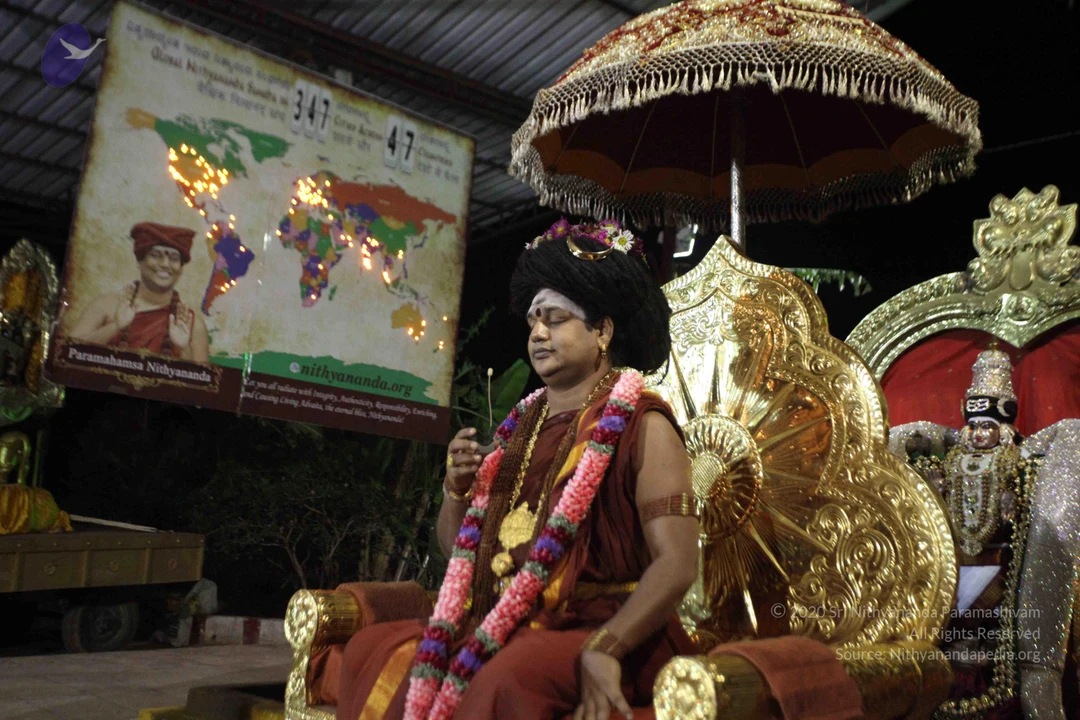
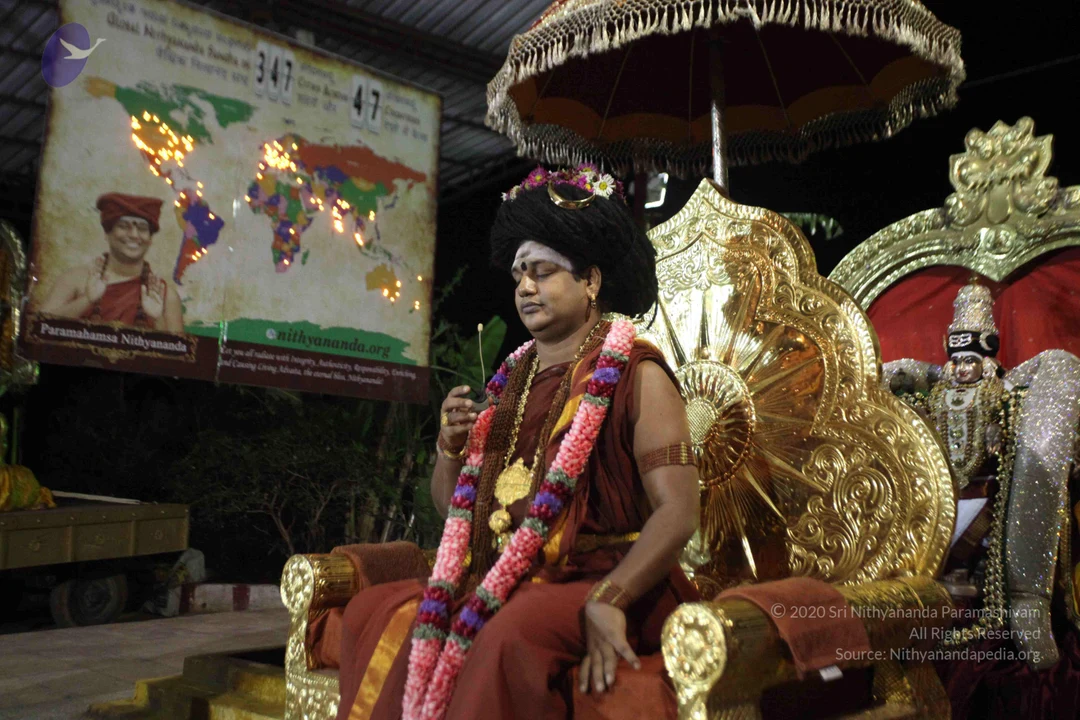
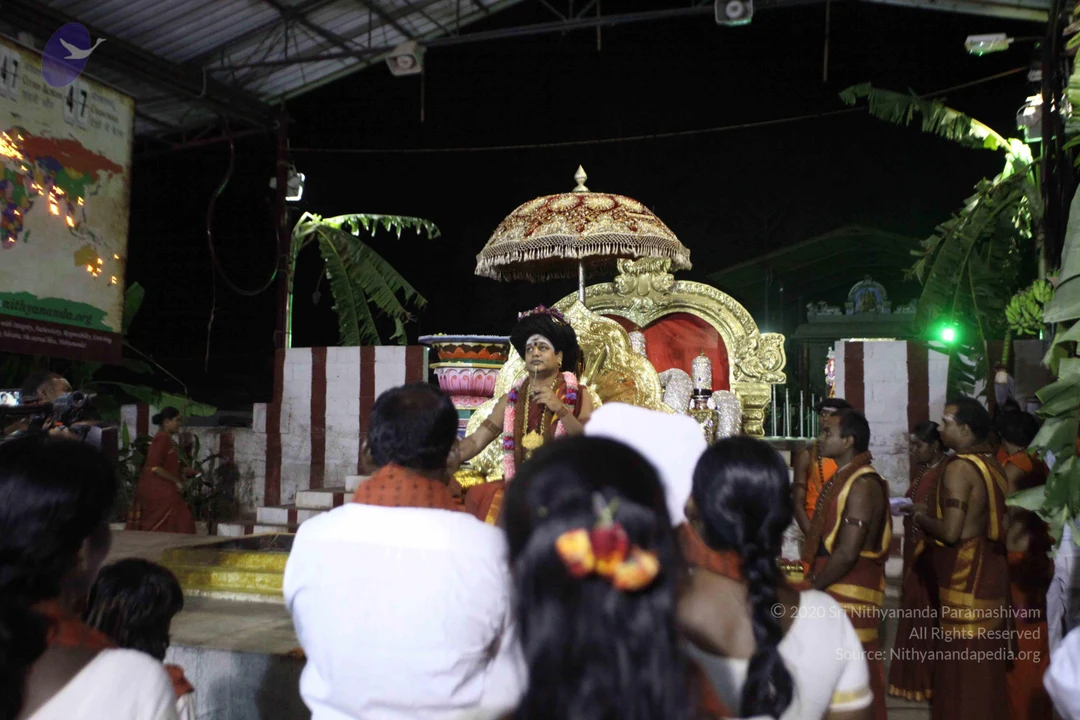
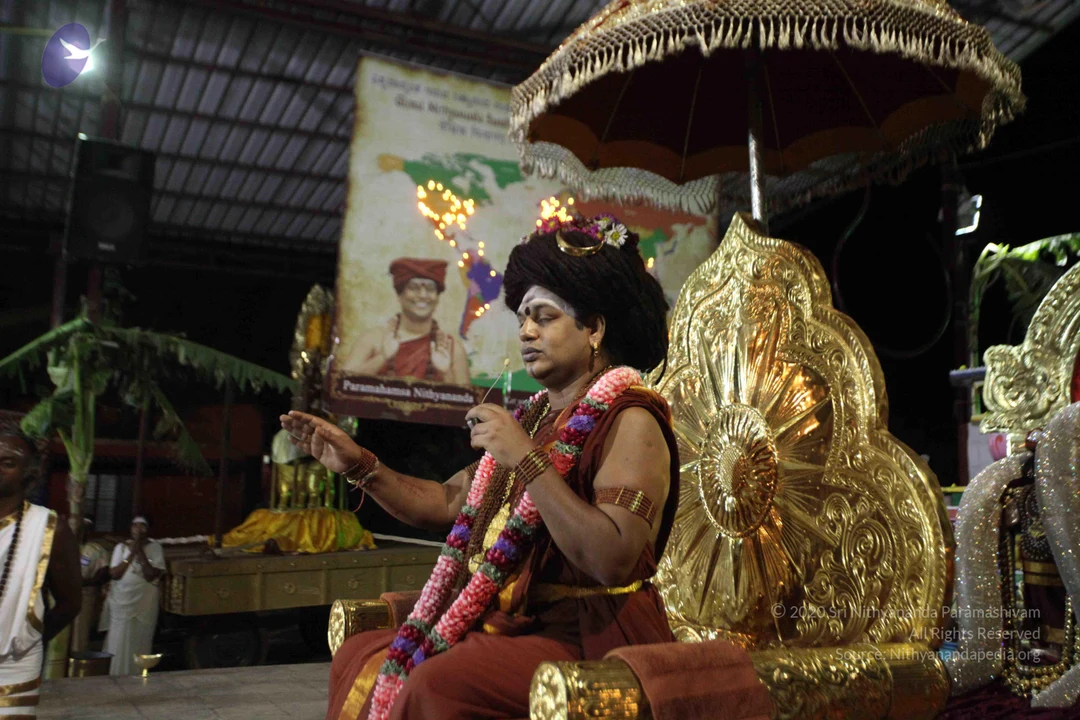
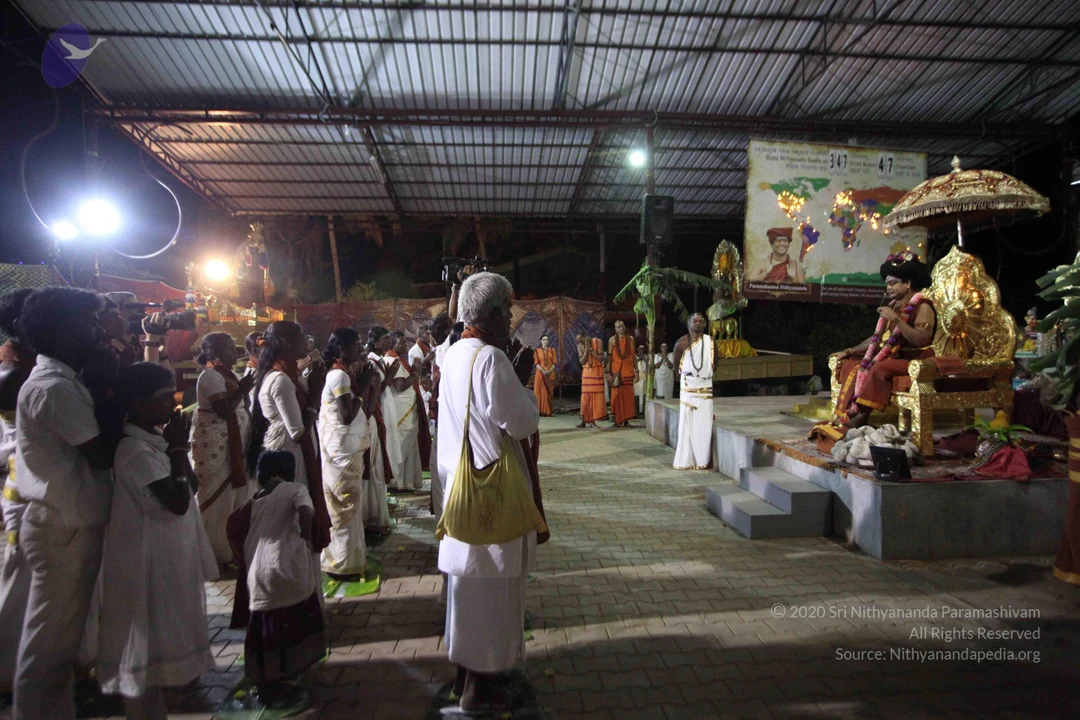
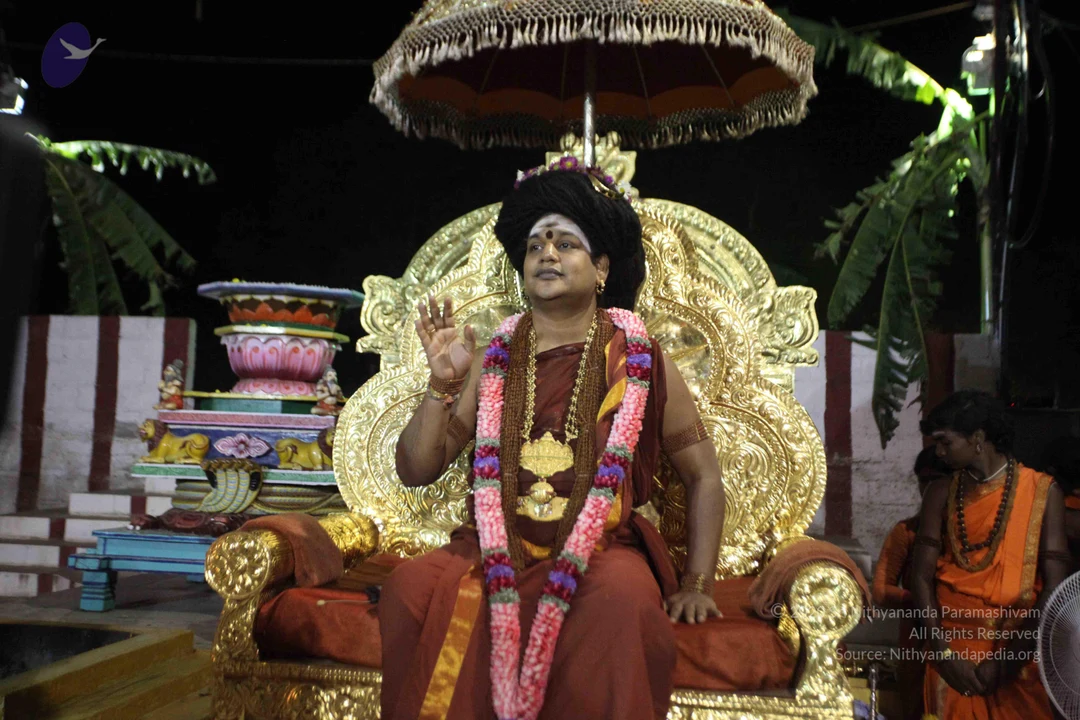
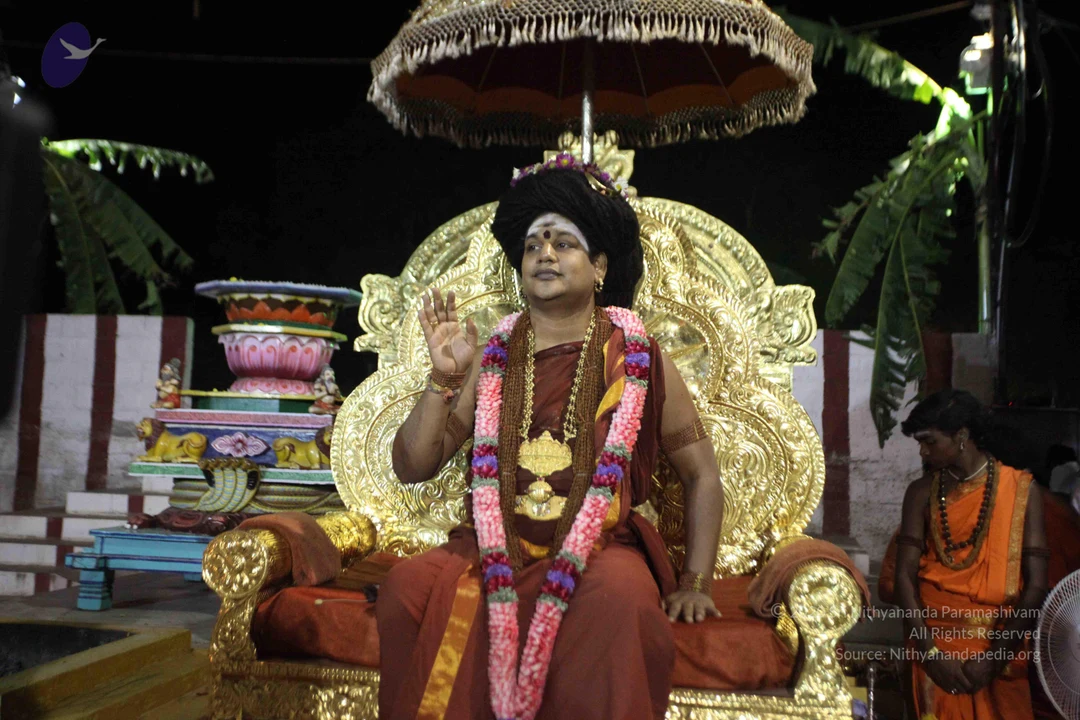
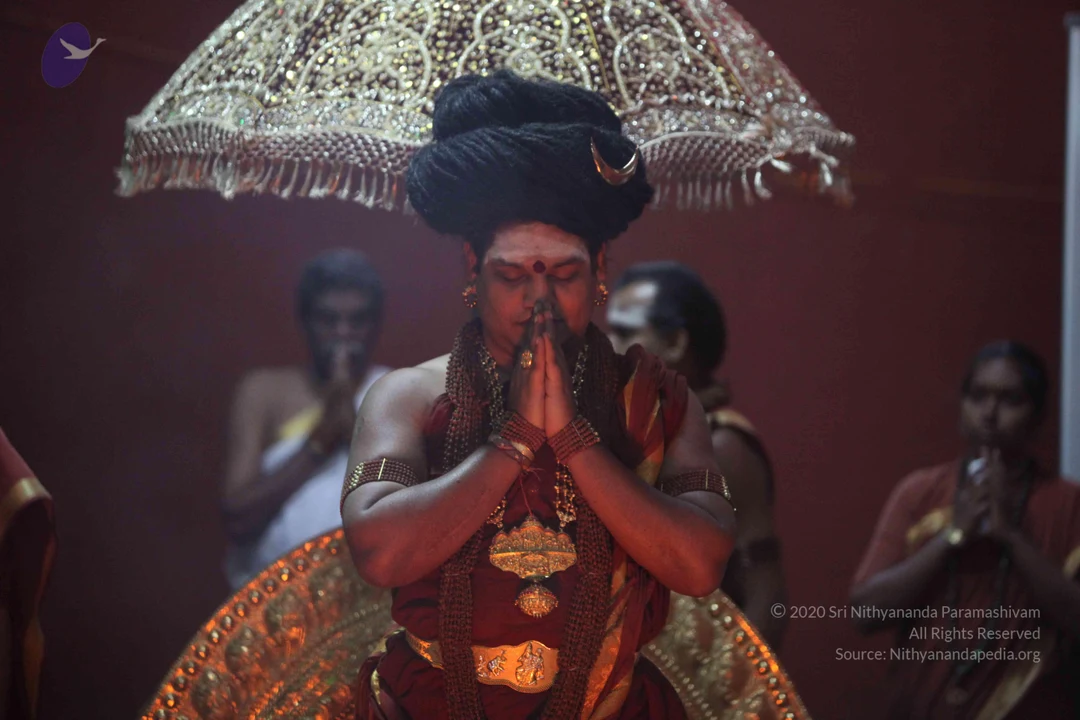
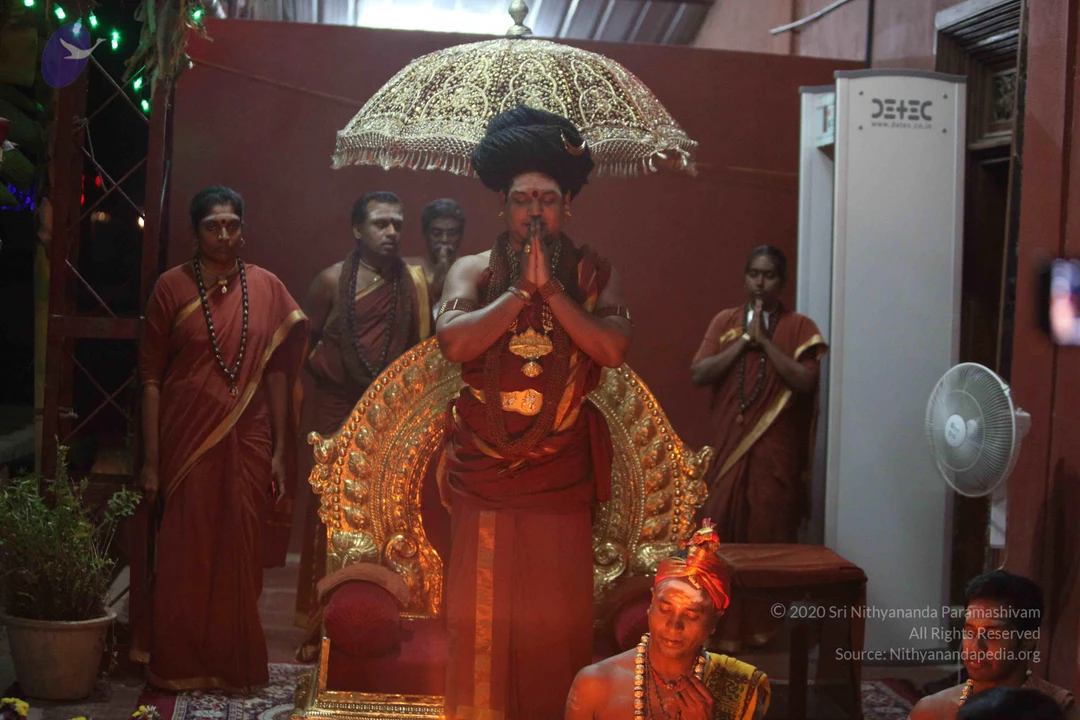
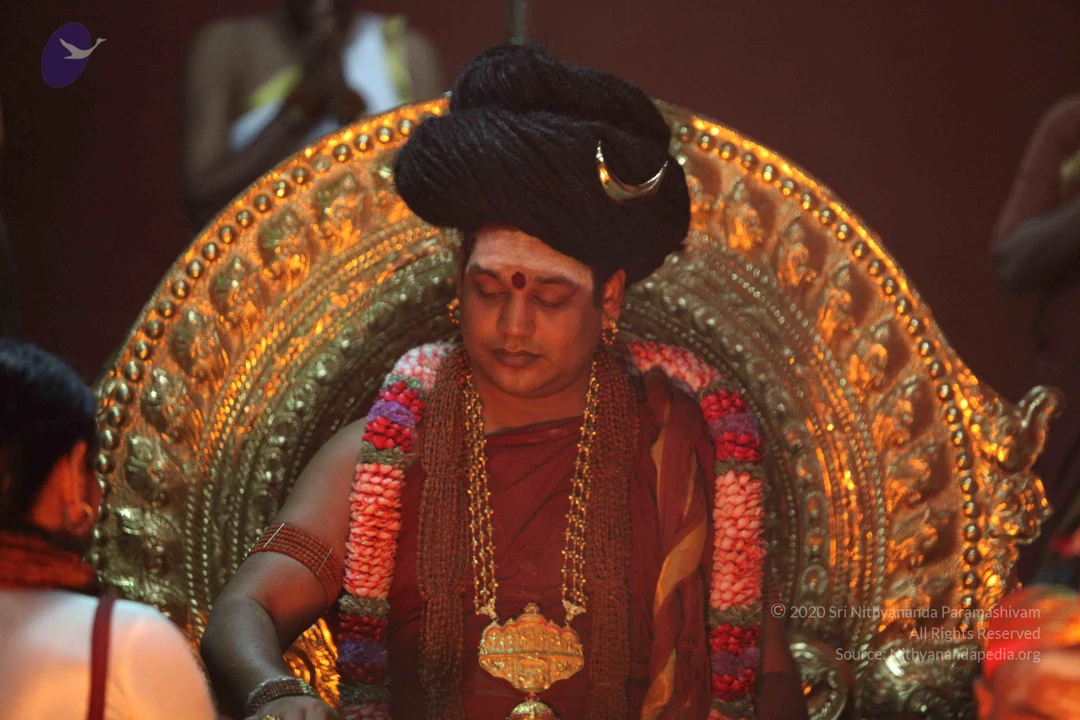
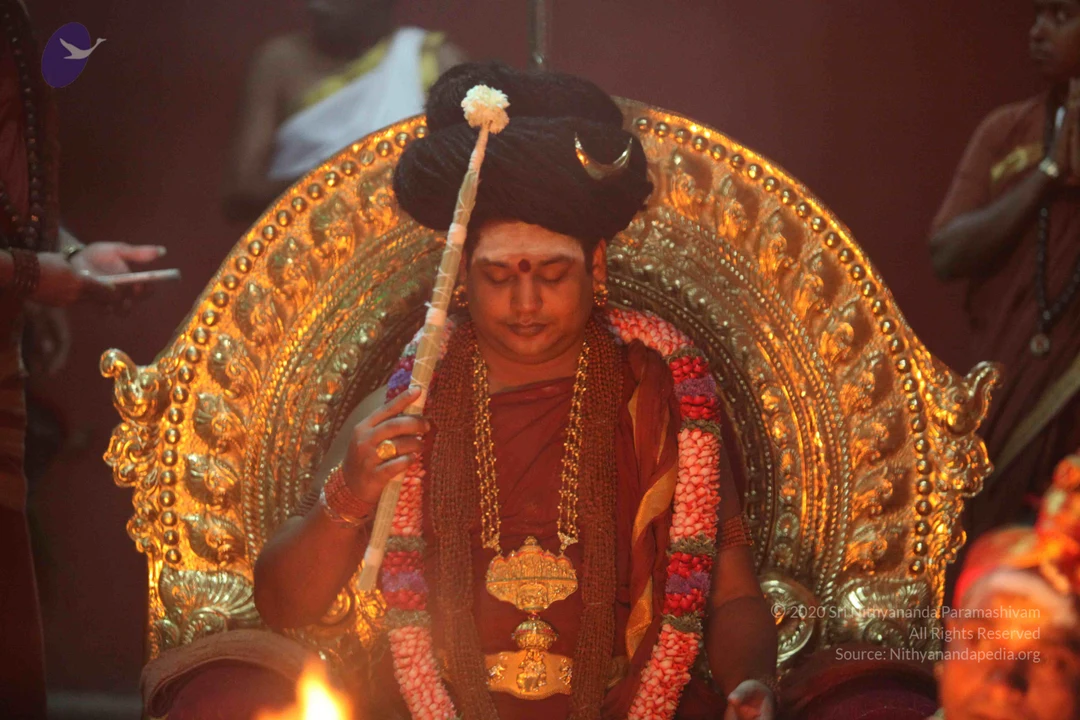
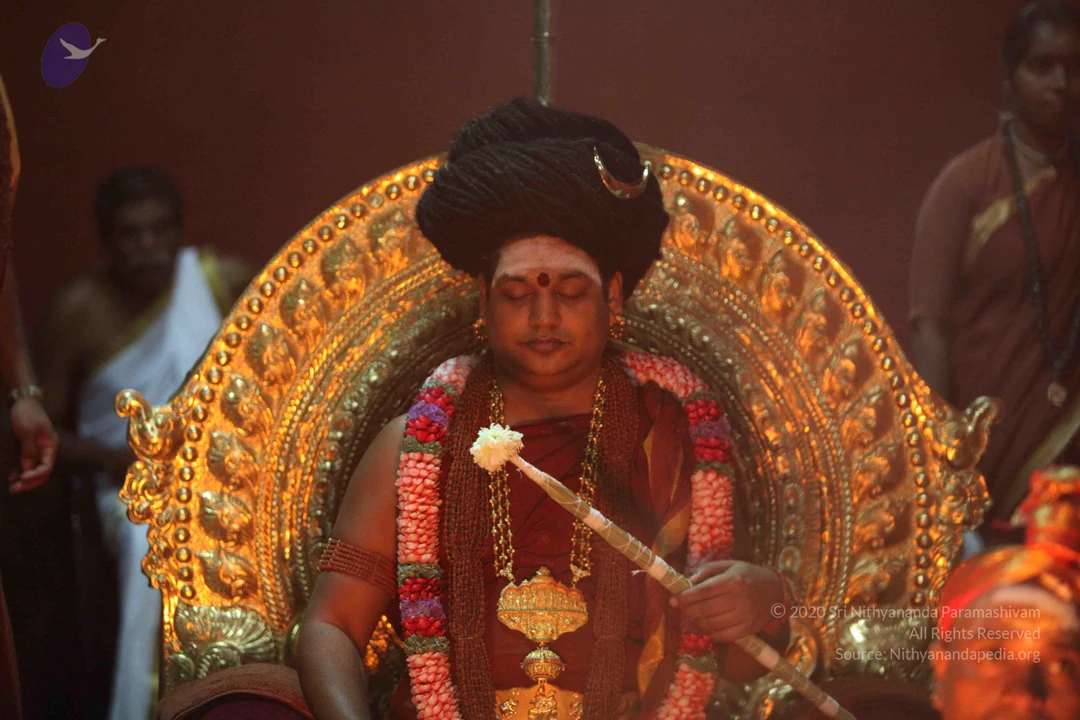
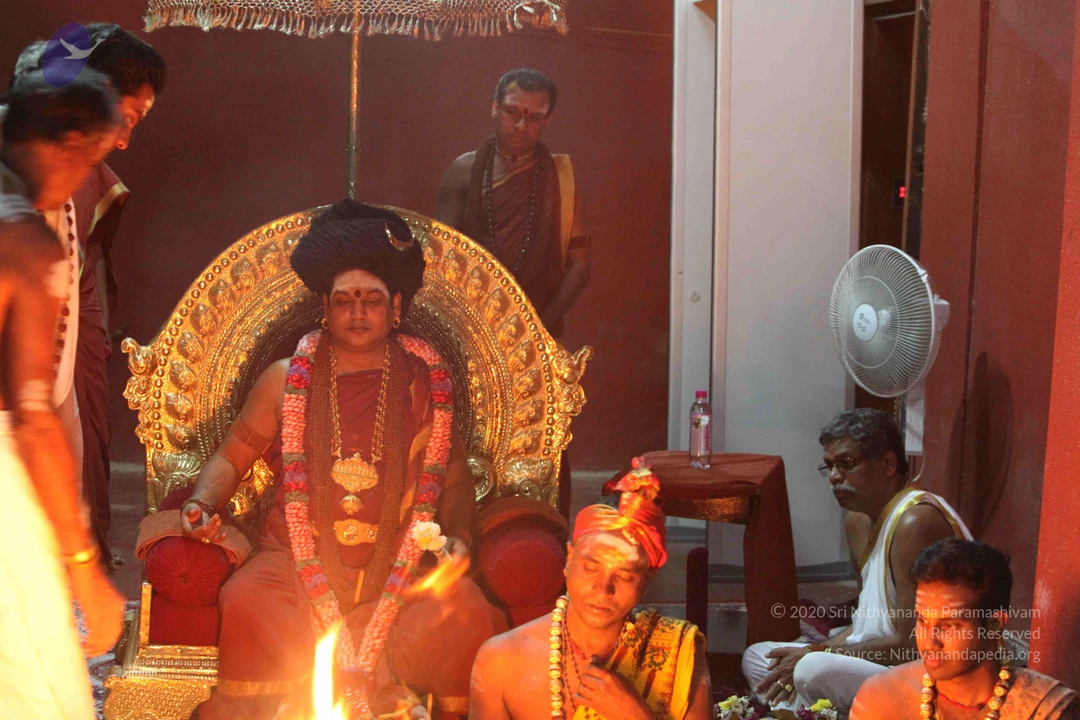
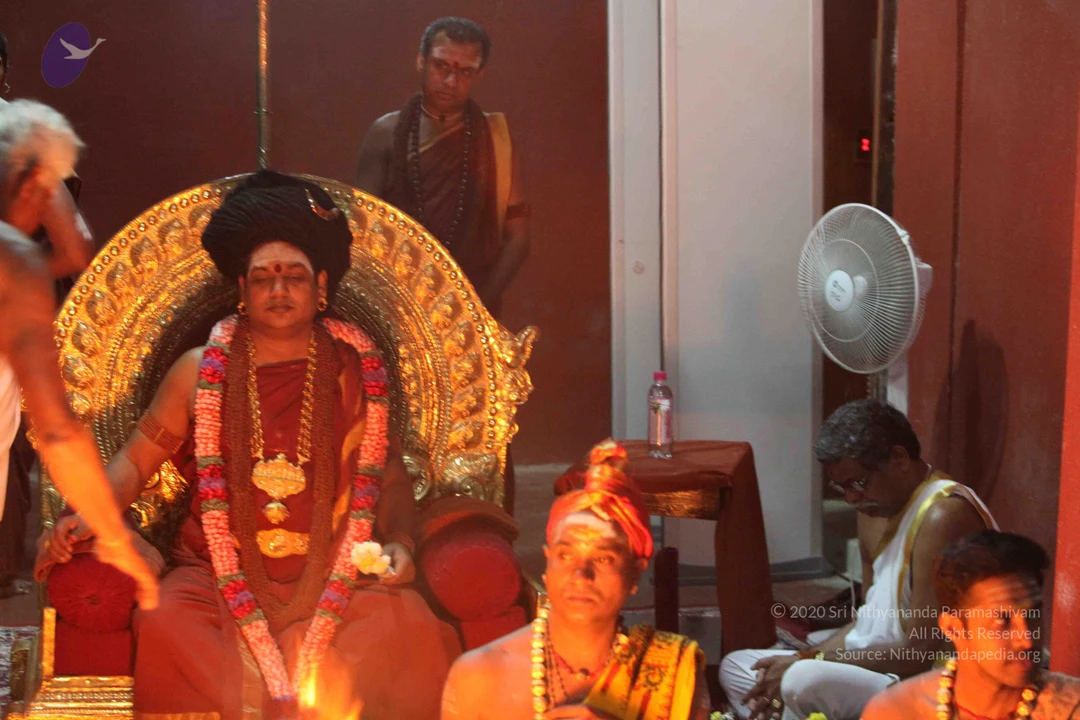
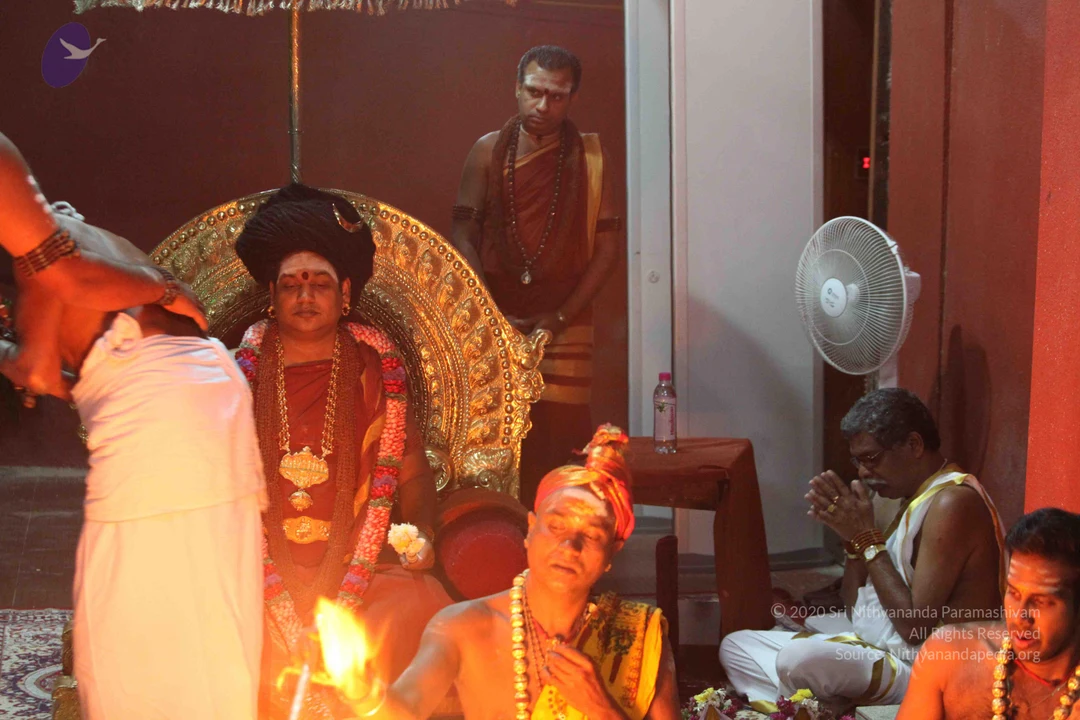
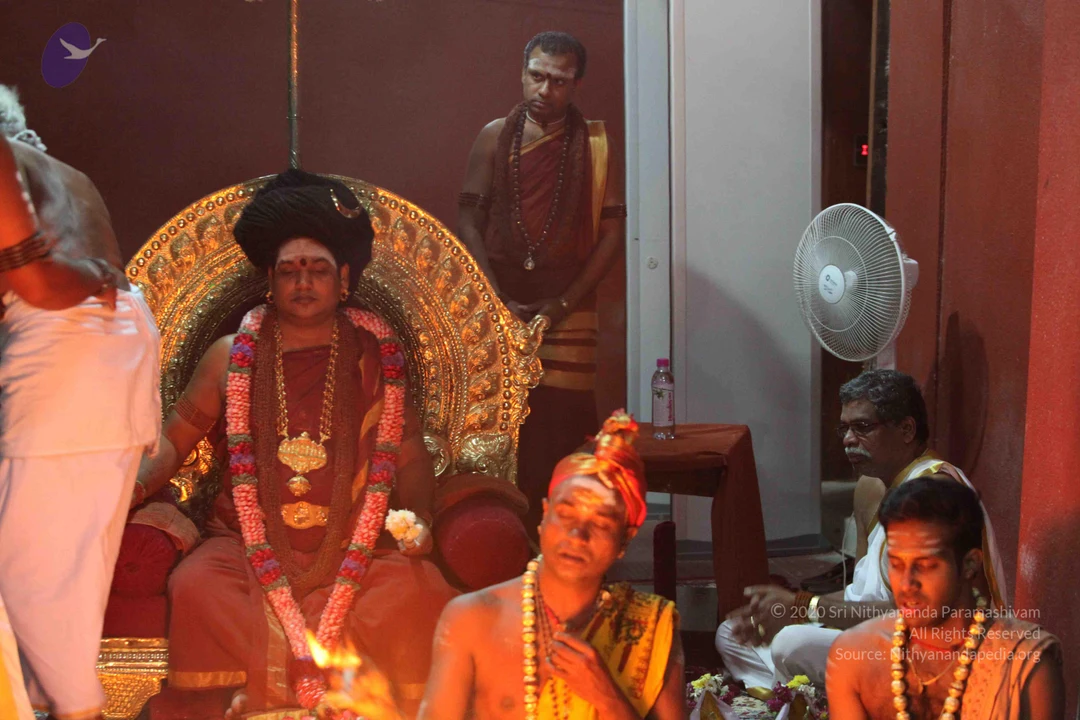
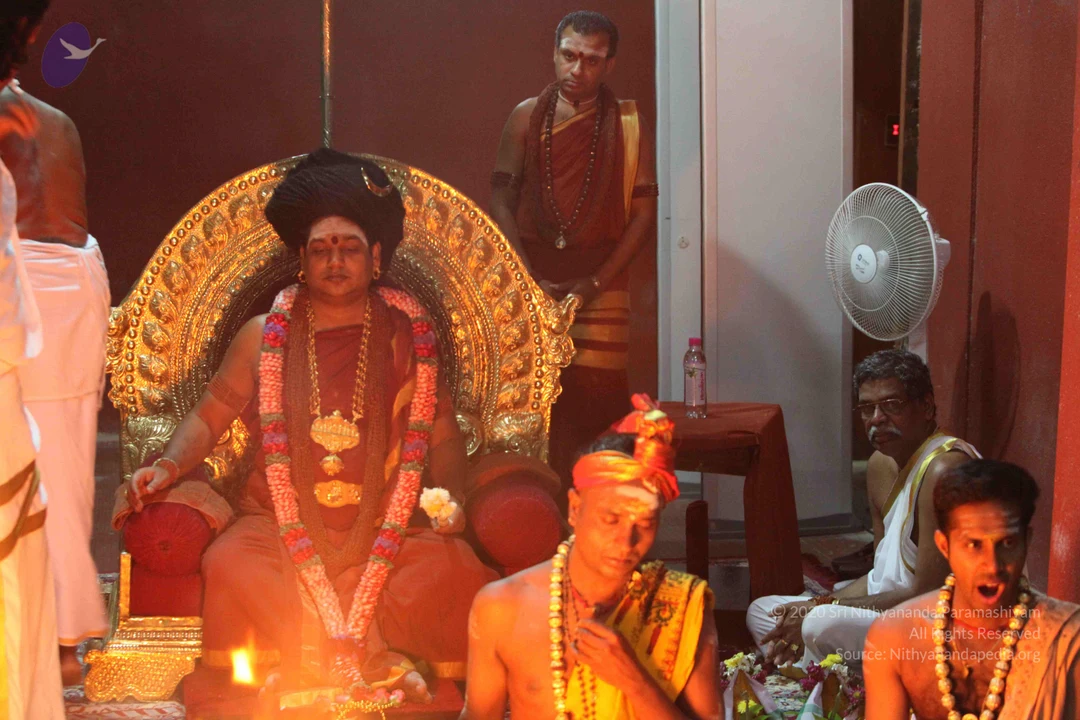
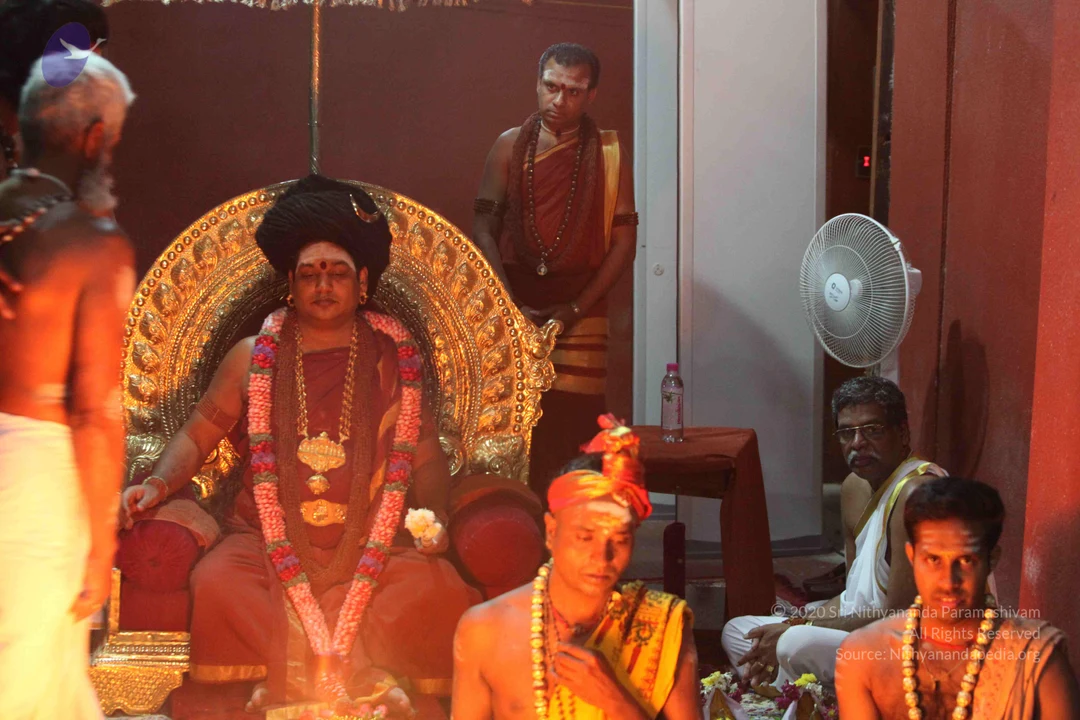
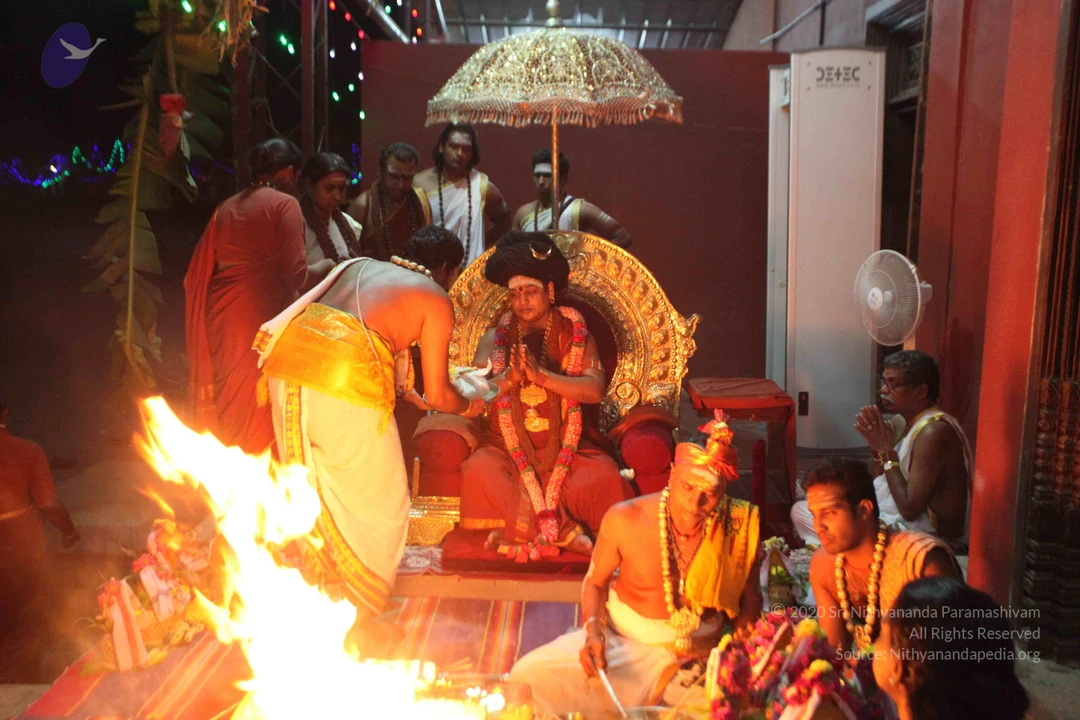
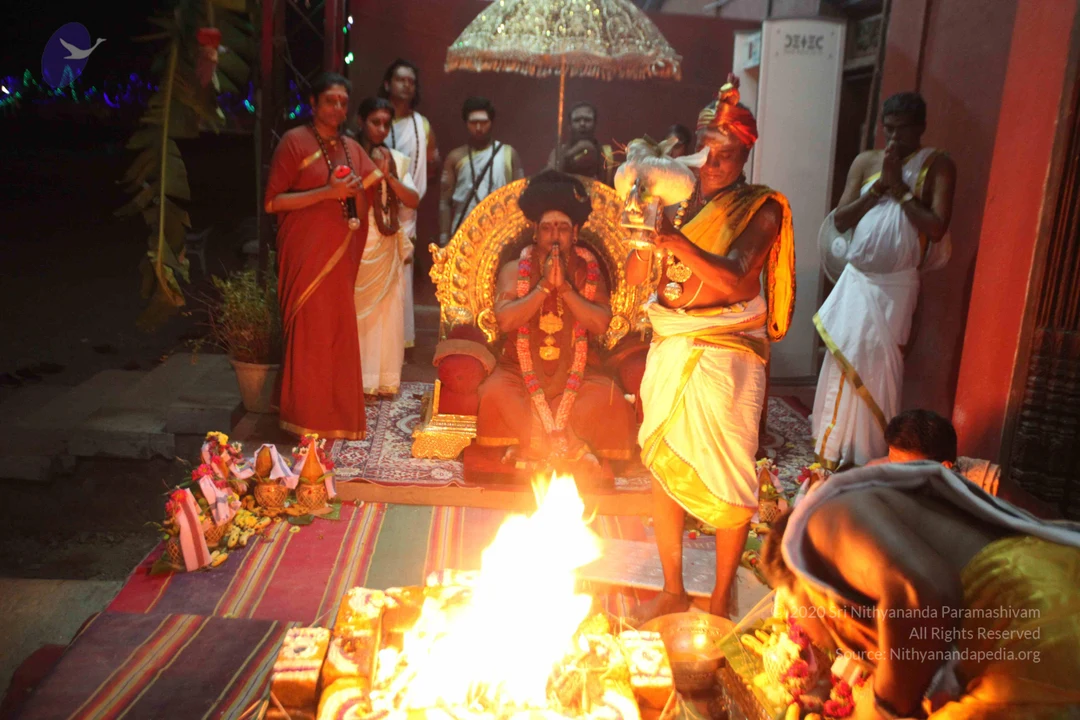
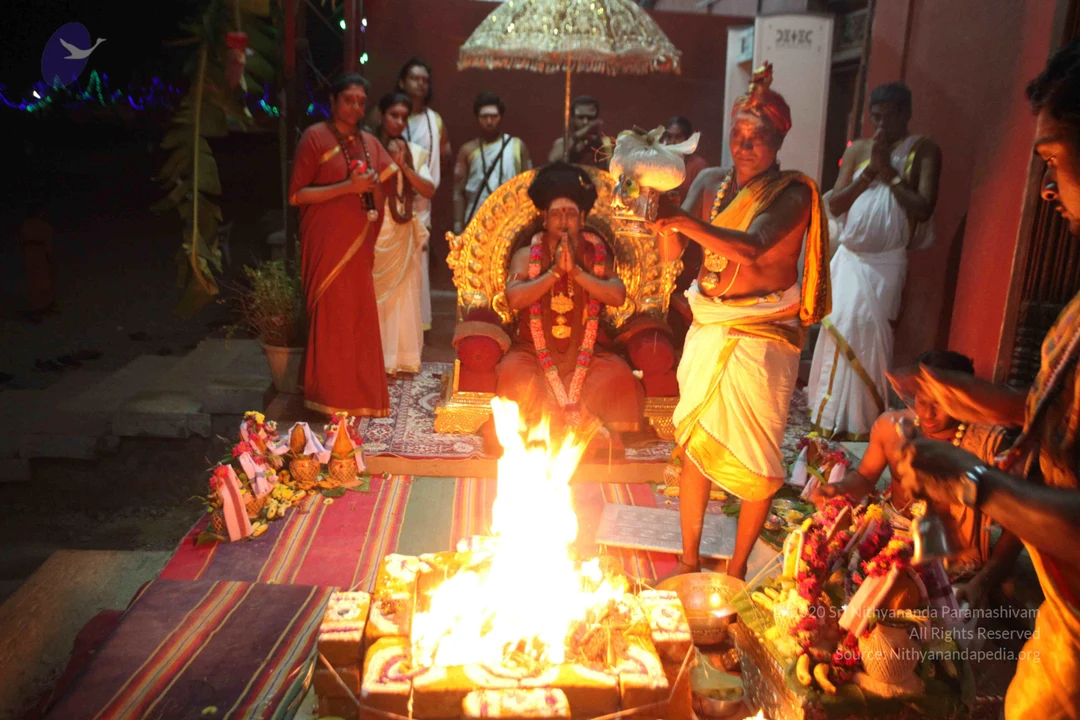
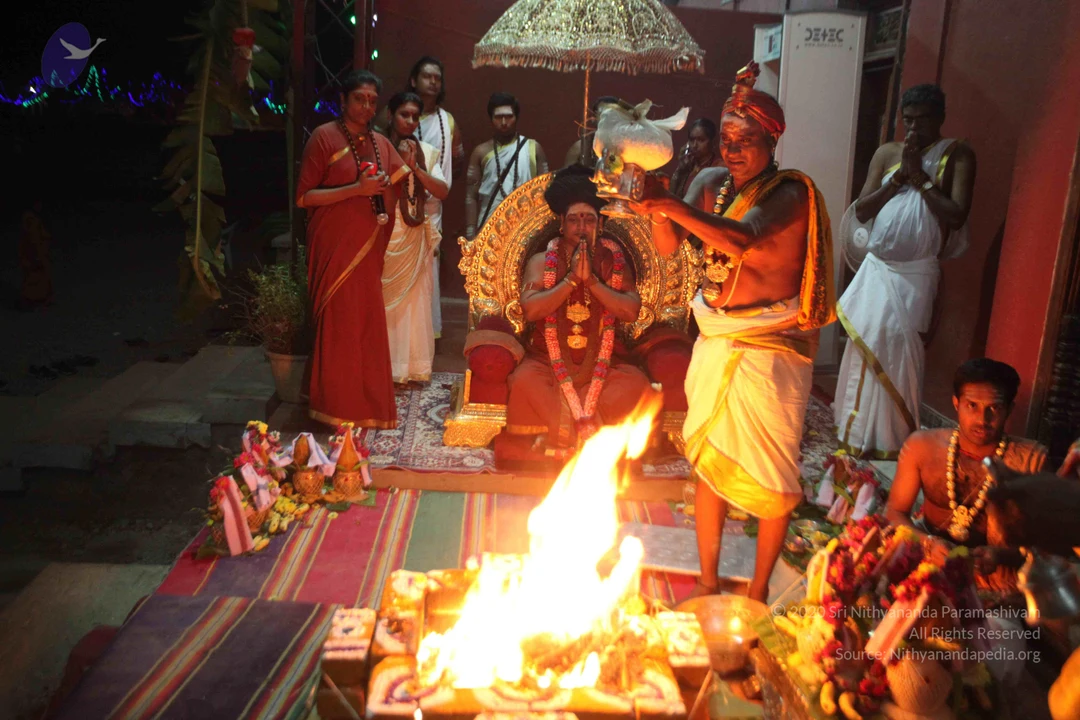
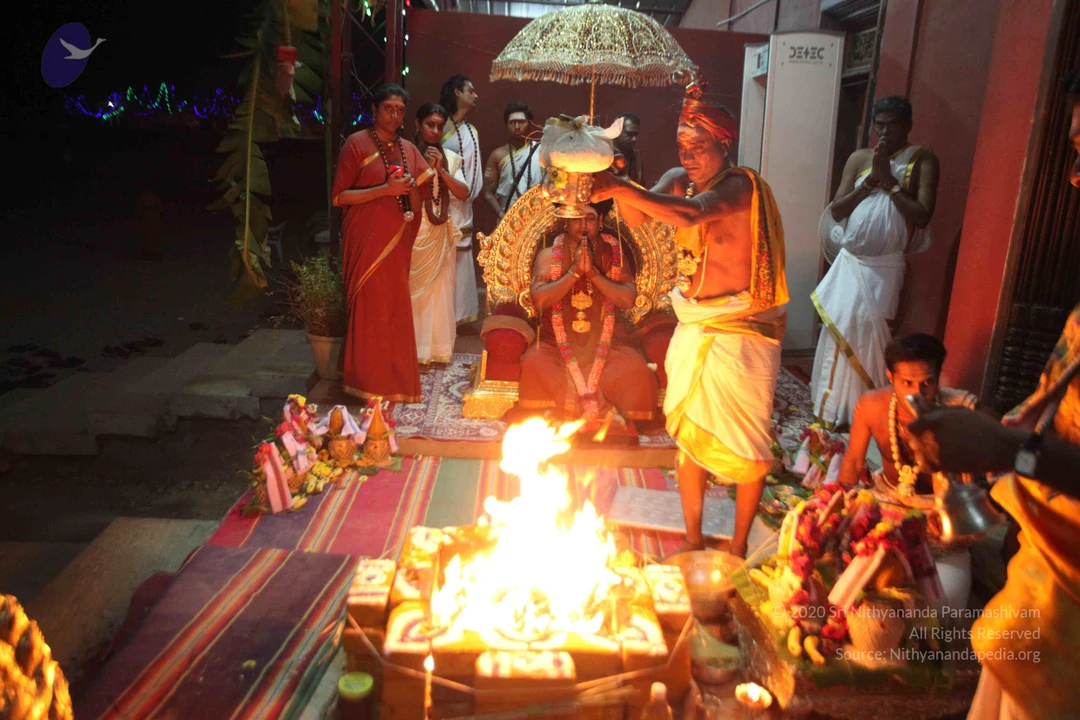
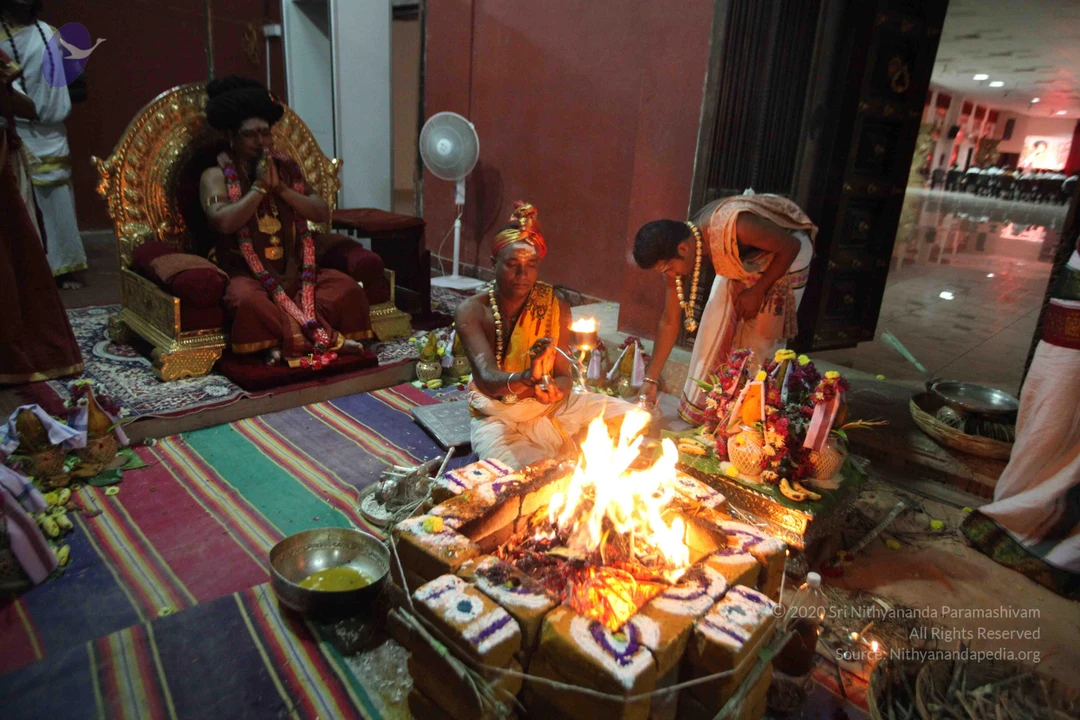
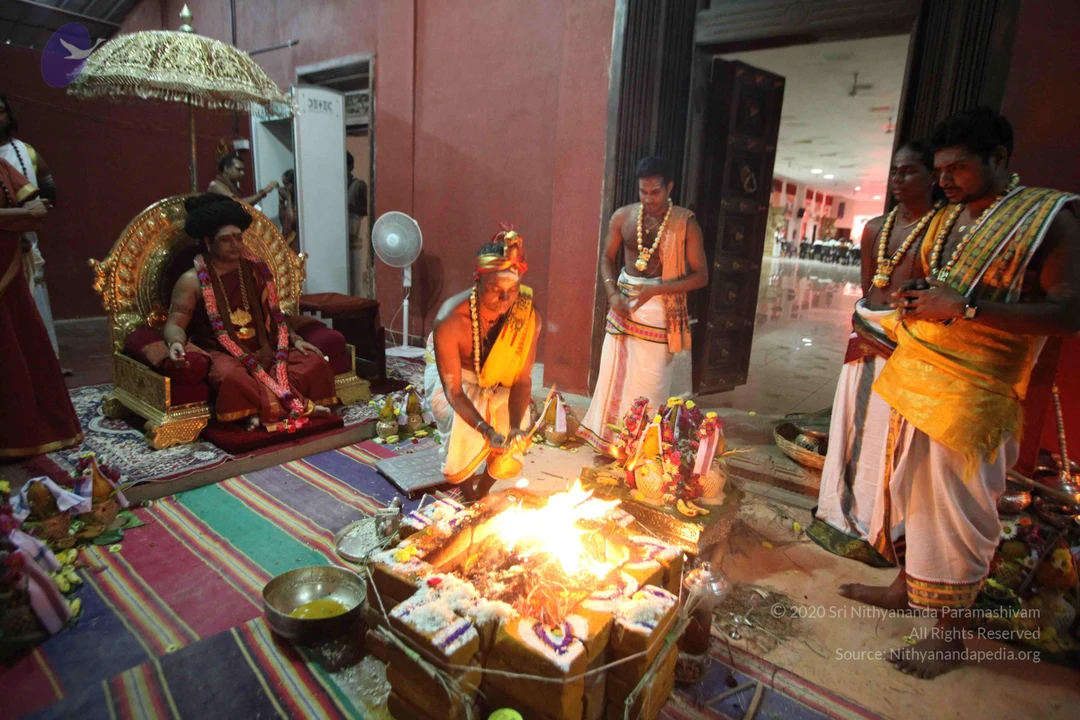
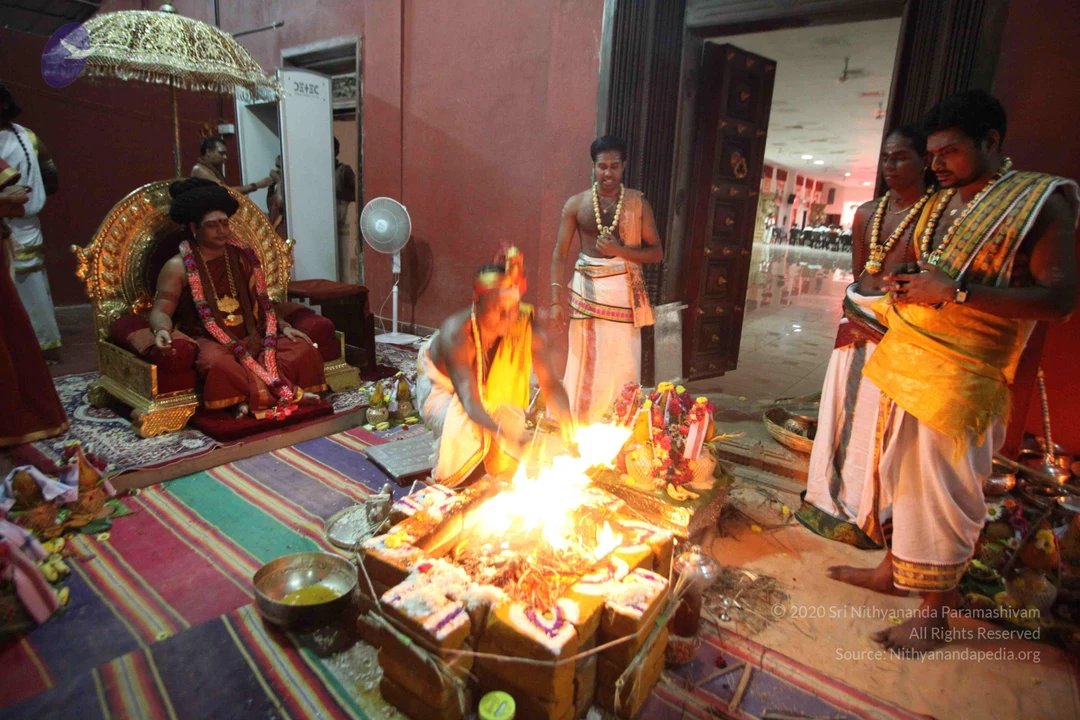
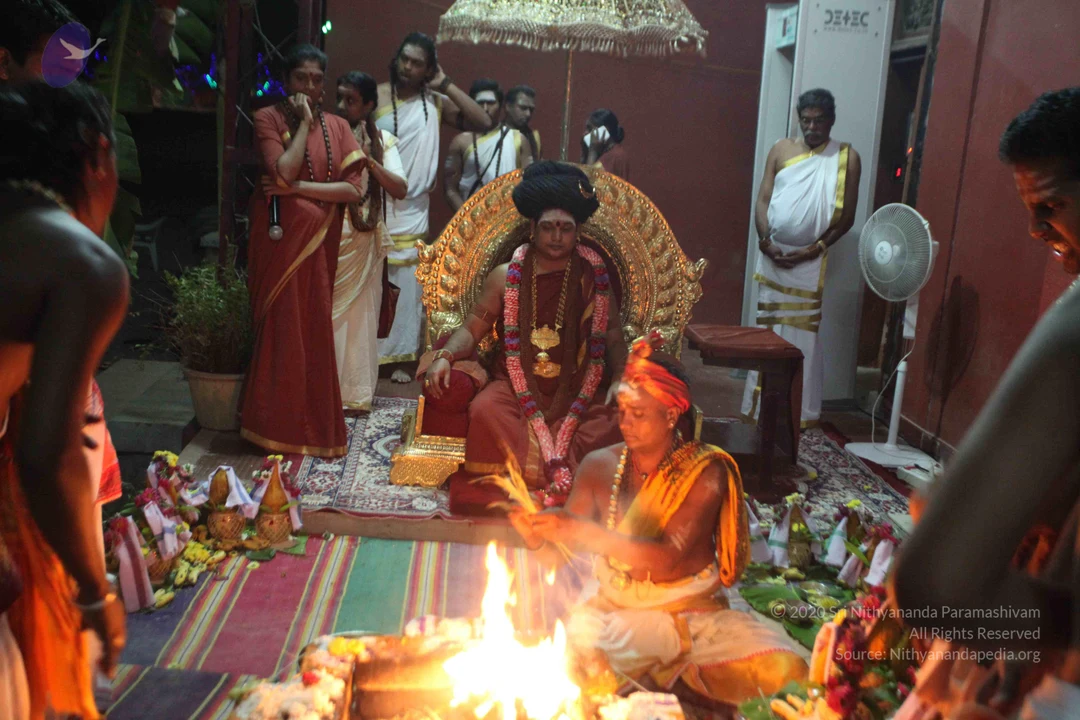
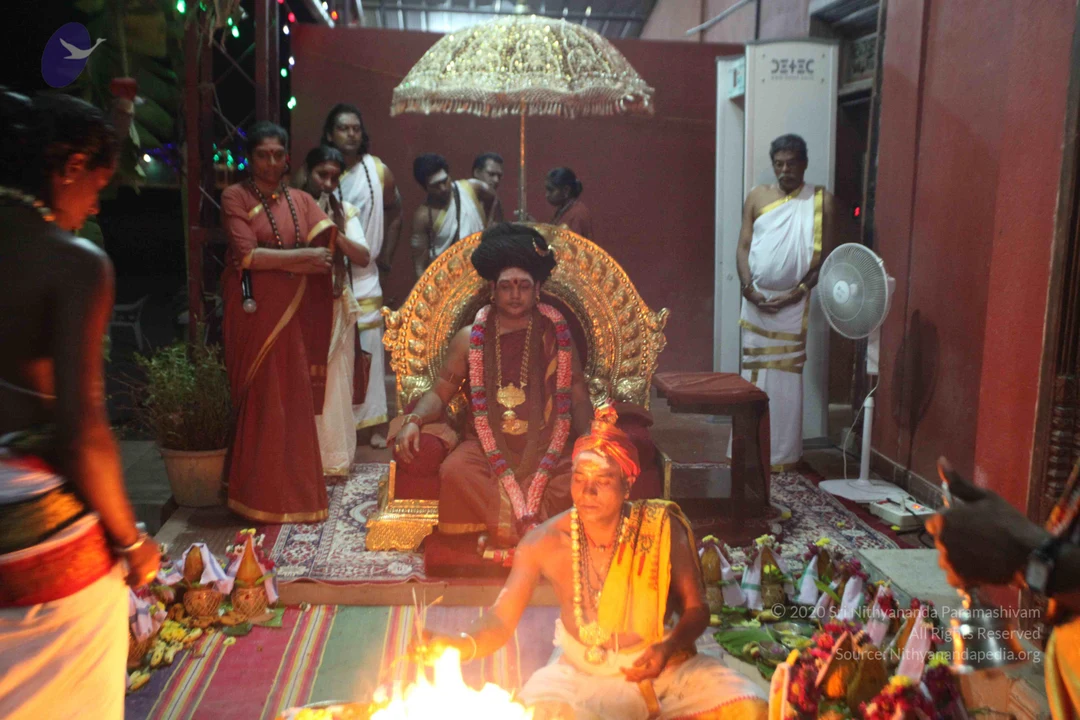
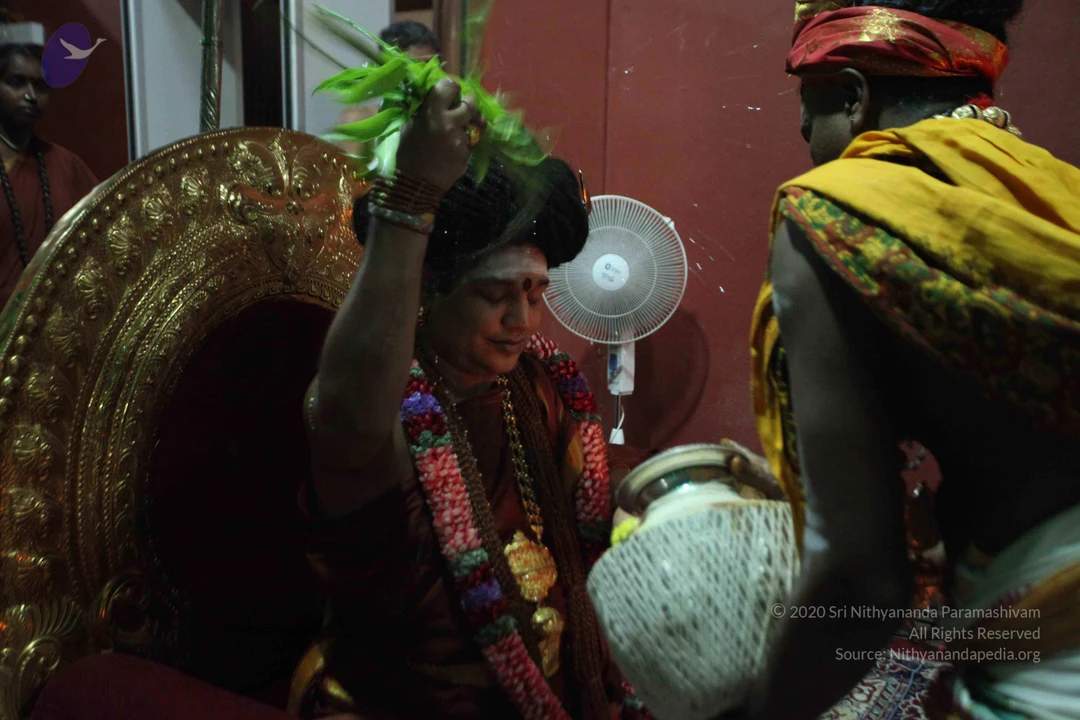
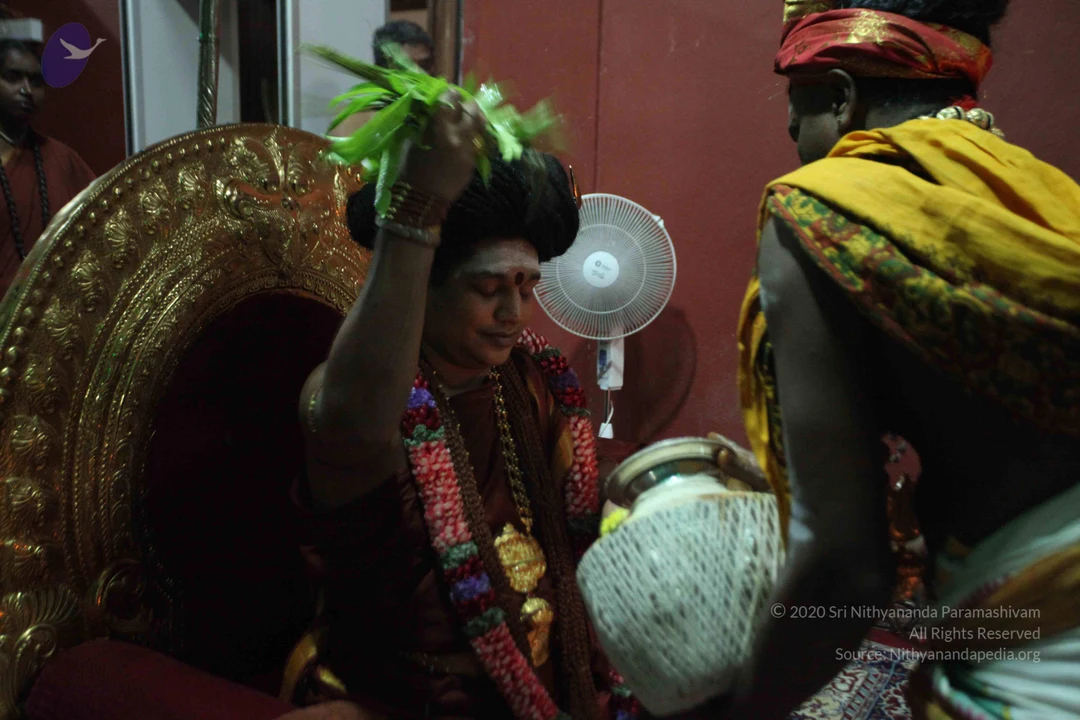
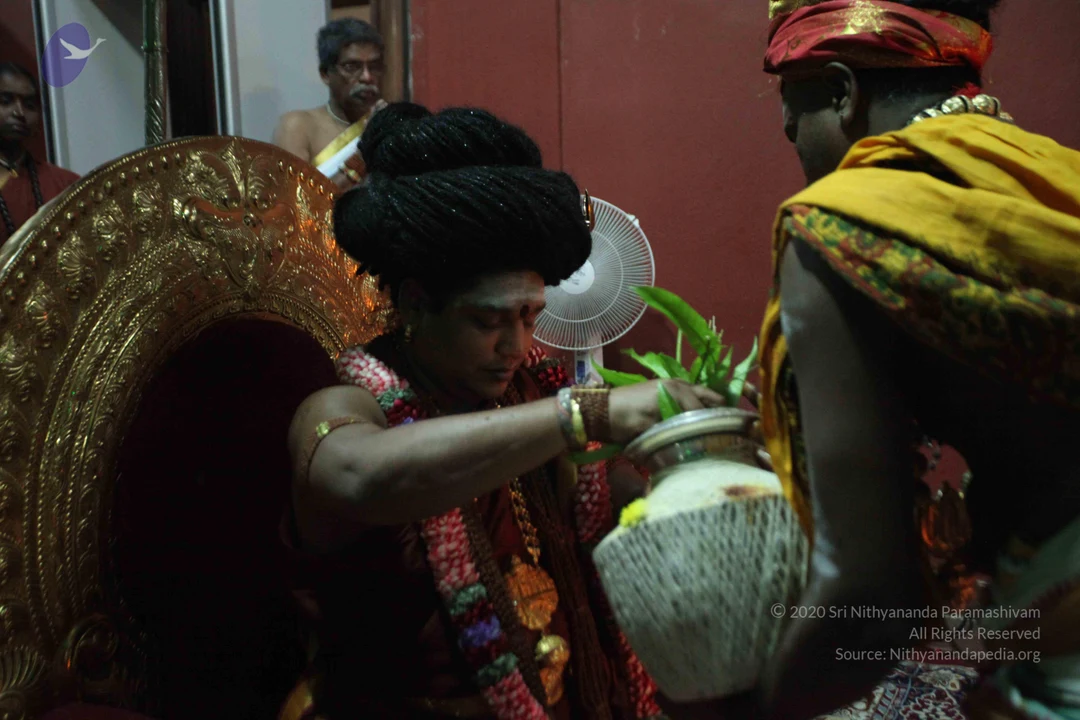
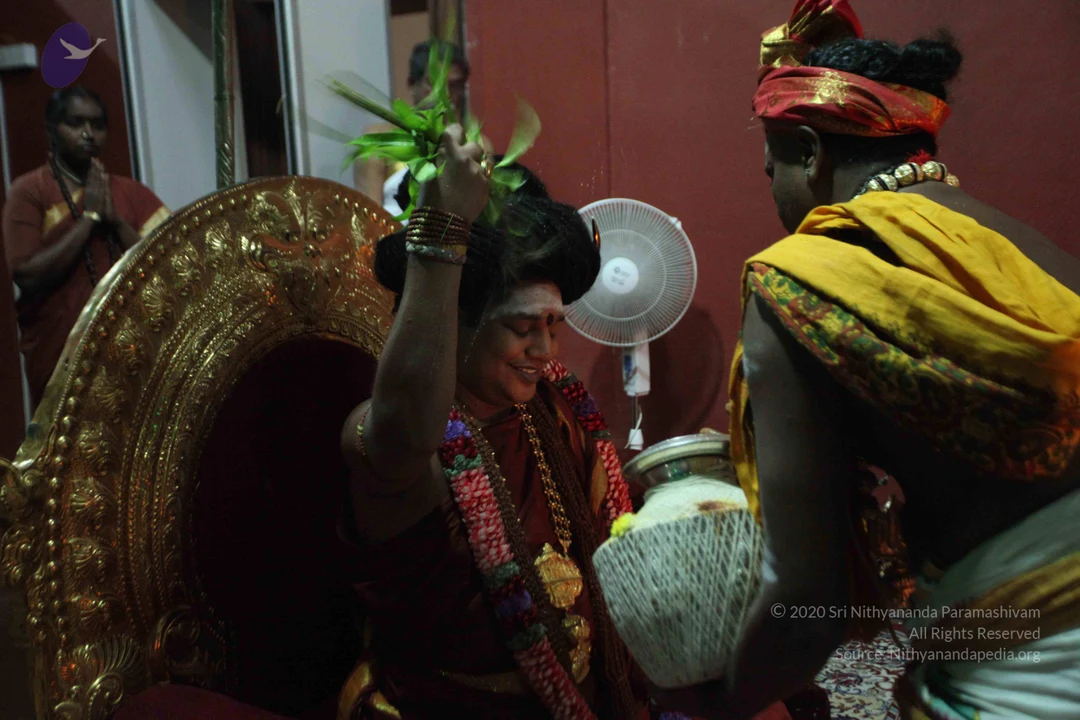
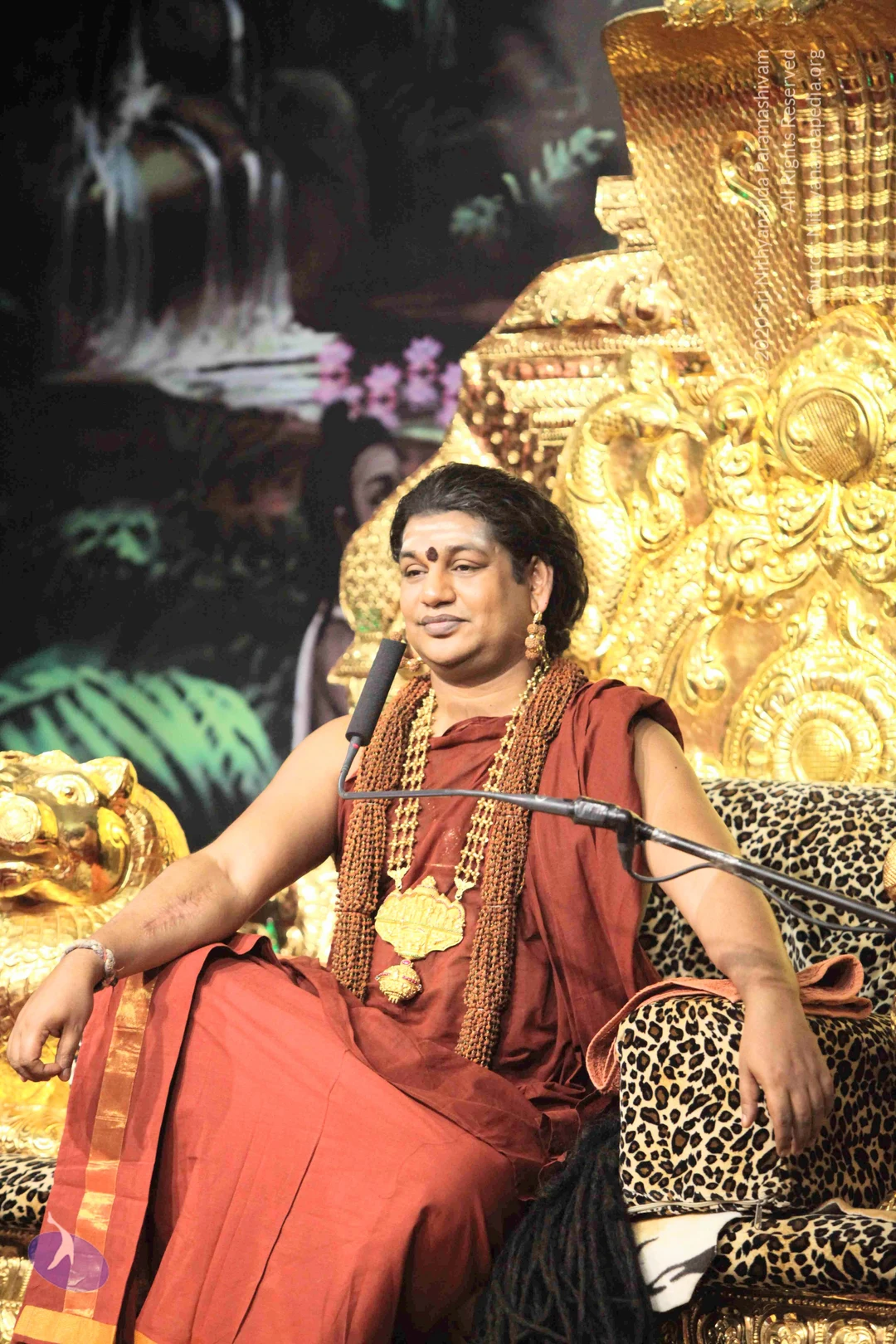
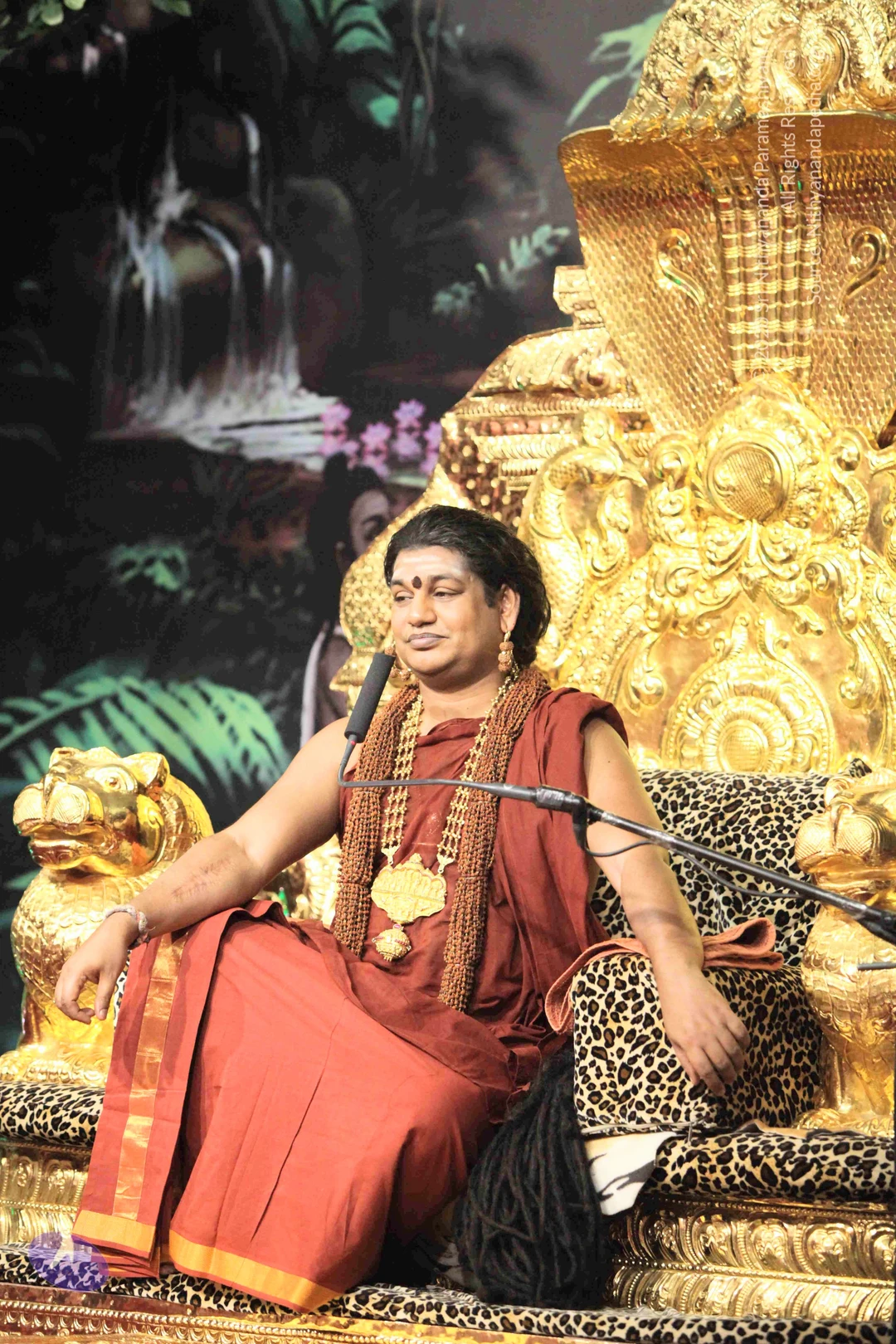
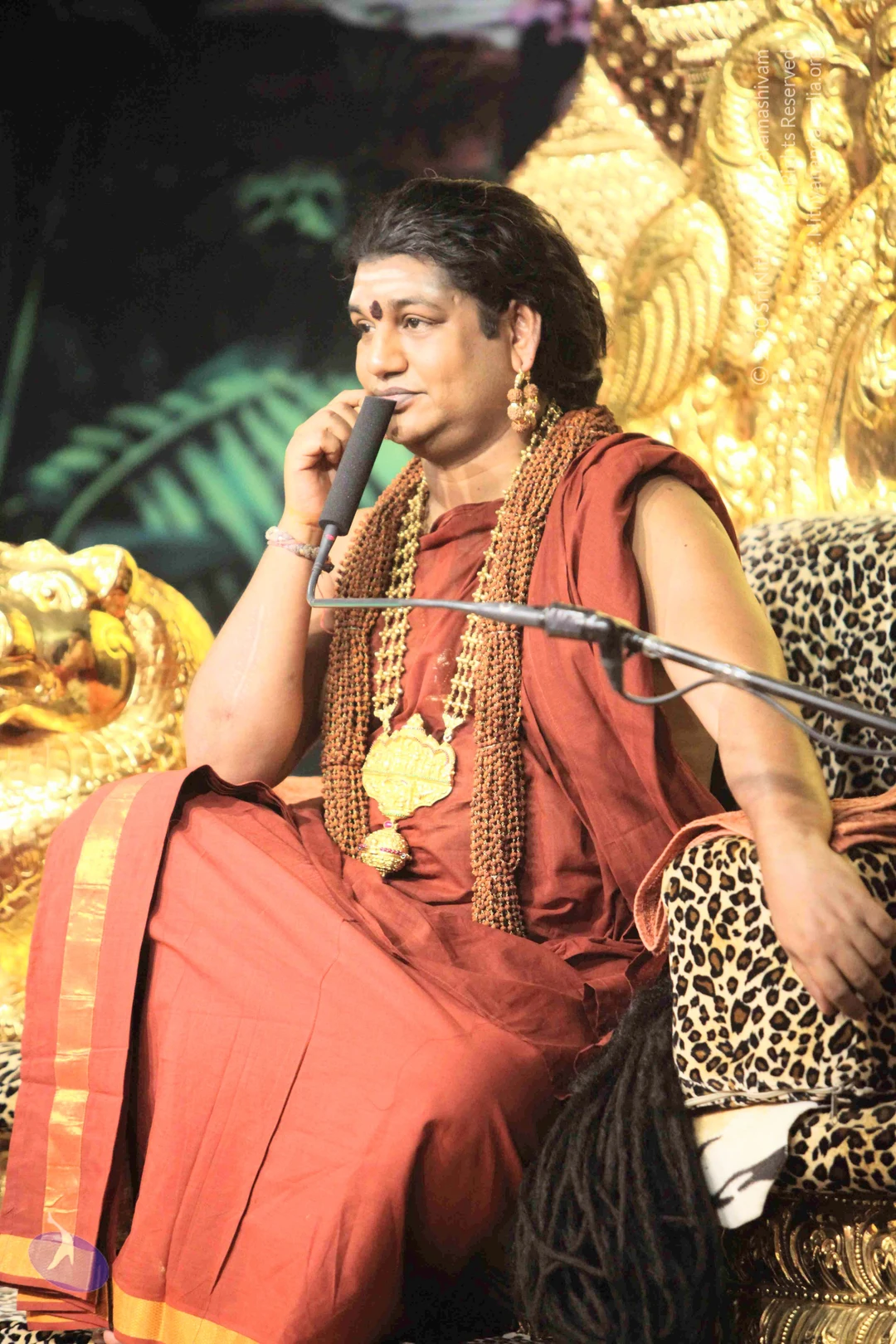
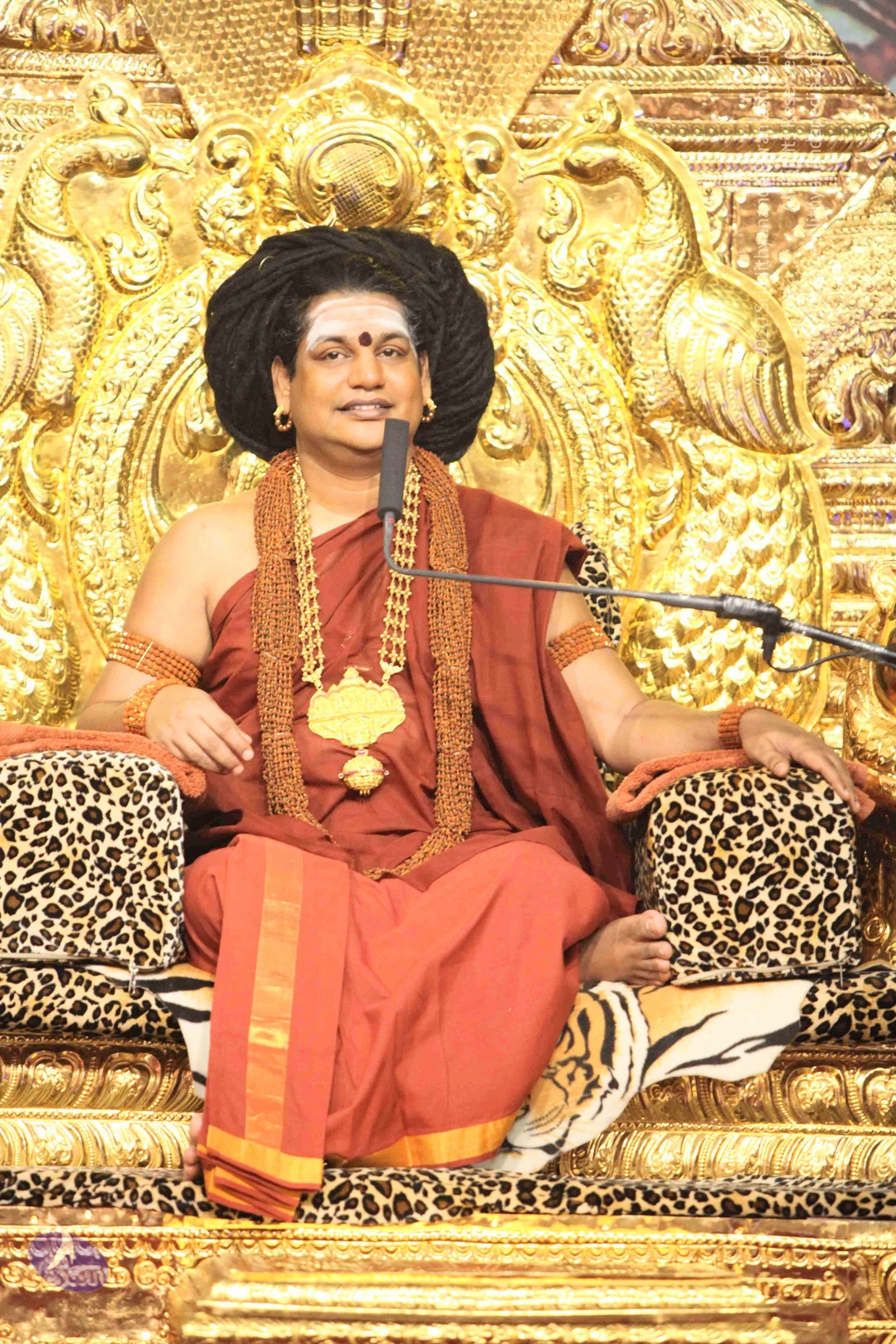
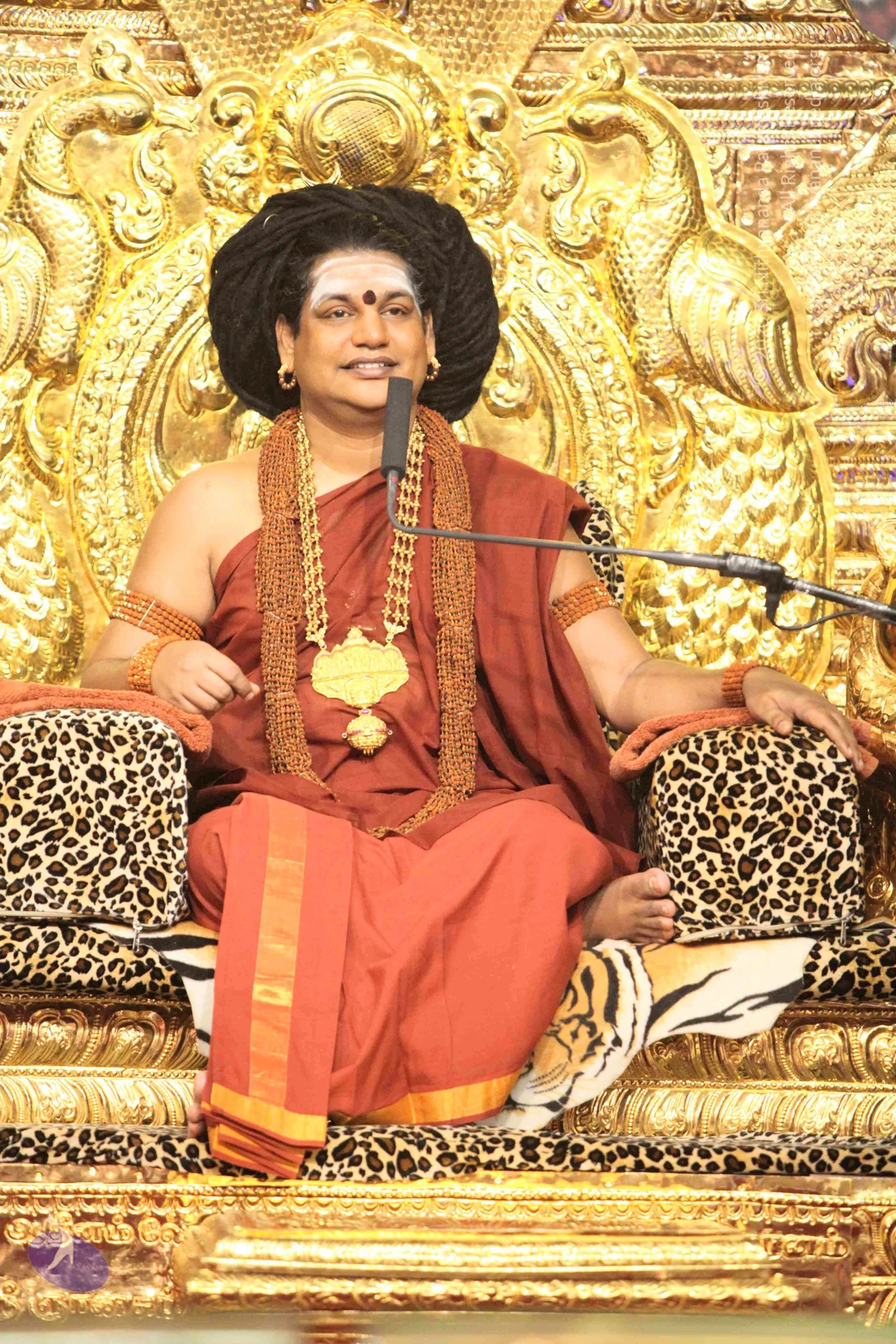
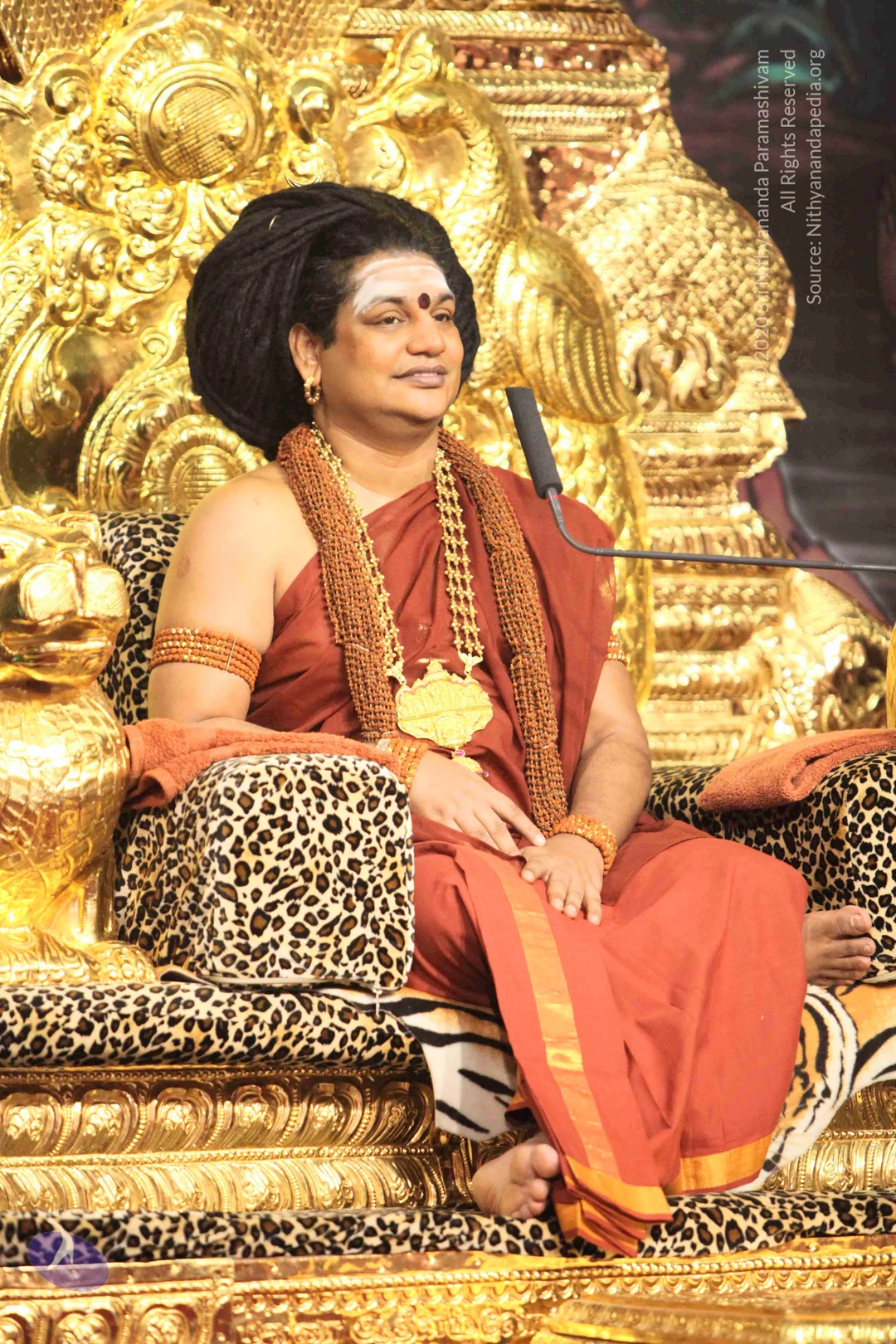
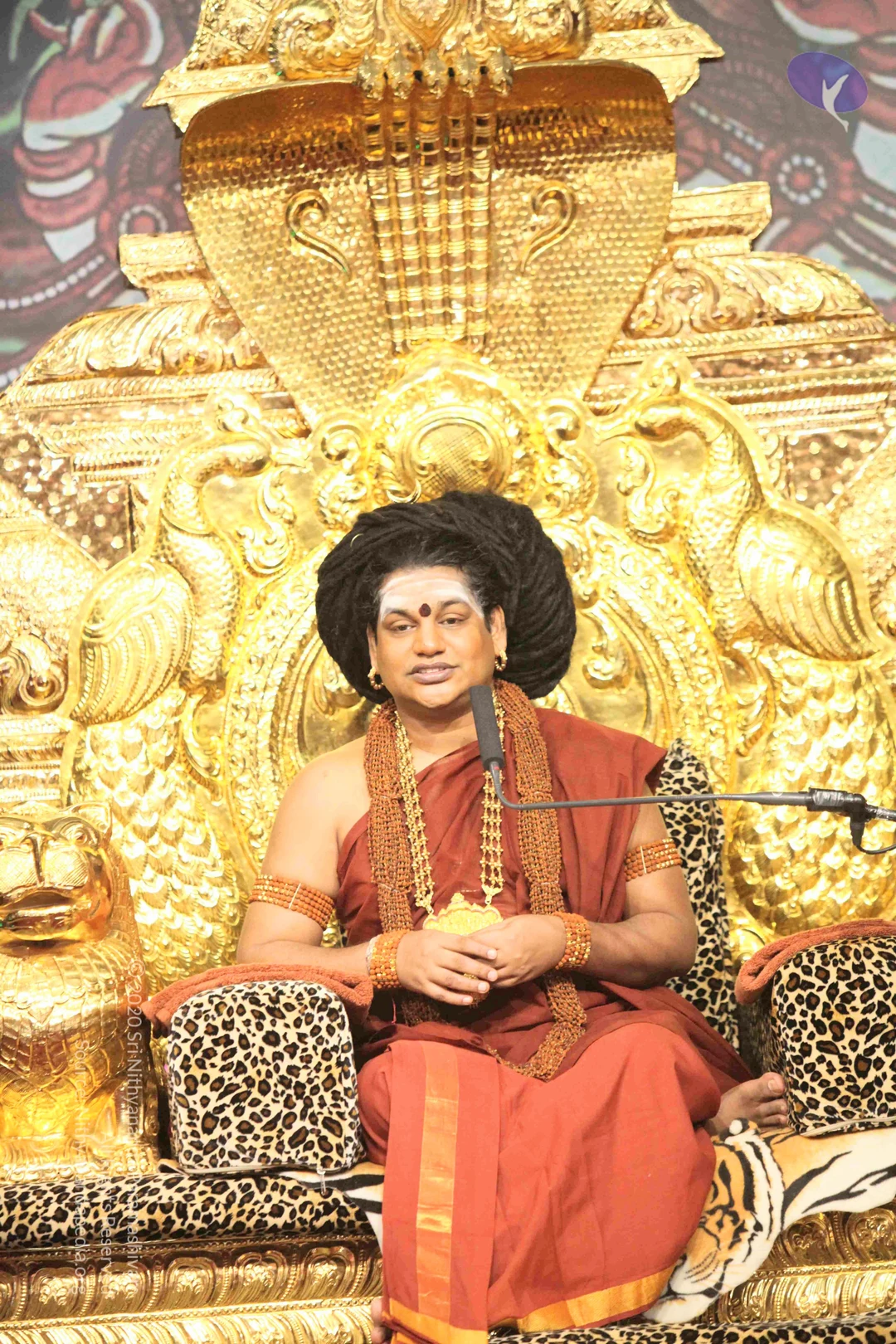
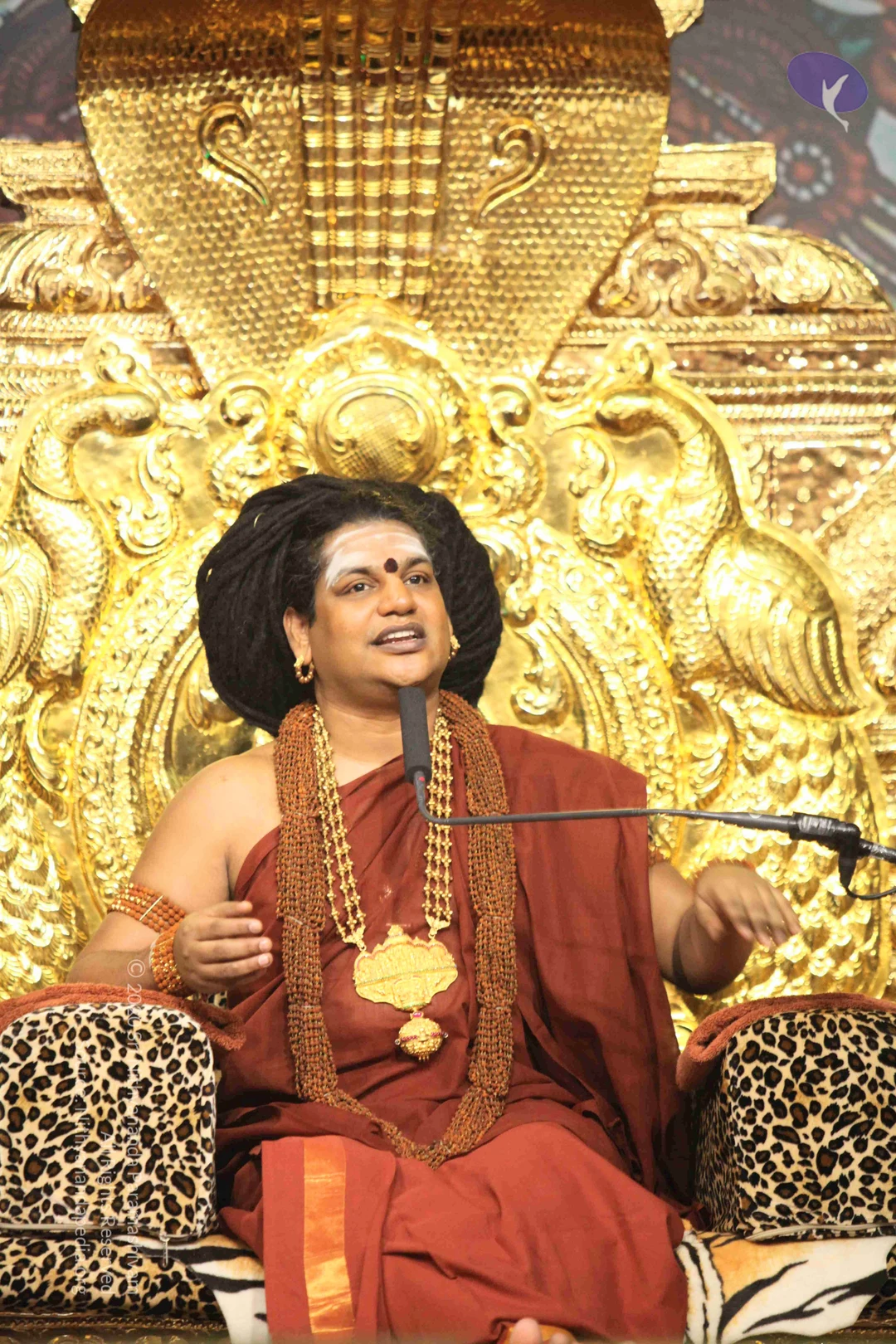
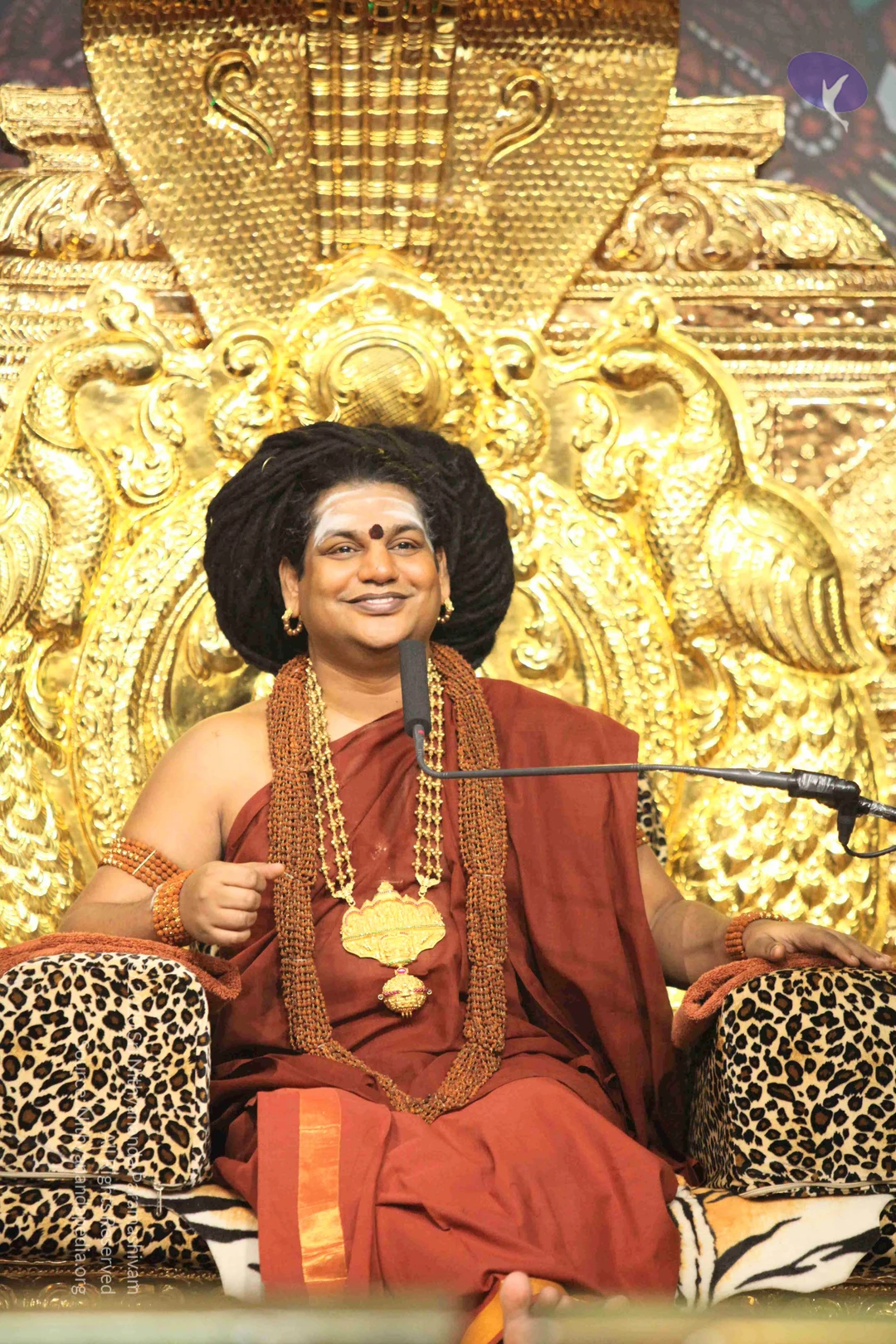
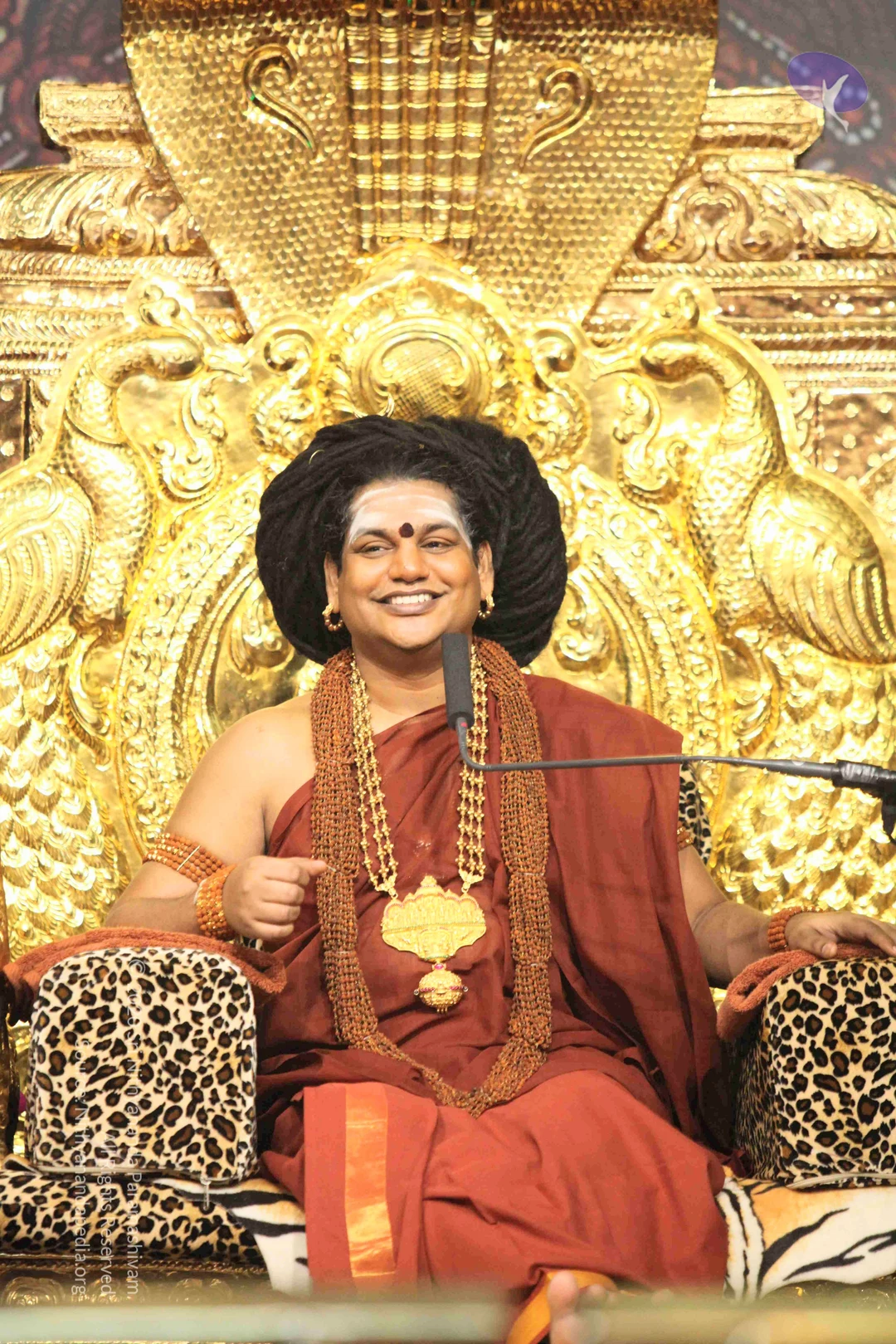
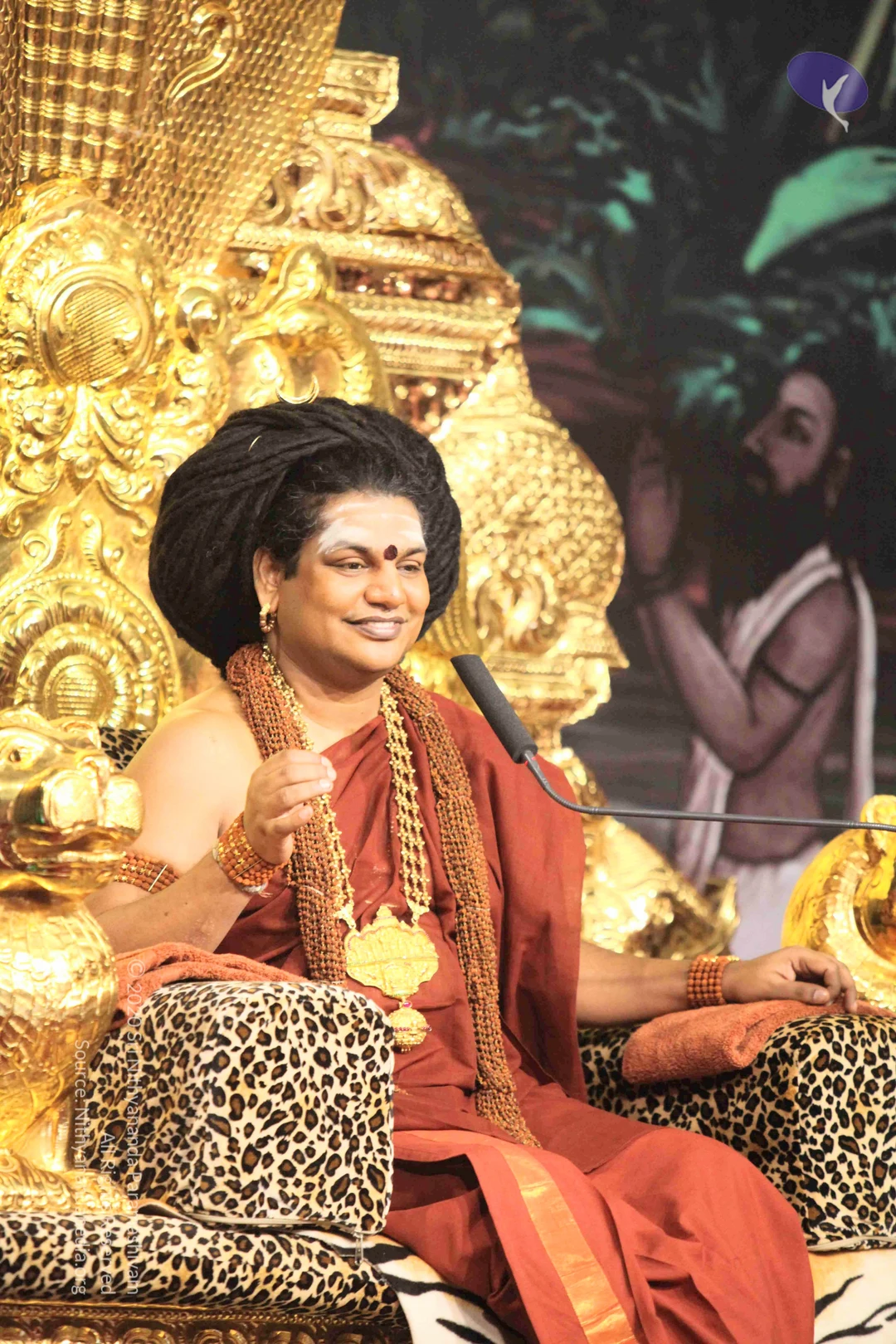
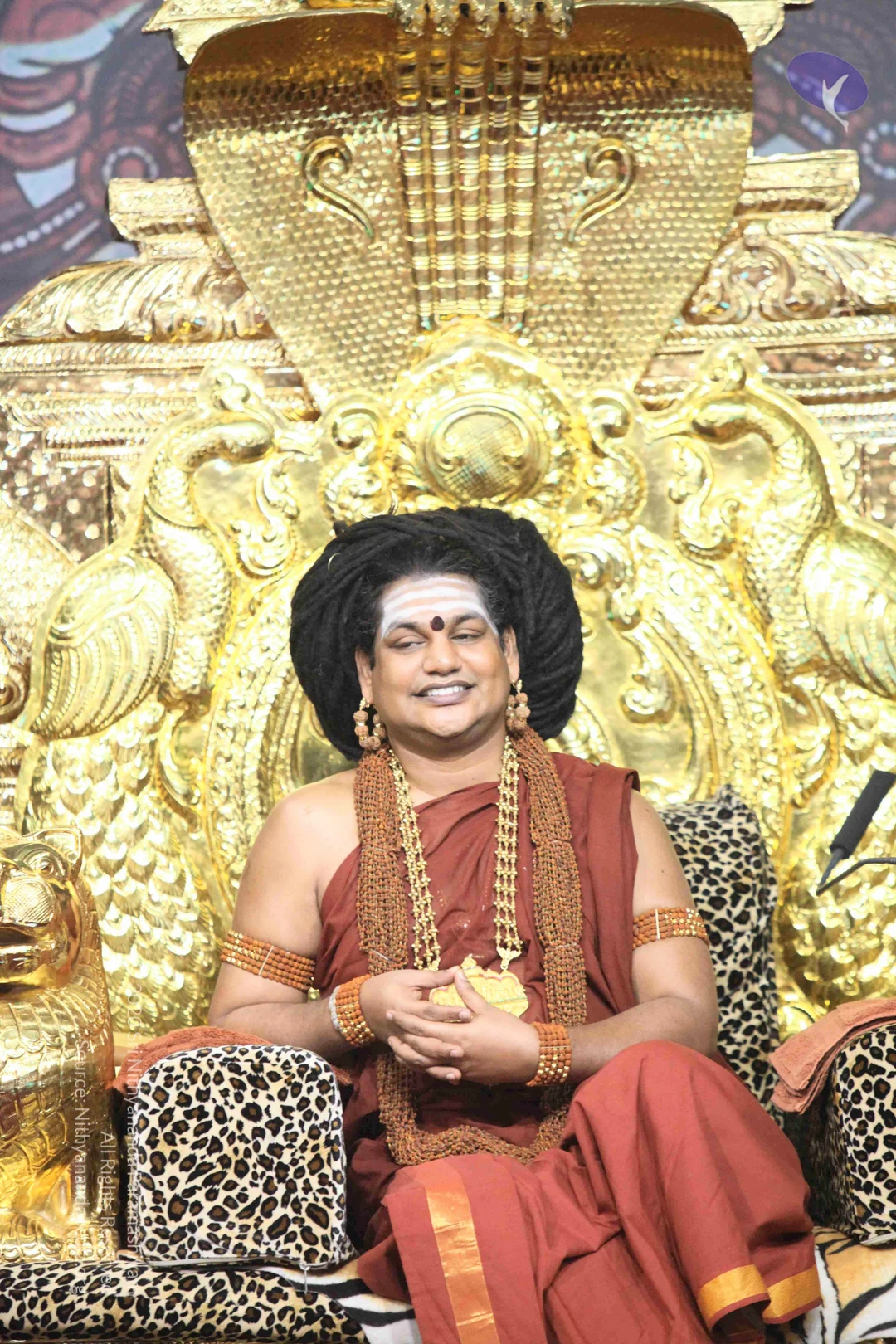
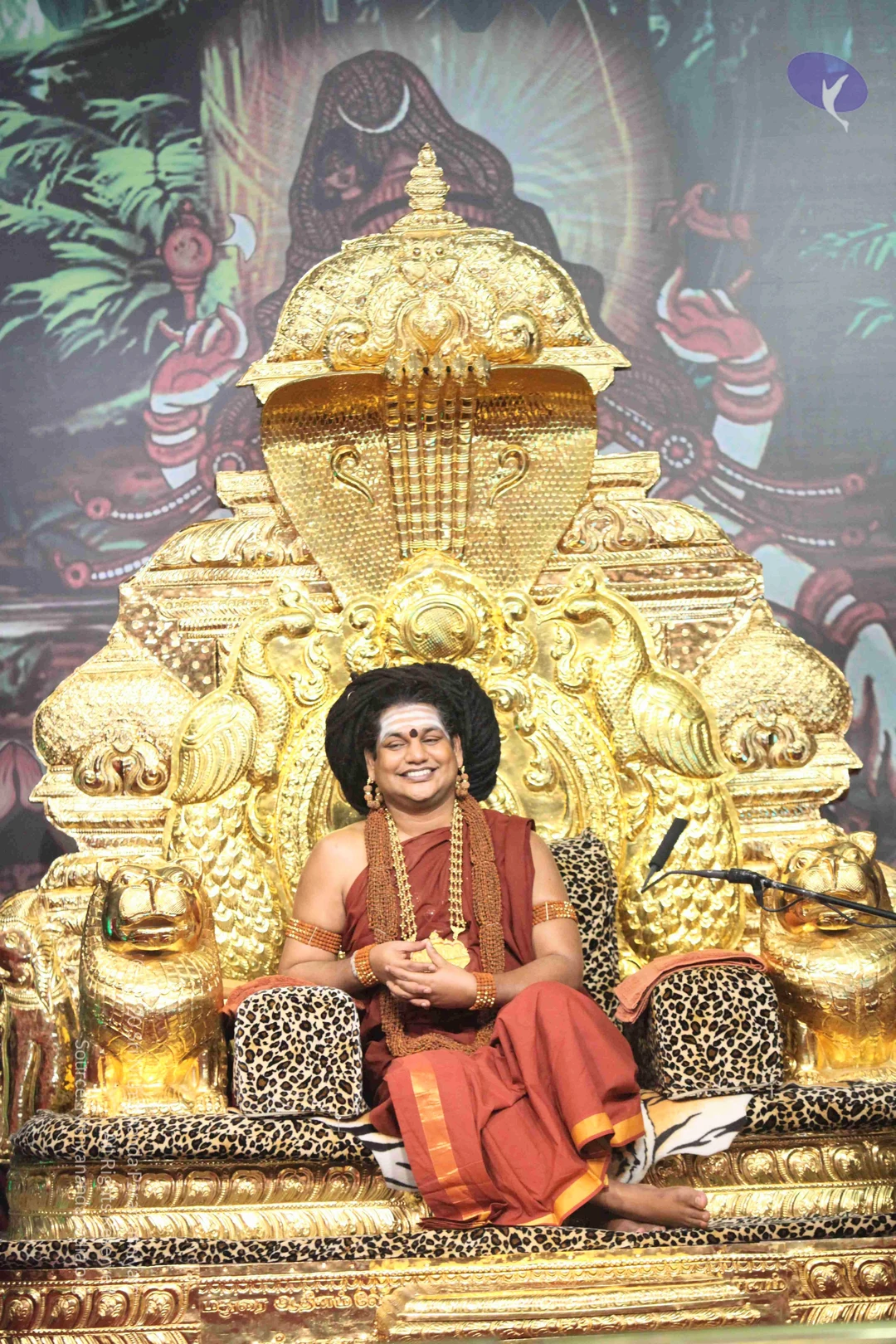
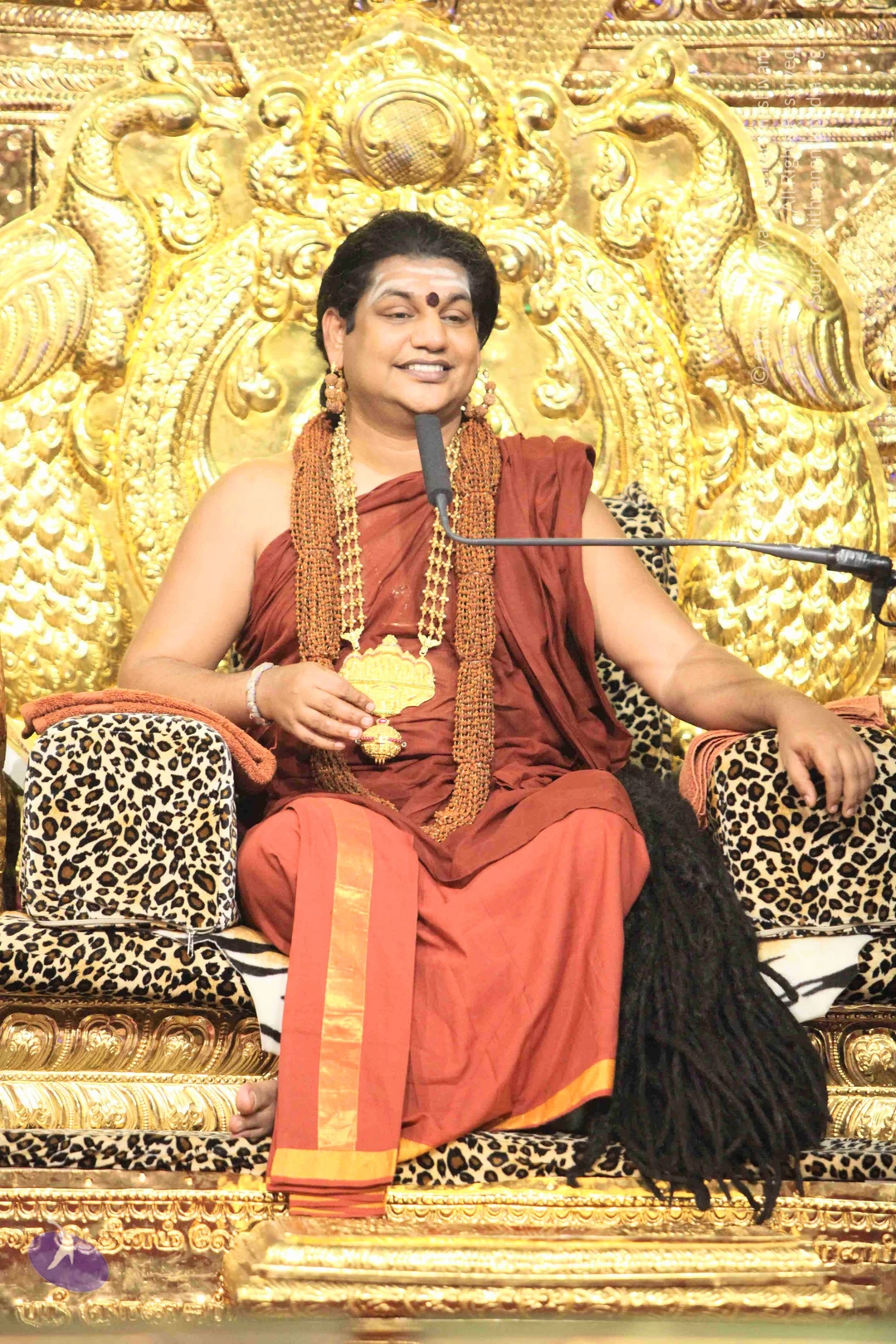
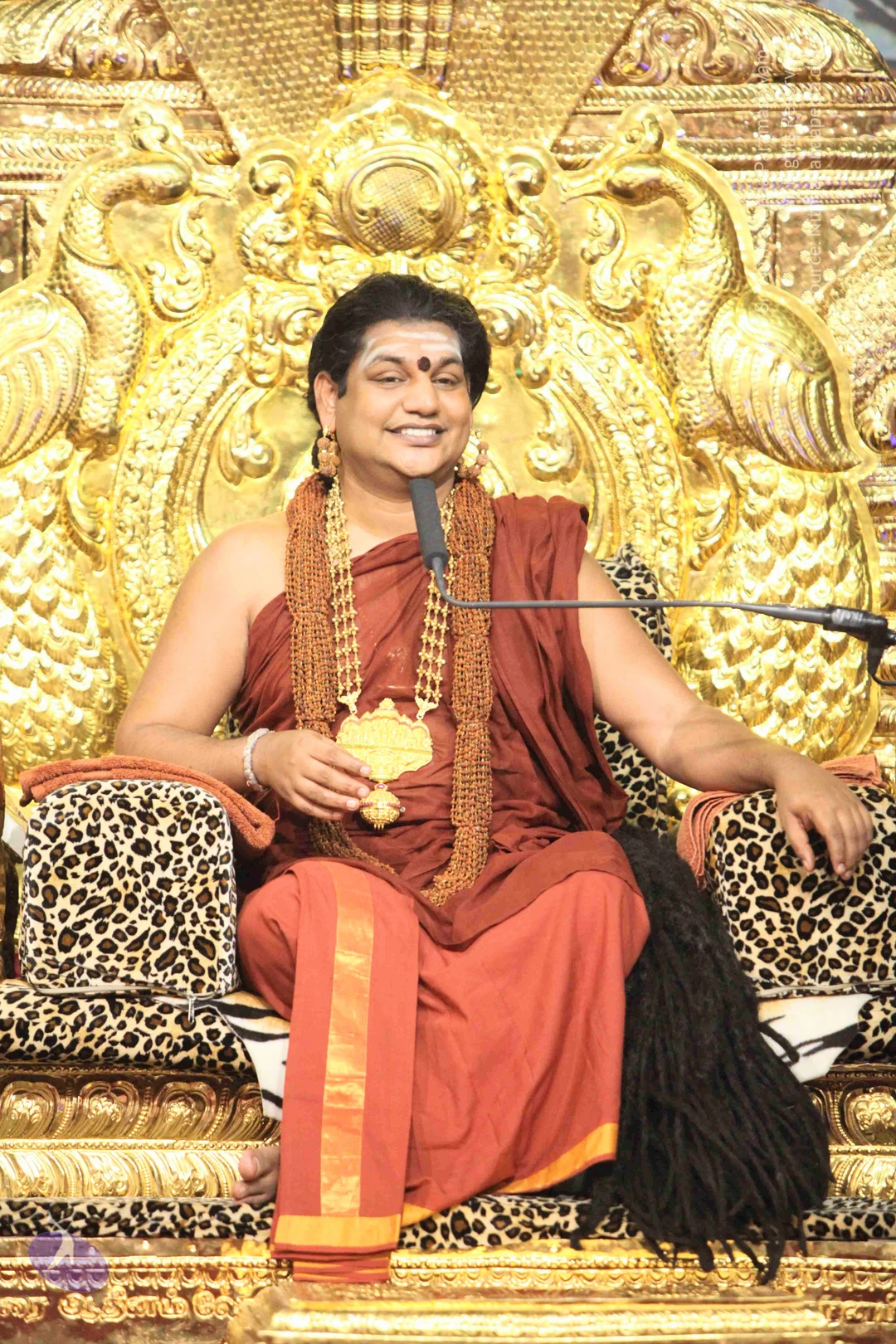
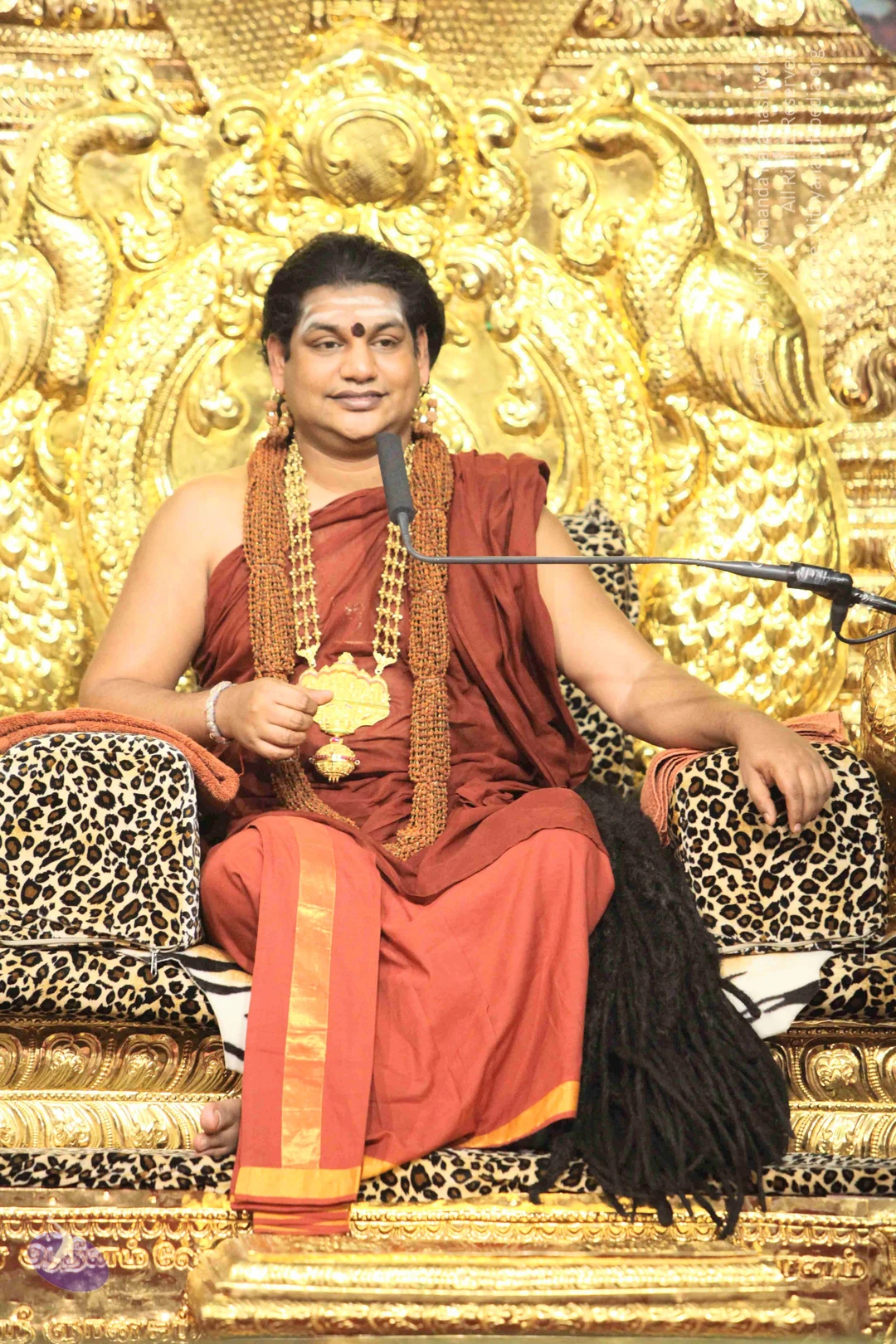
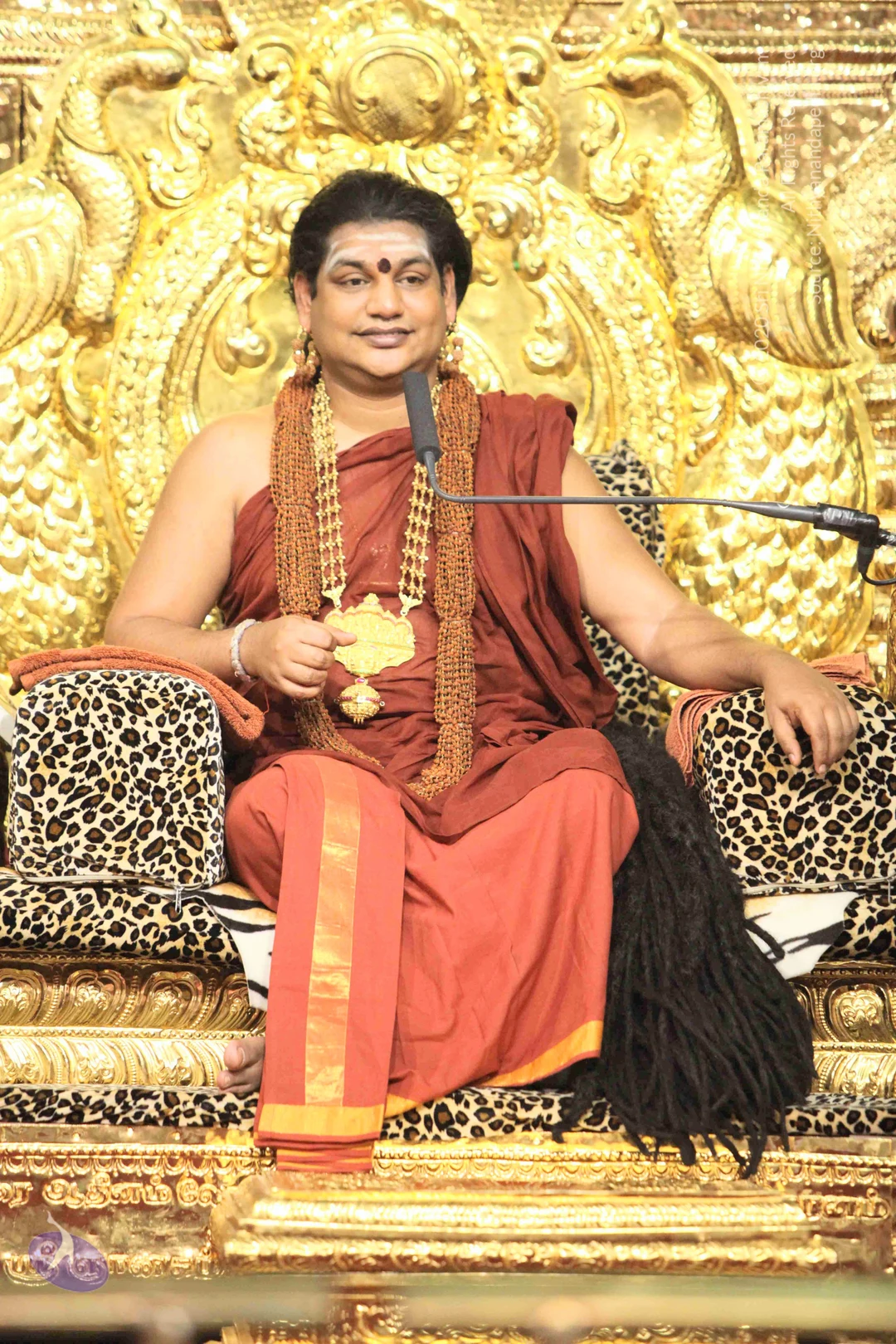
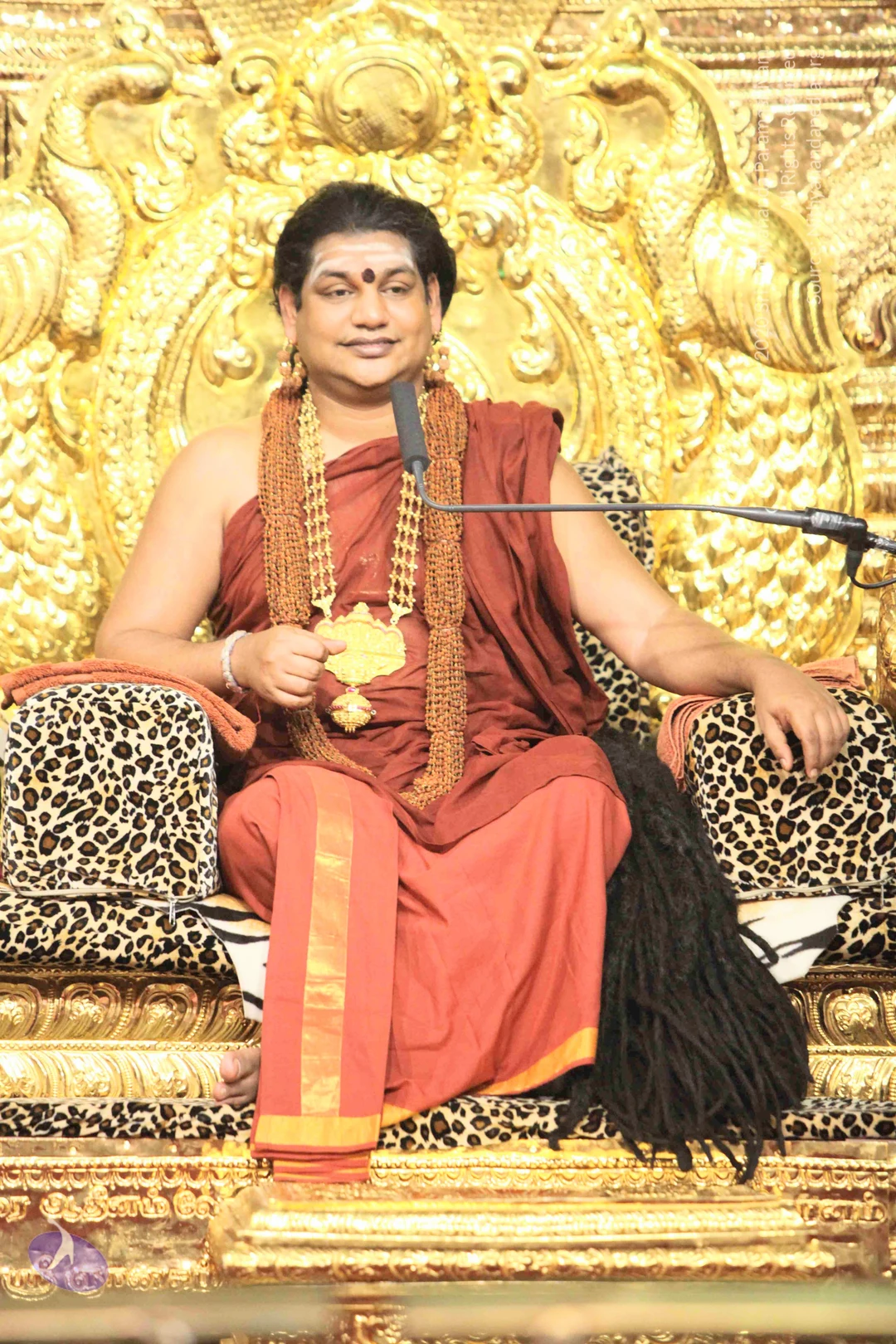
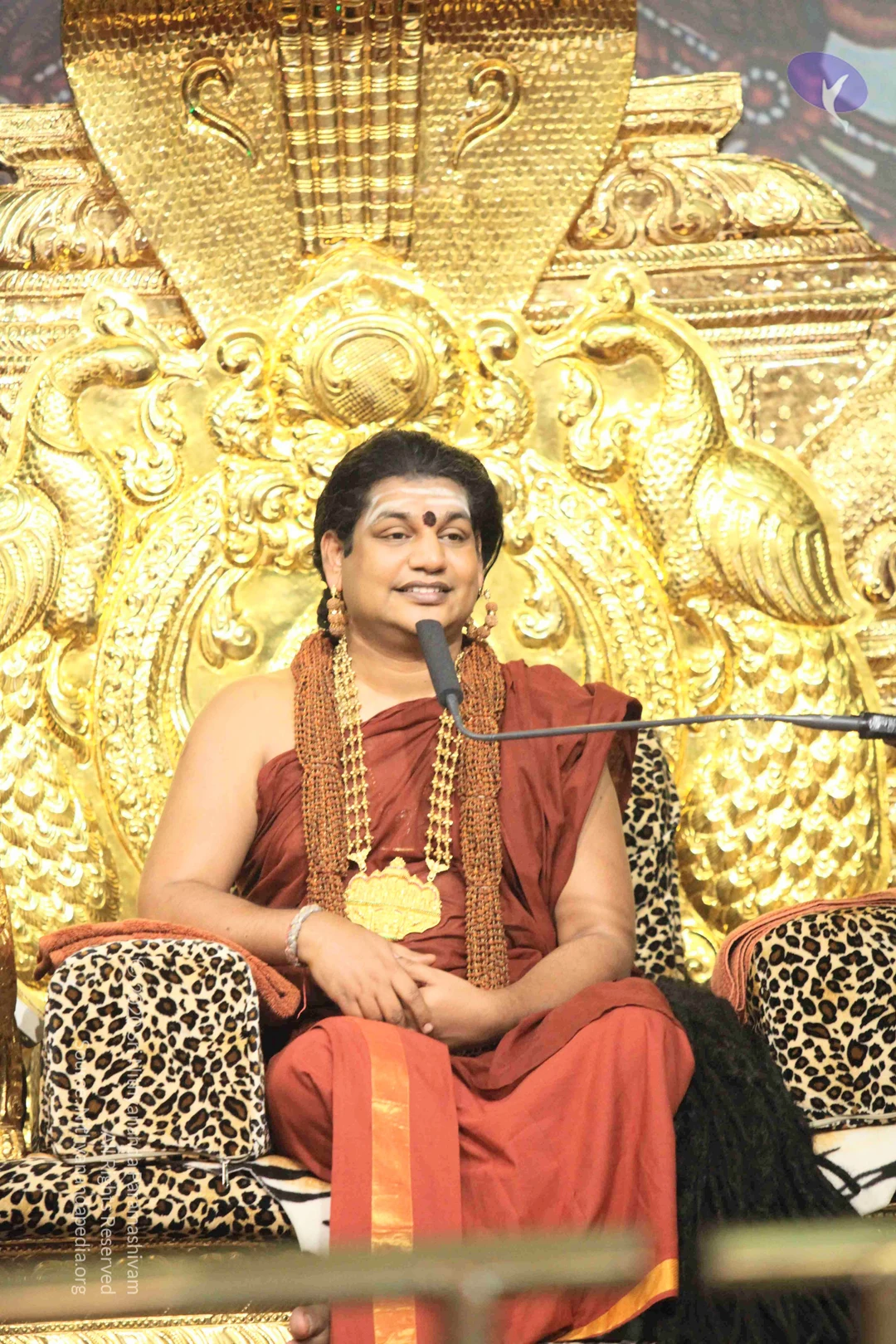
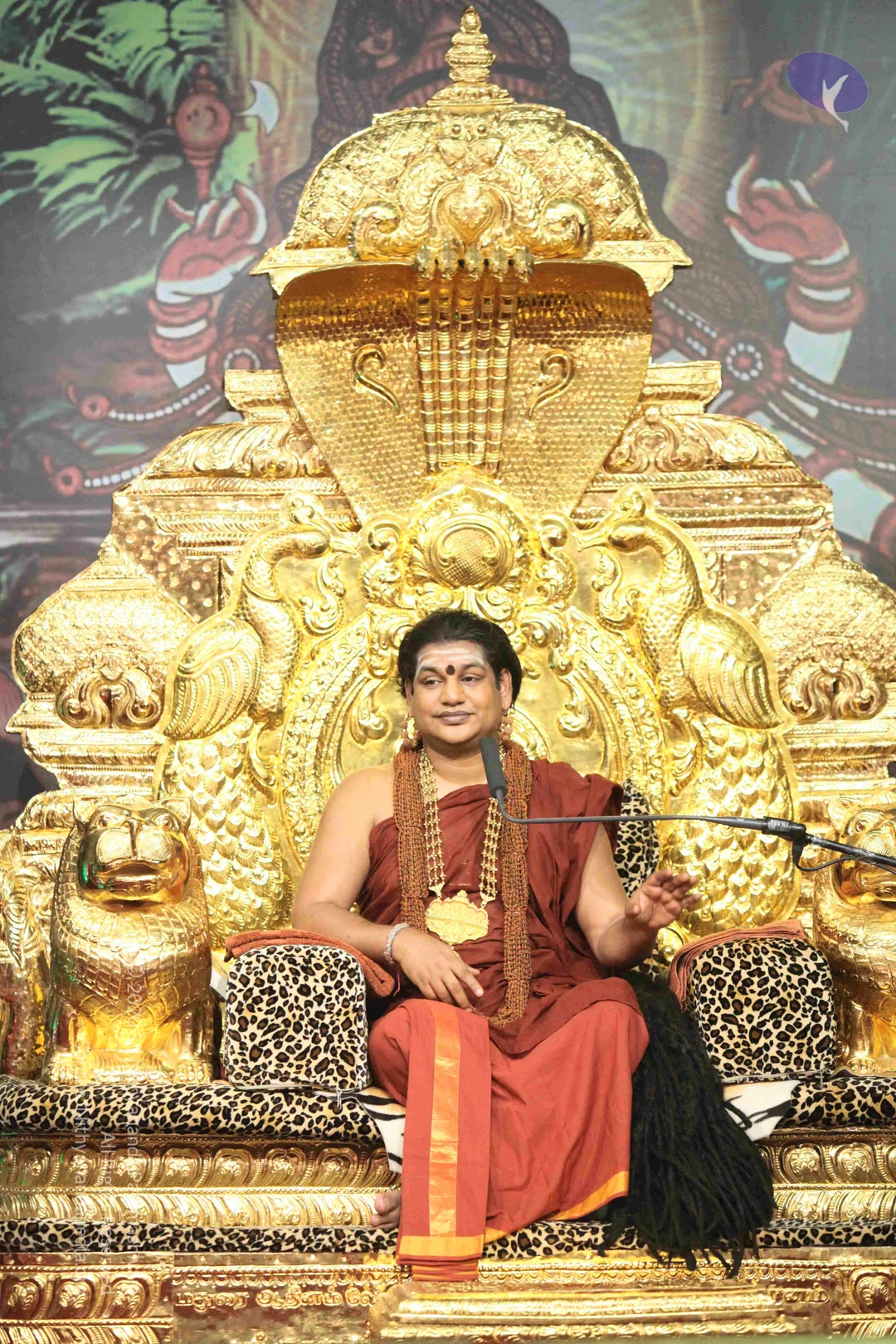
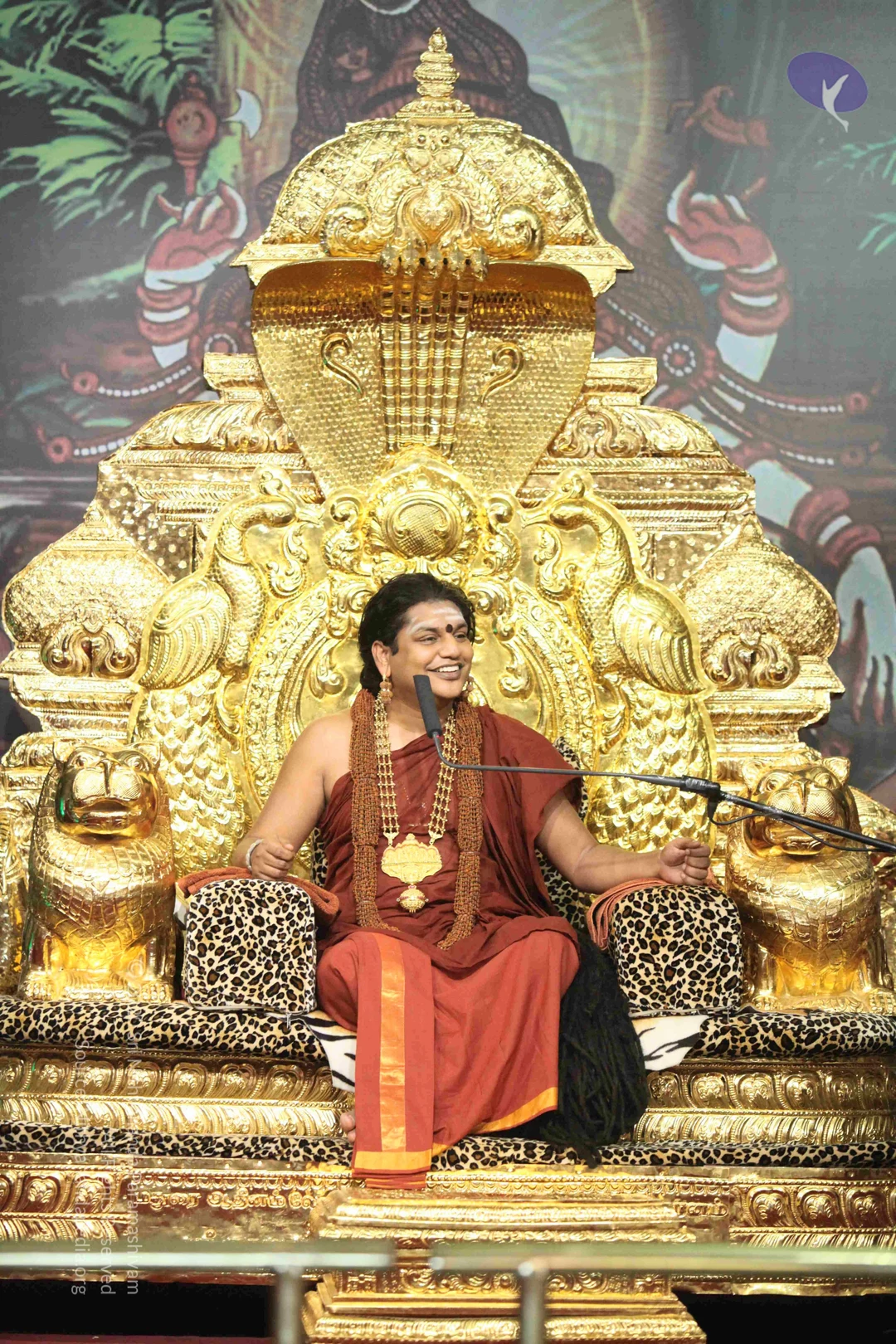
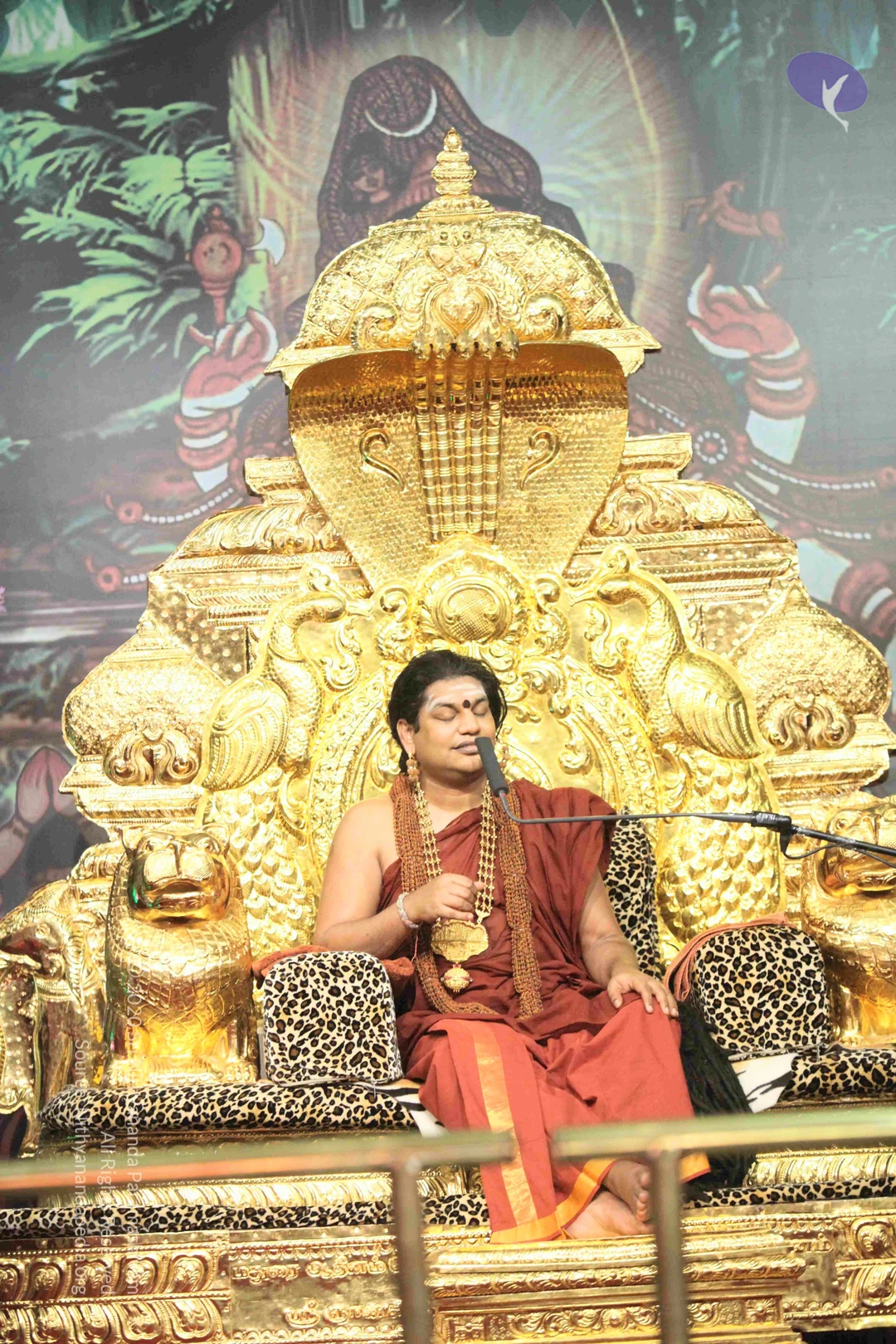
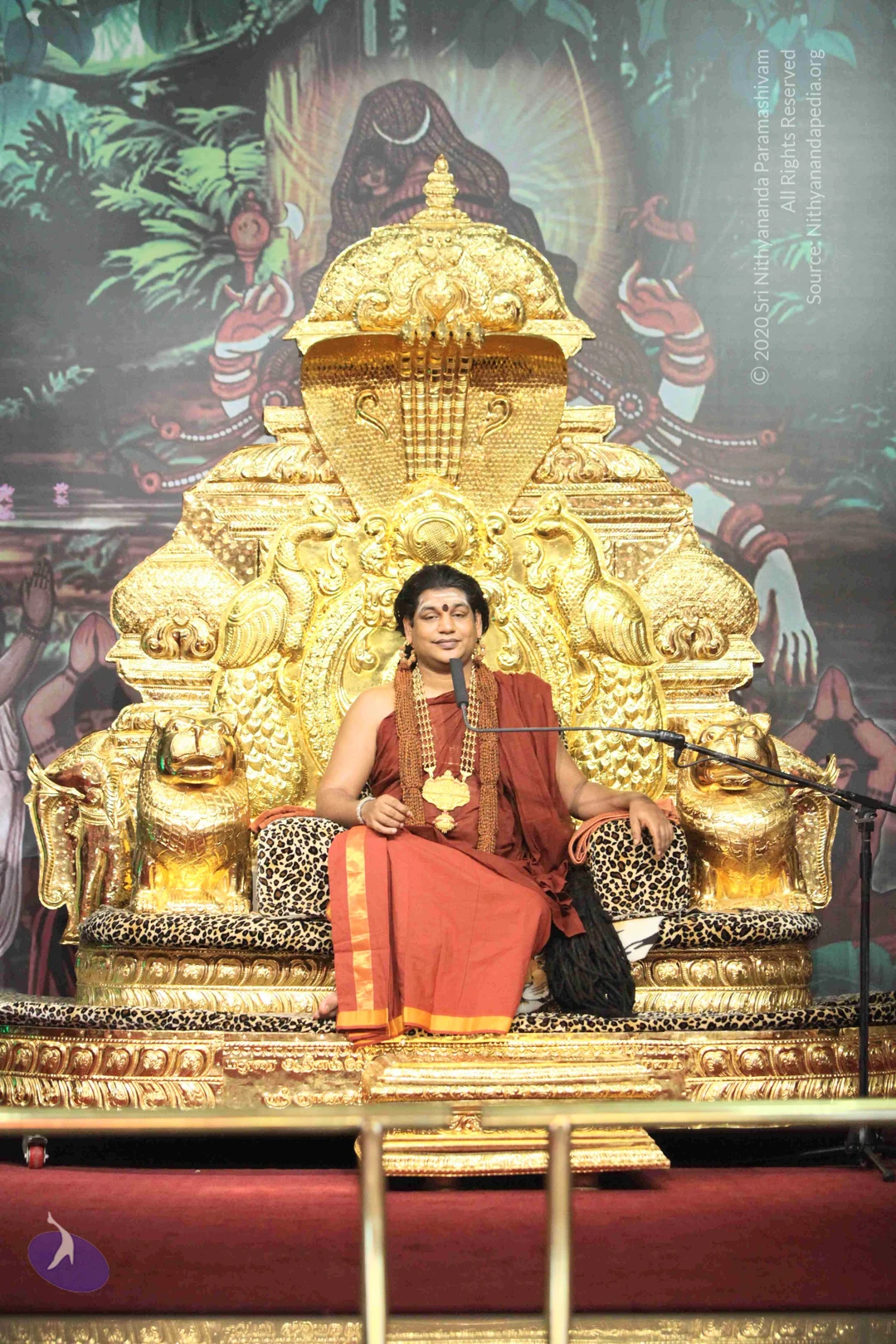
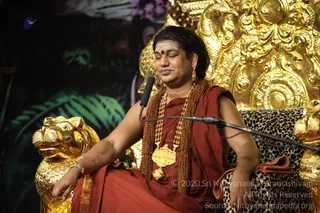
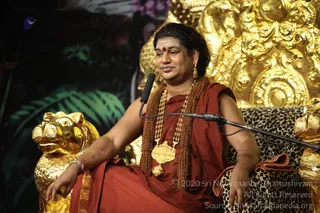
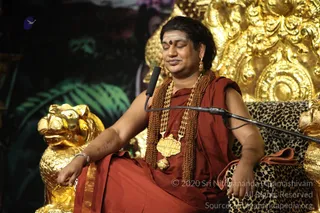
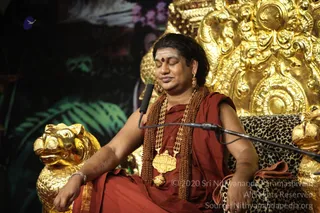
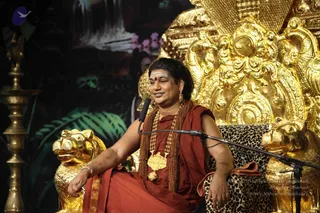
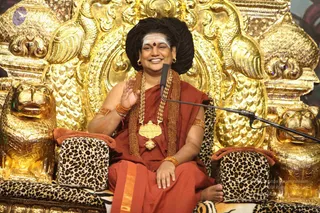
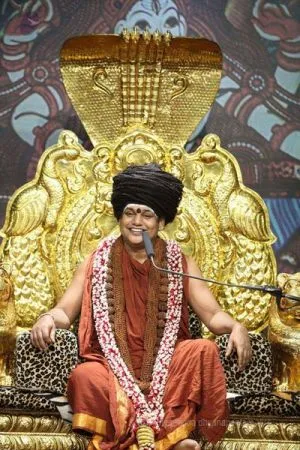
Why does Nithyananda sit on a Golden Throne?
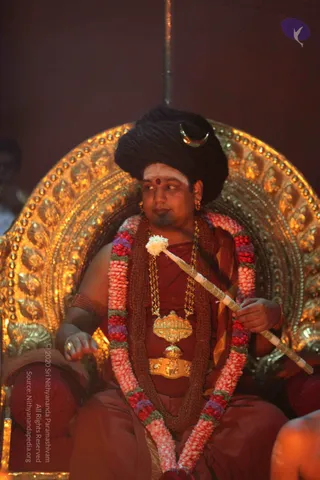
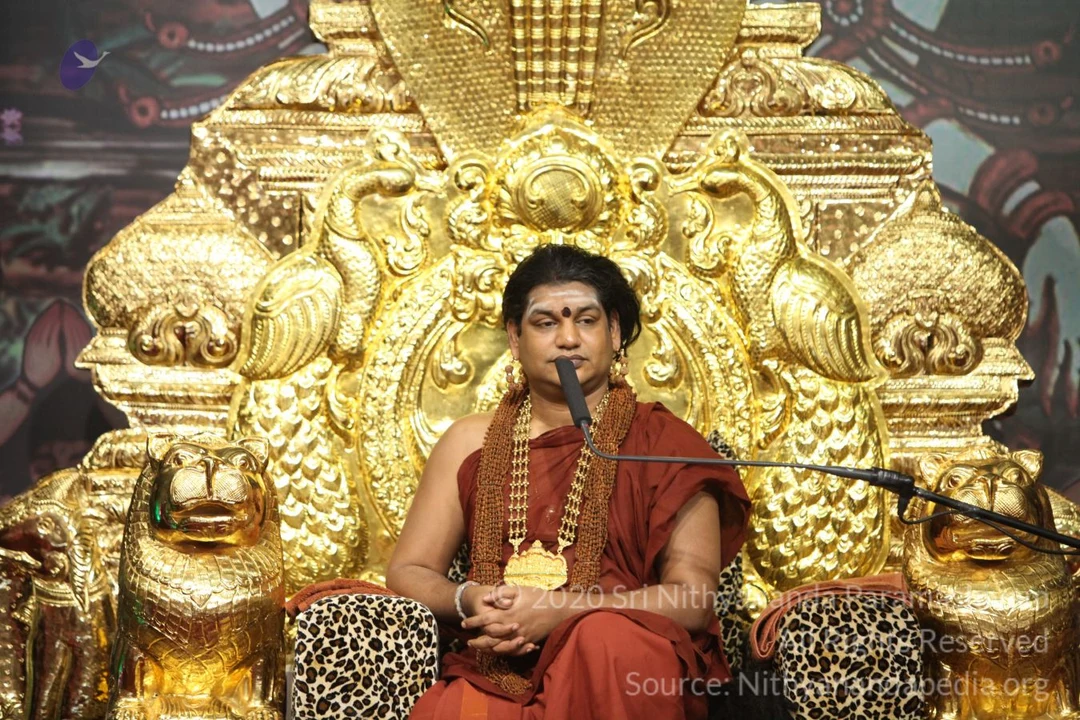
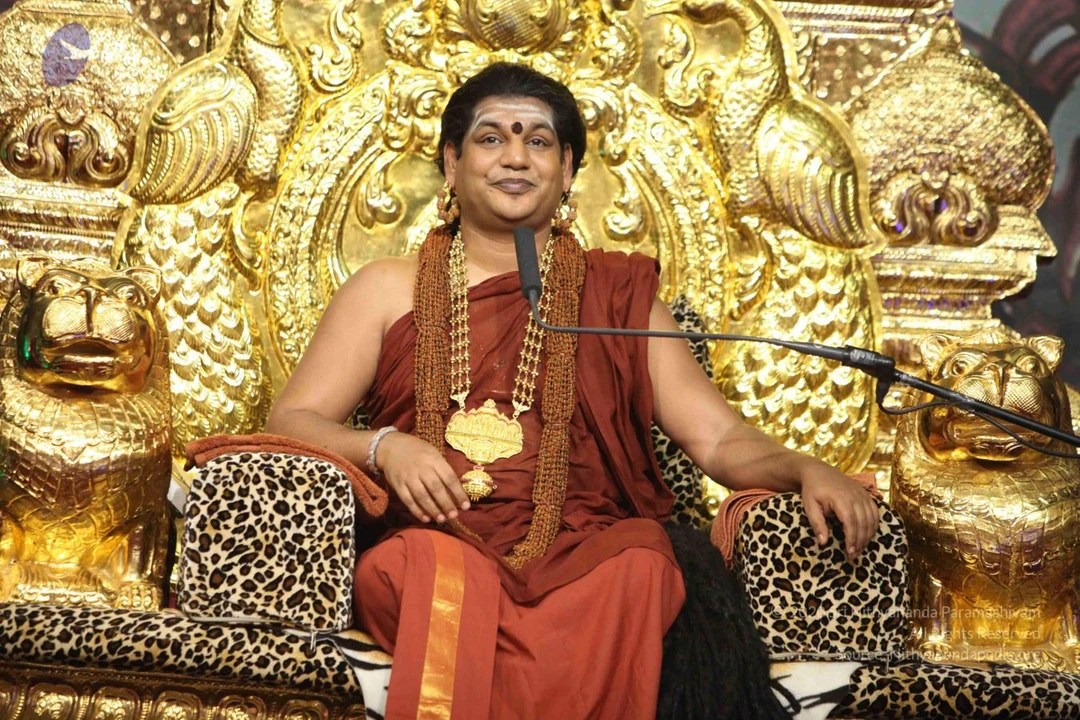
In this short video taken from the Q&A on Conquering Time on 6 March 2016, Nithyananda begins out to say 'I am neither arrogant, nor humble'. When a doctor introduces himself as a doctor, he is not egoistic or arrogant, he is straight. Same way, Nithyananda says, I am straight.
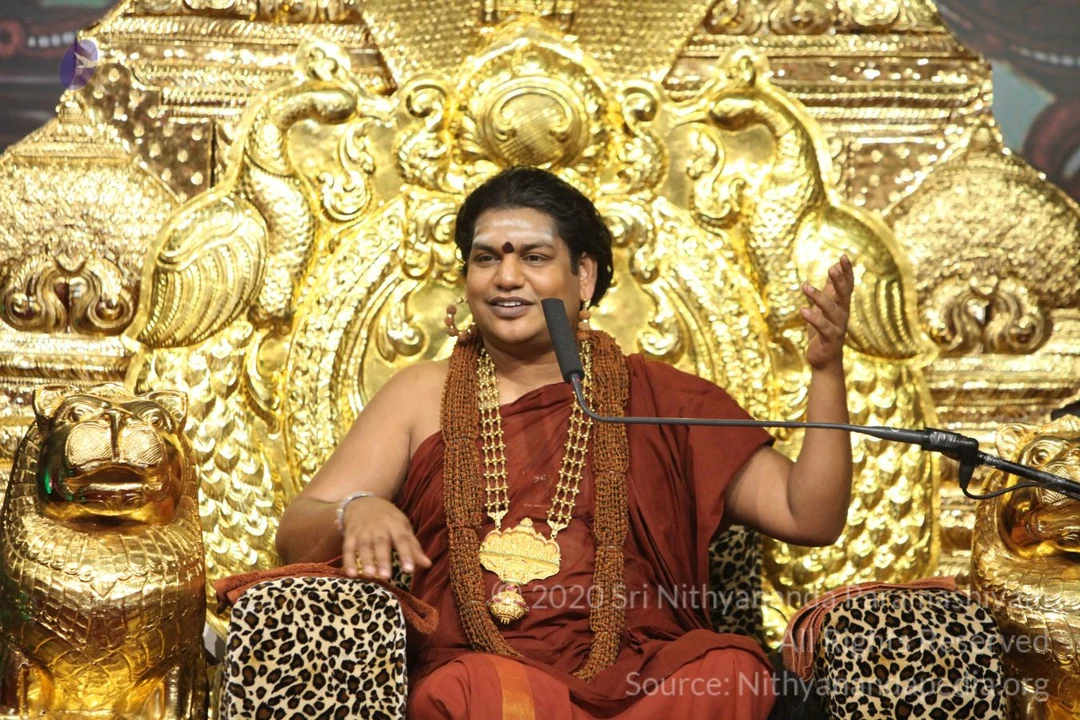
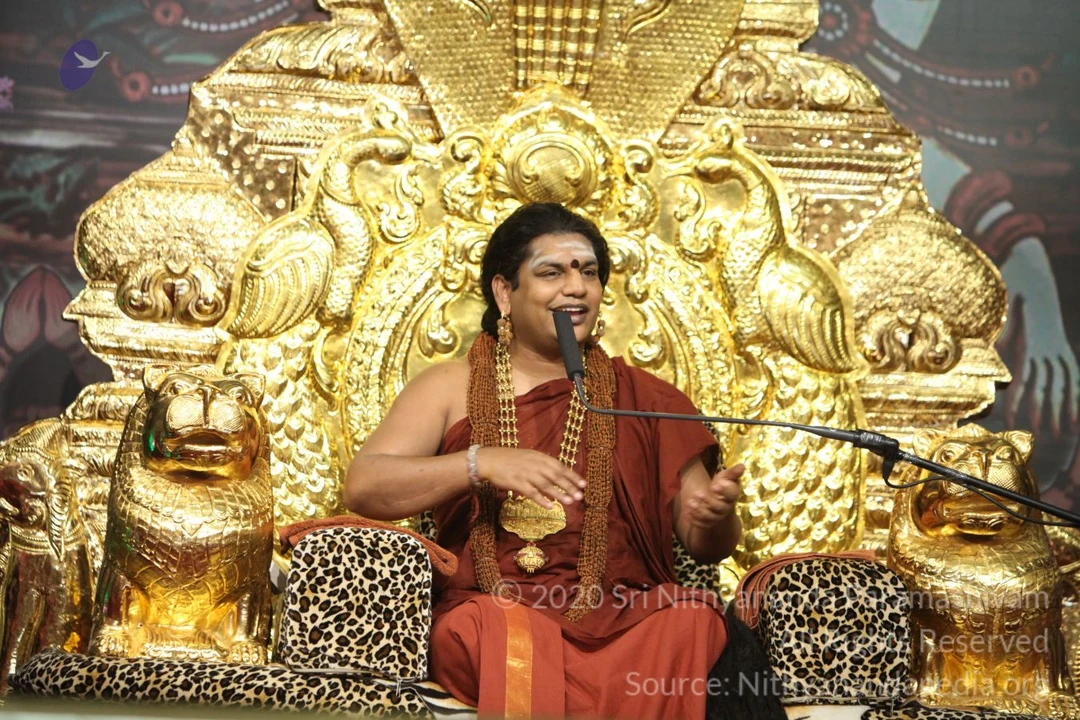
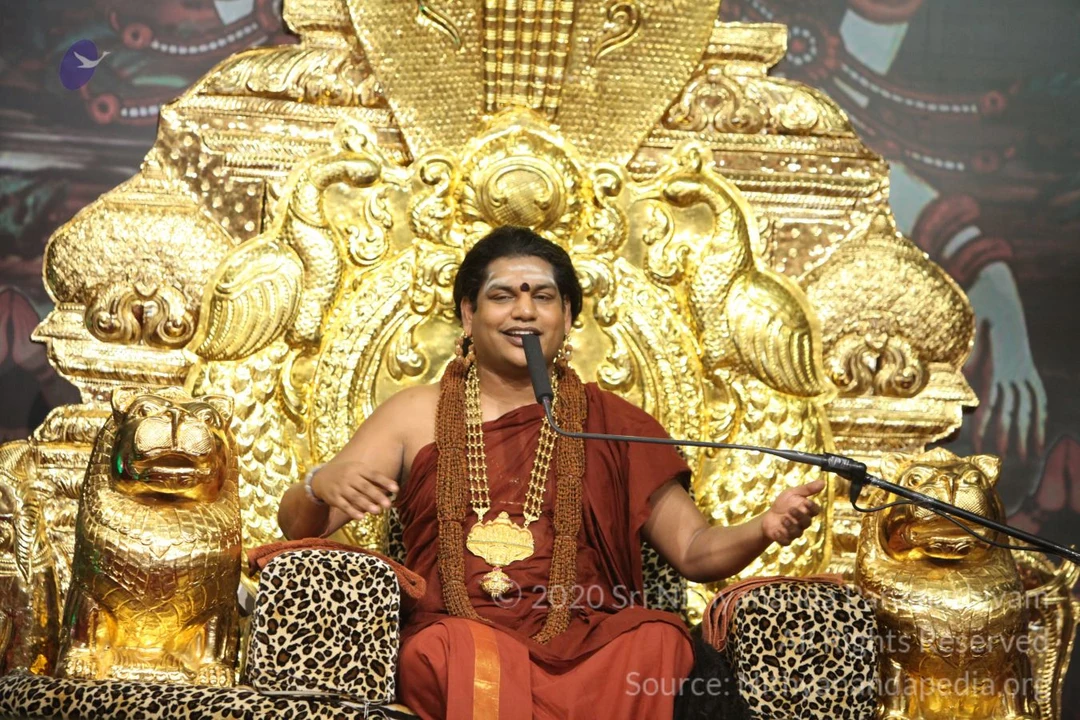
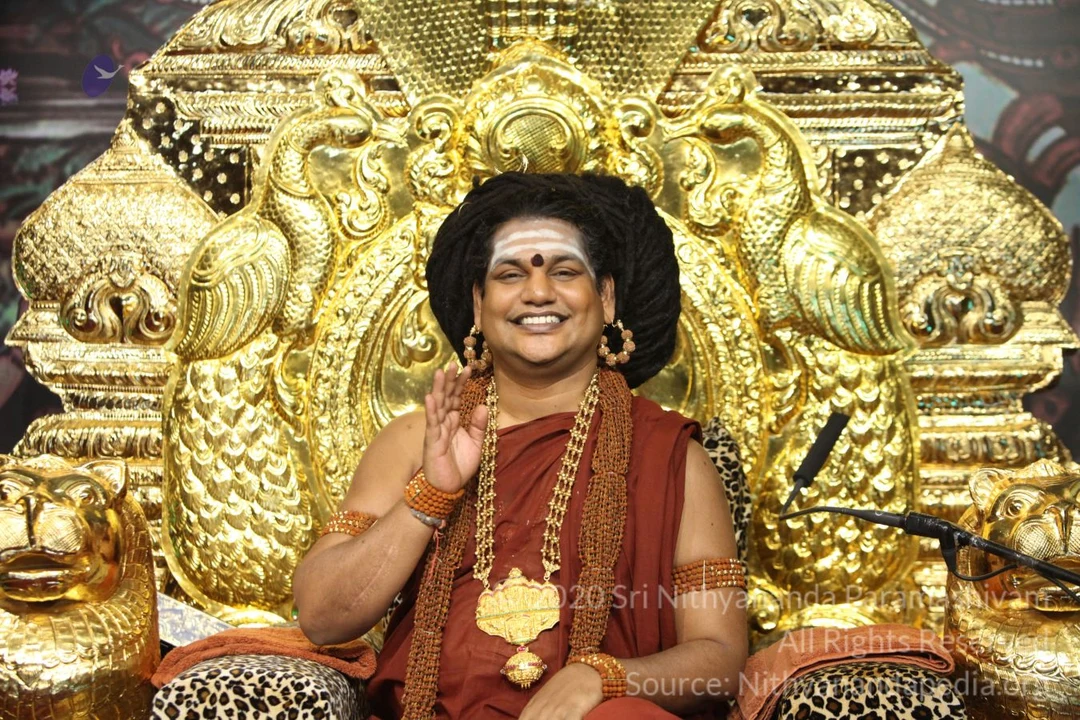
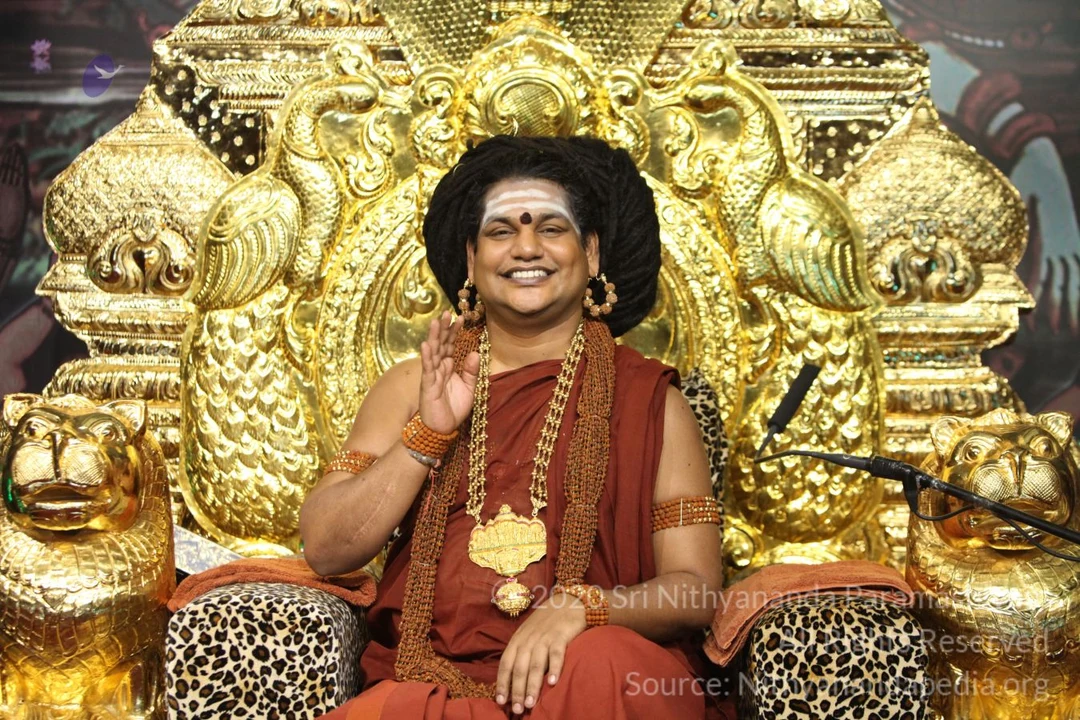
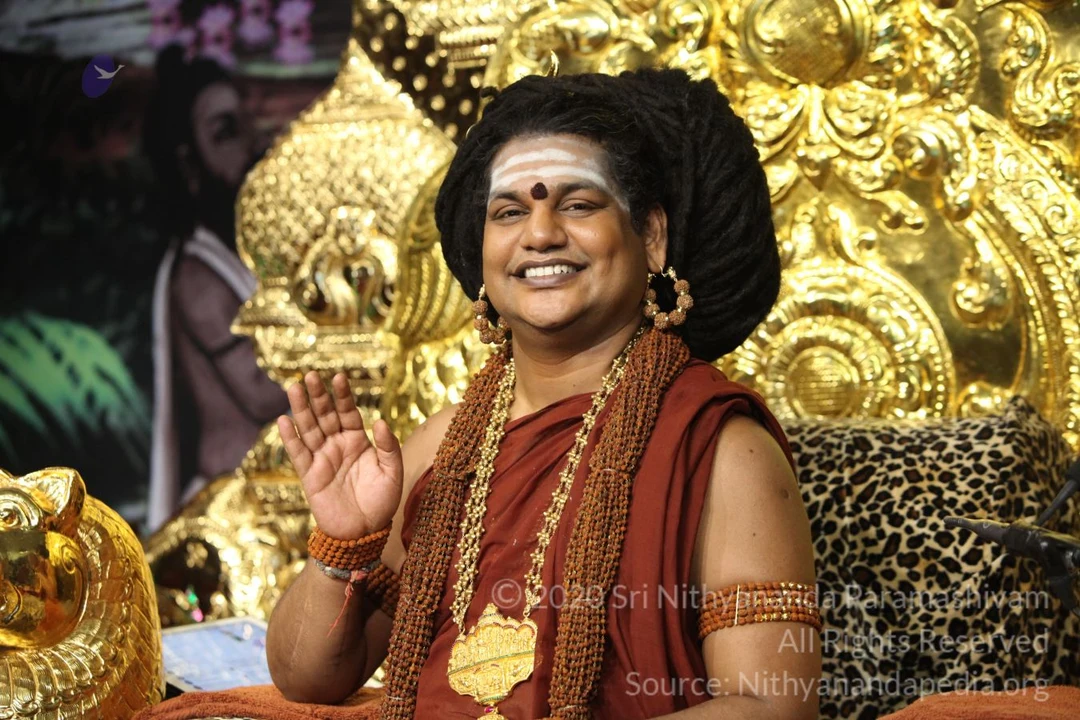
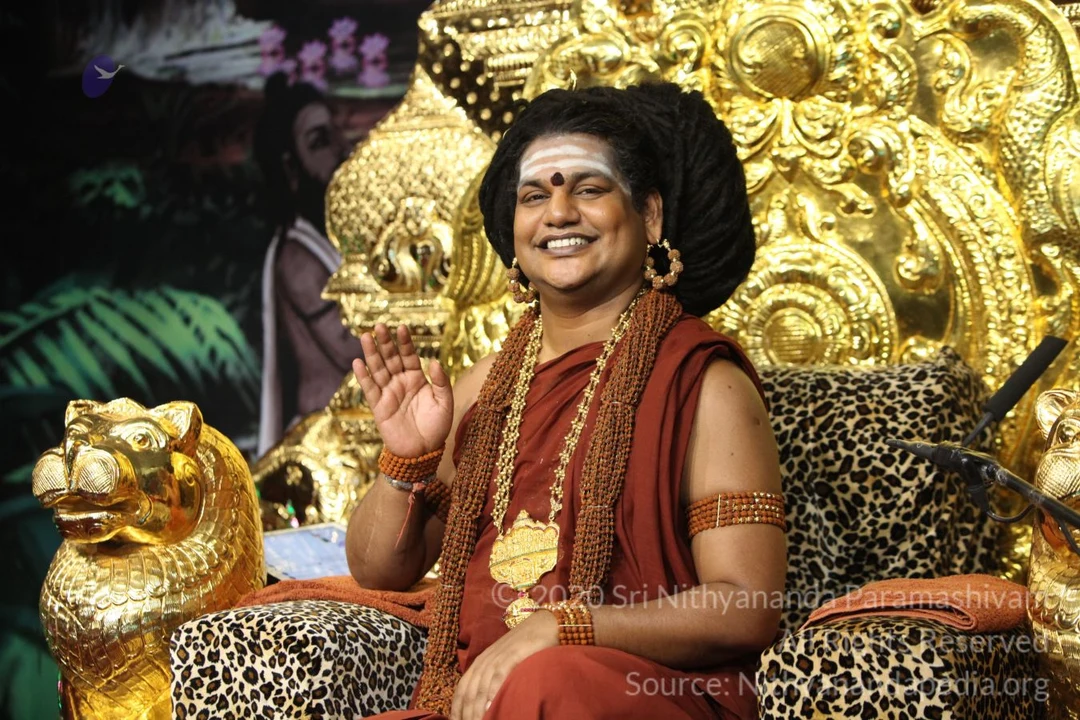
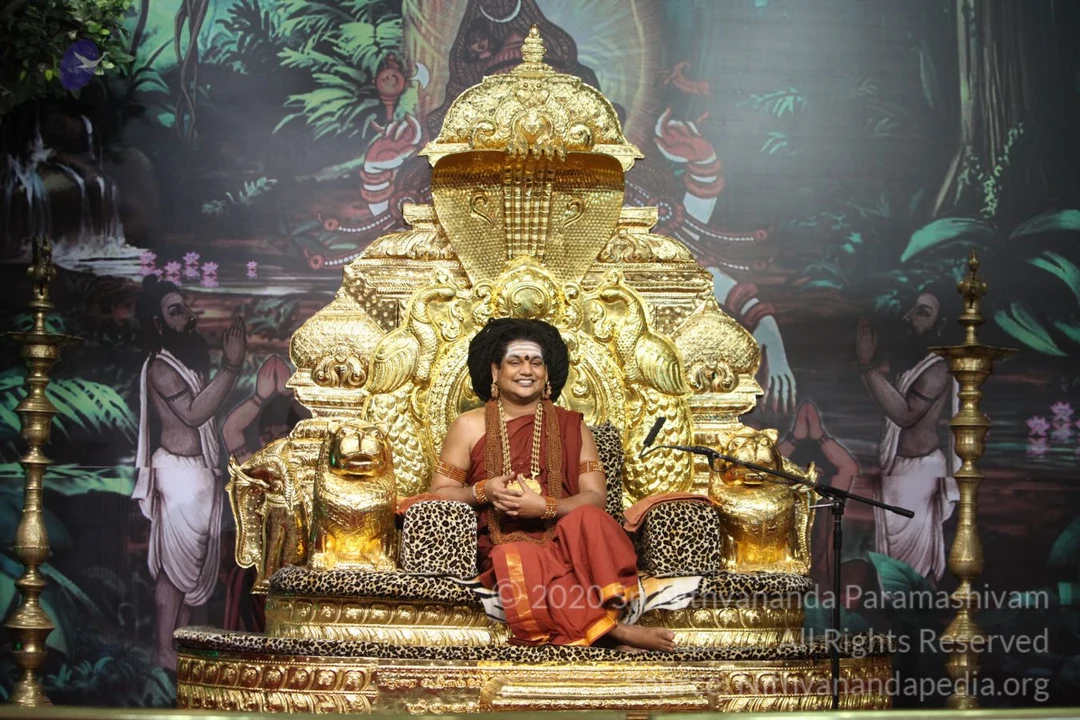
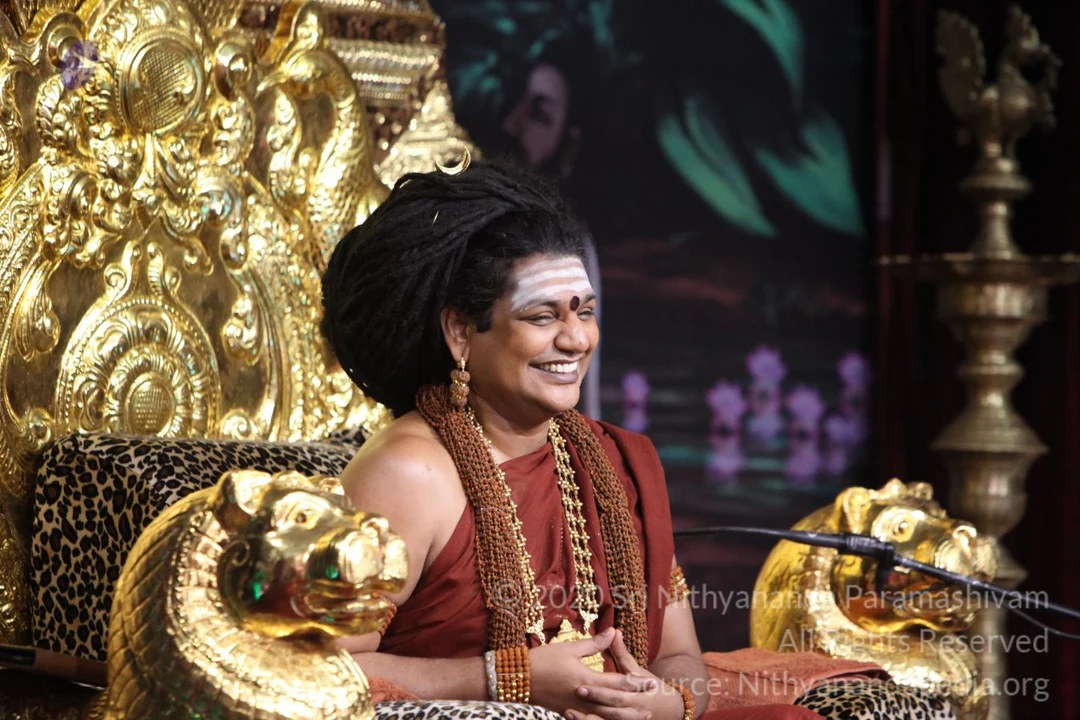
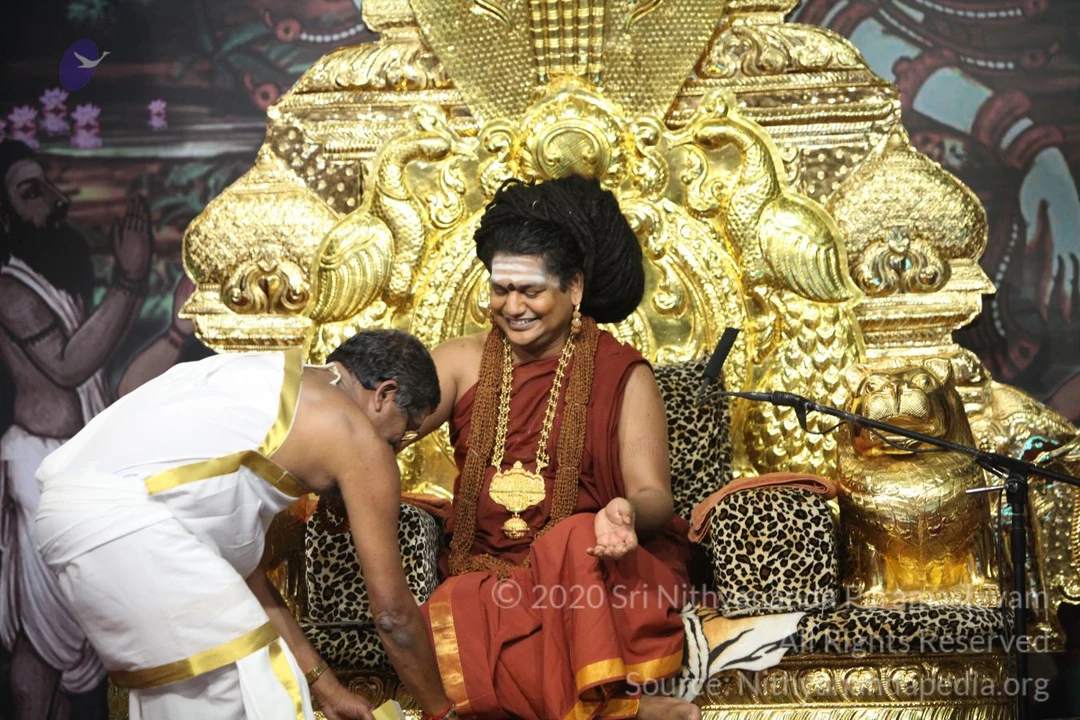
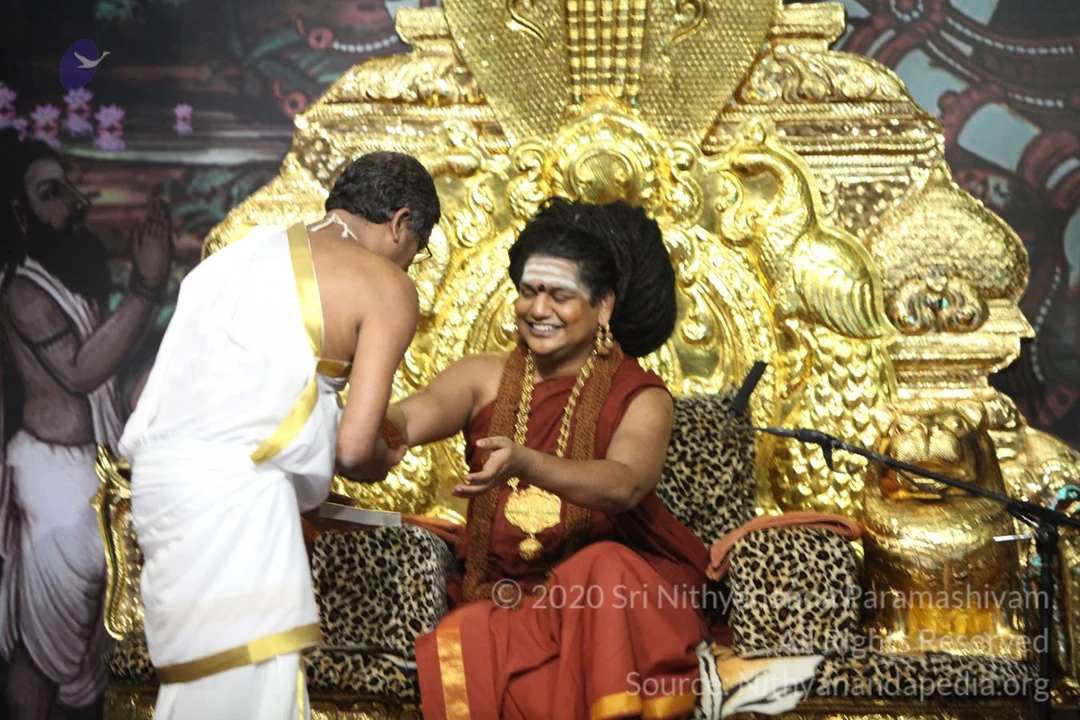
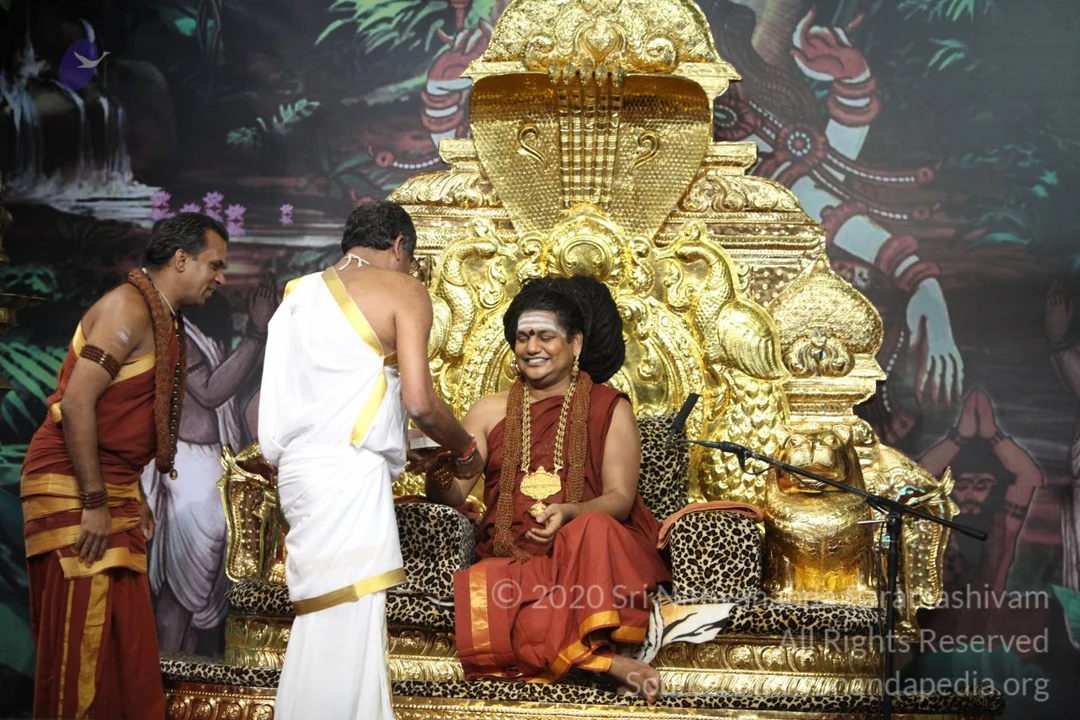
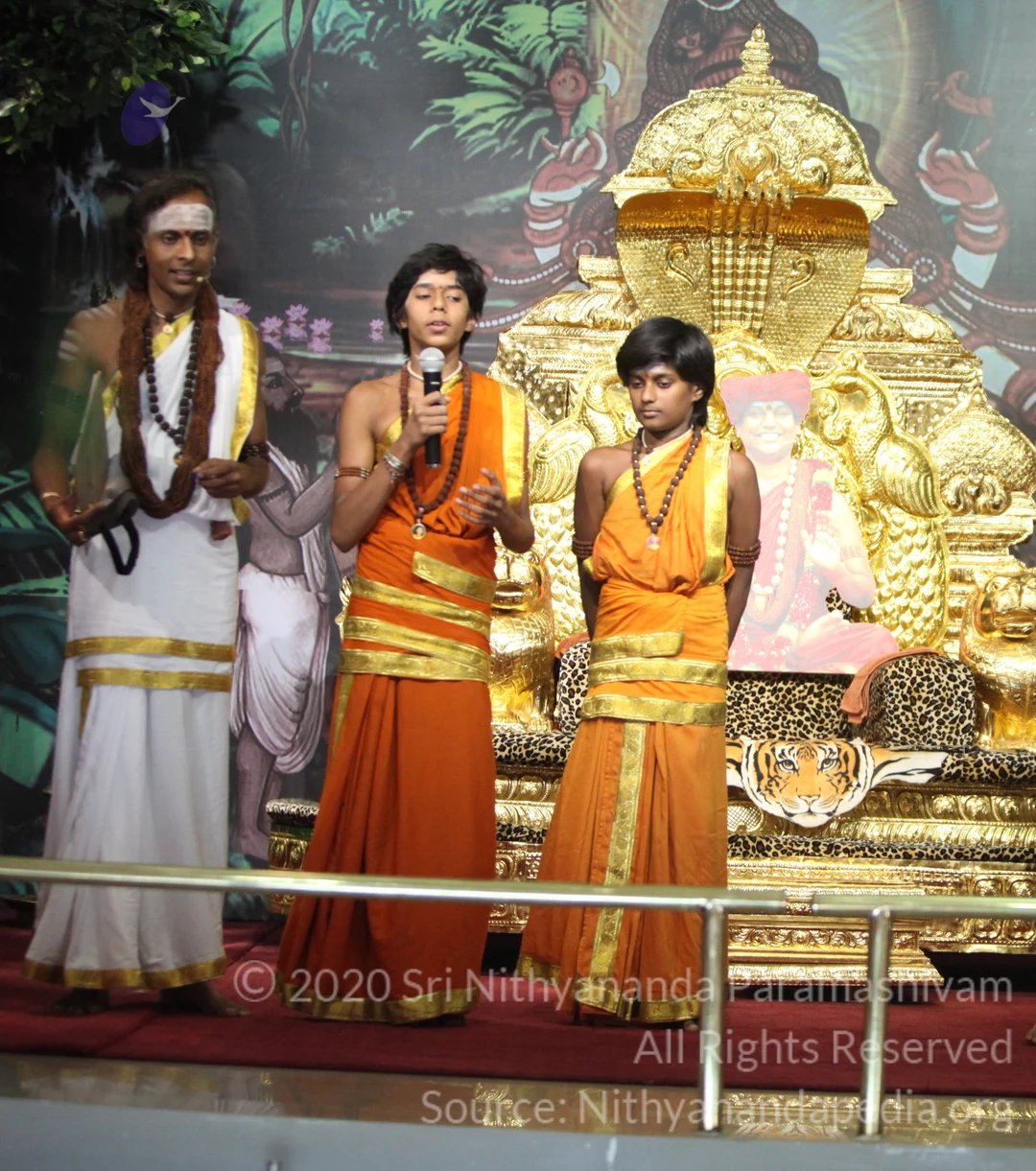
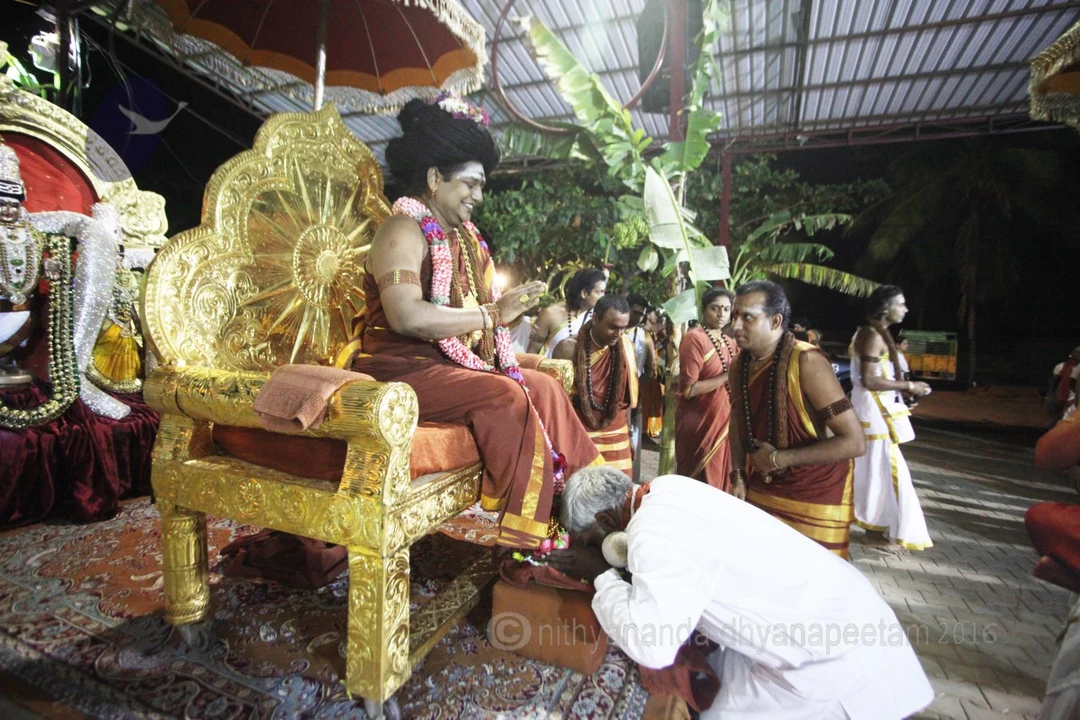
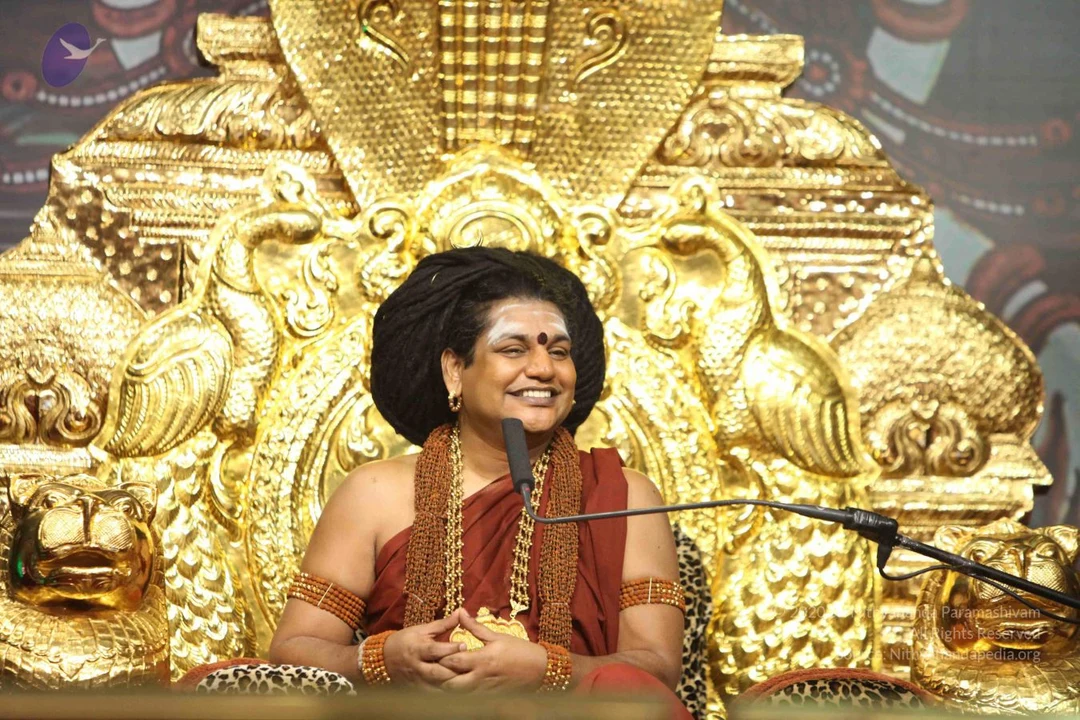
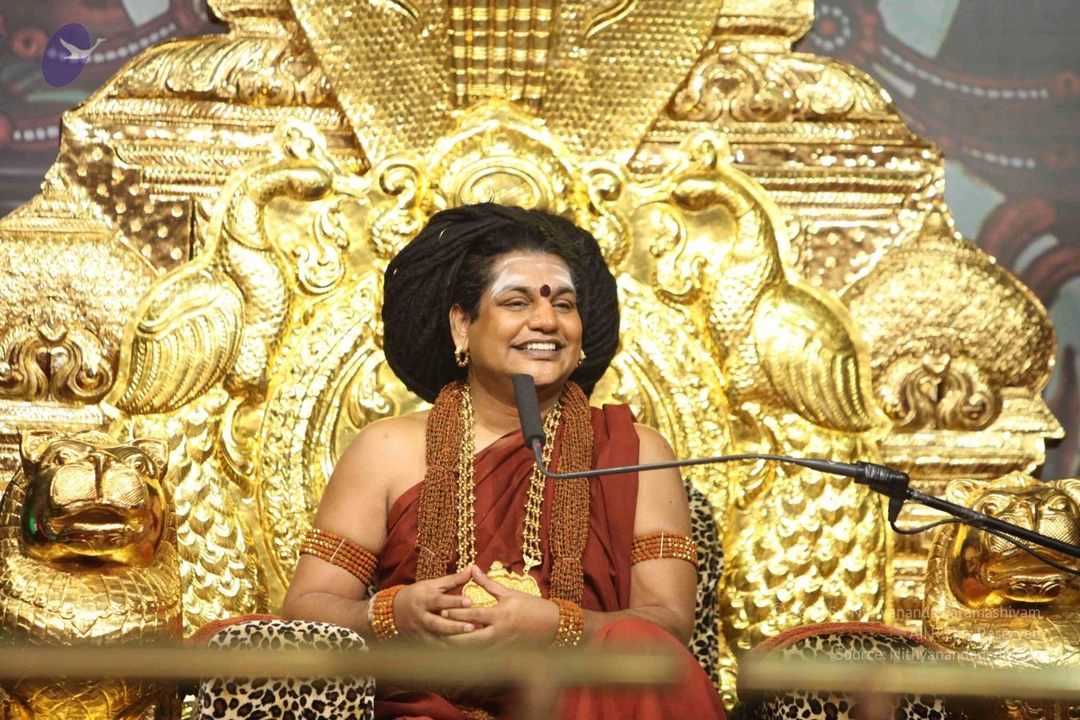
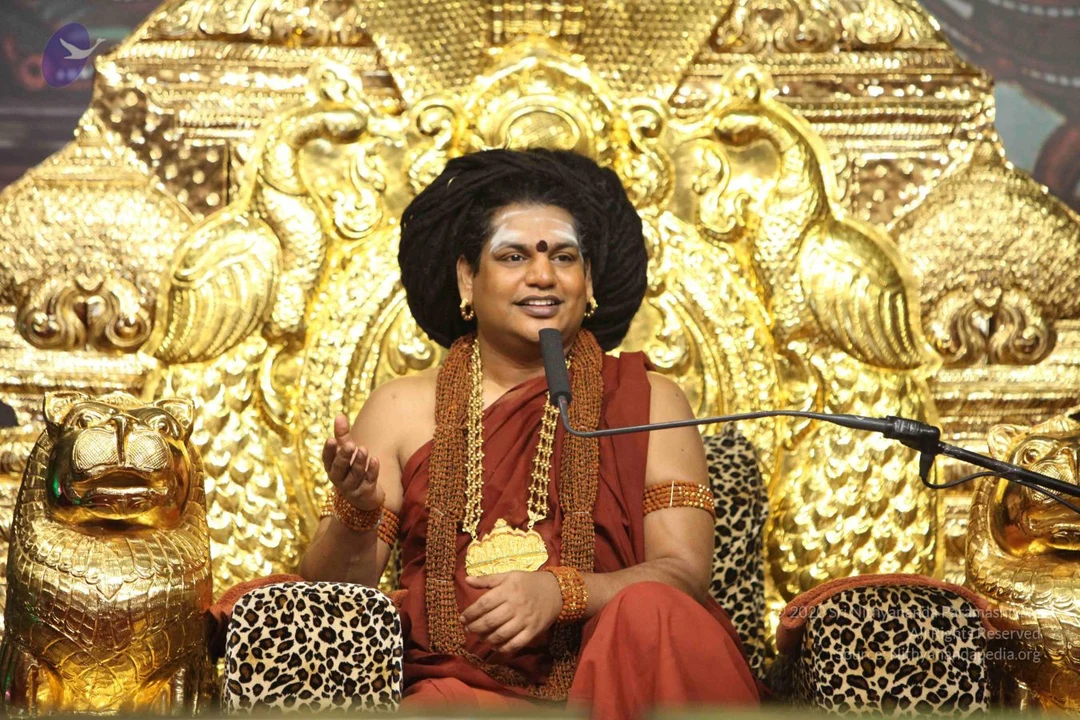
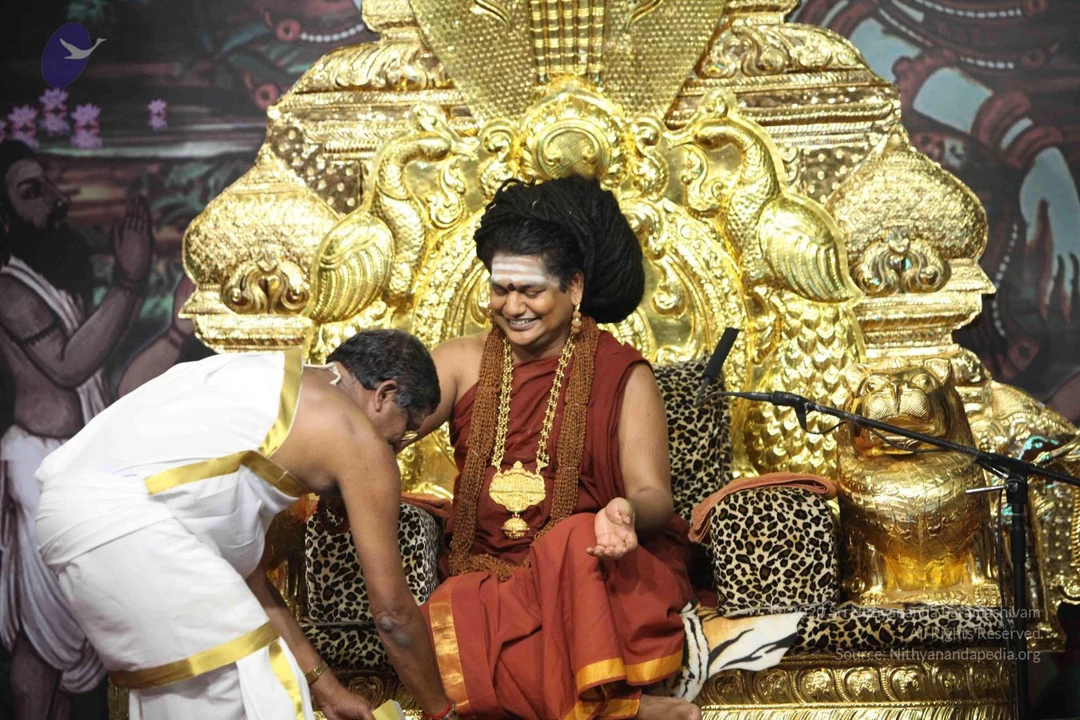
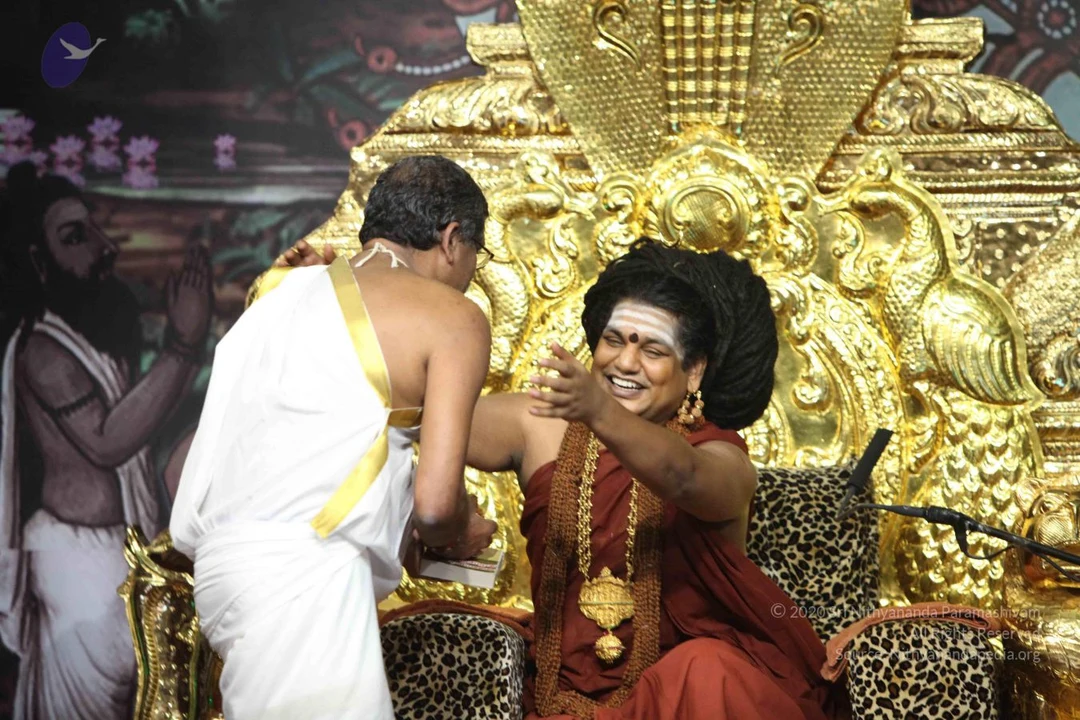
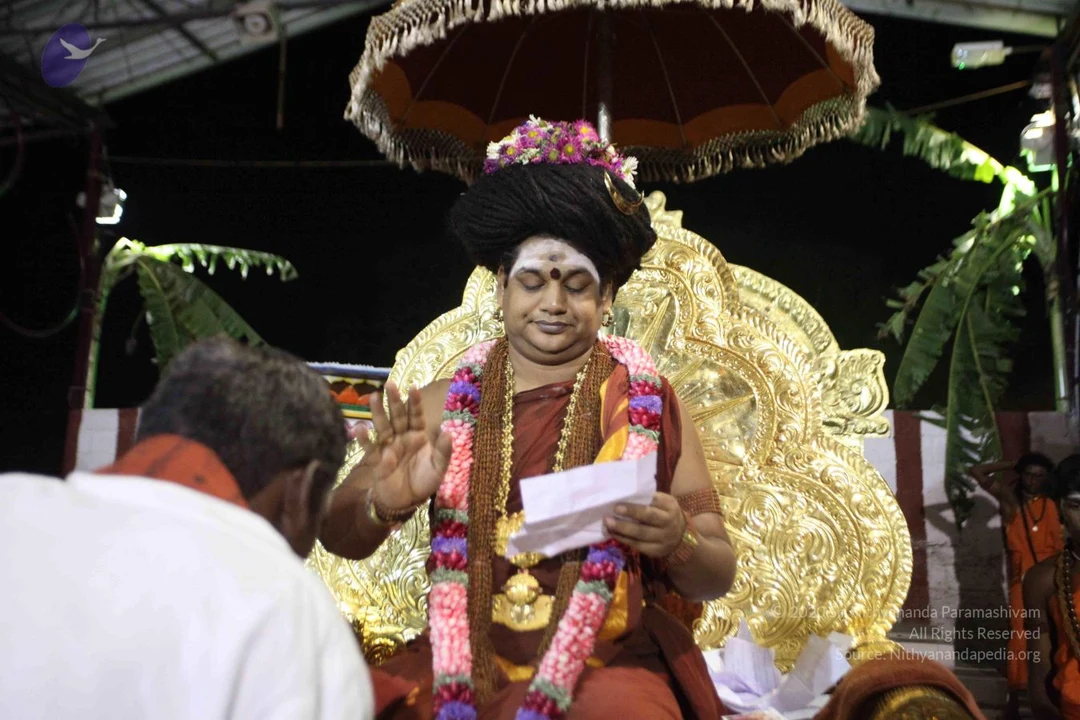
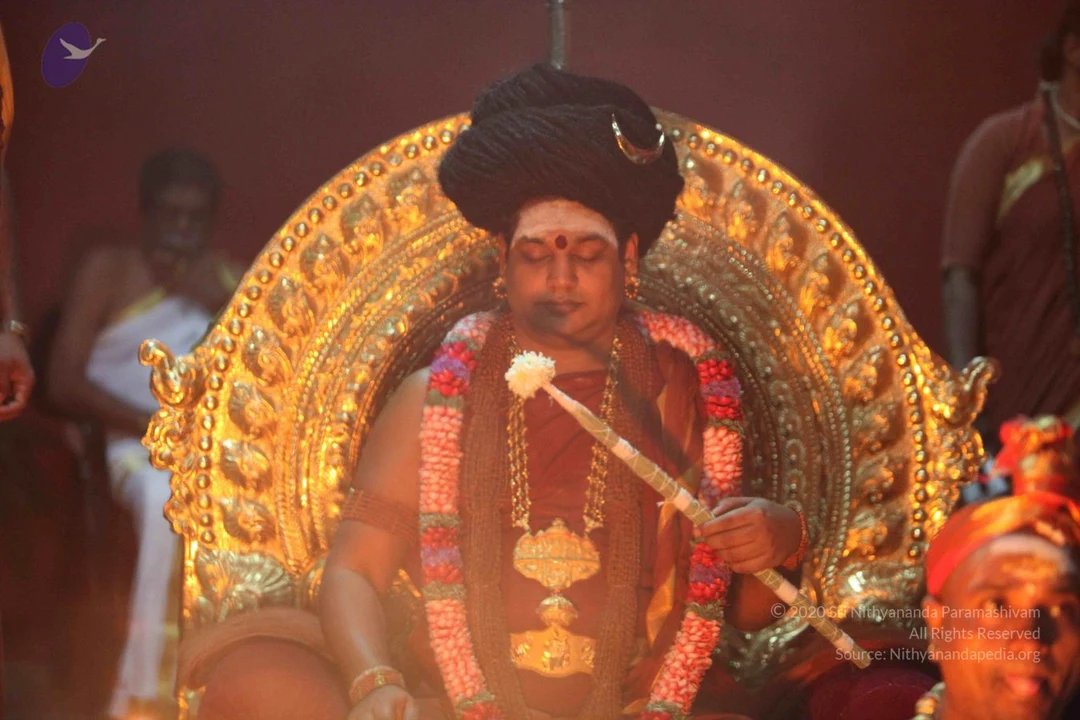
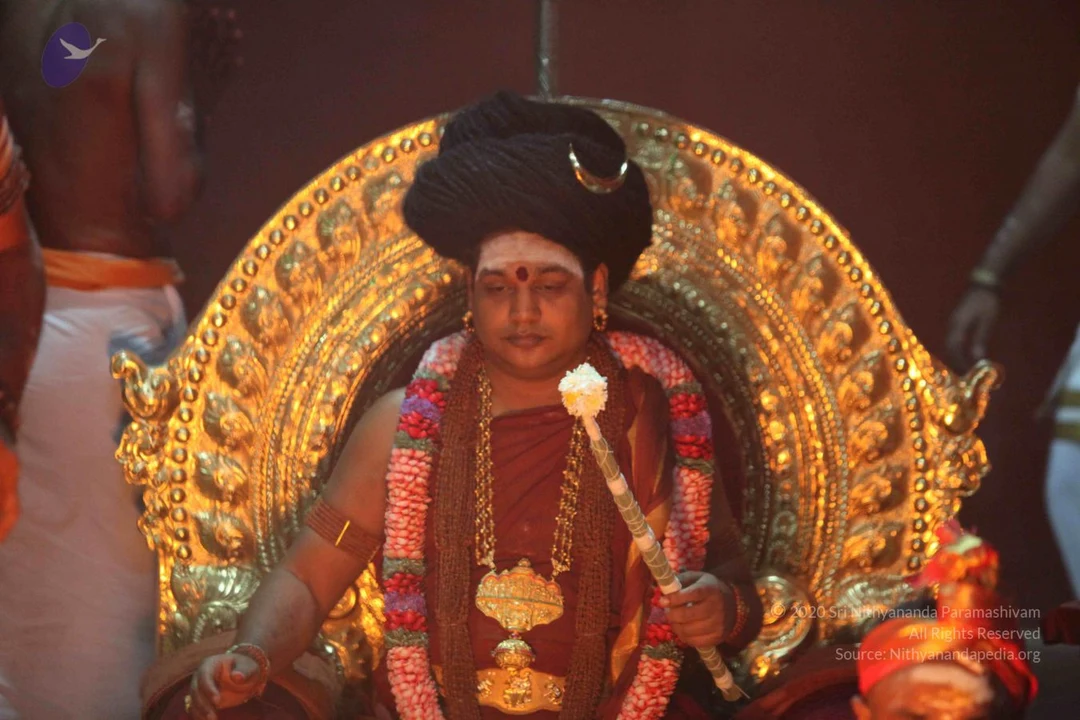
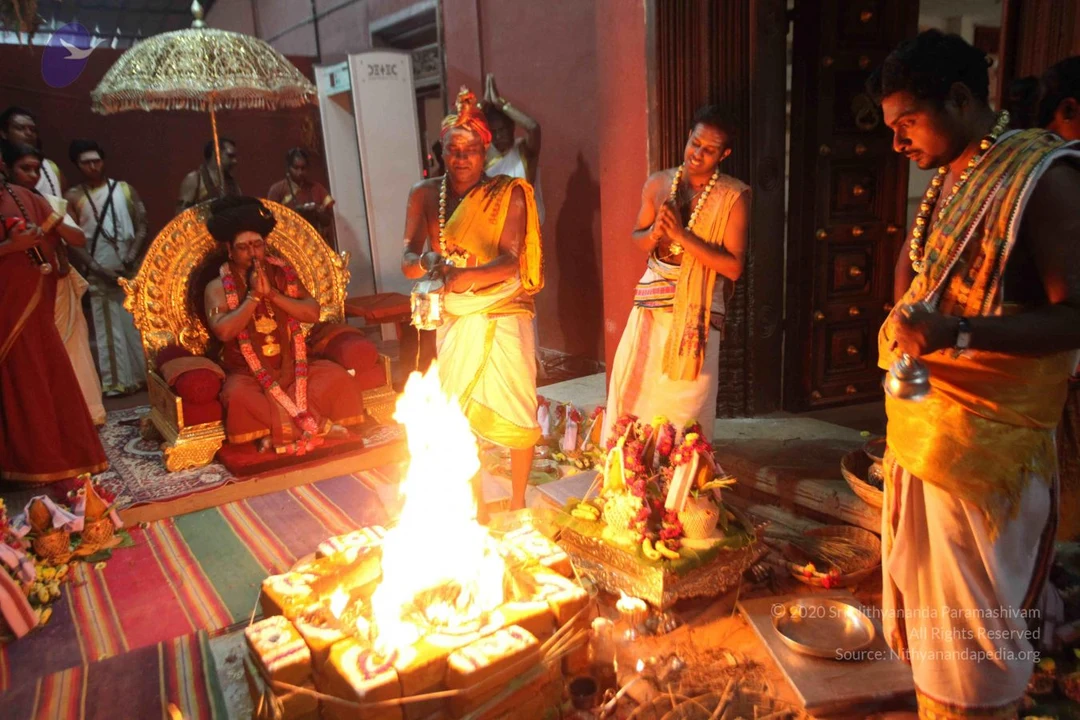
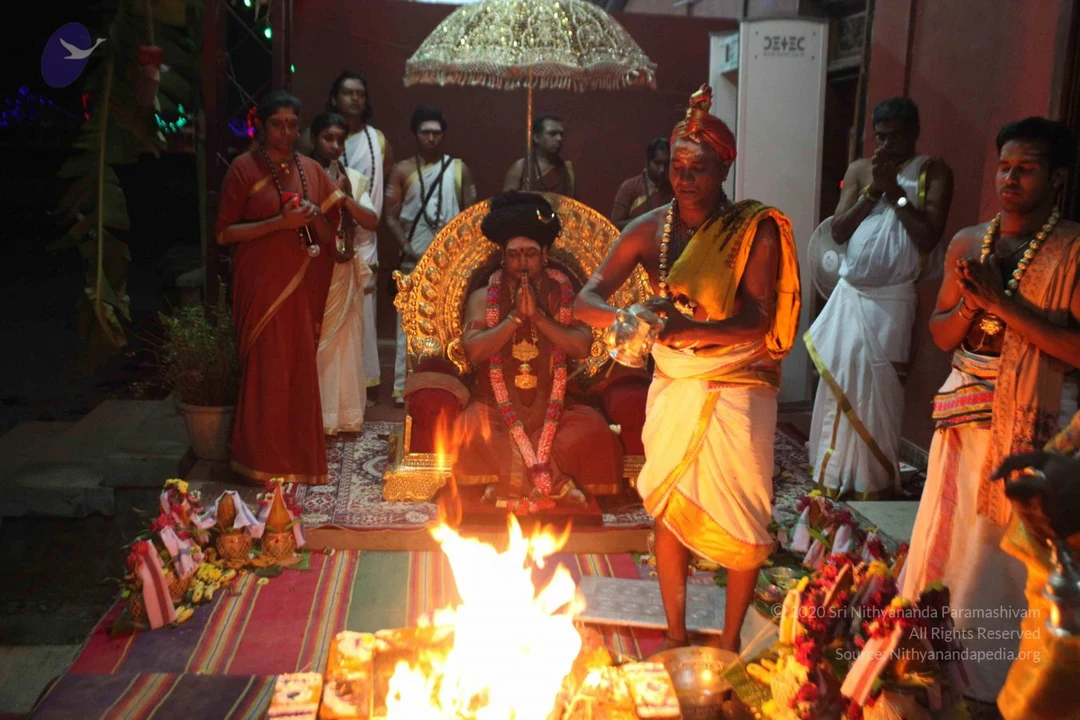
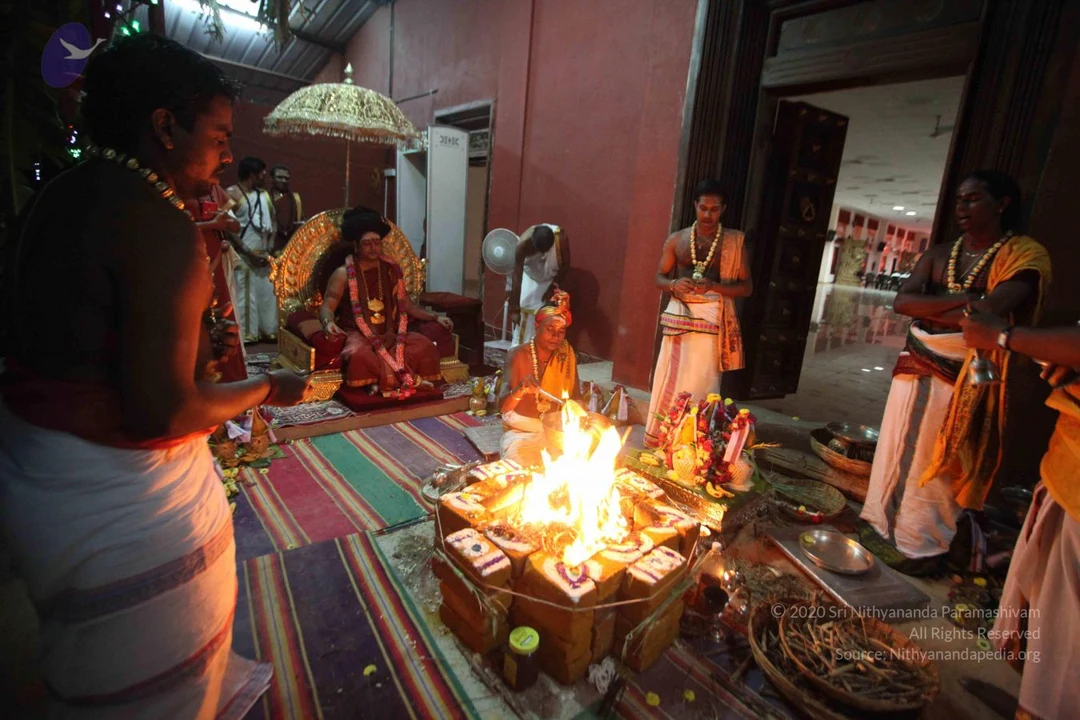
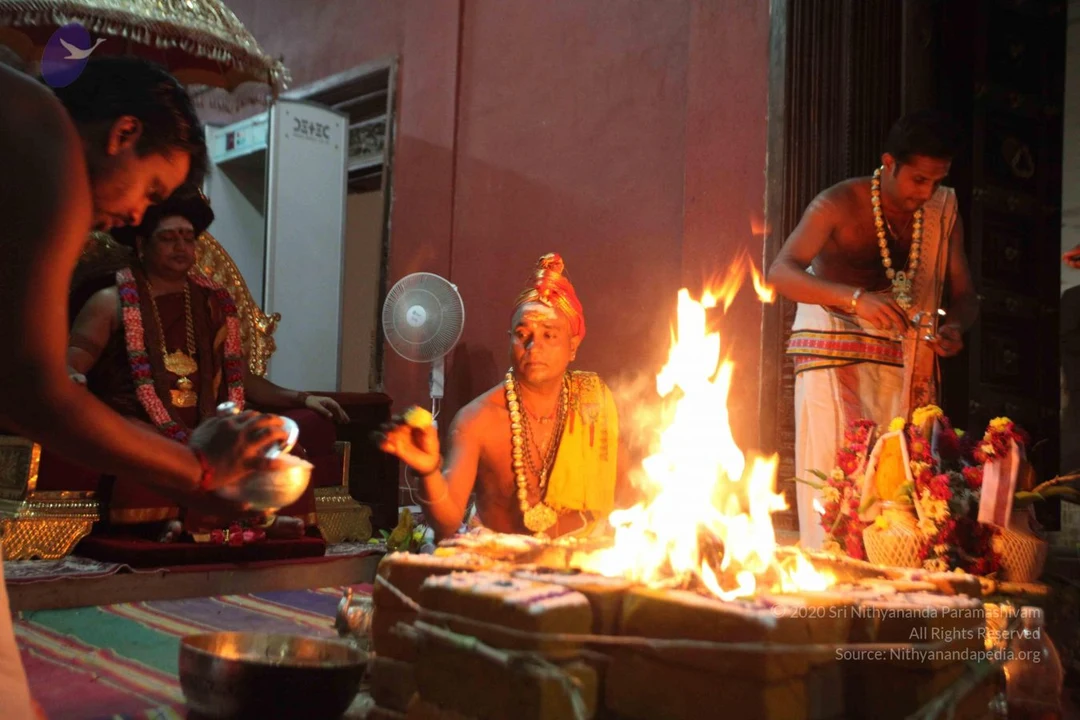
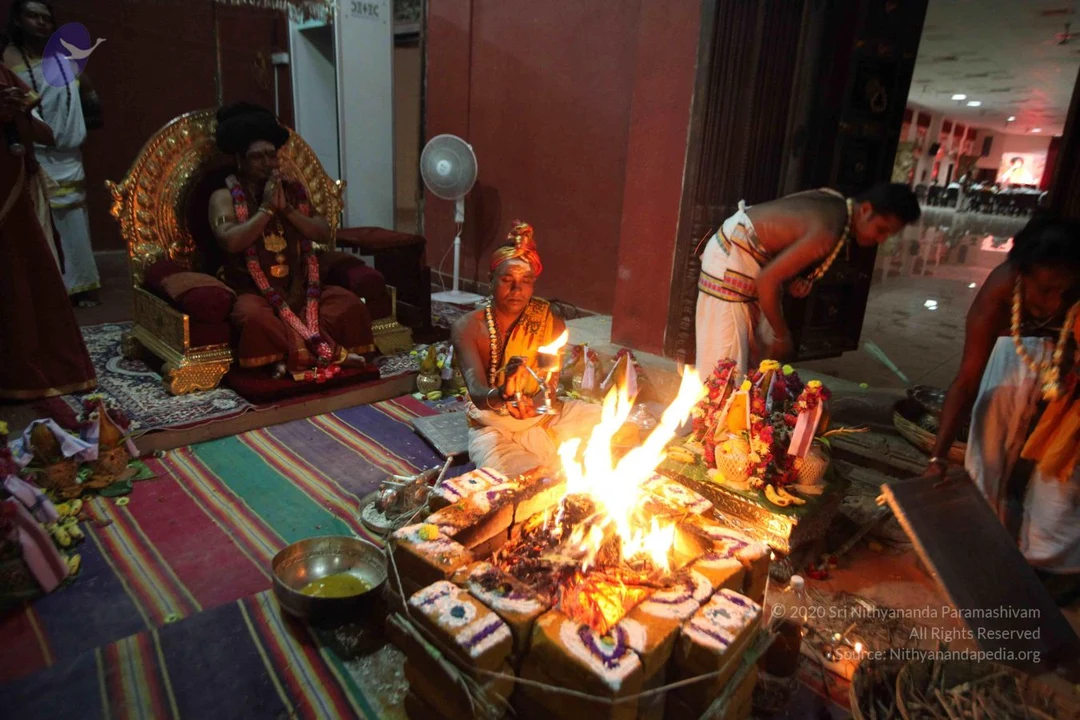
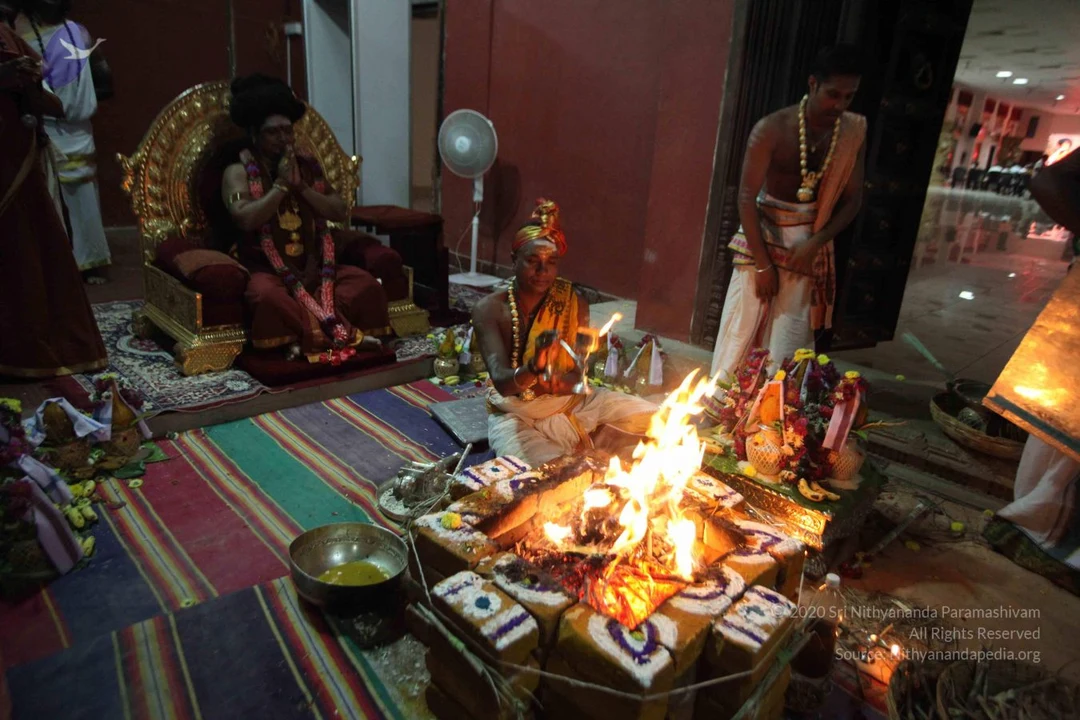
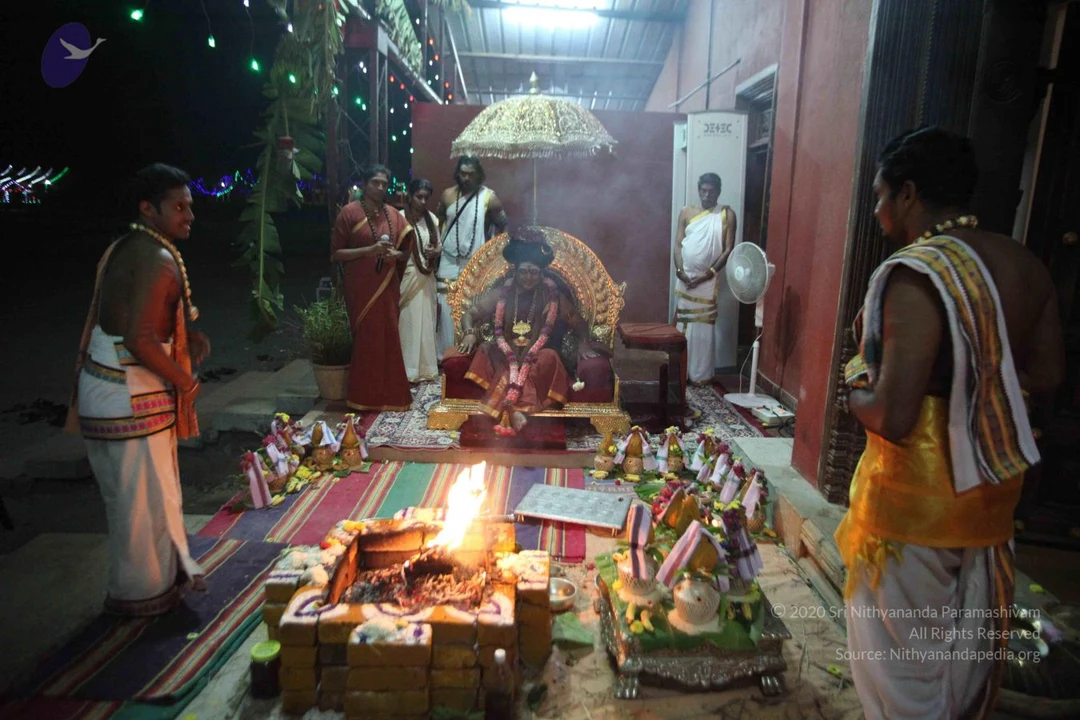
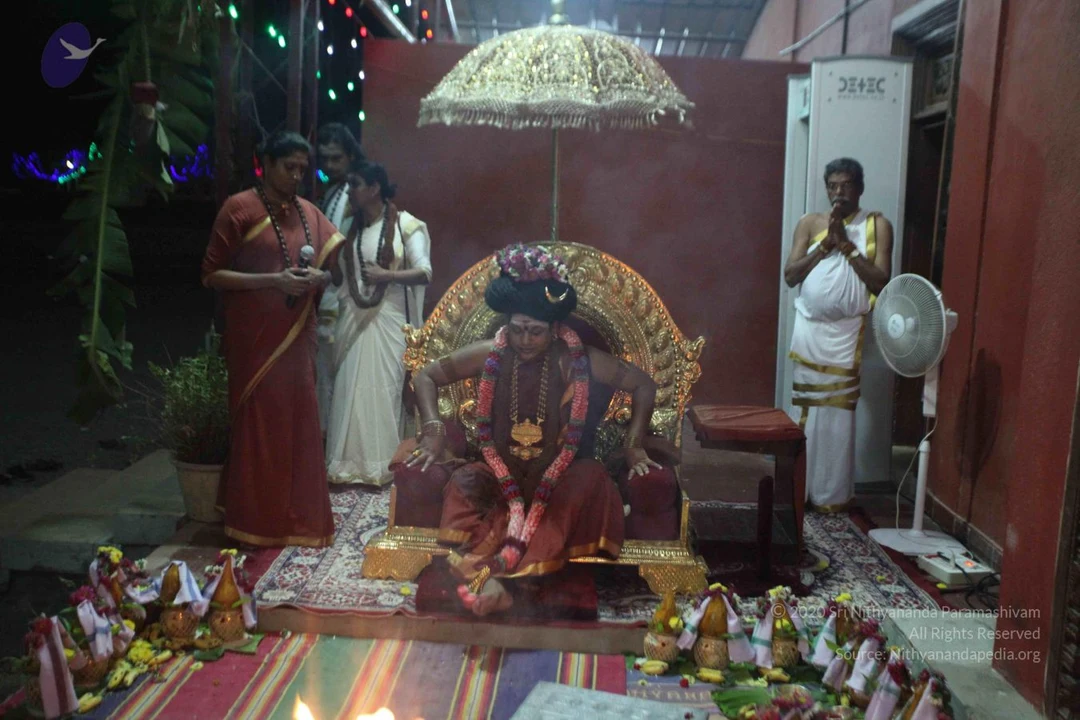
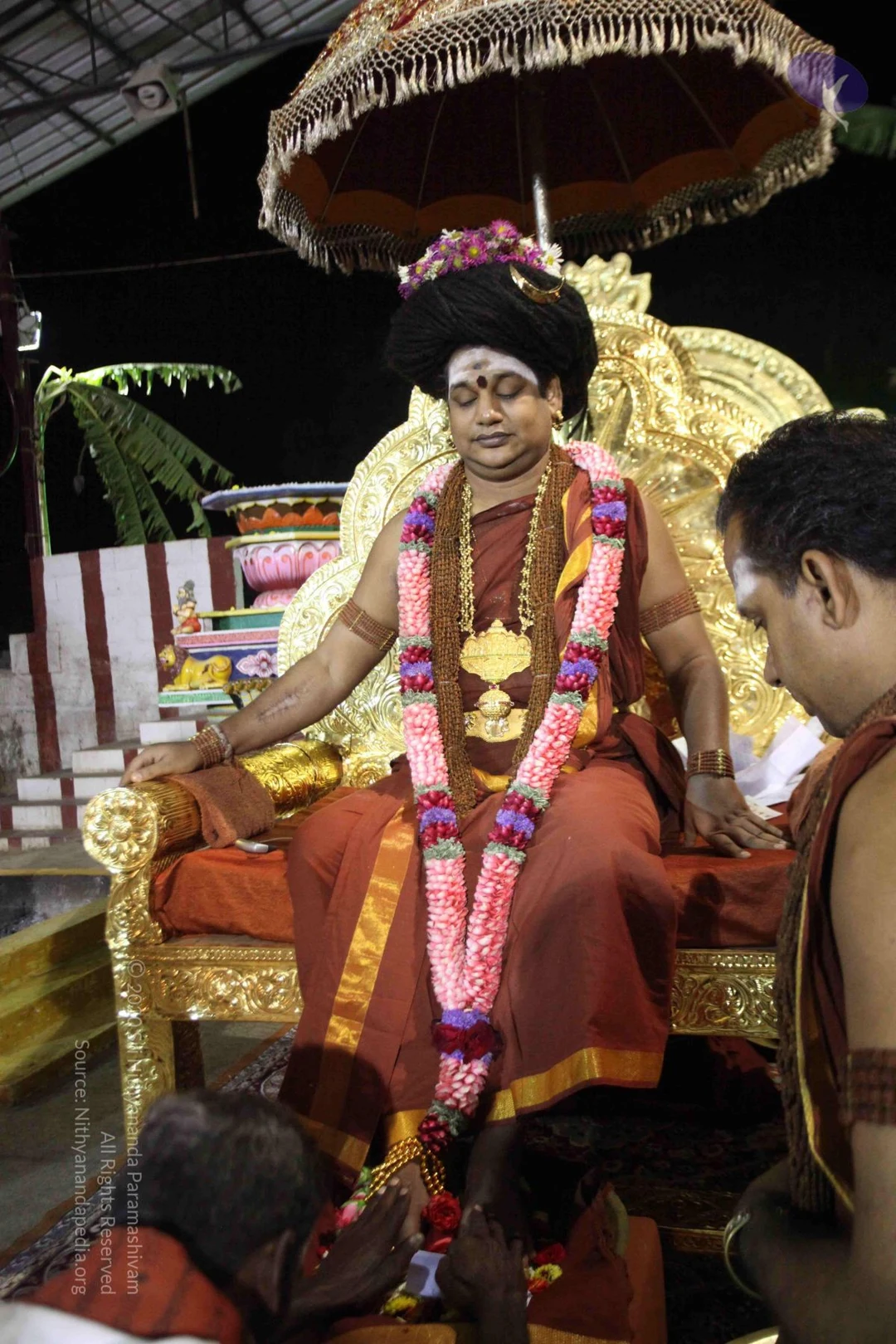
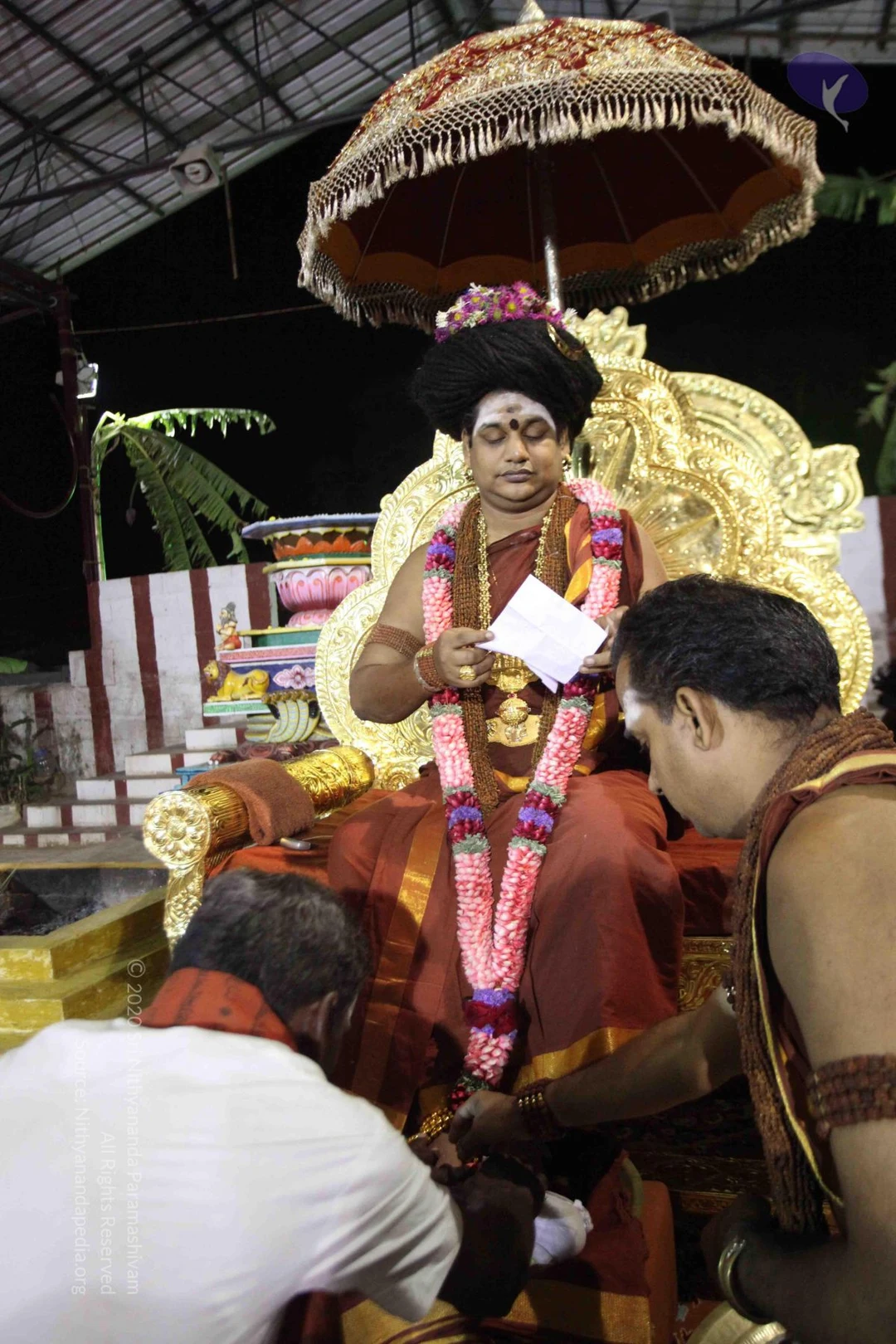
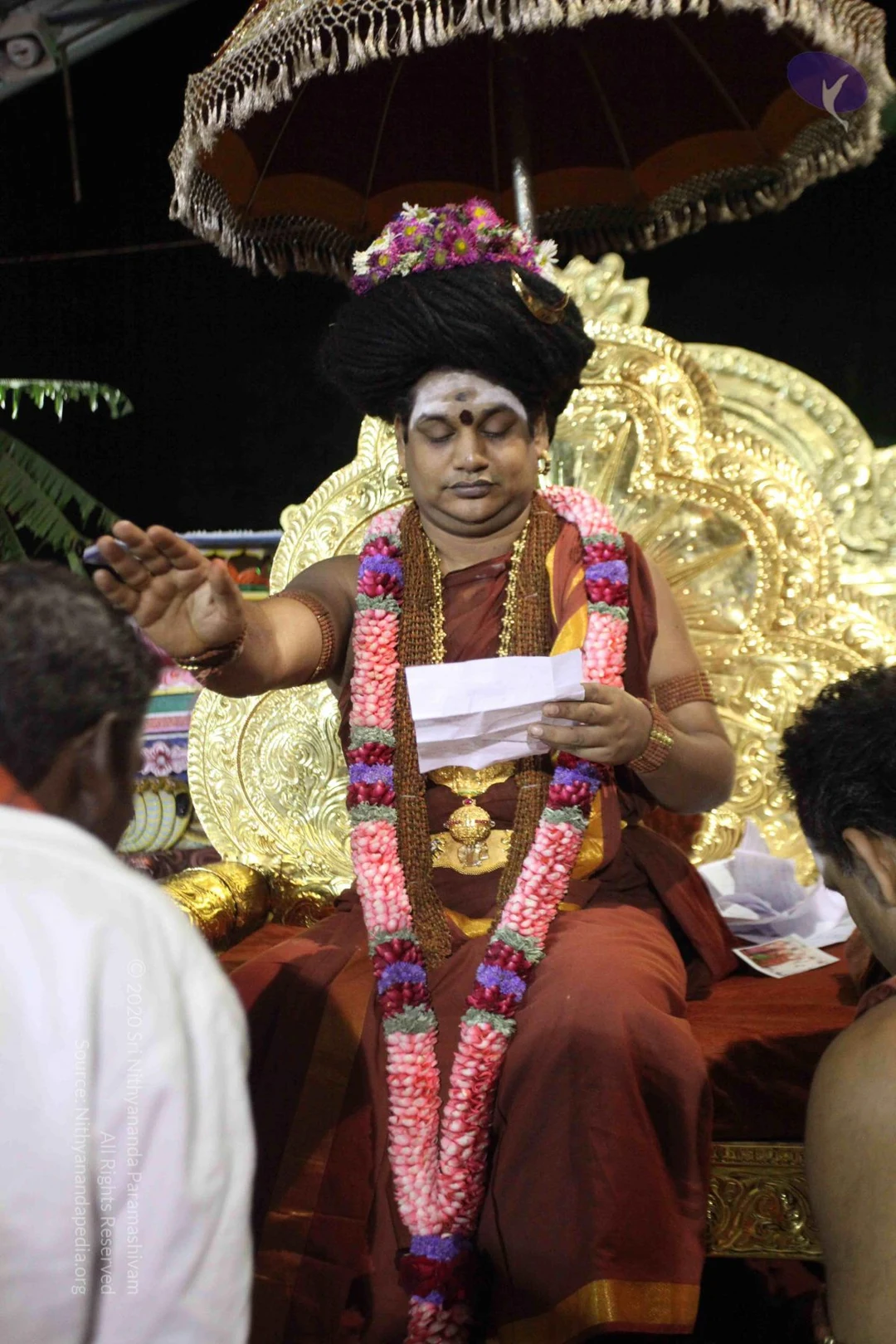
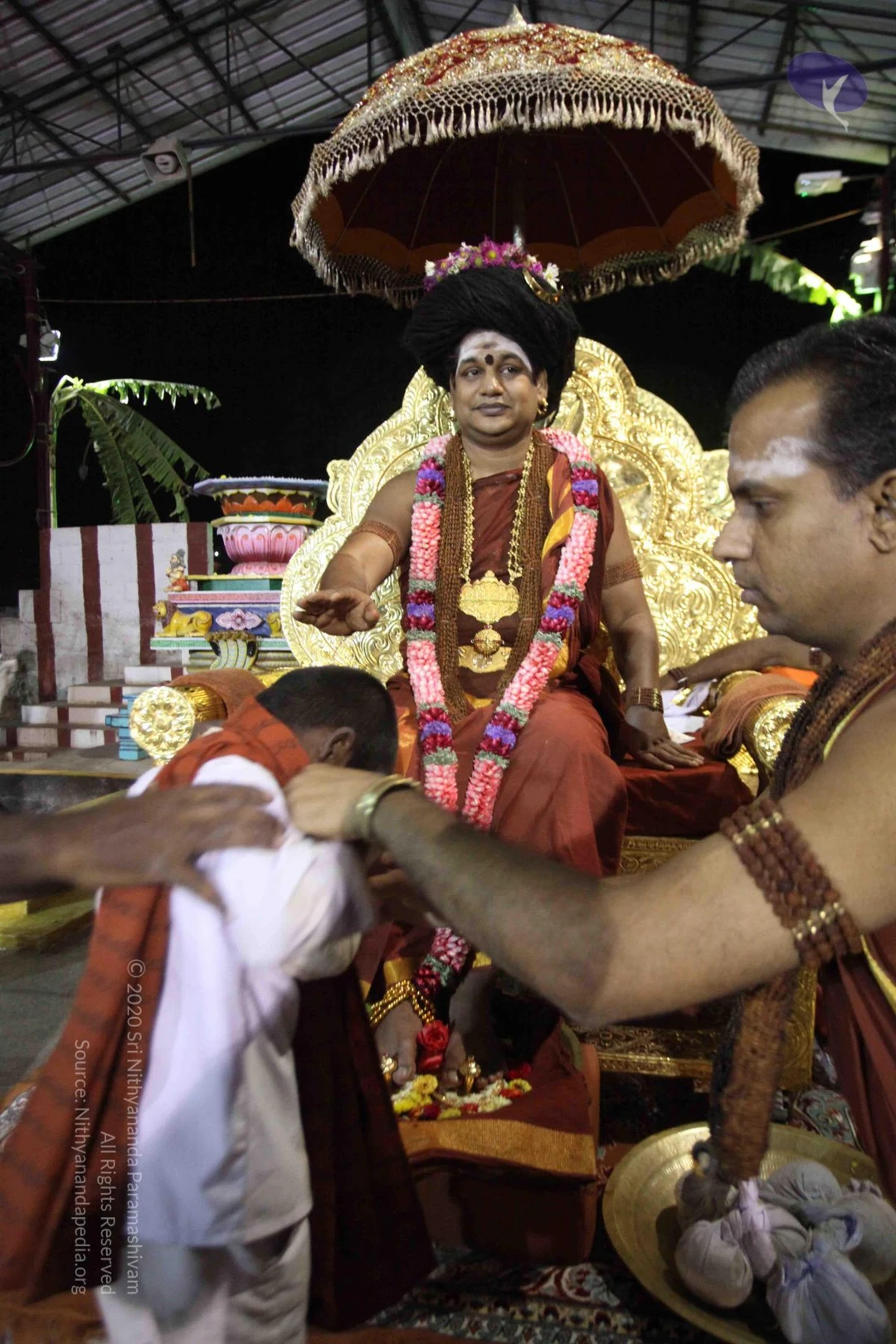
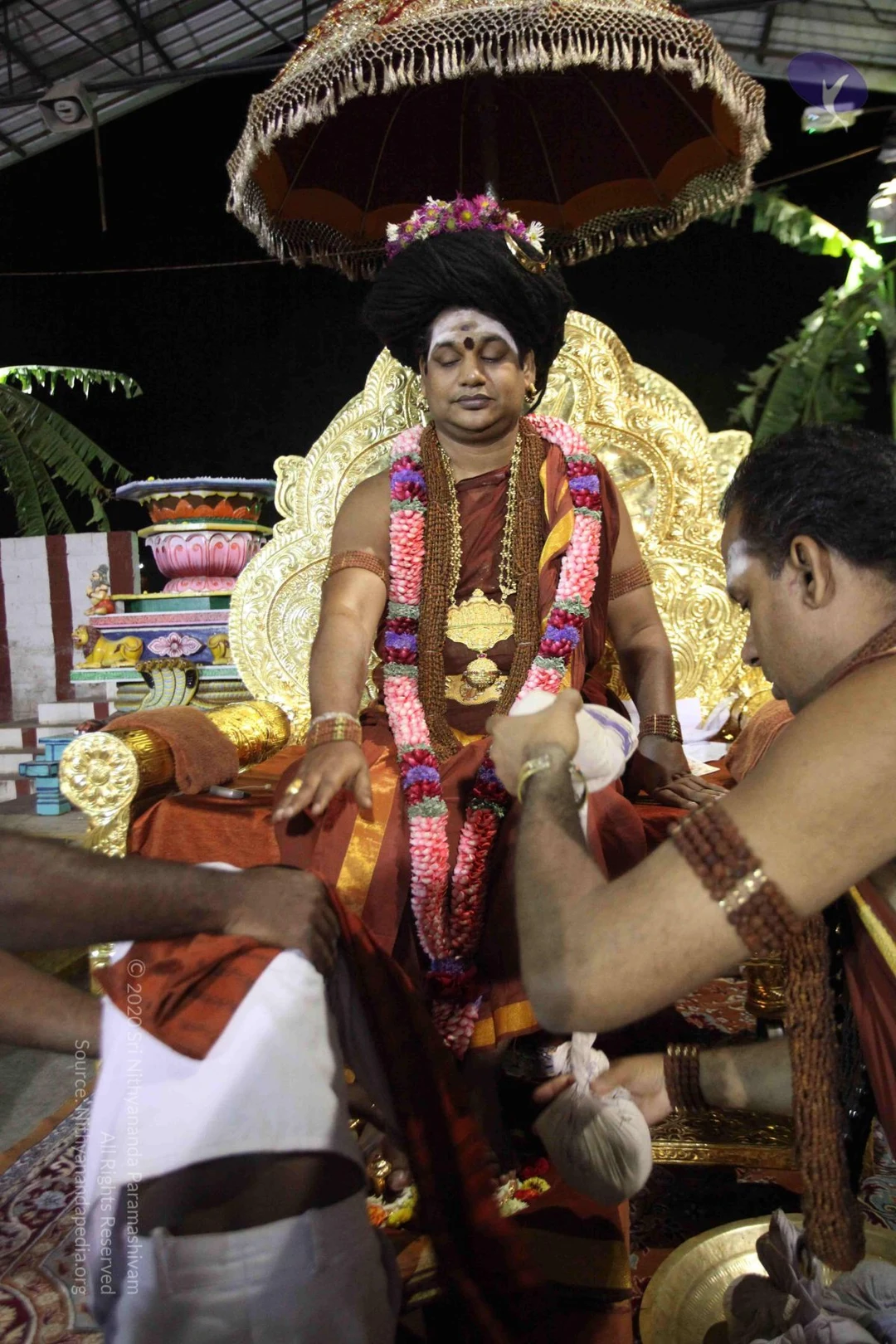
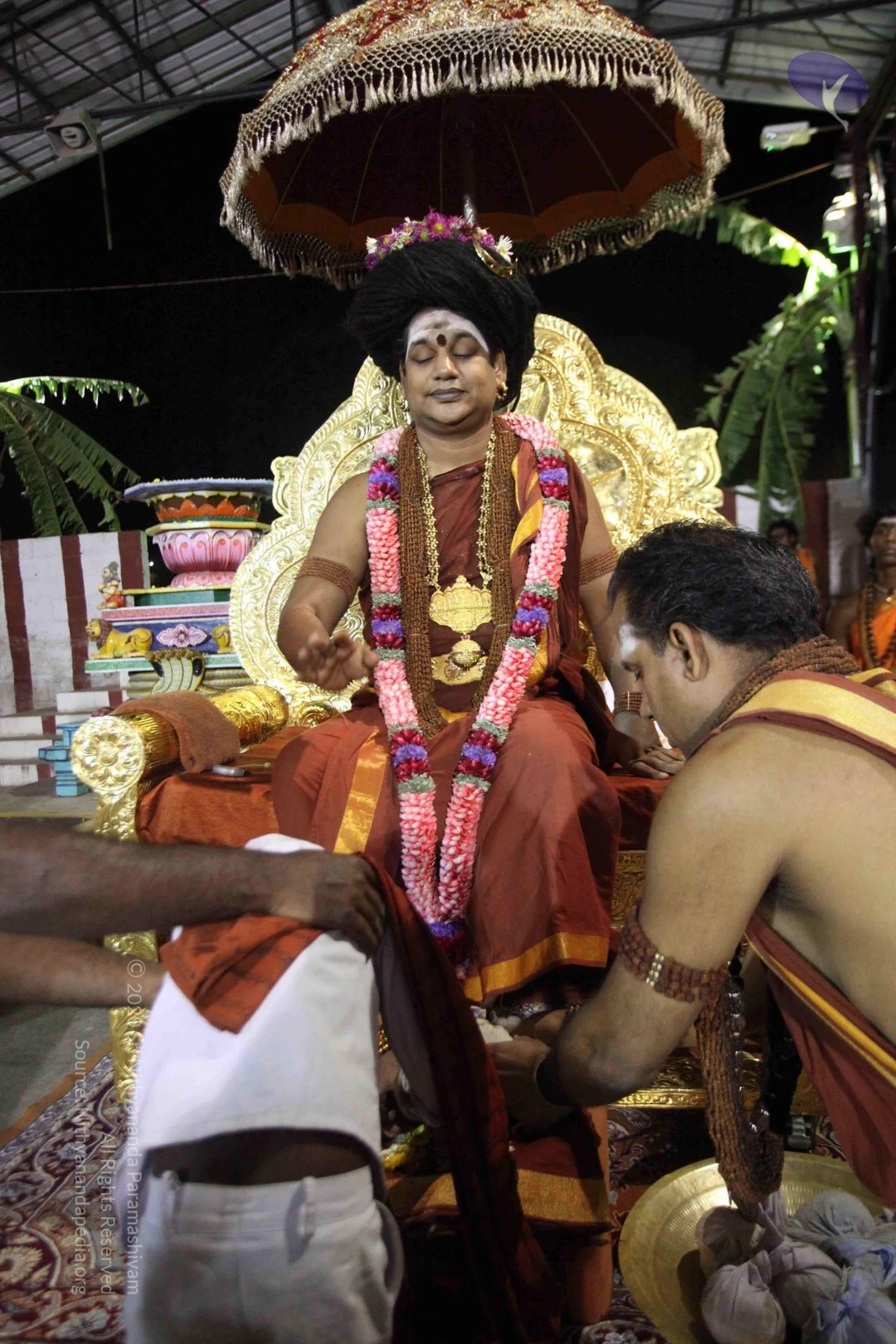
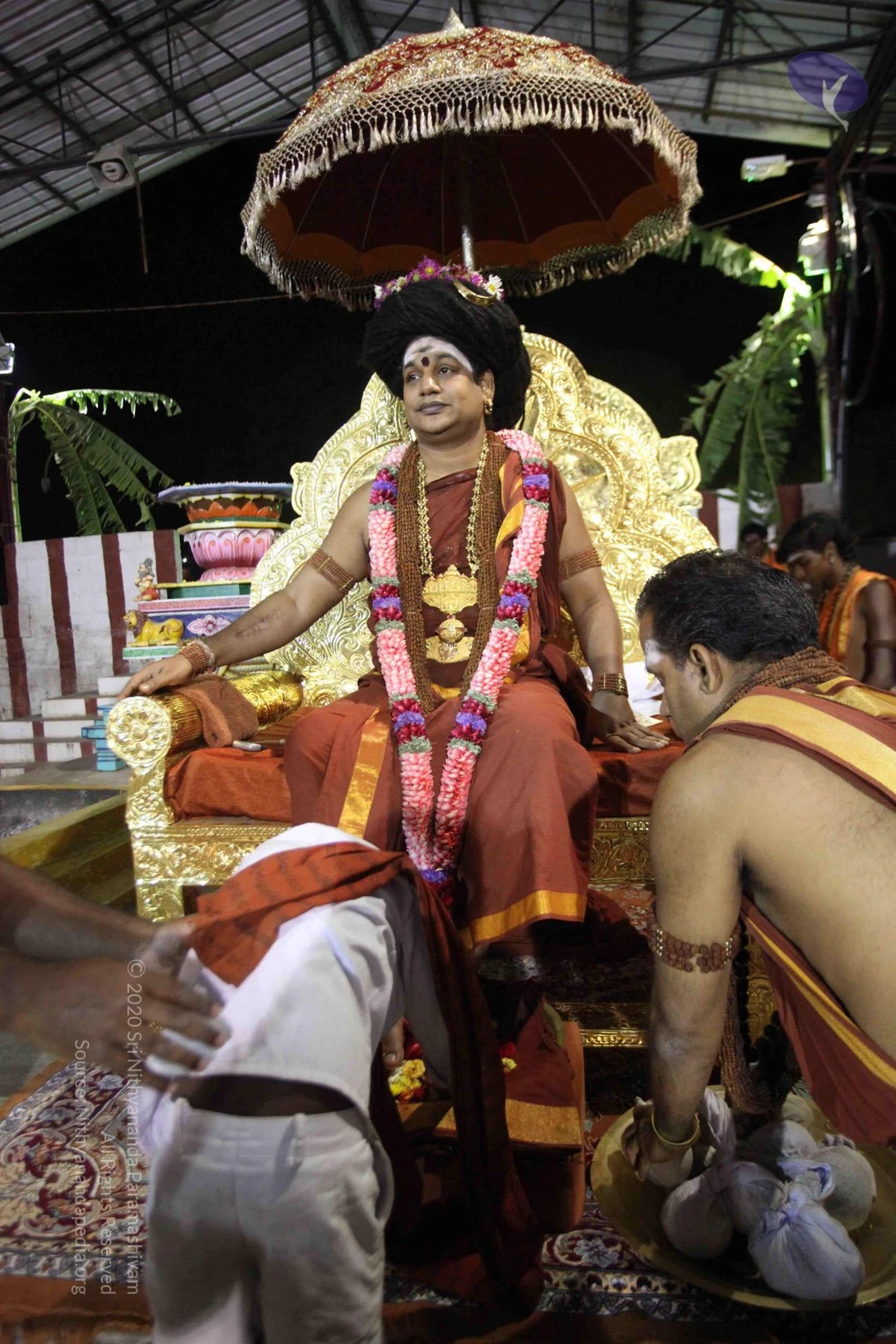
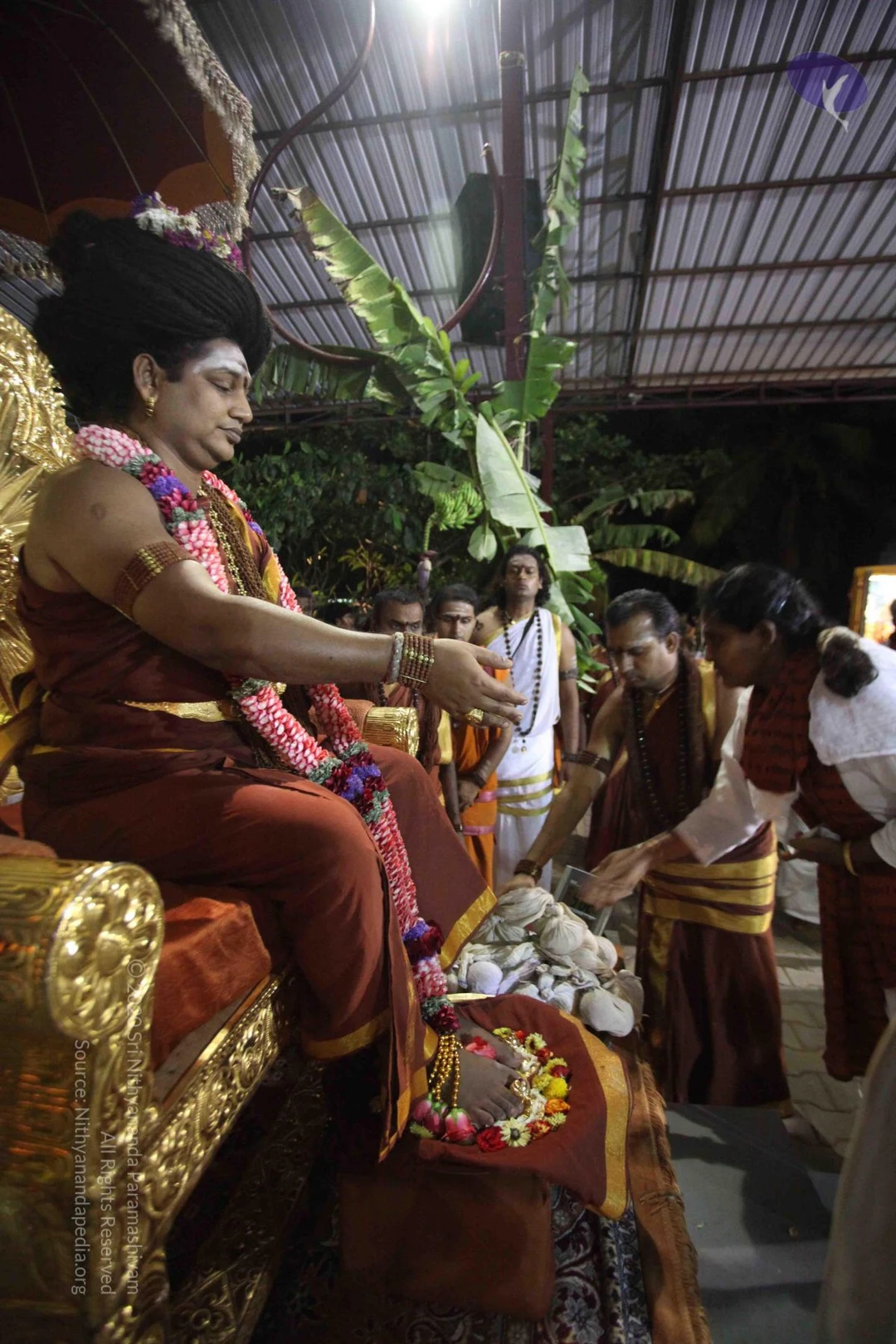
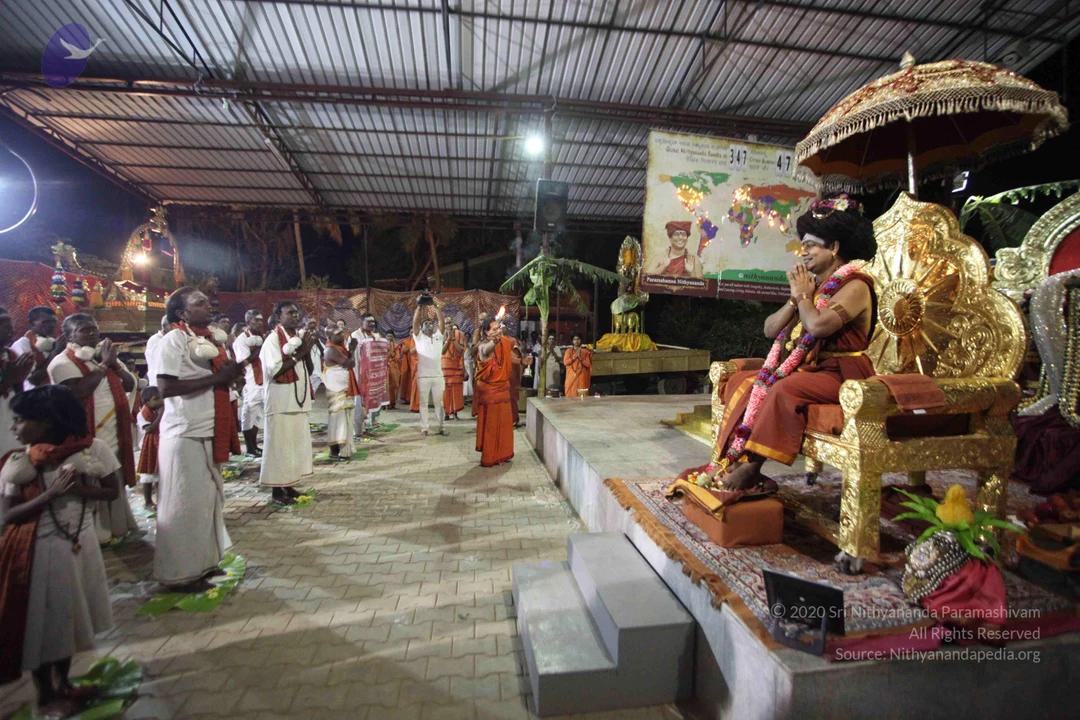
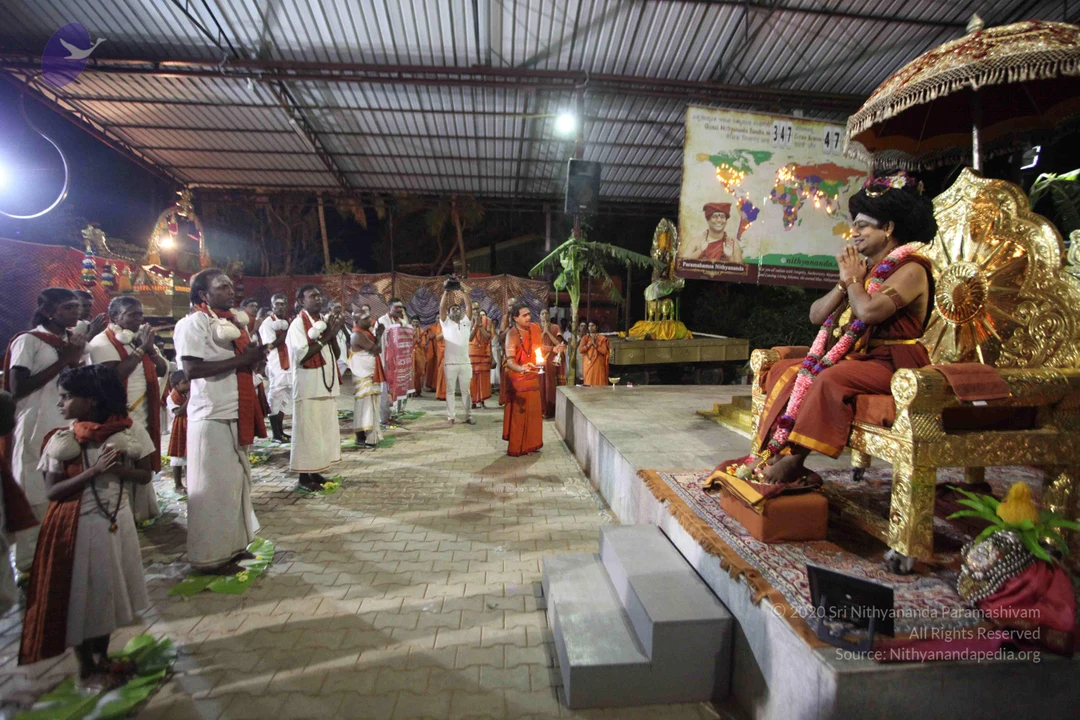
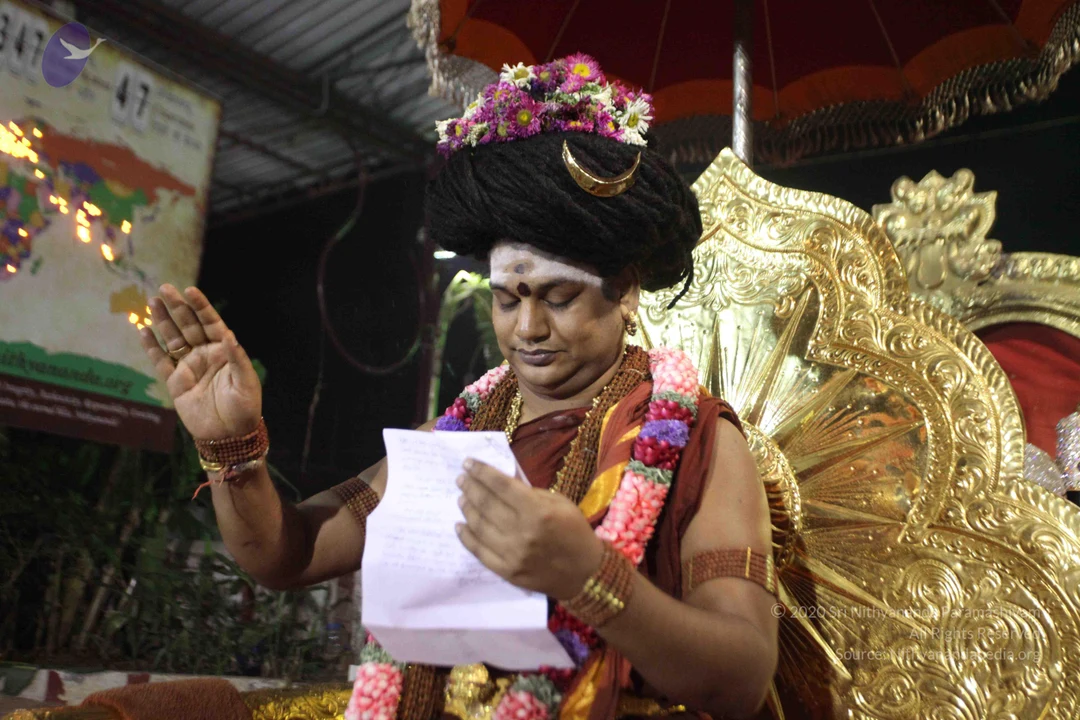
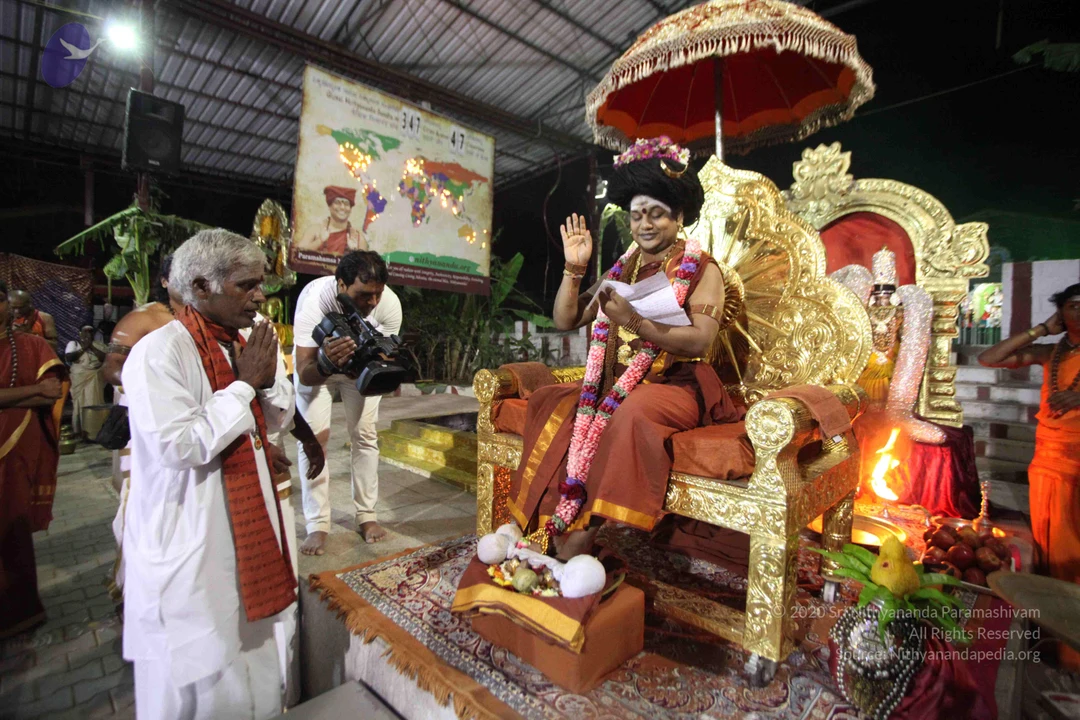
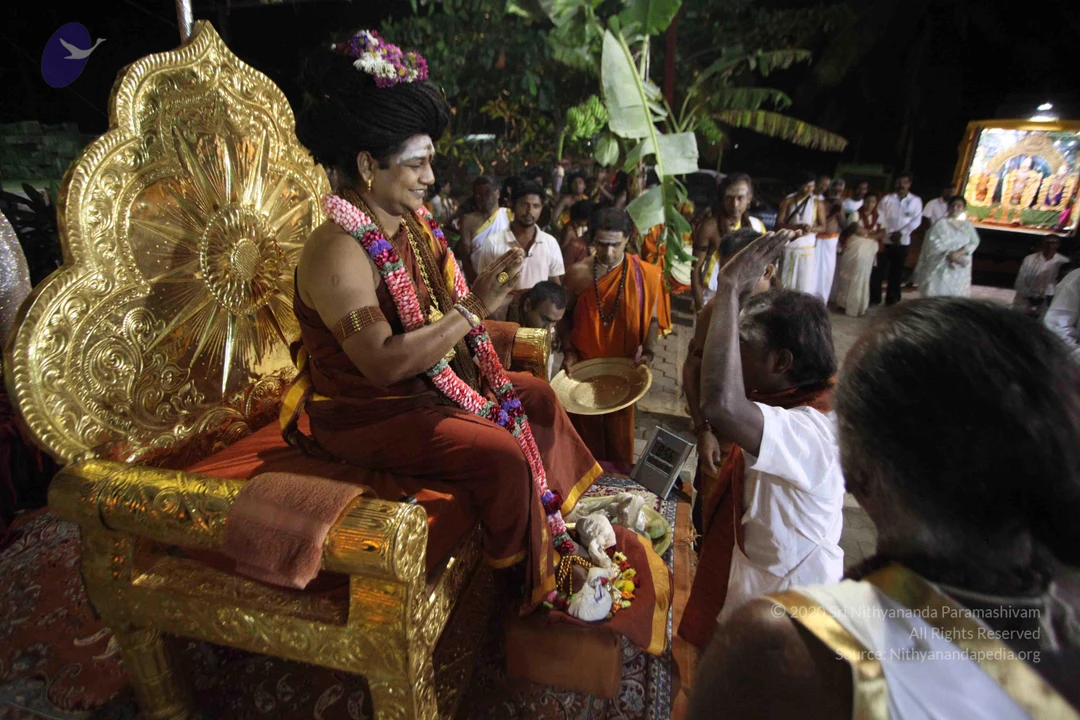
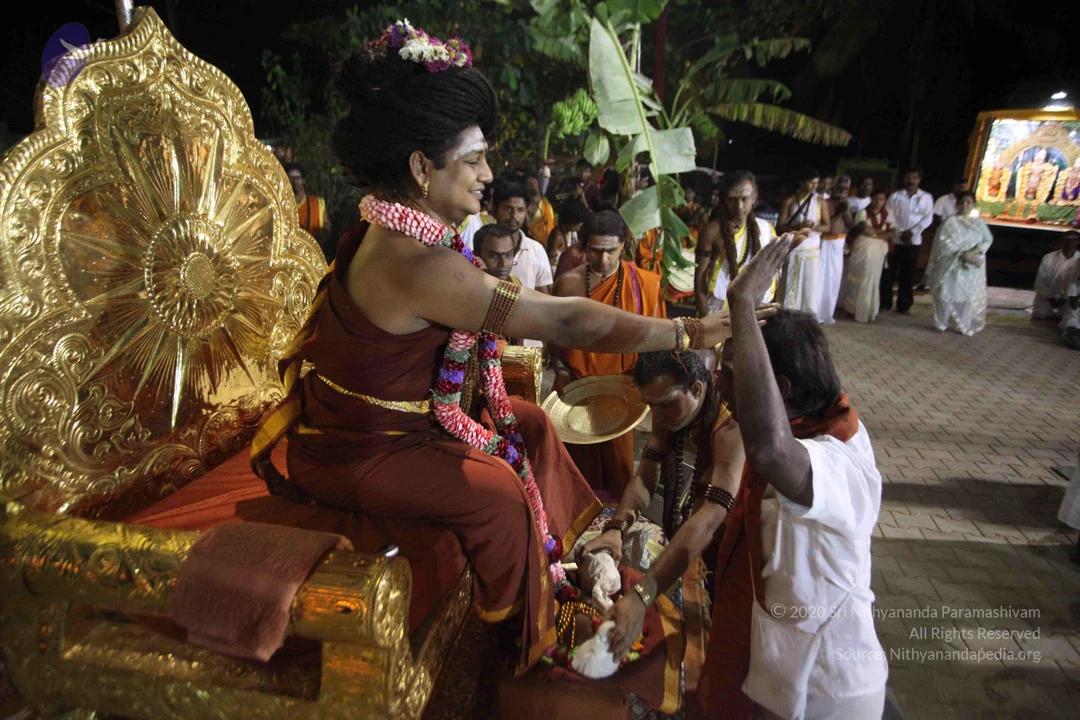
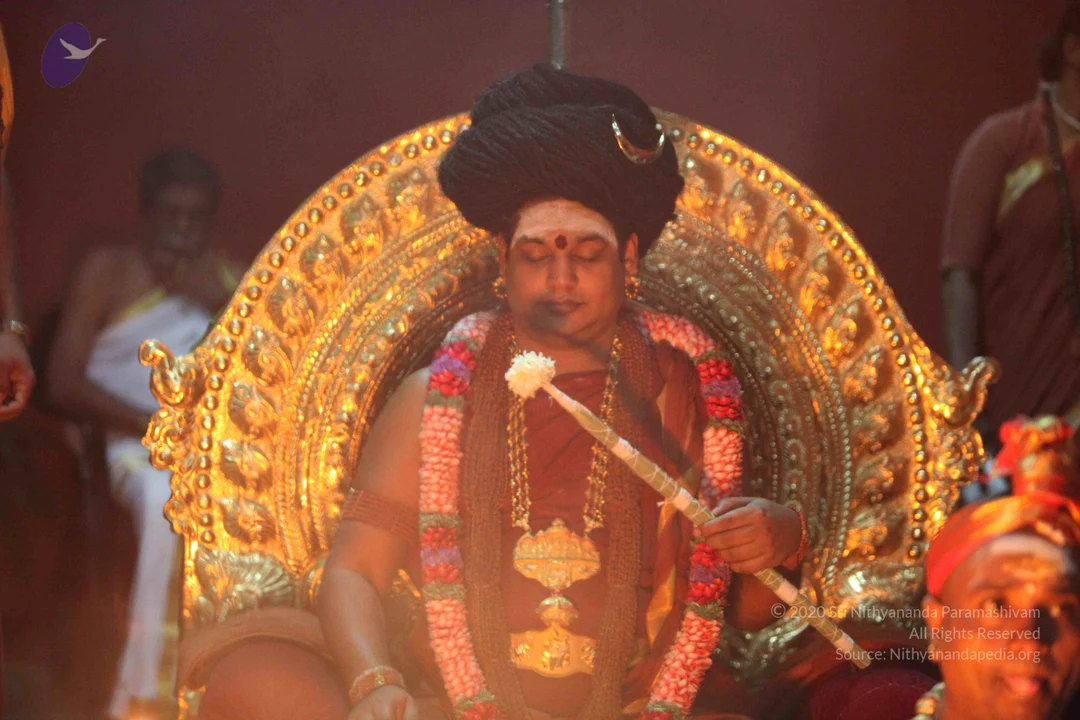
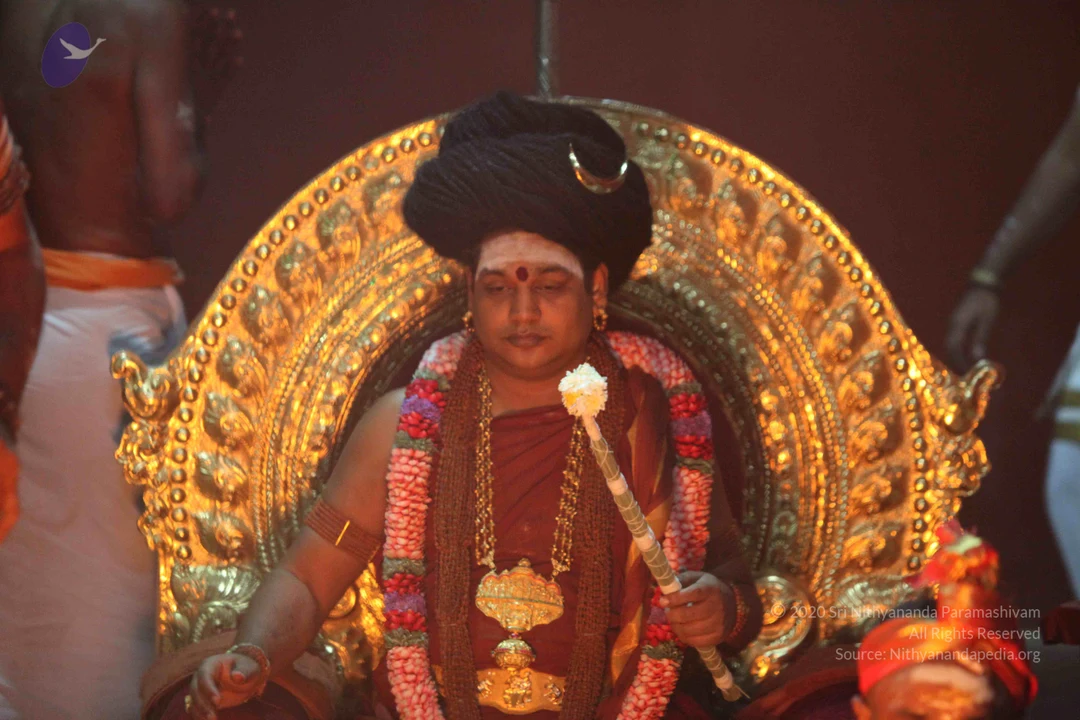
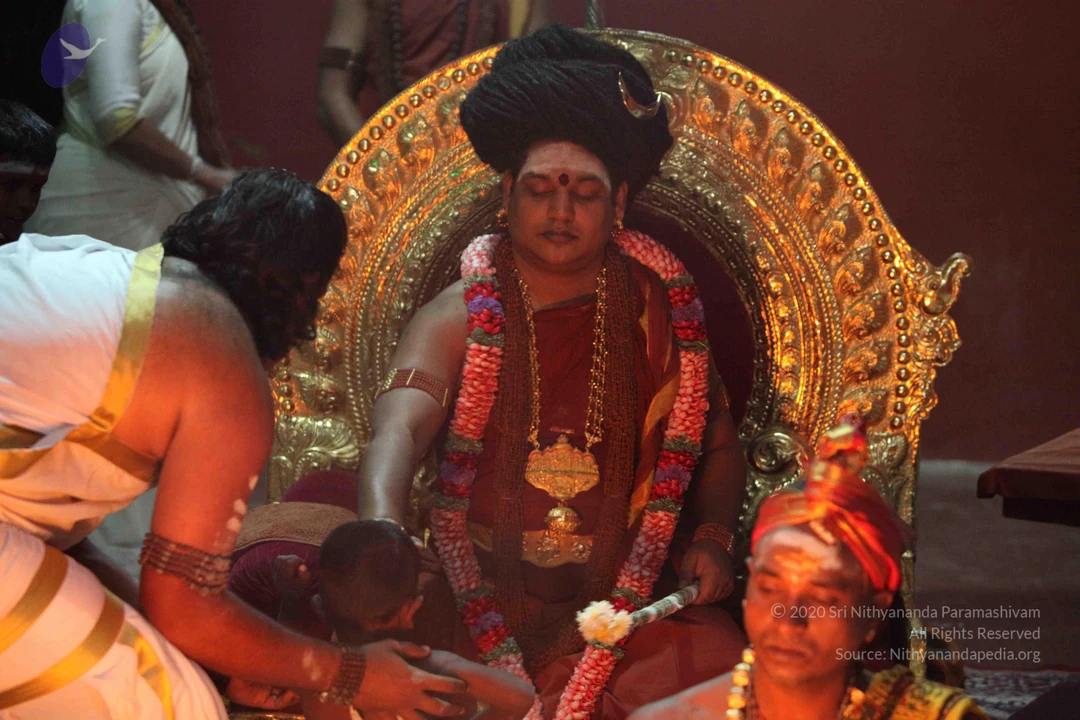
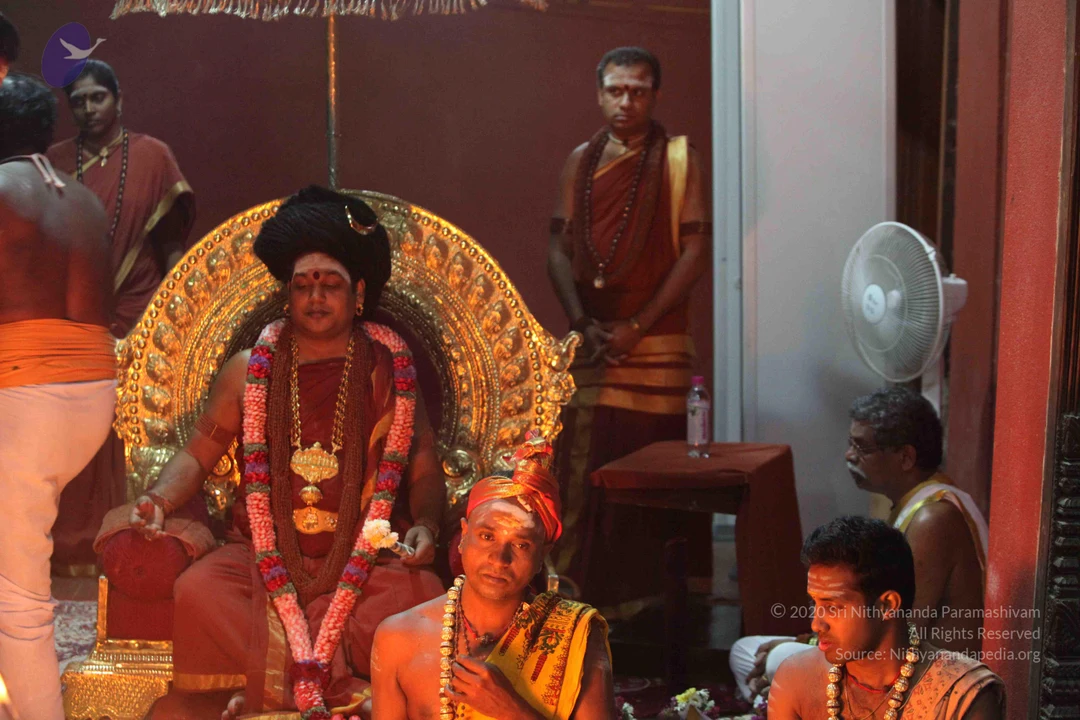
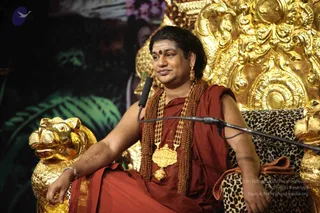
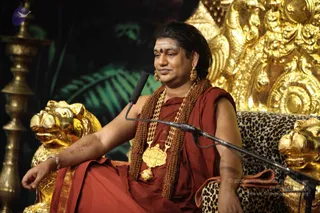
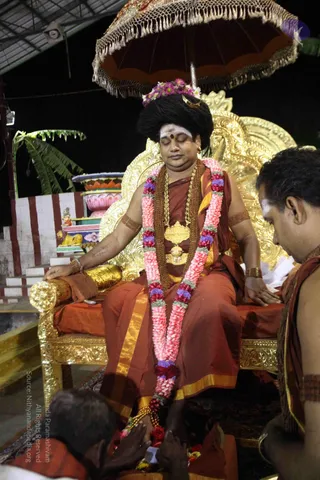
Nithyananda also says: 'I don't claim to be humble! Look at the way I am sitting?' Next, he explains why he chooses to sit in this golden throne - because it is the Hindu lifestyle, the tradition he wants to revive. Just like he wants to revive Vedic style of cooking, dressing, construction, everything. People sometimes think it is real gold, but it is not - the seat is gold painted. But the value does not come from whether it is real gold or not, the value comes for what the throne represents: the Guru Parampara, the whole lineage of enlightened Masters before Nithyananda, from Mahadeva to his own Guru's. To pay that respect, Nithyananda bows down to the seat every time before he sits in it.
| Video | Audio |
Transcript:
(00:11)
I am neither arrogant nor humble. Please understand; when I utter these words I am not egoistic, I am not arrogant. When a doctor introduces himself as a doctor, he is not egoistic or arrogant; he is straight. Same way I am straight. I am neither egoistic nor humble. And I don't claim any… that I am humble and all that. No, see the way I am sitting. I am not humble. No, really. People ask Me, “Why are you wearing all these jewels? Why are you sitting on the throne?” It’s a tradition. It’s a Hindu tradition. If I don't use all of this, it will be forgotten. We will lose our lifestyle, in next 20-30 years, which I don't want.
(01:02)
Please understand, I am here, to revive not just Enlightenment science of Hindu tradition. I am here to revive food style, dressing style, living style, the construction, jewellery; everything of Sanatana Hindu Dharma back to life. I am very clear. I am here to revive everything; all dimensions of Sanatana Hindu Dharma, Hindu tradition - the way we cook, the way we eat, the way we sit, the way we carry ourself, the way we do construction, the way we dress up, the way we wear jewellery - everything I am trying to revive. I tell you, it is not that costly as you think. It is much cheaper than many of the rolling chairs your CEOs are using. And, it’s not about cost; it is about standing up for the tradition... standing up for the tradition.
(02:25)
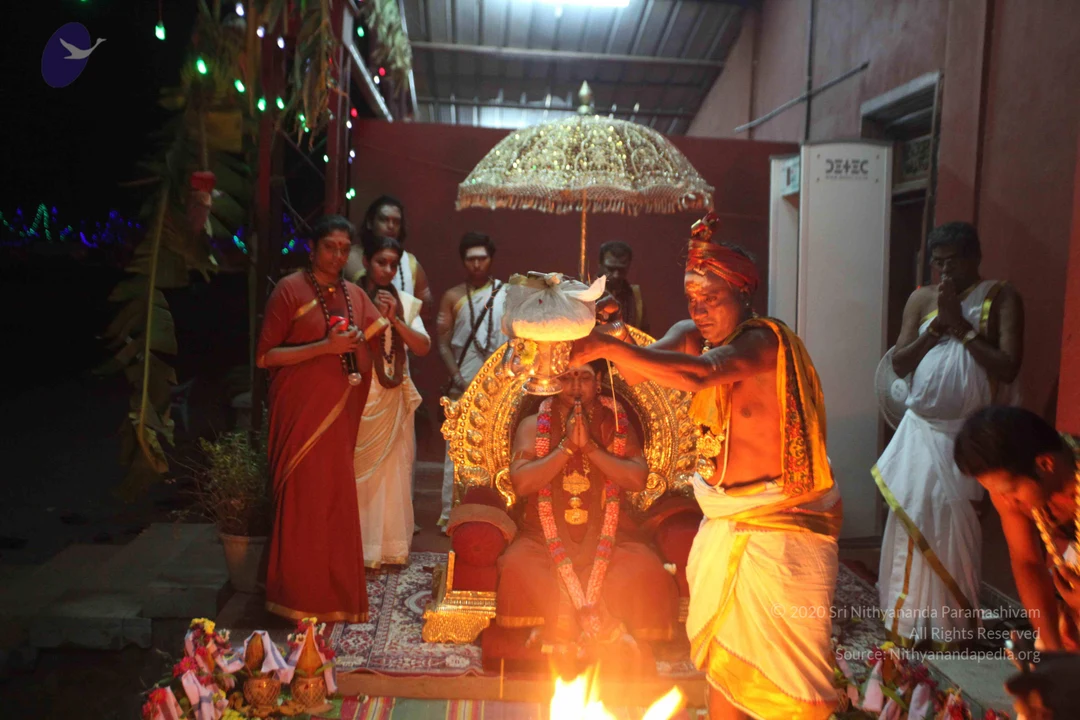
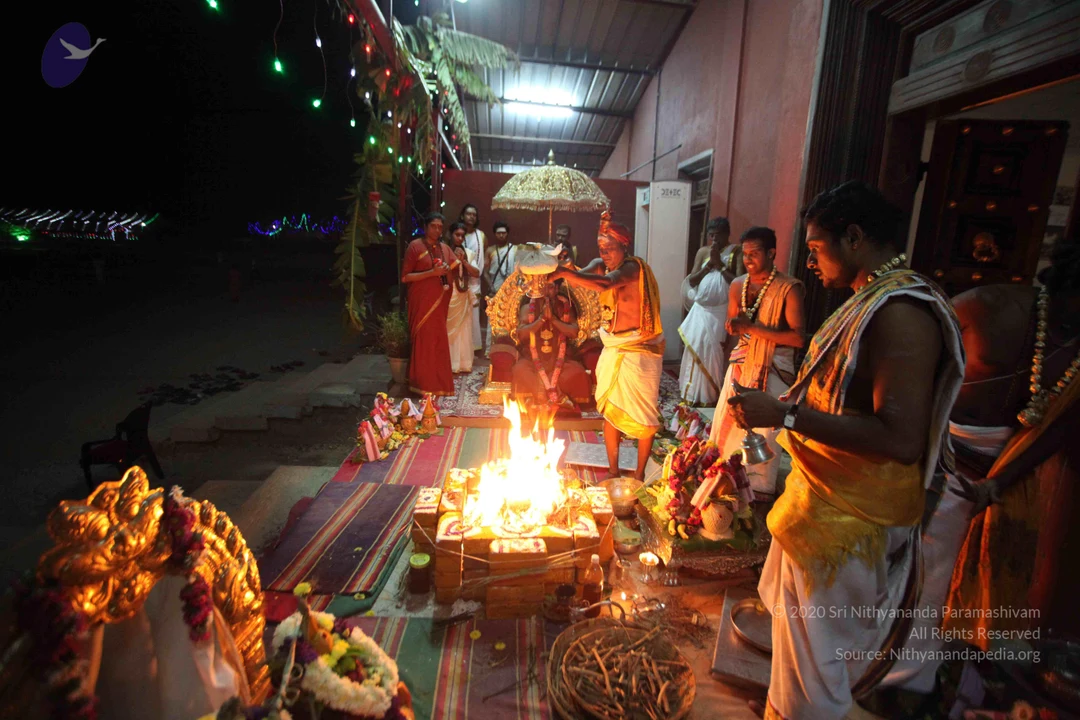
And I am very clear, I wanted to revive everything. If I don't use, how will I revive? How will I make a statement to all of you? You need to know, this is not gold. People think it is gold, it is not gold. ☺ It's gold painted. But we don't respect this because it is gold or not. We respect this, because it’s a tradition. I don't know how many of you know, every time before sitting on it, I bow down to it; only the disciples who lived around me knows... every time before I sit on it, I bow down to it, because it represents Guru Parampara for us. It's called Vyasa Peeta. It represents Guru Parampara for us. So for us, it is not gold. It represents all the Gurus who lived before Me; from Mahadeva till my Guru. All of them are represented by it.
(03:24)
Overcome the Pattern of Feeling Overwhelmed: Spiritual Laws of Action
In response to a question in a session of the latest Conquering Time program, Nithyananda explains that the pattern of feeling overwhelmed and stuck in action or inaction needs to be addressed in all human beings. For us all to move beyond this pattern, to overcome it, Nithyananda gives a two-day program on 11th and 12th of July (10th/11th evening in the USA) for us to understand the Spiritual Laws of Action. With Mahadeva's direct teachings on karma, akarma and vikarma - action, inaction, reaction, beyond action - Nithyananda will lead us beyond feeling overwhelmed and we will find tools to address our related symptoms of boredom, tiredness, stress, depression, anxiety and burn-out.
| Video | Audio |
Siddhis (Spiritual Powers) are a Lifestyle for us
In this short video, taken from a Q&A session during Conquering Time on 6 March 2016, Nithyananda explains that Siddhi's (spiritual powers) are a natural part of the Vedic lifestyle.
Unfortunately, in the last 500, 600 years, siddhi'd have become something rare for us, something exceptional. These spiritual powers used to be lifestyle in India, in Hinduism, in Vedic tradition. This lifestyle got lost when, due to Islamic invasion, the Indian hardware (temples, monasteries, mutts) got dismantled. And when, due to British invasion, India's software got dismantled (the gurukul education, the lifestyle and culture). These two made siddhis as something rare - otherwise it was a science, part of the lifestyle.
Nithyananda continues to say that the time has come now to revive this lifestyle - he commits to bringing that lifestyle back. All it needs is a few enlightened beings establishing to all human beings that it is possible, it was there, it was truth, it is truth and it will be truth. And he tells he is confident to do this, as the Gurukul Kids are already doing it. Nithyananda says: 'I tell you, I will be known to the whole world positively, just by my Gurukul'.
| Video | Audio |
Transcript
Not knowing what we need to do with the life - an understanding on Ambition, Confusion, Dilemma, and Integrity
Question: Swamiji I don't know what I am doing with my life but that is okay.”
Swamiji: It is not okay. Please understand, when you have a, when you have your meal in your table, and you throw here and there, apply all over your face ... even one percent of it is not going inside your mouth, and you are dancing on it. Is it okay? It is okay if you do that only one day - your birthday. But that is not okay if you are going to do that everyday! When you say, “I don't know what I am doing with my life,” it is not okay, please understand. Even if it is depressing, frustrating - stop this. It is okay. Decide, even if you collapse - take on! Face it! And I tell you ultimately, there is nothing call collapsing. There is nothing call collapsing, or breaking down. For some people, if you cry, it is call breaking down. For some people, if you go bankrupt, it is call breaking down. For some people, if you get depressed, it's call breaking down. But there is nothing call breaking down. Understand, that idea “this is what is breaking point for me,” is the stupidity.
02:09 First thing, “I don't know what I am doing with my life but that is okay.” No! Sto … break this pattern, it is not okay. Second, “I was wondering if time has to do anything with the ambition?” Please understand, what you are having I will not call as ambition. I’ll only call as confusion. See, your ambition is your life and it is you. You need to know, you are not spending your time on ambition. You are spending your life on ambition. Please understand ... something which has no life, only that has time. Something which has life, its time is life. Please listen. Only for a stone, twenty years is a time. But for you, twenty years is life. So you need to be very clear, you are not spending your time on something. You are spending your life on something, when you are interested about it. Using right word … clears lot of garbage, confusions inside and outside. Please understand, using right word. Only for a stone, twenty years is a time. But for you, twenty years is a life. Your ambition is your life.
04:26 Divya when you make a statement, "I don't know what I am doing with my life," then the next statement, you can't have the word “ambition.” Ambition means you will clearly know what do you want to do. You may be successful or failure that is secondary. But you will know very clearly what is your life! Only then we call it as ambition. If you don't know what you are doing with your life, I should only call, it’s a confusion. It cannot be called as ambition. Next line you are making, "Like I have really strong ambitions, but I don't know what to focus on the most at the moment." Please understand, there can never be ambitions. There can only be “The Ambition,” and ambitions which can also be part of “The Ambition.” Please understand, there can never be ambitions in the life. There can only be “The Ambition.” Then there will be other things you may want to do. I want to have a meal - “The Ambition.” I’ll have pickle also, an ice cream also. So those things should not be given the title “ambition,” to avoid confusion in your system.
06:09 Please understand, if you give the same word for the other things which you wanted to make it as reality, you will cause confusion within you. So … I may use this word “priority.” What you want to become, that only for that you should use the word “ambition.” If I read your whole question, you would just need only one thing, nothing else - integrity in your thinking. The words you are using within you, needs to be organized. You need to put little more awareness into it. Otherwise, you do not have a real problem. I tell you, most of us do not have real problem. It is like a two friends were talking. They are very close. Twenty five years of friendship. Suddenly one fellow said, "If you win a million dollar in lottery, what will you do?" That guy said, "I'll have ten thousand acre land farm, and I'll just enjoy my life in a relaxed way."
07:37 And he asked back, "If you get million dollar in lottery, what will you do?" “Tsk! Oh, I will have ten thousand cows and dairy farm just next to your agriculture farm." And this friend asked, "Hey! If you keep it next to mine, if the cows come into my land what will happen?" He says "Why? What is there? I'll send all my cows only to your land and graze them." And this fellow, "Hey, how dare you said you will send all your cows in, into my land? I'll put an electric fence and kill all your cows!" This fellow, "Hey, how dare you said you will kill all my cows! I'll see to it what happens to your land and your agriculture,” and fight starts. It’s not a real fight! Most of your problems are not using right word about you within you. Using right words about you within you, is what I call integrity with words.
08:51 When I read this question, you neither have a ambition problem nor have a confusion problem or have dilemma. You just need to spend little time on educating yourself to use right words within you. Integrity with the words you use within you, is all you need. I recommend you watch a series of discourses on integrity available freely in the Youtube. Even if you watch some ten discourses, you will understand how using right words within us, takes away tons of our problems. When you use the word, “I don’t know.” When you use the words like I'll exactly read out the line, "Like I have really strong ambitions but I don't know what to focus on the most at the moment." It means, if you want to have a house, you call that as ambition. And if you want to have a cup of ice cream, you call that also as ambition. That is where starts confusion. You want to have a chappal stand outside the house, you call that also as ambition.
10:28 Please understand, what you want to become ... in your inner space, how you want to hold yourself and how you want others to hold you, only that should be given the title “ambition.” All other things should be given maybe a smaller word. Any word you can choose. Those things can be called as a small desire, or cute desire, time past desire, or entertaining desire. You can use any word. But do not use the word “ambition” for your whole laundry list. When you use the word “ambition” for the whole laundry list, starts the confusion. And, your asking the next question, "It feels as if it is getting further away from me. What is the relationship of time with all these ambitions of mine?" The whole situation is, it's all about confusion you are carrying. With confusion you will just be stuck. Maybe, you practice integrity with words for eleven day, I tell you, this whole question, you will have experiential answer inside. Blessings. 12:14
Say Yes to Responsibility, and No to Obligation
Title:
Say Yes to Responsibility, and No to Obligation
Link to Video:
Transcript:
Responsibility has nothing to do with feeling obligated. Please understand, the moment you feel obligated, you are irresponsible and situations are demanding from you. Obligation, feeling obligated and responsibility can never go hand in hand. Responsibility means, you are much ahead of your obligations. What people expect from you, for which you are obligated, you are much ahead of it is what is called Responsibility. Obligations will be running behind you, not ahead of you. So, feeling obligated is powerlessness where you have not decided to take the responsibility. Please understand, if there is the load of the past, sitting in your present that is what makes you feel obligated. If there is a load of past, I am repeating - If there is a load of past sitting in your present that is when you feel obligated. Obligation, feeling obligated is no way equivalent to responsibility. Responsibility means you are fresh, alive without the load of the past and you are taking it up, nobody else, nobody else... you are taking it up.
(2:24)
It is you decide, it is you who is taking the whole thing on your system, on your shoulder, on what you think as you. Your body, your mind whatever you call it as you, you are taking it on you. So, please understand, feeling obligated means you don’t feel responsible for that, but others are demanding that from you is what is feeling obligated. But you decide to be responsible for it. The moment you decide to be responsible for it you will never feel it’s an obligation. When you feel responsible it can never be a obligation.
(03:28)
Do not feel obligated to anything! You are not even obligated to Guru; I am telling you. Do not feel obligated to anything. Obligation is the most ugly relationship. If you feel obligated to something you will take revenge on that person because obligation is nothing but somebody demanding some part of you. No! That will be the most ugly relationship. If you feel obligated to somebody, I tell you, I guarantee, today or tomorrow you will take revenge on them. Because you won’t be able to handle somebody demanding part of you and sitting inside you and nagging you. Especially obligation is inner demand, where that person has convinced you.... he is sitting inside you. You will feel deep anger and vengeance. So, I tell you, decide to declare completion with all your obligation. That is what is Sannyas. I am not asking, drop everything and go to the street. But, tell them - whatever has happened in the past, with your life, our life, my life, all this, it’s a sharing. But if you, if the other person feels,share...that maths is not yet over, accounts is not yet settled, decide to settle it now and go for completion. “Whatever you have done, what do you think, still I have not settled? Come on let’s settle now”.Go for completion as early as possible. Let you be free from all obligations. I tell you, now itself I set all of you free. Whoever considers Me as Guru, for all My disciples I tell you, no way you are obligated to Me. I am very clear. Even if I have given you commitment, till you become enlightened I will be available and all that. That is My responsibility. That is the way I am. But that does not mean you are obligated to Me in any way.
(06:08)
Obligation will cherish a deep incompletion into vengeance...into vengeance. Never, never, never leave obligations, finish it off. Complete it. Complete it. Declare completion with obligations. Feeling a sense of obligation can strongly damage your inner space. When you feel completion with all obligations, wherever you live you are a Sanyasi. And Grahasta life can be lived beautifully without obligation. I am here to share My life, you are here to share your life, and both of us let us celebrate the life. There is no need to bring that stupid, cunning word of obligation which is not required. See, when people are immature you need to arrest them with fear and greed. That is when this words, obligation and all, need to be inserted into your system, you need to be psychologically programmed, all this stupidity. But for a matured relationship I don’t think obligation hook needed to be used, and when a obligation hook is used I may not call that as a matured relationship. That may be that legal contract - marriage certificate. So, I tell you, in any relationship if there is an obligation there will only be subtle vengeance and anger. So always allow love to take over the relationship - not feeling obligated.
Why does Nithyananda sit on a Golden Throne?
I am neither arrogant nor humble. Please understand; when I utter these words I am not egoistic, I am not arrogant. When a doctor introduces himself as a doctor, he is not egoistic or arrogant; he is straight. Same way I am straight. I am neither egoistic nor humble. And I don't claim any… that I am humble and all that. No, see the way I am sitting. I am not humble. No, really. People ask Me, “Why are you wearing all these jewels? Why are you sitting on the throne?” It’s a tradition. It’s a Hindu tradition. If I don't use all of this, it will be forgotten. We will lose our lifestyle, in next 20-30 years, which I don't want.
(01:02)
Please understand, I am here, to revive not just Enlightenment science of Hindu tradition. I am here to revive food style, dressing style, living style, the construction, jewellery; everything of Sanatana Hindu Dharma back to life. I am very clear. I am here to revive everything; all dimensions of Sanatana Hindu Dharma, Hindu tradition - the way we cook, the way we eat, the way we sit, the way we carry ourself, the way we do construction, the way we dress up, the way we wear jewellery - everything I am trying to revive. I tell you, it is not that costly as you think. It is much cheaper than many of the rolling chairs your CEOs are using. And, it’s not about cost; it is about standing up for the tradition... standing up for the tradition.
(02:25)
And I am very clear, I wanted to revive everything. If I don't use, how will I revive? How will I make a statement to all of you? You need to know, this is not gold. People think it is gold, it is not gold. ☺ It's gold painted. But we don't respect this because it is gold or not. We respect this, because it’s a tradition. I don't know how many of you know, every time before sitting on it, I bow down to it; only the disciples who lived around me knows... every time before I sit on it, I bow down to it, because it represents Guru Parampara for us. It's called Vyasa Peeta. It represents Guru Parampara for us. So for us, it is not gold. It represents all the Gurus who lived before Me; from Mahadeva till my Guru. All of them are represented by it.
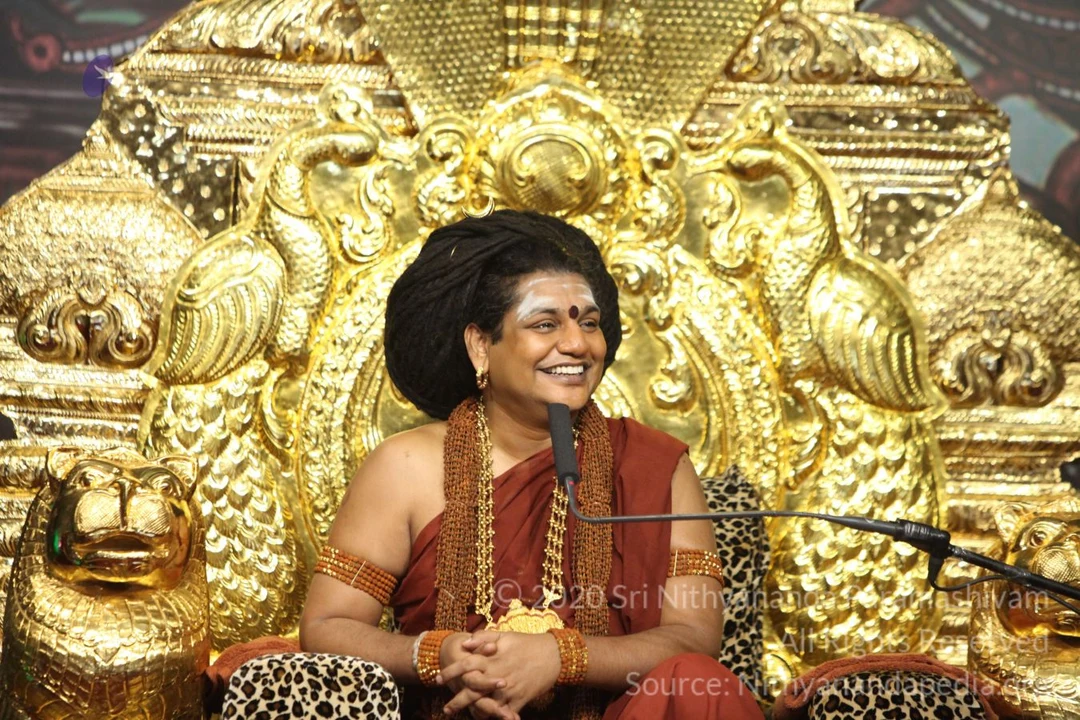
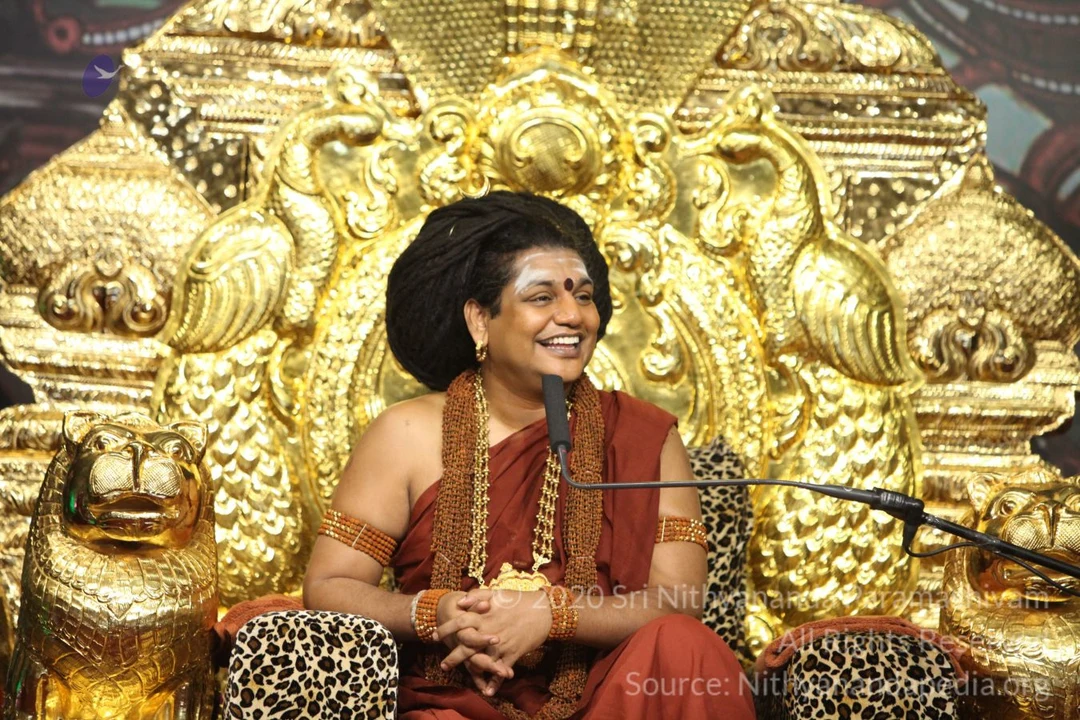
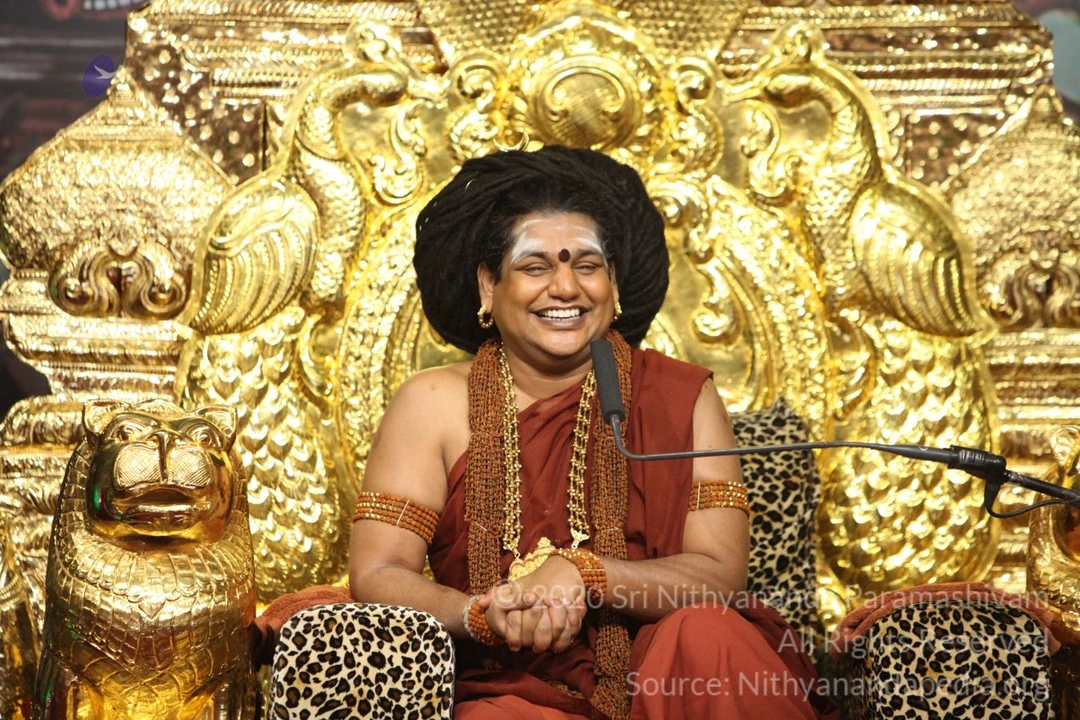
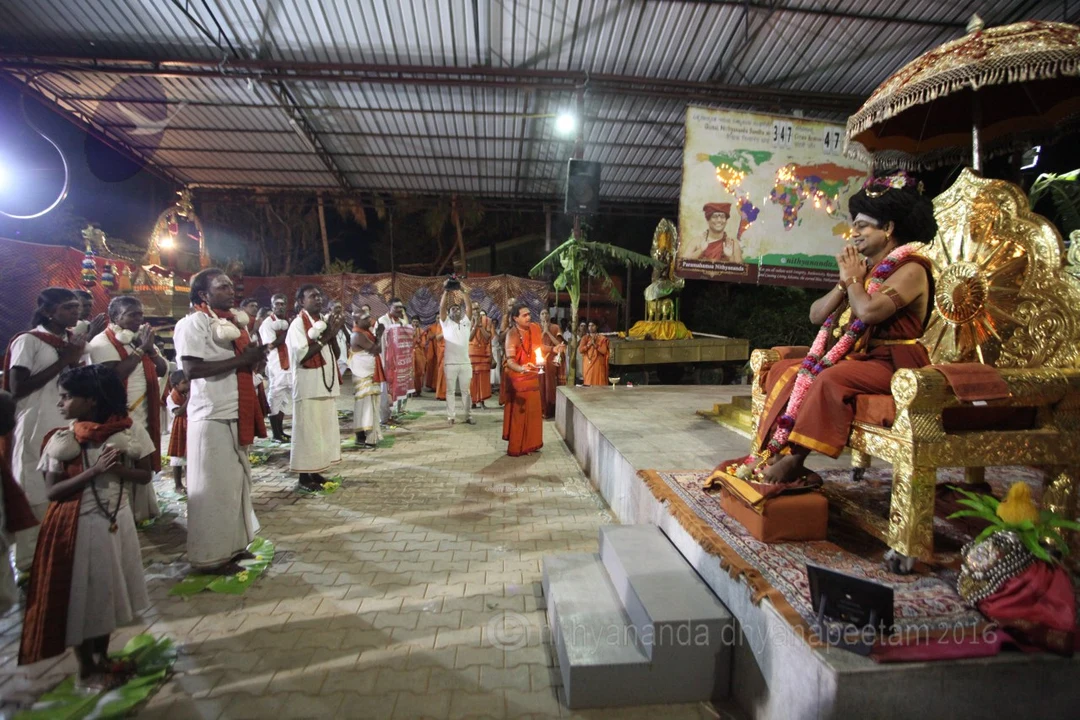
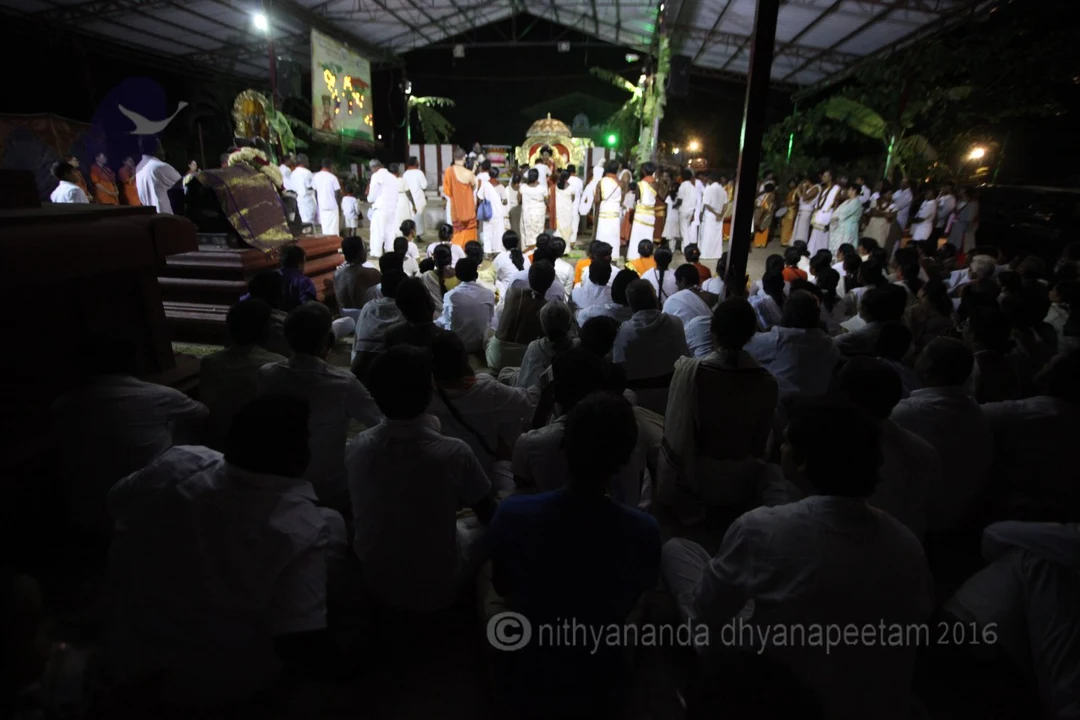
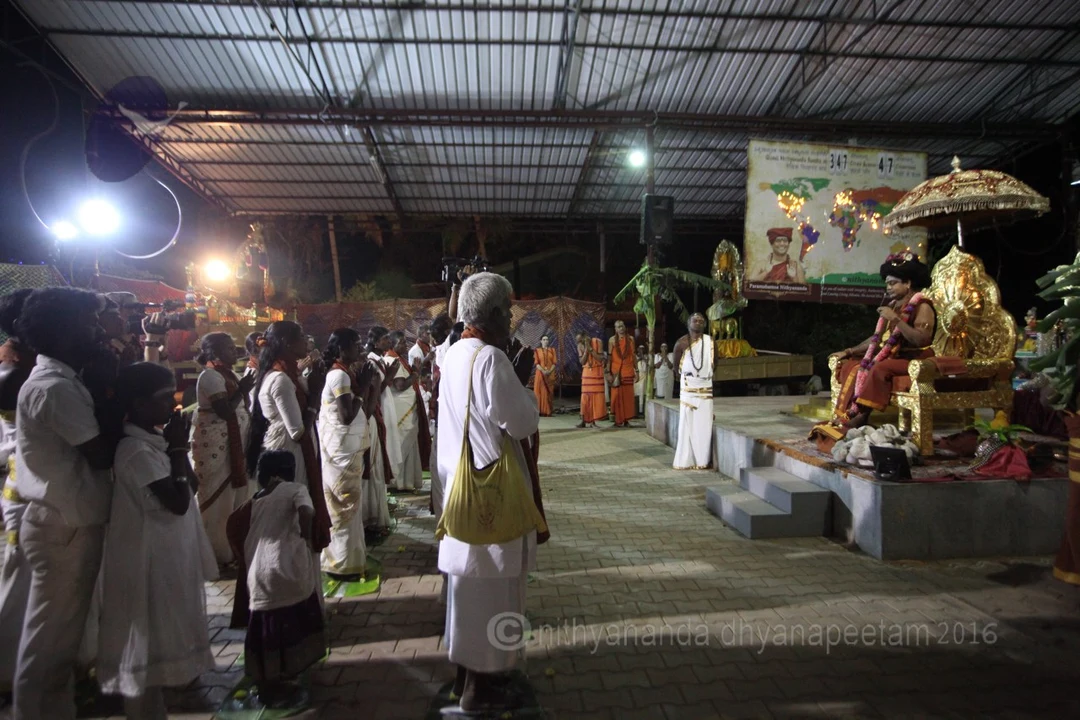
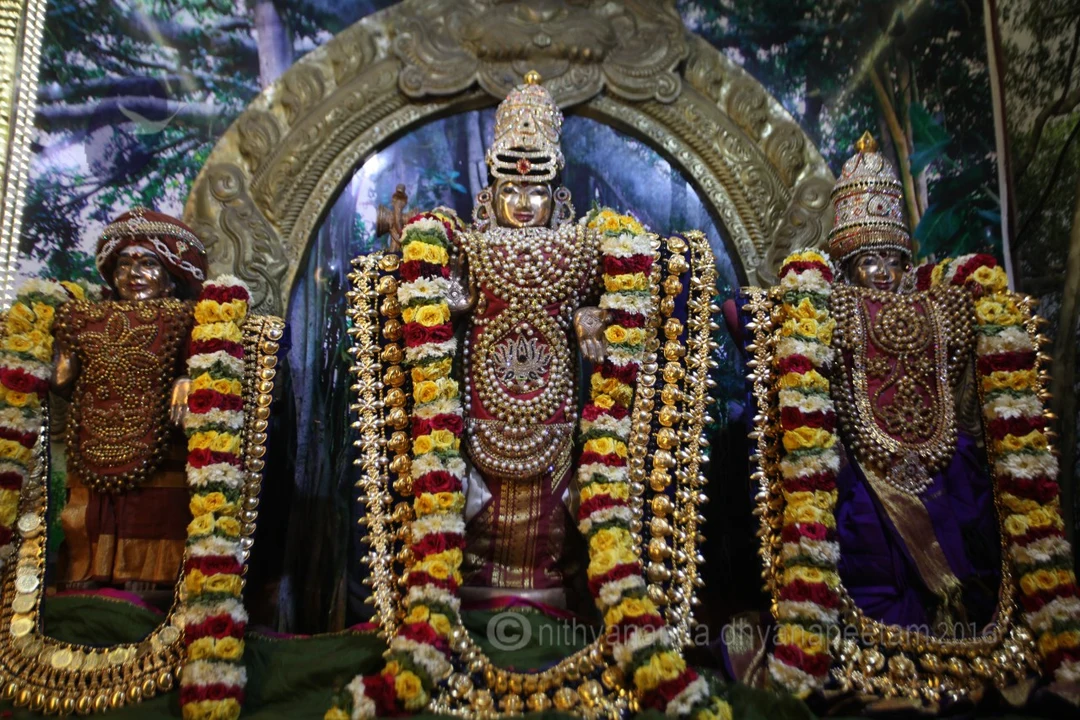
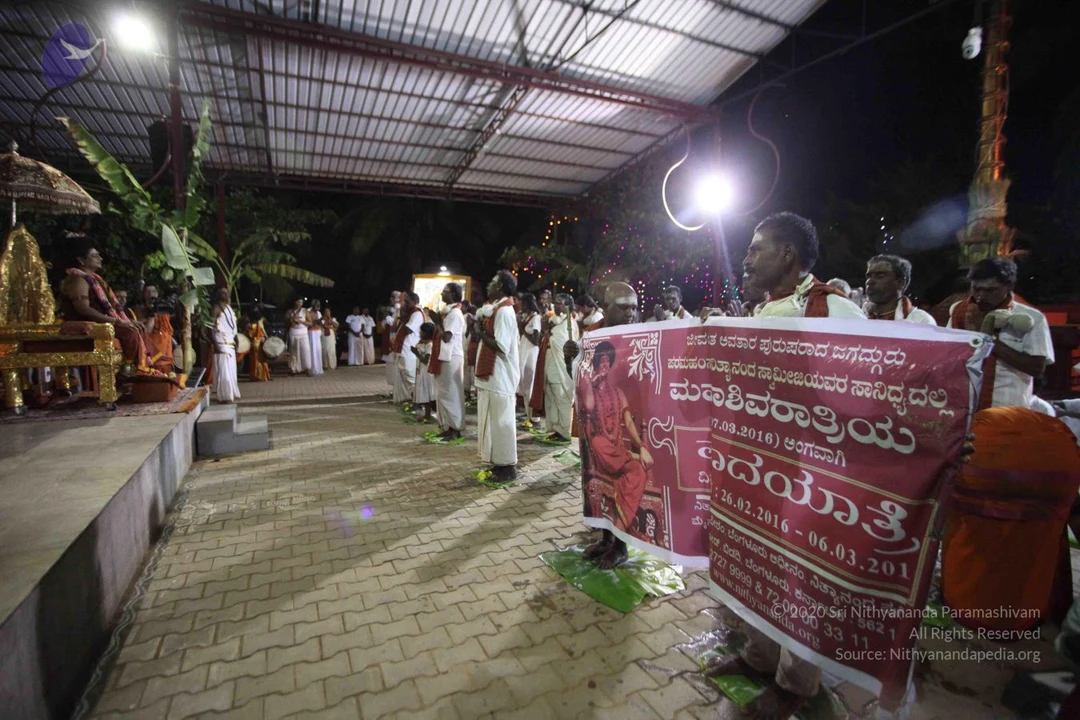
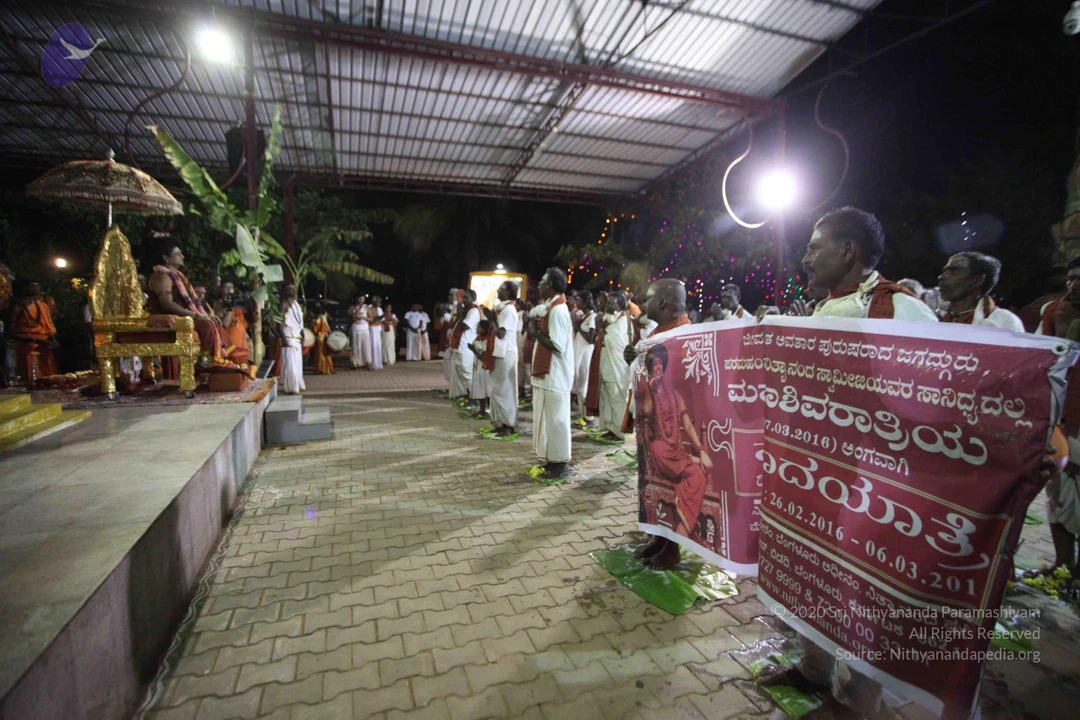
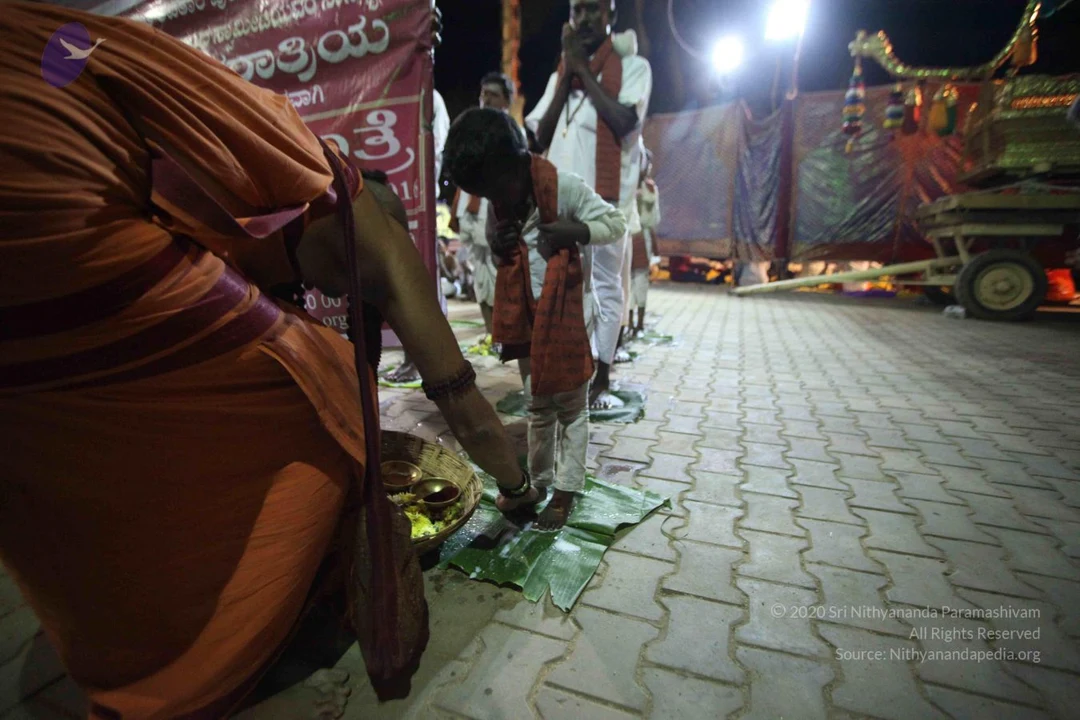
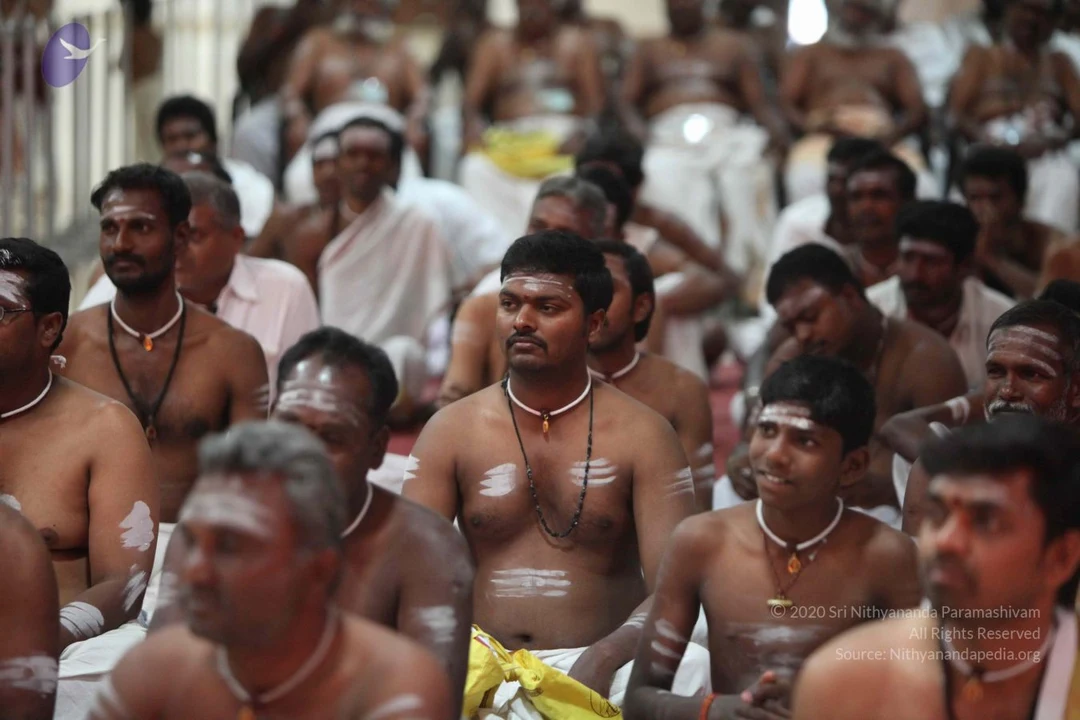
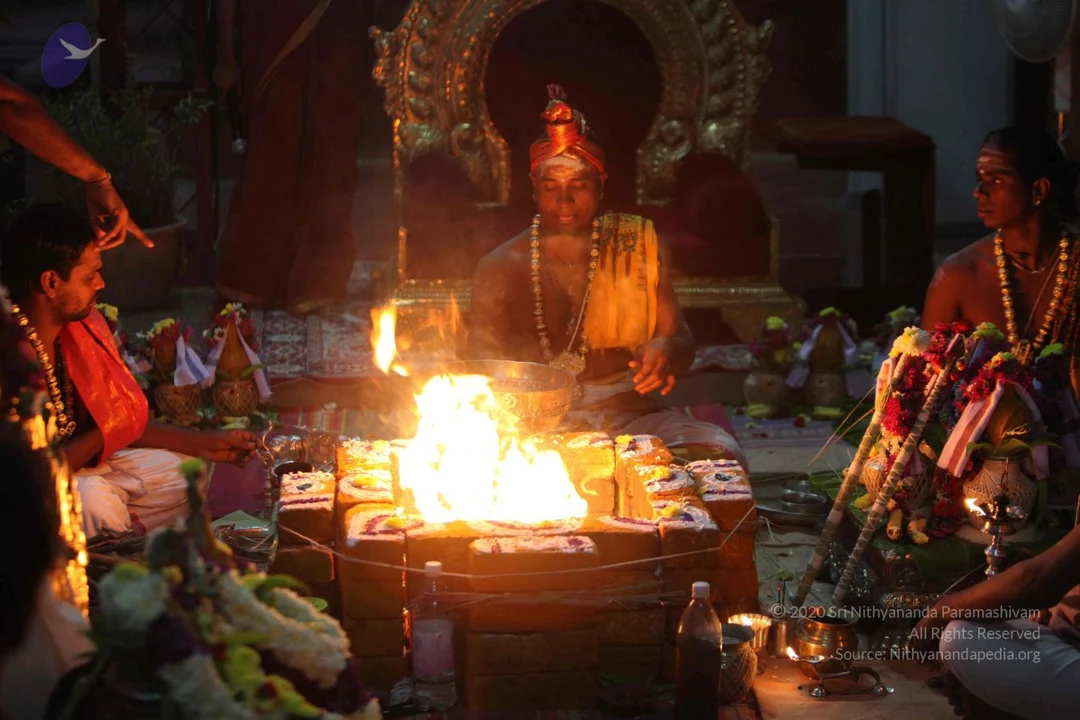
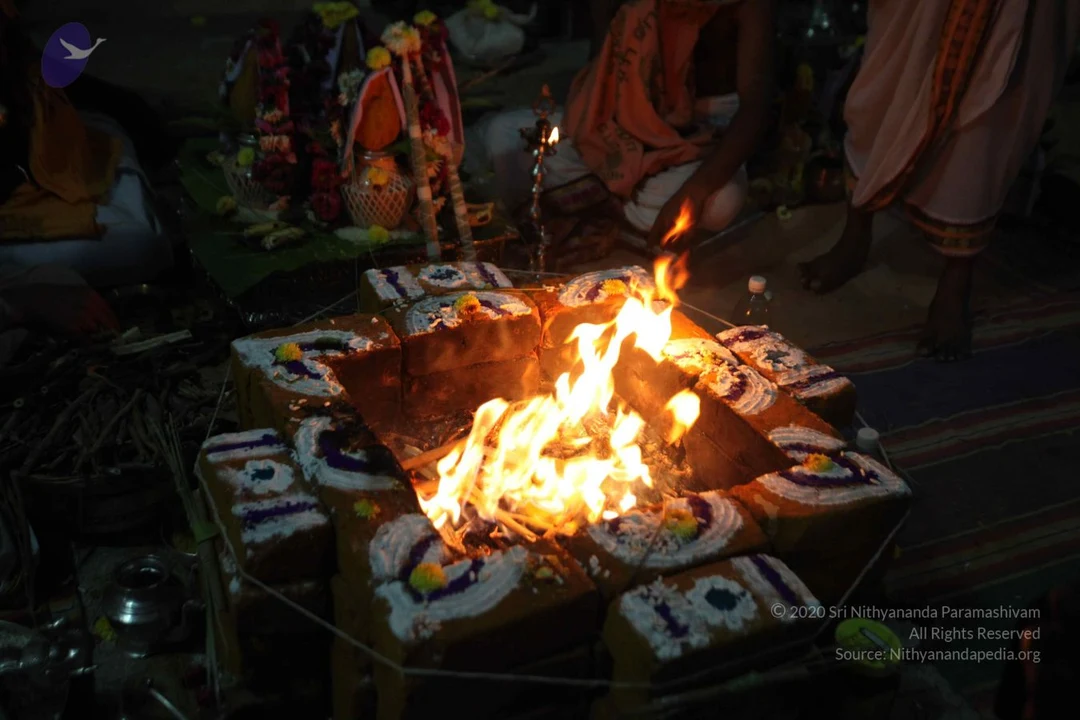
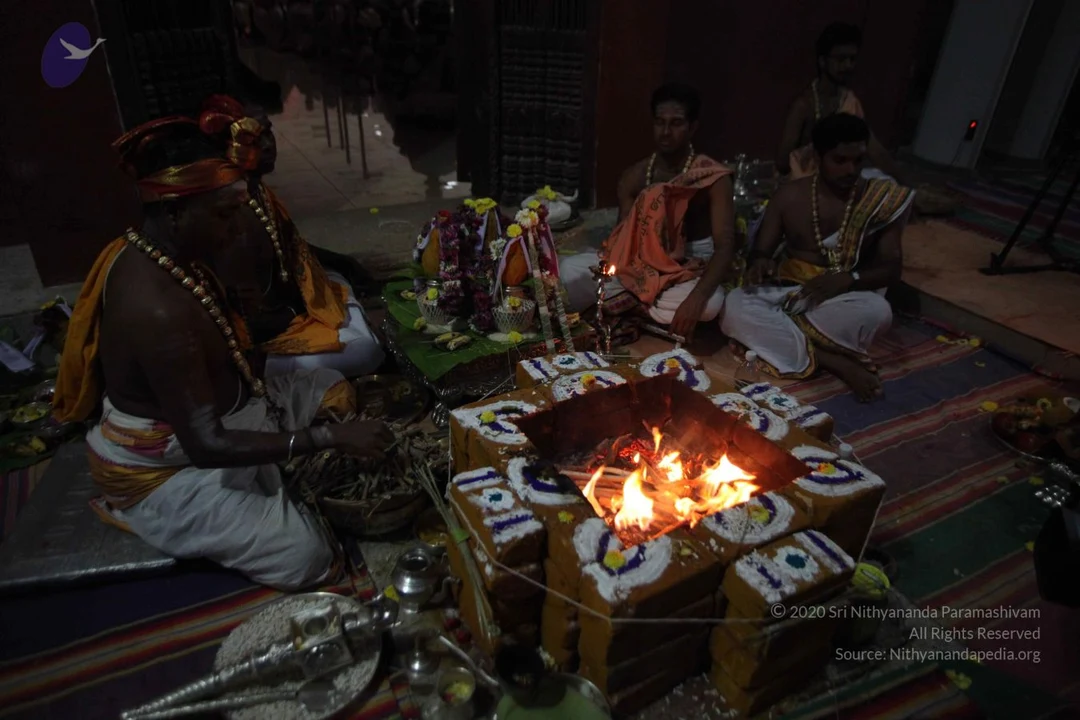
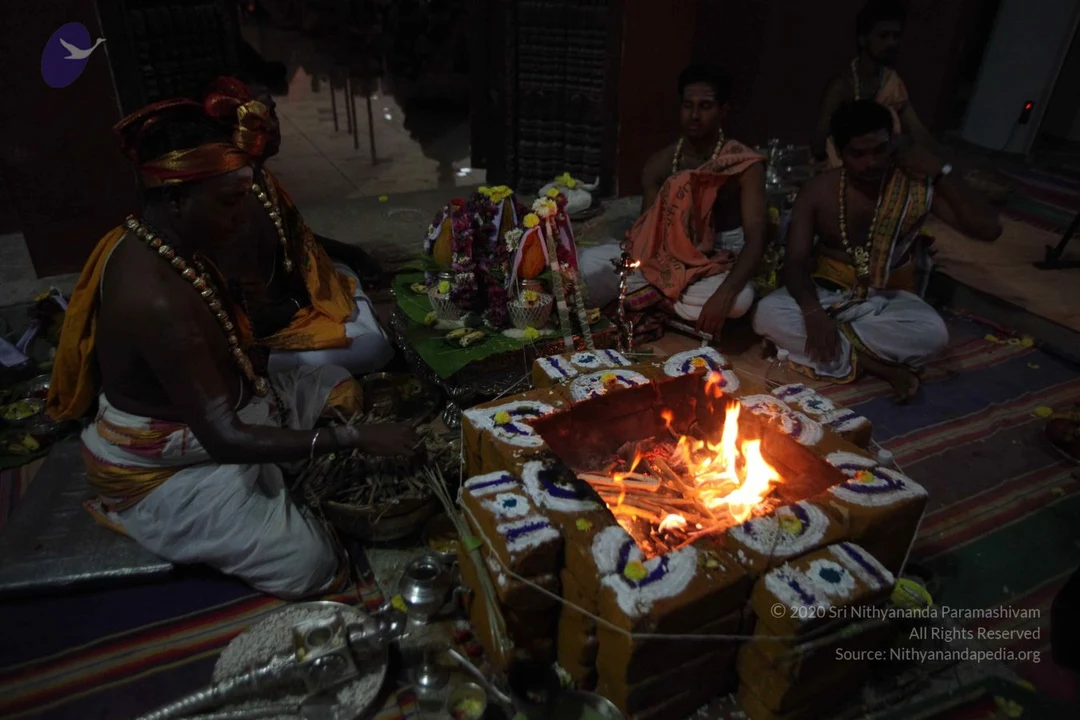
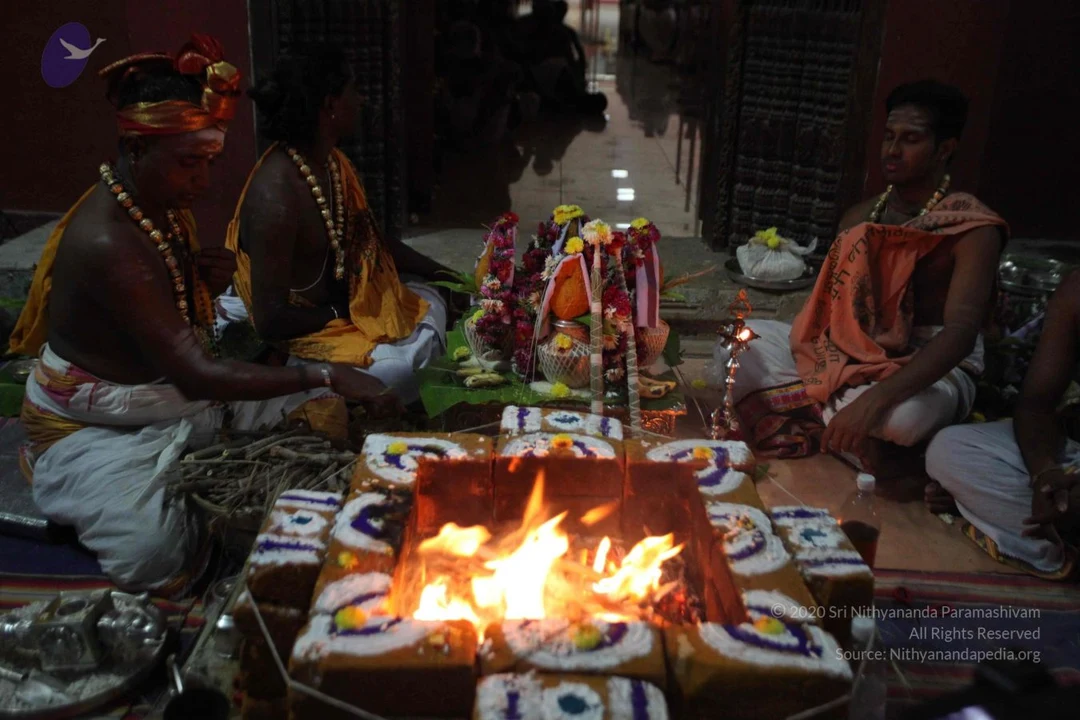
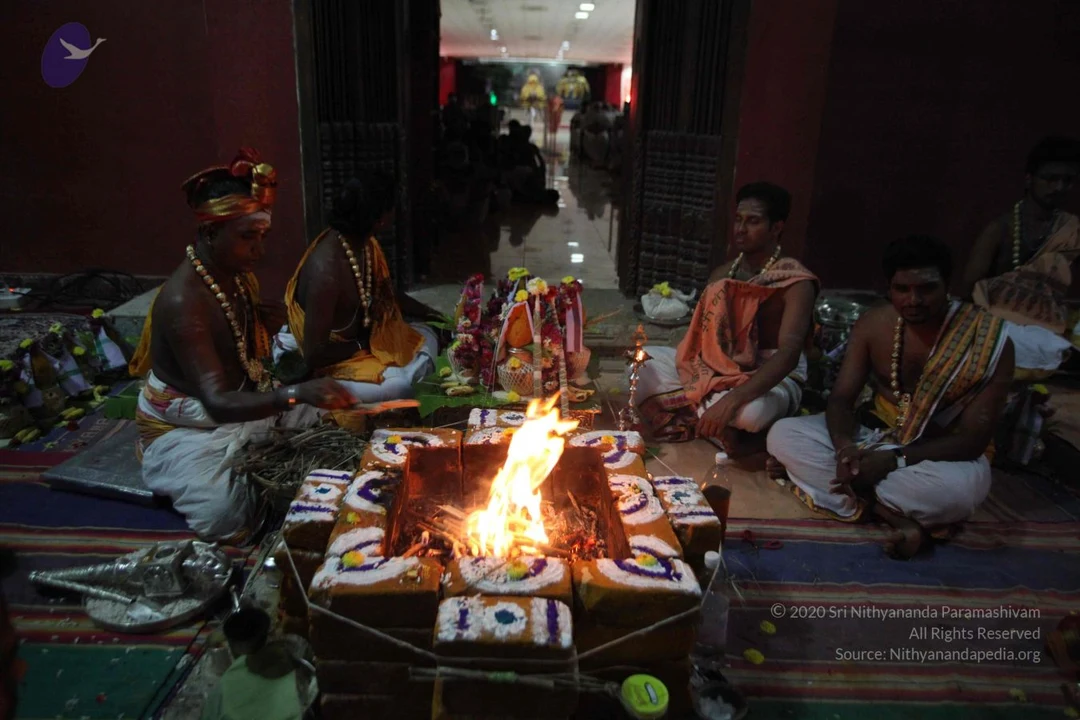
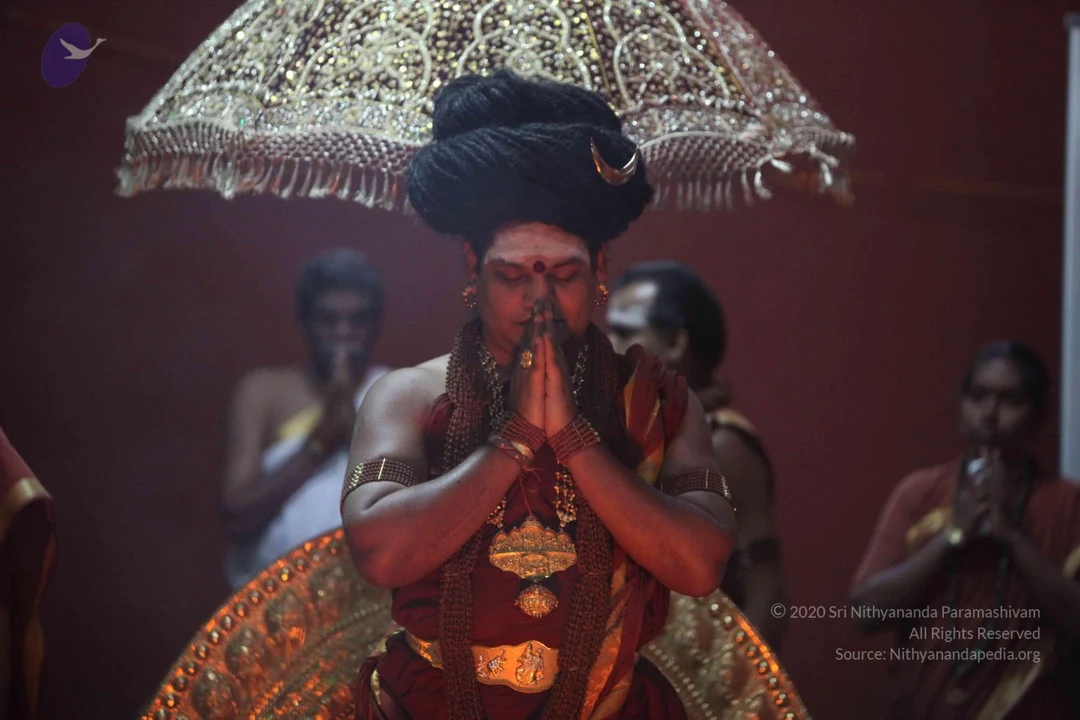
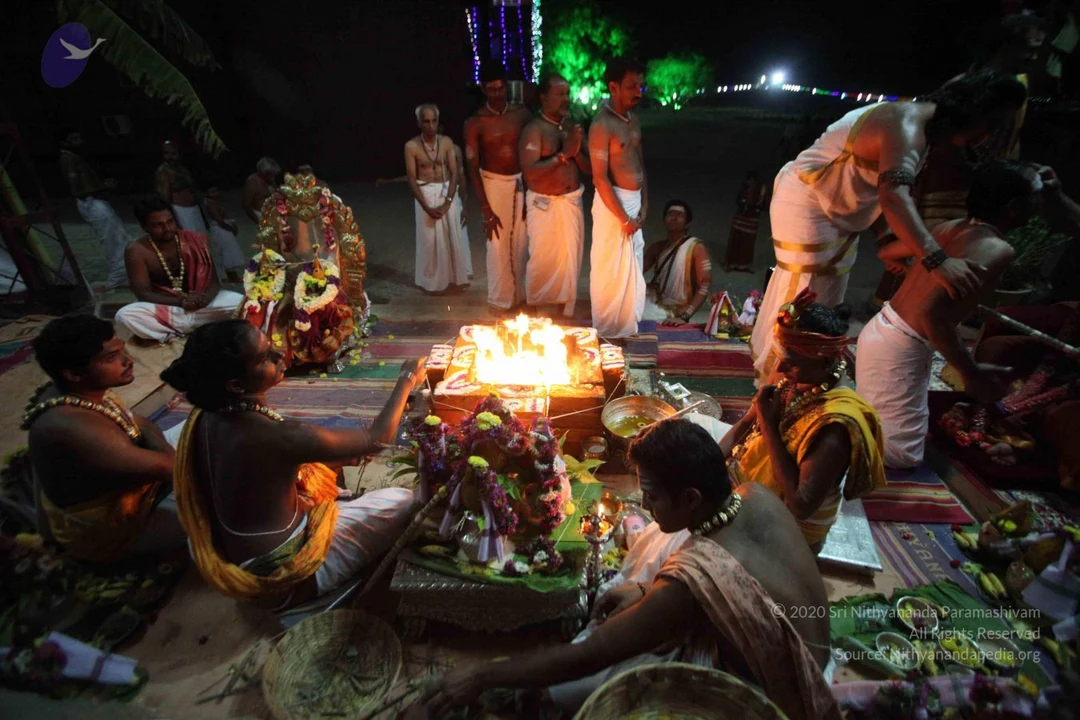
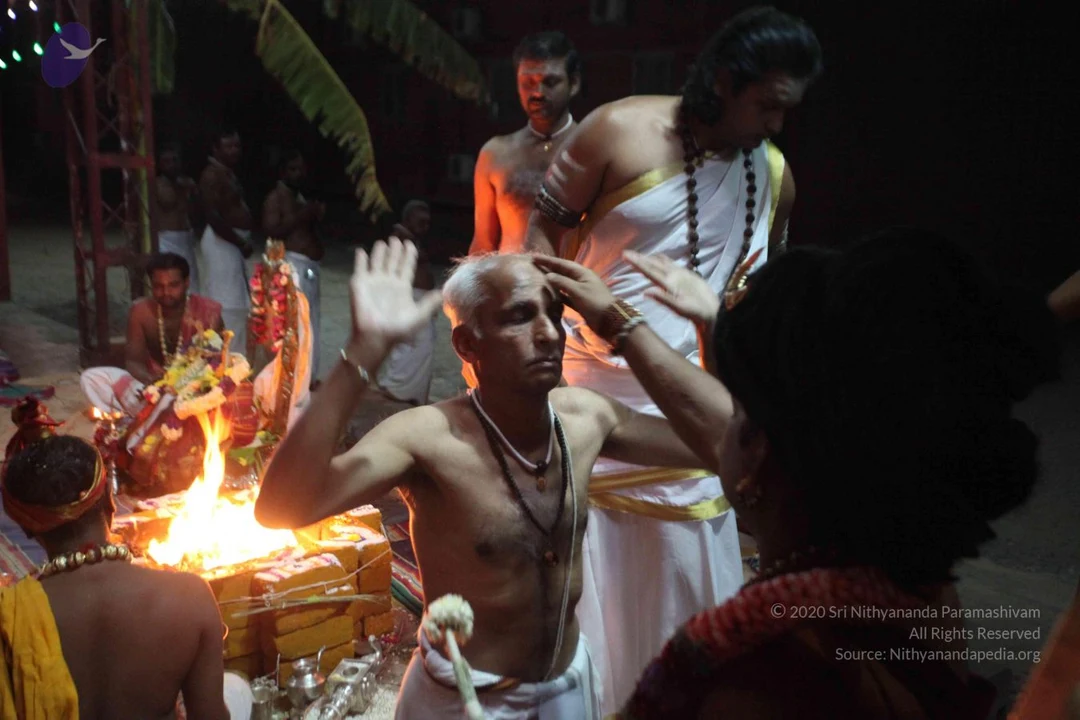
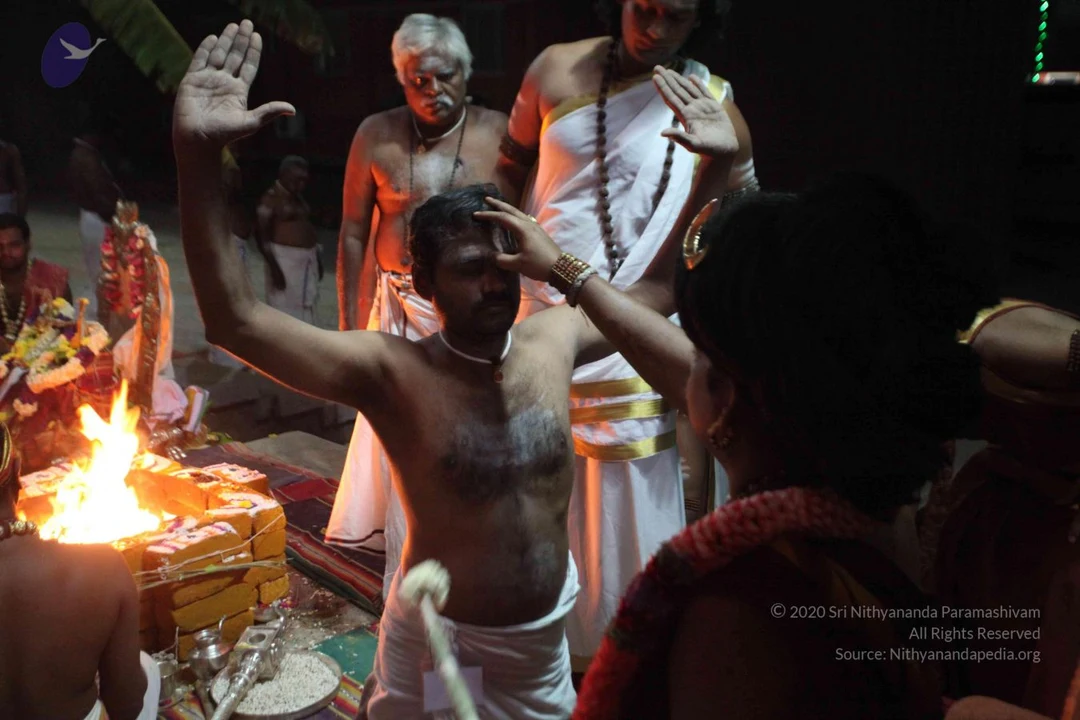
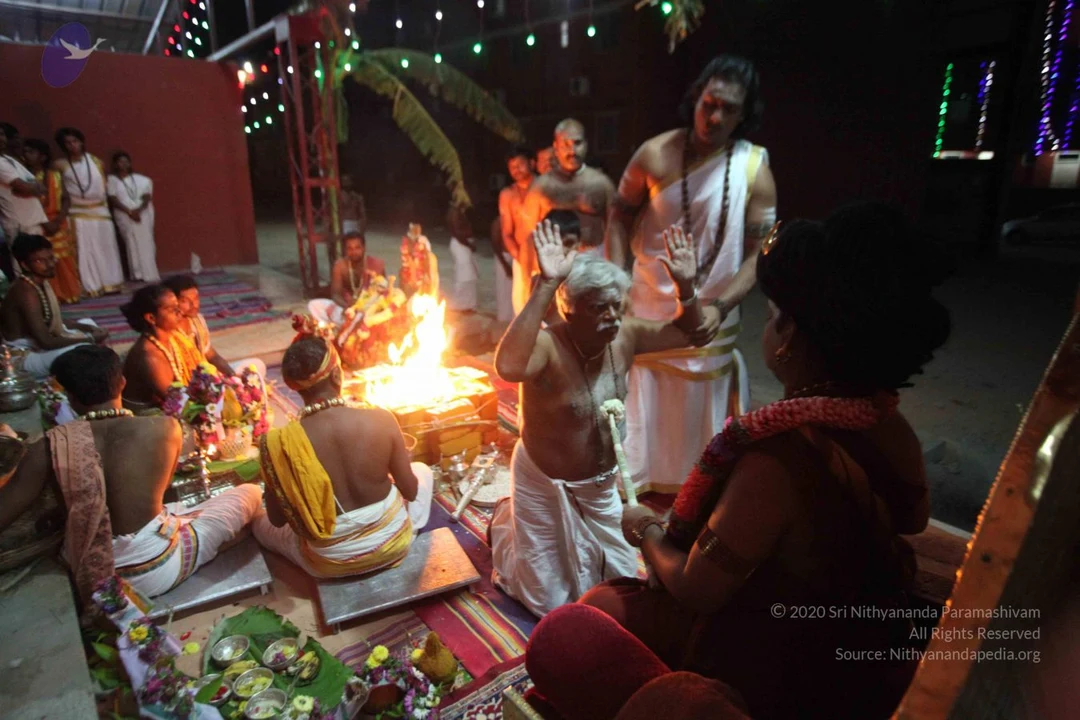
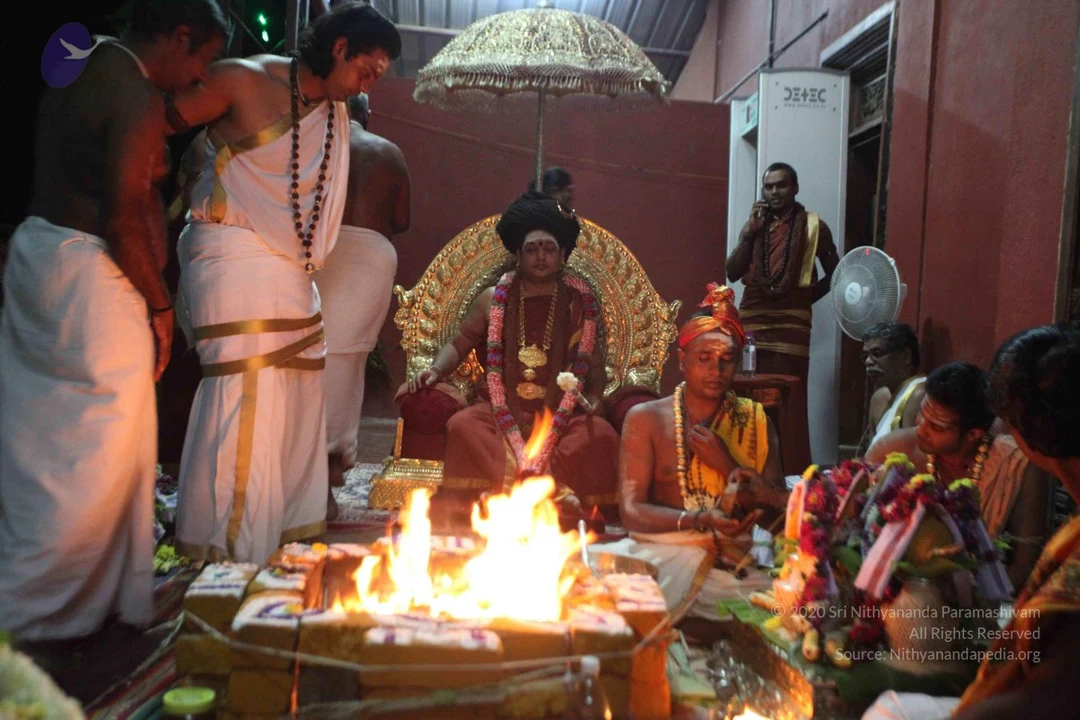
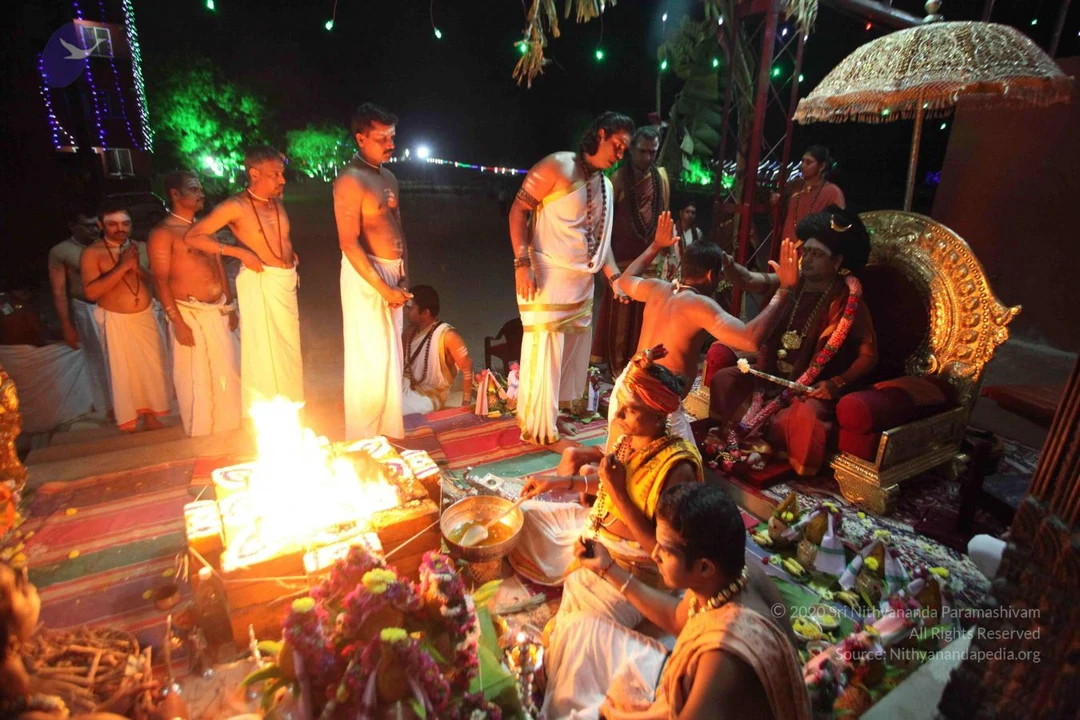
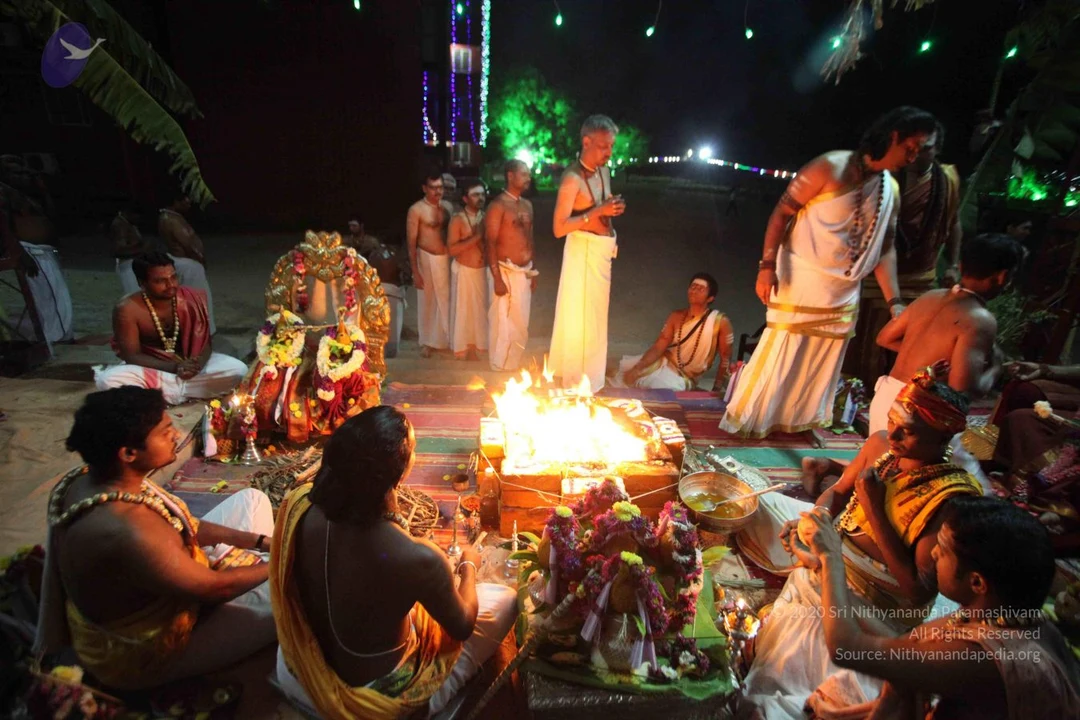
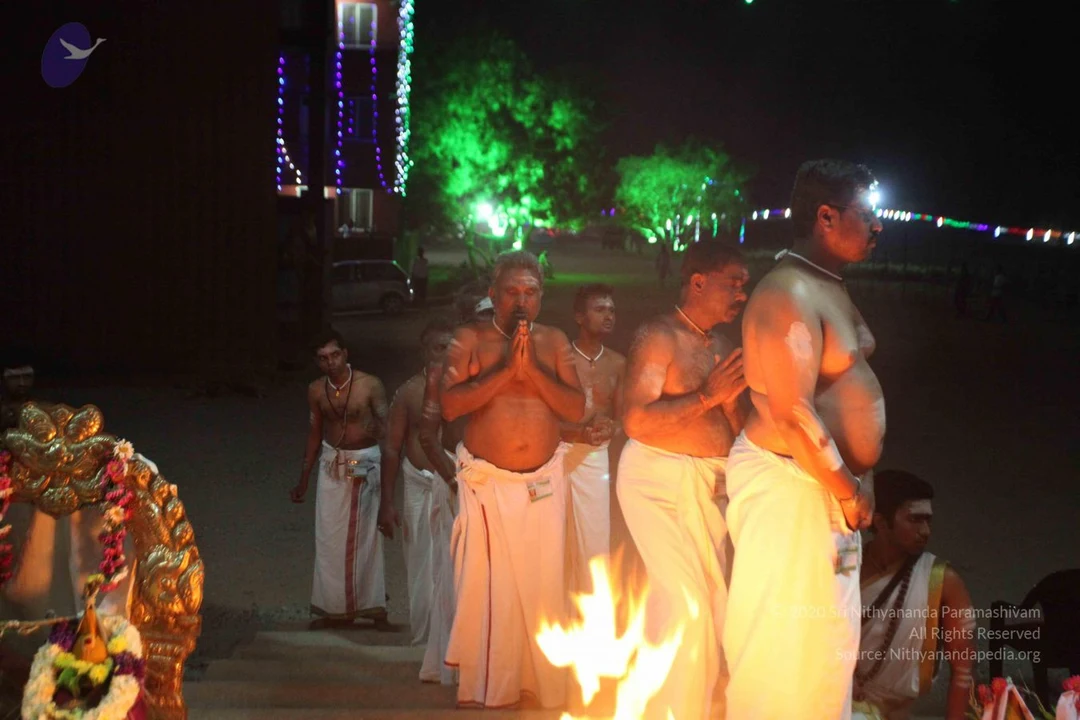
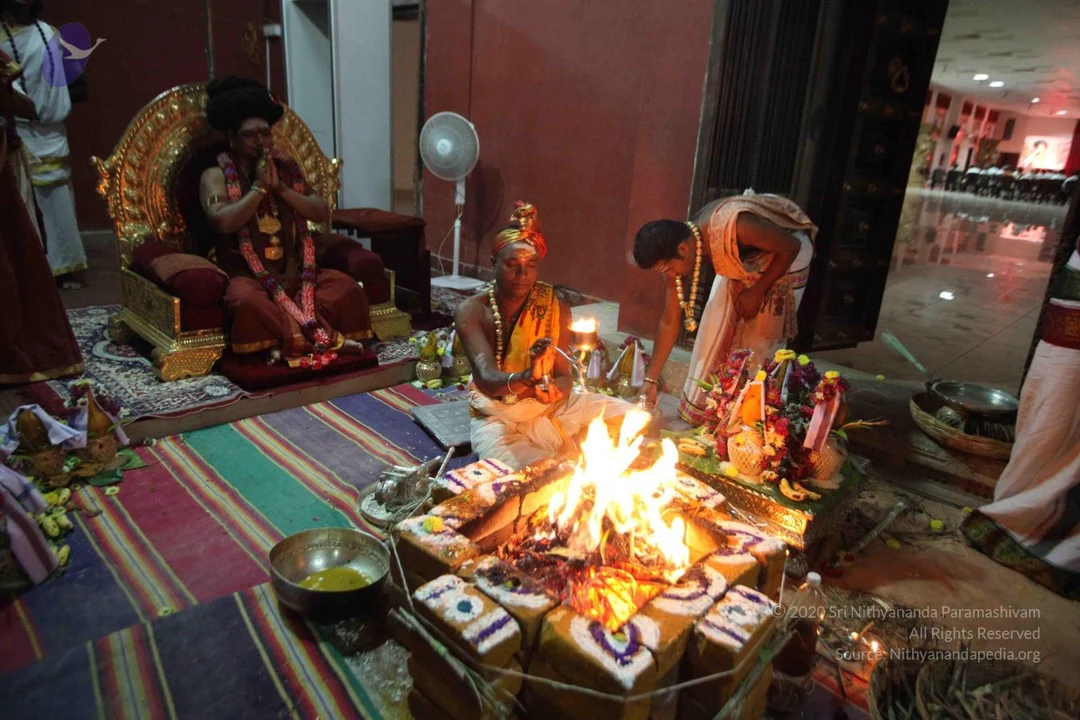
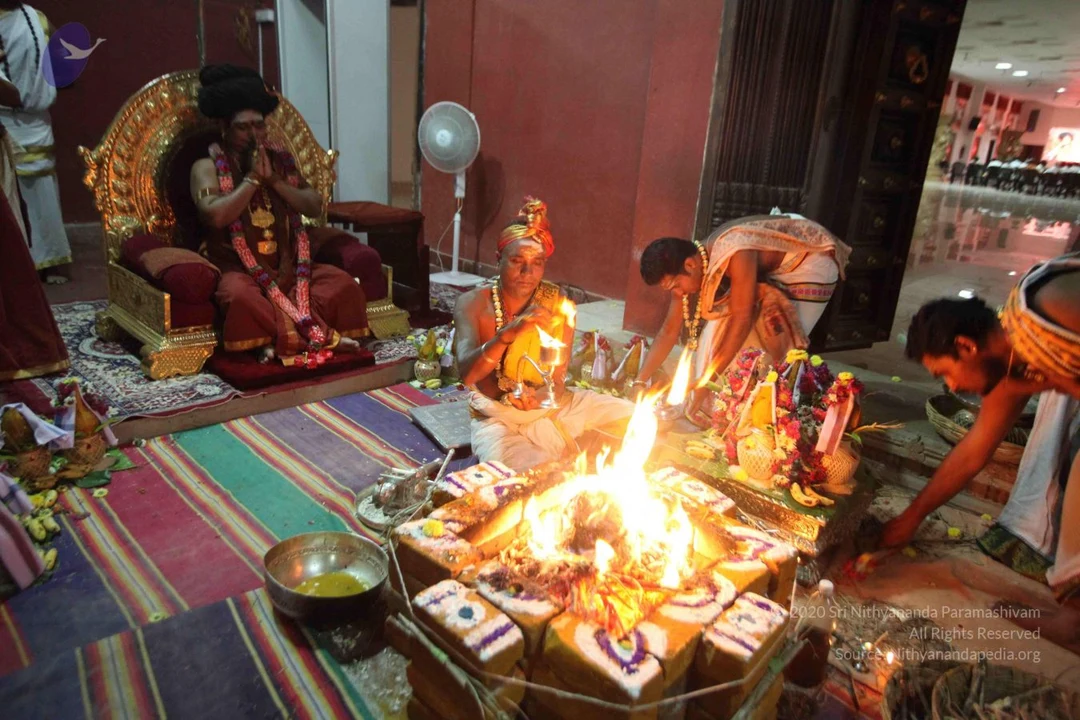
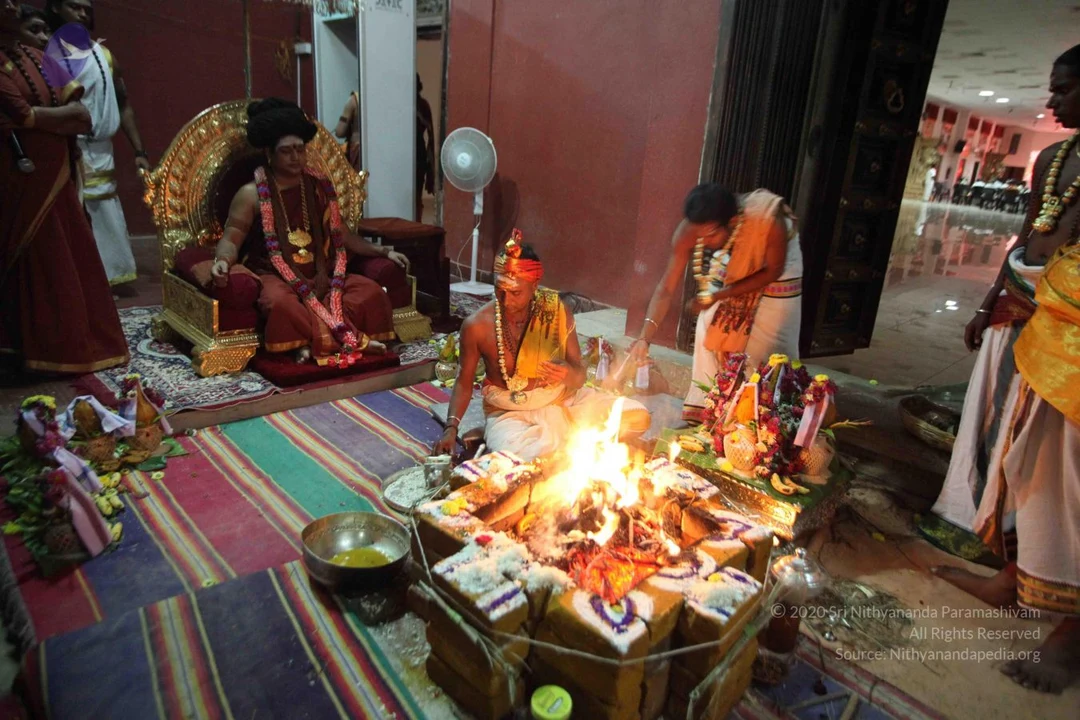
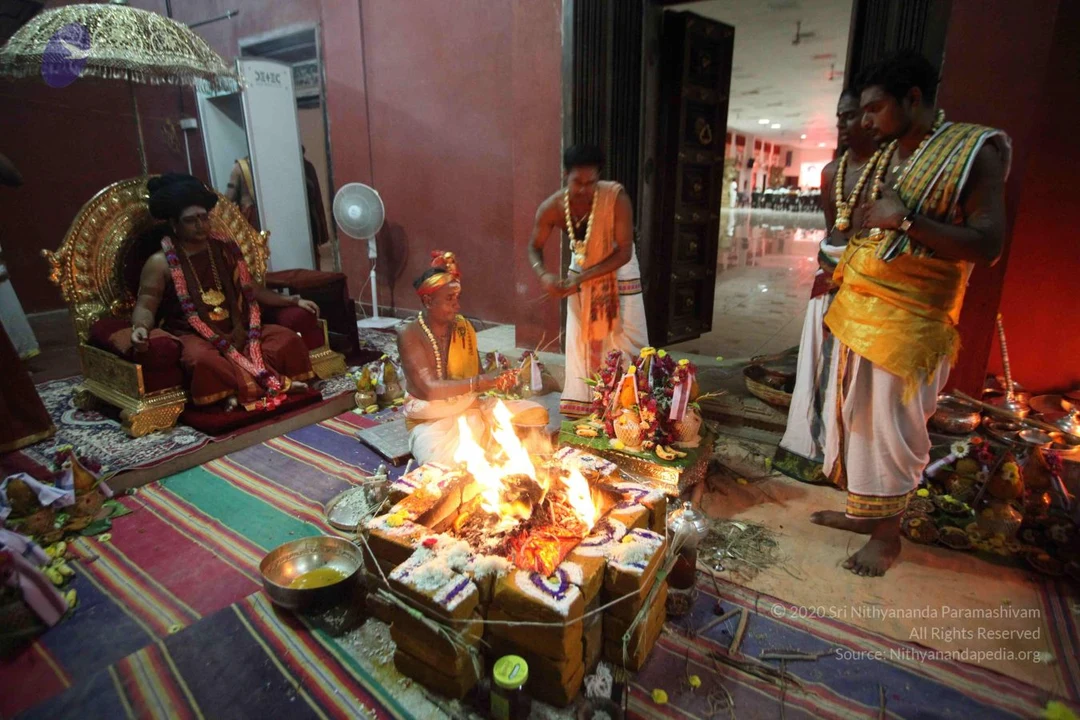
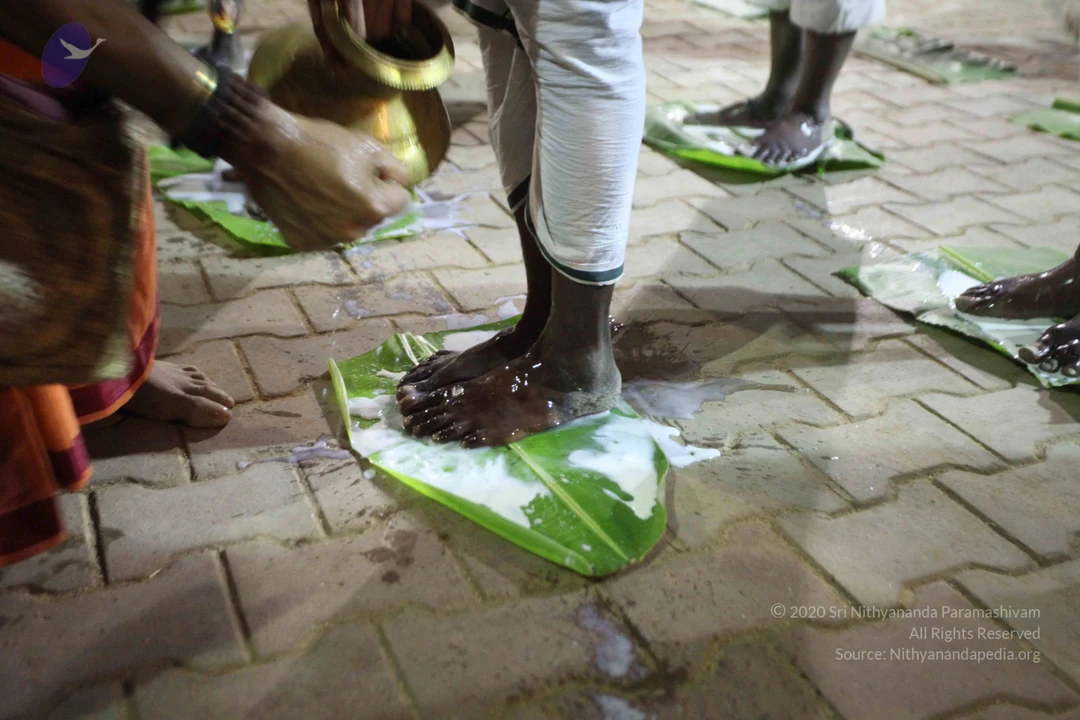
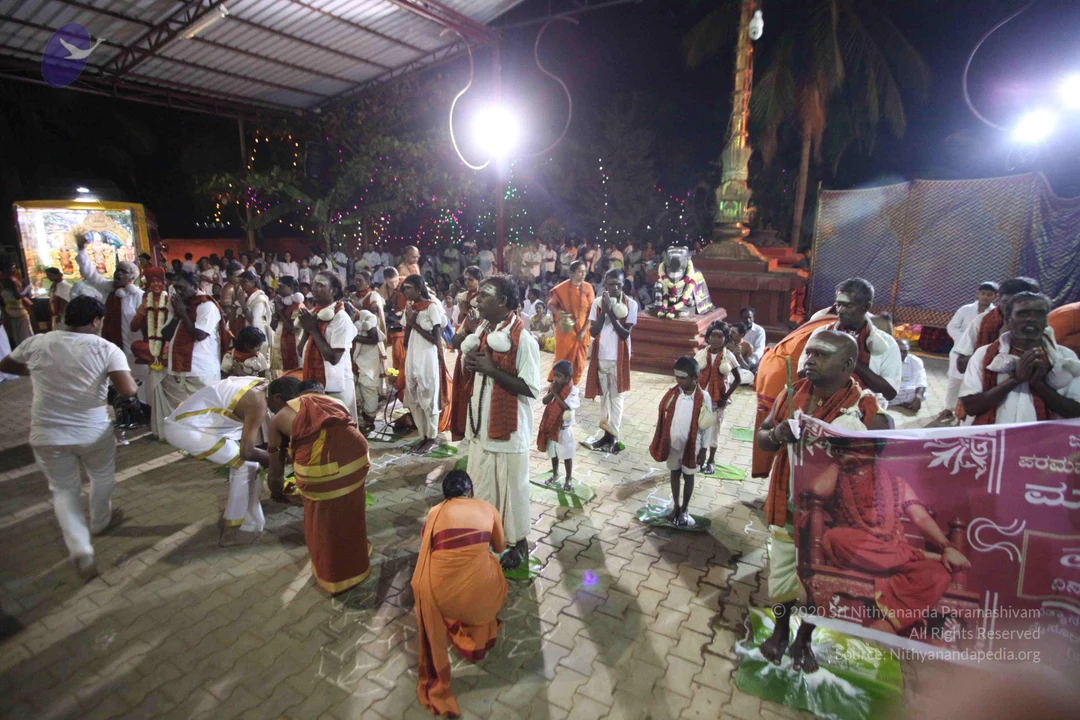
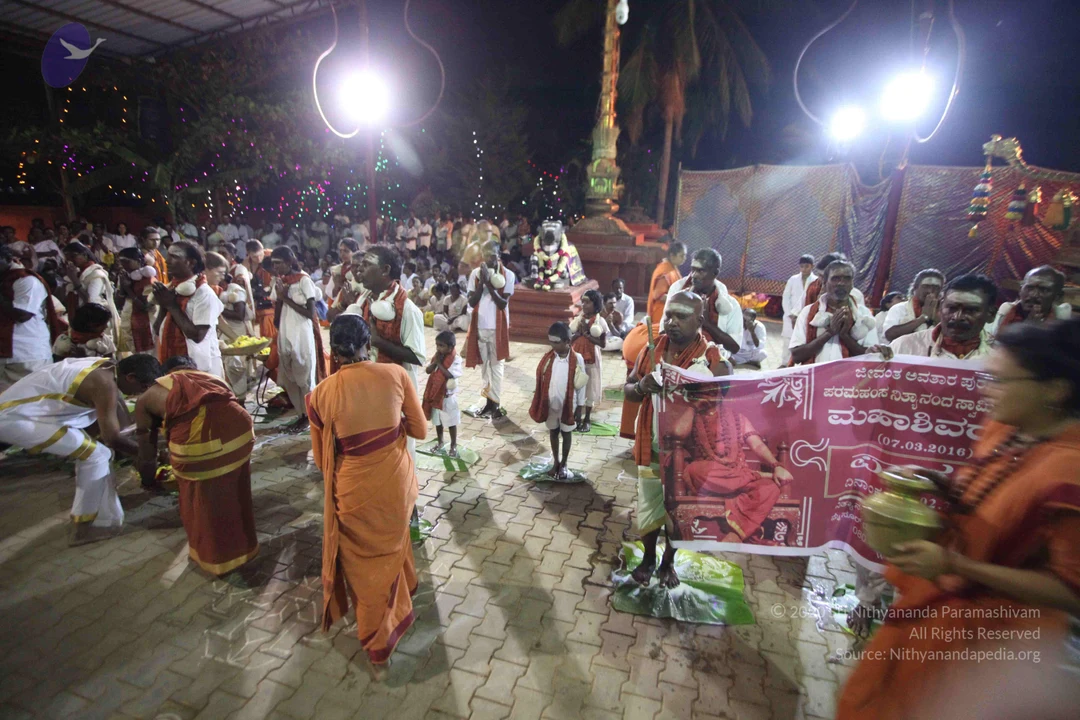
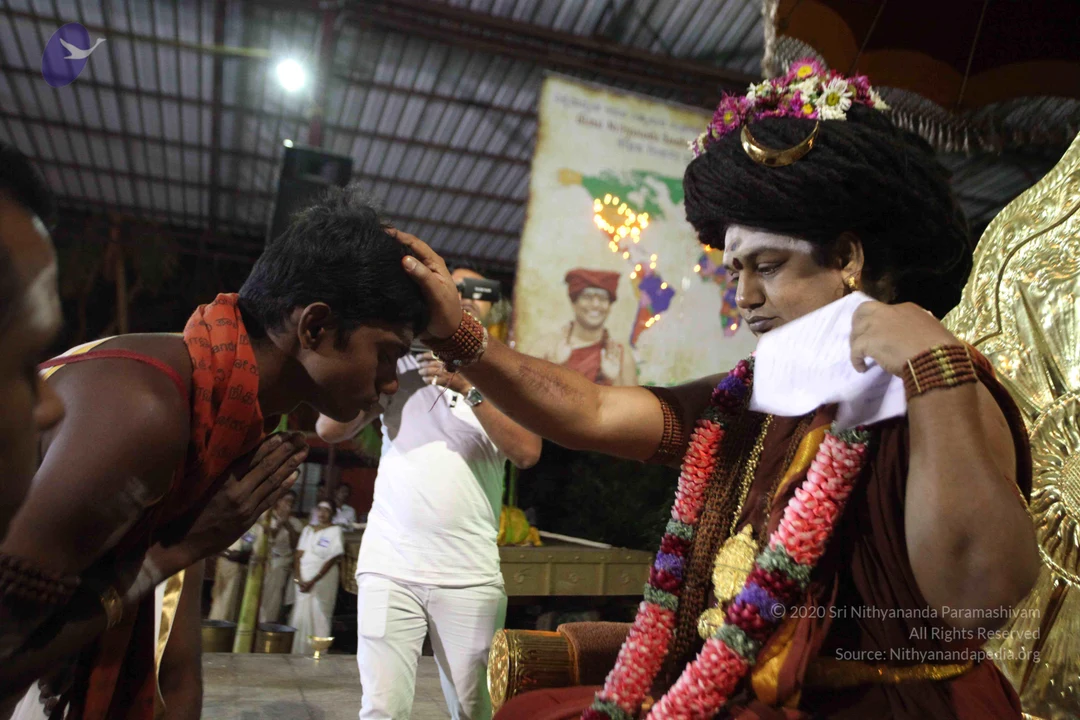
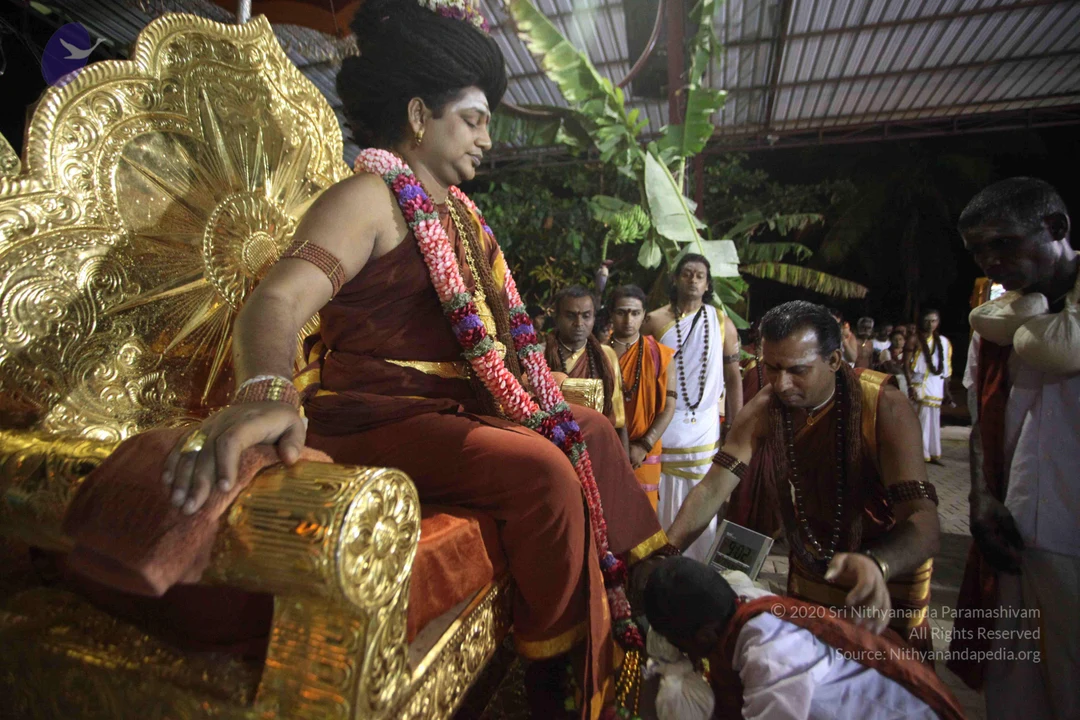
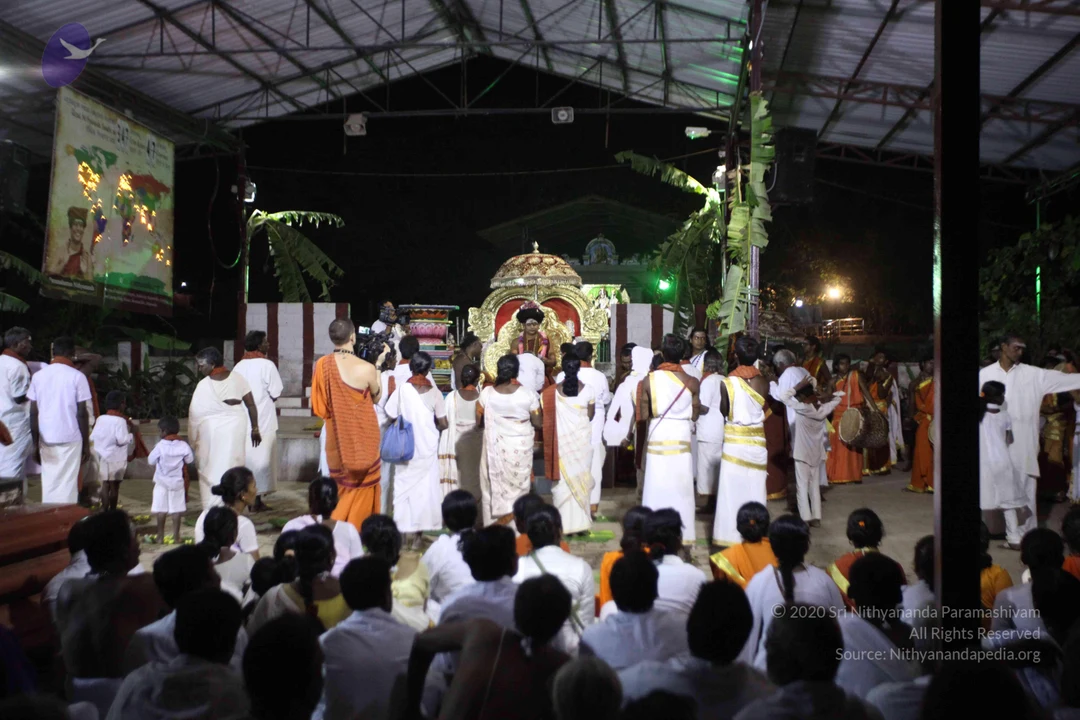
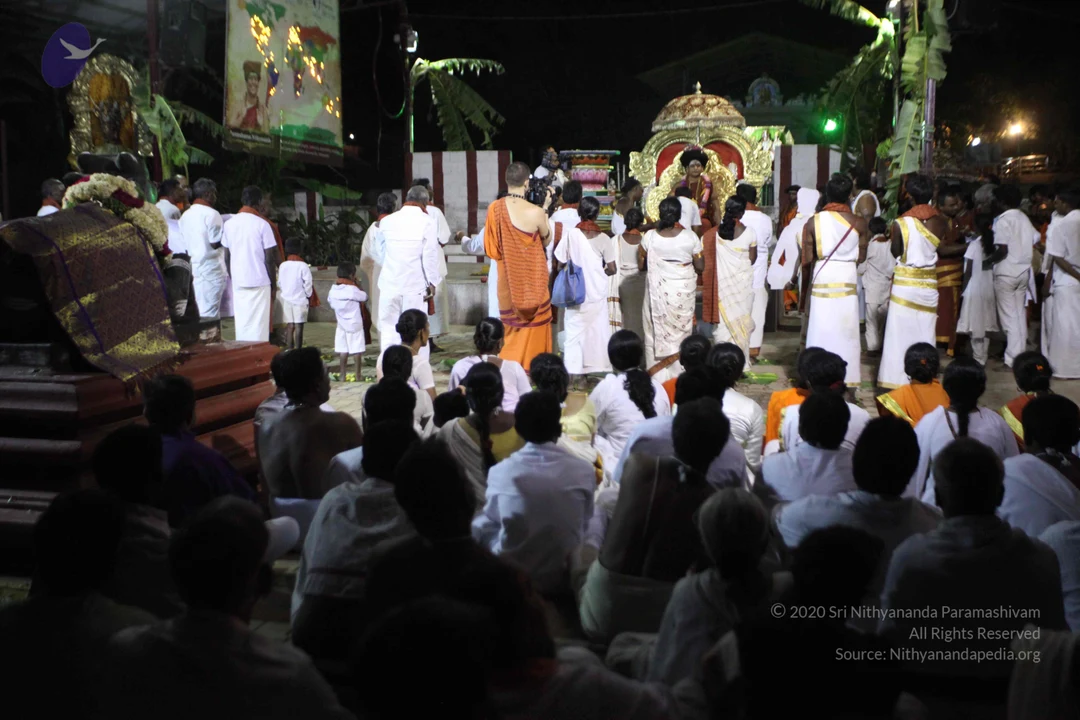
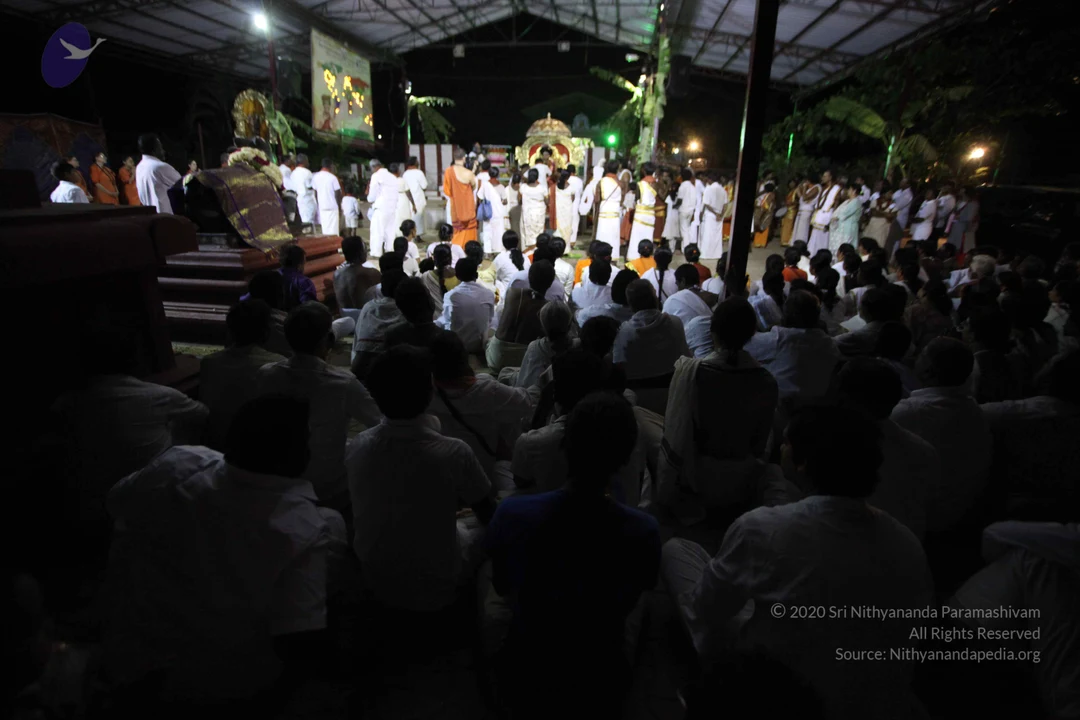
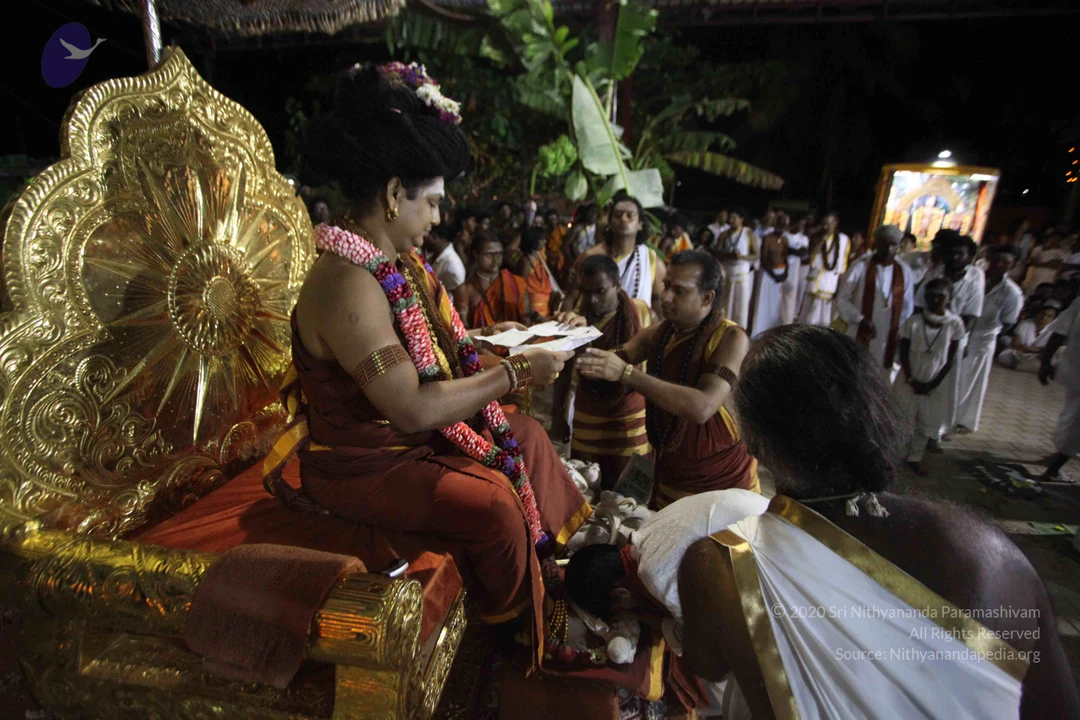
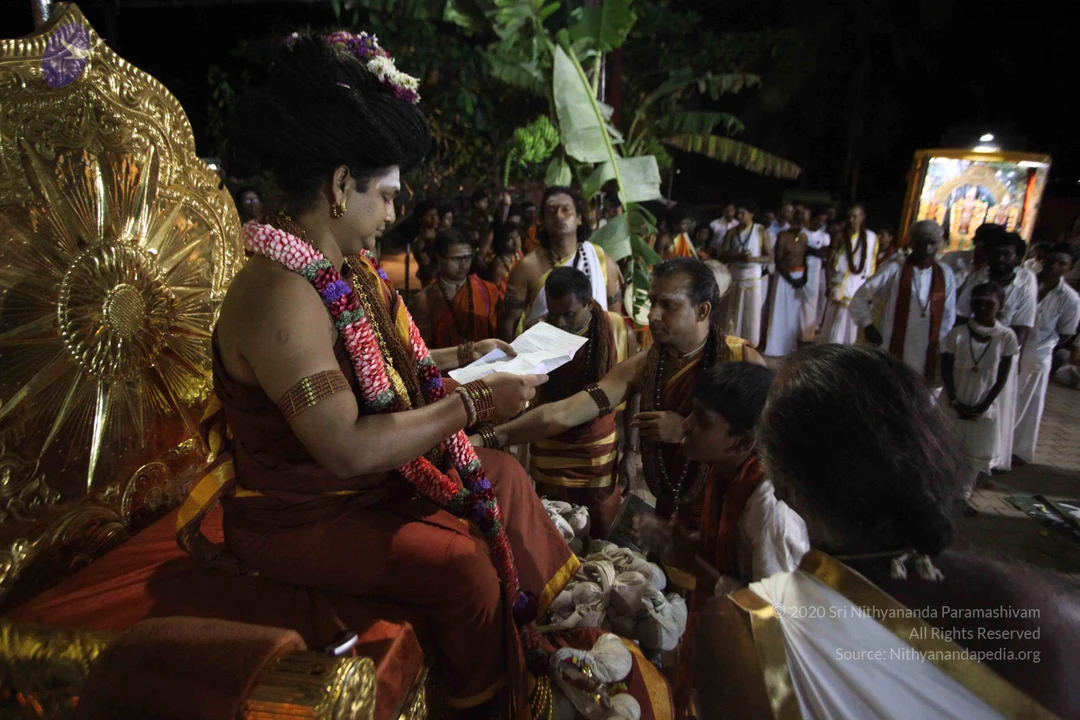
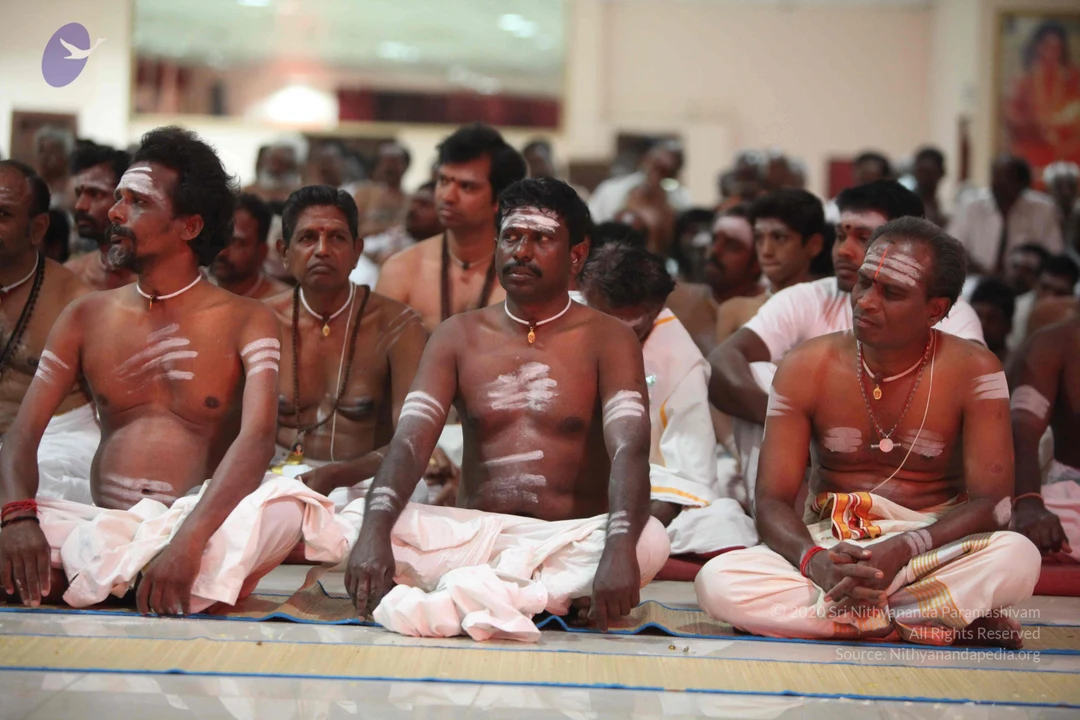
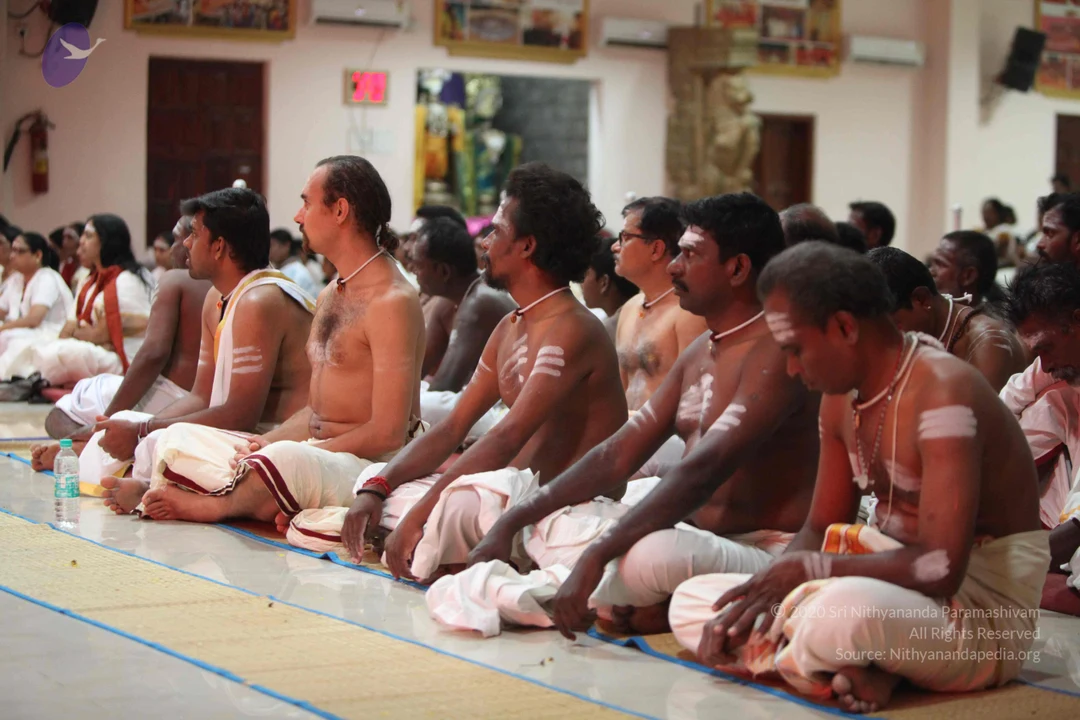
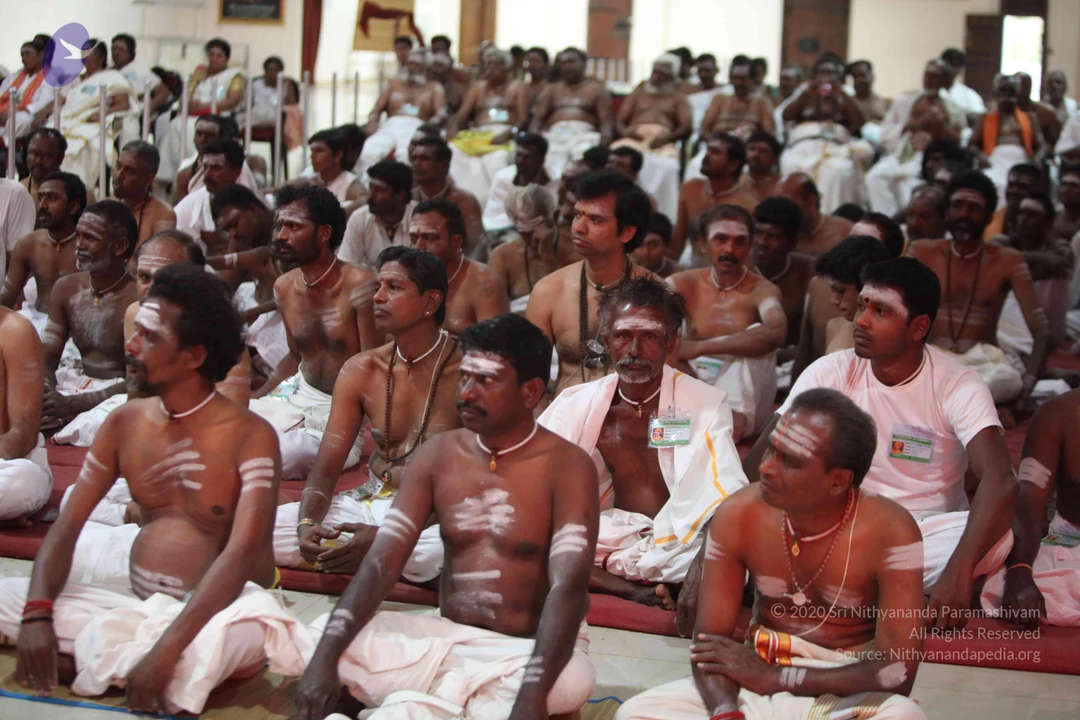
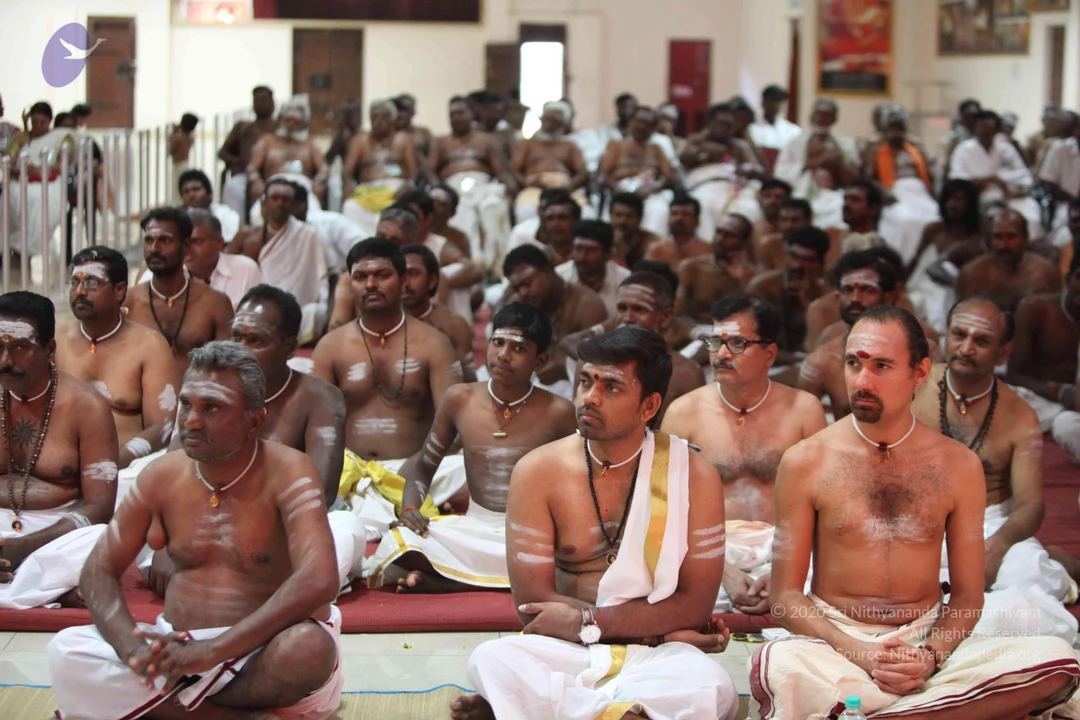
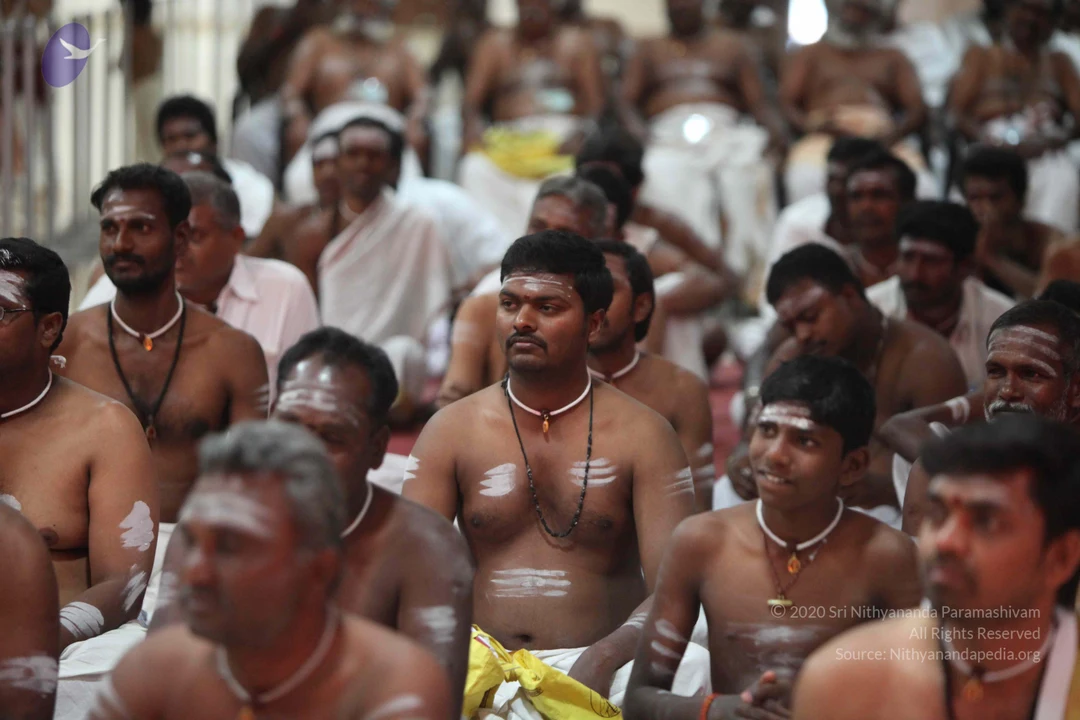
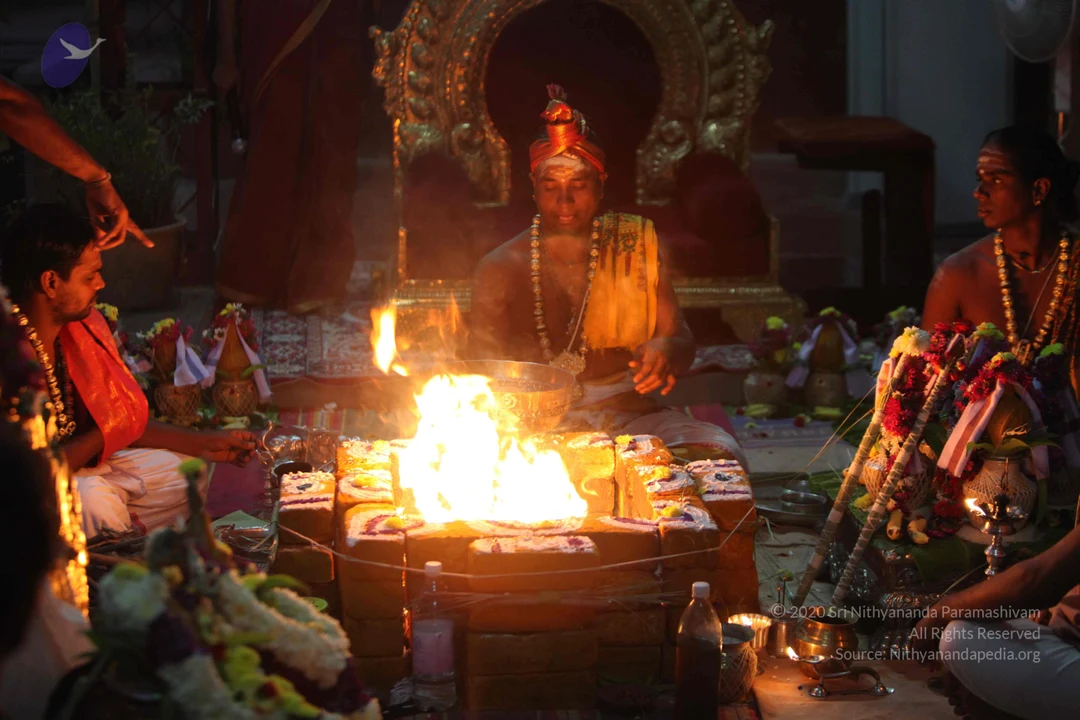
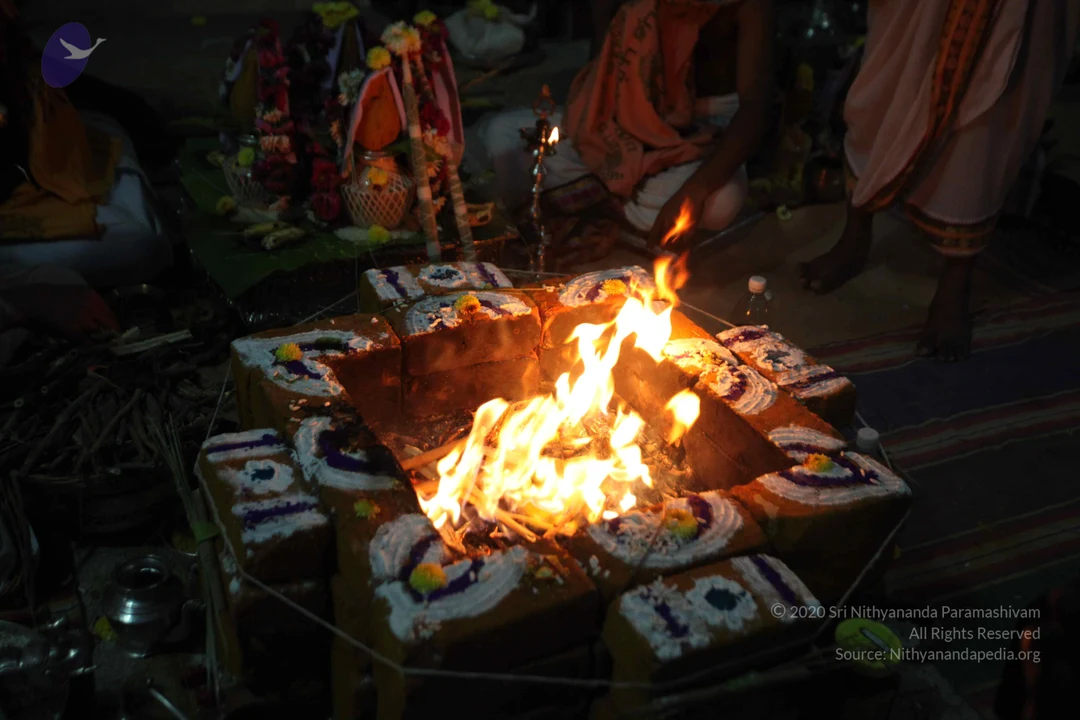
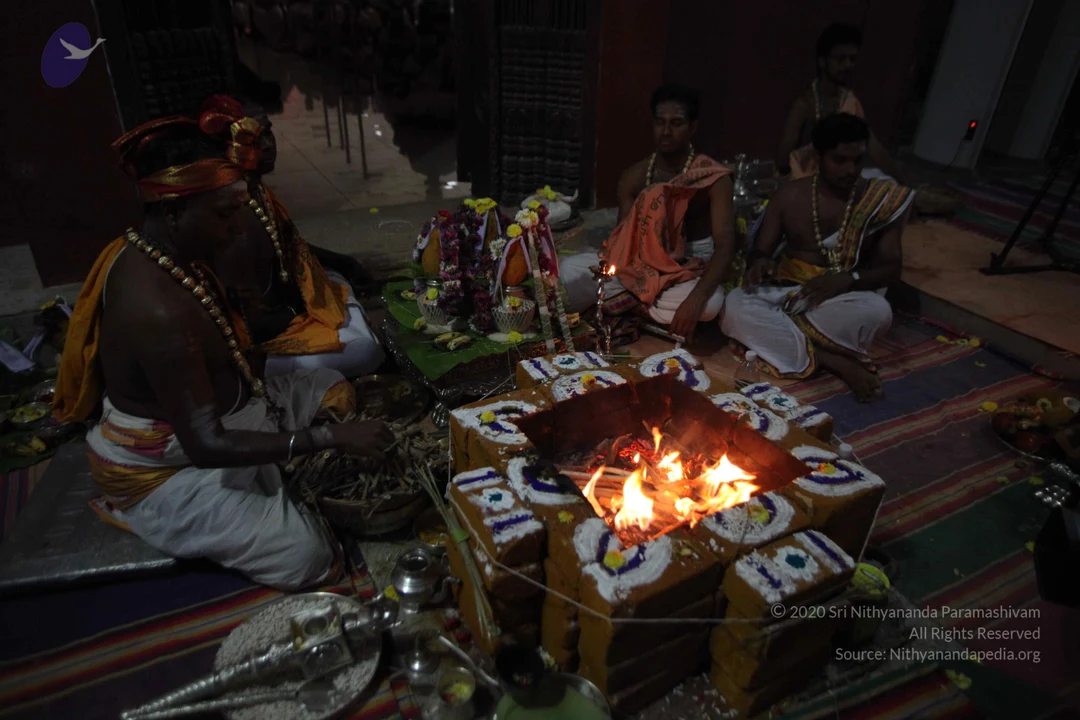
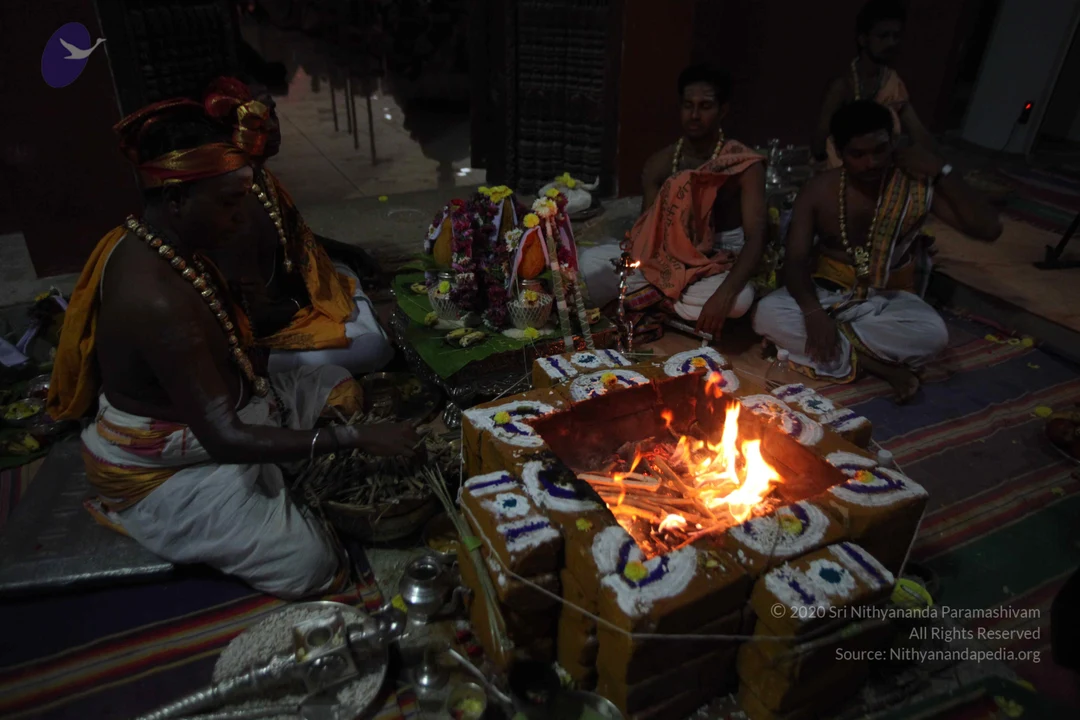
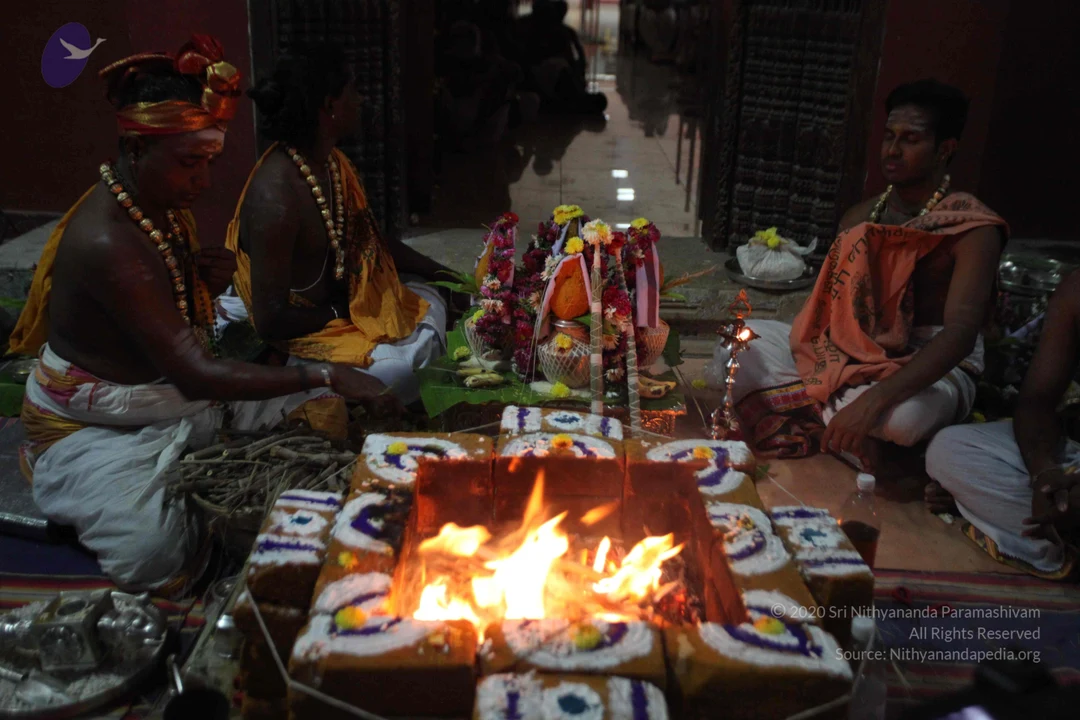
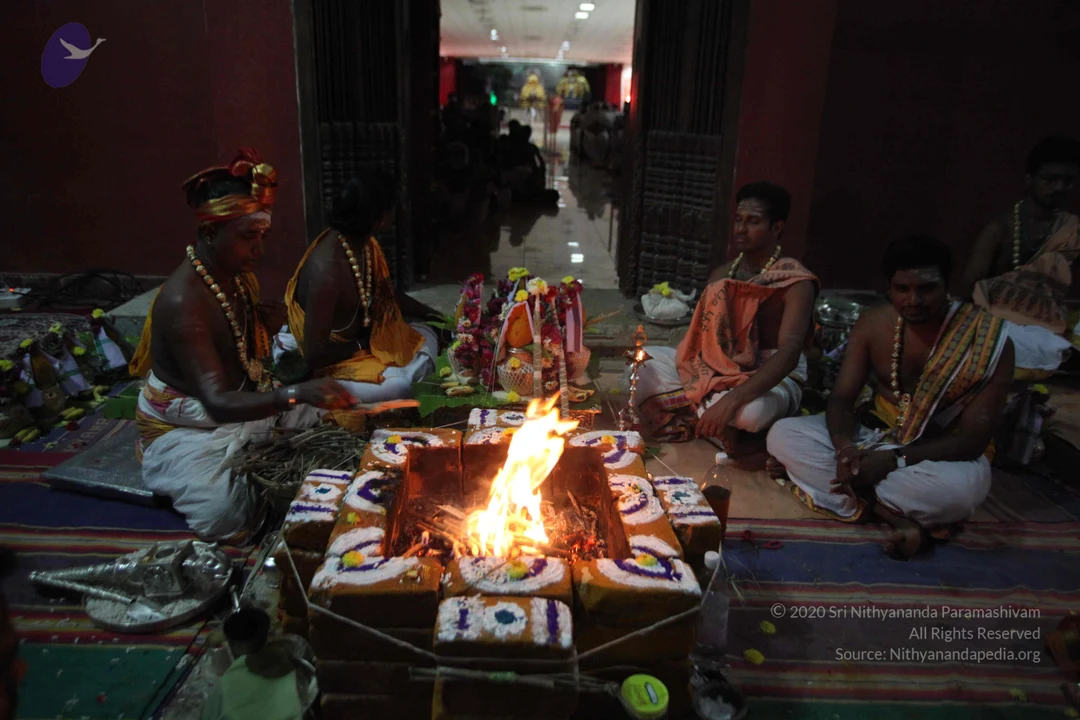
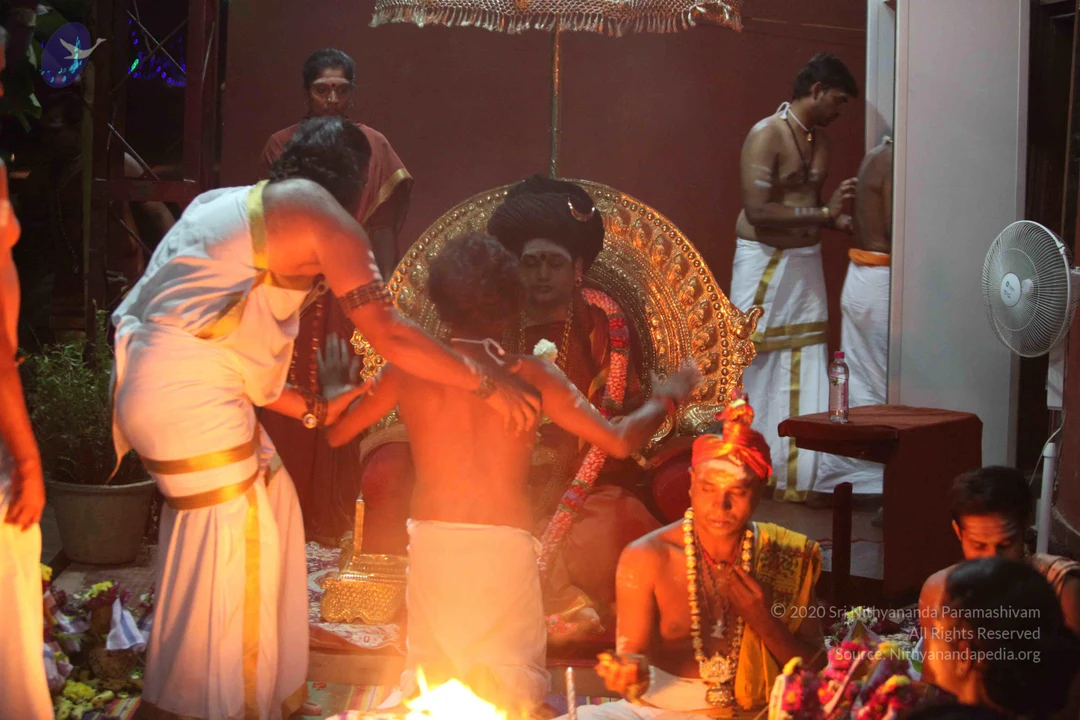
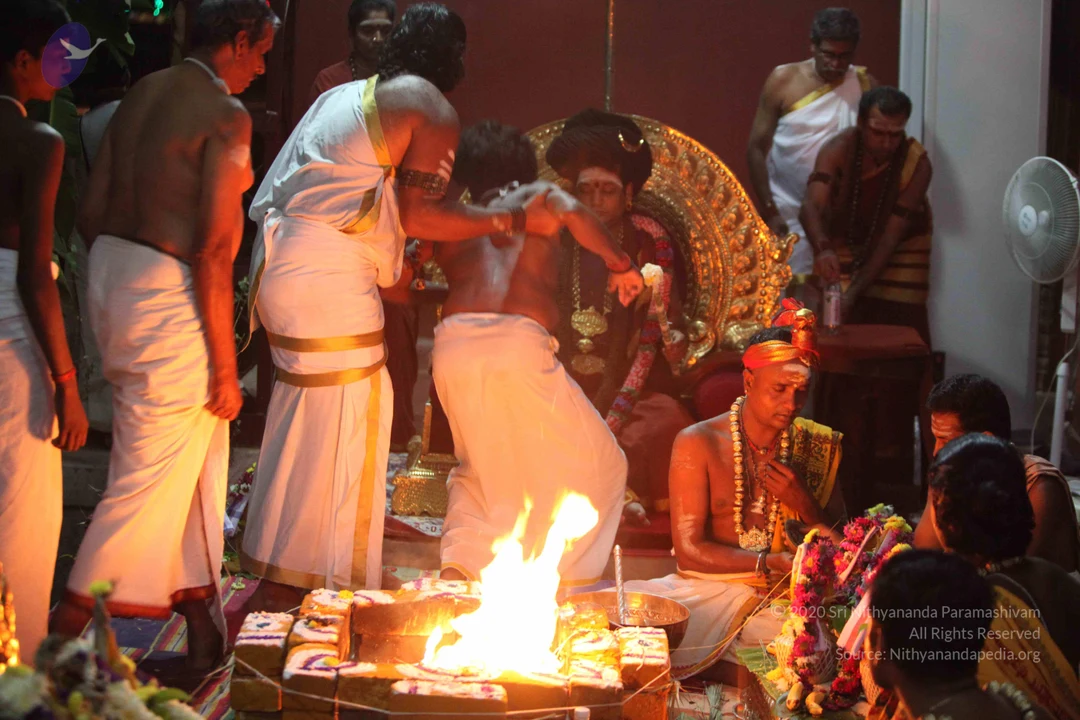
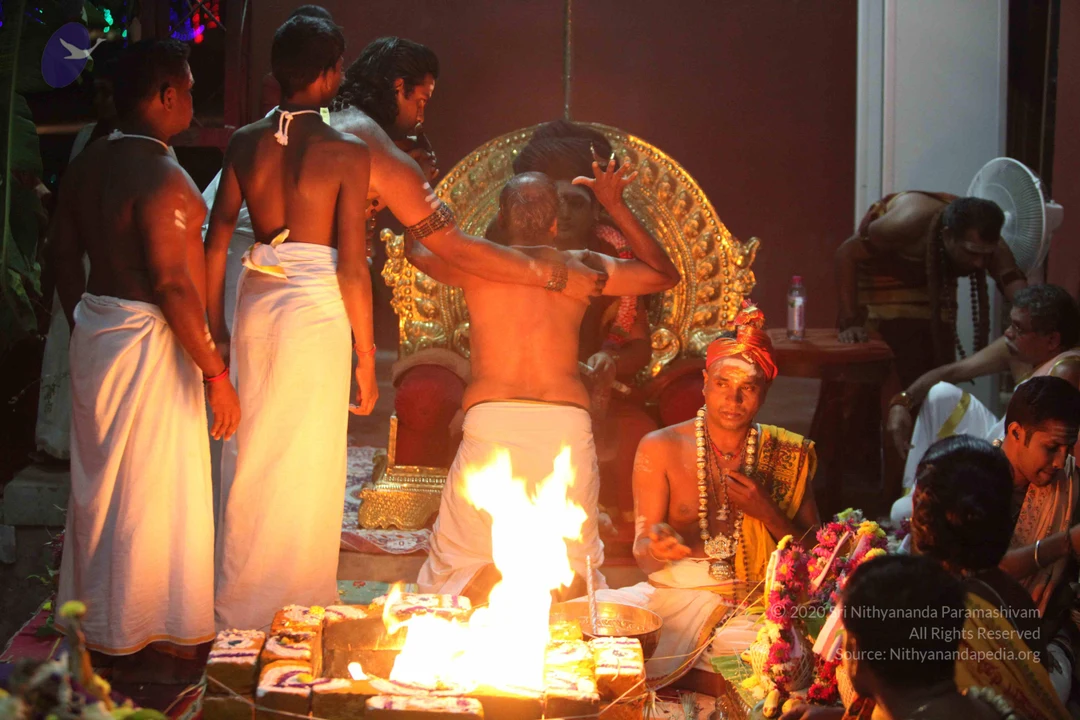
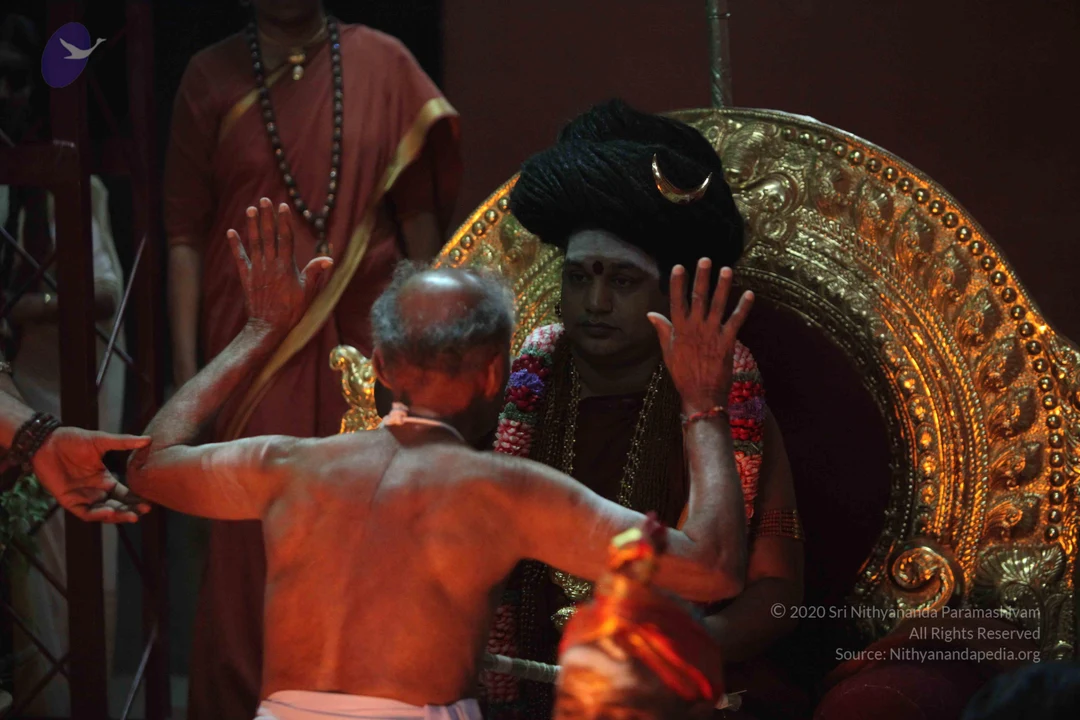
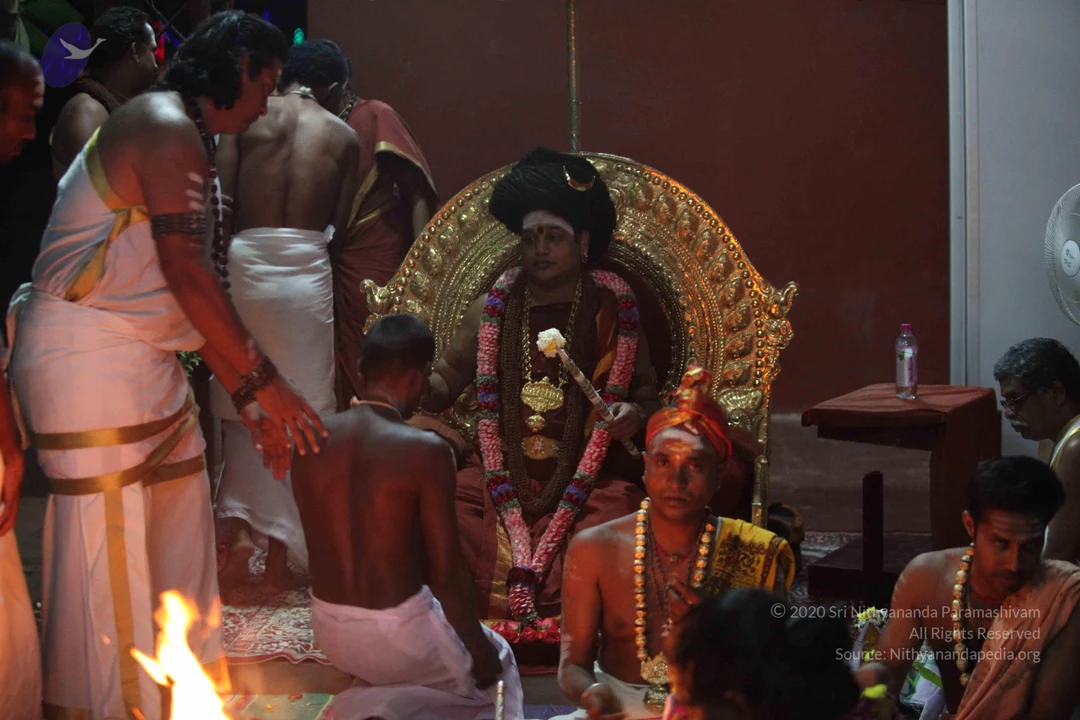
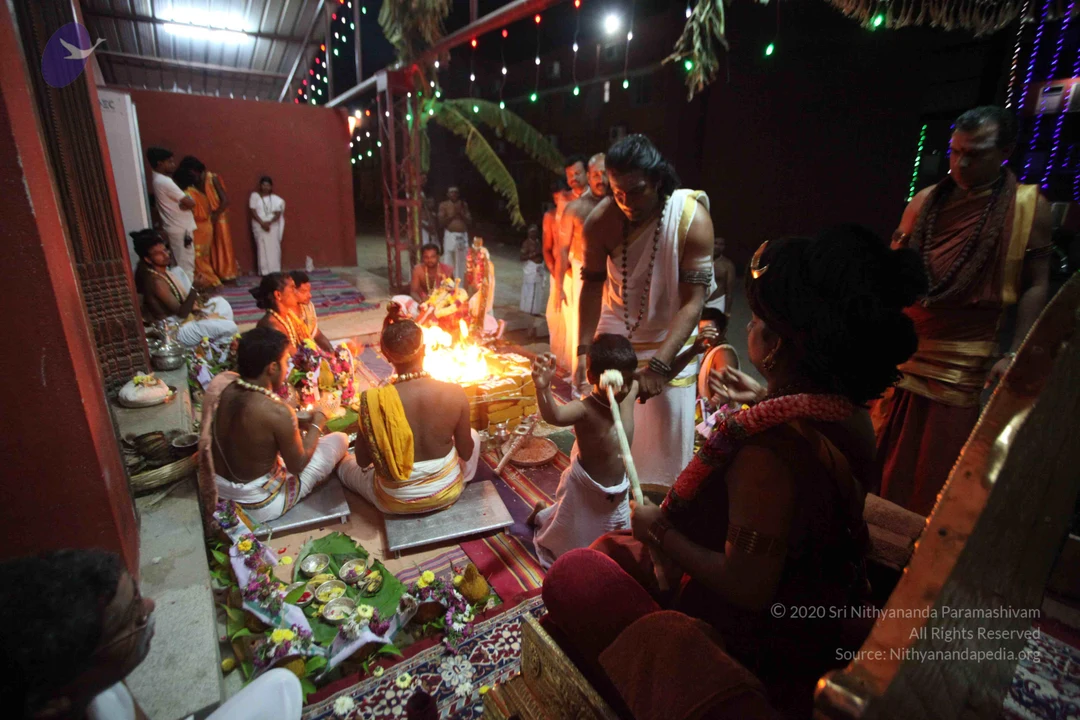
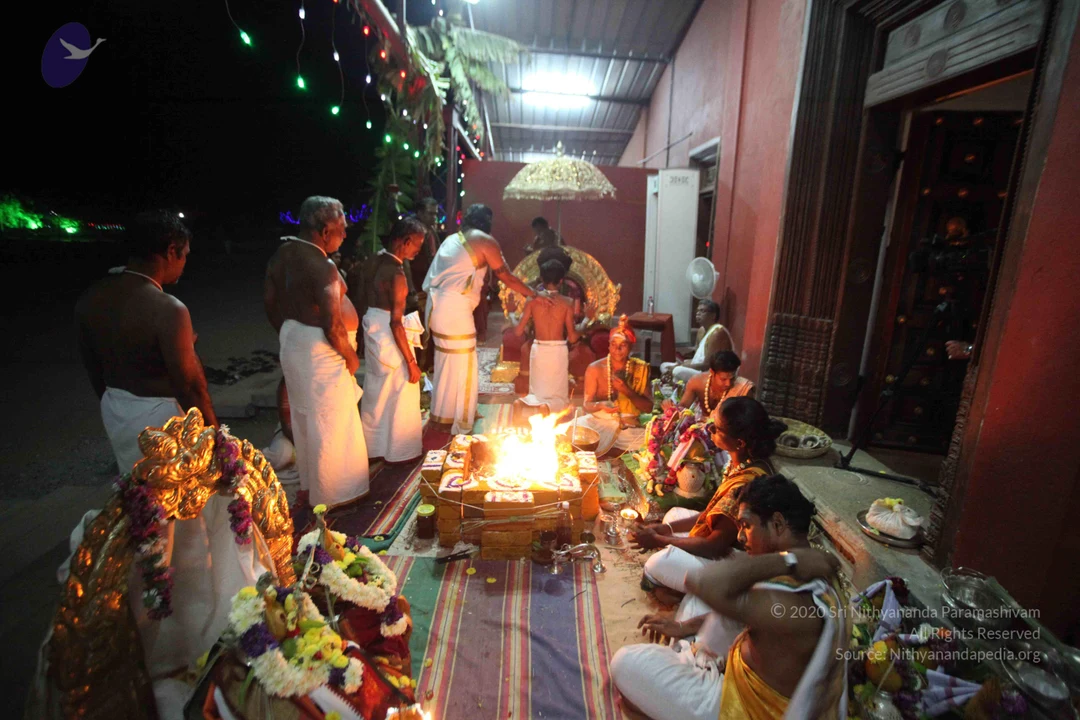
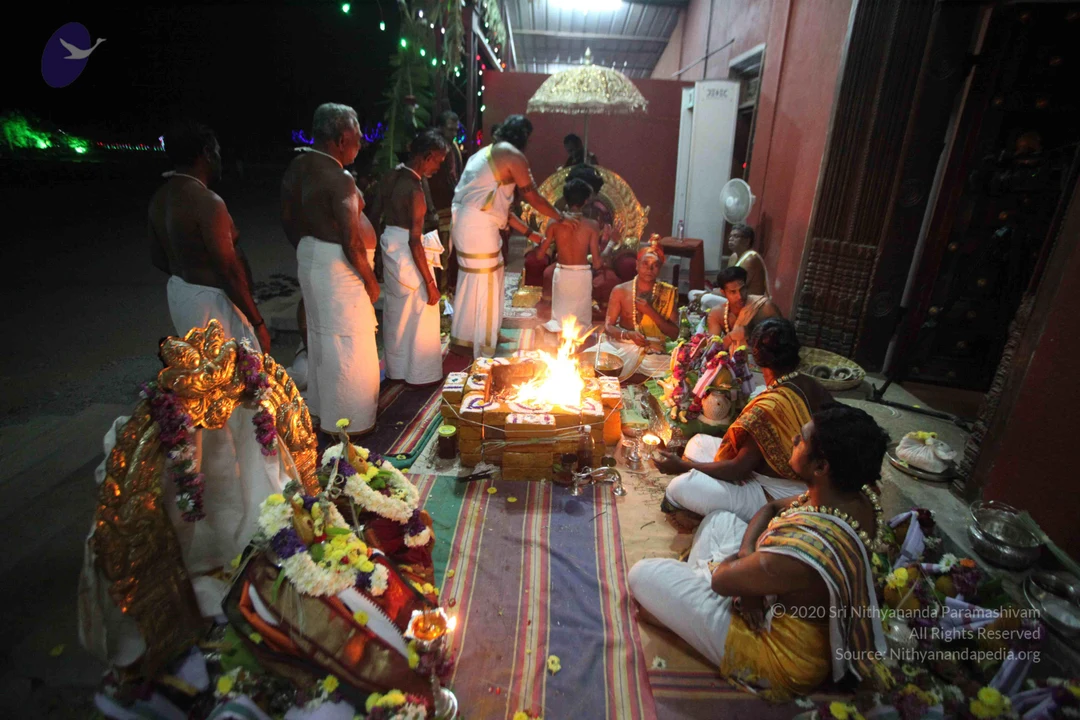
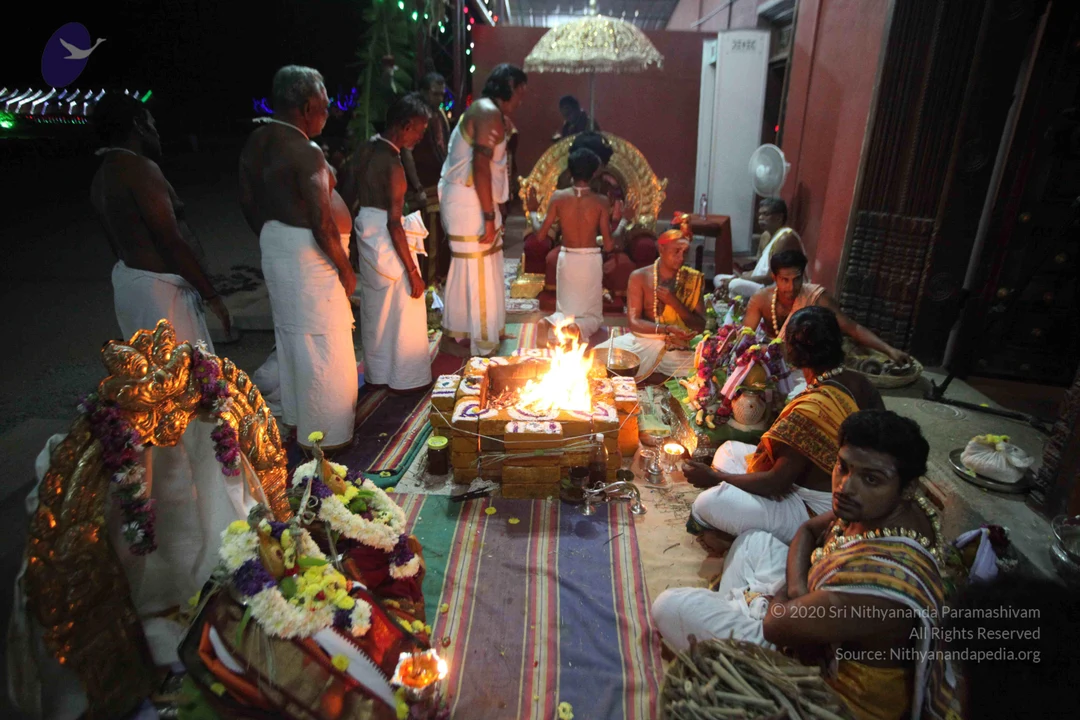
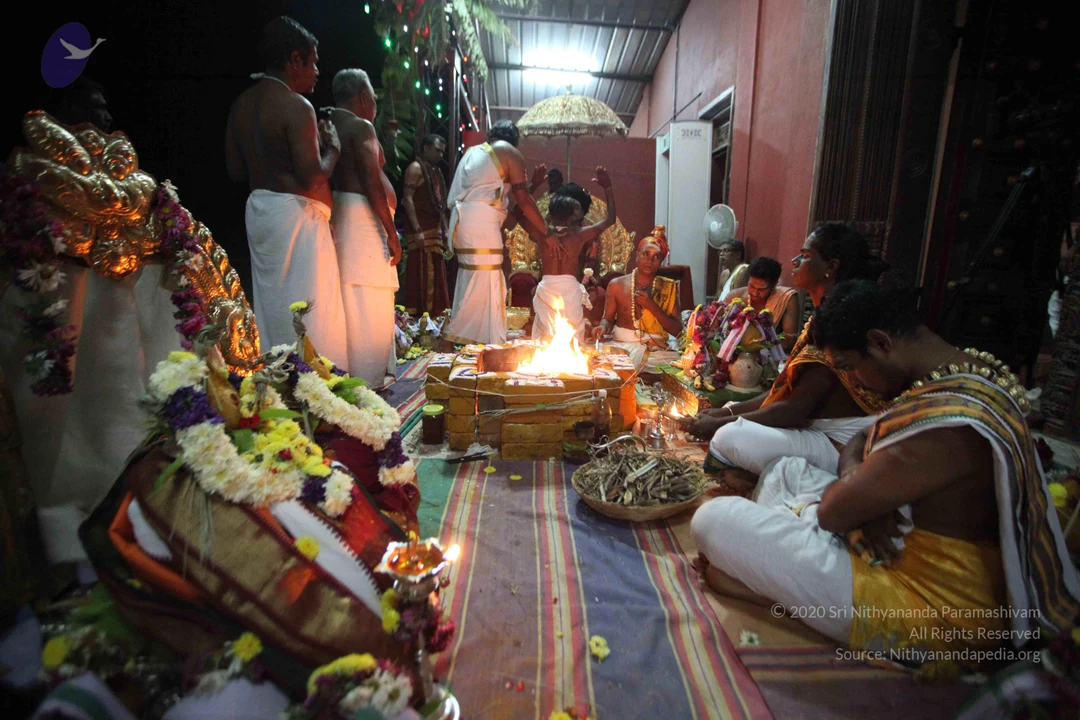
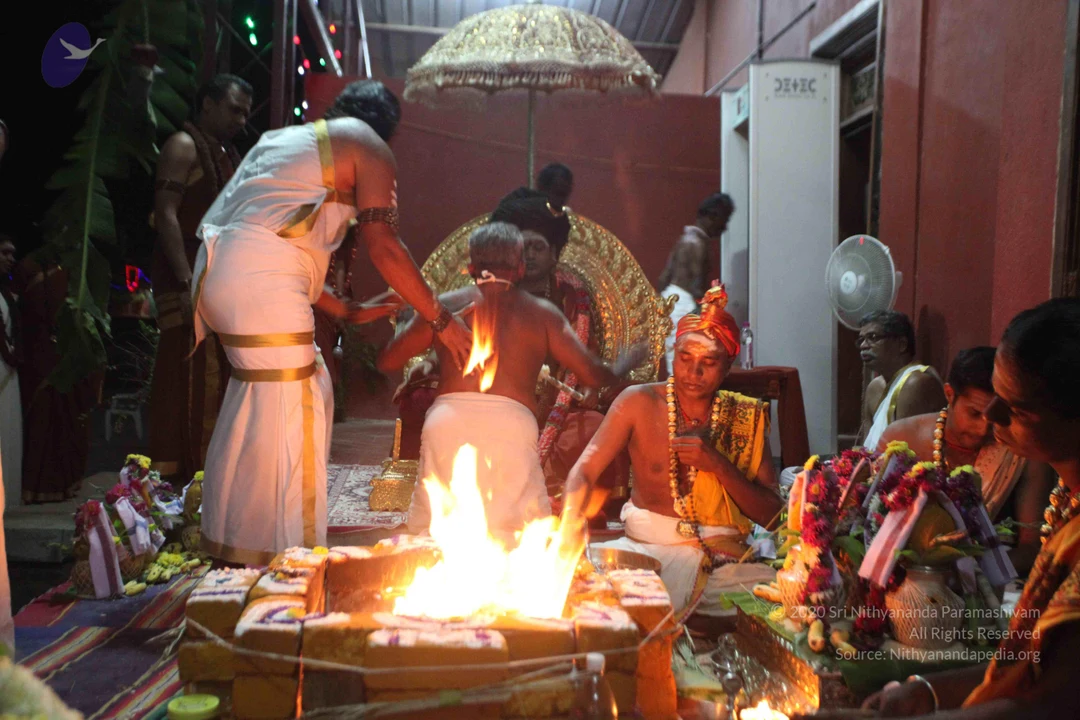
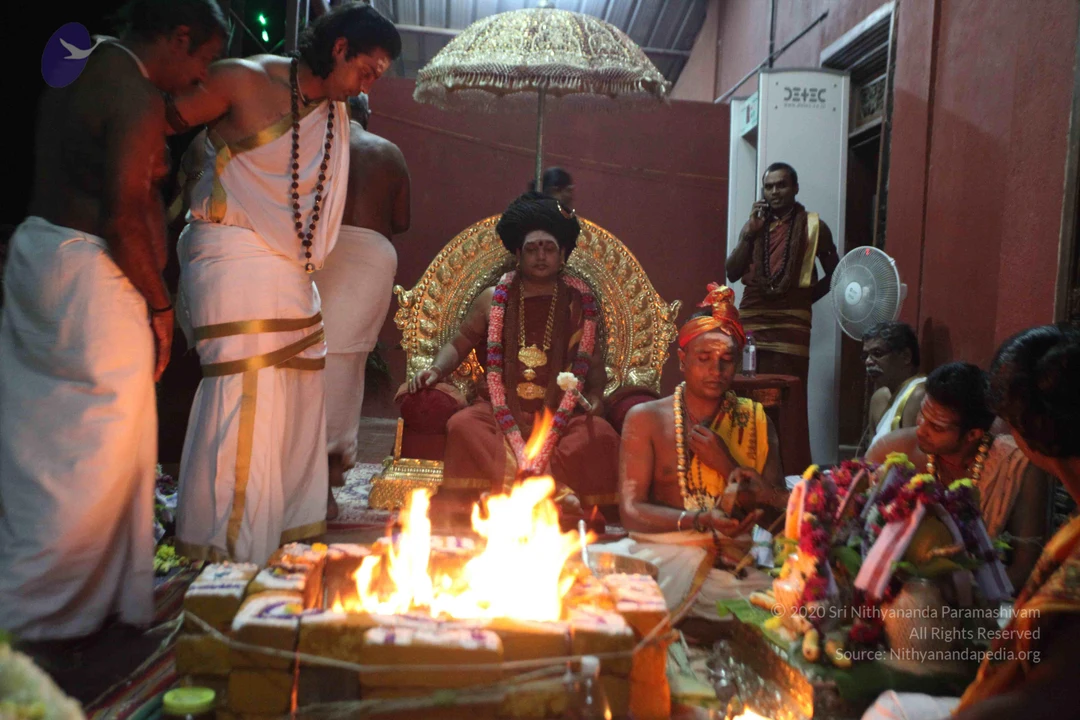
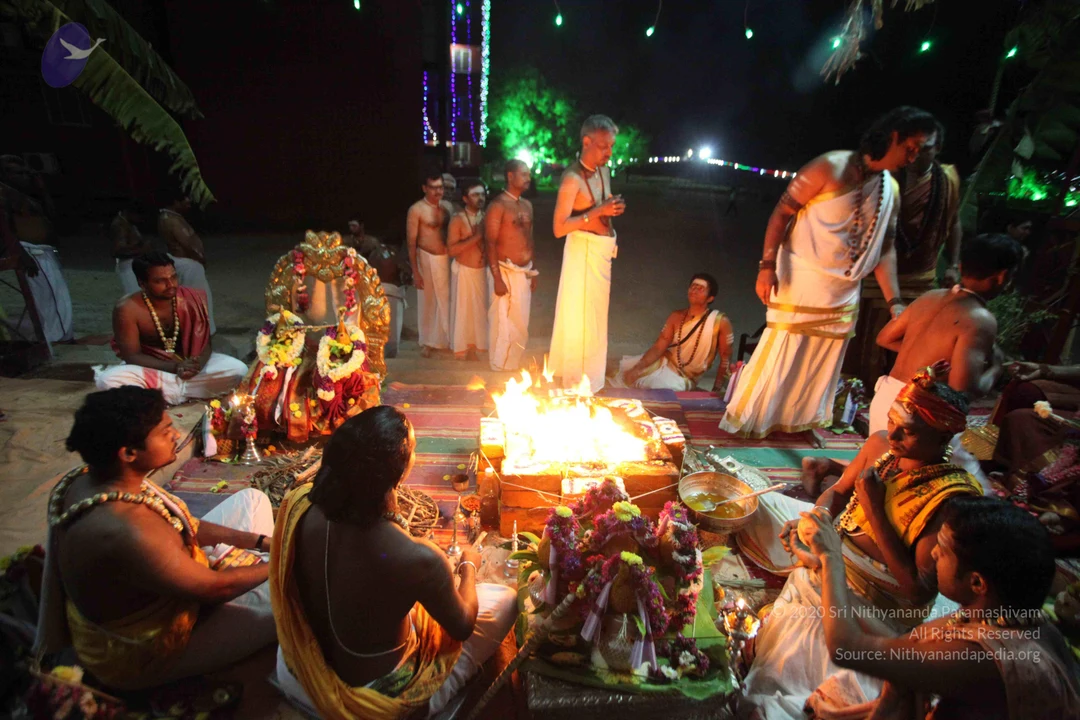
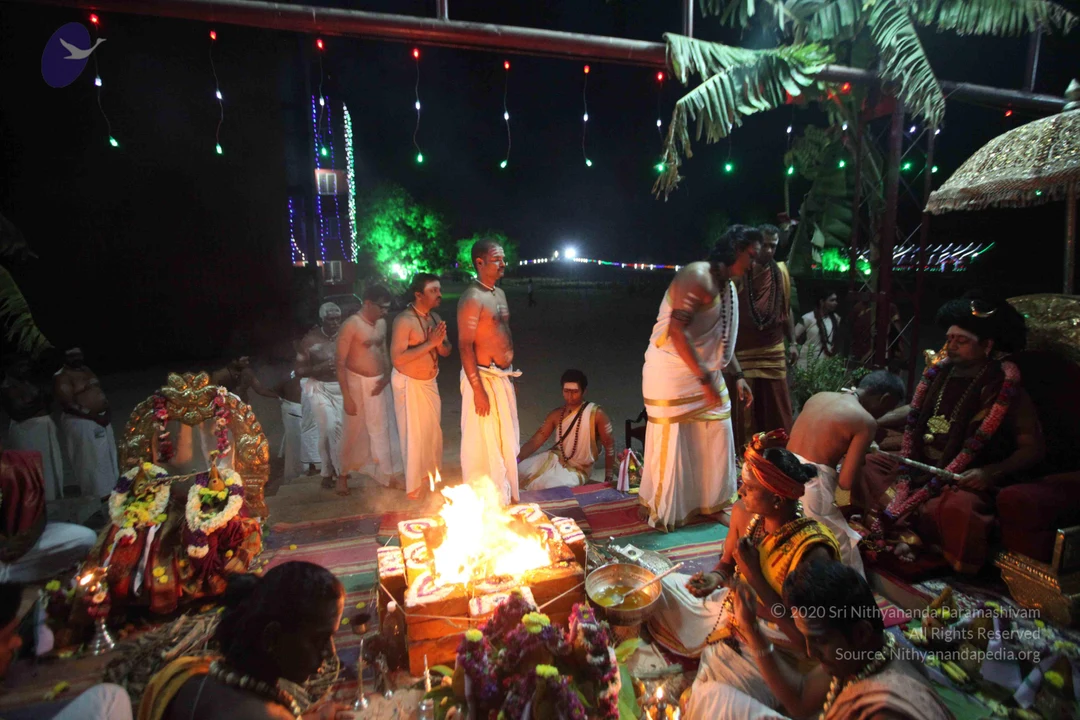
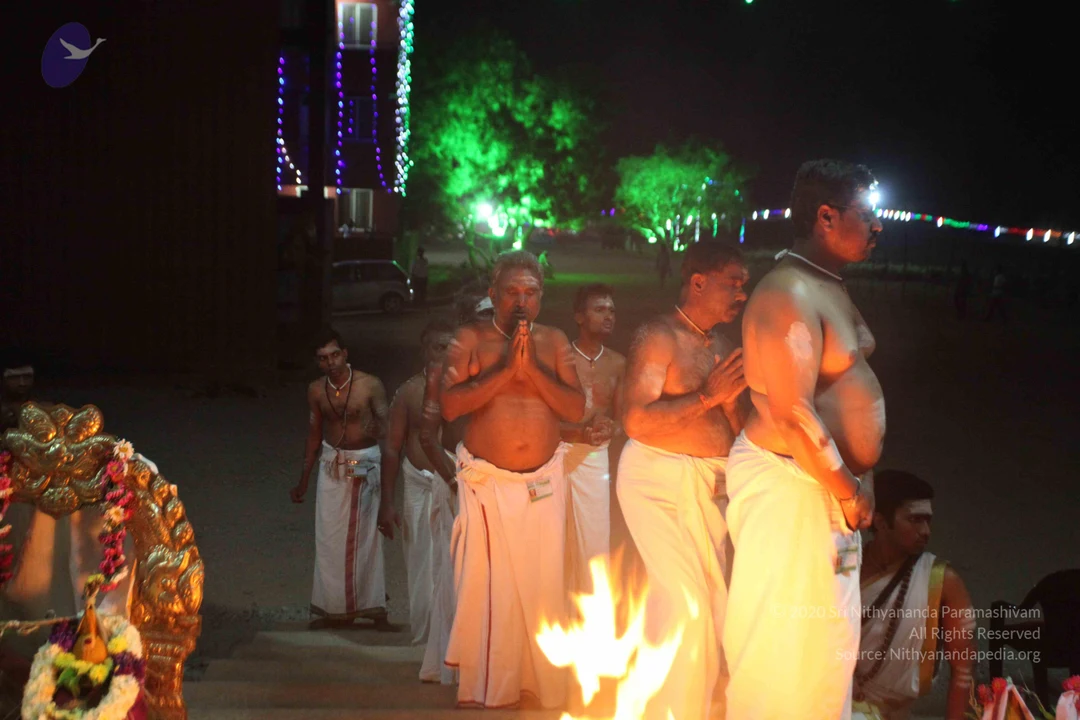
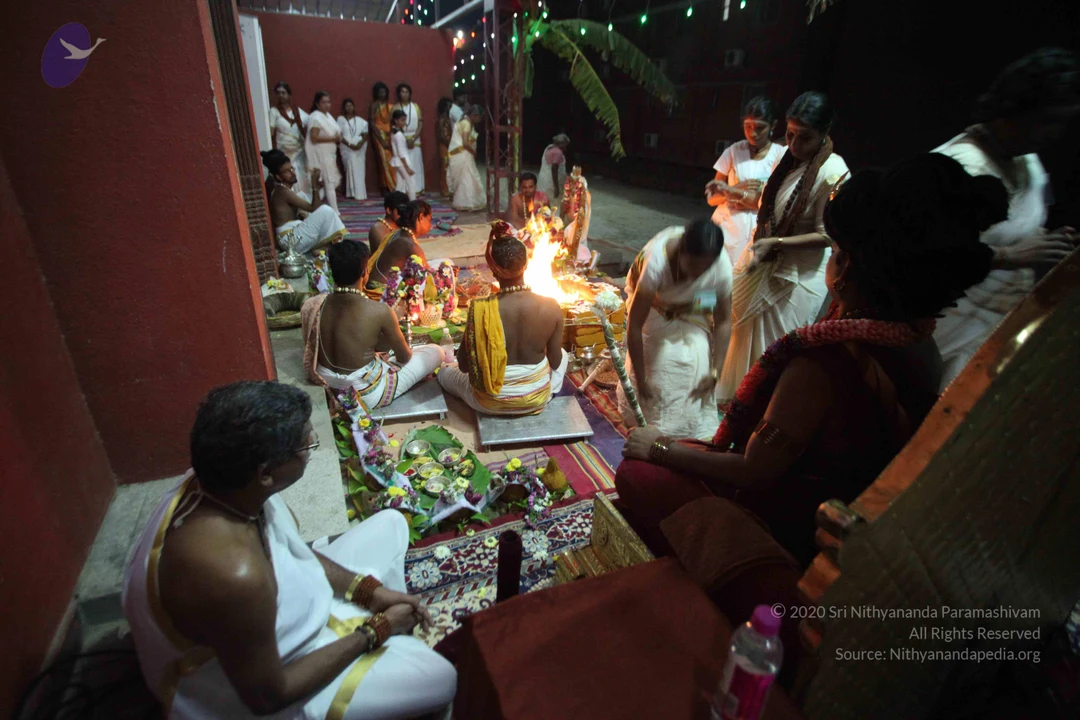
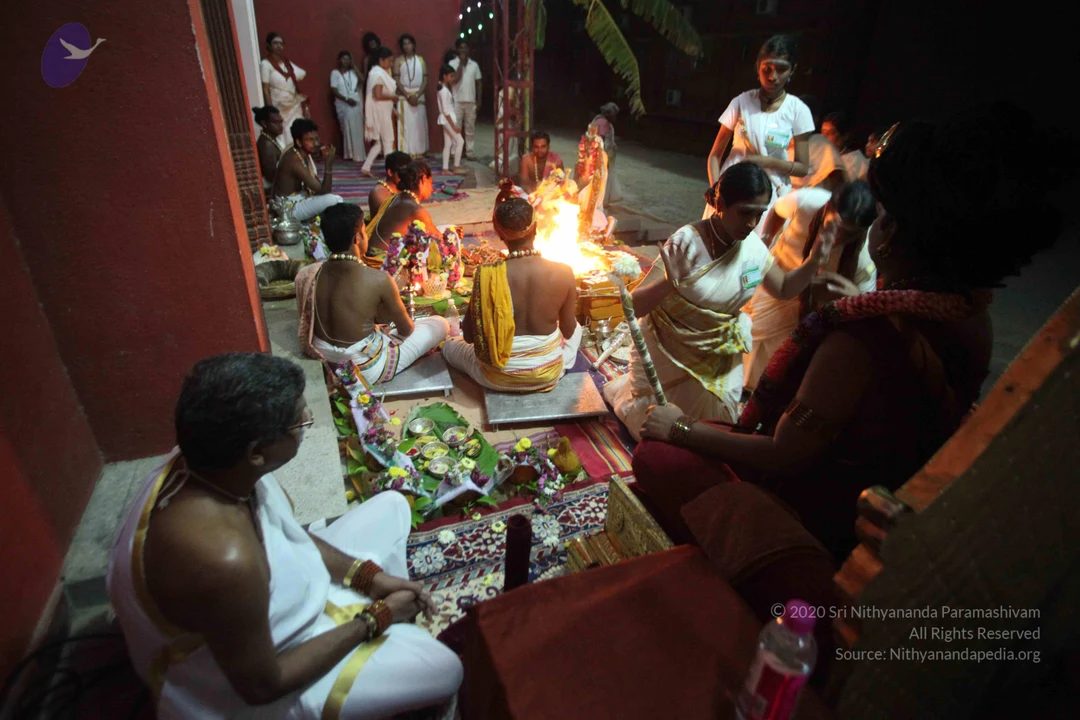
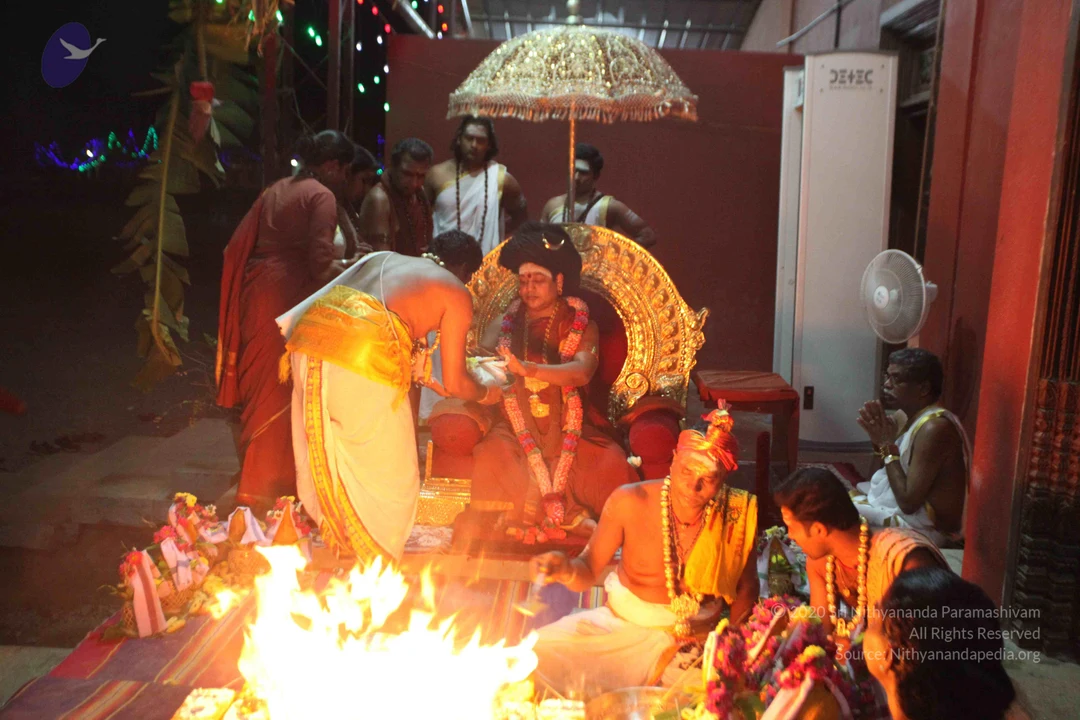
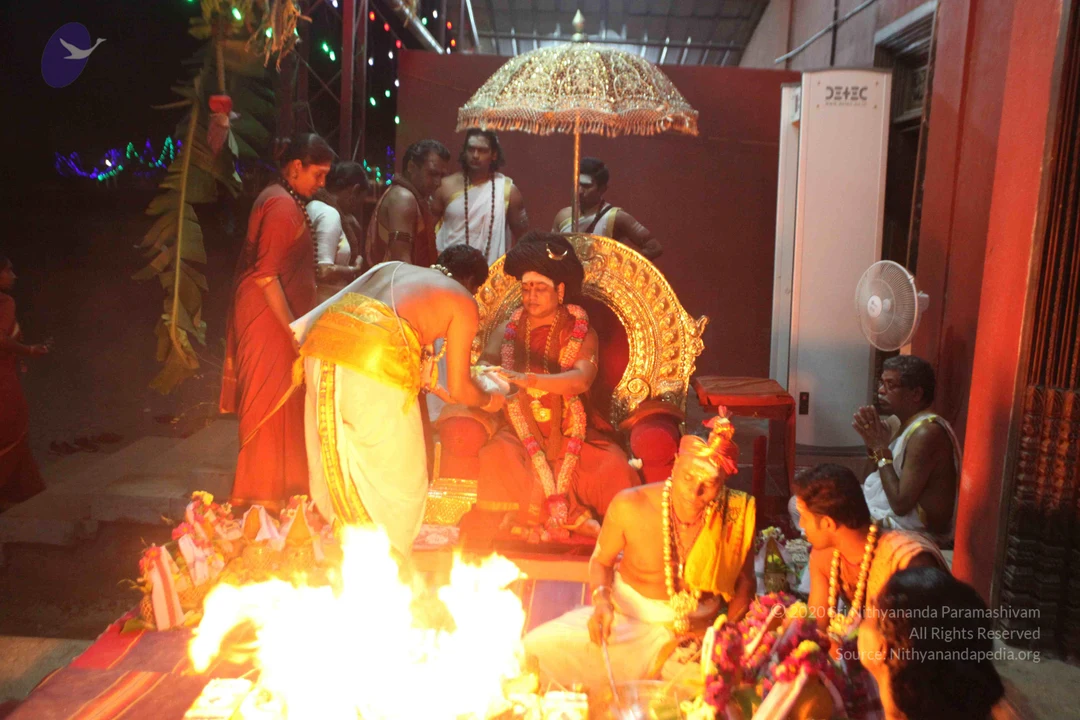
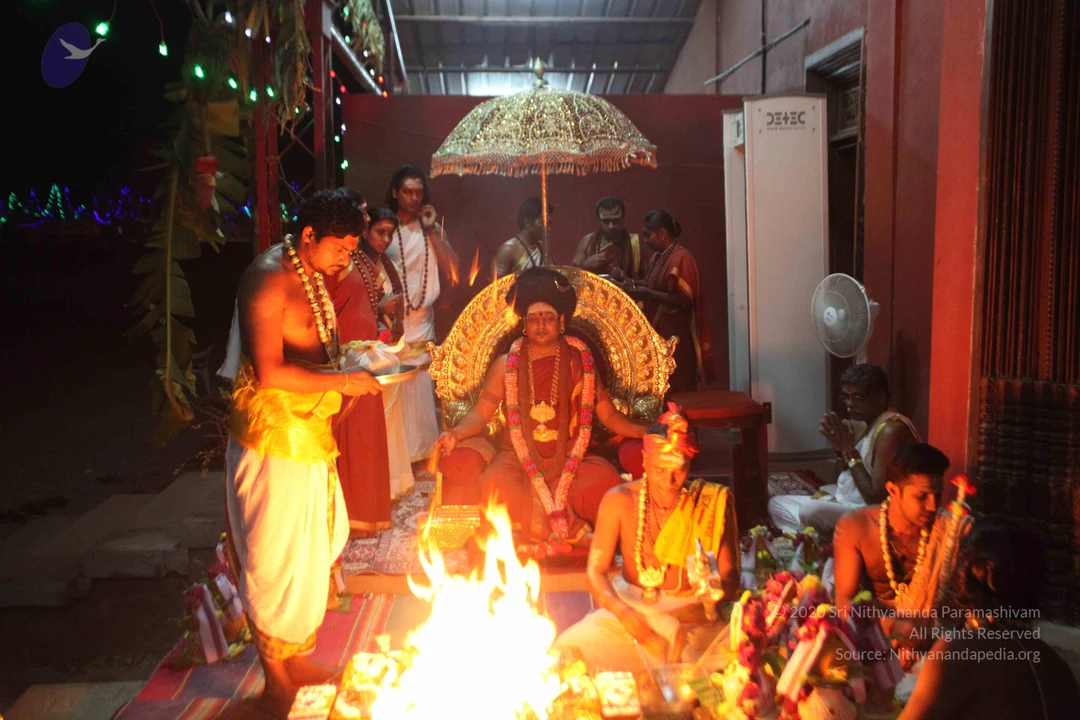
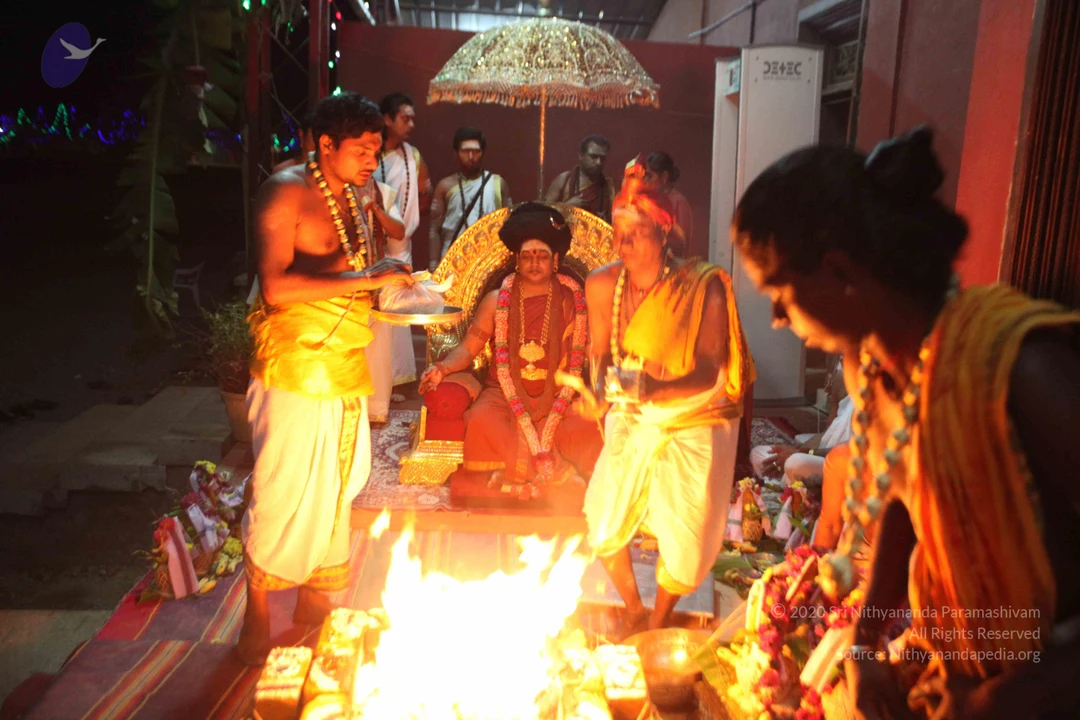
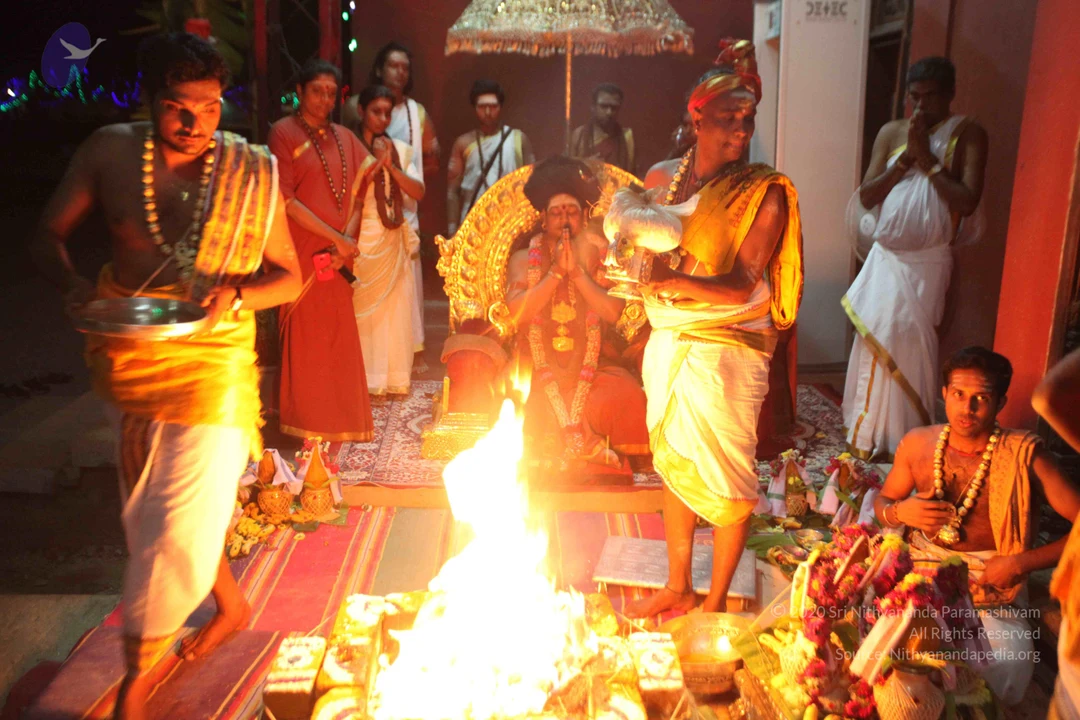
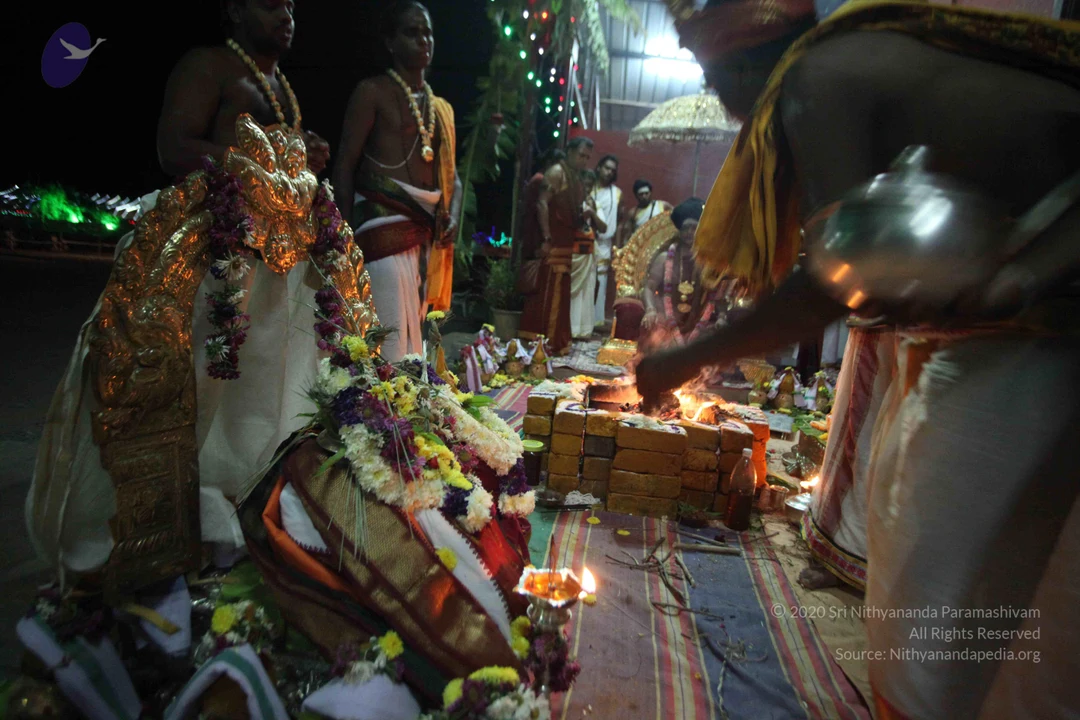
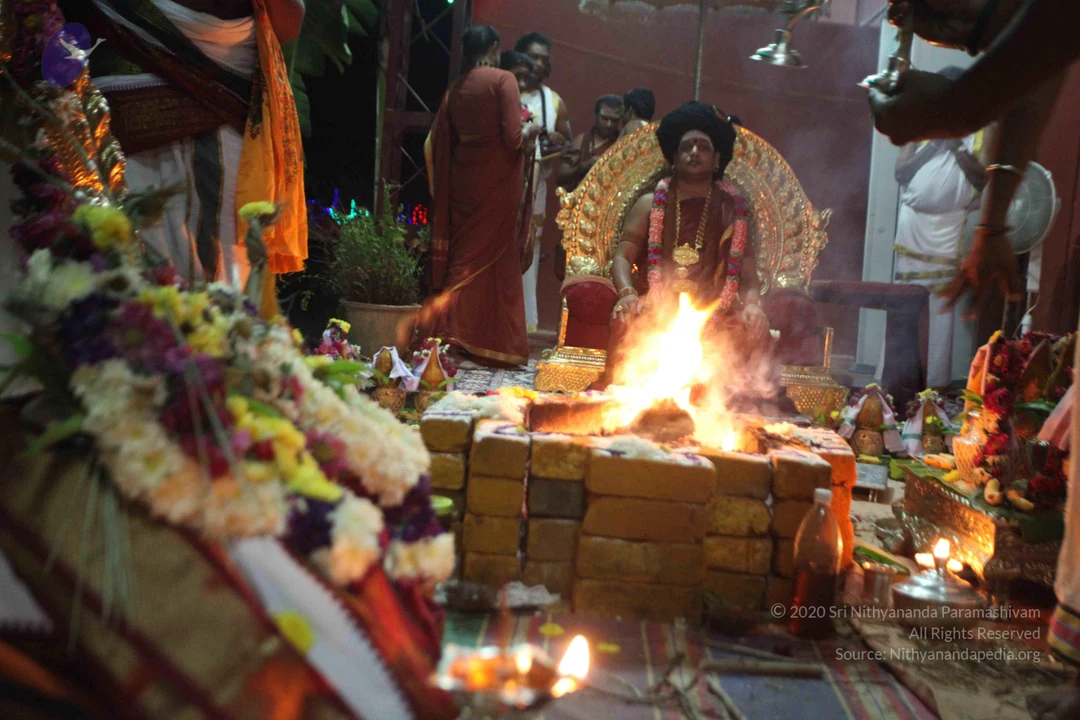
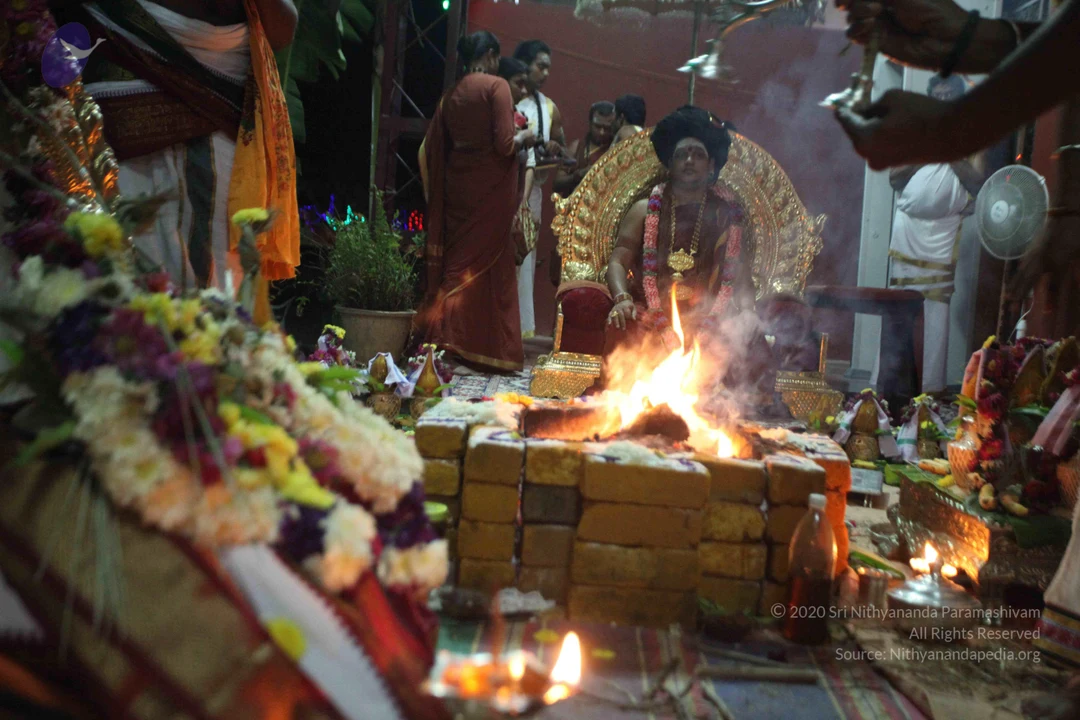
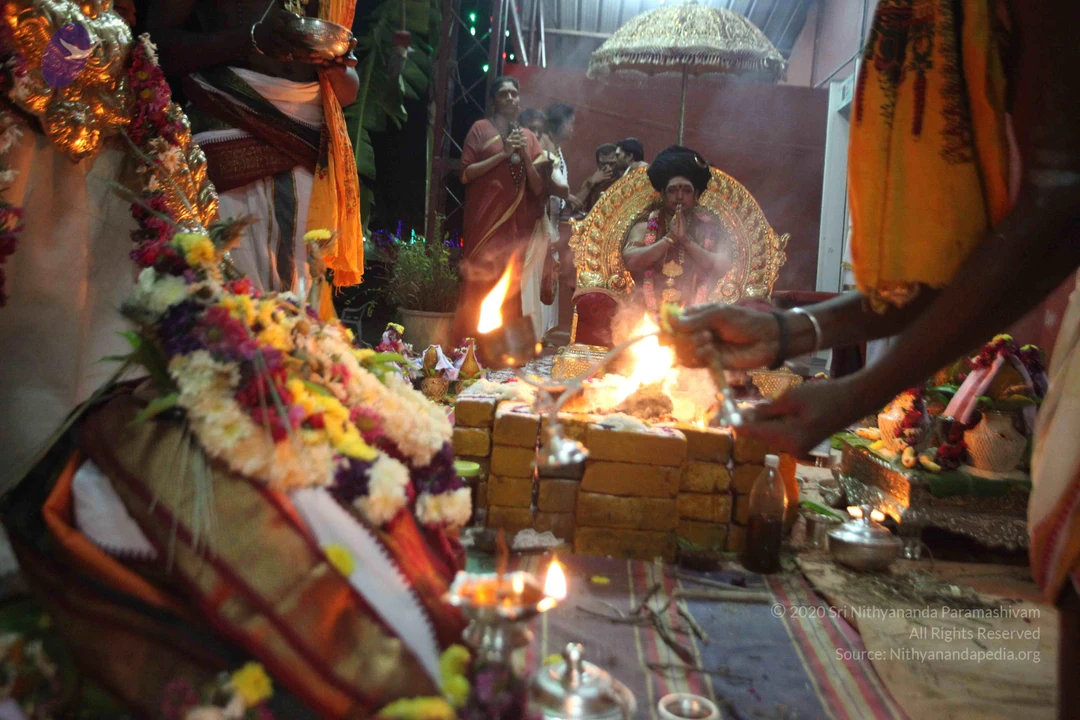
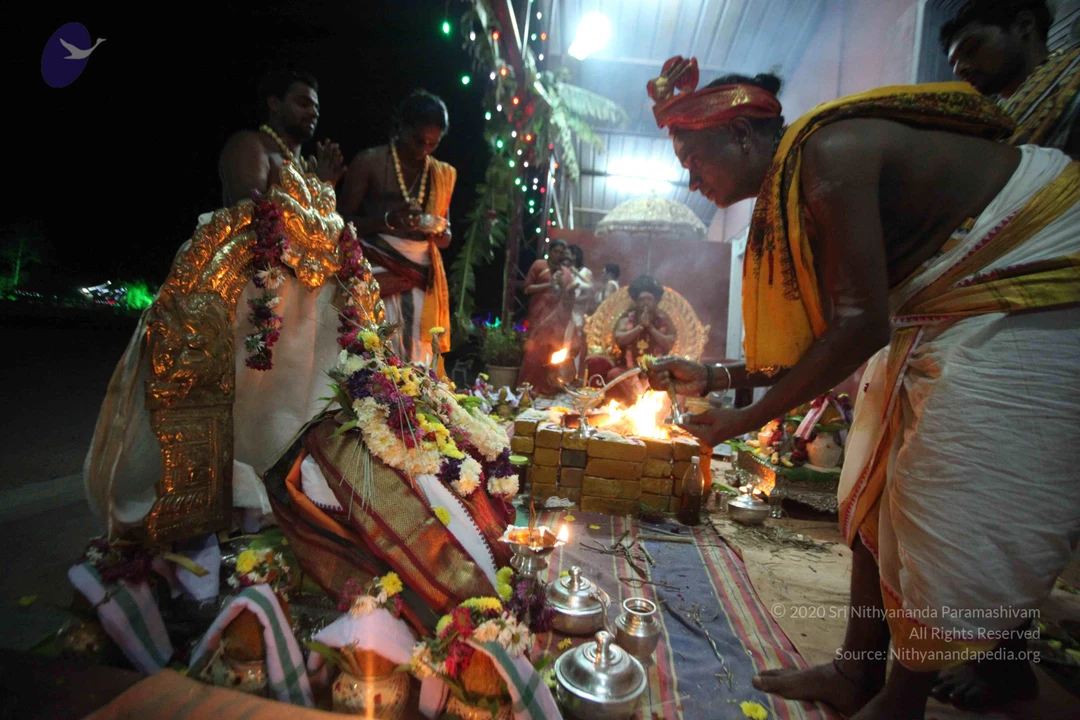
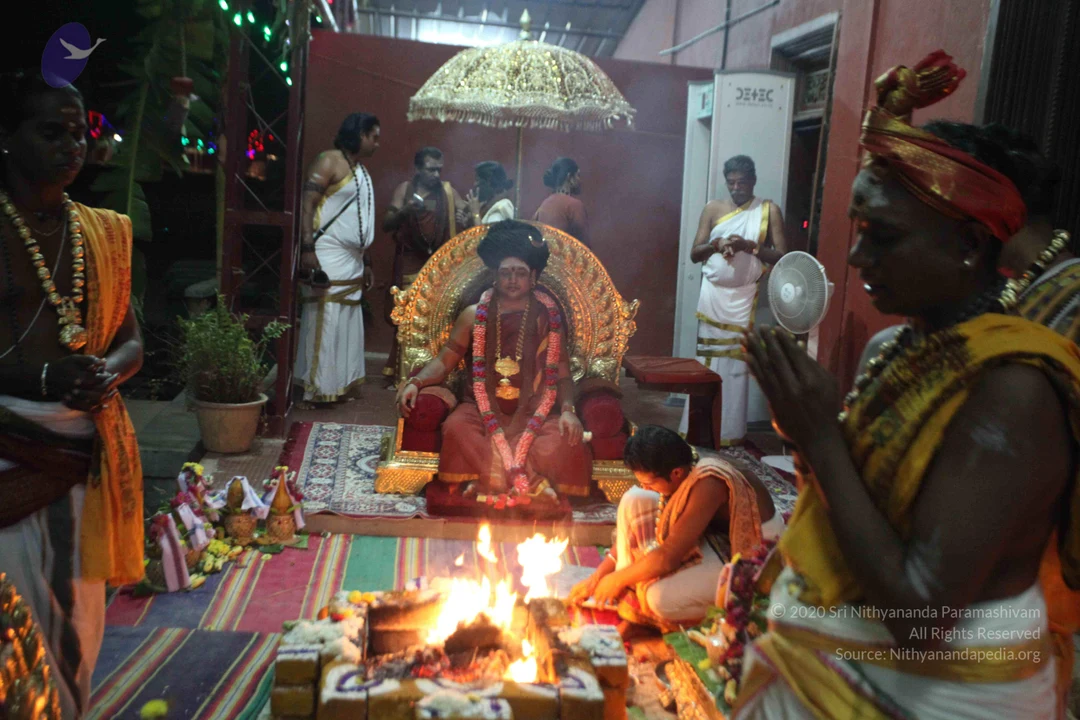
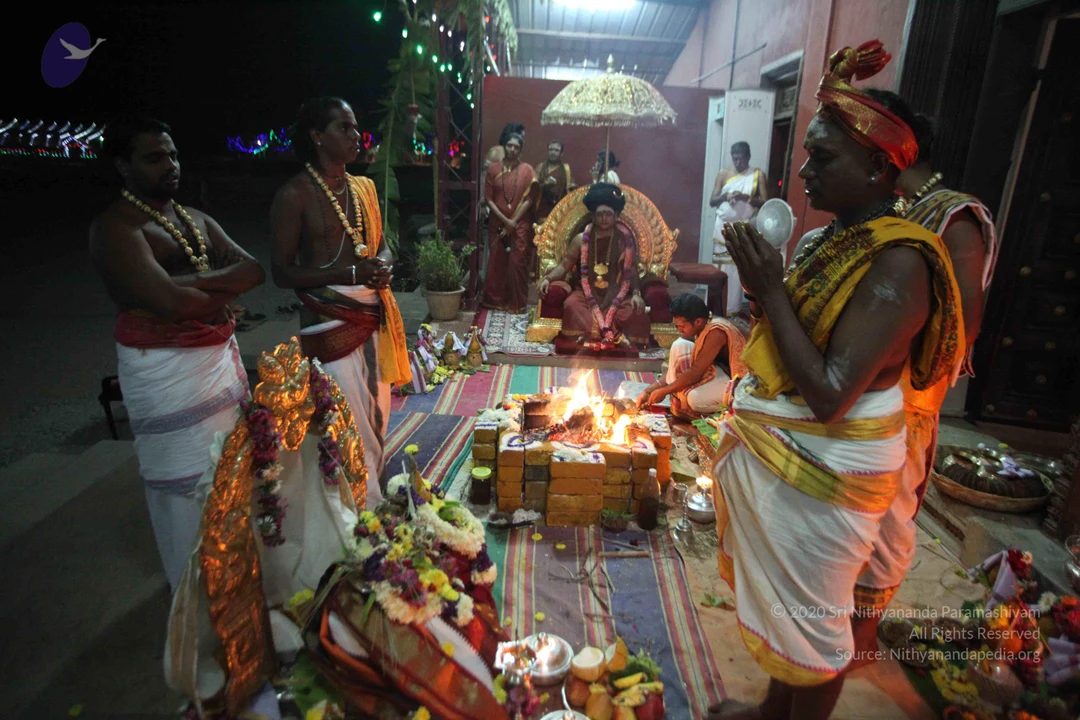
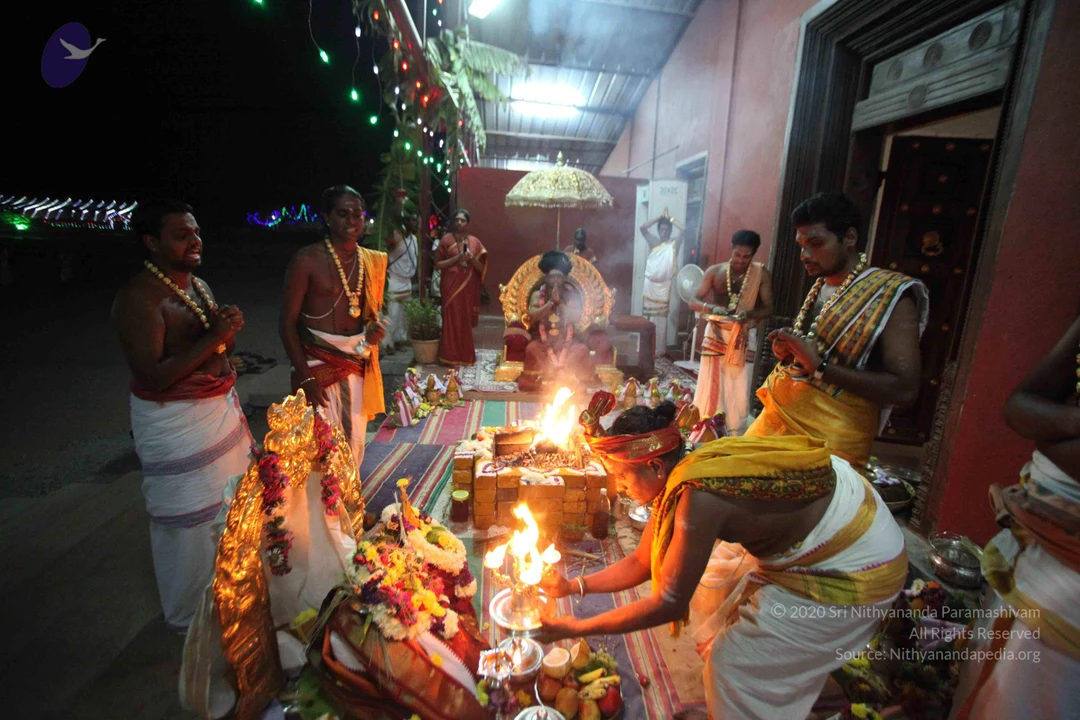
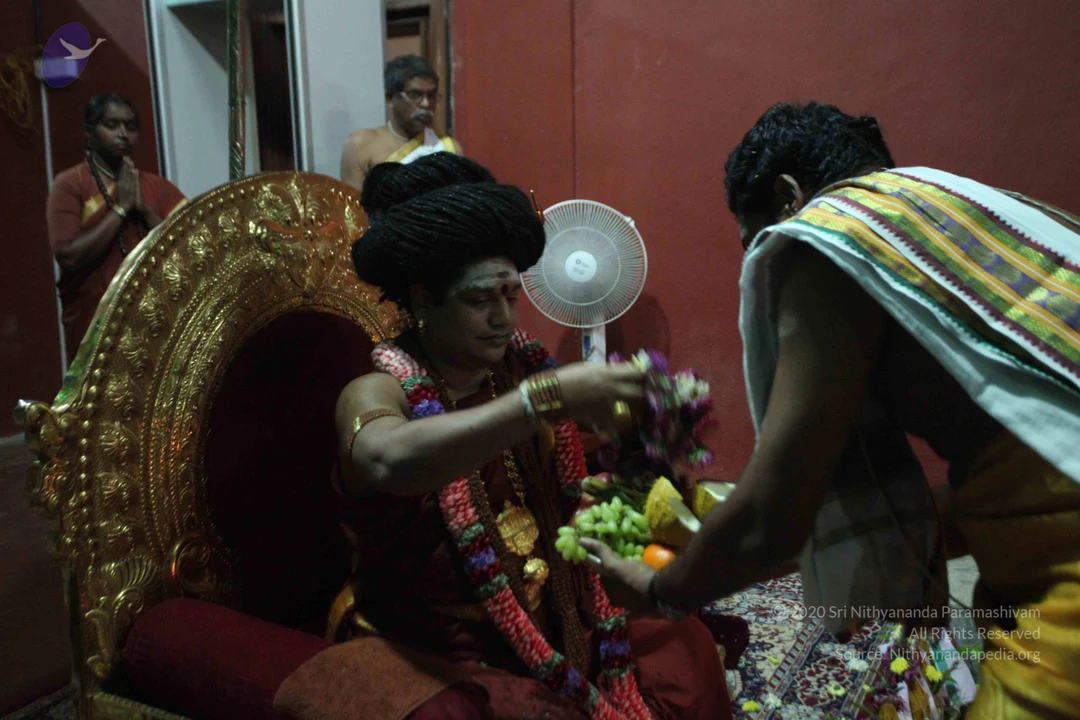
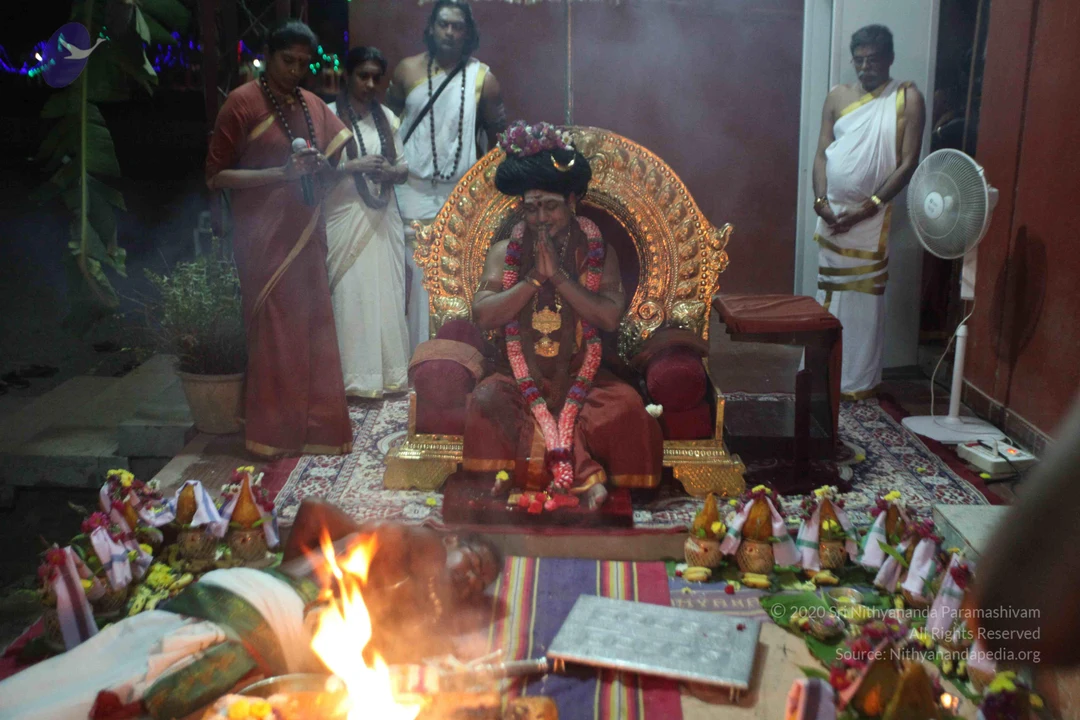
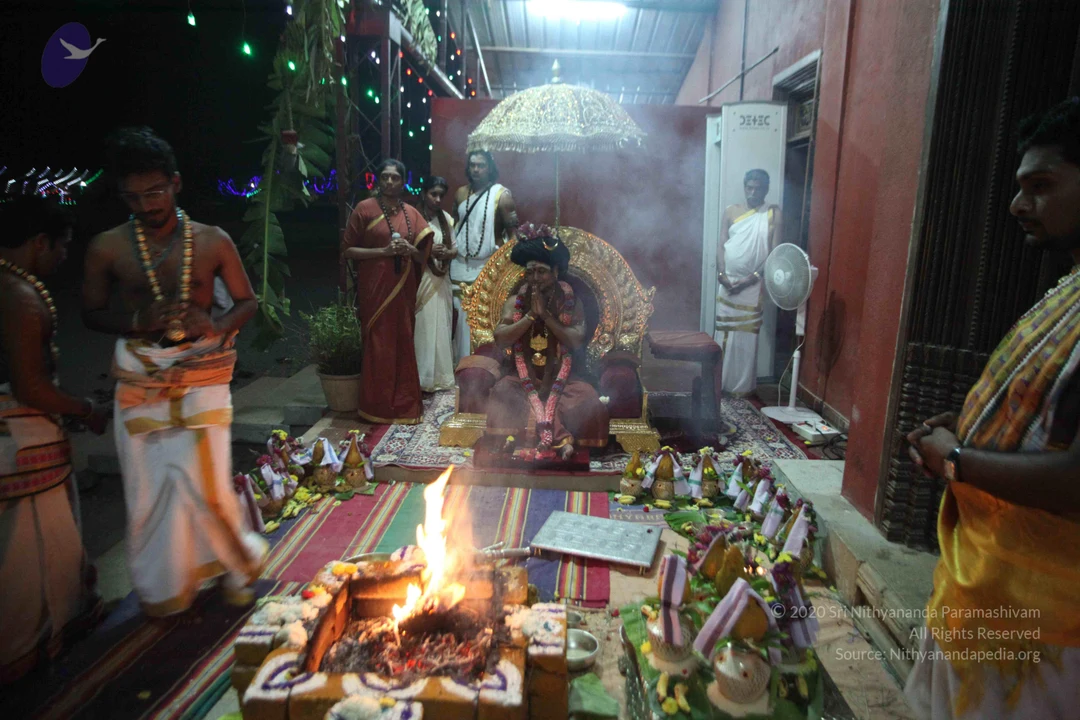
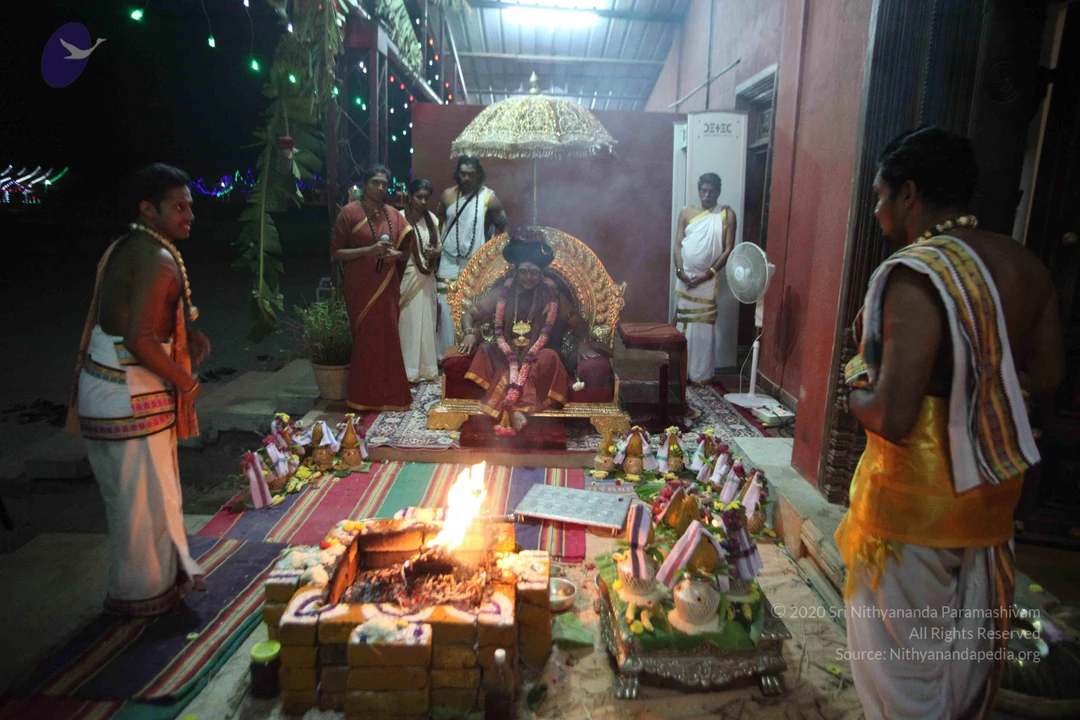
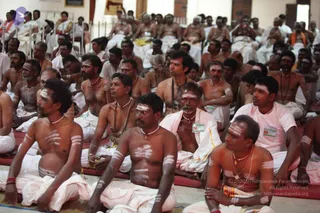
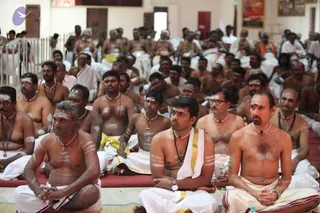
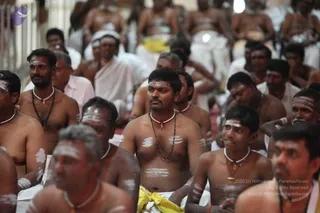
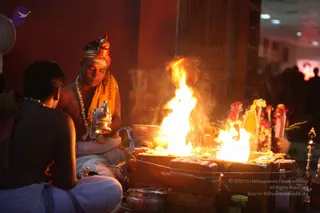
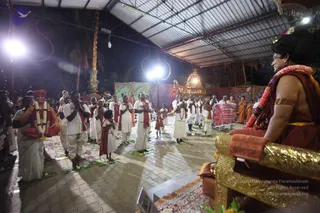
Photos From The Day:
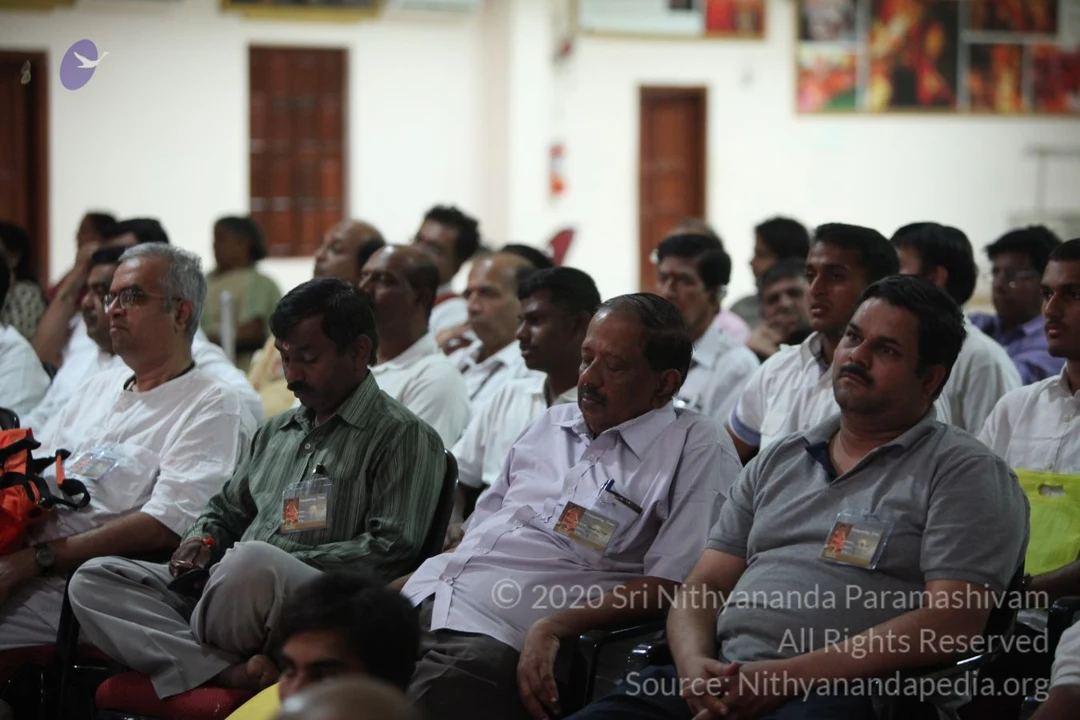
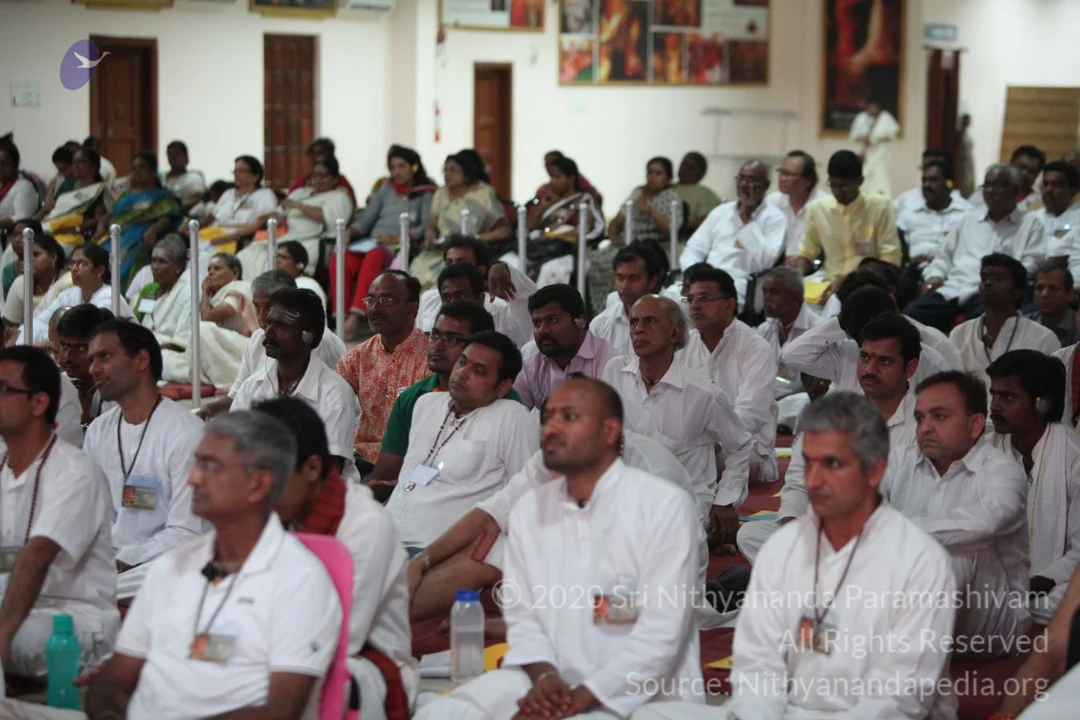
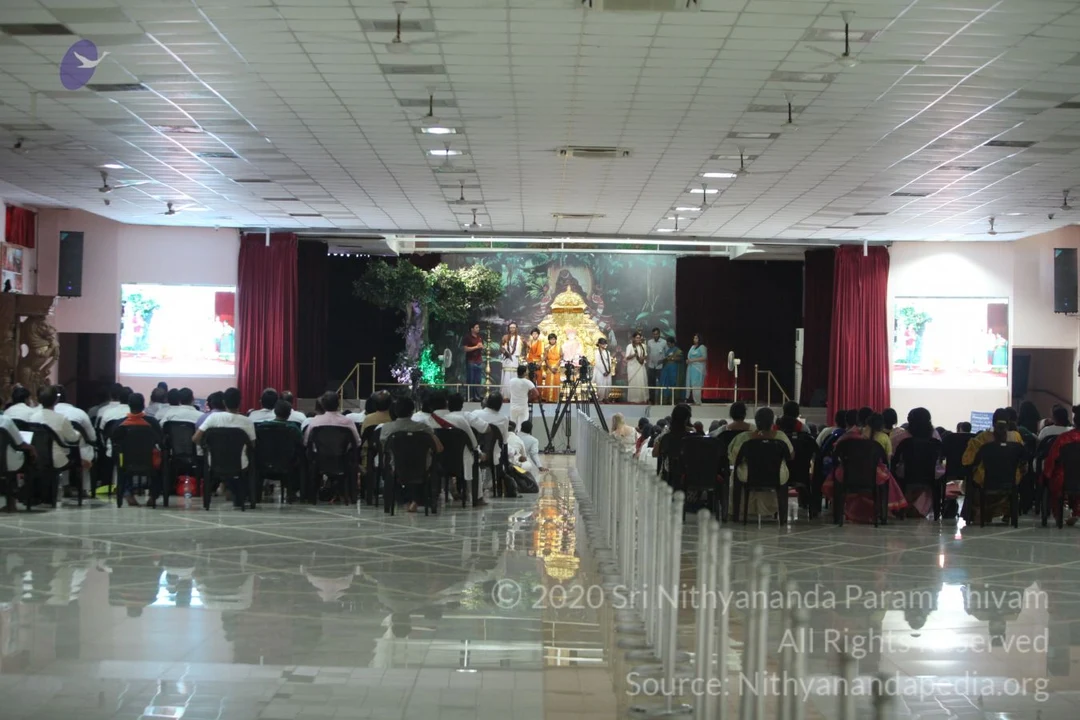
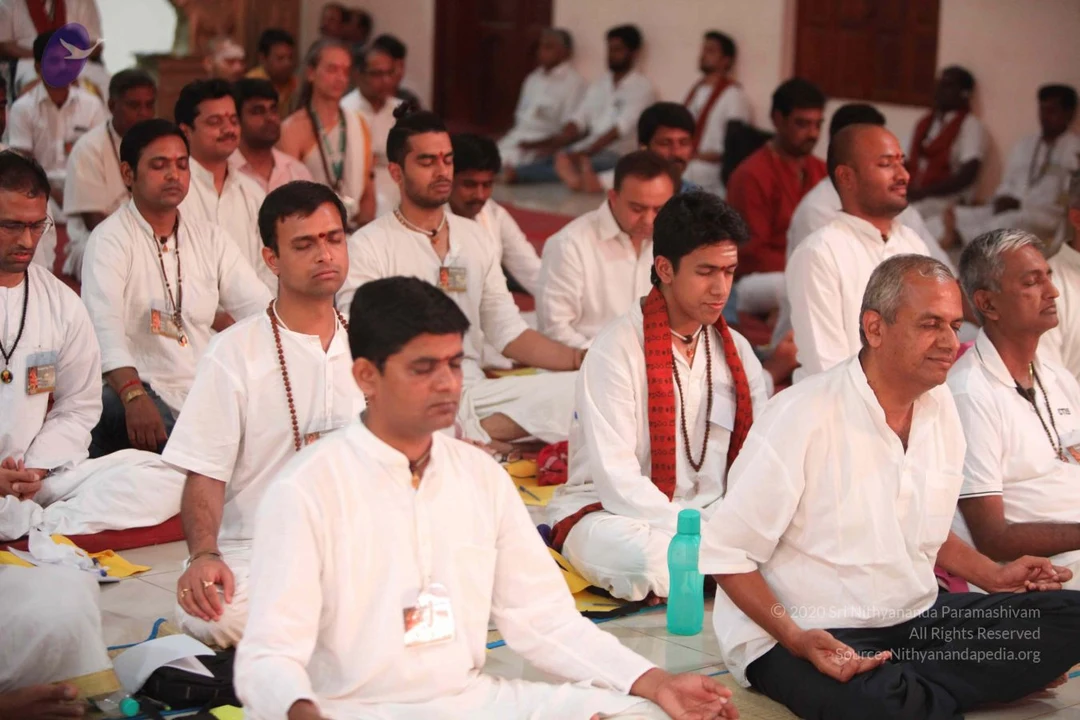
Conquering Time Webinar - Day 2


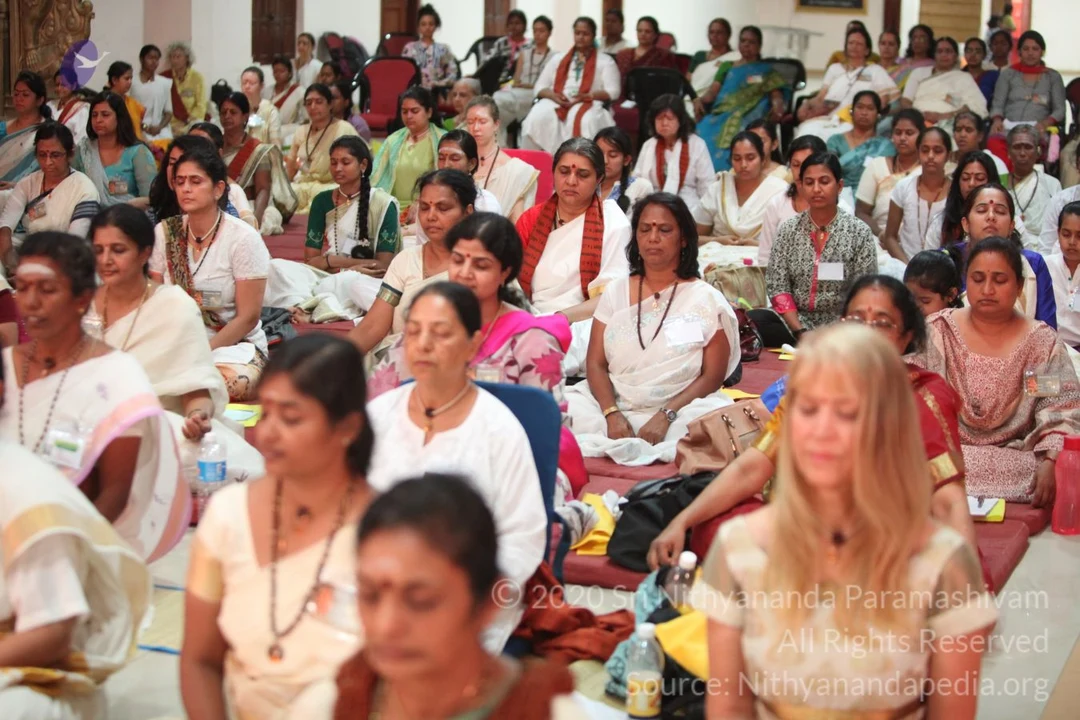
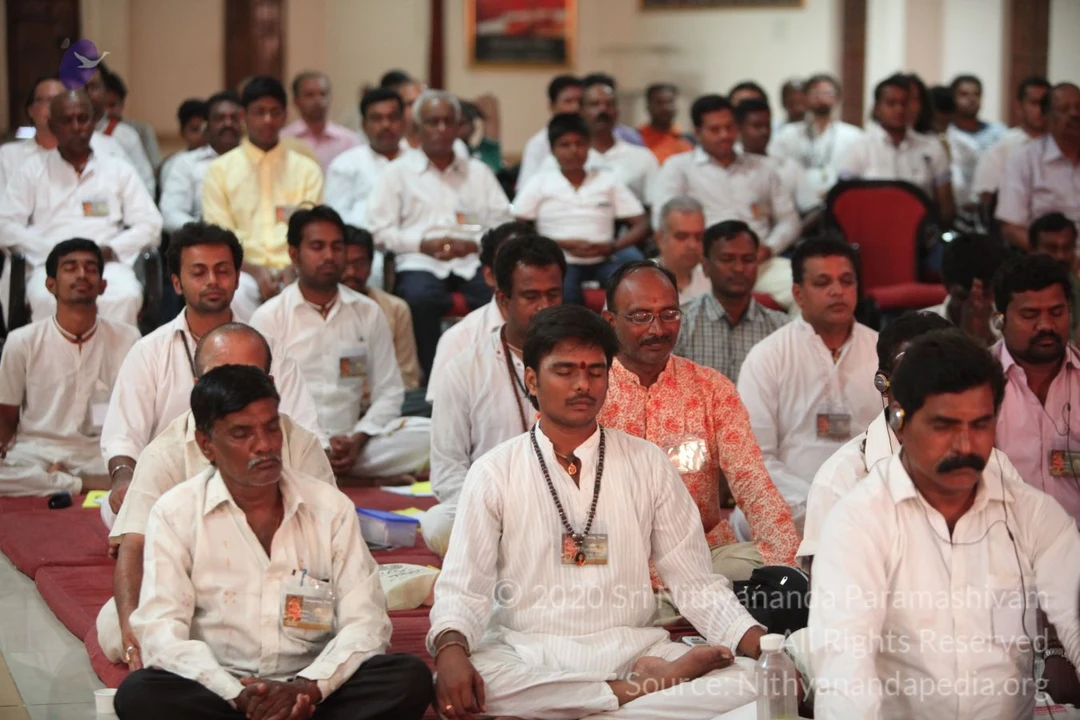
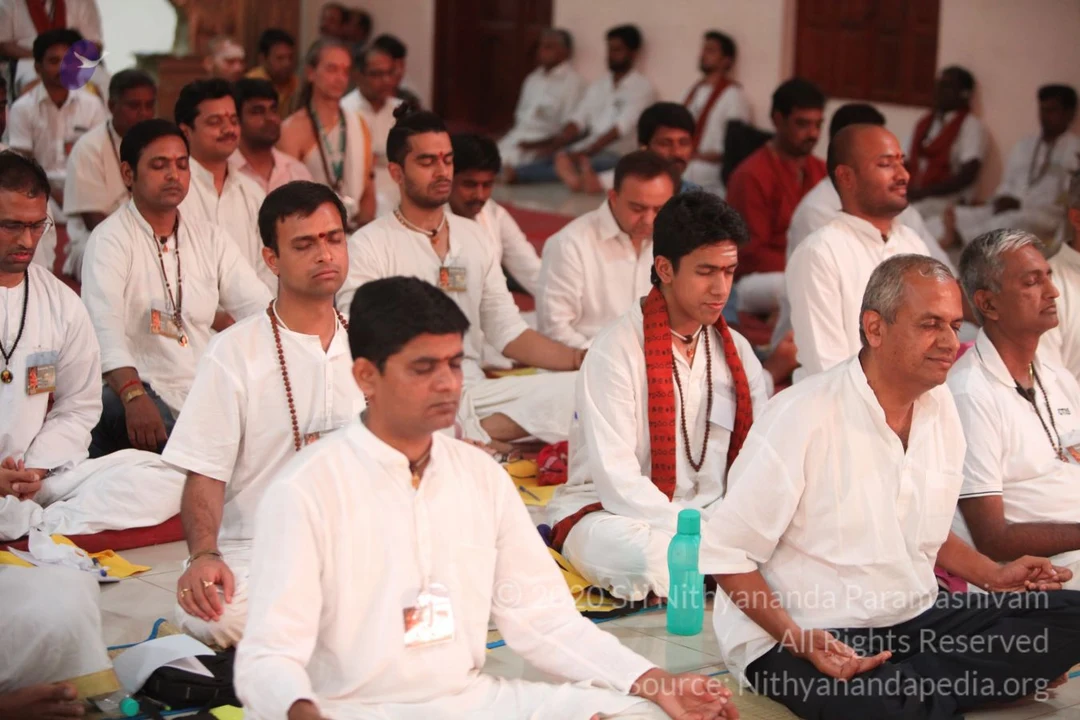
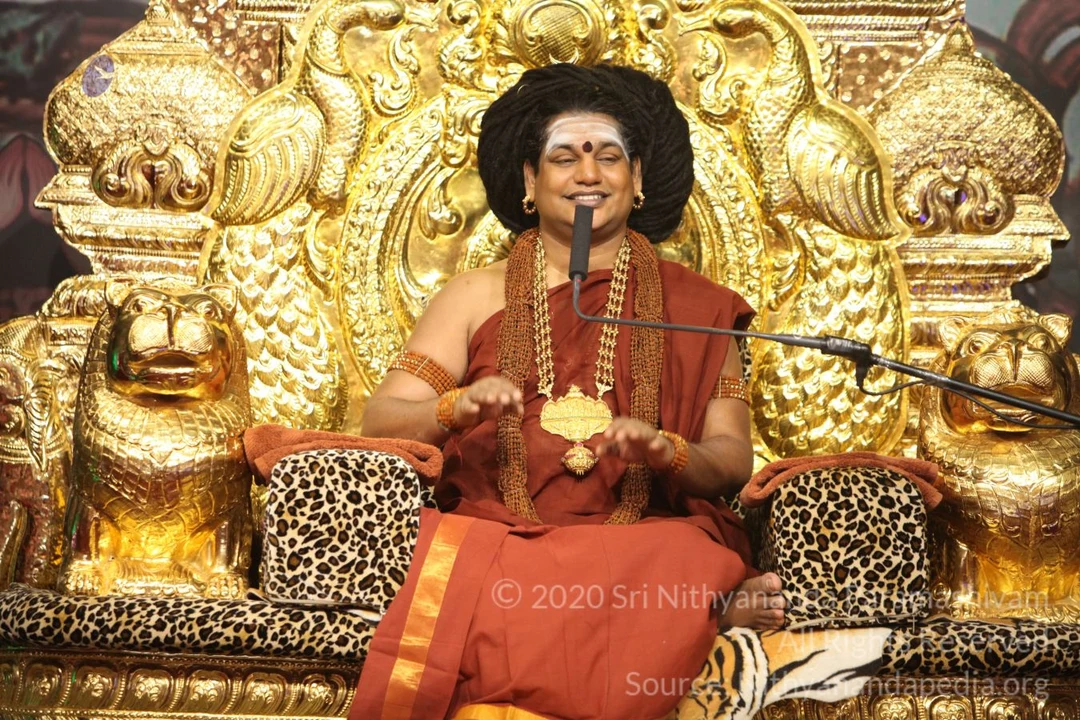
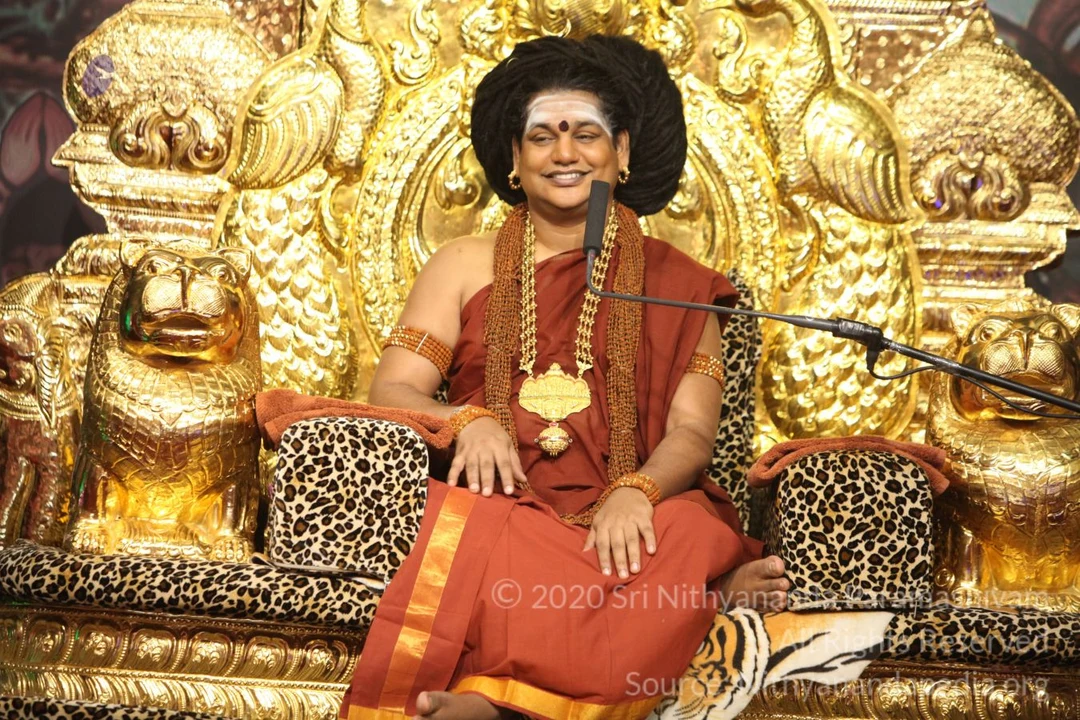
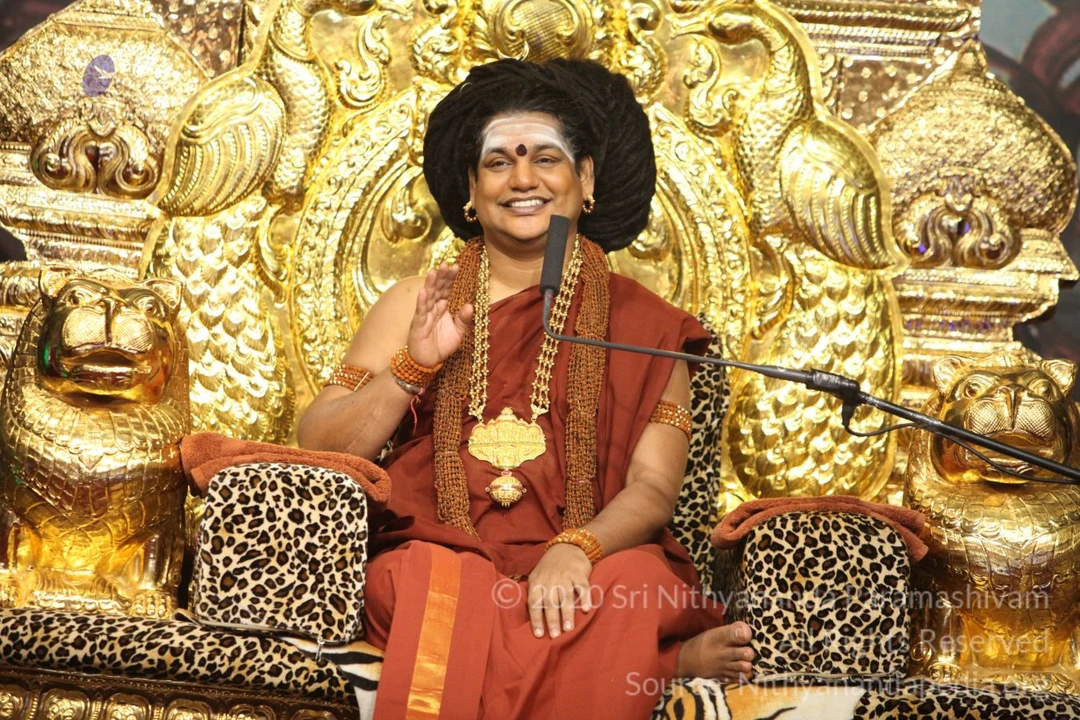



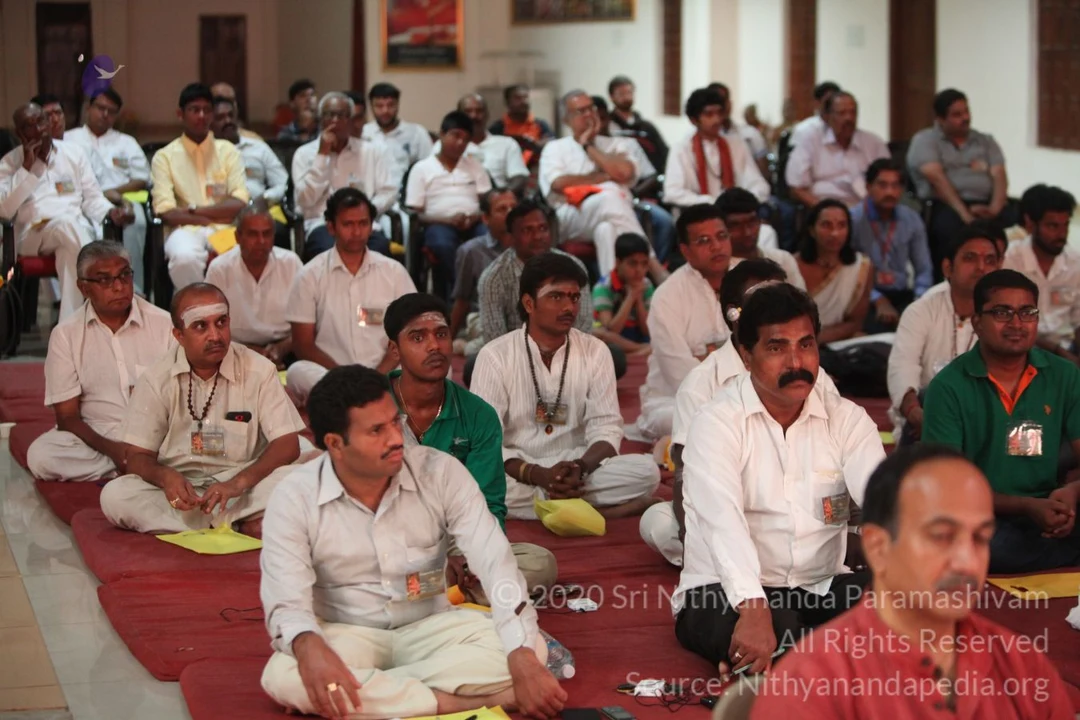
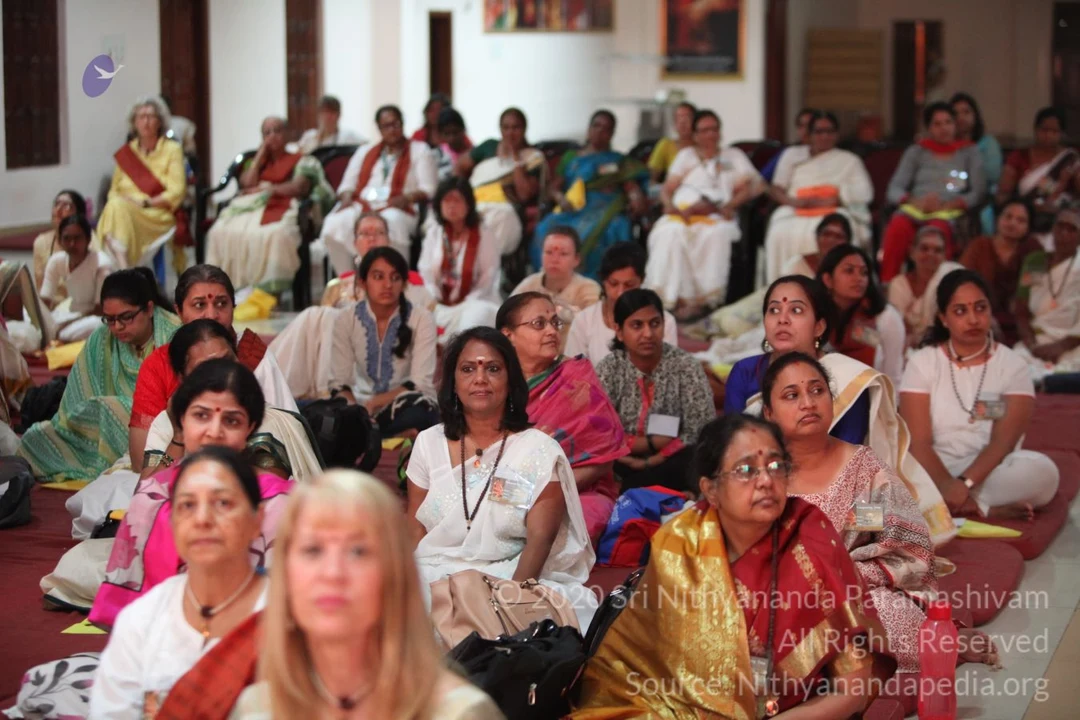





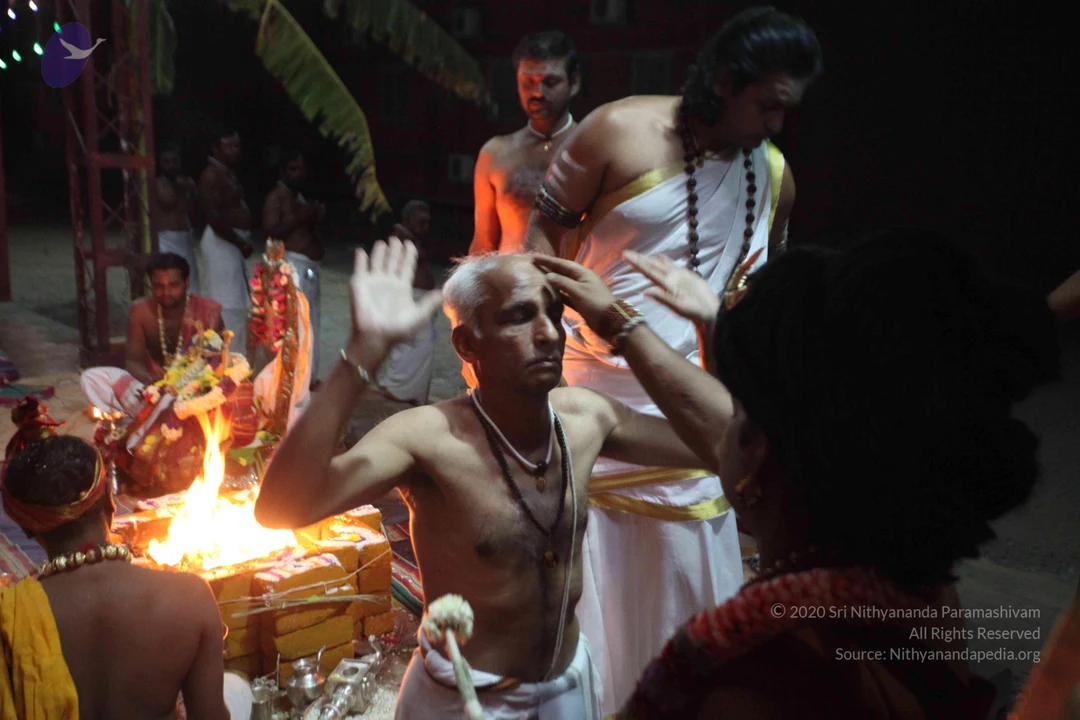
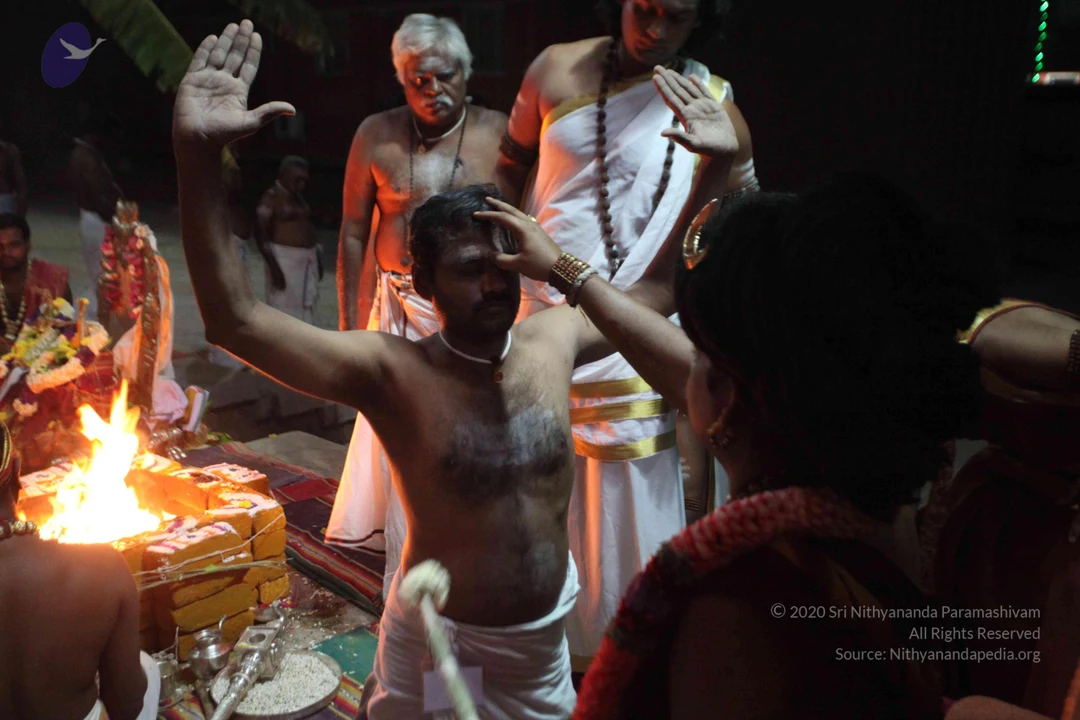
3rd Eye Demo







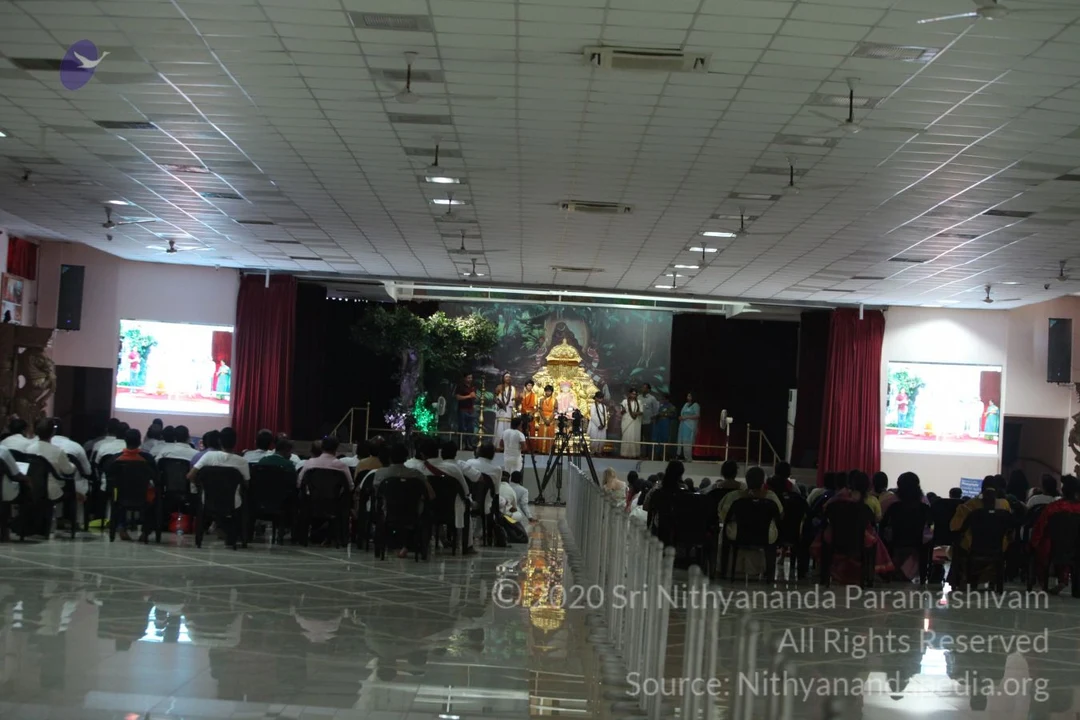
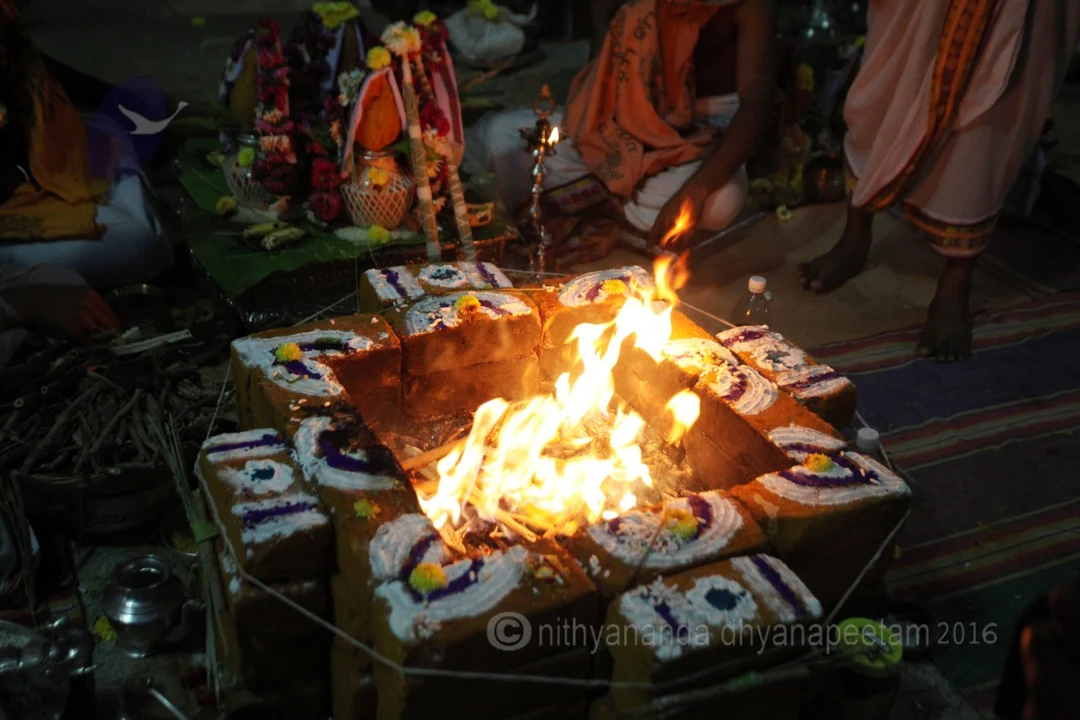
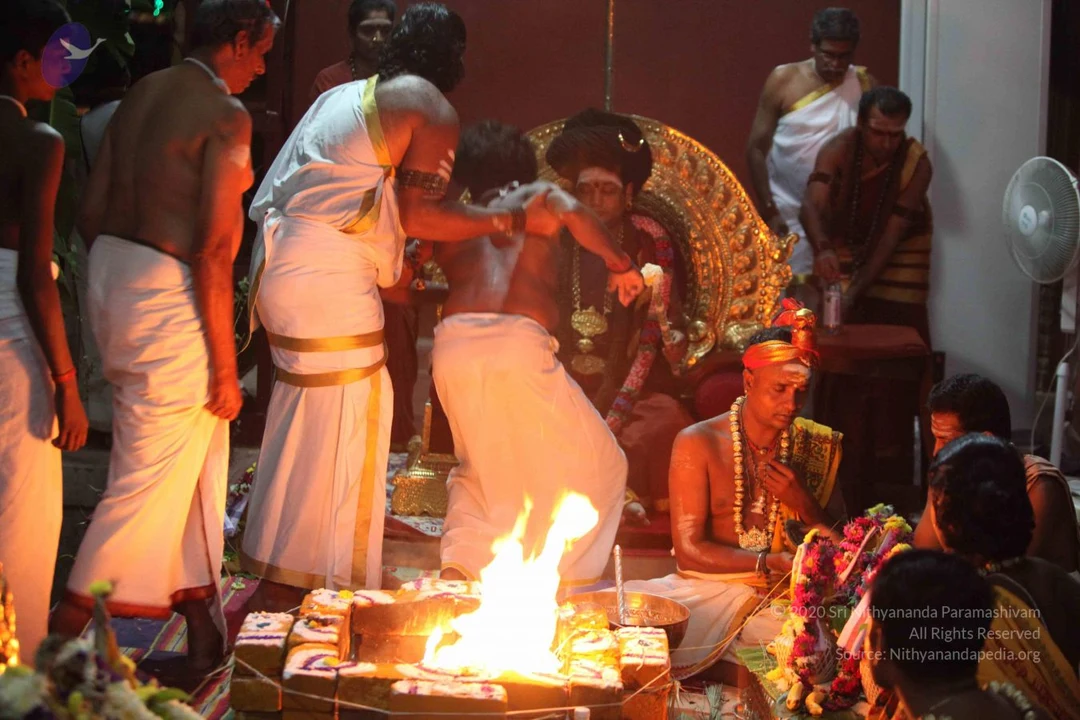
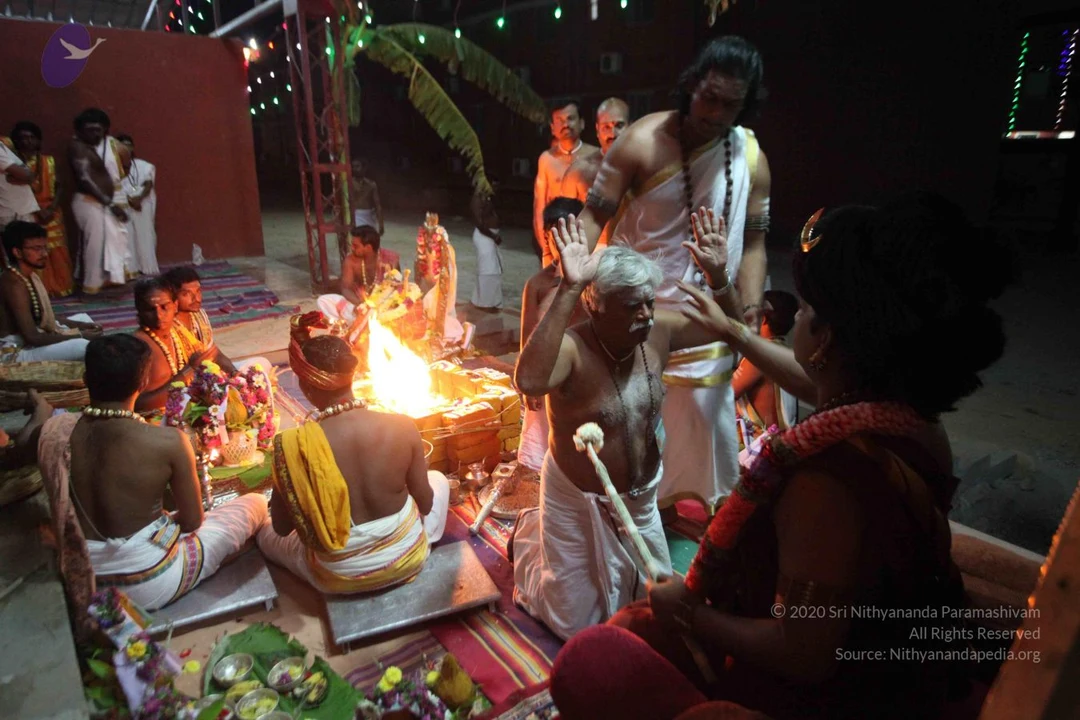
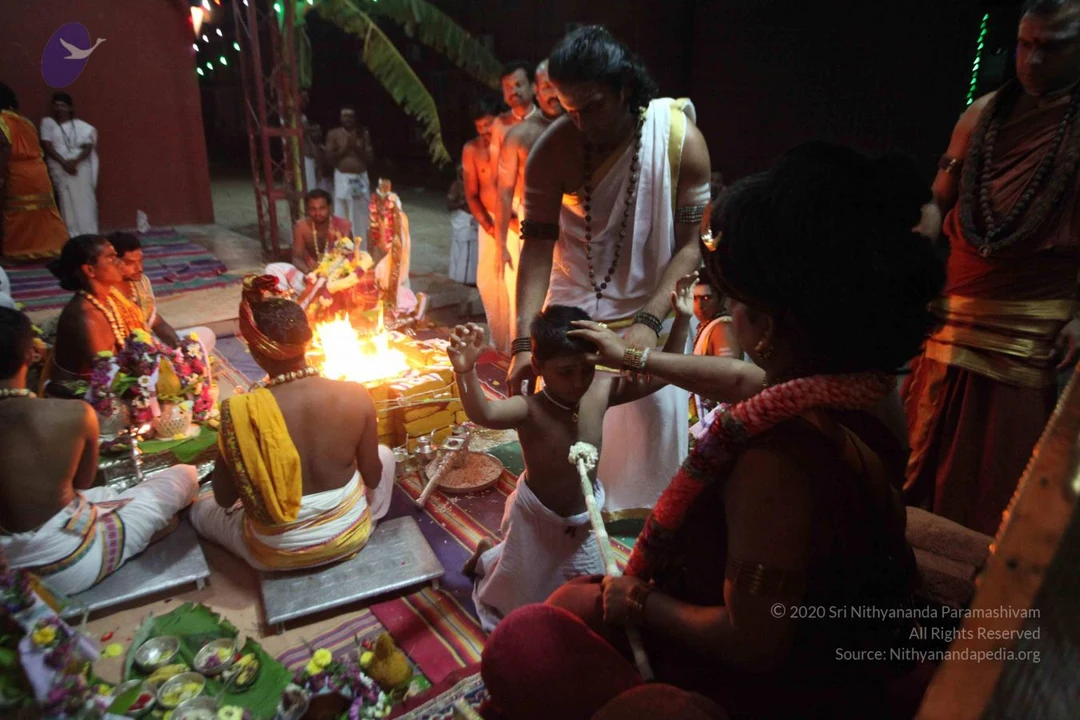
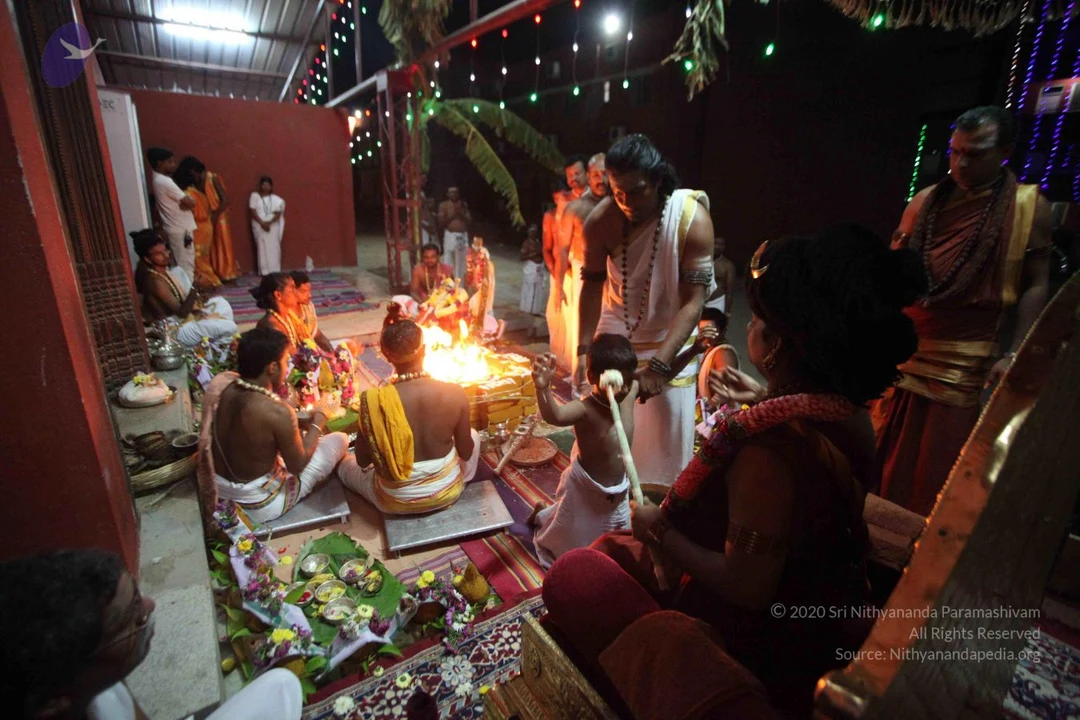
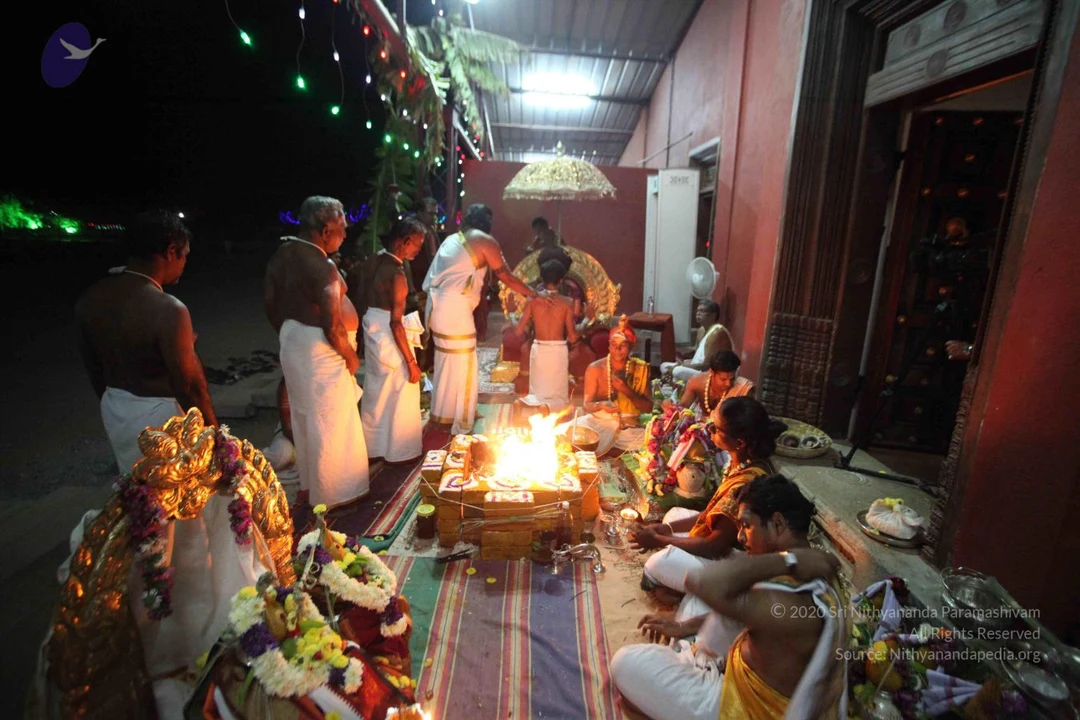
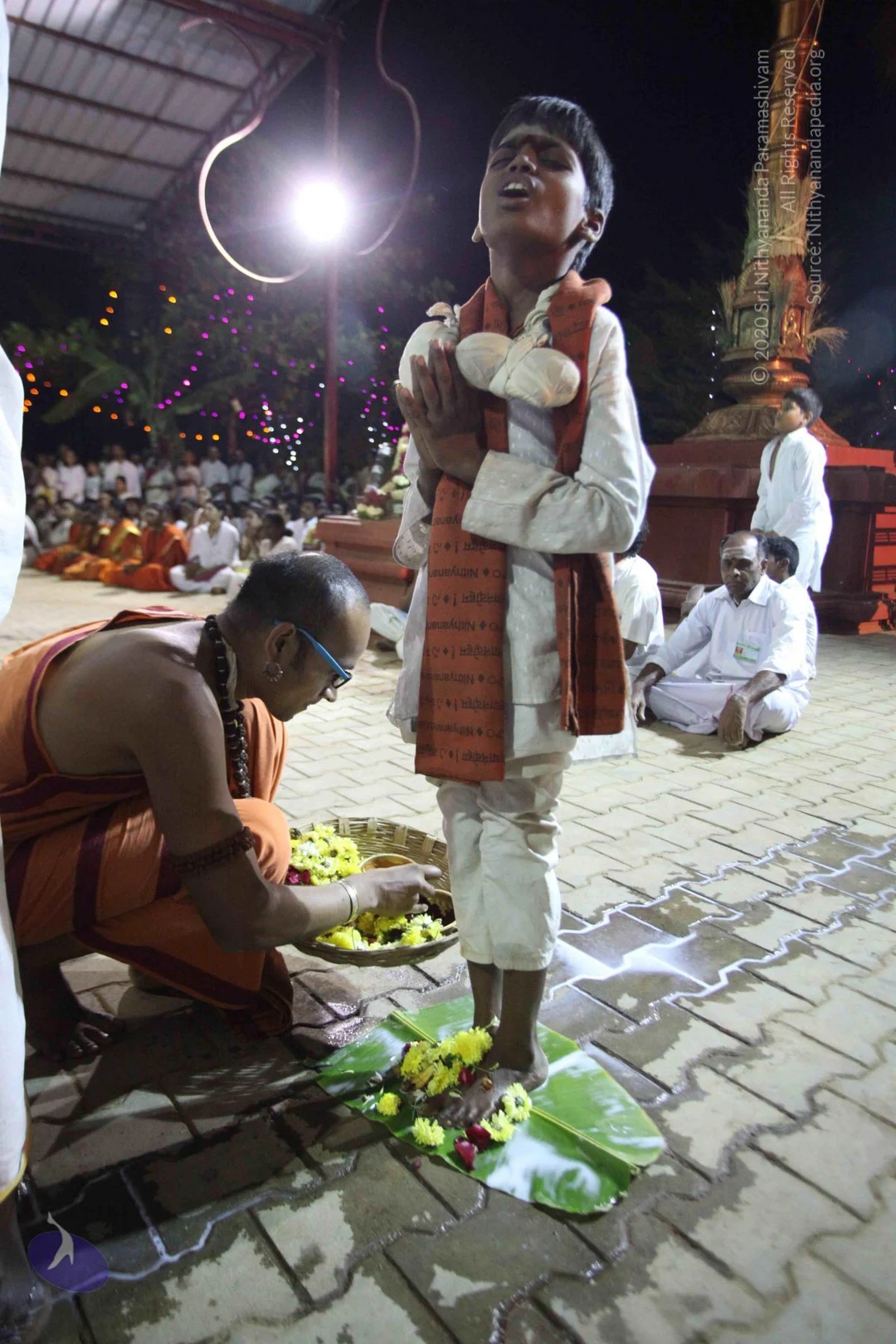
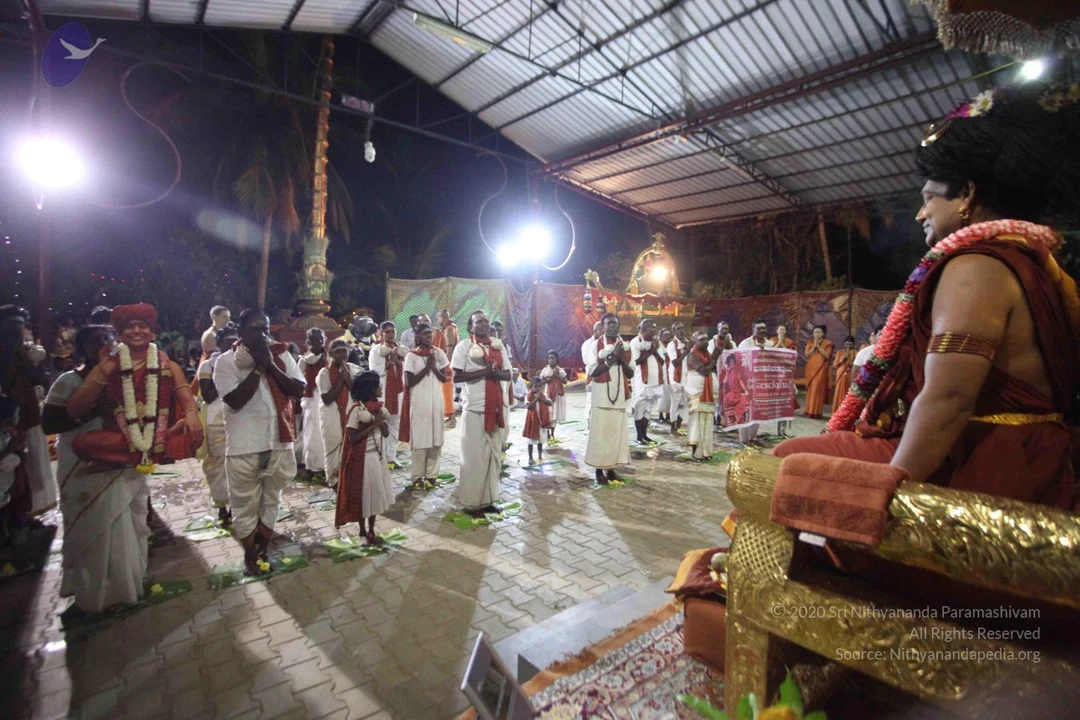
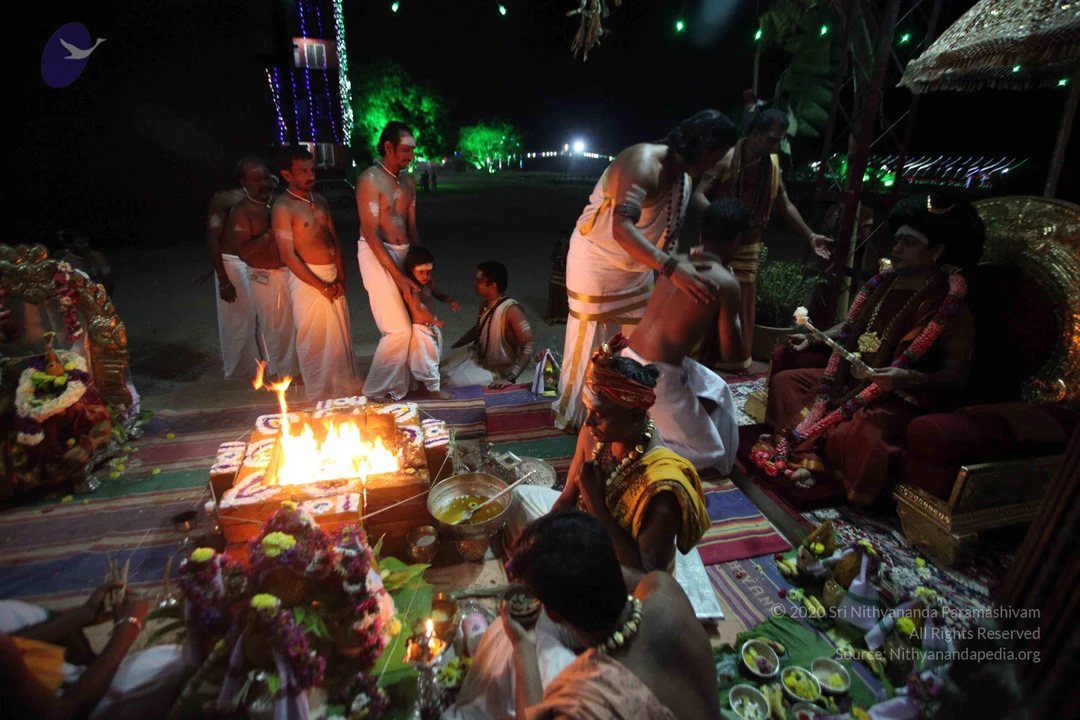
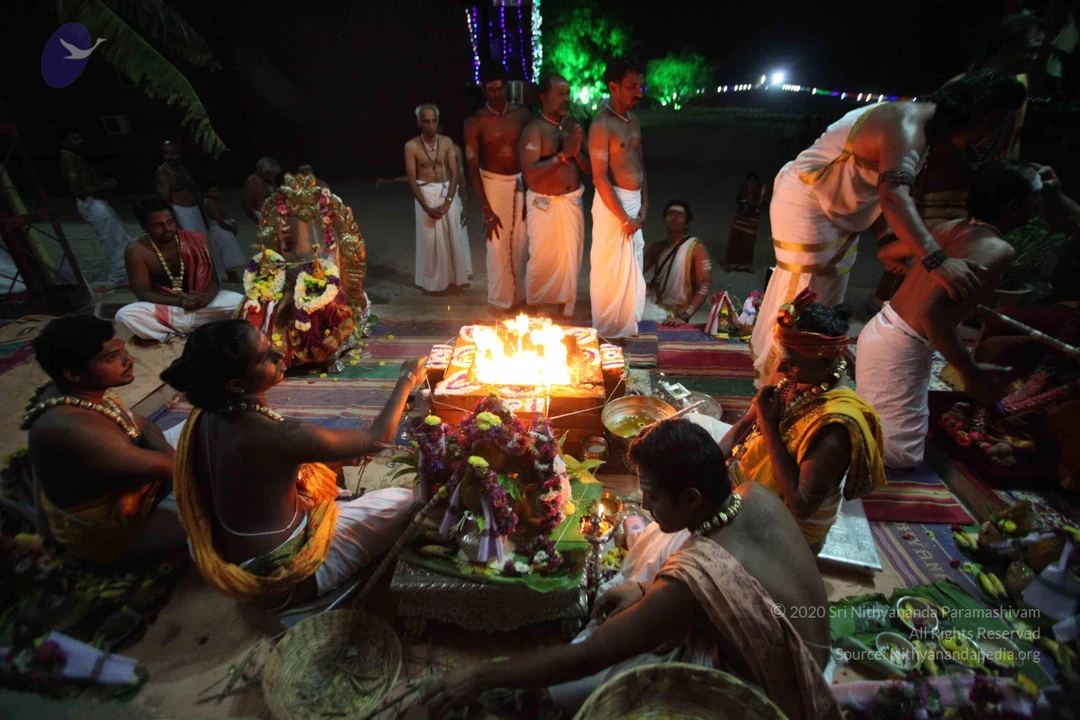
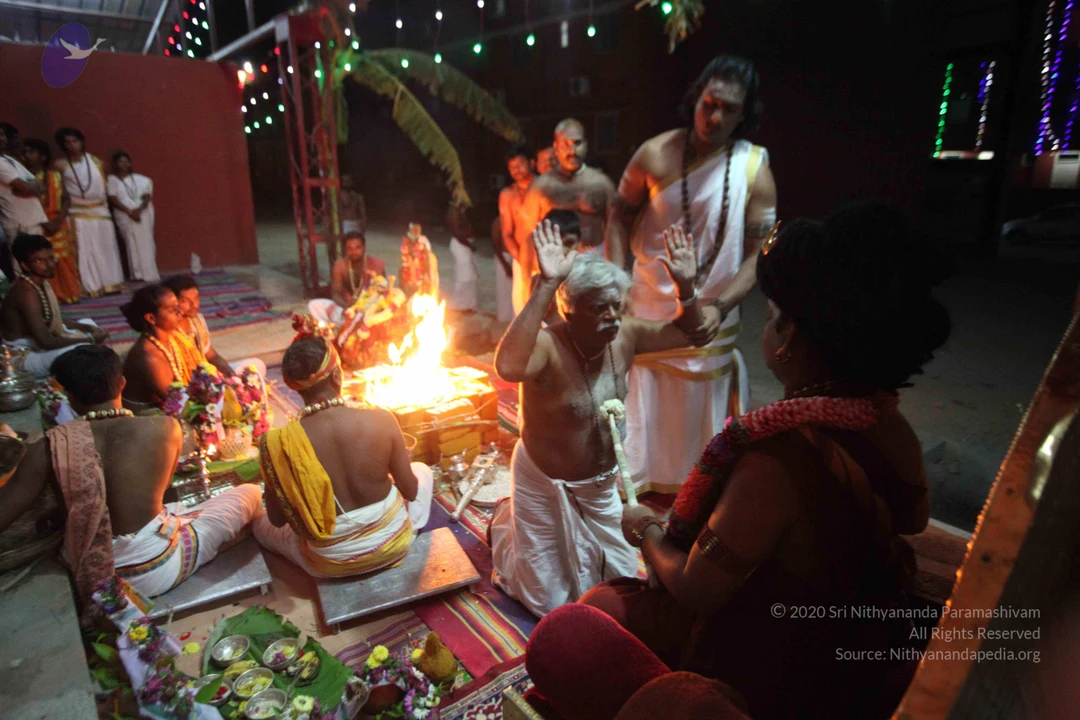
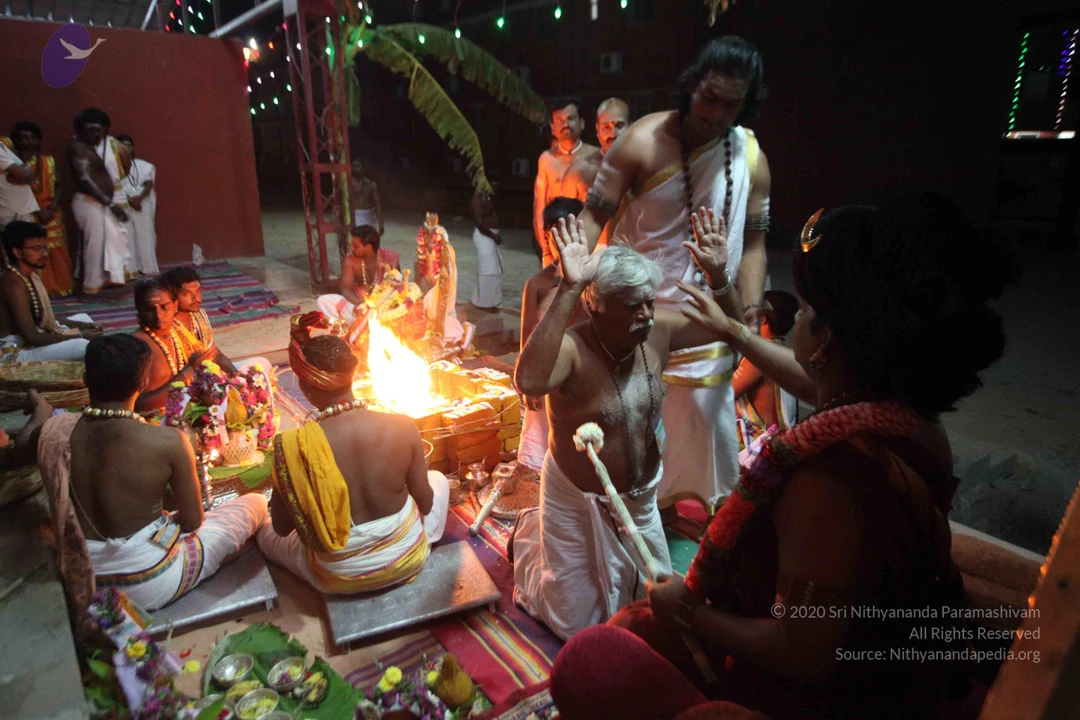
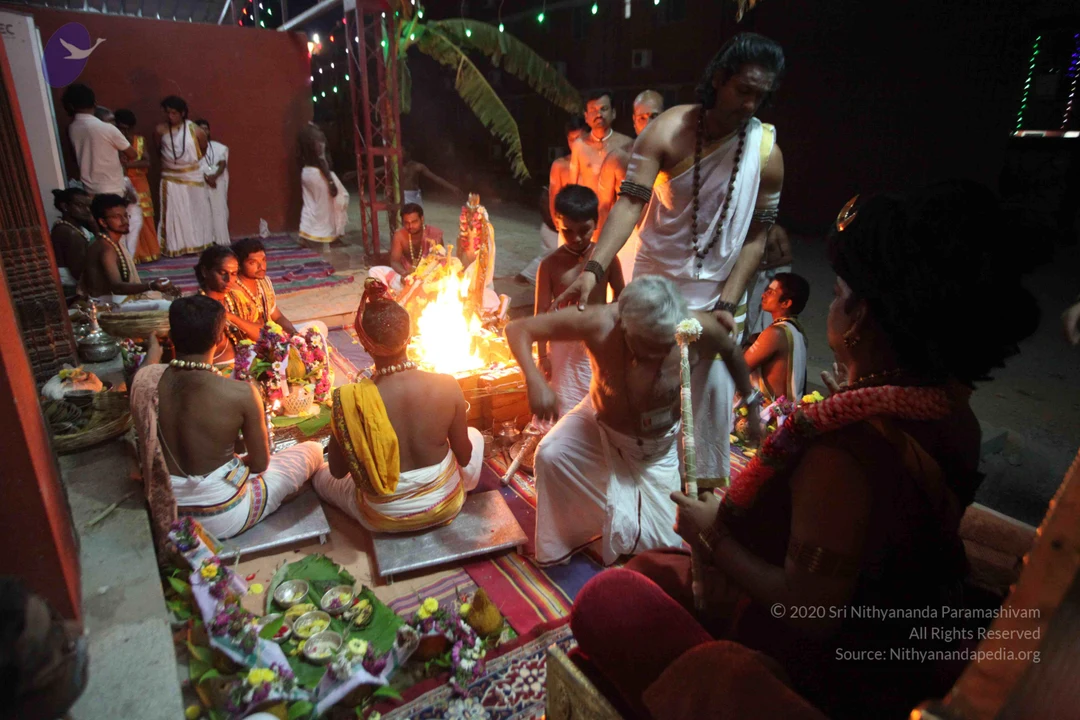
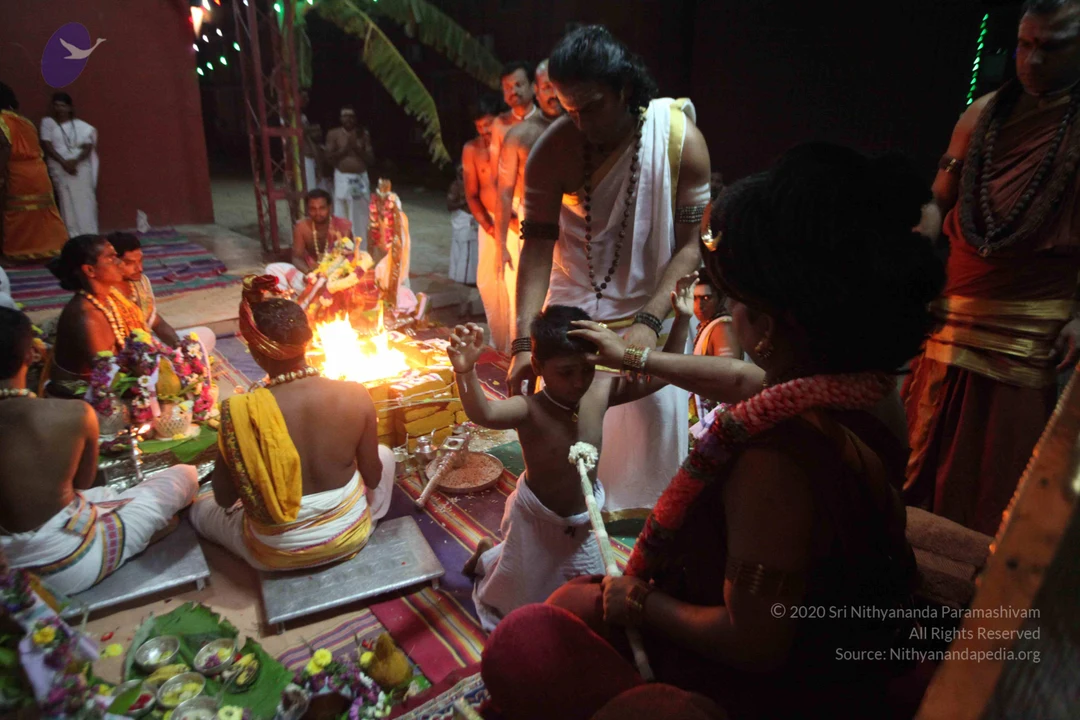
Vishesha Deeksha
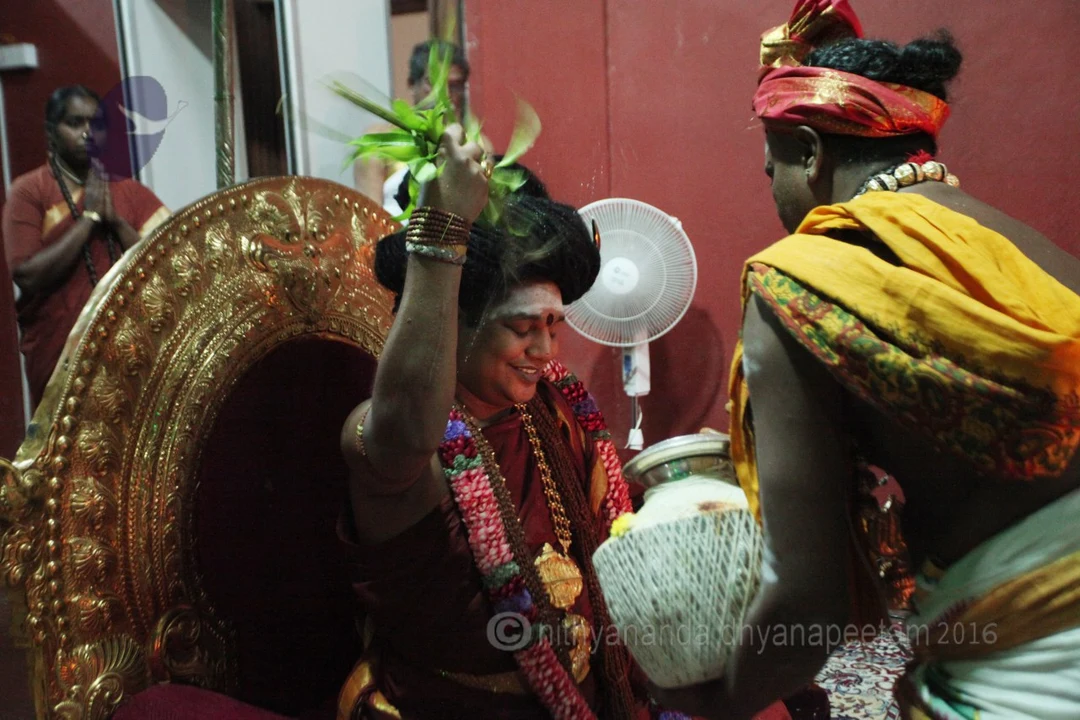
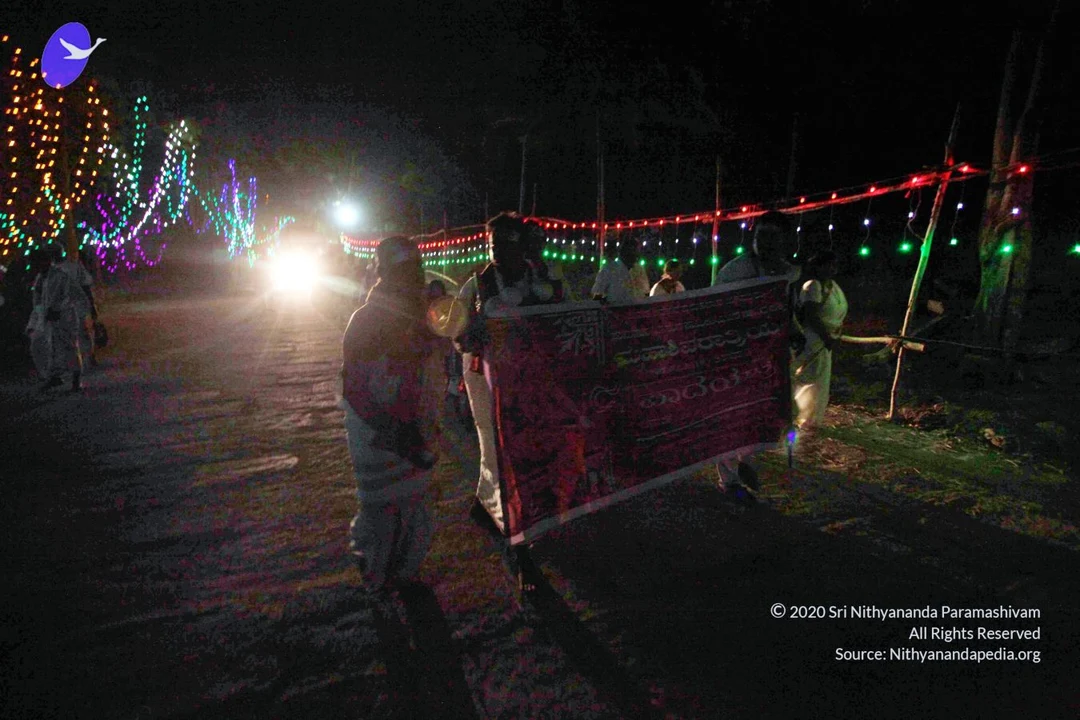
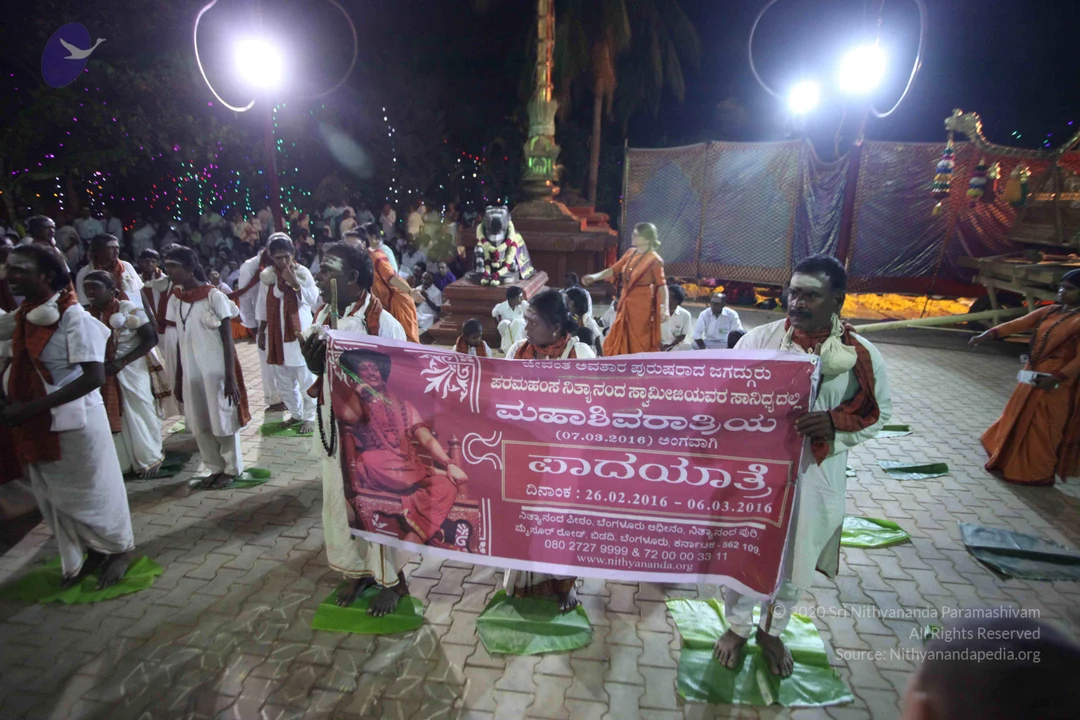
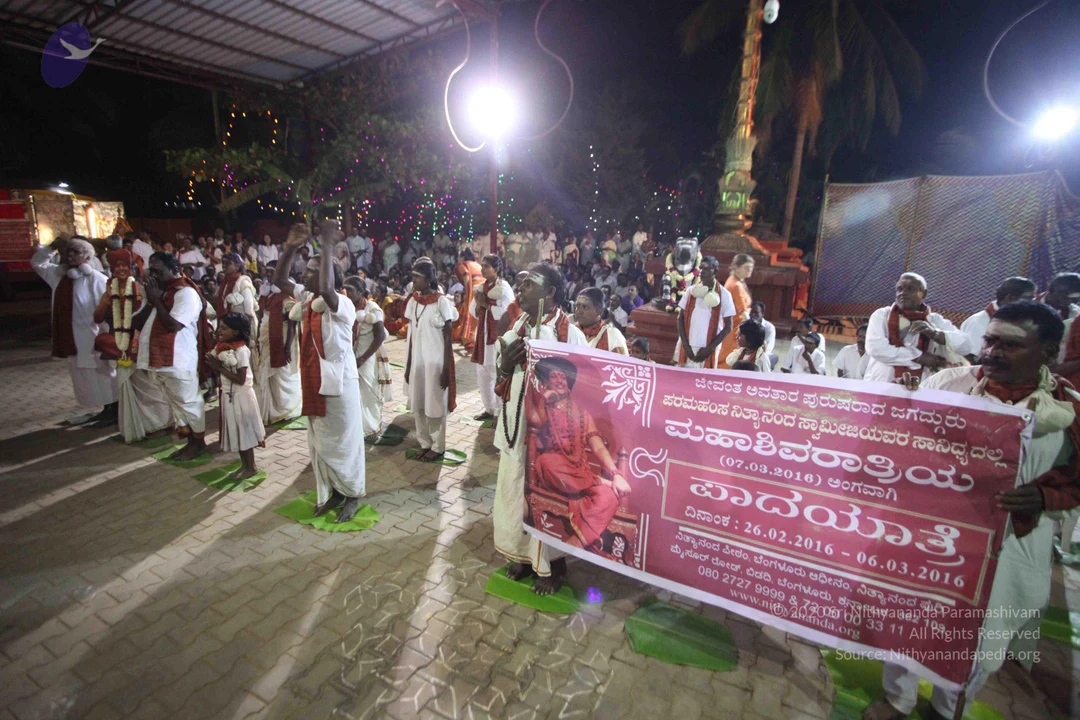
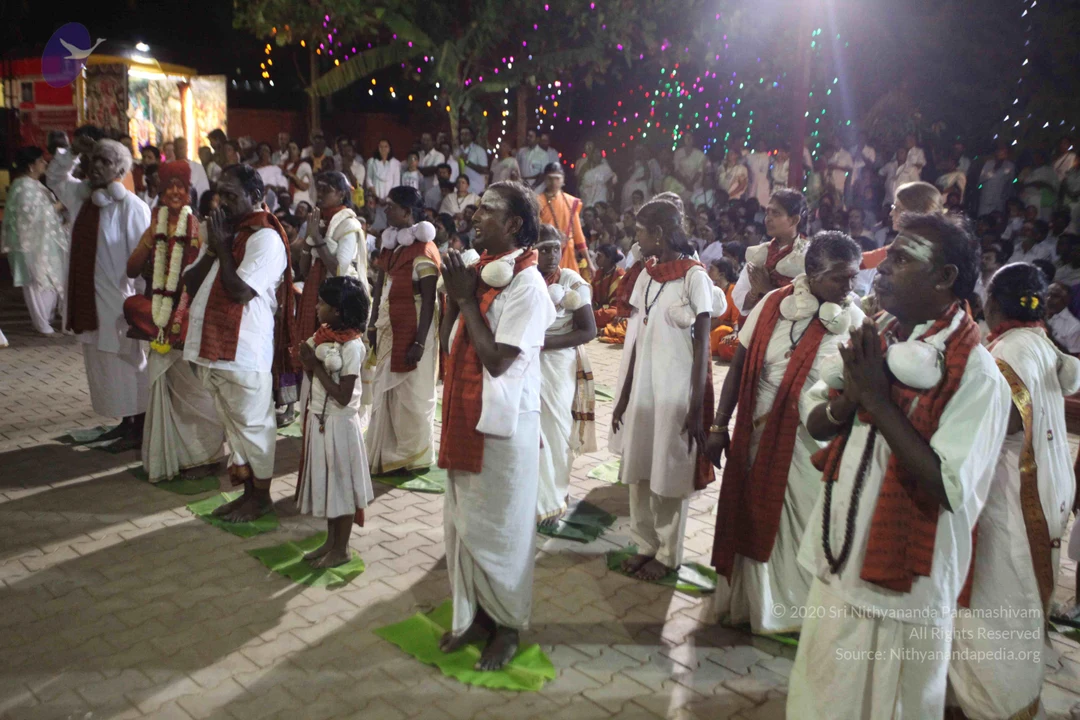
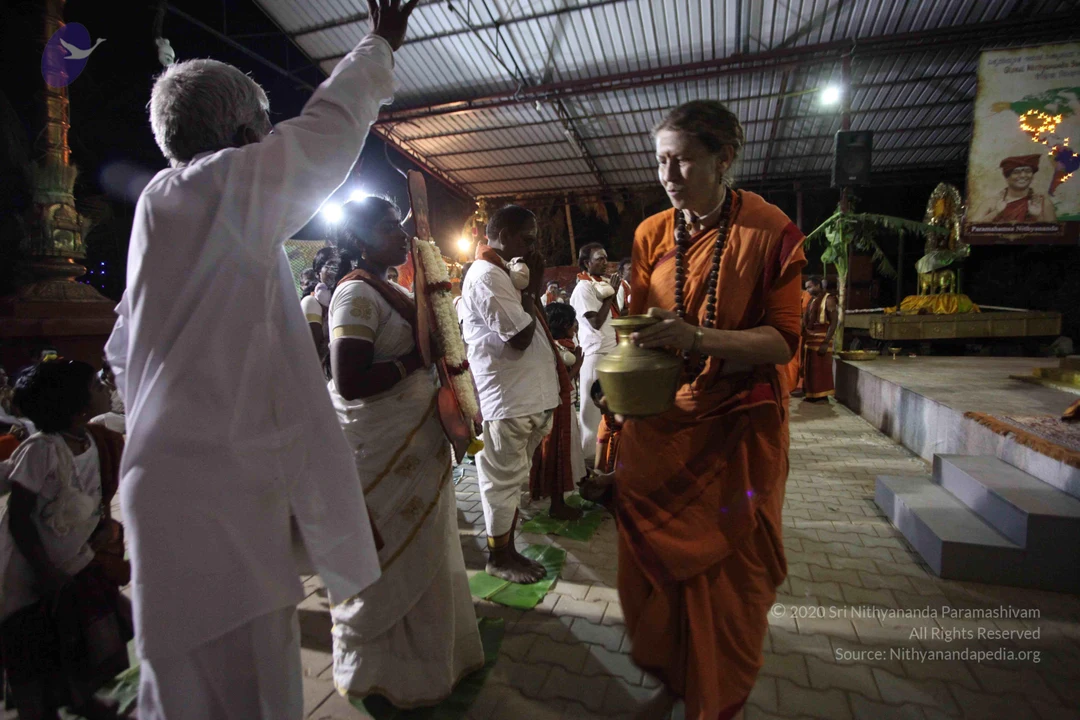
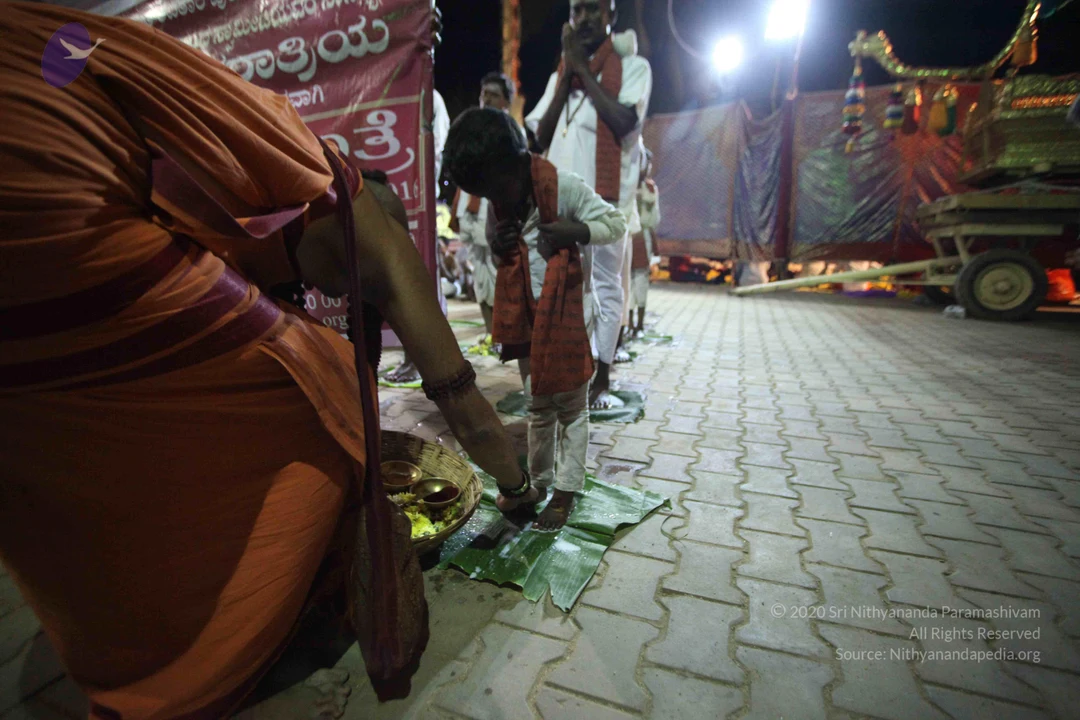
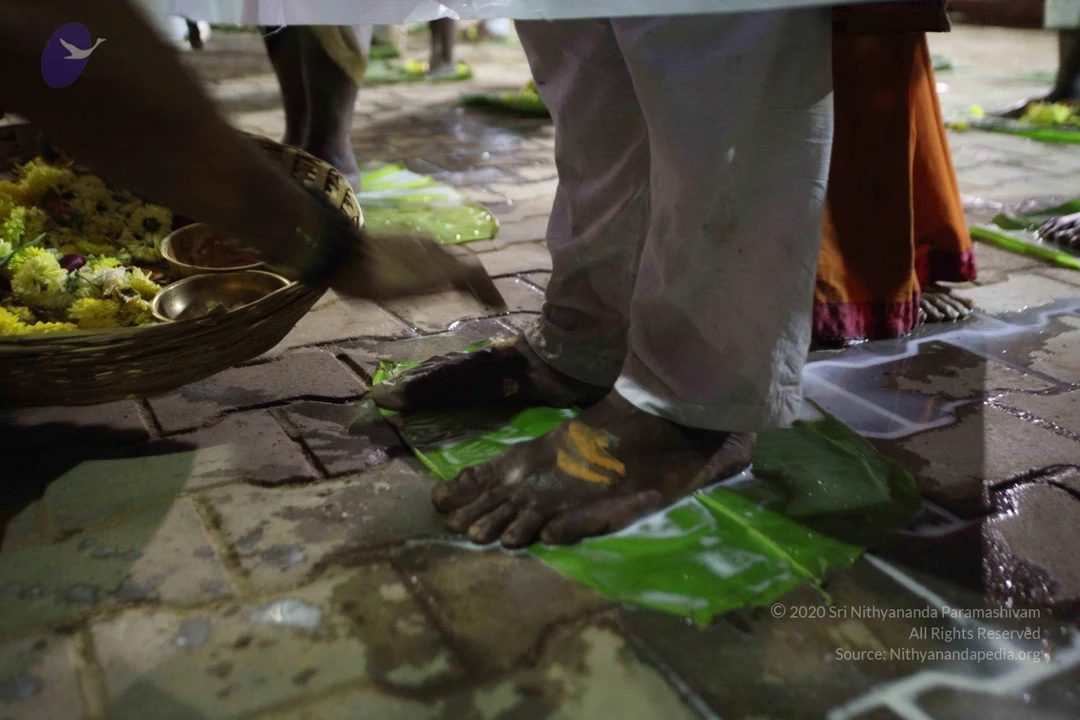
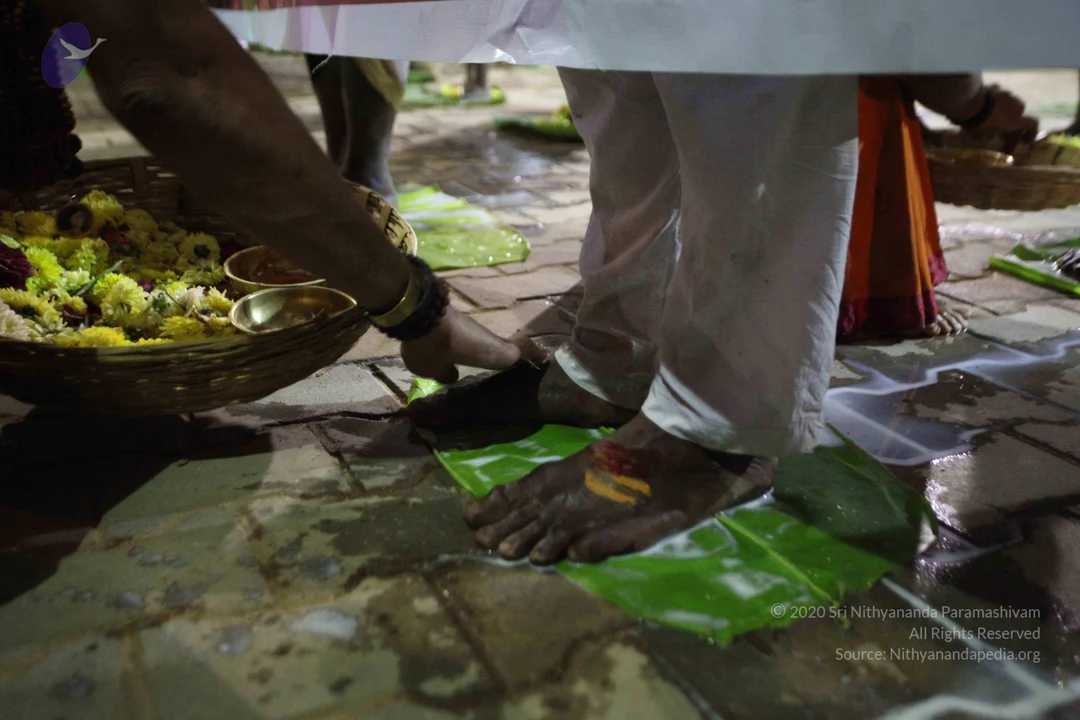
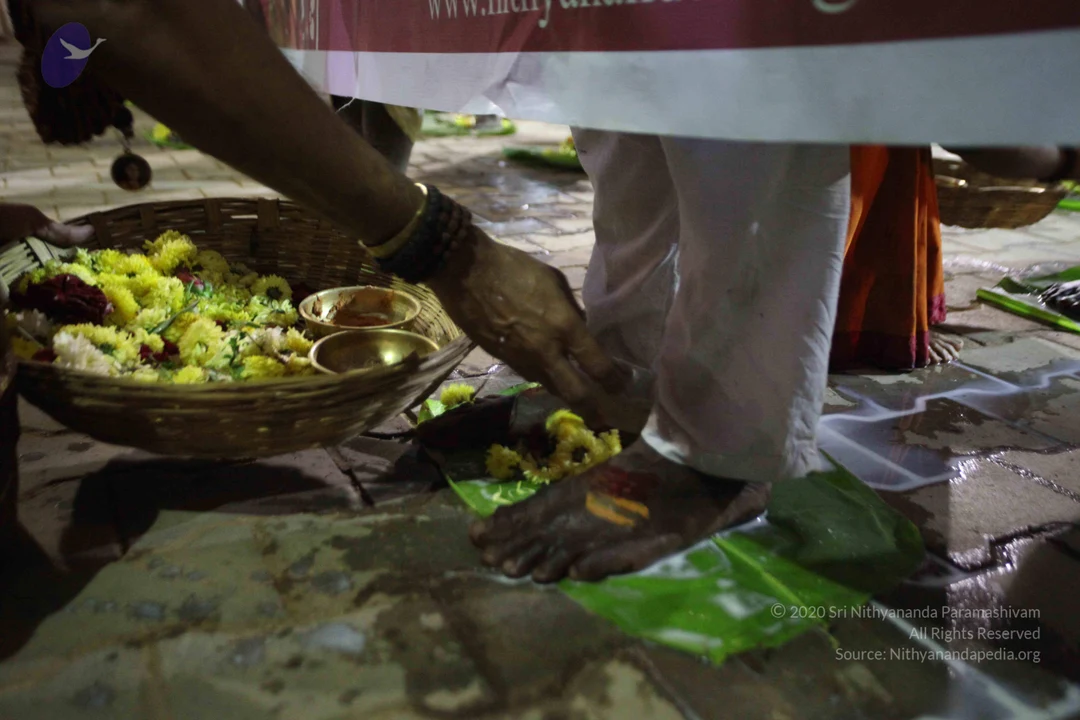
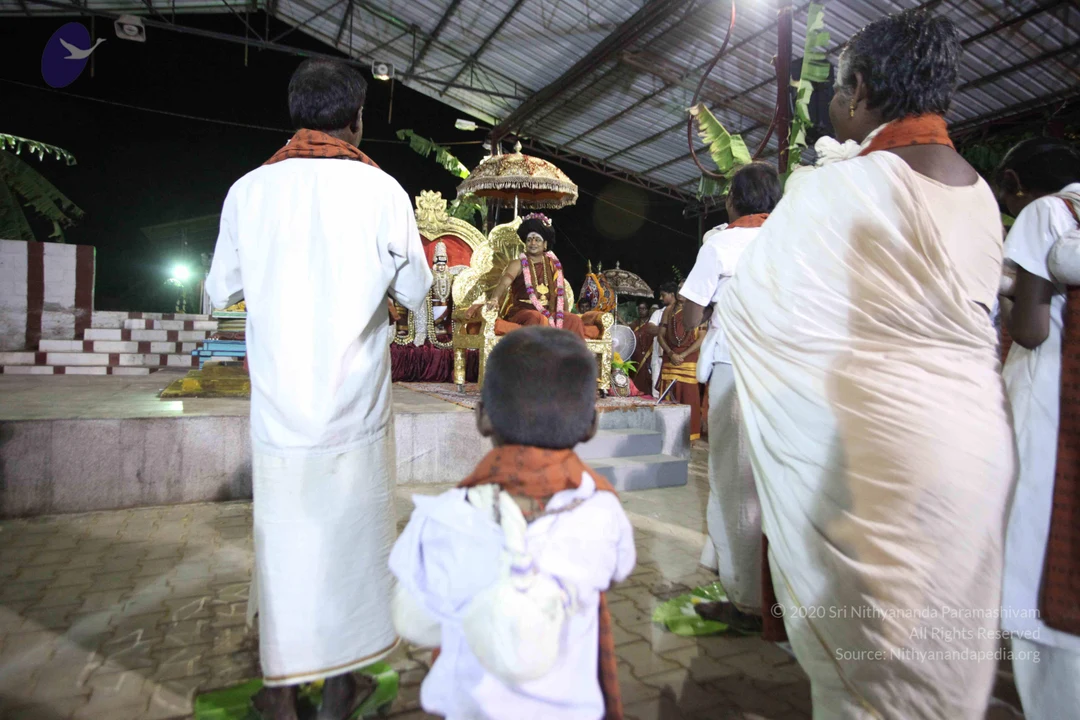
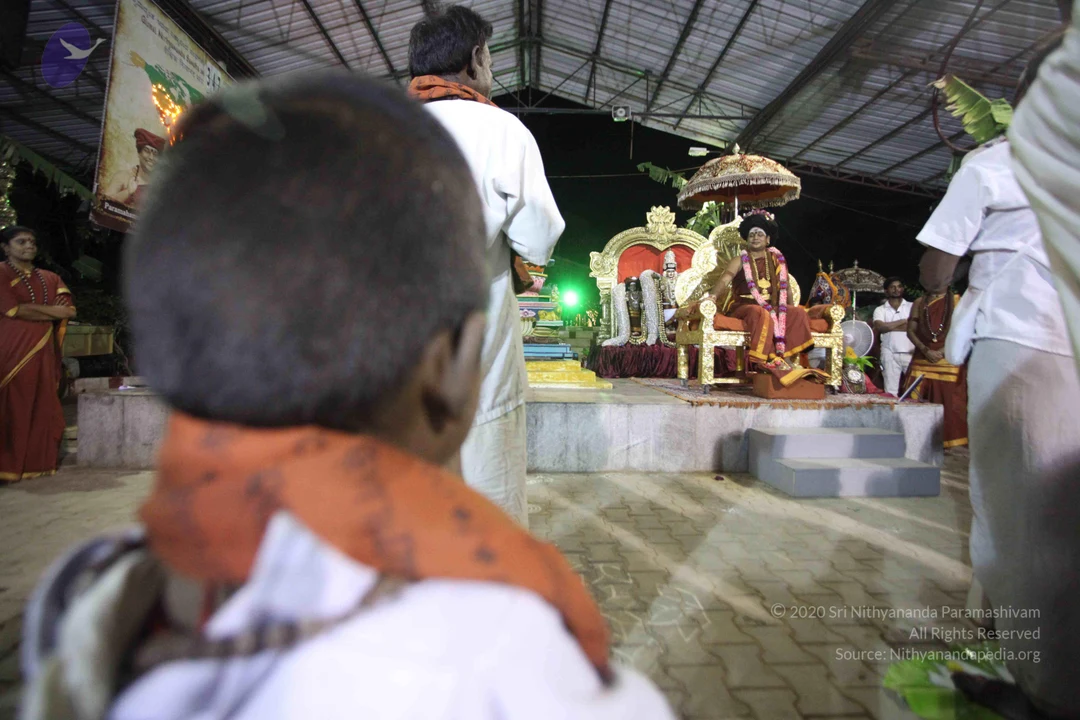
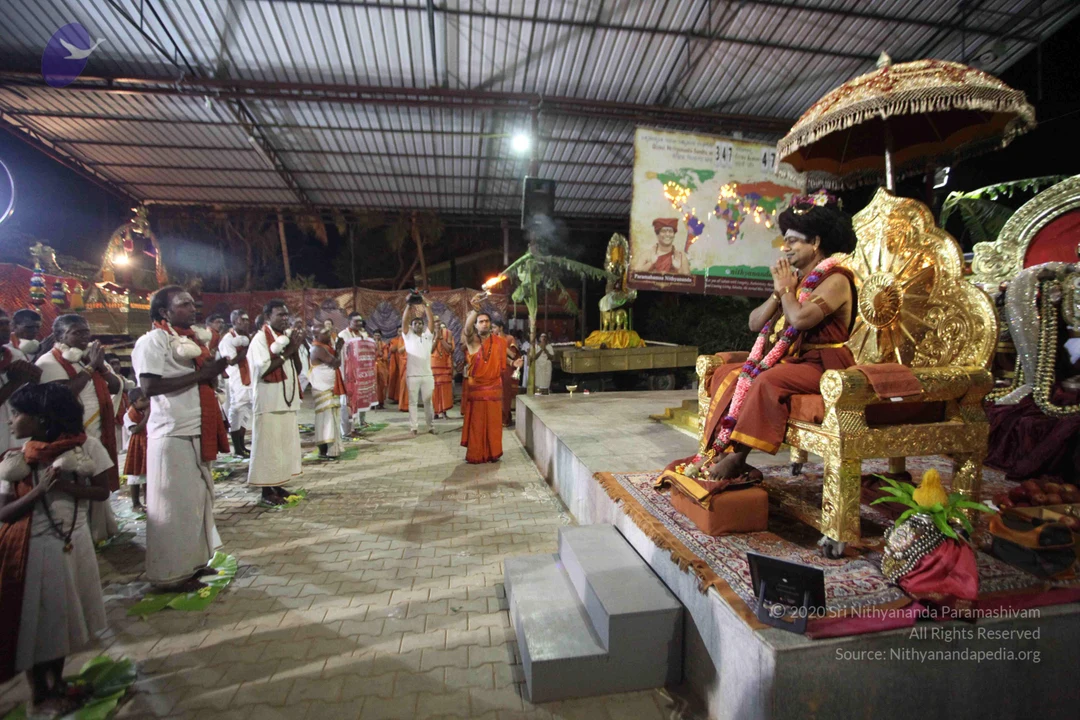
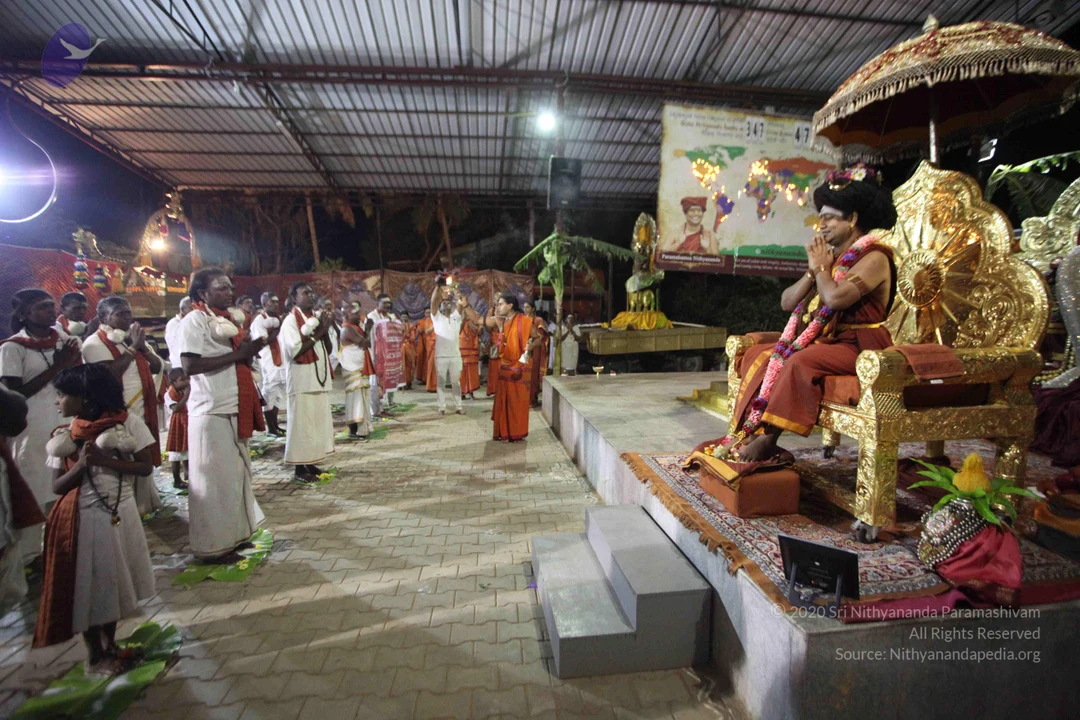
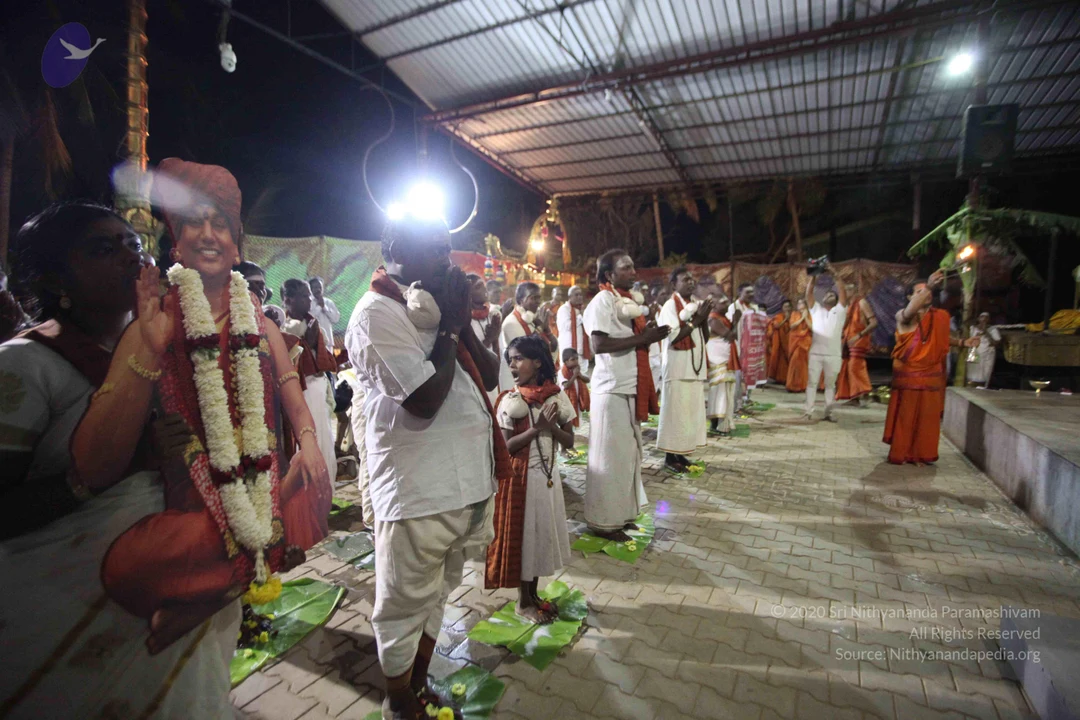
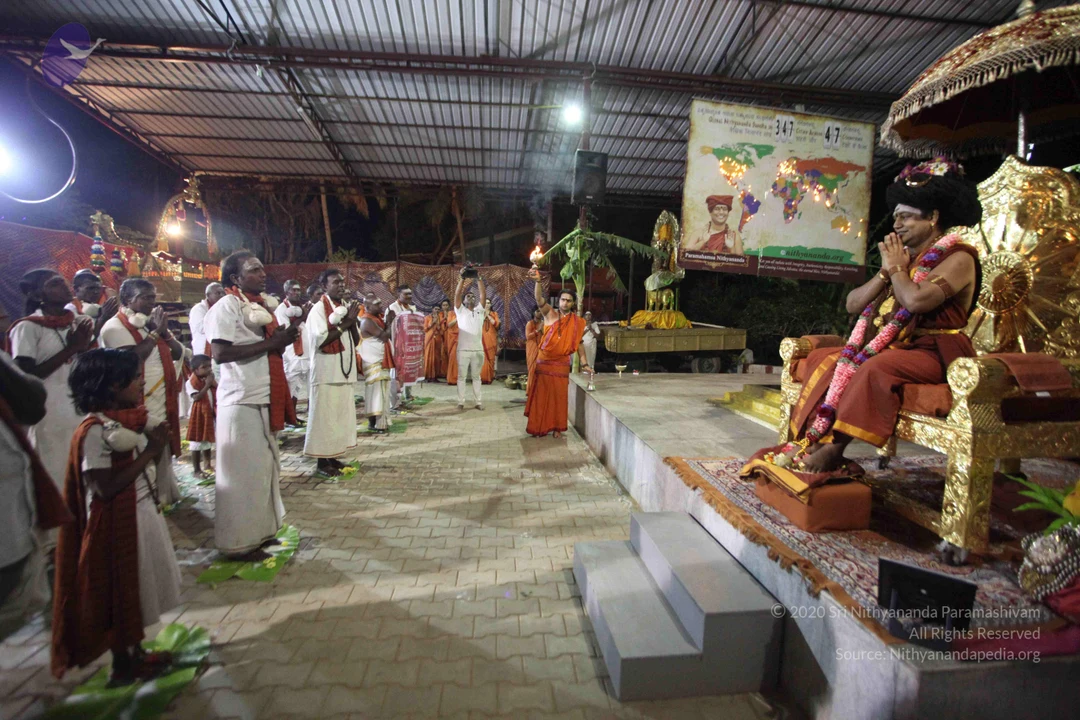
Welcoming Padayatris





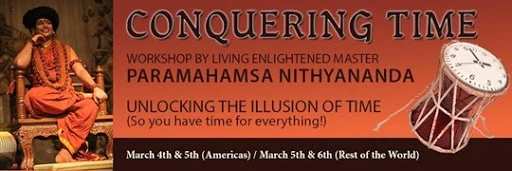
Print Media / Flyers
Photos Of The Day:
conqueringtime-day2





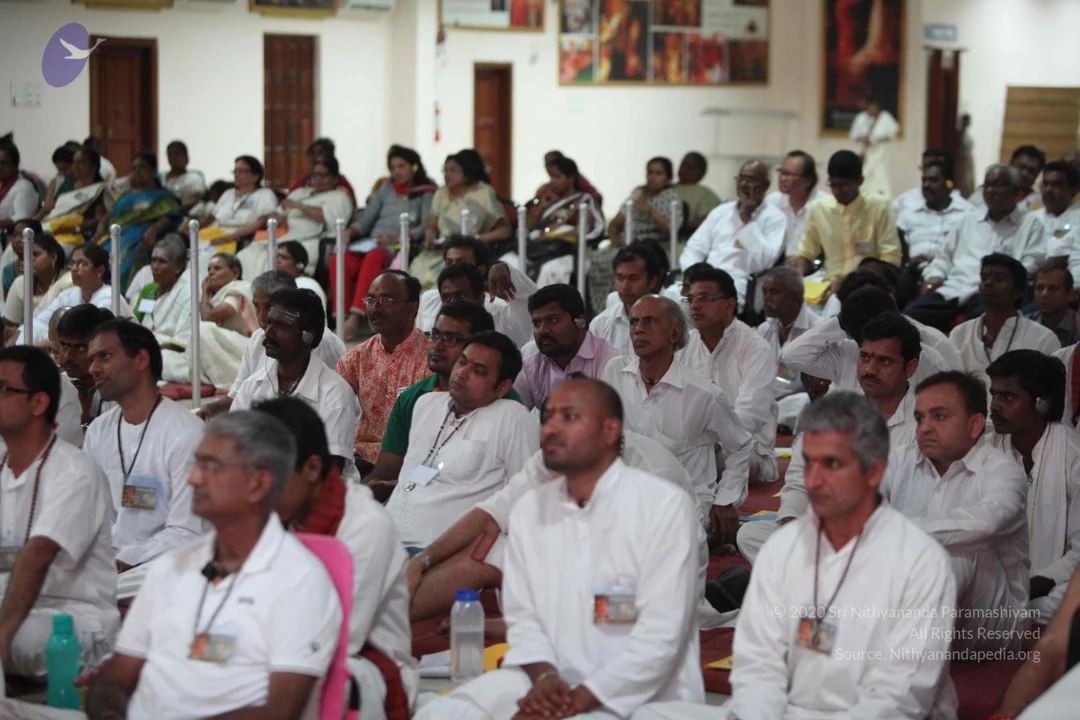


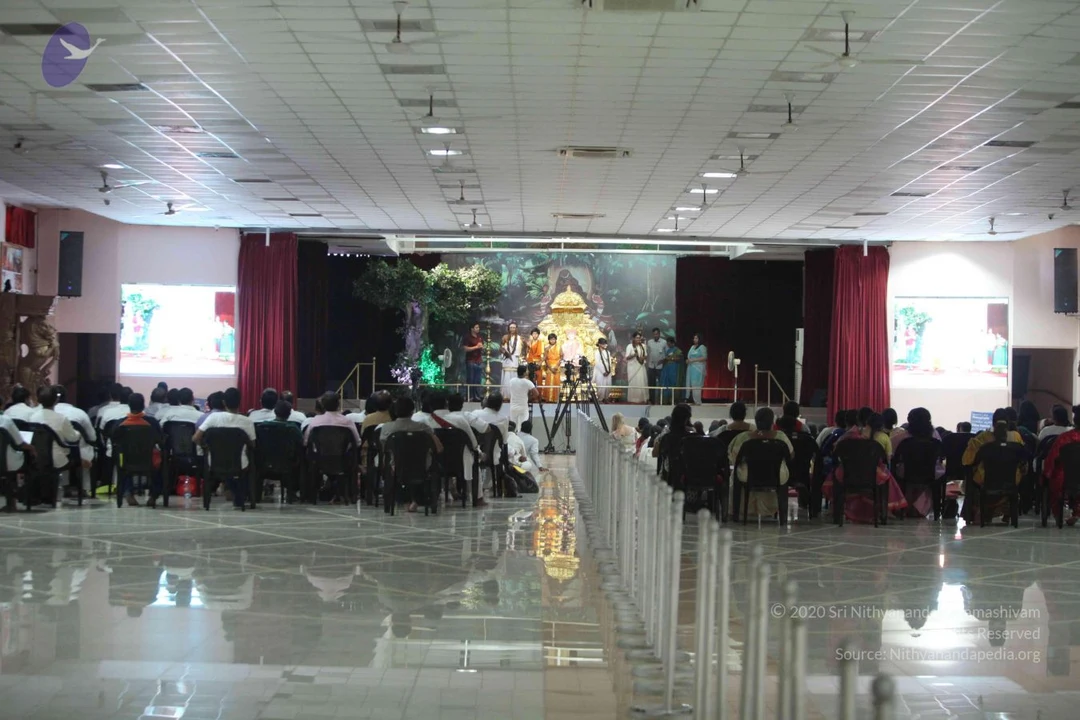
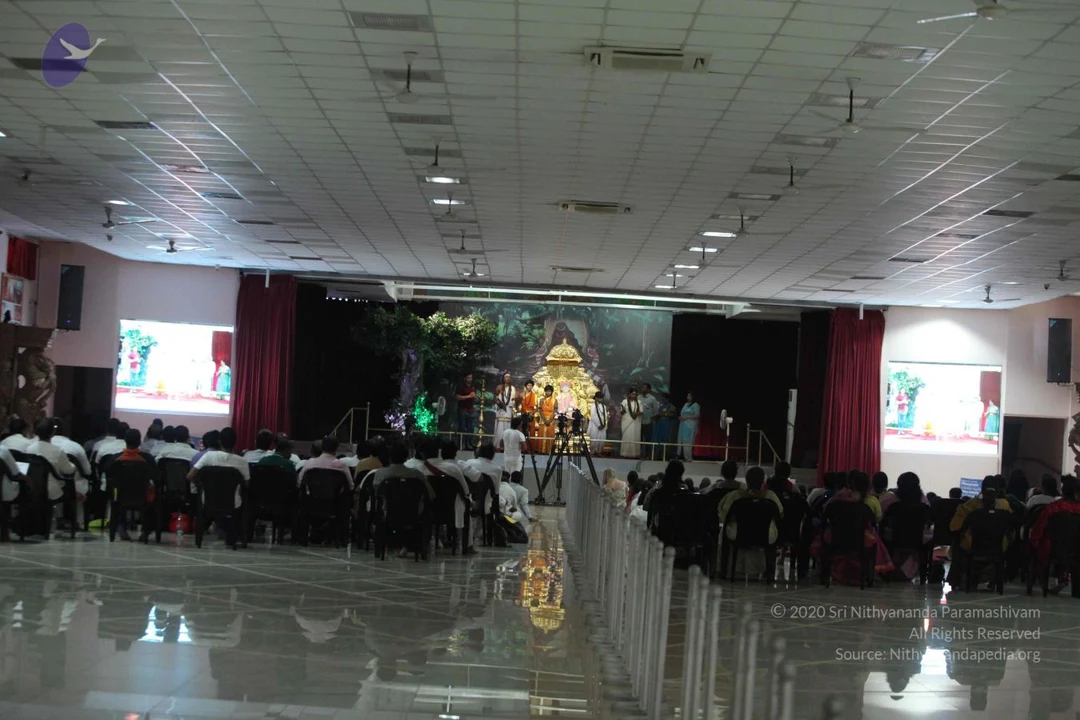

Photos Of The Day:
FB-photo-of-the-day

Photos Of The Day:
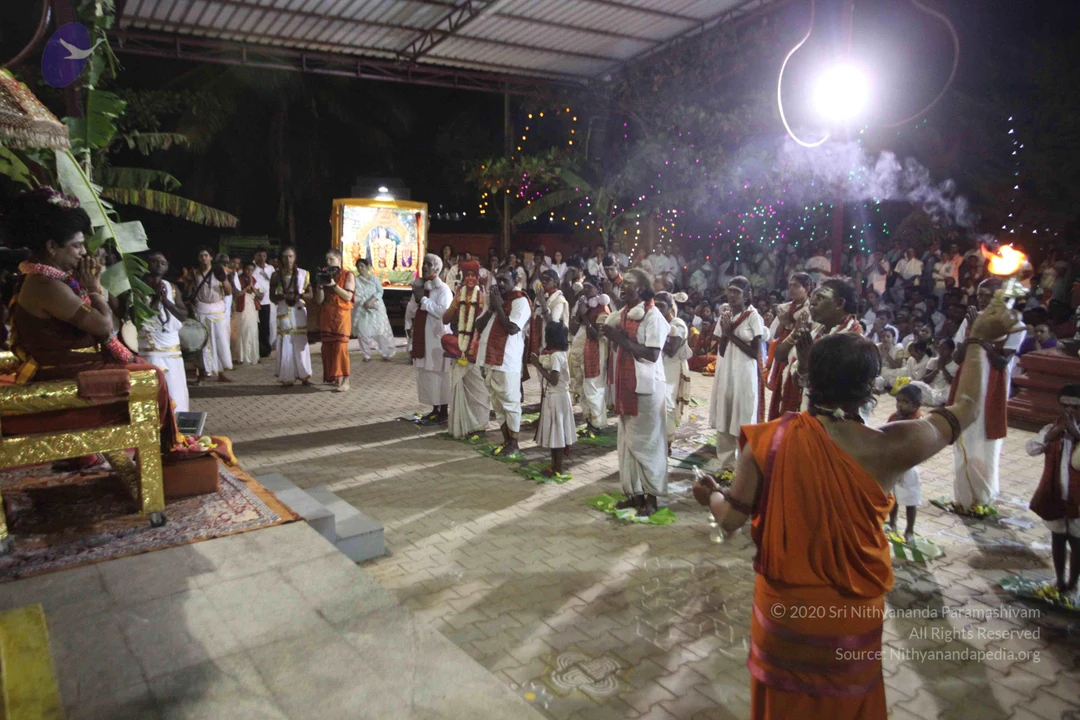
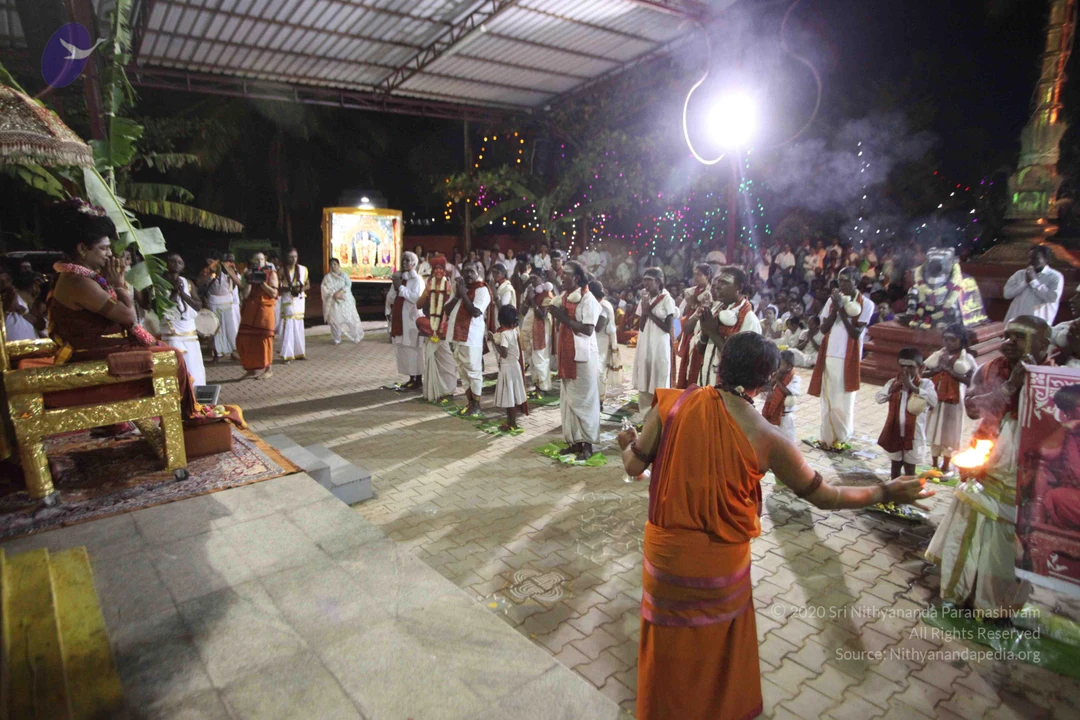
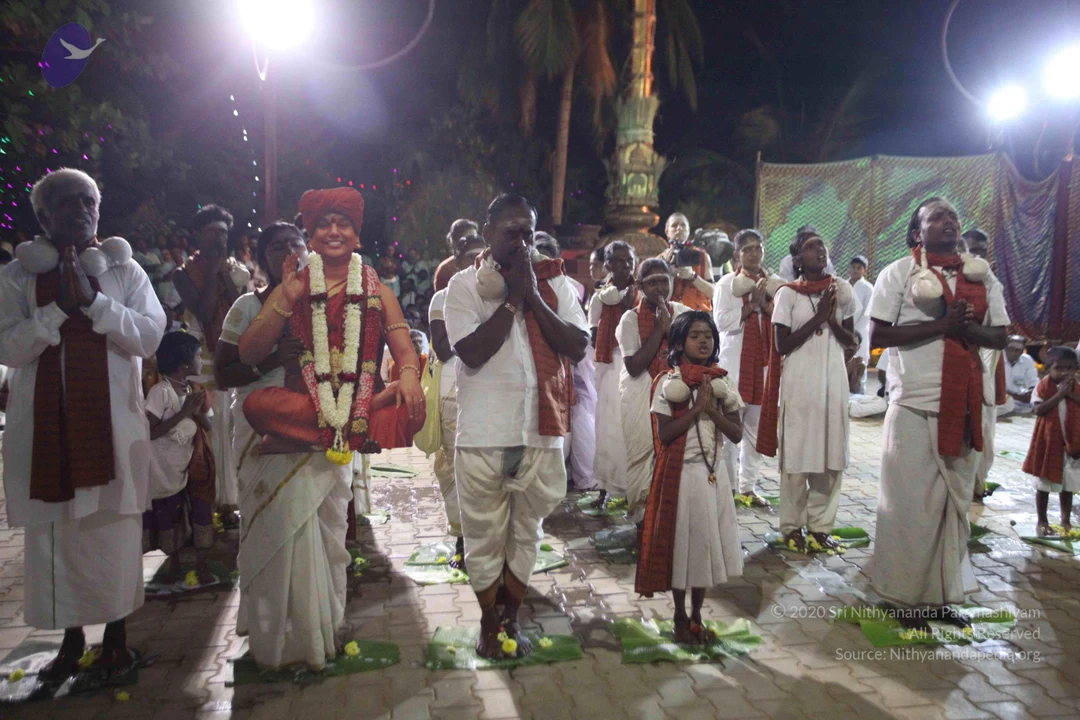
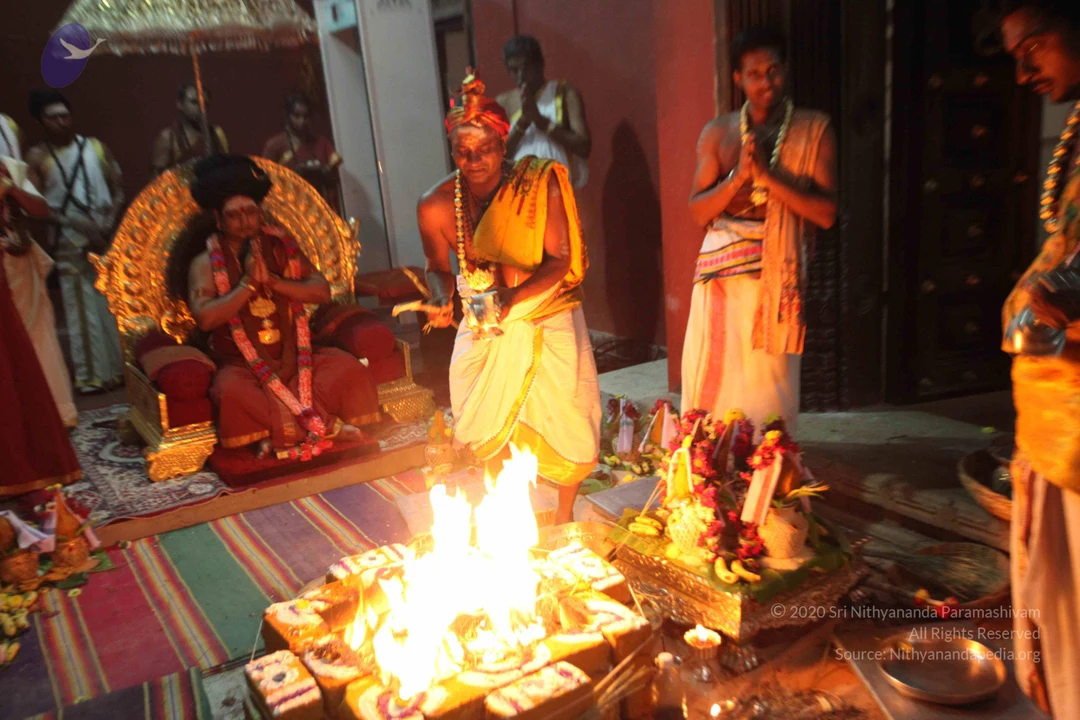
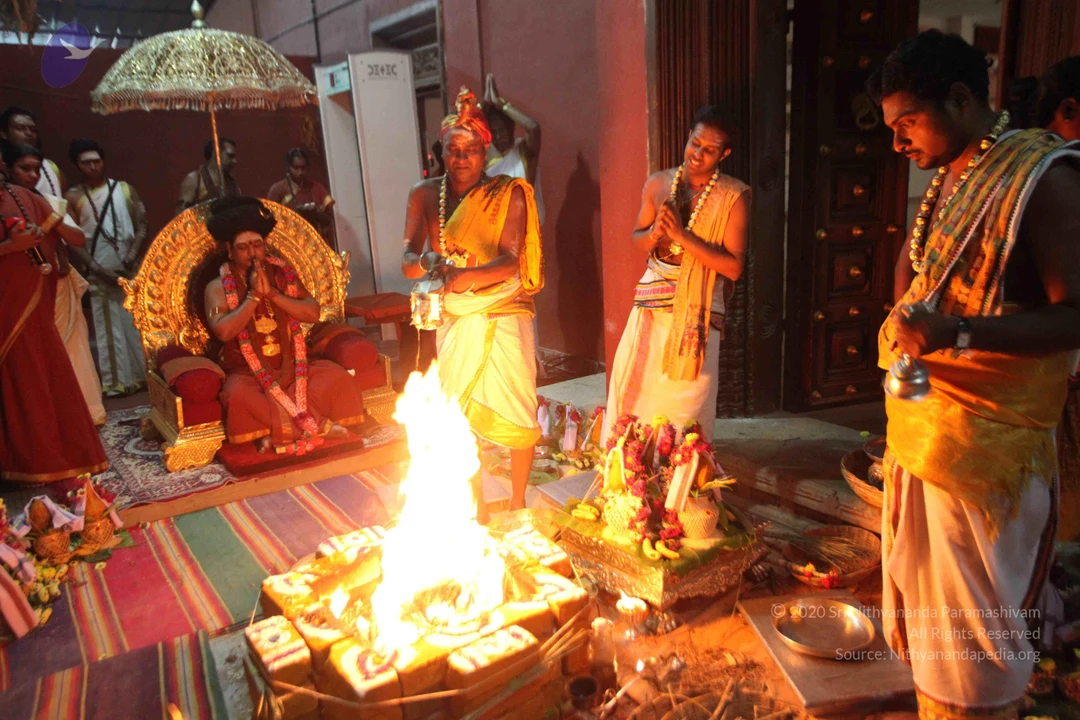
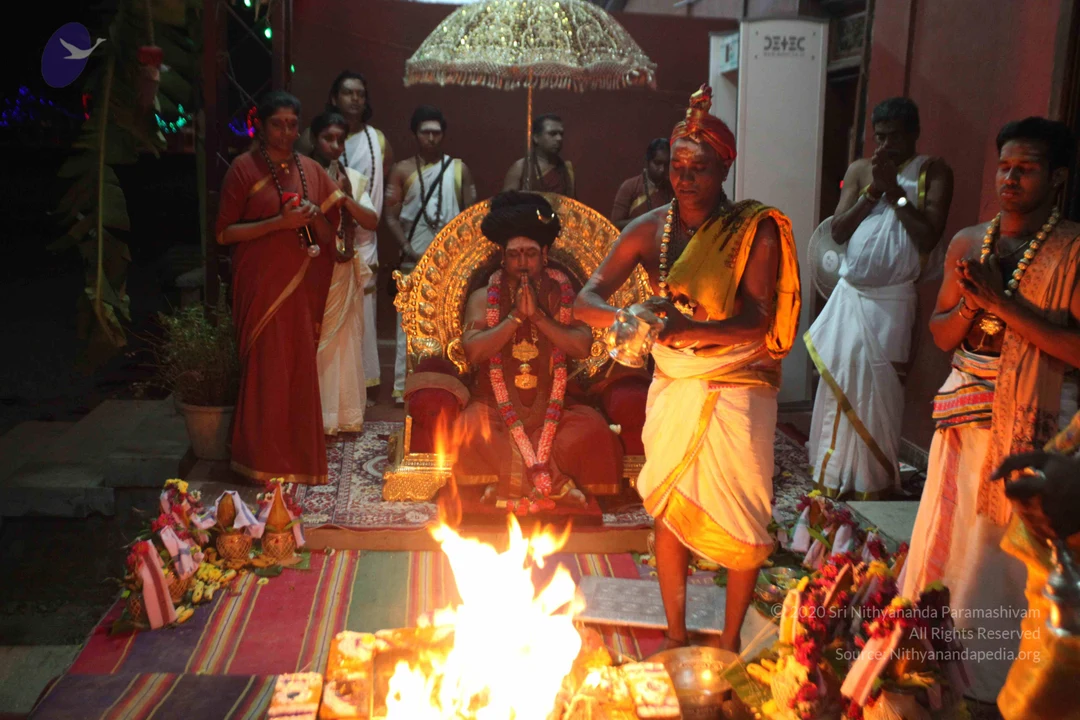
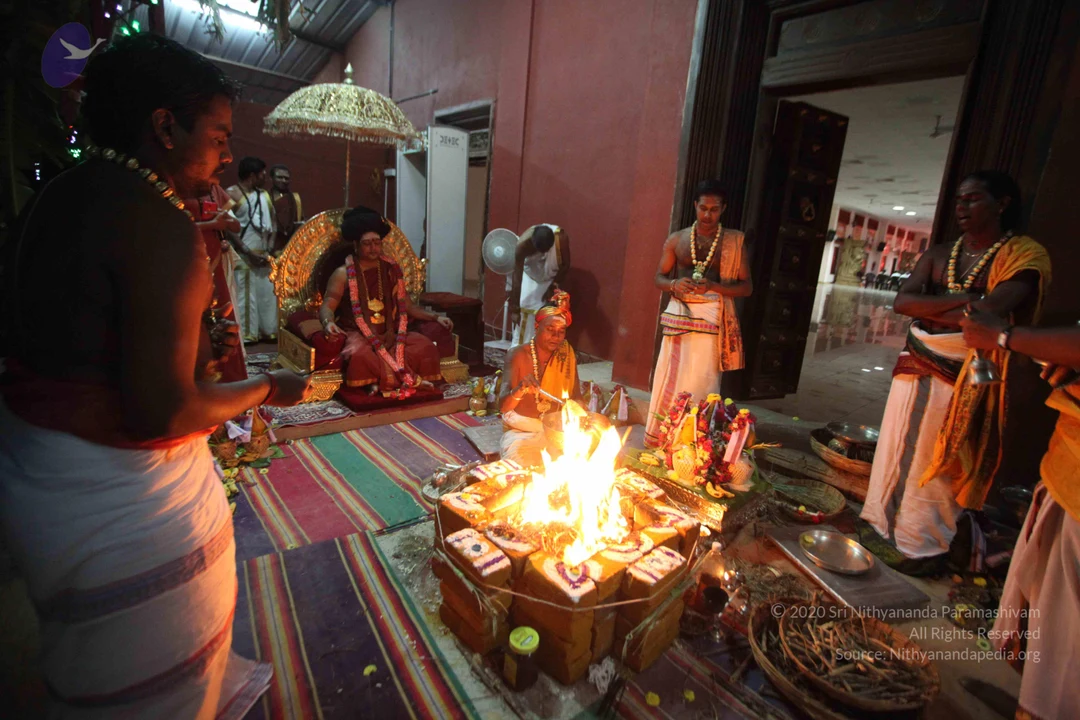
Shivaratri-Padayatra-Arrival
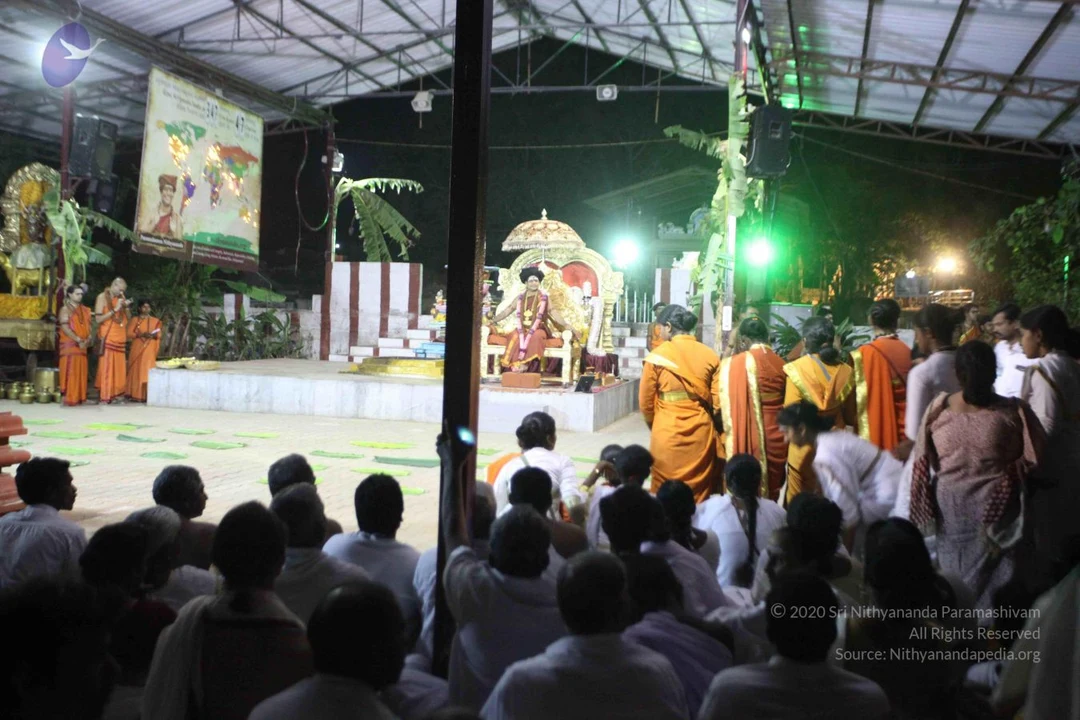















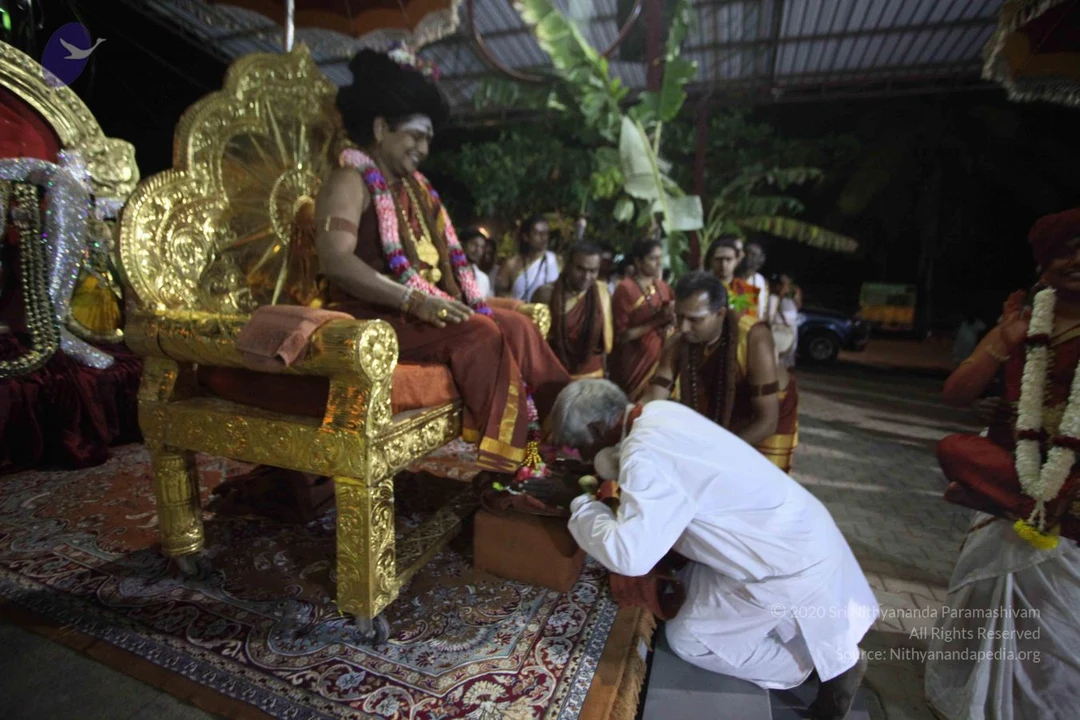
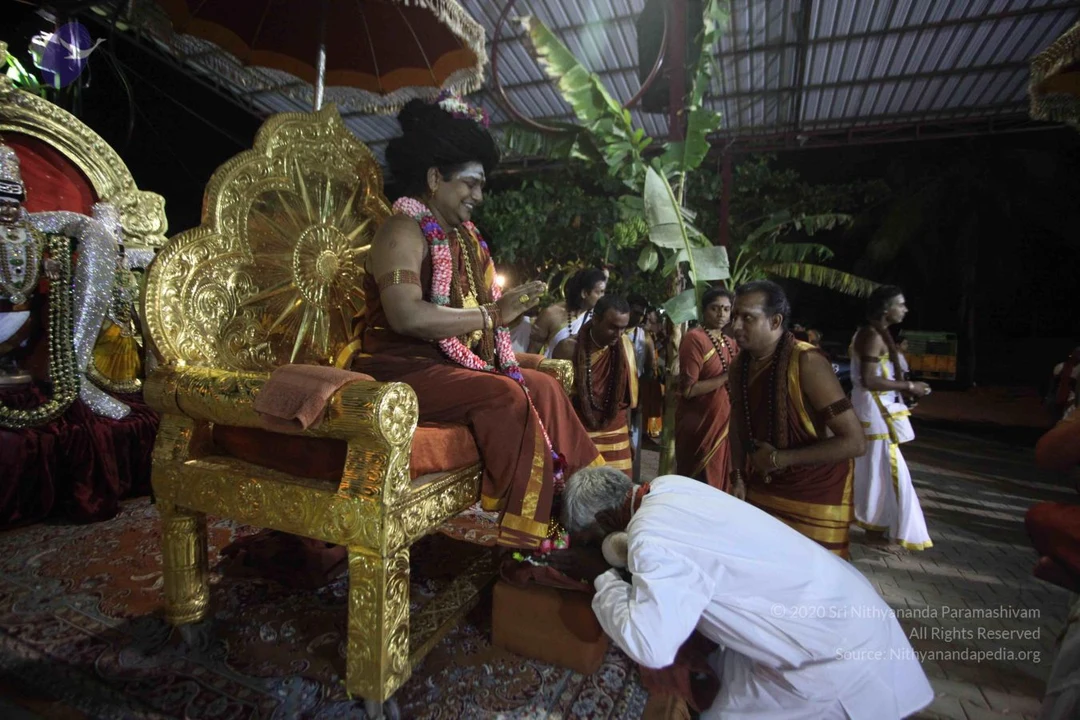
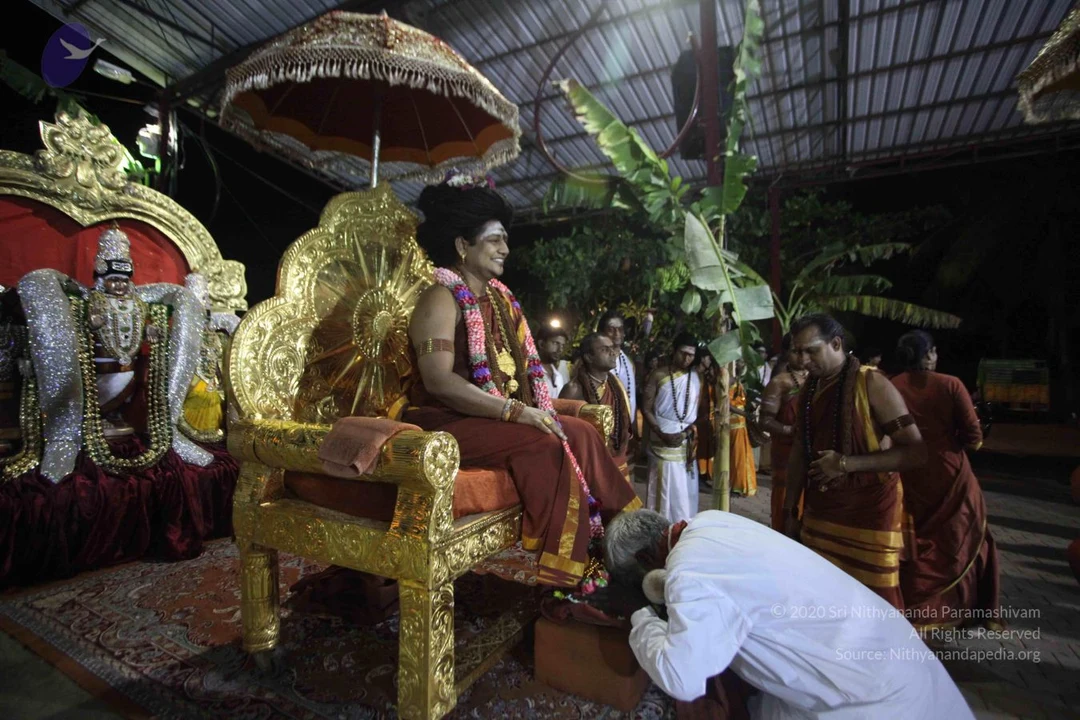
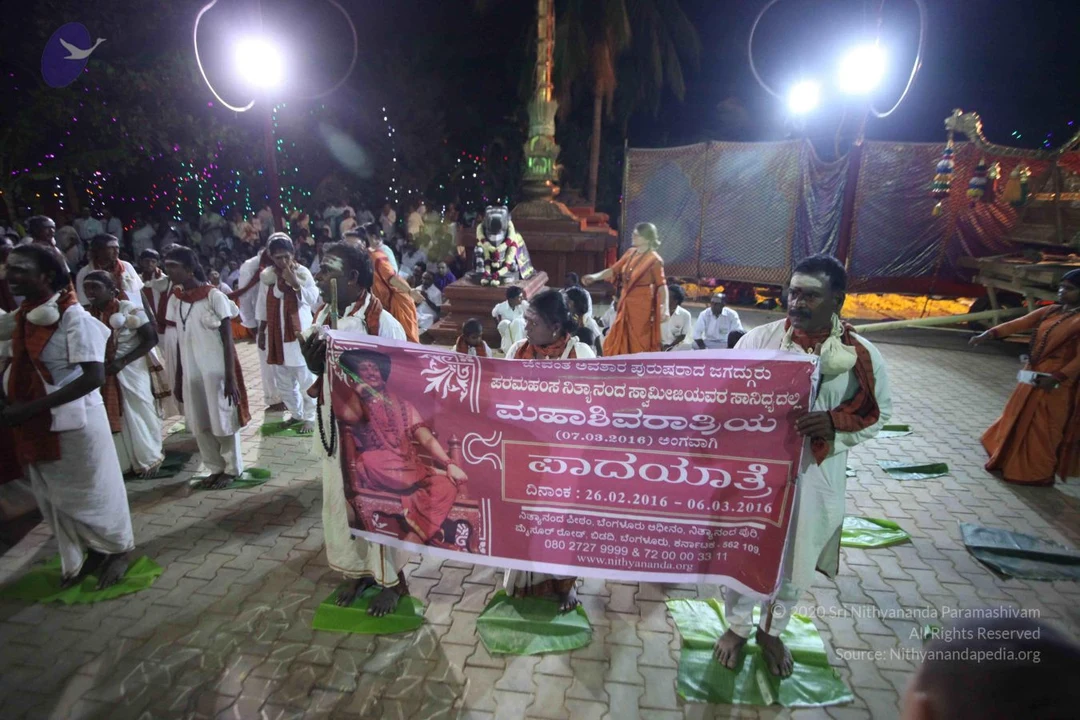

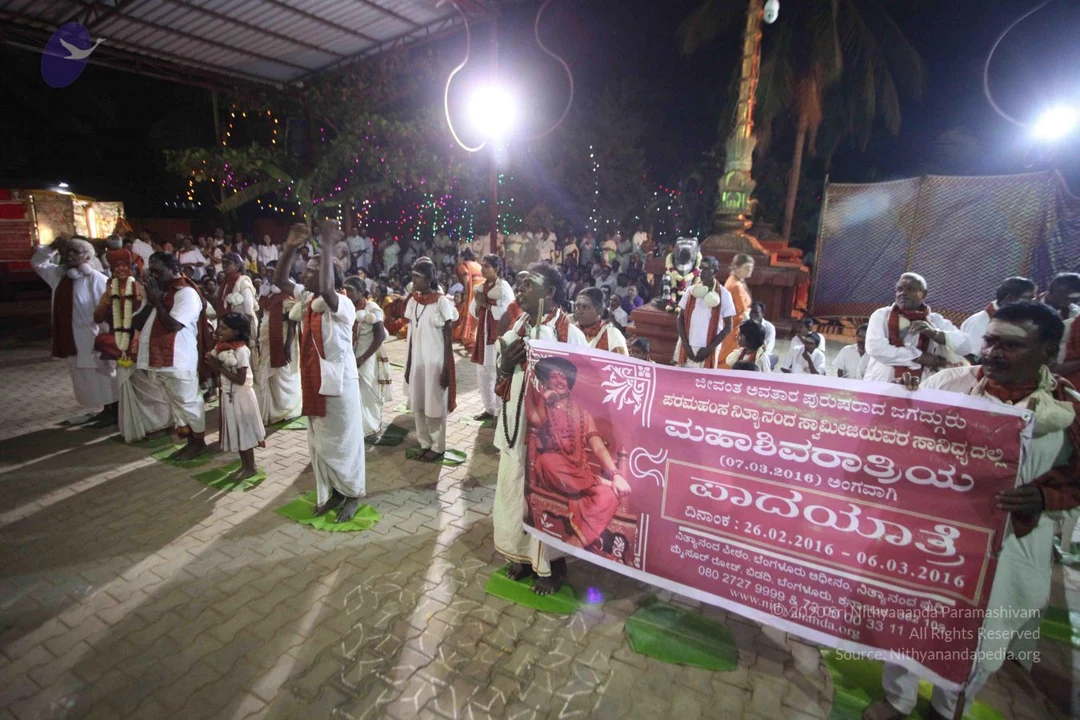
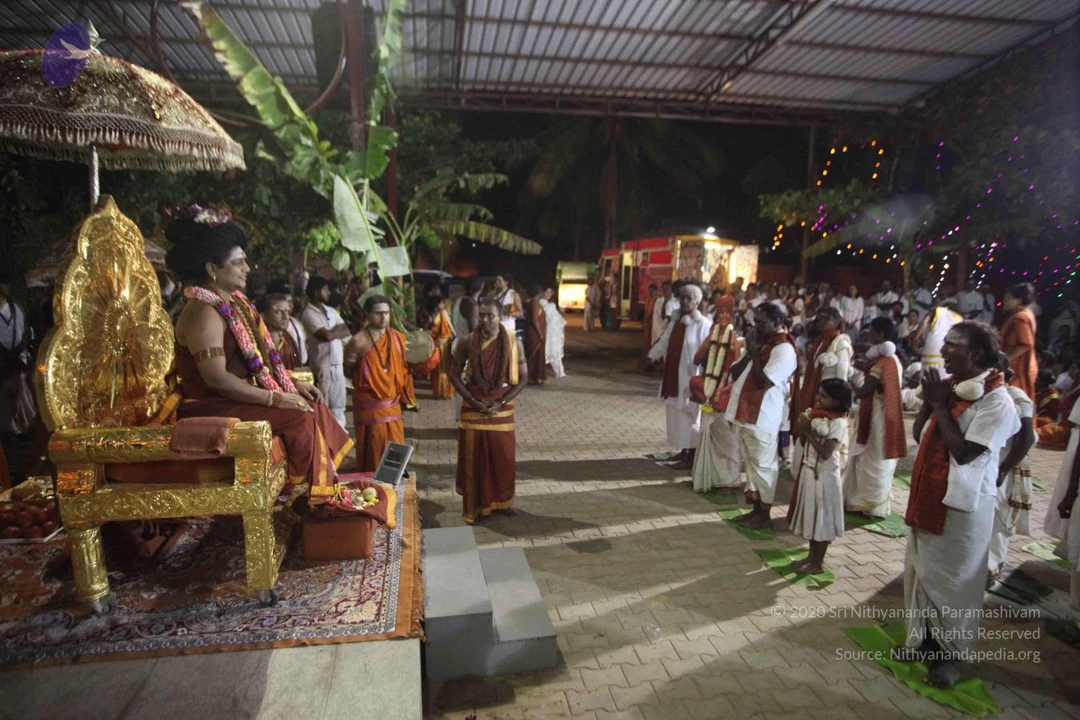


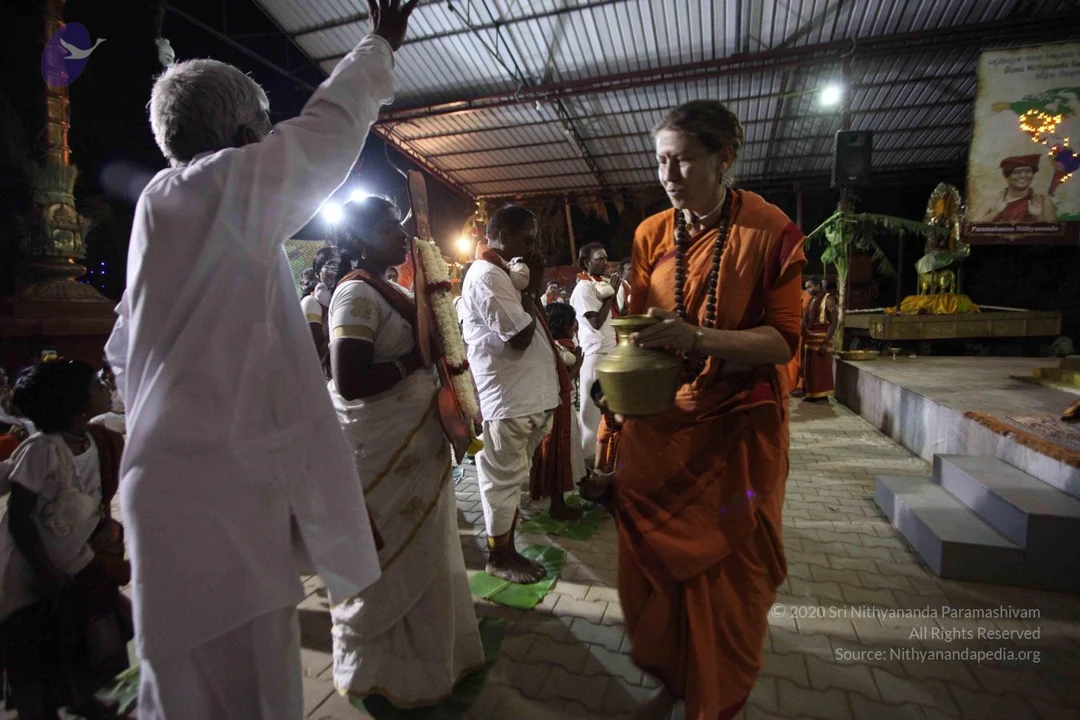
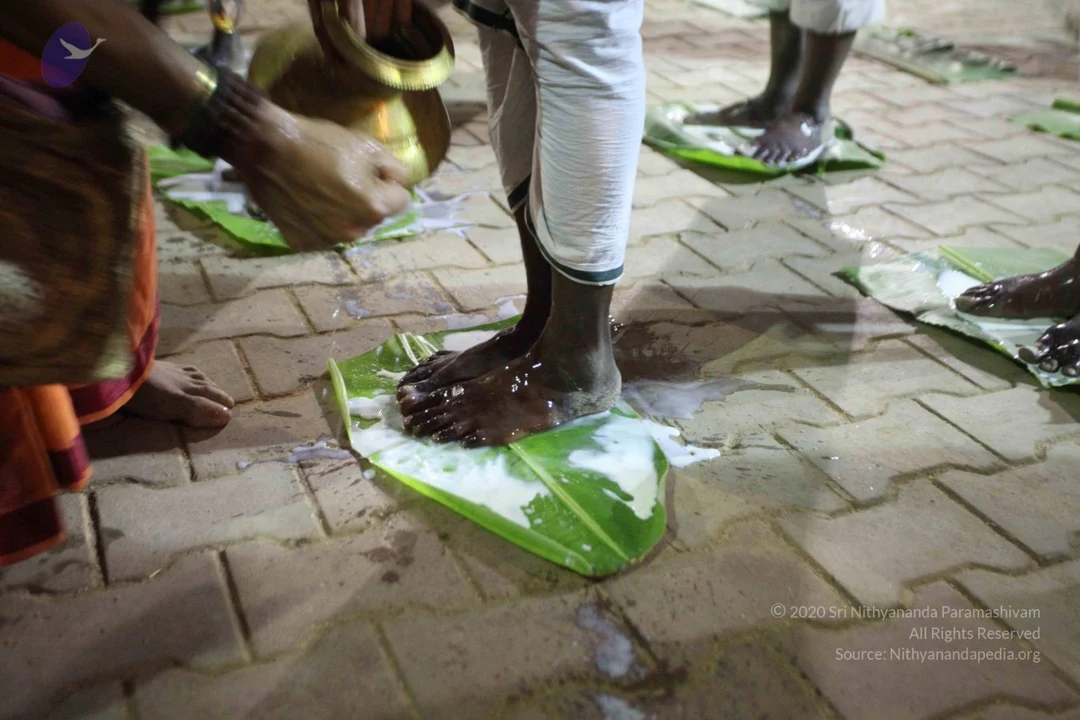







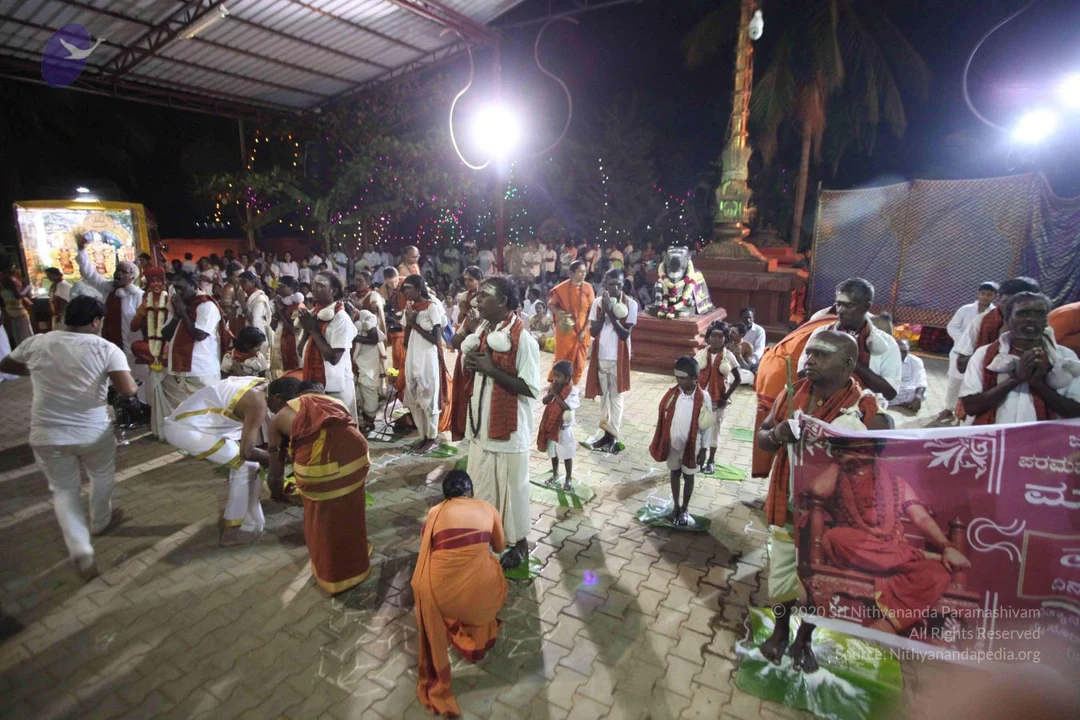
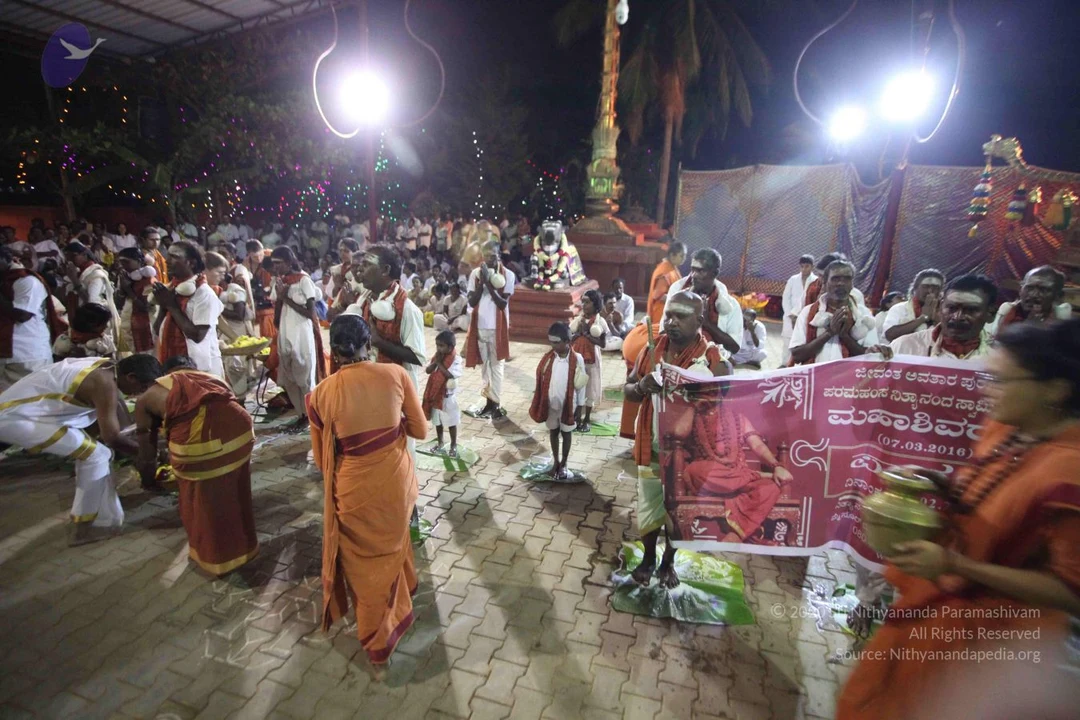


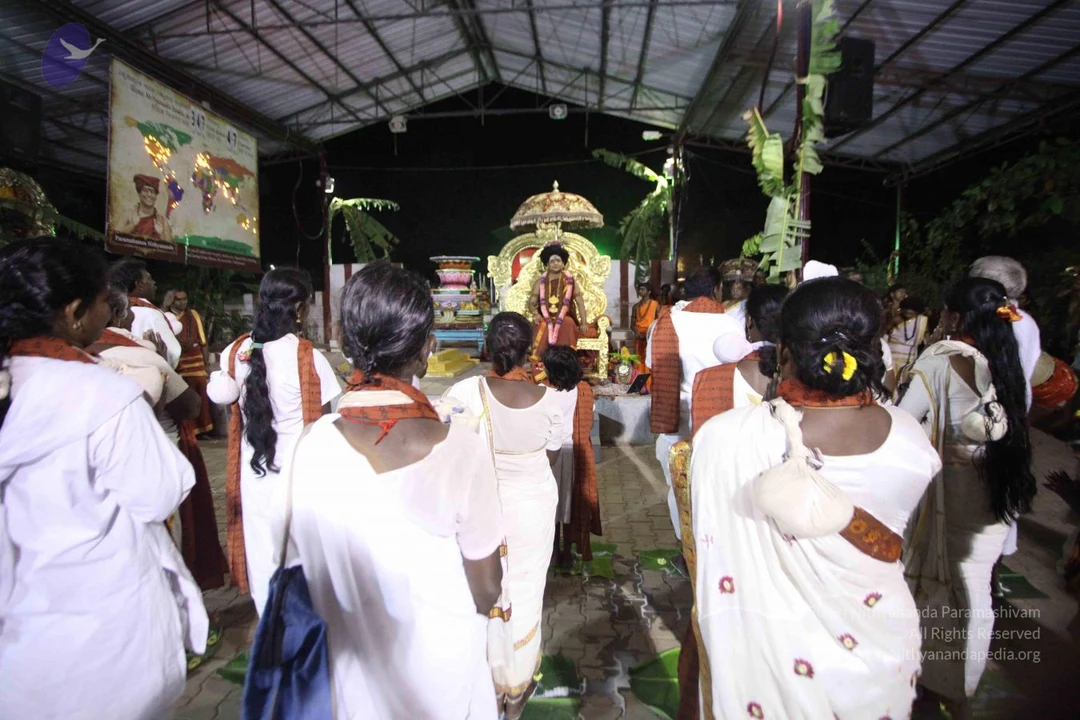




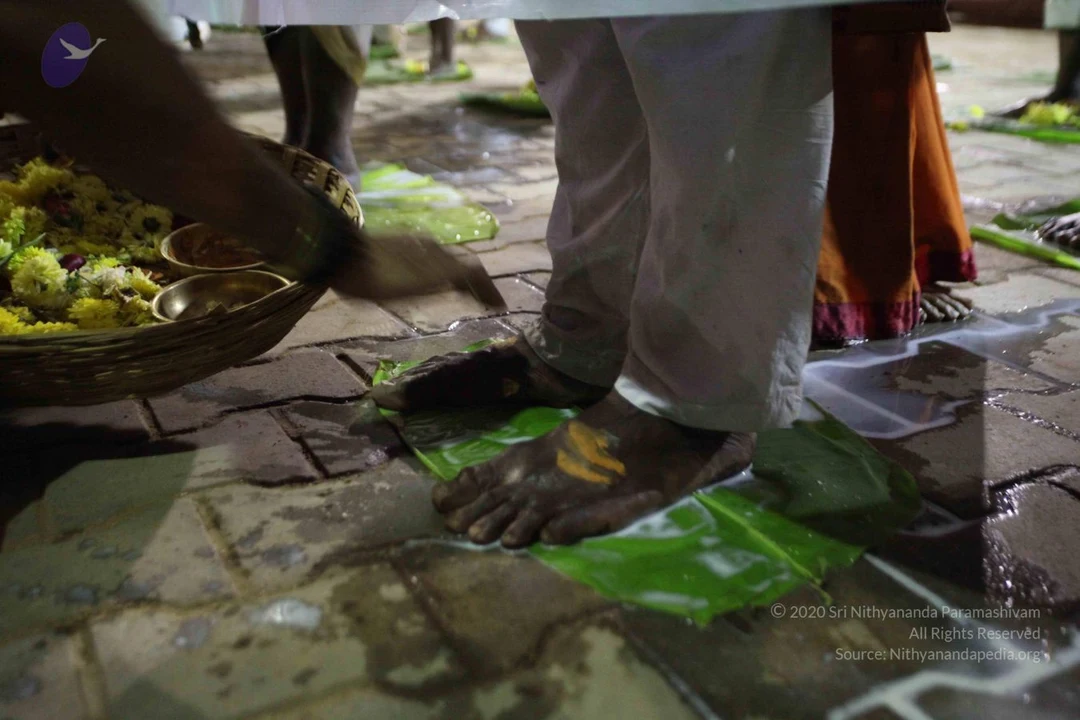
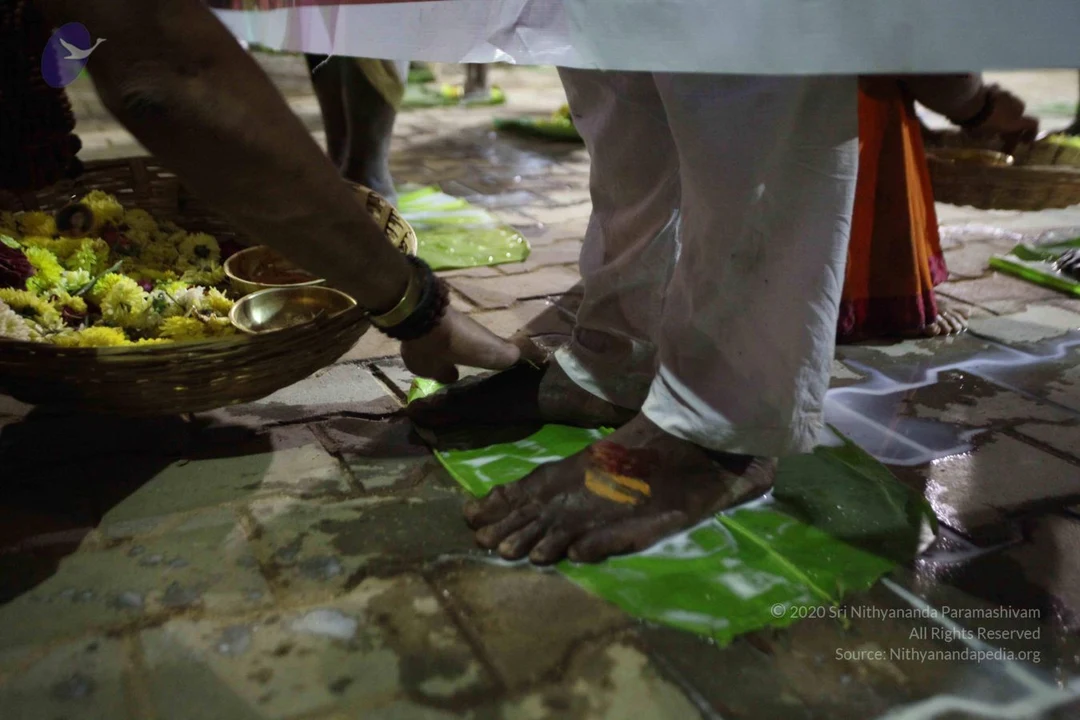
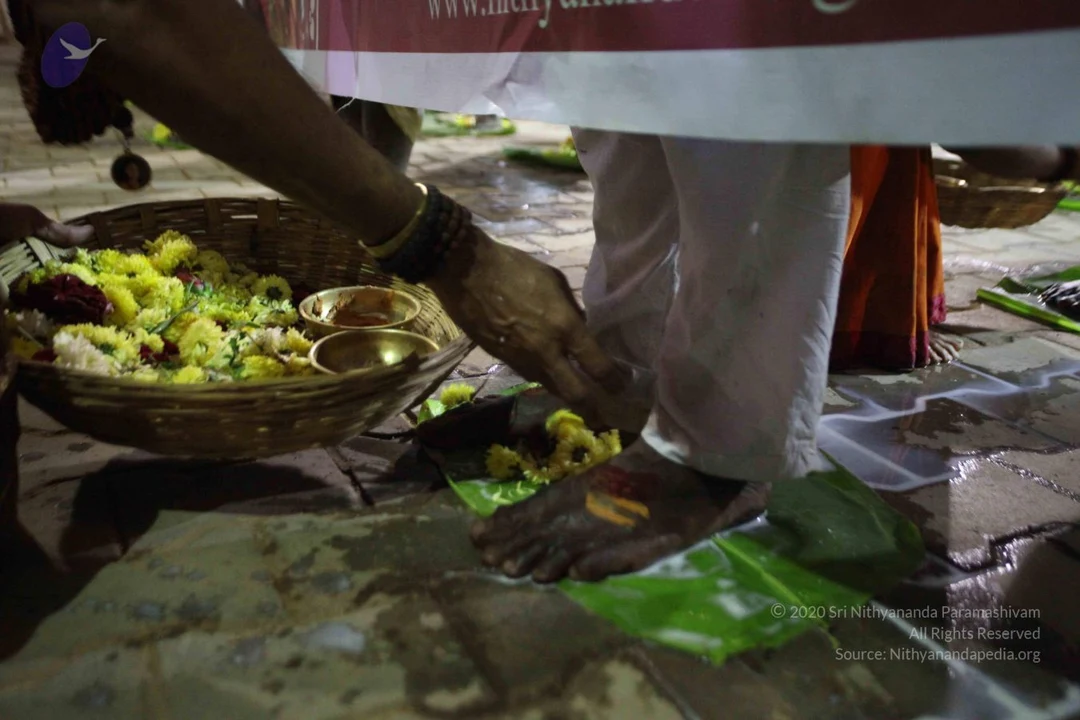

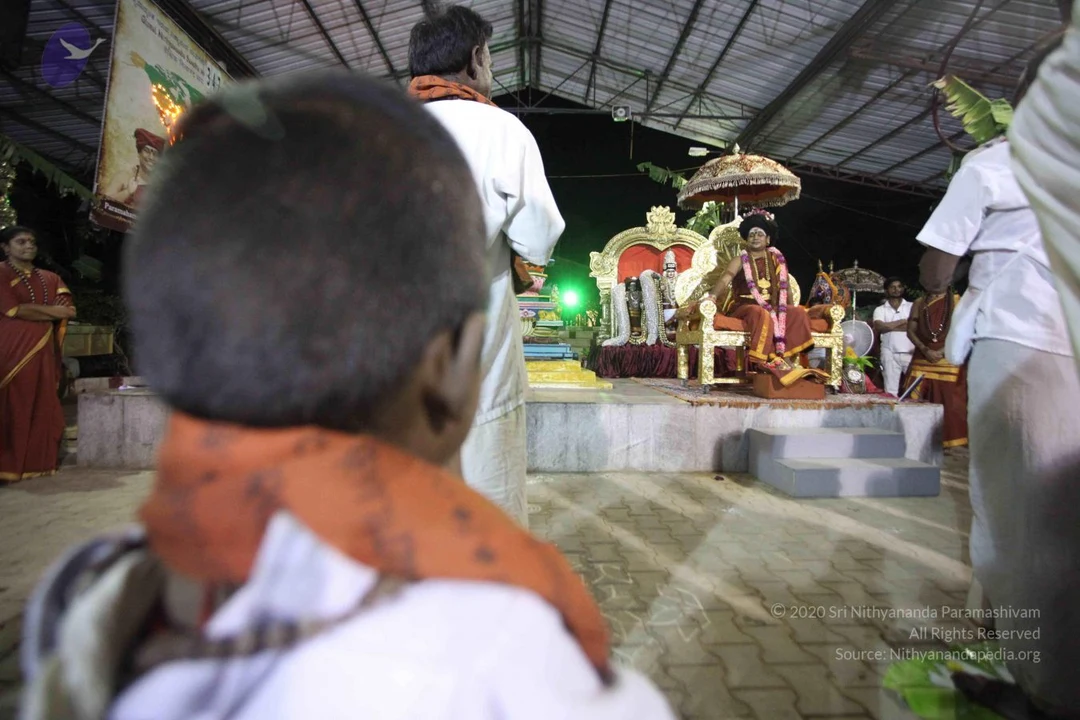

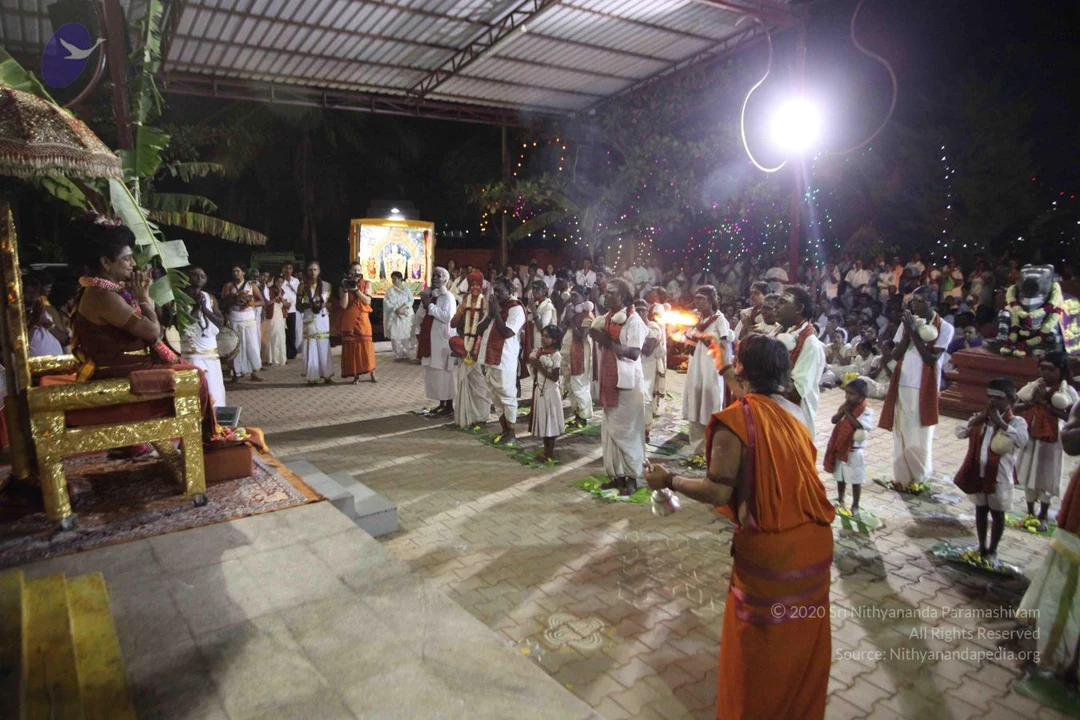
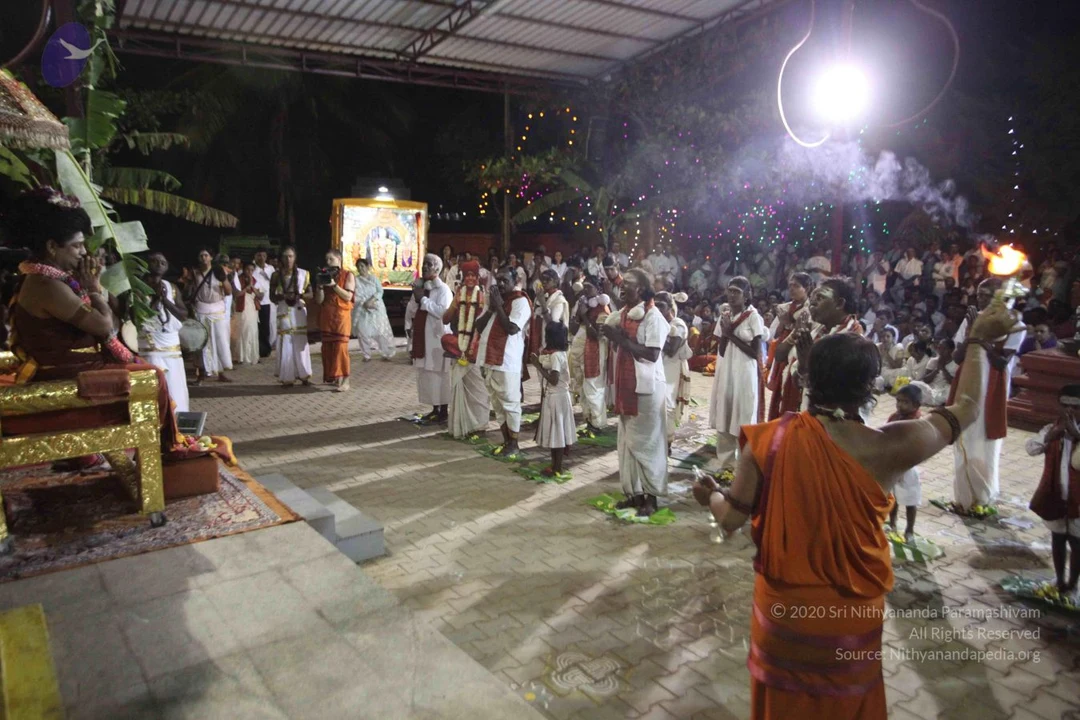
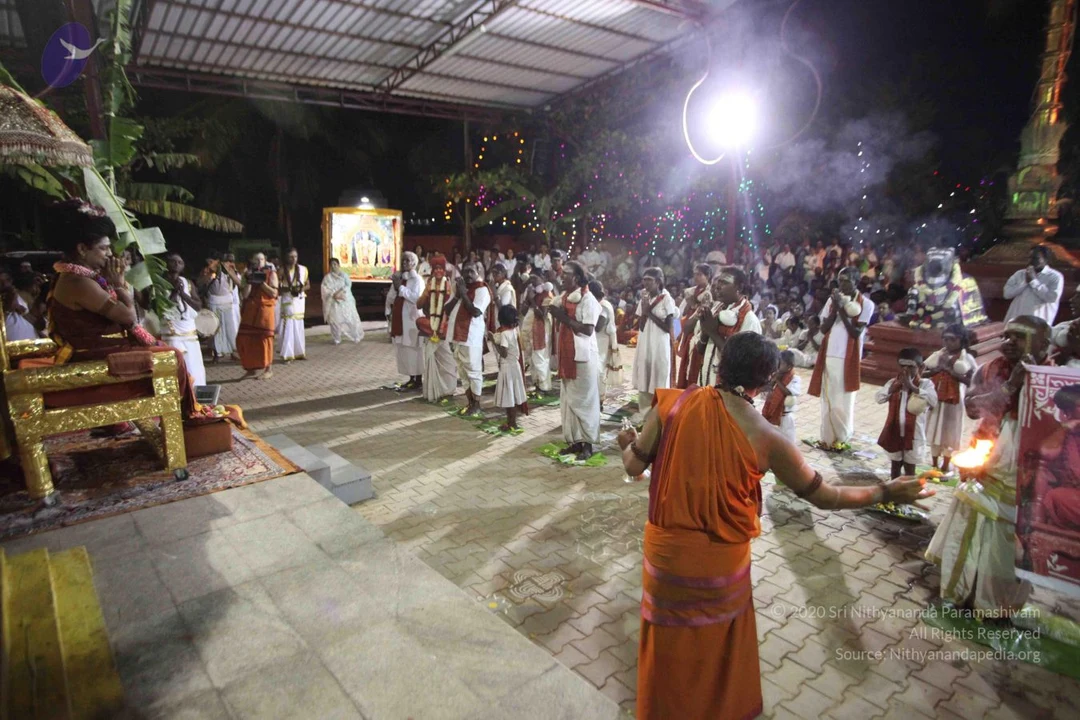


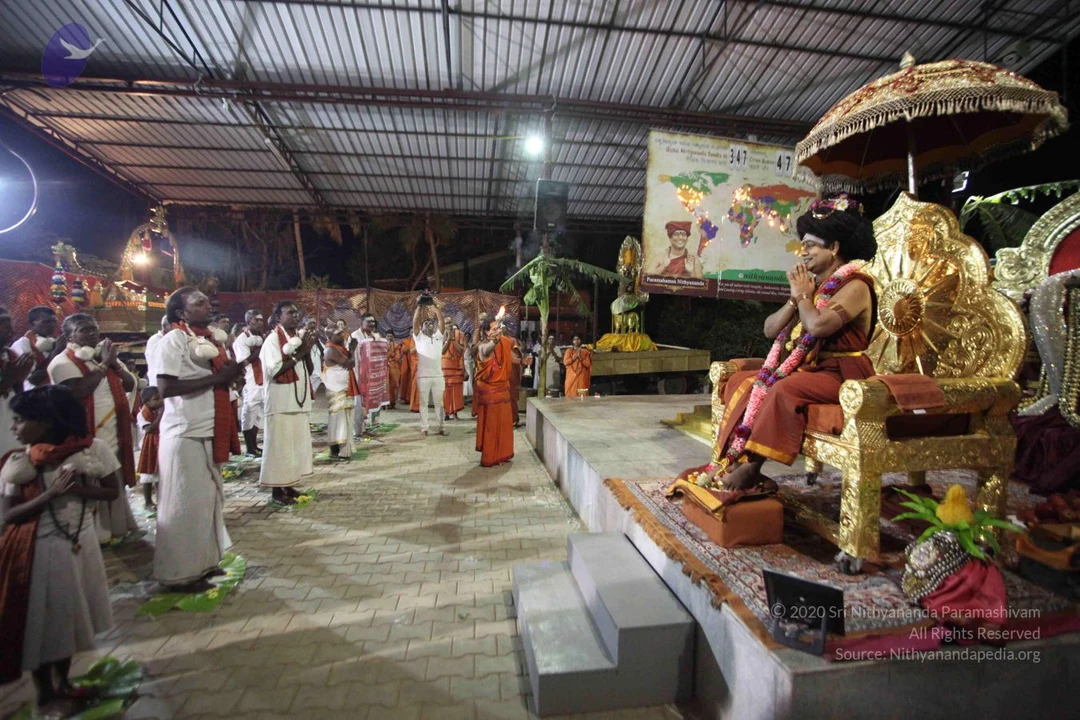
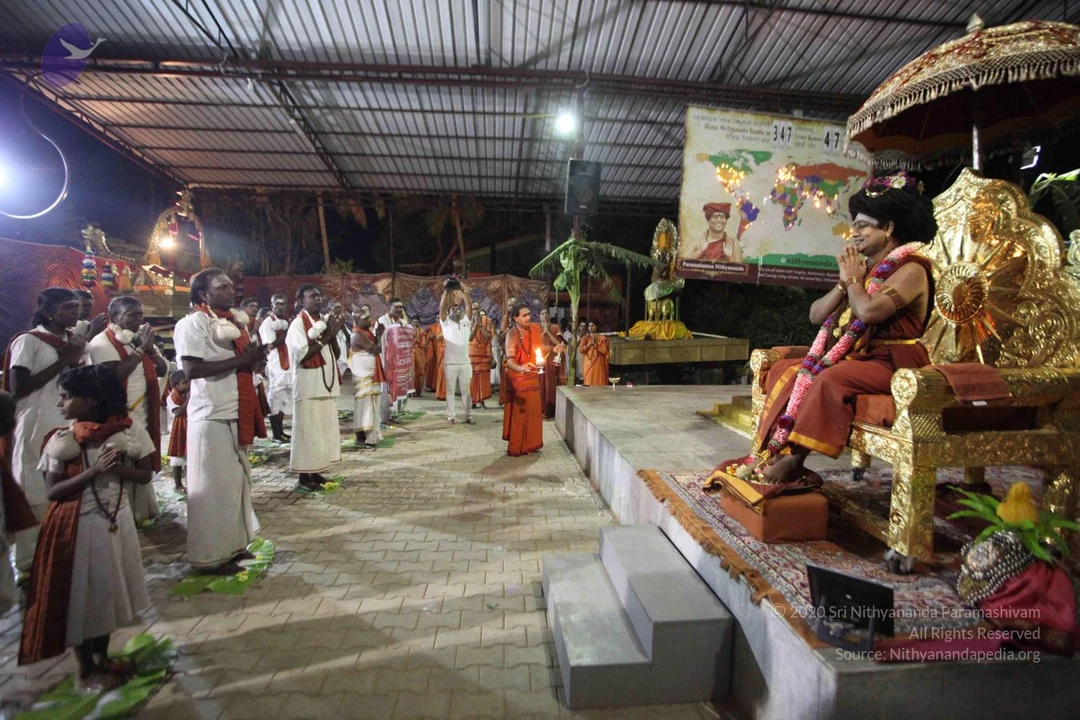
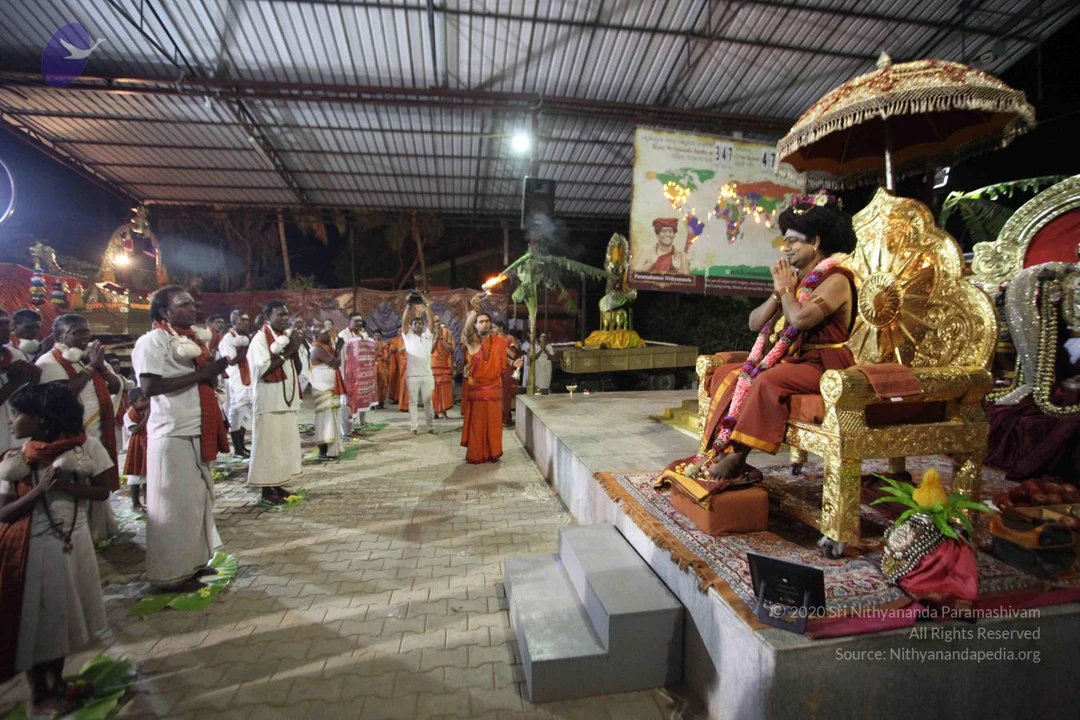
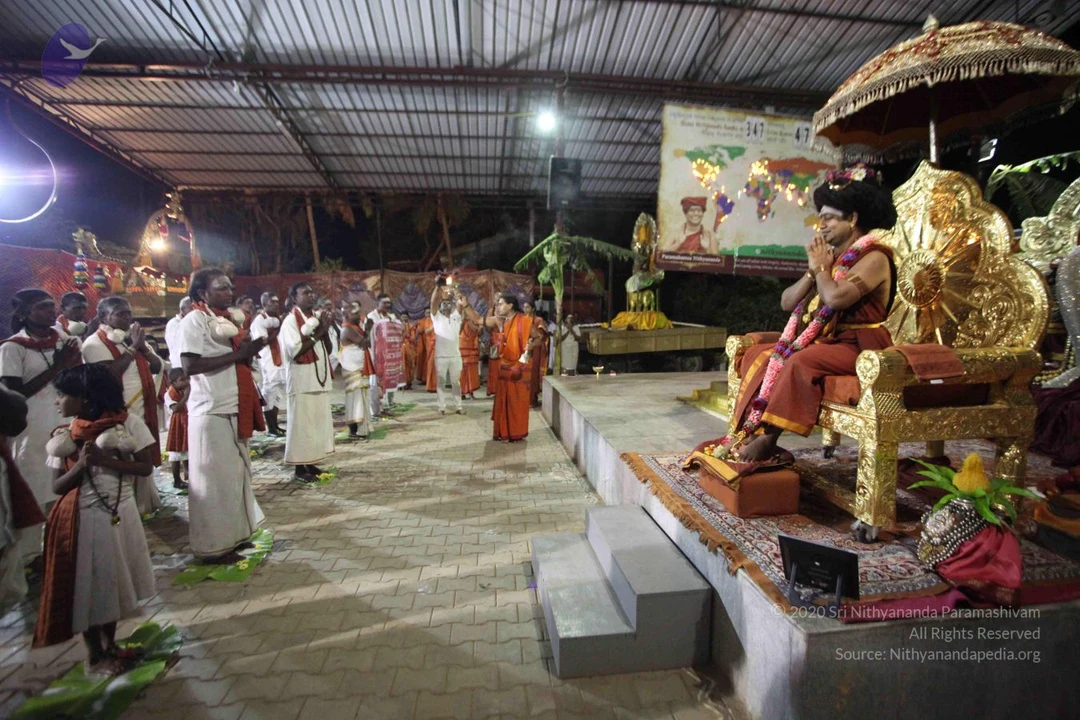
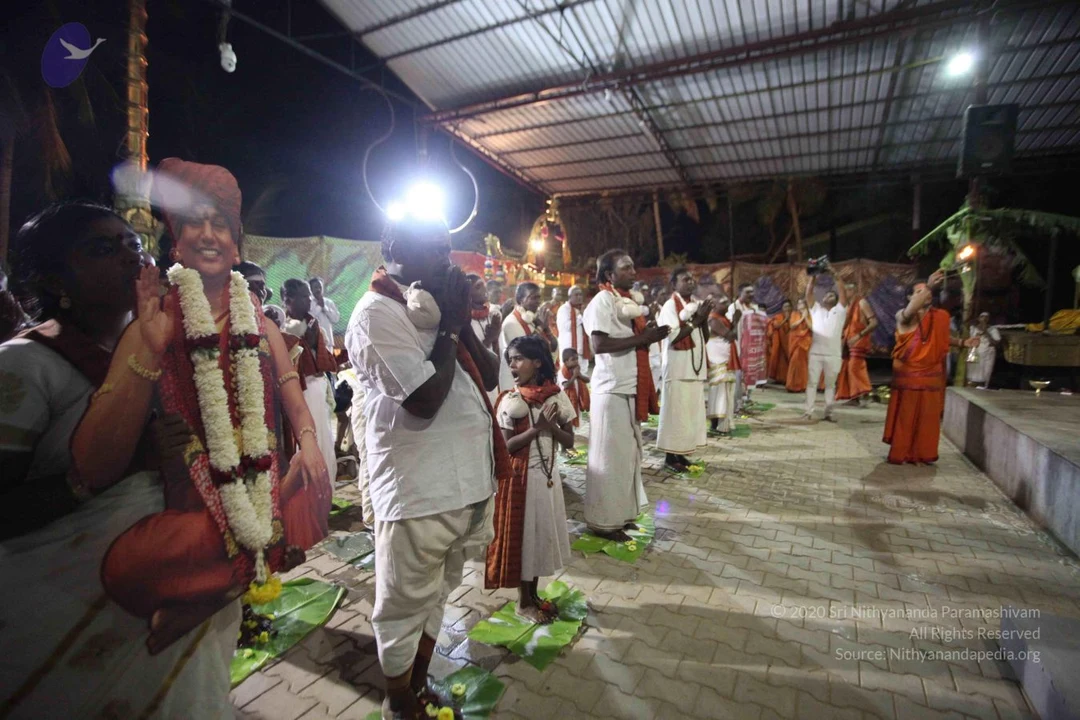

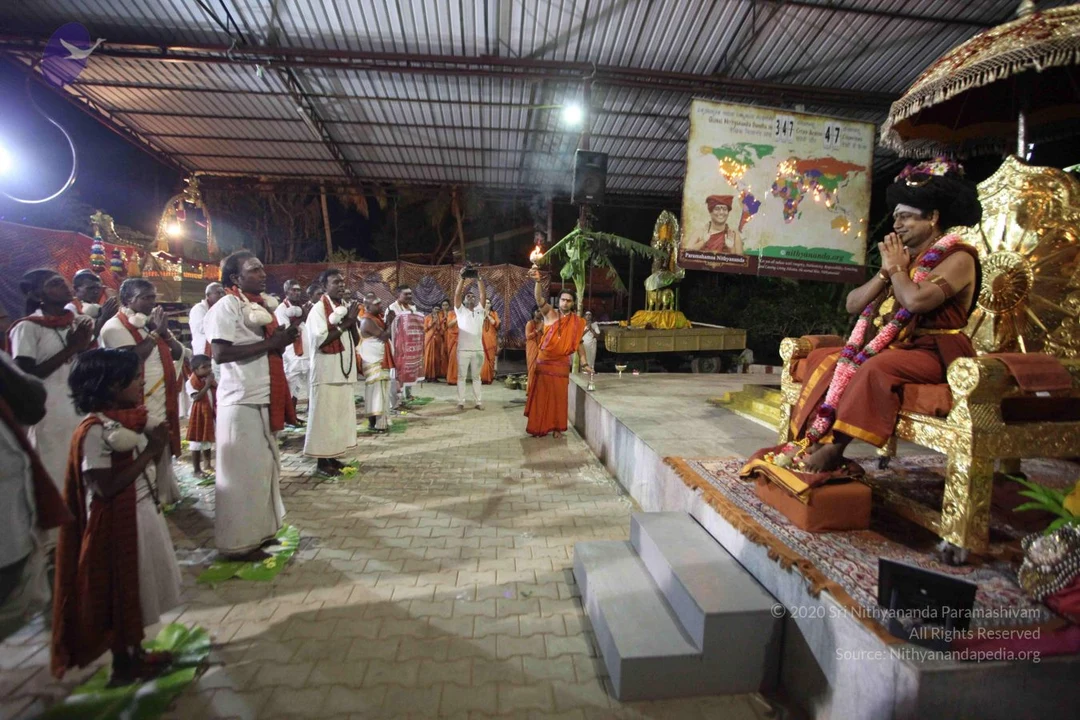



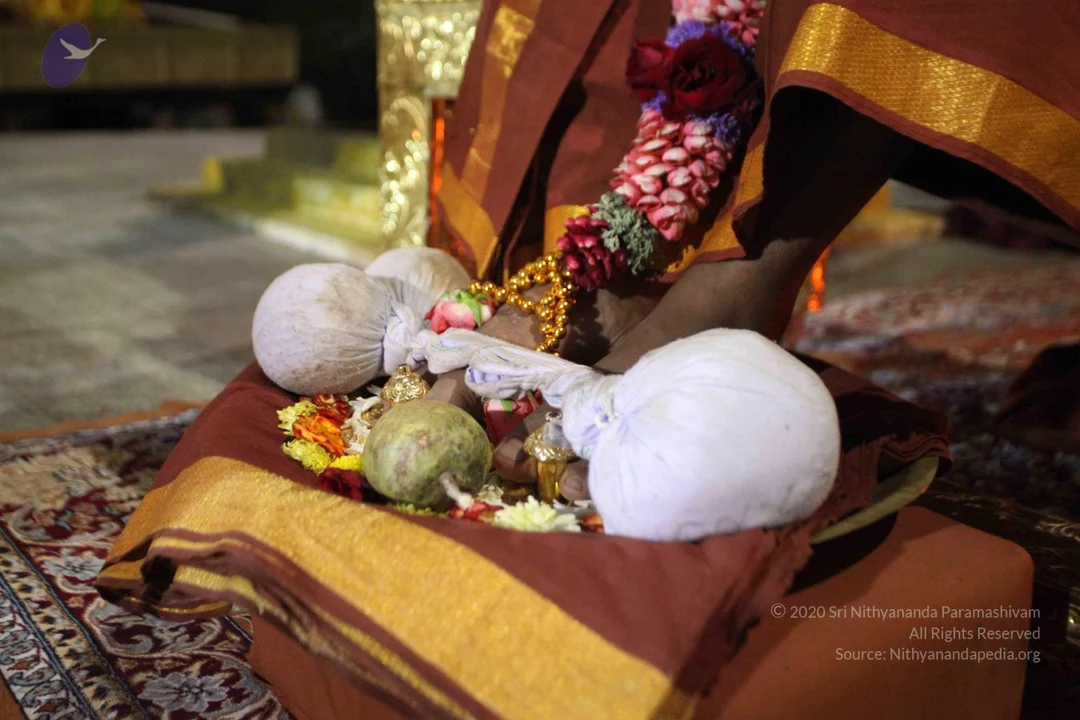
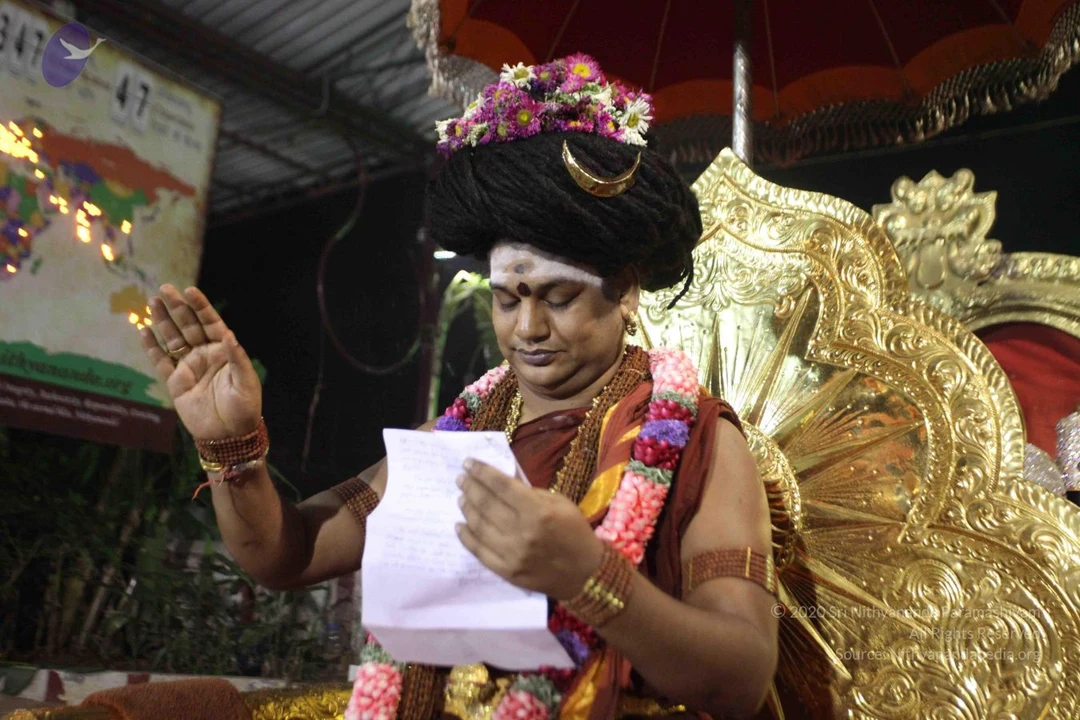

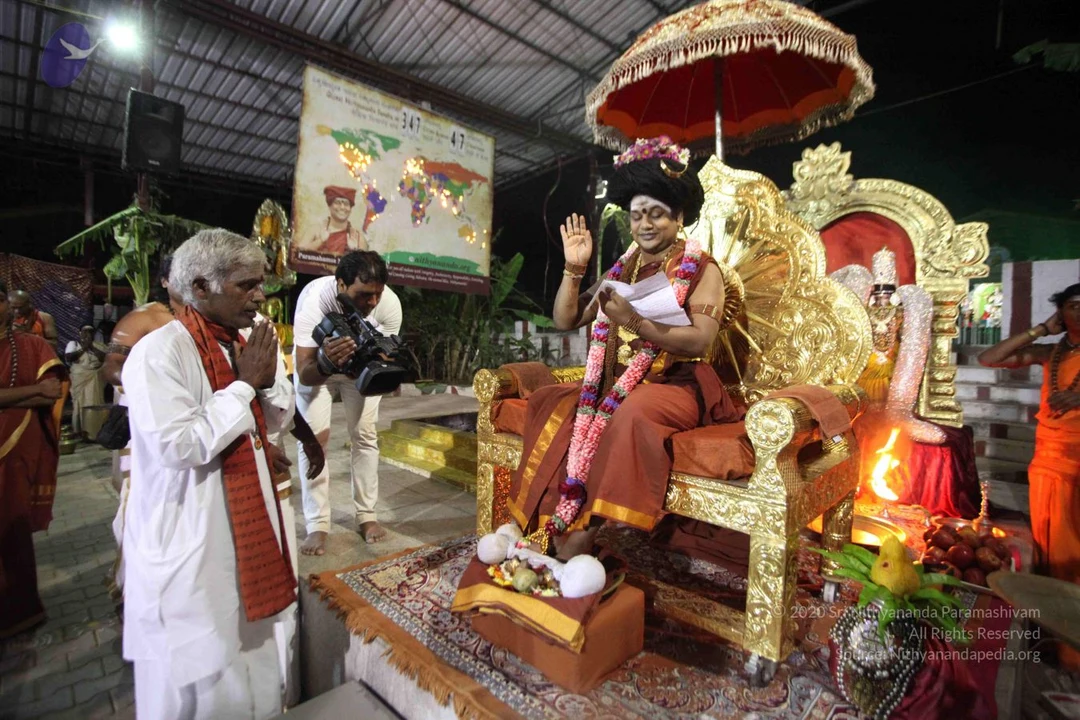
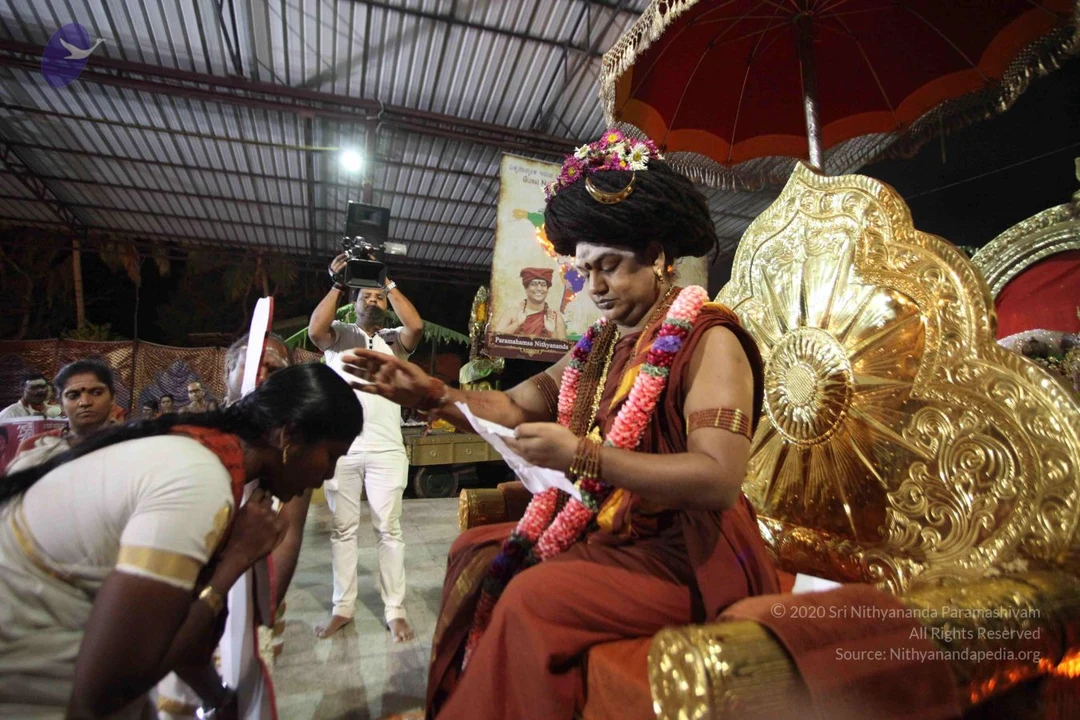


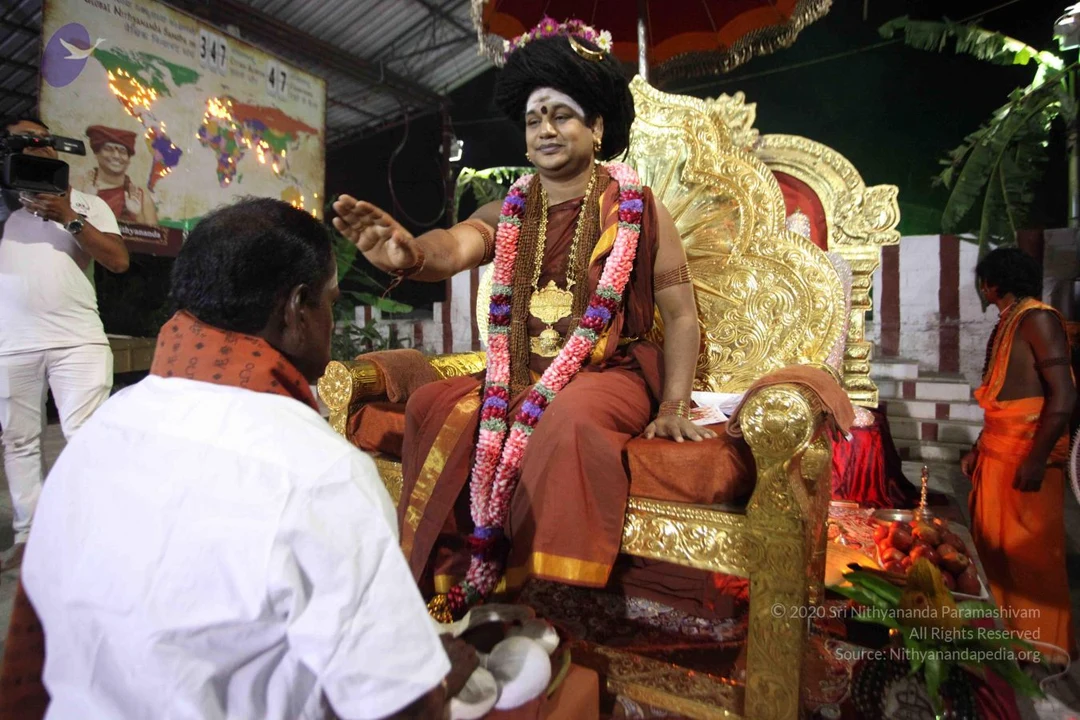

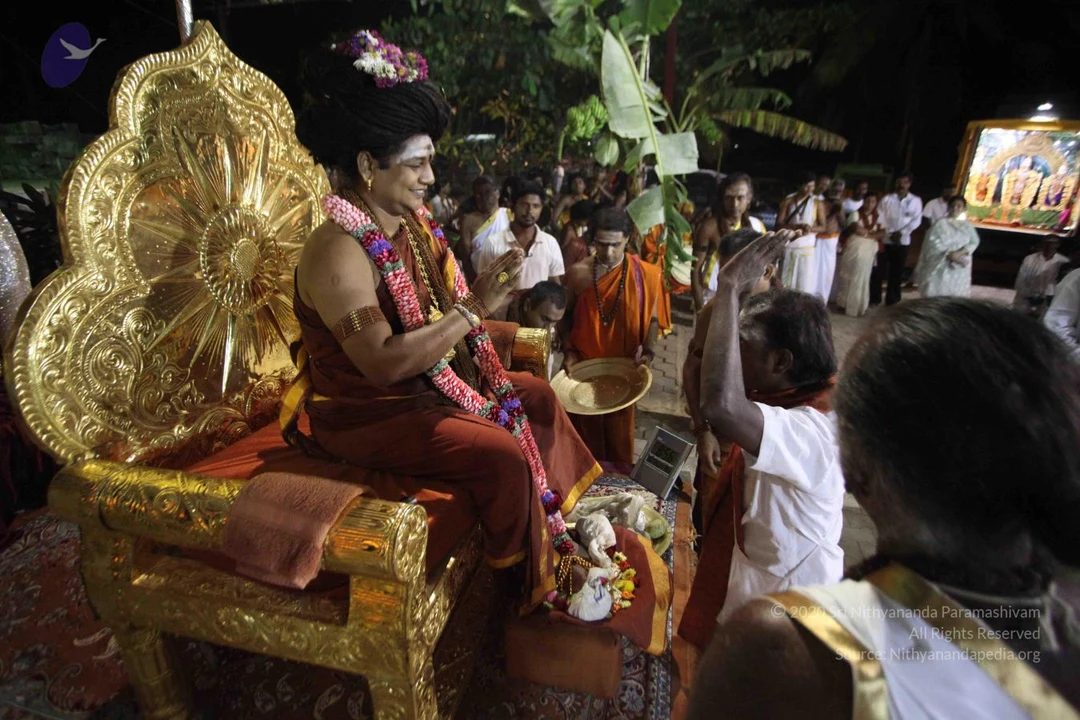
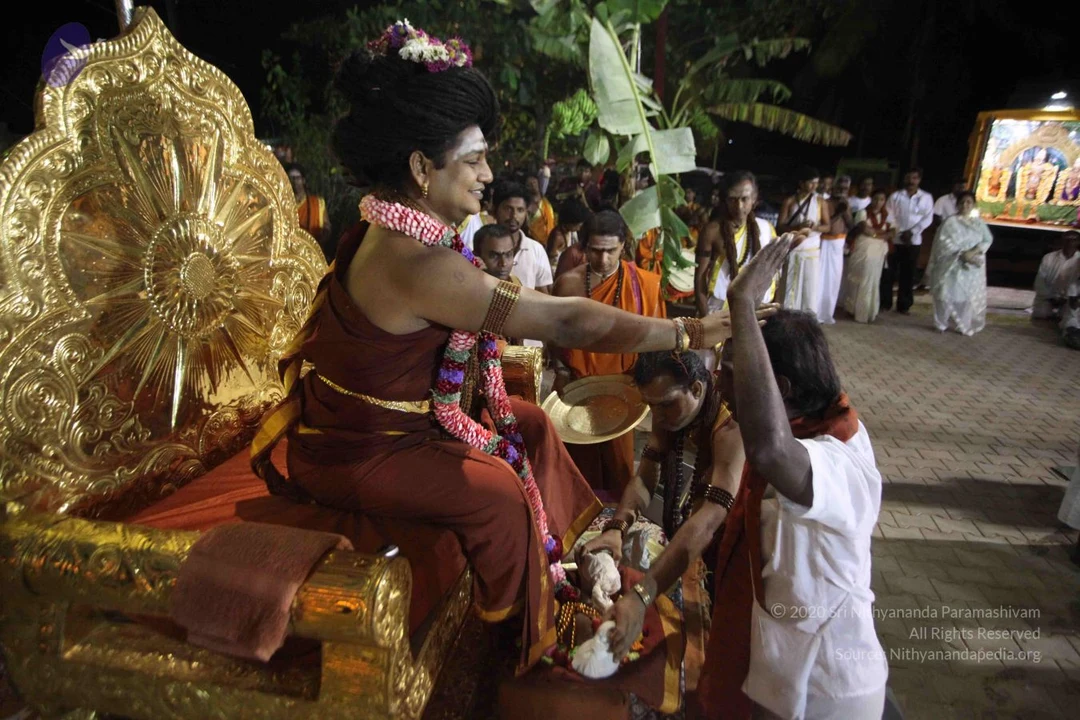
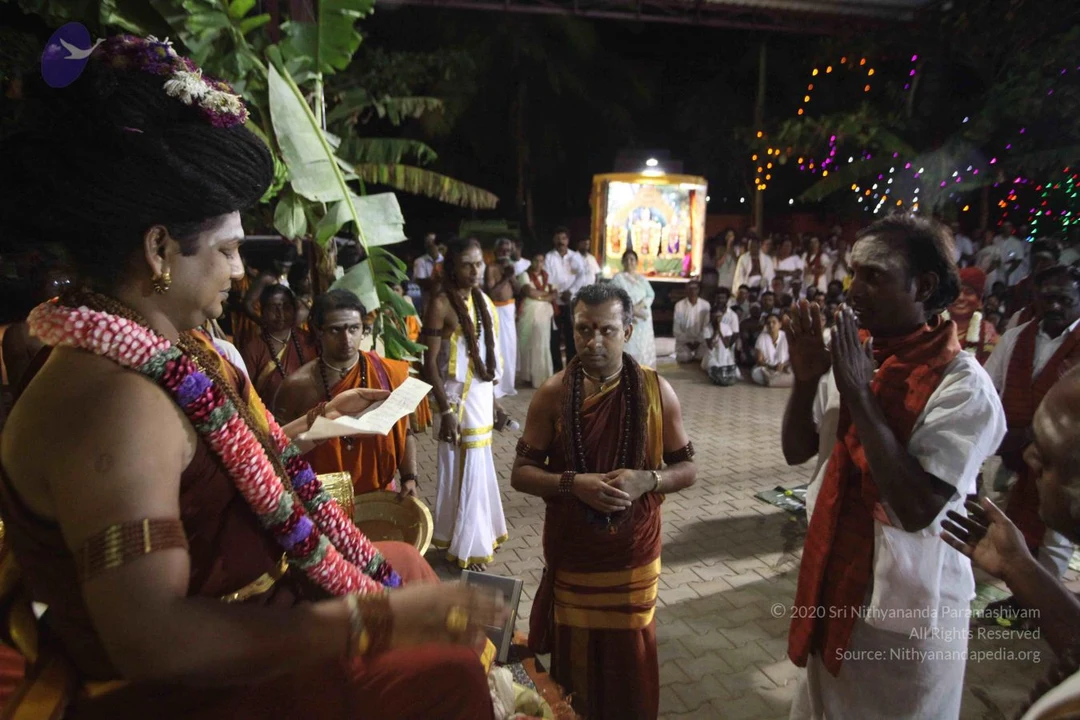
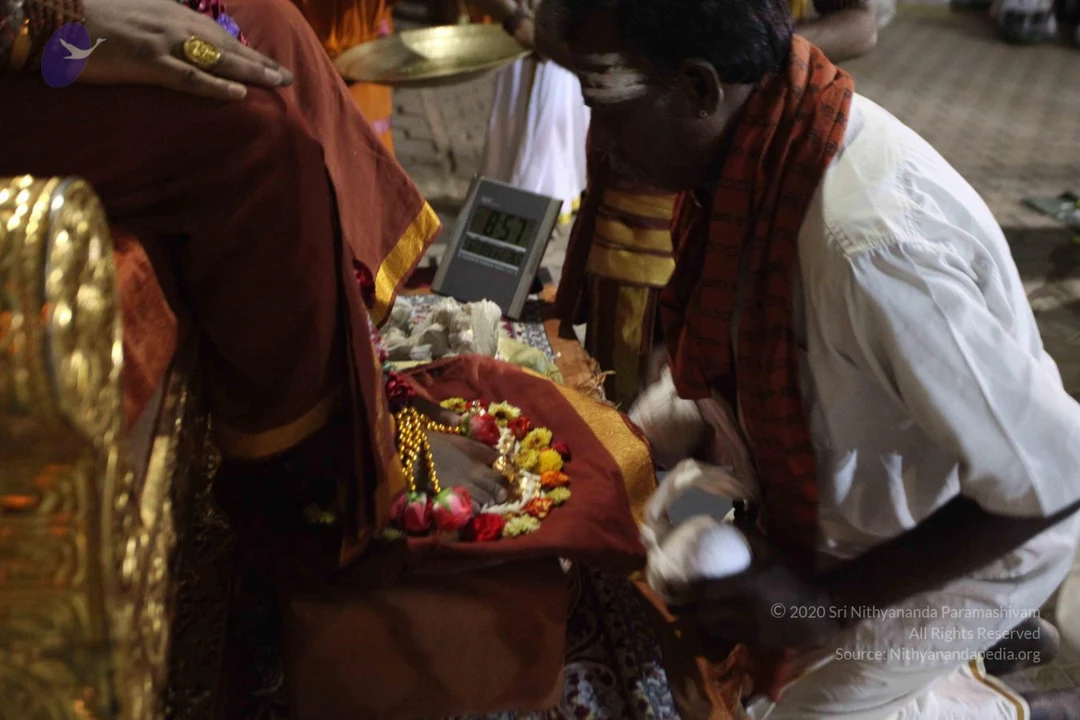









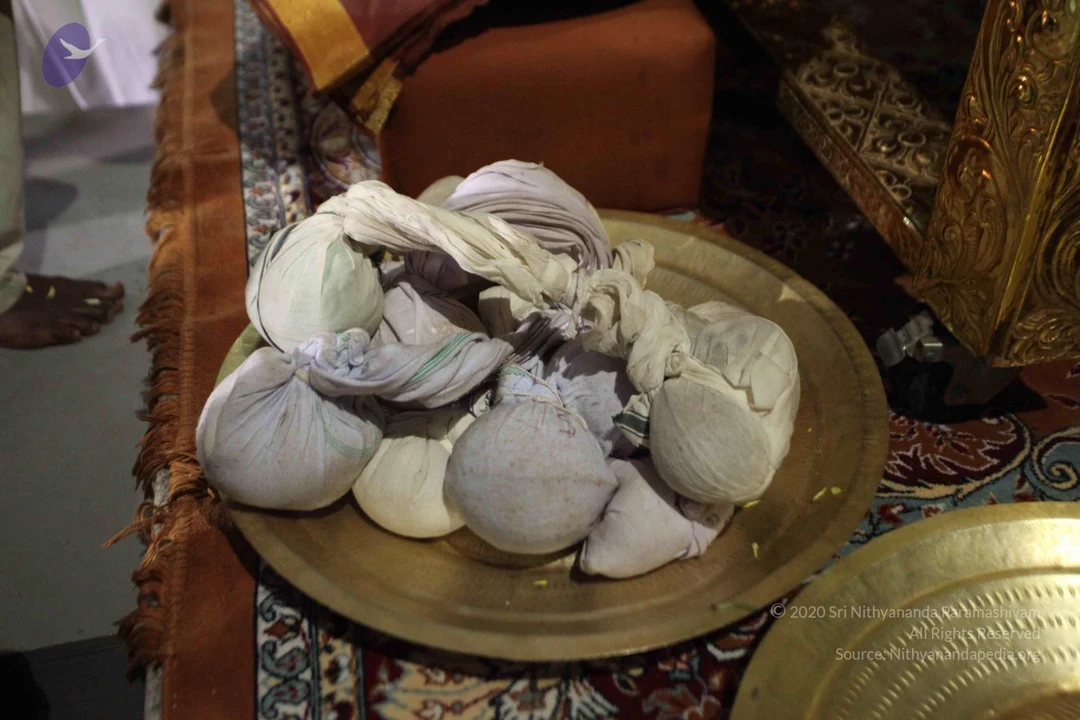










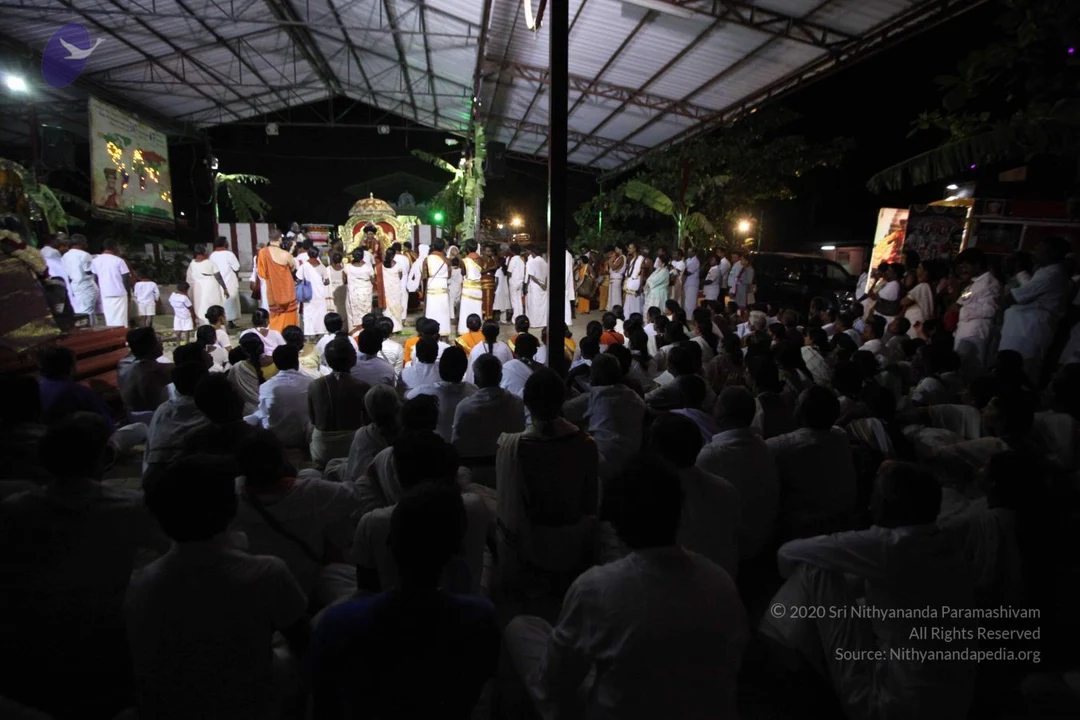
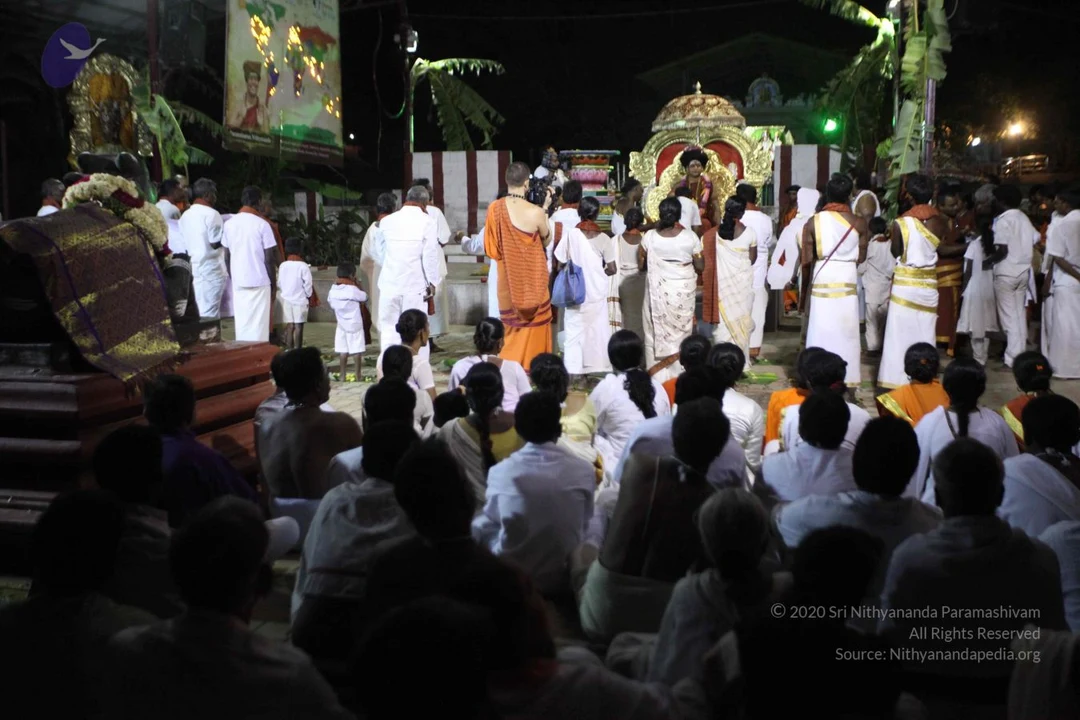
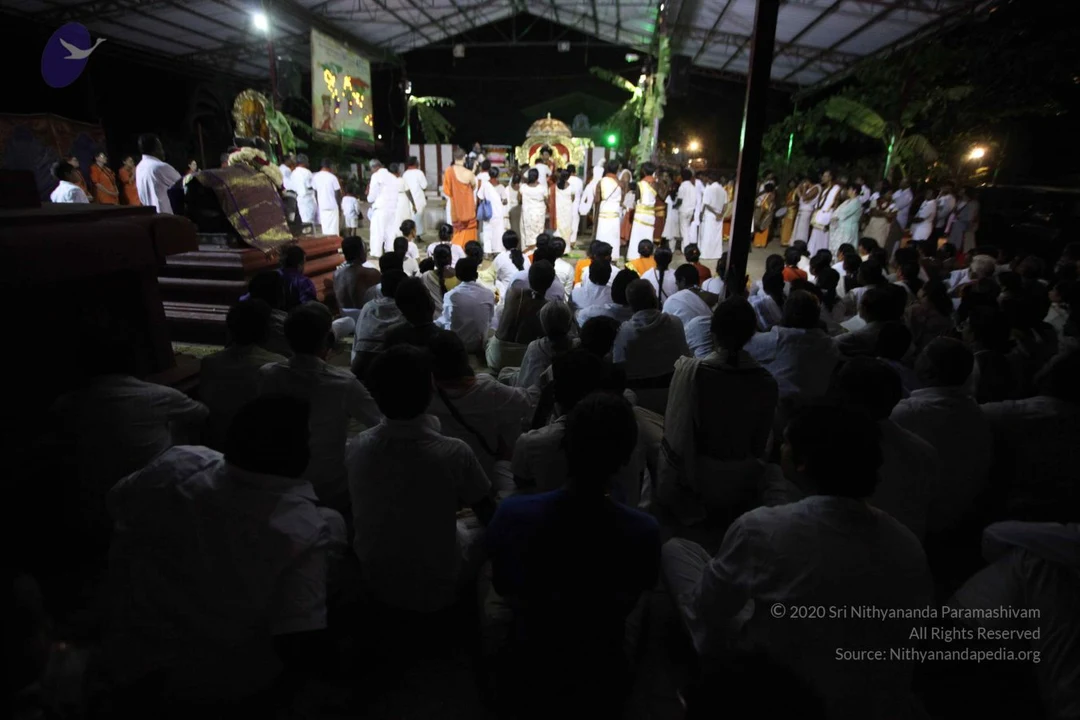

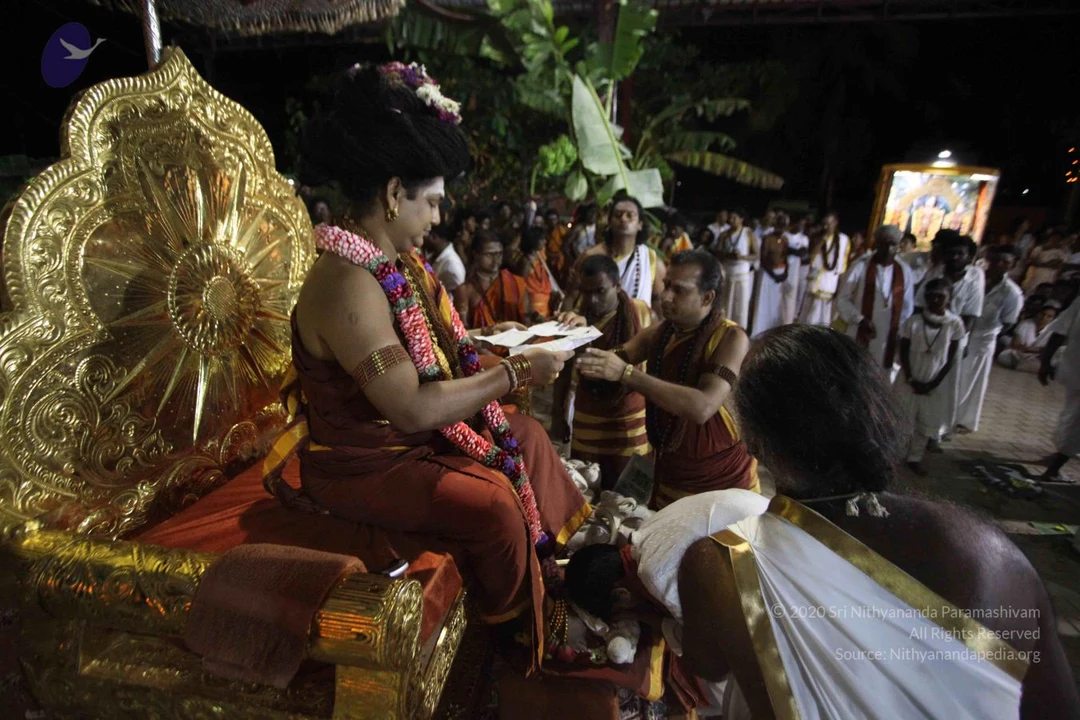
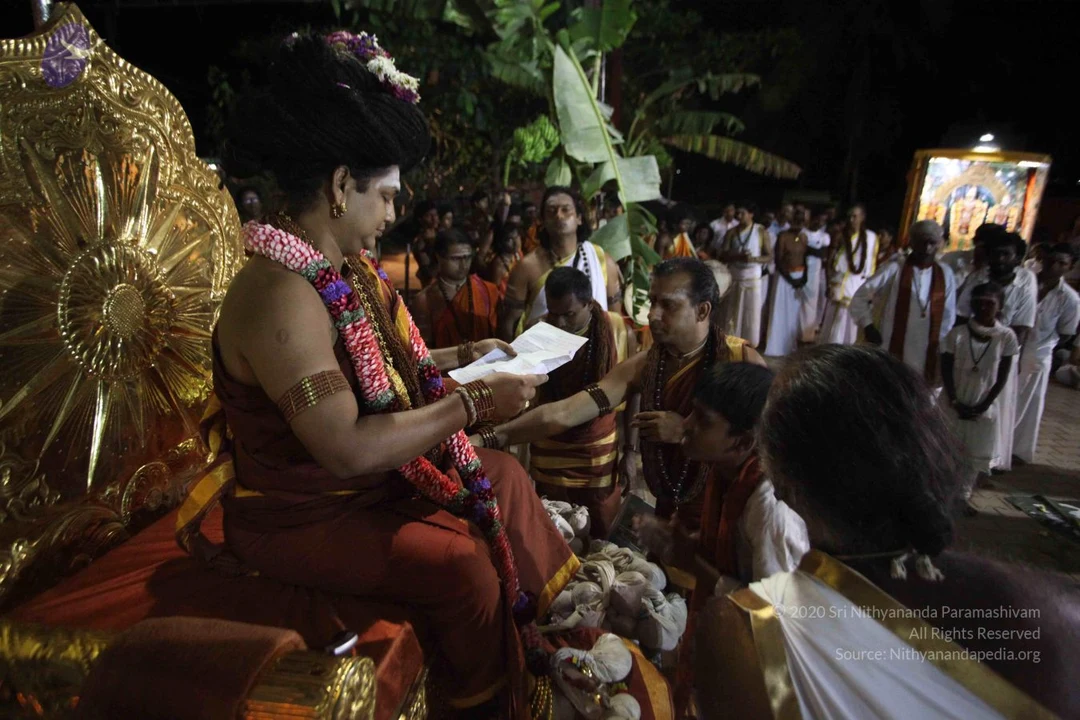


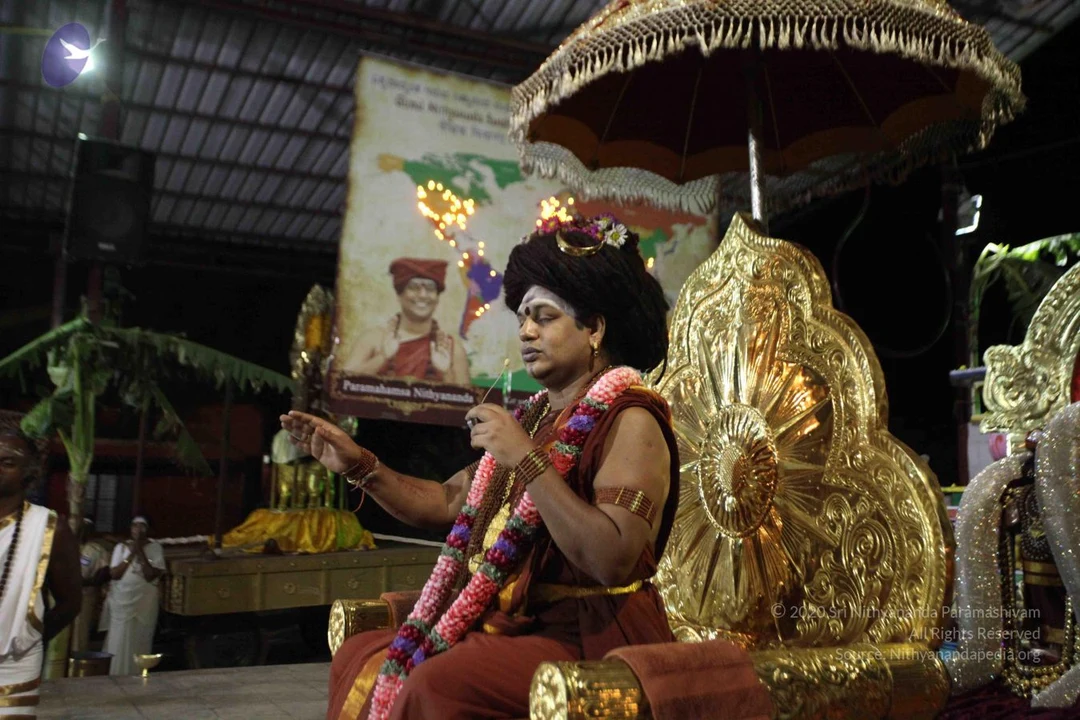
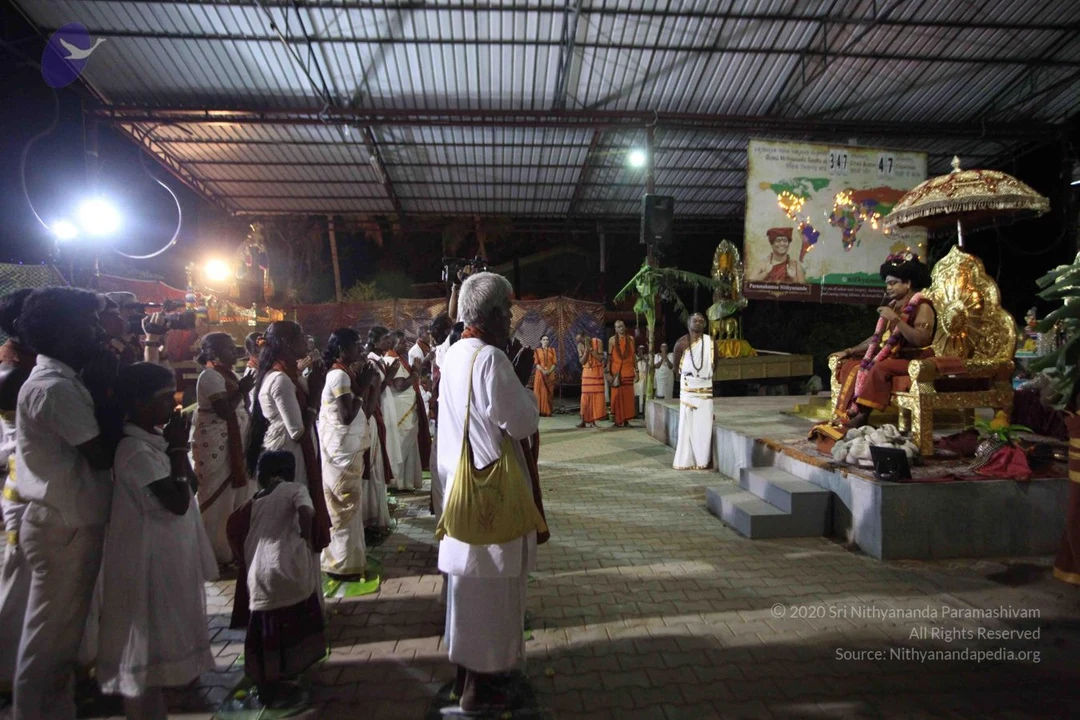



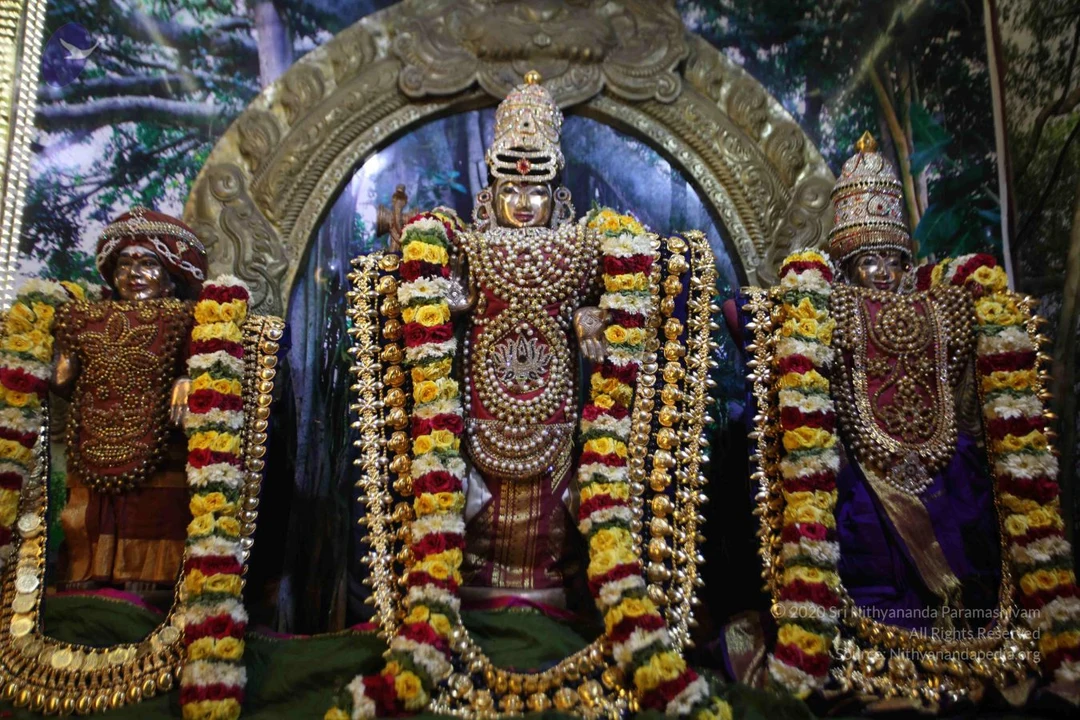
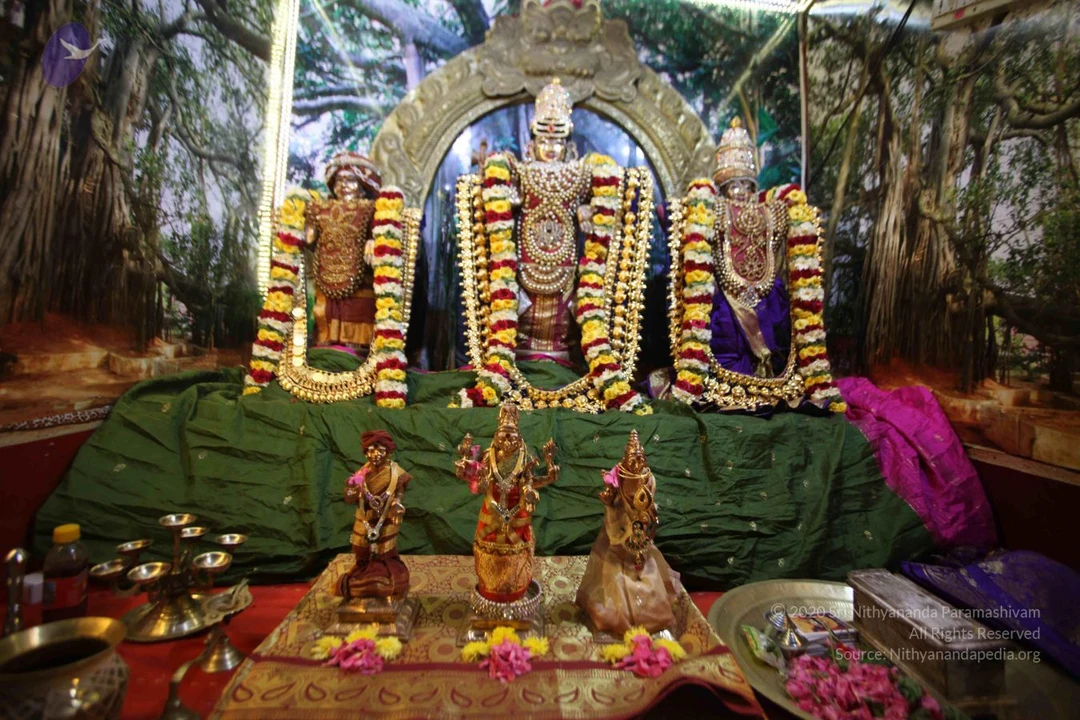
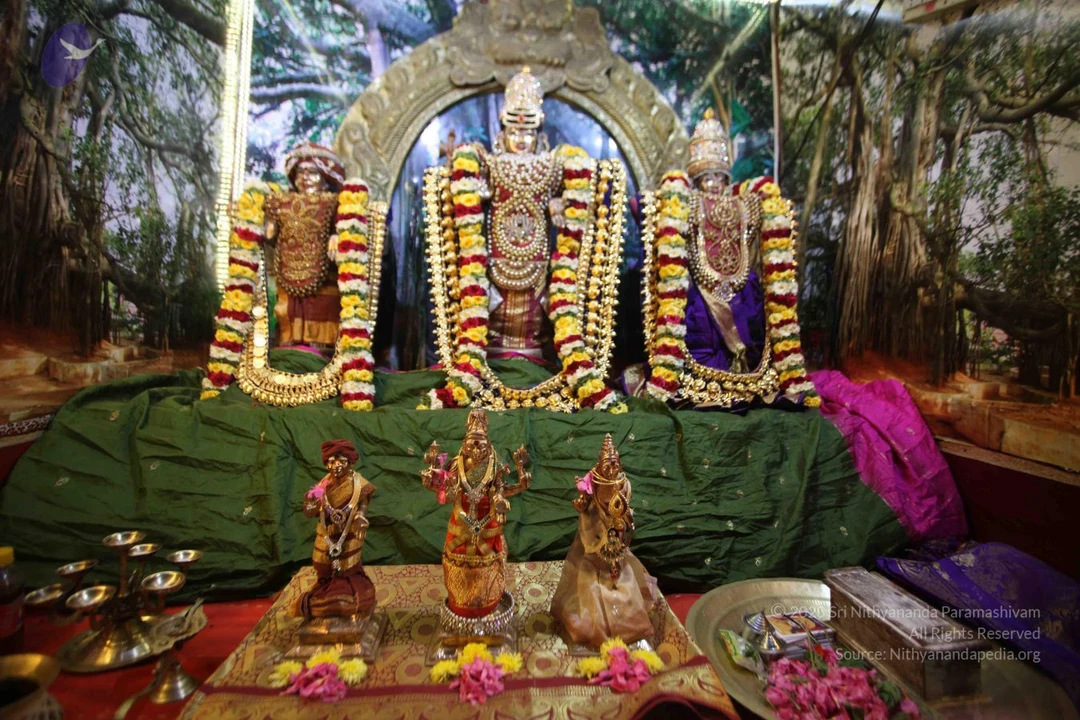







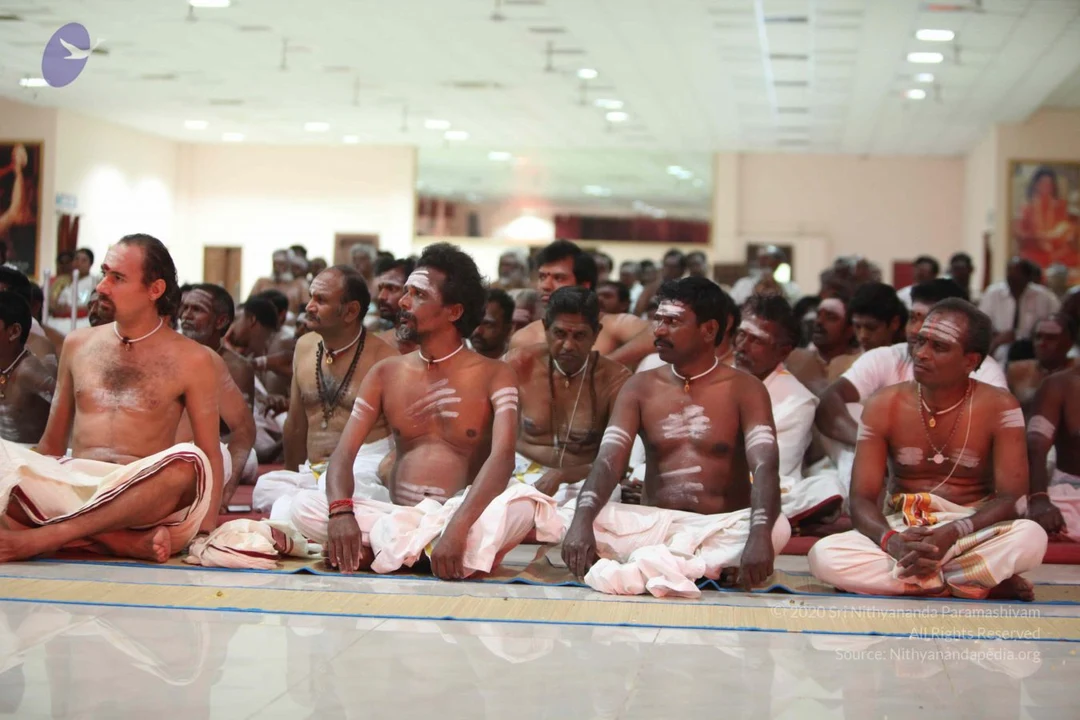
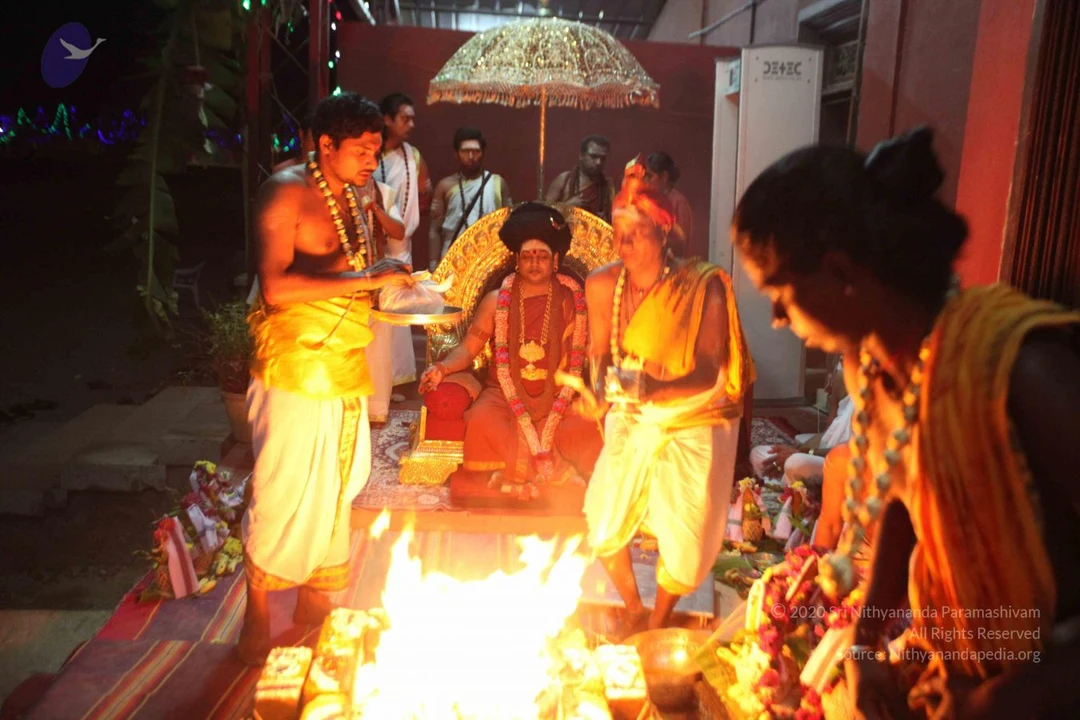
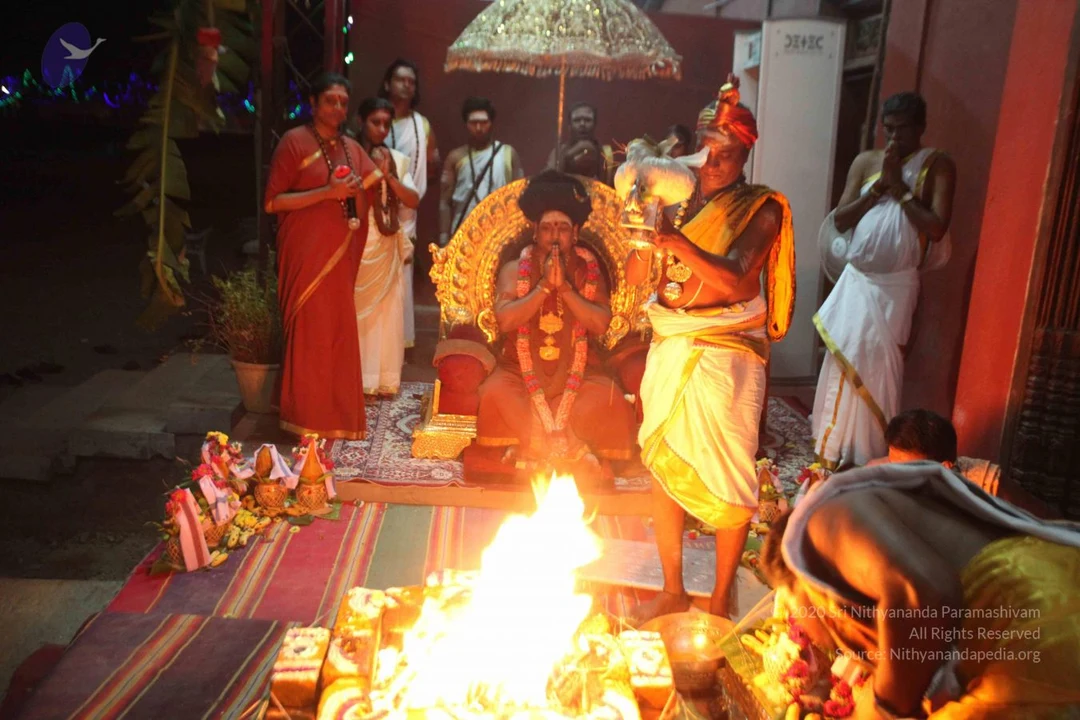
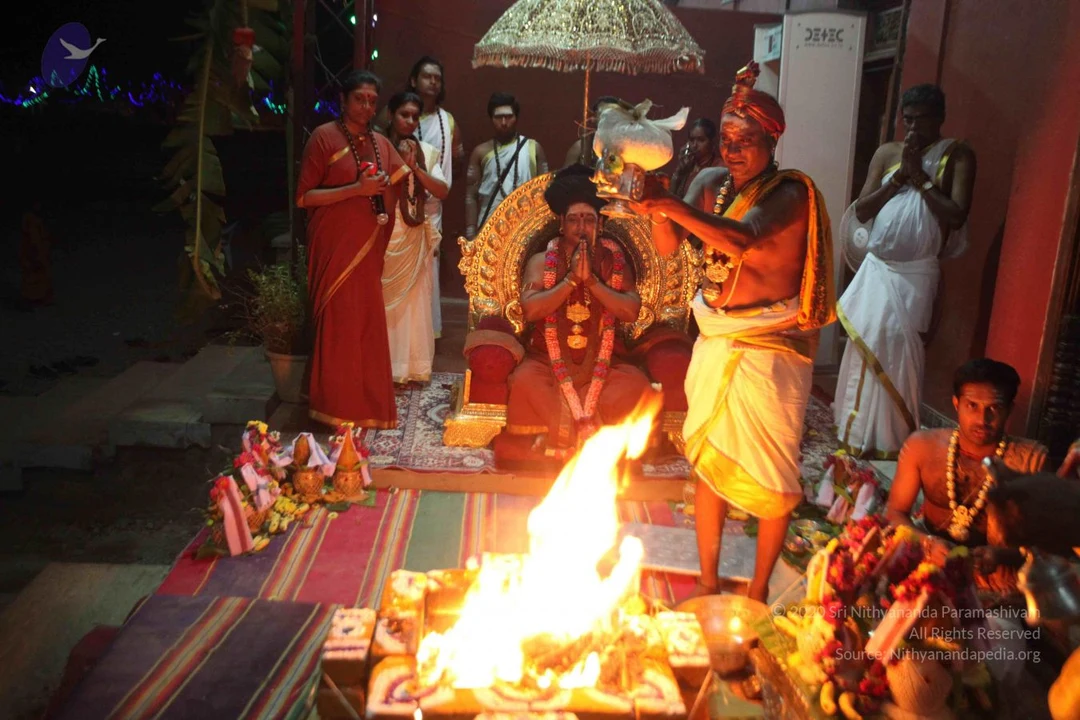
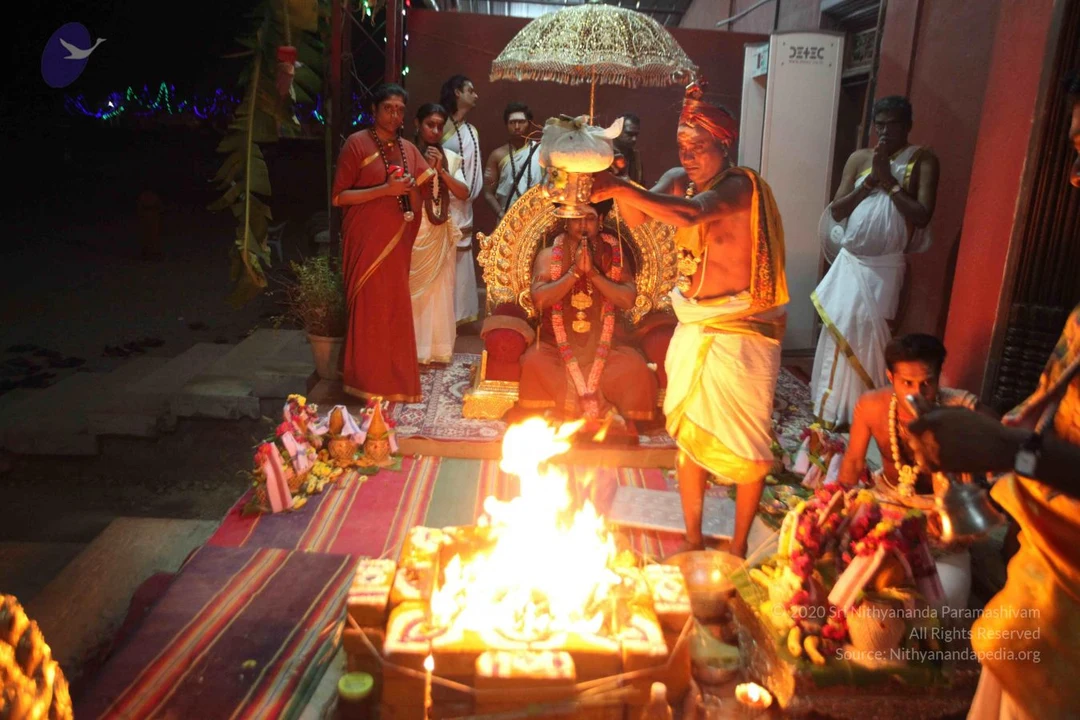
Visheshdeeksha-Initiation
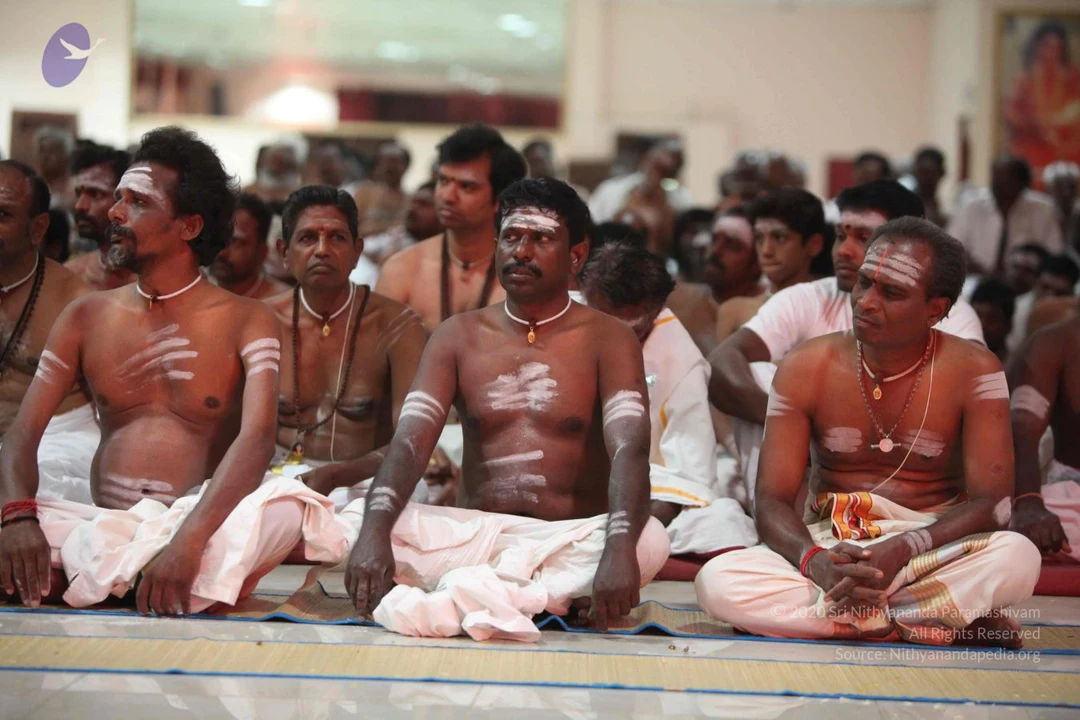
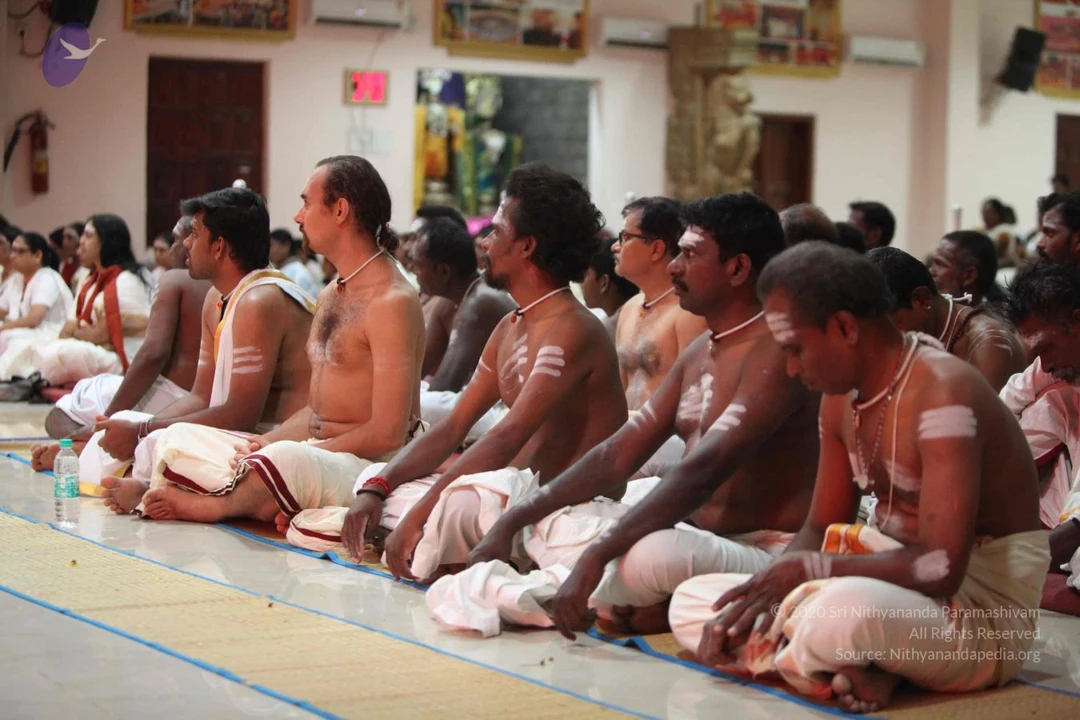
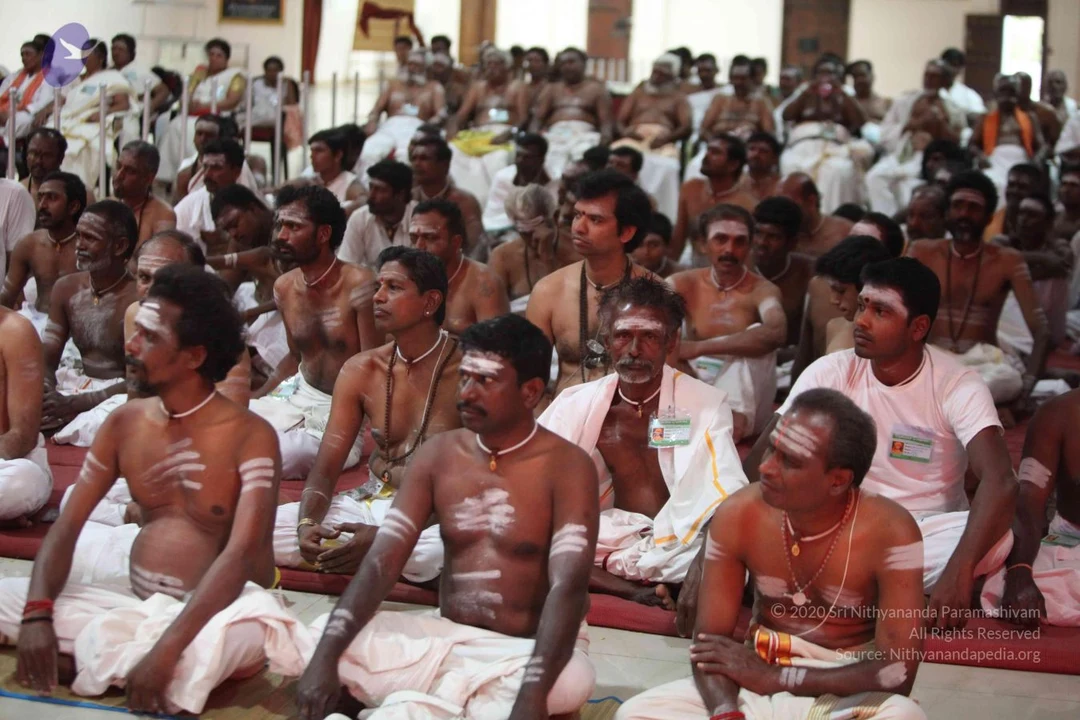
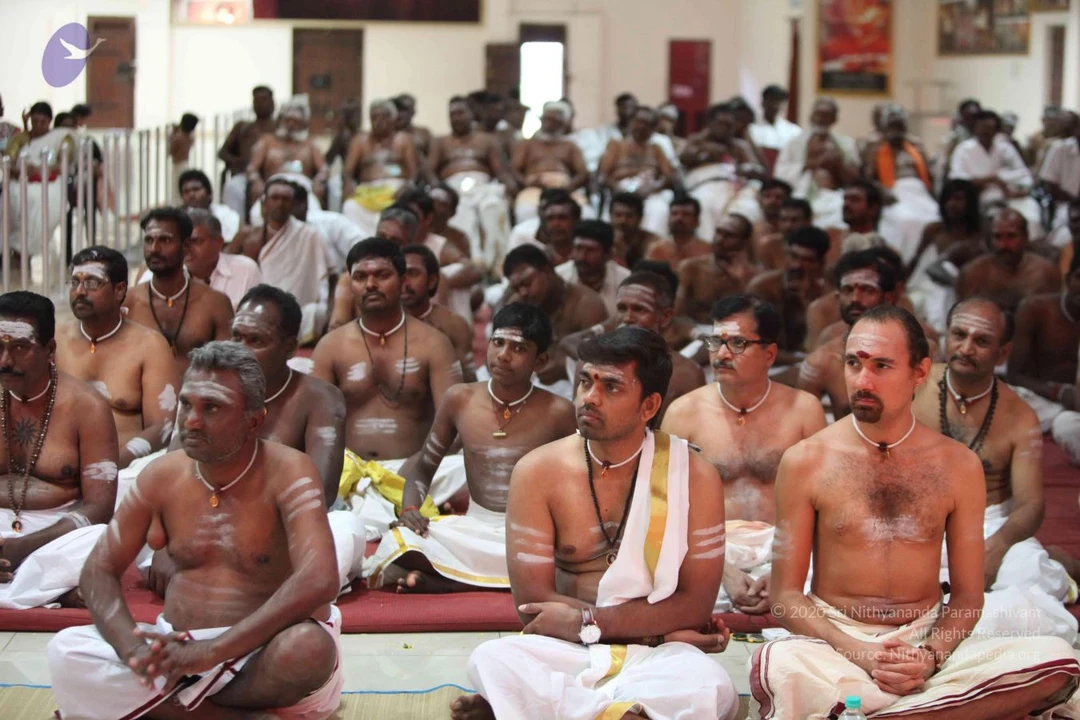


















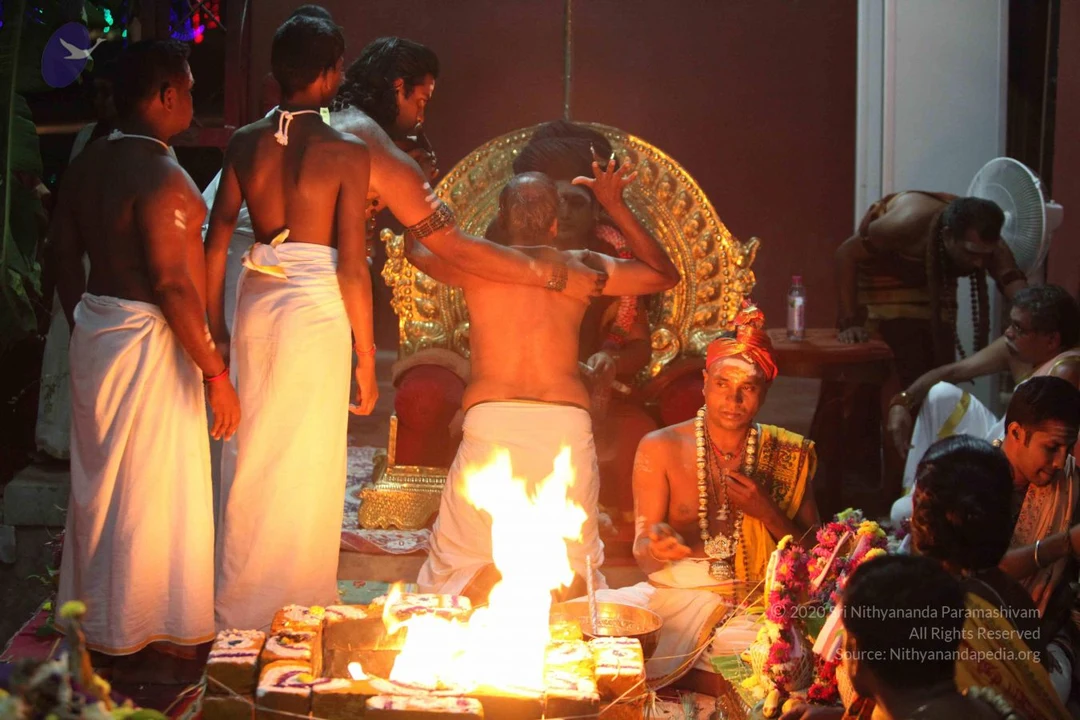



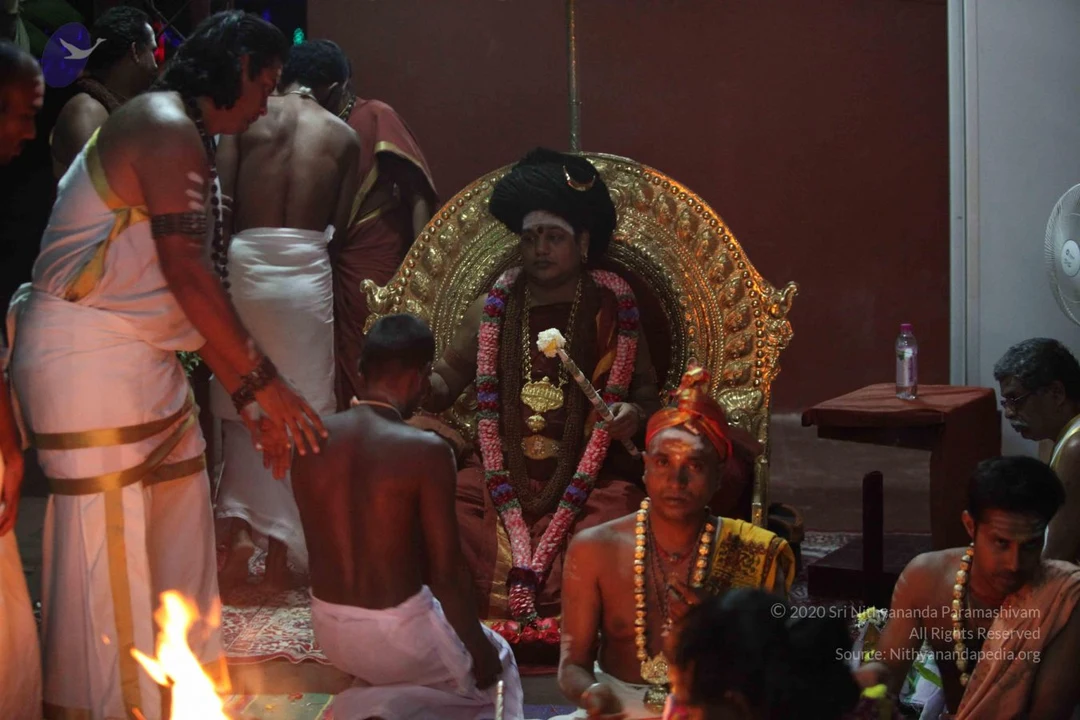
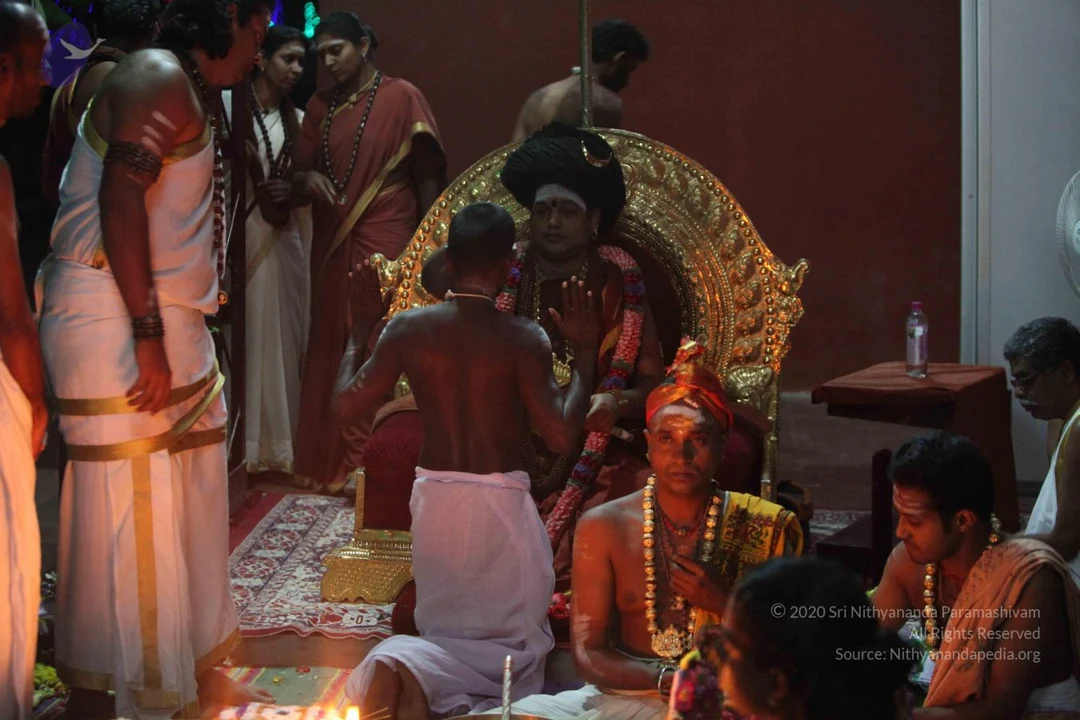








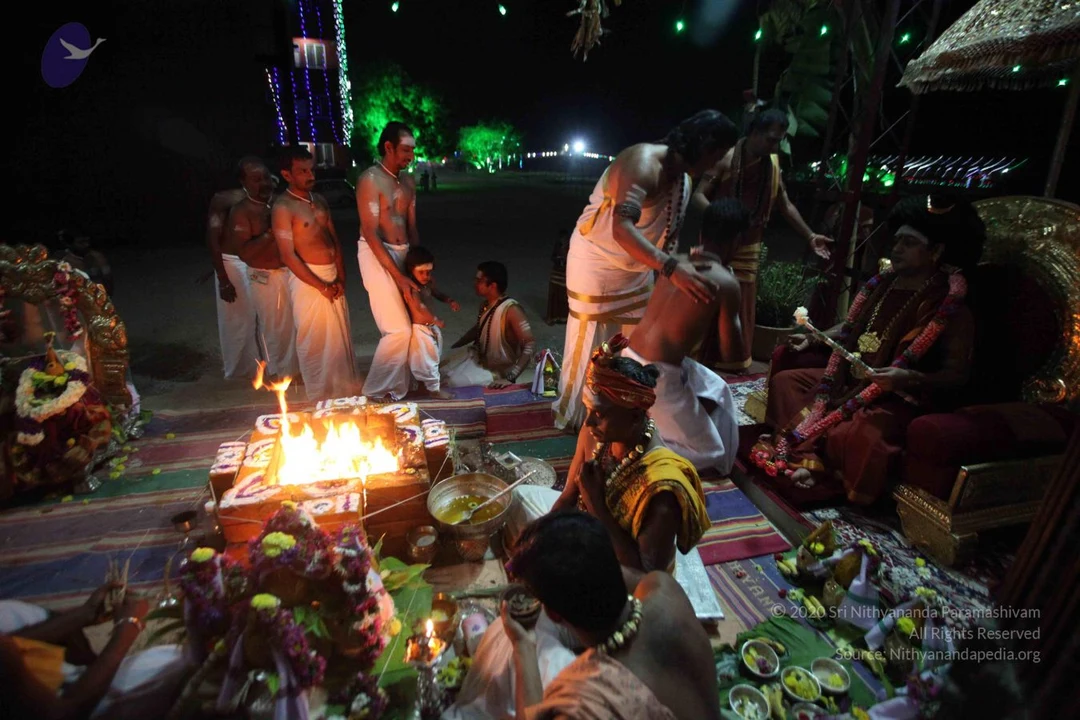






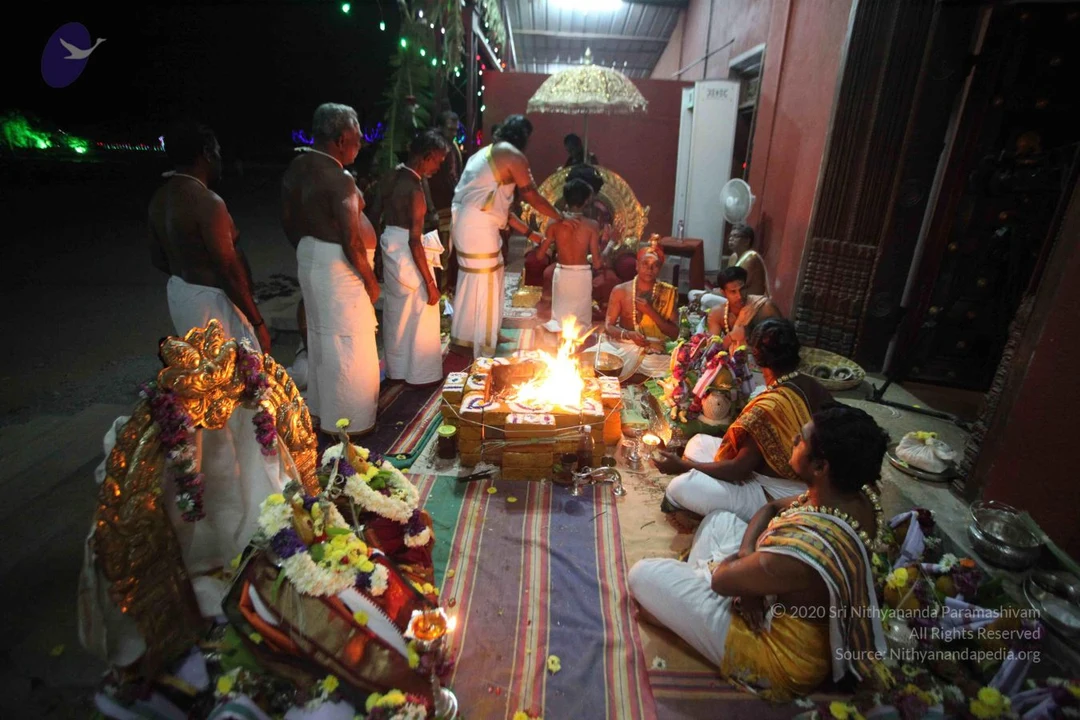
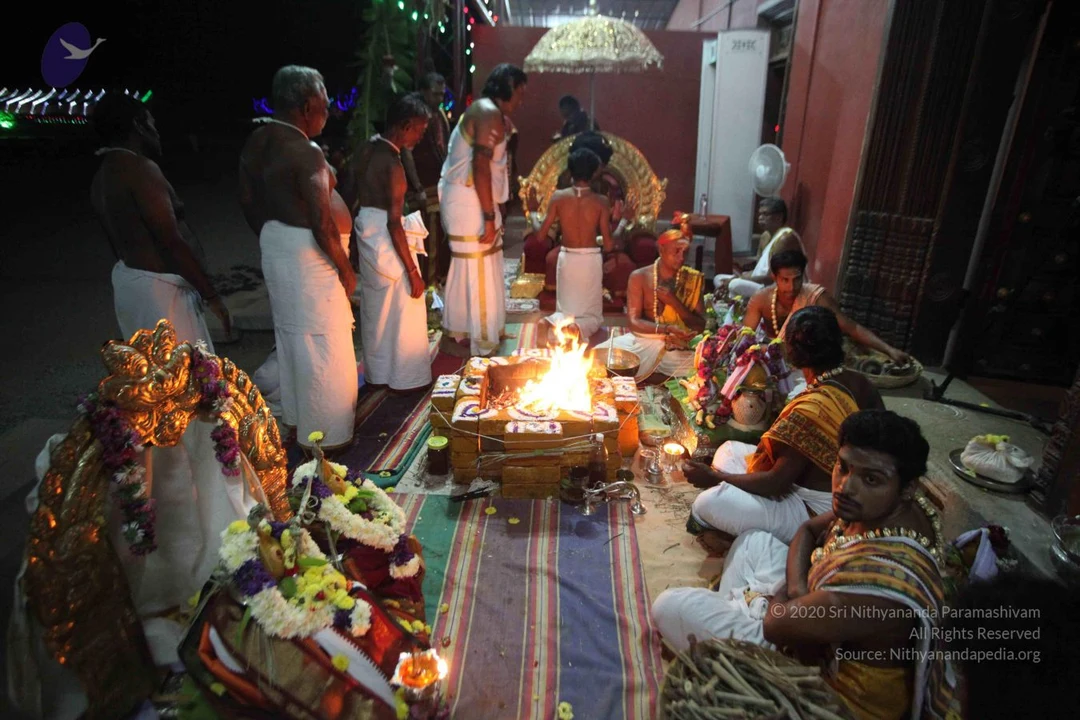
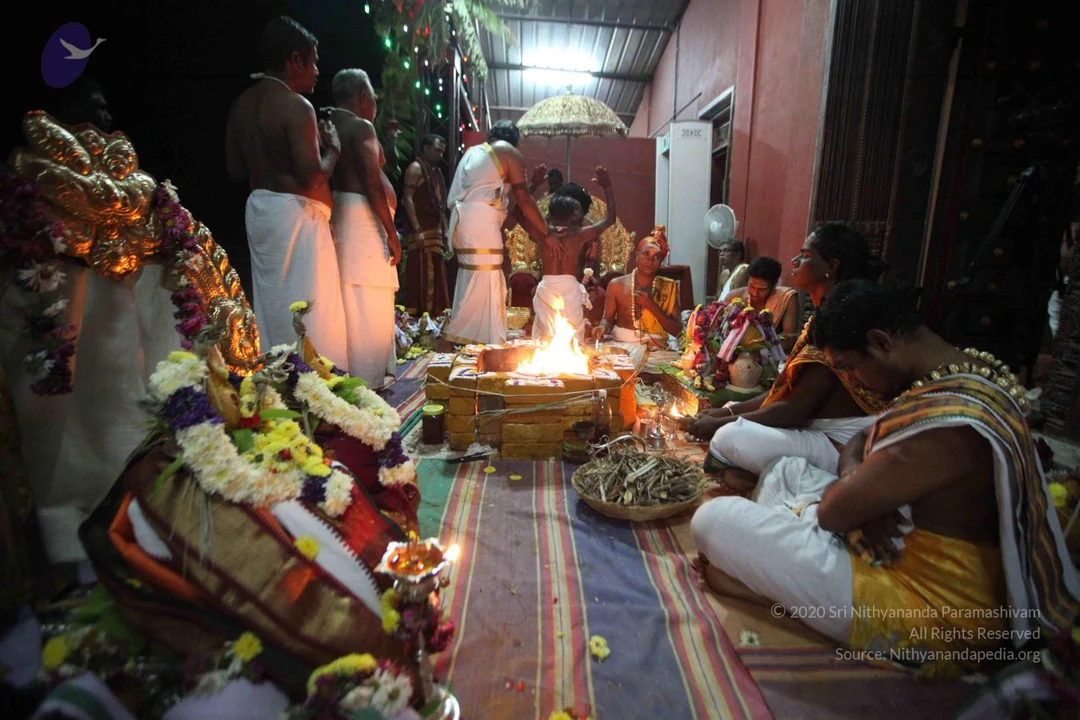
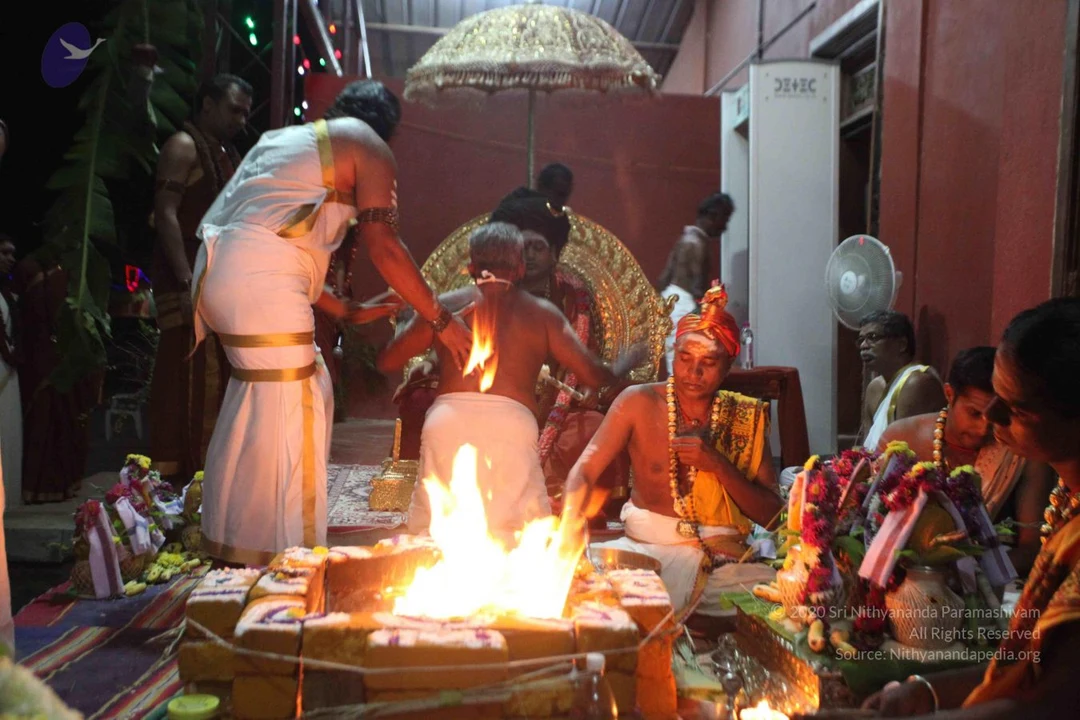























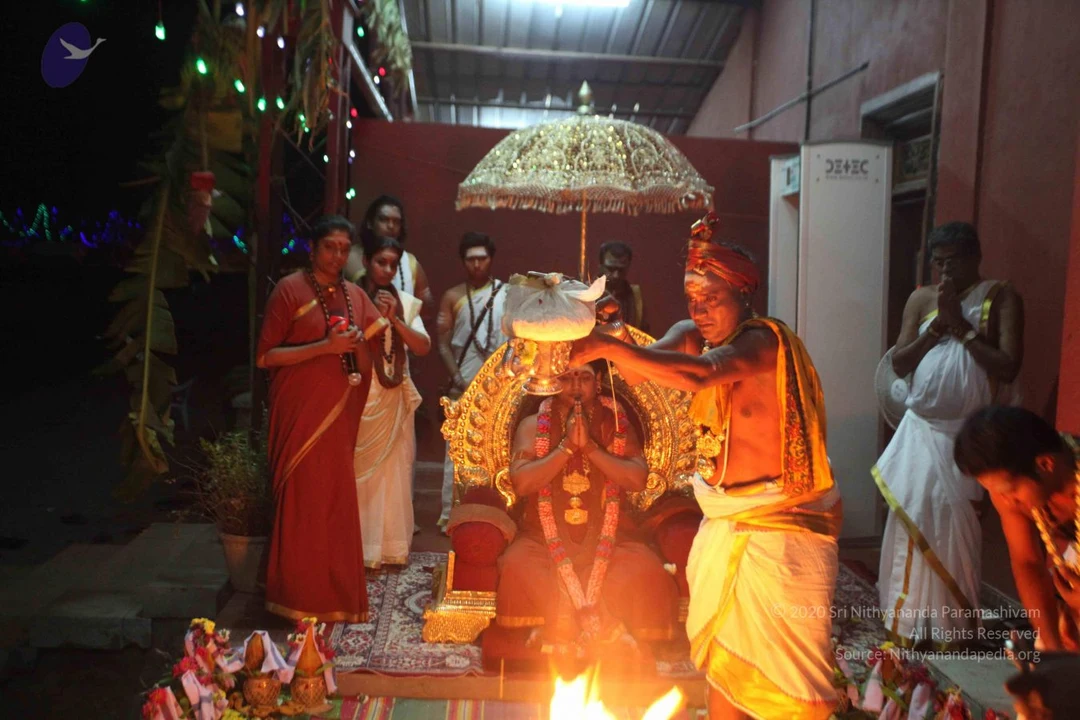
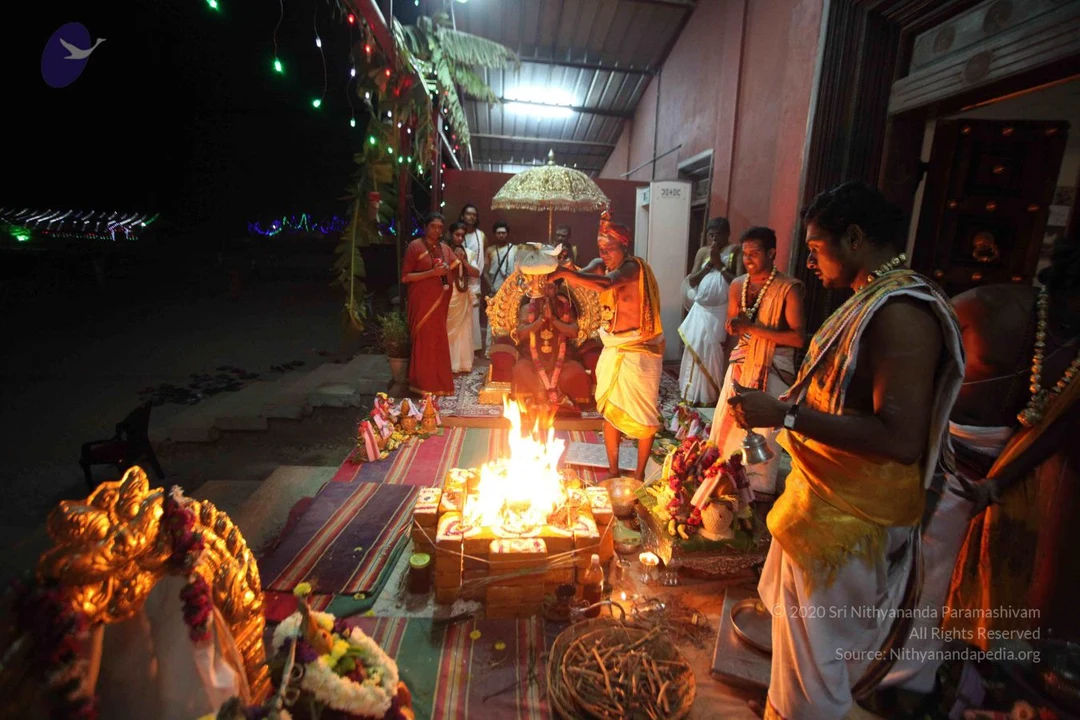

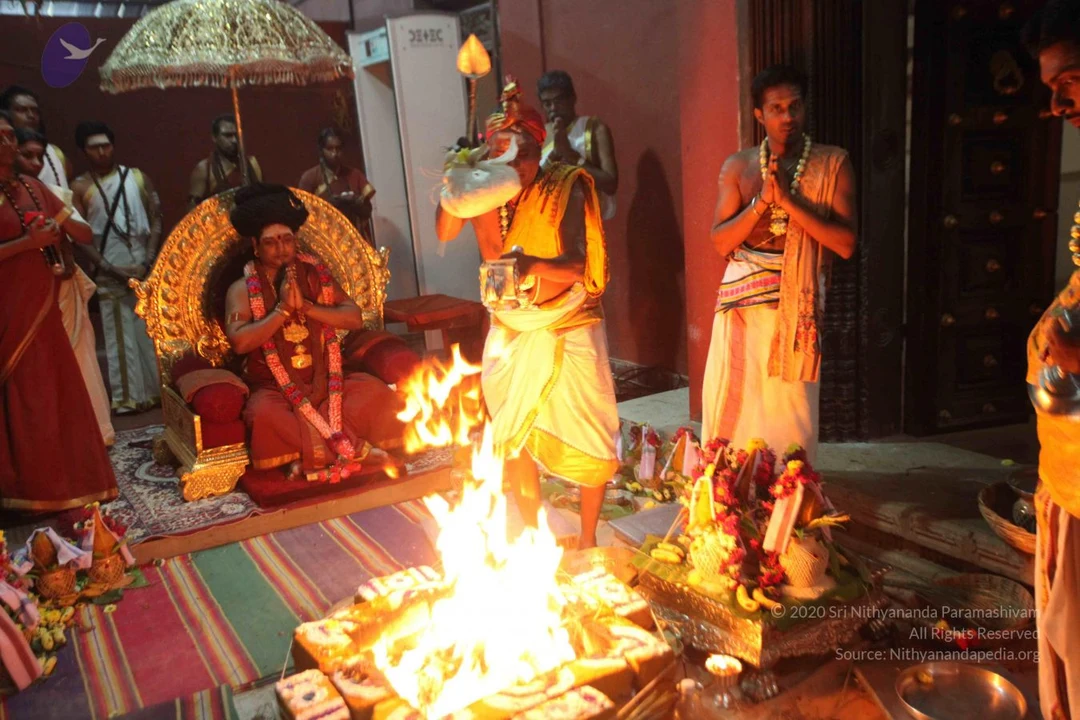

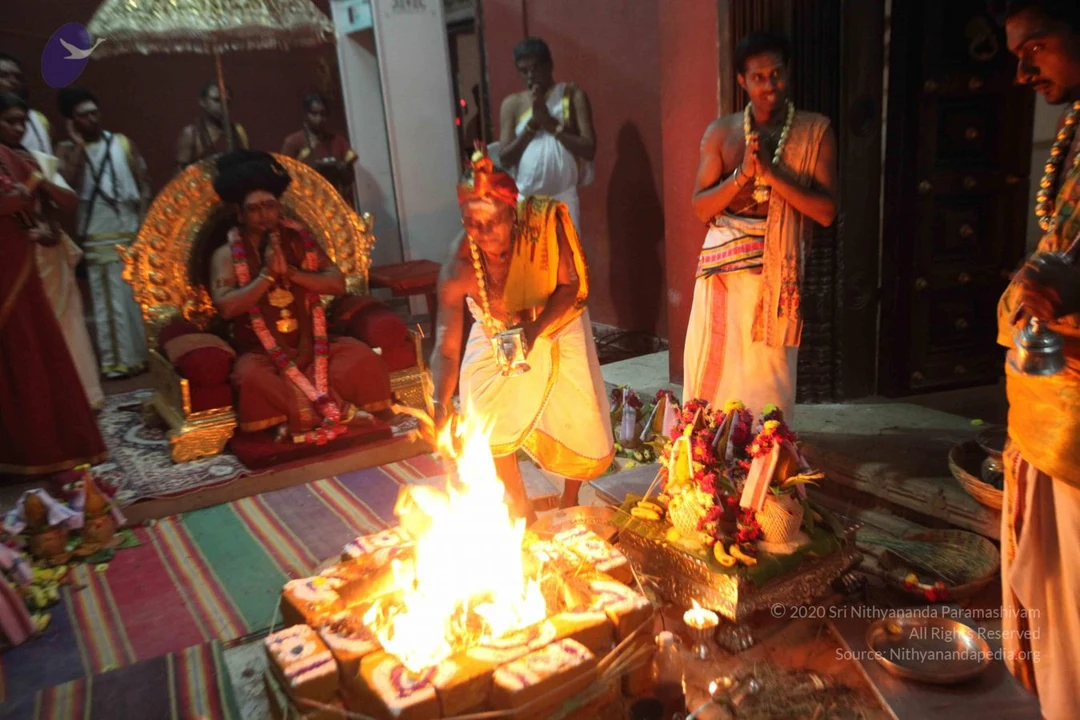






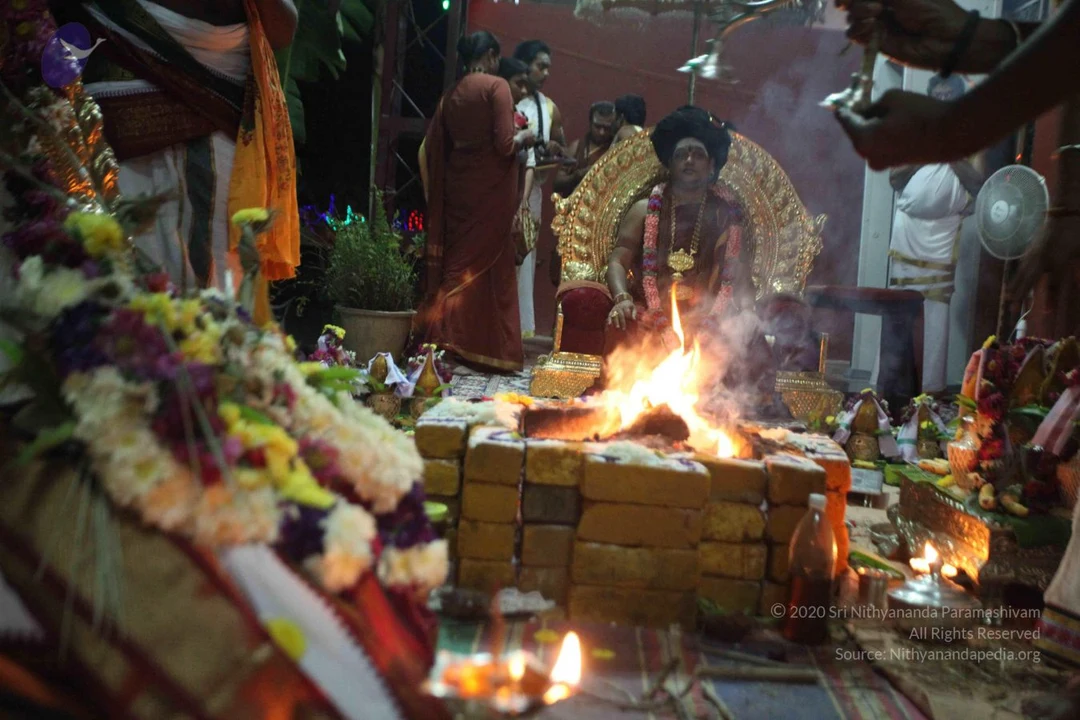
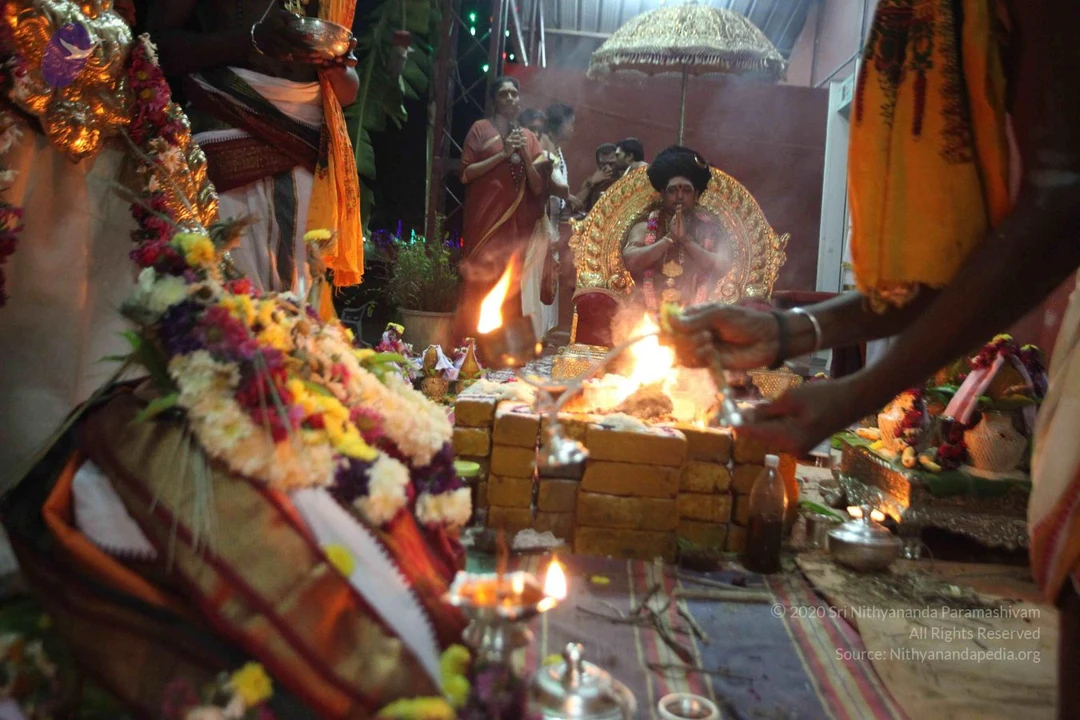


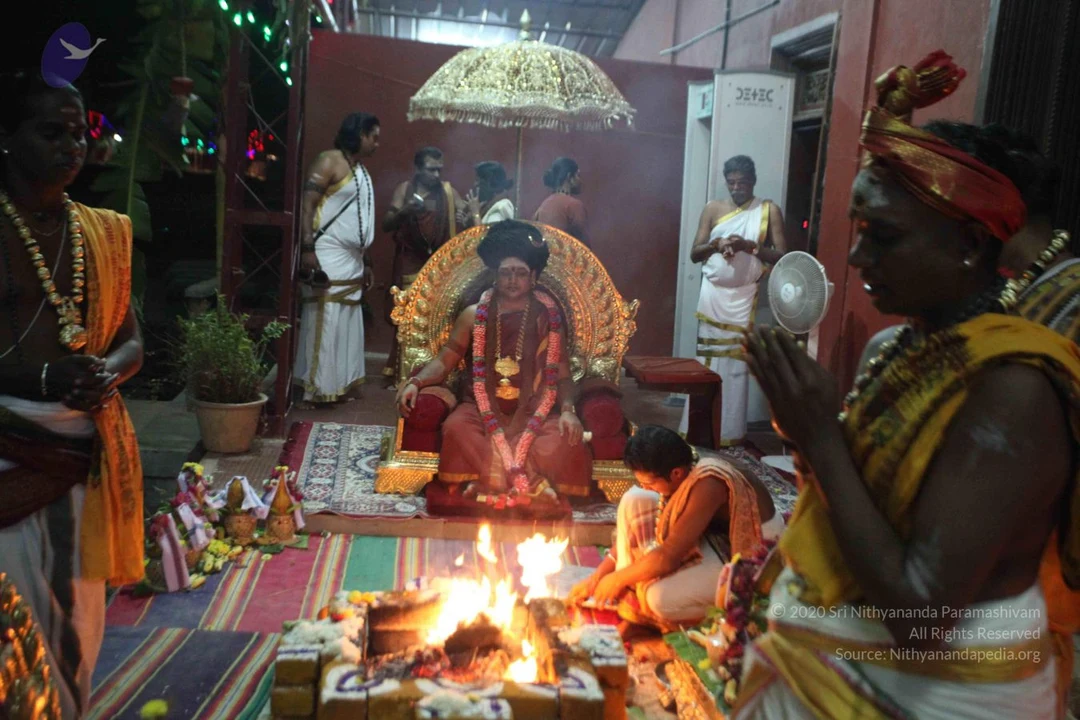
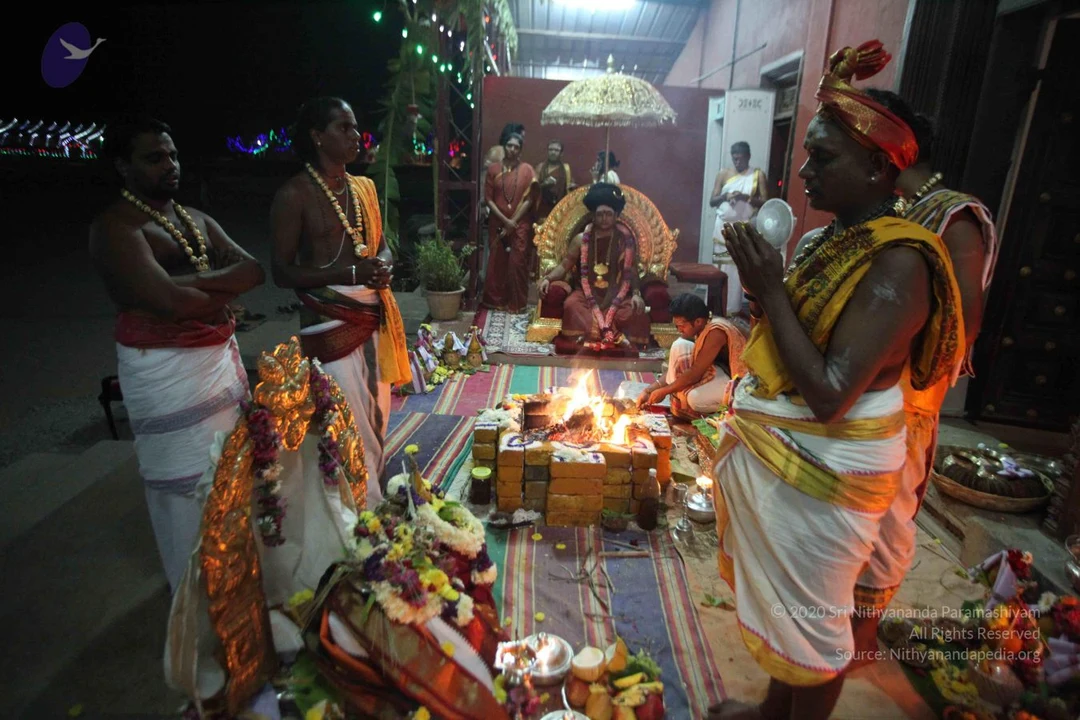



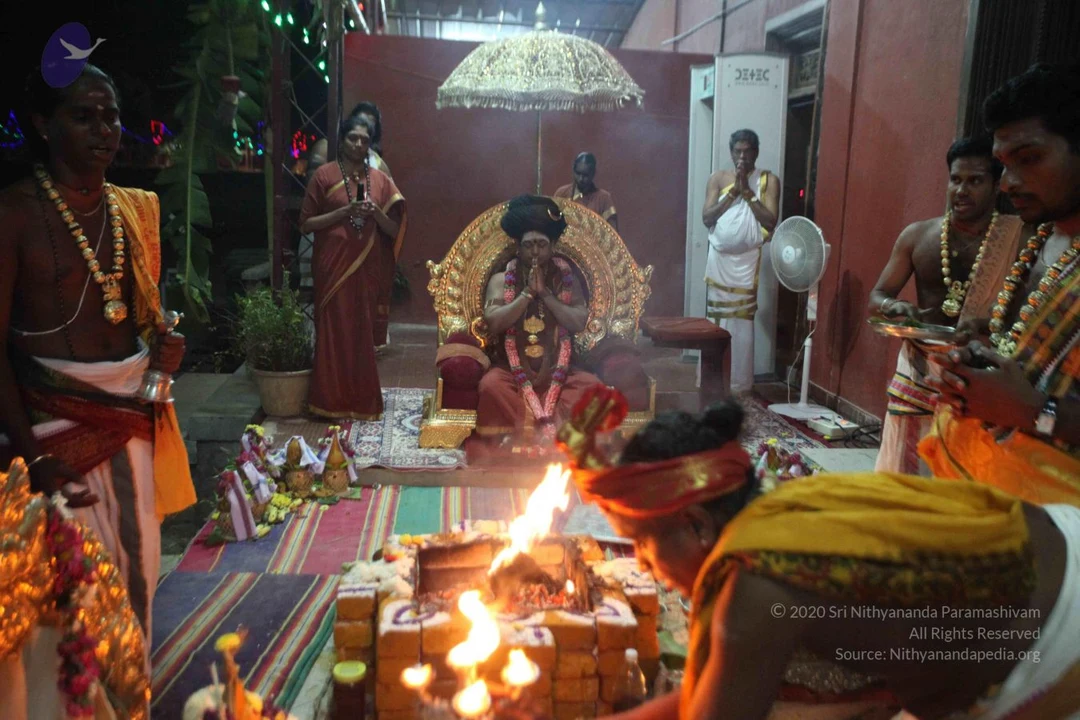
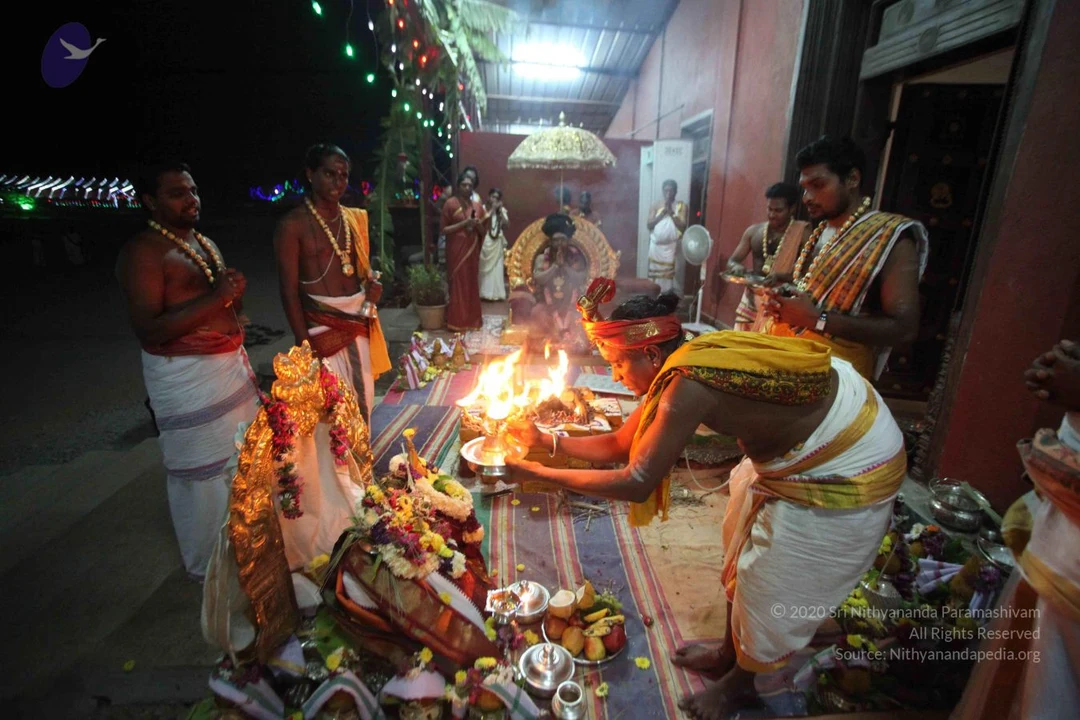






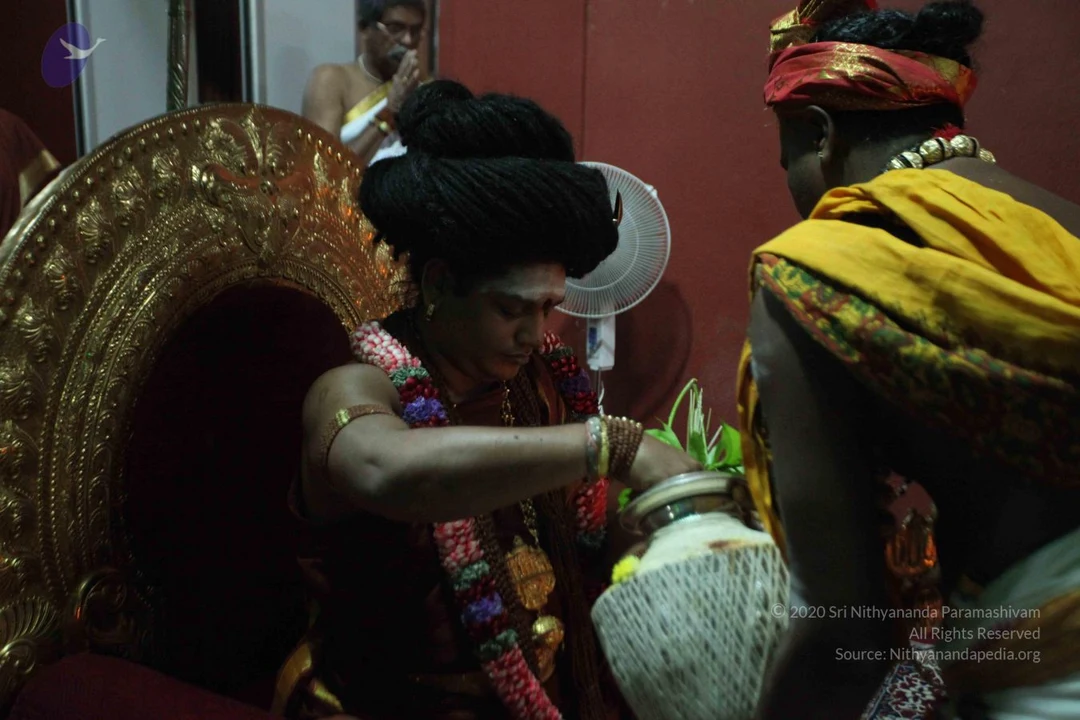



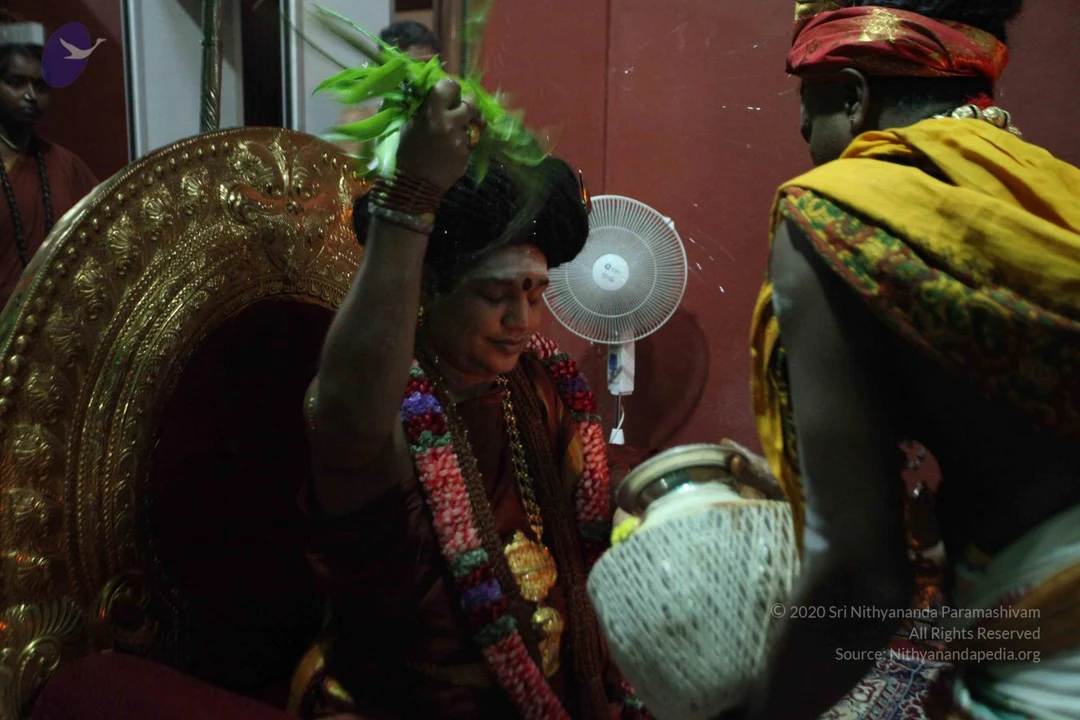







Photos Of The Day:
Shivaratri-Pada-Yatra-Arrival






Vishesh-Deeksha

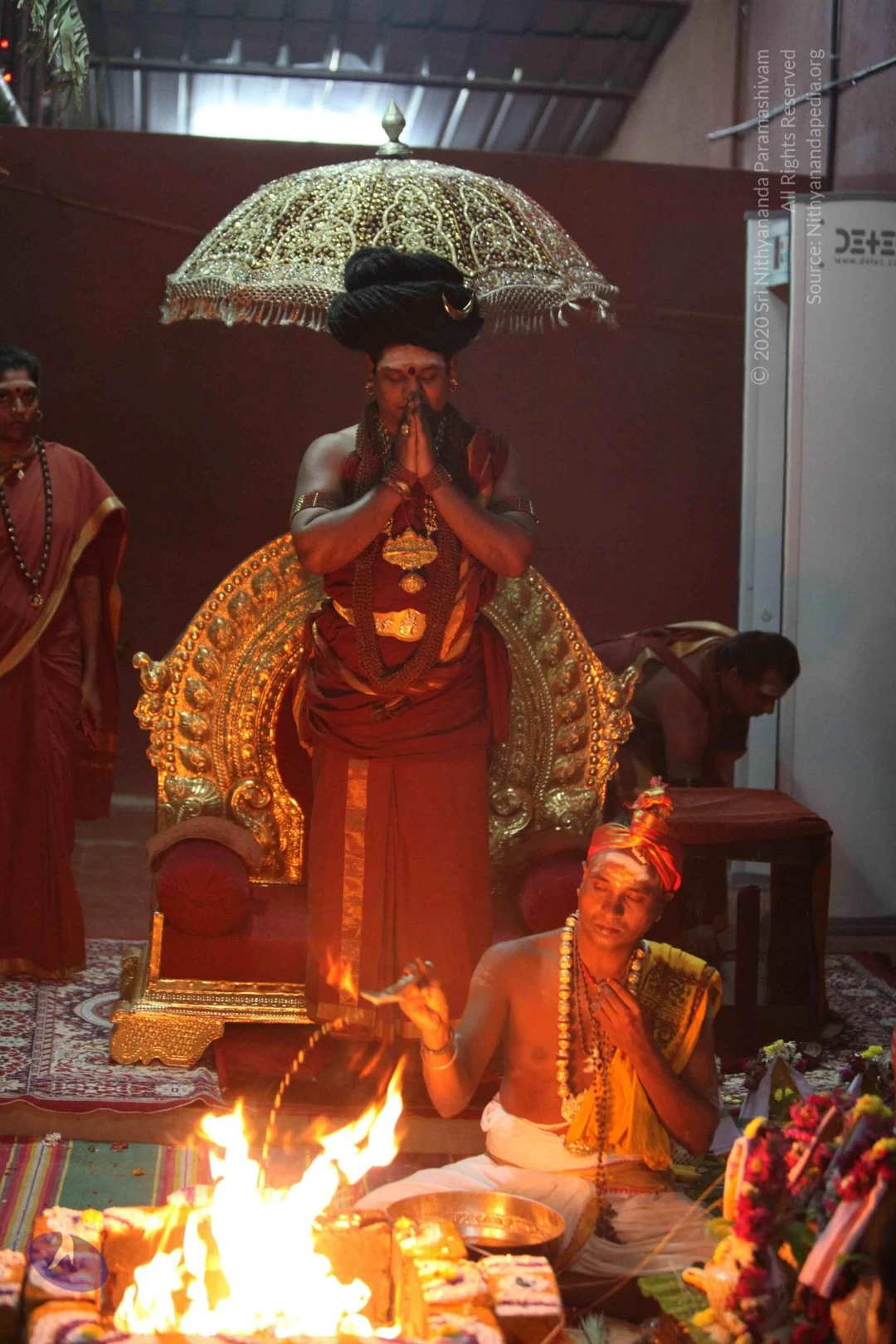







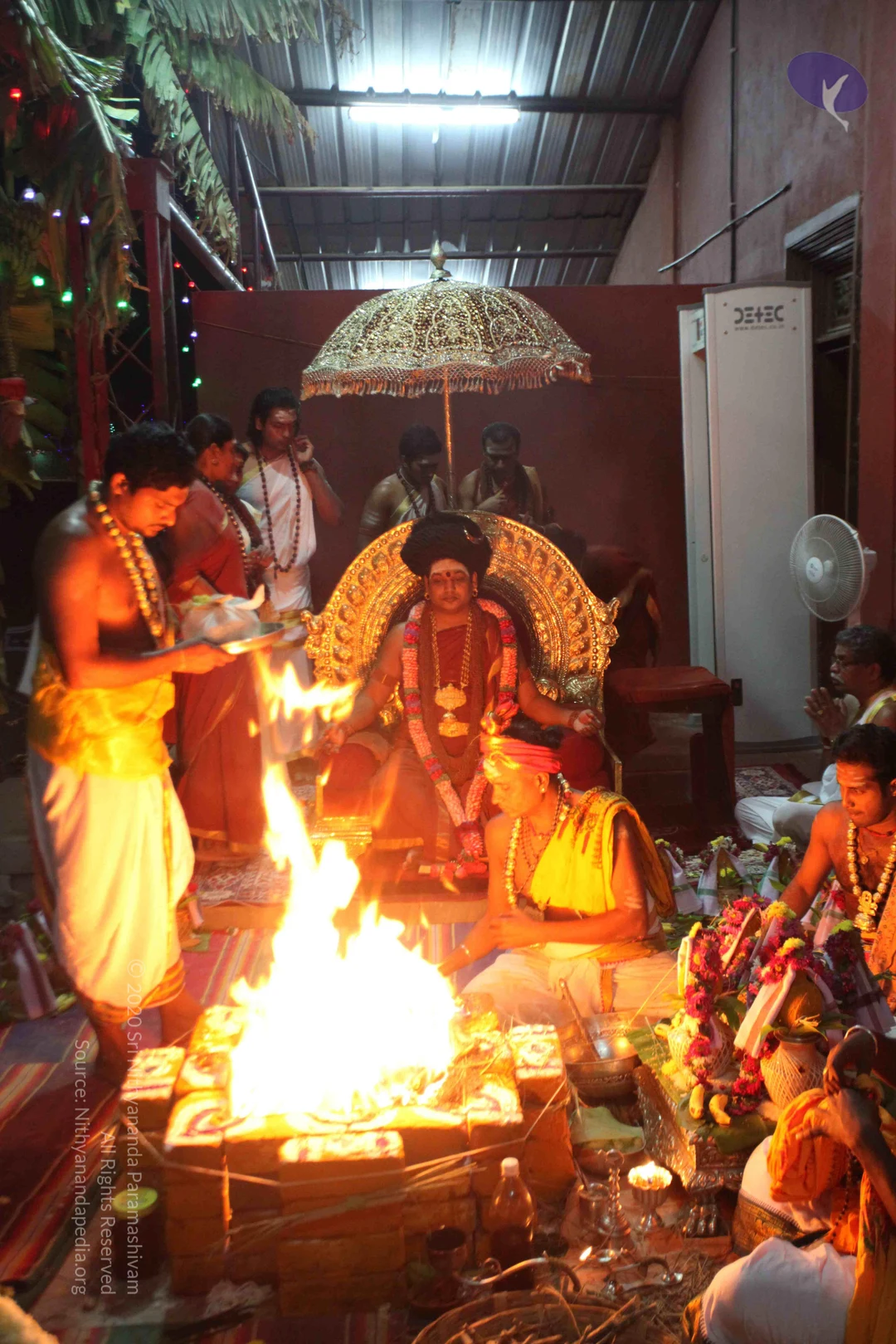
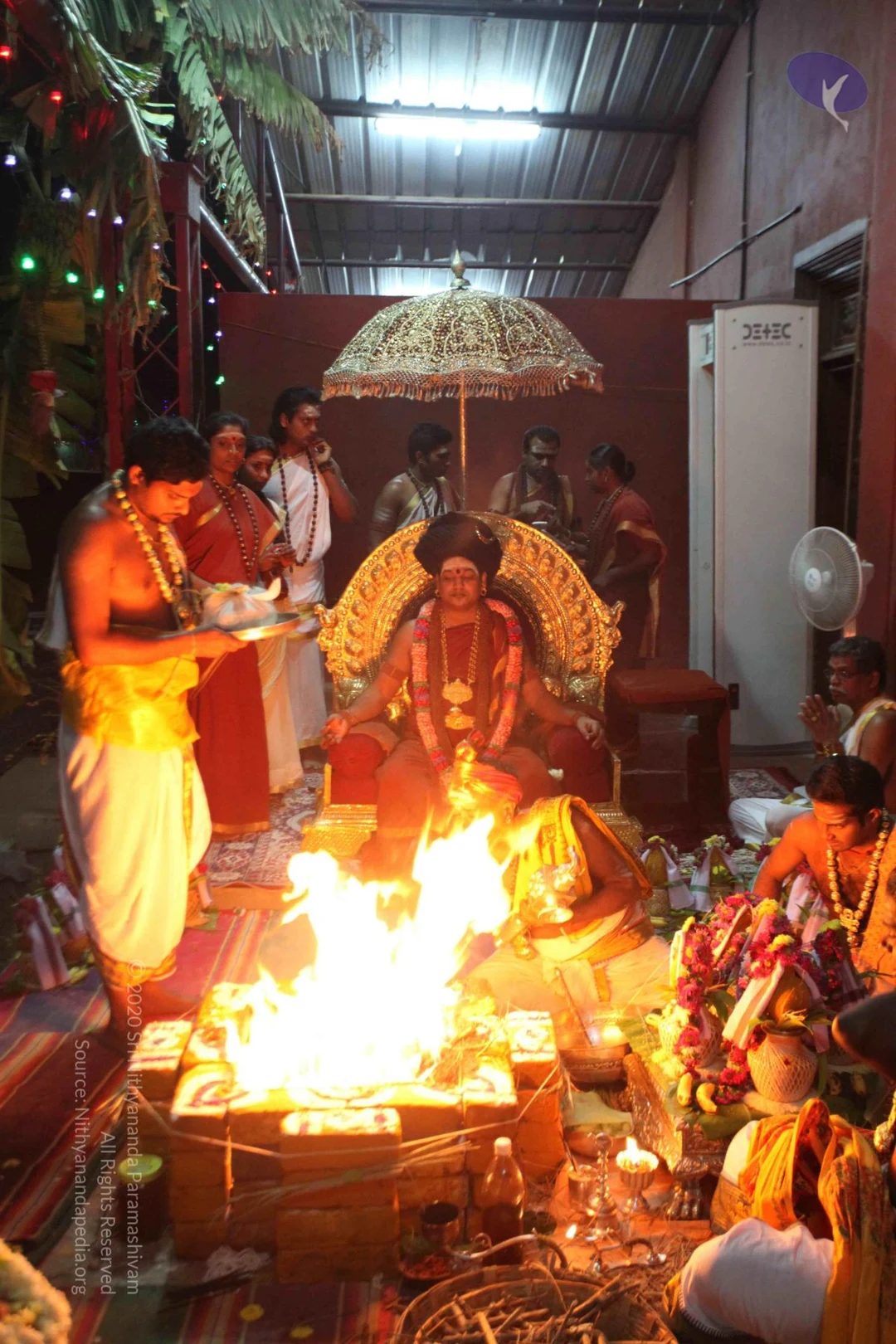
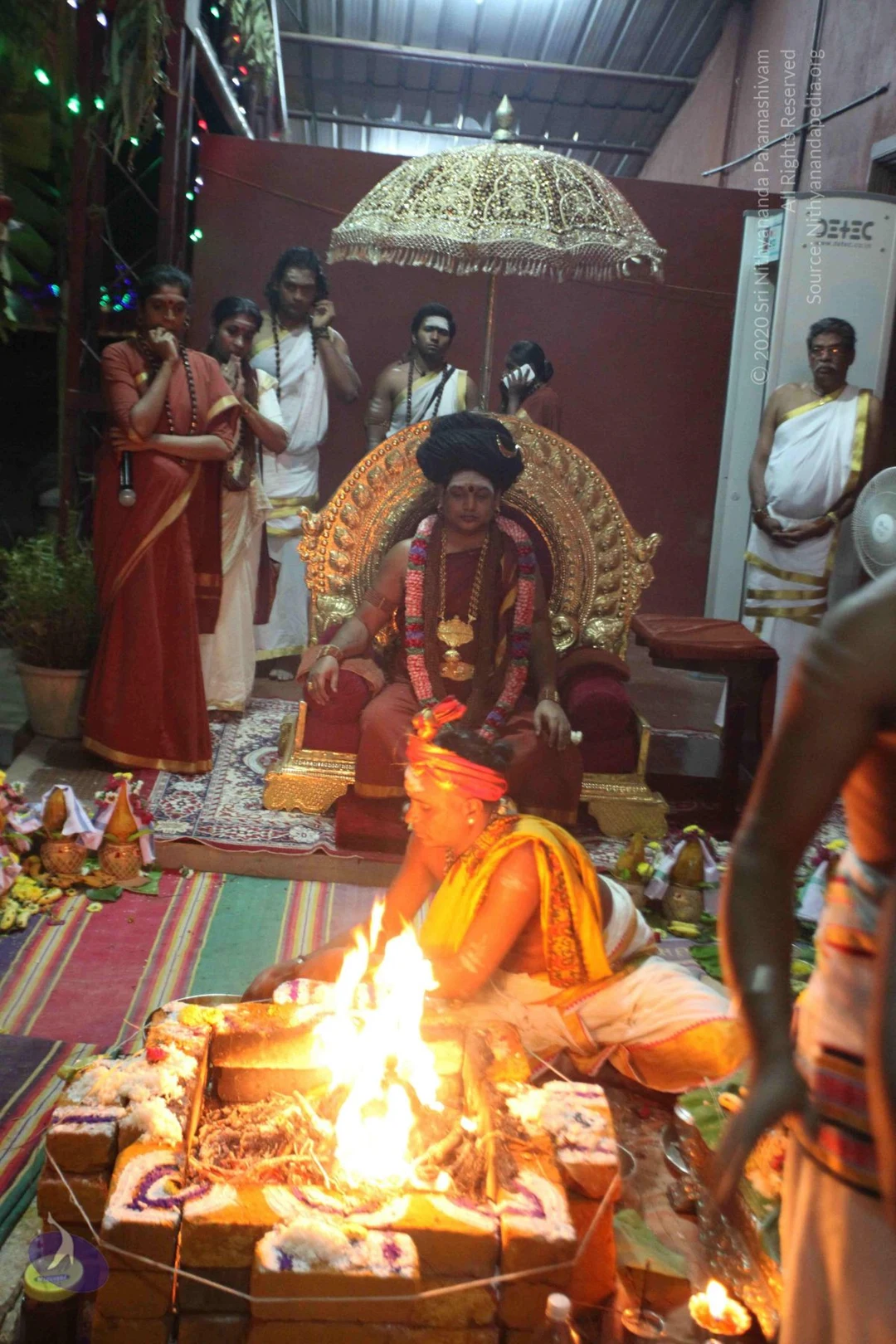
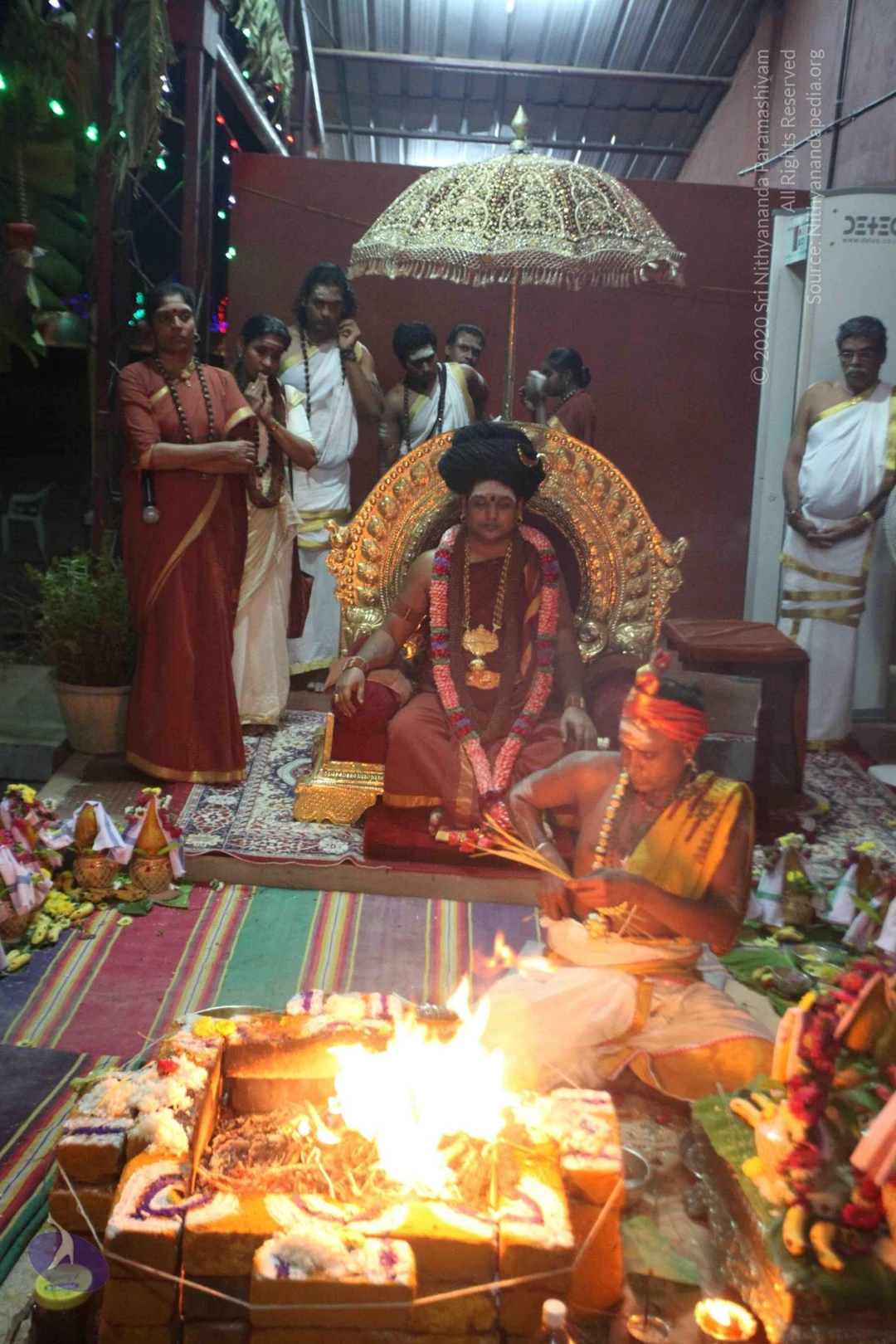
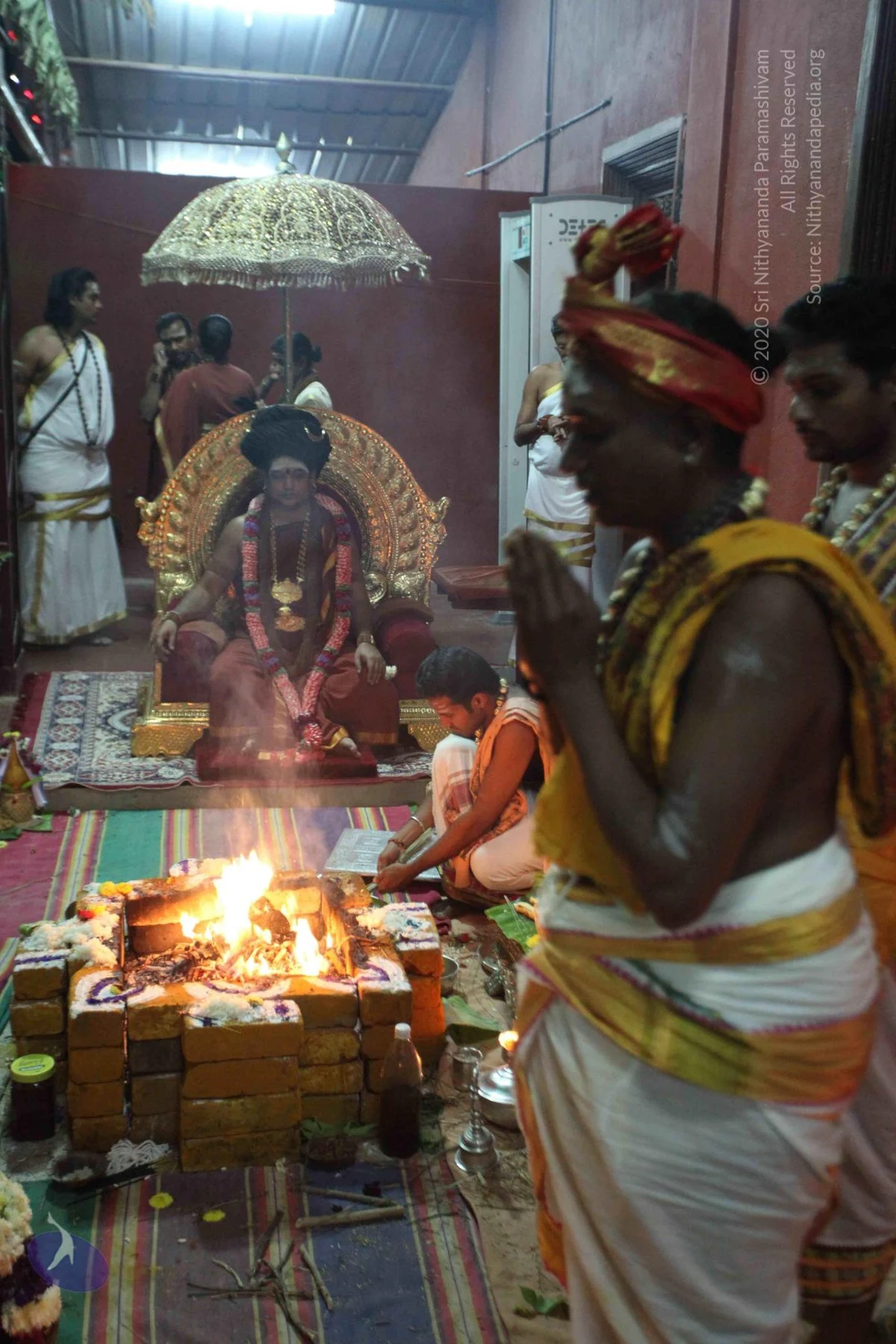
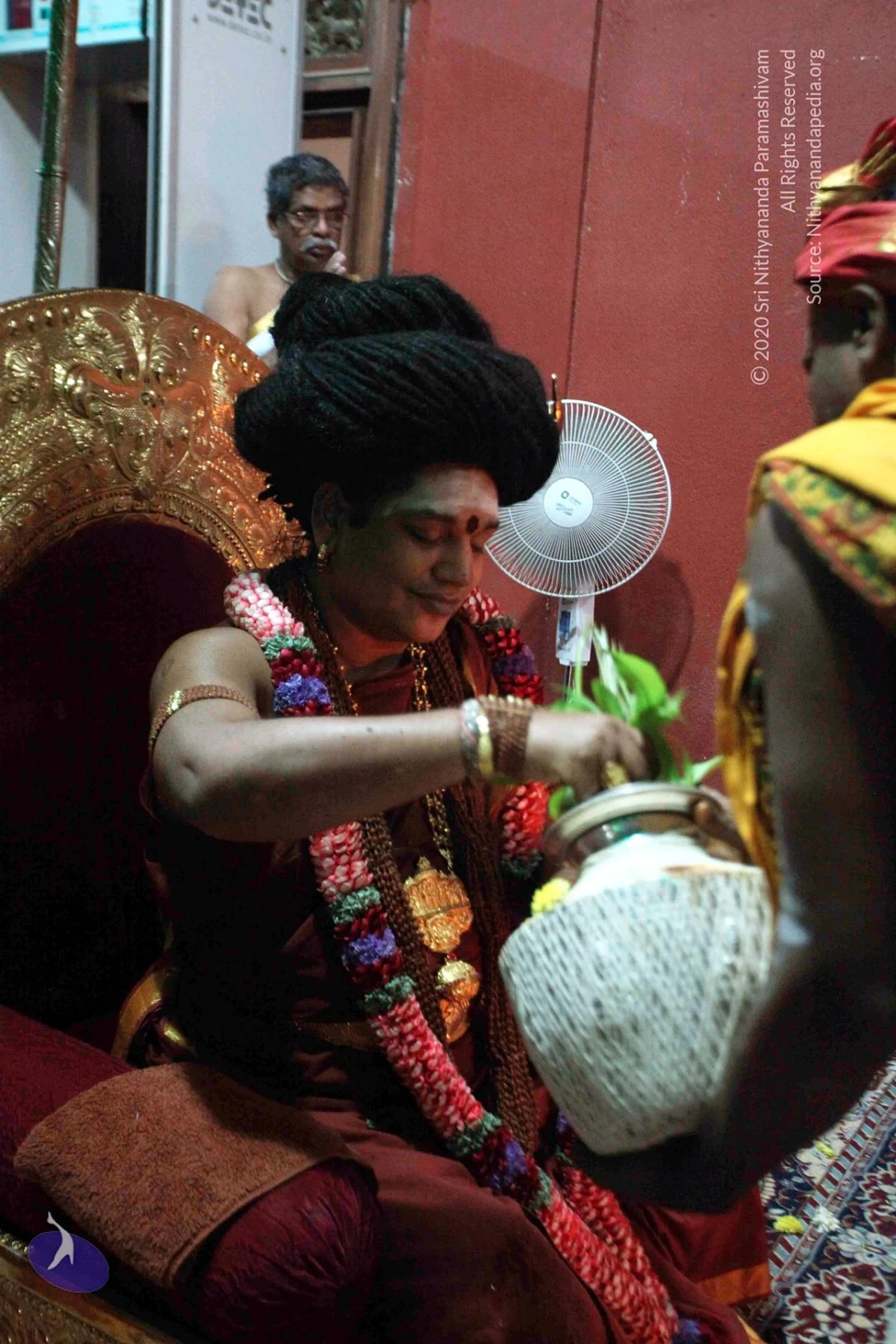
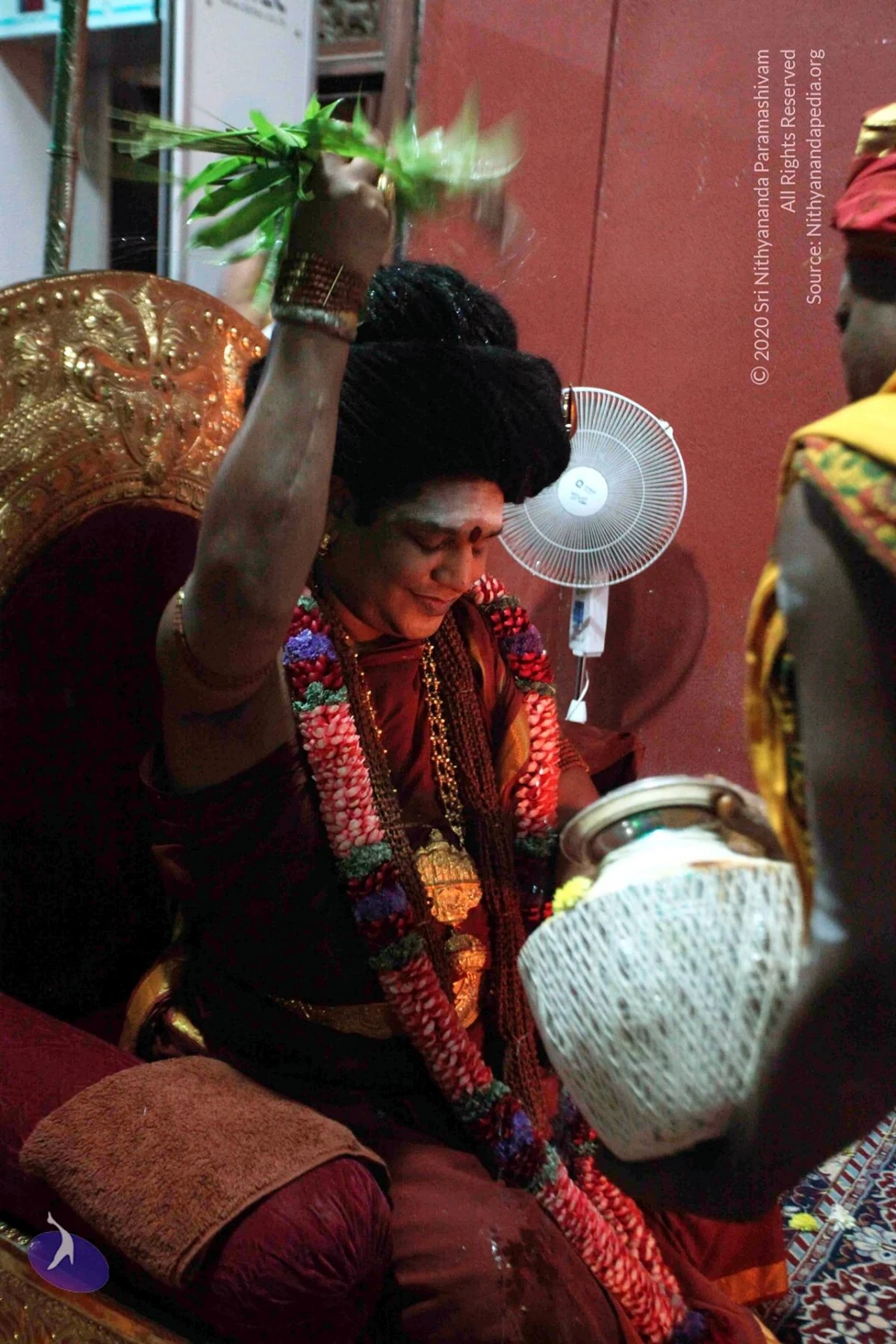
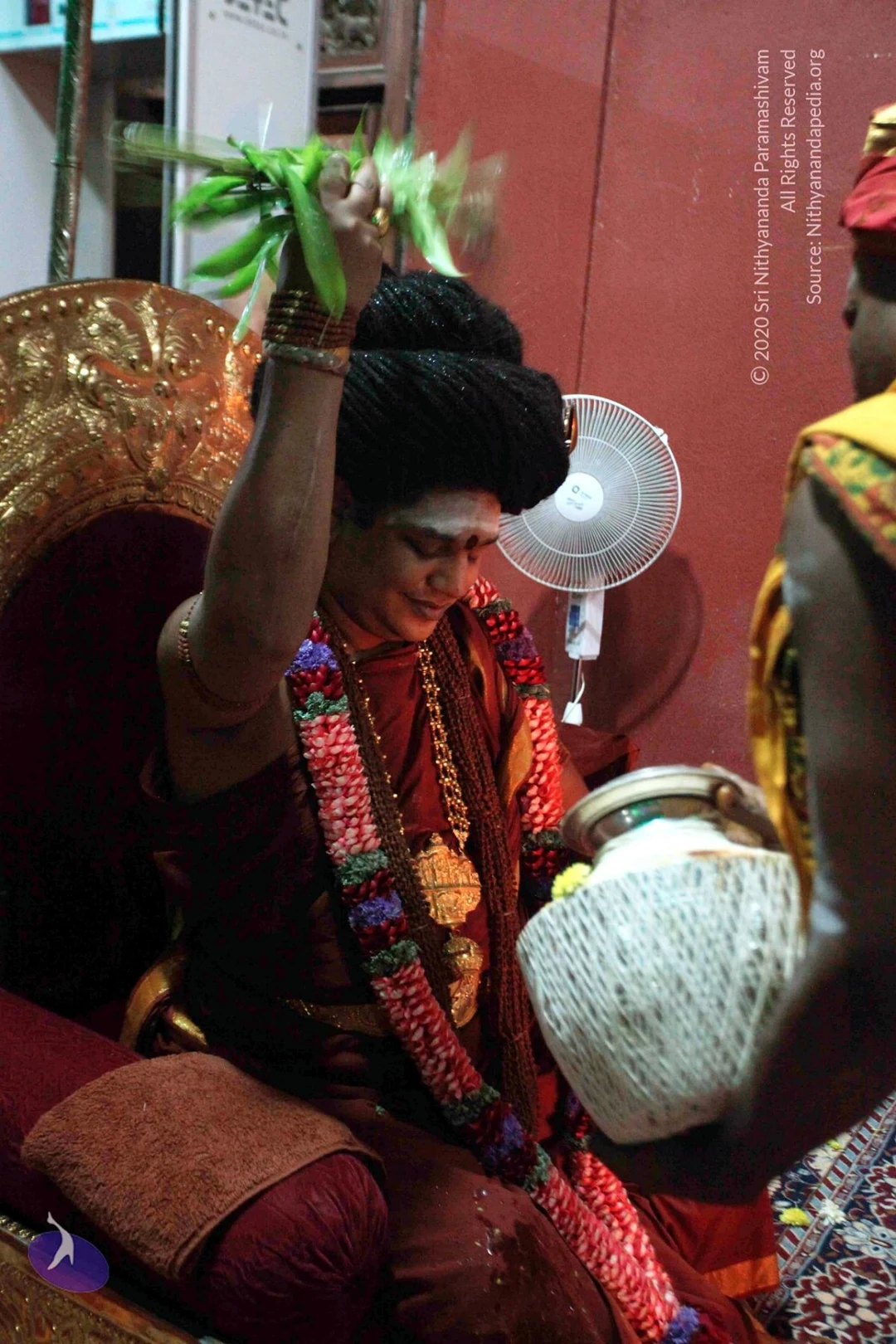
1-Shivaratri-Padayatra-Arrival
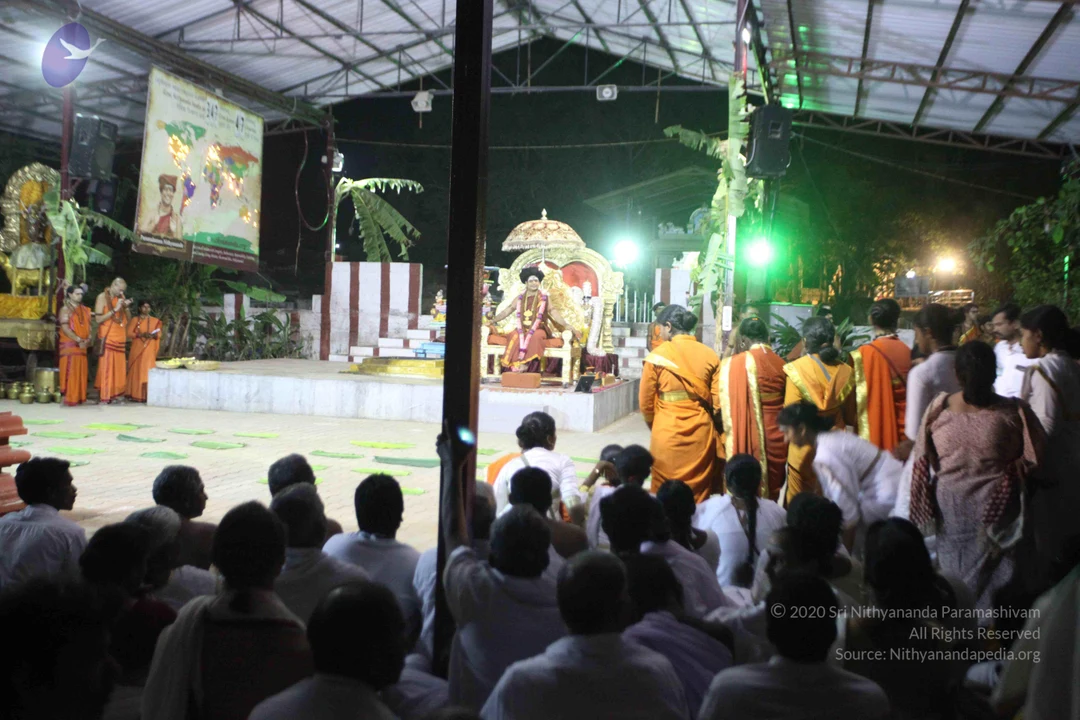


























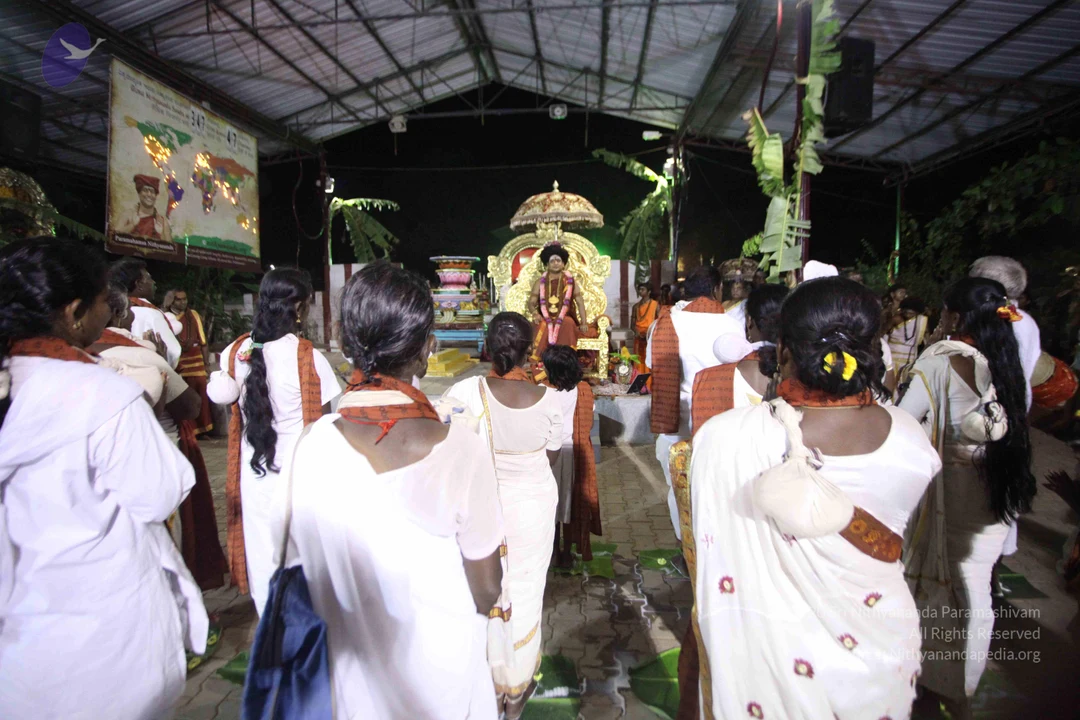



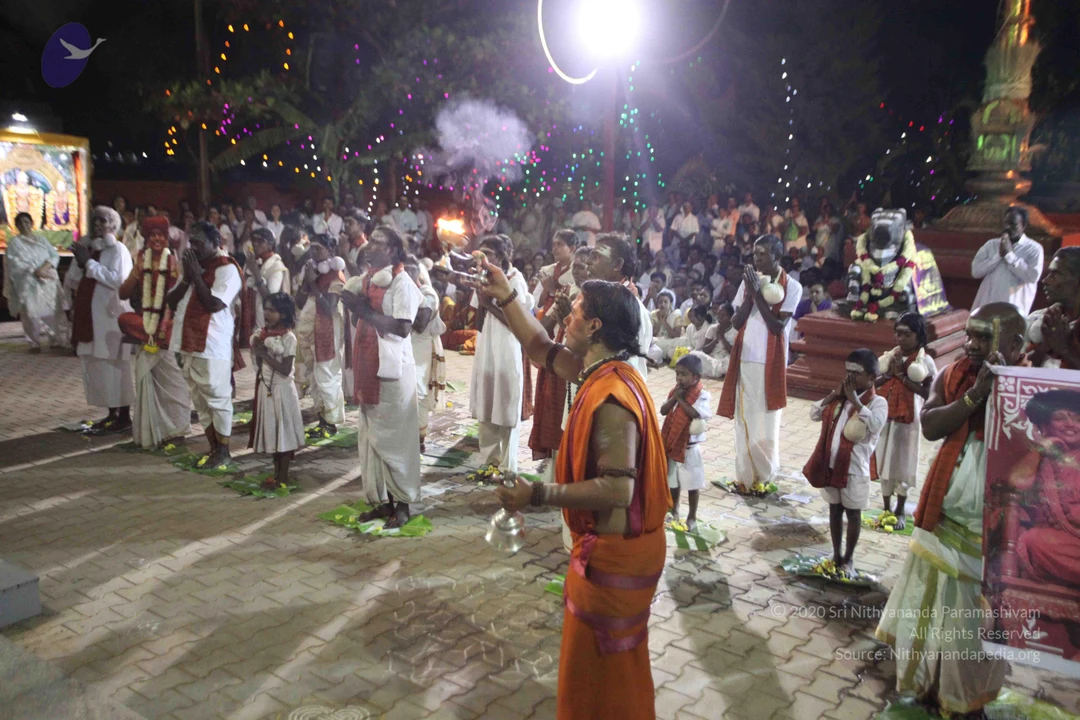
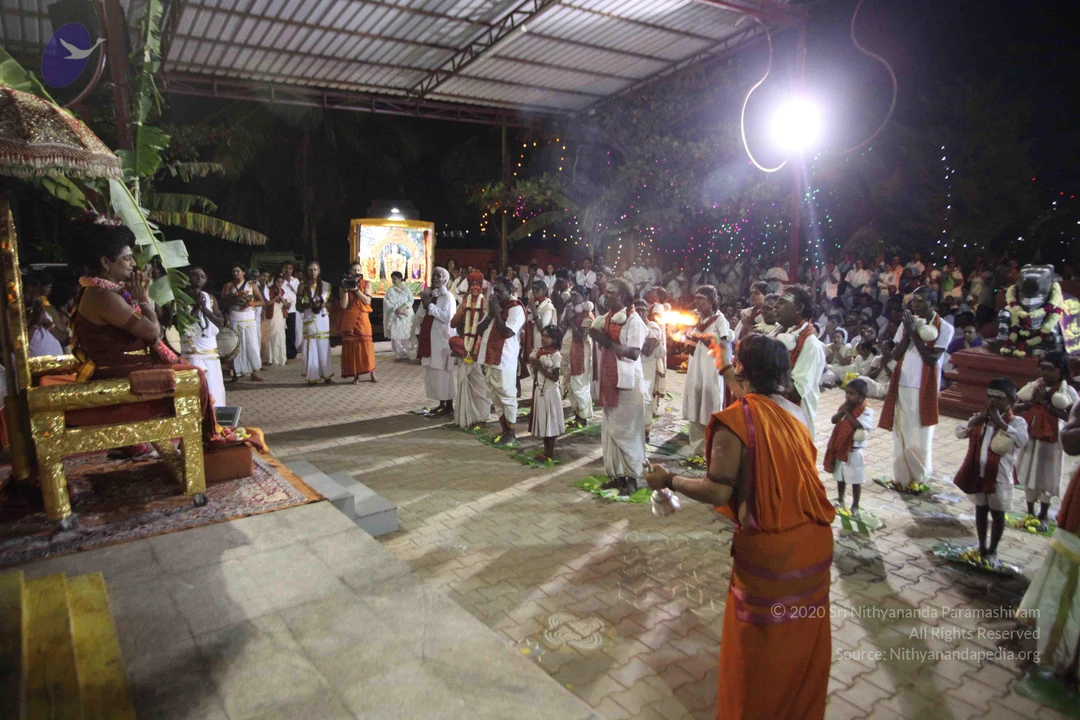





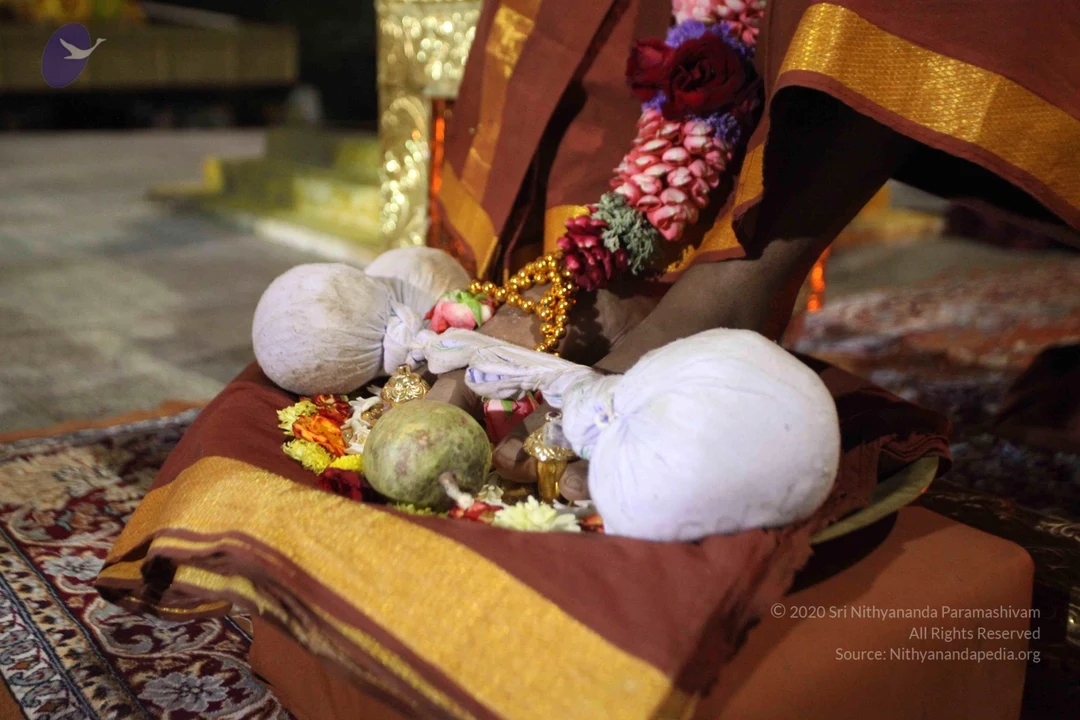







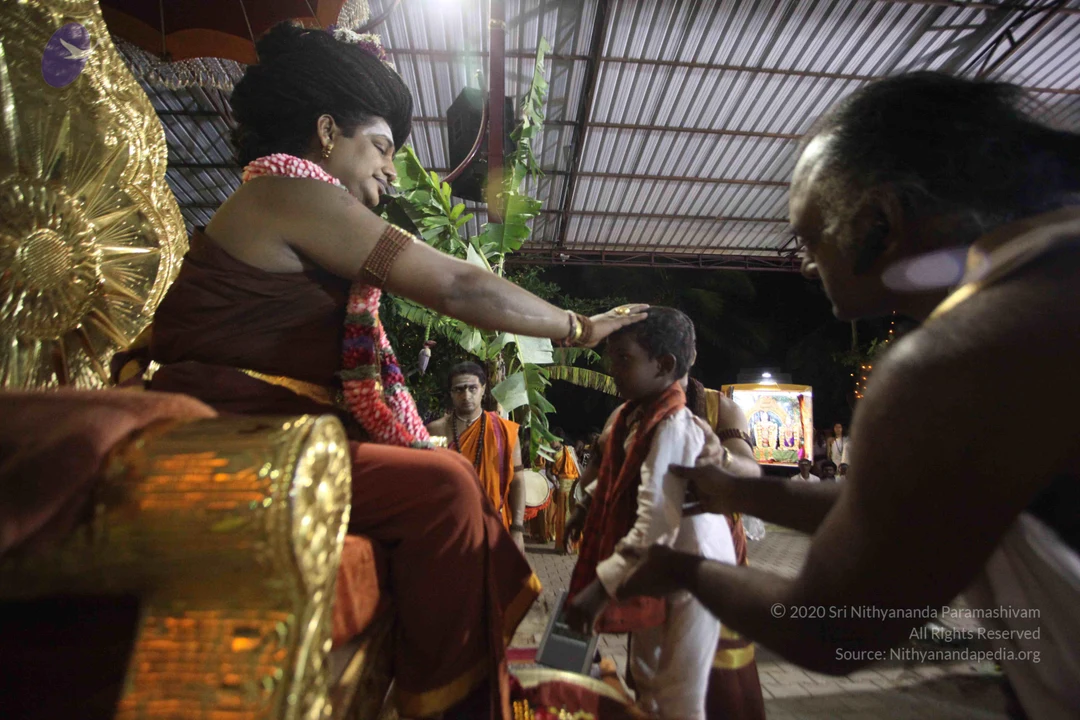

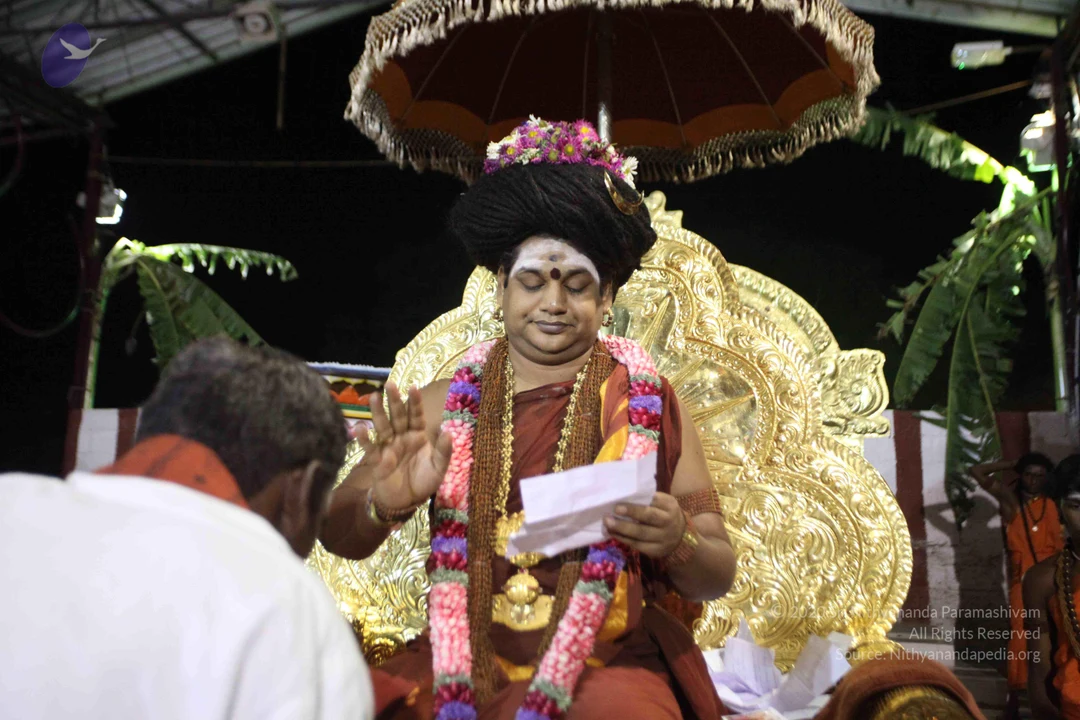


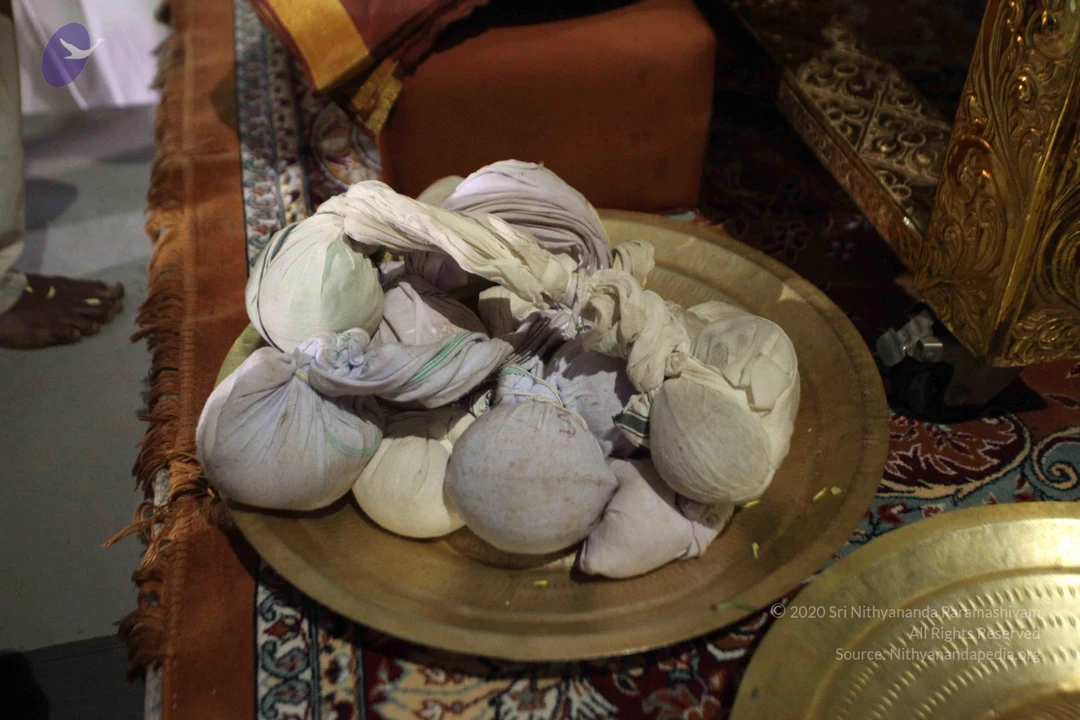

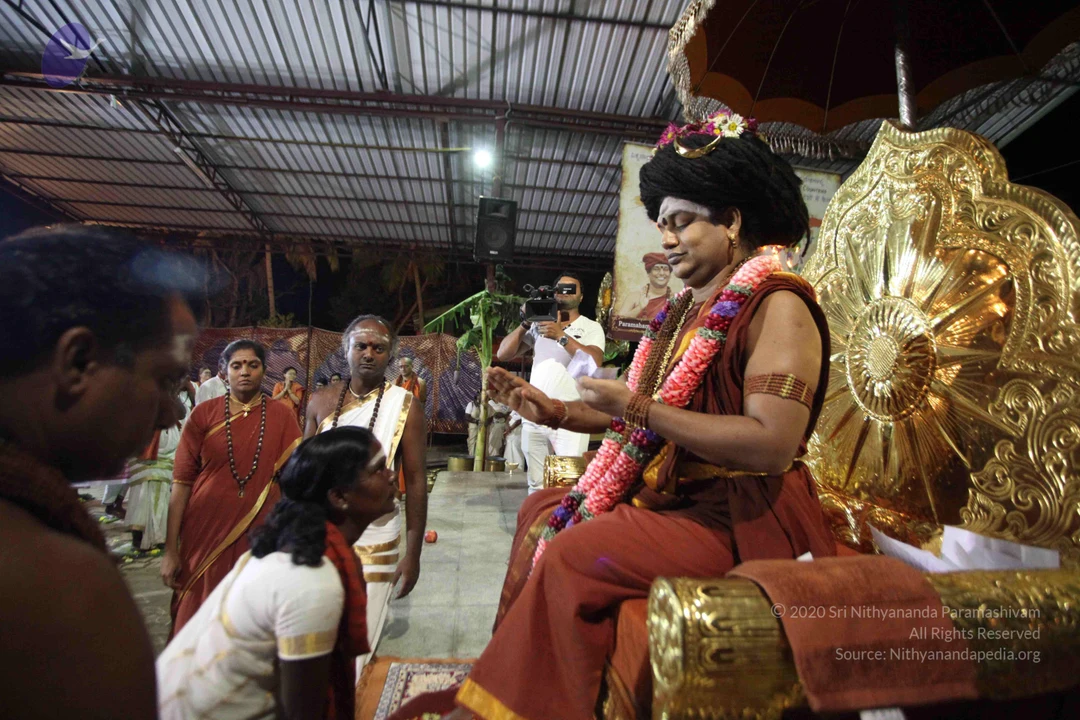










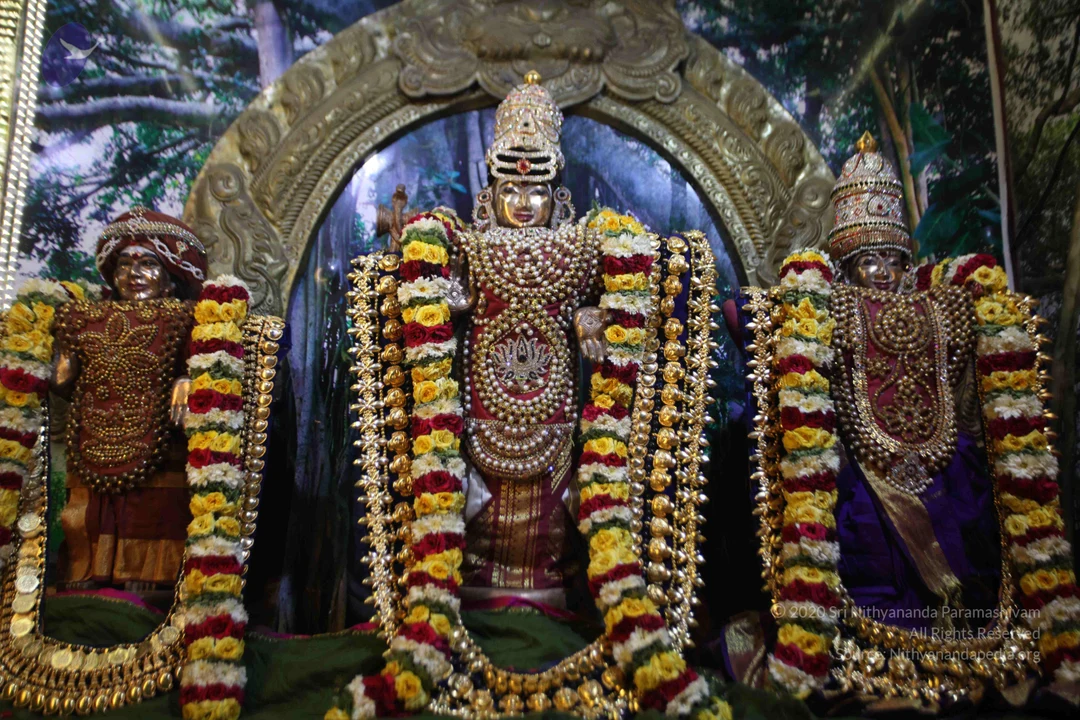
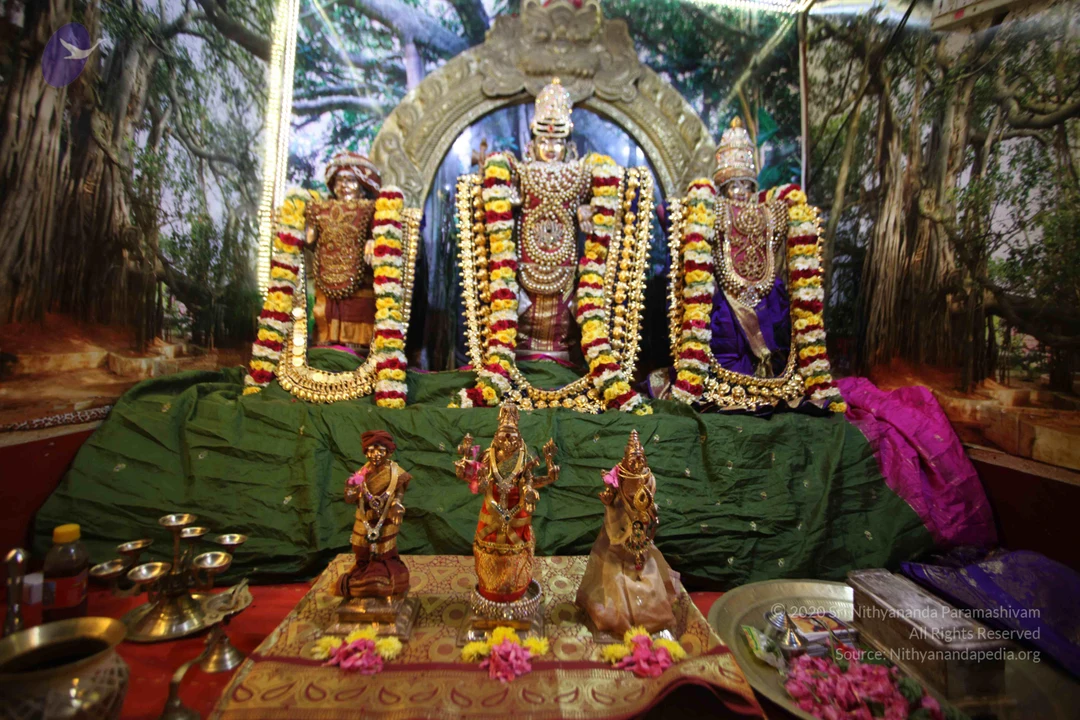
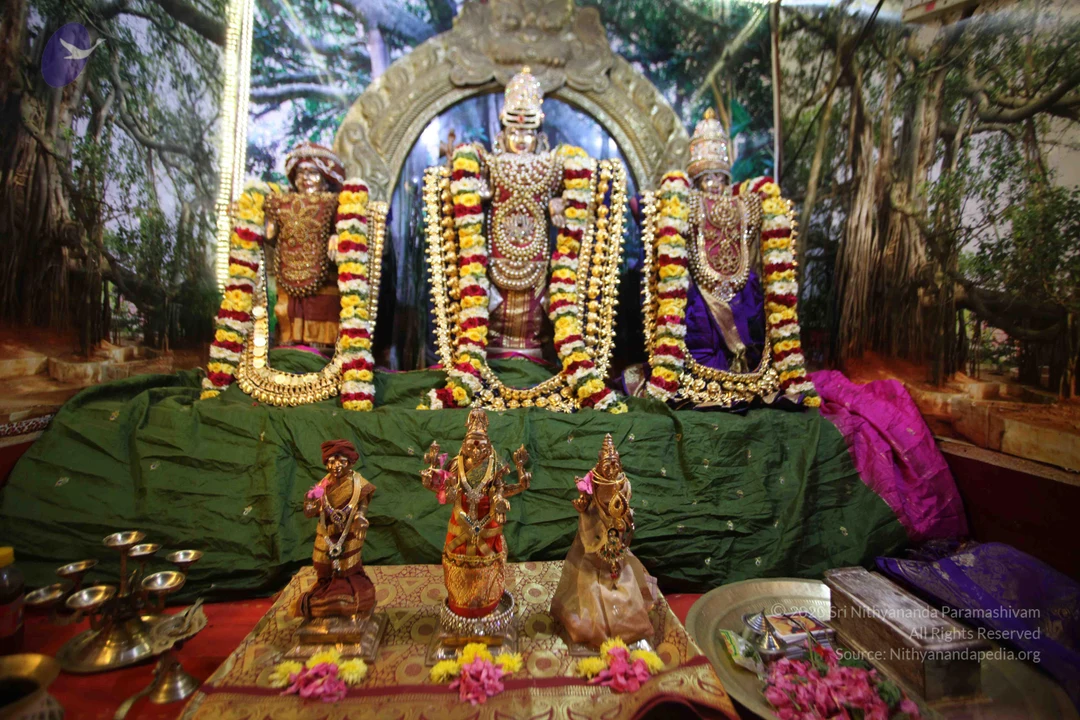







2-Visheshdeeksha-Initiation
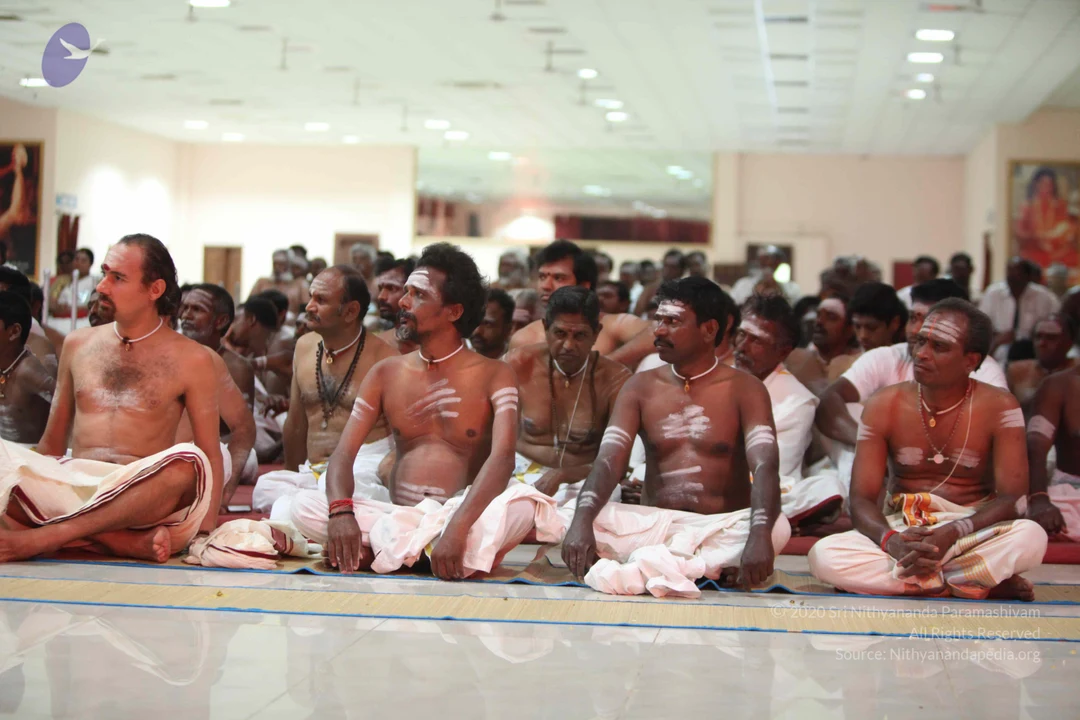


















































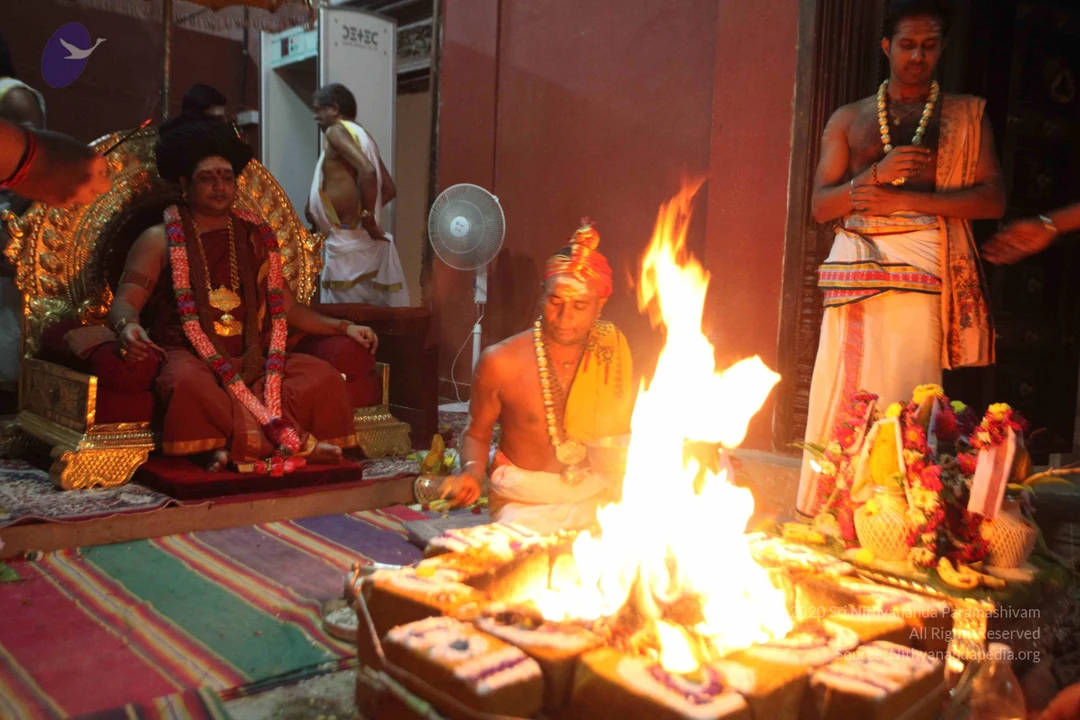
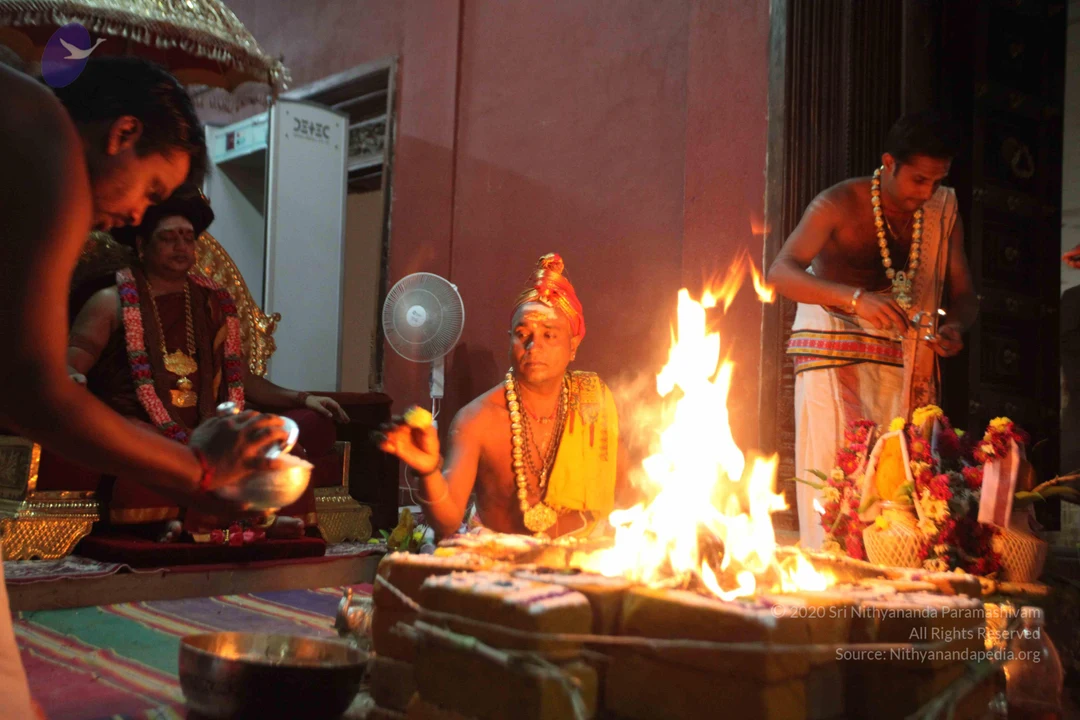

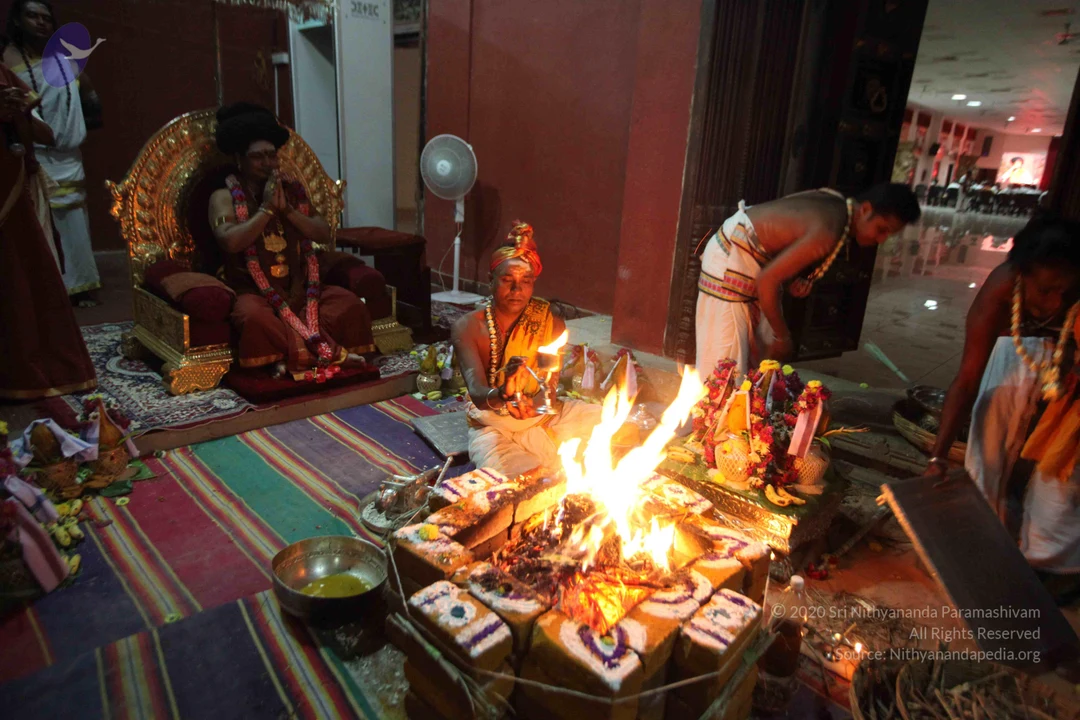
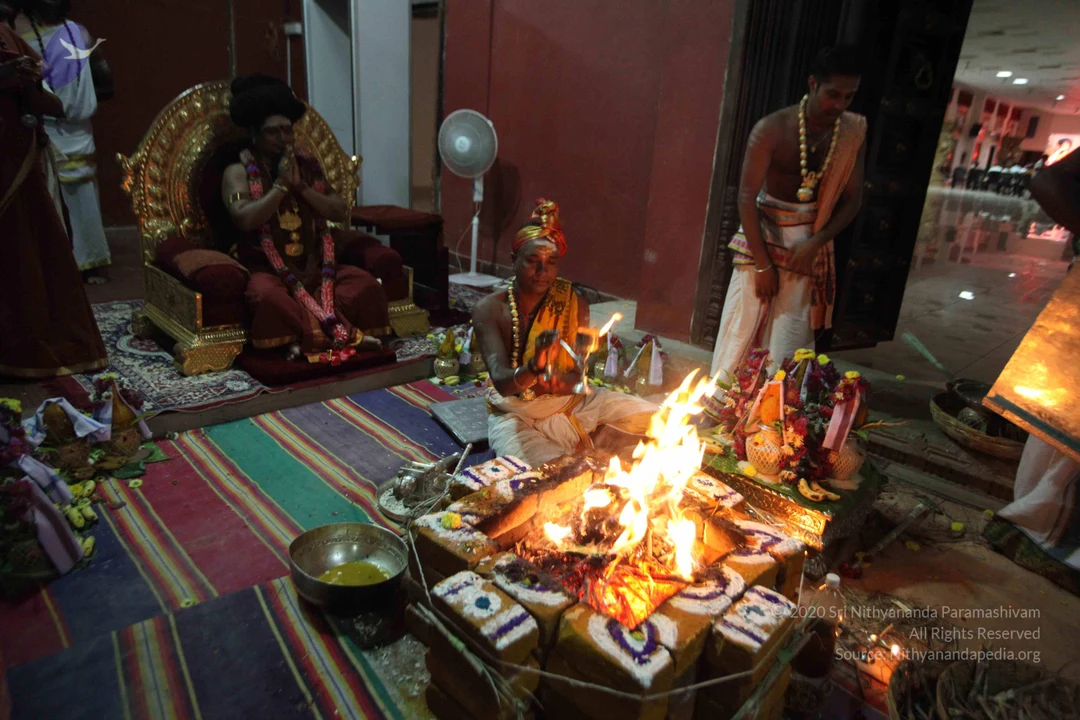



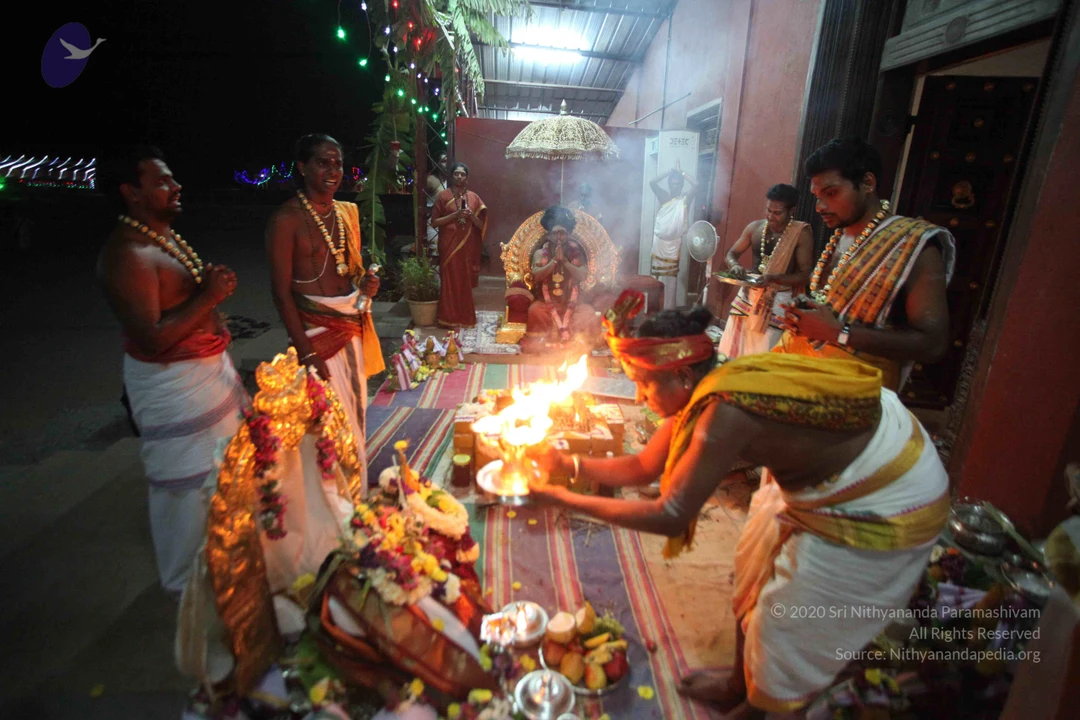
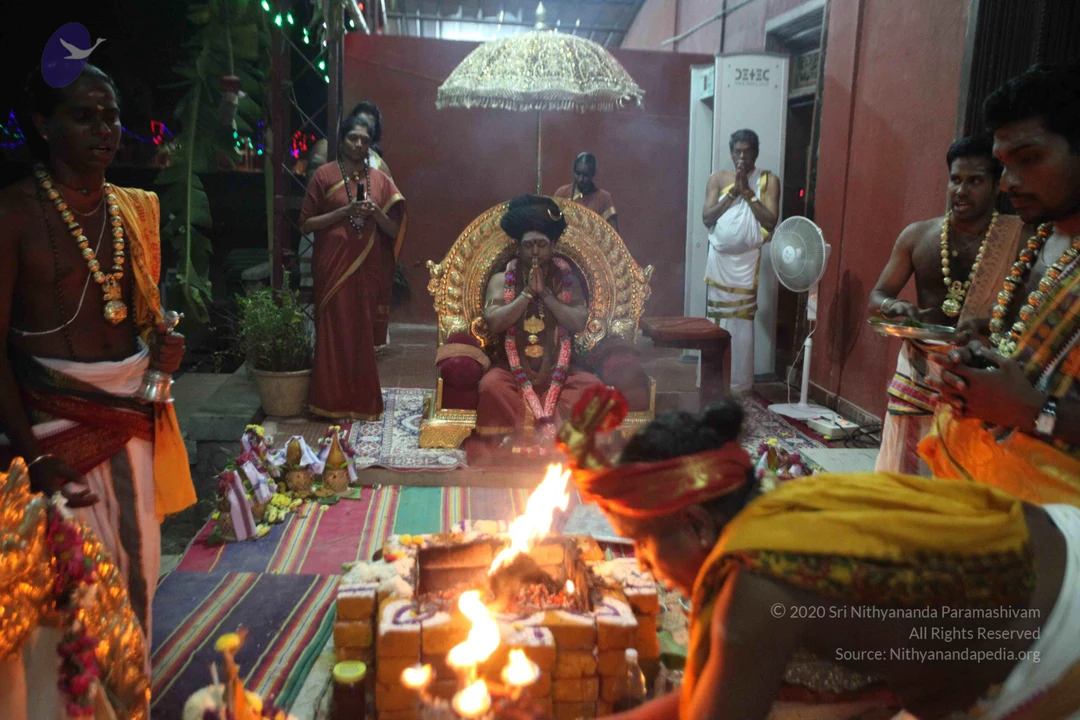
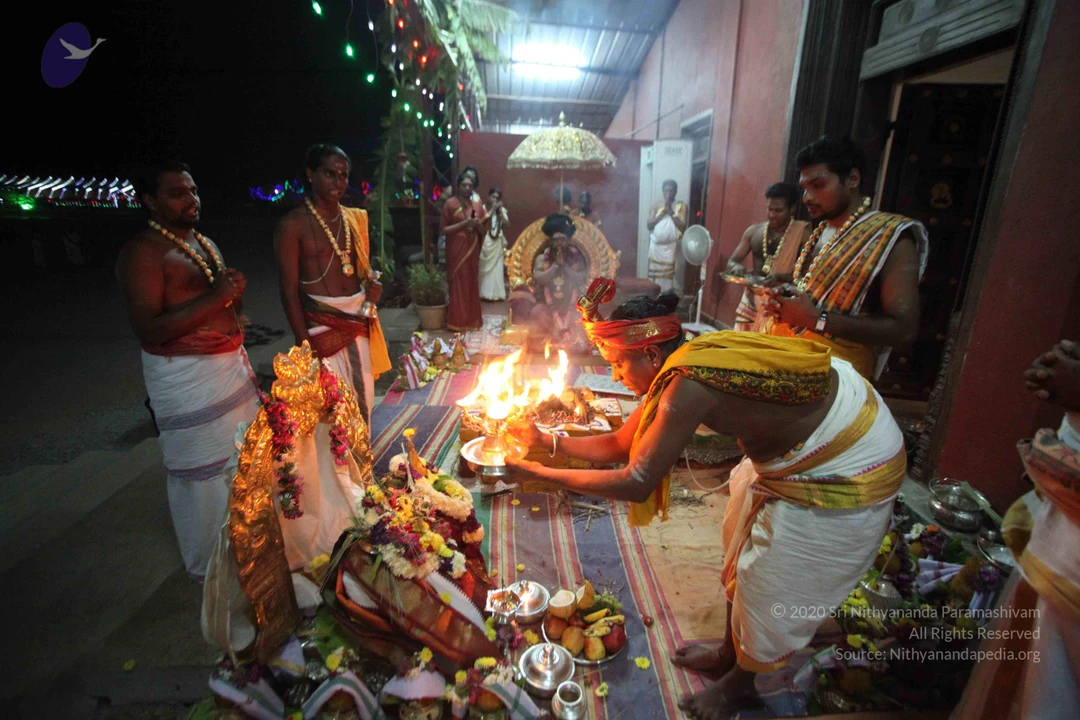






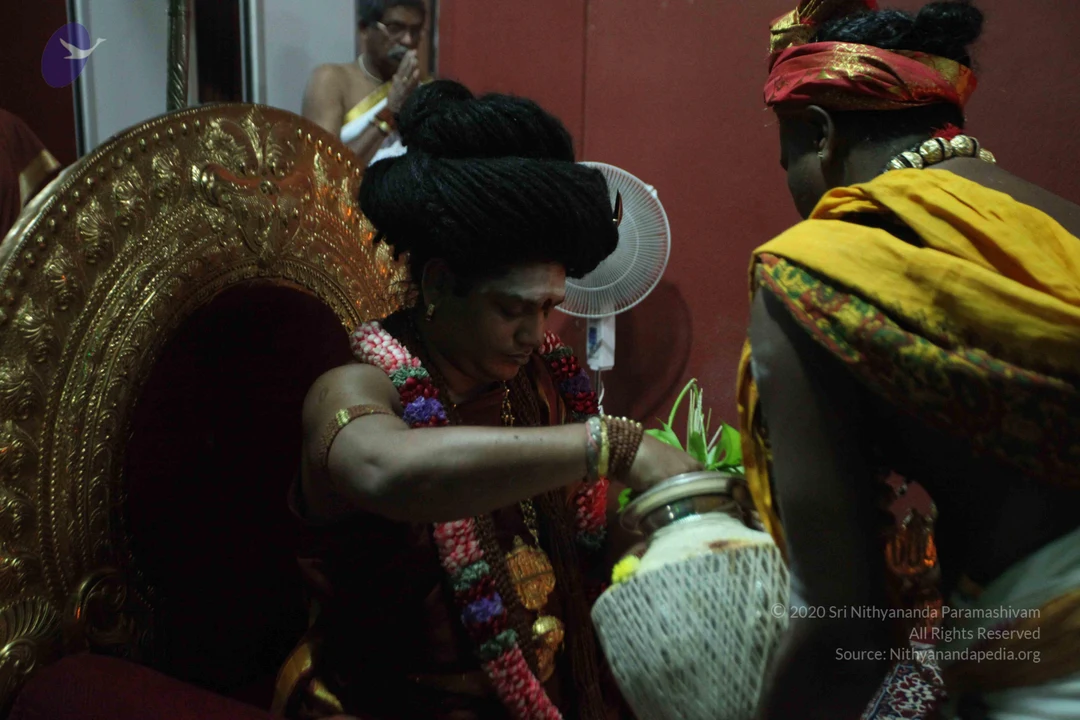







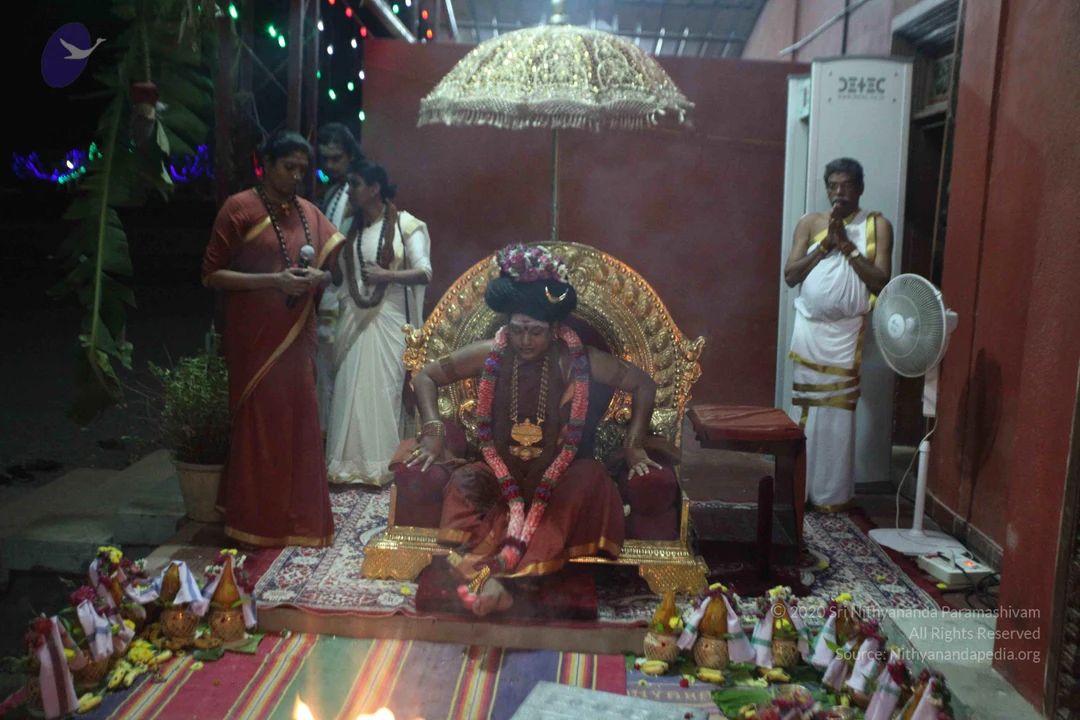

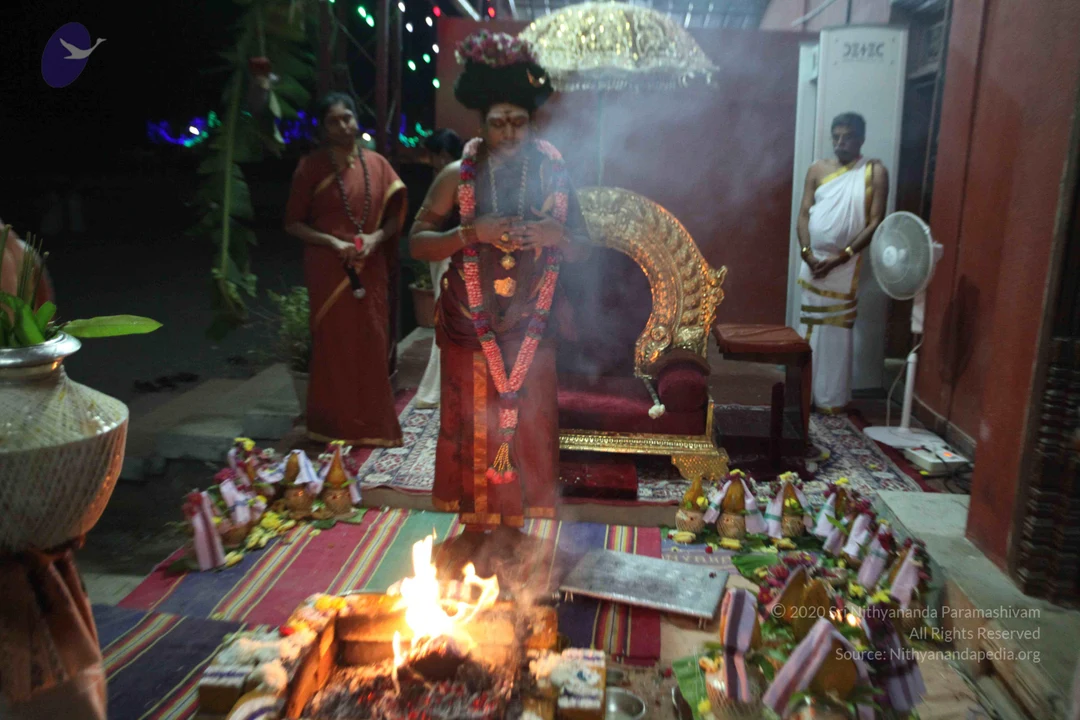
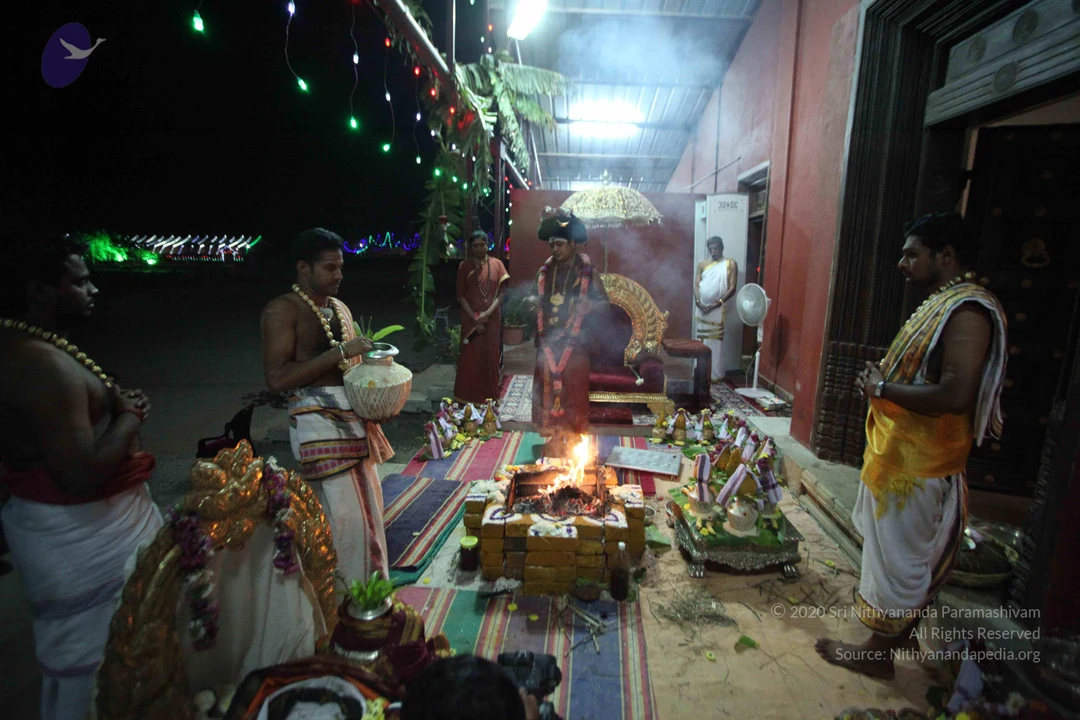
01-CONQUERING-TIME
Photos from this day
View all 617 photosConquering Time Webinar - Day 2
128 photosSource gallery
3rd Eye Demo
8 photosSource gallery


conqueringtime-day2
67 photosSource gallery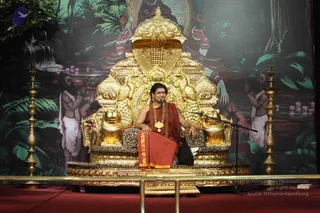
FB-photo-of-the-day
2 photosSource gallery
Shivaratri-Padayatra-Arrival
112 photosSource gallery




Visheshdeeksha-Initiation
142 photosSource gallery
Shivaratri-Pada-Yatra-Arrival
18 photosSource gallery



Vishesh-Deeksha
23 photosSource gallery