Monday
20 August 2012
- Dated photos
- 191
- Source pages
- 1
- Media
- 2
August 20 2012
Original wiki pageTitle
Three steps to enlightenment
Description:
TALKS FROM MORNING SATSANG ON AUGUST 19 2012 IN MADURAI, INDIA Bhagavad Gita (Song of God) is a timeless treatise on the essence of living enlightenment. The Gita was imparted by the enlightened Hindu incarnation Sri Krishna to the warrior-prince Arjuna over 5000 years ago. Amazingly, the spiritual wisdom and life solutions offered in the Gita are so universal and current that even today it is used as a personal transformation guide. In today’s talk on Bhagavad Gita, chapter 5, verses 27-28, Paramahamsa Nithyananda (Swamiji) unveils the spiritual technology for total living enlightenment. The plan is three-pronged, embracing lifestyle, technique and experience. The lifestyle gives us freedom from anger and desire and establishes the foundation for techniques to succeed. Once techniques are undertaken in a climate of compassion, they generate divine experiences. These in turn create spontaneous evolution within us, producing extraordinary powers. We become jeevan muktas – super-conscious light beings.
| Video | Audio |
Transcript:
Three steps to enlightenment
Discourse by Paramahamsa Nithyananda
August 20, 2012
Bhagavad Gita-5th Chapter – Sanyasa Yoga – 27 & 28th Verses
SparshaanKrutvaa Bahir – baahyaam Cakshush – Chaivaantare bhruvo l
Praana – panou samou krutvaa Naasaabh – yantra – chaarinou ll
Yateendriya – mano buddhihir munir moksha paraayanaha l
Vigatecchaa –bhaya krodho yas sadaa mukta eva saha ll
Beautiful, both the verses!
SparshaanKrutvaa Bahir – baahyaam Cakshush – Chaivaantare bhruvo l
Praana – panou samou krutvaa Naasaabh – yantra – chaarinou ll
Yateendriya – mano buddhihir munir moksha paraayanaha l
Vigatecchaa –bhaya krodo yas sadaa mukta eva saha ll
Both verses together you need to understand. Let me give you the translation.
The one who has made the sense objects remain outside, by retaining the sight between the eyebrows being in deep meditation; by balancing the life breath that moves inward and outward through the nostrils; by subduing the senses, the thoughts and the intelligence; having removed desire, fear and anger; being intent upon loosening the bonds, remains always relaxed and free.
Understand this few sacred secrets:
First, Bhagavan starts with the life style. The first line he says is:
The one who has made the sense objects remain outside, by retaining the sight between the eyebrows.
The first part: One who has made the sense objects remain outside - This teaches you enlightened life style.
The second statement: Retaining the sight between the eye brows - This is the technique.
Please understand, enlightened life style prepares you for the extraordinary experiences; techniques gives you extraordinary experiences; Enlightenment, Realization, Samyama gives you extraordinary powers.
See the three classifications clearly:
Enlightened life style is more life solution. That prepares the ground, root. Then comes technique, which gives you extraordinary experiences. Then comes Realization – Anubhava or Anubhooti, which gives extraordinary powers.
If you see Gnanasambandar’s life, Gnanasambandar is one of the great incarnation. He is considered to be the incarnation of Subramanya, Skanda. Because Gnanasambandar had Parvati’s breast milk, the enlightening milk, he is considered as the incarnation of subramanya in the Shaiva Siddhanta Tradition. One of the great saints! If you see his life, the experience of Devi appearing and giving enlightening milk to him, leads to the Samyama – Realization and Expression of extraordinary powers. In his life, the life solutions did not play much role because from the very young age, he had the extraordinary experiences and powers.
If you understand these three classifications, many of your confusions related to spirituality will disappear. Many times, people try to think one is enough or one is higher than the other. Please understand, if you are matured, even one is not necessary. In these three, nothing is necessary.
Ashtavakra, the moment the day he was born, he neither had experience, nor had any powers, lived Enlightenment!
Sri Ramakrishna had all the three. Life solutions, means Enlightened life style and then the extraordinary experiences and Samyama the power, Realization.
In Gnanasambandar’s life, you will see two things. As a three year old child, he did not study any Shastras. He did not start going to school. He did not learn the life style of enlightenment. He did not practice anything. Straight Devi appeared and gave the enlightening milk. And that experience has led to the Samyama –Realization and he started expressing extraordinary powers.
Neither one is higher than the other nor one is lower than the other. For ordinary people, all the three are required. Don’t try to have just one, not the other. If you have only technique, you may have extraordinary powers, but you may not have enlightened life style, the life style of compassion, love; the nervous system to radiate the joy. You may be missing that!
I have seen many street magicians in India, they have real powers. Please understand, they are not just doing some magic. They have miraculous powers. I myself have seen in the street some of the tribes who are followers of one or two of the techniques. They will follow just one or two techniques and have one or two powers. I have seen them converting ash into Kumkum; just an ordinary rope into snake. It is not magic. It’s a real power. They play with the miraculous powers. But, they miss an important dimension of life - The Enlightened life style! Because of that these powers are not useful to their life. It is not useful to others life.
Yesterday somebody asked me “Swamiji, I have studied many of the spiritual philosophies, organizations, followers, I have read many spiritual literatures, modern day spiritual organizations. One thing I can distinctly see the difference with your teachings and your organizations. Either your teachings or your disciples so intense in everything! How is this Swamiji? How do you manage it?” That is why I have to suffer so much, really!
See the amount of intensity. I don’t cut brinjals, I cut diamonds. Understand when you cut brinjals the stress and strain is lot less. The pressure you need to apply is lot less. The work you need to do is lot less. But when you cut diamond, the stress and strain is too much. Even if you pour millions of liters of coolants, coolants become steam in the heat produced. My love is the coolant. But how much ever I produce, I pour the coolants. The very heat I create makes all the coolant in to steam. If you know the diamond cutting process, you will understand what I am saying. Coolant is usually used to reduce the stress and strain during the cutting process, the grinding process.
In manasarovar, this time, usually I drop something in Manosarovar. It is a tradition when you go to Manasarovar or Varanasi, you drop some important patterns there and come back. What pattern I have? I have nothing! Last time somehow I find something to drop. I have decided to drop - whoever comes to me for any boon I will not judge. Any power expresses through this body blesses that, attests. Over! Only ‘Yes’! No ‘No’! I dropped the ‘No’ and I am living! This time what will I drop? I tried by best. Finally I found one thing. I don’t have anger itself in my heart. But sometimes to train the disciples, I show the Rudraroopa. I have decided I will drop that. So, you guys will not, I don’t know, especially the people live around me or lived around me can’t believe. Almost in the last 20 days I am not screaming at anybody; I have not raised by voice; I have not shown my big-big eyes. I also told my disciples that we will do a brain study on me that even the groove, anger groove on the red cells which is responsible for anger has disappeared from my brain. The moment I said I am dropping, dropped! Over! The whole physiology has changed. The whole bio-memory is different. Of course I never had anger inside. It was only a show, mask with which I used to play, so that, people feel, people understand that what they do is wrong, some time when they do wrong. Now that’s also over. They asked me “Why did you drop this Swamiji?”Many people, they had the crocodile tears. “No, no, no, no, no! You cannot drop this!”. I said decision is not in your hands. I have already decided. This is the way it is going to be. Through this I am increasing the coolant. That’s all! Nothing else! Through this the coolant has increased.
The intensity which my teachings and you guys radiate is because all these 3 is given equivalent importance in our sangha. The enlightened life style, constantly I am doing through morning satsang. And the techniques, I don’t know, how many thousands of meditation, Kriyas and yogic techniques shared. Techniques.
Next very important thing: Realization. Kundalini Awakening comes under this classification. Please understand, just by the look, touch, word, so much of energy transmission, energy radiation, kundalini awakening, experiences, samyama, is happening. So much of Intense spiritual transformation for so many people, is possible because all these three are happening simultaneously. Simultaneously all these three enlightened life style through the teachings, techniques and experience.
Here Bhagavan is sharing these three in this one verse.
The one who has made the sense objects remain outside, by retaining the sight between the eyebrows: First line is enlightened life style means made the sense objects remain outside.
Second line: Retaining the sight between the eye-brows. It’s a technique.
Third: By balancing the life breath that moves inward and outward through the nostrils. This again is a technique.
By subduing the senses: This is an enlightened life style.
The thoughts and intelligence: This again enlightened life style.
Having removed desire, fear and anger: Enlightened life style,
Being intent upon losing the bonds, remains always relaxed and free: The last line is experience, Samyama. Pick up all the three in your life. That is the complete spiritual life.
The one who has made the sense objects remain outside, by retaining the sight between the eyebrows being in deep meditation; by balancing the life breath that moves inward and outward through the nostrils; by subduing the senses, the thoughts and the intelligence; having removed desire, fear and anger; being intent upon losing the bonds, remains always relaxed and free.
Bhagavan is giving the technique. We will try this technique from today.
See, keep all the sense objects outside means decide, all your sense organs you are shutting it. Consciously close it. Put the shutter Tuk, tuk, tuk, tuk, tuk! And then bring your awareness to your center of the eye-brow, the Ajna. Feel very clearly the prana going in and prana coming out. Both are balanced. It means the moment you bring your awareness, it will automatically balance itself. You don’t try to control. Just bring awareness. See, It’s like a kids. You don’t need to control. Just if you bring awareness on them, they will settle down. You don’t need to control. Just bring the awareness that you are watching. There is a eye on the child. It will simply settle down.
Bring your awareness on the prana going in and coming out. Internally do not allow the boilings to happen. Desire, fear, anger those boilings weaken your nervous system. I tell you, if you allow the boiling of fear, desire and anger you will have the worst old age. You will be in hell. You will not be able to control your nervous system. That leads to suffocation, so many other dis-orders!
So let me give the step-by-step instruction for the technique. Sit and visualize all your senses are shut. I will guide you. Please get ready.
Sit straight. Close your eyes. Visualize all your senses are shut. Close the door of the senses. That is more important. And bring your awareness to the eye-brow, the Ajna chakra. Do not control, but bring awareness to inhaling and exhaling prana; prana which goes inside and outside and do not allow the desire, fear, anger inside you. Subdue the senses, the thoughts and the intelligence. Do not allow the anger, fear to work. Keep the senses shut. Bring your awareness to the center of your third-eye, between the eye-brows.
Relax. I bless you all.
Photos
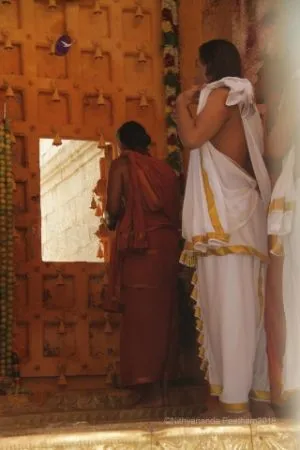

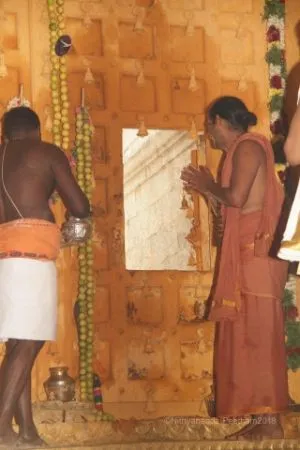
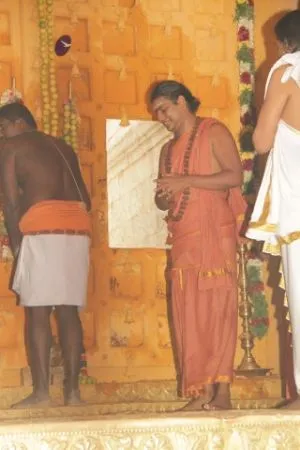
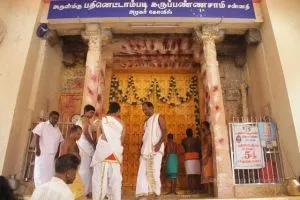
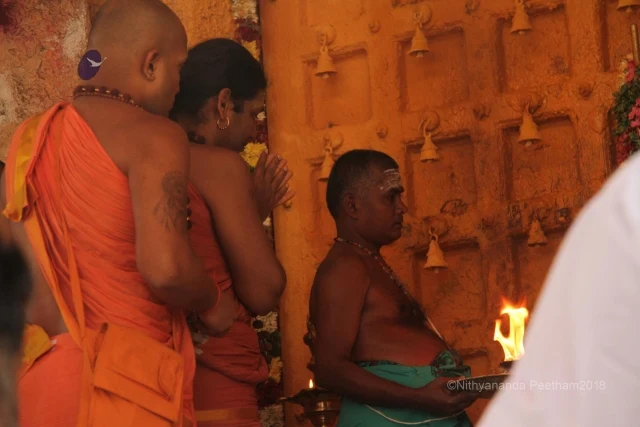
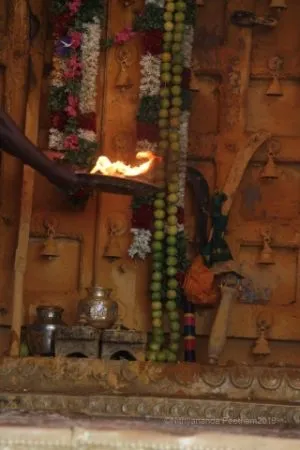
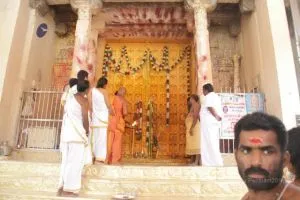
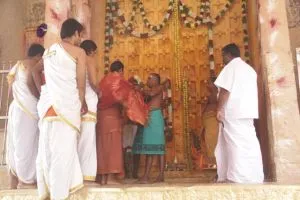
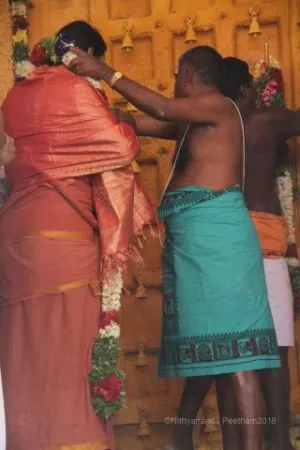
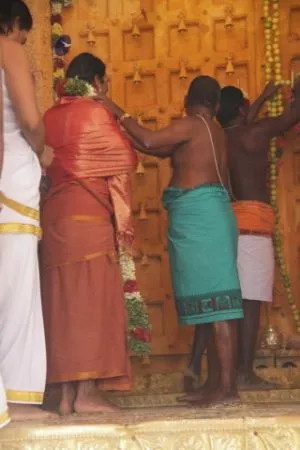
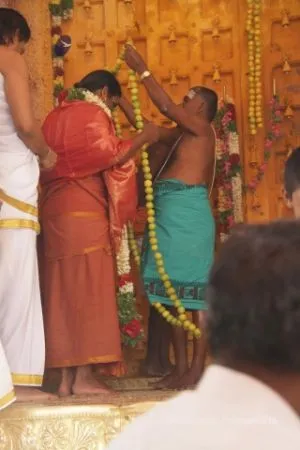
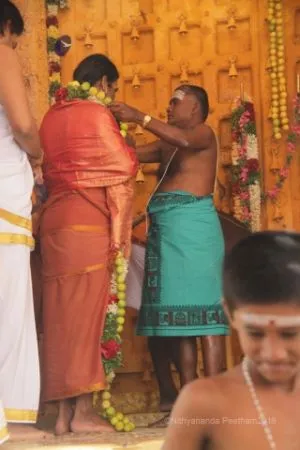
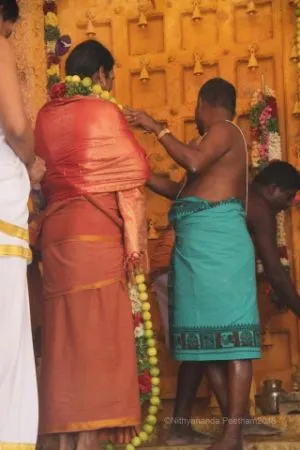
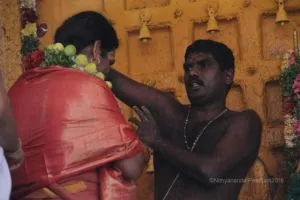
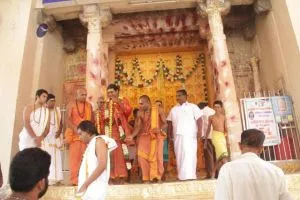
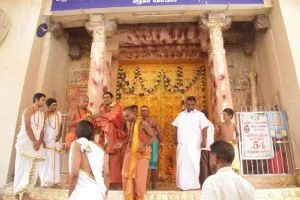
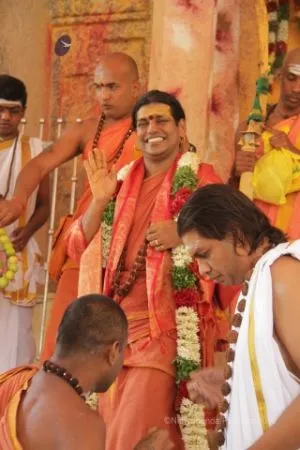
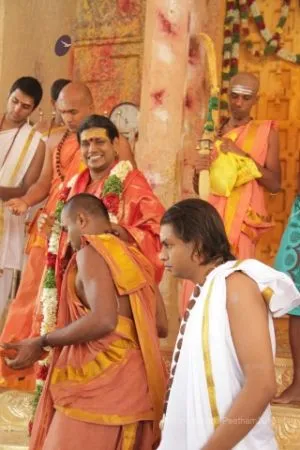
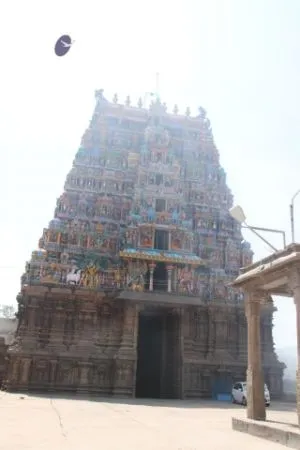
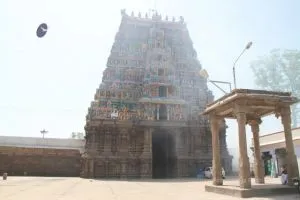
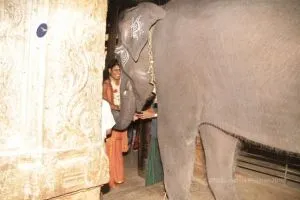
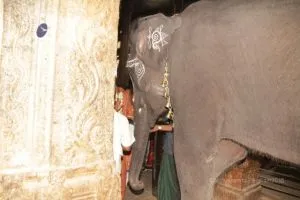
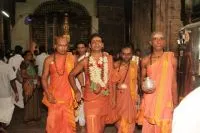
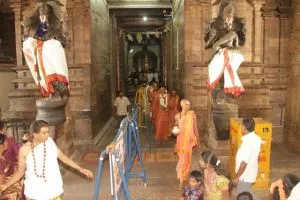
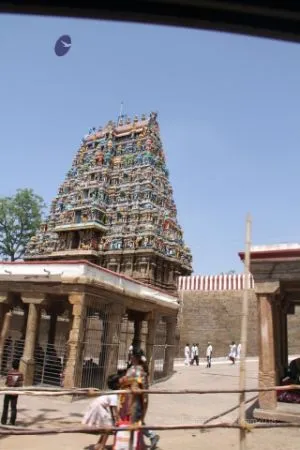
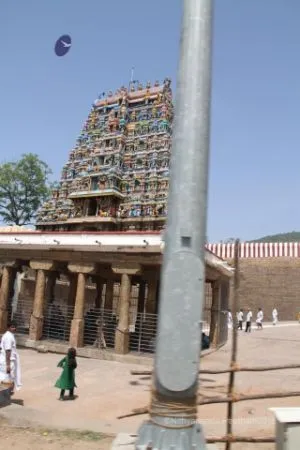
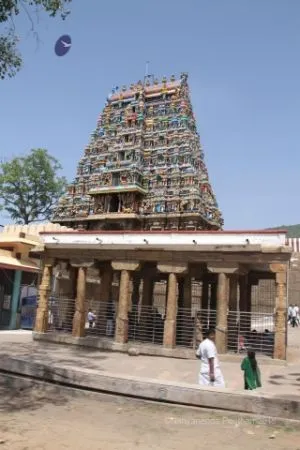
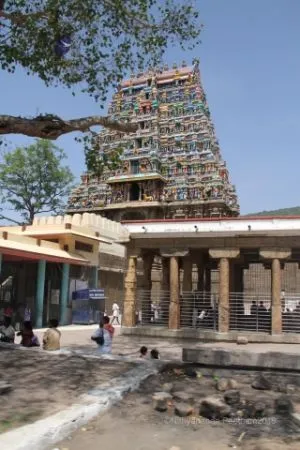
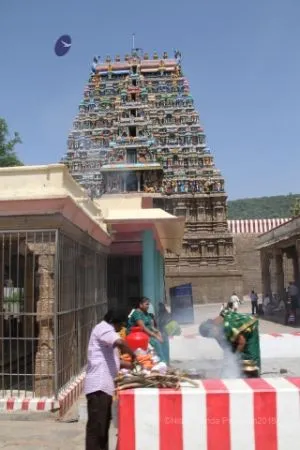
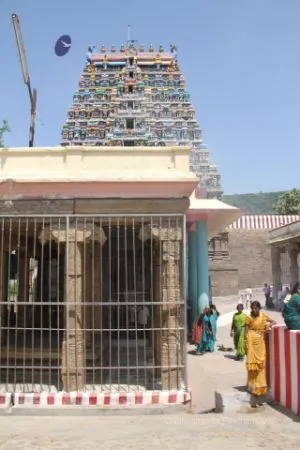
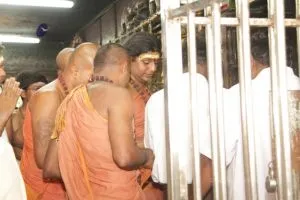
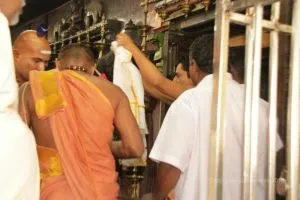
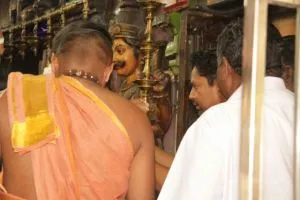
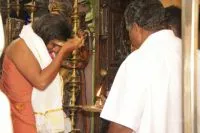

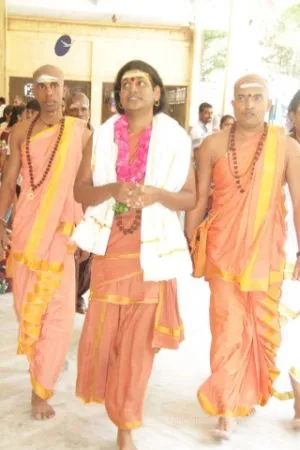
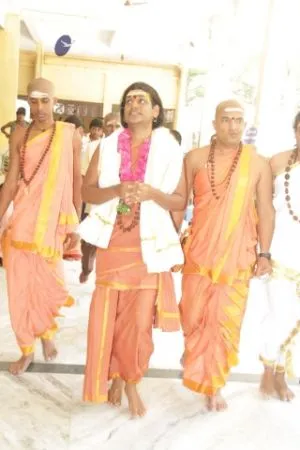
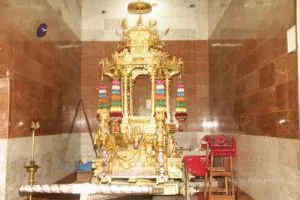
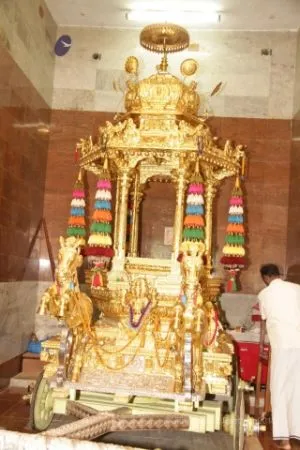
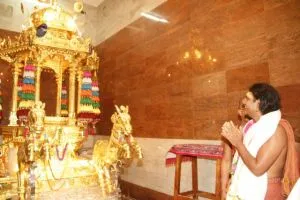
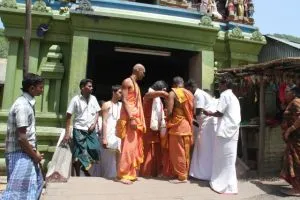
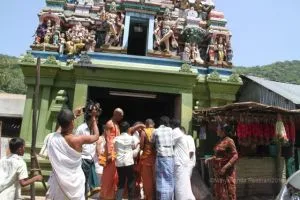

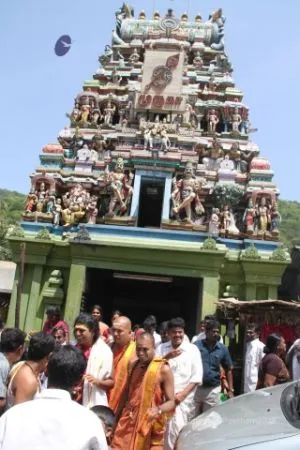
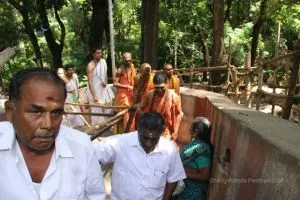

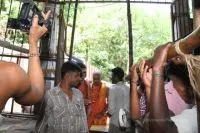
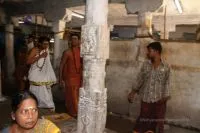
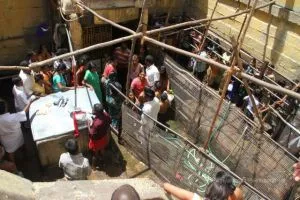
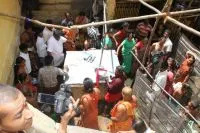
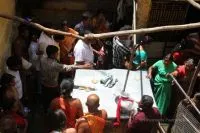
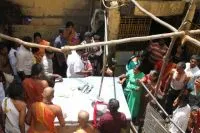
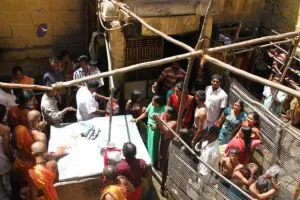
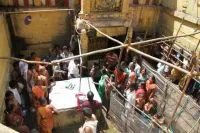
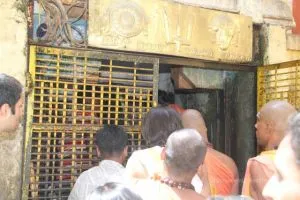
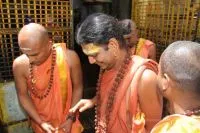
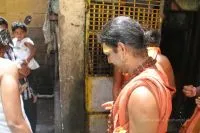
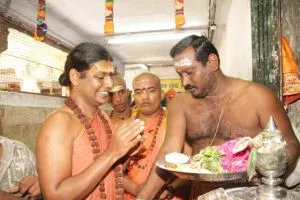
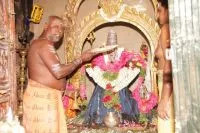
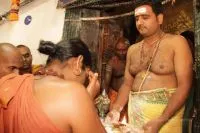
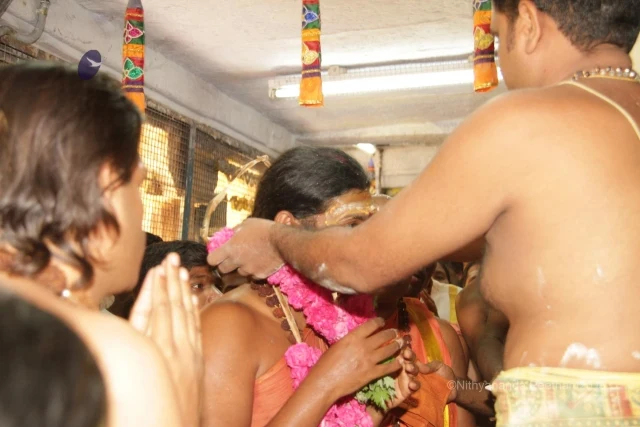

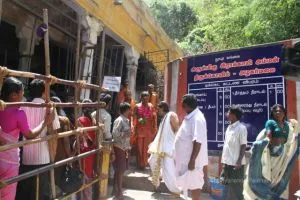
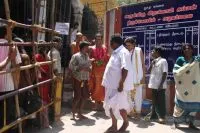
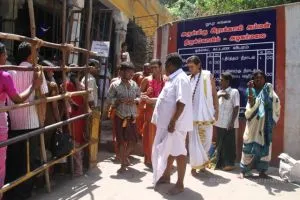
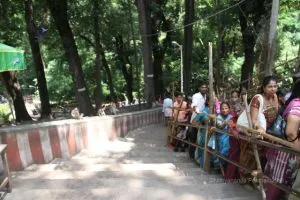
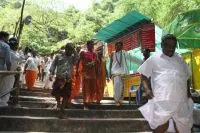
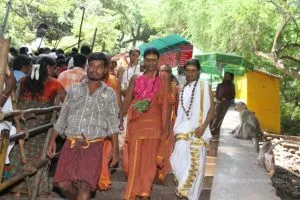
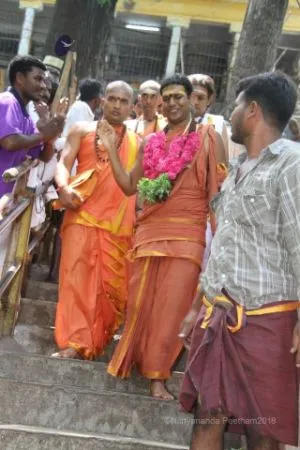

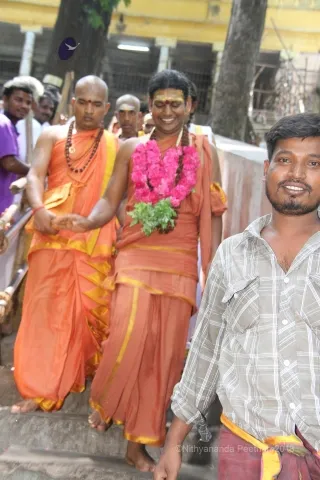

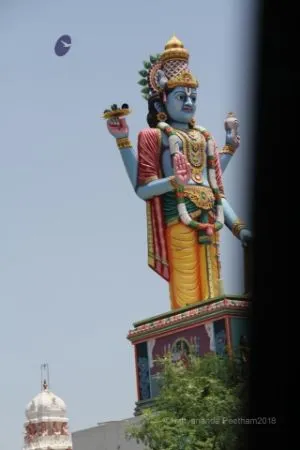
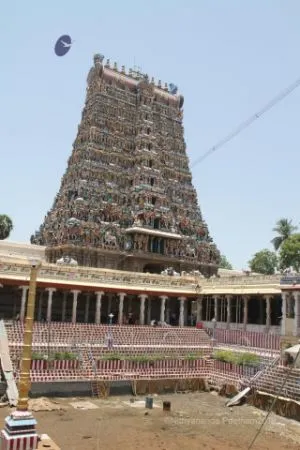
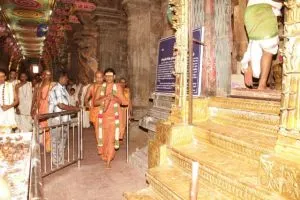

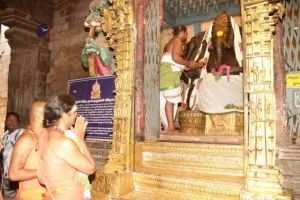
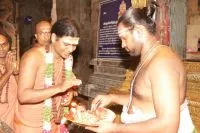
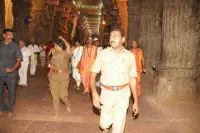
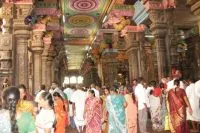
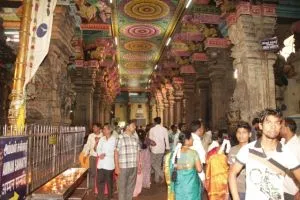
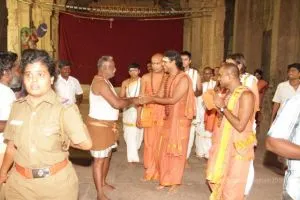
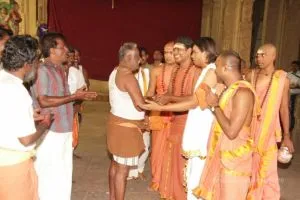
Photos Of The Day:
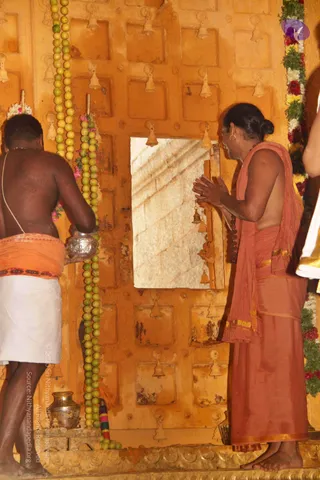
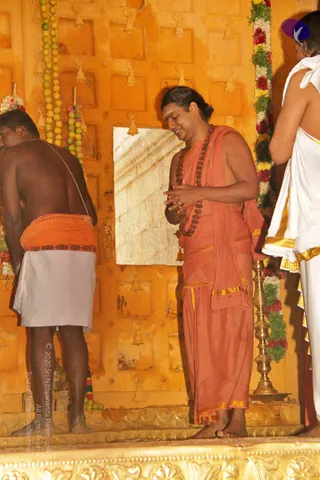
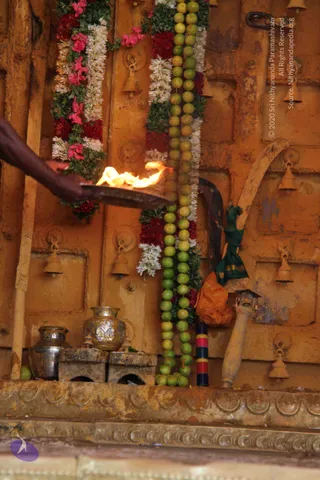
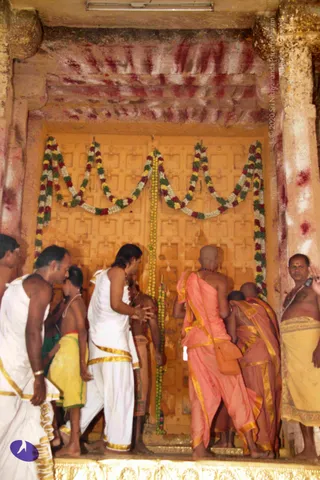
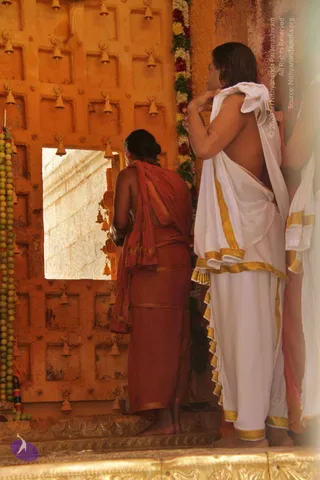
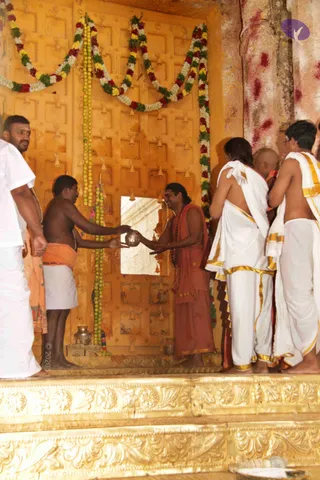
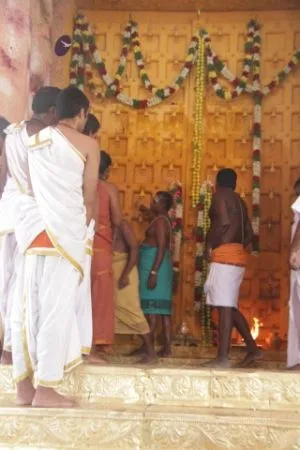
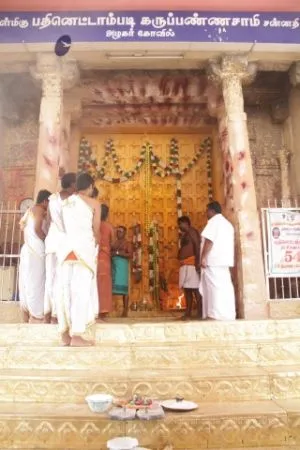
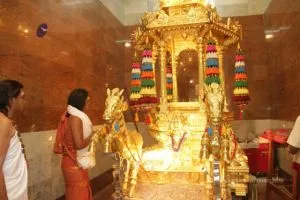
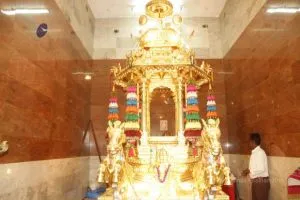
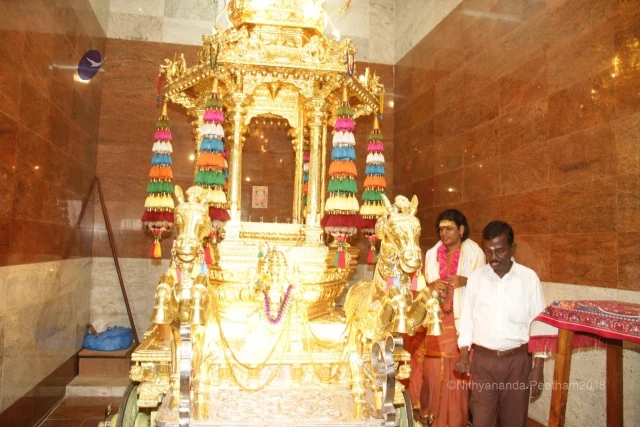
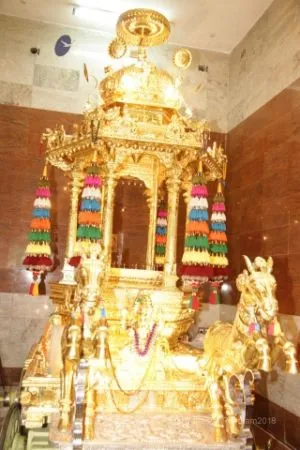
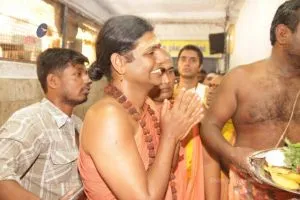
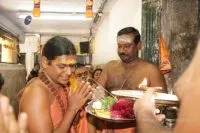
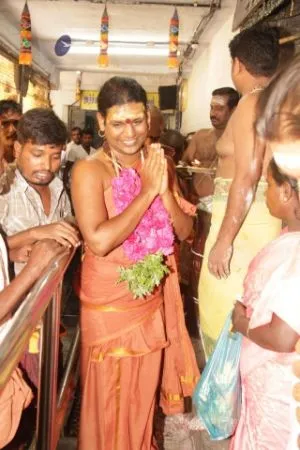
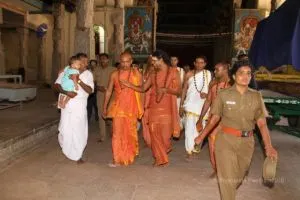
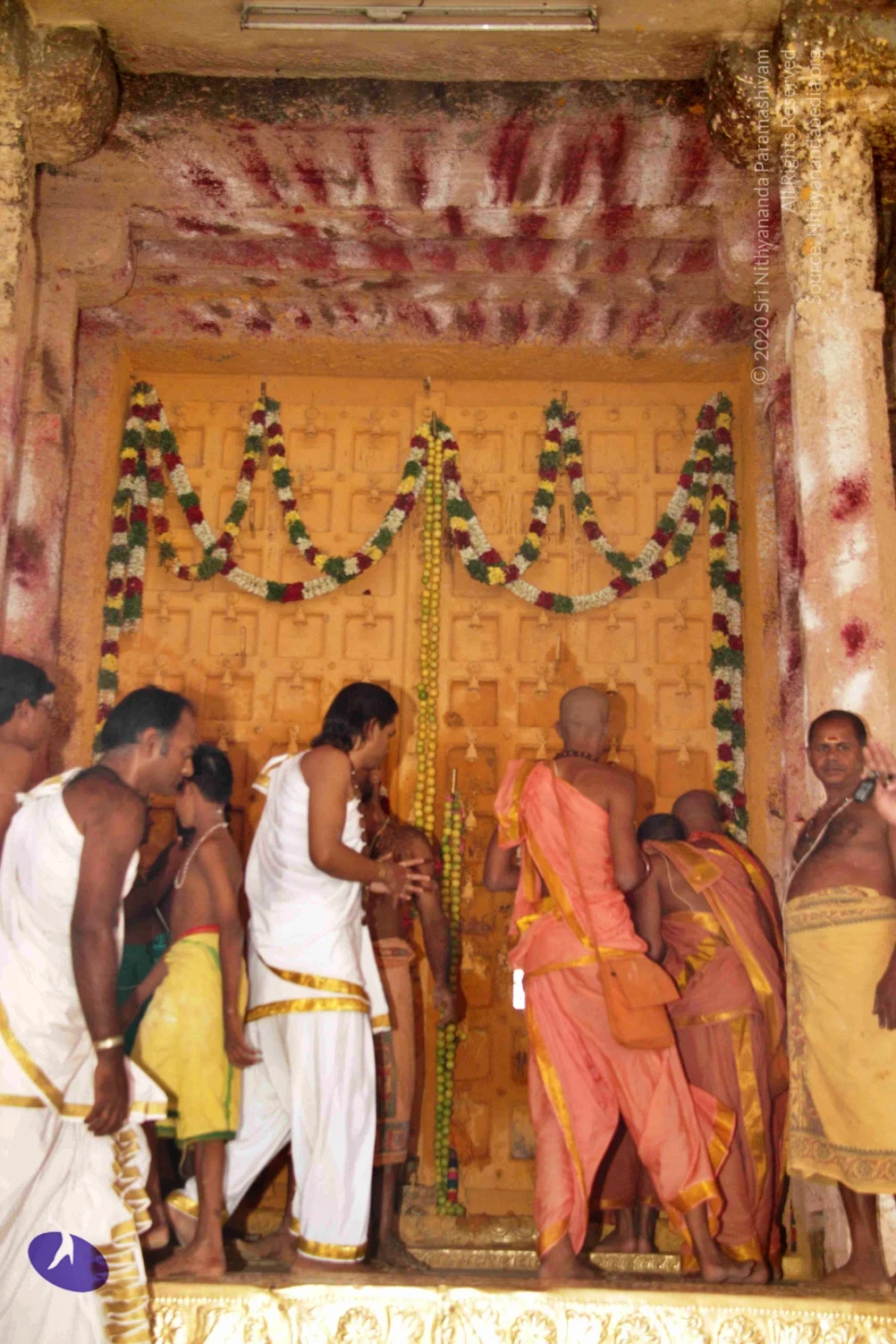
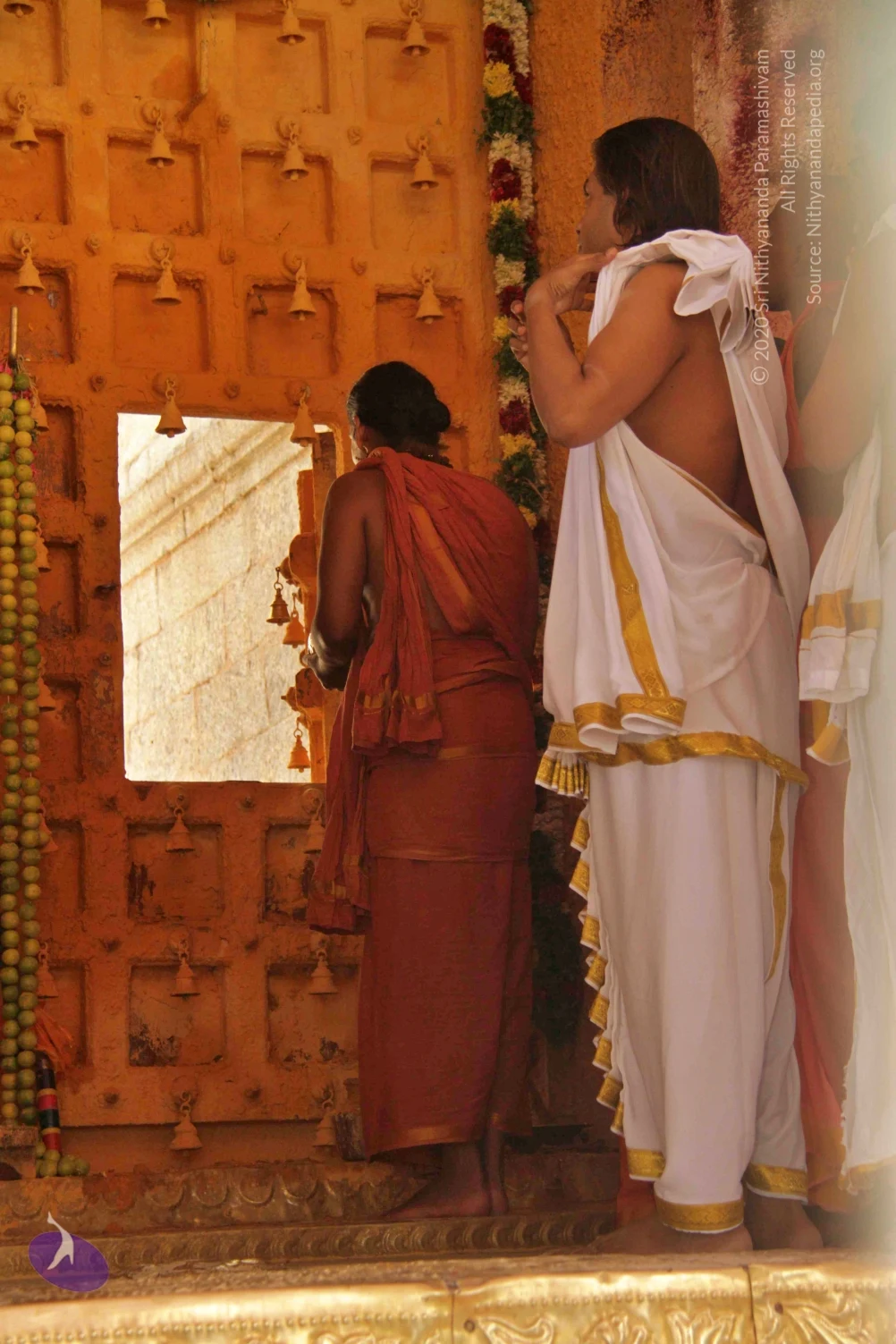
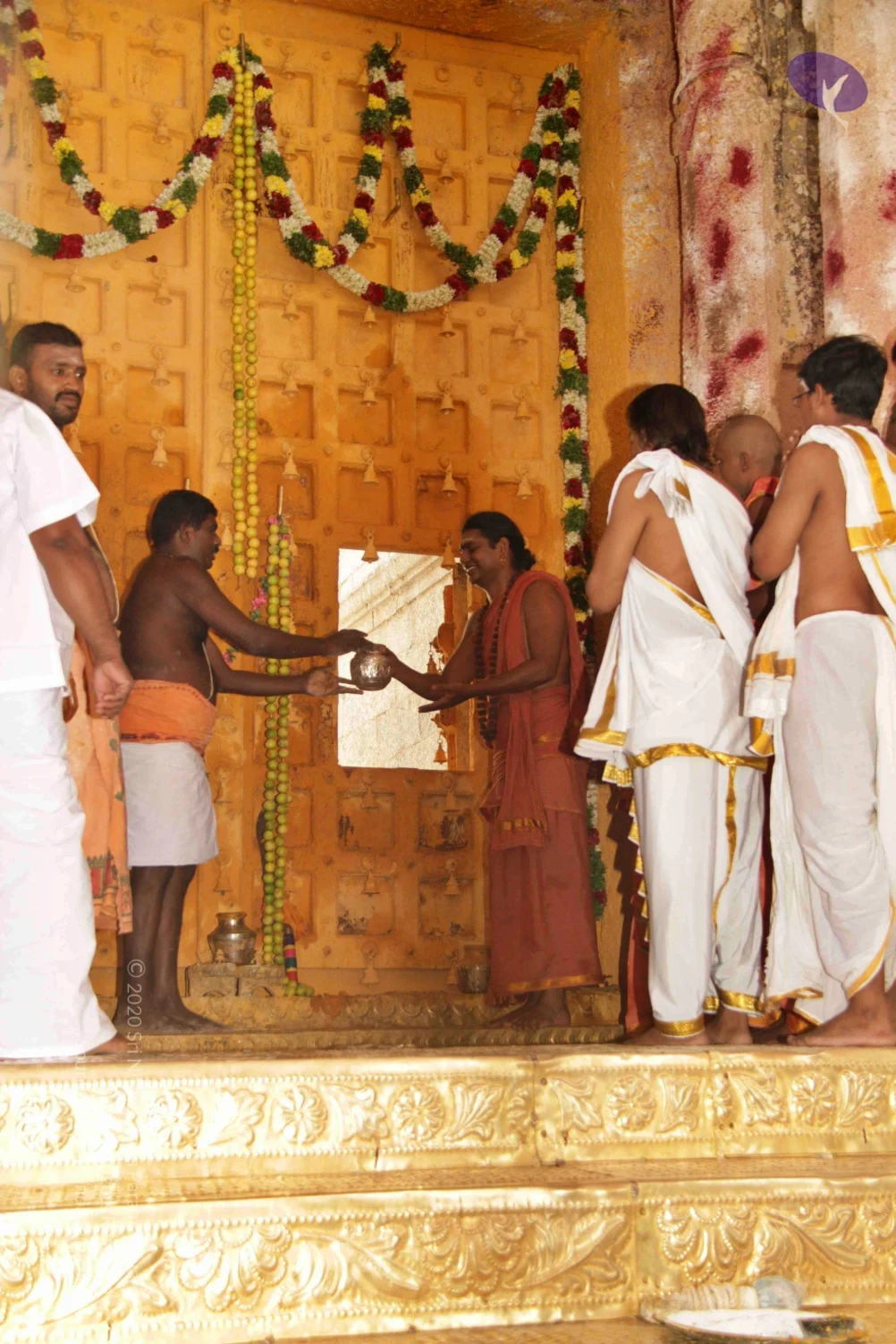
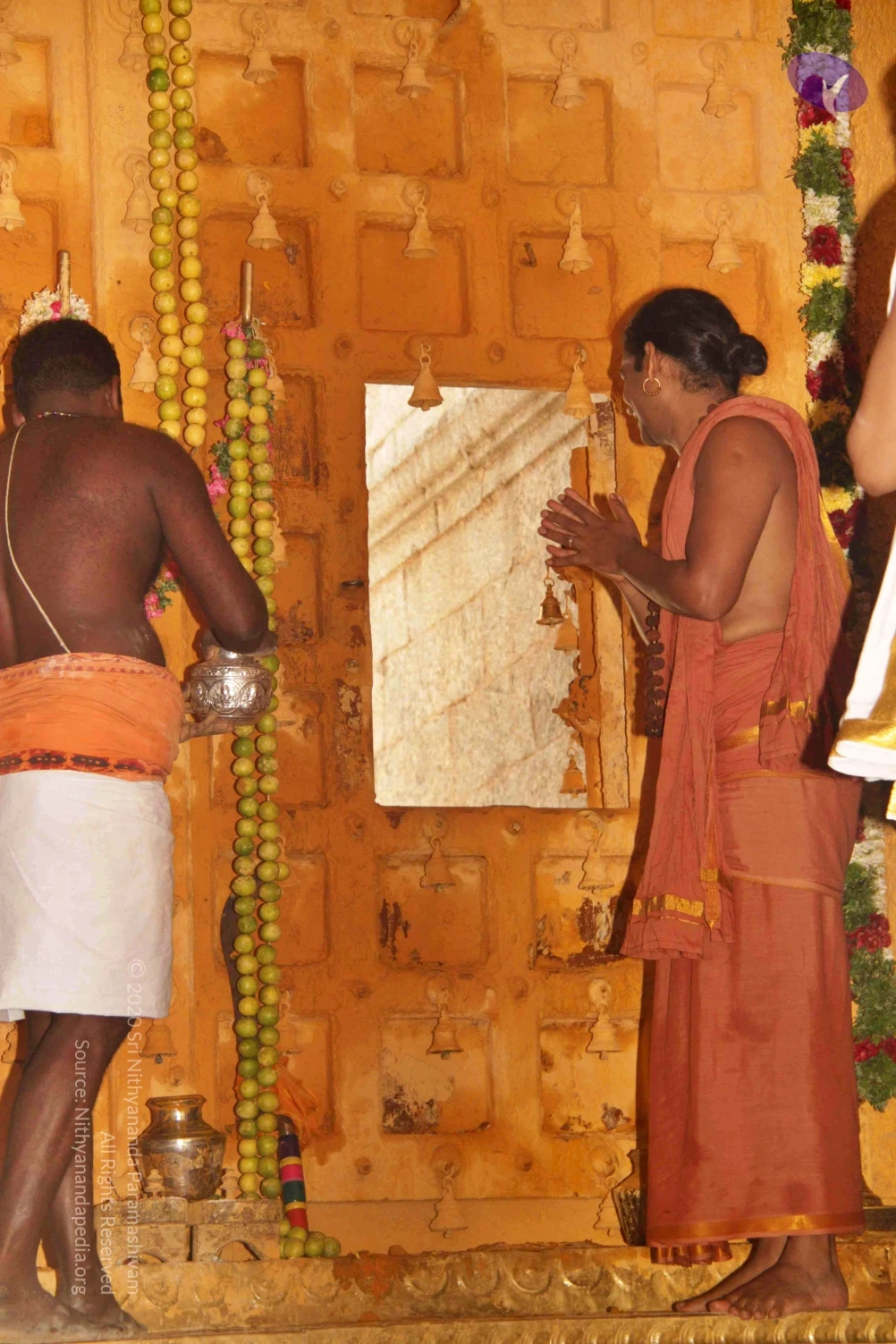
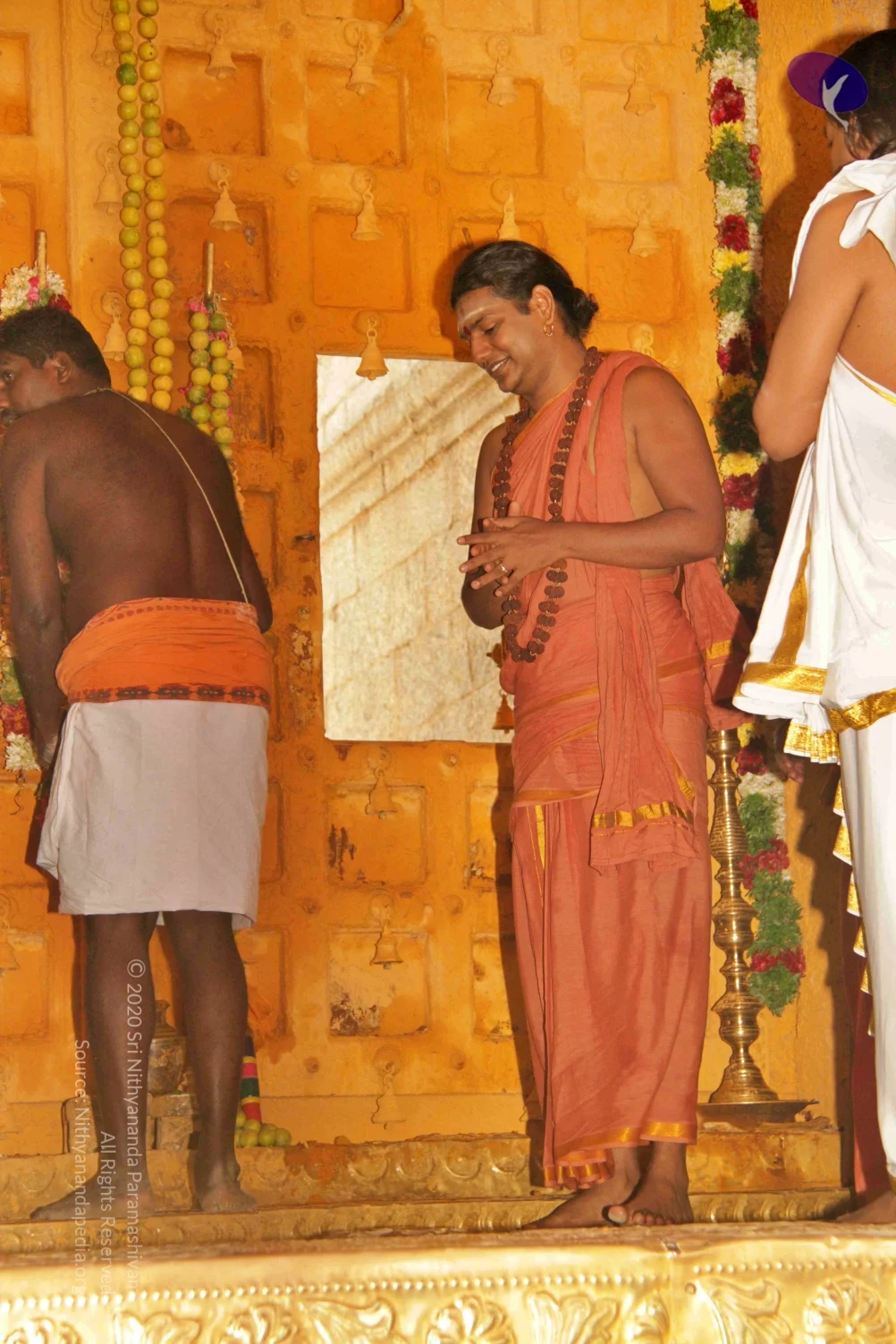
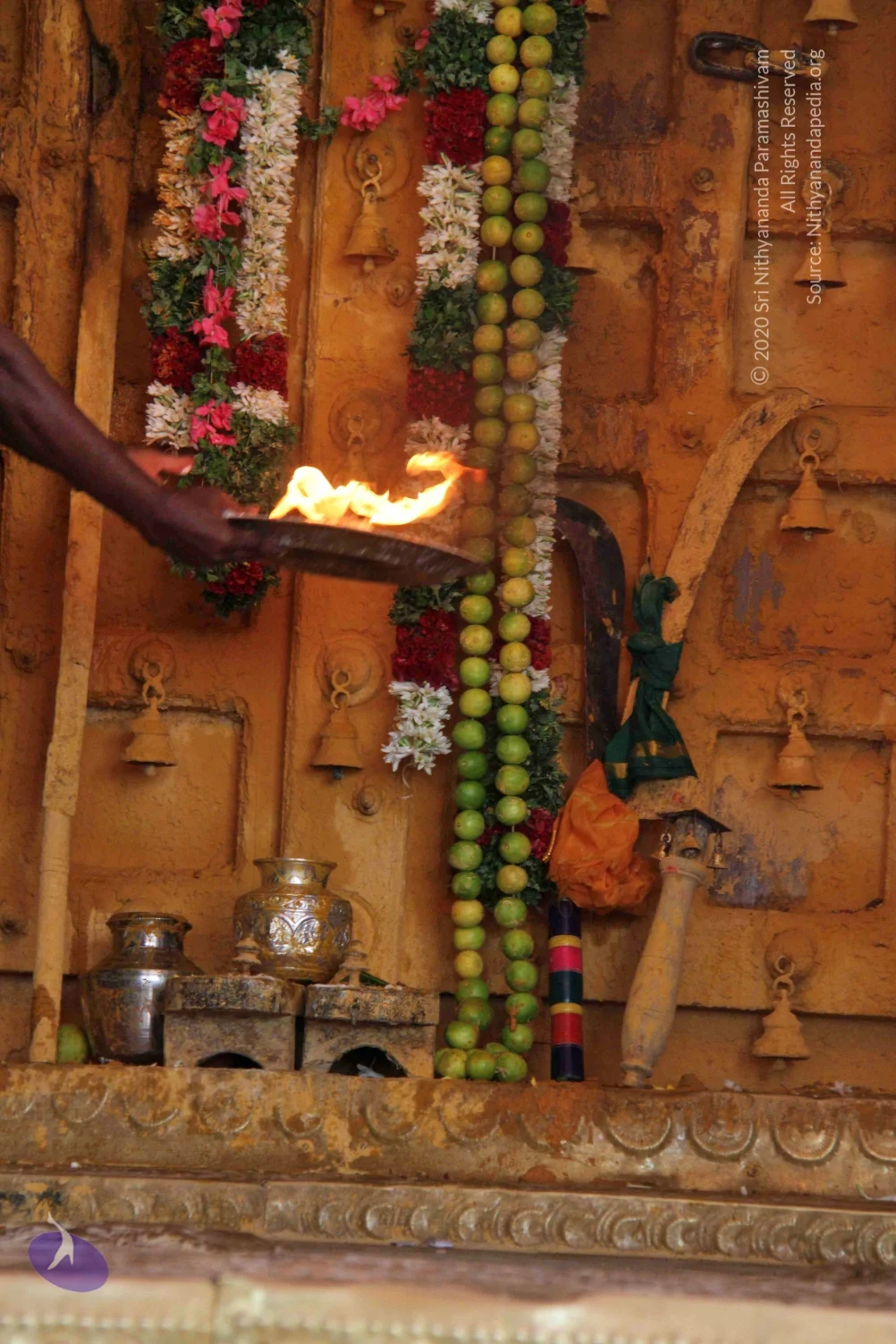
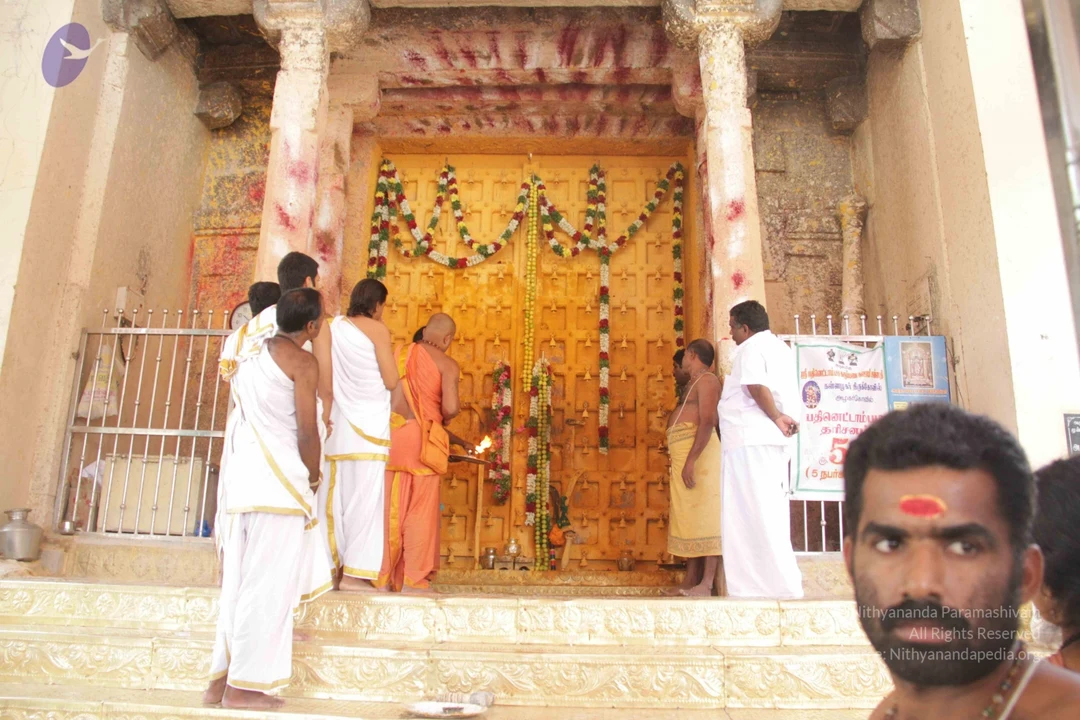
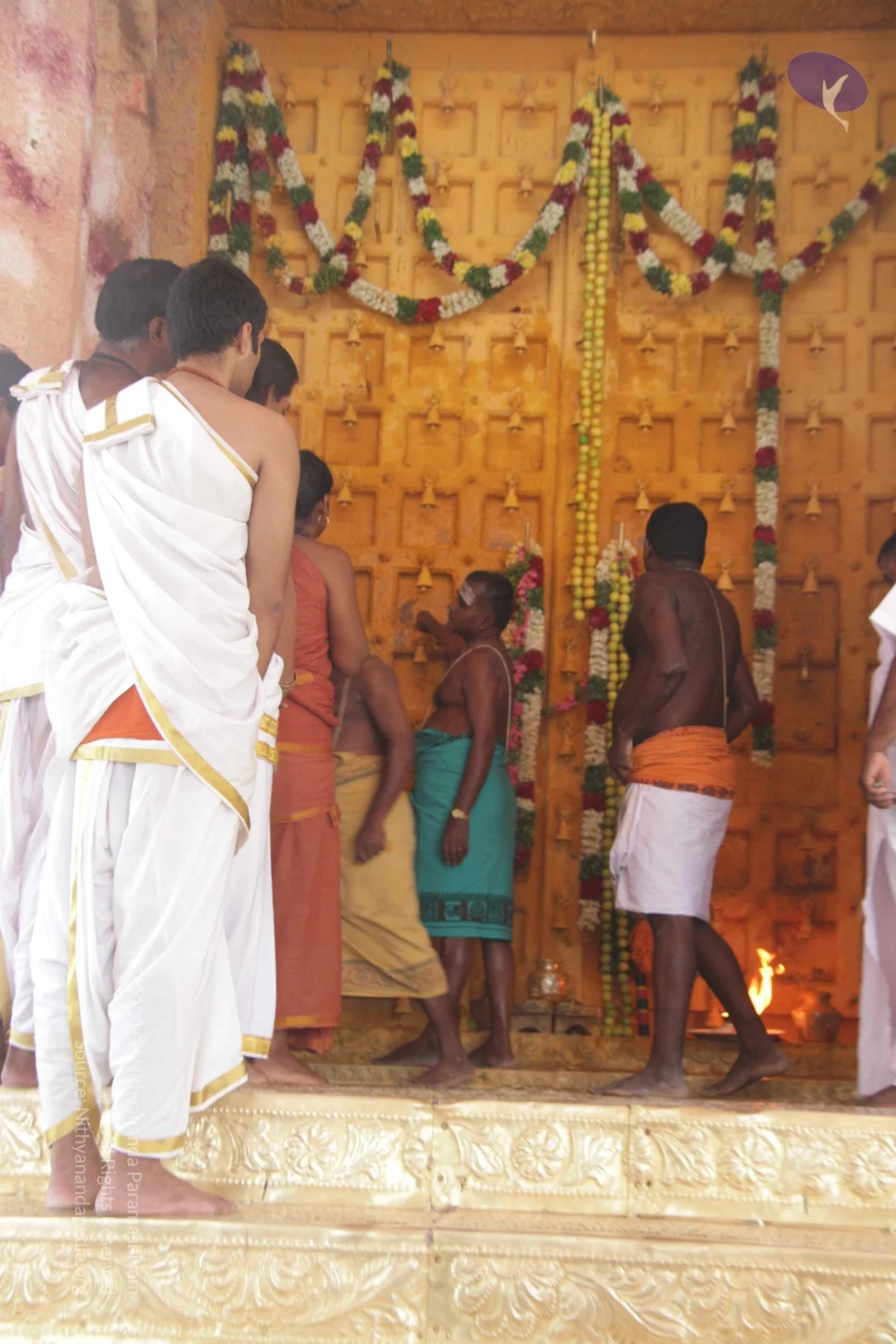
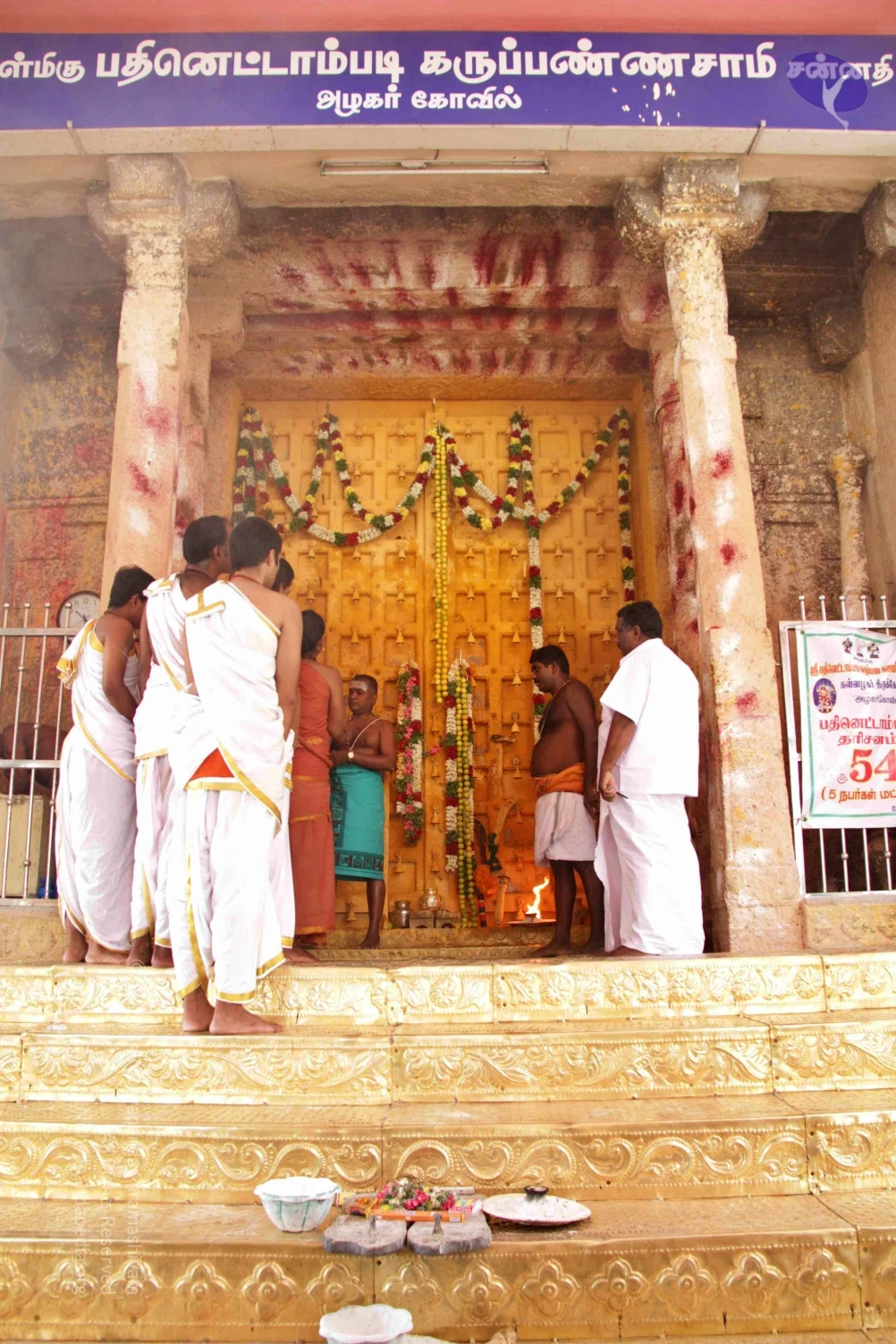
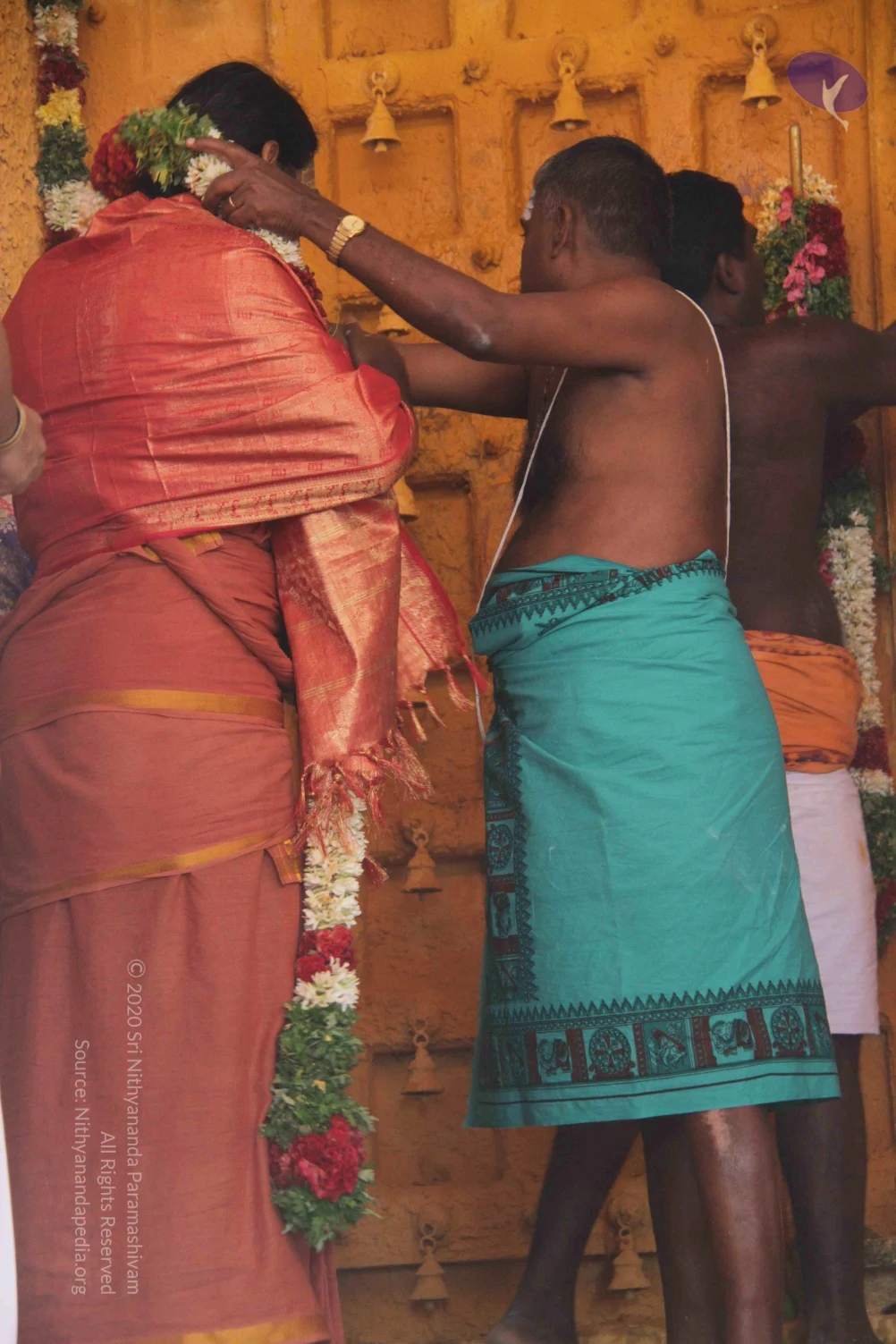
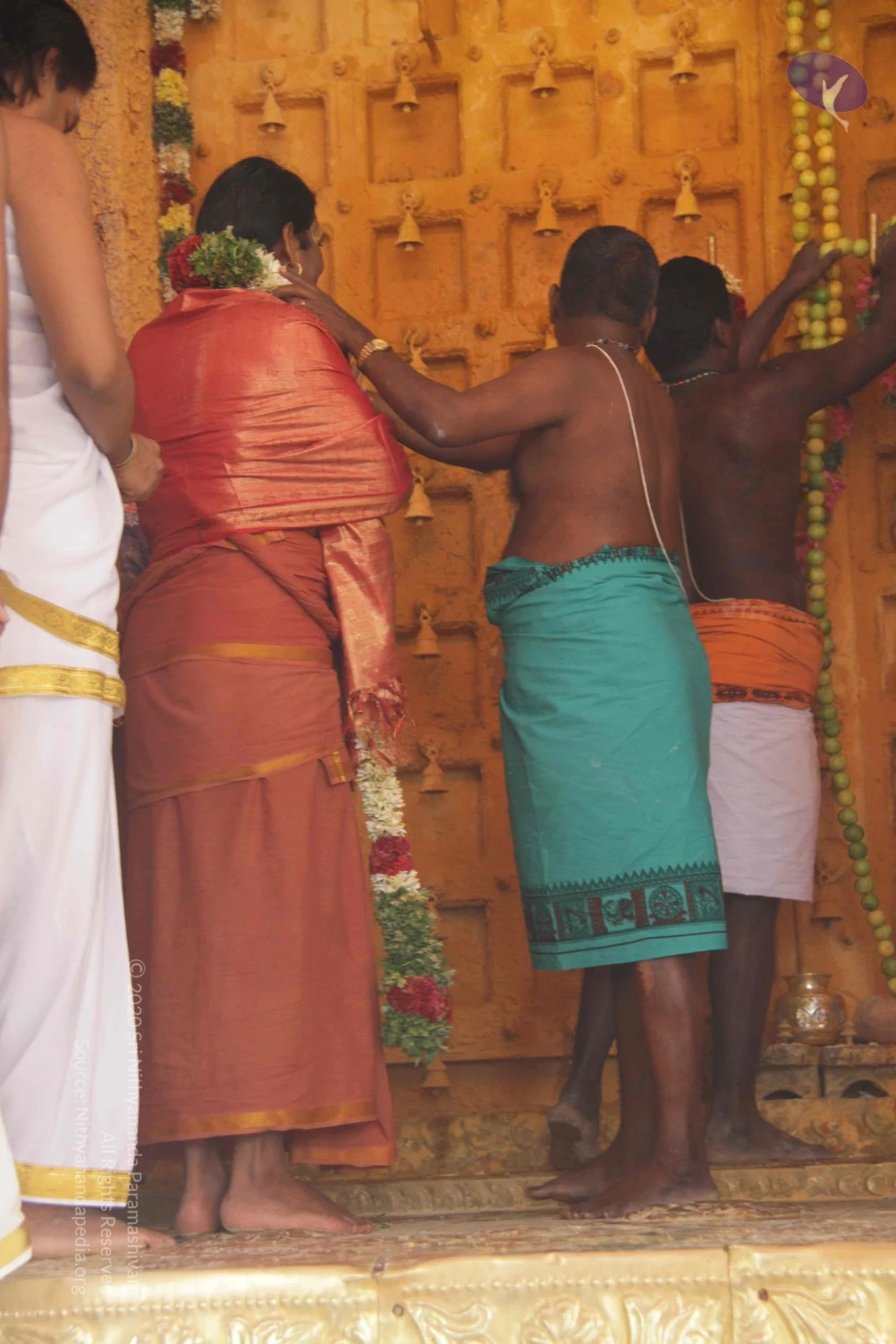
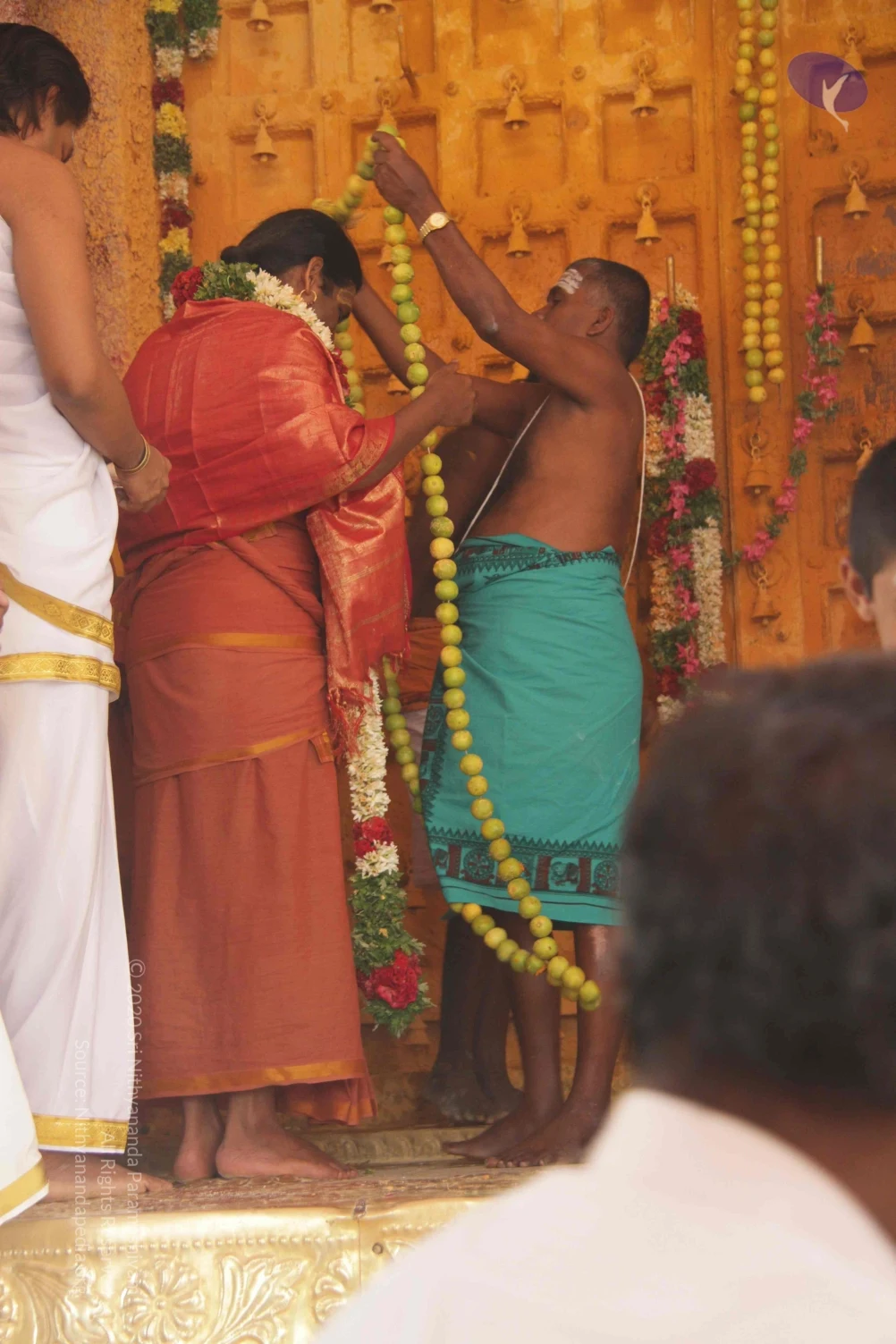
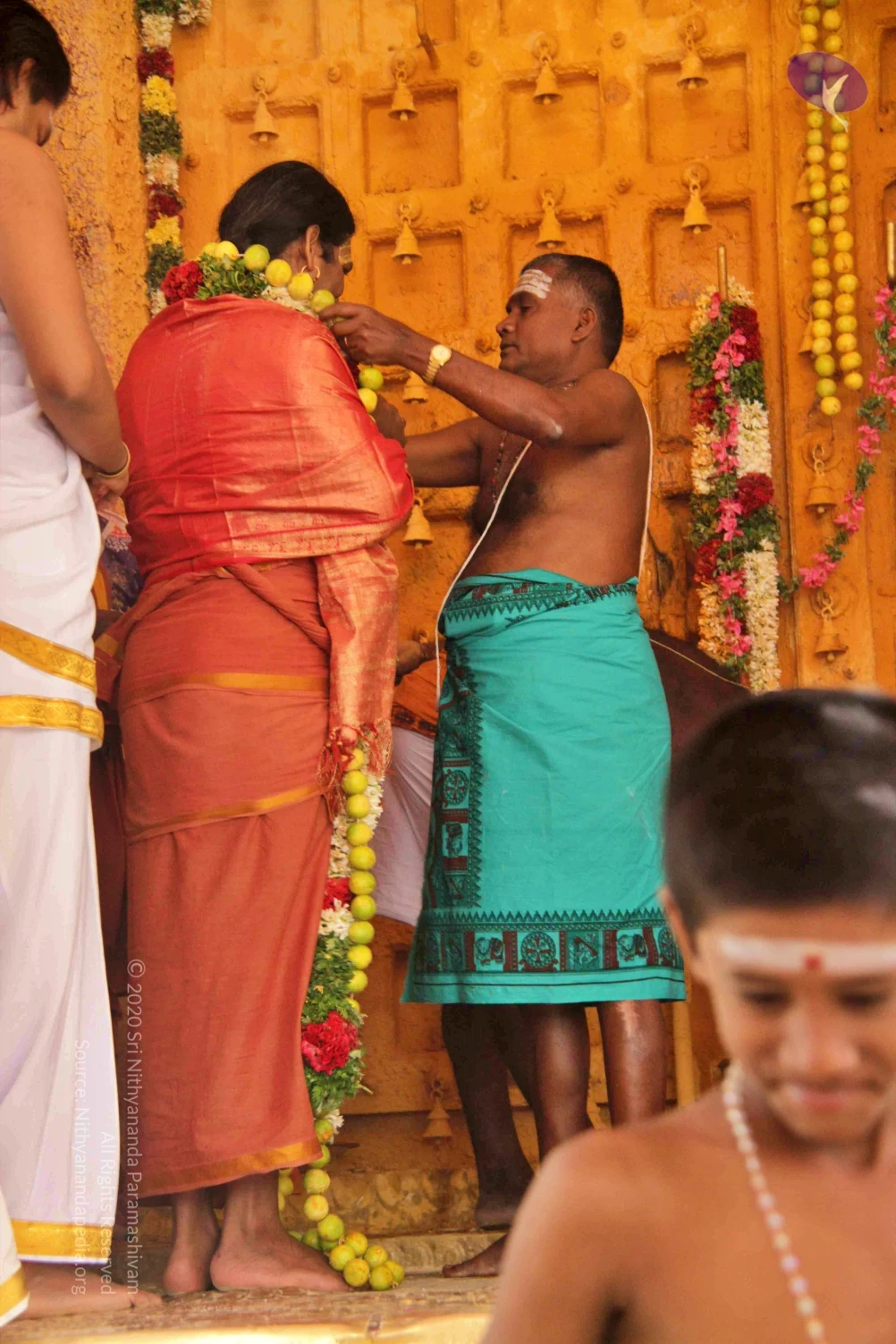
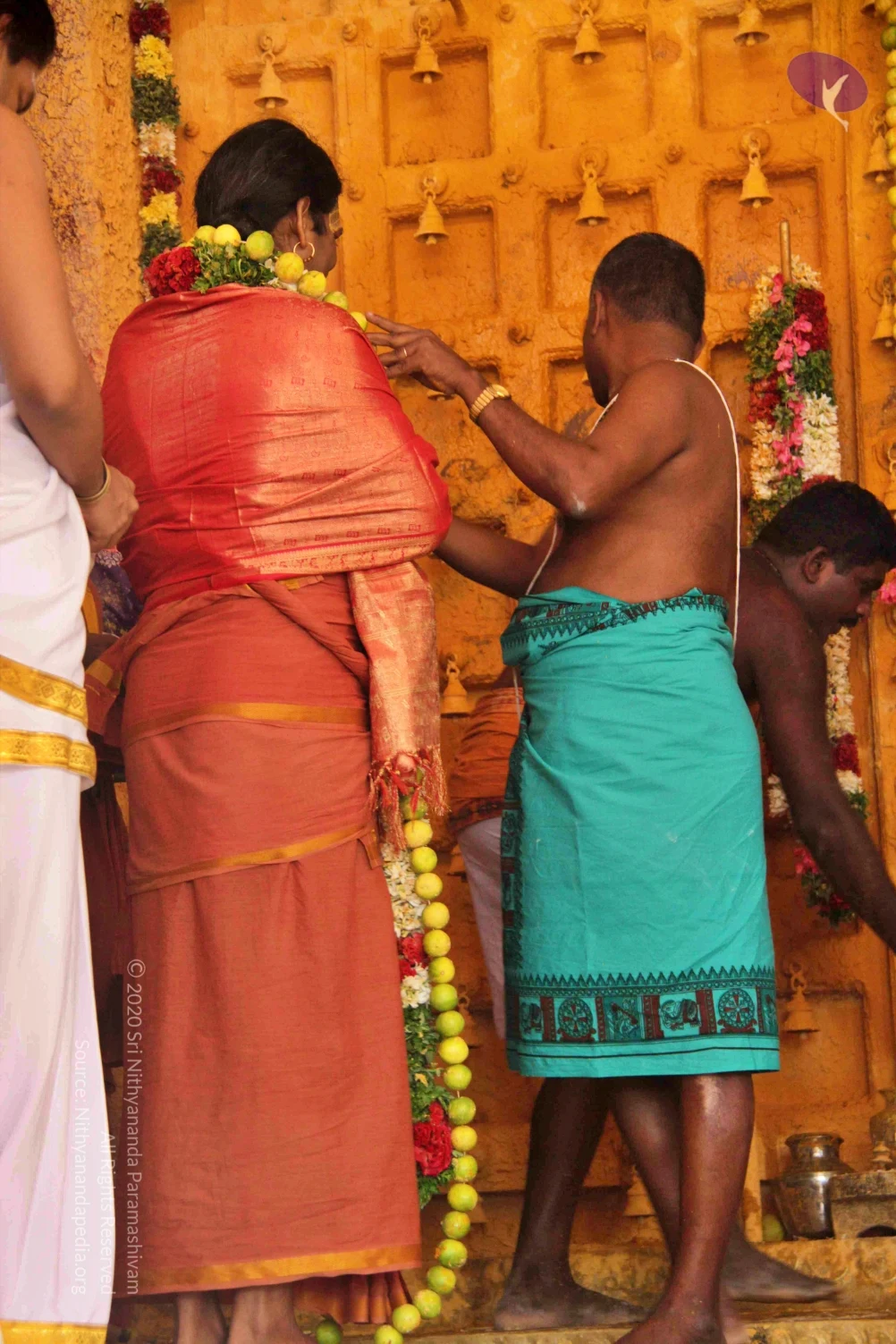
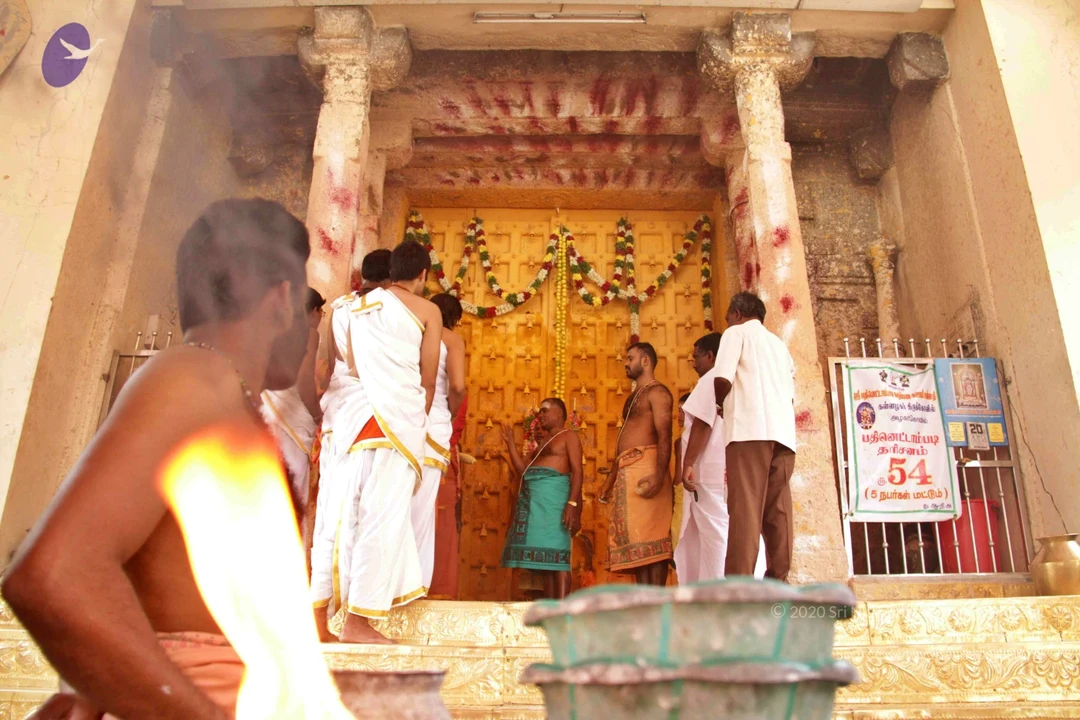
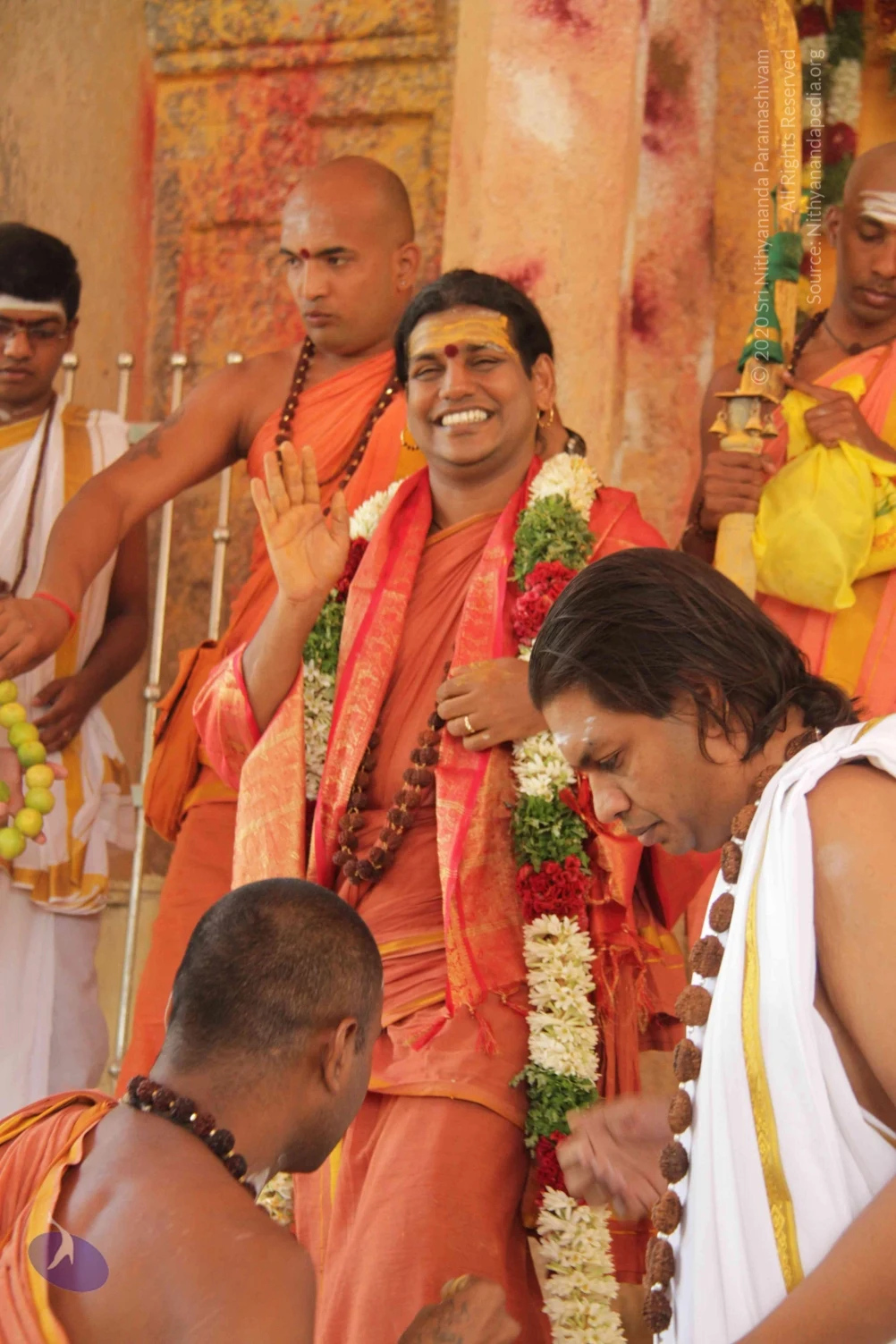
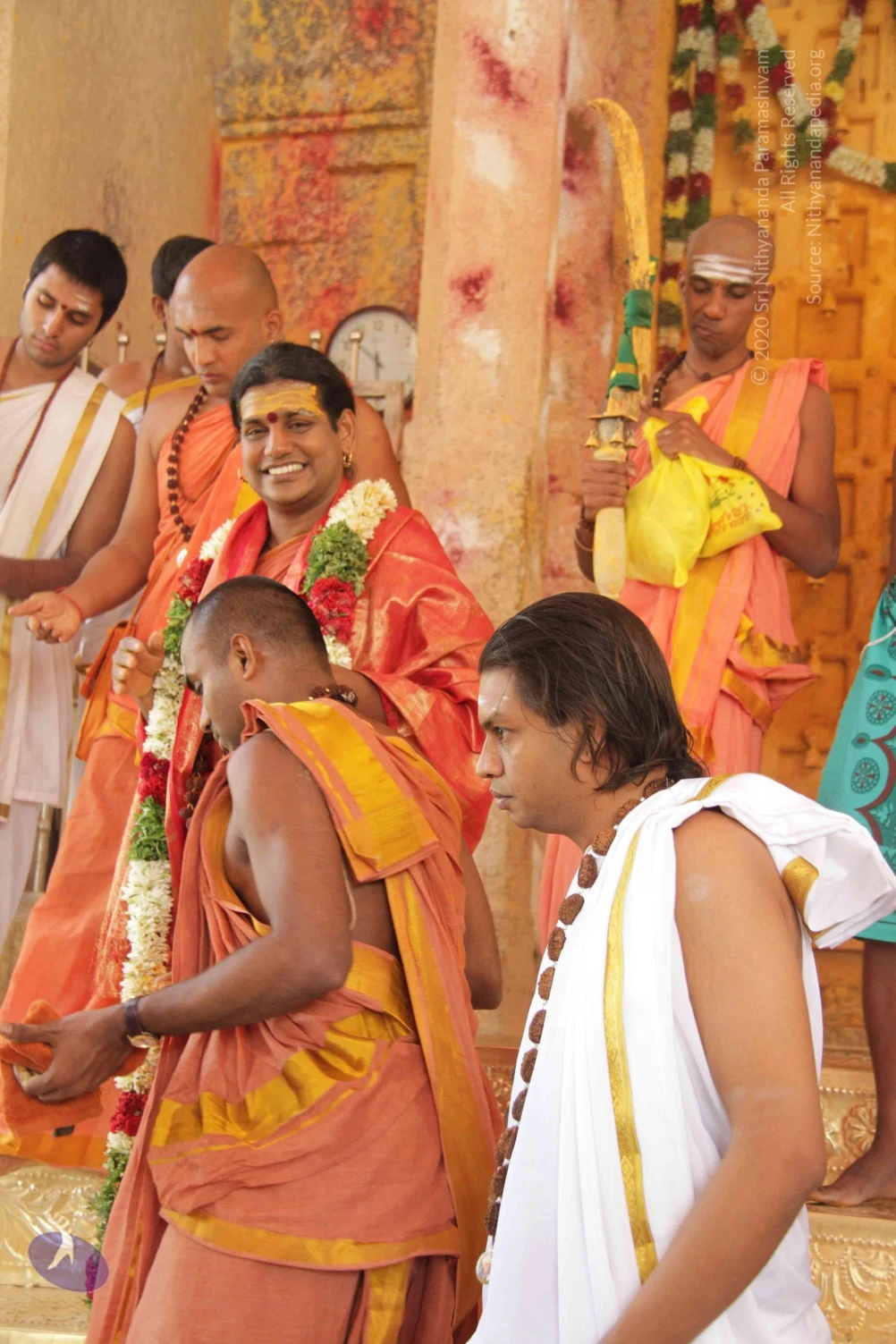
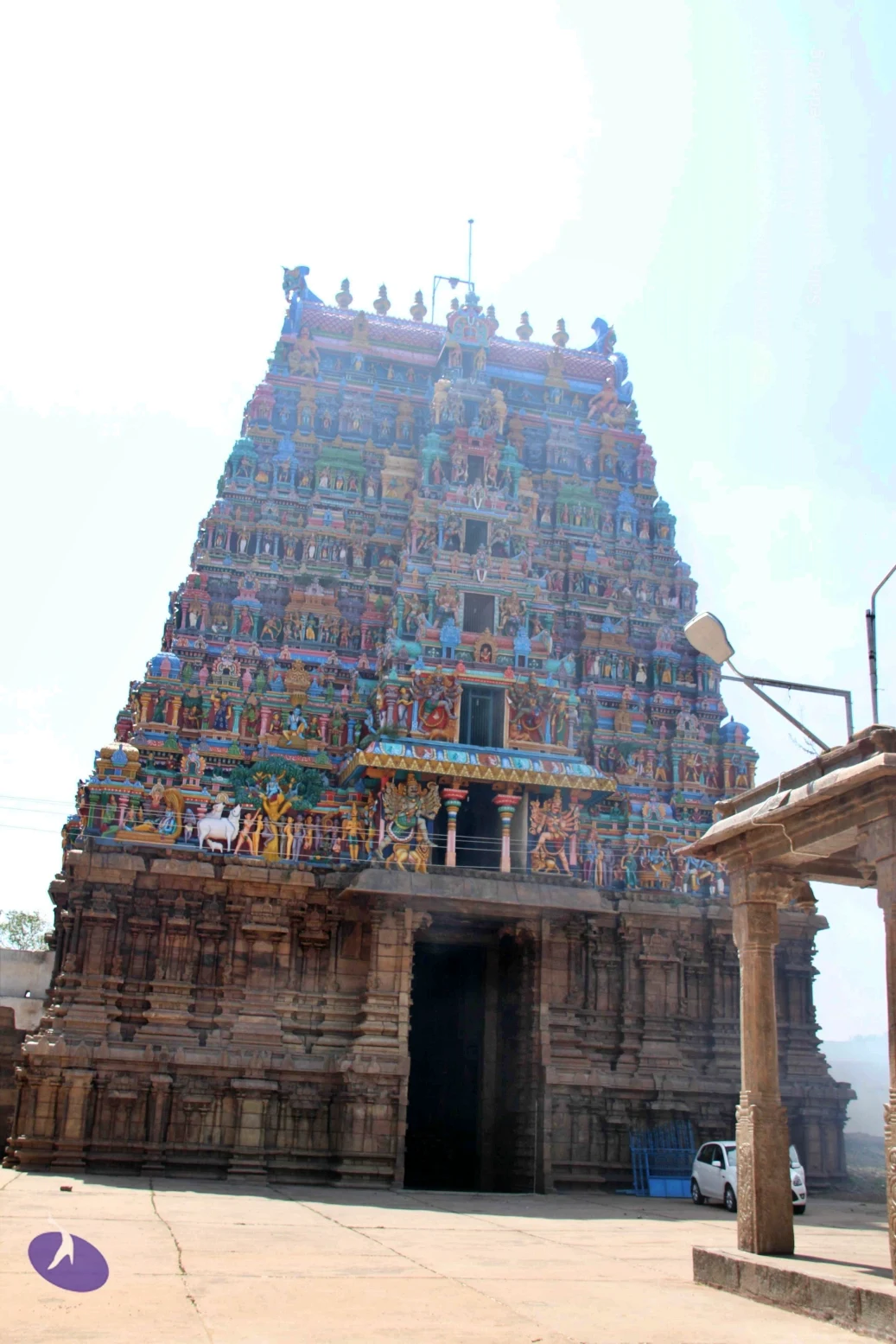
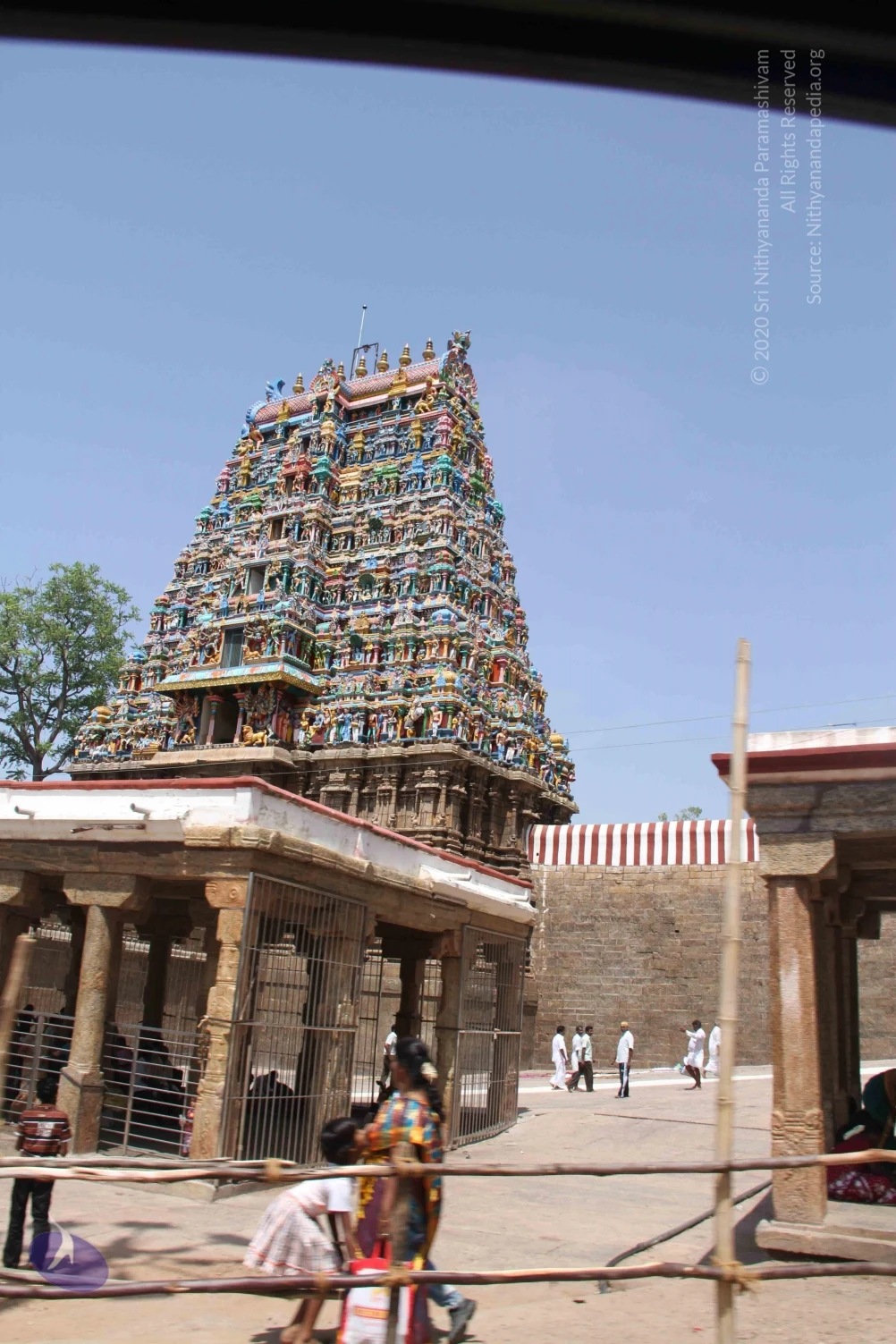
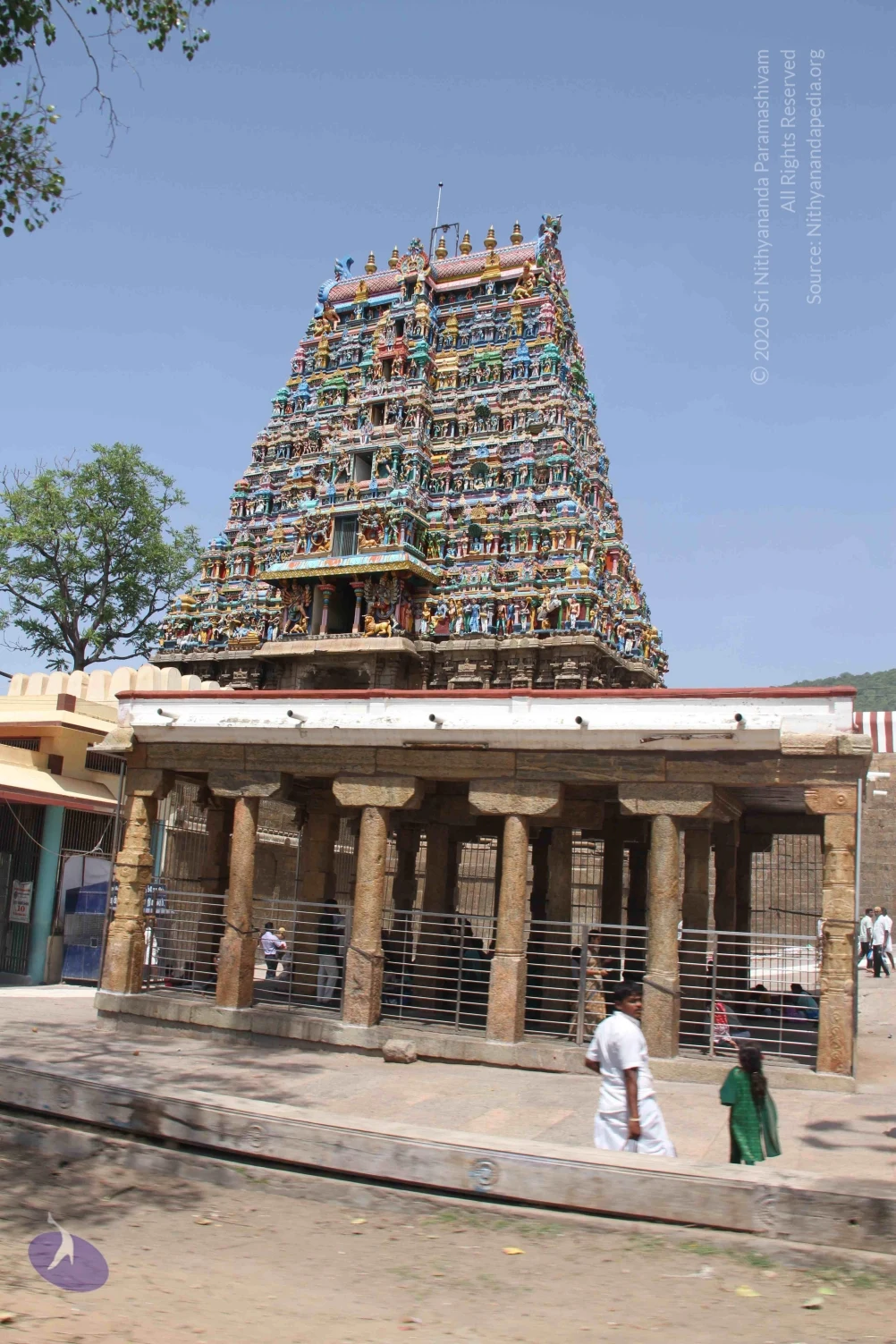
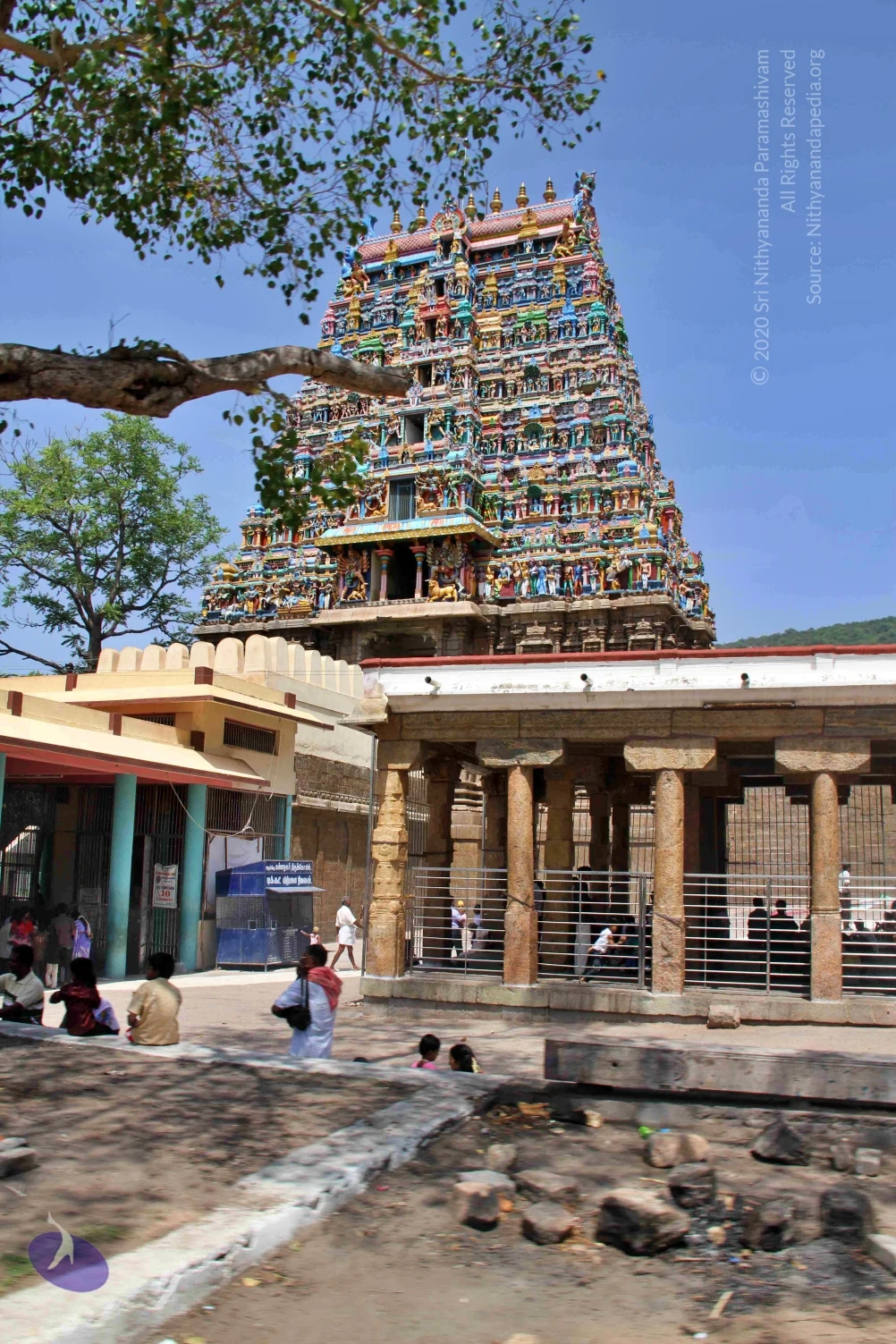
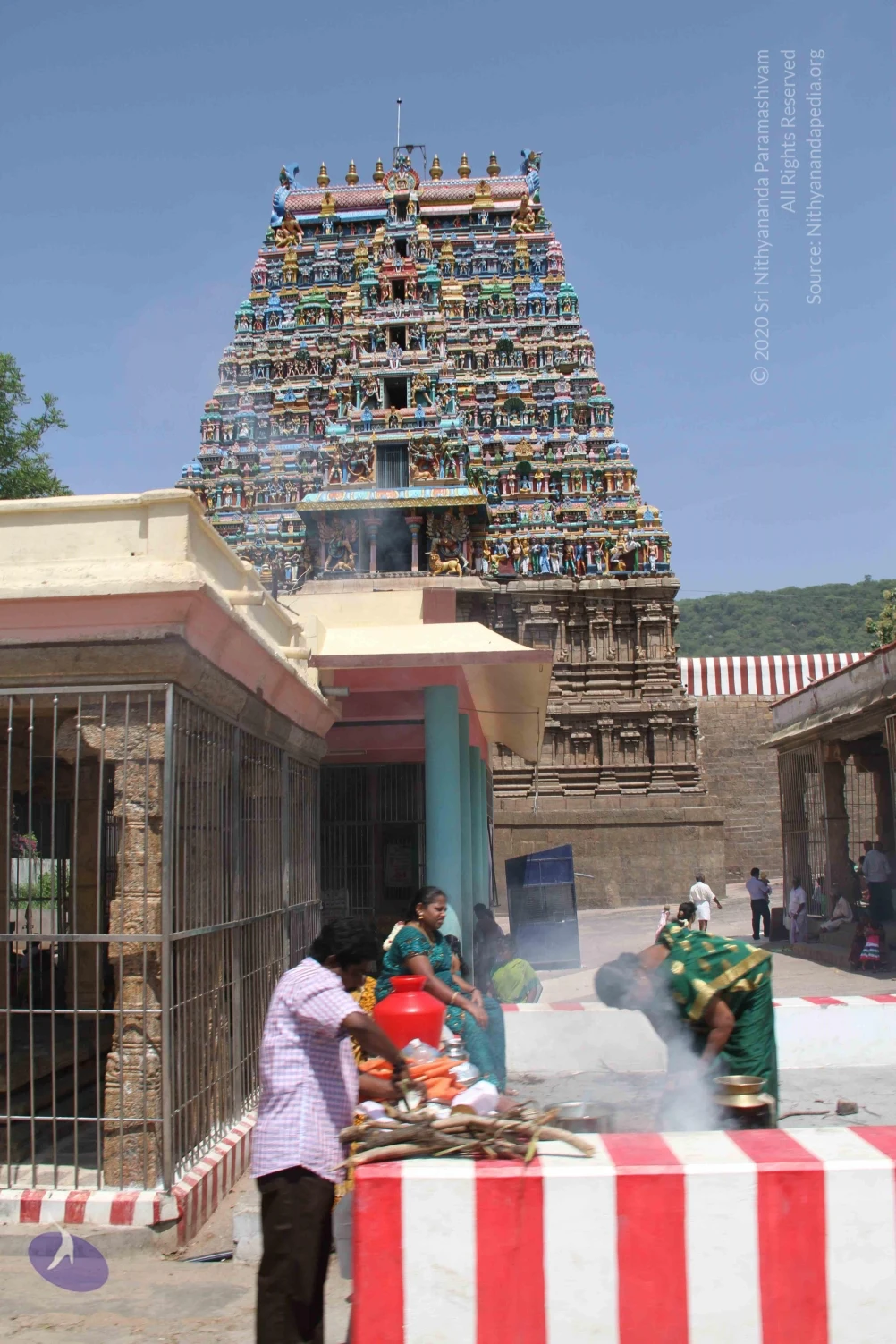
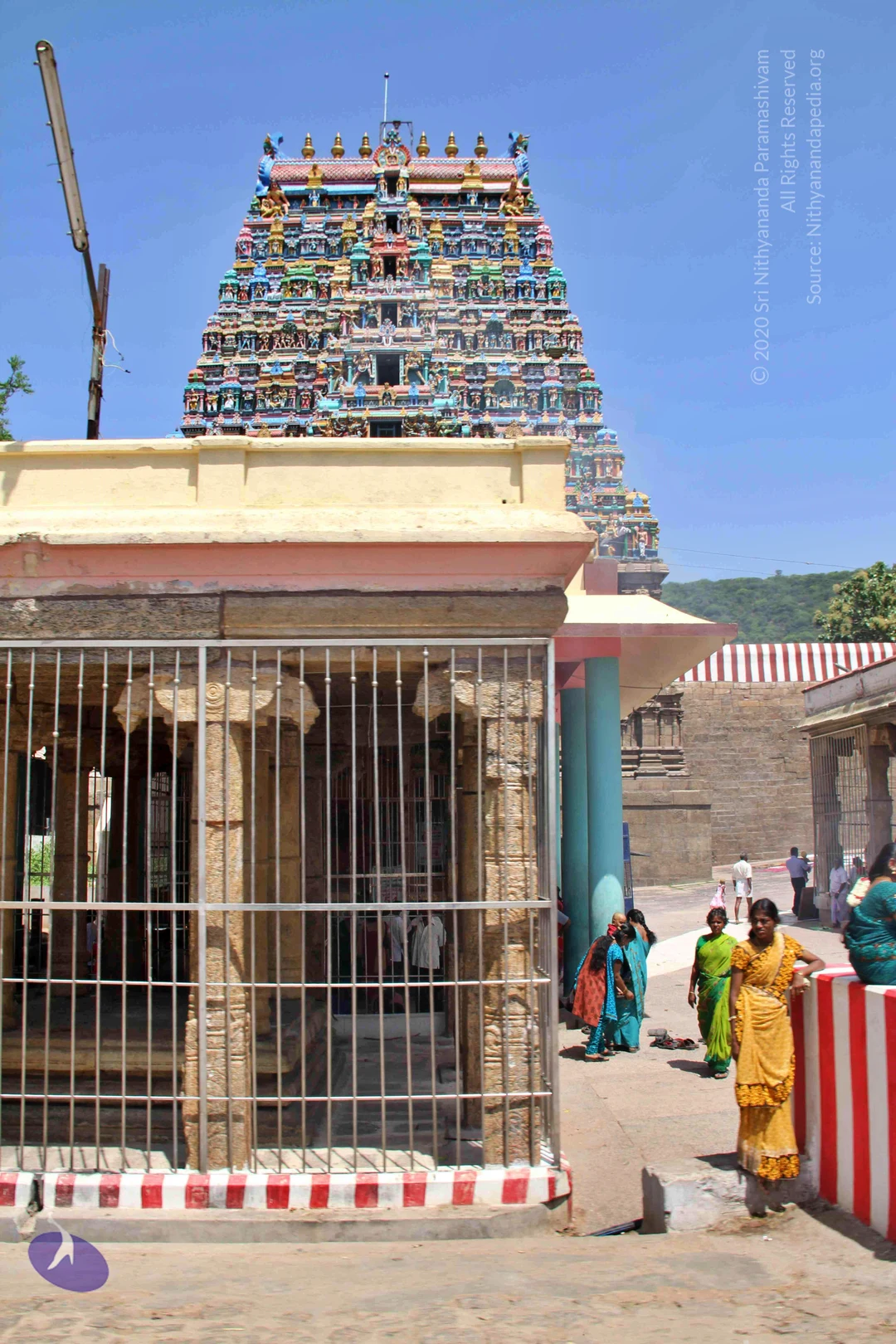
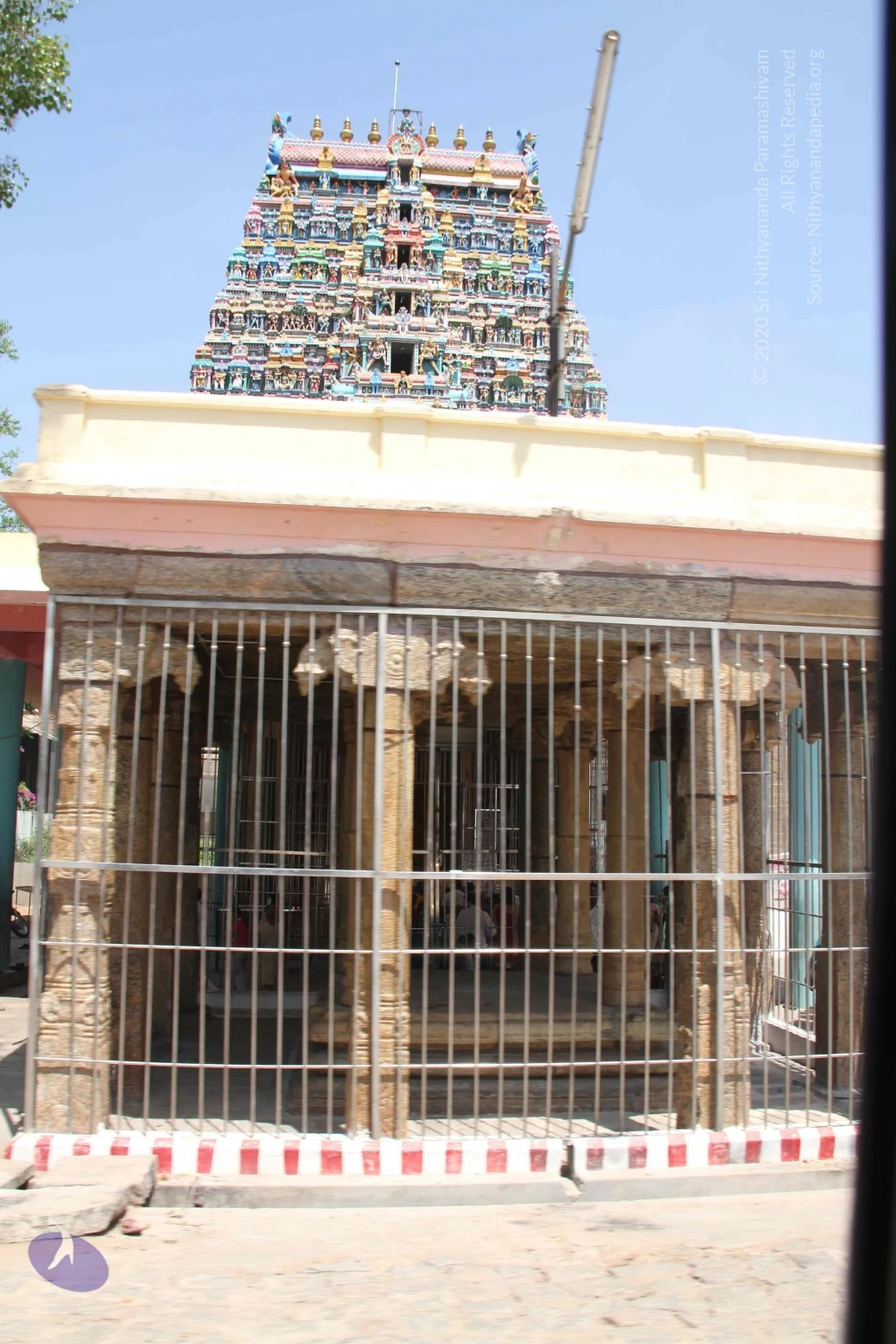
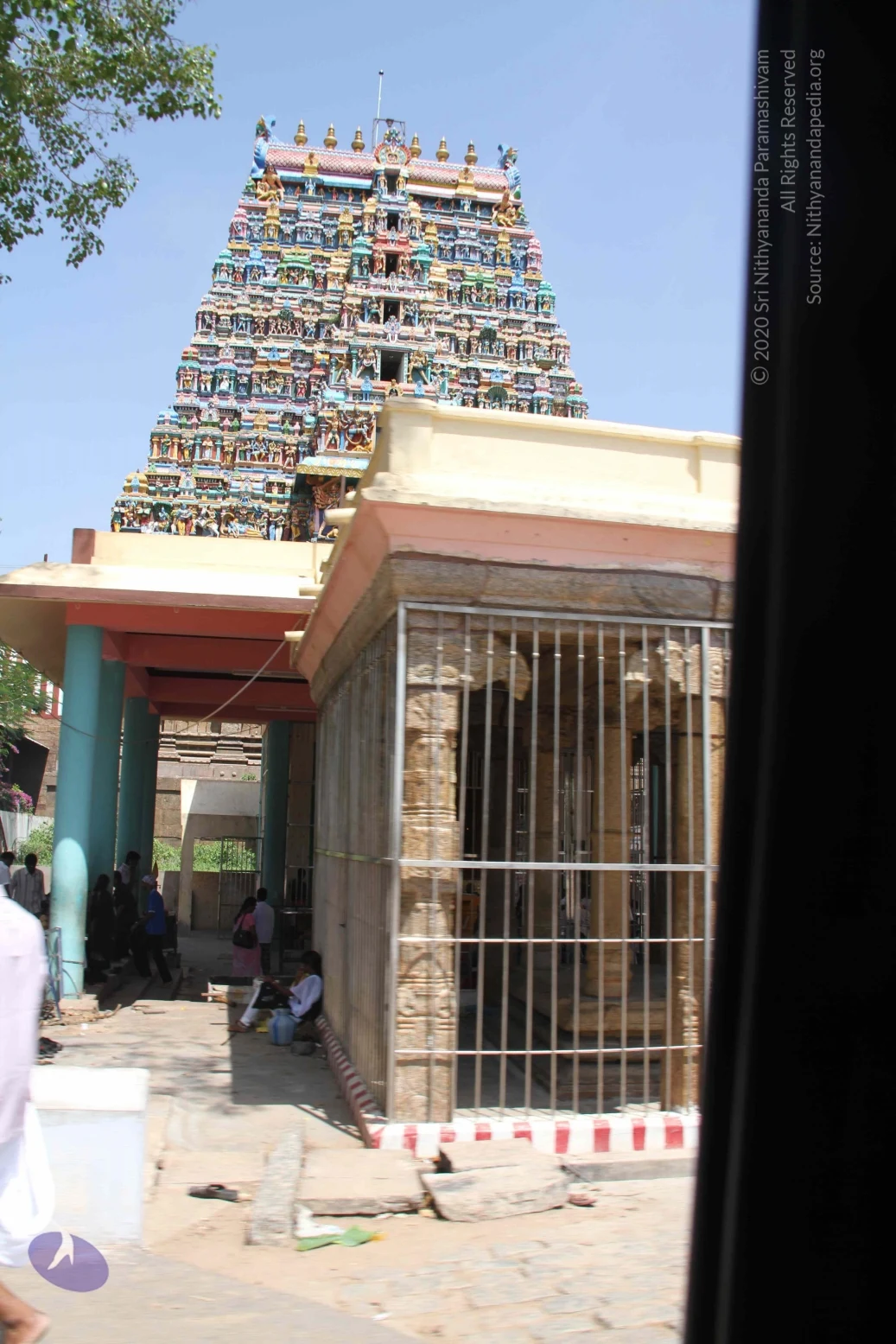
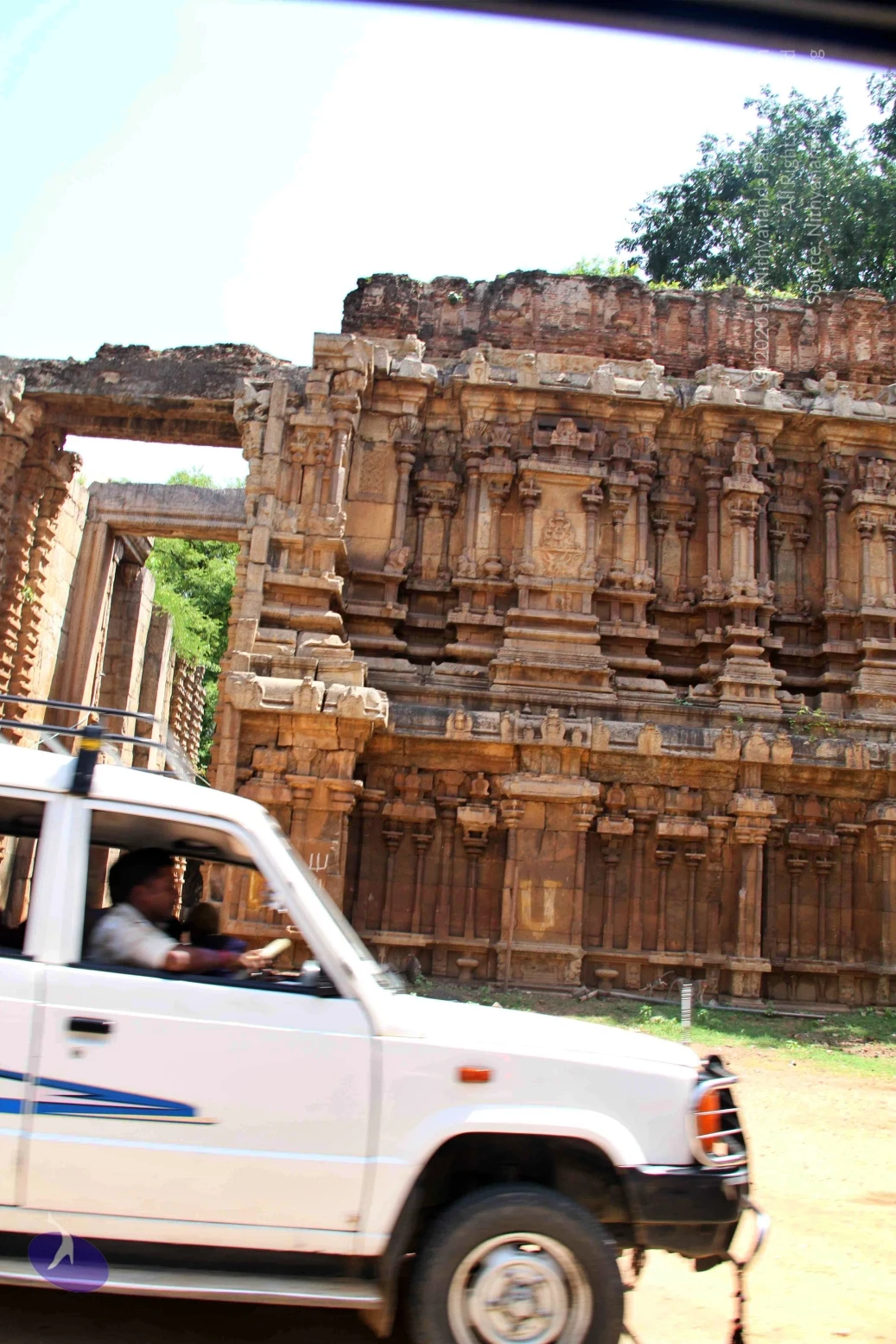
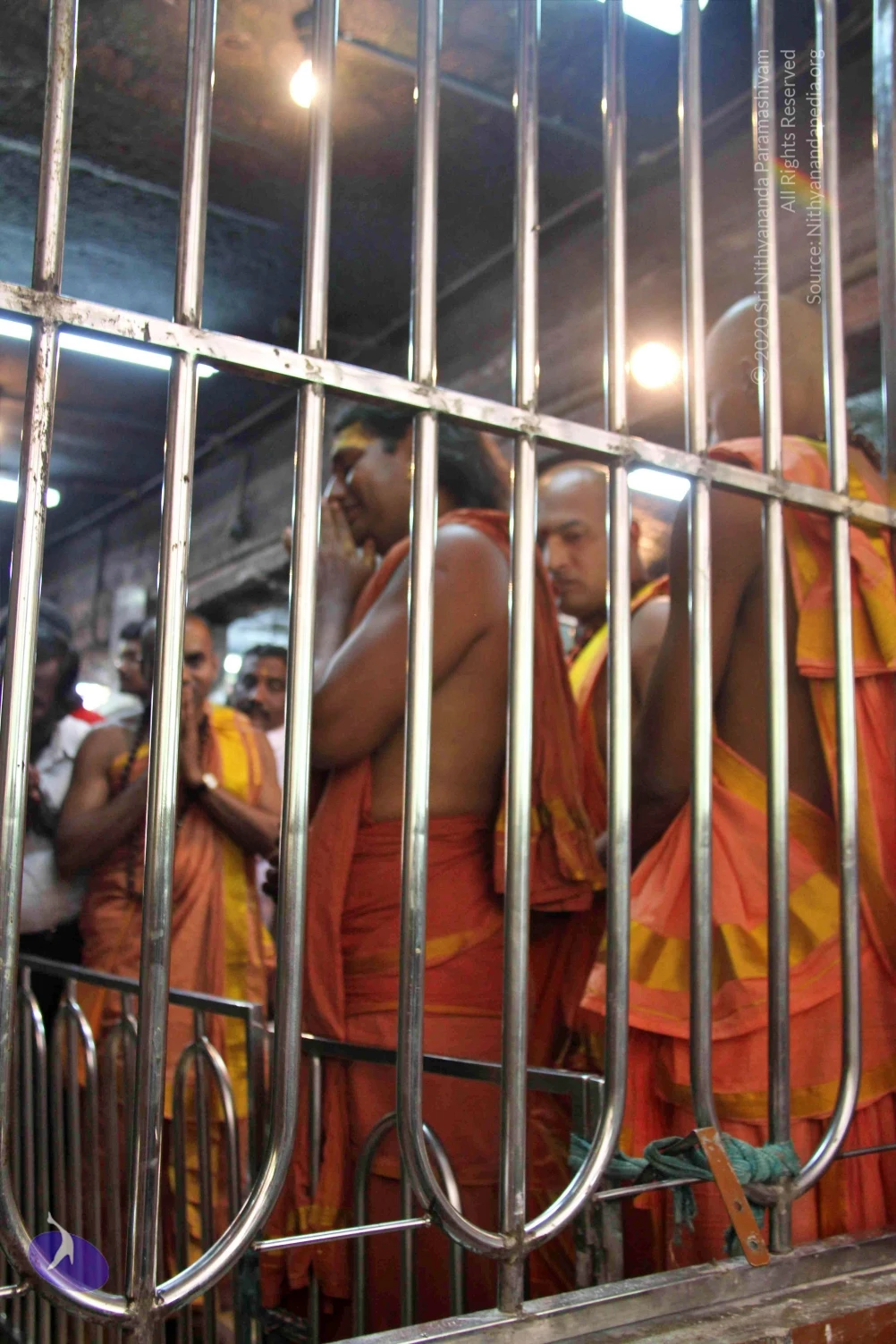
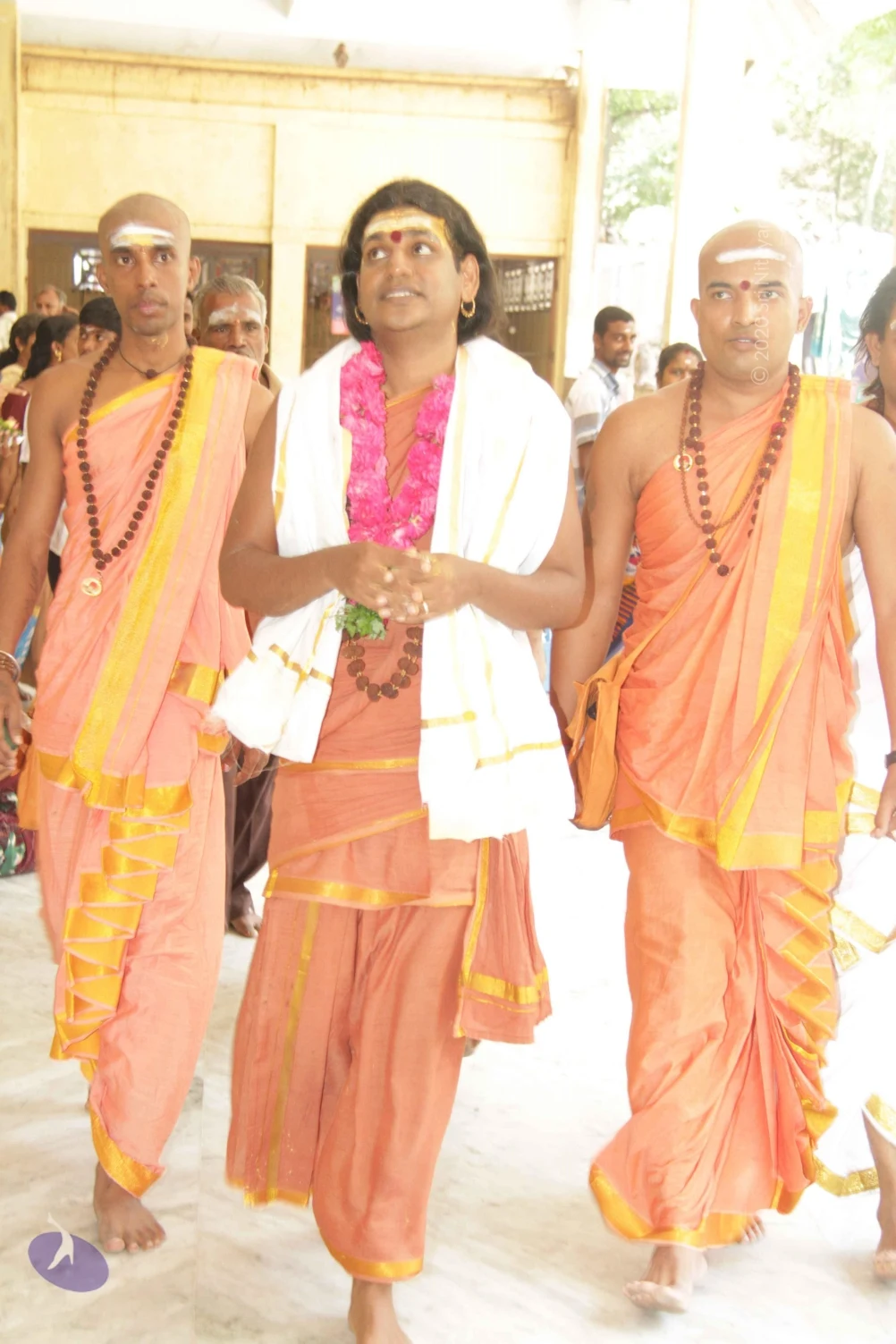
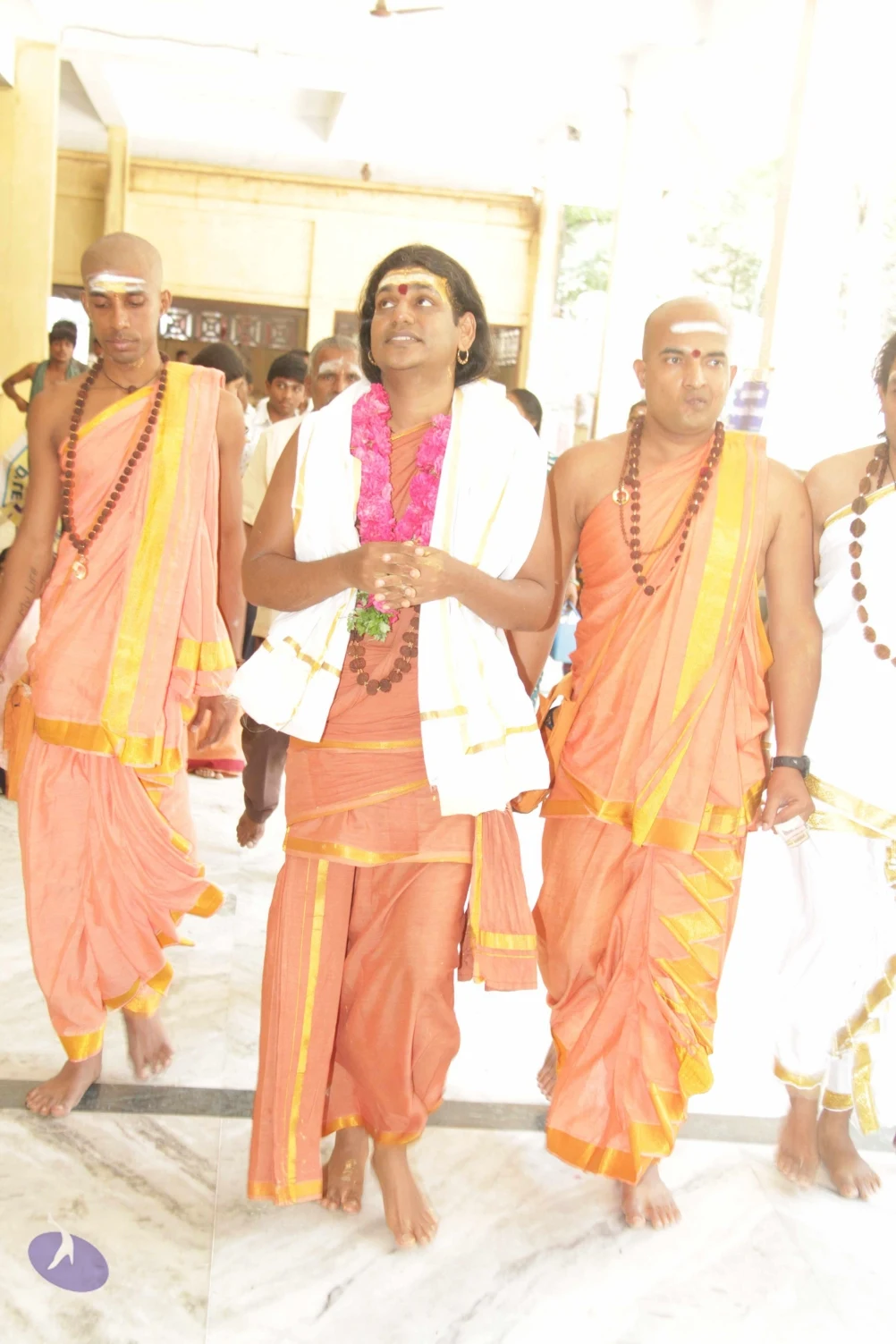
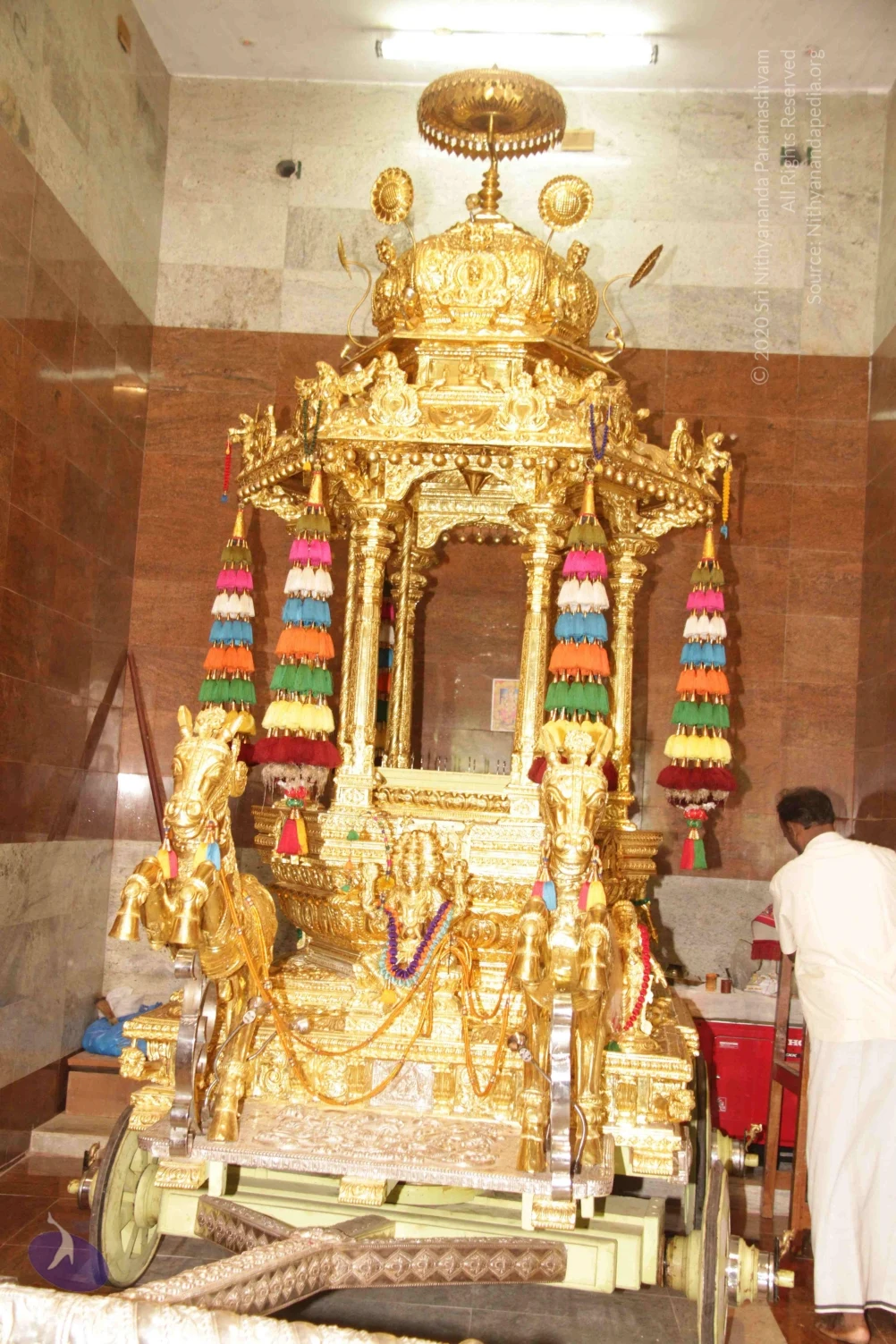
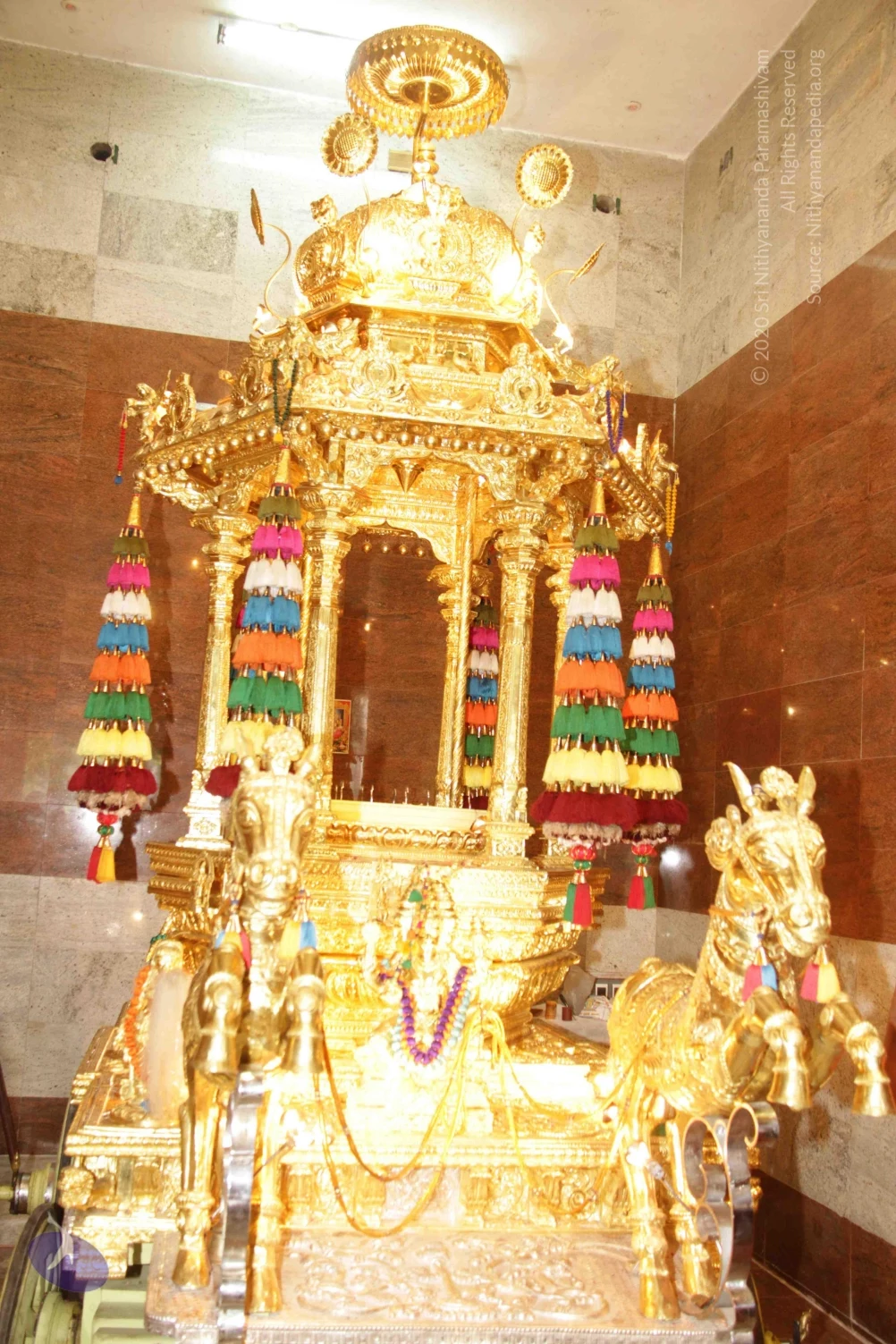
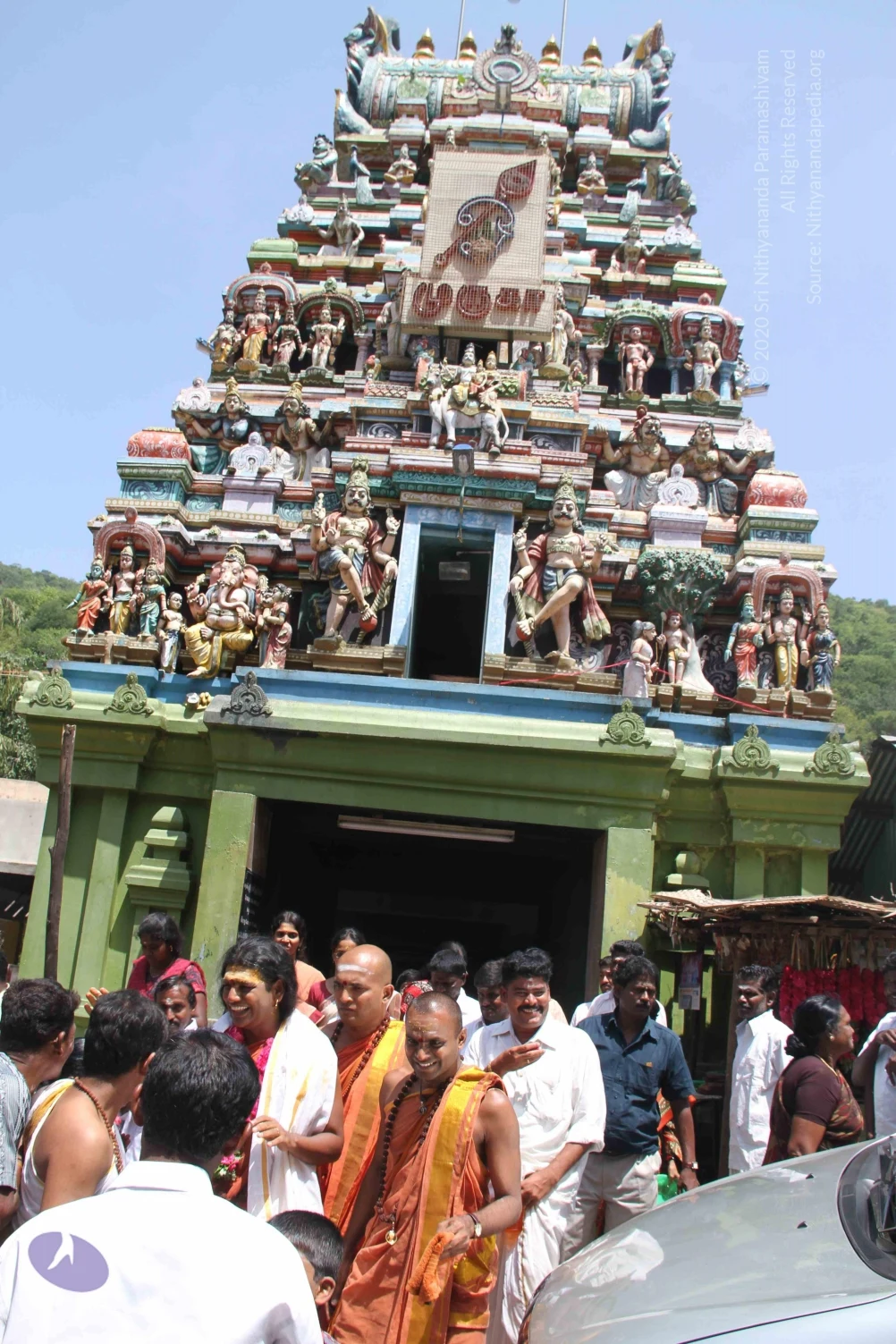
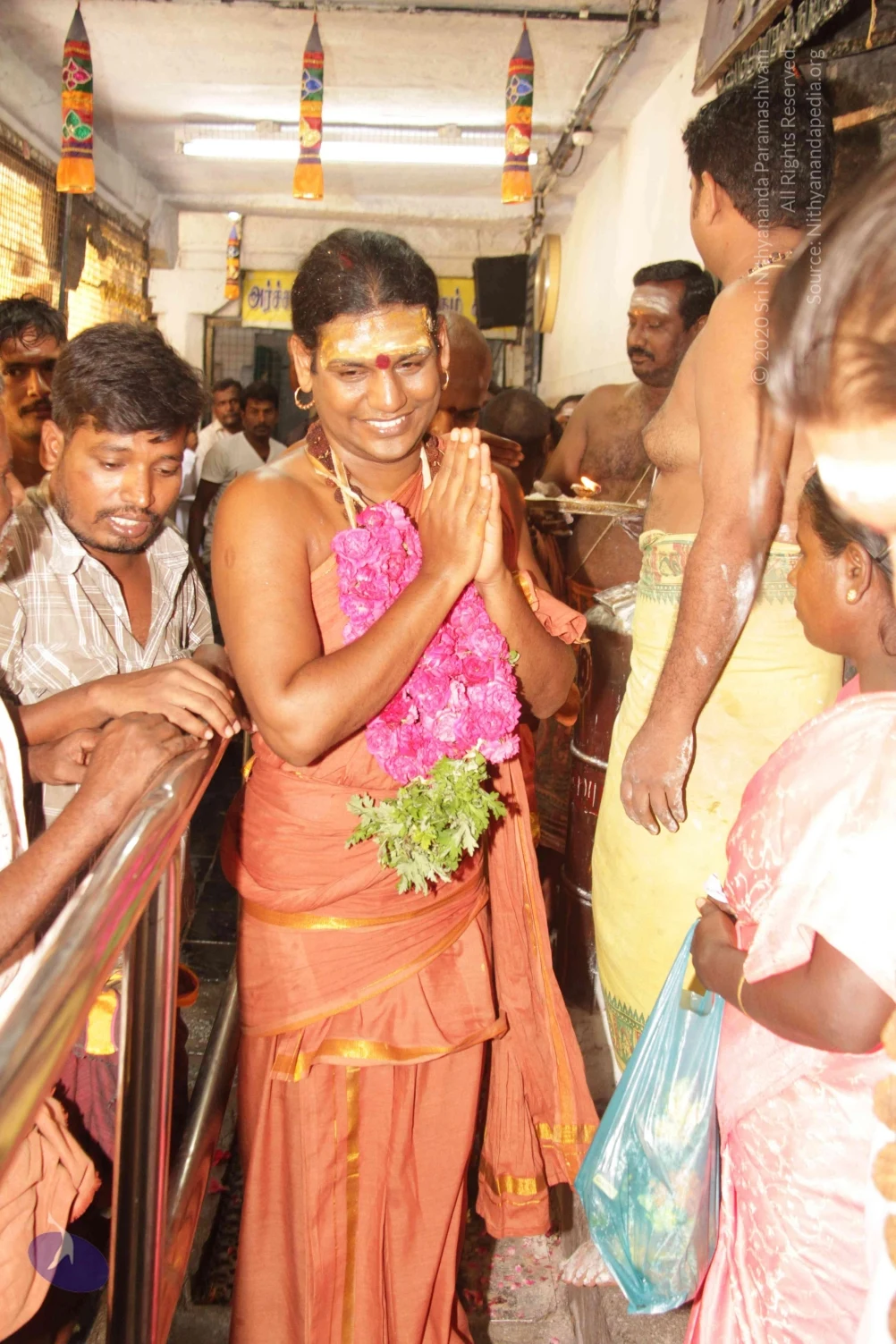
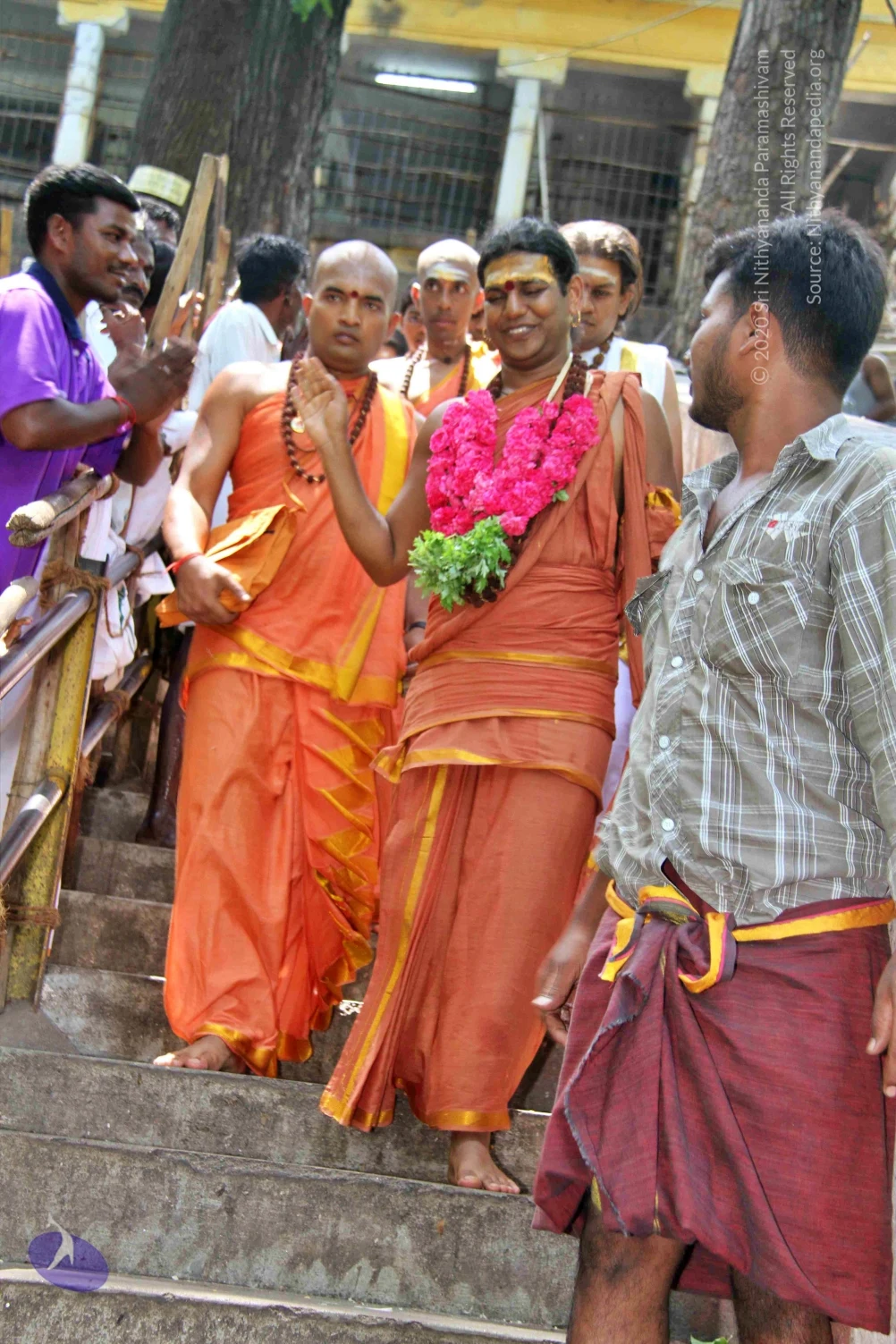
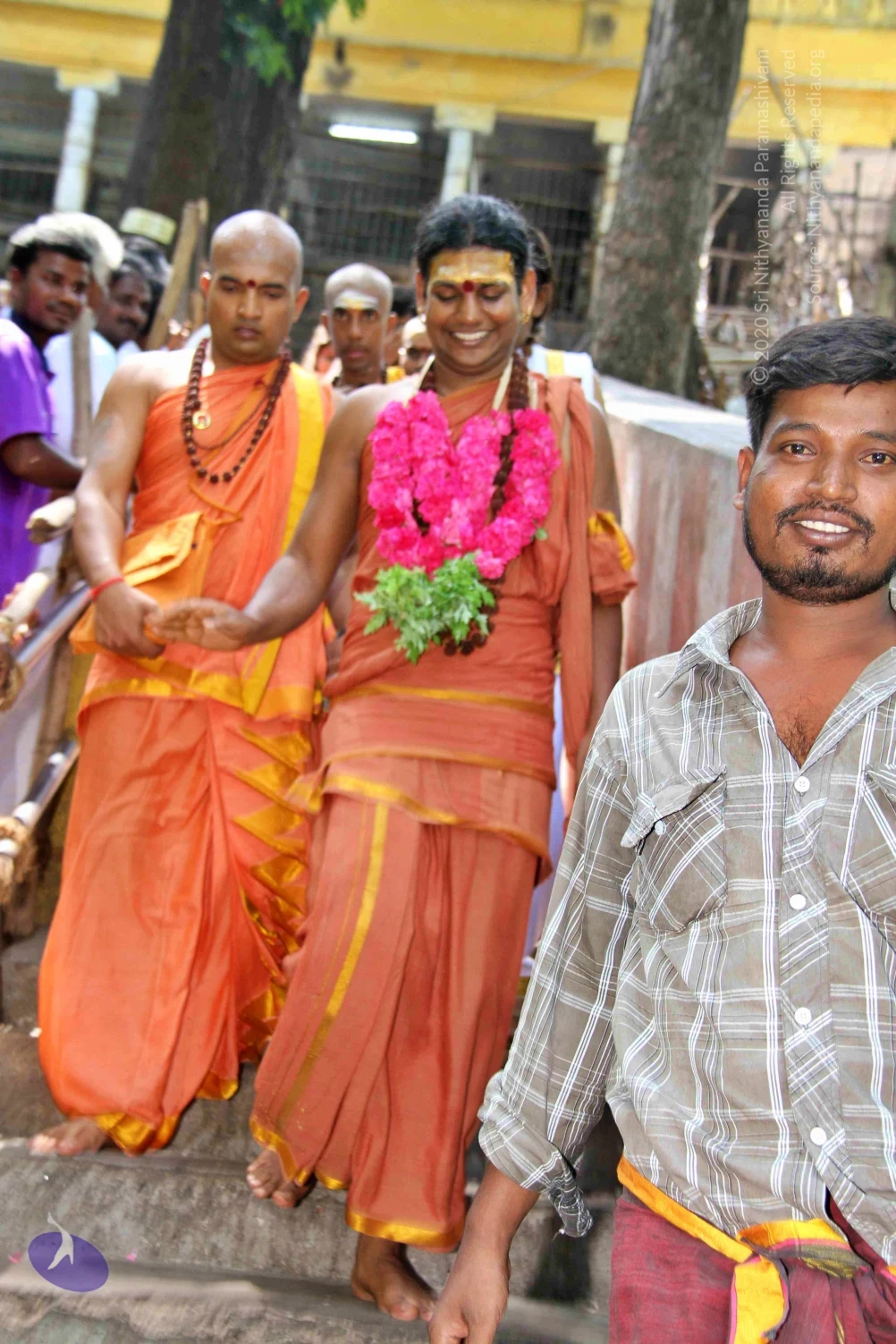
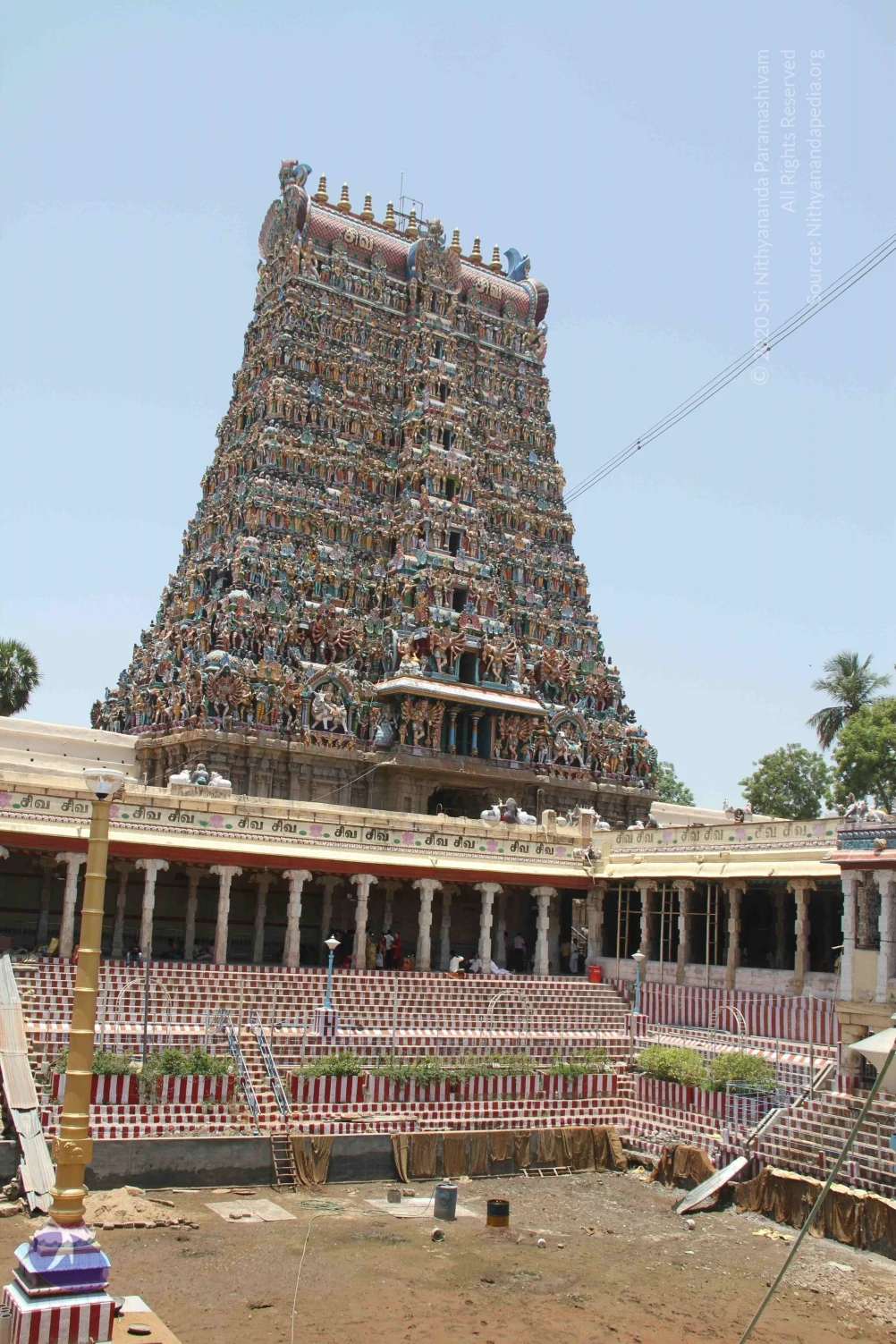
01-SWAMIJI-VISITING-TEMPLE
Photos from this day
View all 191 photosPhotos
155 photosSource gallery
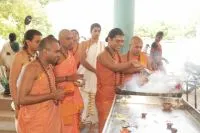
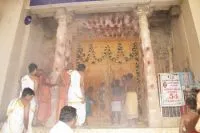
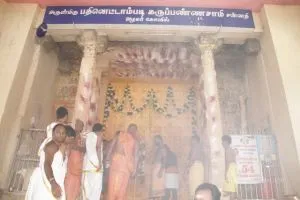
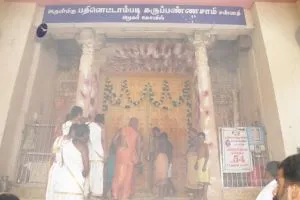
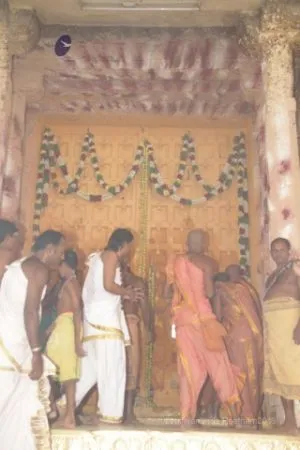
01-SWAMIJI-VISITING-TEMPLE
36 photosSource gallery