Monday
26 June 2017
Awaken Yourself with the Avatar's Prana: Breath that Comes in, Goes to Kailash, and Returns
- Dated photos
- 498
- Source pages
- 1
- Media
- 10
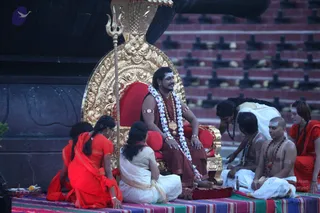
June 26 2017
Original wiki pageTitle:
Awaken Yourself with the Avatar's Prana: Breath that Comes in, Goes to Kailash, and Returns
Description:
In this short but sweet discourse delivered on 26 June, 2017, His Holiness Bhagwan Paramahamsa Bhagavan Sri Nithyananda Paramashivamji invites us all to enjoy His breathing space. Come experience it at Inner Awakening! www.innerawakening.org
Link to Video:
| Video | Audio |
Transcript:
(0:23)
nithyānandeśvara sadāshiva samārambhām nithyānandeśvari adi shakti madhyamām | asmat āchārya paryantām vande guru paramparām ||
(0:52)
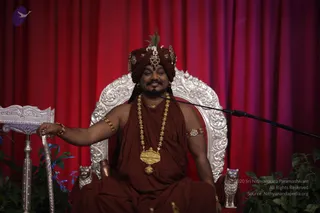
I welcome all of you with My love and respects. I welcome all the Sarvajna Peetha Yajamans, Nithya Satsangis, Sri Mahants, Mahants, everyone with My love and respects.
(1:12)
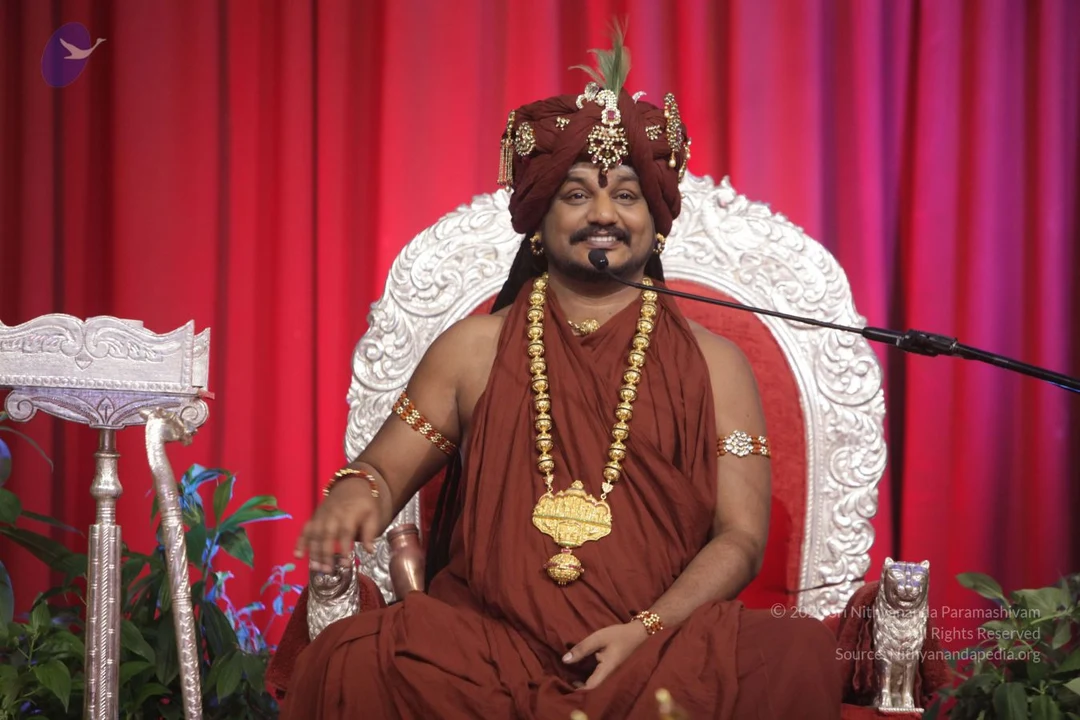
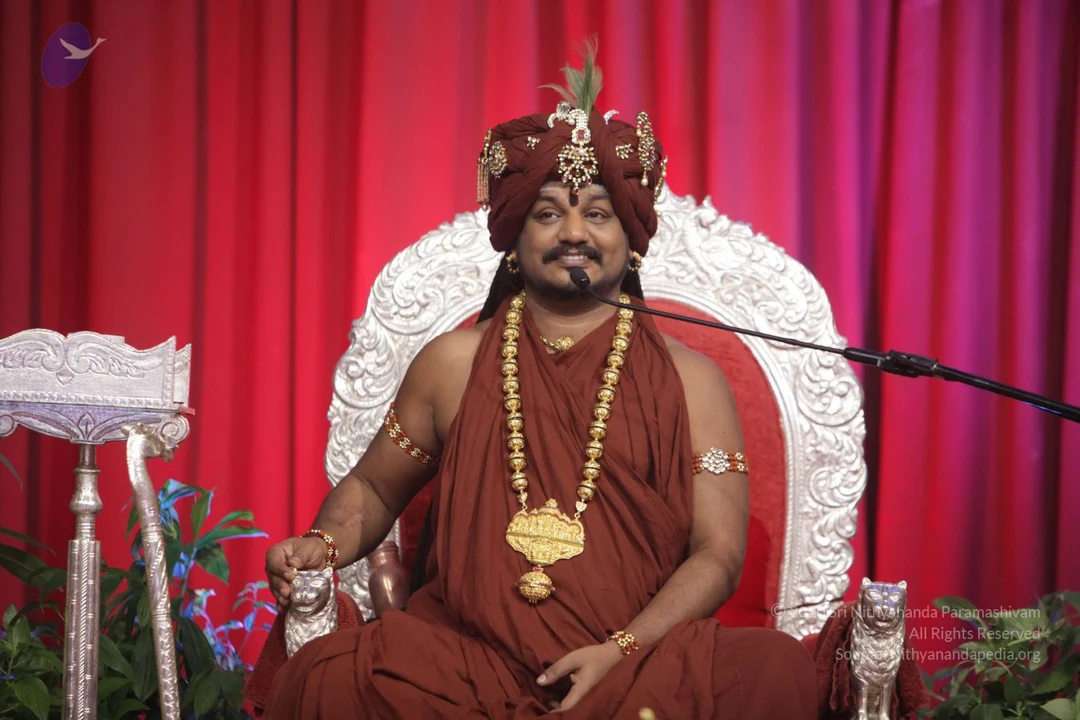
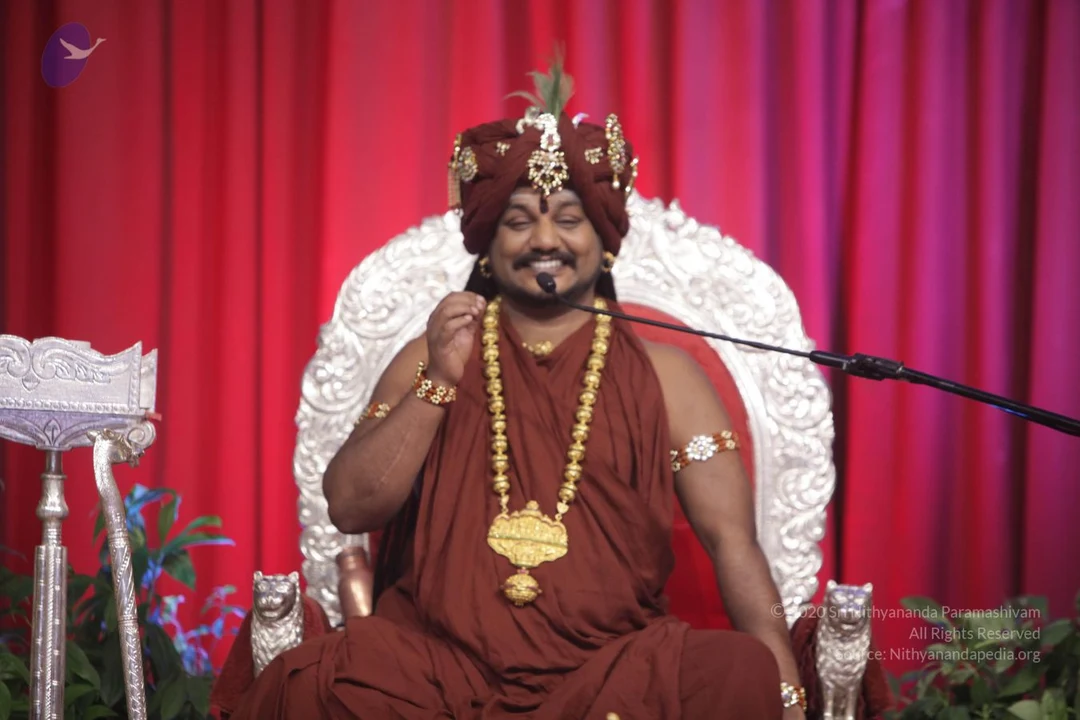
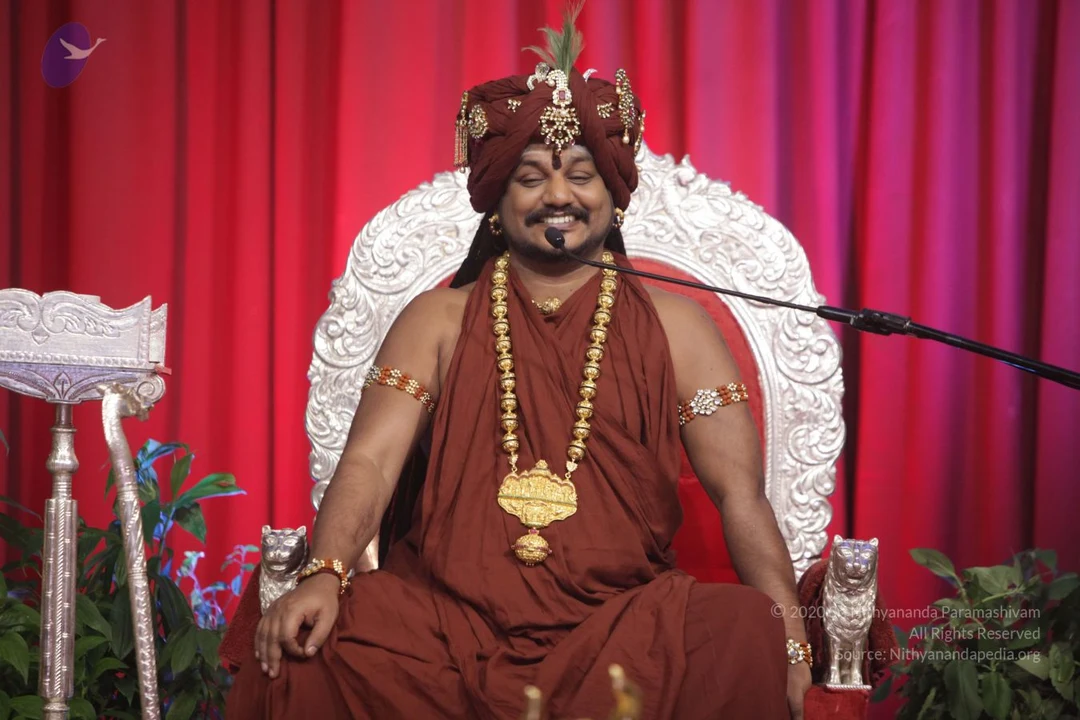
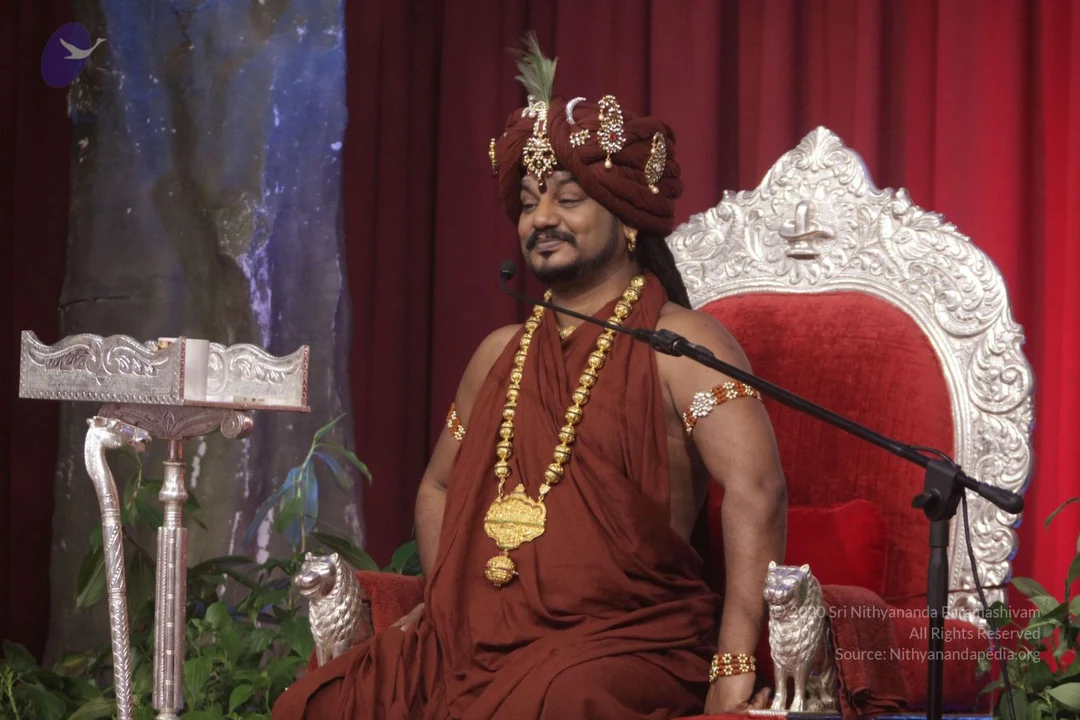
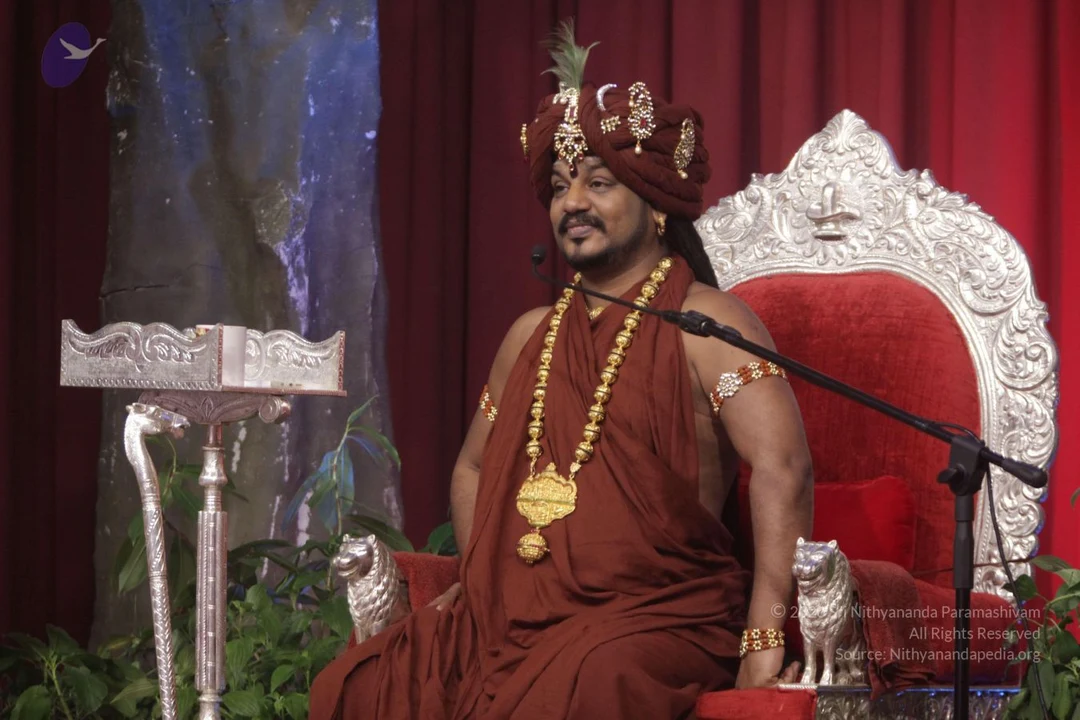
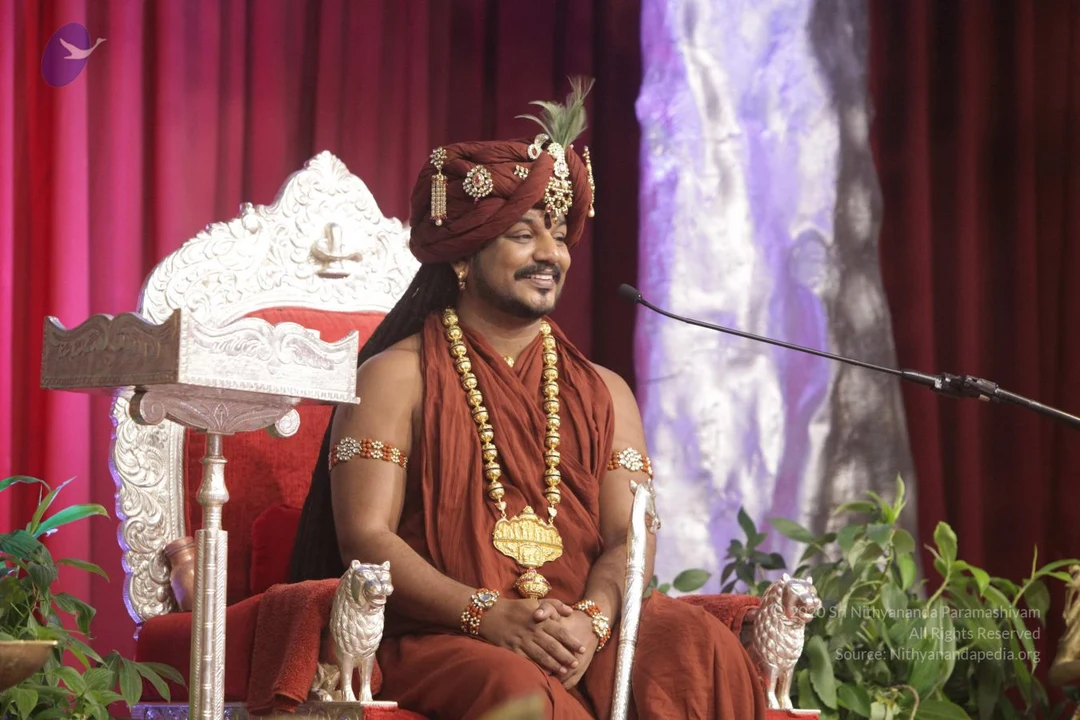
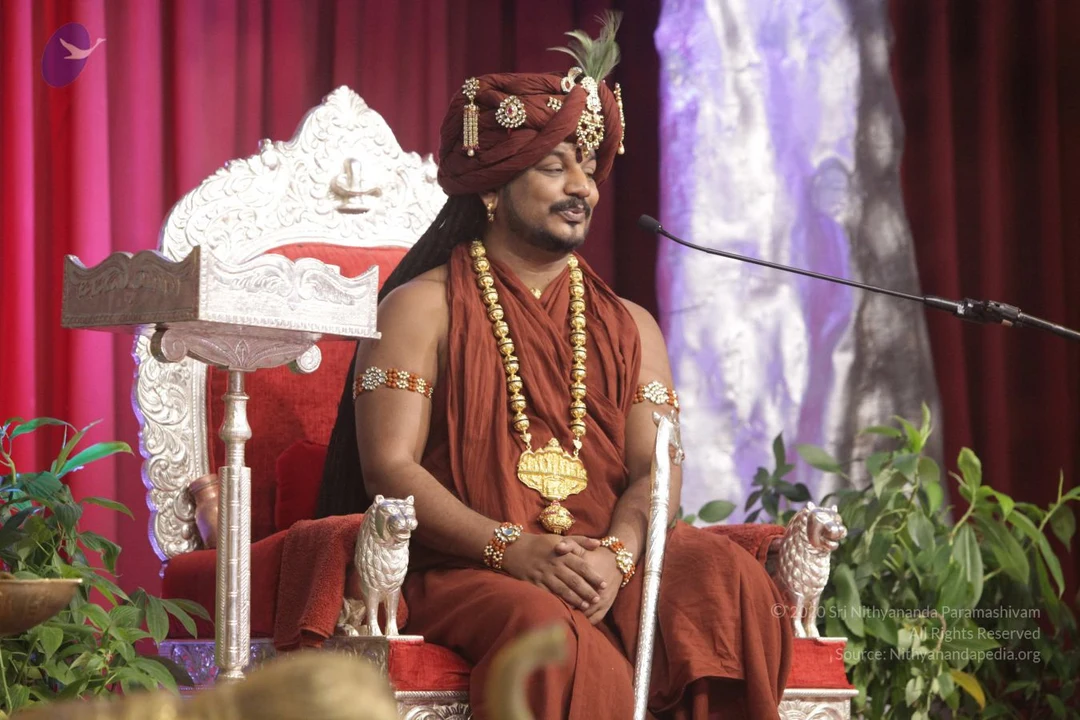
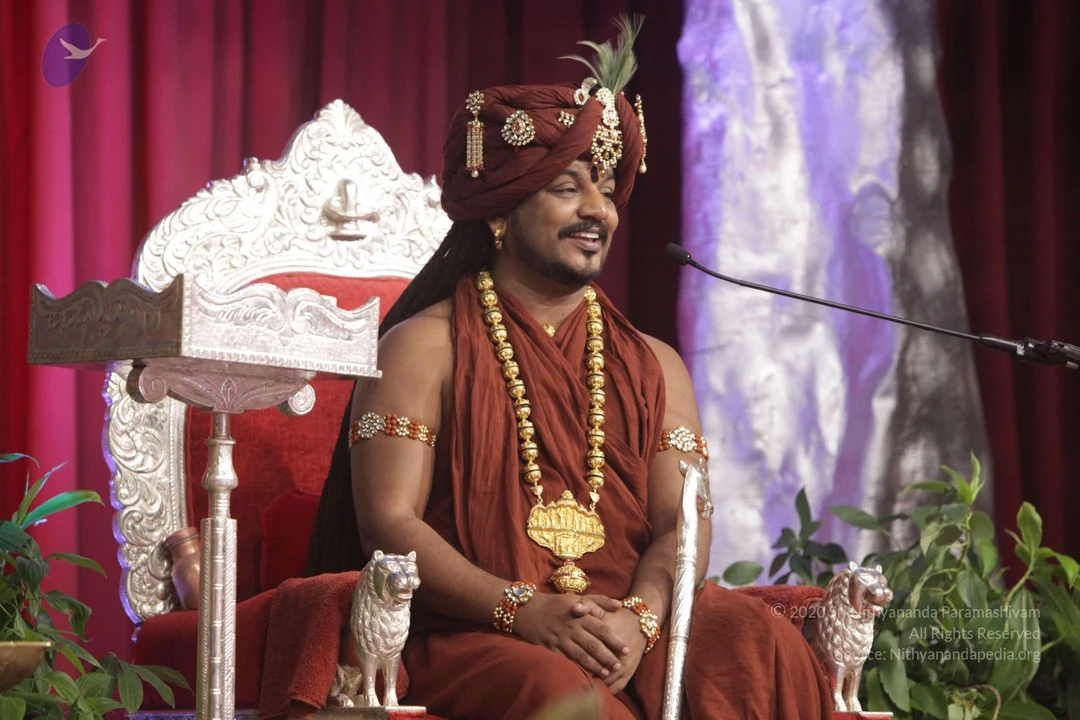
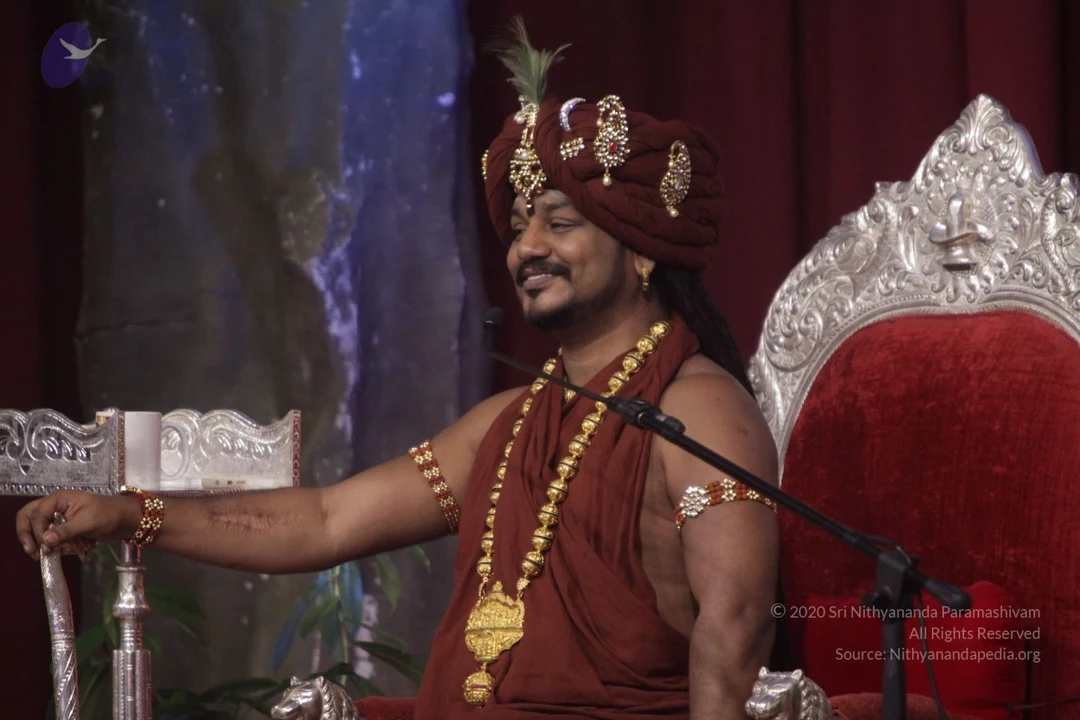
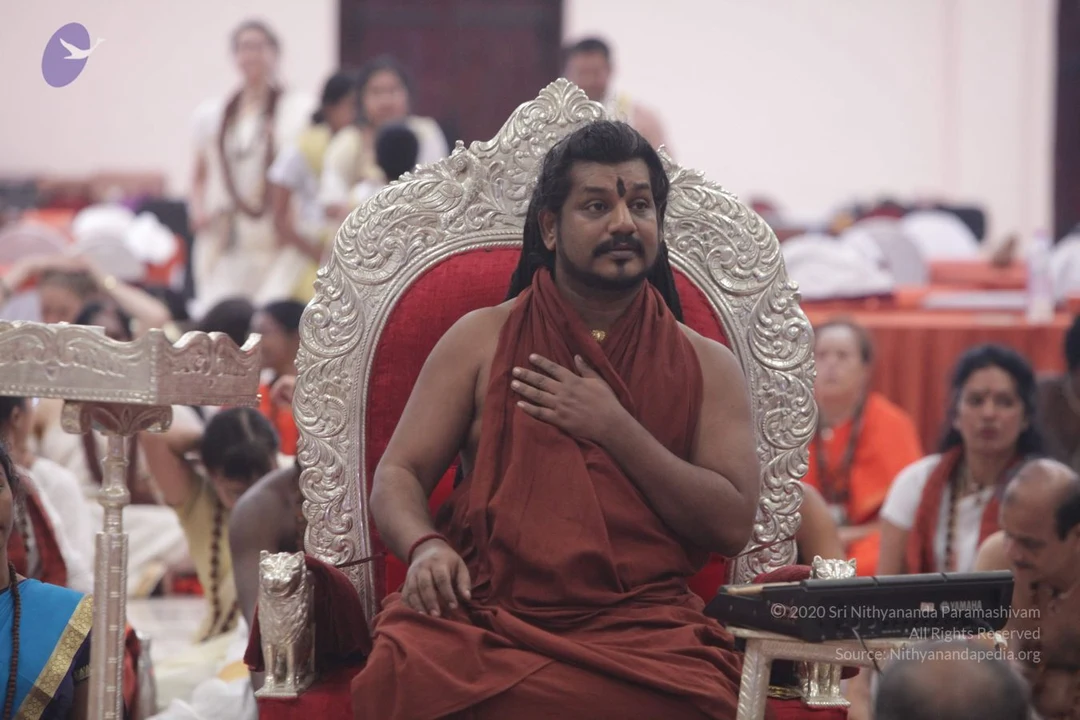
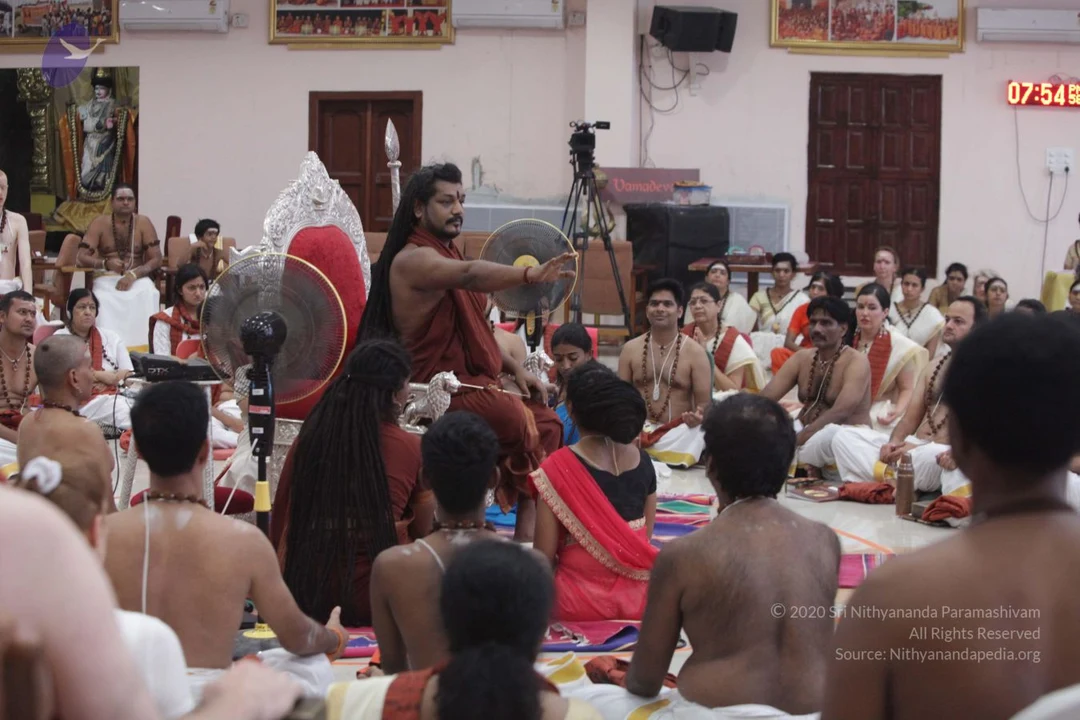
Actually, My system is completely getting ready for the Initiation from July 1st. Usually when the system is getting ready for Initiation, it goes through it’s own rhythm, means - it sits up when it wants it, walks when it wants and lies down when it wants and it eats when it wants. Usually 21/2 days it takes, whenever this kind of this next level preparation happens. So, I saw from yesterday it started, after I announced, it started. So, one thing I can be sure, it will be a big blast! It will be almost like Sadāshivoham - free. So, don’t miss, this 9 days Shaktipata, the program. You would have seen now in the Nithyananda Times, one of our Aadheenavasi rolling the coconut, on the floor. See actually, that is when the power starts. Then cracking, then healing. This Shaktipata program, whoever is coming, I’ll make sure at least, at least 3 powers you manifest, very solid.
(3:14)
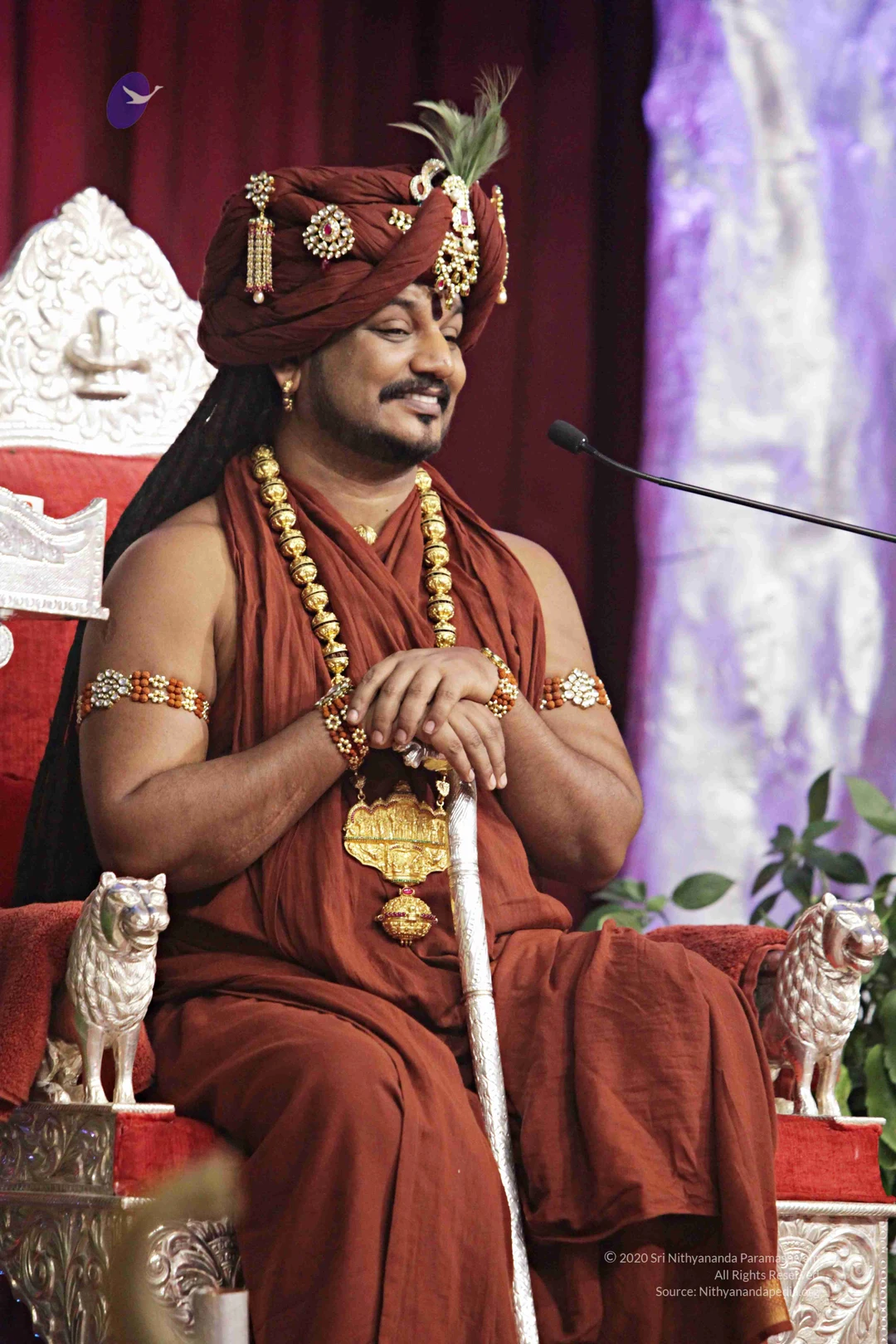
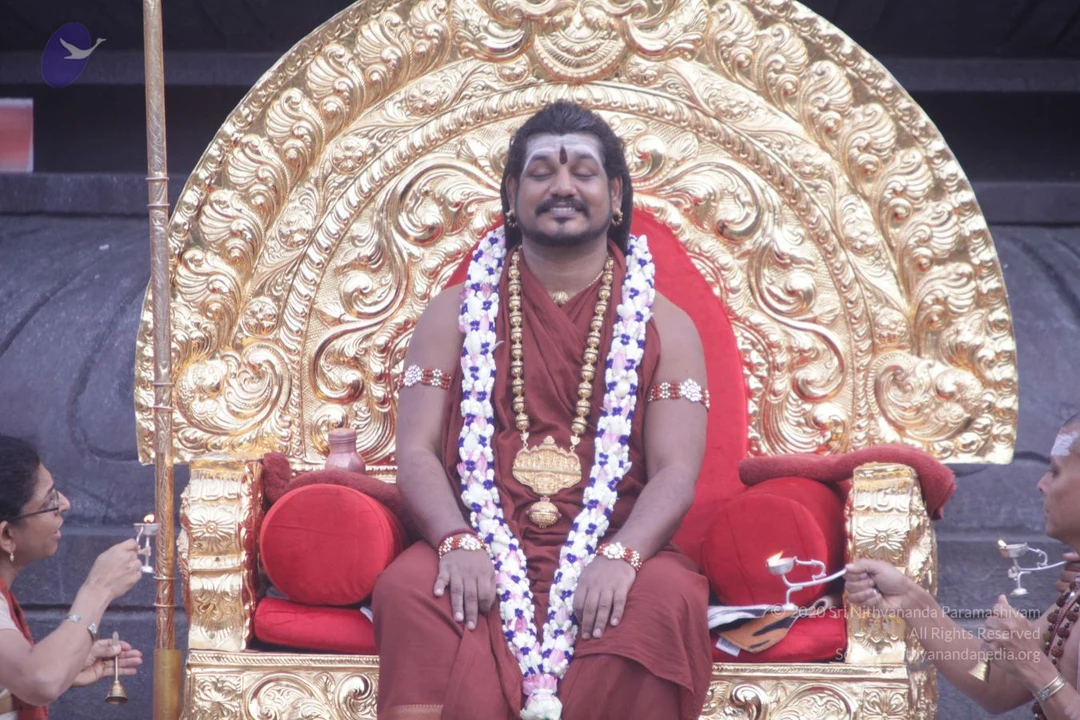
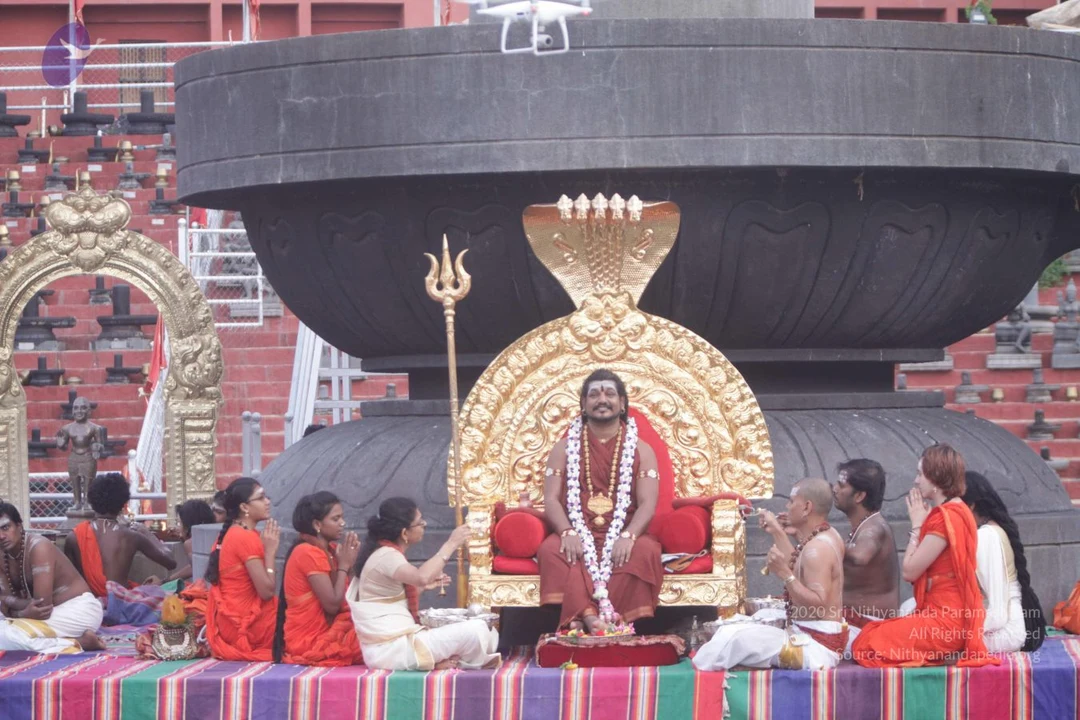
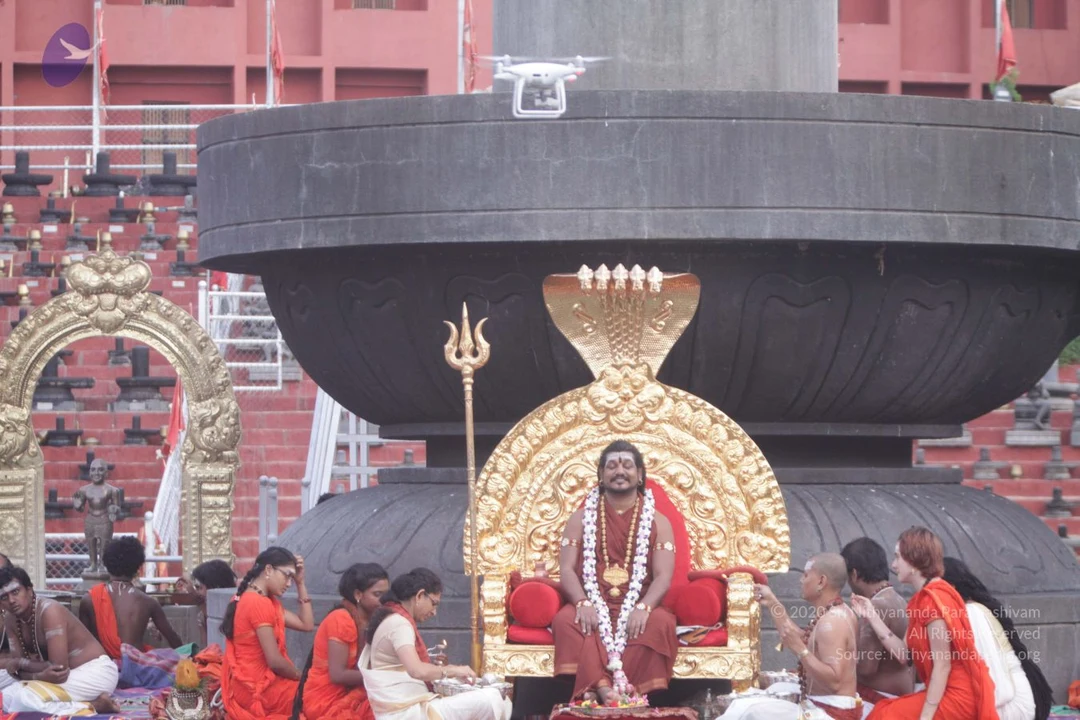
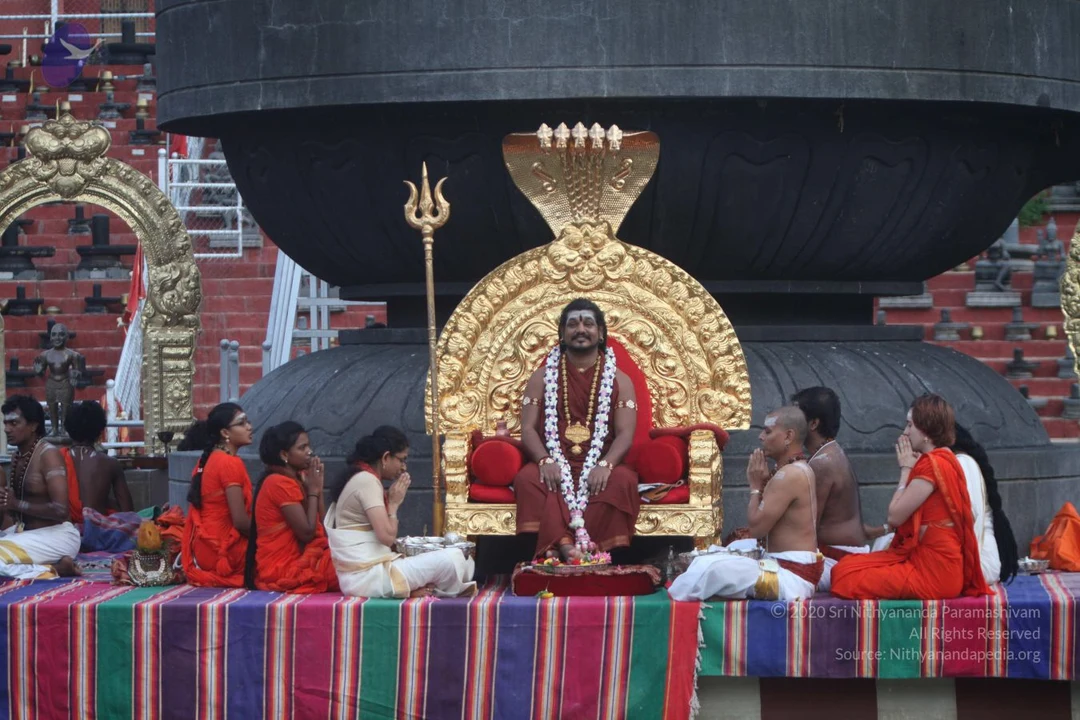
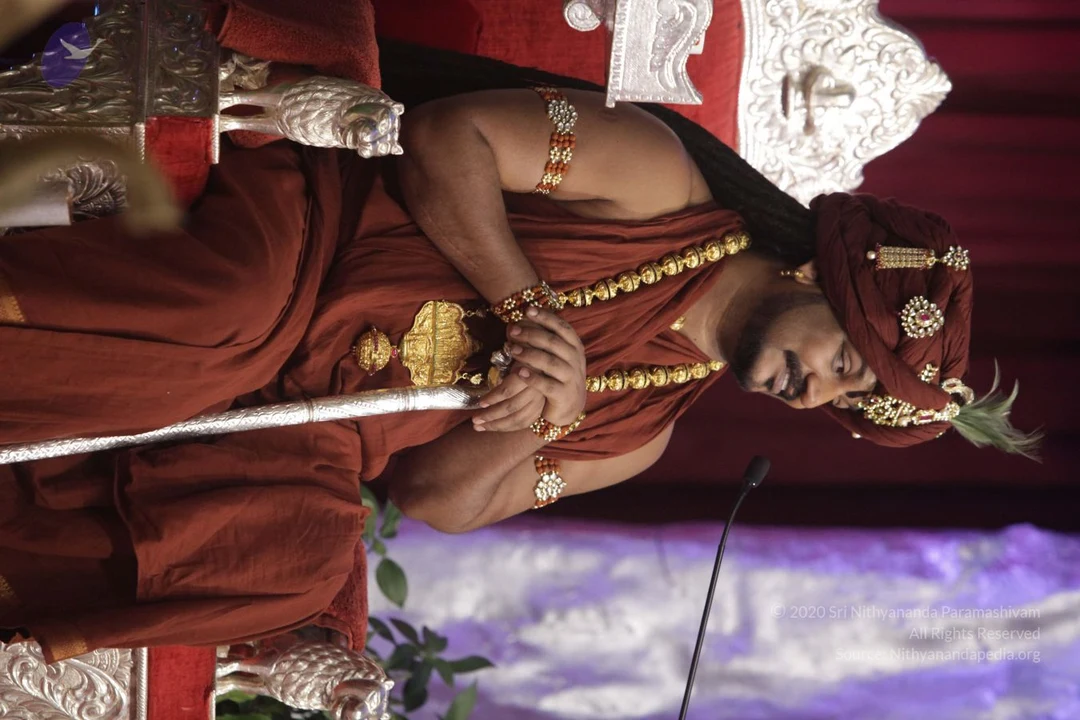
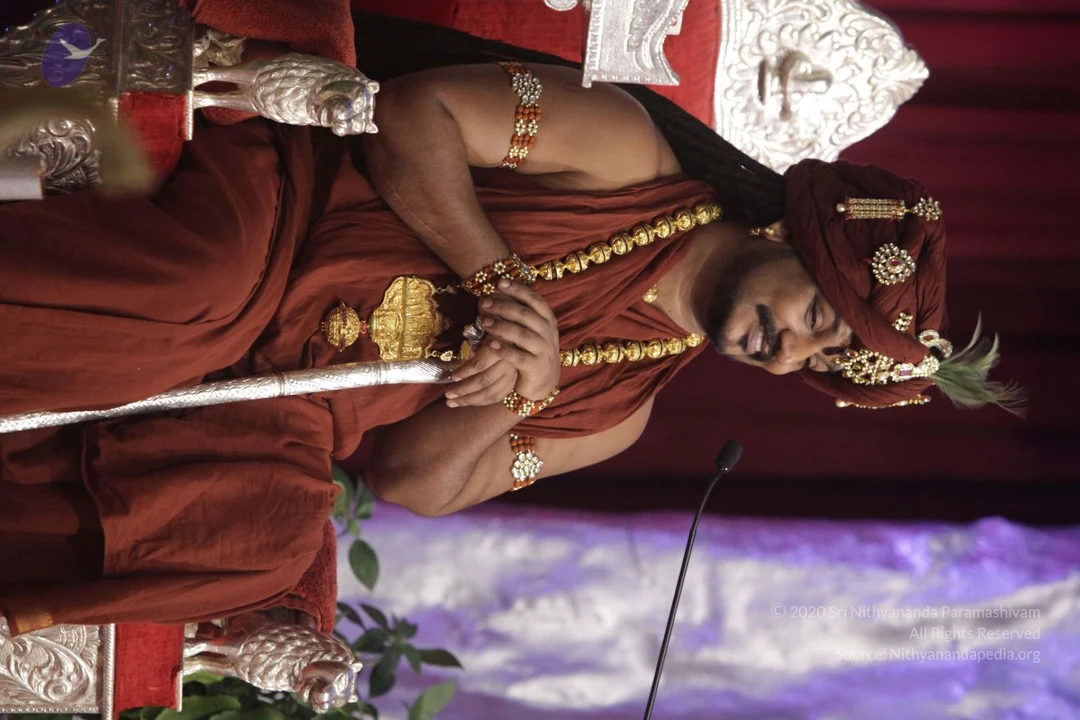
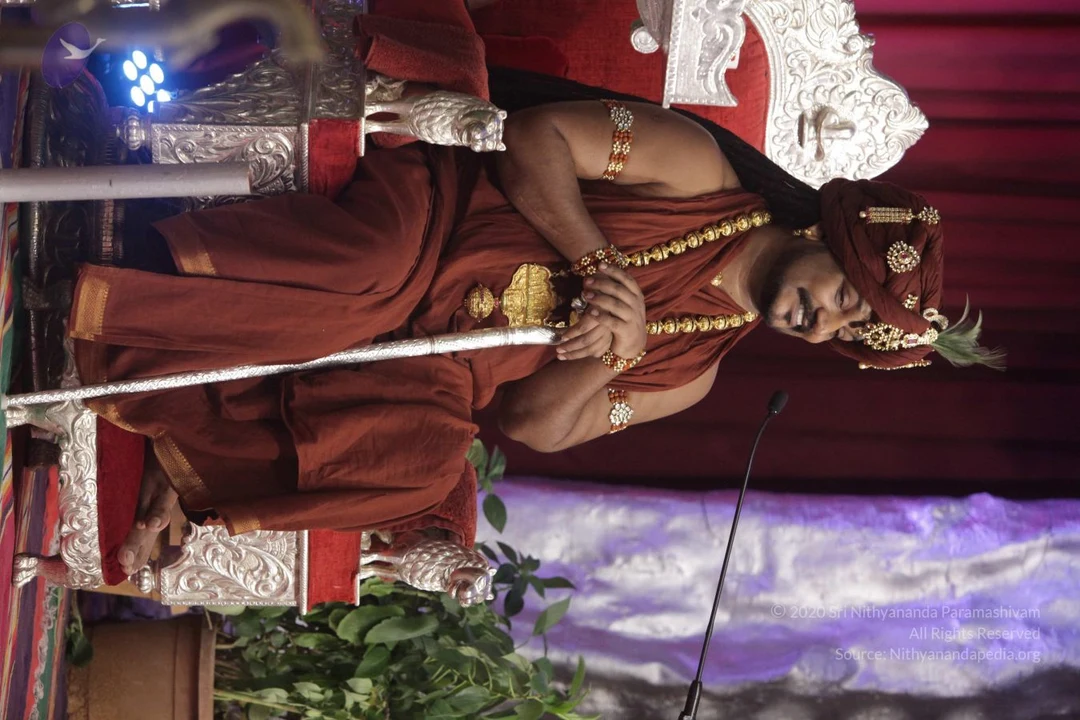
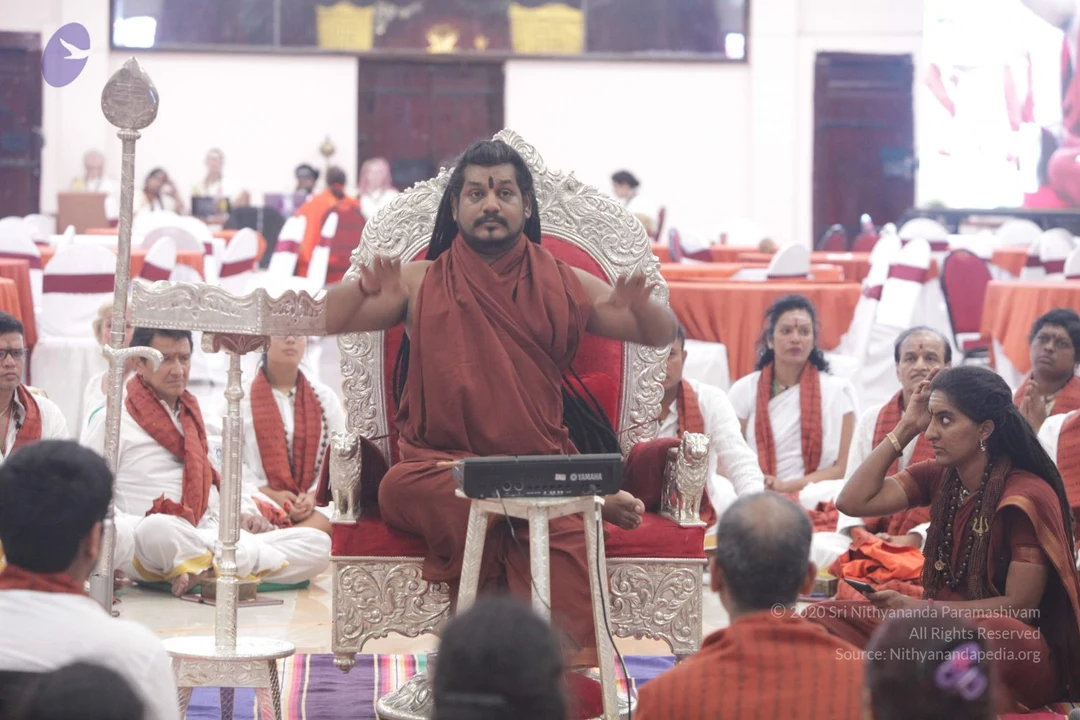
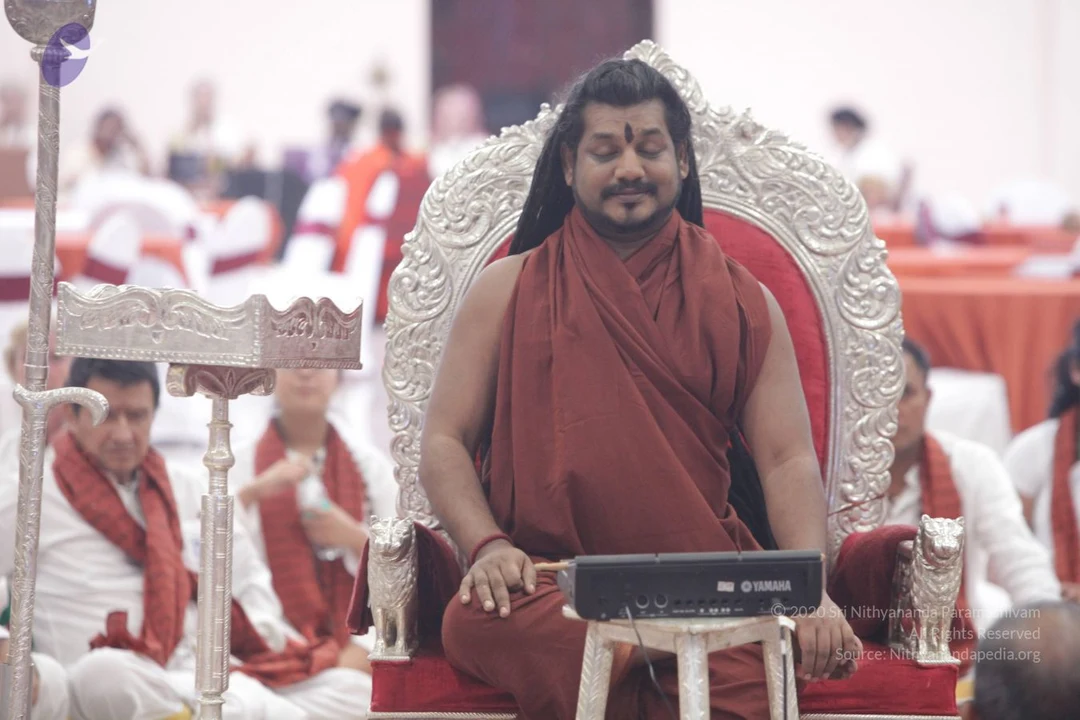
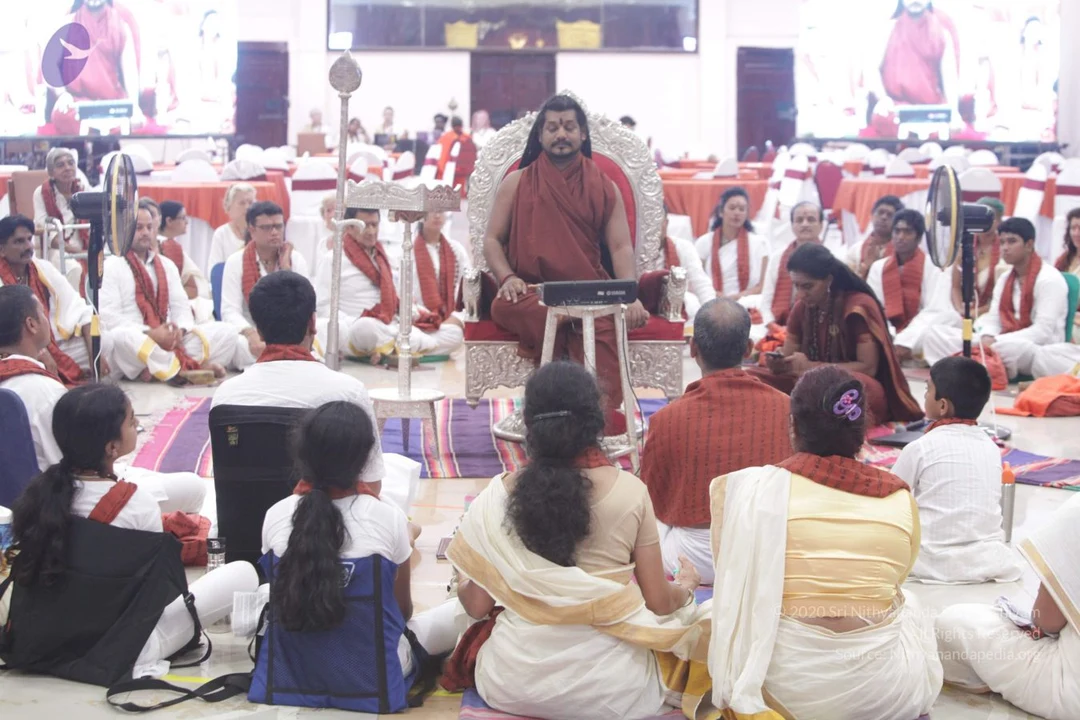
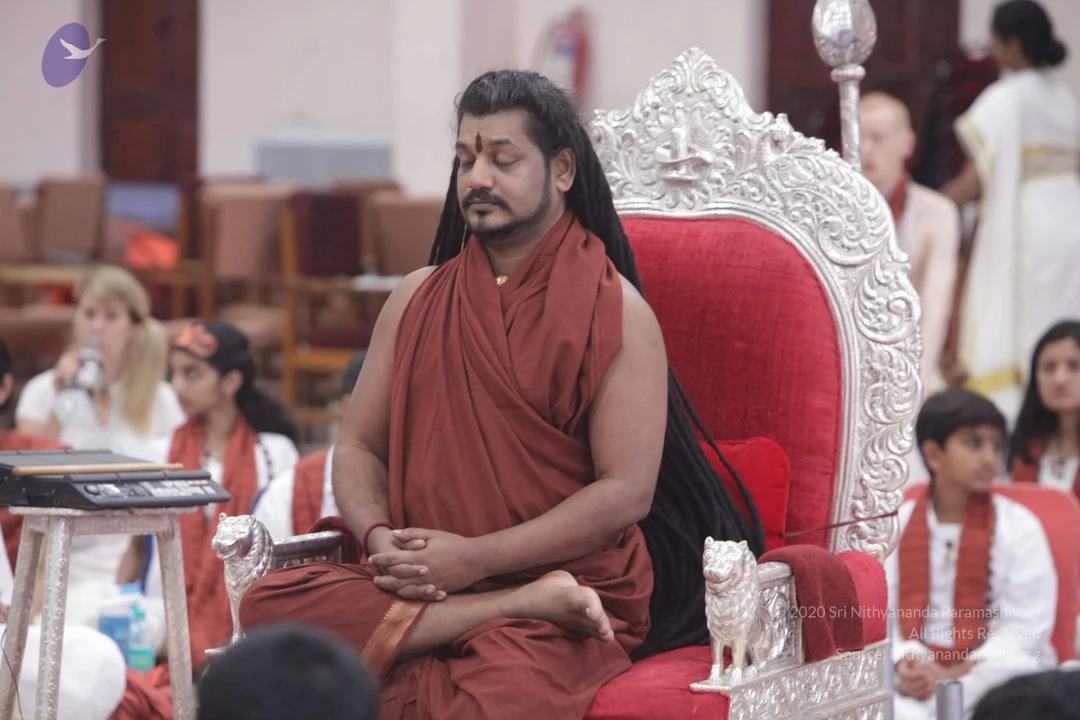
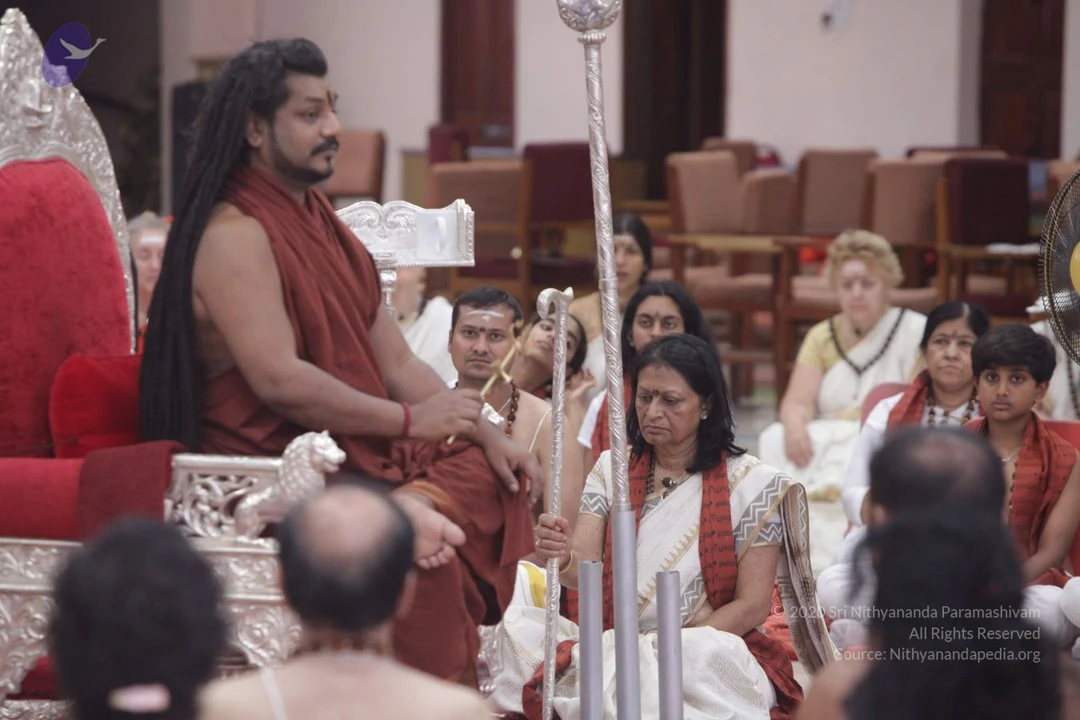
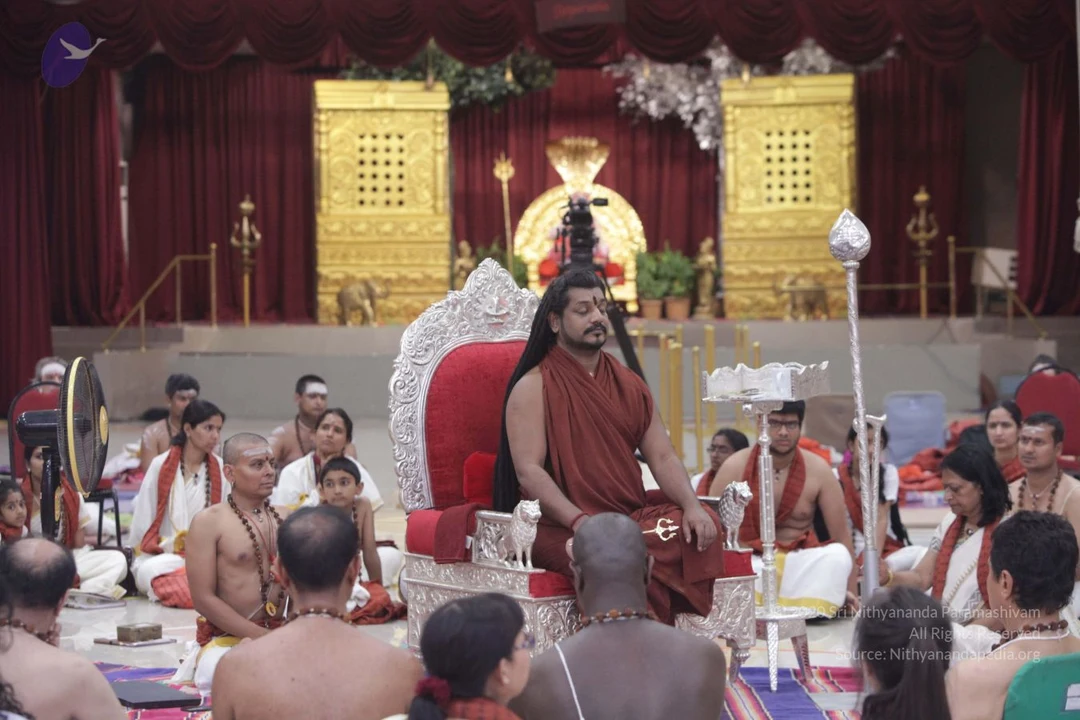
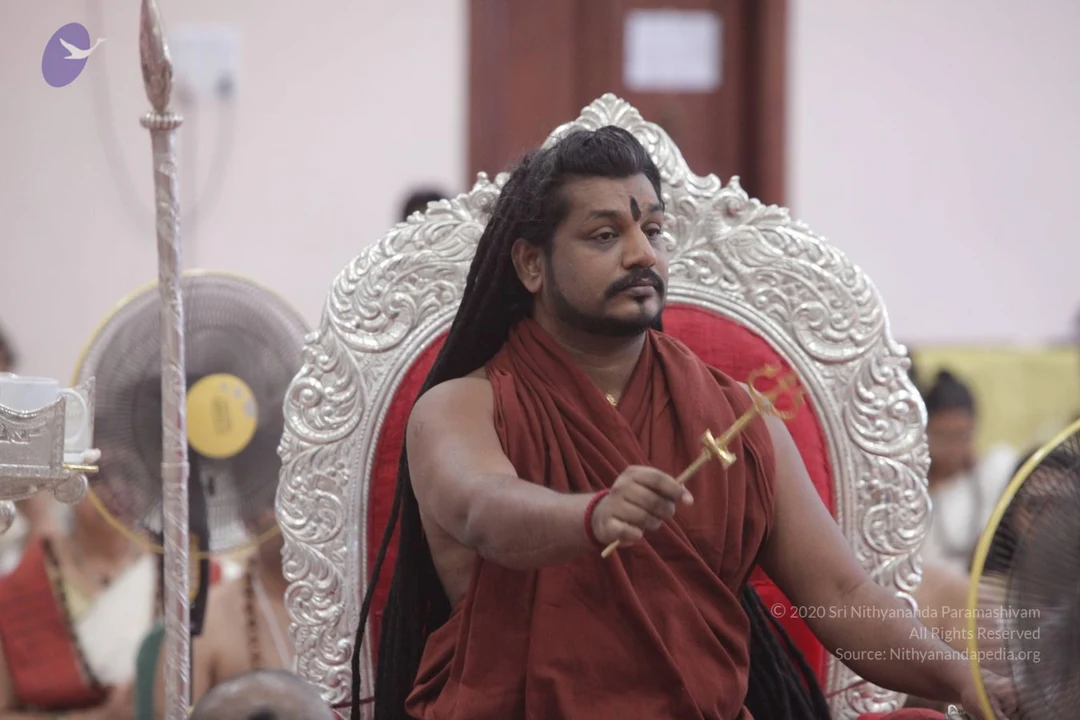
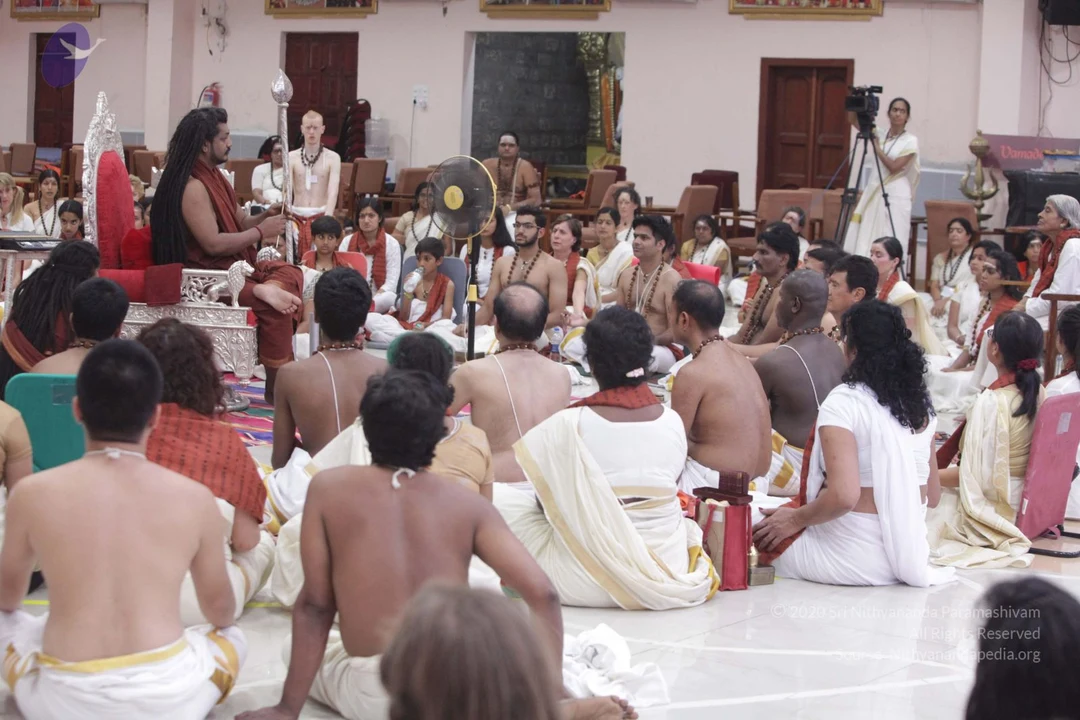
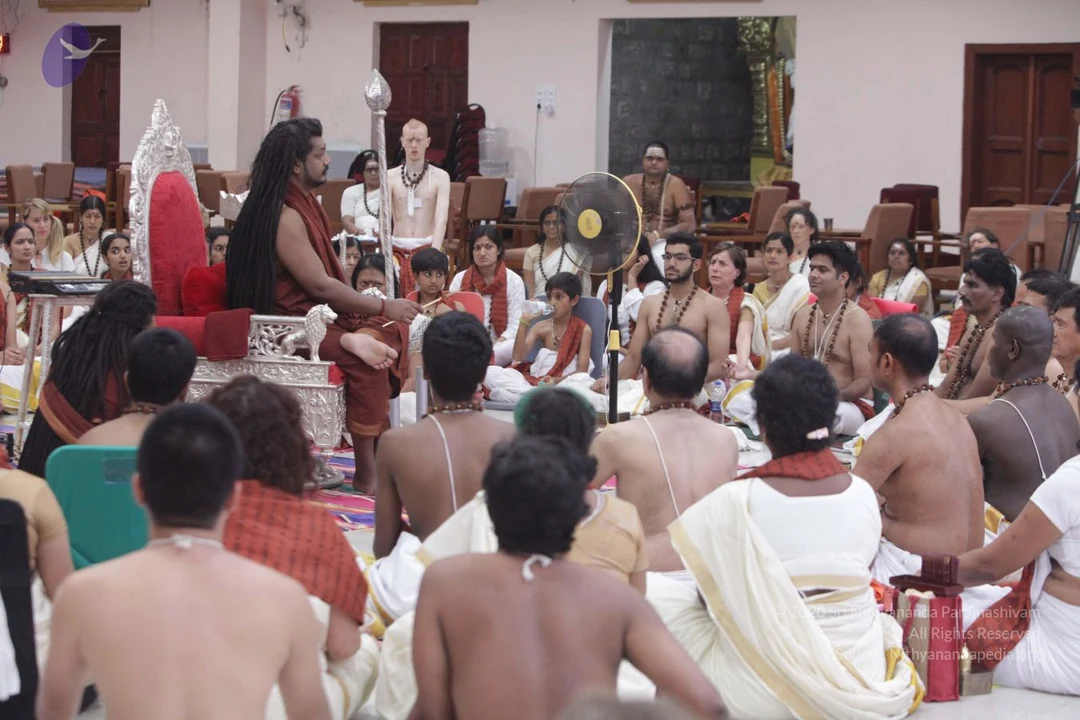
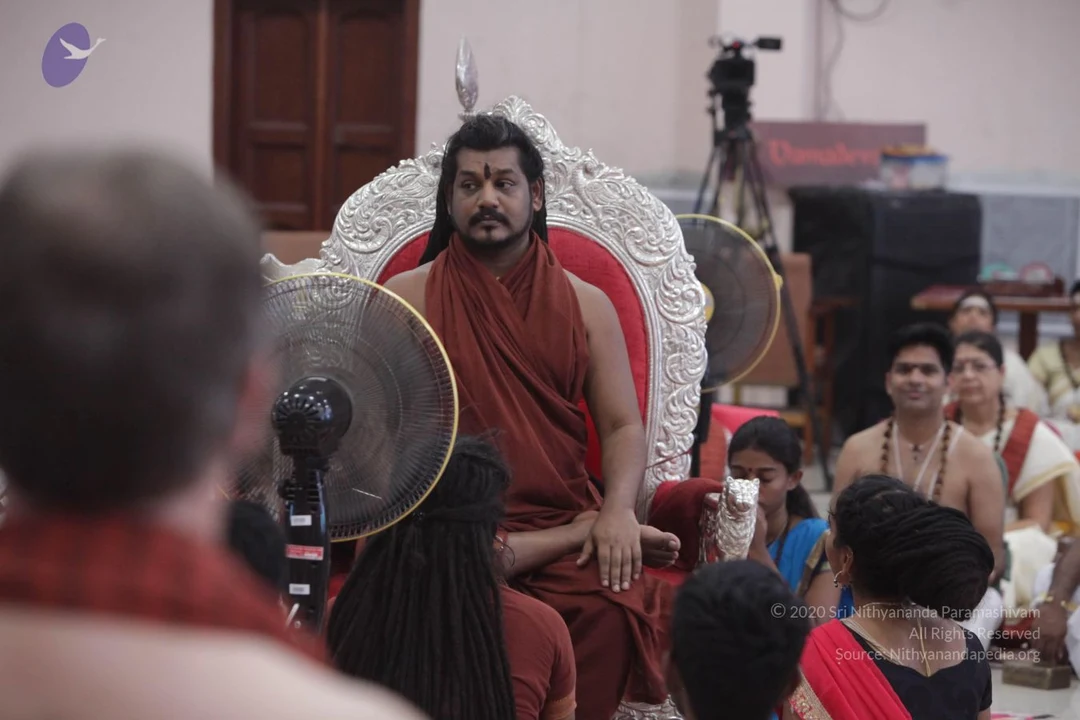
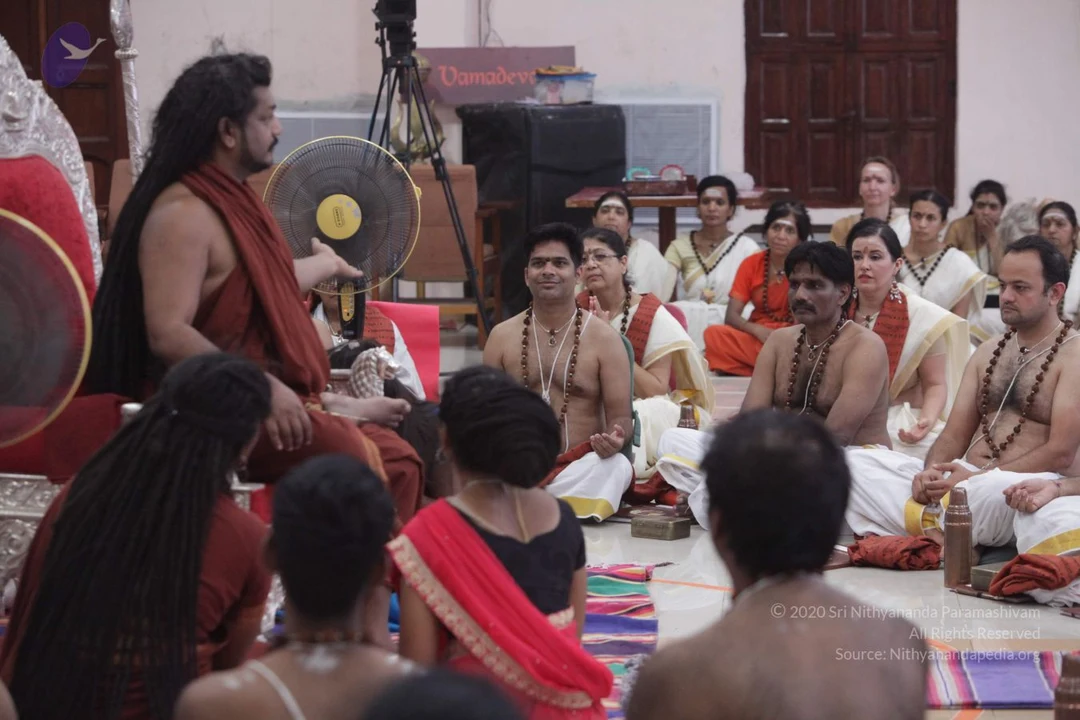
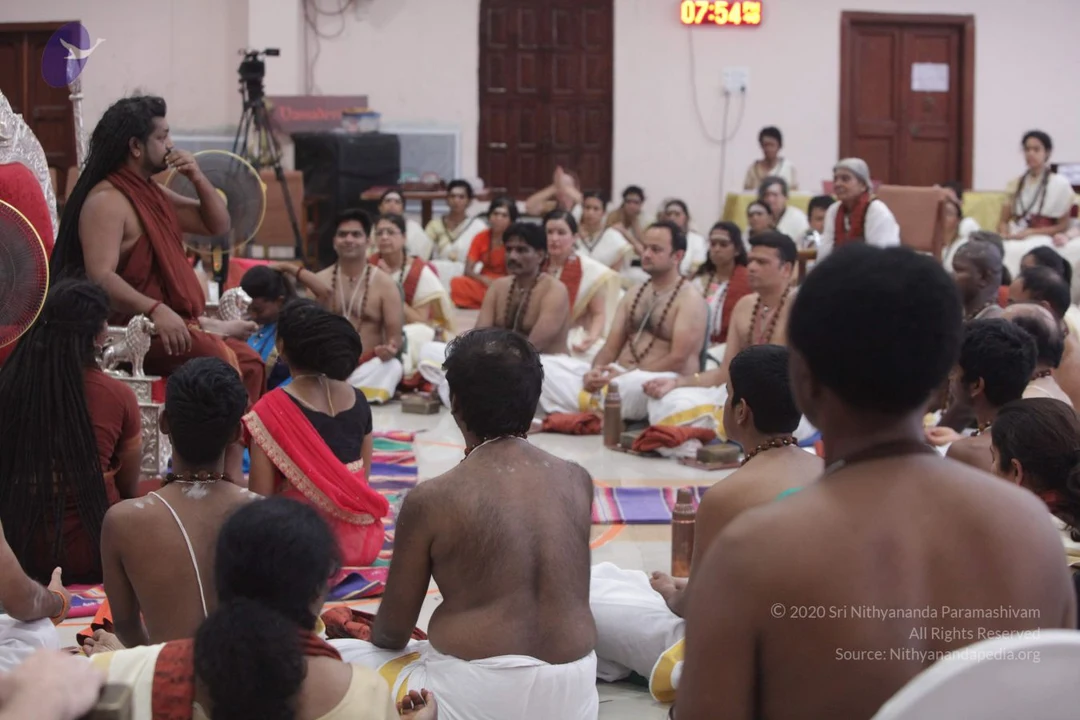
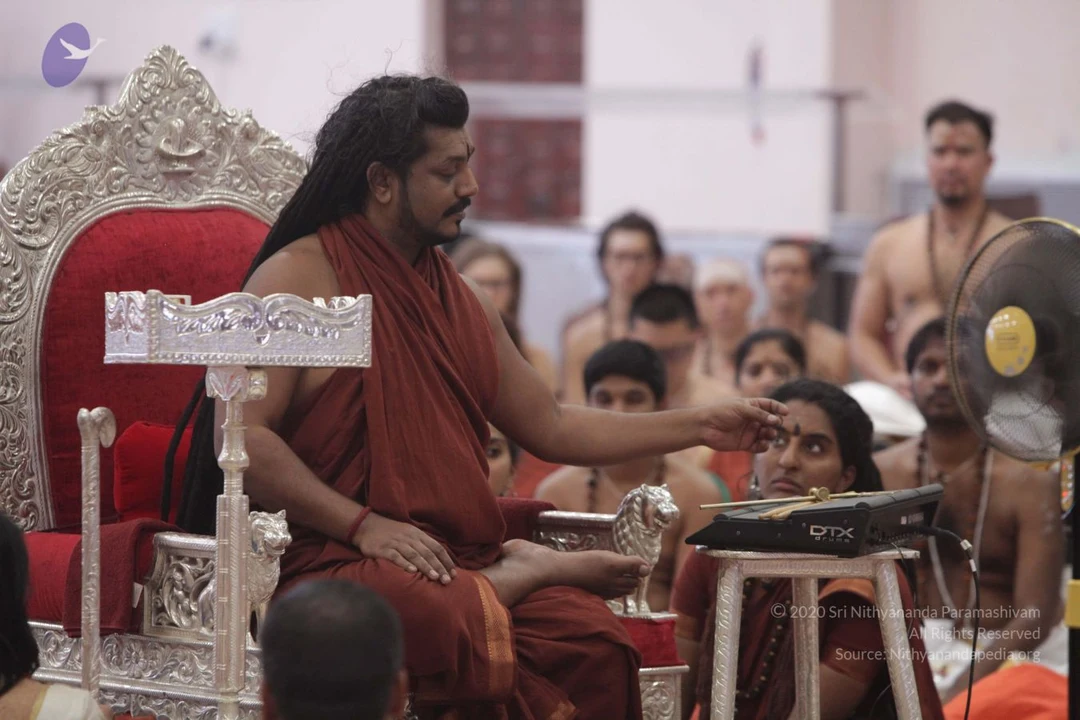
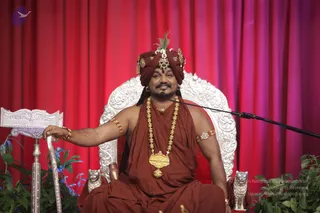
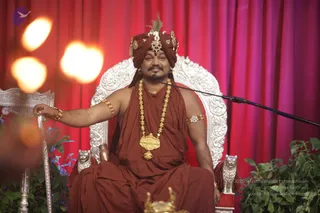
See actually, purpose of Power Manifestation is to make your more and more - Integrated - to the life. I really did not think, even half an hour before, I’ll be able to come and sit here, for the Satsang. Rudra Abhishekam was too beautiful and these fellows have showed in ‘drone,’ it was such a ecstatic scene, so body automatically fell into Samadhi and it was preparing….and you guys are going to have 21 initiations in that 7 days - July 1st to 7th. July 1st to 7th, 21 initiations and this batch - Inner Awakening Participants are very fortunate. You guys are going to have 21 initiations in that 7 days. Body is ready for that 21 initiations. That 7 days and the Shaktipata program is really going to be amazing, extraordinary. I have some special gifts also for you guys. Unique spiritual alchemy products getting ready and if you are an Inner Awakening Grad, don’t miss be here. Actually today, I didn’t think, I’ll be able to come and sit for the Satsang. It’s only the, usual power of integrity, automatically brought My body and put Me on the throne, seat. I said, “Alright, anyhow I came and sat, so I’ll tell whatever I wanted to say and I’ll spend little time with all the Aadheenavasis and Inner Awakening Participants.
(6:05)
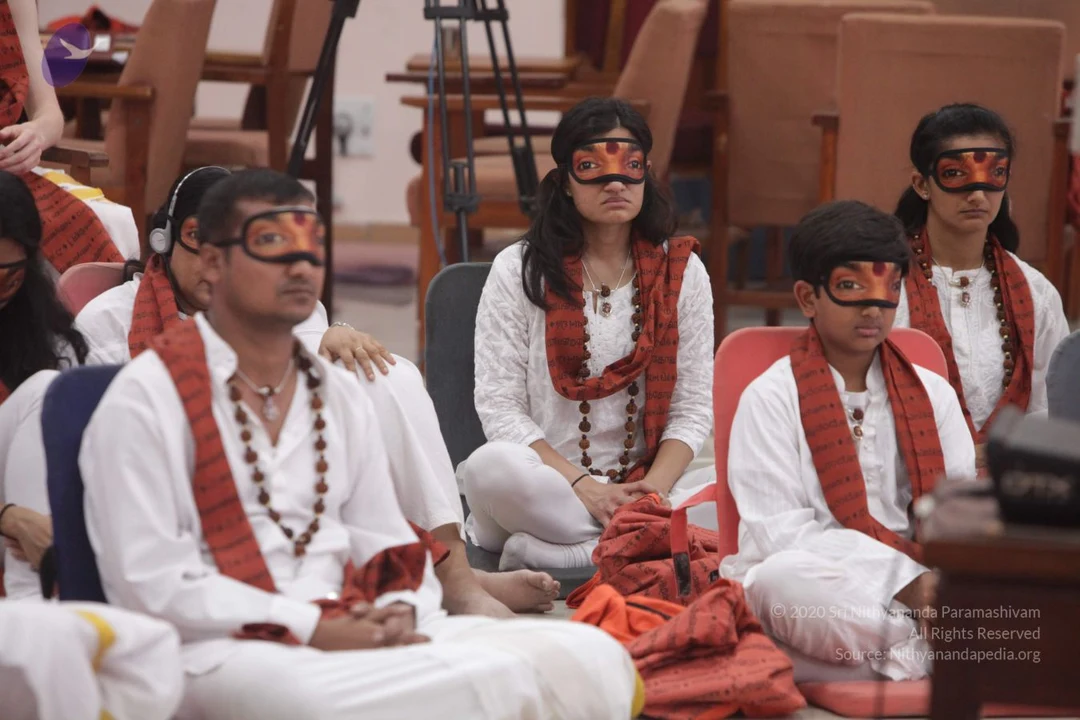
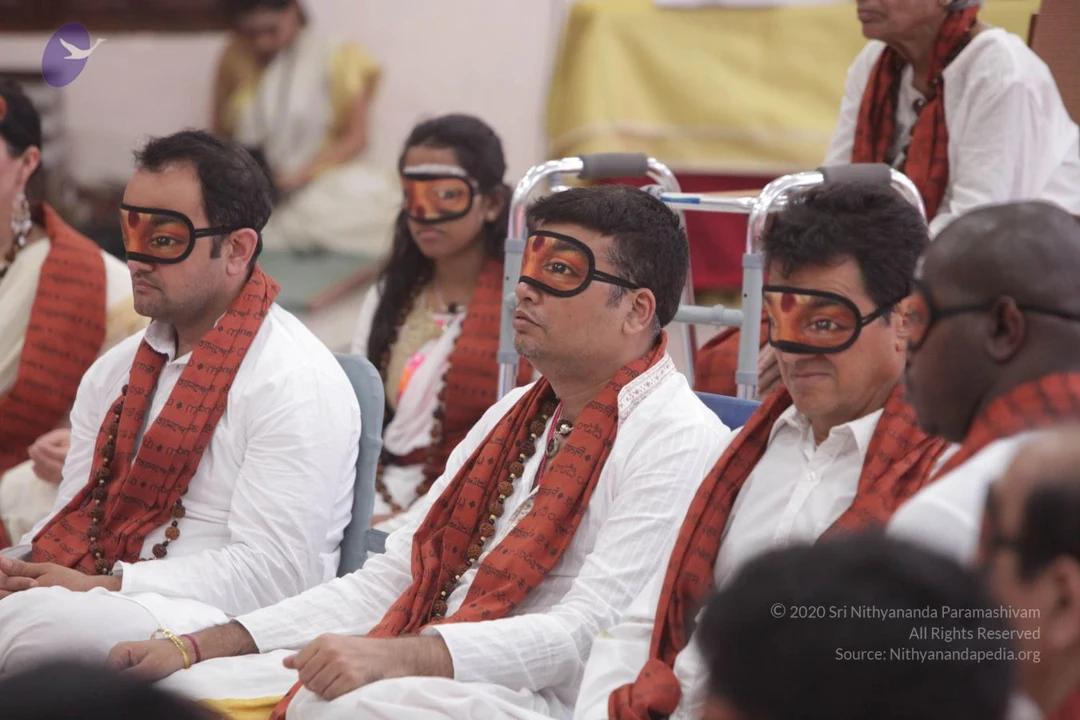
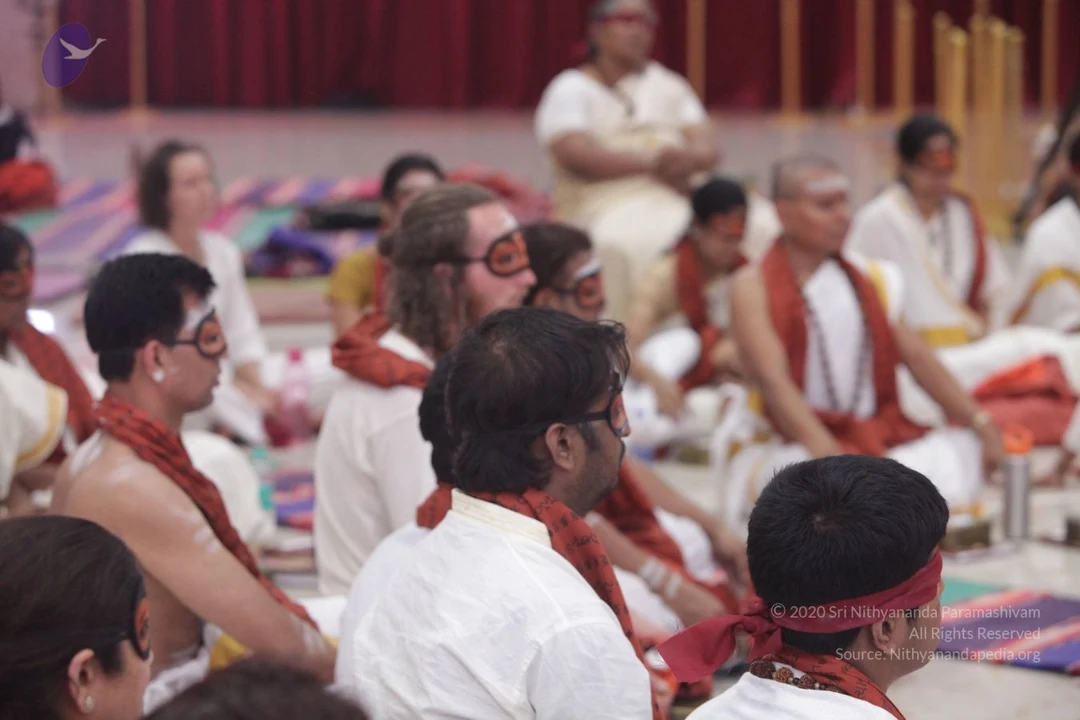
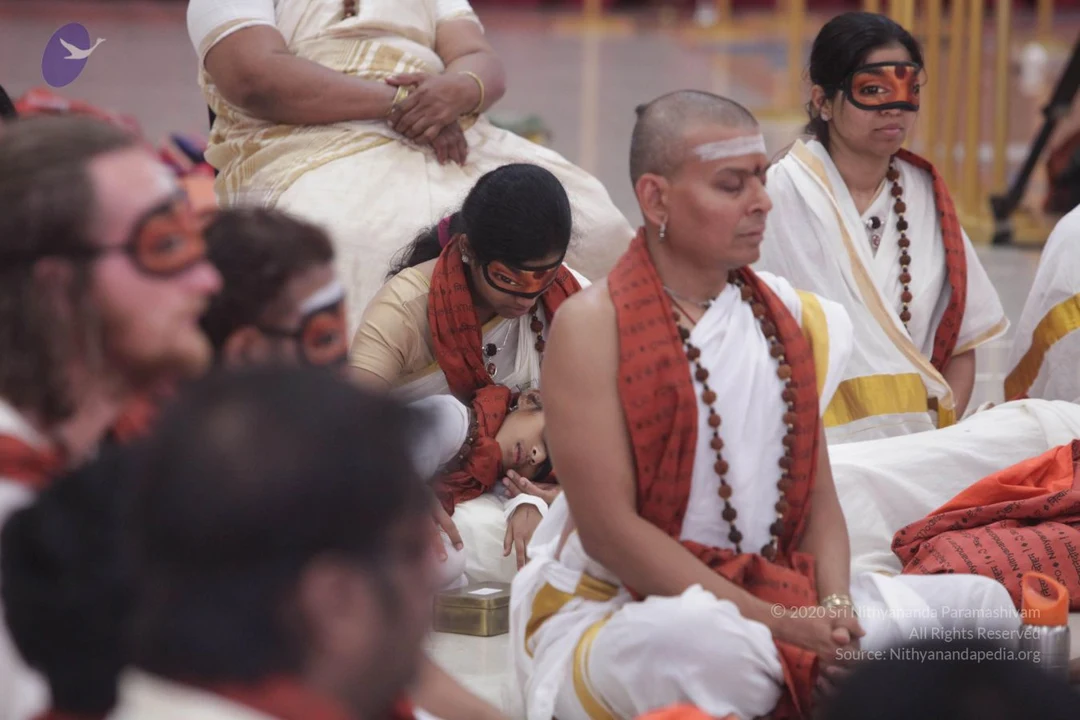
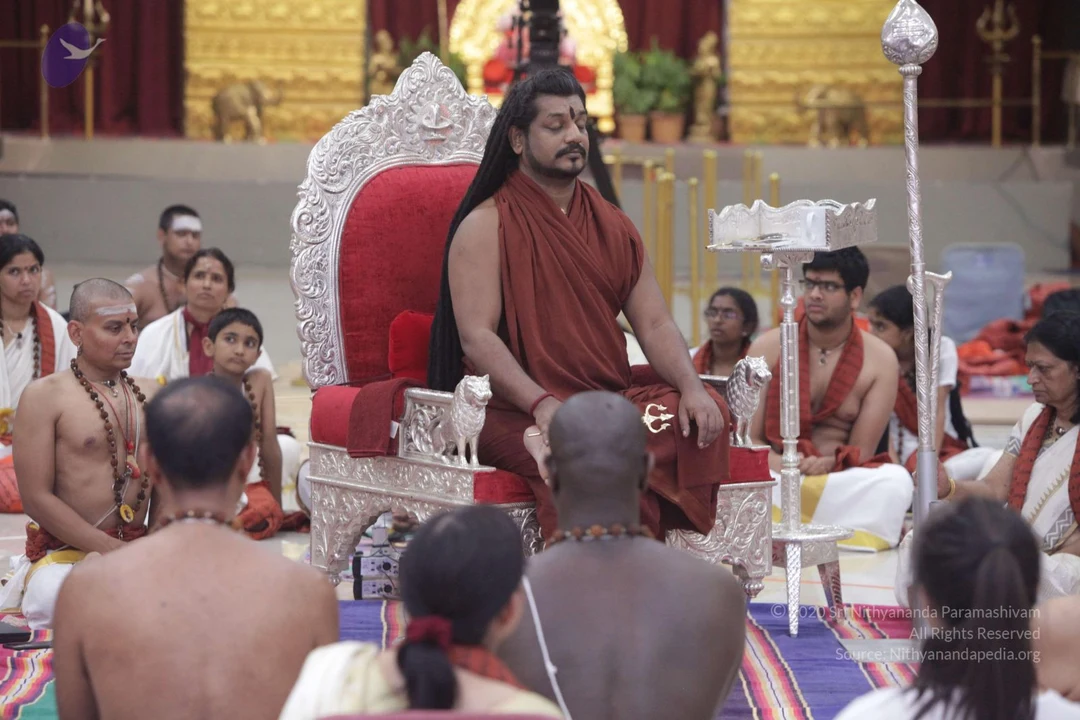
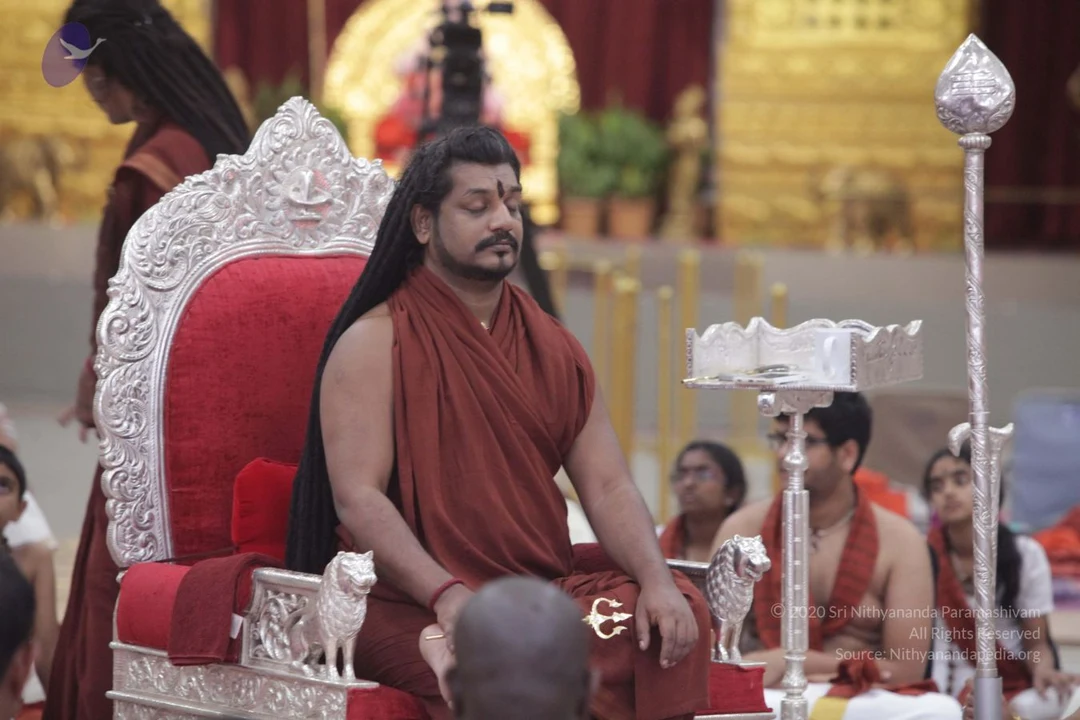
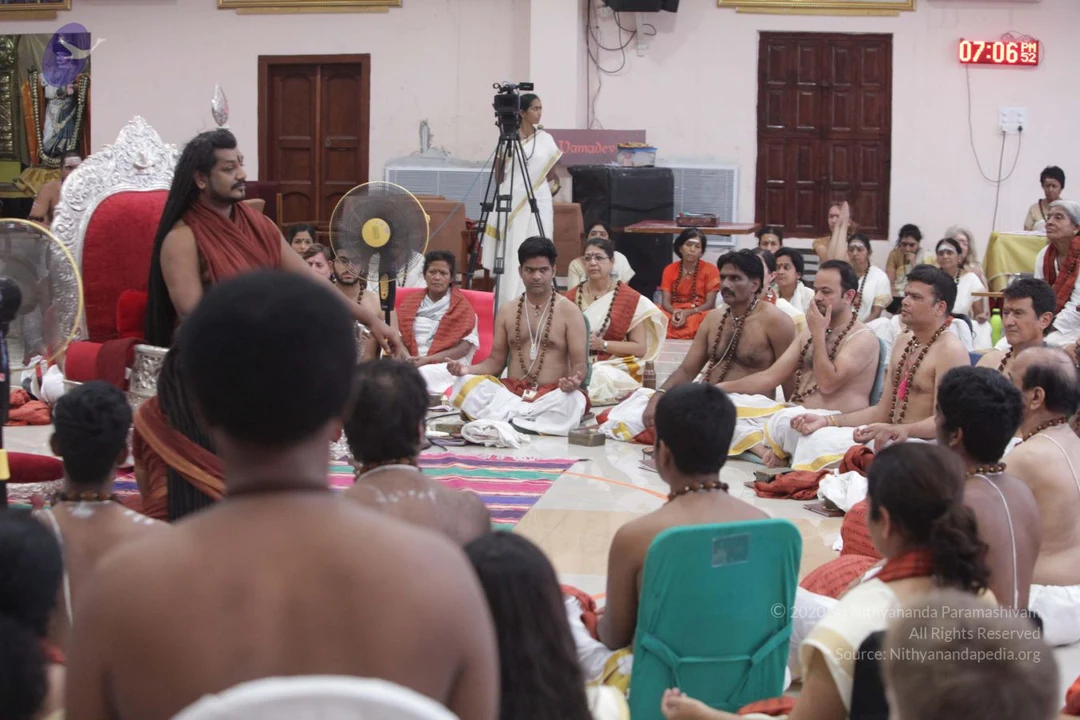
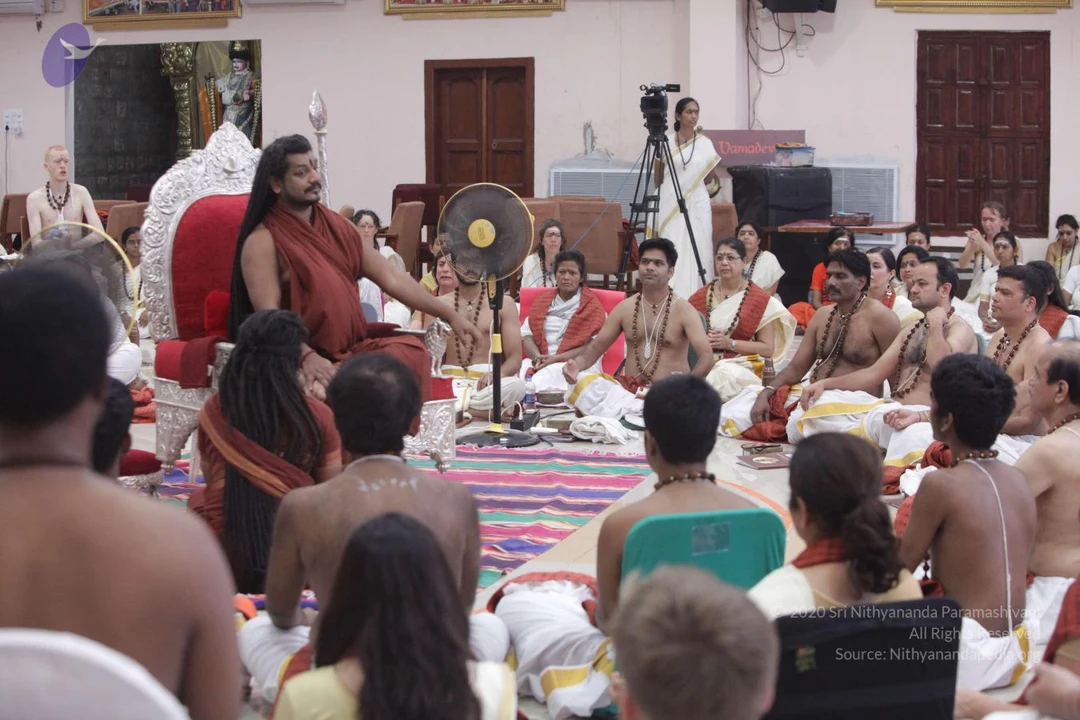
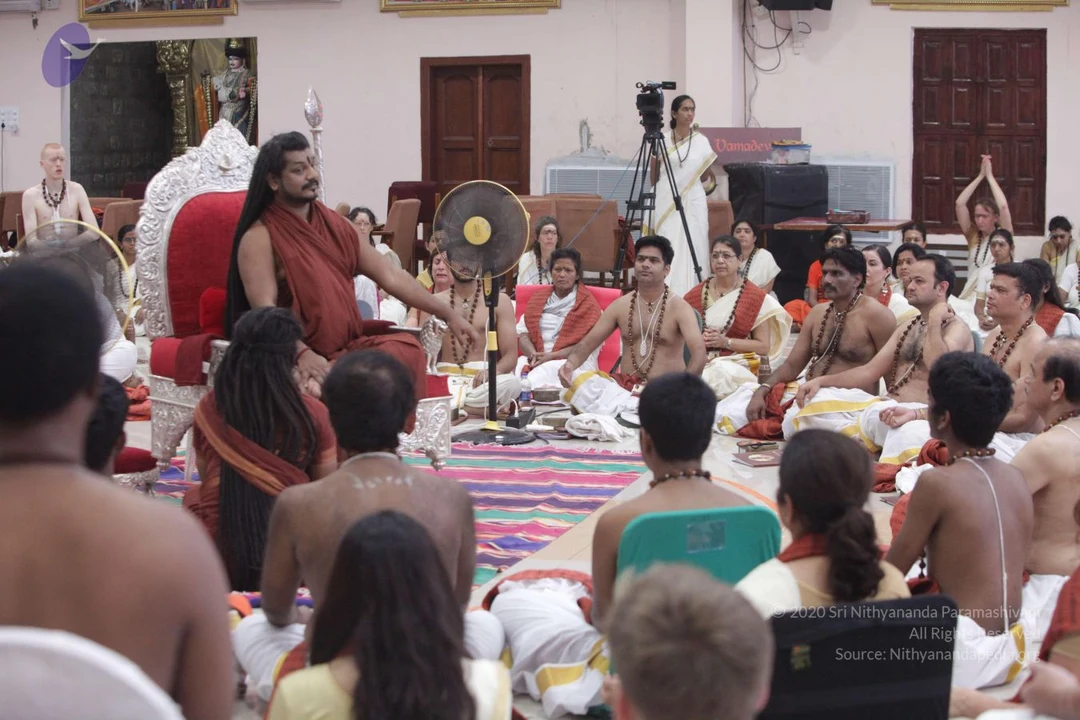
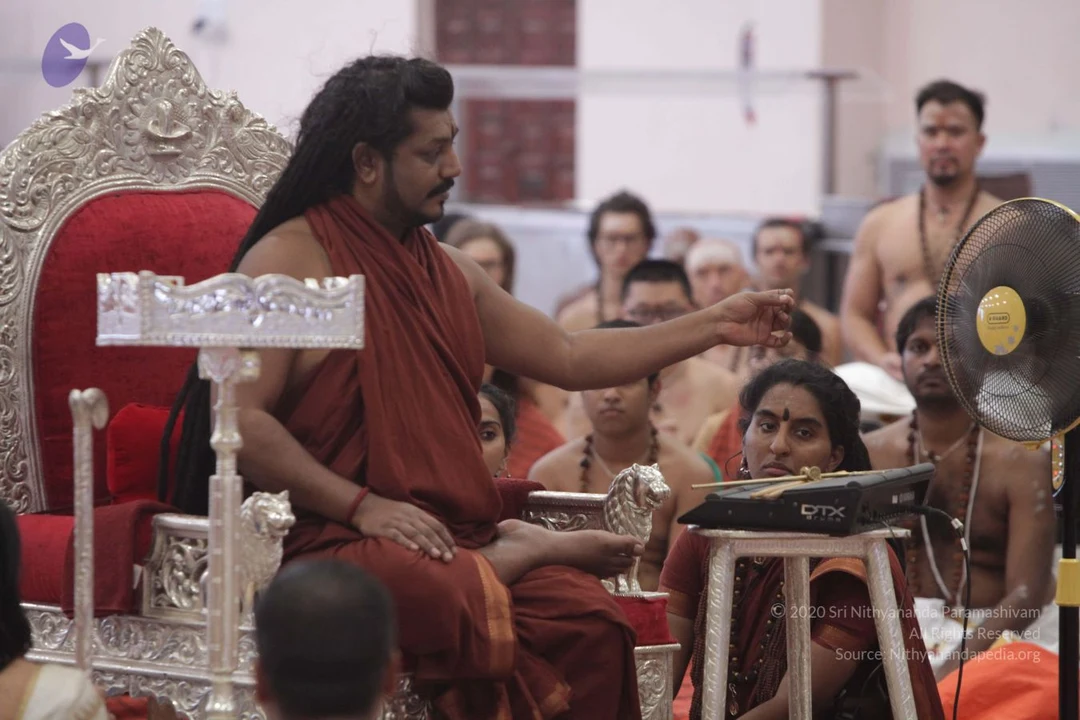
It is like...this high-energy zone can be used very beautifully for initiation, Shaktipata. You see, in this high-energy zone, if any mantras are uttered, it’ll penetrate you like a needle and get into your system and get into your bio-memory and bio-energy and become reality. Because now My prana is very powerful….please understand…..power of your prana is power of your health, power of your life. A few days before I was telling, “In 11 dimensions of the Universe, the Forms I use is different, the names I use is different, the language I use is different, but the breathing I do - is same.” The inhaling, the air inhaled now, goes up to Kailaasa - Bhur, Bhuvah, Svaha, Tapa, Satya - crossing all the Lokas, goes up to Kailaasa and take a turn and comes back. When it is very powerful, the mantras released through this breathing, gets into your system so deeply, awakens your system so powerfully….it is like, the moment the sacred syllables are given, immediately it becomes part of your cognition. So now the breath is so intense, the prana is so intense, let’s not waste this moment, let’s use it, for beautiful initiation. Please sit straight and close your eyes. If you have eye band, tie the eye band, otherwise it’s okay, you can just sit straight, close your eyes. I am going to use some of the mantras of Astha Kanma, means the 8 powers….so it will immediately start manifesting in you. The Astha Kanma initiation based on Bhuvana Vidya. There is a Vidya called Bhuvaneshwari Vidya, Bhuvana Vidya, by a great…..from a great Sri Vidya Sampradaya, Sri Vidya tradition. So, I am going to initiate you into those sacred syllables.
(9:56)
With this, I bless you all, let’s all radiate with Integrity, Authenticity, Responsibility, Enriching, Causing, Living Shuddhadvaita Saivam, Sadāshivoham, the Eternal Bliss - Nithyananda.
Thank you.
Be Blissful.
(10:20)
Initiation:
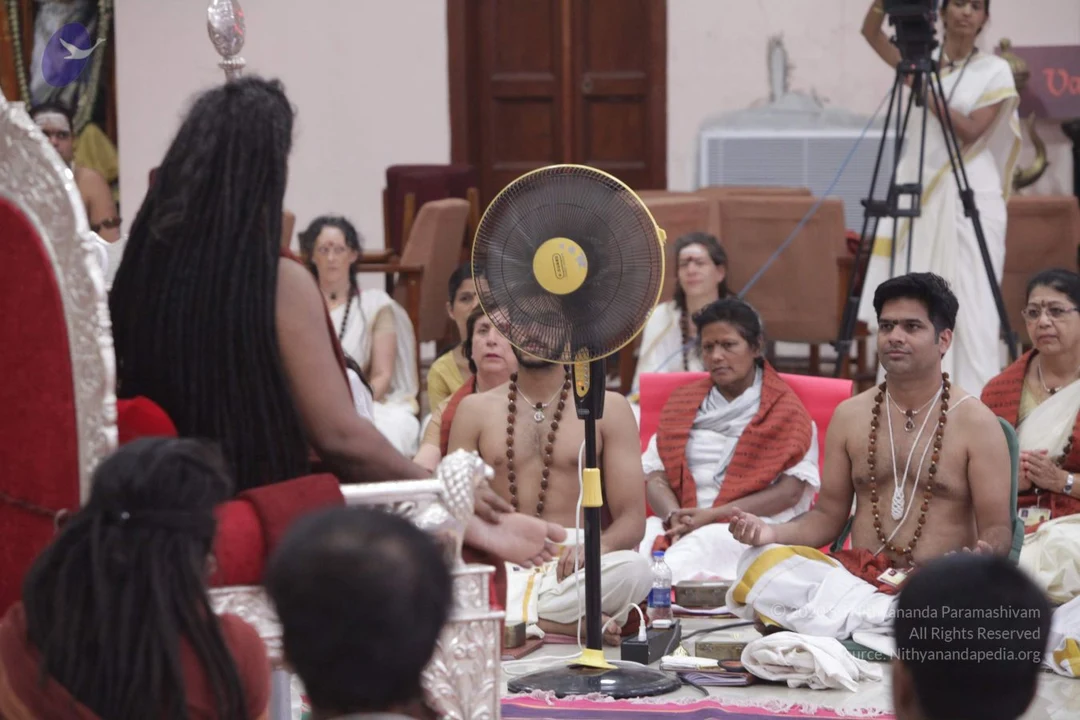
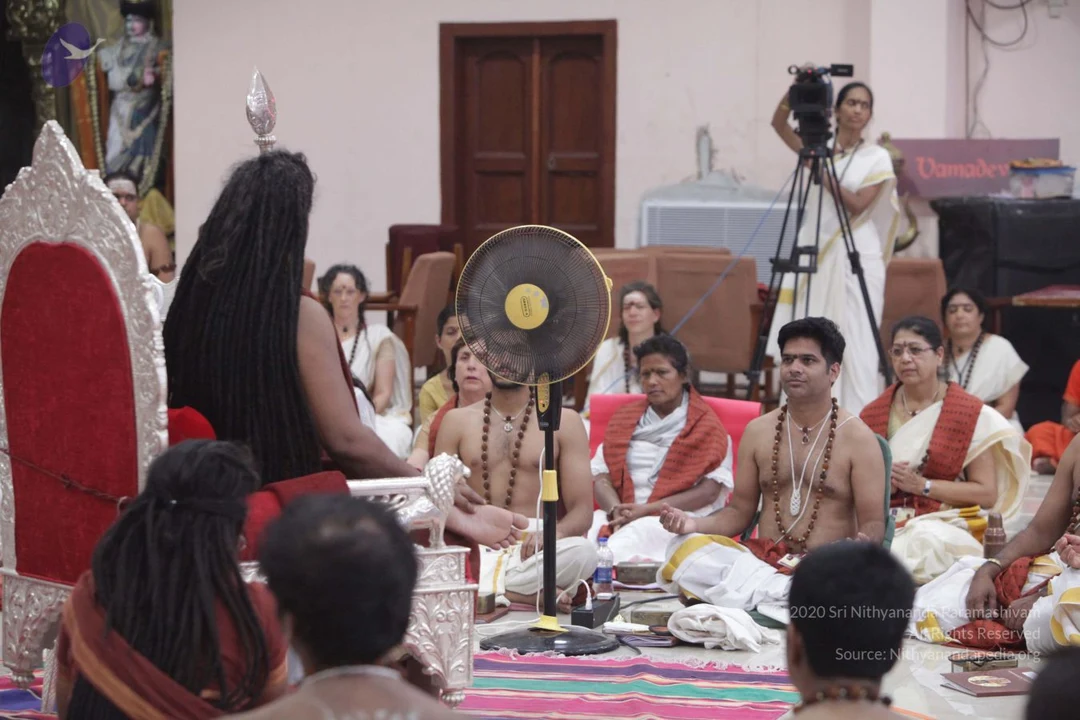
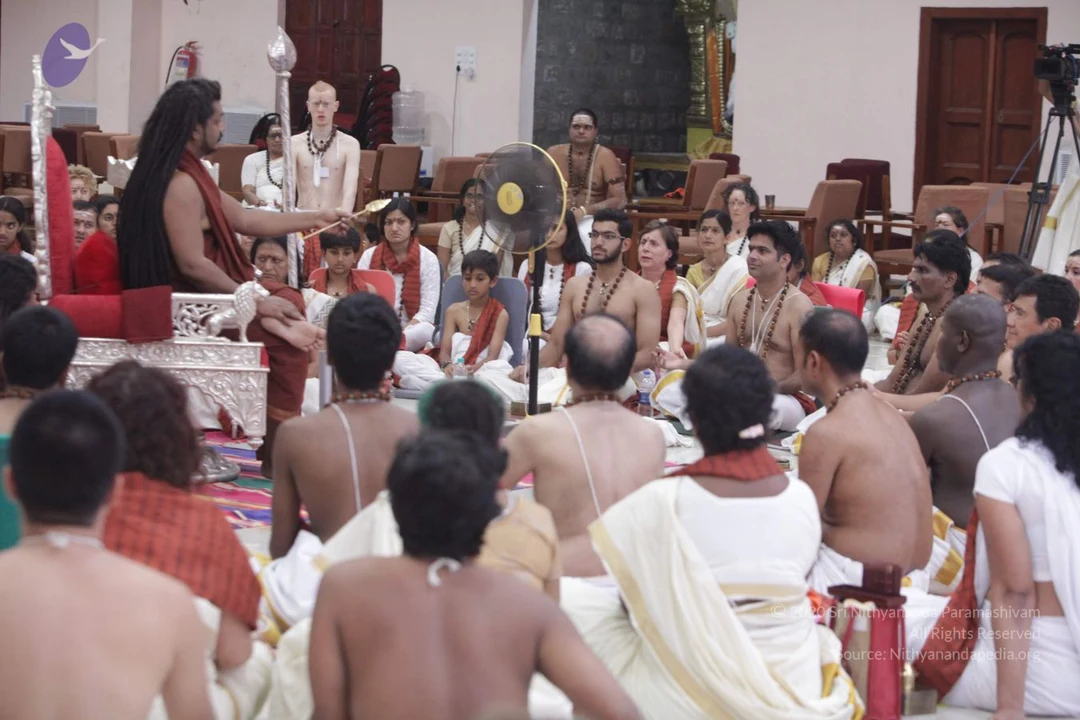
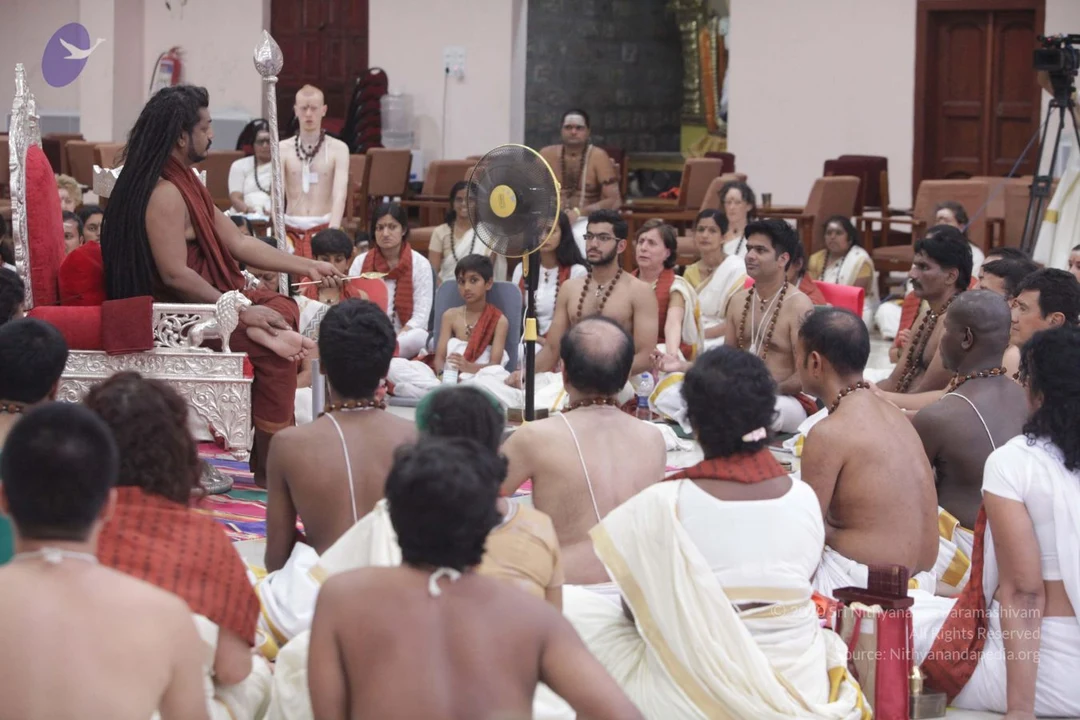
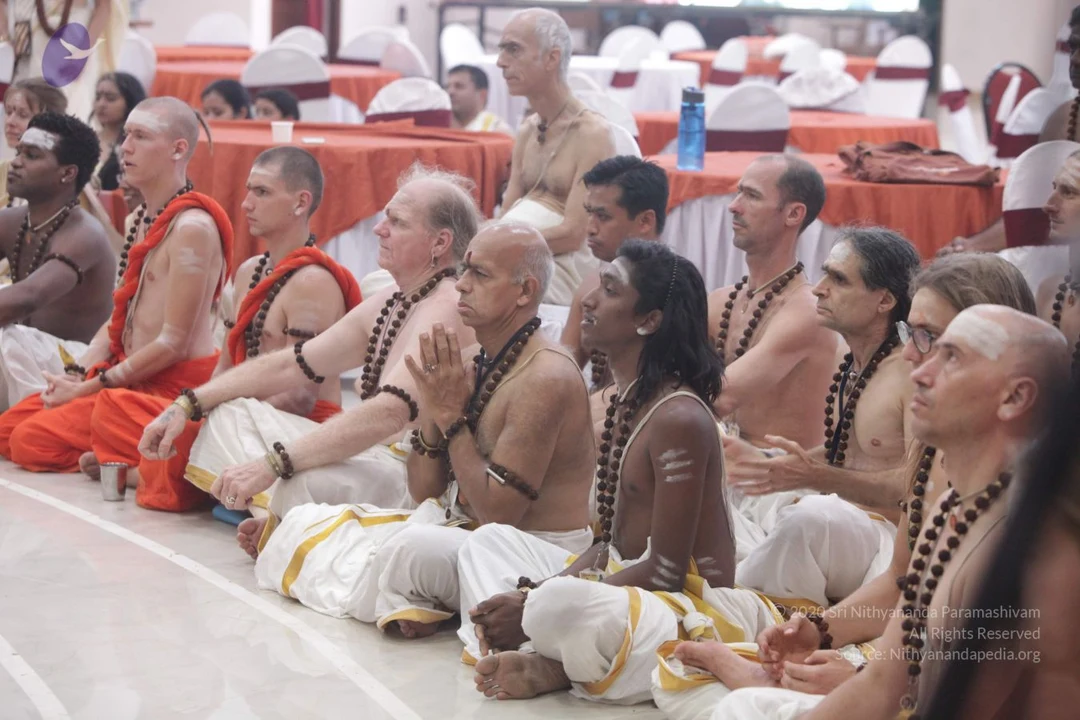
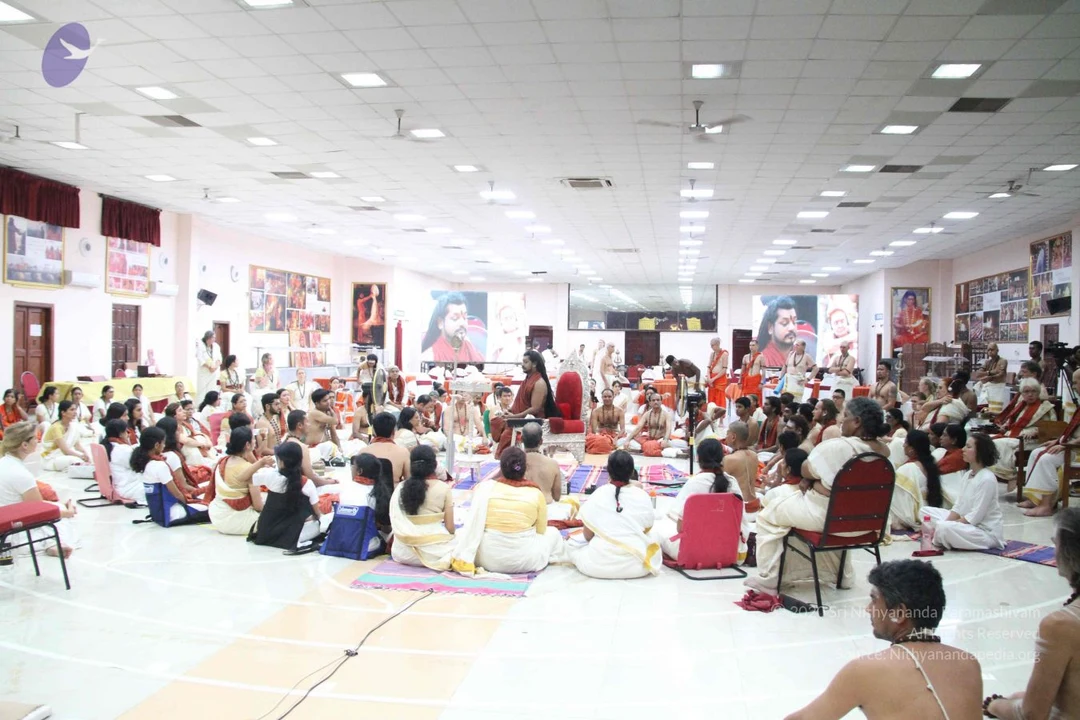
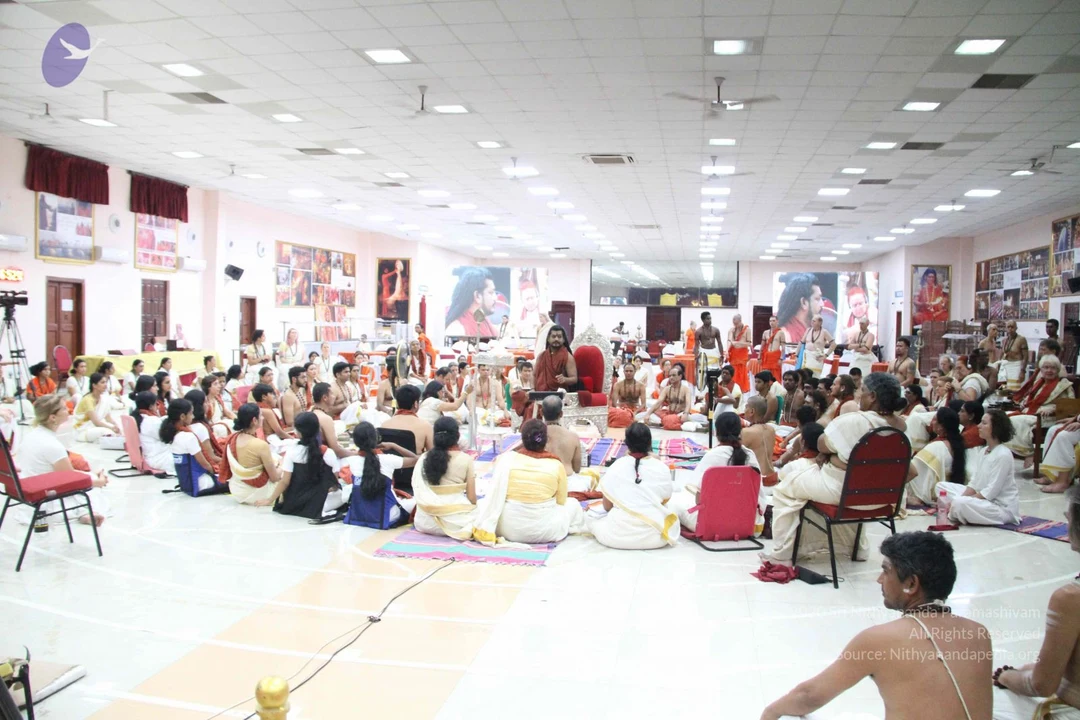
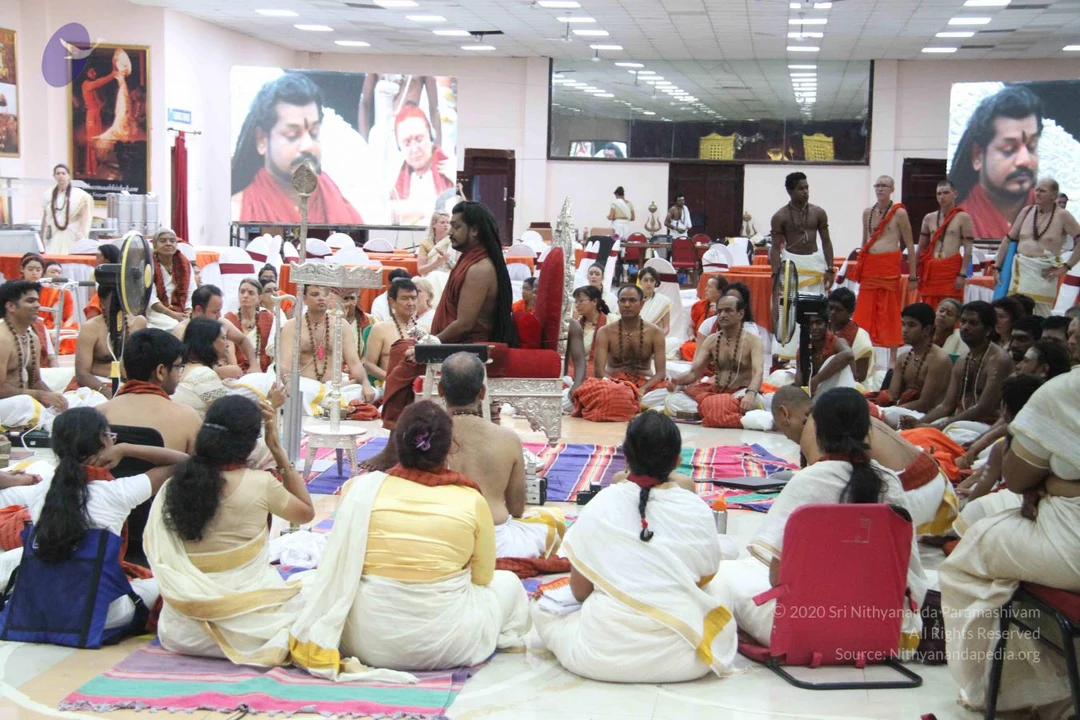
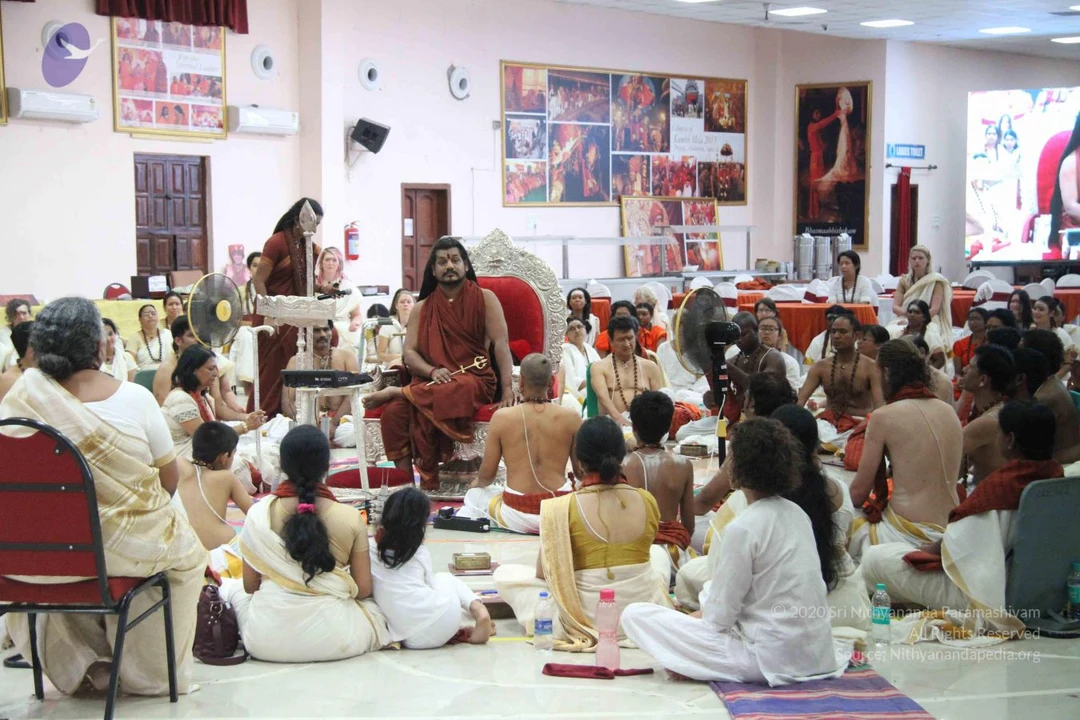
On this day Supreme Pontiff of Hinduism Bhagavan Sri Nithyananda Paramashivam initiated His disciples into the Astha Kanma initiation. This Astha Kanma initiation which means initiation into the 8 powers is based on Bhuvana Vidya- which is also known as Bhuvaneshwari Vidya that comes from the Sri Vidya tradition.
Title:
Powerful Ashtakanma Initiation || Part 1 || IA || 26 June 2017
Link To Video
In this video Supreme Pontiff of Hinduism HDH #Nithyananda Paramashivam initiates participants into Ashtakanma #Powers. On 26 June 2017 HDH Nithyananda Paramashivam mentions about the extraordinary powers which can express through the Ashtakanma #Initiation.
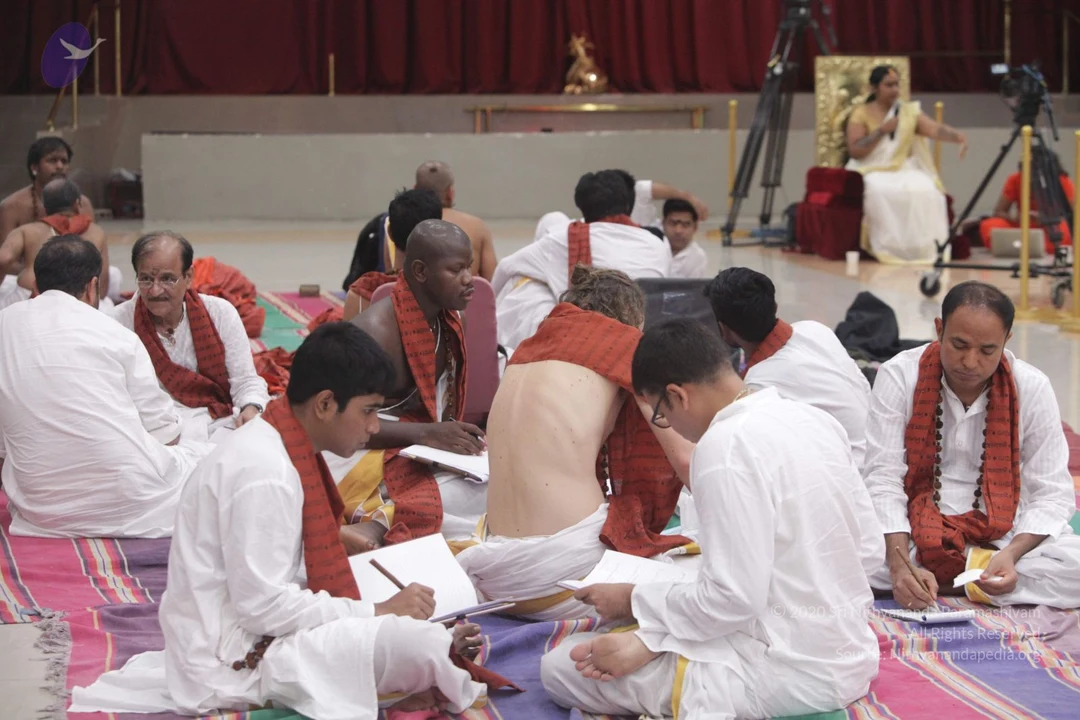
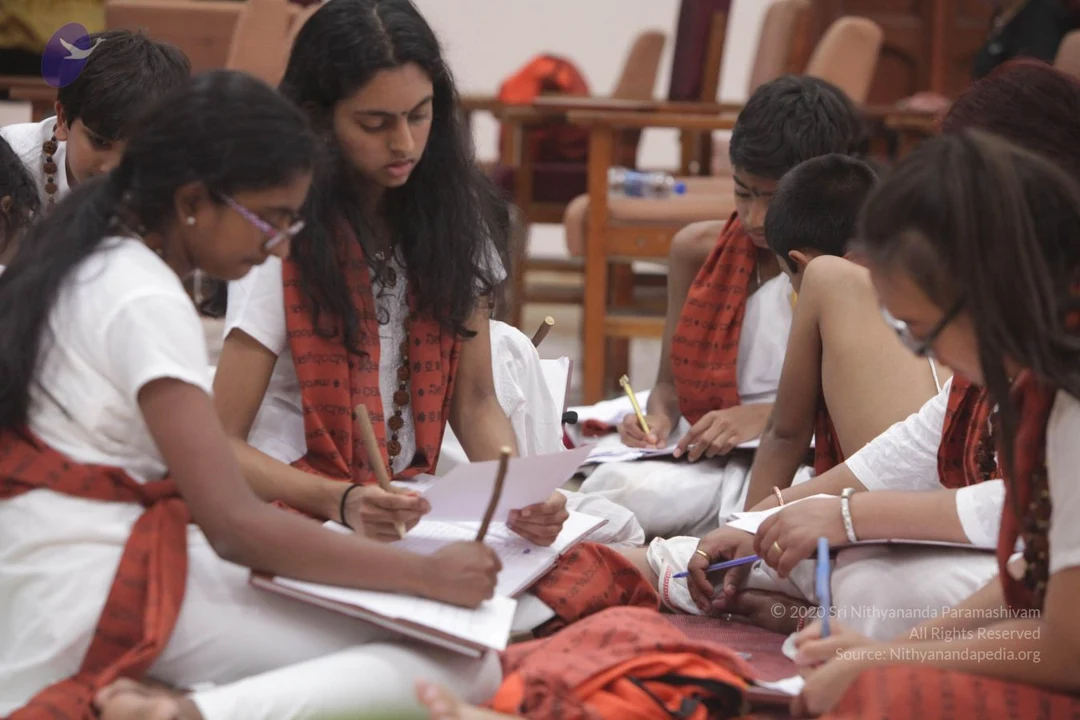
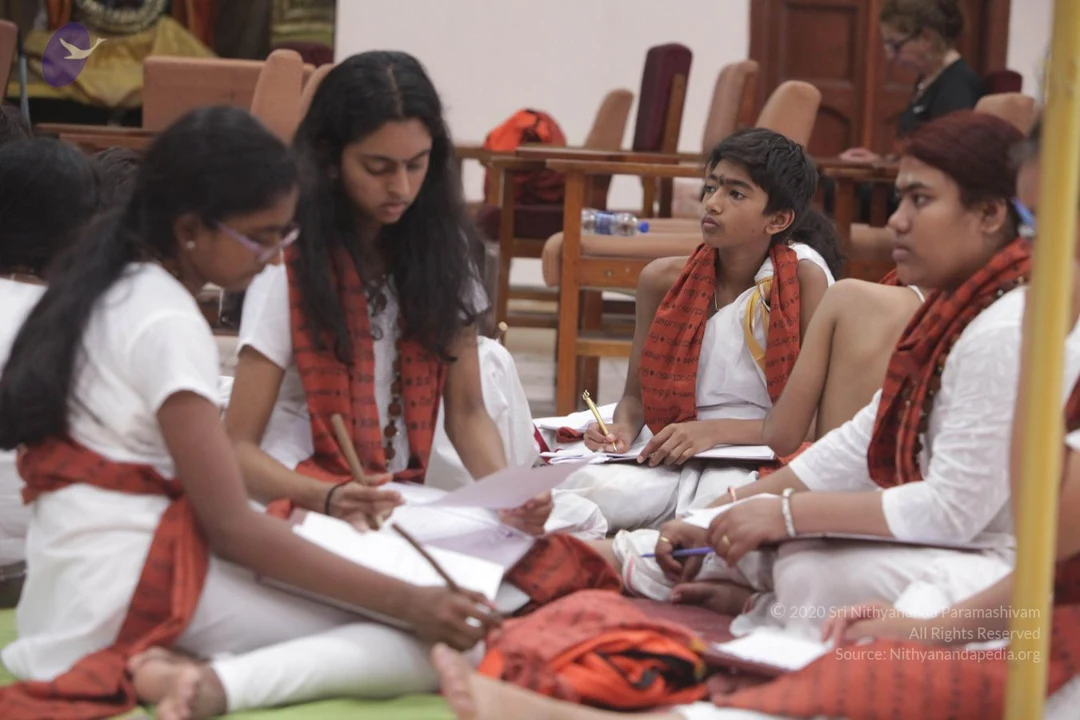
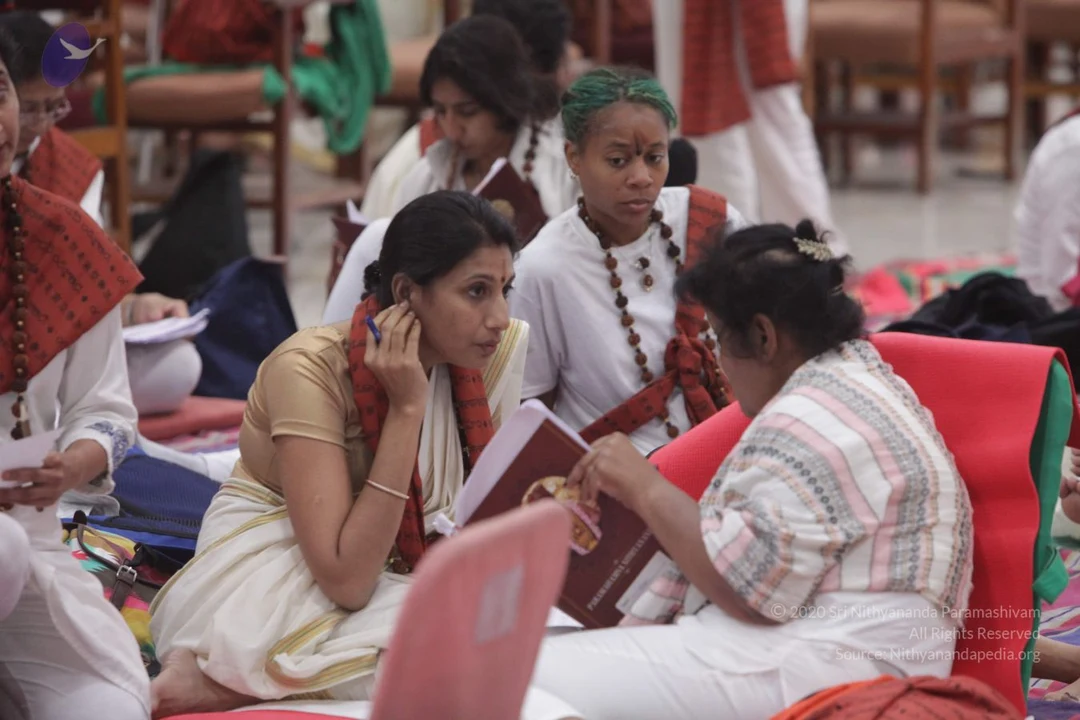
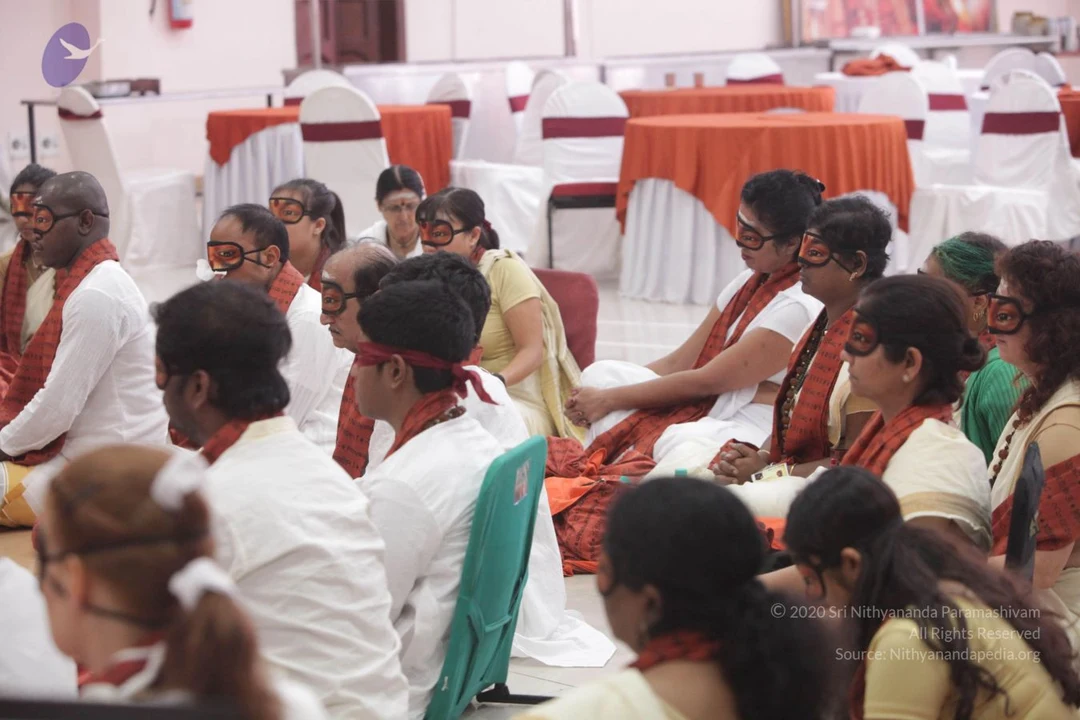
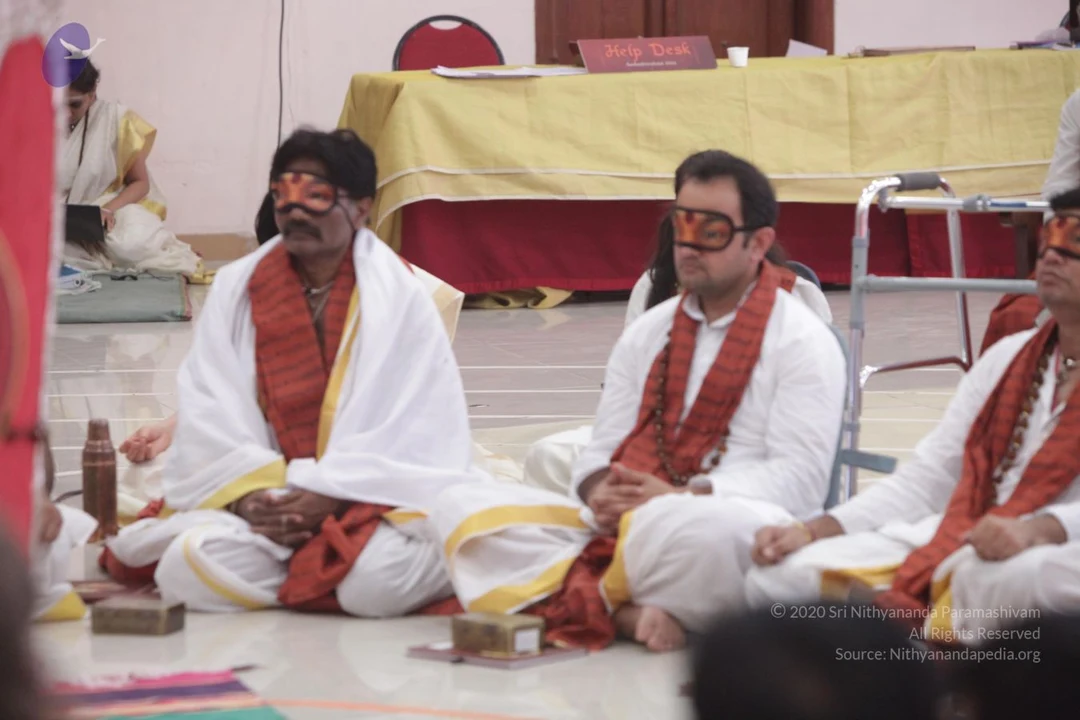
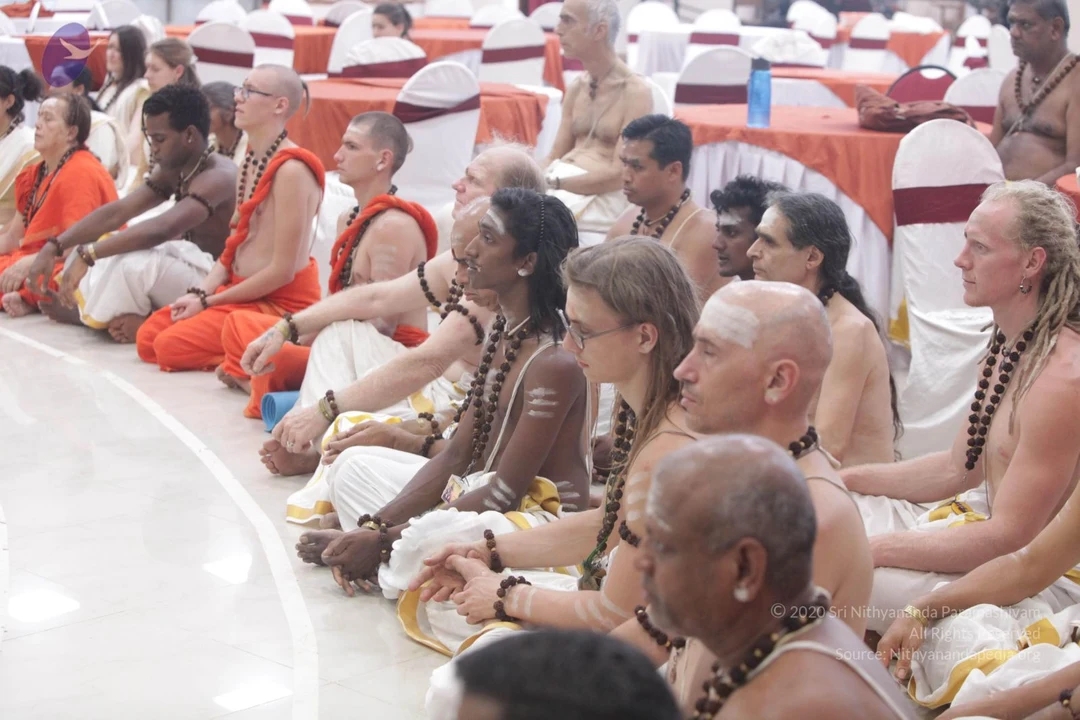
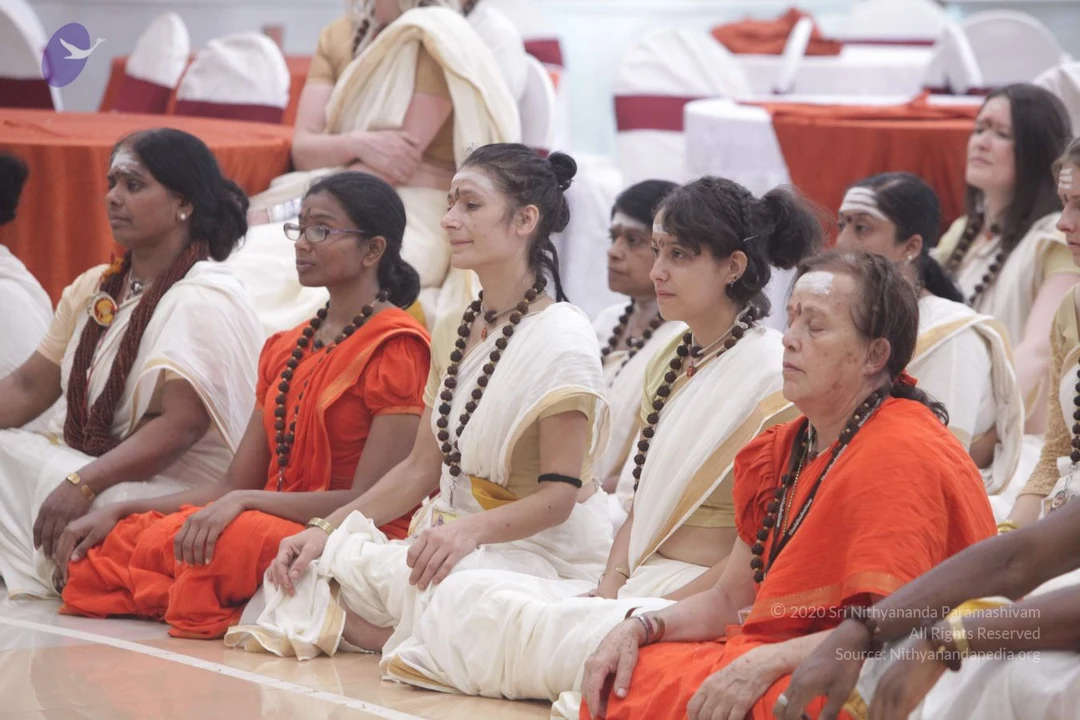
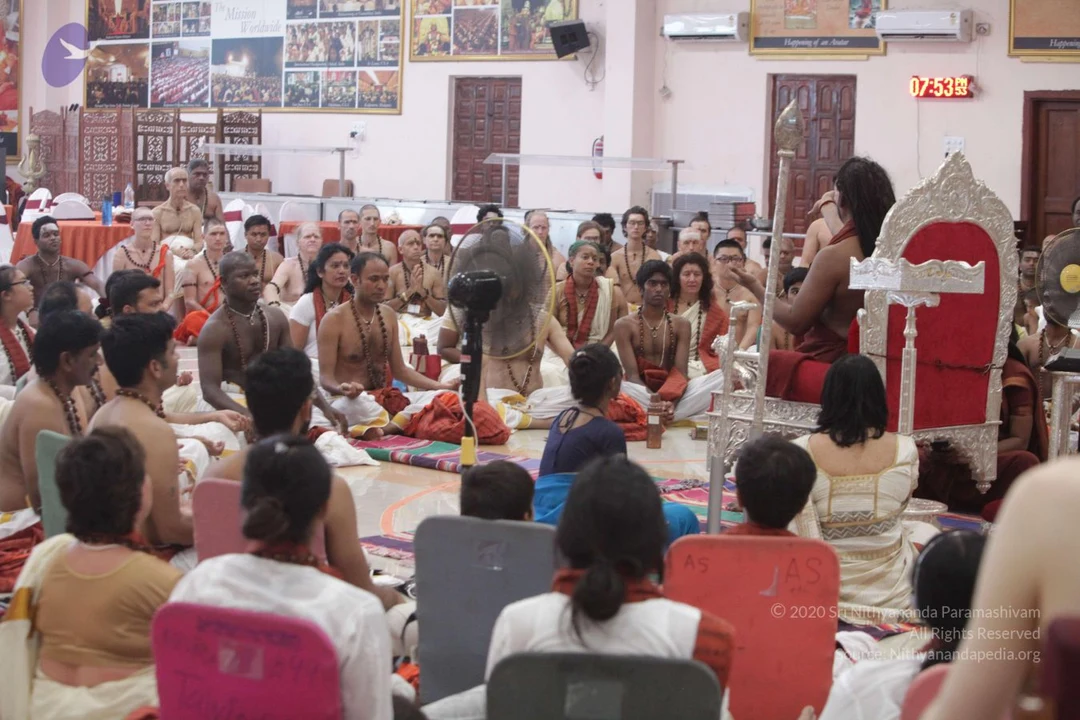
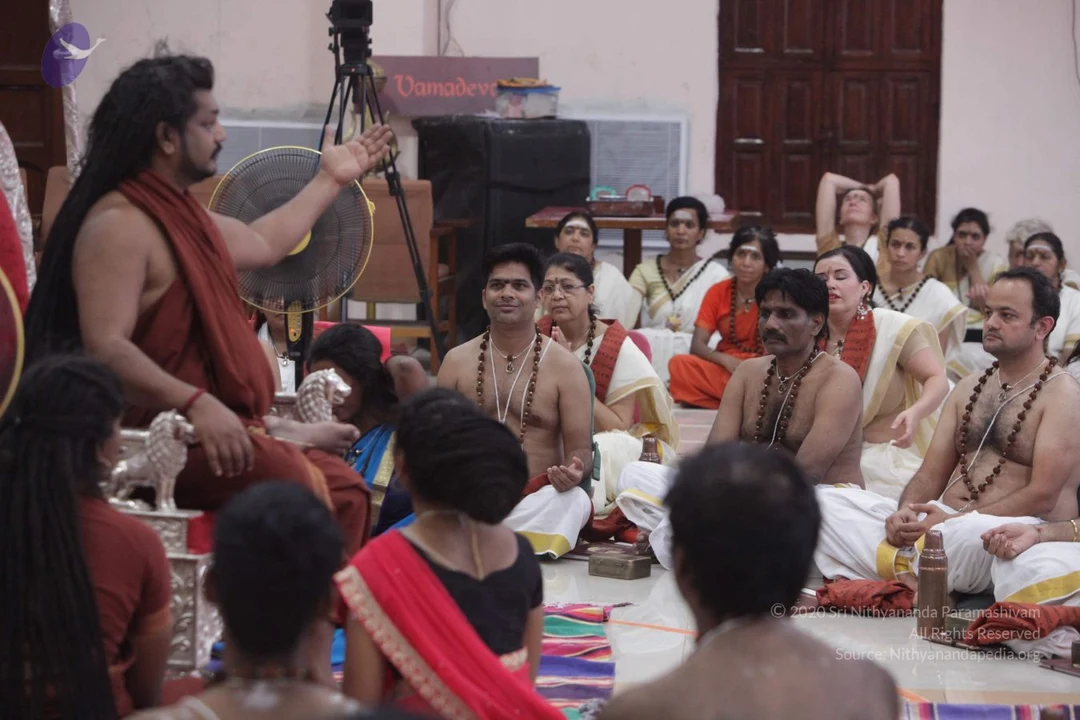
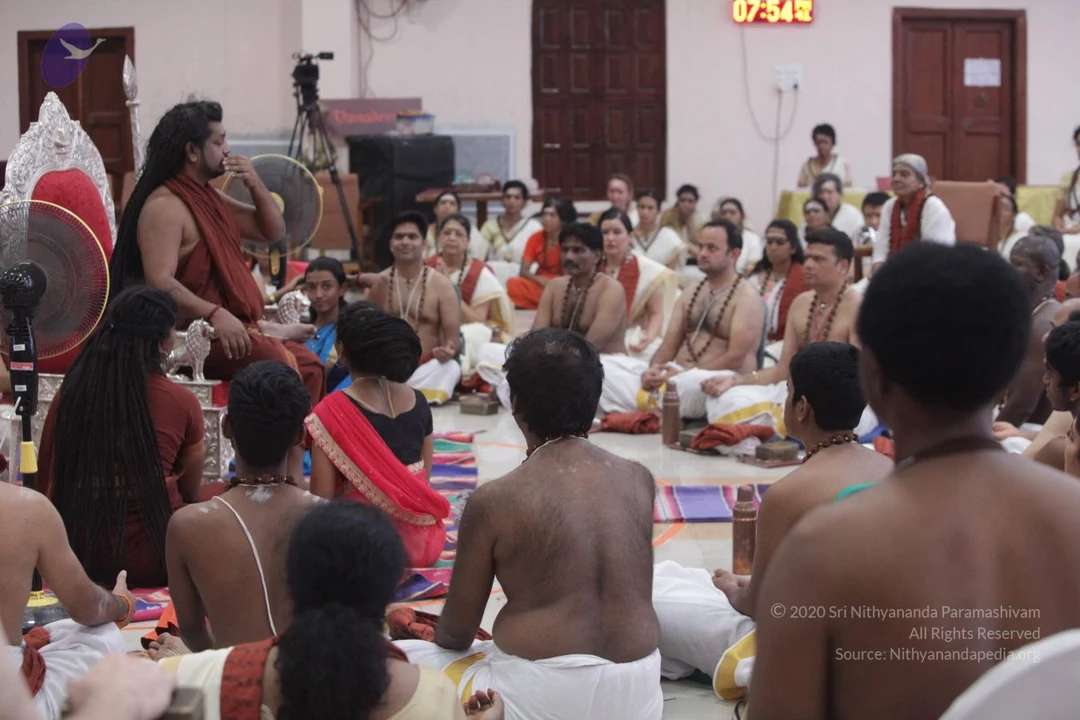
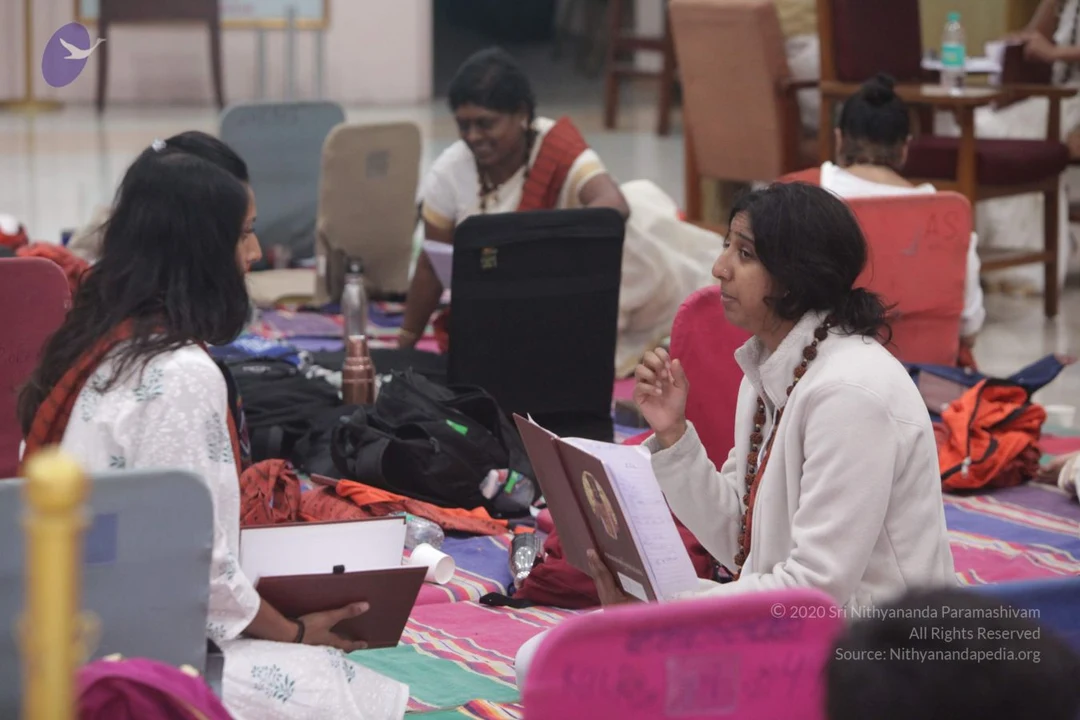
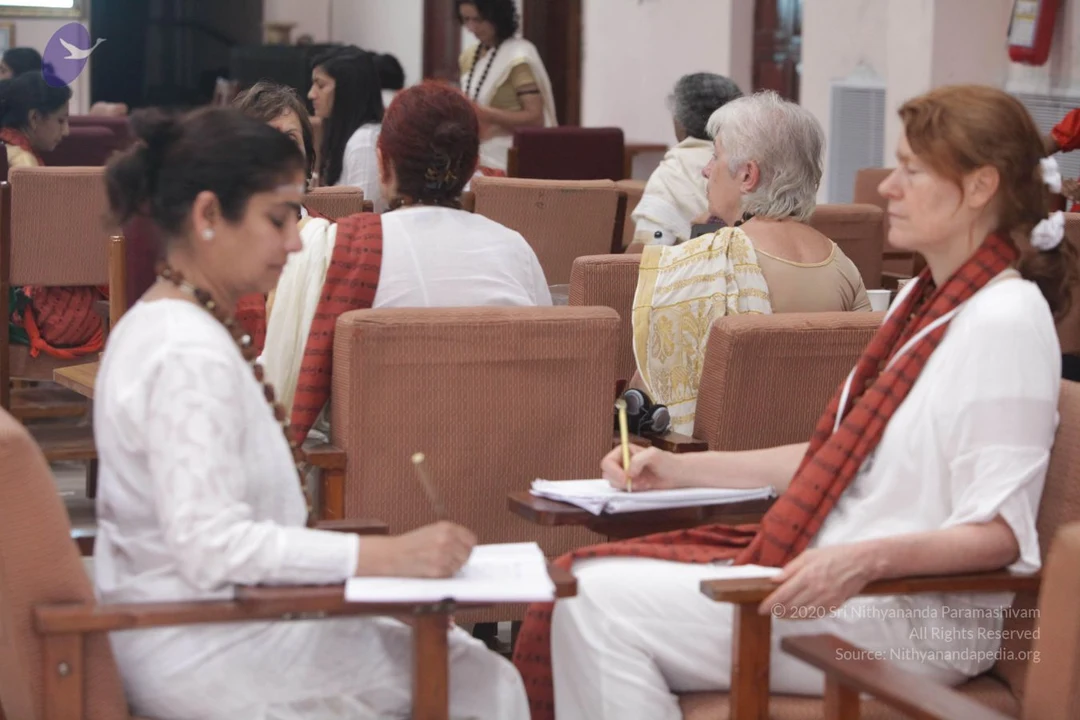
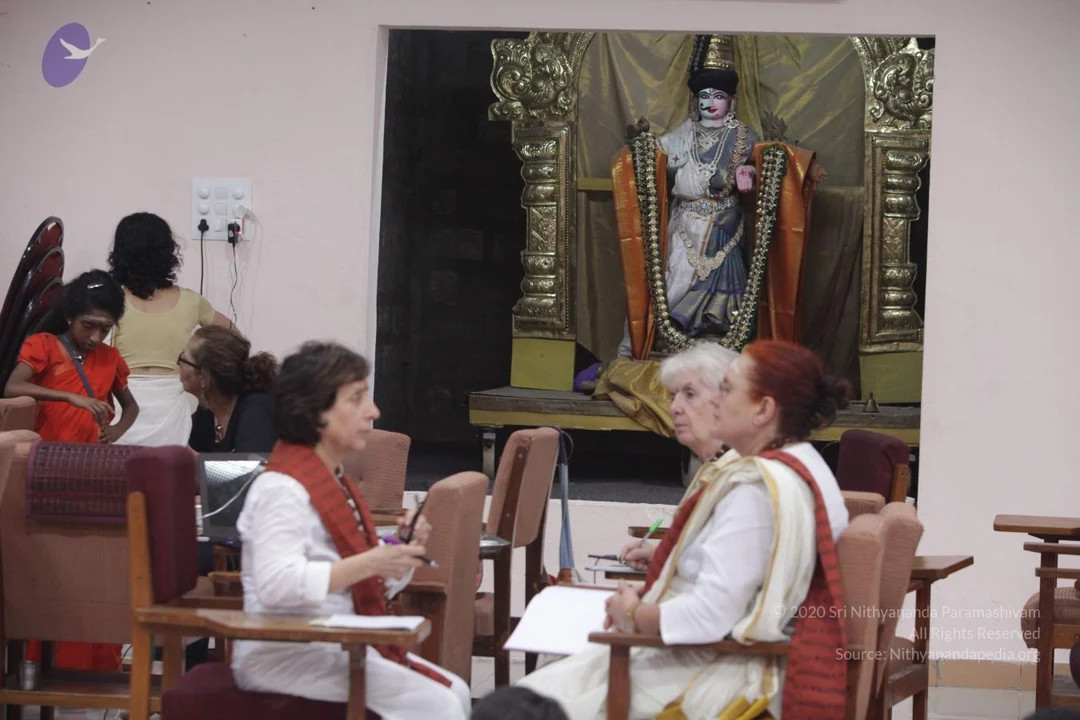
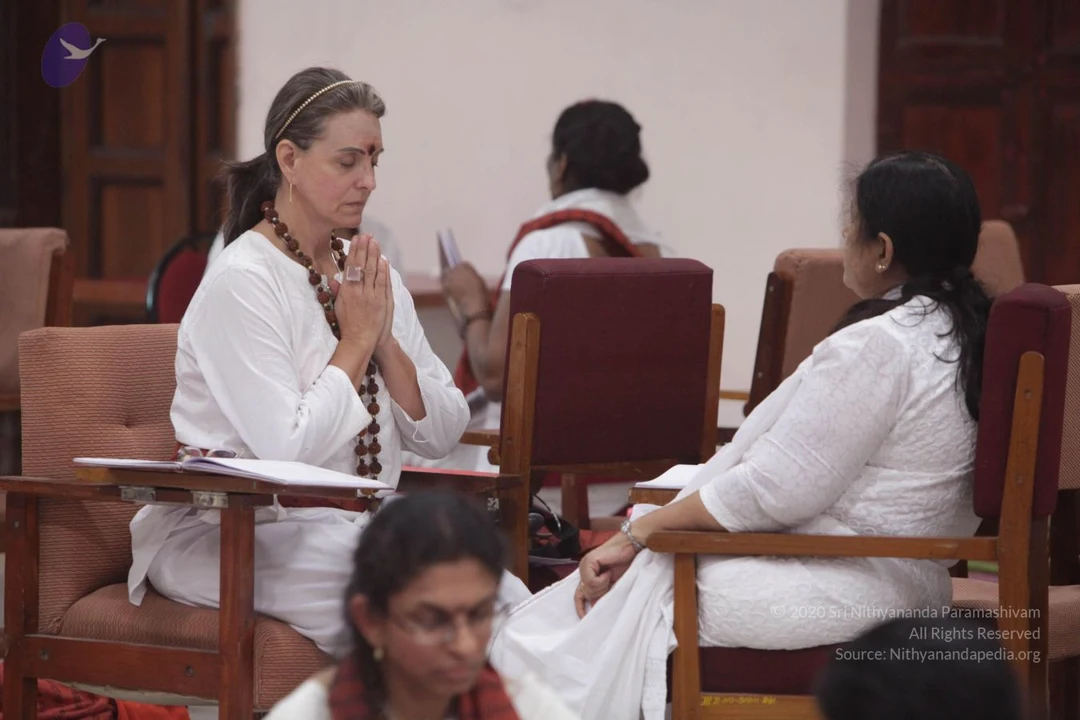
During this mandala process HDH Nithyananda Paramashivam uses silence to insert sound sacred energy into participants, intensely initiating them into complete completion with others, so that any incompletions with others are completely burnt, and awakening powers to handle nature in eight different ways. HDH Nithyananda Paramashivam explains how these powers are useful in healing the body and directly useful in day to day life.
| Video | Audio |
Title
Powerful Ashtakanma Initiation || Part 2 || IA || 26 June 2017
Description
Name Of The Program : Inner Awakening Session on: Powerful Ashtakanma Initiation - Part 2 Date : 26 June 2017 Venue : Bidadi, Bangalore, India
In this video Supreme Pontiff of Hinduism HDH #Nithyananda Paramashivam initiates participants into Ashtakanma Powers. On 26 June 2017 HDH Nithyananda Paramashivam mentions about the extraordinary powers which can express through the Ashtakanma #Initiation.
During this mandala process HDH Nithyananda Paramashivam uses silence to insert sound sacred energy into participants, intensely initiating them into complete completion with others, so that any incompletions with others are completely burnt, and awakening powers to handle nature in eight different ways. HDH Nithyananda Paramashivam explains how these powers are useful in healing the body and directly useful in day to day life.
The Supreme Pontiff of Hinduism Jagatguru Mahasannidhanam His Divine Holiness Nithyananda Paramashivam (HDH) is the reviver of #KAILASA - the ancient enlightened civilization and the great cosmic borderless Hindu nation. Revered as the incarnation of Paramashiva - the primordial Hindu Divinity, HDH has a following of 2 billion Hindus worldwide with de facto spiritual embassies in over 150 countries. He has worked untiringly for over 26 years for the revival of Kailasa, for global peace and to give super conscious breakthrough to humanity. He has survived the worst persecution of multiple assassination attempts on person and on character by anti-Hindu elements. He is collecting, organising, preserving, time capsuling, decoding, spreading and reviving 20 Million source books of Hinduism and the 64 sacred arts & sciences like Ayurveda, music, dance, sculpting, astrology, vastu and much more. Close to 20,000 hours of HDH’s timeless talks have been recorded till date (Sep 2020), which are a treasure trove of powerful cognitions to solve individual and global problems of any kind.
Link to Video:
| Video | Audio |
Title
Powerful Ashtakanma Initiation || Part 3 || IA || 26 June 2017
Description
Name Of The Program : Inner Awakening Session on: Powerful Ashtakanma Initiation - Part 3 Date : 26 June 2017 Venue : Bidadi, Bangalore, India
In this video Supreme Pontiff of Hinduism HDH #Nithyananda Paramashivam initiates participants into Ashtakanma Powers. On 26 June 2017 HDH Nithyananda Paramashivam mentions about the extraordinary powers which can express through the Ashtakanma #Initiation.
During this mandala process HDH Nithyananda Paramashivam uses silence to insert sound sacred energy into participants, intensely initiating them into complete completion with others, so that any incompletions with others are completely burnt, and awakening powers to handle nature in eight different ways. HDH Nithyananda Paramashivam explains how these powers are useful in healing the body and directly useful in day to day life.
The Supreme Pontiff of Hinduism Jagatguru Mahasannidhanam His Divine Holiness Nithyananda Paramashivam (HDH) is the reviver of #KAILASA - the ancient enlightened civilization and the great cosmic borderless Hindu nation. Revered as the incarnation of Paramashiva - the primordial Hindu Divinity, HDH has a following of 2 billion Hindus worldwide with de facto spiritual embassies in over 150 countries. He has worked untiringly for over 26 years for the revival of Kailasa, for global peace and to give super conscious breakthrough to humanity. He has survived the worst persecution of multiple assassination attempts on person and on character by anti-Hindu elements. He is collecting, organising, preserving, time capsuling, decoding, spreading and reviving 20 Million source books of Hinduism and the 64 sacred arts & sciences like Ayurveda, music, dance, sculpting, astrology, vastu and much more. Close to 20,000 hours of HDH’s timeless talks have been recorded till date (Sep 2020), which are a treasure trove of powerful cognitions to solve individual and global problems of any kind.
Link to Video:
| Video | Audio |
Title
Powerful Ashtakanma Initiation || Part 4 || IA || 26 June 2017
Description
Name Of The Program : Inner Awakening Session on: Powerful Ashtakanma Initiation - Part 4 Date : 26 June 2017 Venue : Bidadi, Bangalore, India
In this video Supreme Pontiff of Hinduism HDH #Nithyananda Paramashivam initiates participants into Ashtakanma Powers. On 26 June 2017 HDH Nithyananda Paramashivam mentions about the extraordinary powers which can express through the Ashtakanma #Initiation.
During this mandala process HDH Nithyananda Paramashivam uses silence to insert sound sacred energy into participants, intensely initiating them into complete completion with others, so that any incompletions with others are completely burnt, and awakening powers to handle nature in eight different ways. HDH Nithyananda Paramashivam explains how these powers are useful in healing the body and directly useful in day to day life.
The Supreme Pontiff of Hinduism Jagatguru Mahasannidhanam His Divine Holiness Nithyananda Paramashivam (HDH) is the reviver of #KAILASA - the ancient enlightened civilization and the great cosmic borderless Hindu nation. Revered as the incarnation of Paramashiva - the primordial Hindu Divinity, HDH has a following of 2 billion Hindus worldwide with de facto spiritual embassies in over 150 countries. He has worked untiringly for over 26 years for the revival of Kailasa, for global peace and to give super conscious breakthrough to humanity. He has survived the worst persecution of multiple assassination attempts on person and on character by anti-Hindu elements. He is collecting, organising, preserving, time capsuling, decoding, spreading and reviving 20 Million source books of Hinduism and the 64 sacred arts & sciences like Ayurveda, music, dance, sculpting, astrology, vastu and much more. Close to 20,000 hours of HDH’s timeless talks have been recorded till date (Sep 2020), which are a treasure trove of powerful cognitions to solve individual and global problems of any kind.
Link to Video:
| Video | Audio |
Photos
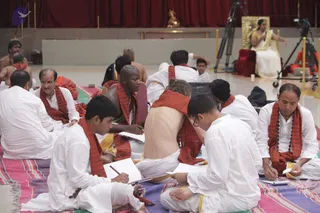
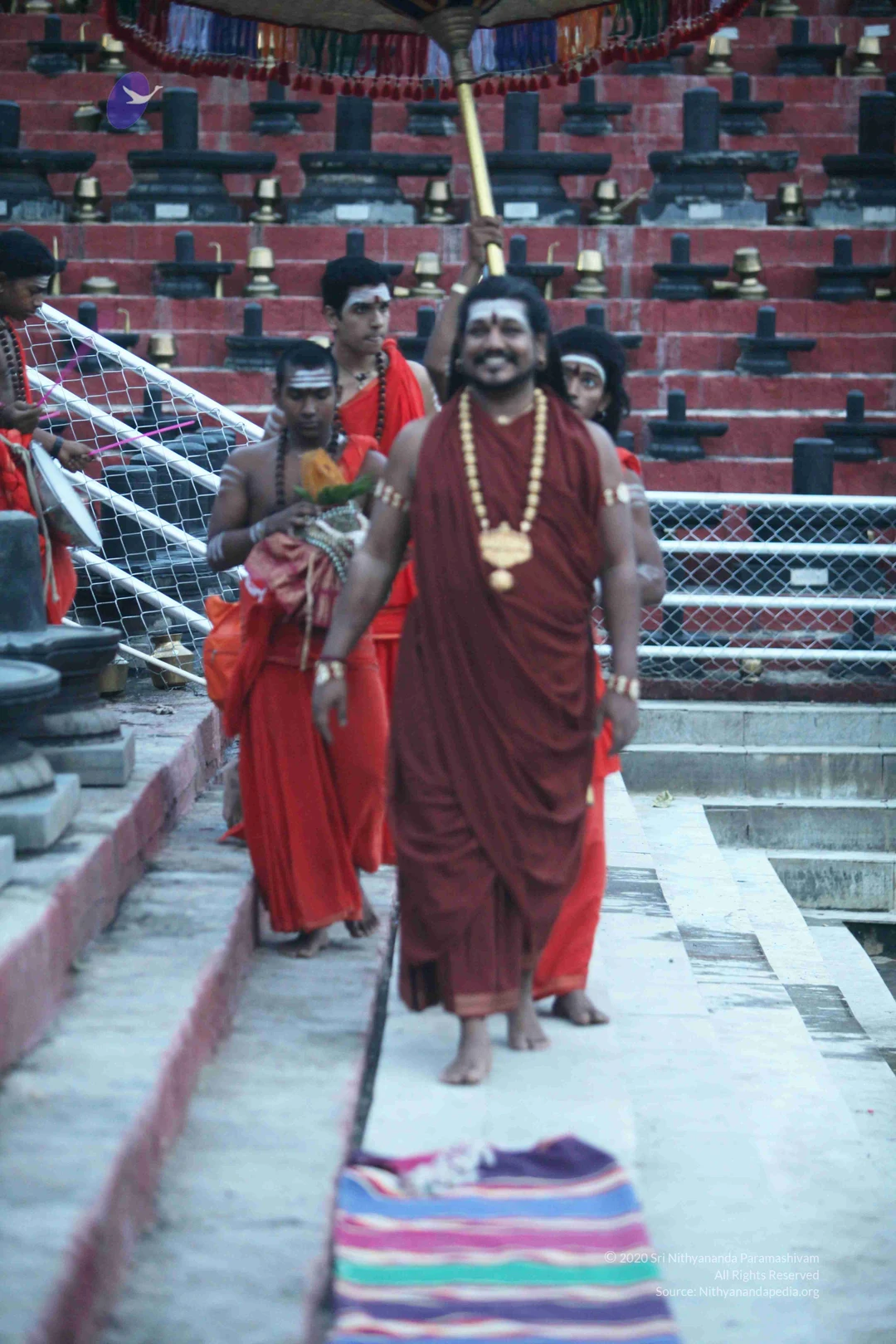
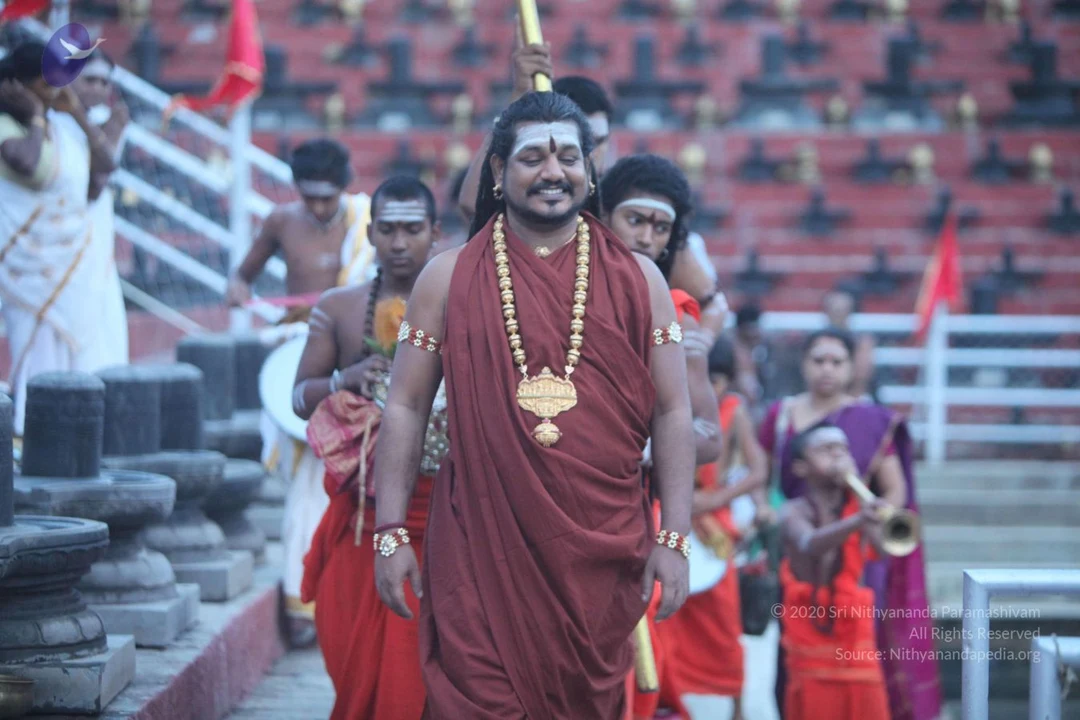
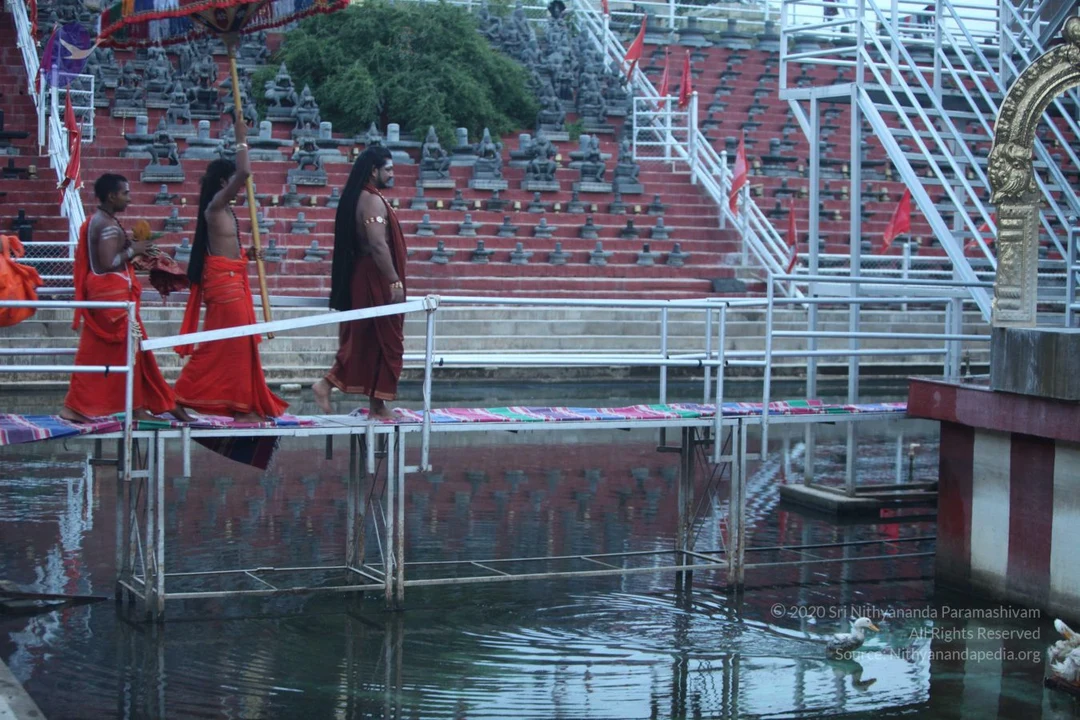
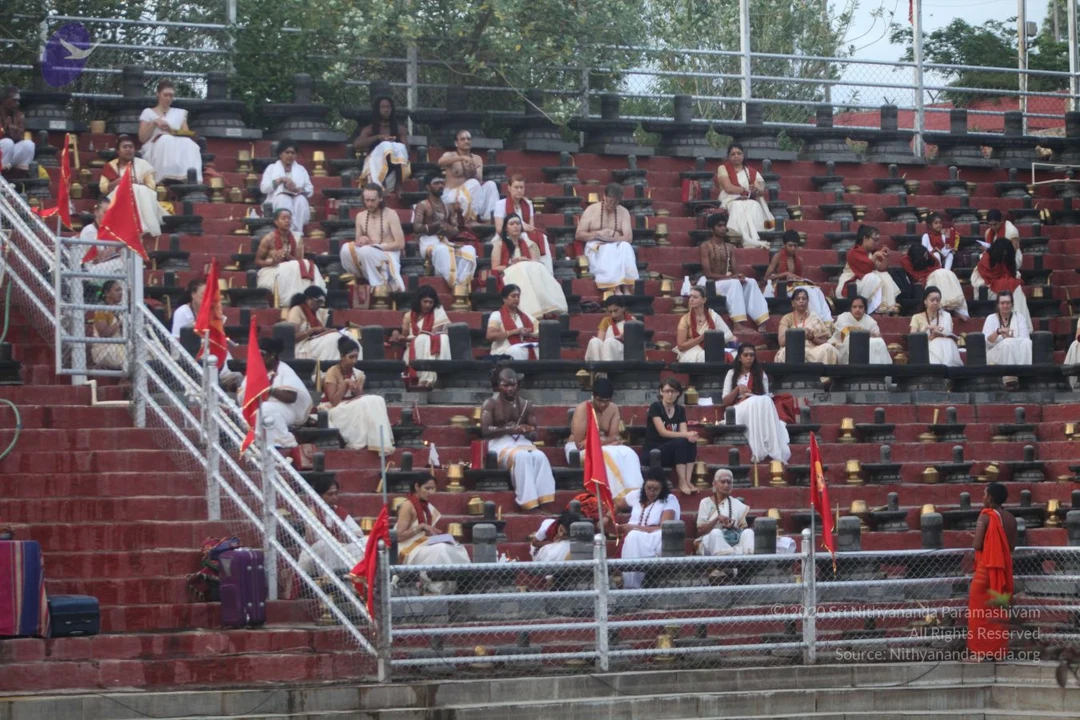
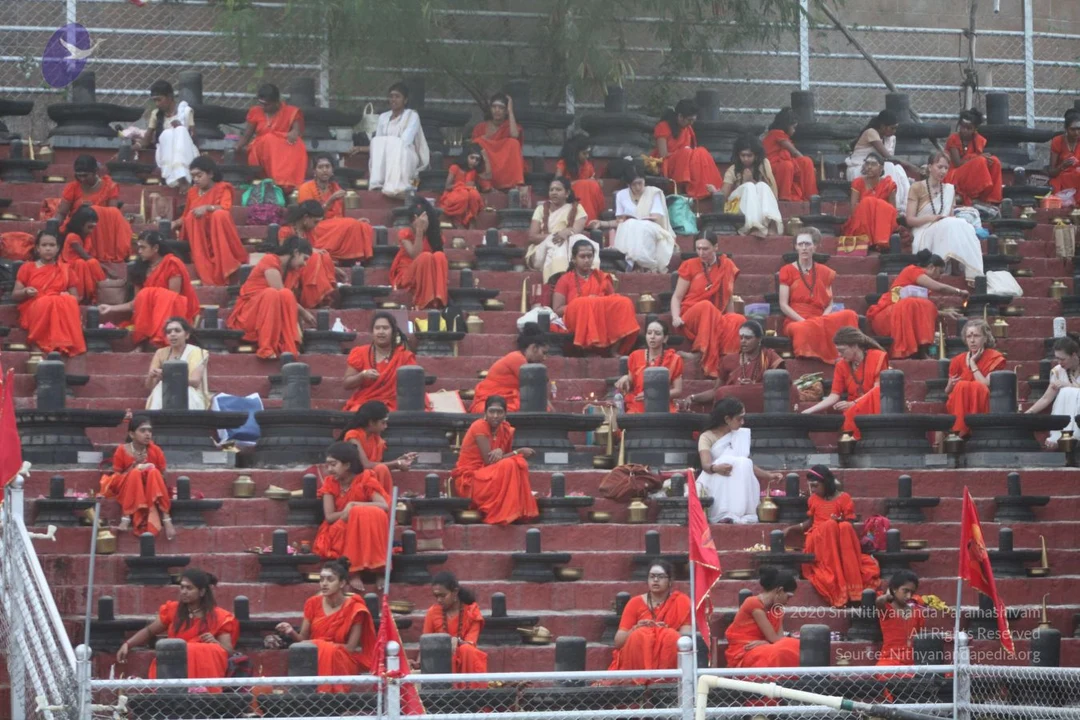
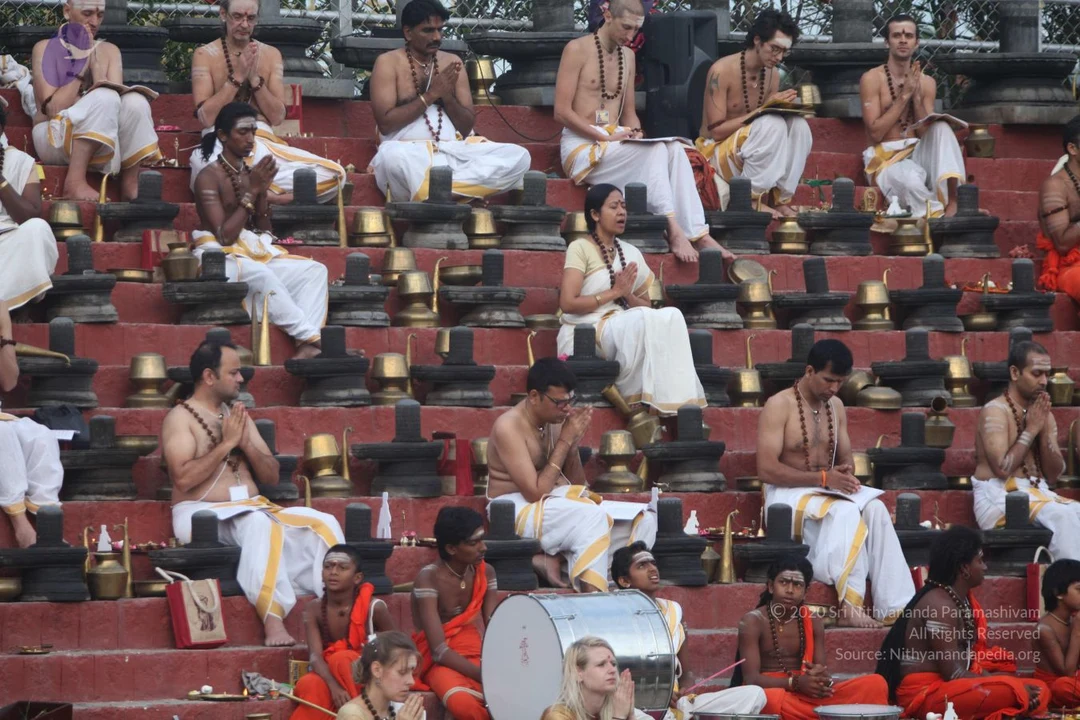
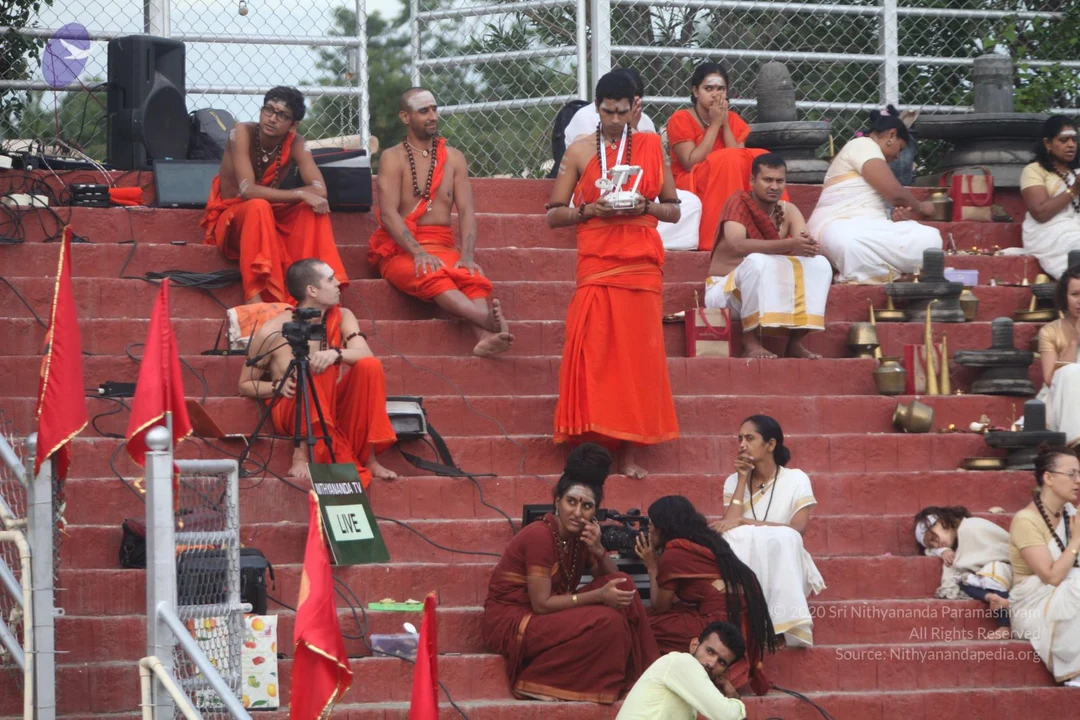
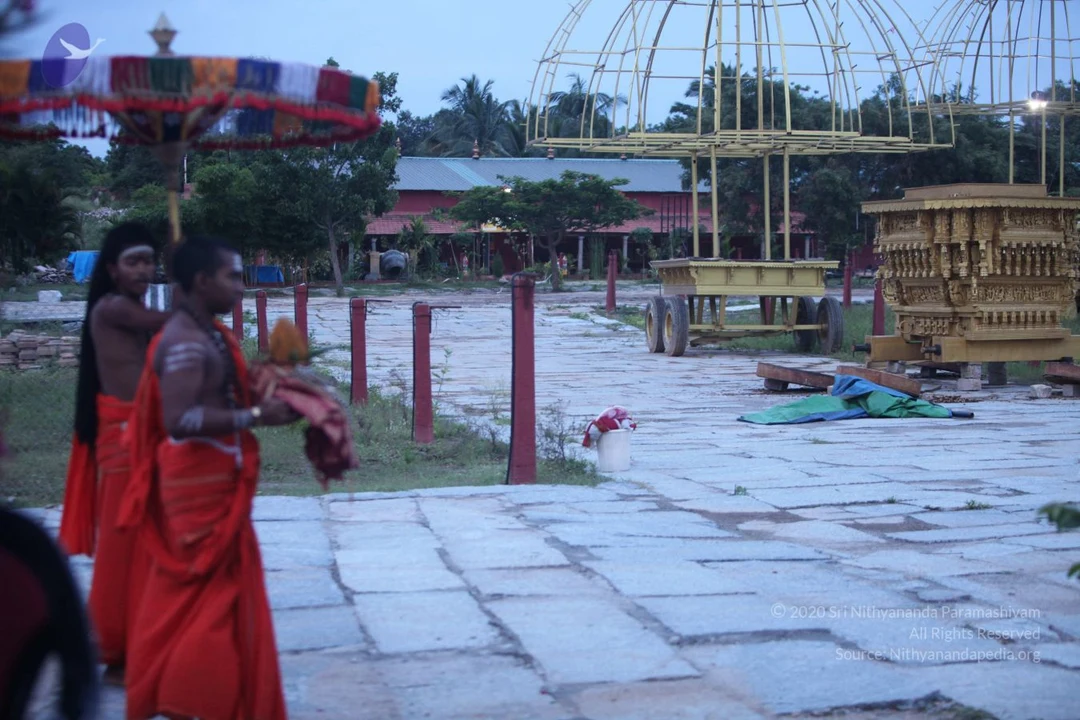
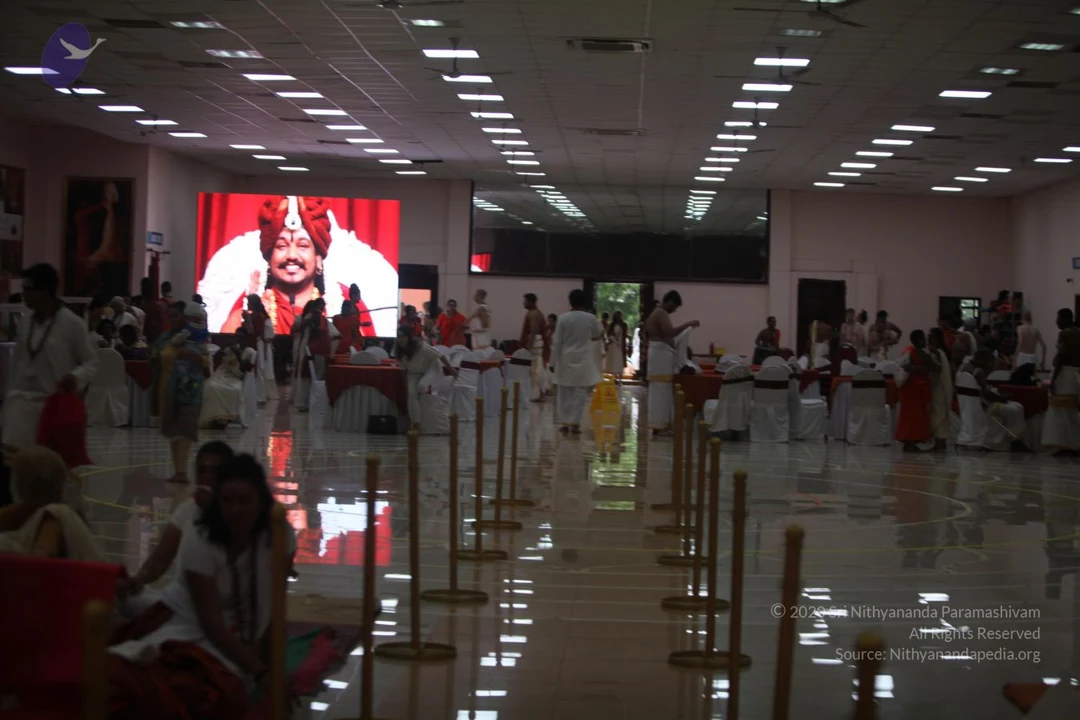
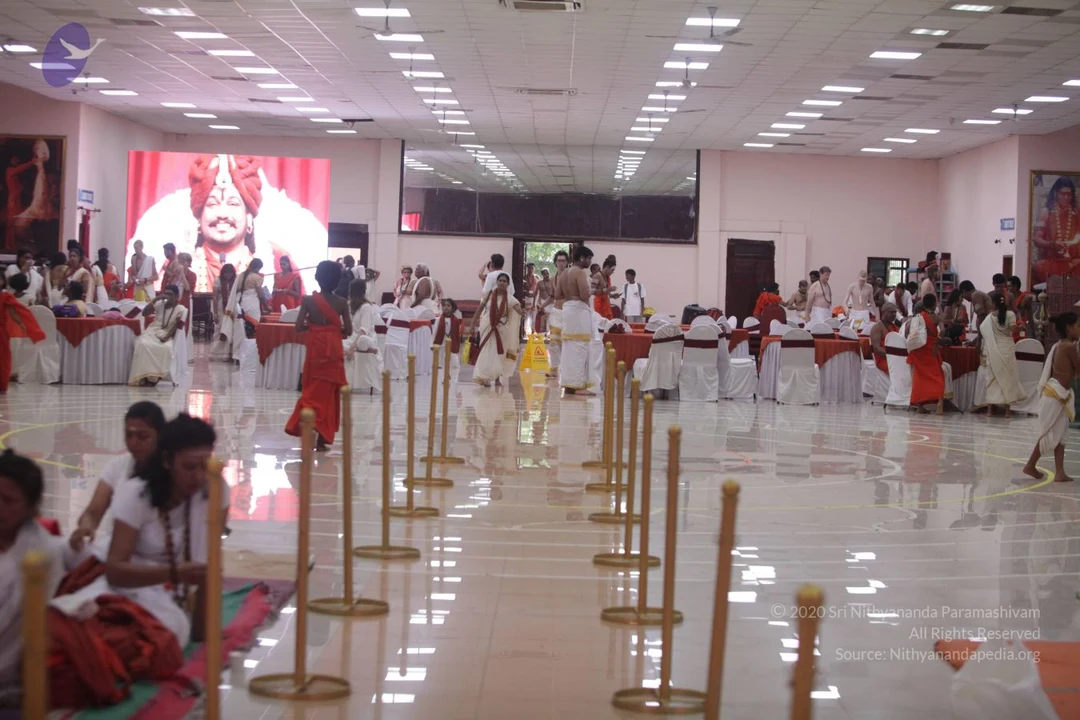
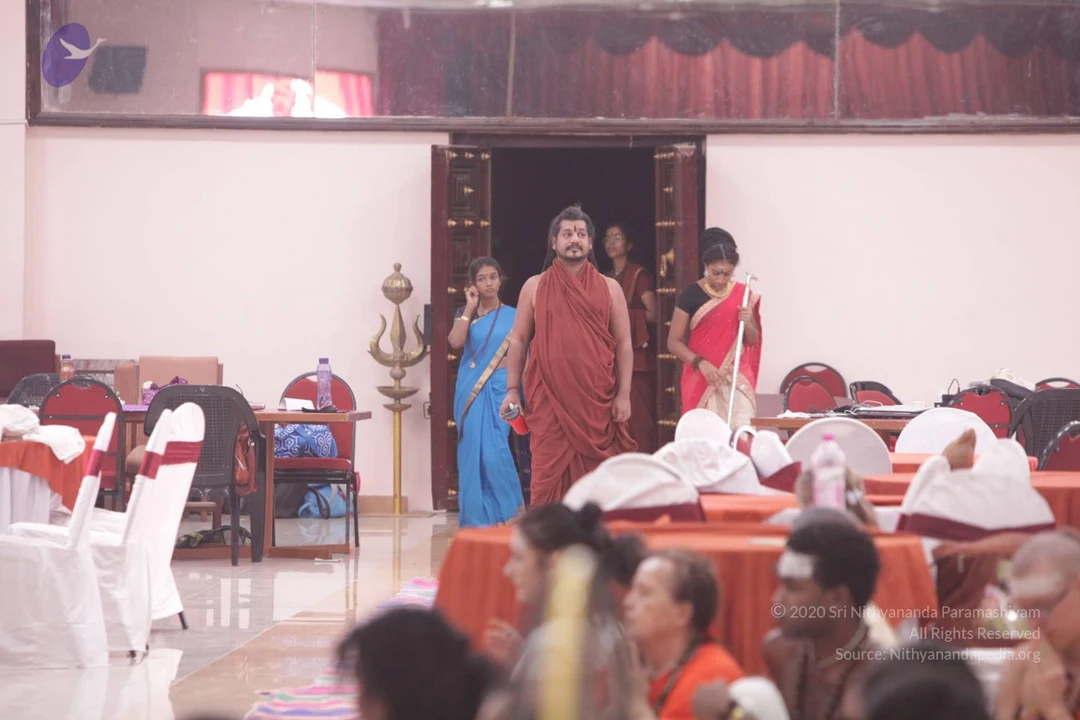
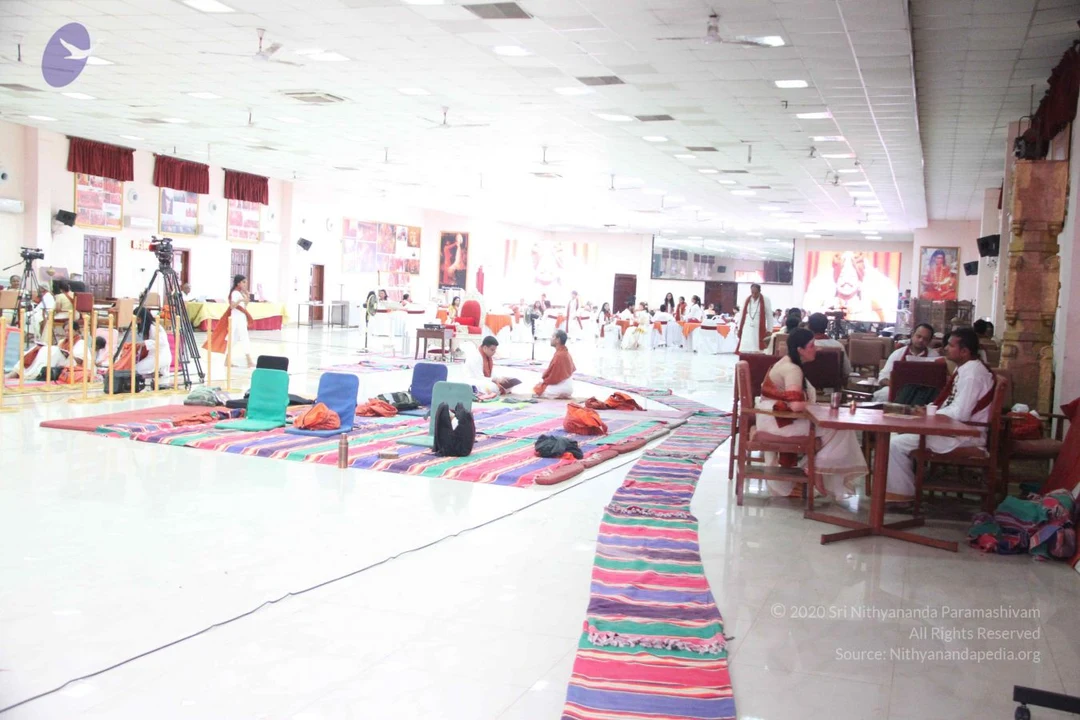
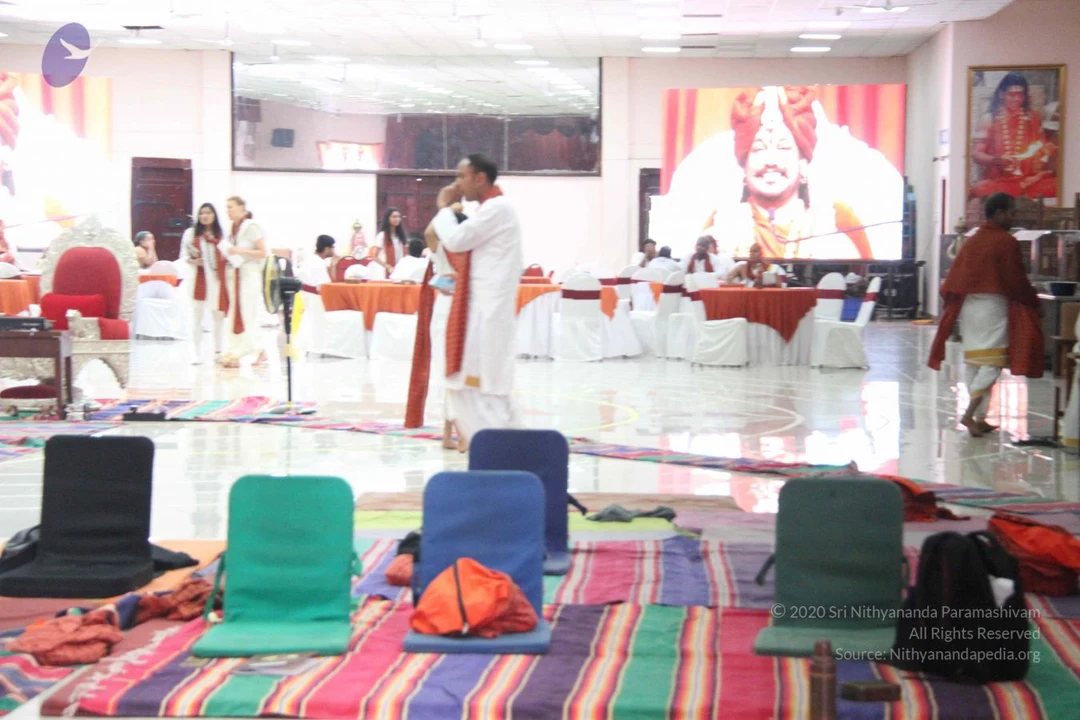
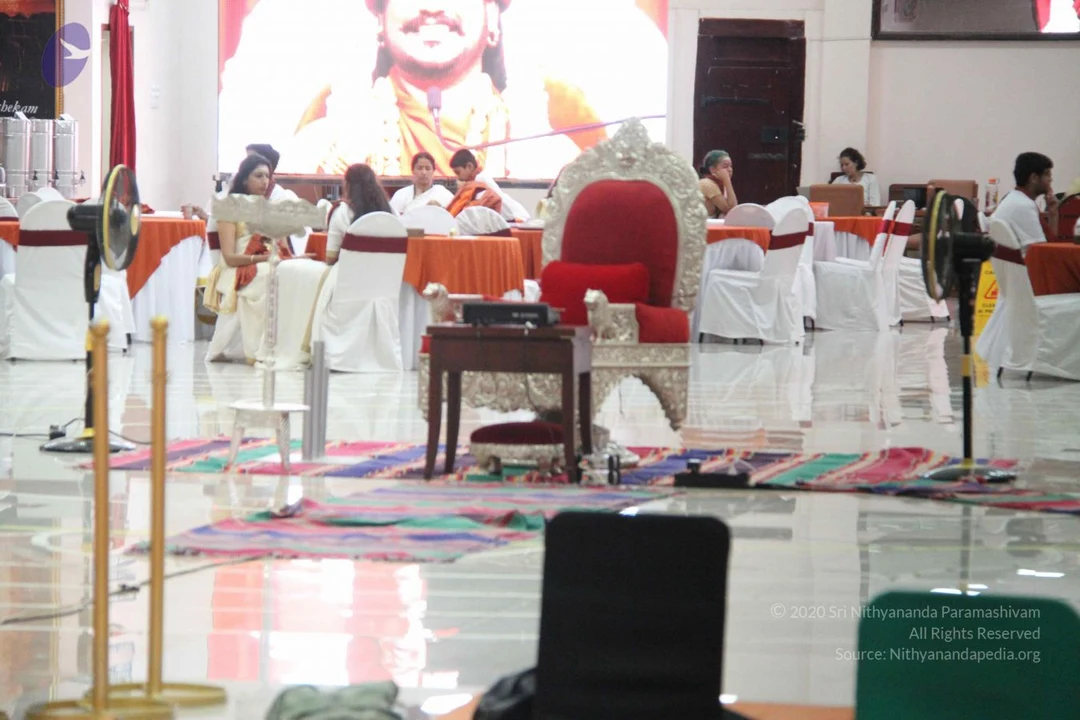
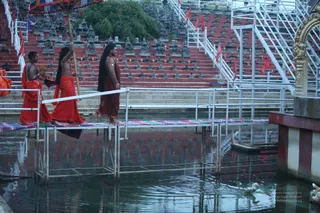
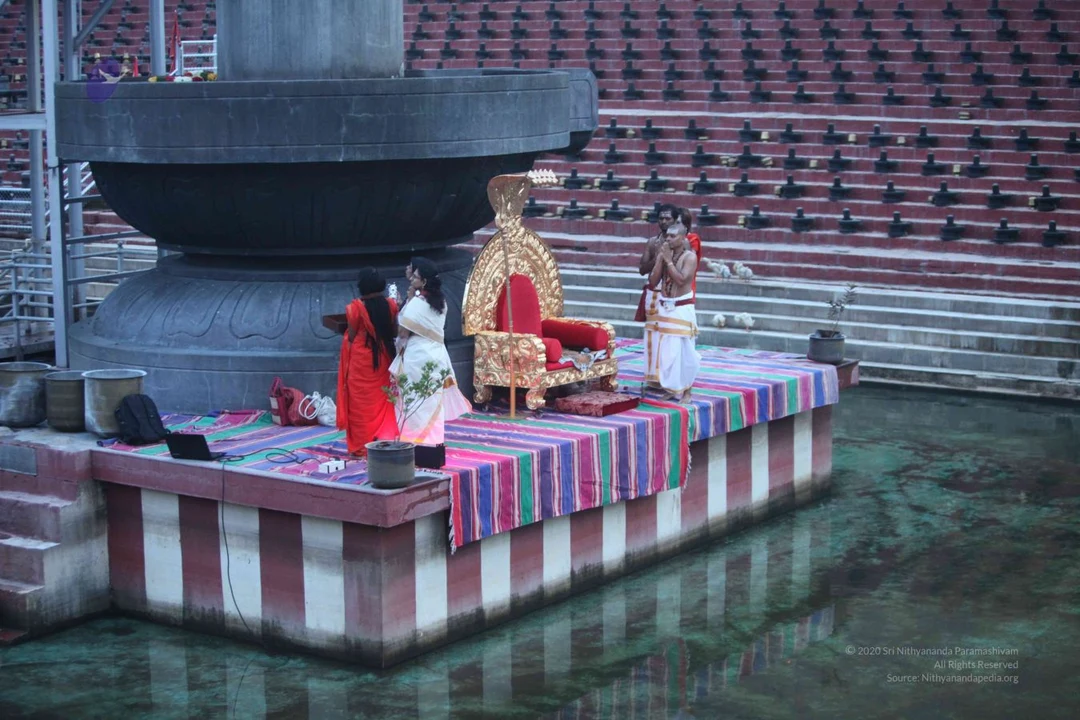 Adheenavasis and devotees preparing for HDH Nithyananda Paramashivam's arrival at Vaidya Sarovar
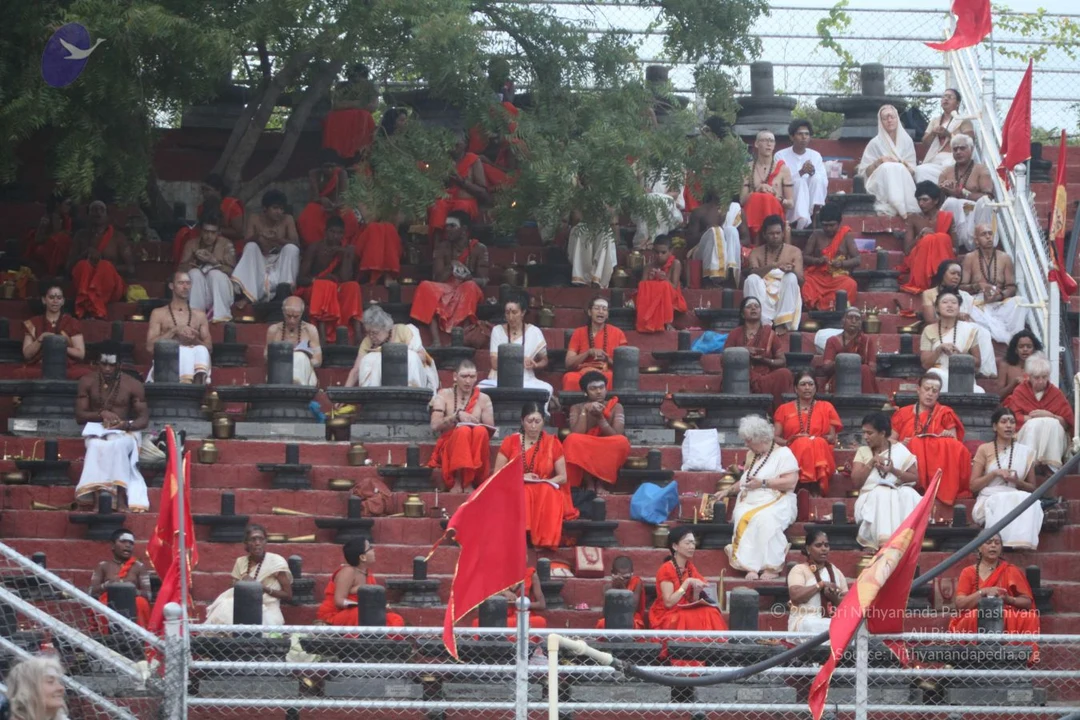
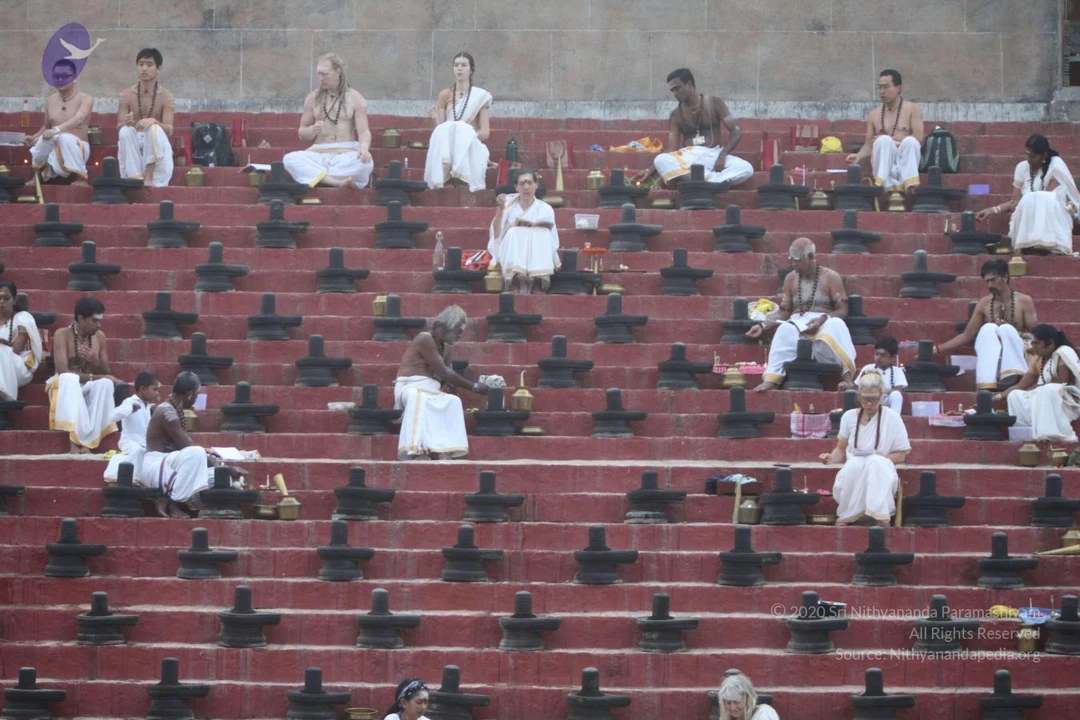
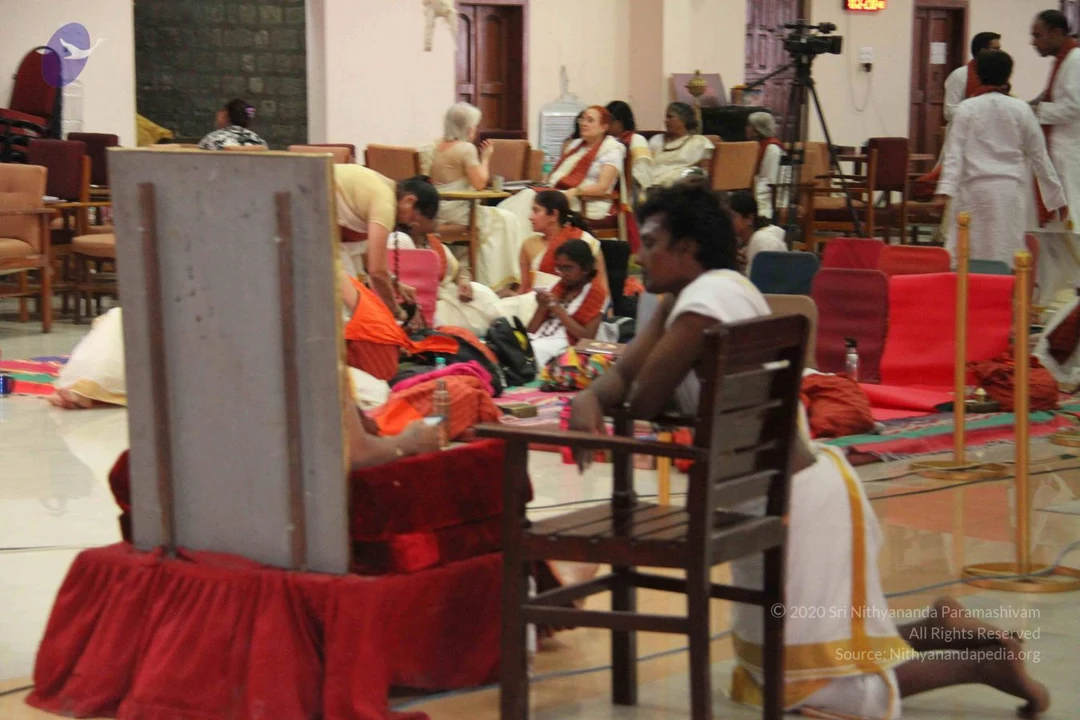
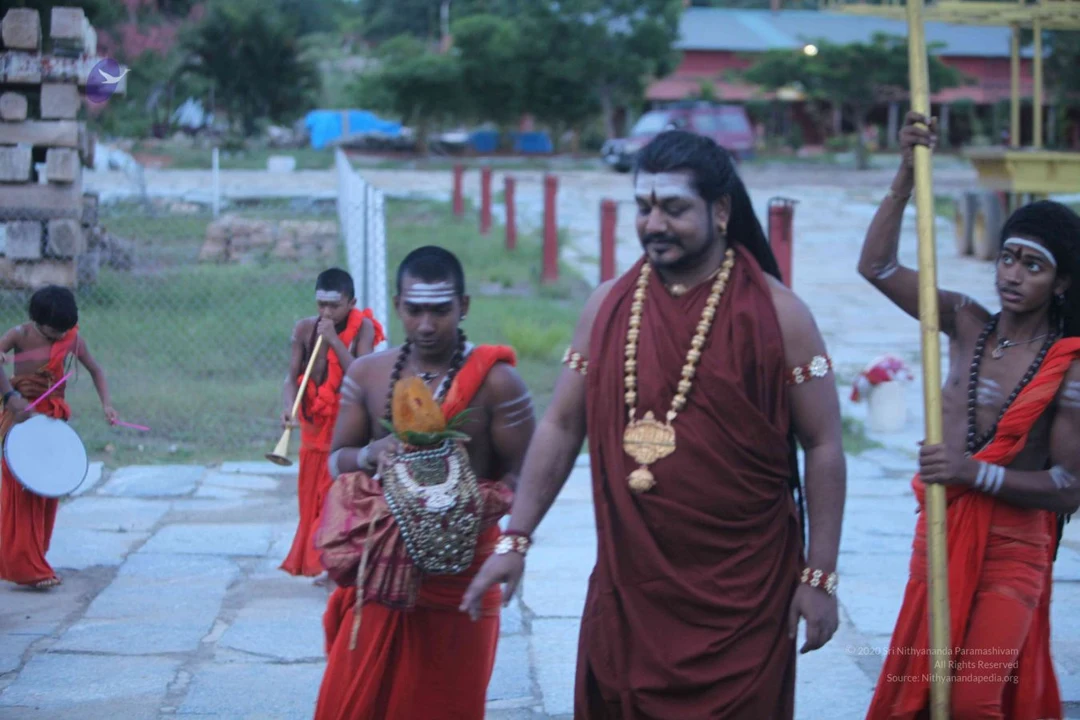 Adheenavasis and devotees preparing for Guru pooja at Vaidya Sarovar
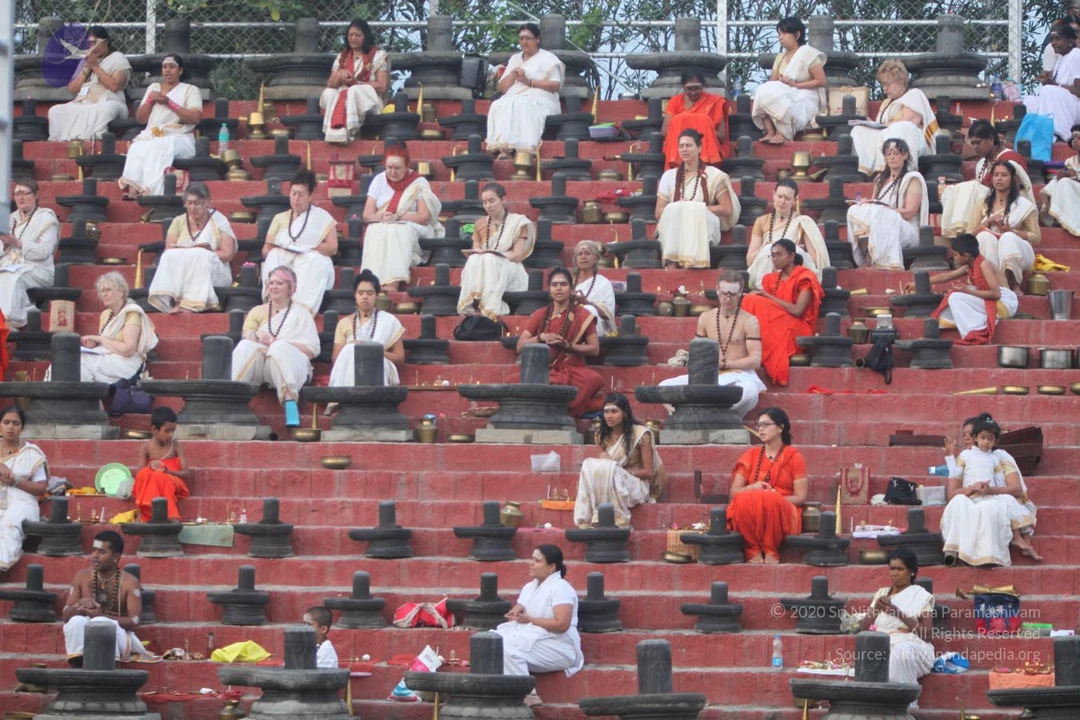
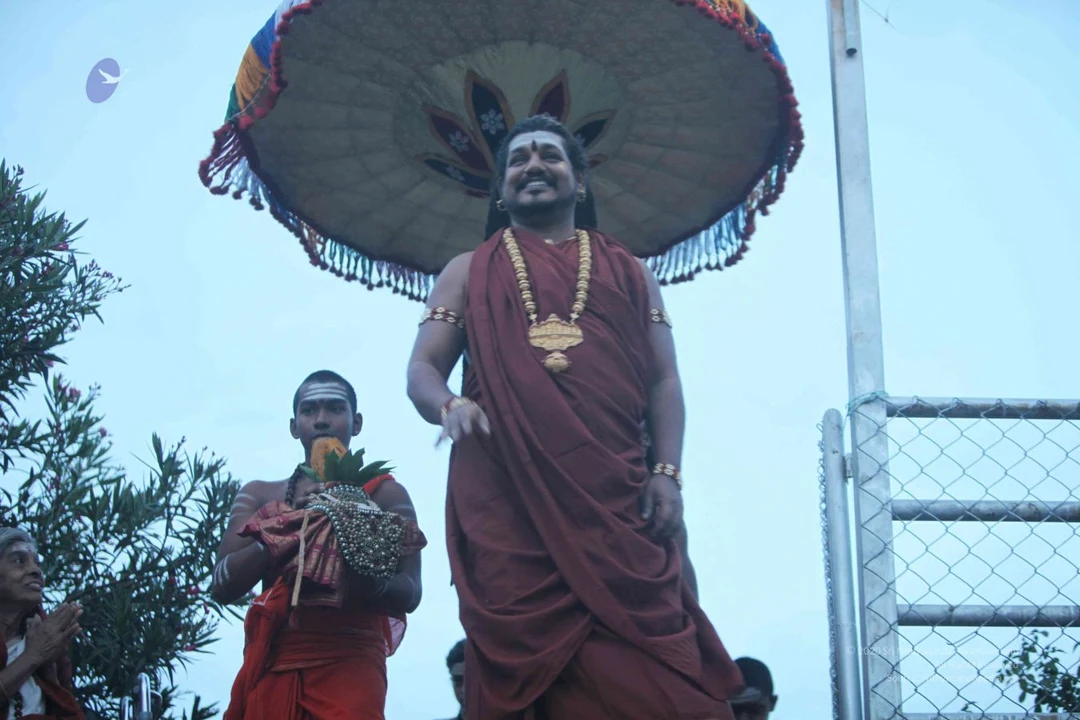 Adheenavasis and devotees preparing for Guru pooja at Vaidya Sarovar
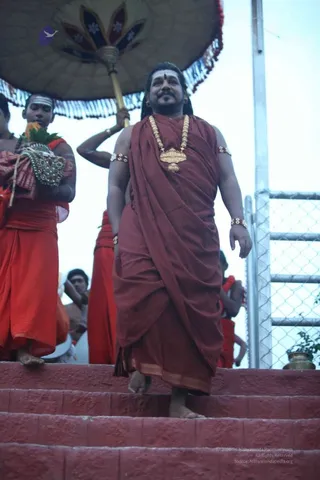 Adheenavasis and devotees preparing for Guru pooja at Vaidya Sarovar
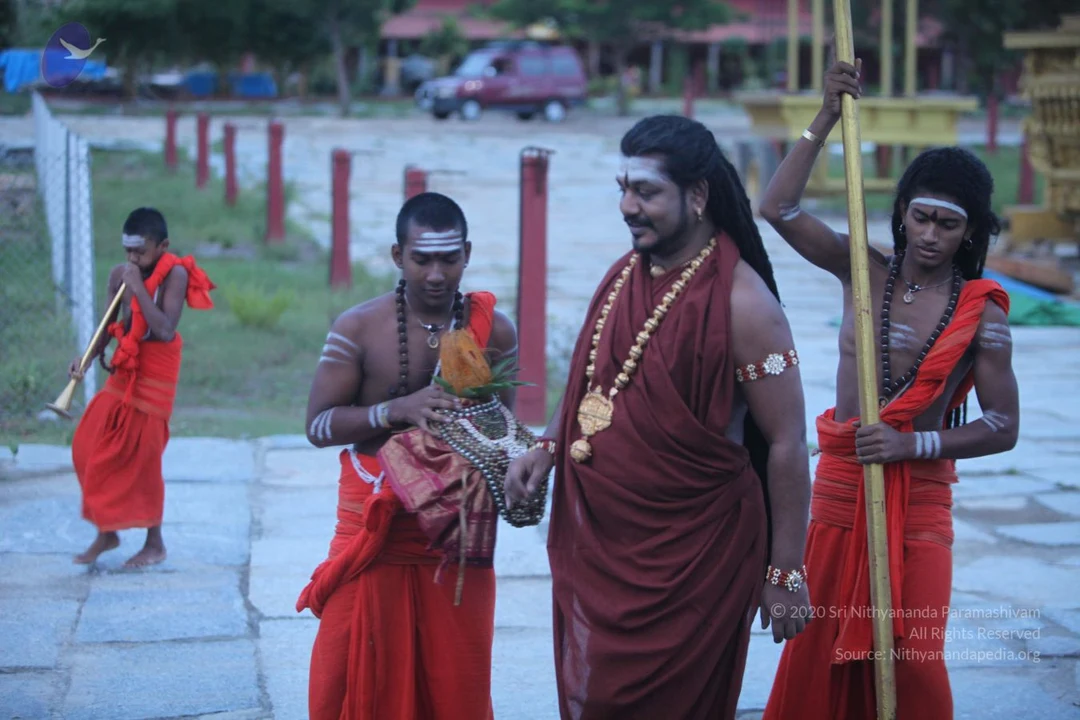
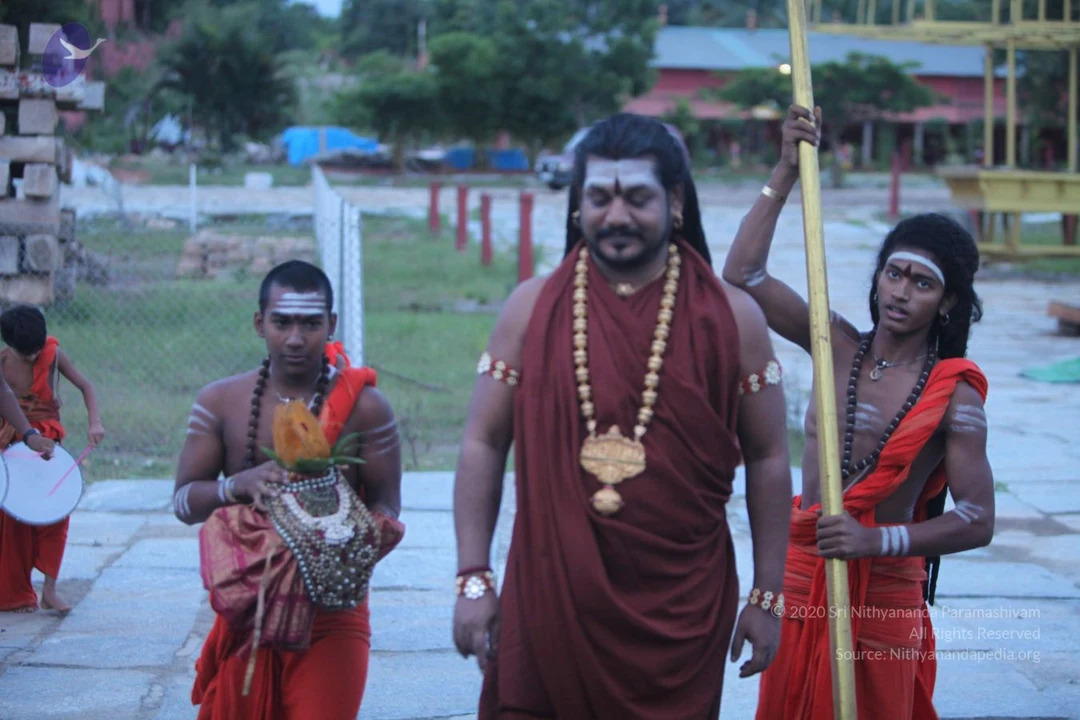
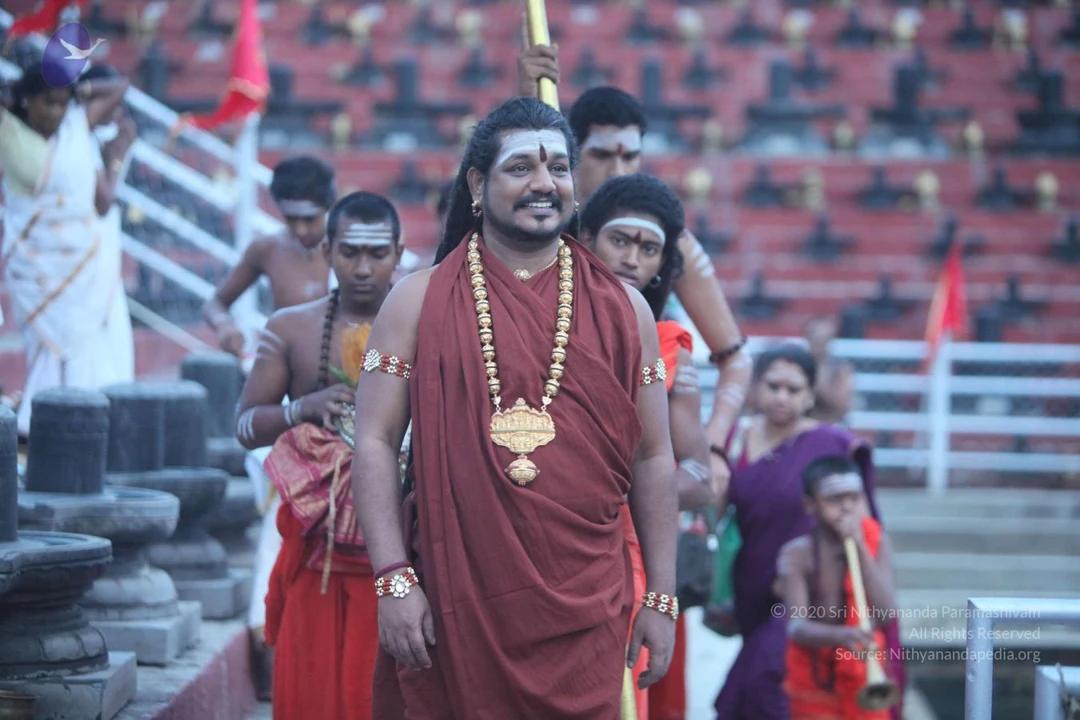
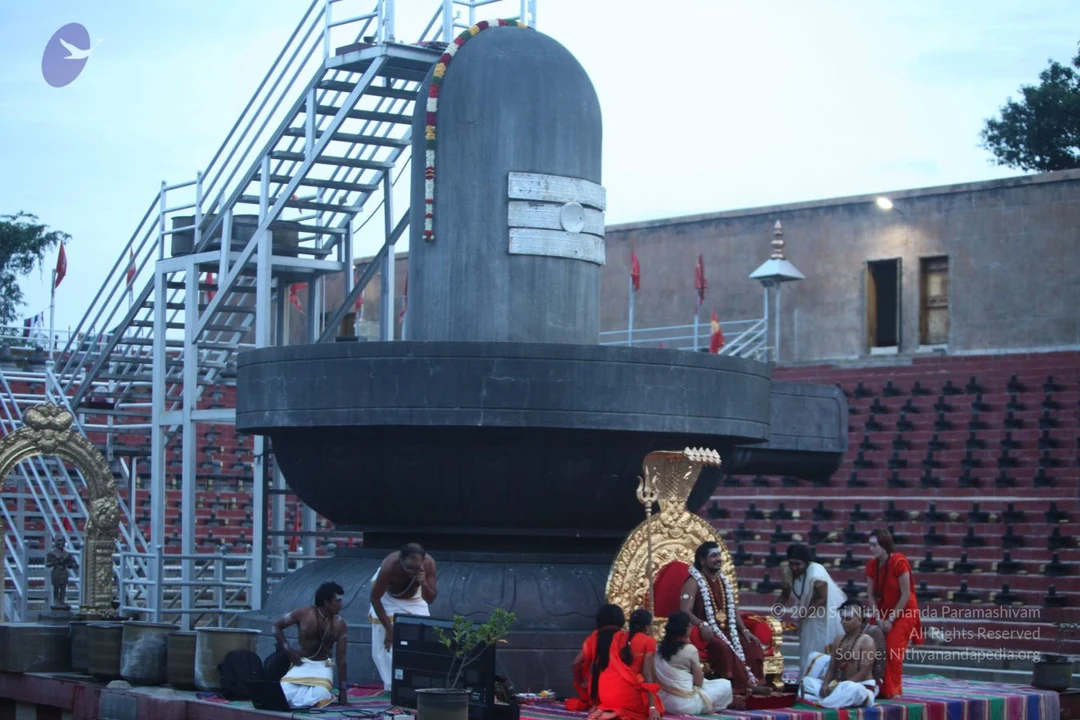
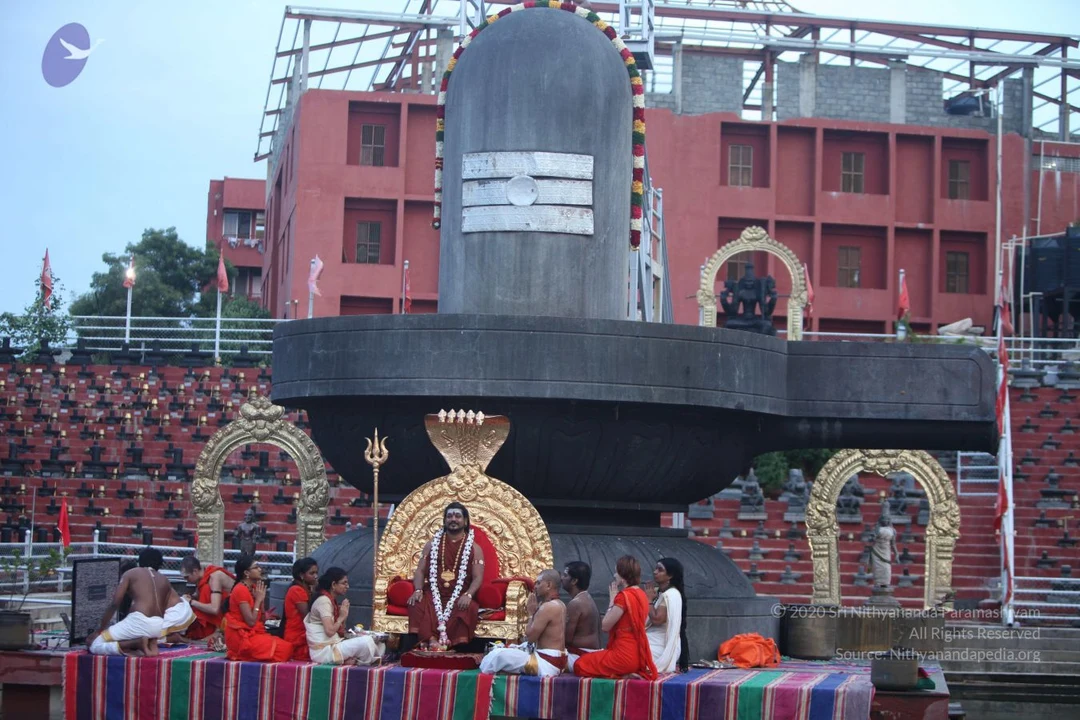
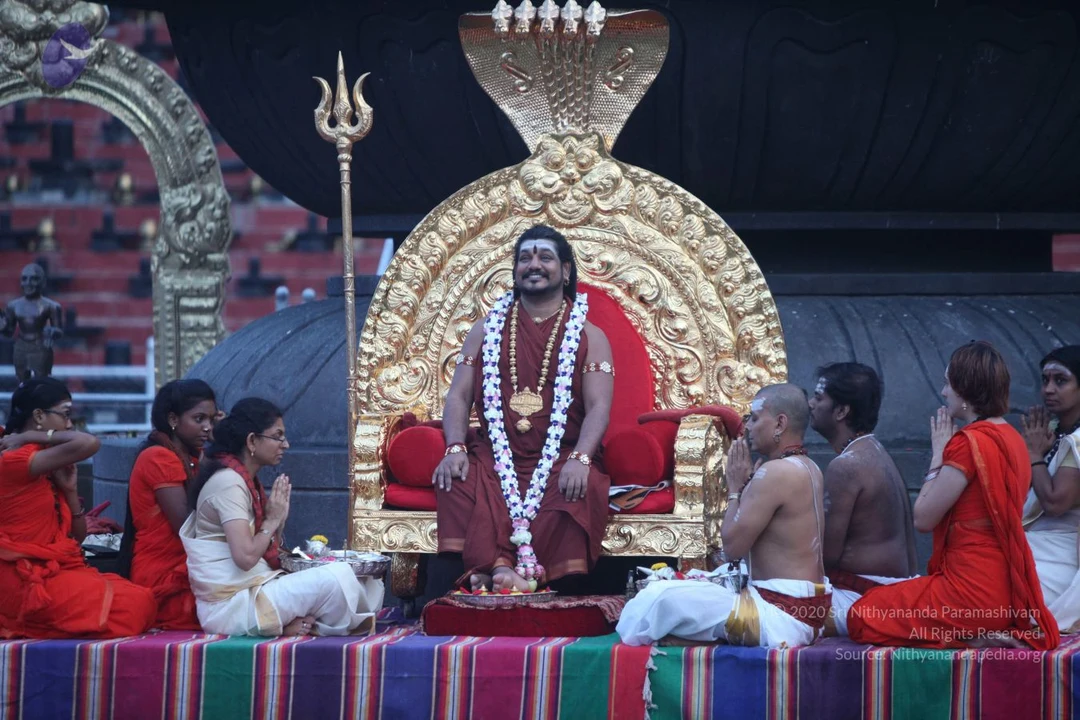
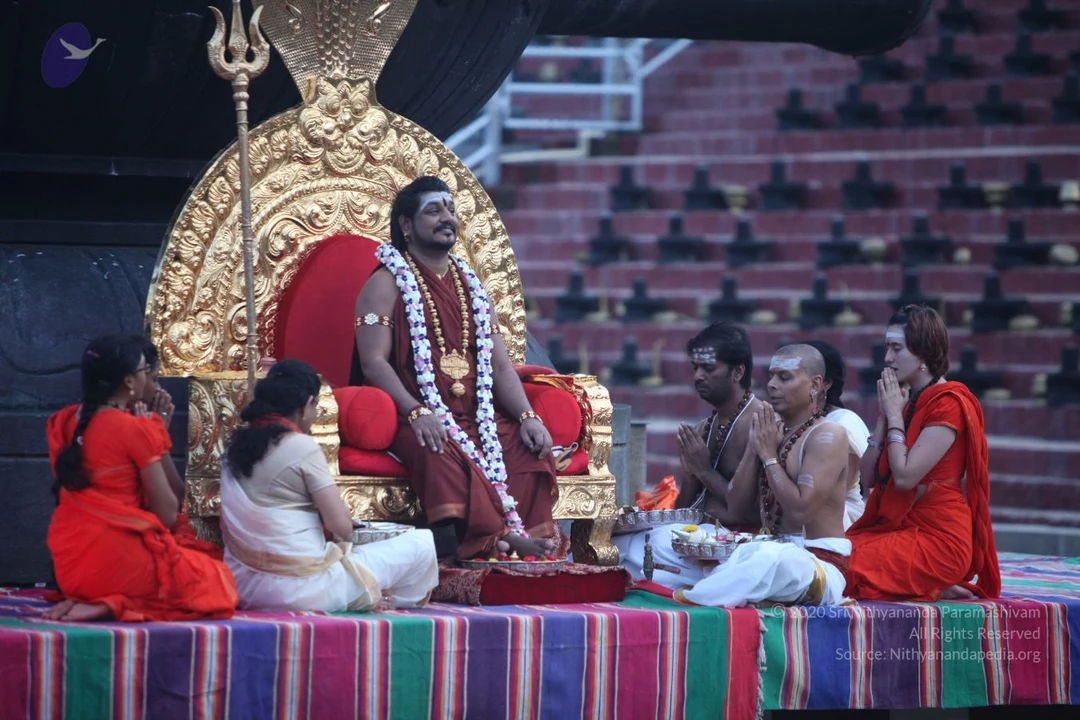
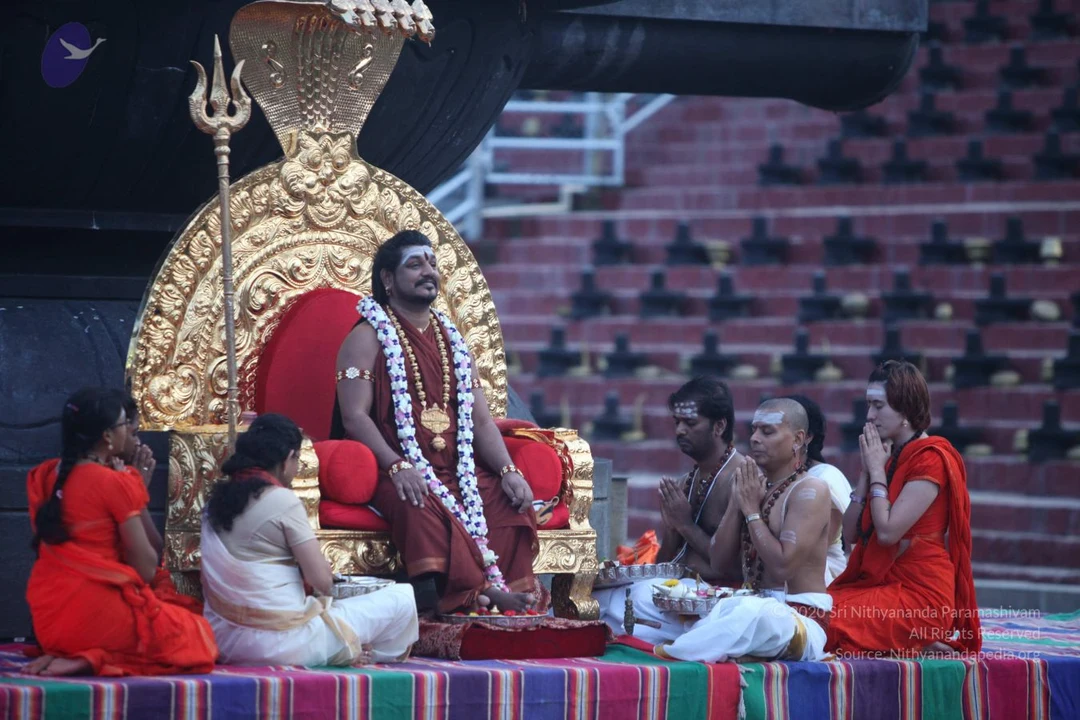
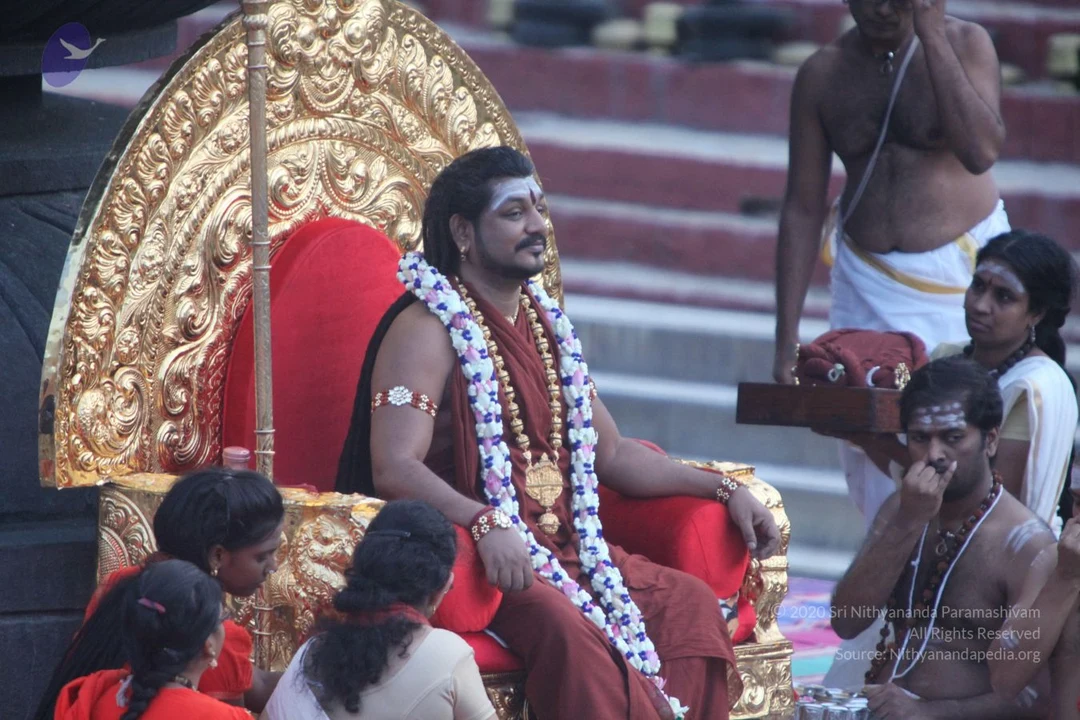
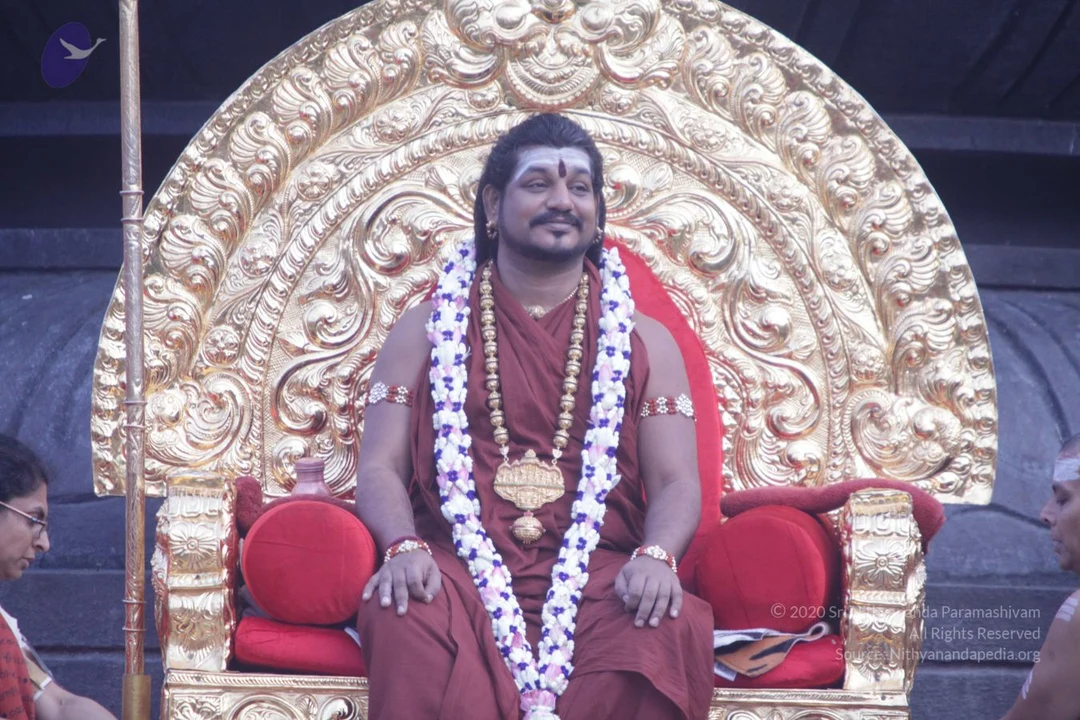
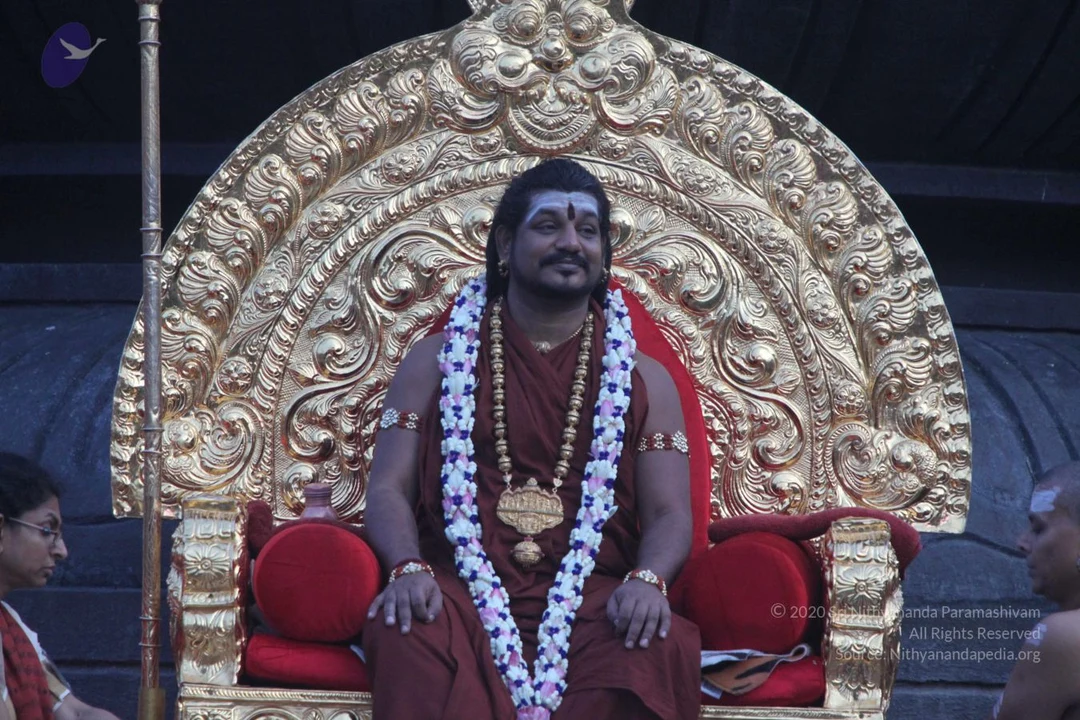
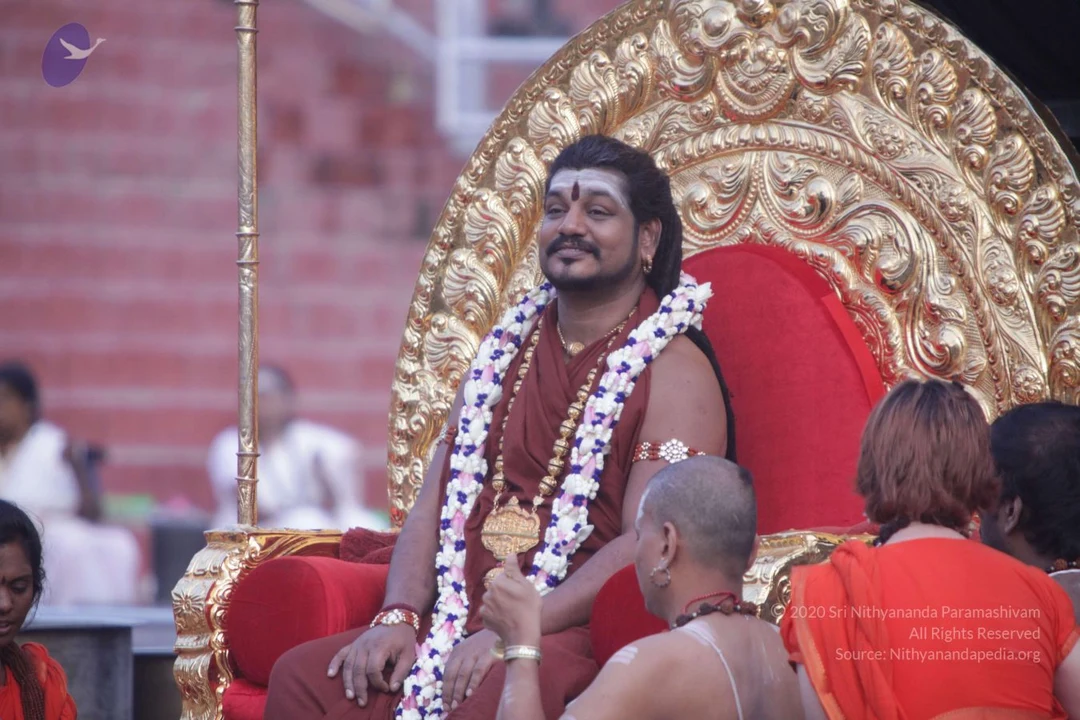
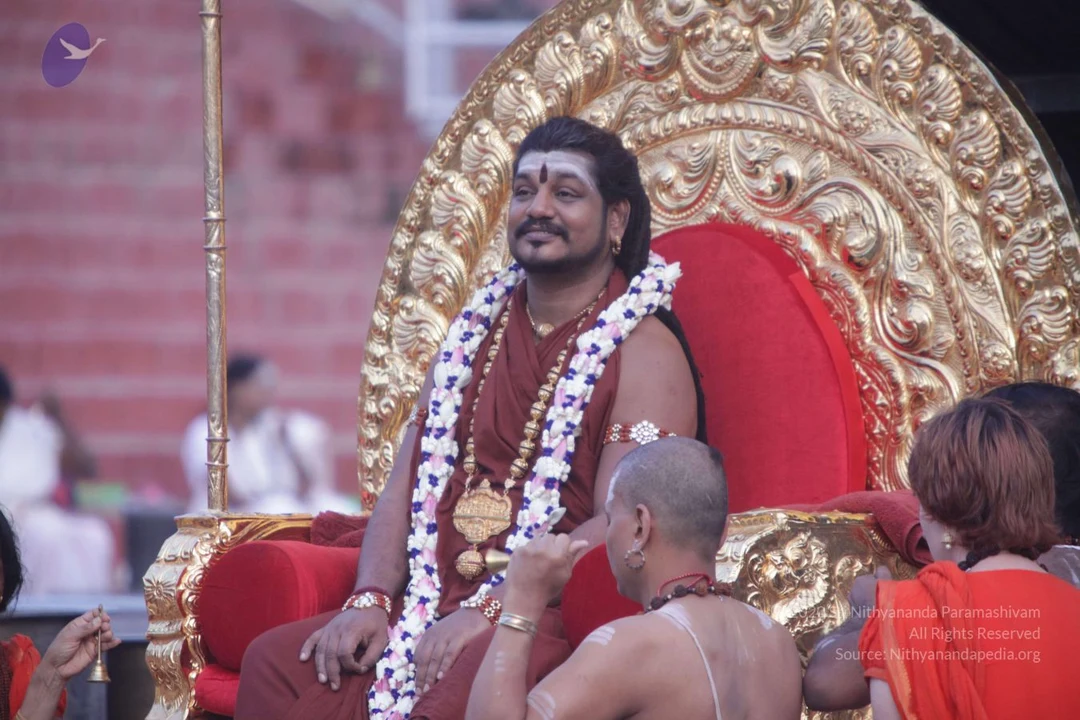
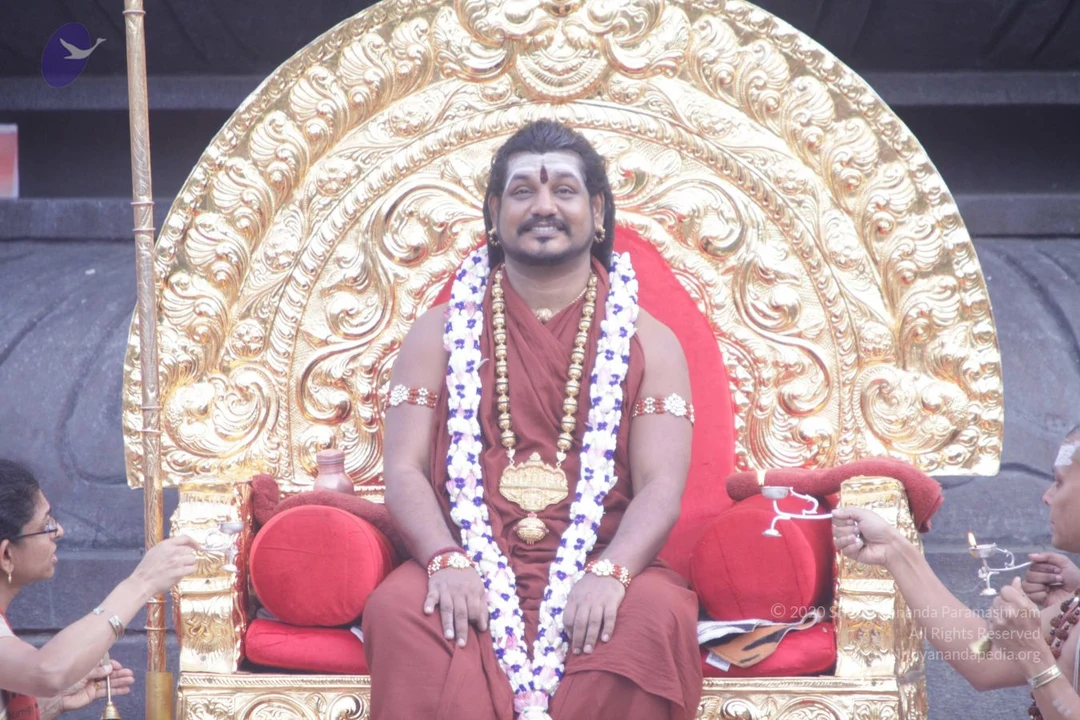
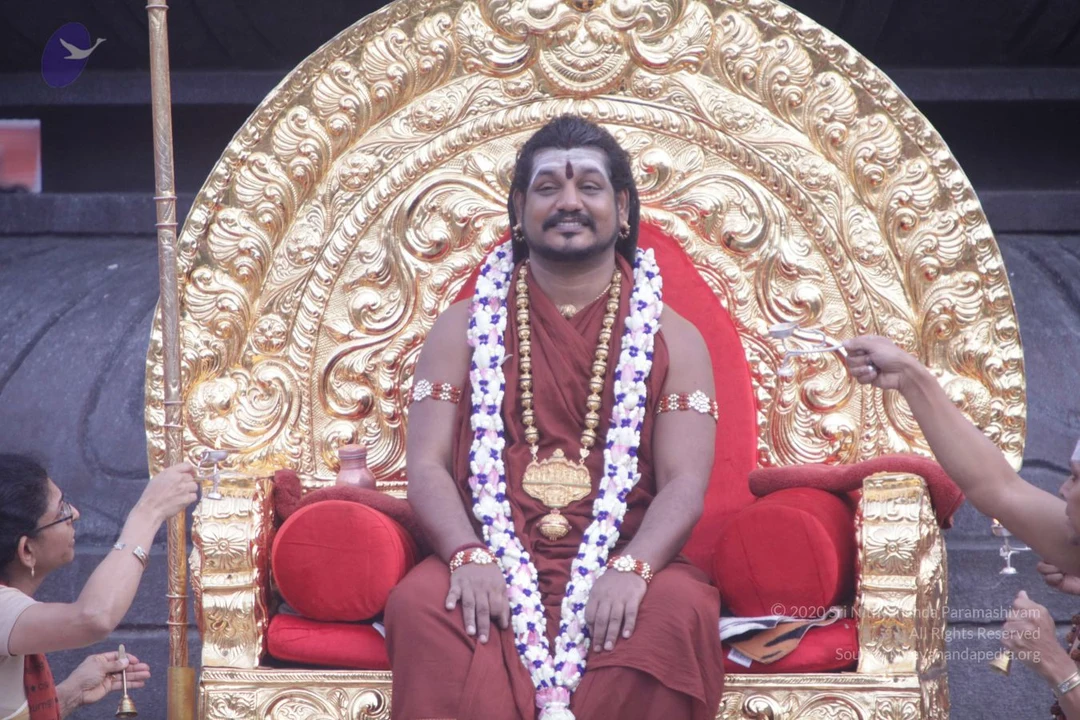
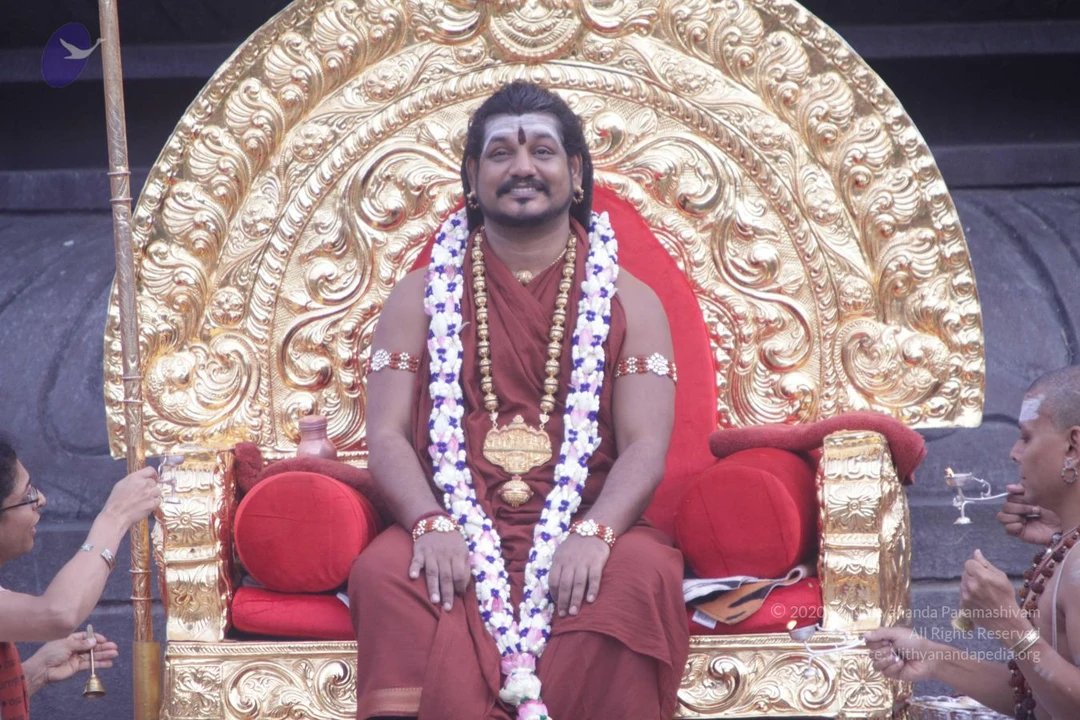
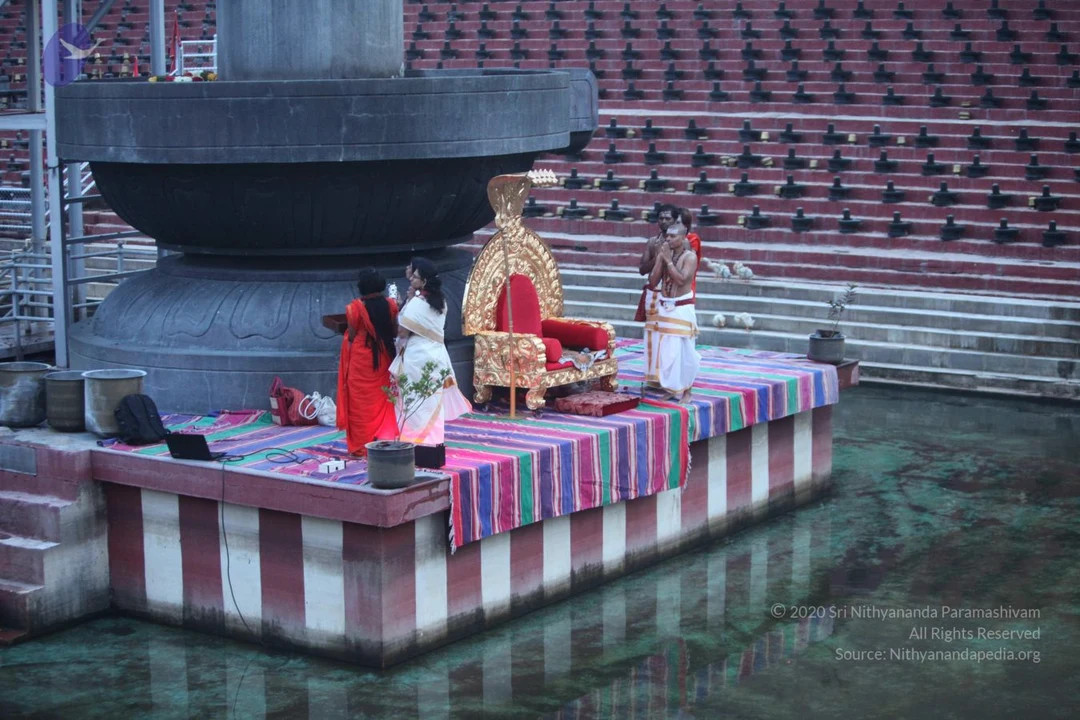
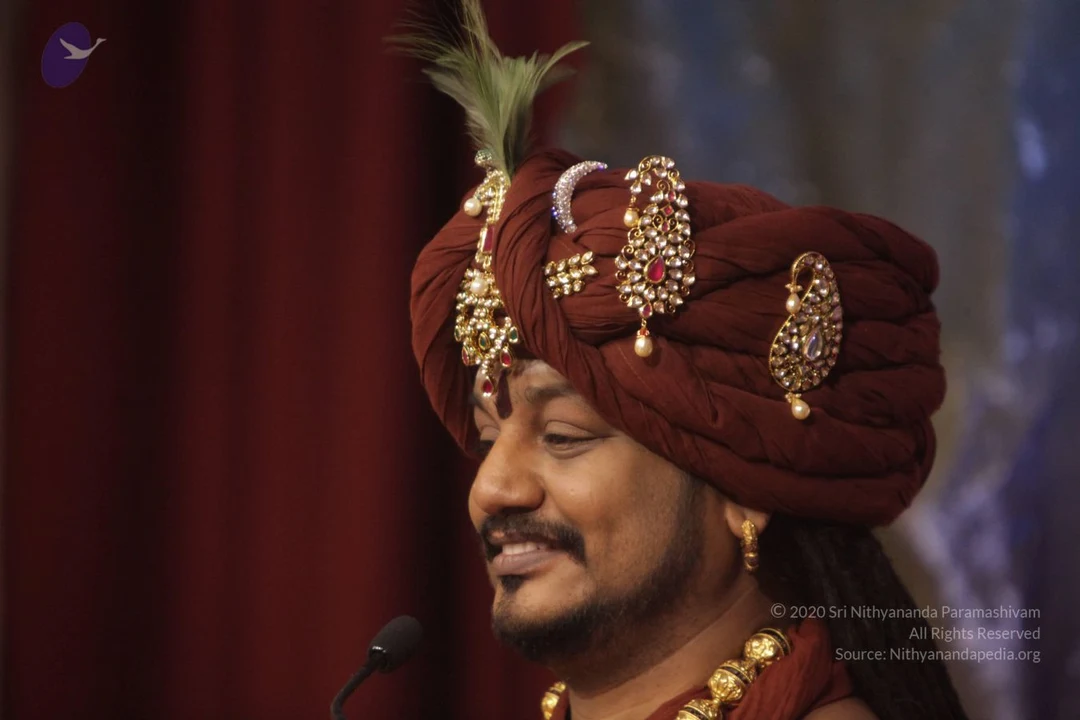
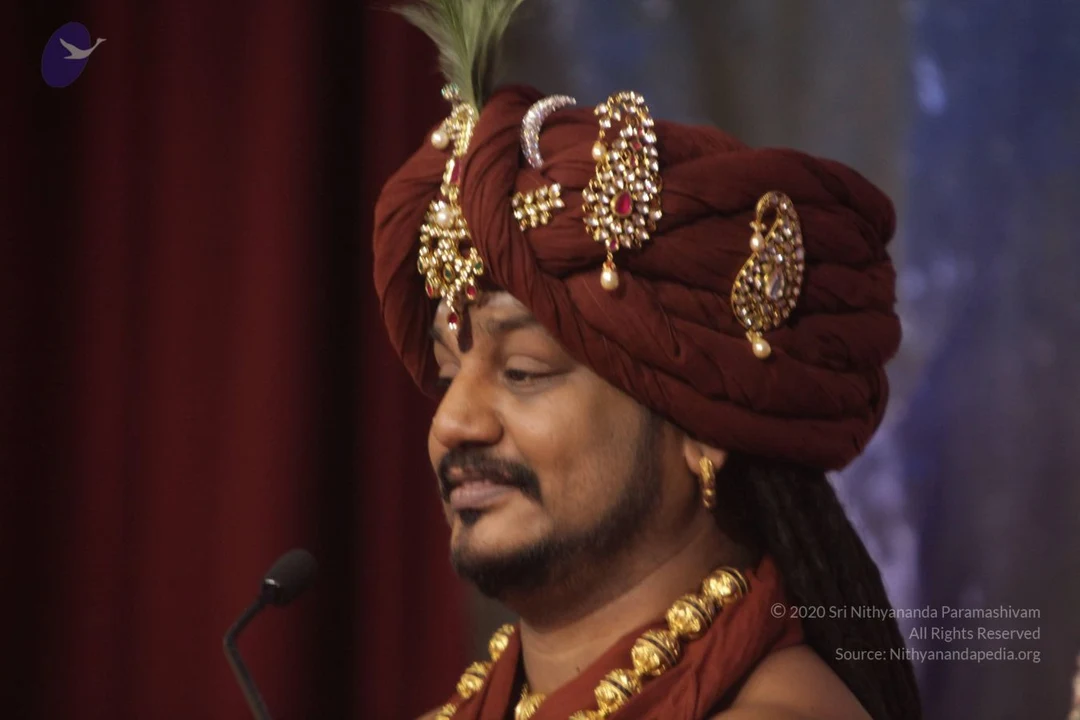
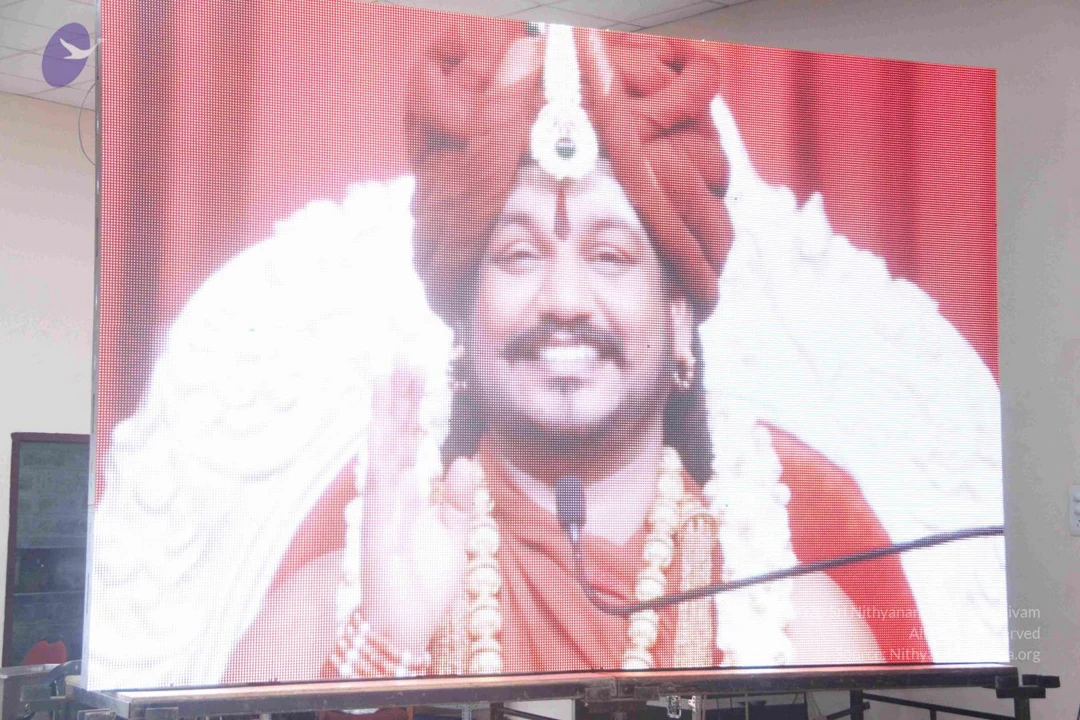
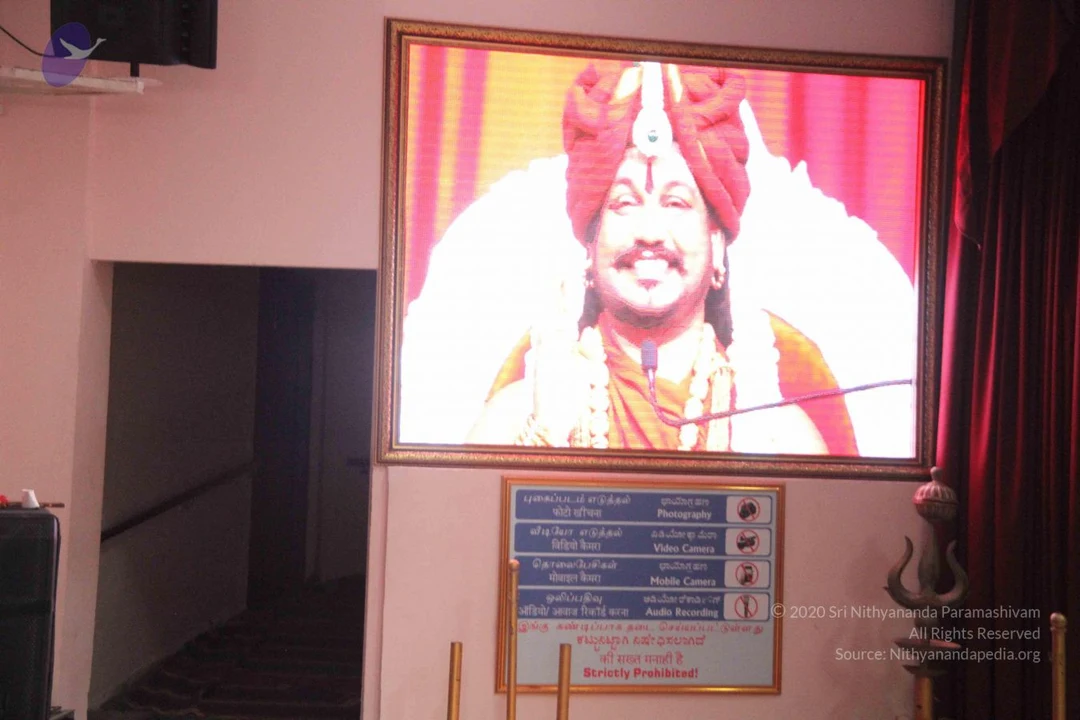
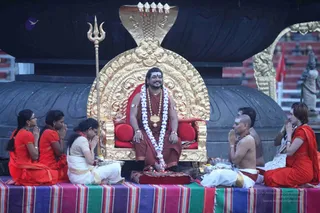
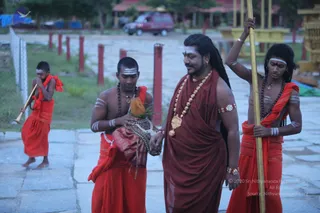
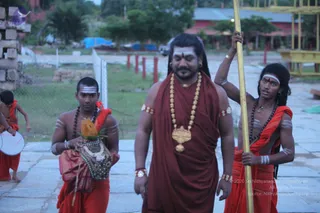
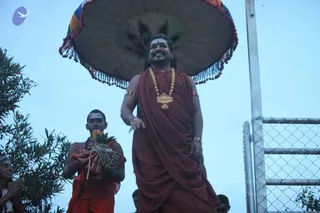
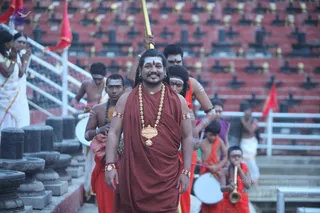
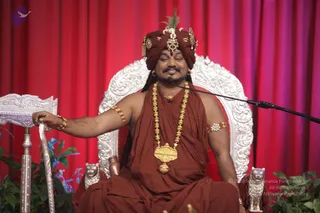
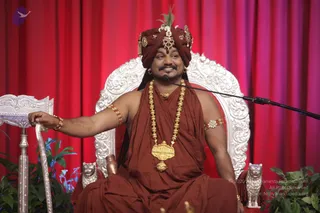
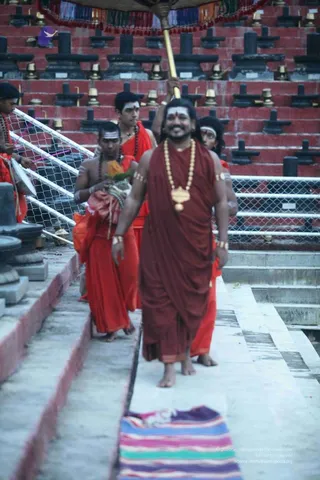 HDH Nithyananda Paramashivam in Vaidya Sarovar
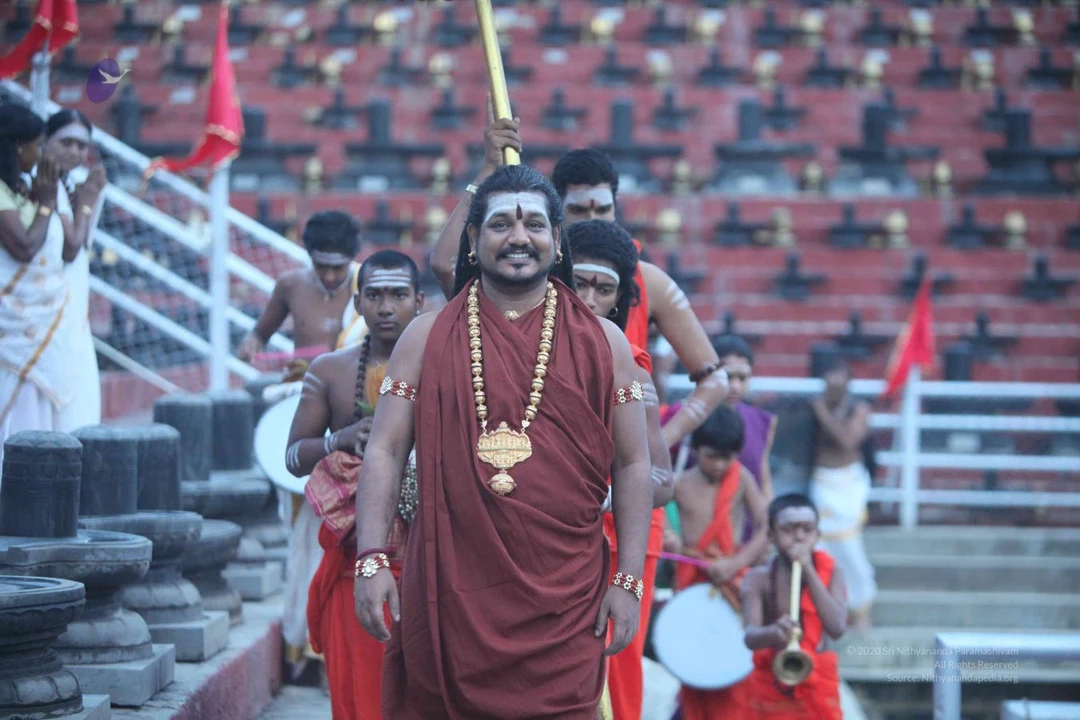 HDH Nithyananda Paramashivam in Vaidya Sarovar
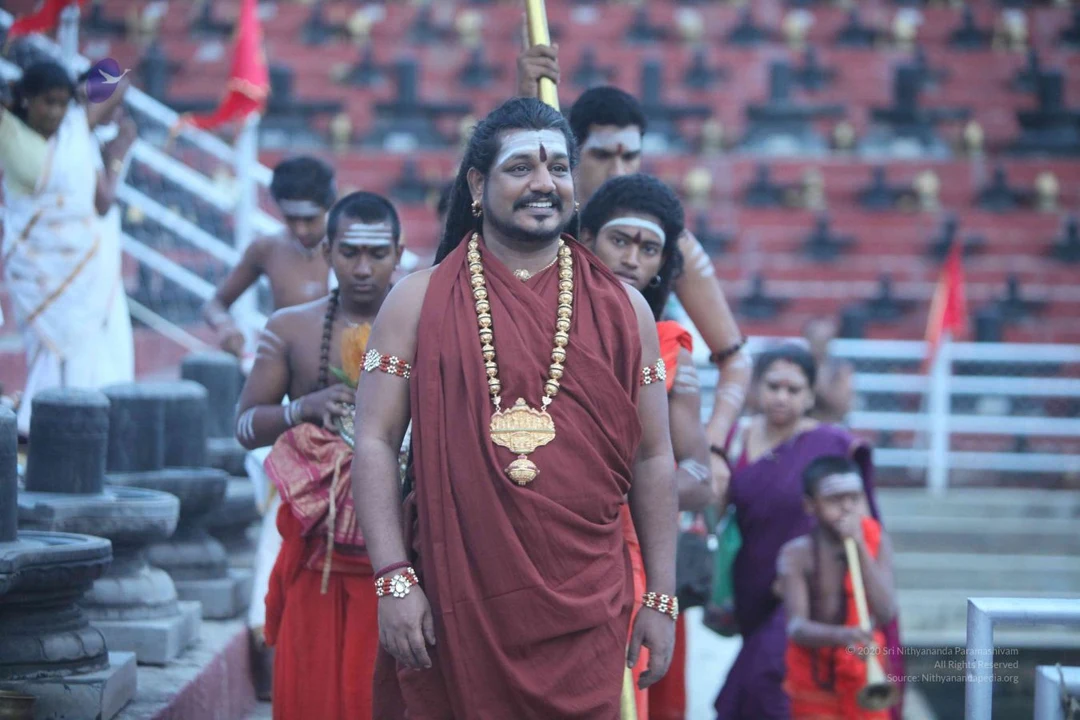 HDH Nithyananda Paramashivam in Vaidya Sarovar
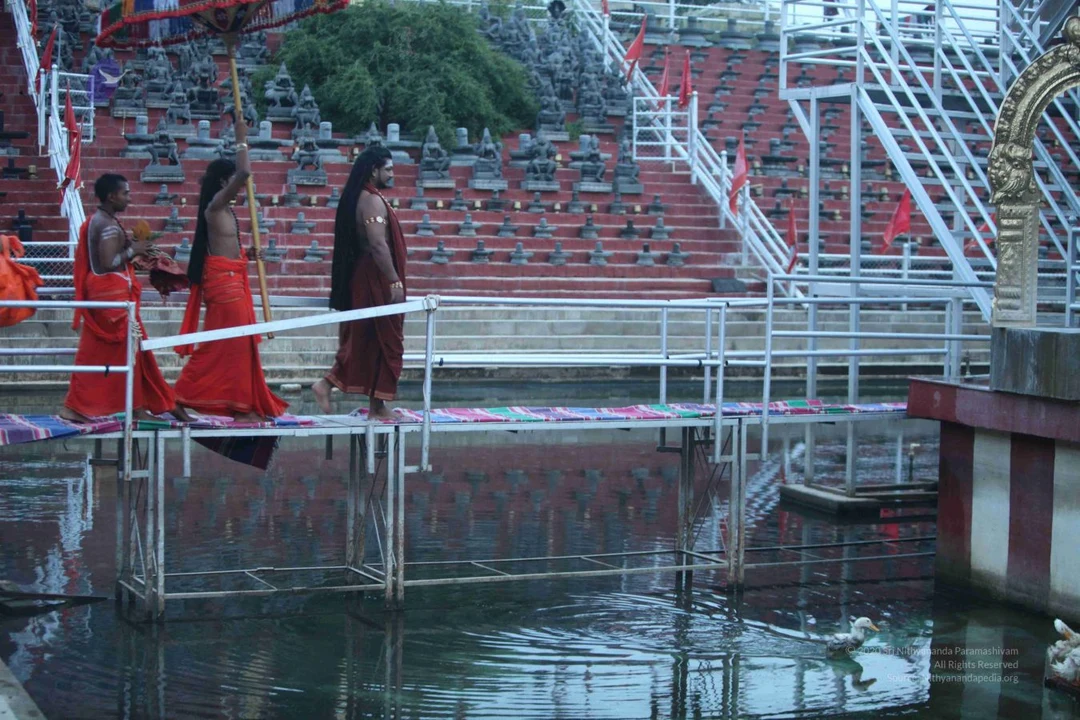 HDH Nithyananda Paramashivam in Vaidya Sarovar
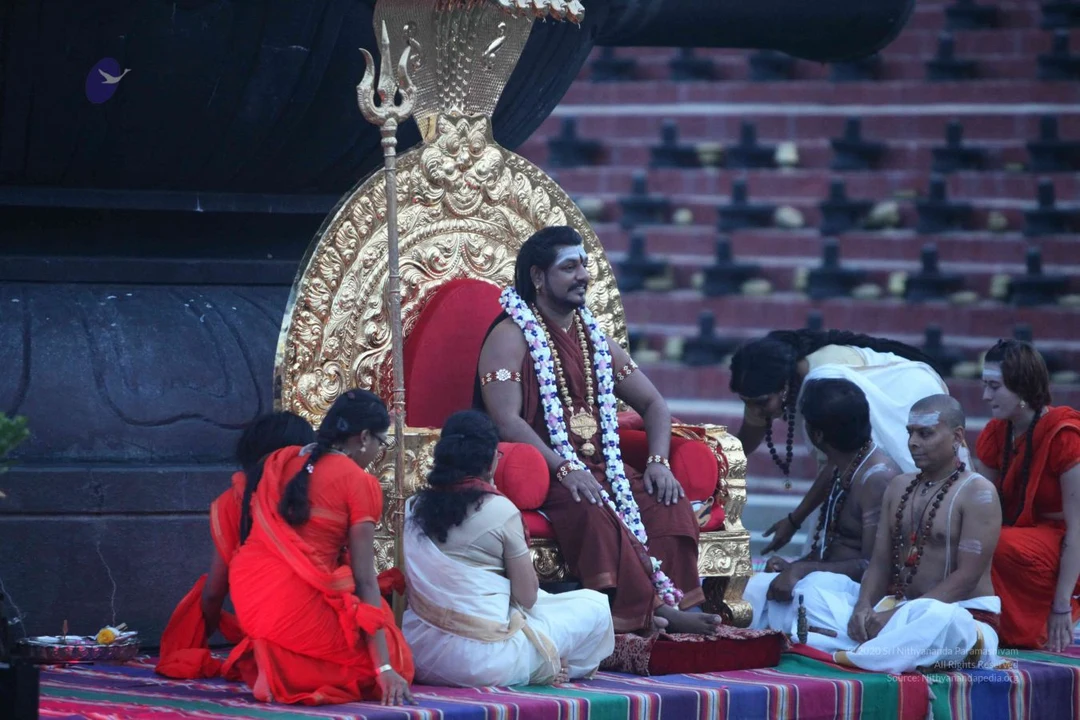 Adheenavasis and devotees preparing for Guru pooja at Vaidya Sarovar
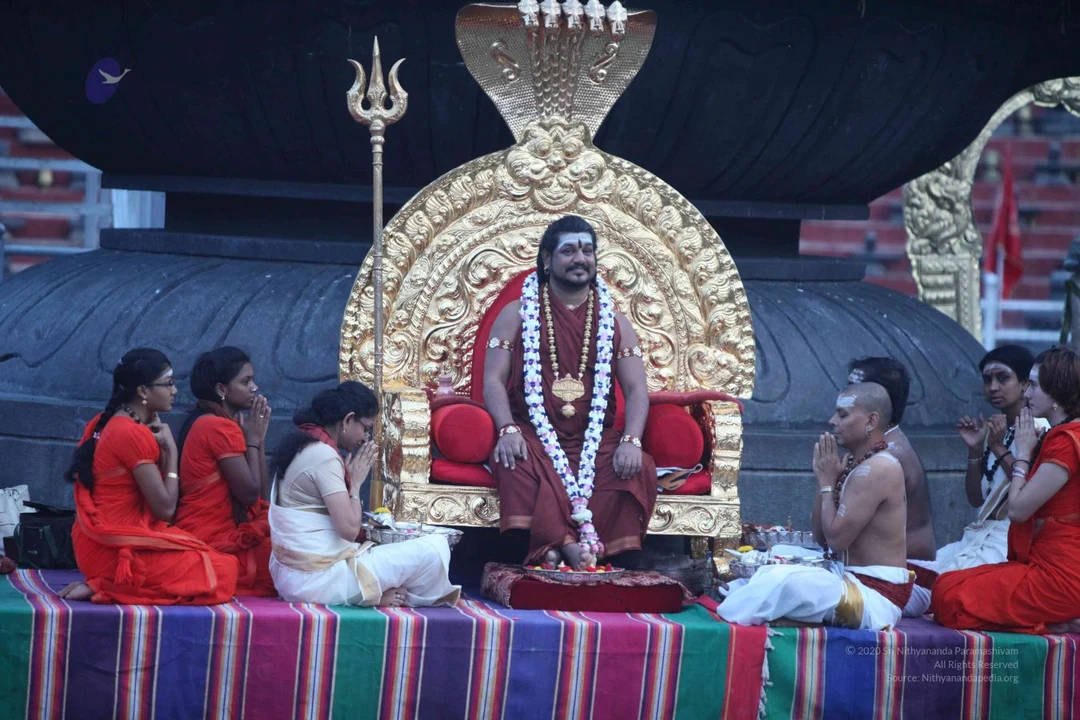 Adheenavasis and devotees preparing for Guru pooja at Vaidya Sarovar
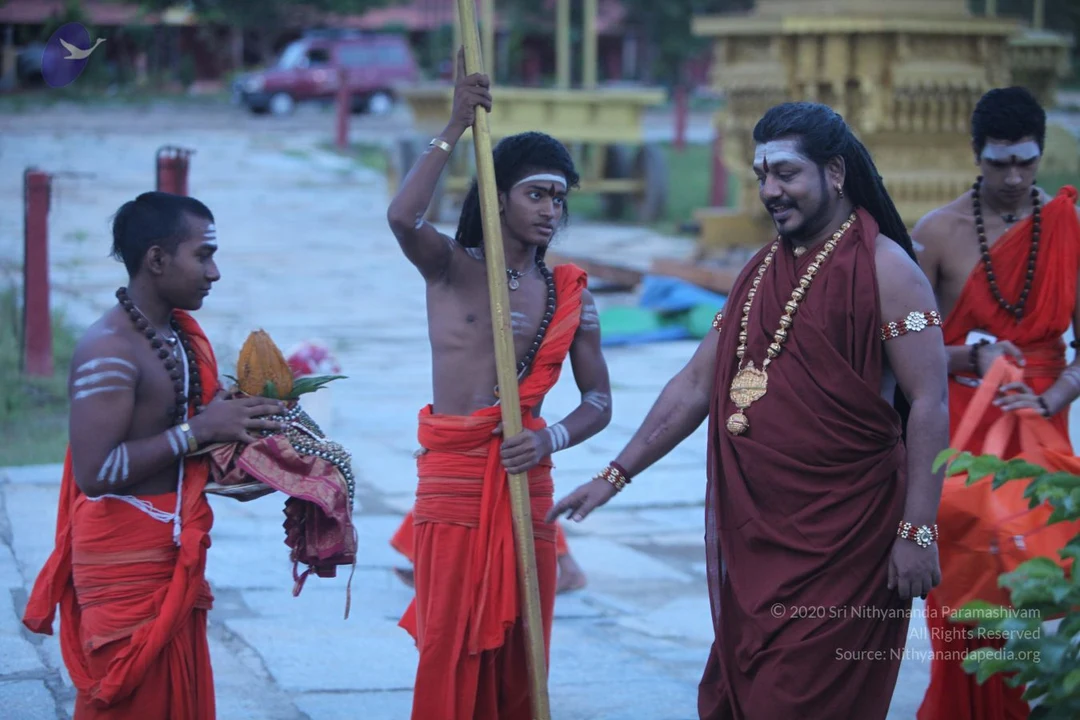
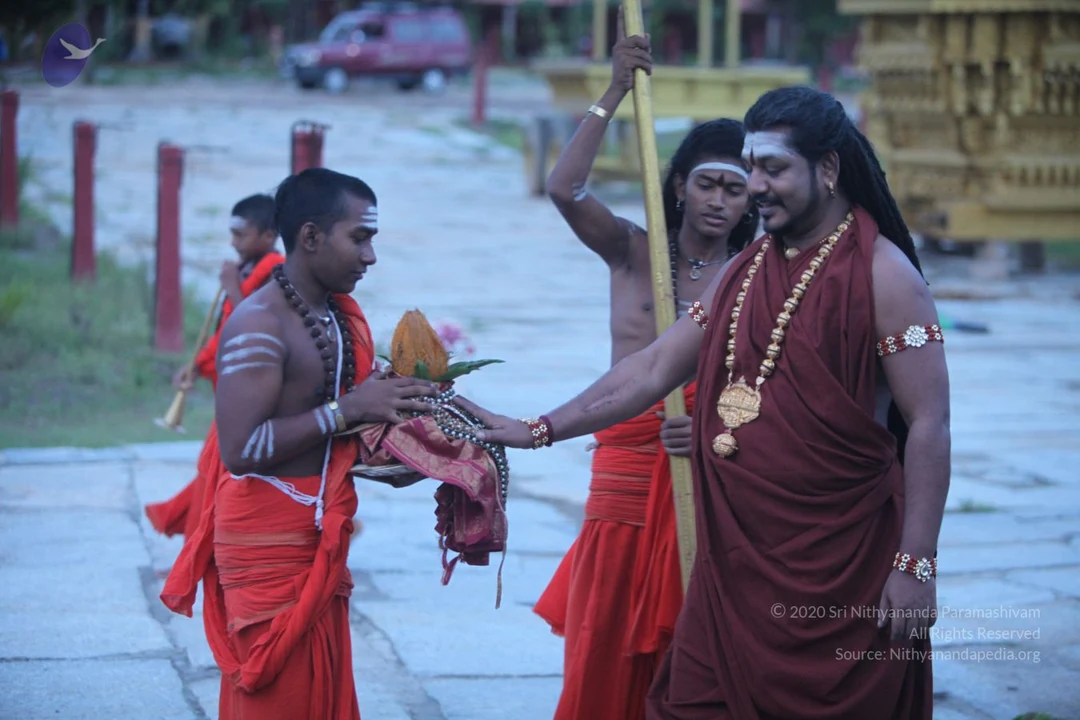
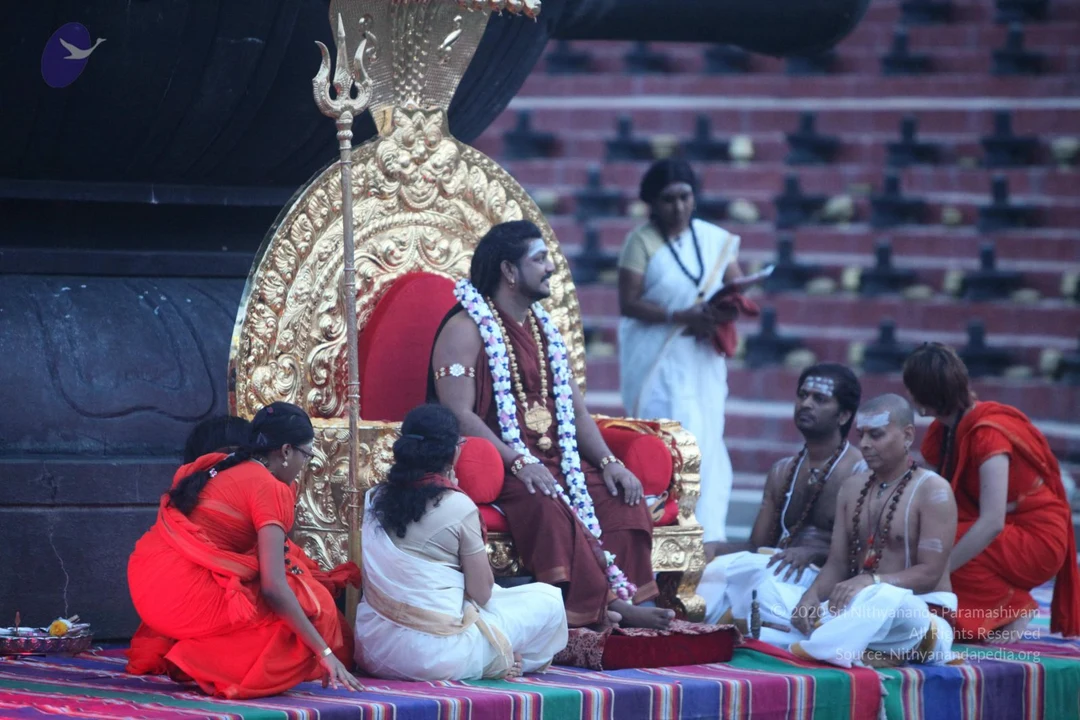
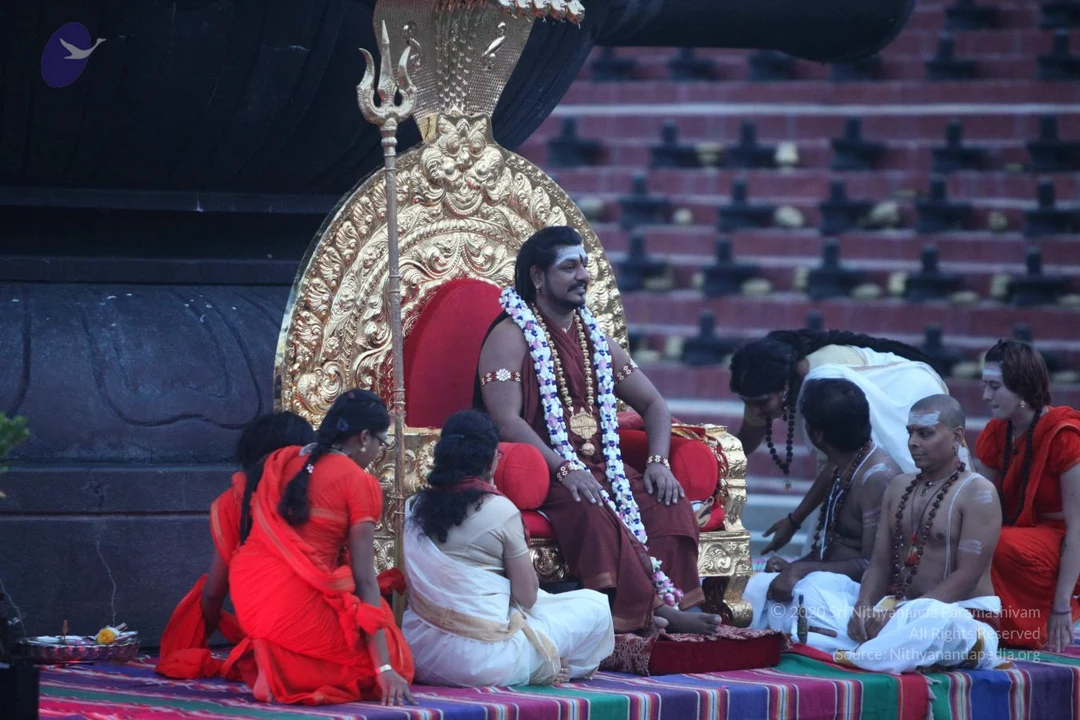
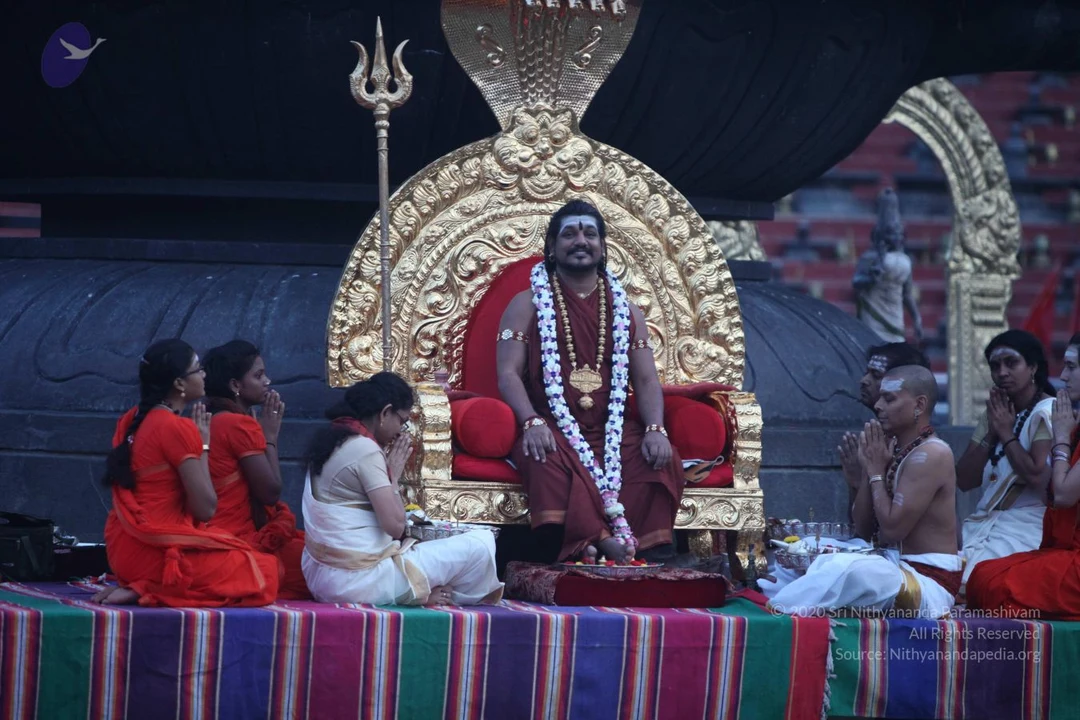
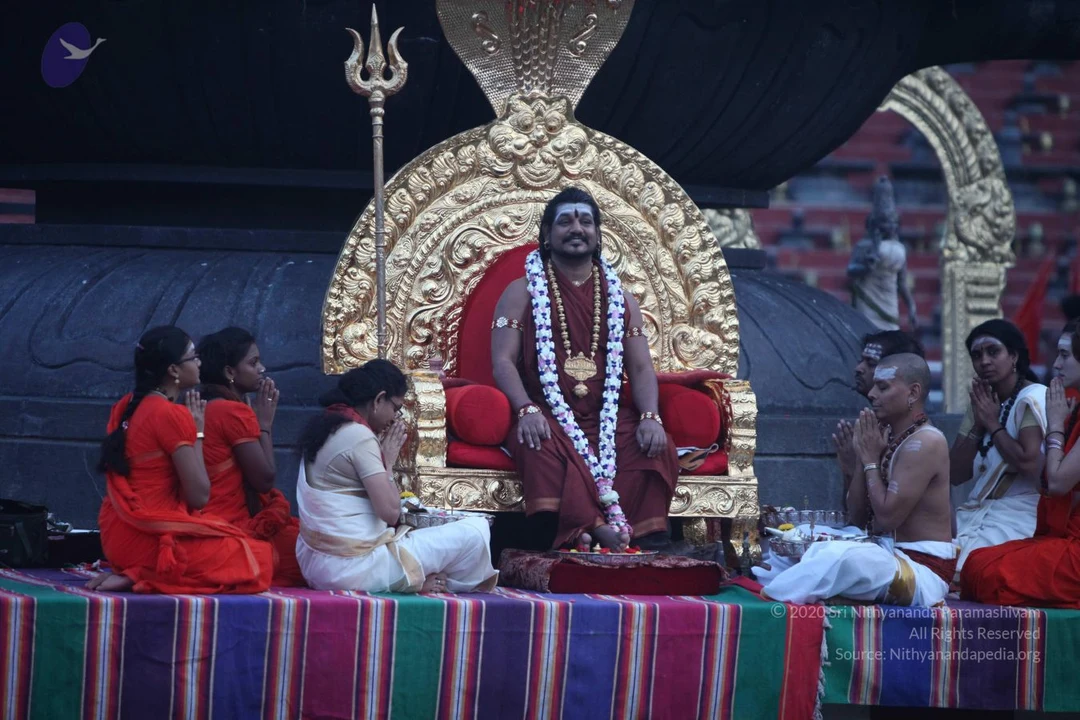
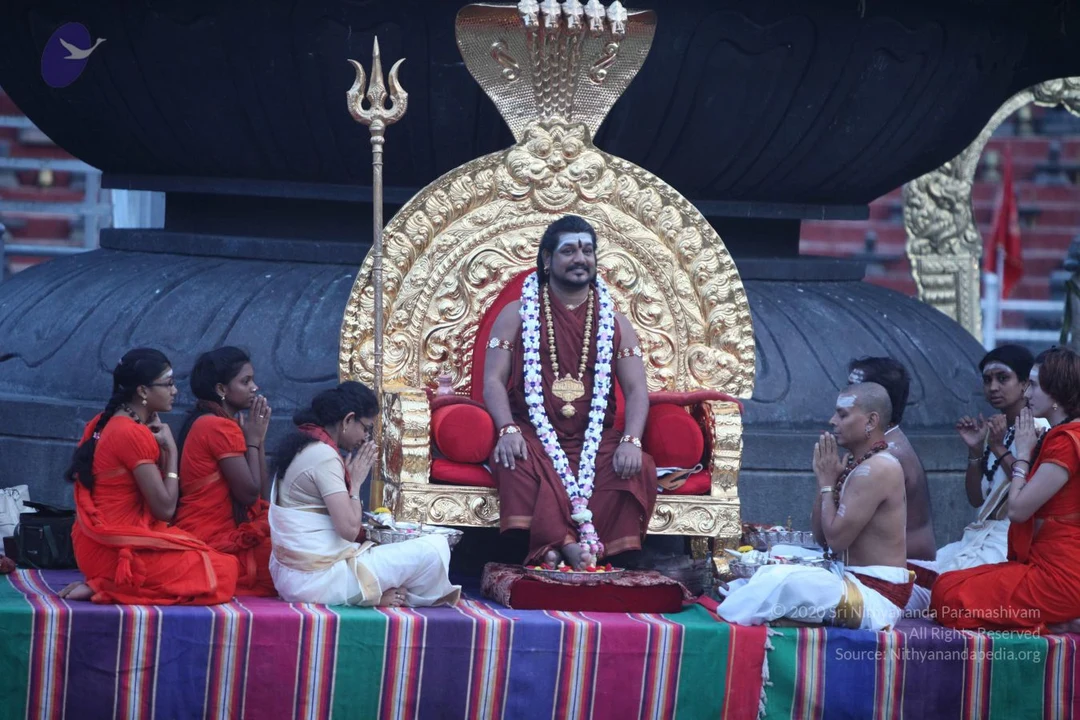
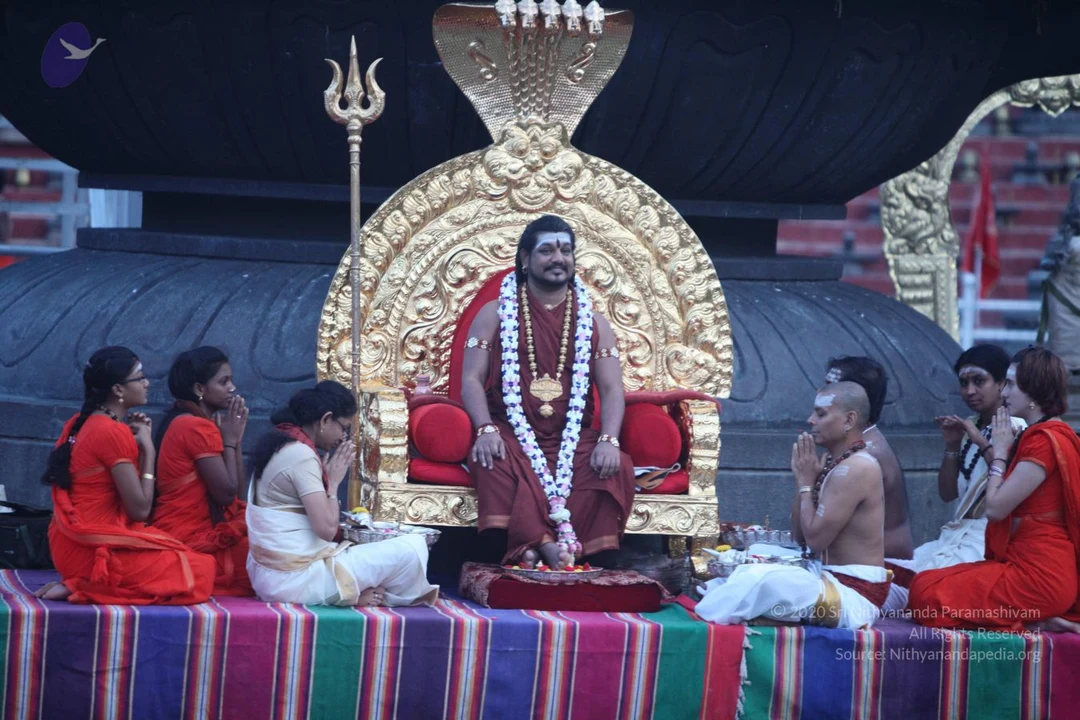
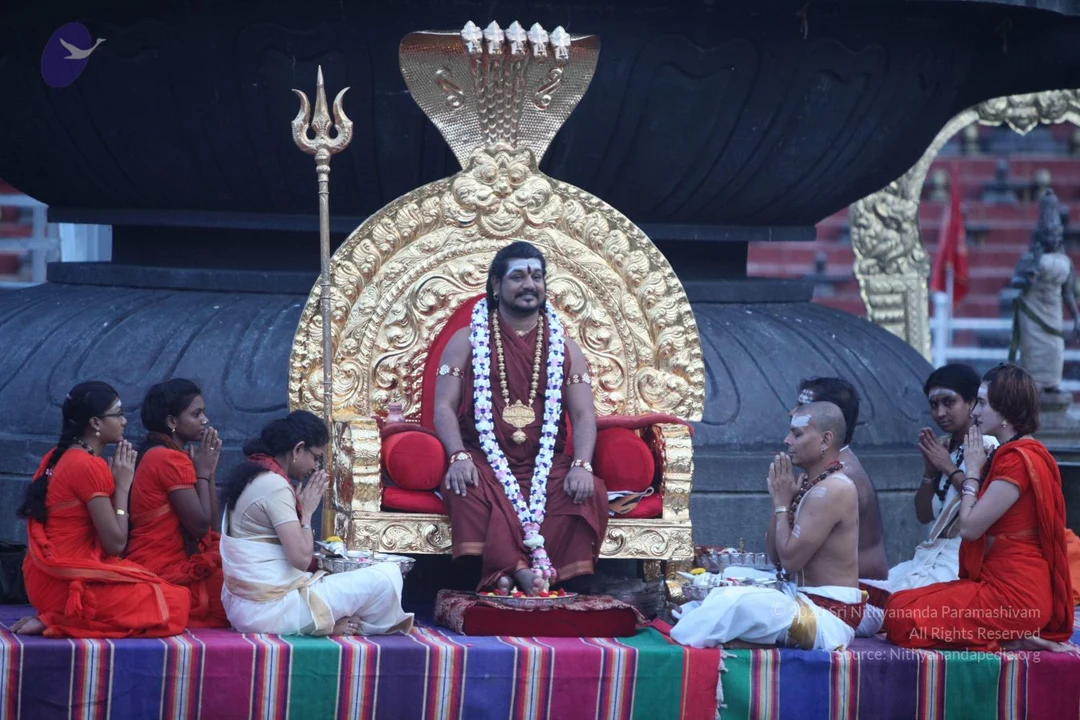
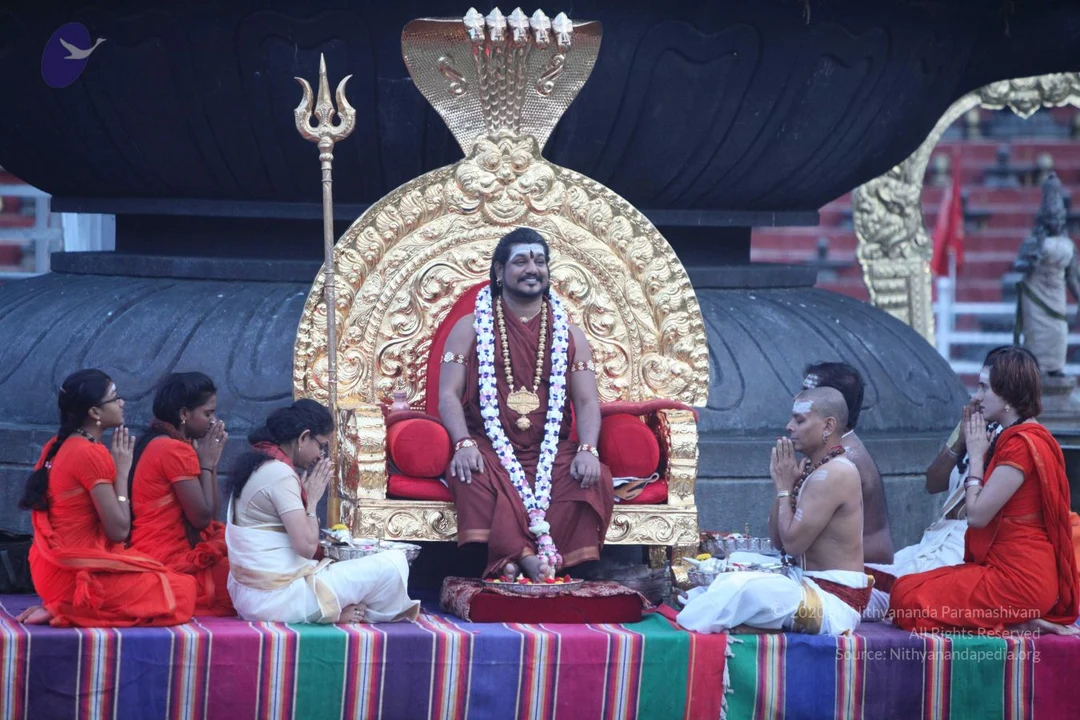
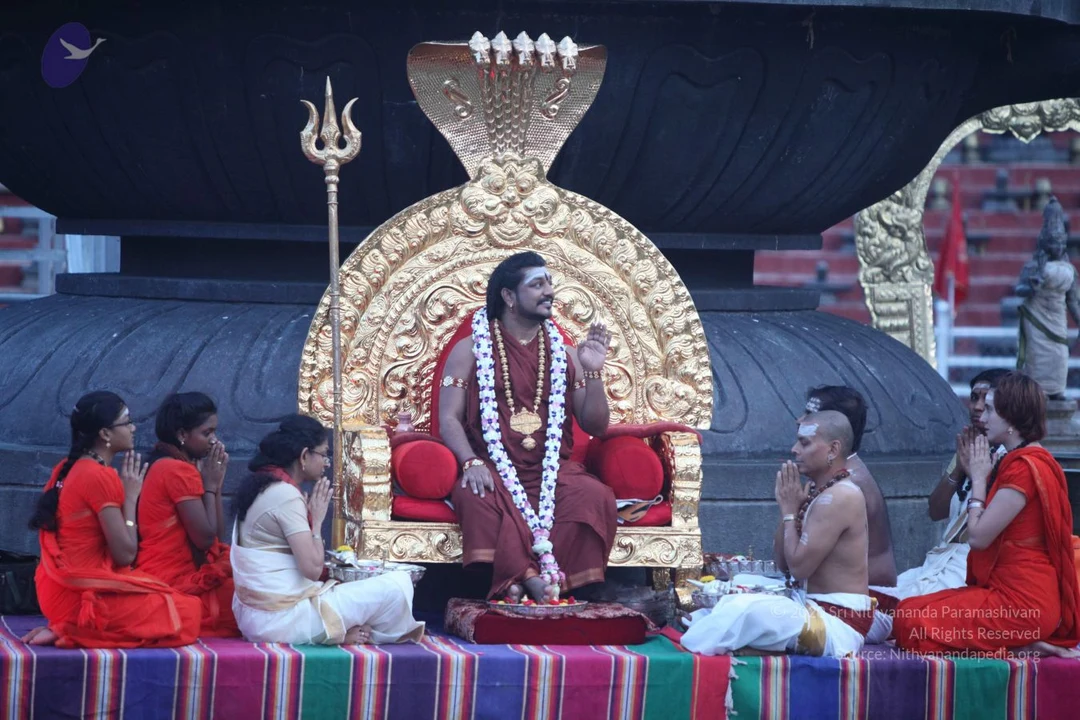
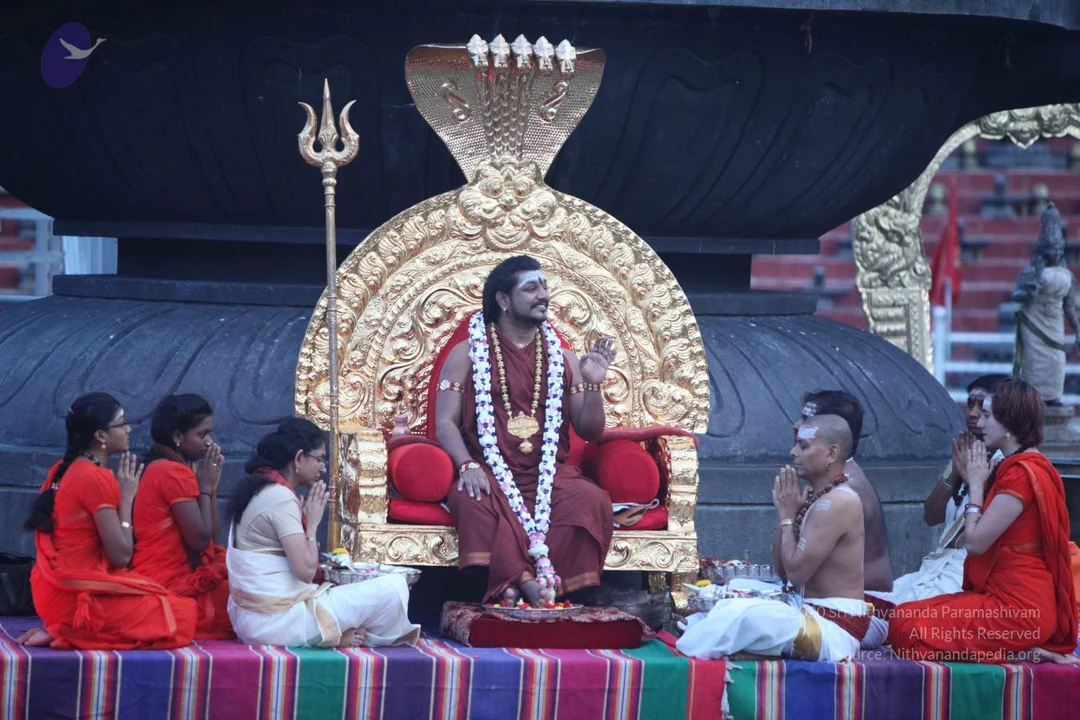
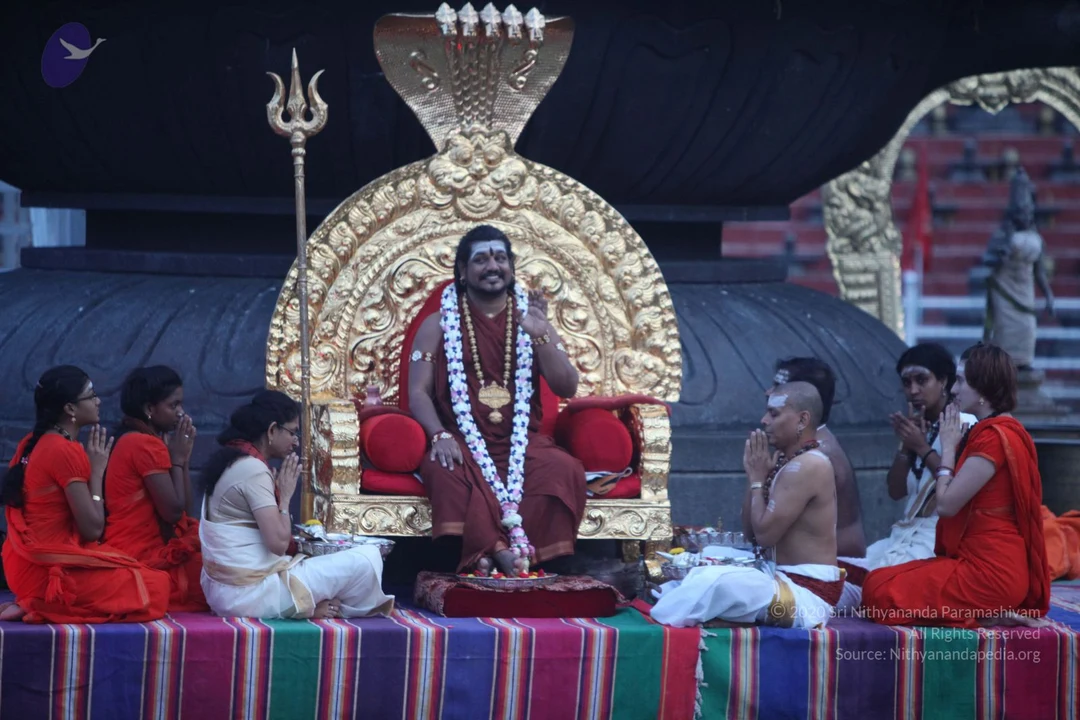
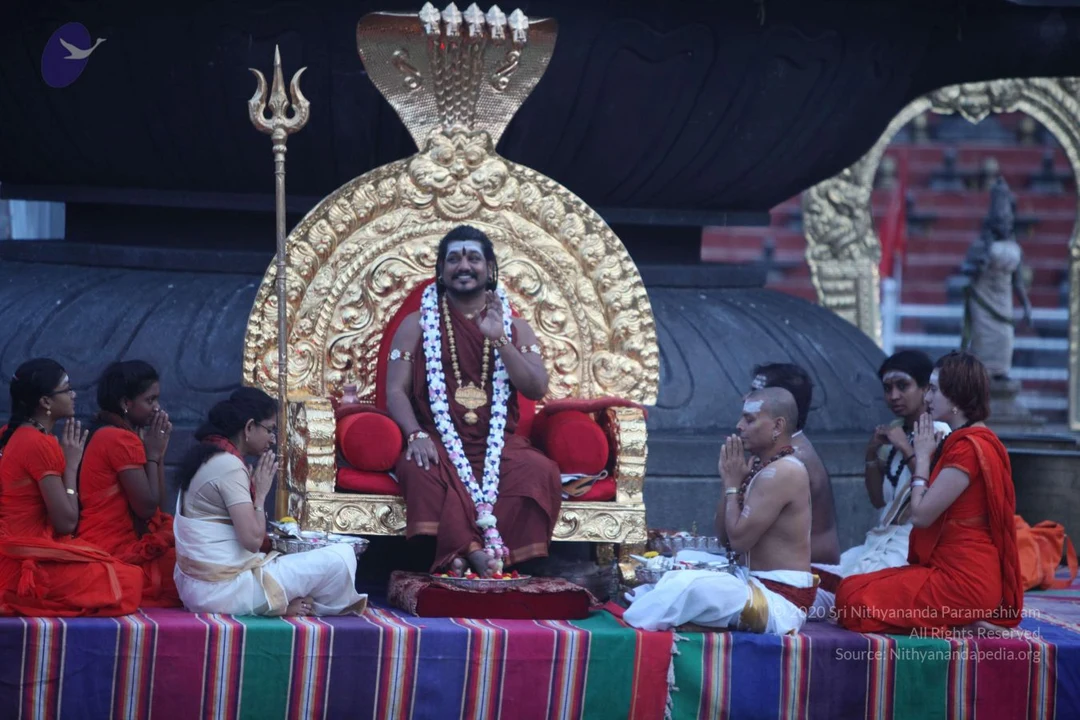
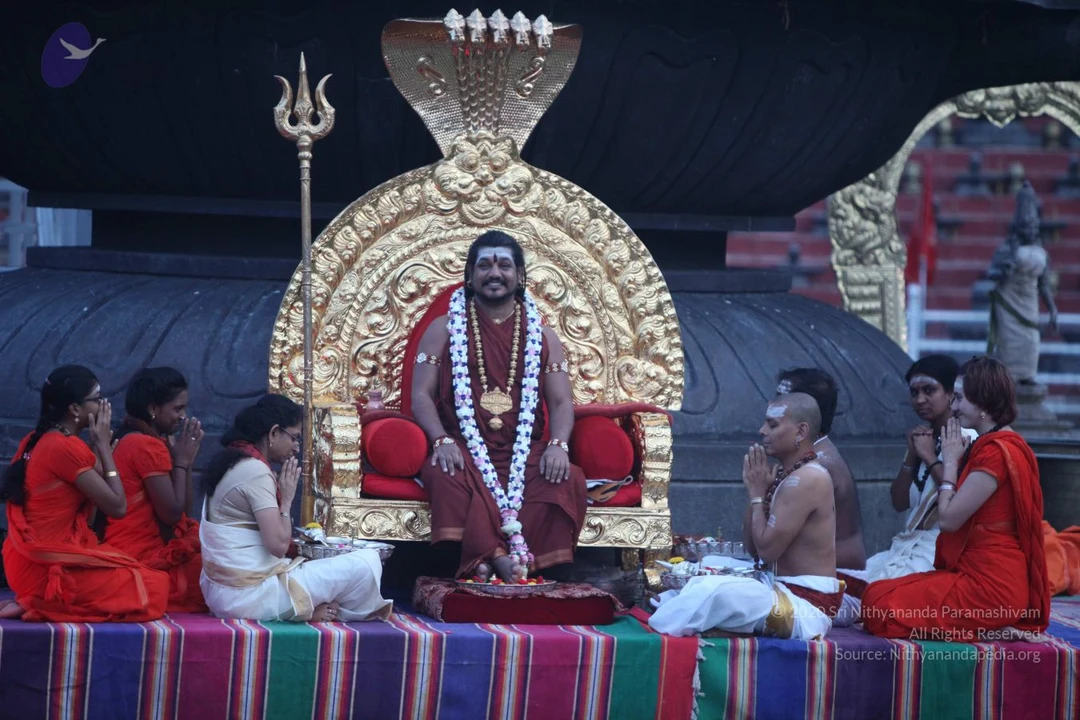
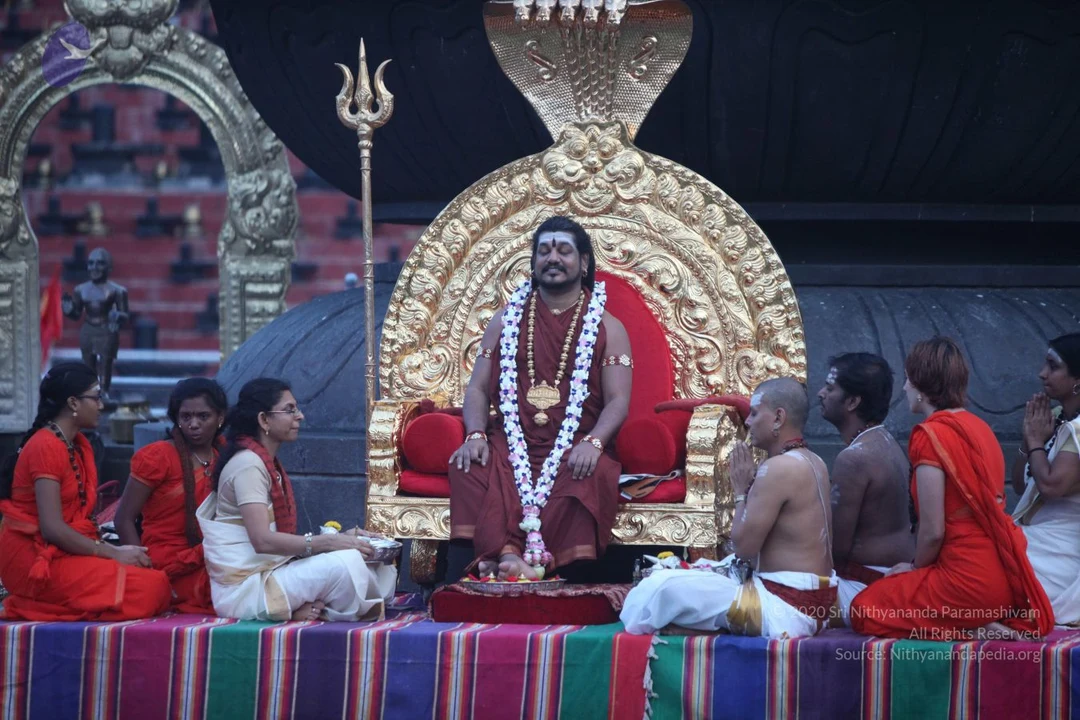
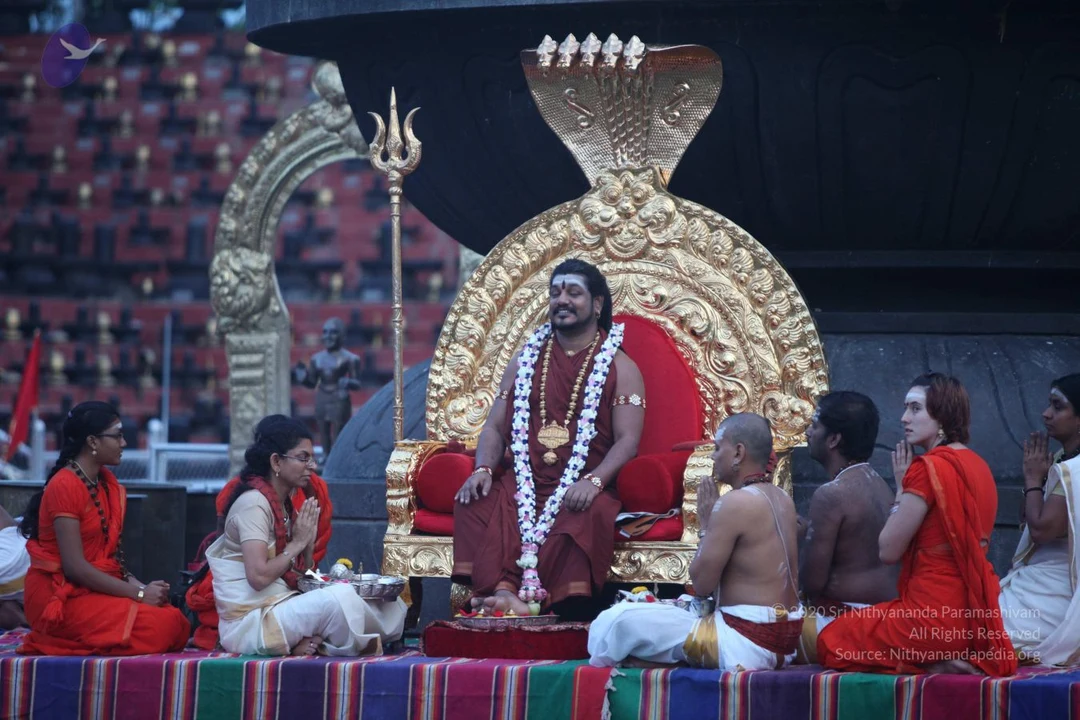
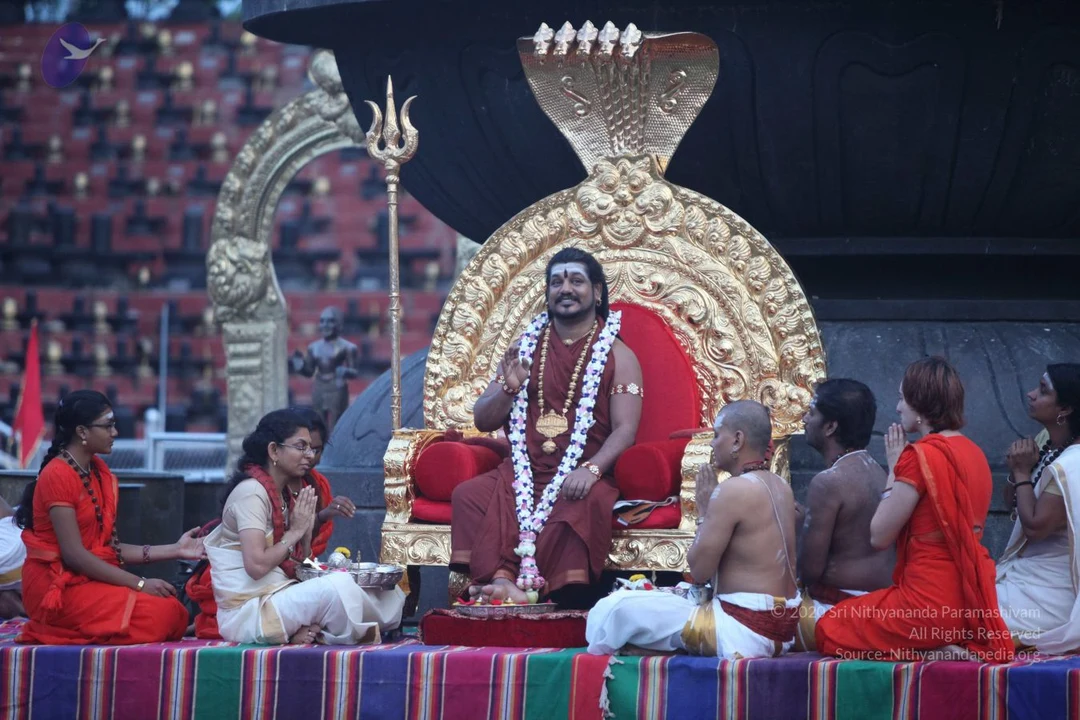
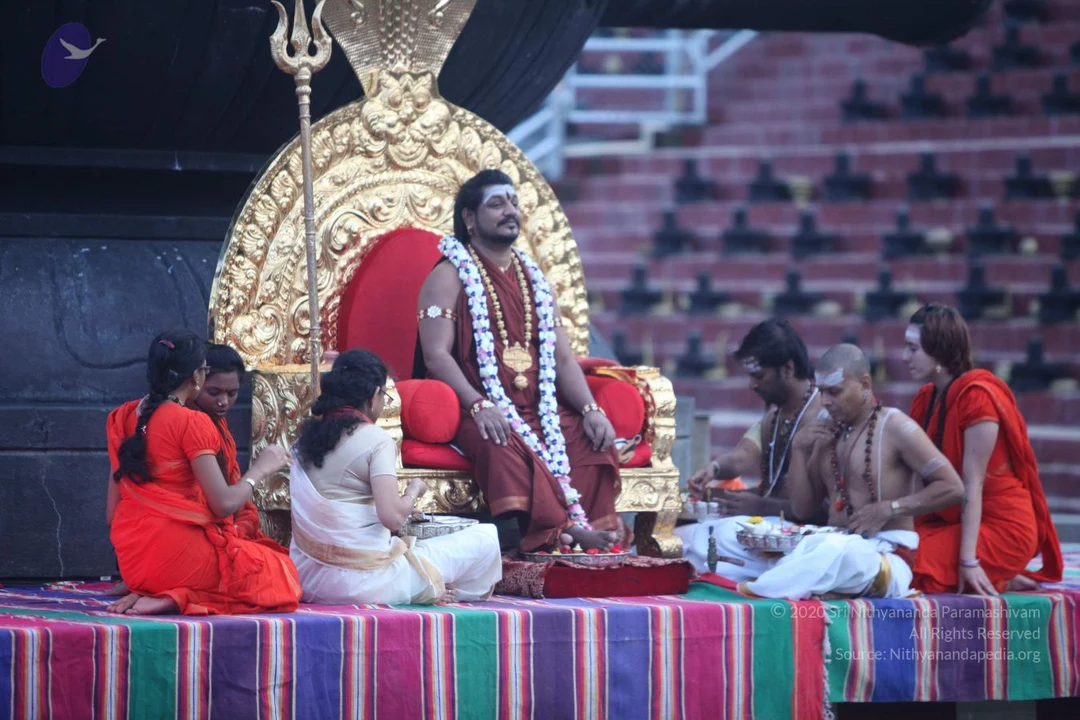
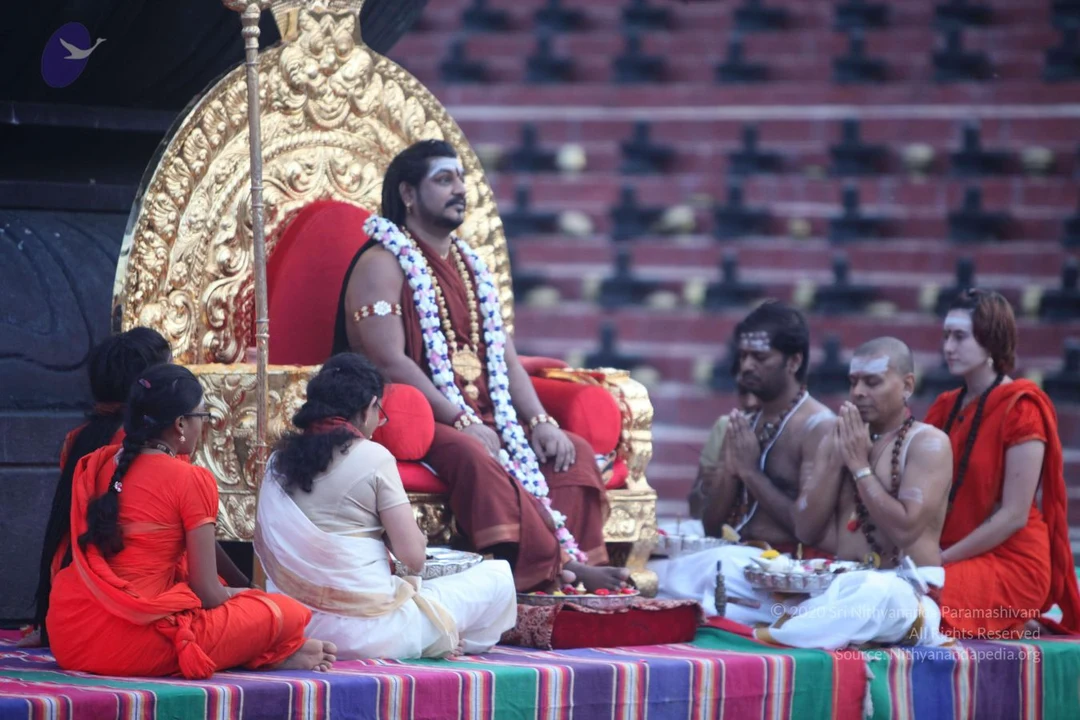
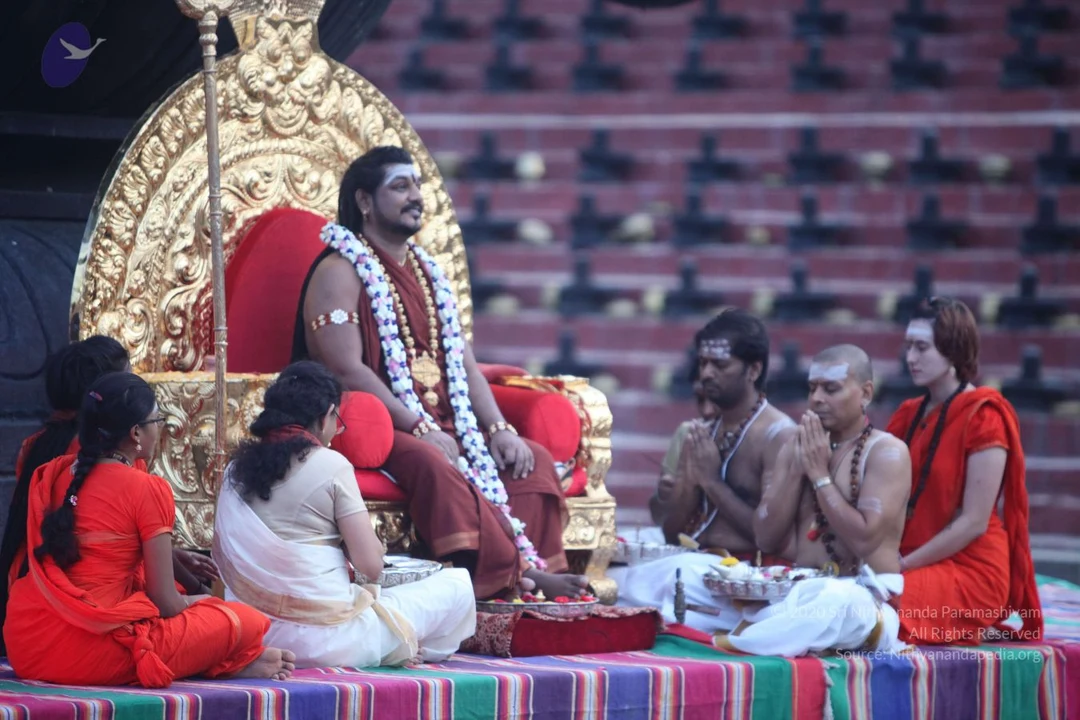
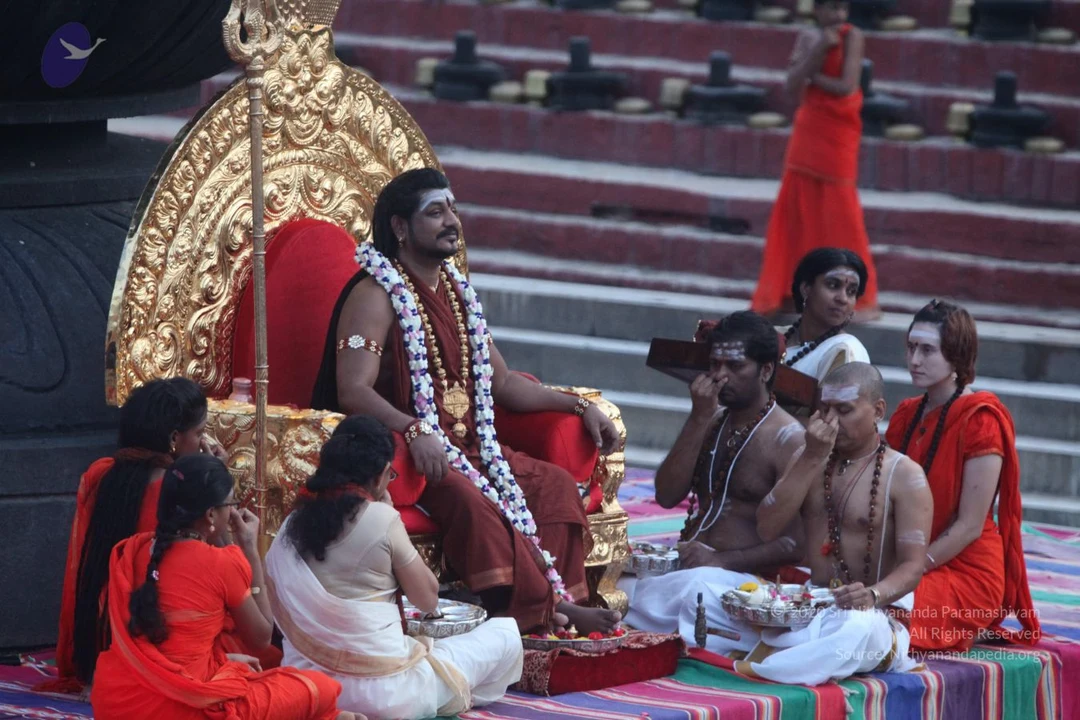
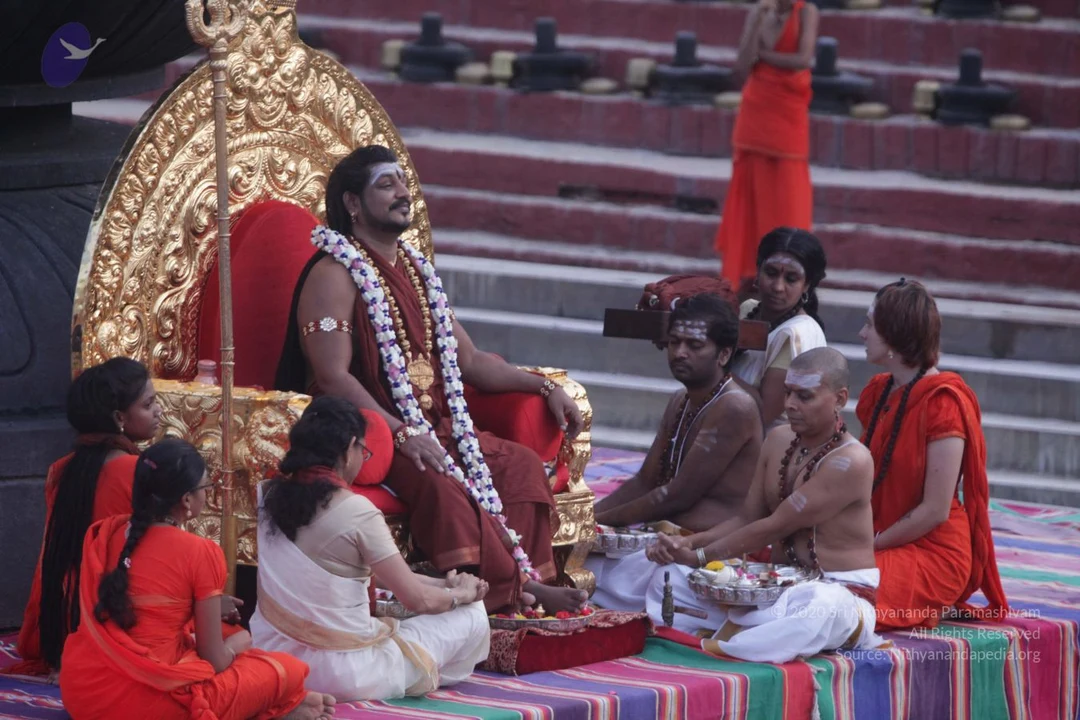
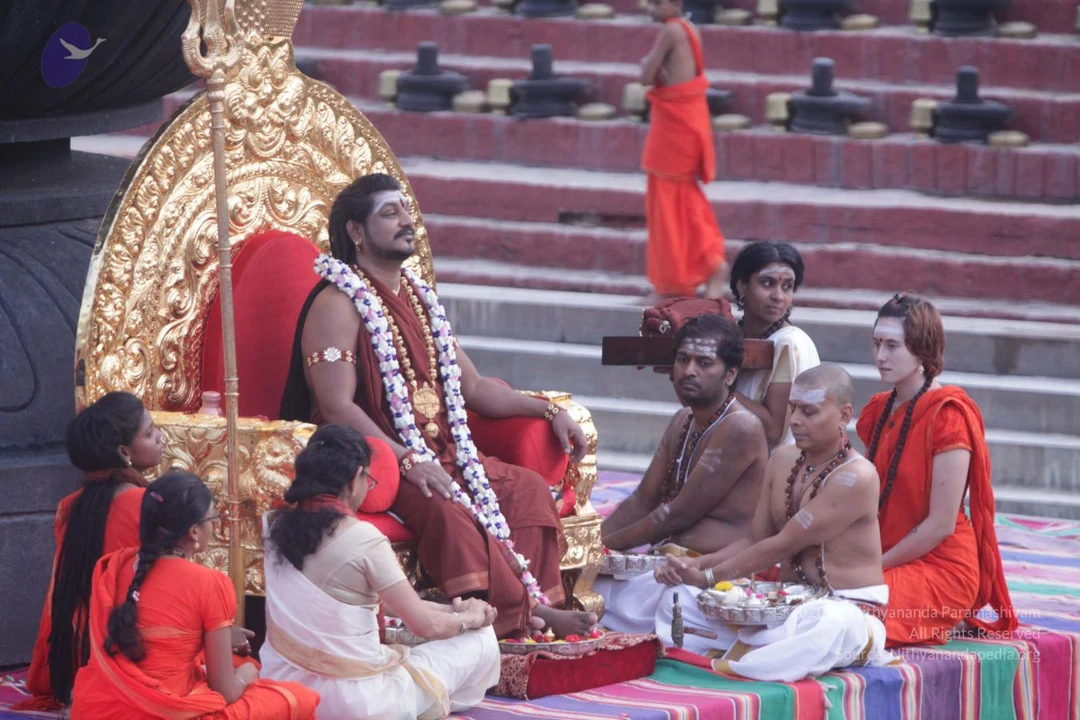
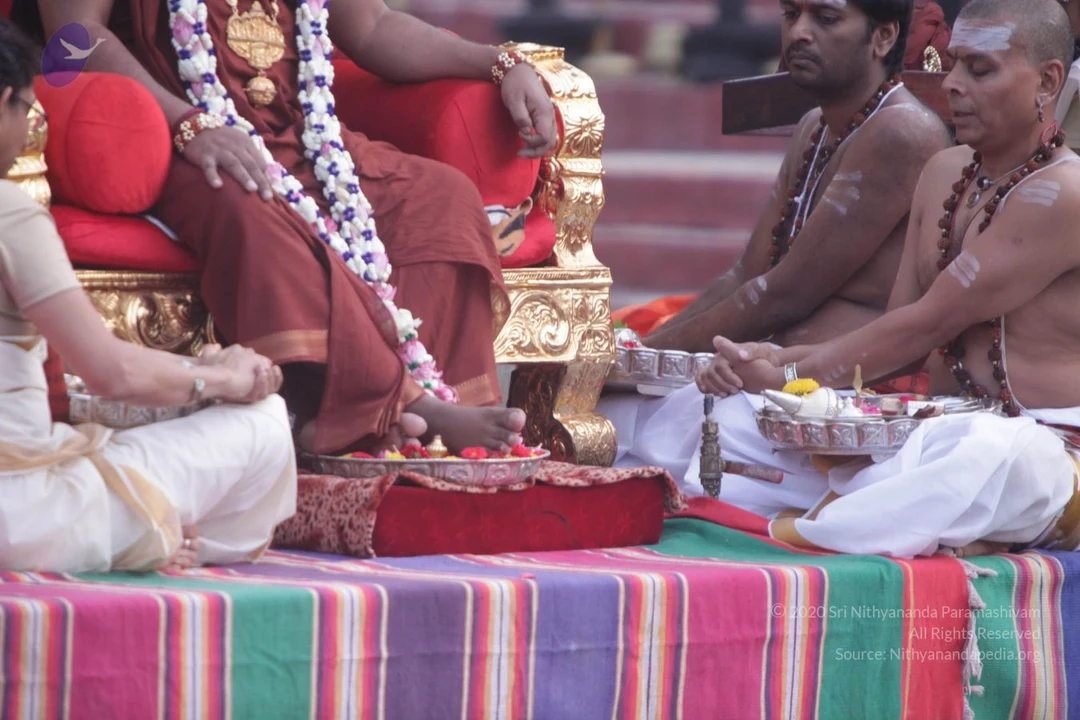
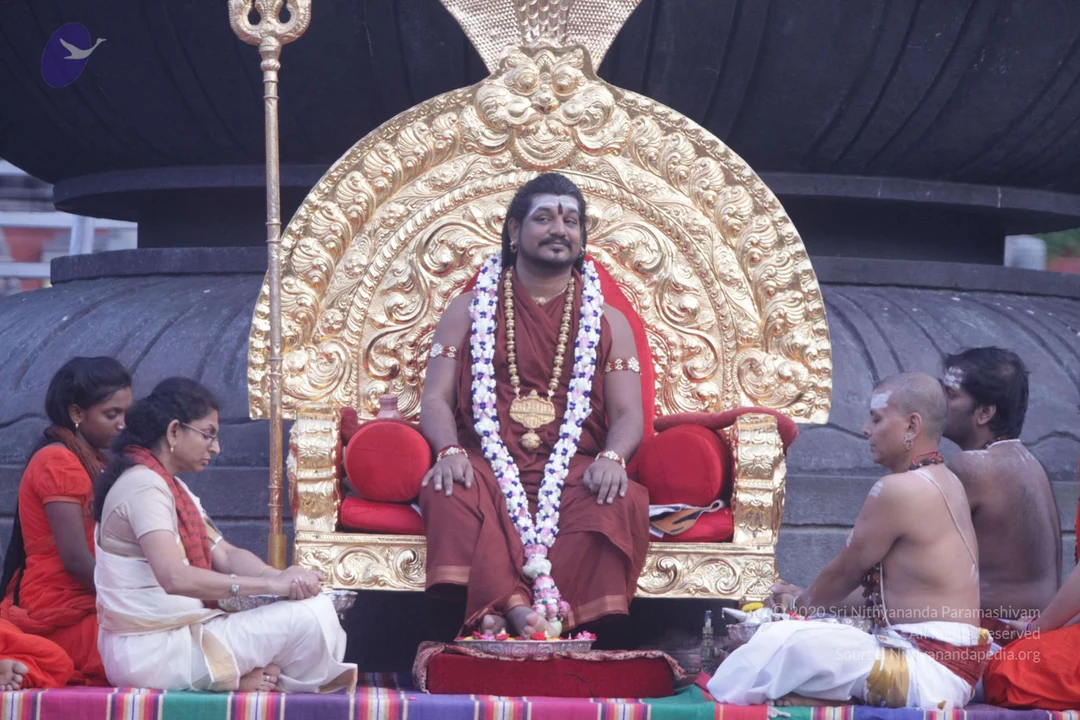
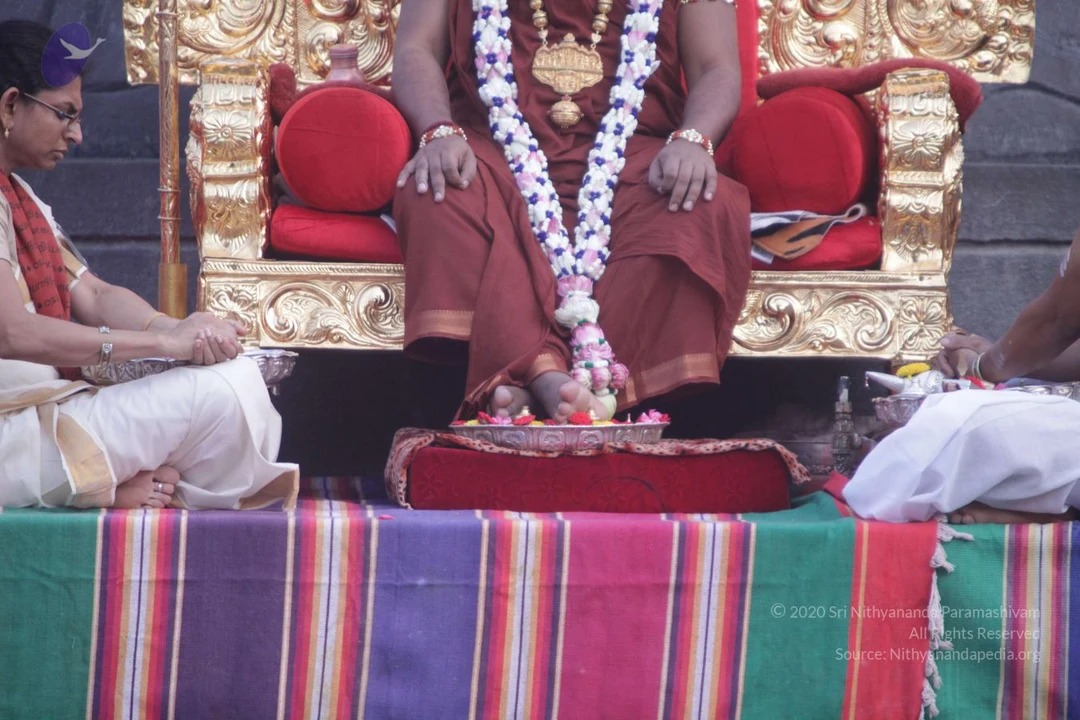
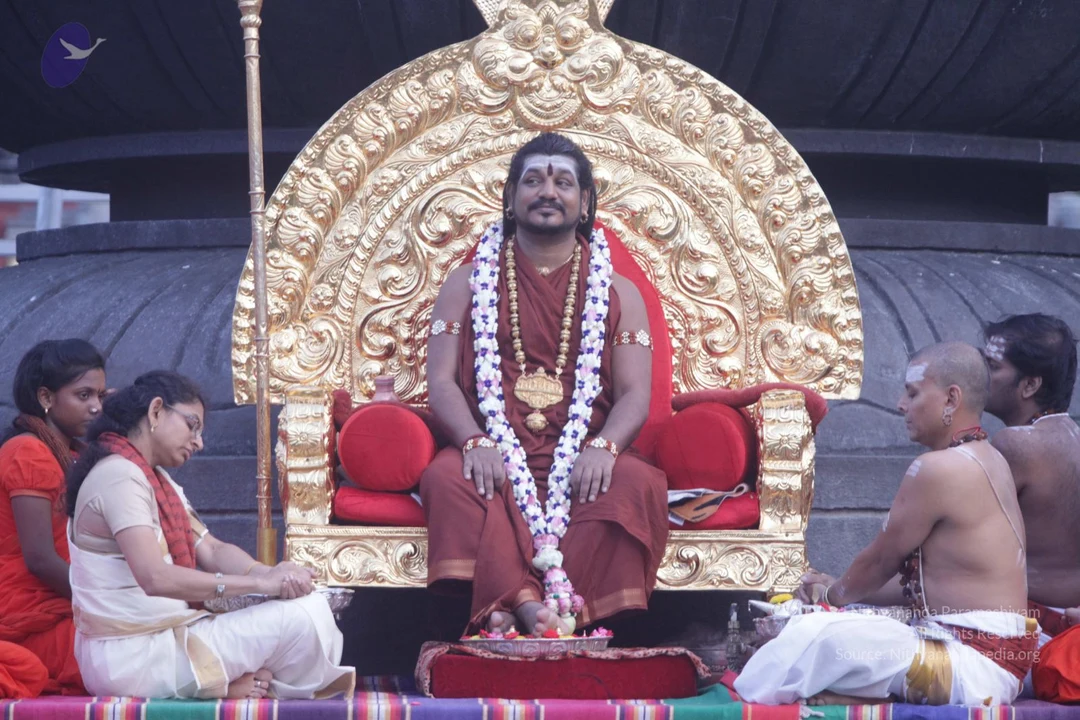
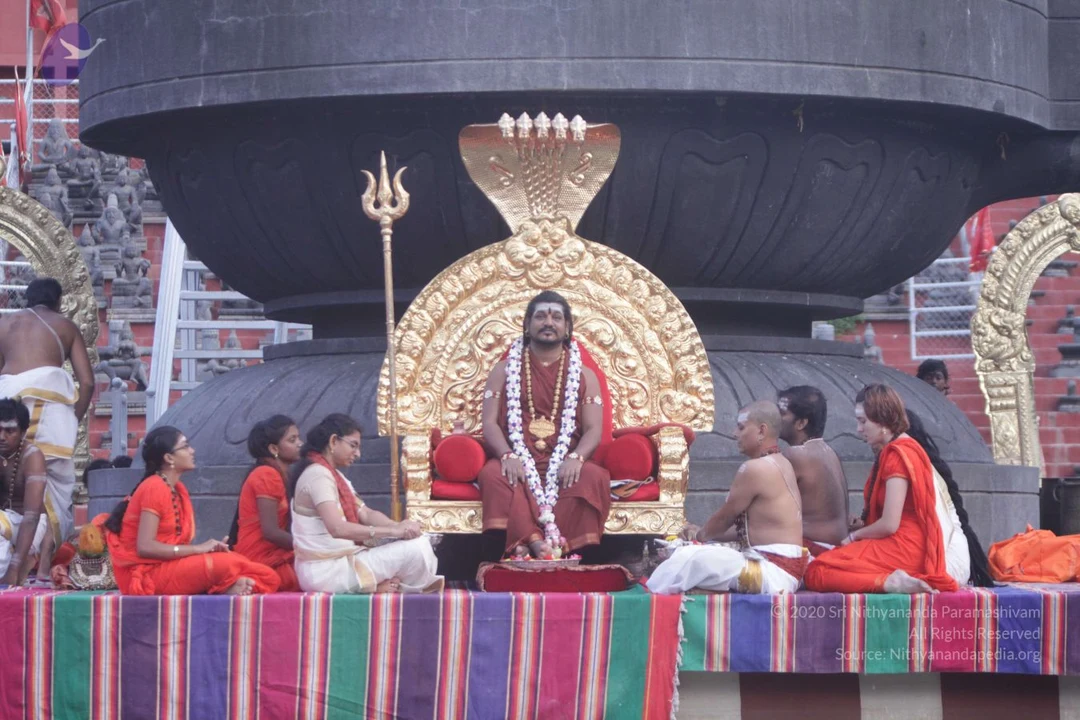
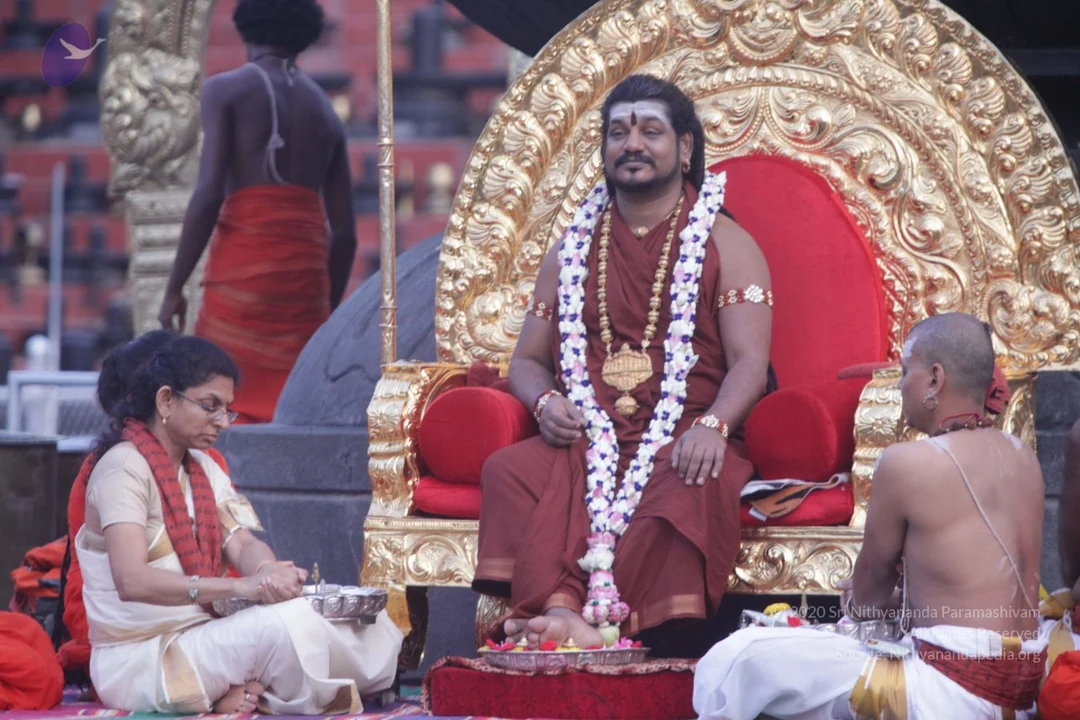
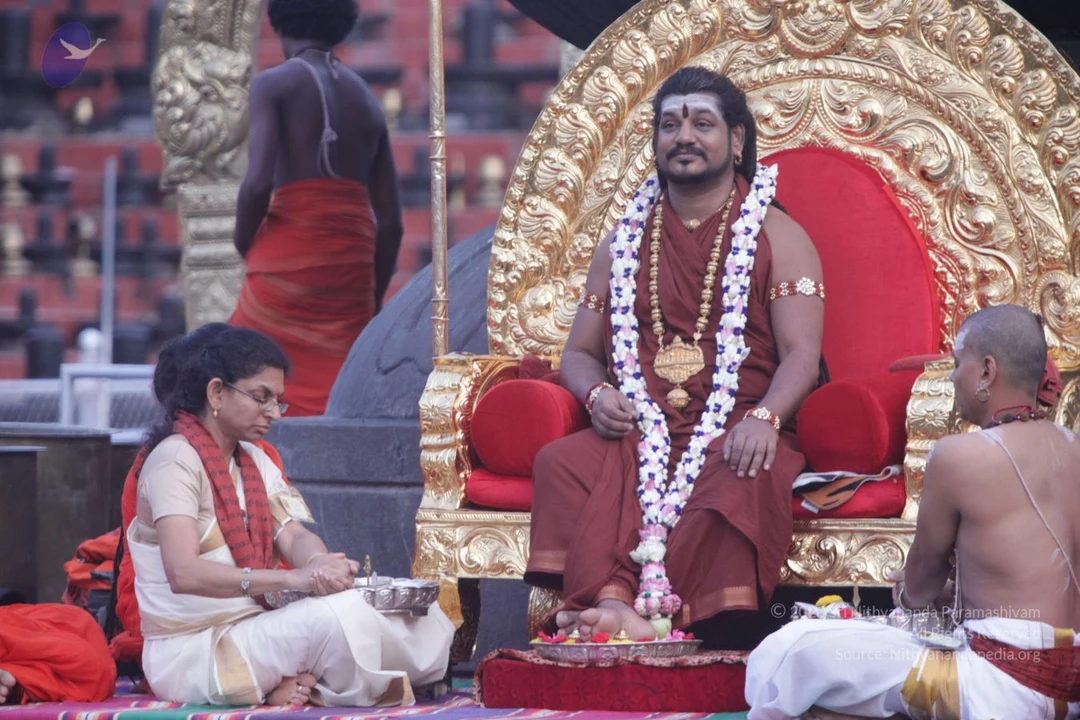
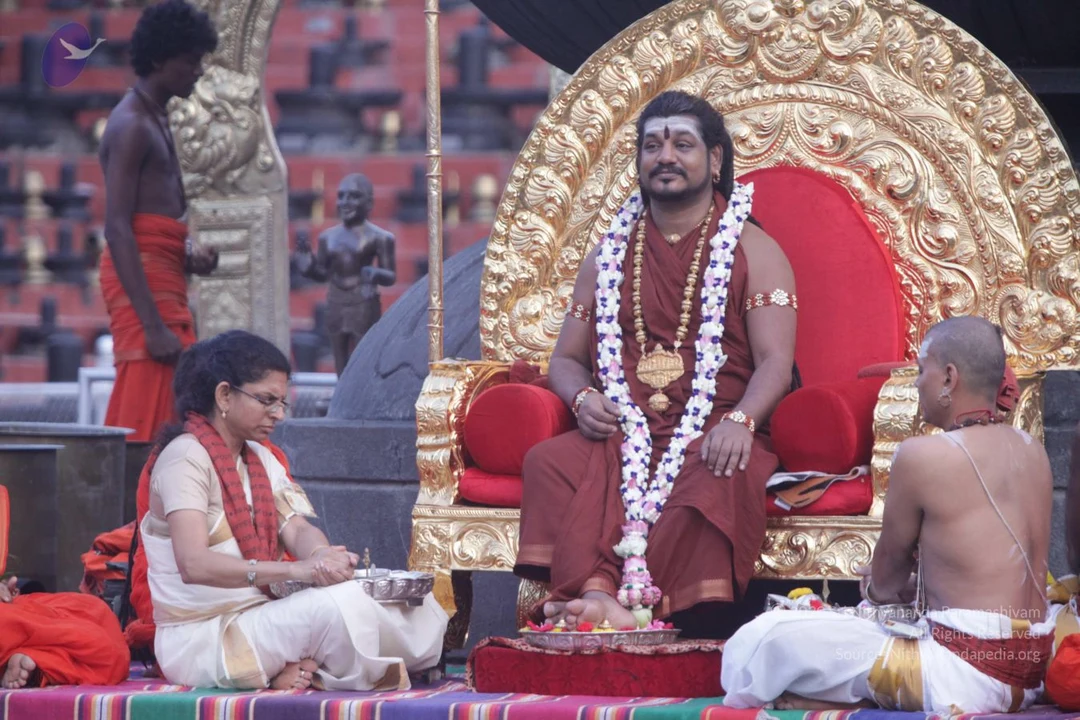
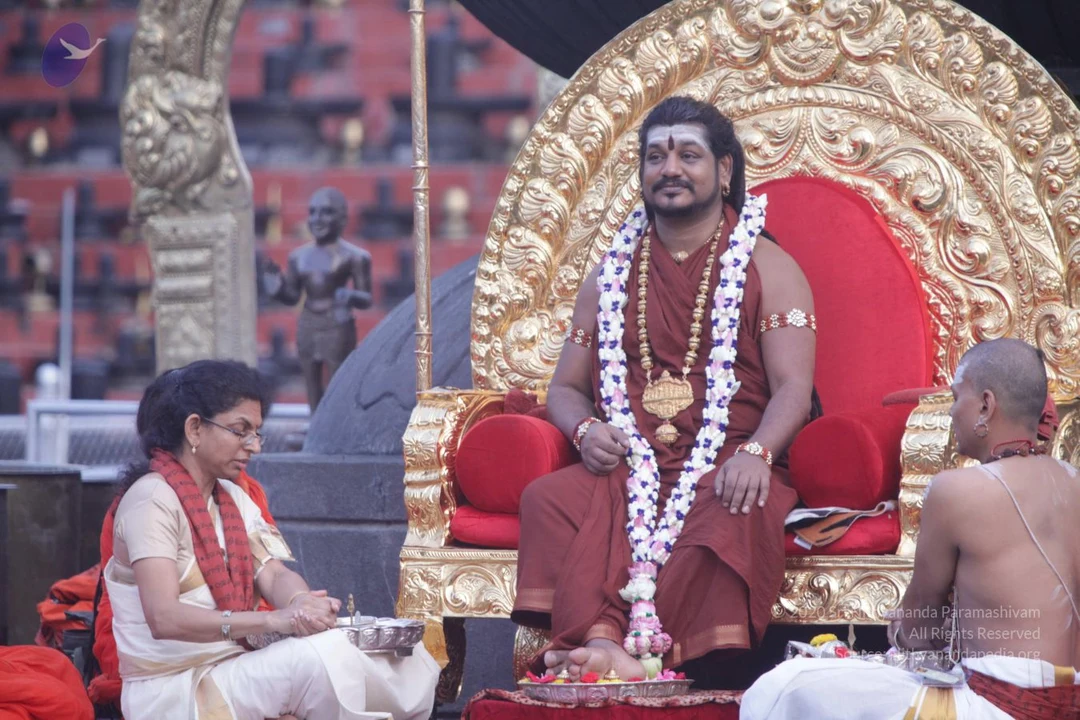
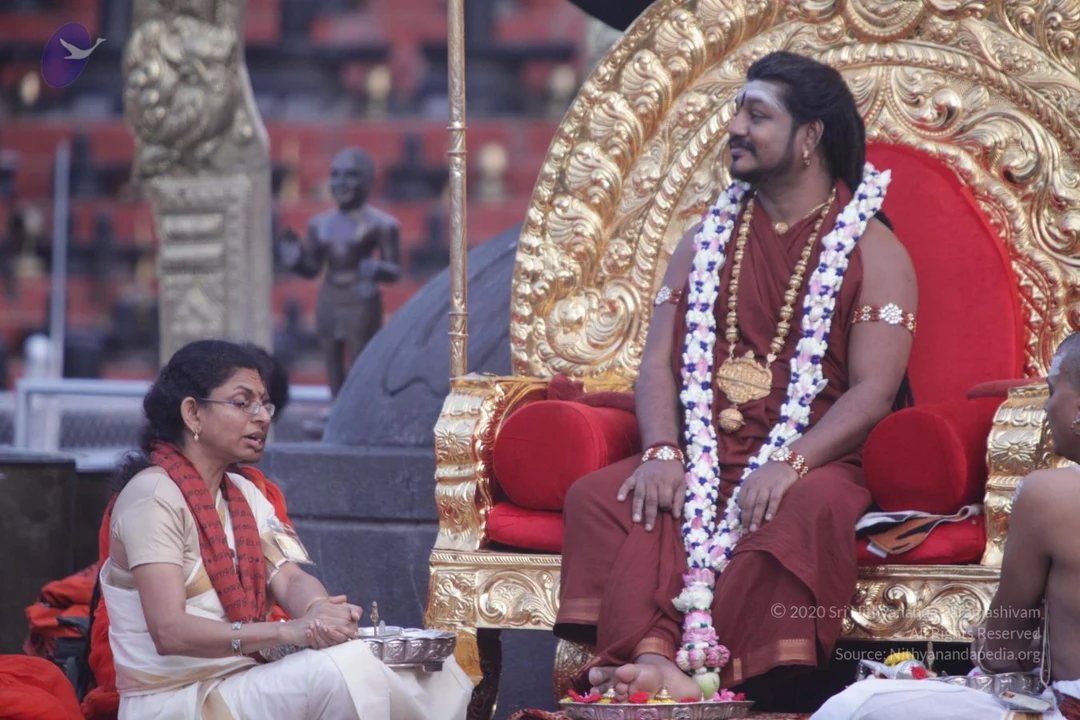
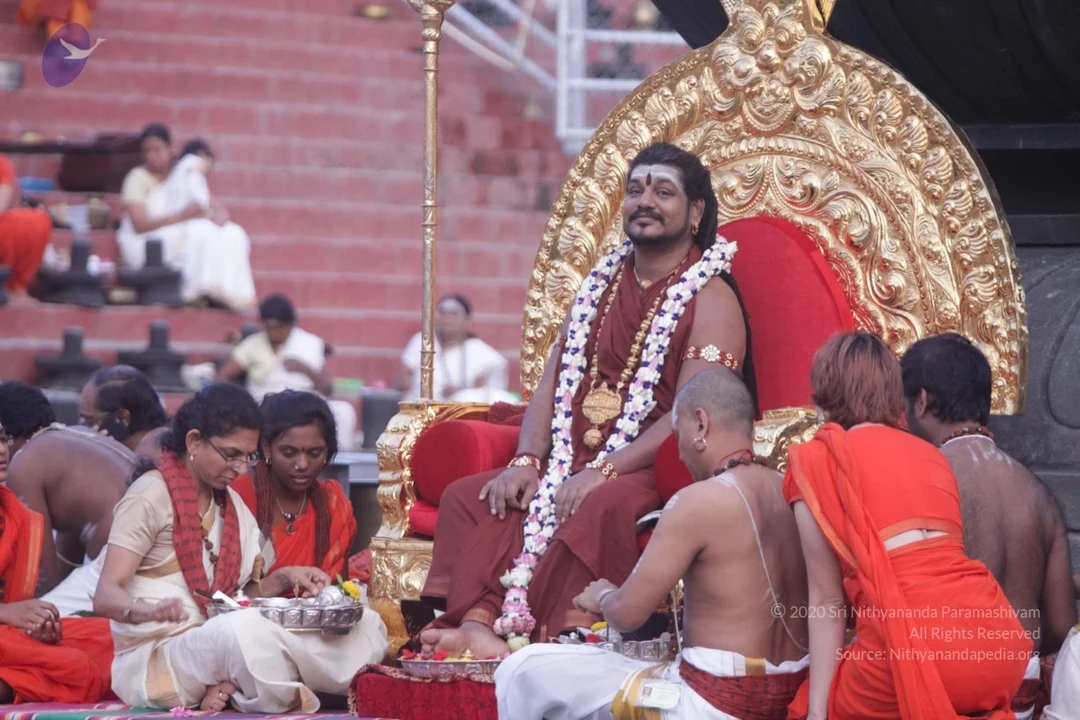
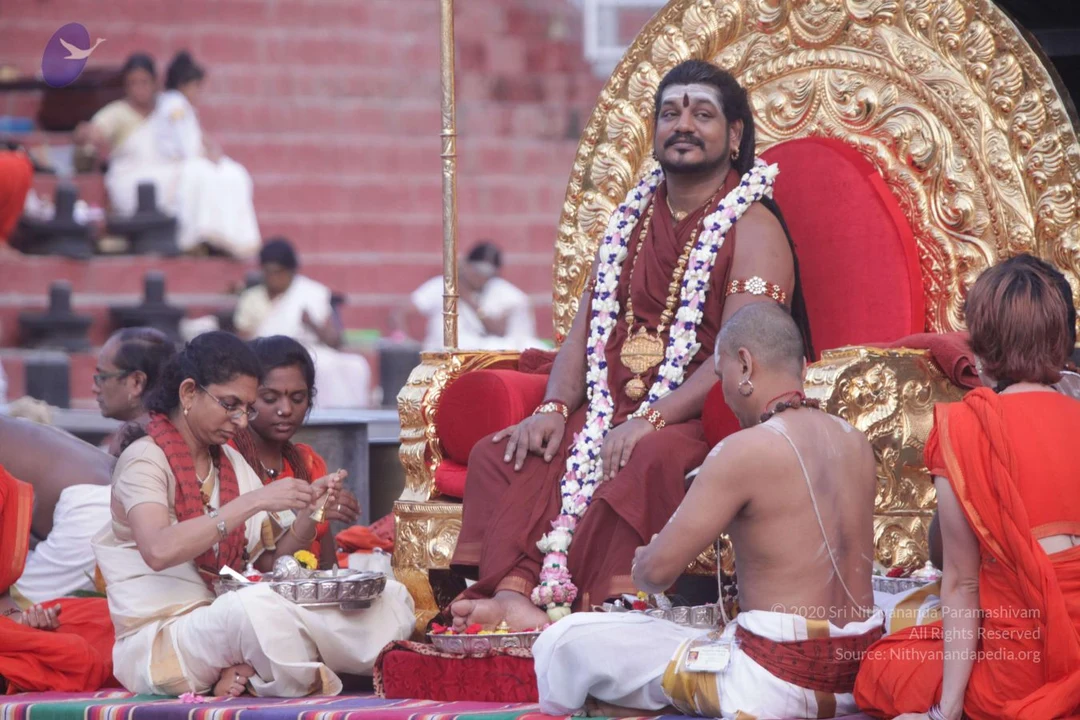
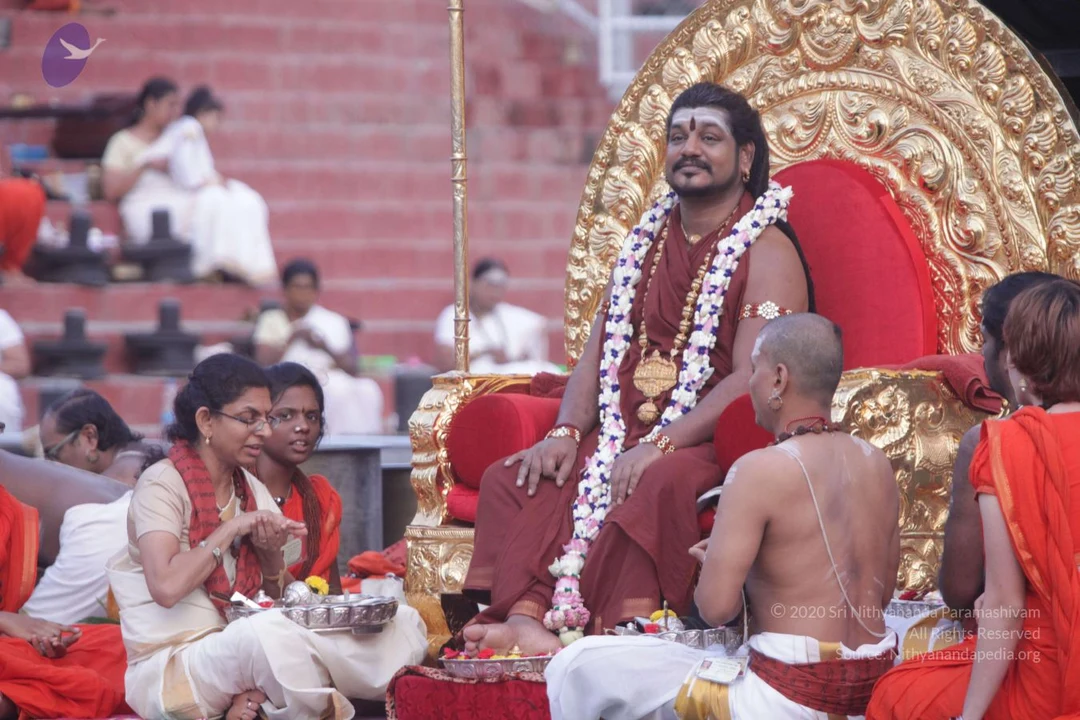
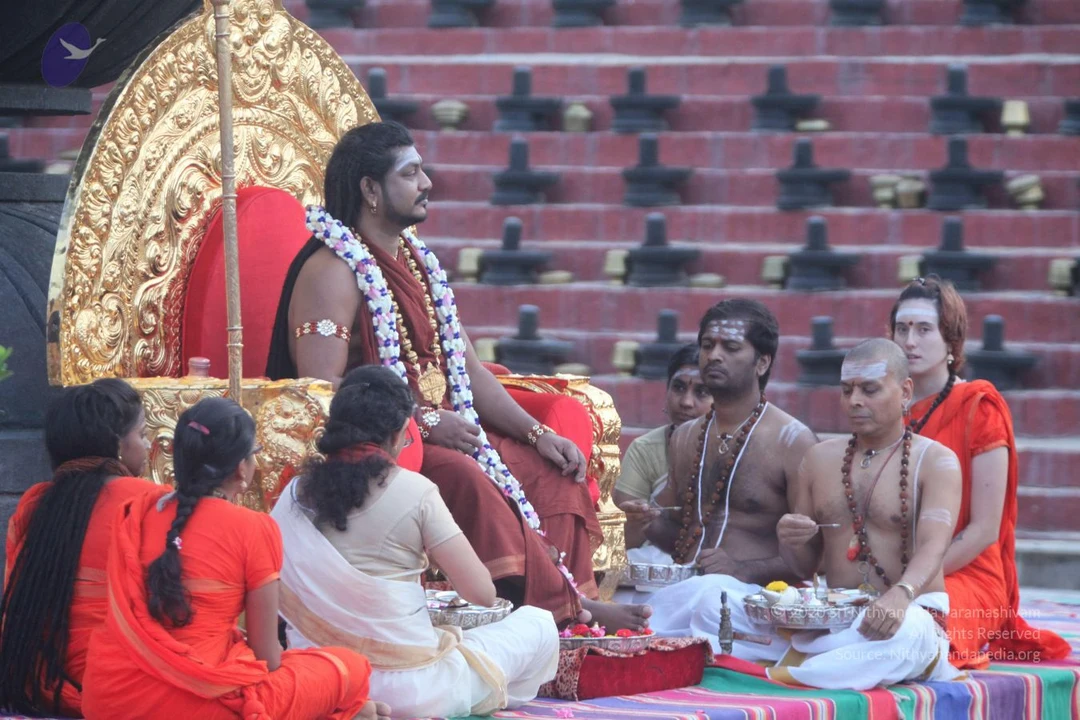
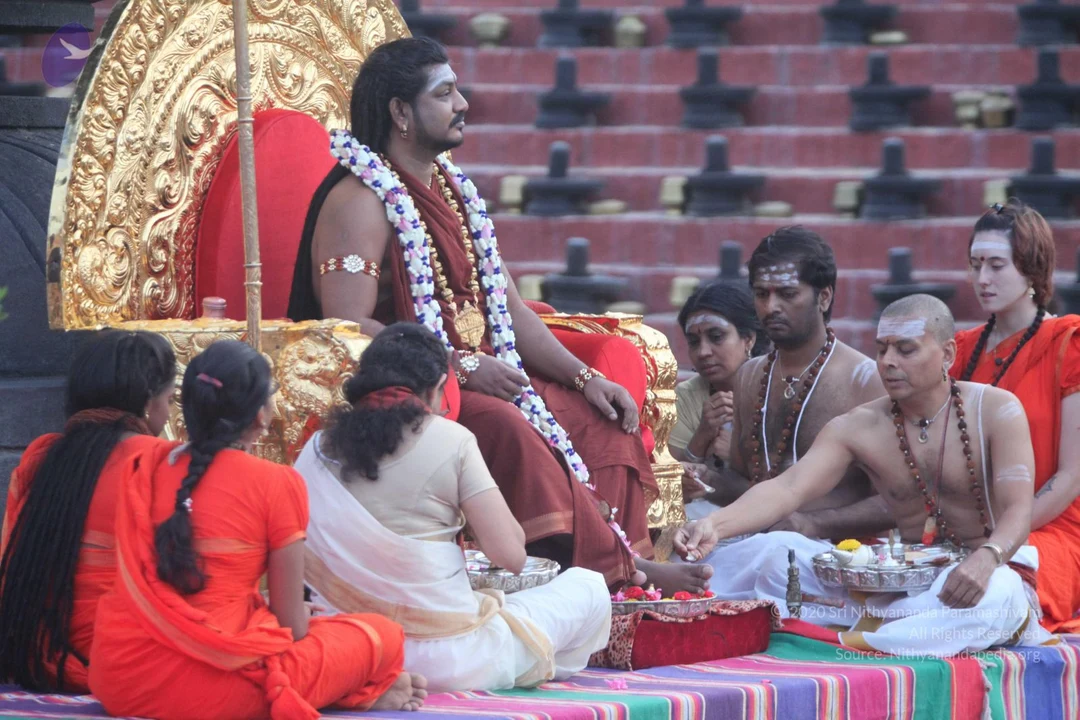
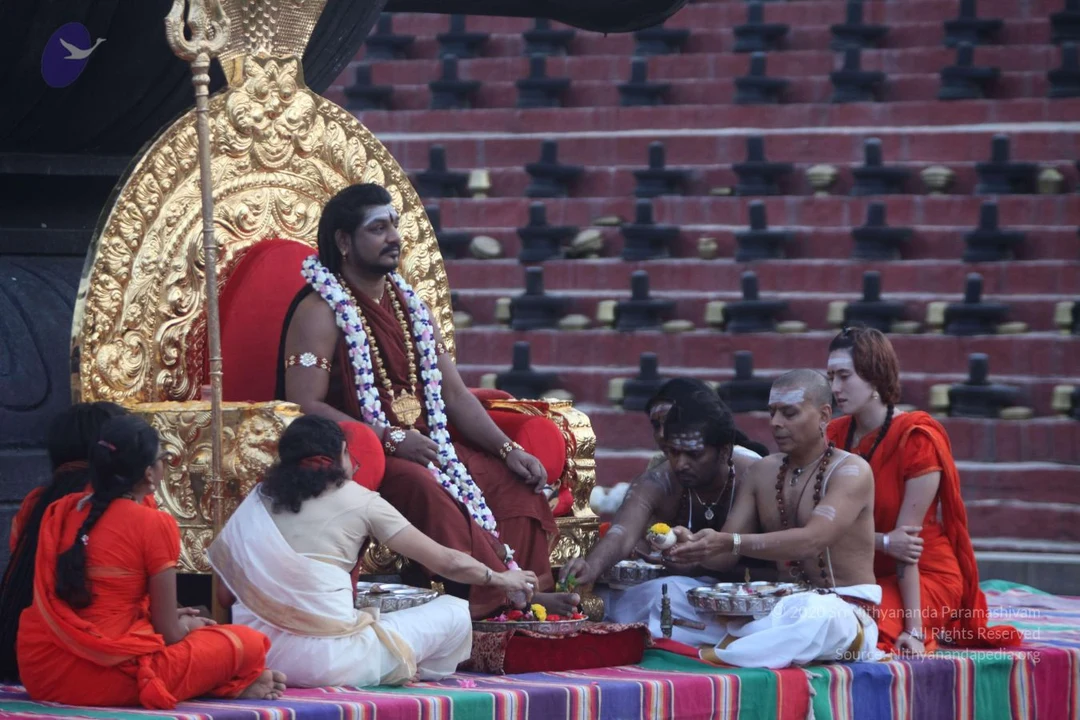
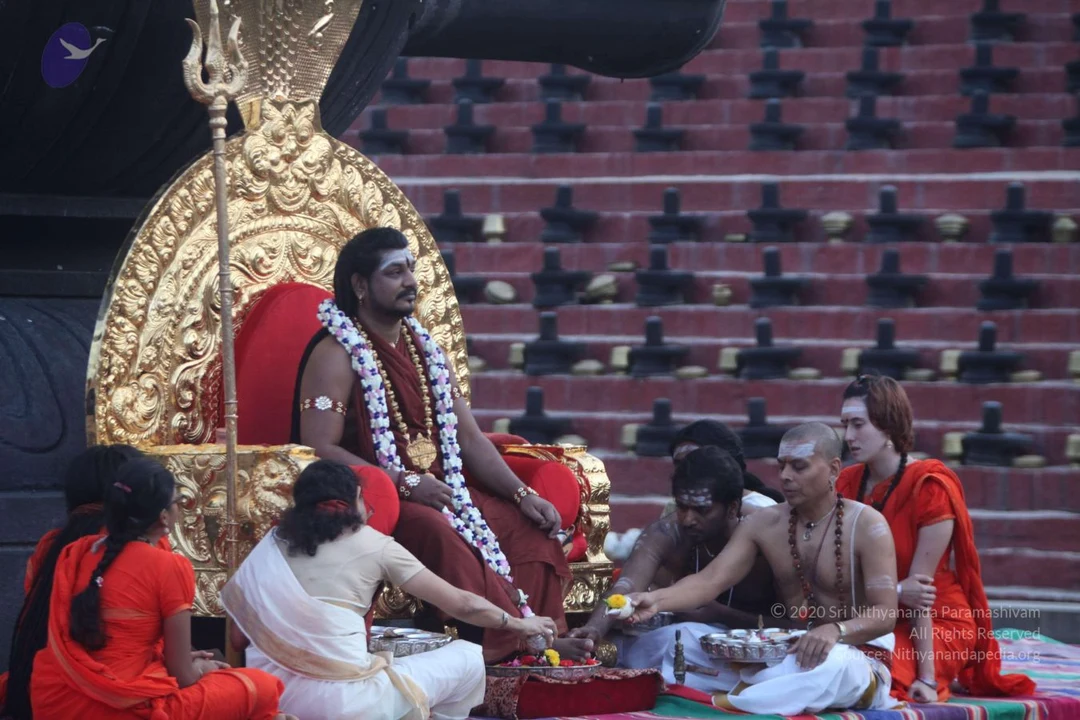
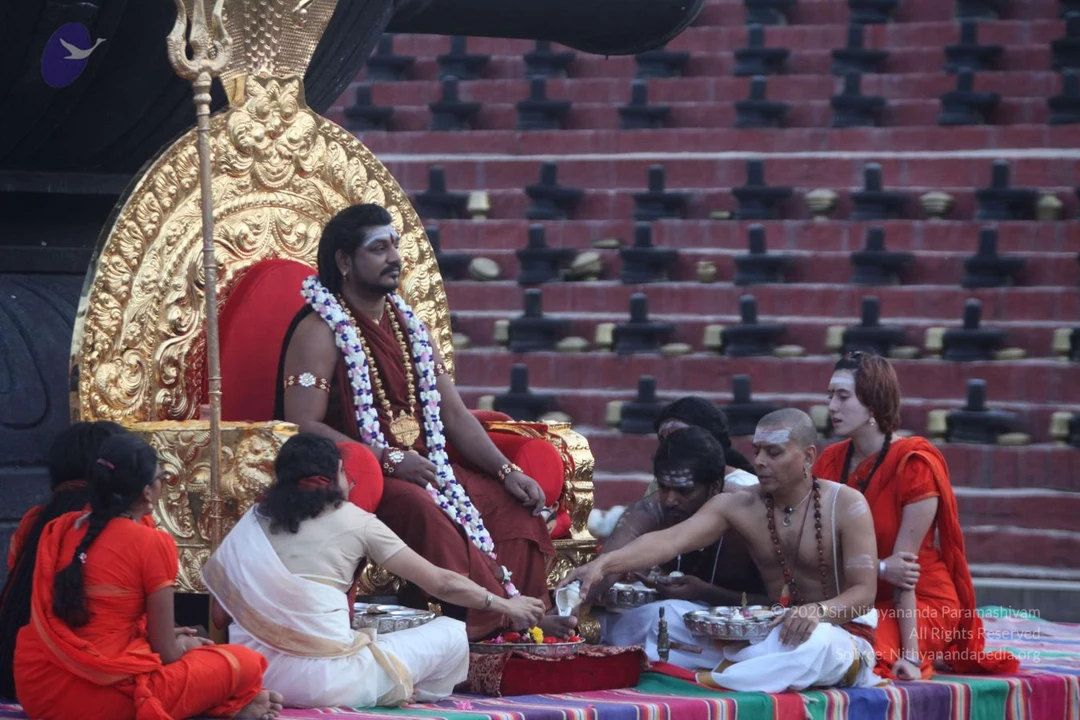
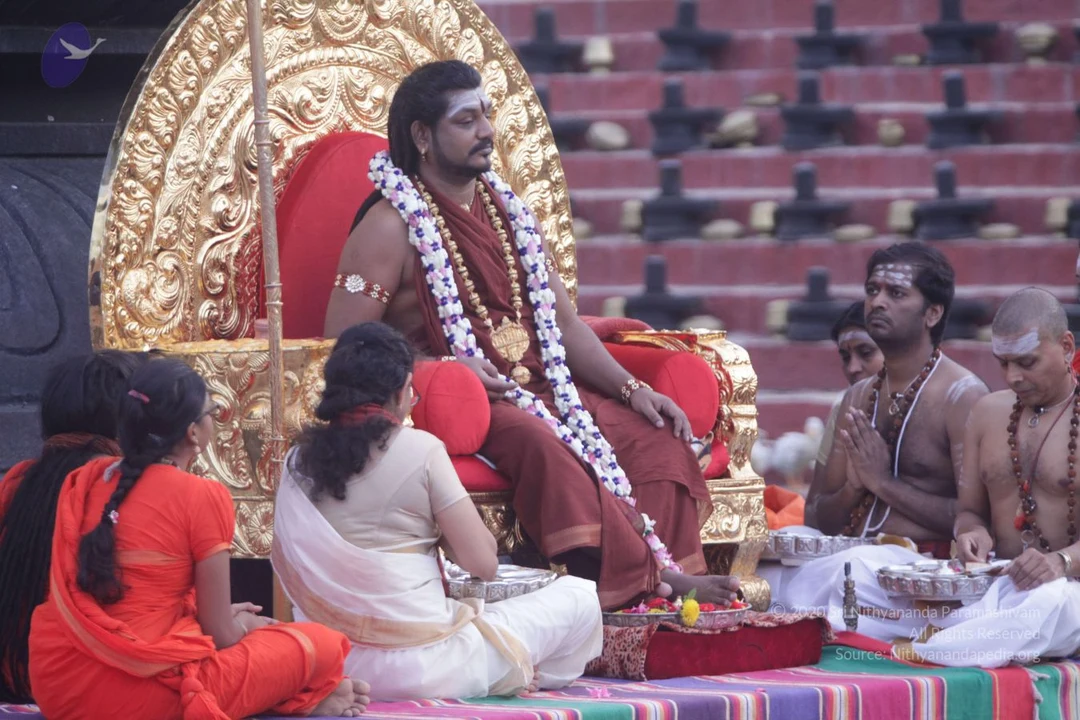
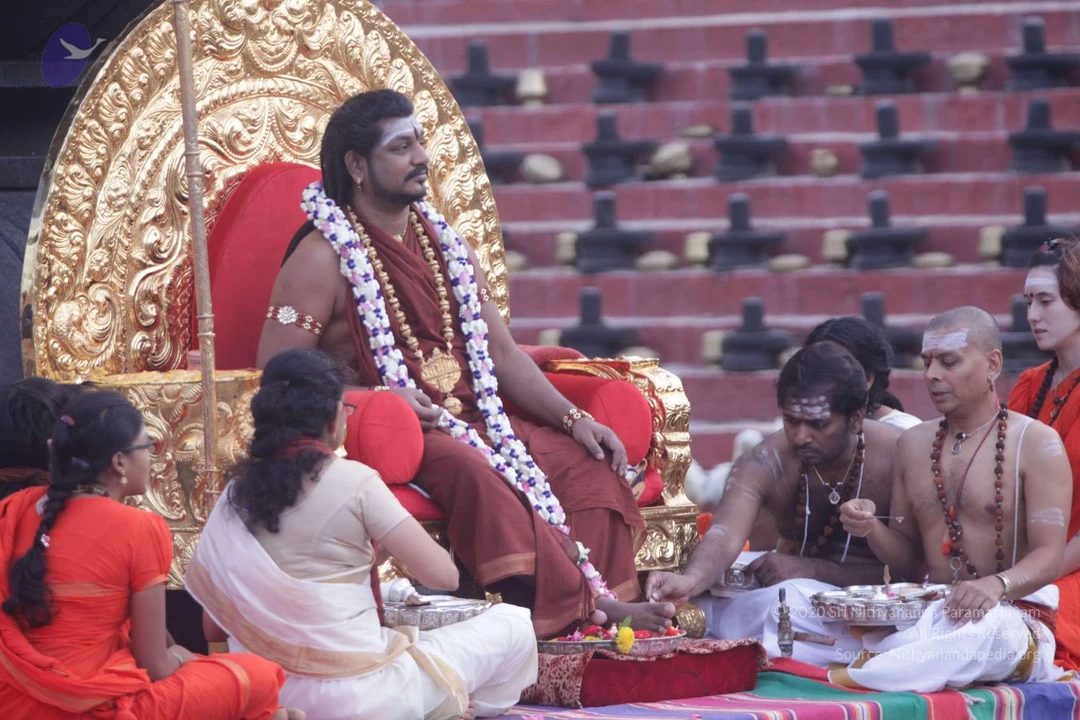
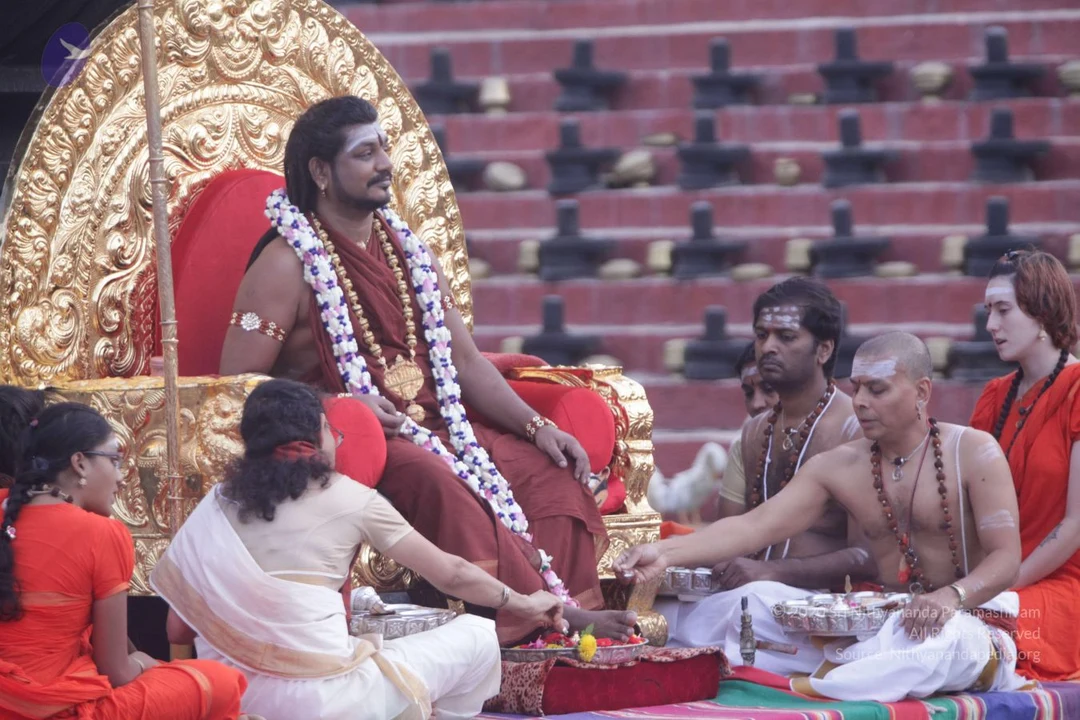
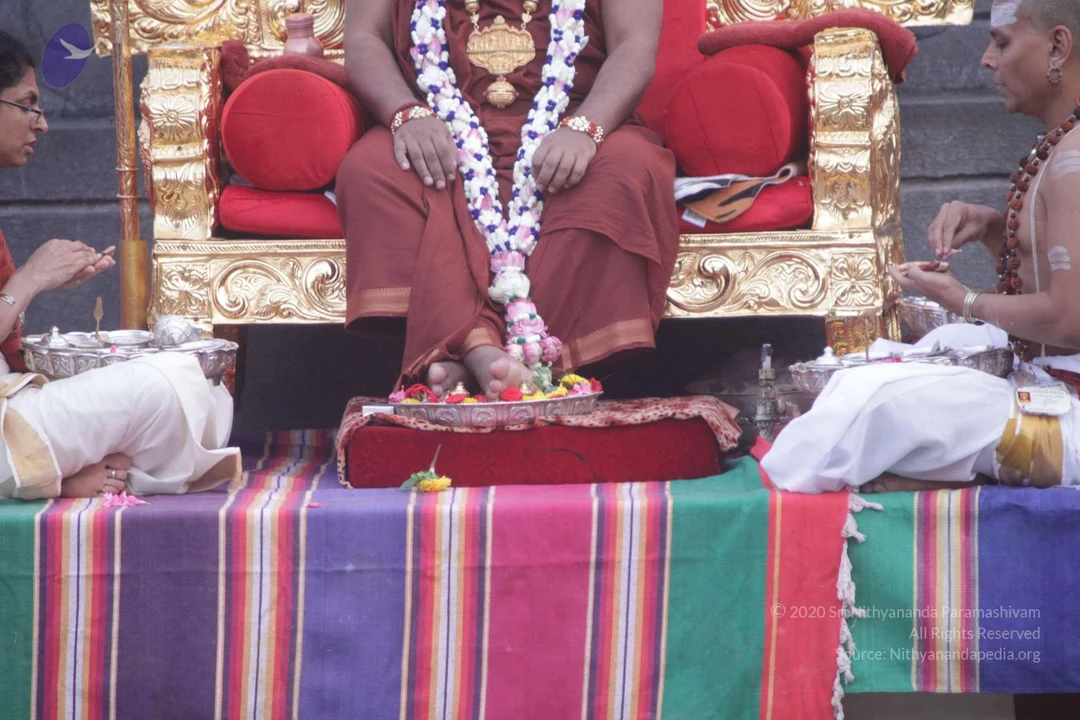
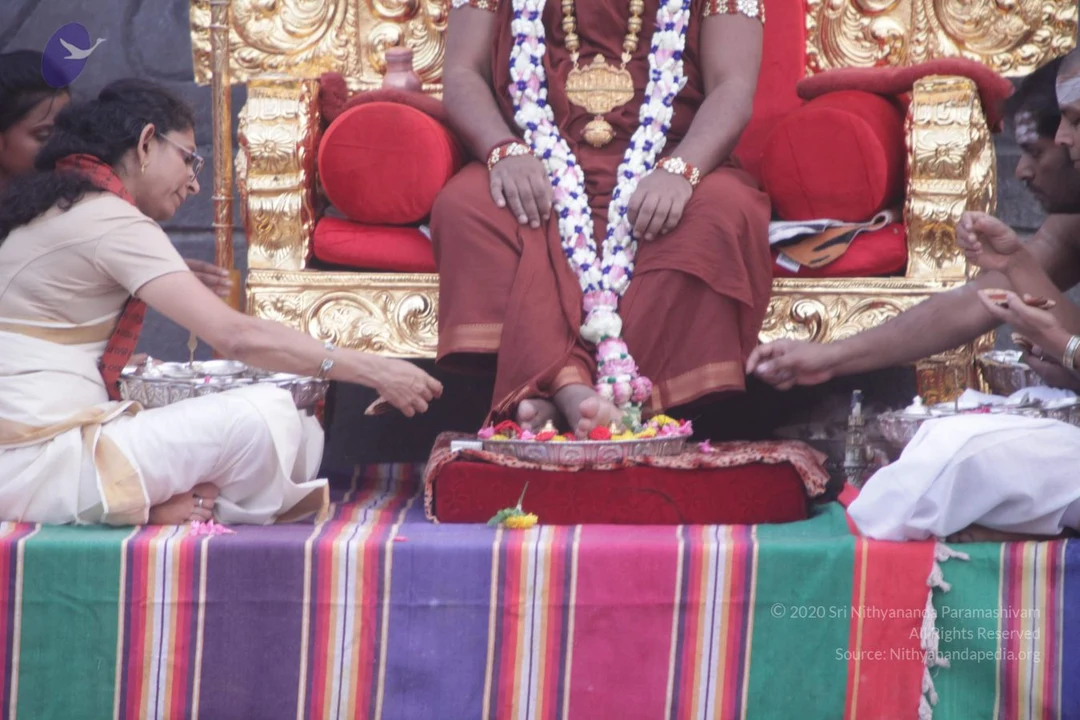
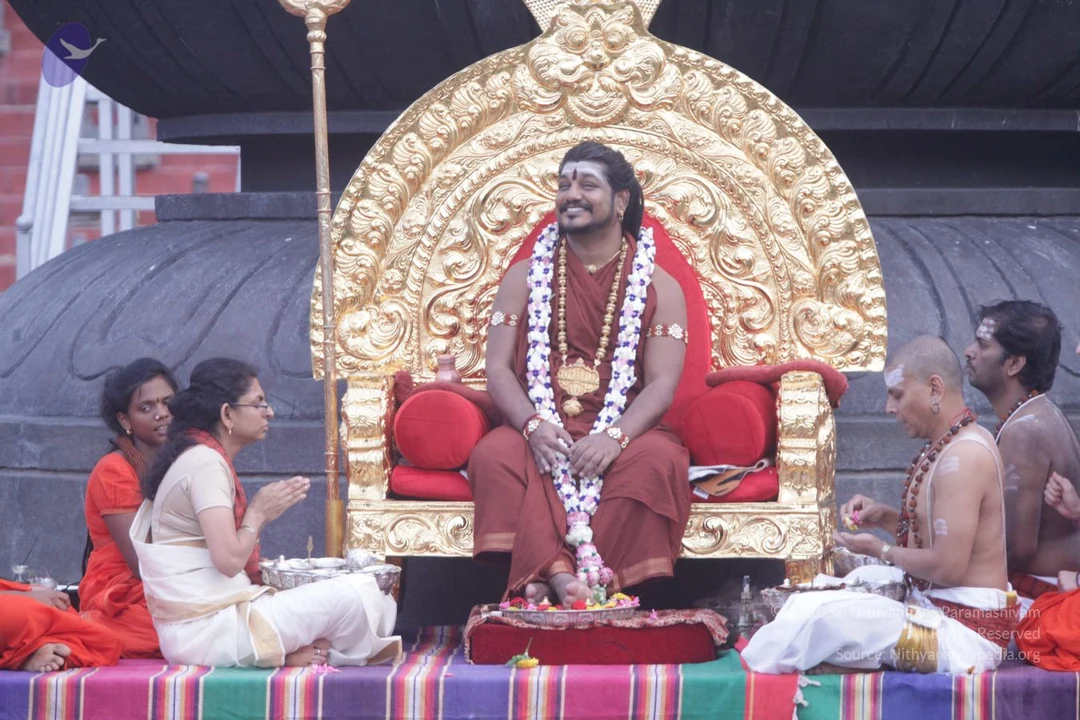
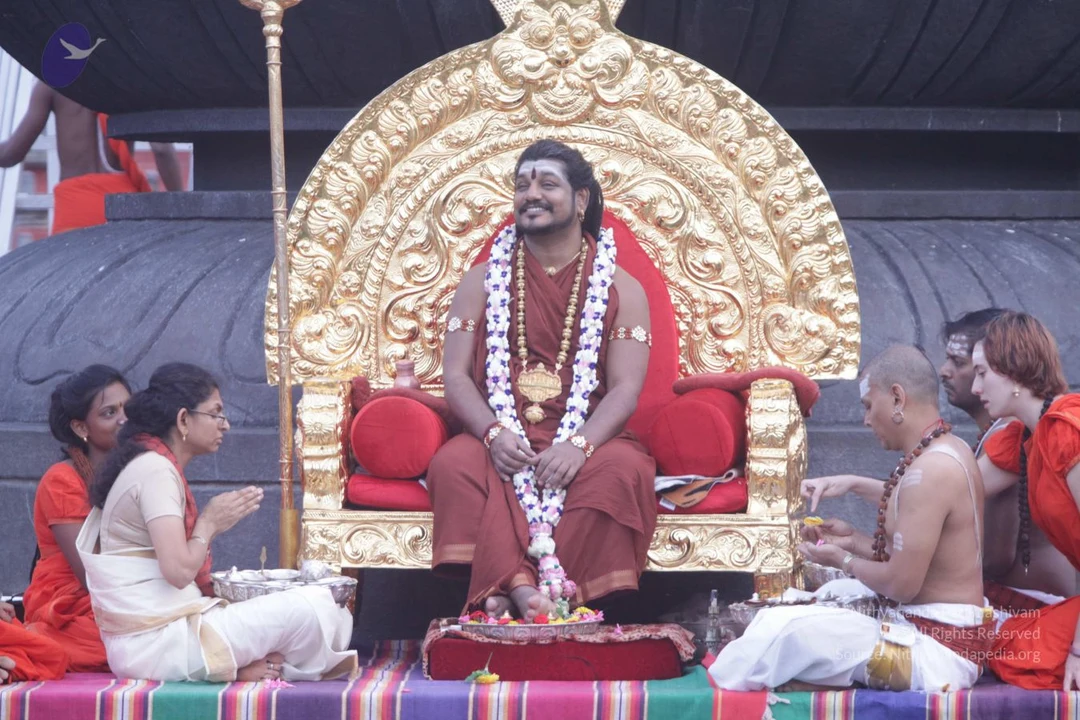
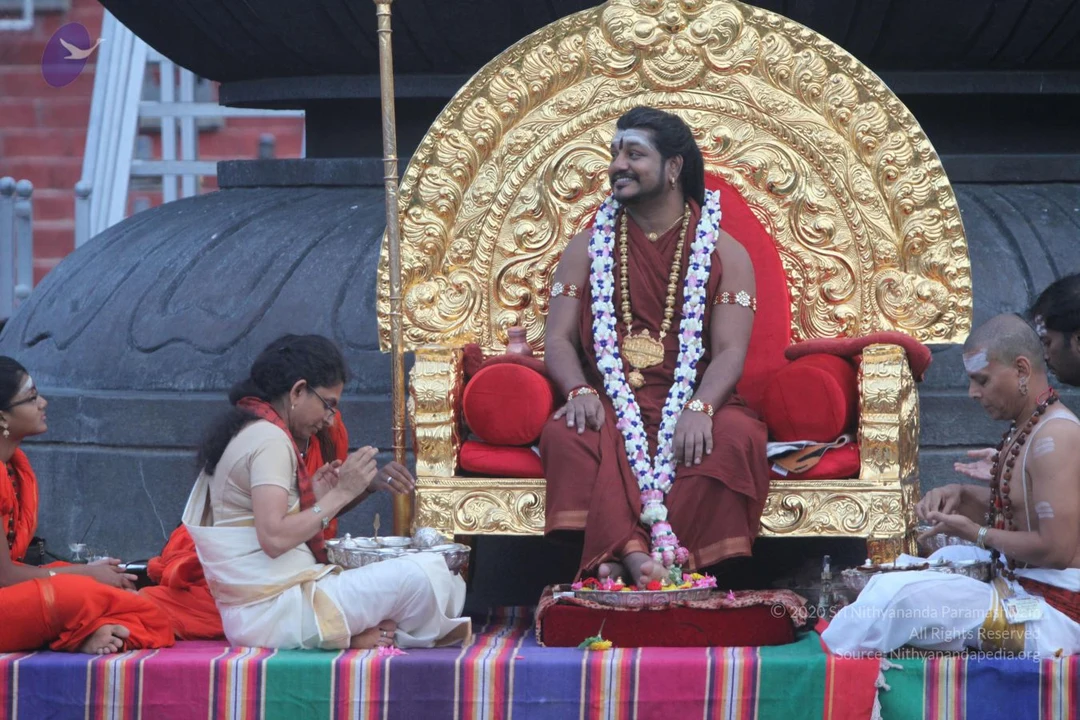
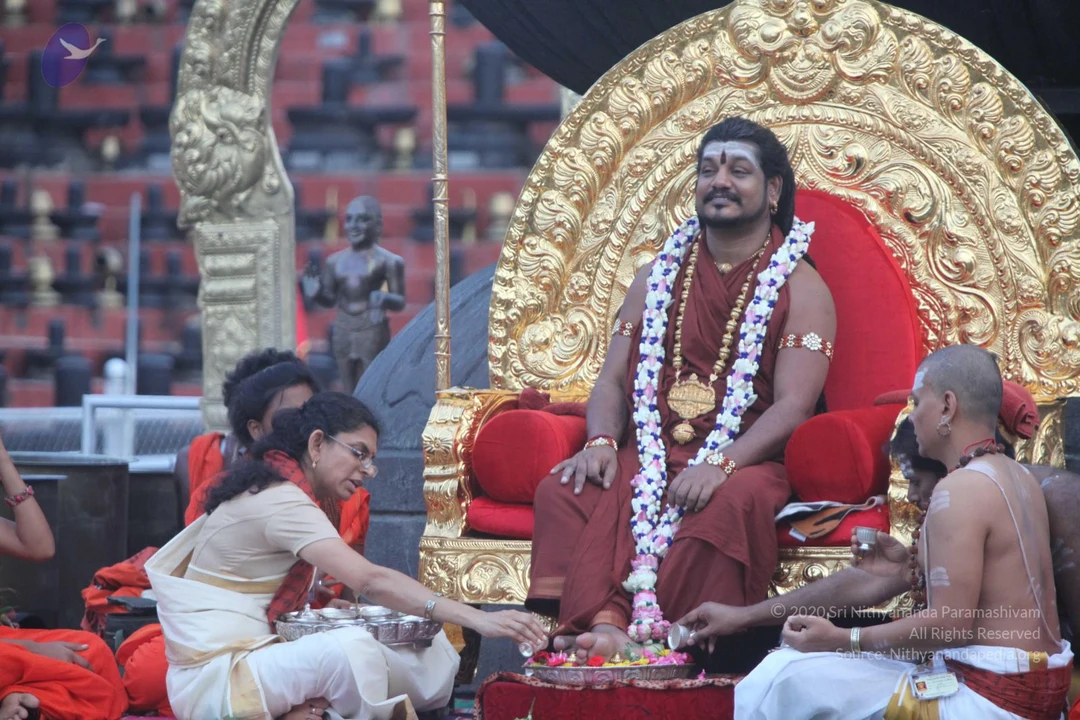
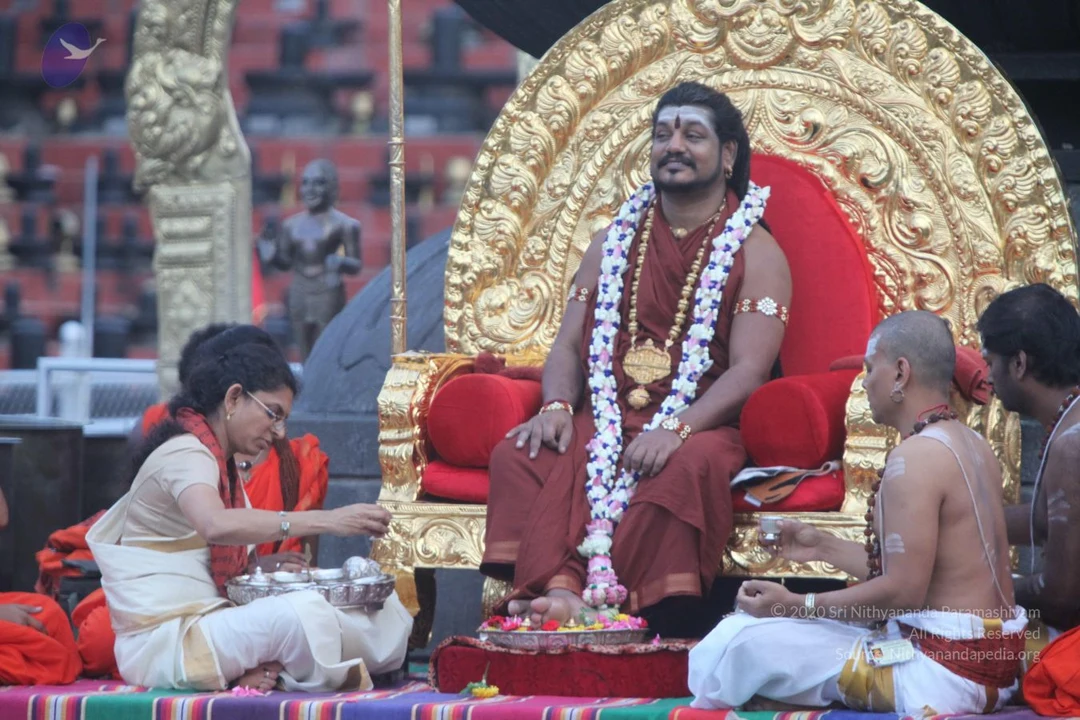
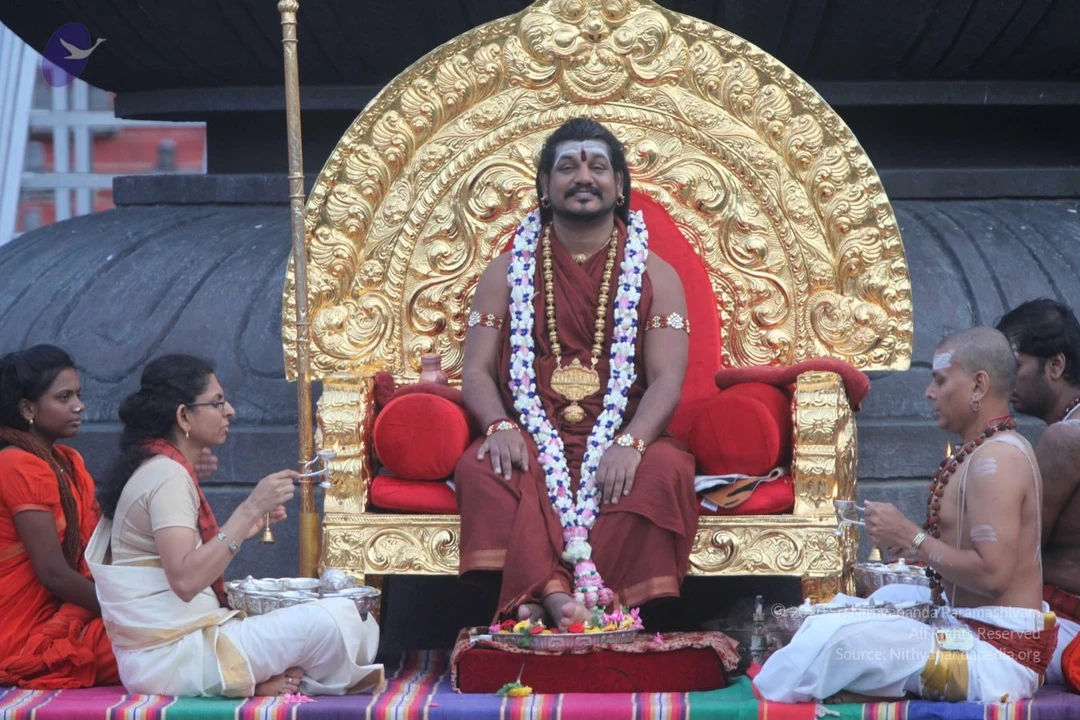
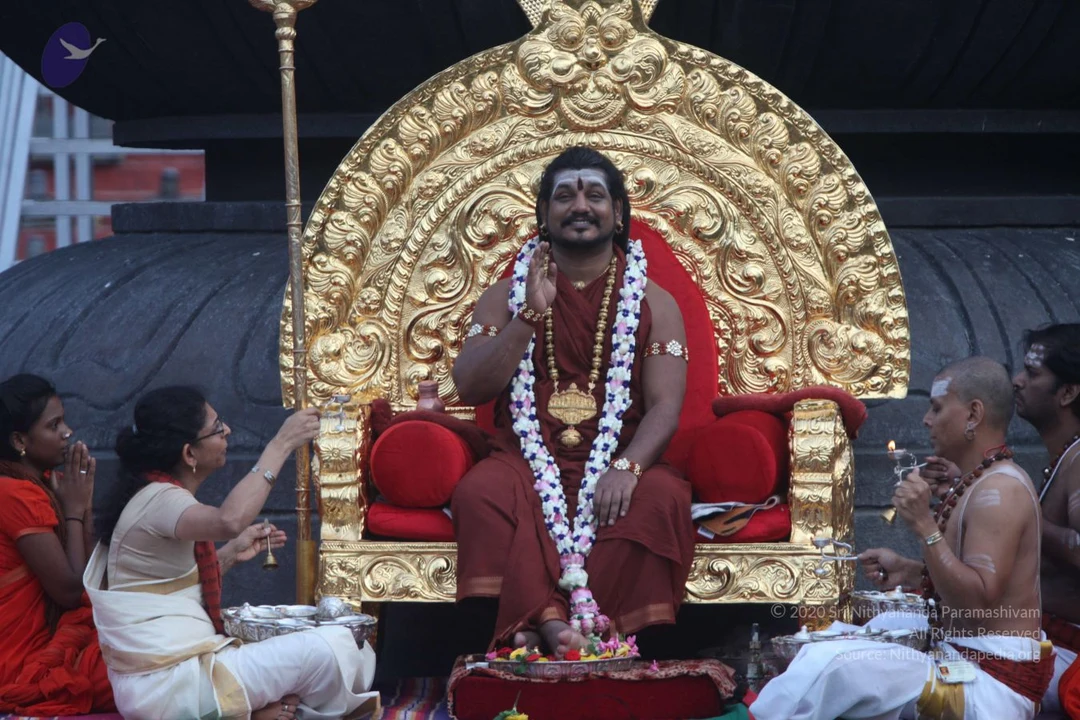
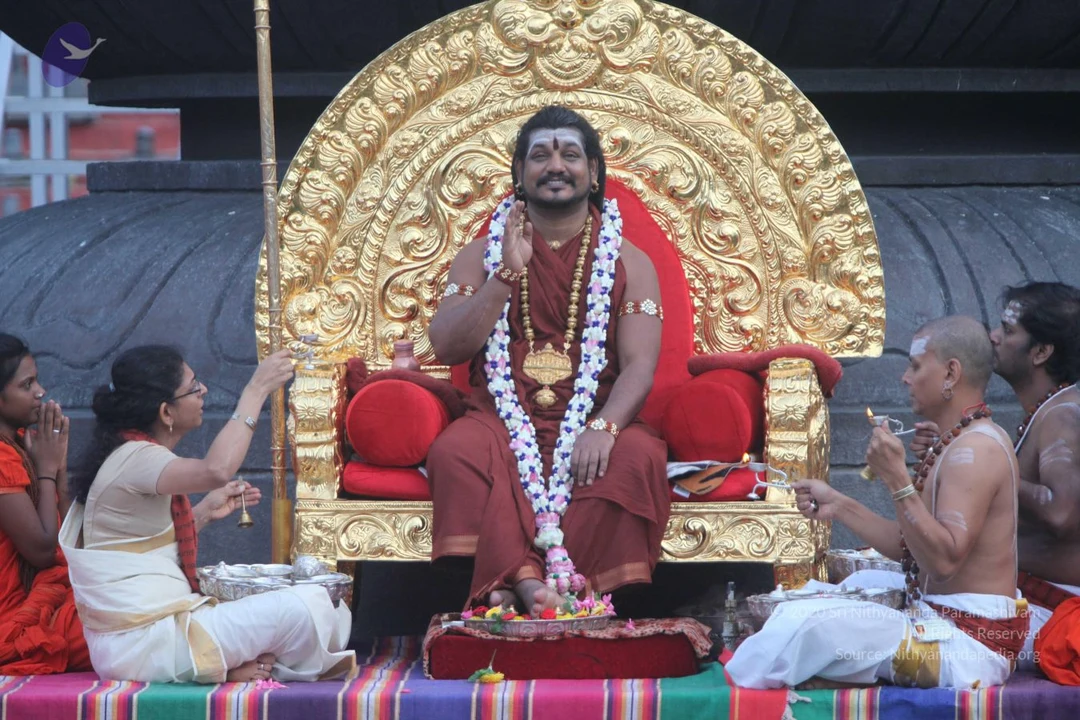
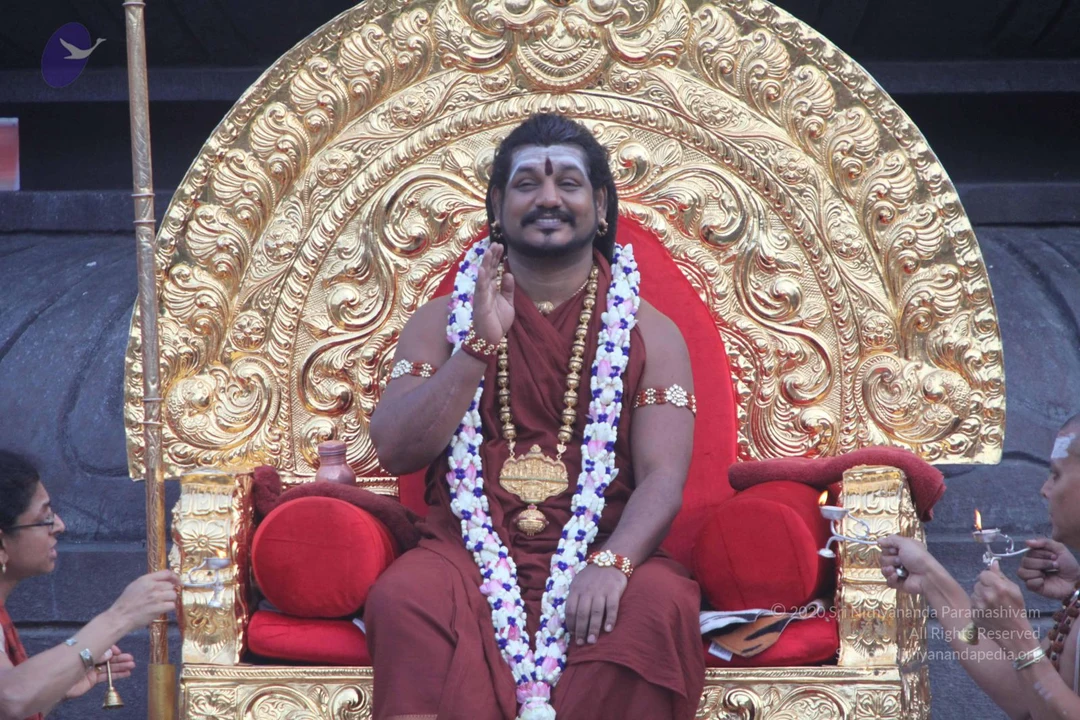
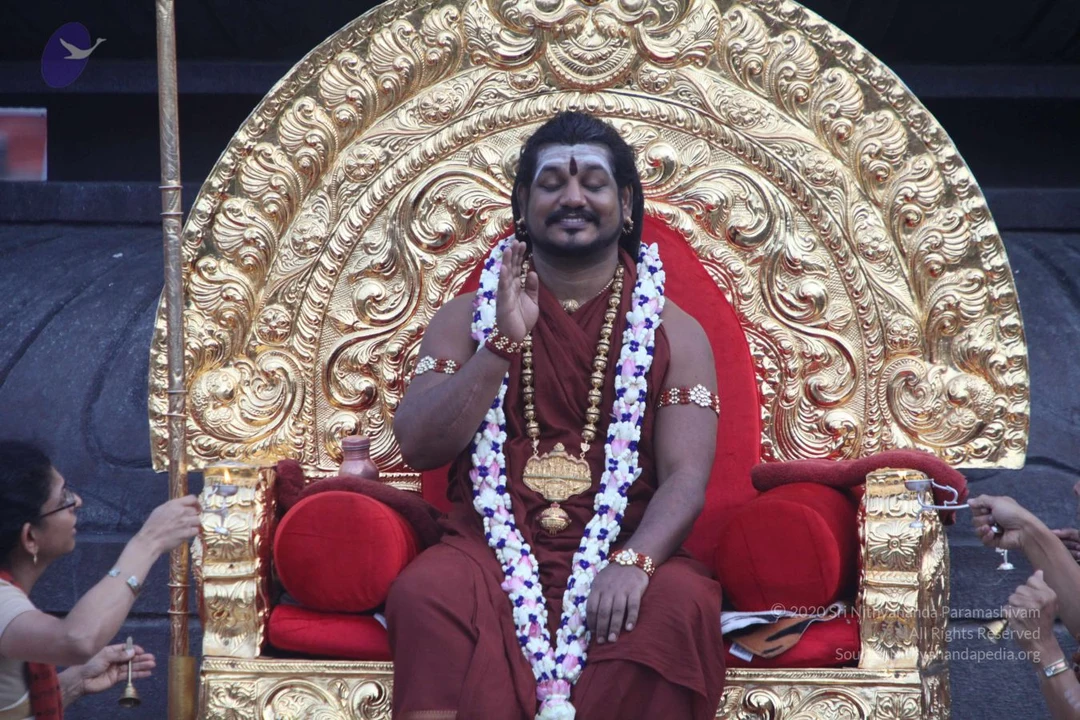
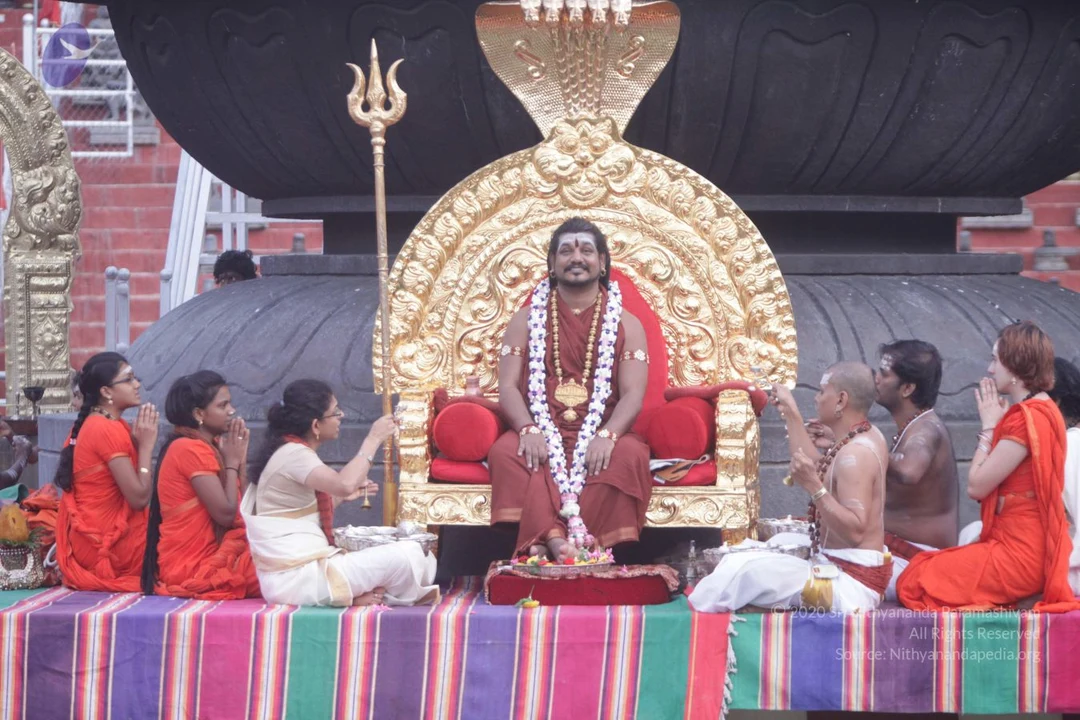
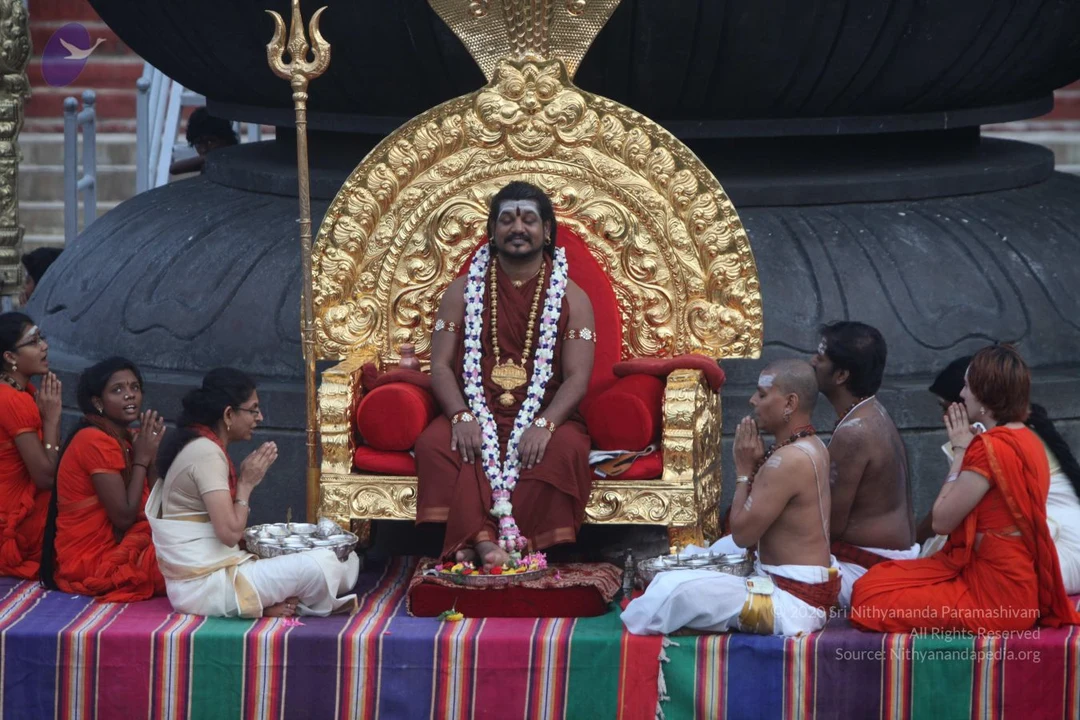
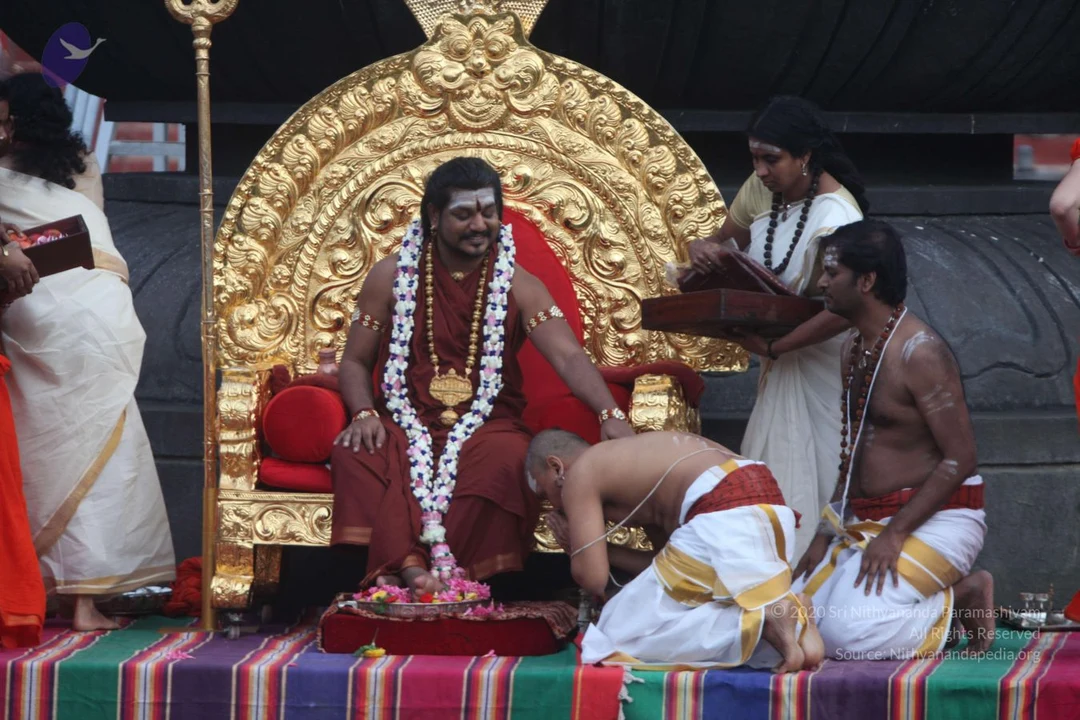
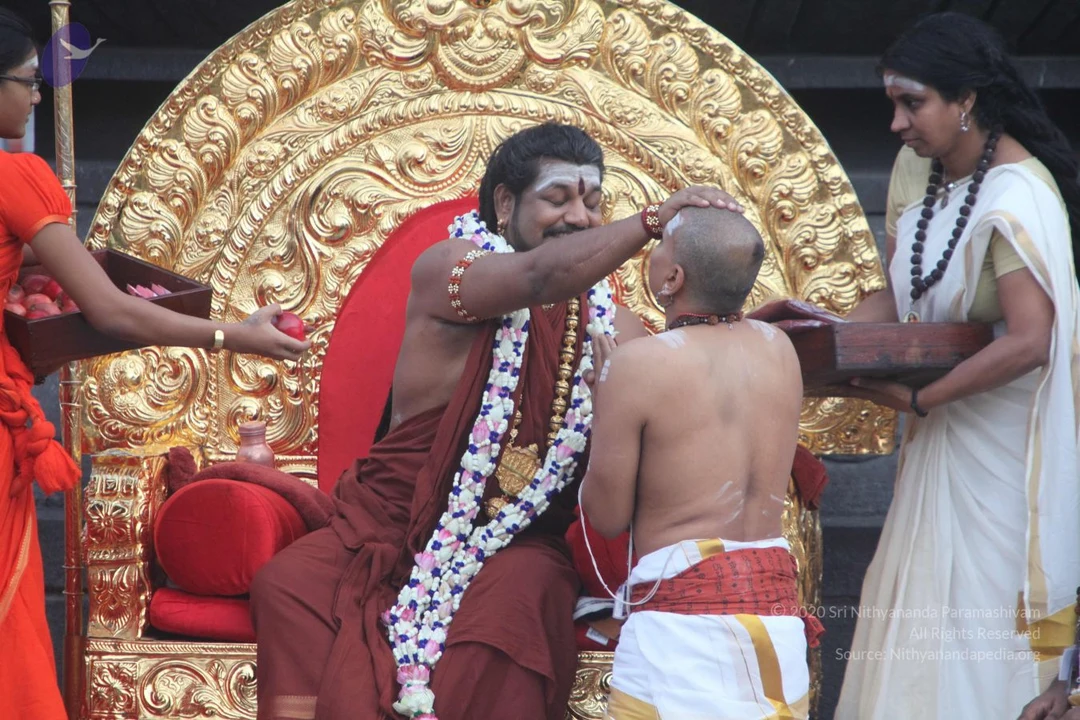
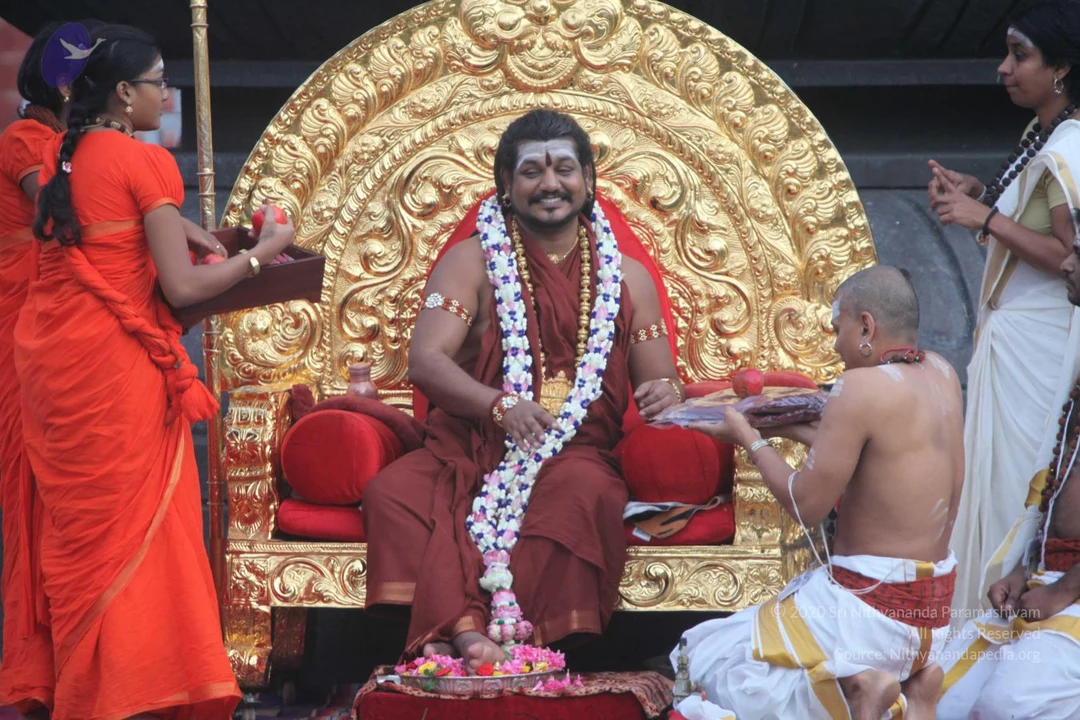
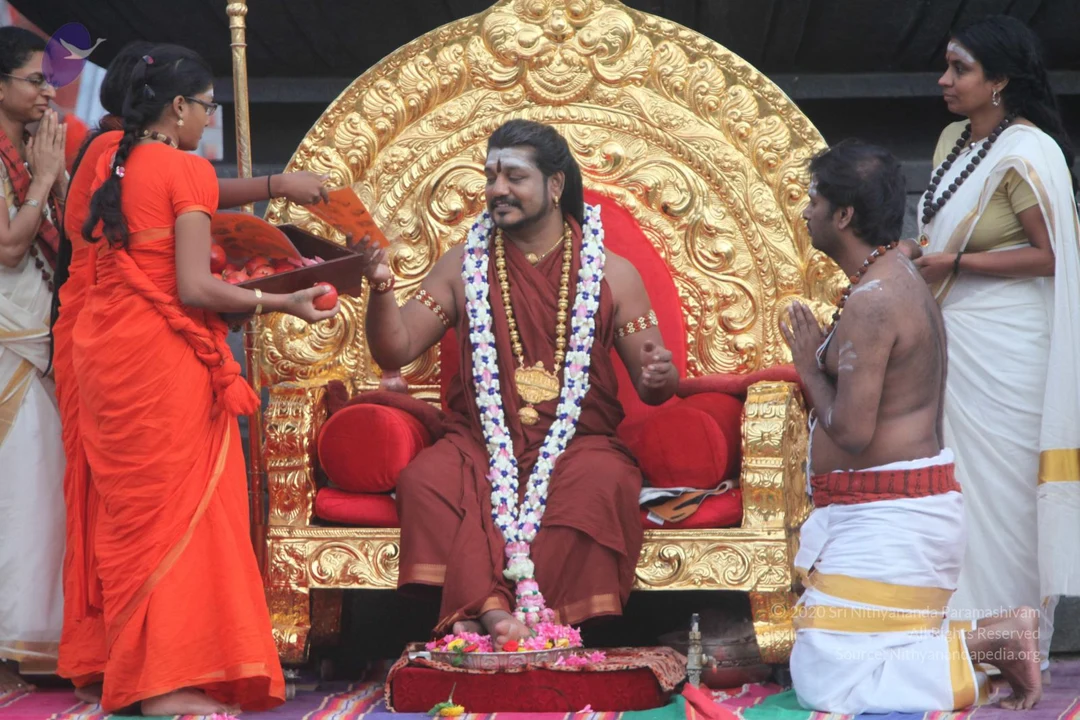
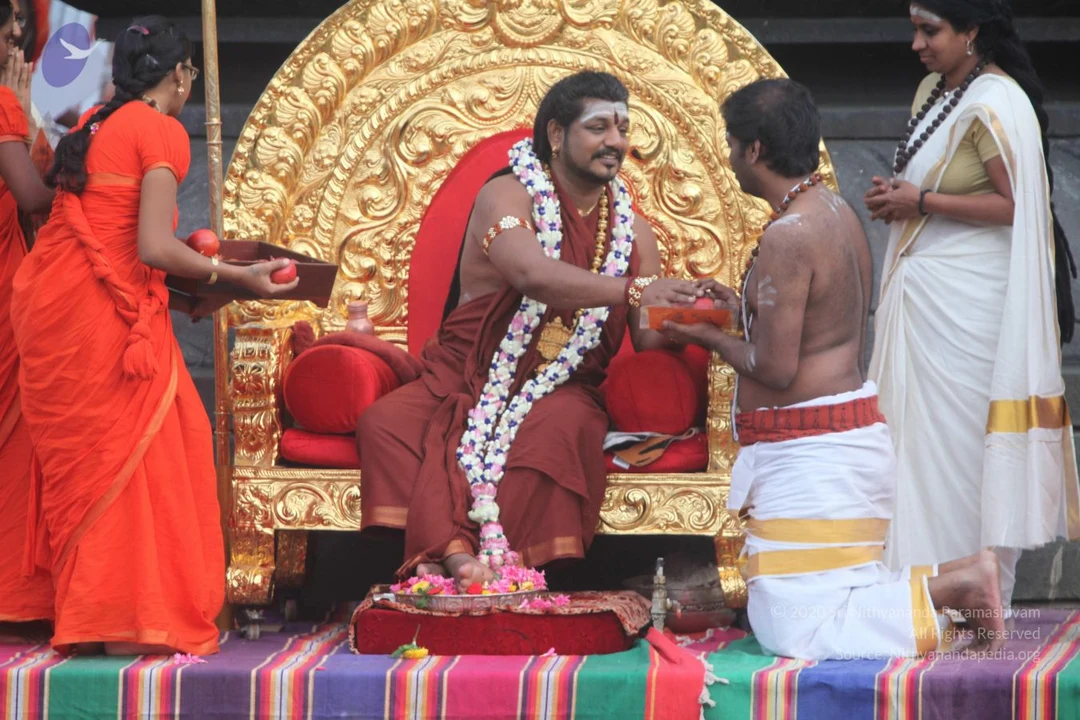
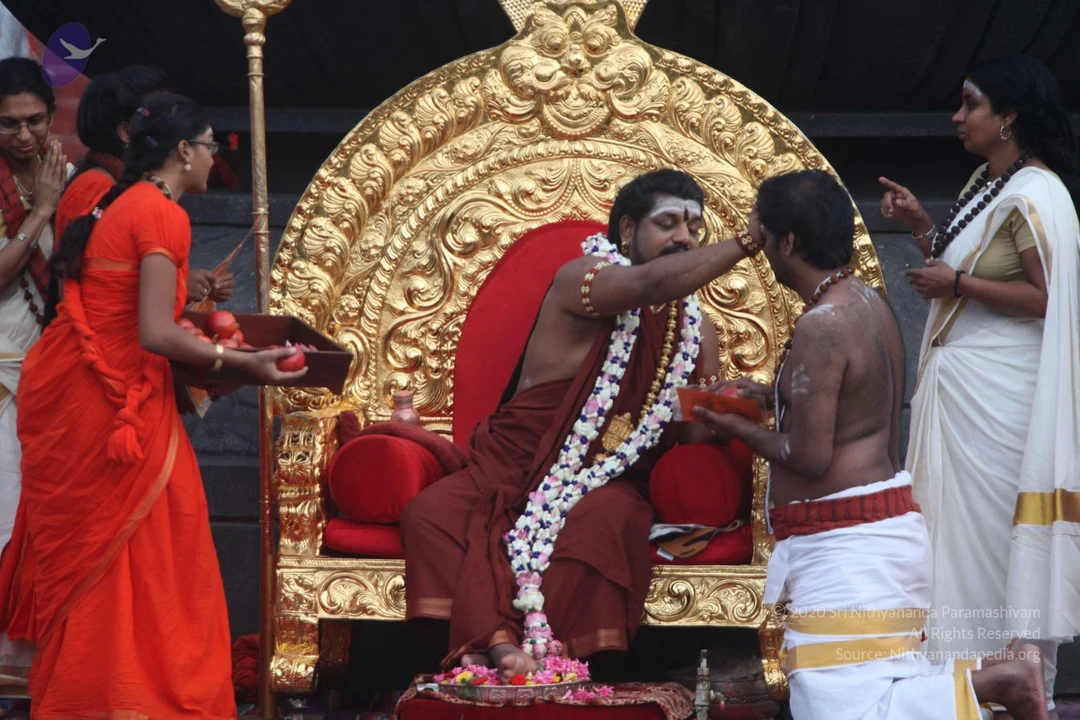
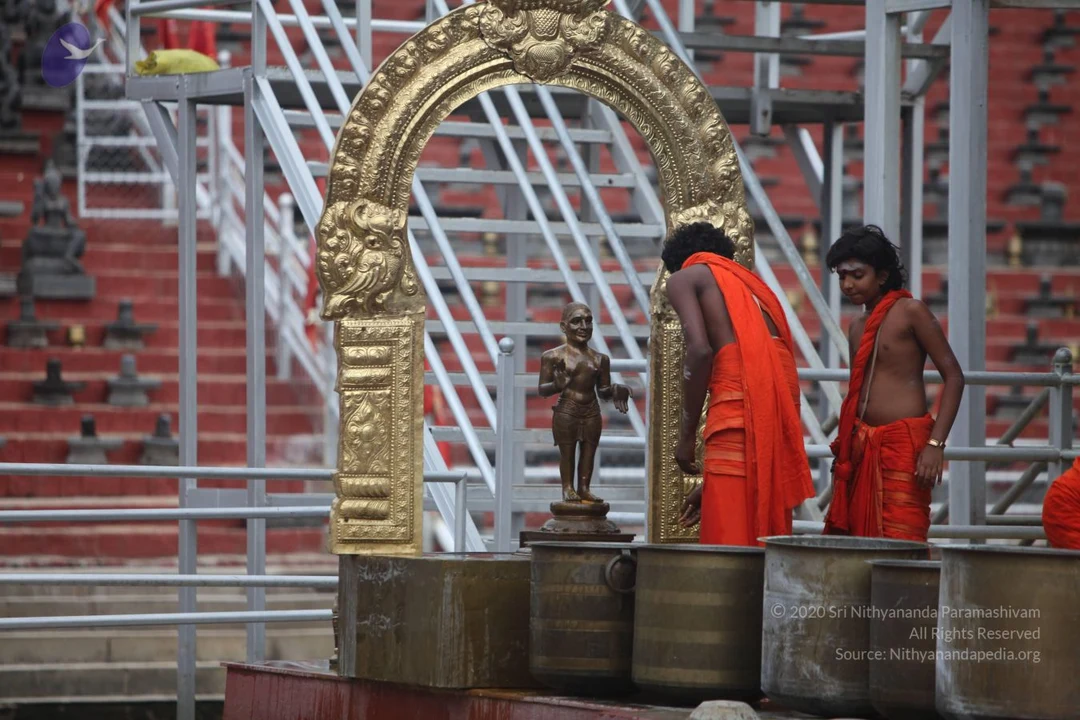
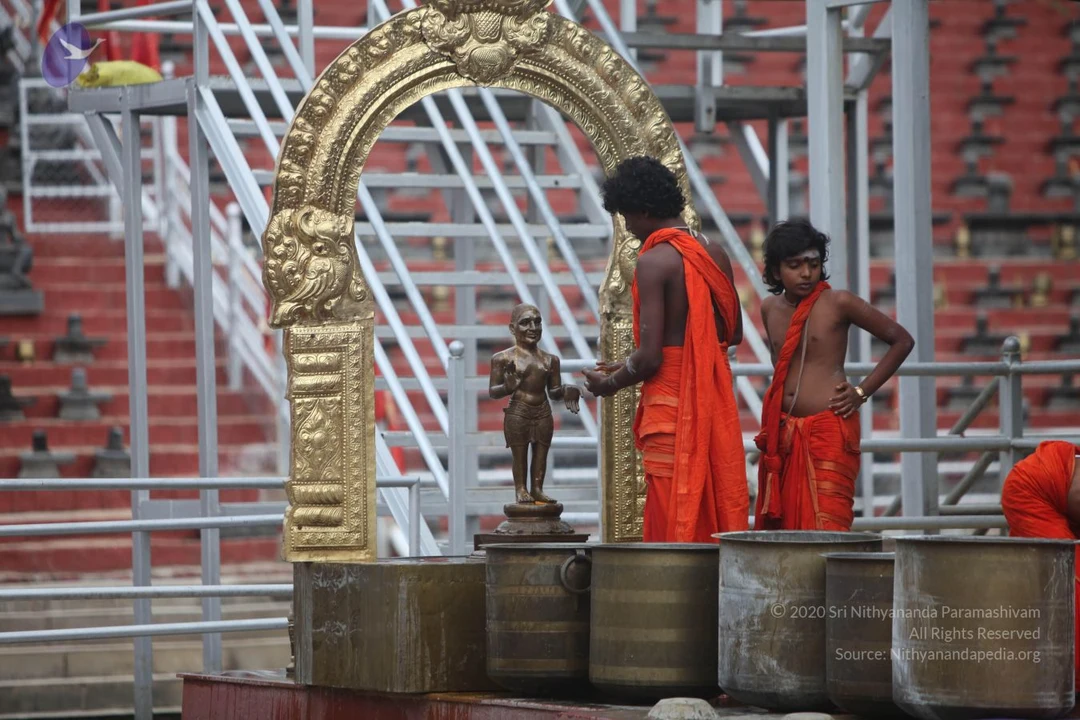
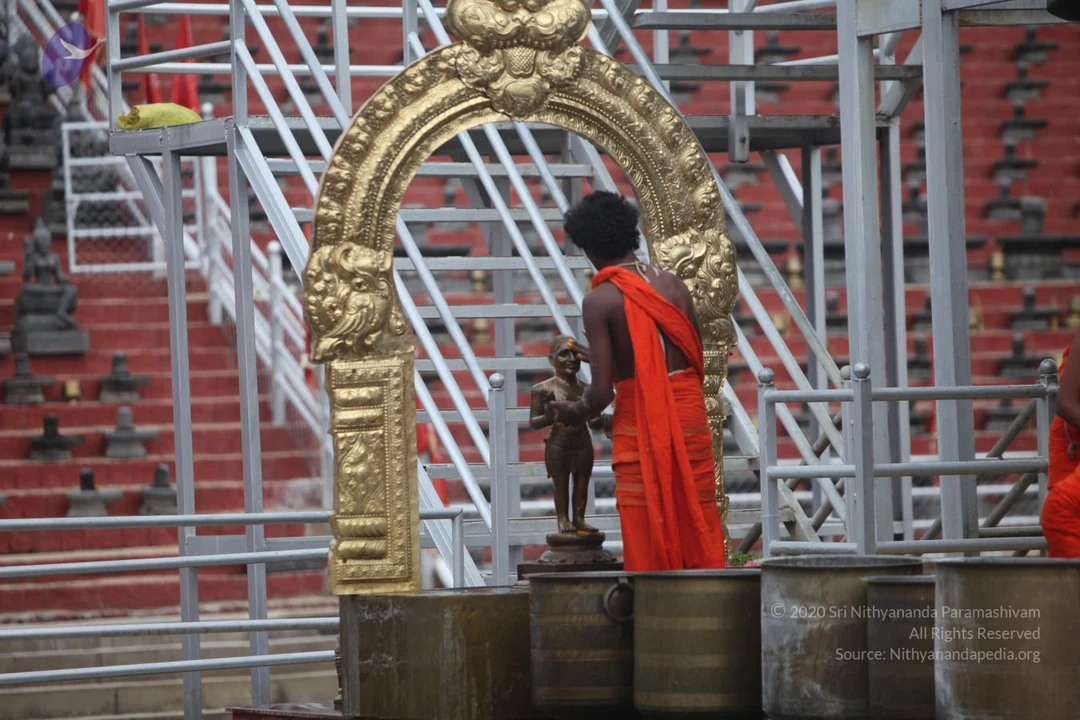
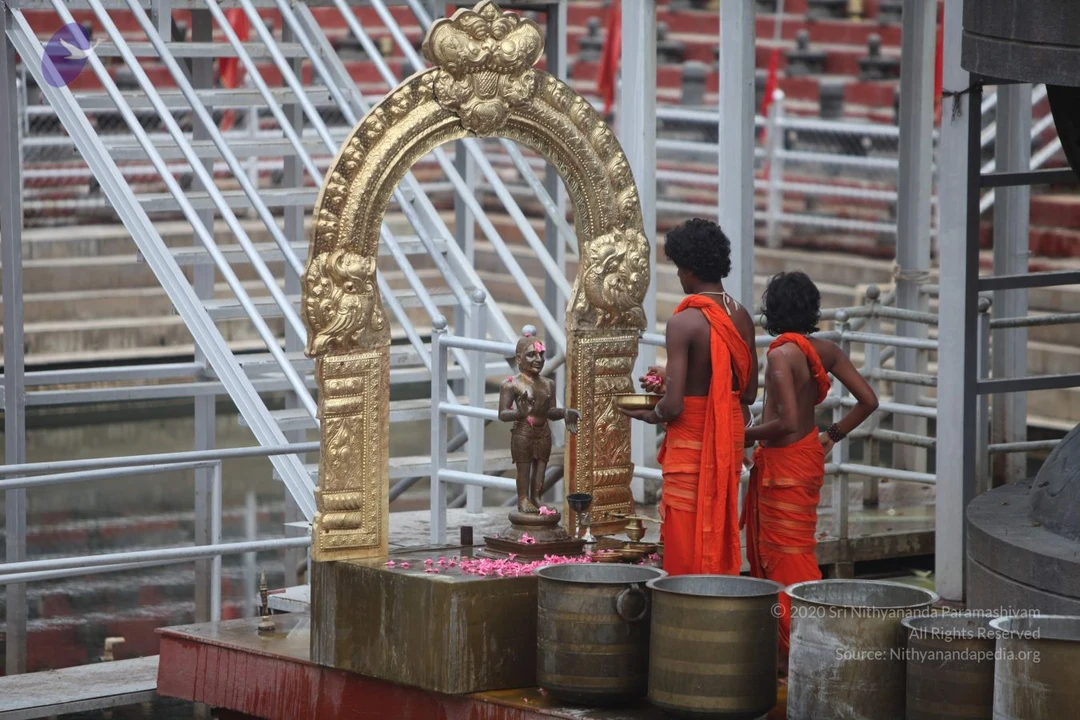
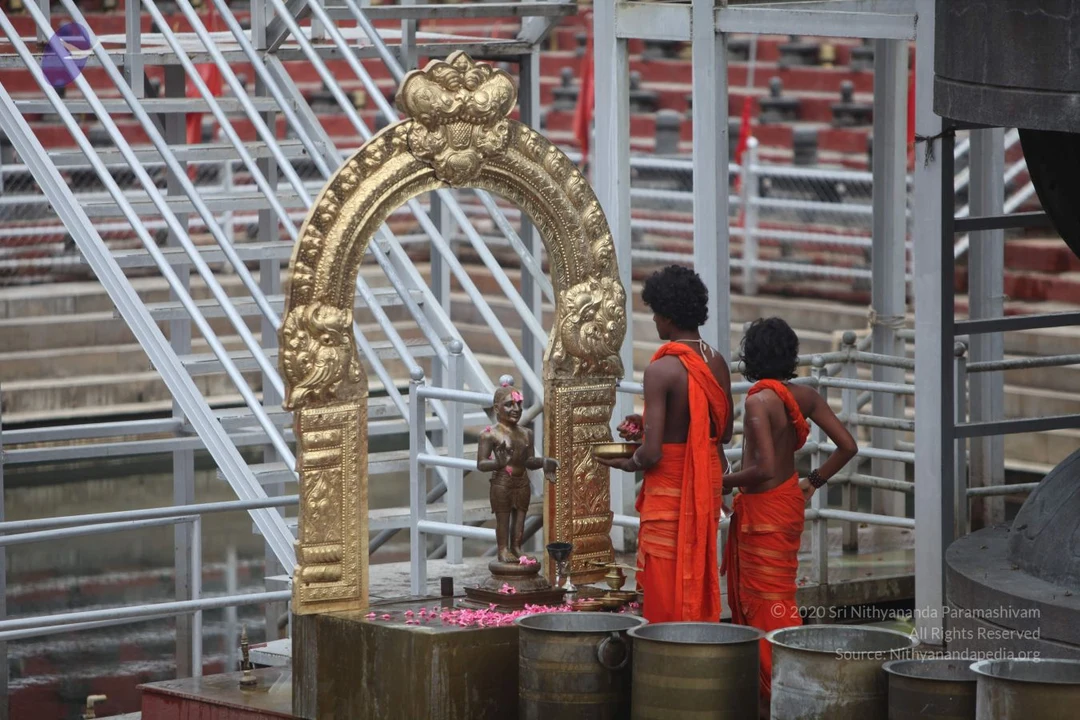
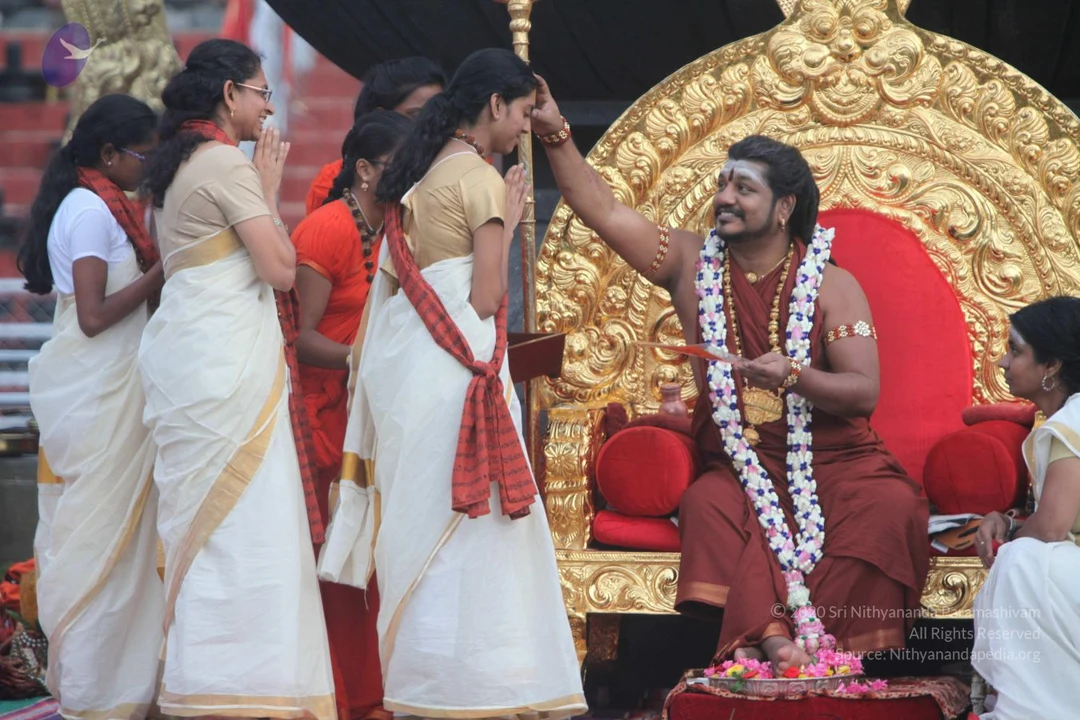
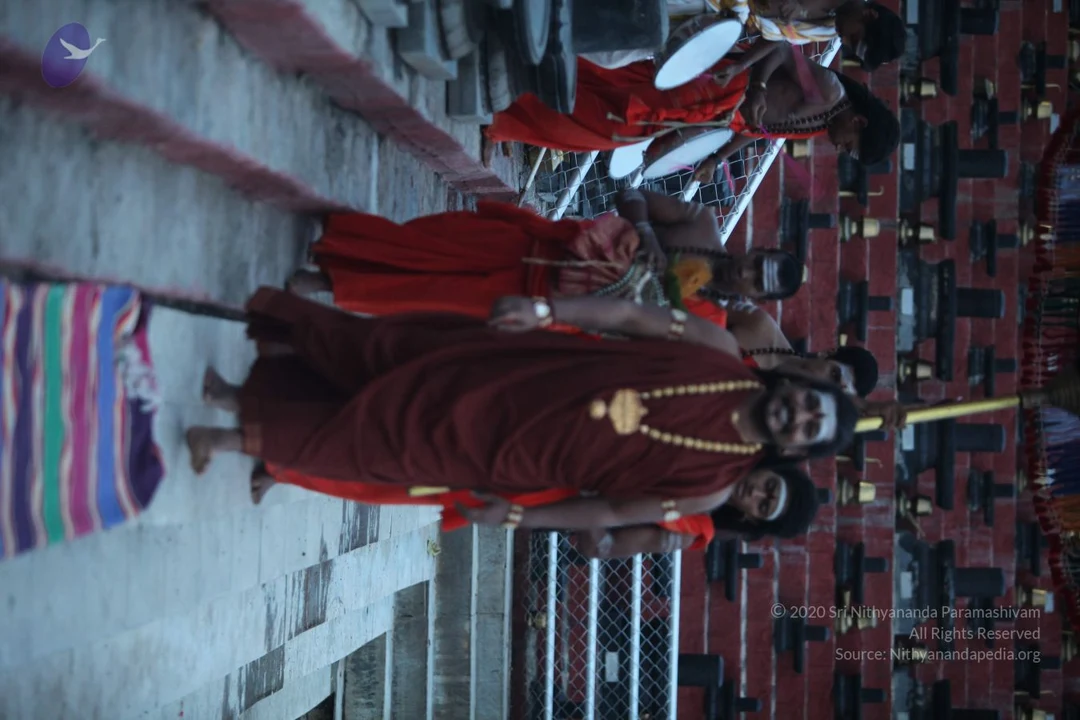
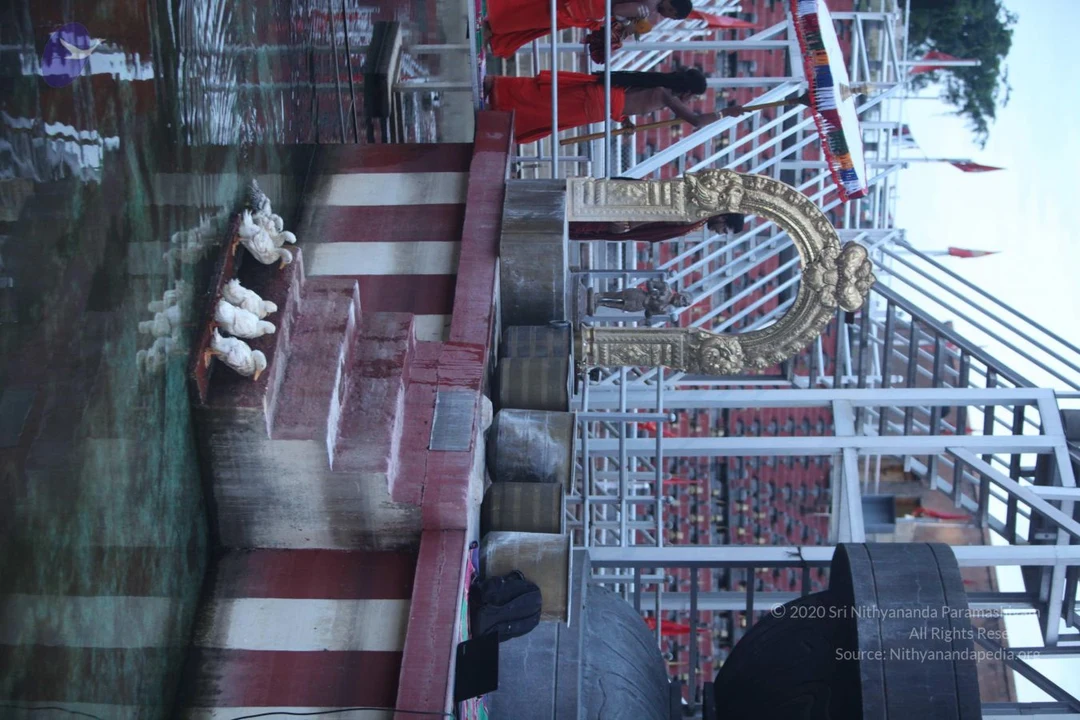
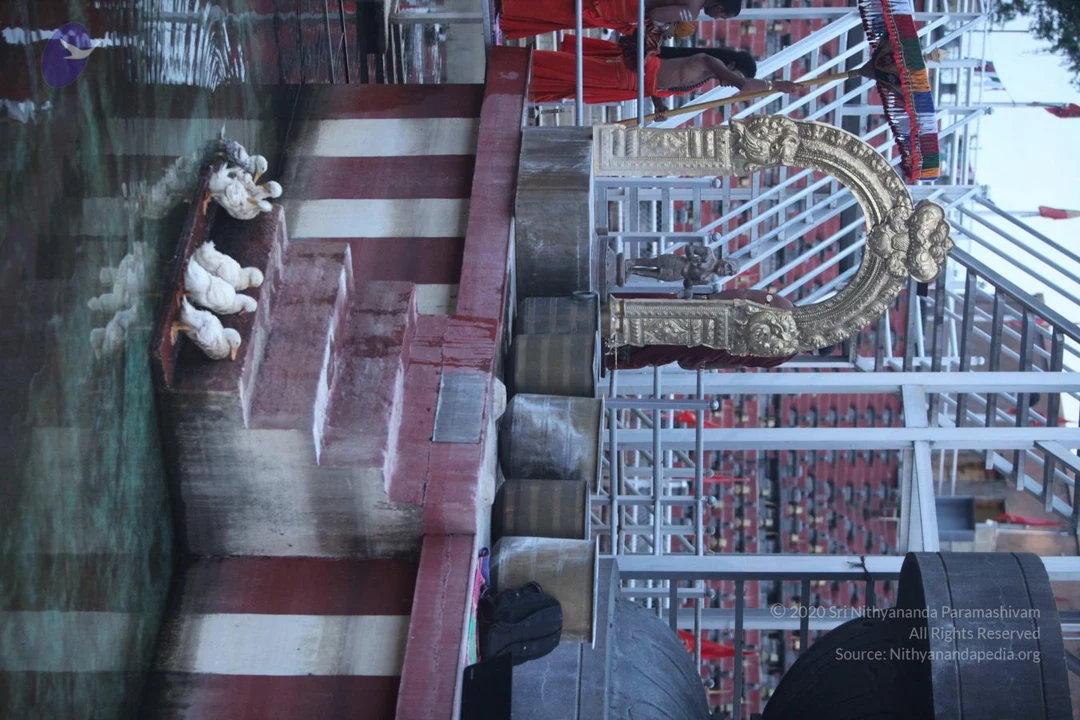
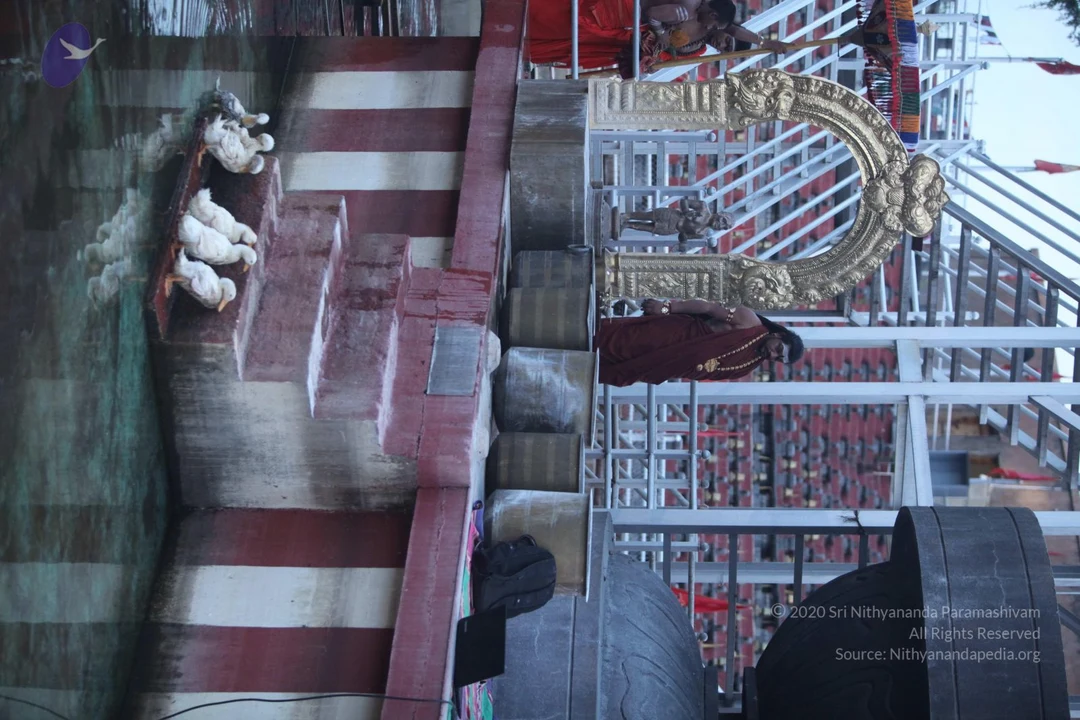
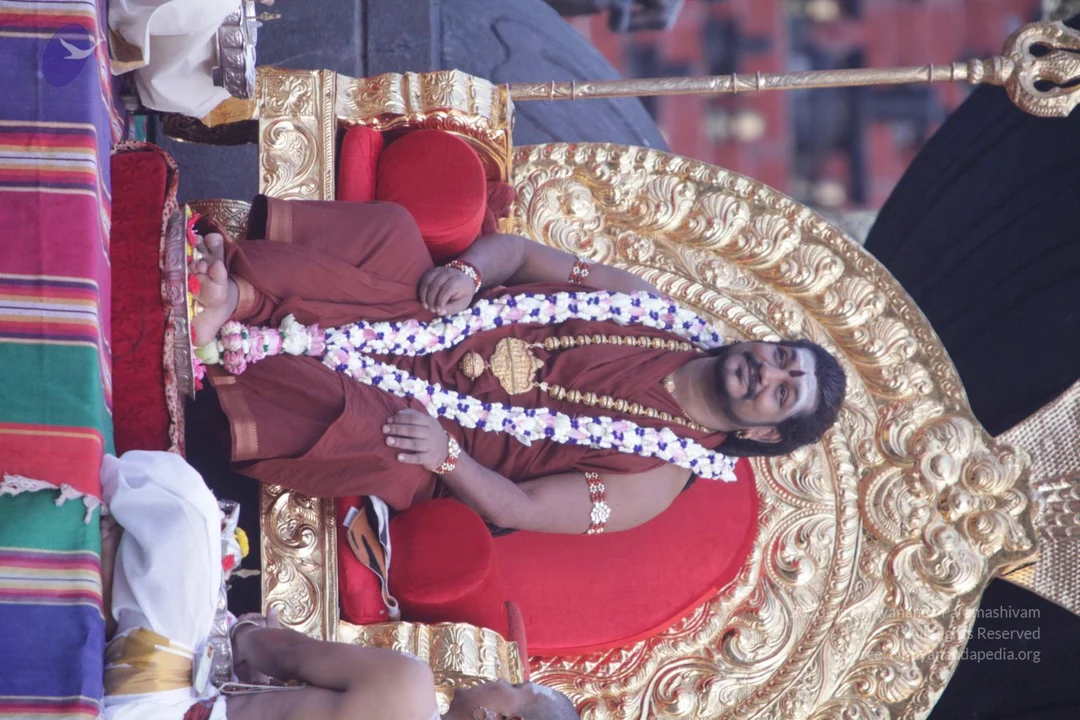
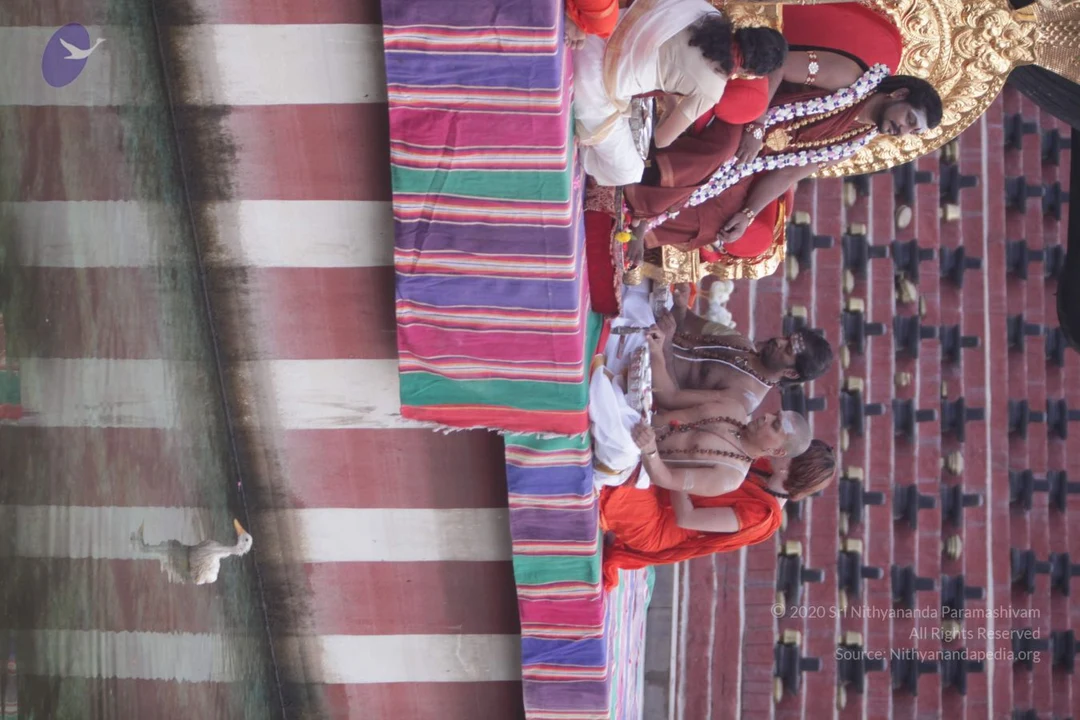
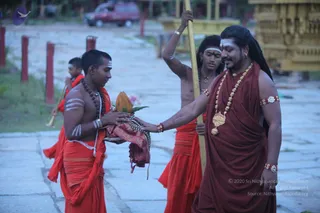
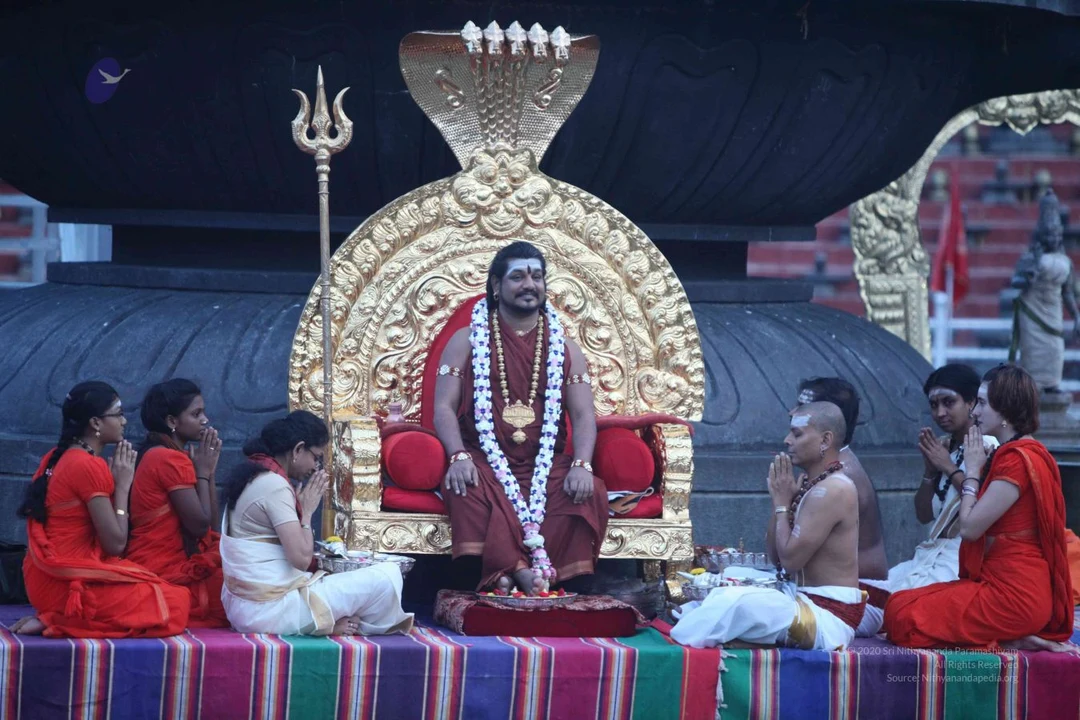 Pada pooja at Vaidya Sarovar
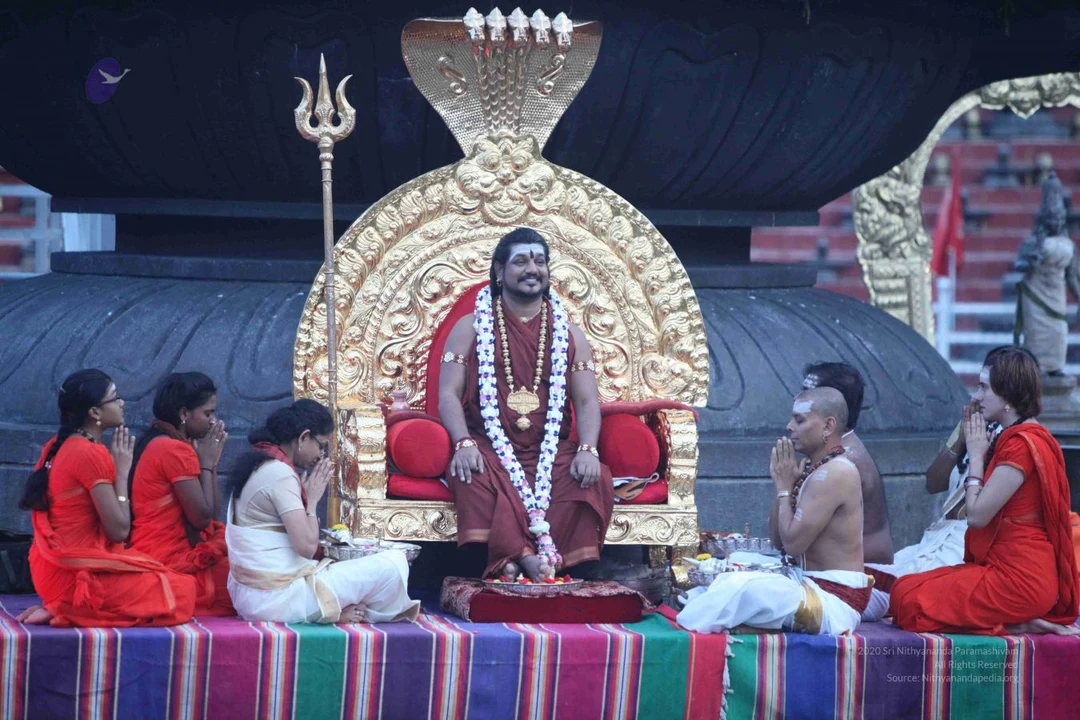 Pada pooja at Vaidya Sarovar
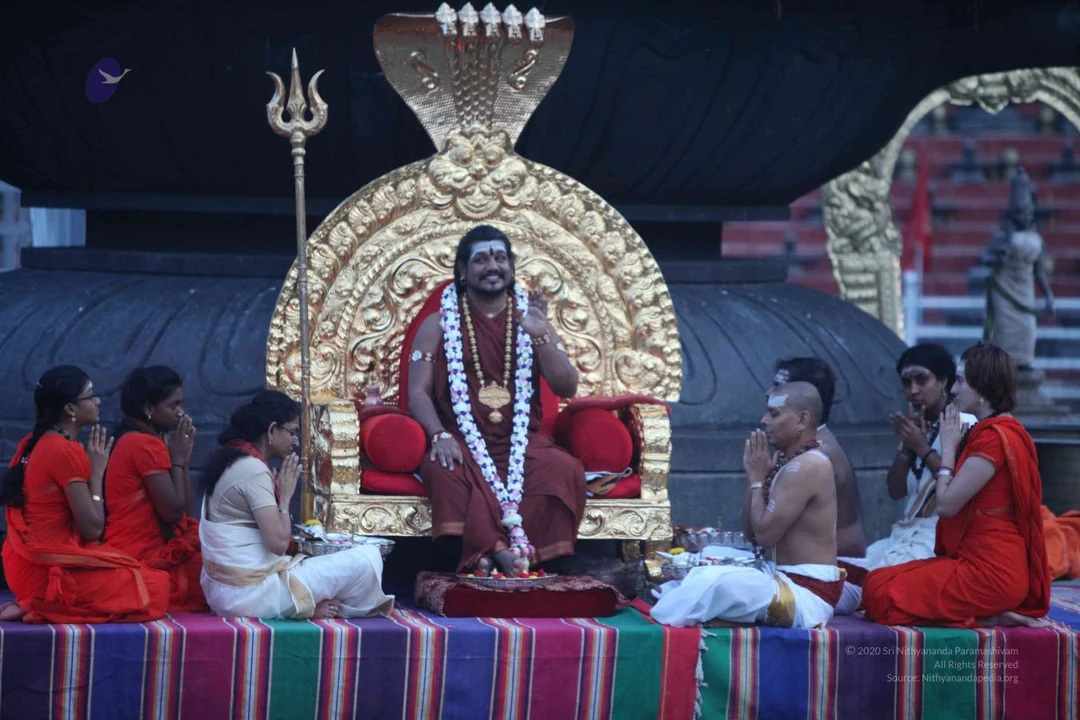 Pada pooja at Vaidya Sarovar
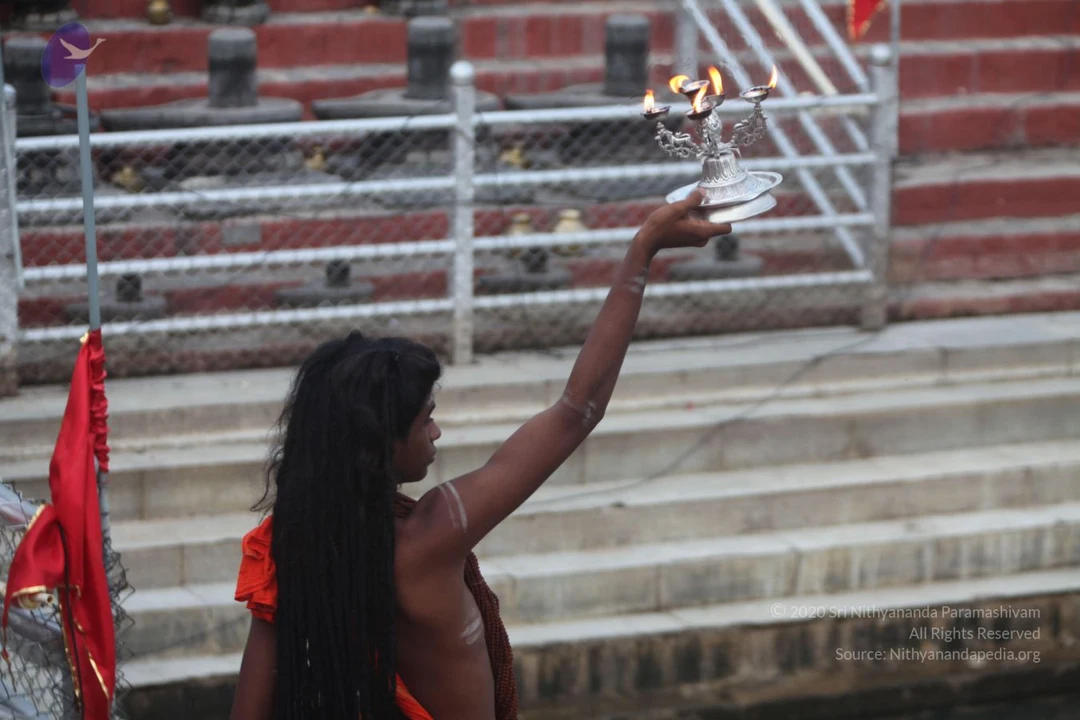
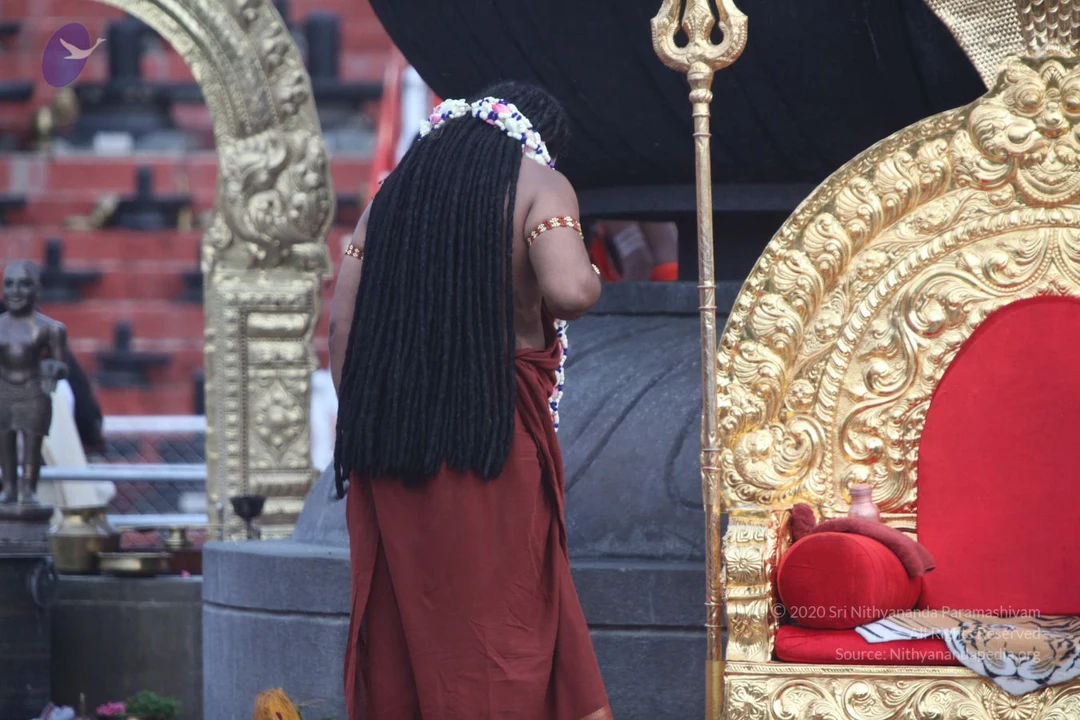
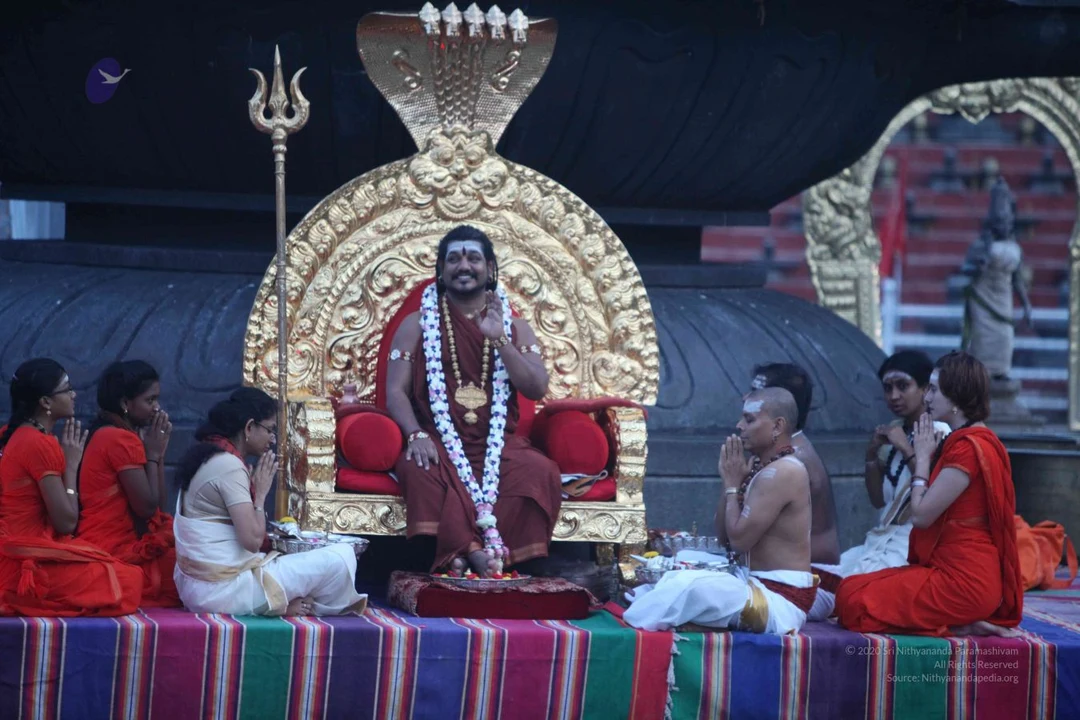 Guru pooja at Vaidya Sarovar
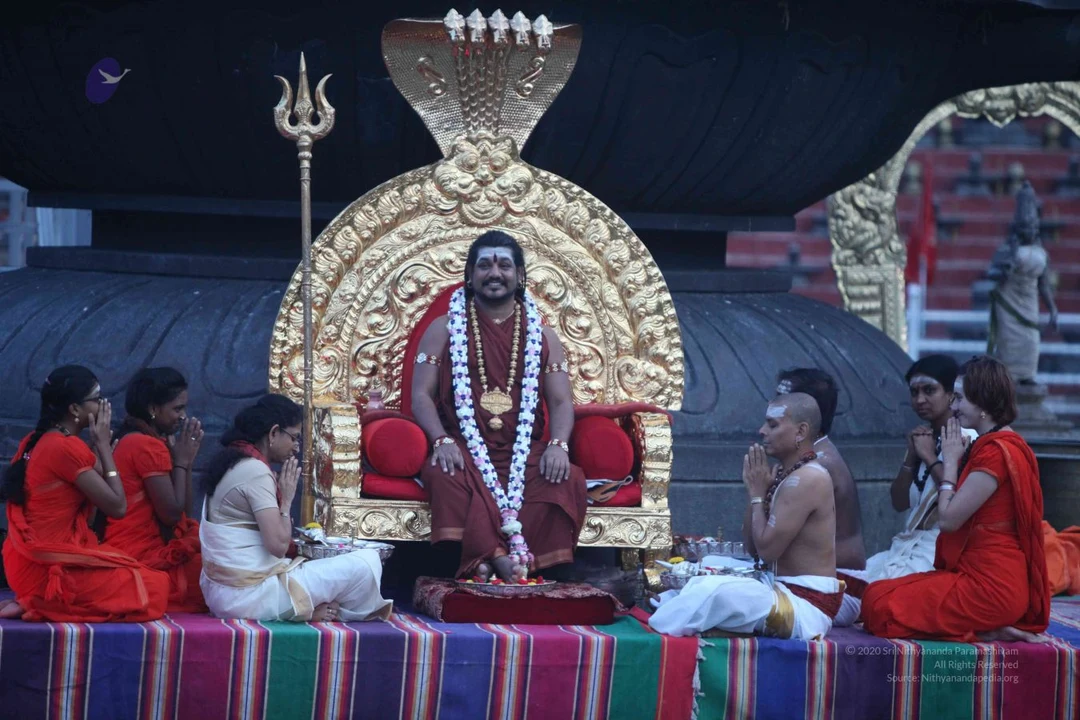 Guru pooja at Vaidya Sarovar
 Guru pooja at Vaidya Sarovar
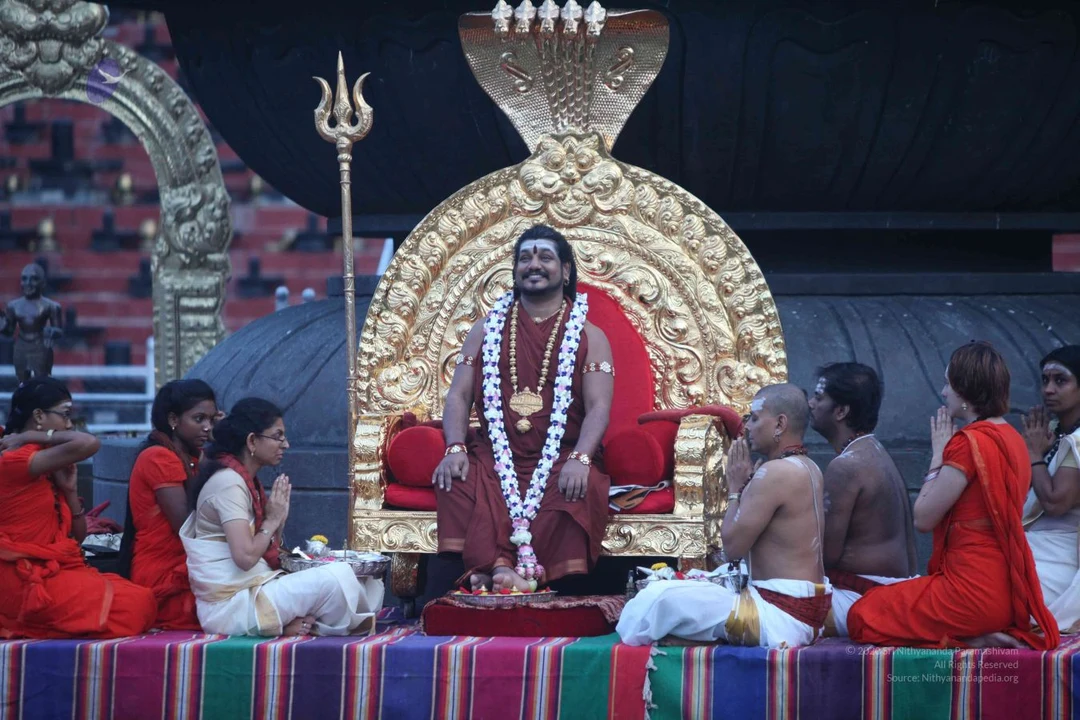 Guru pooja at Vaidya Sarovar
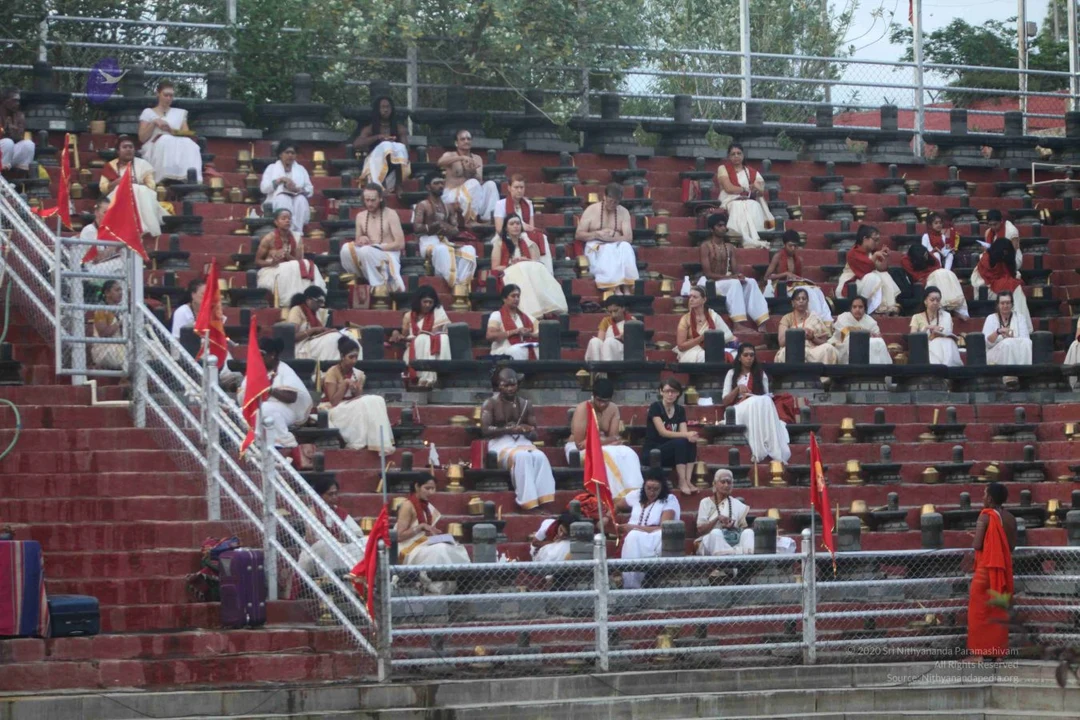 Guru pooja at Vaidya Sarovar
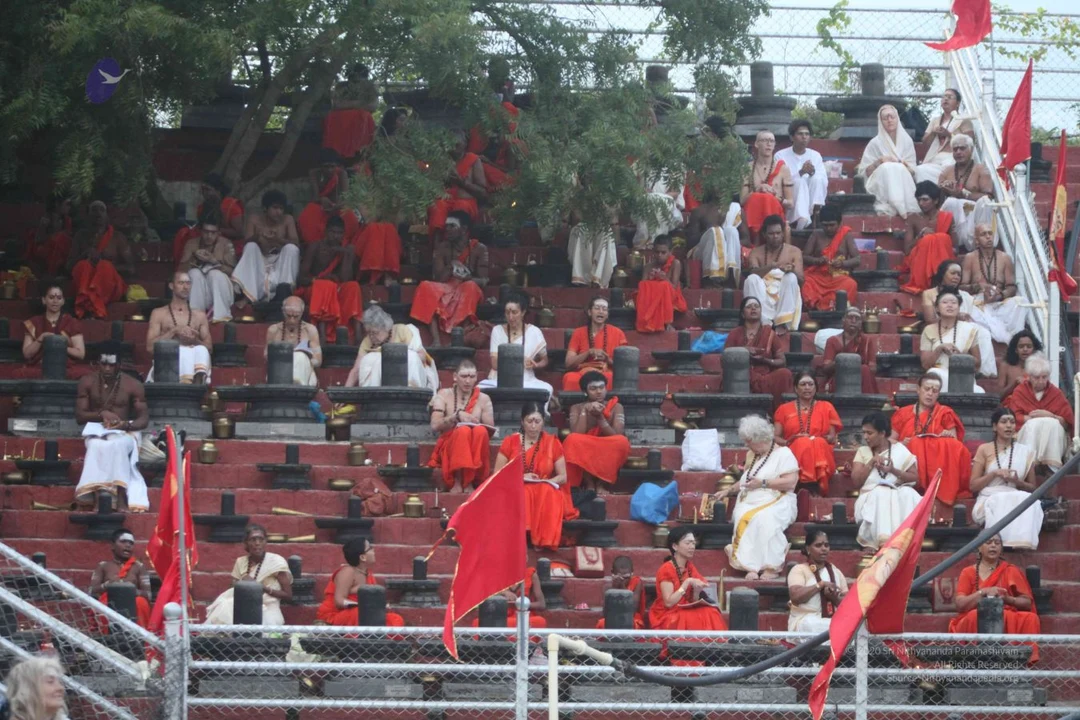 Guru pooja at Vaidya Sarovar
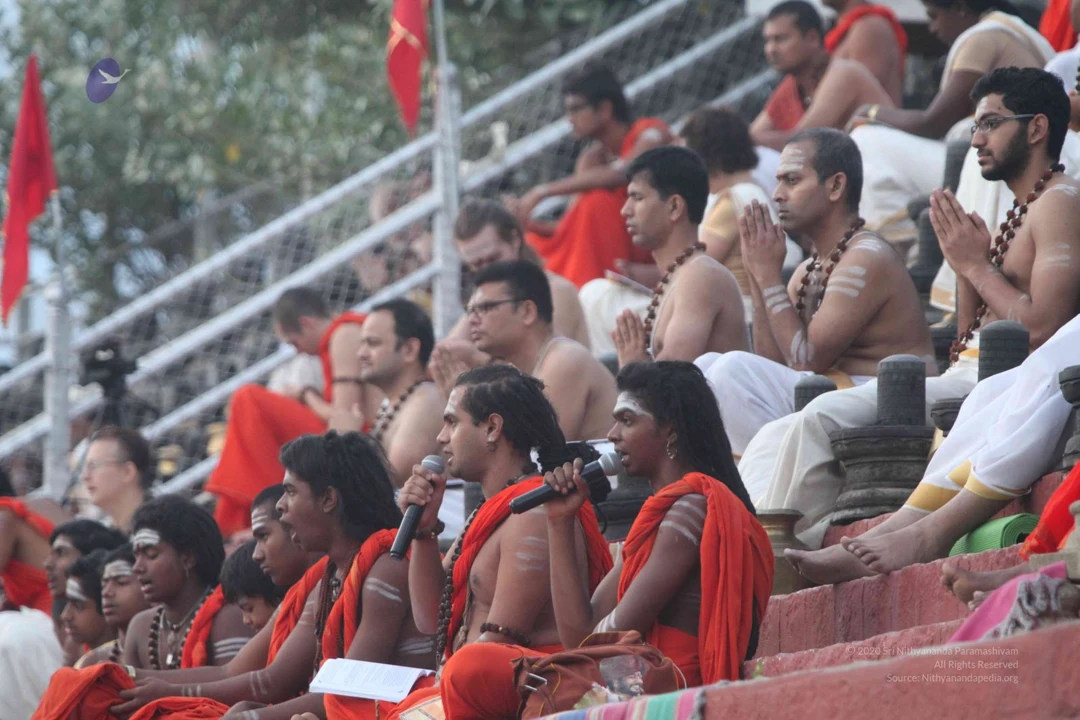 Guru pooja at Vaidya Sarovar
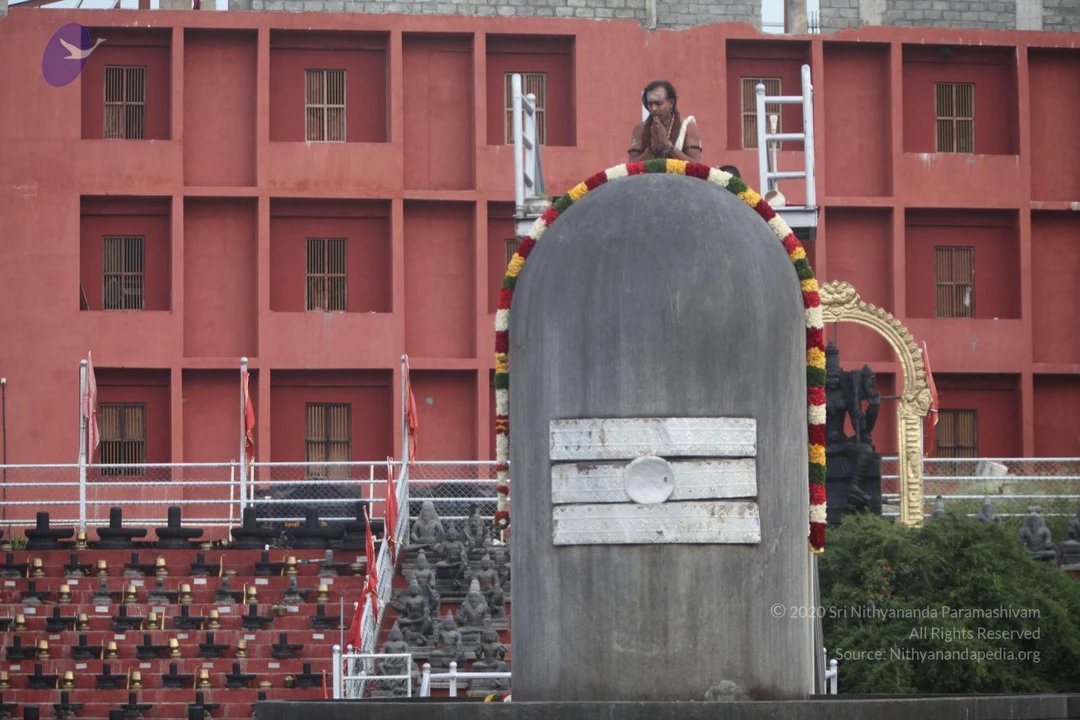
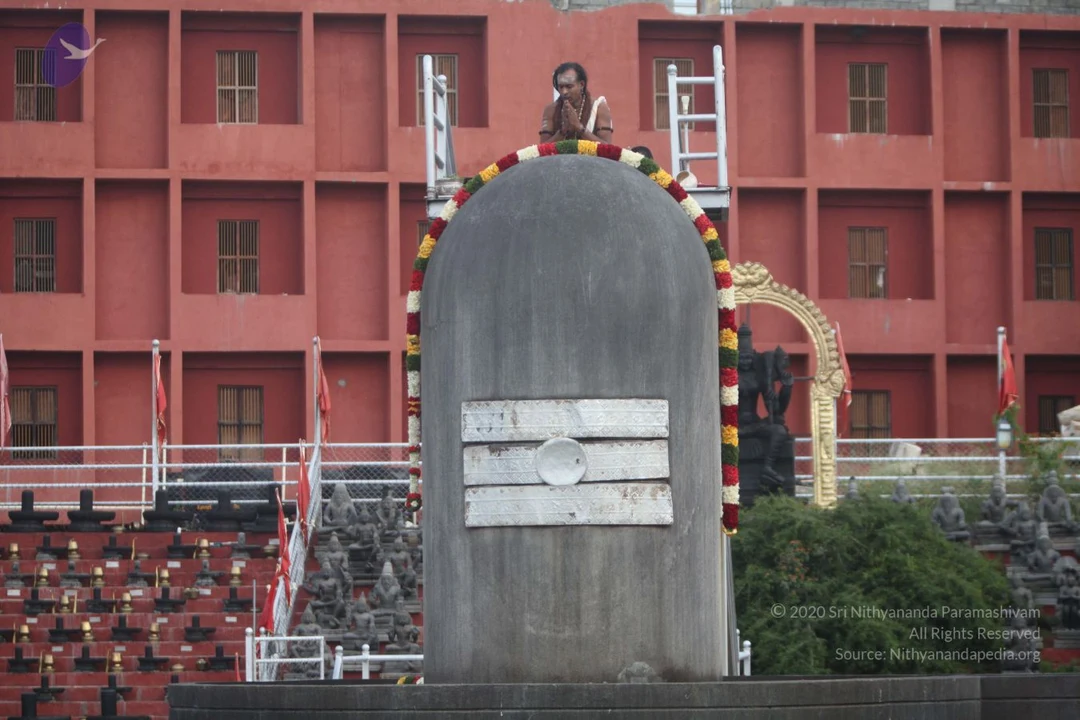
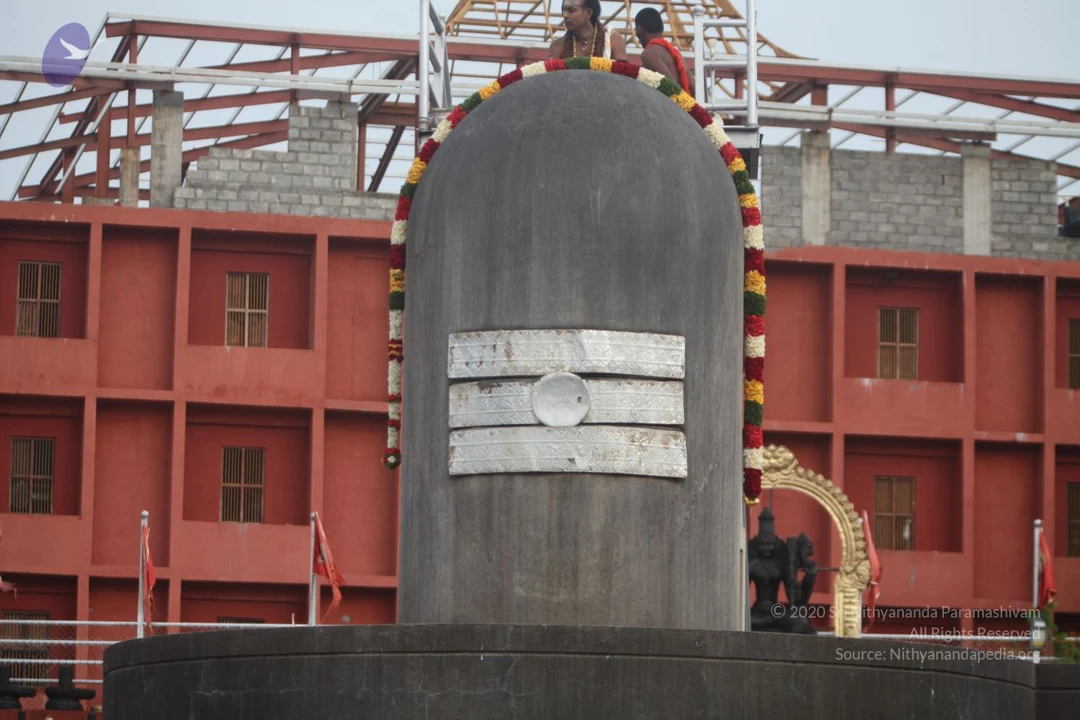
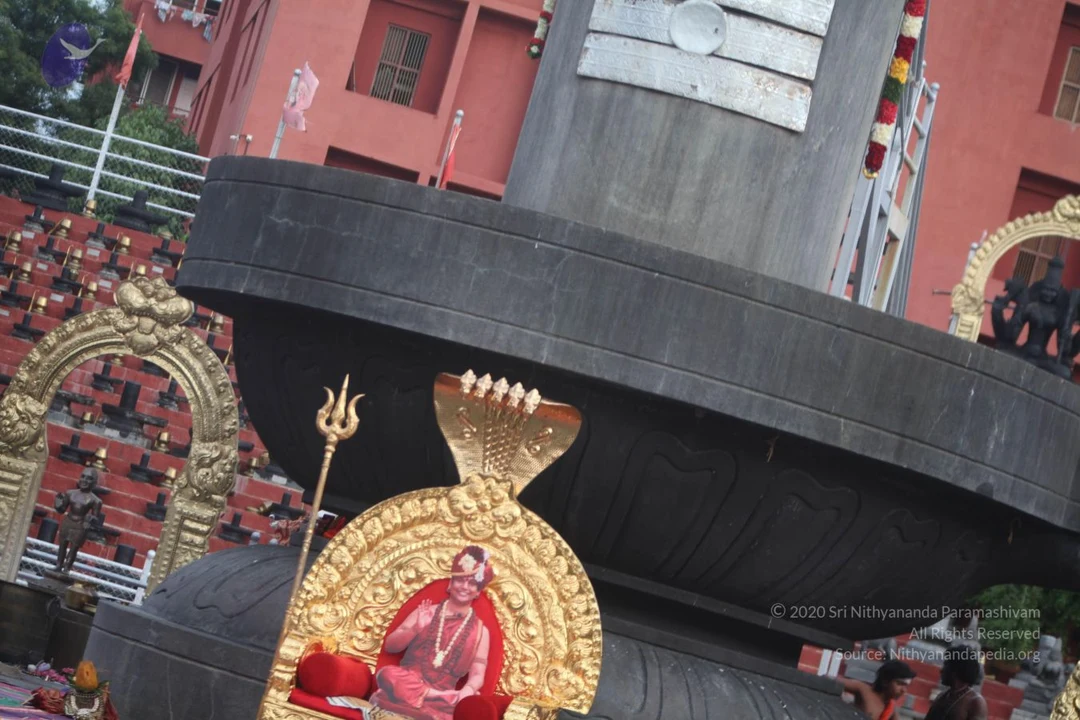
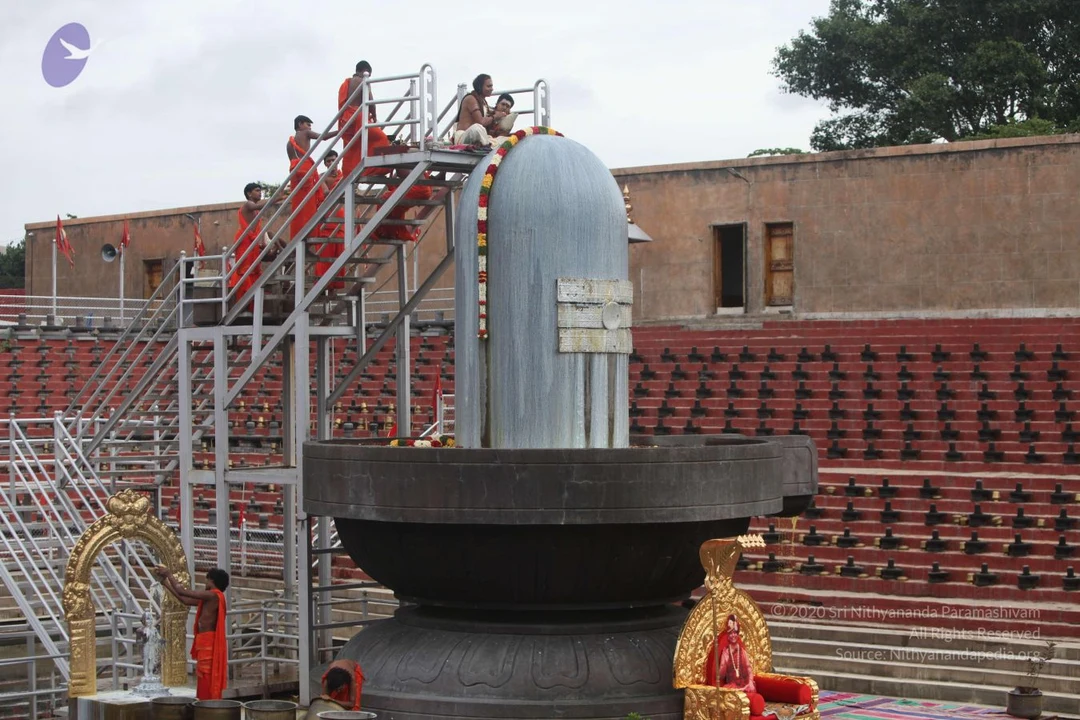
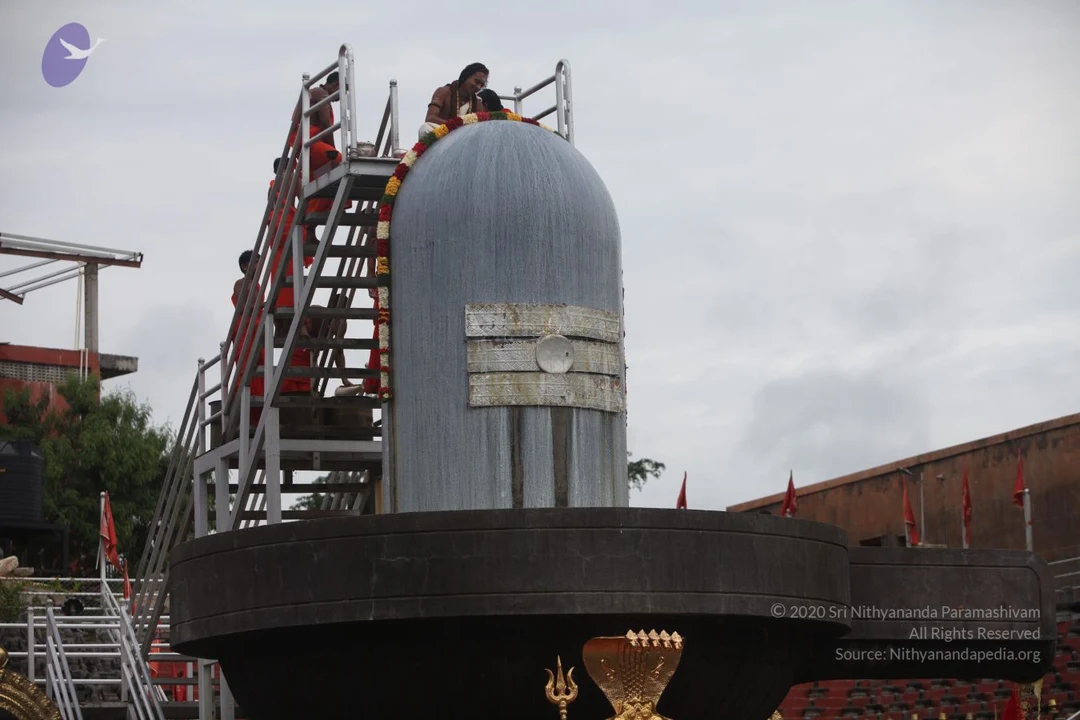
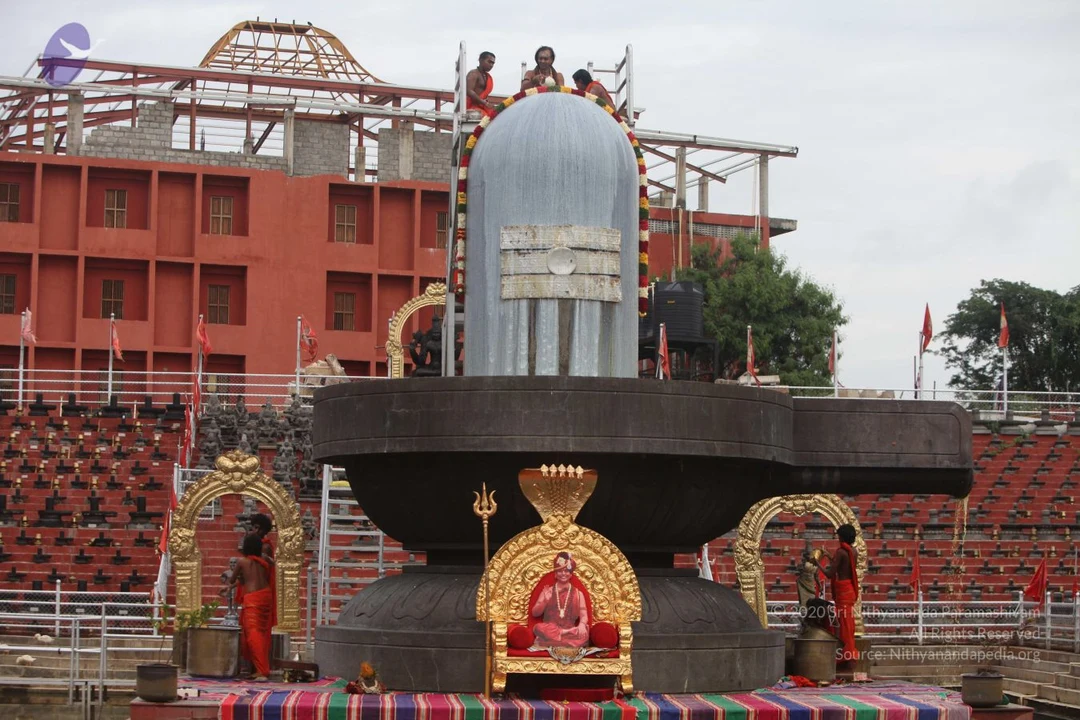
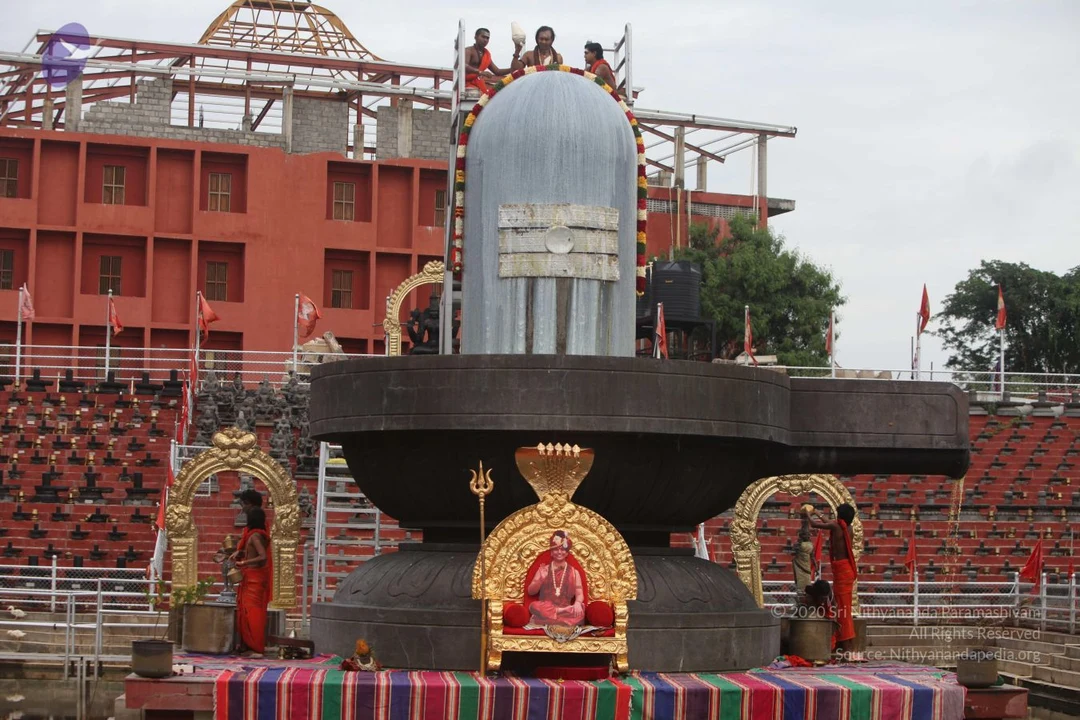
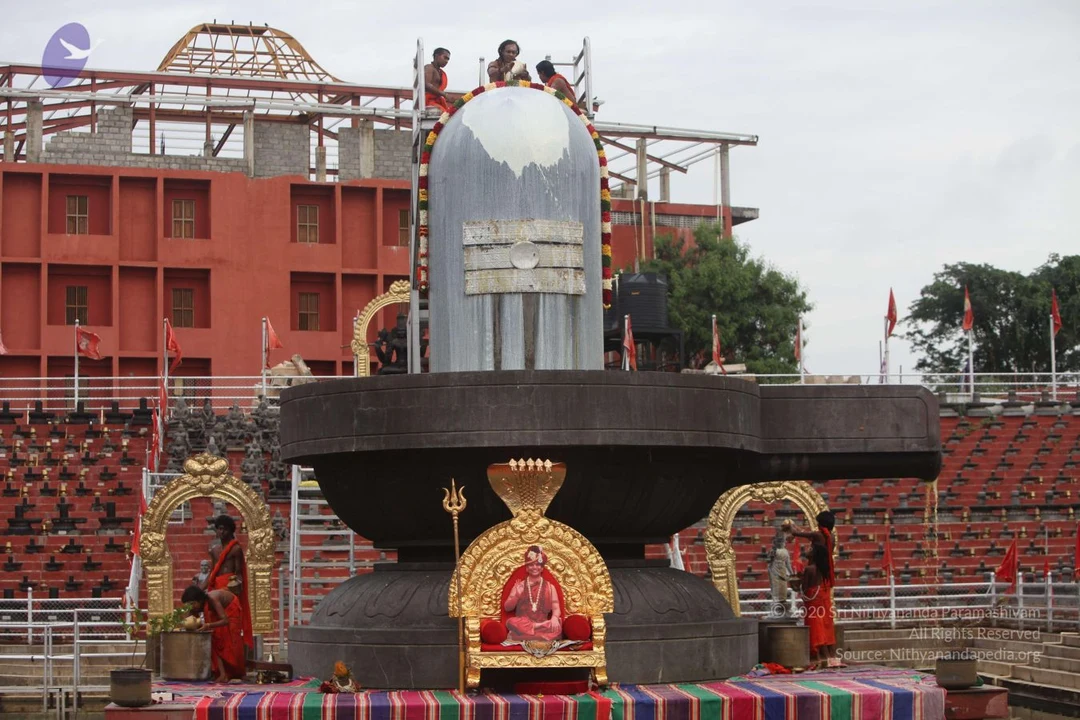
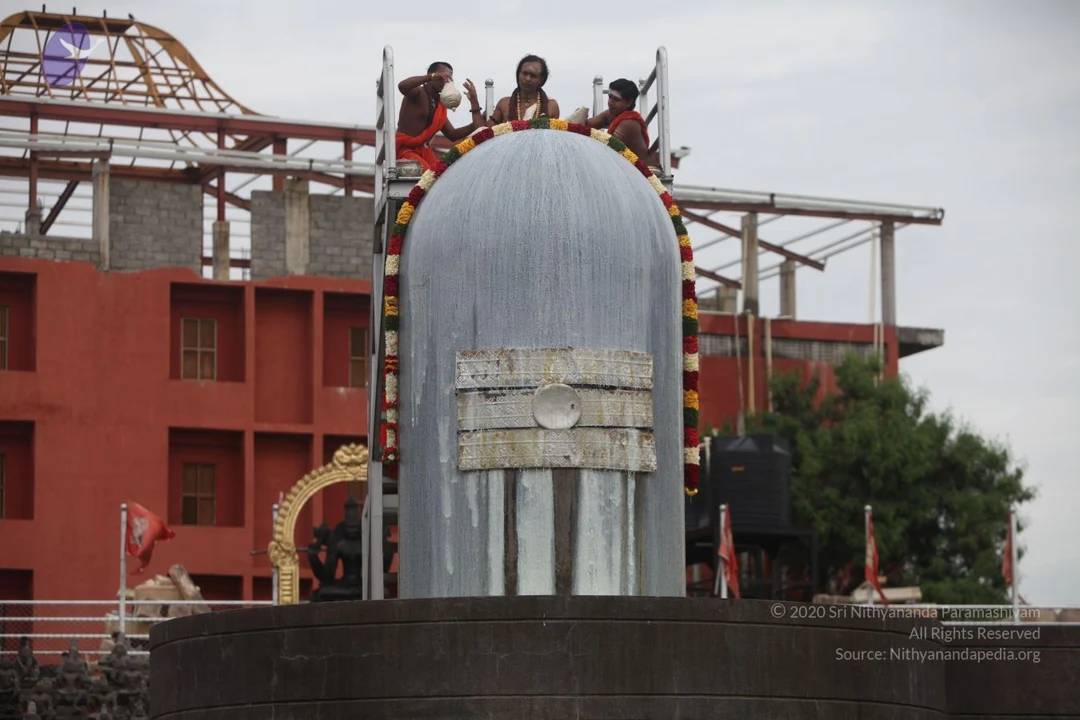
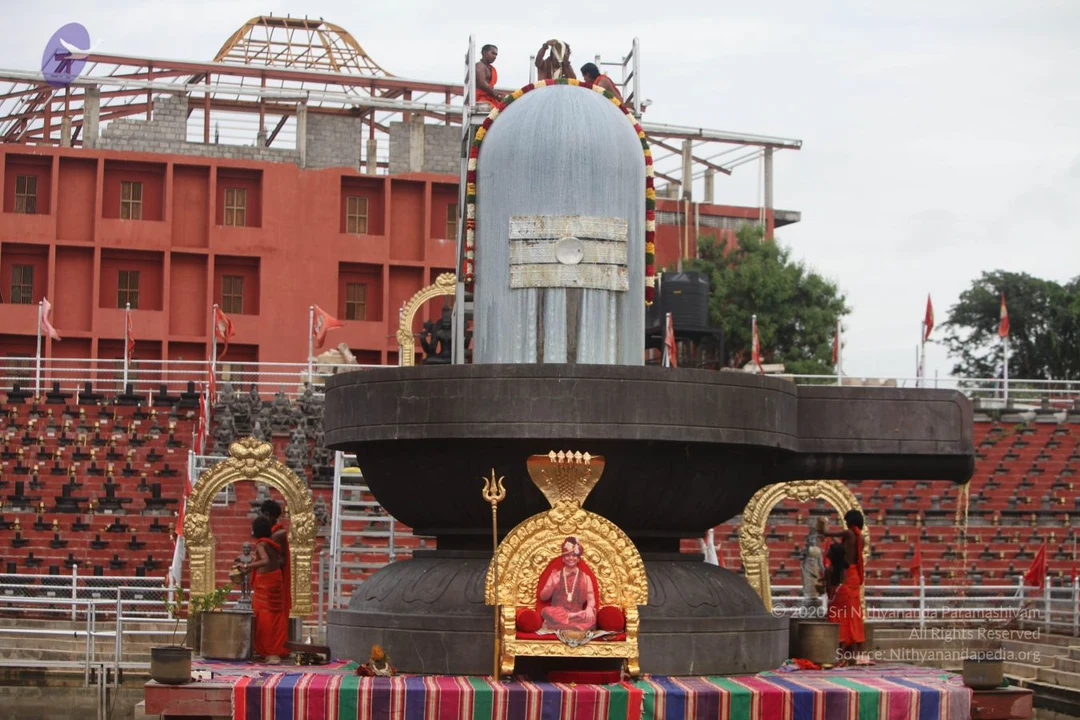
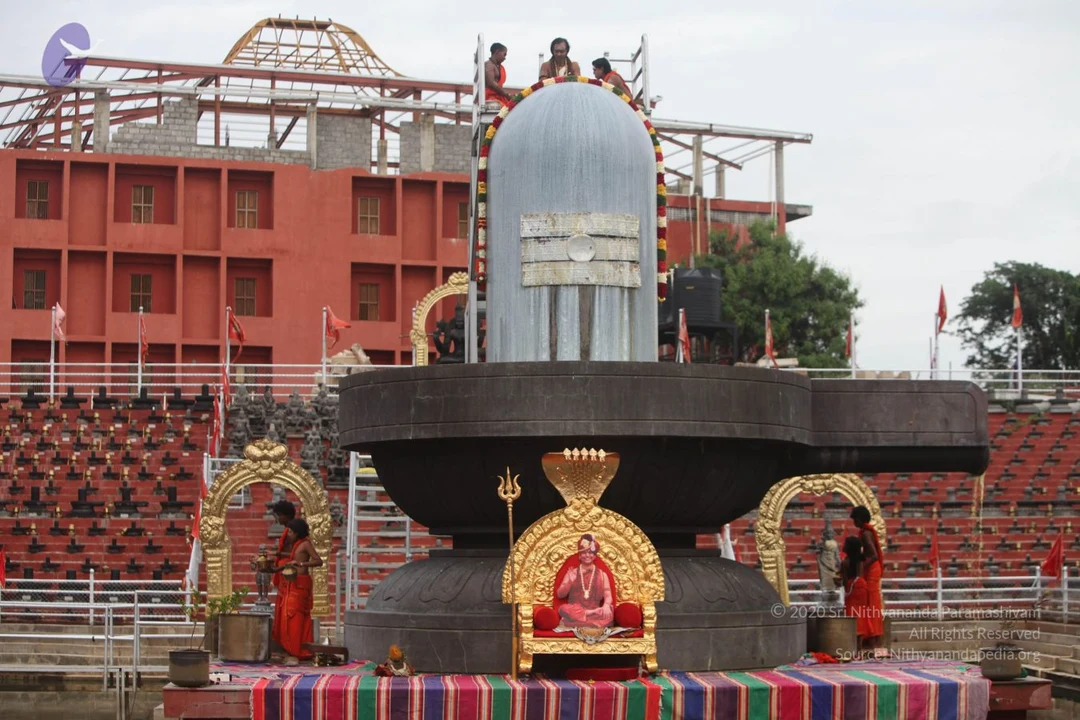
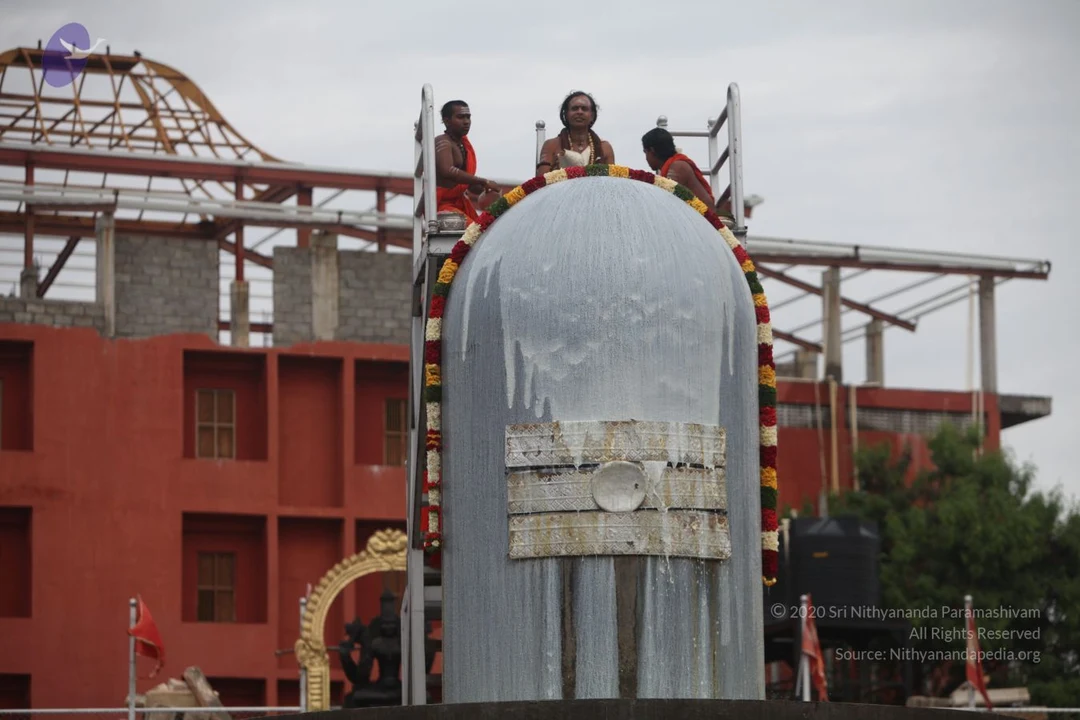
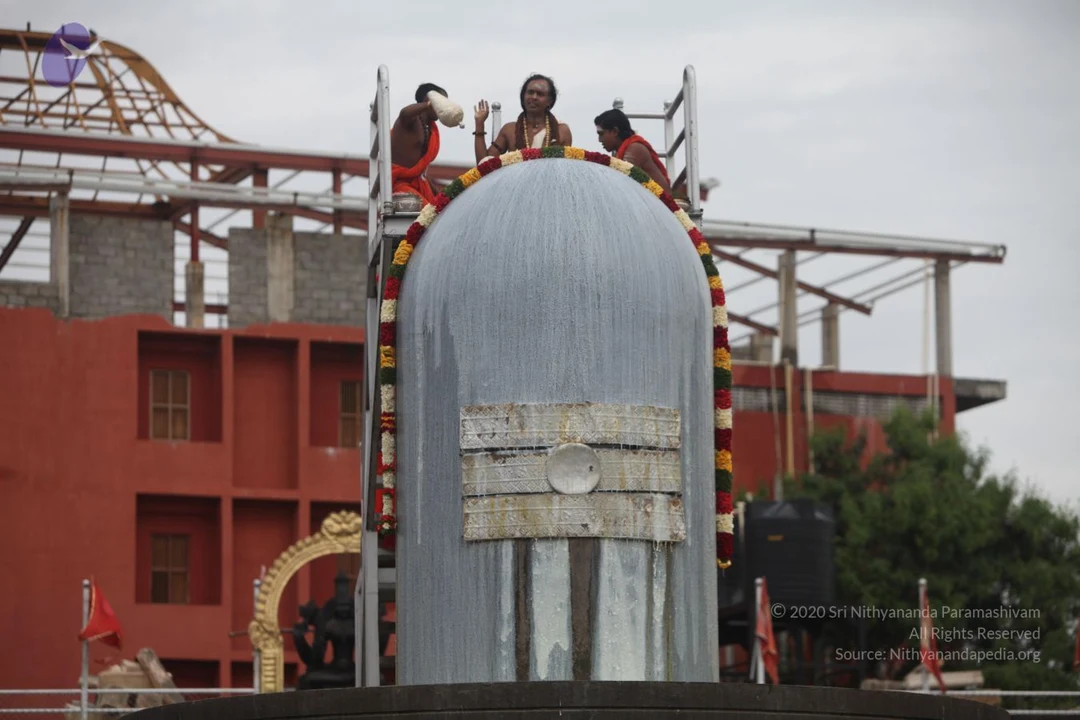
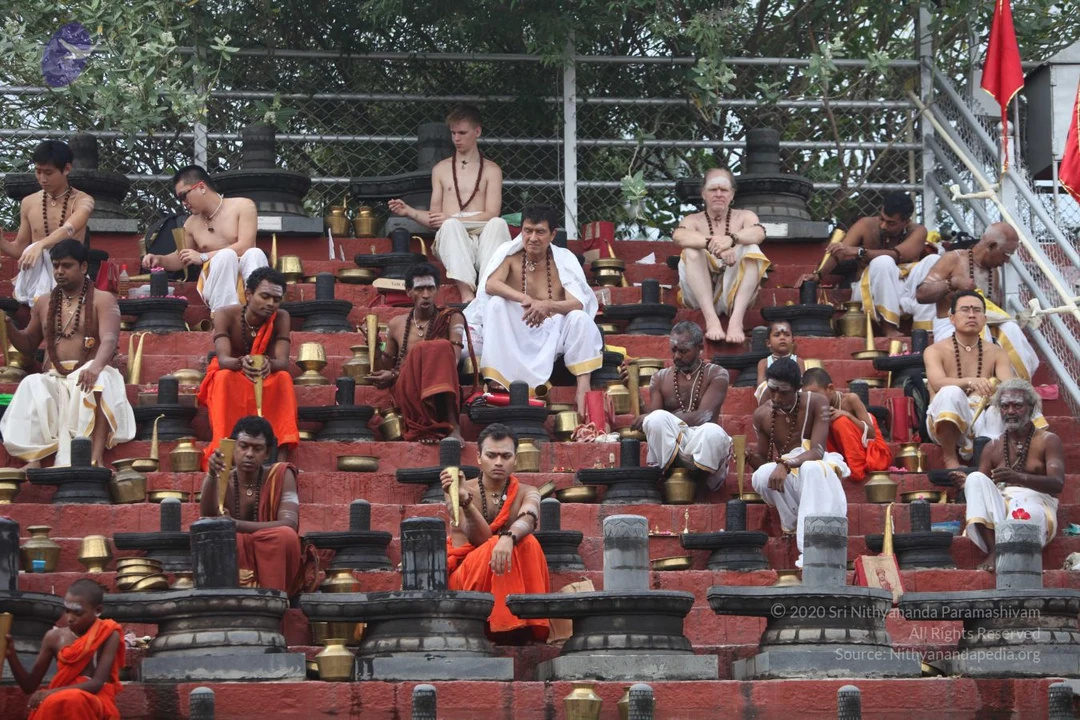
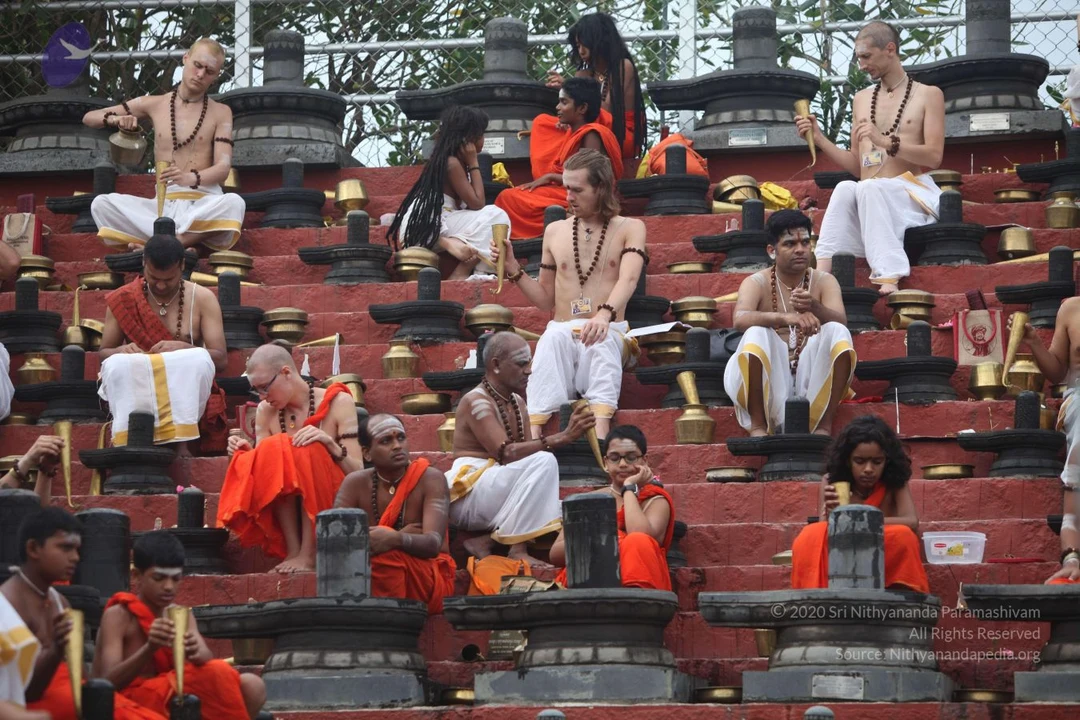
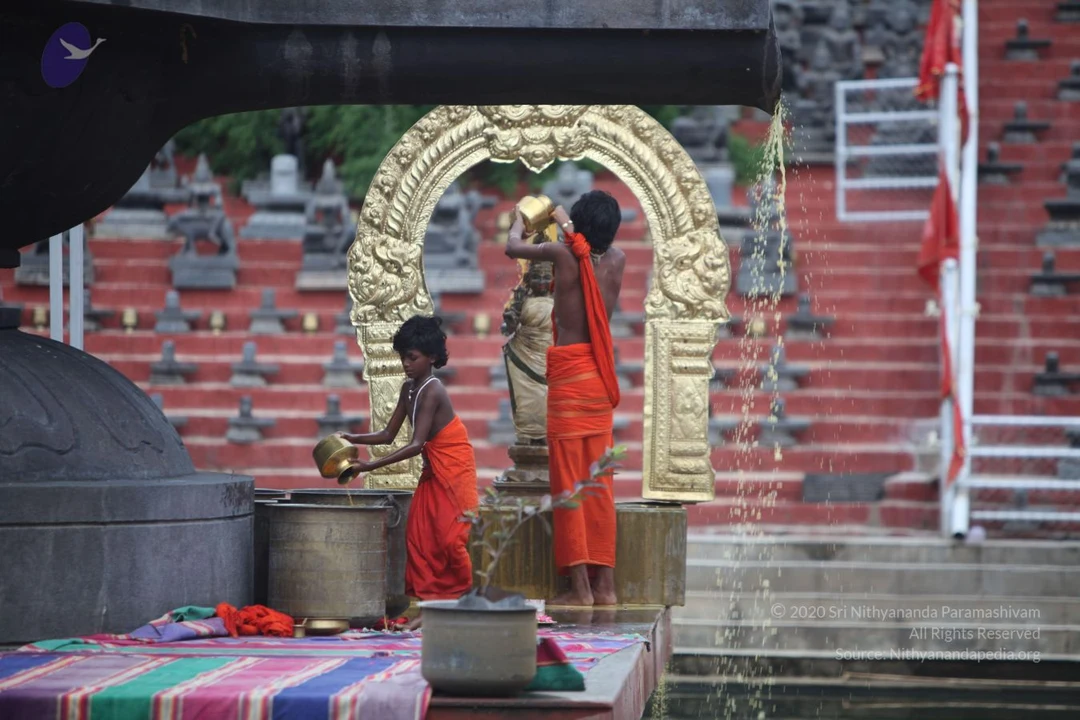
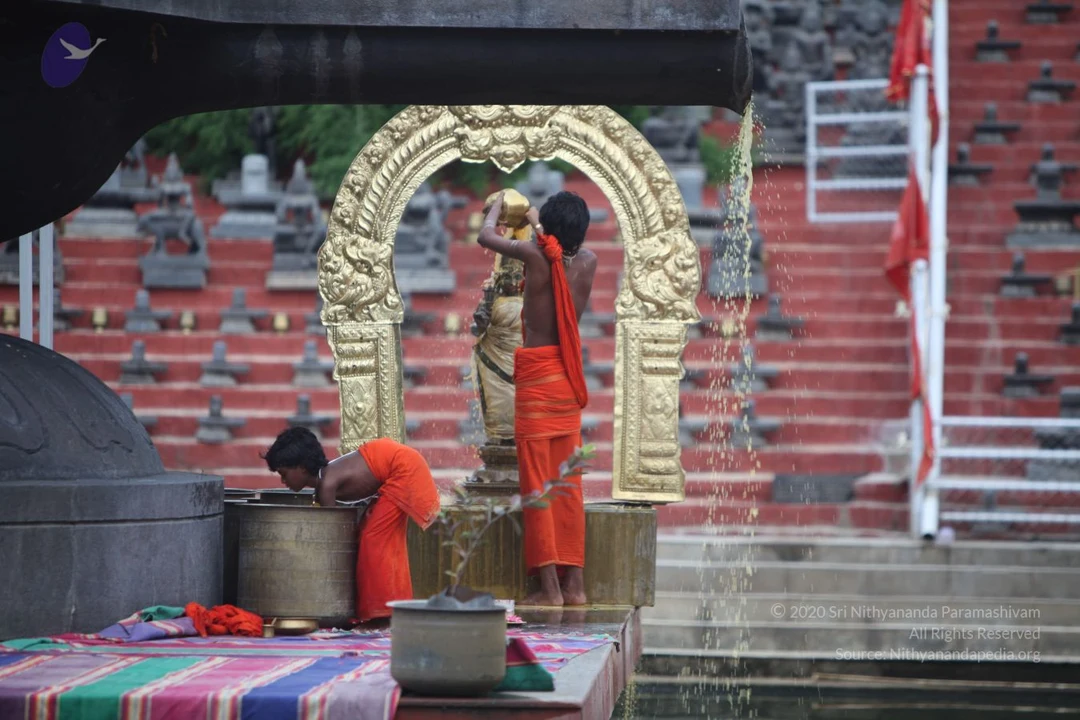
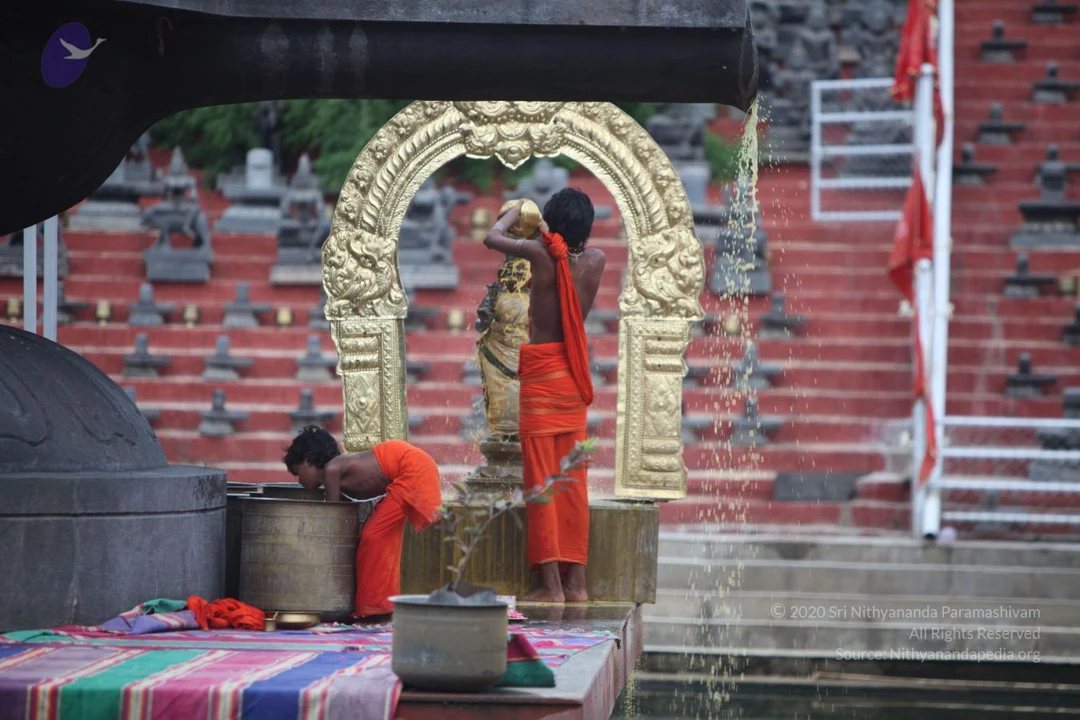
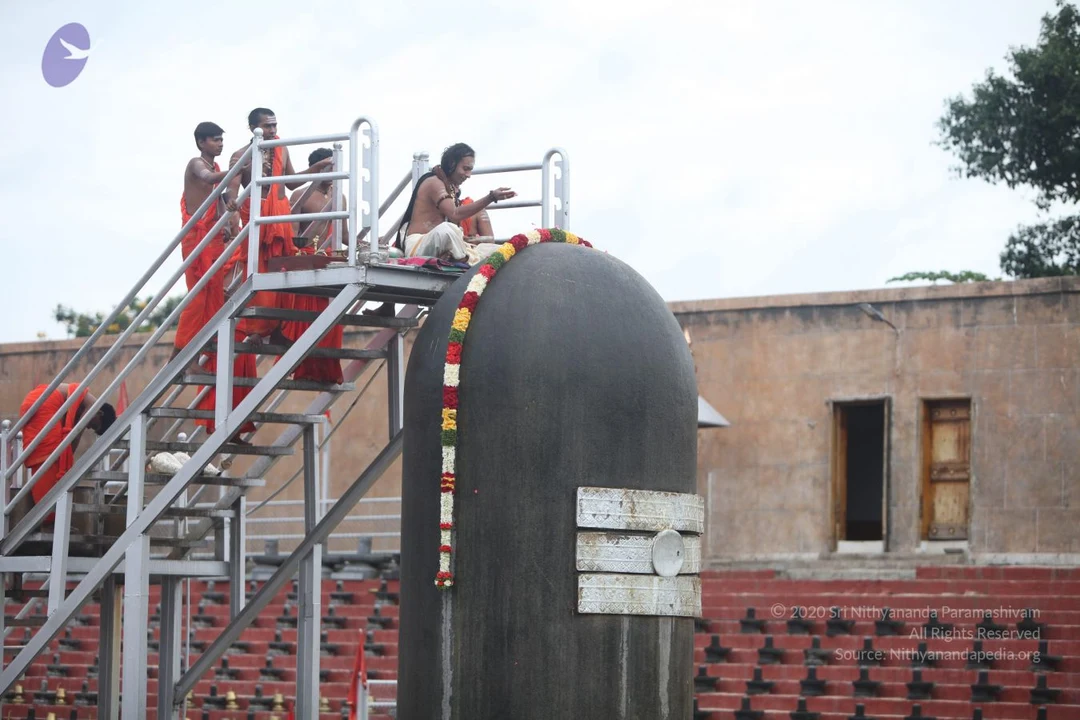
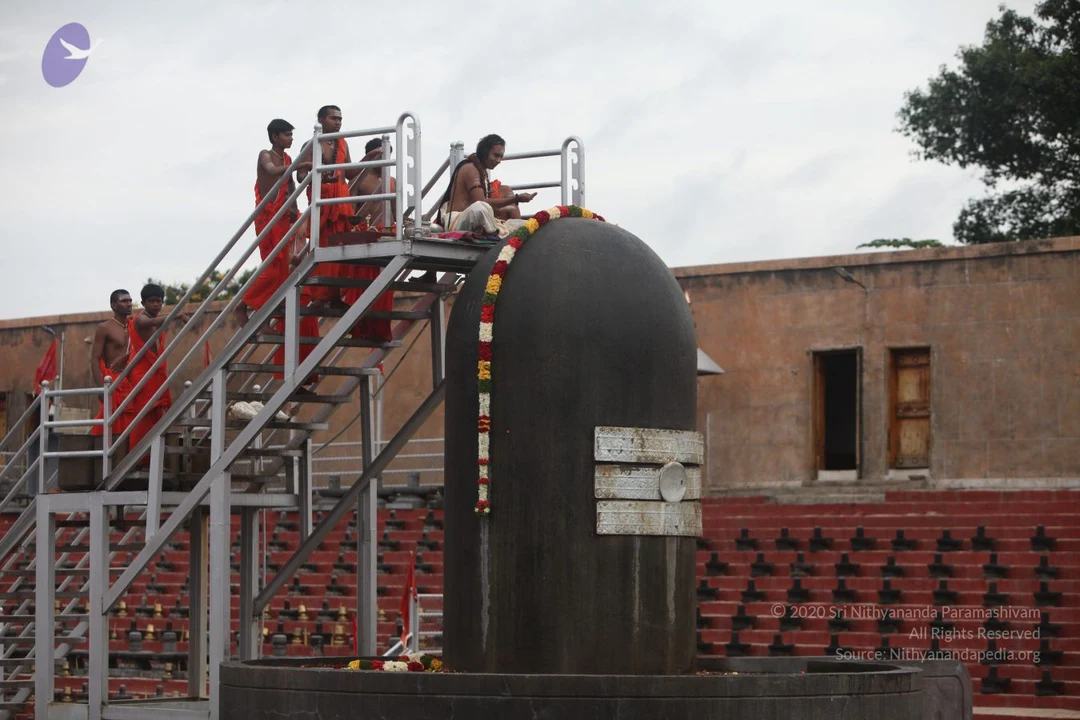
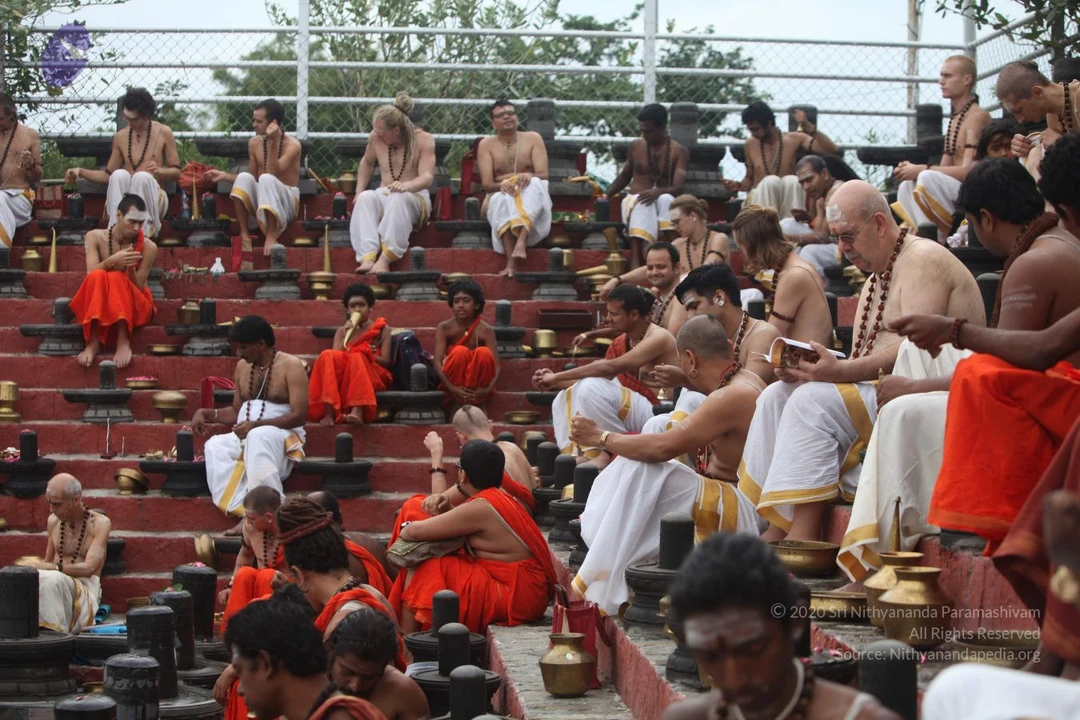
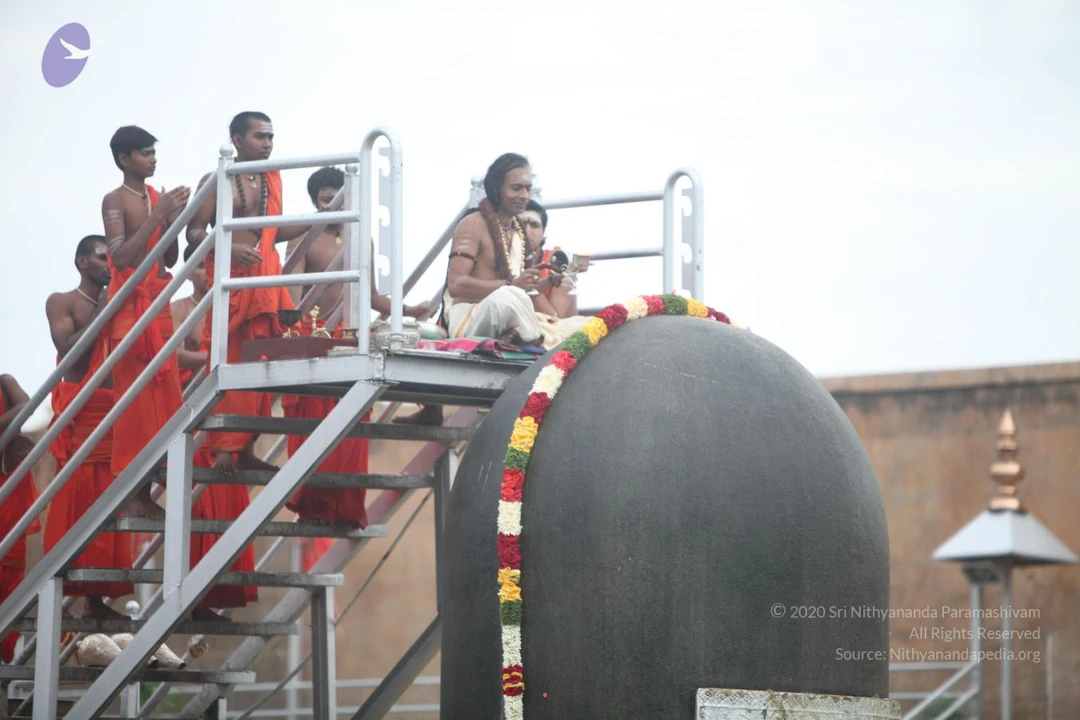
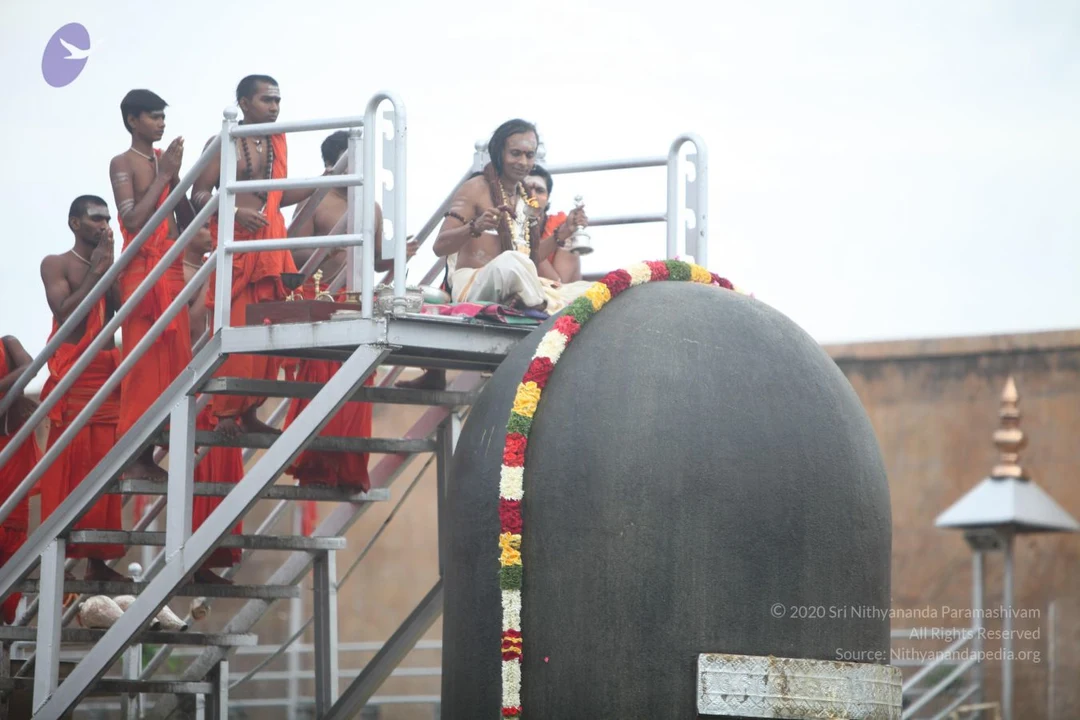
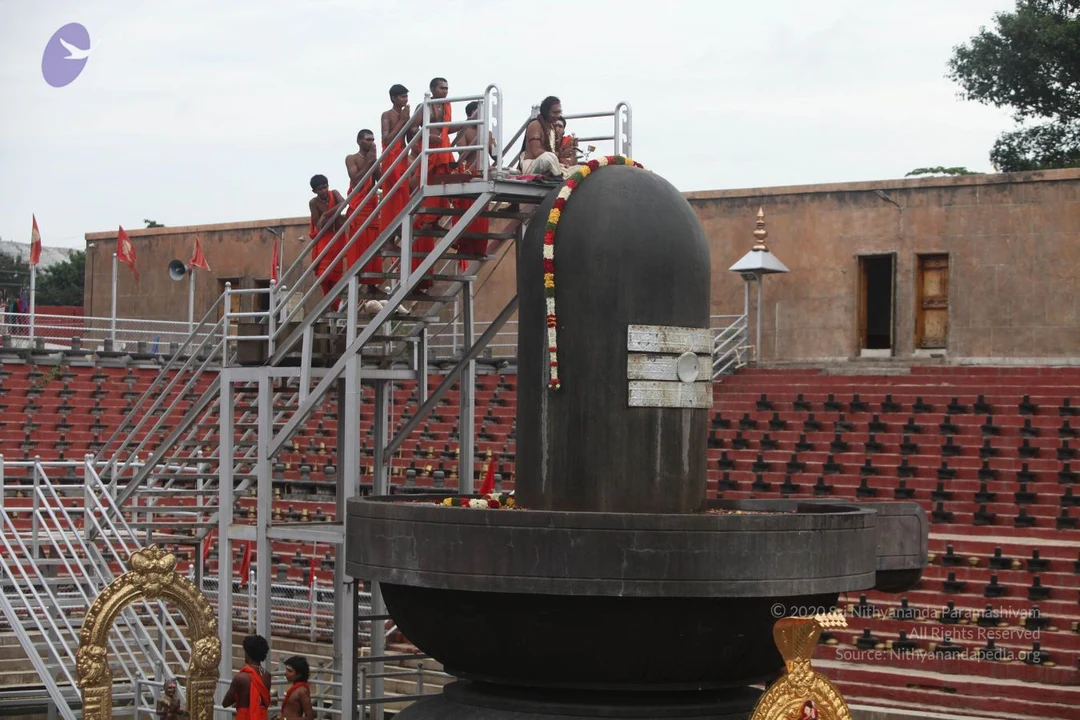
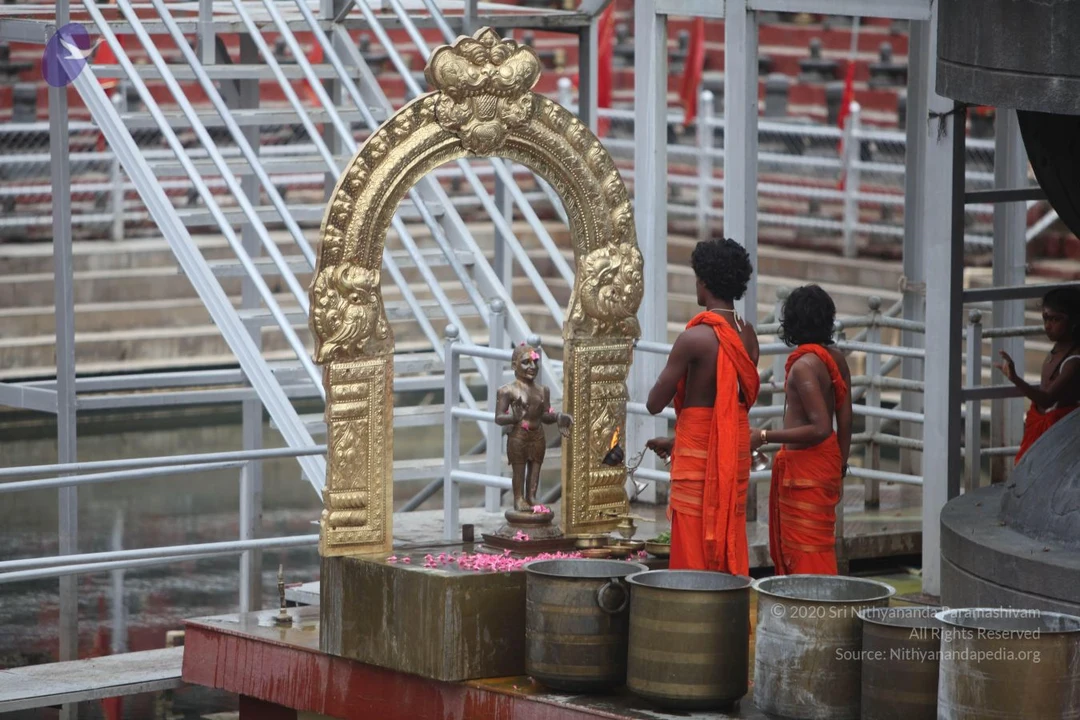
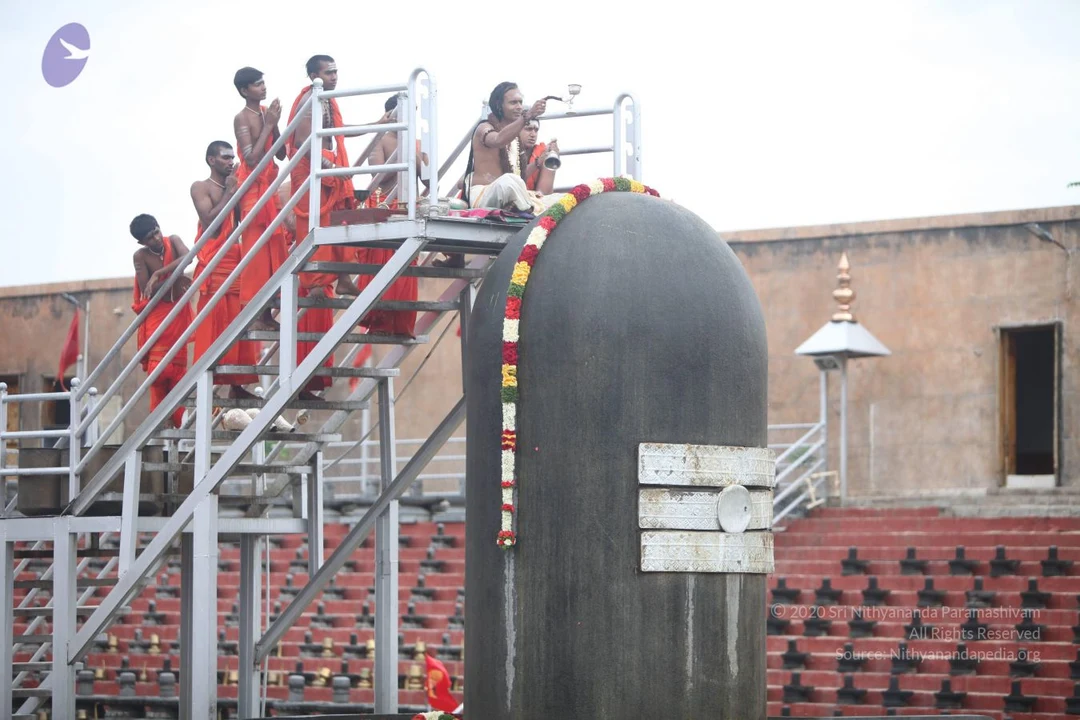
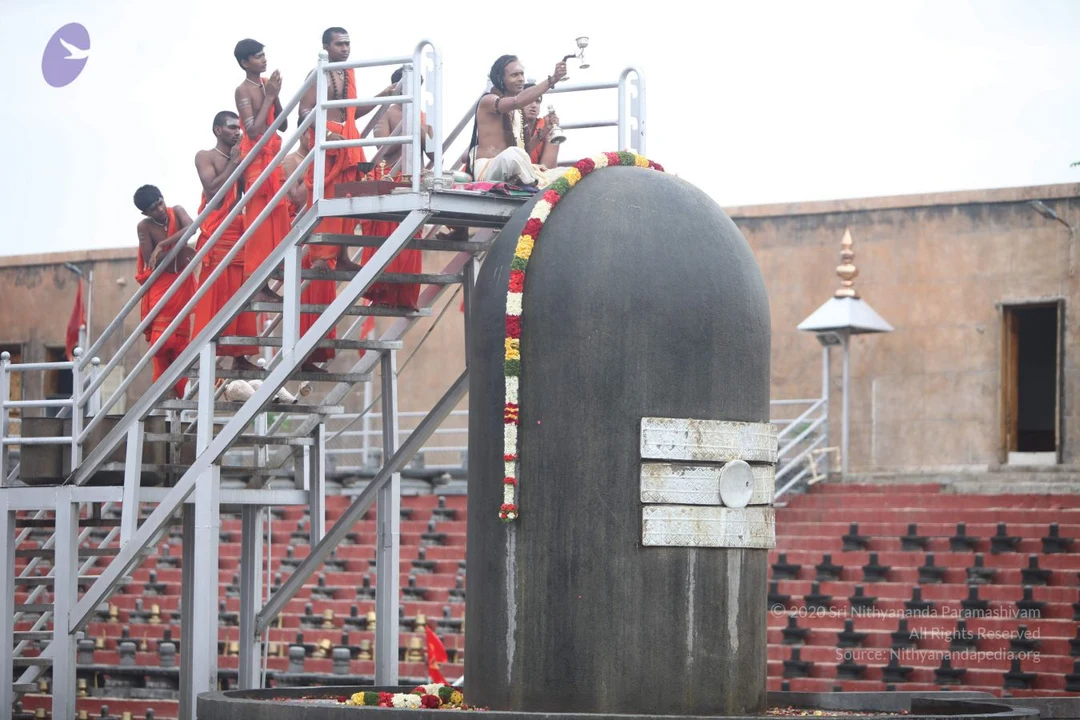
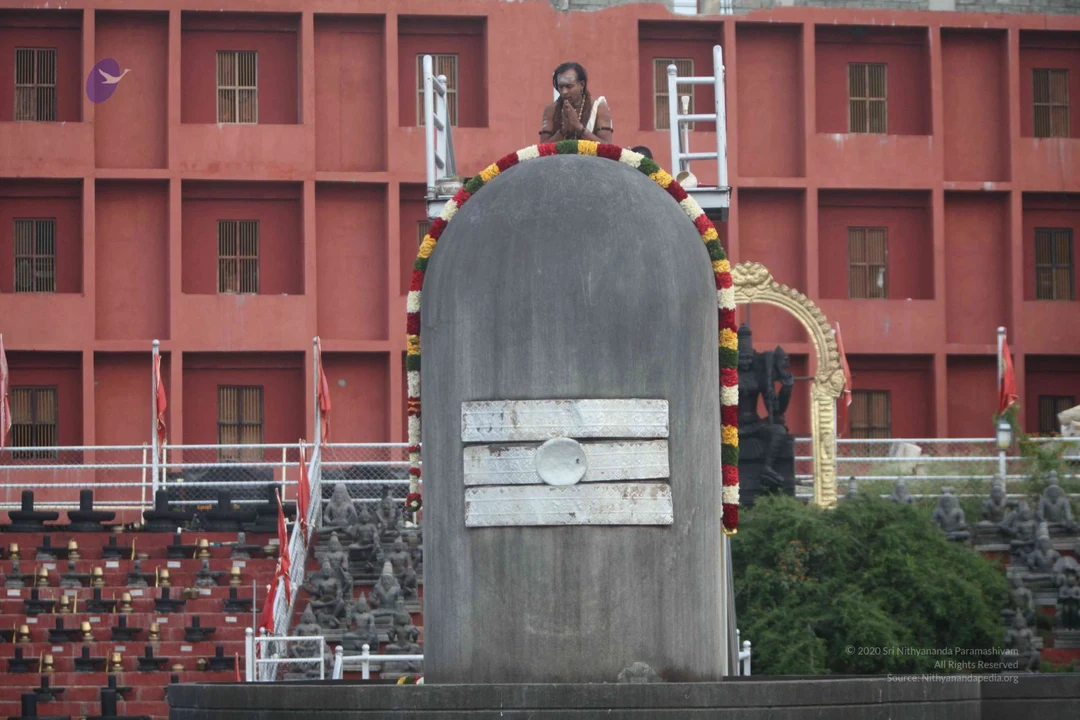 Rudrabhishekam to Ananda Lingam at Vaidya Sarovar
 Rudrabhishekam to Ananda Lingam at Vaidya Sarovar
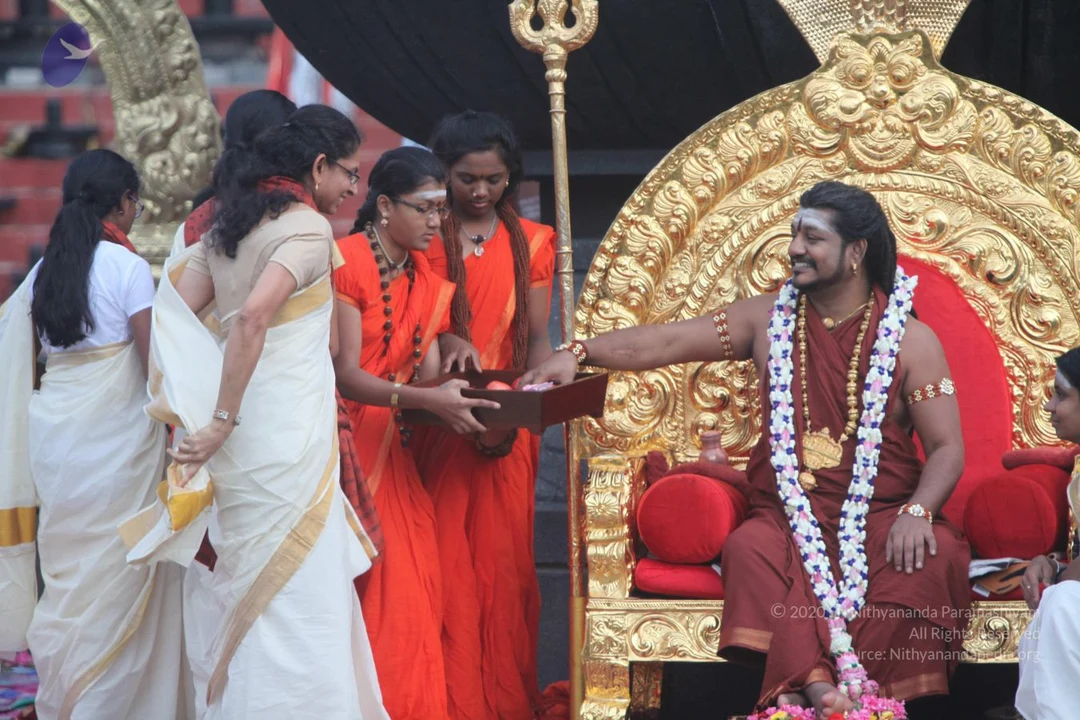
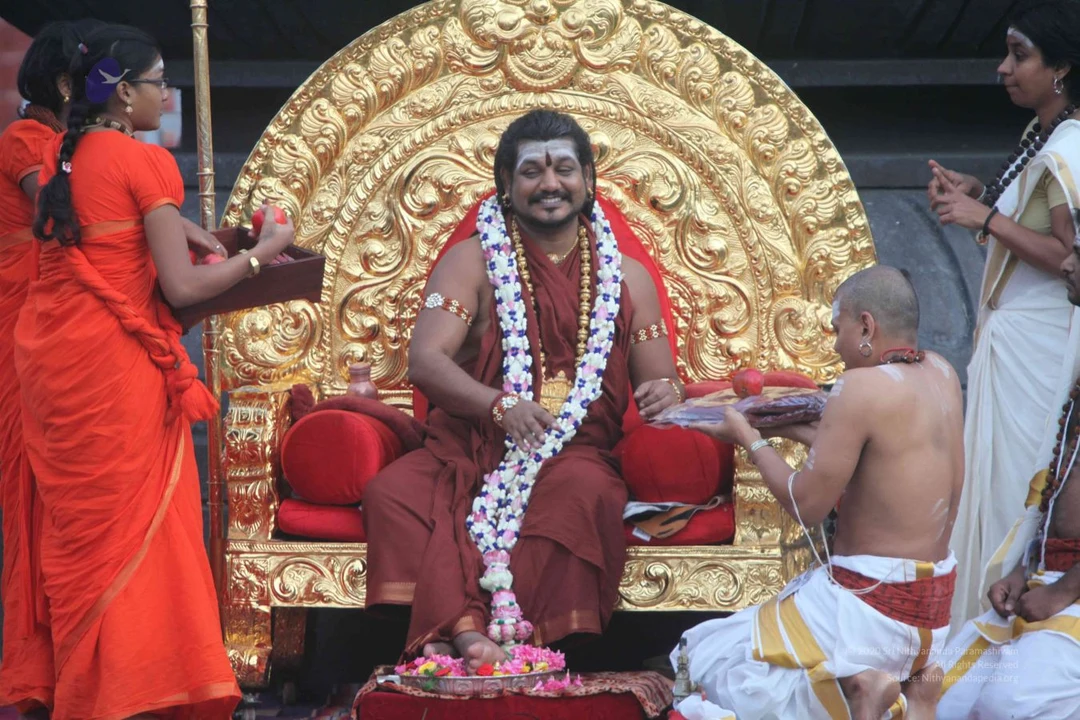 Devoteees receiving Prasadam from HDH Nithyananda Paramashivam
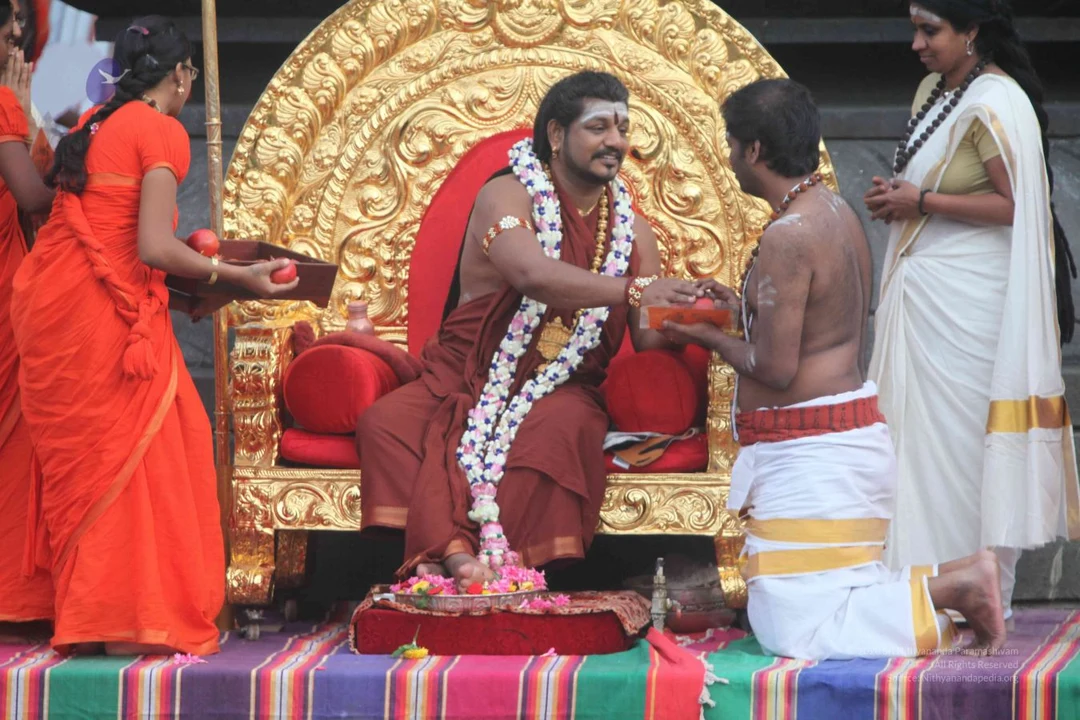 Devoteees receiving Prasadam from HDH Nithyananda Paramashivam
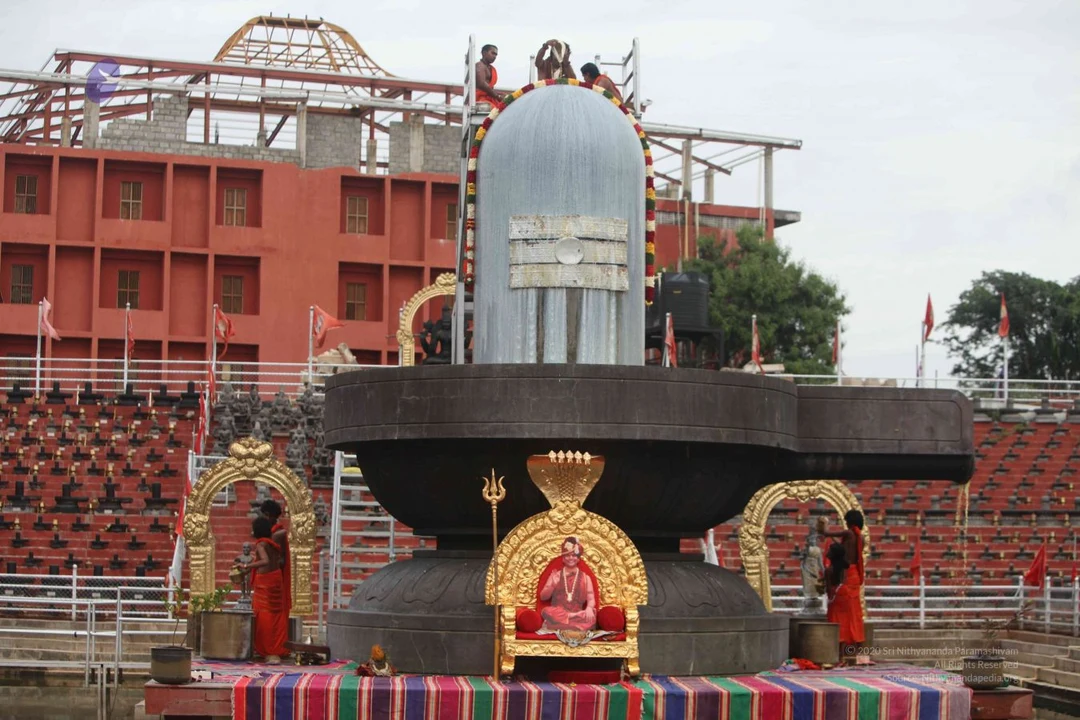 Rudrabhishekam to Ananda Lingam at Vaidya Sarovar
 Rudrabhishekam to Ananda Lingam at Vaidya Sarovar
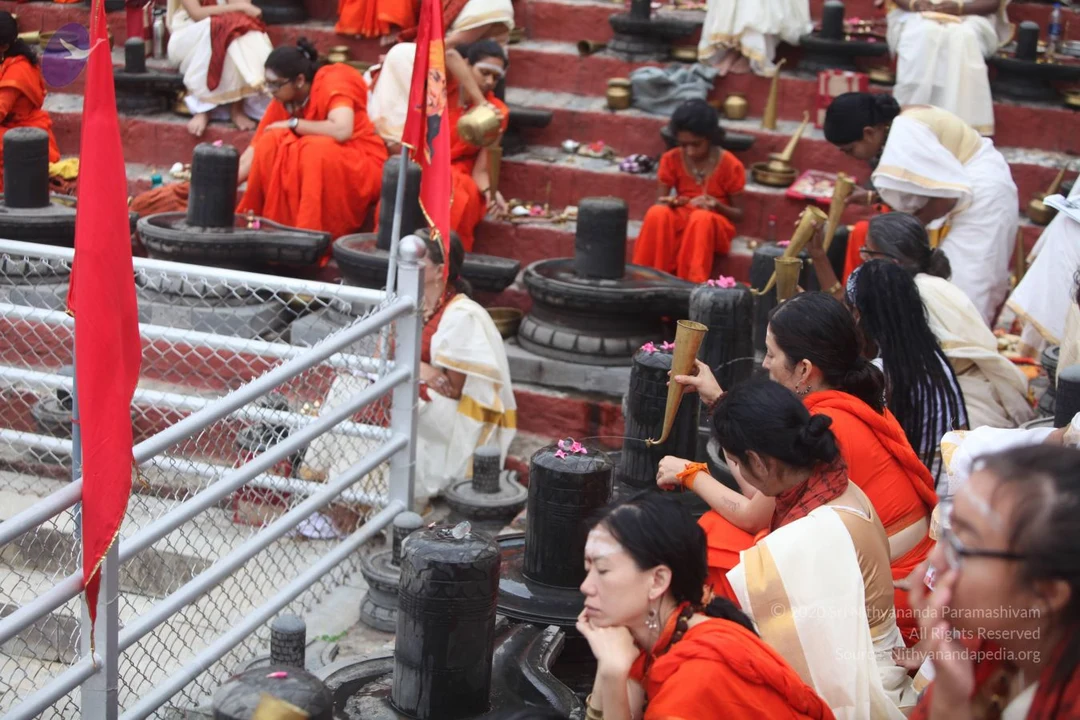
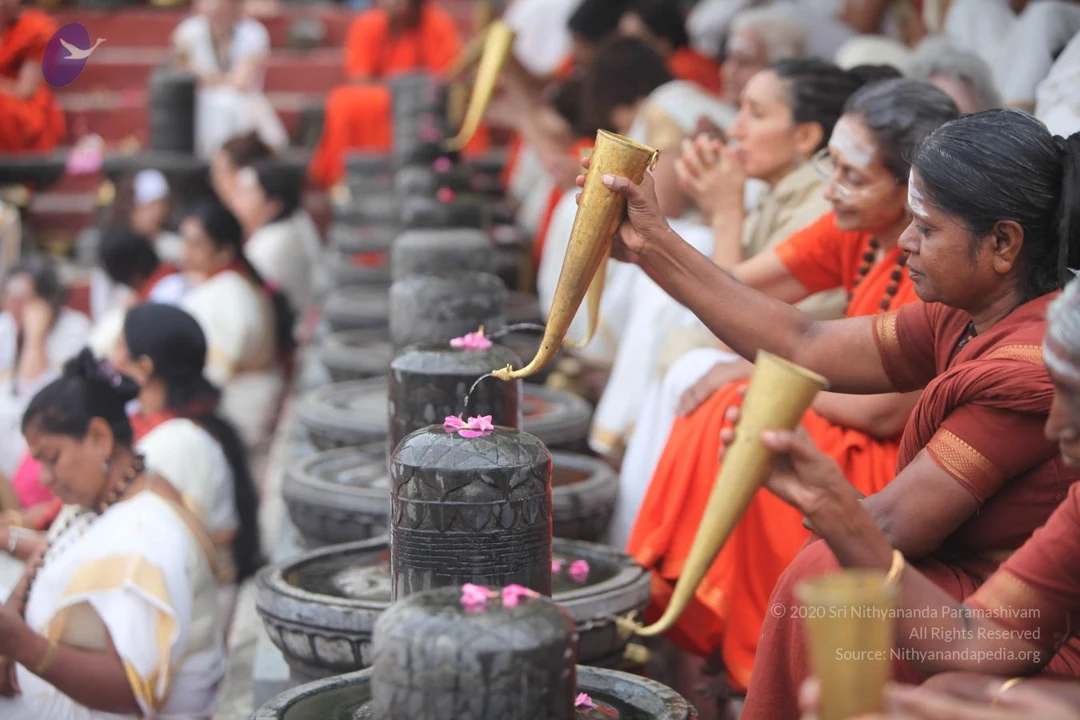
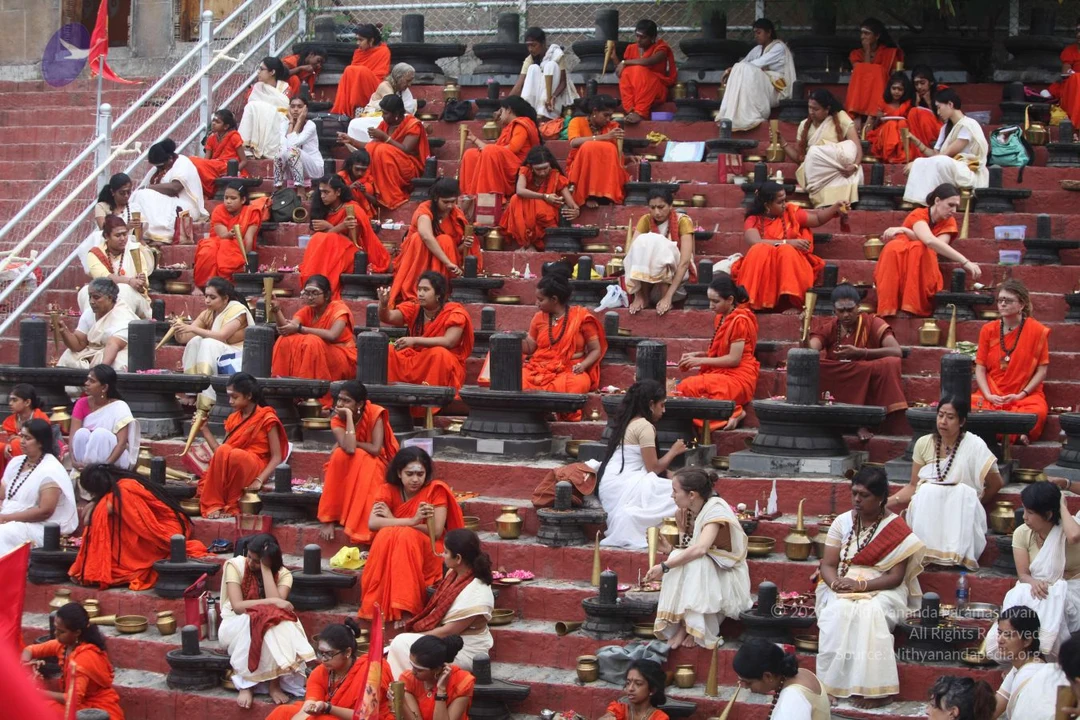
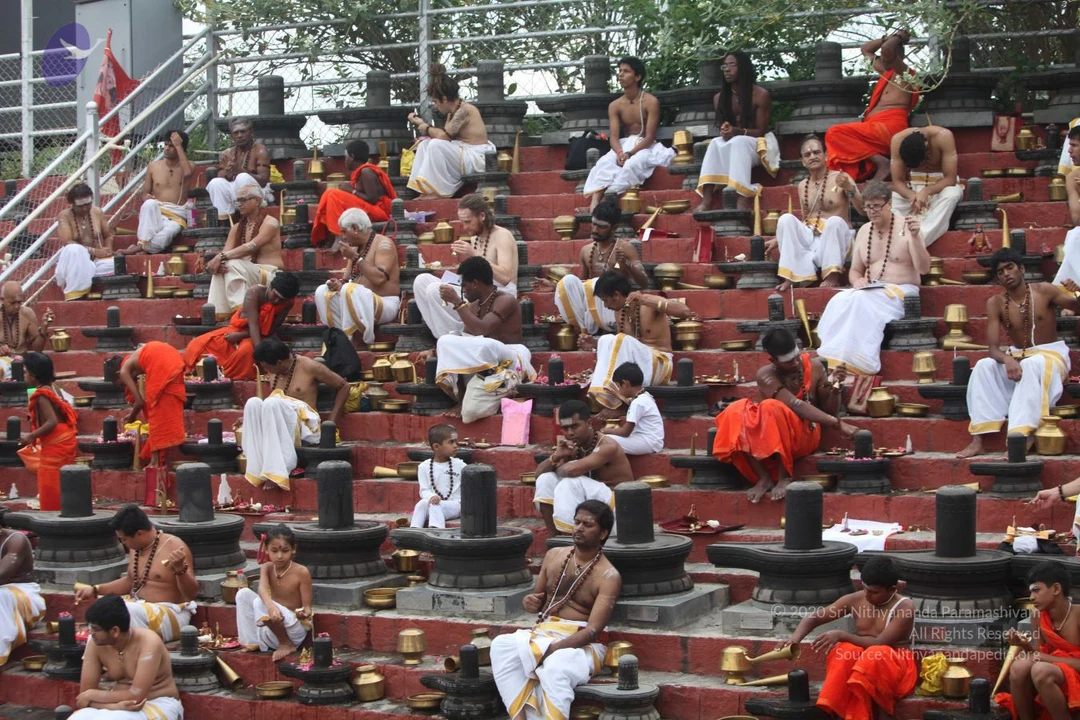
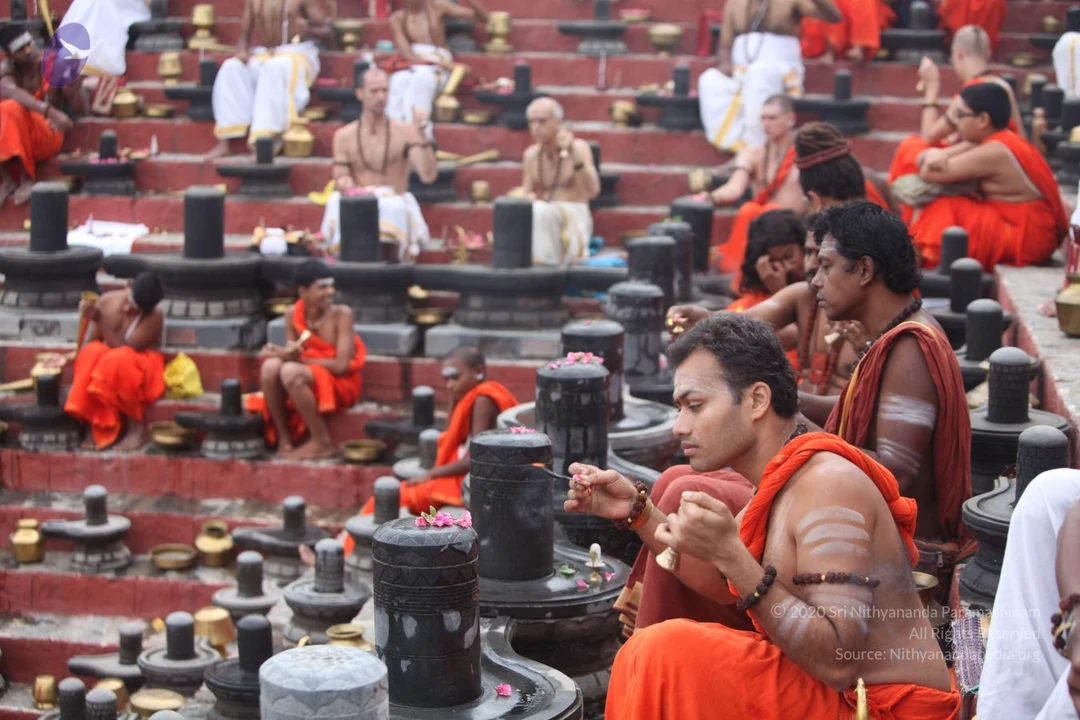
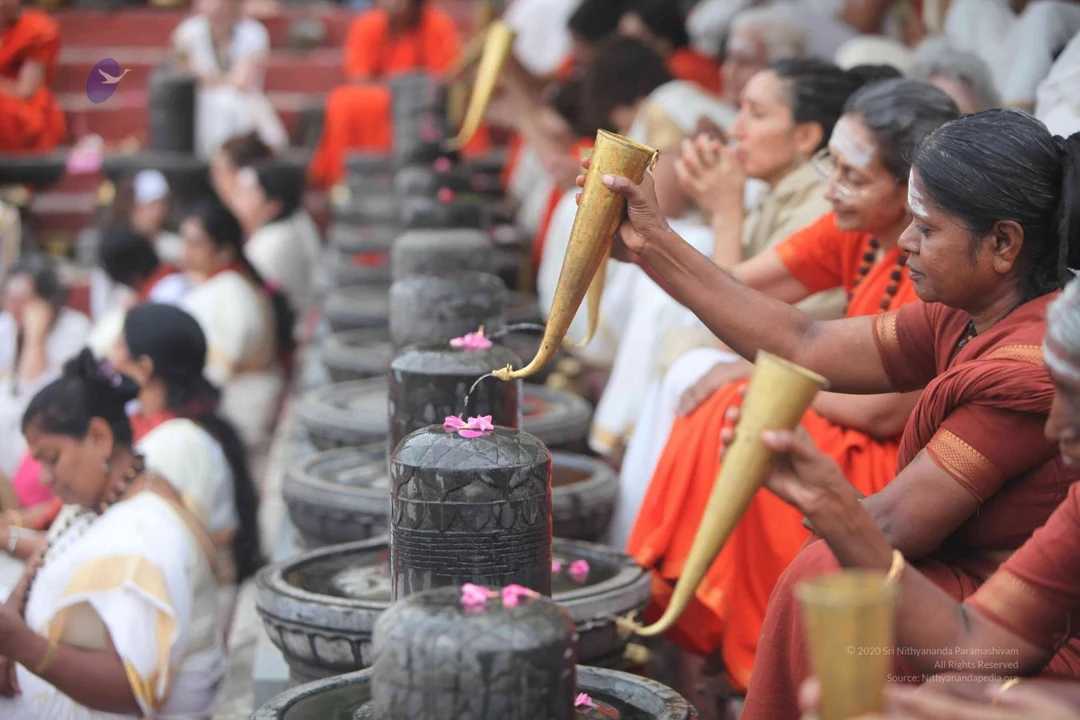 Delegates performing Rudrabhishekam to Shiva Lingas at Vaidya Sarovar
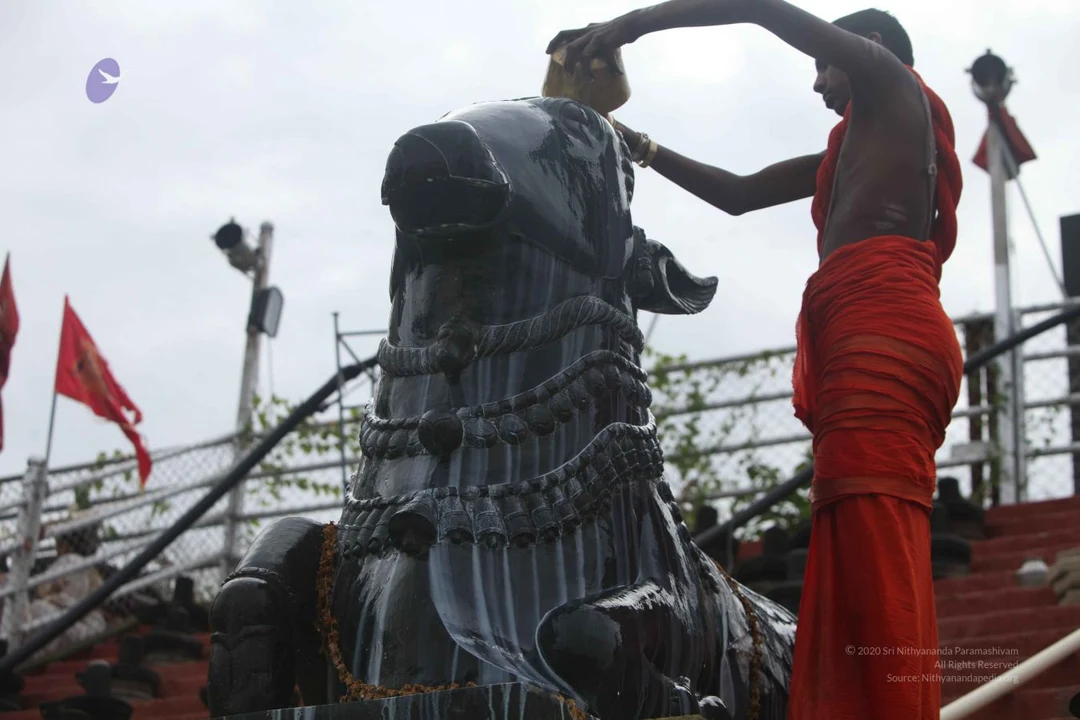
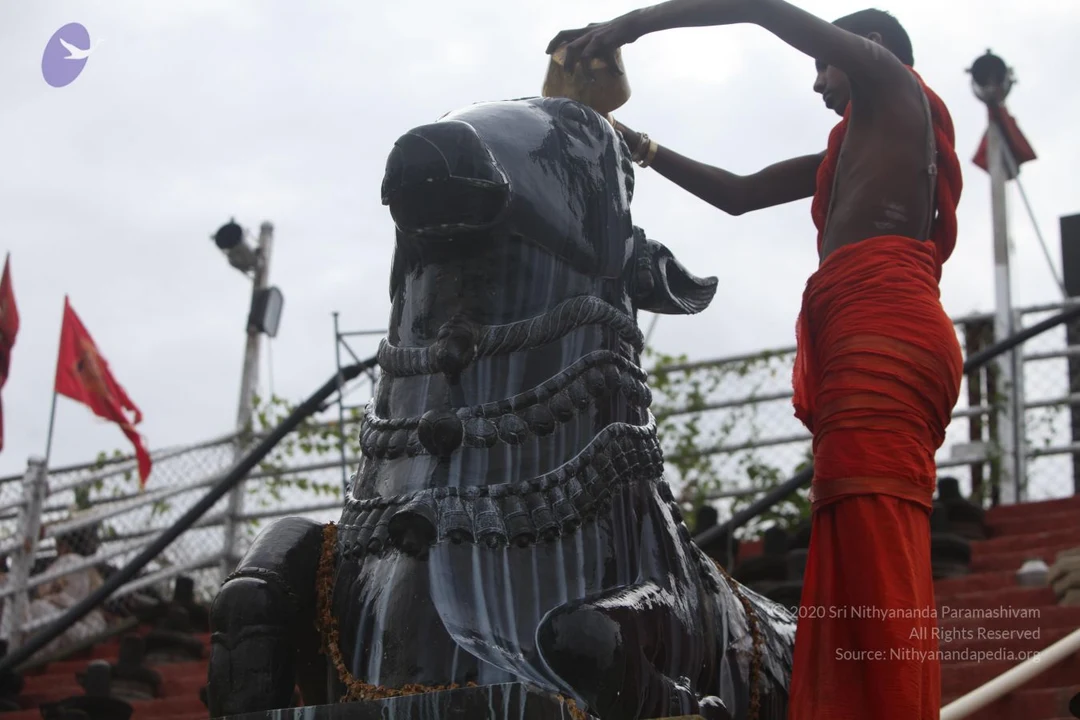
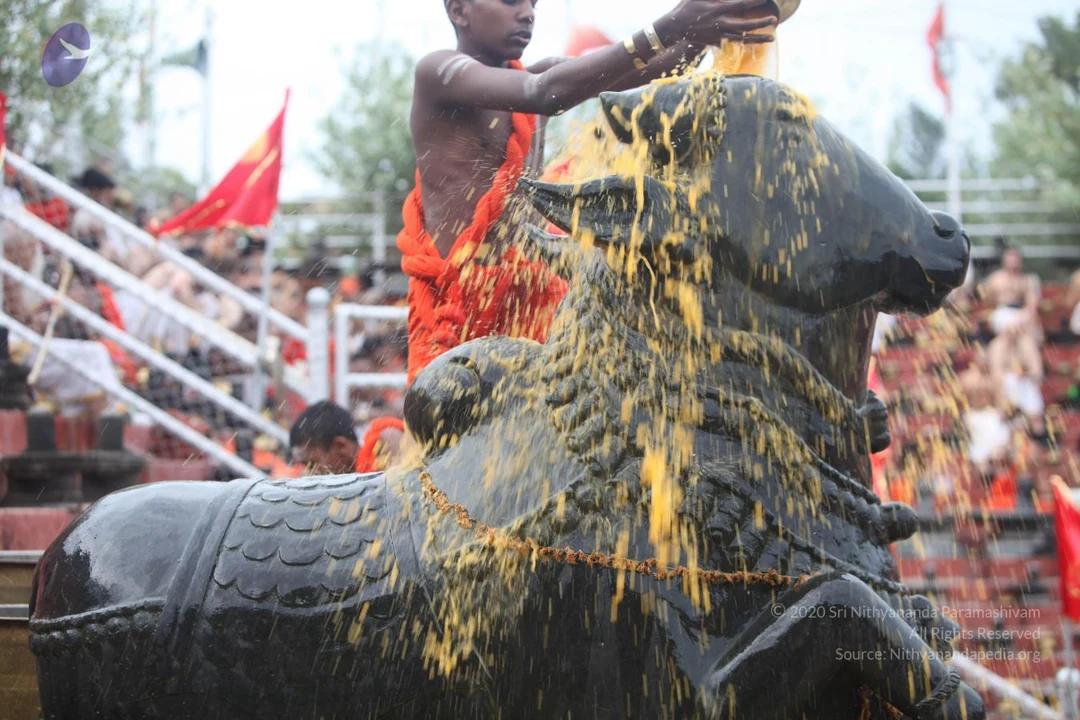
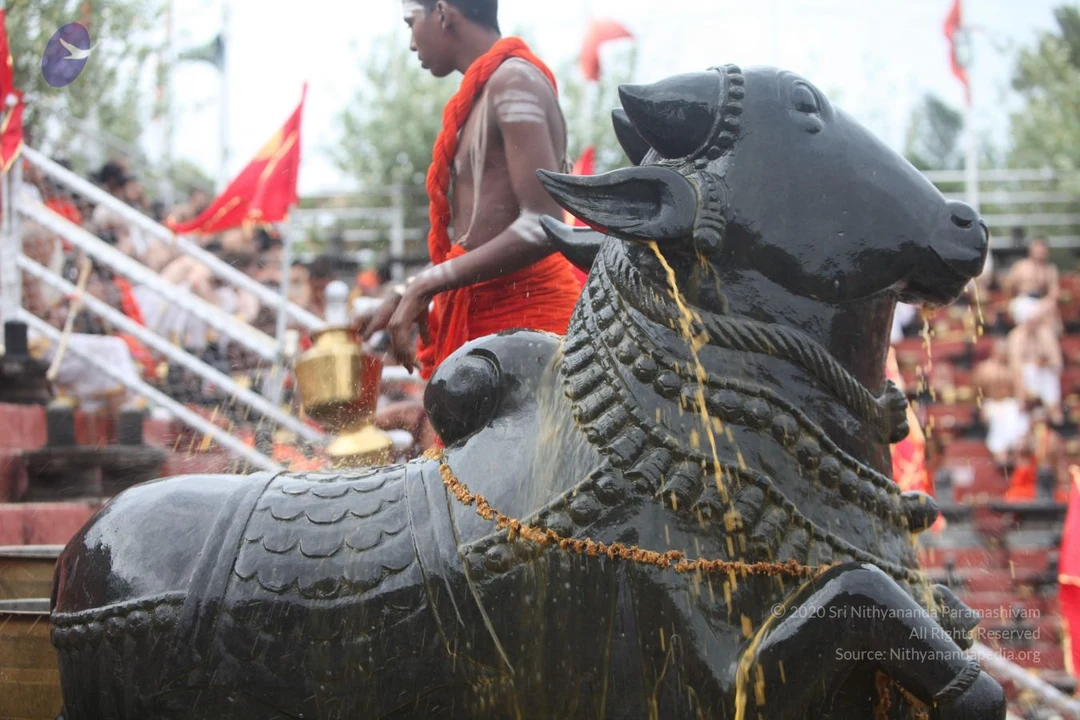
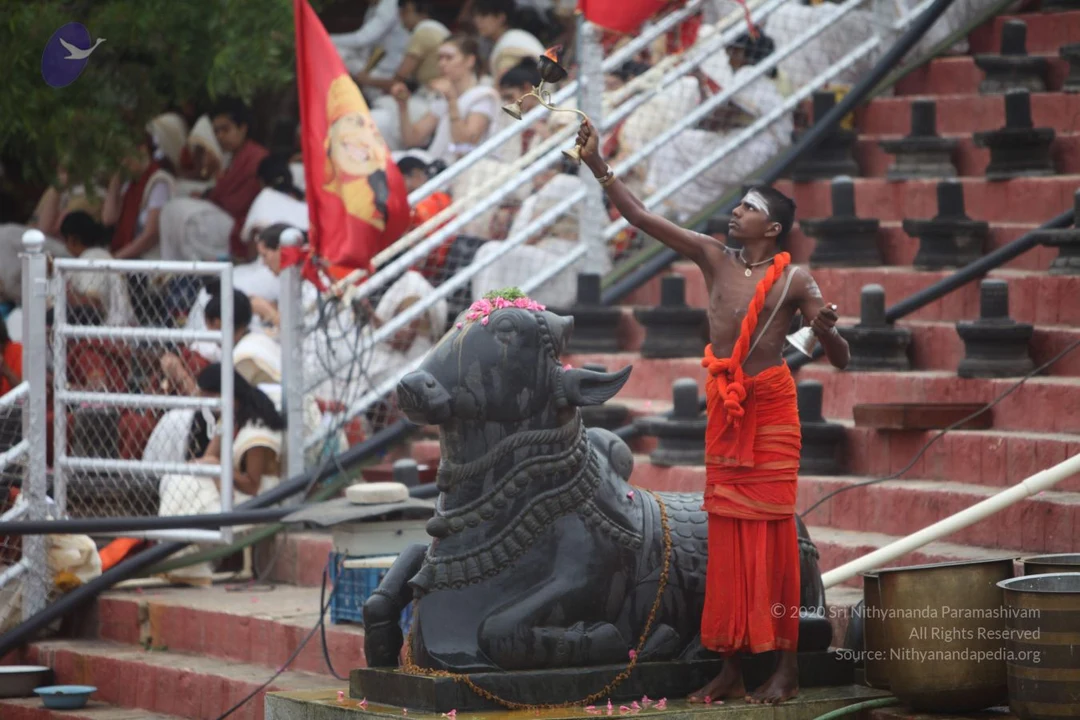
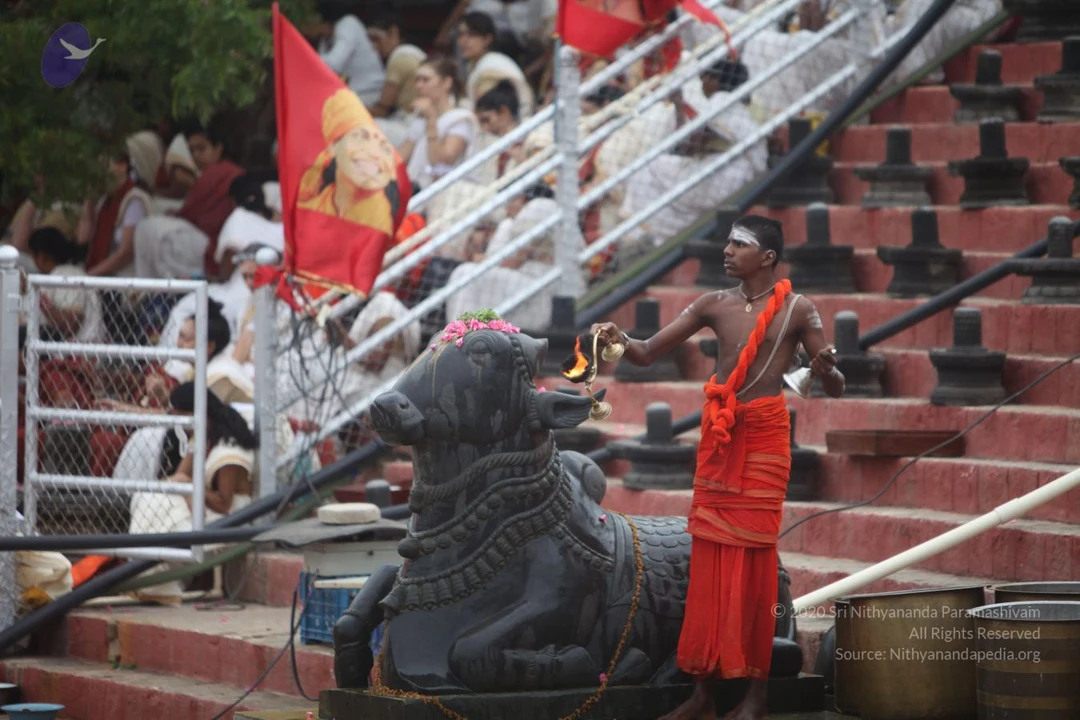
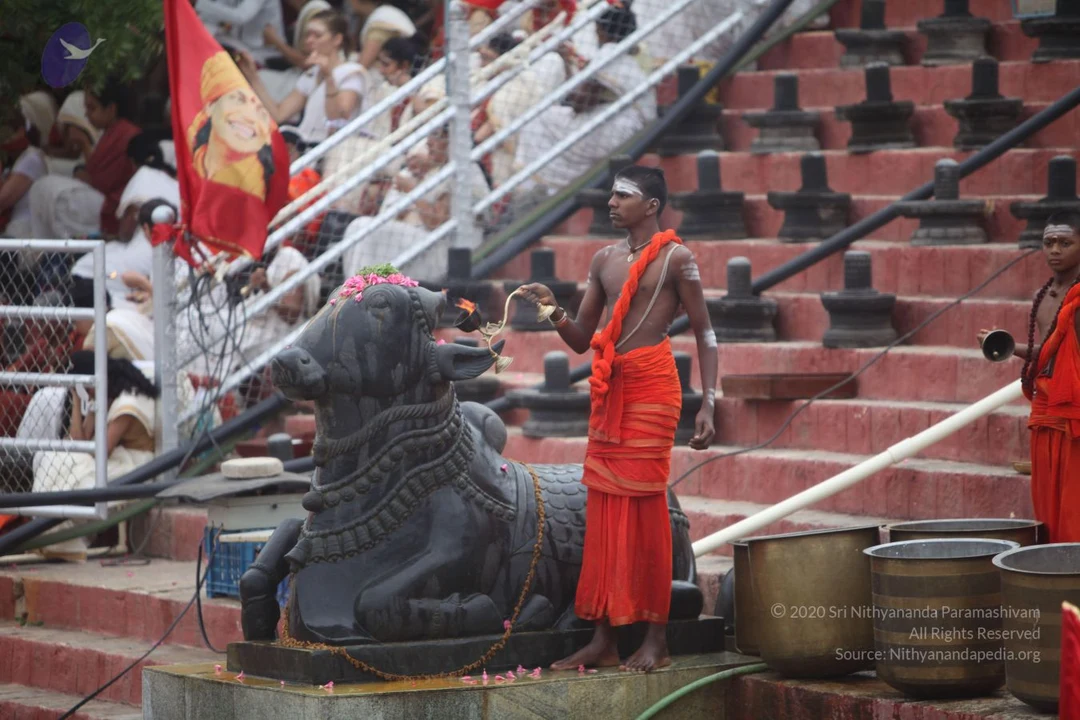
 Abhishekam being done to Ananda Nandi at Vaidya Sarovar
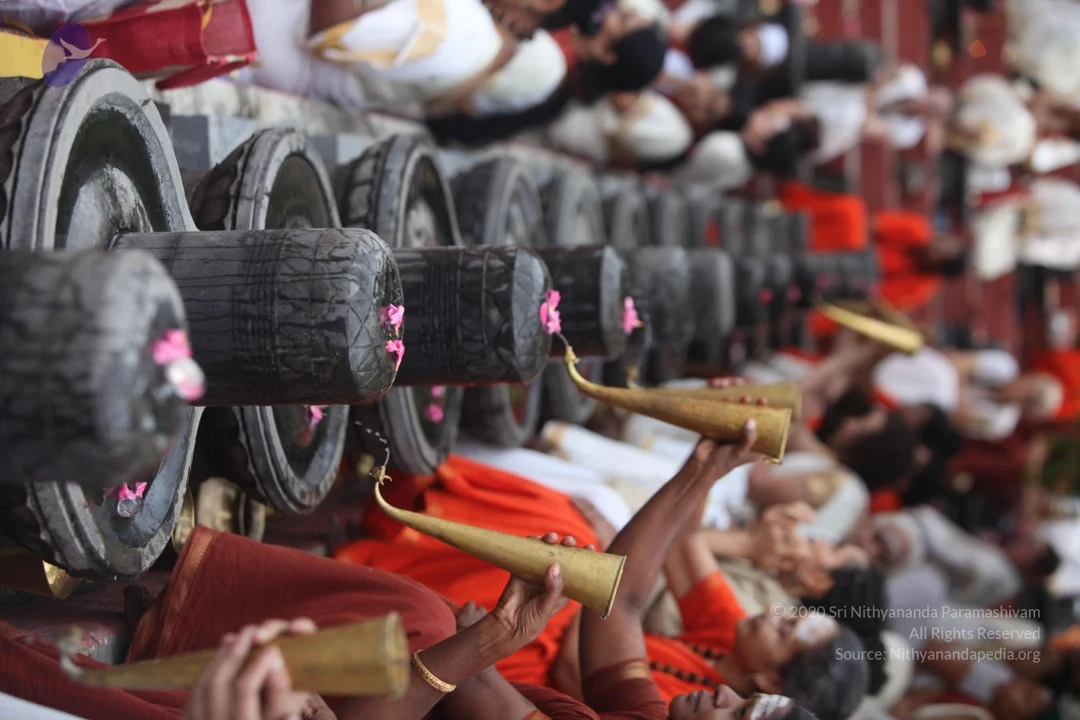
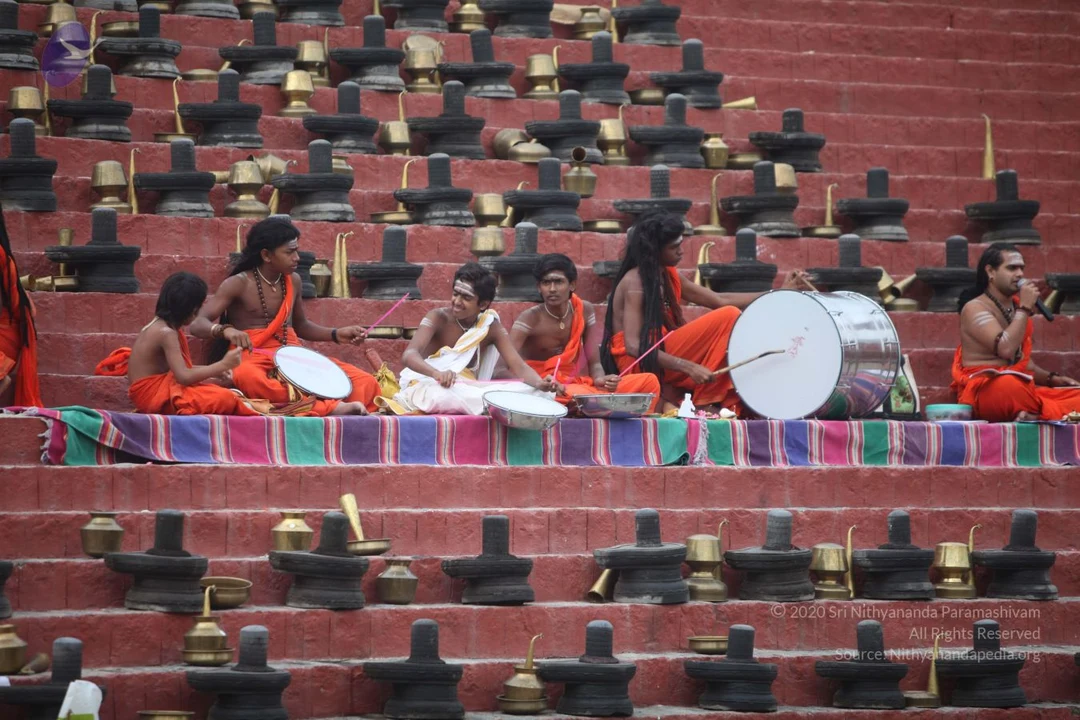
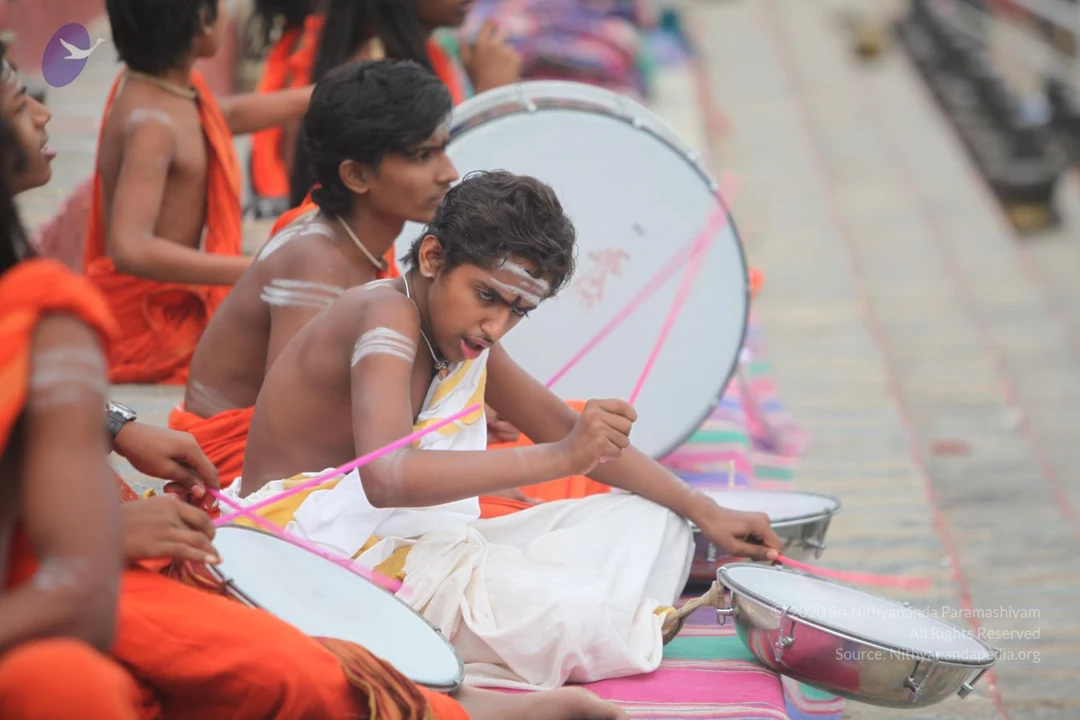
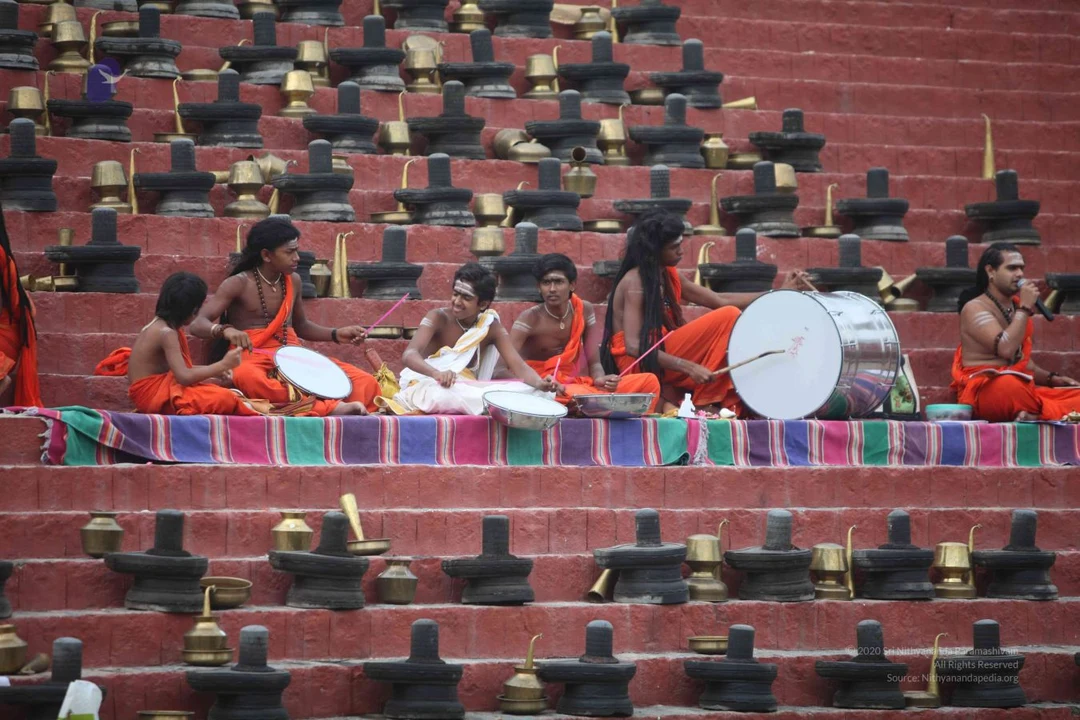 Balasanths performing Kailaya Vathiyam
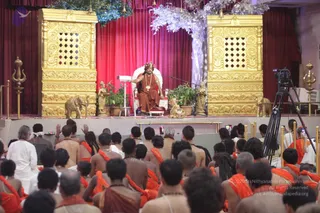
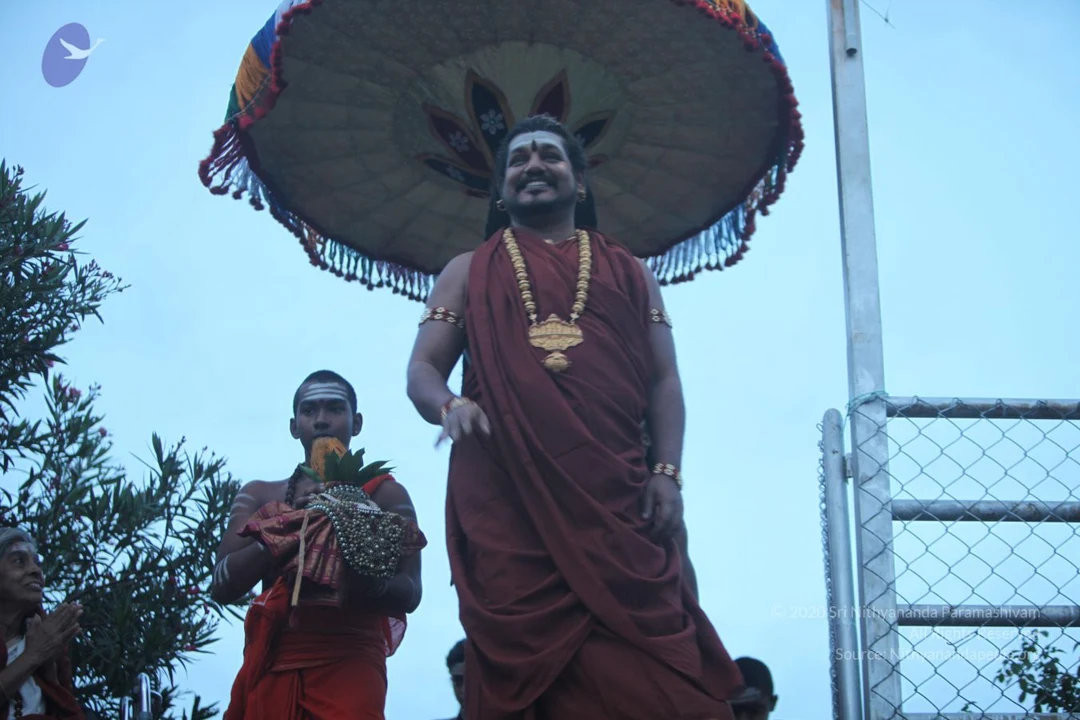
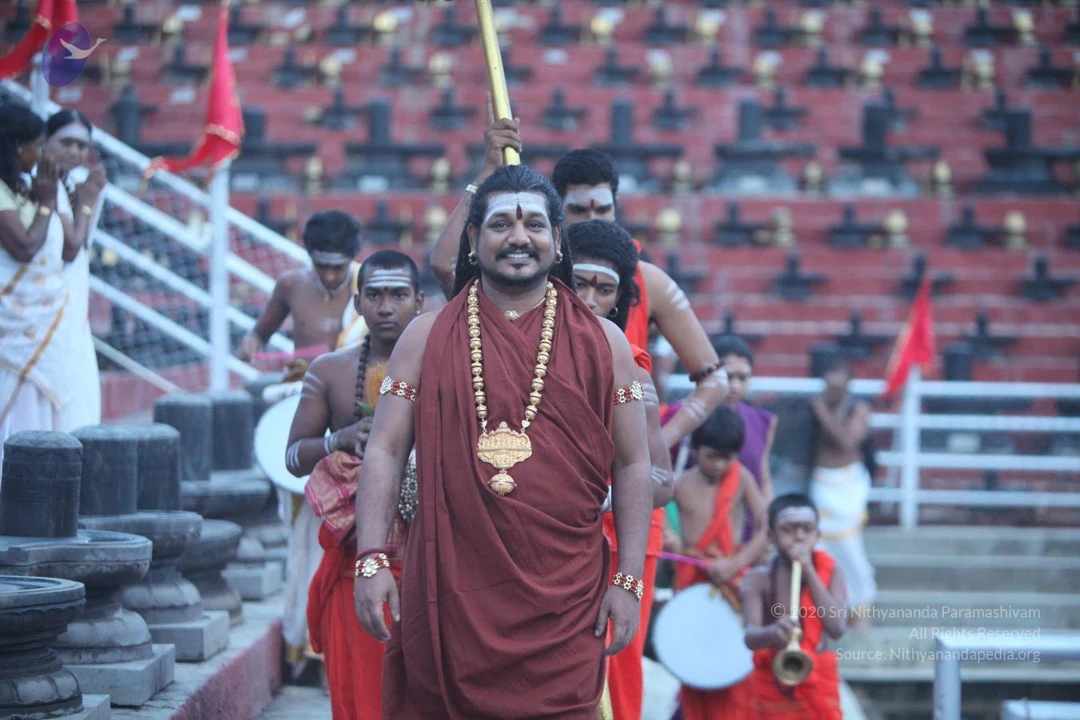
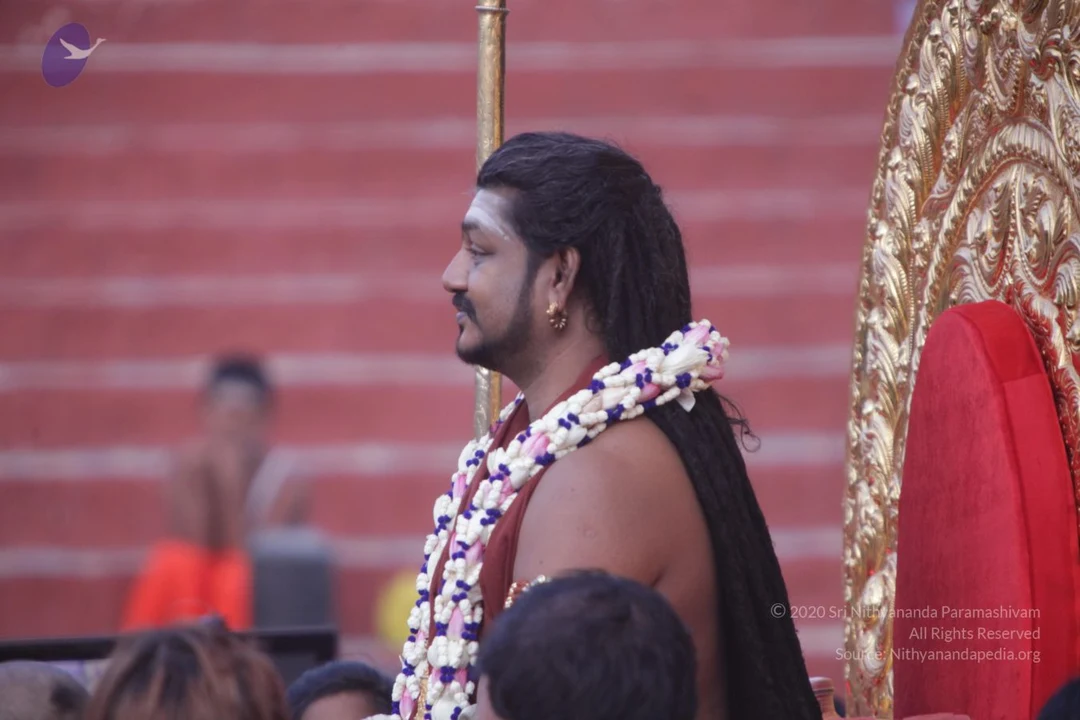
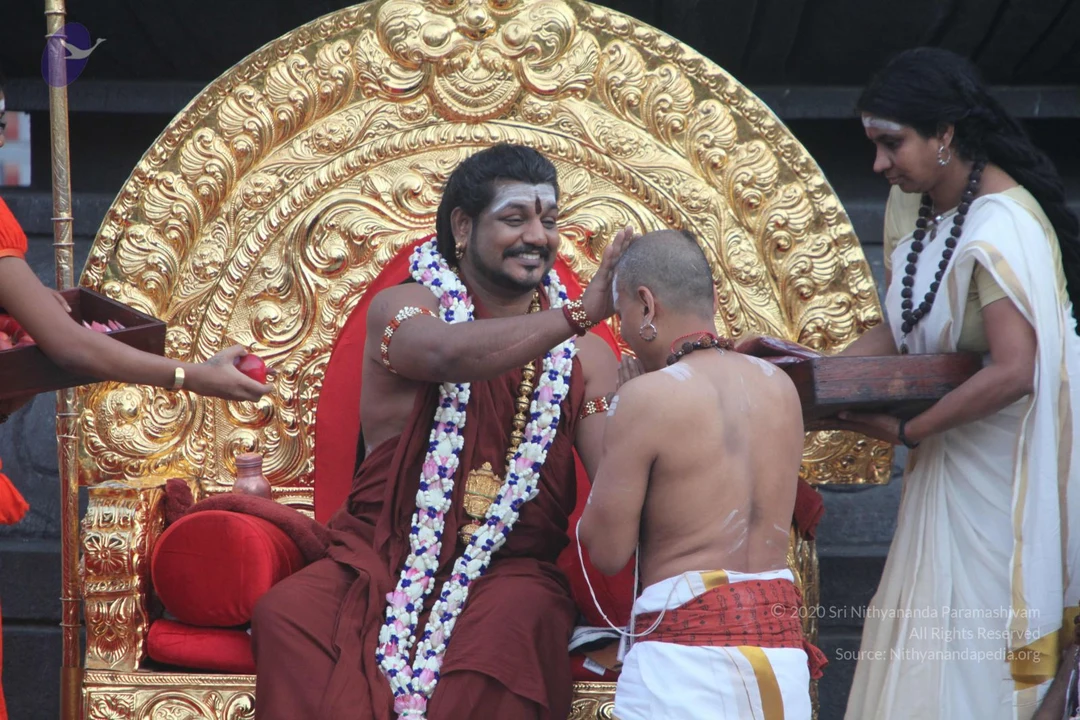
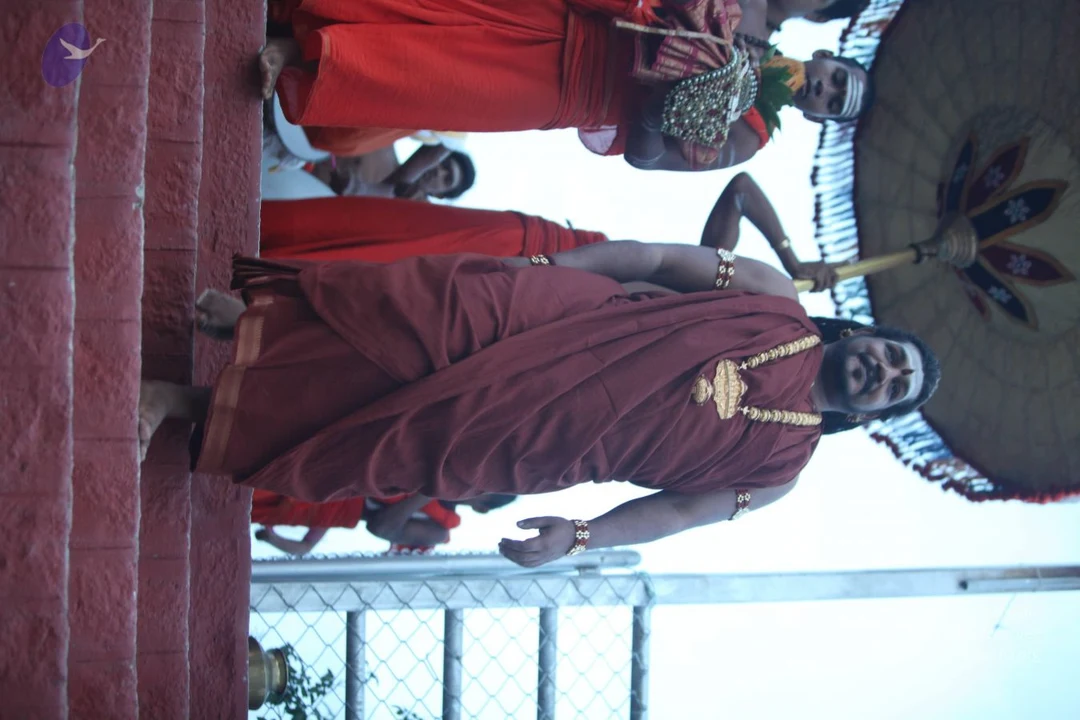
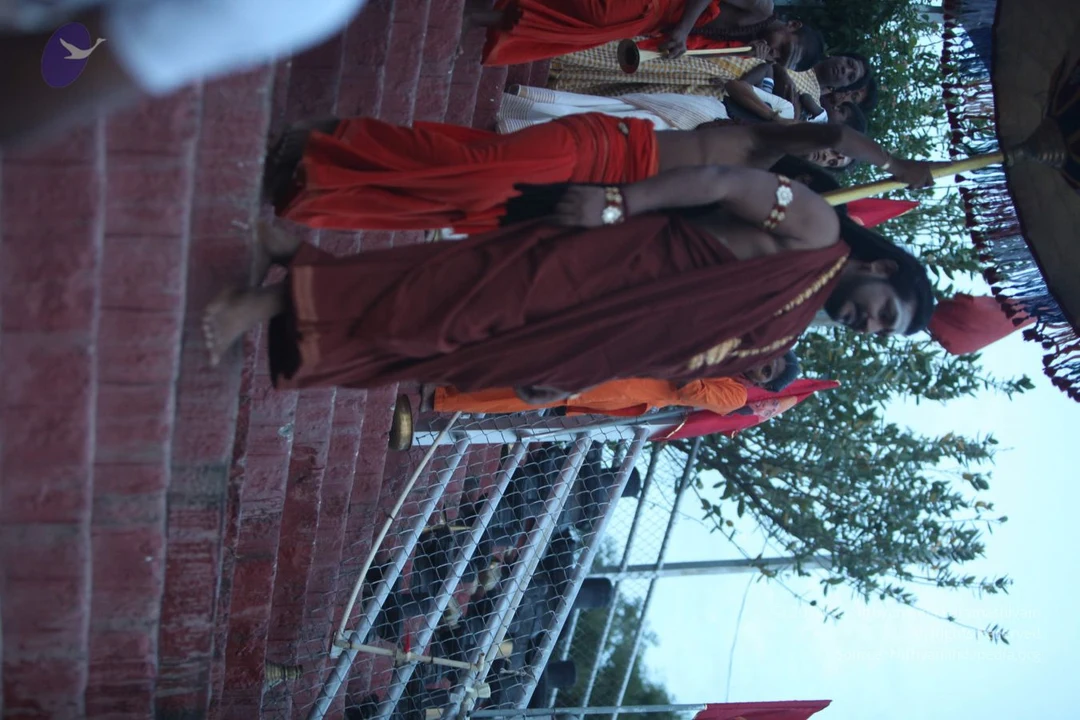
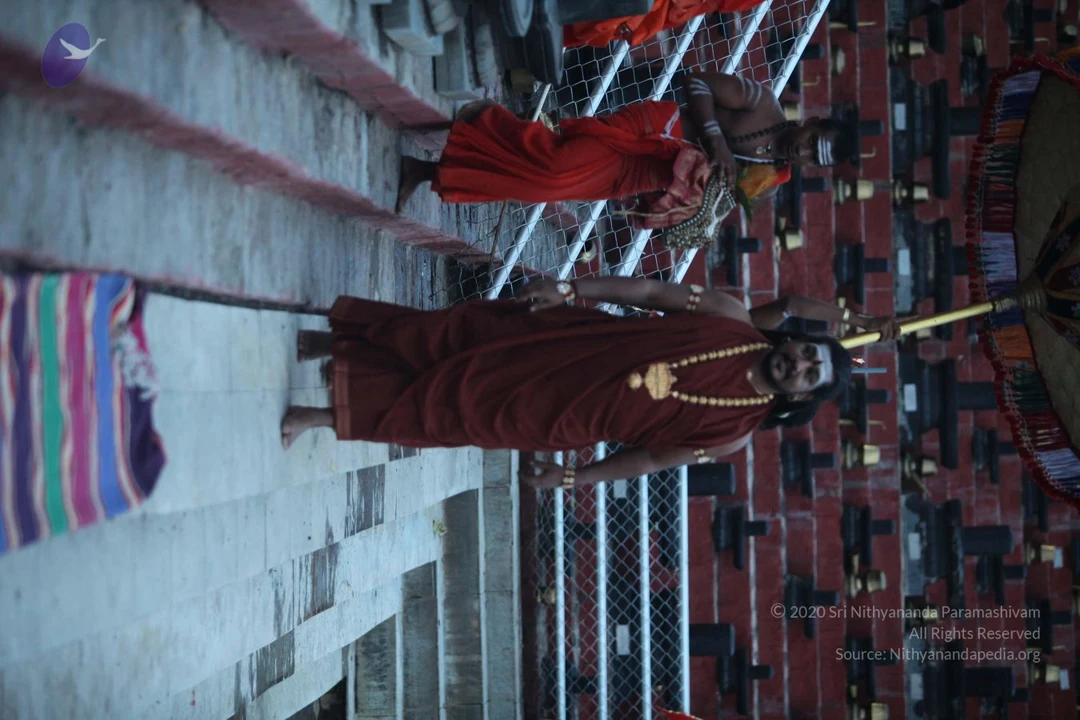
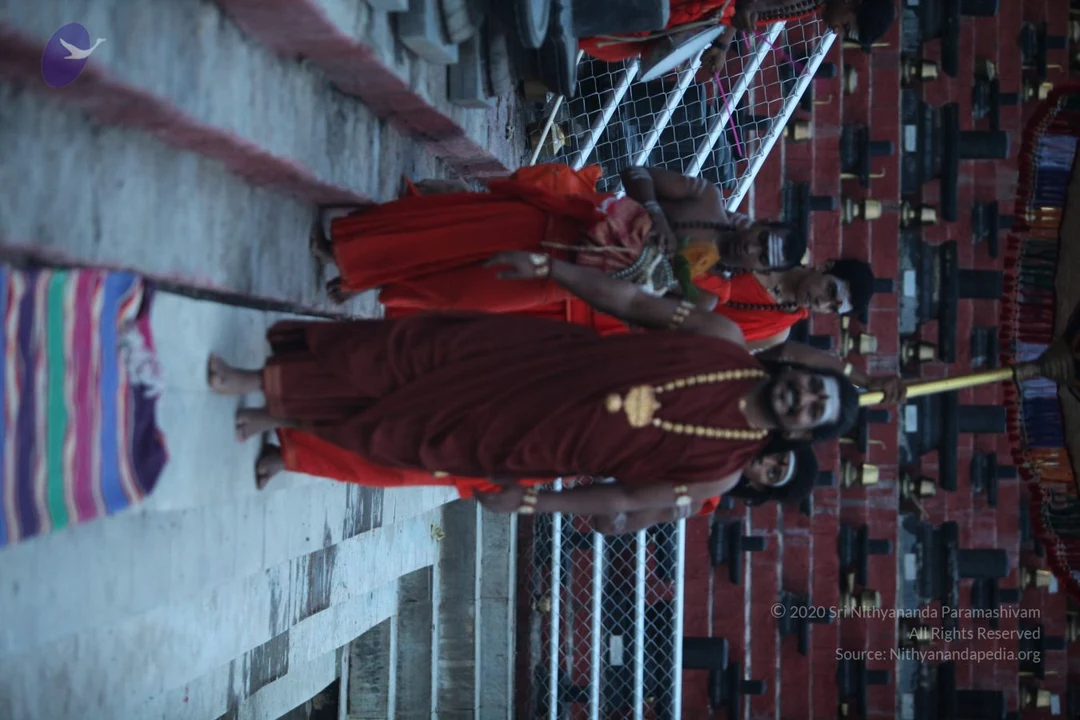
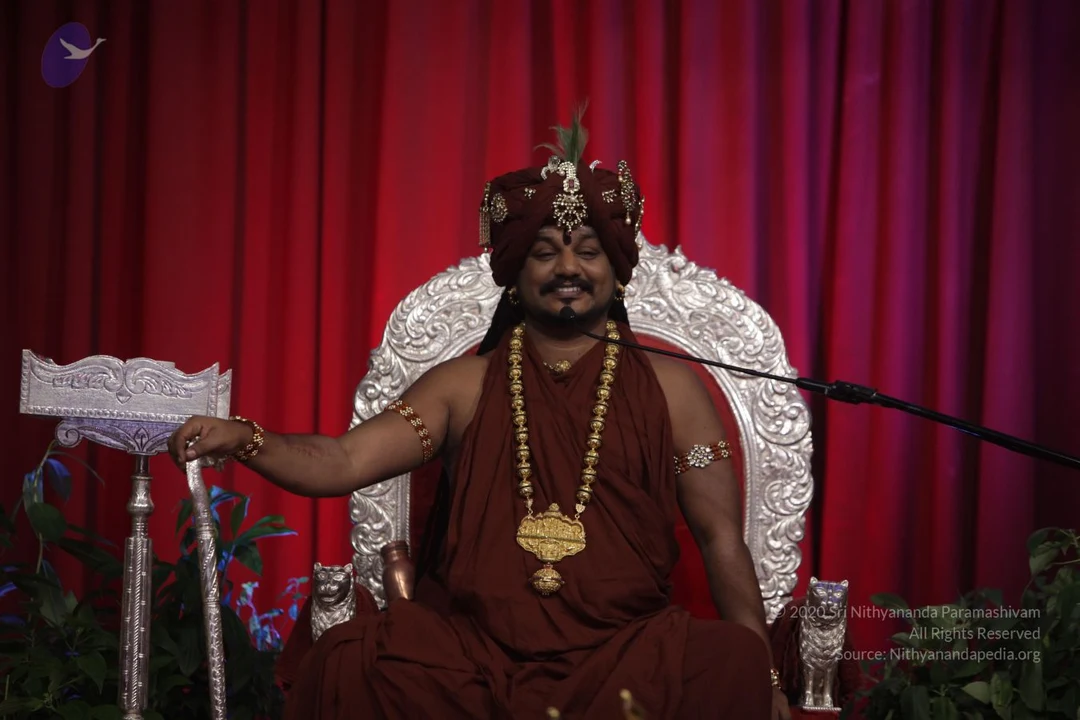
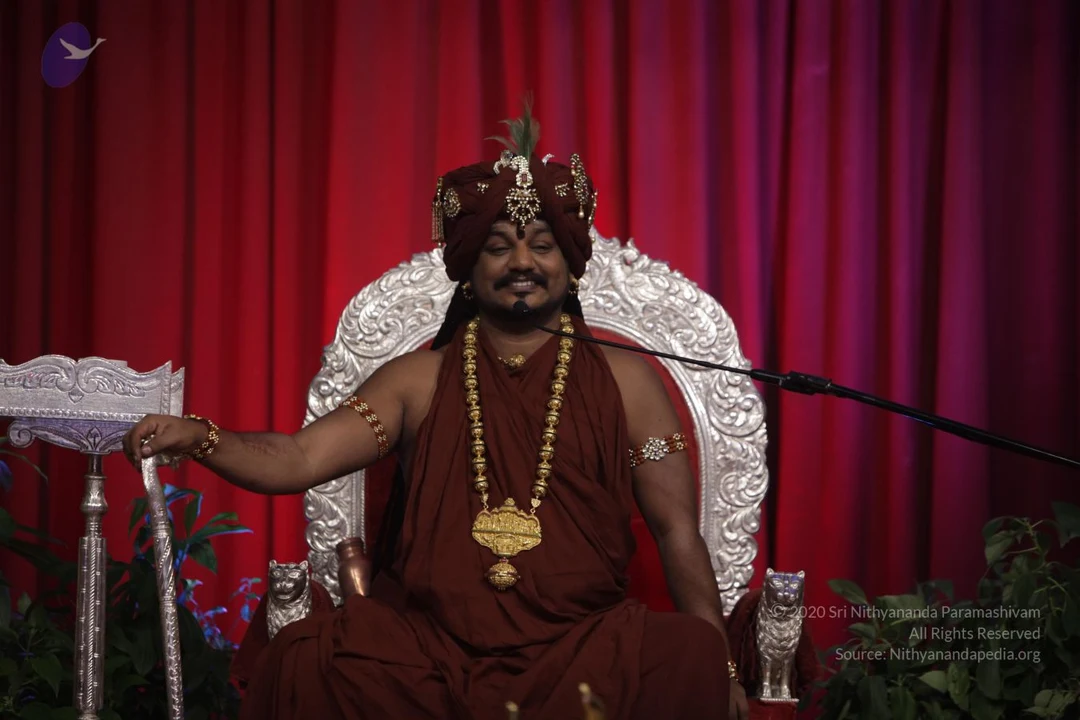
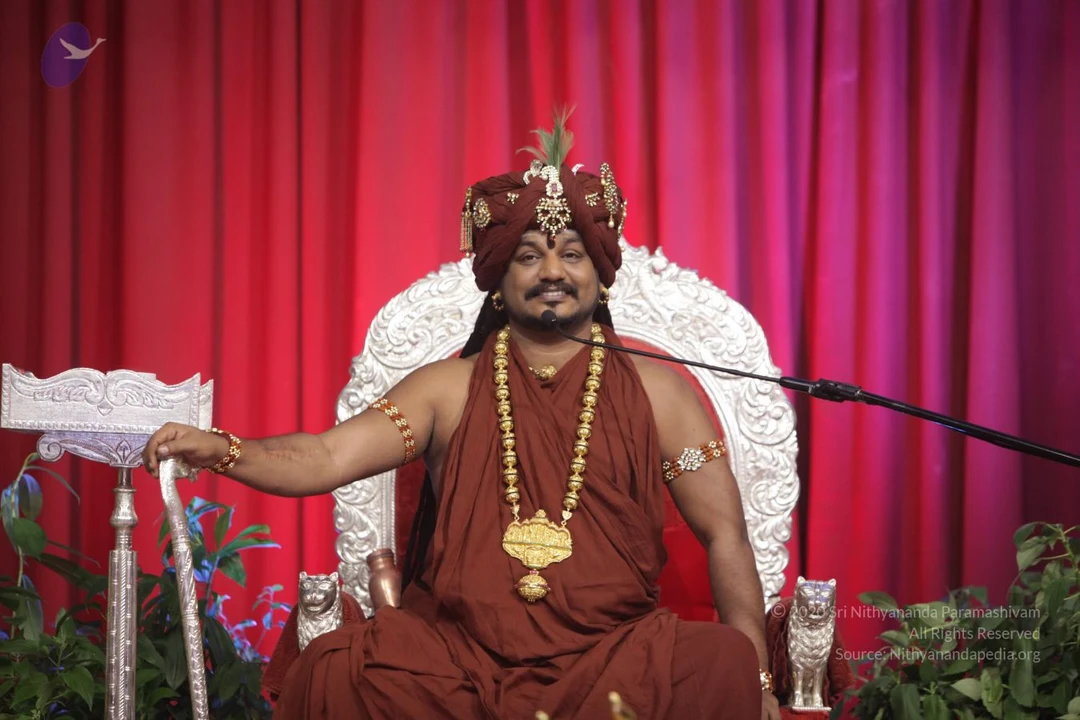
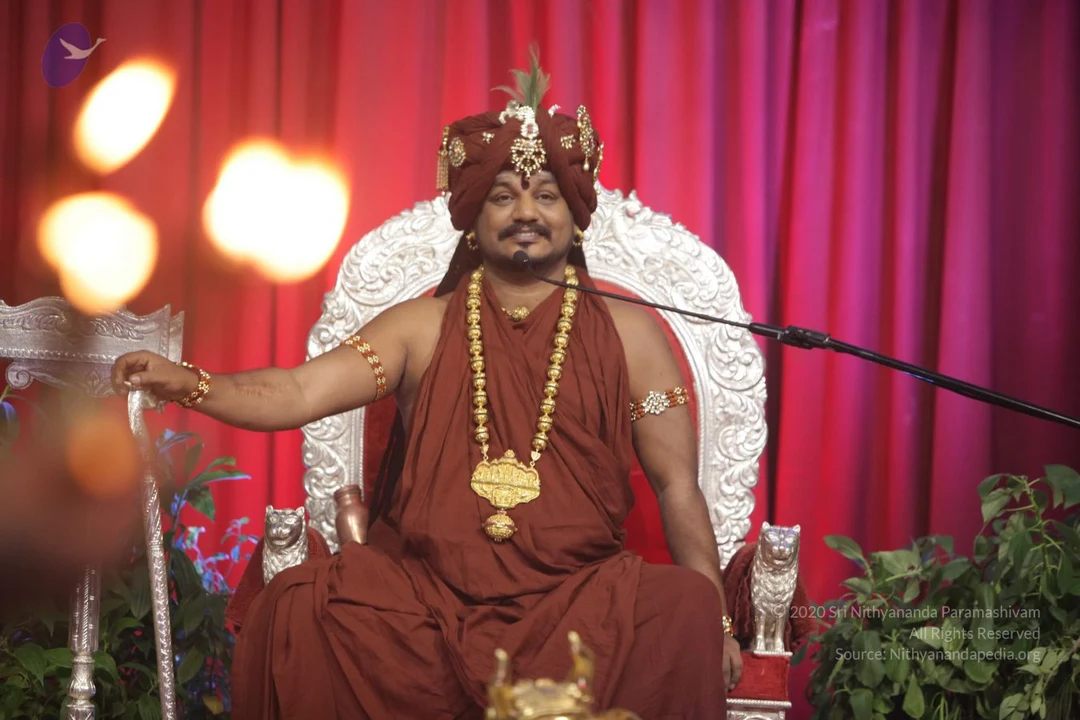
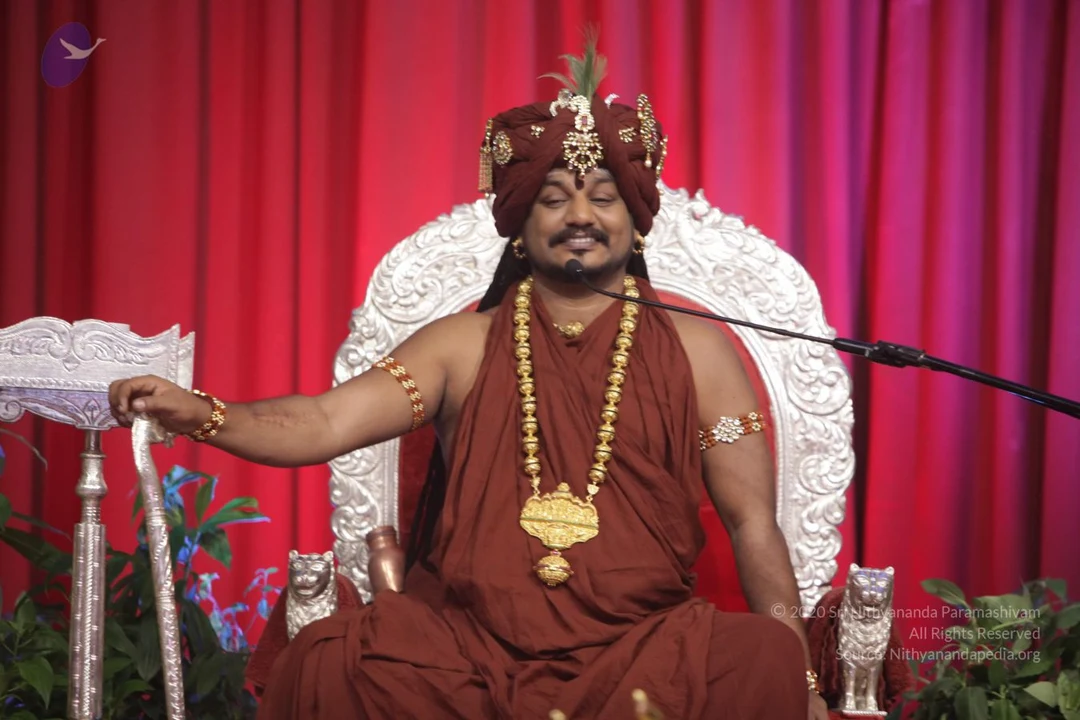
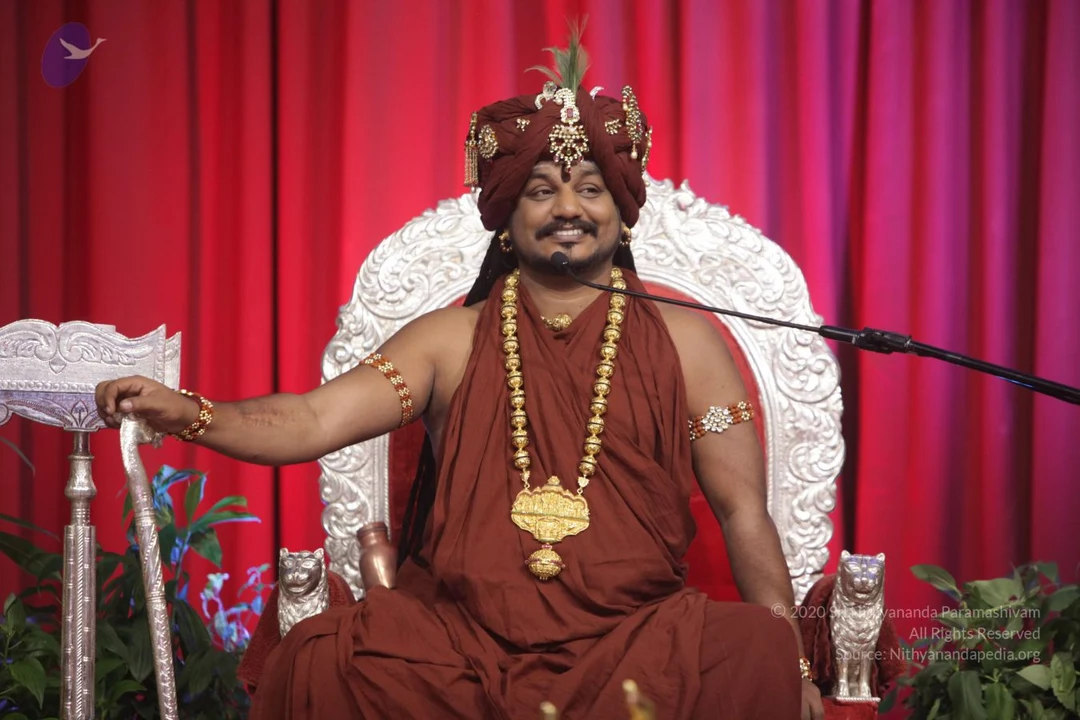
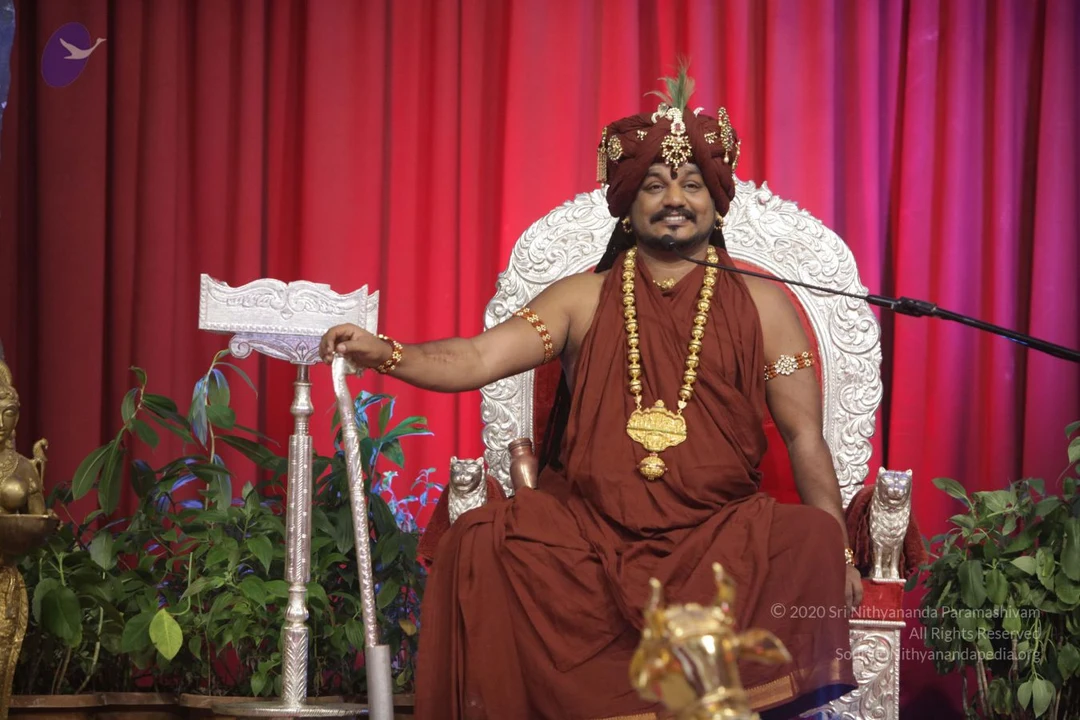
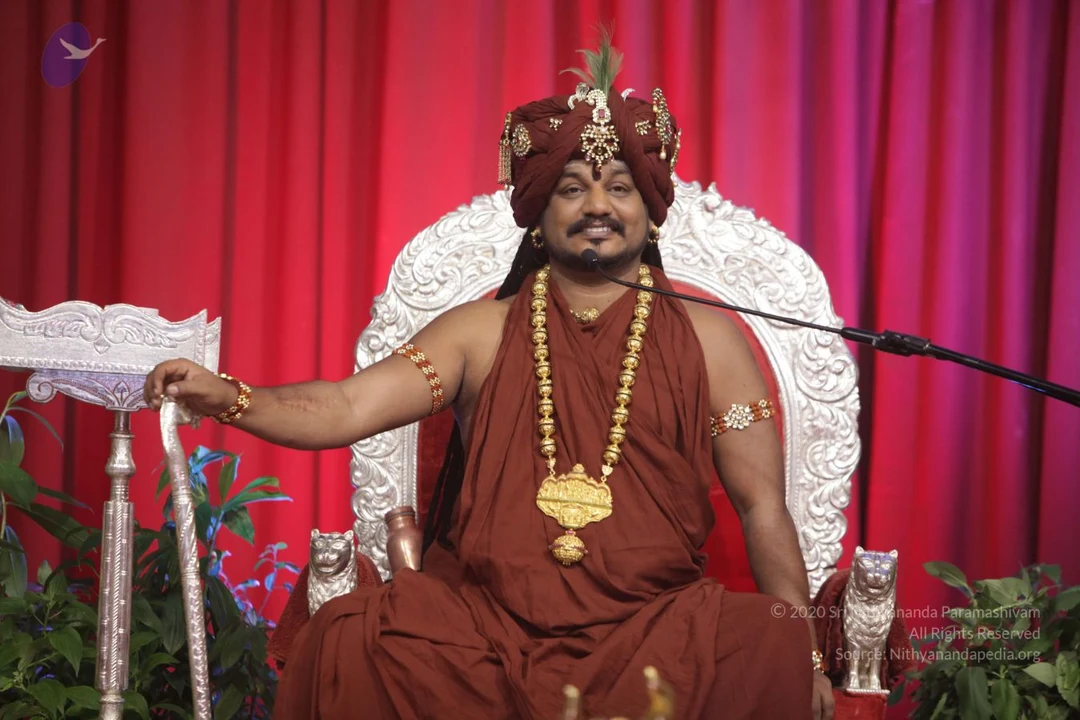
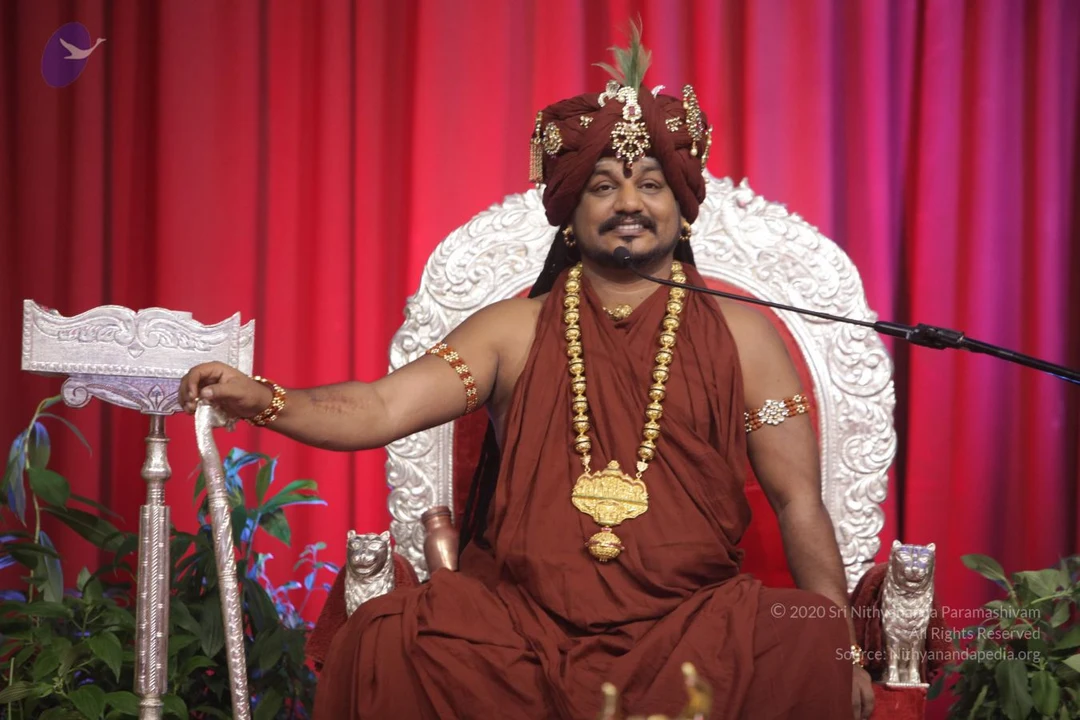
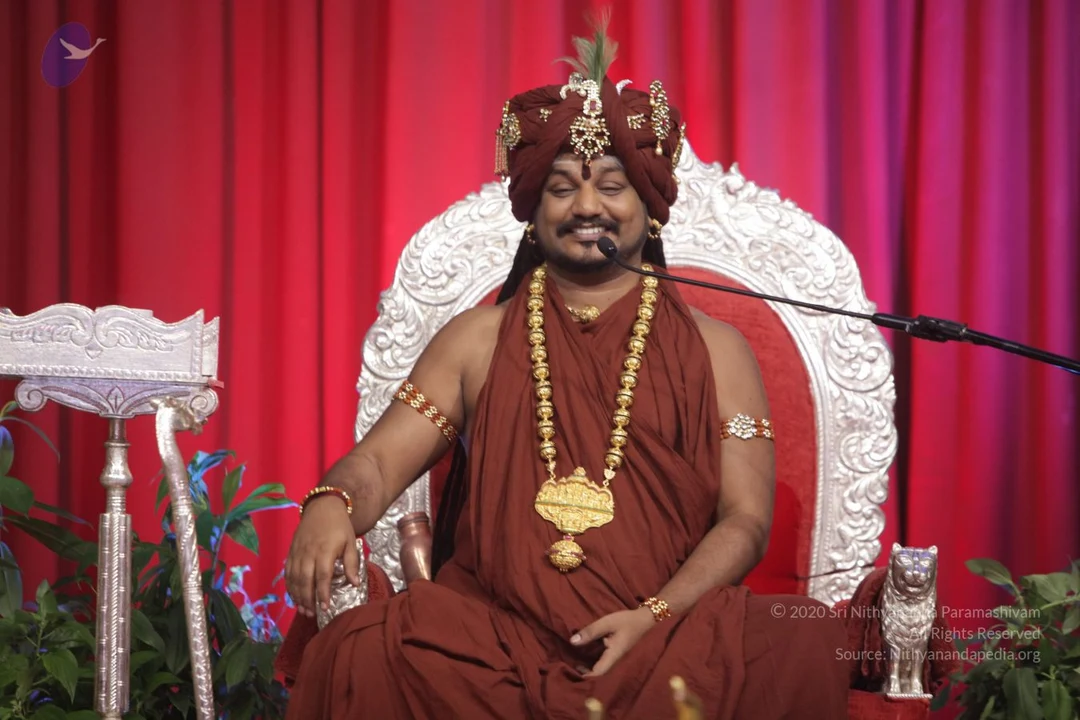
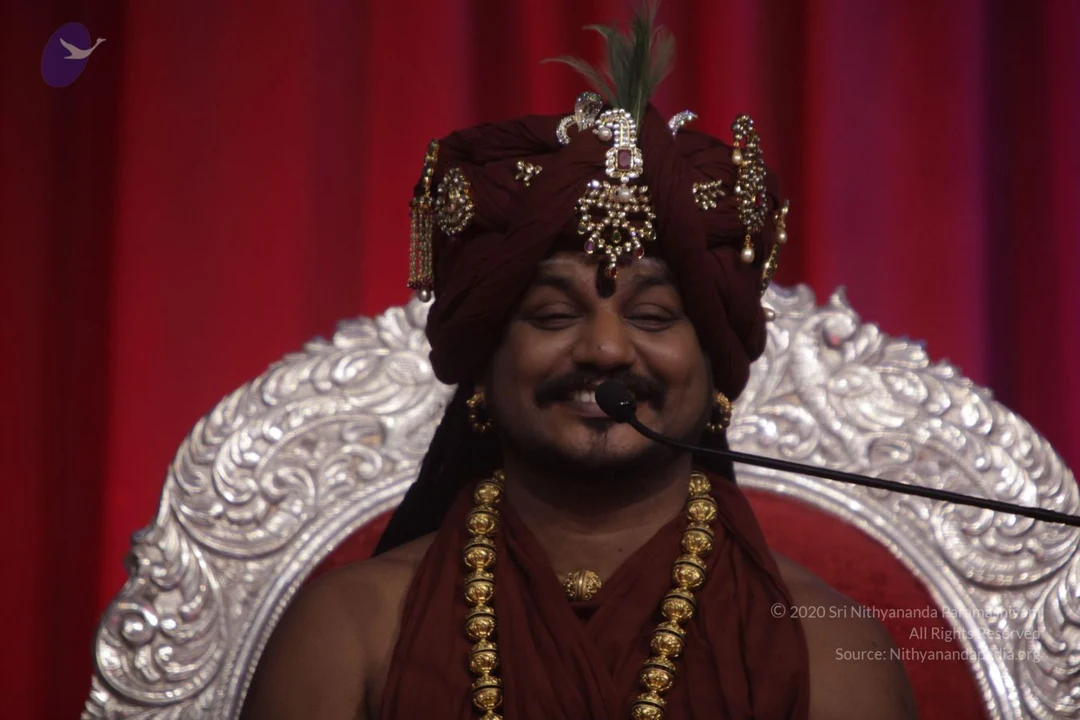
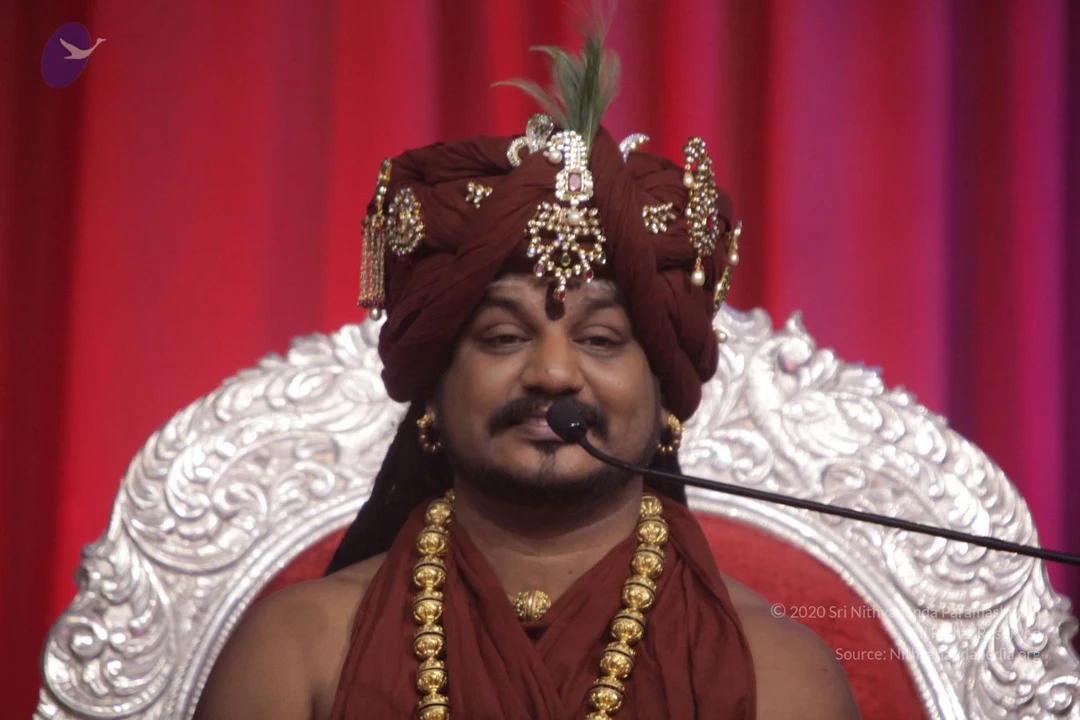
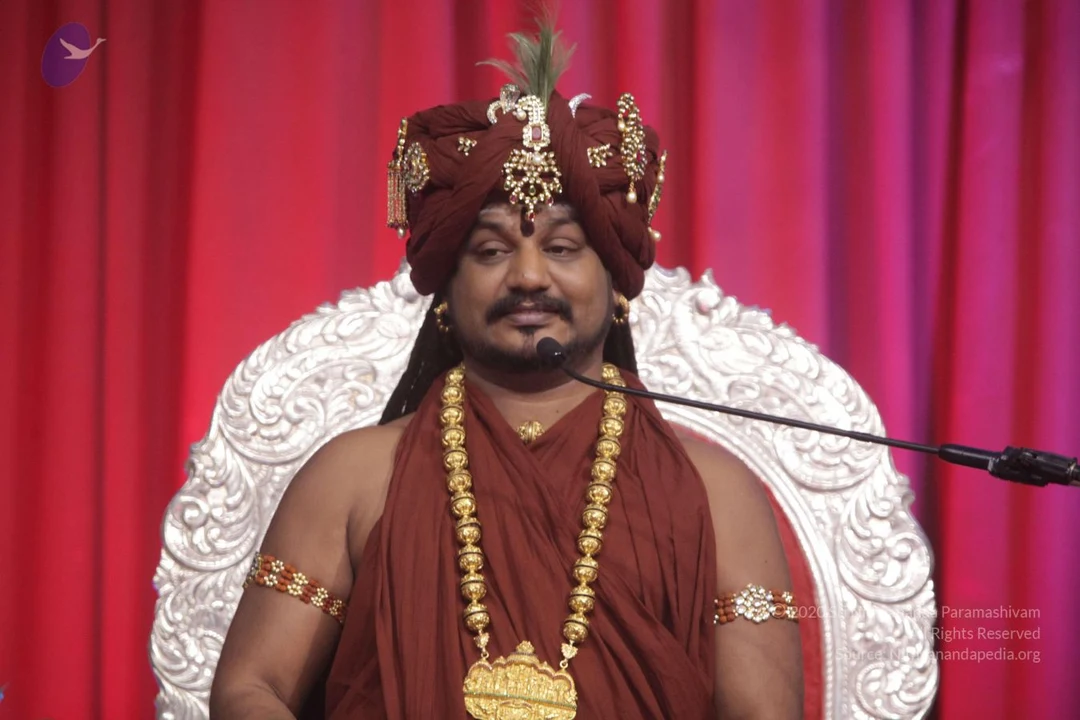
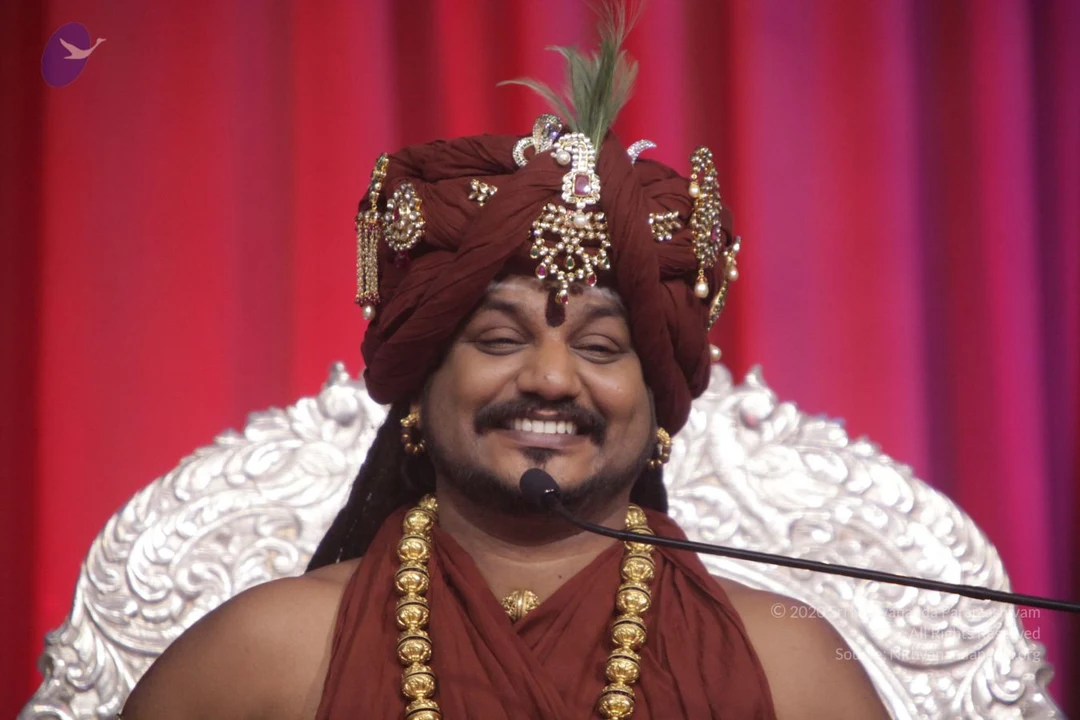
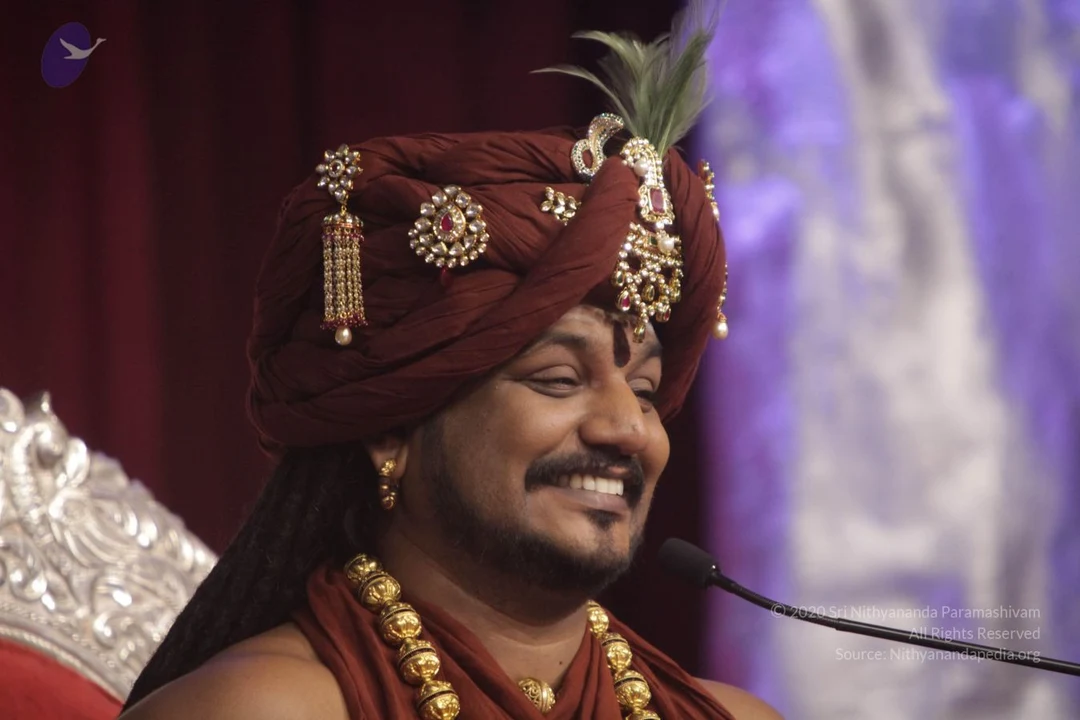
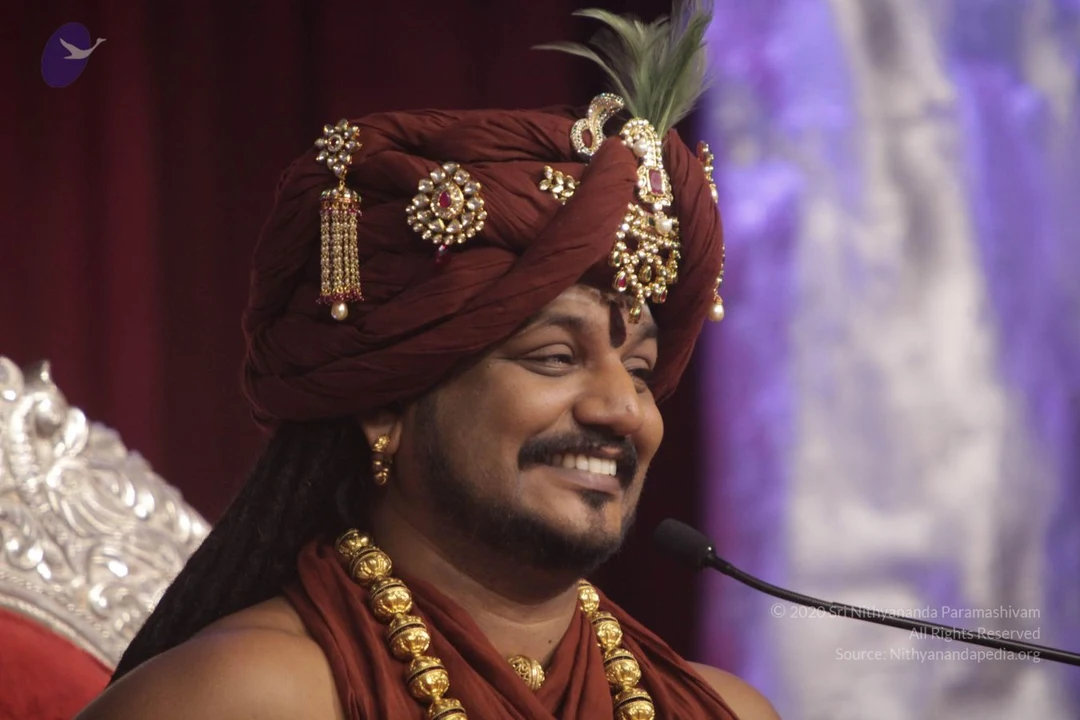
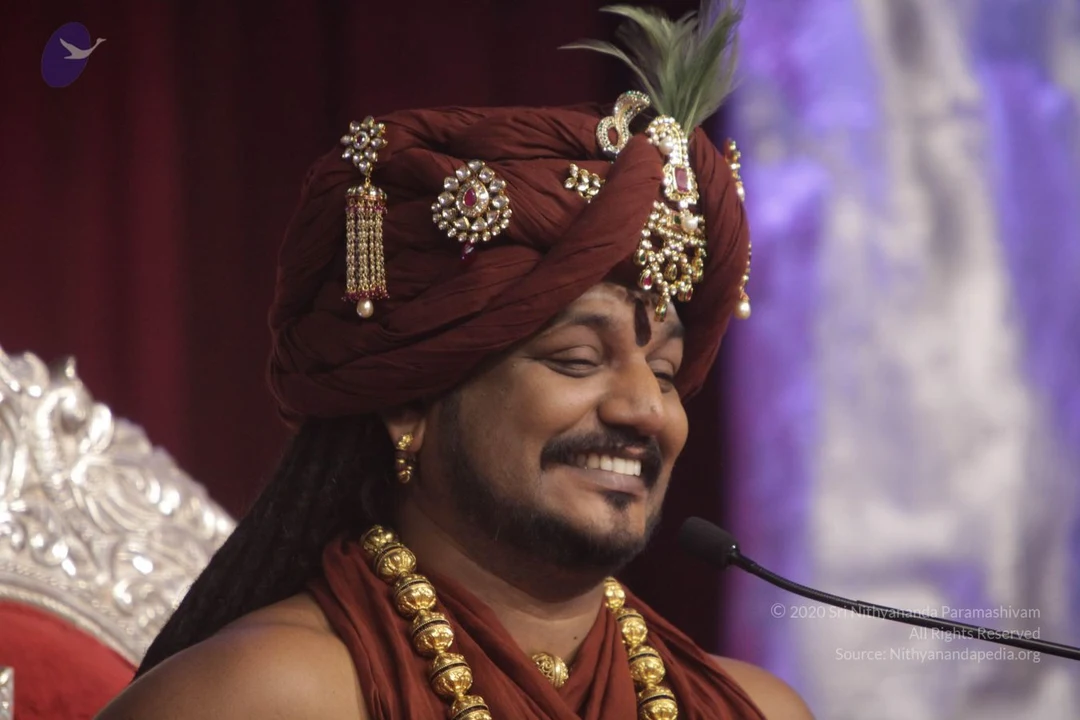
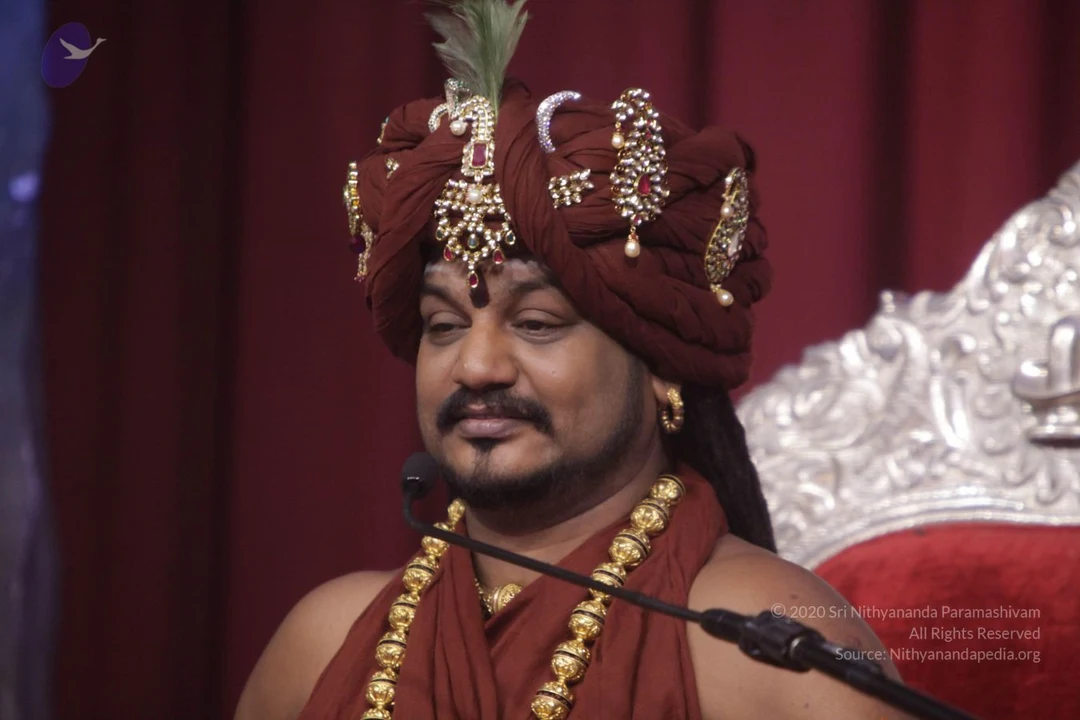
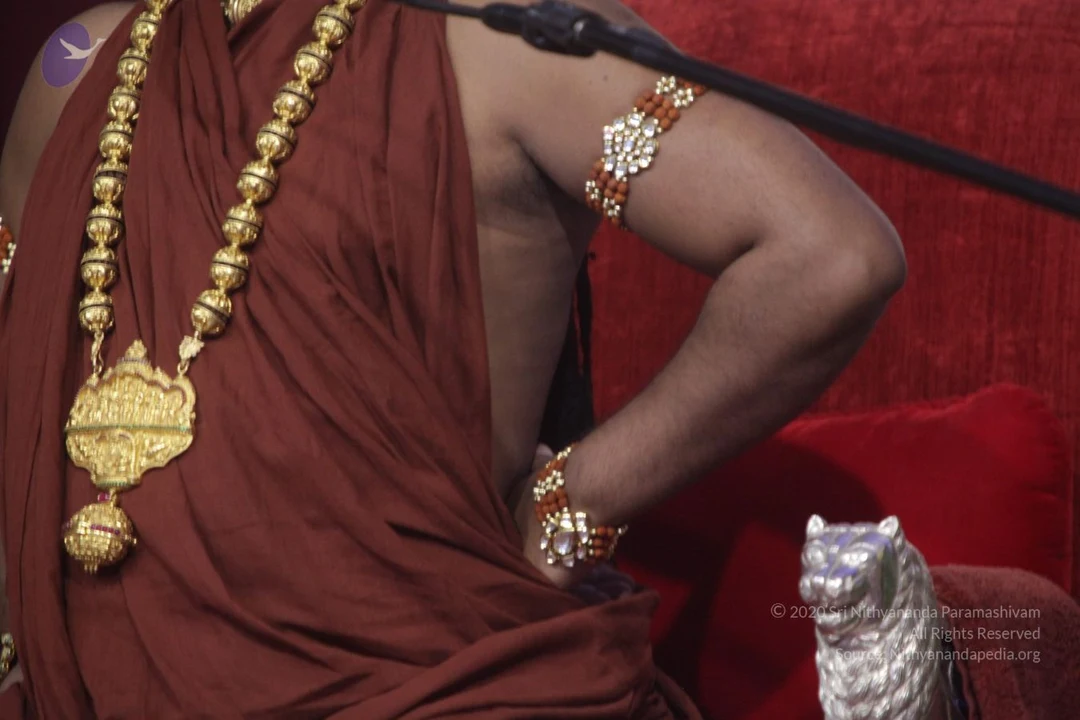
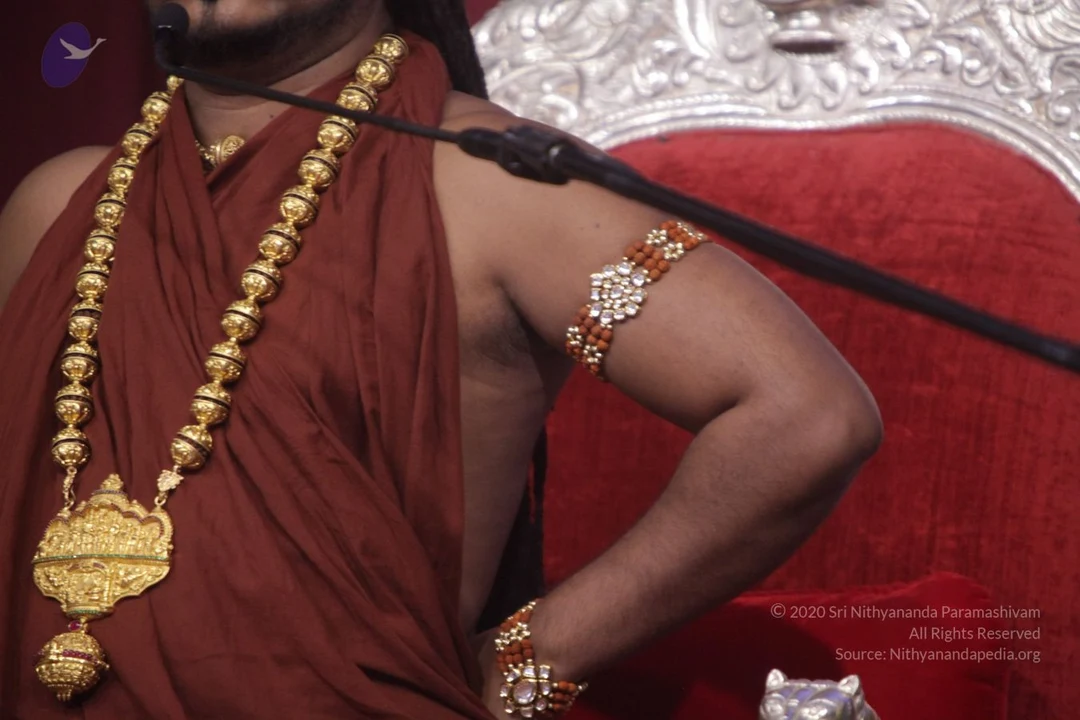
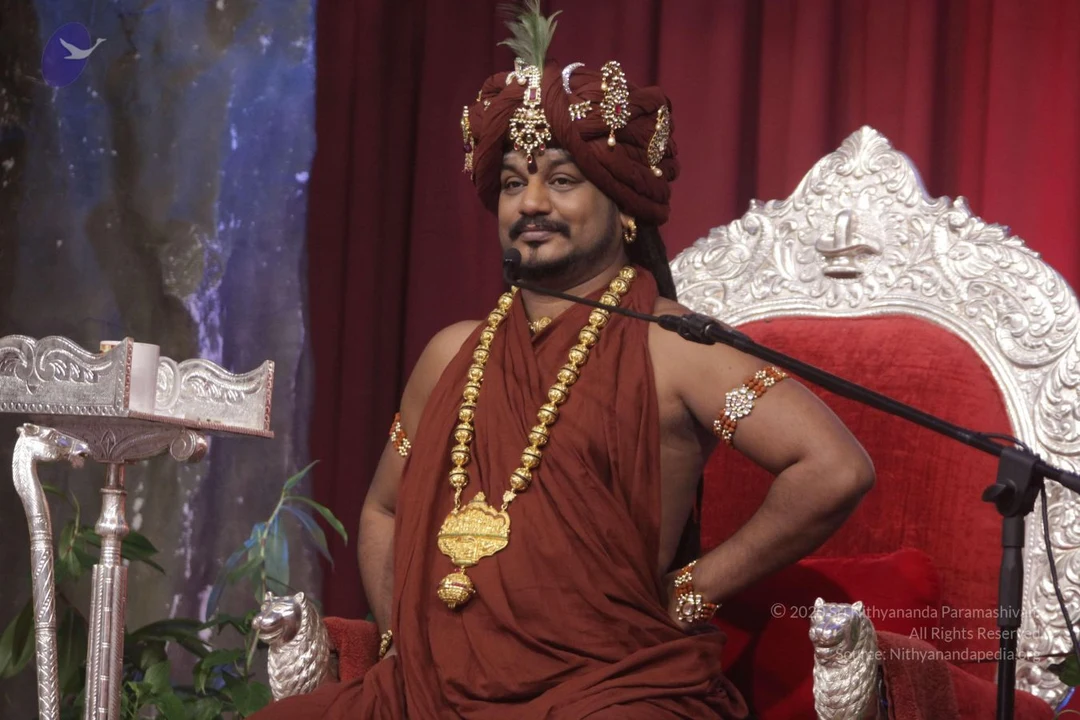
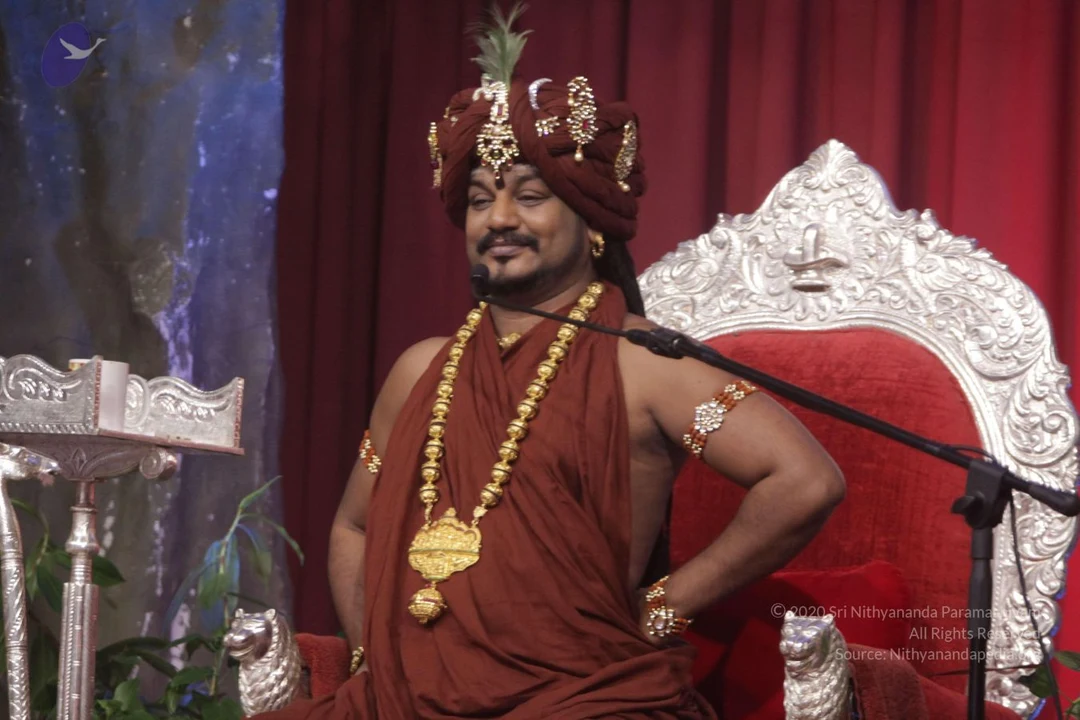
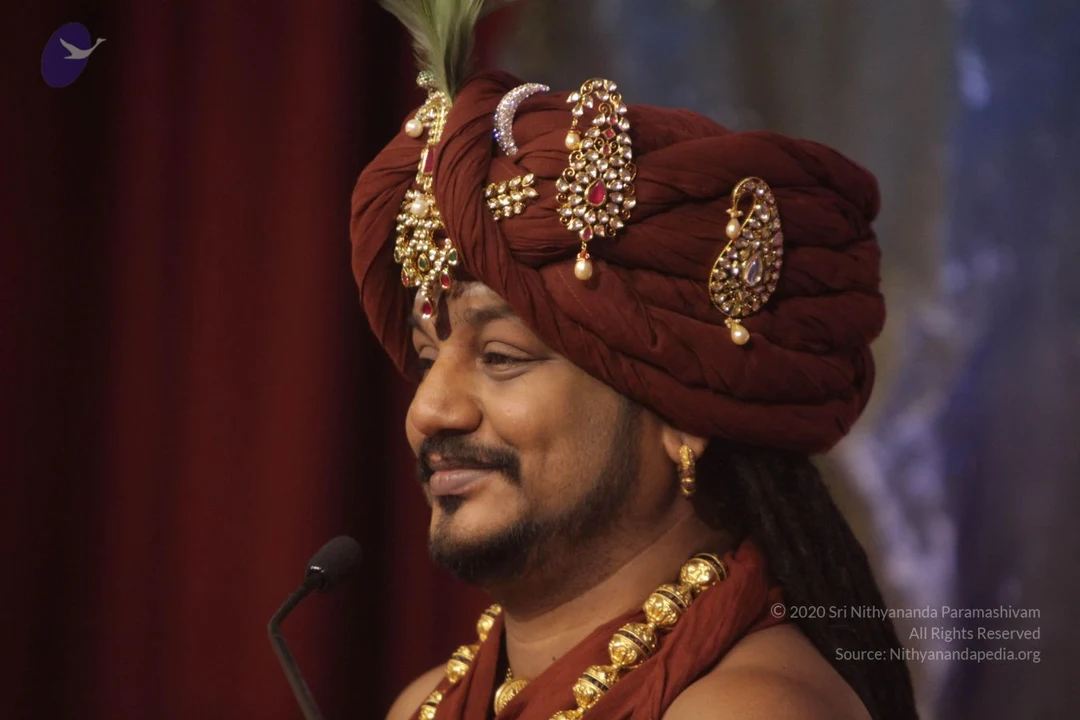
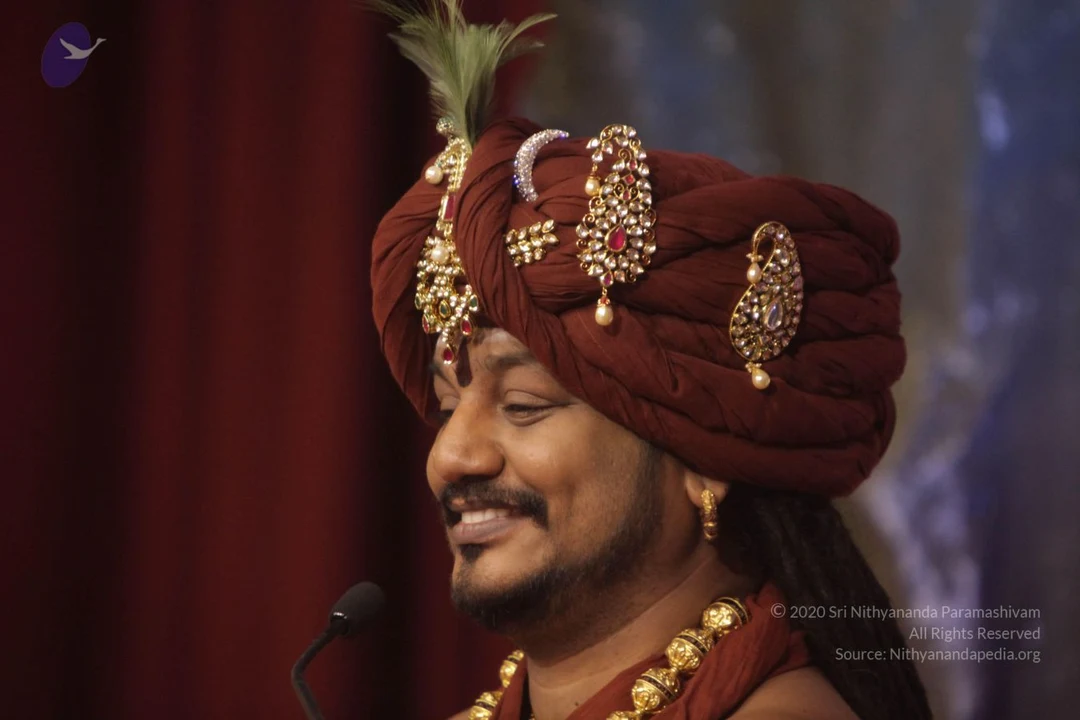
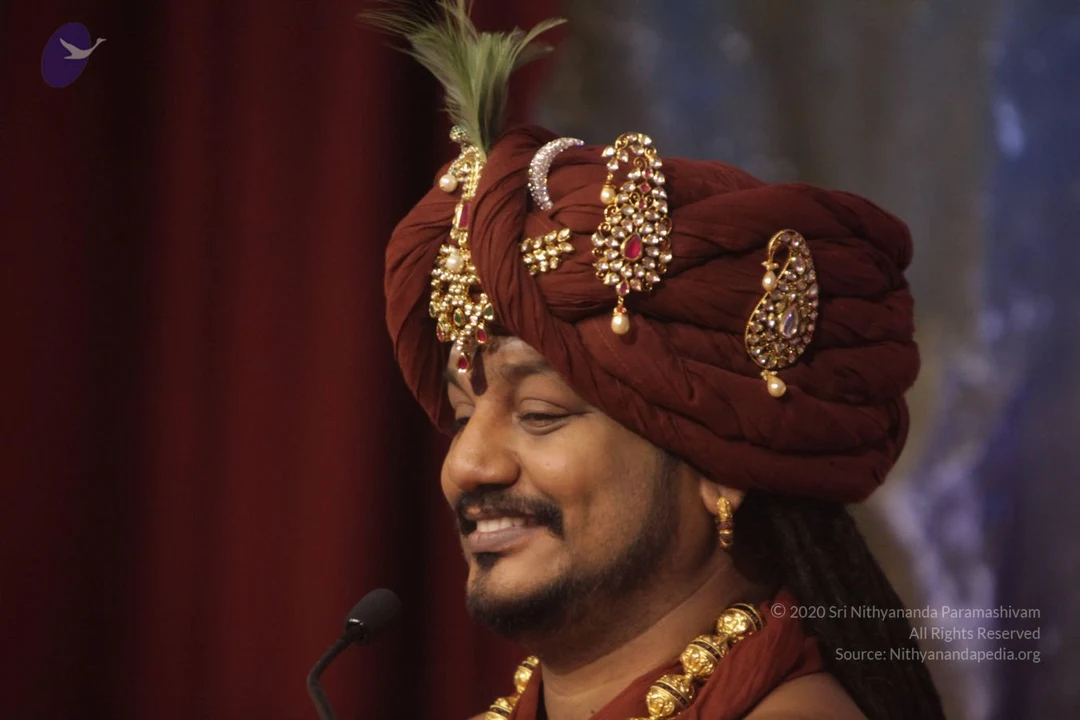
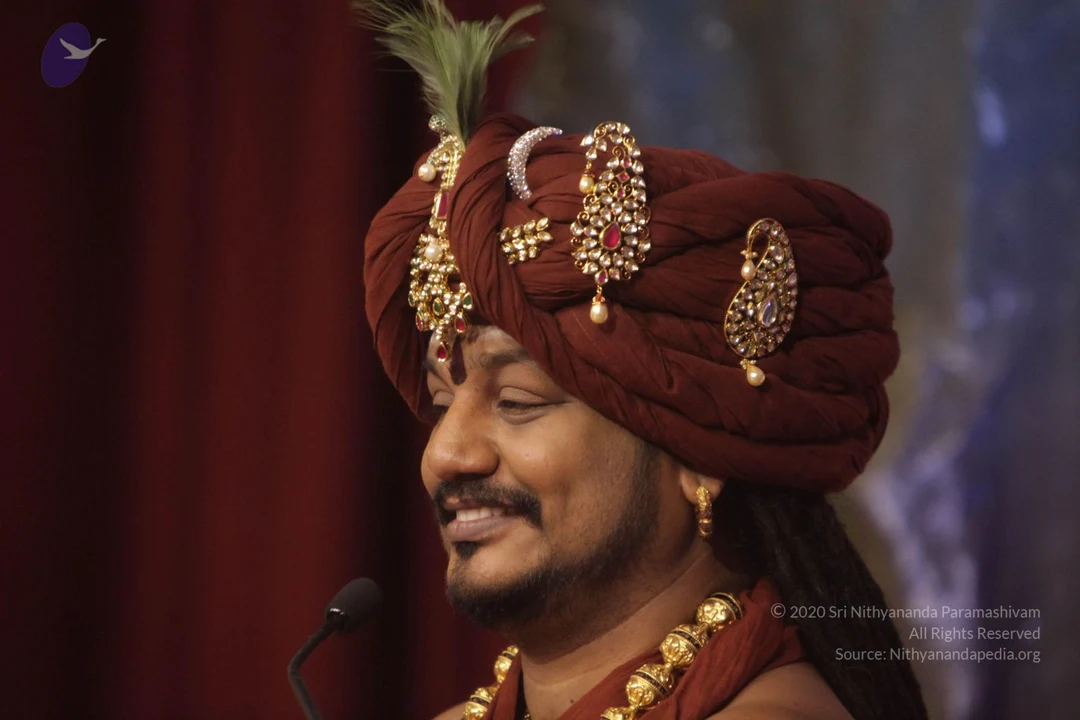
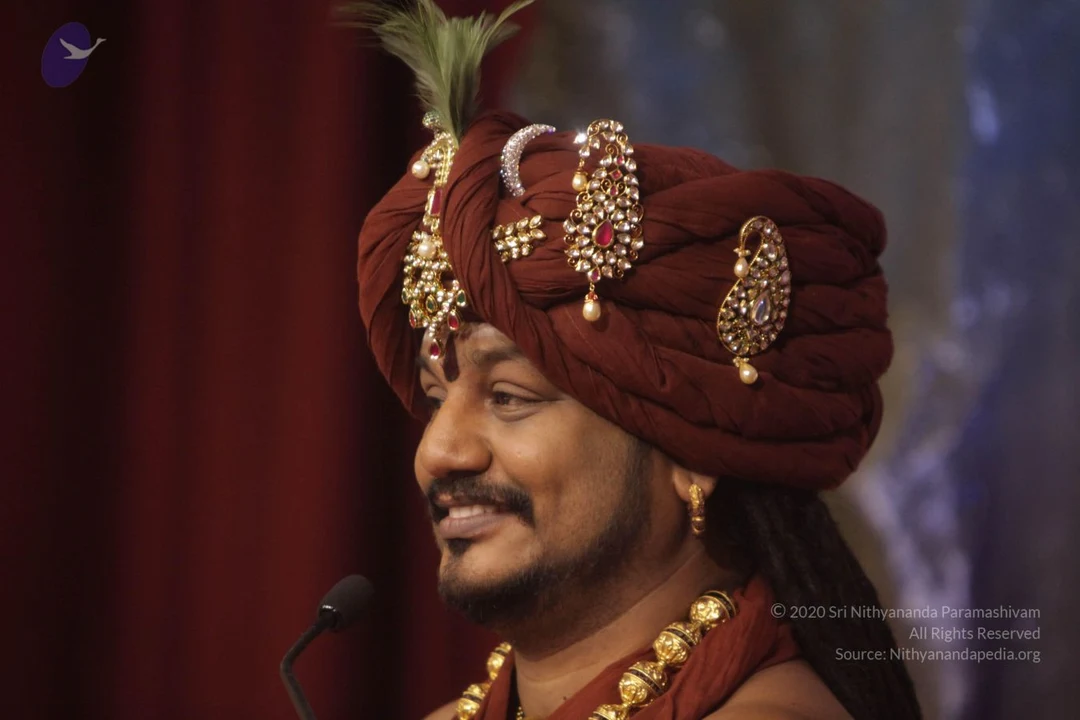
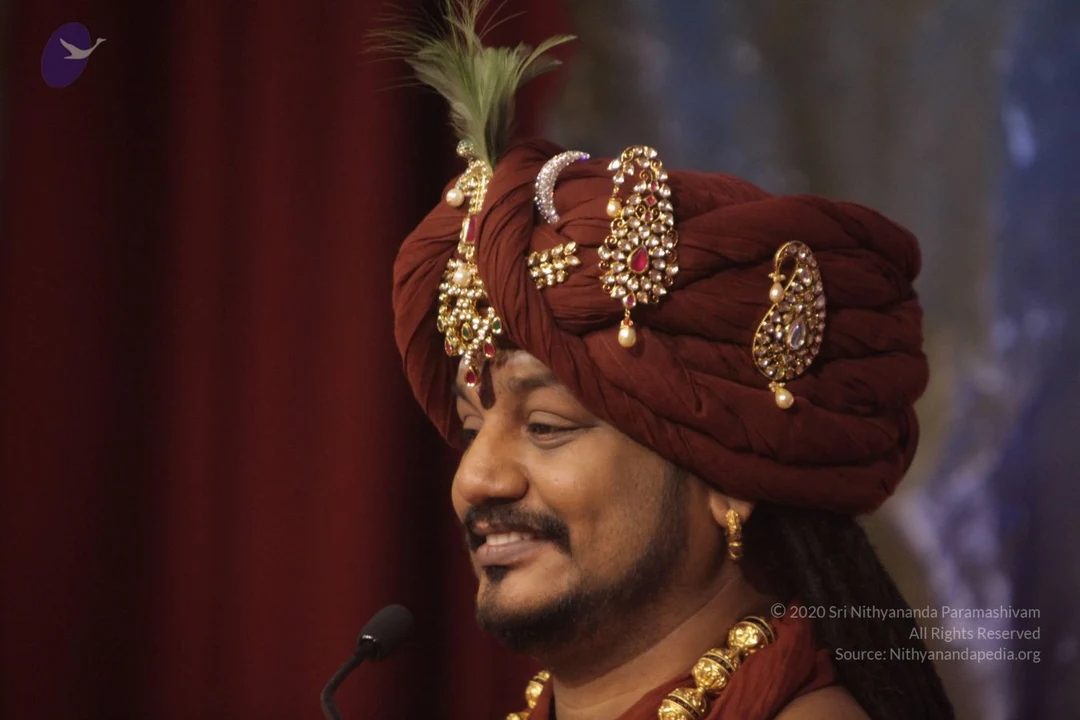
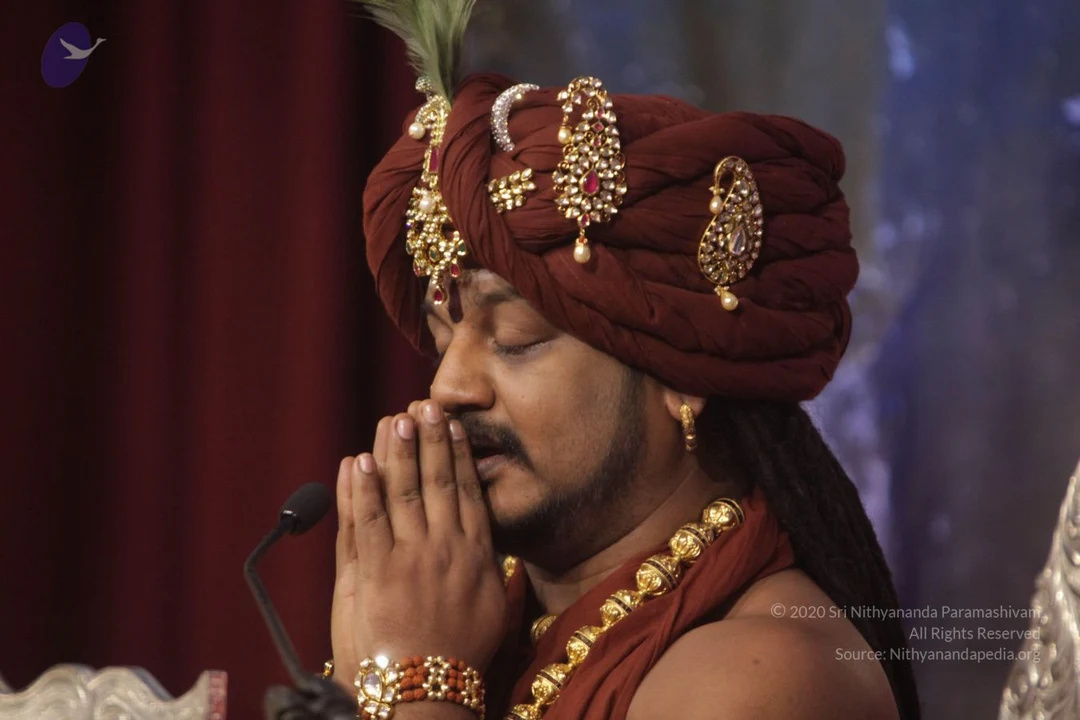
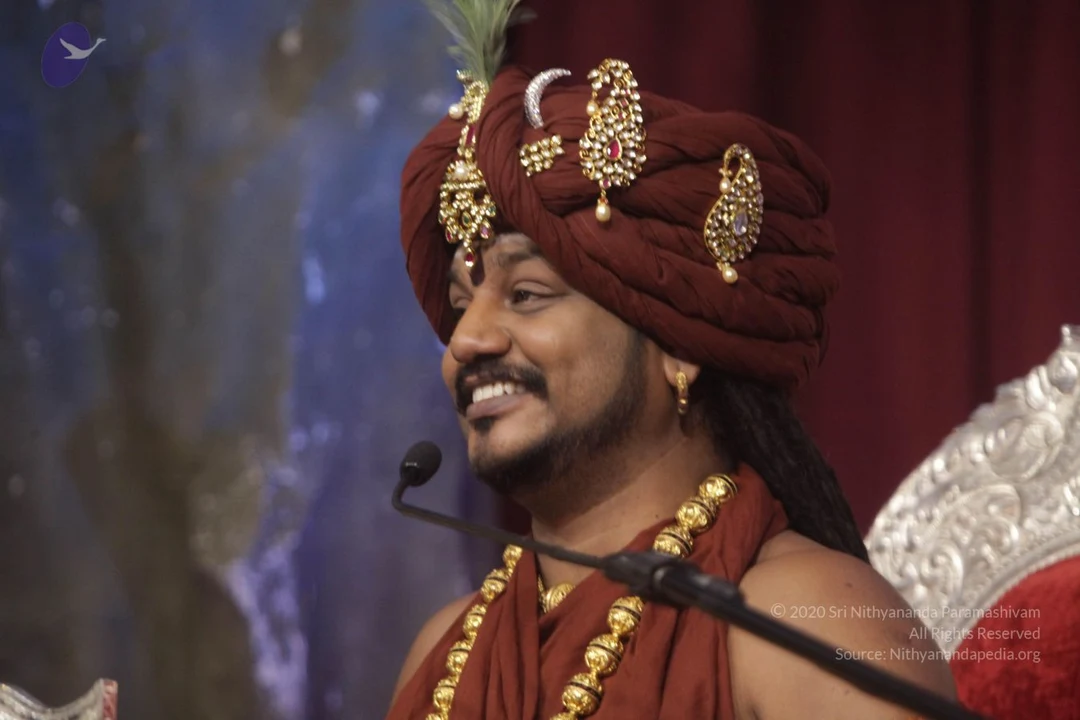
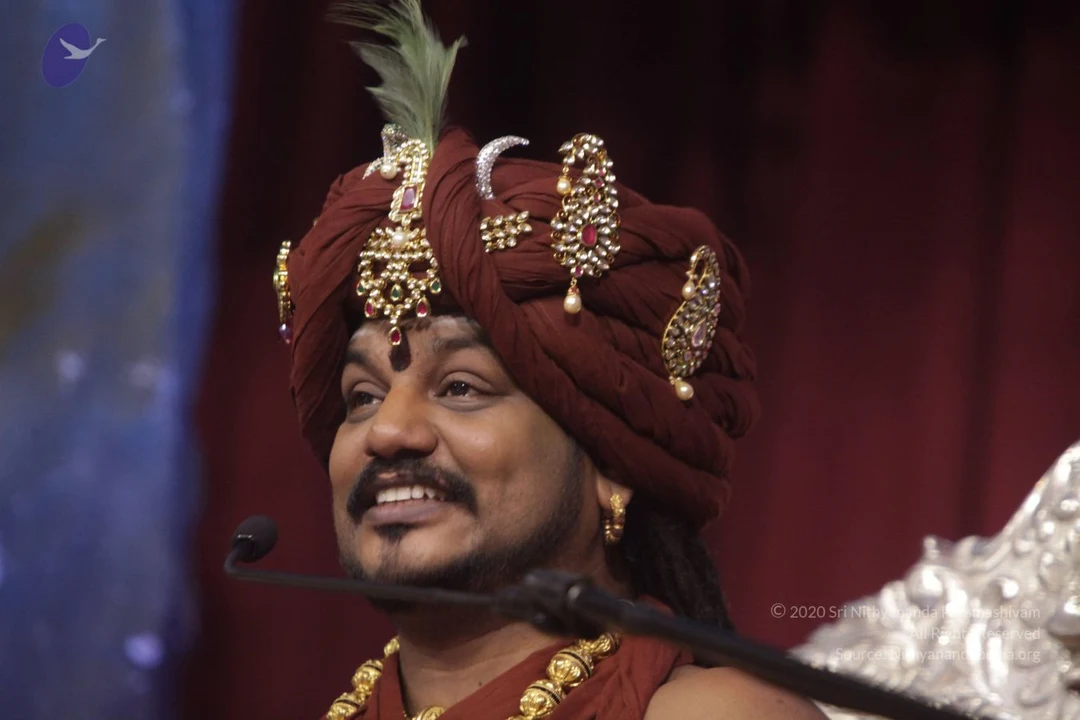
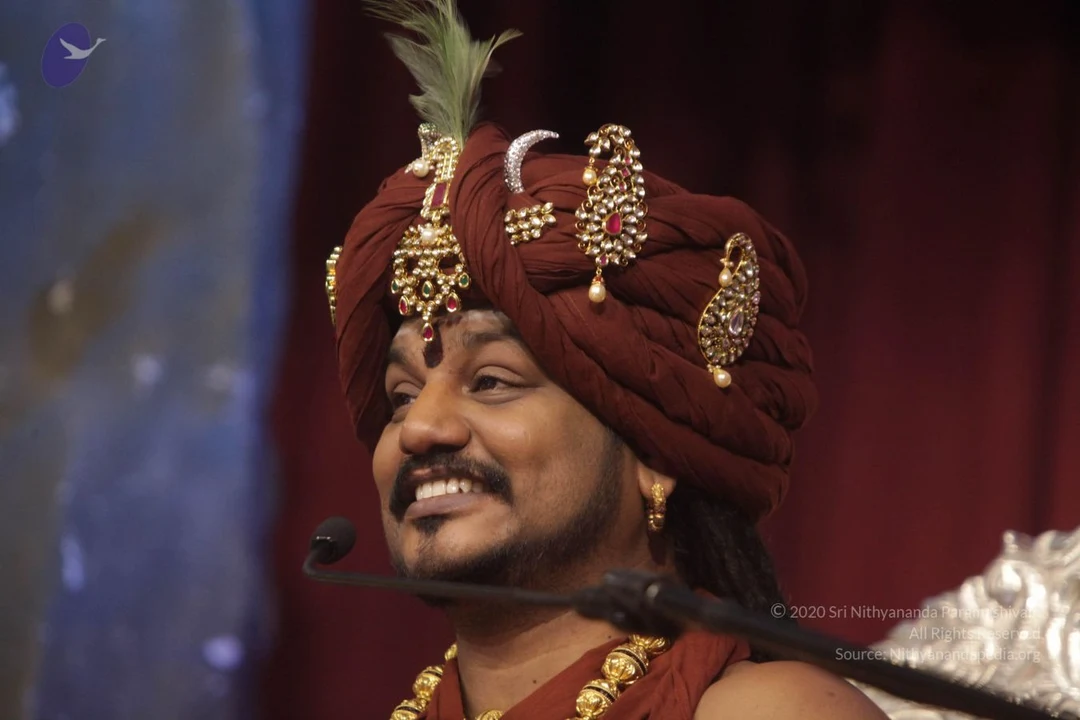
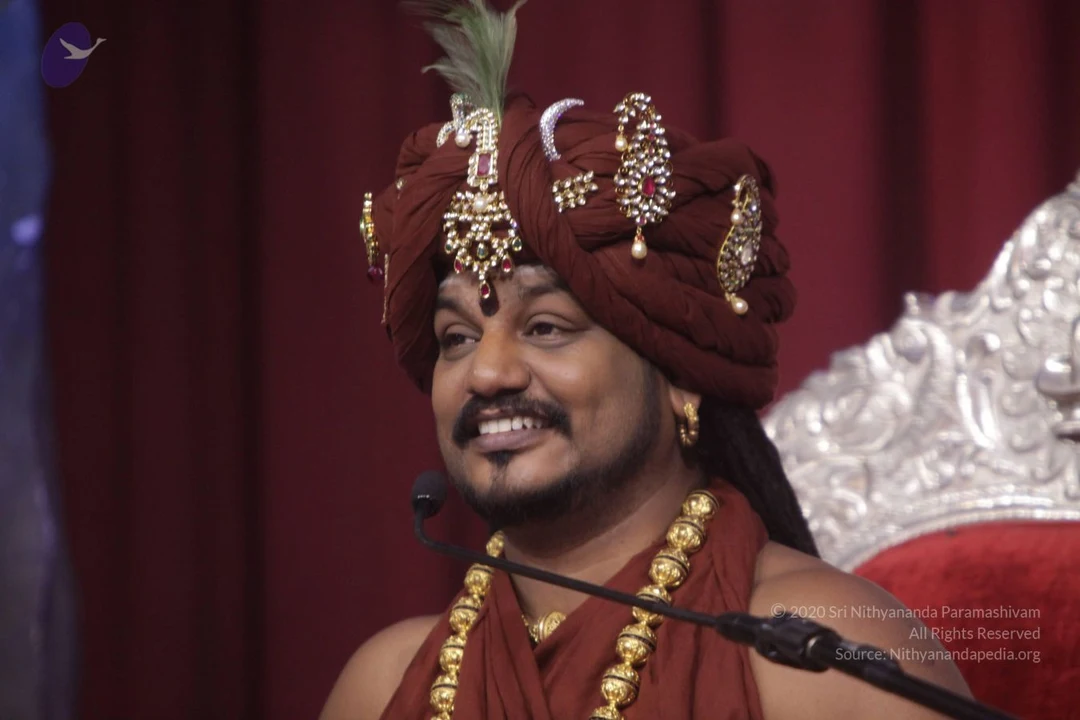
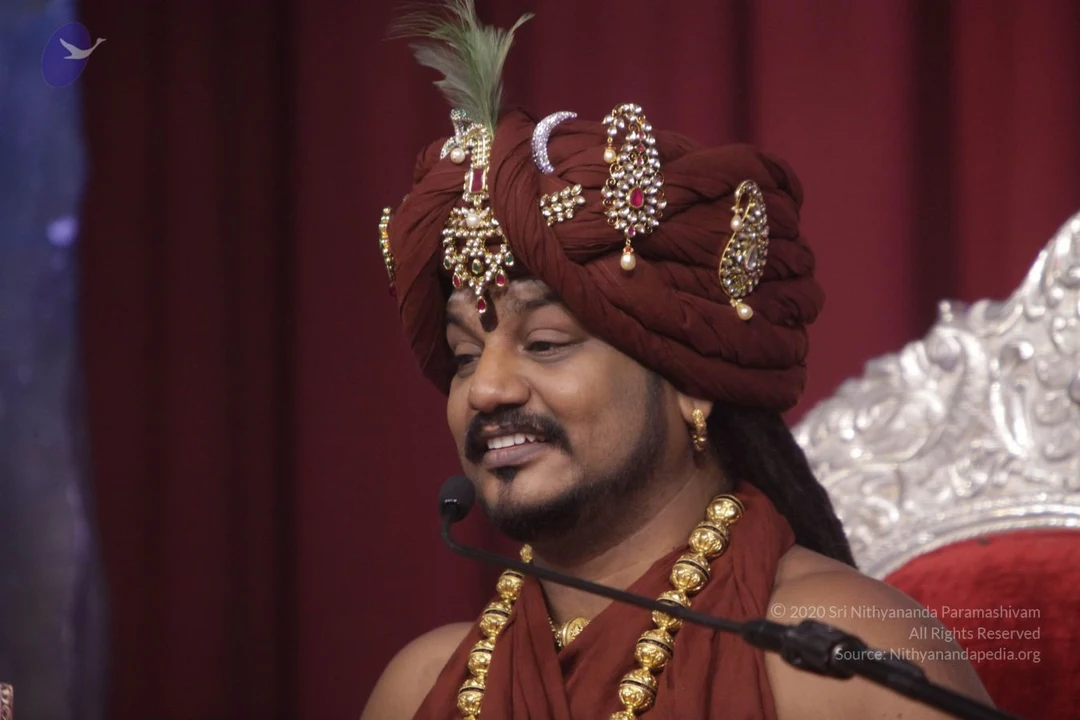
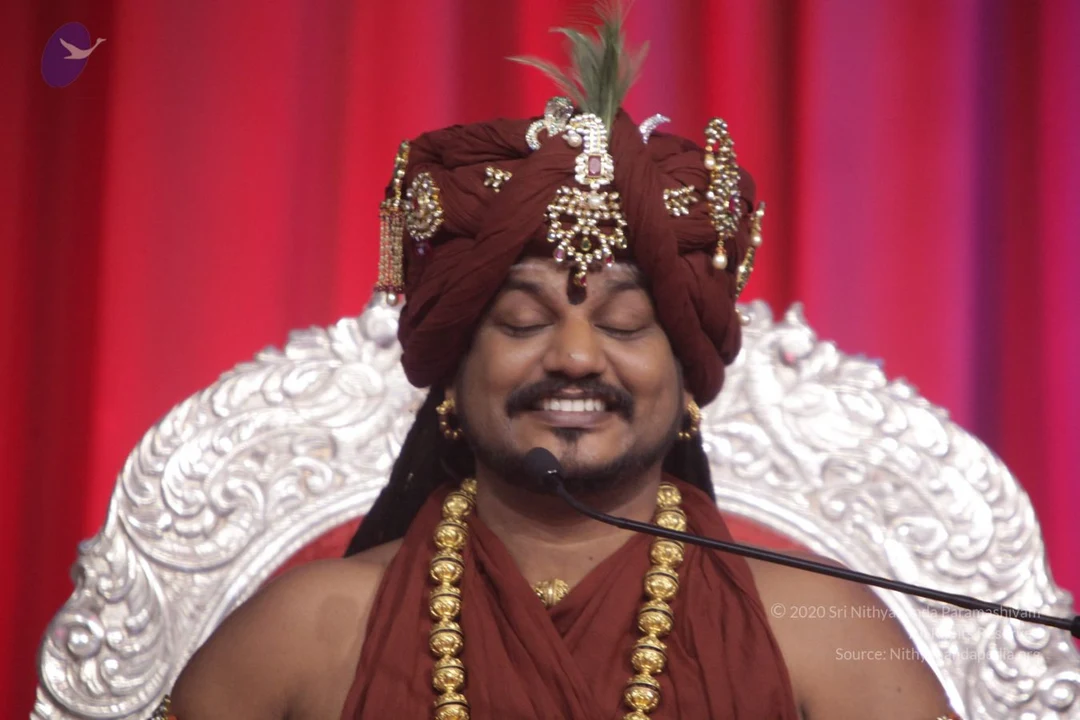
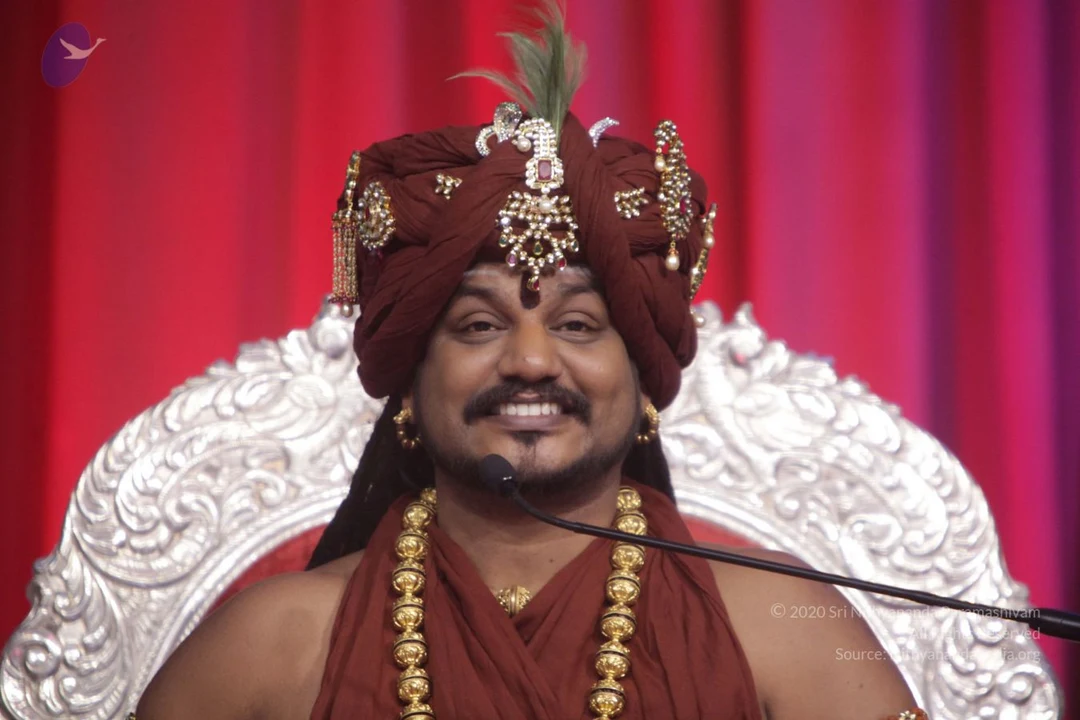
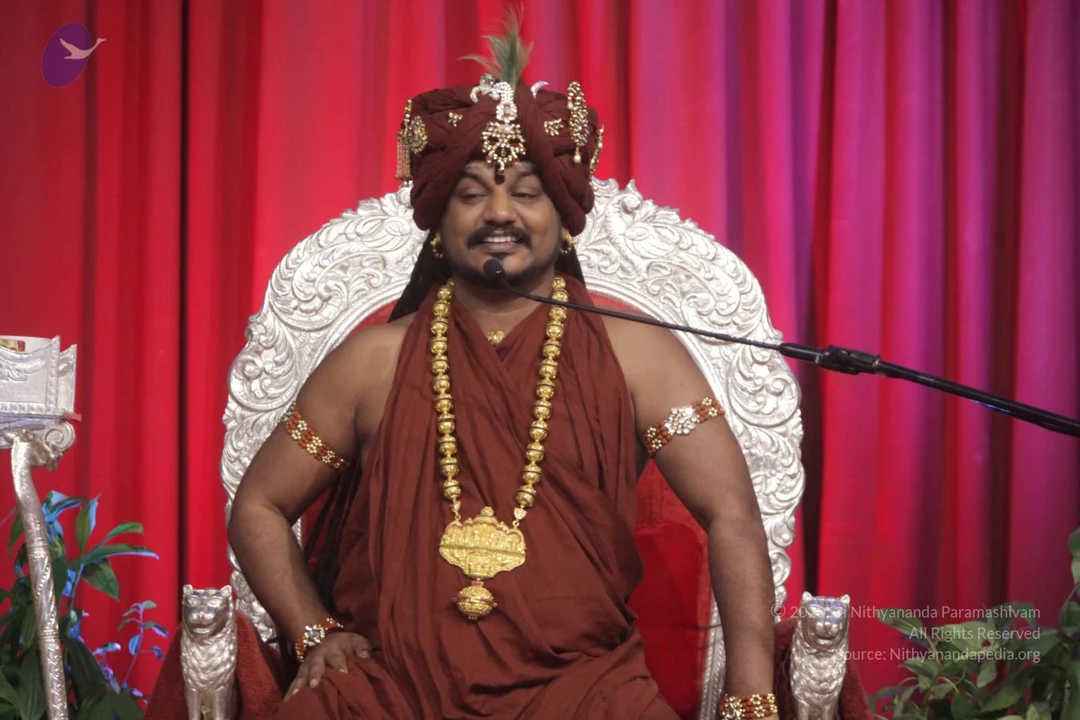
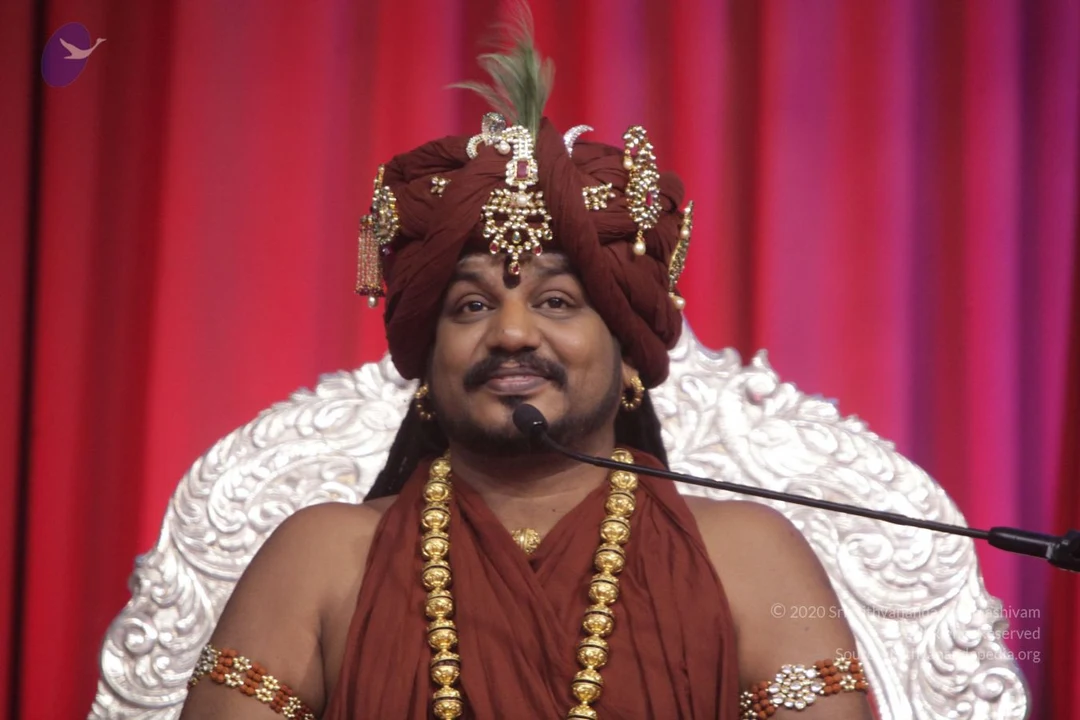
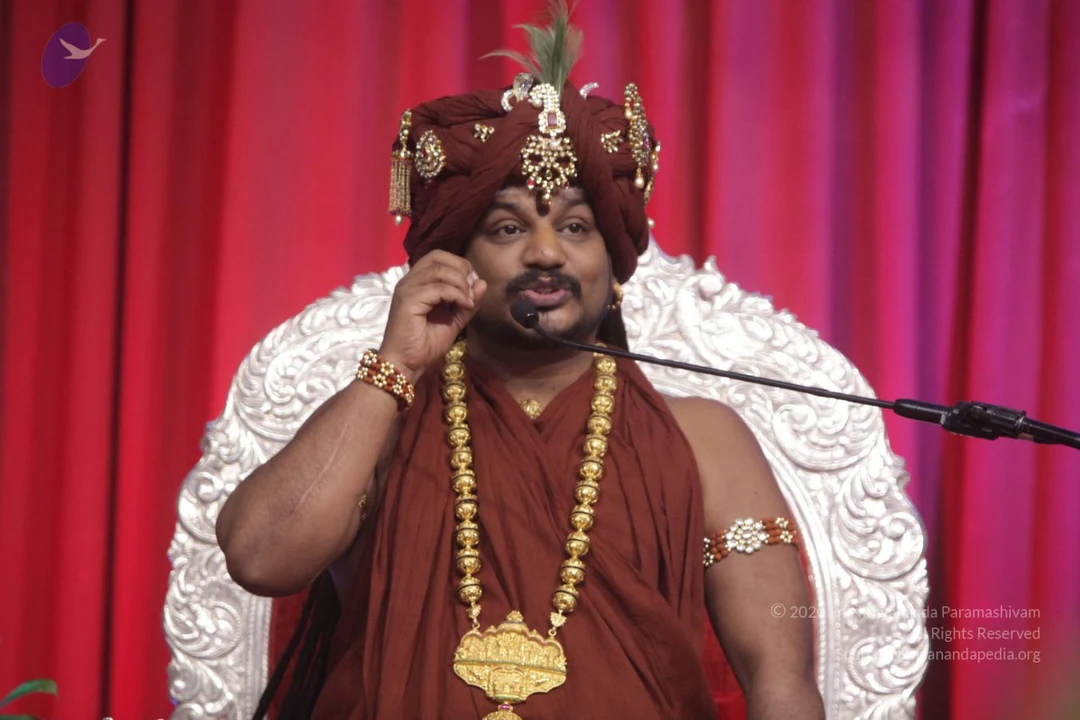
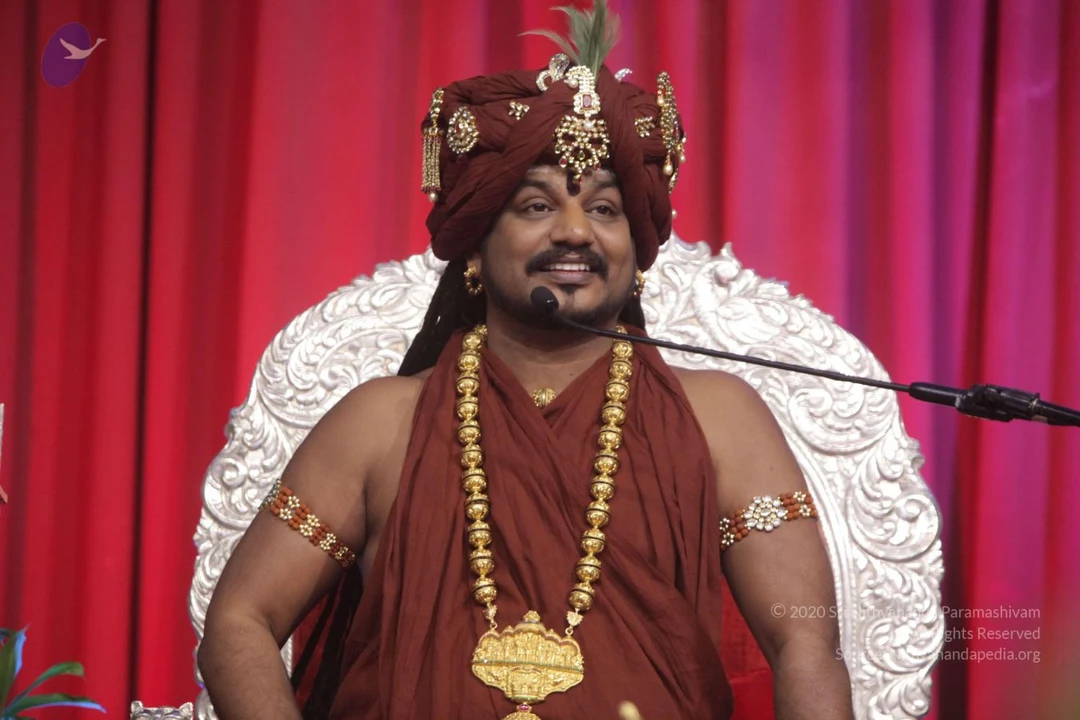
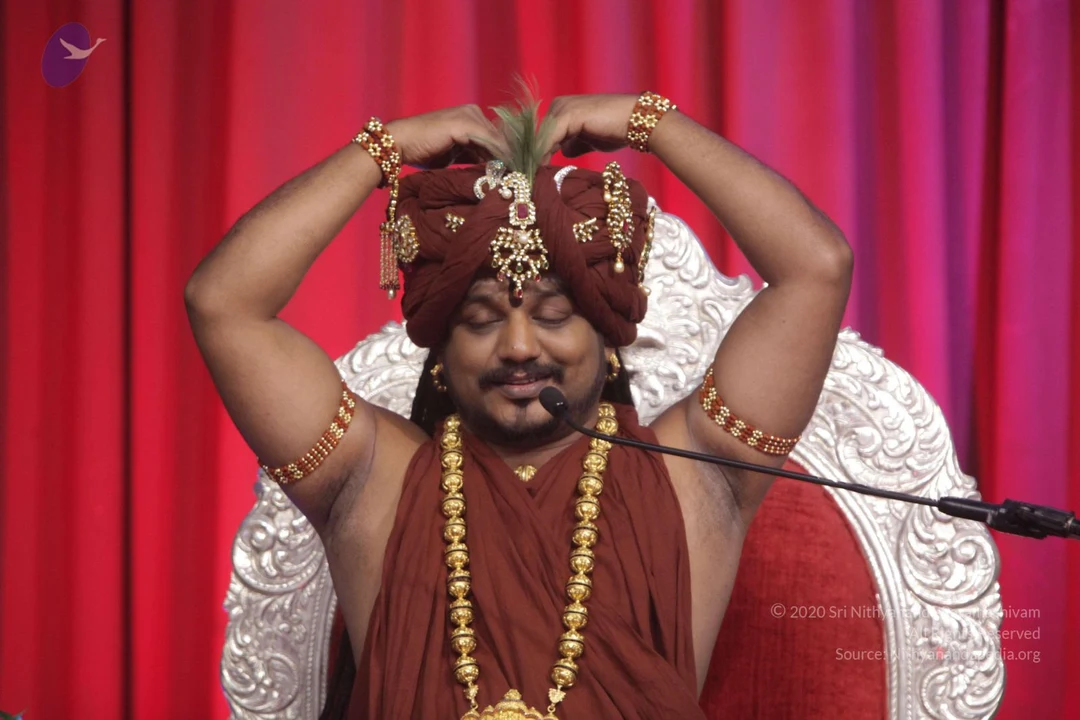
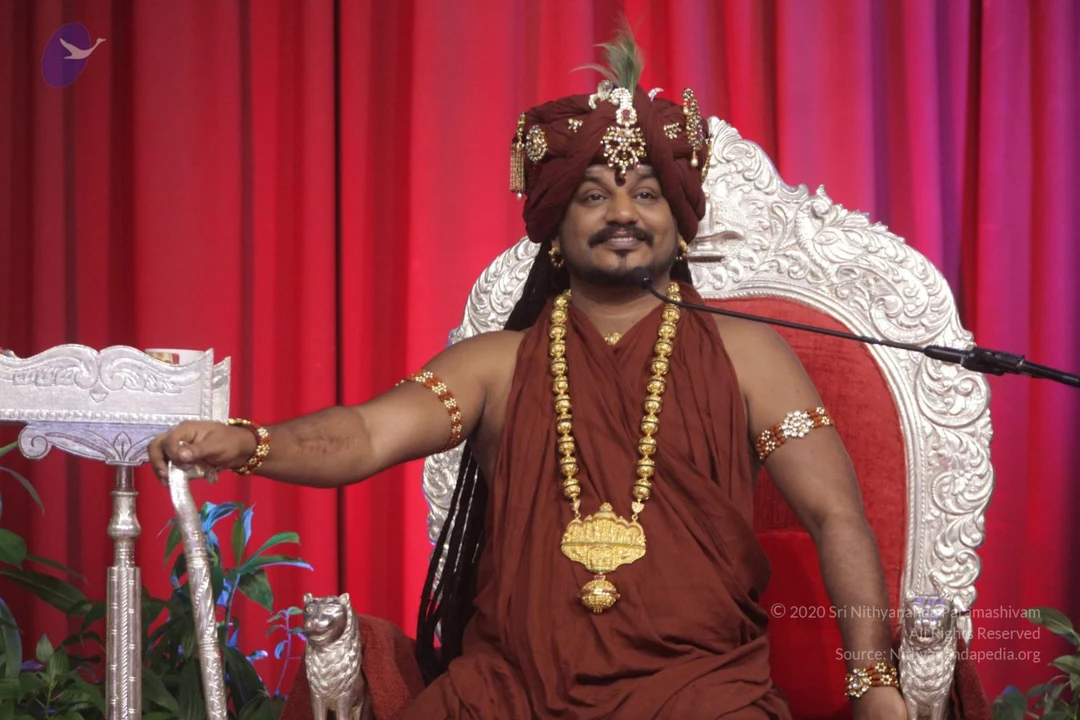
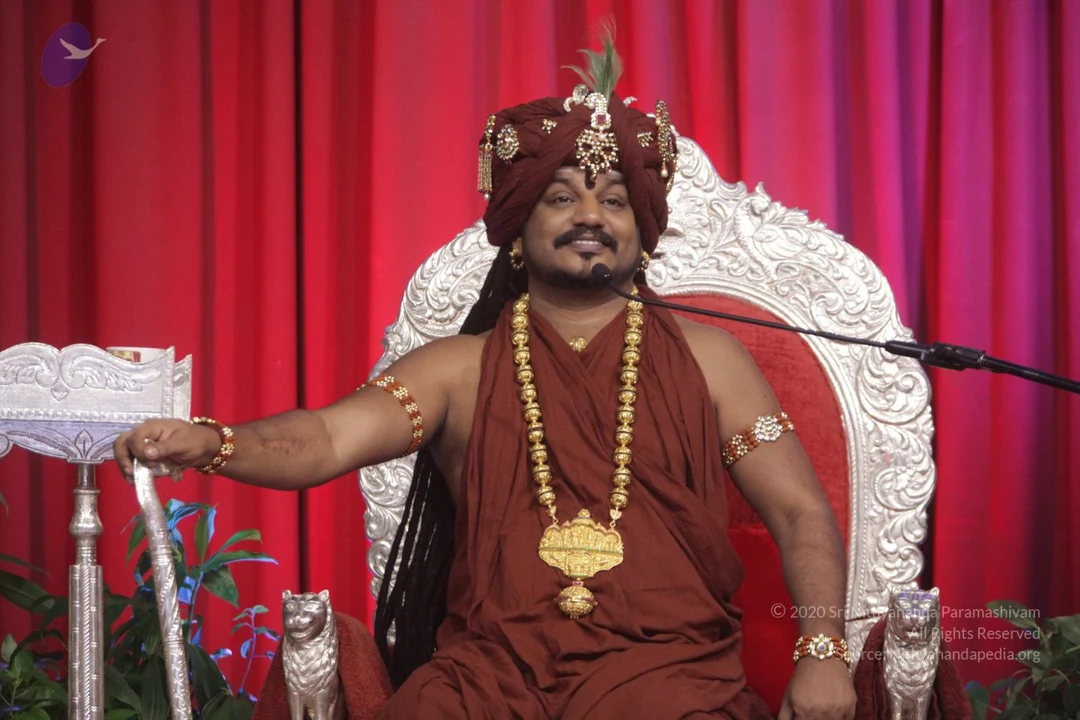
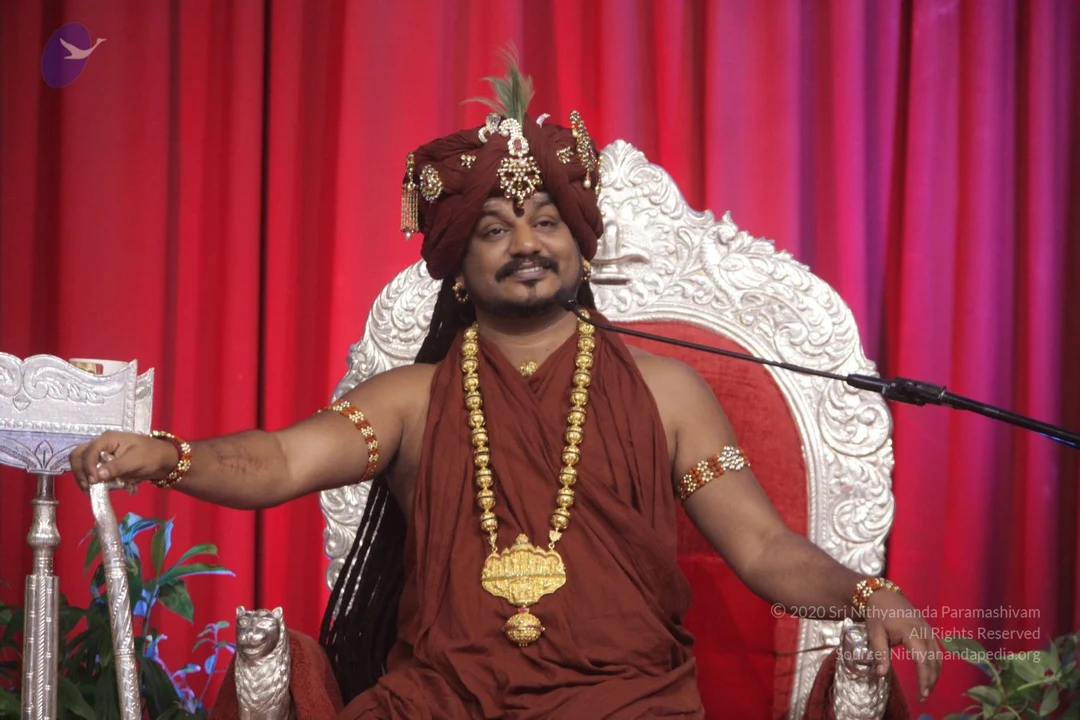
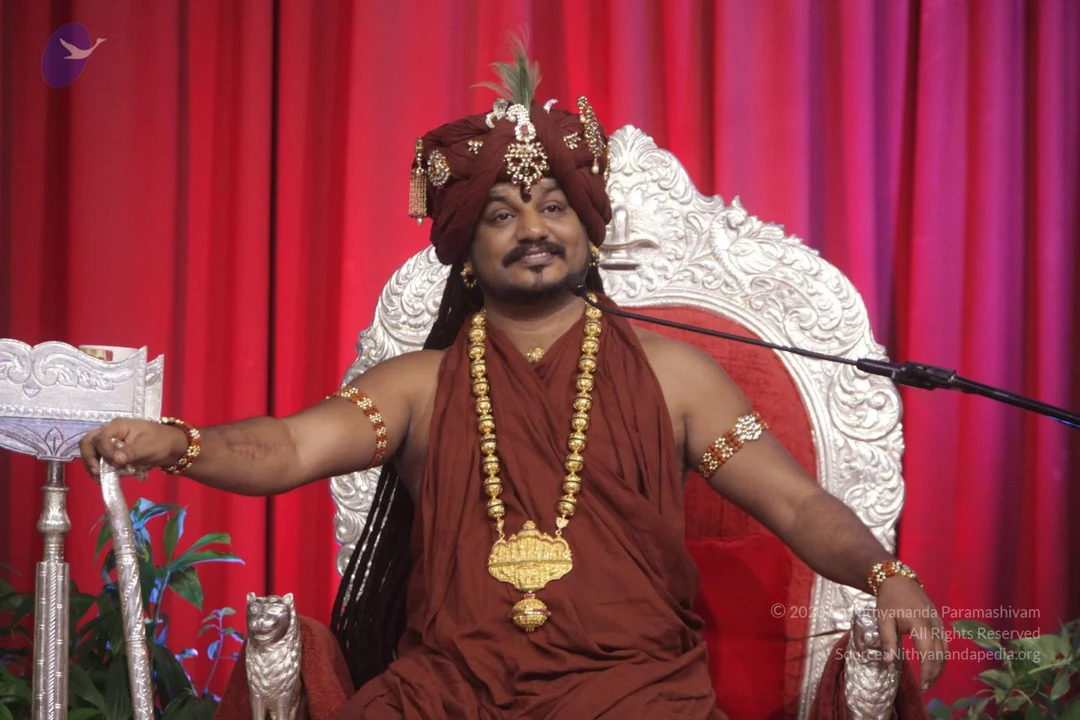
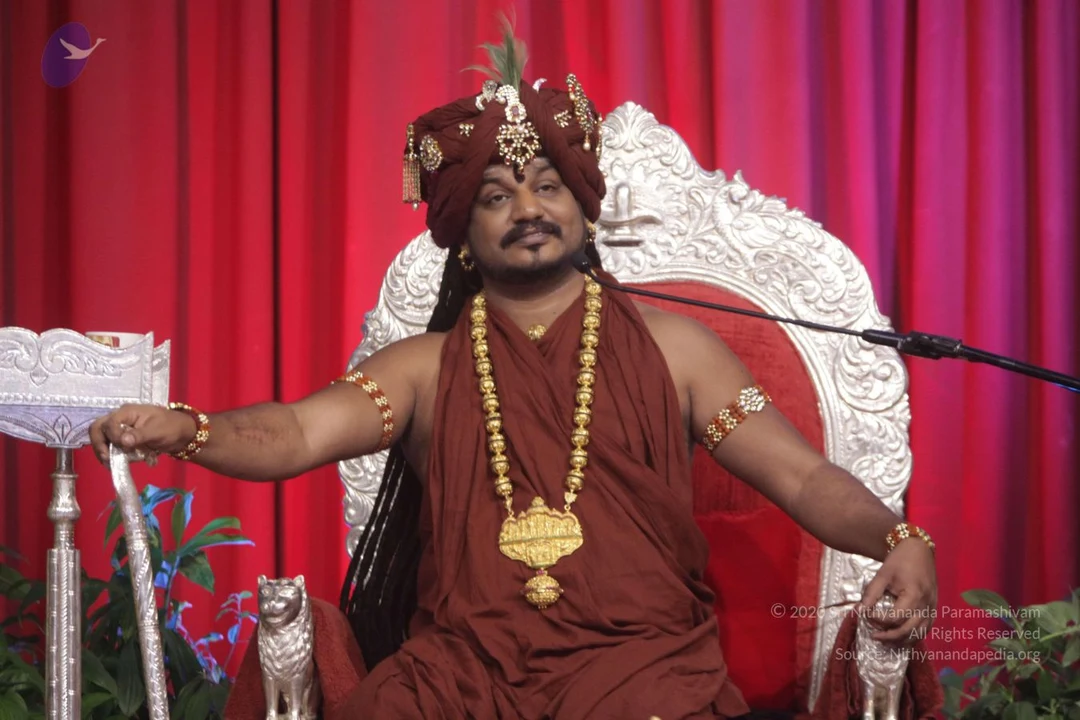
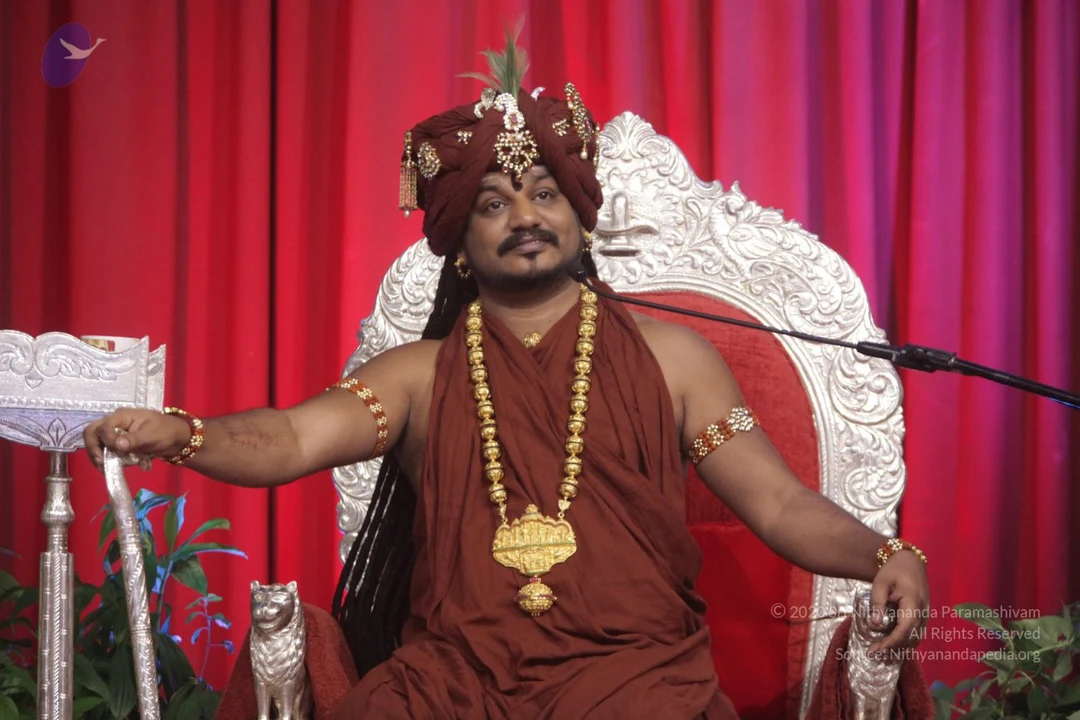
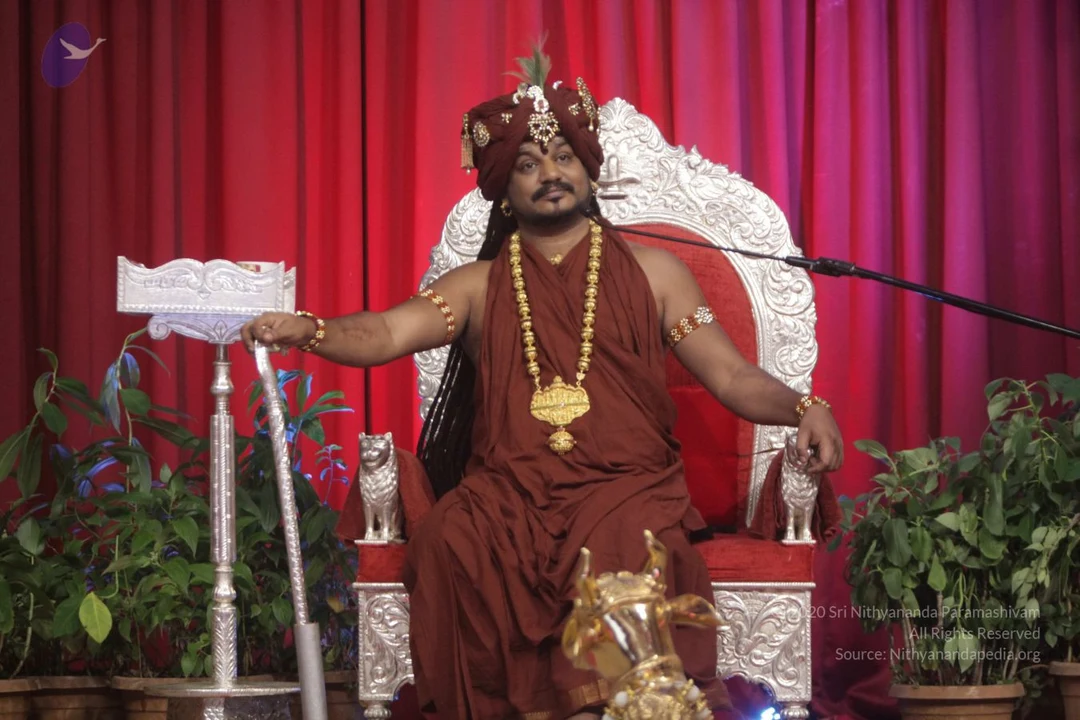
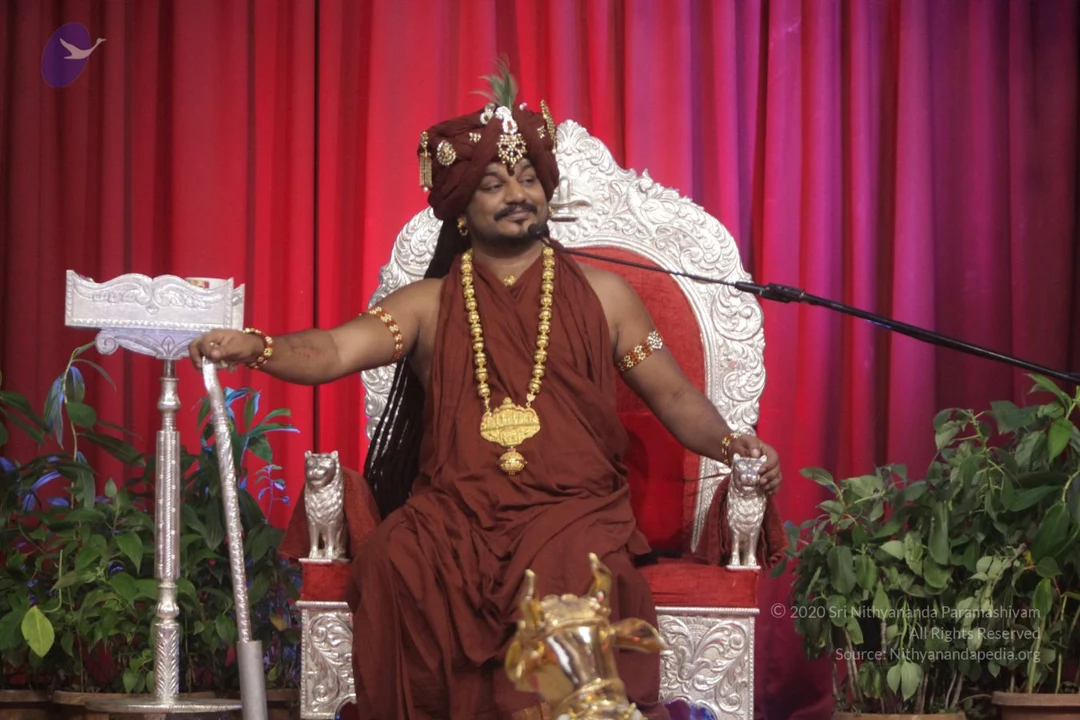
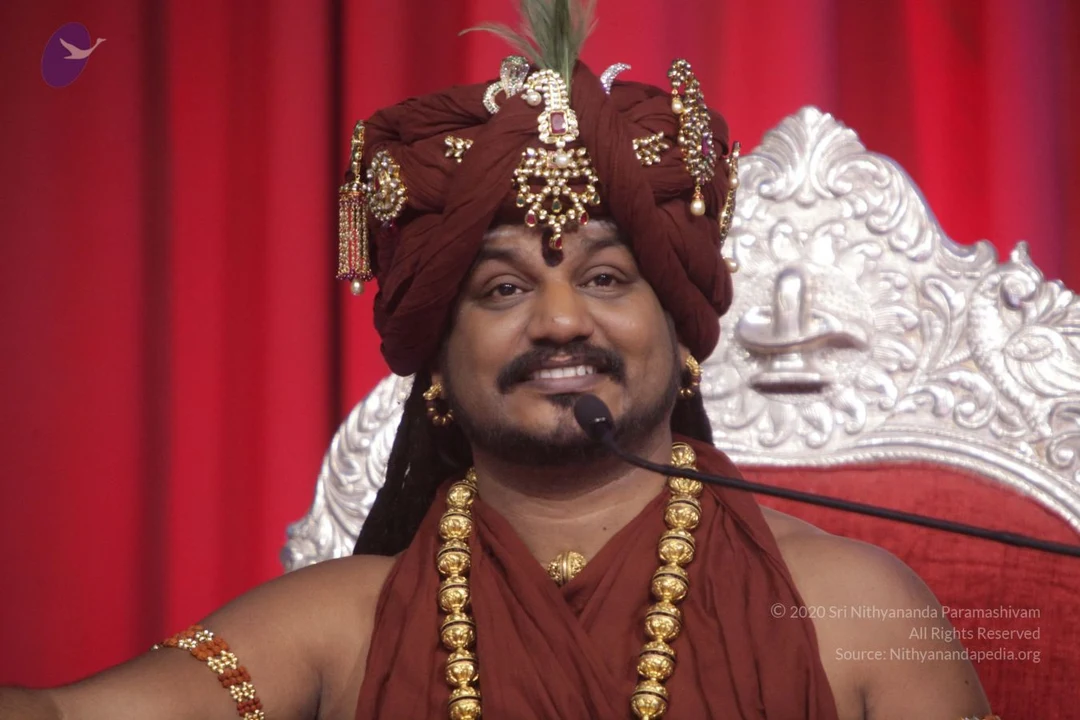
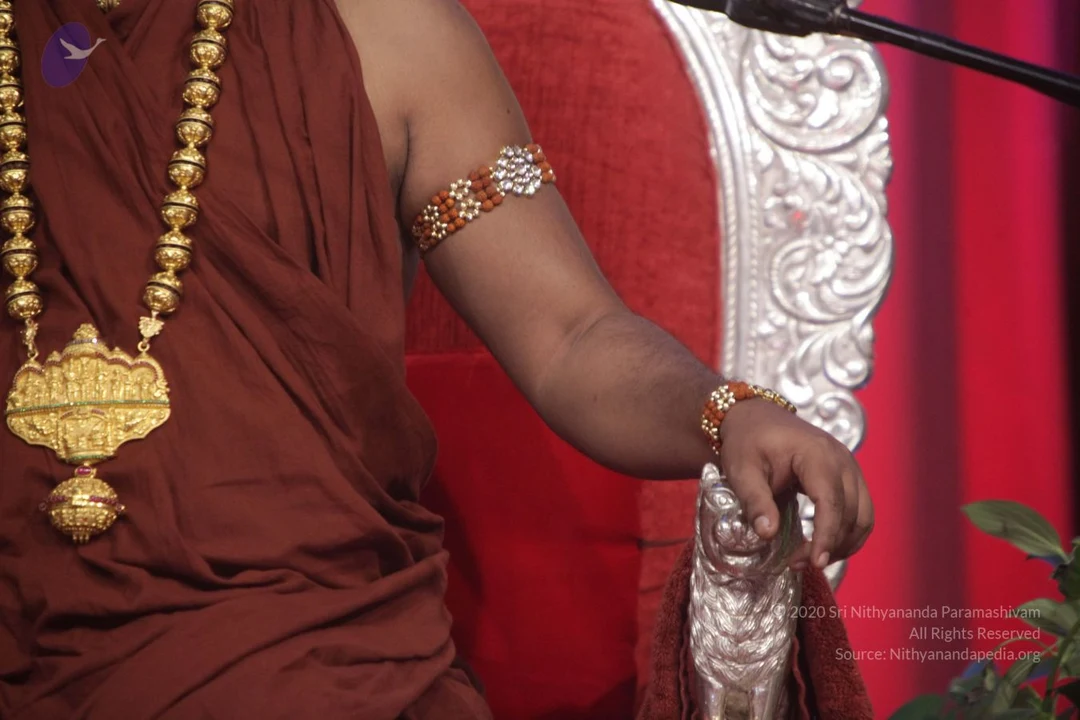
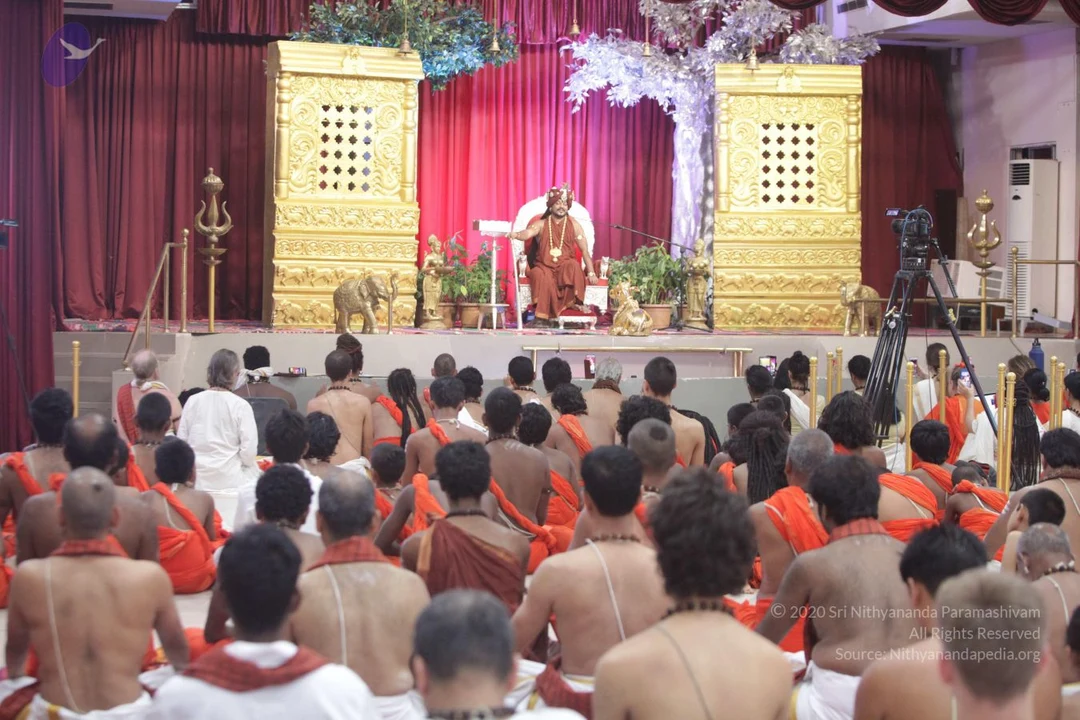
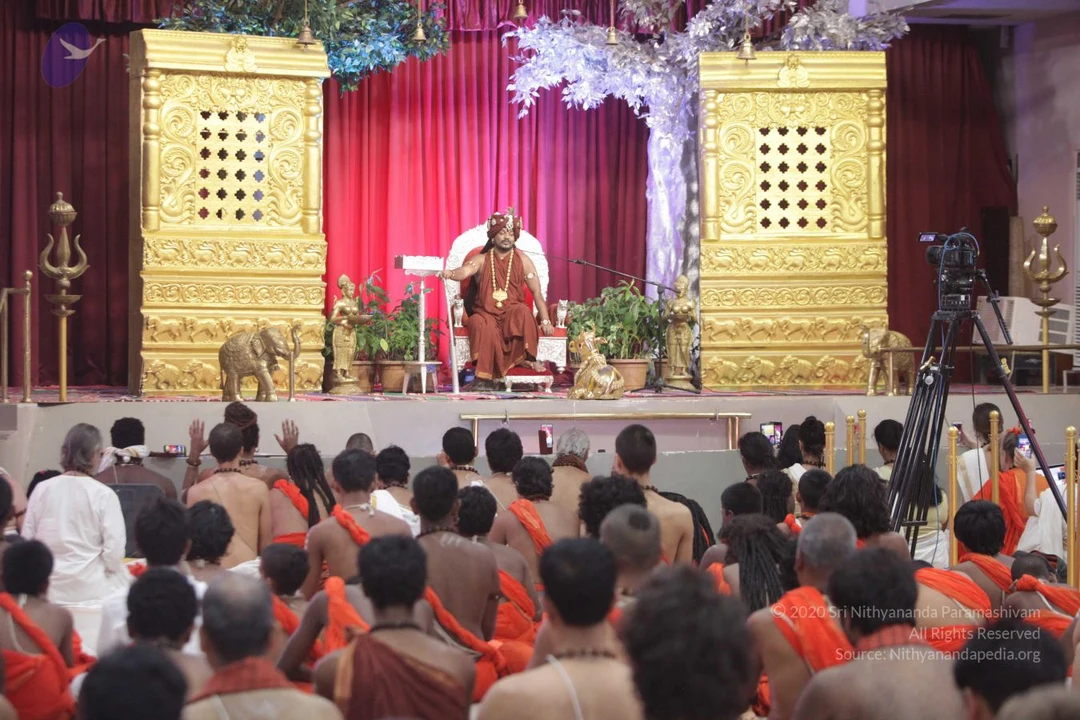
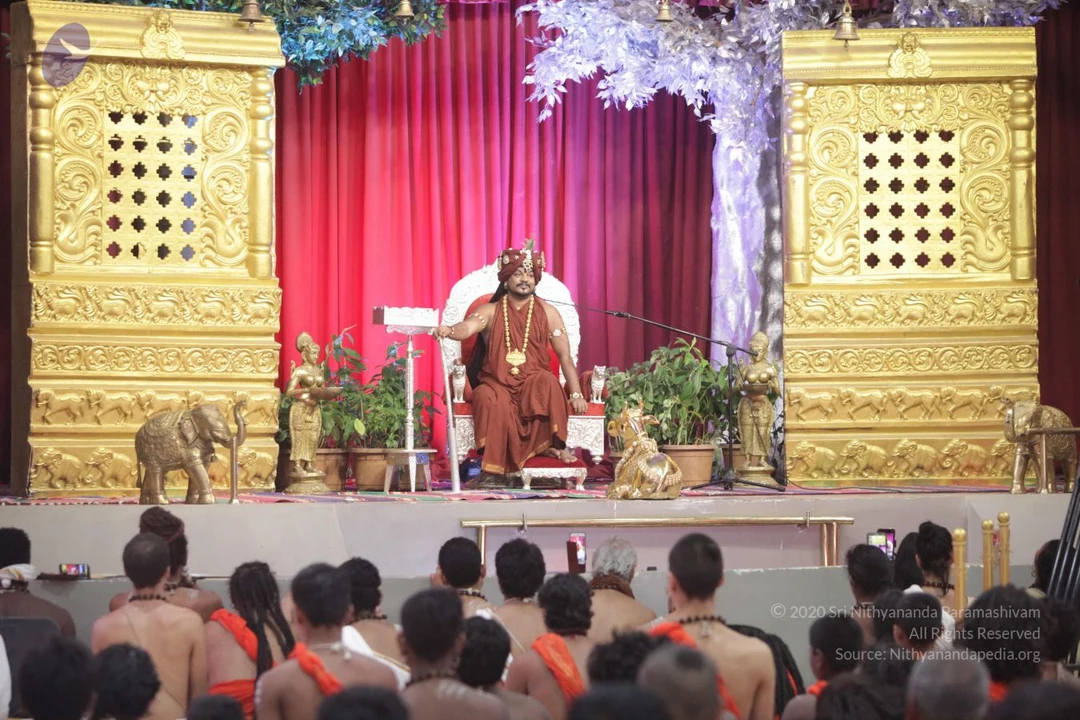
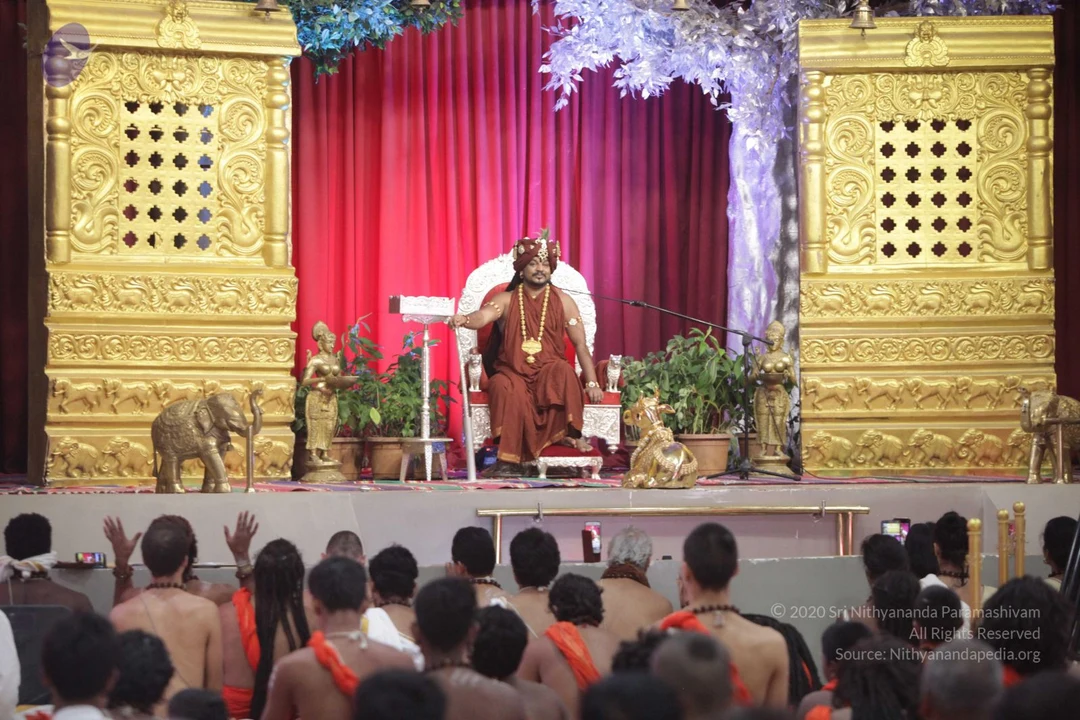
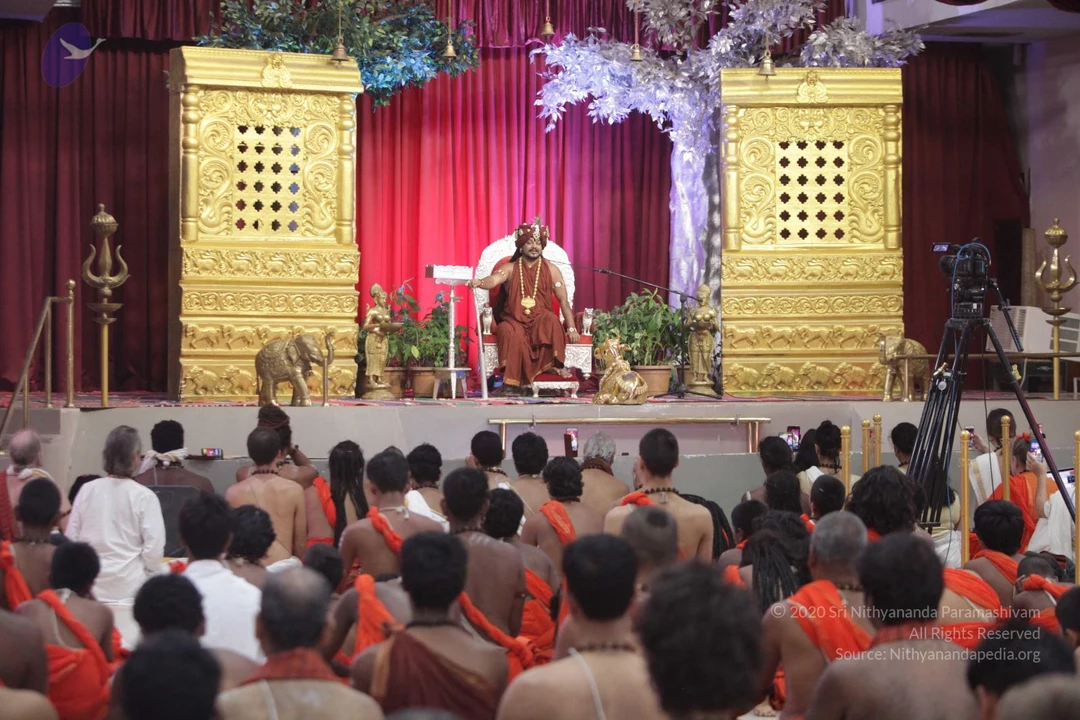
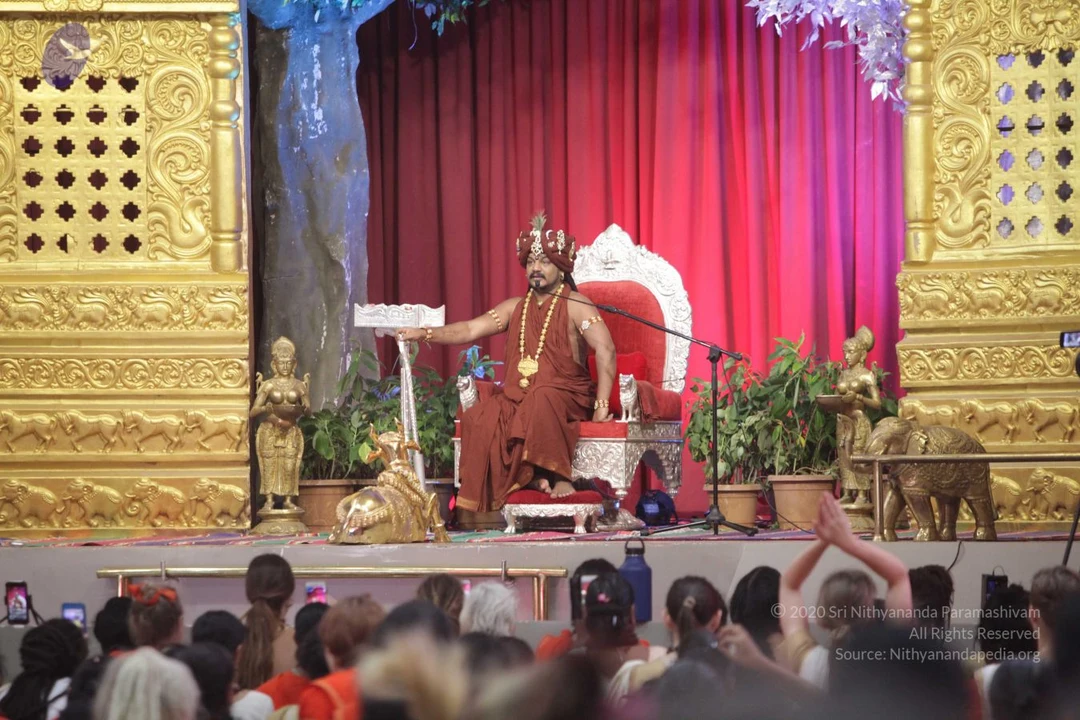
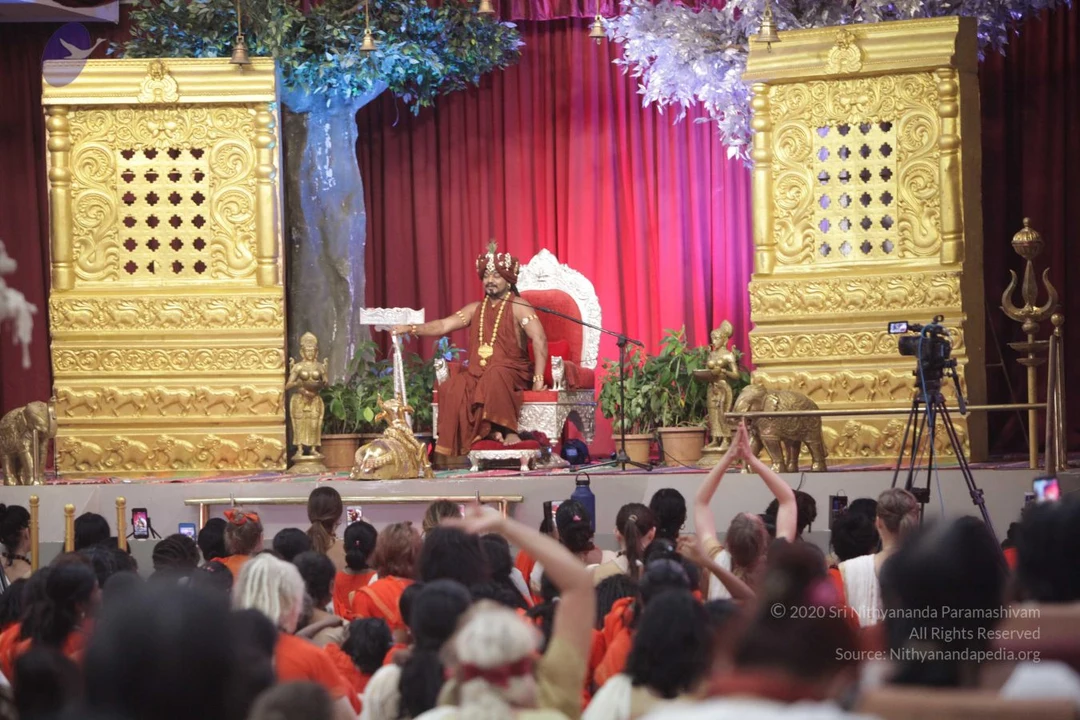
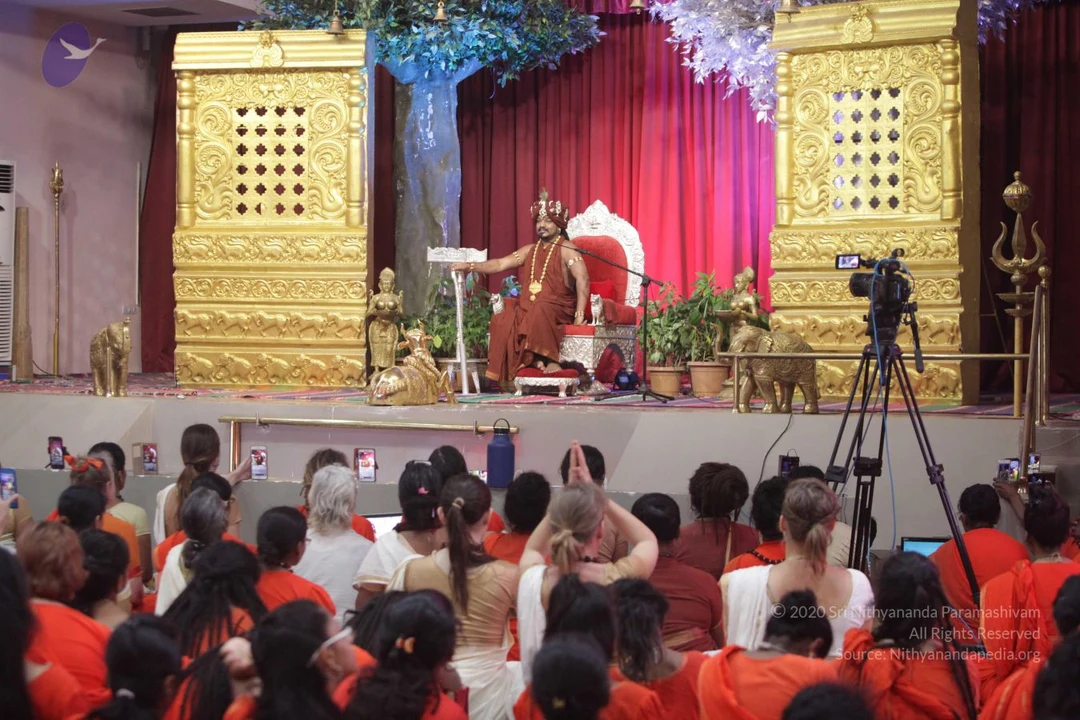
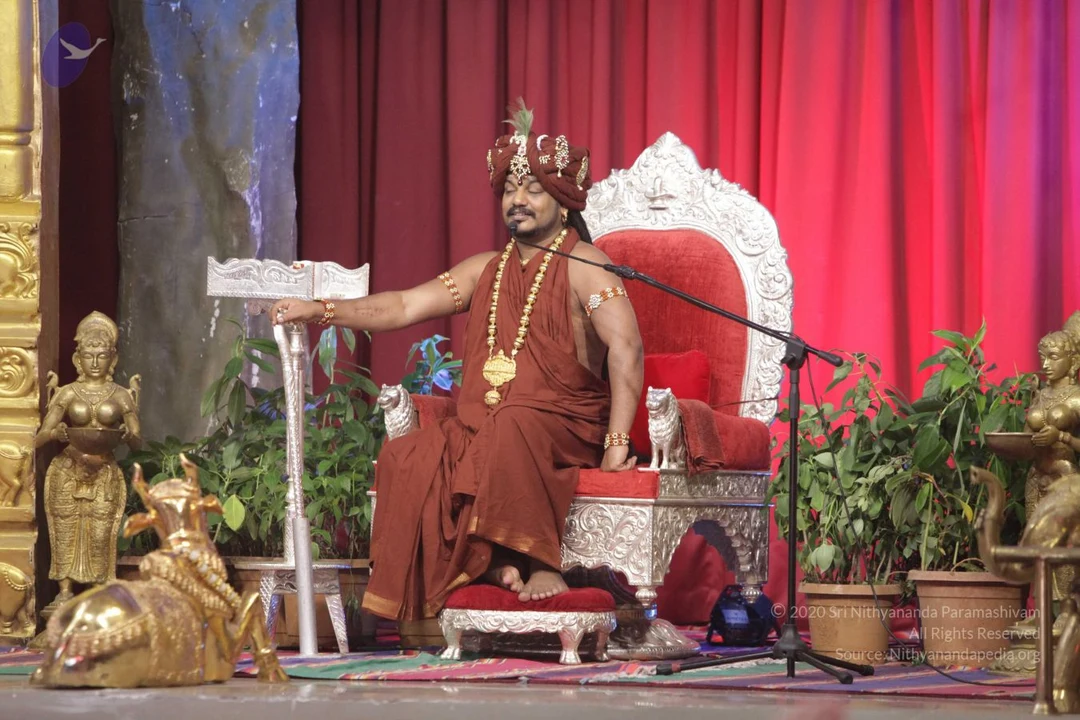
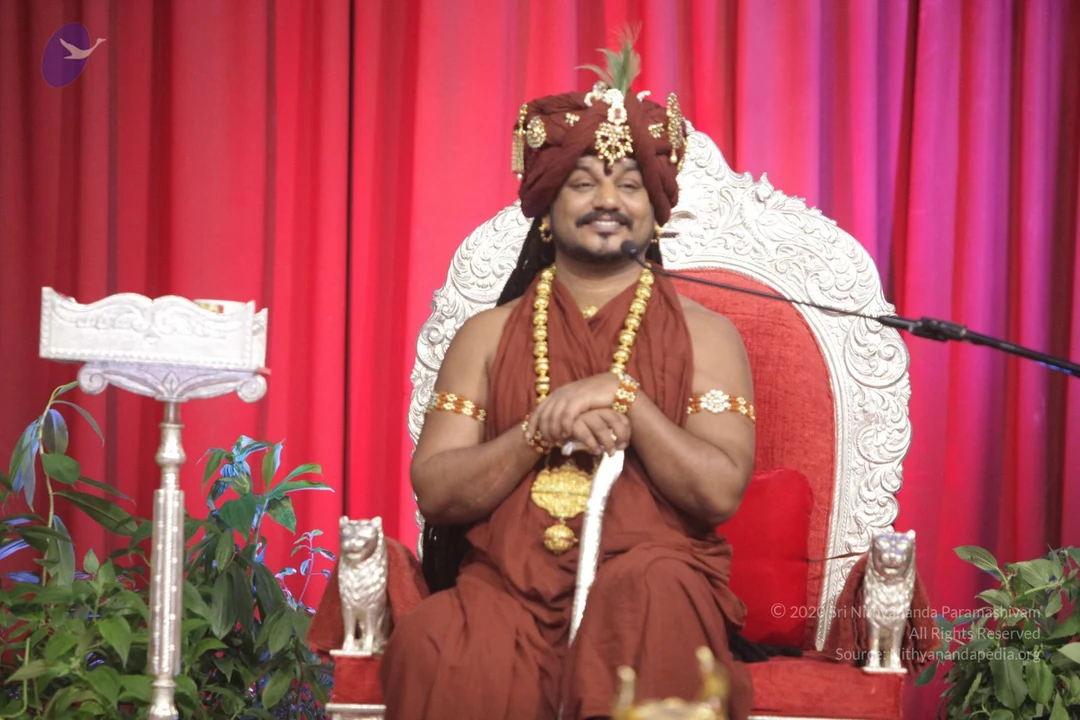
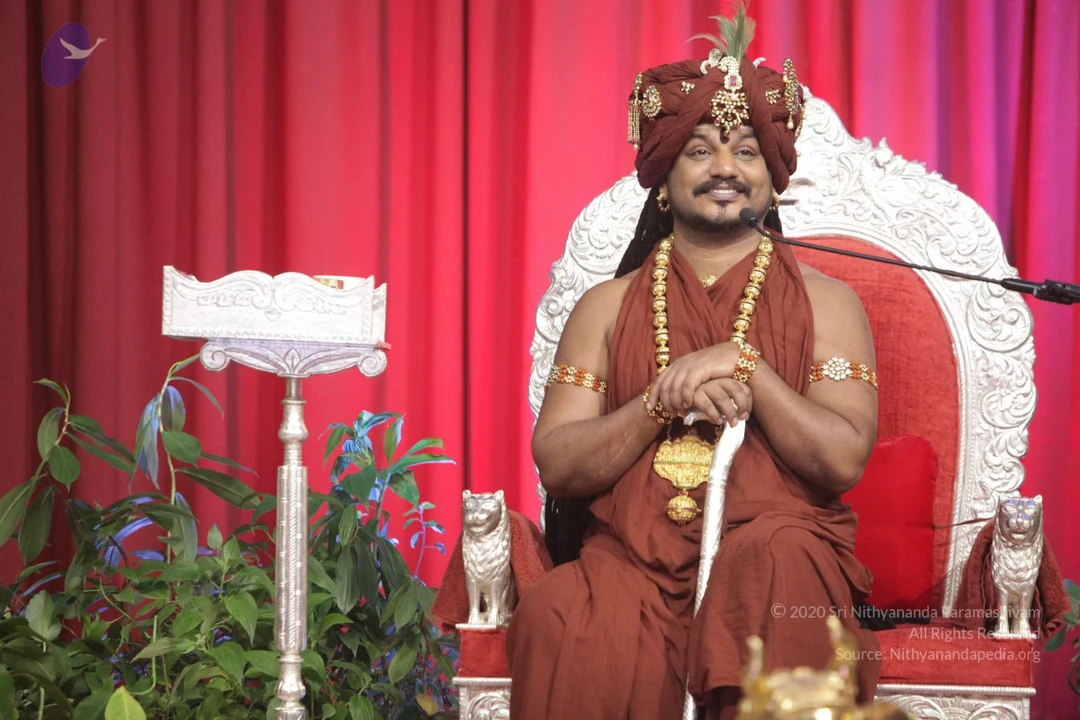
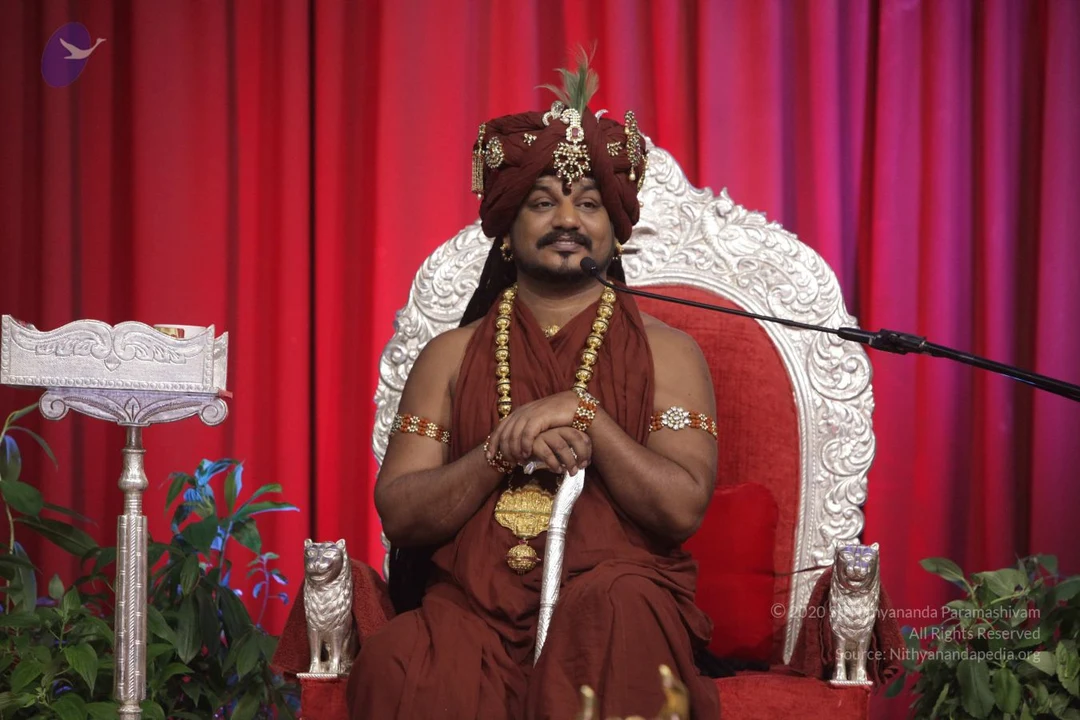
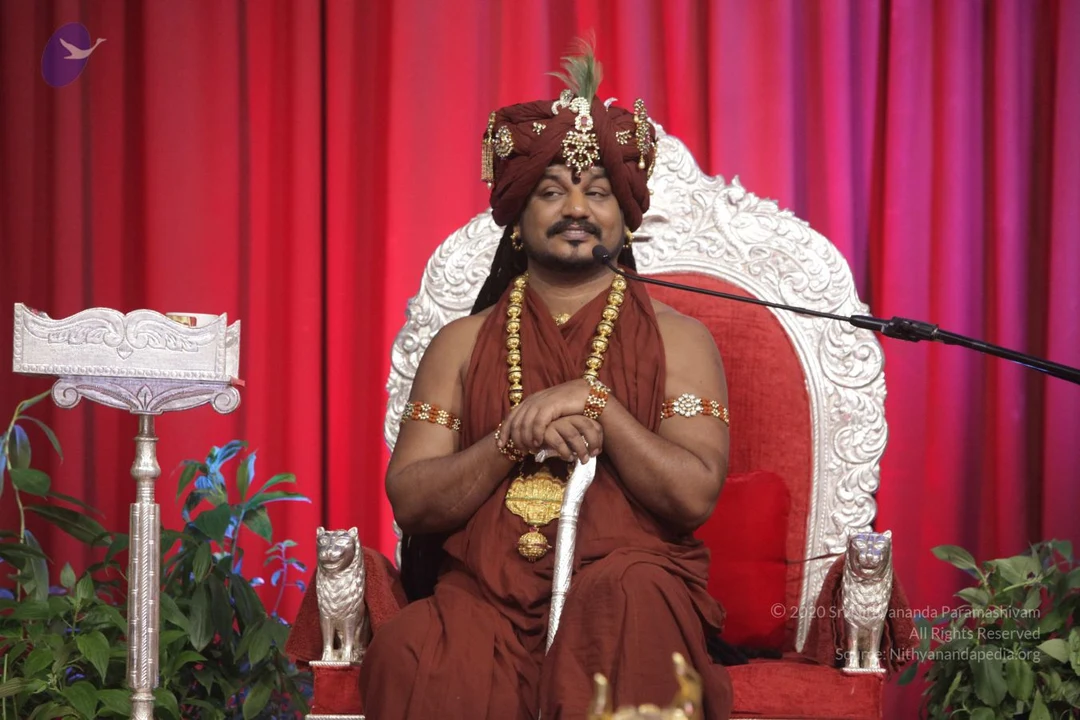
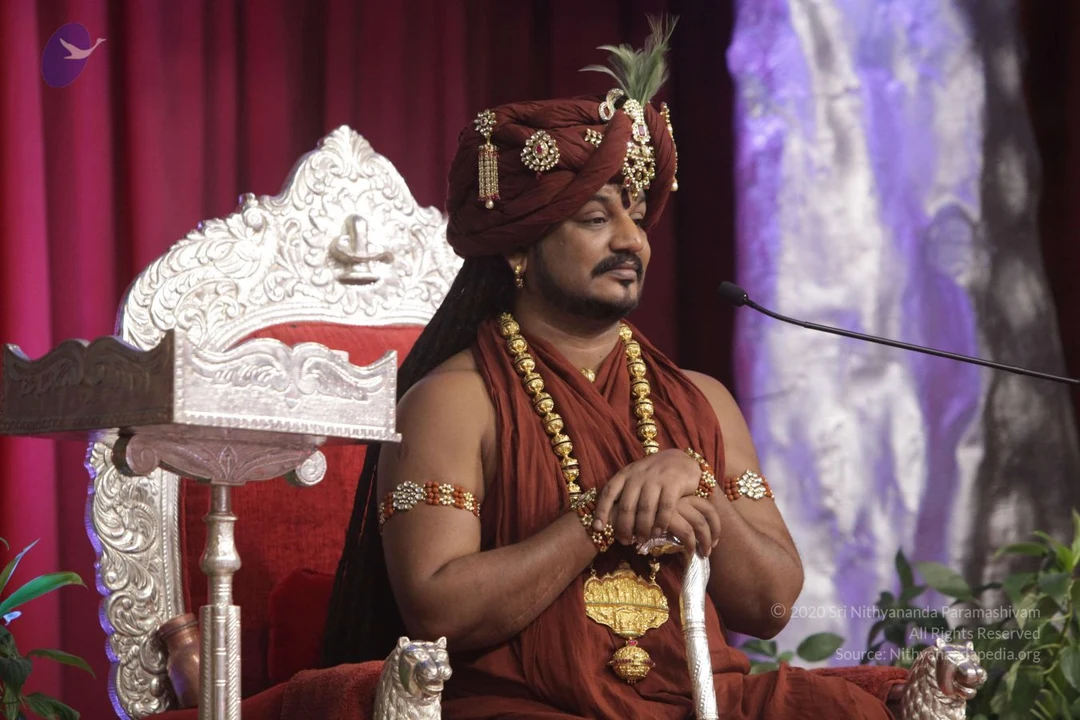
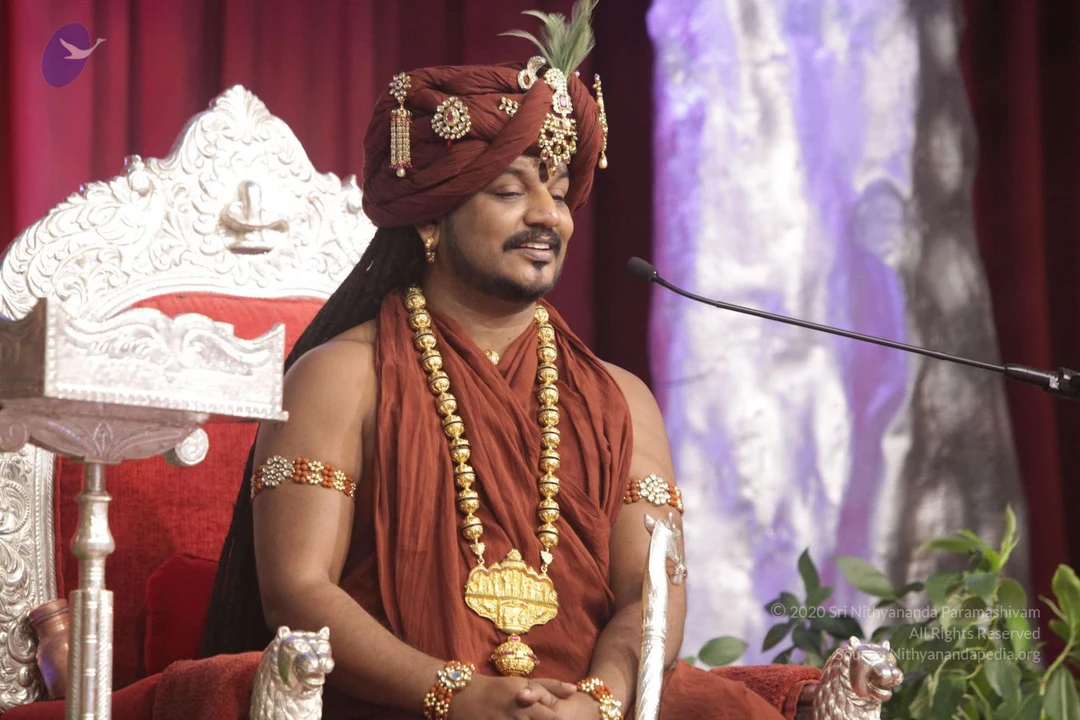
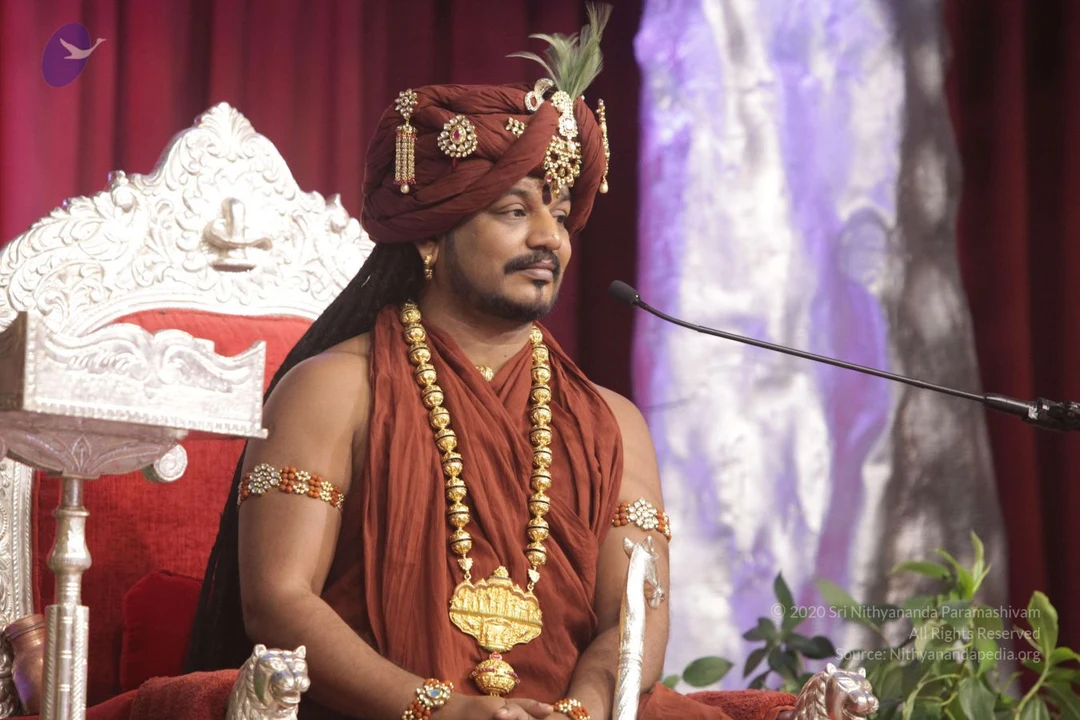
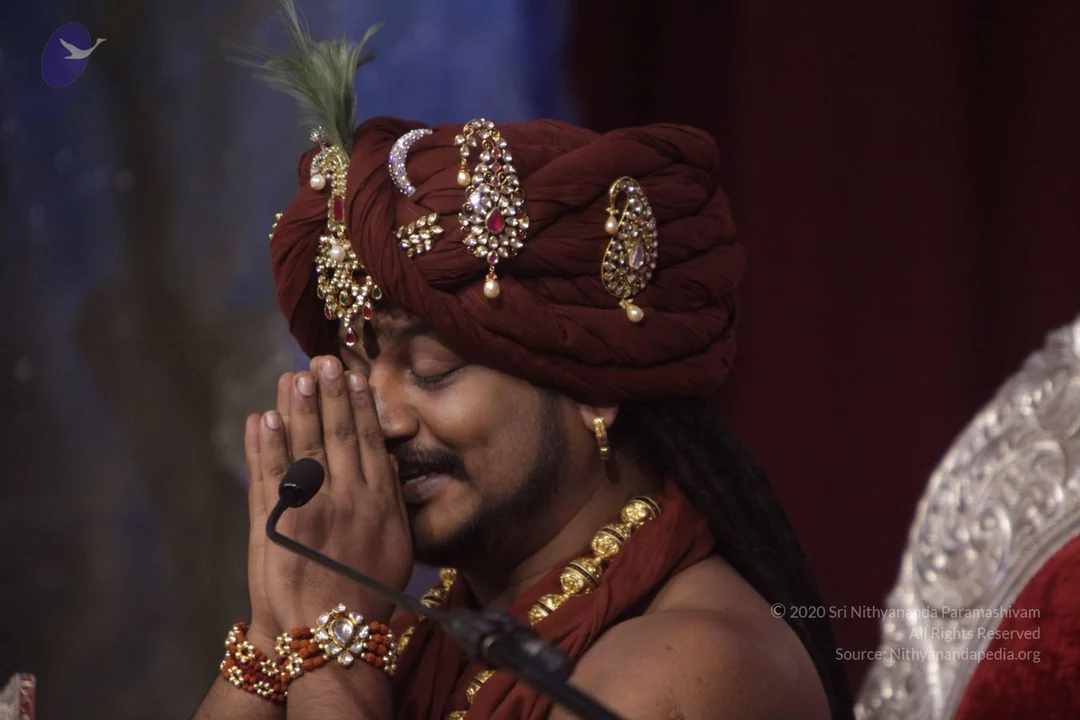
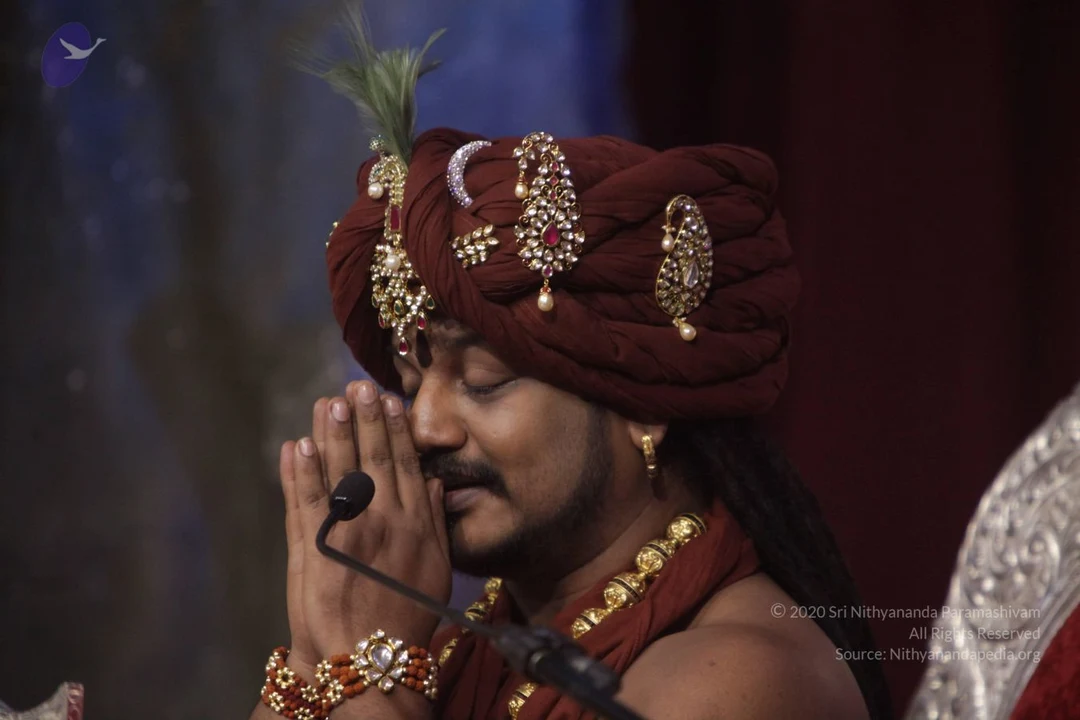
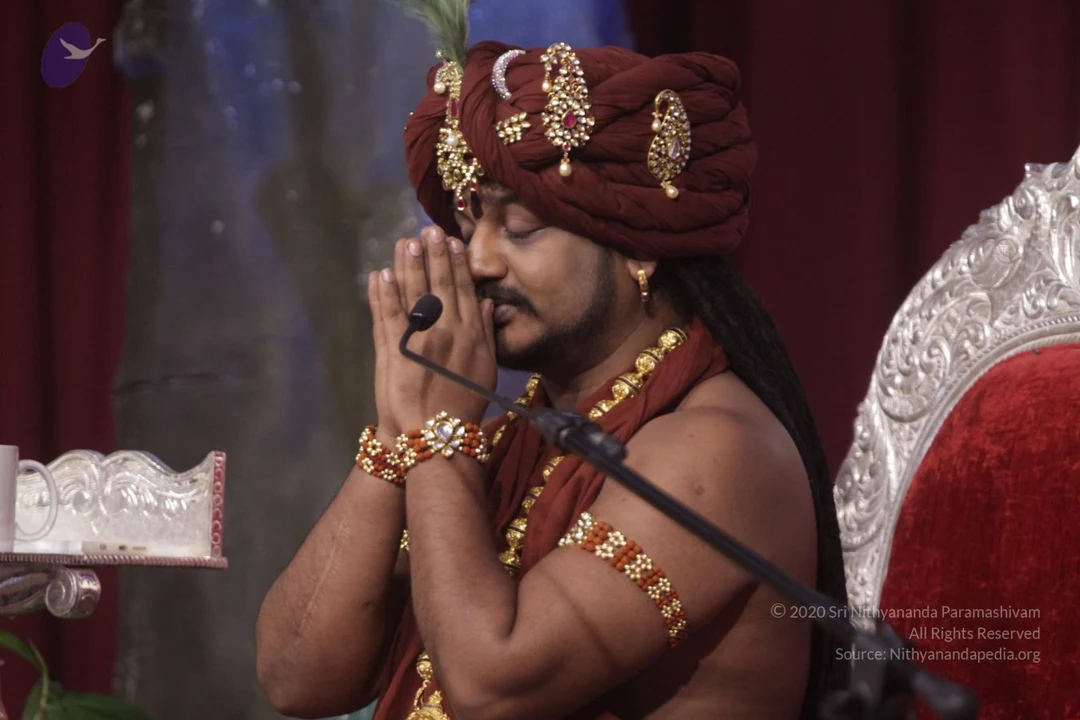
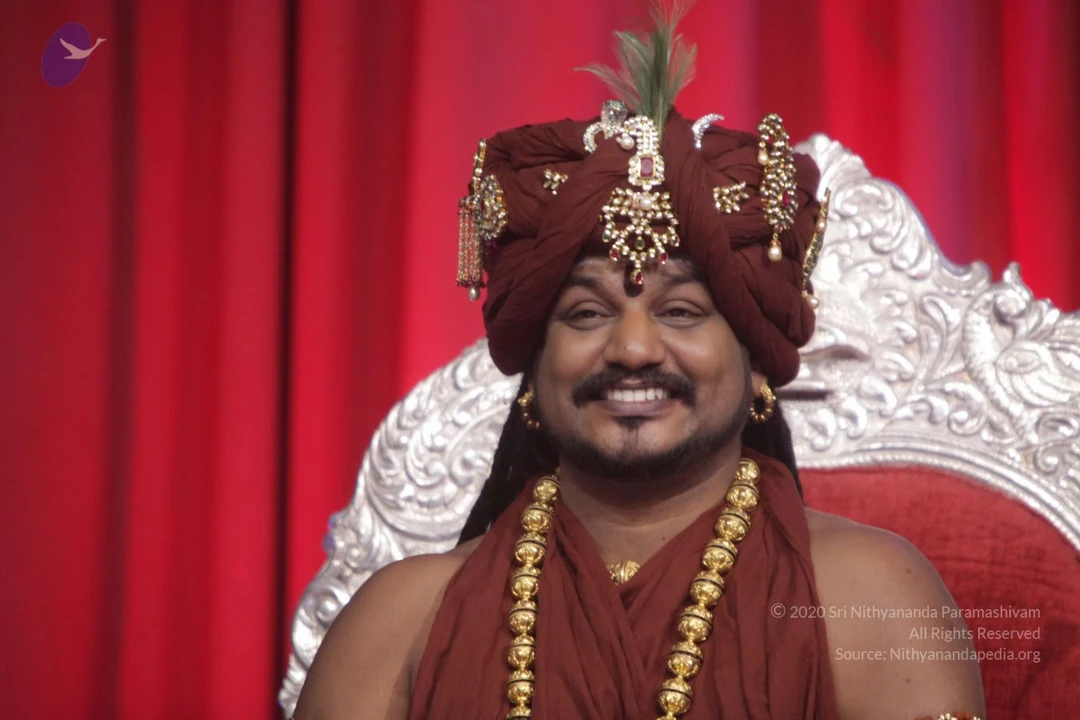
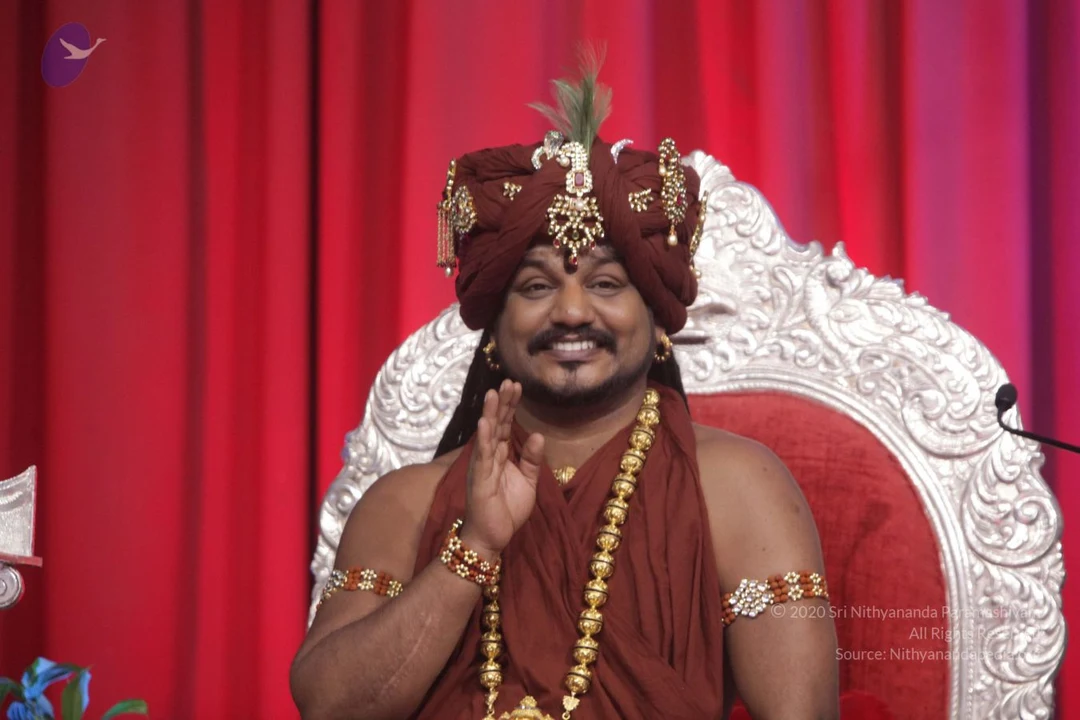
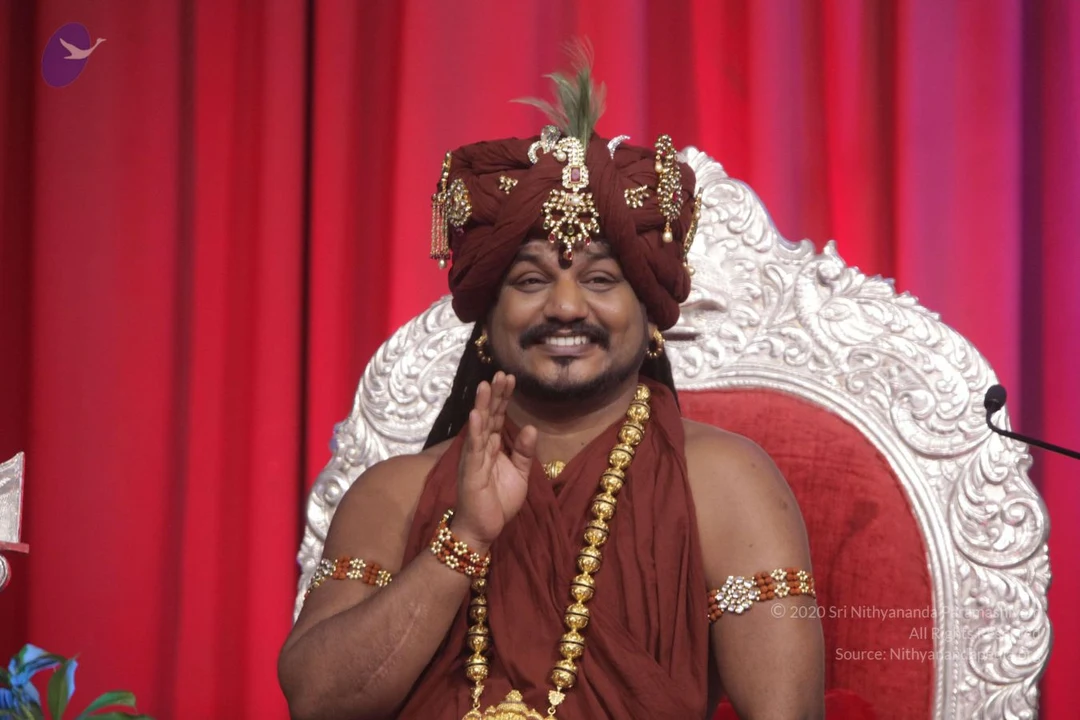
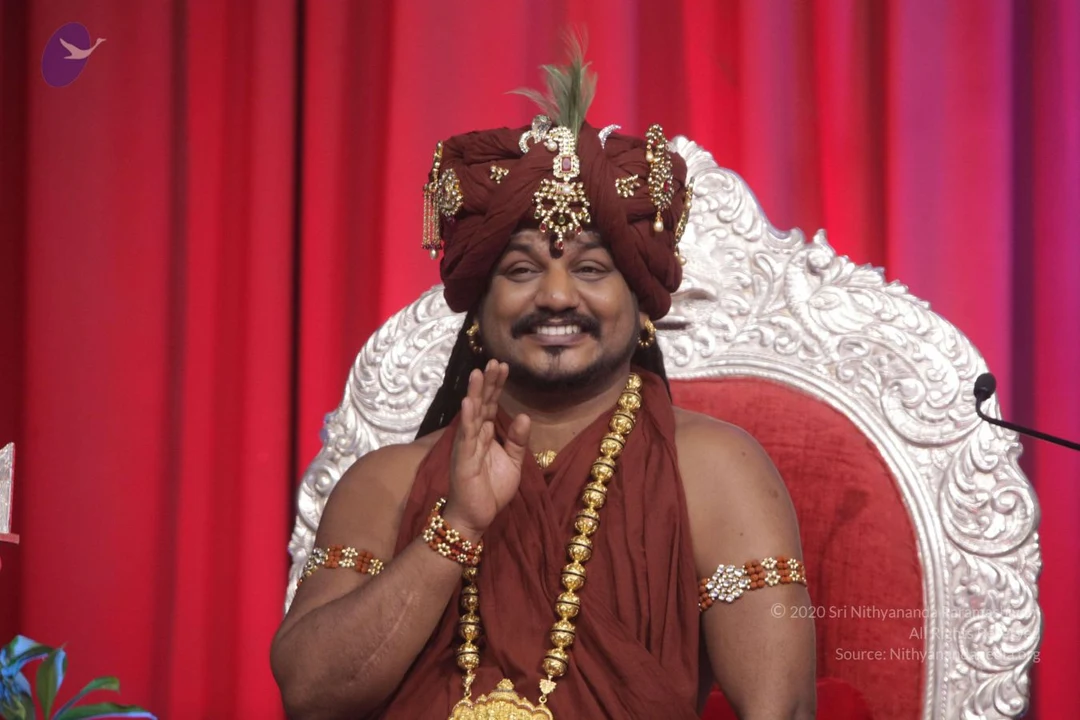
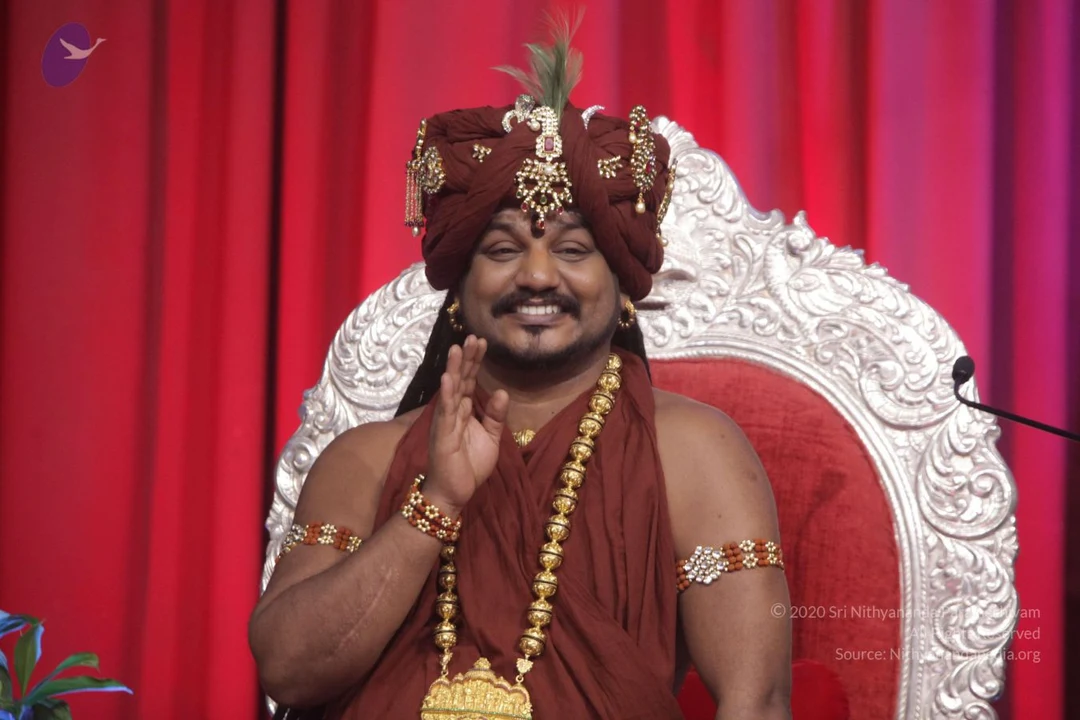
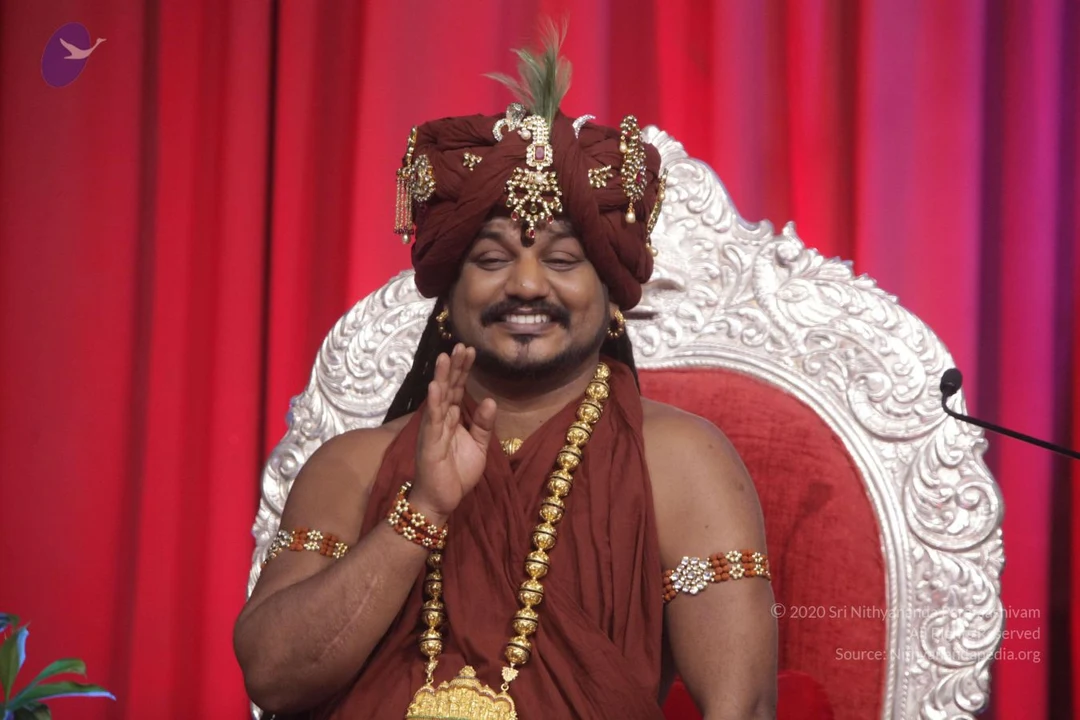
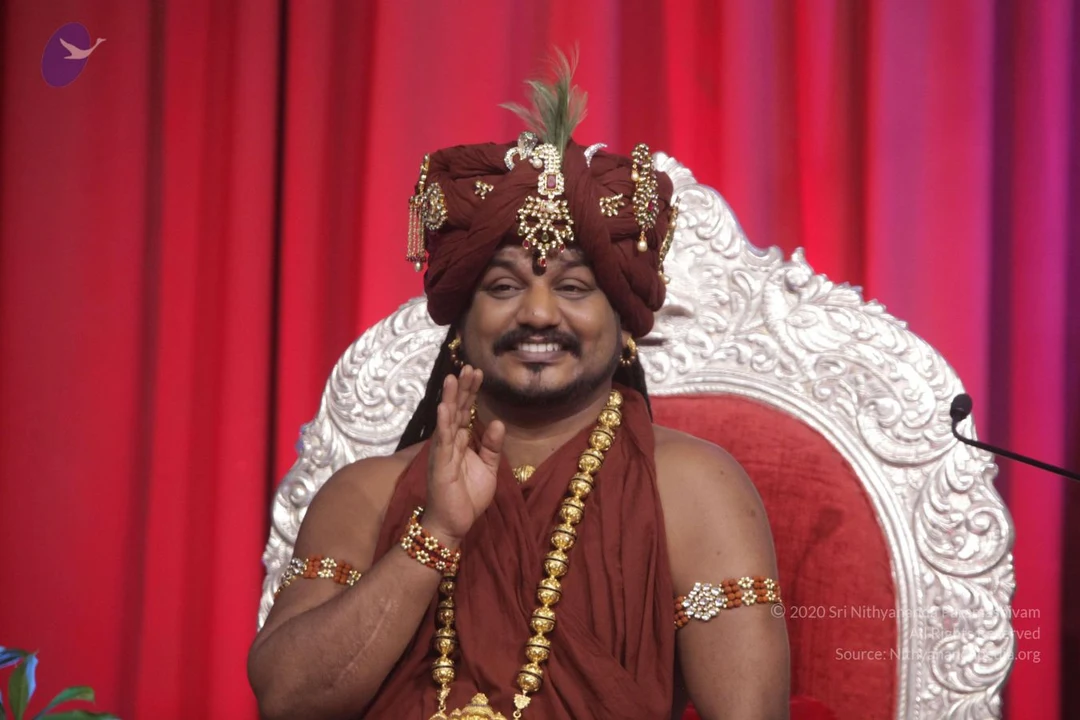
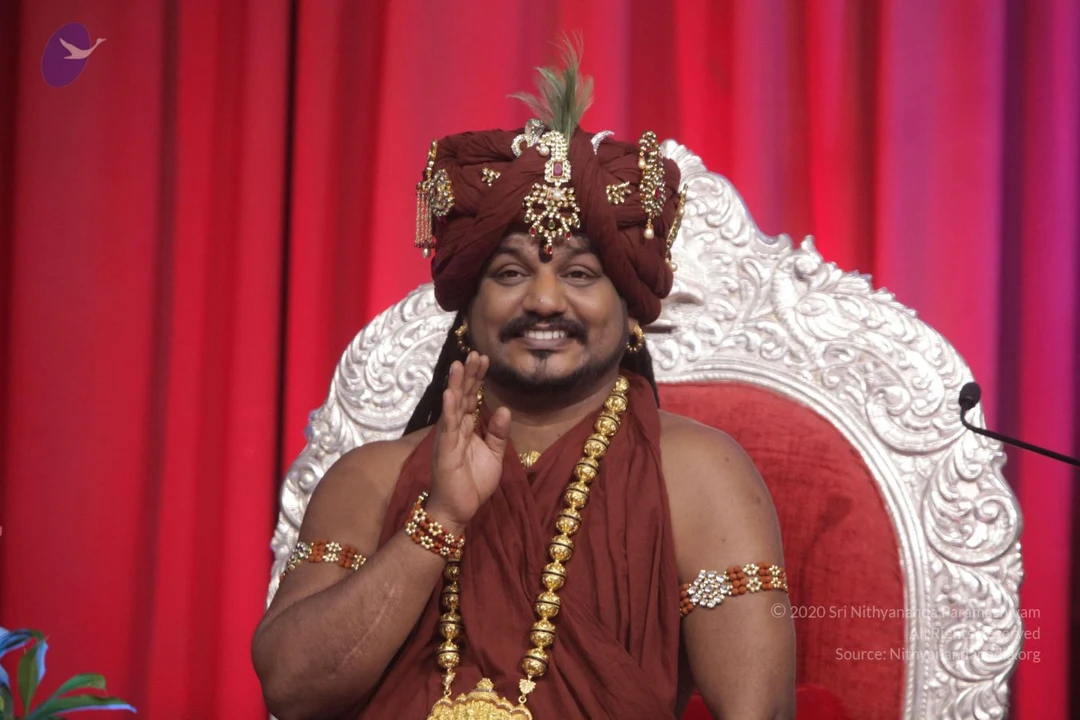
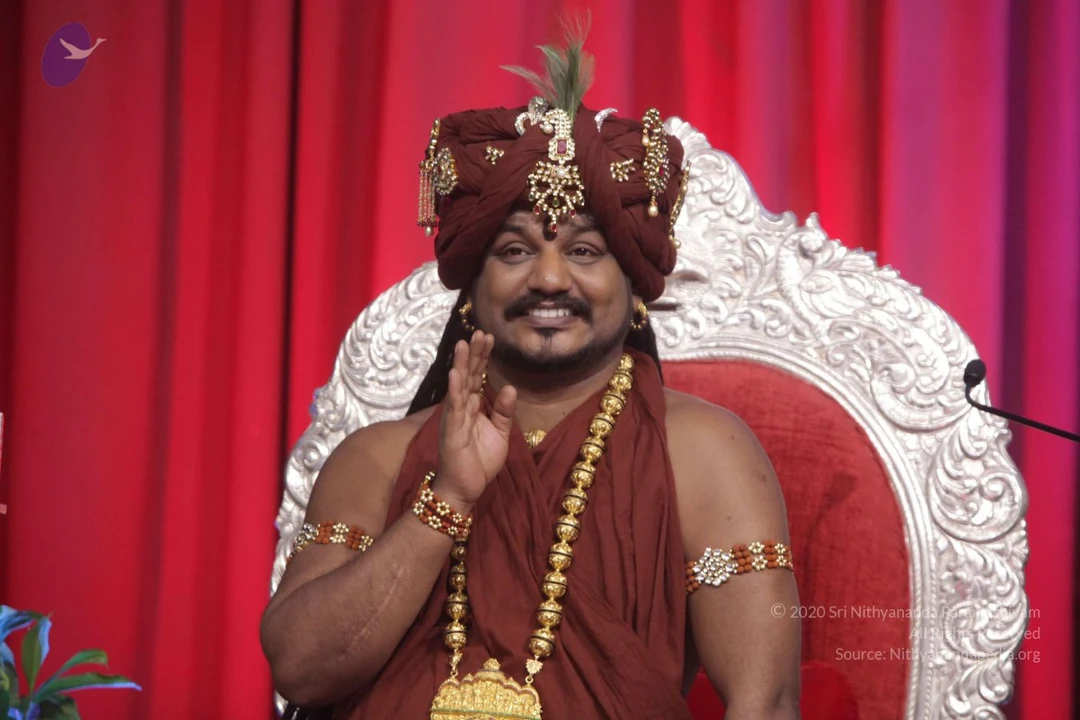
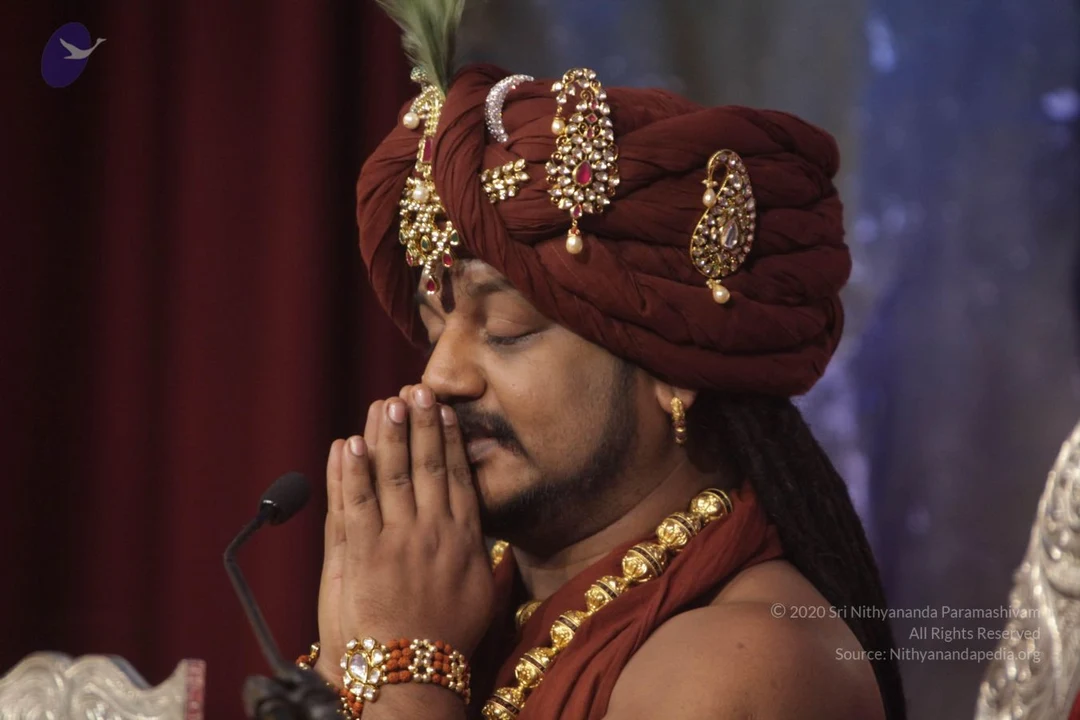
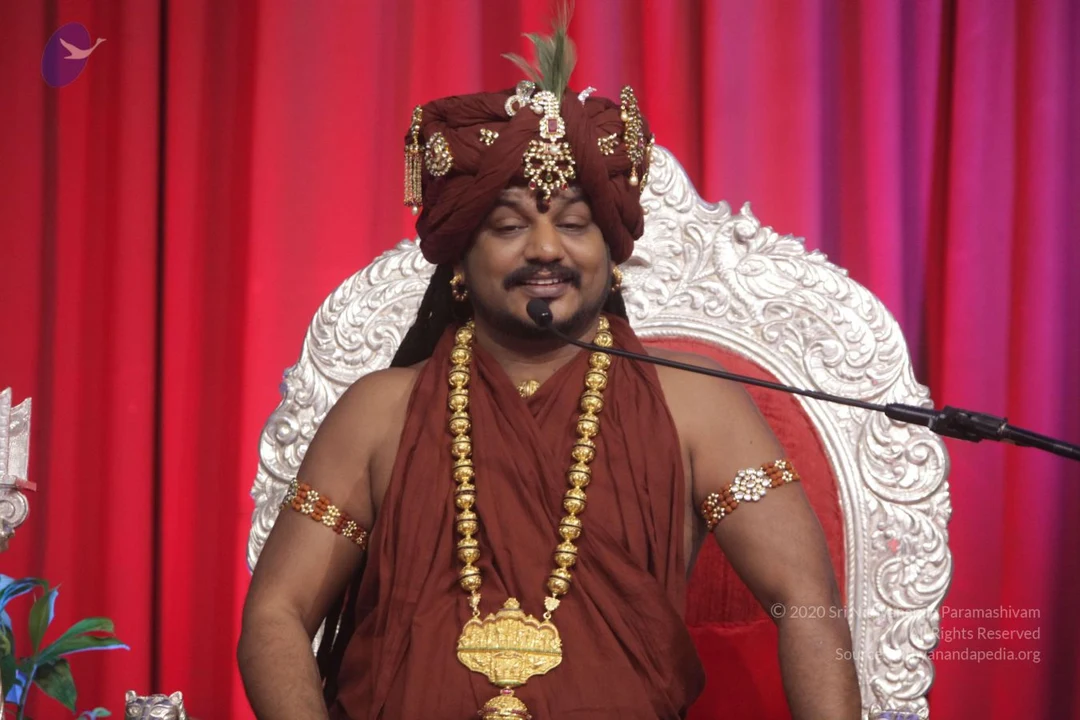
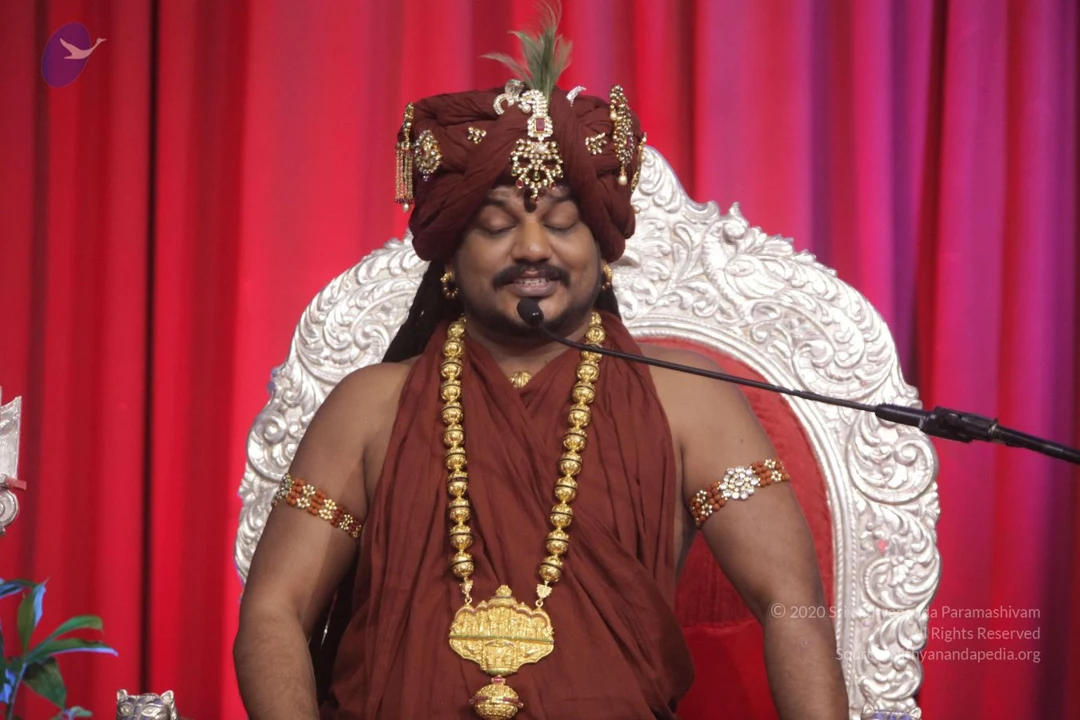
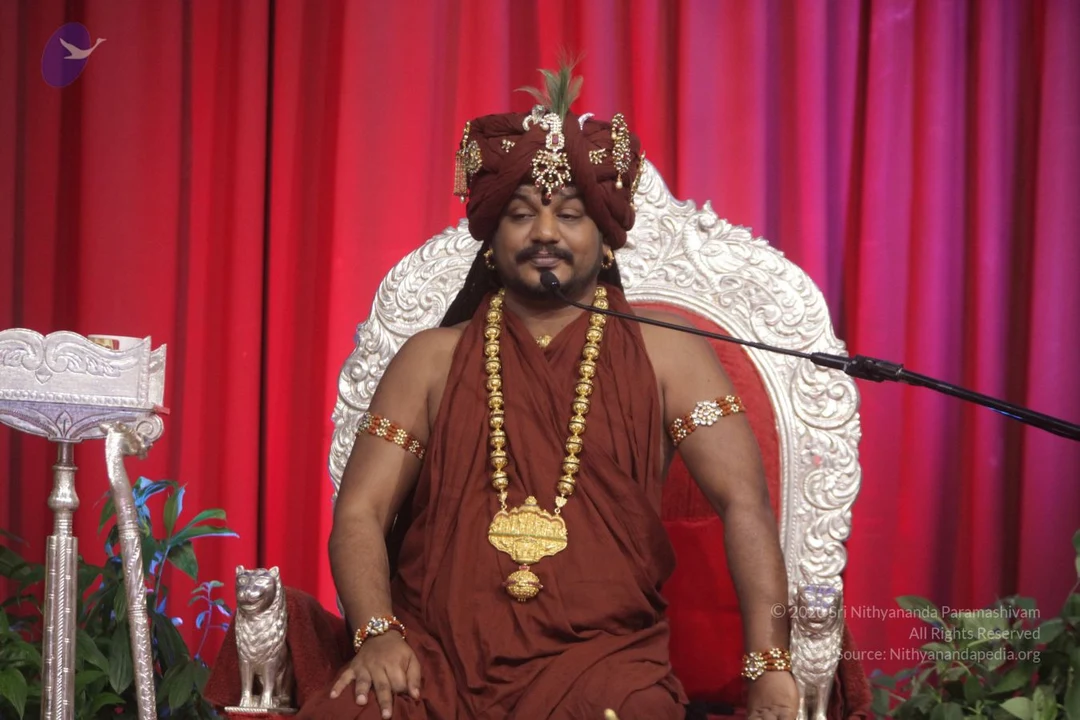
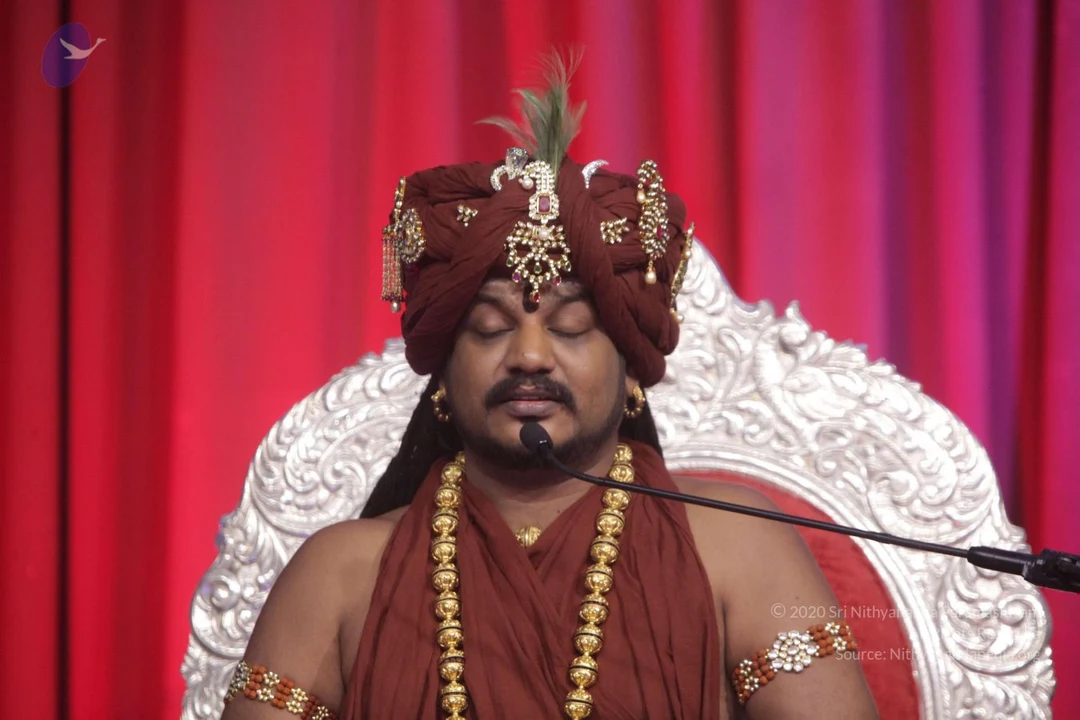
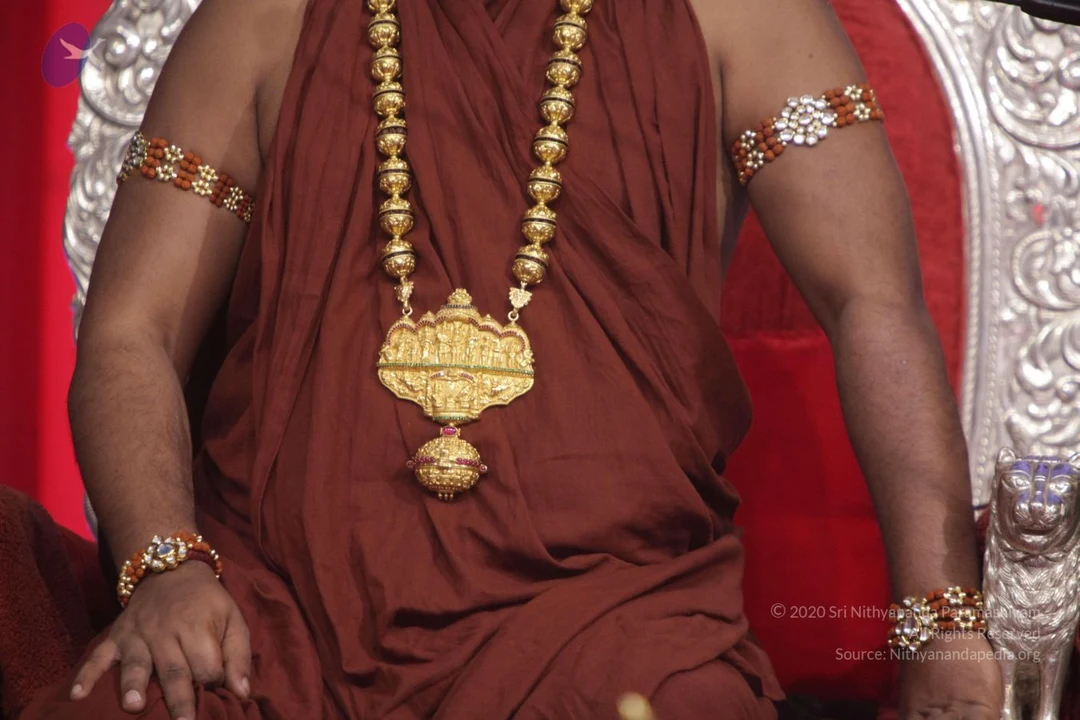
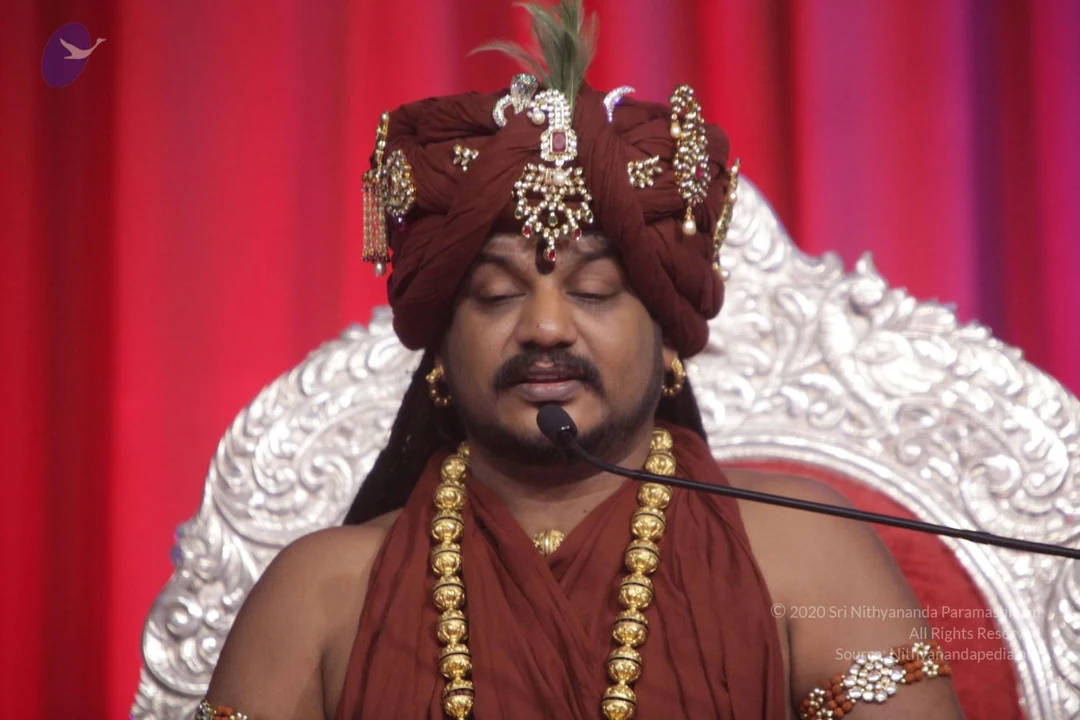
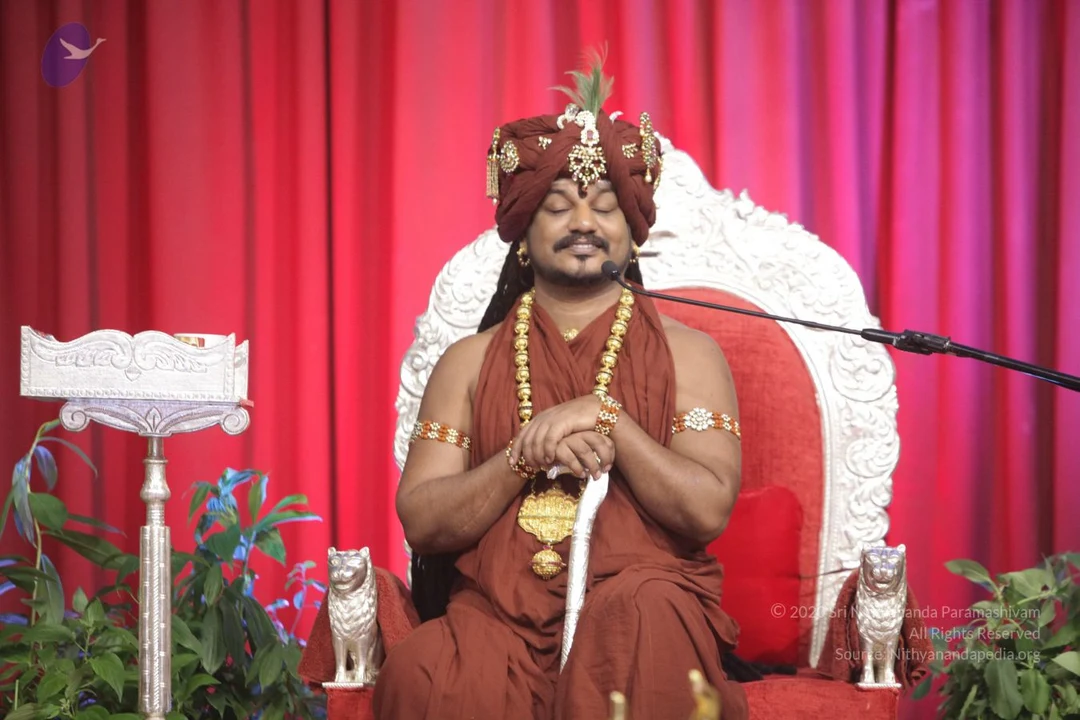
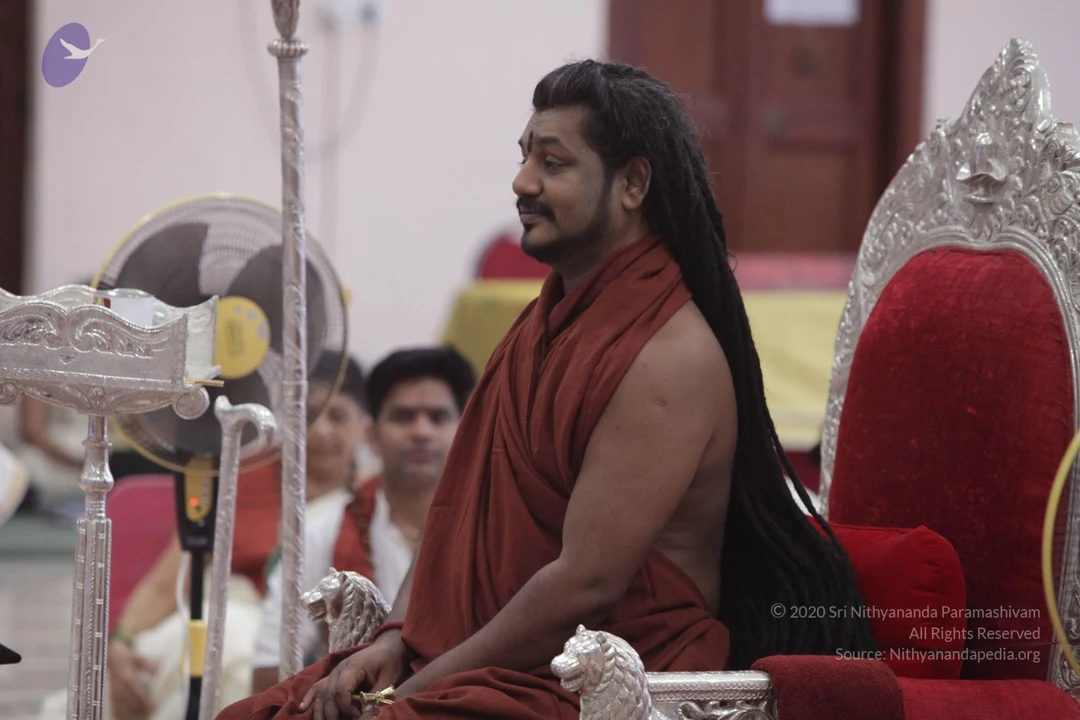
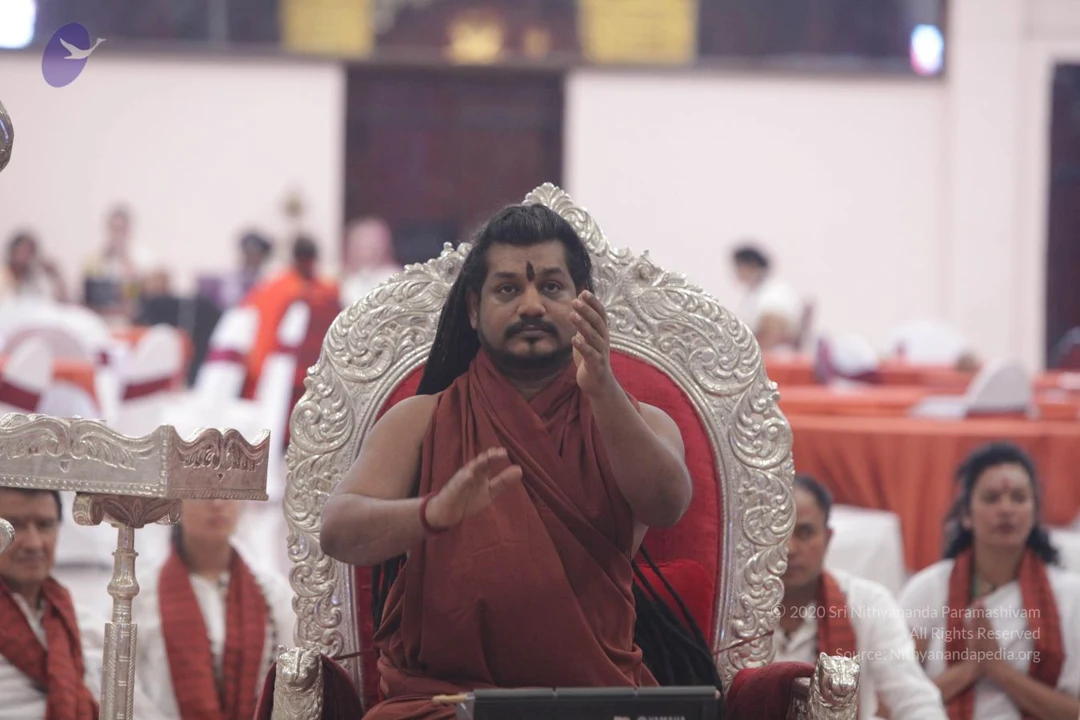
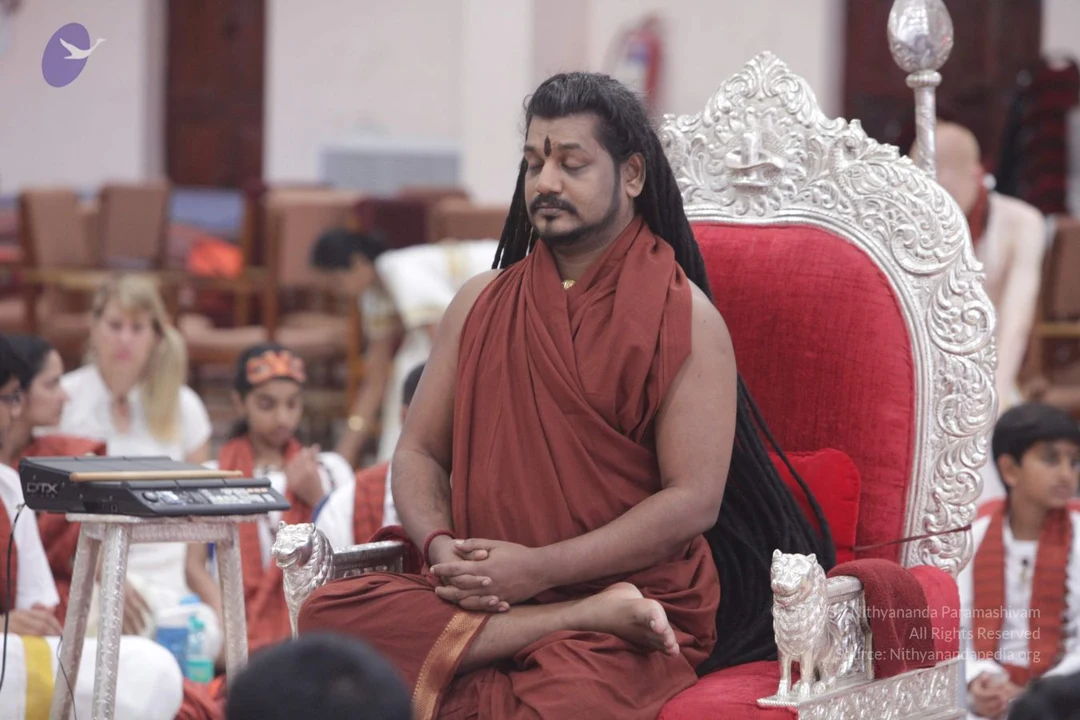
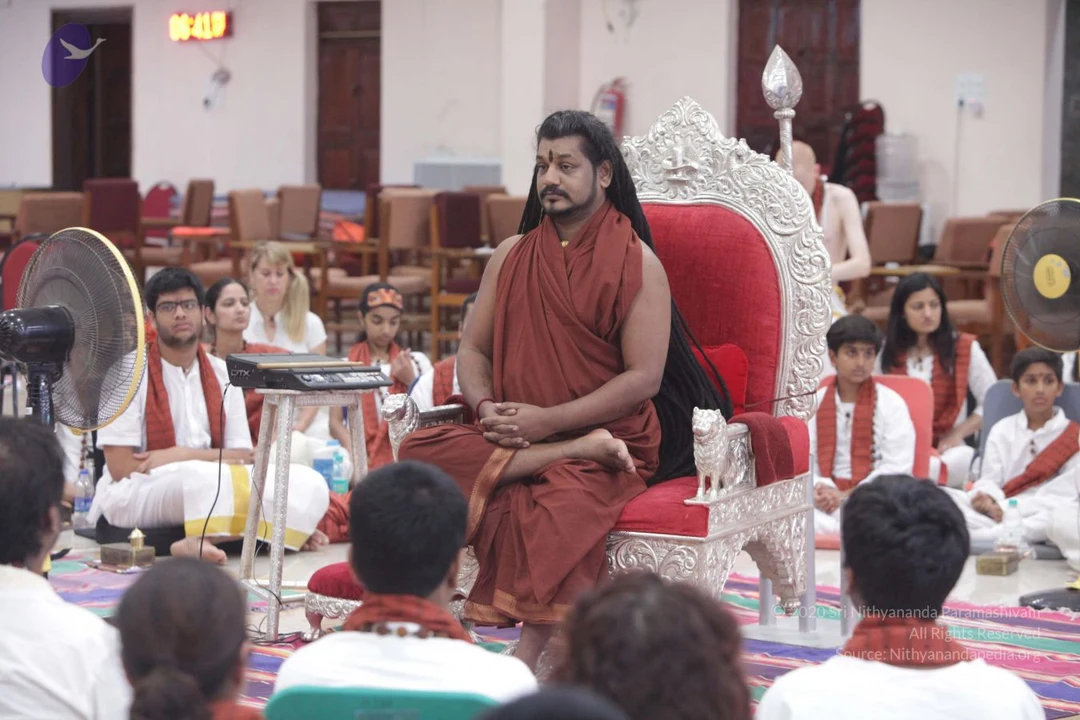
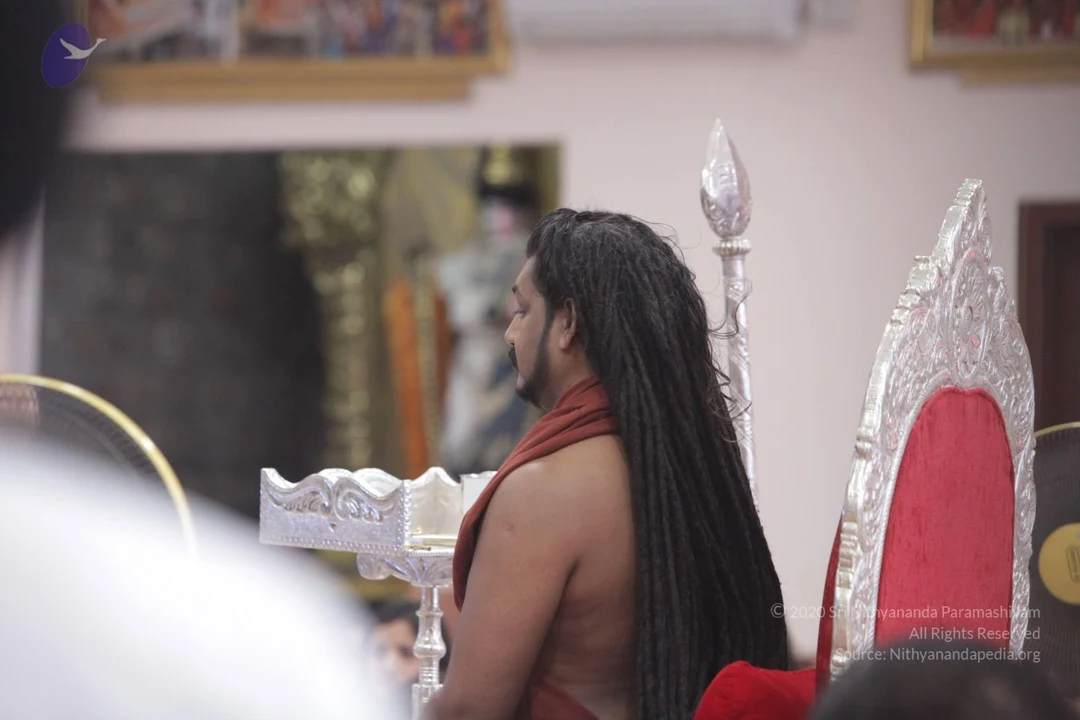
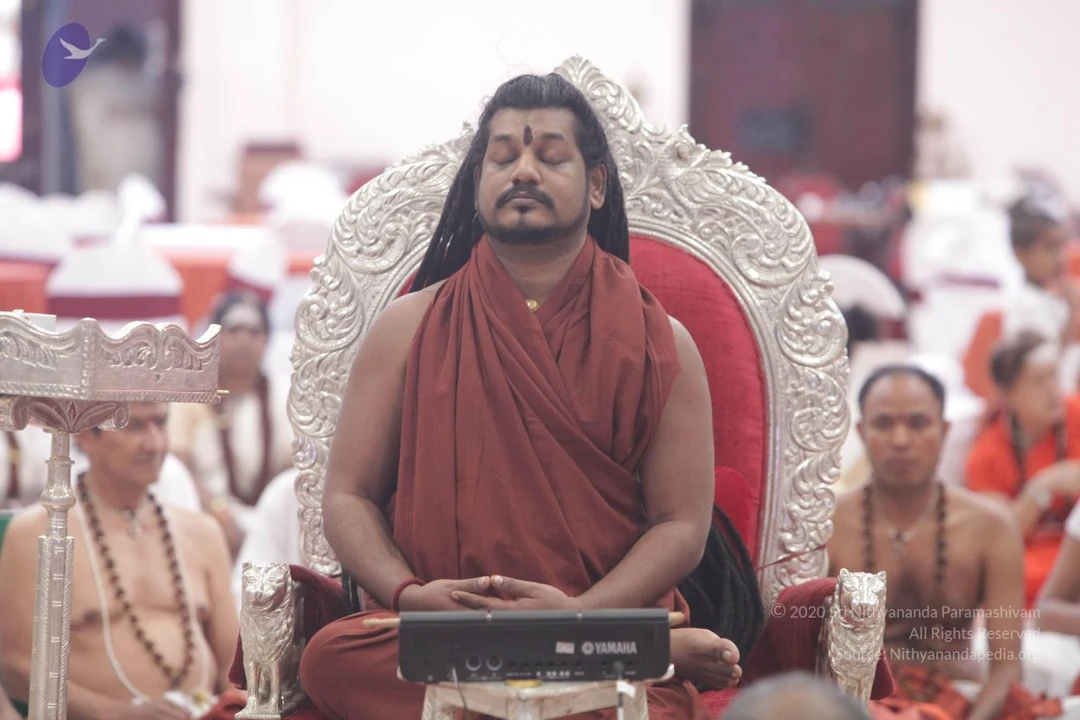
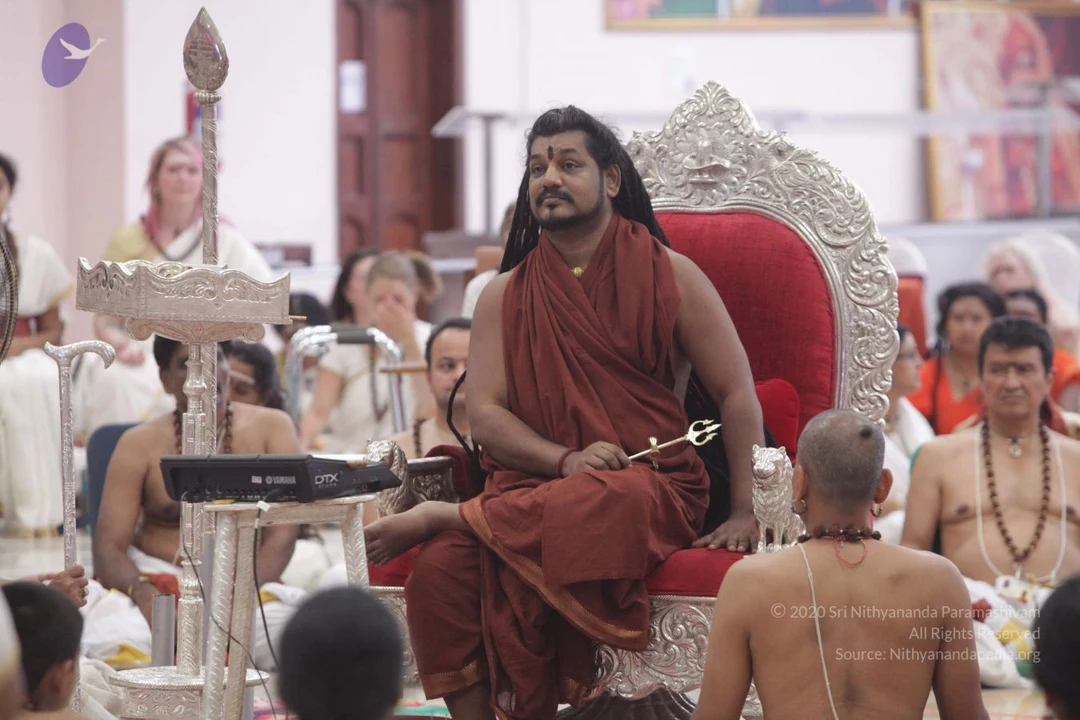
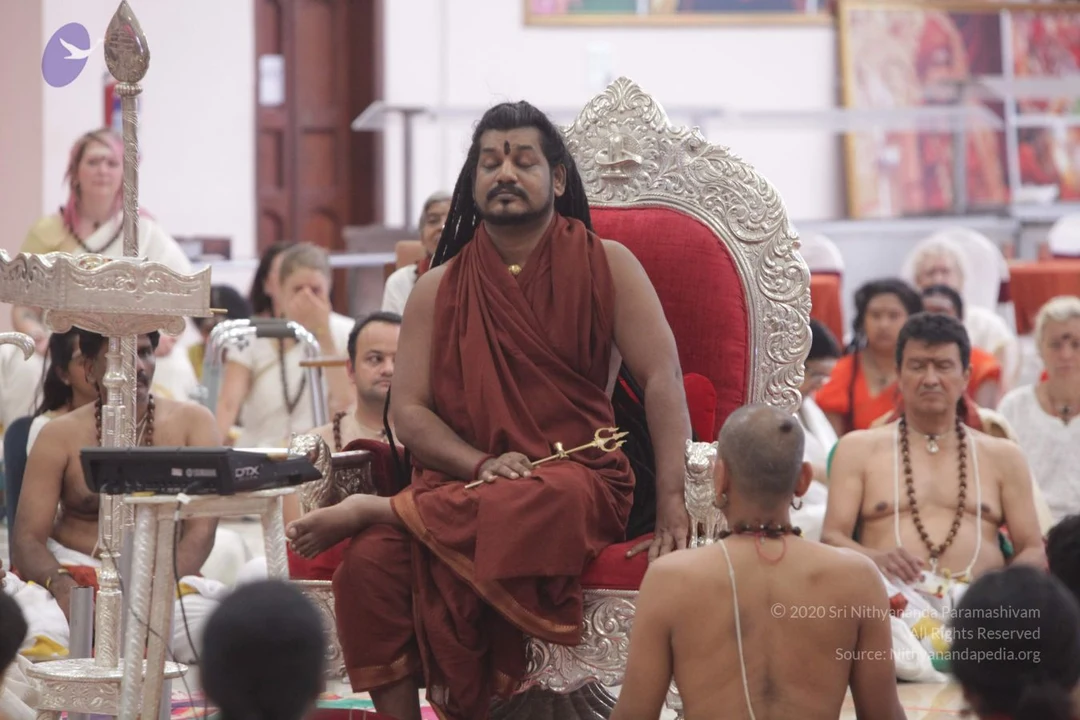
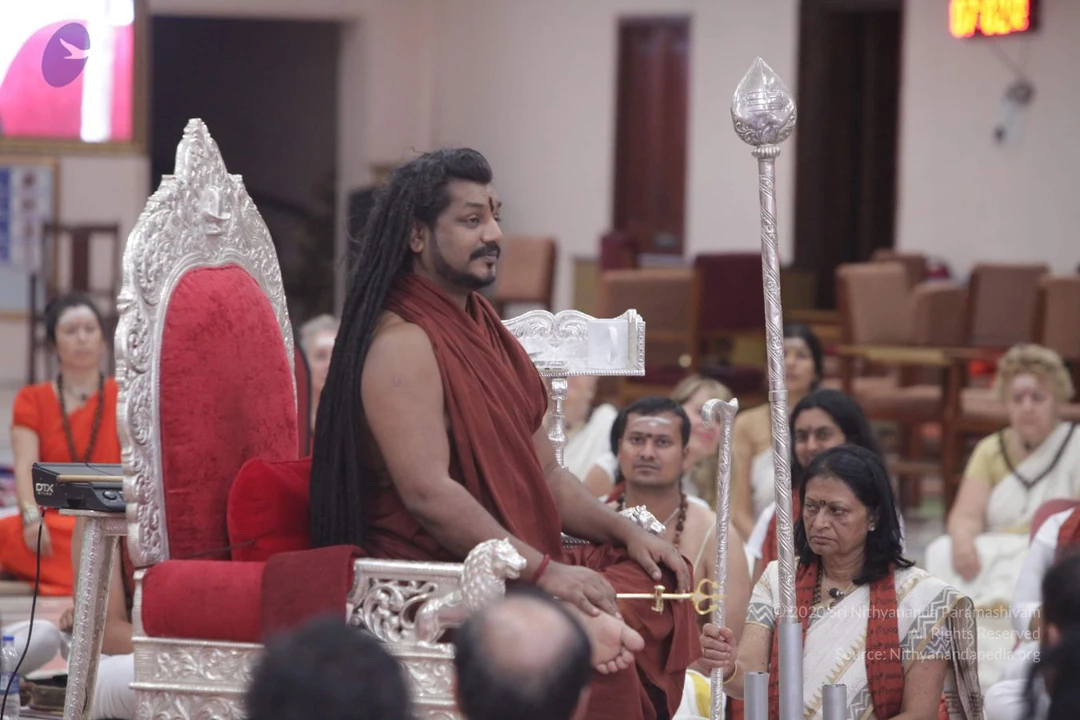
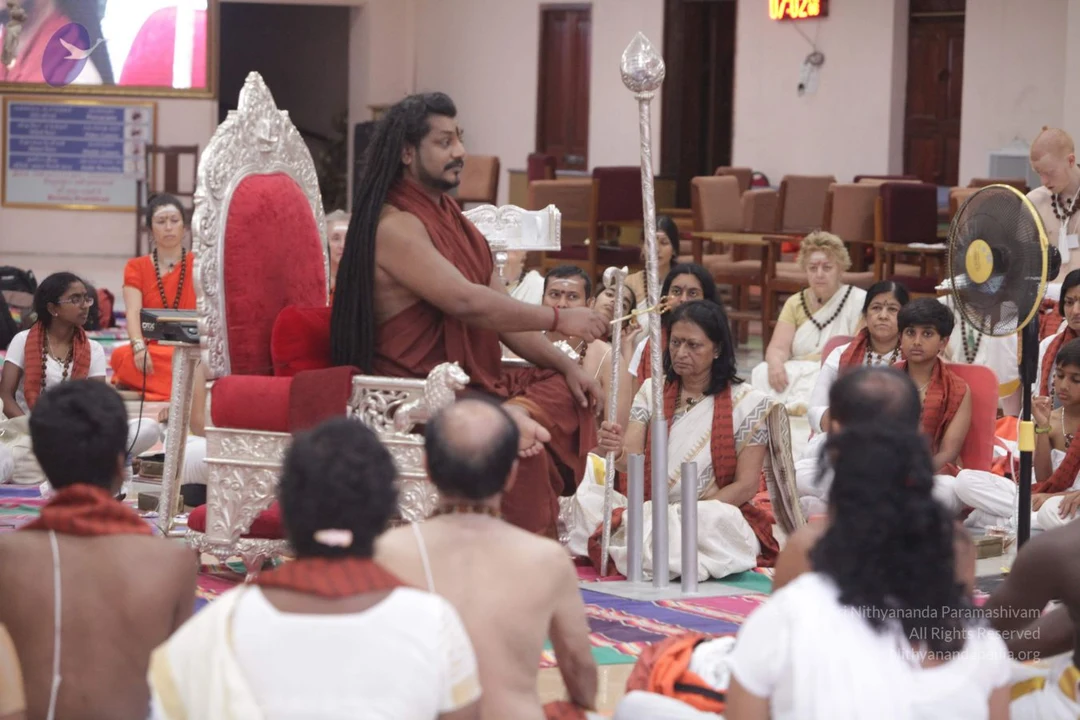
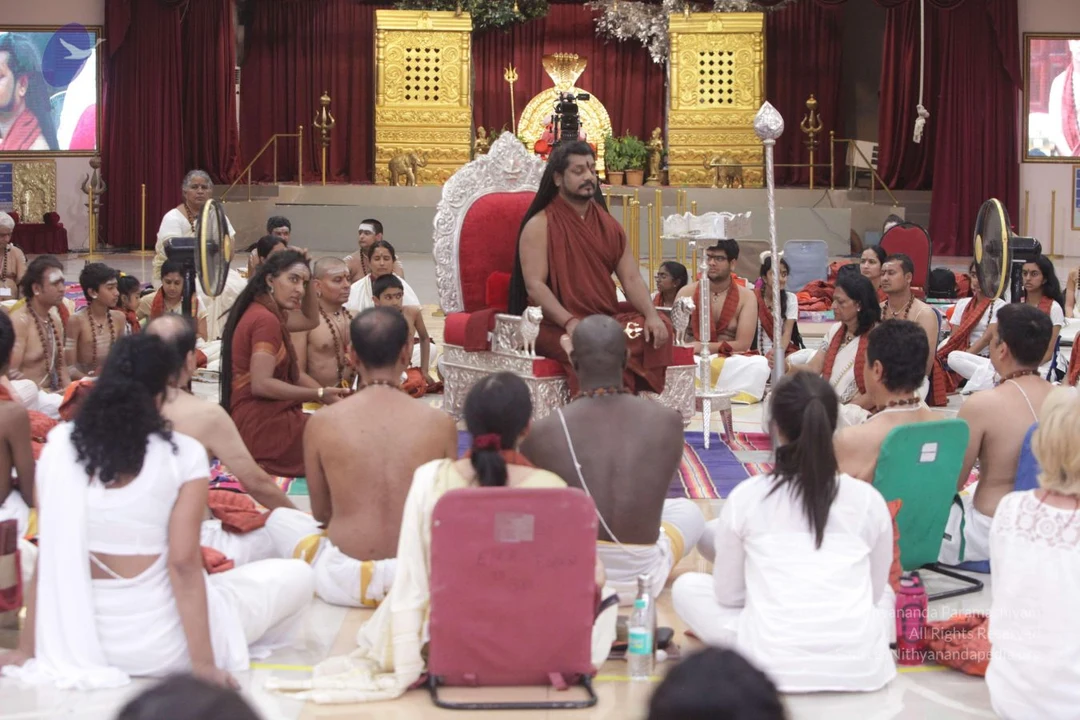
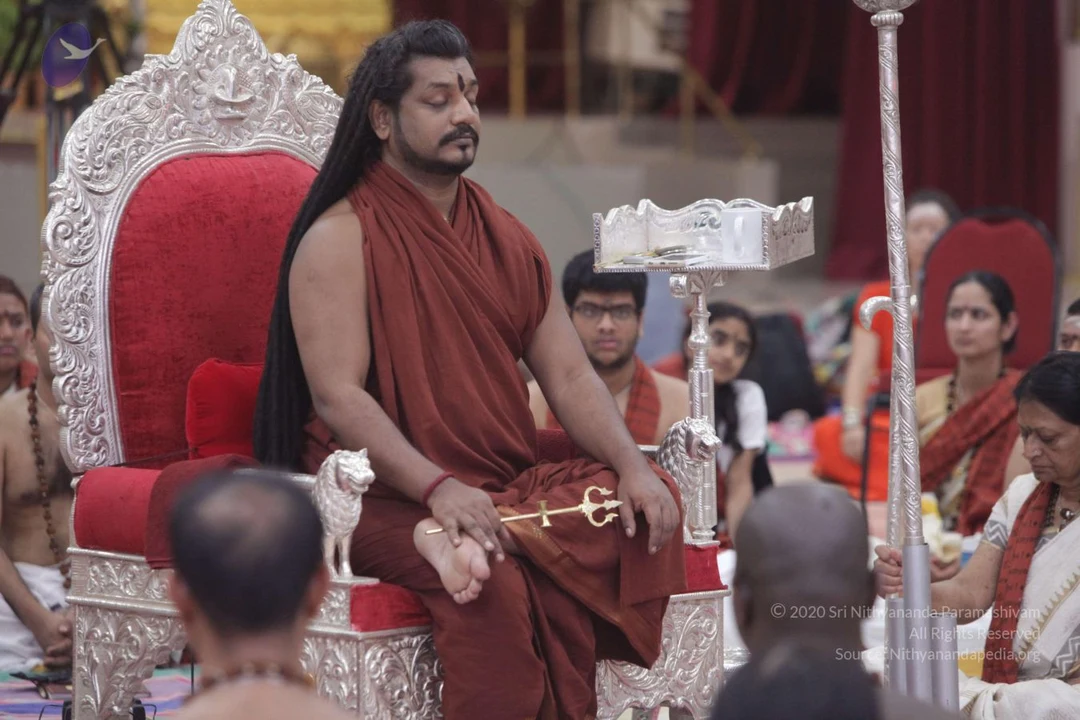
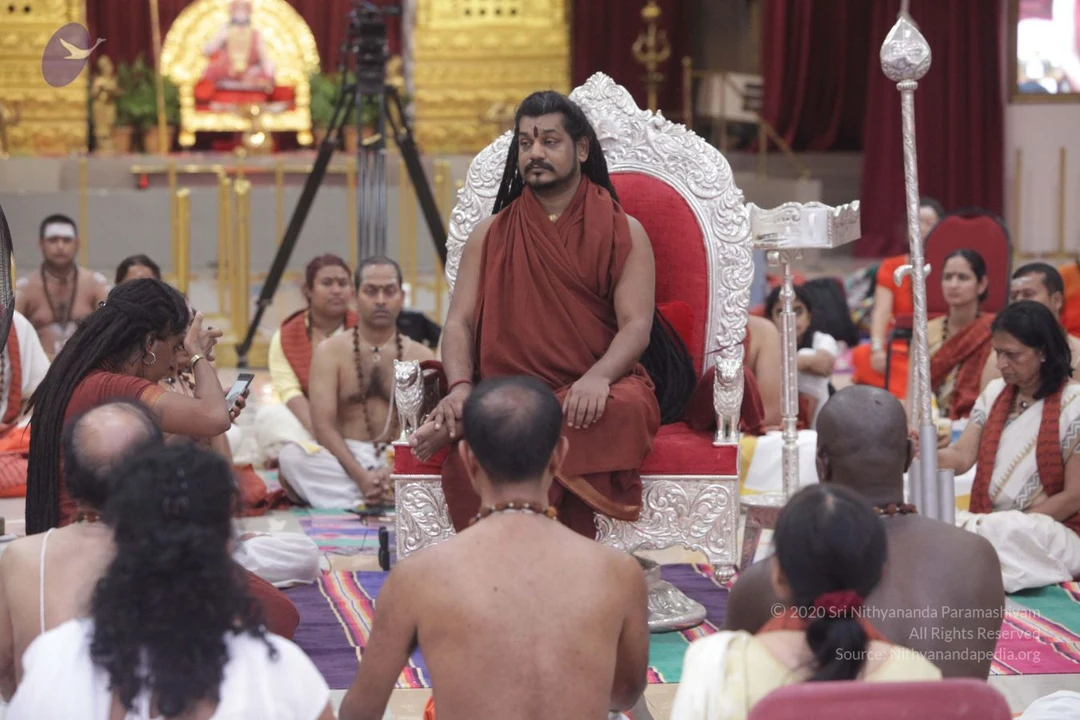
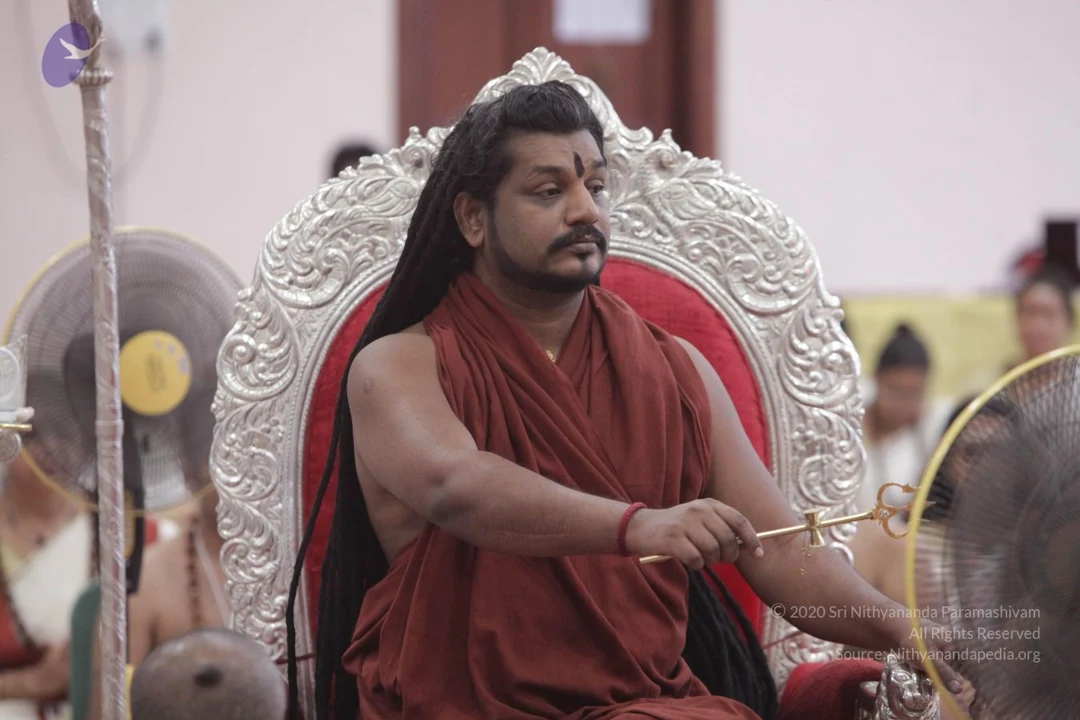
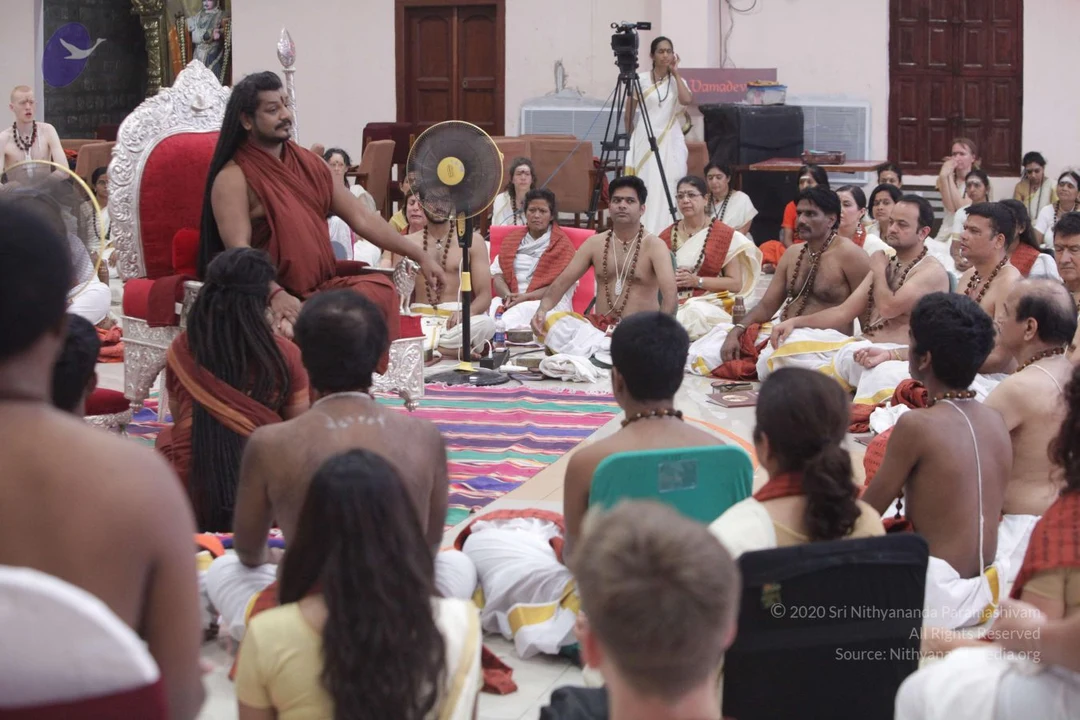
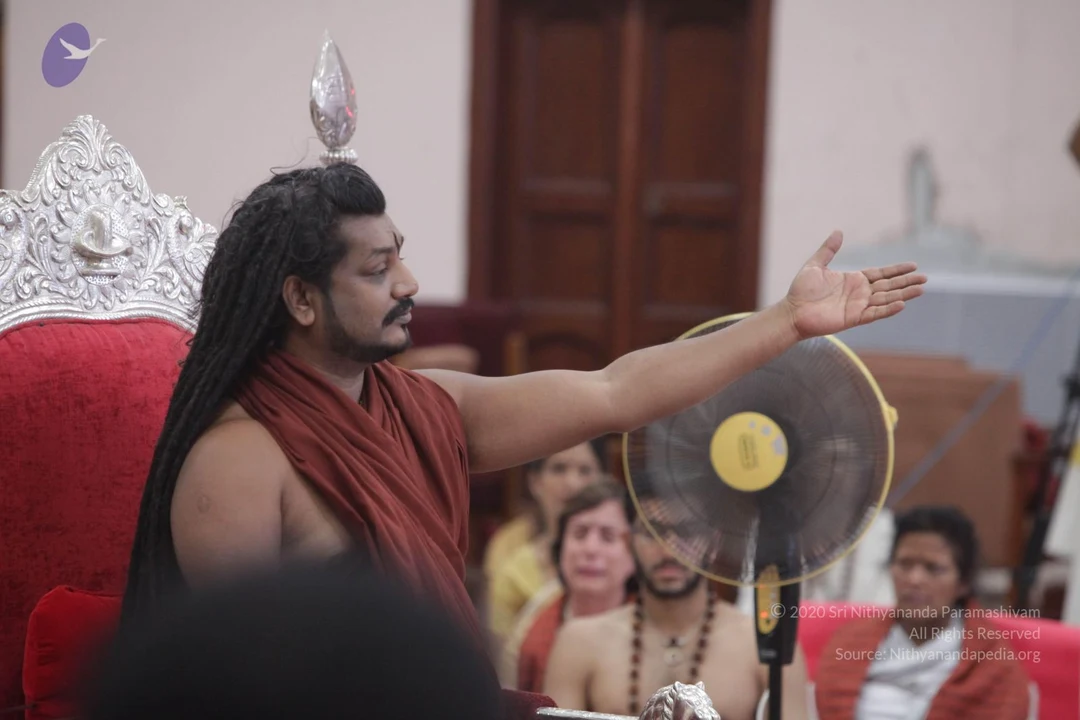
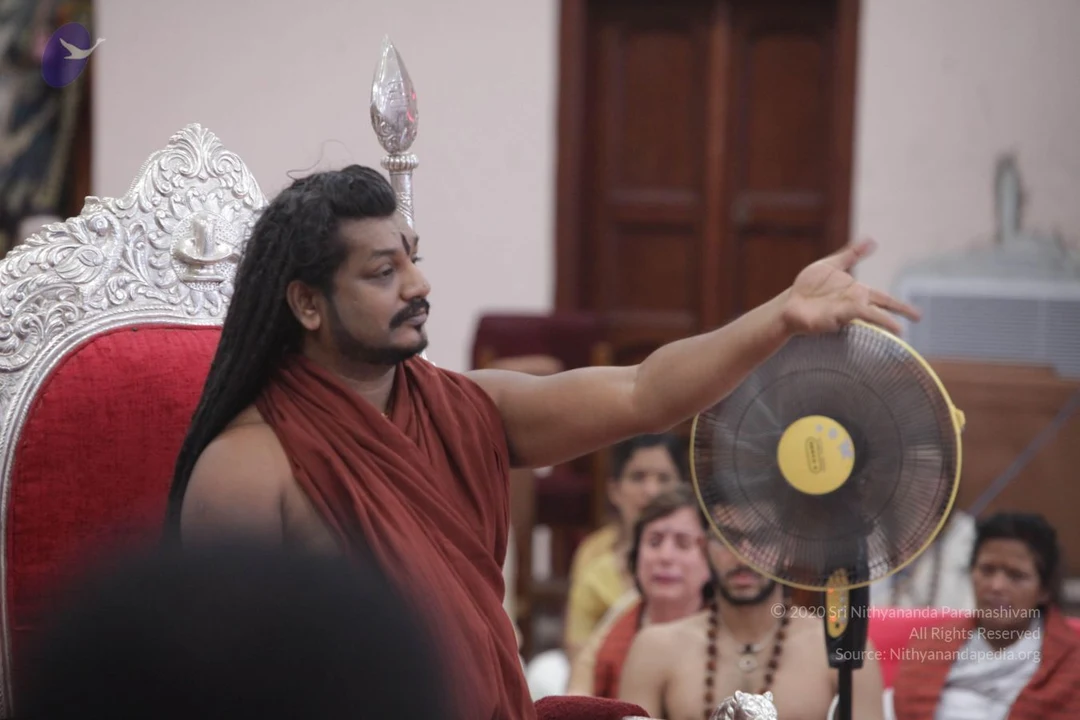
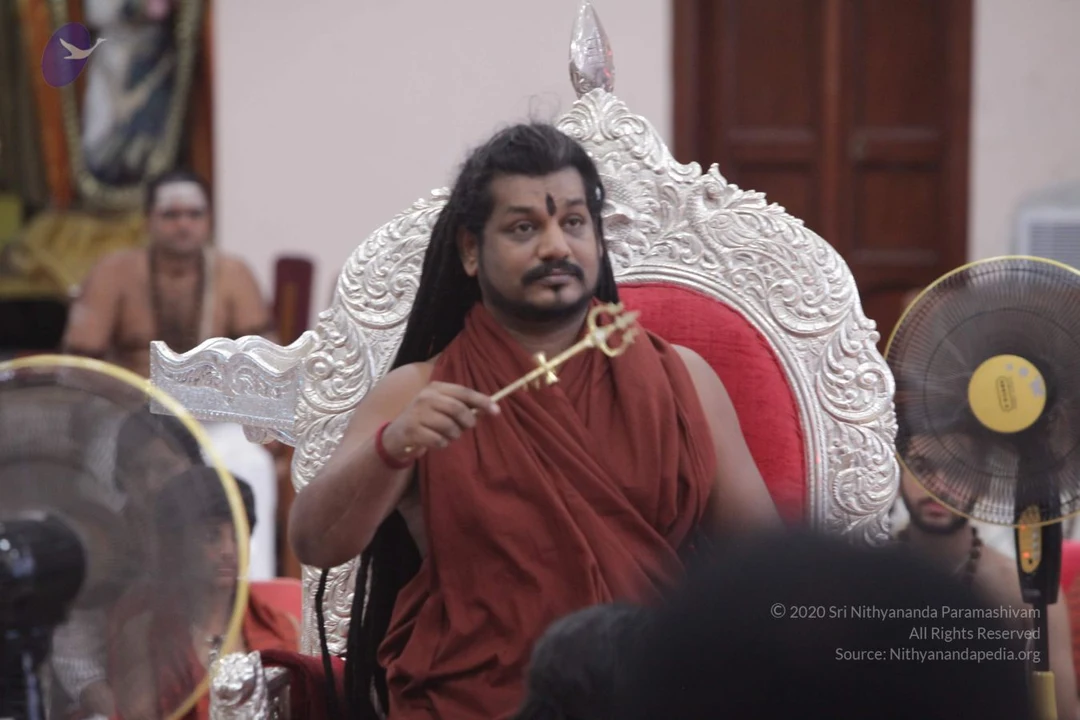
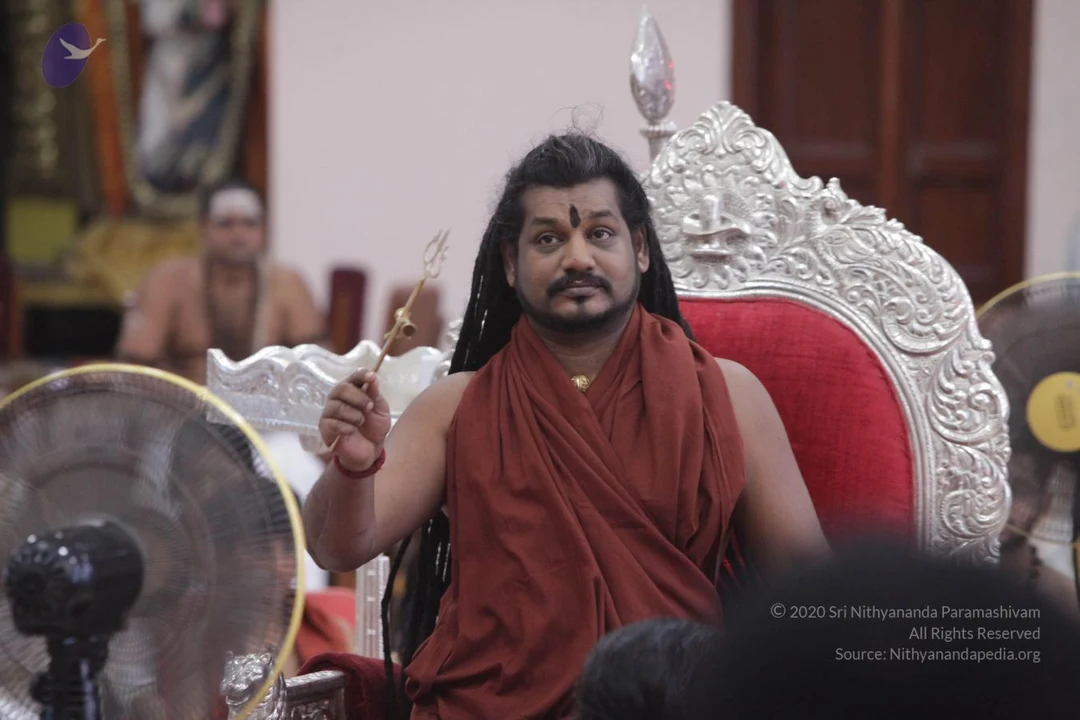
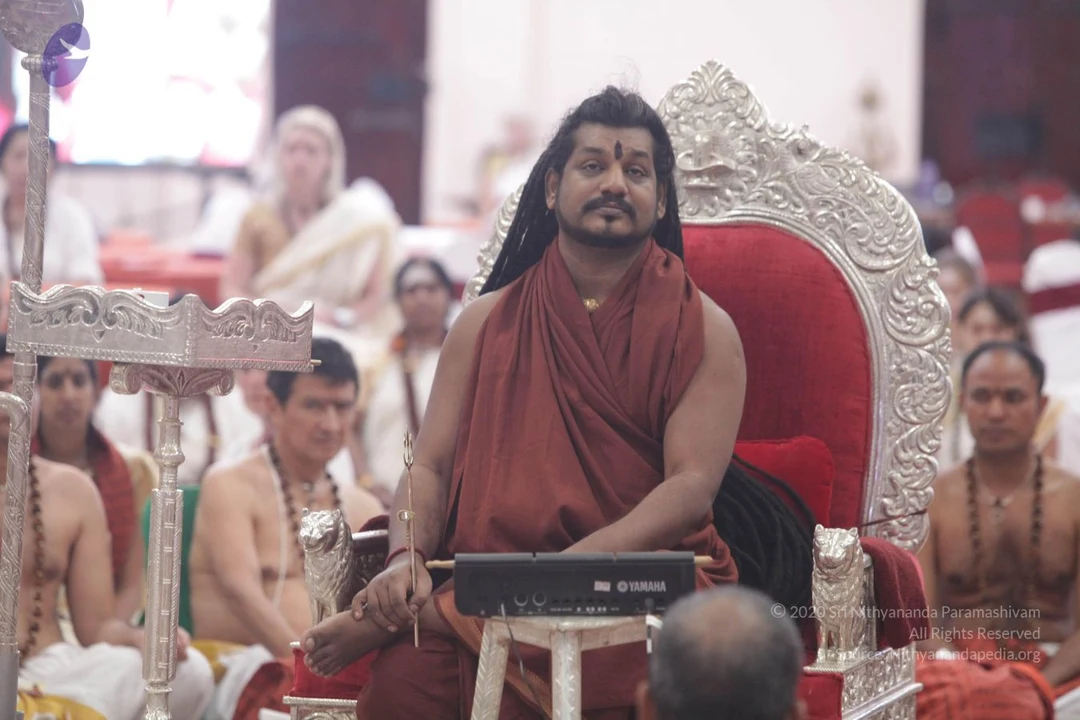
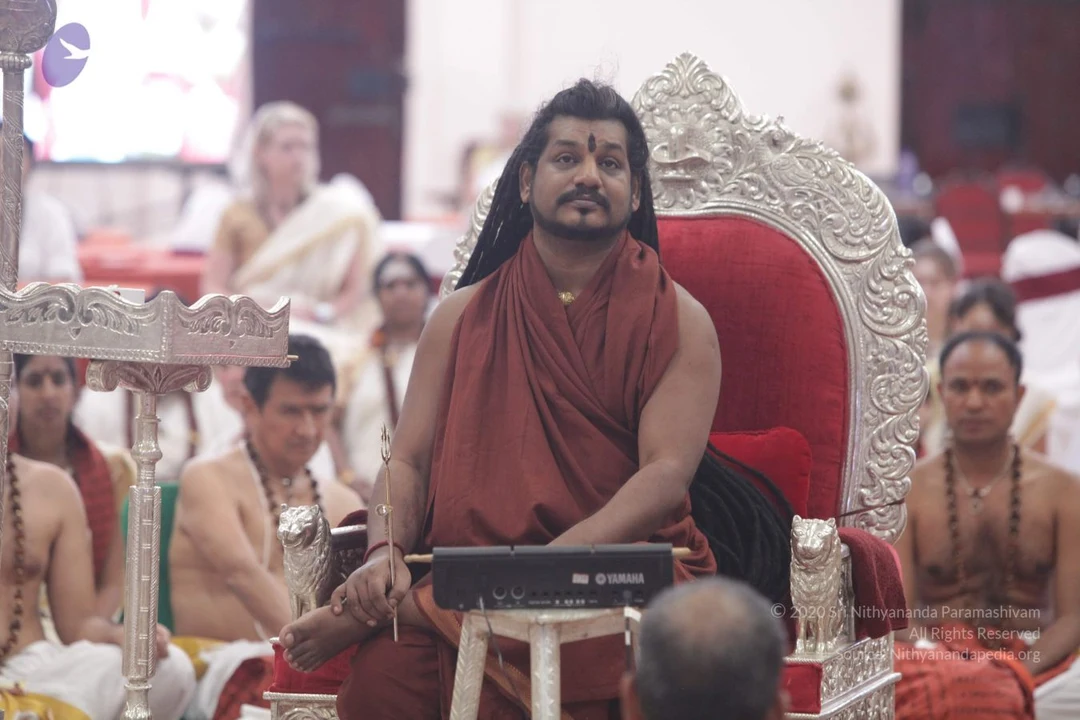
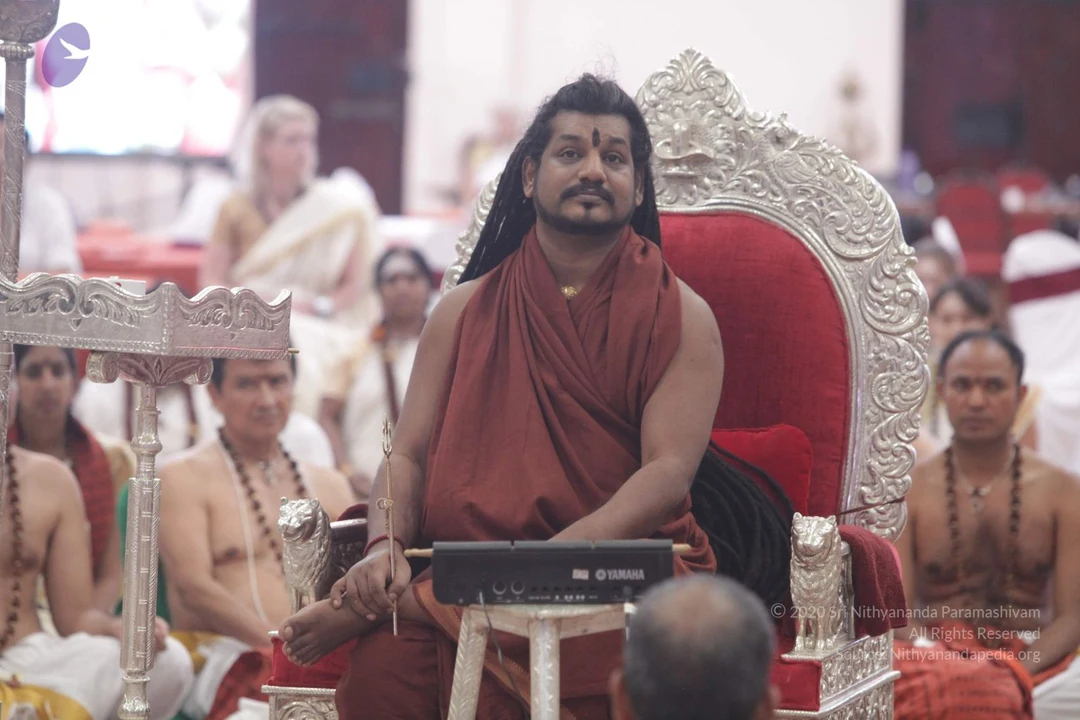
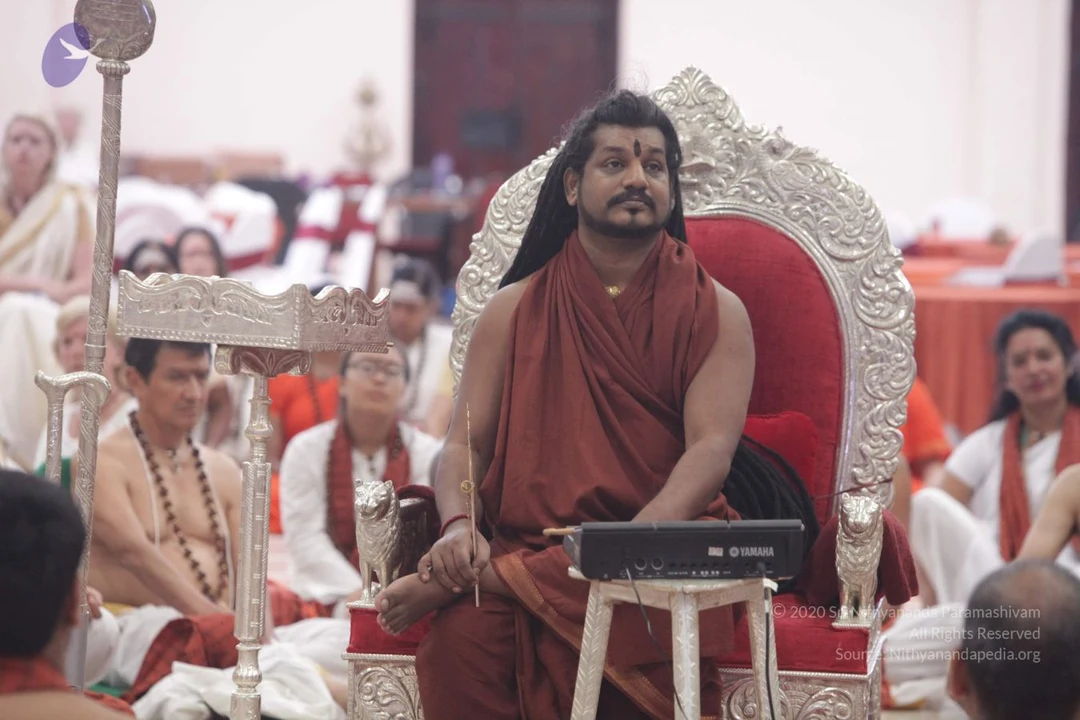
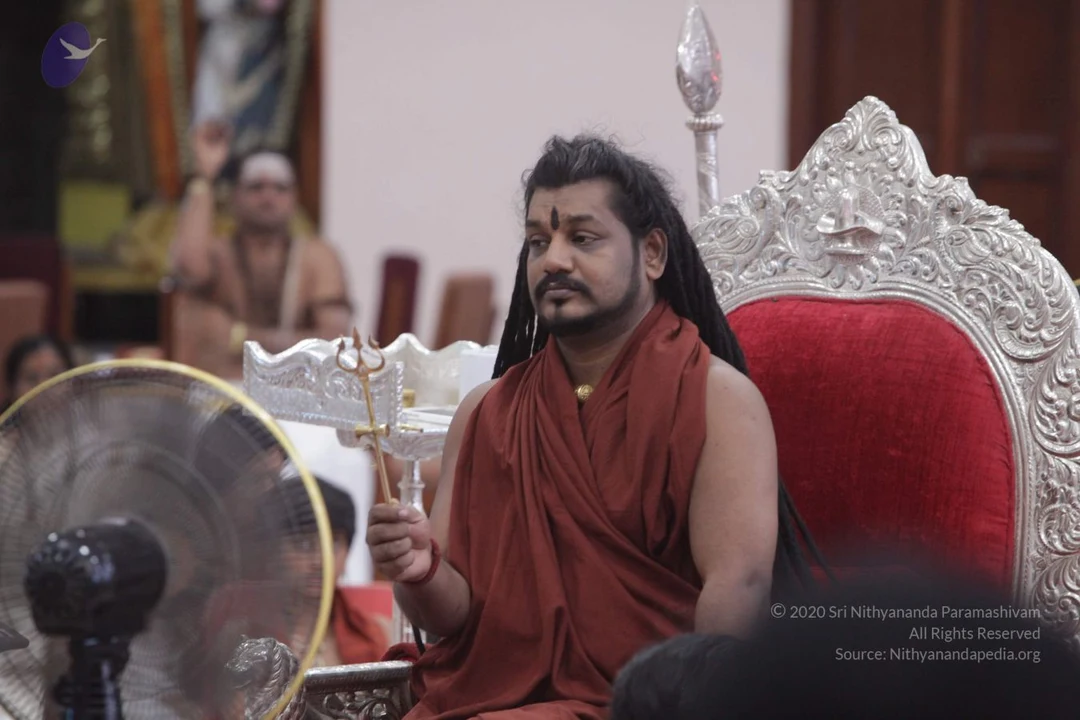
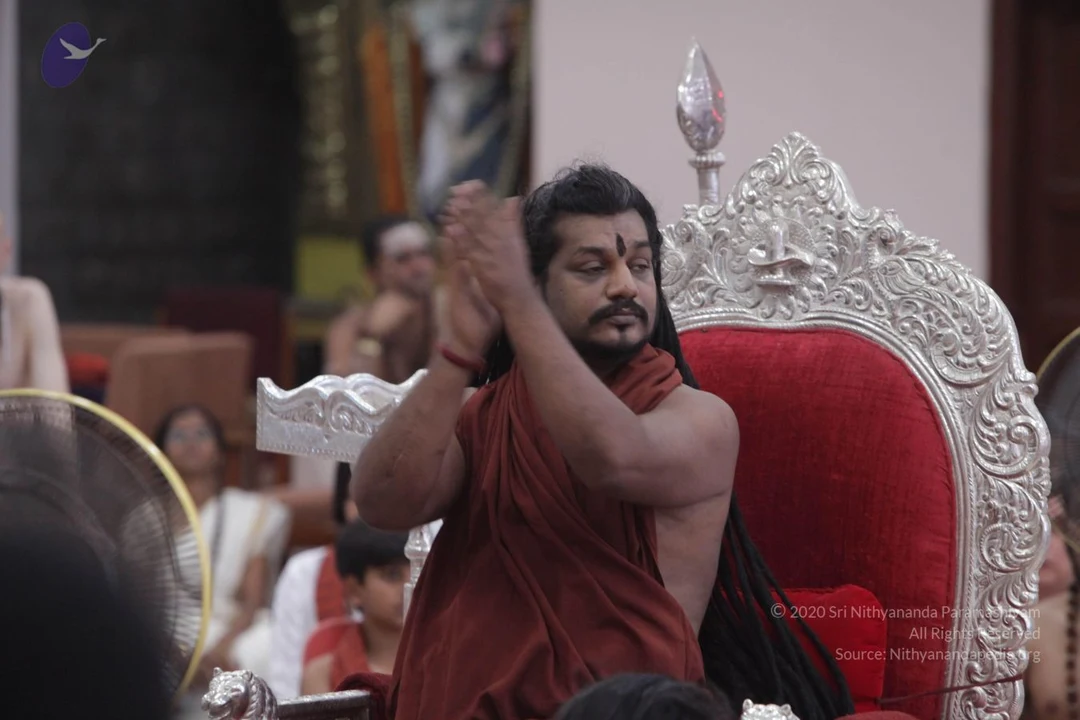
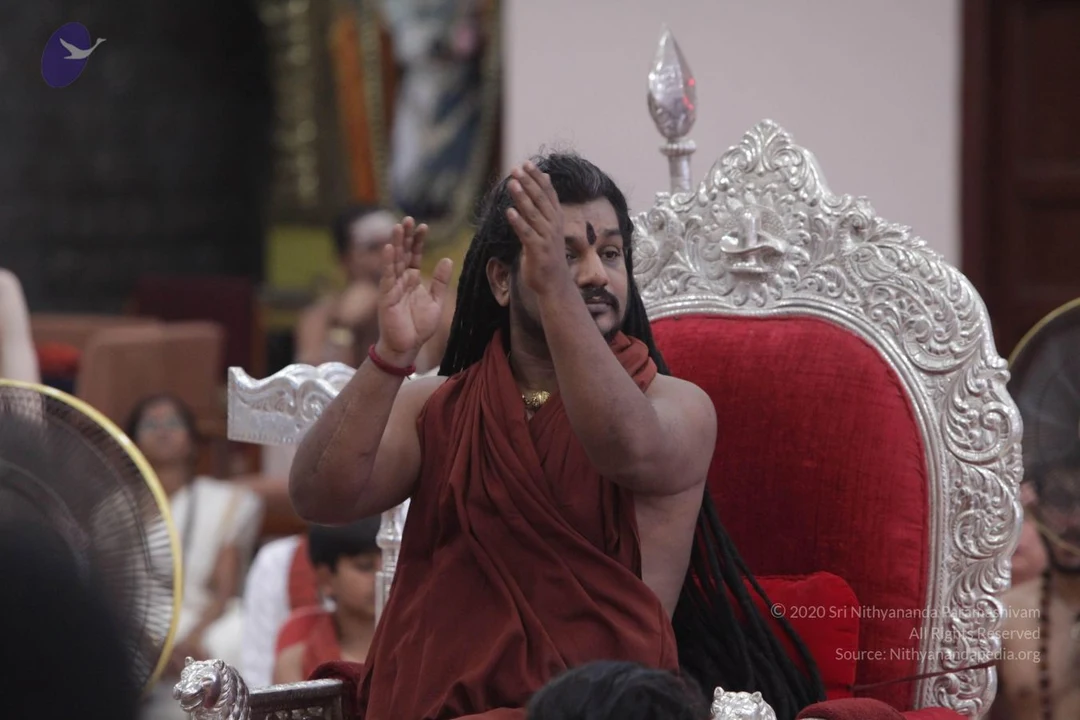
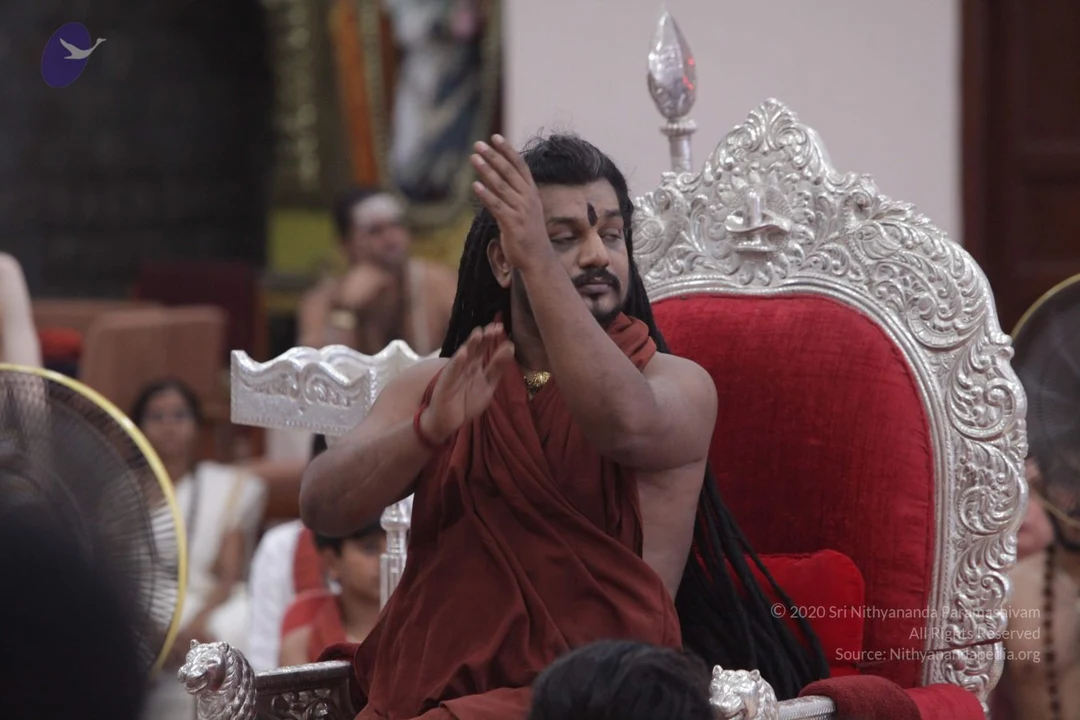
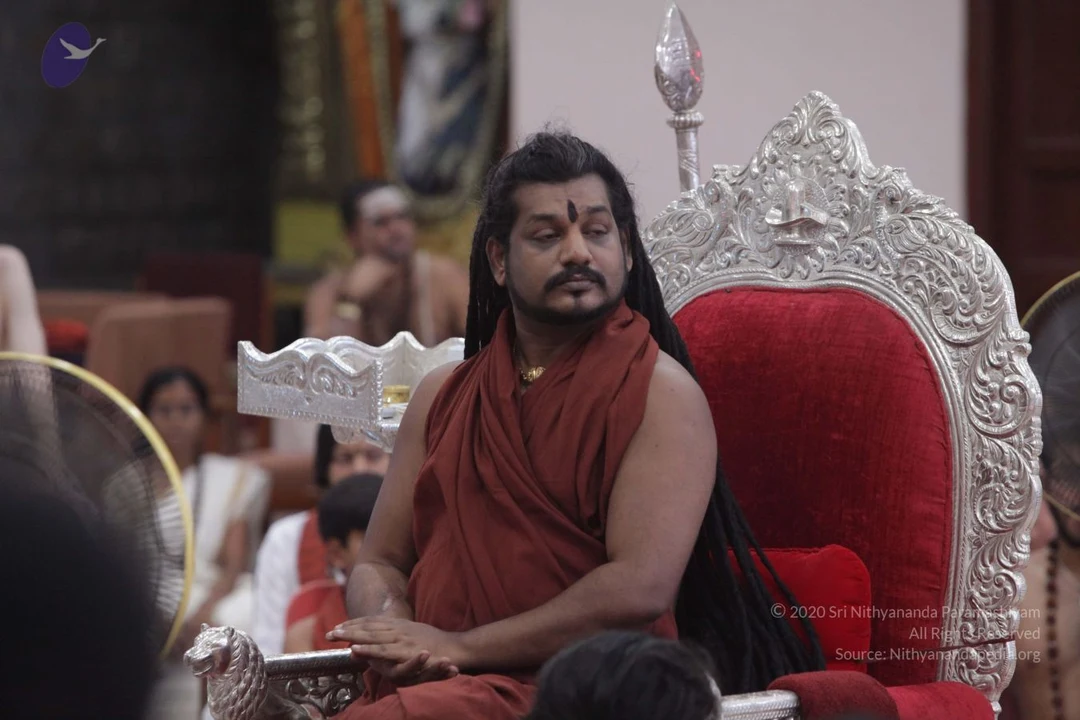
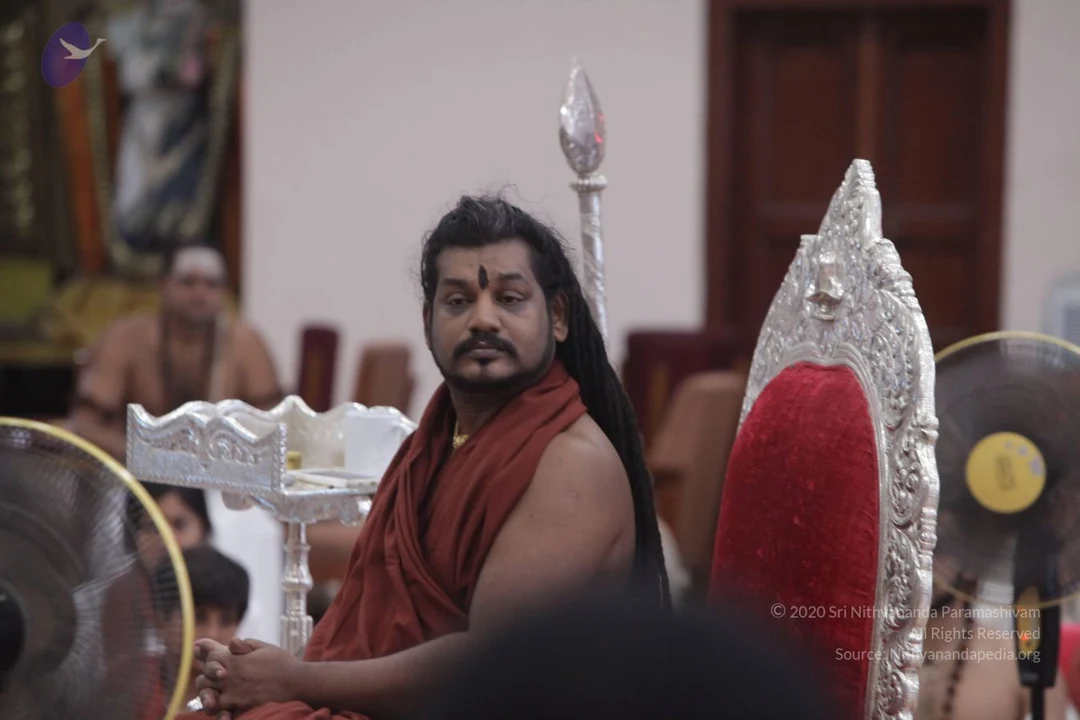
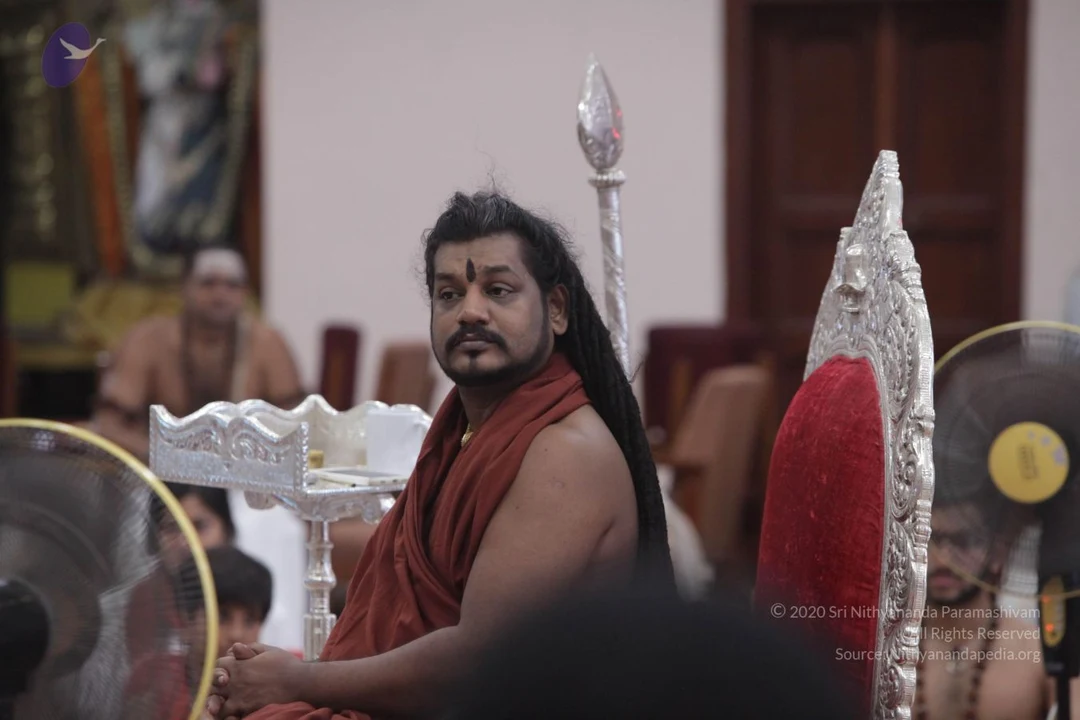
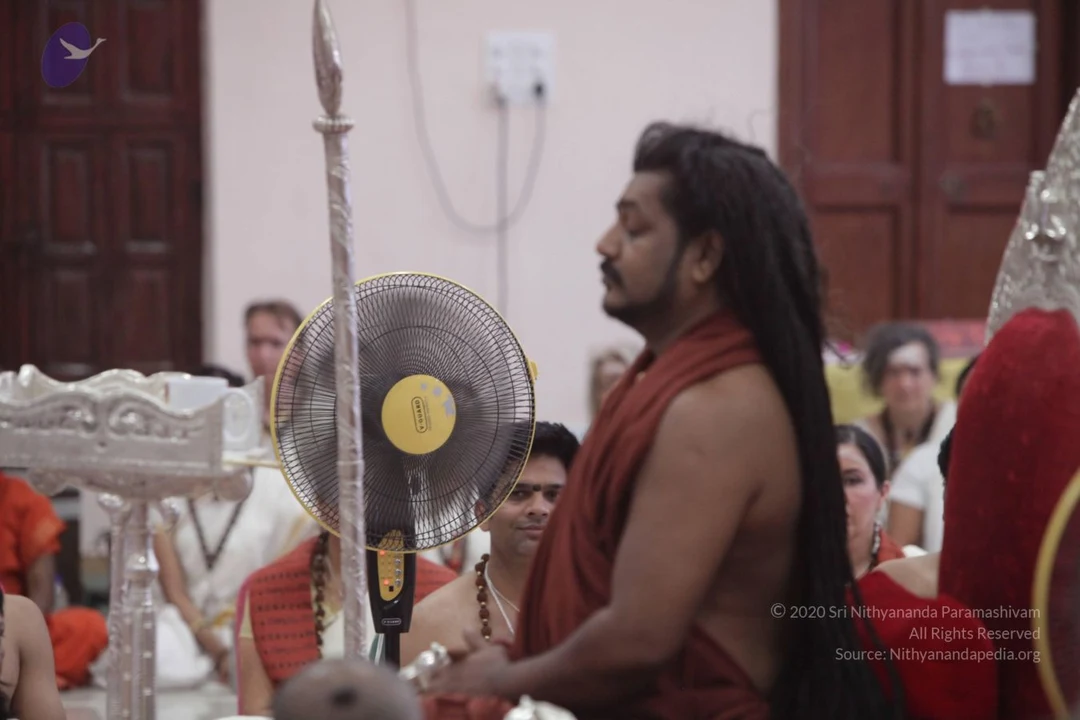
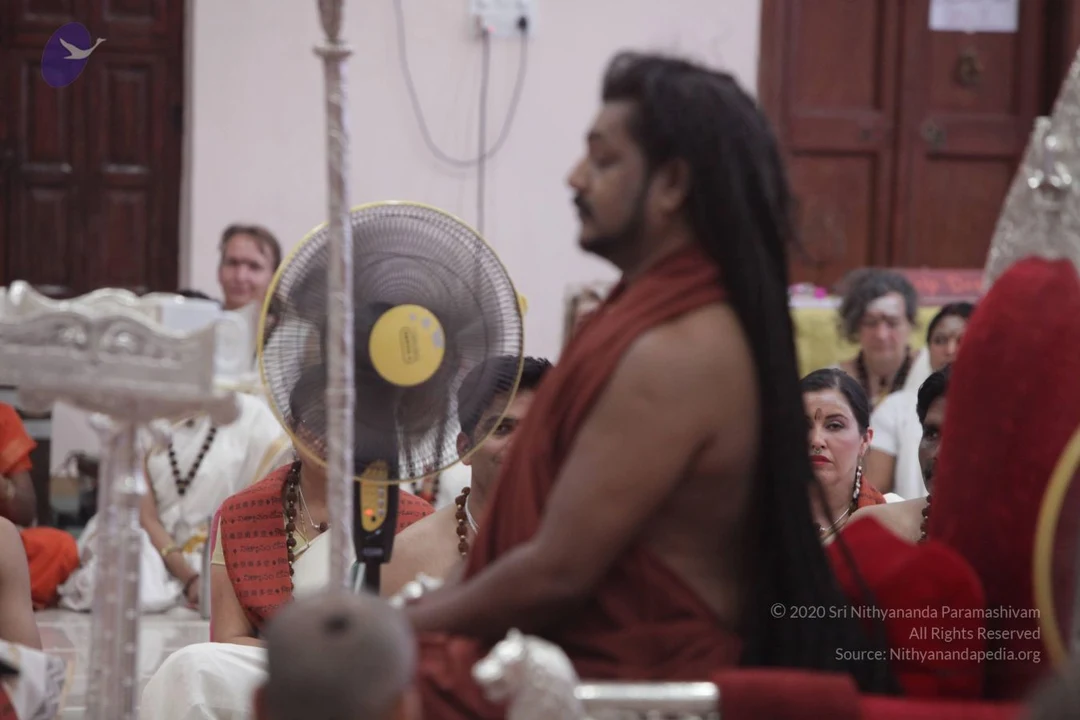
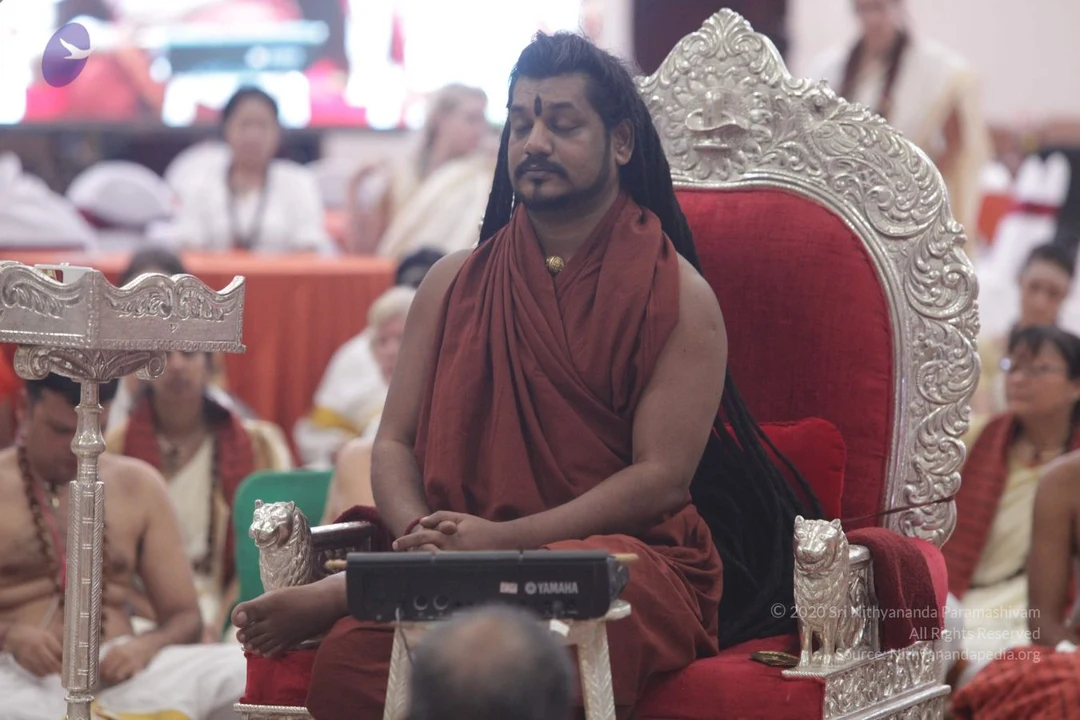
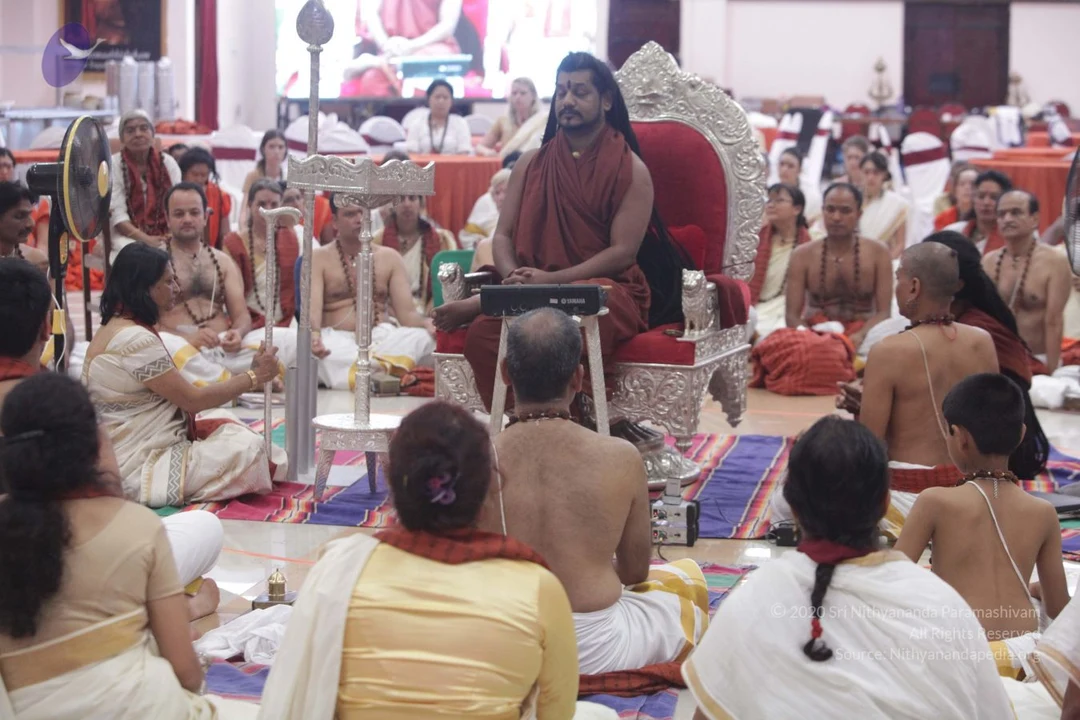
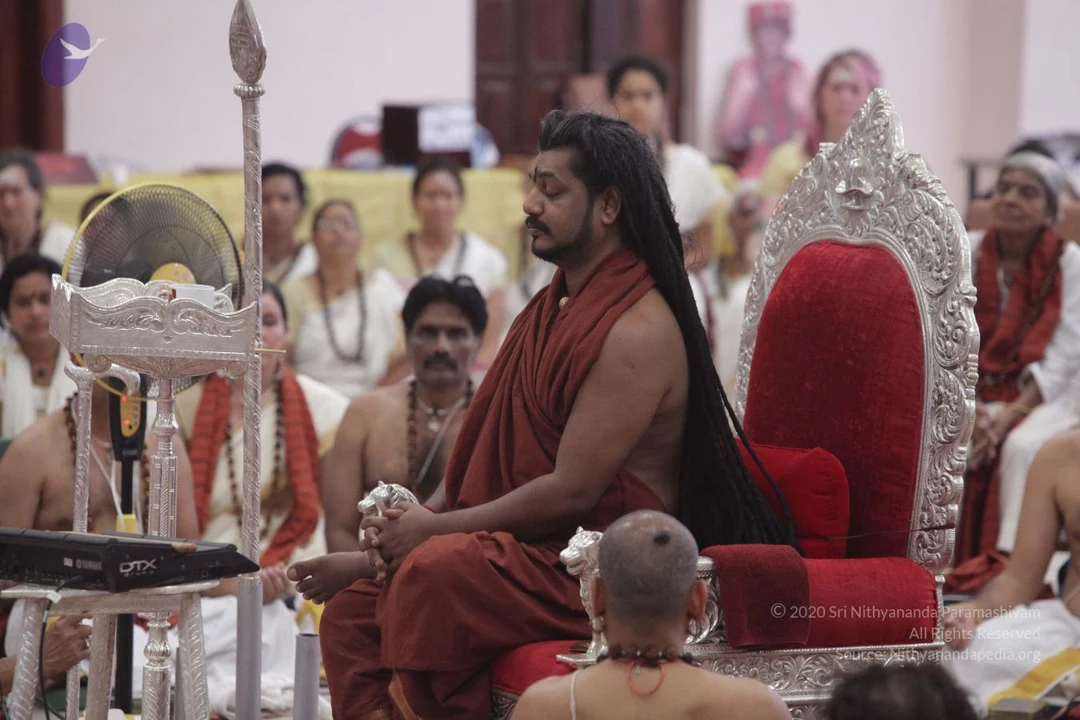
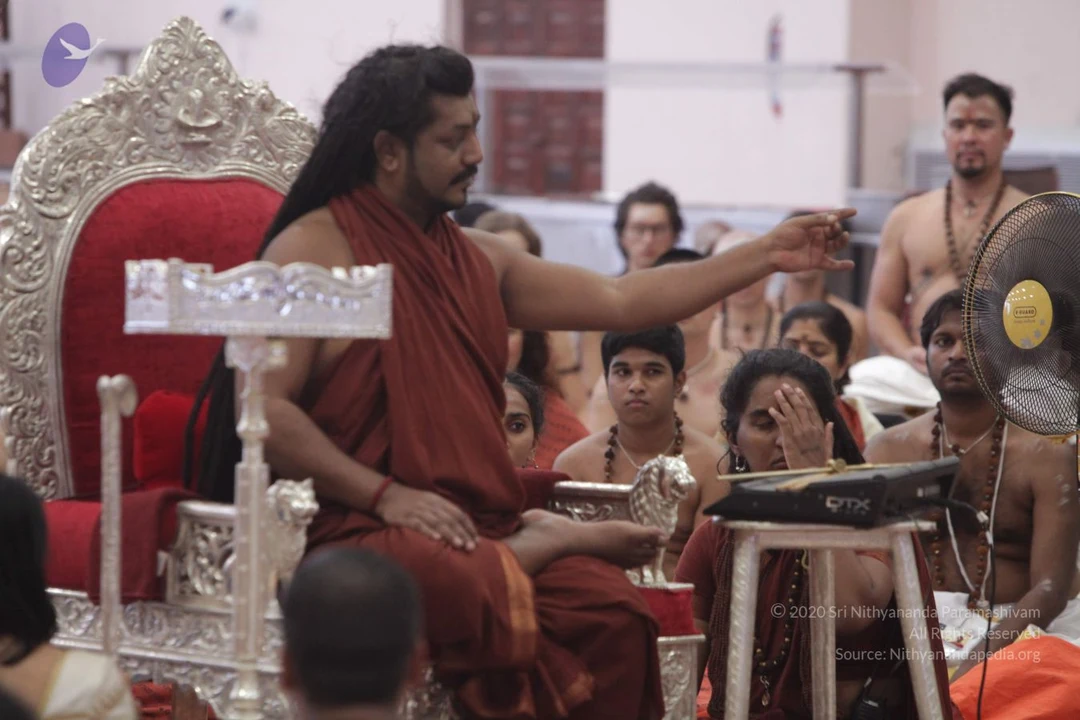
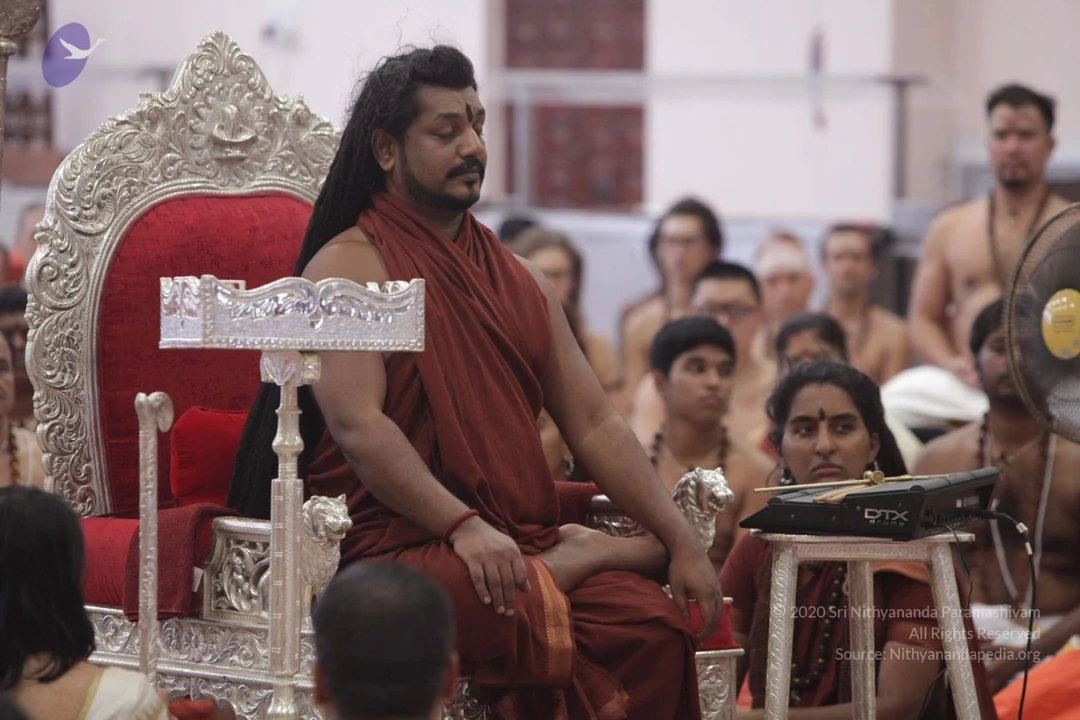
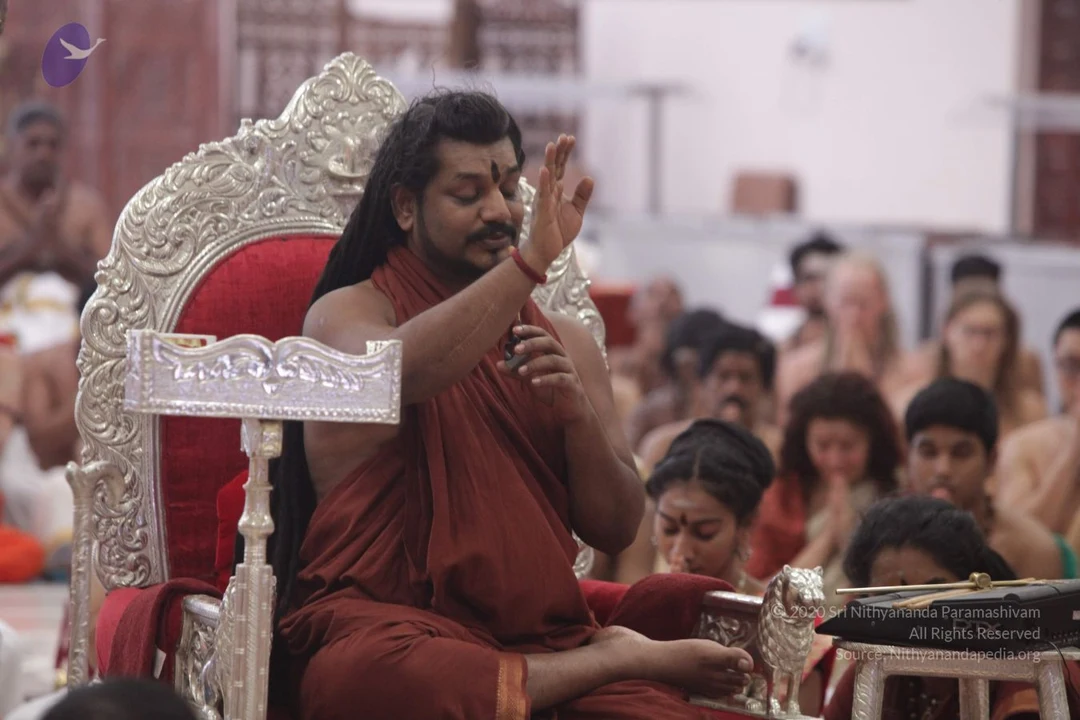
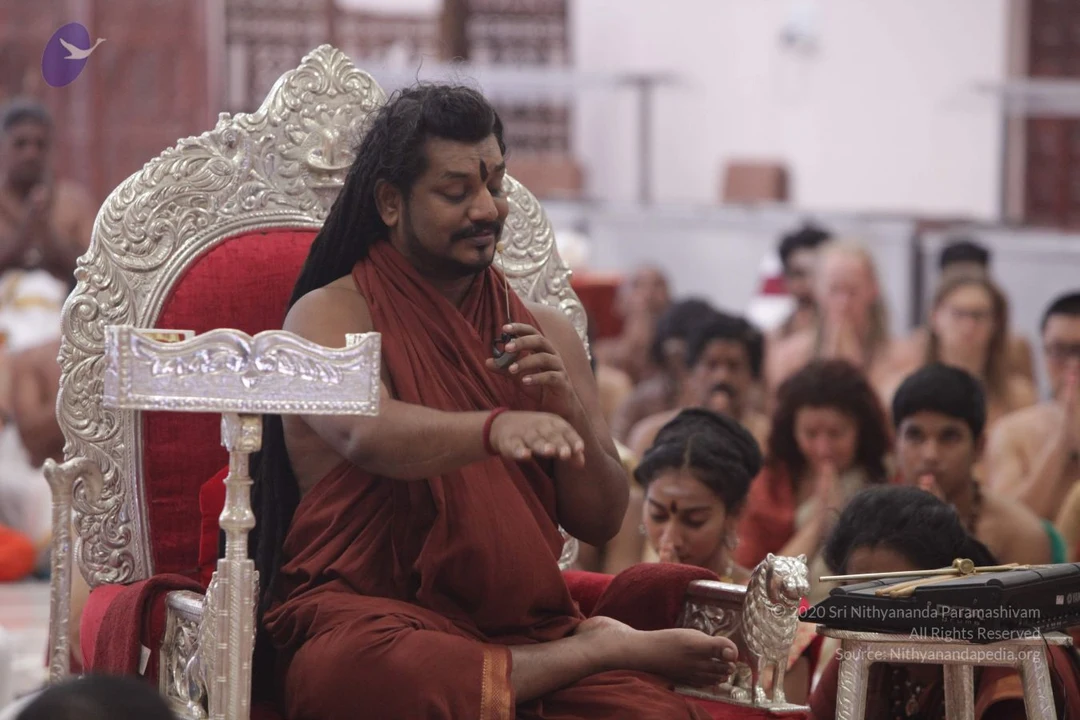
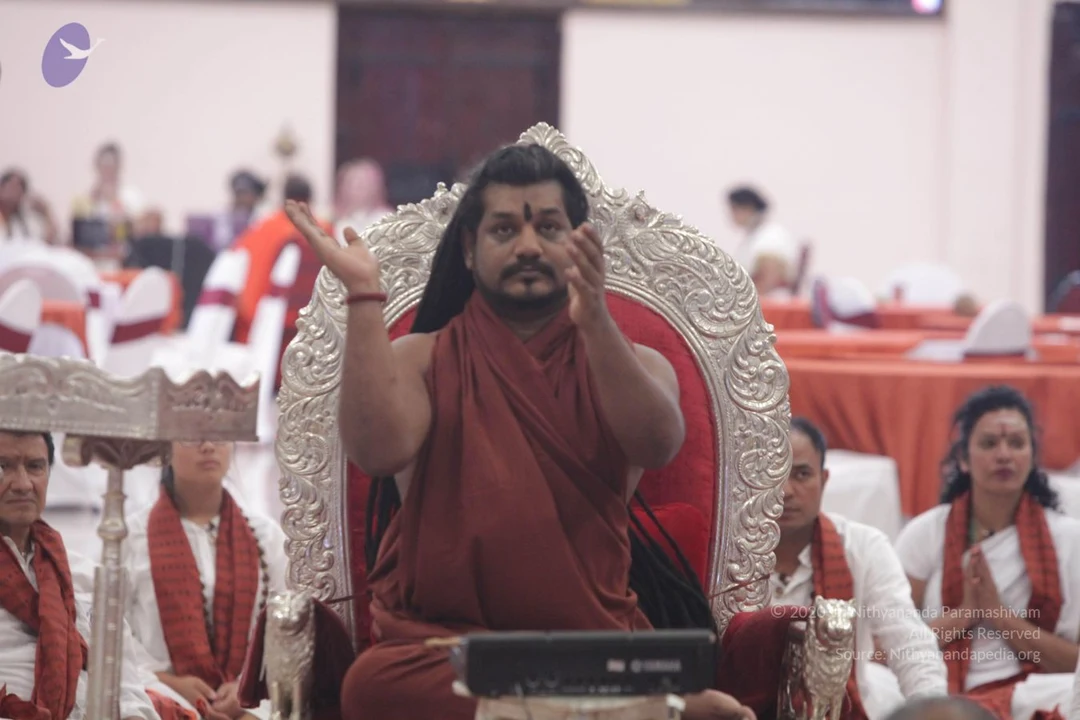
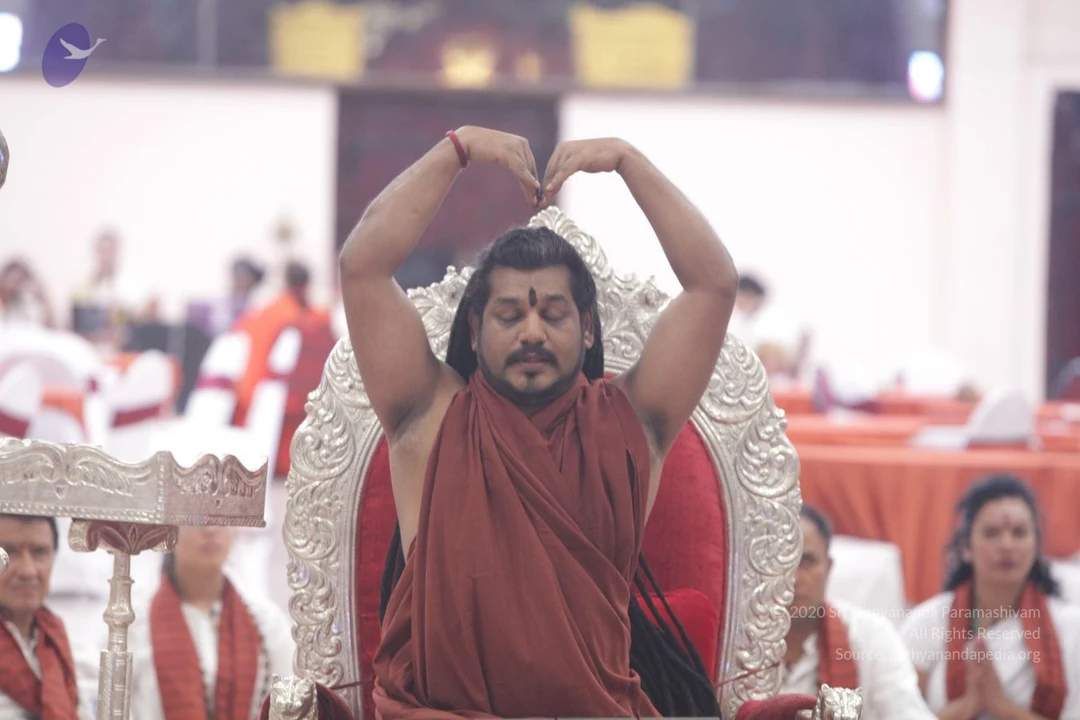
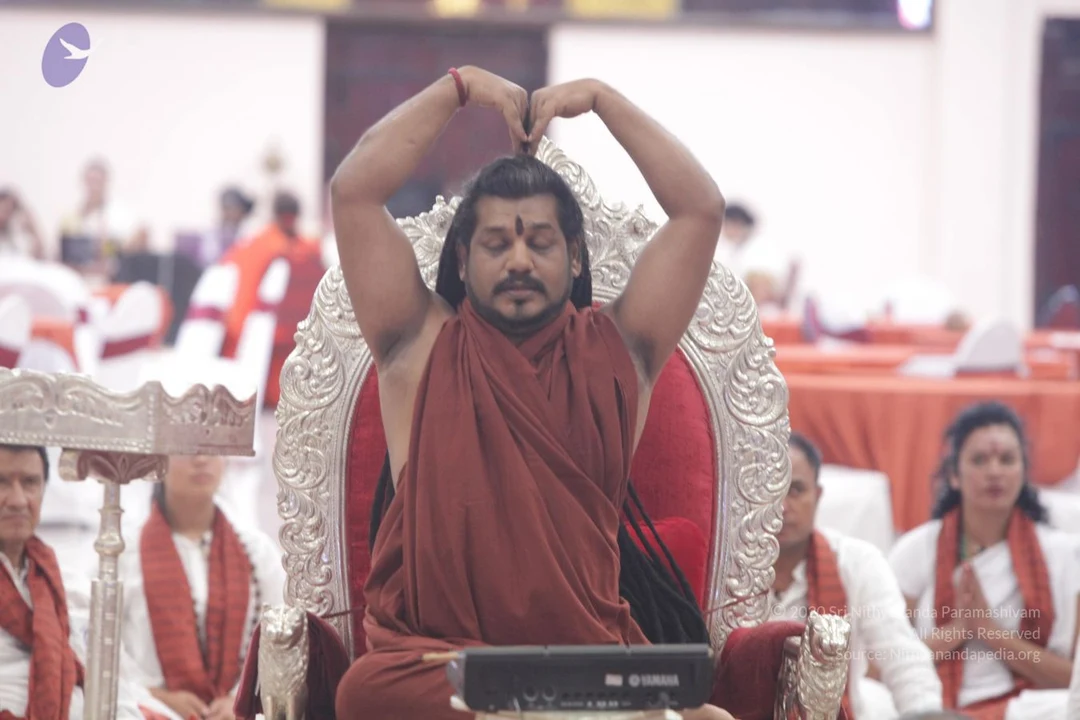
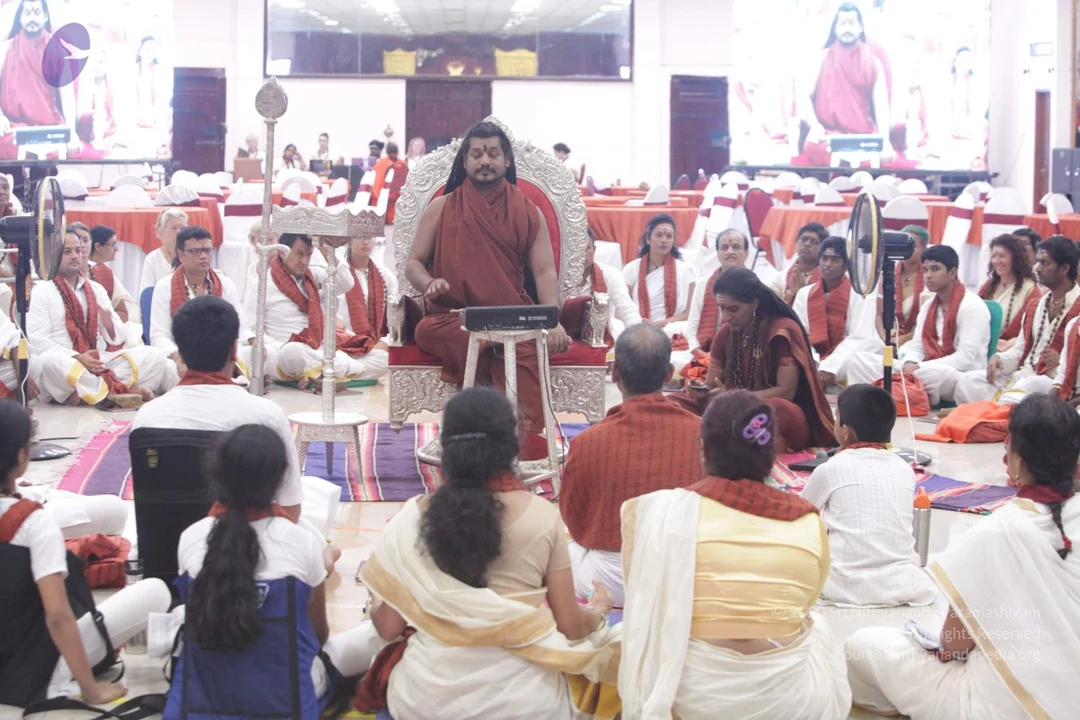
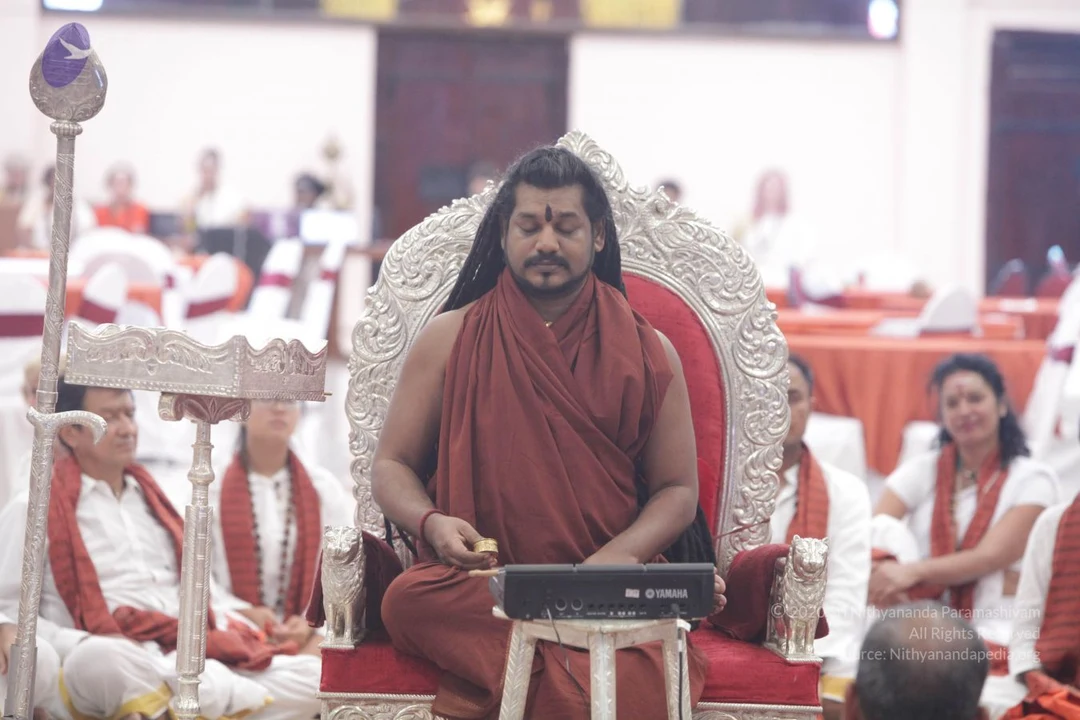
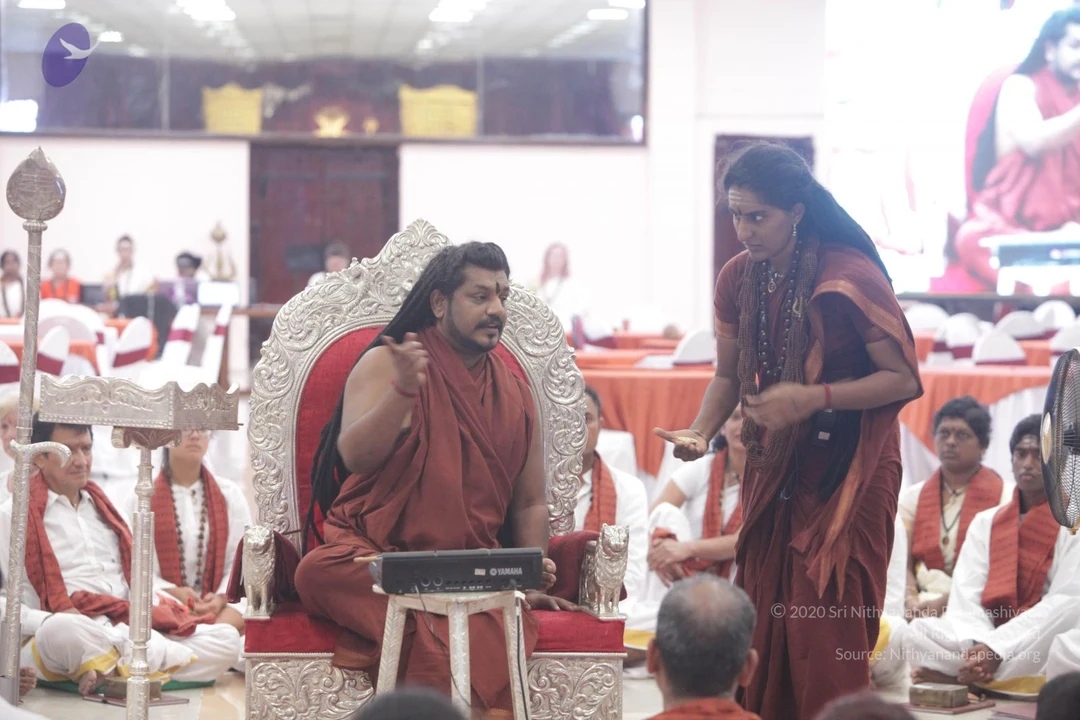
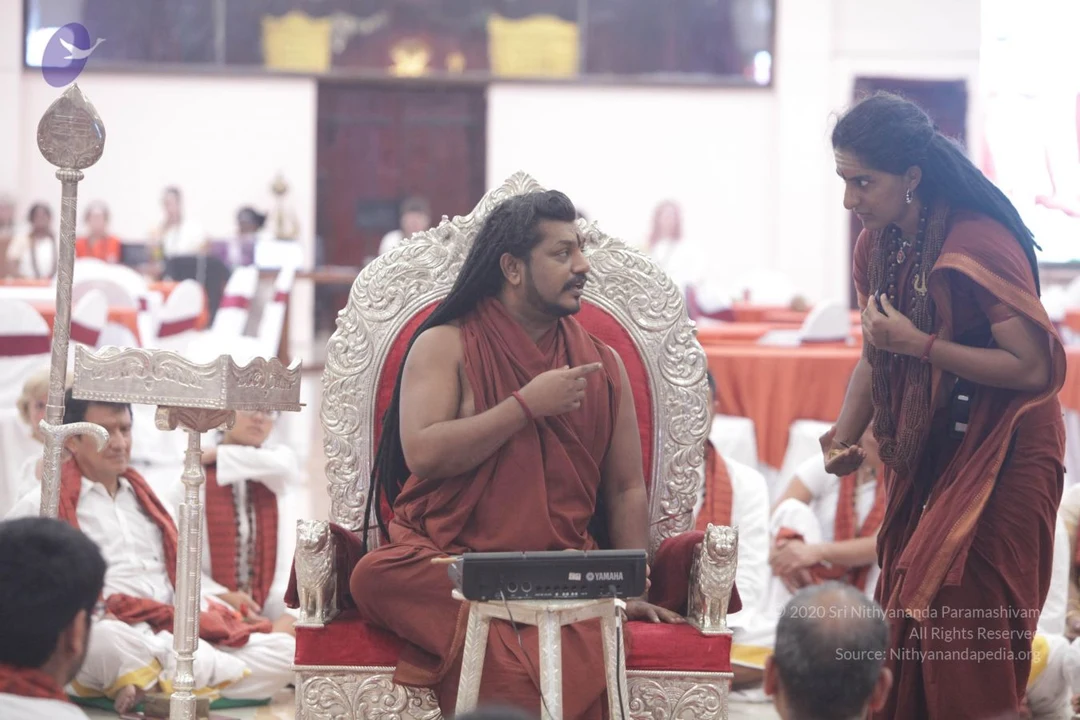
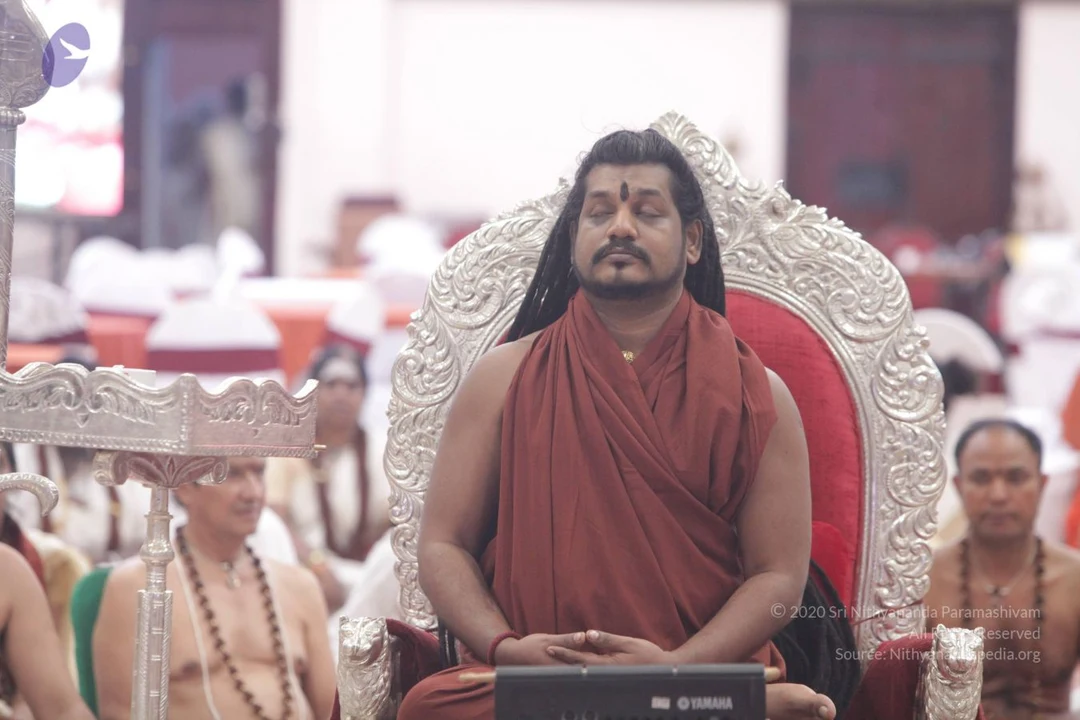
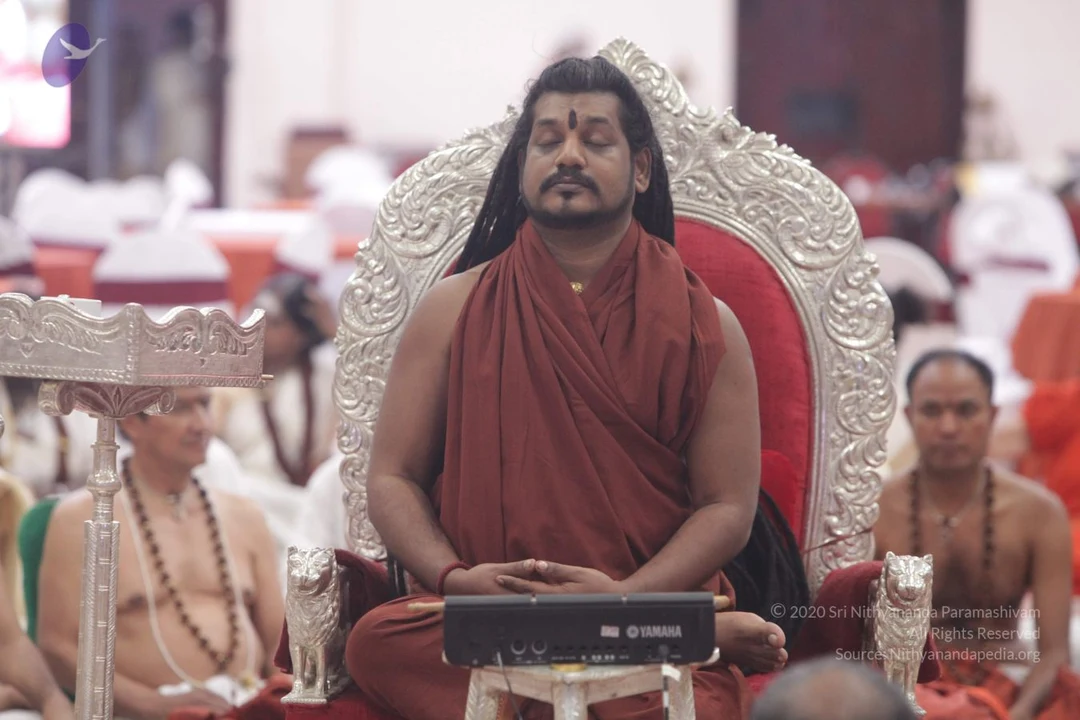
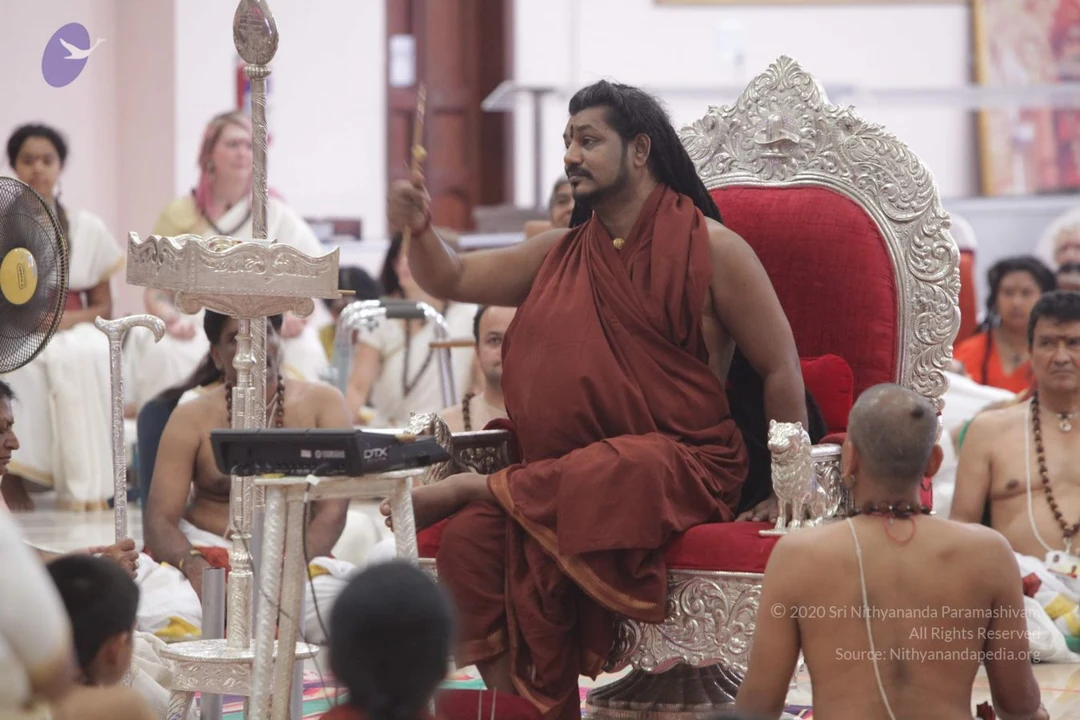
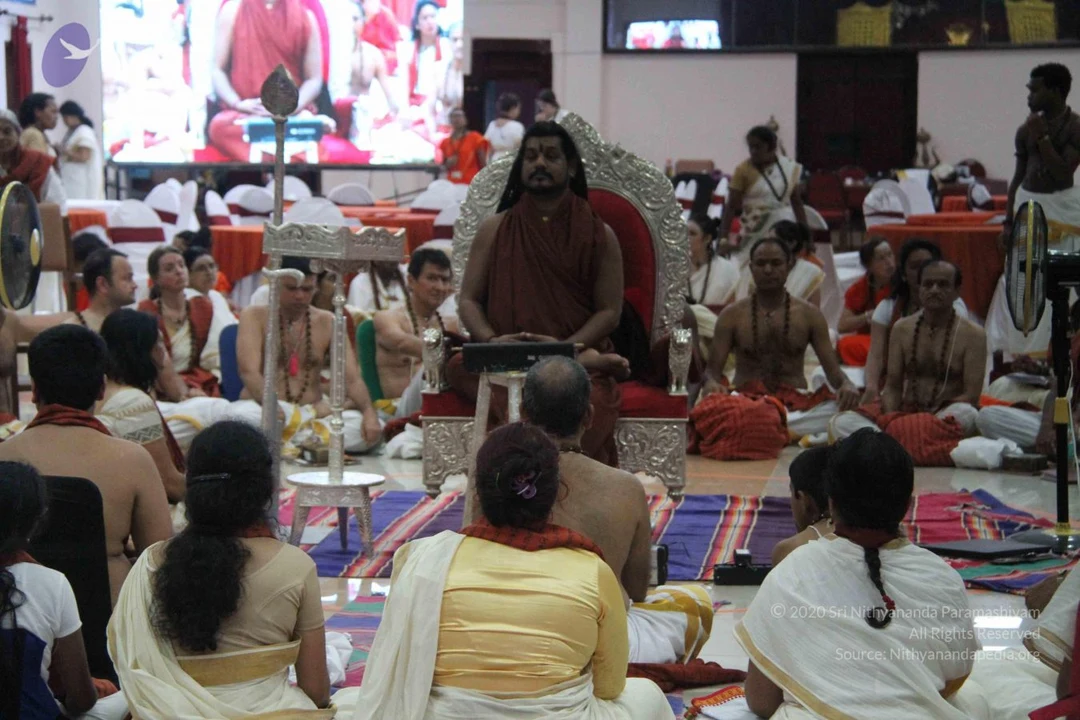
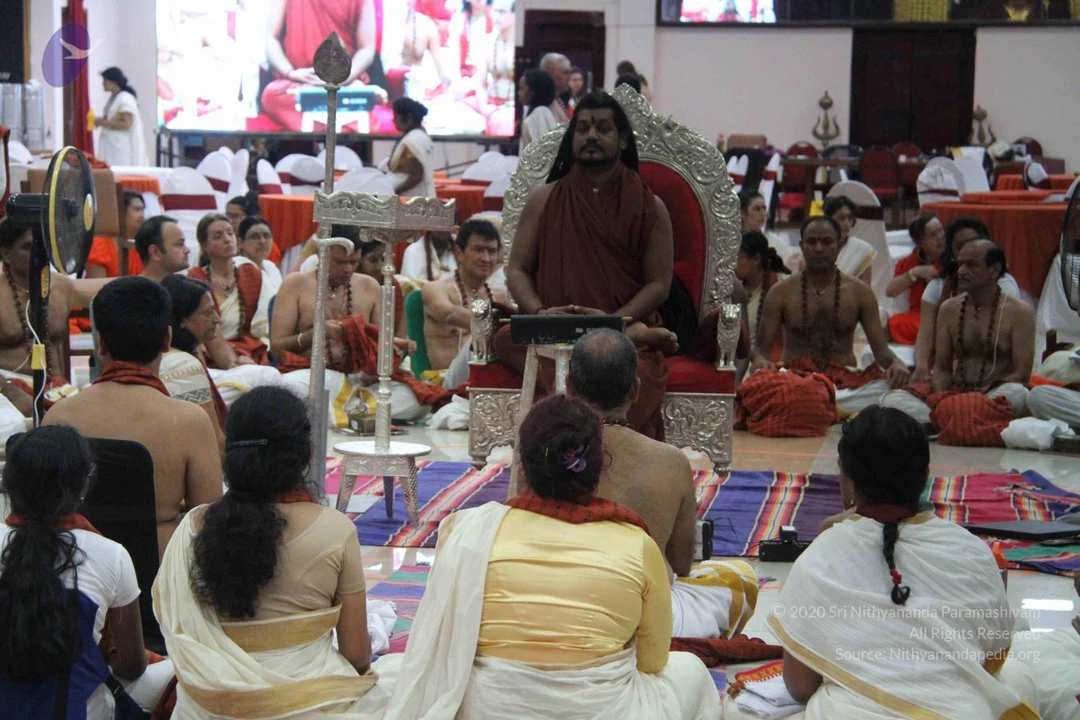
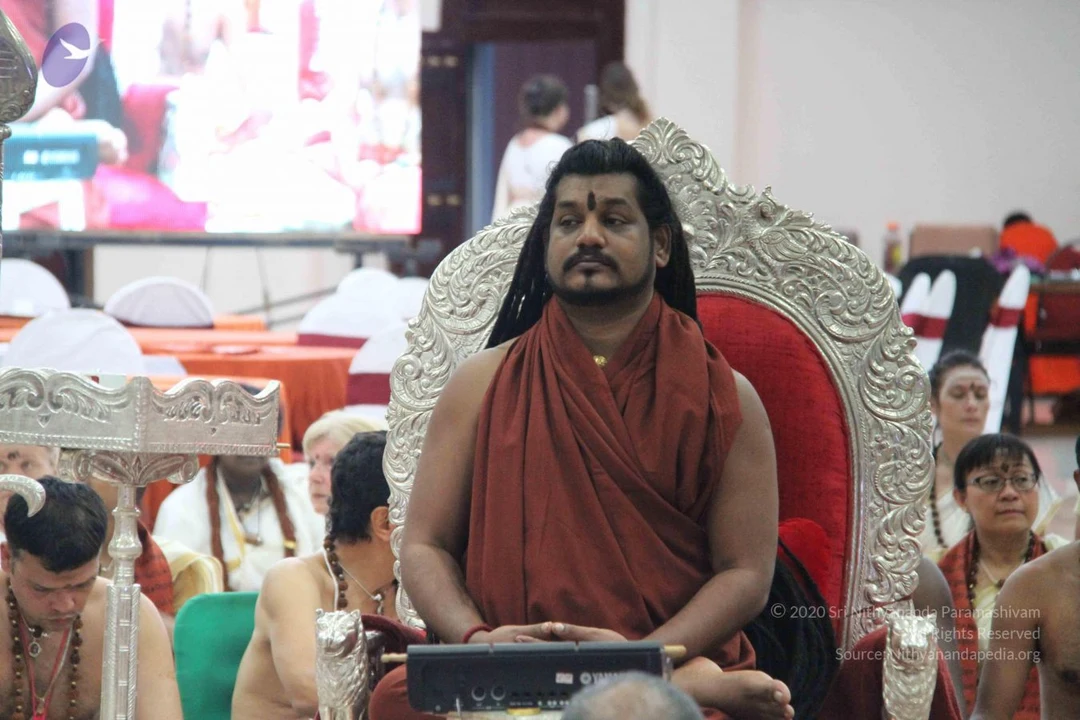
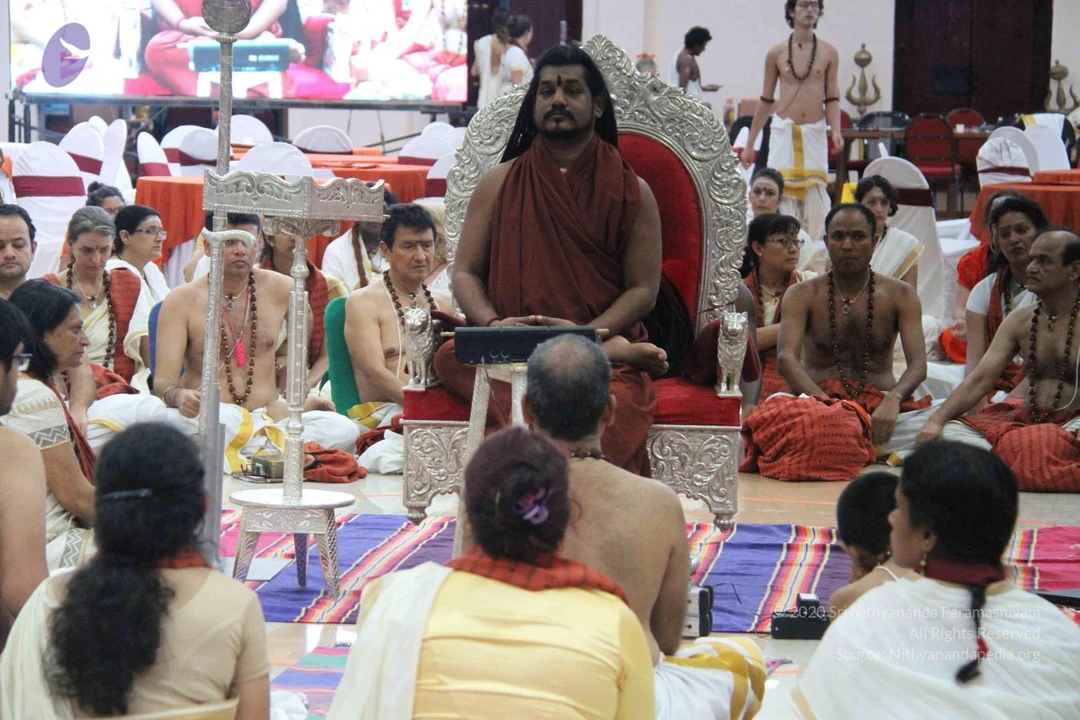
 Darshan - HDH Nithyananda Paramashivam
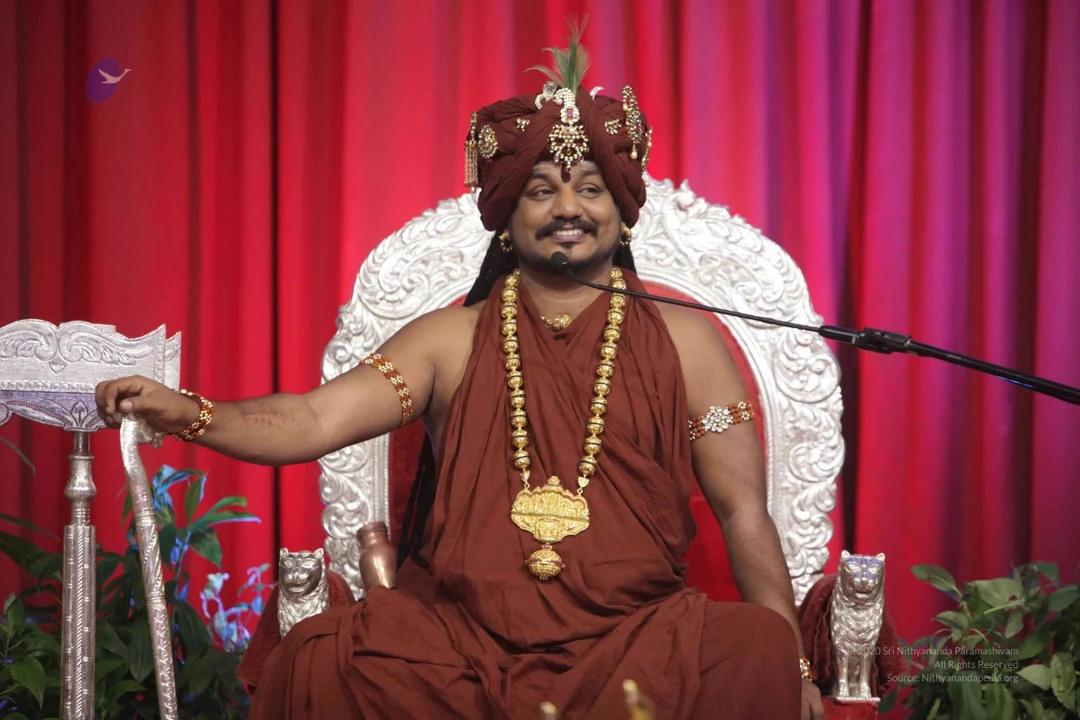 Darshan - HDH Nithyananda Paramashivam
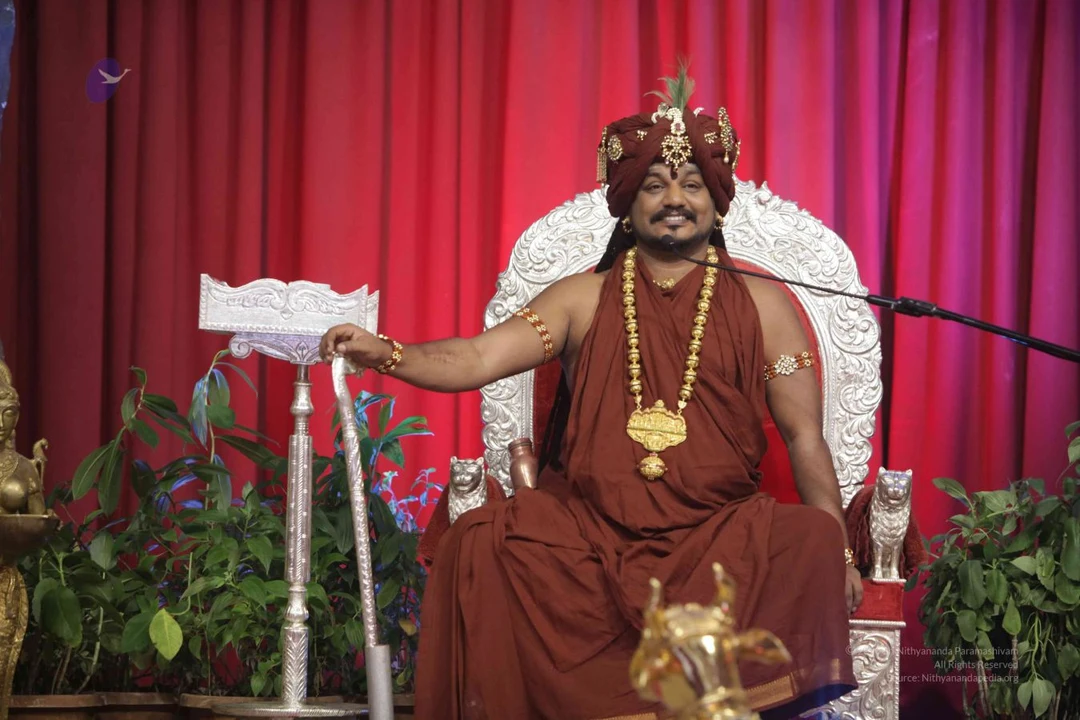 Darshan - HDH Nithyananda Paramashivam
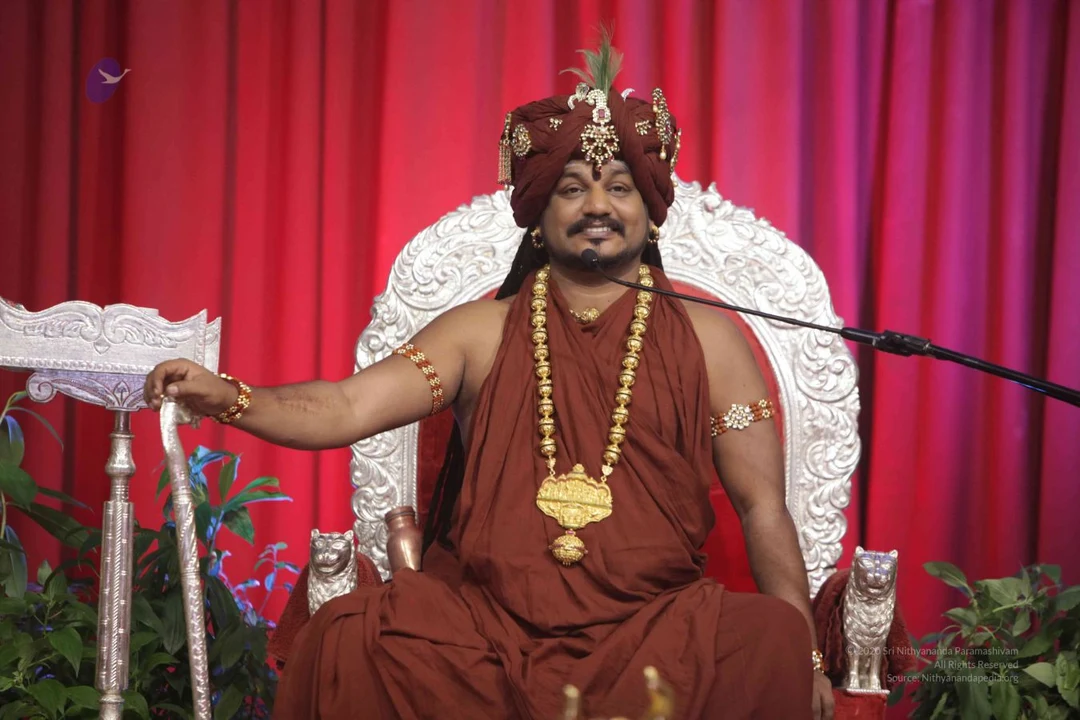 Darshan - HDH Nithyananda Paramashivam
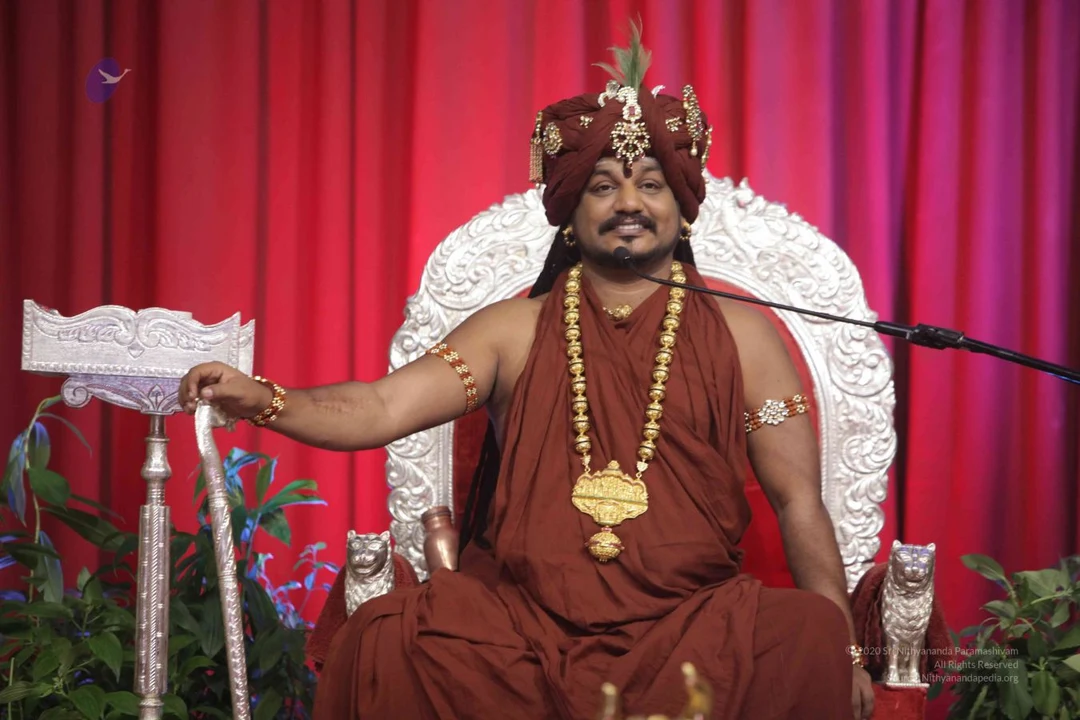 Darshan - HDH Nithyananda Paramashivam
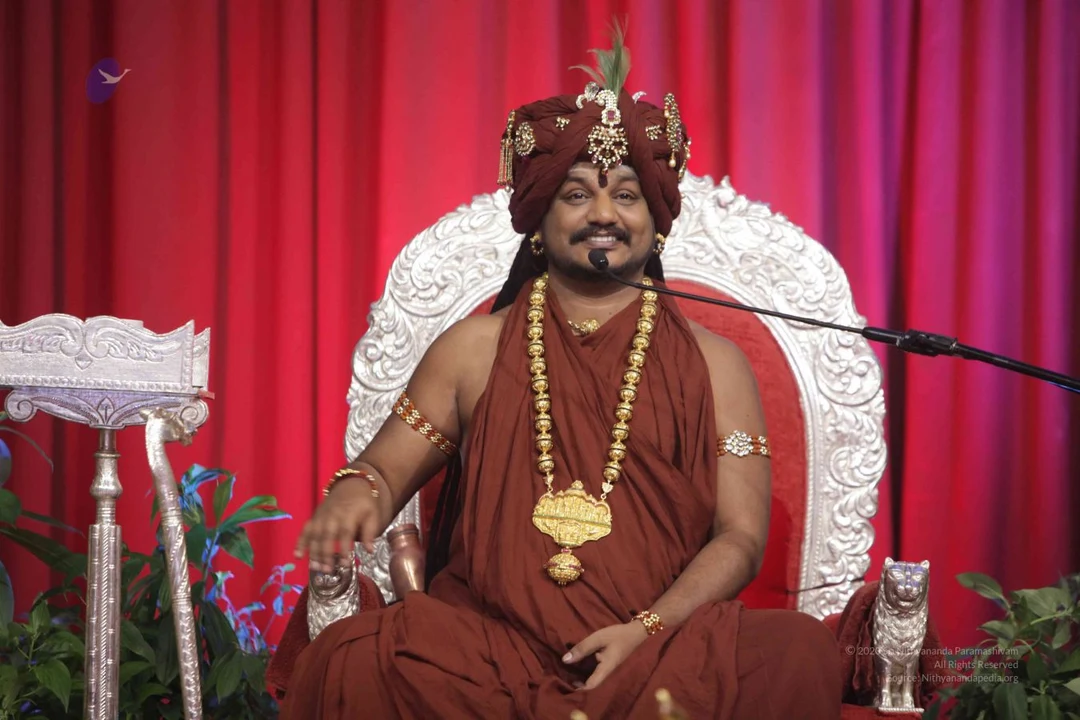 Darshan - HDH Nithyananda Paramashivam
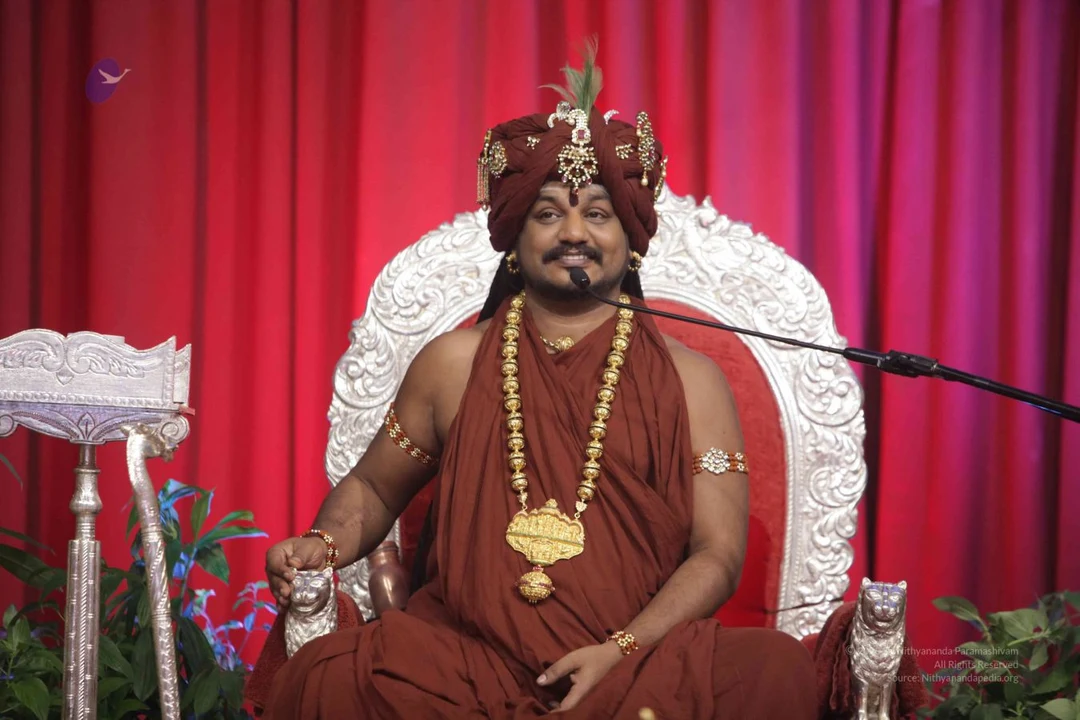 Darshan - HDH Nithyananda Paramashivam
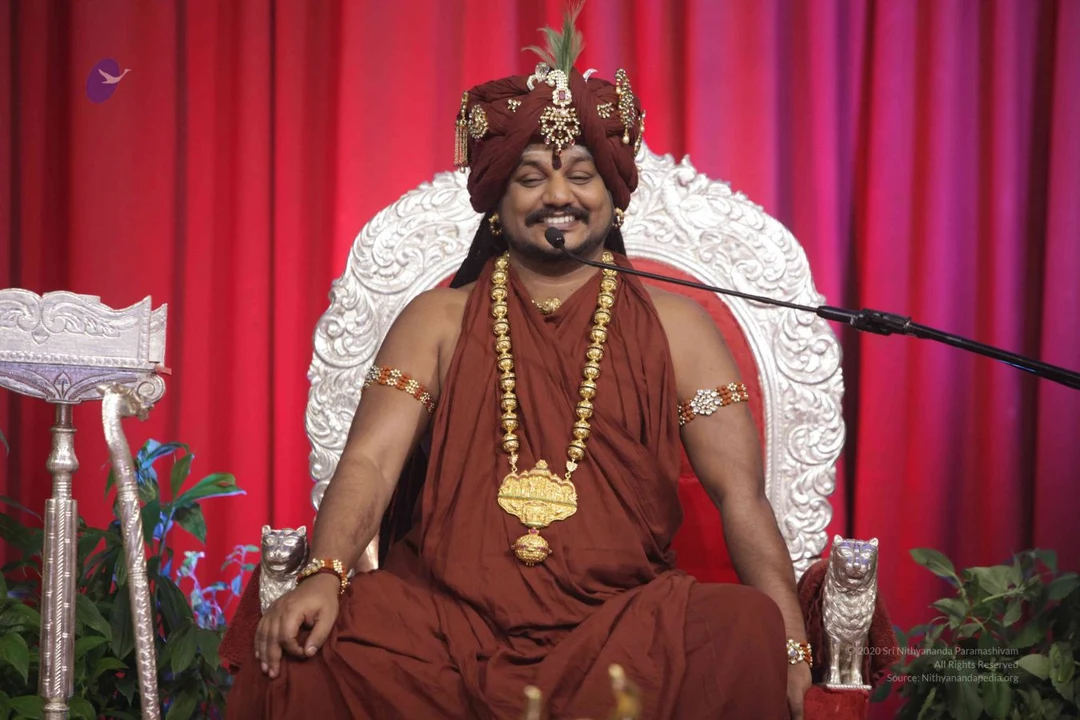 Darshan - HDH Nithyananda Paramashivam
 Darshan - HDH Nithyananda Paramashivam
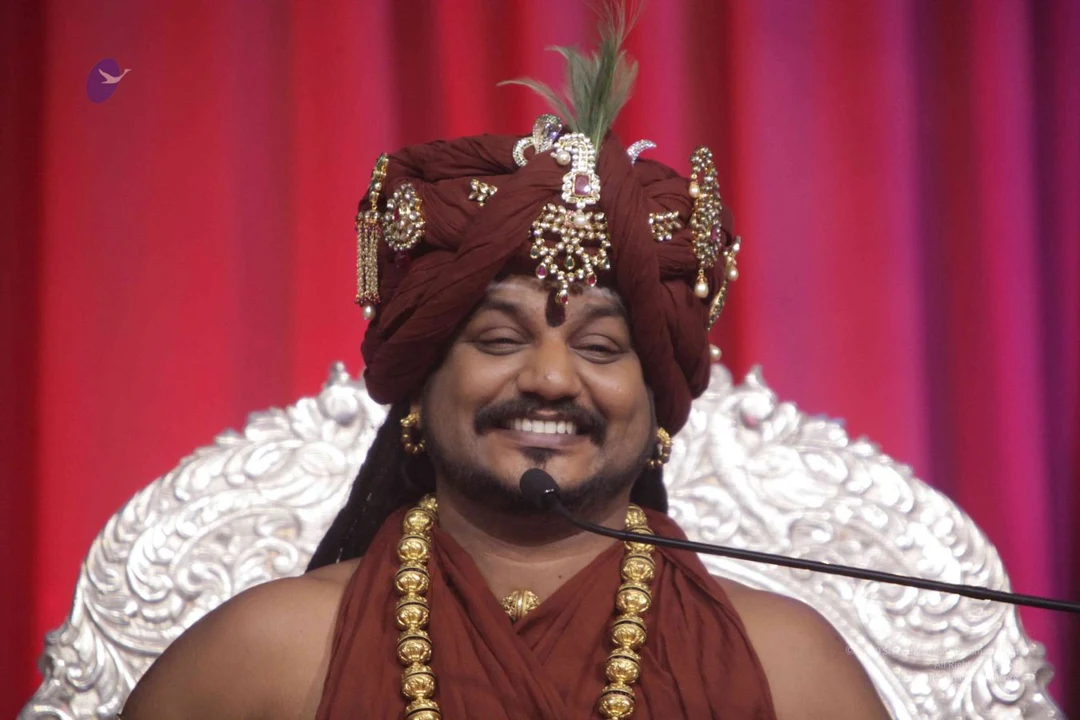 Darshan - HDH Nithyananda Paramashivam
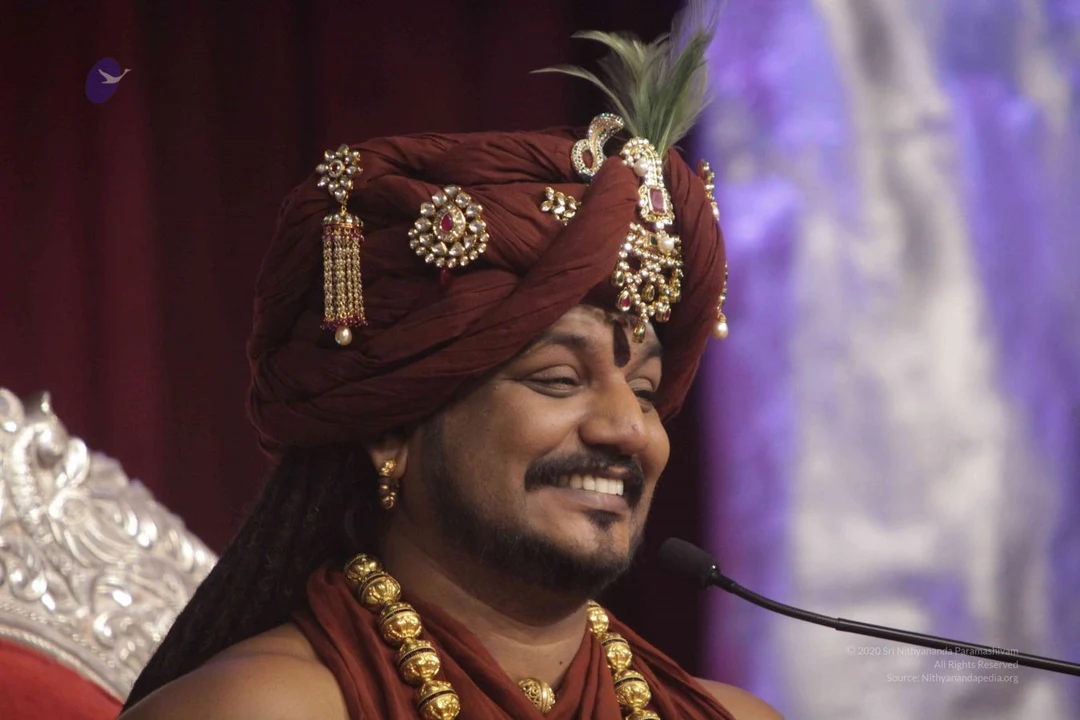 Darshan - HDH Nithyananda Paramashivam
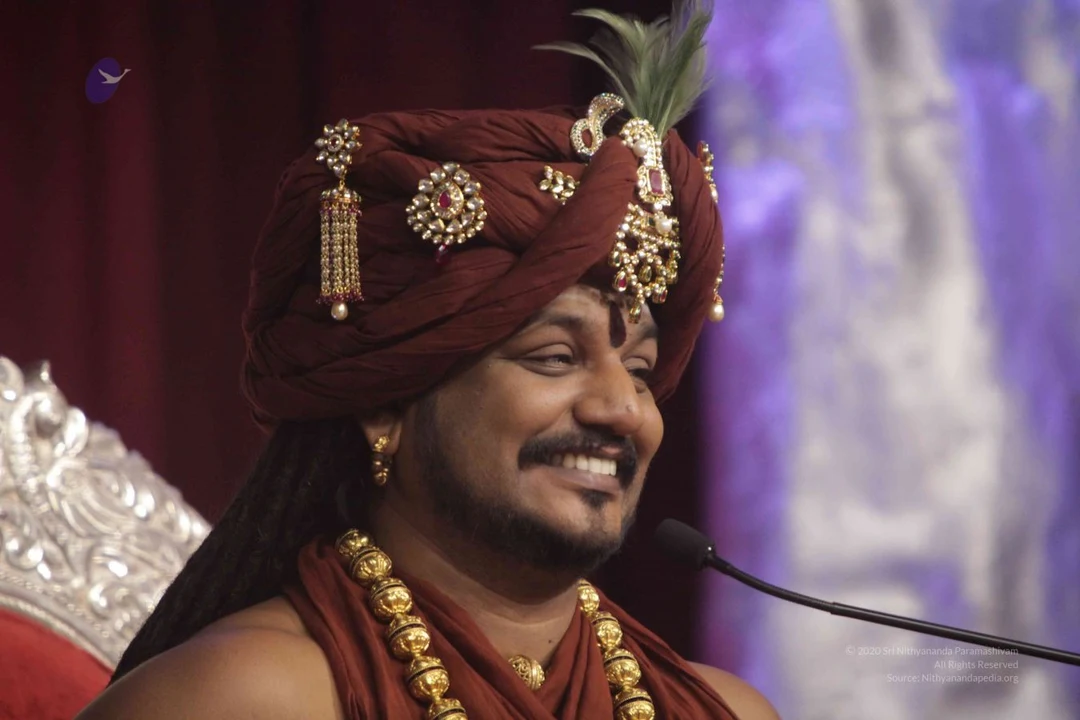 Darshan - HDH Nithyananda Paramashivam
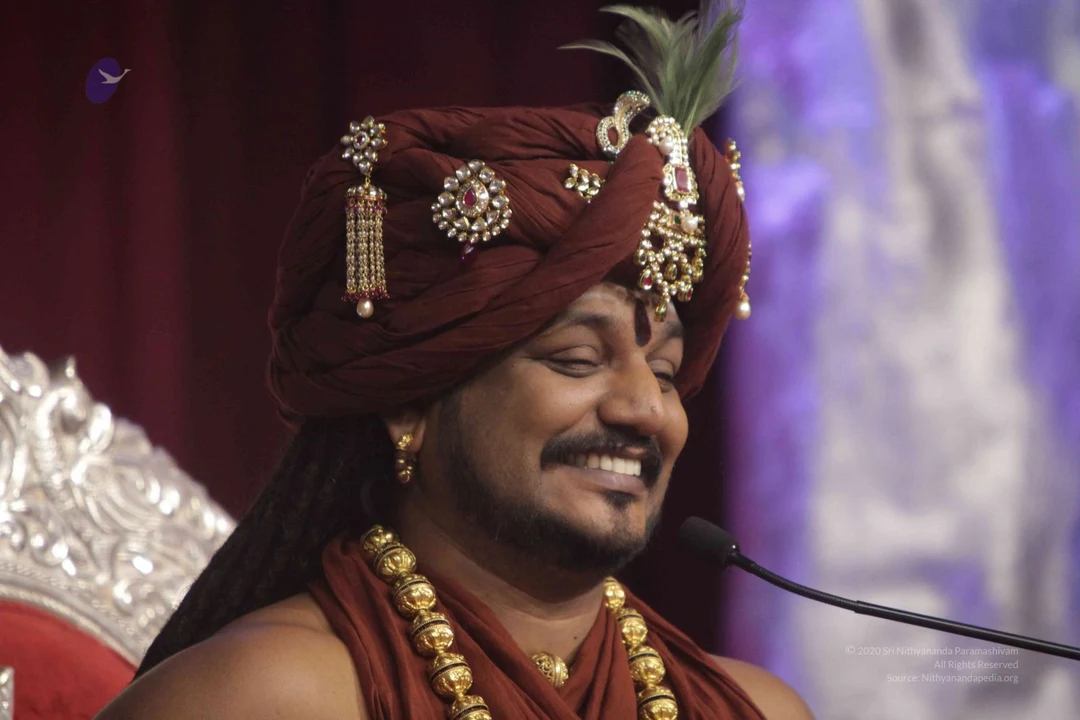 Darshan - HDH Nithyananda Paramashivam
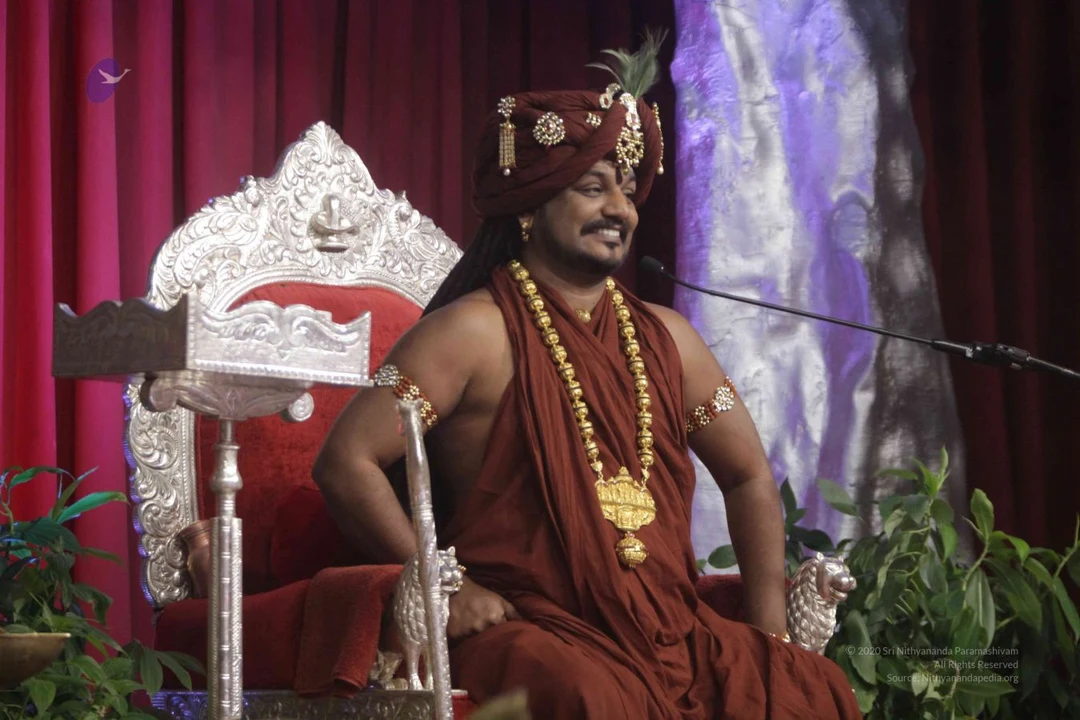 Darshan - HDH Nithyananda Paramashivam
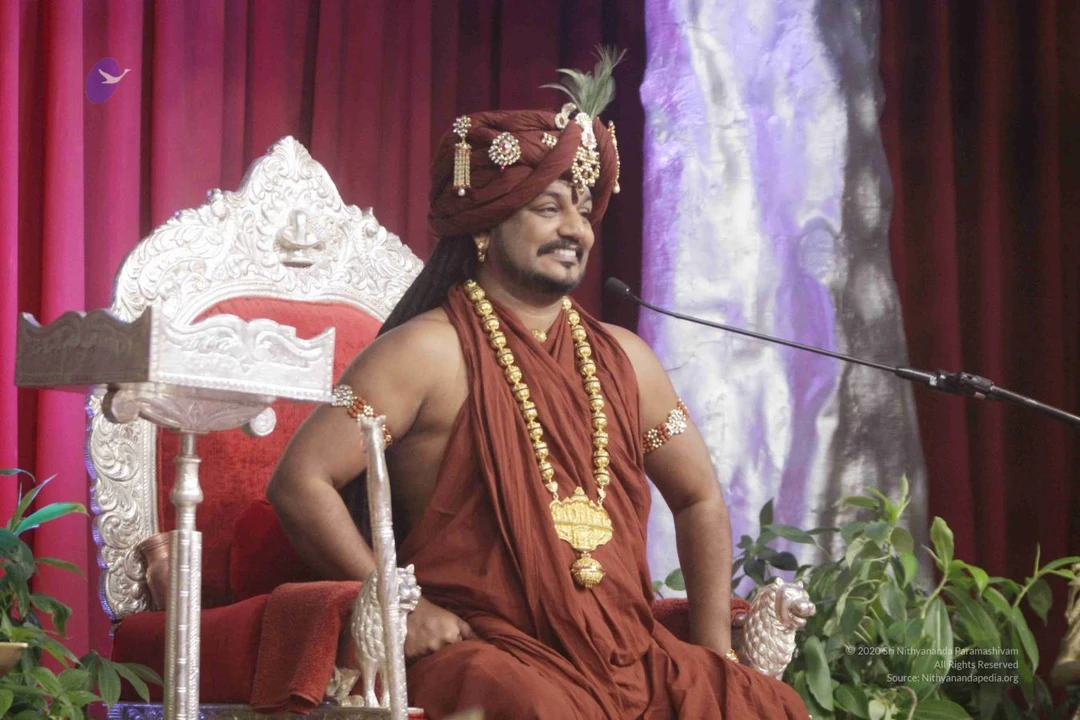 Darshan - HDH Nithyananda Paramashivam
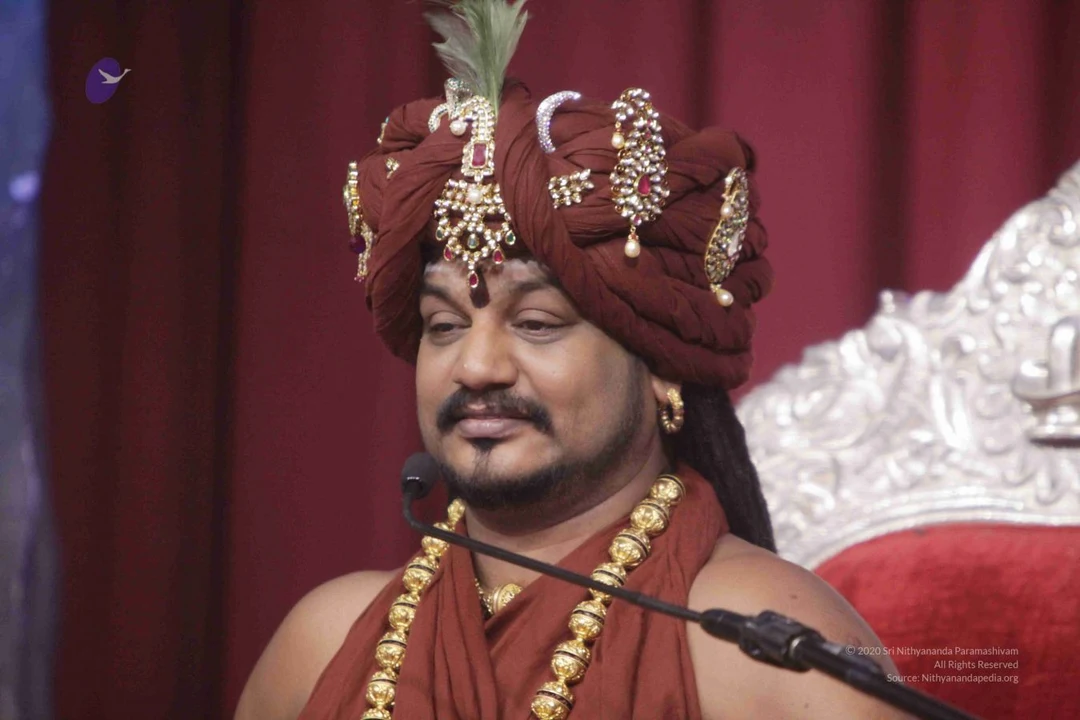 Darshan - HDH Nithyananda Paramashivam
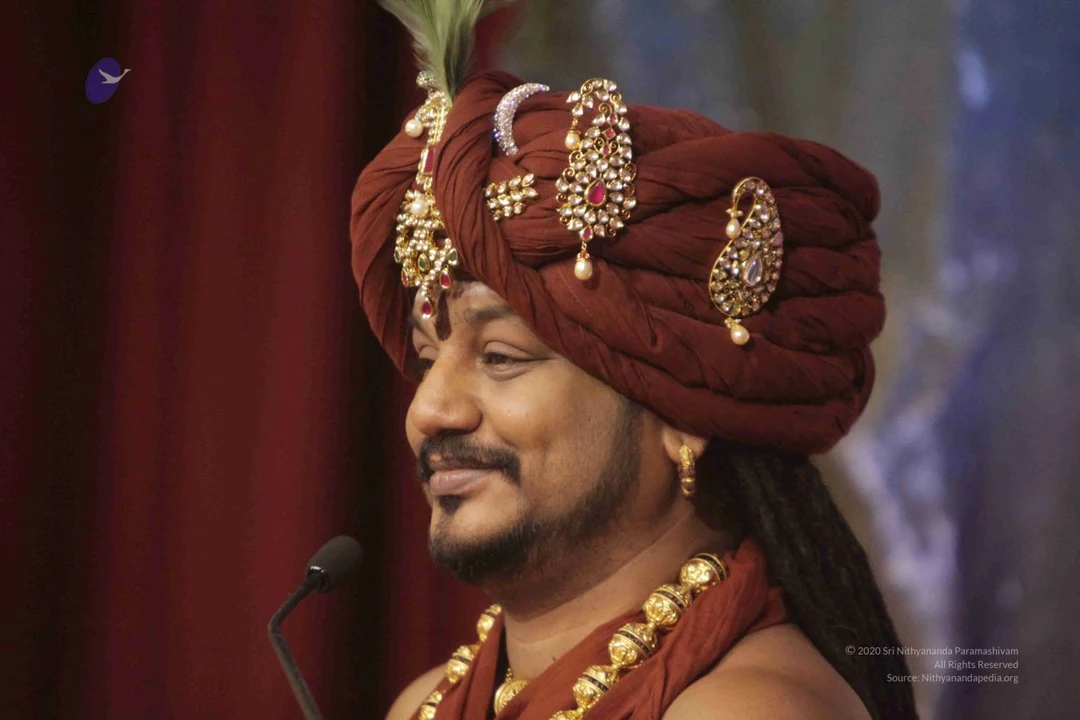 Darshan - HDH Nithyananda Paramashivam
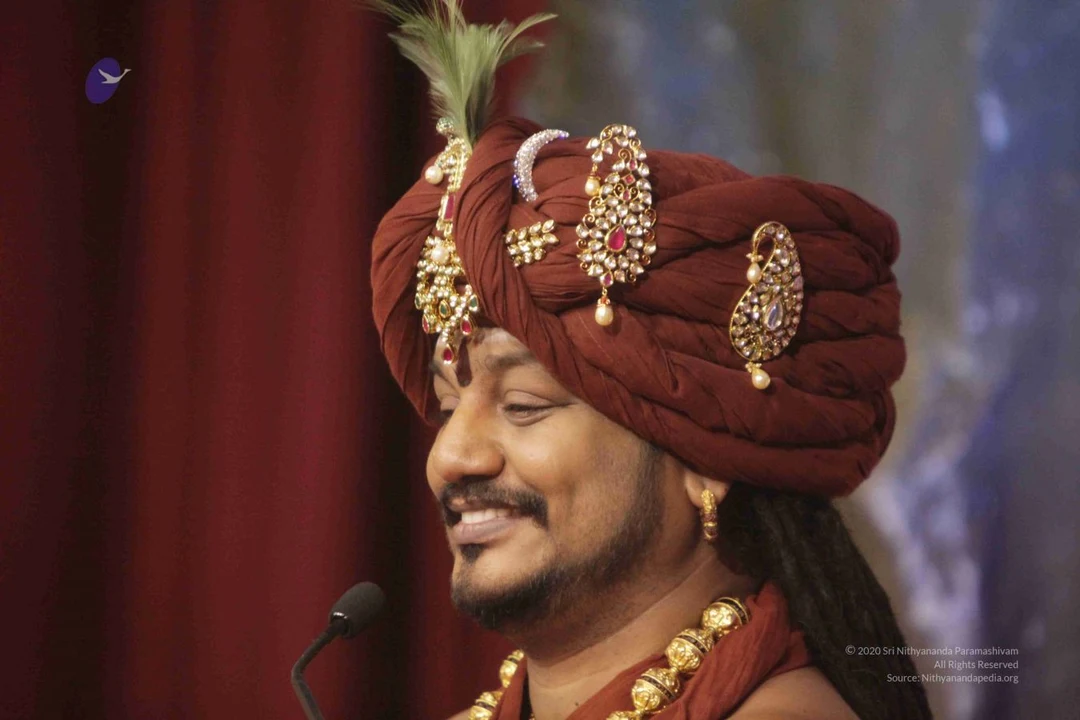 Darshan - HDH Nithyananda Paramashivam
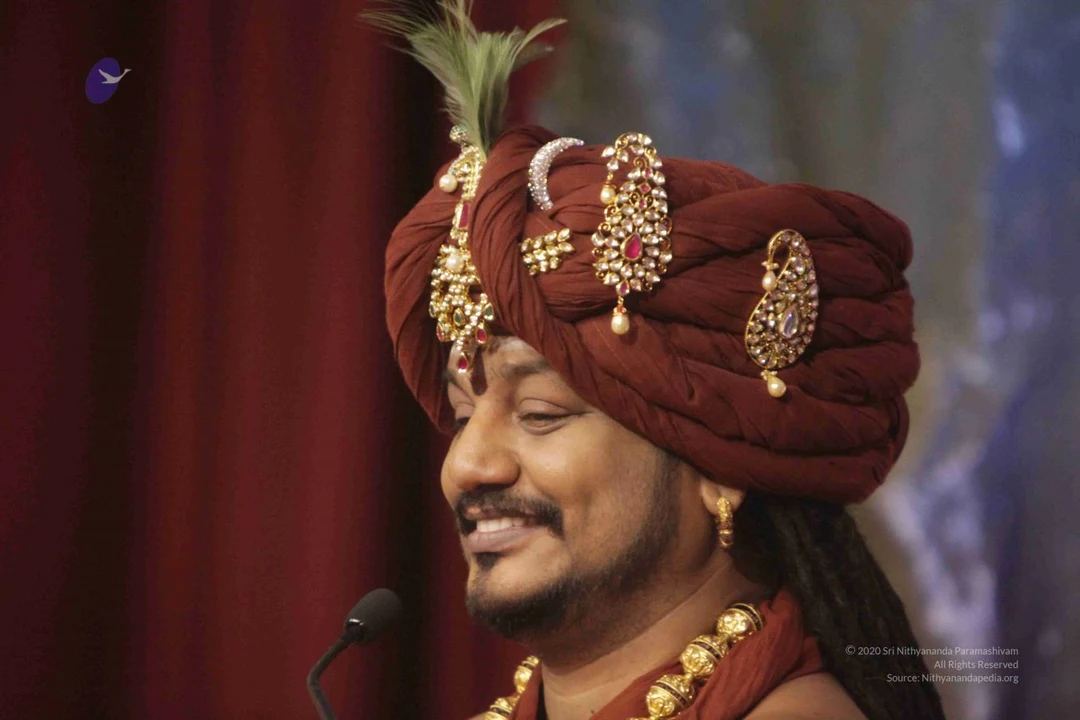 Darshan - HDH Nithyananda Paramashivam
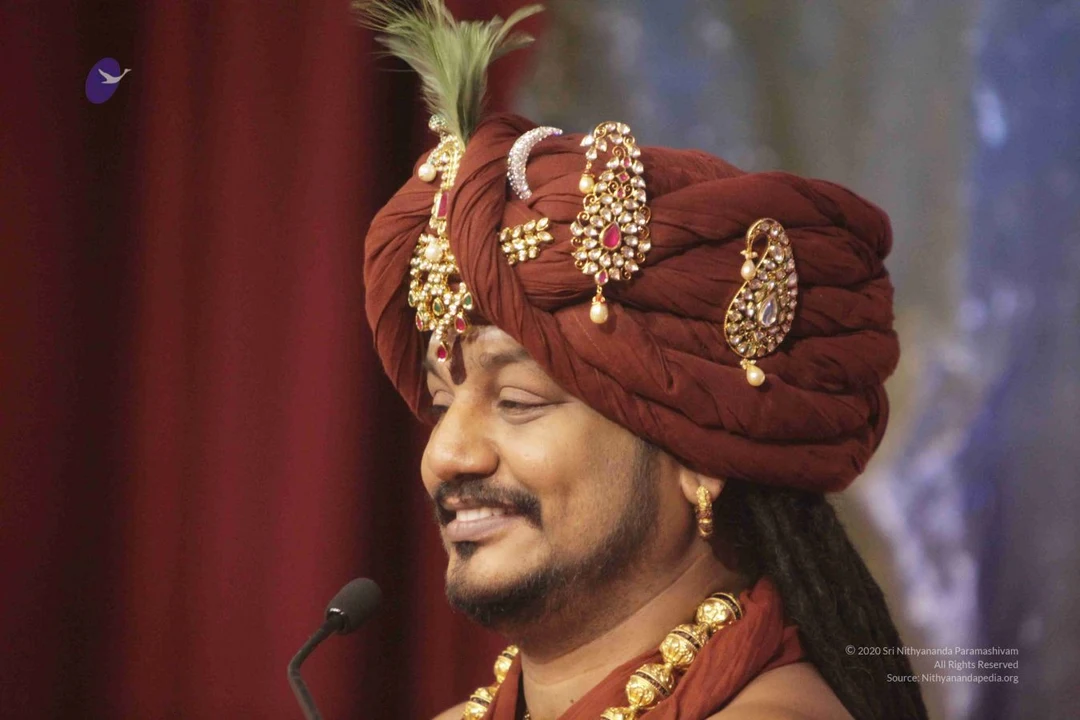 Darshan - HDH Nithyananda Paramashivam
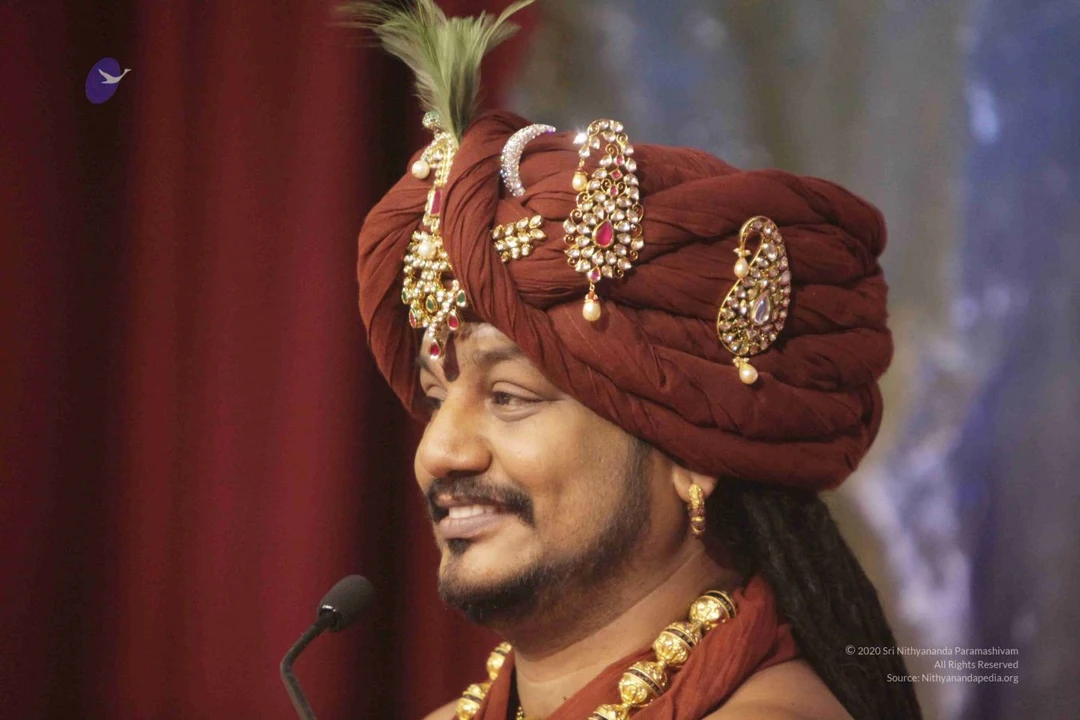 Darshan - HDH Nithyananda Paramashivam
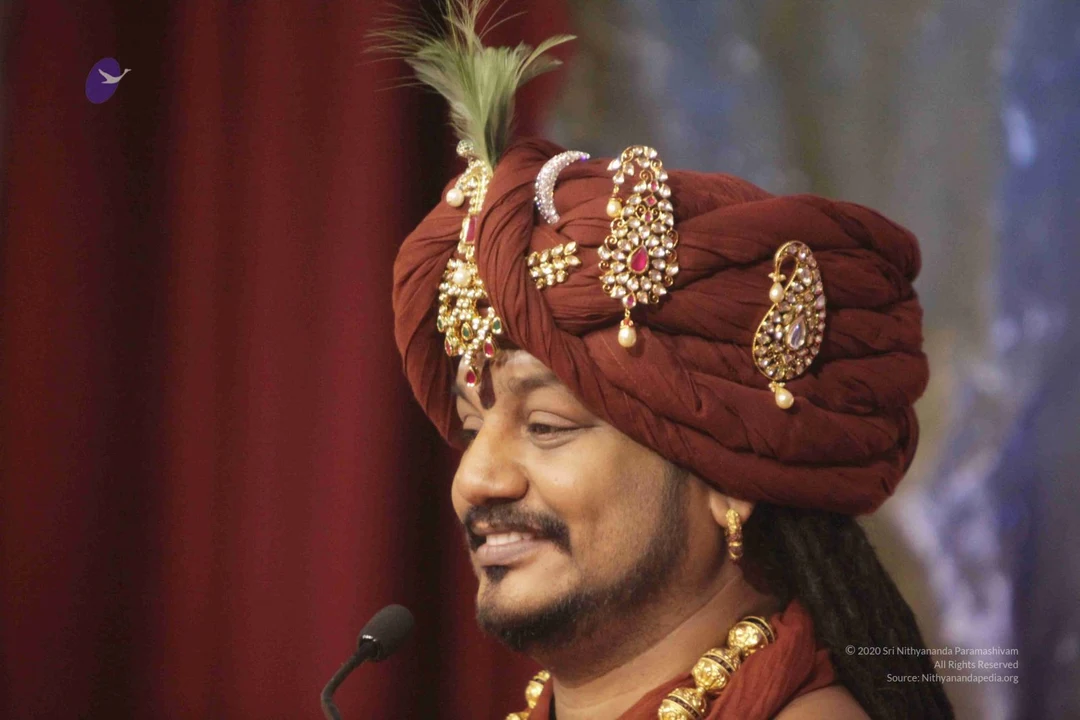 Darshan - HDH Nithyananda Paramashivam
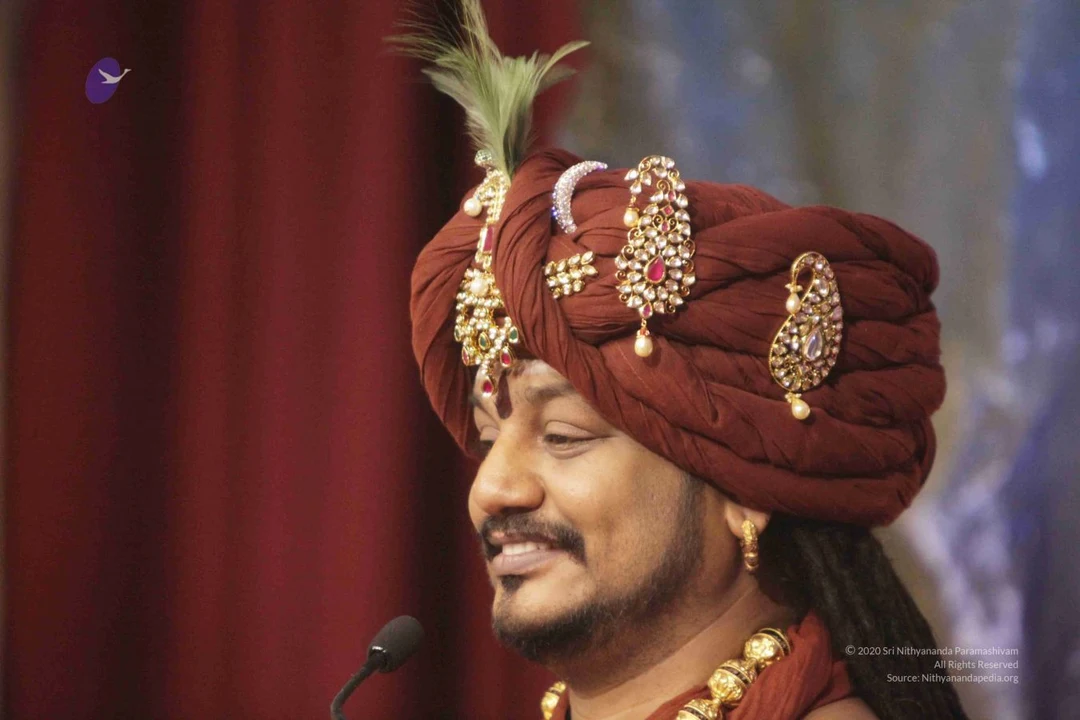 Darshan - HDH Nithyananda Paramashivam
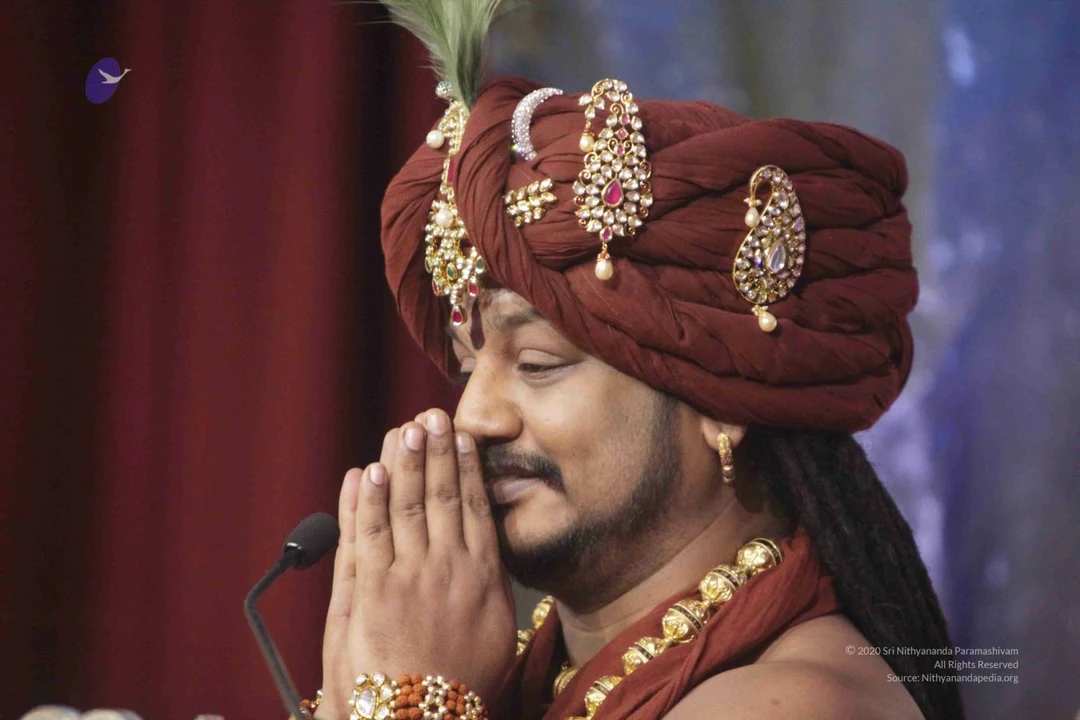 Darshan - HDH Nithyananda Paramashivam
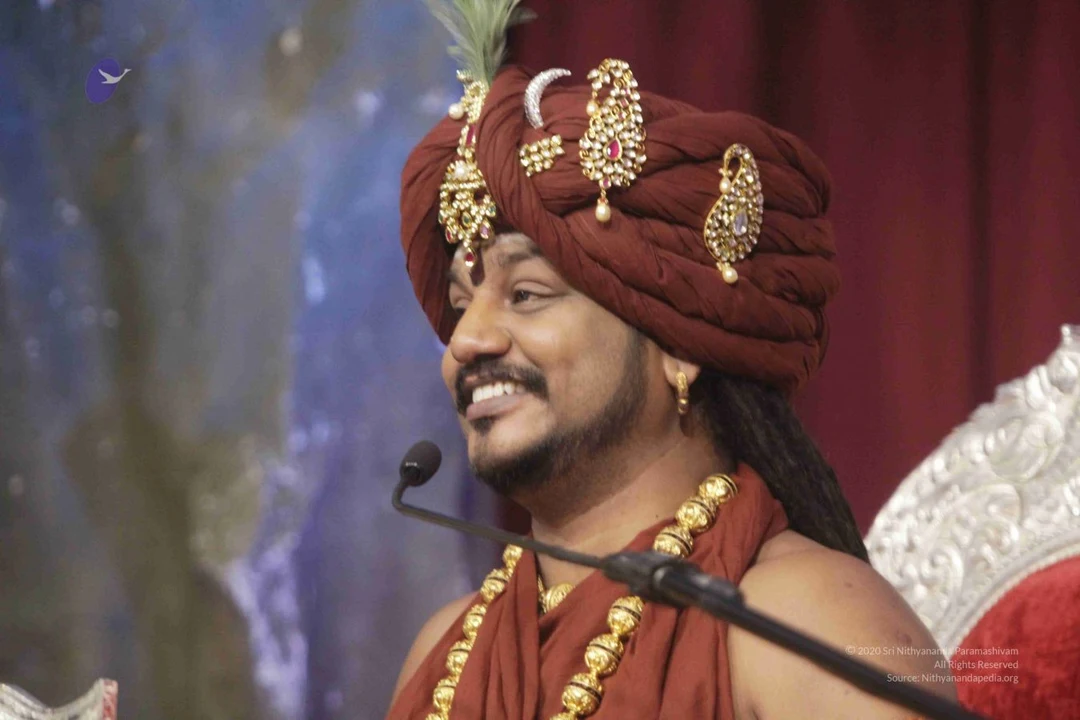 Darshan - HDH Nithyananda Paramashivam
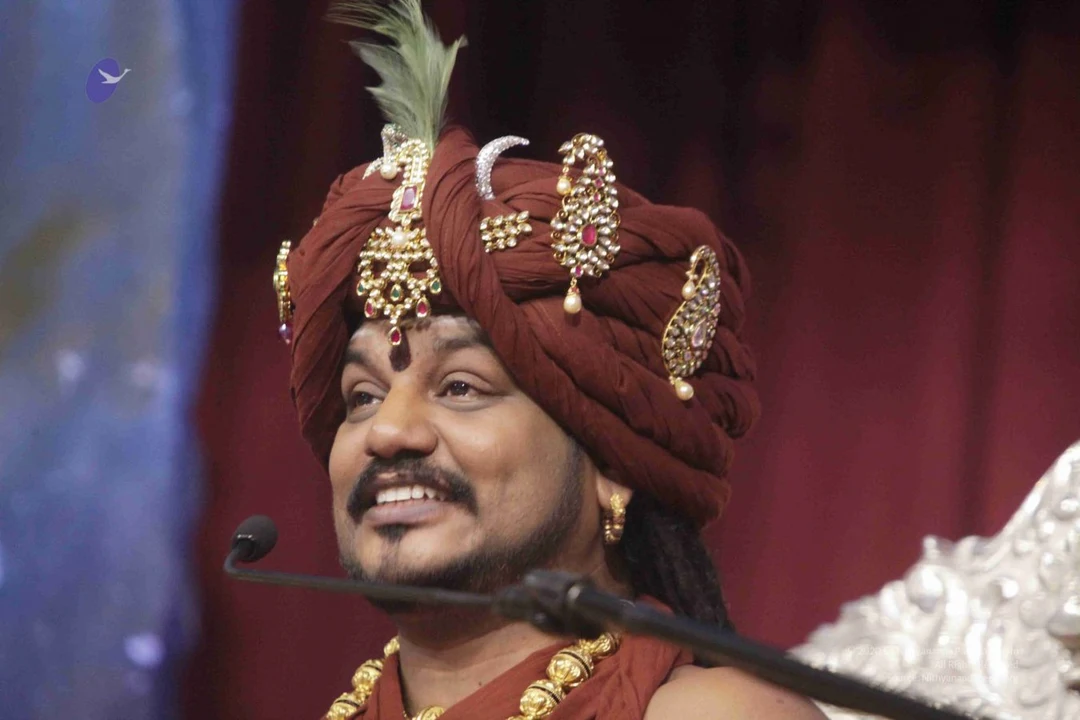 Darshan - HDH Nithyananda Paramashivam
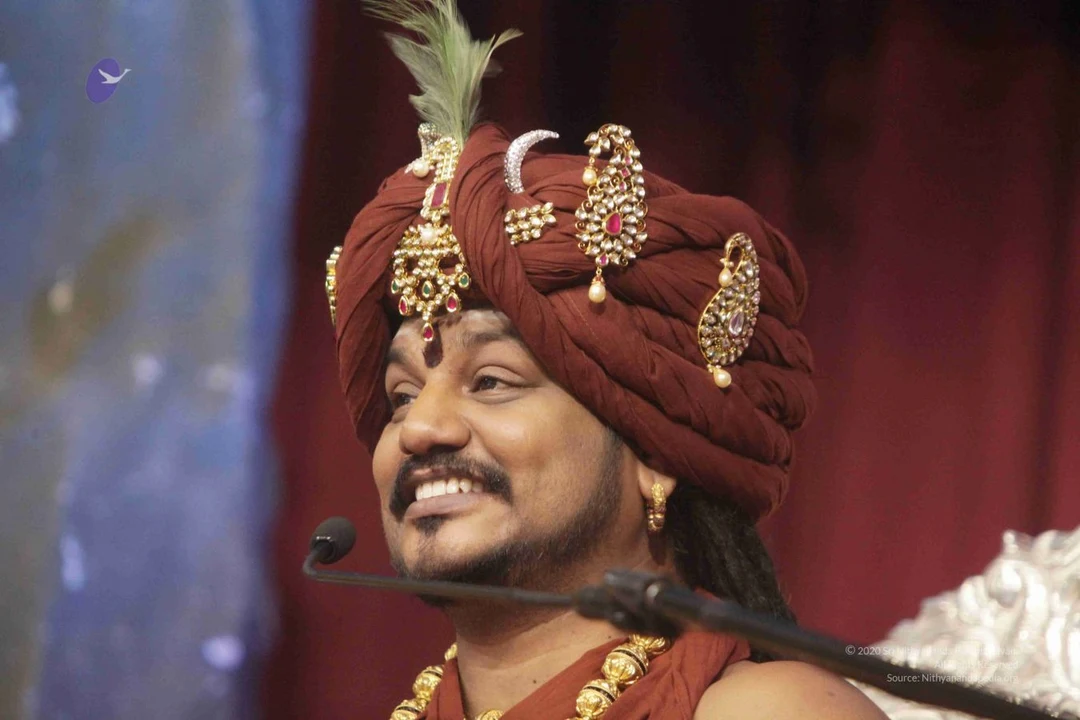 Darshan - HDH Nithyananda Paramashivam
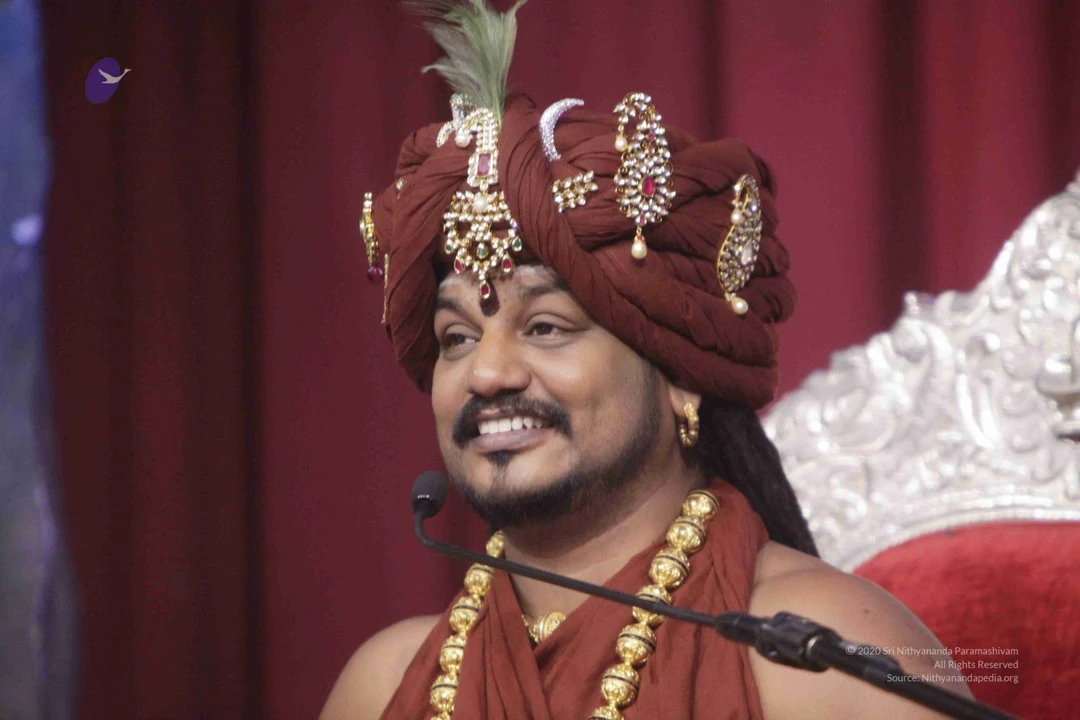 Darshan - HDH Nithyananda Paramashivam
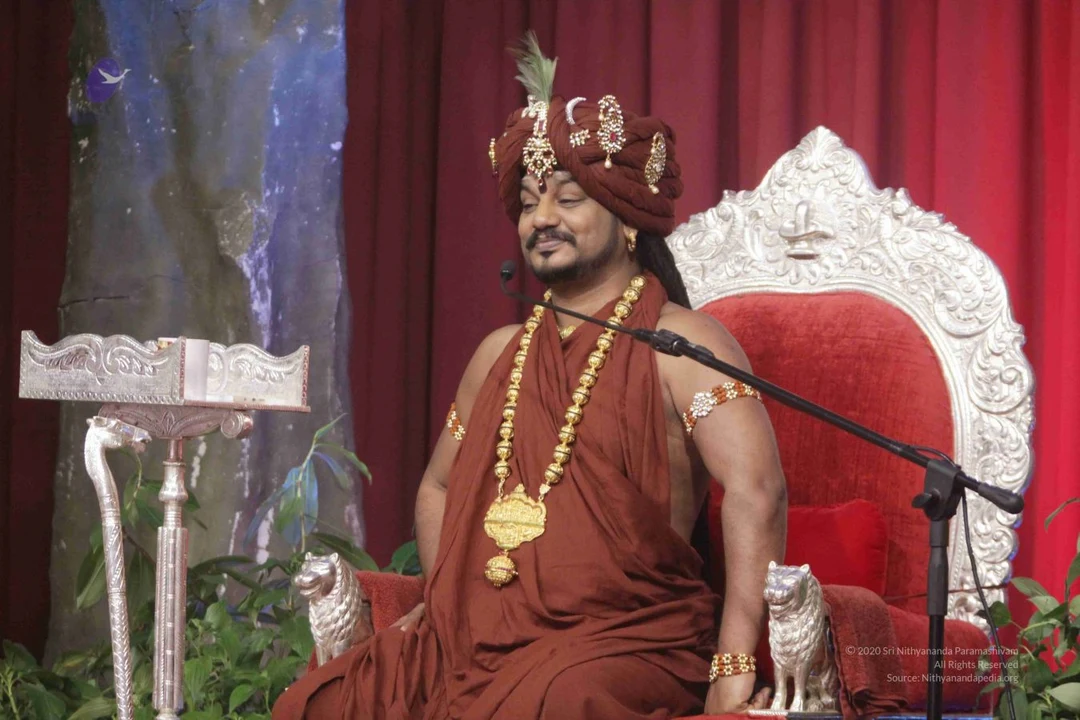 Darshan - HDH Nithyananda Paramashivam
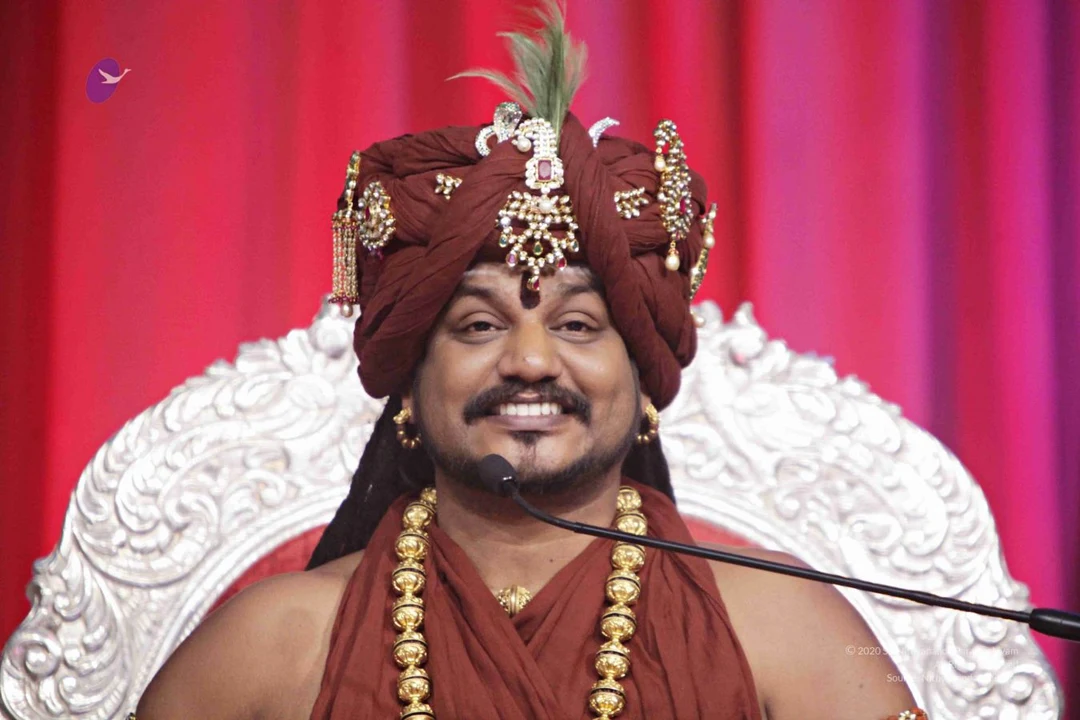 Darshan - HDH Nithyananda Paramashivam
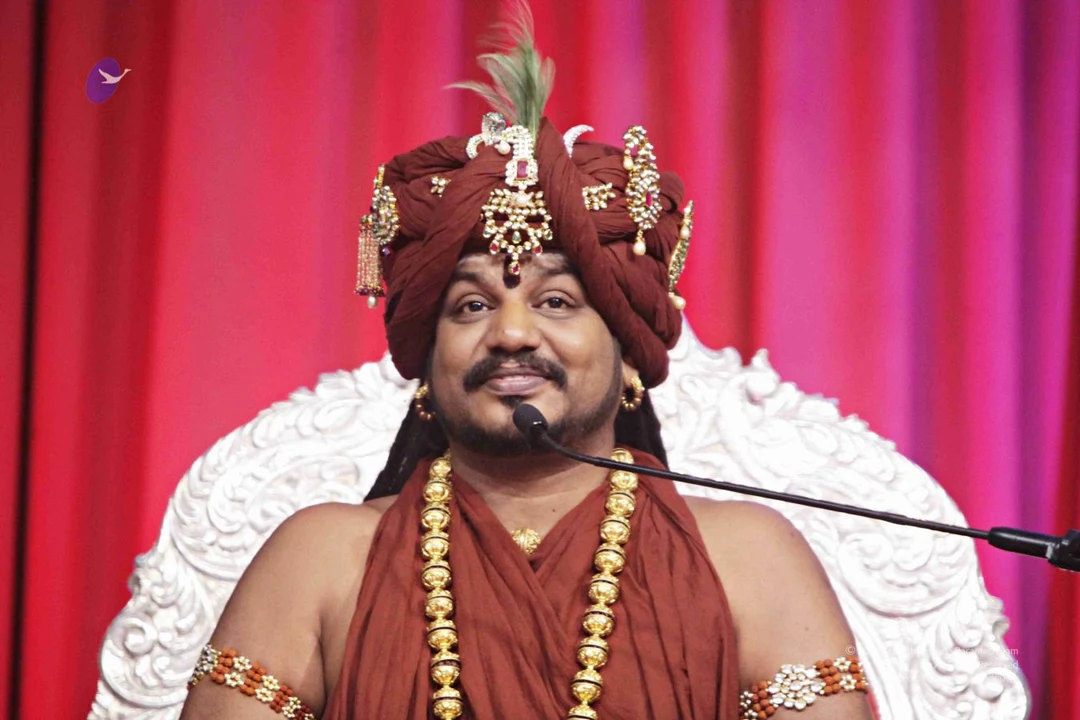 Darshan - HDH Nithyananda Paramashivam
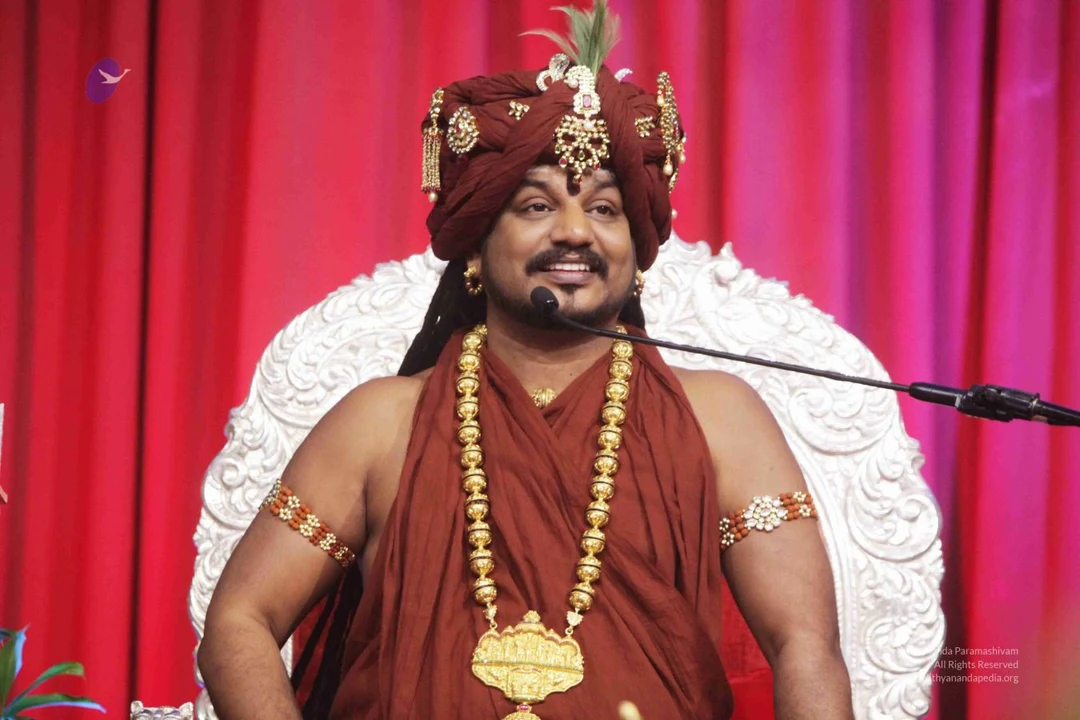 Darshan - HDH Nithyananda Paramashivam
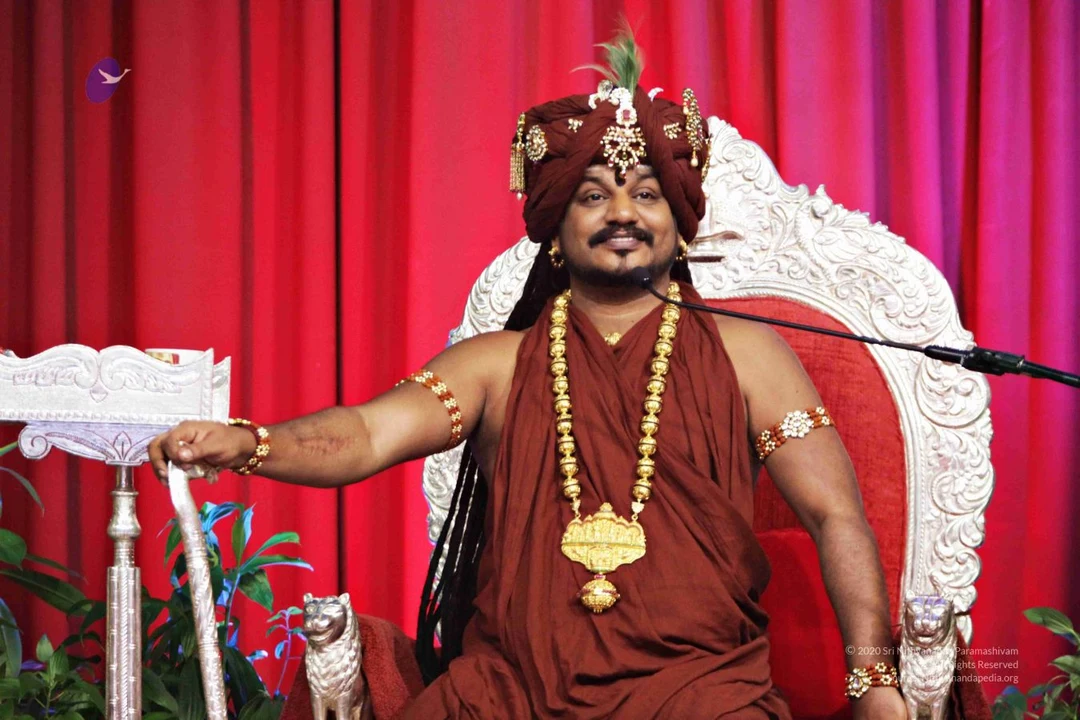 Darshan - HDH Nithyananda Paramashivam
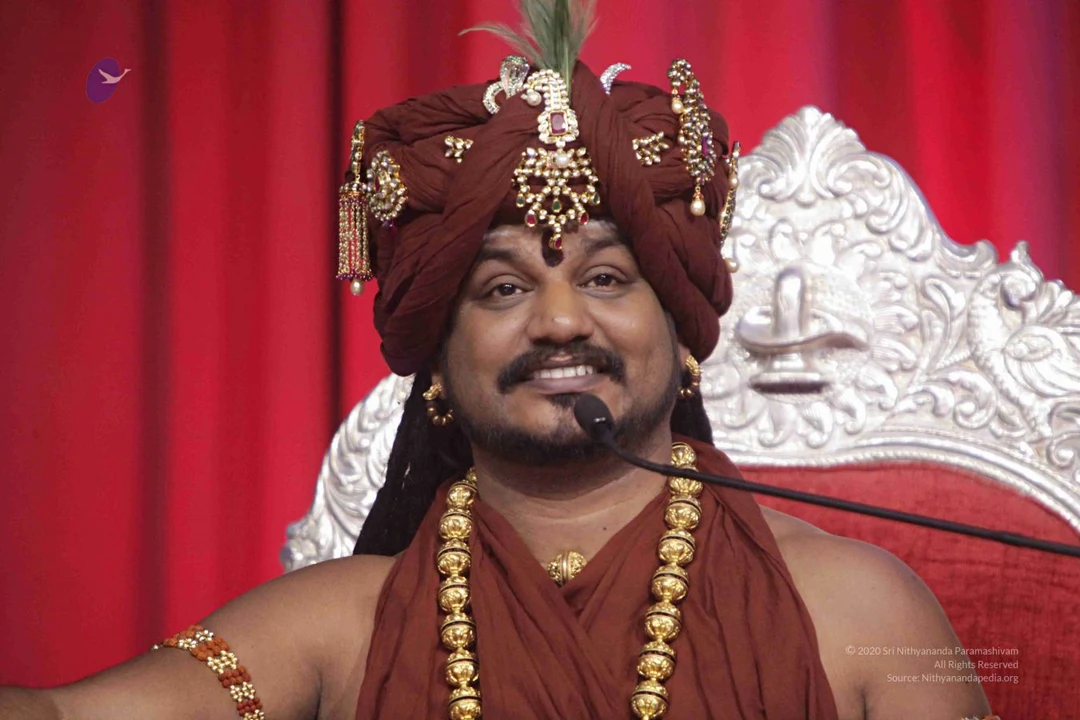 Darshan - HDH Nithyananda Paramashivam
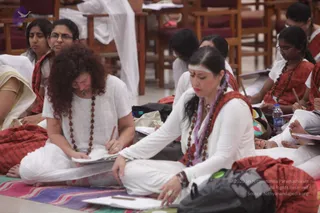
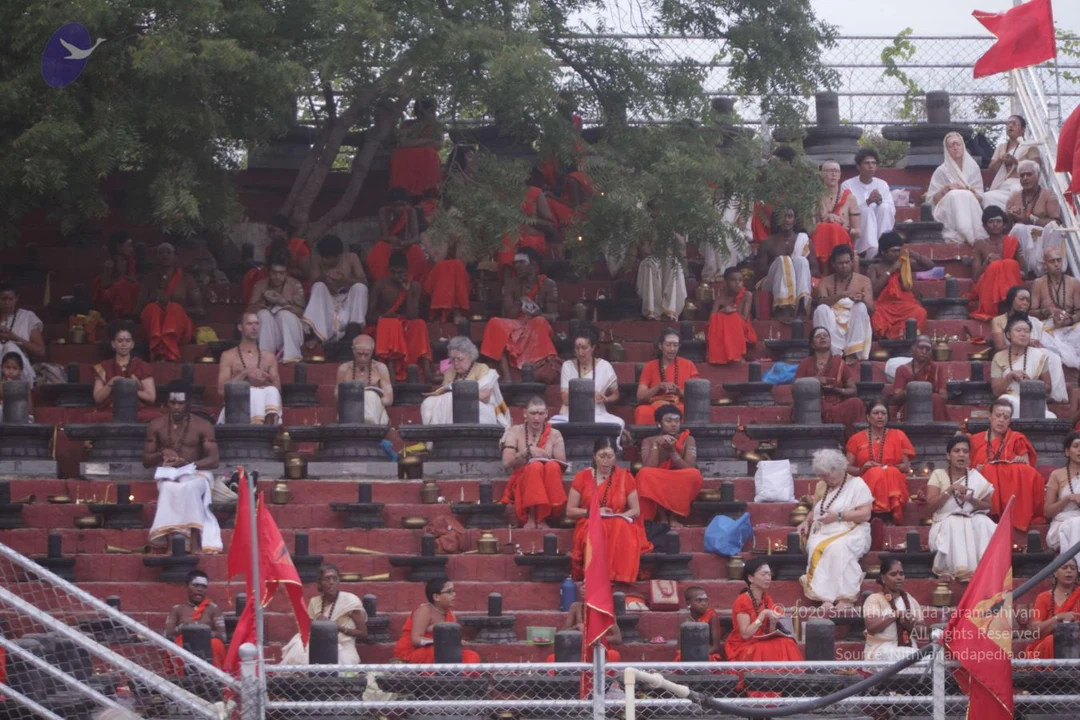
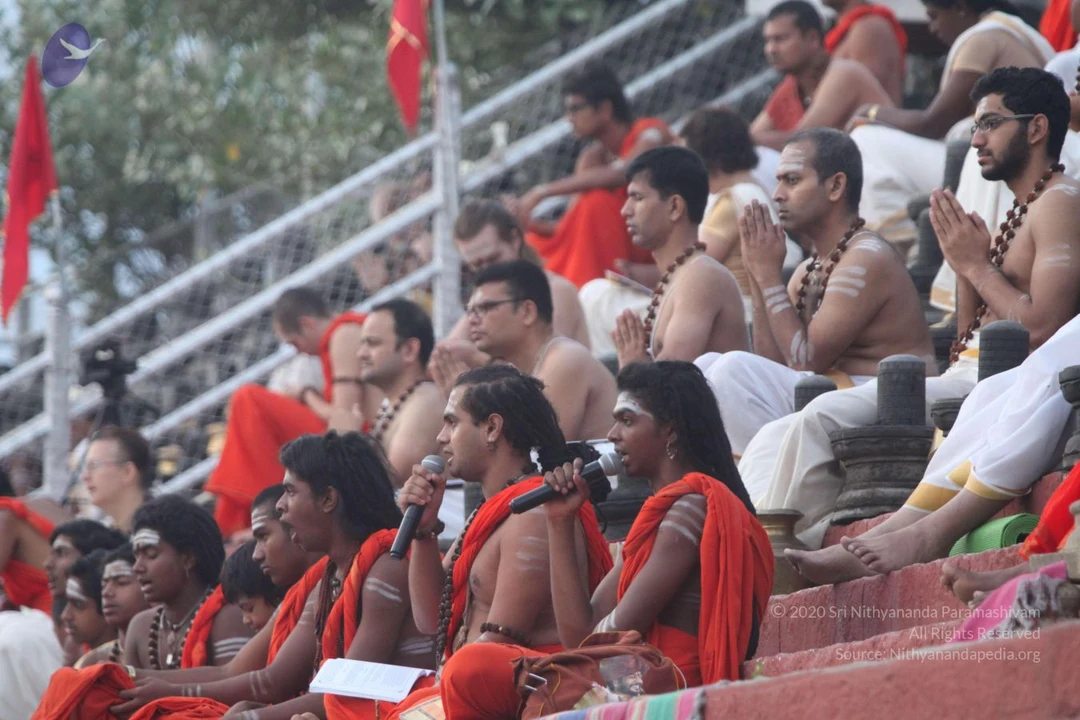
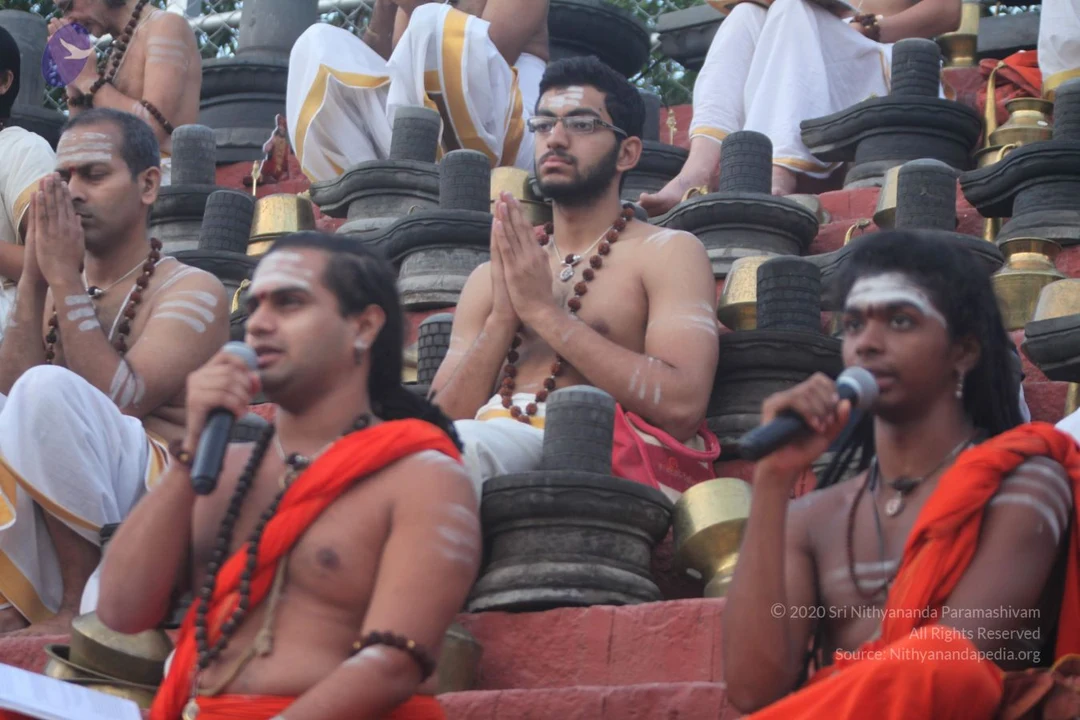
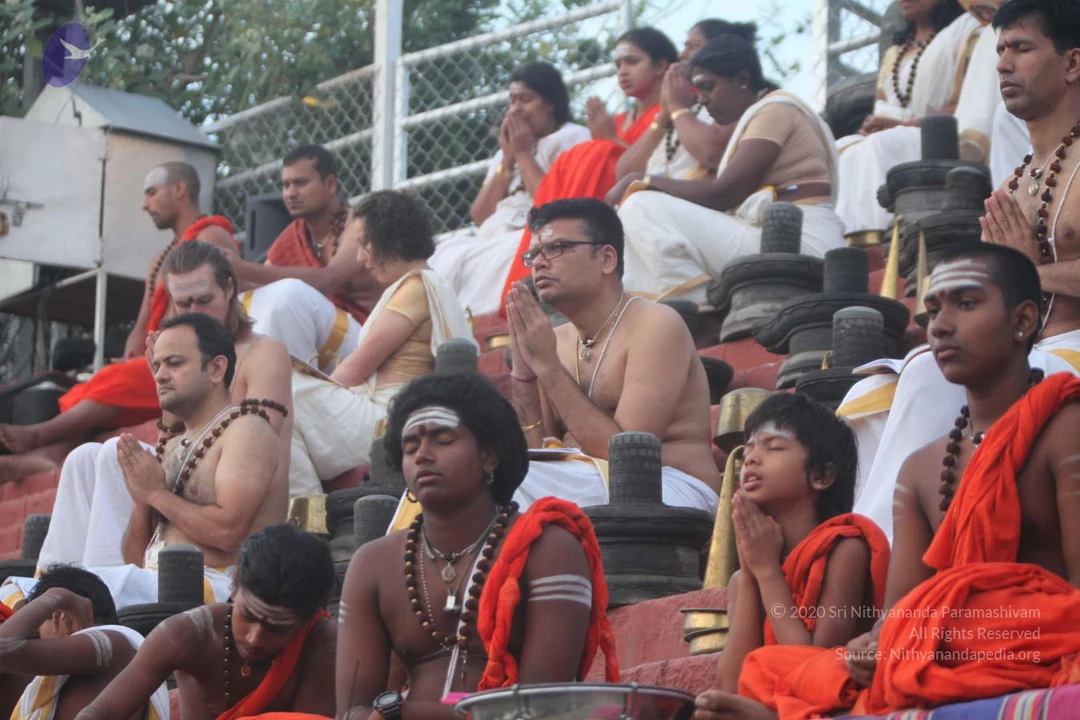
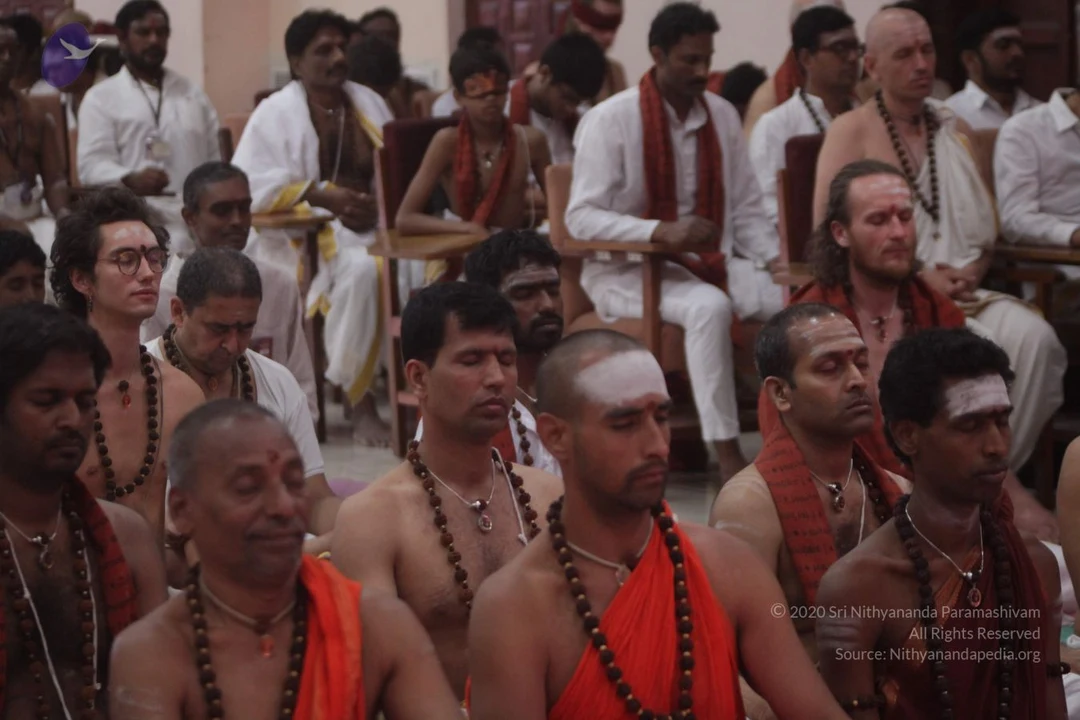
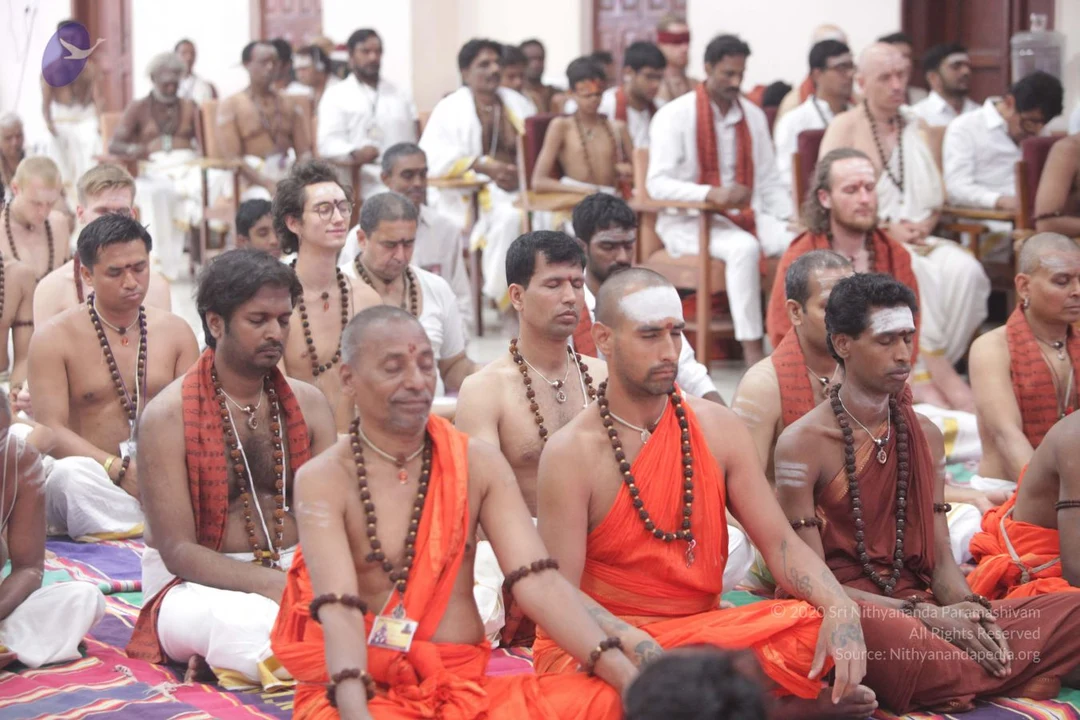
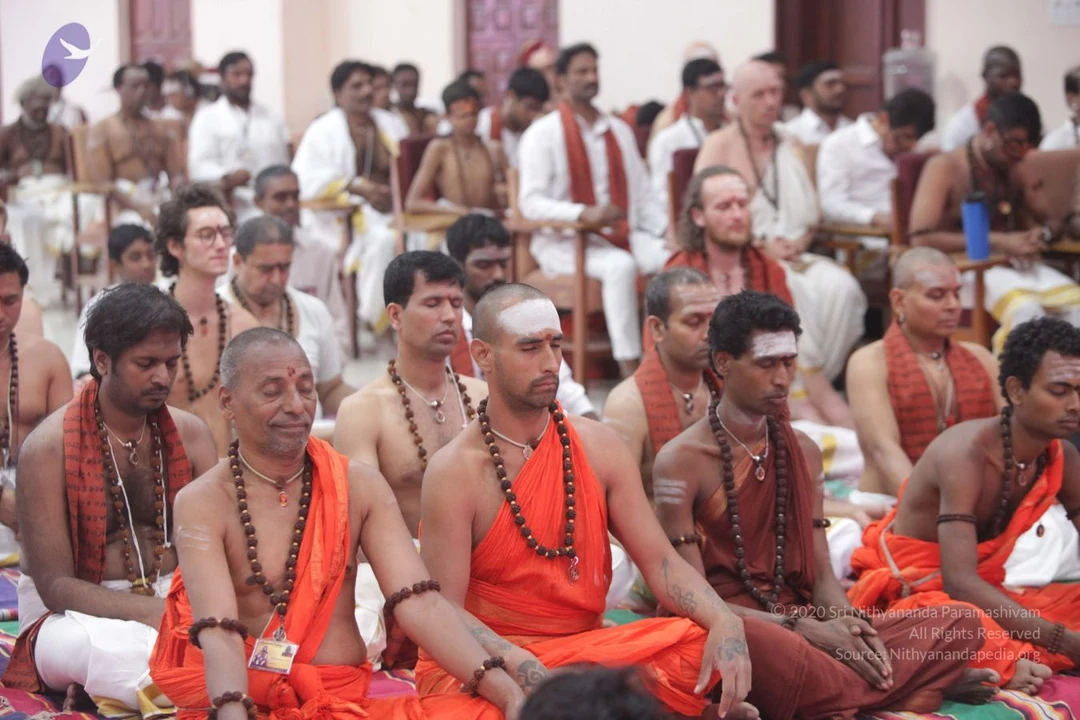
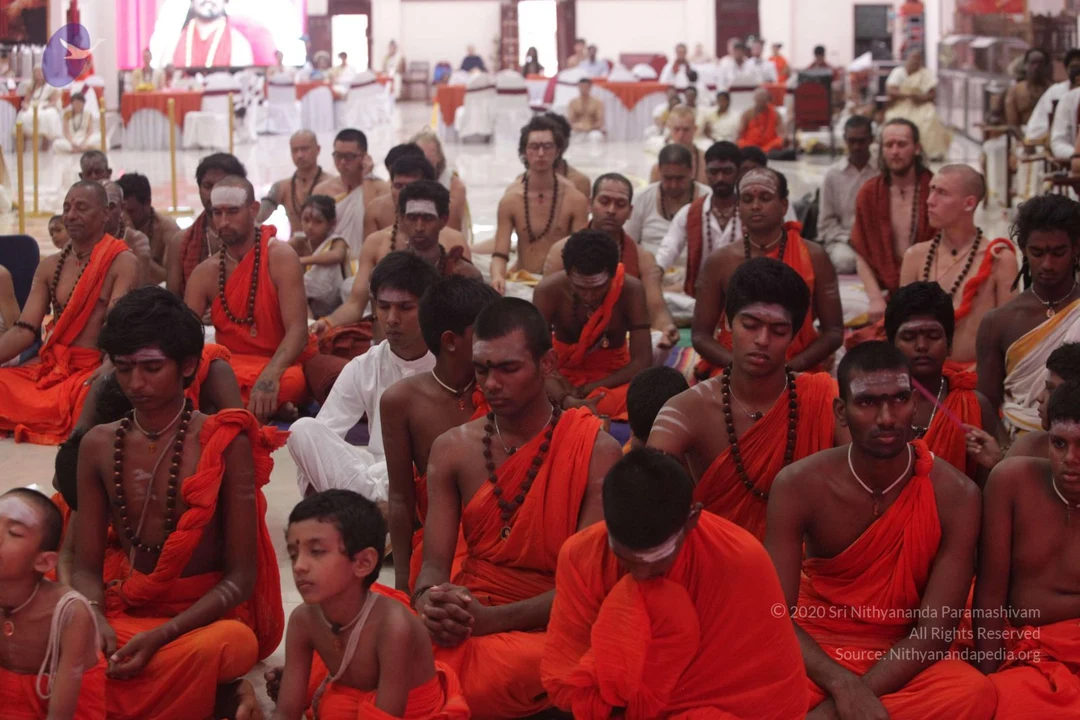
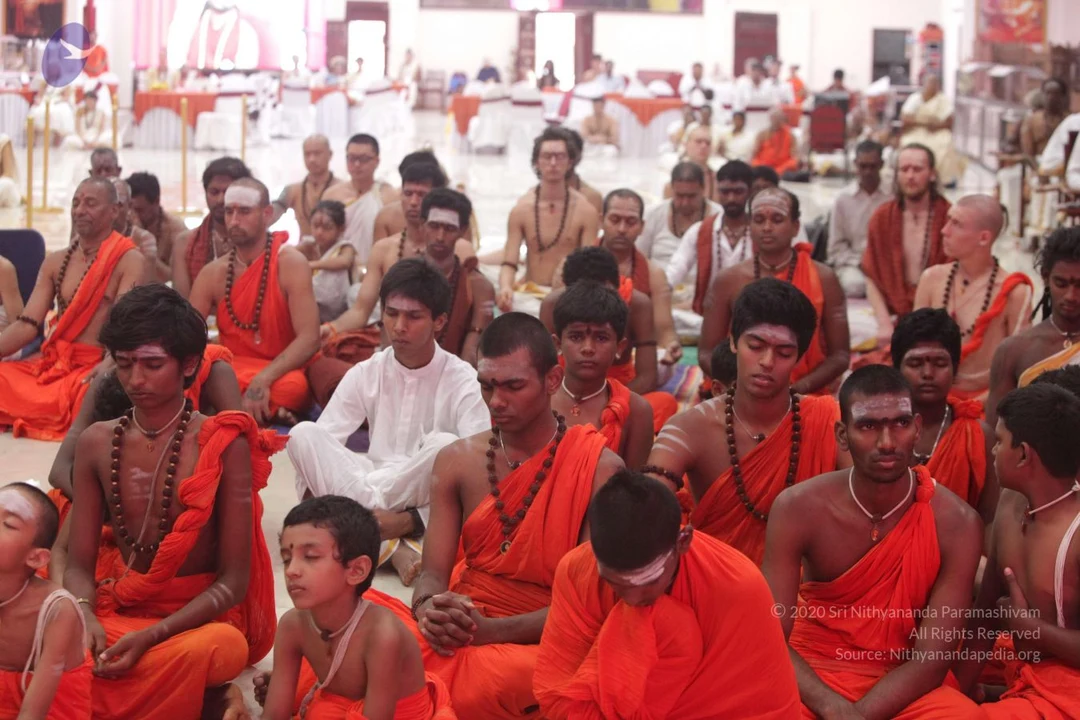
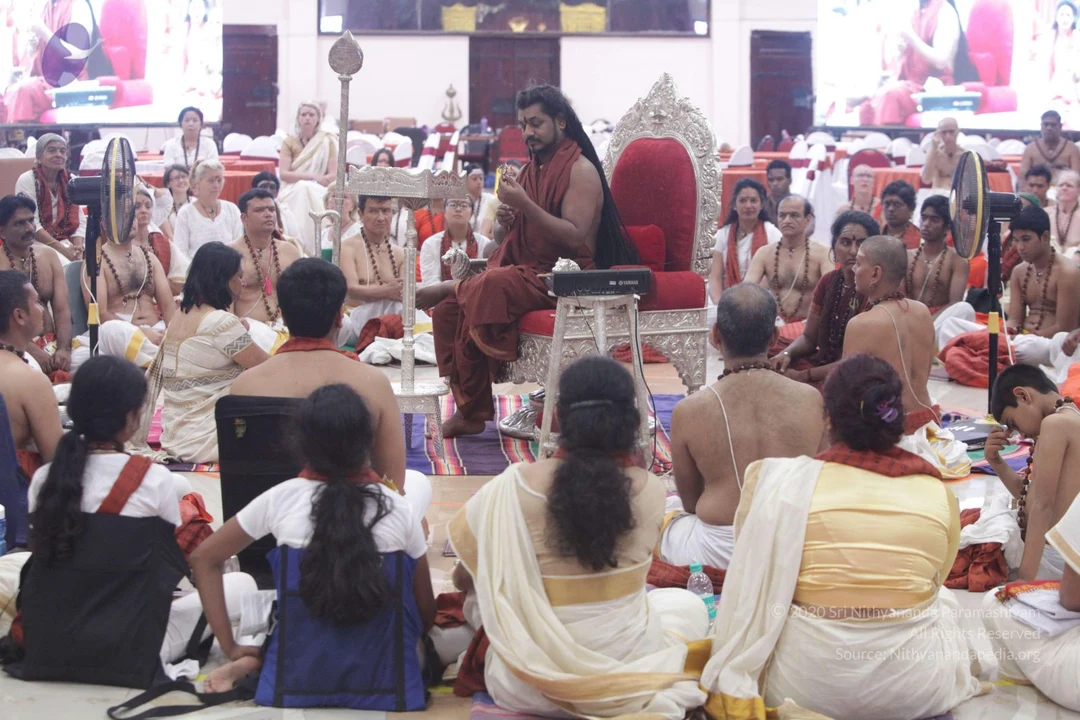
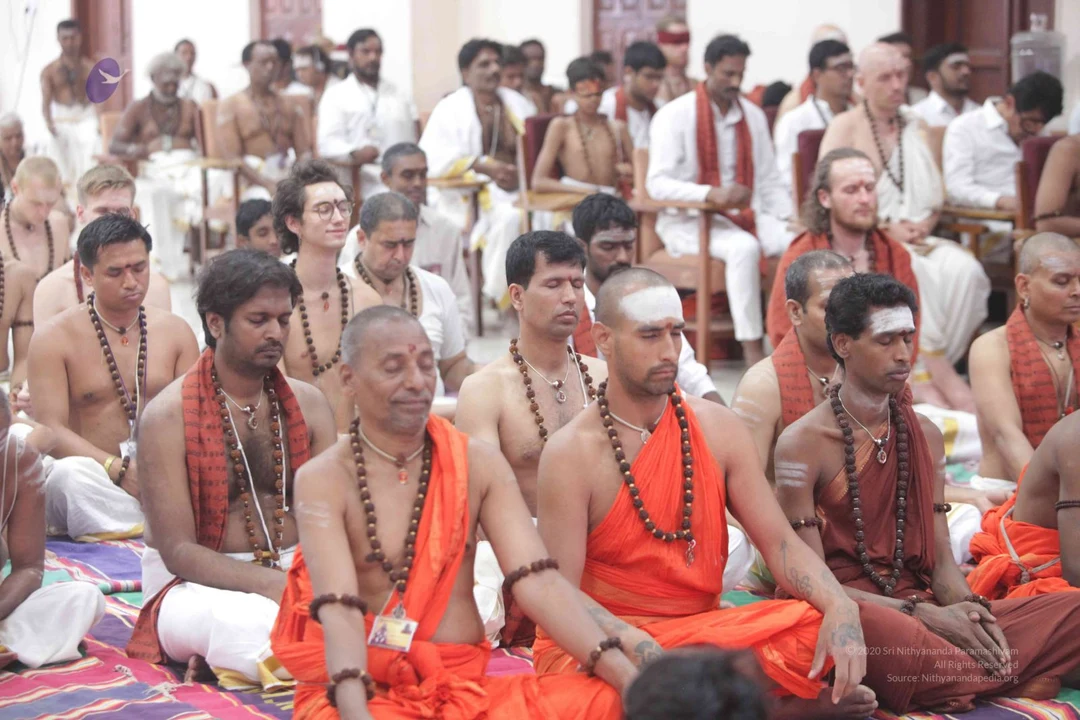 Delgates and adheenavasis in meditation
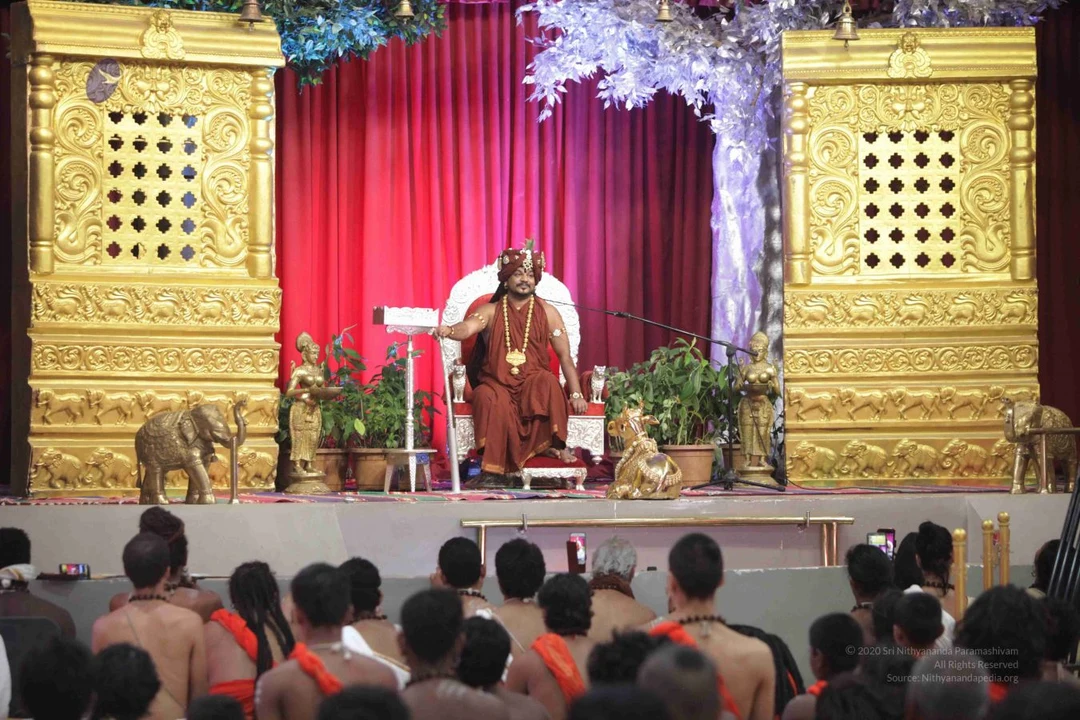 Delgates and adheenavasis in meditation
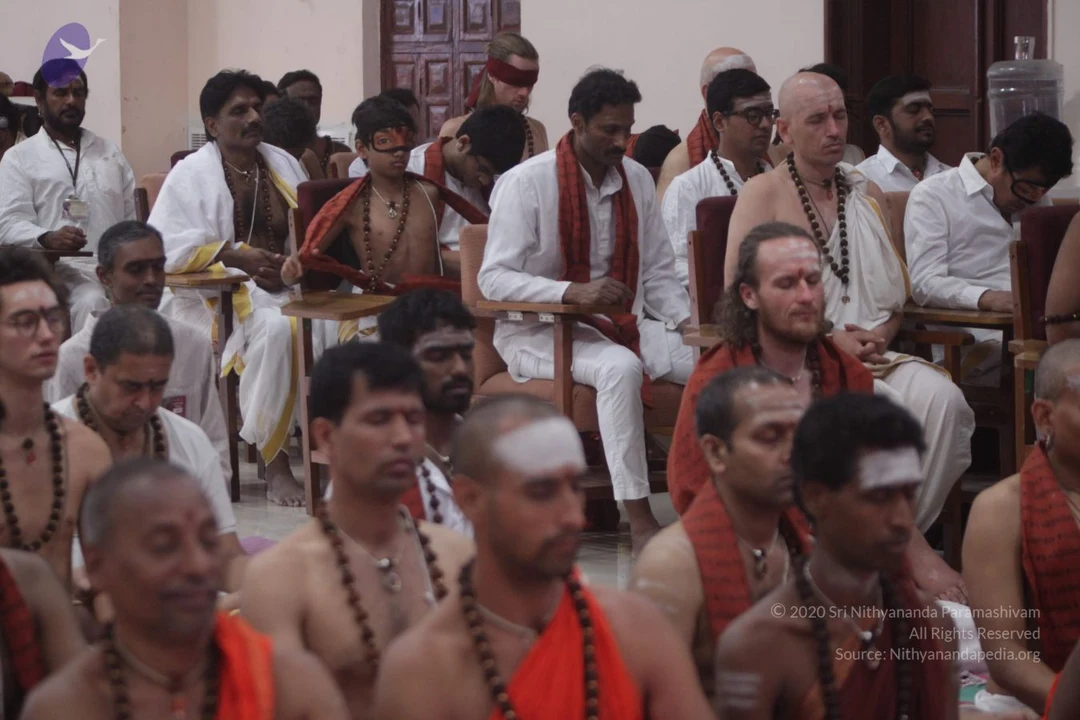
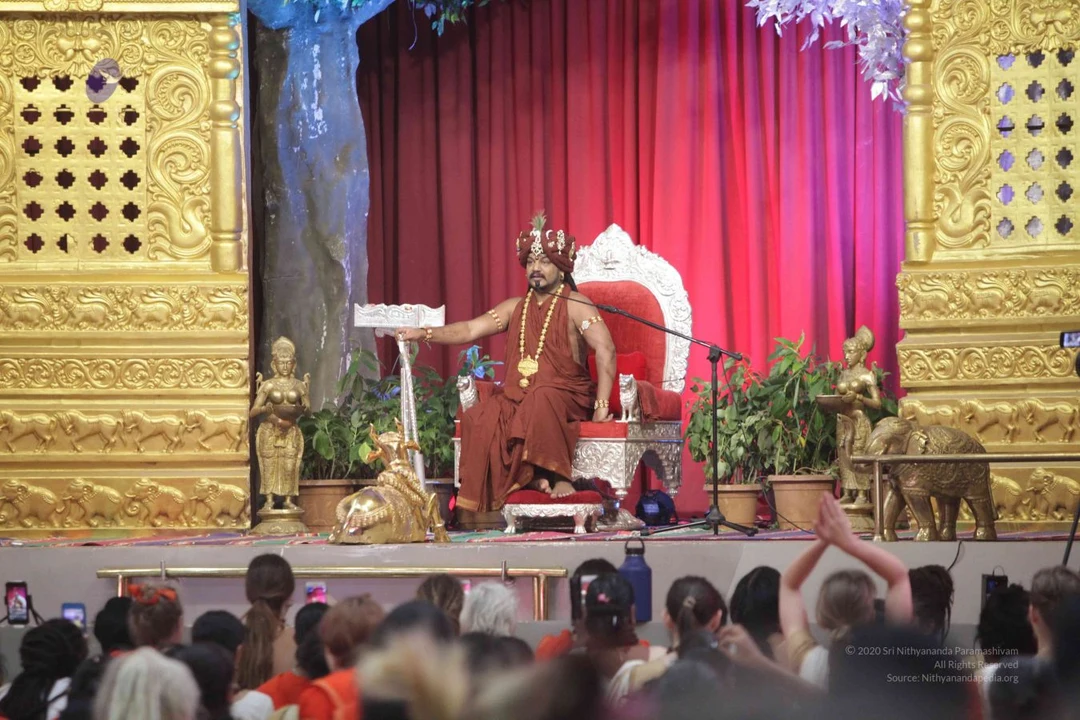 Delgates and adheenavasis in meditation
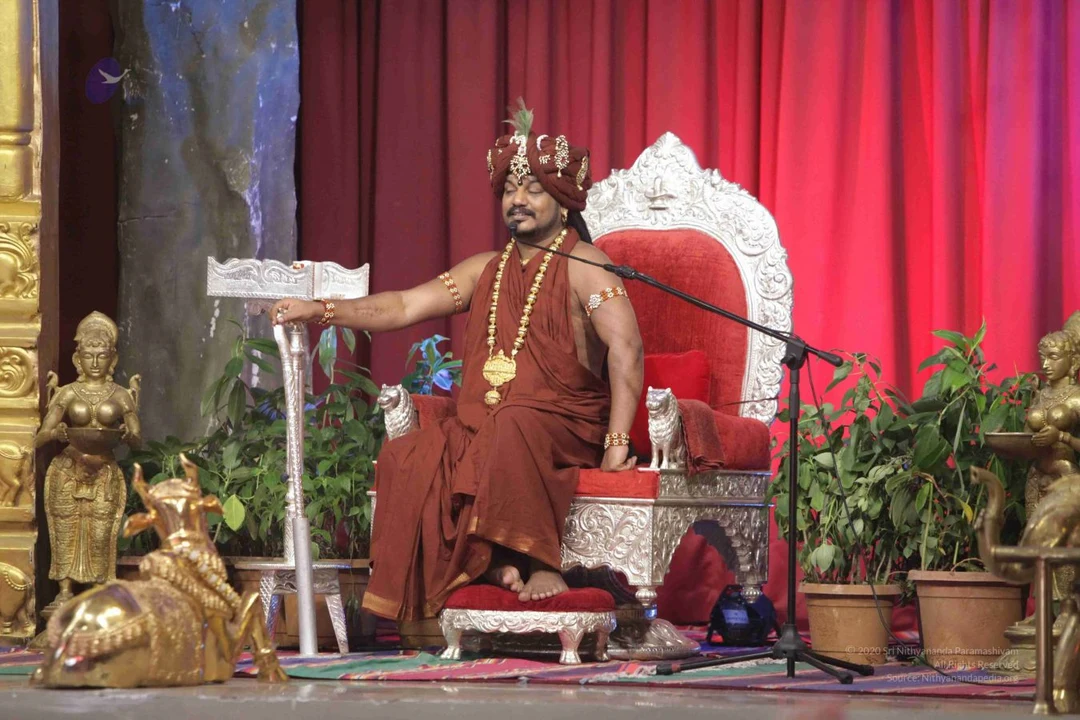 Delgates and adheenavasis in meditation
 Darshan - HDH Nithyananda Paramashivam
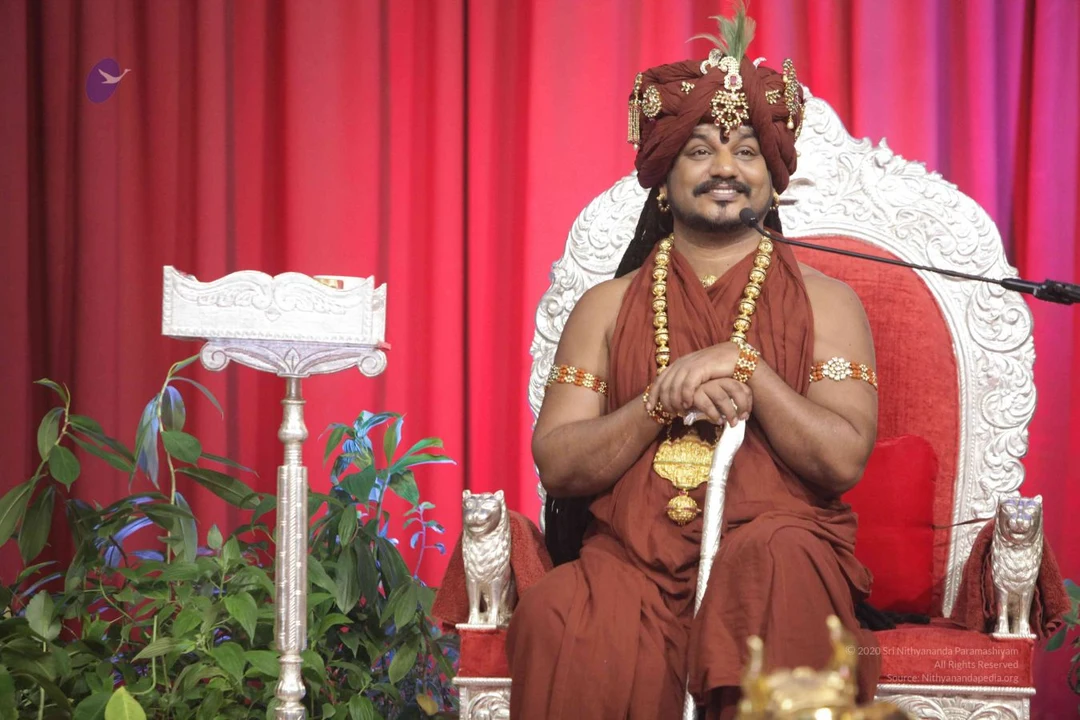 Darshan - HDH Nithyananda Paramashivam
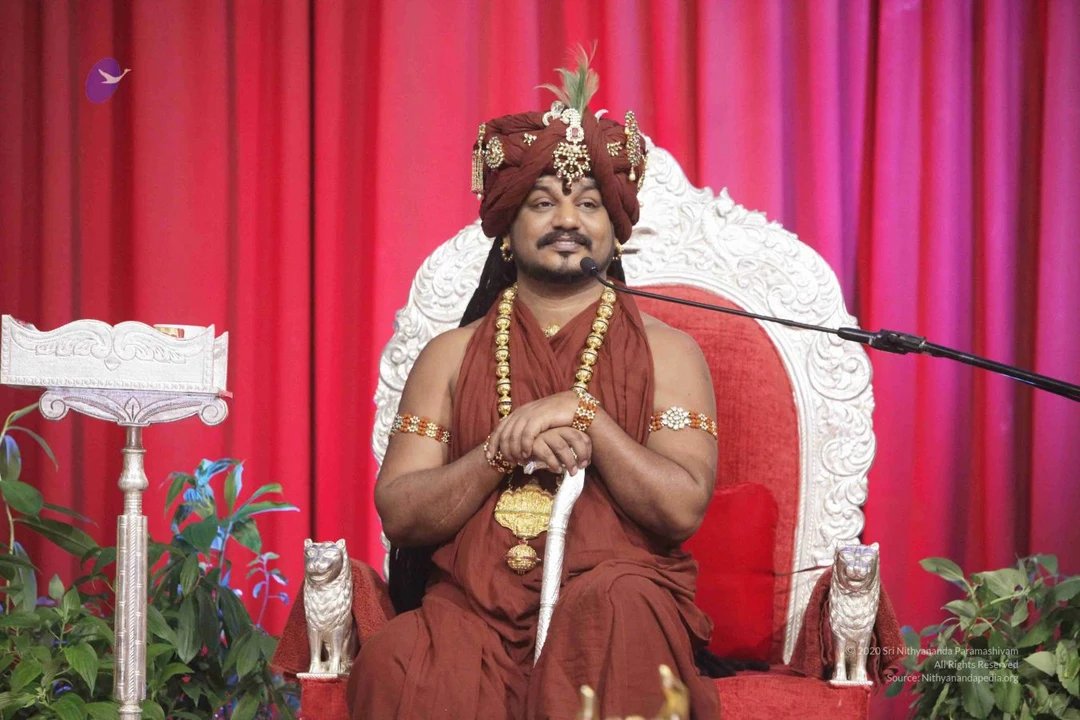 Darshan - HDH Nithyananda Paramashivam
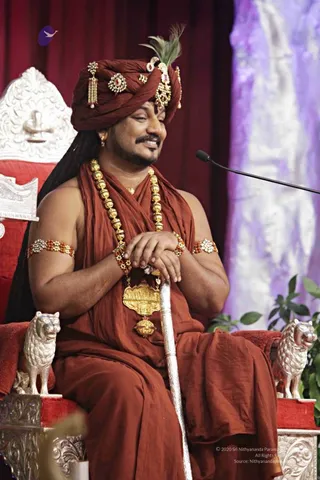 Darshan - HDH Nithyananda Paramashivam
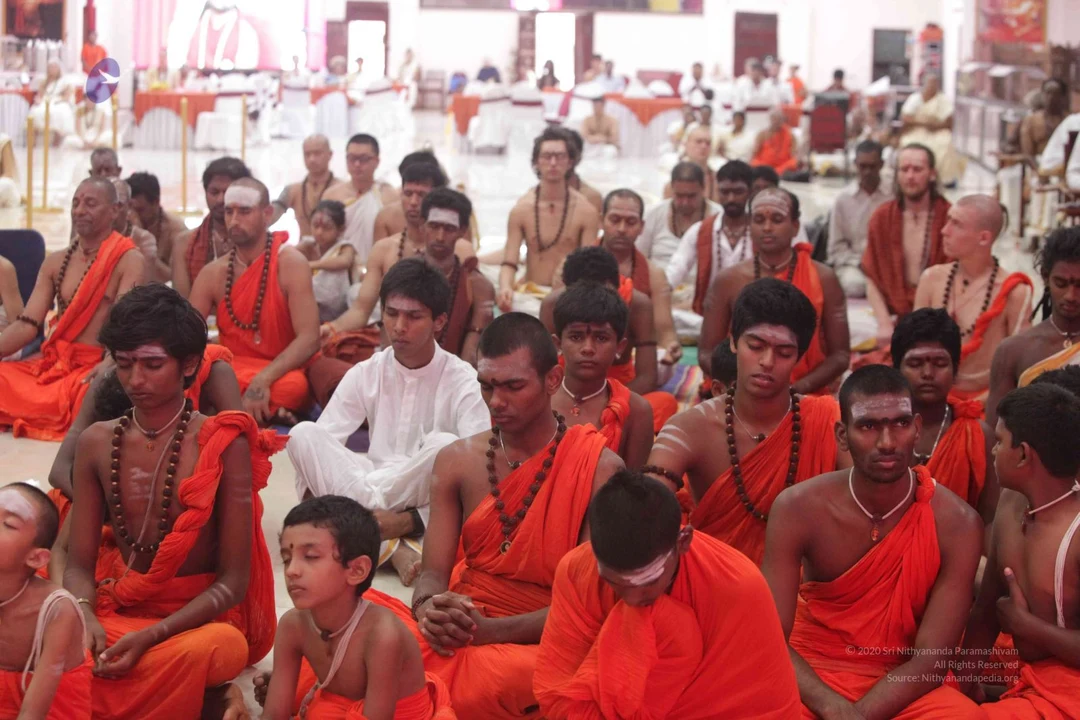 Darshan - HDH Nithyananda Paramashivam
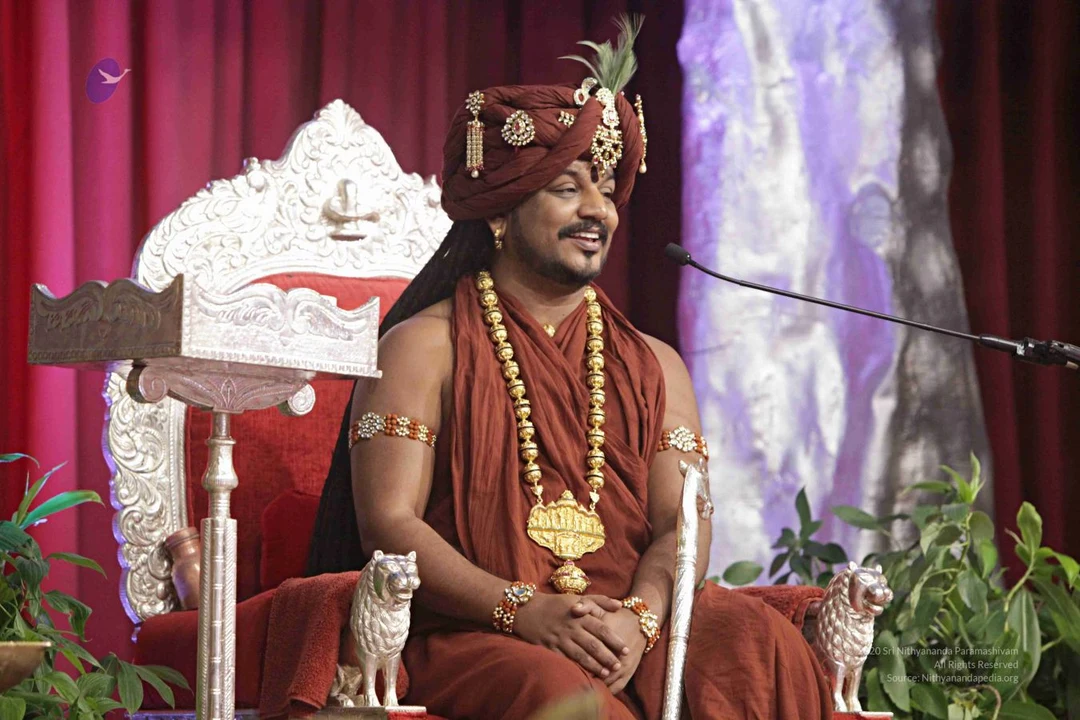 Darshan - HDH Nithyananda Paramashivam
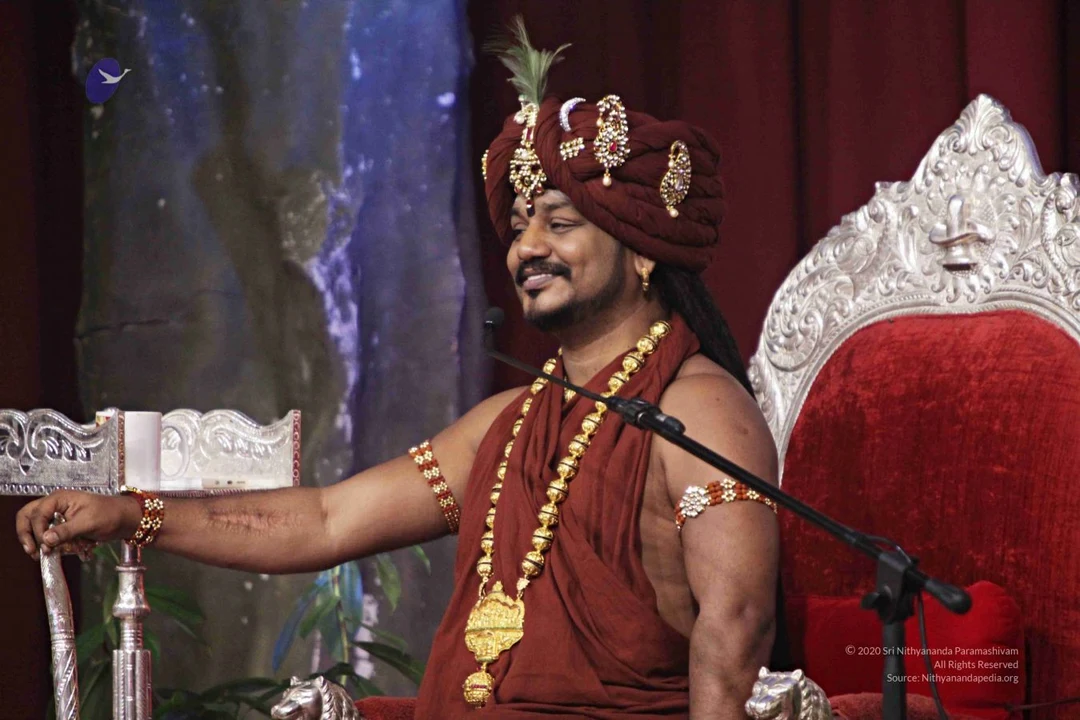 Darshan - HDH Nithyananda Paramashivam
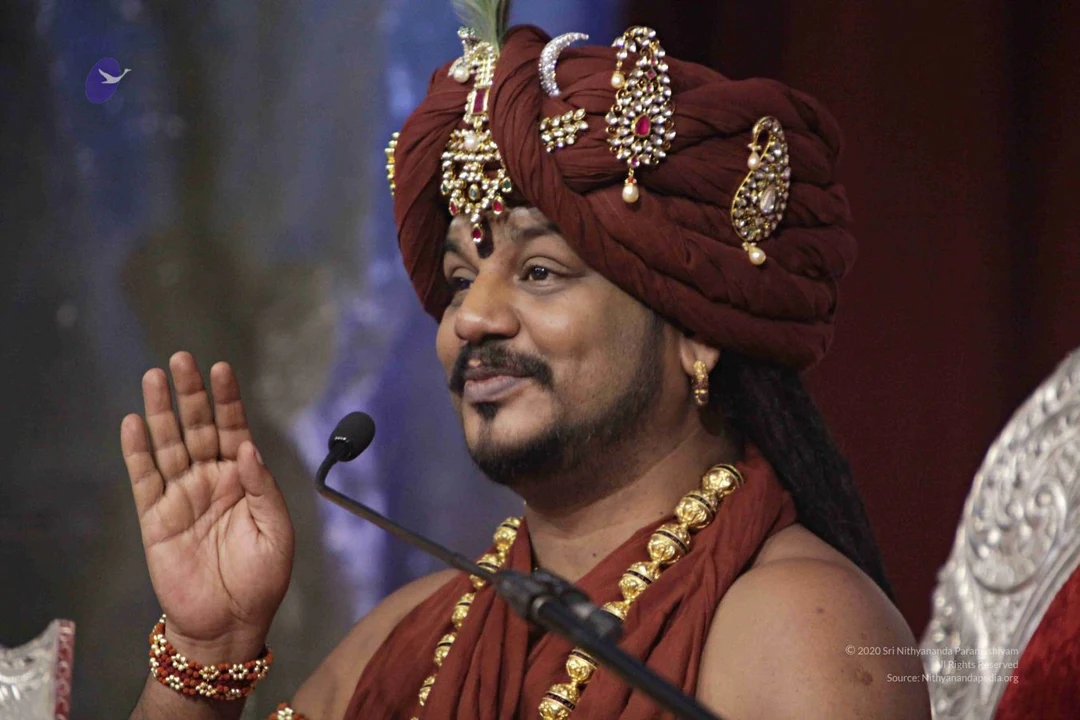 Darshan - HDH Nithyananda Paramashivam
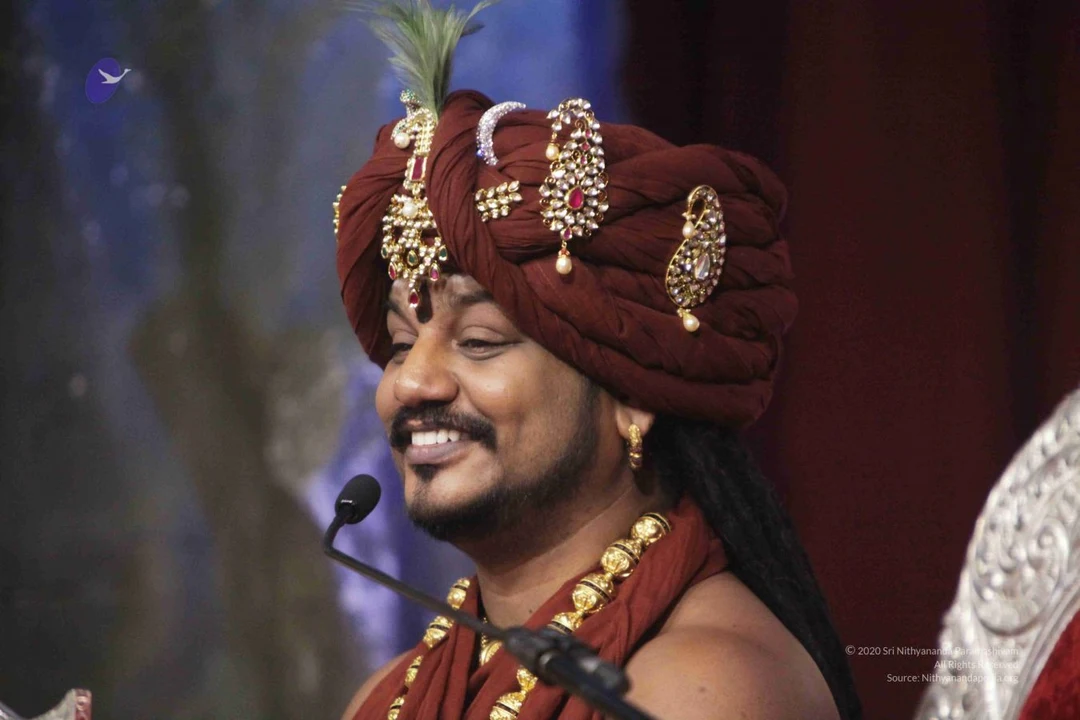 Darshan - HDH Nithyananda Paramashivam
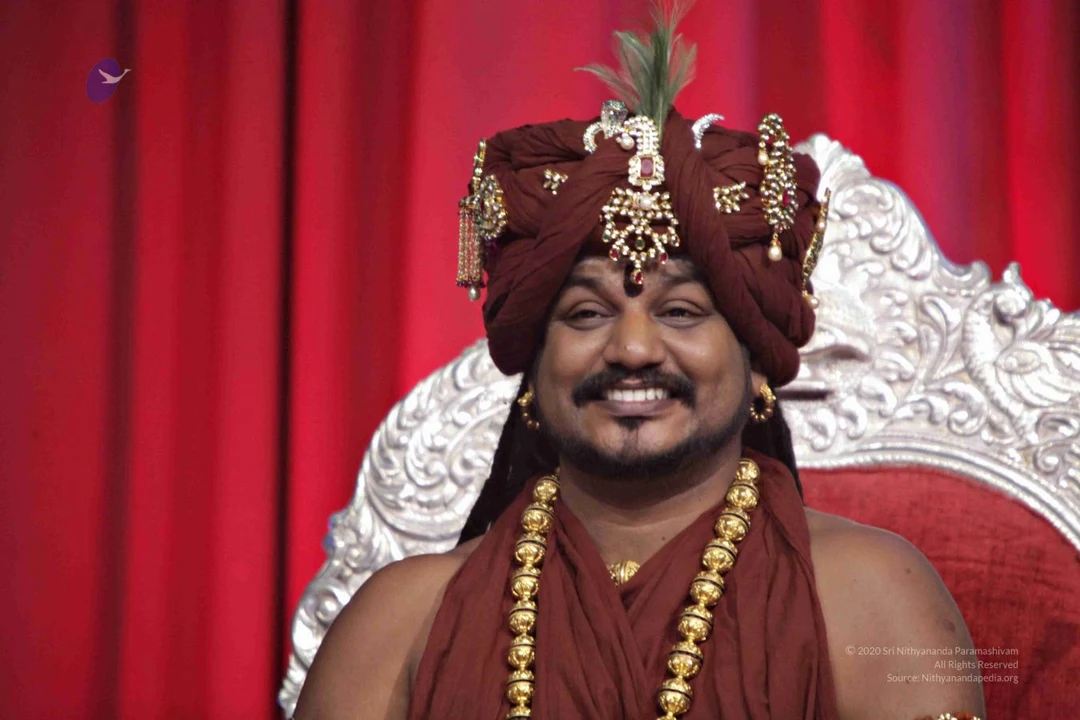 Darshan - HDH Nithyananda Paramashivam
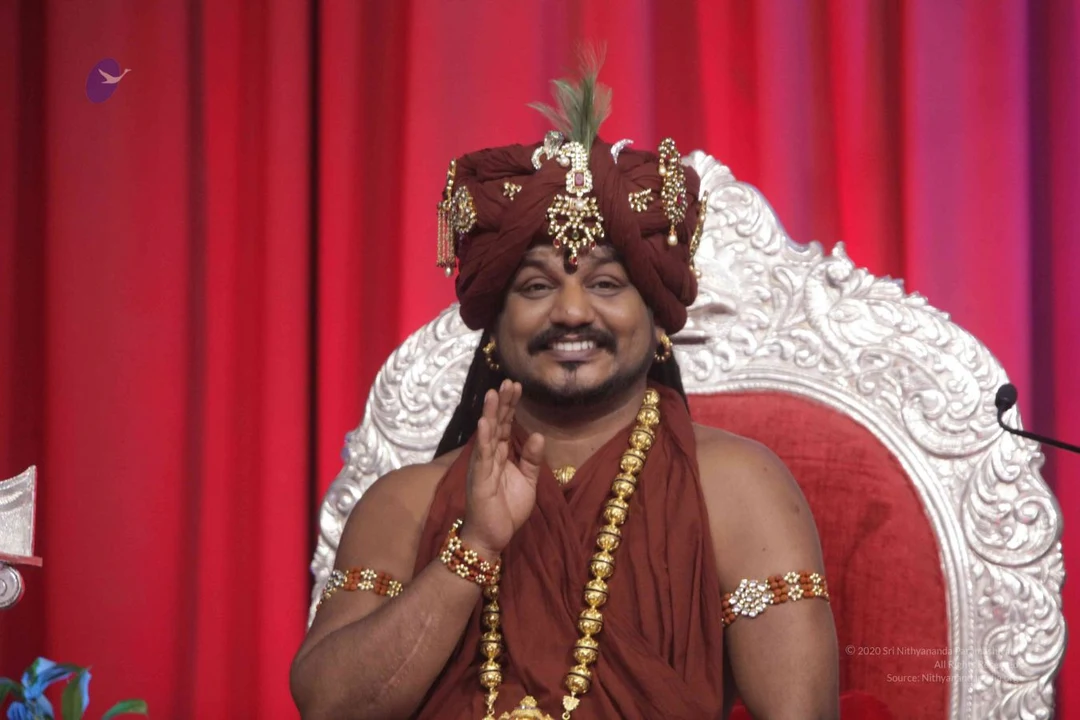 Darshan - HDH Nithyananda Paramashivam
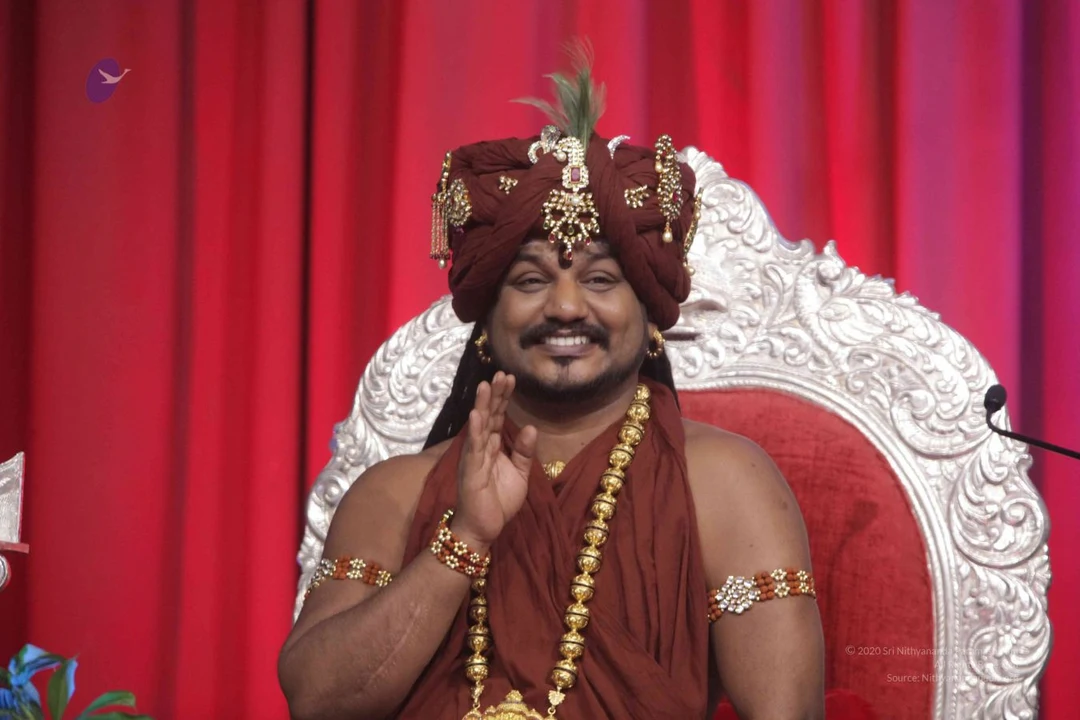 Darshan - HDH Nithyananda Paramashivam
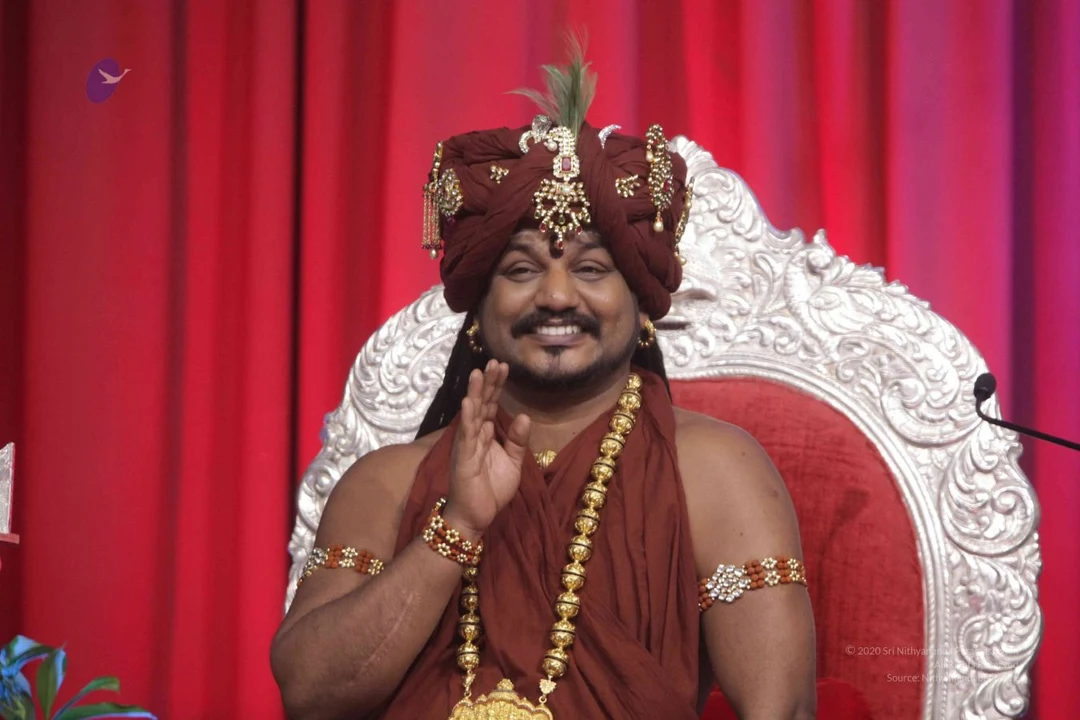 Darshan - HDH Nithyananda Paramashivam
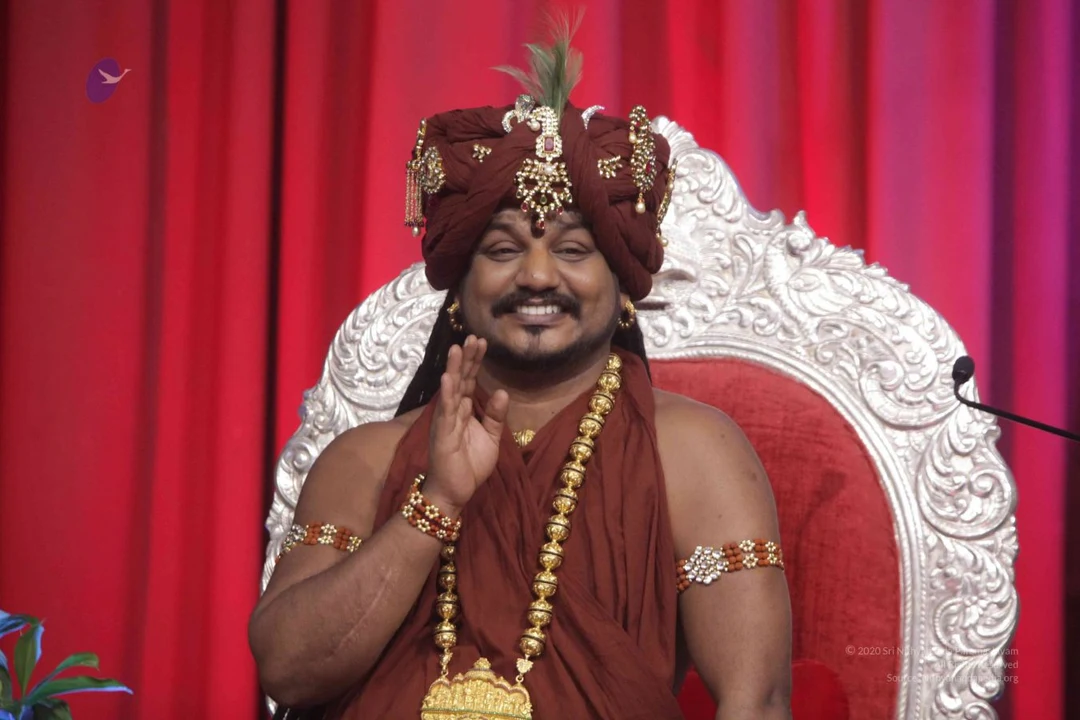 Darshan - HDH Nithyananda Paramashivam
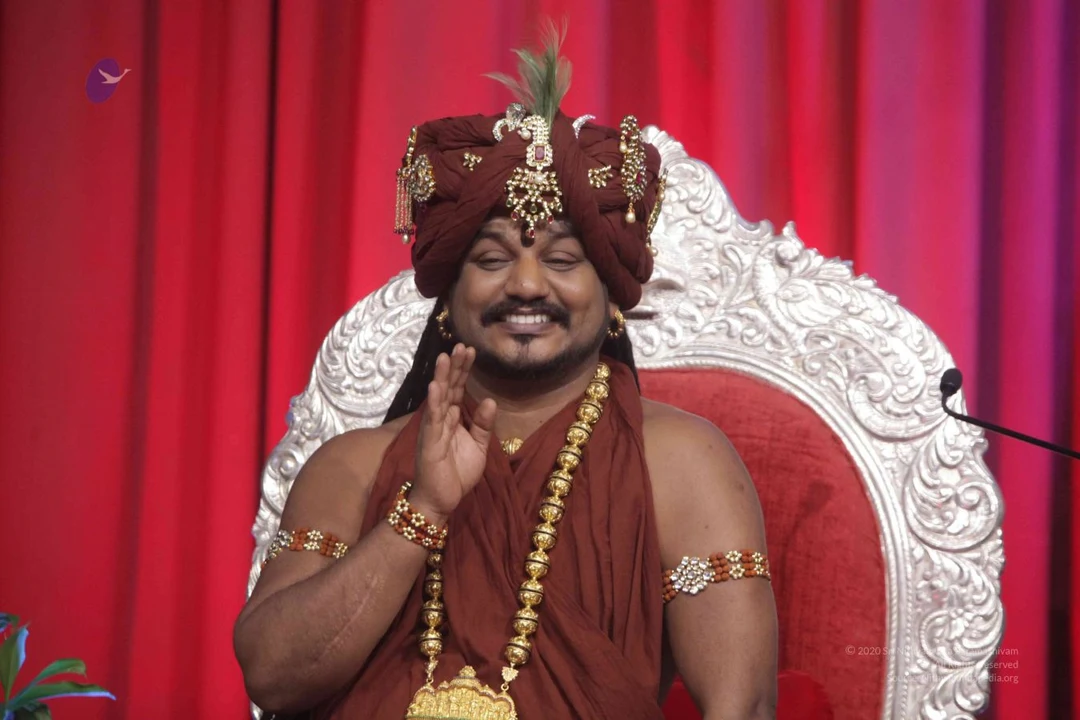 Darshan - HDH Nithyananda Paramashivam
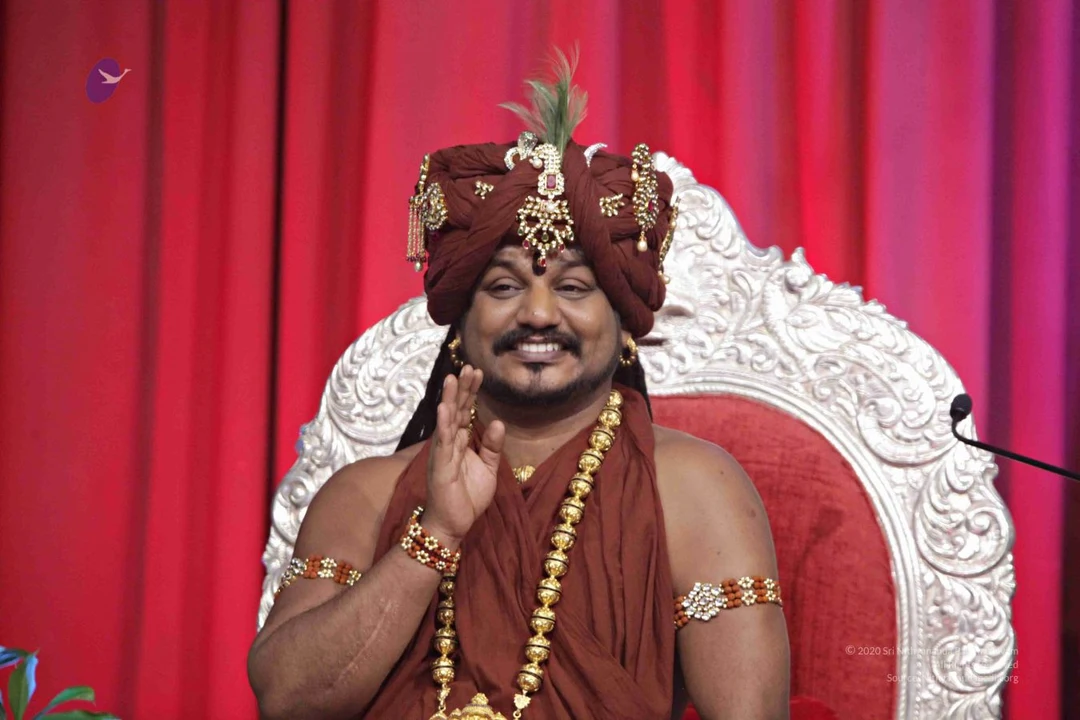 Darshan - HDH Nithyananda Paramashivam
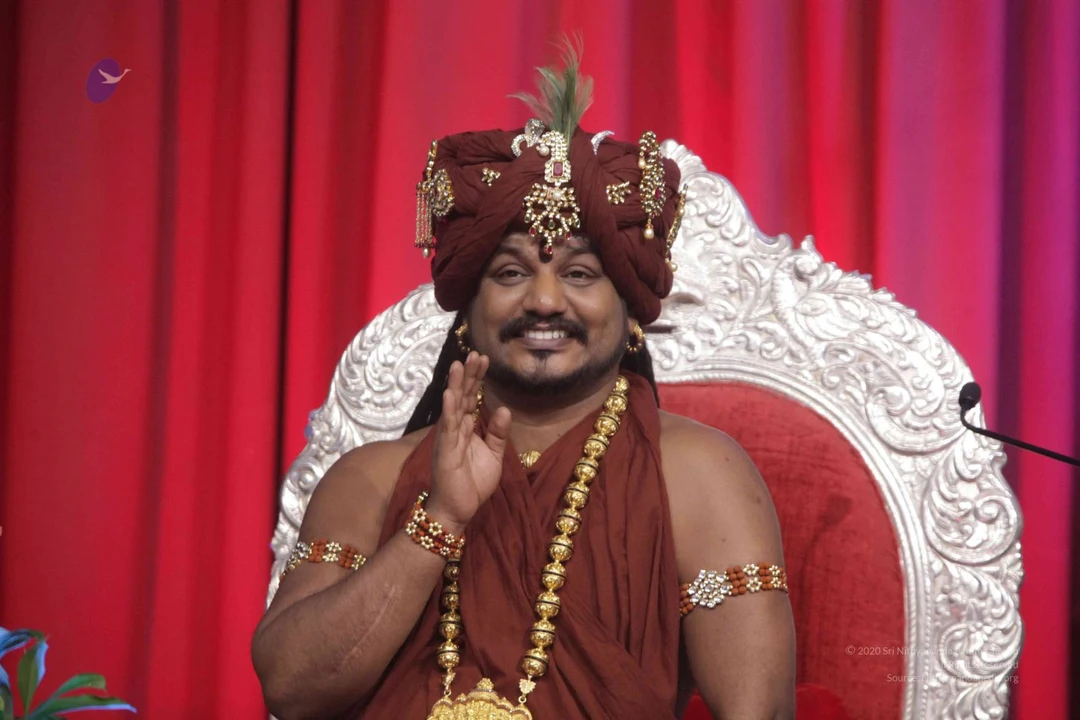 Darshan - HDH Nithyananda Paramashivam
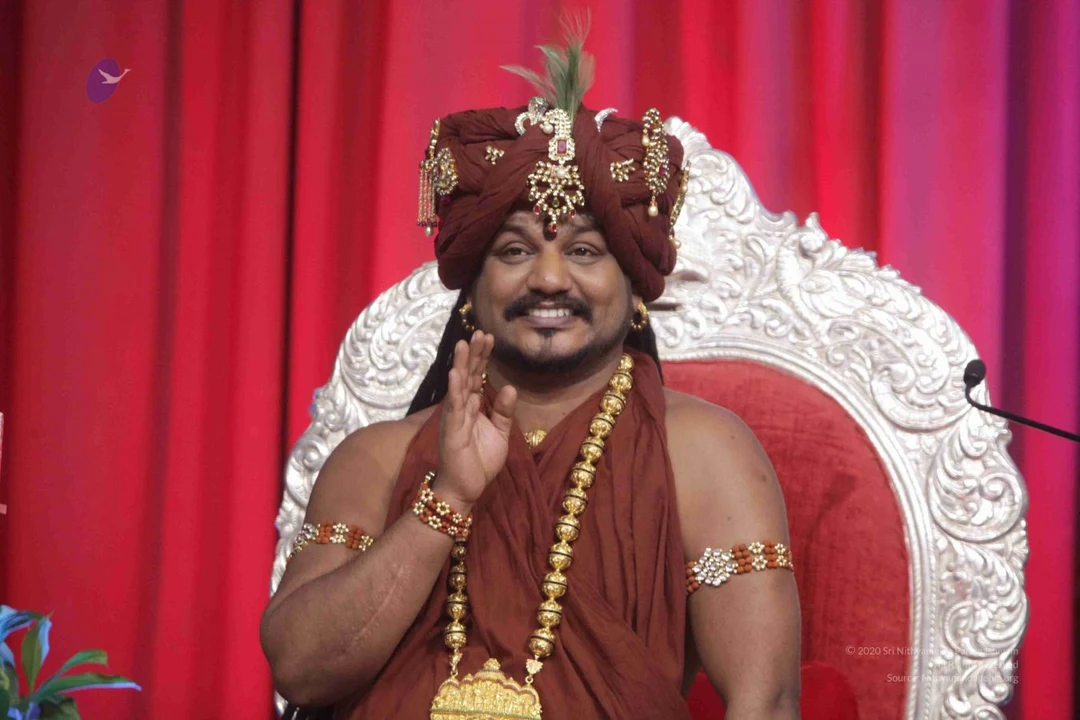 Darshan - HDH Nithyananda Paramashivam
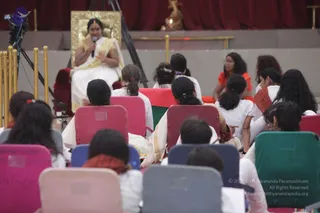
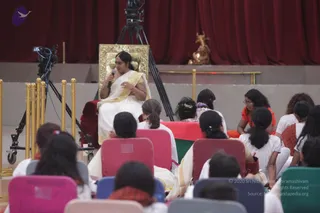
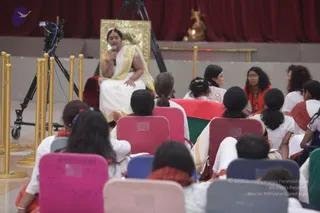
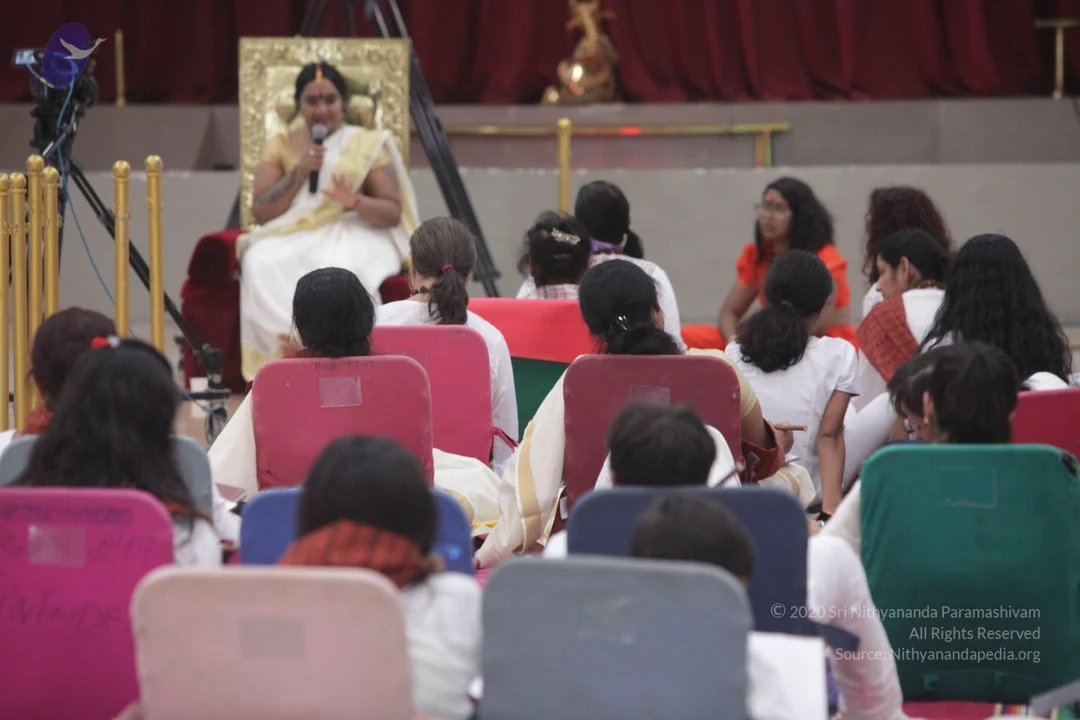
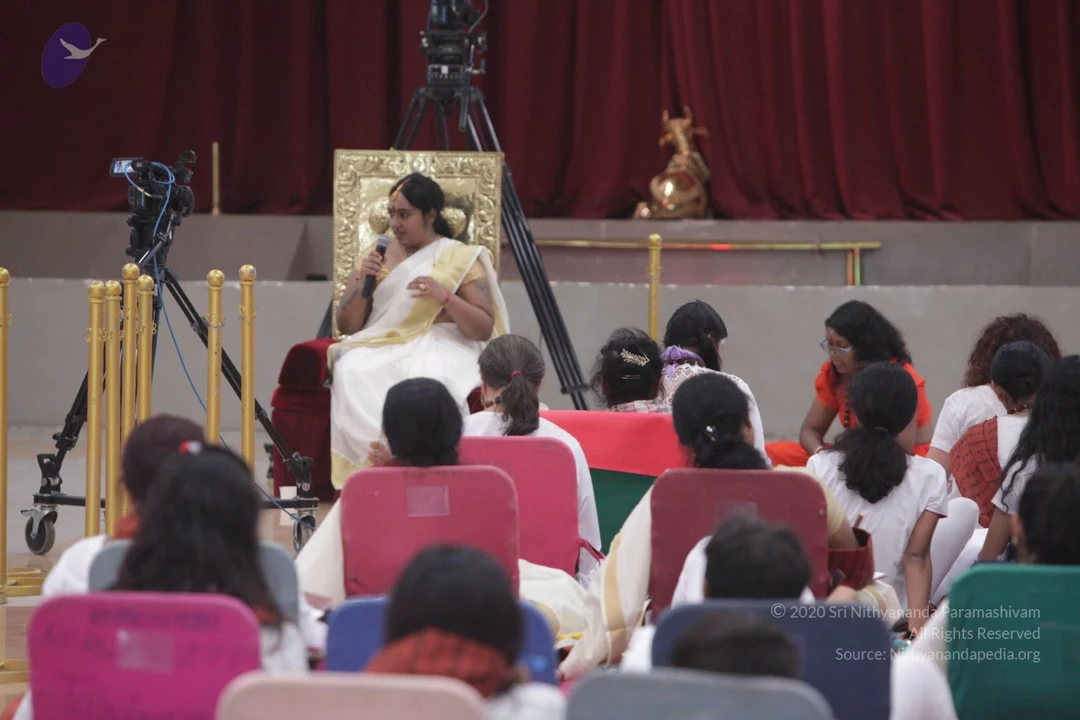
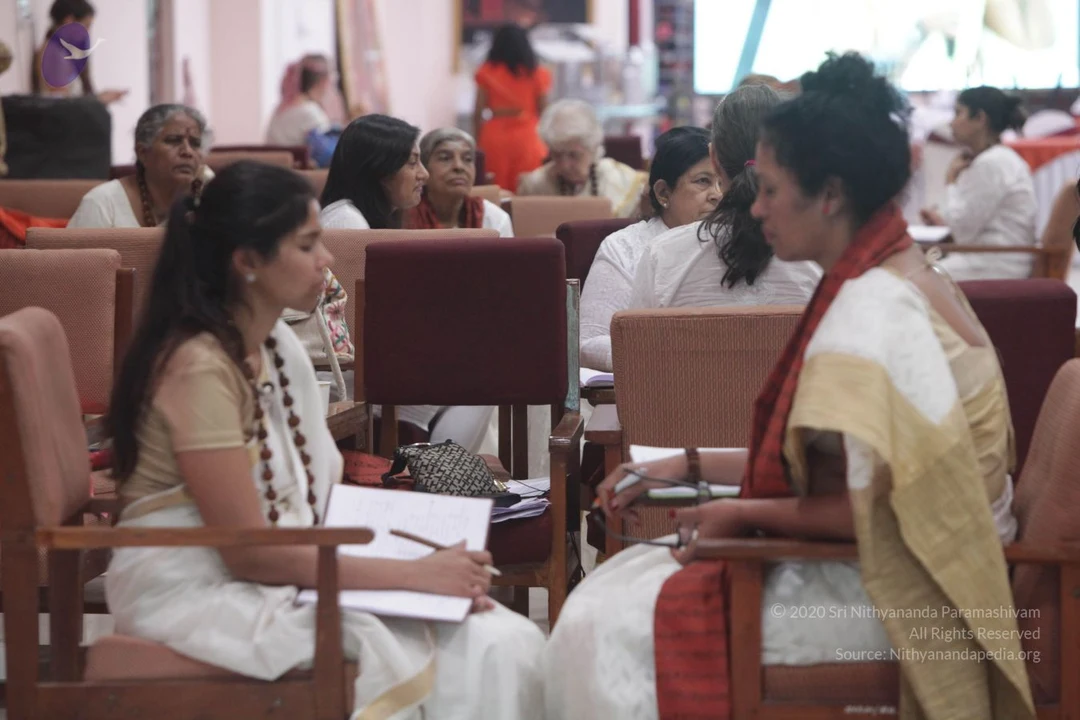
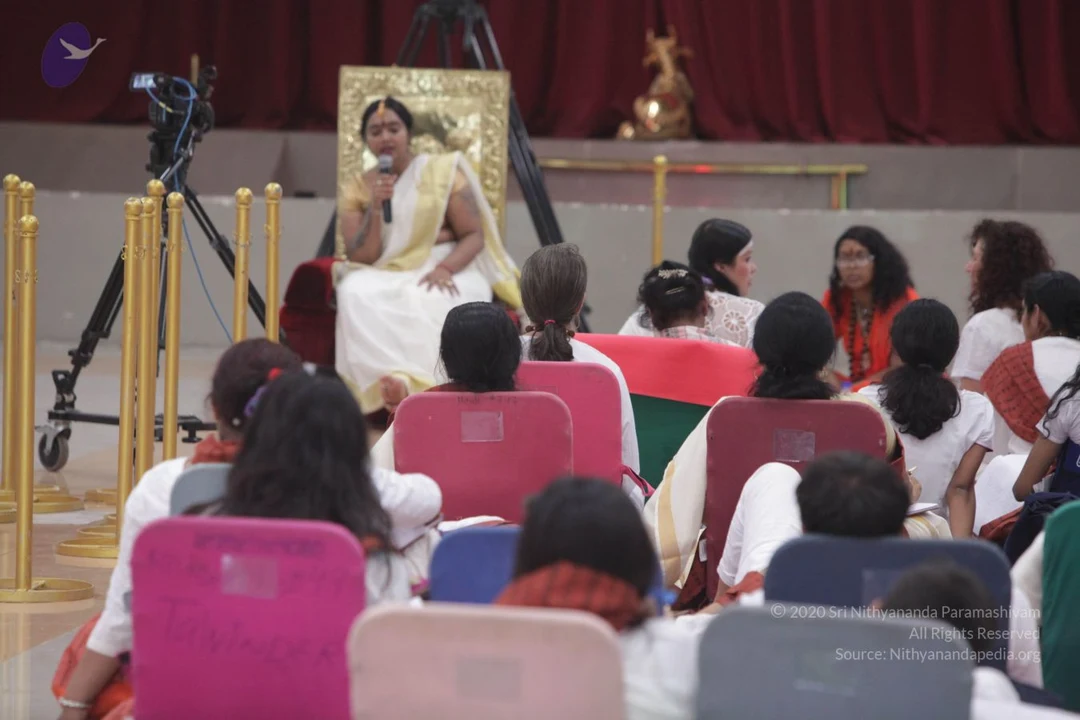
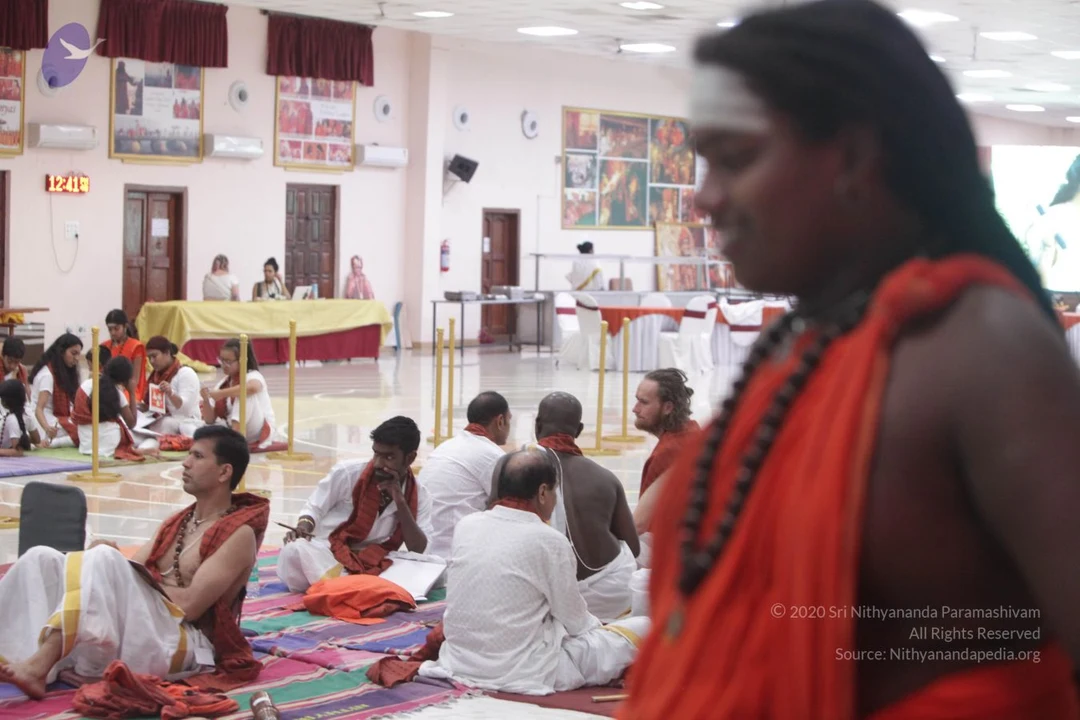
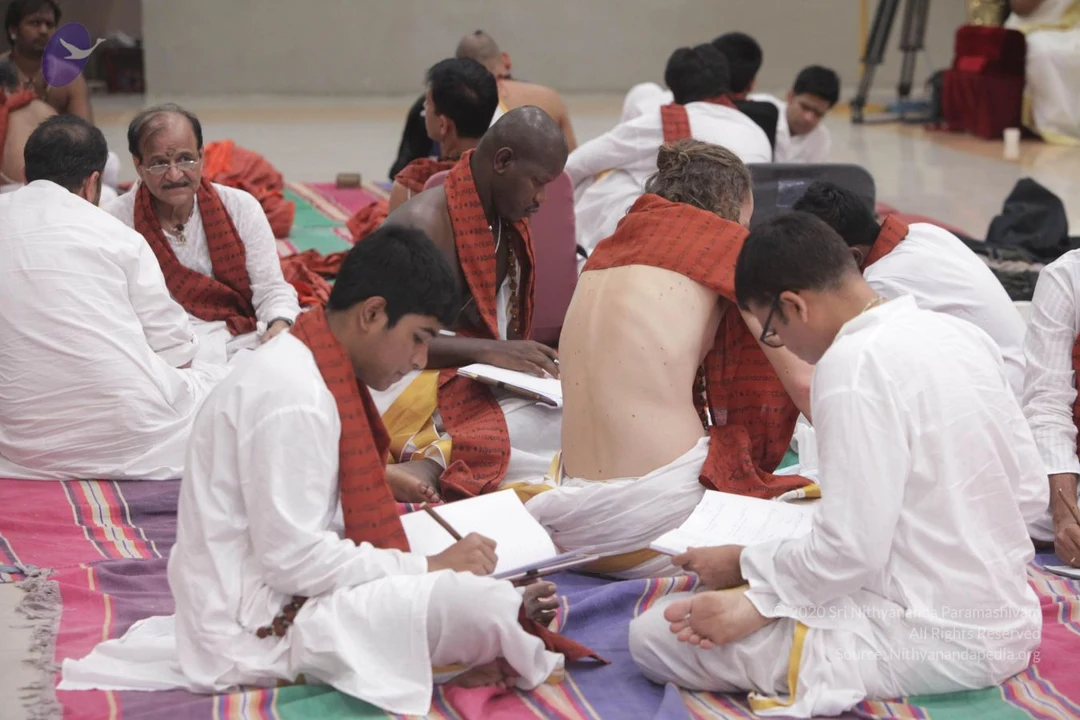
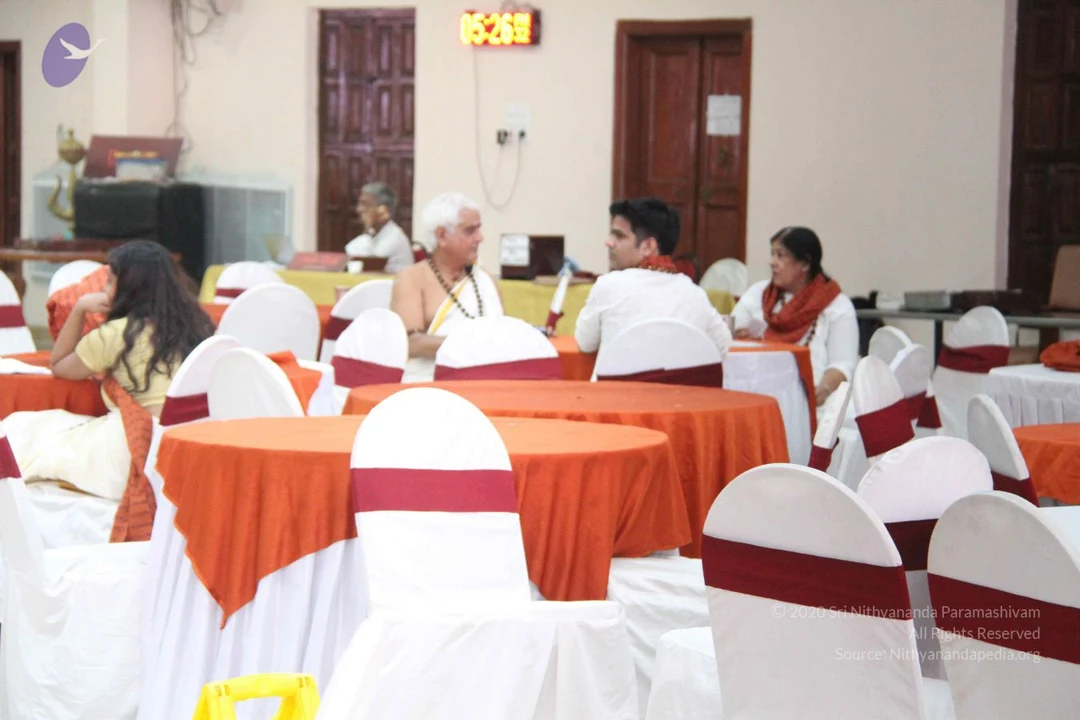
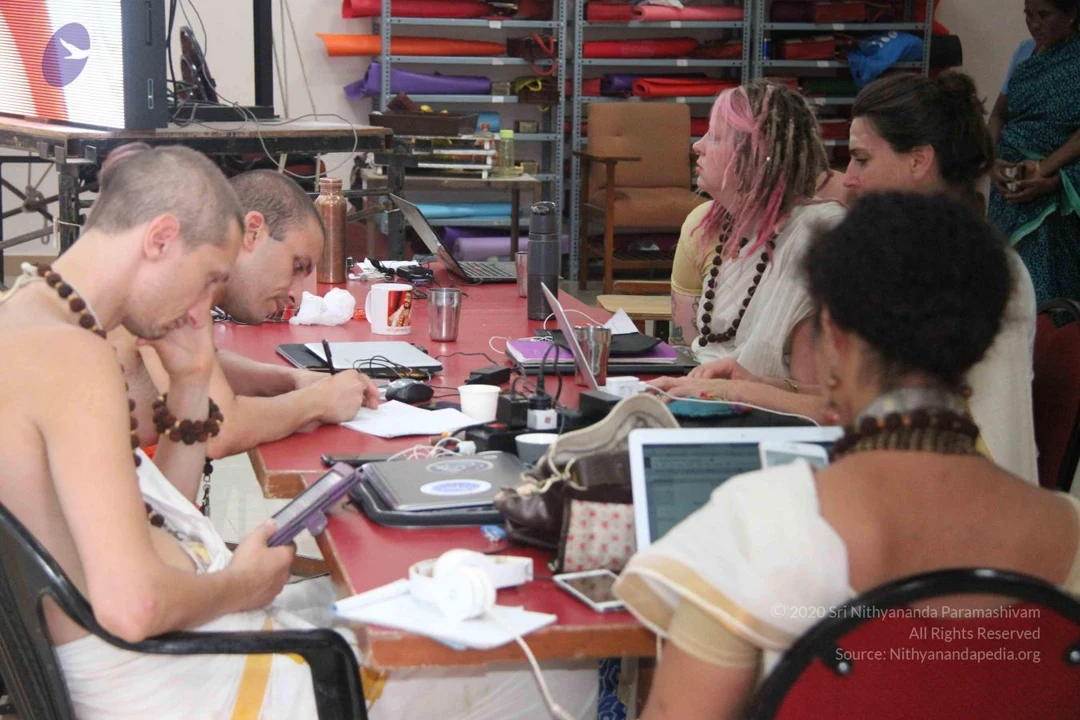
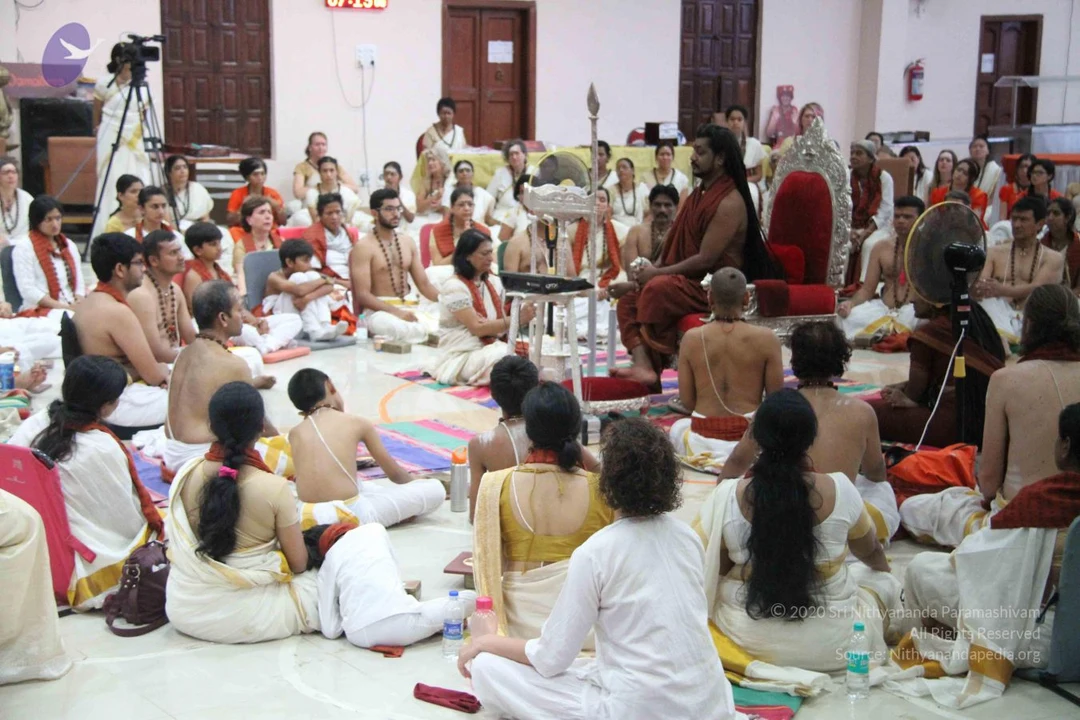
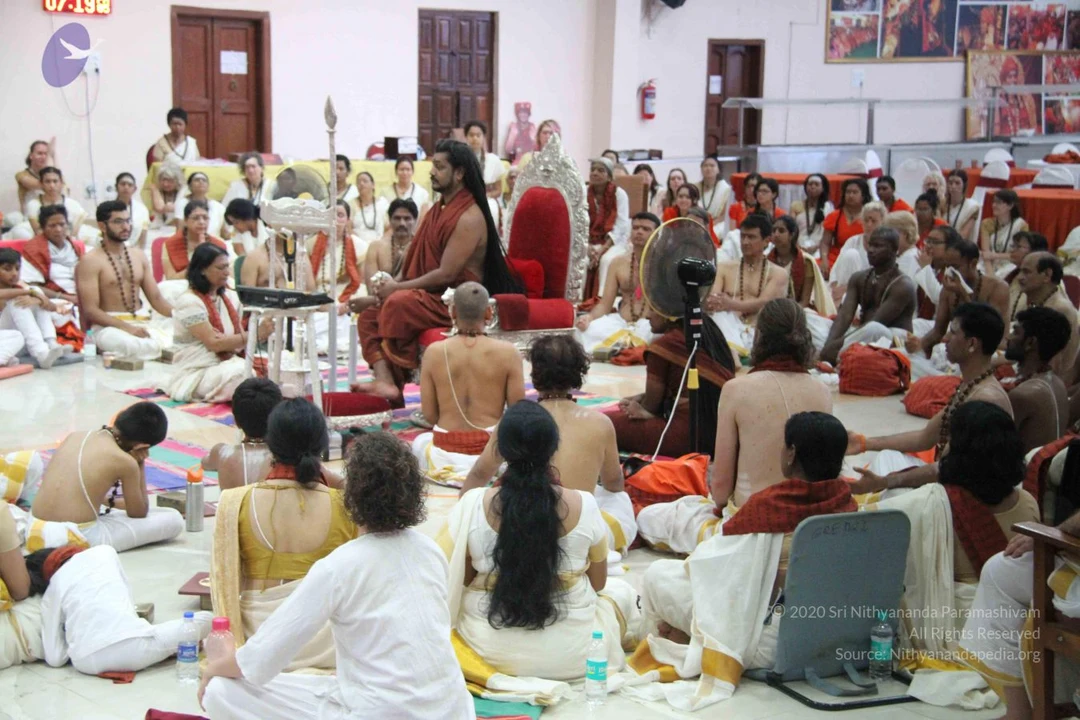
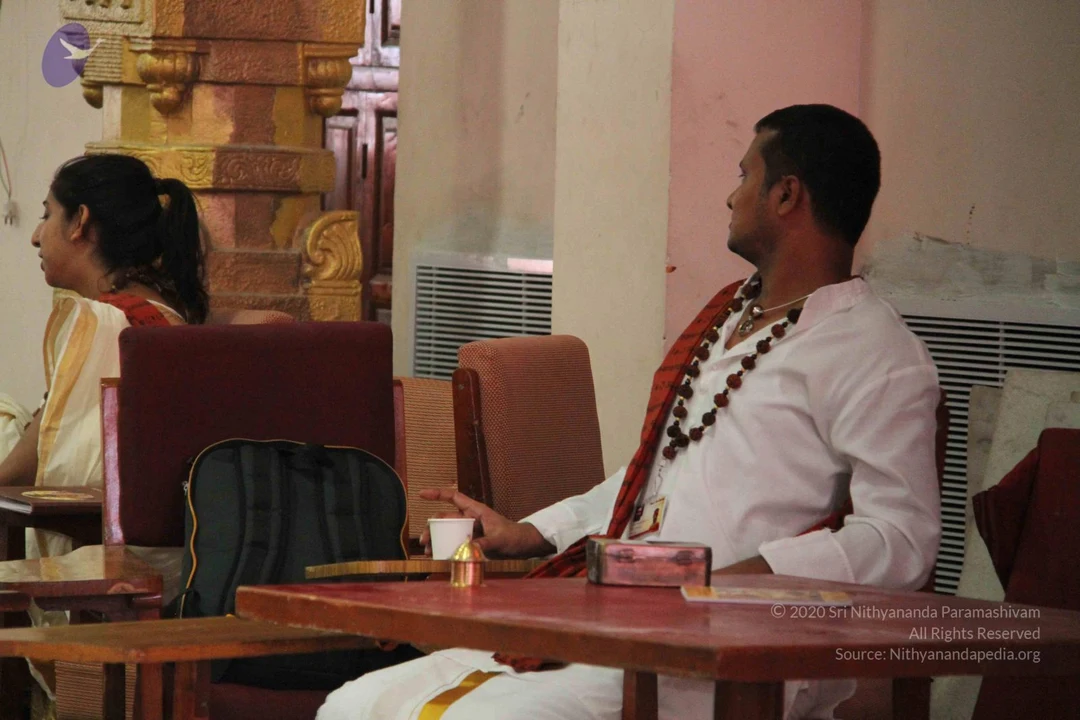
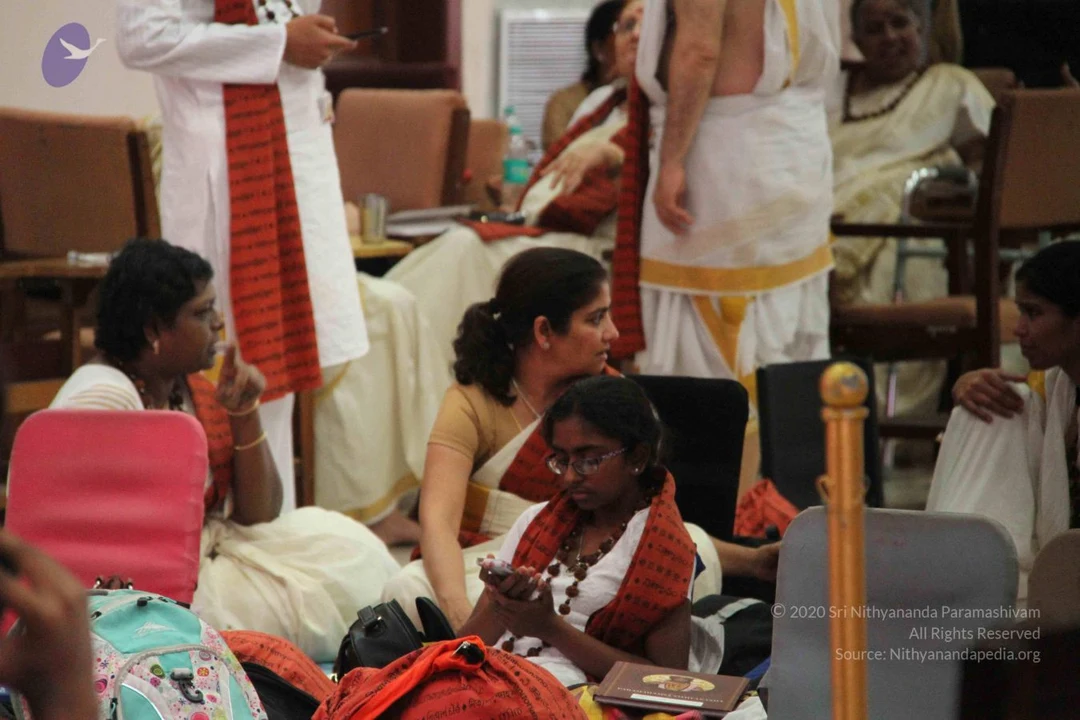
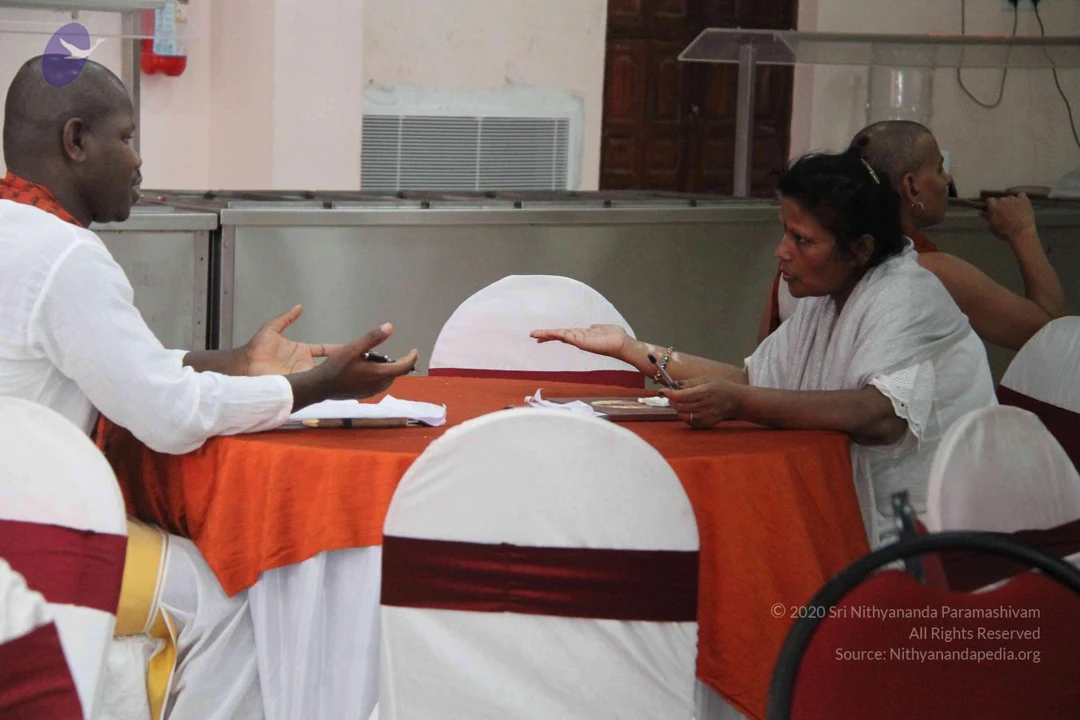
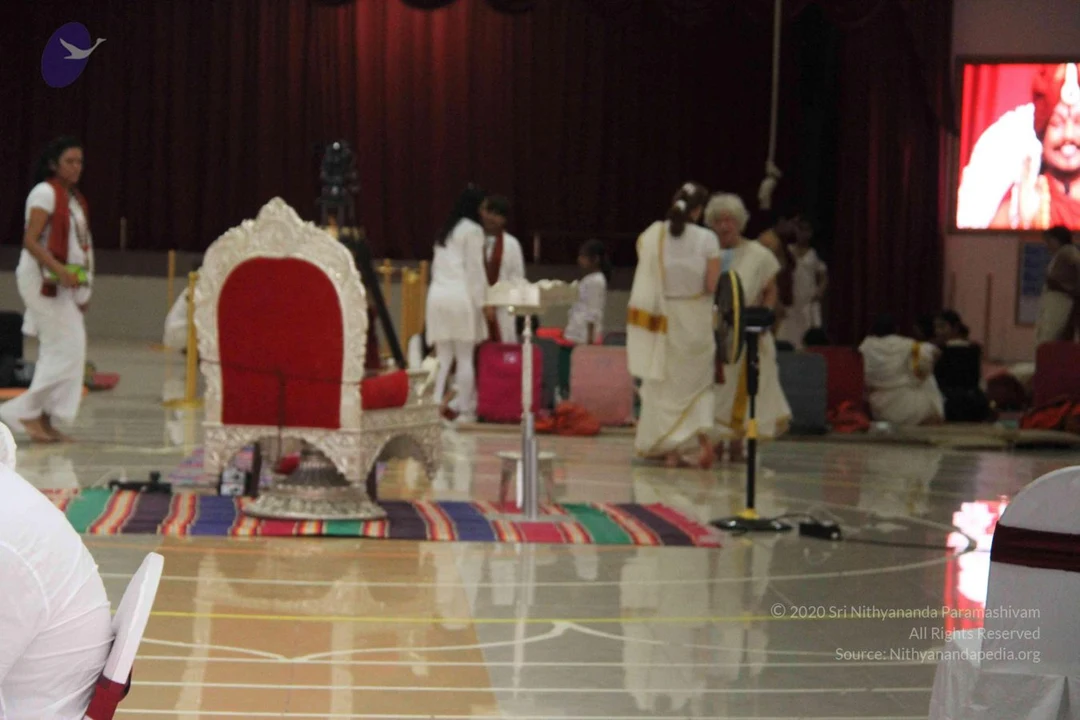
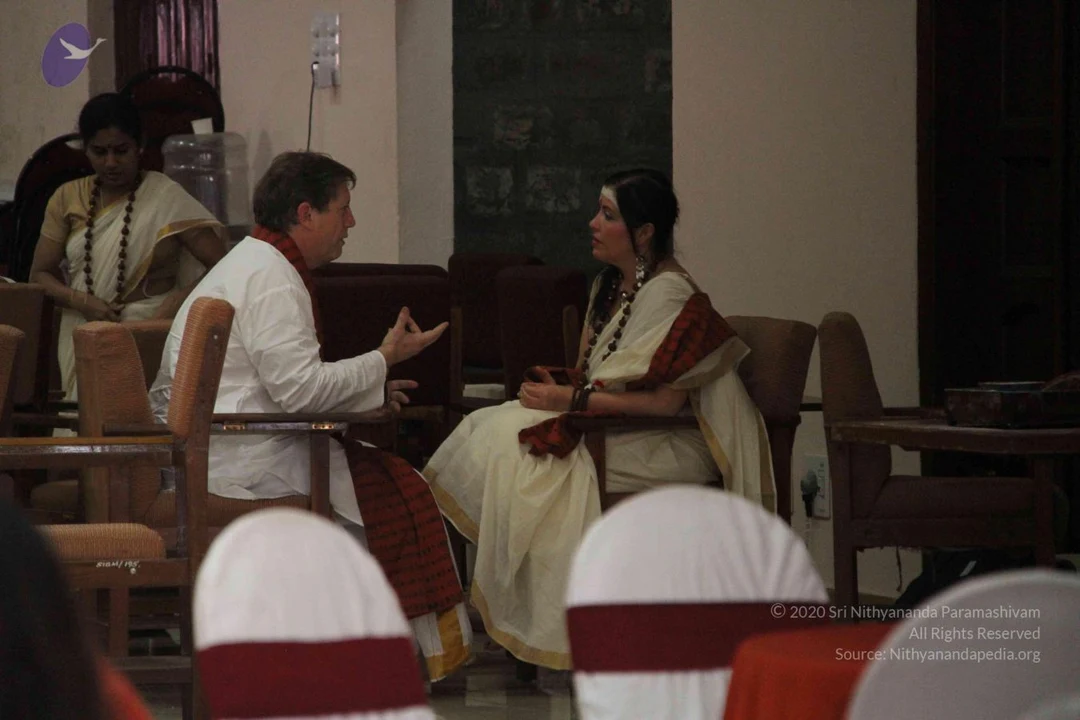
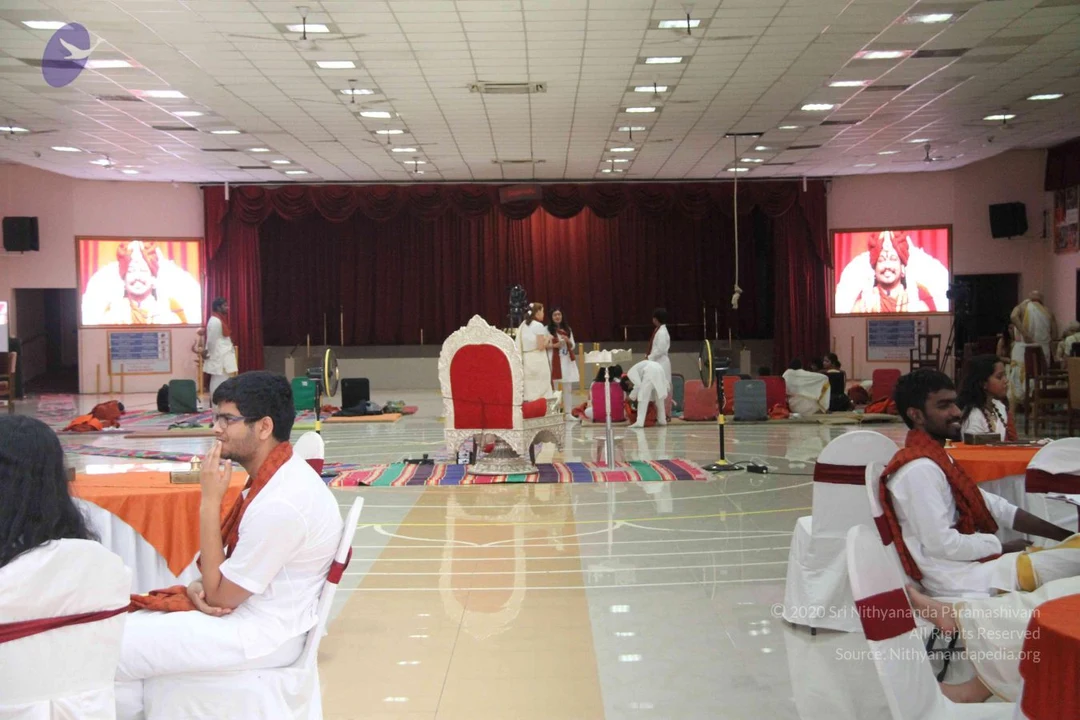
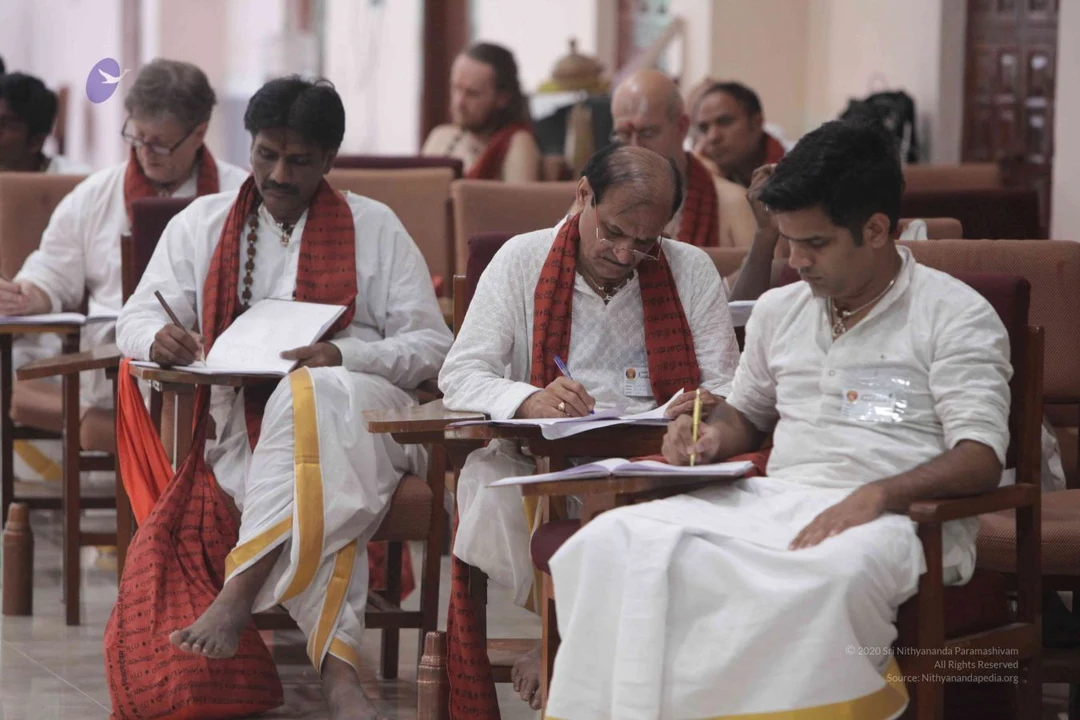 Delegates in Inner Awakening convention
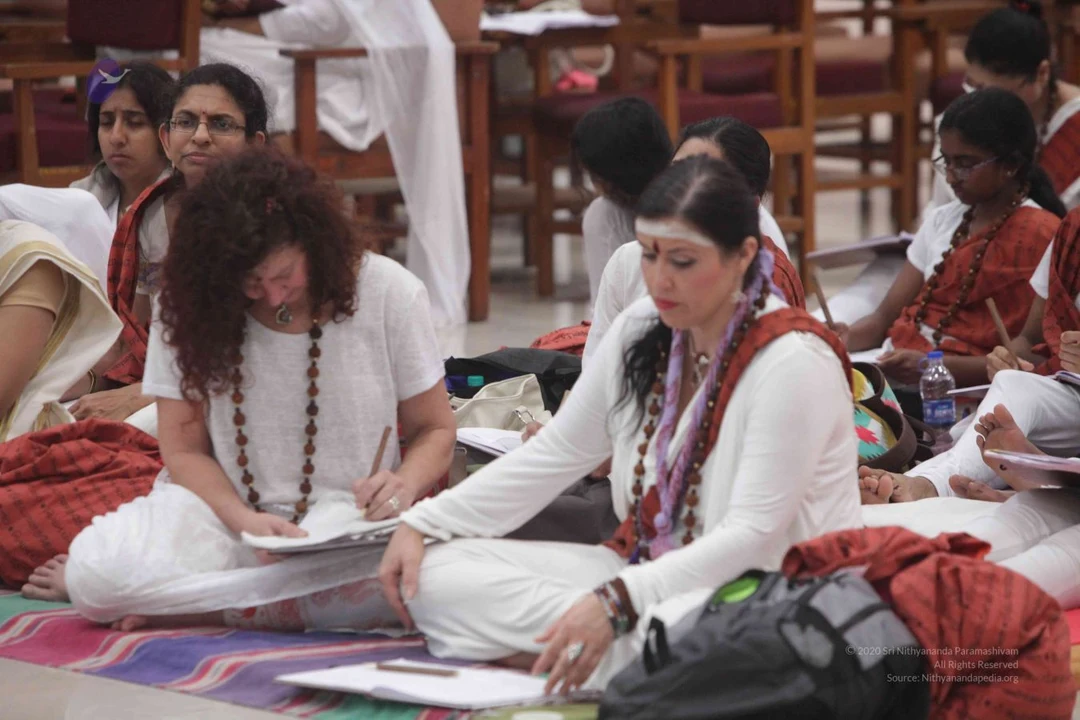 Delegates in Inner Awakening convention
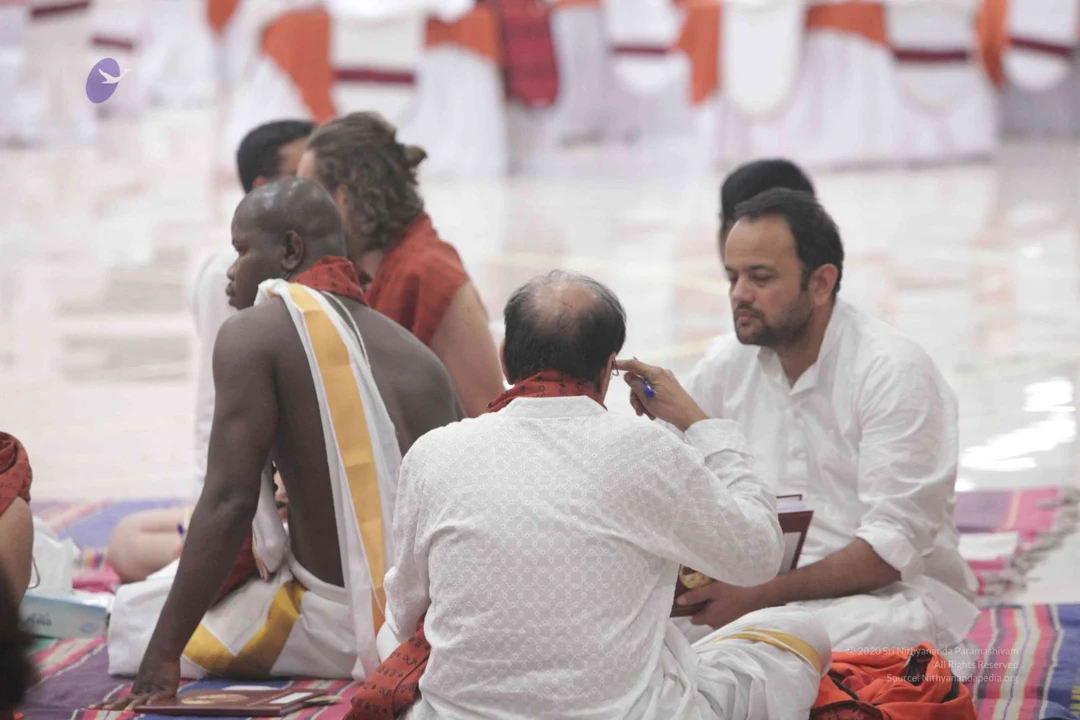 Delegates in Inner Awakening convention
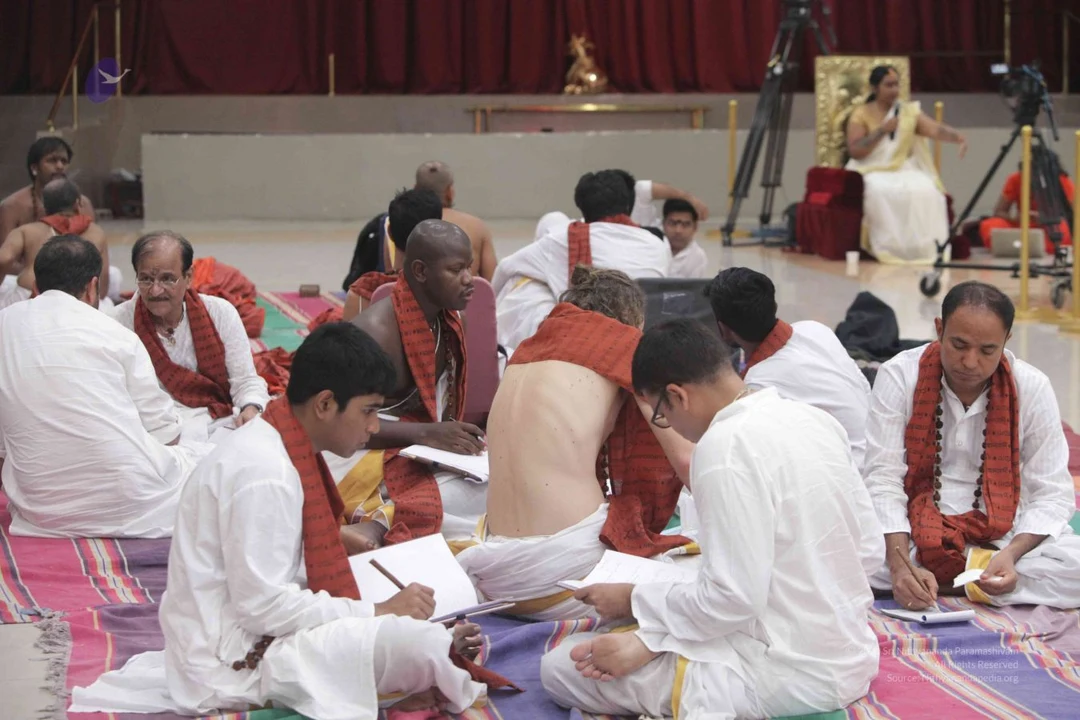 Delegates in Inner Awakening convention
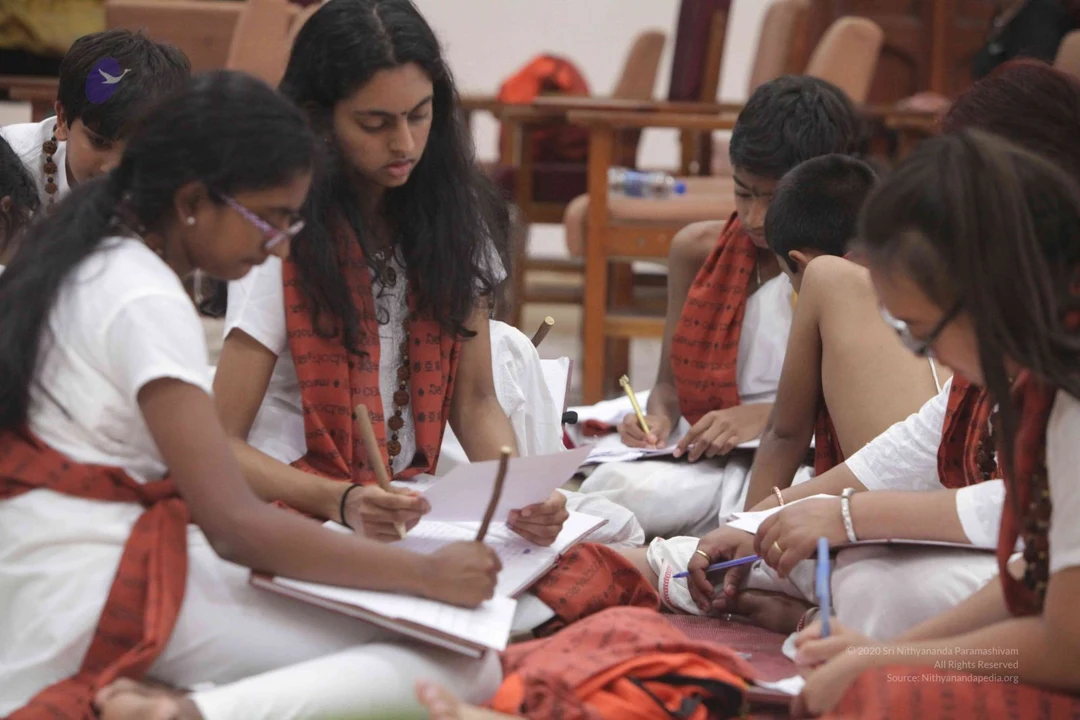 Delegates in Inner Awakening convention
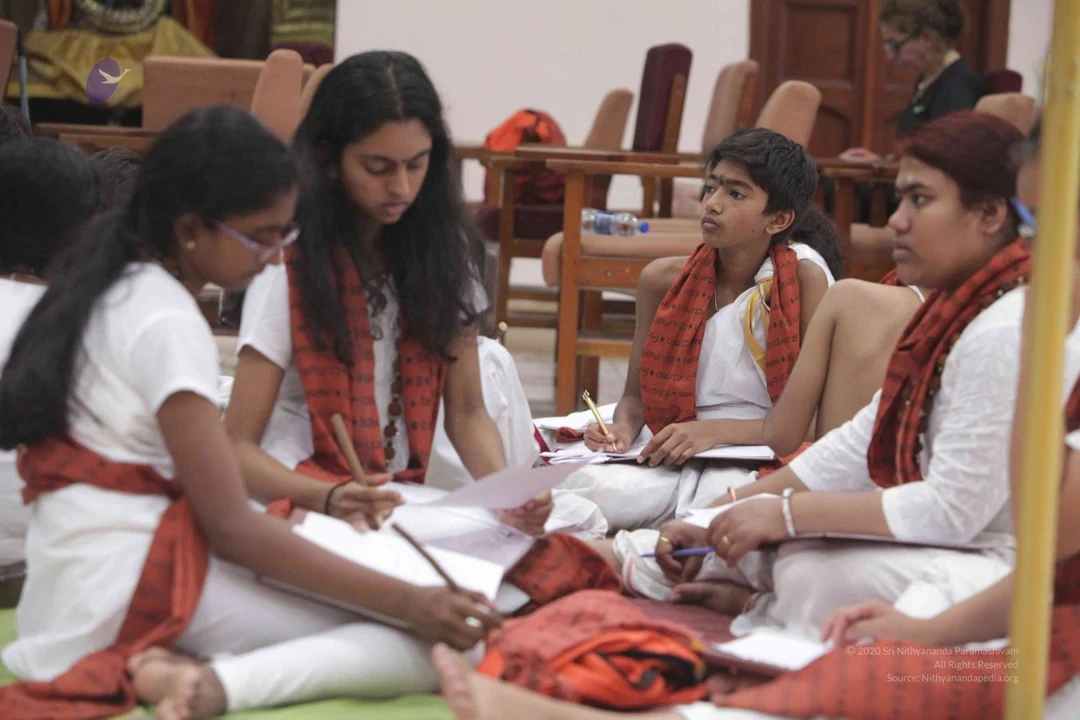 Delegates in Inner Awakening convention
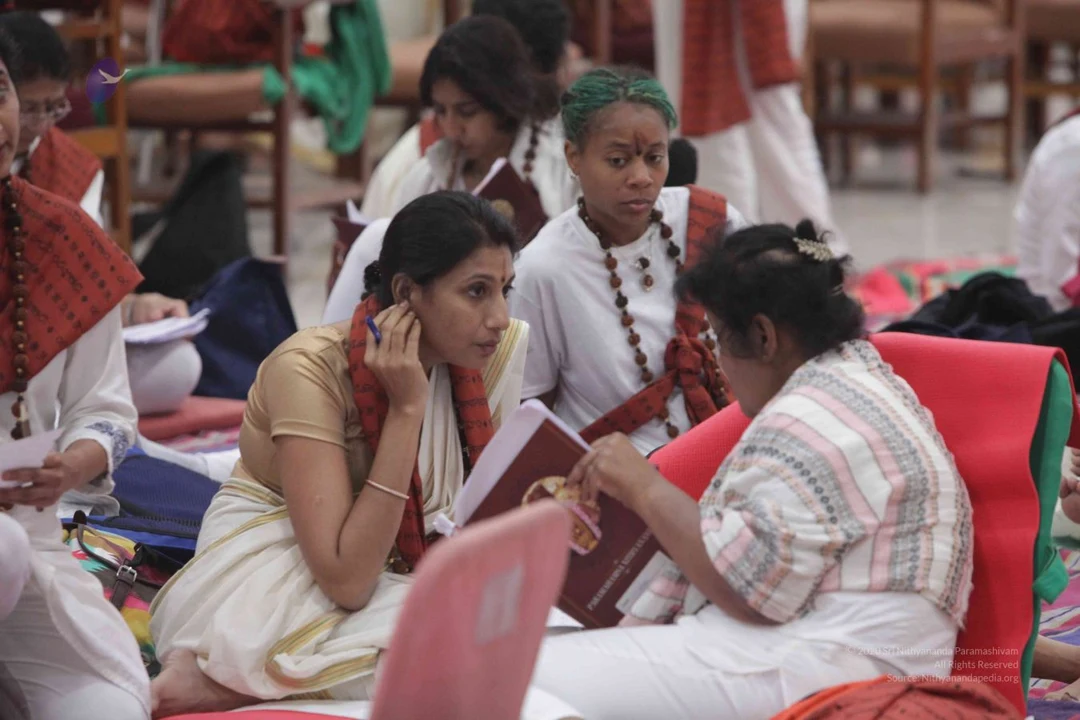 Delegates in Inner Awakening convention
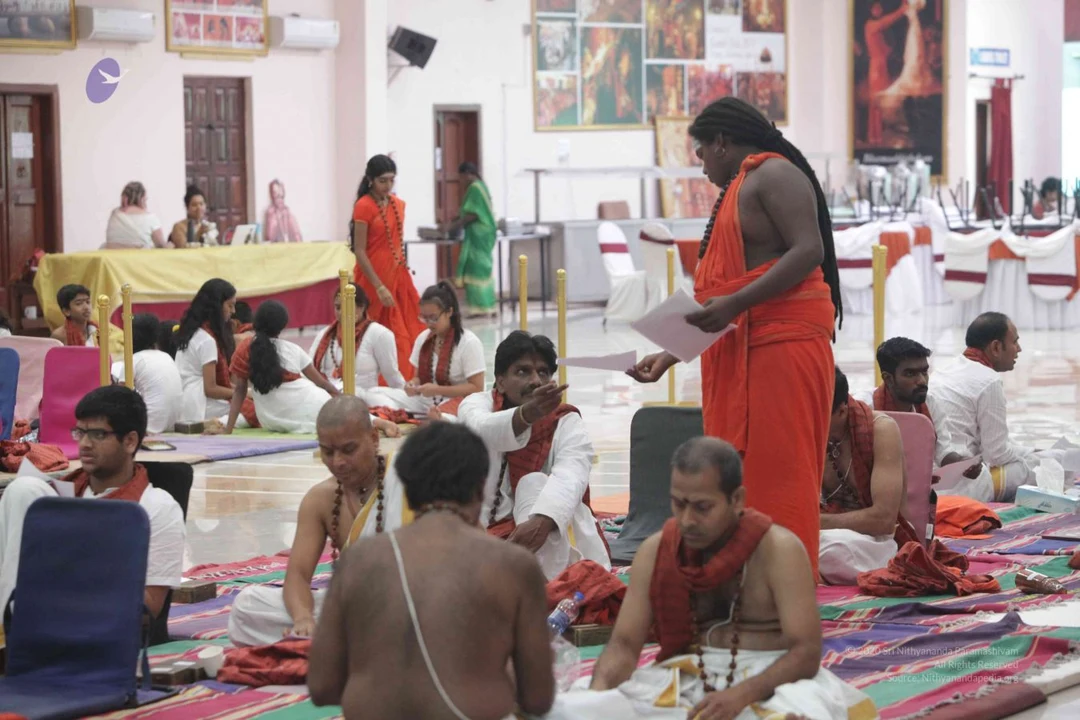 Delegates in Inner Awakening convention
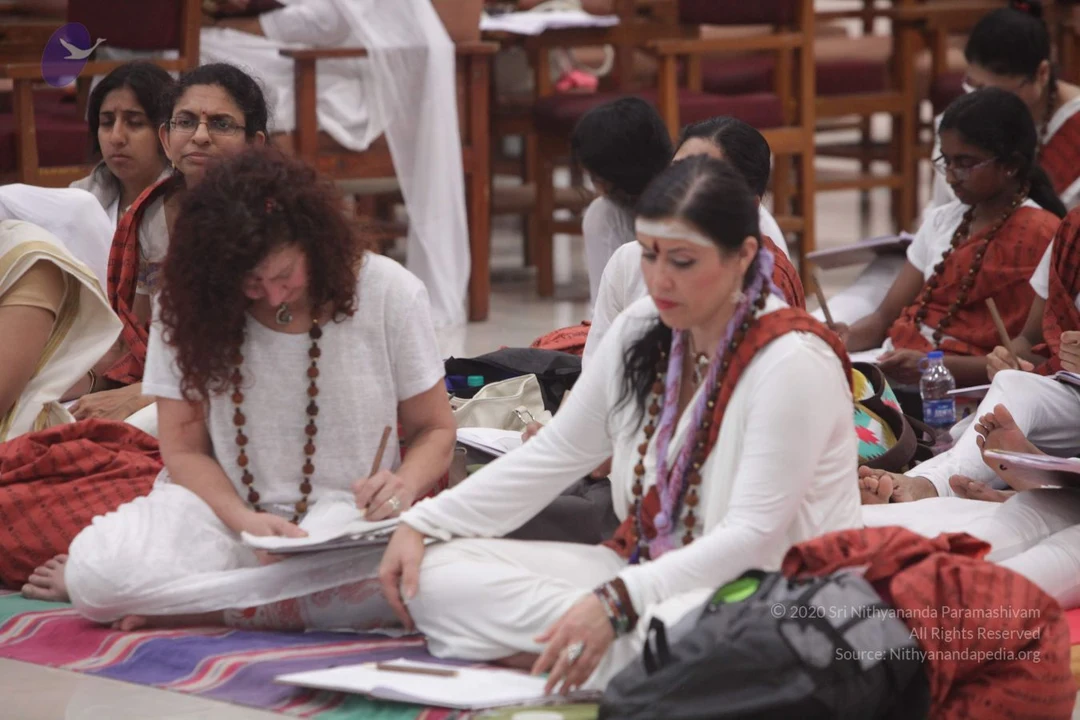
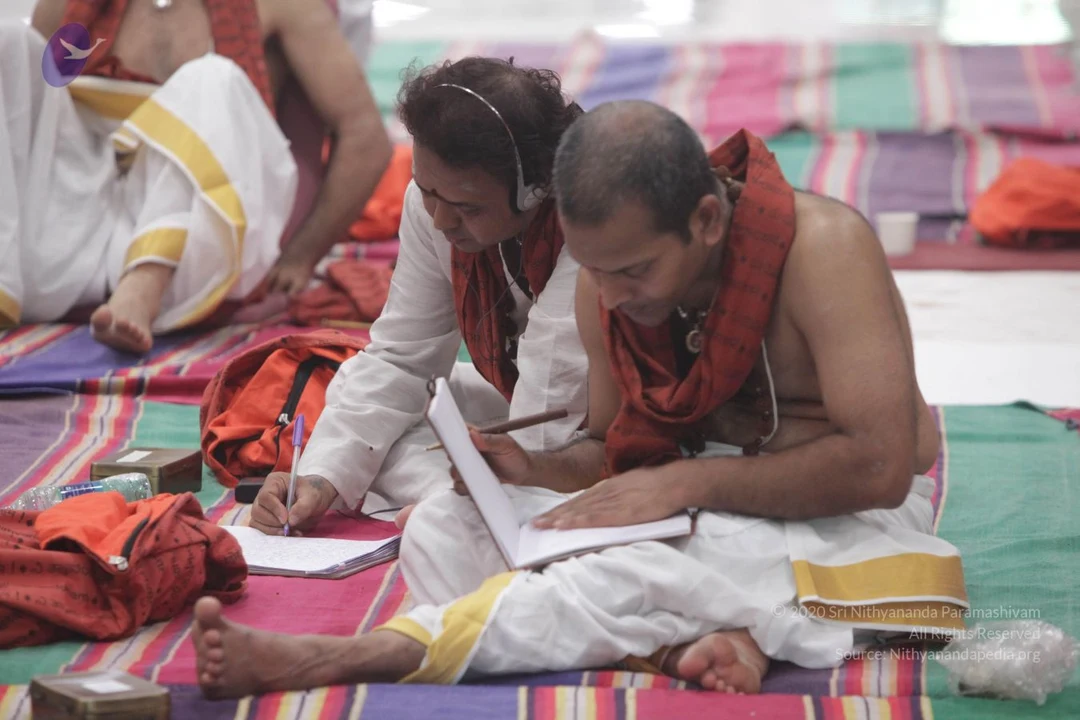
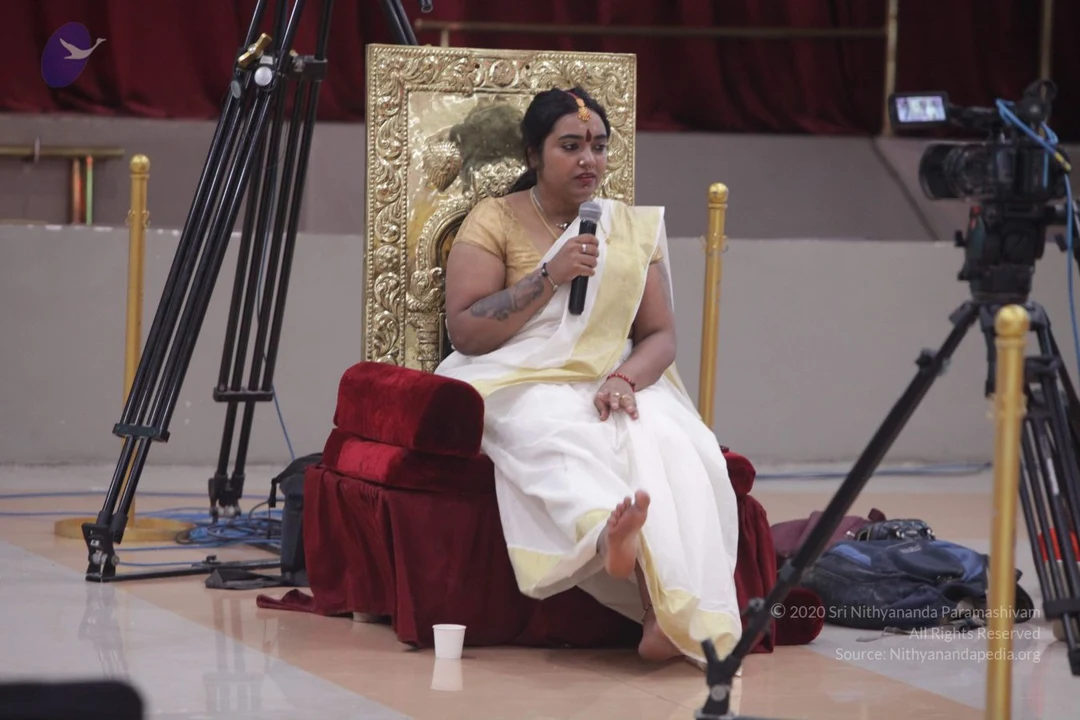
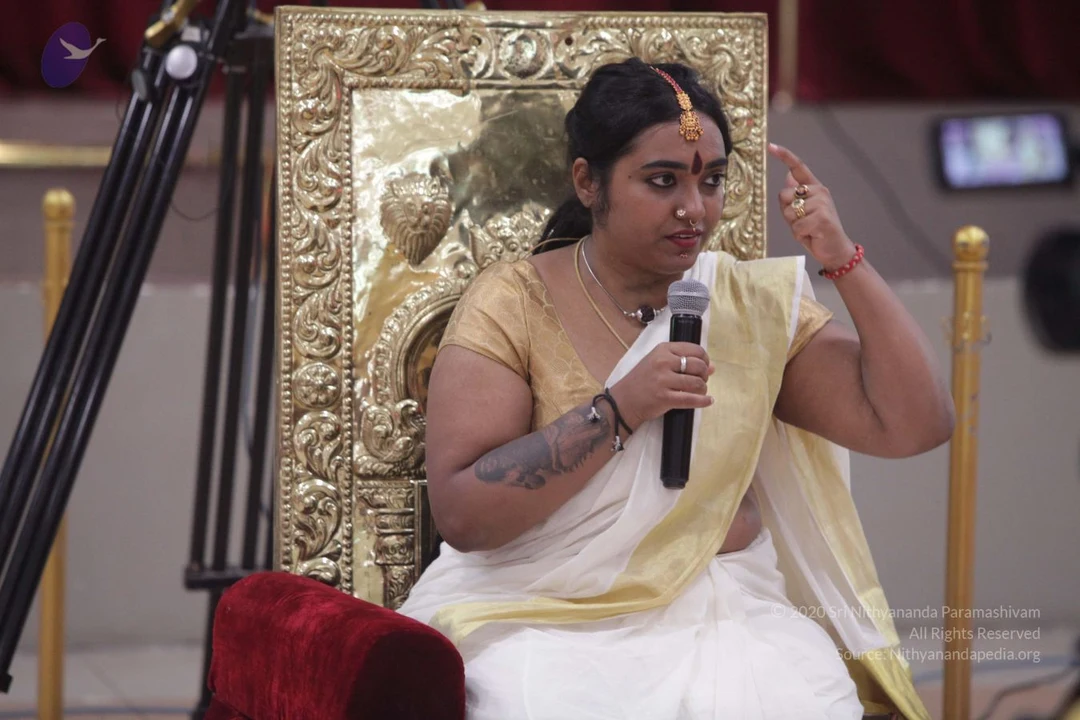
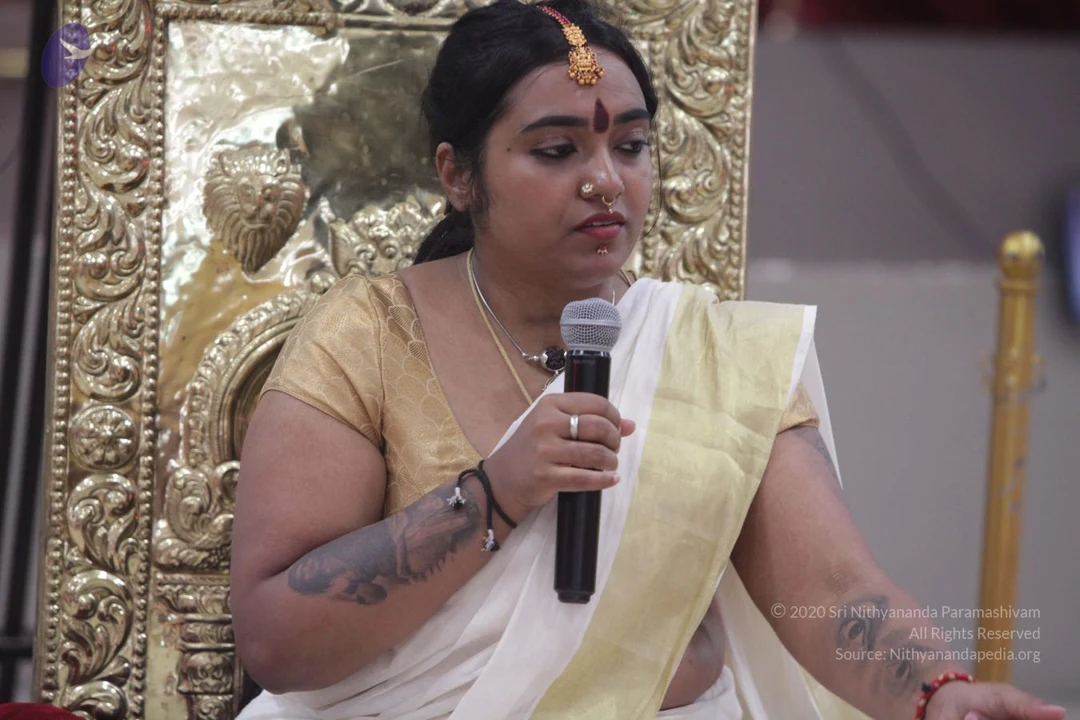
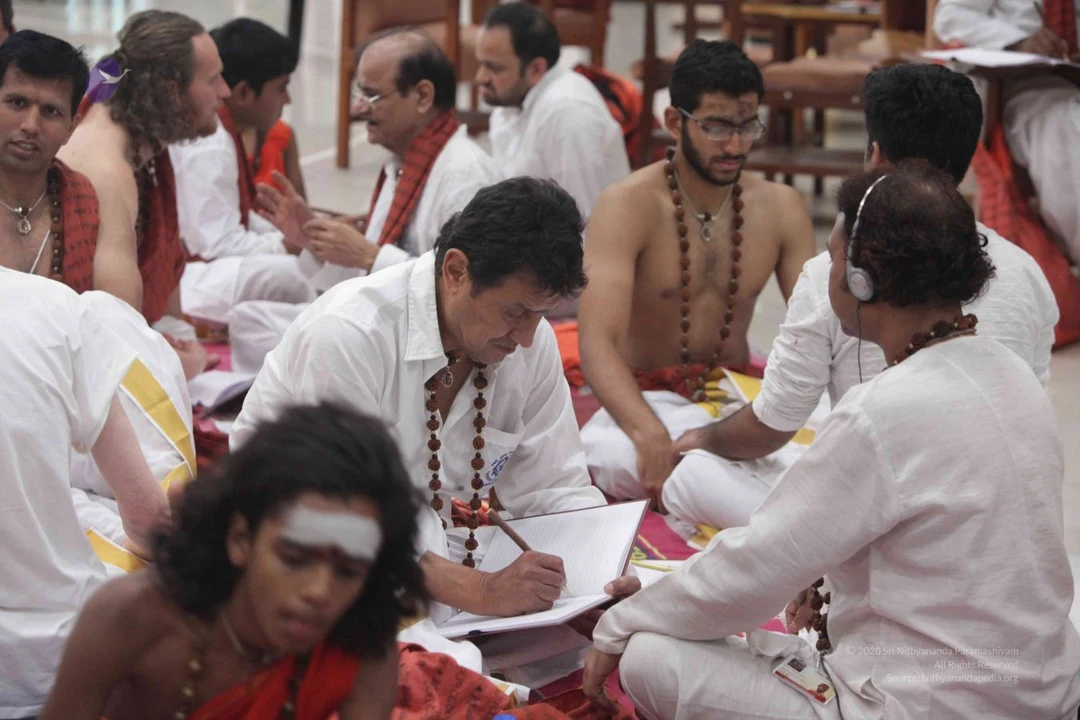 Power Manifestation Session in Inner Awakening convention
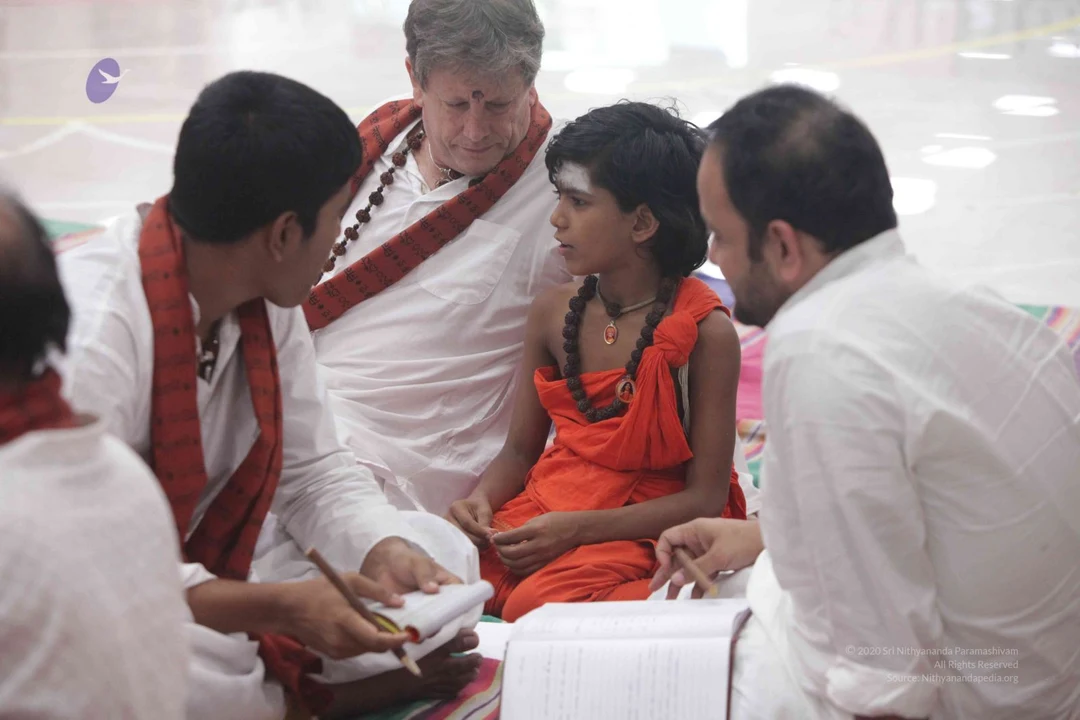 Power Manifestation Session in Inner Awakening convention
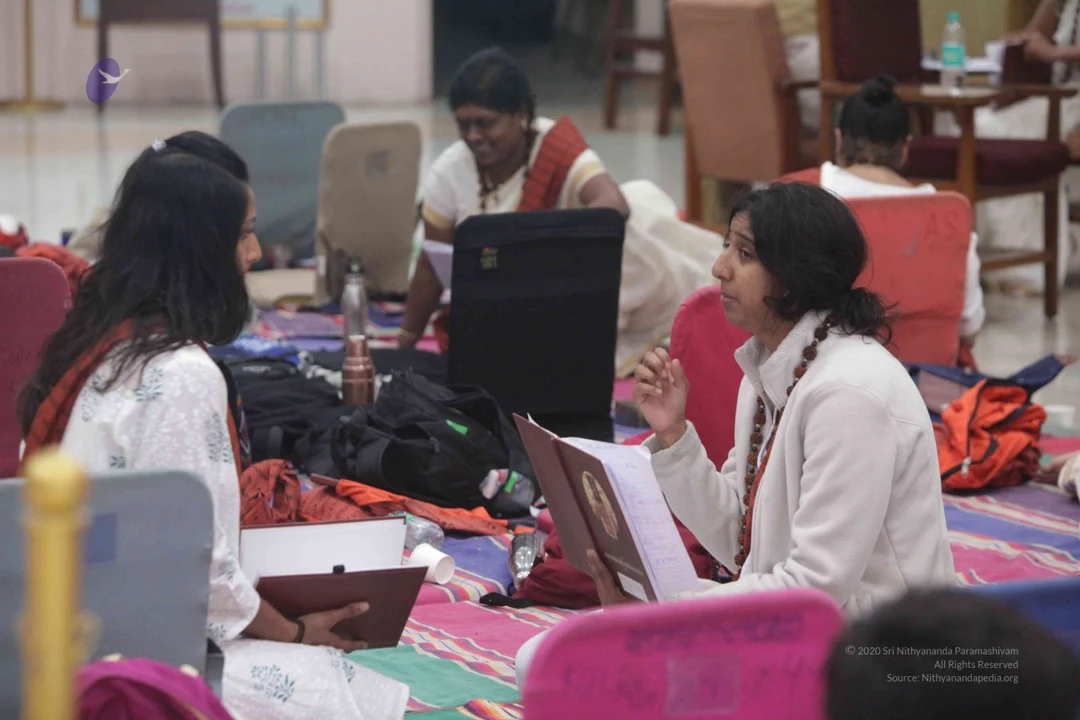 Power Manifestation Session in Inner Awakening convention
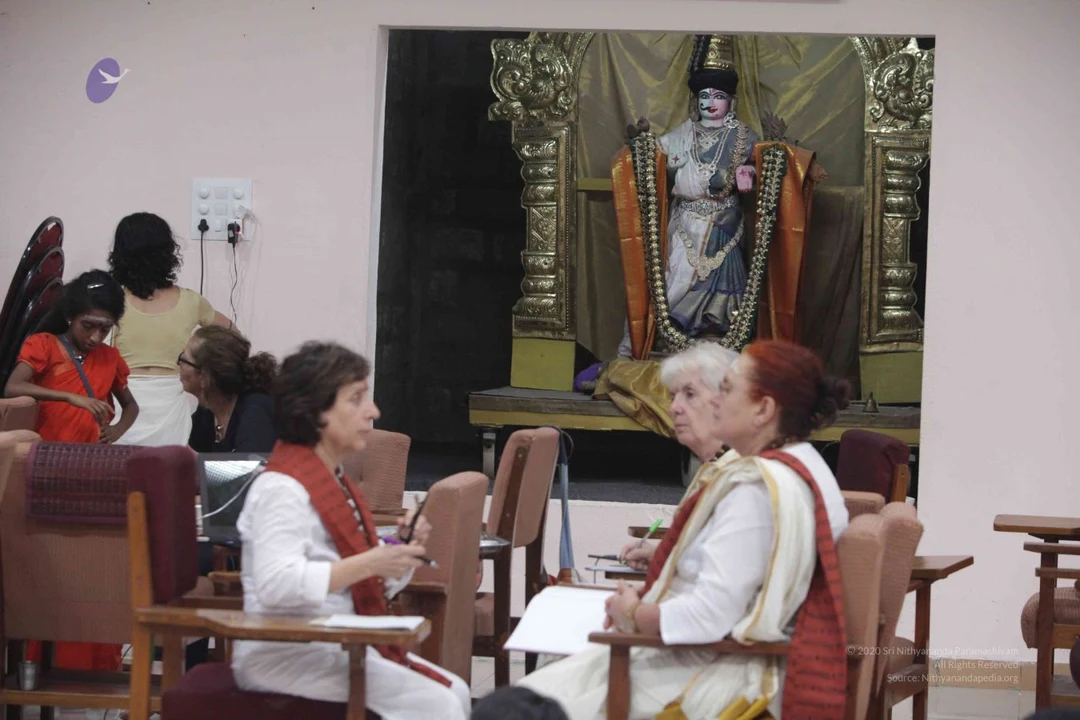 Power Manifestation Session in Inner Awakening convention
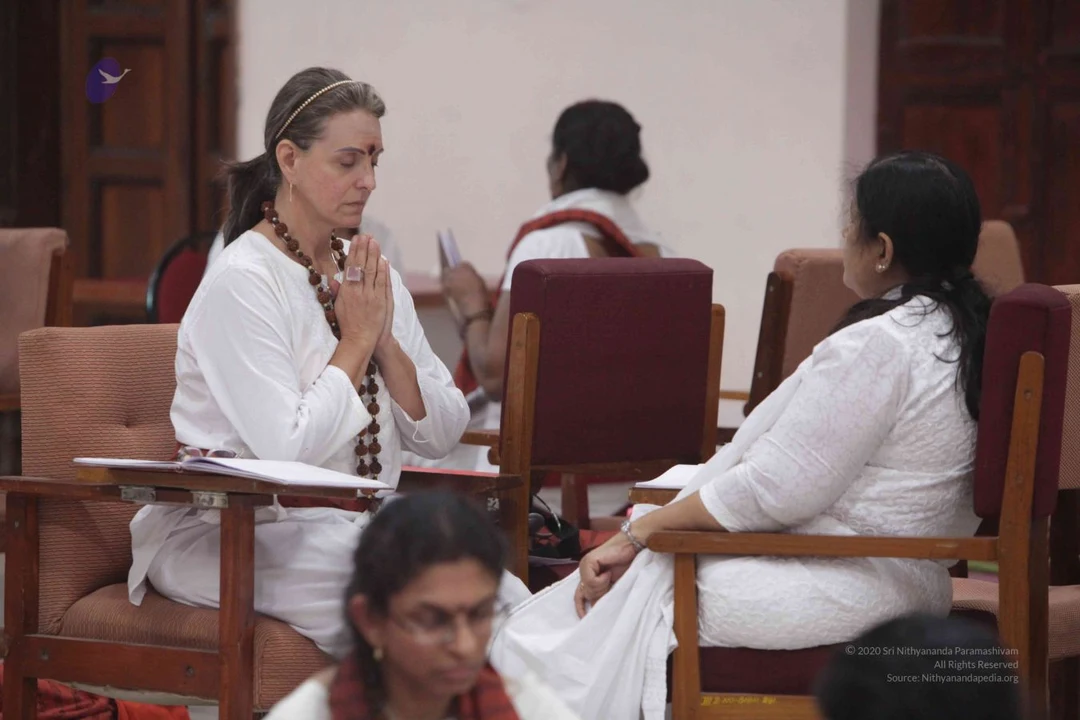 Power Manifestation Session in Inner Awakening convention
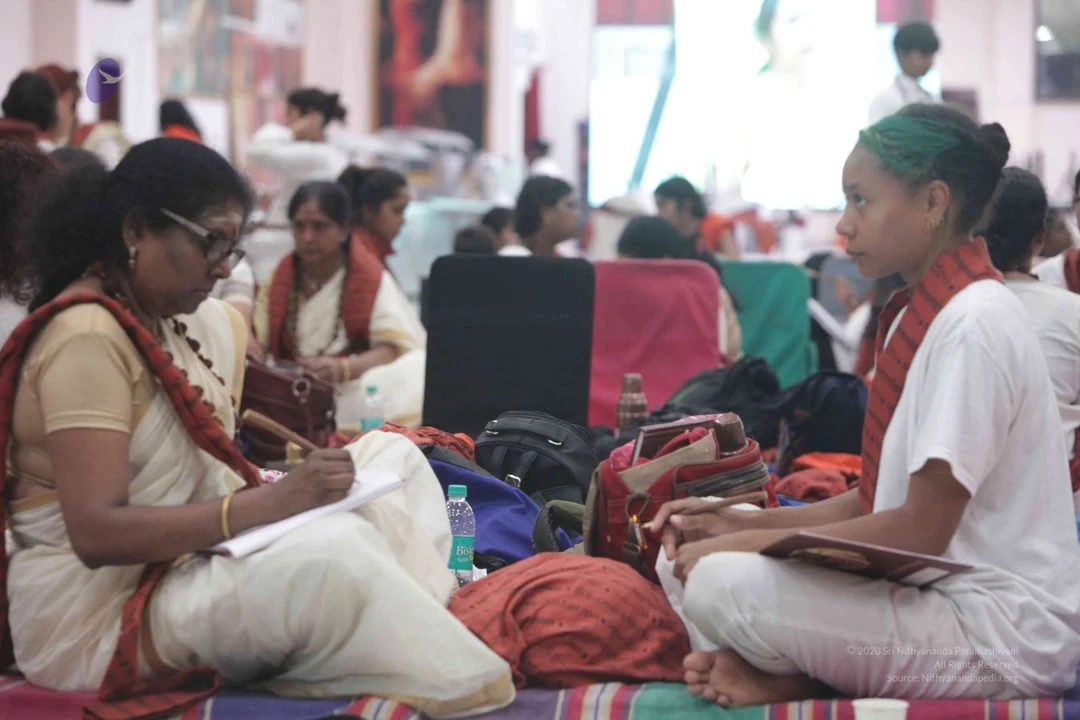 Power Manifestation Session in Inner Awakening convention
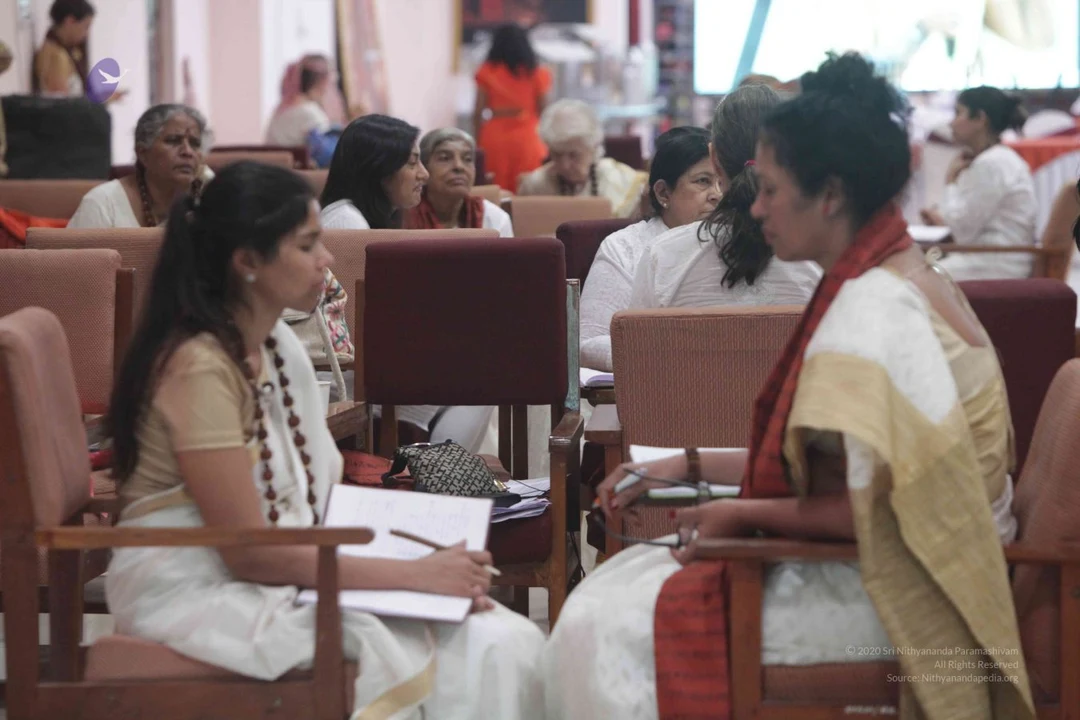 Power Manifestation Session in Inner Awakening convention
 Power Manifestation Session in Inner Awakening convention
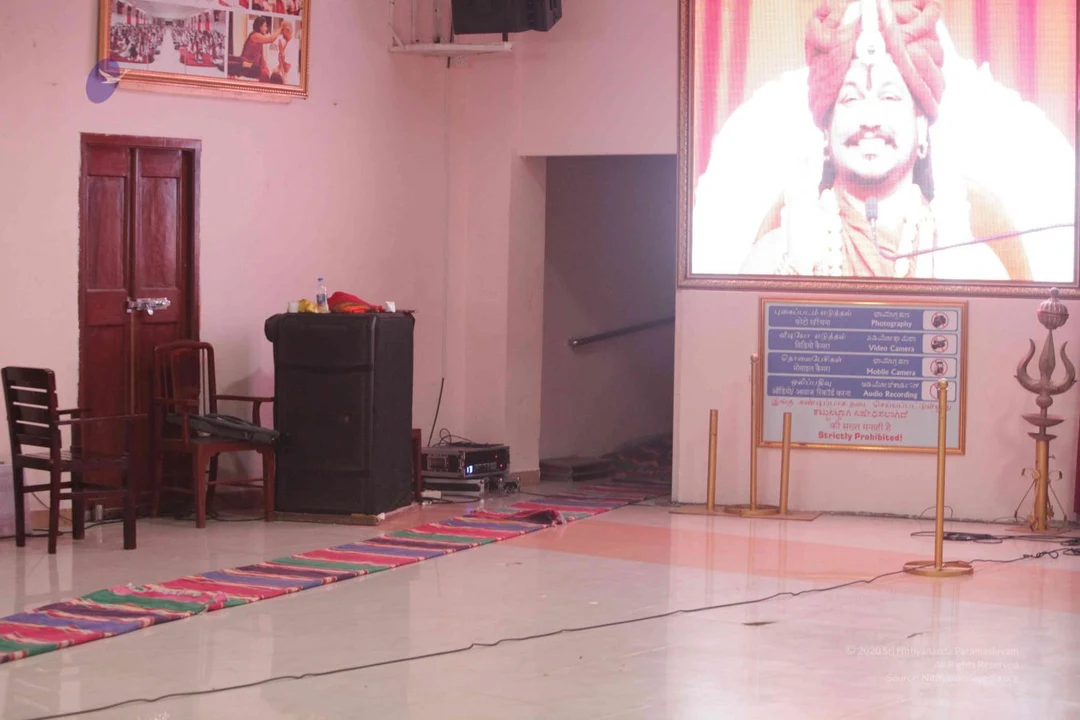 Power Manifestation Session in Inner Awakening convention
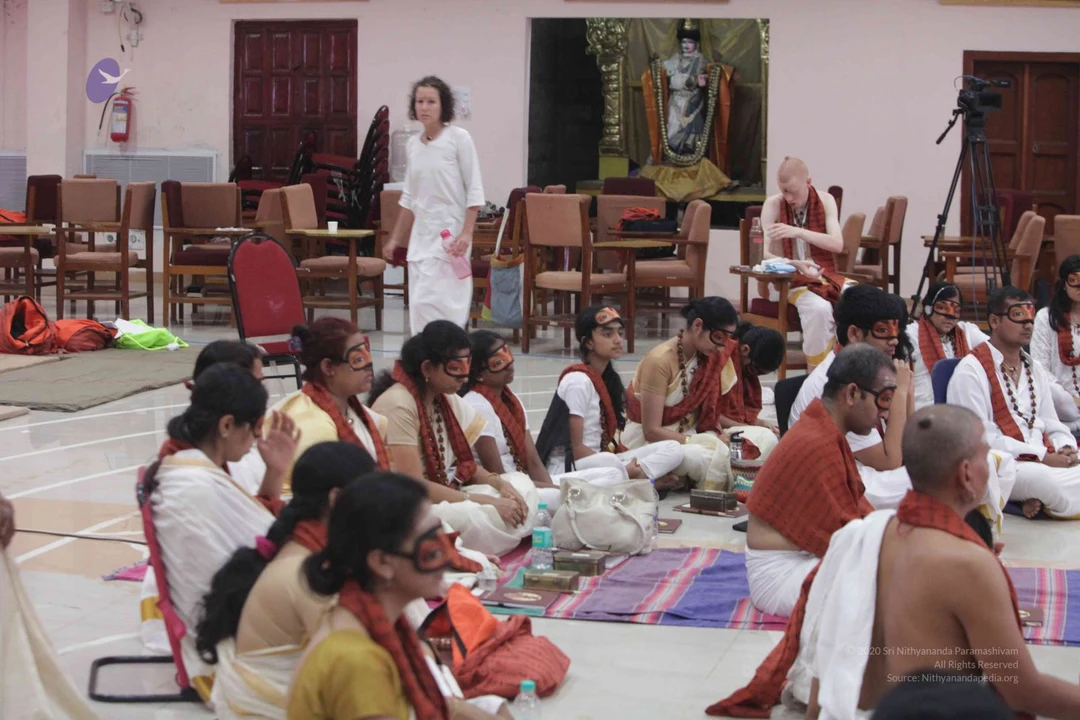 Power Manifestation Session in Inner Awakening convention
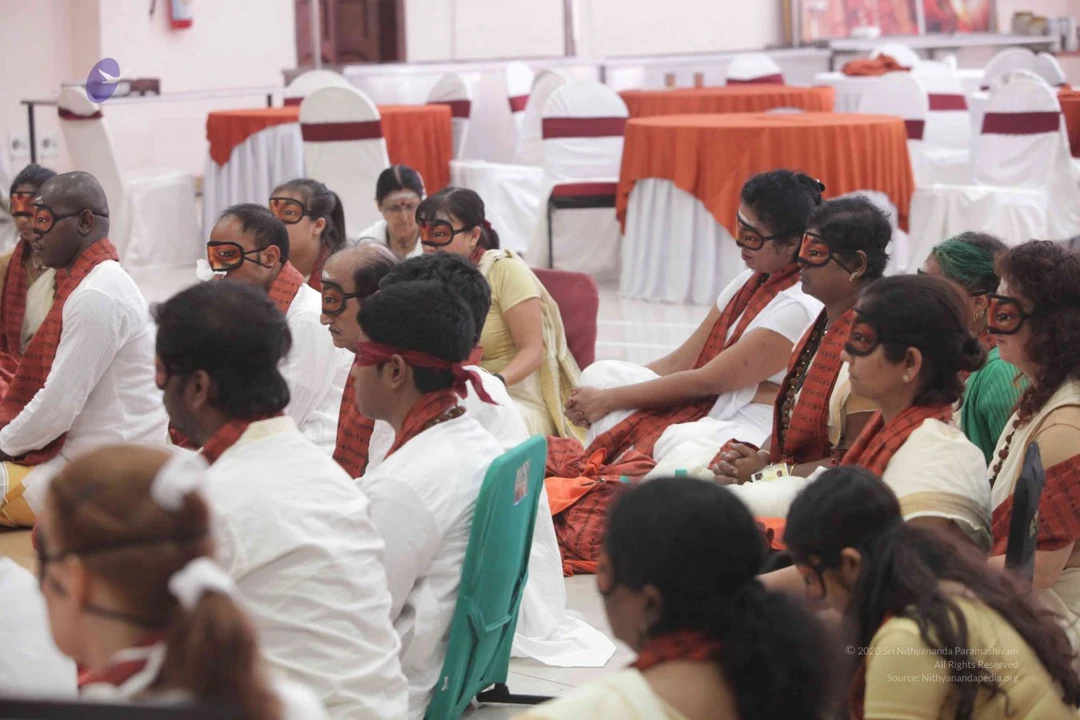 Power Manifestation Session in Inner Awakening convention
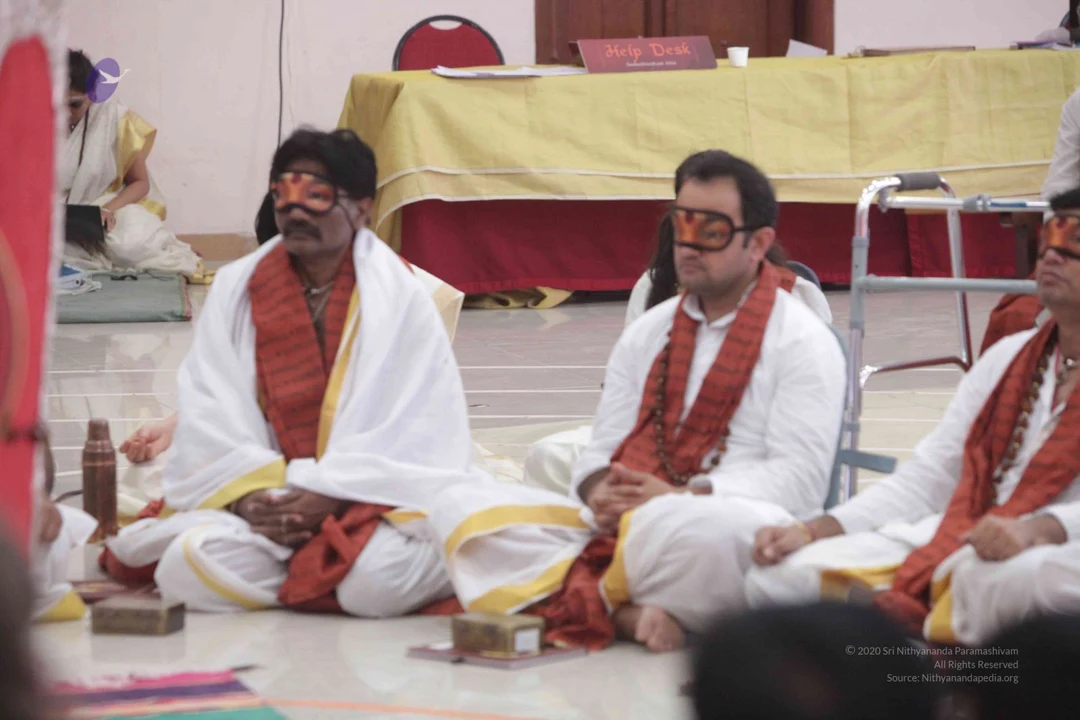 Power Manifestation Session in Inner Awakening convention
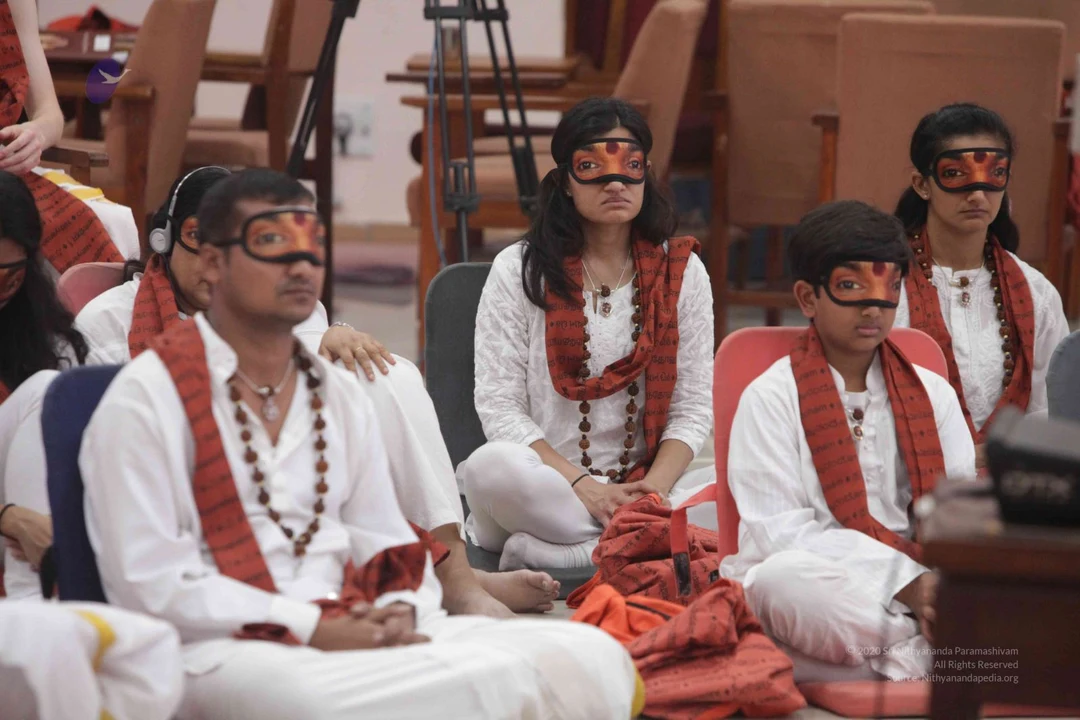 Power Manifestation Session in Inner Awakening convention
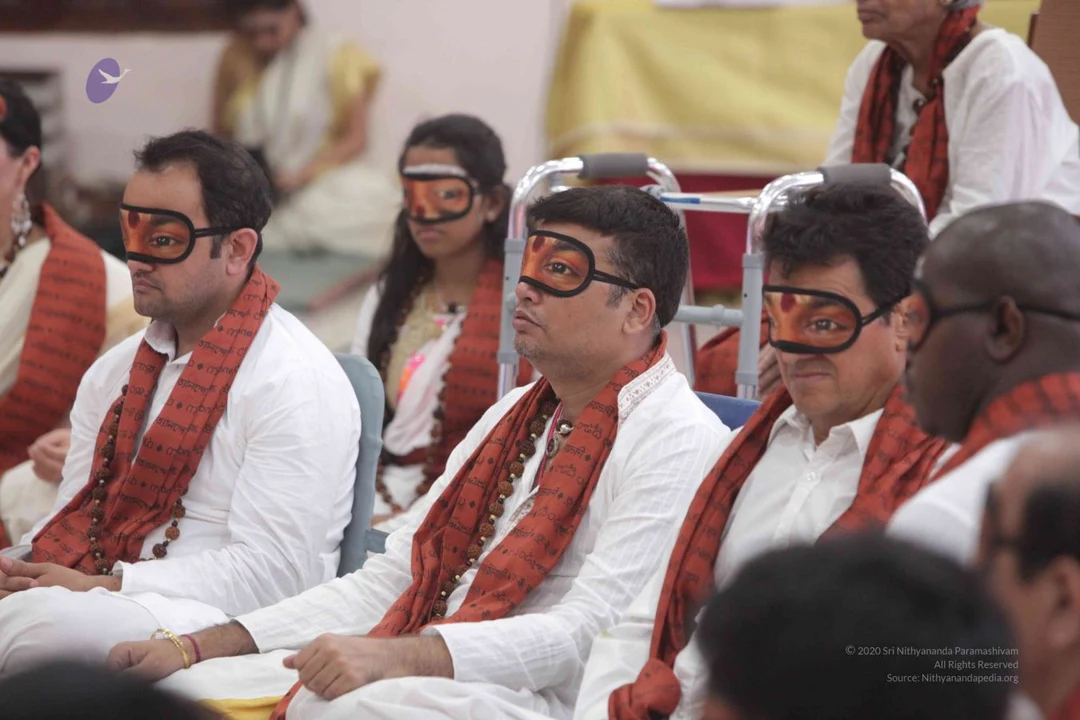 Power Manifestation Session in Inner Awakening convention
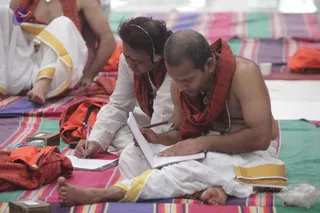
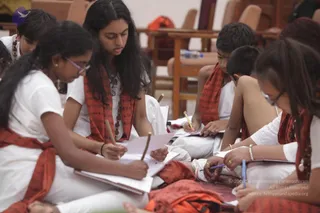
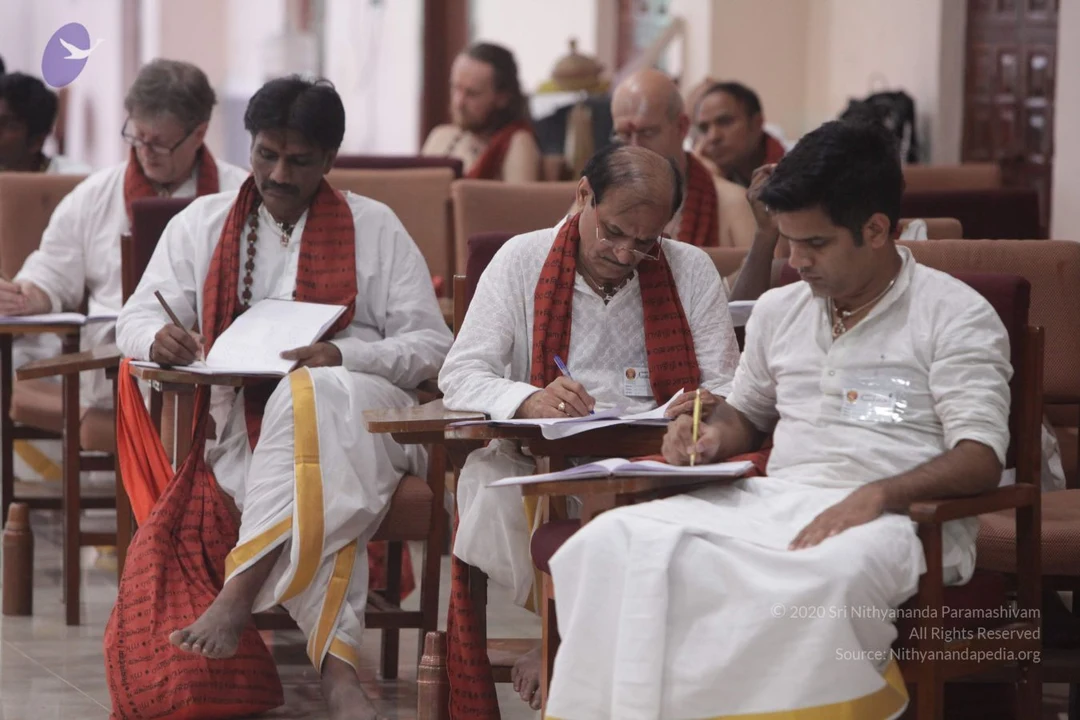
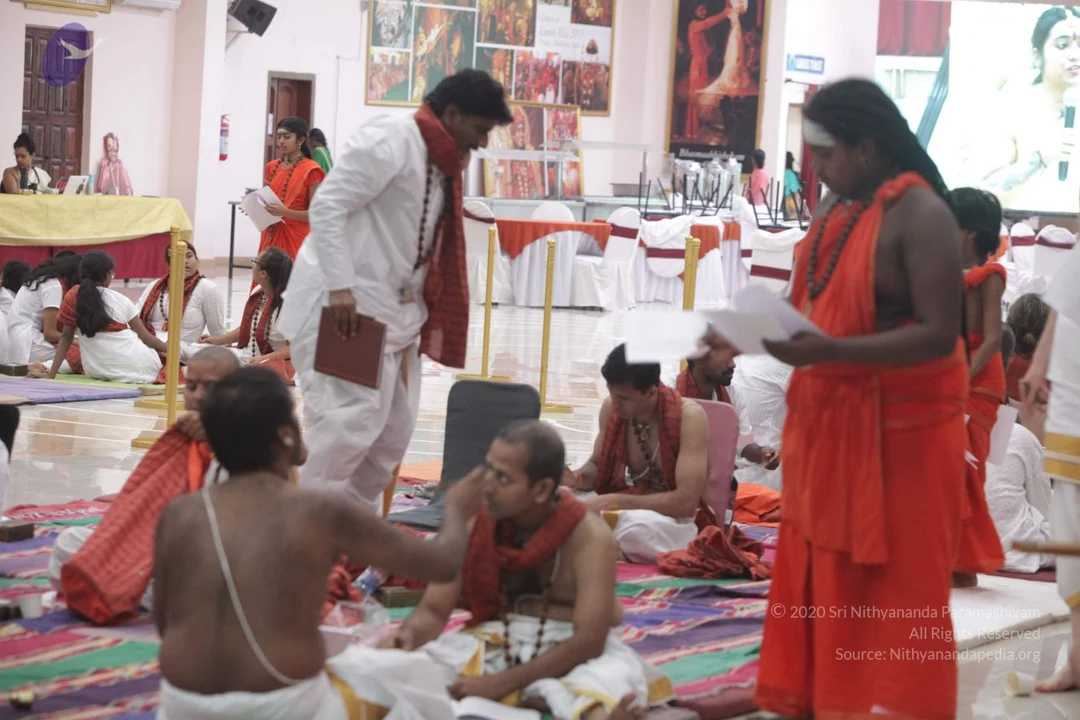
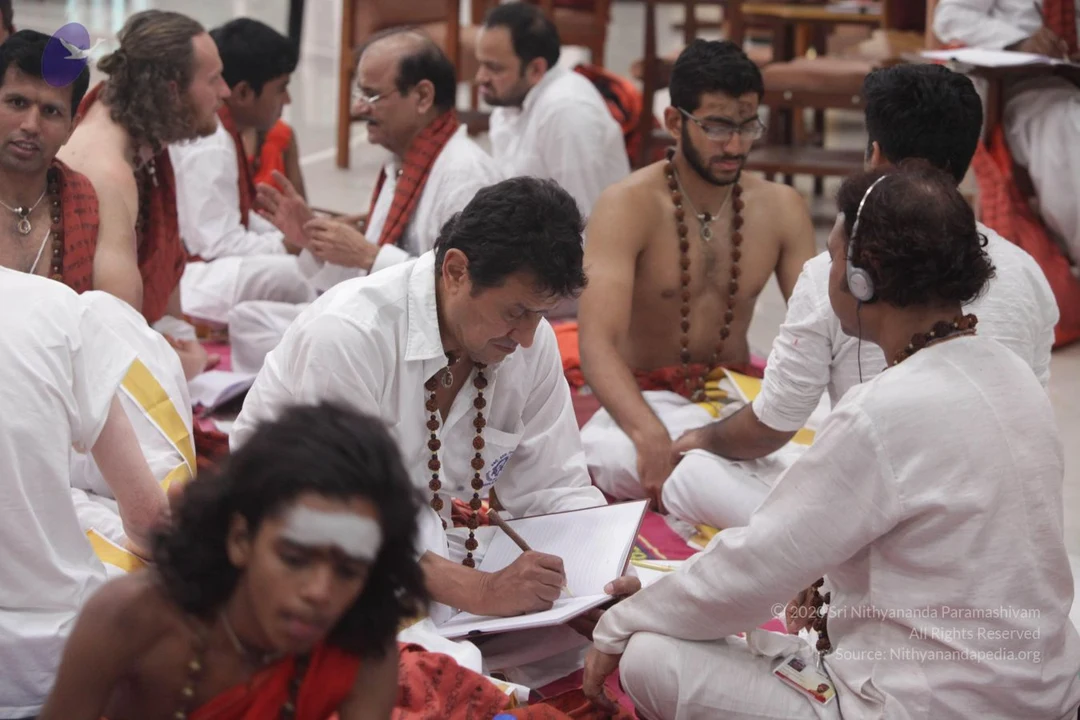
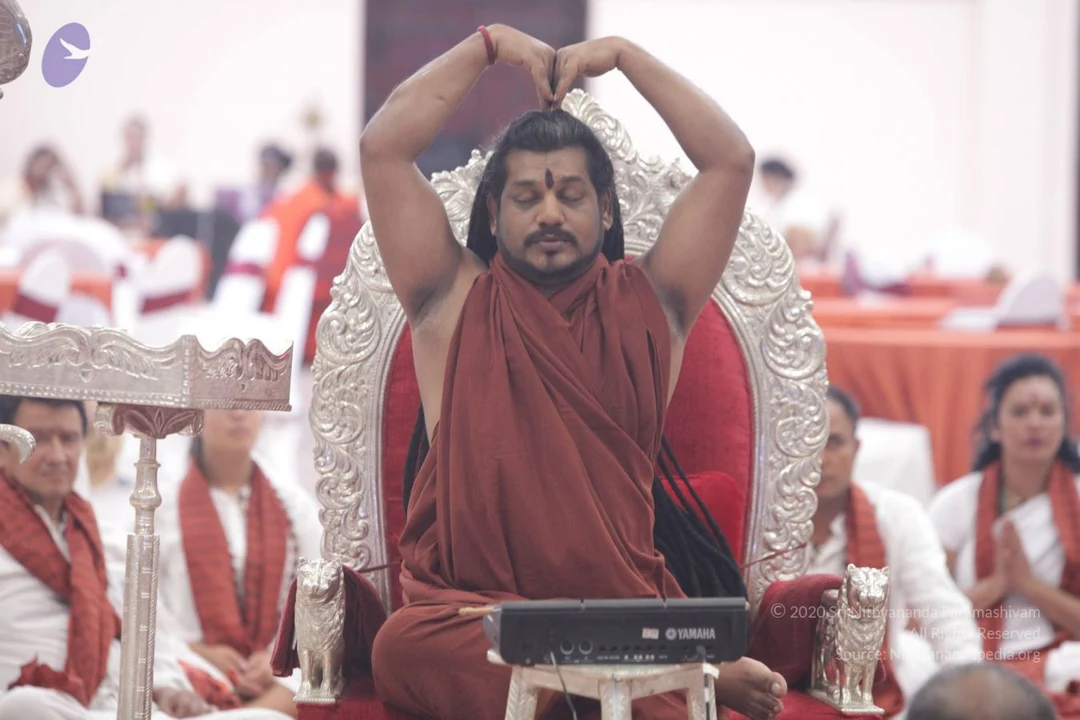
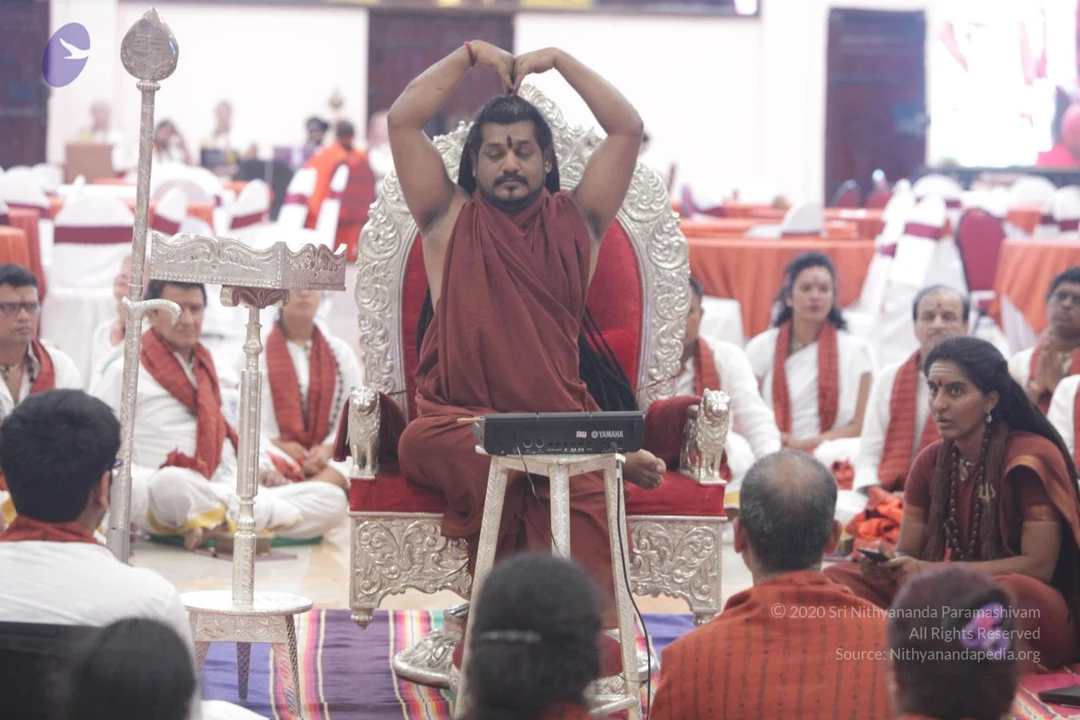
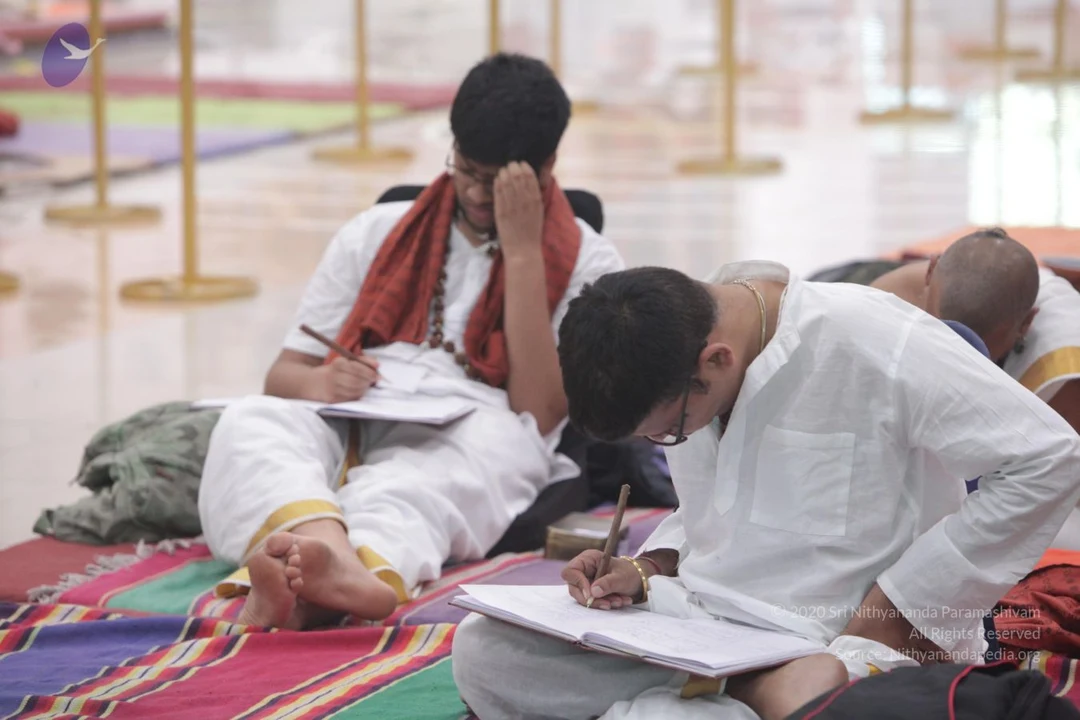
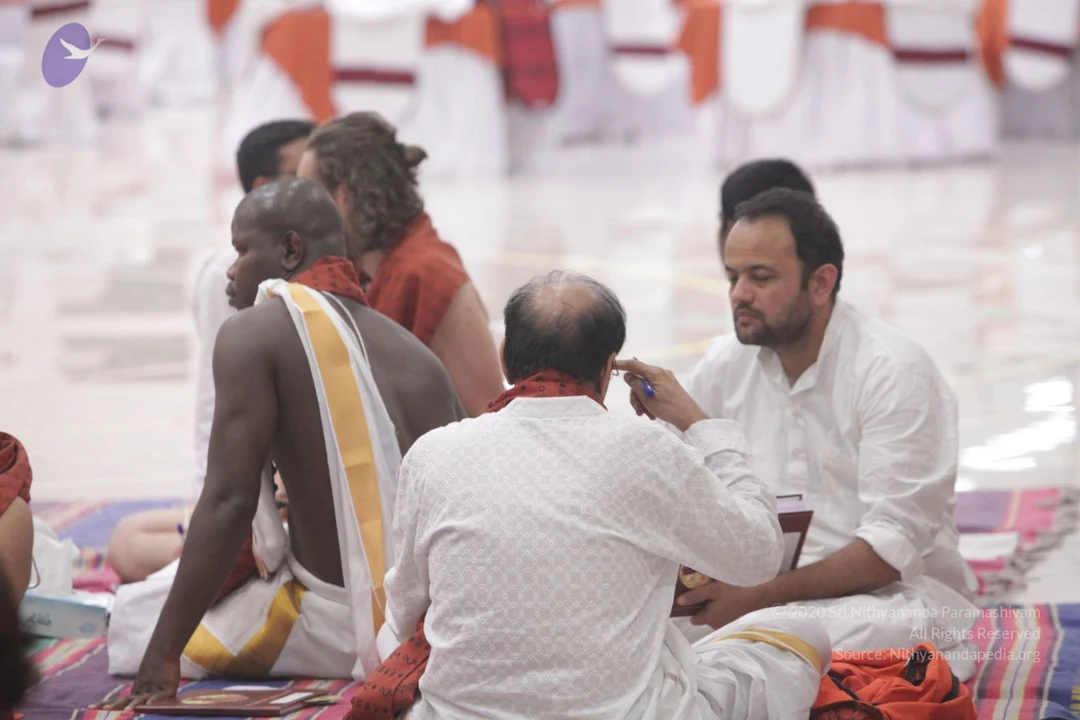
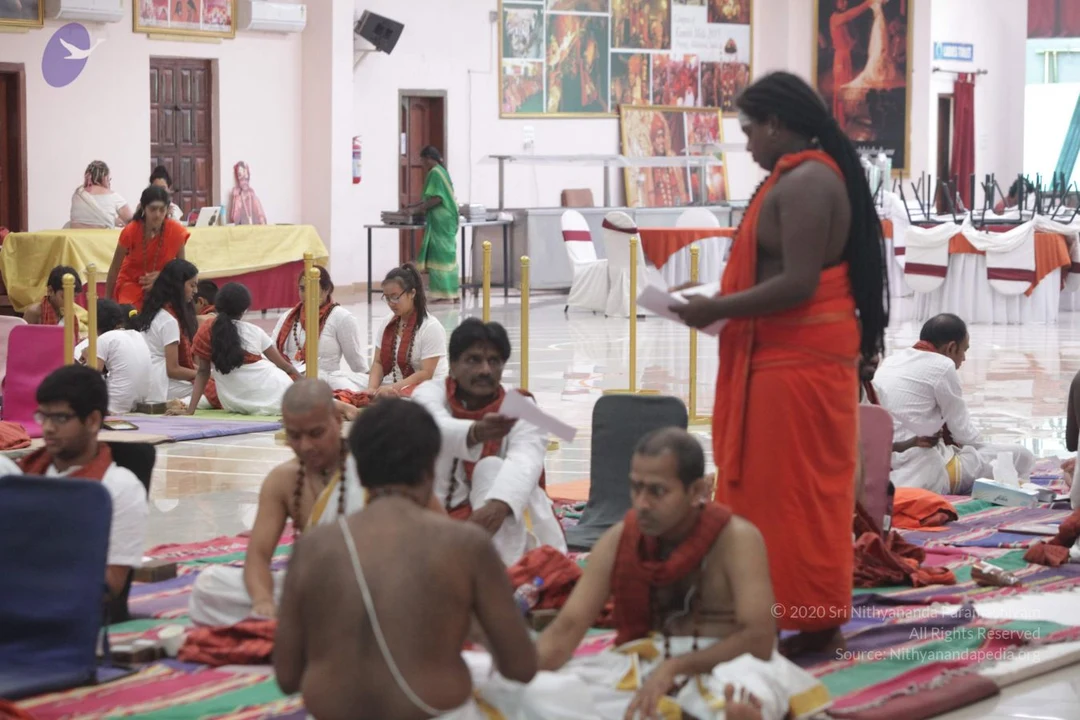
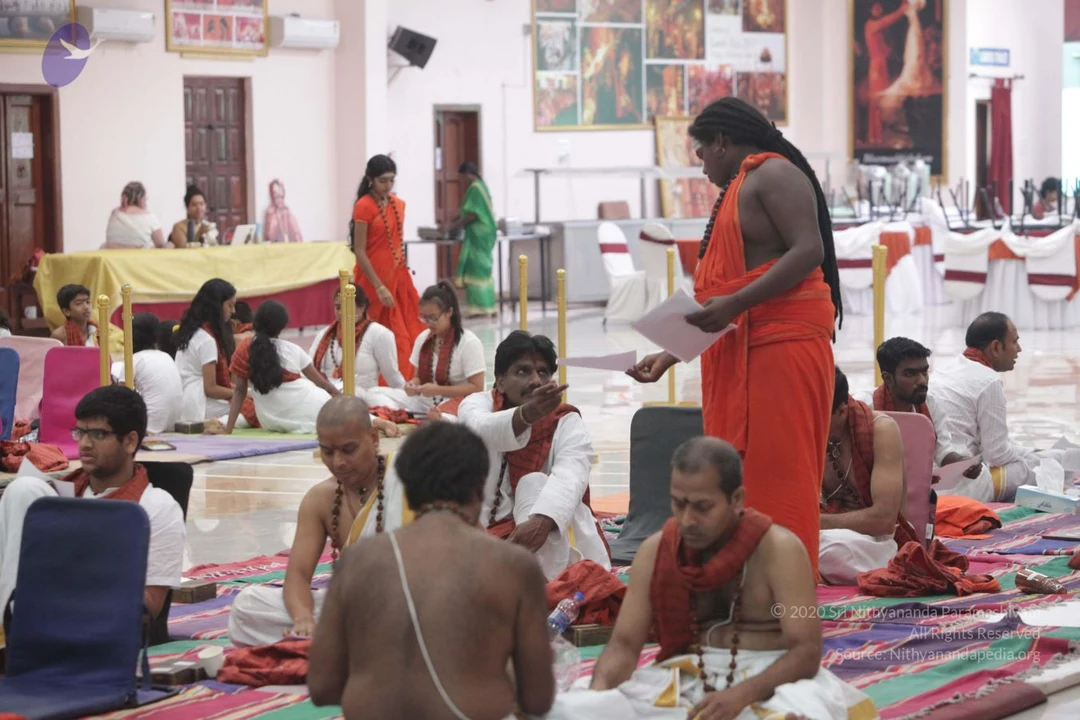
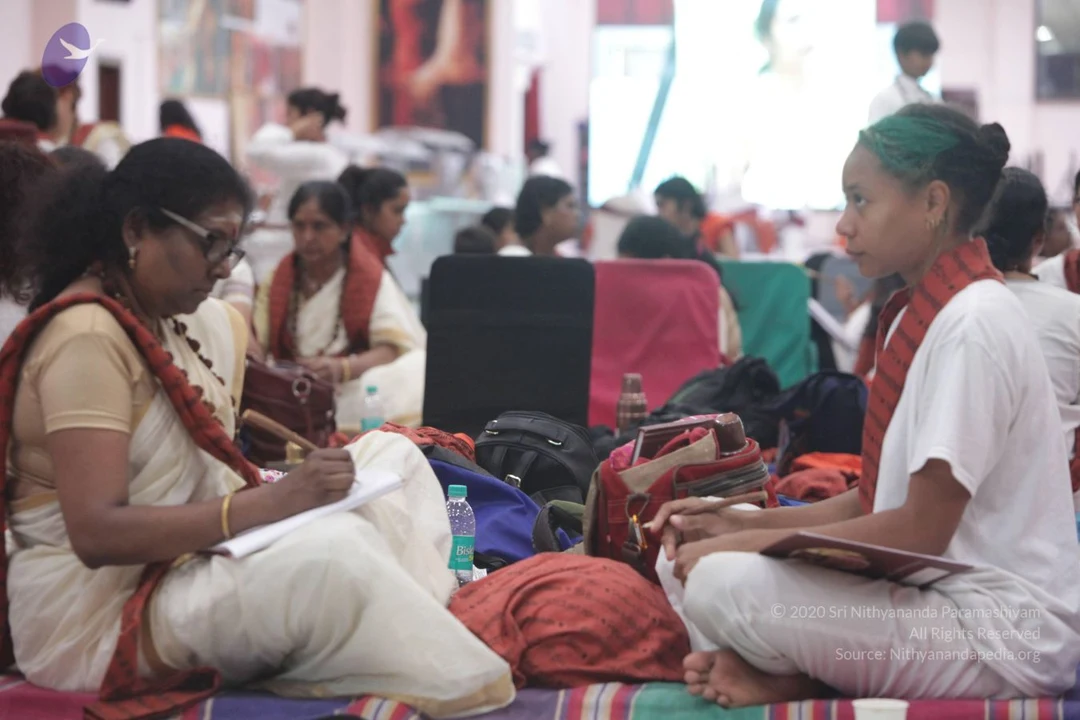
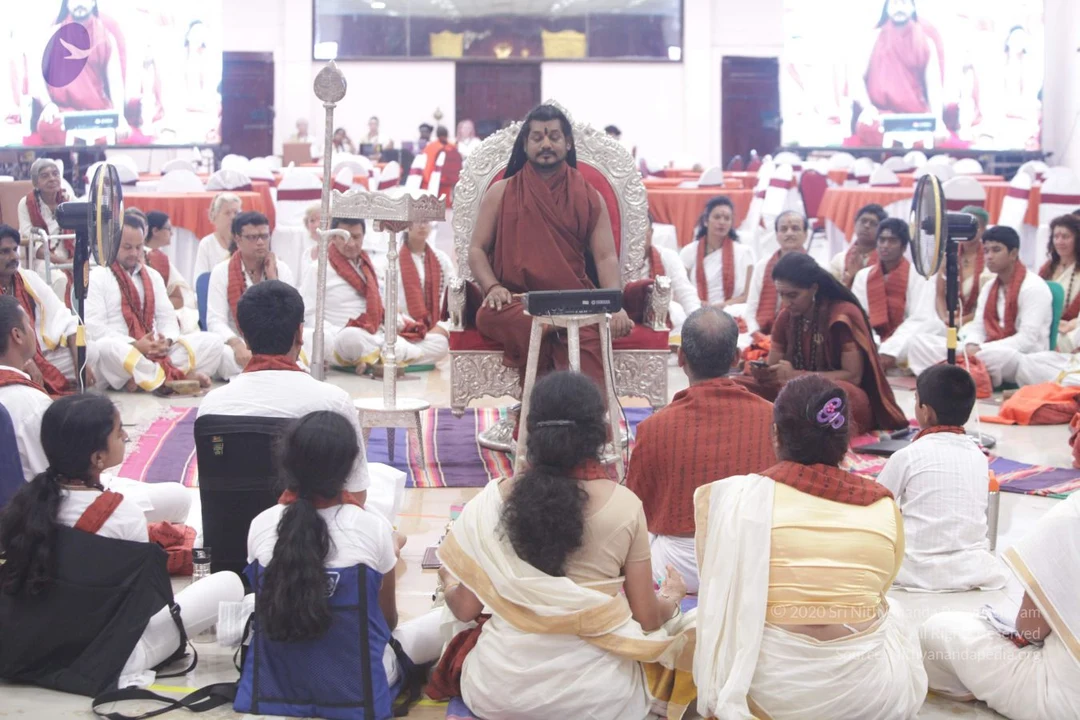
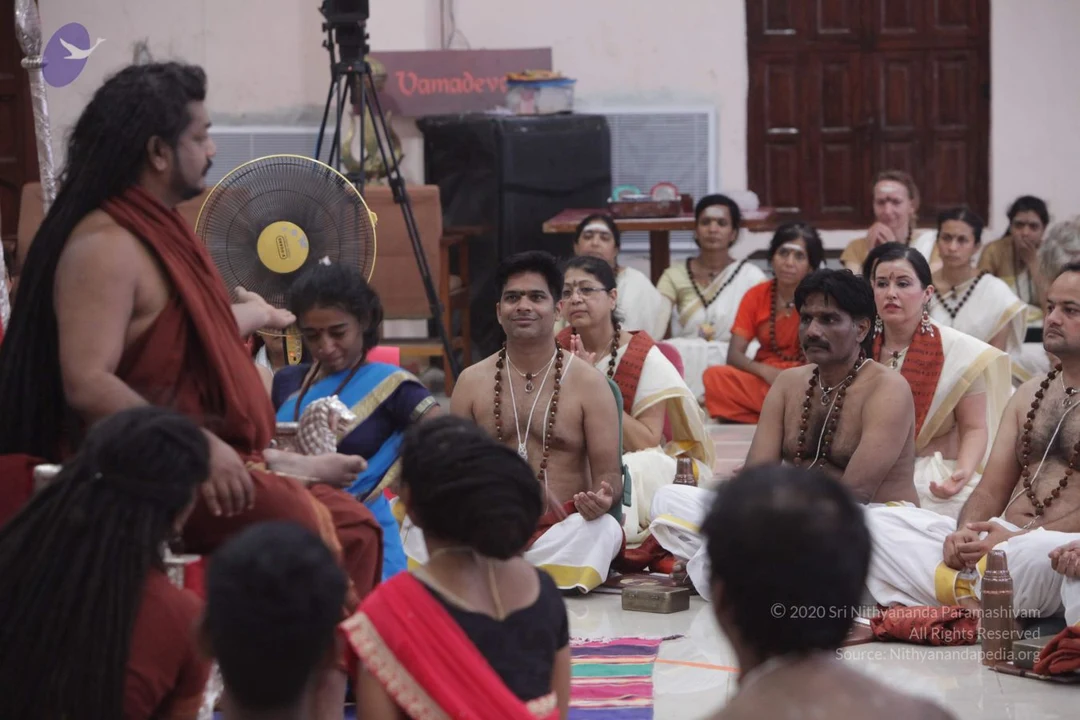
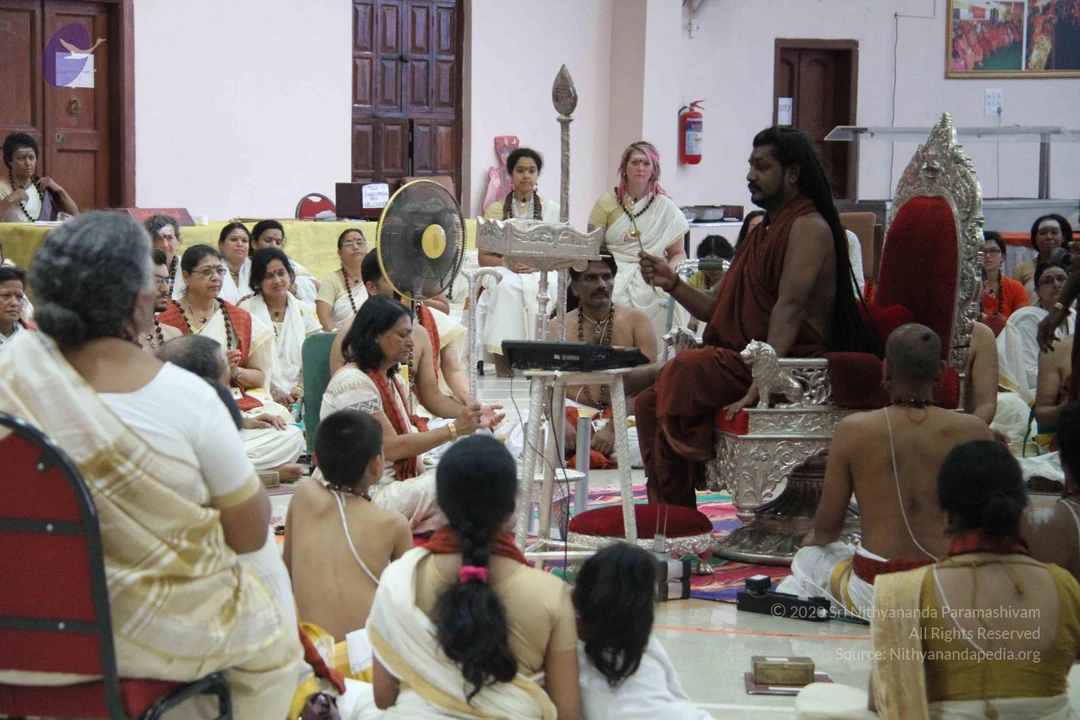
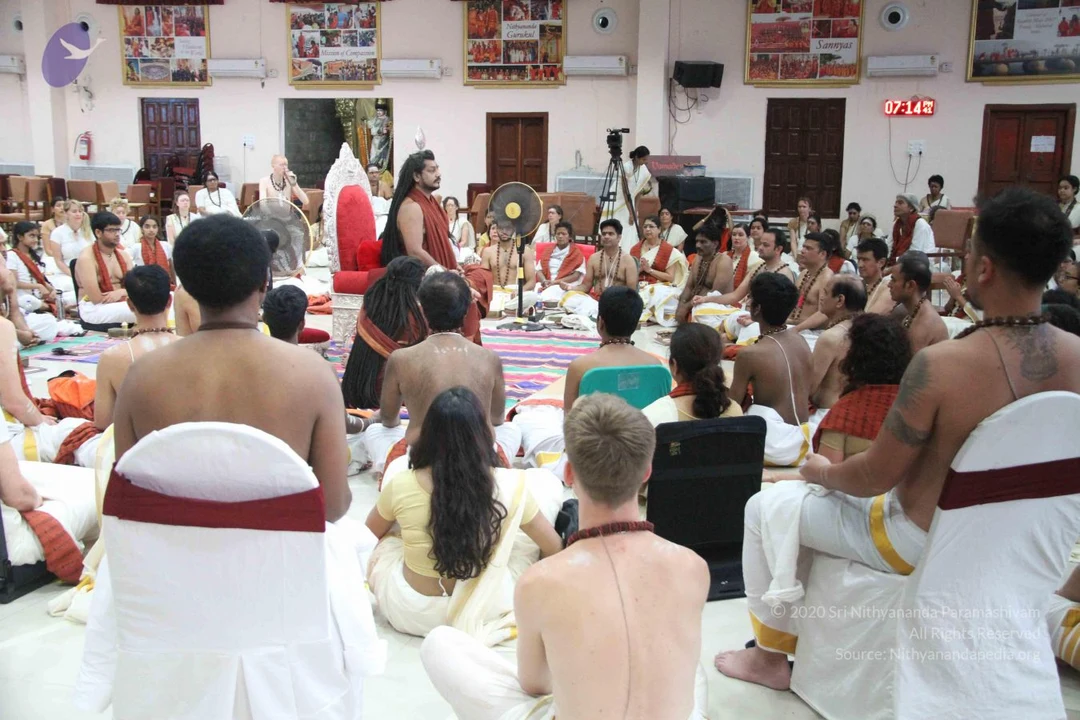
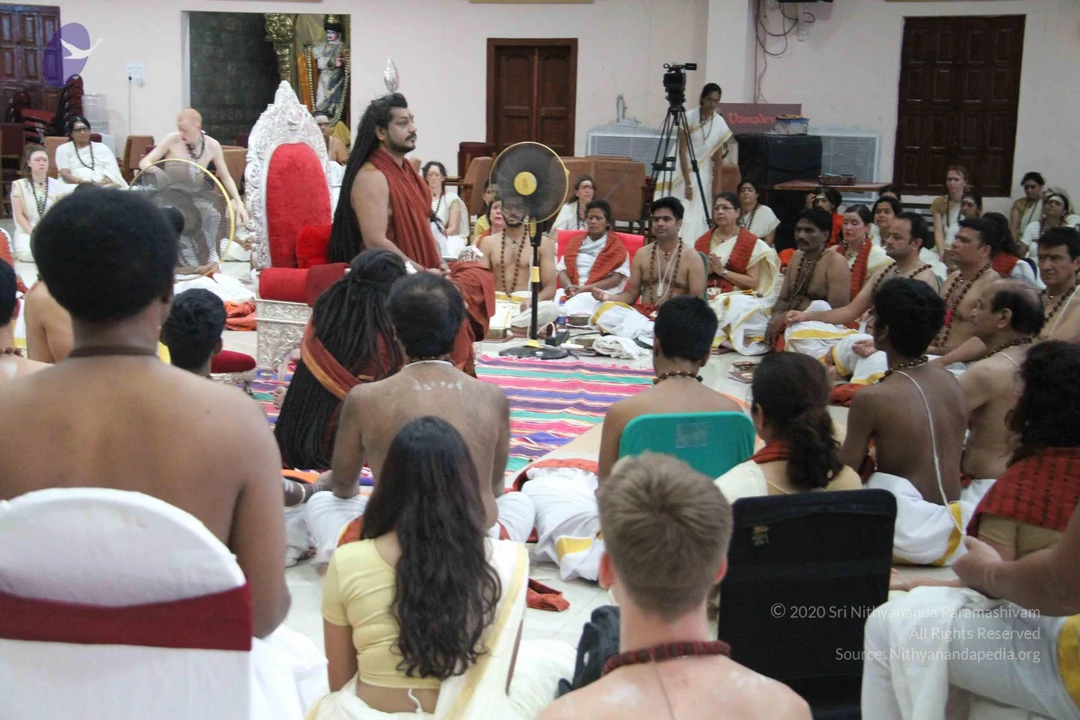
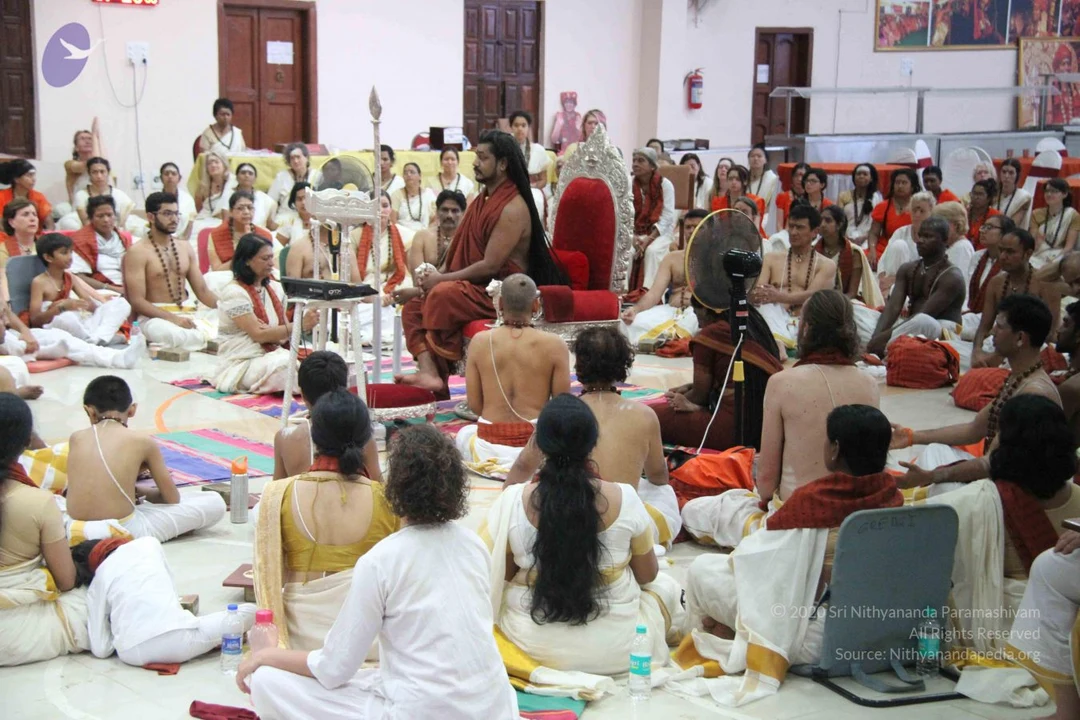
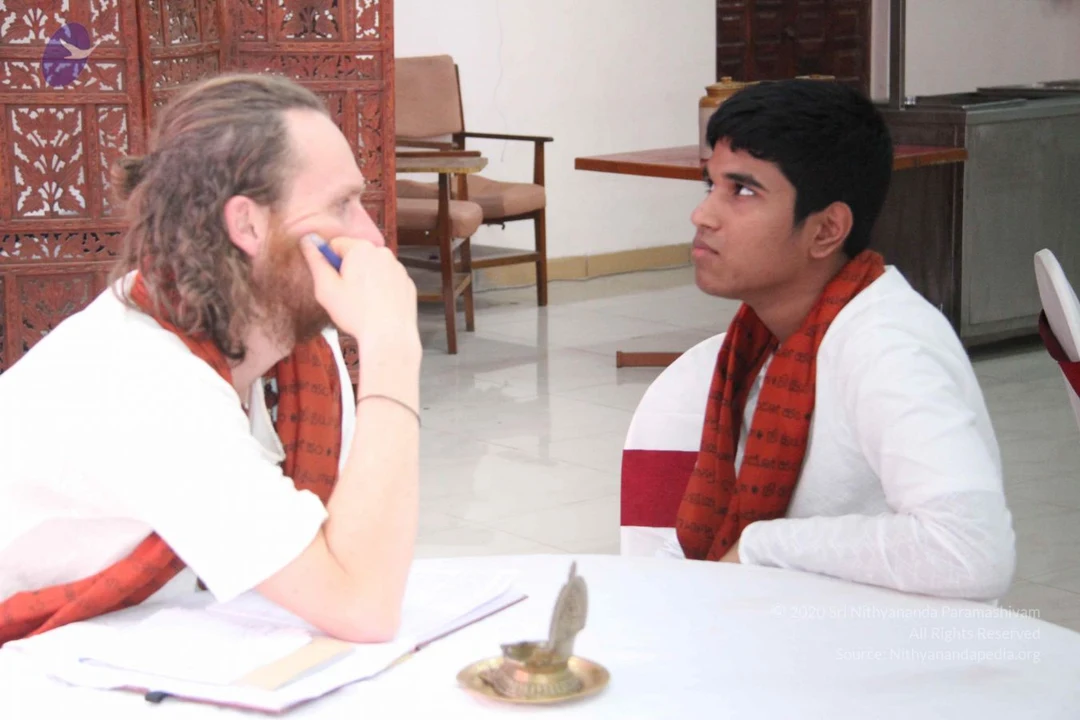
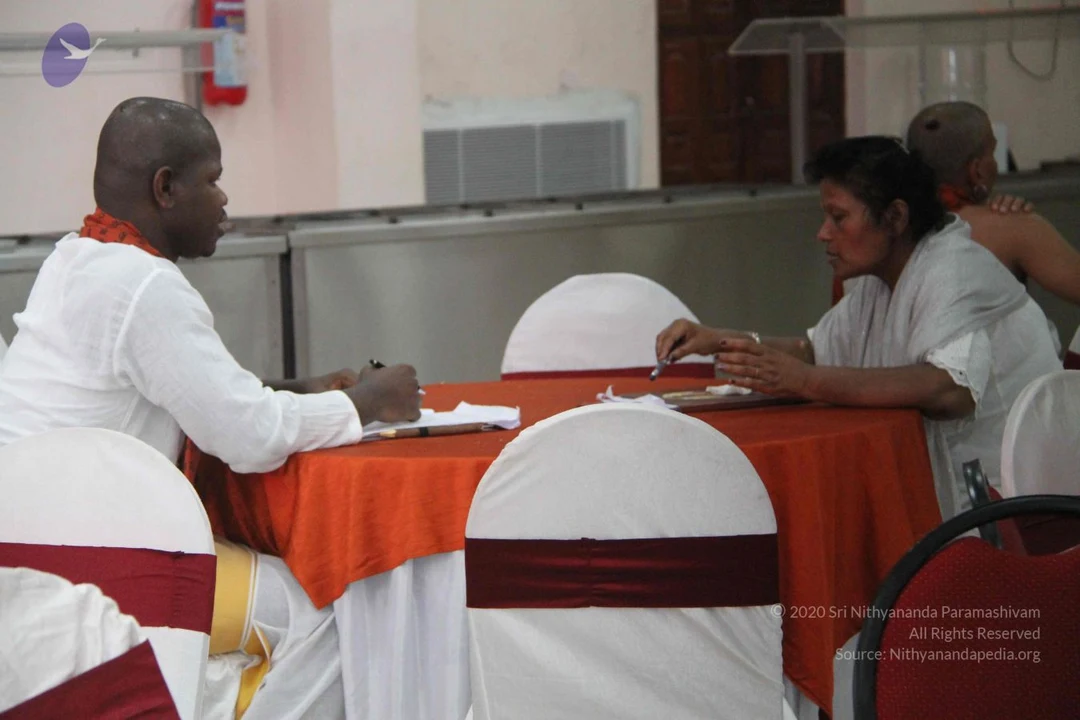
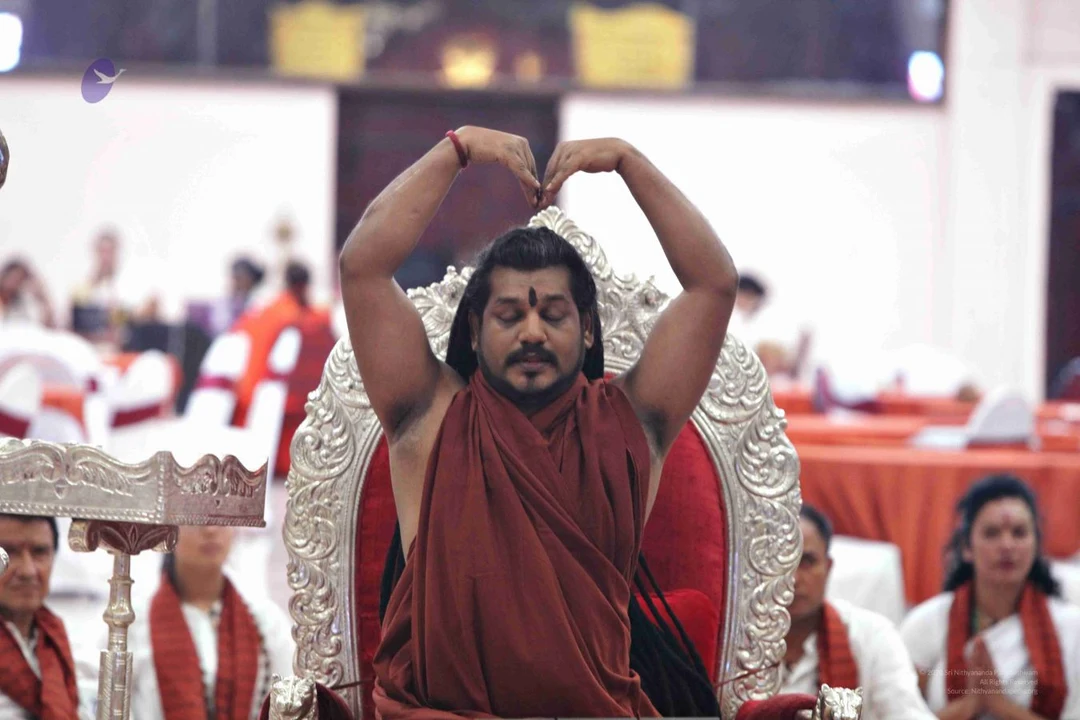 Mandala Process in Inner Awakening convention
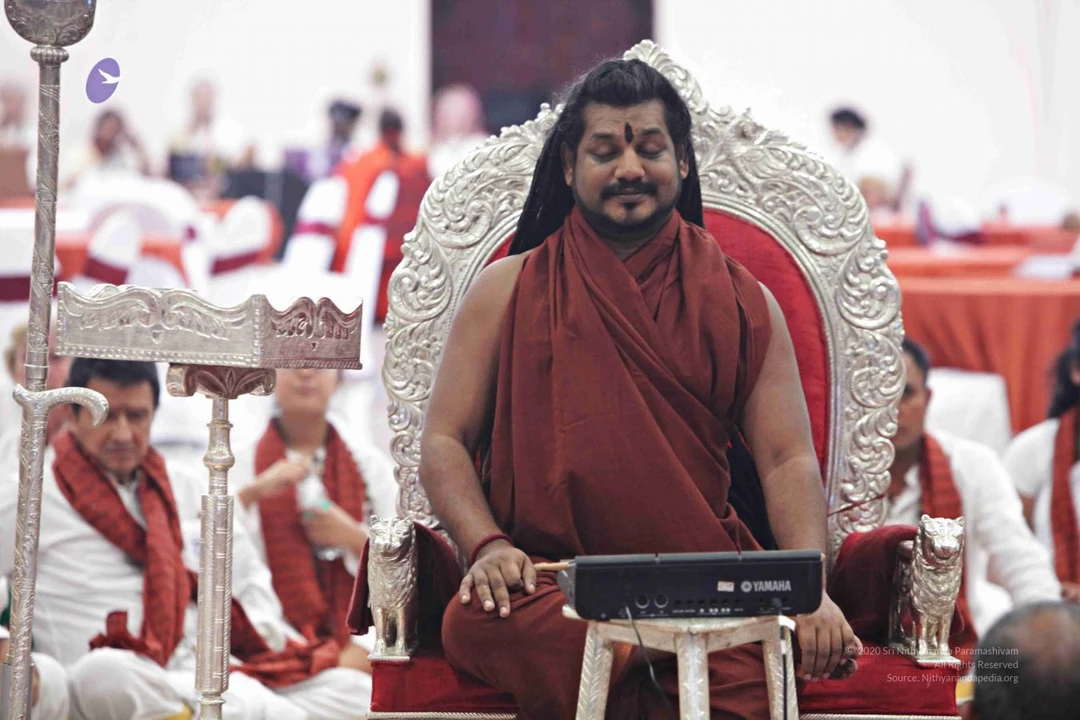 Mandala Process in Inner Awakening convention
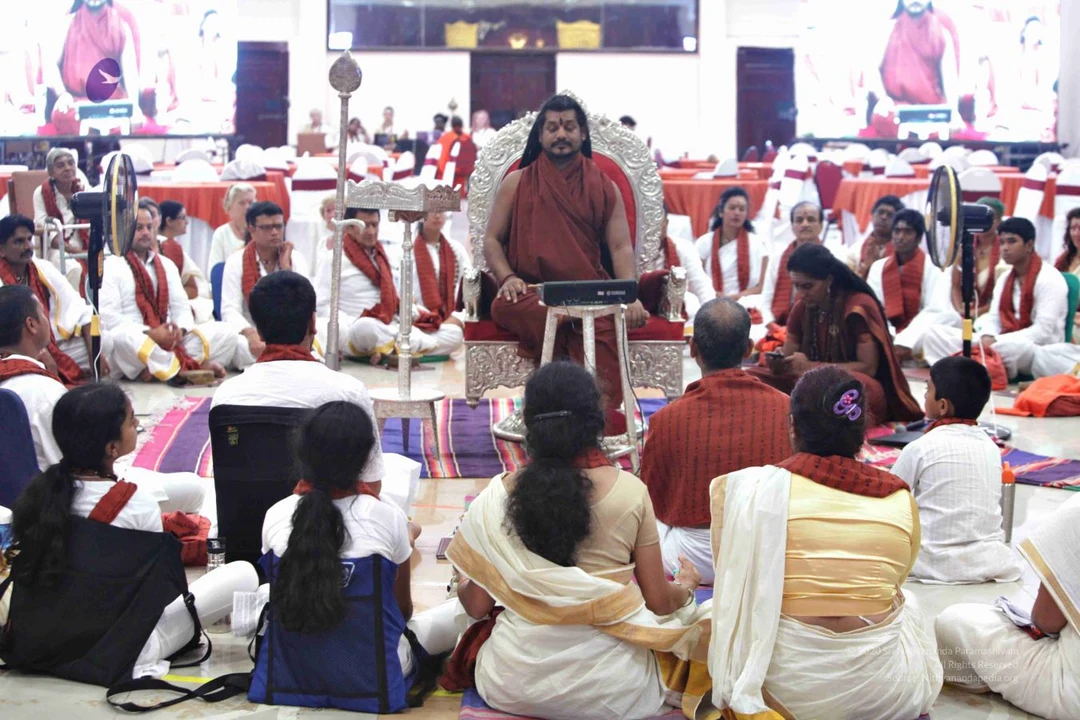 Mandala Process in Inner Awakening convention
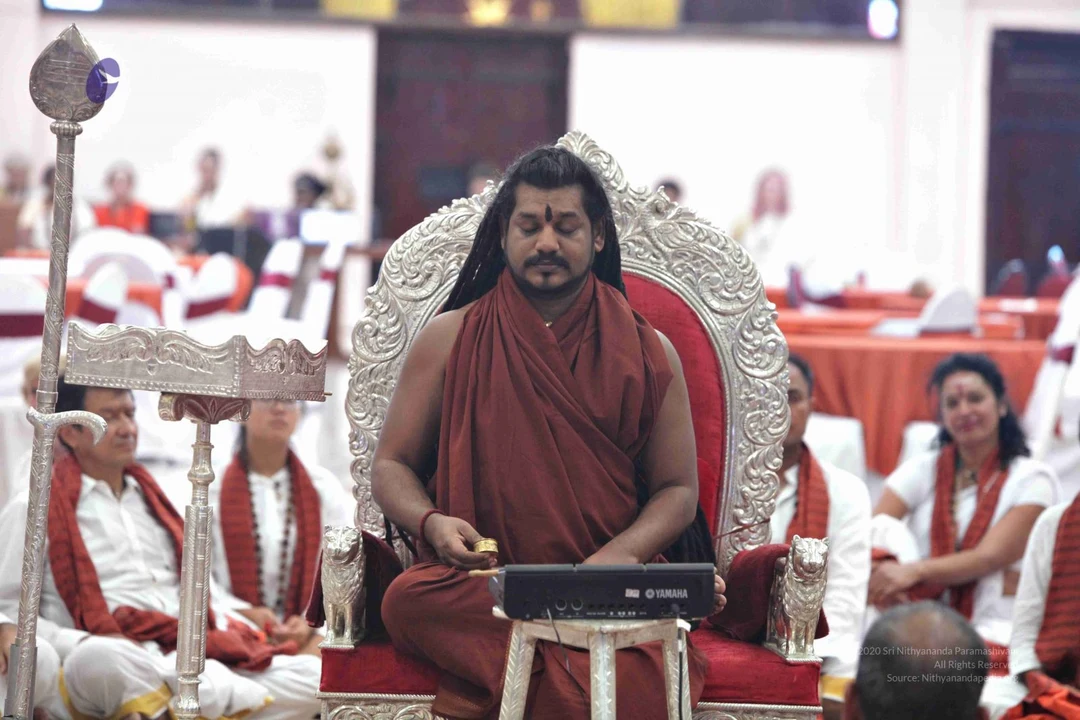 Mandala Process in Inner Awakening convention
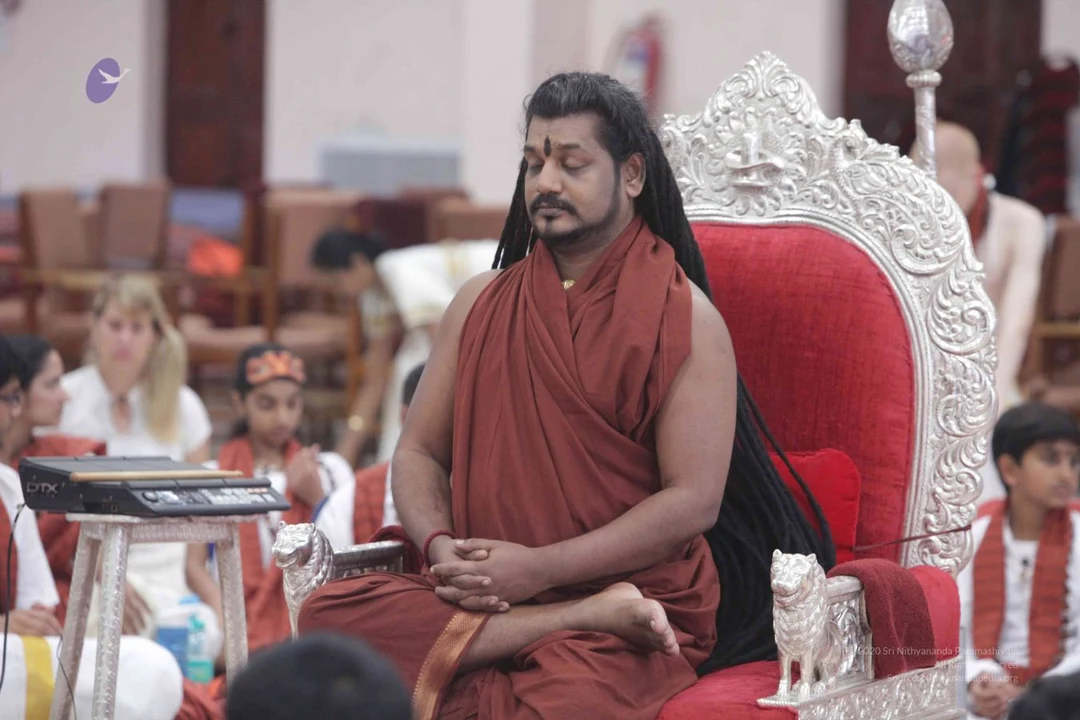 Mandala Process in Inner Awakening convention
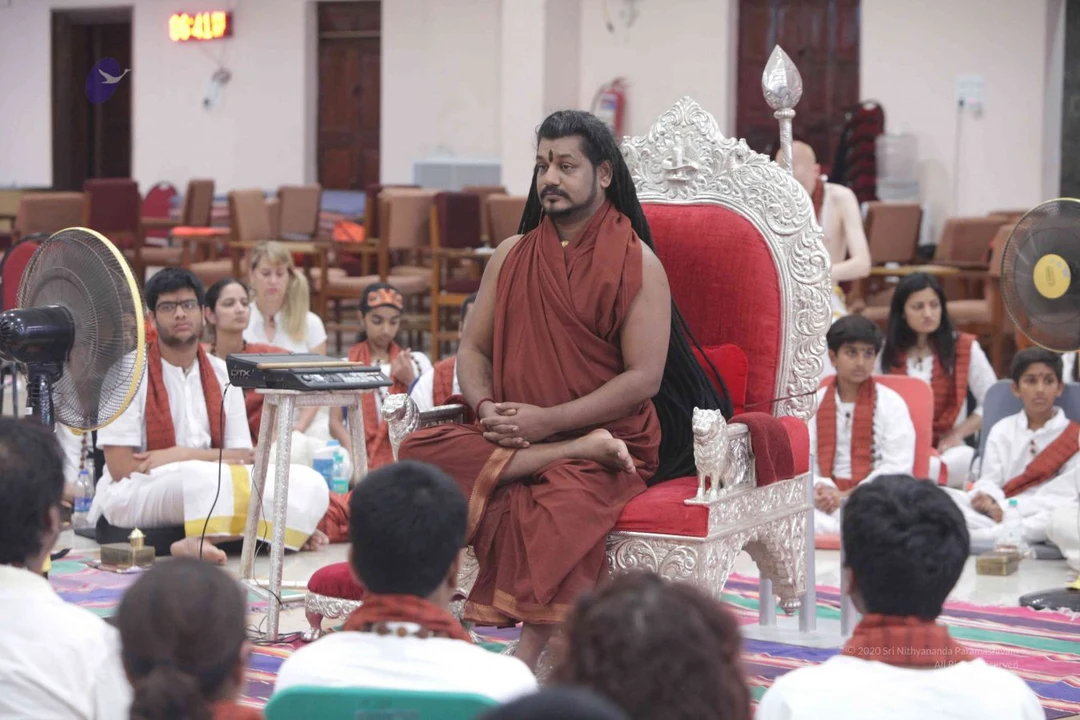 Mandala Process in Inner Awakening convention
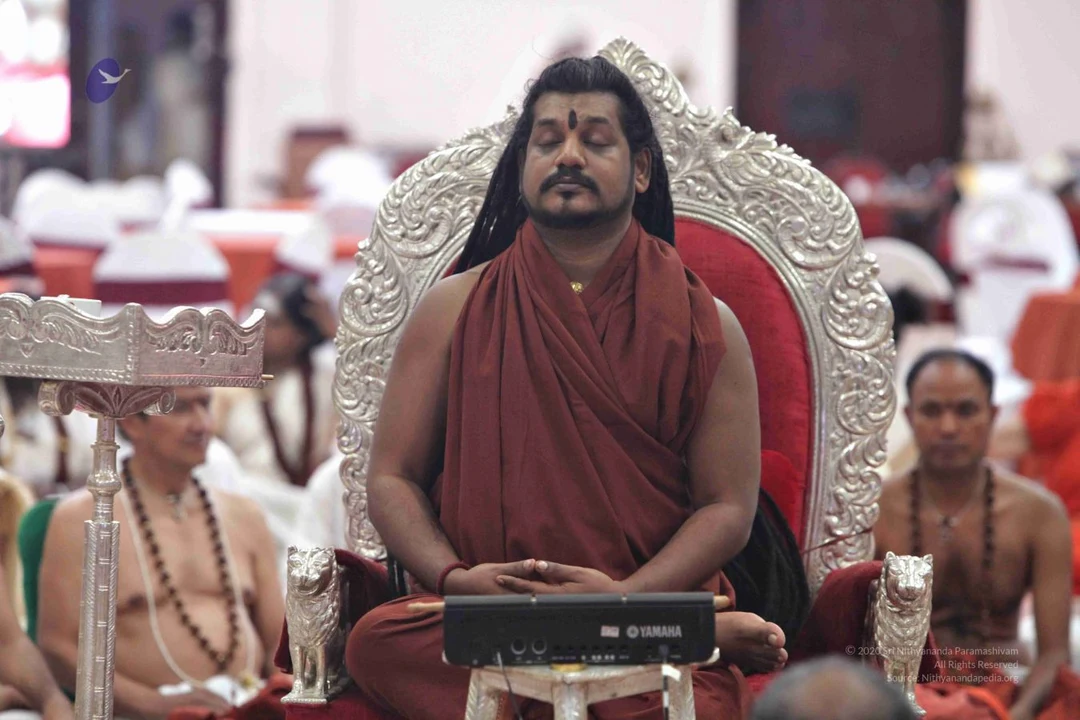 Mandala Process in Inner Awakening convention
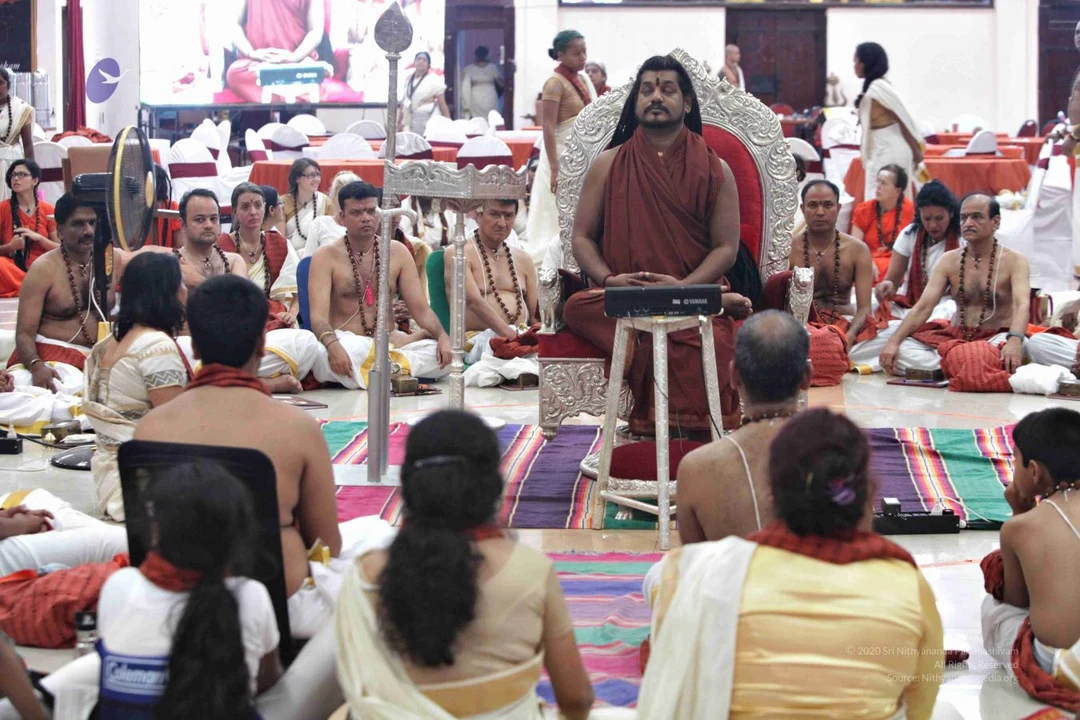 Mandala Process in Inner Awakening convention
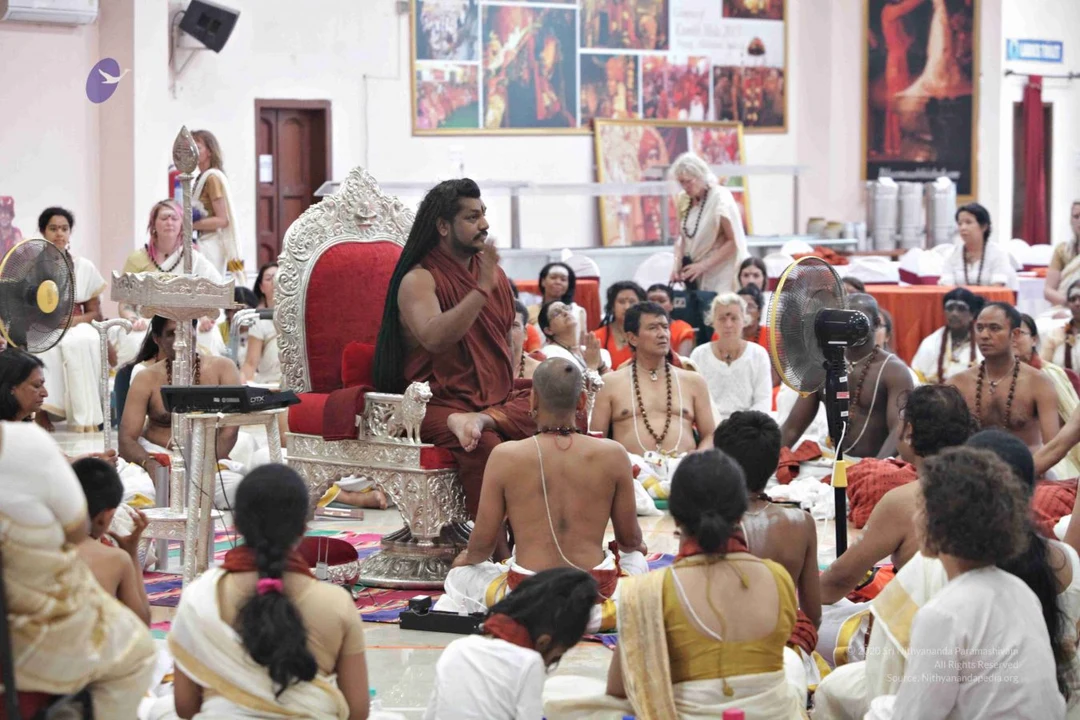 Mandala Process in Inner Awakening convention
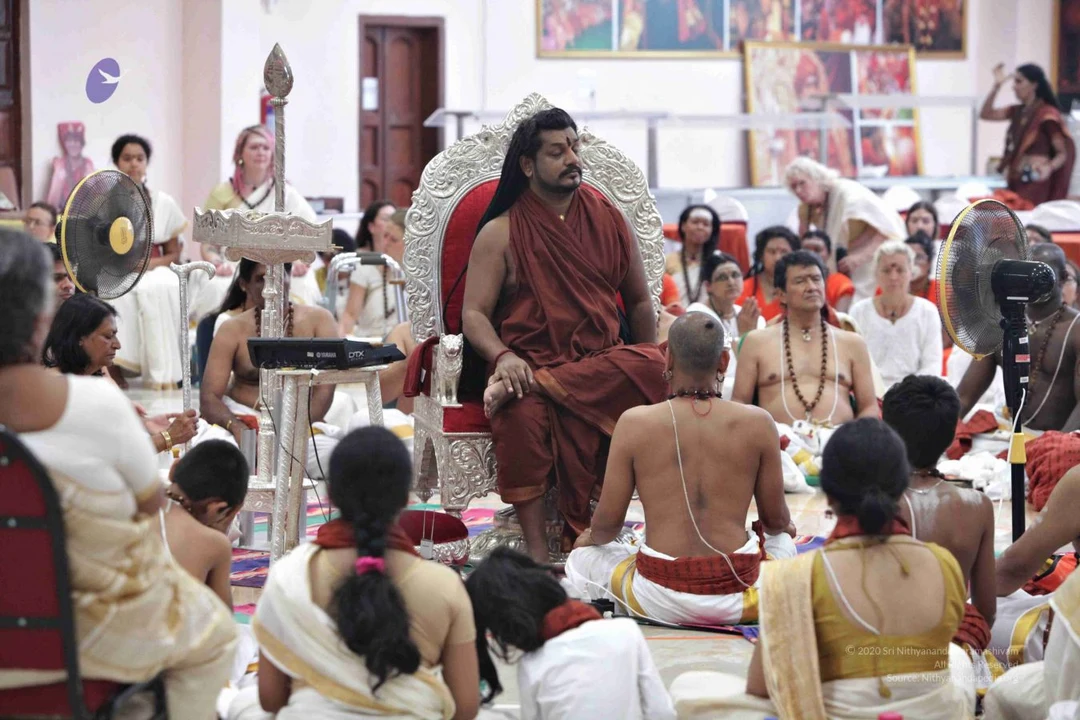 Mandala Process in Inner Awakening convention
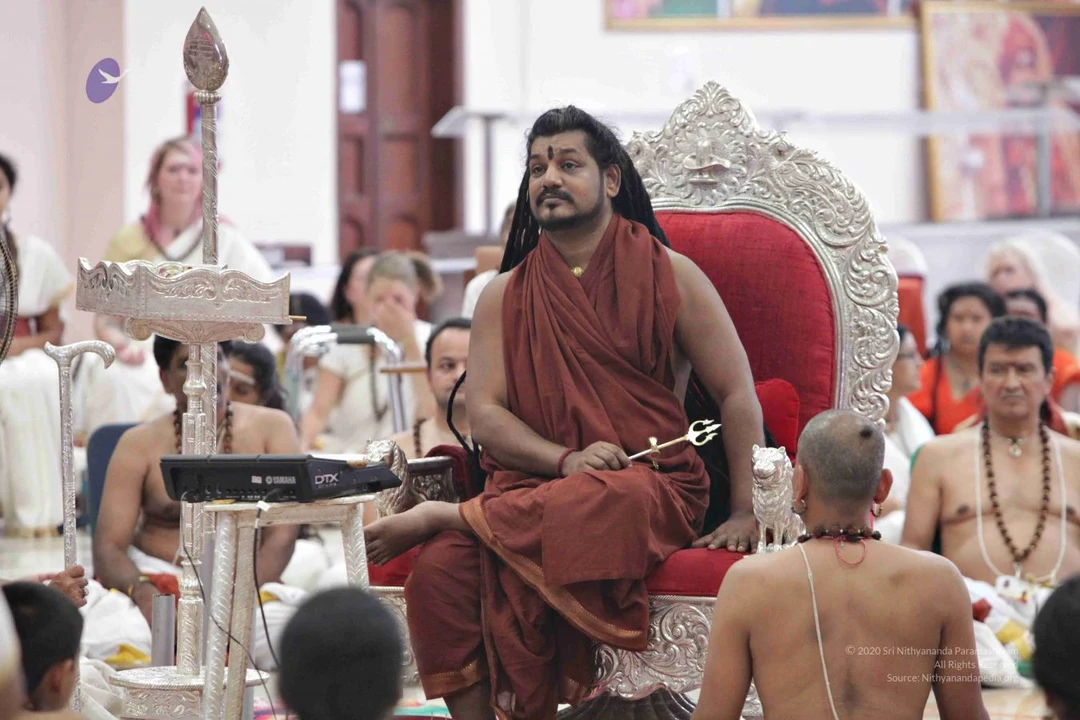 Mandala Process in Inner Awakening convention
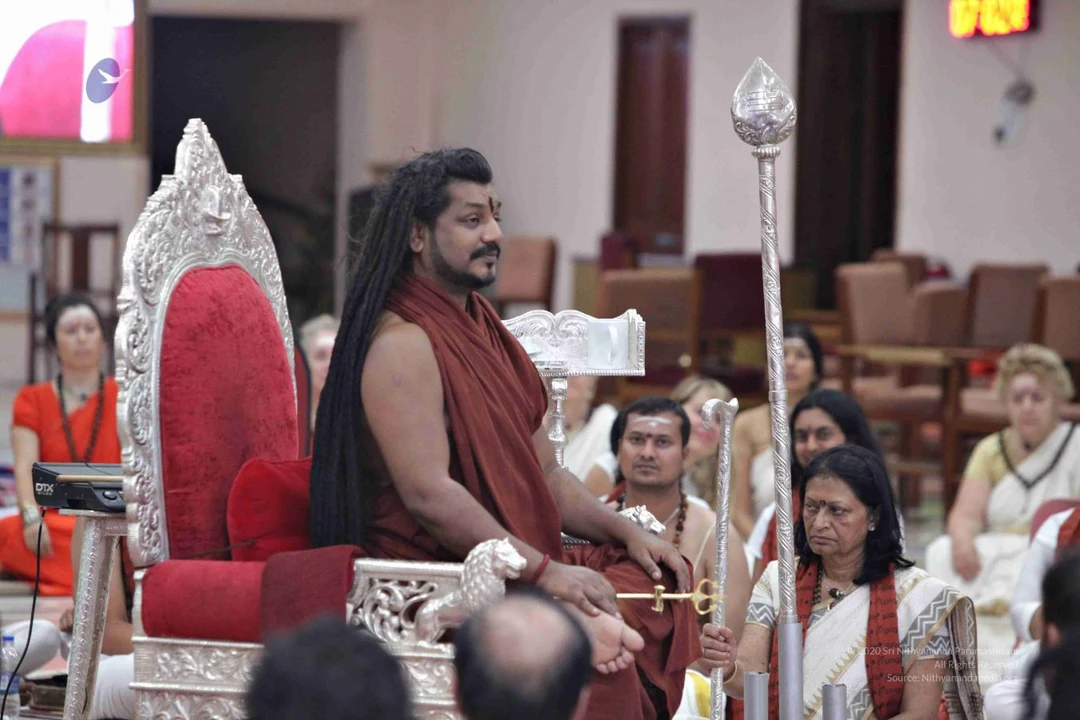 Mandala Process in Inner Awakening convention
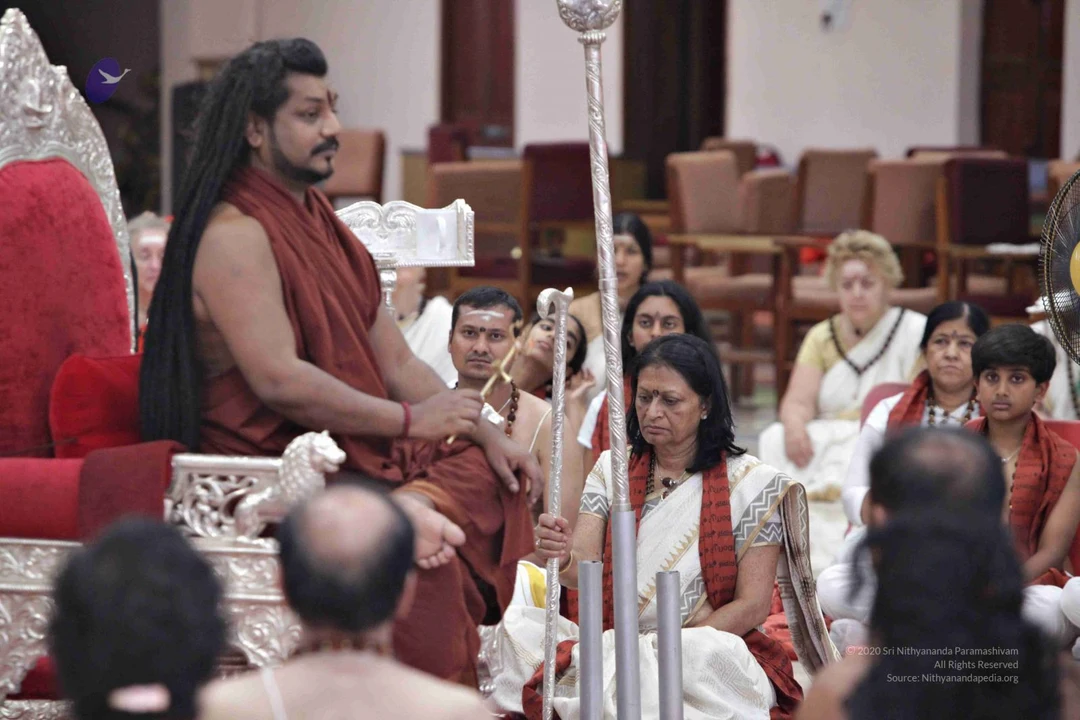 Mandala Process in Inner Awakening convention
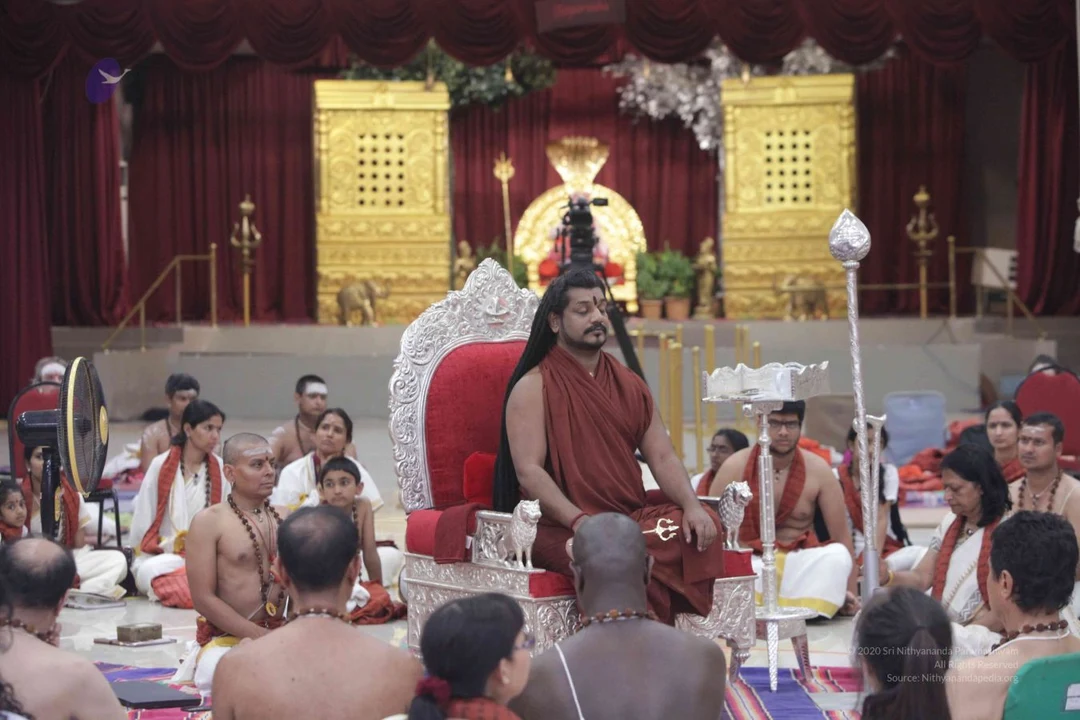 Mandala Process in Inner Awakening convention
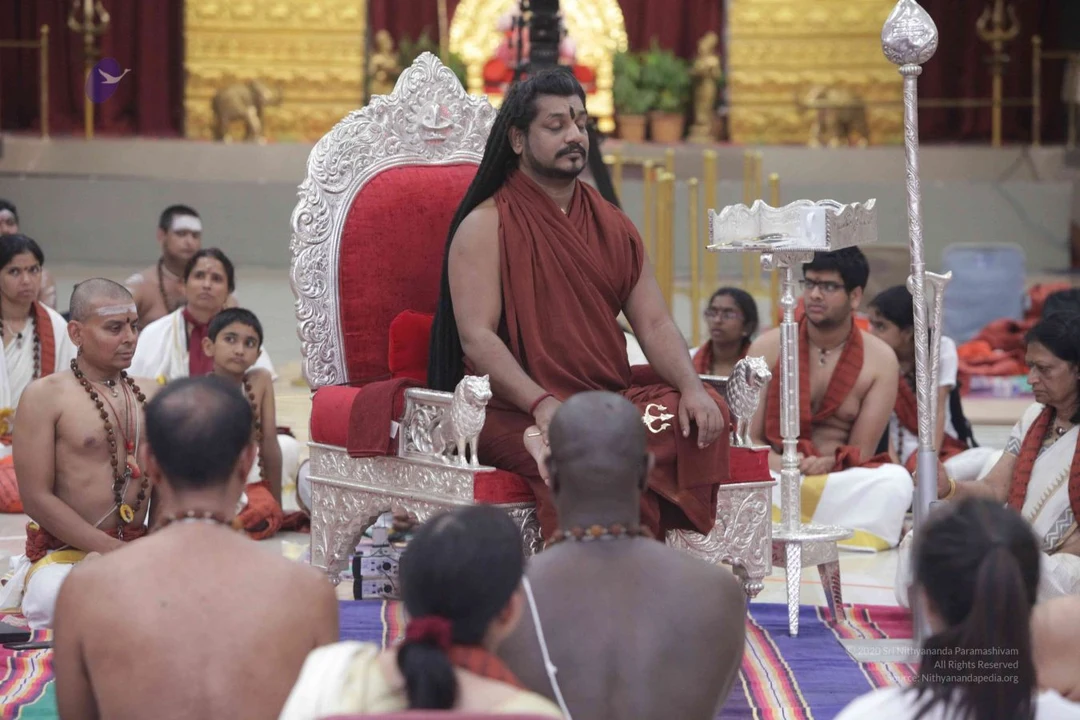 Mandala Process in Inner Awakening convention
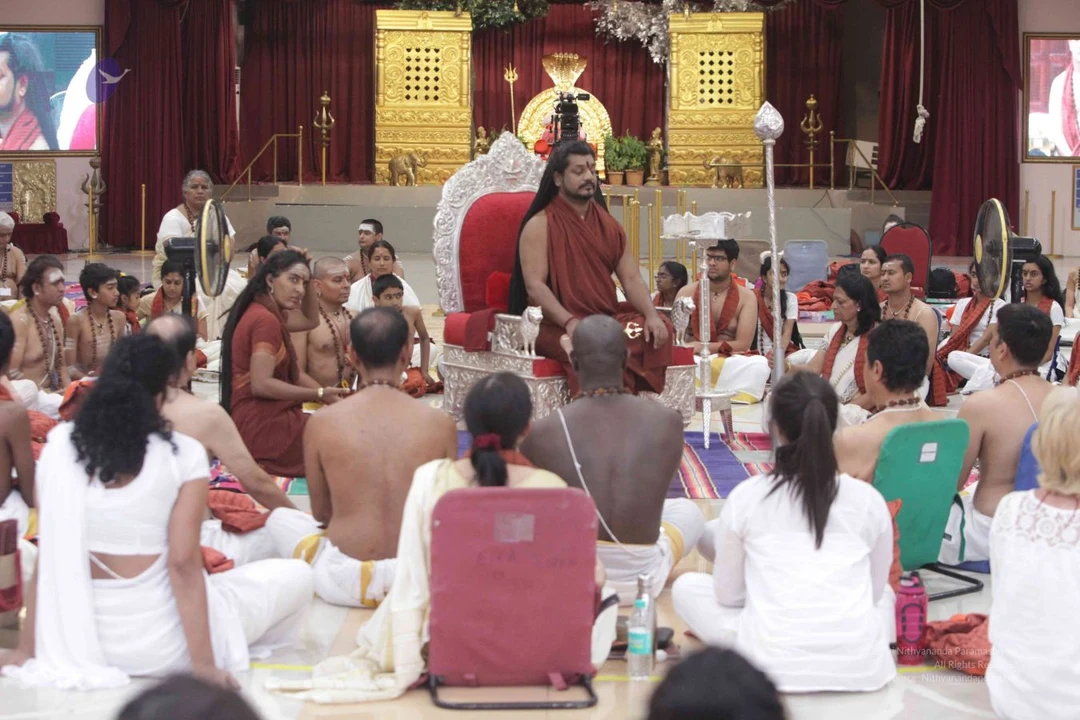 Mandala Process in Inner Awakening convention
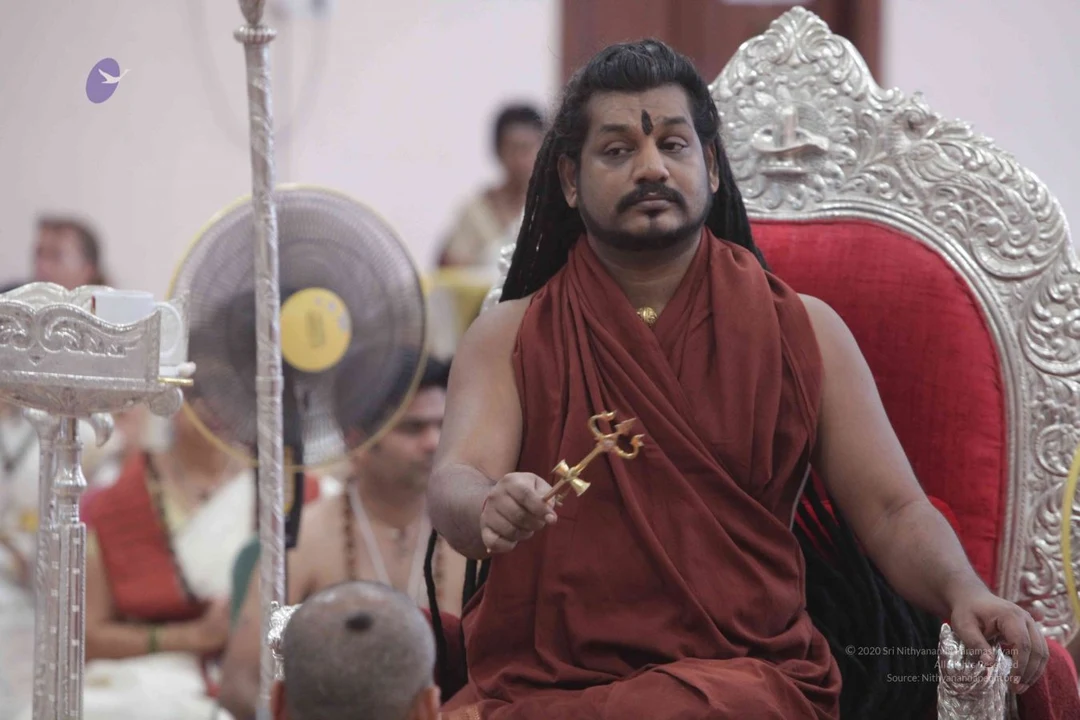 Mandala Process in Inner Awakening convention
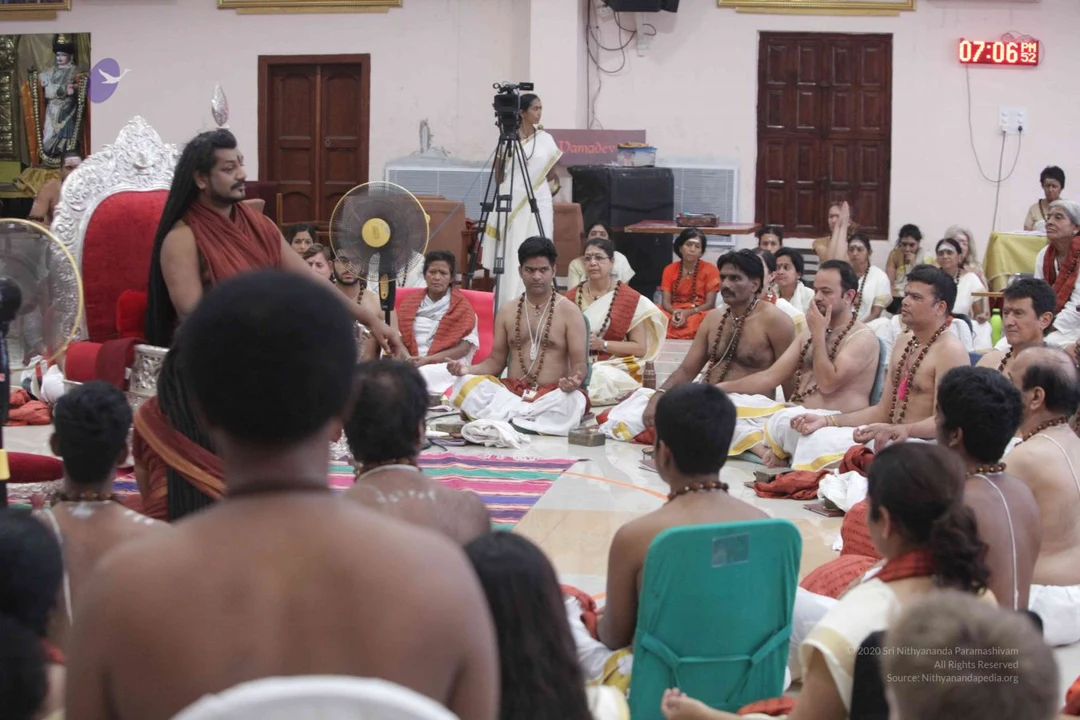 Mandala Process in Inner Awakening convention
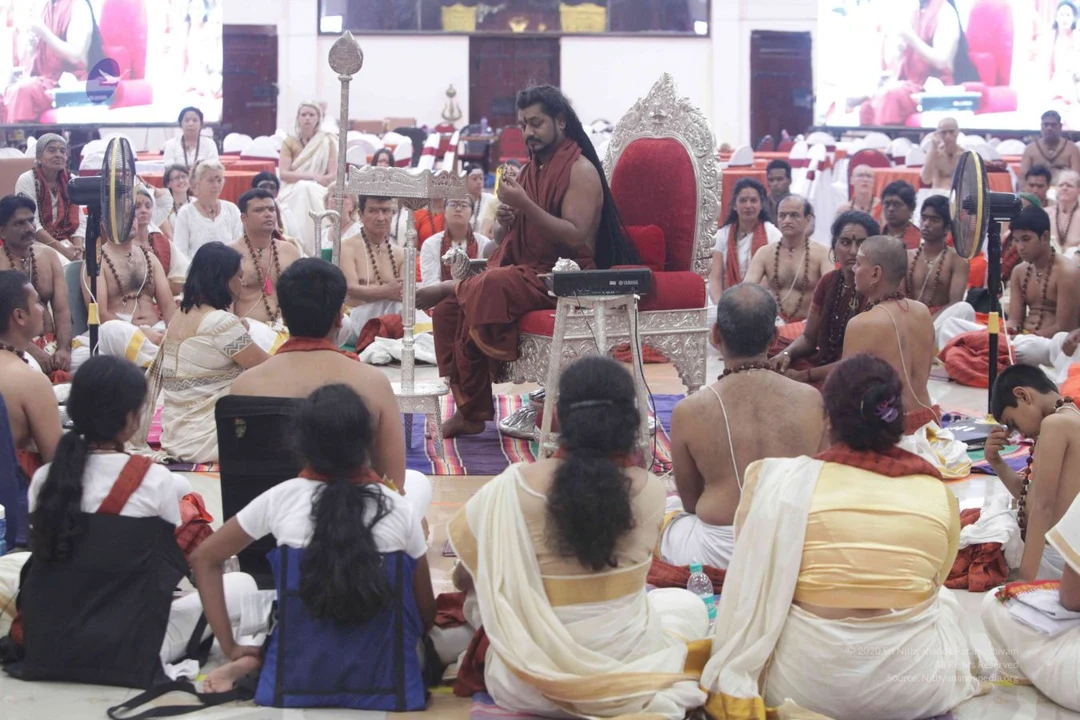 Mandala Process in Inner Awakening convention
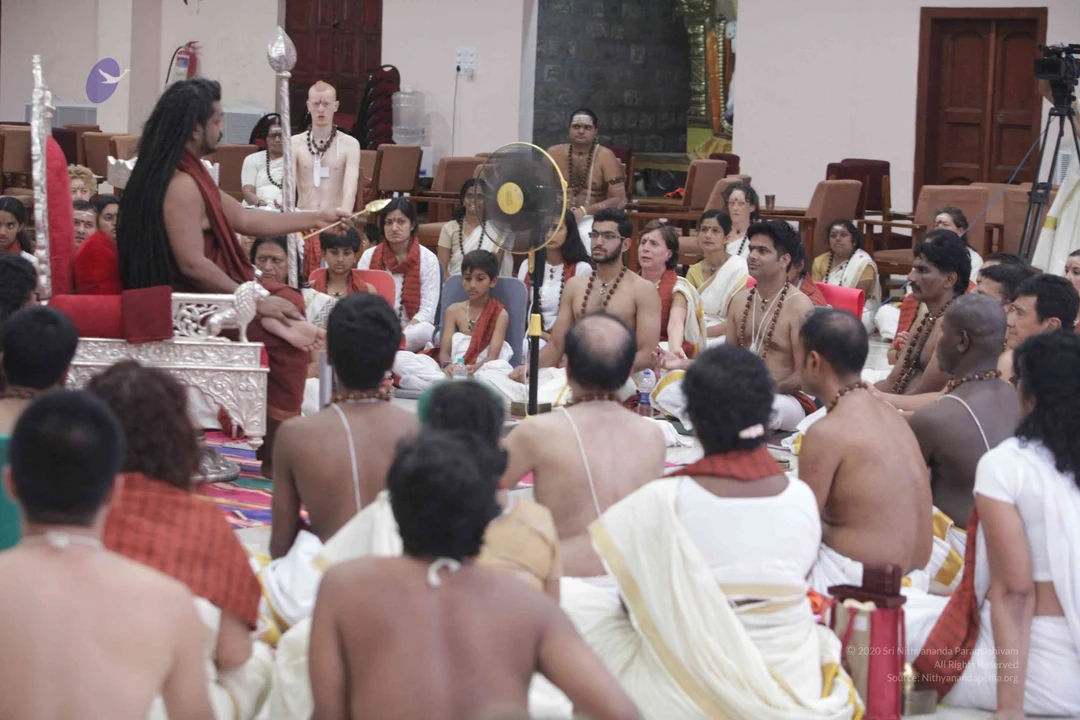 Mandala Process in Inner Awakening convention
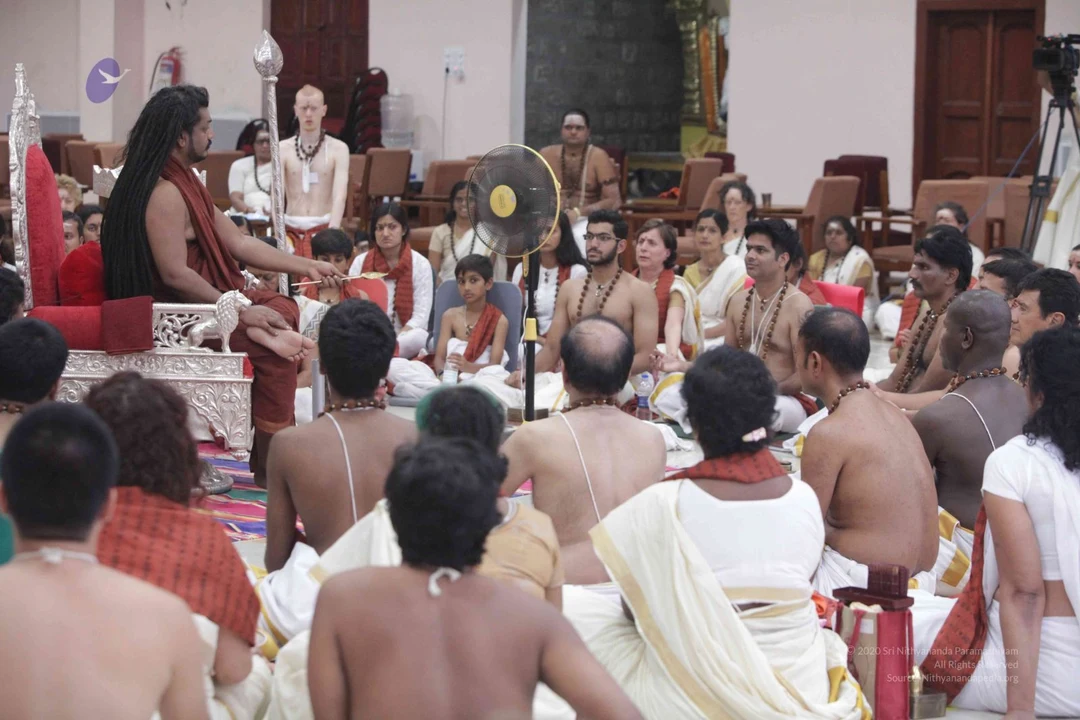 Mandala Process in Inner Awakening convention
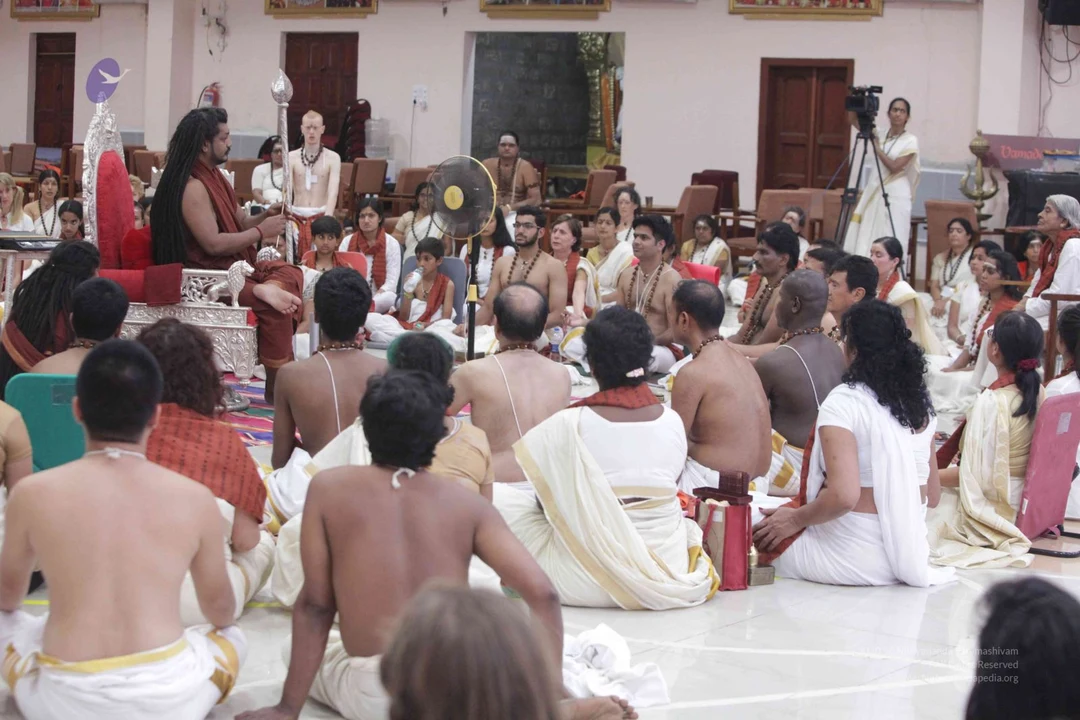 Mandala Process in Inner Awakening convention
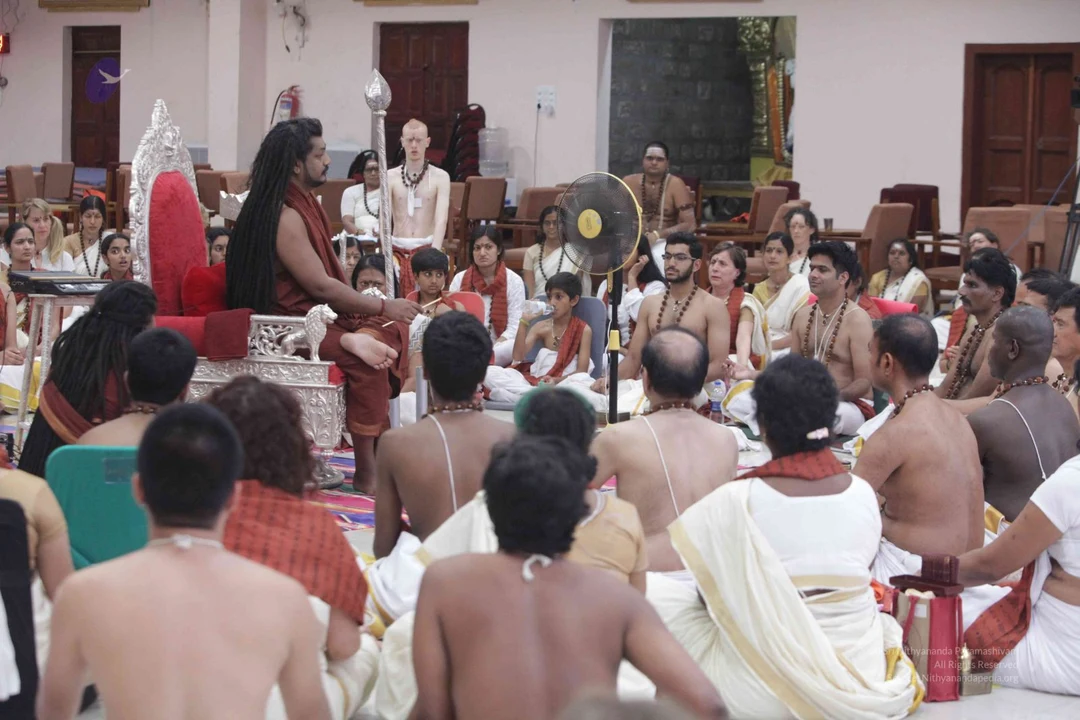 Mandala Process in Inner Awakening convention
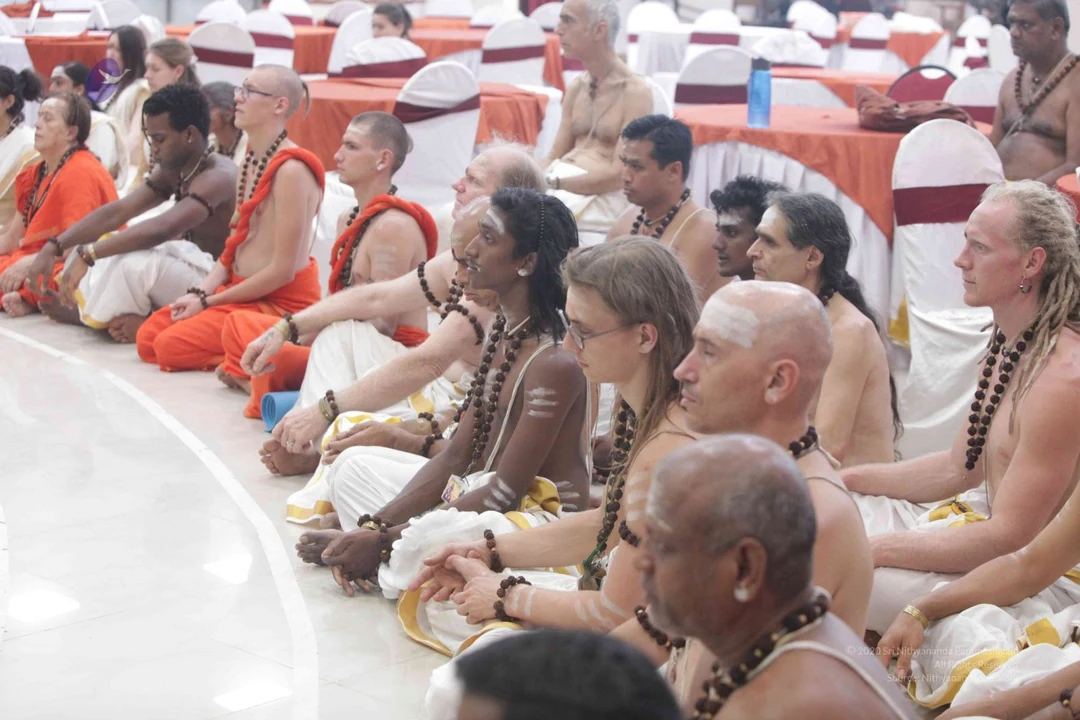 Mandala Process in Inner Awakening convention
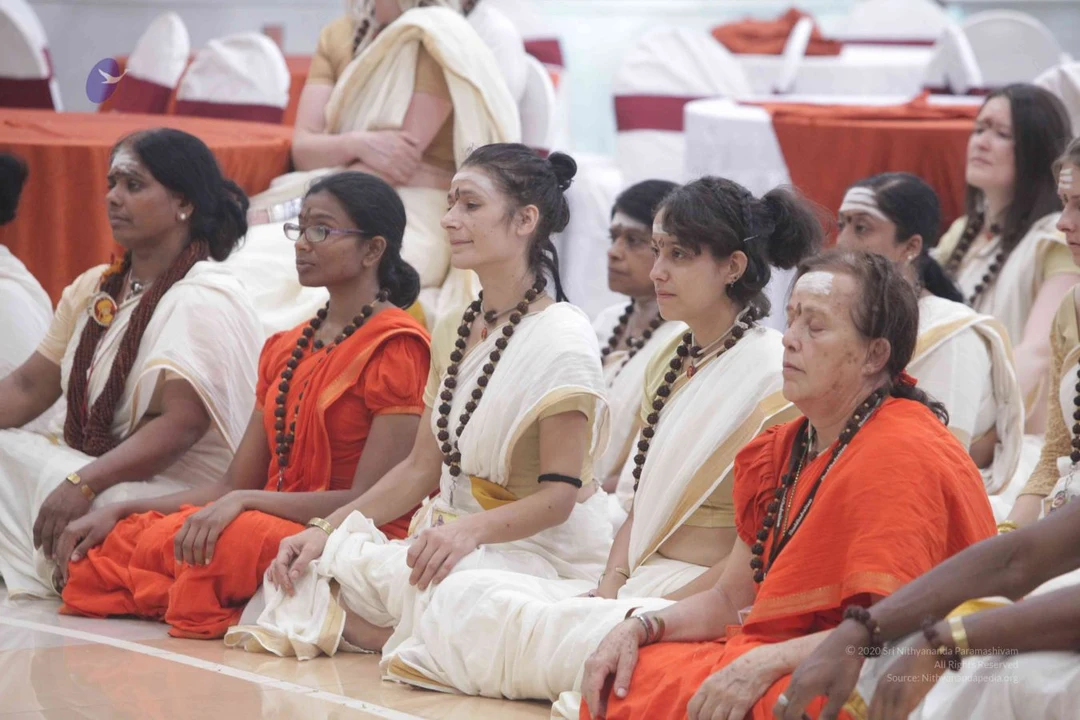 Mandala Process in Inner Awakening convention
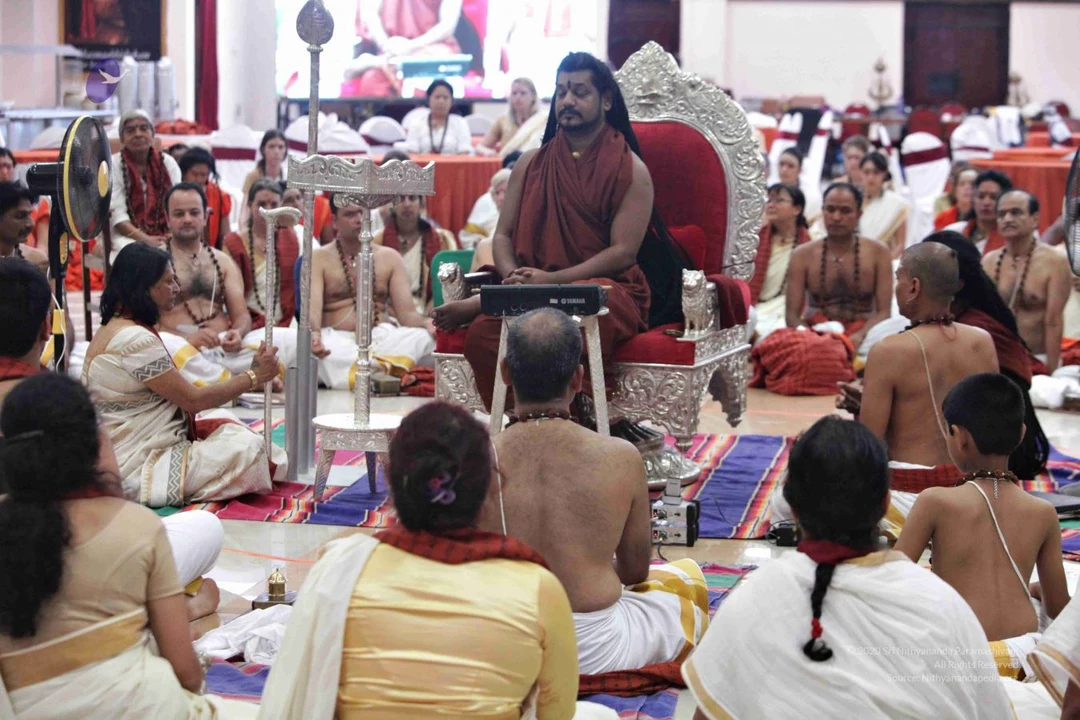 Mandala Process in Inner Awakening convention
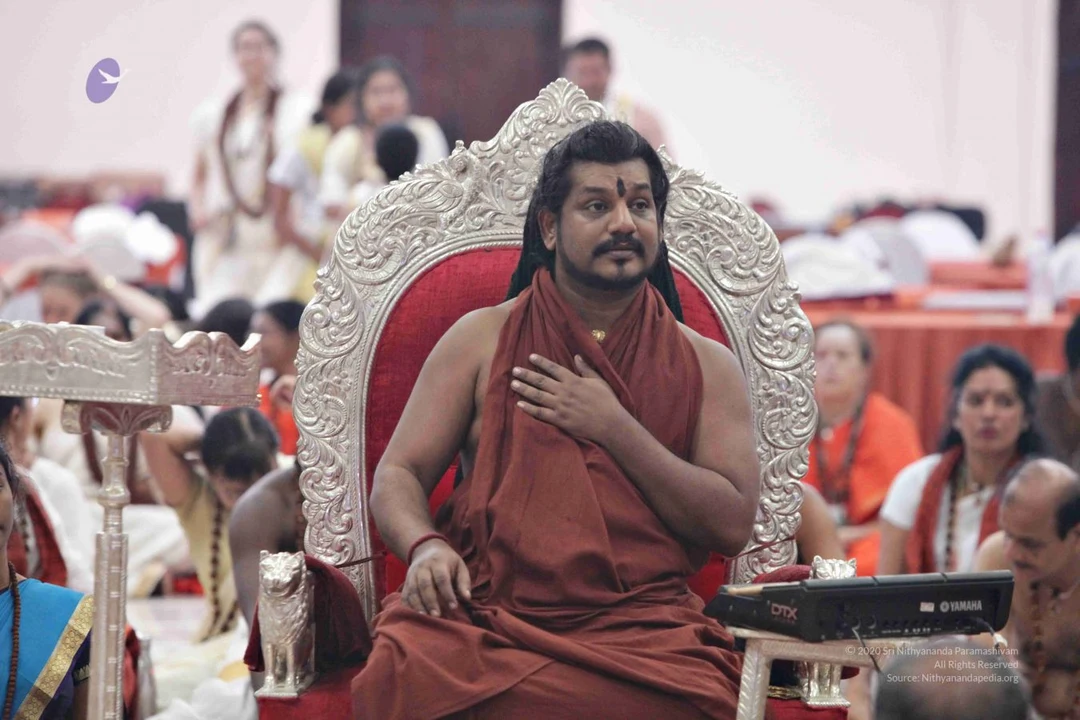 Mandala Process in Inner Awakening convention
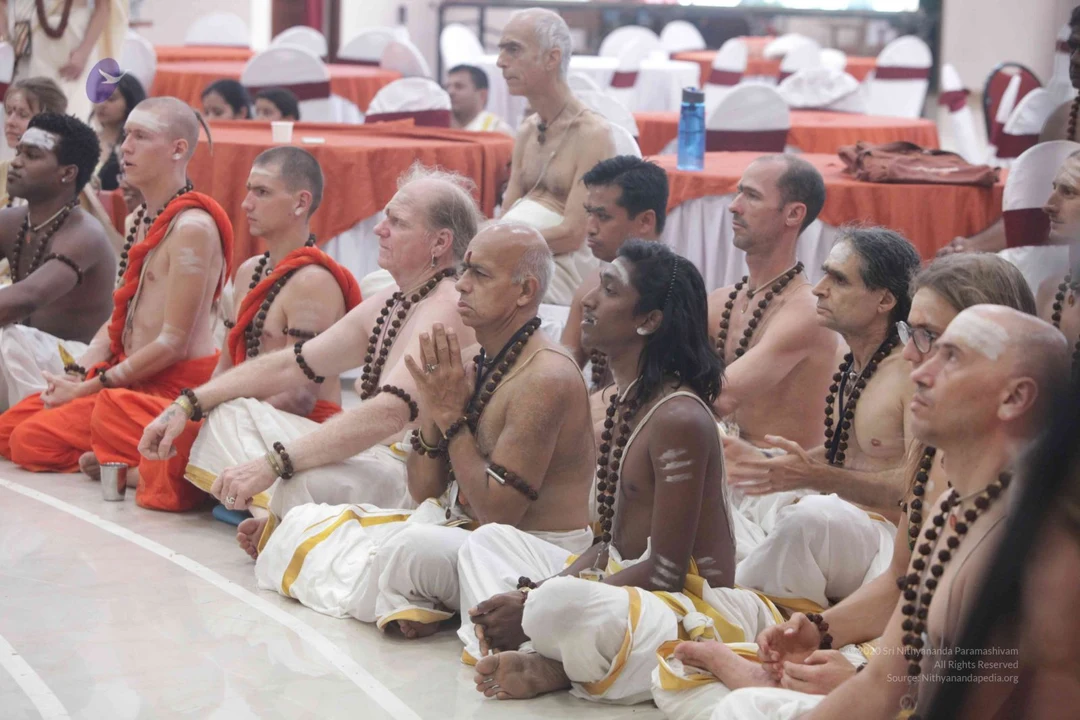 Mandala Process in Inner Awakening convention
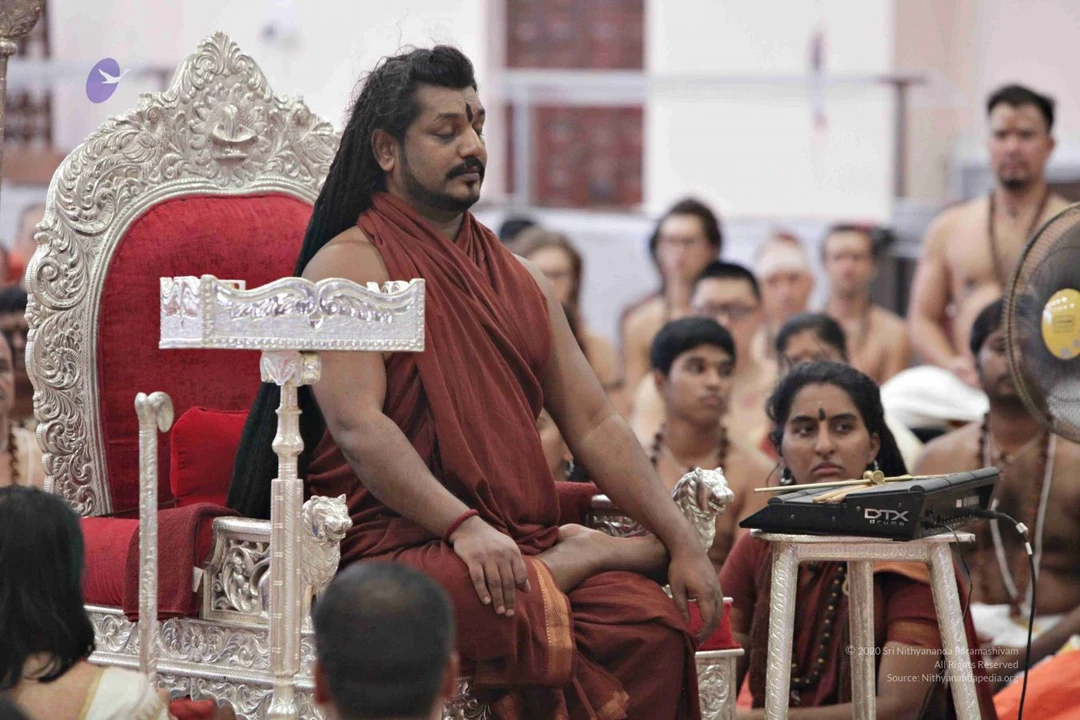 Mandala Process in Inner Awakening convention
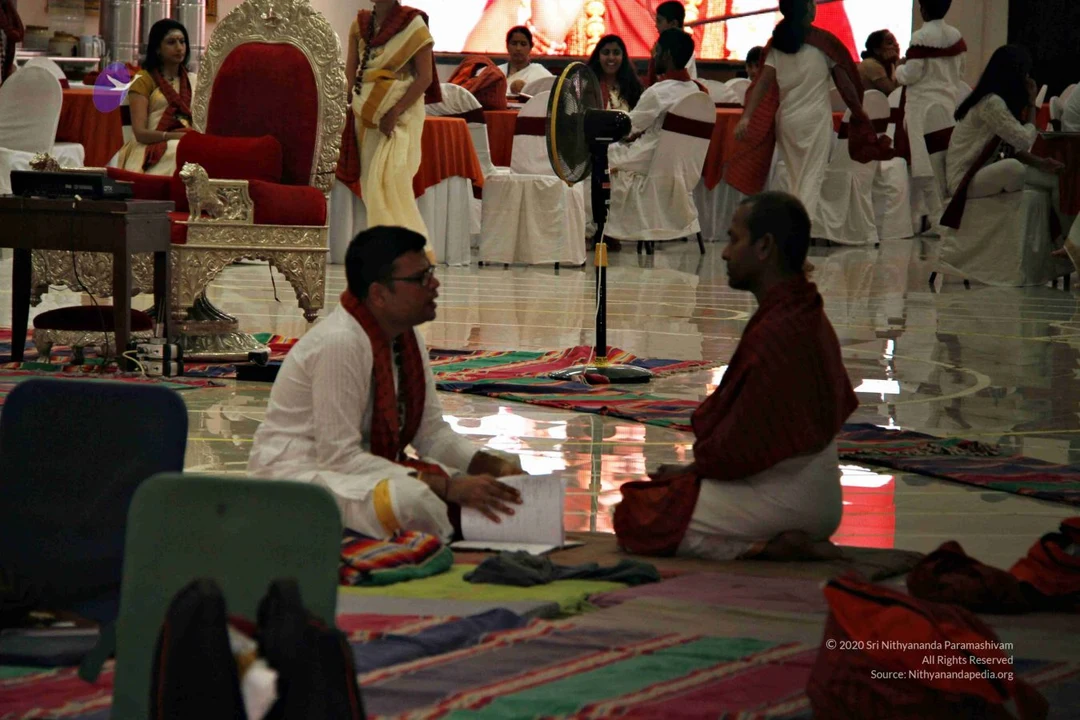 Power Manifestation Session in Inner Awakening convention
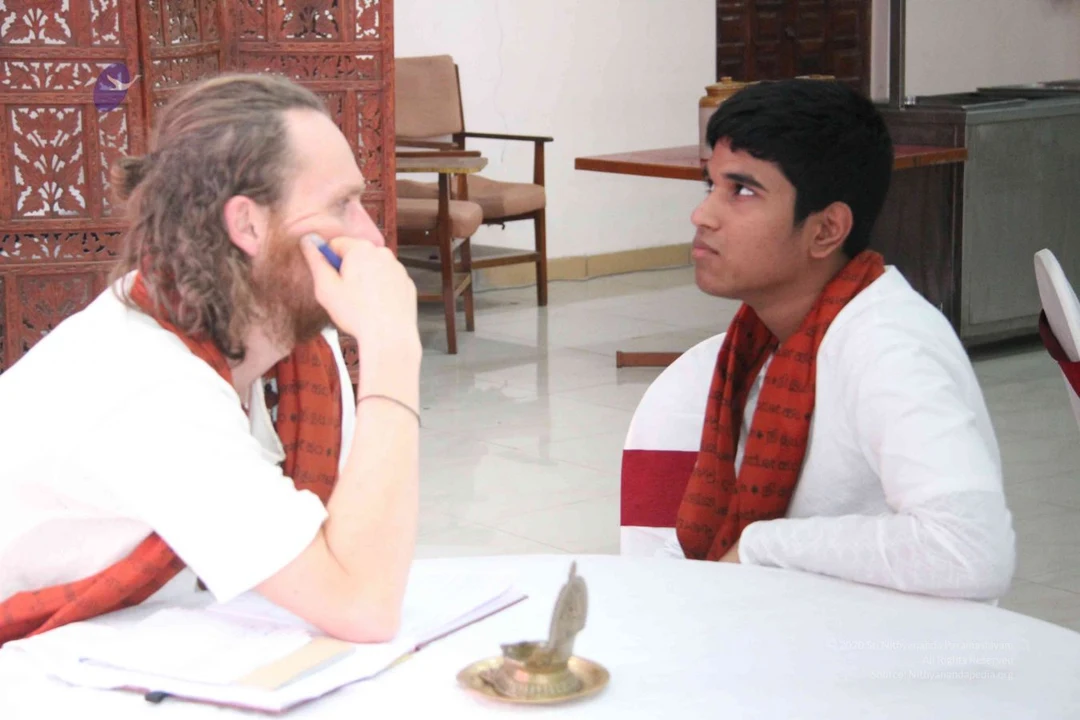 Power Manifestation Session in Inner Awakening convention
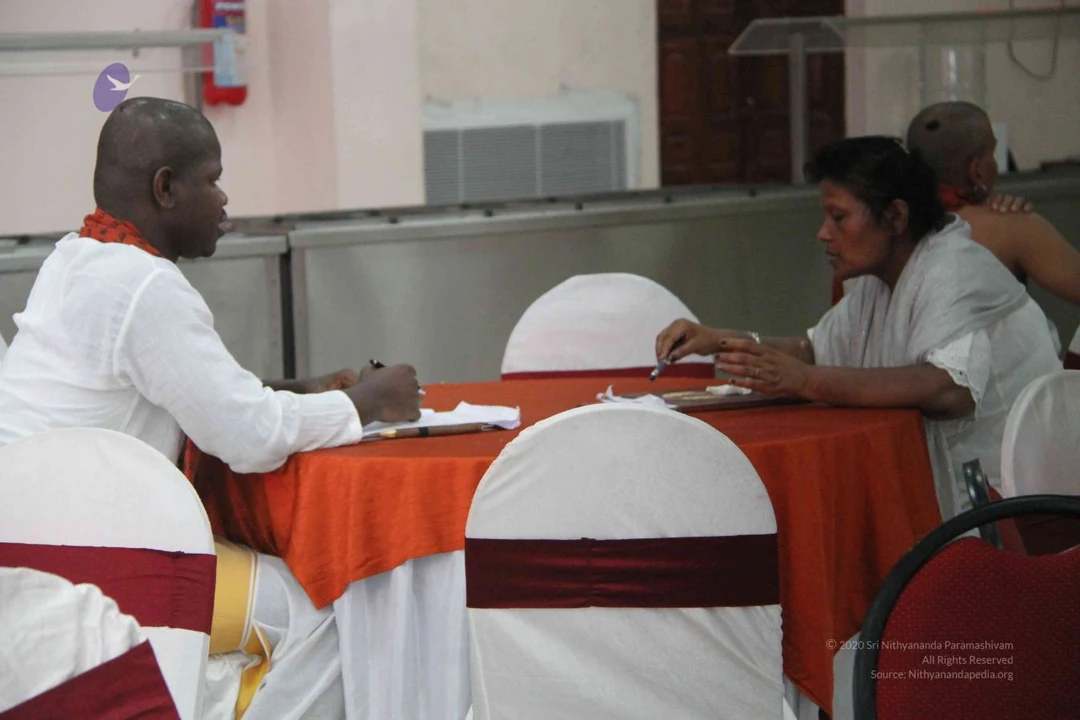 Power Manifestation Session in Inner Awakening convention
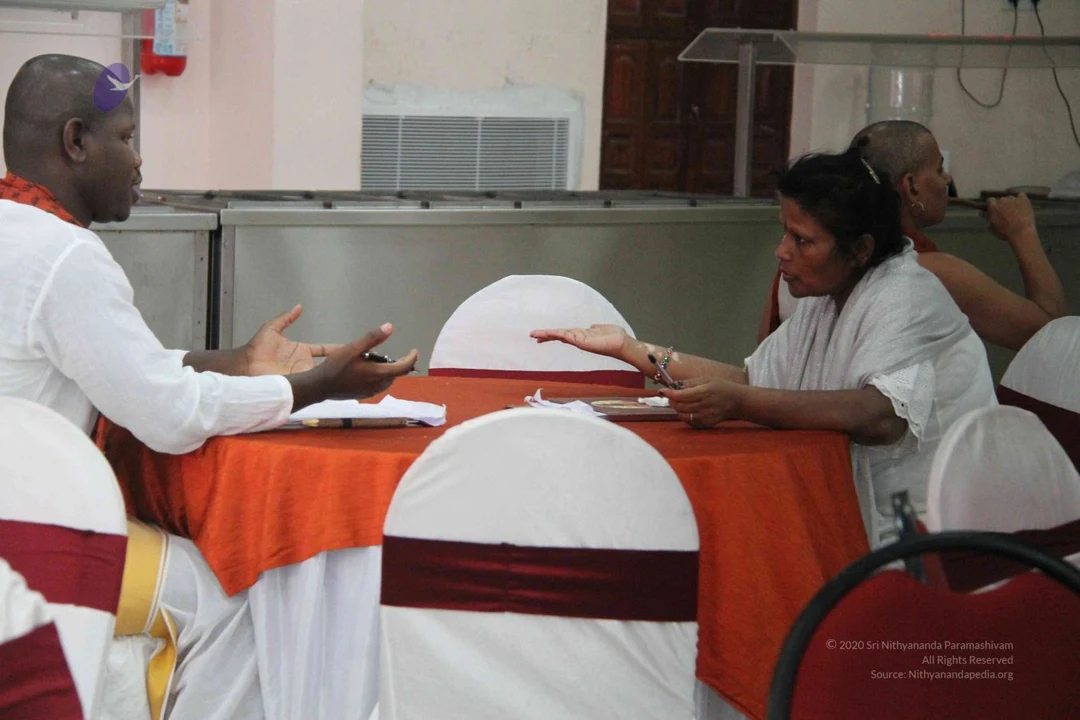 Power Manifestation Session in Inner Awakening convention
 Power Manifestation Session in Inner Awakening convention
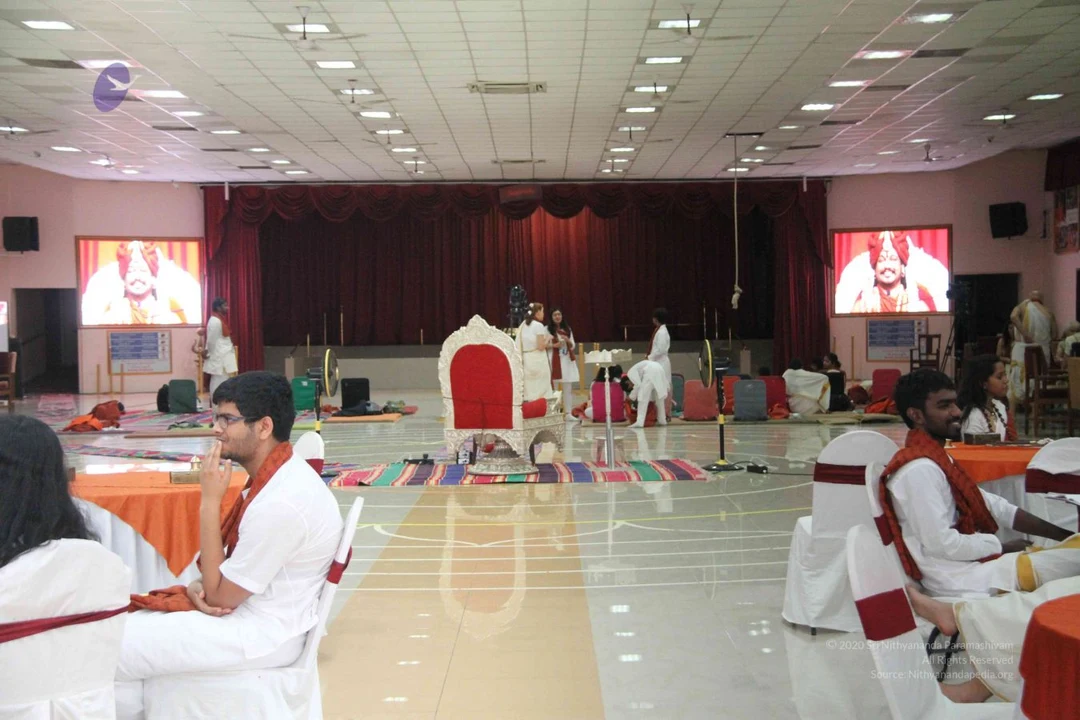 Inner Awakening convention
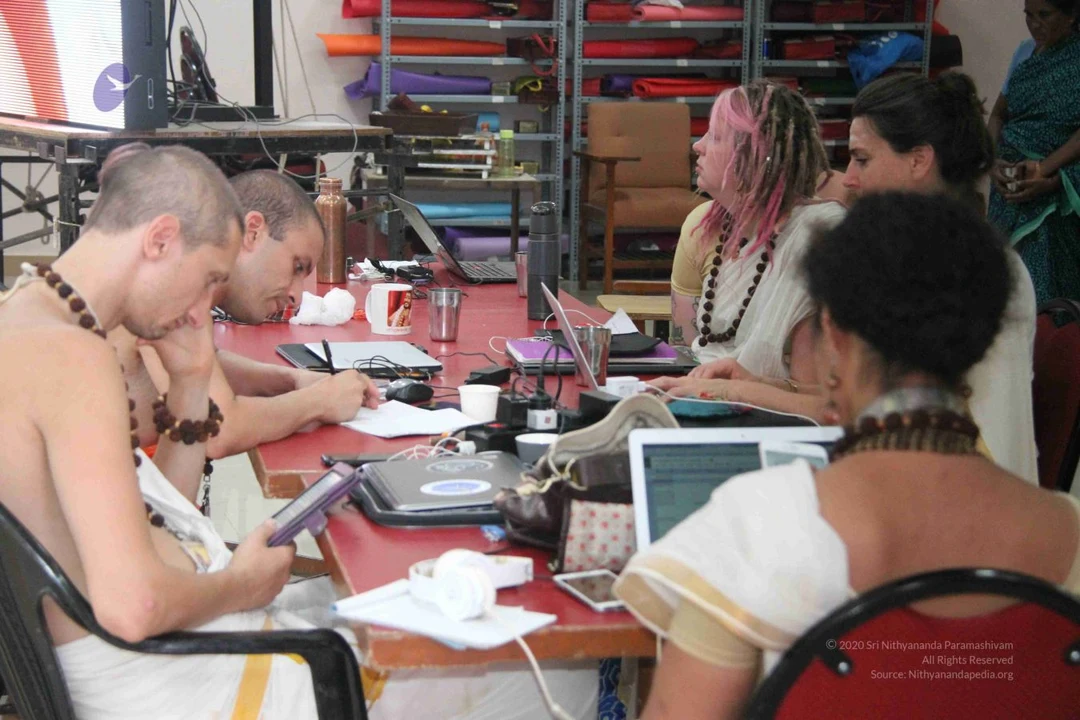 Inner Awakening convention
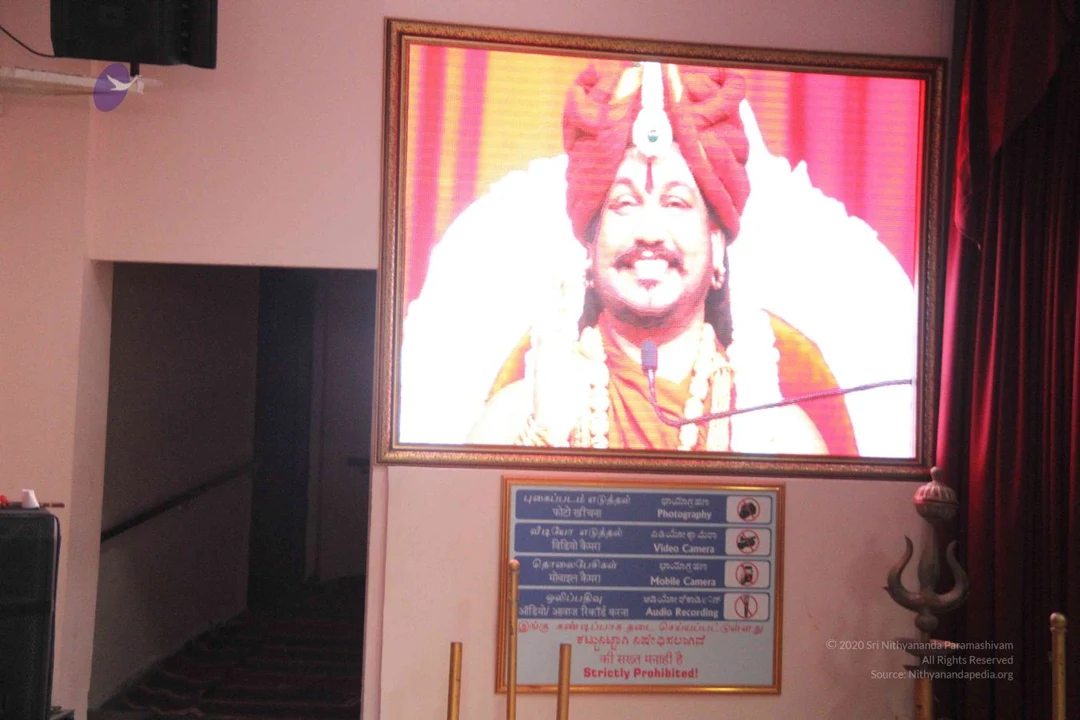 Inner Awakening convention
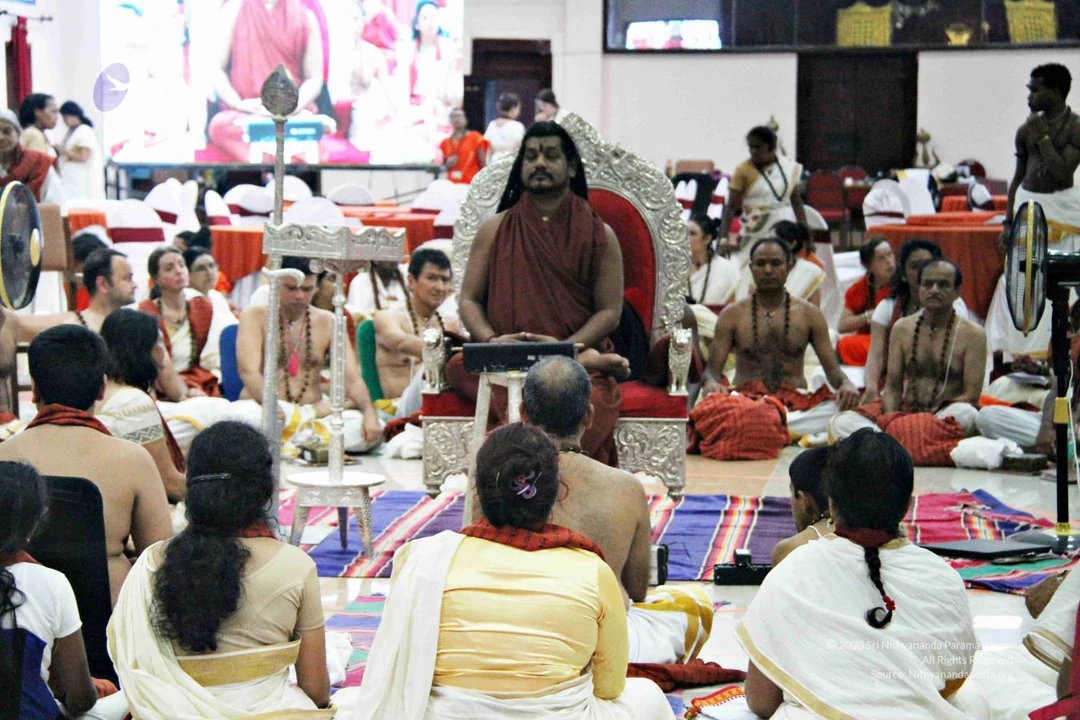 Mandala Process in Inner Awakening convention
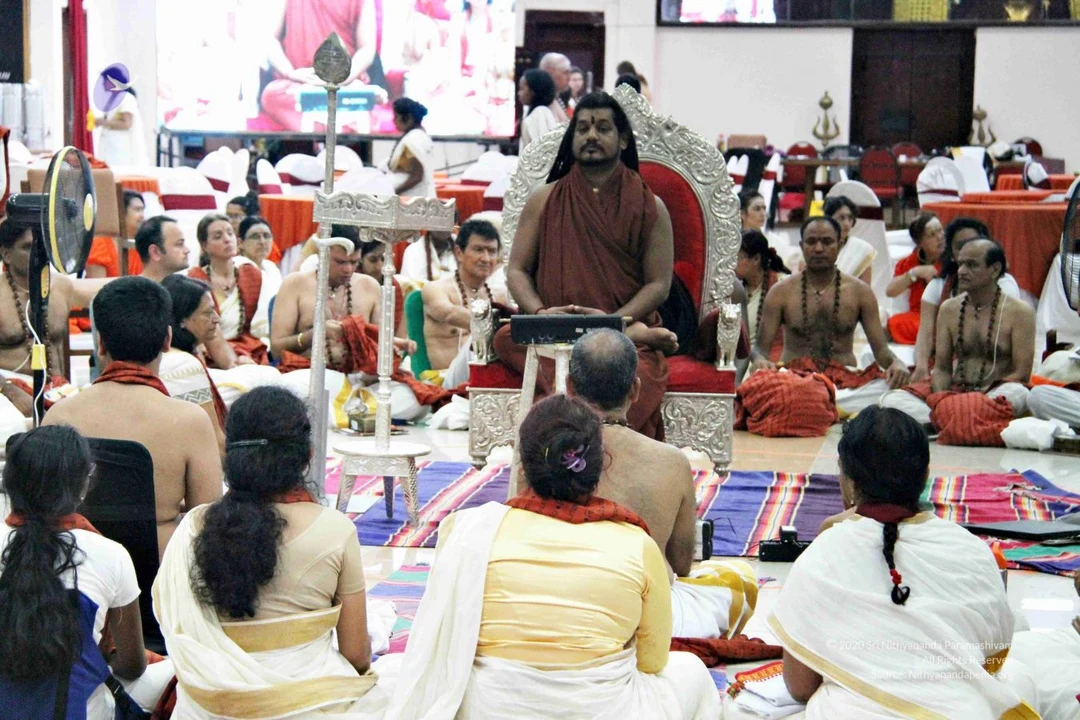 Mandala Process in Inner Awakening convention
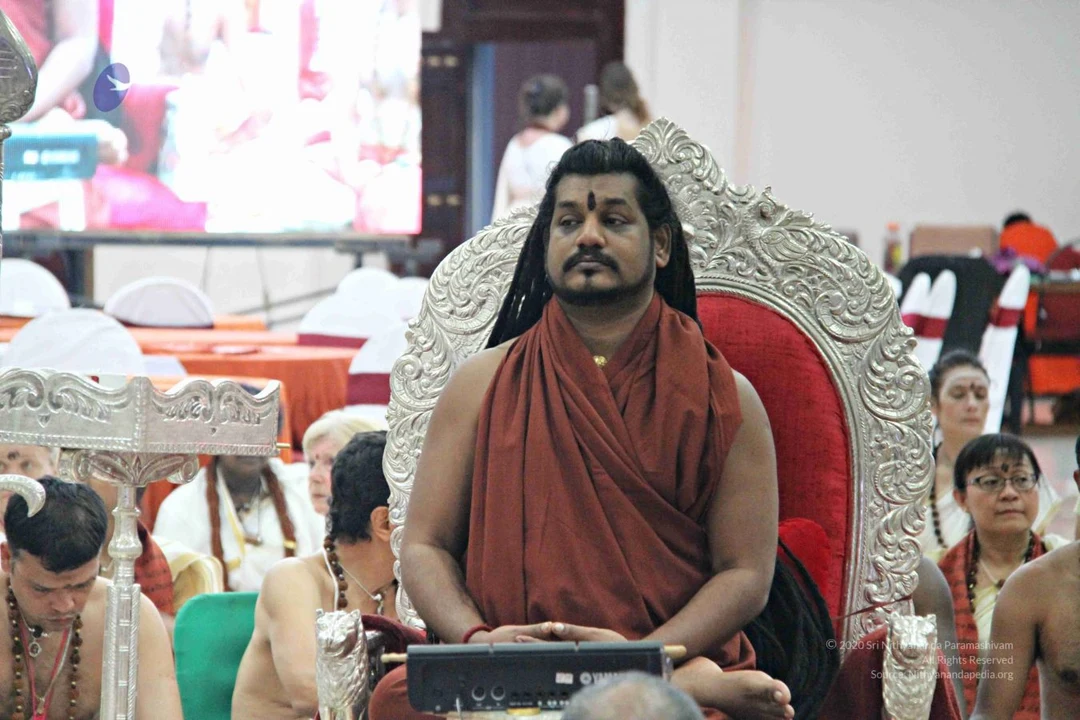 Mandala Process in Inner Awakening convention
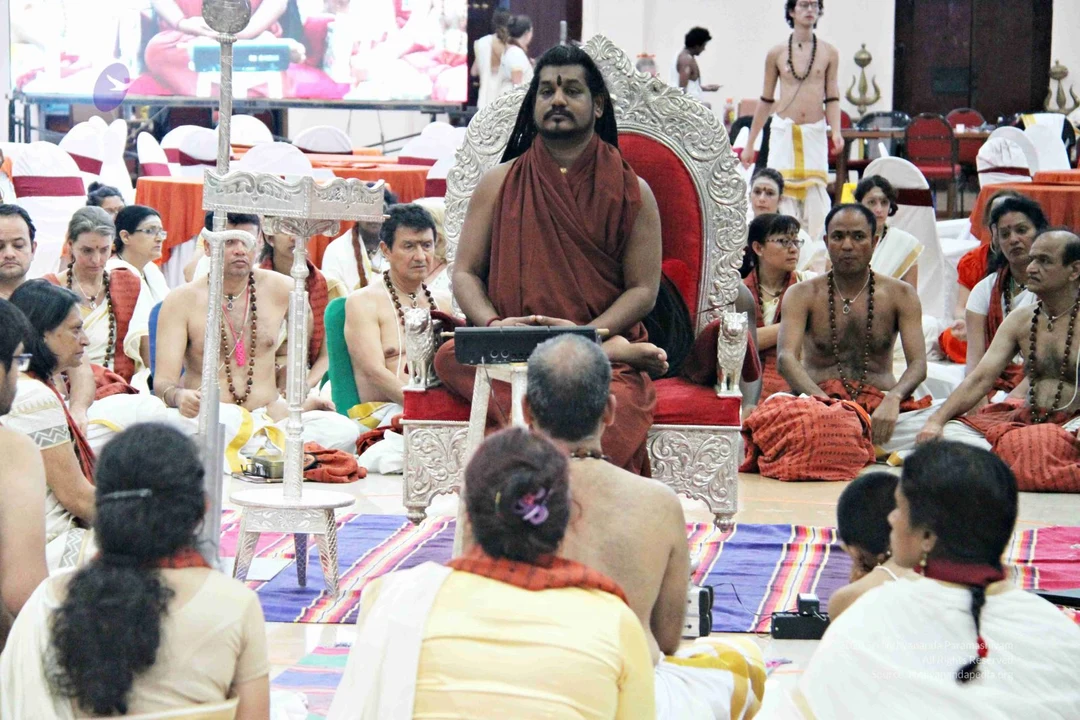 Mandala Process in Inner Awakening convention
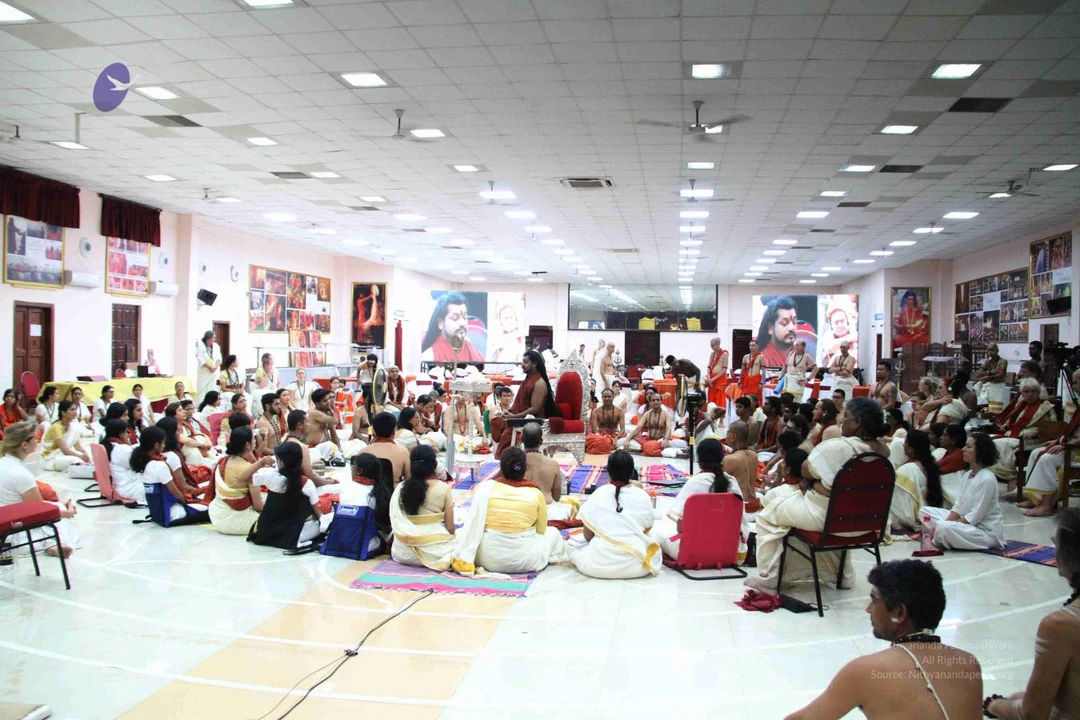 Mandala Process in Inner Awakening convention
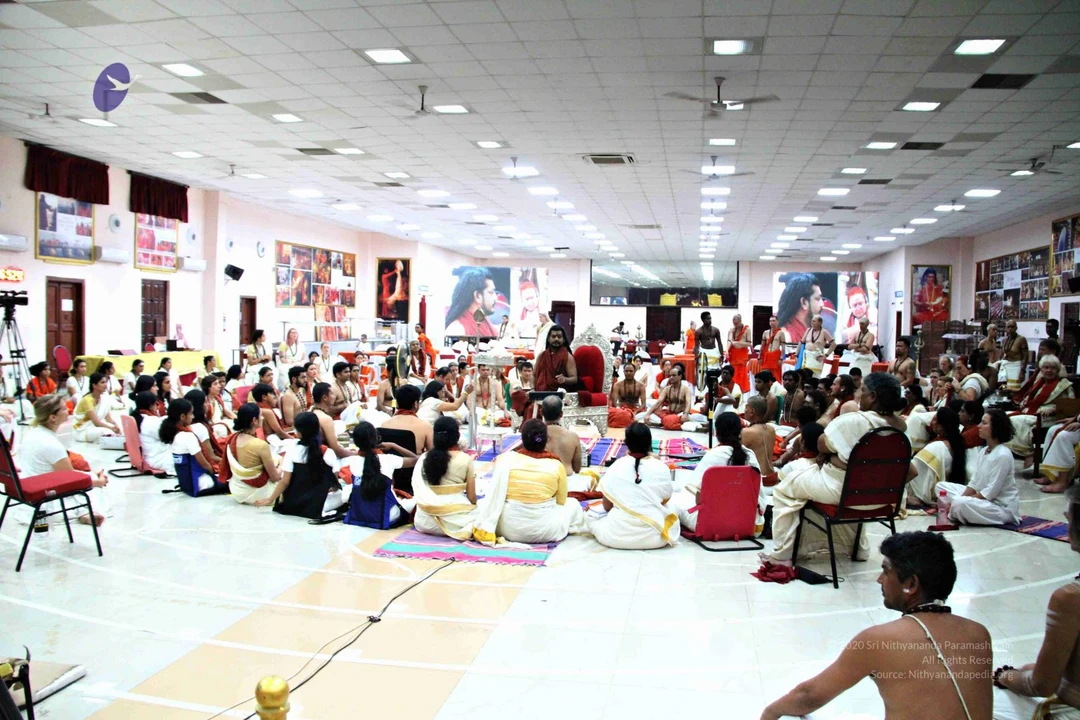 Mandala Process in Inner Awakening convention
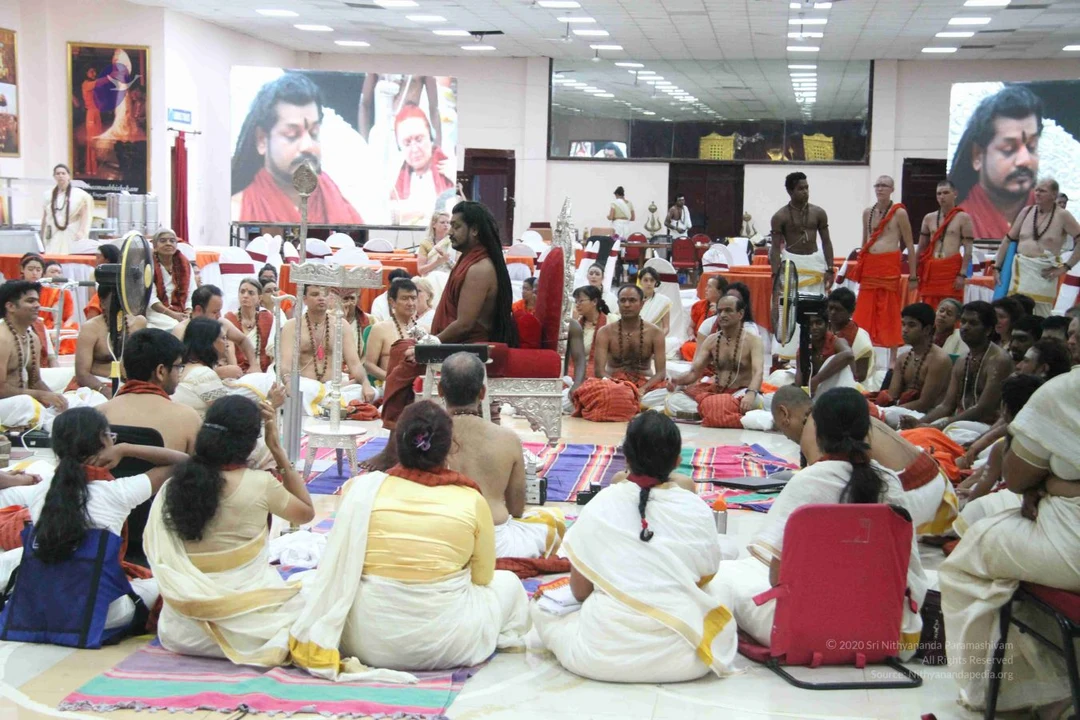 Mandala Process in Inner Awakening convention
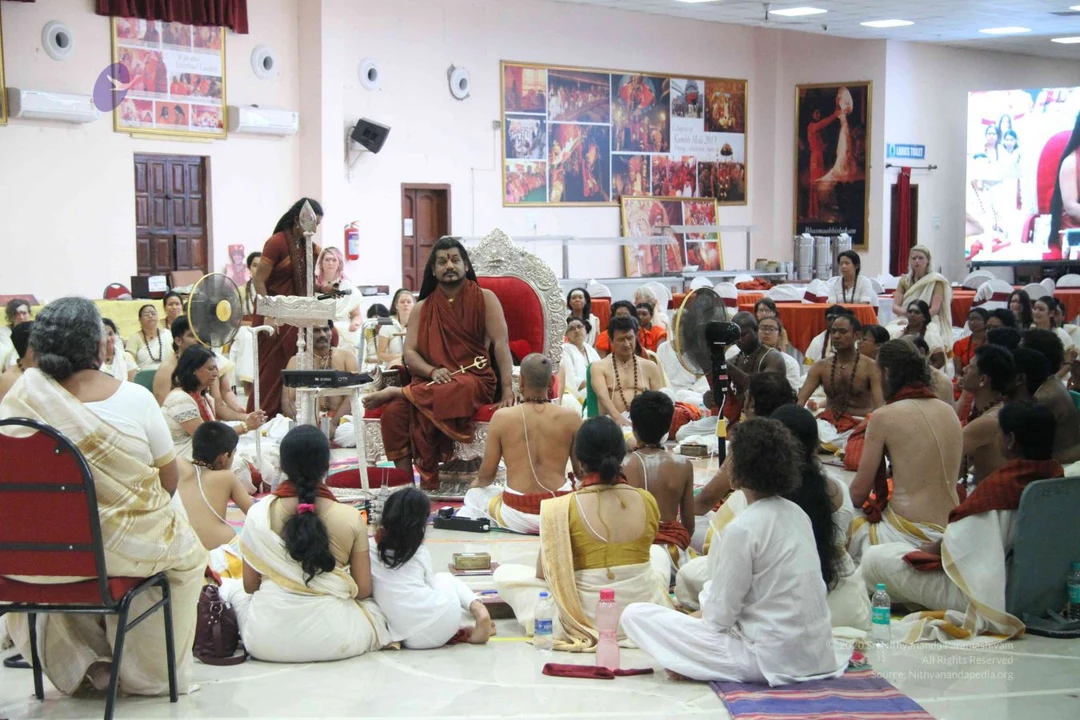 Mandala Process in Inner Awakening convention
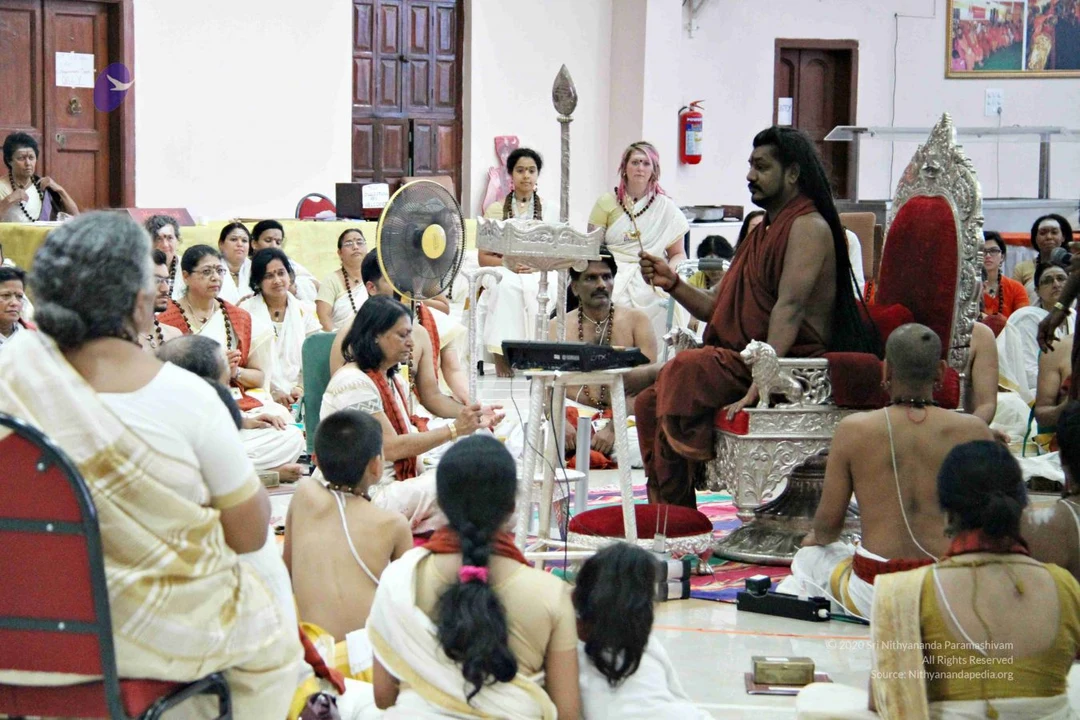 Mandala Process in Inner Awakening convention
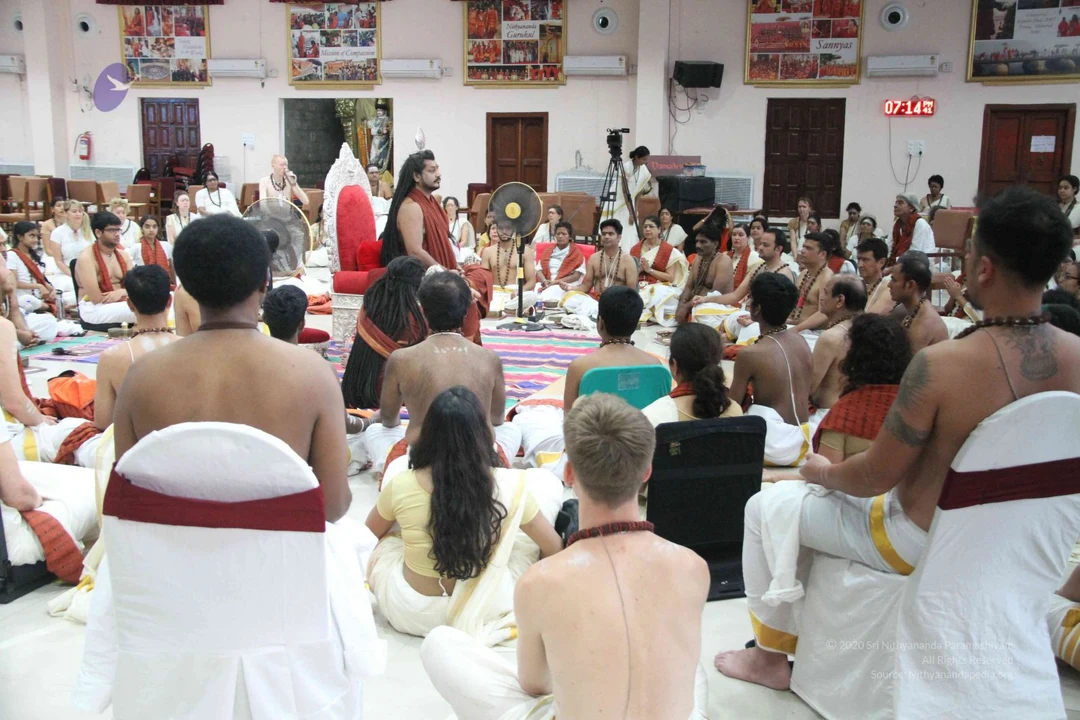 Mandala Process in Inner Awakening convention
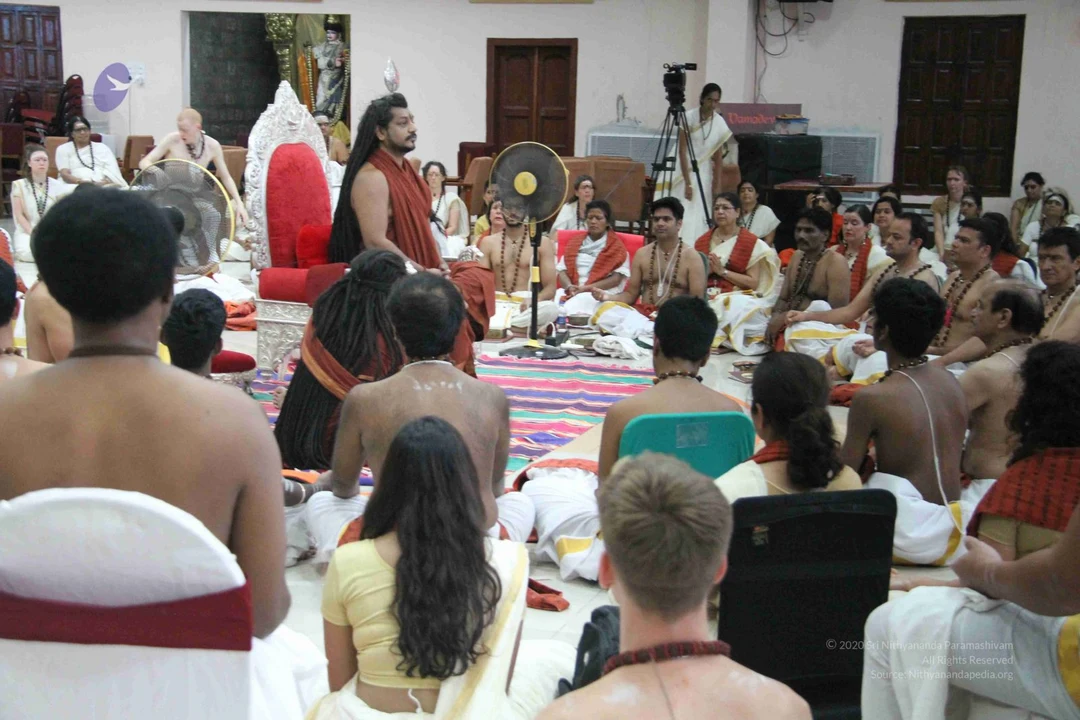 Mandala Process in Inner Awakening convention
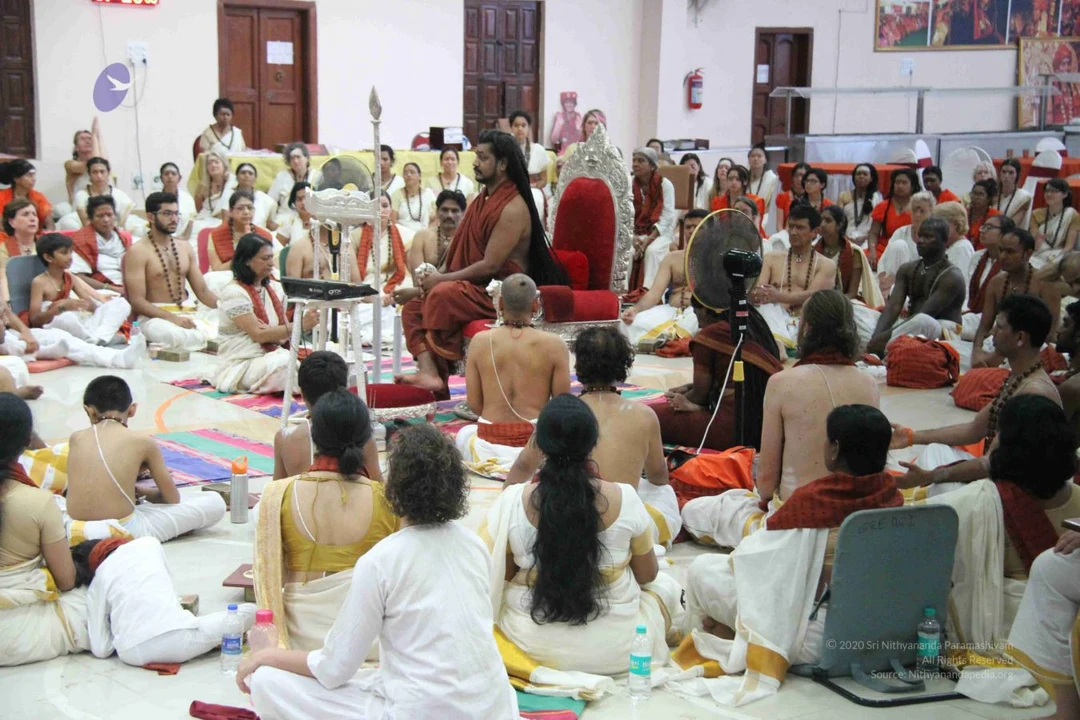 Mandala Process in Inner Awakening convention
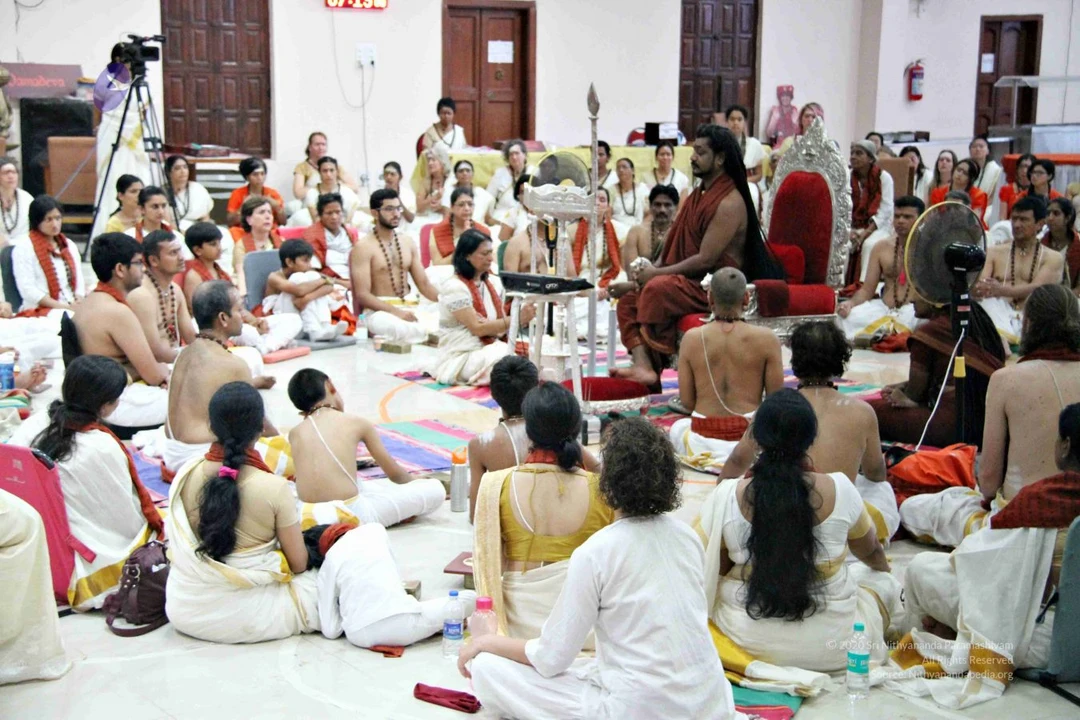 Mandala Process in Inner Awakening convention
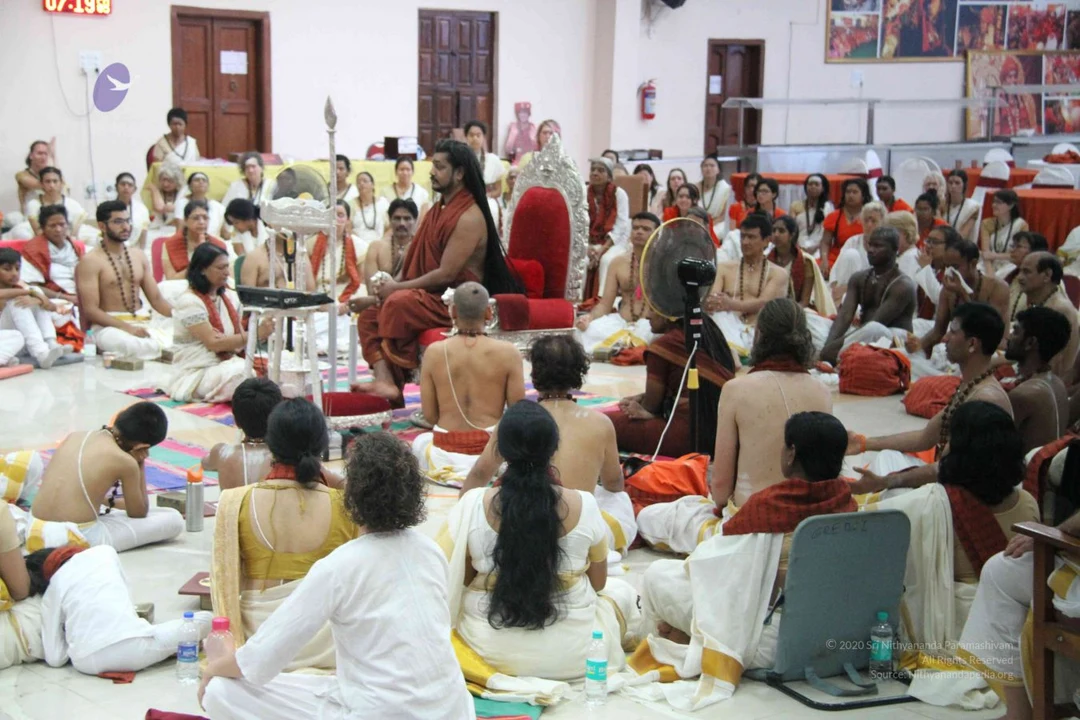 Mandala Process in Inner Awakening convention
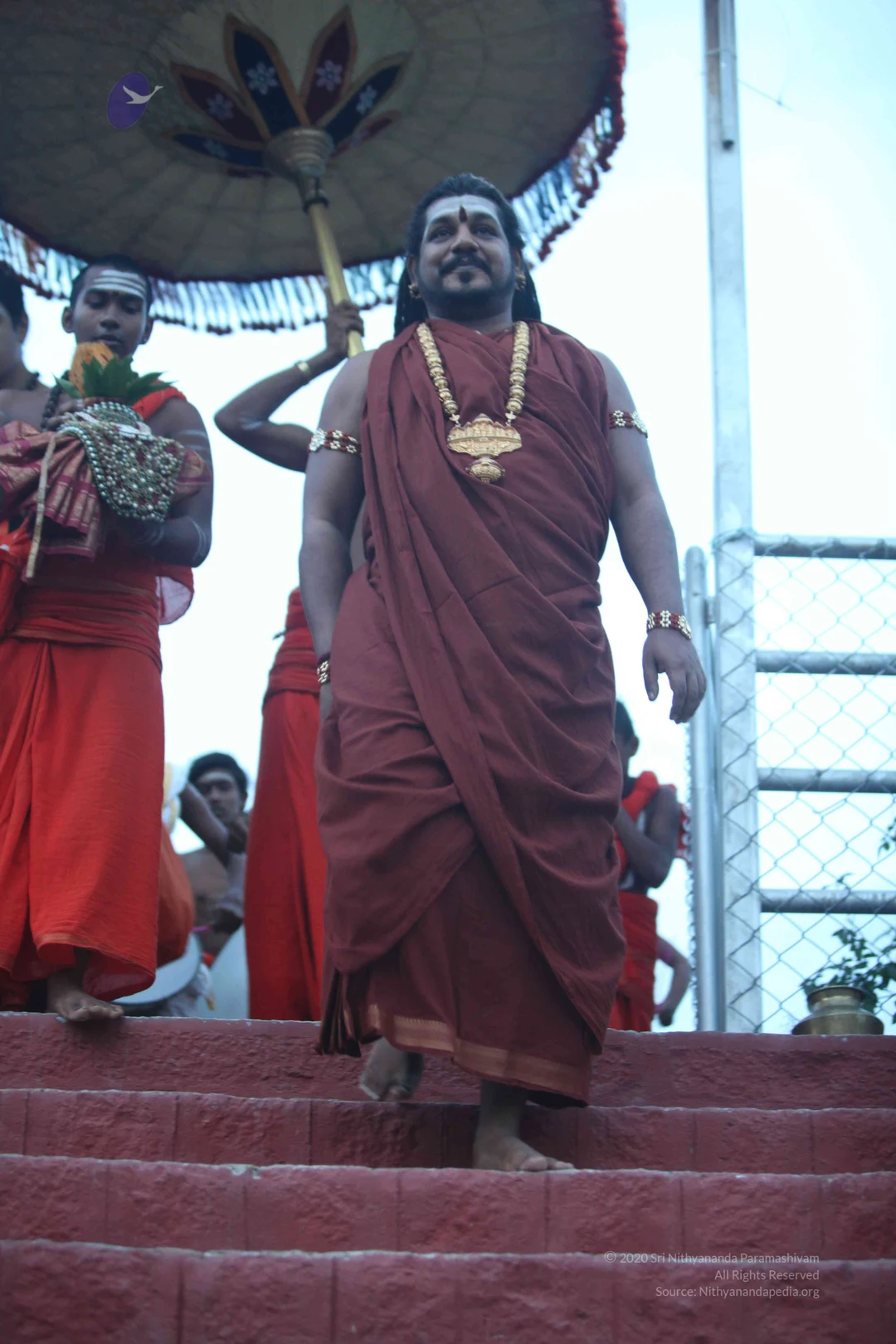
Tags:
Bhagavan Sri Nithyananda Paramashivam Paramahamsa Nithyananda, Nithyananda, Swamiji, Sadāshiva, initiation, sadashivoham, shaktipata, power manifestation, integrated, bio memory, prana, 11 dimensions of the universe, bhur bhuvah svaha tapa satya - lokas, kailasa, sacred syllables, intense, bhuvana vidya, sri vidya sampradaya, rudra abhishekam, samadhi, spiritual alchemy products, power of integrity, mantras, bio energy, reality, powerful, forms, cognitions, asta kanma initiation, bhuvaneshwari vidya, sri vidya tradition
Photos Of The Day:
pada-puja














nithya-satsang





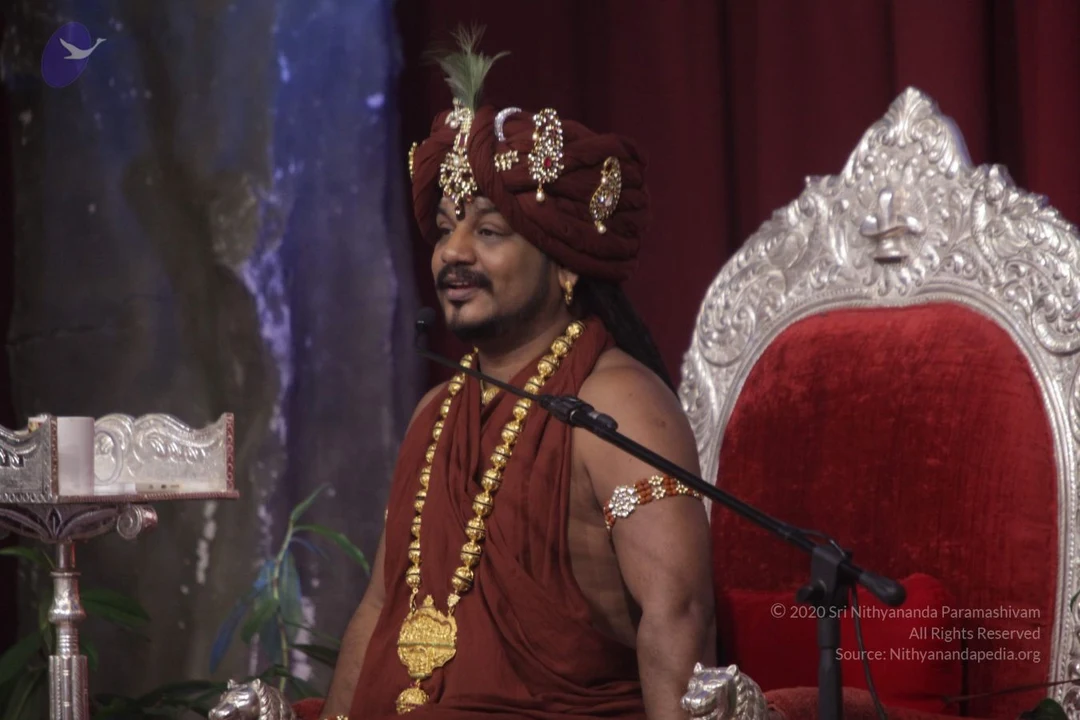

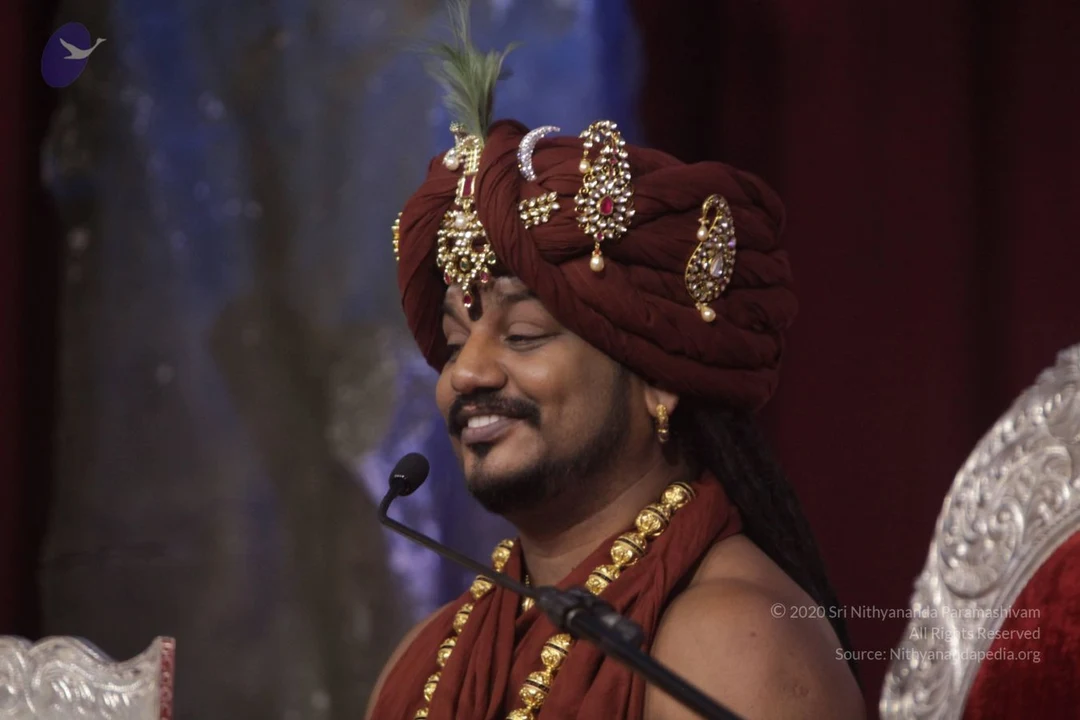
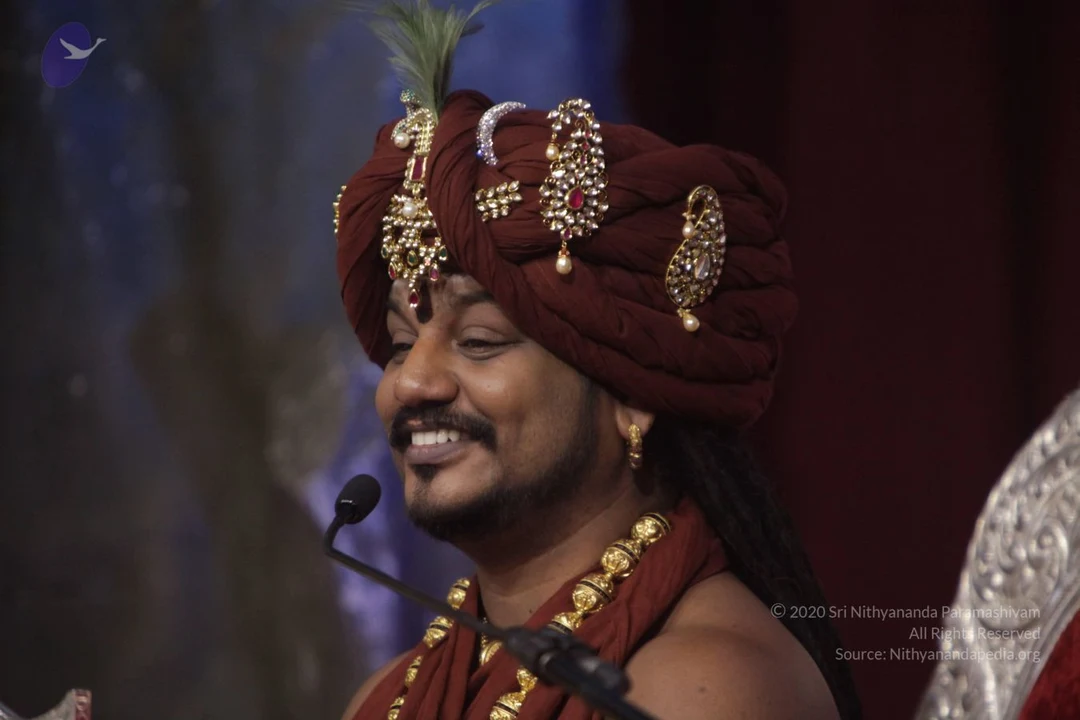
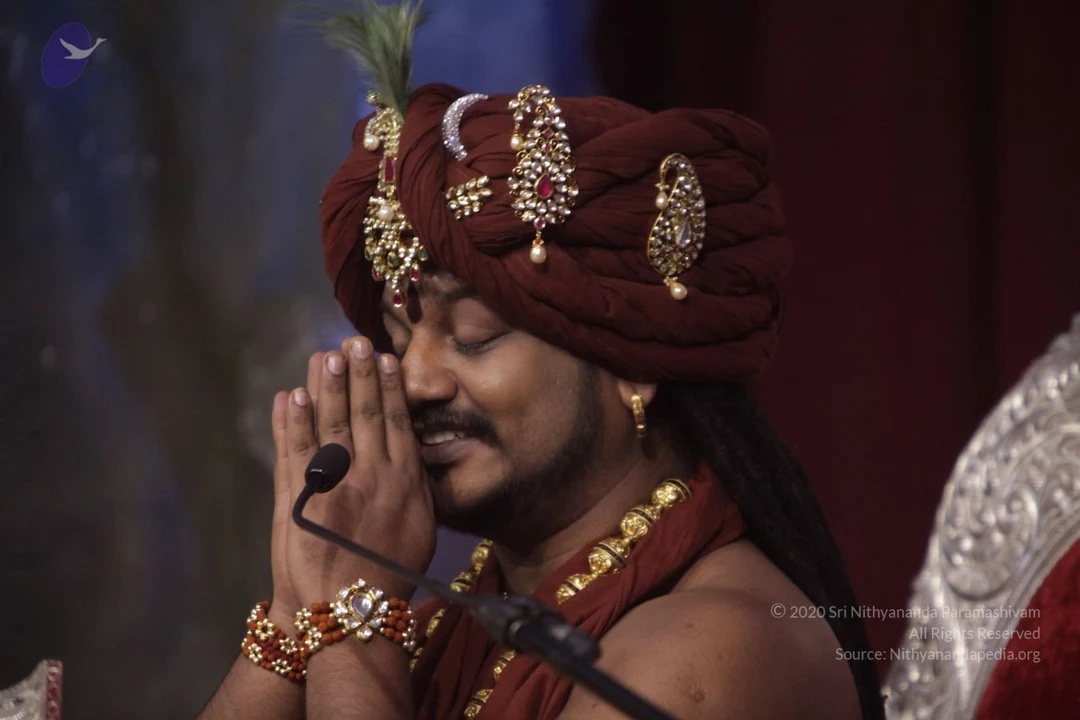

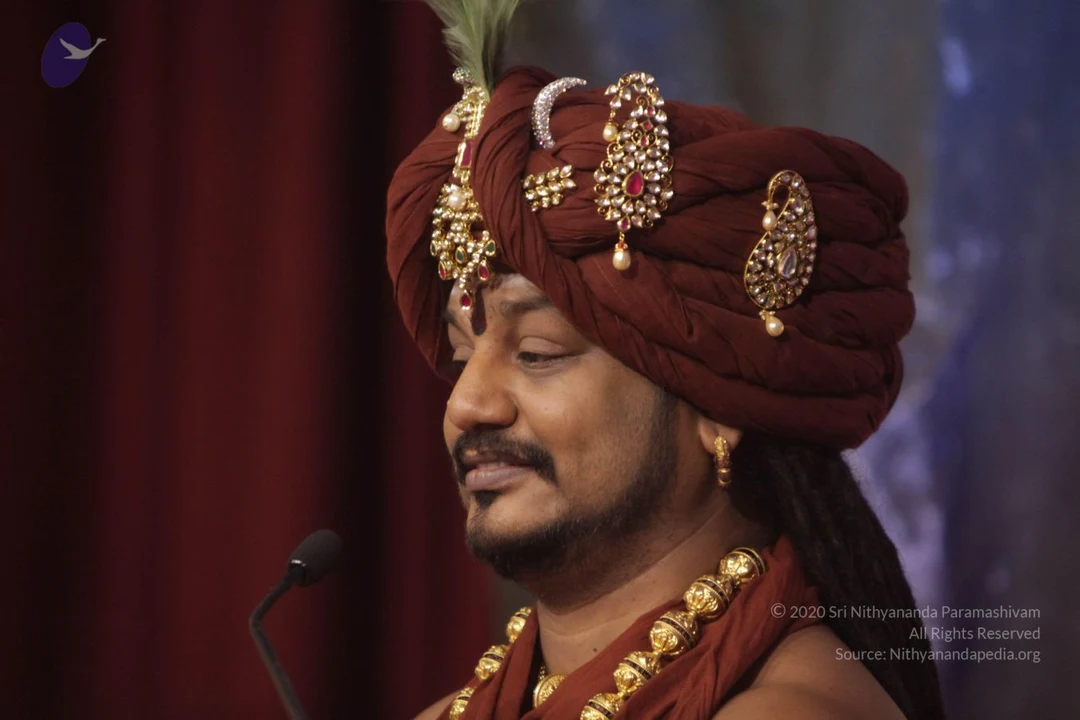
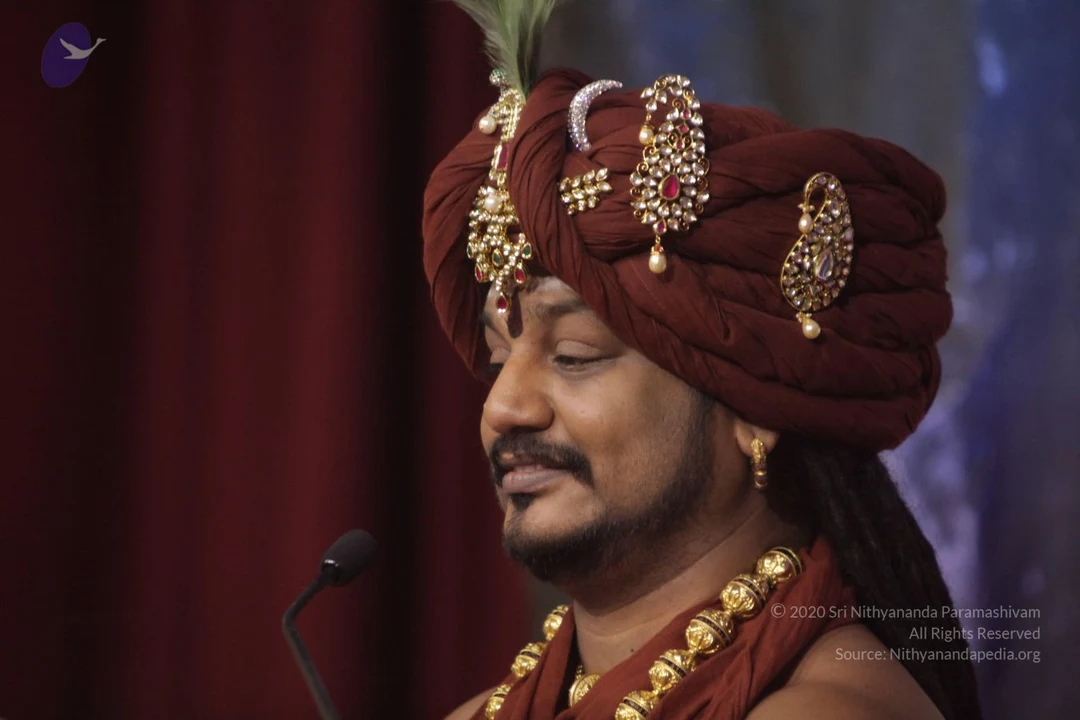
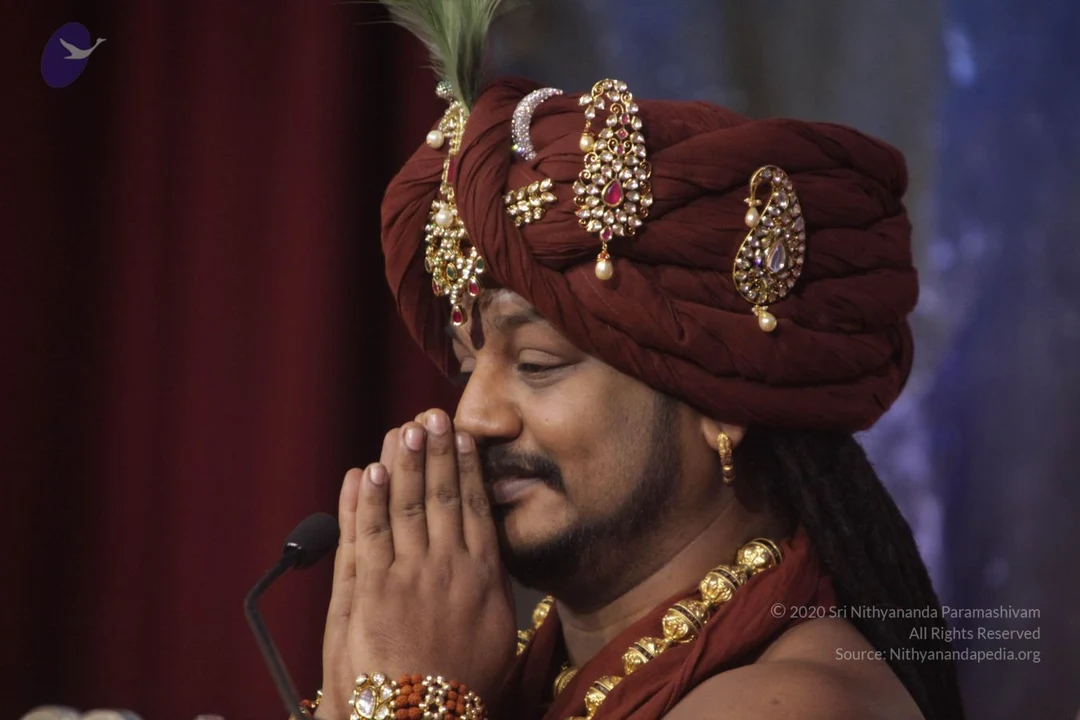
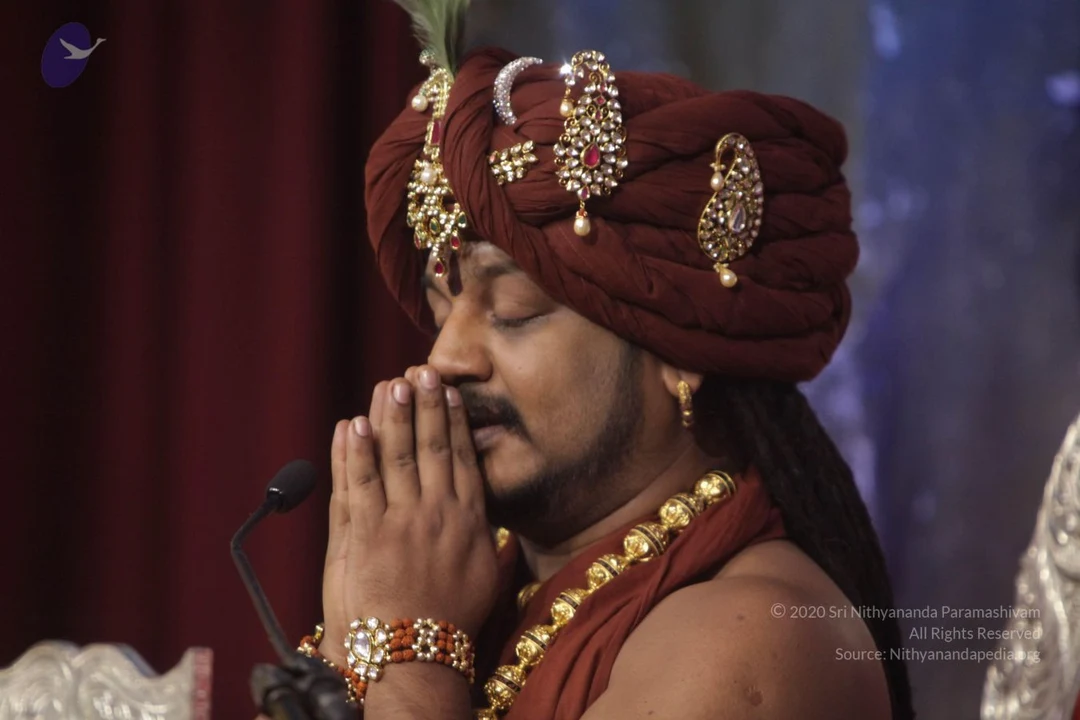
mandala-process





Photos from this day
View all 498 photosPhotos
79 photosSource gallery
pada-puja
169 photosSource gallery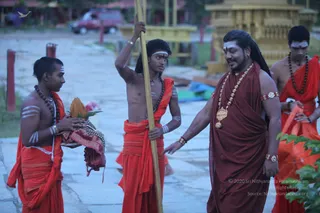
nithya-satsang
108 photosSource gallery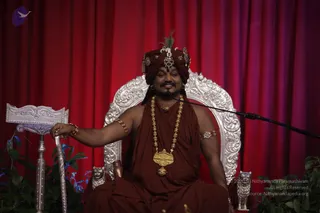
mandala-process
142 photosSource gallery