Sunday
11 June 2017
‘I Am My Vision for Humanity,’ Reveals The Avatar, Paramahamsa Nithyananda
- Dated photos
- 13
- Source pages
- 1
- Media
- 2
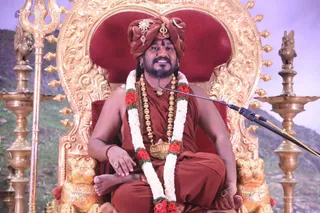
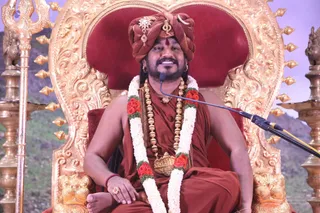
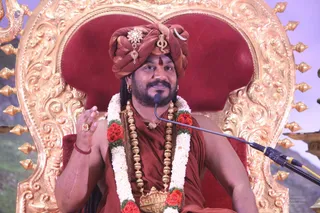
June 11 2017
Original wiki pageTitle
‘I Am My Vision for Humanity,’ Reveals The Avatar, Paramahamsa Nithyananda
Description:
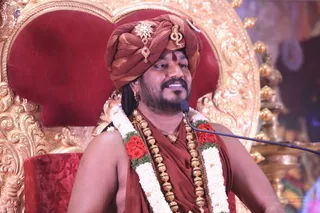
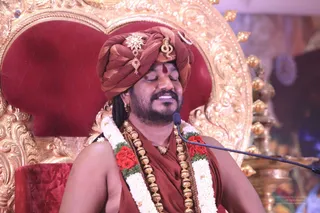
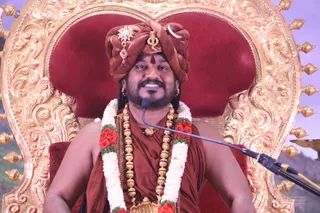
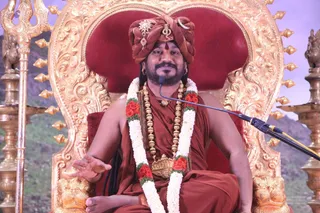
In this amazing discourse from 11 June, 2017, His Holiness Bhagwan Paramahamsa Bhagavan Sri Nithyananda Paramashivamji reveals the secret to true love for the Guru: don't love the physical form, love what He loves. He also says: The difference between communication and communion: using words to alter what you are thinking as politically polite expression and sharing, is communication. ALL communication is edited…A-L-L…capital letter… ALL communication is edited. Not that people lie during communication, communication itself is a lie! Communication concept is a lie. Developing words, which are politically polite, politically right and conveying your emotions... Raw experiences is Communication. Communion means you’re thinking of something and he’s uttering it, or he is thinking something and you are uttering…one person thinks, the other person utters. All communication is lie. All communion is truth. Allll communication is lie and Alllll communion is truth. If you love Swamiji, come experience His space at Inner Awakening! www.innerawakening.org
Link to Video:
| Video | Audio |
Transcript:
(0:24)
aum nithyānandeśvara sadāshiva samārambhām nithyānandeśvari adīshakti madhyamām | asmat āchārya paryantām vande guru paramparām ||
(0:57)
I welcome all of you with My love and respects. I welcome all the Inner Awakening Graduates, Sadāshivoham Participants, all Sri Mahants, Mahants, Kotharis, Thanedars, who are sitting with us all over the world, for the Living Sadāshivoham Process, at this time through Nithyananda TV and 2-way Video Conferencing having Nayana Deeksha. I welcome all of you with My love and respects.
(1:37)
Today’s Living Sadāshivoham process, I’ll expand on "Oneness.” See, for every Power Manifestation, we again and again repeat, “Bring Oneness with Sadāshiva, bring Oneness with Swamiji, Oneness and Manifest.” What exactly is “Oneness with Swamiji?” Listen. Let Me explain precisely. This body is the door or window, through which I communicate with you. My vision for humanity is Me. When you feel One with that vision, you experience Oneness. Understand. My hope for humanity is My responsibility. My vision for humanity is My integrity. My actions for humanity is My authenticity and I am happening for humanity, is My enriching. Understand. Oneness is a powerful experiential way of manifesting Sadāshivatva, manifesting powers of Sadāshiva, manifesting the Ultimate - state of Sadāshiva, space of Sadāshiva, powers of Sadāshiva. Basically, Agamas are vision for humanity from Sadāshiva.
(3:50)
I am the vision for the humanity, so anybody who is in love with My vision for humanity, is in love with Me, is in Oneness with Me. When My hope becomes your hope, My desires becomes your desires, My vision becomes your vision, My mission becomes your mission, My activities becomes your activities - you become Me. Understand. When My love becomes your love, what I love becomes your love, what I visualize becomes your visualization, what I feel becomes your feeling - you become Me. Basically, realizing how you know Sadāshiva is not just this statue, deity, we keep. This deity represents Sadāshiva. Same way, this body represents Me. I am not just this body. The deity represents Sadāshiva to relate with you. This body represents Me, to relate with you. My vision for humanity is Me. I want all of you to contemplate on just these few lines today. I don’t want to give too many words, too many lines. Just these few lines, I want to repeat. I want everyone of you to contemplate on it - ‘My vision is Me.’ ‘My vision for humanity is My integrity.’ ‘My actions or My mission is My authenticity.’ ‘My actions and mission for humanity is My authenticity.’ ‘My hope for humanity is My responsibility.’ ‘My happening for humanity is My enriching.’
(6:38)
I’ll repeat. My vision for humanity is My integrity, My mission for humanity is My authenticity, My hope for humanity is My responsibility, My happening for humanity is My enriching. So when you are in love with My vision, you are in love with what I am really. You are in love with what I am really. Being in love with what I am really, is what I mean by the word, “Oneness.” More and more your cognition, your depth, your heart, your Being, falls in love with My vision for humanity….. My vision for humanity is very simple - I want all of you to be Sadāshivas. That’s all. Living the state, radiating the space, manifesting the powers of Sadāshiva. When you fall in love with more and more, with this vision, you are in Oneness with Sadāshiva more and more. This is what I mean by the word, ‘Oneness with Swamiji or Oneness with Sadāshiva.’ Understand. For everything, ‘Oneness with Swamiji,’ is what we call as Sutra, formula to manifest any powers. Now that formula I have decoded. I have decoded the formula and when I am decoding the formula, you need to take little time to let this sink, in your system, sink in you. Not much words.
I’ll repeat, the essence of today’s Living Shuddhadvaita…...Living Sadāshivoham Process.
I am My vision for humanity.
My vision for humanity is My integrity.
My mission for humanity is My authenticity.
My hope for humanity is My responsibility.
My happening for humanity is enriching.
My happening for humanity is enriching.
When you are in love with what I am, you are in Oneness with what I am or who I am.
(9:34)
‘Oneness with Swamiji’, means being in love, being One with what I am. So, I have introduced what I am. Now imbibing it, living it, loving it, becoming it, is your freedom, your choice. This is what is, Oneness with Swamiji or Oneness with Sadāshiva. This will make you manifest all the powers.
Contemplate on this, do Jeevartha Sadas on this. Today’s…. essence of today’s Living Sadāshivoham Process: My vision for humanity is Me. My vision for humanity is My integrity. My mission for humanity is My authenticity. My hope for humanity is My responsibility. My enriching for humanity…..My happening for humanity is My enriching and fall in love with this, feel this, become this, experience Oneness with this - you will manifest all the powers of Sadāshiva, you will live the state of Sadāshiva, radiate the space of Sadāshiva, manifest all the powers of Sadāshiva.
I bless you all, this is the essence of today’s Living Sadāshivoham process and I wanted serious, sincere, Jeevartha Sadas on this subject. I wanted a Jeevartha Sadas tsunami in the Facebook and in the Internet and in the Social Media and YouTube. All Aadheenavasis, at least make three videos on this subject, with your experience of Oneness and I wanted a powerful, authentic, serious Jeevartha-Sadas in Facebook, YouTube, in all social media on this subject - ‘Oneness with Swamiji, Oneness with Sadāshiva’.
So, with this I bless you all, I do not want to give much words, I want you to start contemplating, you to start living, you to start experiencing Oneness with this.
(12:36)
With this I bless you all, let’s all radiate with Integrity, Authenticity, Responsibility, Enriching, Causing, Living Shuddhadvaita Saivam, Sadāshivoham, the Eternal Bliss - Nithyananda.
Thank you.
Be Blissful.
(13:02)
Photos
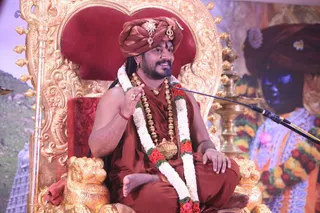
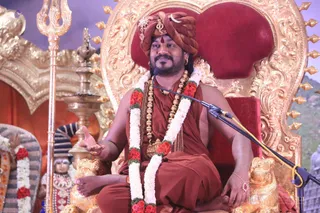
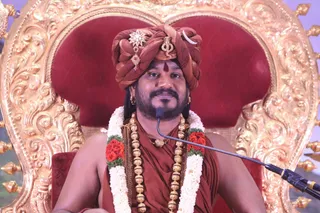
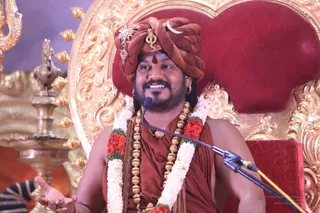
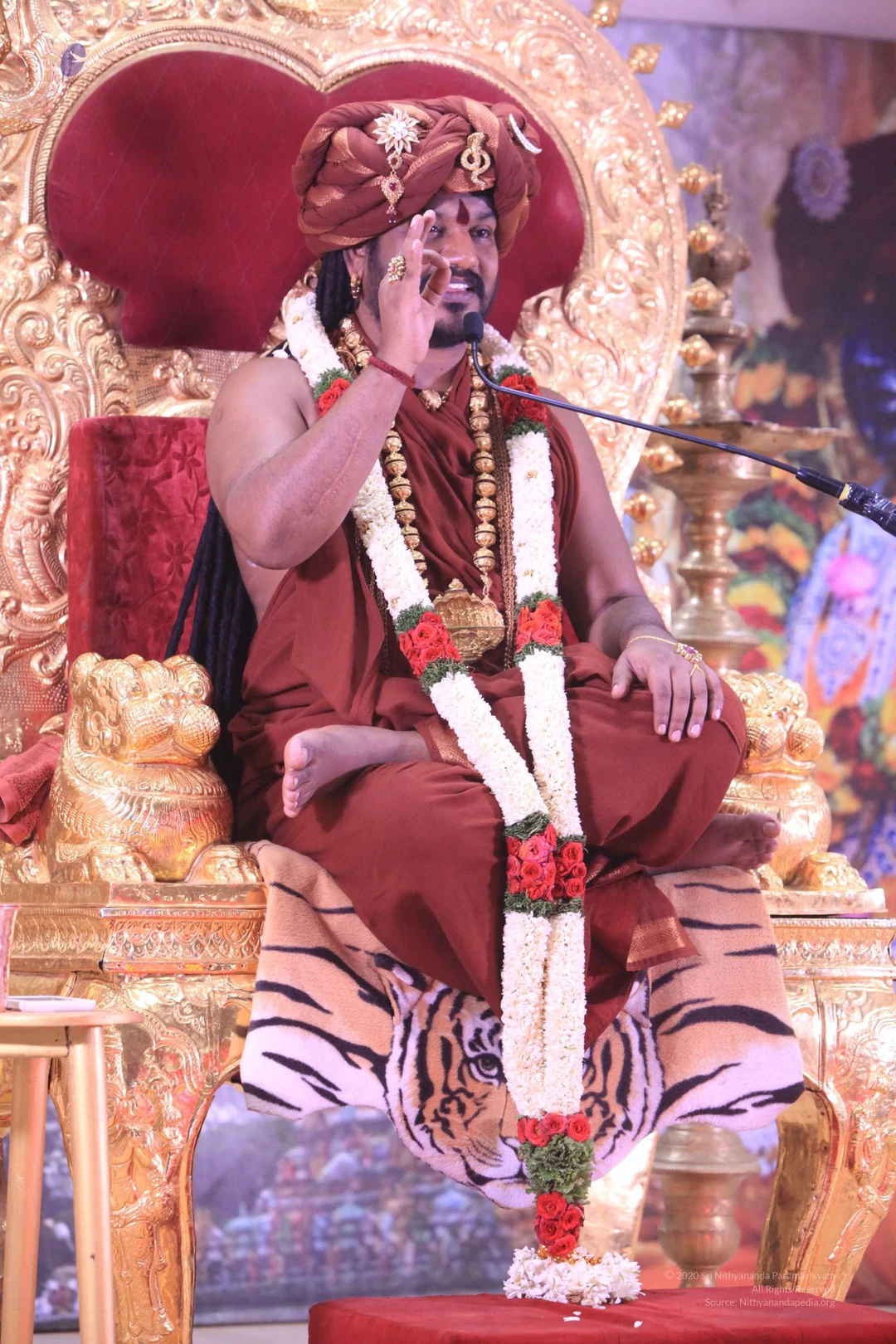
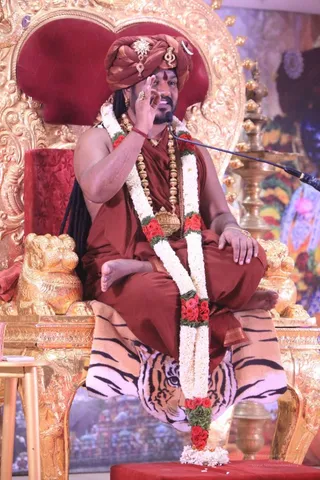 Satsang by HDH Nithyananda Paramashivam on World Environment Day
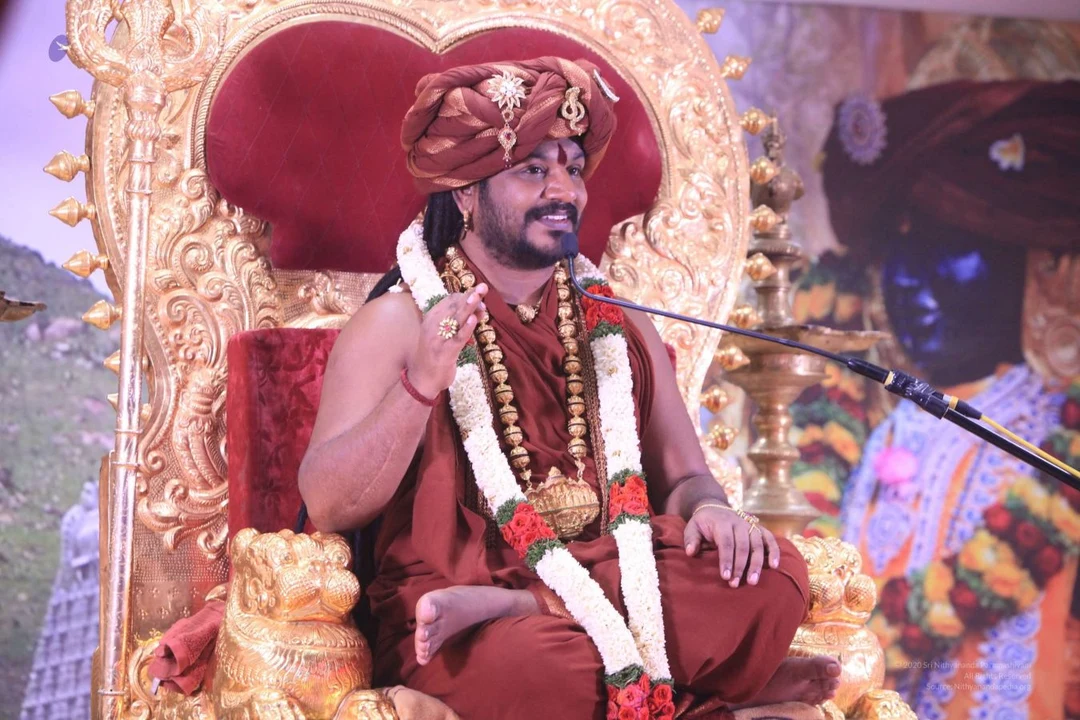 Satsang by HDH Nithyananda Paramashivam on World Environment Day
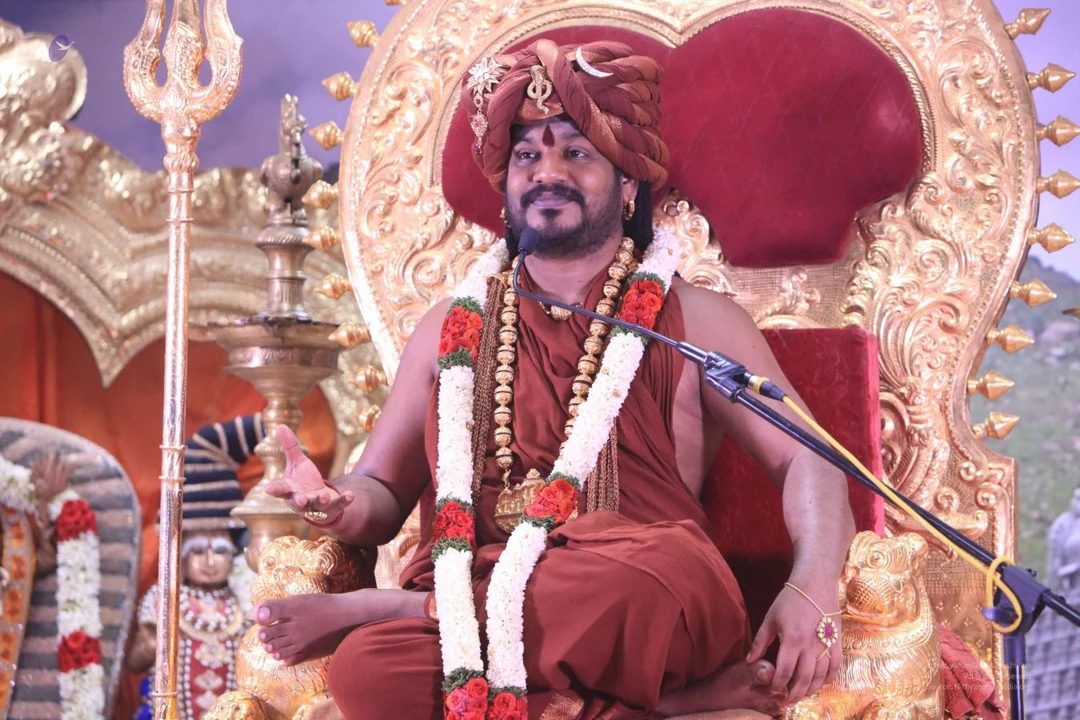 Satsang by HDH Nithyananda Paramashivam on World Environment Day
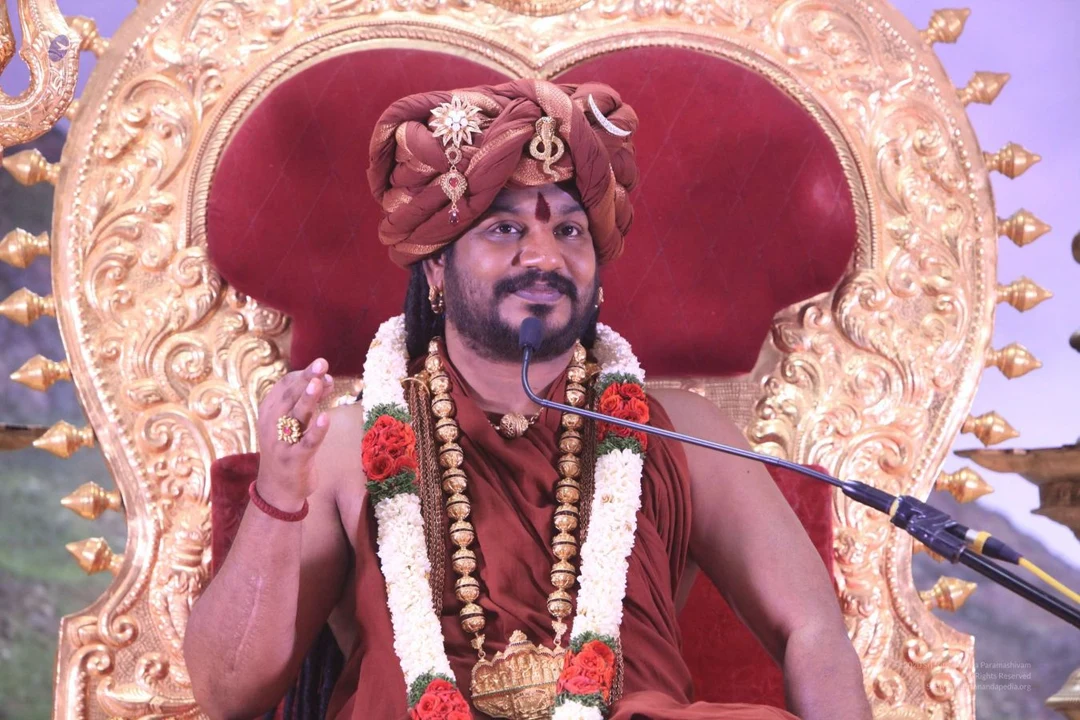 Satsang by HDH Nithyananda Paramashivam on World Environment Day
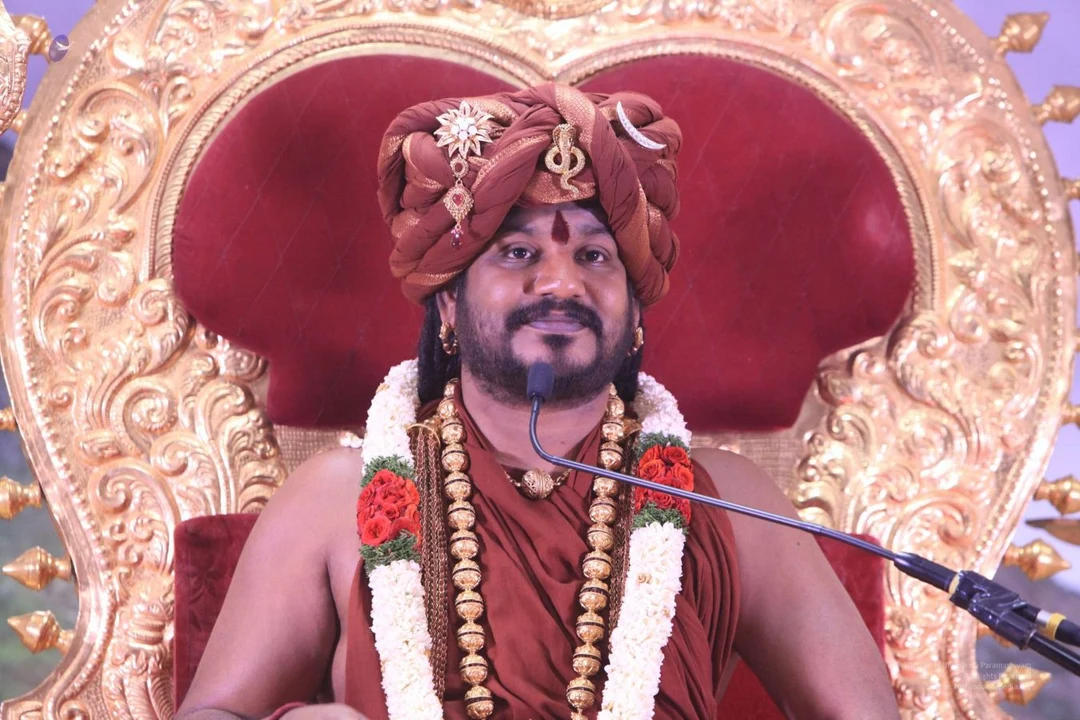 Satsang by HDH Nithyananda Paramashivam on World Environment Day
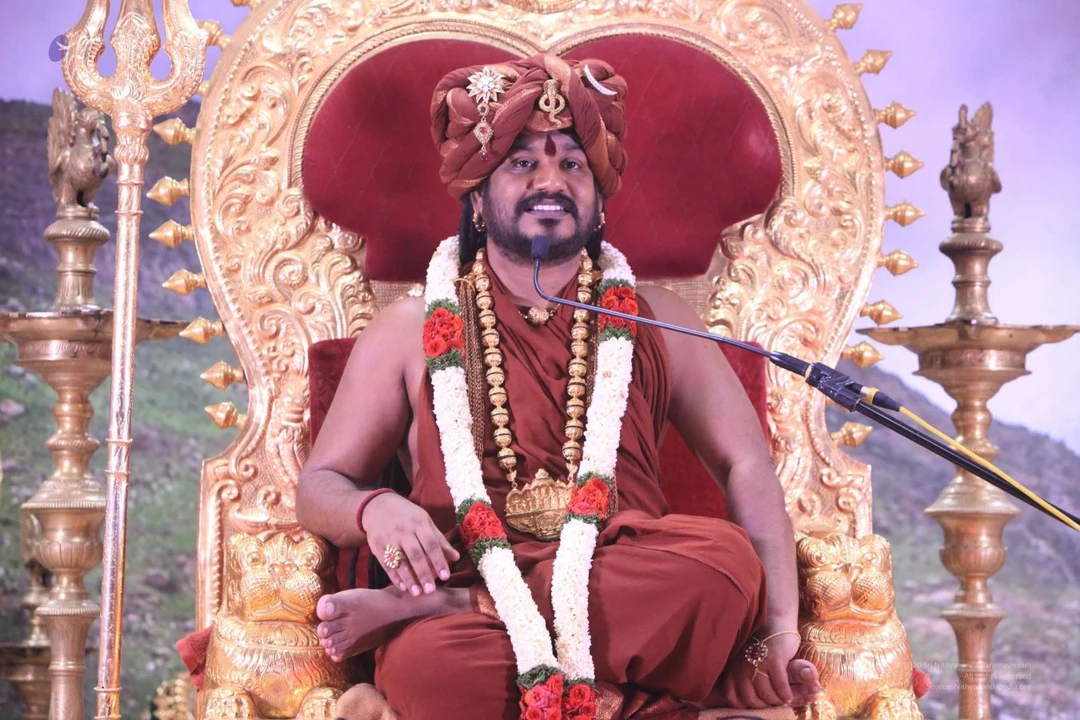 Satsang by HDH Nithyananda Paramashivam on World Environment Day
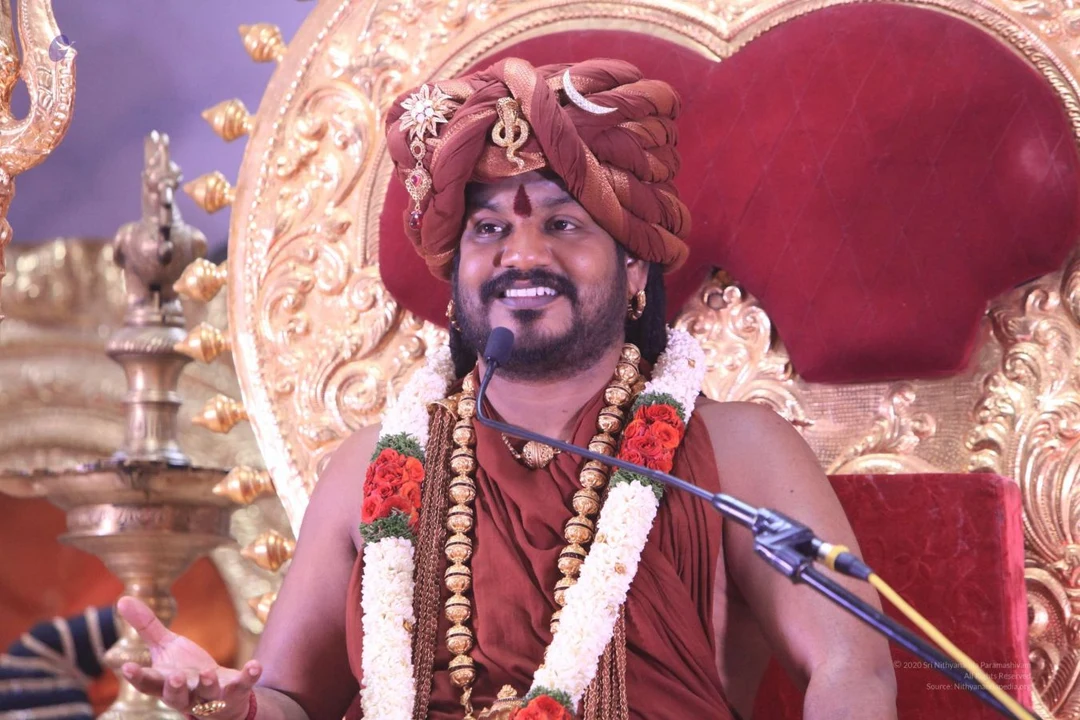 Satsang by HDH Nithyananda Paramashivam on World Environment Day
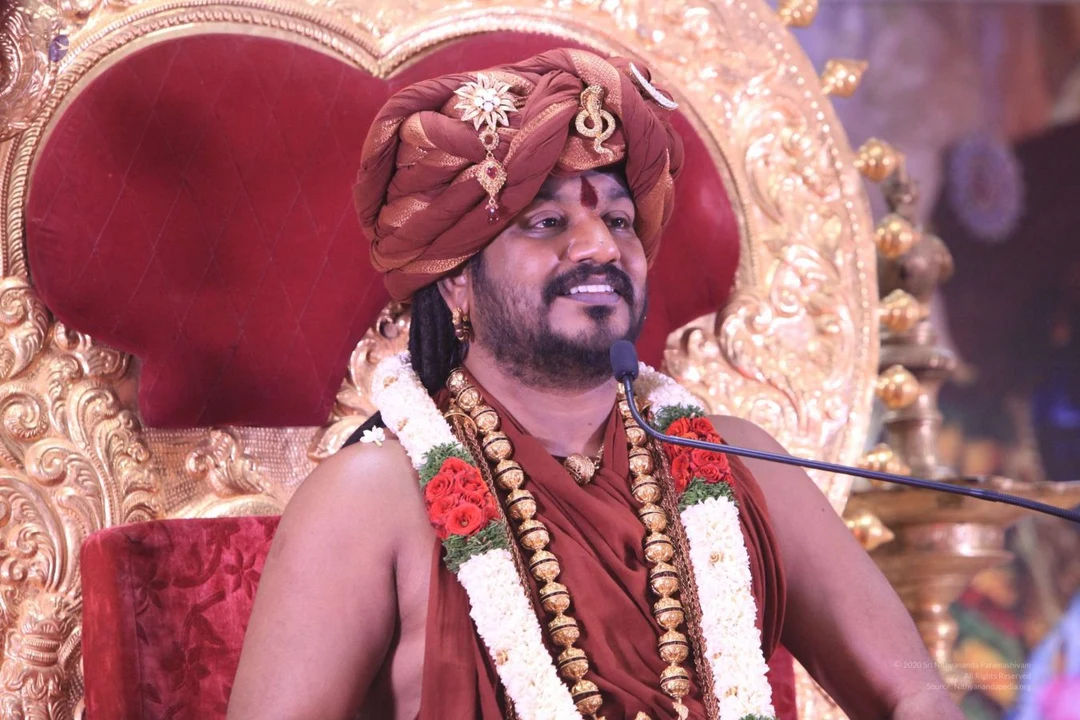 Satsang by HDH Nithyananda Paramashivam on World Environment Day
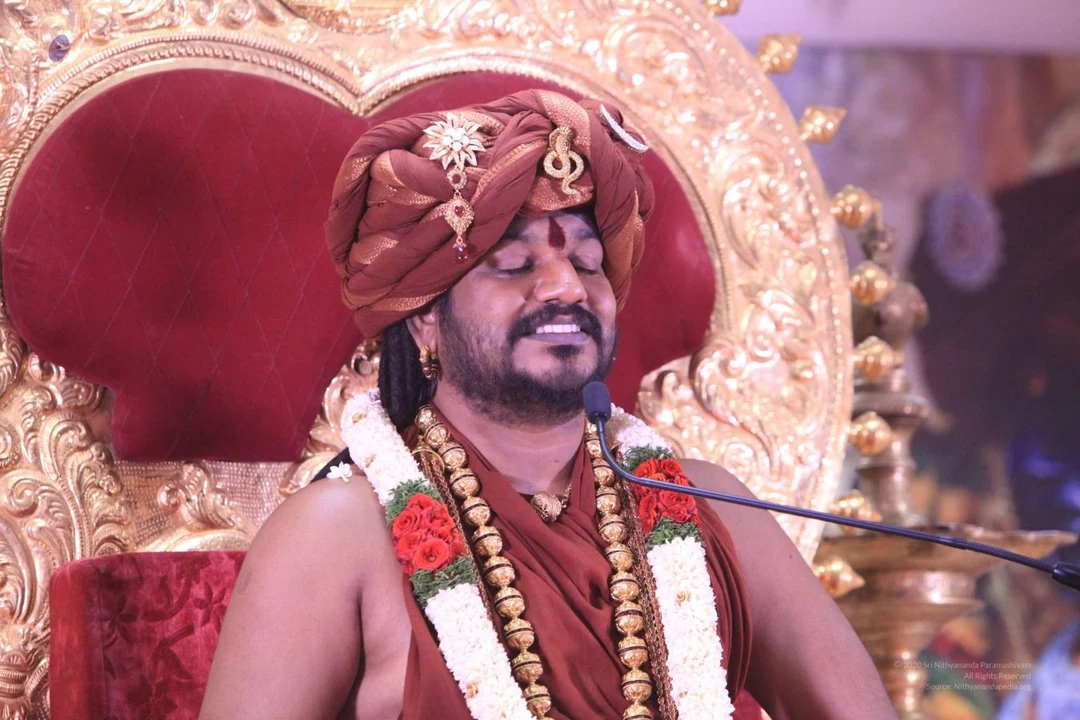 Satsang by HDH Nithyananda Paramashivam on World Environment Day
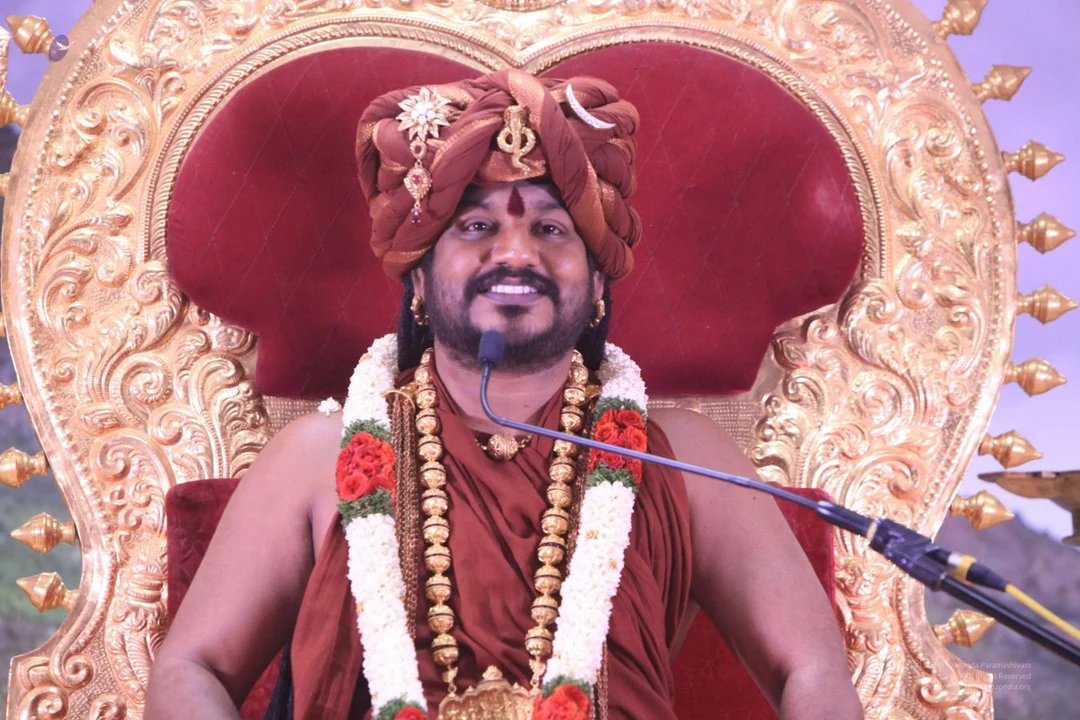 Satsang by HDH Nithyananda Paramashivam on World Environment Day
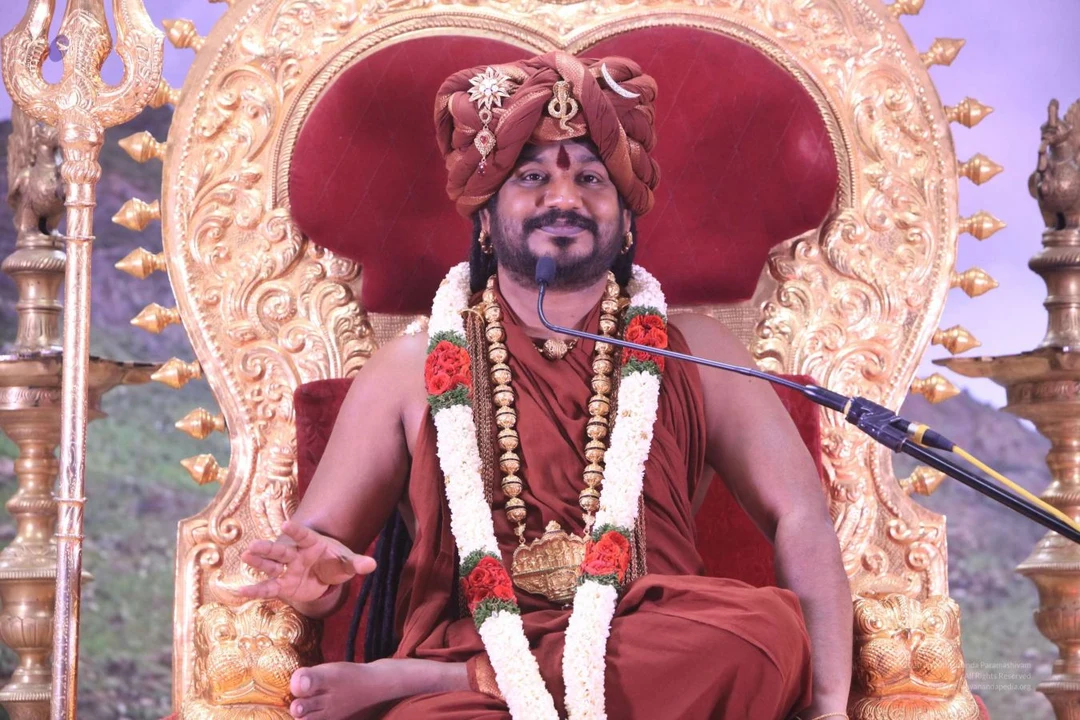 Satsang by HDH Nithyananda Paramashivam on World Environment Day
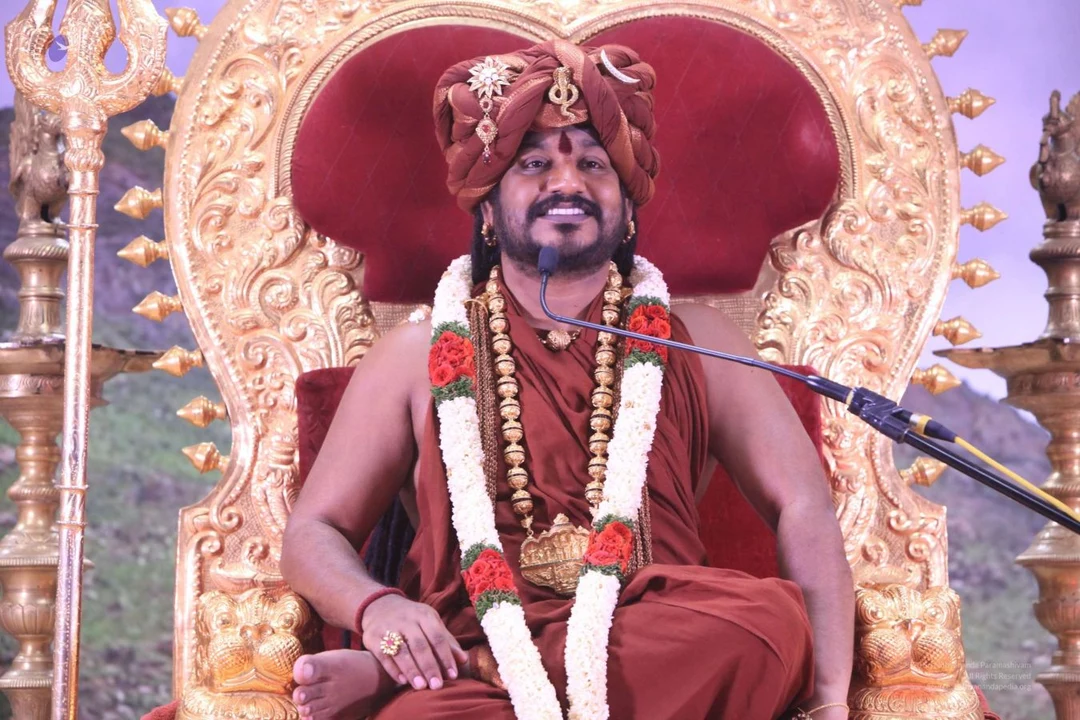 Satsang by HDH Nithyananda Paramashivam on World Environment Day
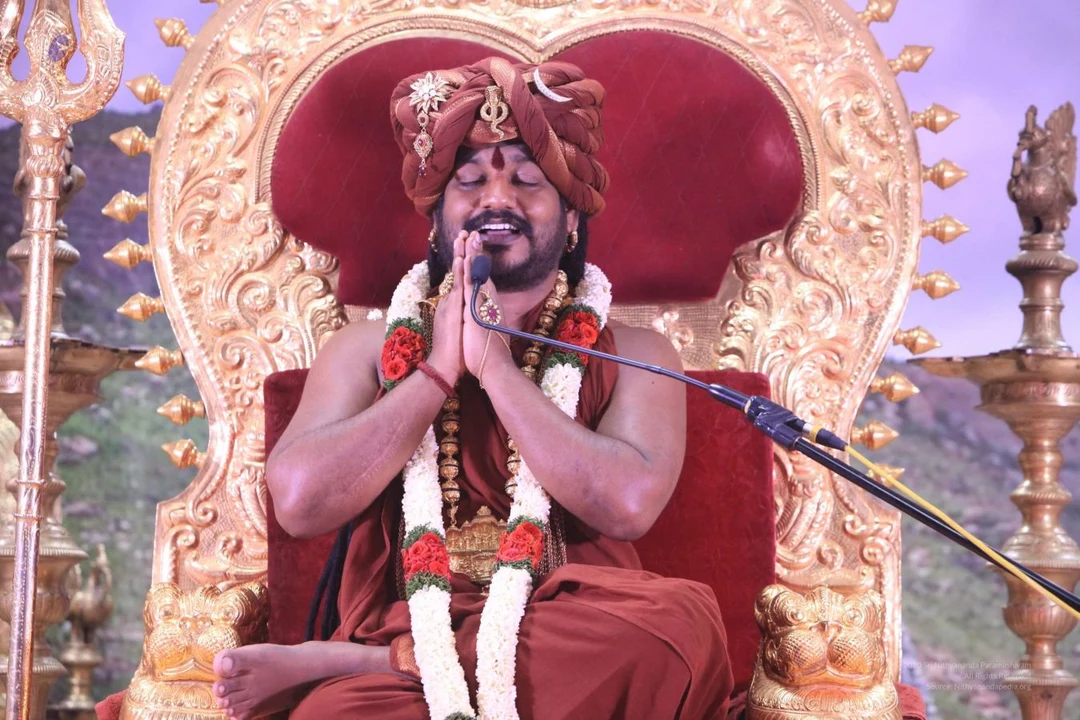 Satsang by HDH Nithyananda Paramashivam on World Environment Day
Tags:
Bhagavan Sri Nithyananda Paramashivam Paramahamsa Nithyananda, Nithyananda, Swamiji, Sadāshiva, Sadāshivoham, process, oneness, one, power manifestation, Sadāshiva, manifest, vision, love, statue, radiating, imbibe, hope, humanity, responsibility, integrity, actions, authenticity, happening, visualize, cognition, formula, freedom, enriching, Sadāshivatva, ultimate, state, space, powers, agamas, deity, depth, decoded, jeevartha sadas, Oneness with Swamiji,
Photos from this day
View all 13 photos