Saturday
18 April 2015
SEEKING AWAKENS THE SUPER HUMAN IN YOU
- Dated photos
- 145
- Source pages
- 1
- Media
- 4
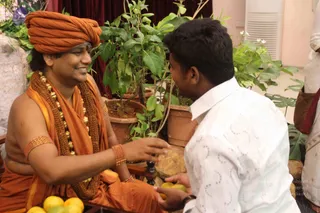
April 18 2015
Original wiki pageTitle
SEEKING AWAKENS THE SUPER HUMAN IN YOU
Description:
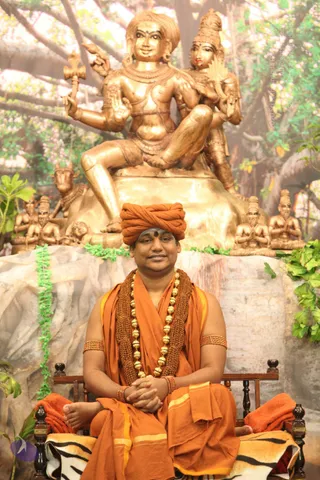
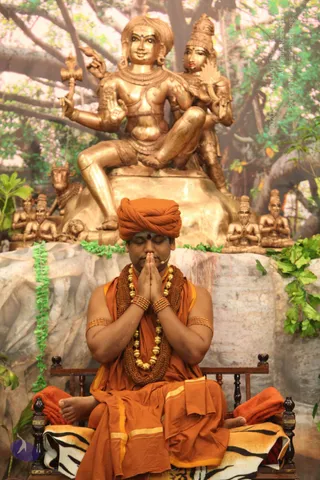
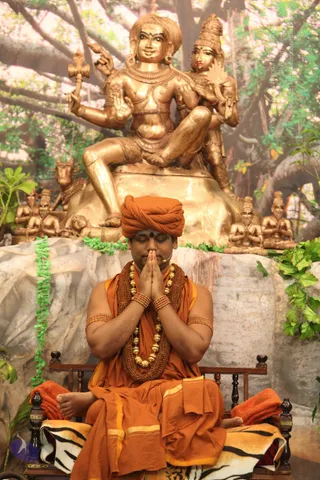
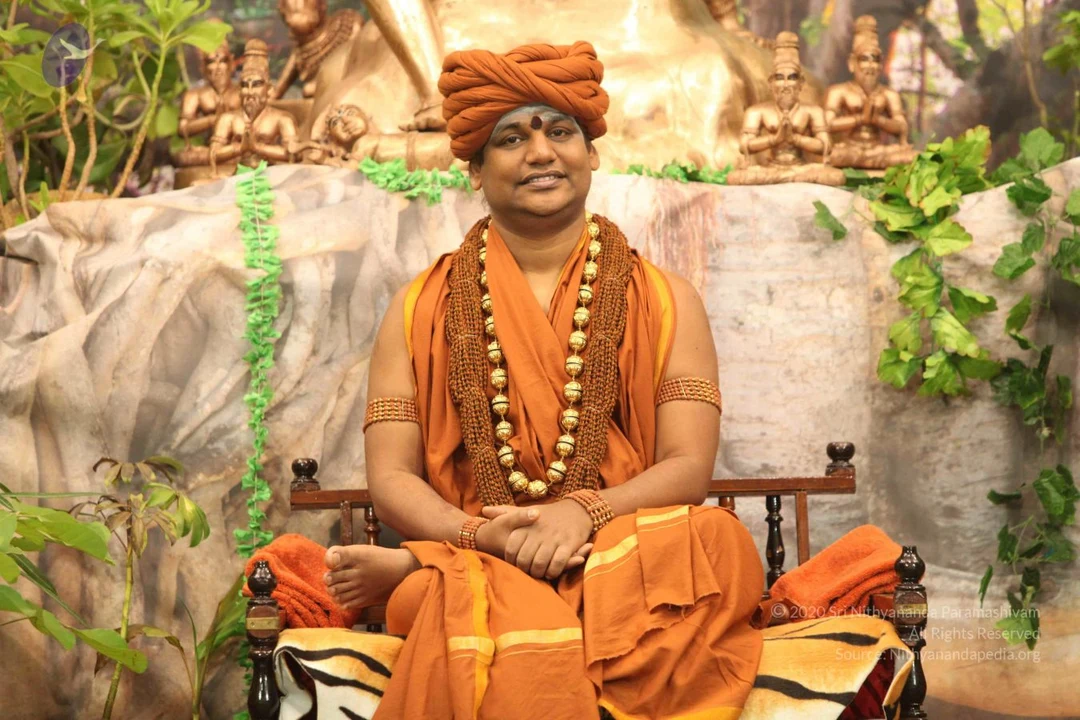
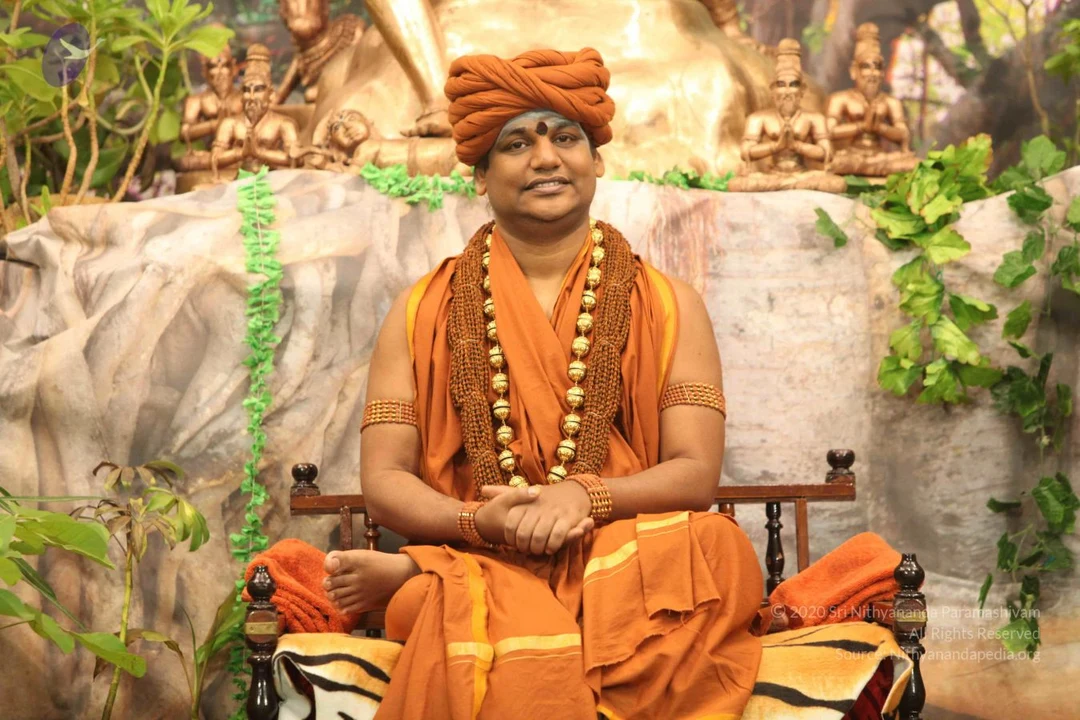
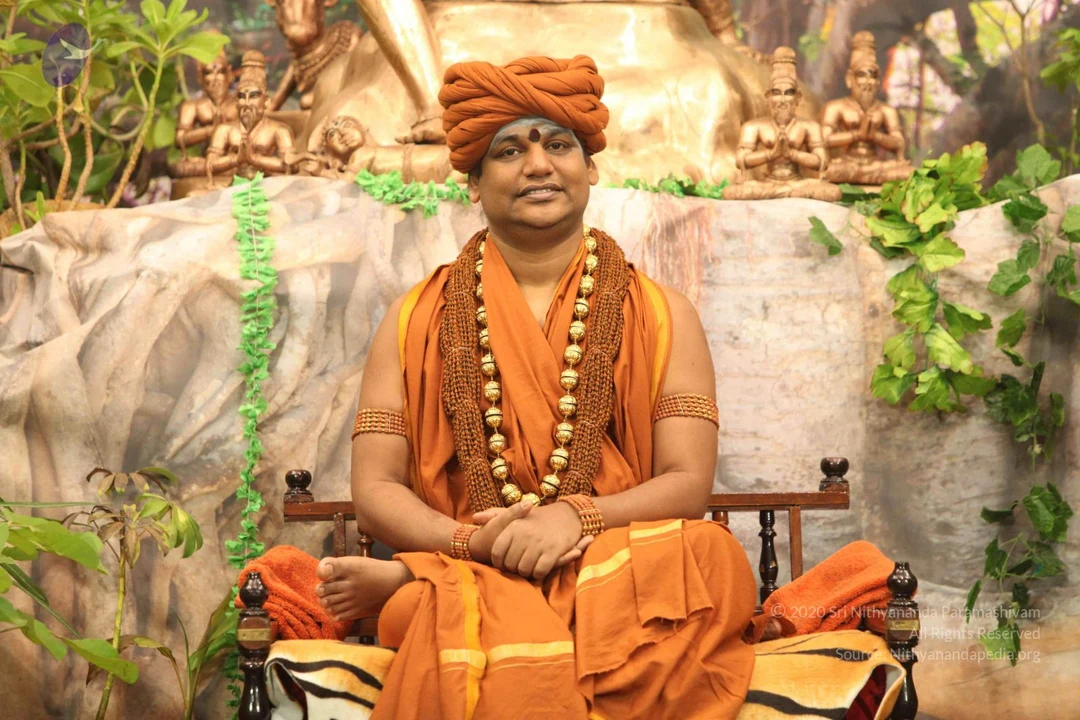
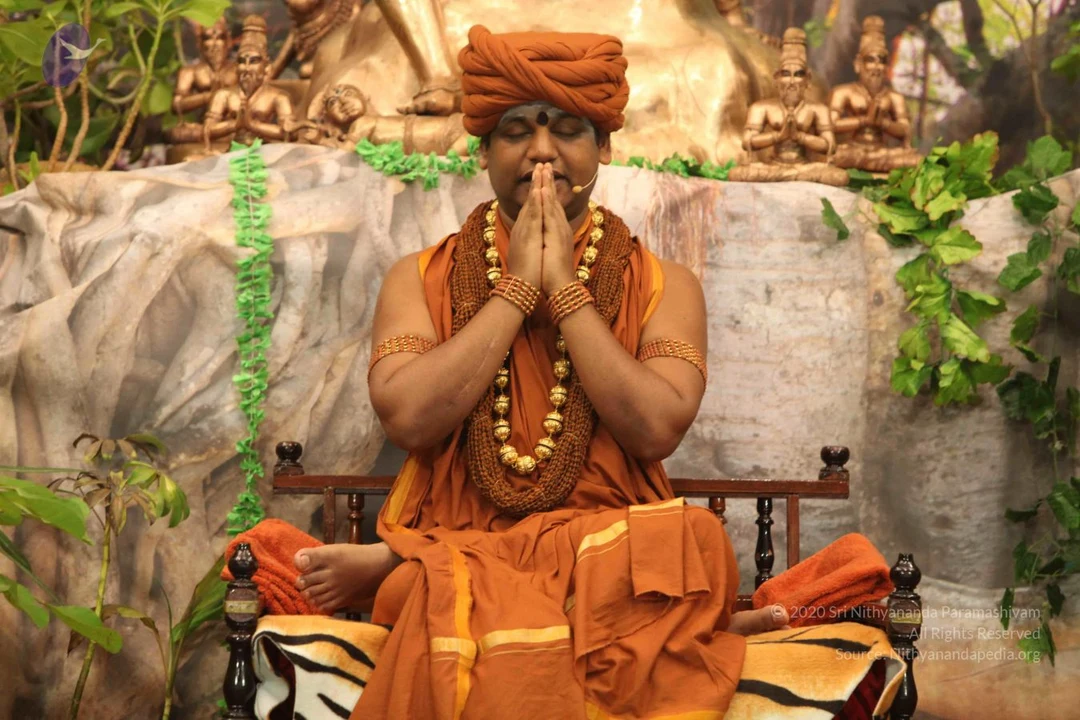
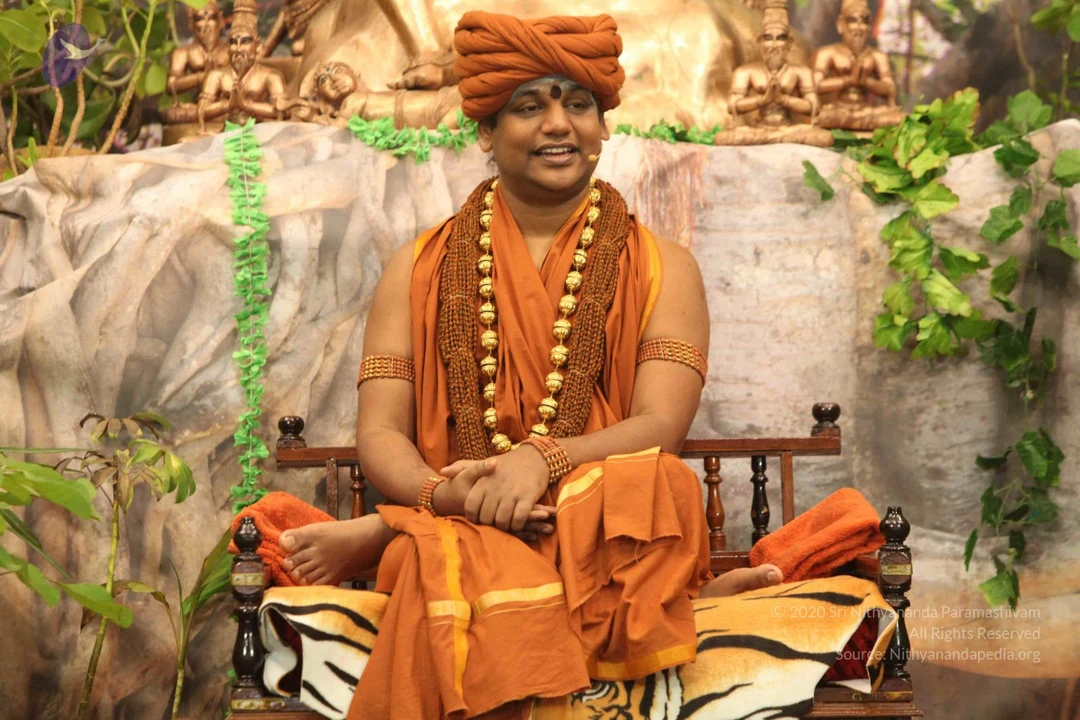
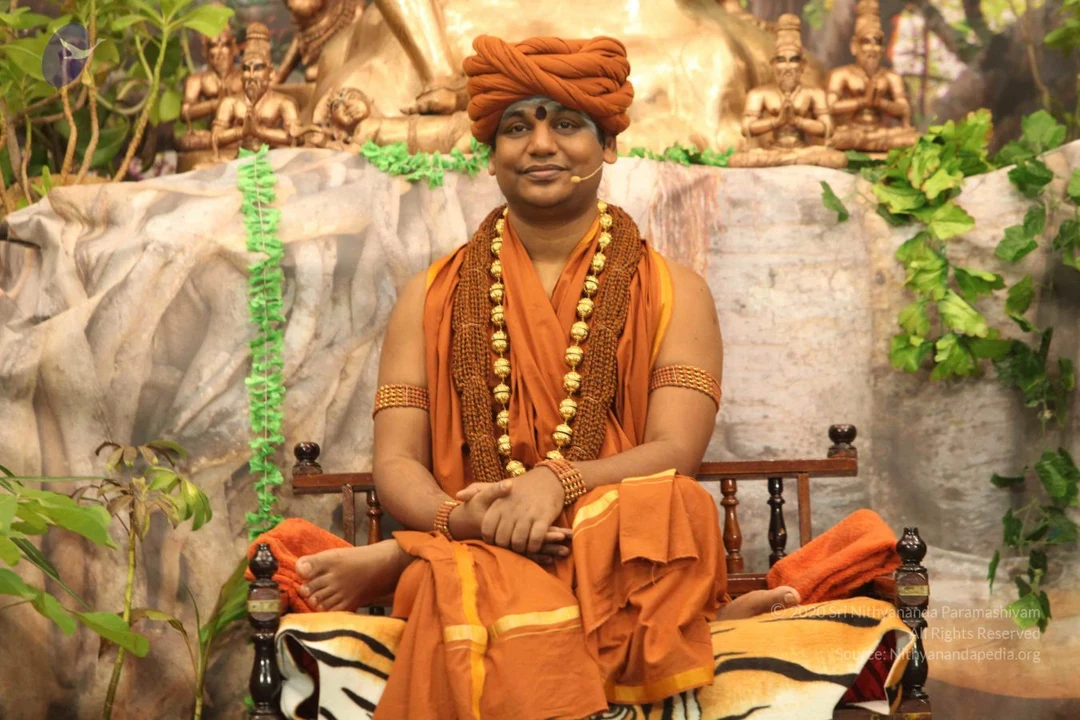
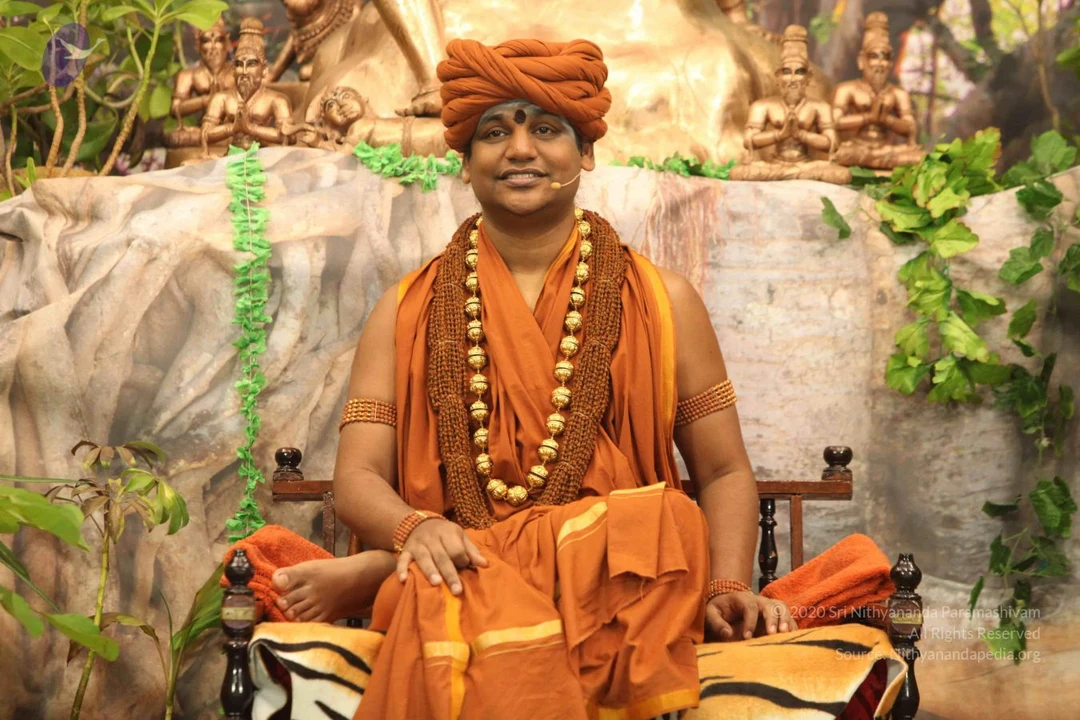
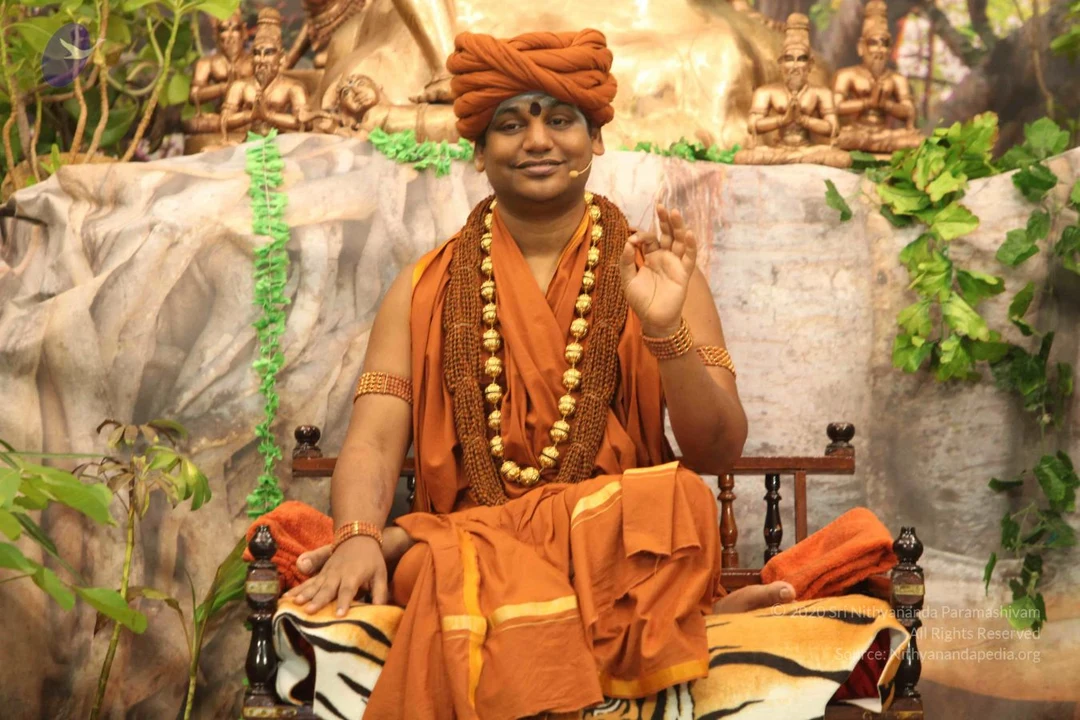
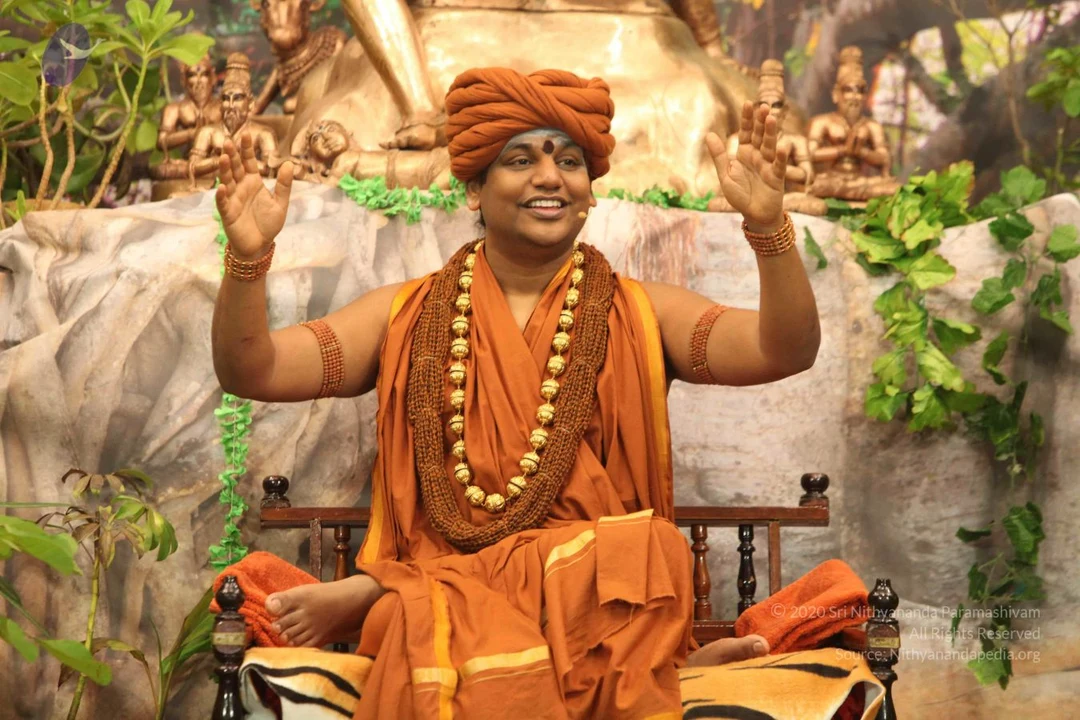
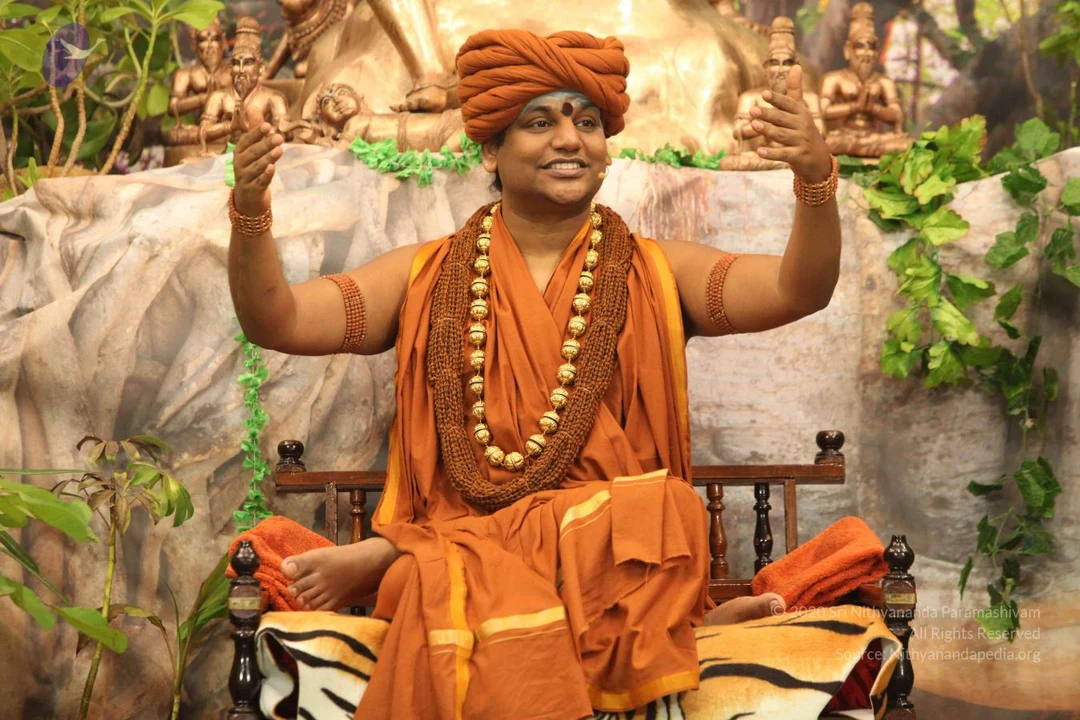
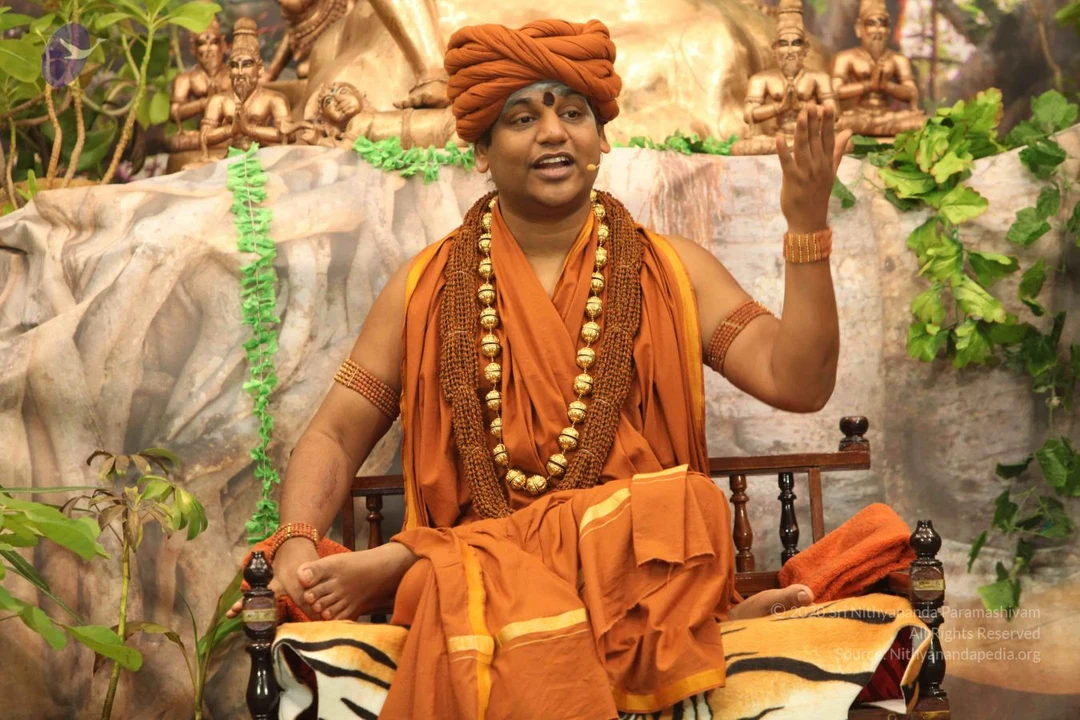
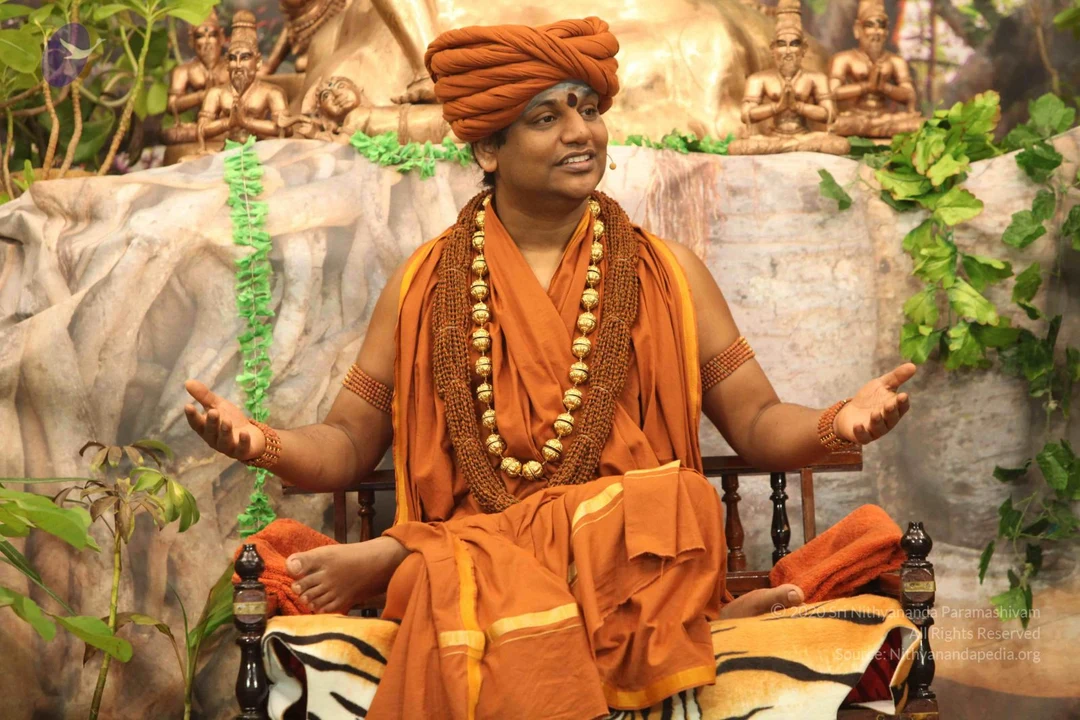
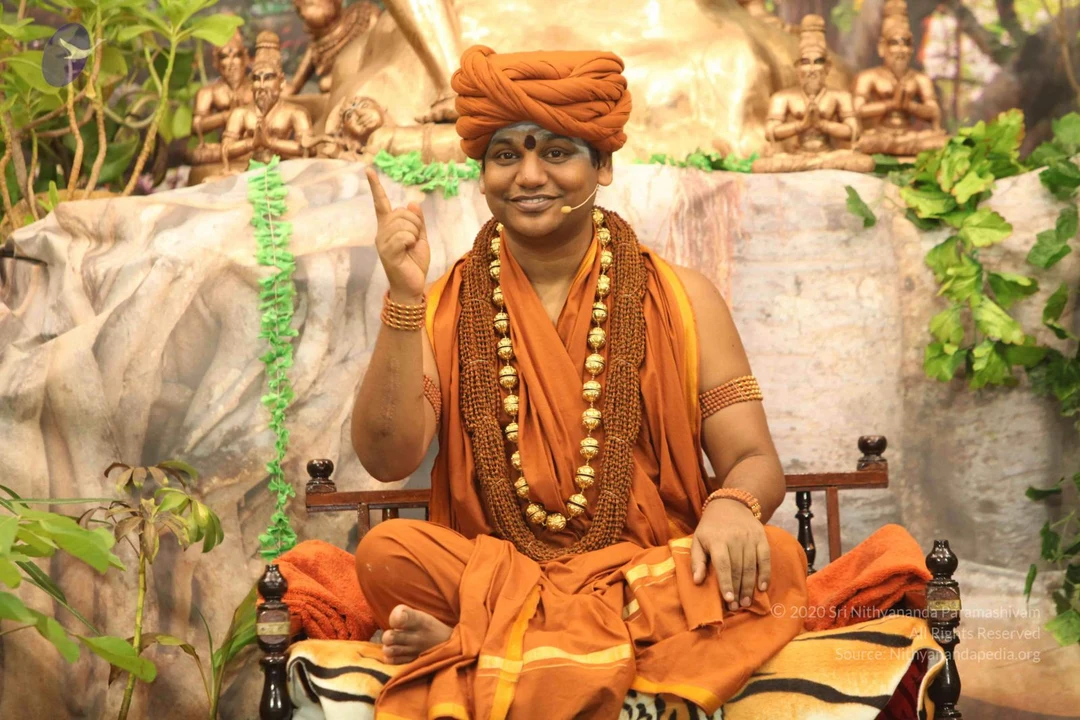
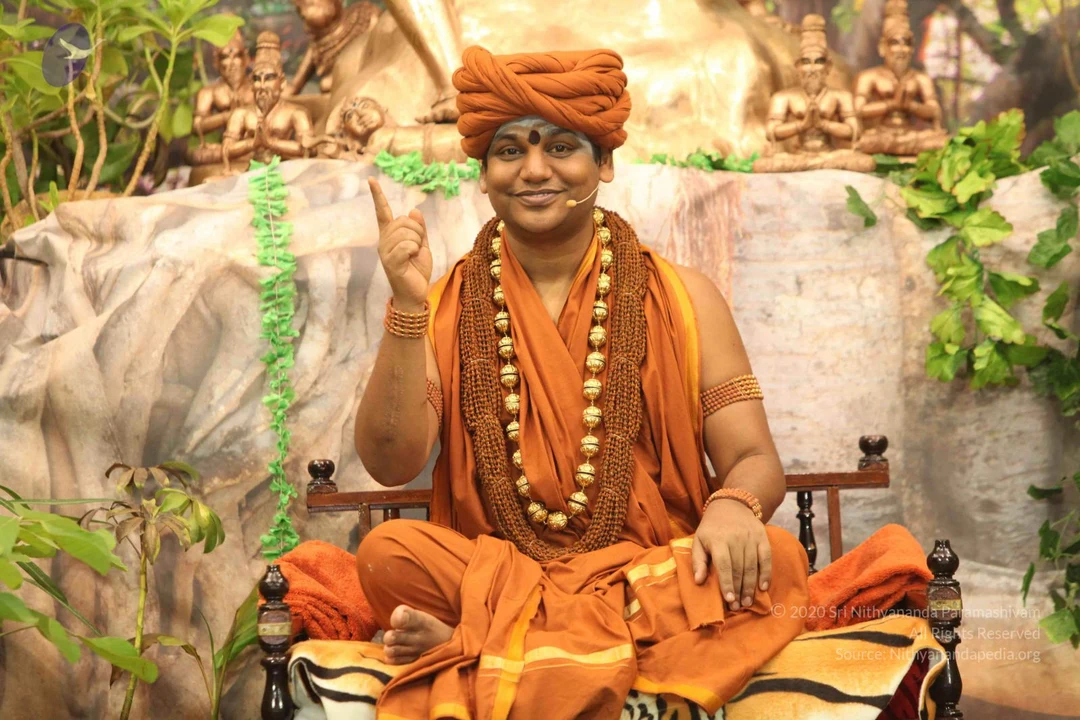
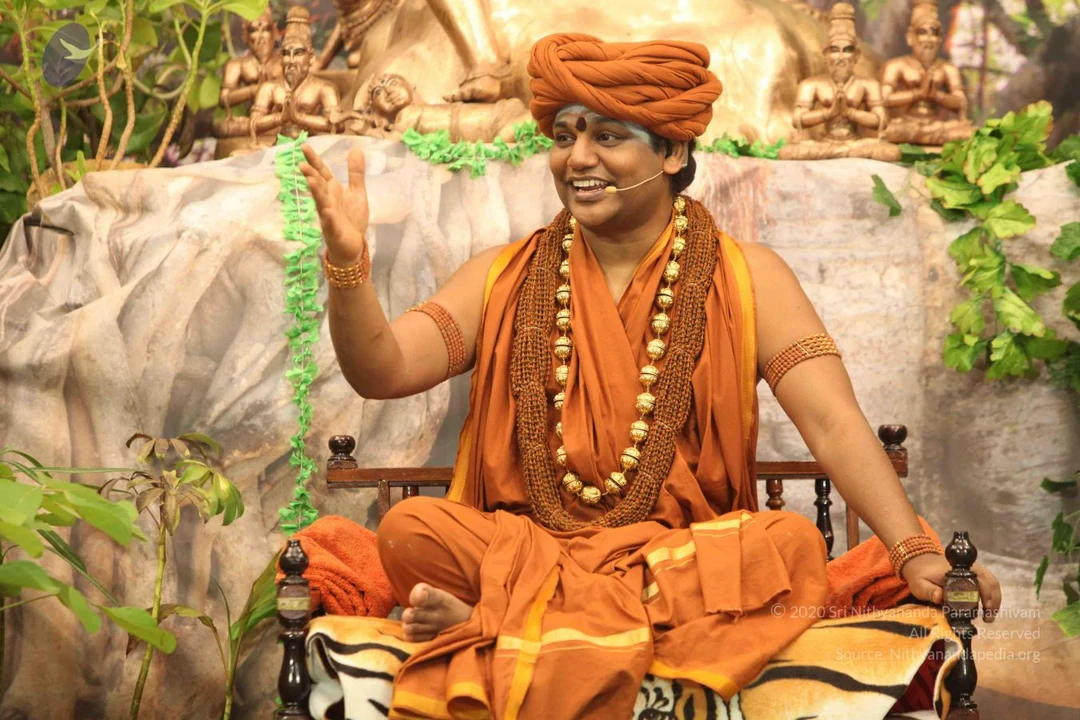
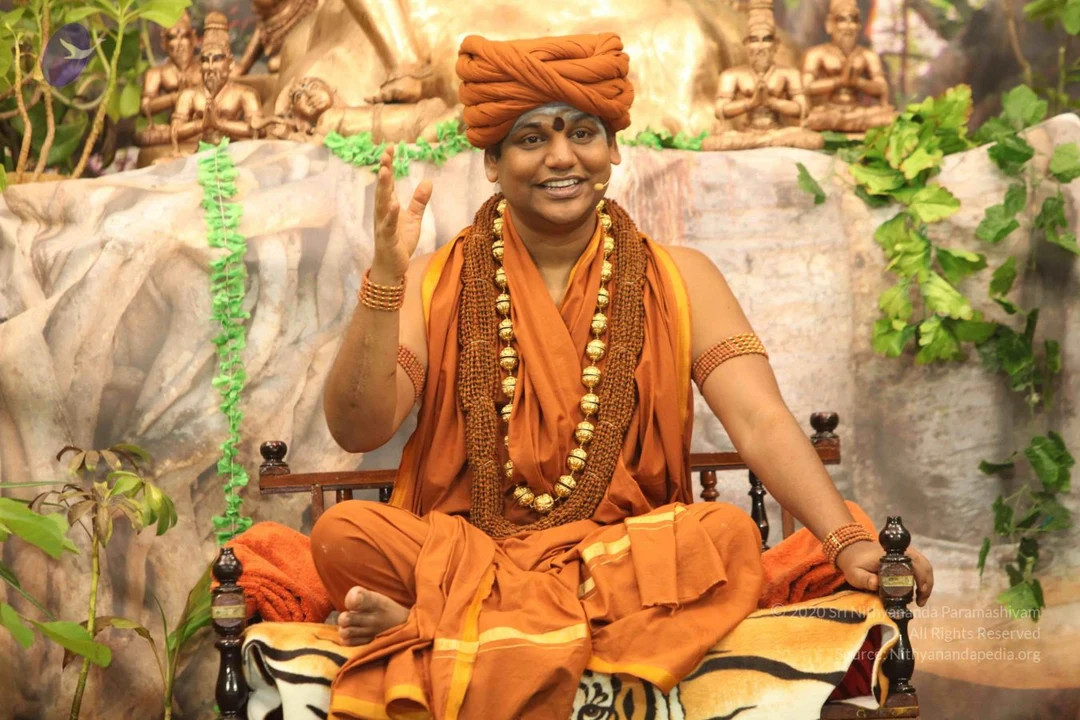
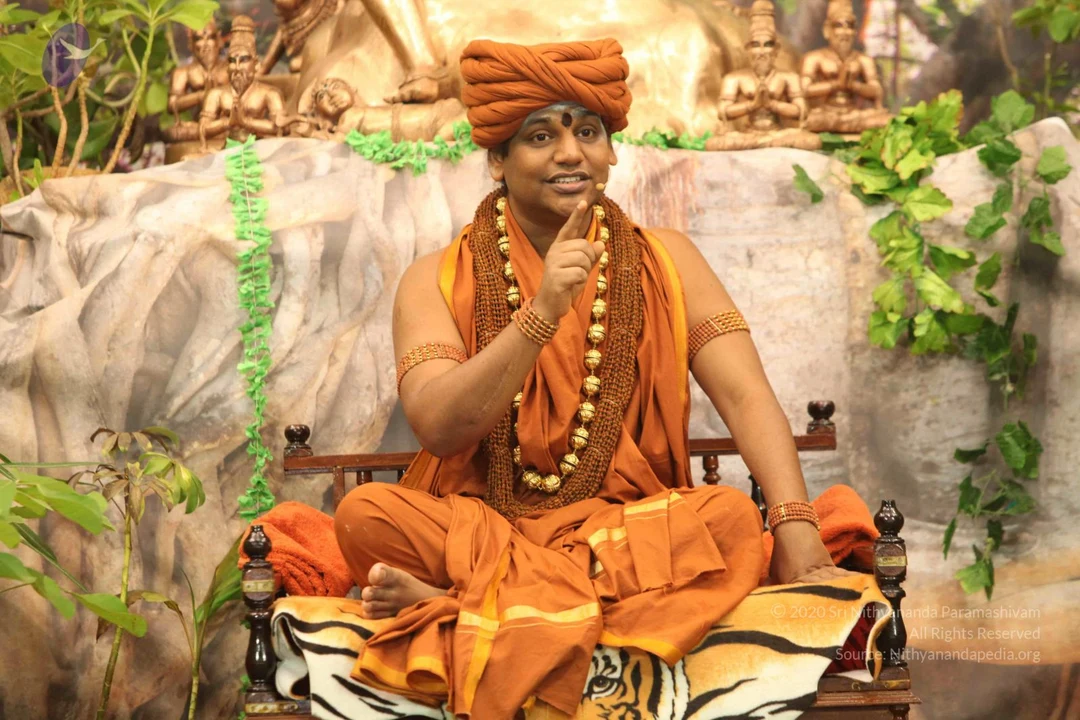
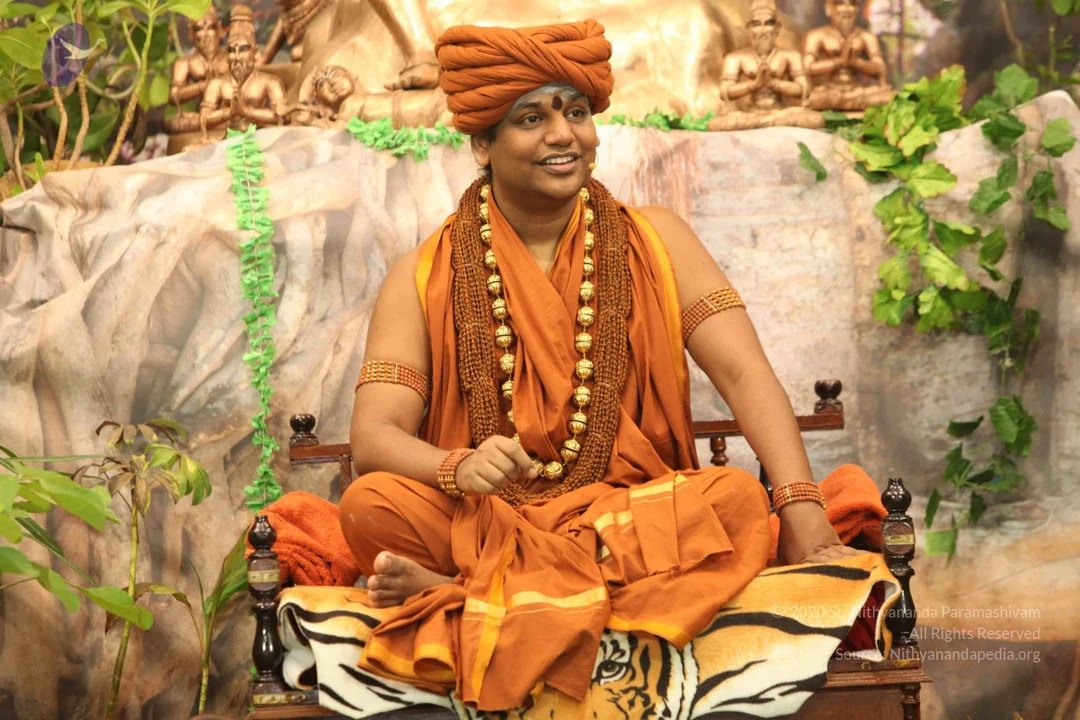
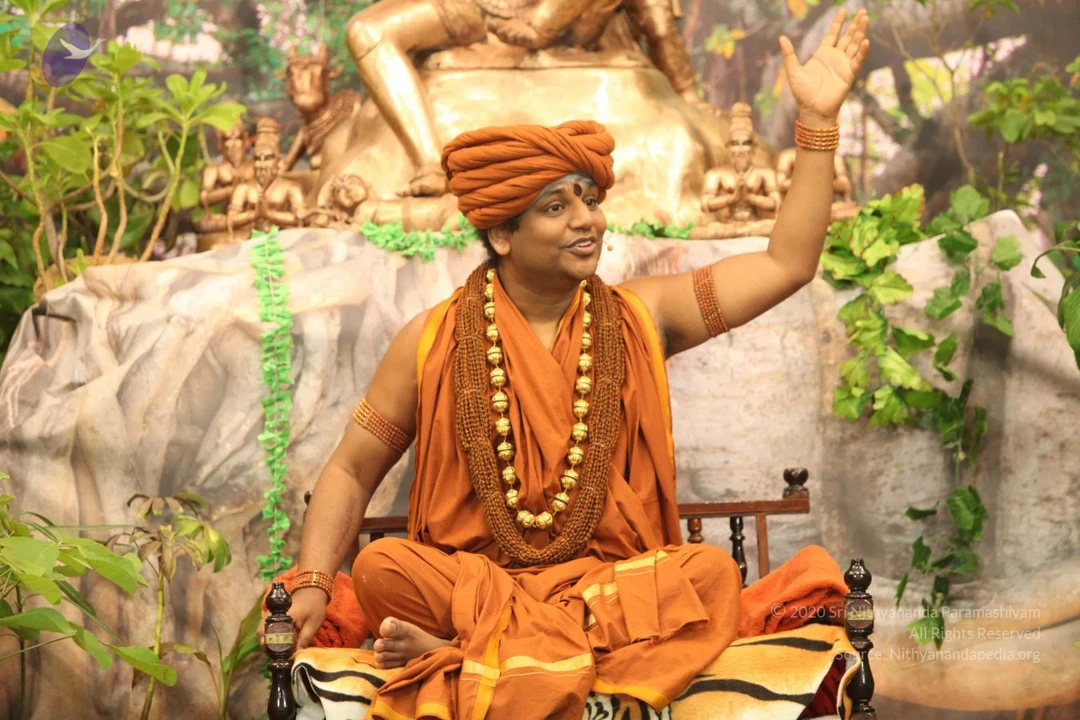
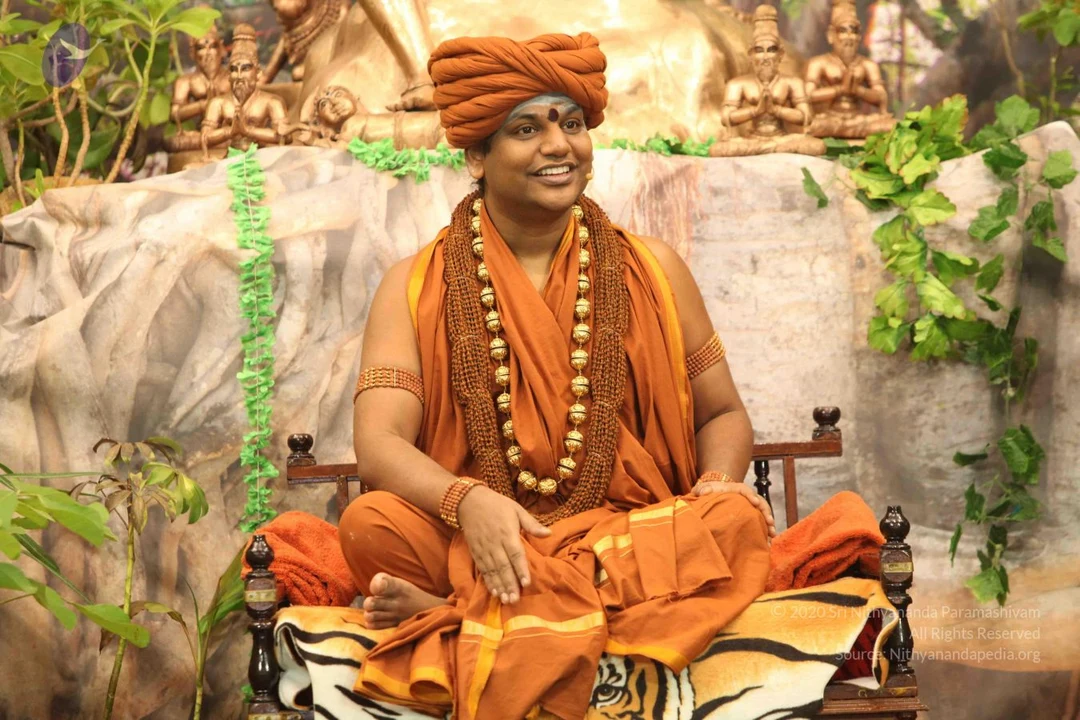
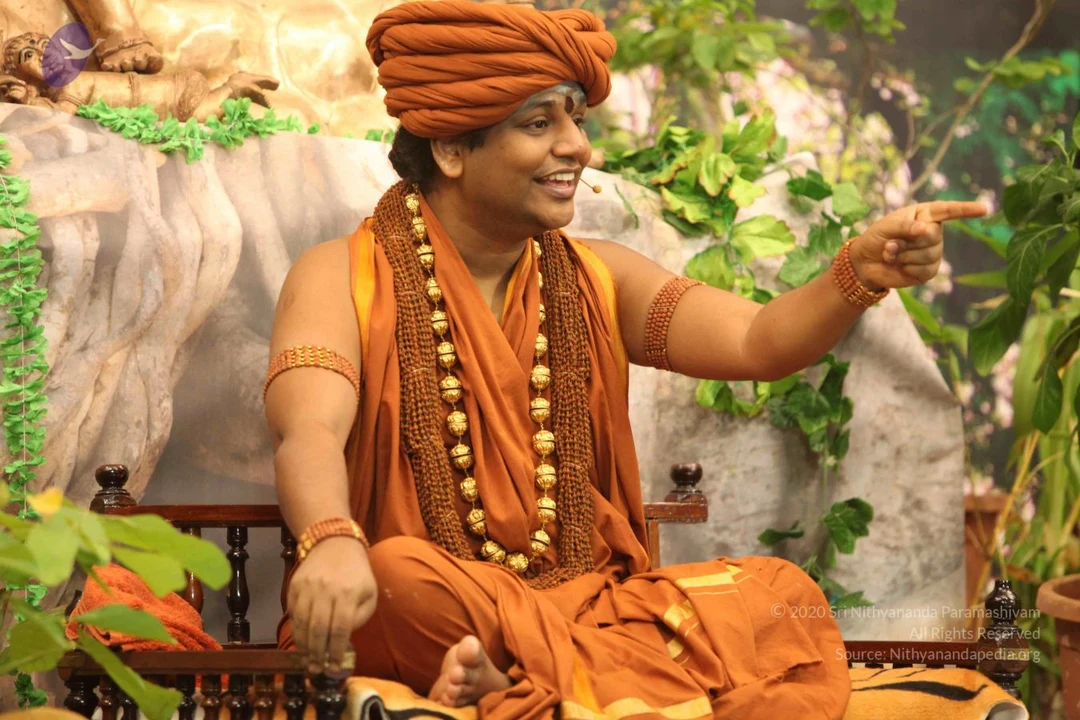
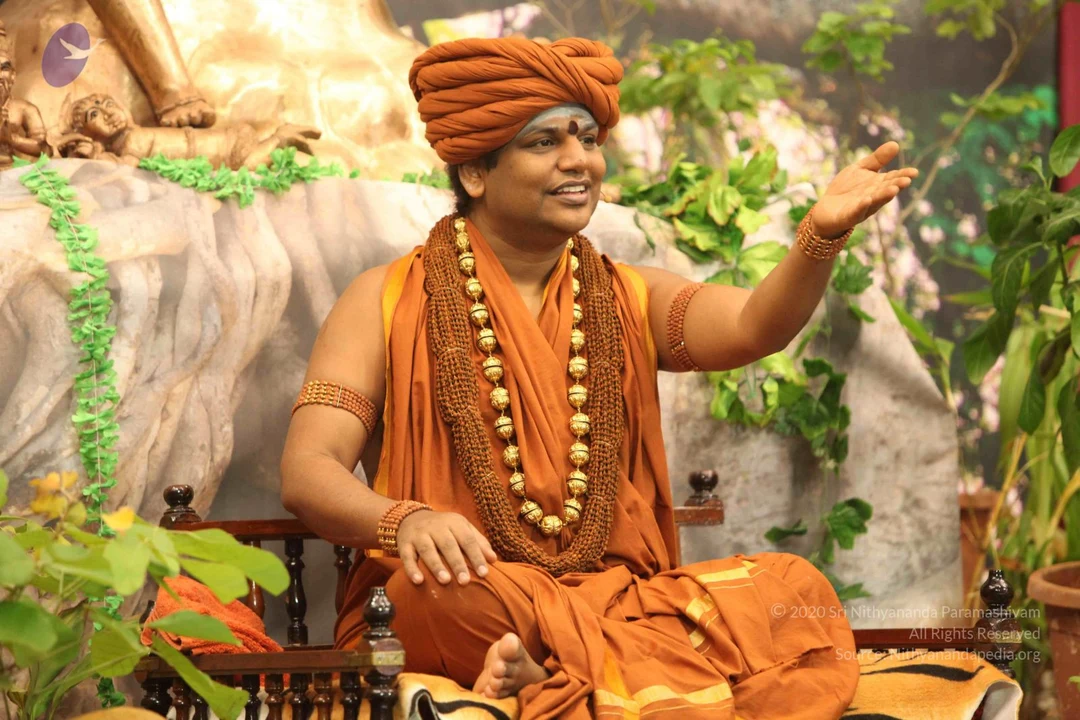
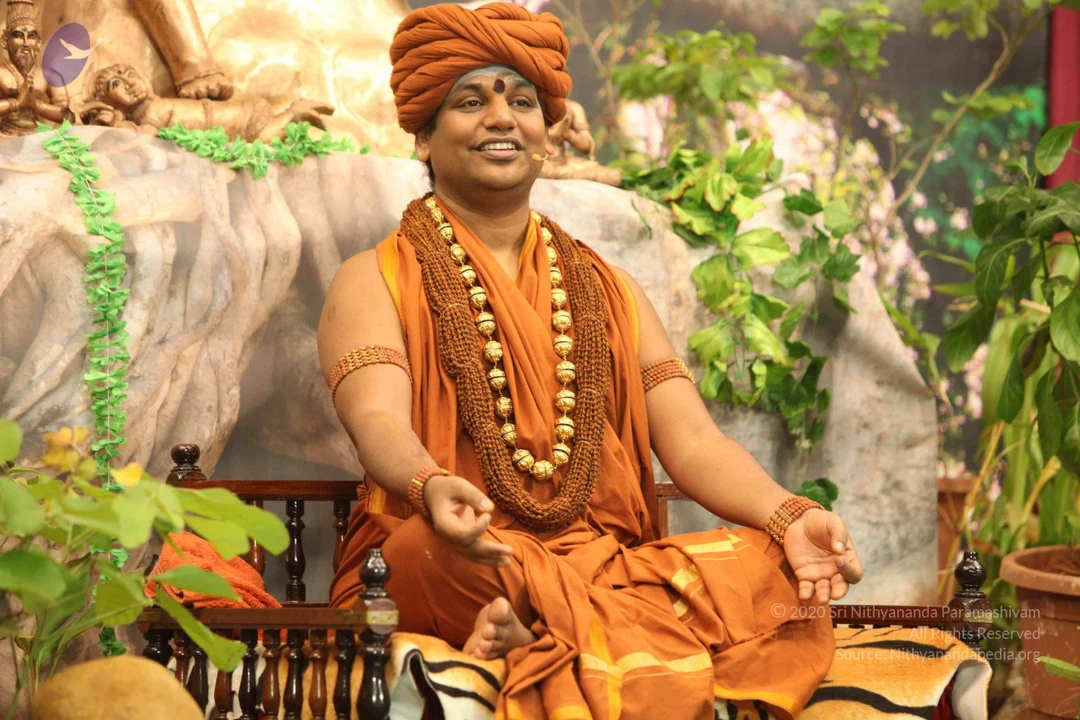
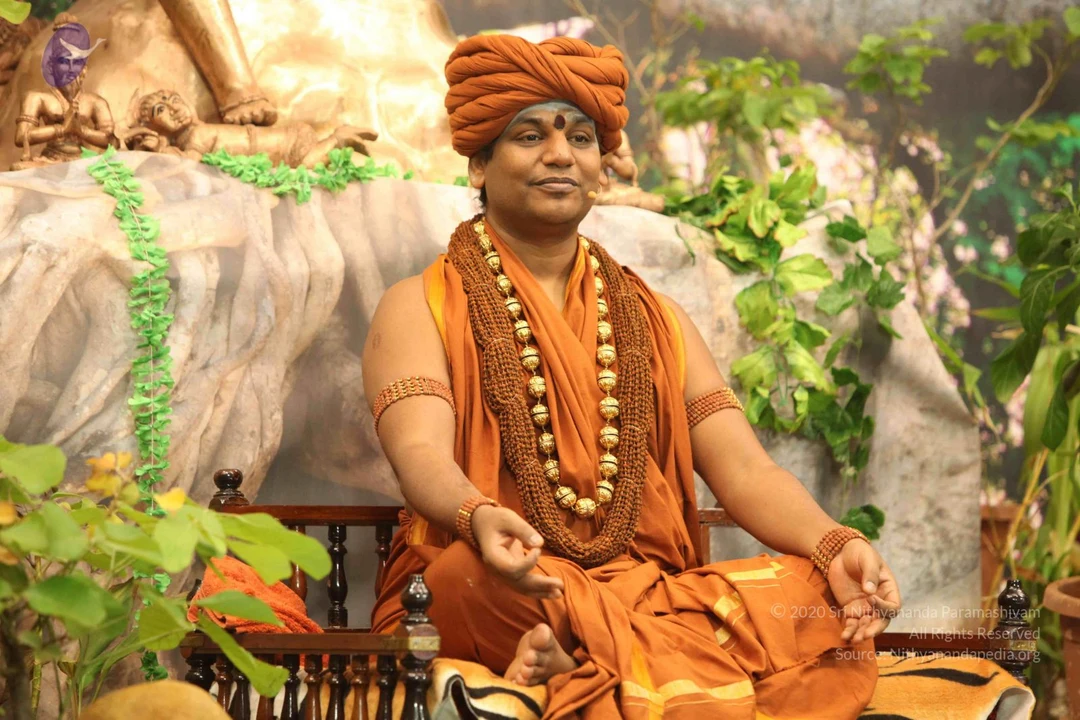
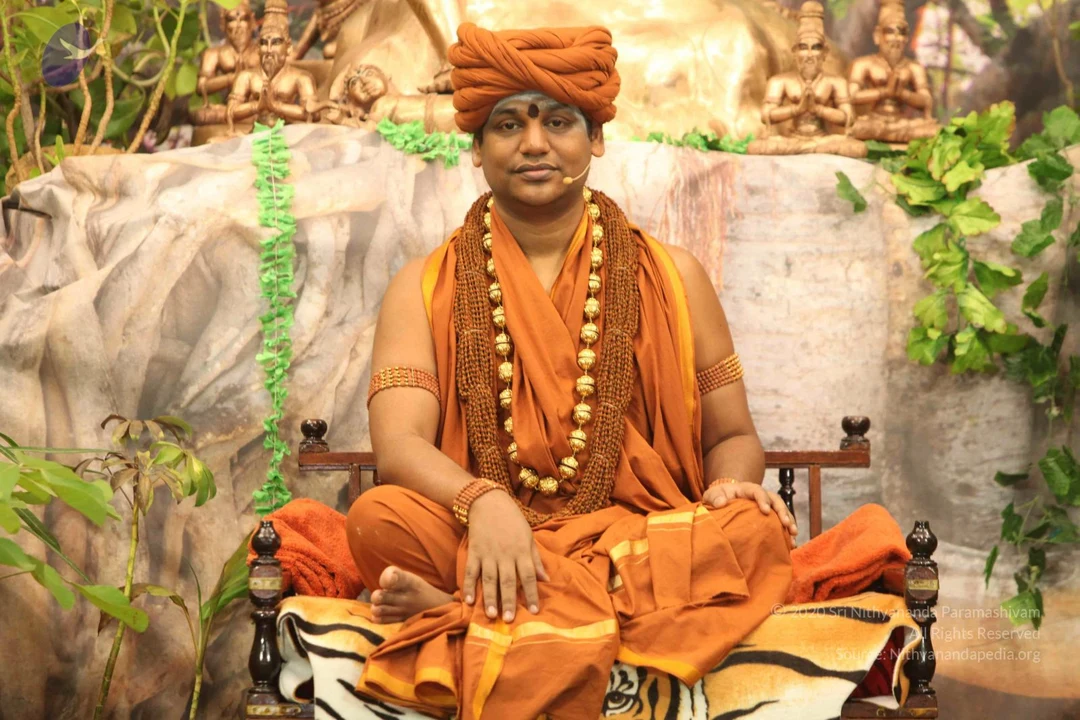
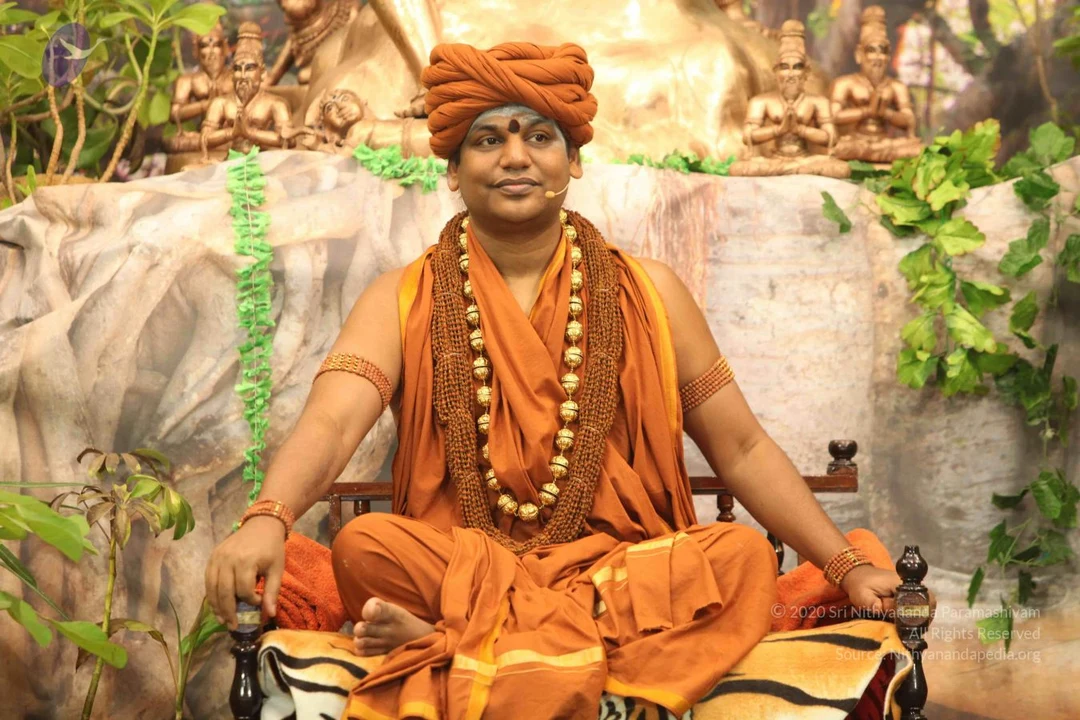
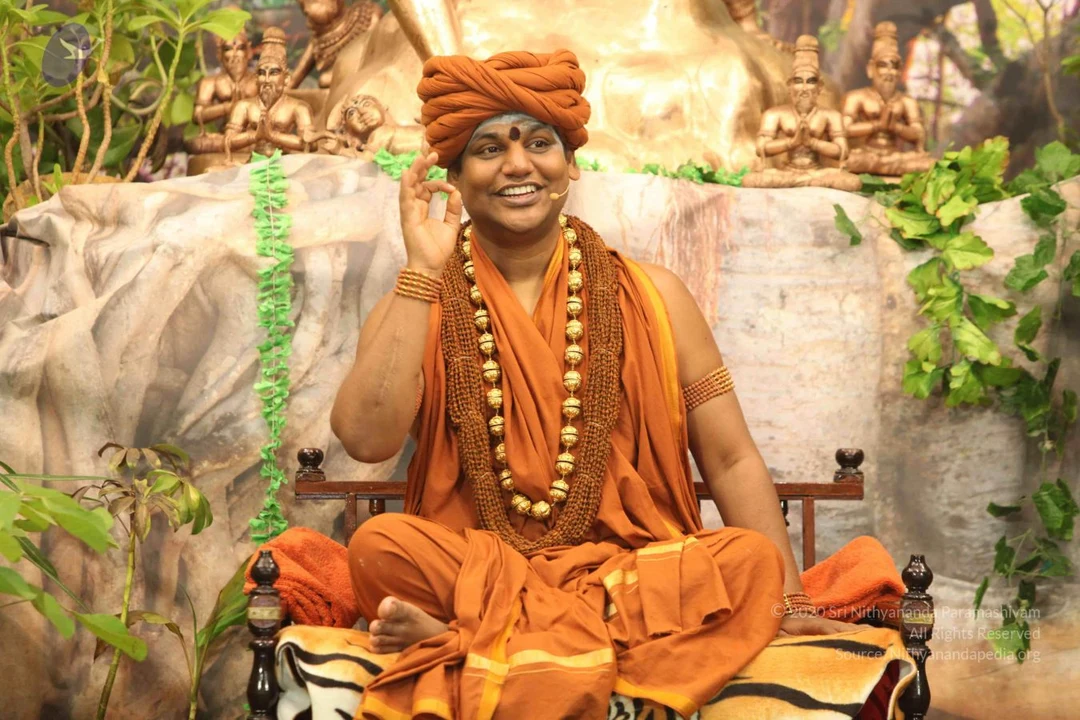
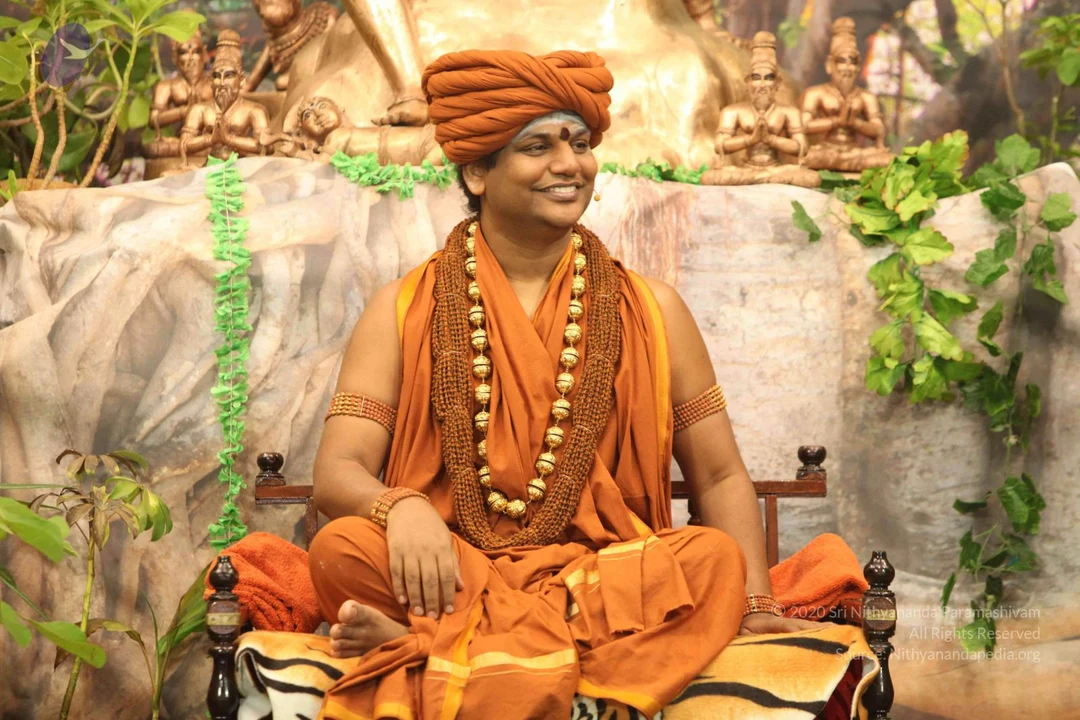
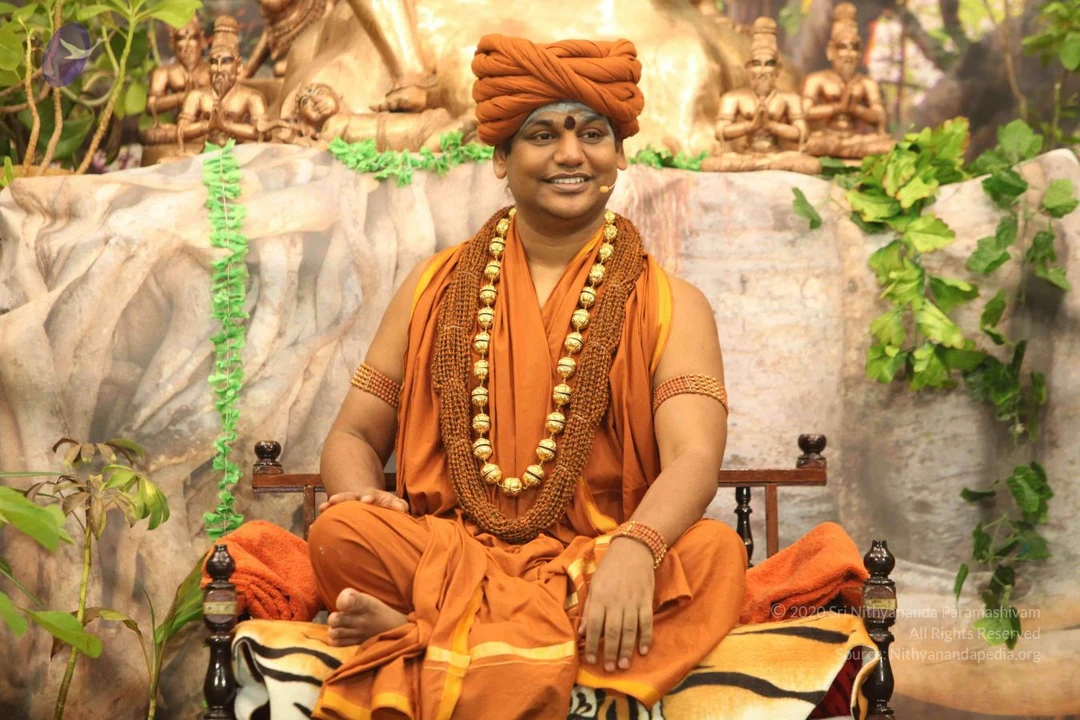
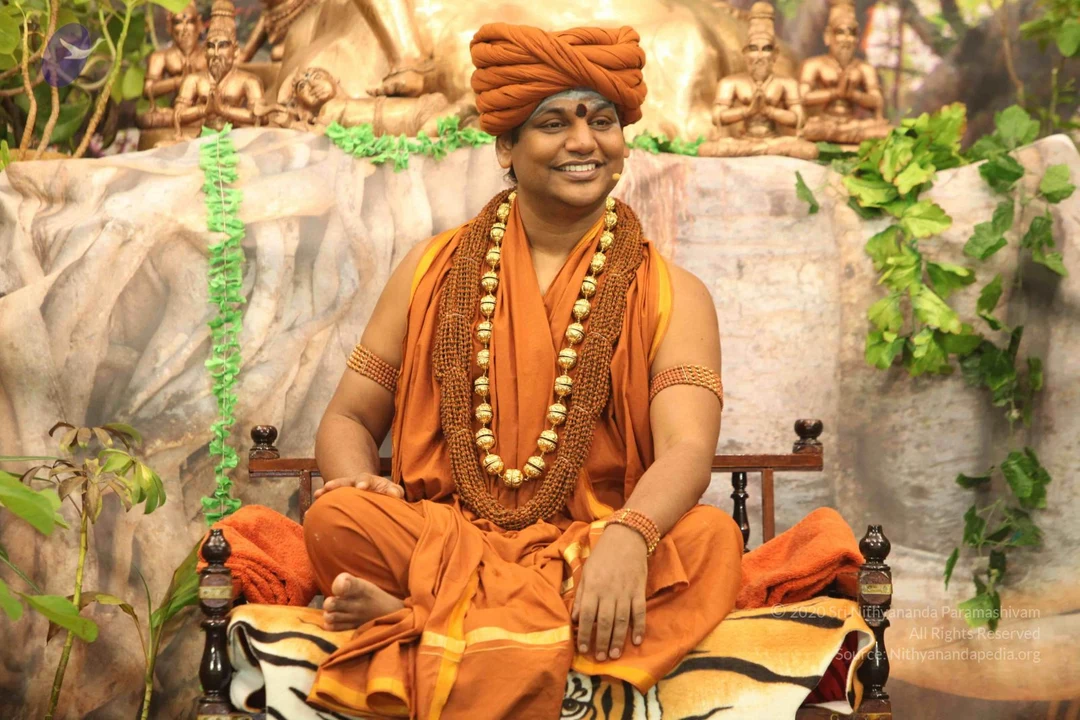
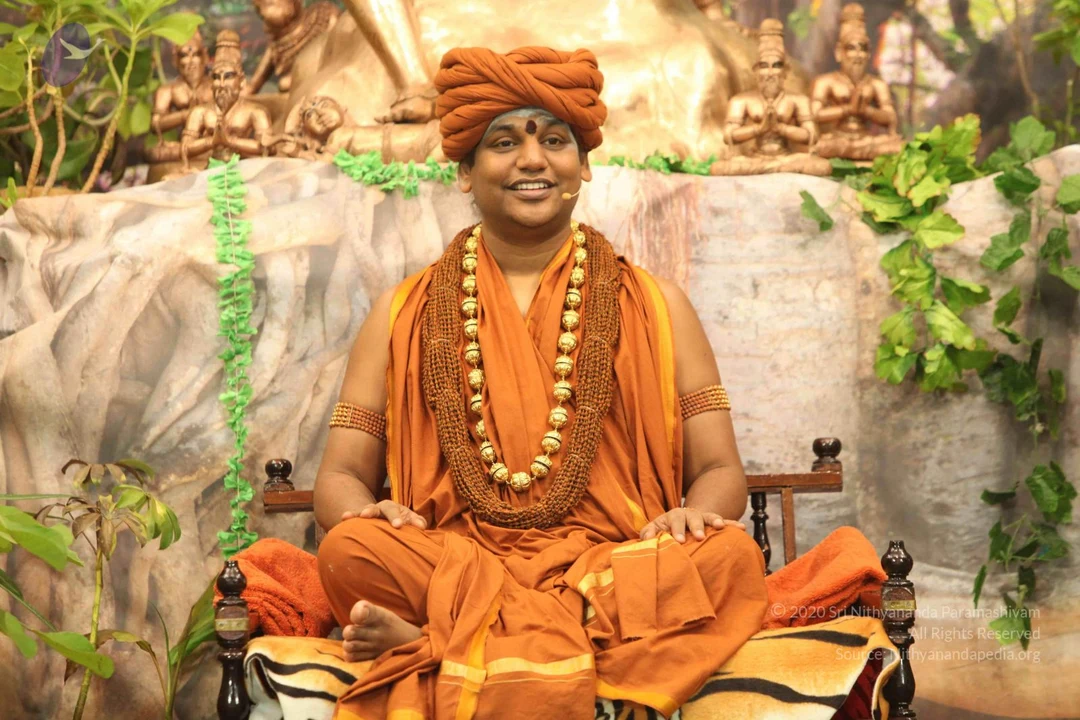
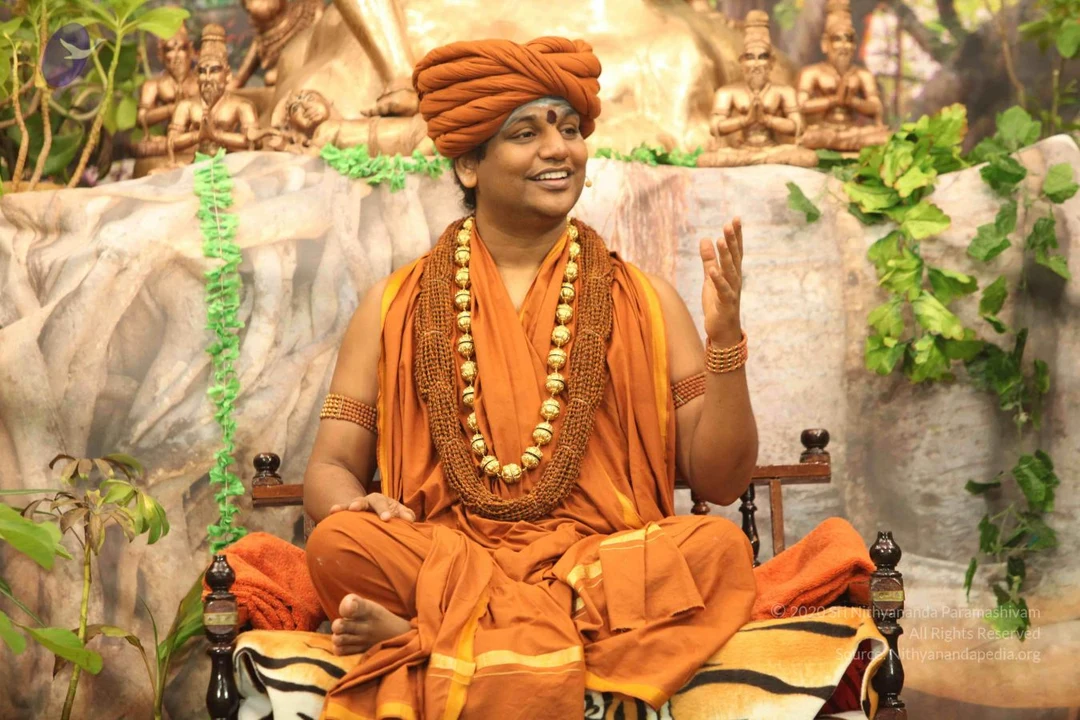
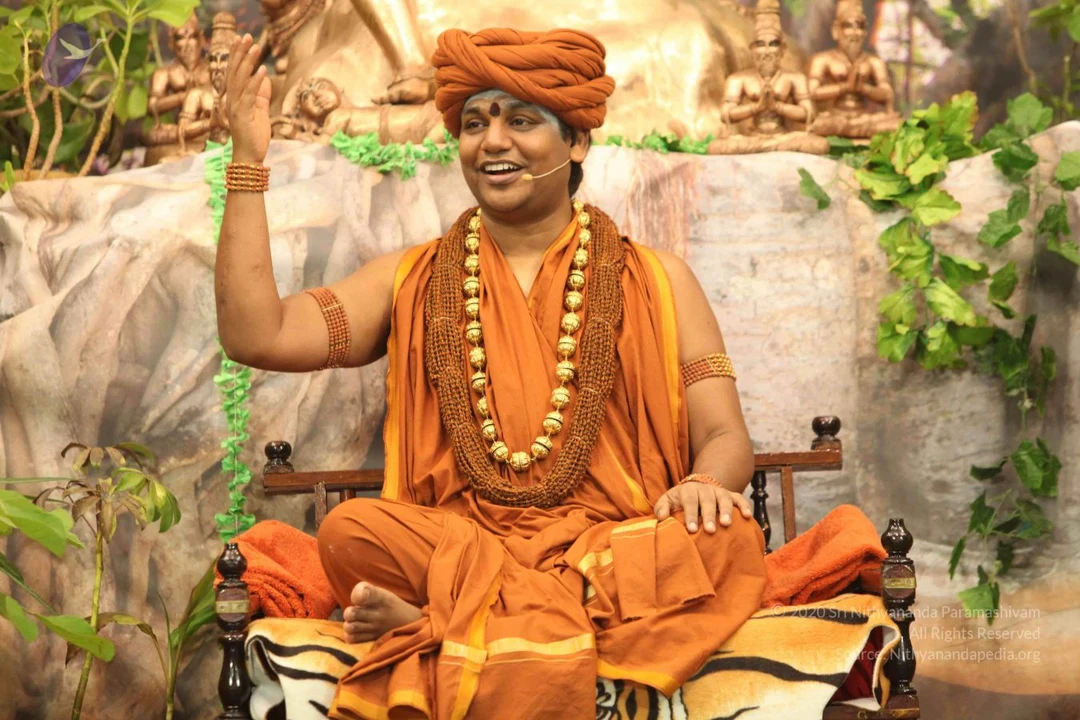
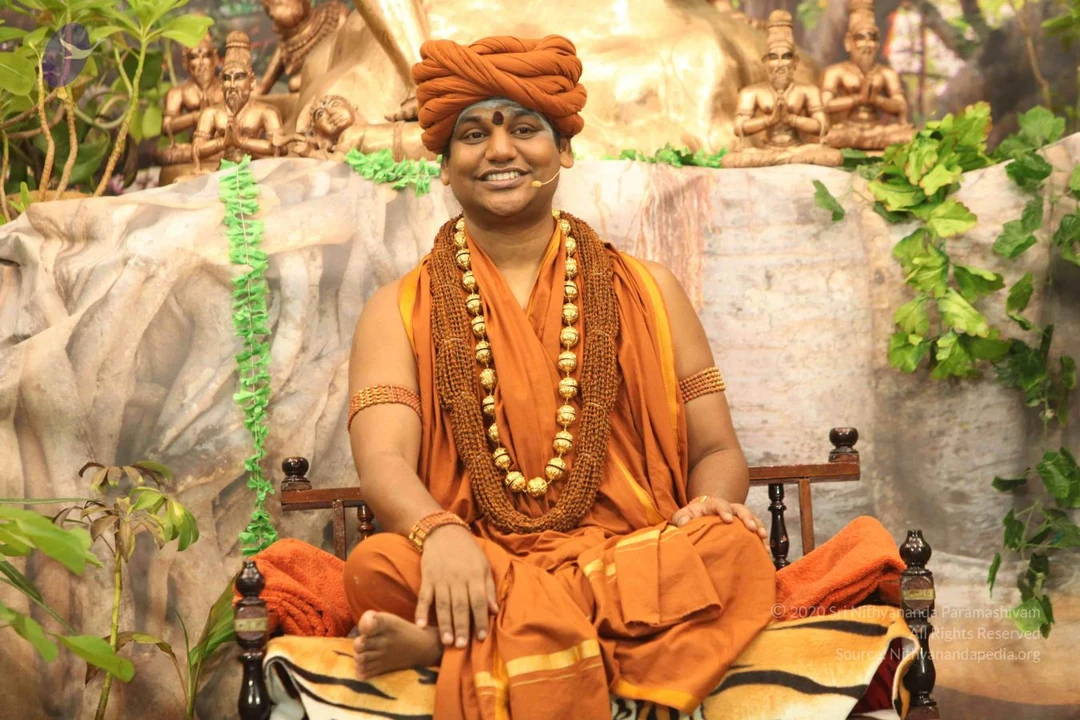
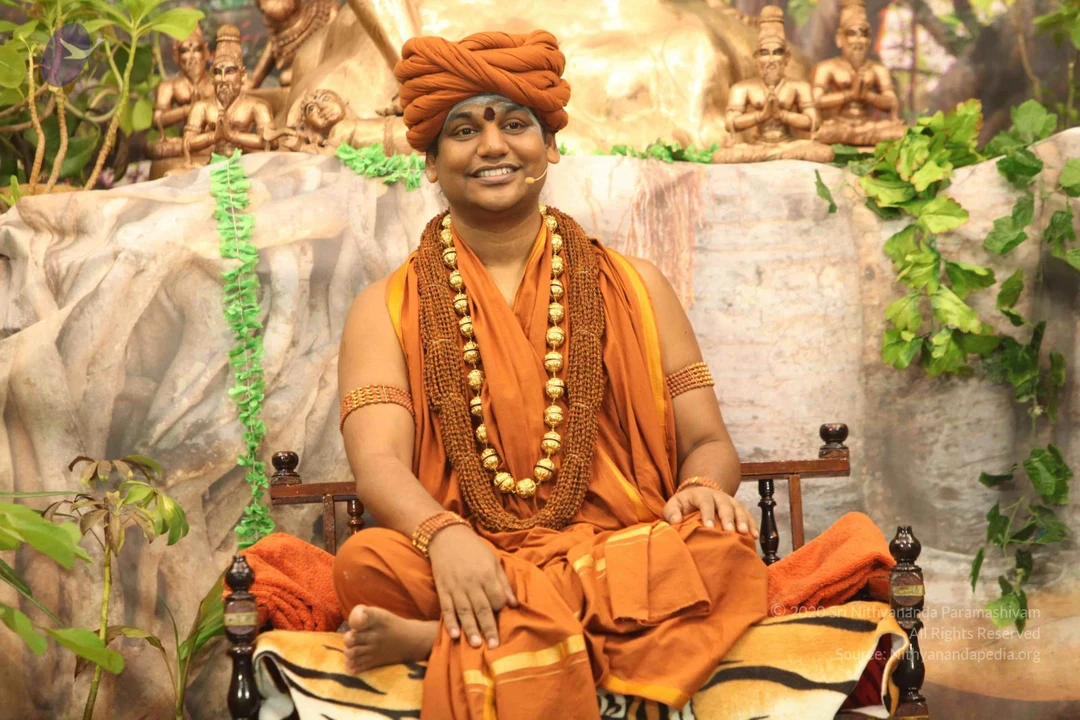
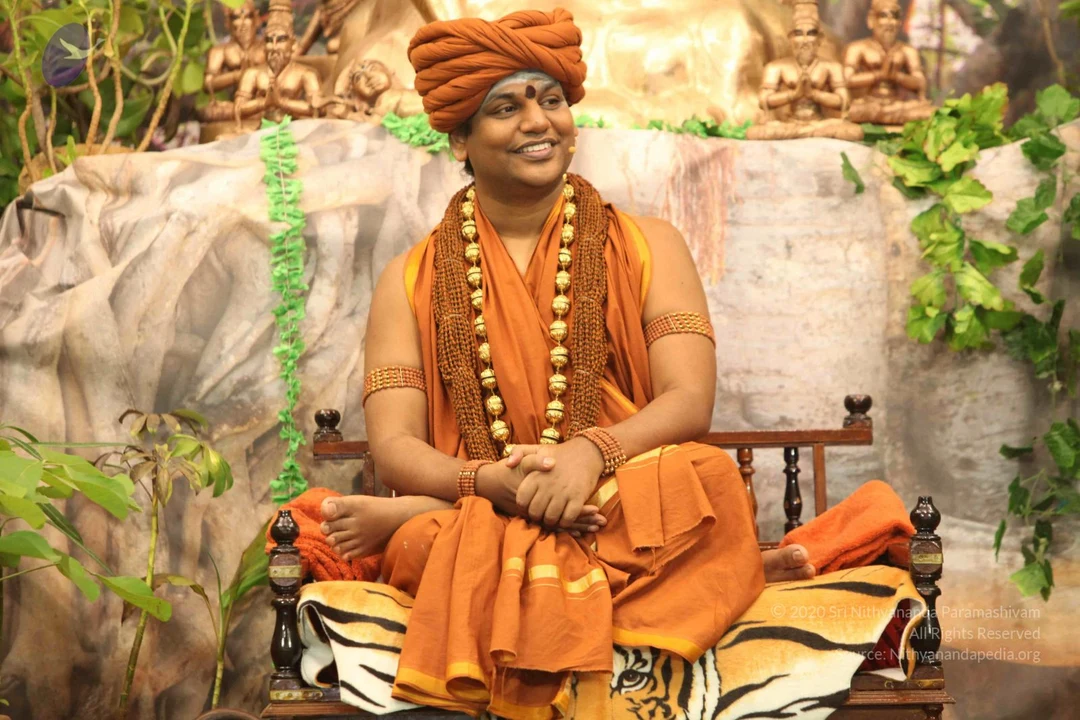
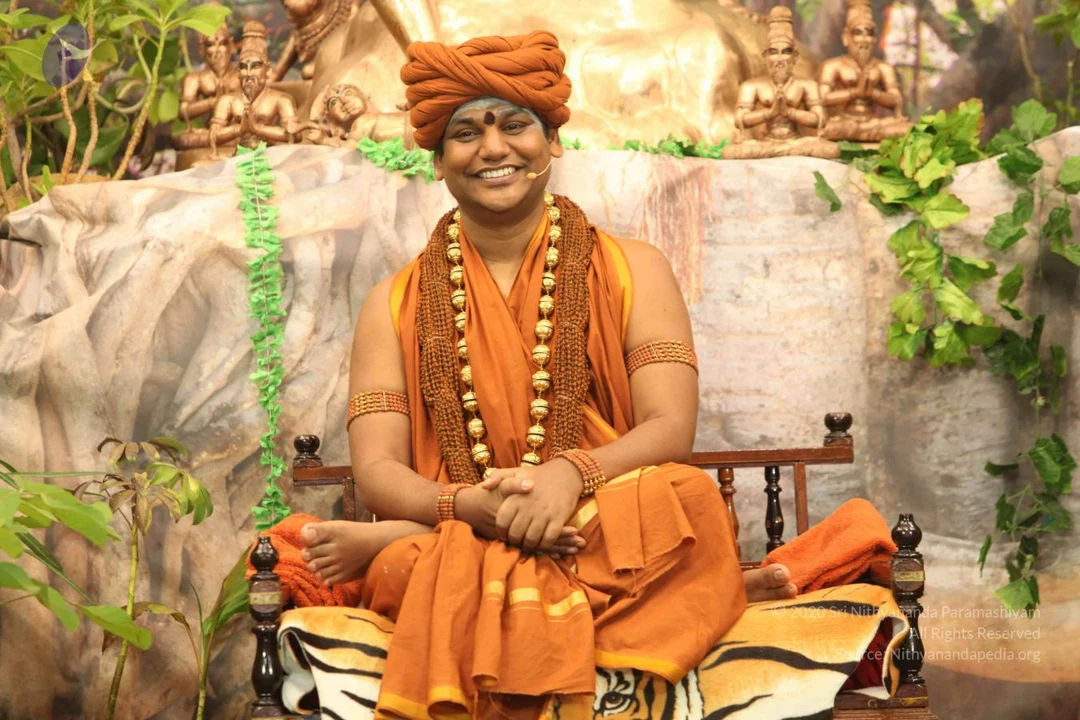
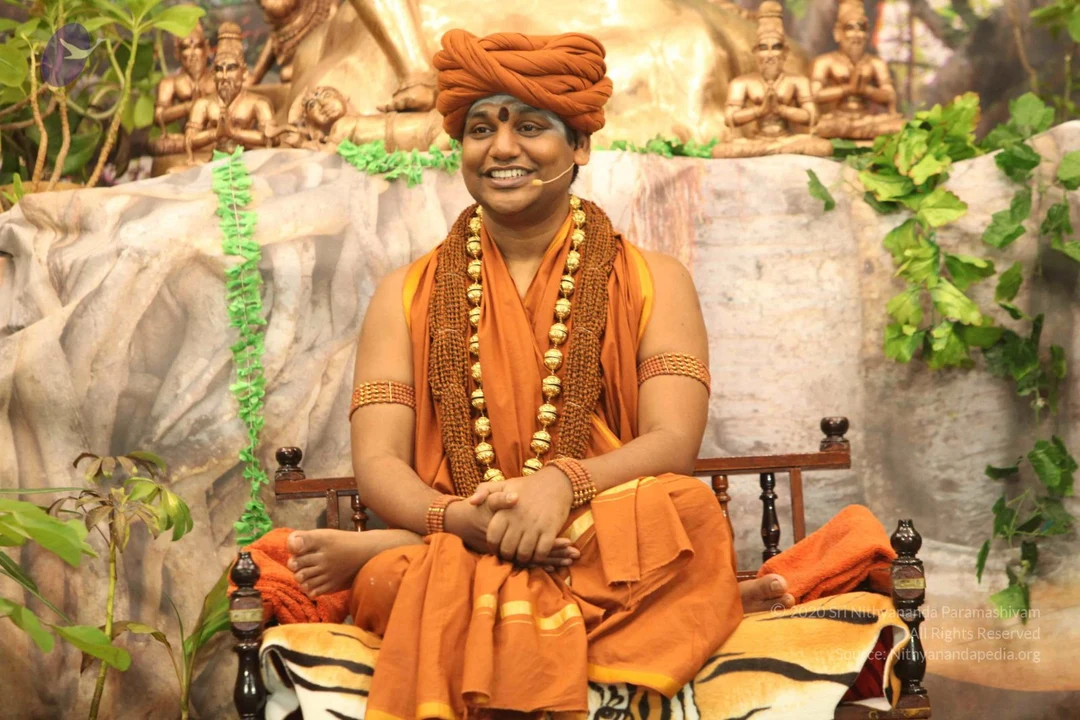
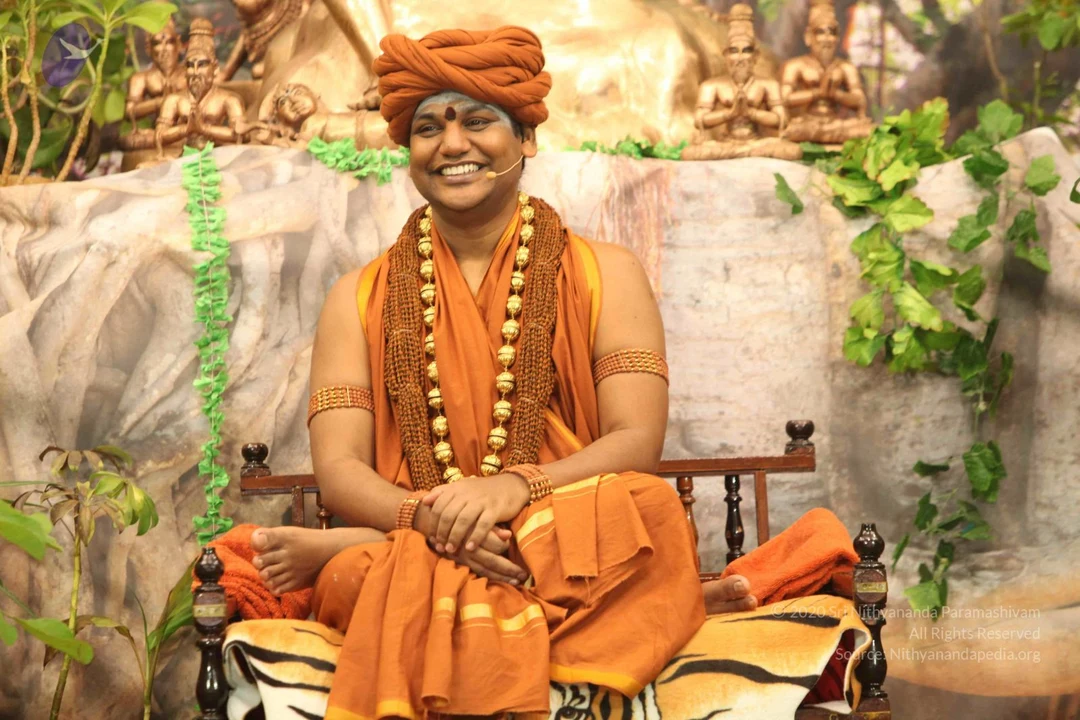
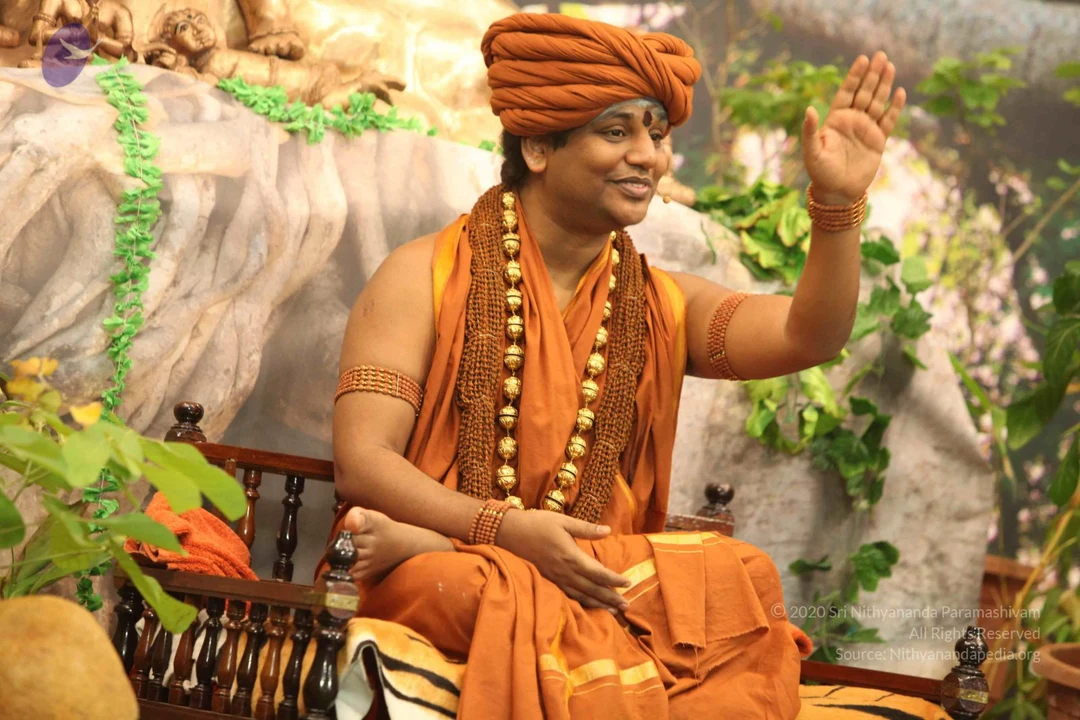
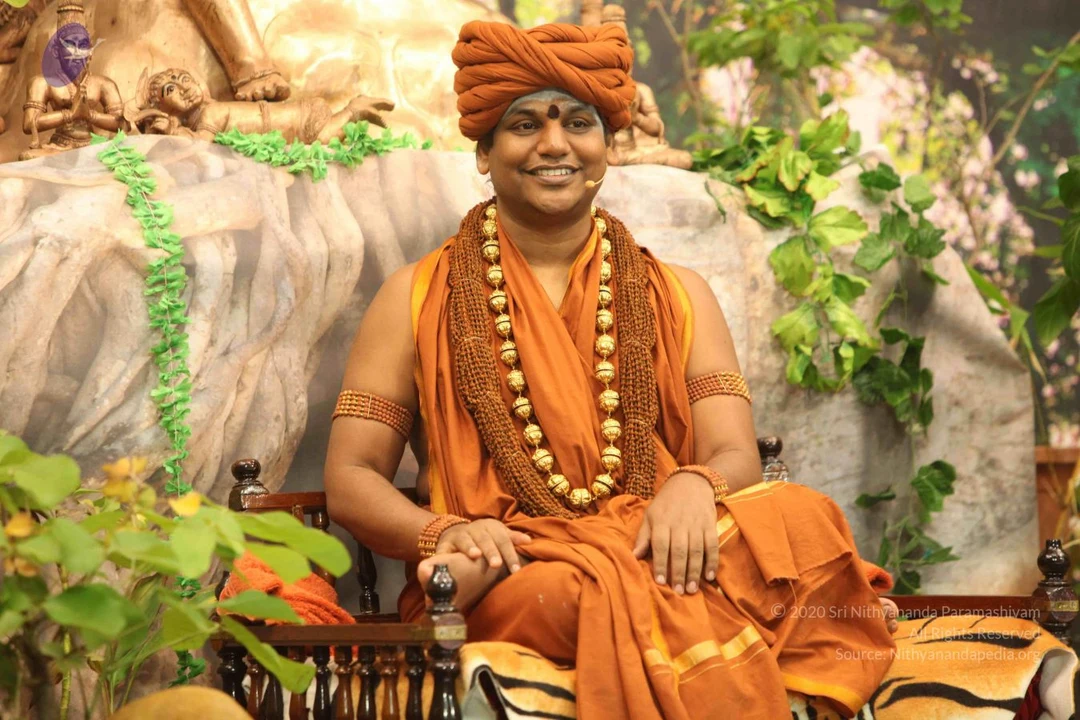
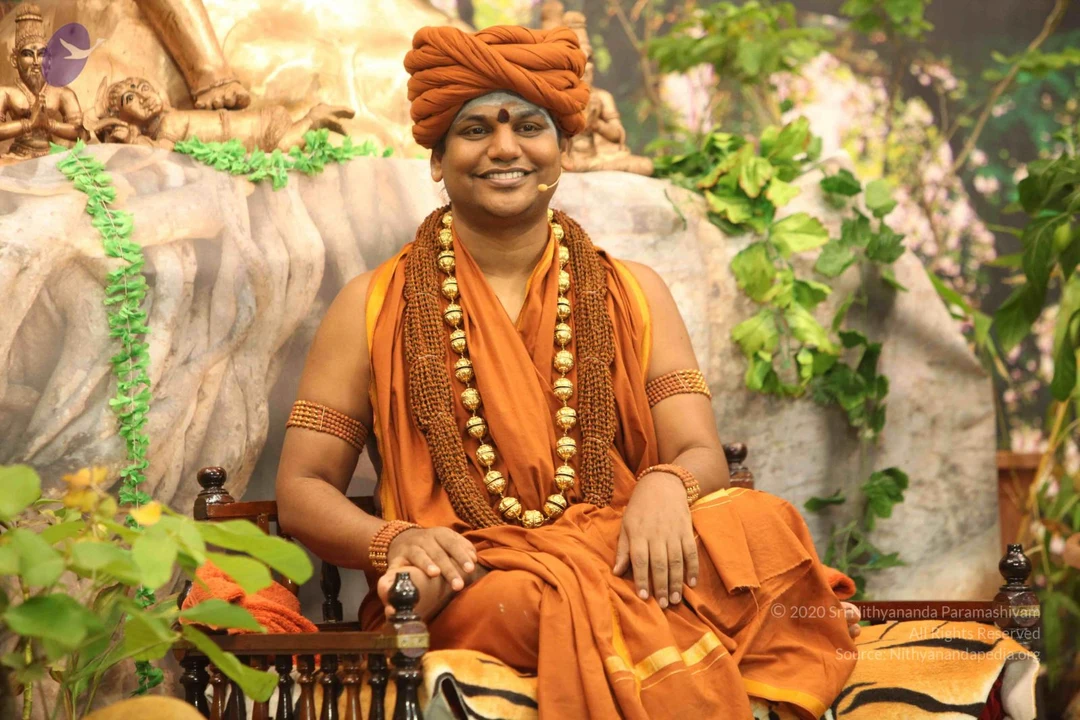
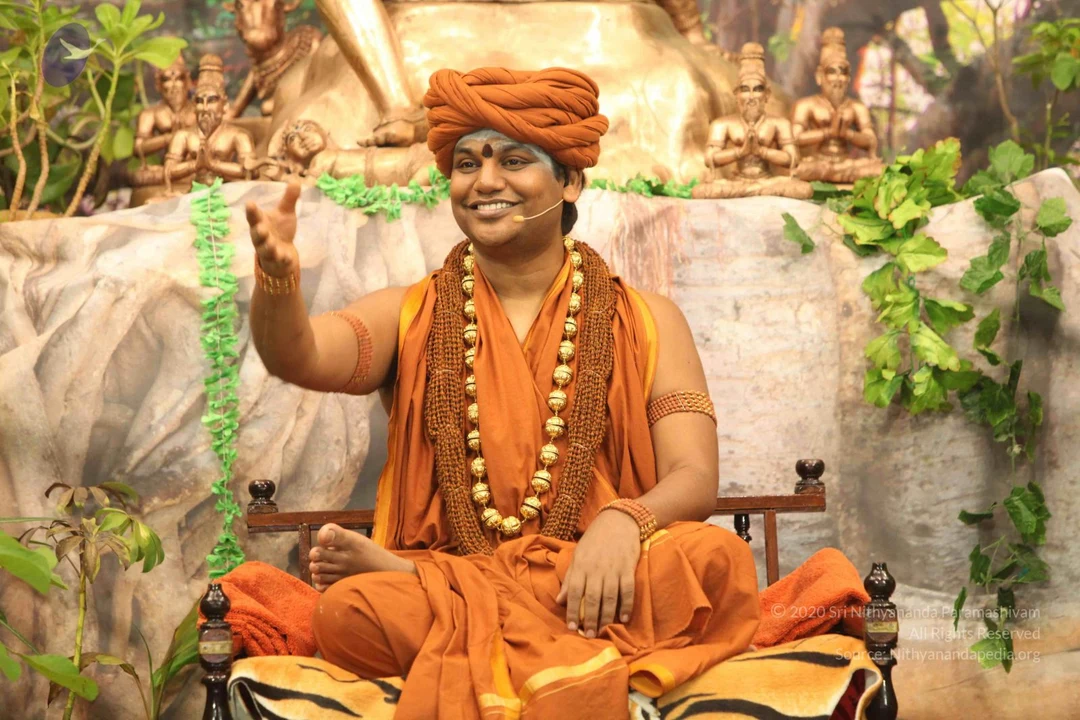
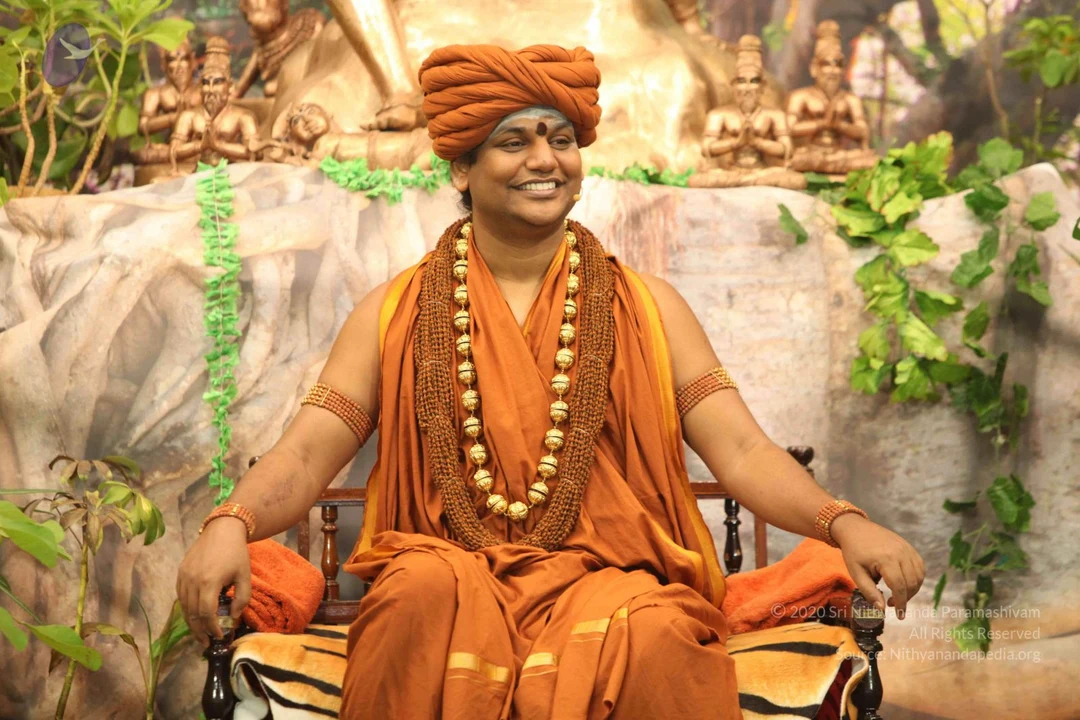
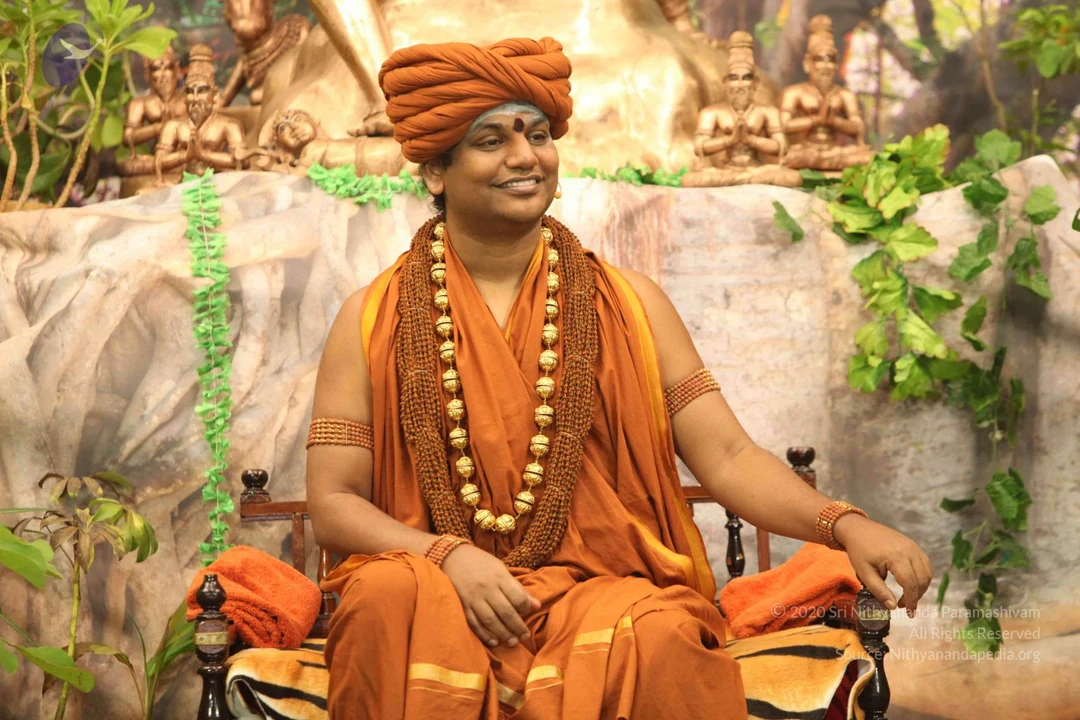
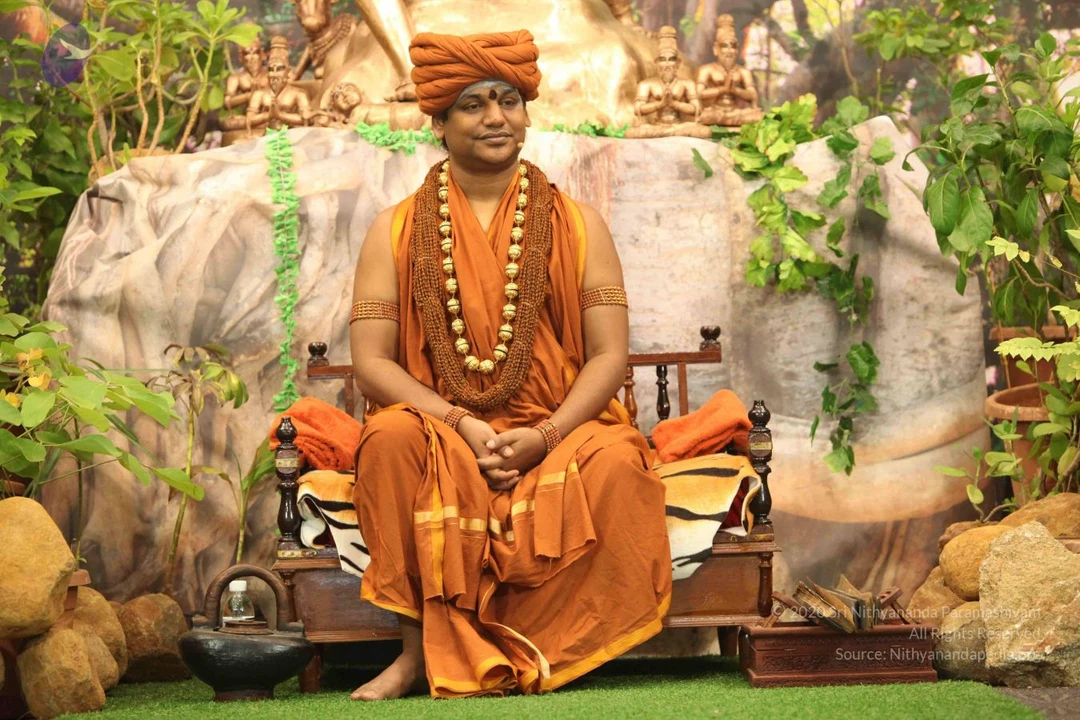
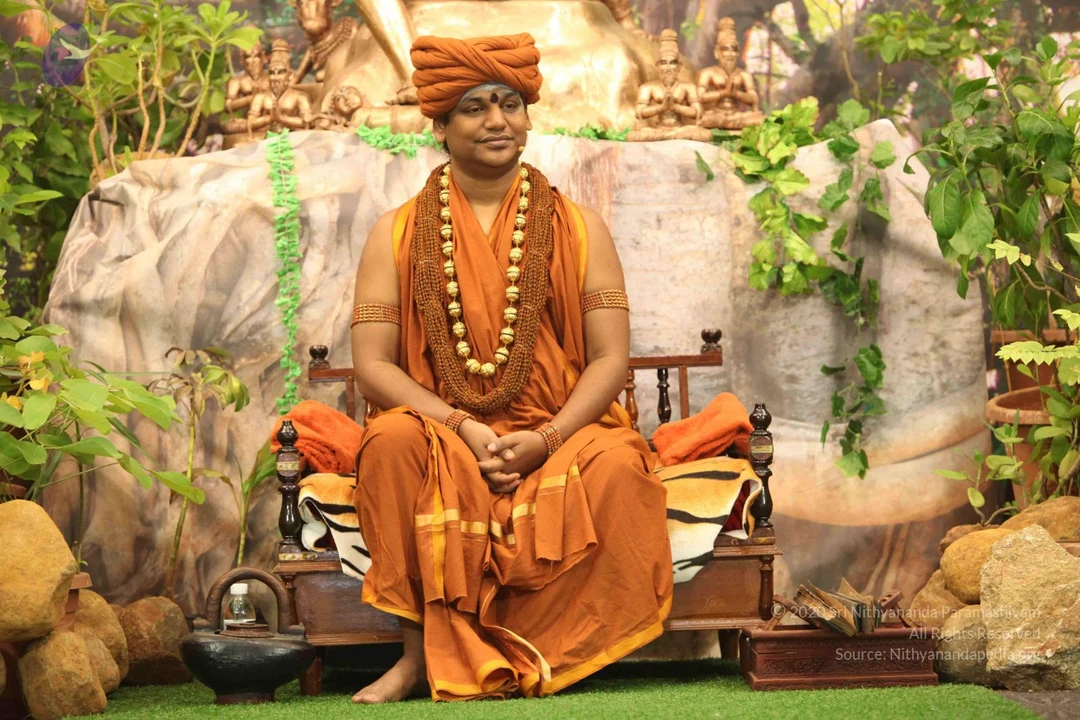
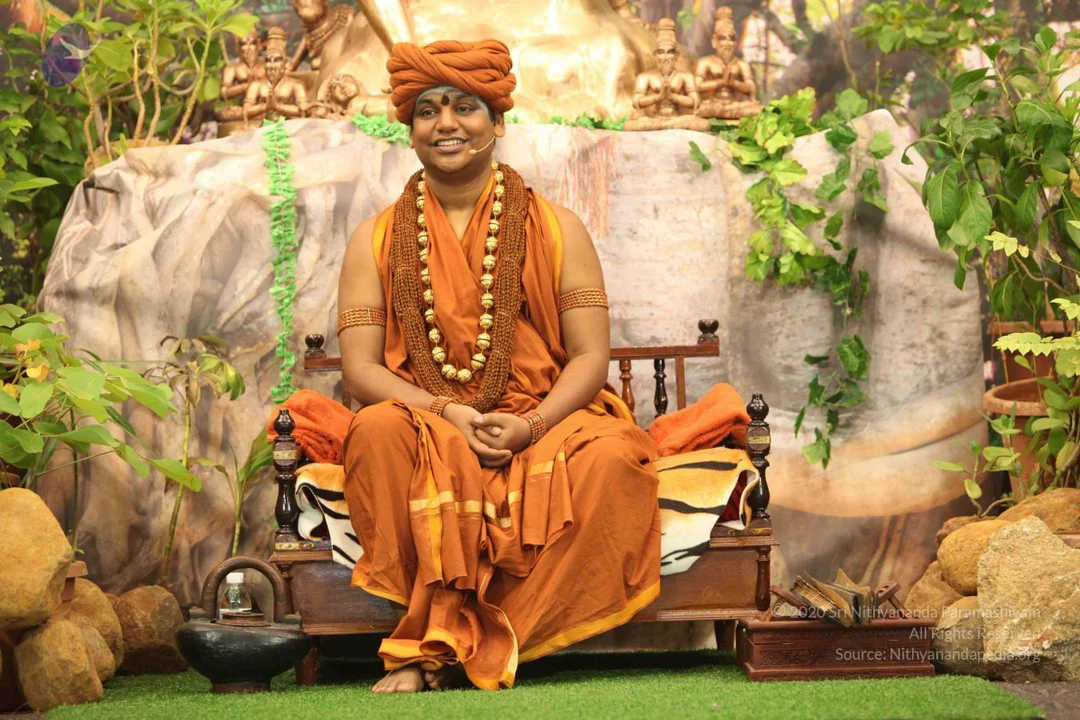
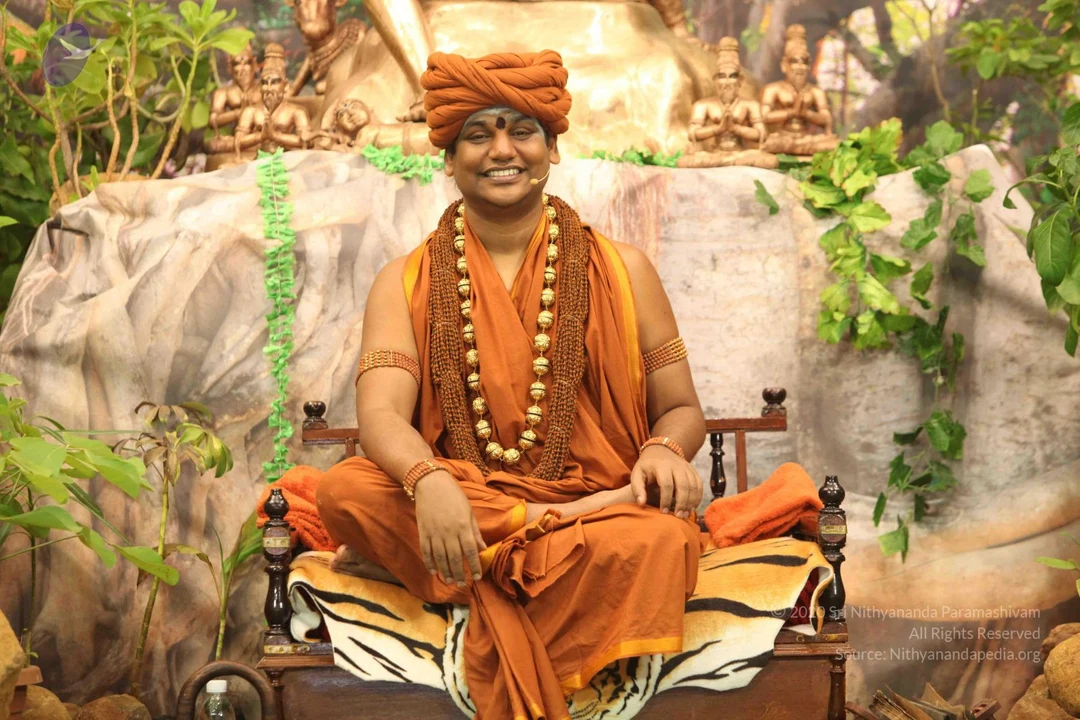
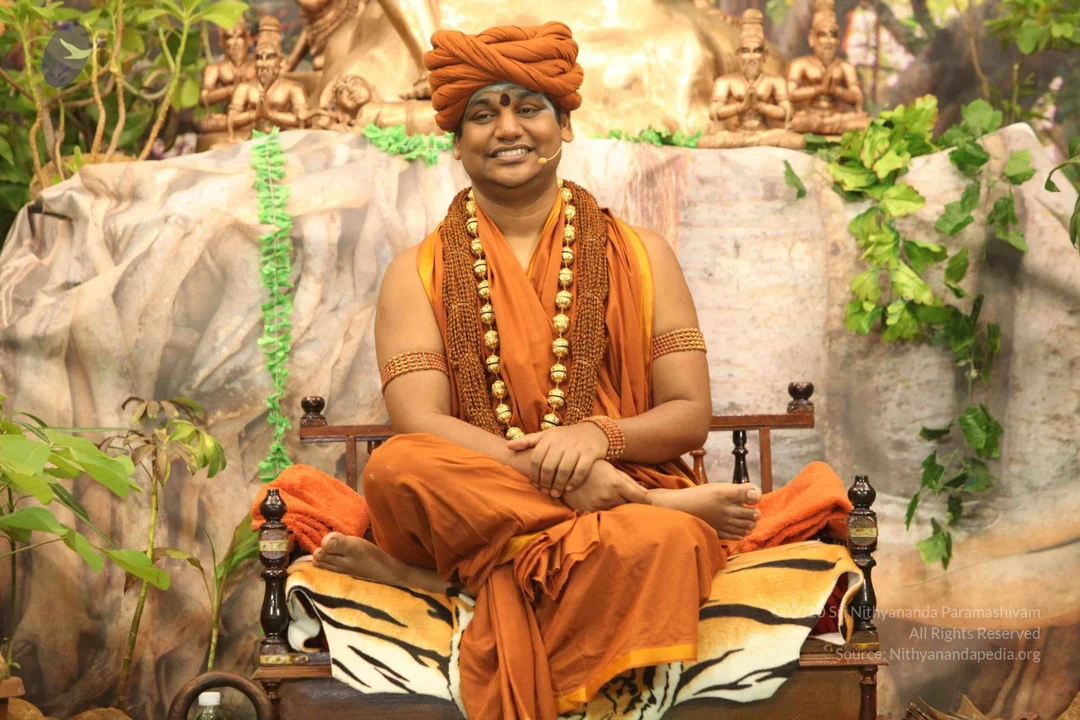
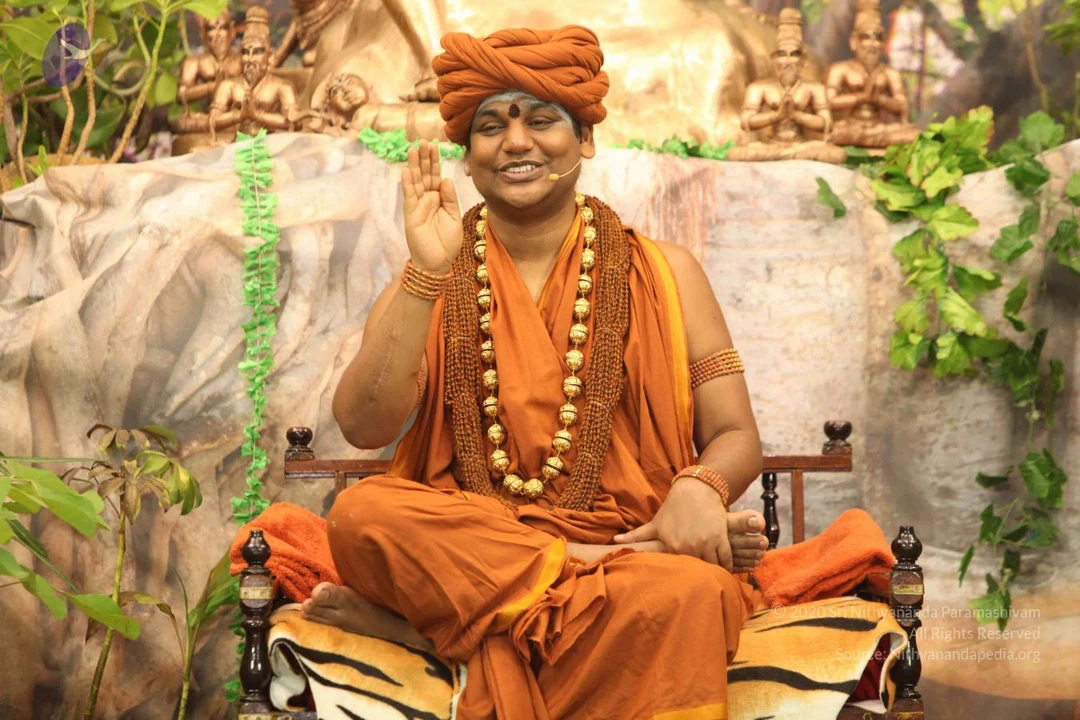
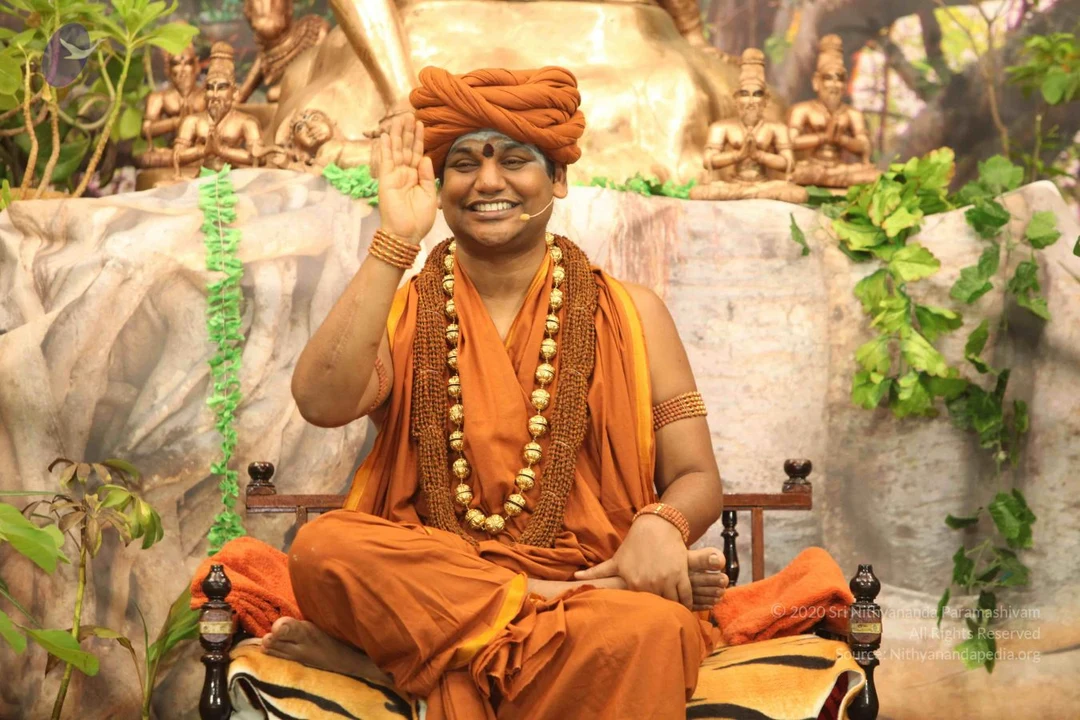
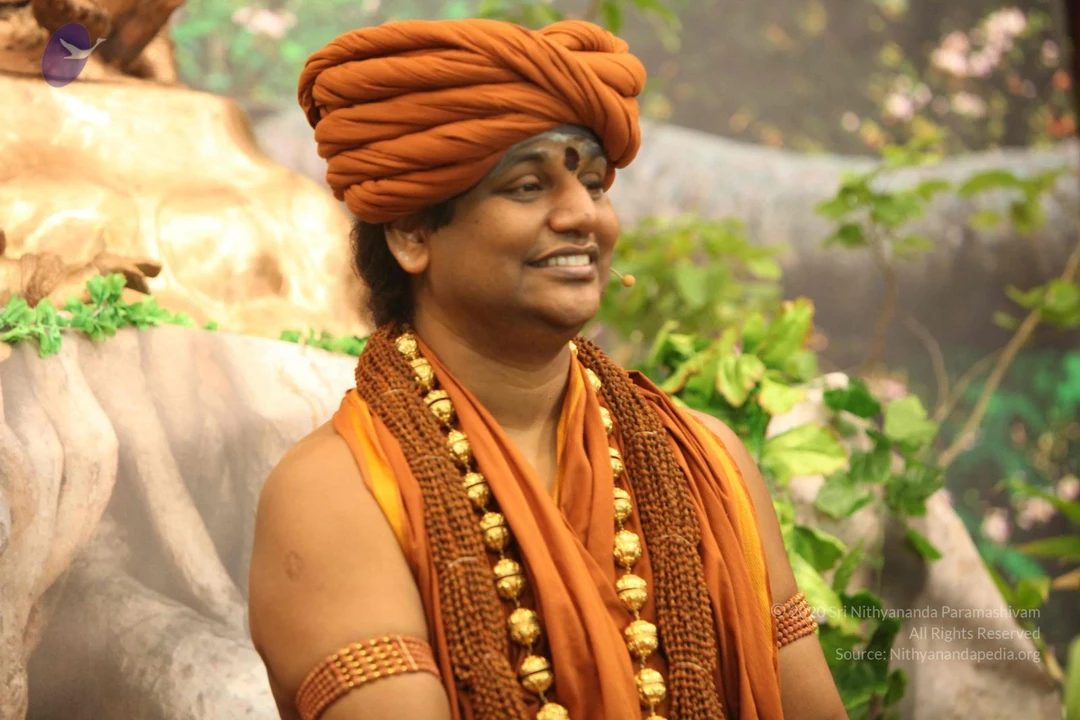
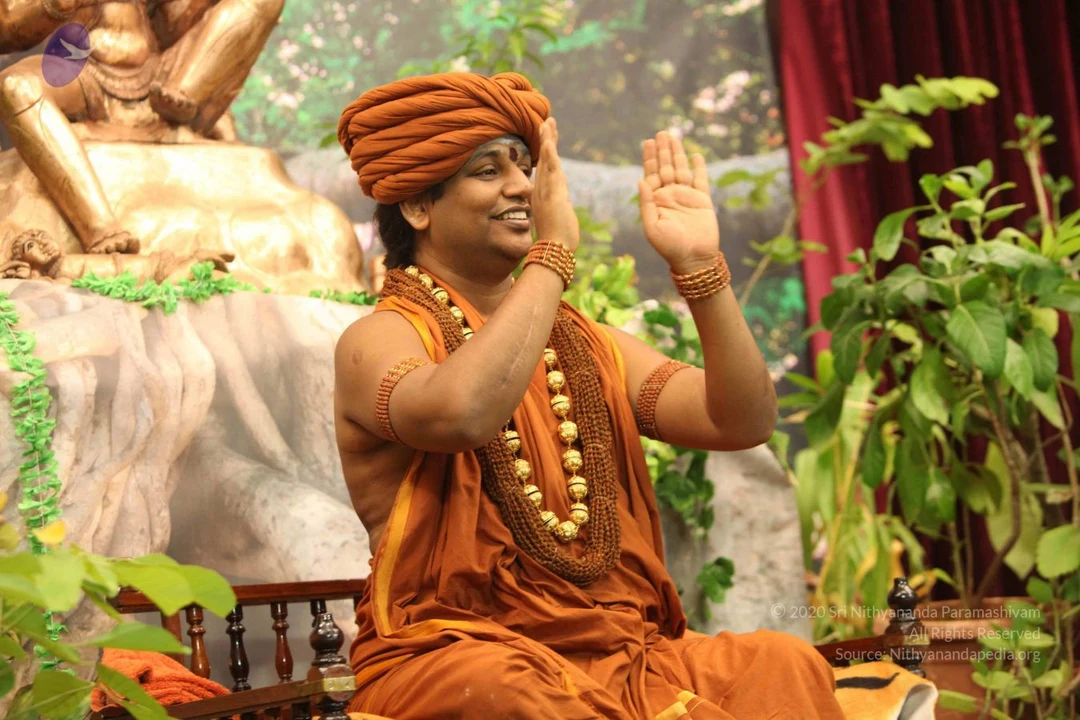
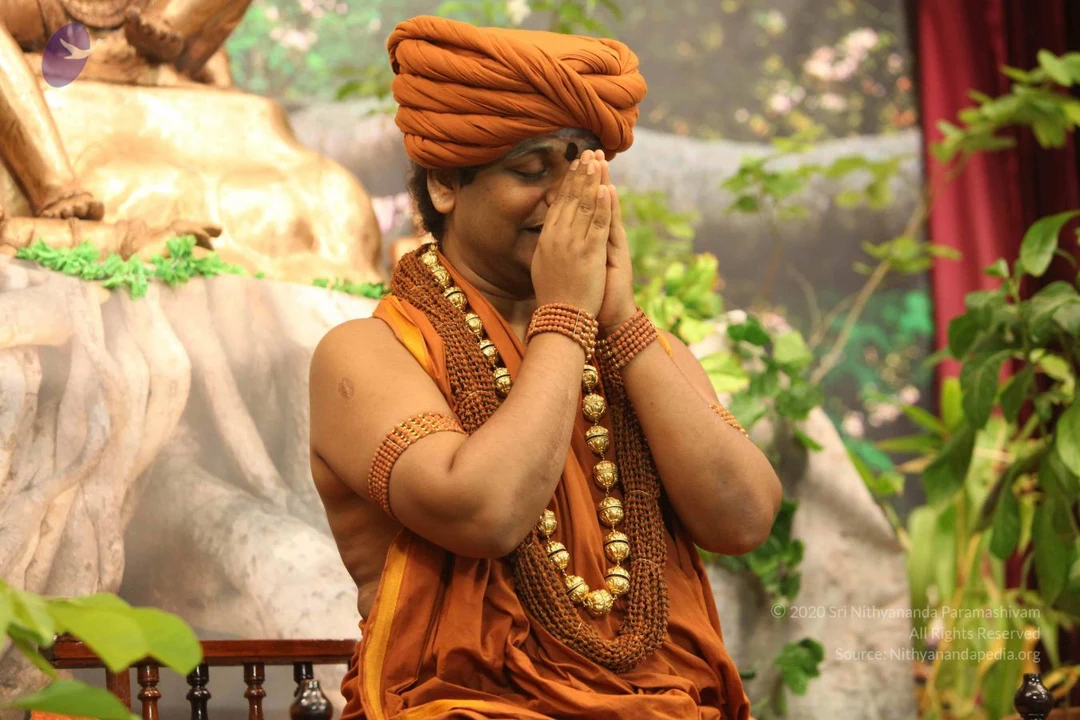
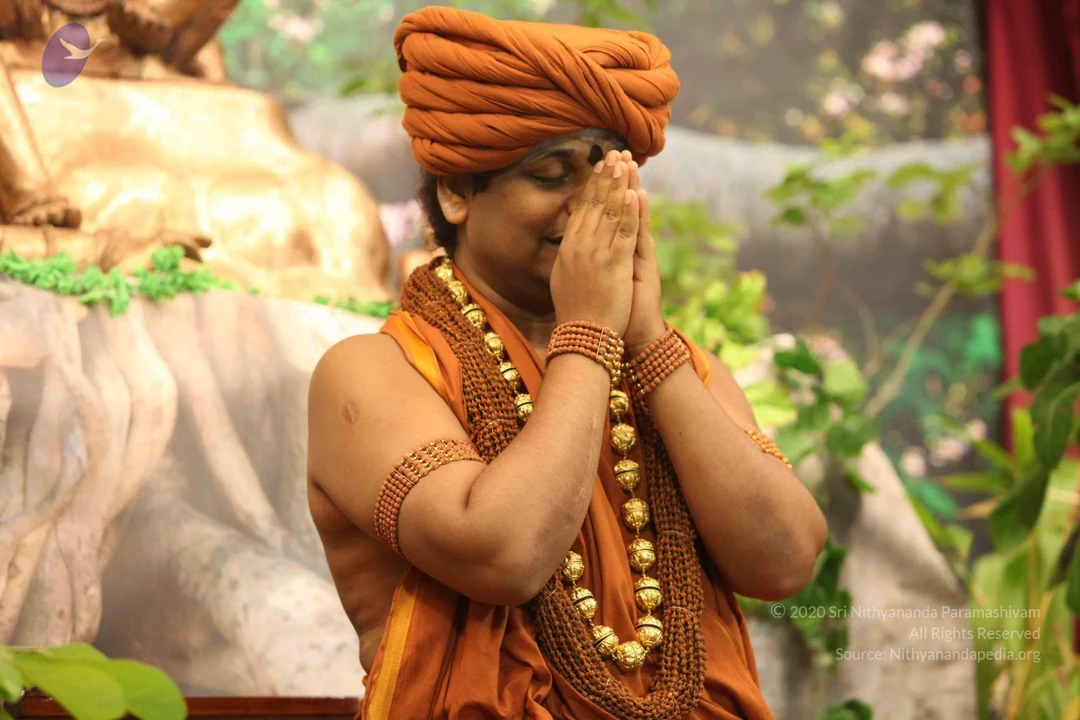
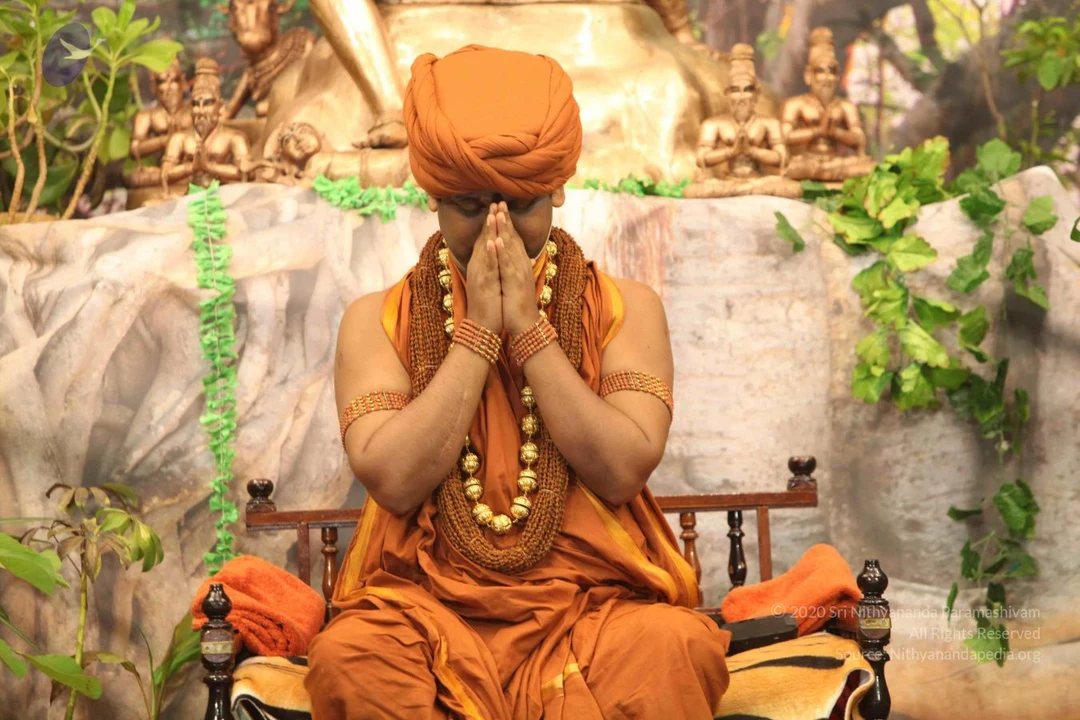
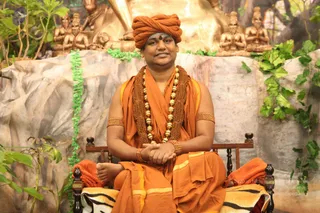
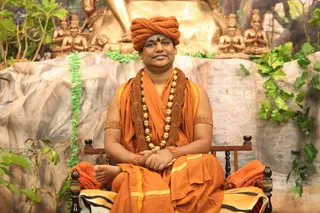
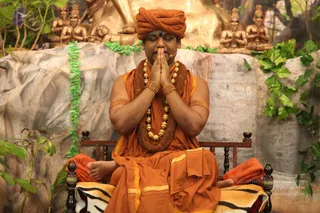
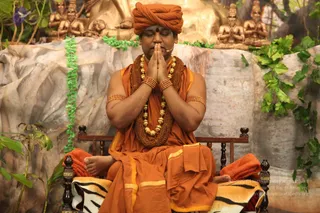
Today’s (18th April, 2015) Nithya Satsang on Ishavasya Upanishad in Living Advaita Series. Paramahamsa Nithyananda reveals the sacred secrets of experiencing Cosmos and our need to constantly seek for ultimate experiences from it, till we become Shiva. Universe is constantly expanding and so does an Enlightened Being expand into new experiences continuously, in whom the seeking never disappears. Stopping seeking is worshipping ignorance (avidyām upasate). Mumukshatva or Seeking means always searching for Reality and not allowing any stagnation to happen in anything we do. Speaking on human possibility, he explains in-depth that our possibilities do not stop with human values with some charity, compassion, social services etc. These are good acts, but never attempt to kill the traditional Hinduism, which awakens the extraordinary, mystical super-human possibilities in us. He insists to have extreme questioning to the Cosmos for everything and search the Reality, by our bold, intense seeking, which is likened to a tantrum-throwing child, who keeps asking the Cosmic Mother. Isha Upanishad – Verse 9 andhaṁ tamaḥ praviśanti ye’avidyām upāsate | tato bhūya iva te tamo yau vidyāyāṁ ratāḥ || 9 || Today’s Vakyartha Sadas, topic for spiritual explorations on truth is – how to keep seeking continuously, how not to allow the worship of ignorance in our life, avidyām upasate? How to keep your seeking alive. Watch, Share and Subscribe to our channel to be notified of the next upload click http://www.youtube.com/subscription_center?add_user=lifeblissfoundation to subscribe. visit: http://www.nithyananda.org http://www.nithyananda.tv http://www.innerawakening.org https://www.youtube.com/user/LifeBlissFoundation https://twitter.com/SriNithyananda https://www.facebook.com/ParamahamsaNithyananda https://plus.google.com/104086565286265959836/posts
Link to Video:
| Video | Audio |
Transcript:
0:22)
||nithyānandeśvara paramashiva samārambhām nithyānandeśvari parāshakti madhyamām | asmat ācārya paryantām vande guru paramparām ||
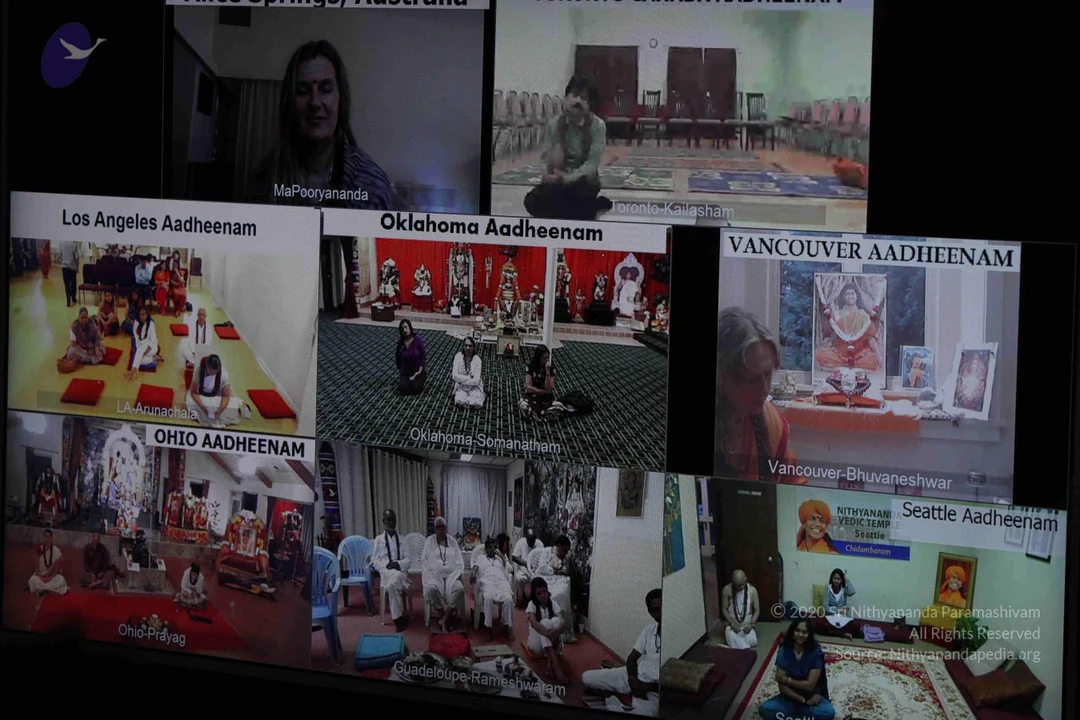
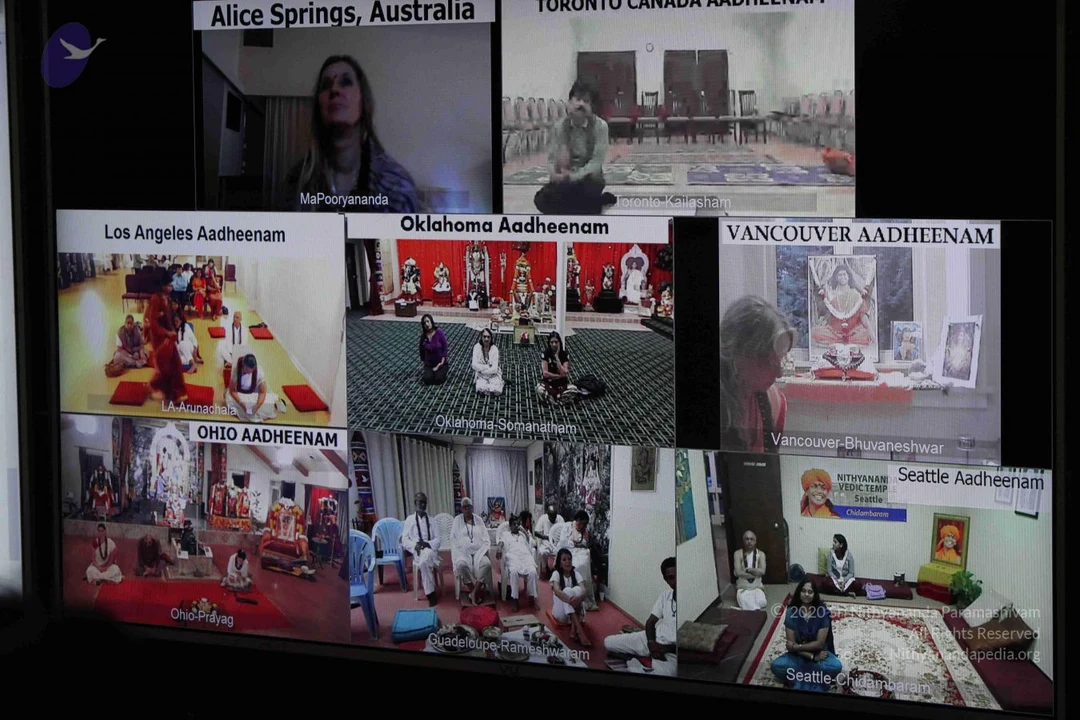
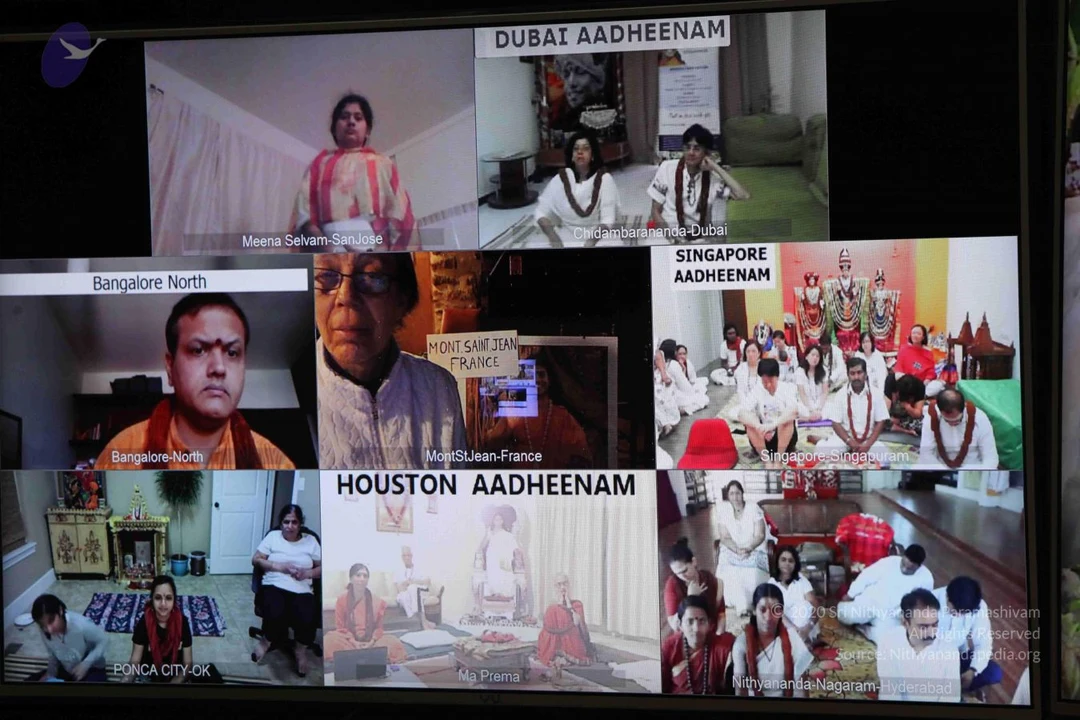
I Welcome all of you with My love and respects. I welcome all the devotees, disciples, samajis, satsangis, sri mahants, mahants, thanedar, kotharis, everyone sitting with through Nithyananda TV, Sadhna TV, Aura TV, and Two-way video conferencing having Nayana Deeksha. Cities sitting with us in two-way video conferencing having Nayana Deeksha Arunachal Los Angeles Adheenam, St. Louis Adheenam, Mel Bourne Adheenam, Ohio Adheenam, Oklahoma Adheenam, San Jose Adheenam, Seattle Adheenam, Toronto Adheenam, VanCouver Adheenam, Houston Adheenam, Mont Saint Jean France, Nithyananda Nagaram, Hyderabad Adheenam, Ponca City-Oklahoma, Singapore Adheenam, Hong Kong Shrigadi, Hyderabad GuptaKashi, LA Downtown, Sharndan Malaysia, Trinidad Tobago, and some more citie. I welcome all of you with love and respects.
(02:22)
I will expand on the ninth verse of the Ishavasya Upanishad: Antam Tama Pravishanti Ye Avidyaam Upasate Tato Buya Iva Te Tamah Yavu Vidyayaamrataaha Antam Tama Pravishanti Ye Avidyaam Upasate Tato Buya Iva Te Tamah Yavu Vidyayaamrataaha The literal meaning, translation of this verse: Those who worship Avidya, the ignorance that veils the true knowledge of truth, consciousness, enter into blinding darkness characterized by the absence of perception but into greater darkness of ignorance than that enter they who considering themselves as scholarly and learned are engaged in Vidya, the incomplete knowledge acquired for vested interest characterized by impure perception of truth, consciousness.
(03:59)
Listen, the essence is: Do not stop seeking. Anything can be given up, not the seeking. Never searching for the truth higher, higher, higher. Listen, universe eternally expands. I am defining Enlightenment, listen. Enlightened being is a person whose mind has disappeared. So He constantly goes through new, new experience and expanding, continuously seeking. Understand, I am using the word, ‘seeking.’ In who the capacity not to seek has disappeared is enlightened being. In you, still there is a part of your mind which can put you in boredom and tiredness. You may stop seeking at one day. That is why, you are still a seeker. If your seeking becomes eternal, there is no part of your mind exists to make you bored or tired and it becomes sure that you will be seeker forever, you are an Enlightened Being.
(05:49)
Please understand, even Enlightened Beings continue to seek but not the plane from which you understand the word seeking. Enlightened Beings, they become one with the Cosmos. That is the ultimate experience but not final because ultimate itself is constantly alive. It is not carved in stone. Ultimate is not carved in stone, it is a powerful happening. It is a constant happening. Every time I fall into Samadhi, I just know I am pregnant with billions of planets, I am just pregnant with billions of planets. Understand, when I say, “I am pregnant with billions of planets,” means I am constantly delivering, delivering, delivering. Swallowing billions and delivering billions. Infinity, Cosmos is a happening. It is not a dead state. It is alive, living, happening, understand!
(07:39)
Antam Tama Pravishanti Ye Avidyaam Upasate Tato Buya Iva Te Tamah Yavu Vidyayaamrataaha What upanishads are trying to declare through this verse, listen, what upanishads are trying to declare through this verse, I am revealing that sacred secret. Universe is happening. All, even all Enlightened Beings continue to seek. See, the Enlightened Being seeking means continuous expansion, continuous expansion. So even if Enlightened Beings are expanding, seeking, happening, then you should be seeking. Kill all parts of you trying to become stagnant. Any stagnation is disease. Body, if you are able to bend forty degree, make it at least forty one next day. Don't stagnate. Mind, if you are able to understand some concepts for five minutes, make it at least into six minutes next day. Killing all parts of stagnation in you by the constant inspiration and excitement is seeking.
(09:39)
Understand, I am defining seeking, about anything. If you are seeking something in the outer world, you will have the gifts of that world- luxury, comfort, pleasure, name and fame, whatever comes from society. But if you are seeking from the depth, you will get what you are seeking. Understand, seeking should become your very being. Mumukshutva means constantly looking for reality. Don't allow any stagnation. All stagnation is stupidity. Stagnation is stupidity. If somebody is stuck, that is hell, the most cursed space. Hell, nothing, nothing less than hell. Antam Tama Pravishanti Ye Avidyaam Upasate Tato Buya Iva Te Tamah Yavu Vidyayaamrataaha
(11:23)
Being stagnant, stuck, is worshiping ignorance. Whether trying to understand the good-bad, right-wrong, the laws of the universe or the laws with which your self functions, laws with which life happens, go on seeking it. Understand, you will never get an answer but you are not supposed to stop seeking because the reward for your seeking is experience, not answer. If something is told to your very being, it is experience. If an experience is limited to your logic, it is answer. Response from the Cosmos to your seeking, if it is limited to your logic, your seeking is also limited to your logic, Cosmos will respond only to the... only limited to your logic, it is called answer. If your seeking is from your depth of being, Cosmos will respond to you with… to your whole being. That is called experience.
(13:15)
Thousands of My experiences…please understand, I am revealing one of the important sacred secret. Thousands of My experiences came to Me just by seeking, not by any practice. To tell you honestly, let Me put it in open. I never did any practice. Let Me be very clear. Whoever believes, believes. Let it be on record. I never did any practice in My life. I teach meditation to millions, never sat with closed eyes to meditate. I know it is very difficult for people to believe, “Oh! We have so many photographs of You meditating.” Never I sat for meditation. I always searched for what is at the time. Sometime the eyes automatically closed. When I was sitting to seek, to search, eyes automatically closed. So those moments you can call it as meditation but I am telling you, always I was in search with My whole being. I was seeking with My whole being. So all responses to Me came from the Cosmos to My whole being which was experience, which was experience. Never, never, ever I did any spiritual practice or meditation separately. All My experiences were gift to Me as a response to My seeking.
(15:29)
I am telling you, if at all you need to do something, you just need to sharpen your seeking. Blessed are those who have seeking in the life. Stupid are those who lost seeking in the life or never had it. Some of the best people whom I love are all sincere seekers still. Please understand, just like money, wealth, car, luxury can make you forget your seeking for a time being, even Sangha, the coziness, love of the Master or the positioning in the Sangha, even that sometime makes you forget your seeking. Whoever continues to keep his seeking alive even basking in the glory and My love, I continue to love them. Understand, My love comes to you as a gift. If you continue to seek, it will be continued to shower on you.
(17:08)
At any cost, don't stop seeking. The moment you stop seeking, you start worshiping Avidya. You start worshiping ignorance. You start worshiping ignorance…. Whatever has become stagnant in you, sometimes the pain makes things stagnant in you, not suffering, understand, not suffering. Suffering never makes you stagnant, only pain makes you stagnant. I will give you the difference. The exact actual happening of your life is a suffering, never makes you stagnant but constantly remembering you had suffering and making yourself painful makes you stagnant. Remembrance which puts you in emotional turmoil, that makes you stagnant, understand. Do not allow any form of stagnation in your life for any reason. I am not here just to make you guys as good human. No! I am here to make you guys as superhuman! It is a possibility! Don't try to kill the mystical possibilities, the superhuman possibilities of traditional Hinduism.
(19:25)
All these modern day human value organizations…. see, I appreciate human values. Great. Do charity, love, be happy. All these are great but don't say there ends life. God has not created you to run a charity organization. I wanted all of you to be doing lot of service, charity, being good, all that but don't stop there. Where you will stop? Becoming Shiva. It is only after you become Shiva, you can stop. After that, I know you will never stop. Once you get into the flight and flight takes off, you can’t stop. You can sit in your chair, in your seat but you can't stop. See, because I am sitting in such restful awareness, don't think I have stopped. You can be in restful awareness in your flight seat but you have not stopped. You can be running as fast as you can inside a stagnant bullock cart. You are not moving anywhere.
(21:05)
So more than what you are doing, where you are matters for your life and progress. You can be running as fast as possible blowing all the holes of your body and doing all types of kriya, yoga, pranayama, Jil Jil Jiga Jiga sitting inside a bullock cart where bullock is not even tied, you are not going to go anywhere. You are not going to go anywhere. You can be as restless as possible, you can be as active as possible, you can be as pulling and pushing as possible. You will be only there. You can be even lying, resting after sipping a cup of juice or anything you want but if you are lying in the flight, you are moving. You are flying. Understand, My Sangha is a flight…. What you do does not matter, where you are matters! What you do does not matter much, where you are matters.
(22:51)
The human possibilities does not stop with human values, understand. Seek about everything. You have a right. You have a right to question the whole Cosmos. I am giving you a simple secret, simple secret. Listen, if you have a stomach pain, don't try to think, “Why there is stomach pain, what did I eat, is it indigestion, indigestion, gastric, what is the reason, why am I having stomach pain?” Don't think that way. Try to ask, “Why first of all this very habit of eating and digesting?” Start questioning the roots. You will be declared as a rebellion by the Cosmos. All your needs will be immediately attended. I am telling you, it is a child who cries loud gets the attention first. If you are thinking, “Why am I having stomach pain? Should I do this pranayama? Should I do that yoga? Should I take this herb?” Yes, you may get your stomach pain cured, you will have headache tomorrow. But question the very root.
(24:53)
So always go to the extreme of questioning, the very root. When you question the very root, “Why this pattern of eating, digesting, getting energy from the food, cleaning, why?” When you go to this very question, you will be the child crying louder. Immediately Cosmos will attend to you. Not only you will get rid of the stomach pain, you may get the powers to be Nirahari! Understand, deeper questions not only solves the problems, brings you more powers. The child who cries louder not only gets just the candy he wants, he gets the key of the store room where candies are kept and says, “Whenever you feel, you go and eat yourself. Don't cry. Don't create a mess.” Understand, if you cry, “Aaaaahhh,” then slowly as a last work, mother will come and ask you, “Eh, what do you want?” “I want candy.” “Take it.” One will fall in your lap. That also one side would have fallen on the urine you already passed there. Only the other side you can eat. Only half finally will go inside your stomach. Learn how to throw tantrum with the Cosmos. No, question the very root, source, “Why first of all this body which has a possibility for disease? Why?” So let your ‘whys’ go to the depths.
(27:12)
Understand, just one child- Nachiketa, throwing tantrum, Yamadharma has to simply come and sit and listen to Nachiketa, obey Nachiketa. Learn to throw tantrum with the Cosmos because you have a right over it. Cosmos cannot just brush you aside, push you aside saying, “Okay, you throw tantrum, I will do my job.” No, understand, if you read the vedic literature, so many reference will be there. A rishi sitting in one forest, corner of the forest under a tree and meditating, Indra’s throne burns! Mahadeva’s Kailasa shakes! Vishnu wakes up from his Vaikunta- snake bed, rushes to attend. Have you not read these stories? What it means?
(28:23)
Your tantrum cannot be neglected. Be a strong seeker, intense seeker. Never allow the worship of ignorance. Never allow worship of ignorance. I tell you, whatever you lost- wealth, time, energy, youth, I am telling you, everything is useless, stupid. You can gain ten times, hundred times more anything you lost just if you acquire one thing, seeking, if you stop worshiping ignorance. Losing the spiritual seeking is the biggest curse! If you have not lost the spiritual seeking, don't worry, nothing is lost. It means you know how to throw tantrum and make the Cosmic Mother open the treasury godown for us. Seeking is nothing but your ability to throw tantrum and get the attention of the Cosmic Mother.
(30:11)
Arey, I am telling you, just sit under one tree with the depth and decision of seeking. Simply Kailasa has to shiver. Kailasa will shake. Don't try to be Ravana trying to shake the Kailasa. You will be caught under. Just be a yogi. Vishnu cannot sleep there. Vaikuntha will have a Tsunami. He has to come down and attend to you. Because after all, Vaikuntha, Kailasa and all is nothing but a parallel universe of you. Your Anahata chakra, the parallel universe of your Anahata chakra is Vaikuntha. Parallel universe of your Ajna is Kailasa. If you shake your Ajna, Kailasa has to wake up and Mahadeva has to appear in front of you.
(31:34)
Don't be arrogant out of your seeking. Actually when you are seeking, arrogance will not even happen. Now when I am explaining, don't see this as arrogance. Very pure, clear, confident and the straight, right guidance I am giving you. It is not arrogance. When I say, “If you sit and open your third eye, the parallel universe of the third eye, Kailasa has to shake and Mahadeva has to appear,” I am not arrogant. I am just revealing some of the very deep, sacred secret to you. If you sit and open your Anahata chakra with a depth of seeking, simply the Narayana has to wake up from his Yoga Nidra and appear in front of you, “Oh, My son! what do you want?” Indira’s throne will burn. Have you not heard these stories? These are not stories, they are truths. They are truths. They are truths, pure truths!
(32:52)
Understand, any moment if you stop seeking, you start worshiping ignorance, Avidya. Today's subject for Vakyartha Sadas is, how to keep seeking continuously, how not to allow the worship of ignorance in our life. Avidyam Upasate Worship of ignorance, how it should not be allowed? Understand, I am not here just to make you guys goody goody. No, I am here to make you intense, powerful beings radiating miracle powers…. I am from the country and tradition which exports seventy percent of the spice to the world. So Me and My tradition, My country, everything is spicy, not just sweet, sweet. Spicy, understand. I am not against charity, human values. Great, I wanted to do…. I Myself telling our Sangha to do. Great but don't say that is the ultimate, that is the goal, that is the purpose of life.
(34:43)
It is from time immemorial the fight between Daksha, the Karma Kanda or just human value based and Mahadeva, Enlightenment, expression of Enlightenment, the extraordinary powers, Enlightenment because larger society is always unconscious, superficial. They just stop with this human value and little charity and the feel-good-feeling but that cannot stop the depth of Hinduism. That should not stop the depth of Hinduism. Fight continues between the brahmanical tradition and Shaivite traditions from the time immemorial, started between Daksha and Mahadeva. Still continues, continues, continues. Soham or Shivoham? It continues. When you stop seeking, you settle down for just little happiness, charity, being good, little love, compassion. All these are great but not greatest. All these are great but not greatest. Experience the depths of your being. Awaken the Shiva in you. Let Shivoham be your reality.
(37:13)
In Varanasi, so much of charity happens but Varanasi doesn't stop there. You can't brand Varanasi as a city where so much charity happens. No. In Varanasi, nobody needs to beg. You will get everything. Just sit in the banks of Ganga. You will get food, clothes, shelter, blanket, money, whatever you want, including bhang if you want to have. You will get everything but Varanasi doesn't stop there. It doesn't end there. There is so much of spiritual depth to Varanasi. Varanasi is Shiva. That is Shivoham. Varanasi itself represents Shivoham. There is so much of extraordinary powers available in every street corners of Varanasi. The other day, one of My disciple was staying in Varanasi. She said she saw a man who can sit inside the Ganga for more than one hour holding the breath and I am telling you, like this at least few thousands are there in Varanasi. Everywhere the extraordinary powers of your consciousness is a reality in every street corner of Varanasi.
(39:10)
Be a seeker and feel blessed you have a Guru who constantly deepens your seeking, never just puts you in some social service, social work, charity and makes you forget your seeking. Even My charity work is based on only seeking. Making more and more people as seeker is the greatest charity you will do. I will do charity only in that line…. Other charities we will do but we won't tell the world because we are not interested in any award, reward, Todang, Tak. Stop the worship of ignorance. Never stop your seeking for any reason. Let your seeking be continued. Keep your seeking alive, awakened continuously. If you are incomplete, I am asking you to enrich. Understand, by that action, I am keeping your seeking alive.
(40:38)
I could have easily put you in some human value, charity work. You would have forgotten all your seeking. Feel blessed I have not diverted you, I have not misused you or abused you, your trust on Me by just putting you in some social service, charity, human values work and build My brand, My glory, see what My organization is doing for this award, that reward and destroying your life. I am not that irresponsible…. Even our charity should be Jnana Daana- enriching. I could have easily put you in some social service, charity, humanitarian work because the whole society runs behind it. Even you have a feel-good-feeling when you do that. Yes, I ask you to do but I am very clear that is not end or goal of your life or My life or anybody's life. Grabbing lifestyle creates charitable religions. Grabbing lifestyle creates charitable religions. Listen, when you grab in trillions, you do charity in a trivia. When you grab in trillions, you do charity in cents and few dollars and keep that in the front to justify your grabbing.
(42:44)
Understand, life doesn't end. Nothing should stop your seeking. That's all I am trying to convey to you. Not just your wealth, name and fame, even your charitable activities, even your good activities should not stop your seeking, should not make you worshiper of ignorance. Avidyaam Upasate should not be allowed. That is why I am so clear. Charities stopping seeking is the reason for the death of traditional Hinduism or I can say, attempt to murder Hinduism.
(43:44)
Anyhow, come to Varanasi to revive your seeking. Tasting Varanasi with the Shivoham experience will just revive your seeking. Reclaim your seeking, make yourself alive again. Shivoham, the very experience of Shivoham will make yourself so alive and seeking. Age old tradition. Varanasi will give you the taste of Shiva and depth of your seeking. If you have become the worshiper of ignorance, you need Varanasi IA to get out of it. If you feel stuck, you need Varanasi to start flowing again. Even Daksha Prajapati, after getting the sense by Veerabhadra went away to Varanasi for Enlightenment. Daksha Prajapati spent his last years in Varanasi searching for Enlightenment, Mahadeva's blessings because just human value based lifestyle is not ultimate. We will not allow the death of traditional Hinduism.
(45:47)
I bless you all. Let you all achieve, radiate integrity, authenticity, responsibility, enriching, causing, living Advaita, the Eternal Bliss- Nityananda. Thank you, Be Blissful.
(46:08)
Description
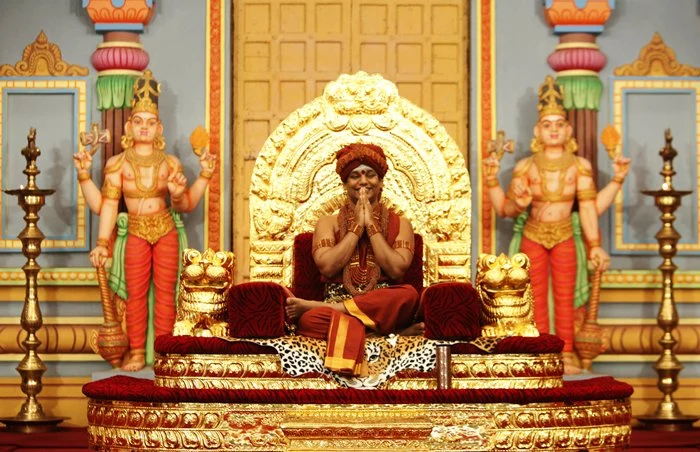
Nithyananda Times - 18th April, 2015
Link to video:
| Video | Audio |
Photos
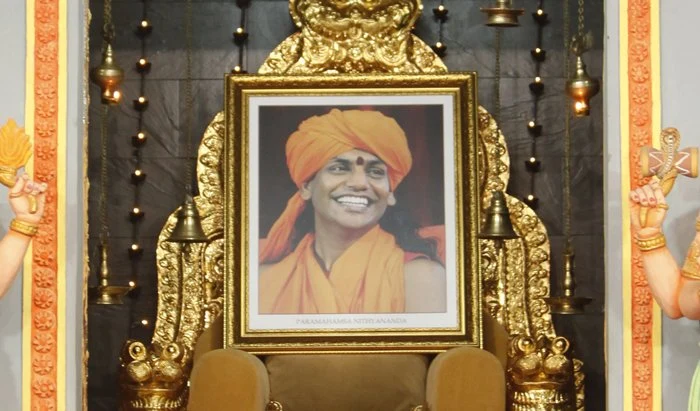
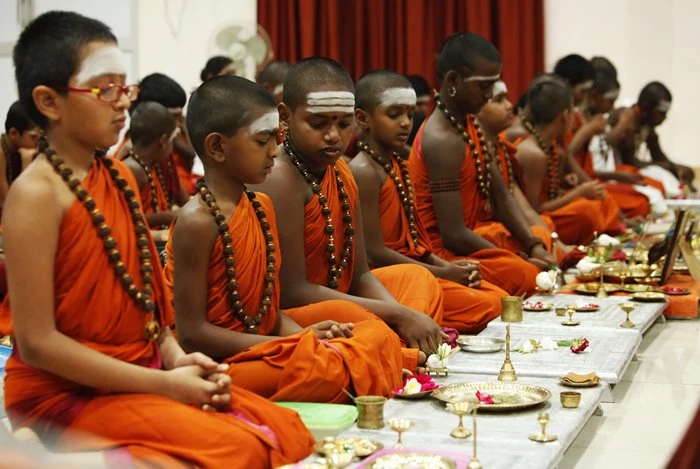
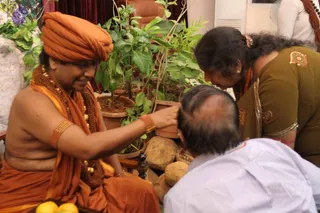
Paduka Puja
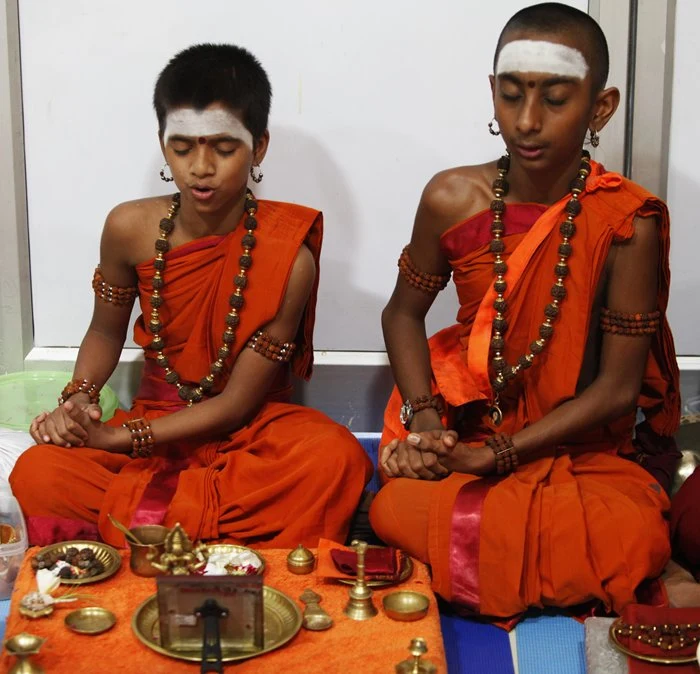
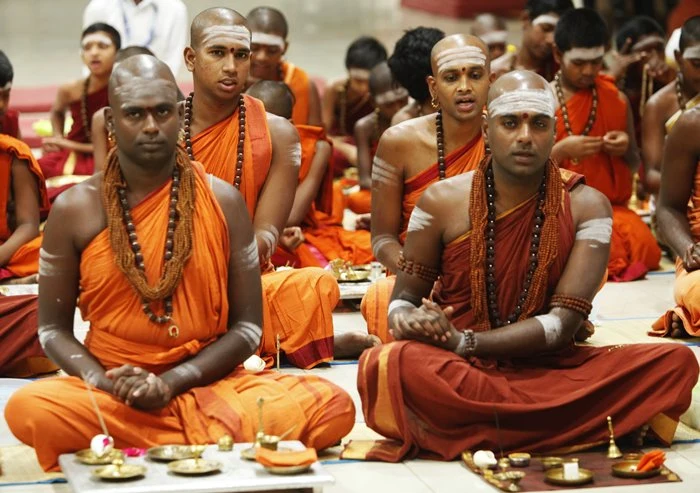
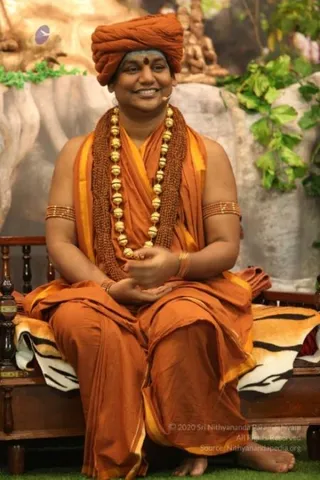
Nithya Satsang
\
Link To Facebook Post
https://www.facebook.com/ParamahamsaNithyananda/photos/a.321615927926264/822625927825259
Tags:
Spirituality,Kundalini,Awakening,Transformation,Enlightenment,Upanishads (Religious Text),Advaita,Living Advaita,Isha Upanishad,Ishavasya,Isha Upanishad Verse 9,Paramahamsa Nithyananda,Isha,Satsang,Mahadeva,Vishnu,Shivoham,Kailasha,Vaikunta,Spiritual Seeking,Parallel Universe,Varanasi,Hinduism,Enlightened Being,Super Human,Mystical Powers
Photos Of The Day:
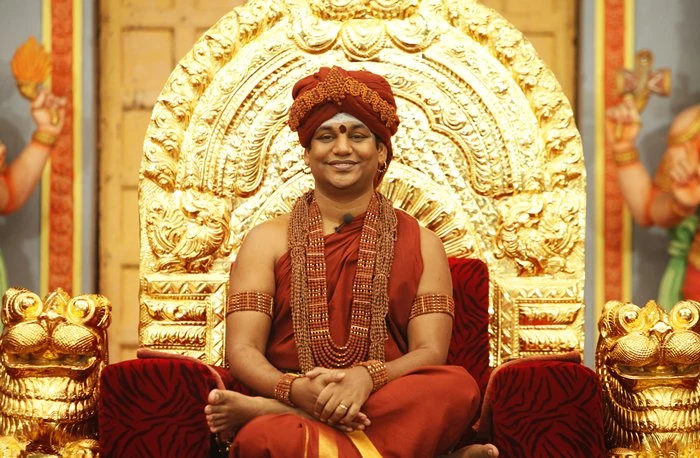
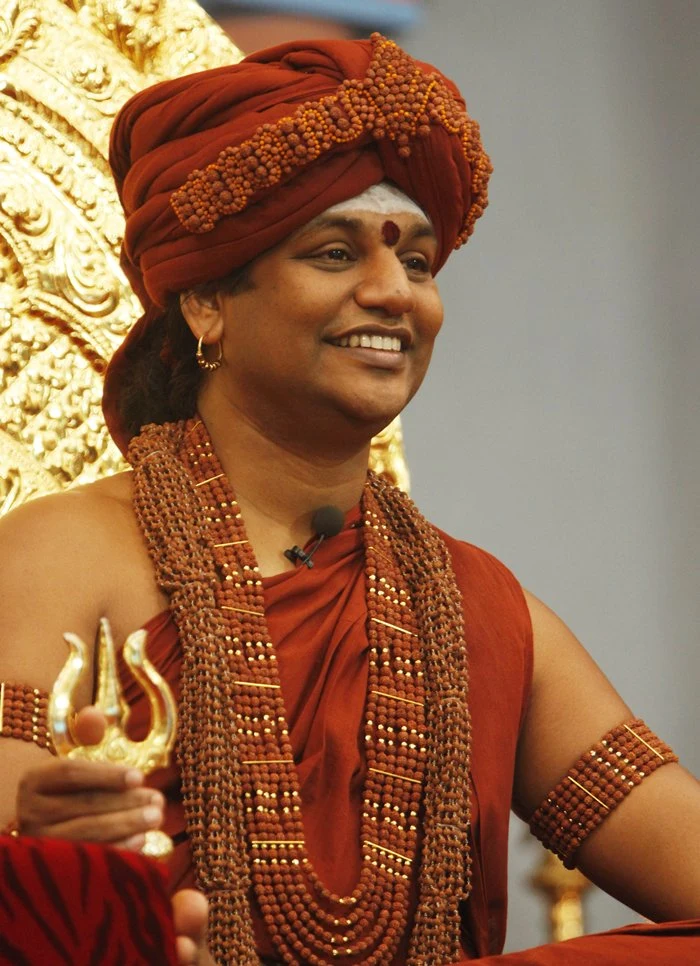
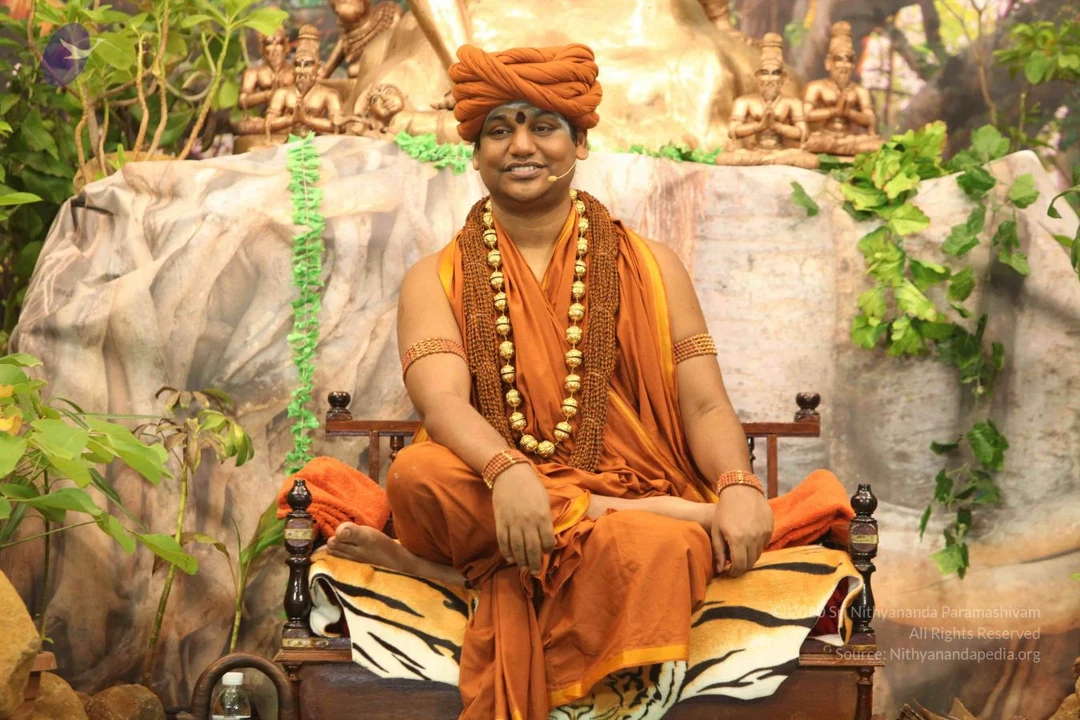
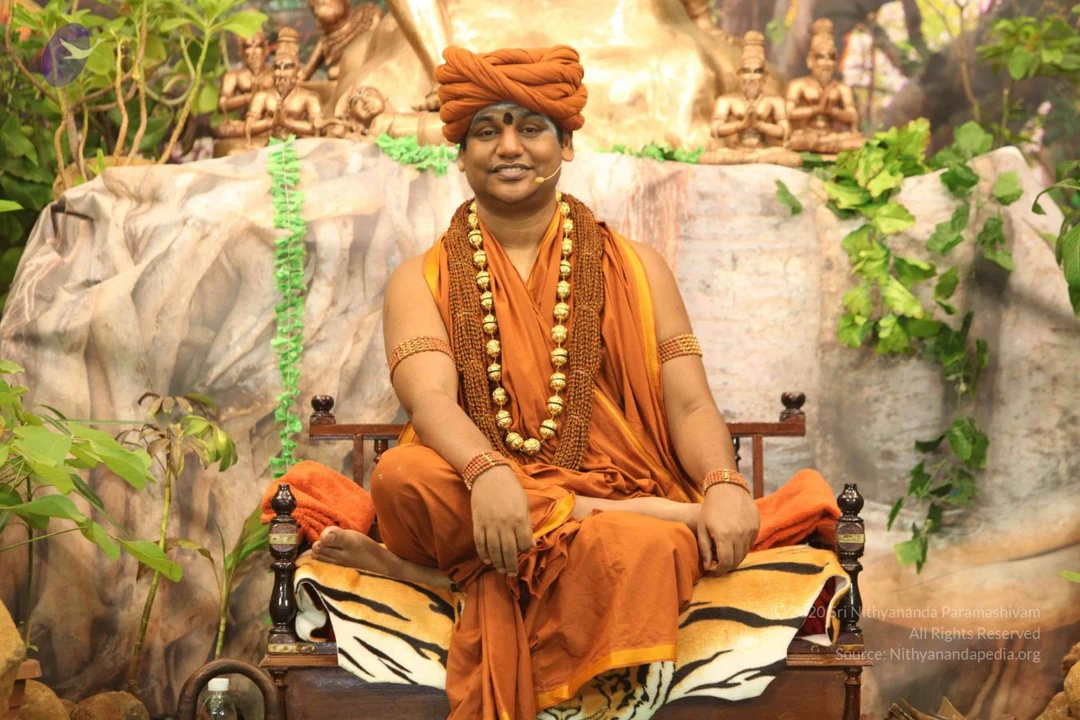
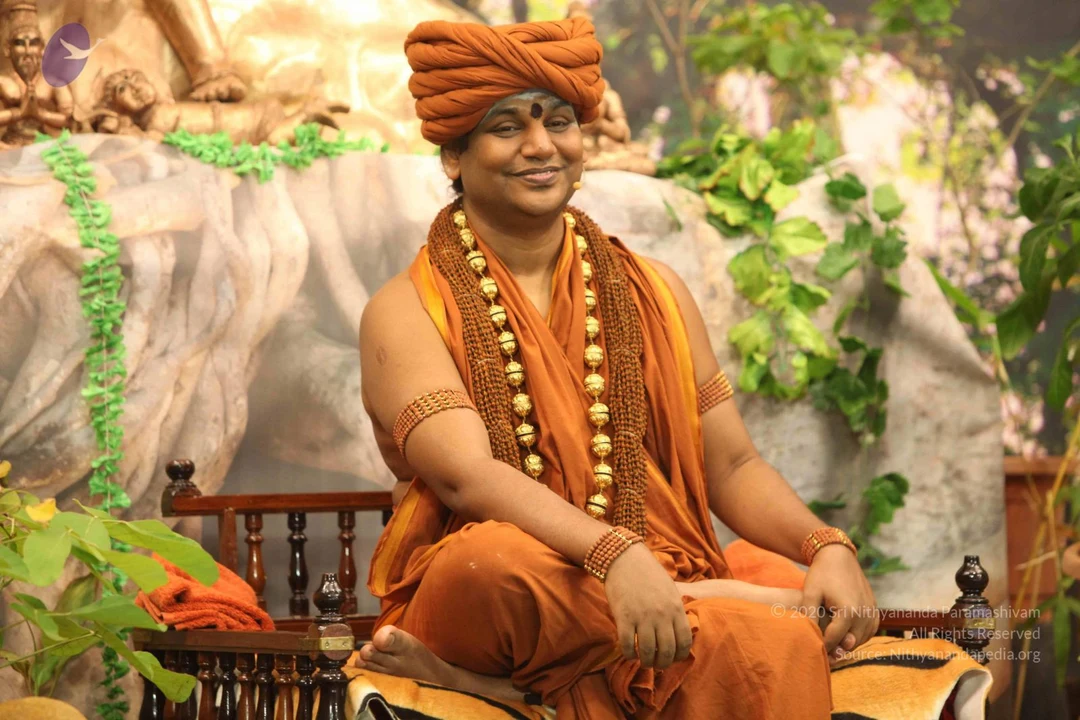
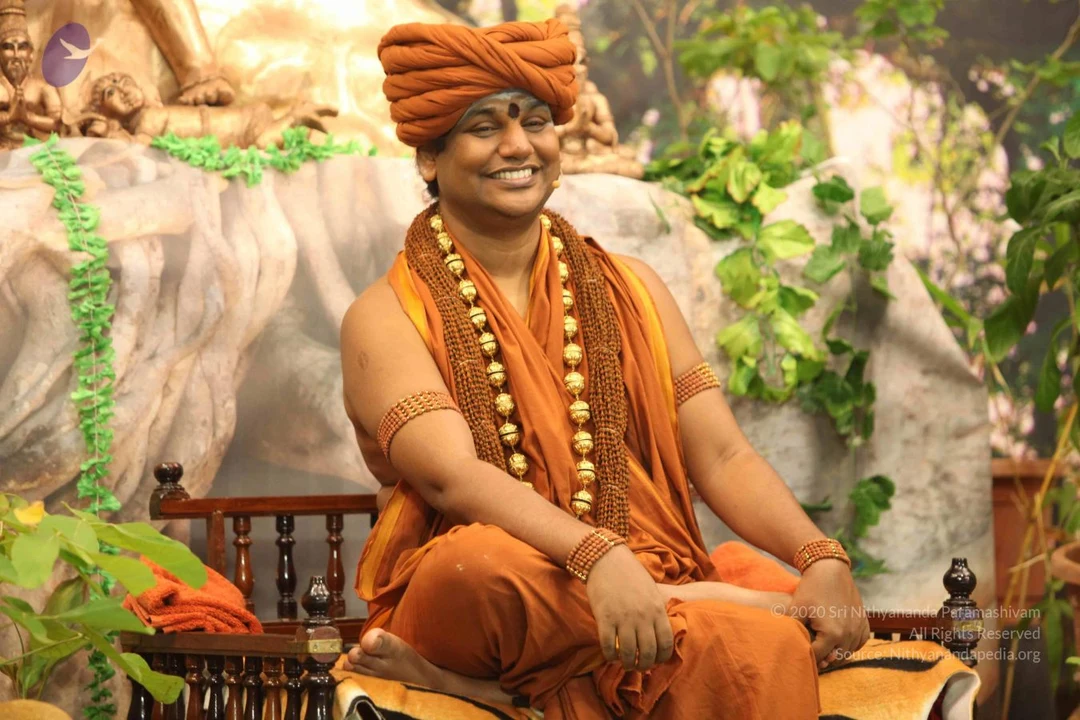
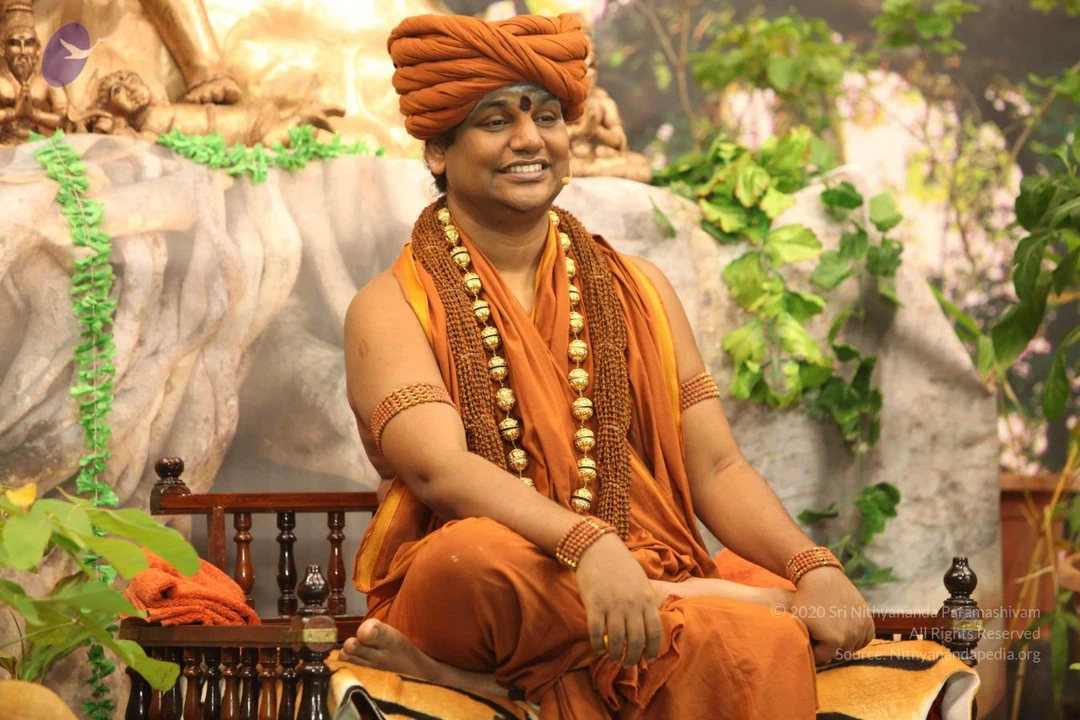
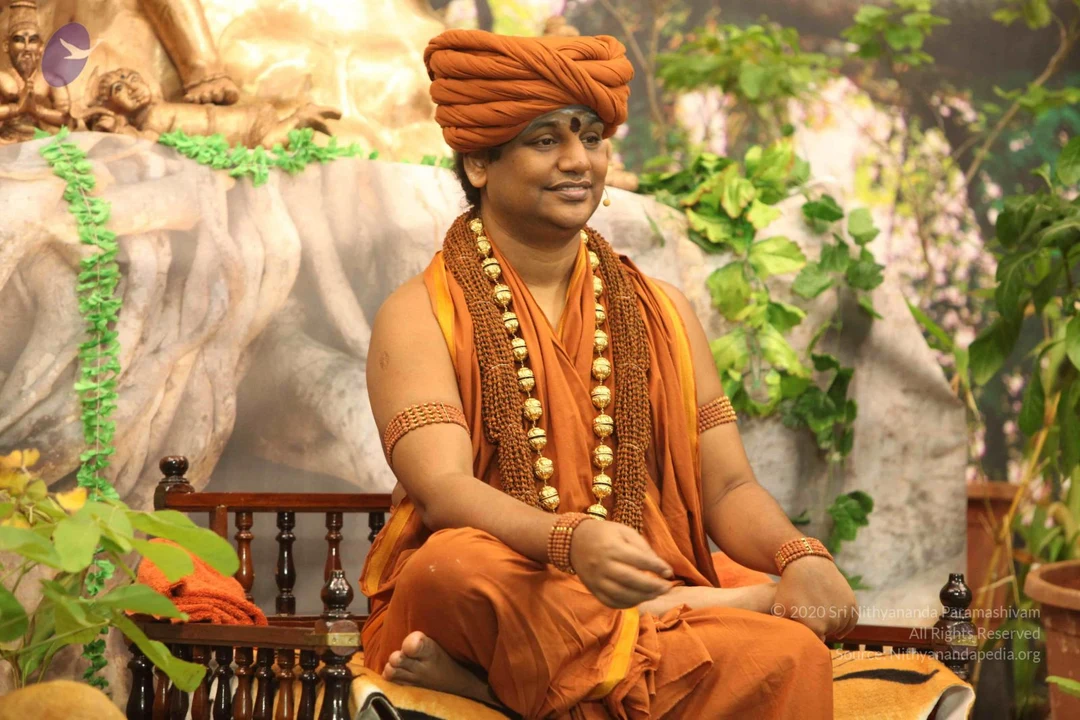
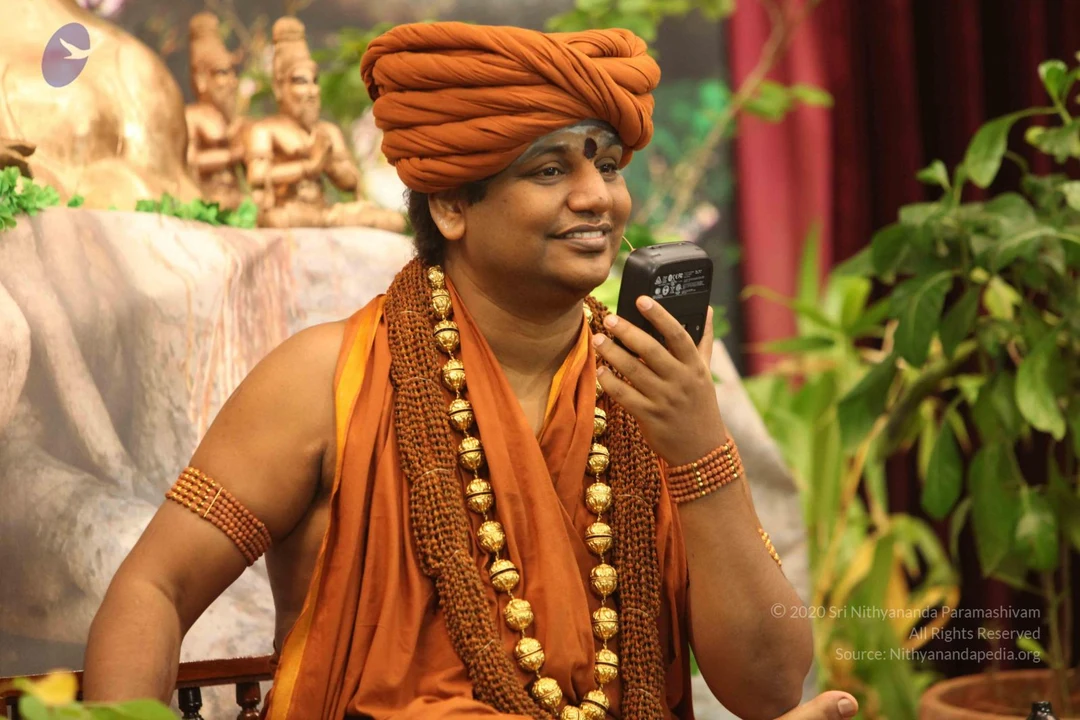
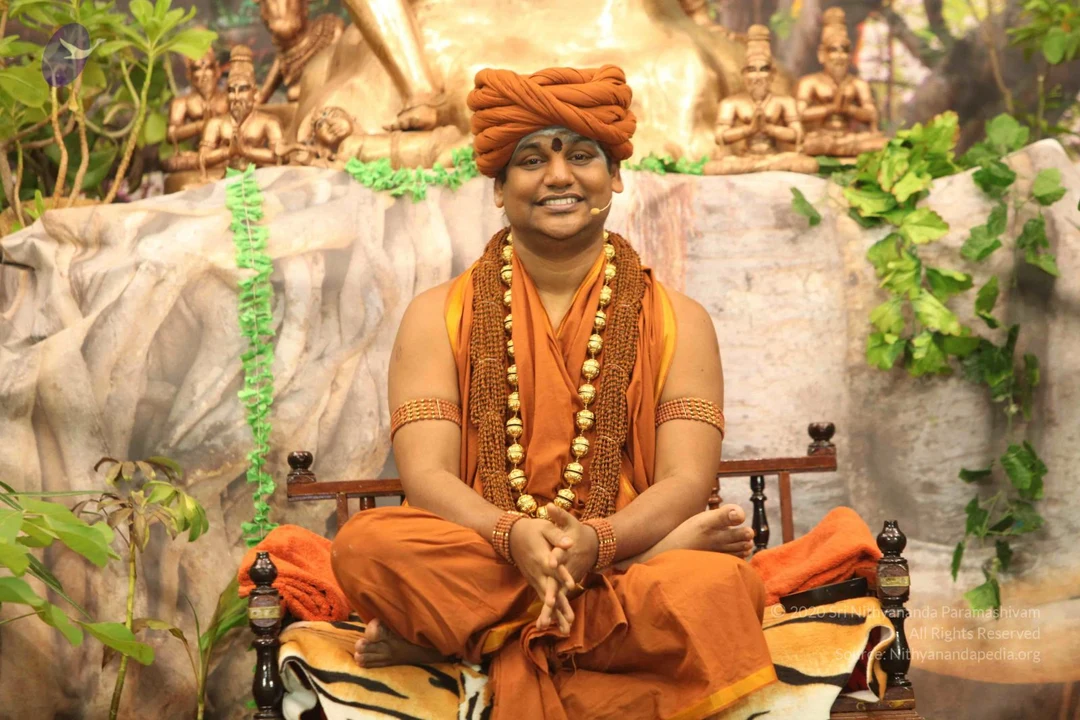
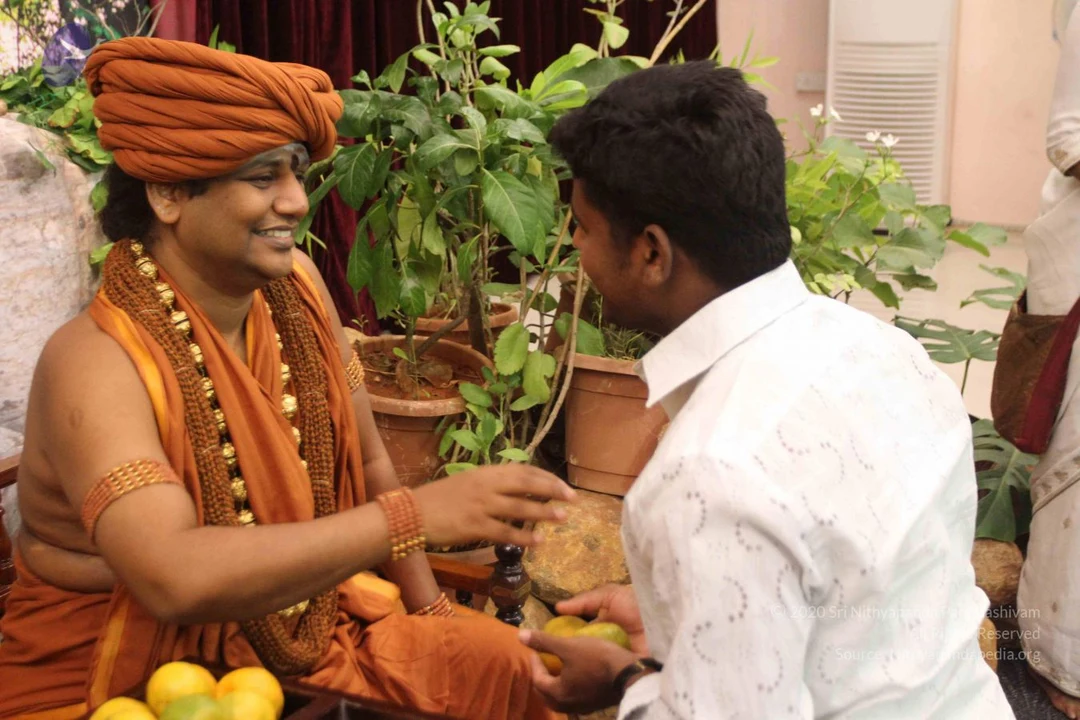
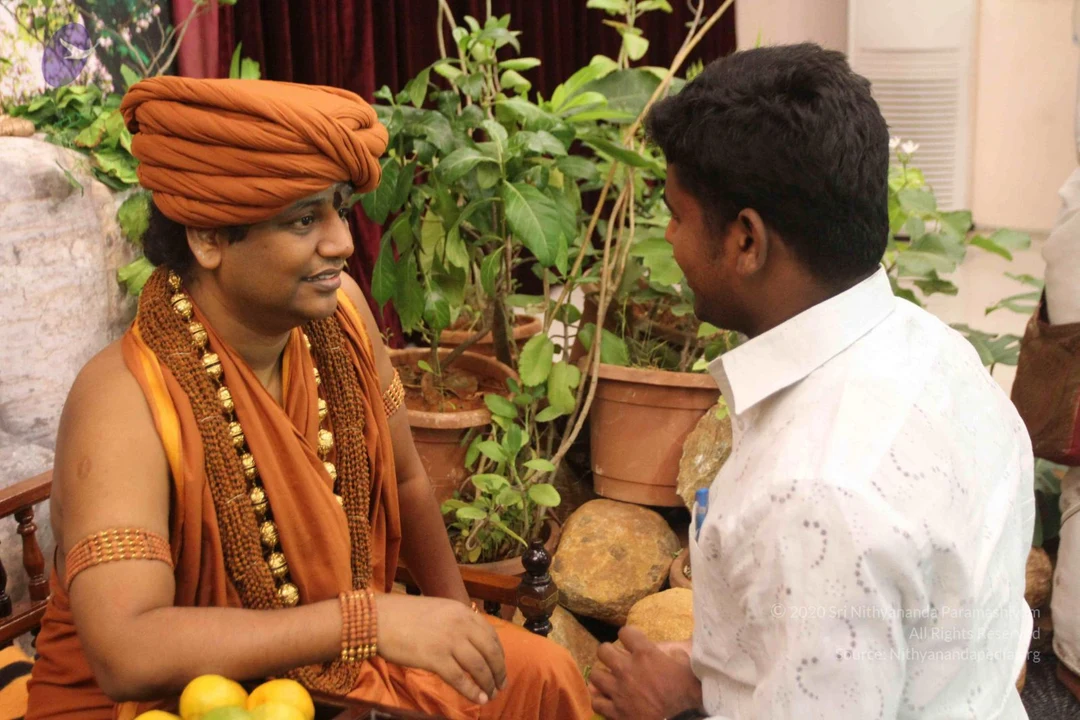
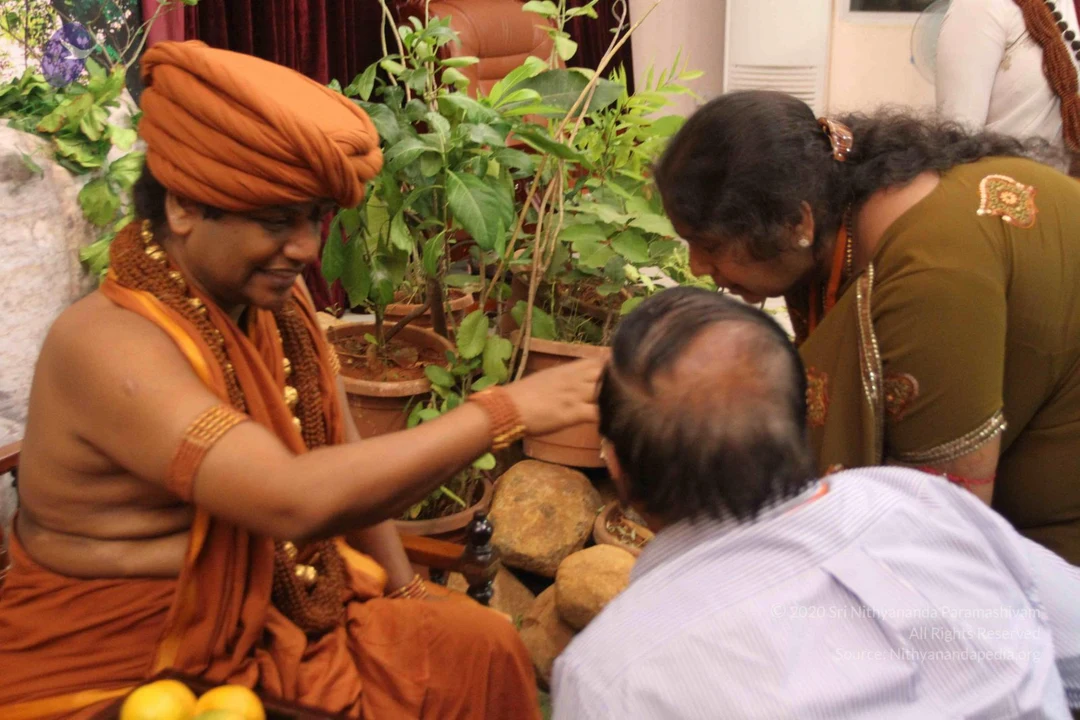
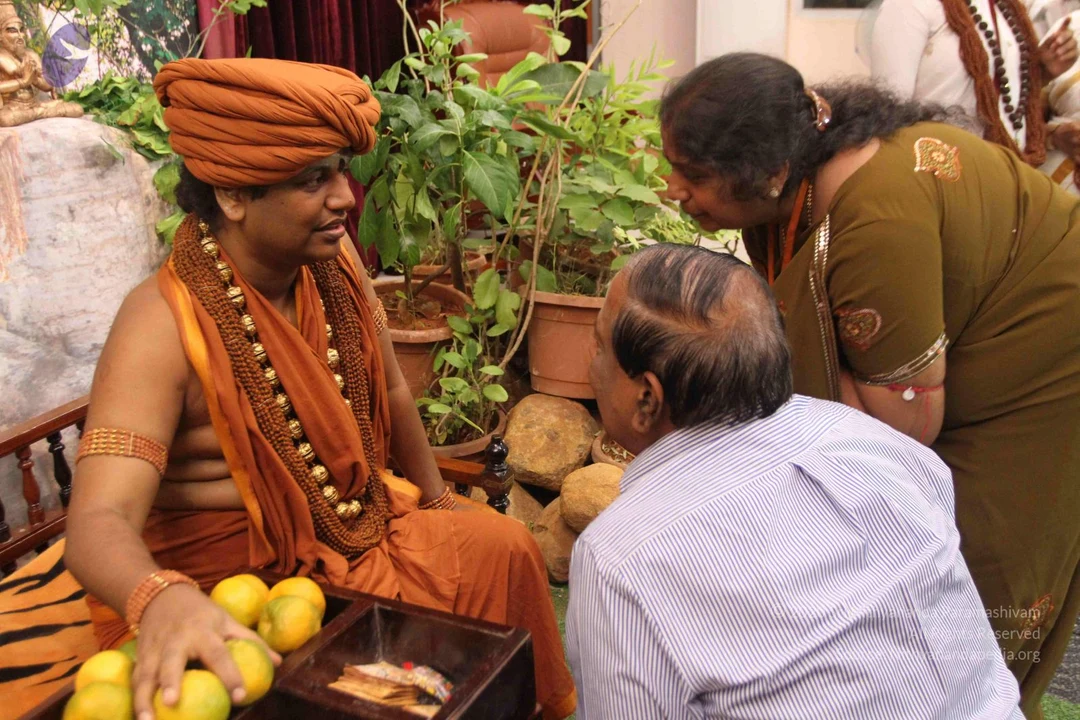
Nithya Satsang
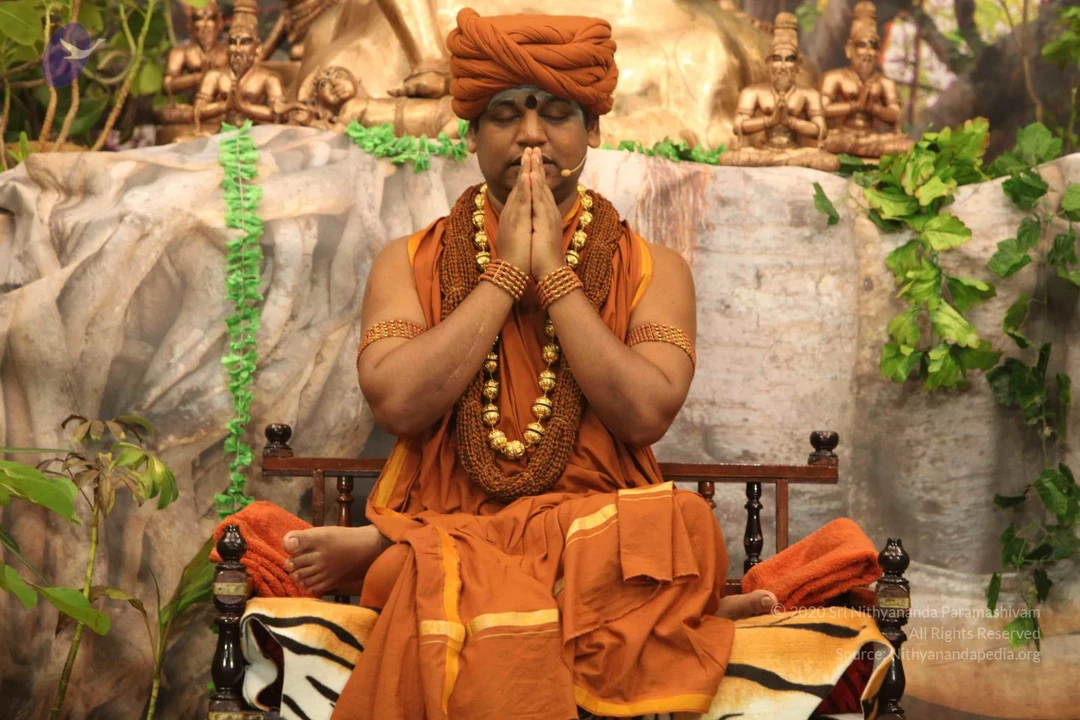
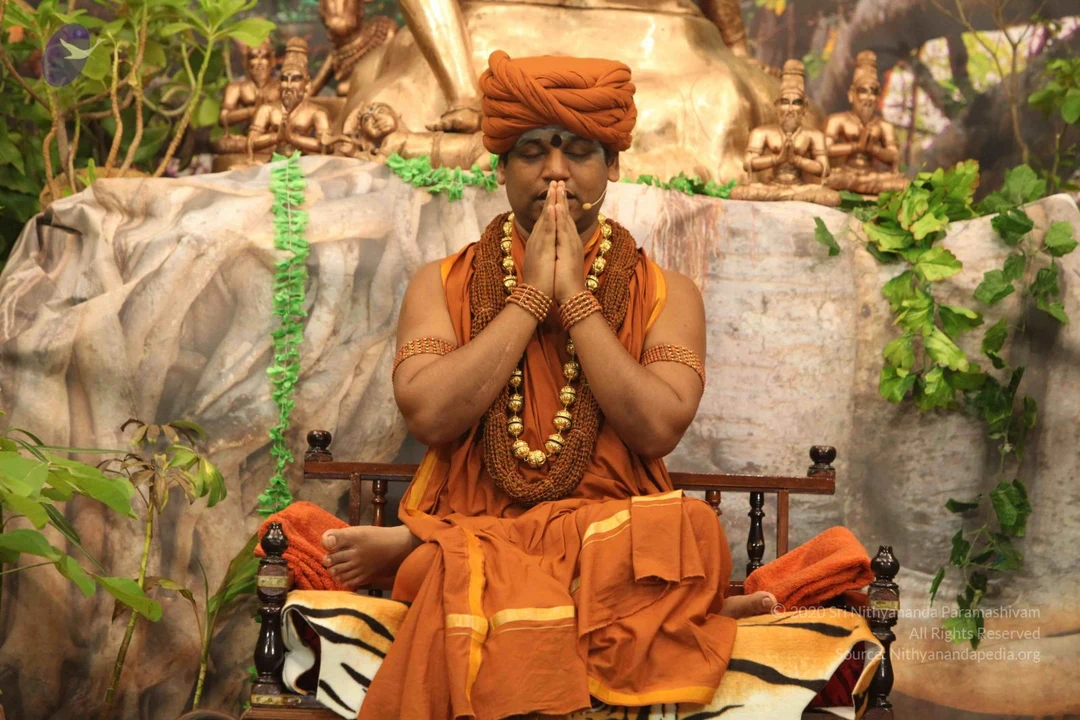
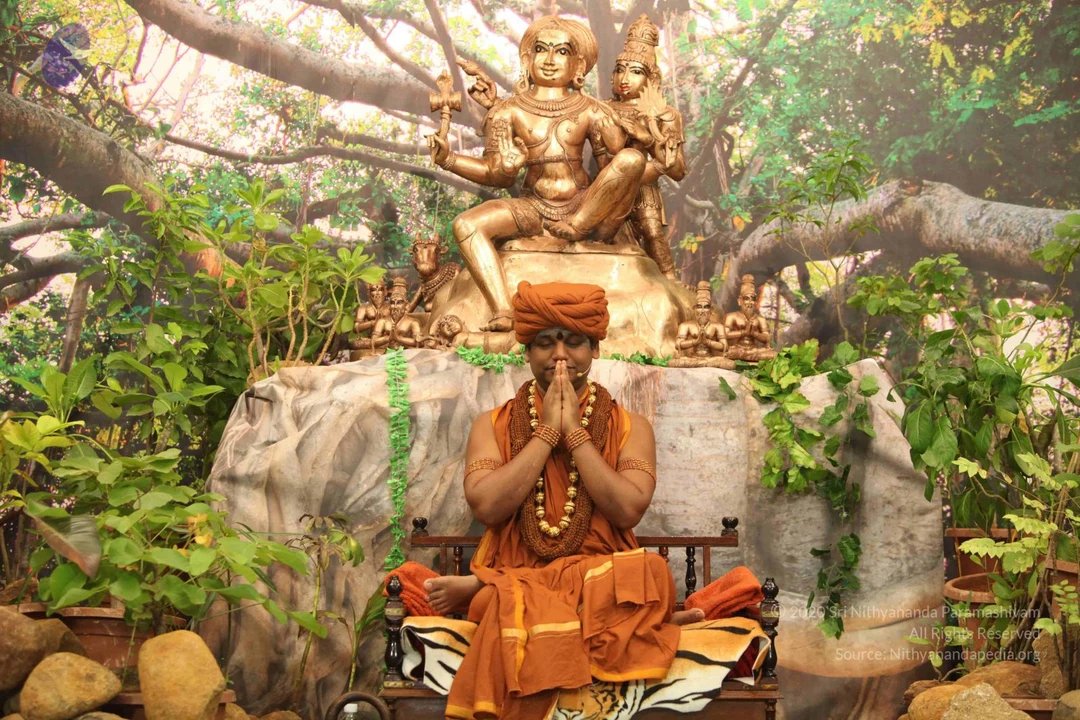
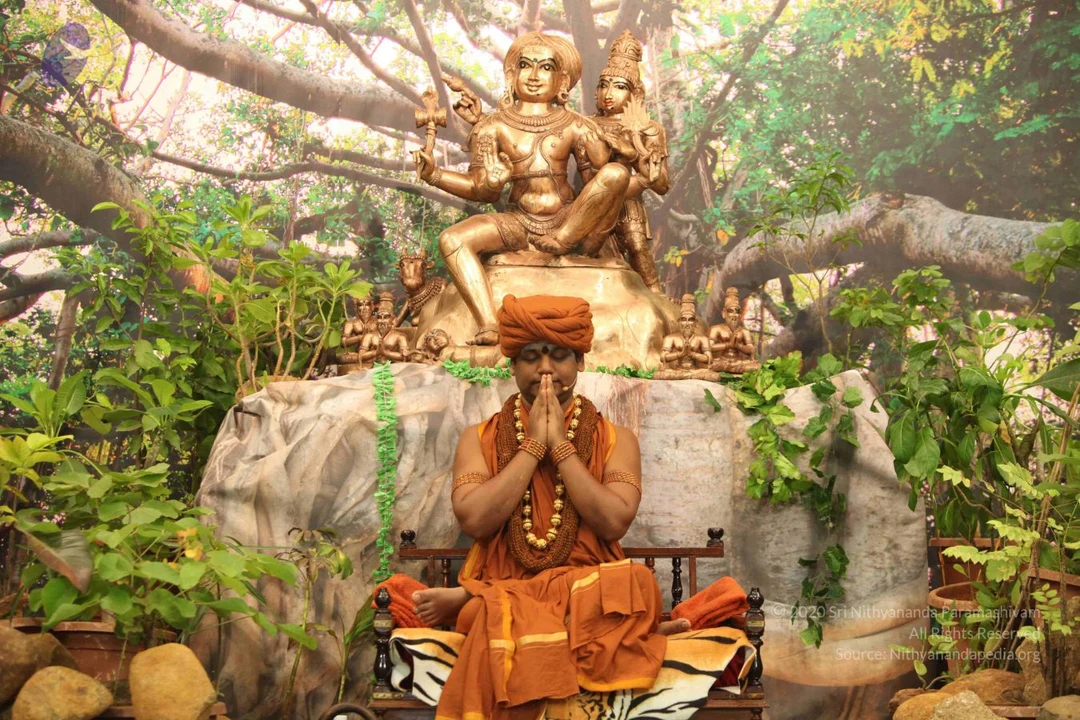
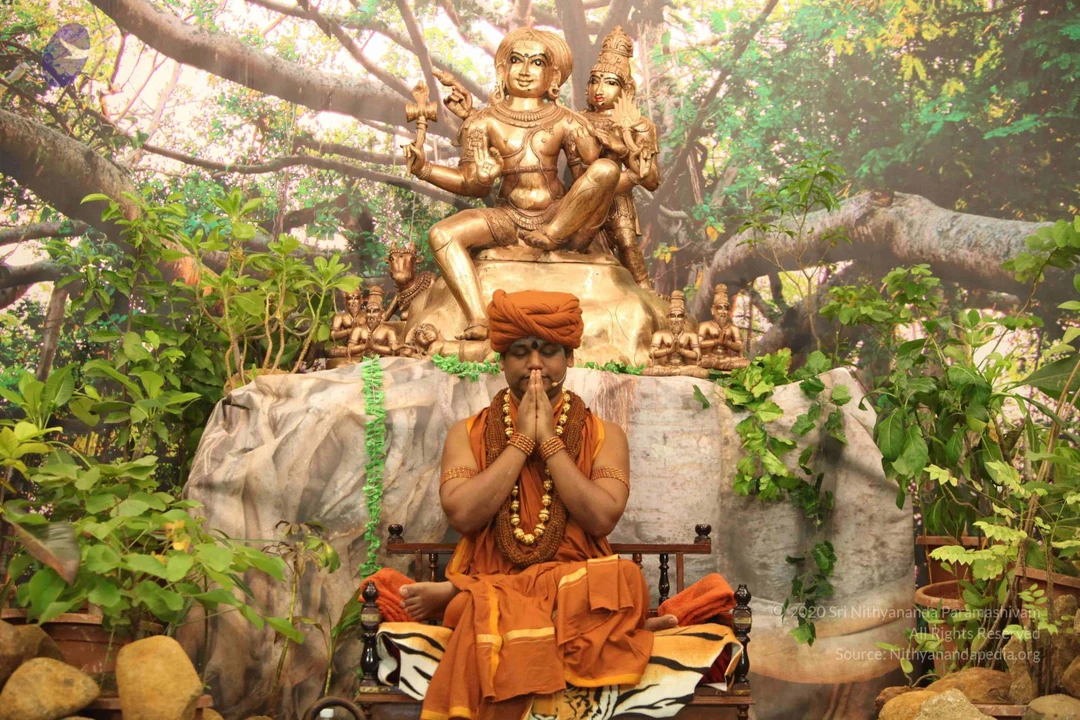
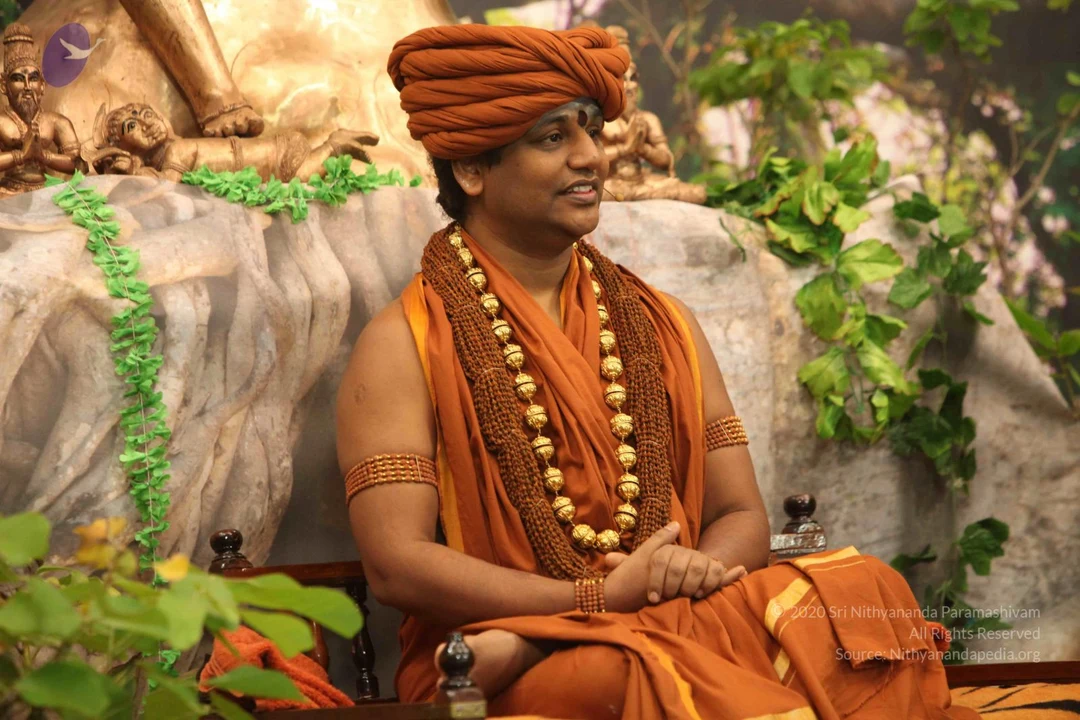
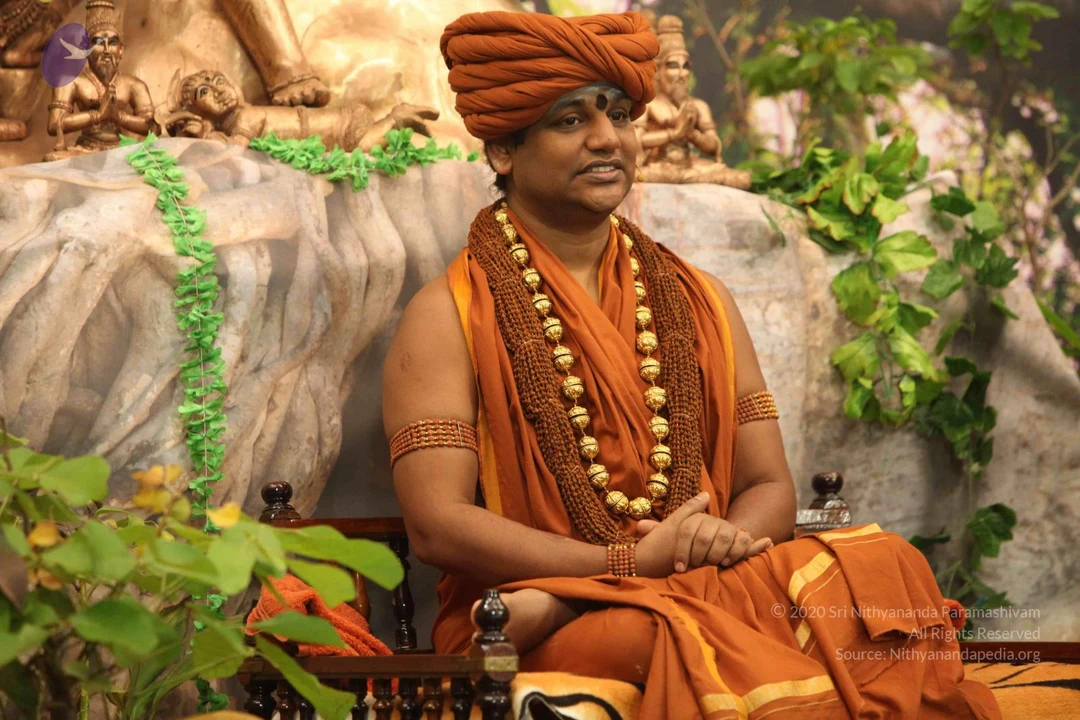
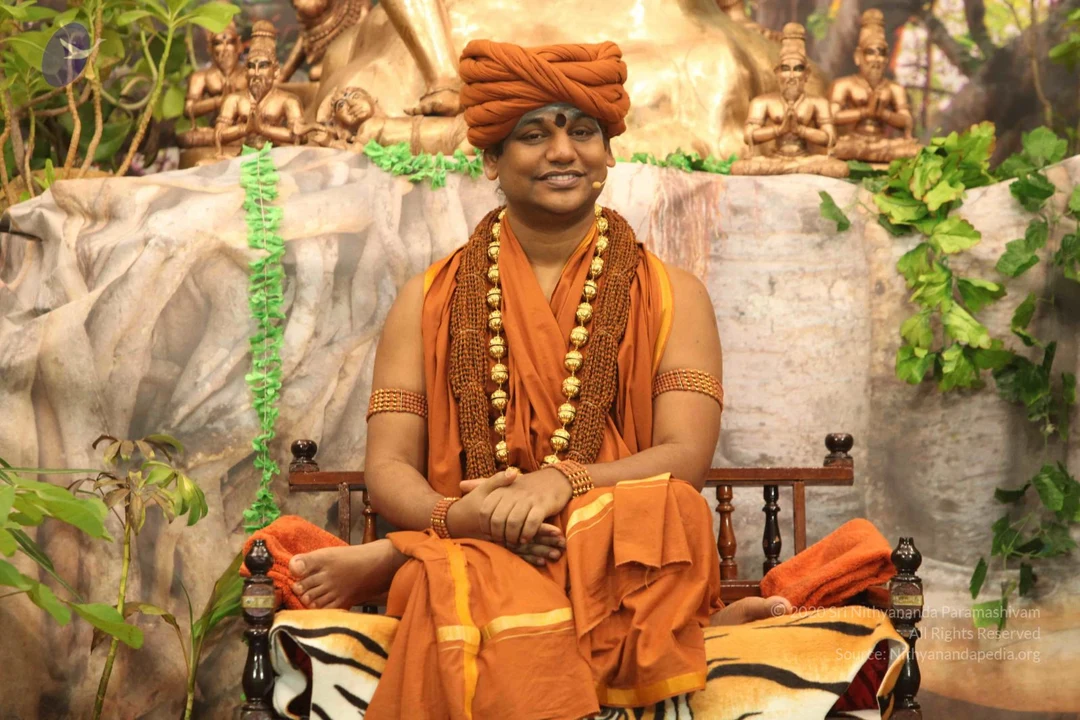

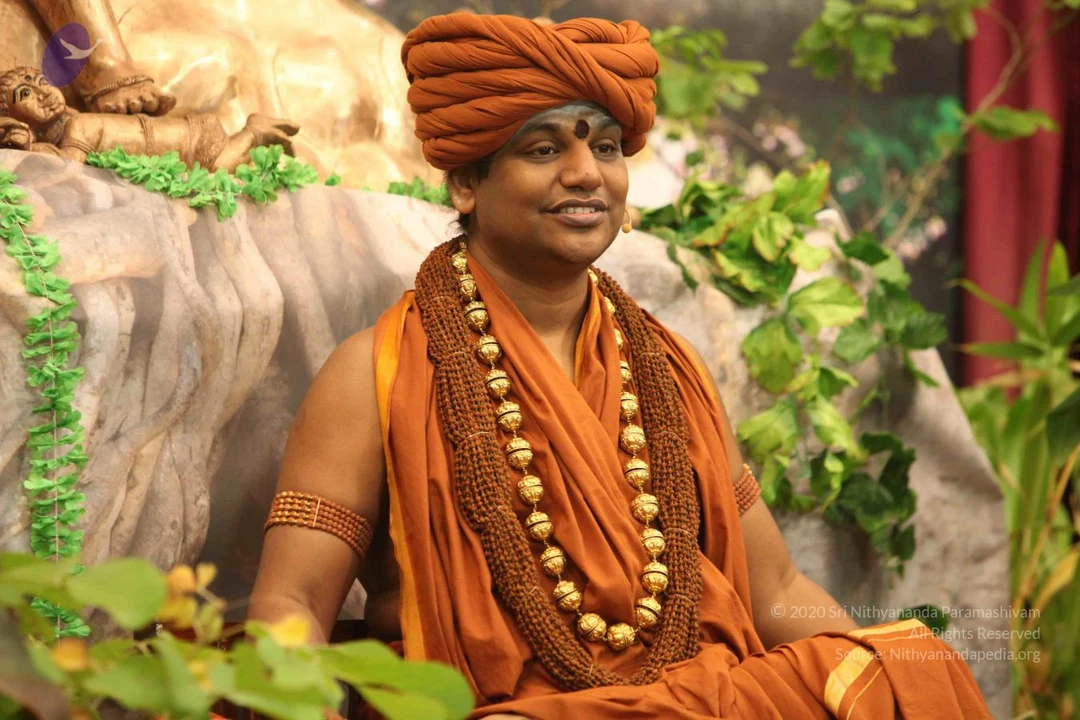
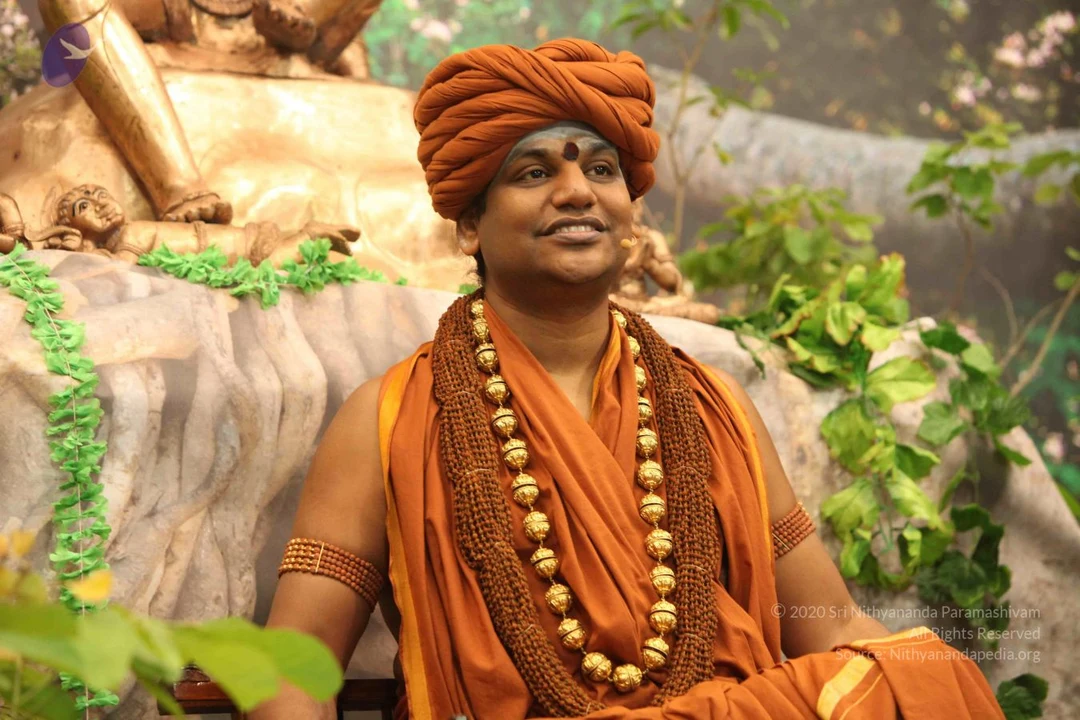
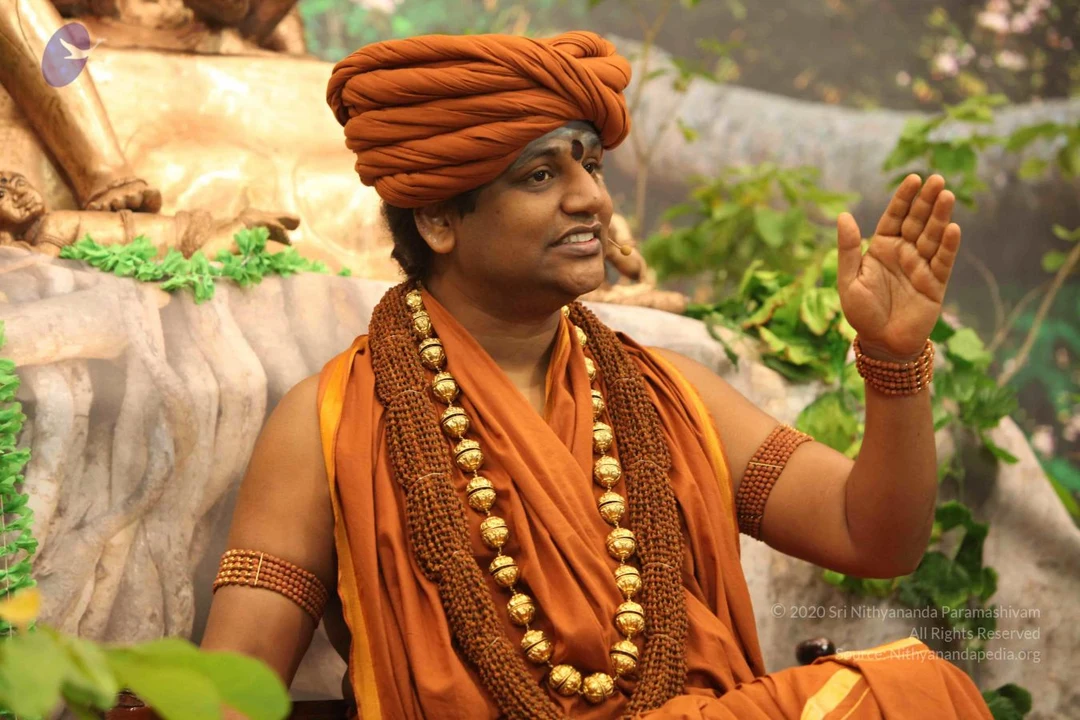
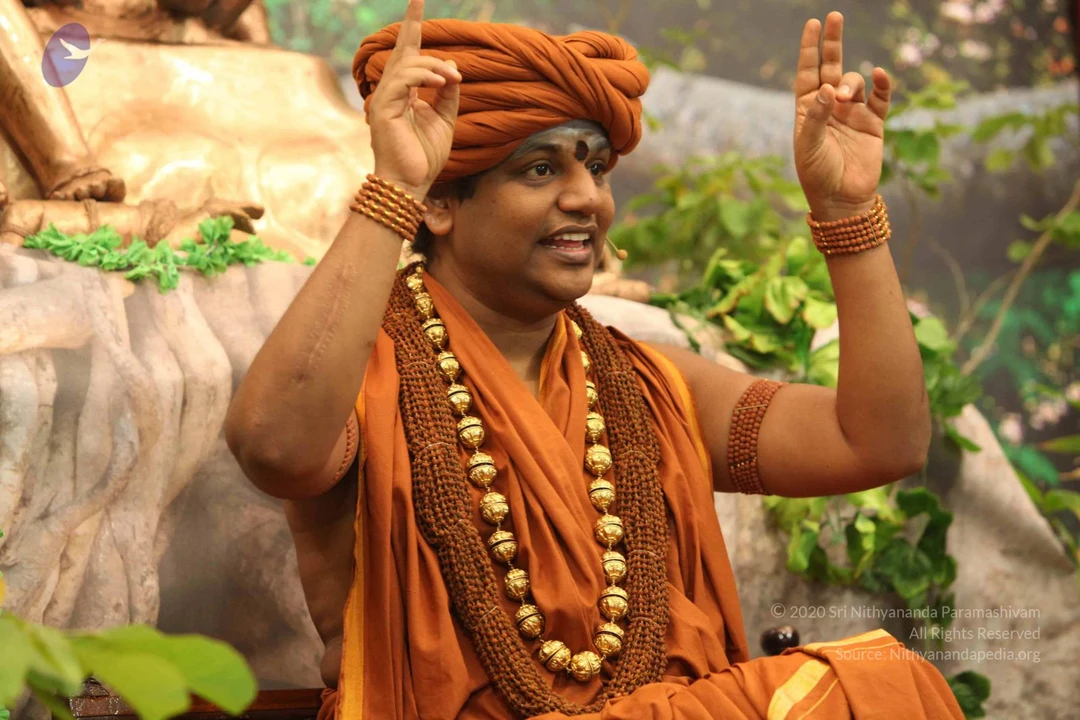

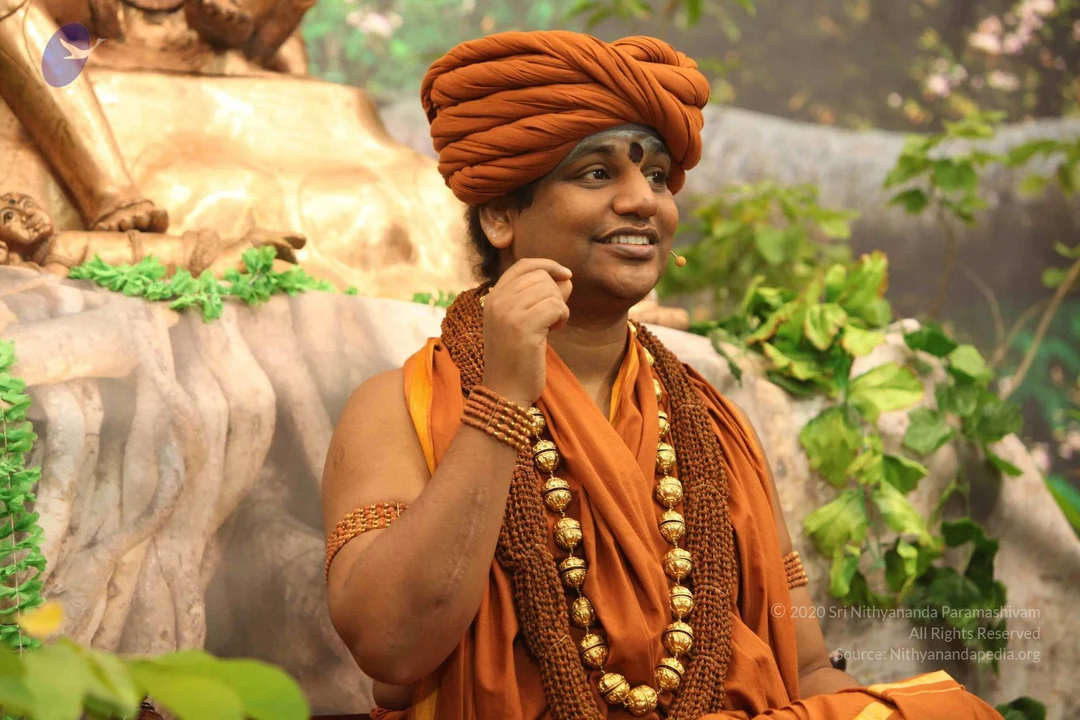
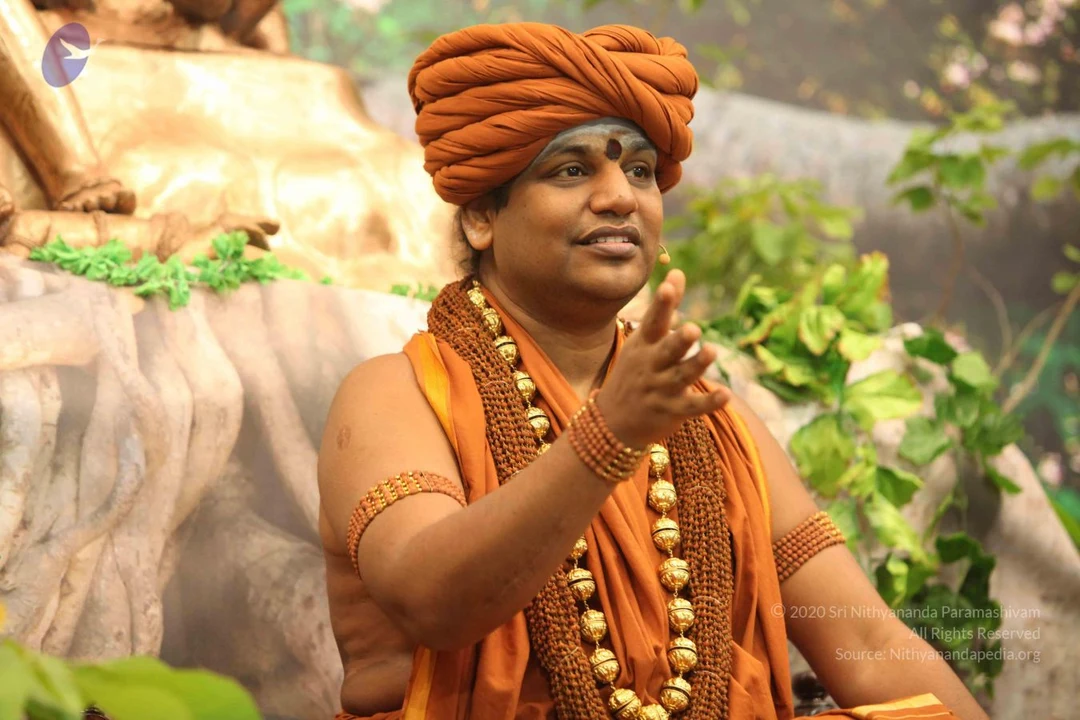
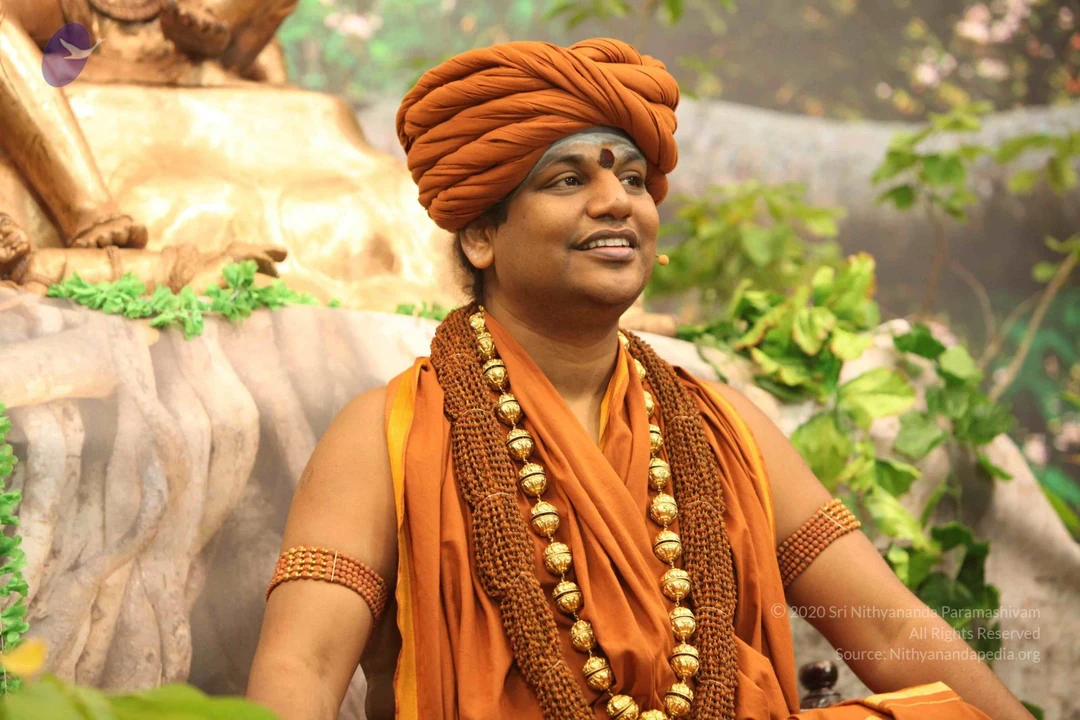
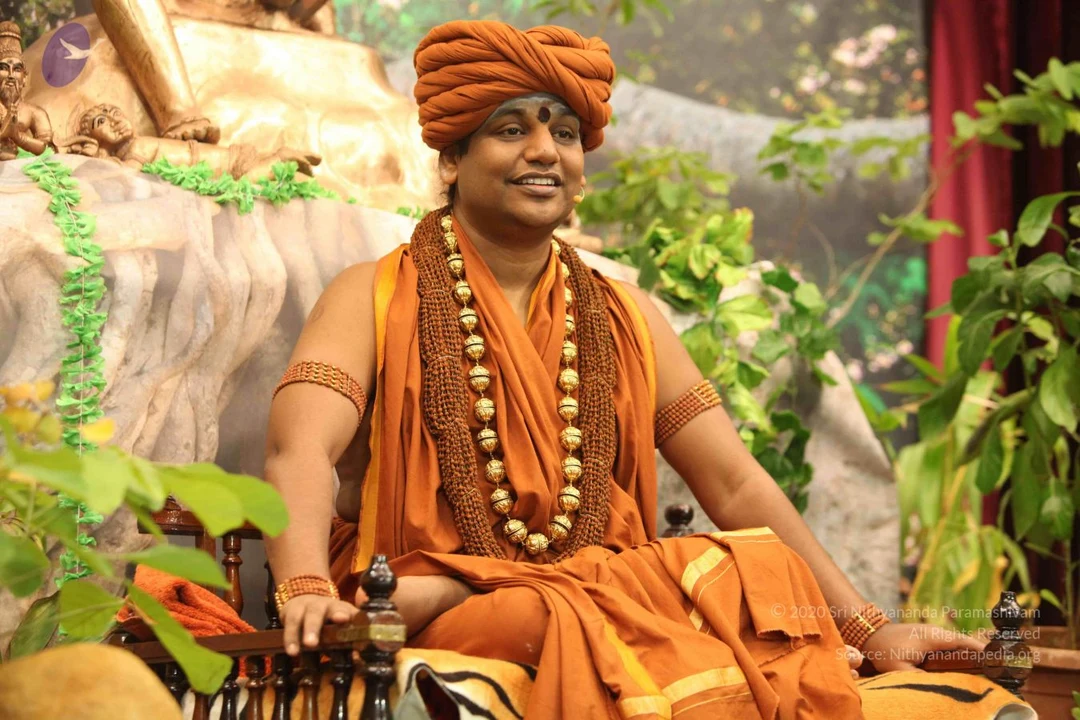
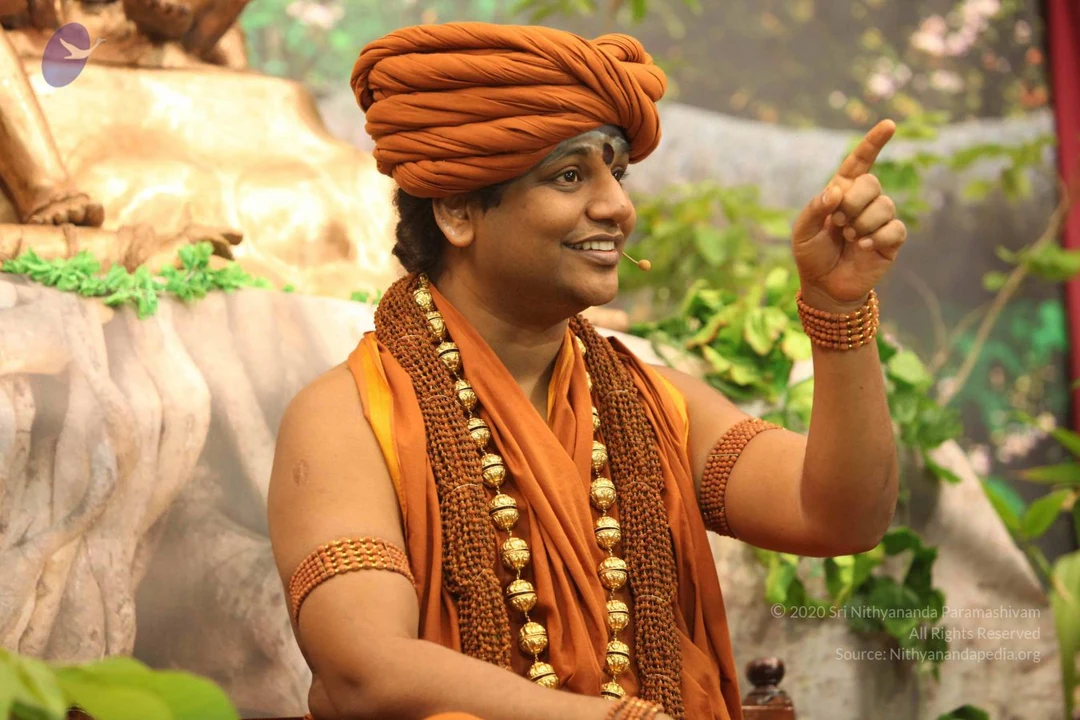
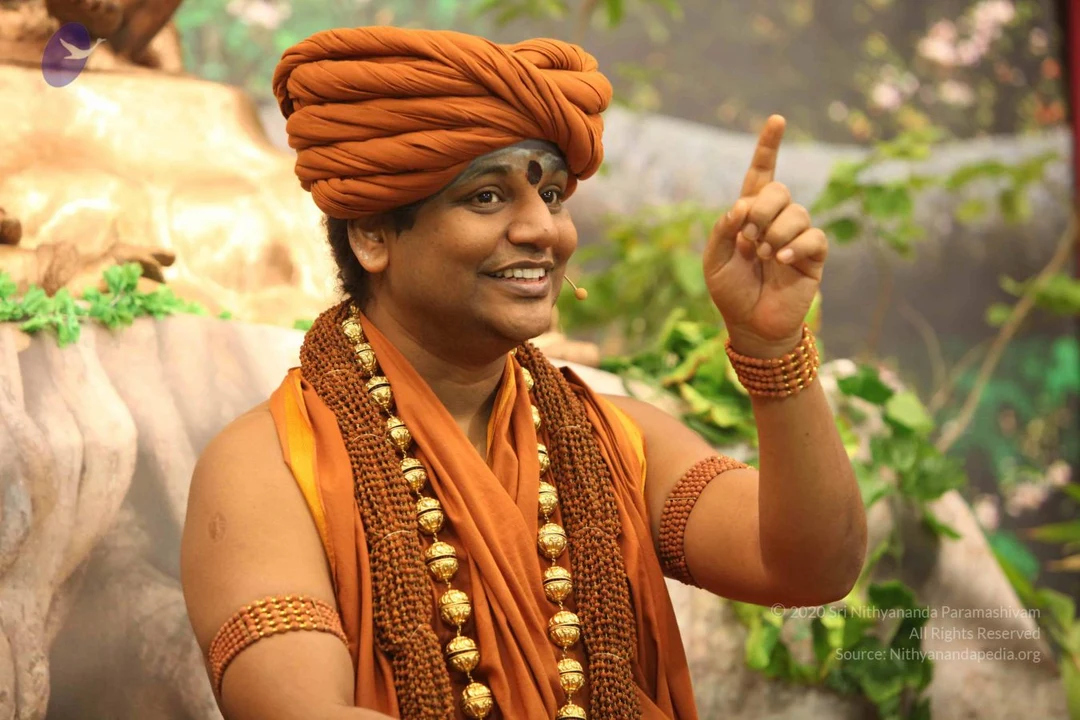
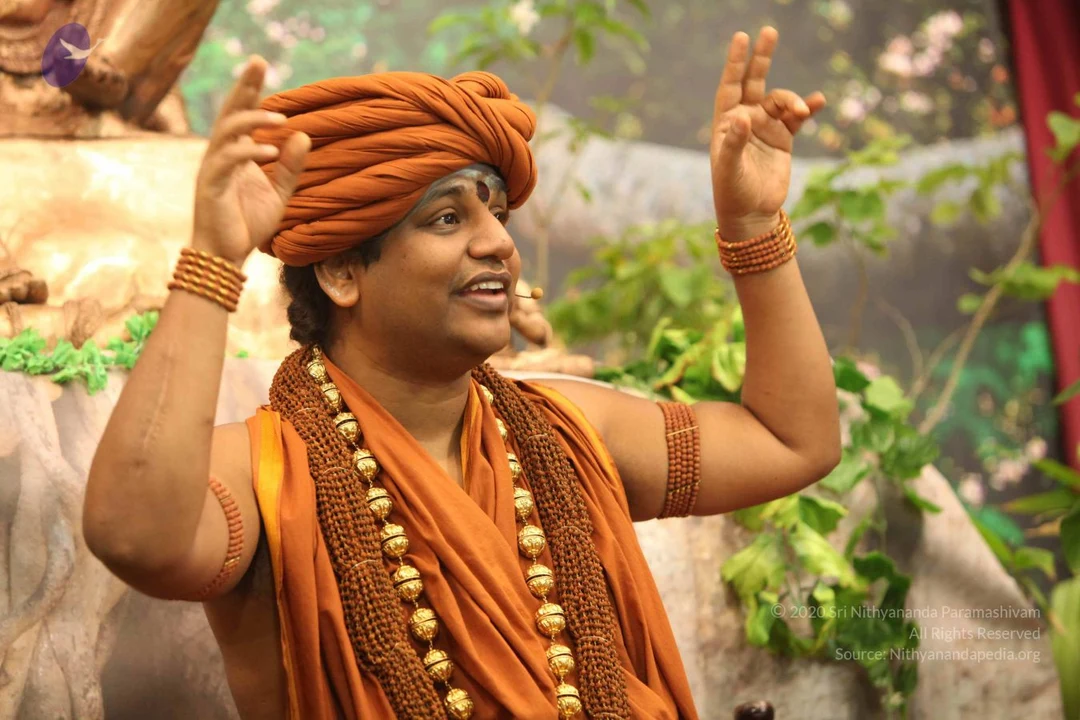
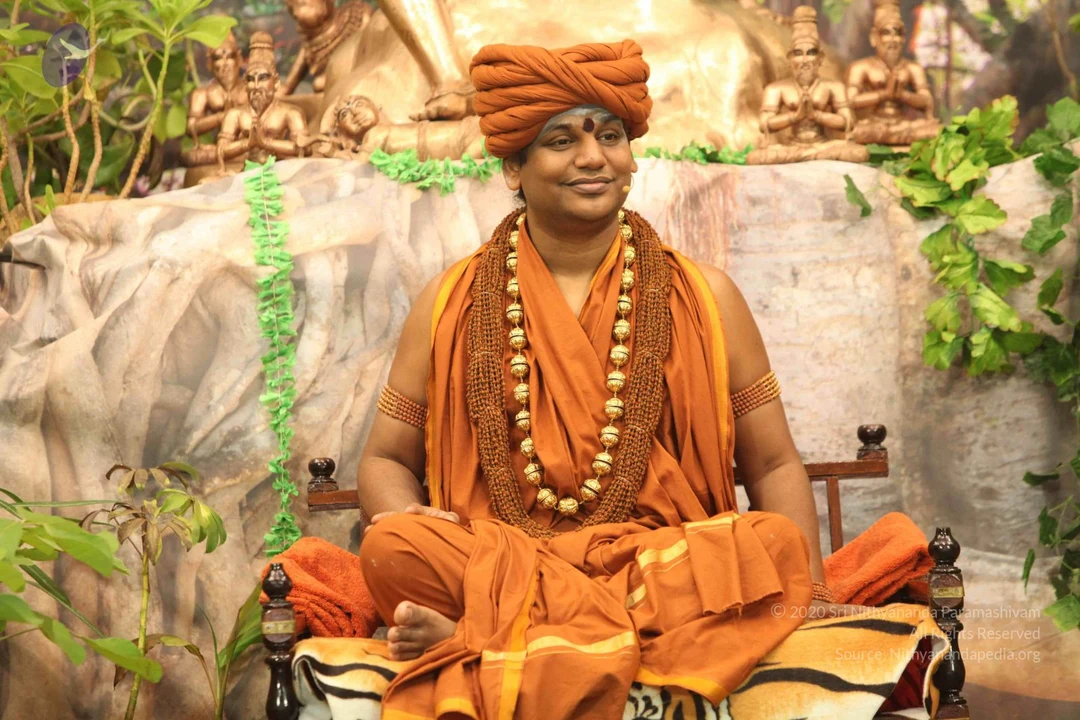
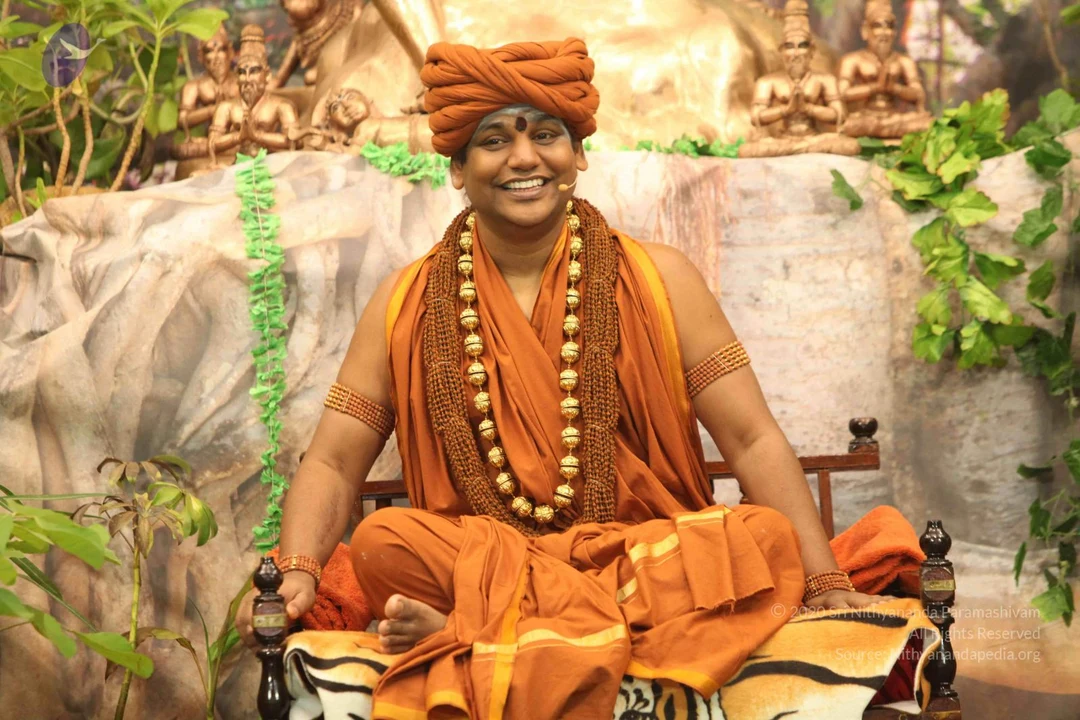
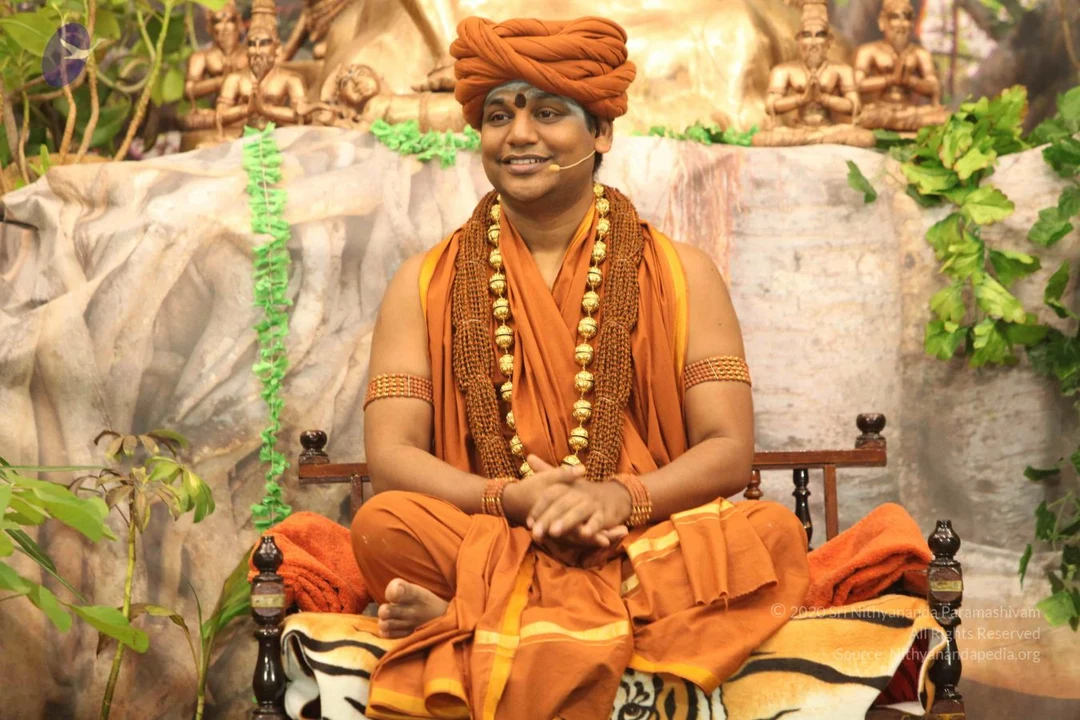
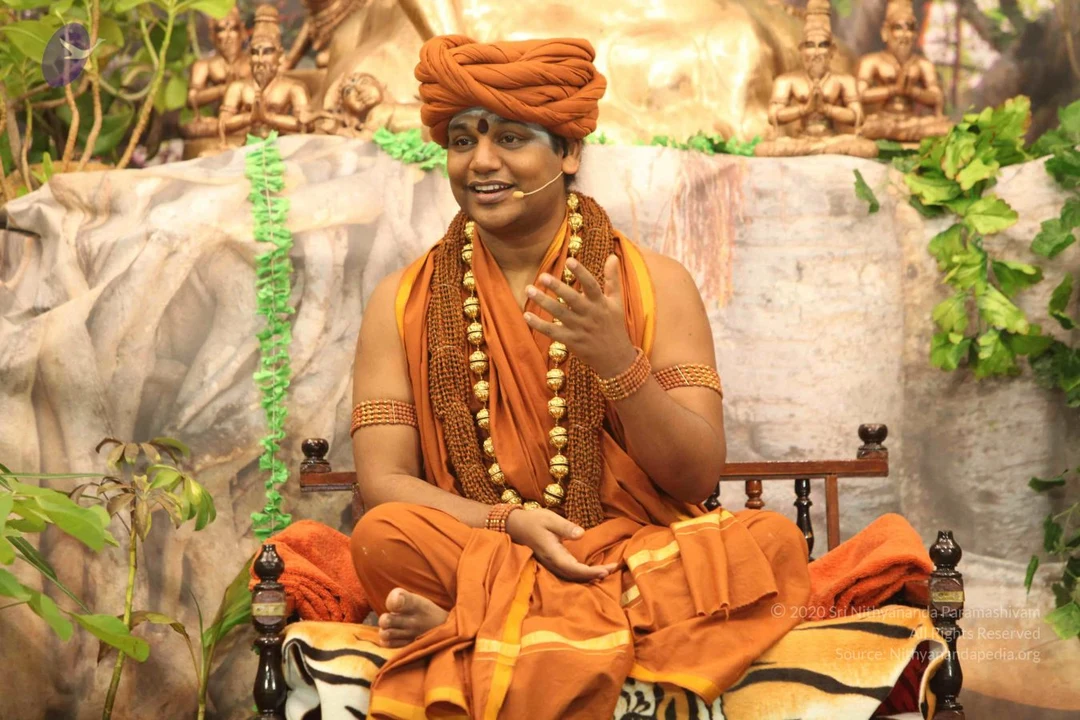
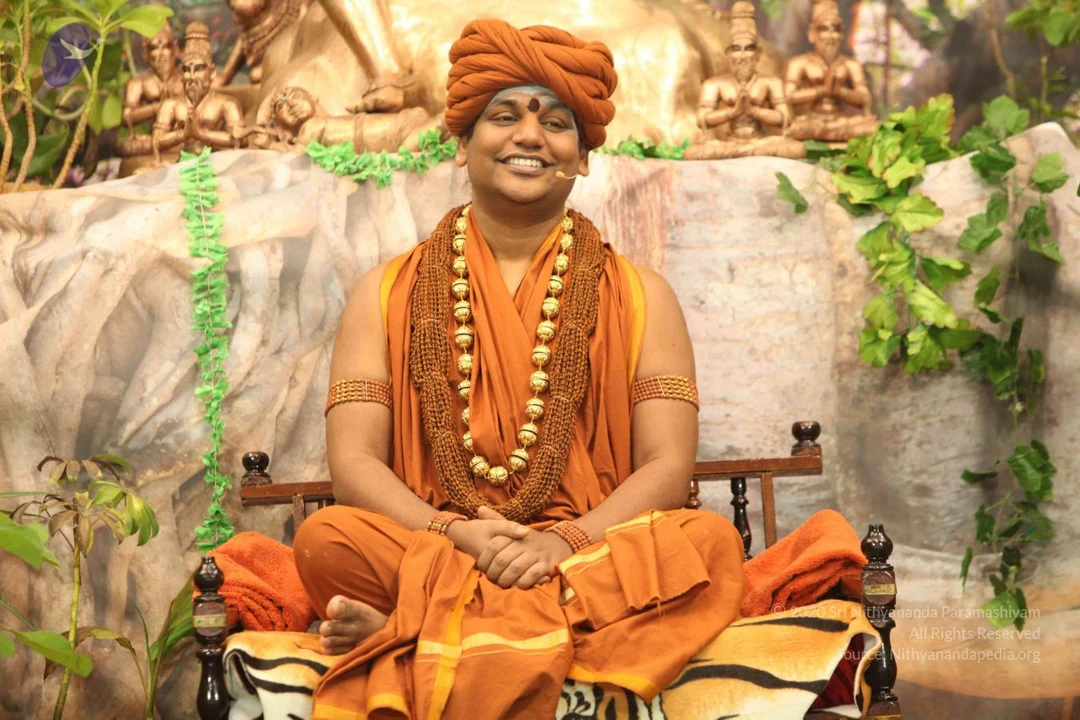

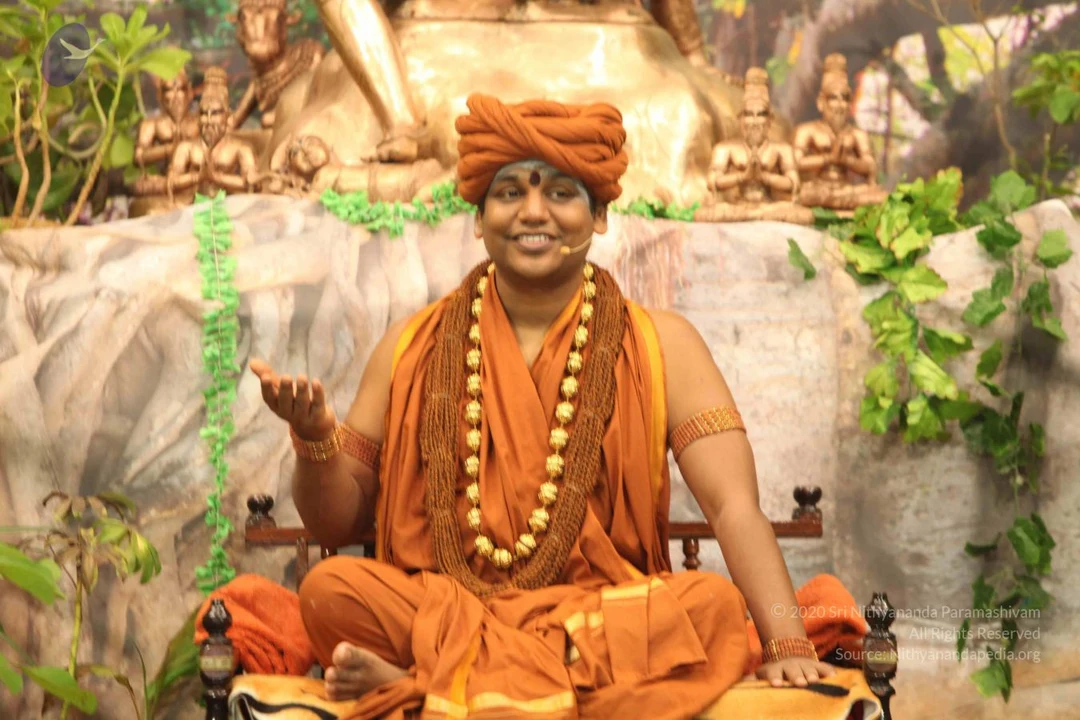
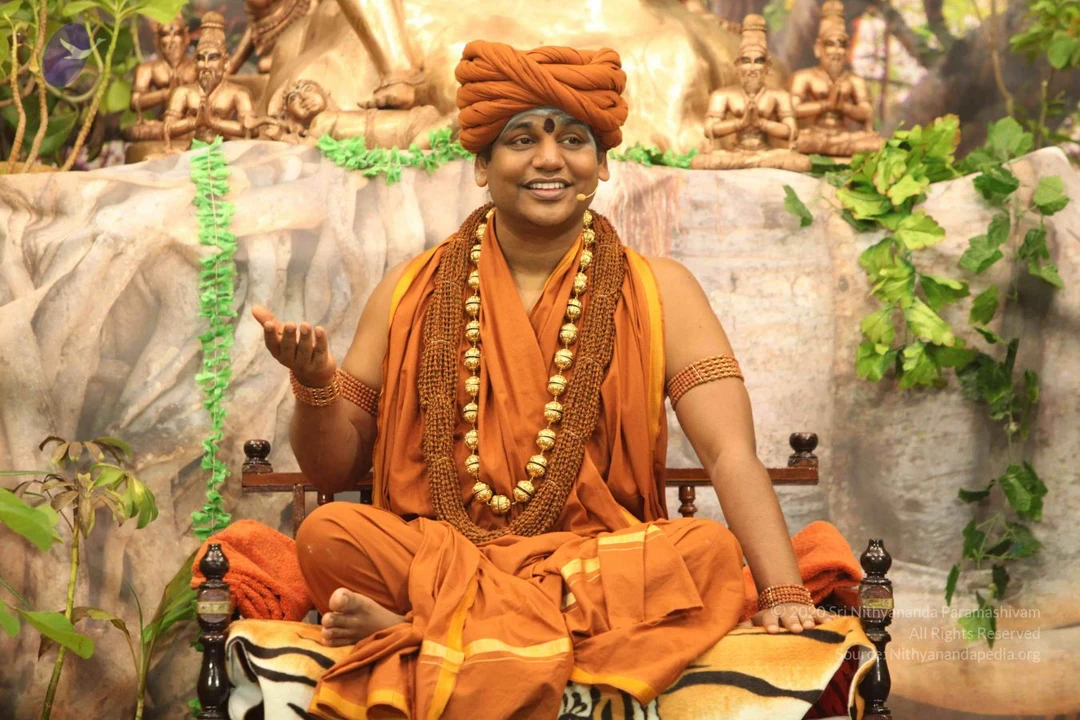

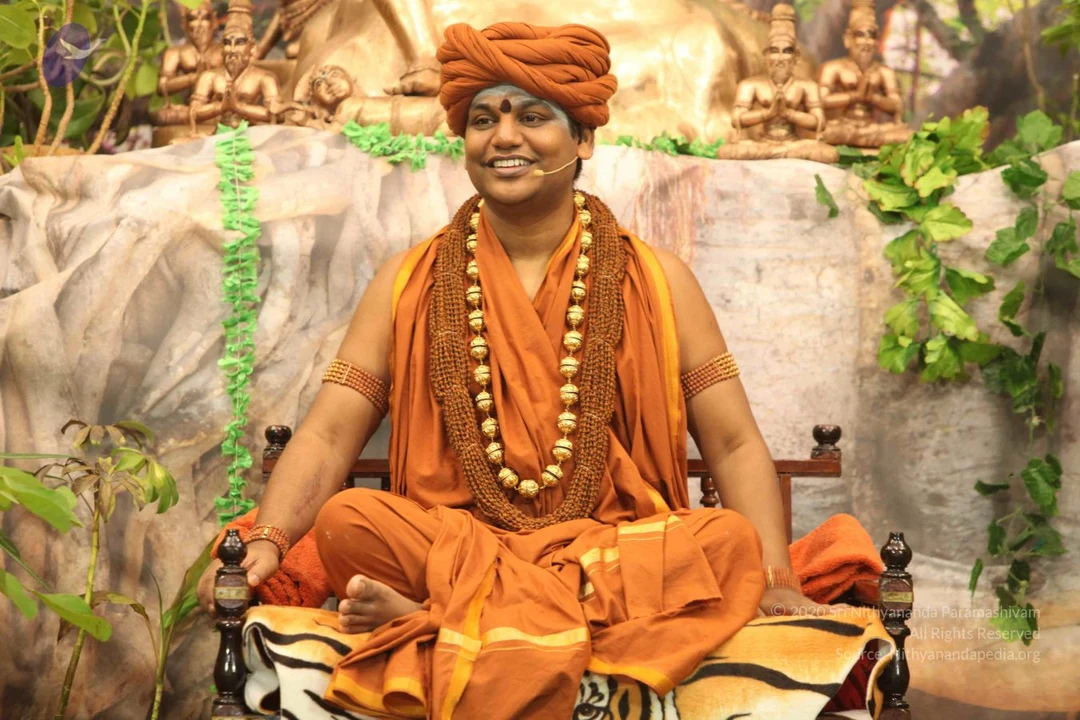
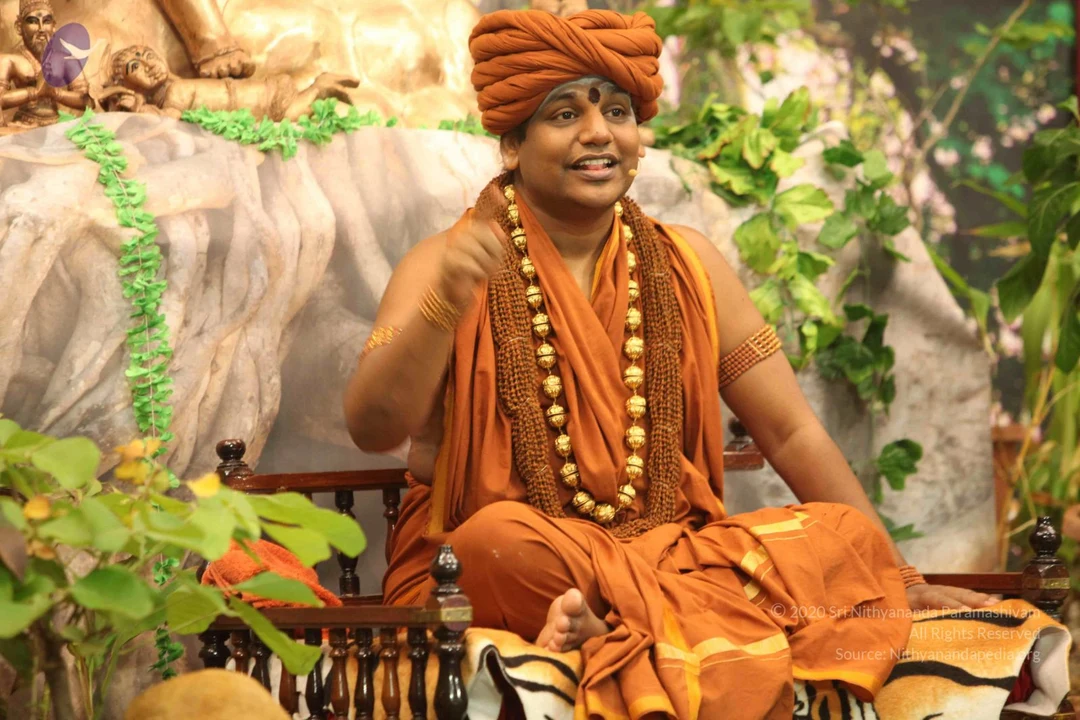

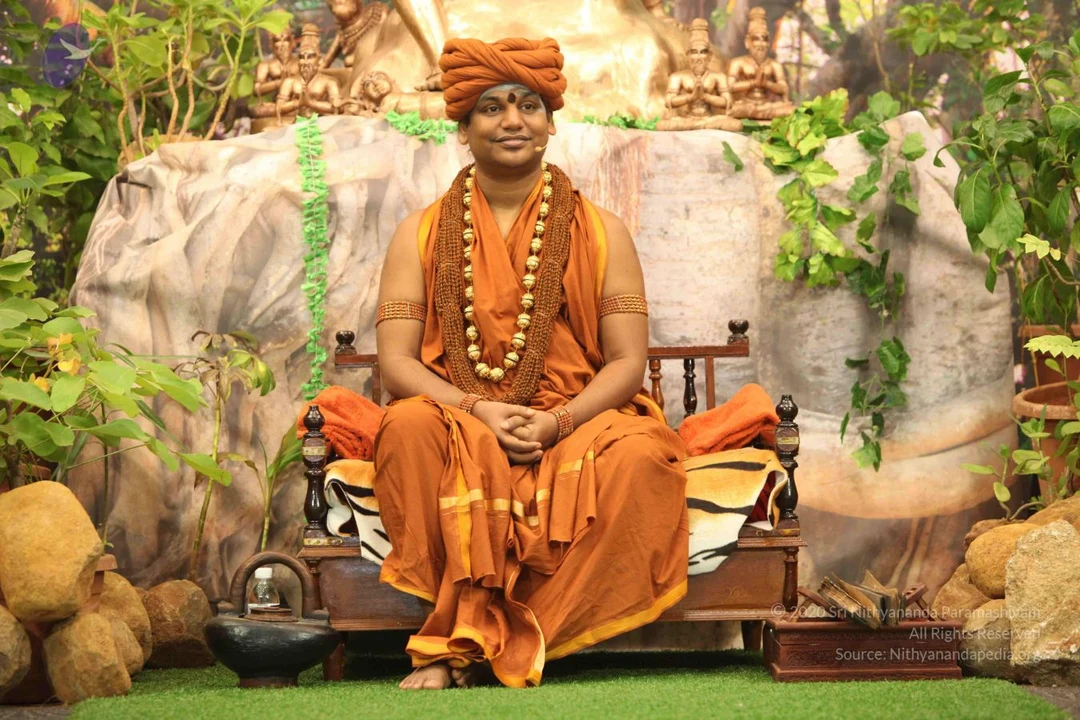
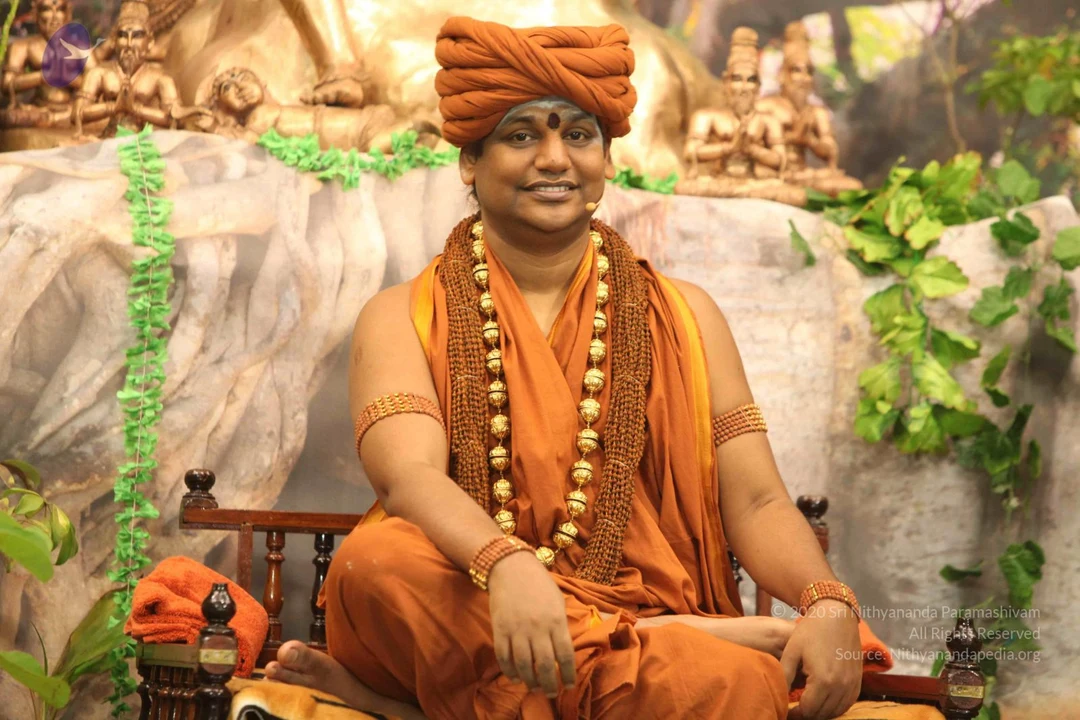

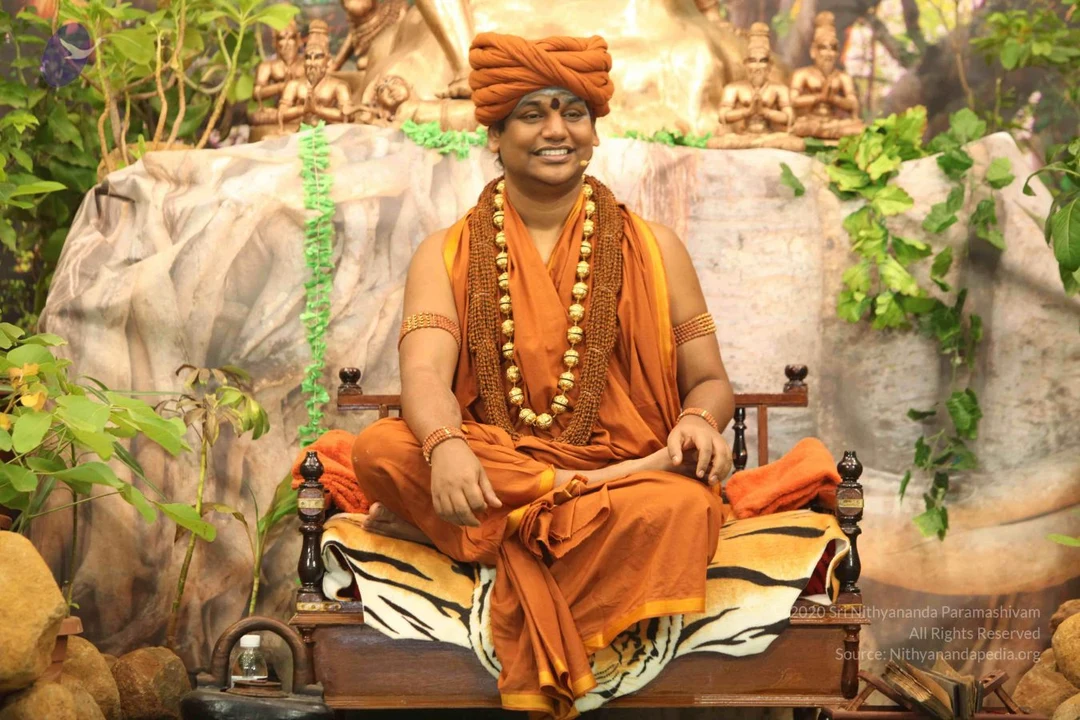
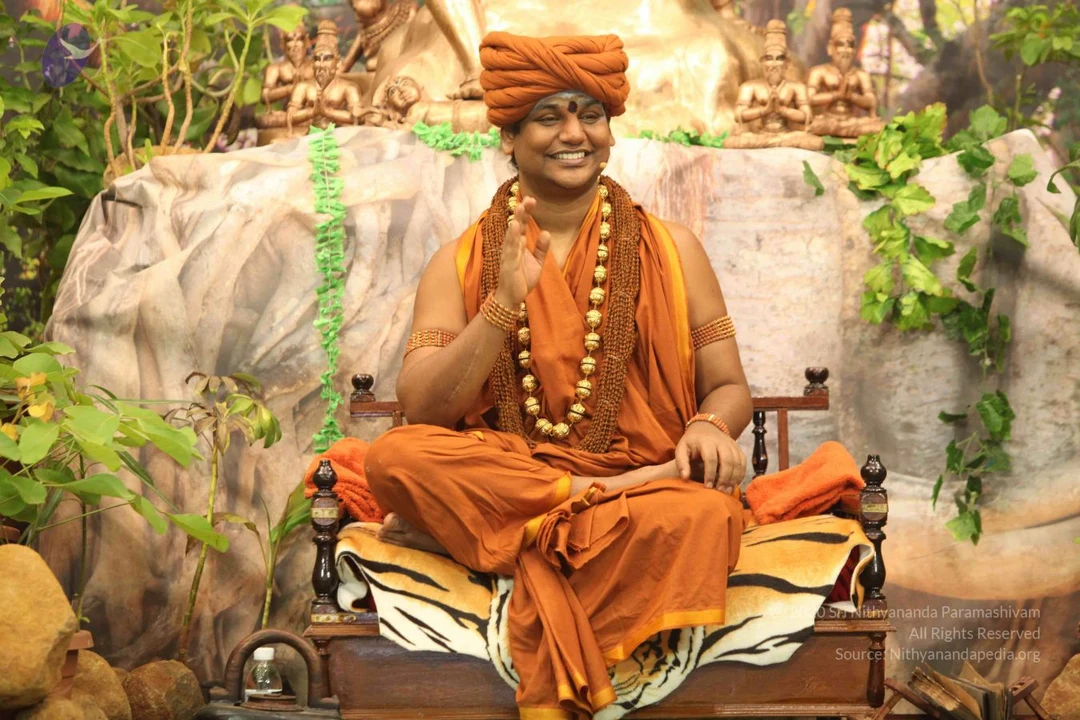
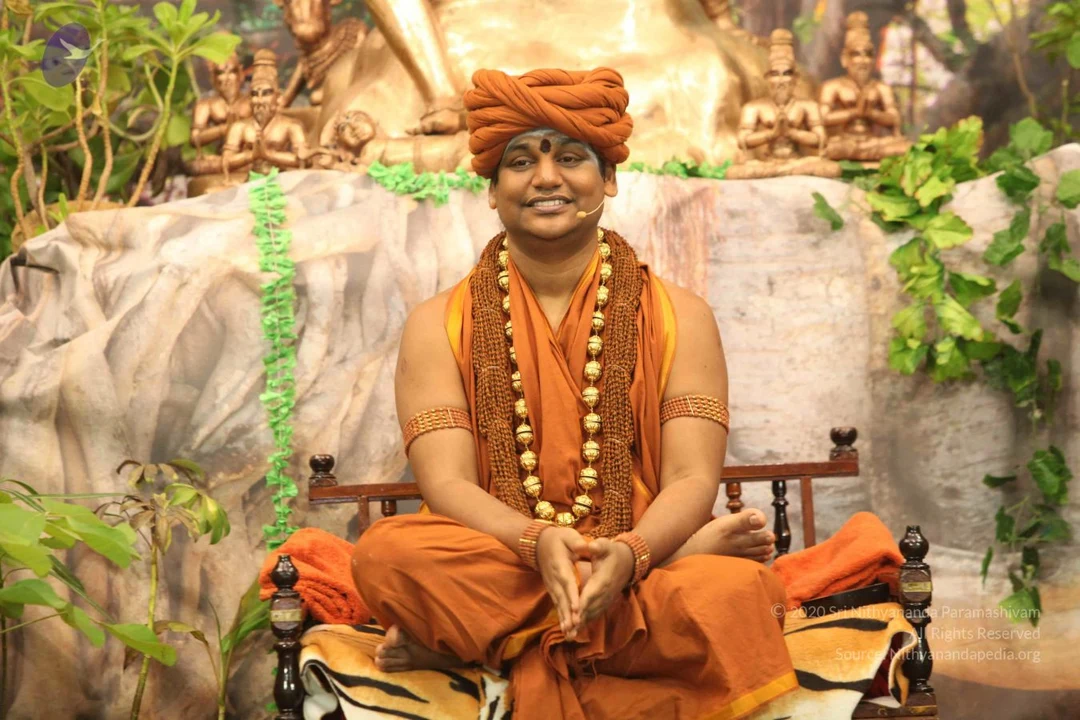
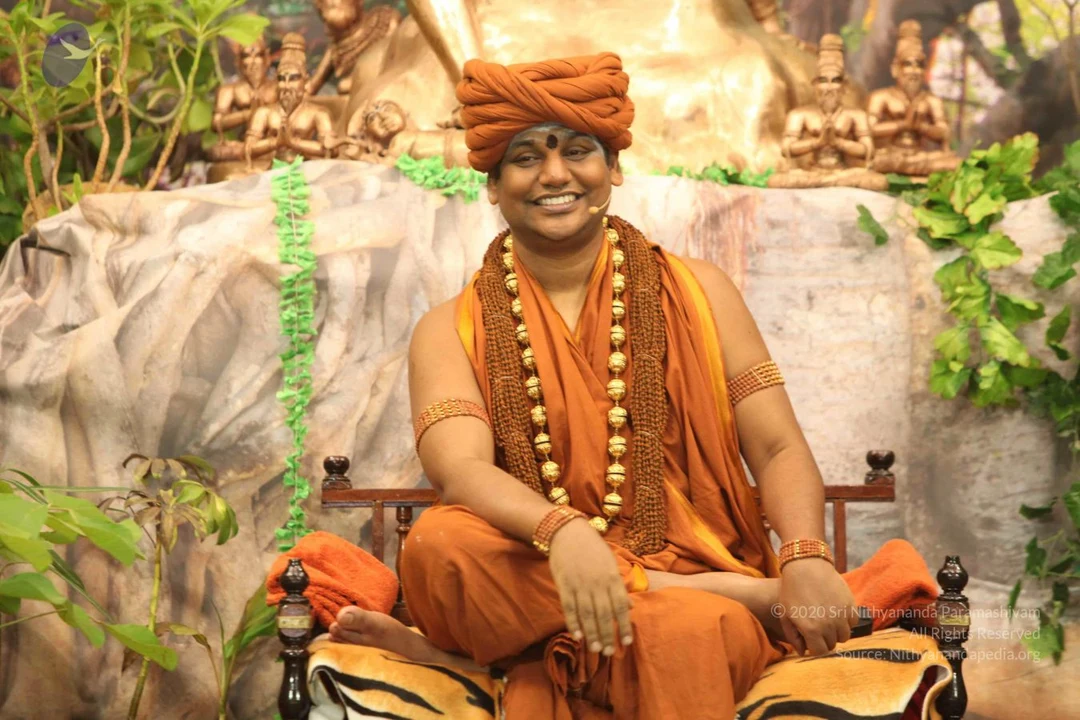
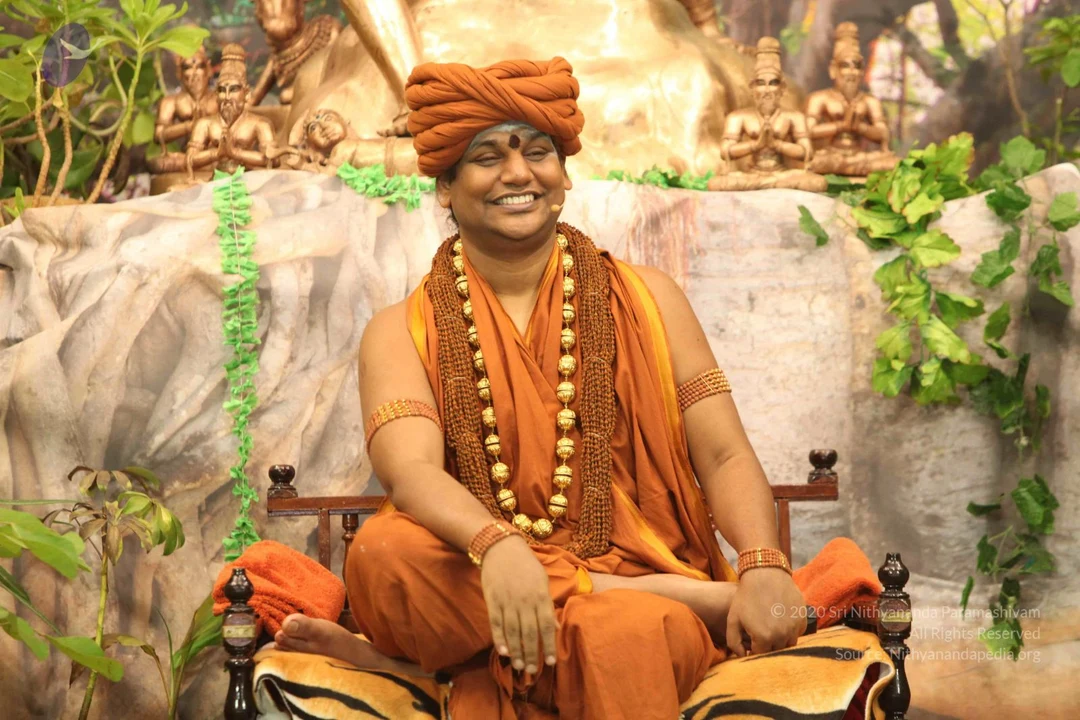
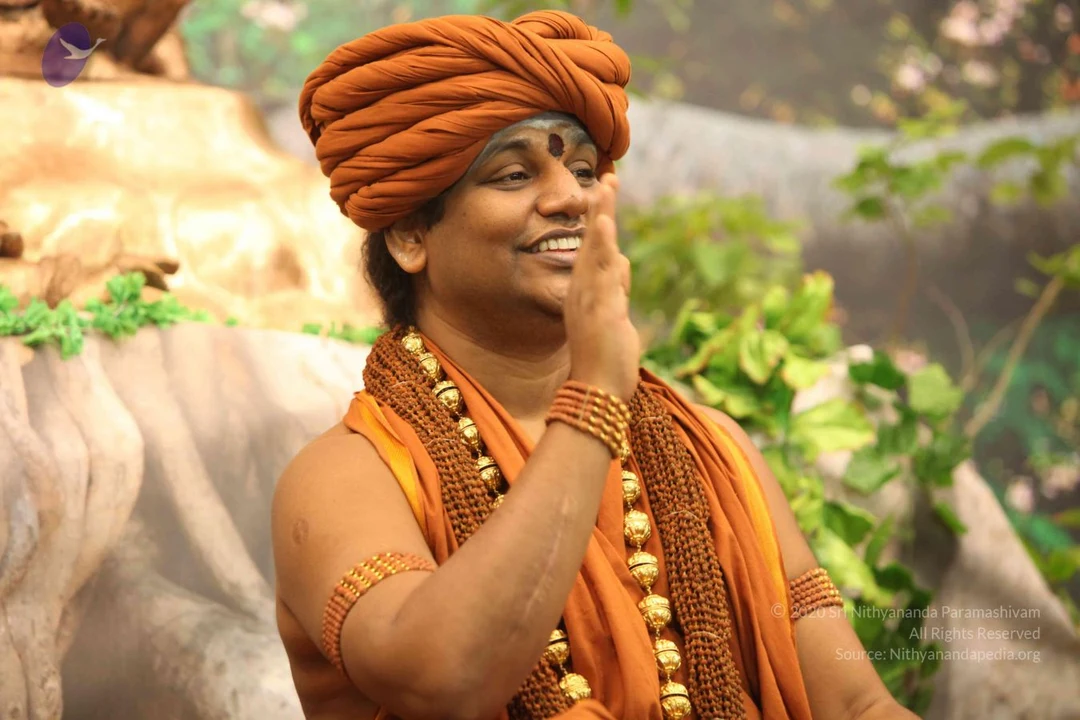
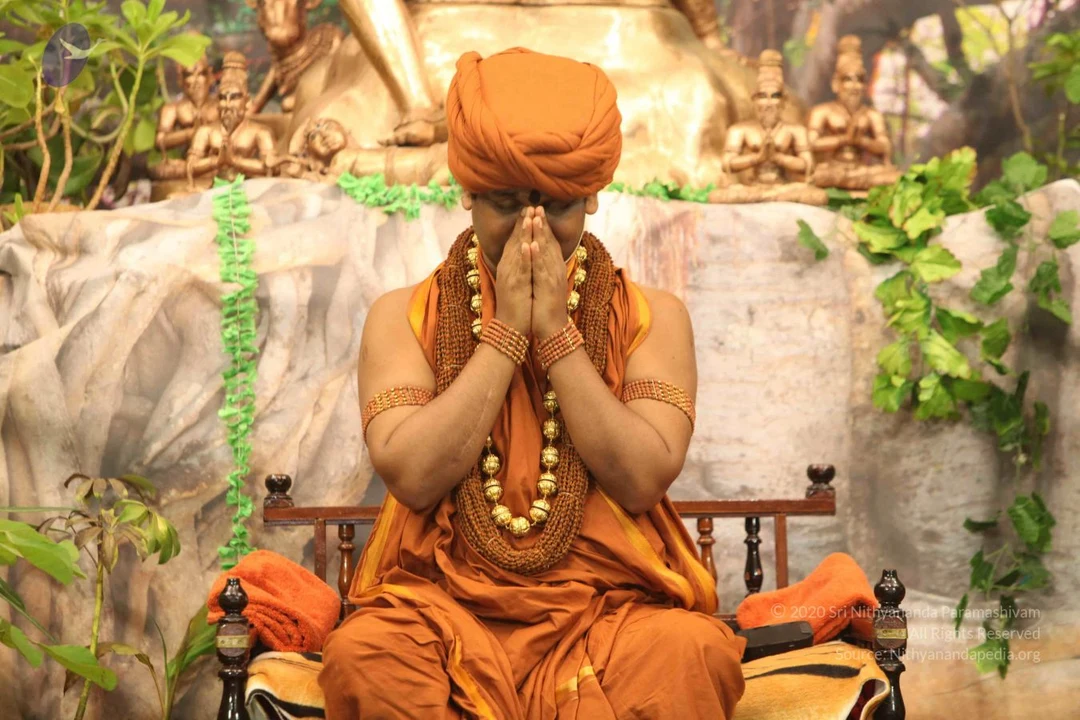
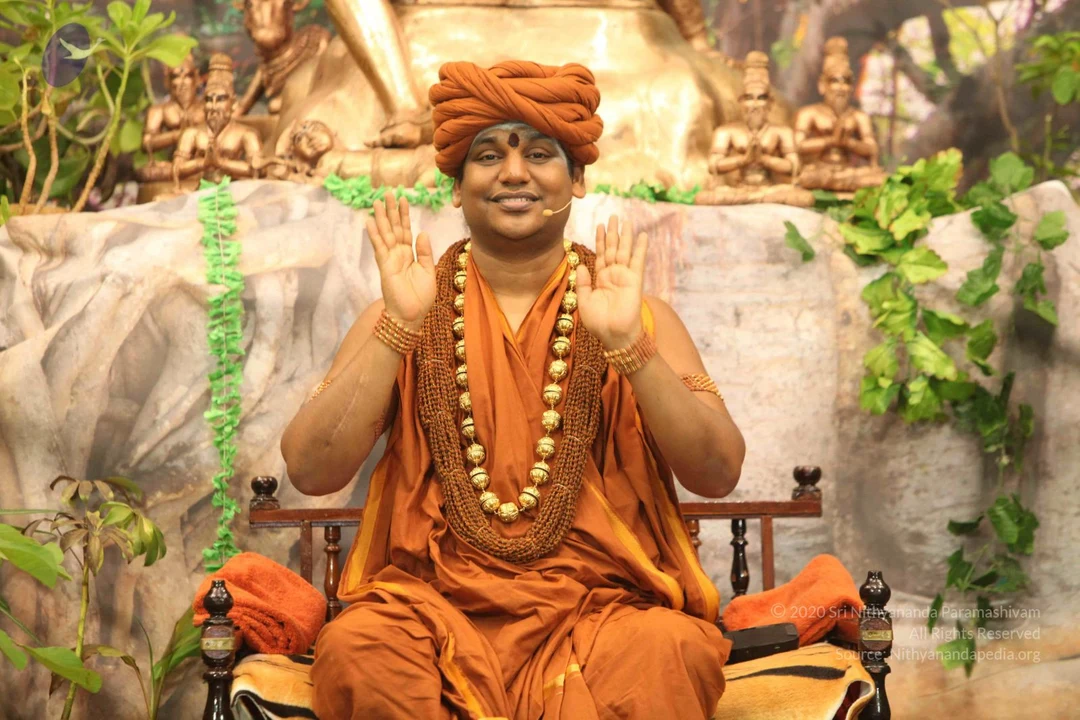
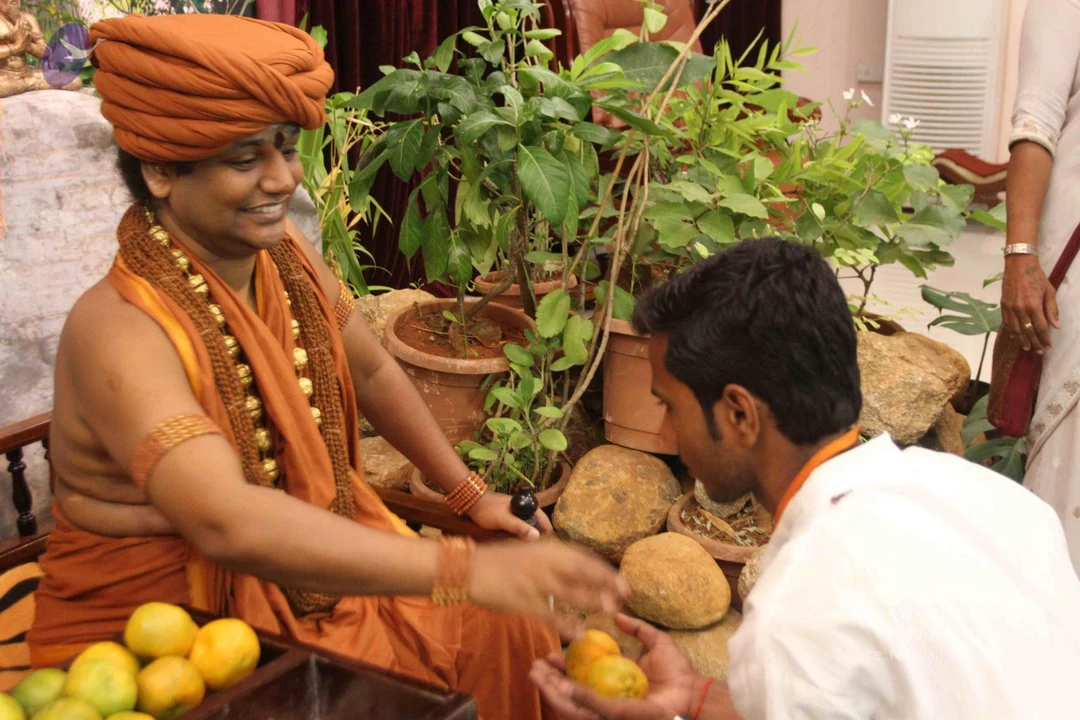
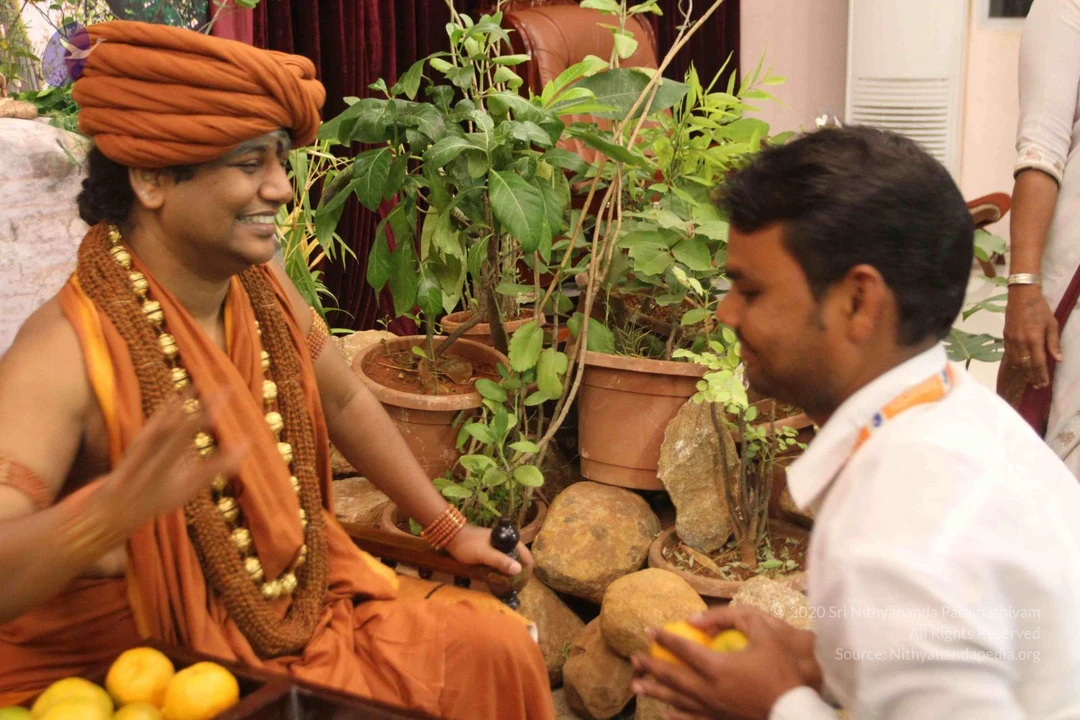
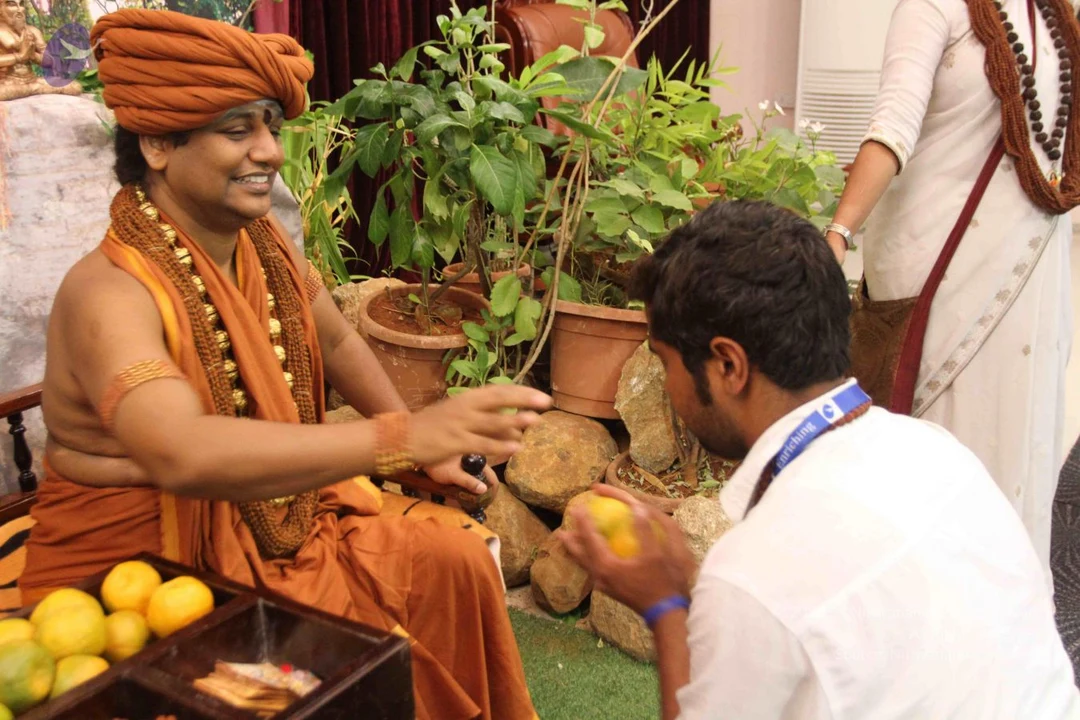
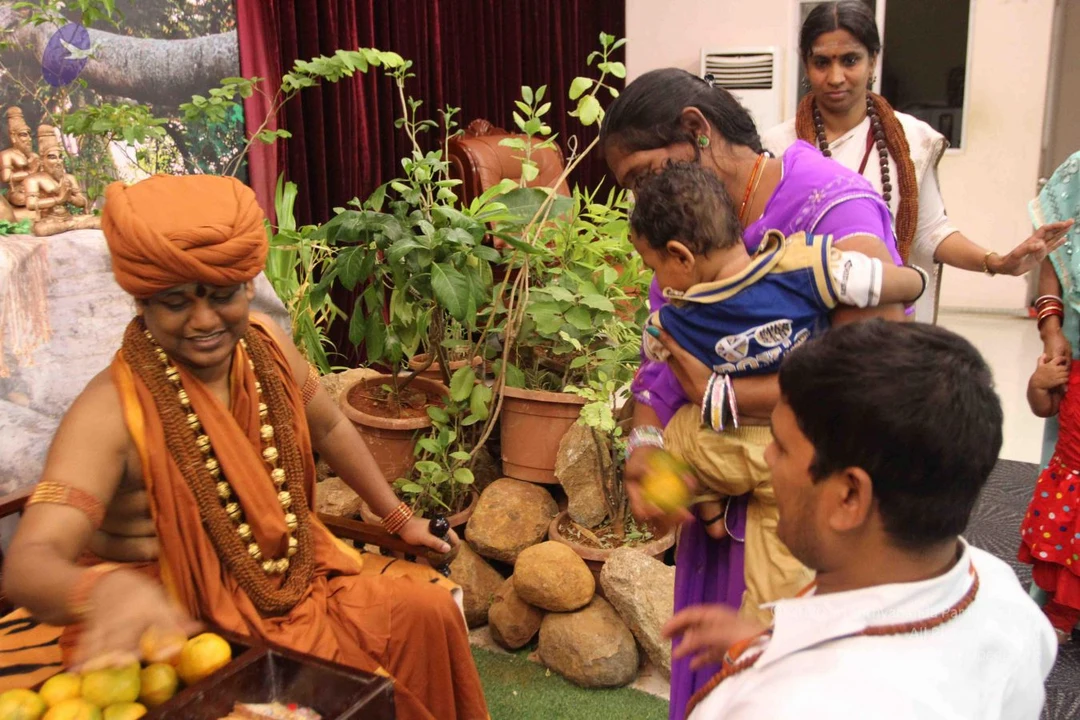
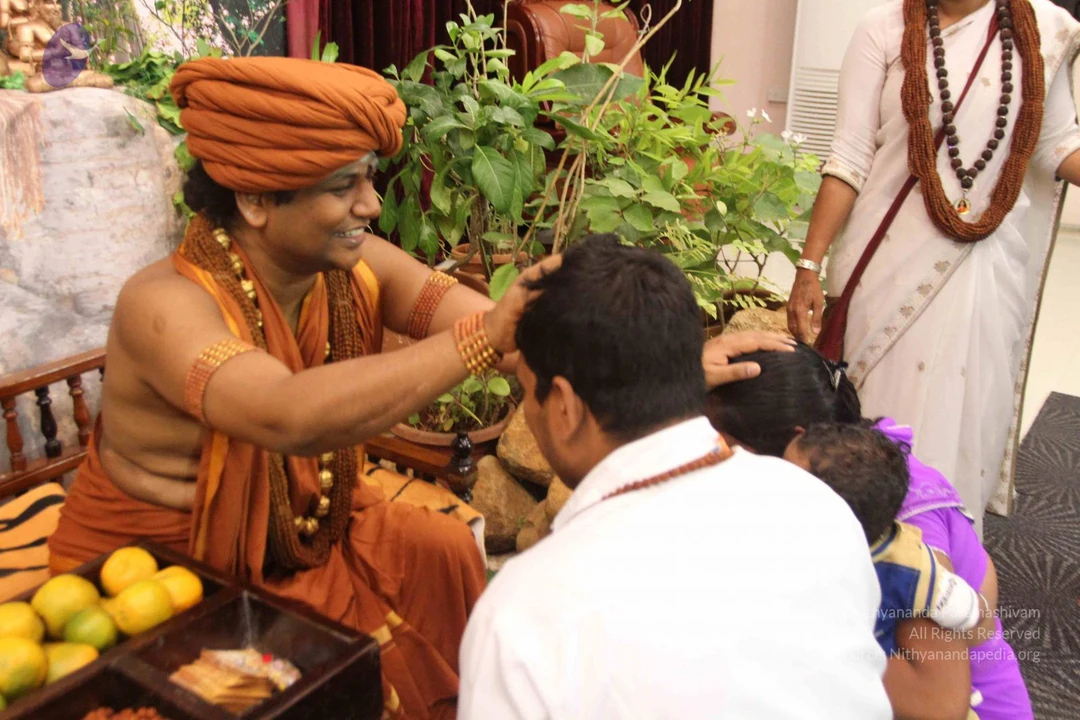
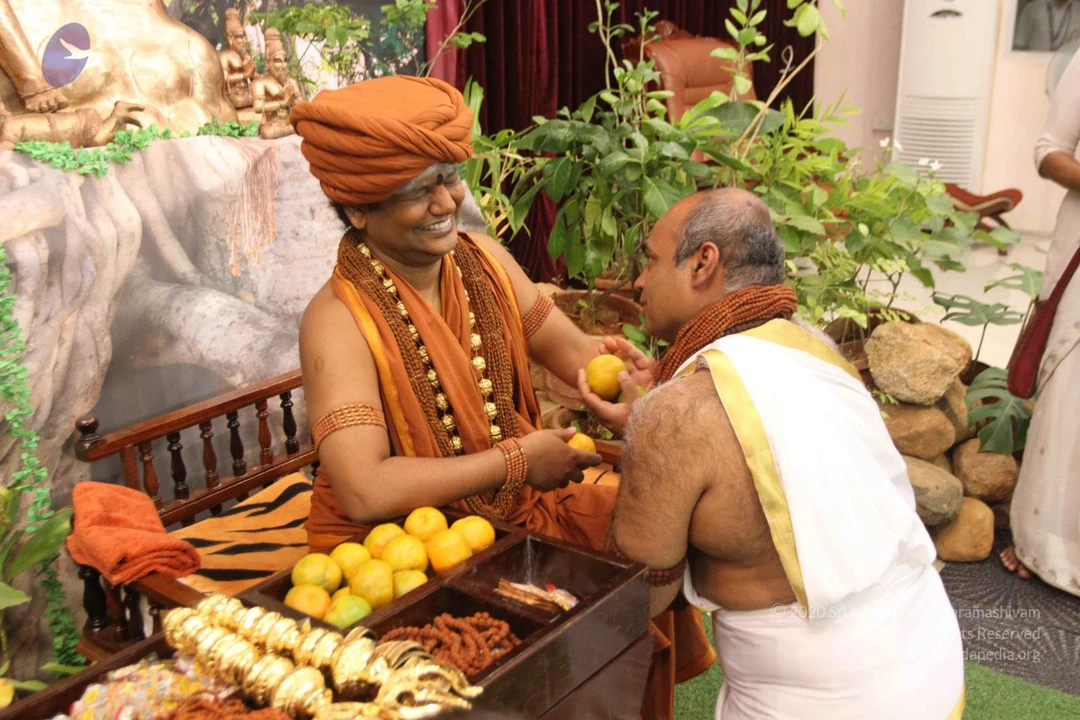
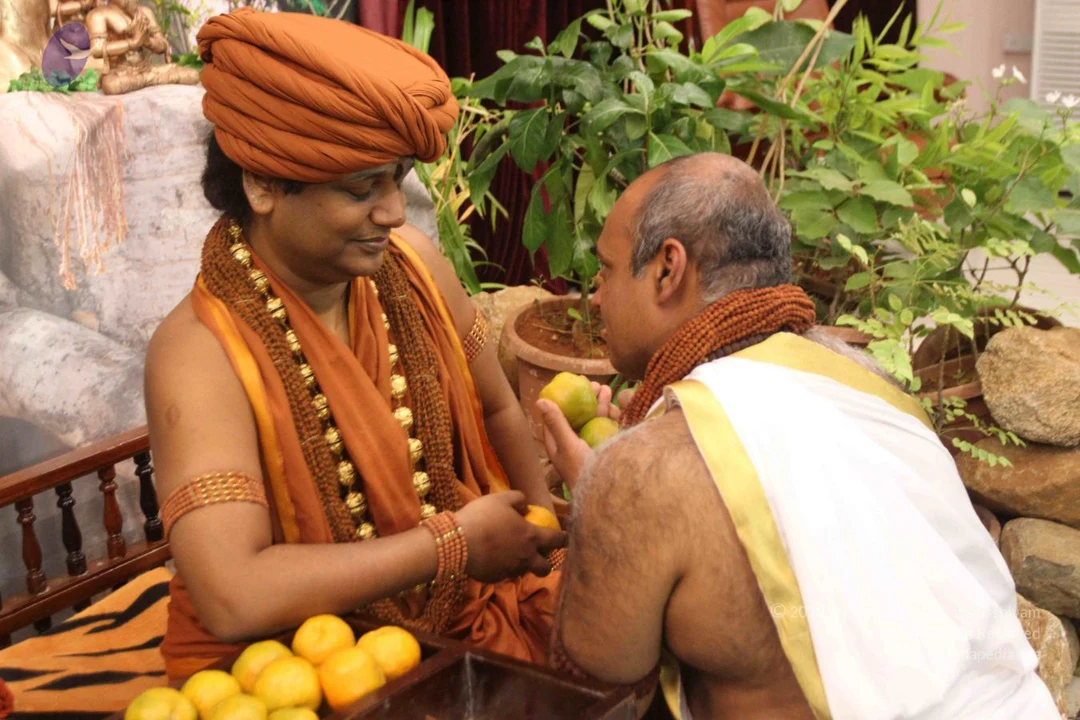
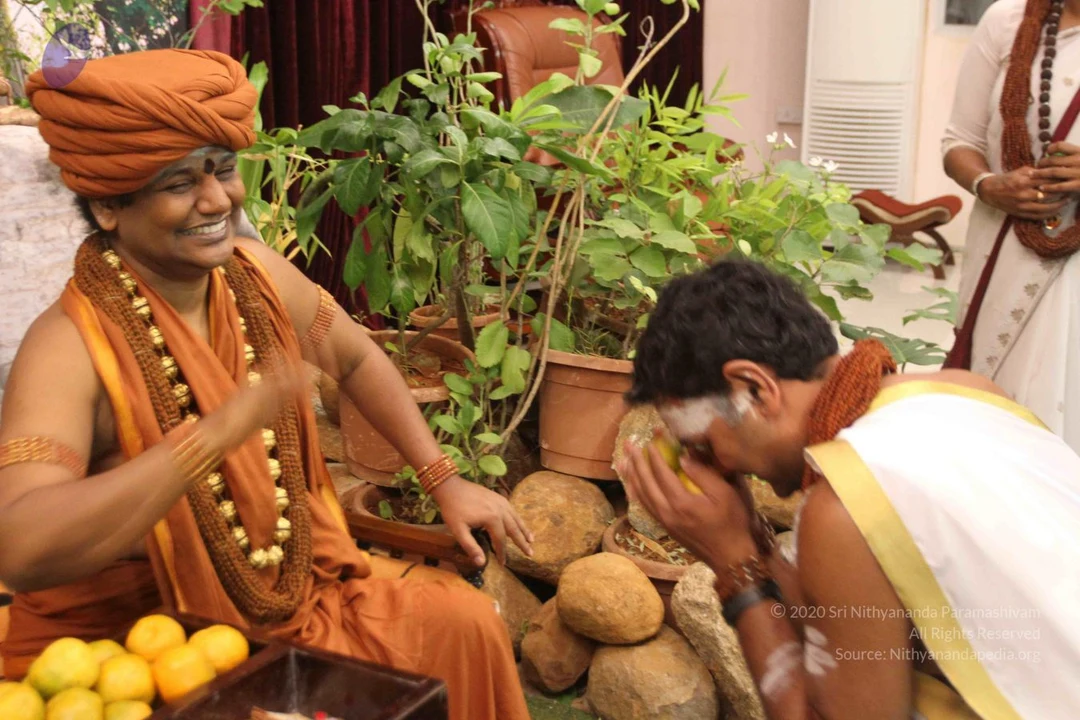
Kalpataru-darshan
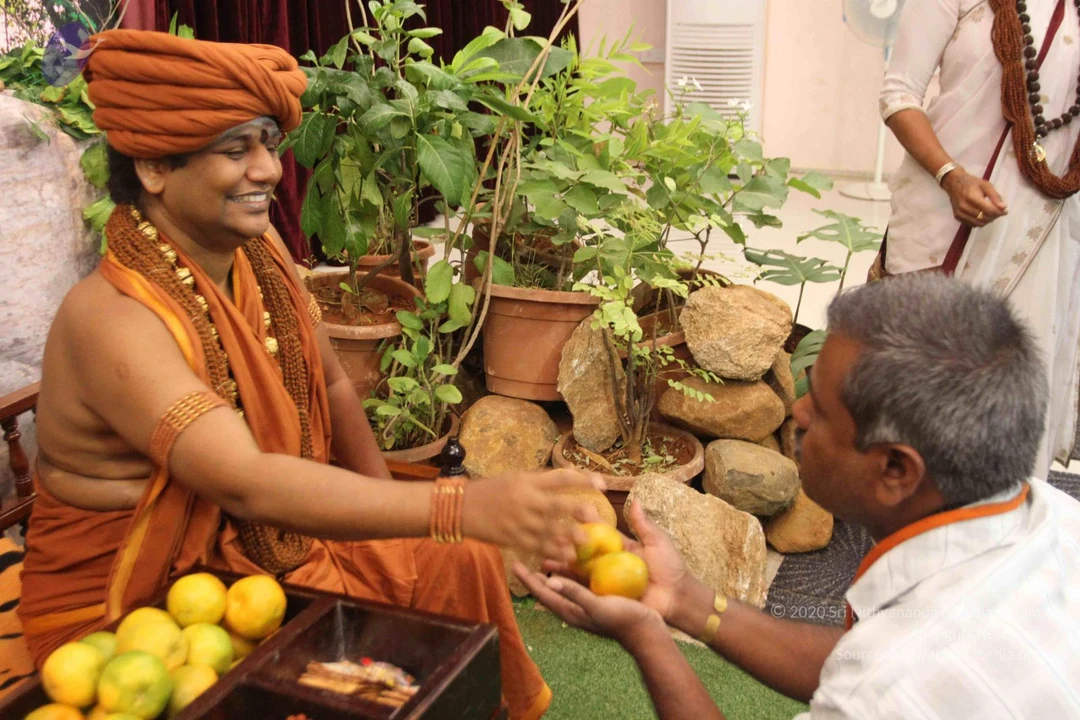
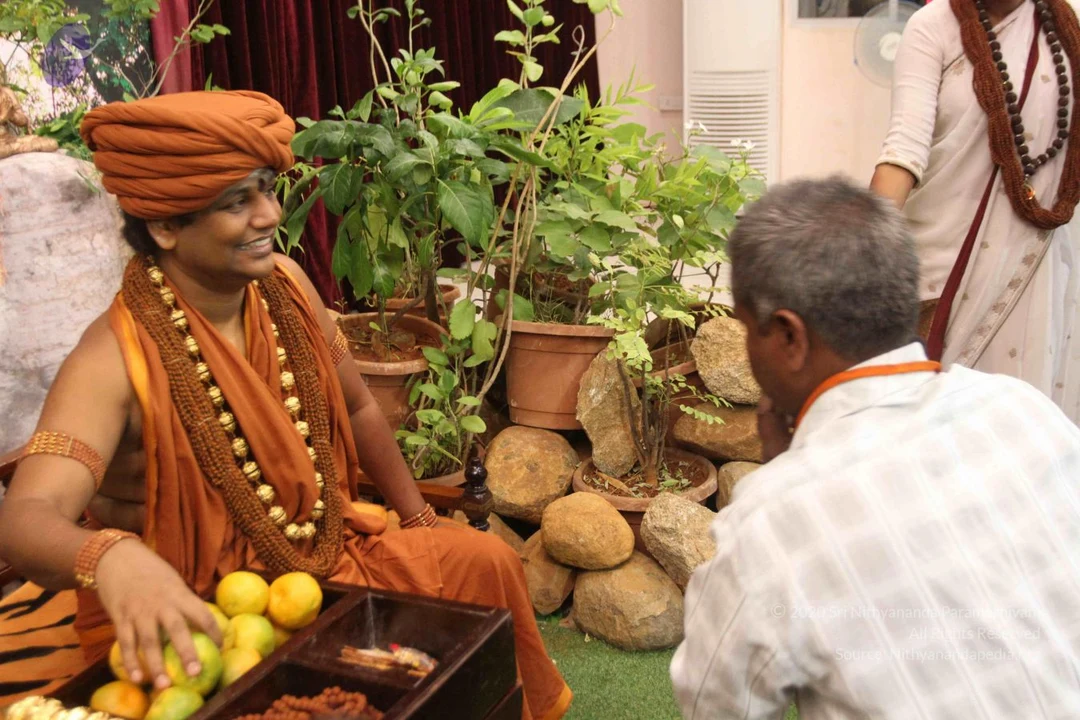

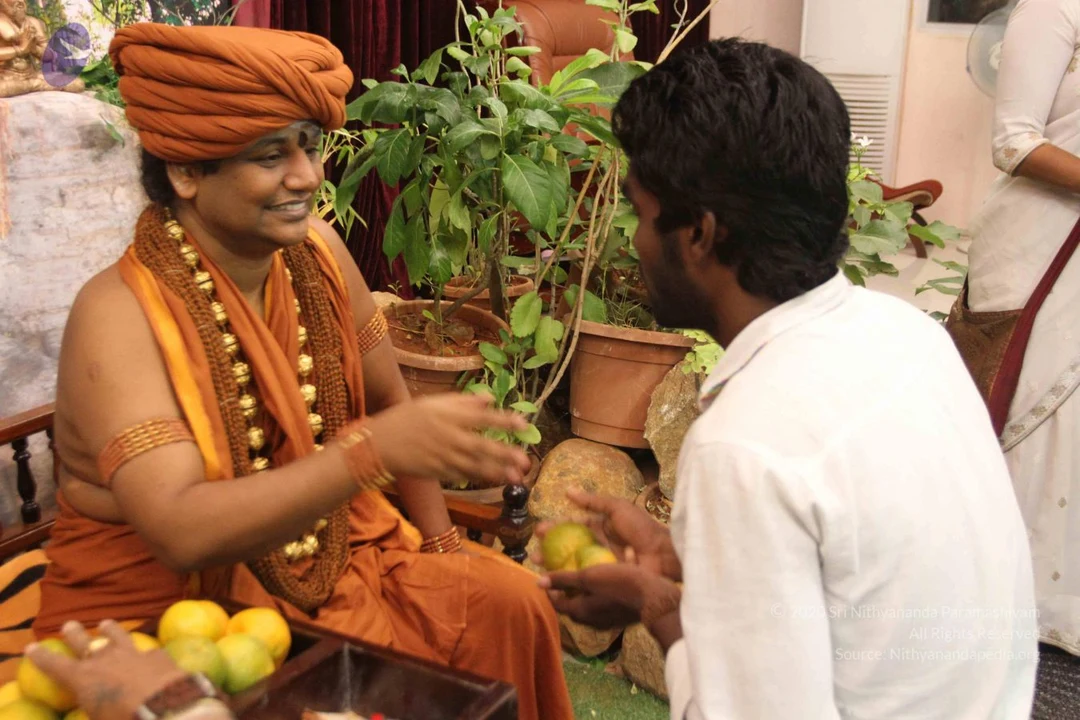
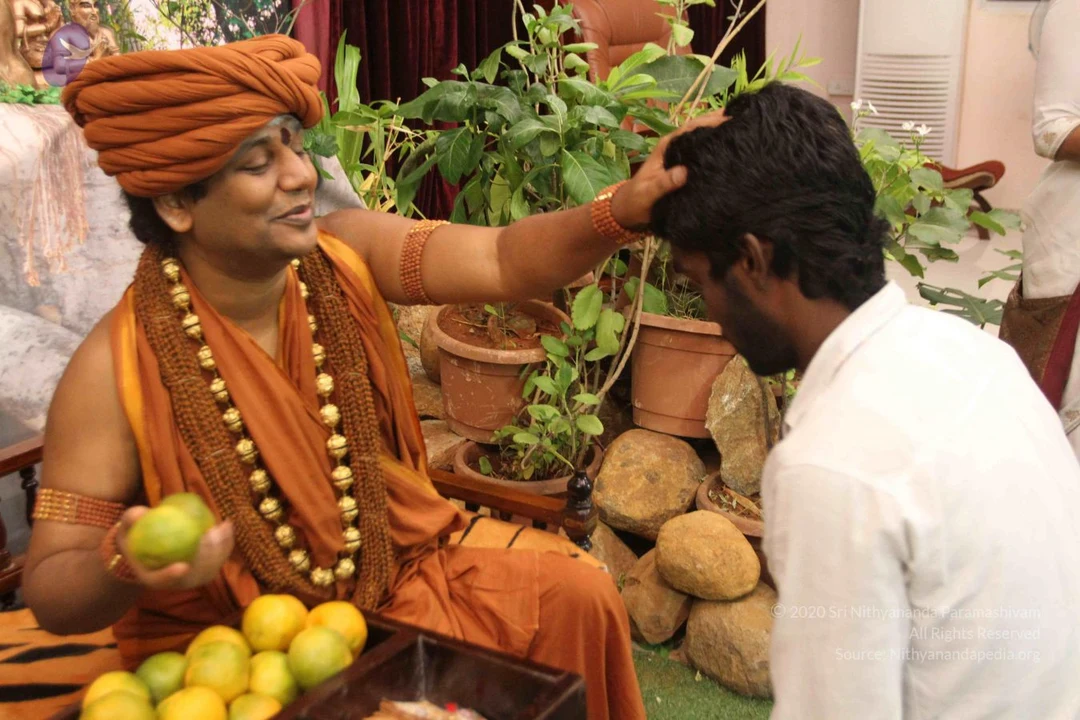
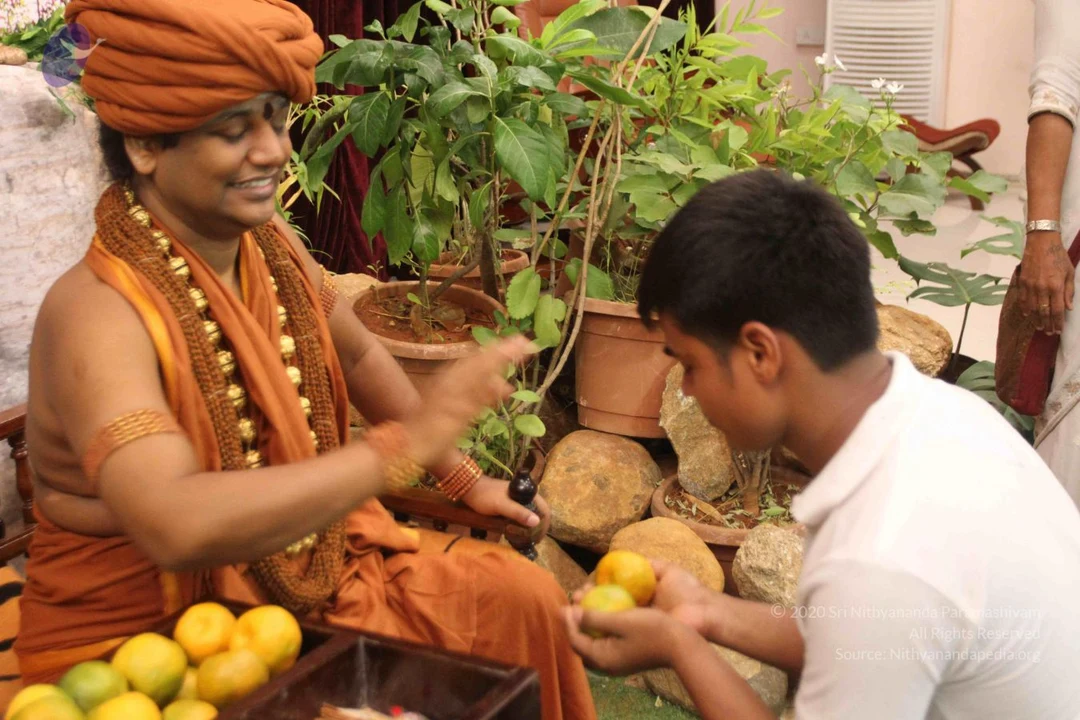
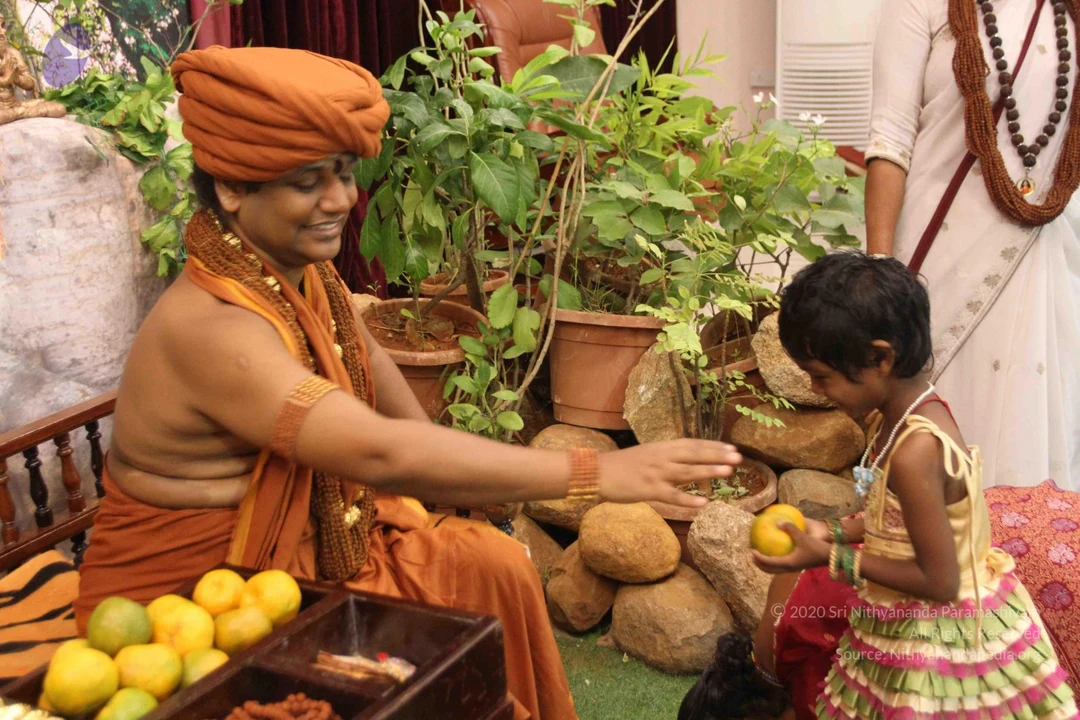
Photos Of The Day:
FB-photo-of-the-day
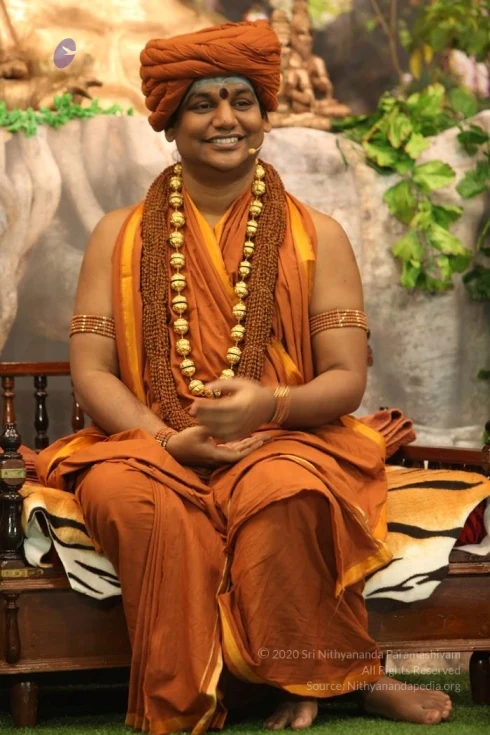
01-Nithya-Satsang
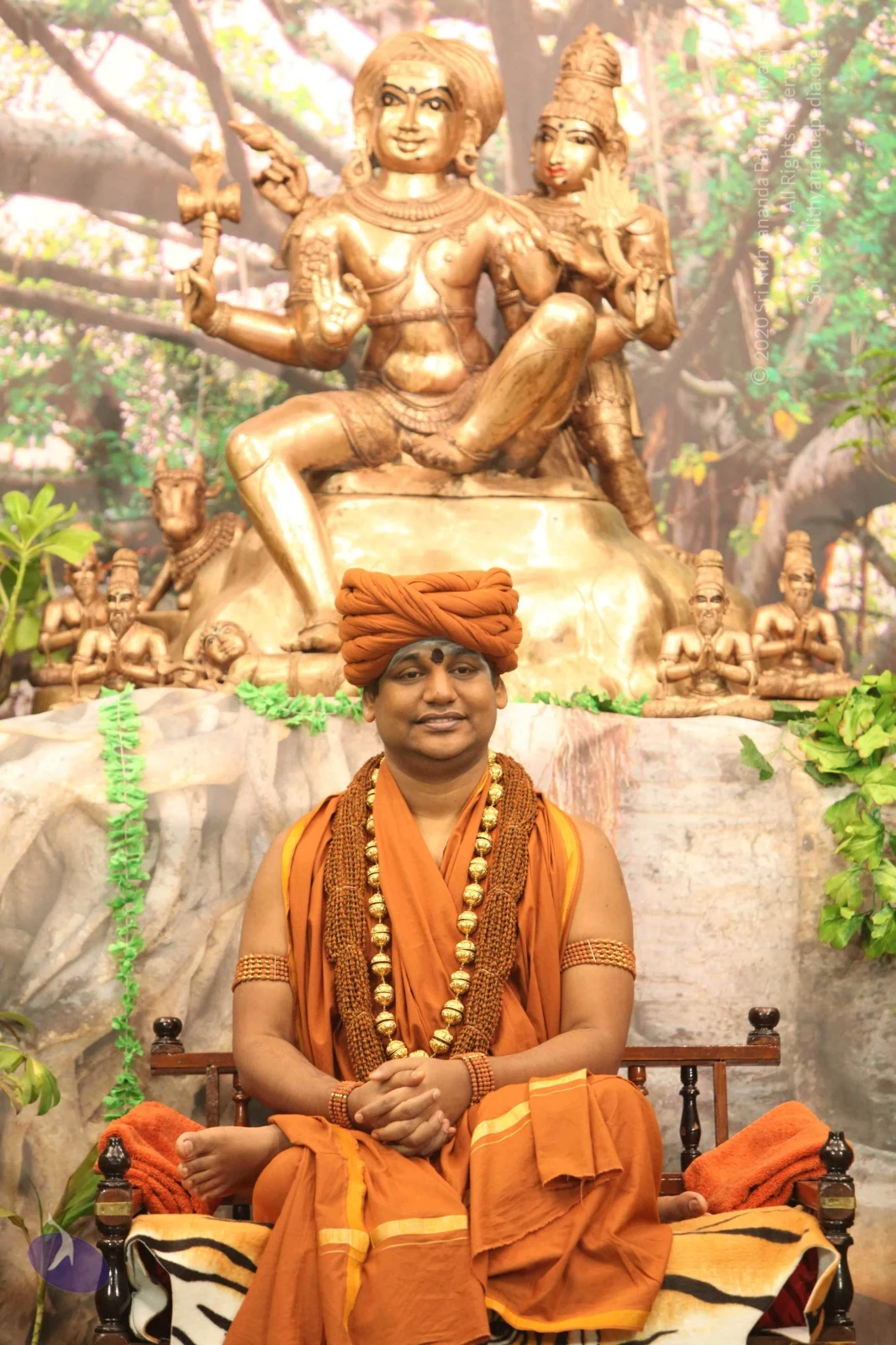
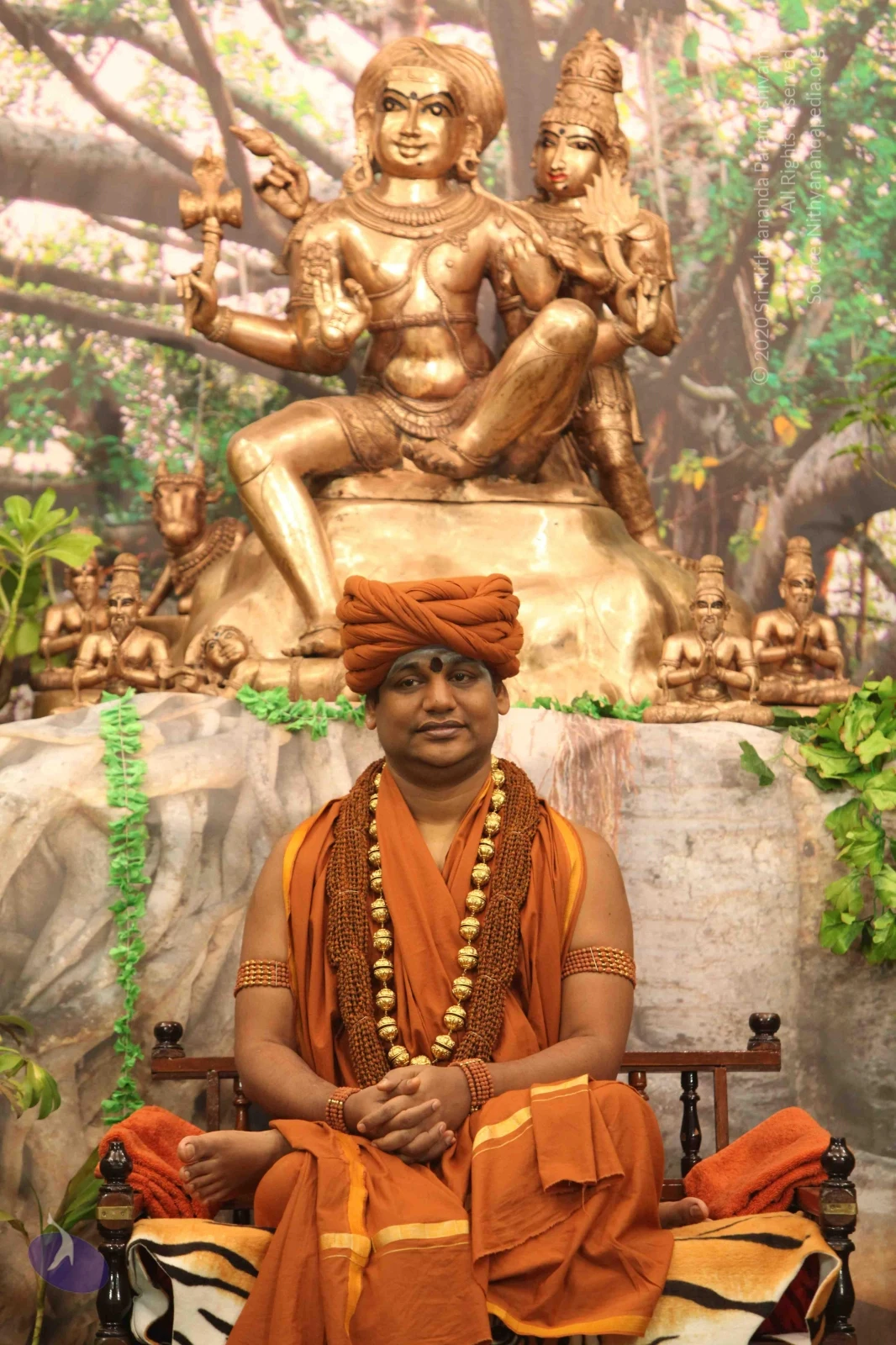
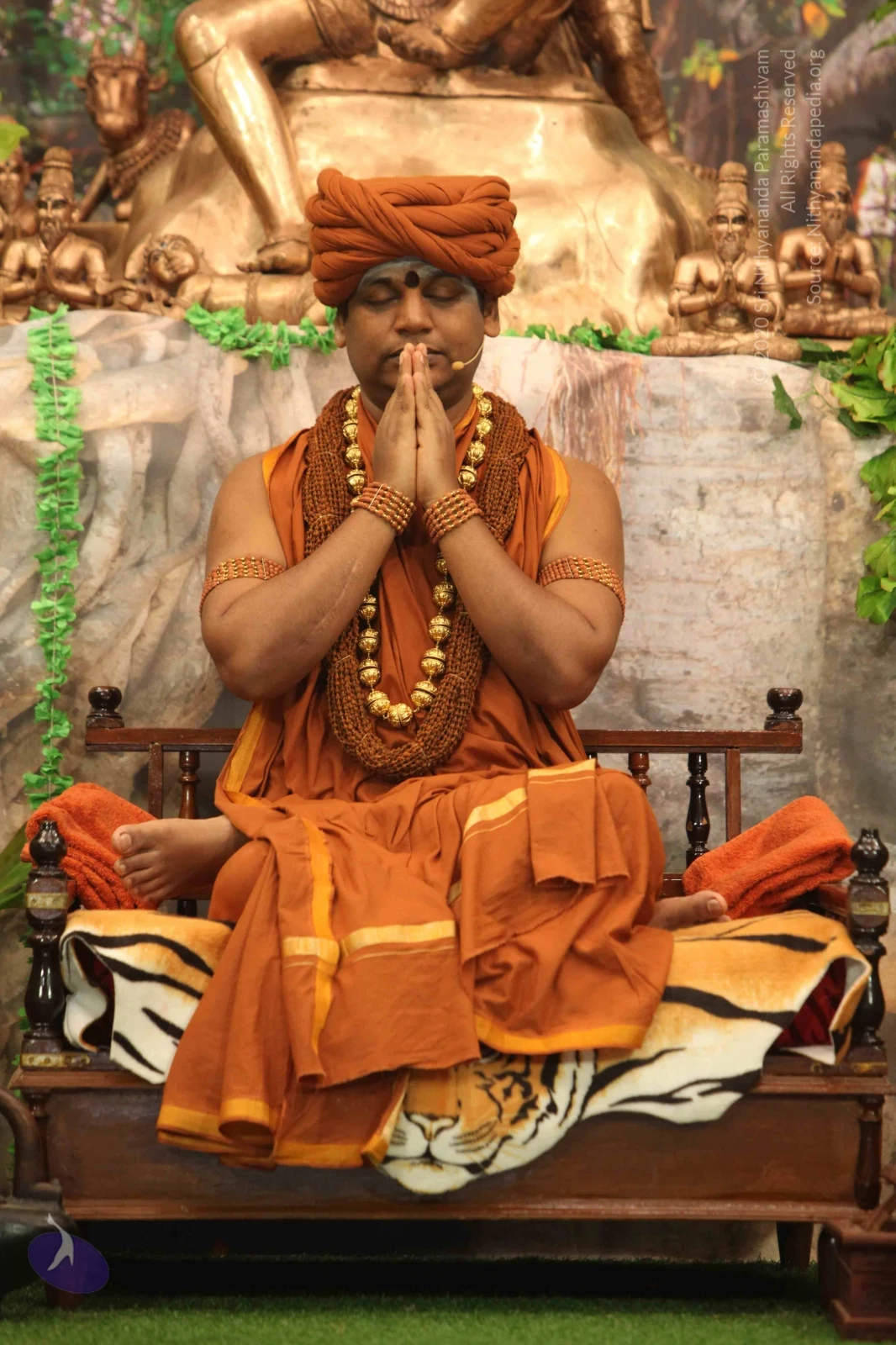
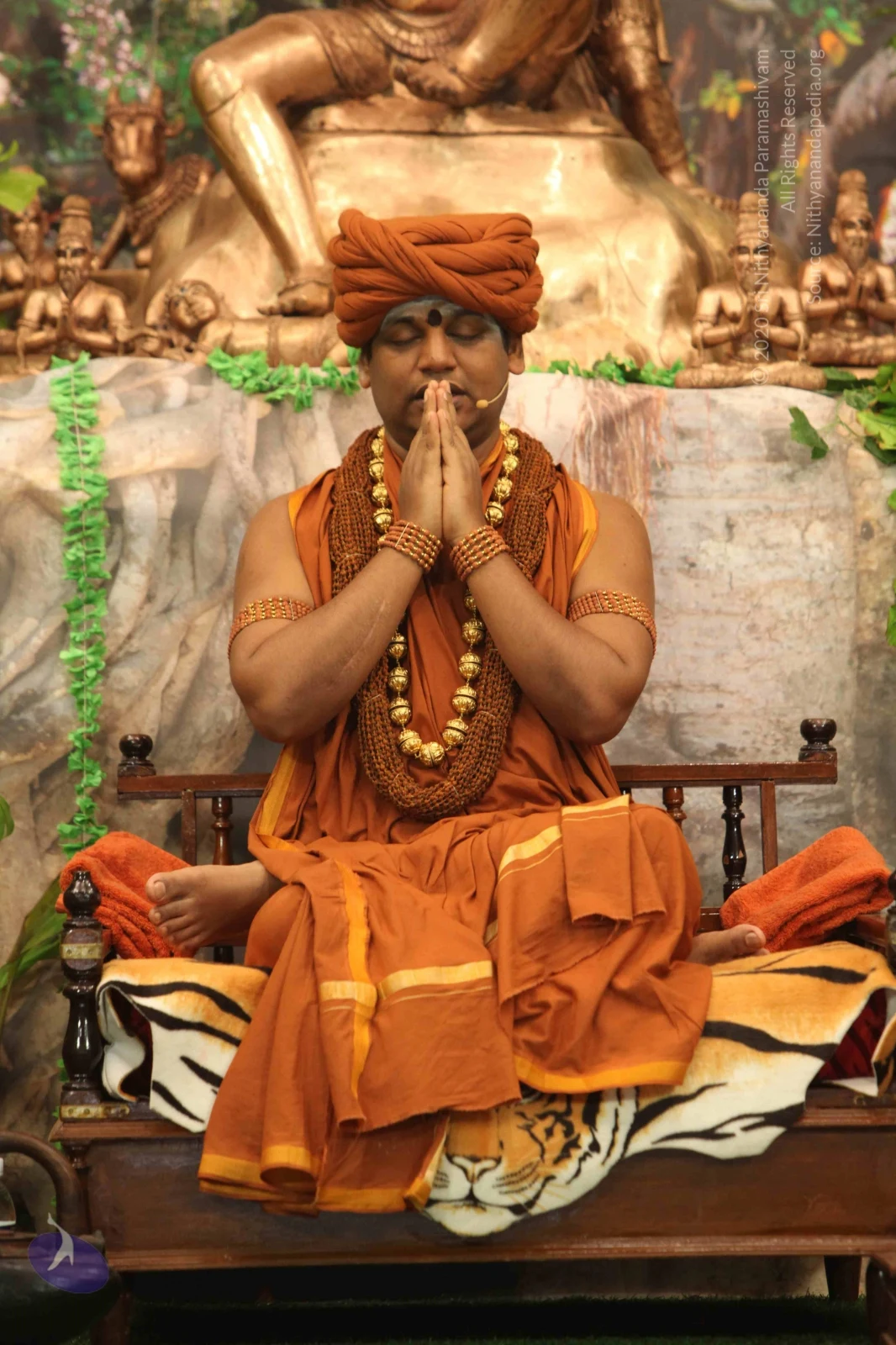
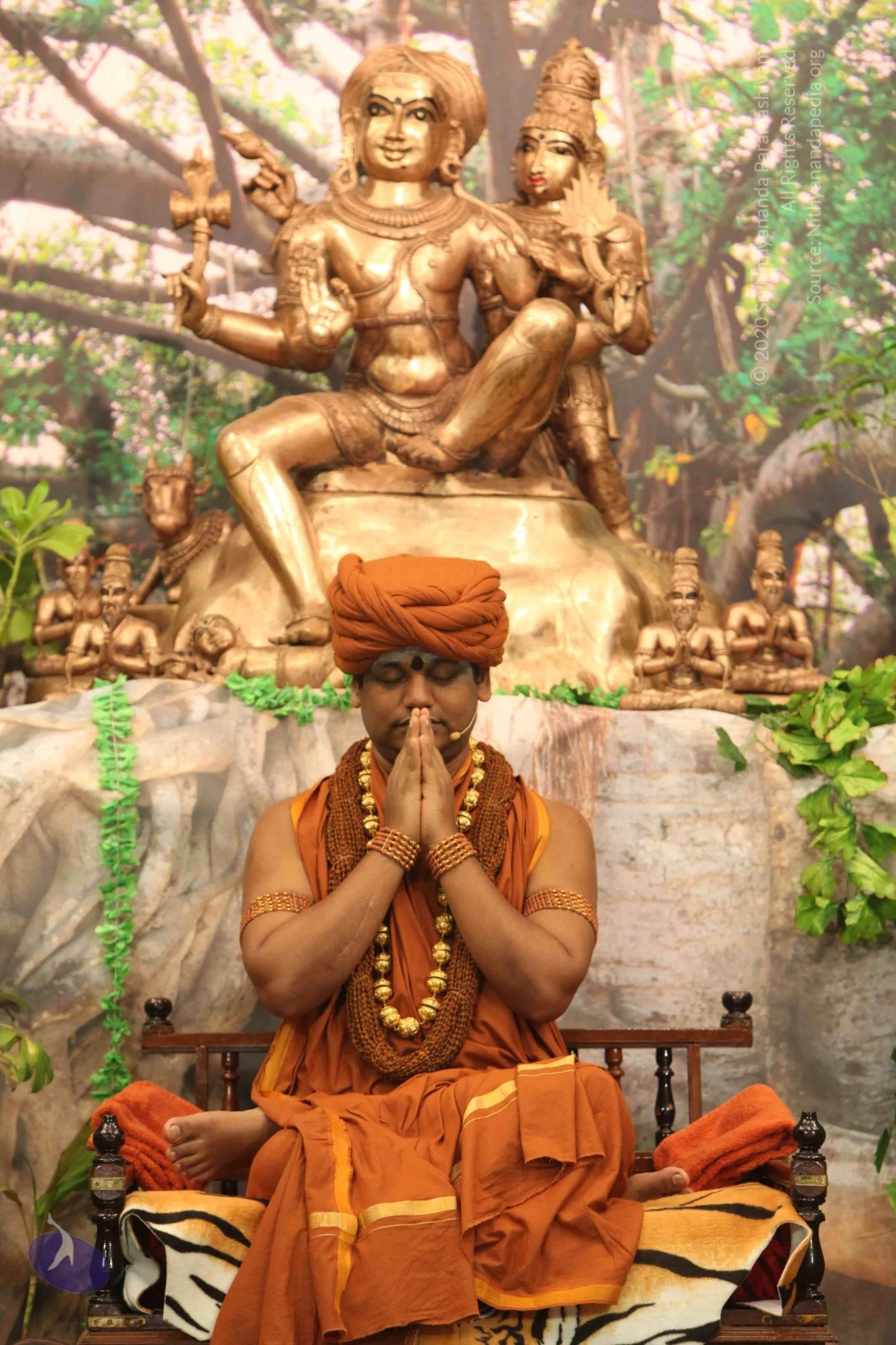
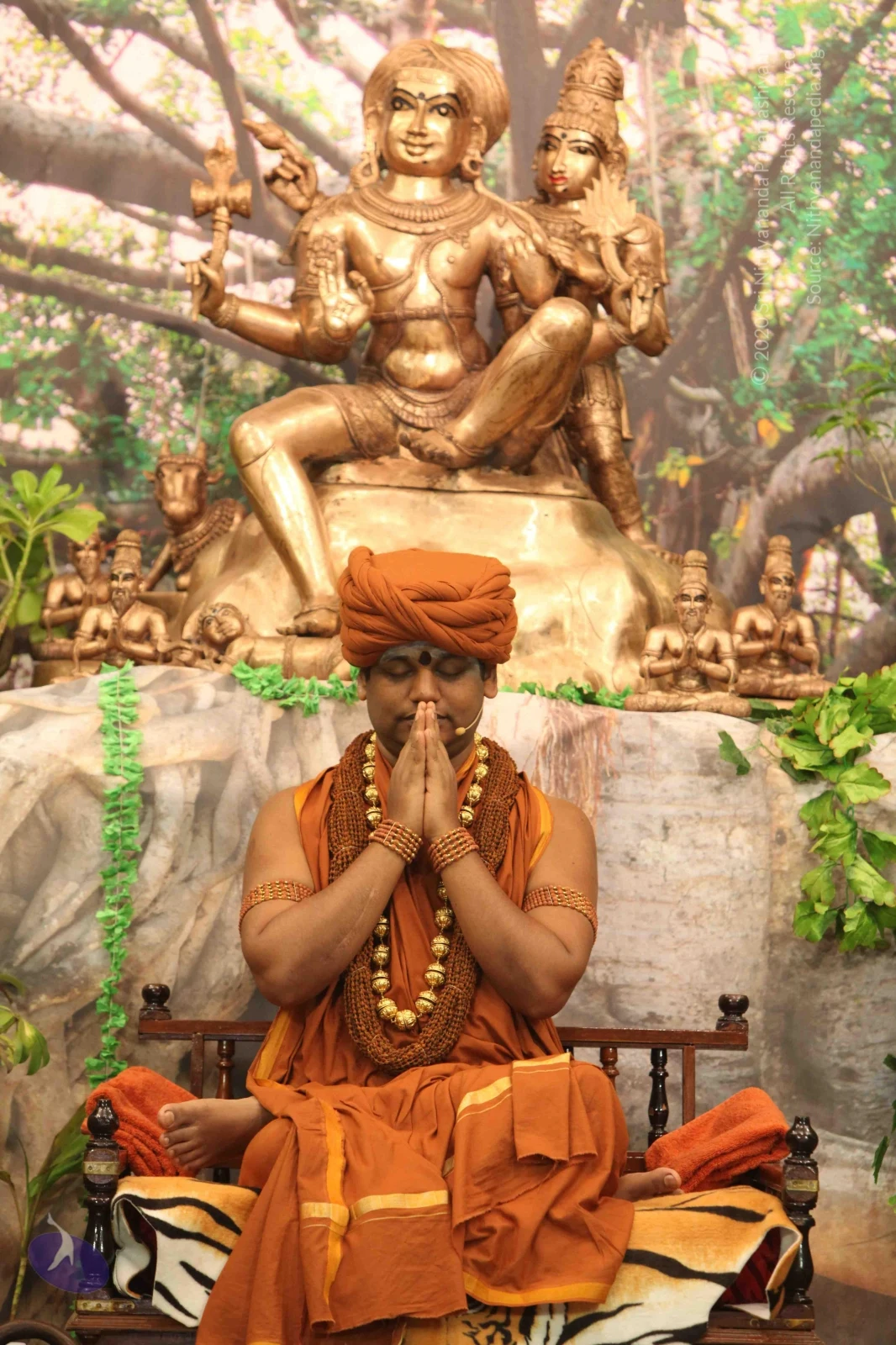
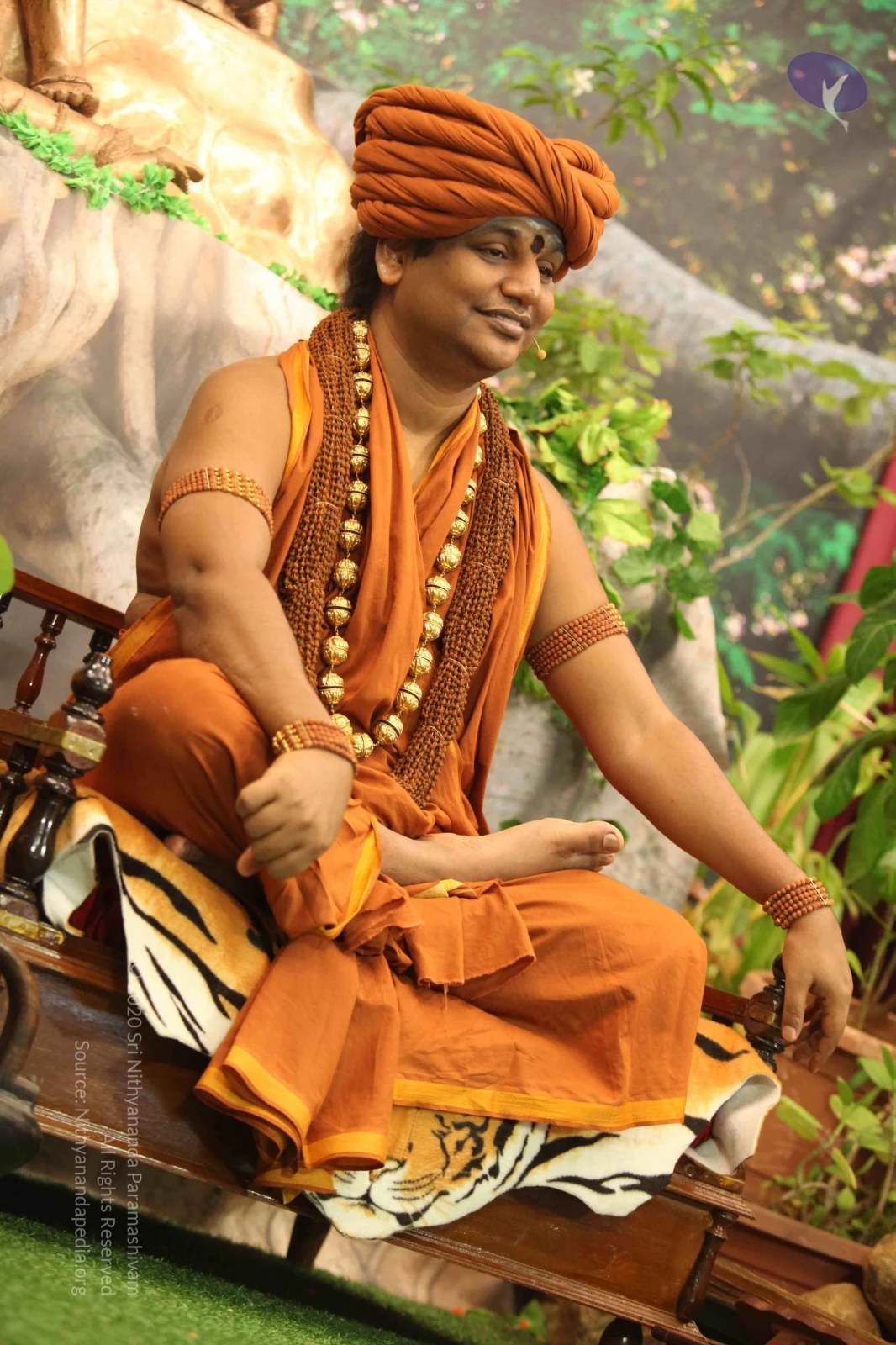
Photos from this day
View all 145 photosPaduka Puja
4 photosSource gallery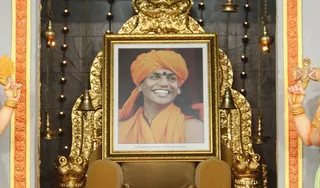
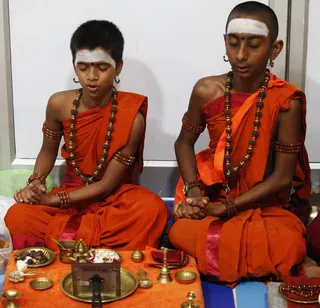
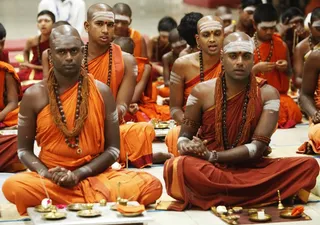
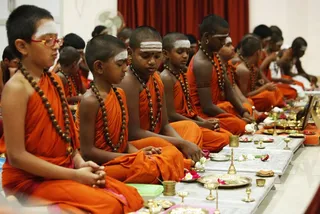
Nithya Satsang
3 photosSource gallery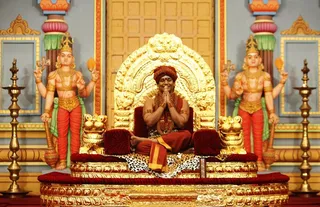
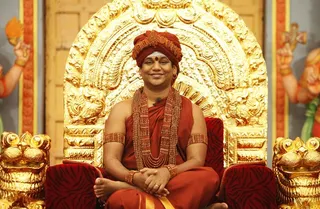
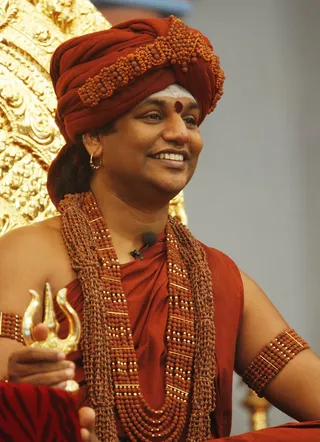
Nithya Satsang
110 photosSource gallery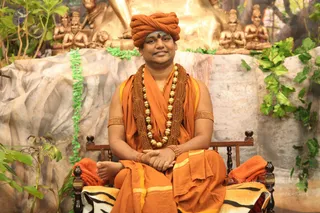
Kalpataru-darshan
19 photosSource gallery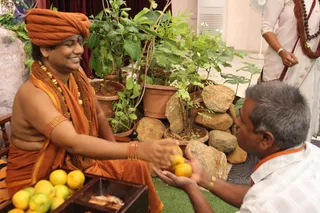
FB-photo-of-the-day
2 photosSource gallery
01-Nithya-Satsang
7 photosSource gallery