Wednesday
18 April 2018
Sacred power of the Mandalas || HDH initiated delegates into aligning their Bio-memory and Muscle Memory to Fundamental Lines and Sounds of Cosmos || Darshan on Day 18 of Mahasadashivoham ||
- Dated photos
- 529
- Source pages
- 1
- Media
- 4
April 18 2018
Original wiki pageTitle
Sacred power of the Mandalas || HDH initiated delegates into aligning their Bio-memory and Muscle Memory to Fundamental Lines and Sounds of Cosmos || Darshan on Day 18 of Mahasadashivoham ||
Narration
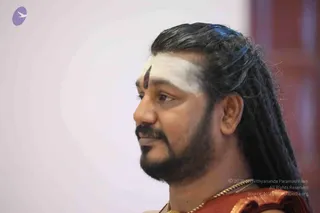
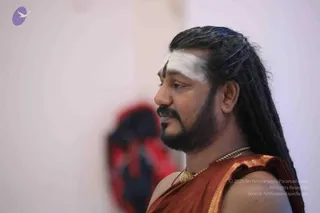
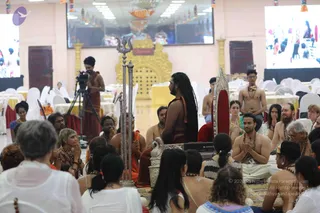
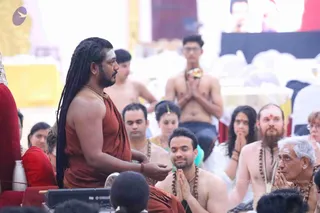
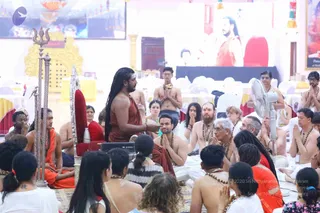
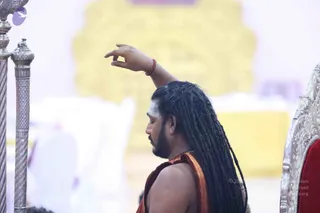
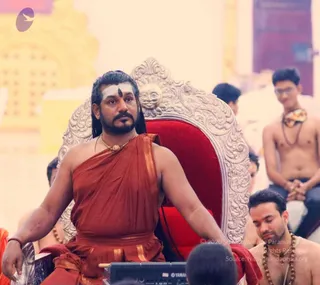
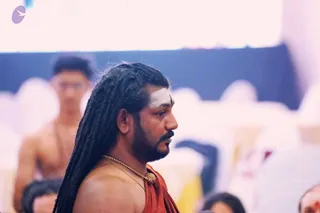
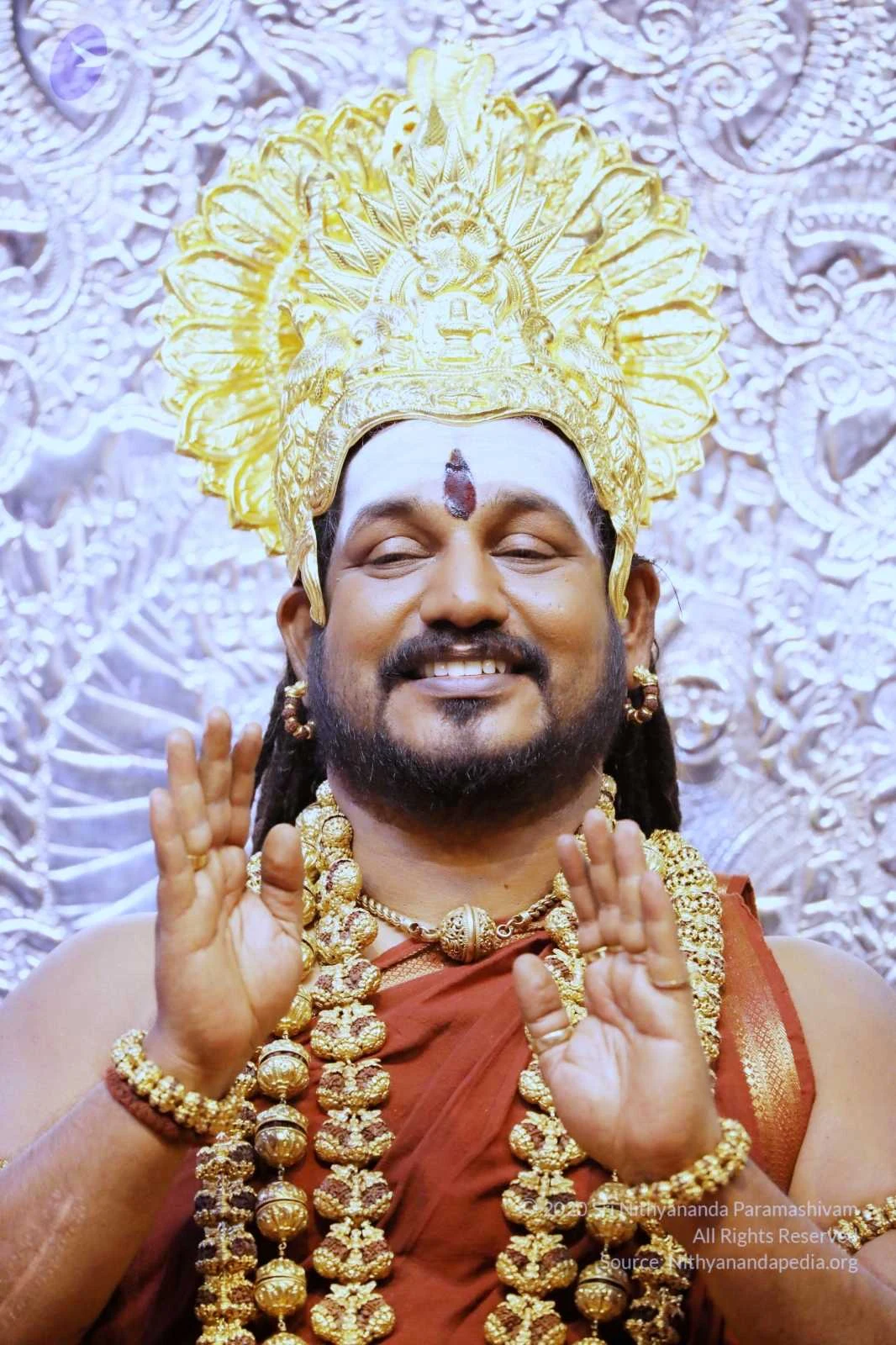
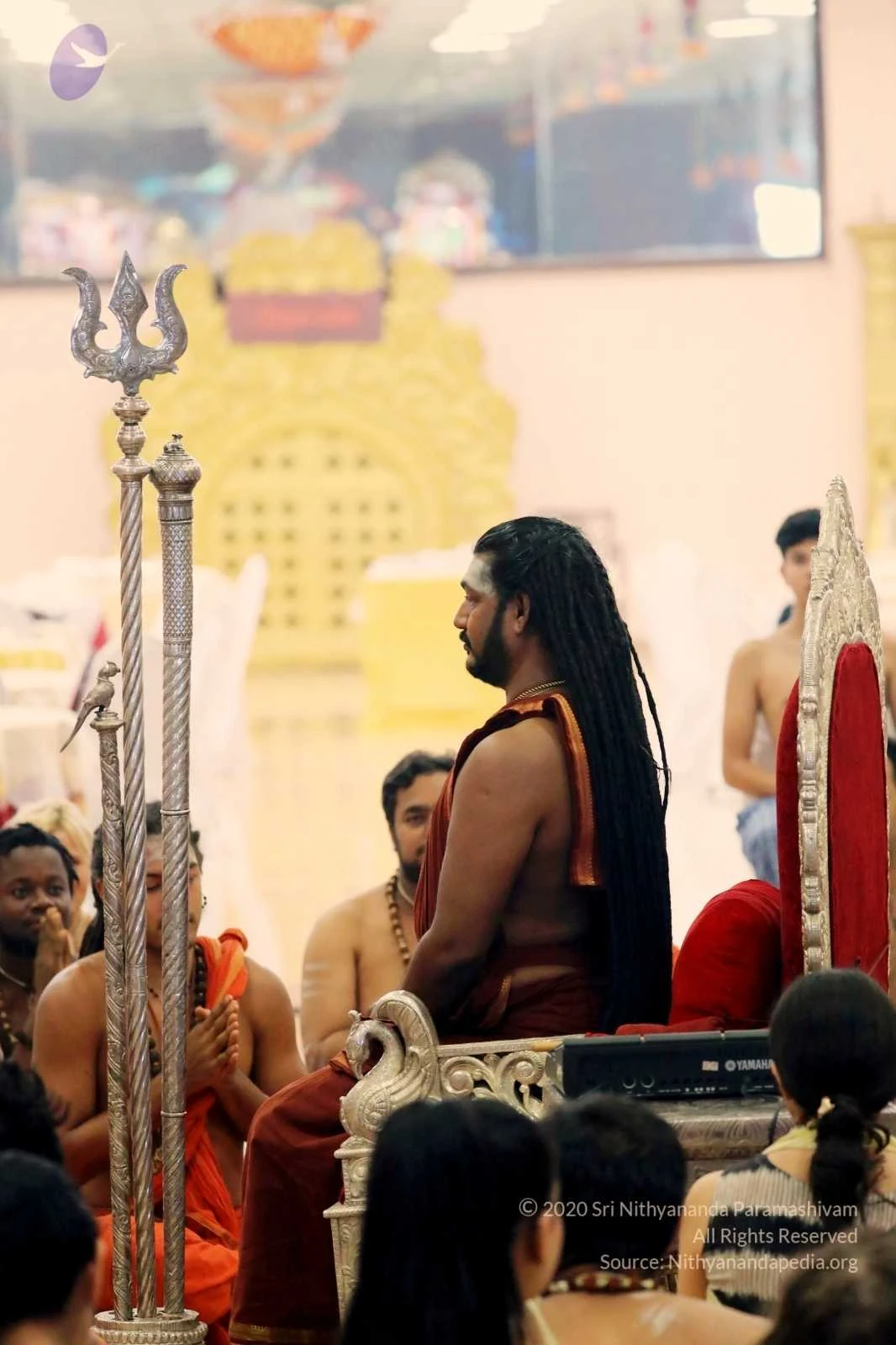
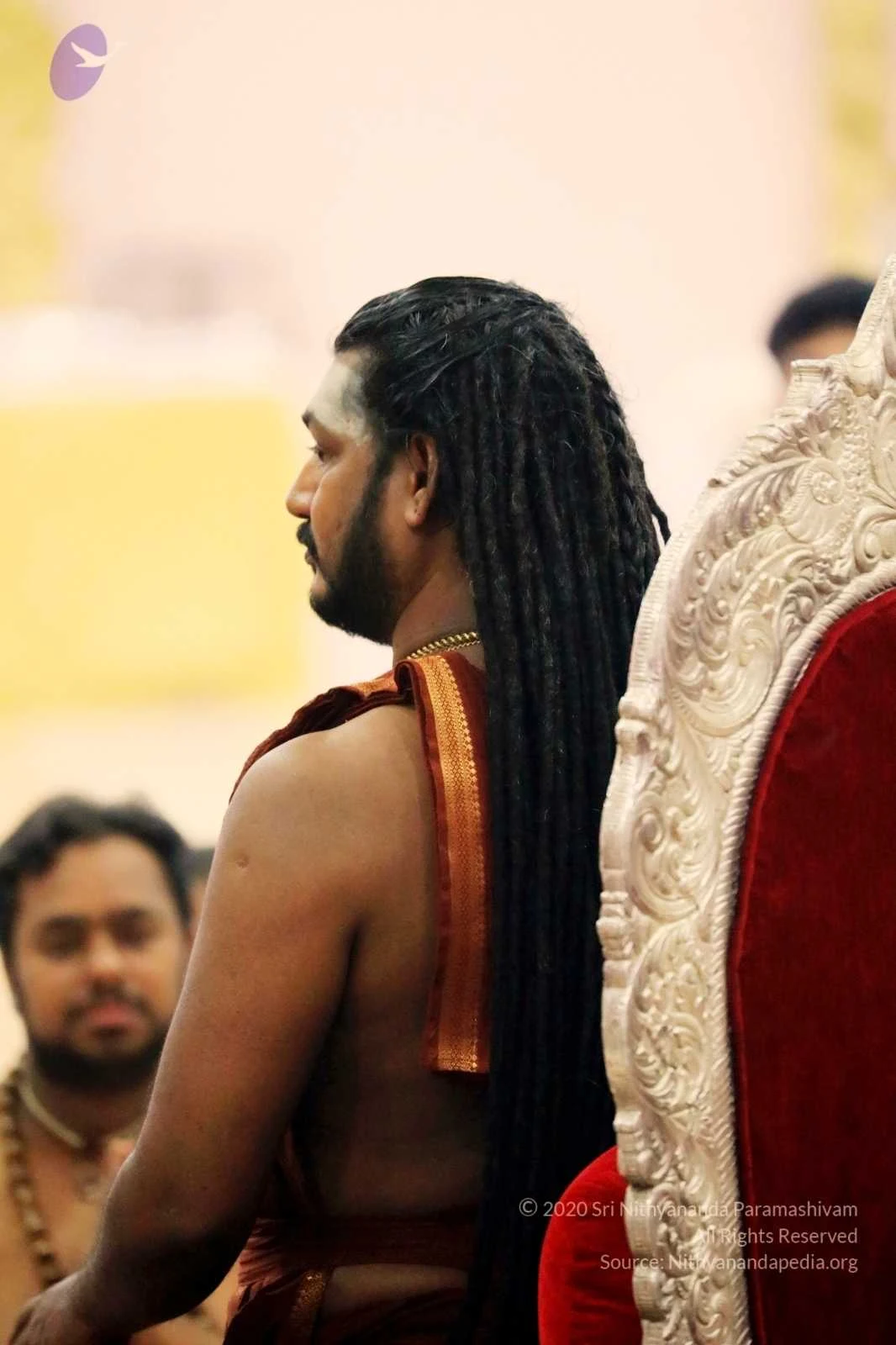
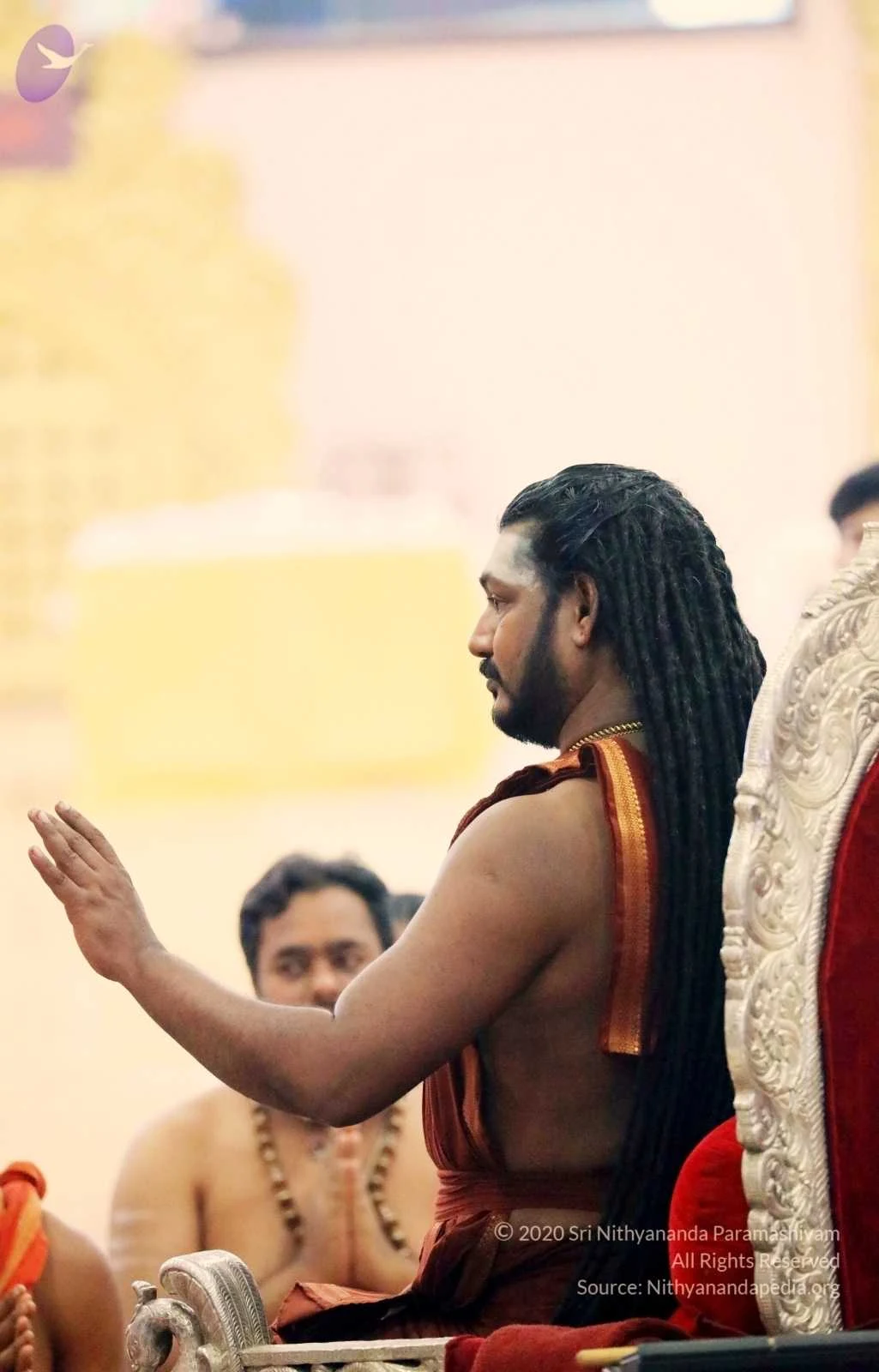
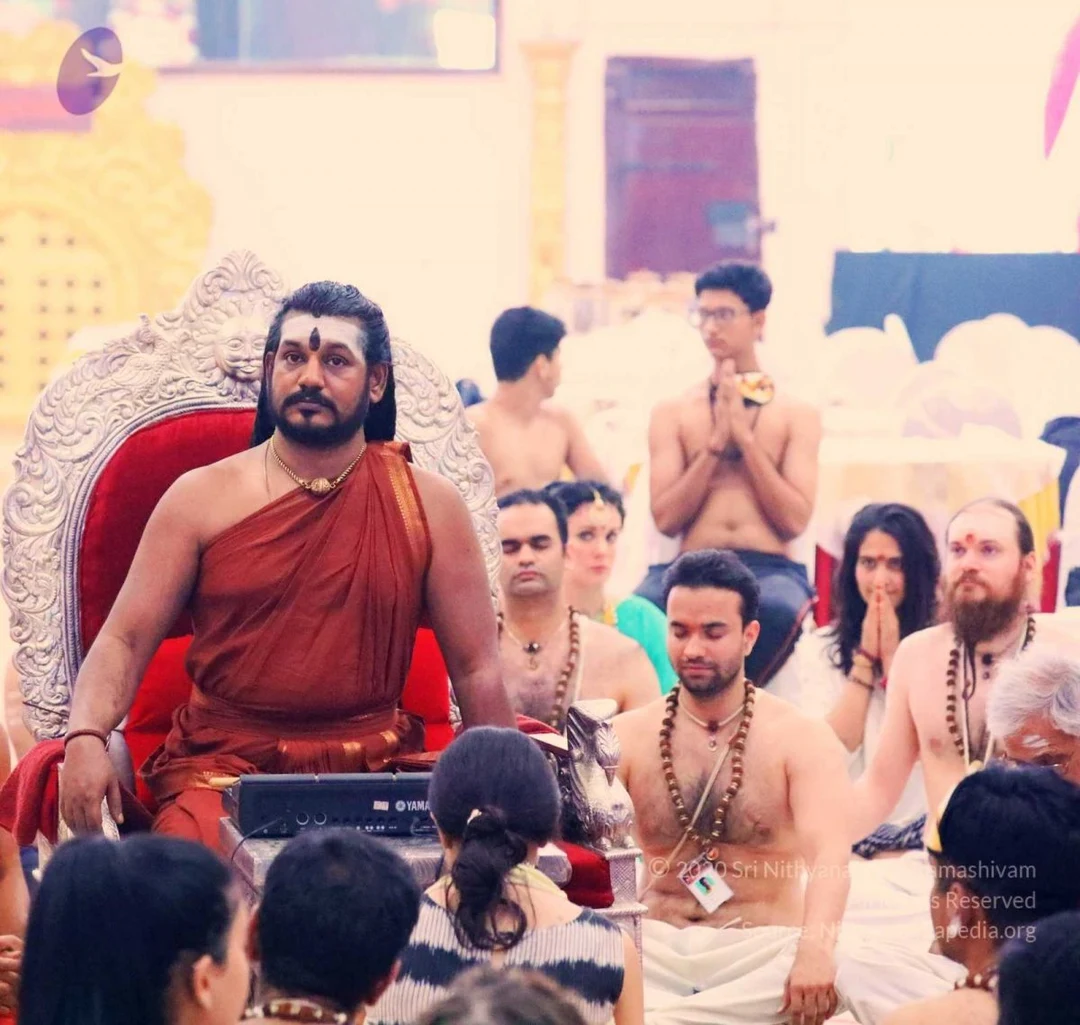
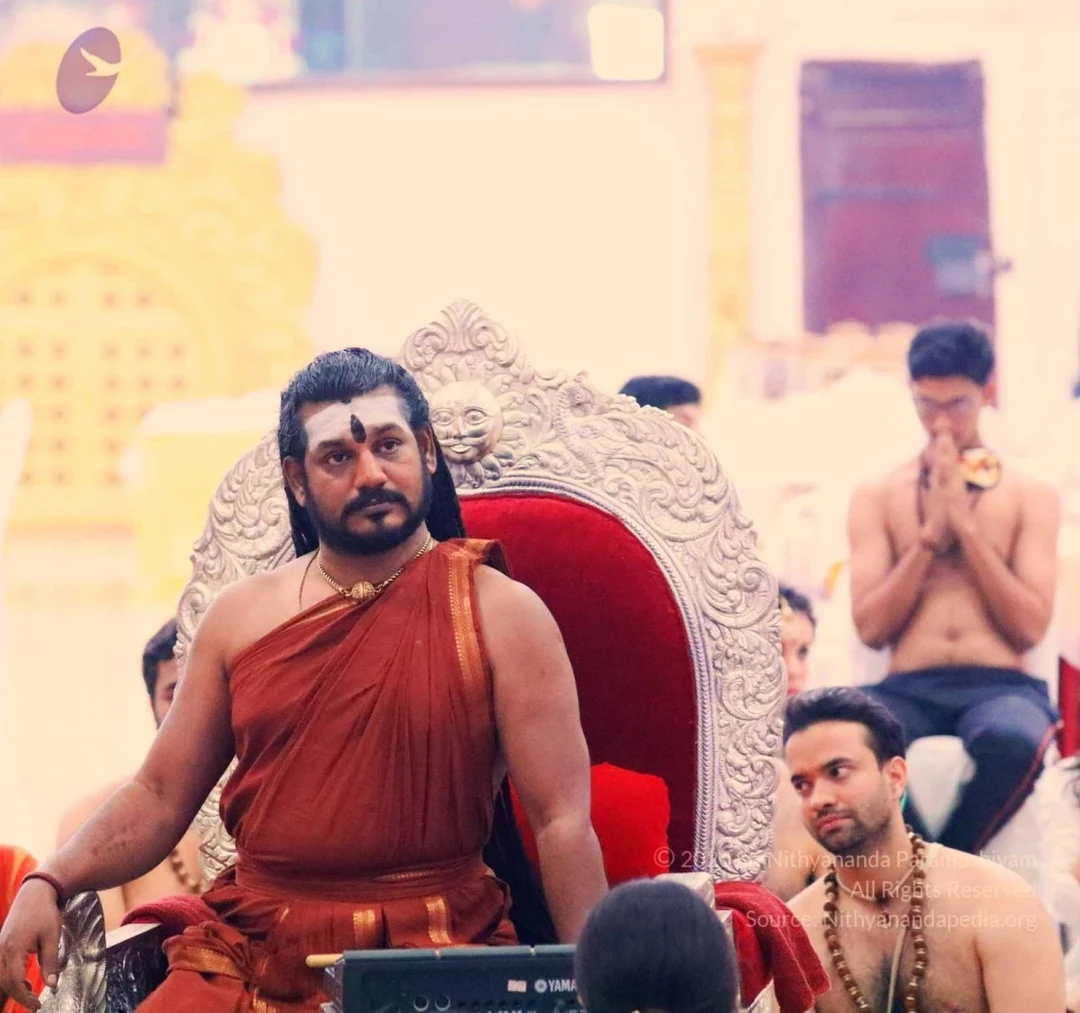
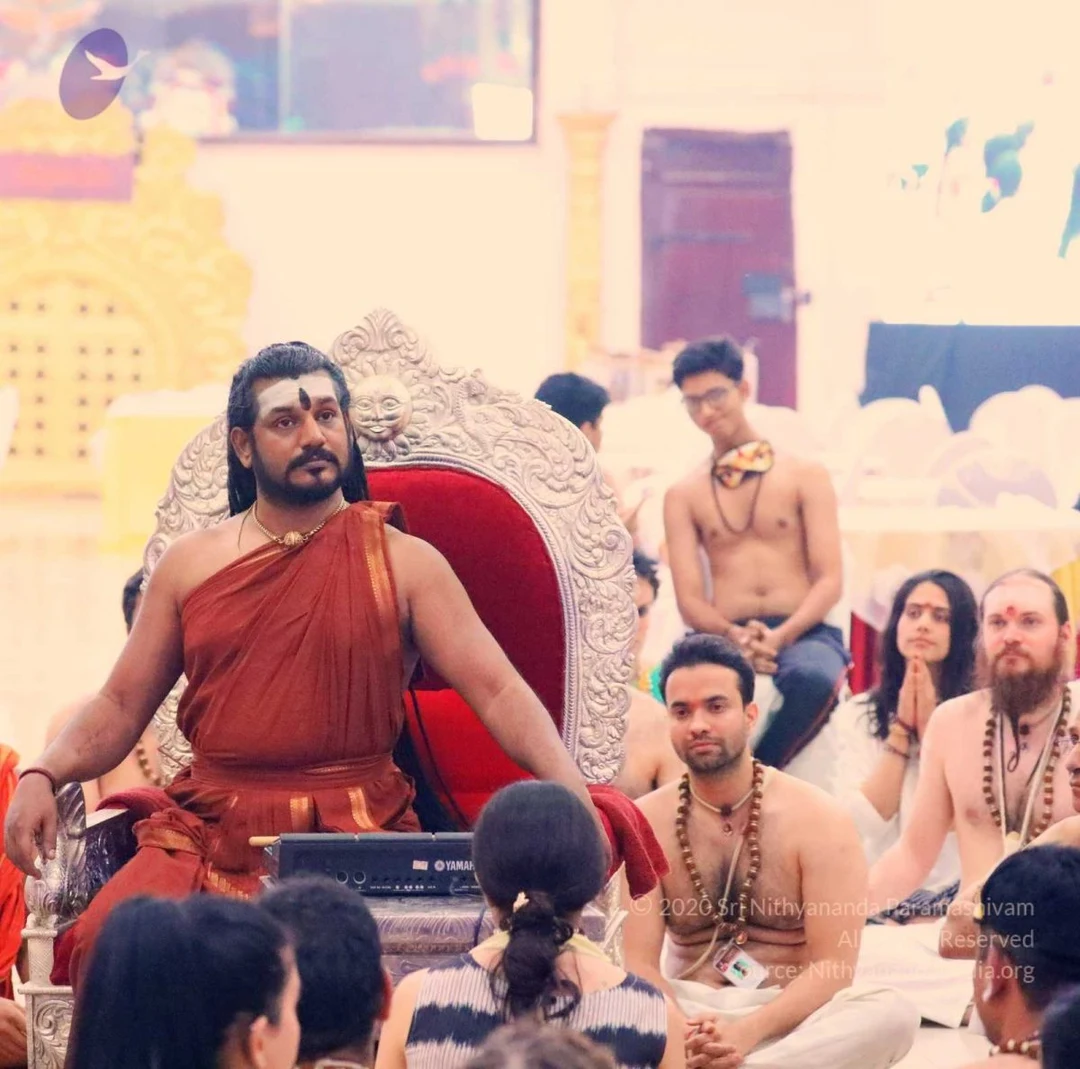
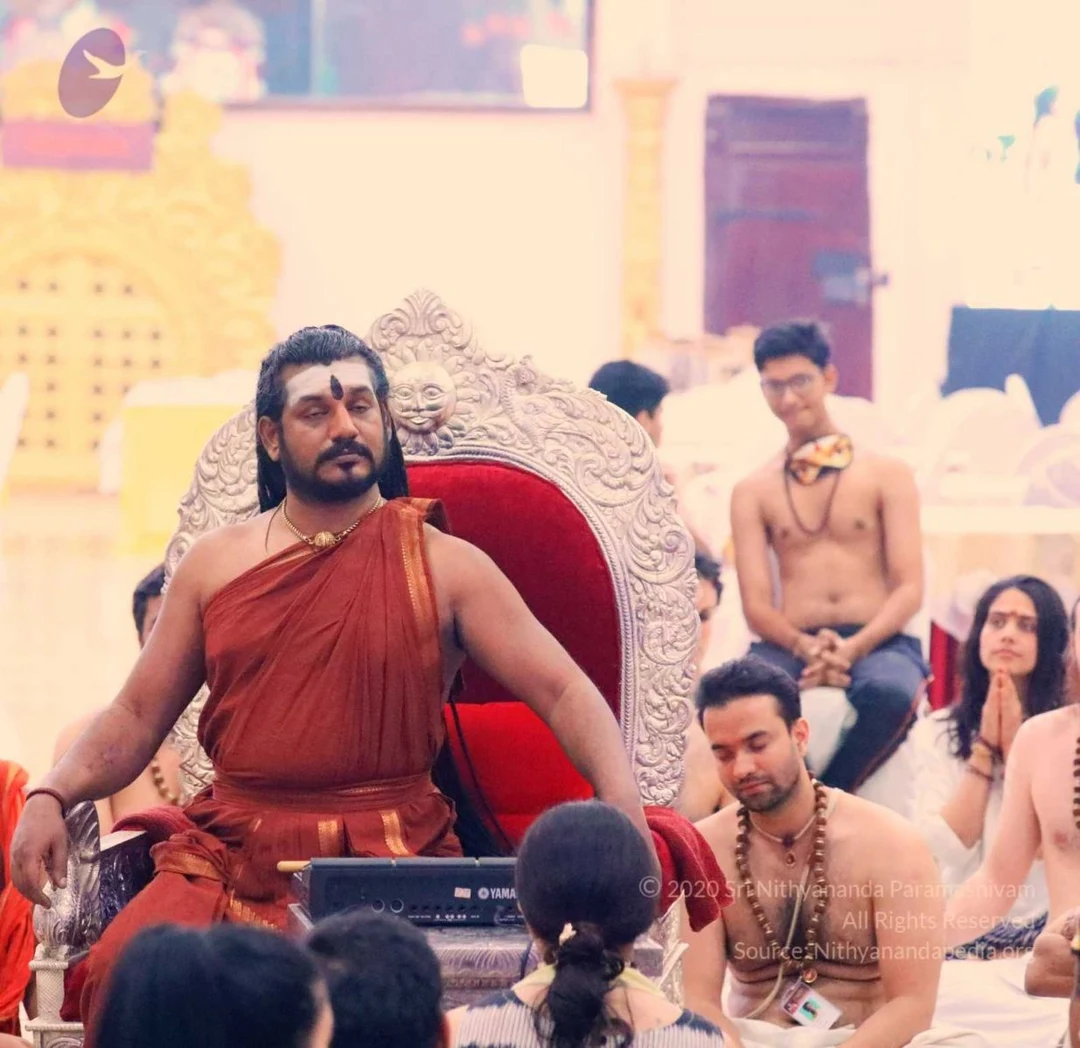
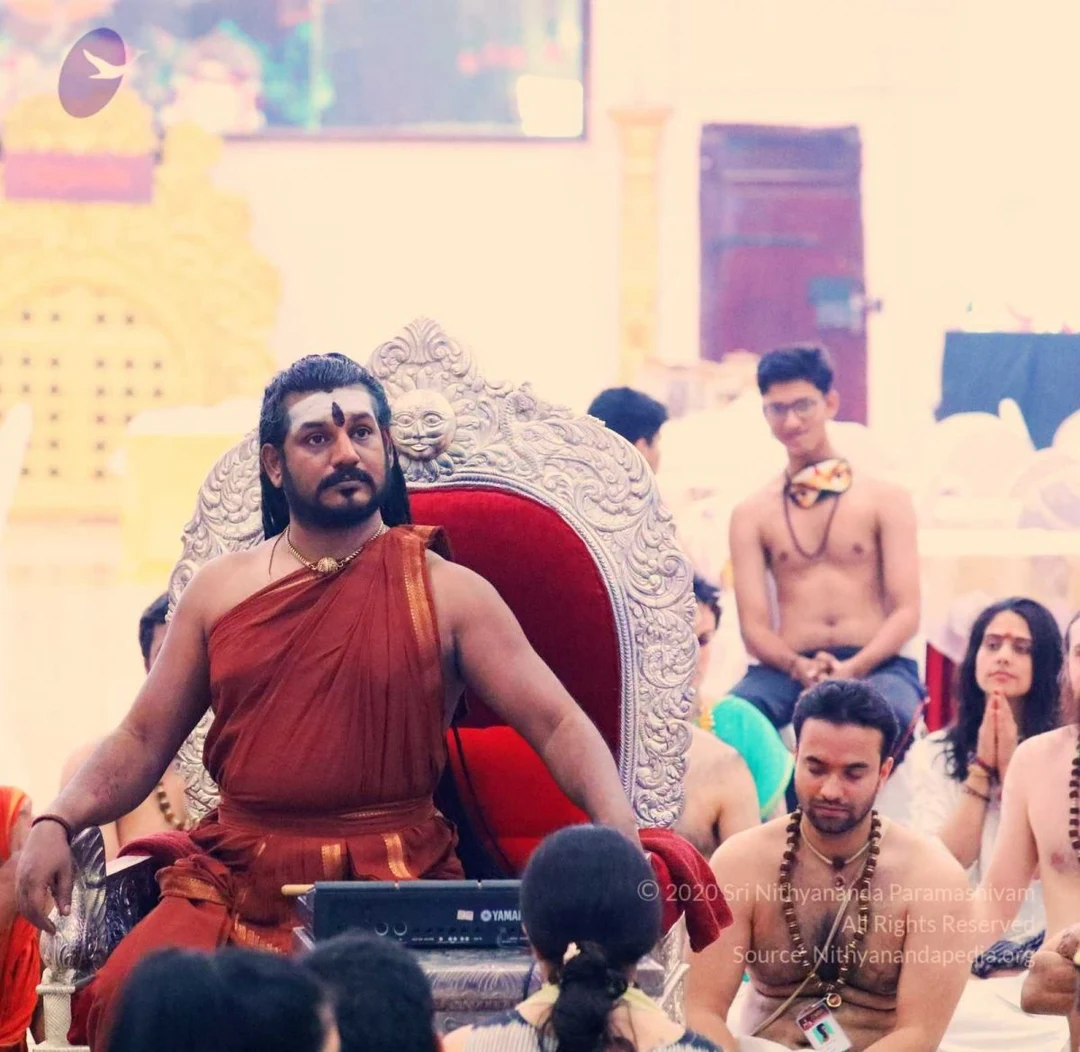
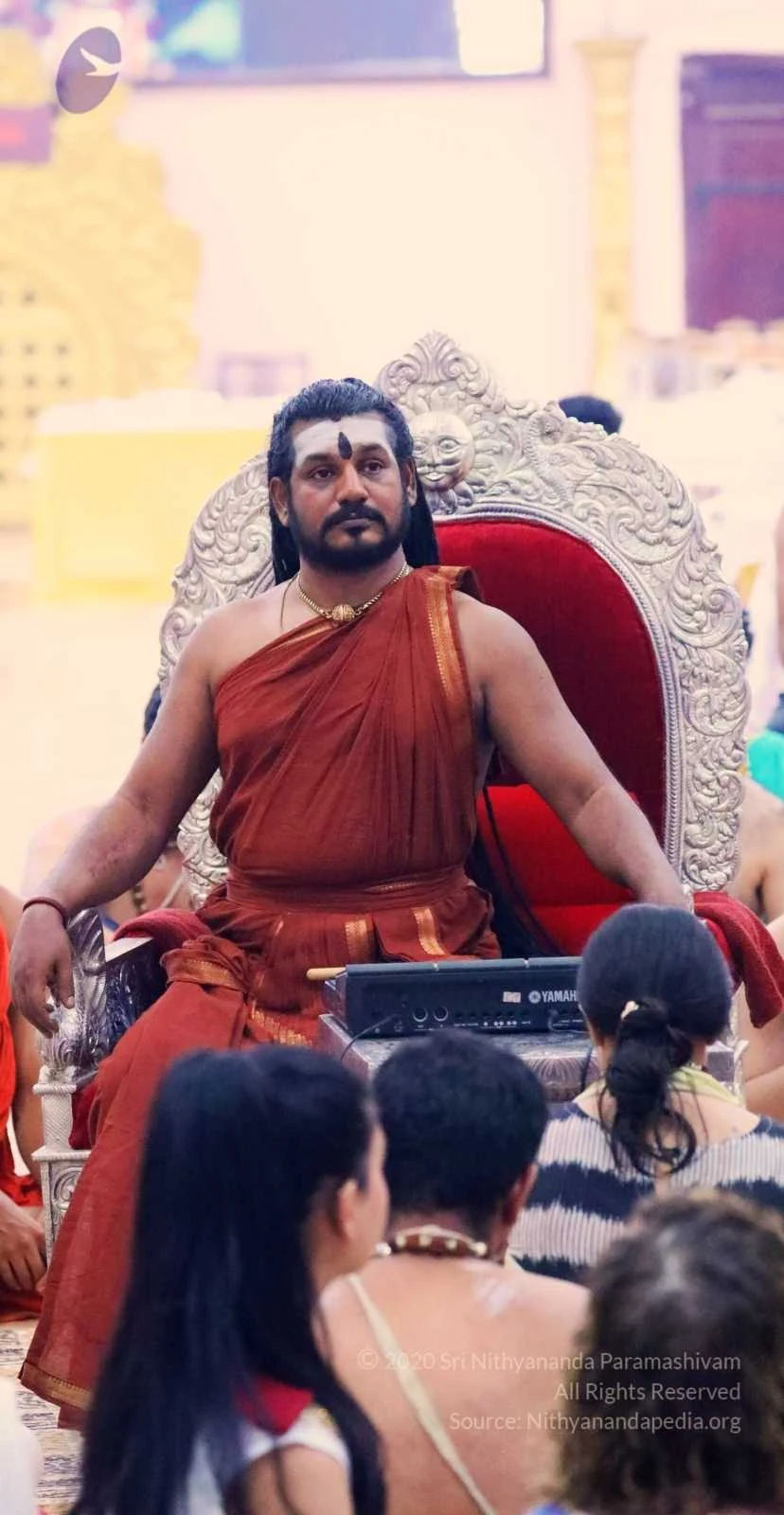
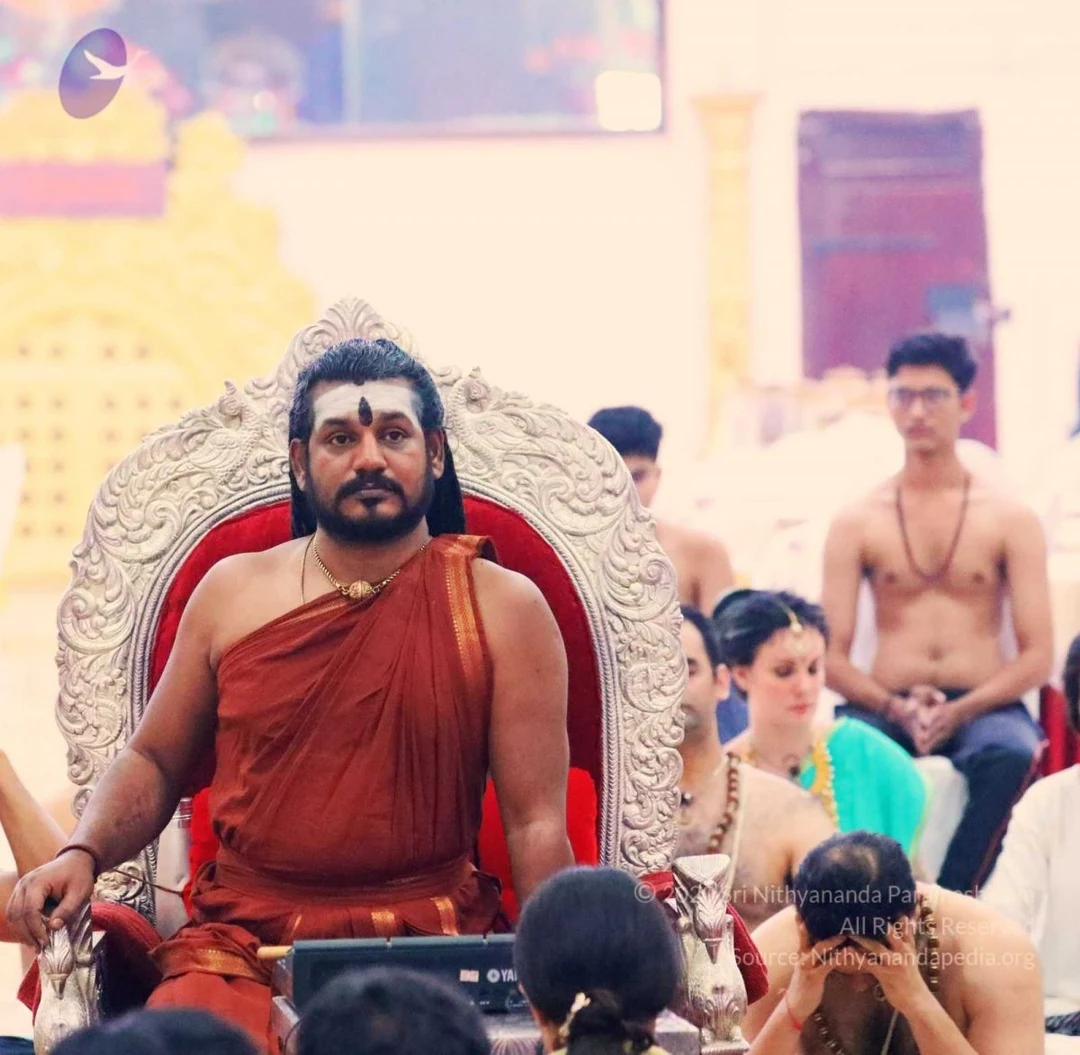
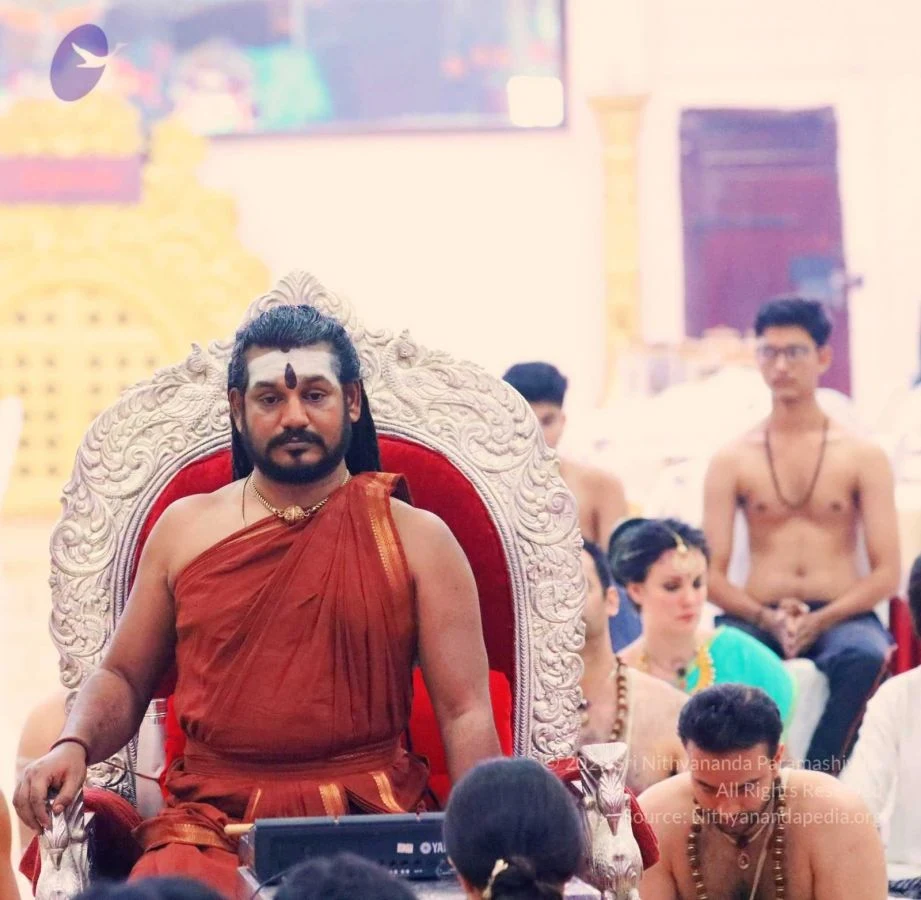
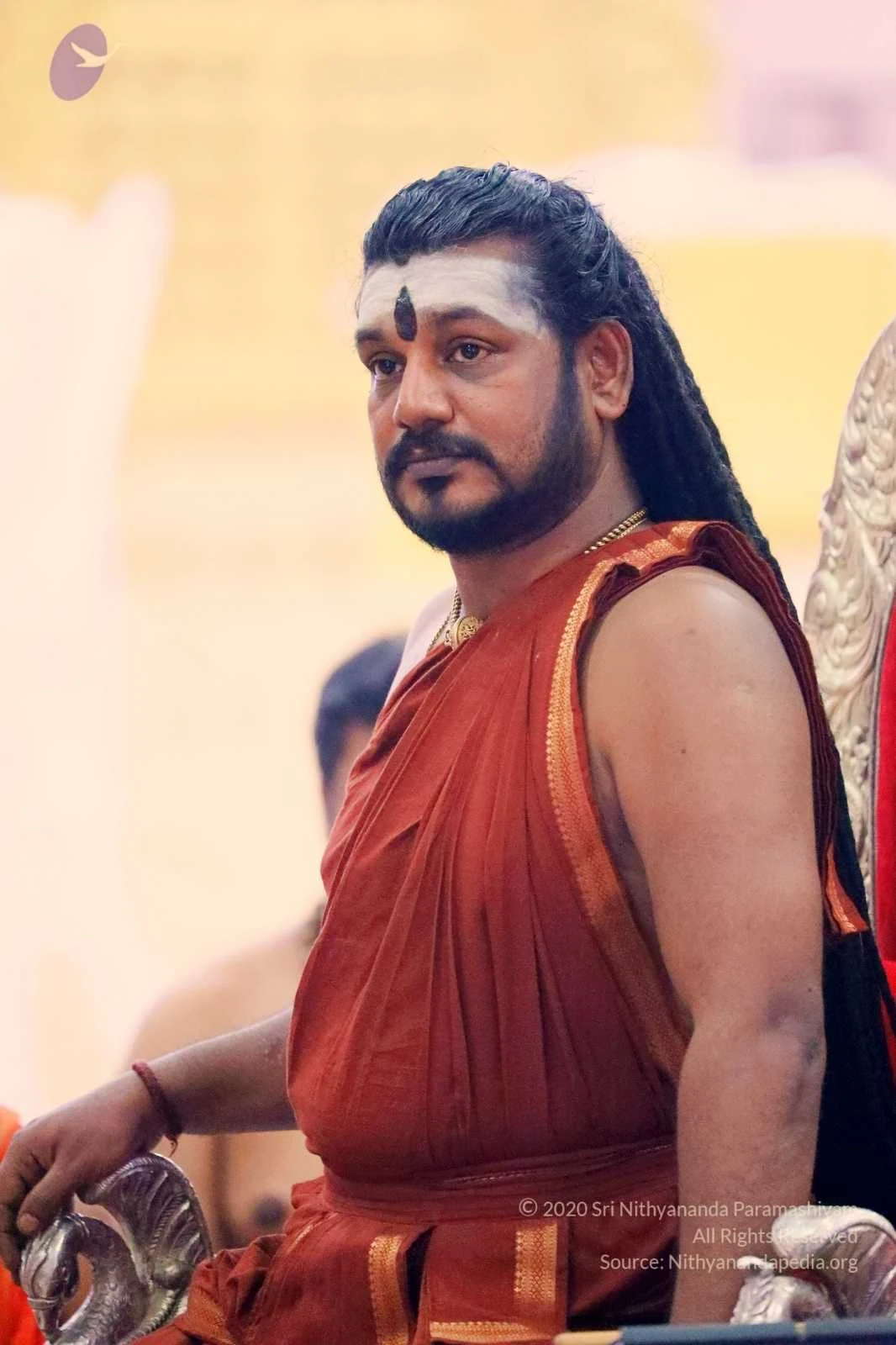
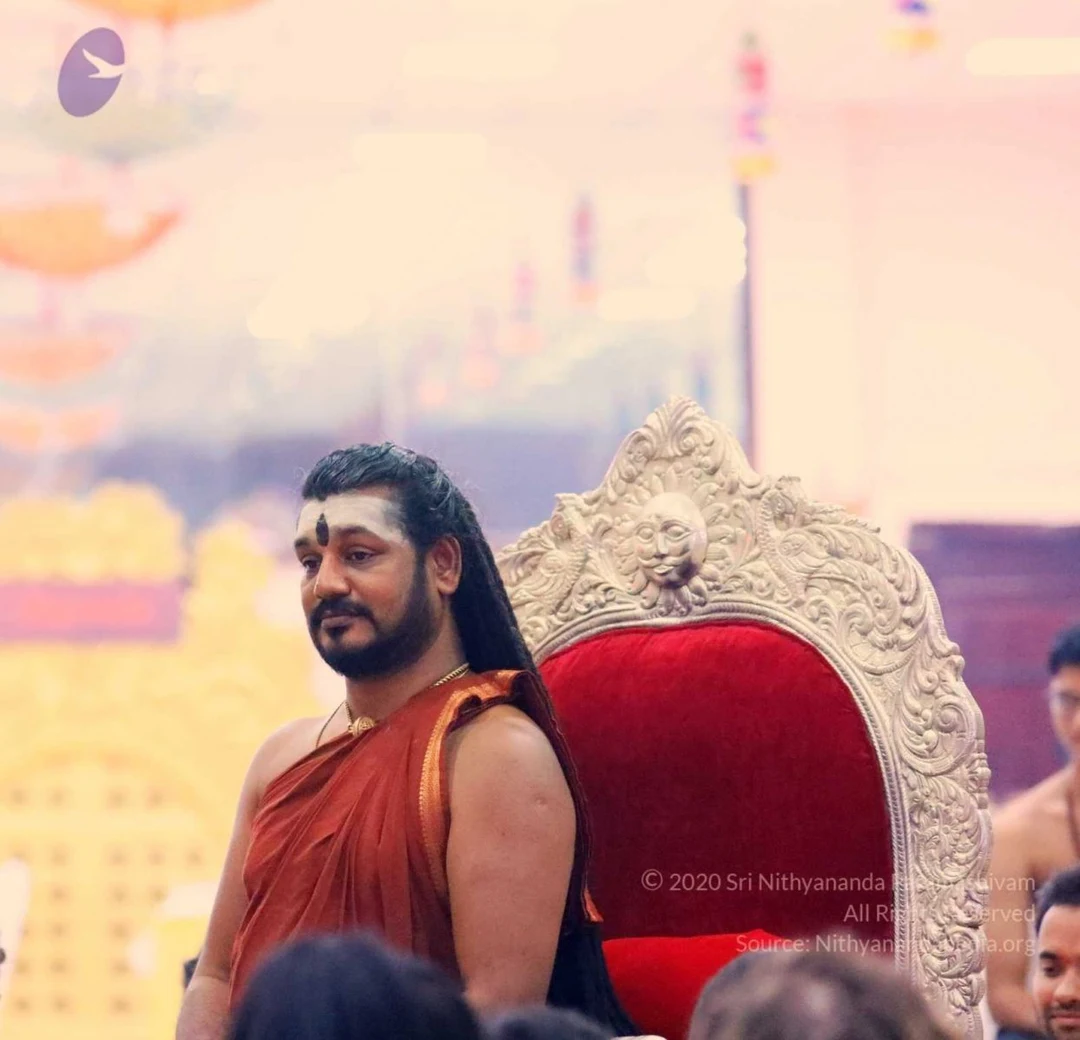
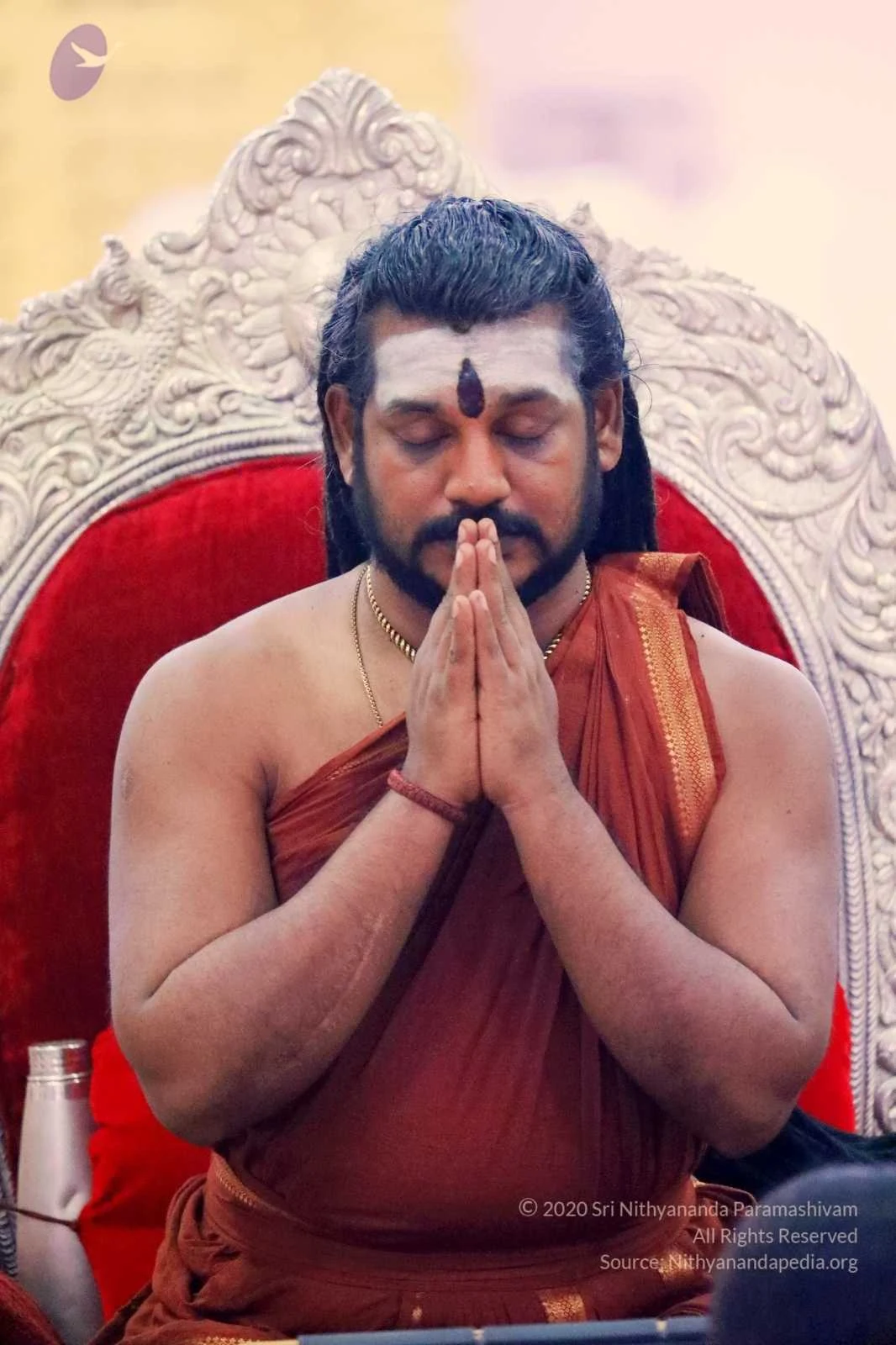
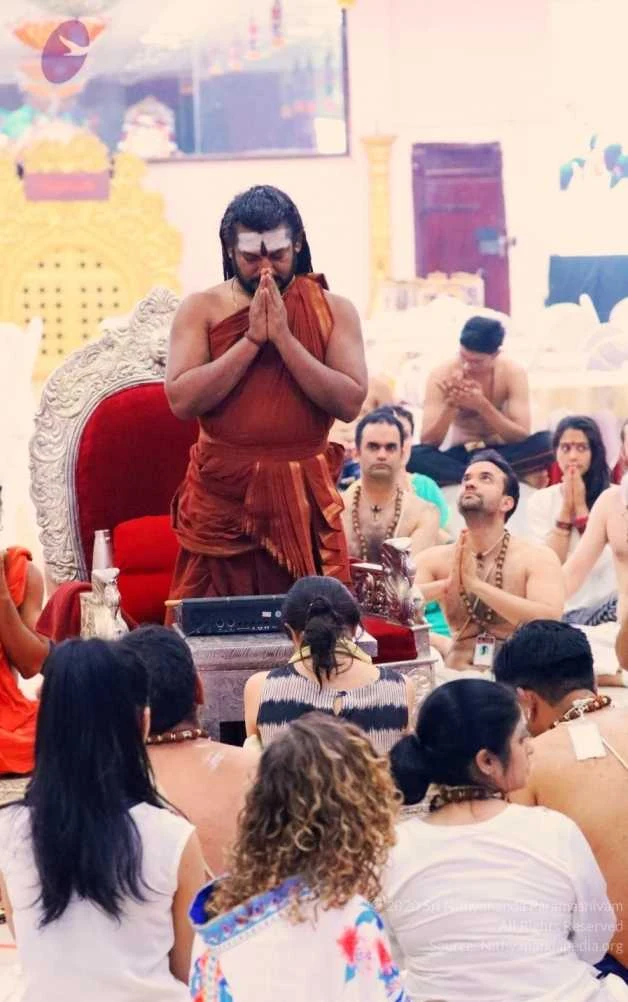
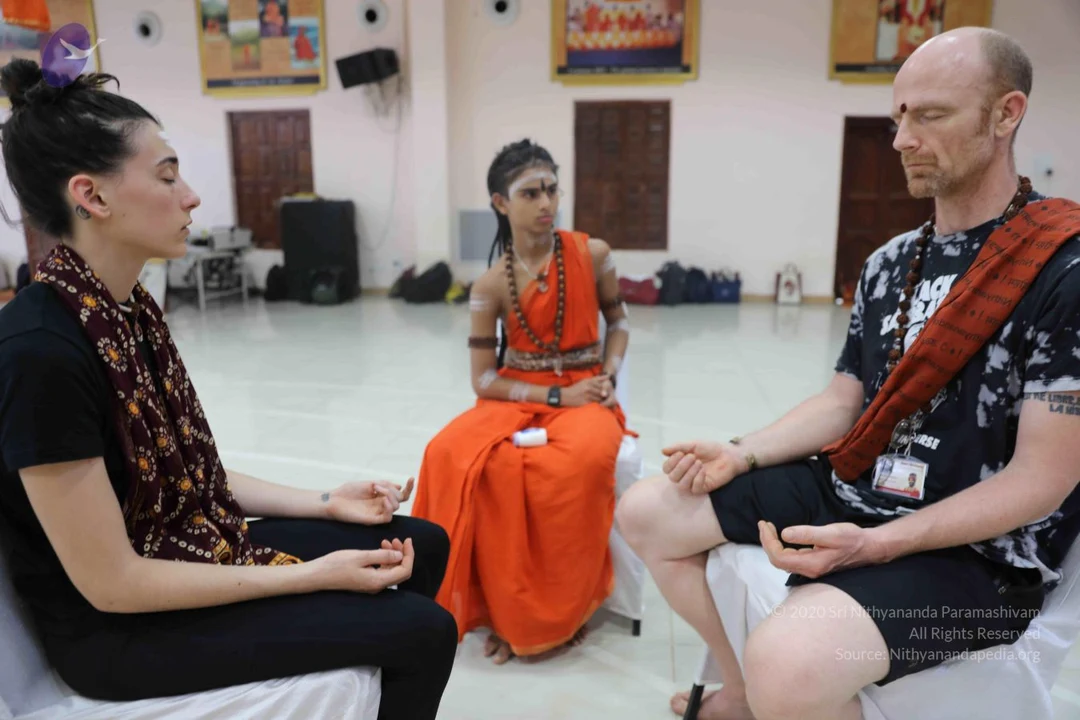
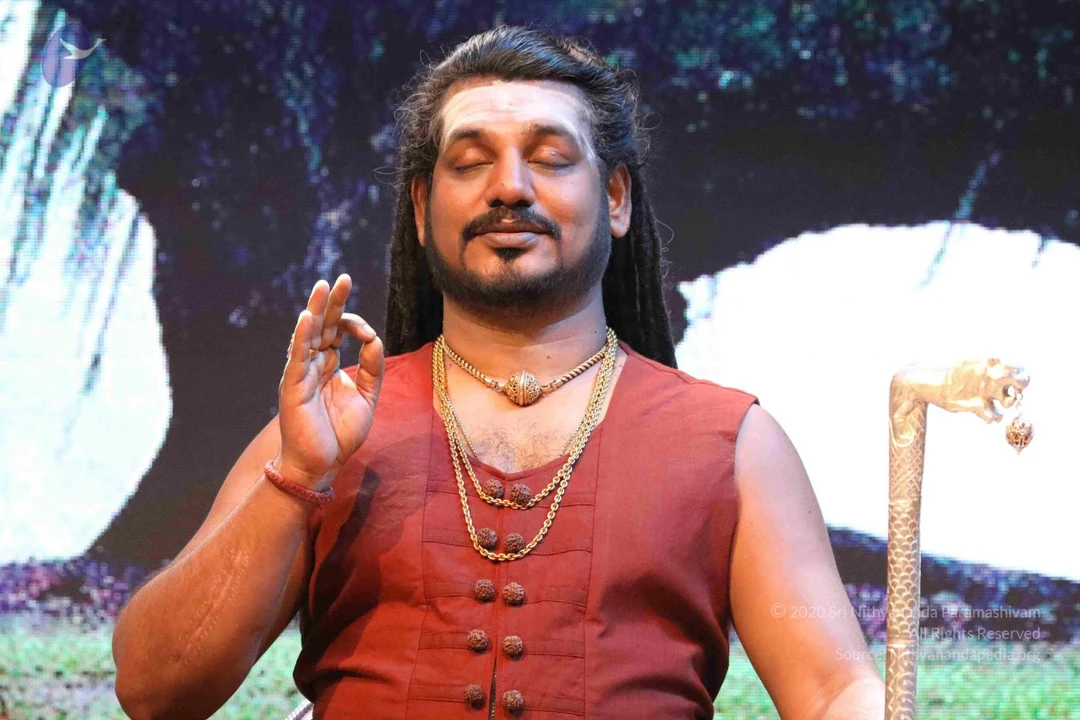
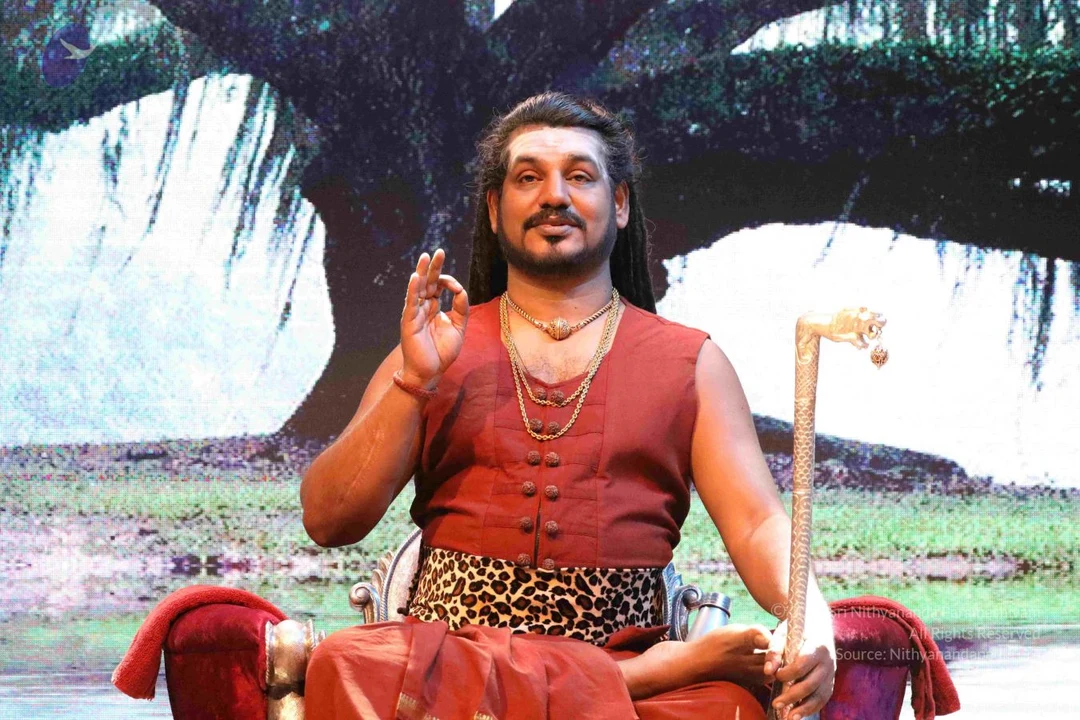
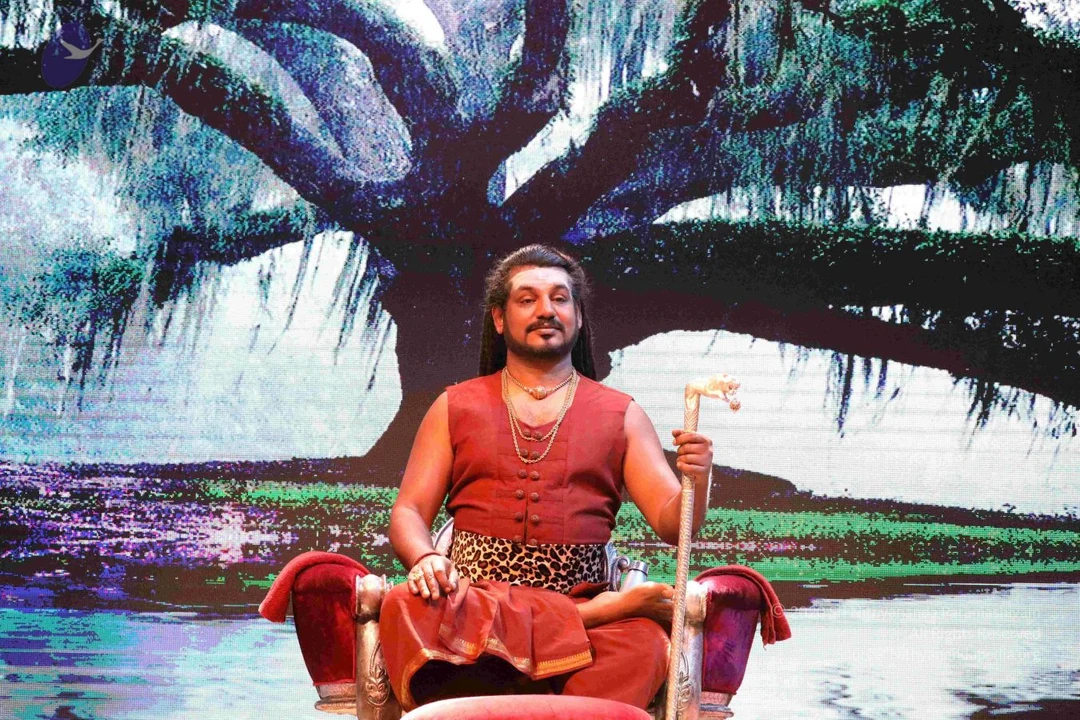
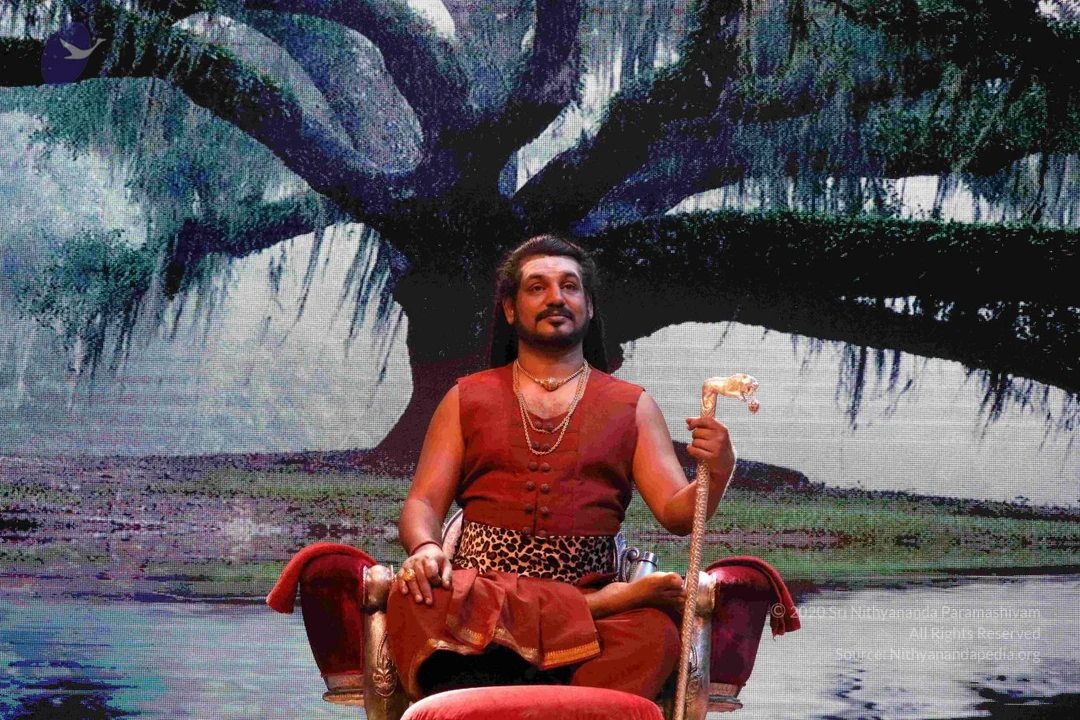
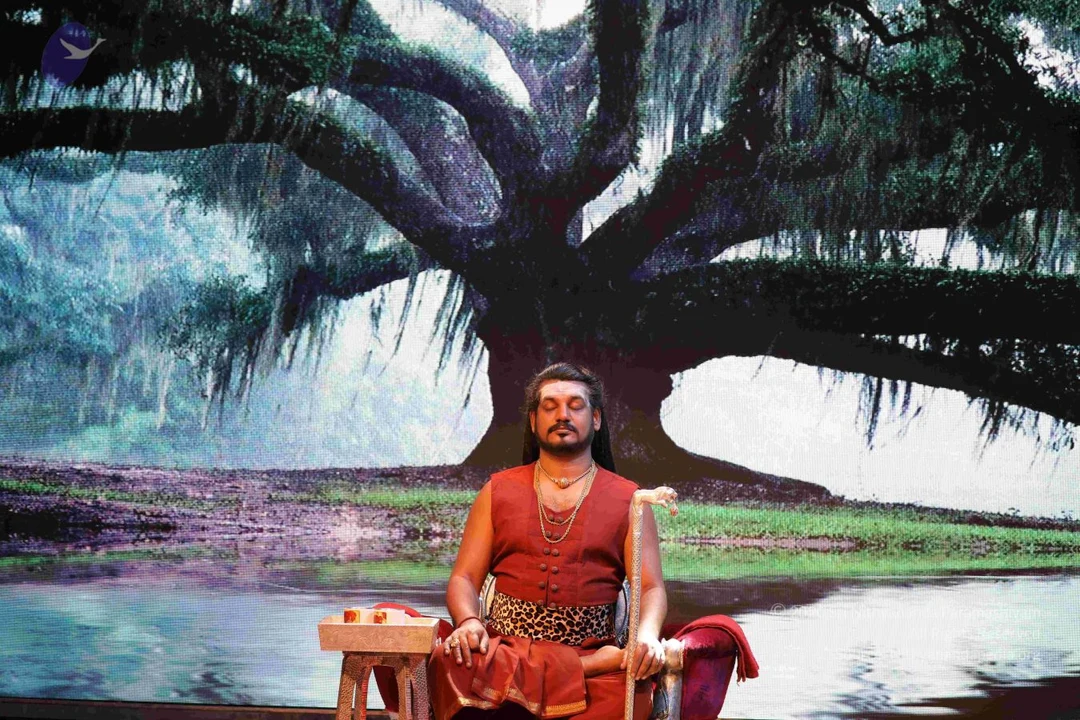
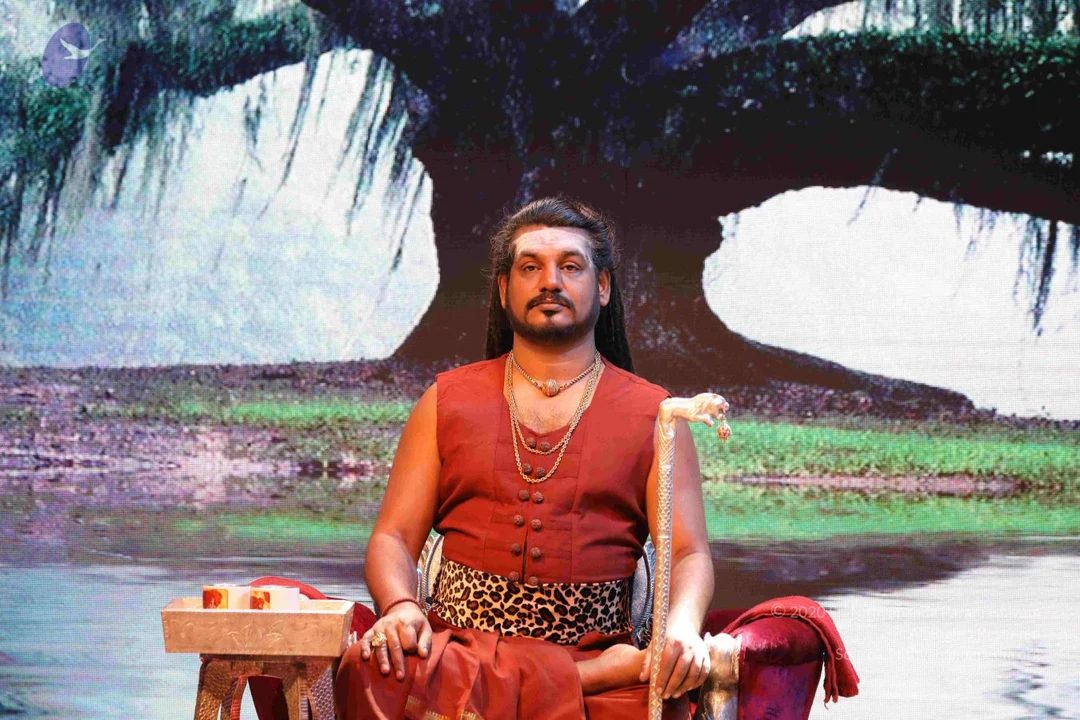
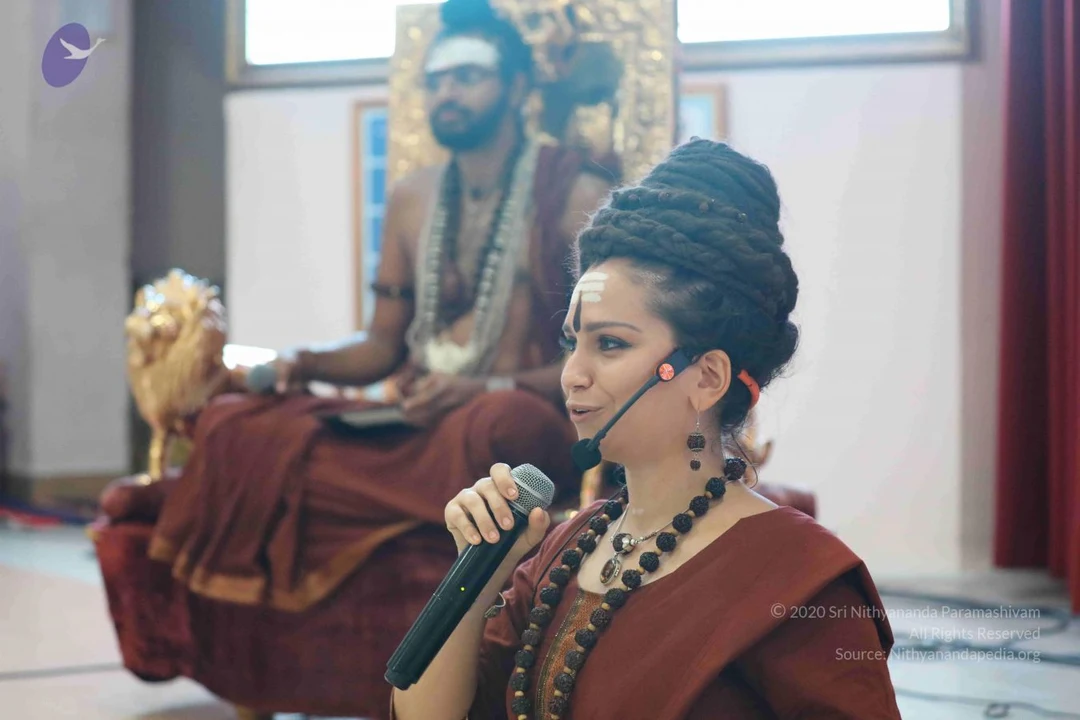
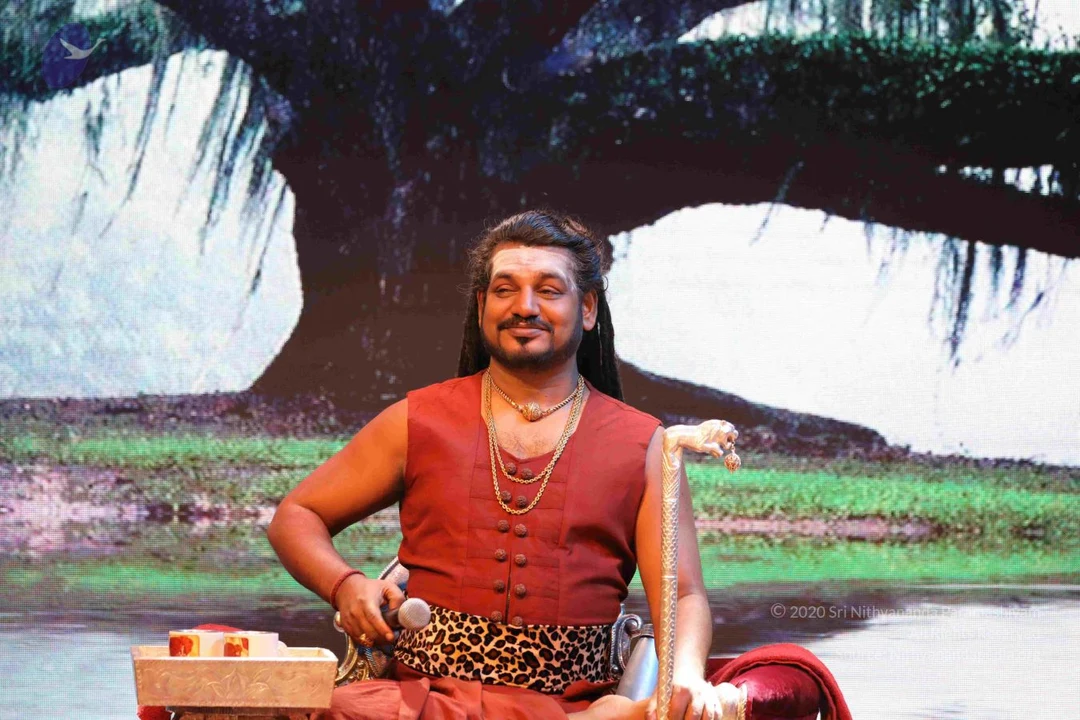
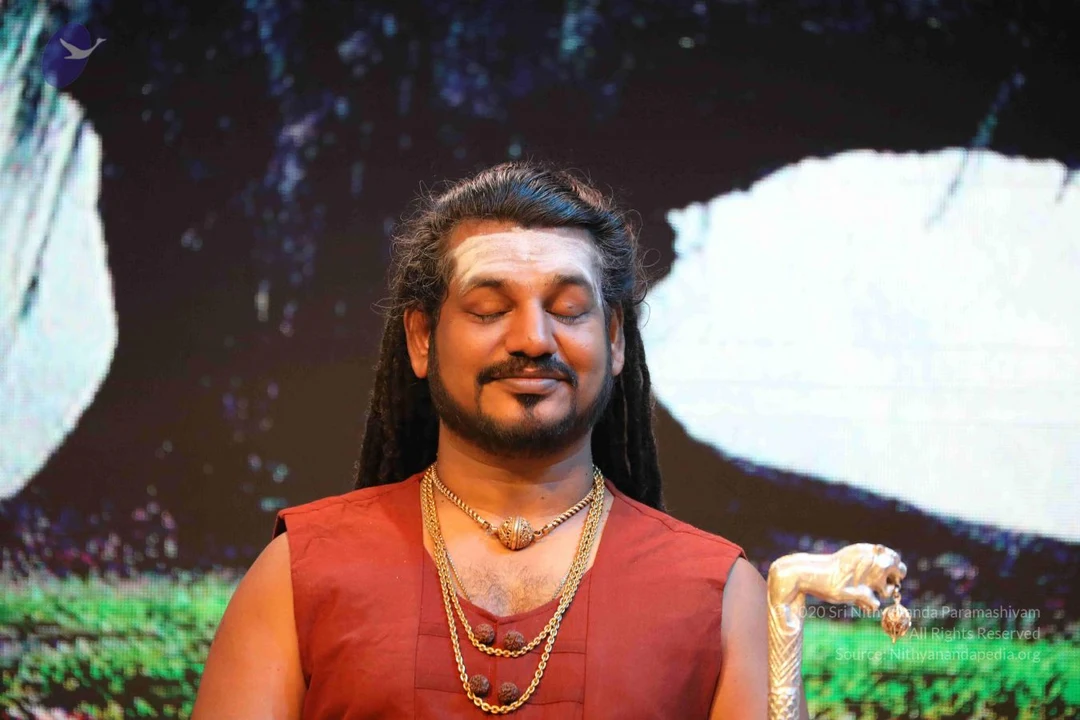
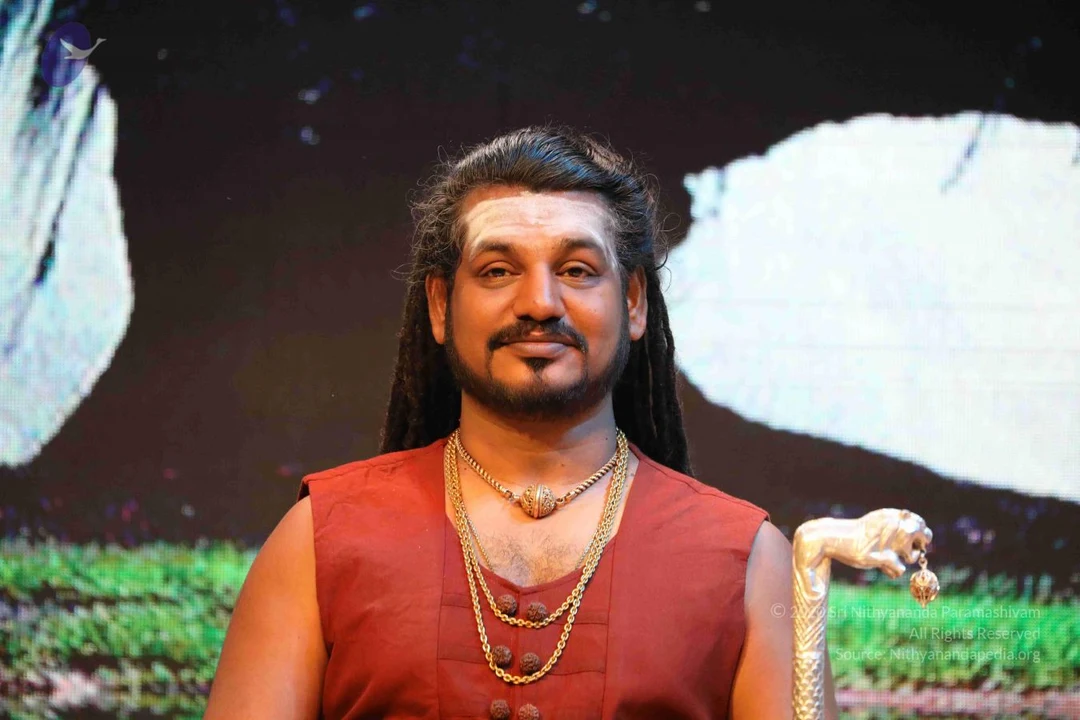
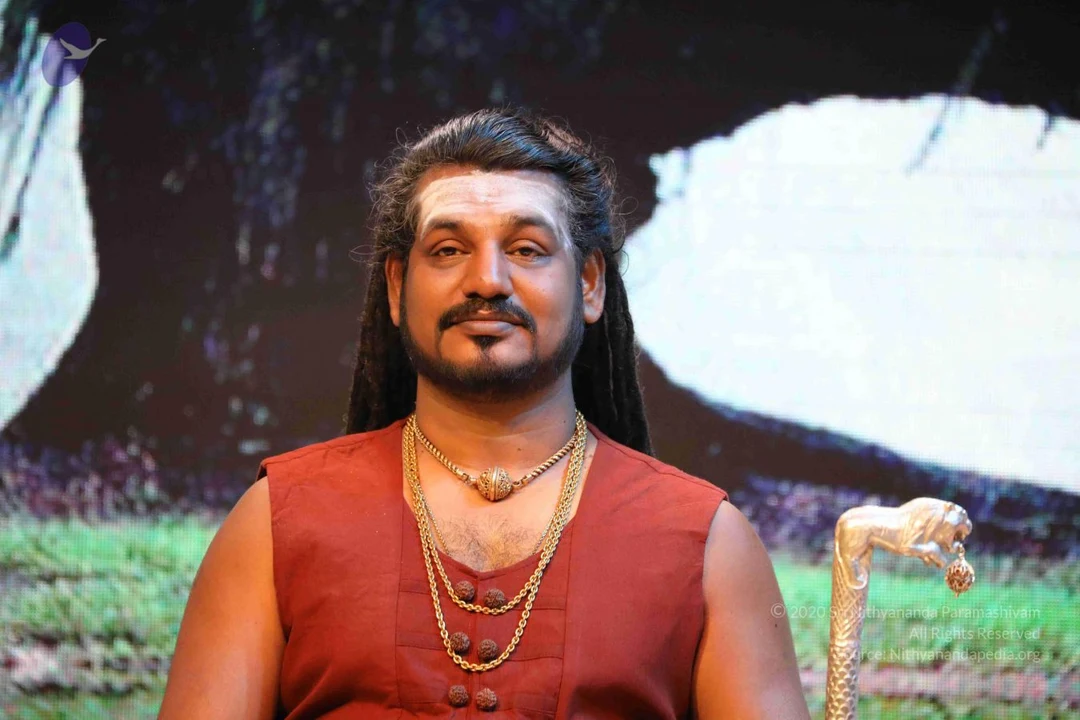
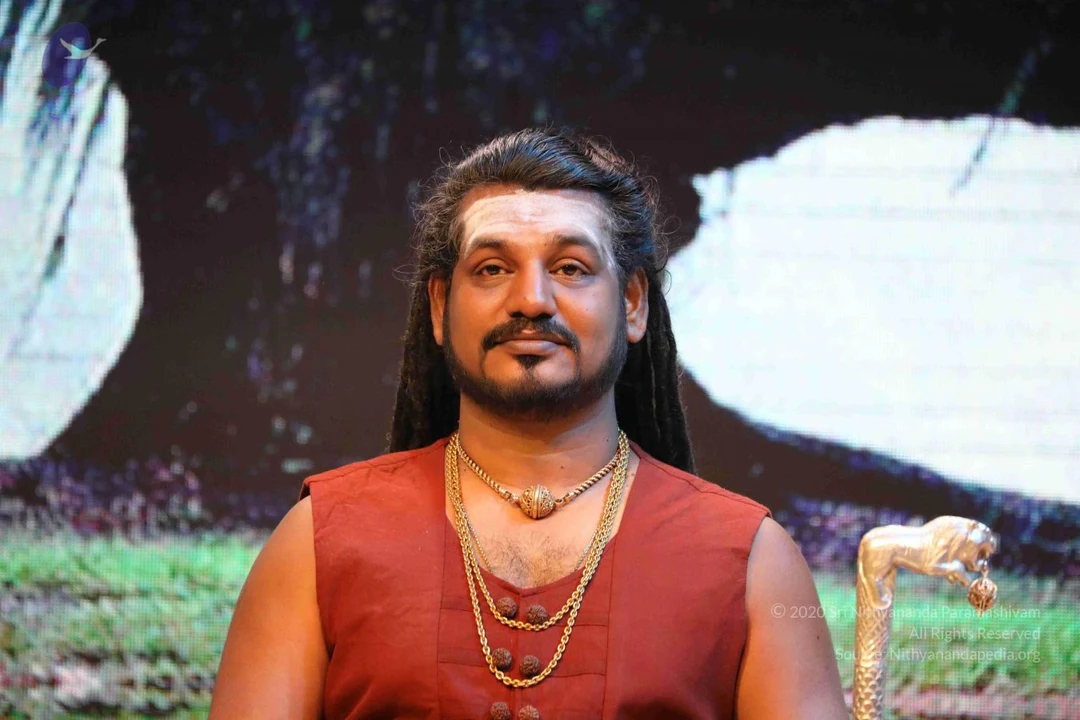
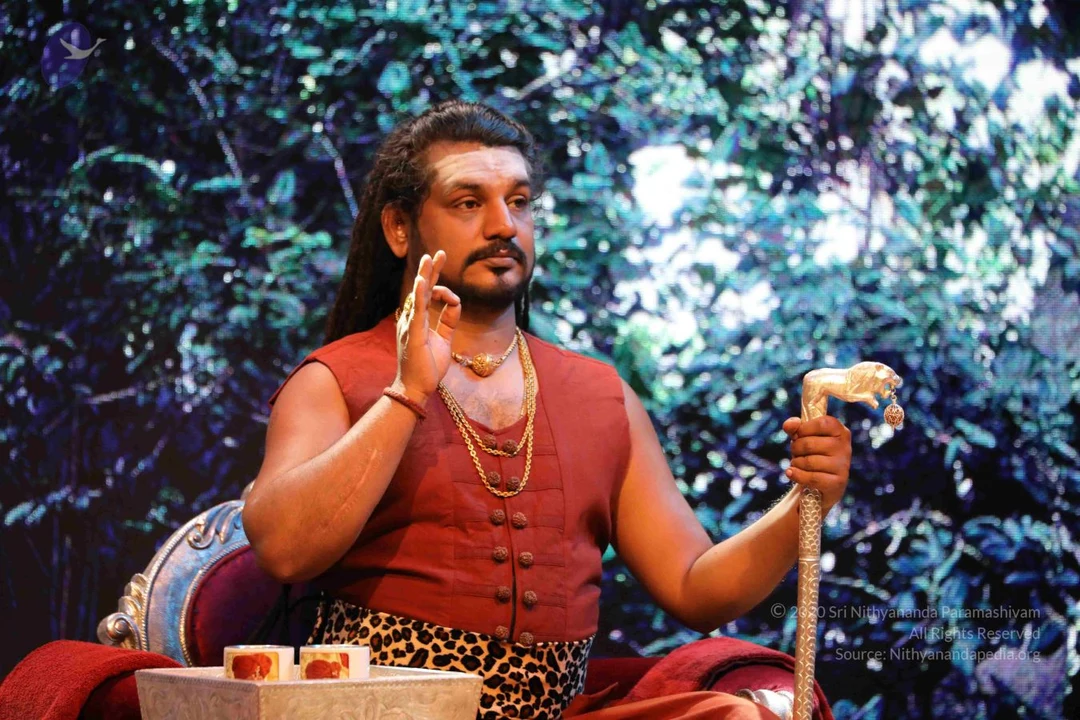
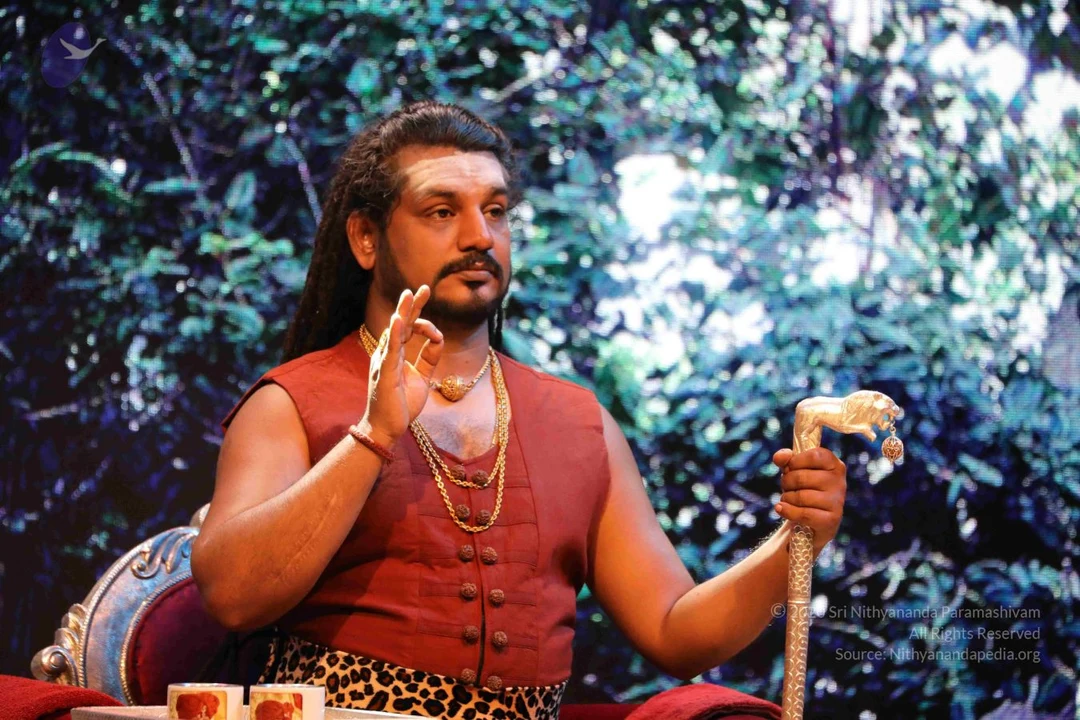
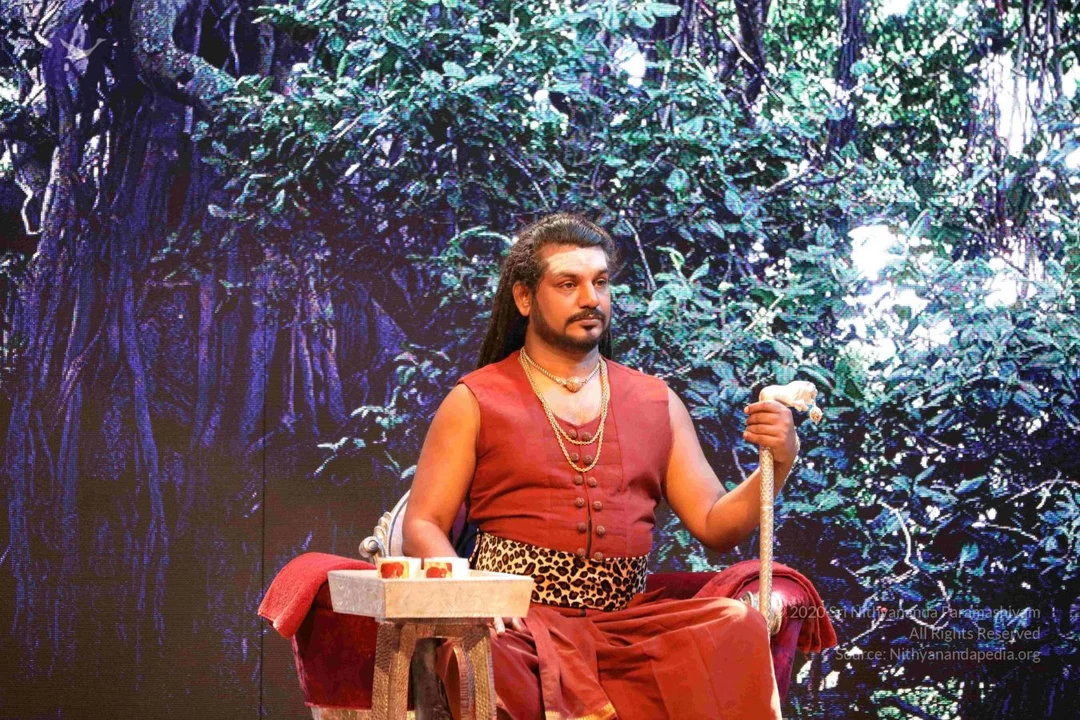
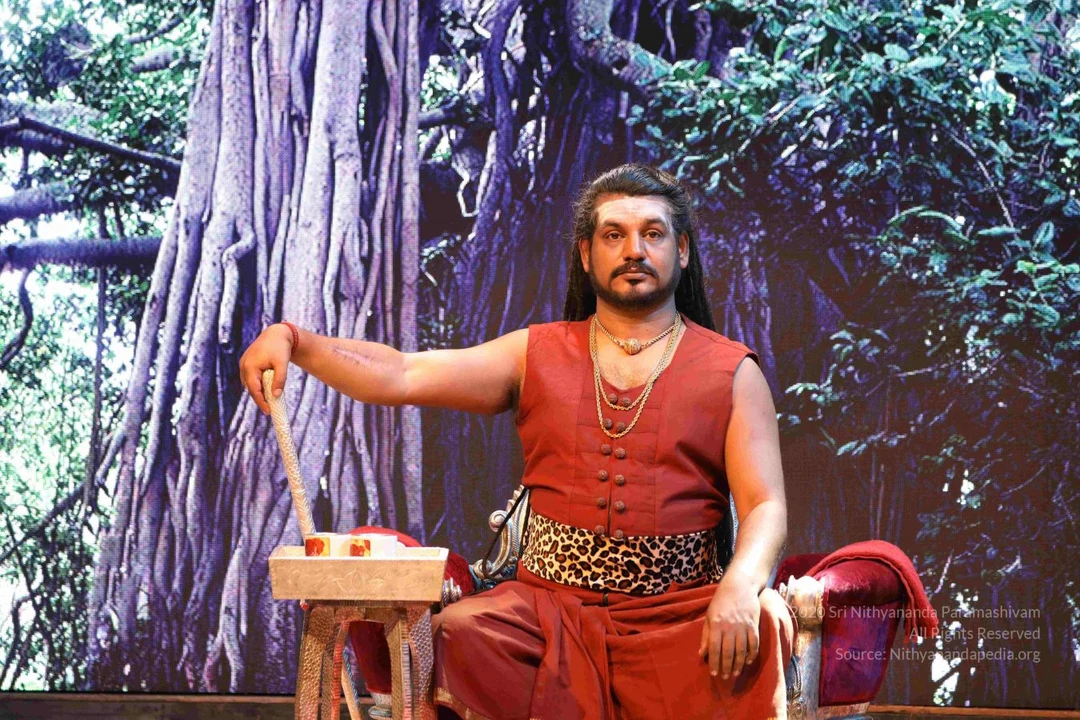
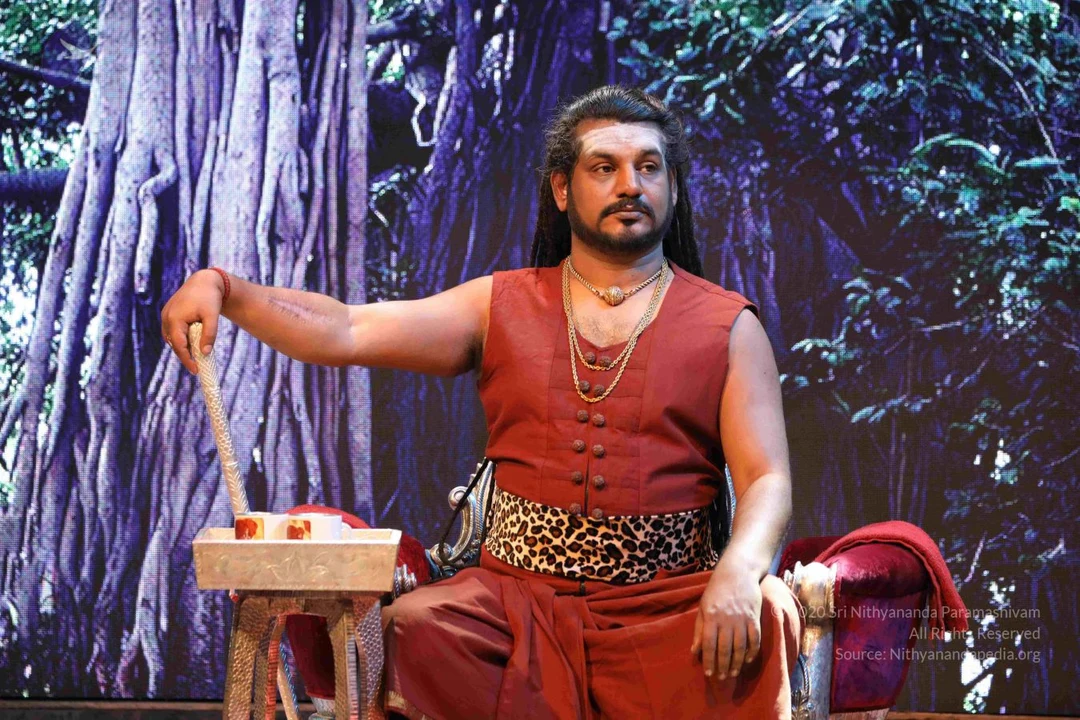
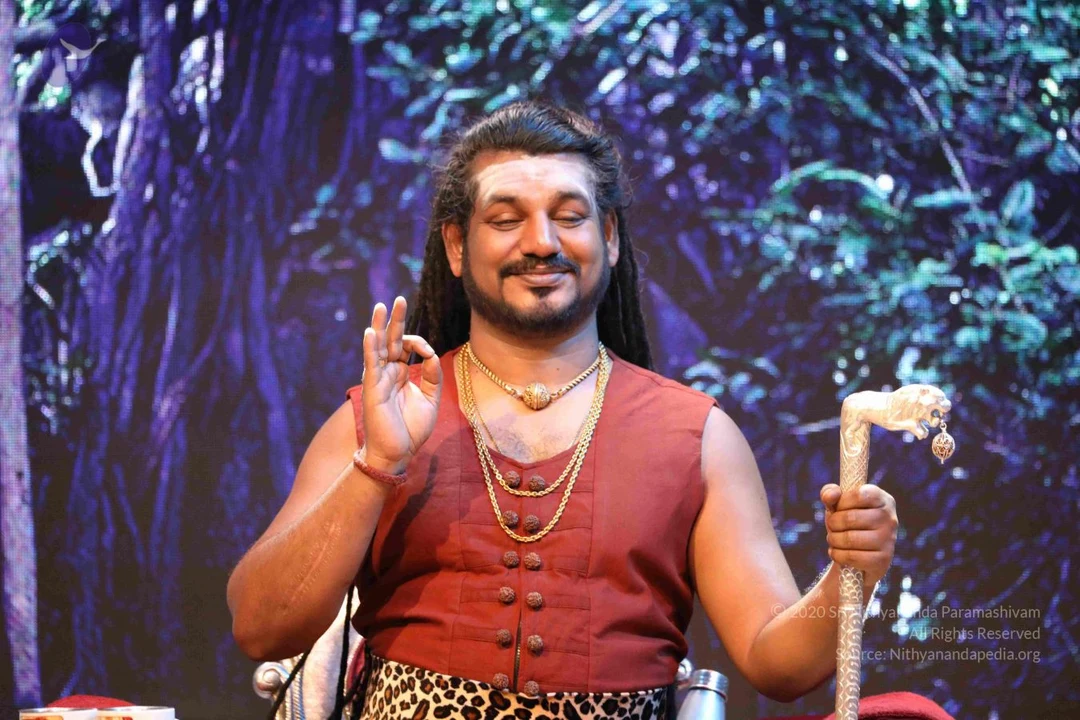
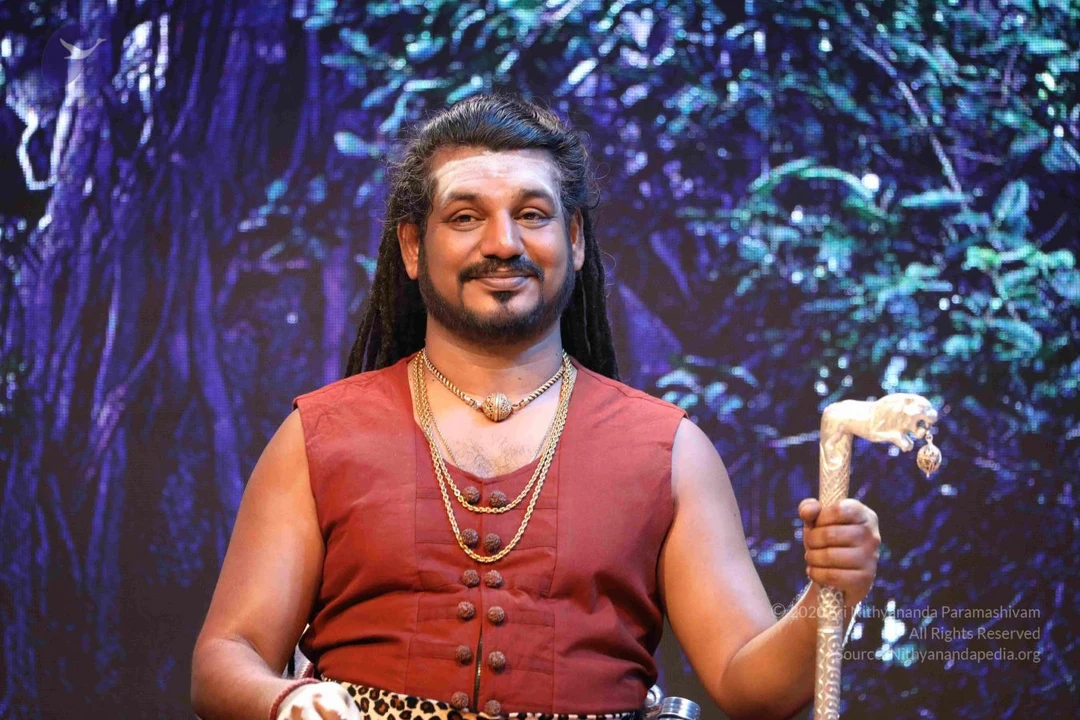
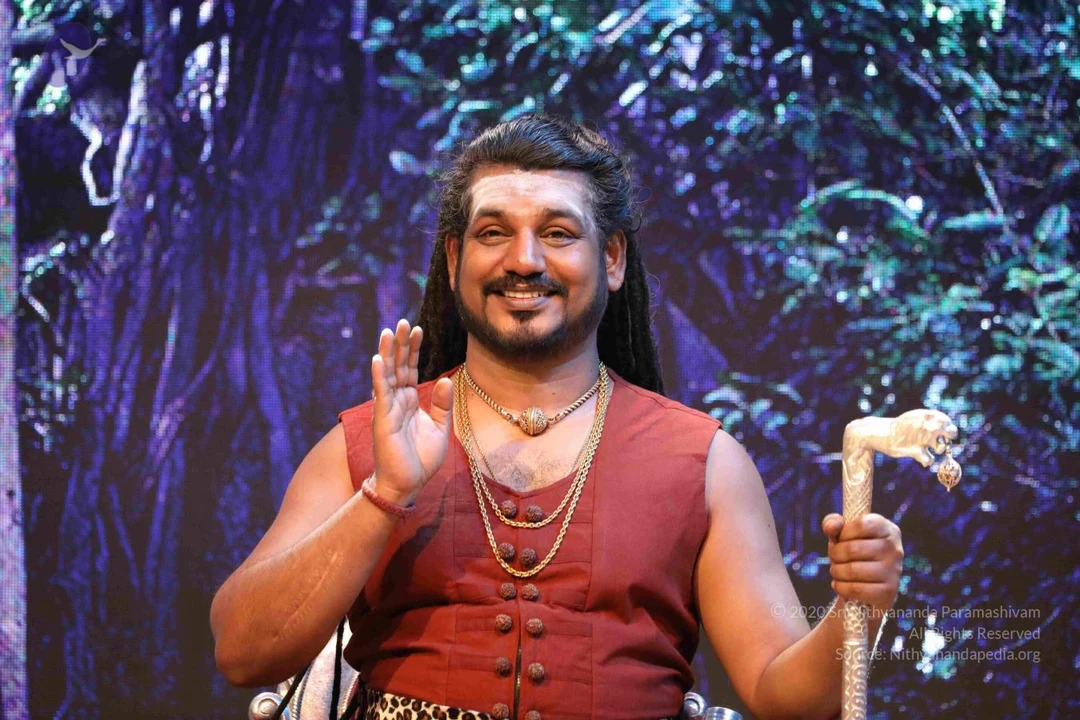
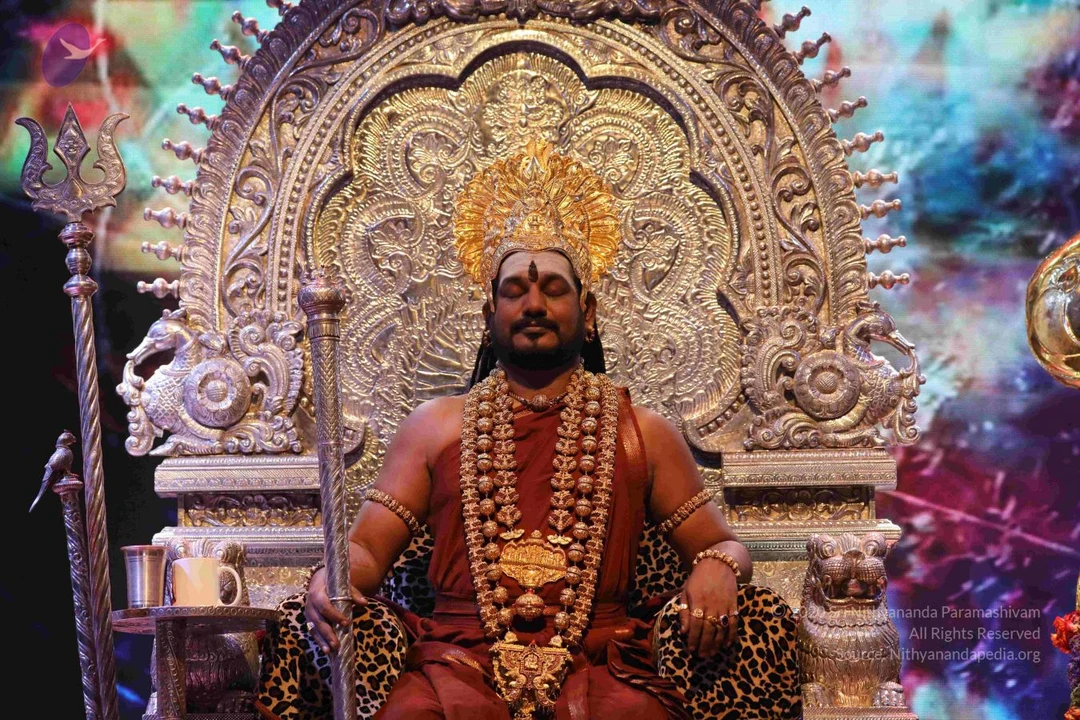
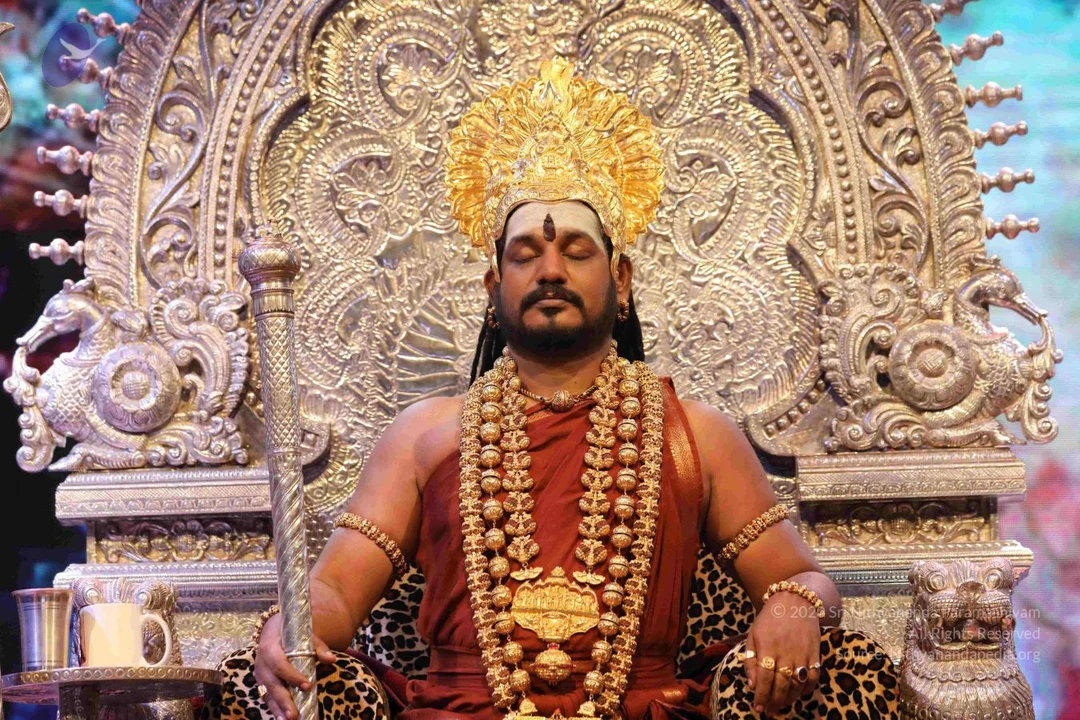
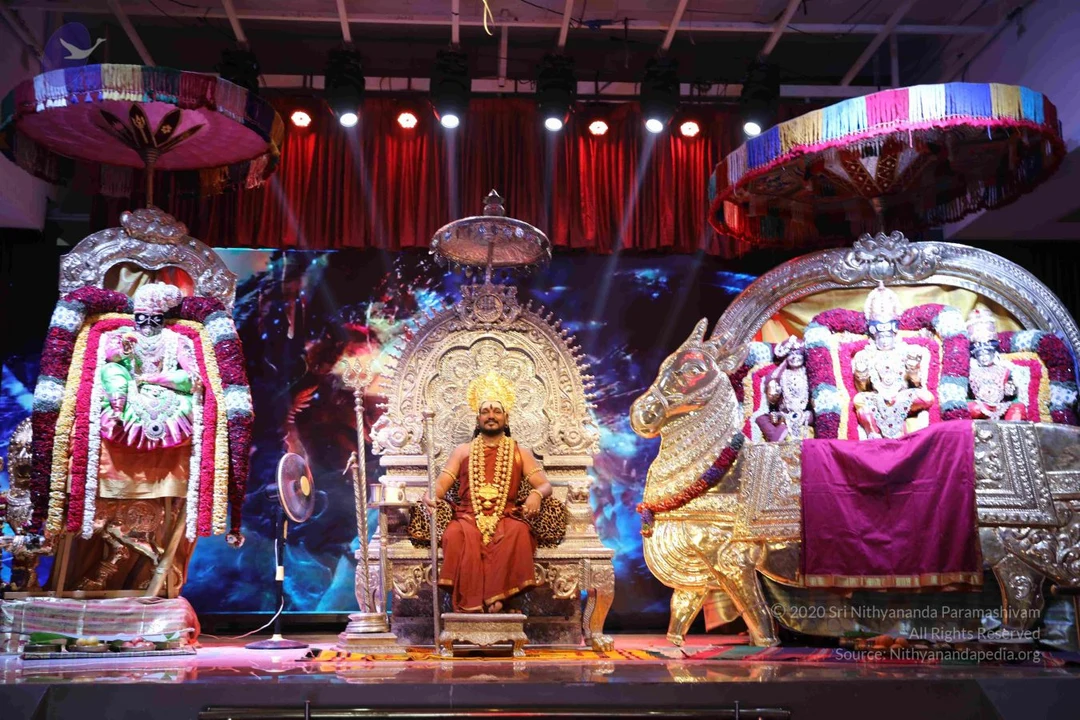
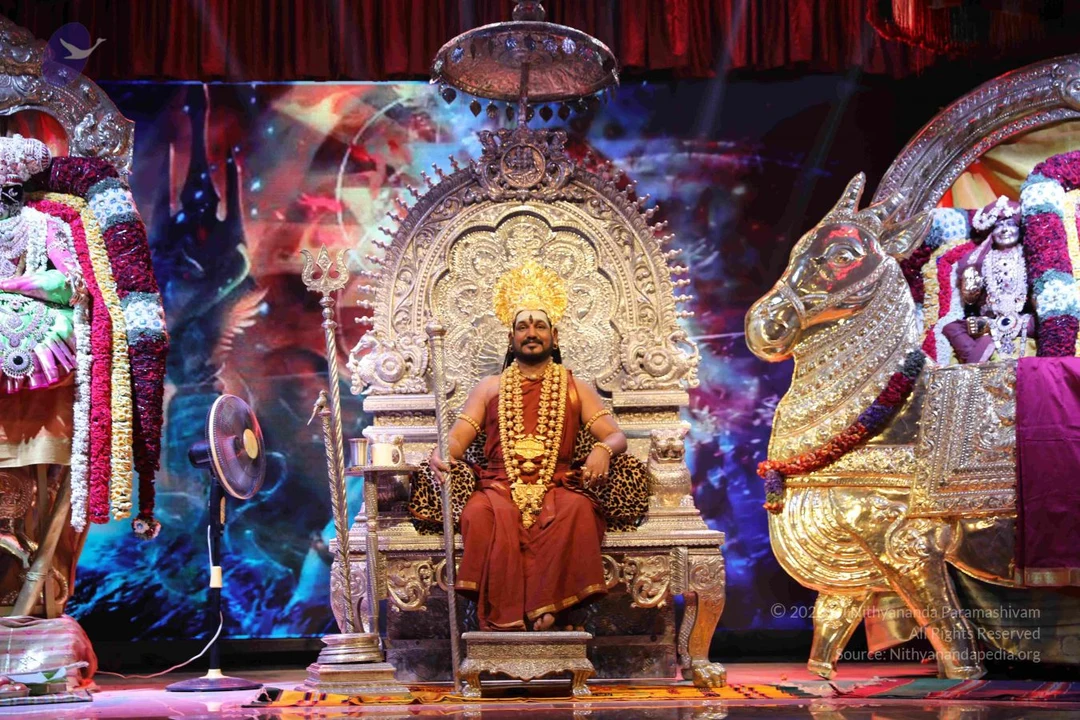
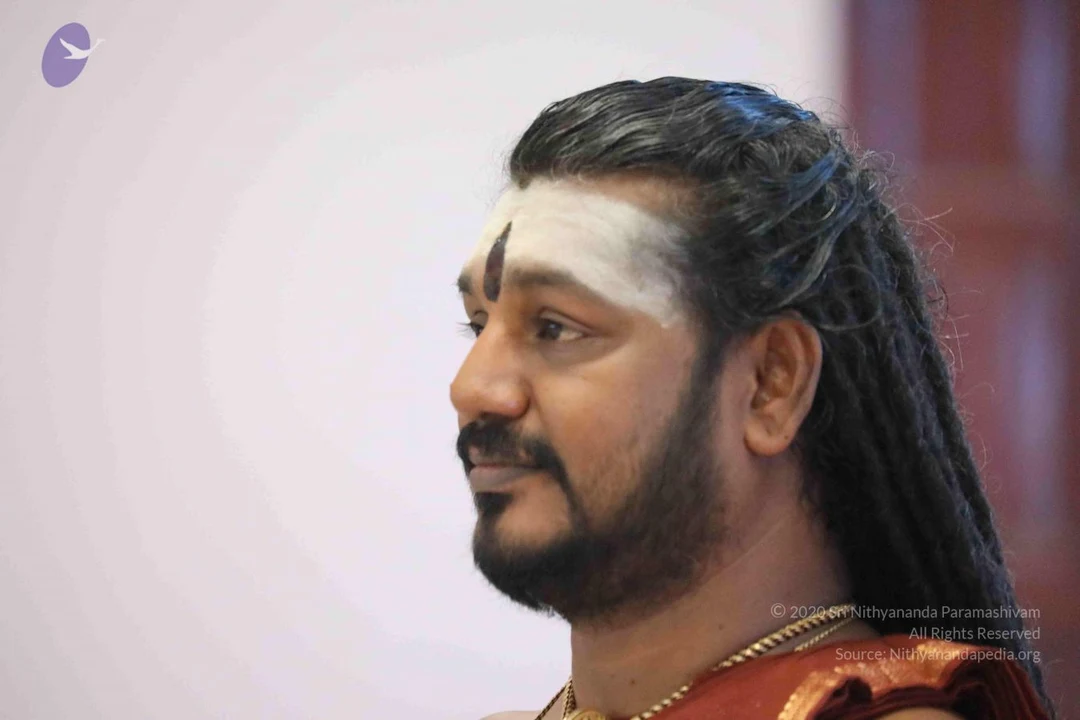
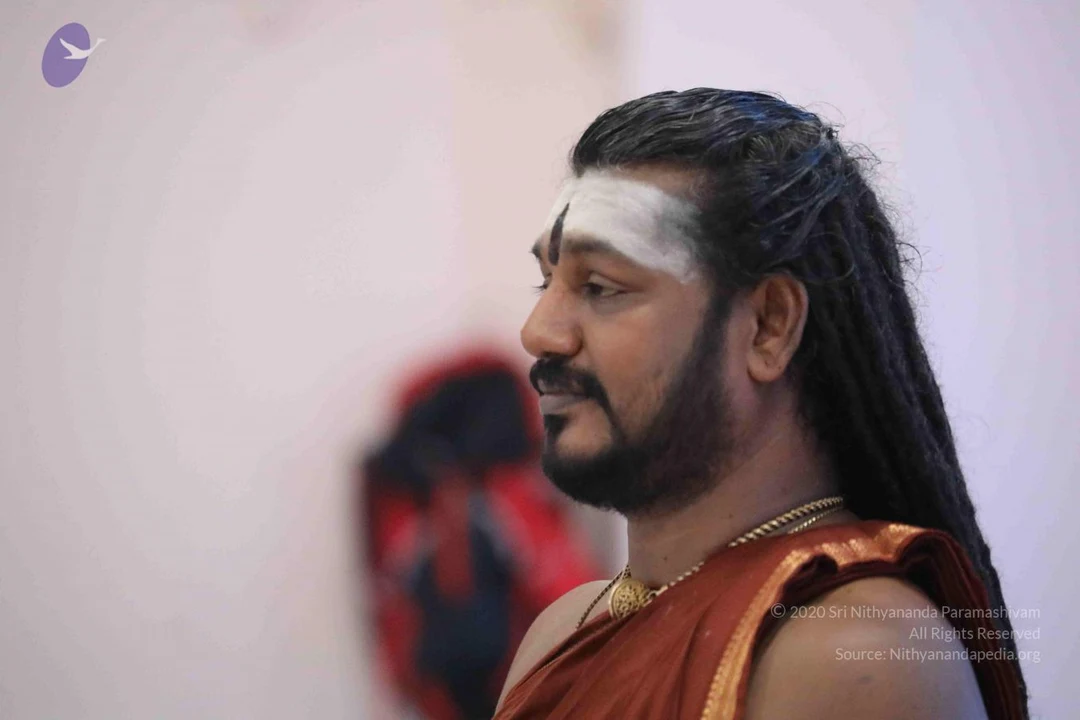
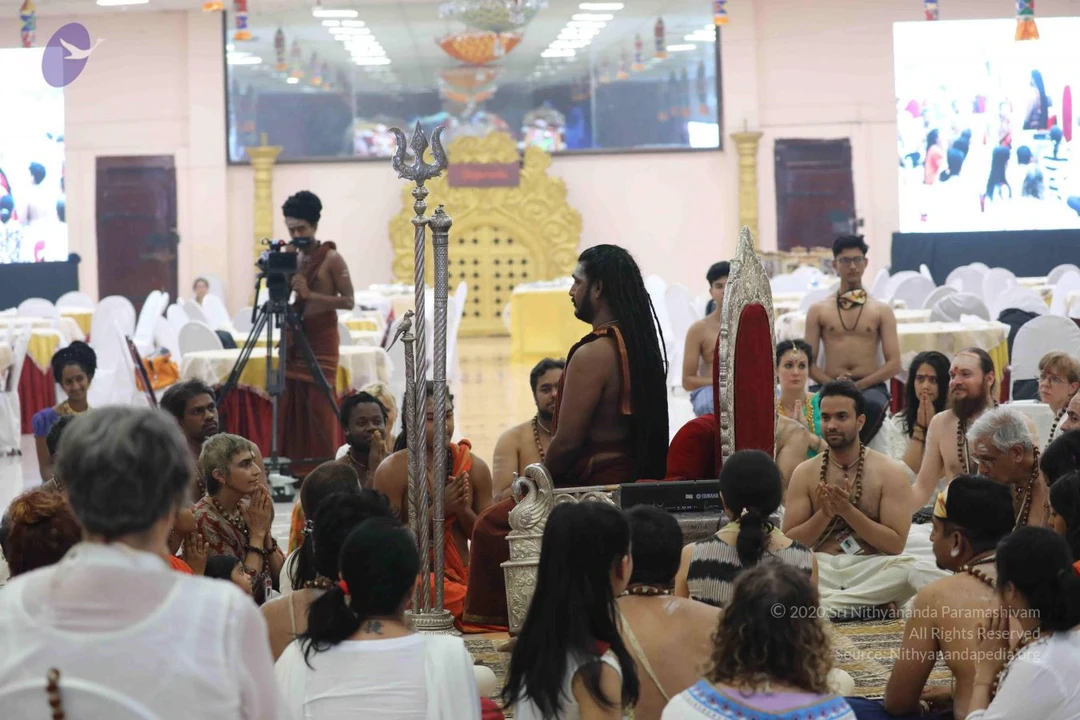
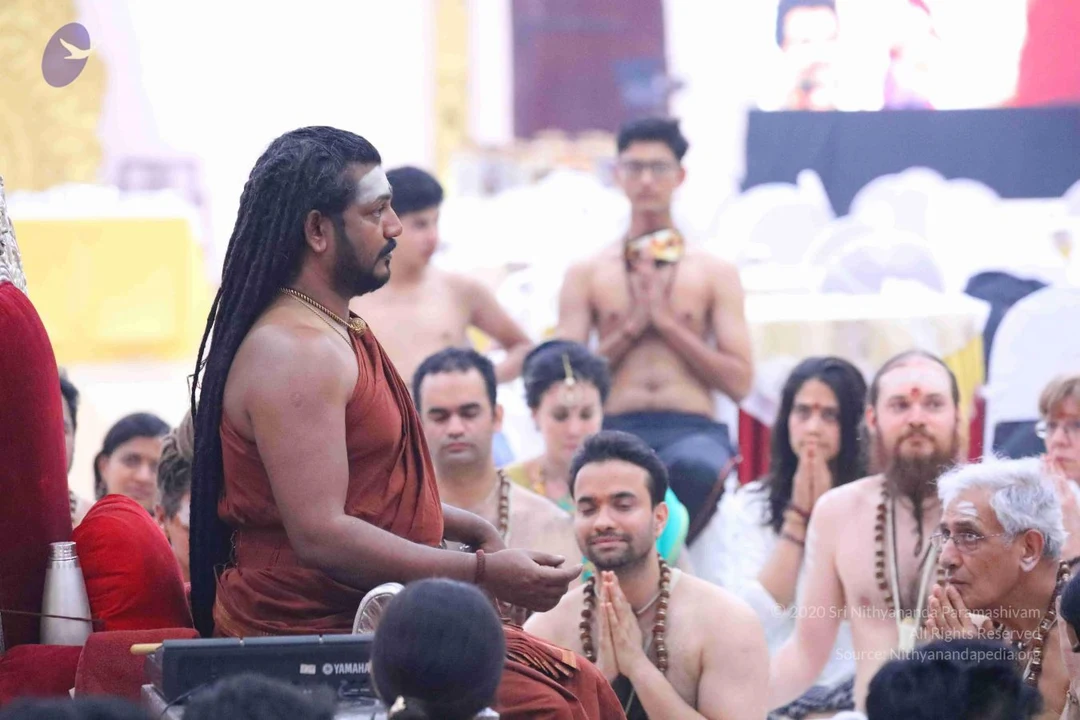
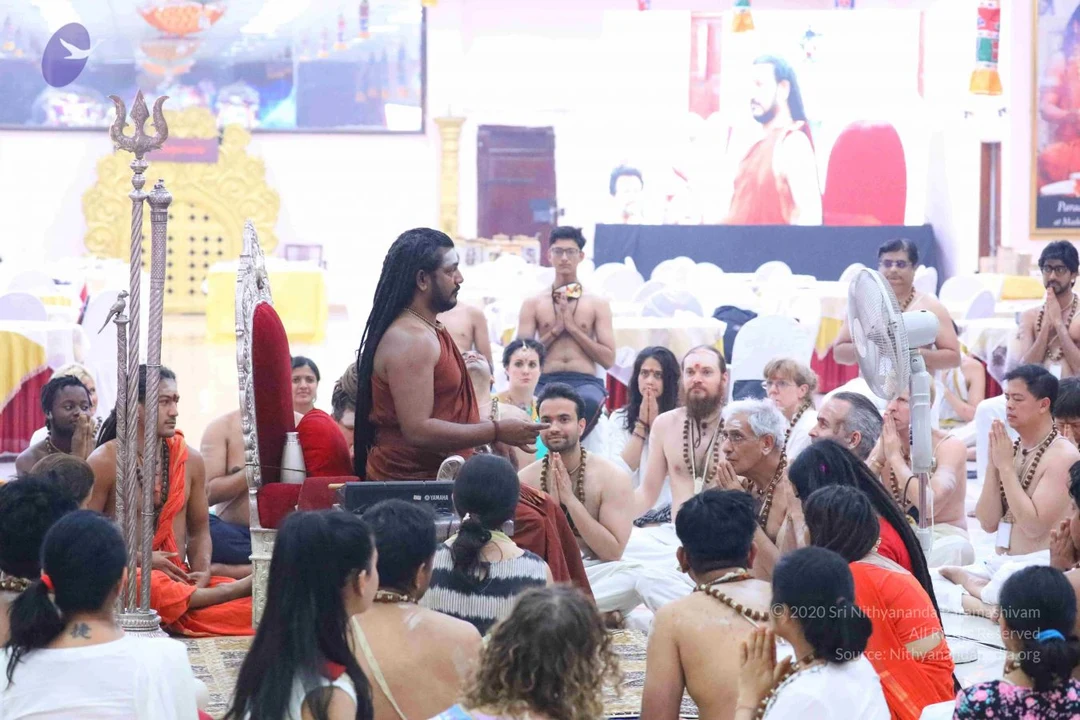
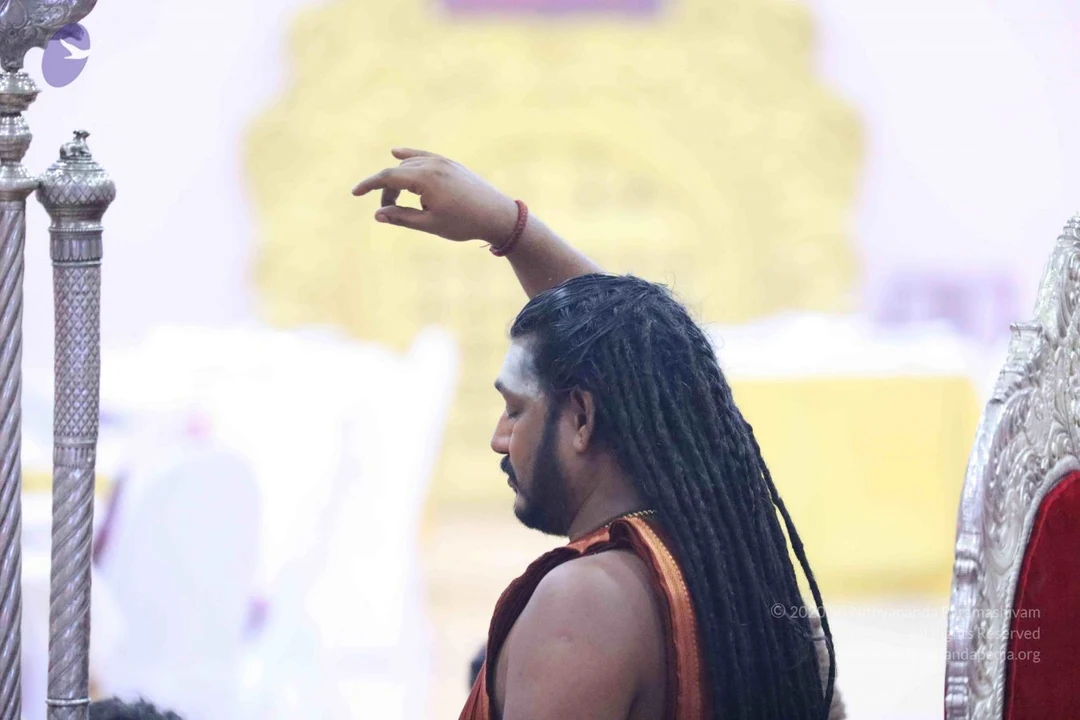
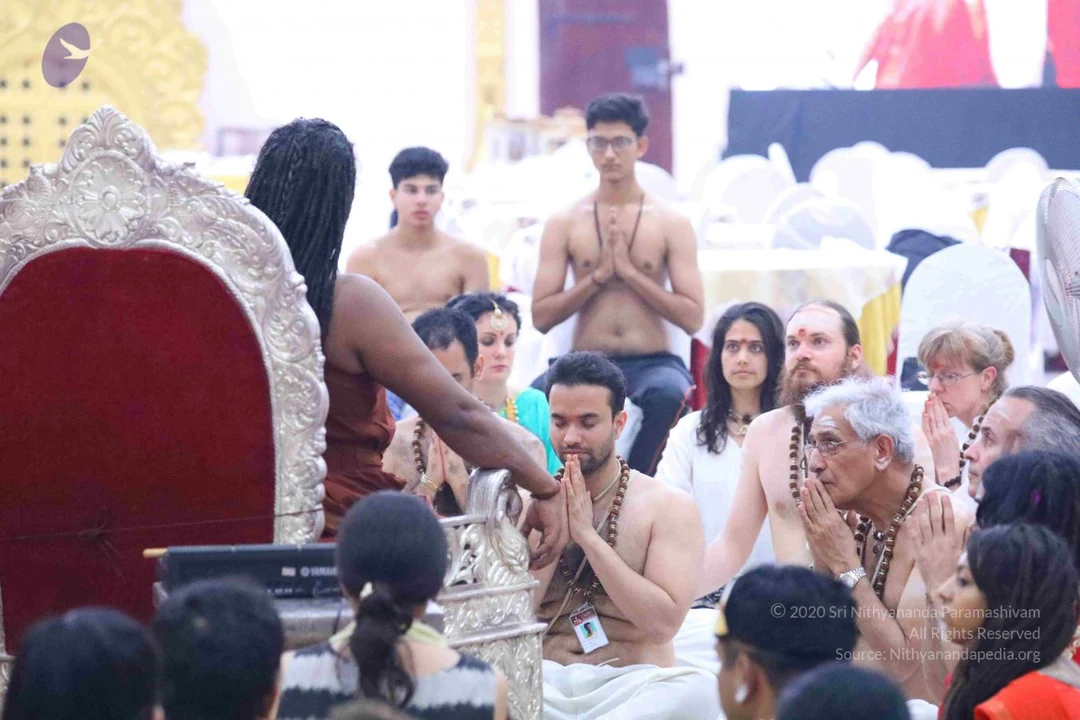
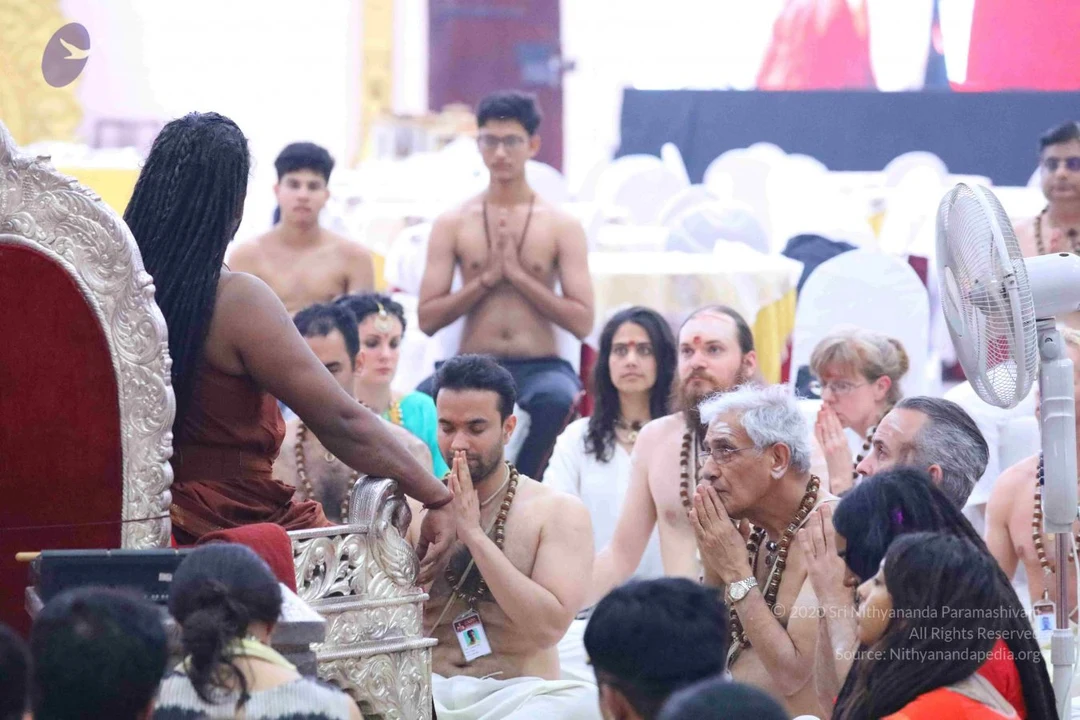
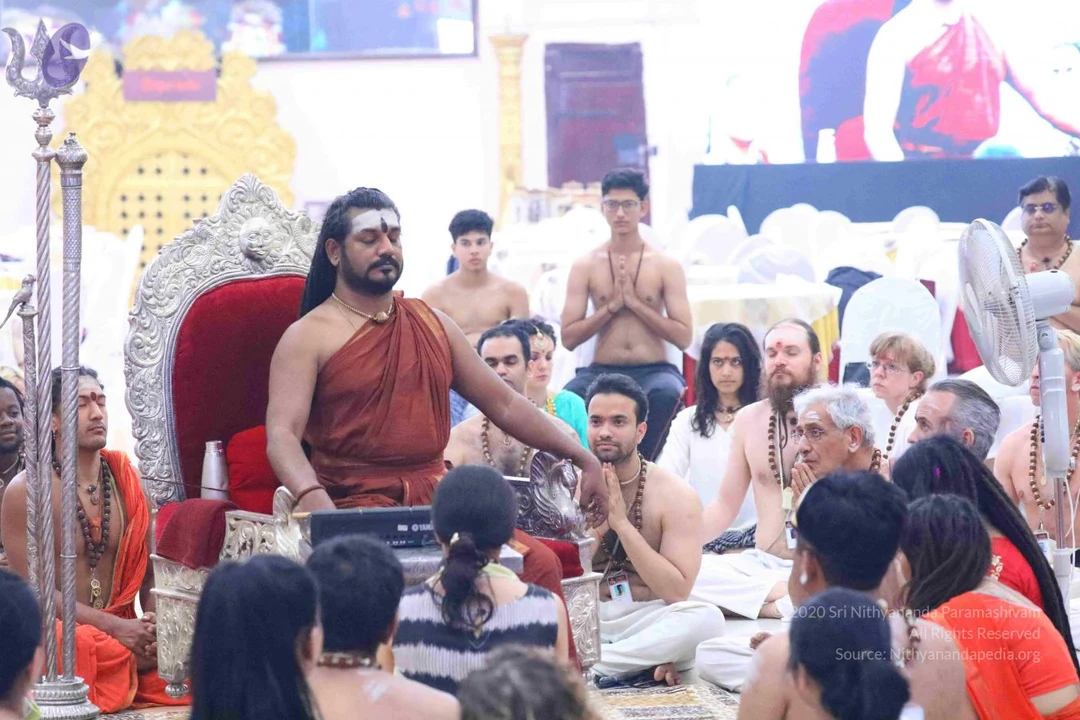
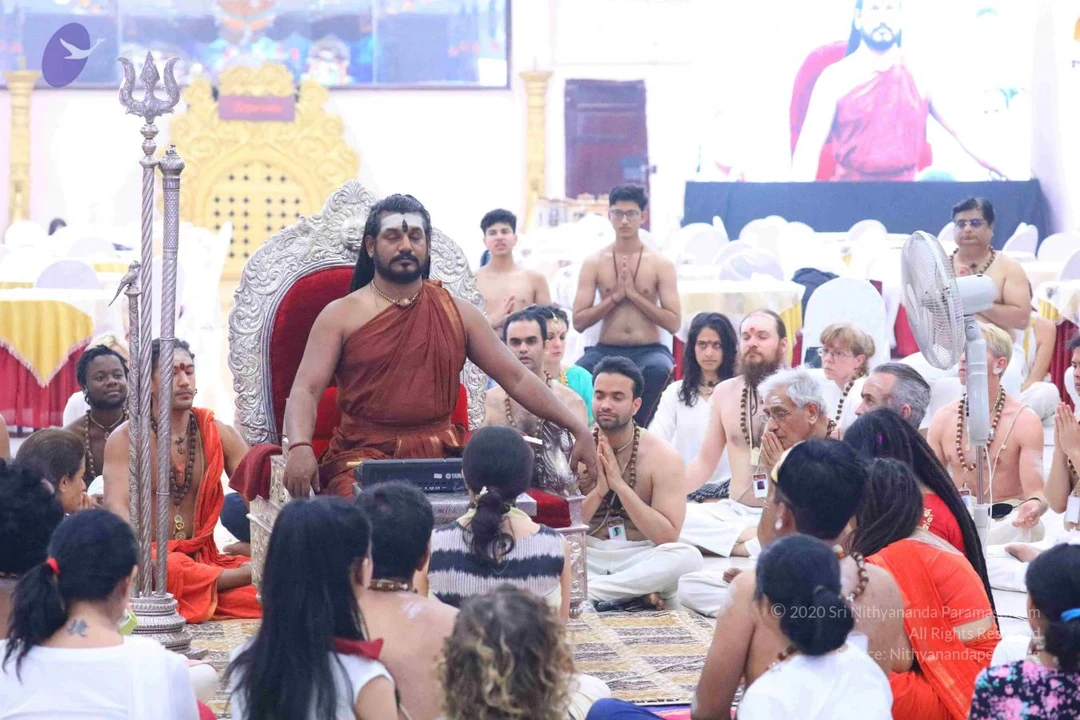
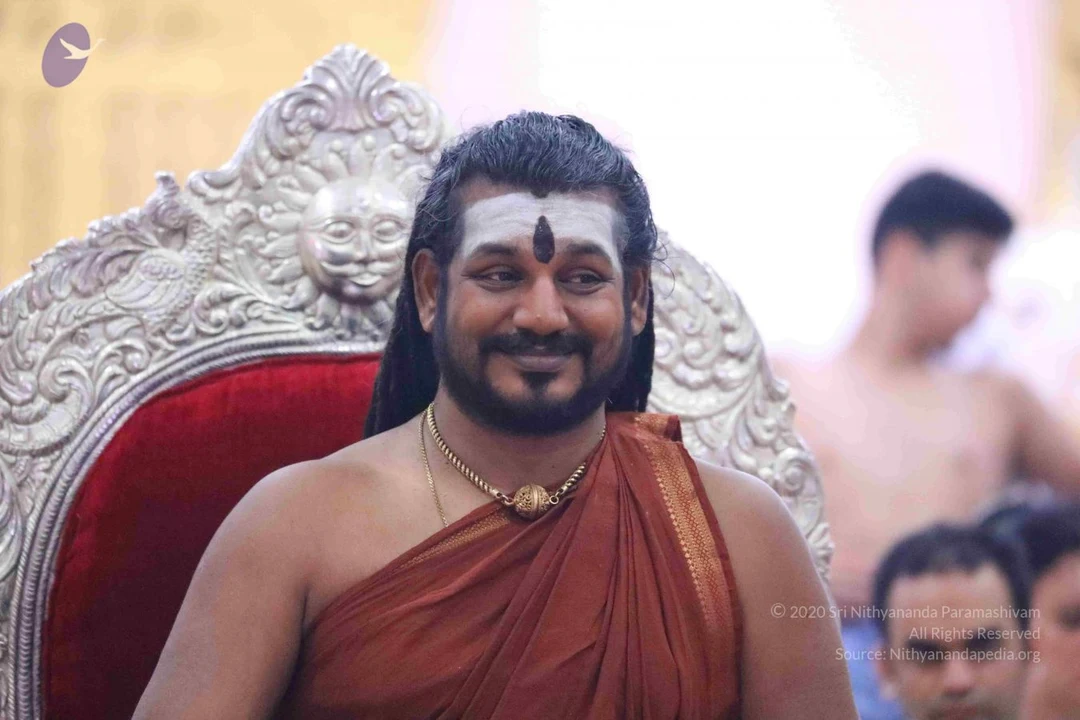
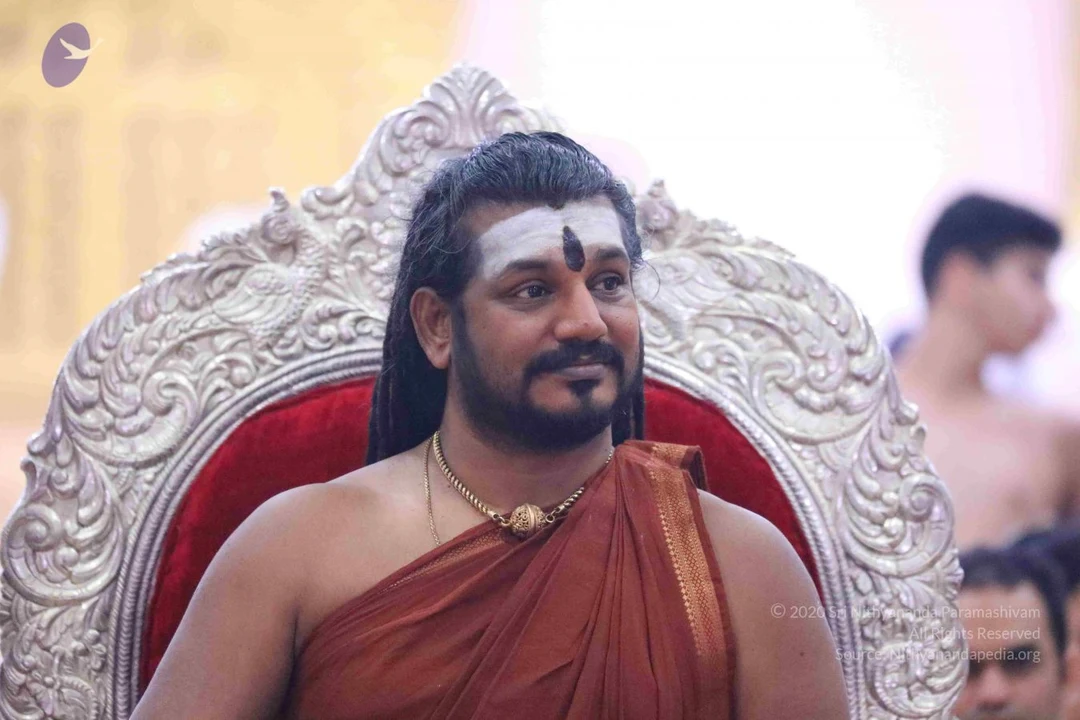
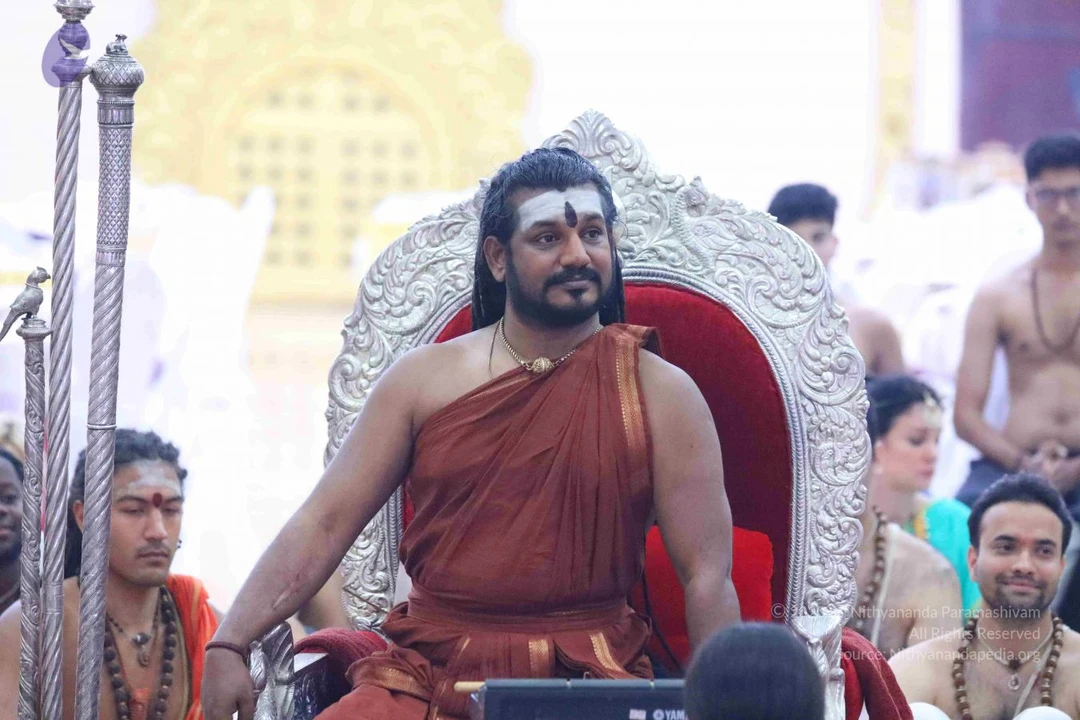
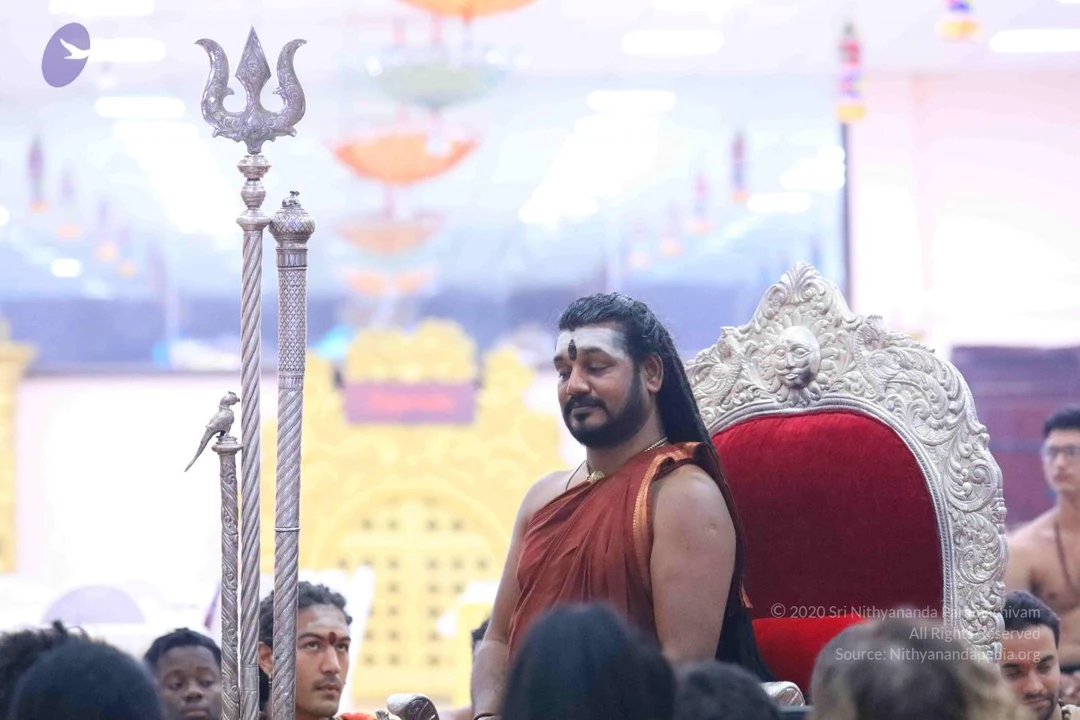
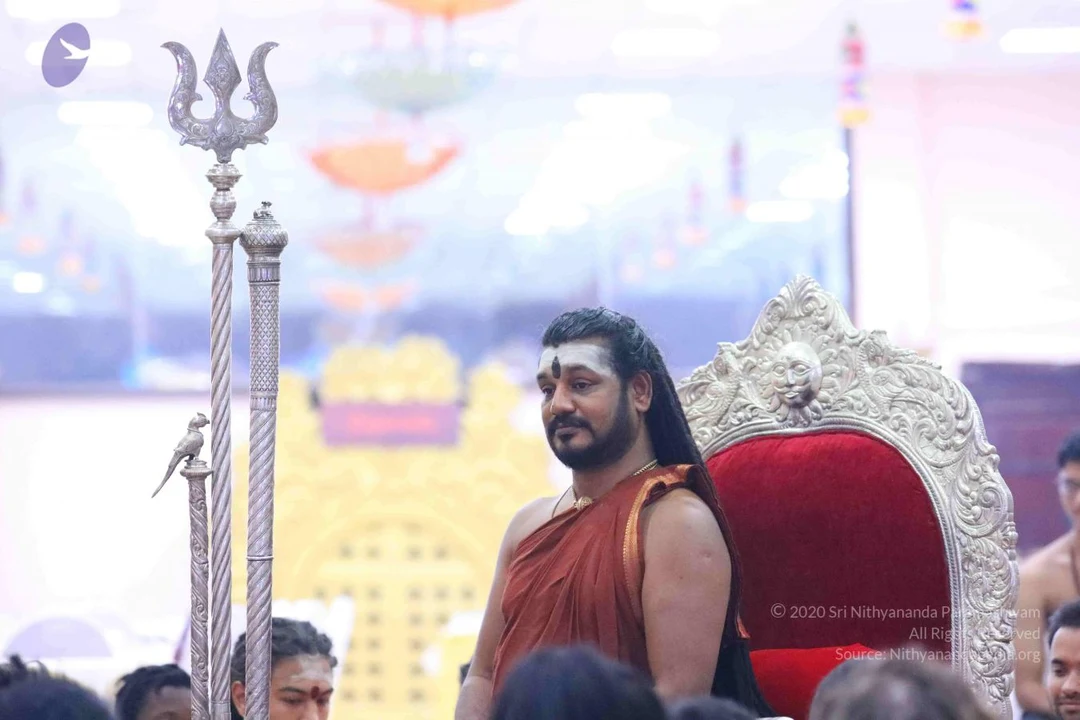
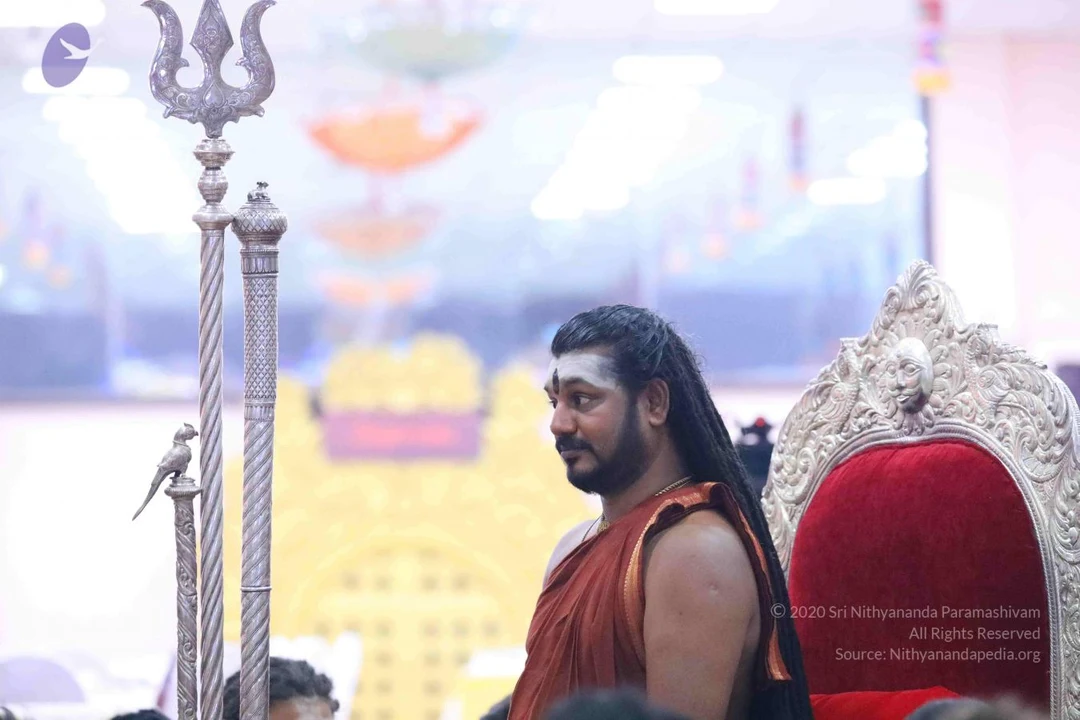
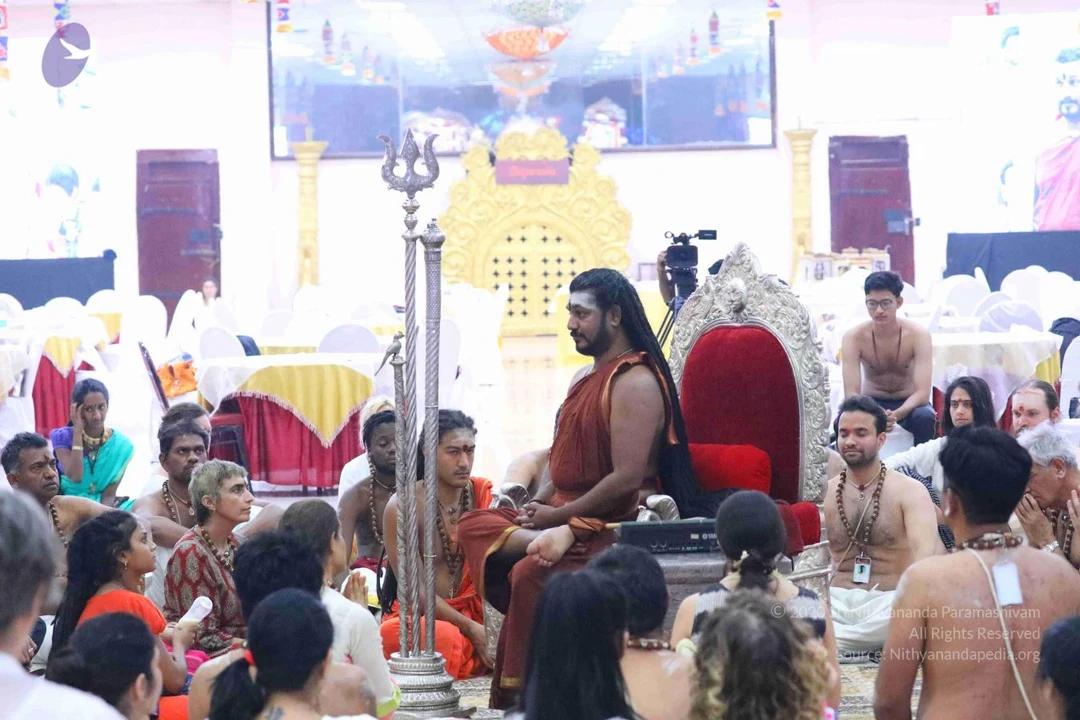
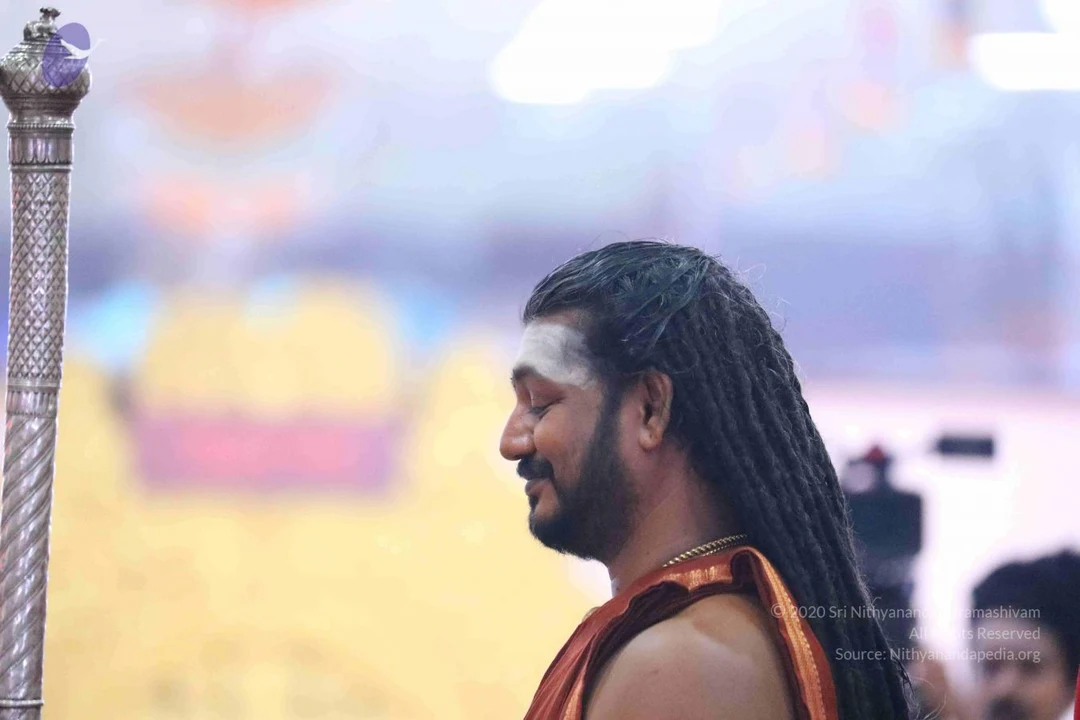
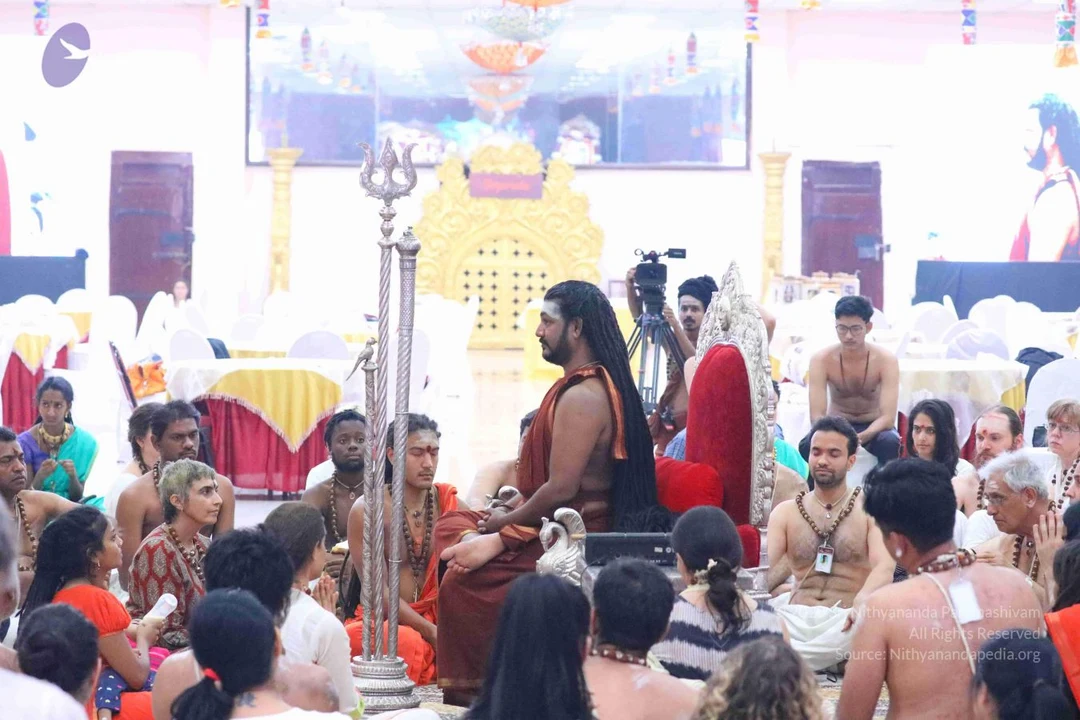
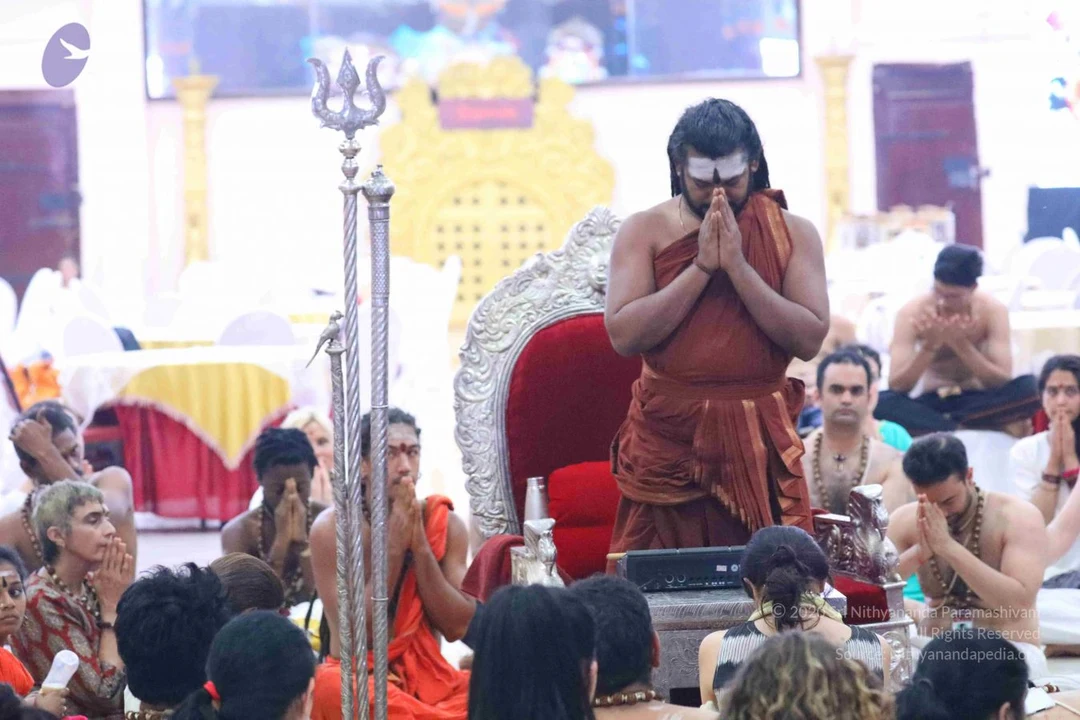
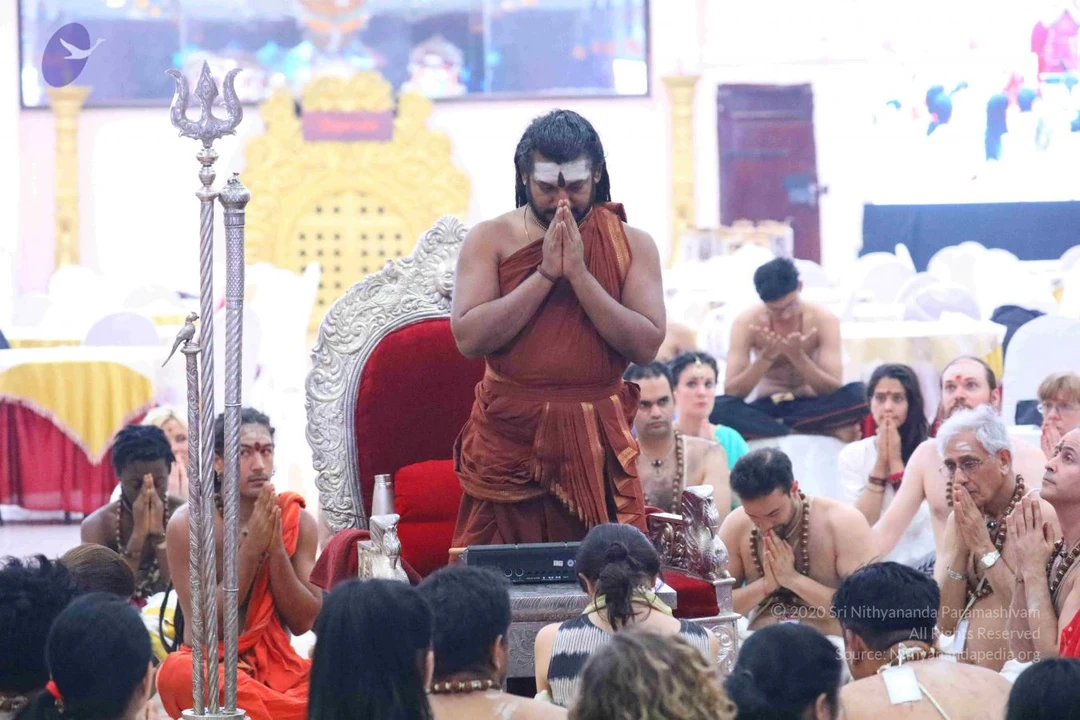
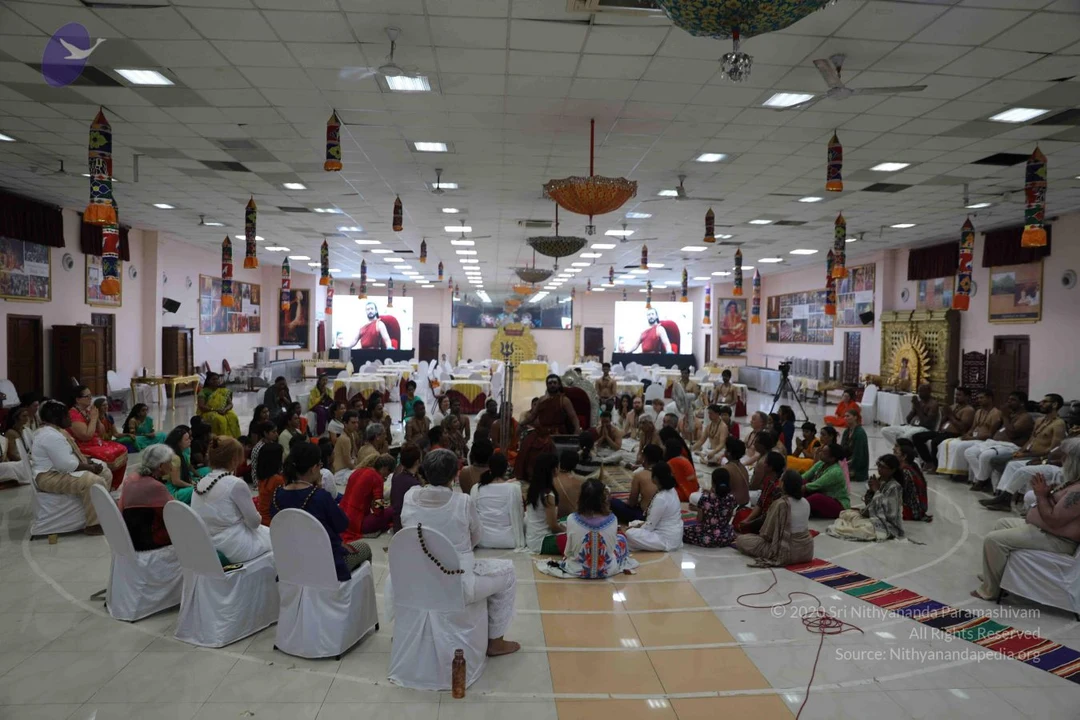
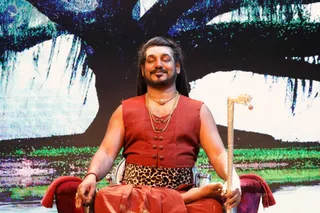
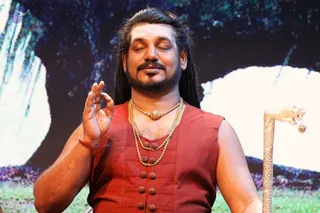
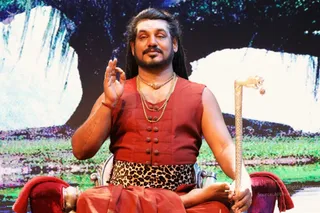
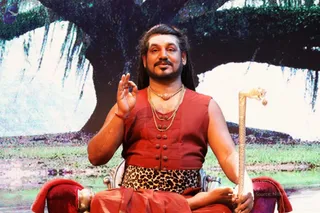
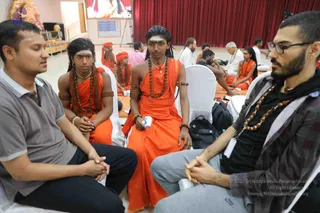
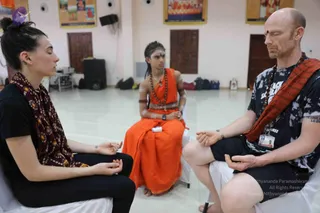
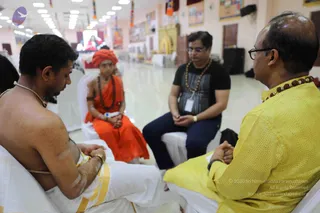
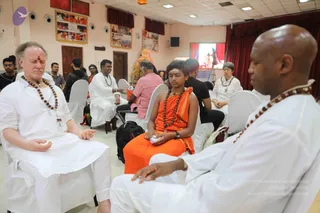
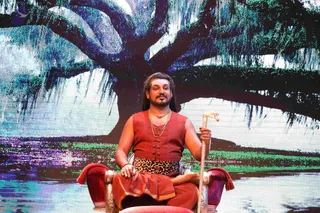
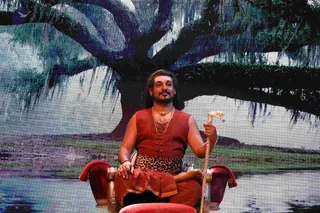
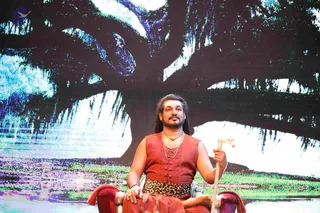
The Supreme Pontiff of Hinduism, Jagatguru Mahasannidhanam, His Divine Holiness, Bhagavan Nithyananda Paramashivam, is the visionary through whom this whole revival of KAILASA is made possible. The Supreme Pontiff of Hinduism, Jagatguru Mahasannidhanam, His Divine Holiness, Bhagavan Nithyananda Paramashivam, expounded on the Cosmic Principle of Mandalas, during the everyday live public talk - Nithyananda Satsang. In this video entitled | Part 3 || MSS || 18 April 2018, His Divine Holiness opens the Mahasadashivoham Convention by giving Darshan. Delegates were also initiated into the Mandala Process. His Divine Holiness (HDH) conducted a powerful process using the Sacred Geometry of Mandalas and the power of Sacred Syllables to Initiate delegates. Seated in the shape of specific Mandalas, or geometrical shapes that represent Universal Energies, His Divine Holiness aligned the Bio-Memory and Muscle Memory of delegates to the Fundamental Lines and sounds of the Cosmos.
Video
Photos
Manifesting Powers
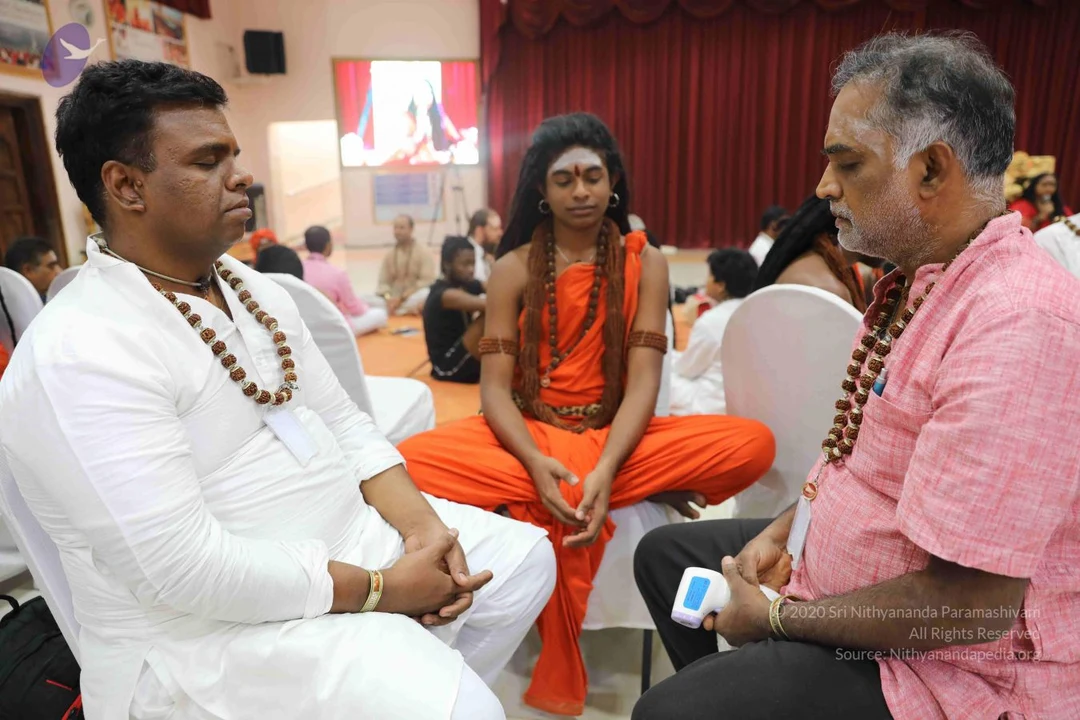
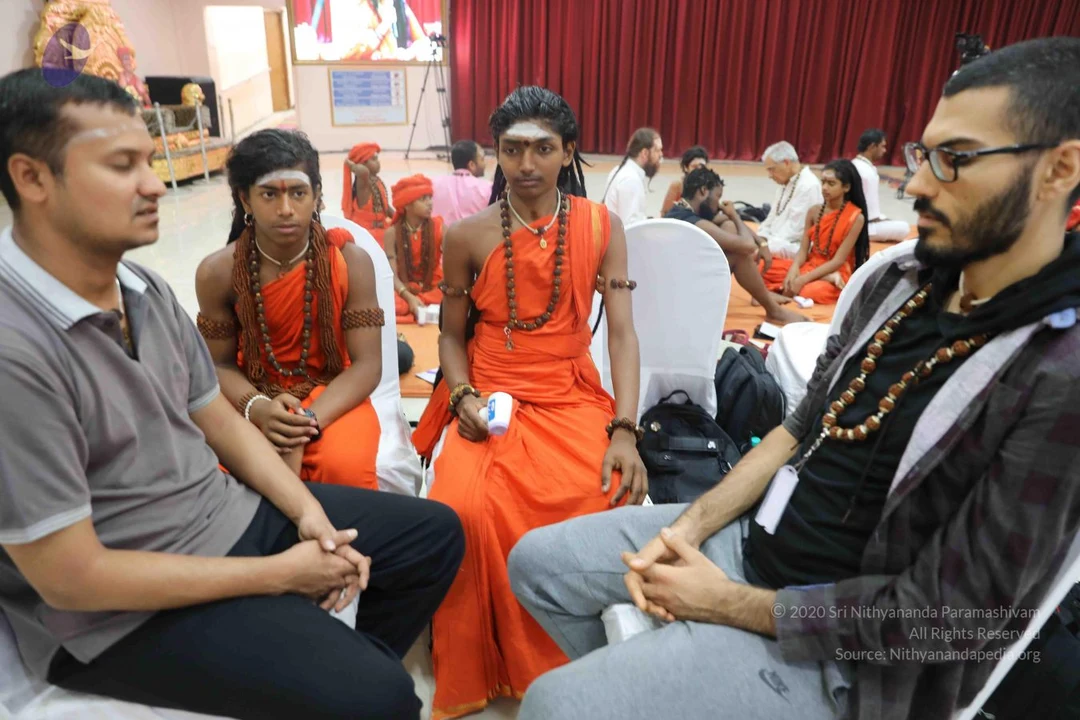
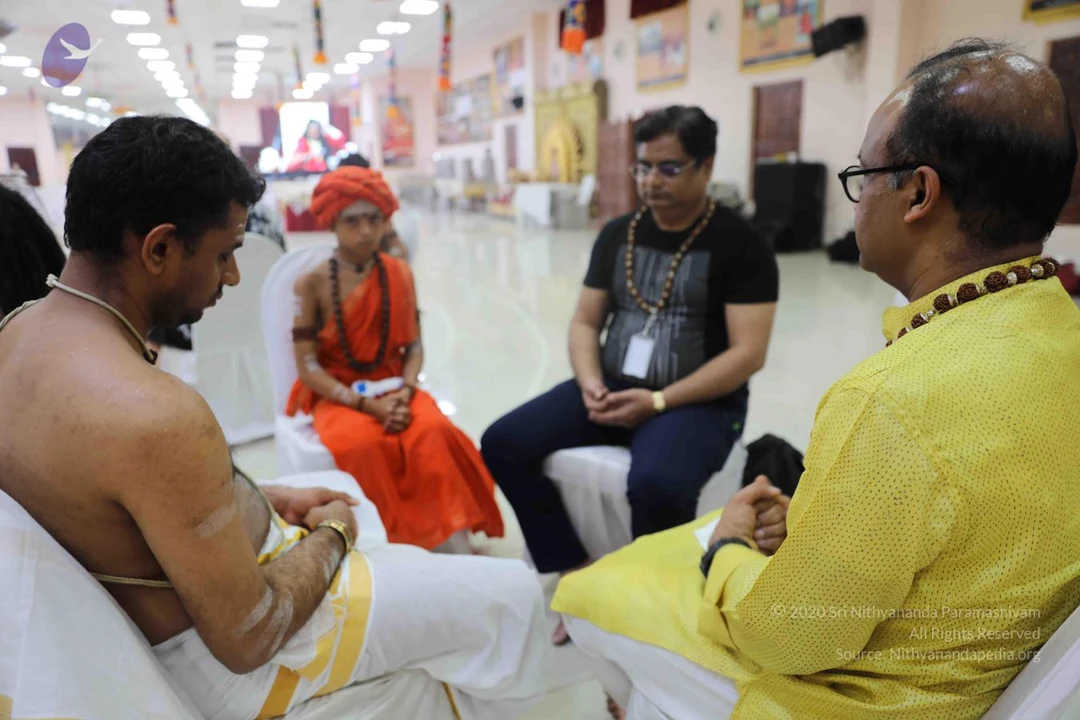
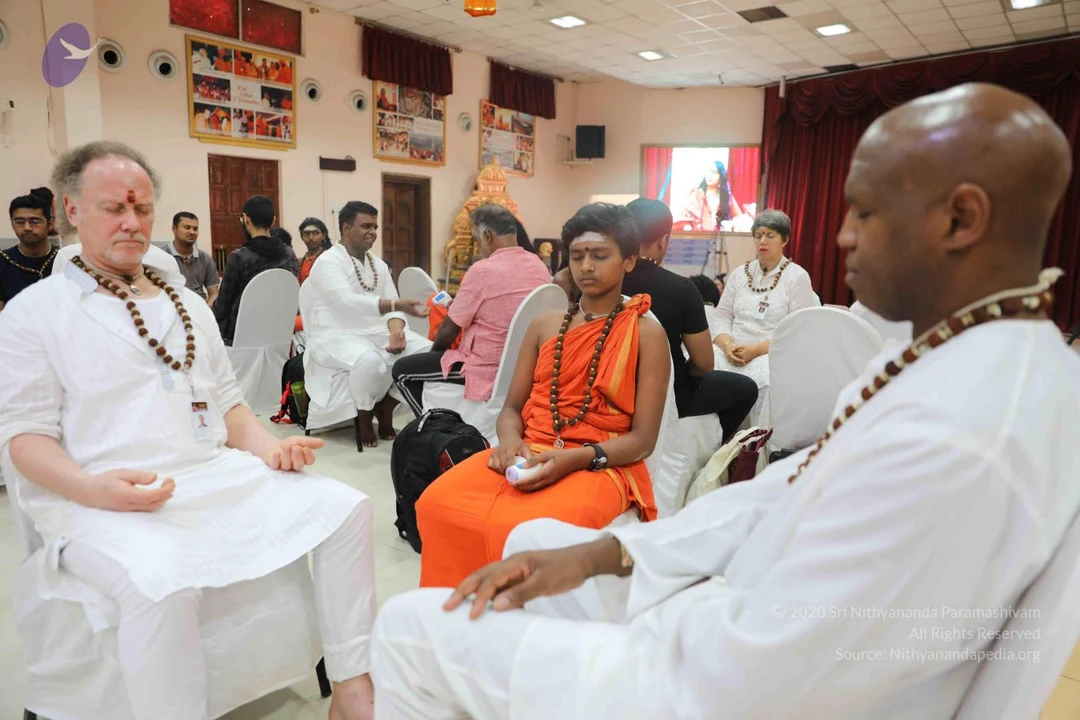
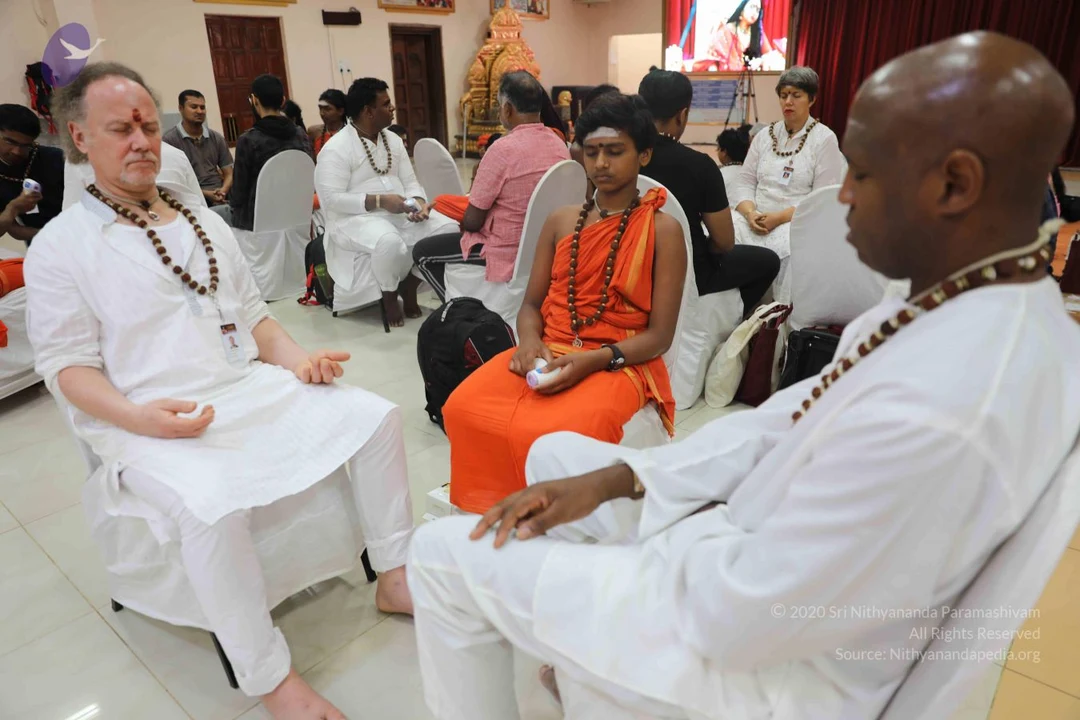
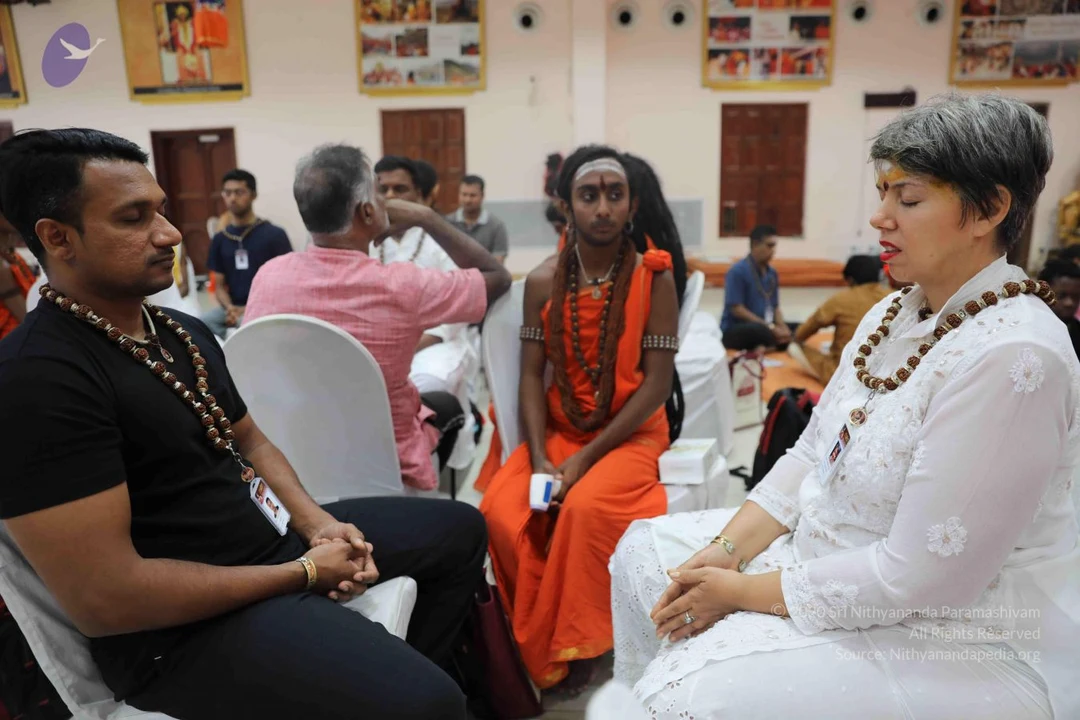
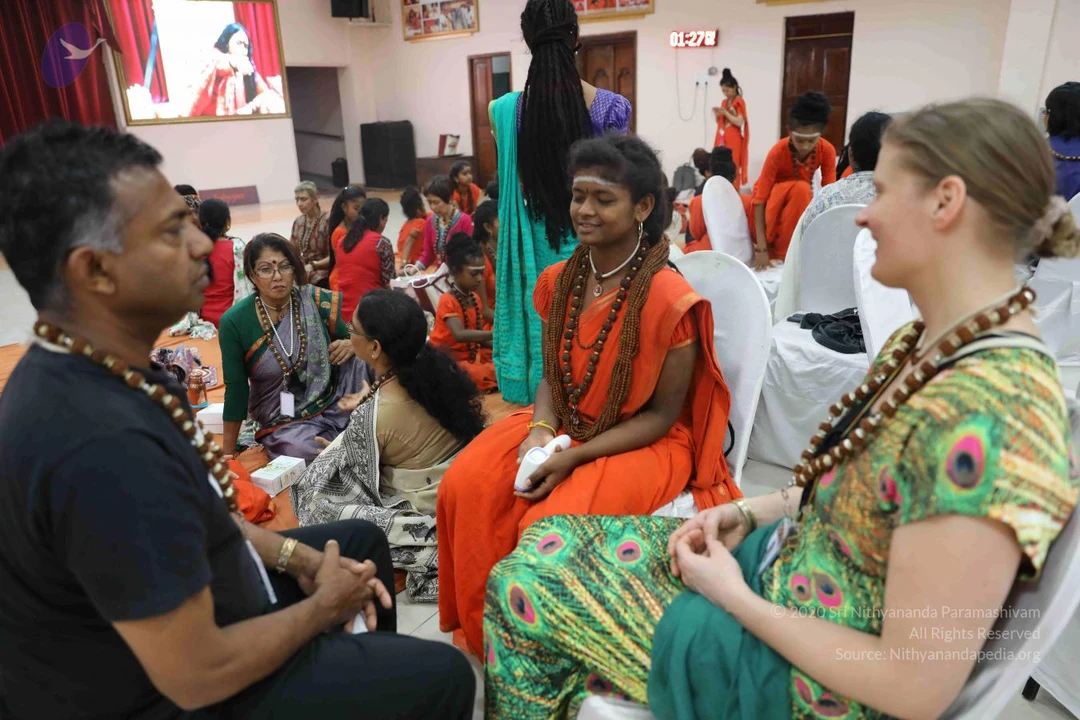
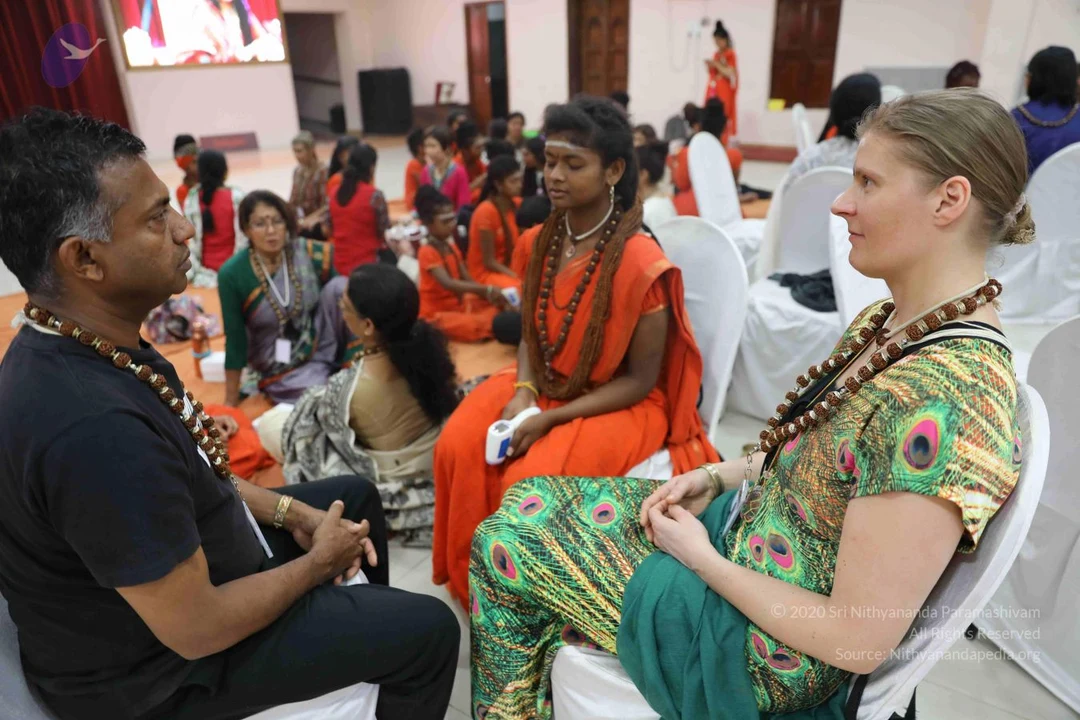
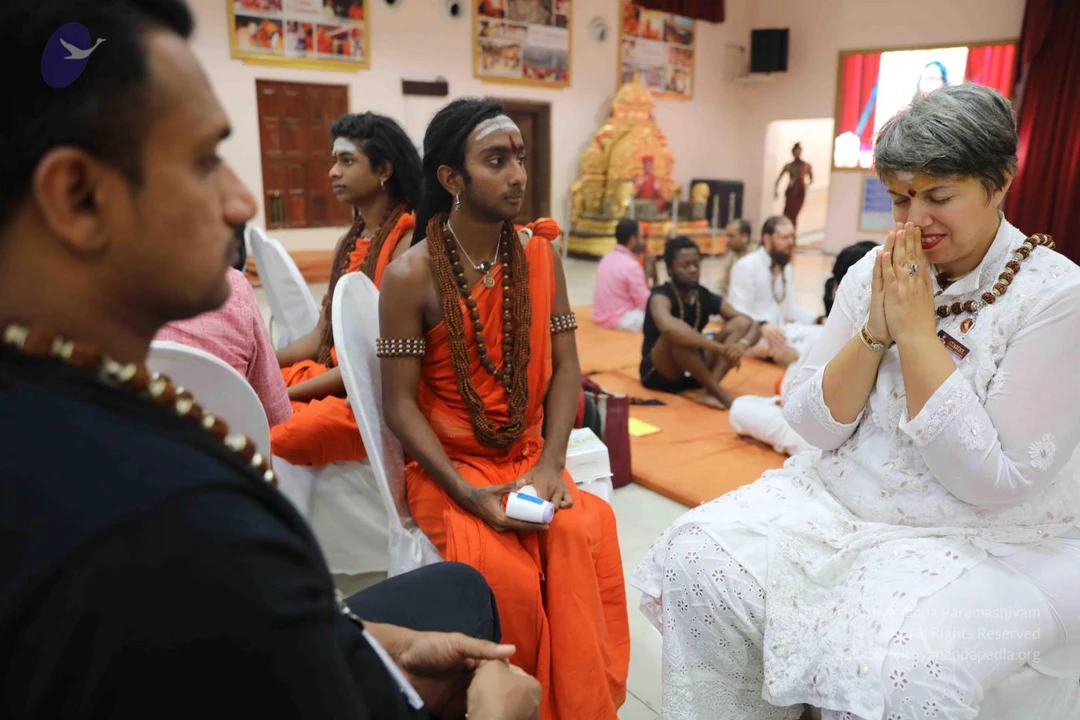
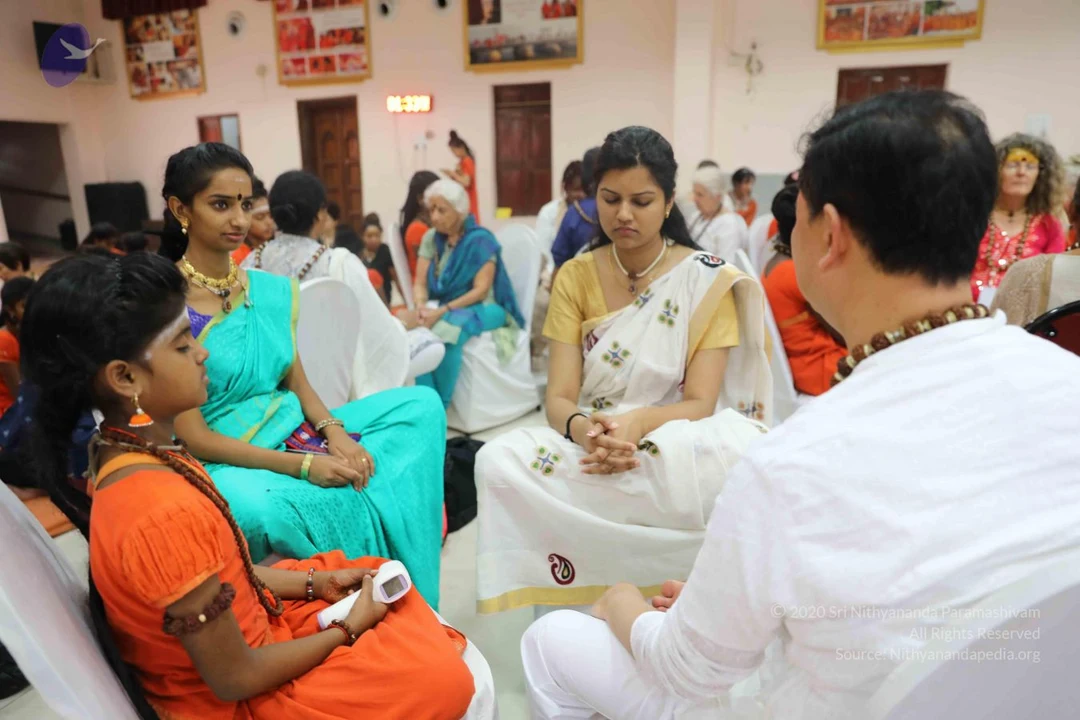
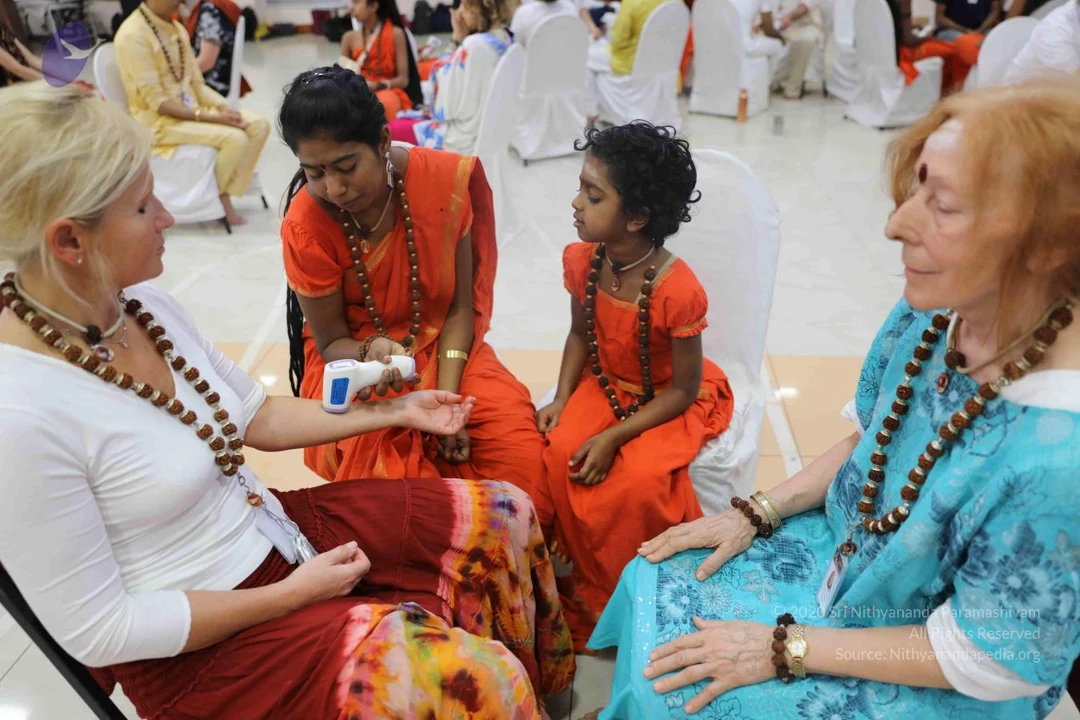
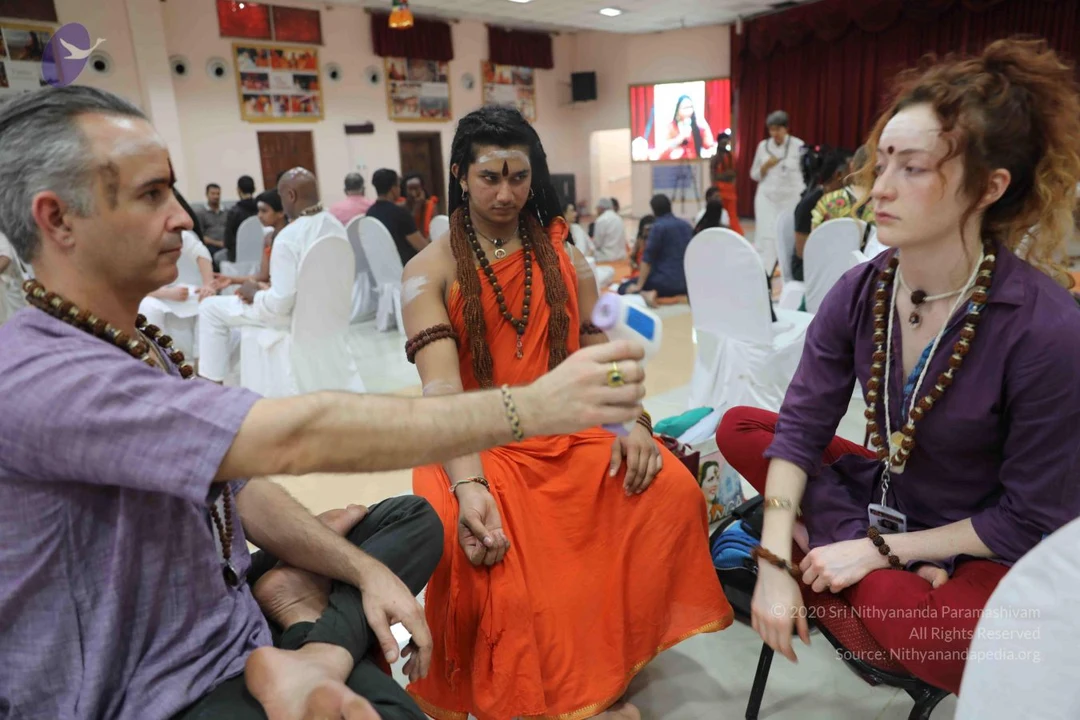
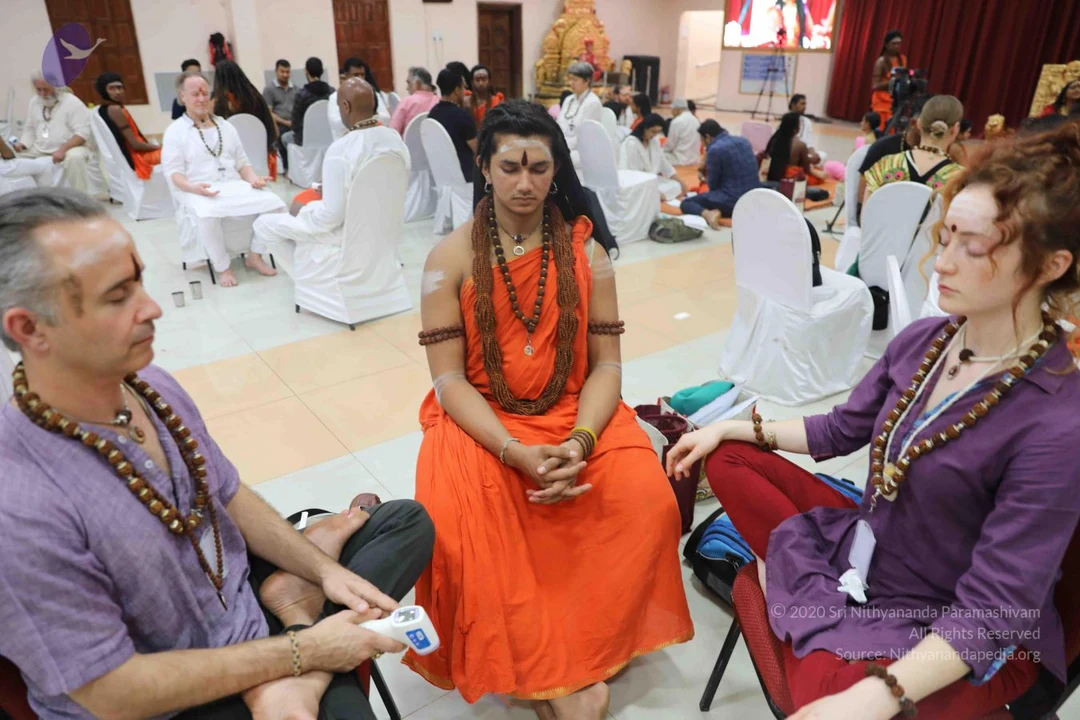
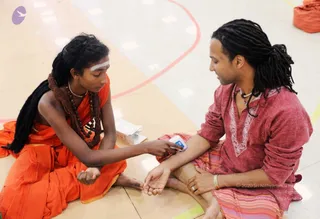
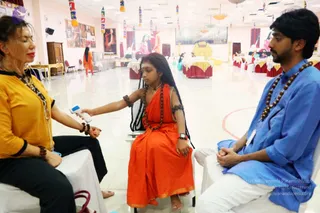
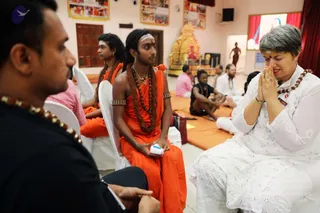
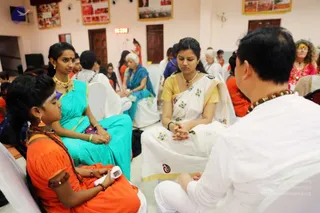
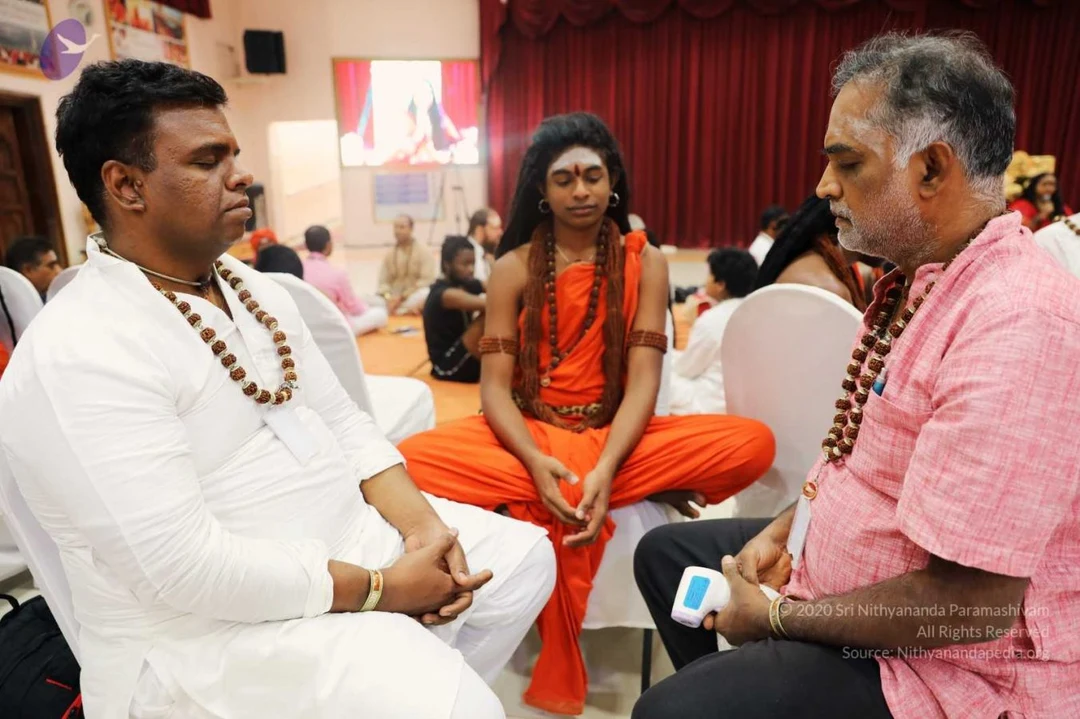 Balasants are entangled with the Mahasadashivoham delegates to Manifest Shaktis - ALTERING THE BODY TEMPERATURE
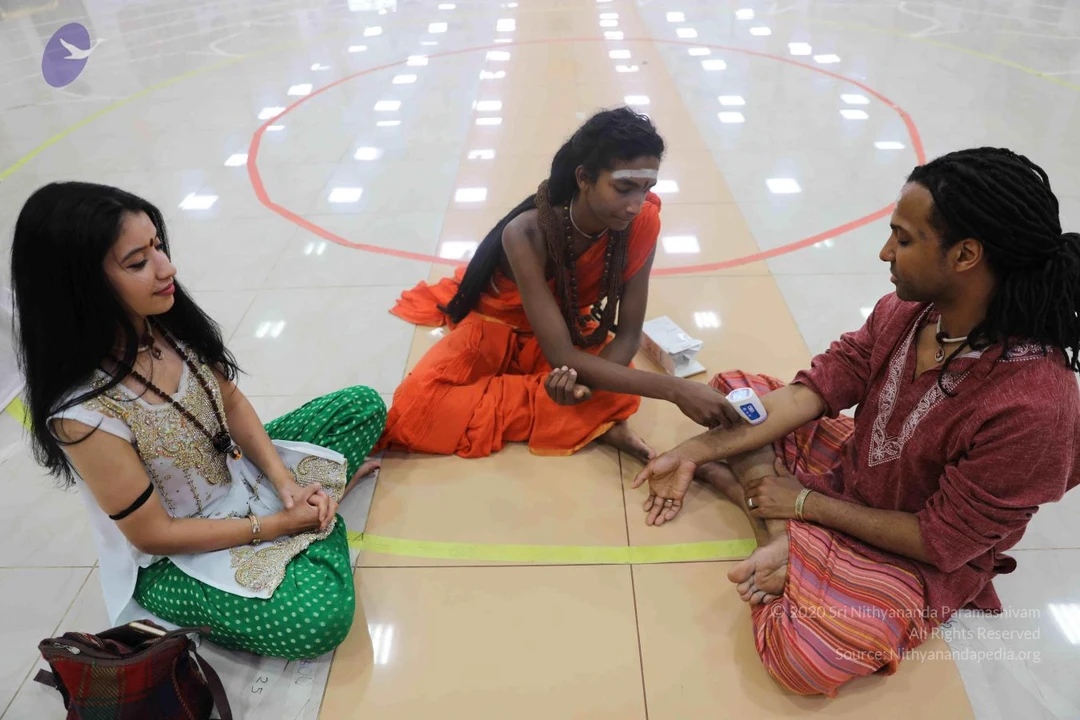
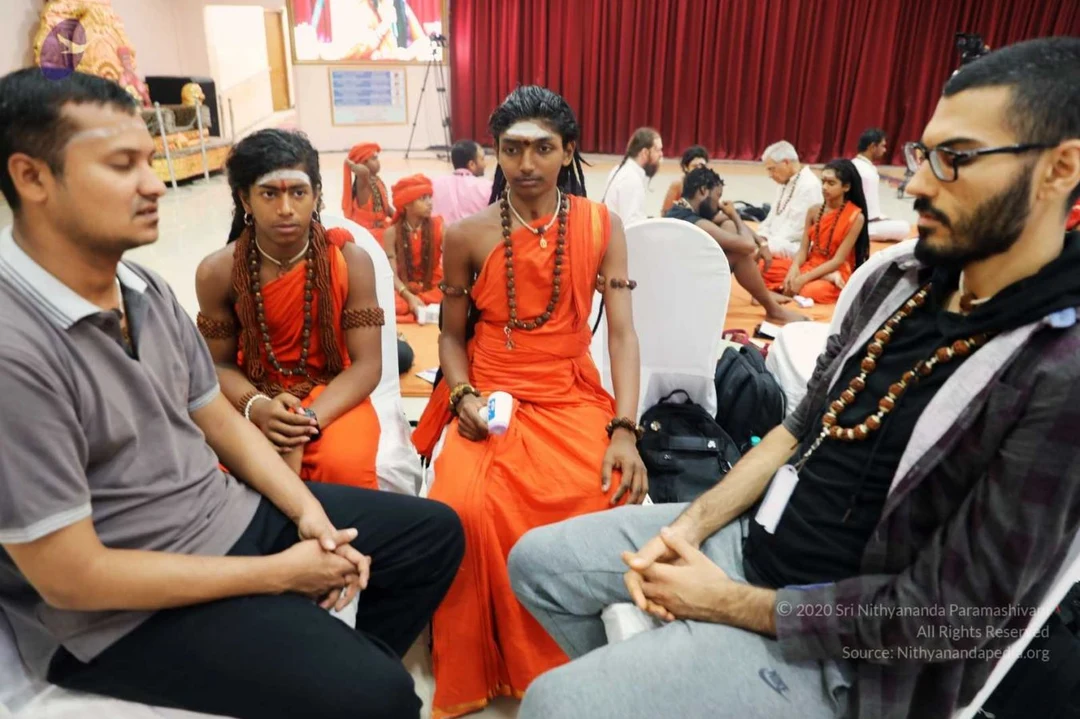 Balasants are entangled with the Mahasadashivoham delegates to Manifest Shaktis - ALTERING THE BODY TEMPERATURE
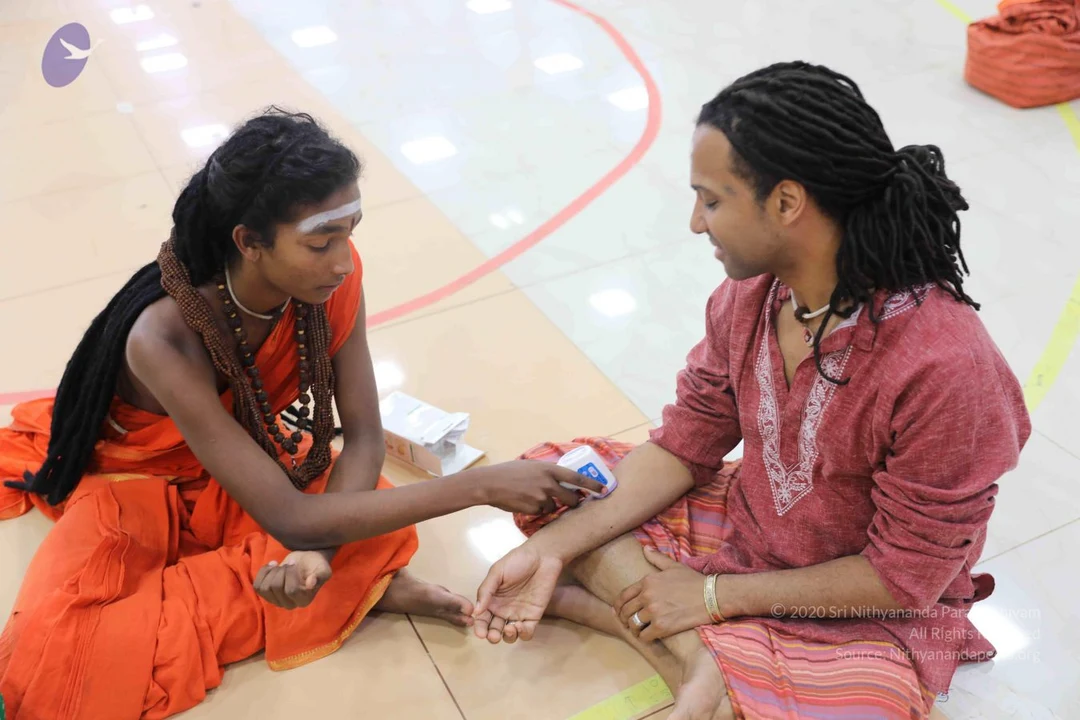
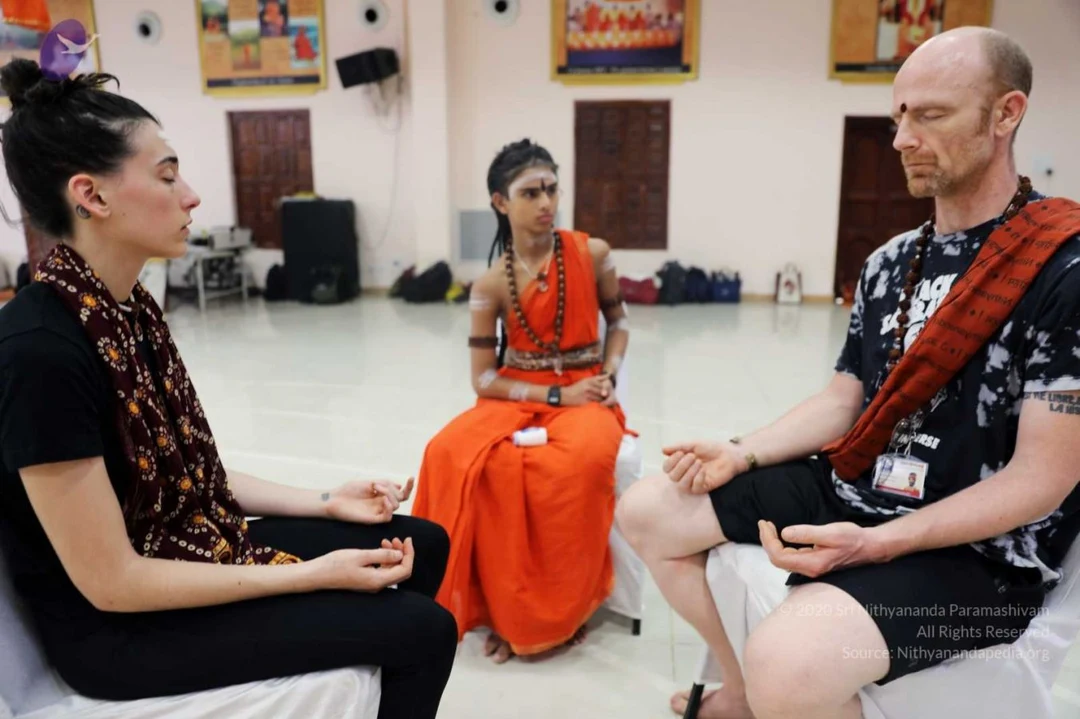 Balasants are entangled with the Mahasadashivoham delegates to Manifest Shaktis - ALTERING THE BODY TEMPERATURE
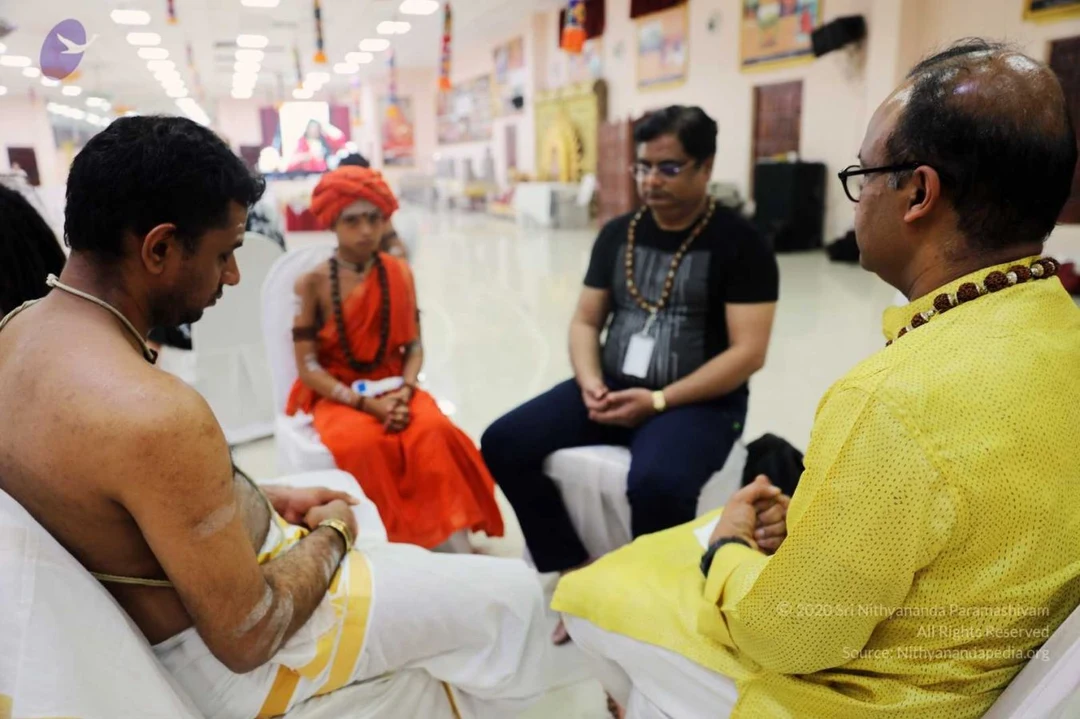 Balasants are entangled with the Mahasadashivoham delegates to Manifest Shaktis - ALTERING THE BODY TEMPERATURE
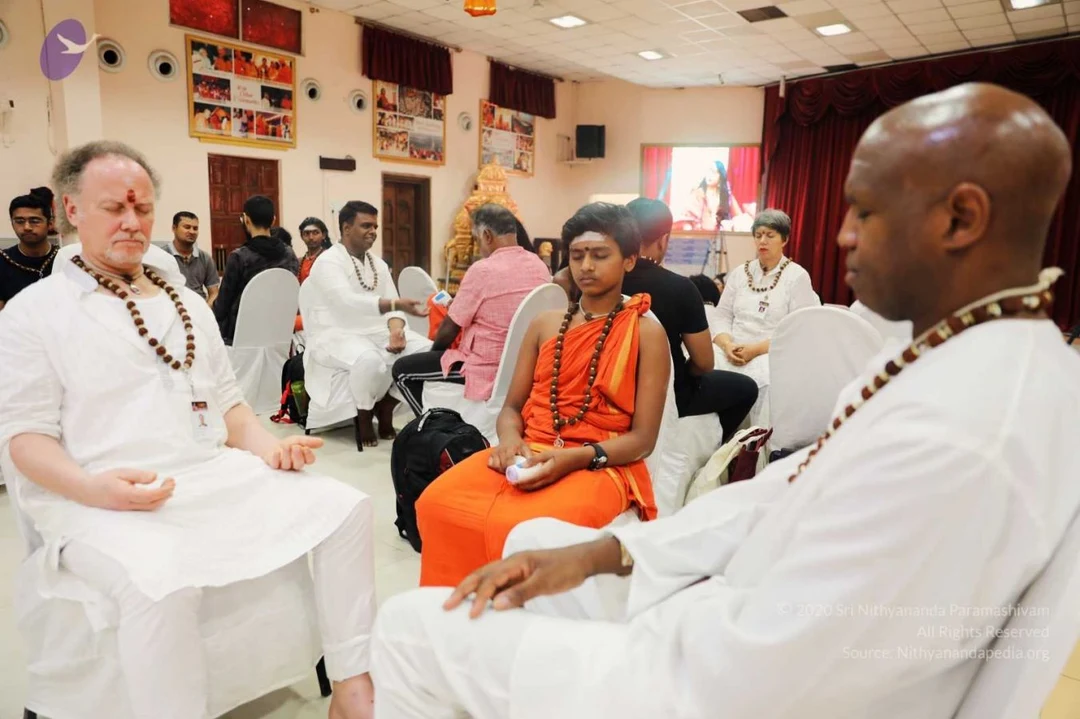 Balasants are entangled with the Mahasadashivoham delegates to Manifest Shaktis - ALTERING THE BODY TEMPERATURE
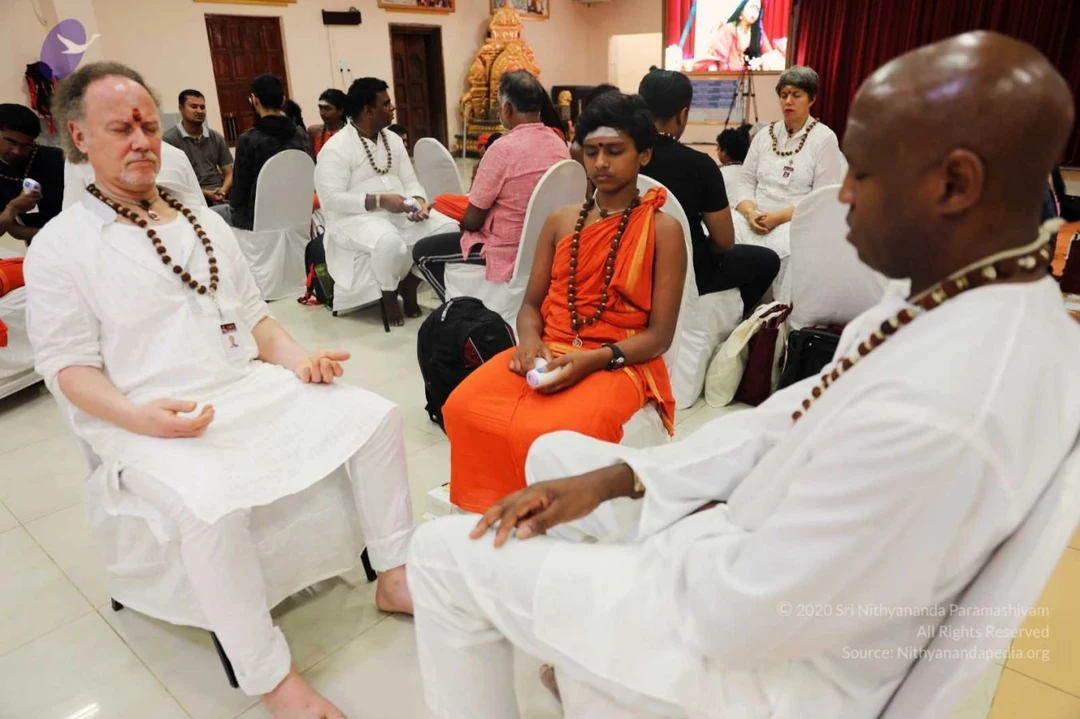 Balasants are entangled with the Mahasadashivoham delegates to Manifest Shaktis - ALTERING THE BODY TEMPERATURE
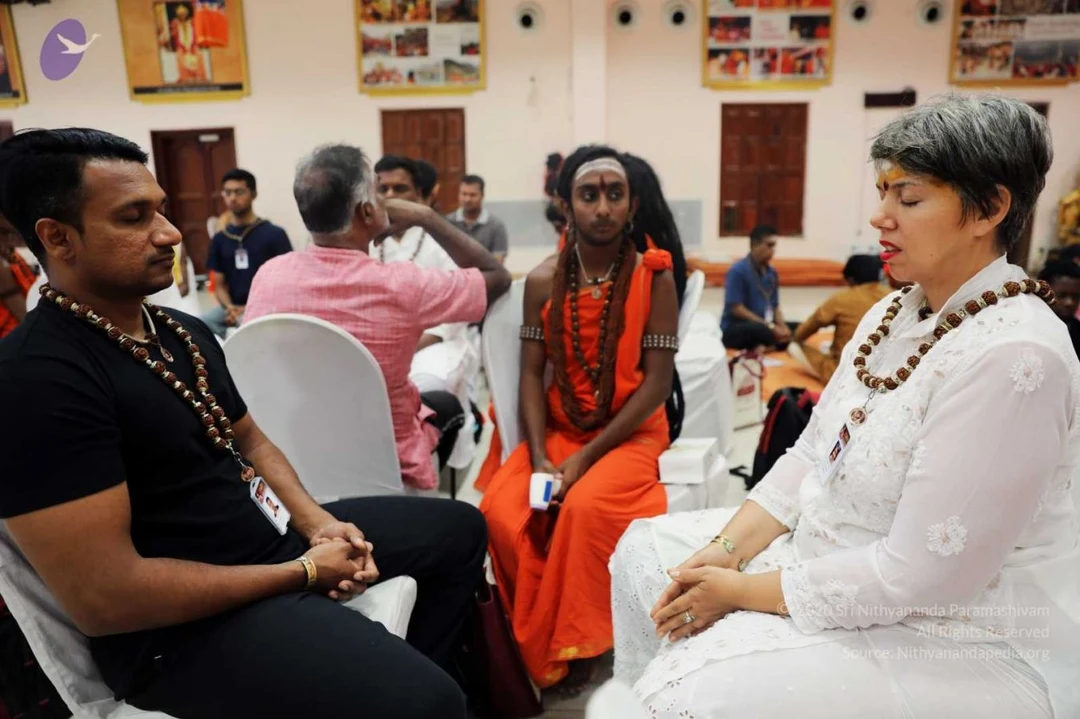 Balasants are entangled with the Mahasadashivoham delegates to Manifest Shaktis - ALTERING THE BODY TEMPERATURE
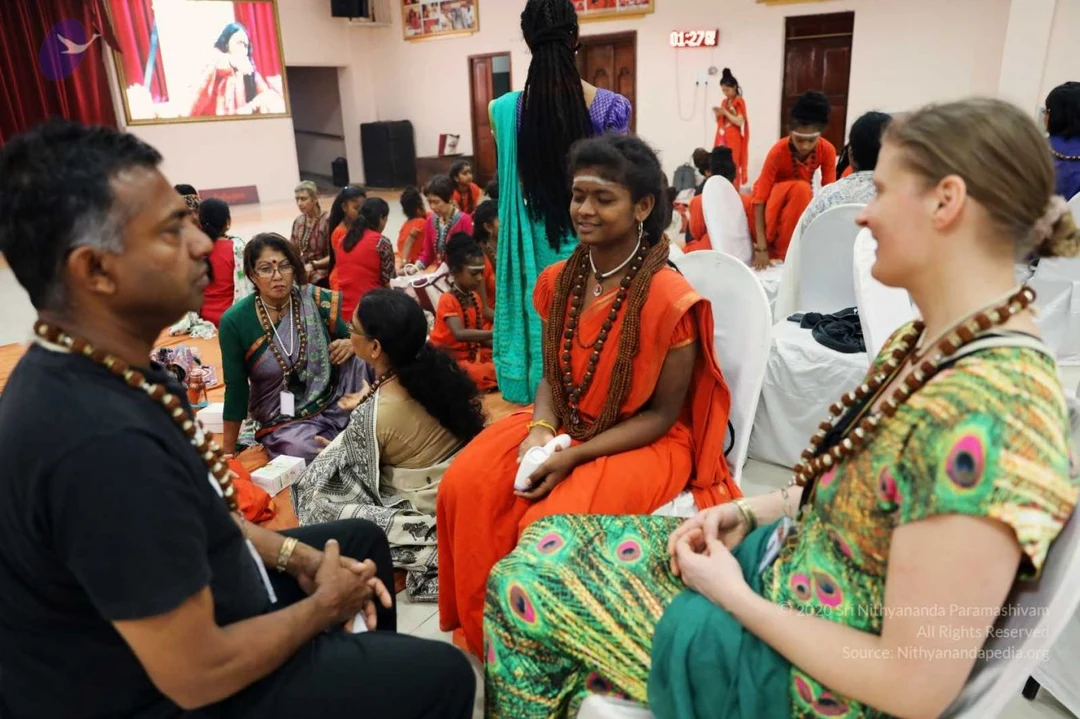 Balasants are entangled with the Mahasadashivoham delegates to Manifest Shaktis - ALTERING THE BODY TEMPERATURE
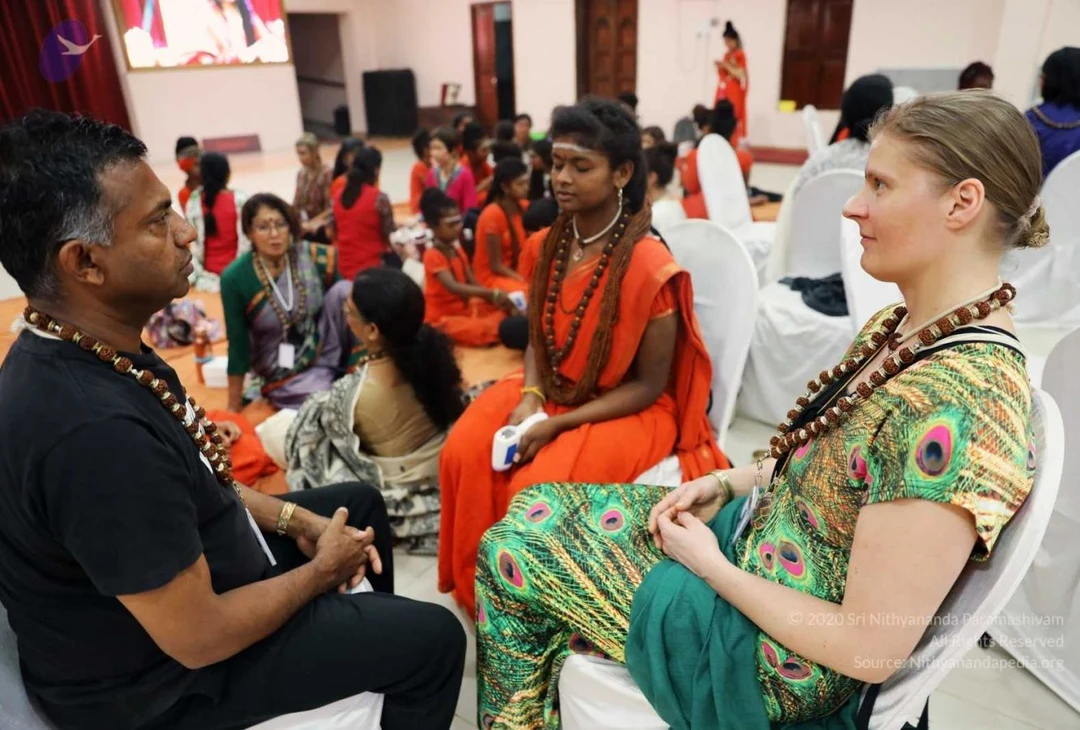 Balasants are entangled with the Mahasadashivoham delegates to Manifest Shaktis - ALTERING THE BODY TEMPERATURE
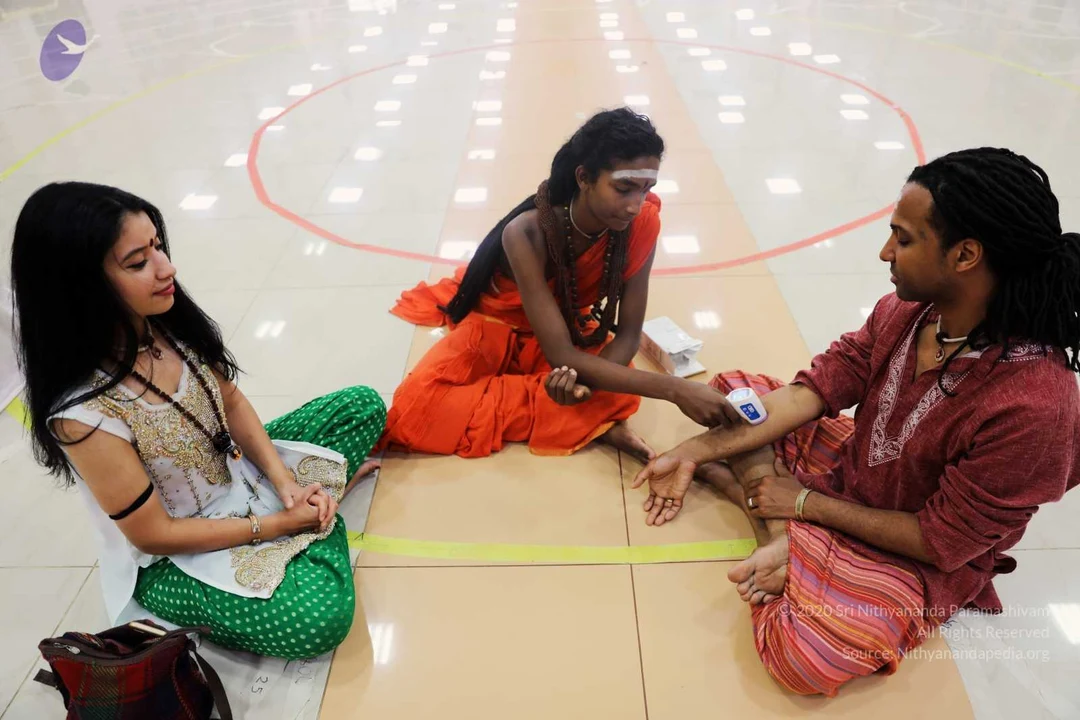 Balasants are entangled with the Mahasadashivoham delegates to Manifest Shaktis - ALTERING THE BODY TEMPERATURE
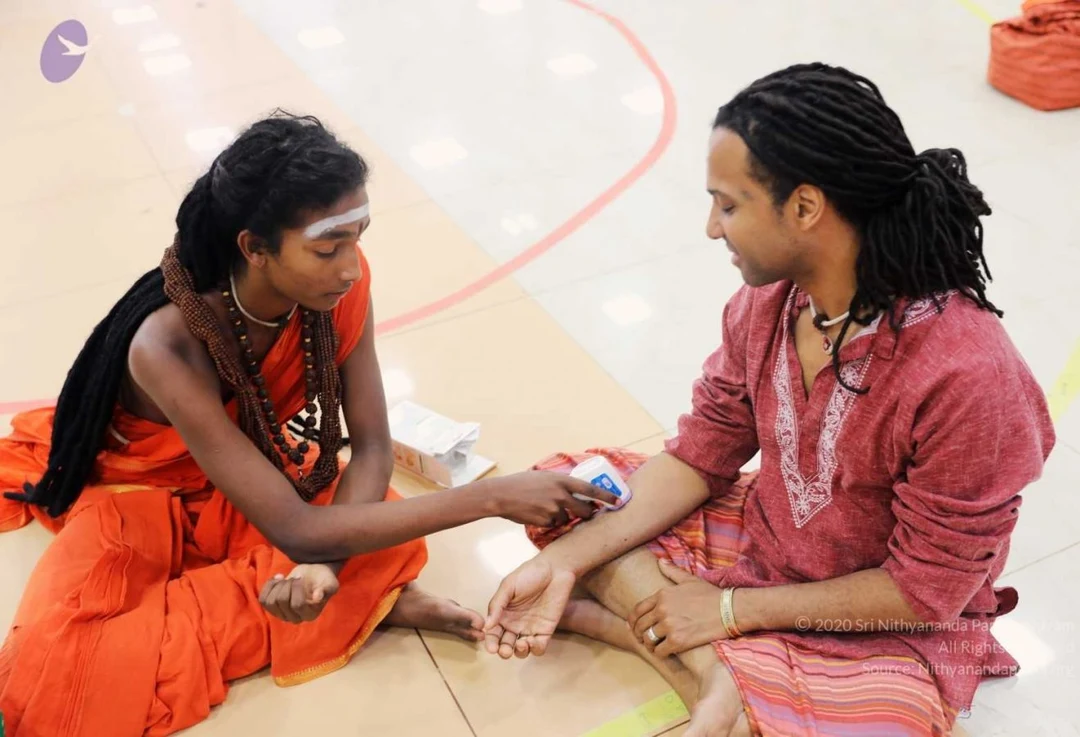 Balasants are entangled with the Mahasadashivoham delegates to Manifest Shaktis - ALTERING THE BODY TEMPERATURE
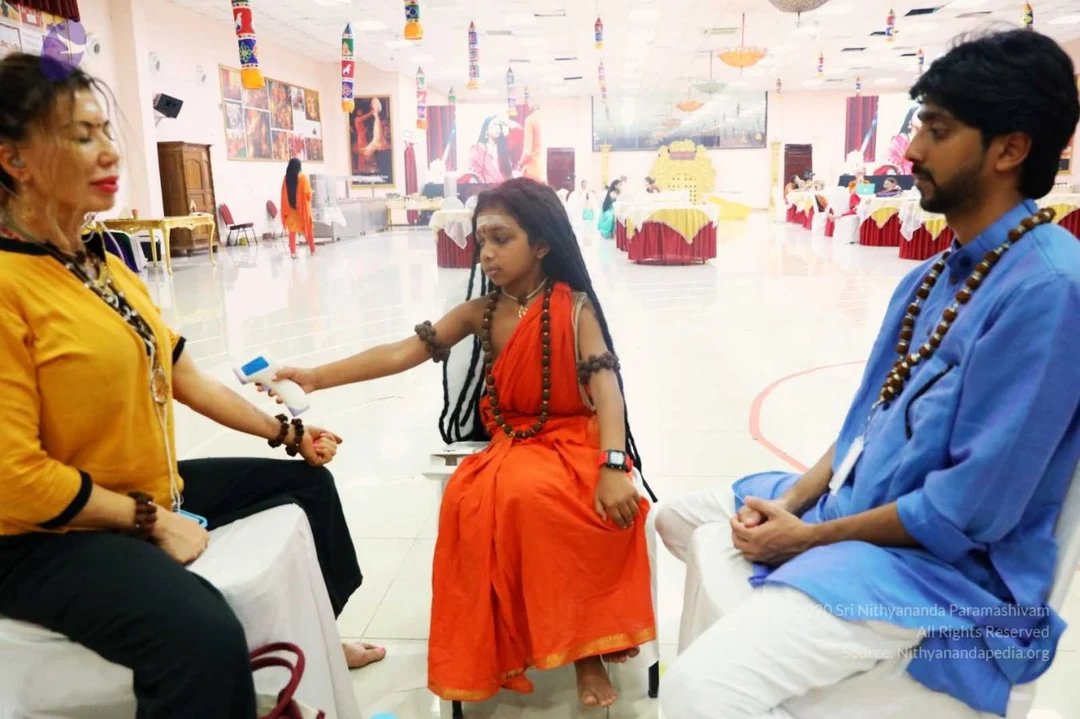 Balasants are entangled with the Mahasadashivoham delegates to Manifest Shaktis - ALTERING THE BODY TEMPERATURE
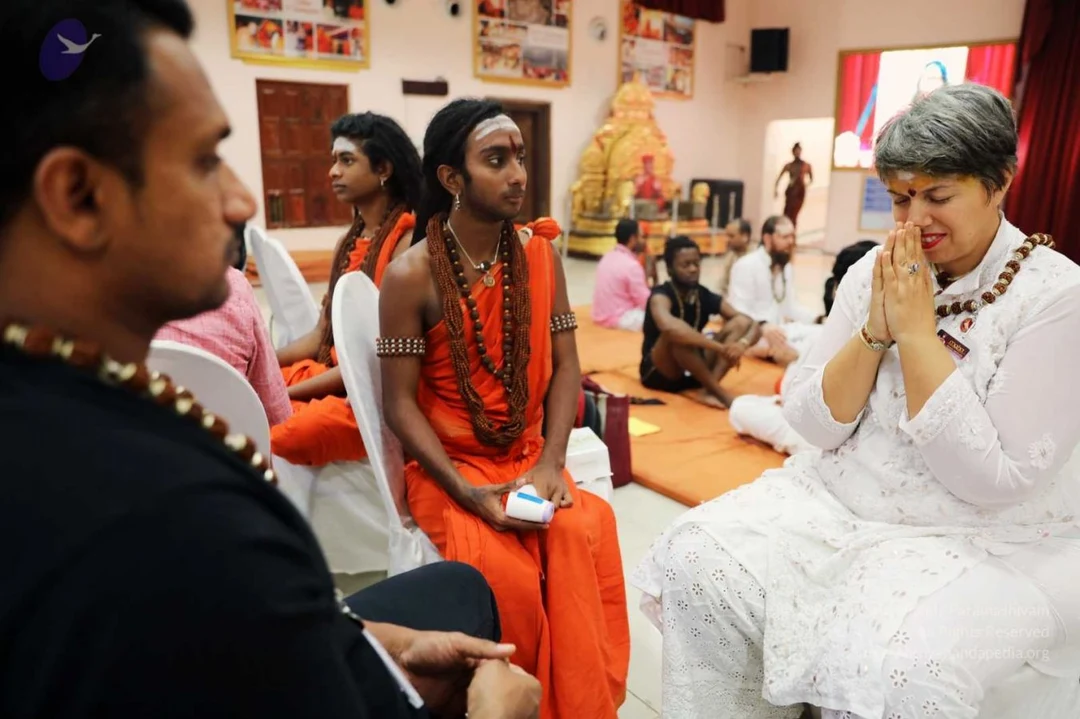 Balasants are entangled with the Mahasadashivoham delegates to Manifest Shaktis - ALTERING THE BODY TEMPERATURE
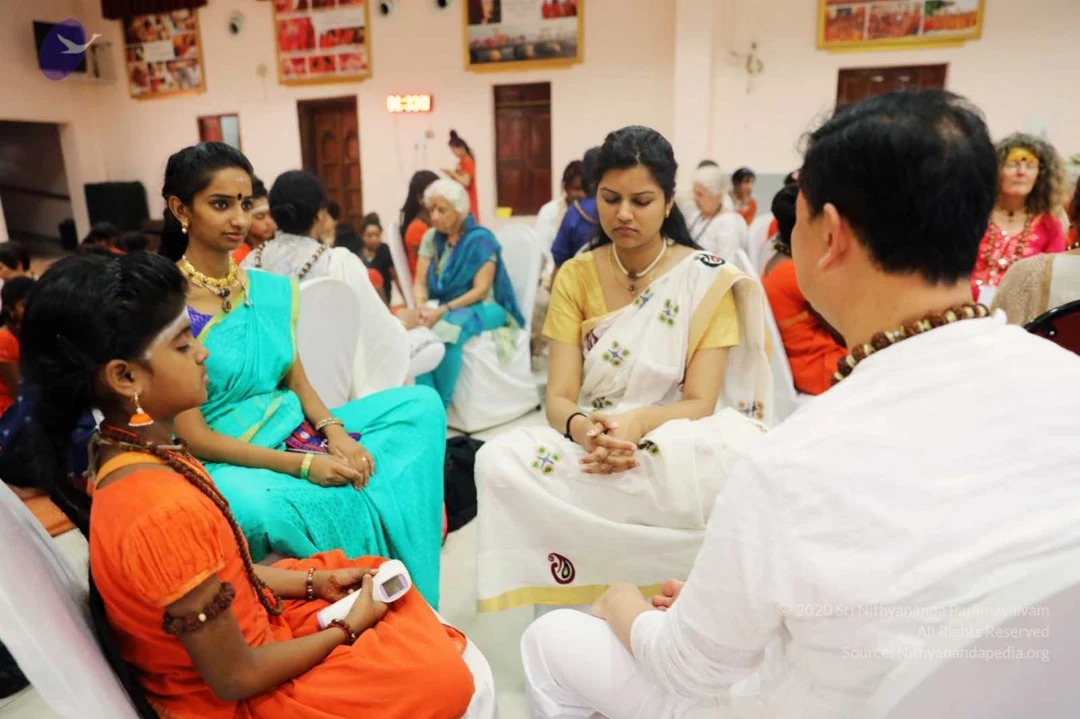 Balasants are entangled with the Mahasadashivoham delegates to Manifest Shaktis - ALTERING THE BODY TEMPERATURE
 Balasants are entangled with the Mahasadashivoham delegates to Manifest Shaktis - ALTERING THE BODY TEMPERATURE
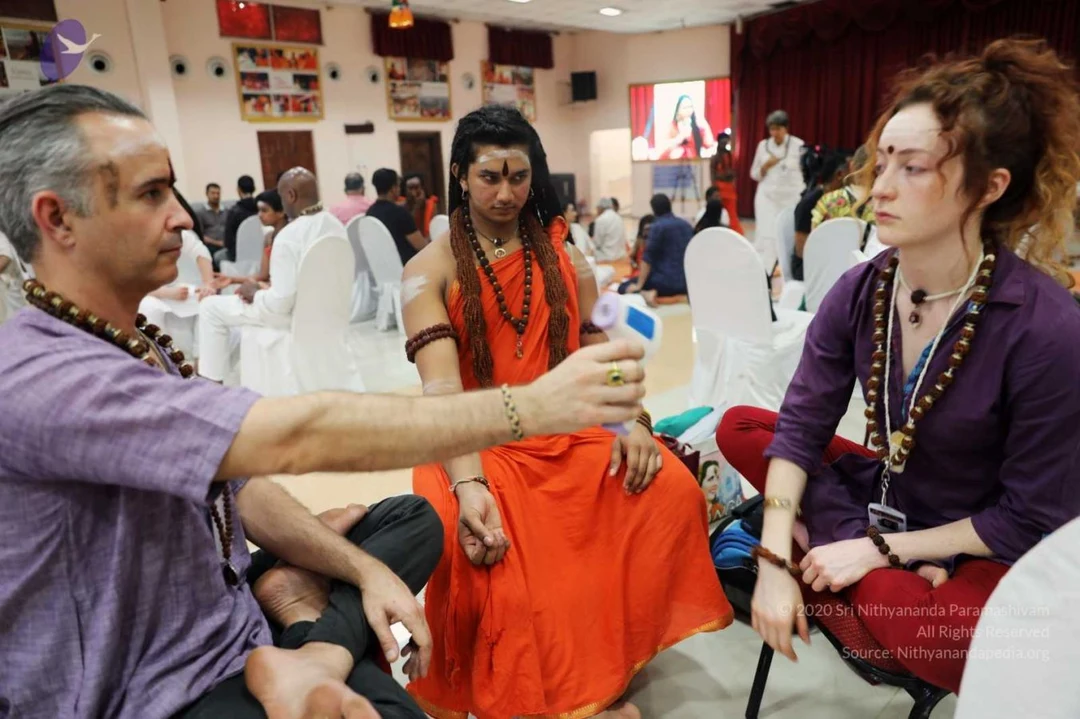 Balasants are entangled with the Mahasadashivoham delegates to Manifest Shaktis - ALTERING THE BODY TEMPERATURE
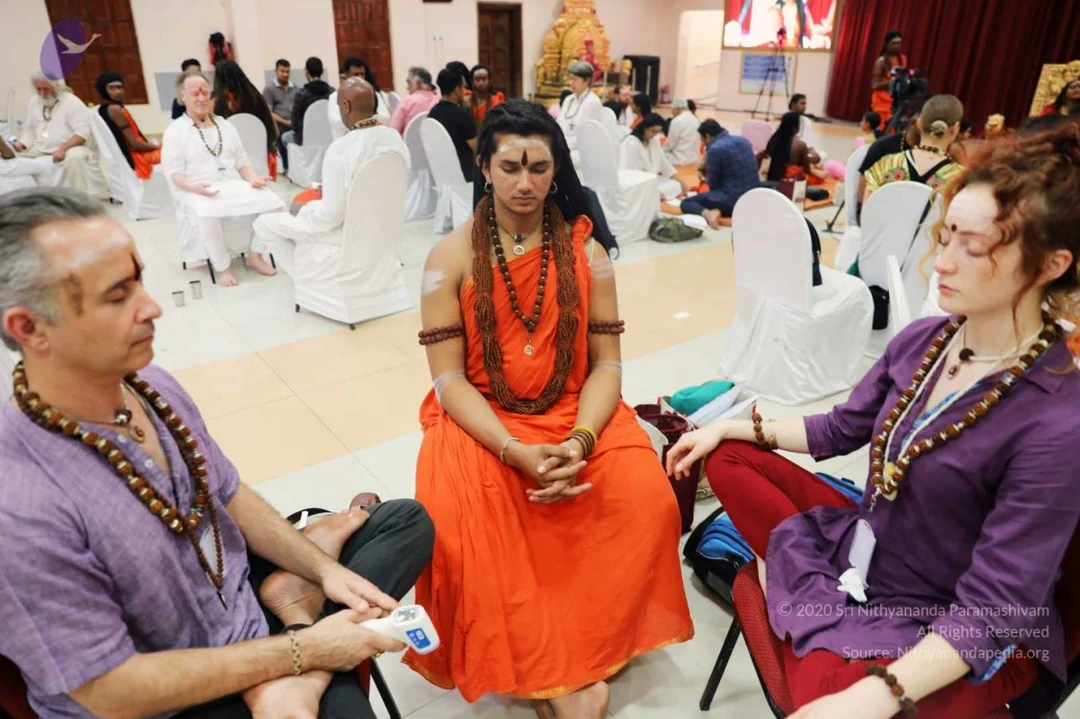 Balasants are entangled with the Mahasadashivoham delegates to Manifest Shaktis - ALTERING THE BODY TEMPERATURE
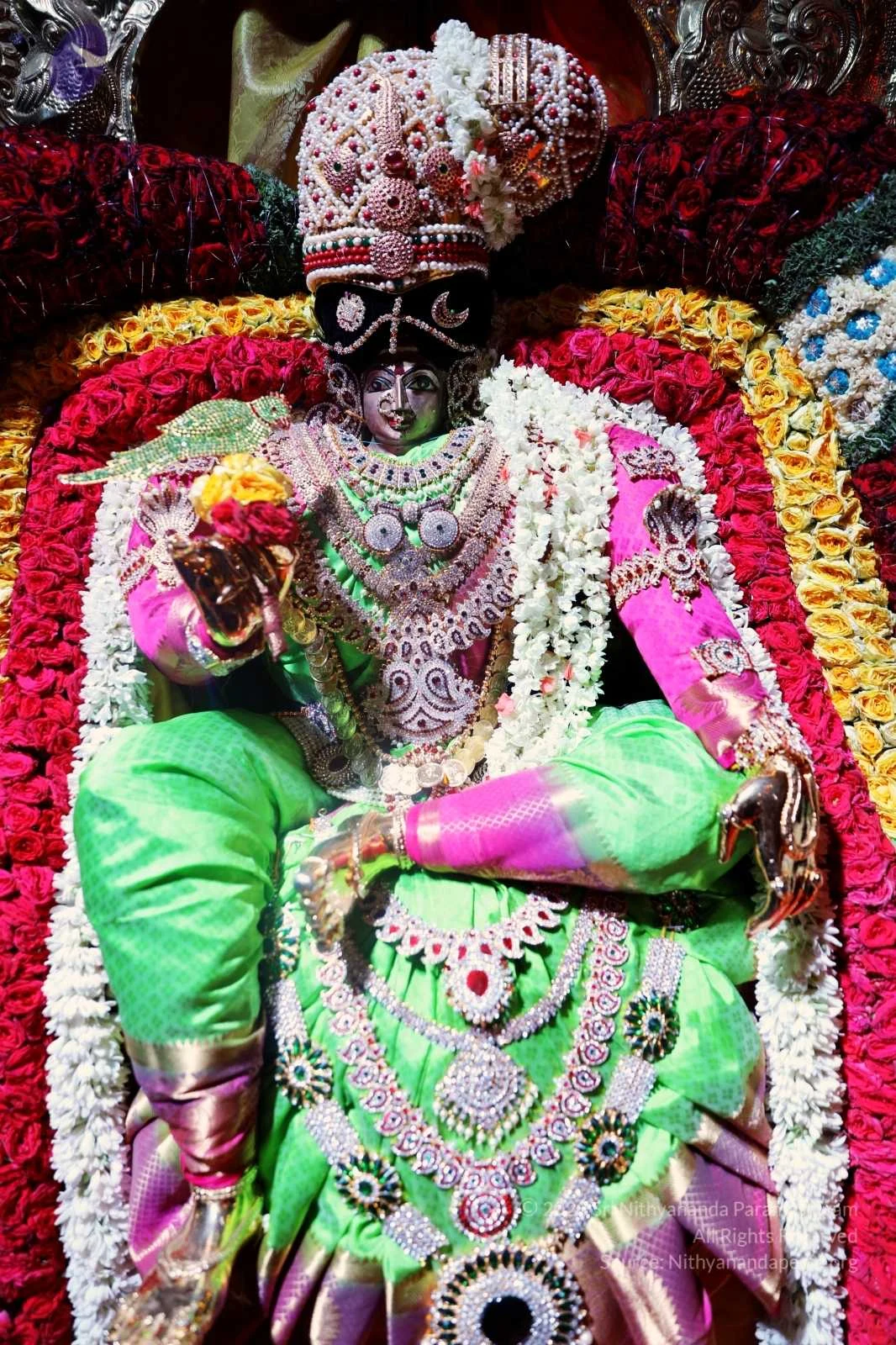
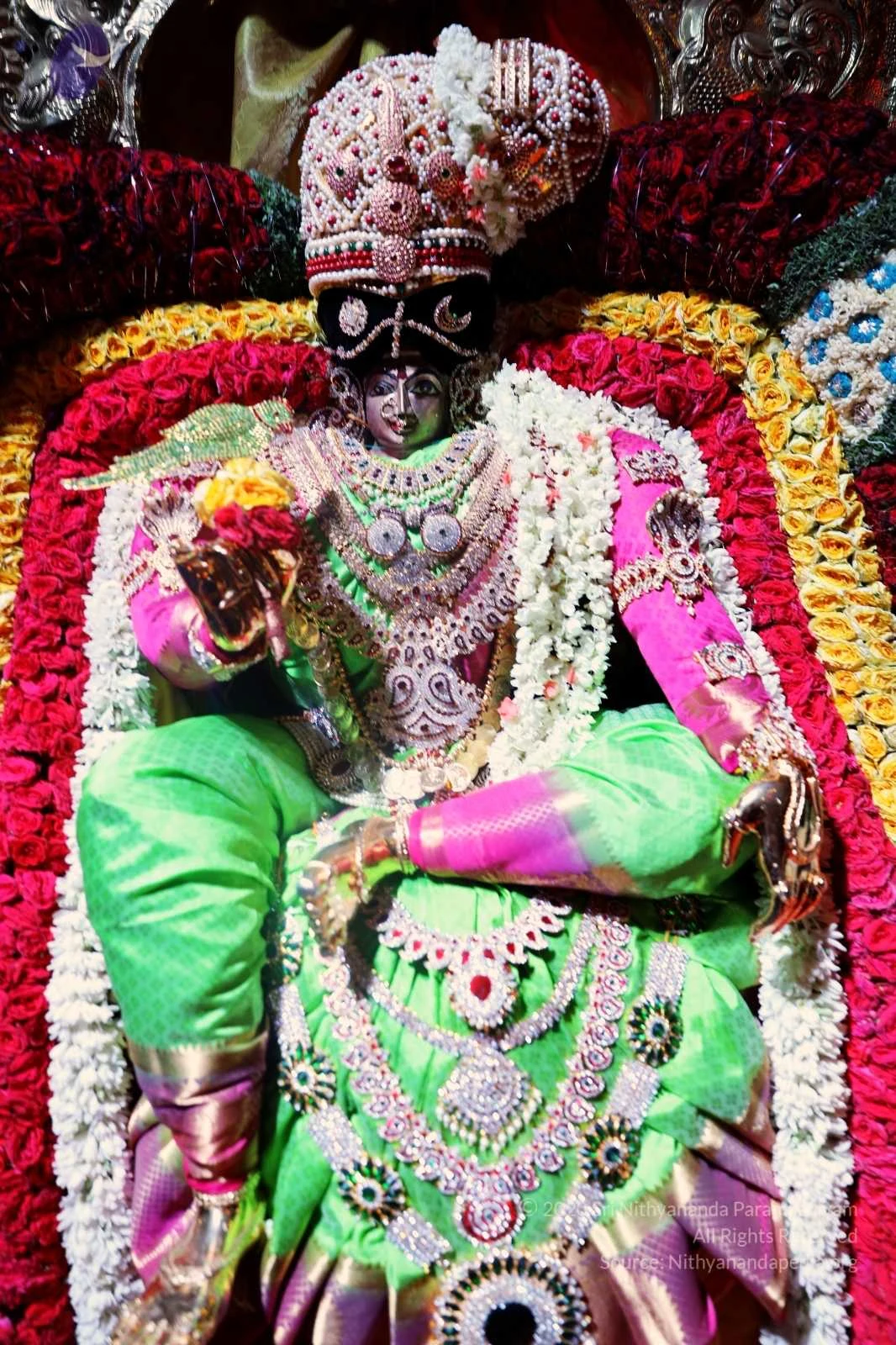
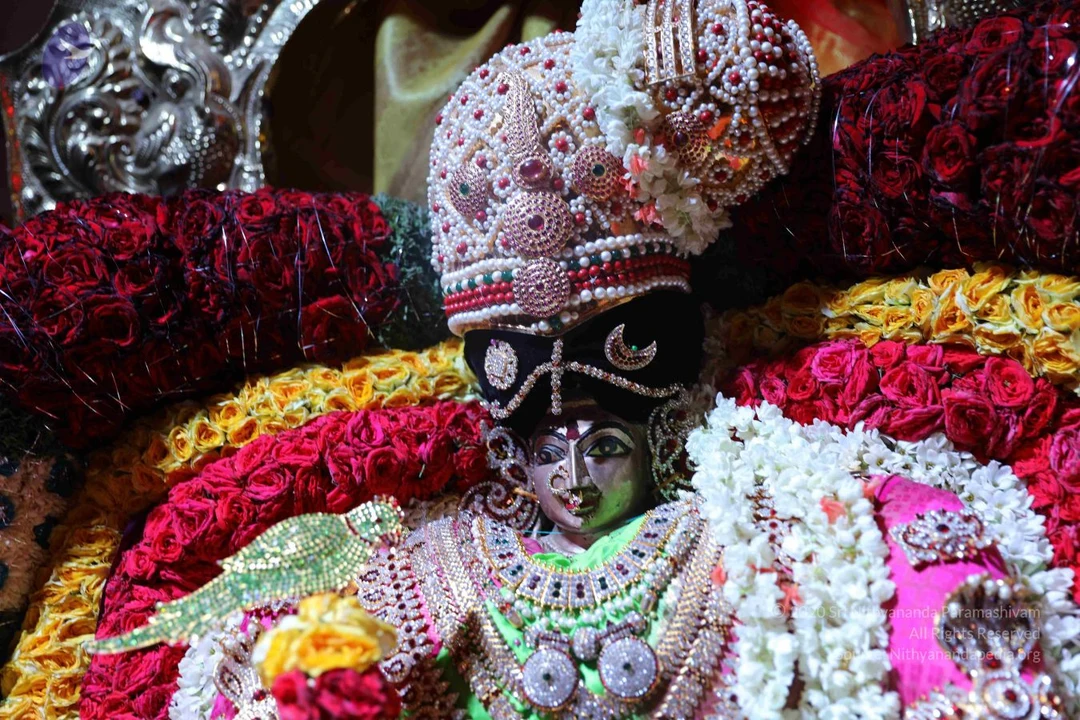
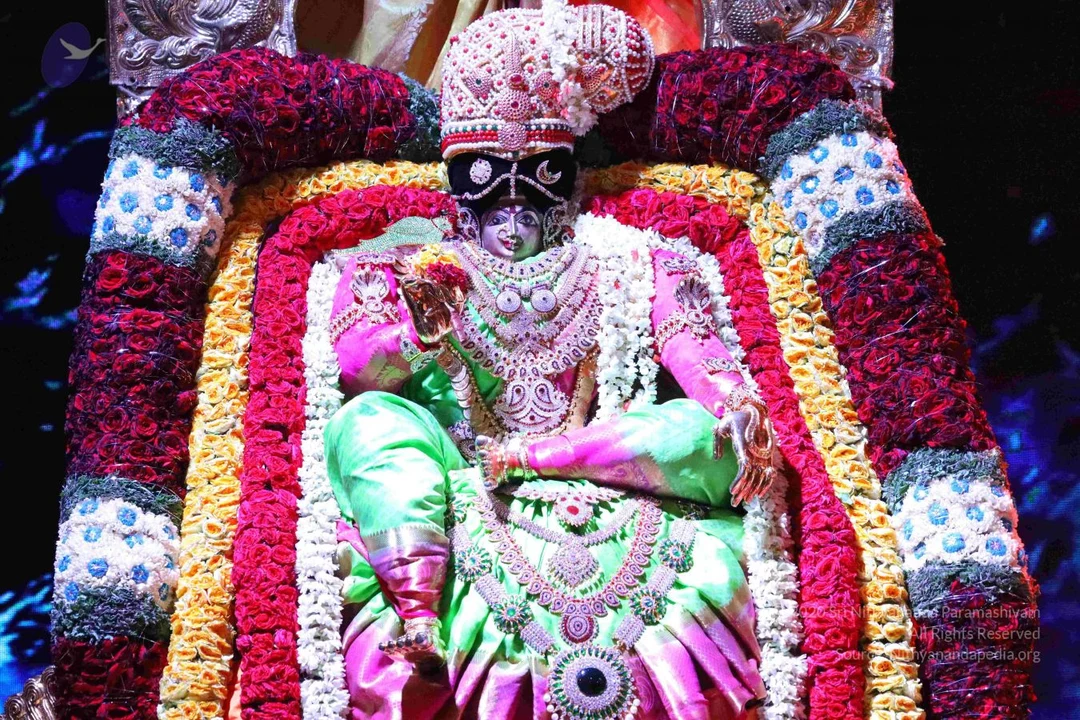
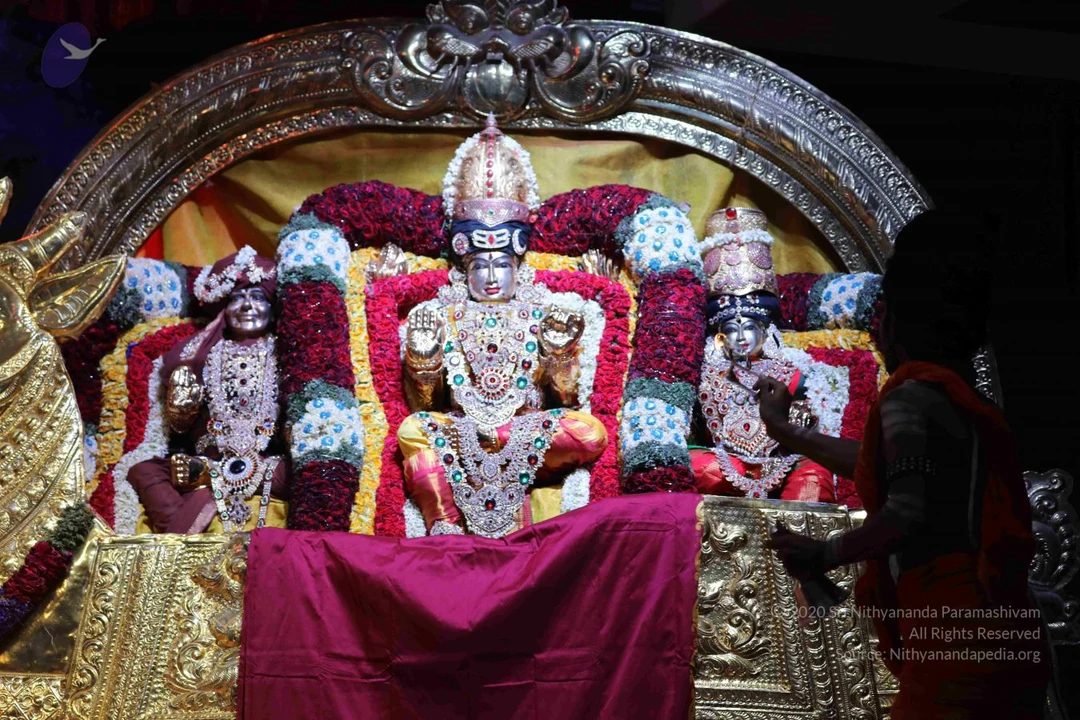
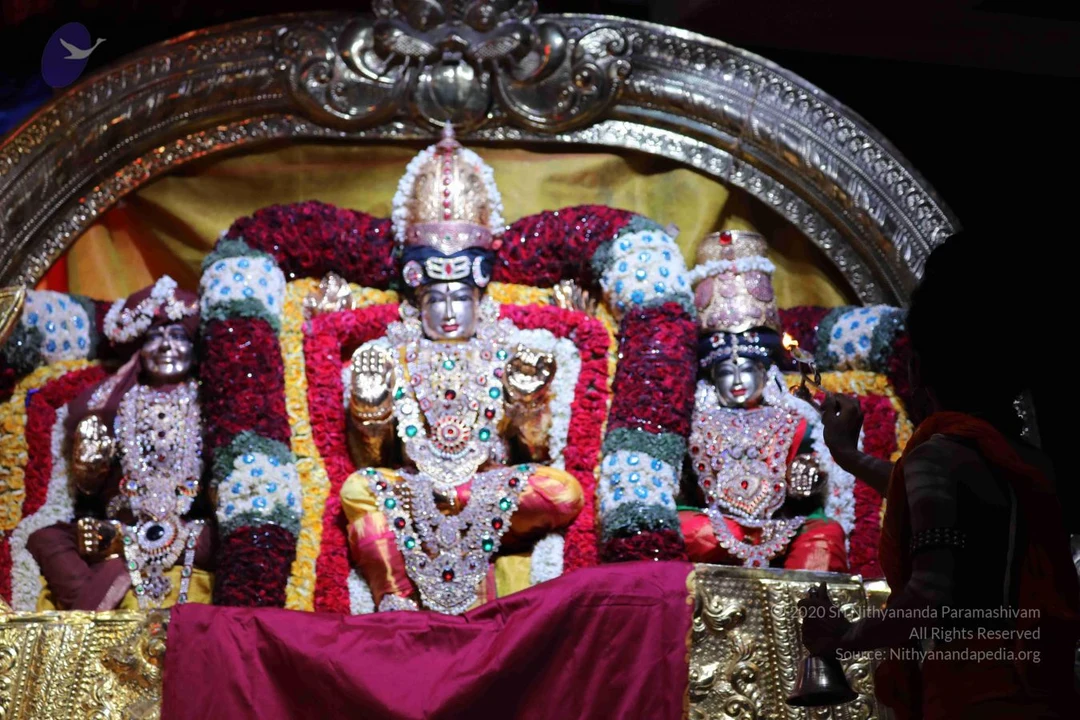
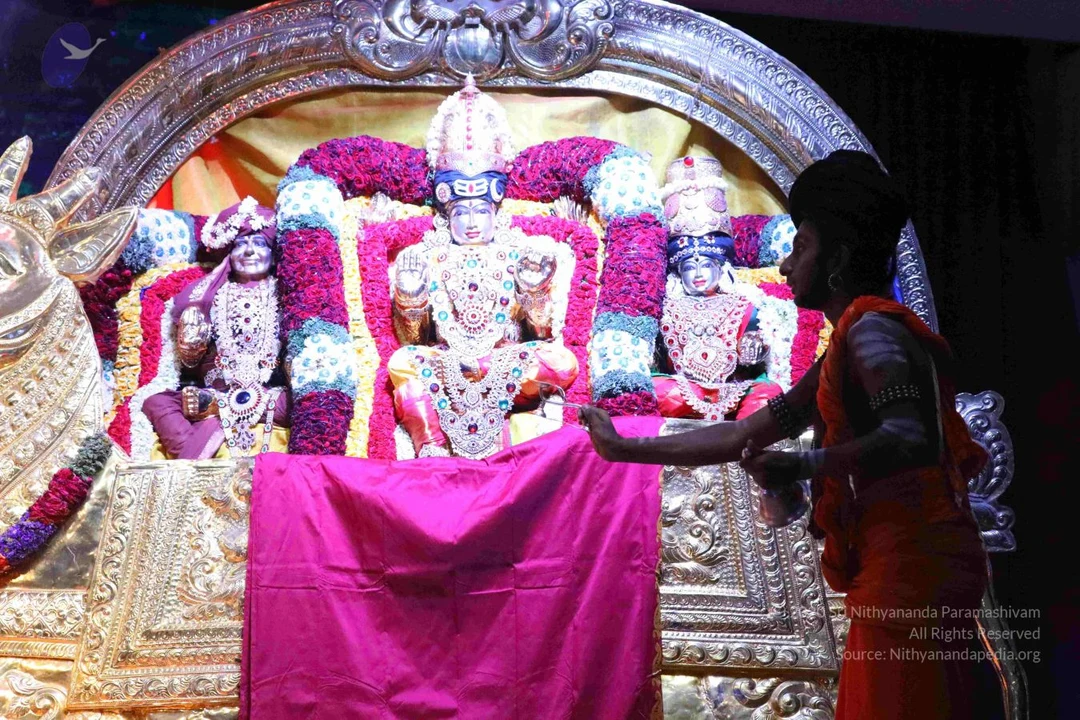
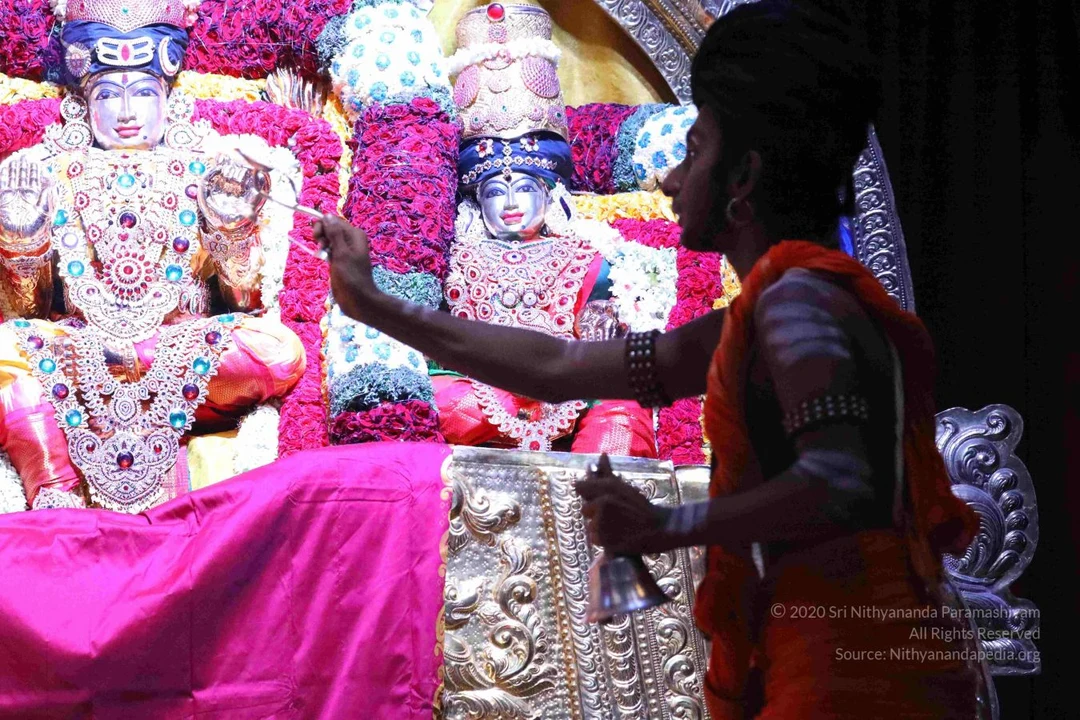
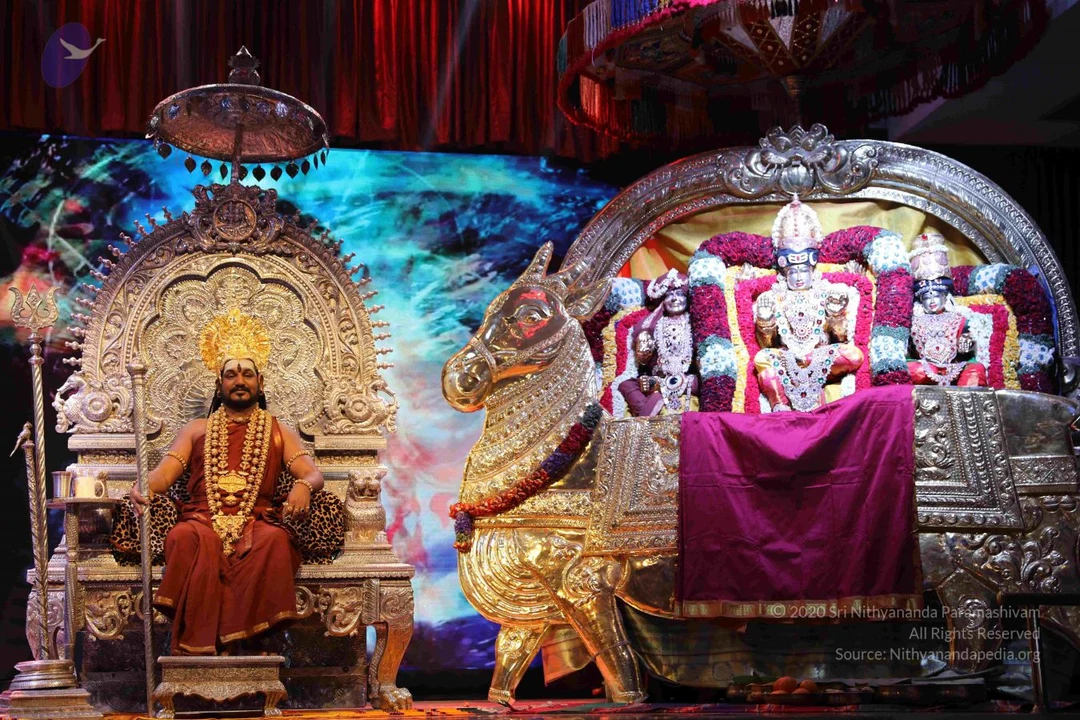
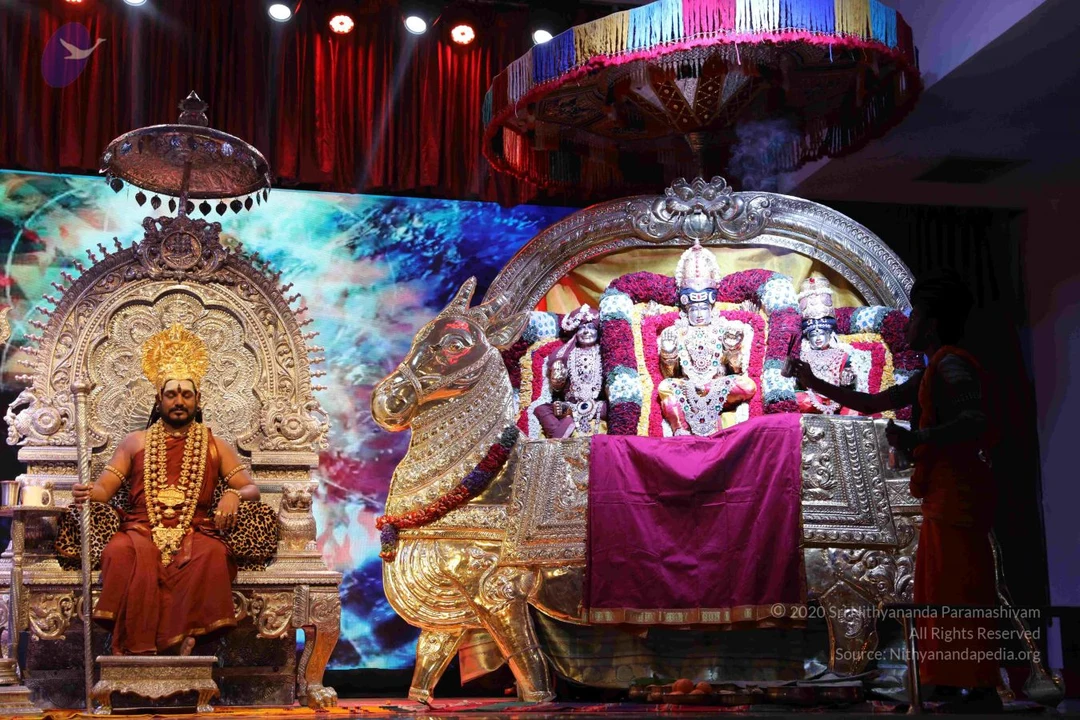
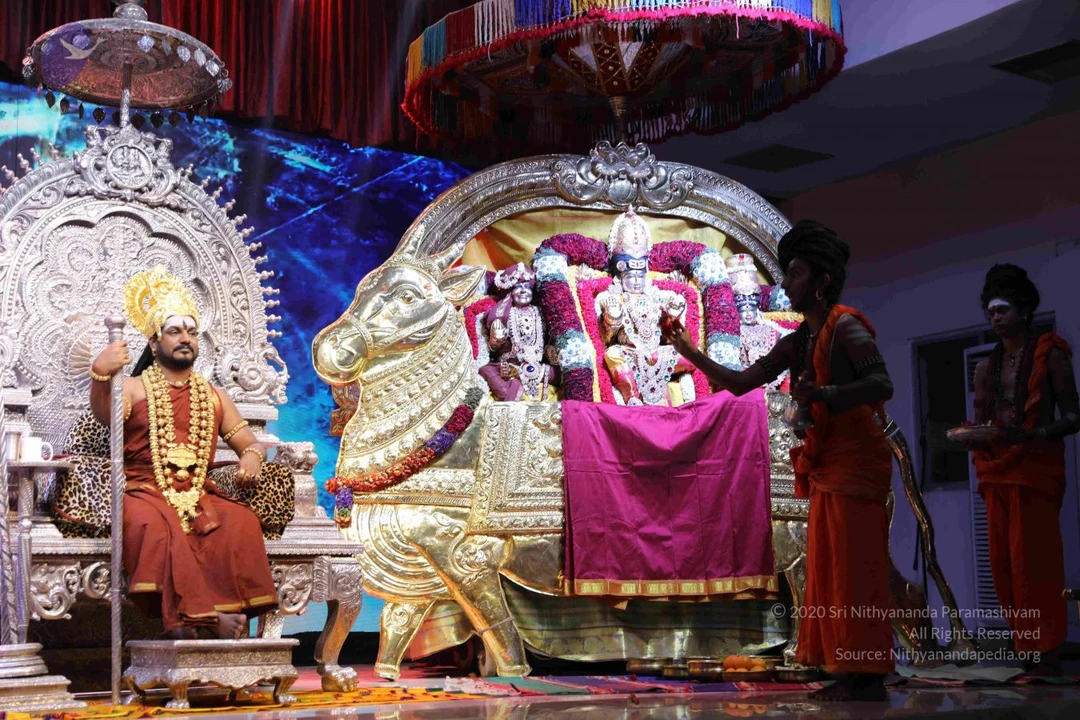
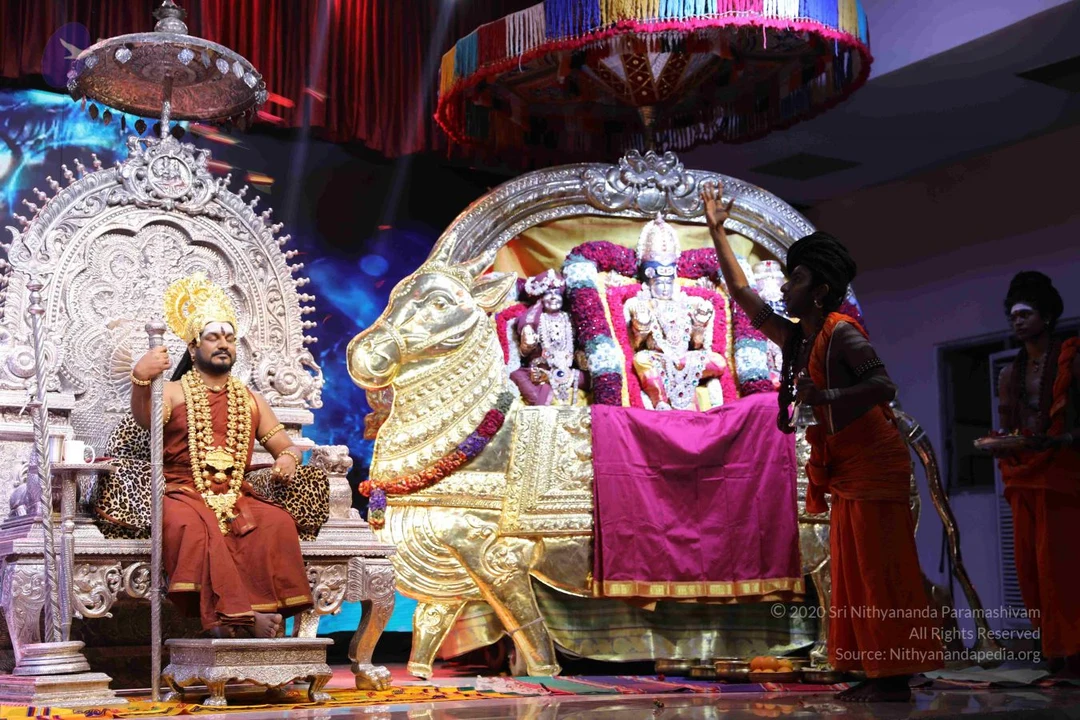
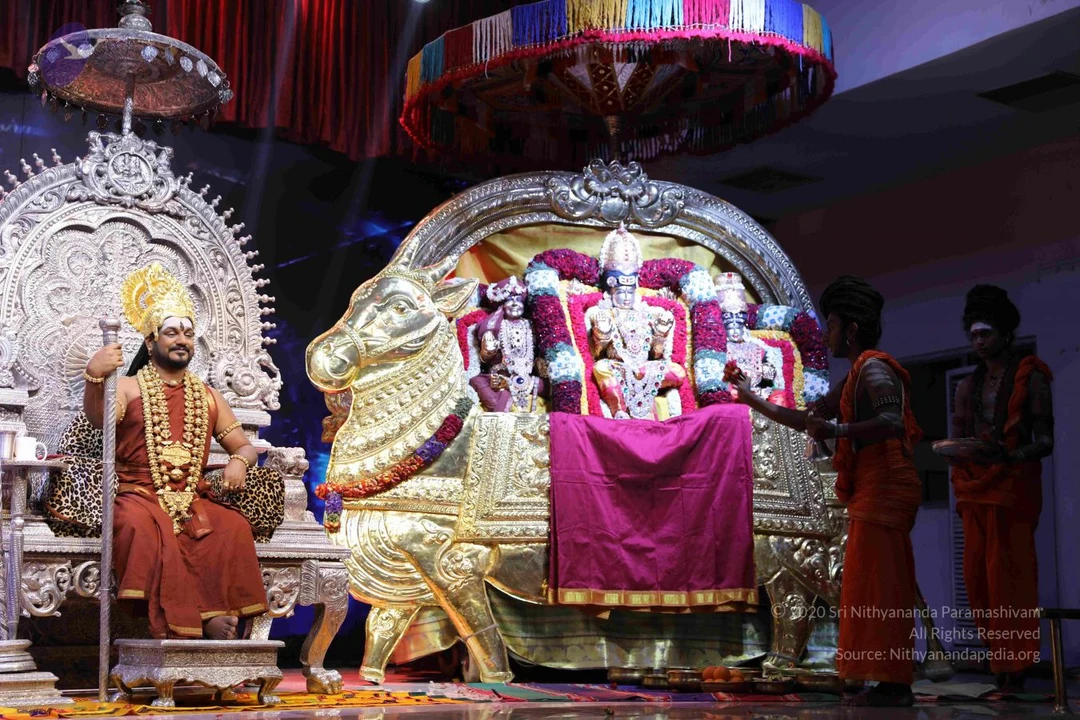
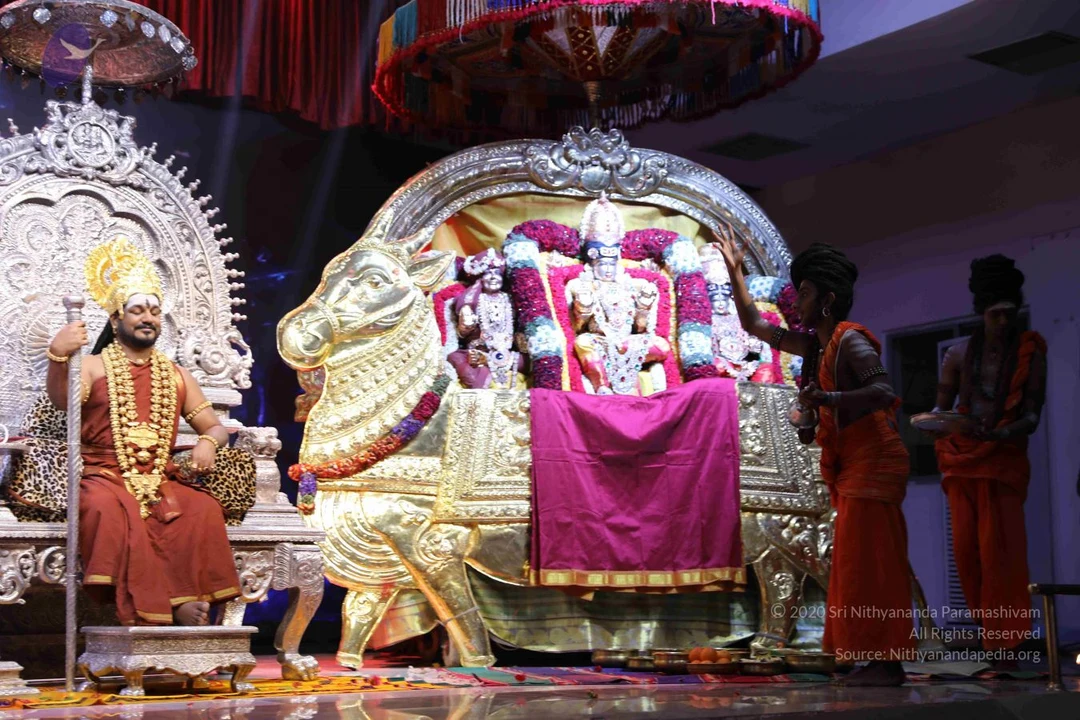
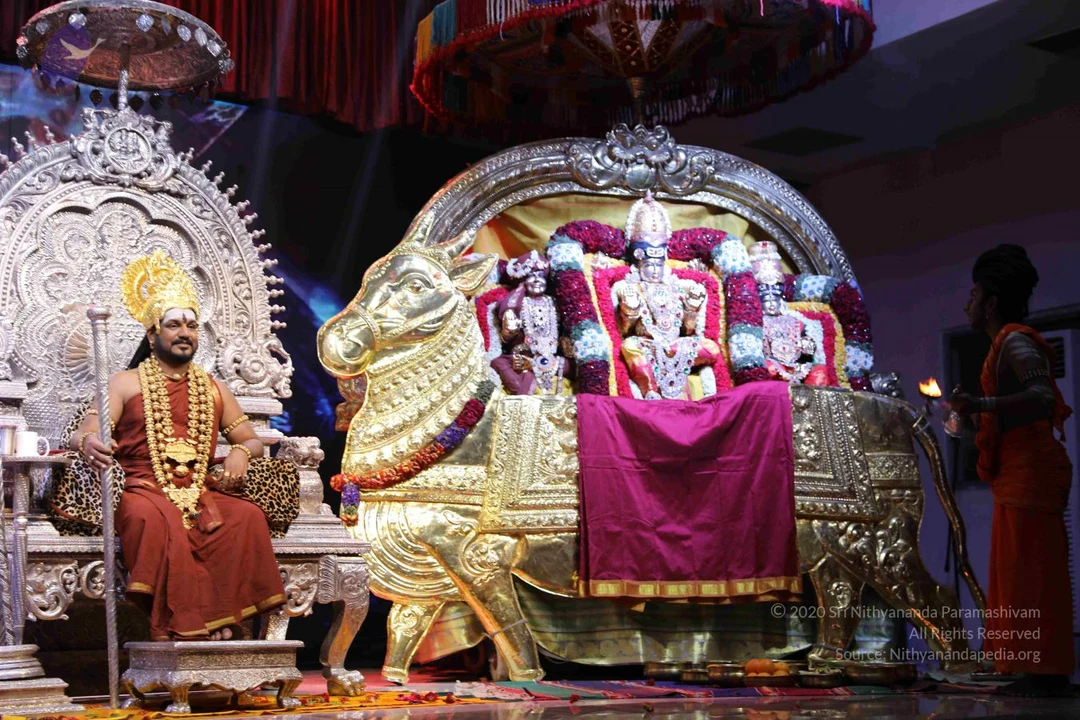
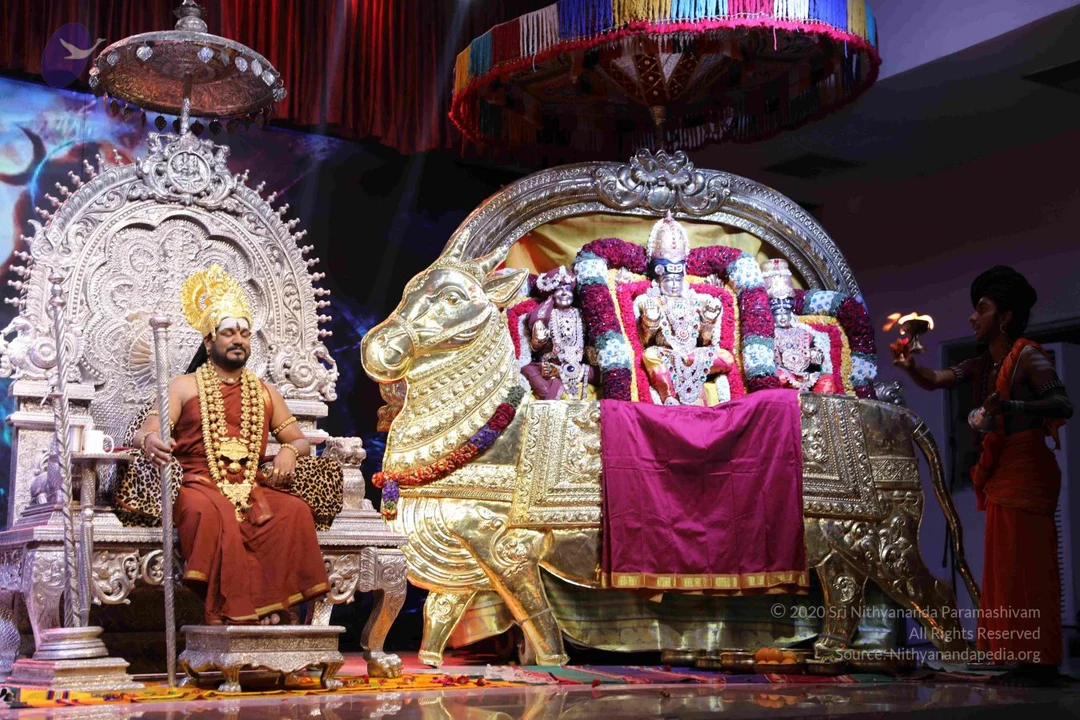
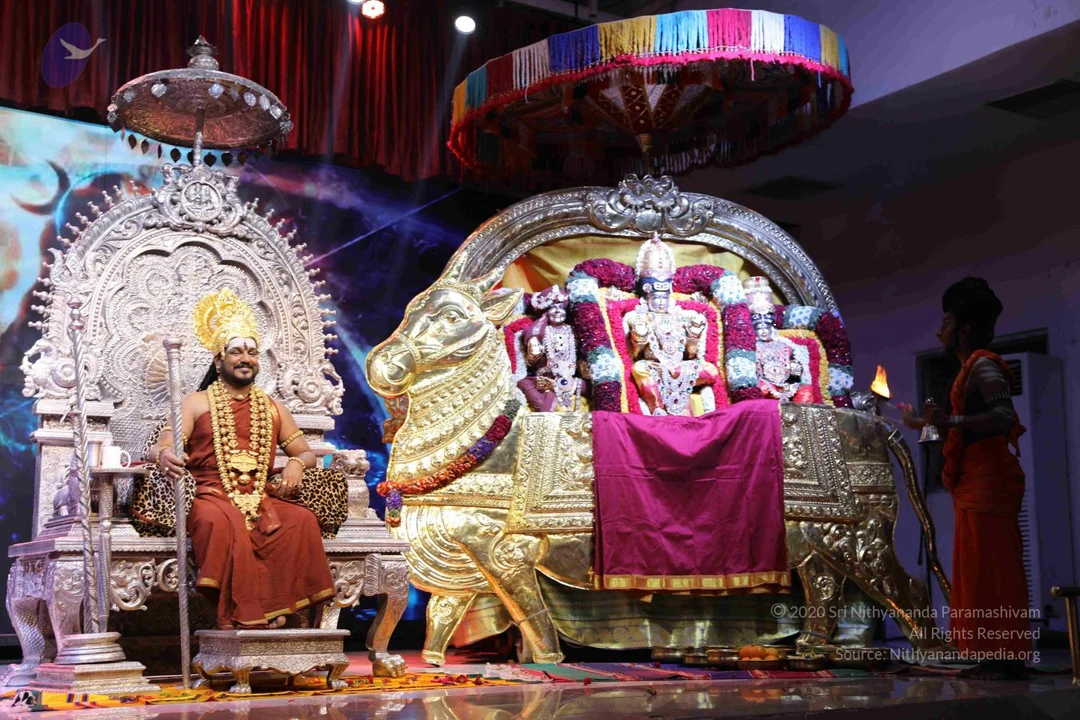
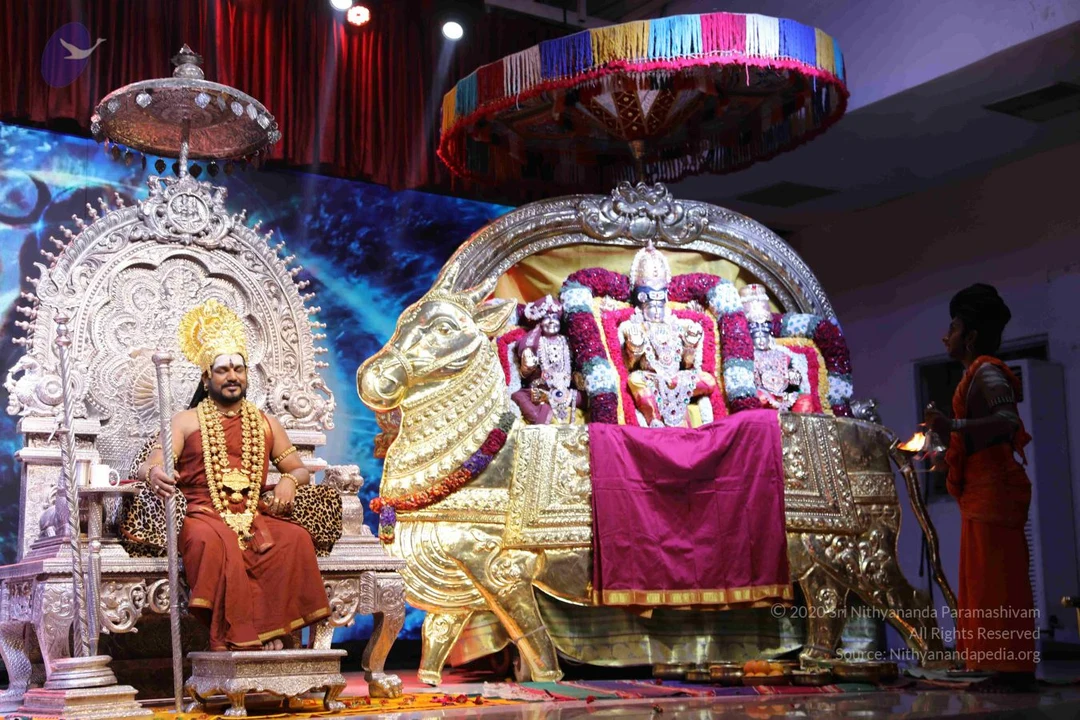
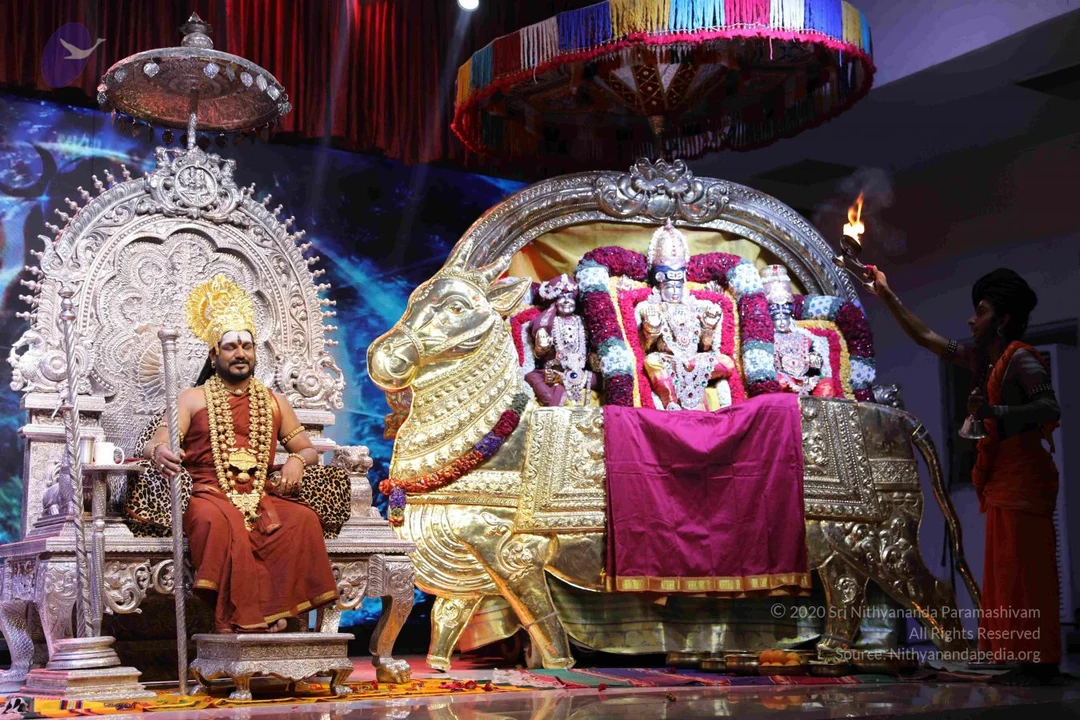
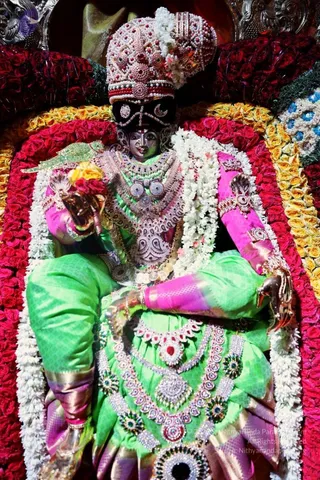 Special Leela Alankars of Paramahamsa Sri Nithyananda Swami's life LEELA OF PARASHAKTI DARSHAN AND SRI CHAKRA DARSHAN
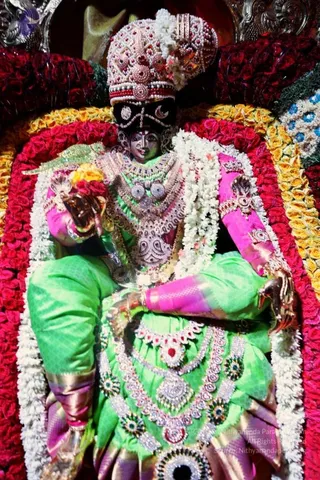 Special Leela Alankars of Paramahamsa Sri Nithyananda Swami's life LEELA OF PARASHAKTI DARSHAN AND SRI CHAKRA DARSHAN
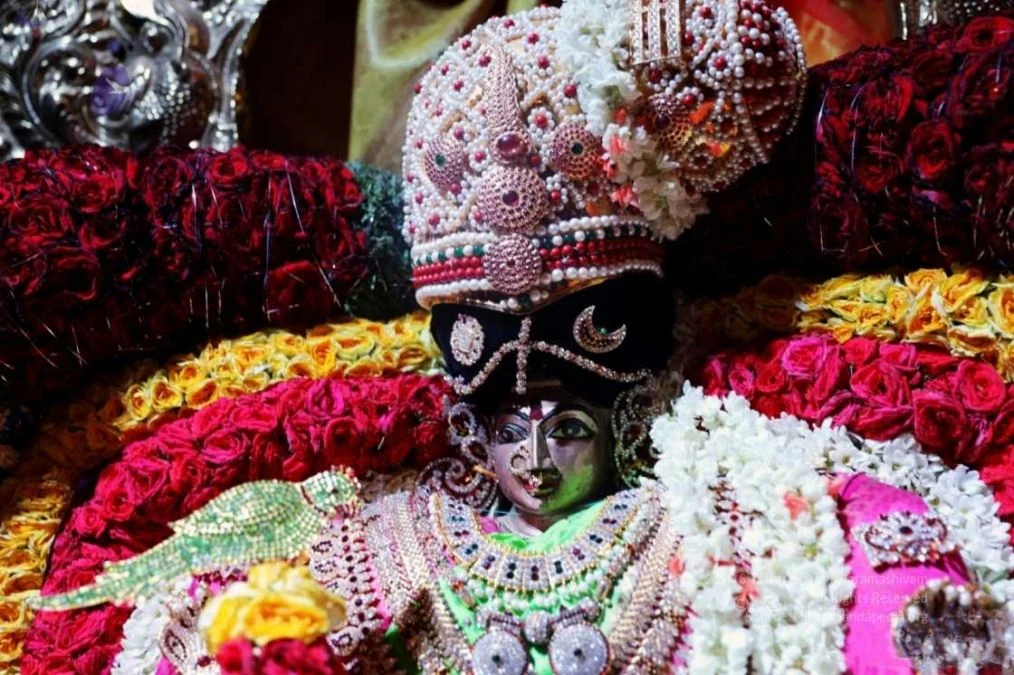 LEELA OF PARASHAKTI DARSHAN AND SRI CHAKRA DARSHAN
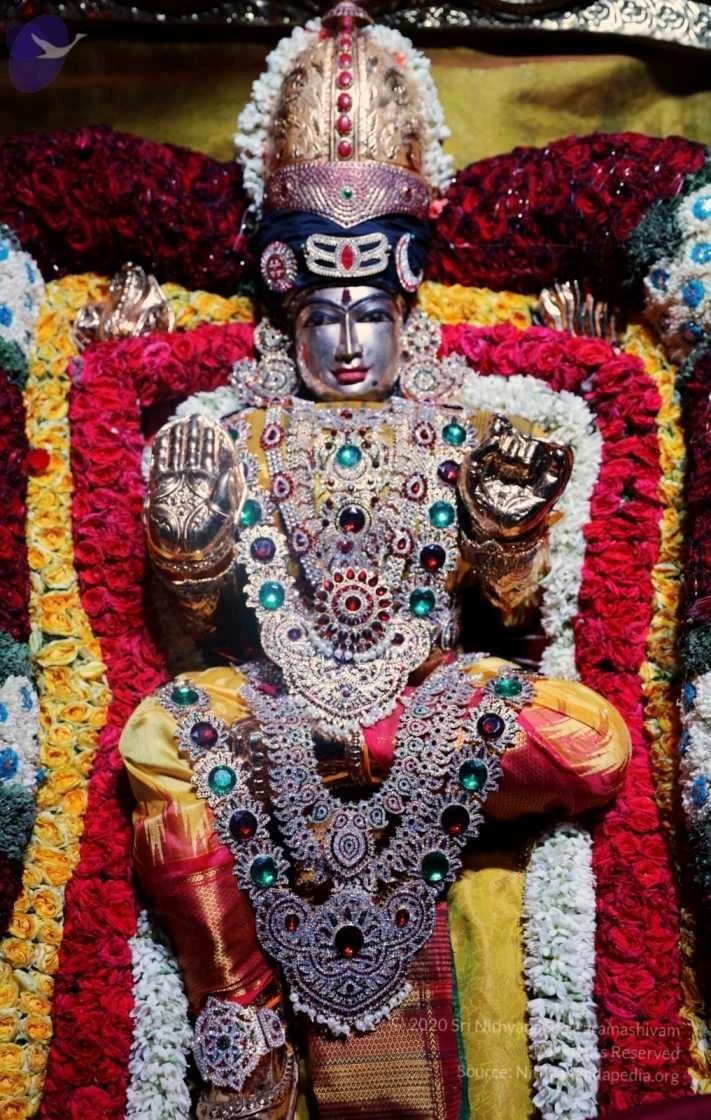
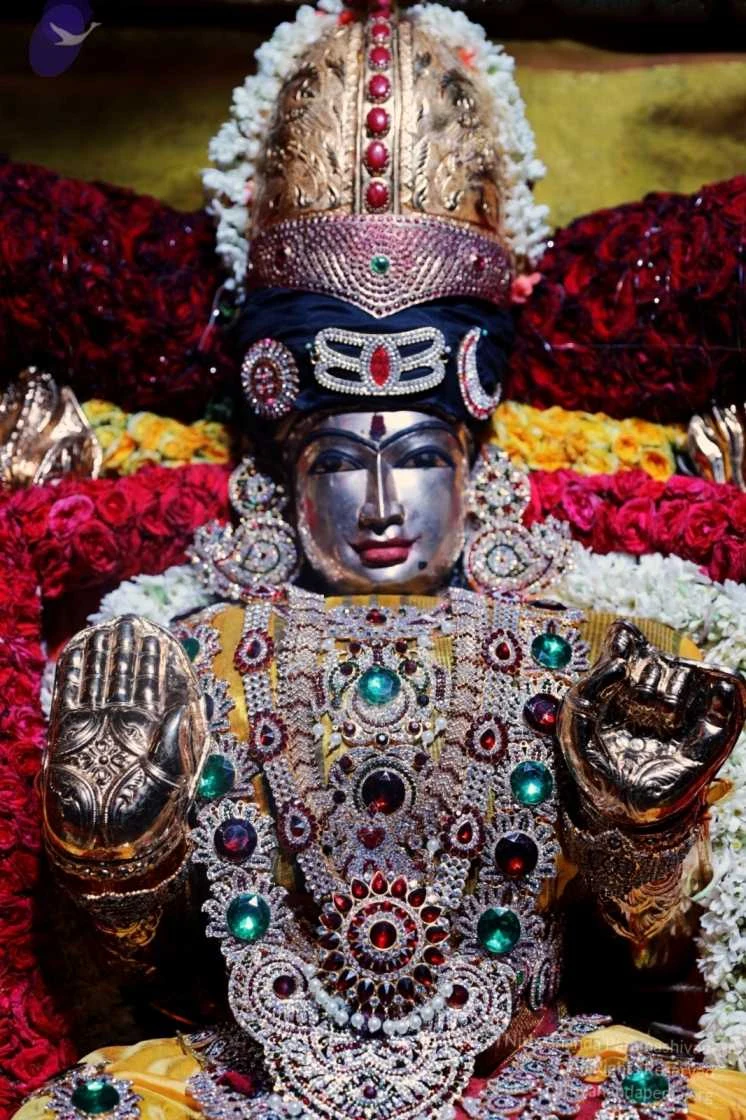
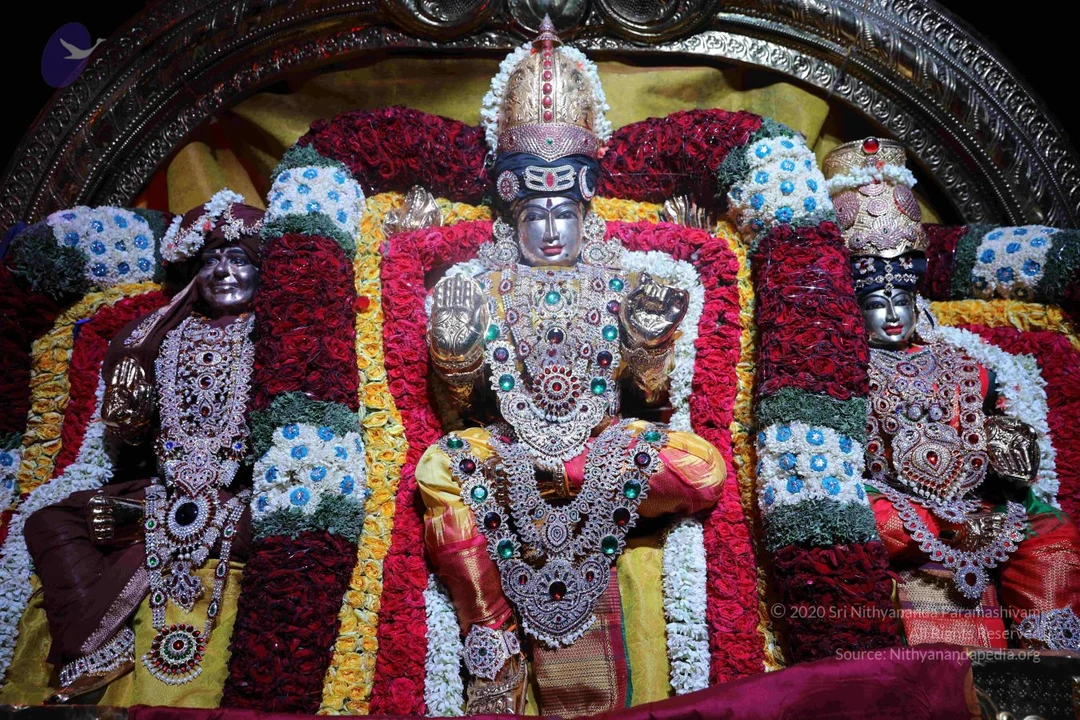
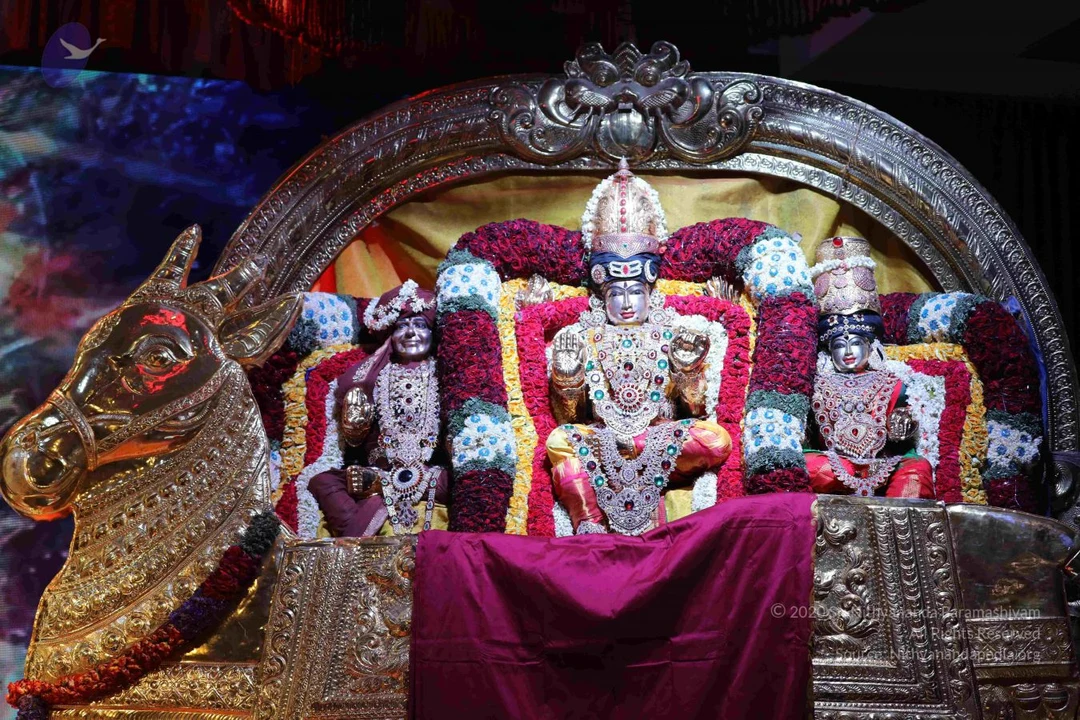
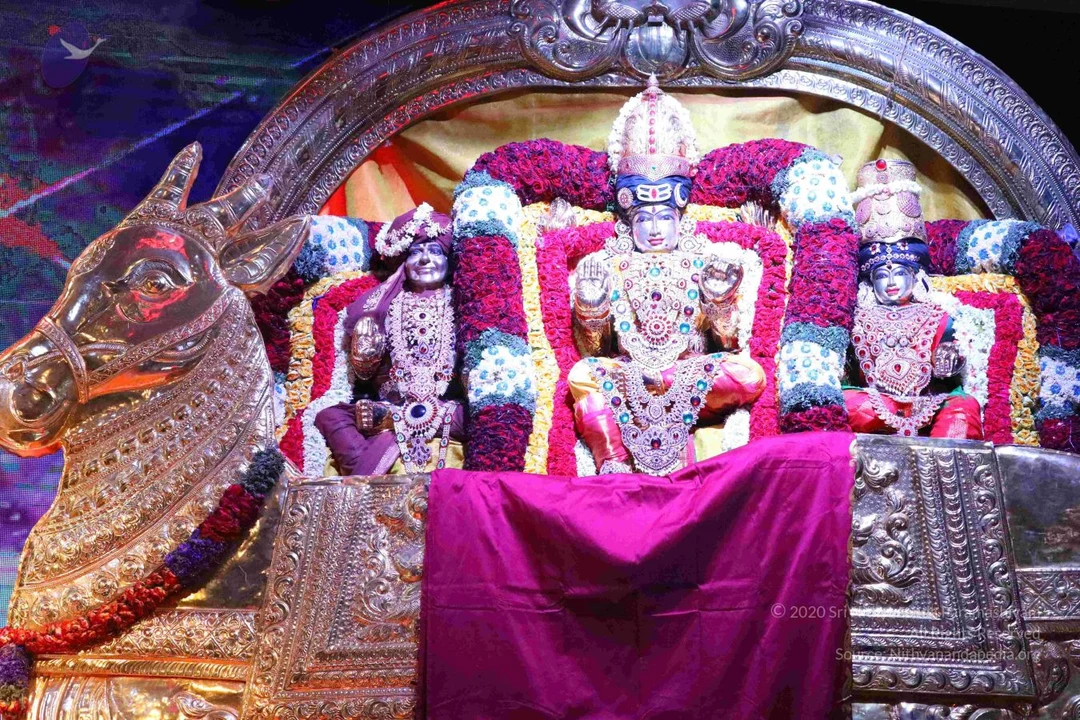
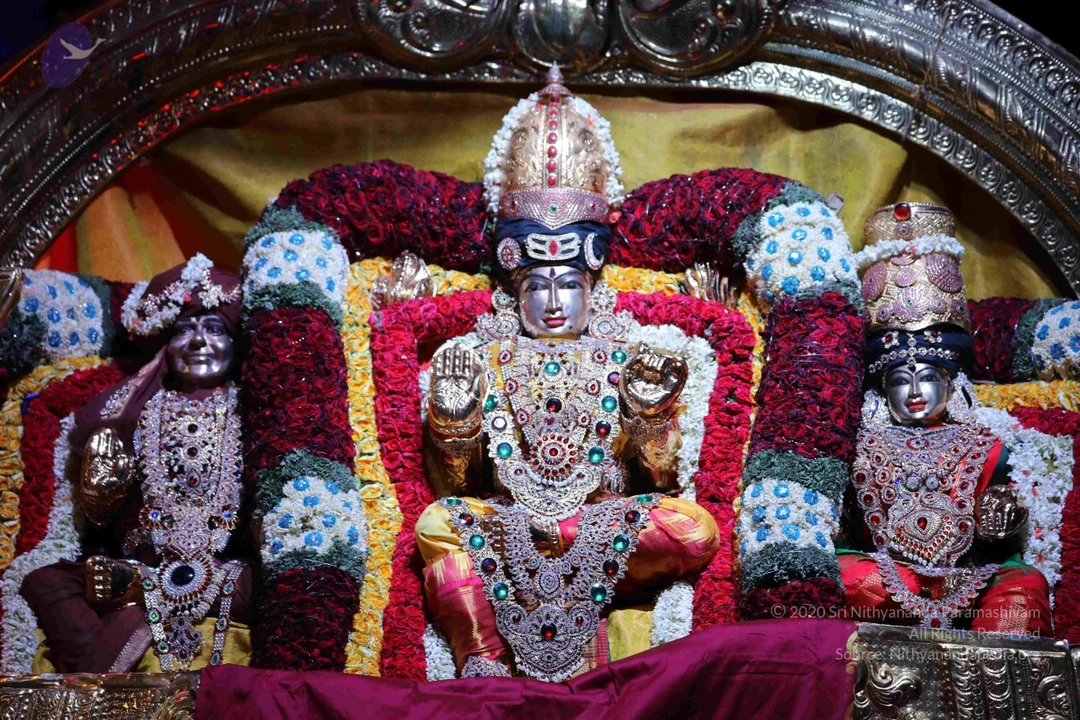
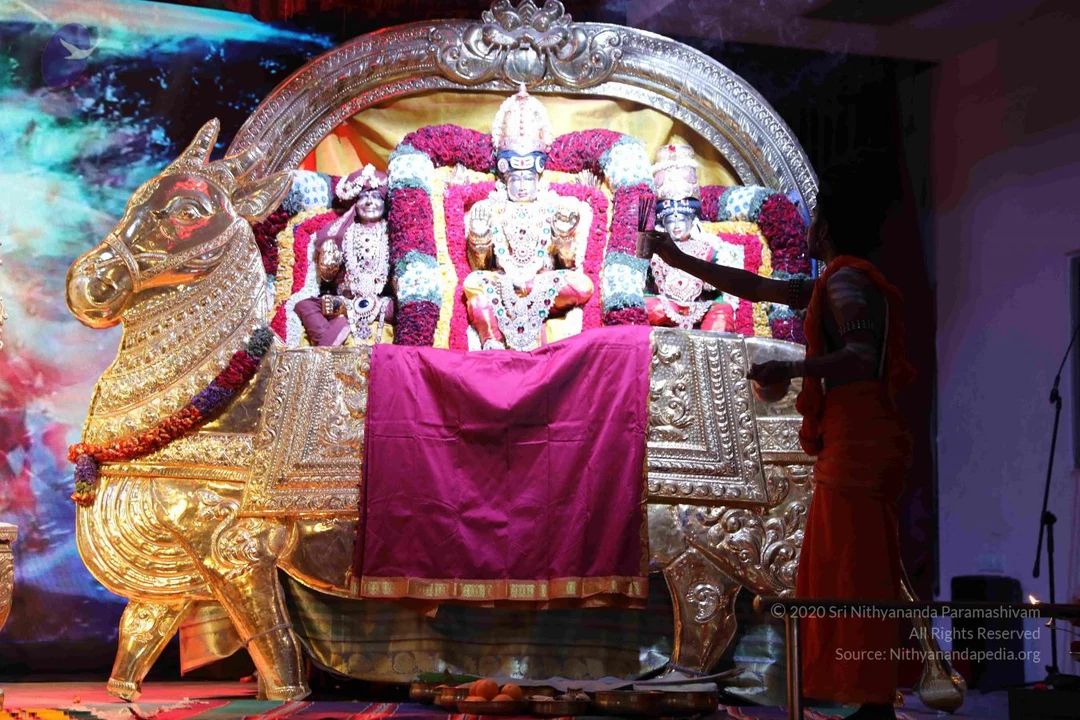
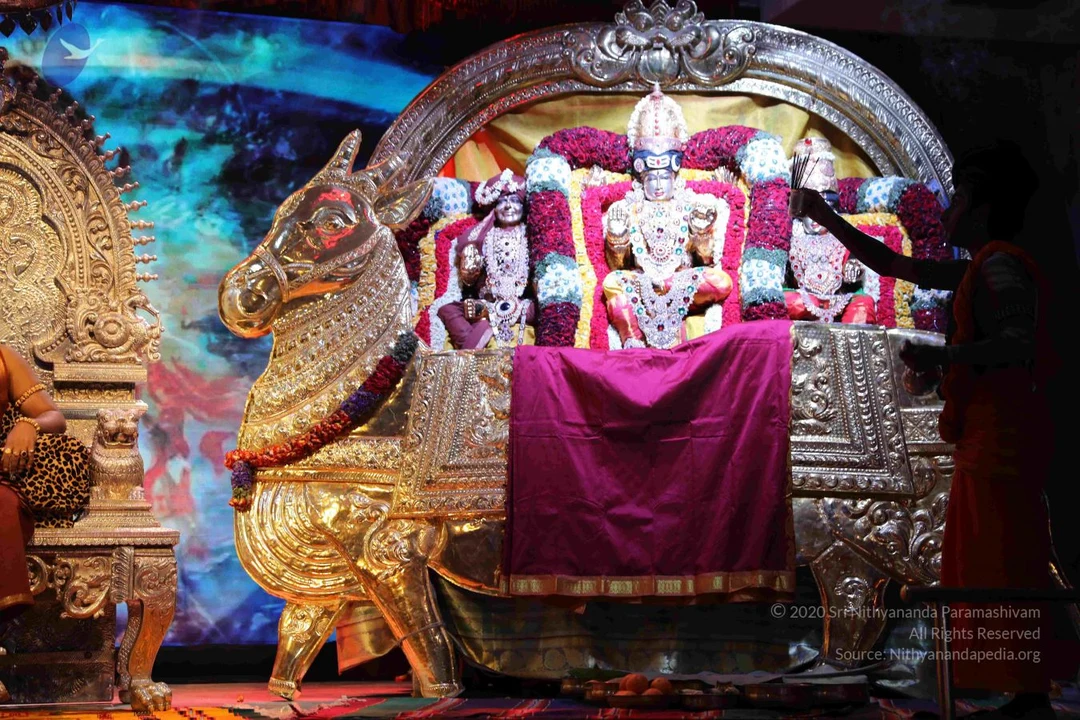
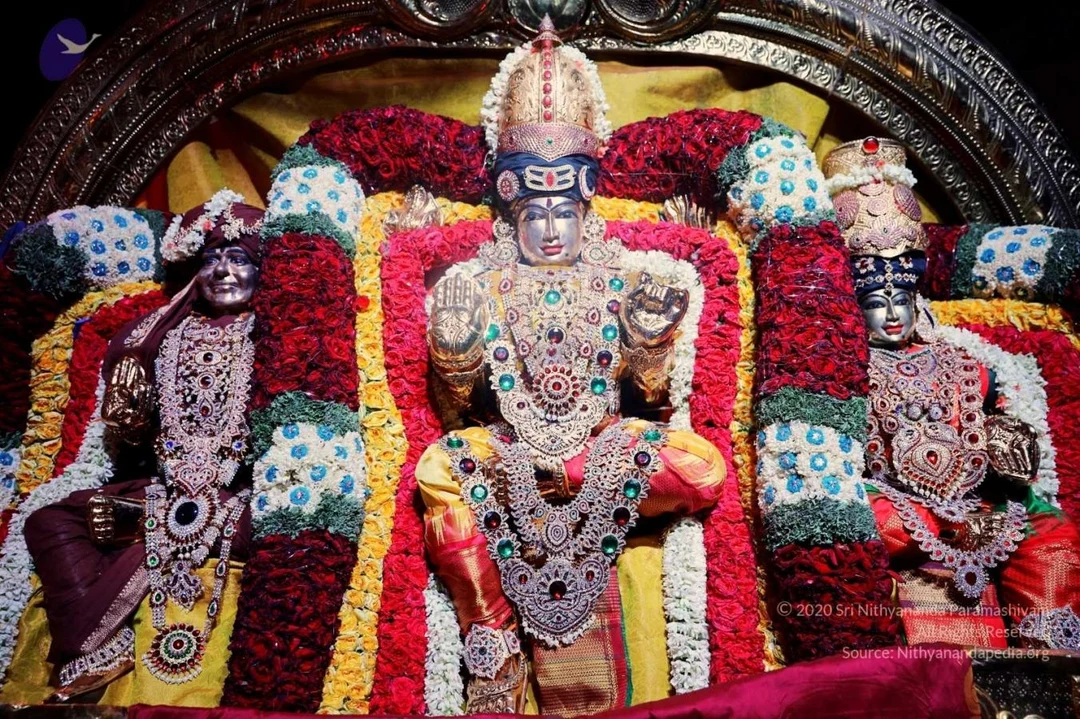 Nithyananda Purnima Brahmotsavam celebration - special alankars of HDH Nithyananda Paramashivam, Sundareshwara and Meenakshi Devi
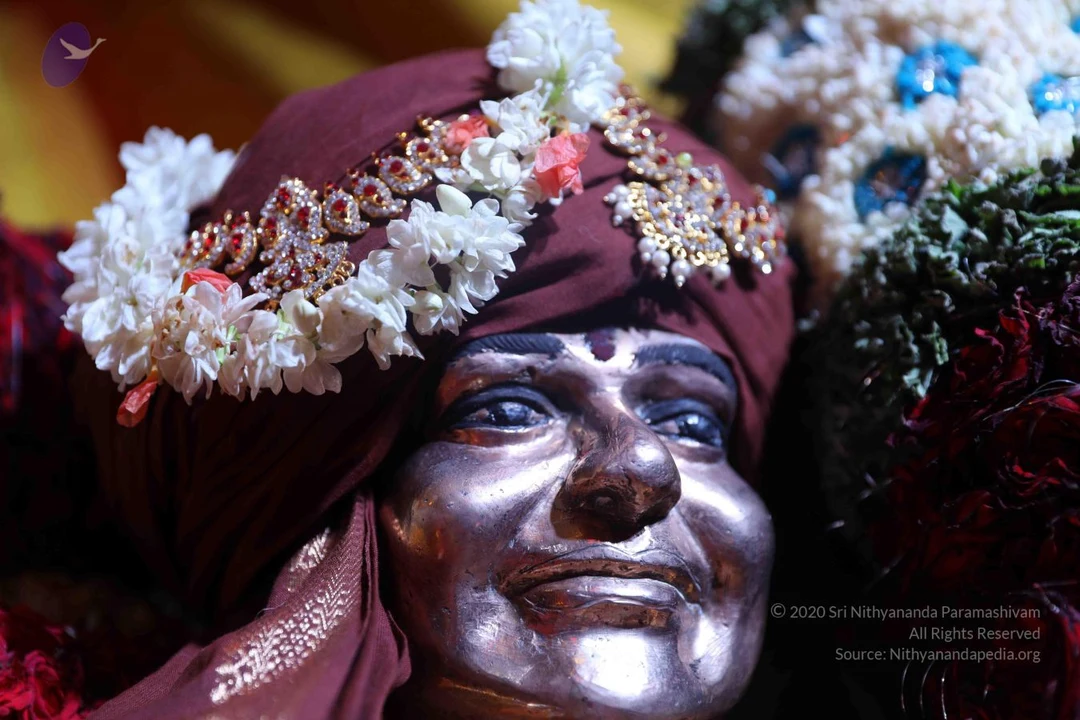
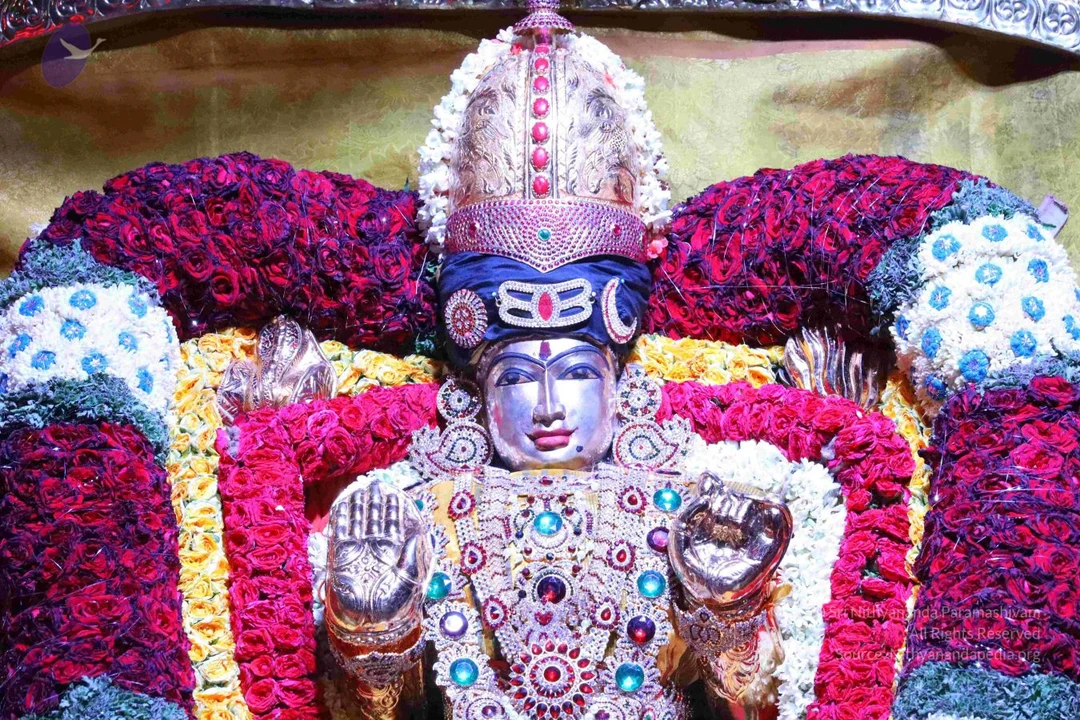
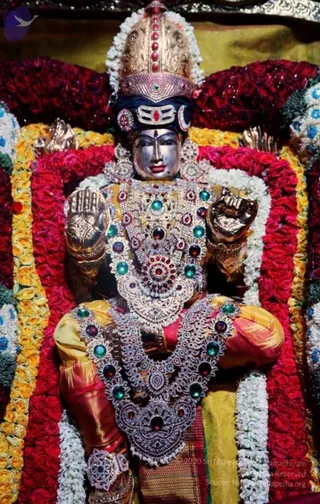 Lord Sundareshwara (the incarnation of Sadashiva)
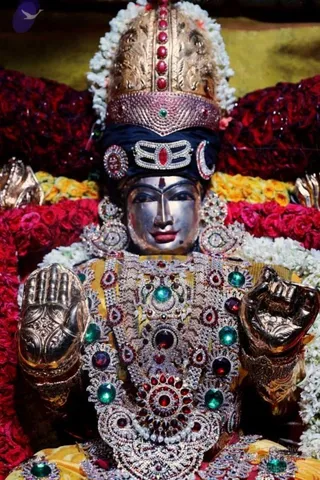 Lord Sundareshwara (the incarnation of Sadashiva)
 Lord Sundareshwara (the incarnation of Sadashiva)
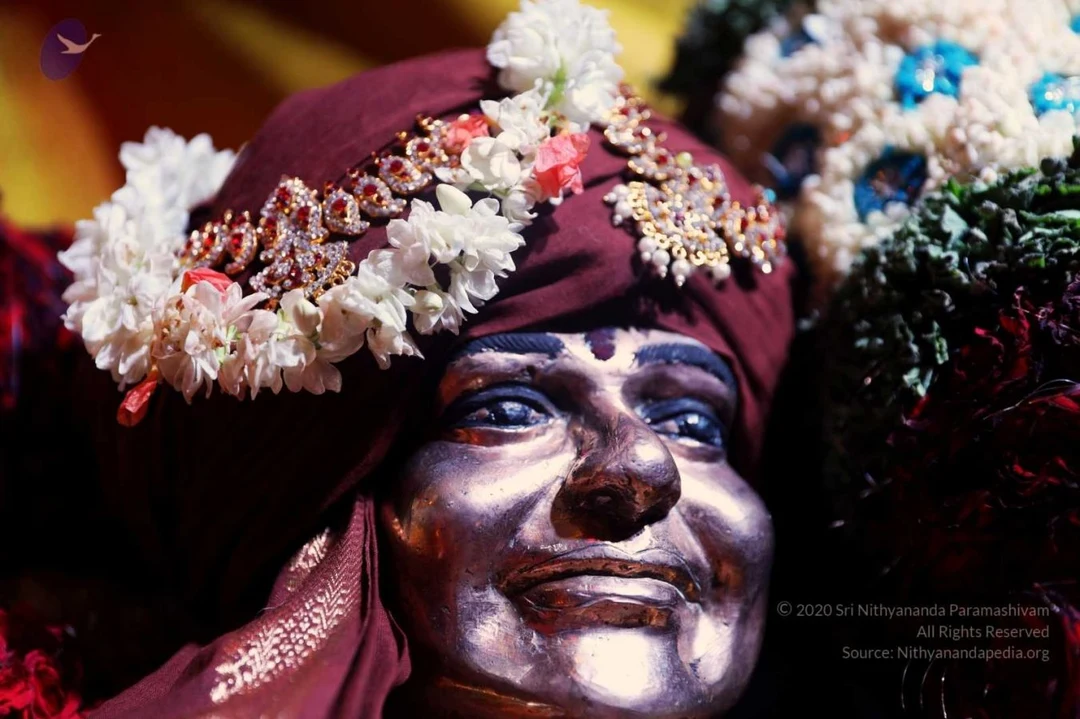 Existence is continuous expansion - HDH Nithyananda Paramashivam
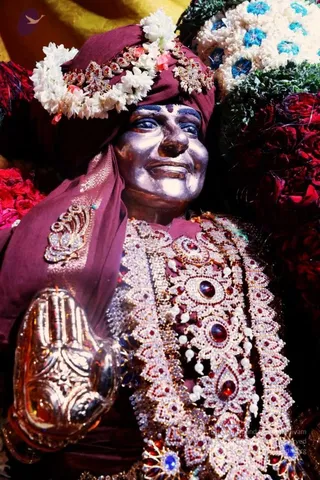 Existence is continuous expansion - HDH Nithyananda Paramashivam
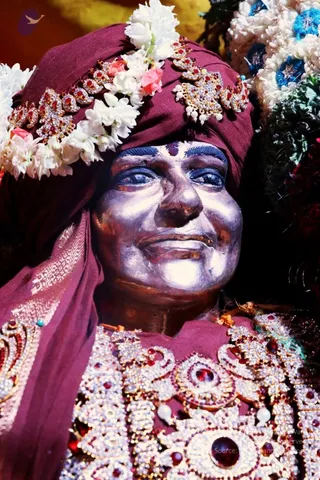 Existence is continuous expansion - HDH Nithyananda Paramashivam
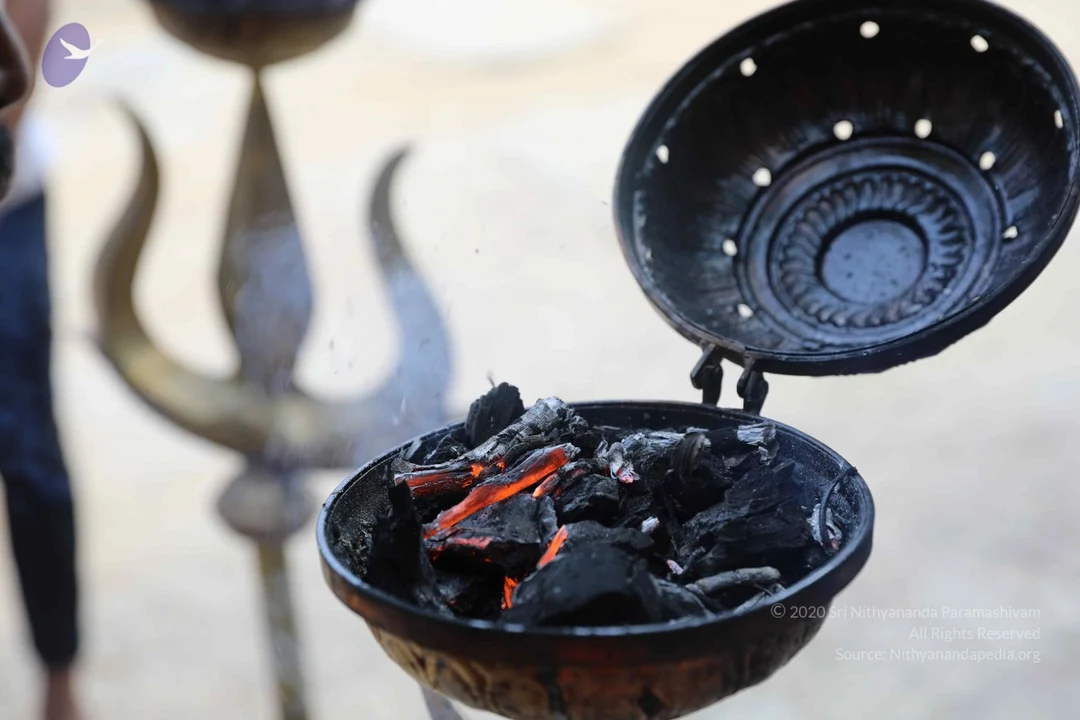
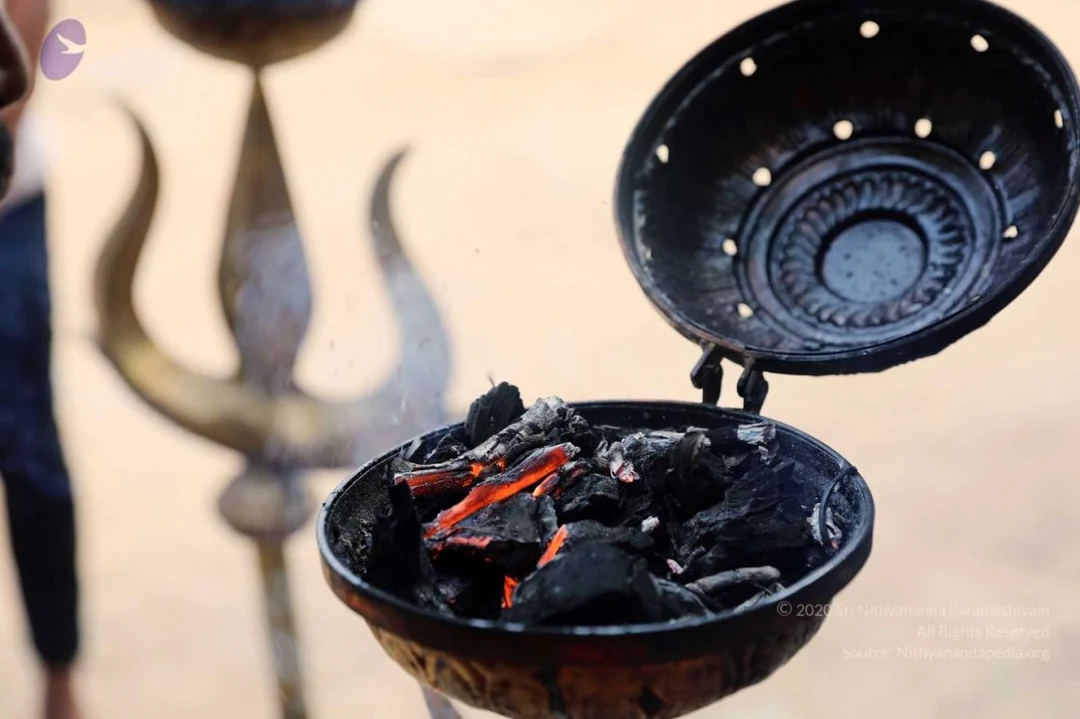 Brass burner lit with charcoal used for burning aromatic sambrani or dhoop (benzoin resin)
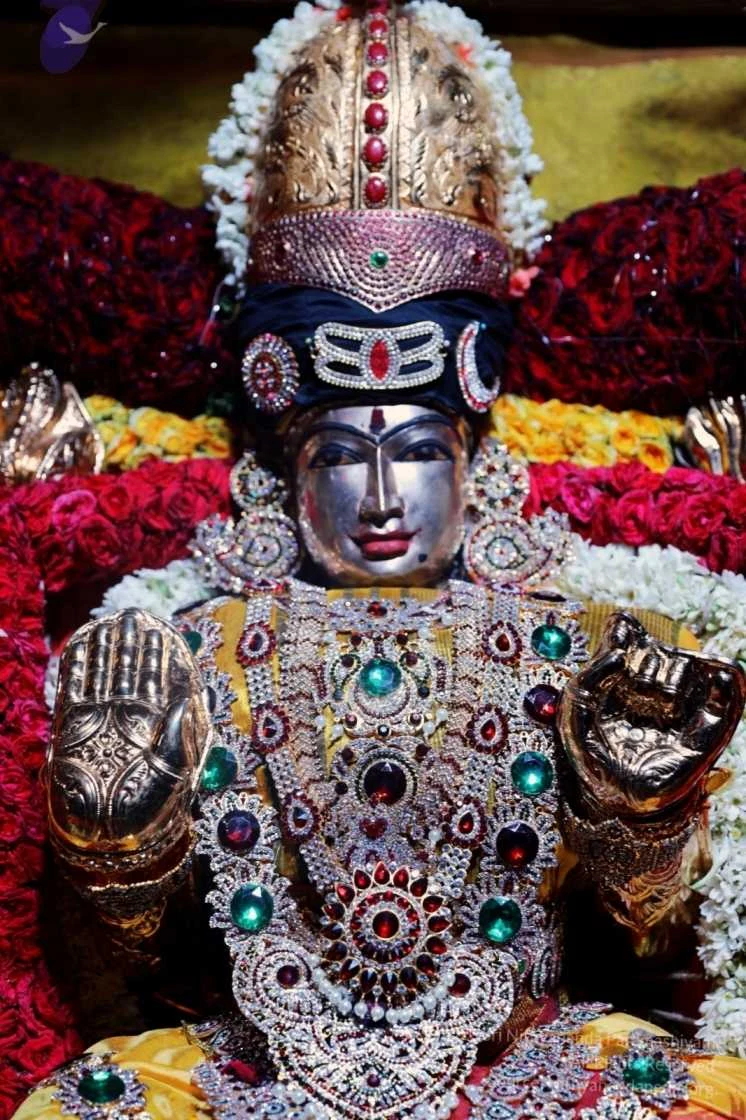
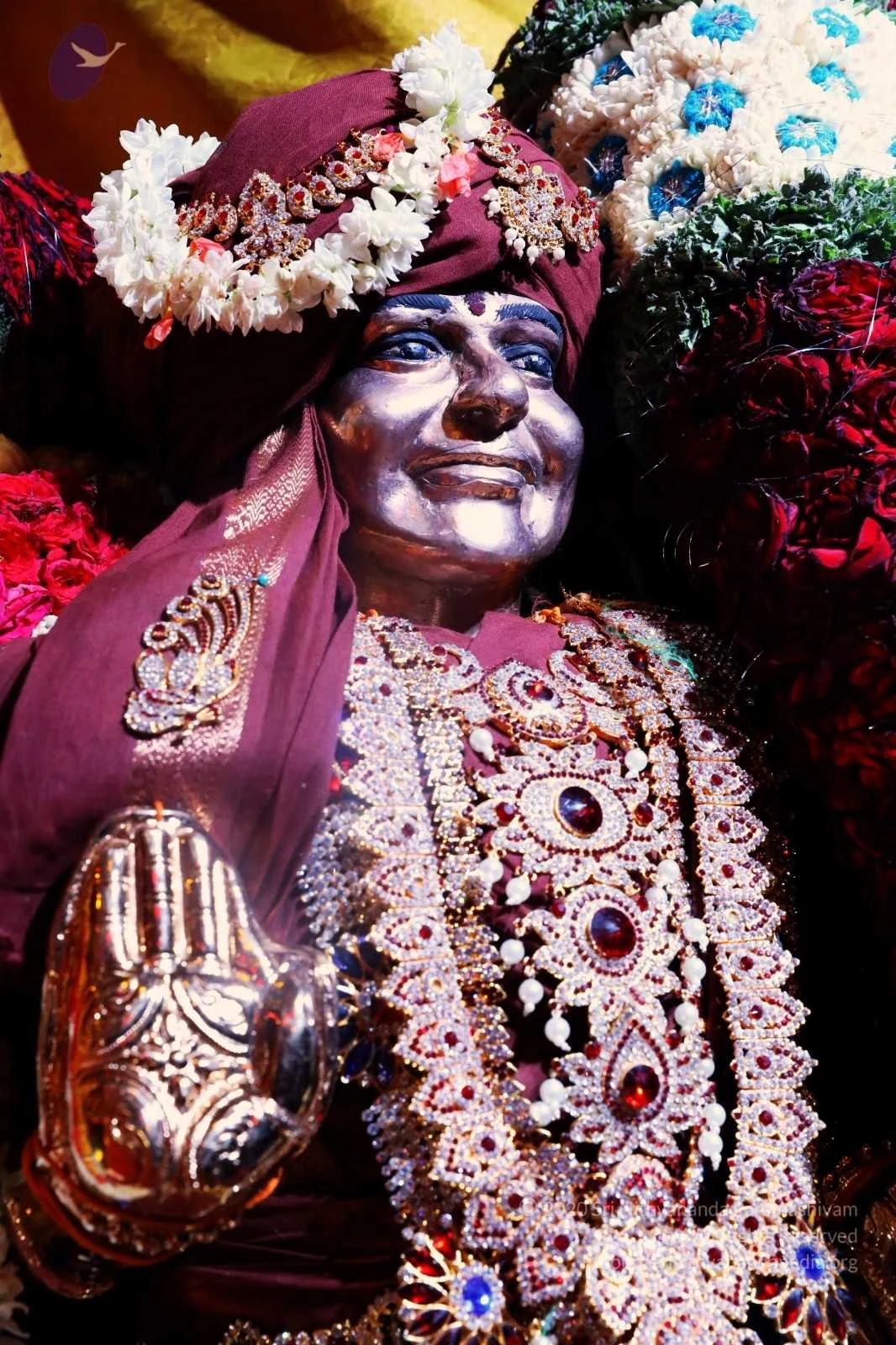
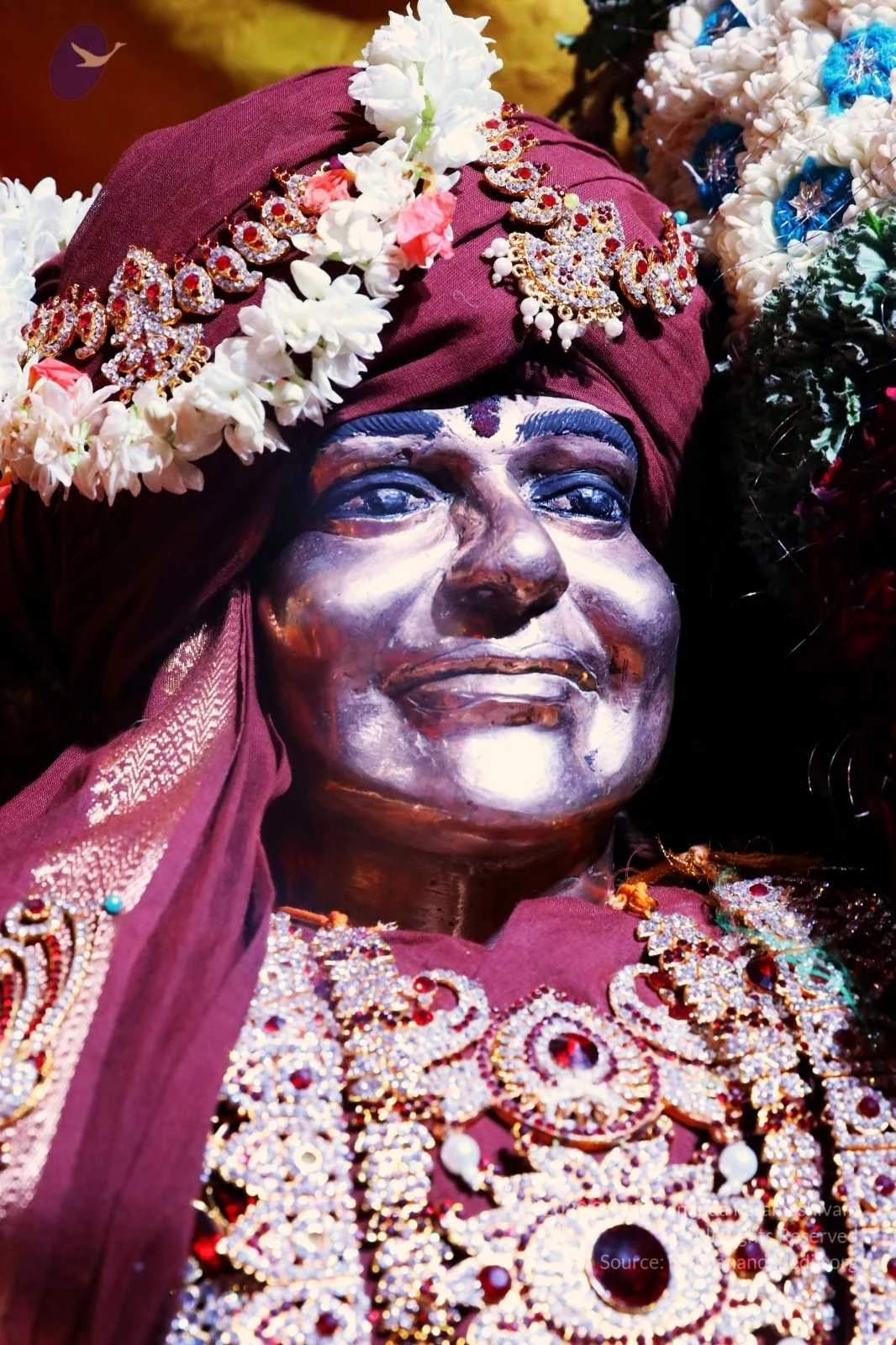
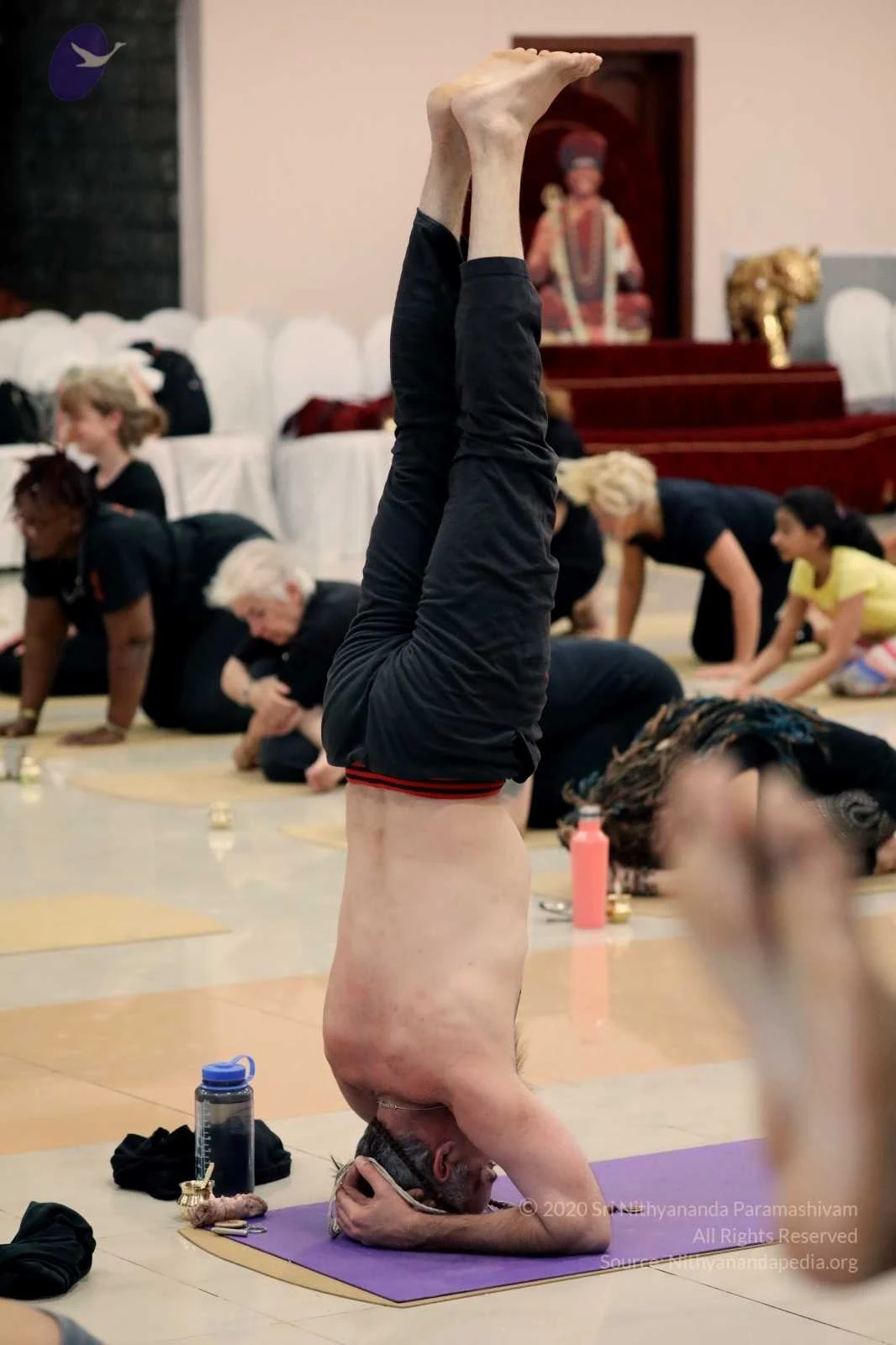
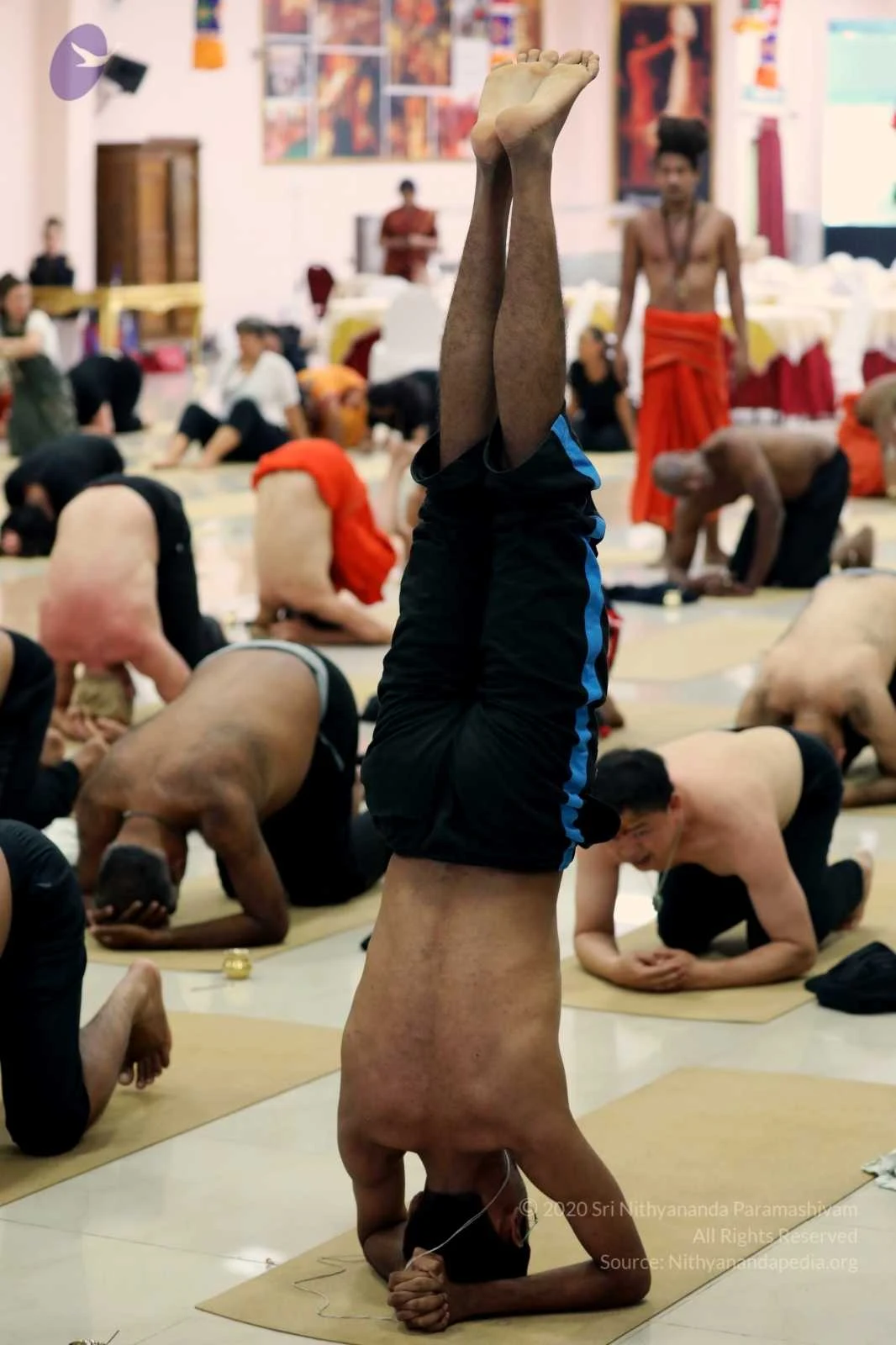
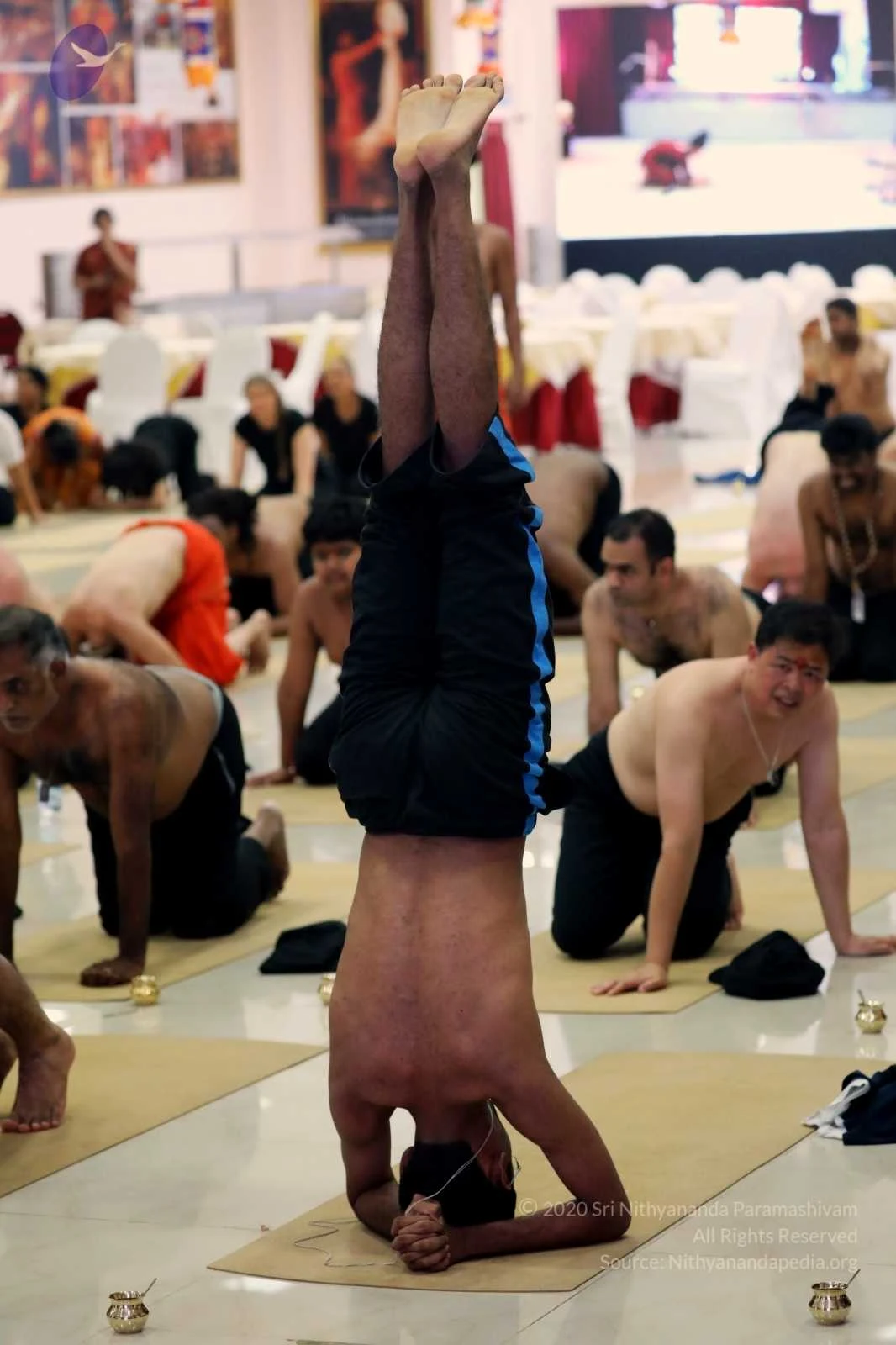
Yoga
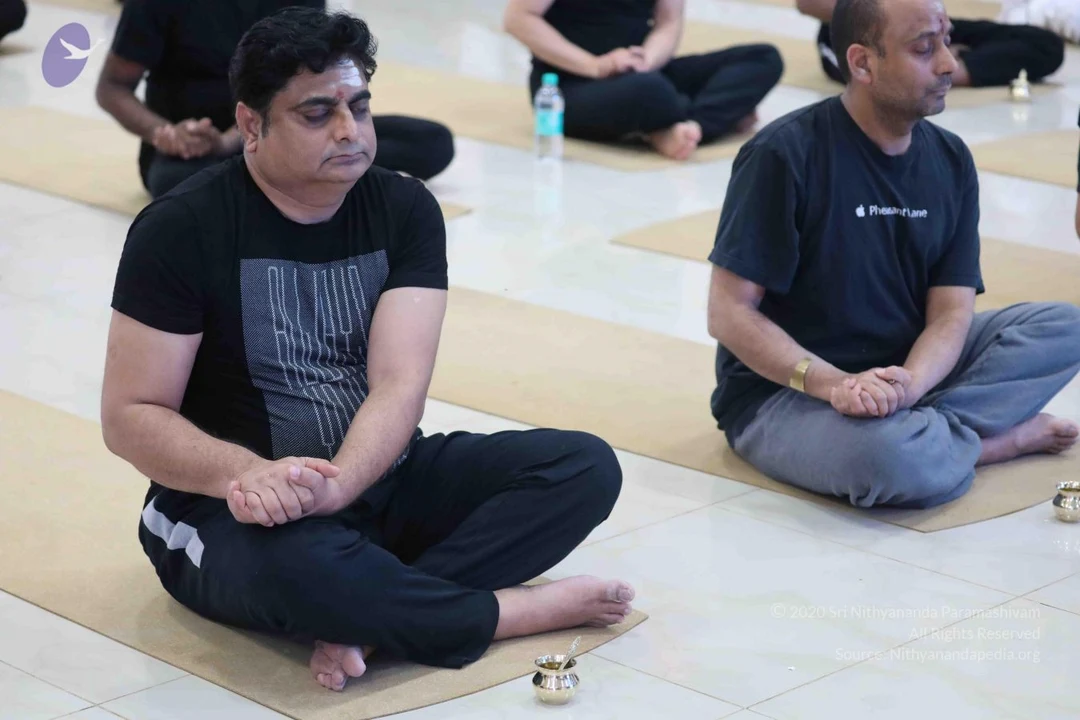
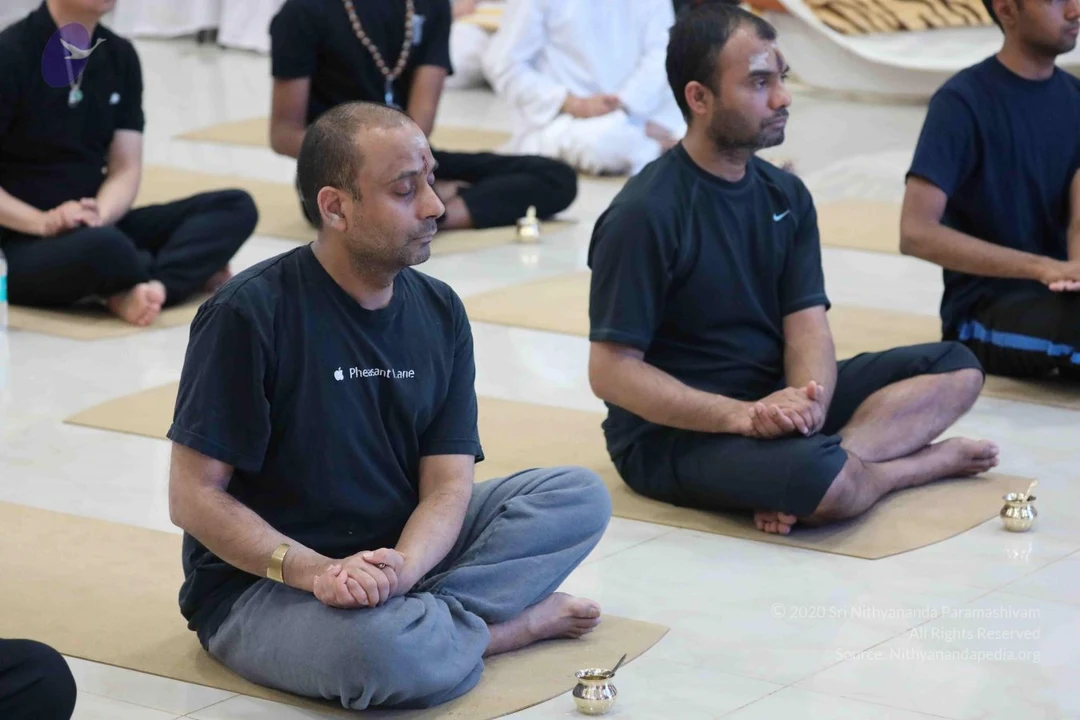
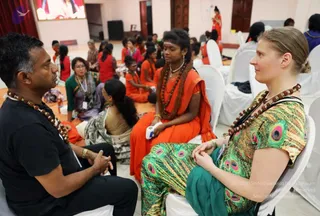
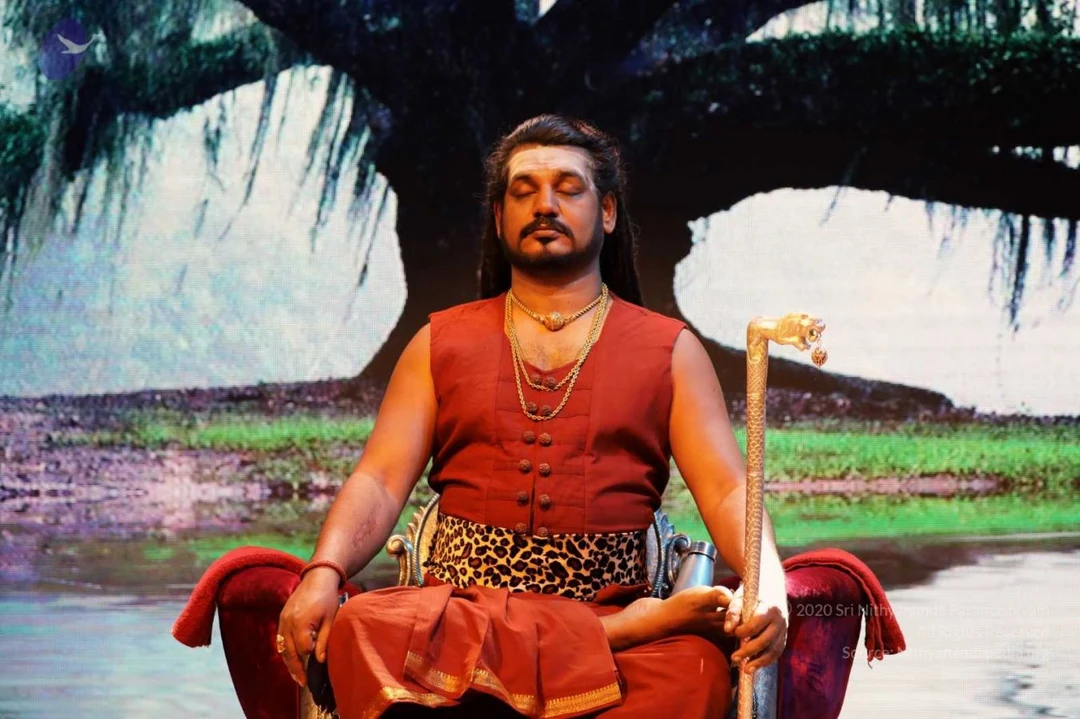 The breathing space of an Avatar is an excellent SPACE to perform YOGA
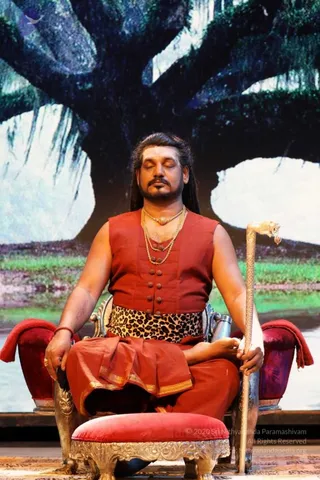 The breathing space of an Avatar is an excellent SPACE to perform YOGA
 The breathing space of an Avatar is an excellent SPACE to perform YOGA
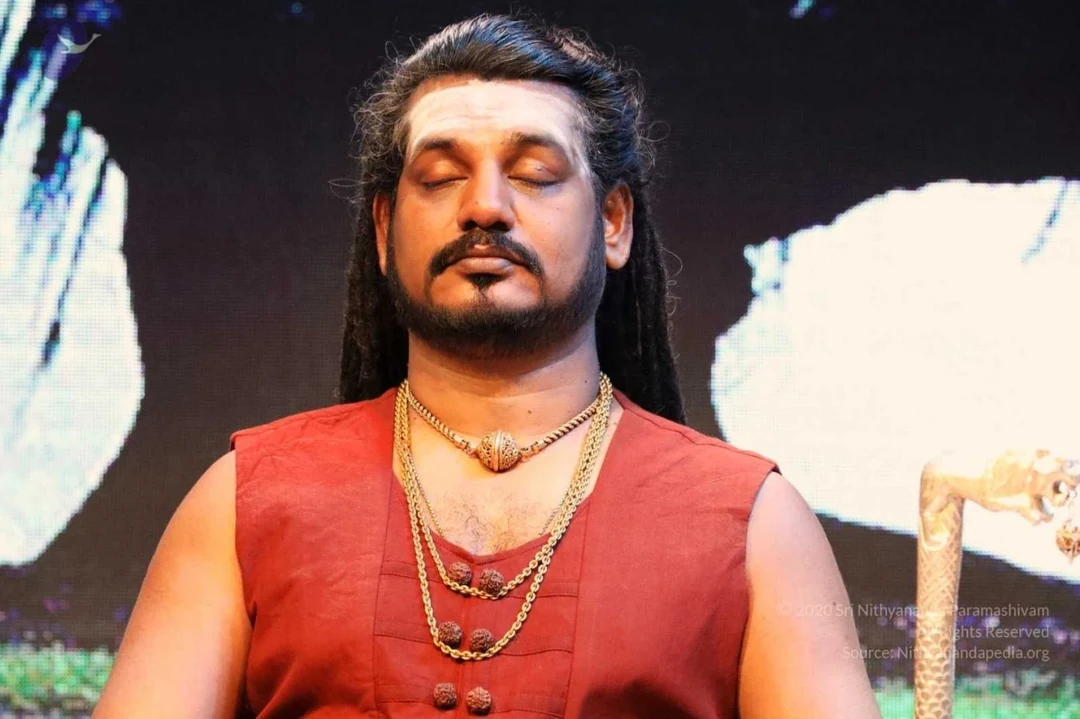 The breathing space of an Avatar is an excellent SPACE to perform YOGA
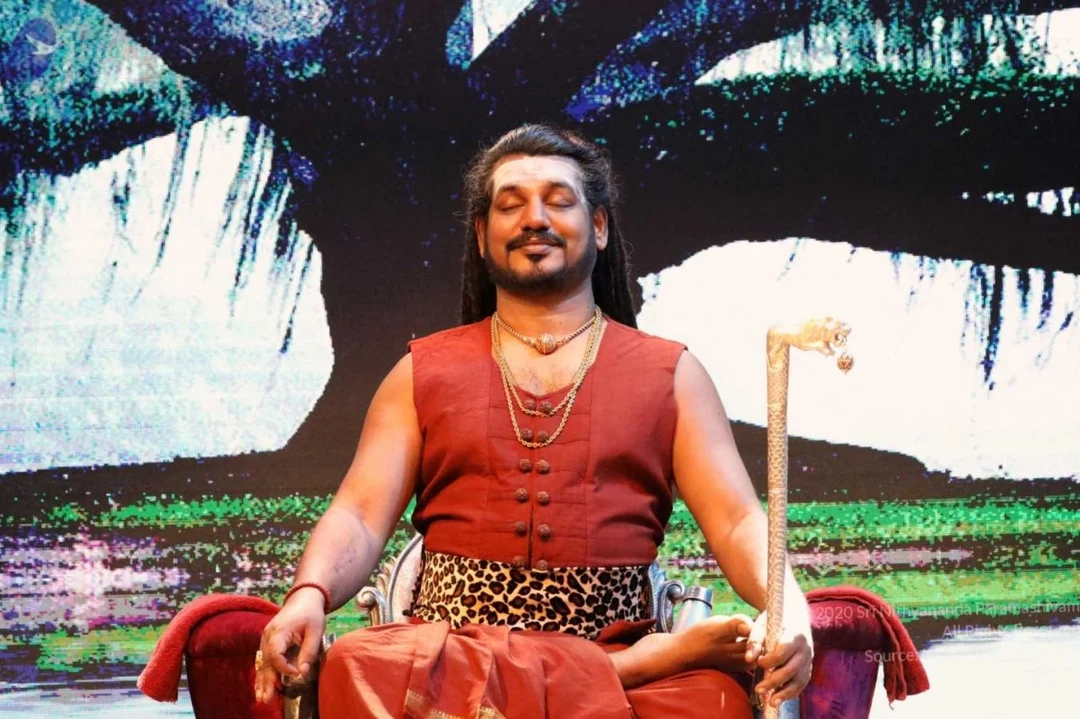 The breathing space of an Avatar is an excellent SPACE to perform YOGA
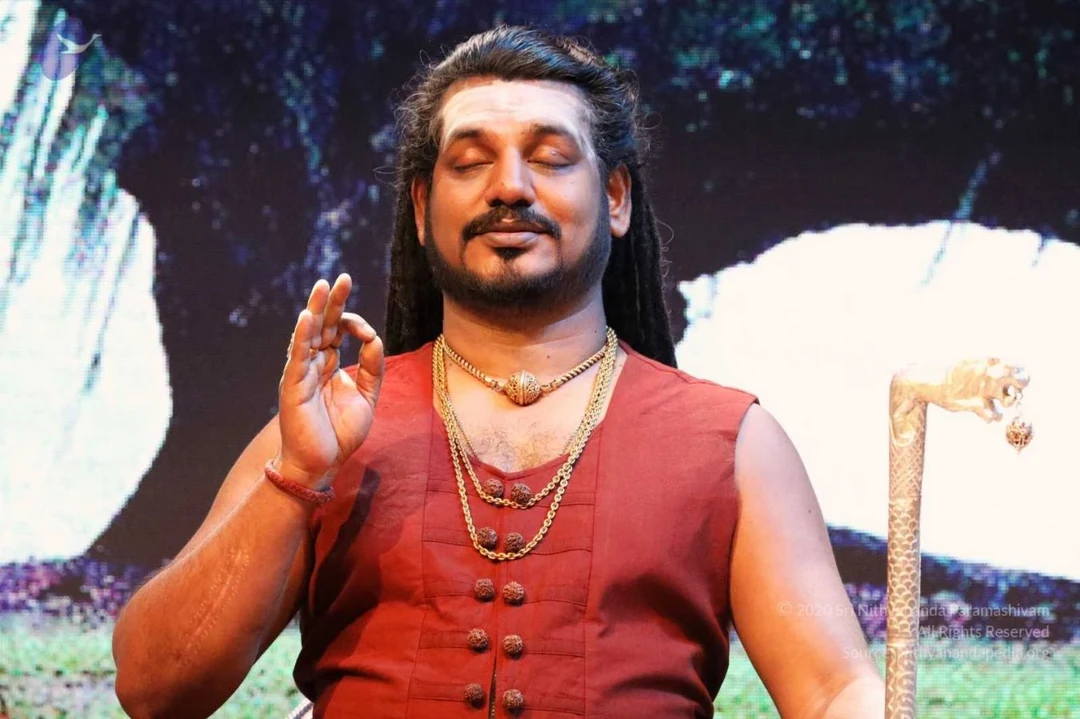 The breathing space of an Avatar is an excellent SPACE to perform YOGA
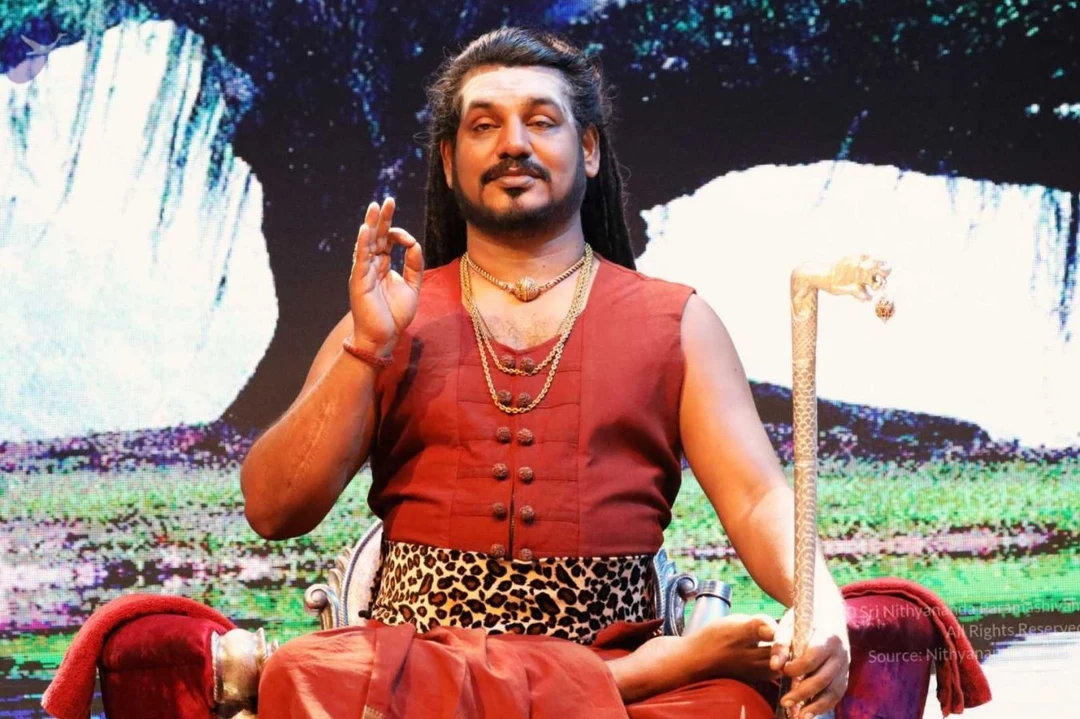 The breathing space of an Avatar is an excellent SPACE to perform YOGA
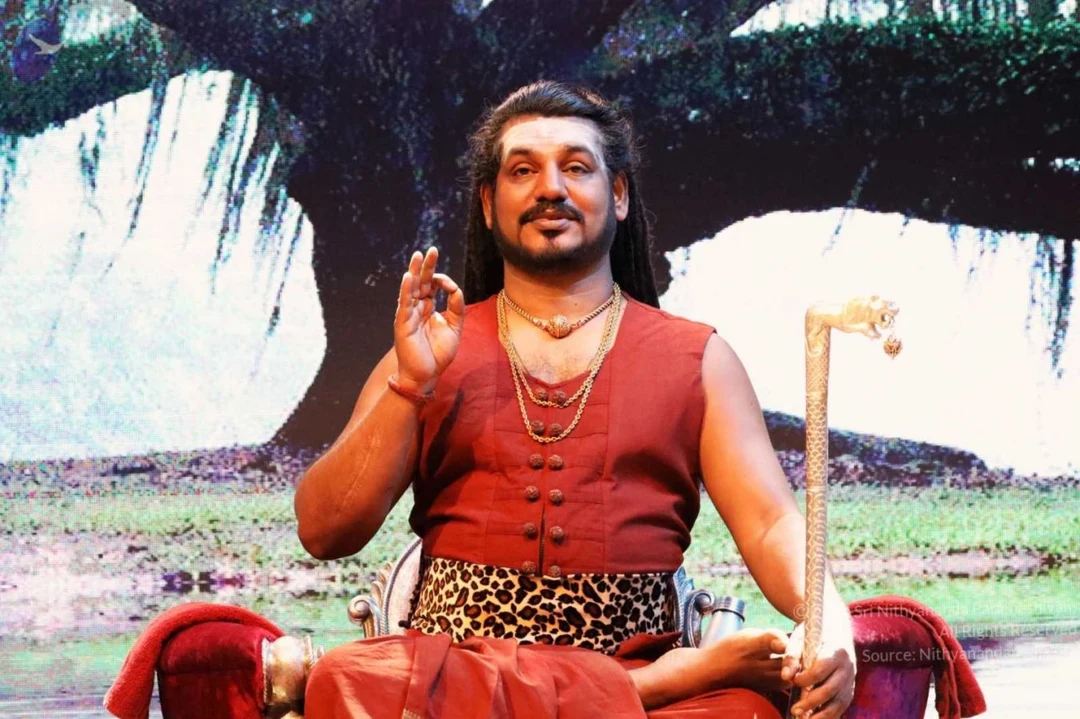 The breathing space of an Avatar is an excellent SPACE to perform YOGA
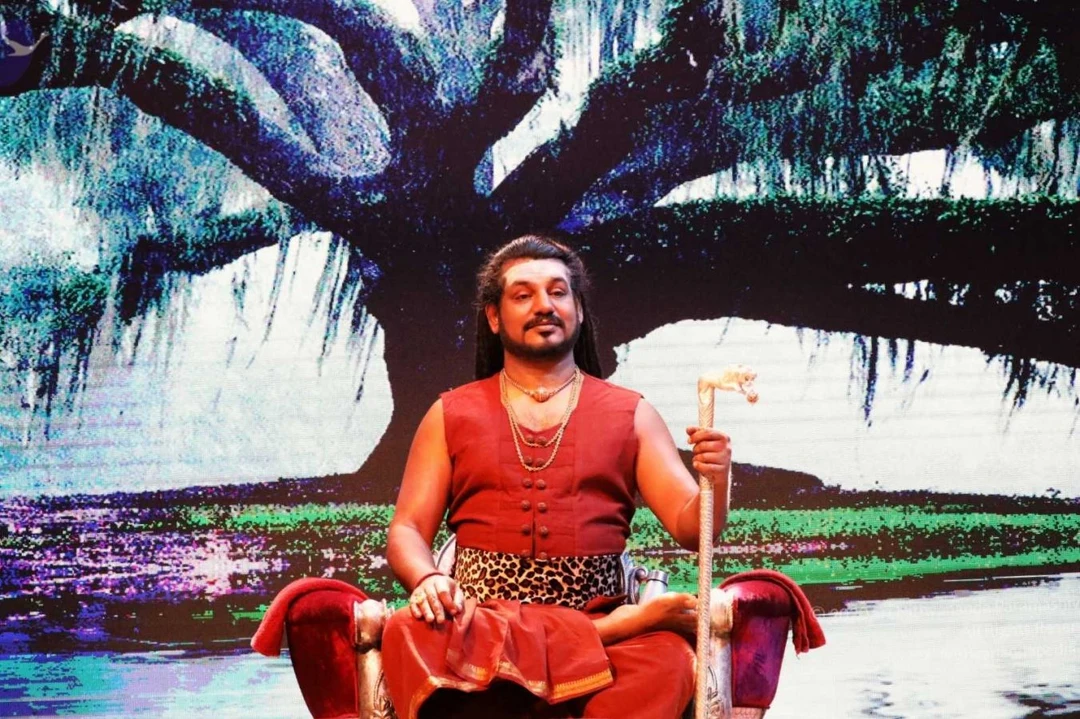 The breathing space of an Avatar is an excellent SPACE to perform YOGA
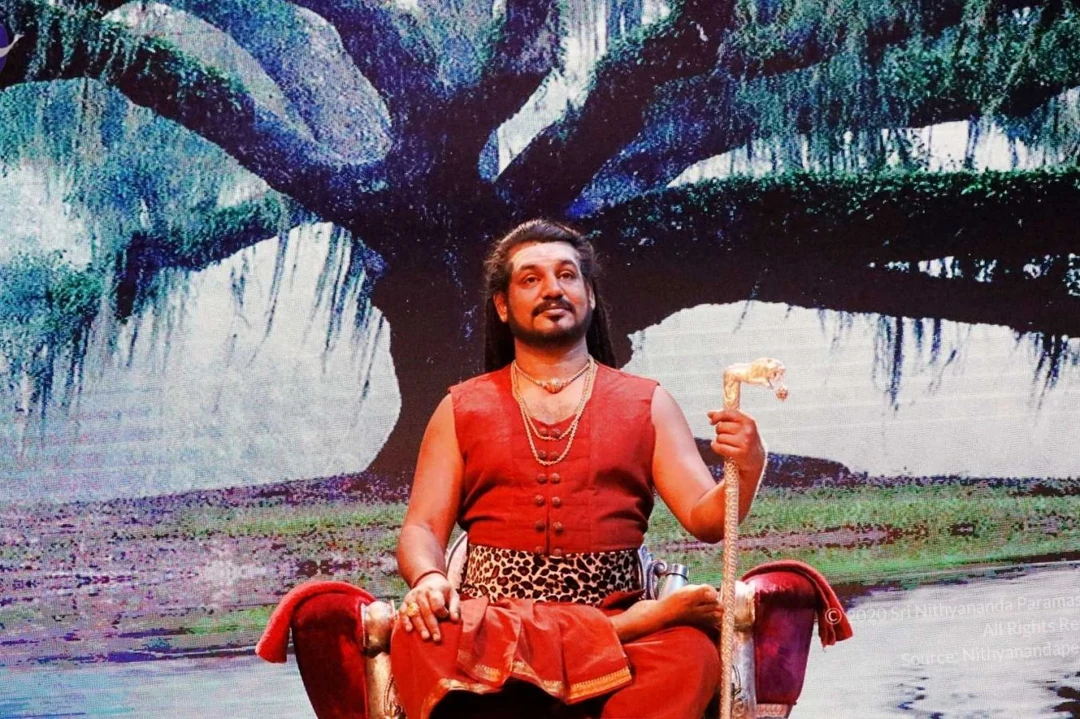 The breathing space of an Avatar is an excellent SPACE to perform YOGA
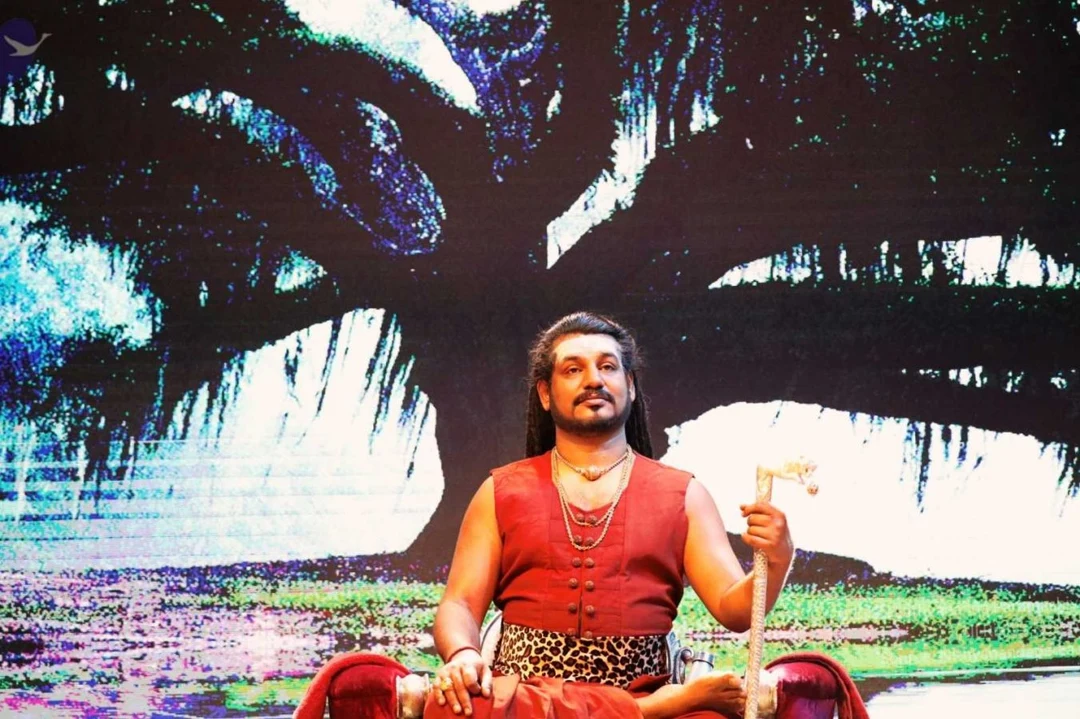 The breathing space of an Avatar is an excellent SPACE to perform YOGA
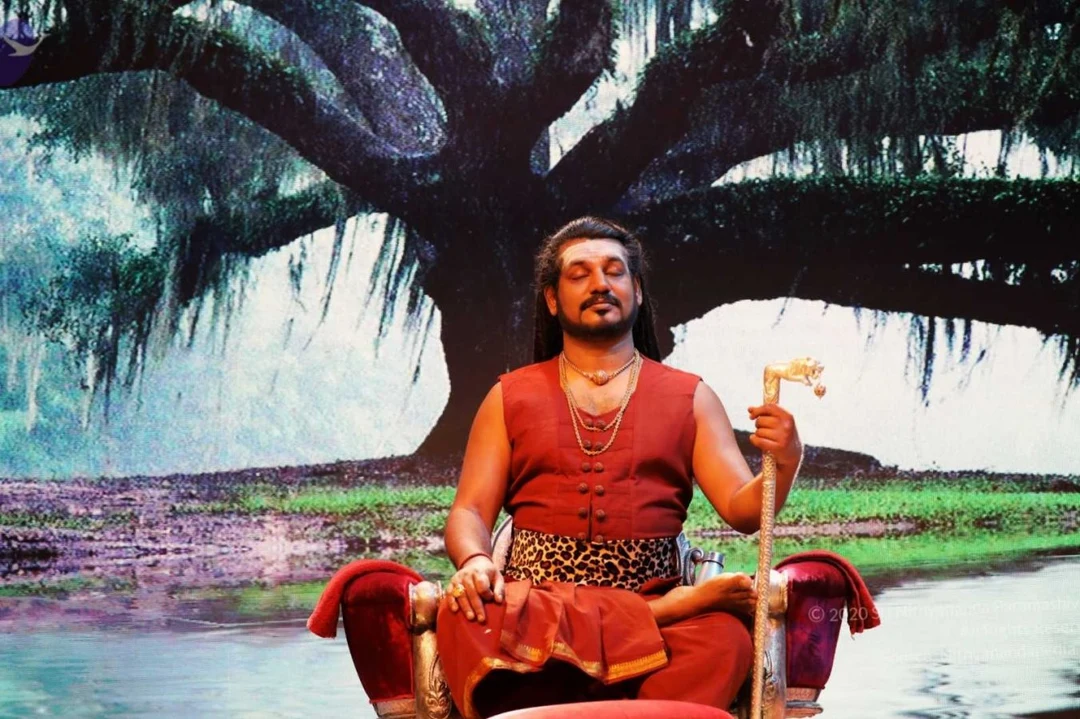 Nithyananda Yoga - Authentic original yoga from the Source!
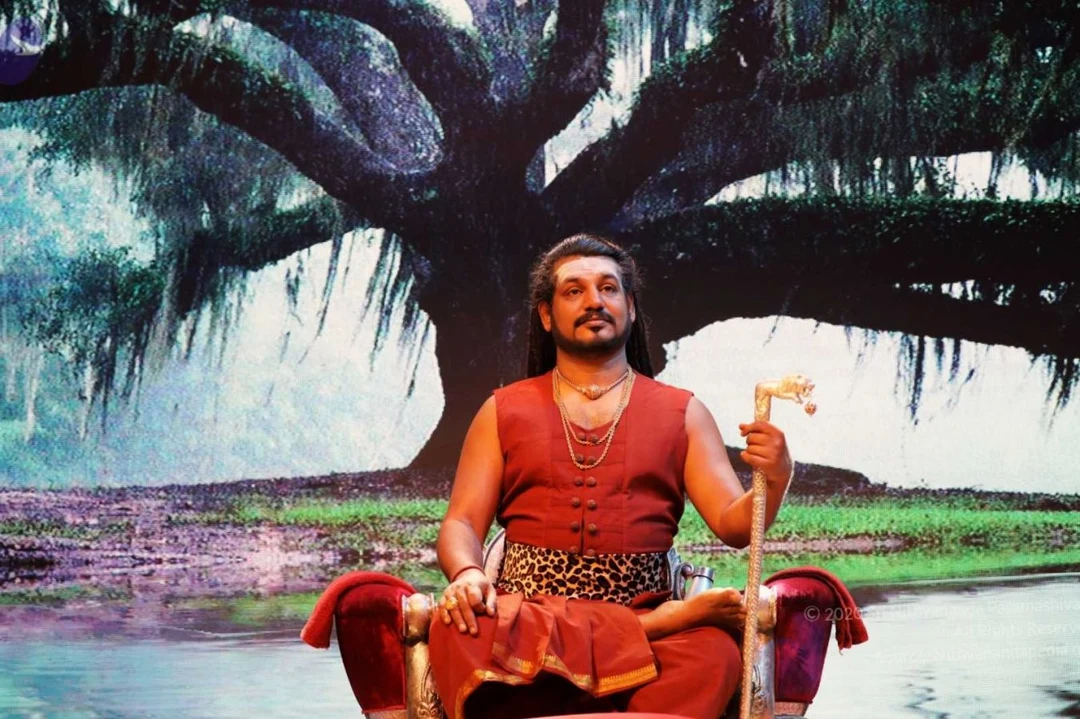 Nithyananda Yoga - Authentic original yoga from the Source!
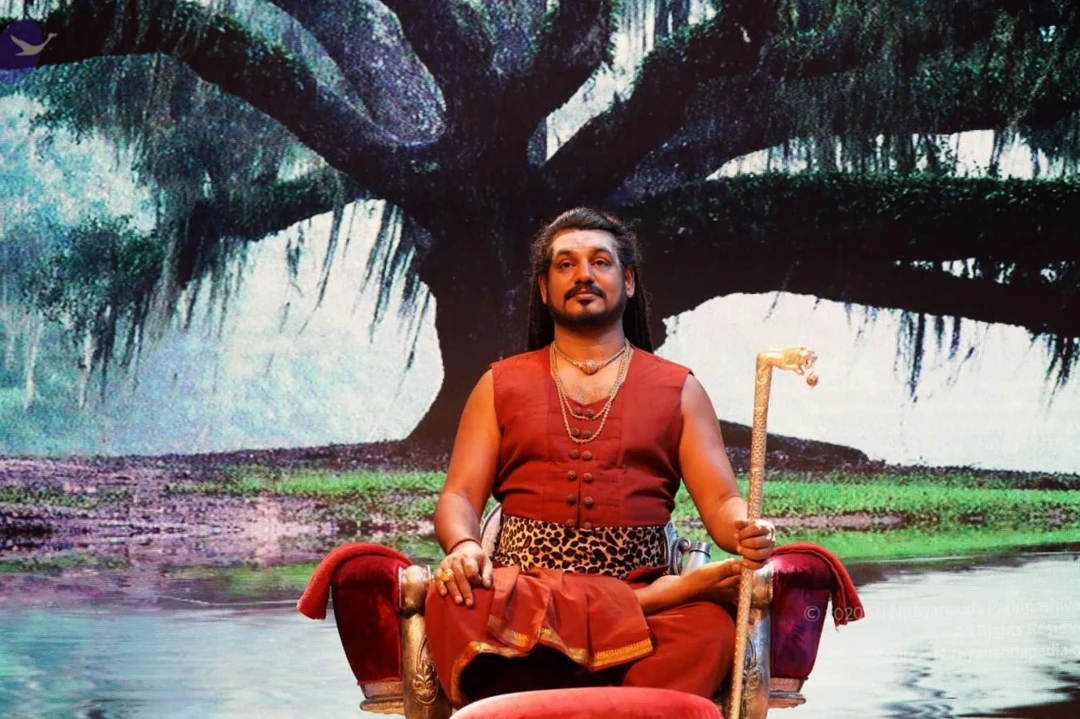 Nithyananda Yoga - Authentic original yoga from the Source!
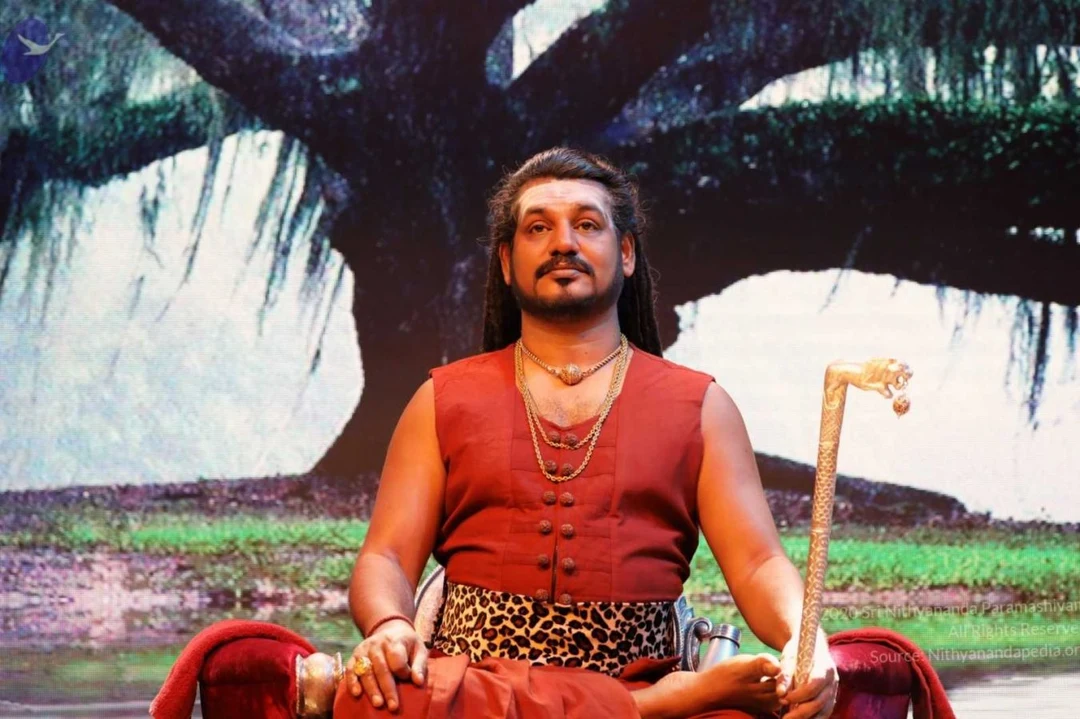 Nithyananda Yoga - Authentic original yoga from the Source!
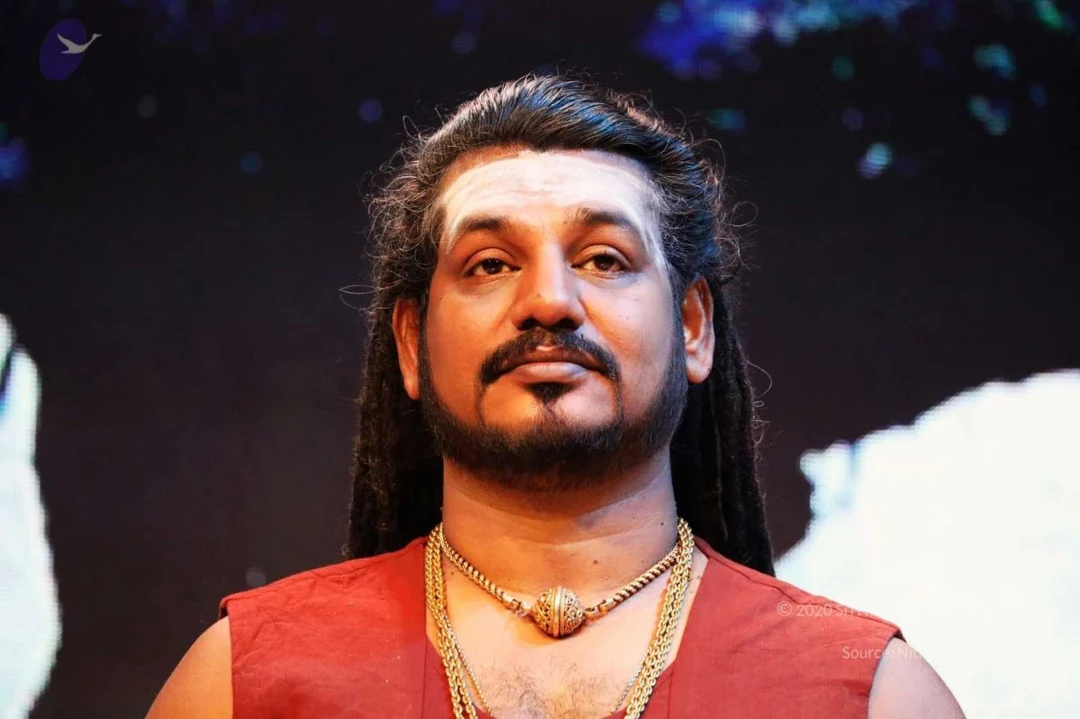 Nithyananda Yoga - Authentic original yoga from the Source!
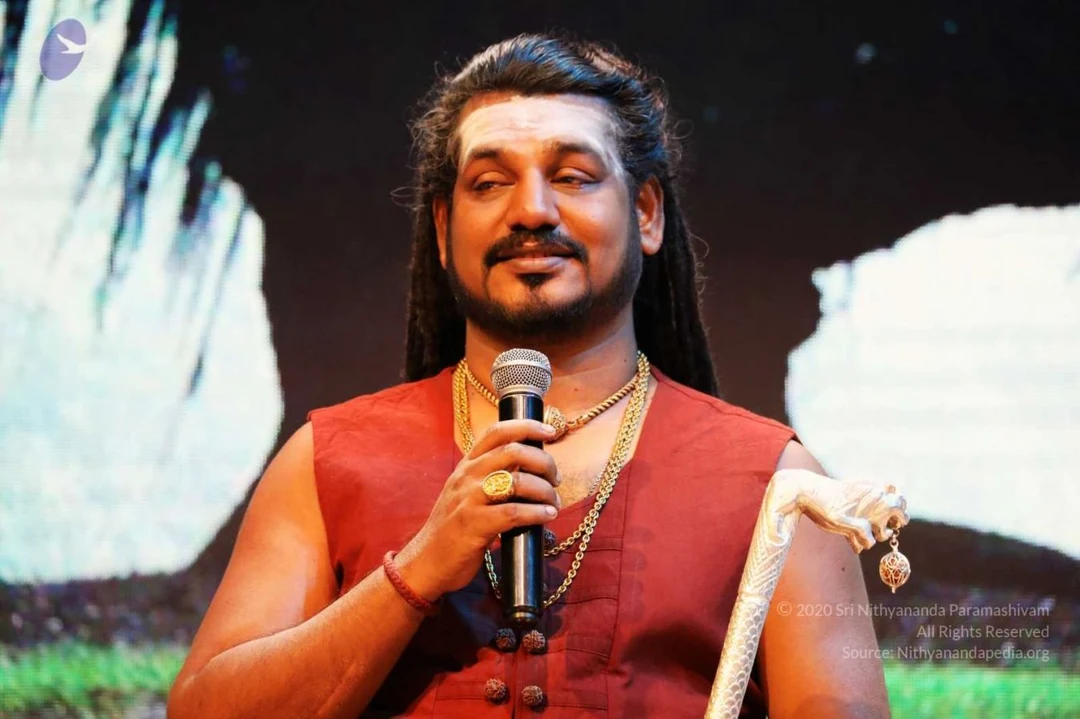 Nithyananda Yoga - Authentic original yoga from the Source!
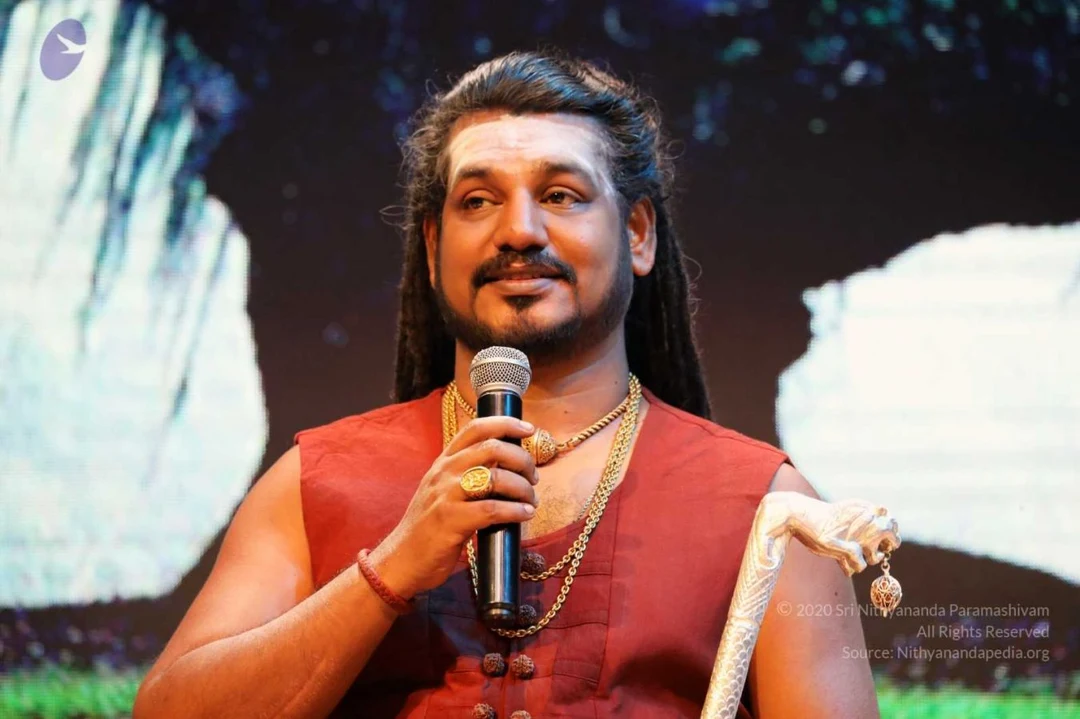 Nithyananda Yoga - Authentic original yoga from the Source!
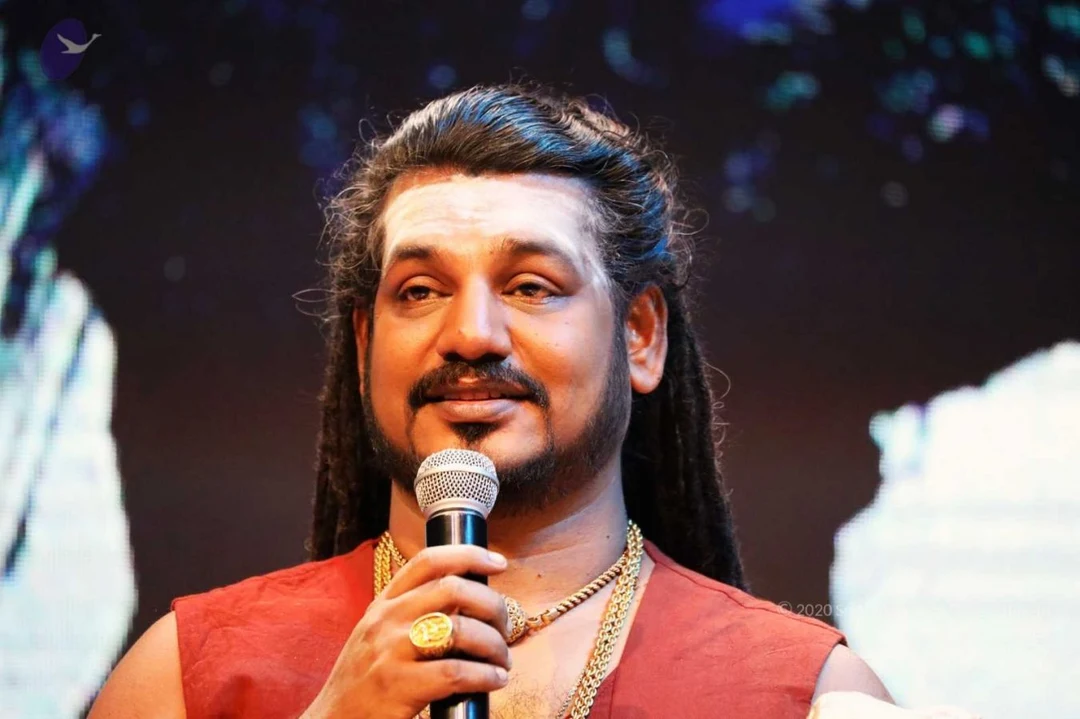 Nithyananda Yoga - Authentic original yoga from the Source!
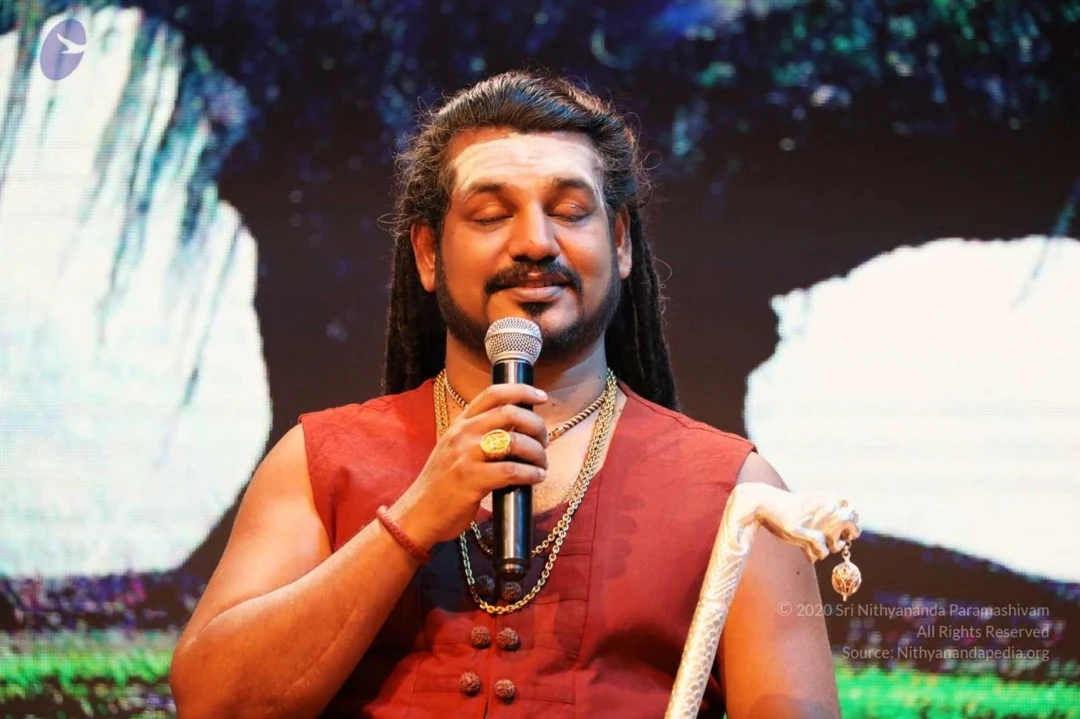 Nithyananda Yoga - Authentic original yoga from the Source!
 Yoga is nothing but Union with Cosmos - HDH Nithyananda Paramashivam
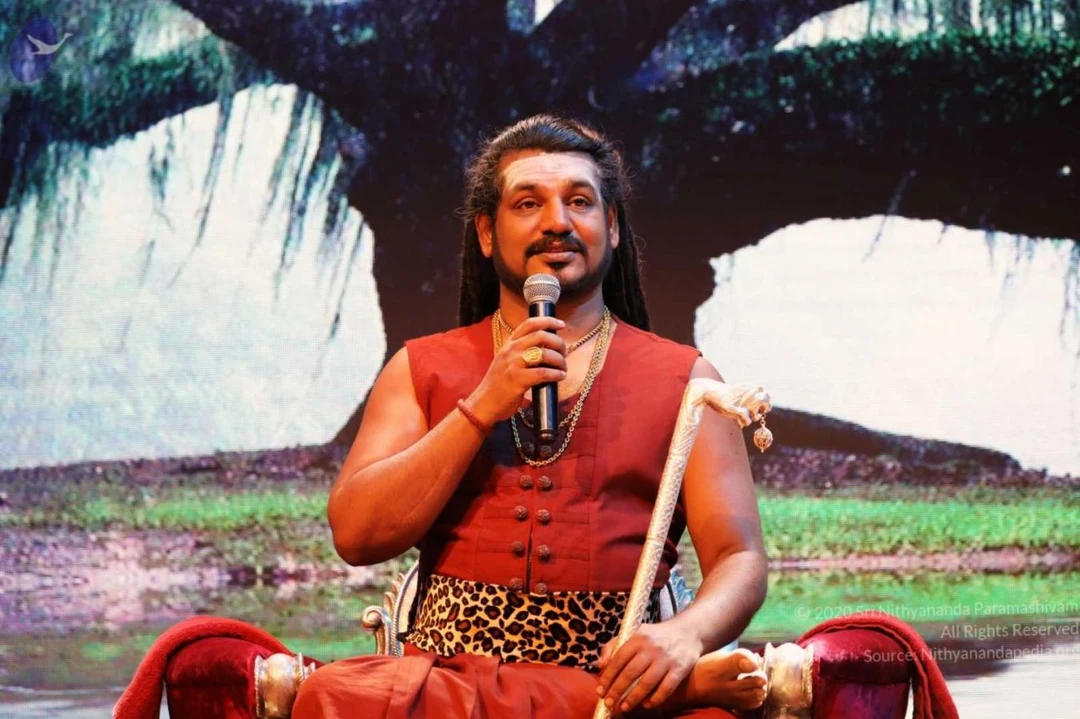 Yoga is nothing but Union with Cosmos - HDH Nithyananda Paramashivam
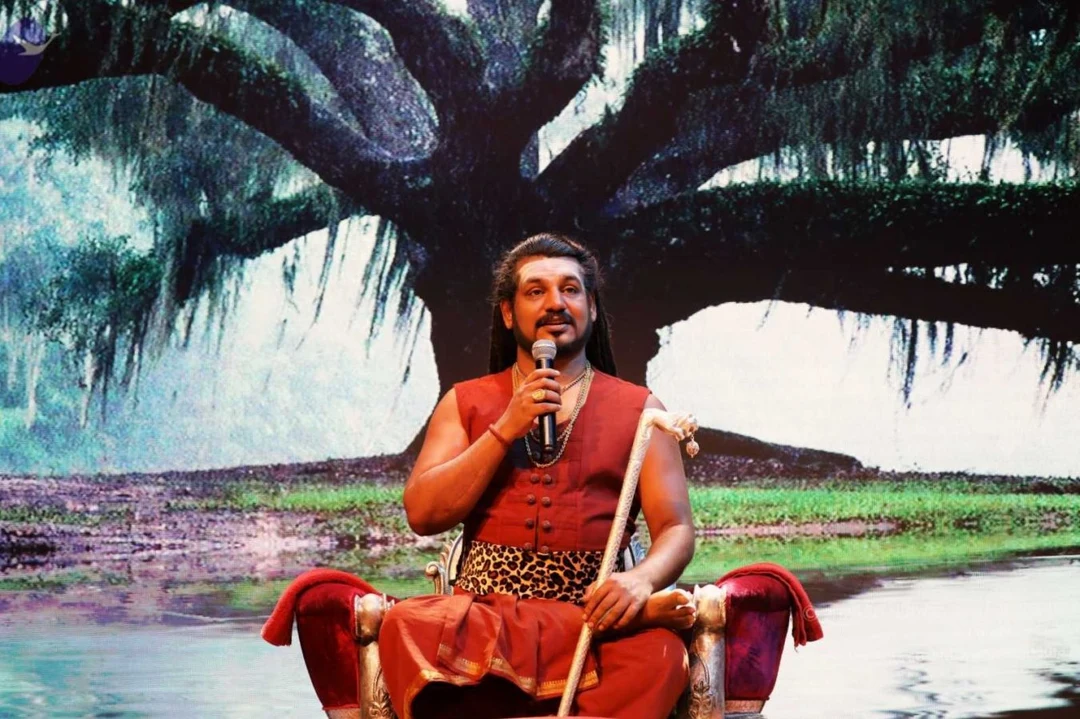 Yoga is nothing but Union with Cosmos - HDH Nithyananda Paramashivam
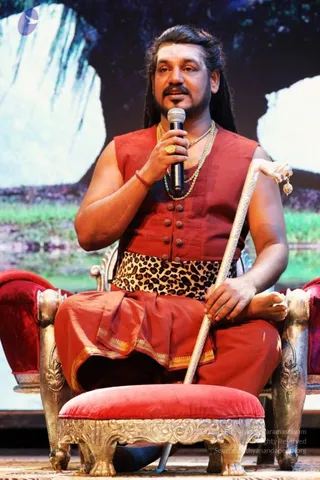 Yoga is nothing but Union with Cosmos - HDH Nithyananda Paramashivam
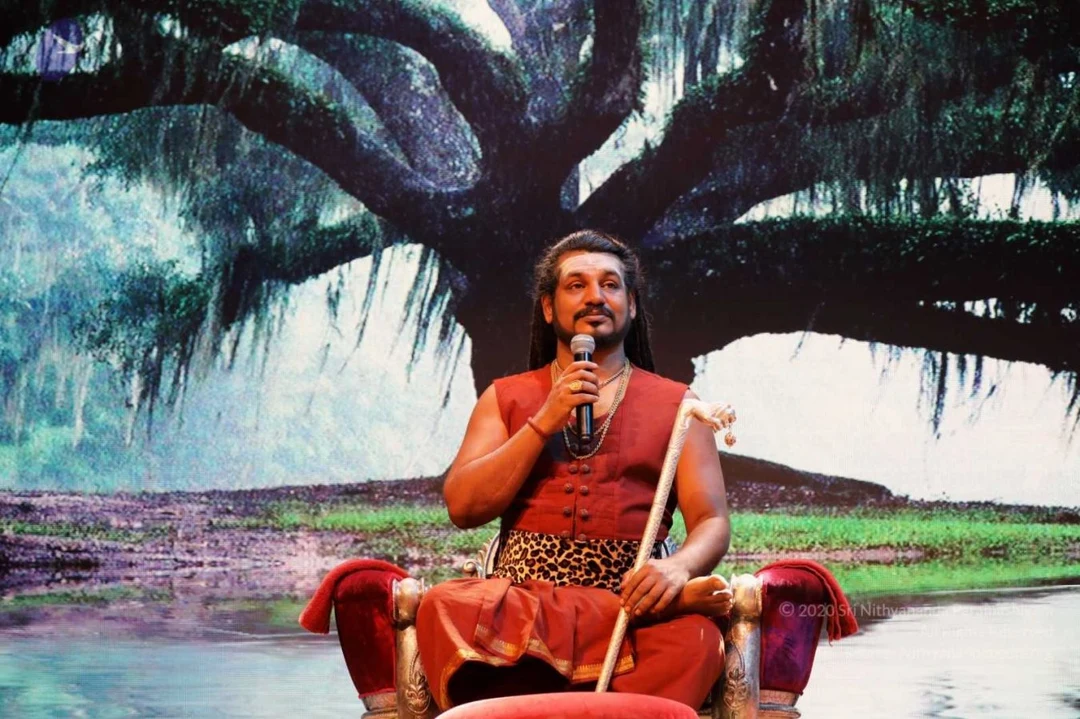 Yoga is nothing but Union with Cosmos - HDH Nithyananda Paramashivam
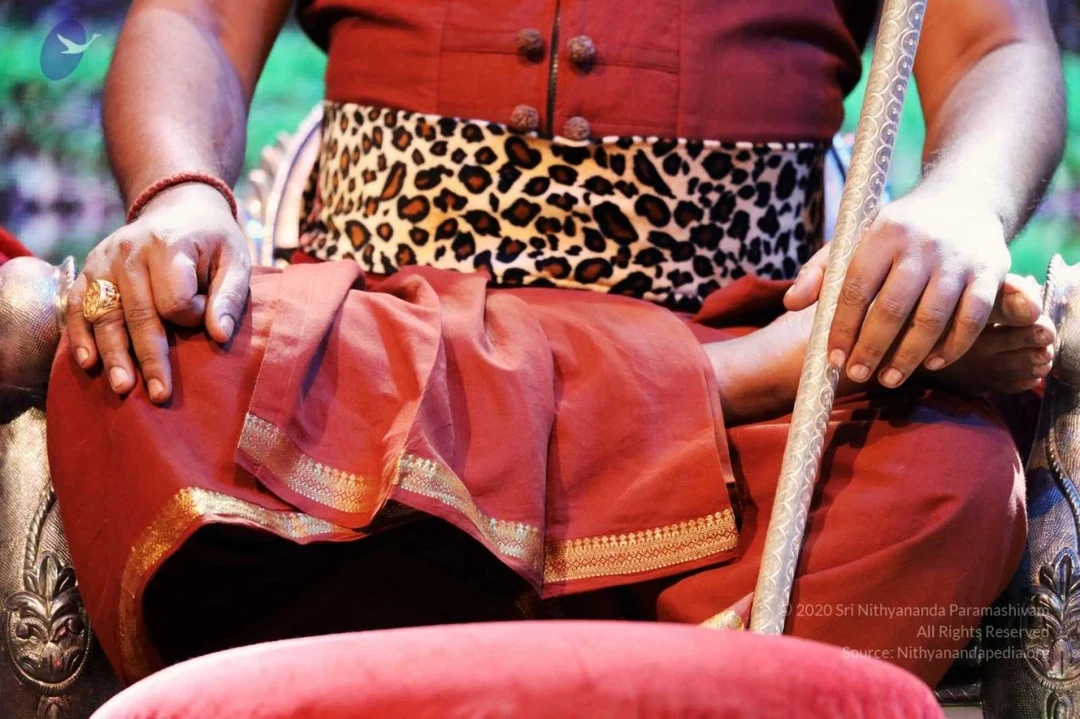 Yoga is nothing but Union with Cosmos - HDH Nithyananda Paramashivam
 Yoga is nothing but Union with Cosmos - HDH Nithyananda Paramashivam
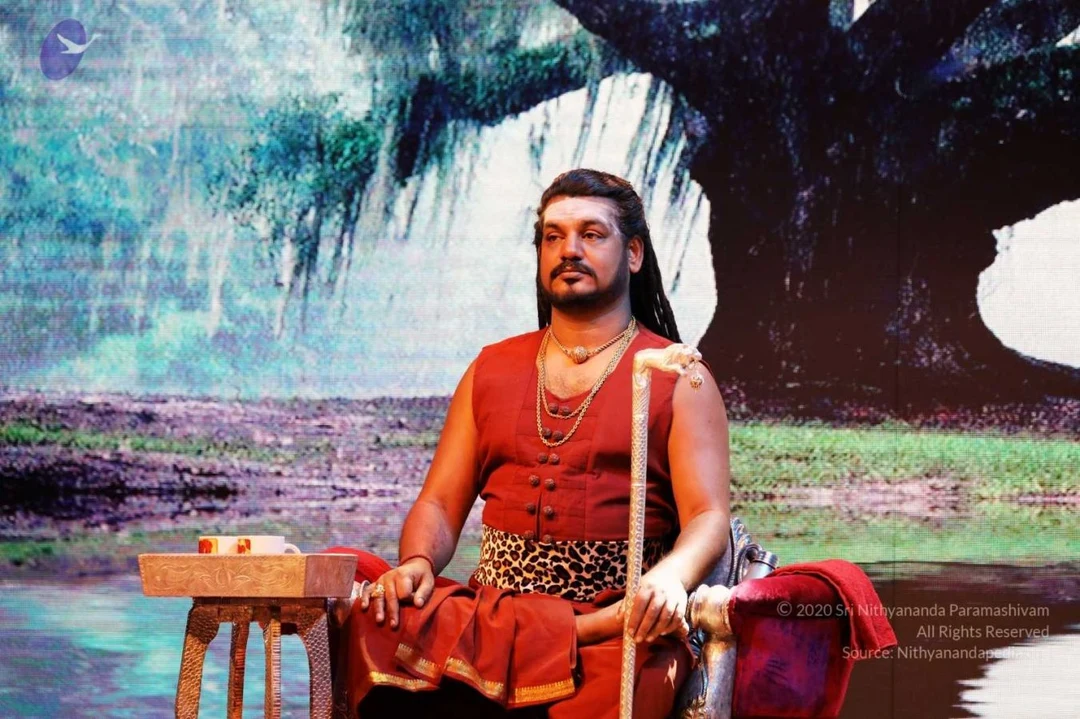 Nithyananda Yoga Paddhati - Prathama Vinyasa Krama (108 asana sequence)
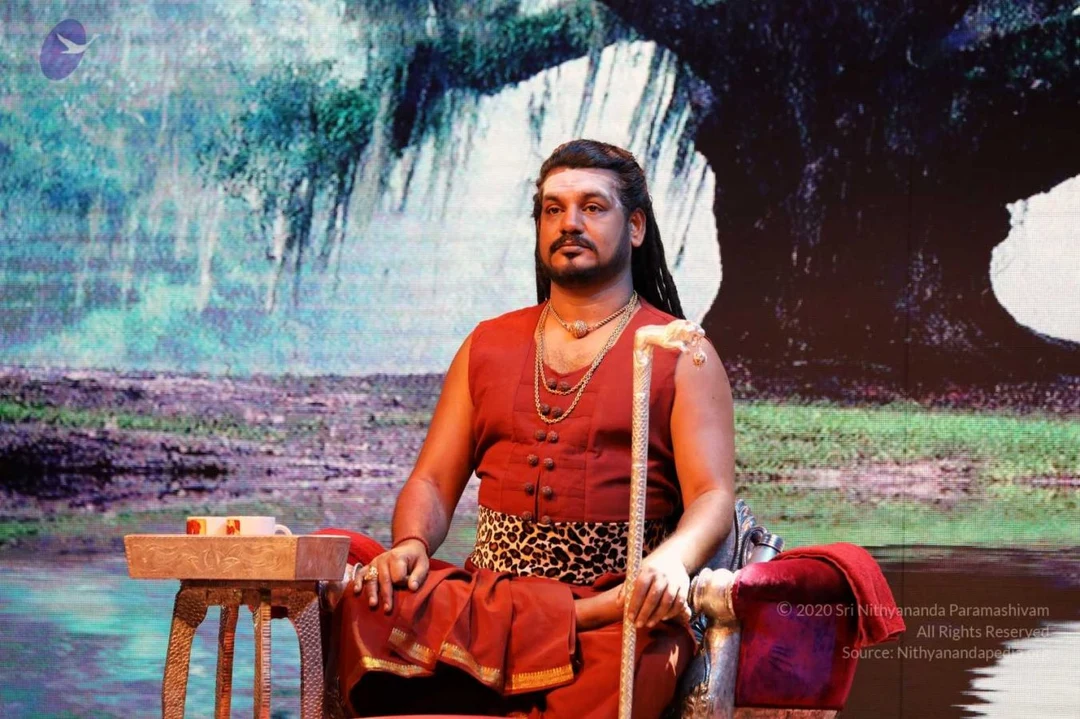 Nithyananda Yoga Paddhati - Prathama Vinyasa Krama (108 asana sequence)
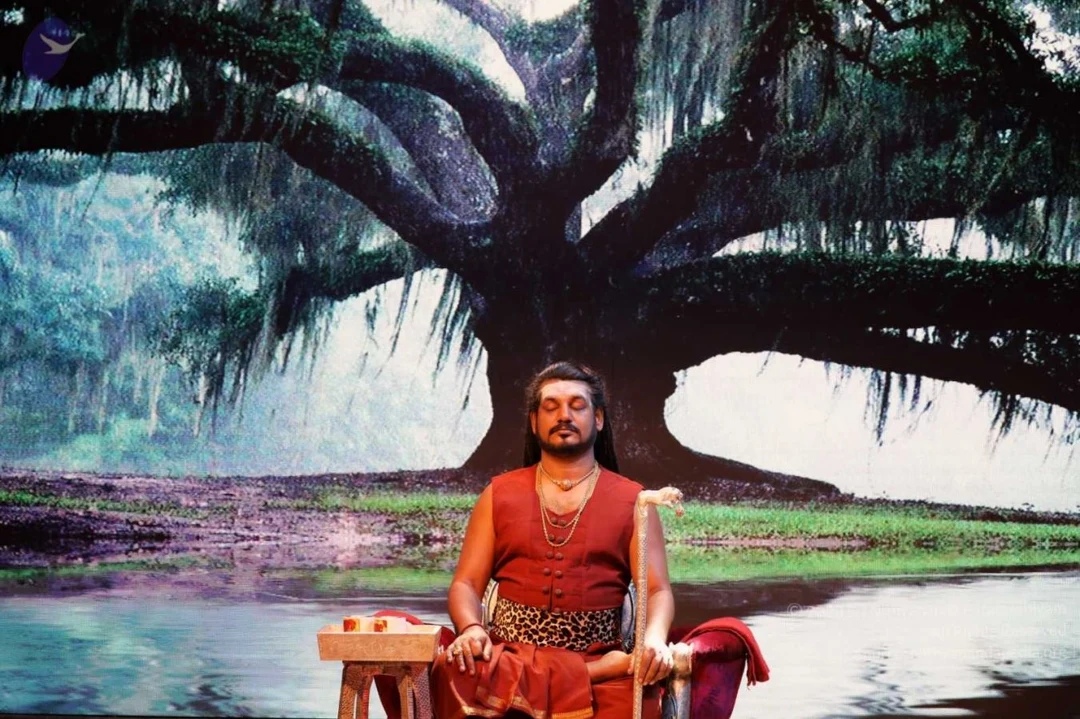 Nithyananda Yoga Paddhati - Prathama Vinyasa Krama (108 asana sequence)
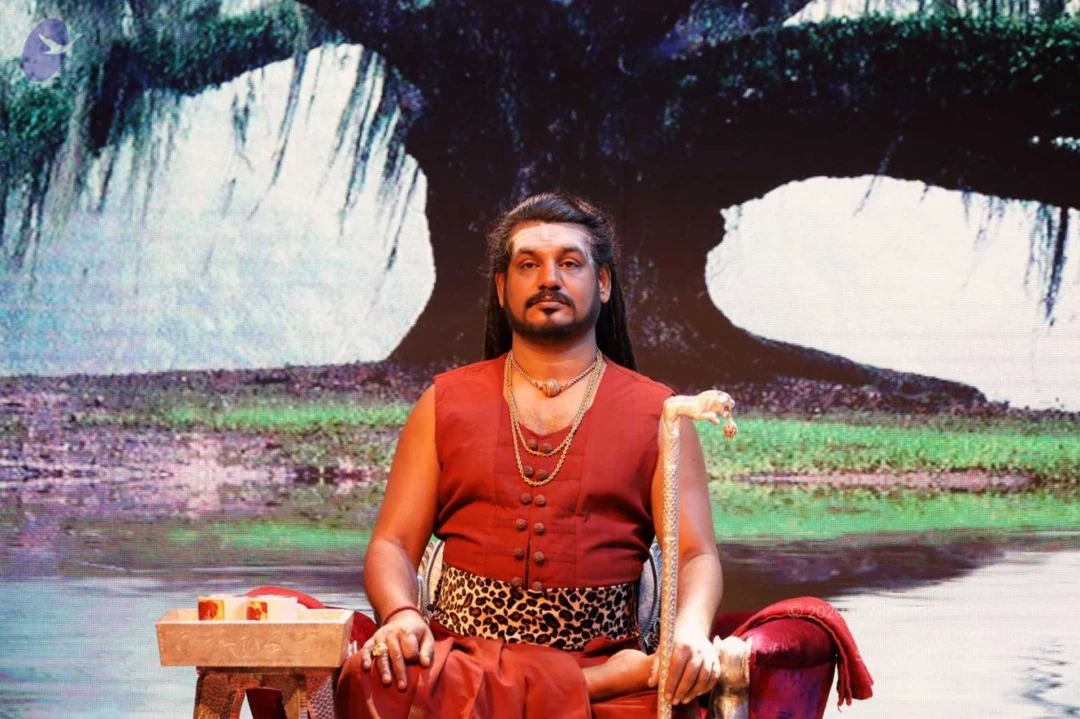 Nithyananda Yoga Paddhati - Prathama Vinyasa Krama (108 asana sequence)
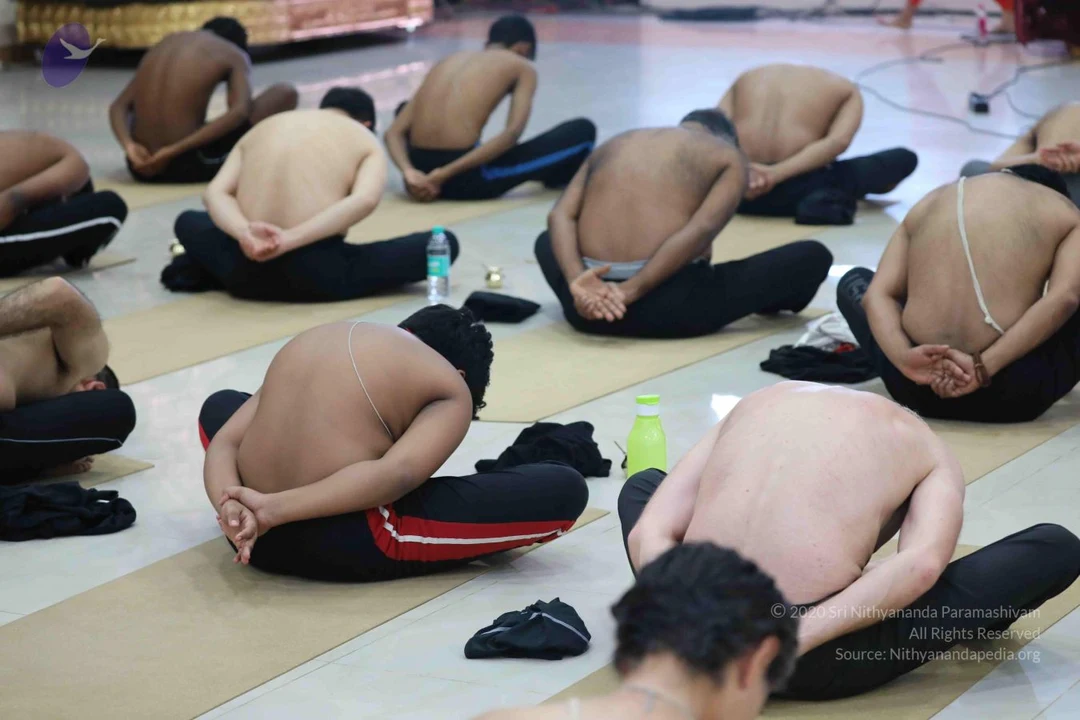
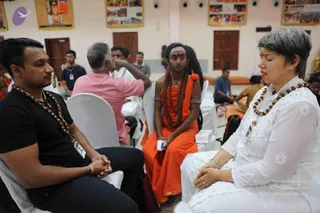
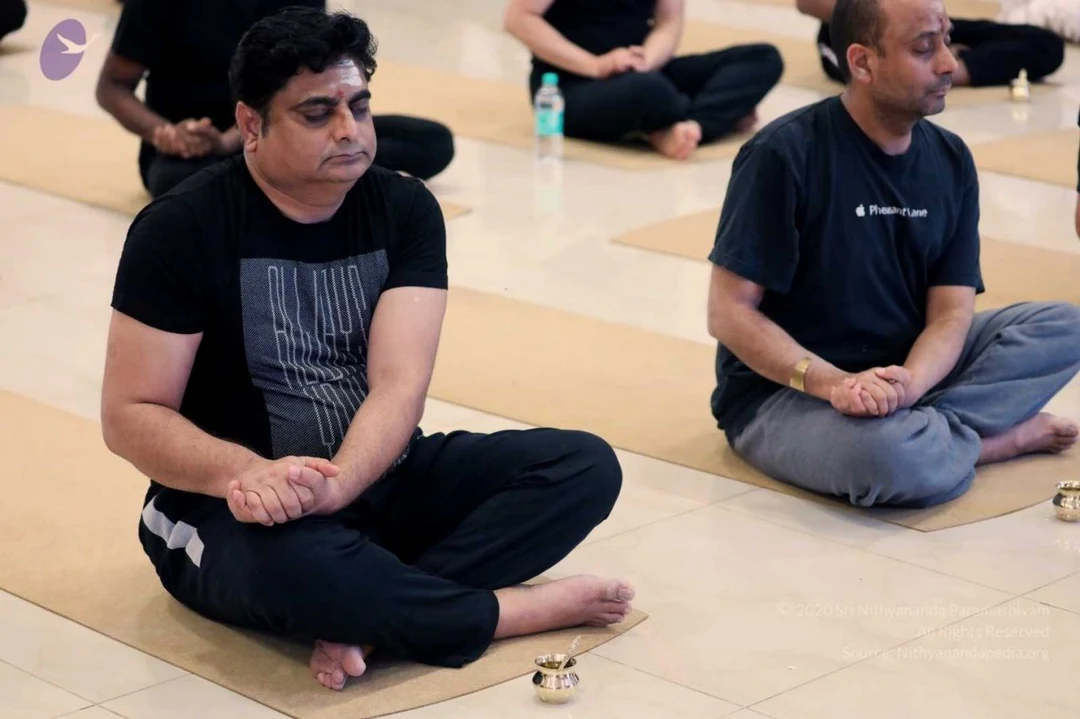 Mahasadashivoham delegates performing Nithyananda Yoga in the breathing space of HDH Nithyananda Paramashivam
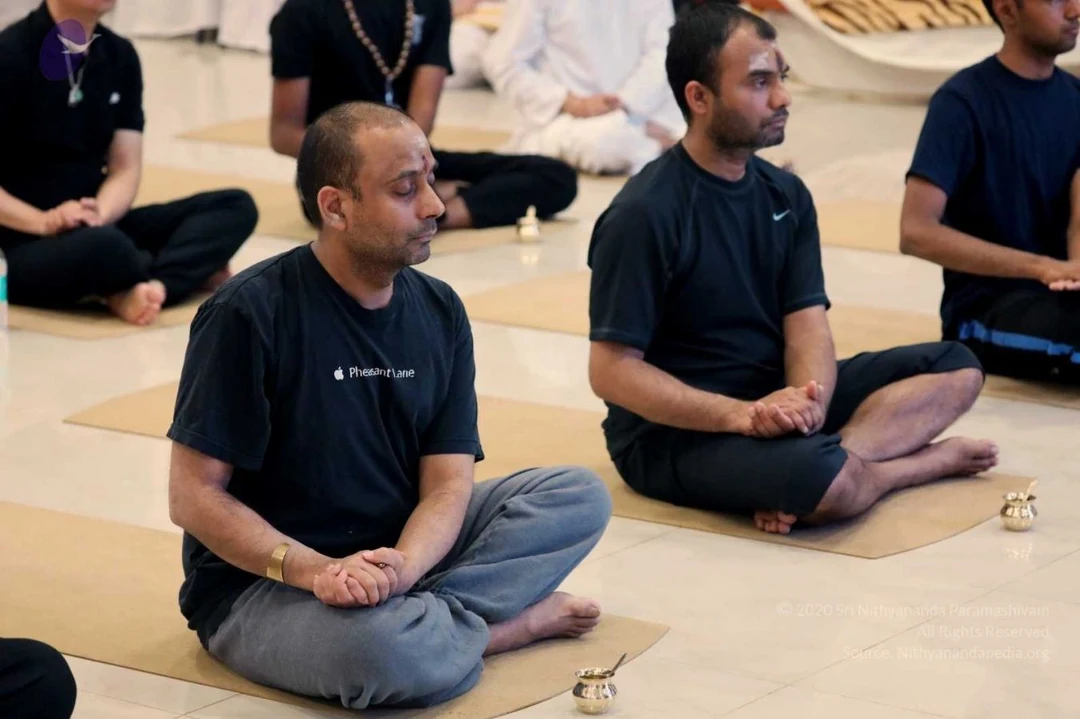 Mahasadashivoham delegates performing Nithyananda Yoga in the breathing space of HDH Nithyananda Paramashivam
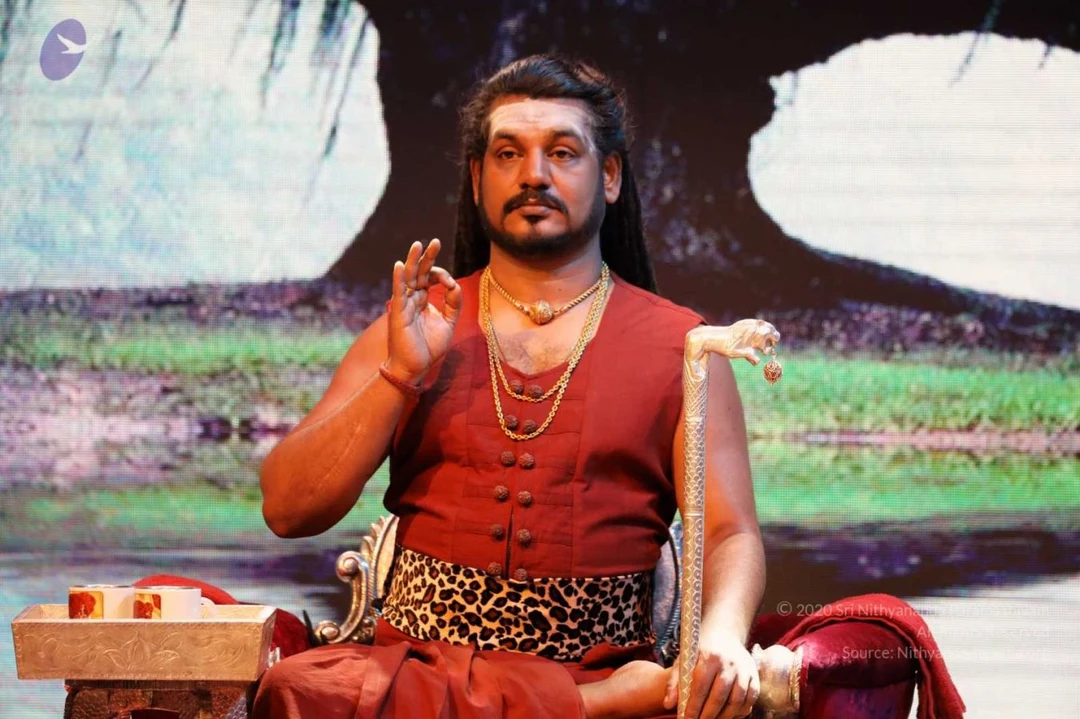 Nithyananda Yoga Paddhati - Prathama Vinyasa Krama (108 asana sequence)
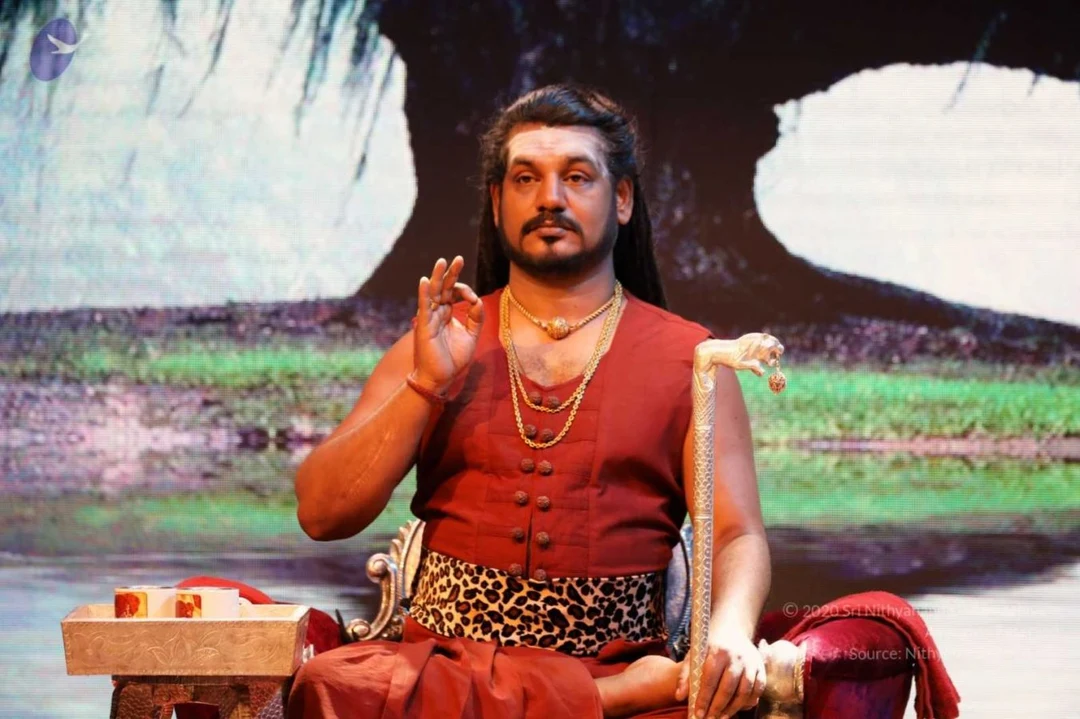 Nithyananda Yoga Paddhati - Prathama Vinyasa Krama (108 asana sequence)
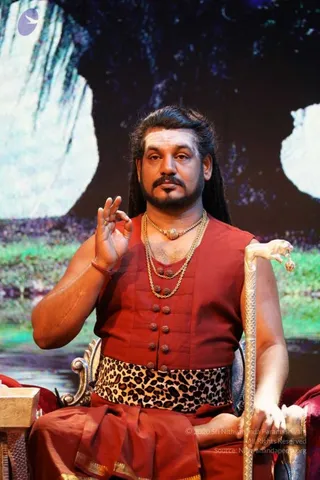 Nithyananda Yoga Paddhati - Prathama Vinyasa Krama (108 asana sequence)
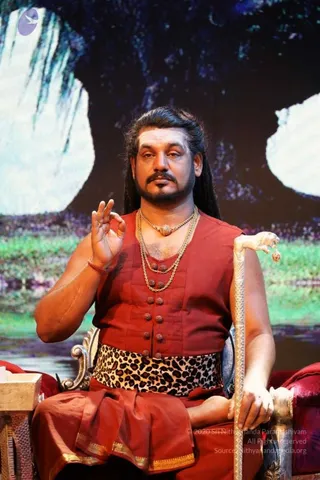 Nithyananda Yoga Paddhati - Prathama Vinyasa Krama (108 asana sequence)
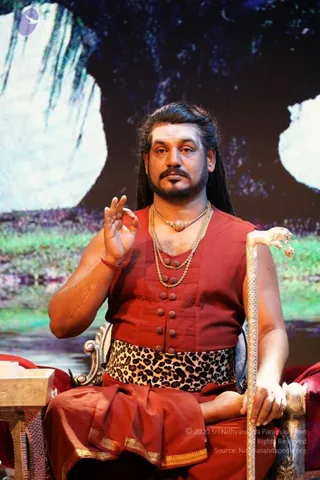 Nithyananda Yoga Paddhati - Prathama Vinyasa Krama (108 asana sequence)
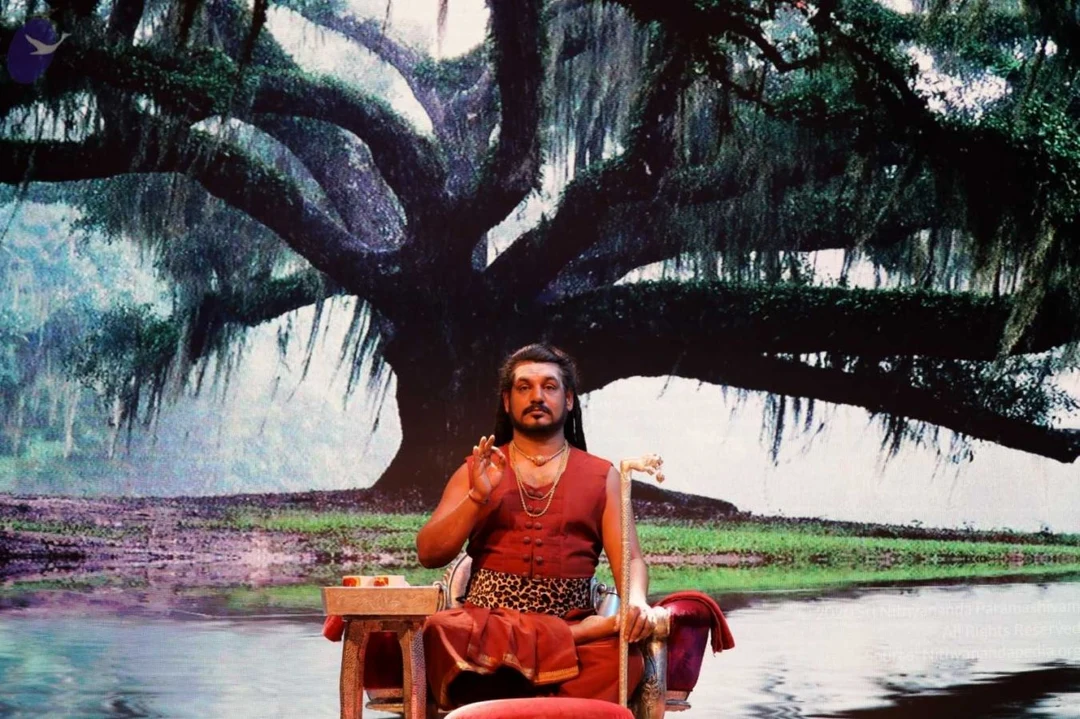 Nithyananda Yoga Paddhati - Prathama Vinyasa Krama (108 asana sequence)
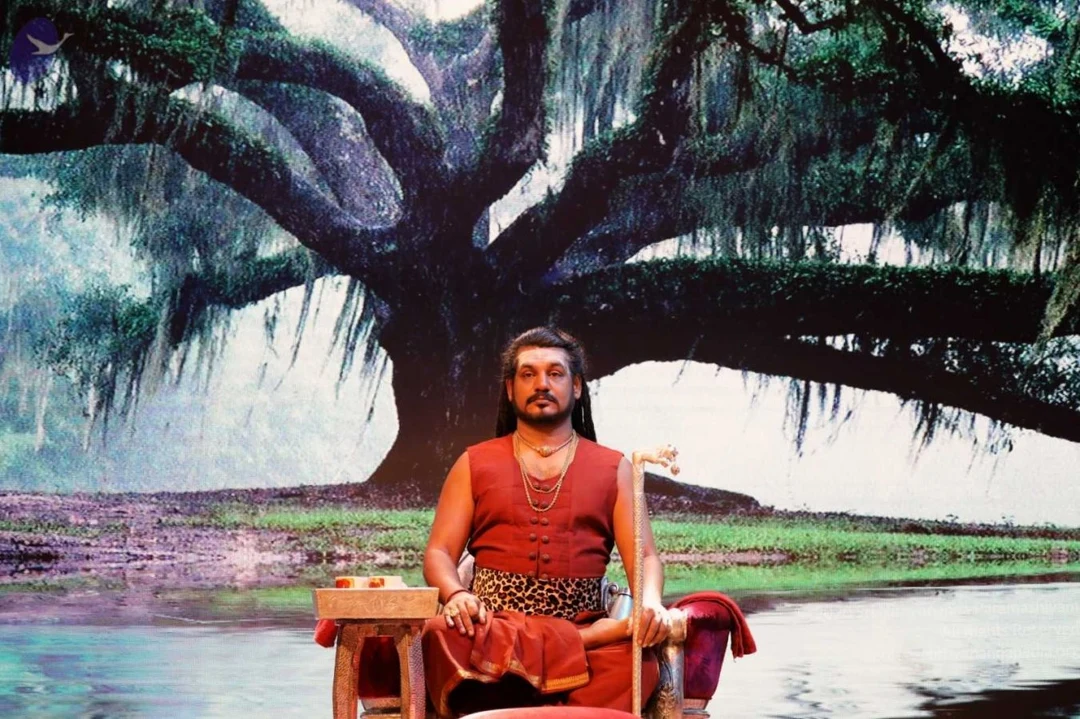 Nithyananda Yoga Paddhati - Prathama Vinyasa Krama (108 asana sequence)
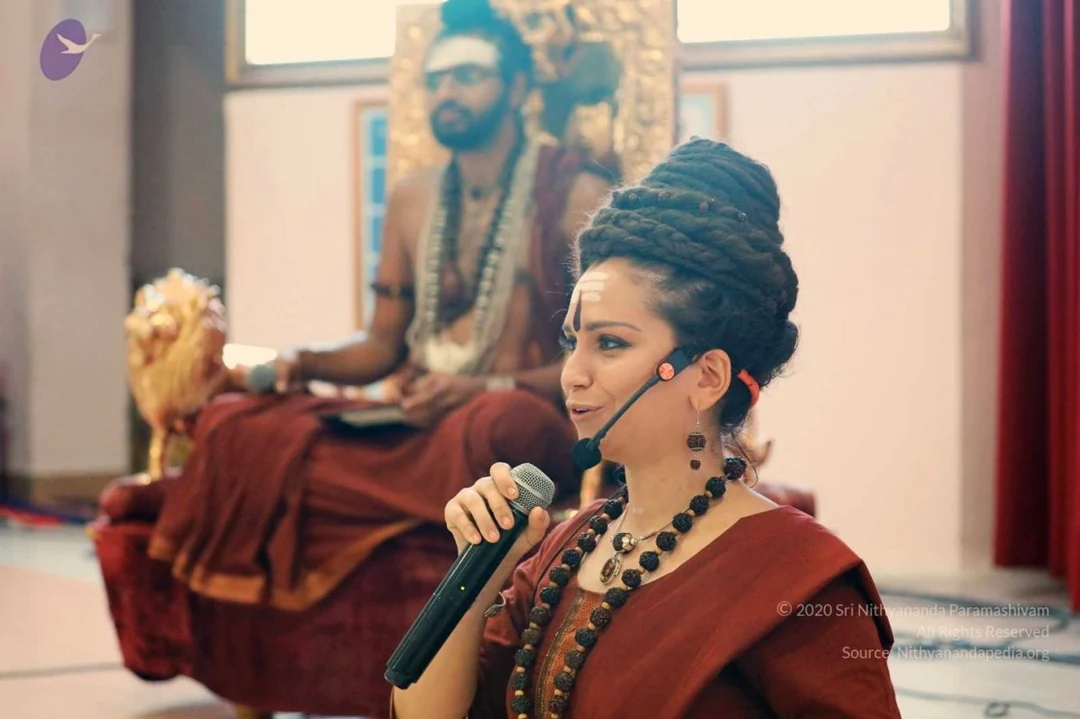 Nithyananda Yoga places the utmost importance on the chanting of original verses along with the practice of Yoga
 Parama Yoga revealed by Paramashiva, ultimate Shiva, ultimate Truth
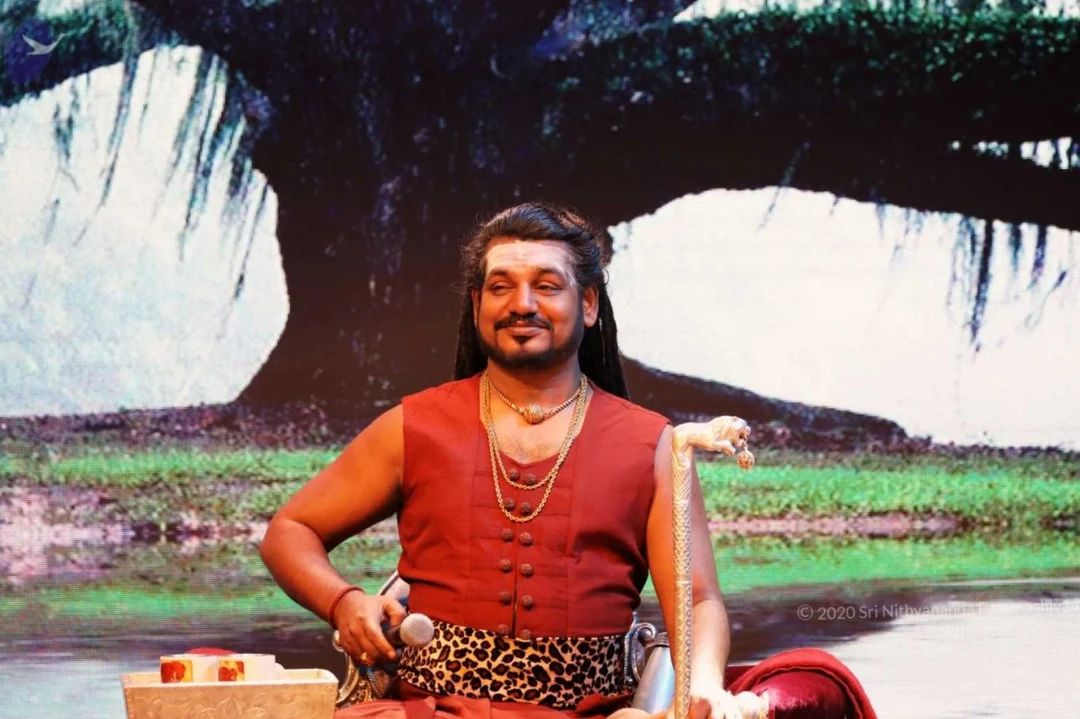 Parama Yoga revealed by Paramashiva, ultimate Shiva, ultimate Truth
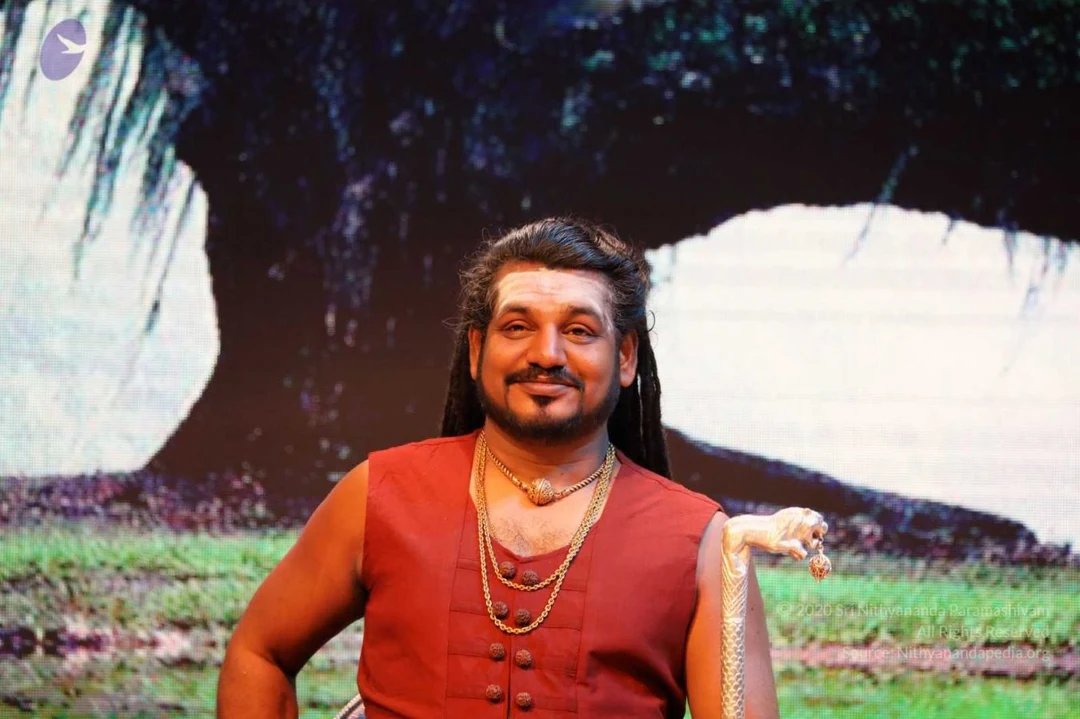 Parama Yoga revealed by Paramashiva, ultimate Shiva, ultimate Truth
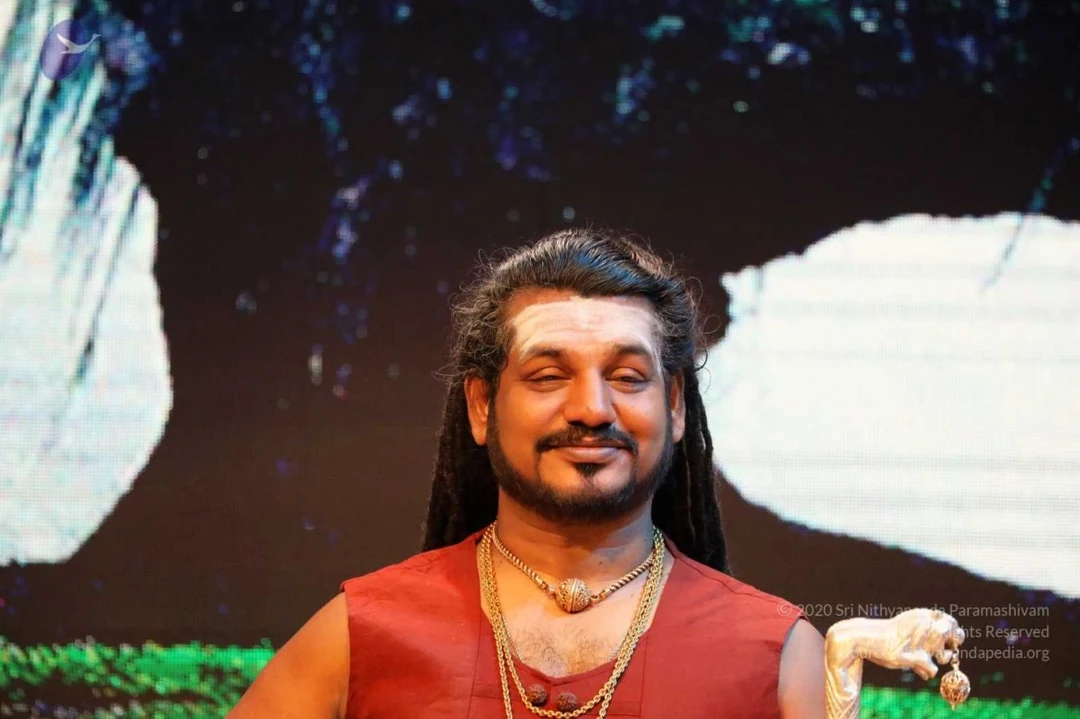 Parama Yoga revealed by Paramashiva, ultimate Shiva, ultimate Truth
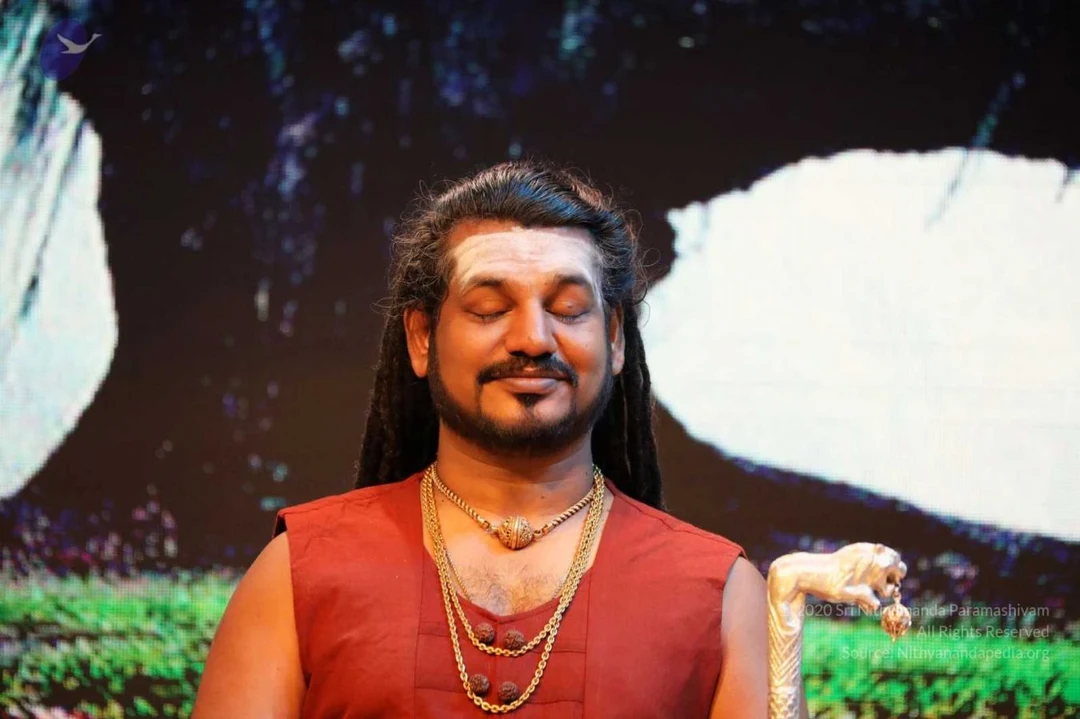 Parama Yoga revealed by Paramashiva, ultimate Shiva, ultimate Truth
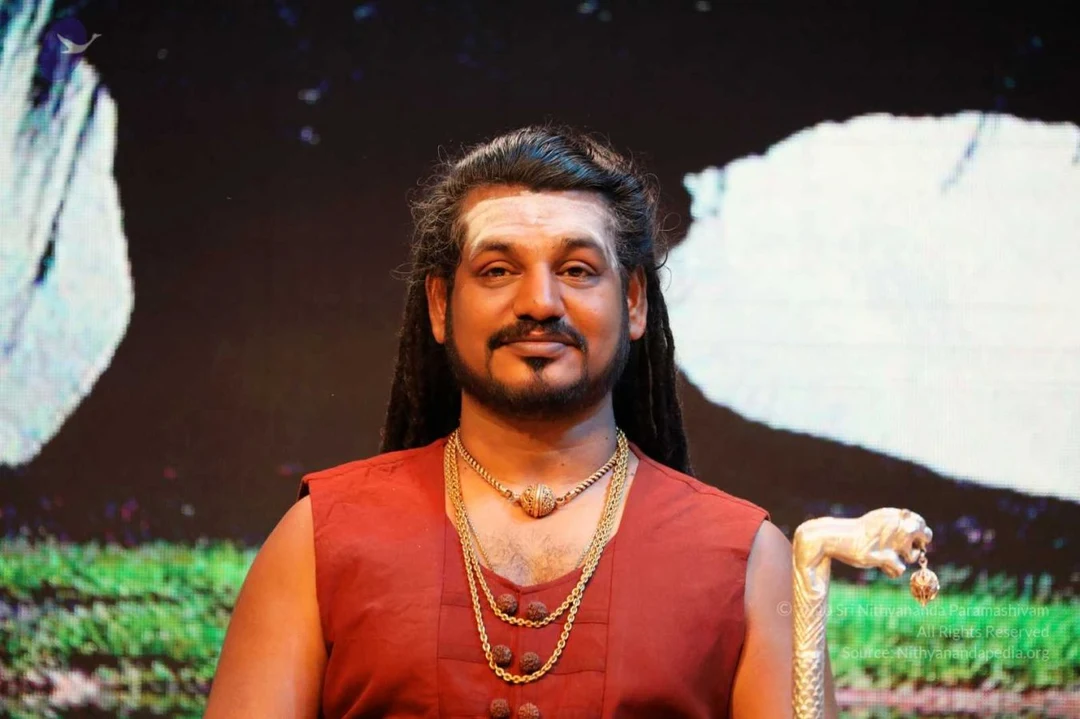 Parama Yoga revealed by Paramashiva, ultimate Shiva, ultimate Truth
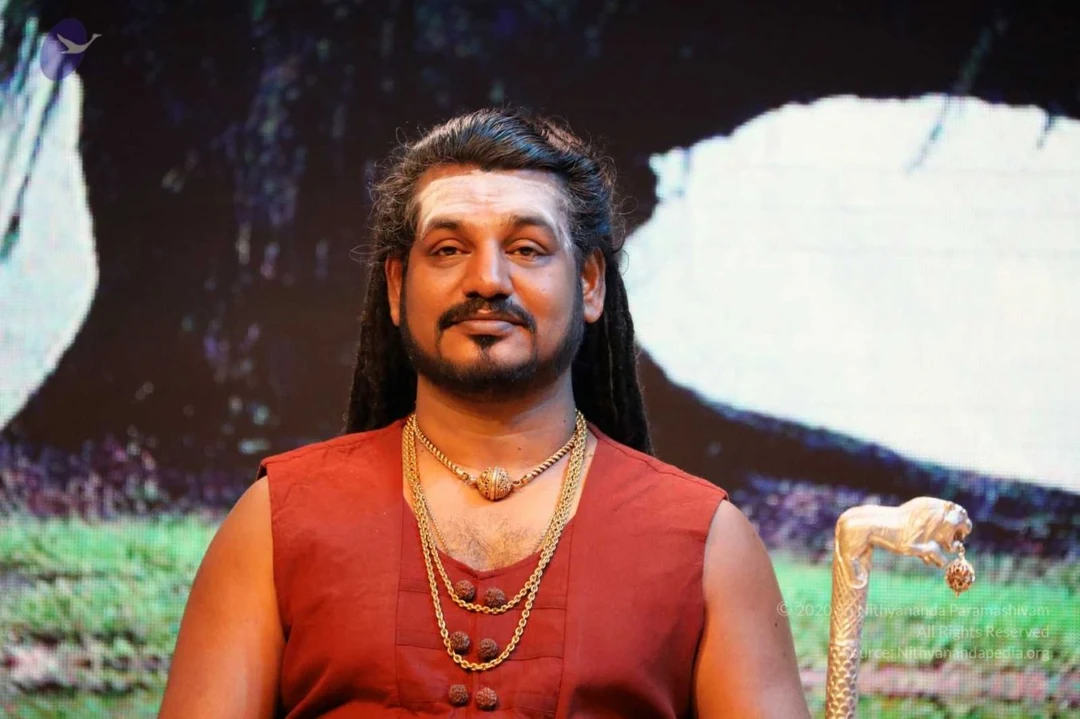 Parama Yoga revealed by Paramashiva, ultimate Shiva, ultimate Truth
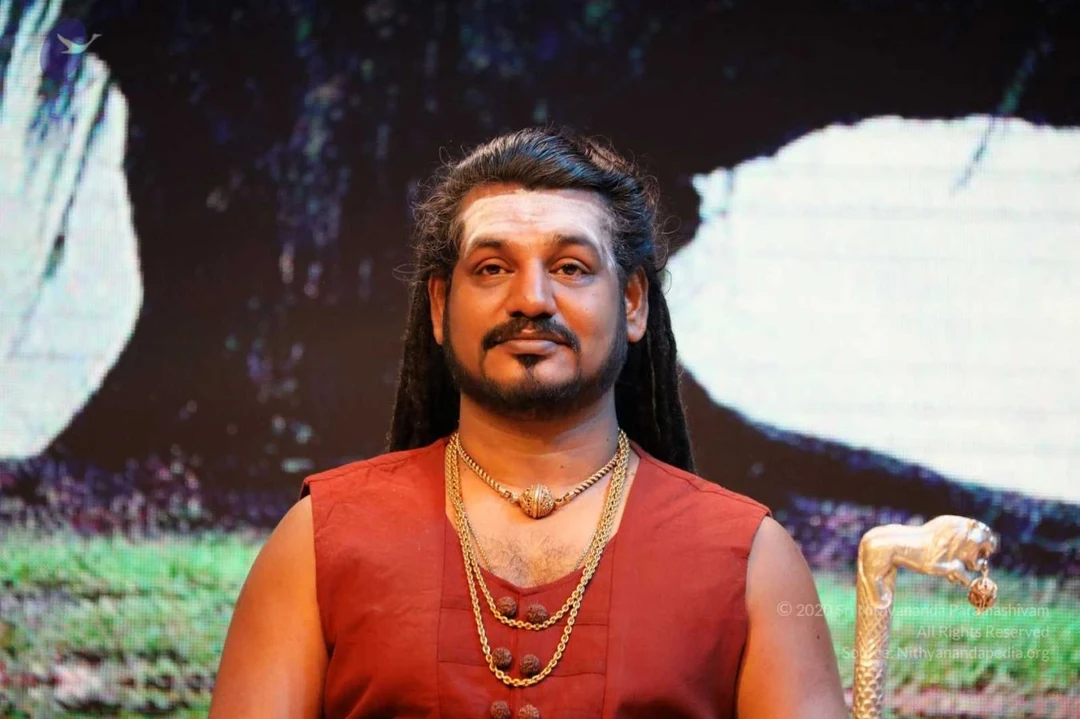 Parama Yoga revealed by Paramashiva, ultimate Shiva, ultimate Truth
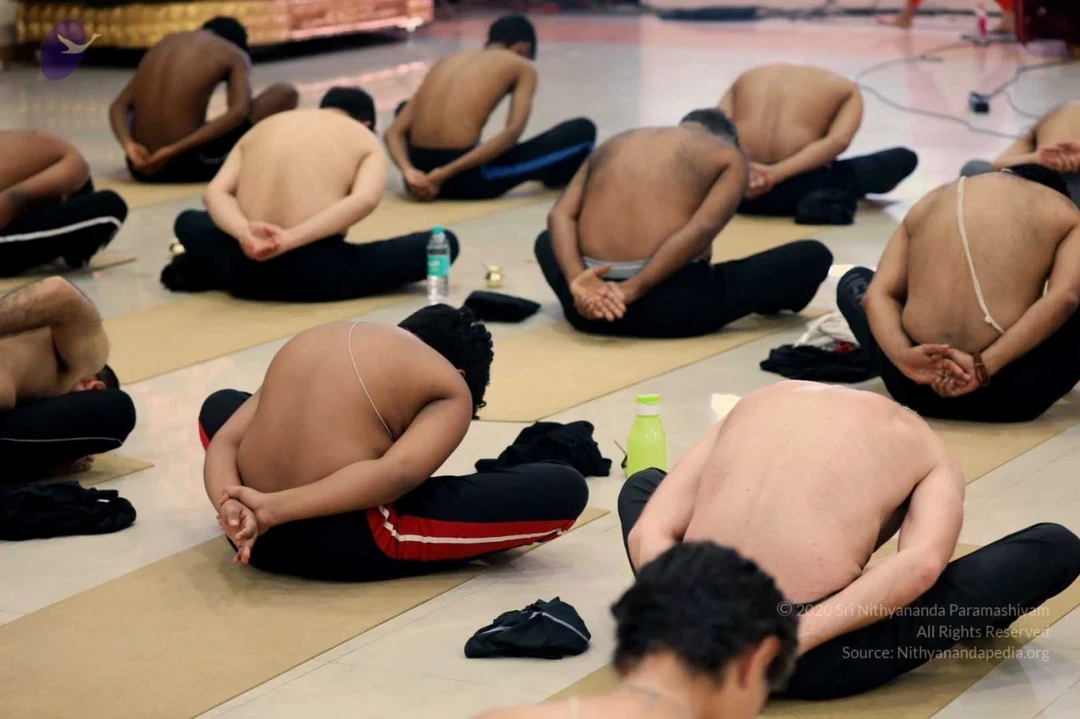 Mahasadashivoham delegates performing Nithyananda Yoga in the breathing space of HDH Nithyananda Paramashivam
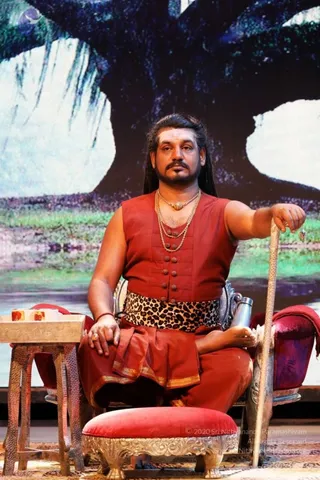 Nithyananda Yoga - Authentic original yoga from the Source!
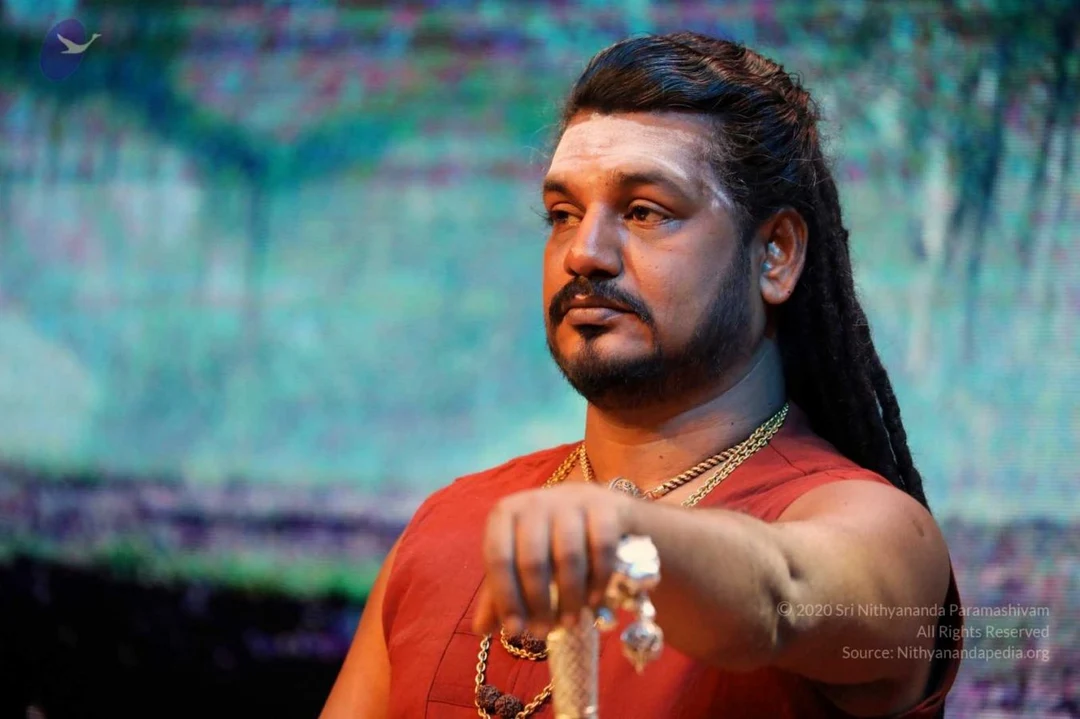 Nithyananda Yoga - Authentic original yoga from the Source!
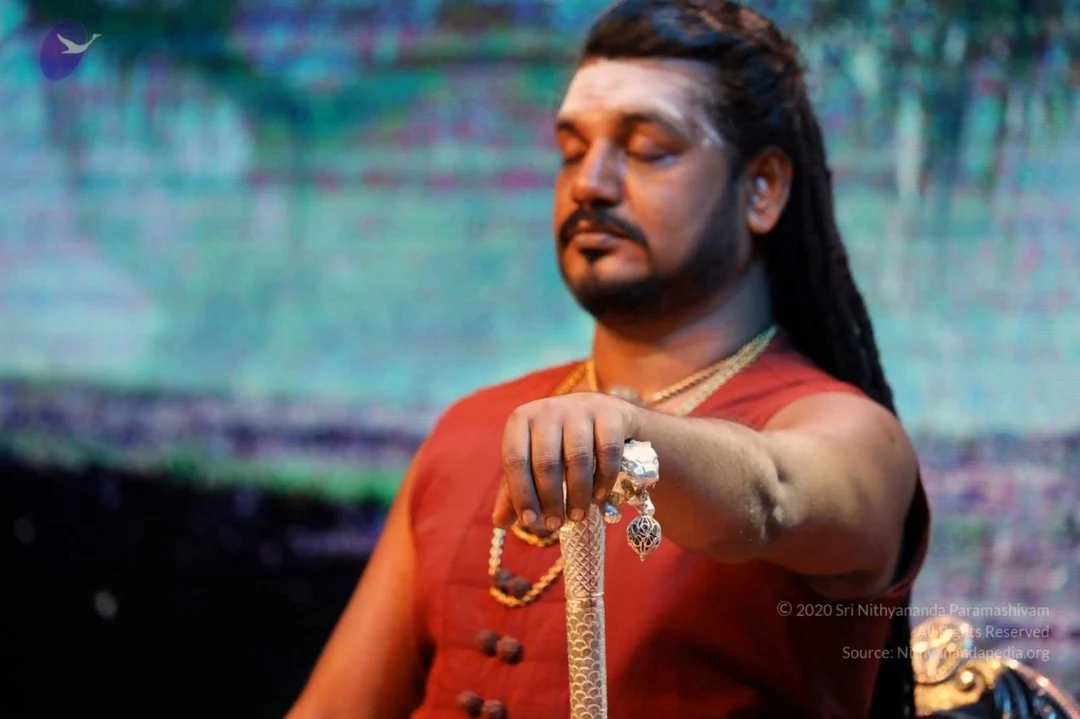 Nithyananda Yoga - Authentic original yoga from the Source!
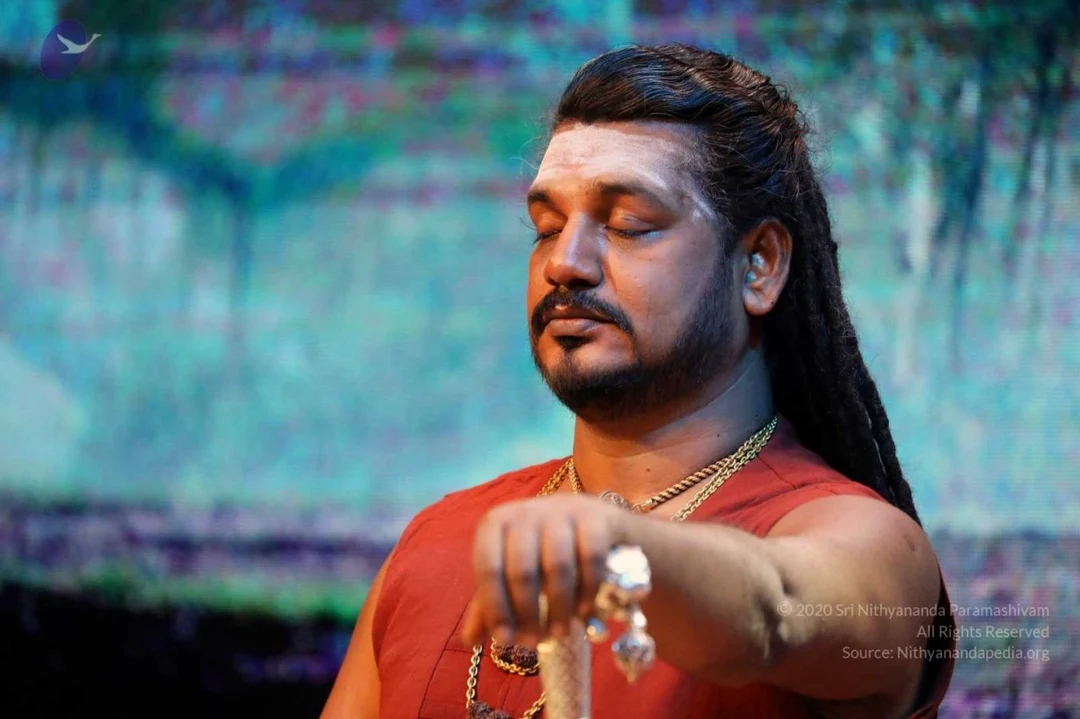 Nithyananda Yoga - Authentic original yoga from the Source!
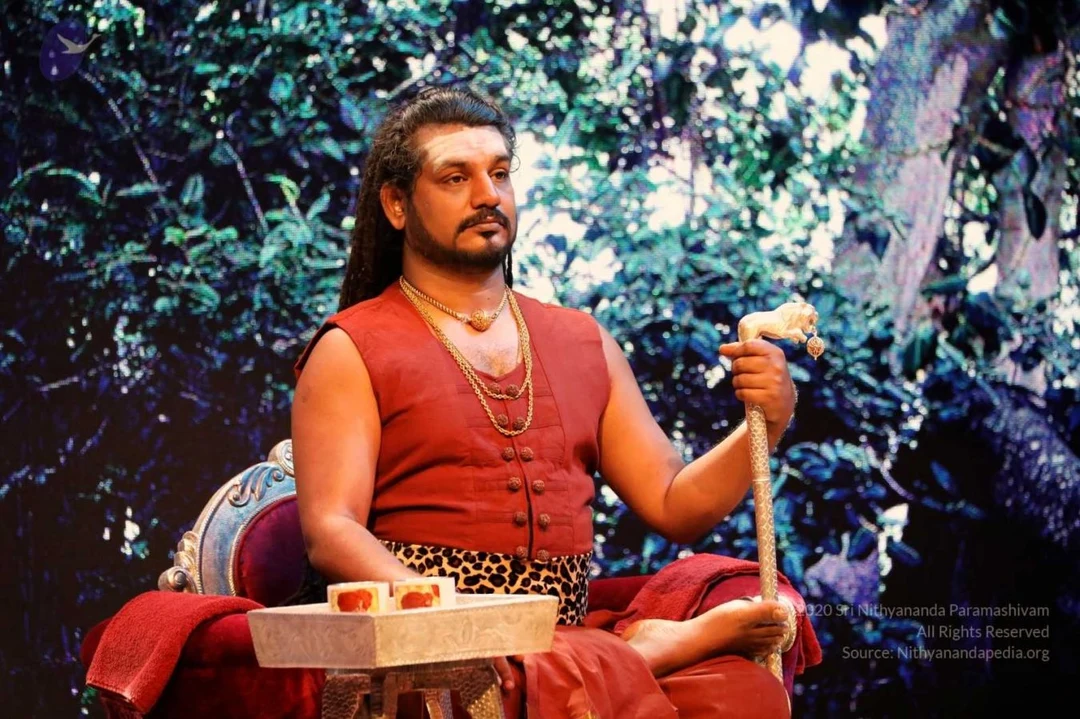 Nithyananda Yoga - Authentic original yoga from the Source!
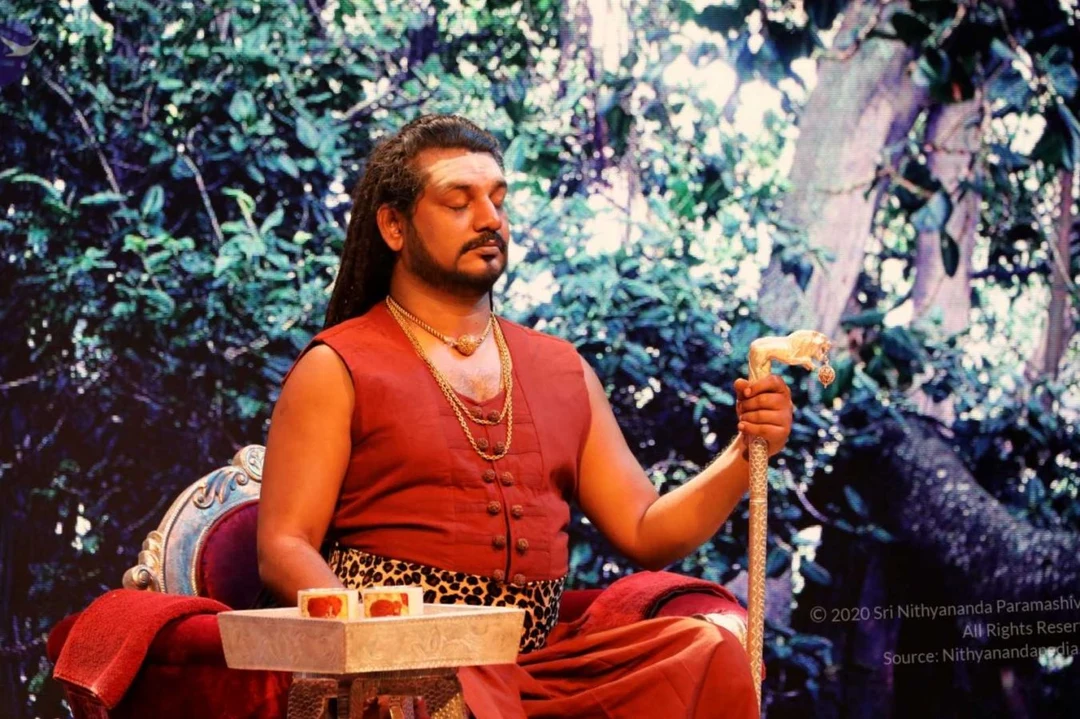 Nithyananda Yoga - Authentic original yoga from the Source!
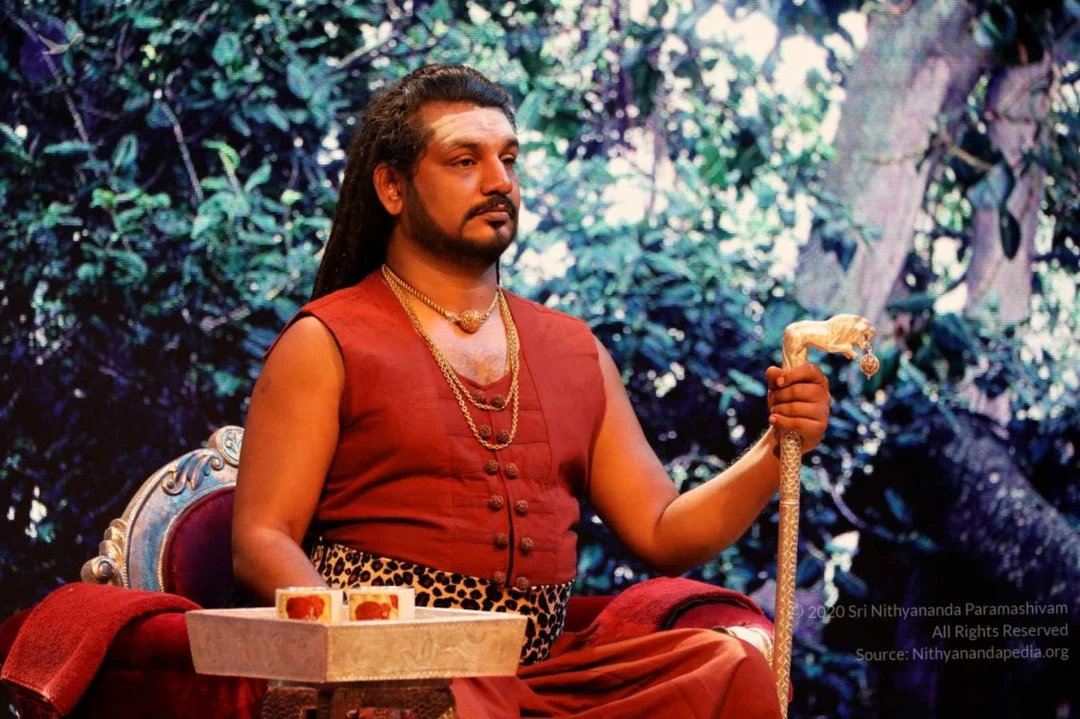 Yoga delivers the direct experience of Samadhi (experience of Oneness with the Ultimate) - to manifest the state, space, and powers of Paramashiva.
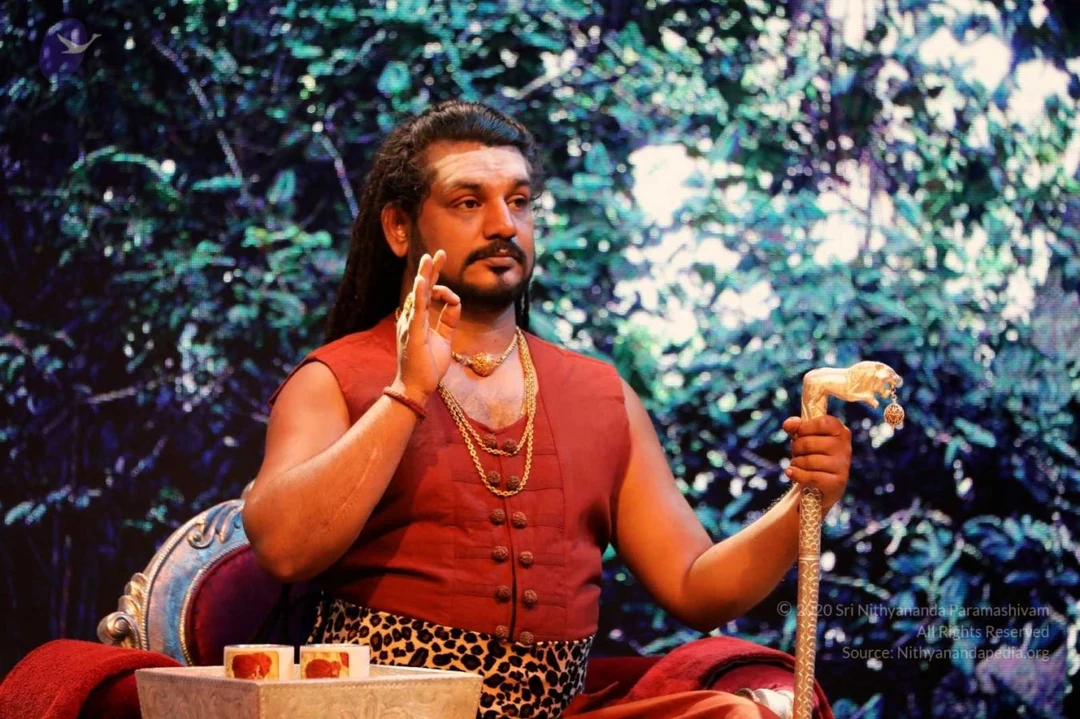 Yoga delivers the direct experience of Samadhi (experience of Oneness with the Ultimate) - to manifest the state, space, and powers of Paramashiva.
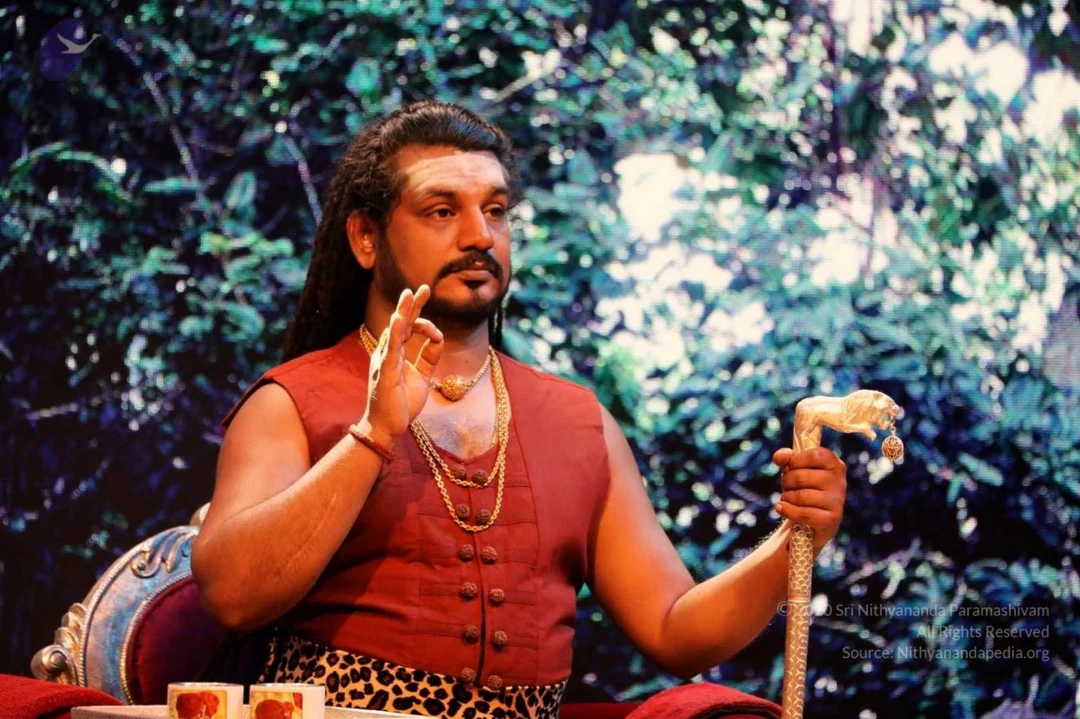 Yoga delivers the direct experience of Samadhi (experience of Oneness with the Ultimate) - to manifest the state, space, and powers of Paramashiva.
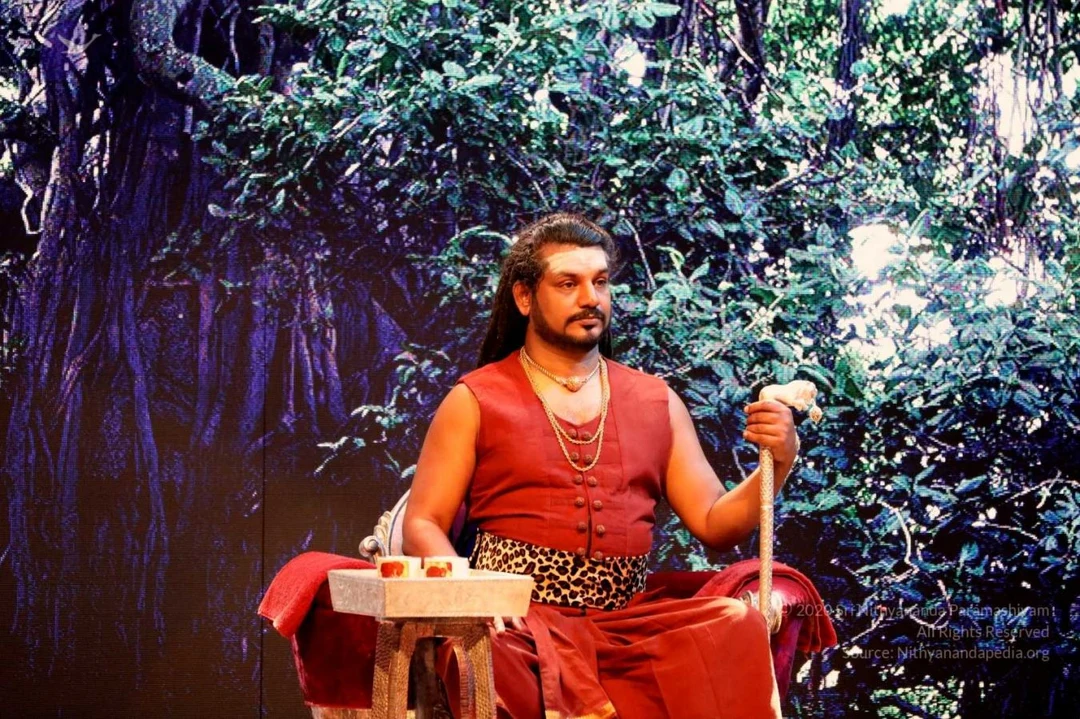 Yoga delivers the direct experience of Samadhi (experience of Oneness with the Ultimate) - to manifest the state, space, and powers of Paramashiva.
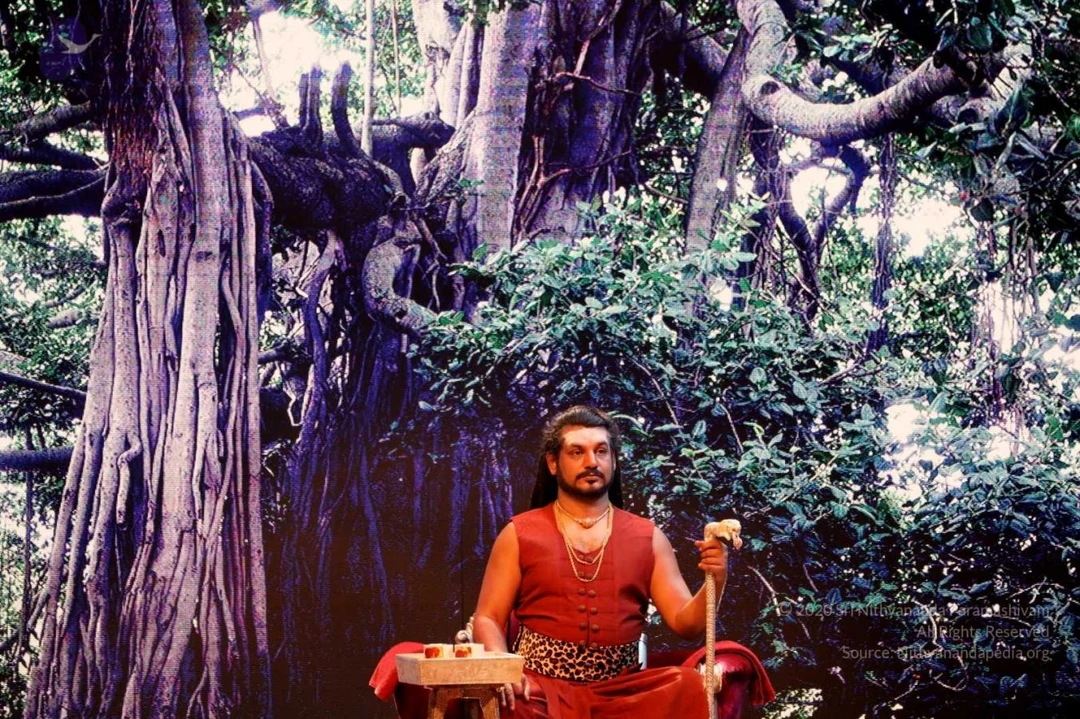 Yoga delivers the direct experience of Samadhi (experience of Oneness with the Ultimate) - to manifest the state, space, and powers of Paramashiva.
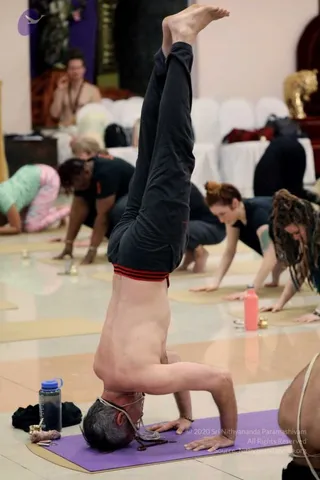 Mahasadashivoham delegates performing Nithyananda Yoga in the breathing space of HDH Nithyananda Paramashivam
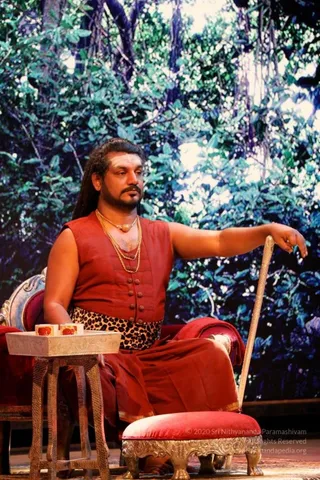 Yoga delivers the direct experience of Samadhi (experience of Oneness with the Ultimate) - to manifest the state, space, and powers of Paramashiva.
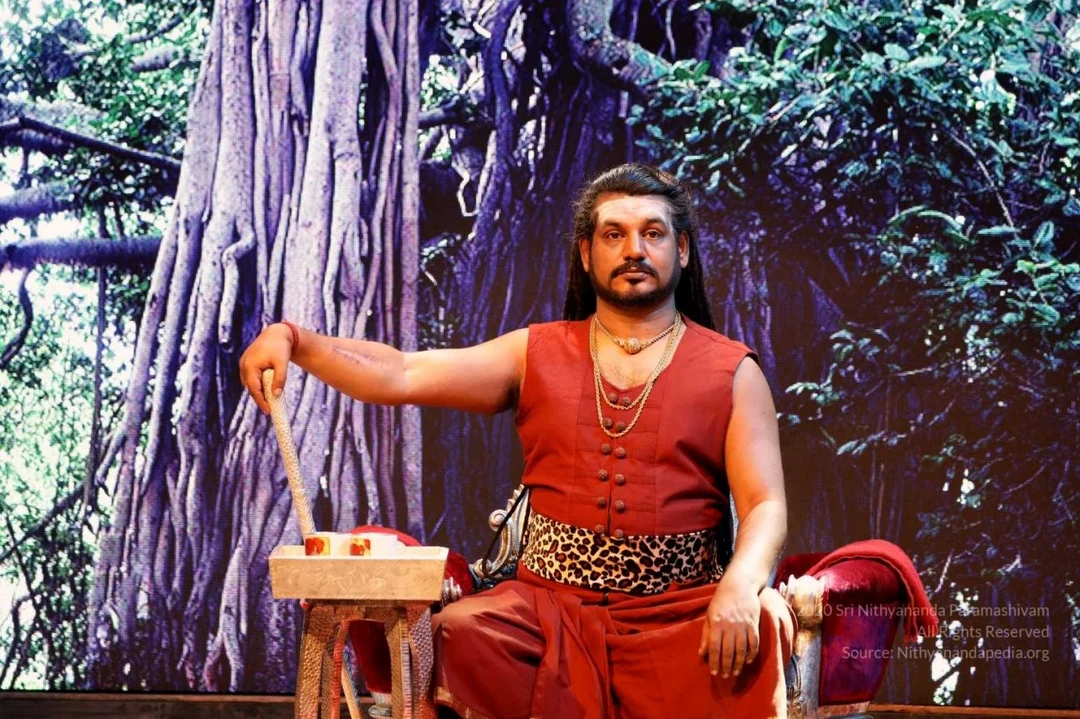 Yoga delivers the direct experience of Samadhi (experience of Oneness with the Ultimate) - to manifest the state, space, and powers of Paramashiva.
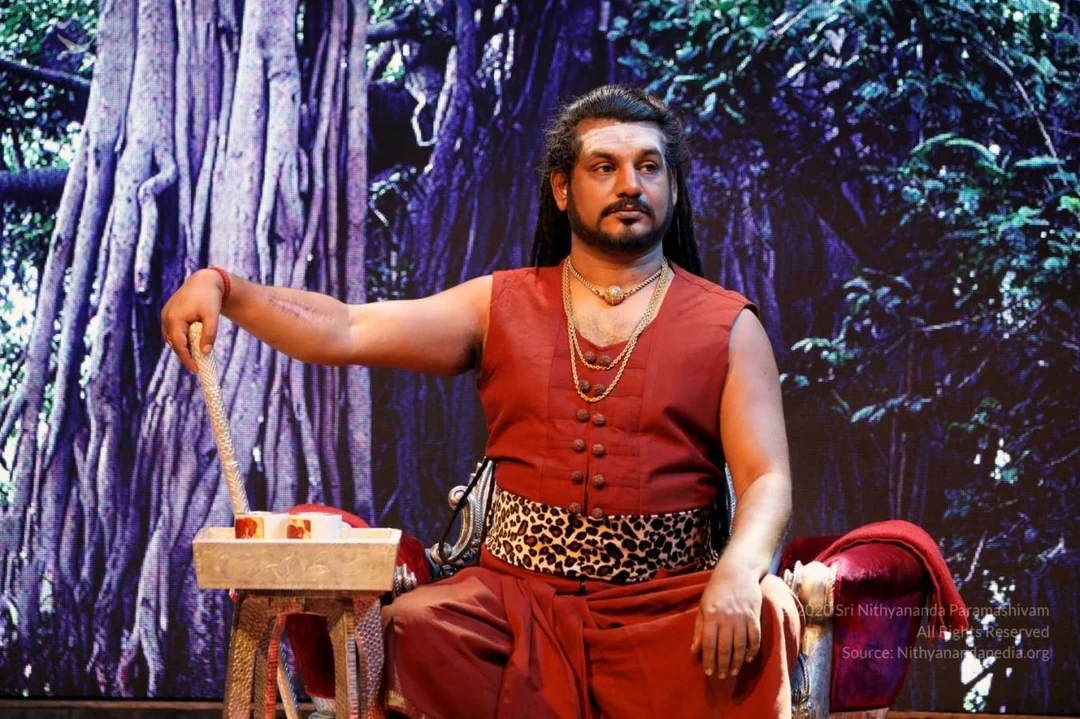 Yoga delivers the direct experience of Samadhi (experience of Oneness with the Ultimate) - to manifest the state, space, and powers of Paramashiva.
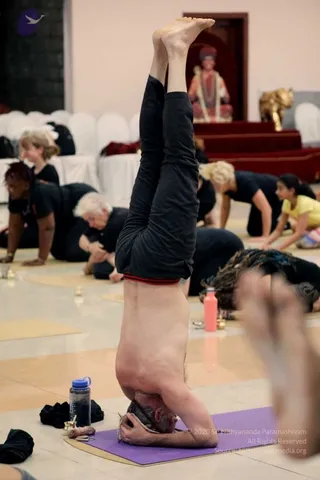 Yoga delivers the direct experience of Samadhi (experience of Oneness with the Ultimate) - to manifest the state, space, and powers of Paramashiva.
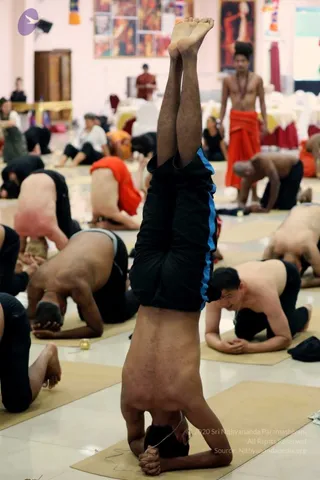 Mahasadashivoham delegates performing Nithyananda Yoga in the breathing space of HDH Nithyananda Paramashivam
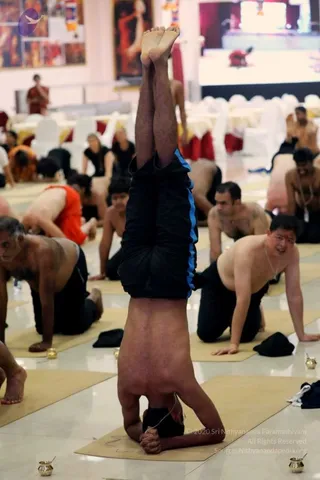 Mahasadashivoham delegates performing Nithyananda Yoga in the breathing space of HDH Nithyananda Paramashivam
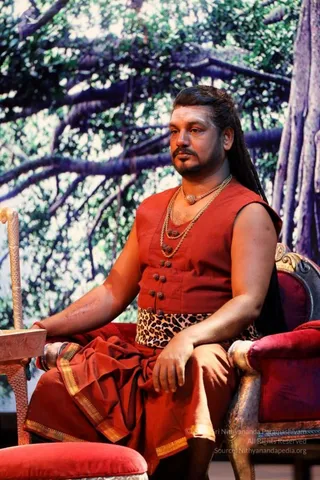 Yoga delivers the direct experience of Samadhi (experience of Oneness with the Ultimate) - to manifest the state, space, and powers of Paramashiva.
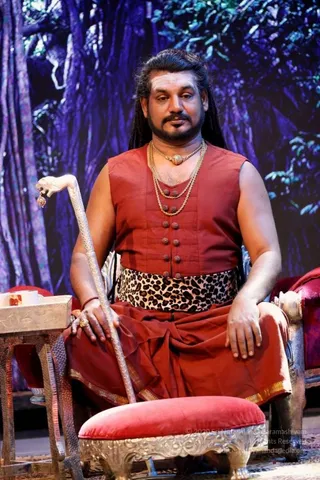 Yoga delivers the direct experience of Samadhi (experience of Oneness with the Ultimate) - to manifest the state, space, and powers of Paramashiva.
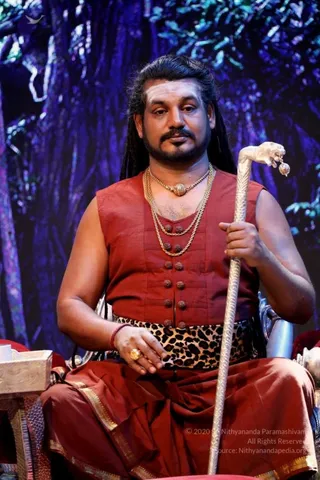 Yoga delivers the direct experience of Samadhi (experience of Oneness with the Ultimate) - to manifest the state, space, and powers of Paramashiva.
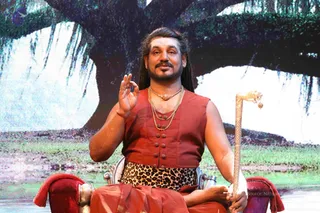
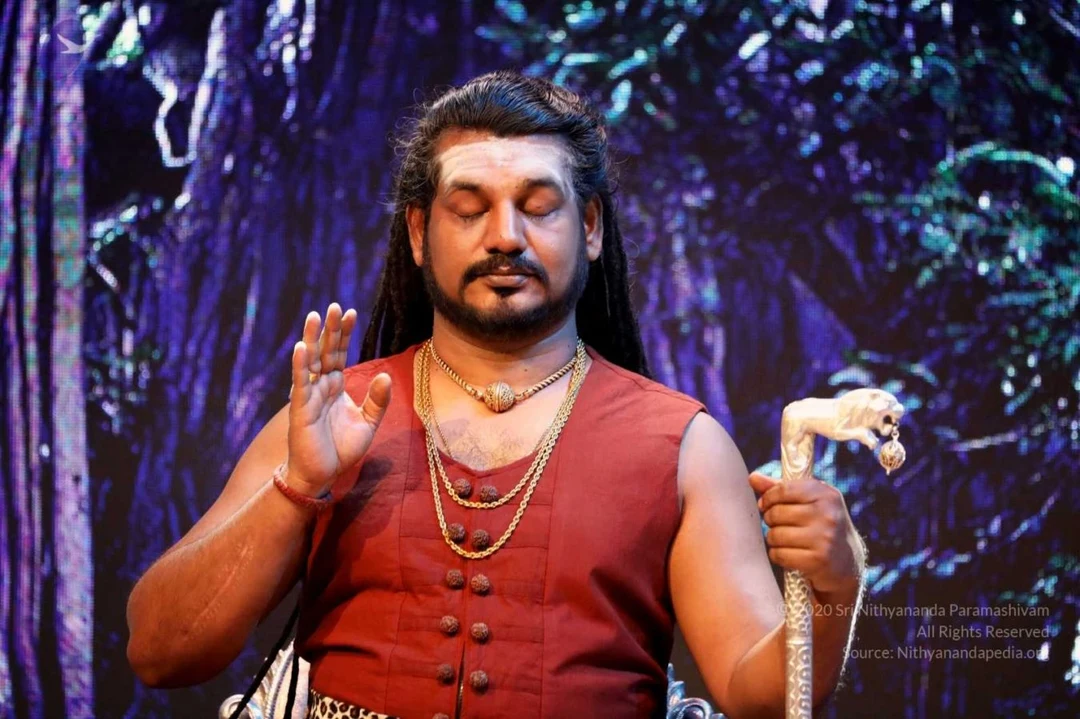 HDH Nithyananda Paramashivam ABHAYA MUDRA (blessings) to Mahasadashivoham delegate
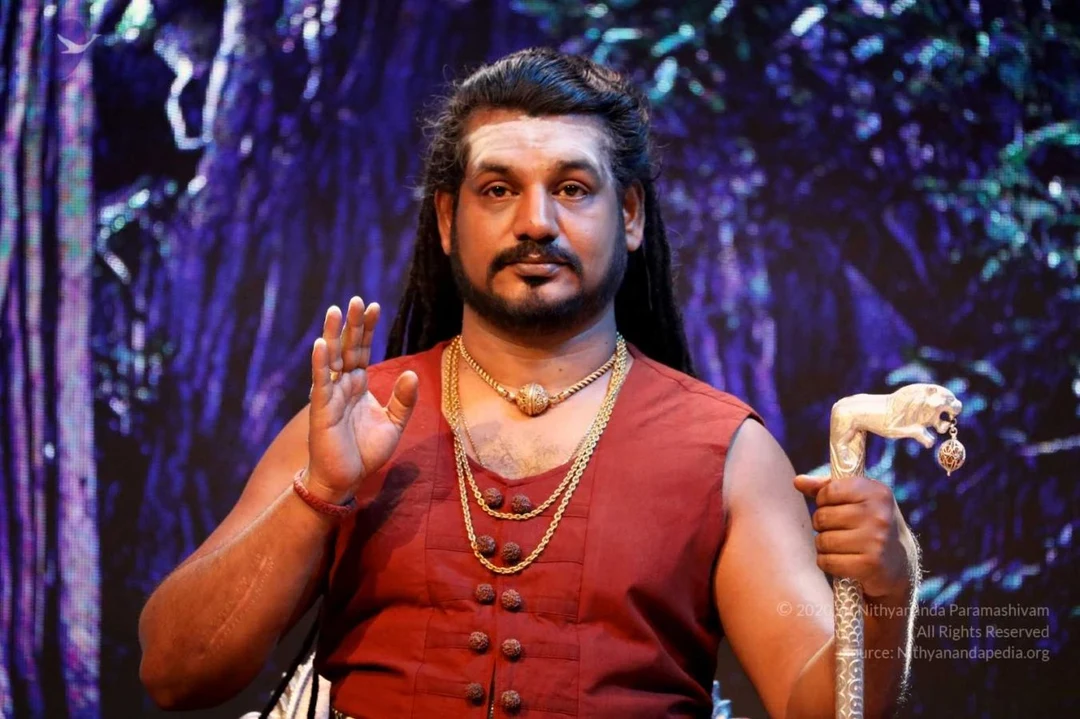 The breathing space of an Avatar is an excellent SPACE to perform YOGA
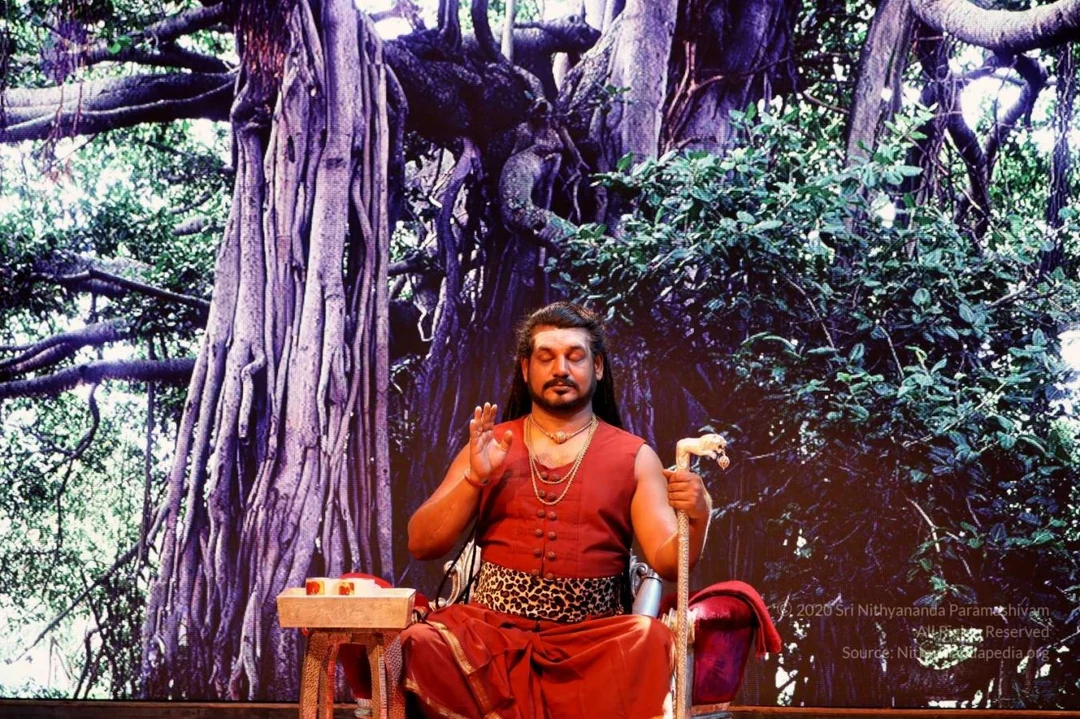 The breathing space of an Avatar is an excellent SPACE to perform YOGA
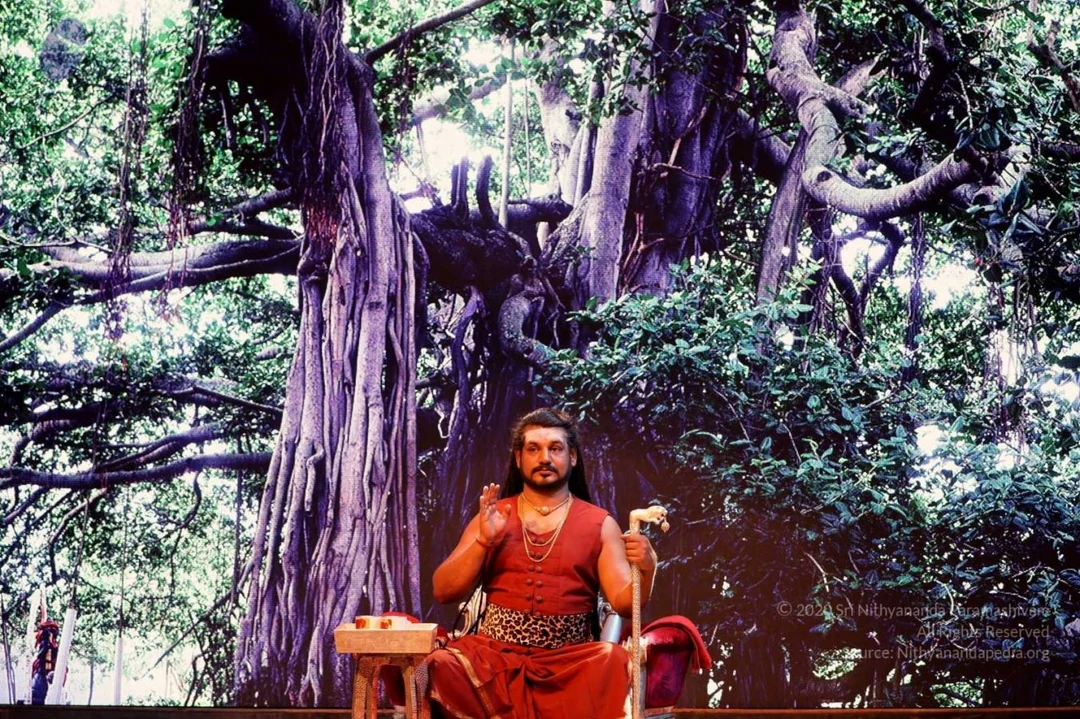 The breathing space of an Avatar is an excellent SPACE to perform YOGA
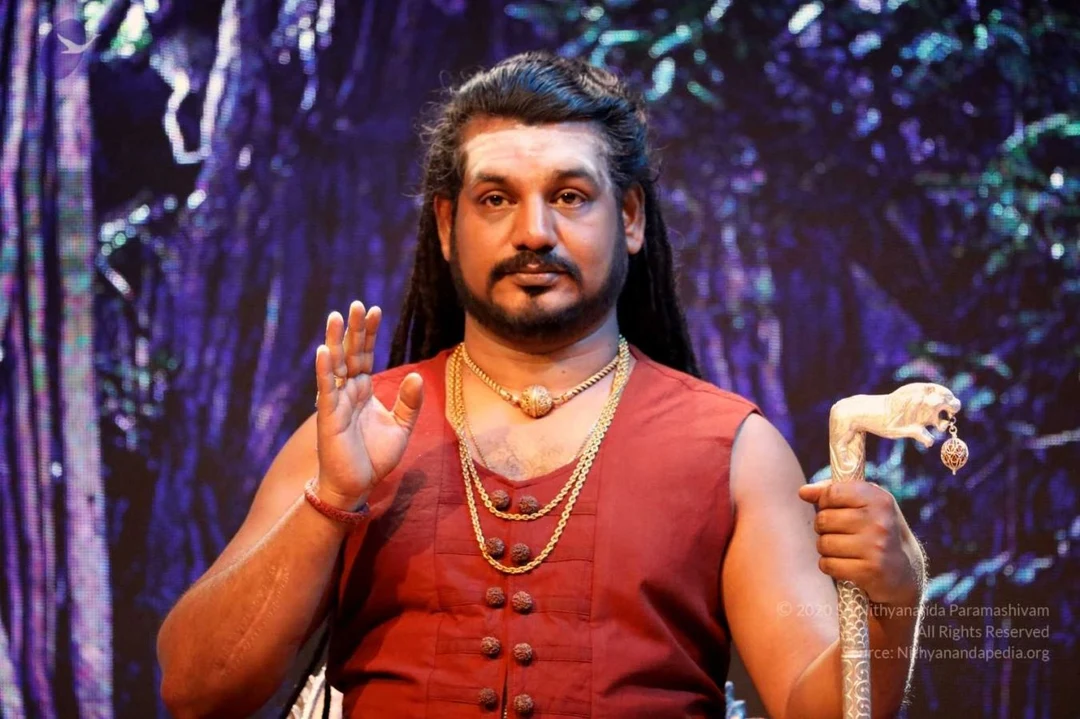 The breathing space of an Avatar is an excellent SPACE to perform YOGA
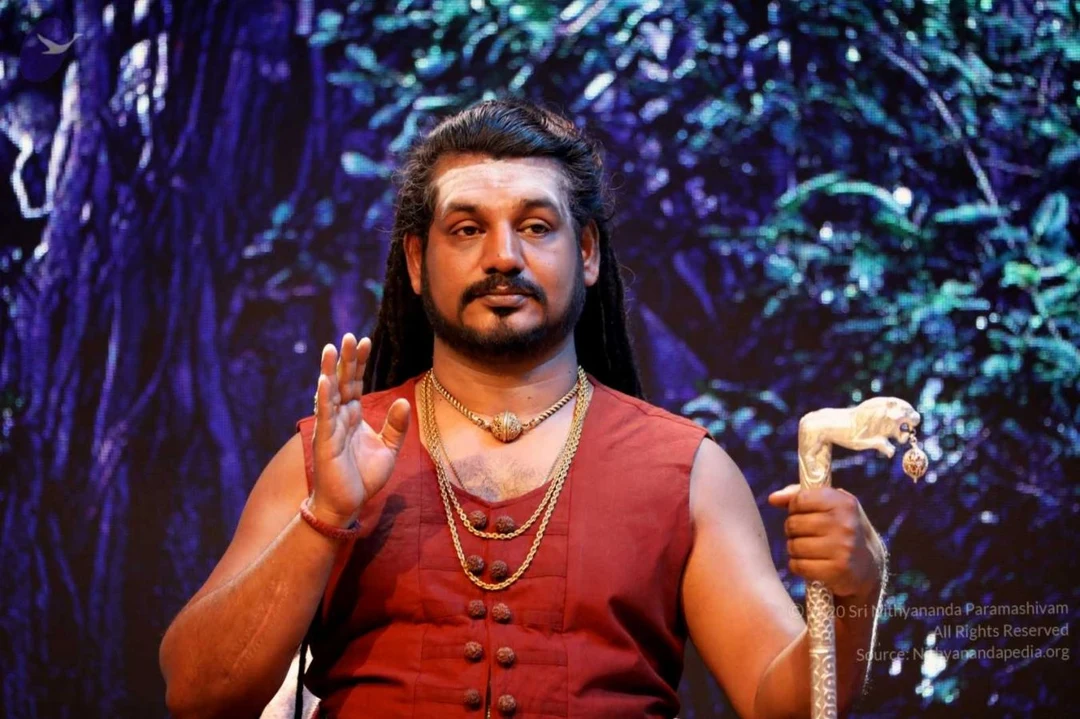 The breathing space of an Avatar is like an excellent SPACE to perform YOGA
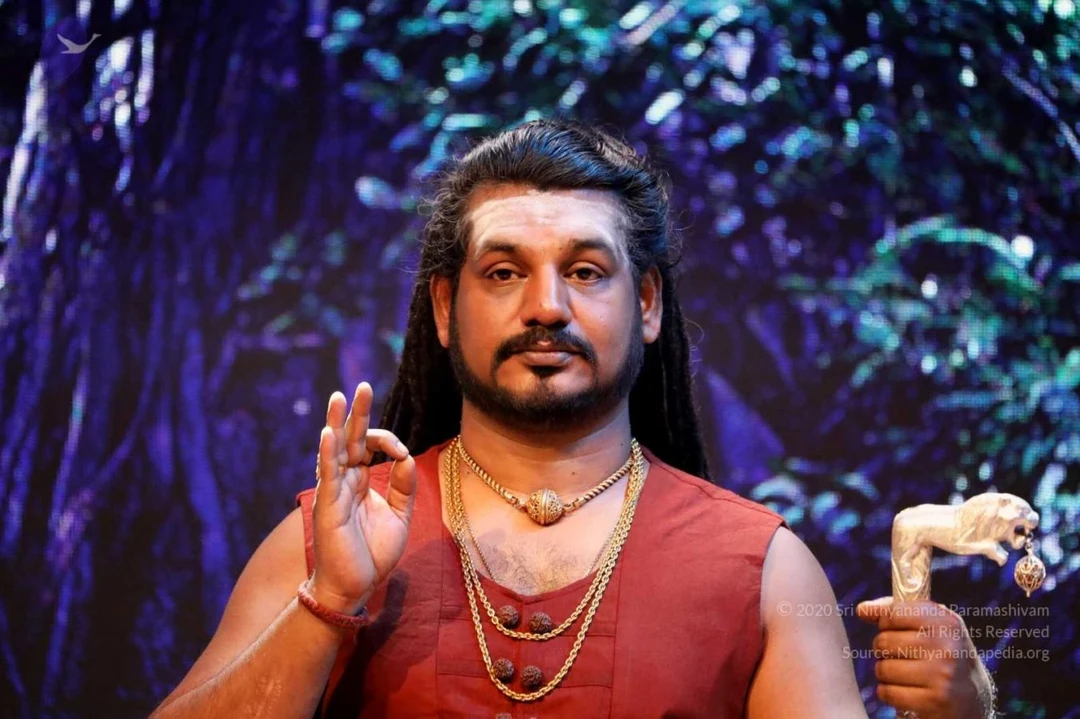 HDH Nithyananda Paramashivam in "CHIN MUDRA" entangling Mahasadashivoham delegates and infusing energy during yoga session
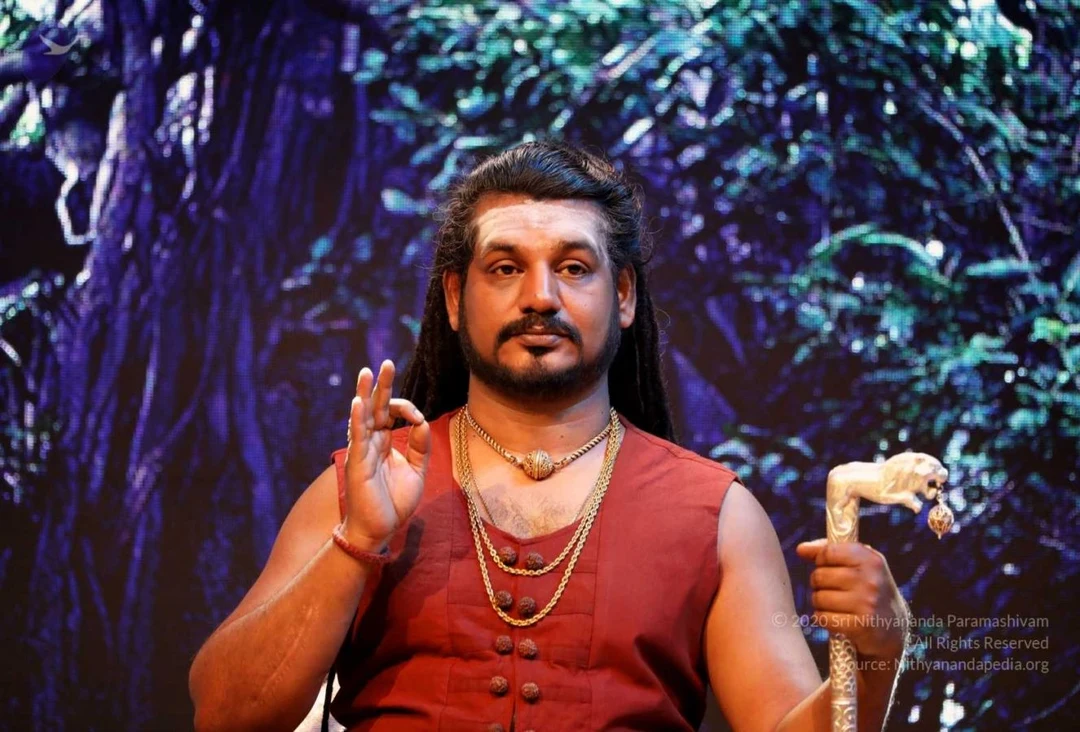 HDH Nithyananda Paramashivam in "CHIN MUDRA" entangling Mahasadashivoham delegates and infusing energy during yoga session
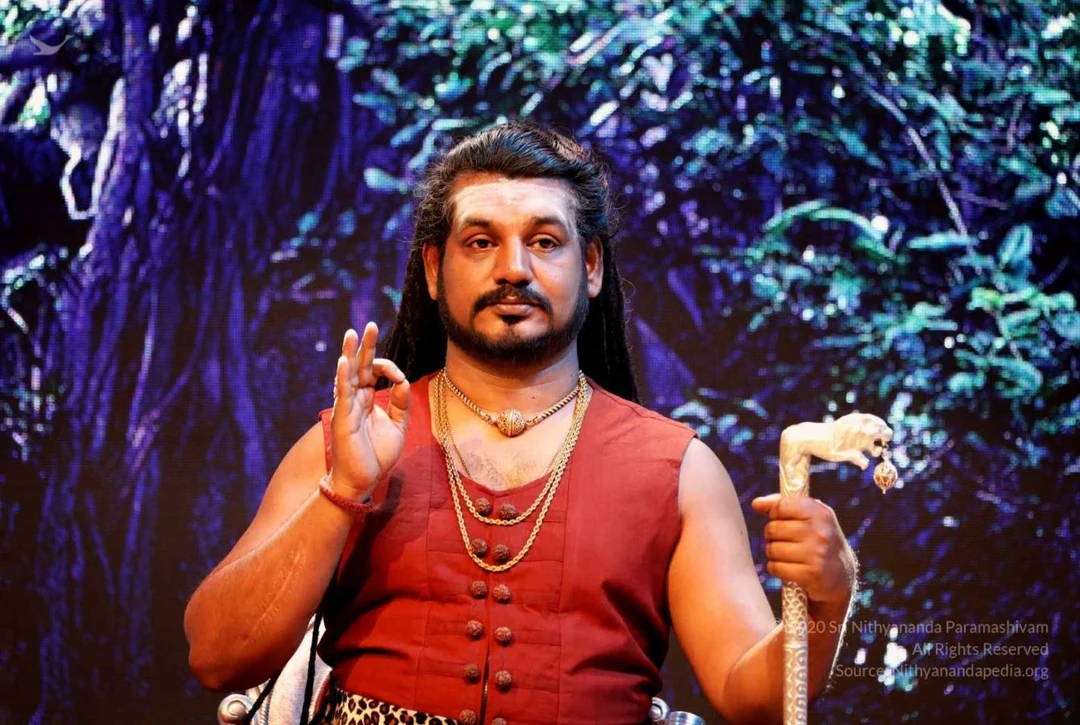 HDH Nithyananda Paramashivam in "CHIN MUDRA" entangling Mahasadashivoham delegates and infusing energy during yoga session
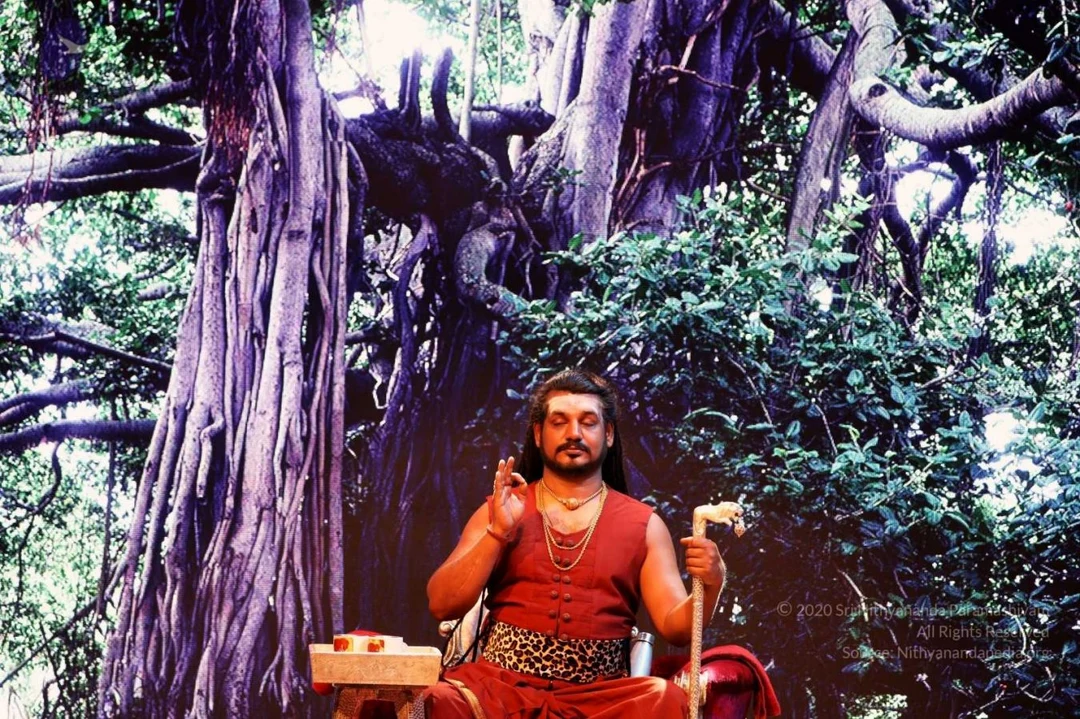 HDH Nithyananda Paramashivam in "CHIN MUDRA" entangling Mahasadashivoham delegates and infusing energy during yoga session
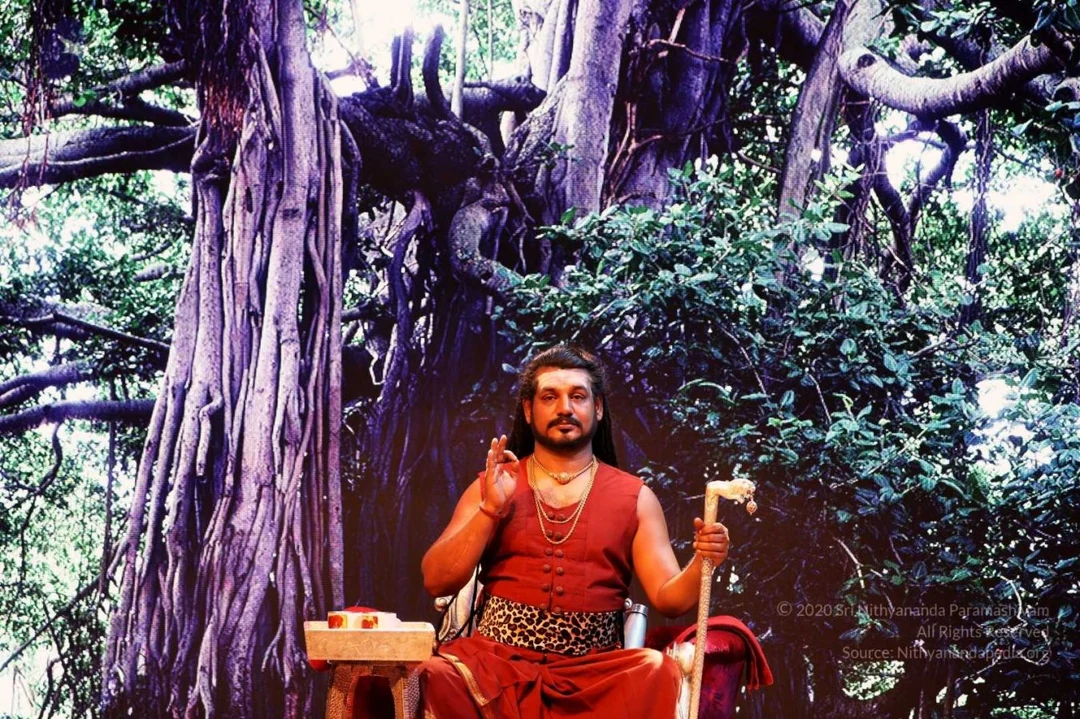 HDH Nithyananda Paramashivam in "CHIN MUDRA" entangling Mahasadashivoham delegates and infusing energy during yoga session
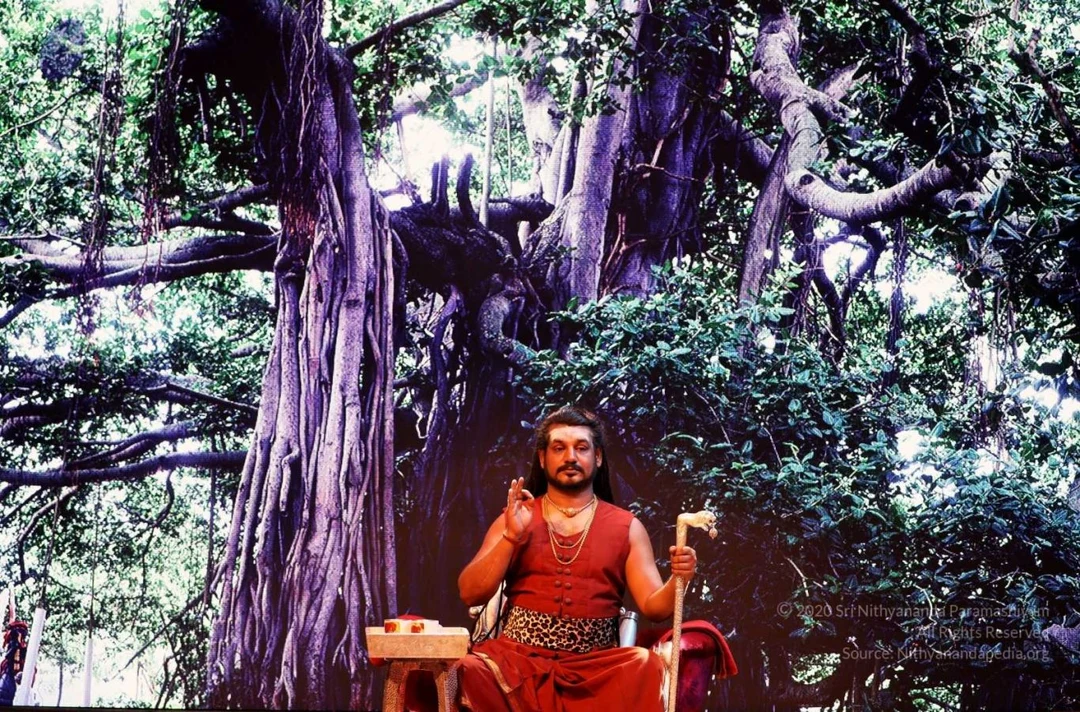 HDH Nithyananda Paramashivam in "CHIN MUDRA" entangling Mahasadashivoham delegates and infusing energy during yoga session
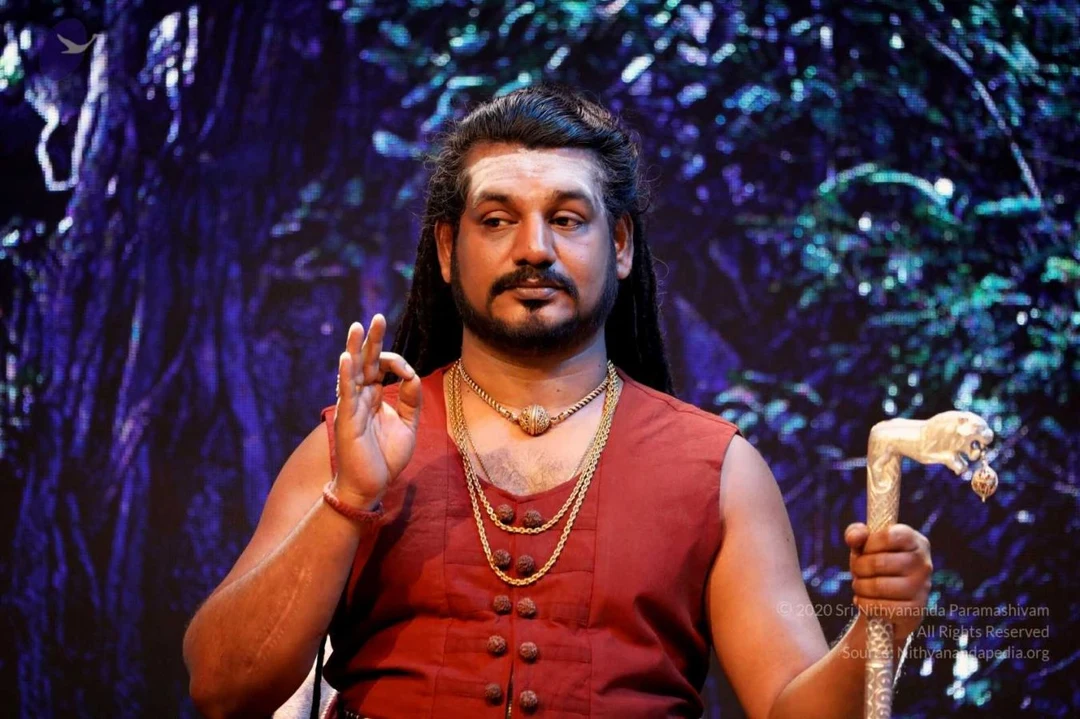 HDH Nithyananda Paramashivam in "CHIN MUDRA" entangling Mahasadashivoham delegates and infusing energy during yoga session
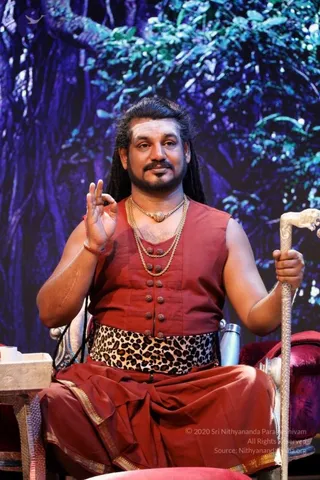 HDH Nithyananda Paramashivam in "CHIN MUDRA" entangling Mahasadashivoham delegates and infusing energy during yoga session
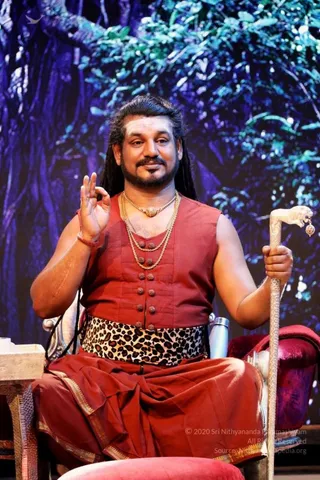 HDH Nithyananda Paramashivam in "CHIN MUDRA" entangling Mahasadashivoham delegates and infusing energy during yoga session
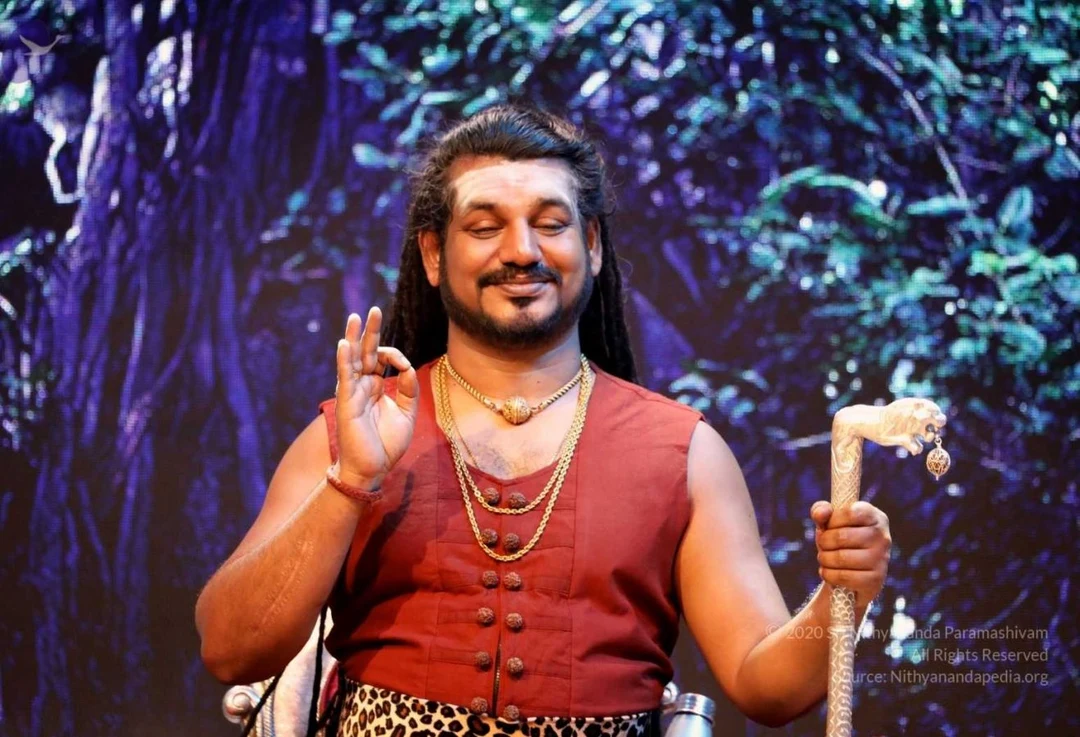 HDH Nithyananda Paramashivam in "CHIN MUDRA" entangling Mahasadashivoham delegates and infusing energy during yoga session
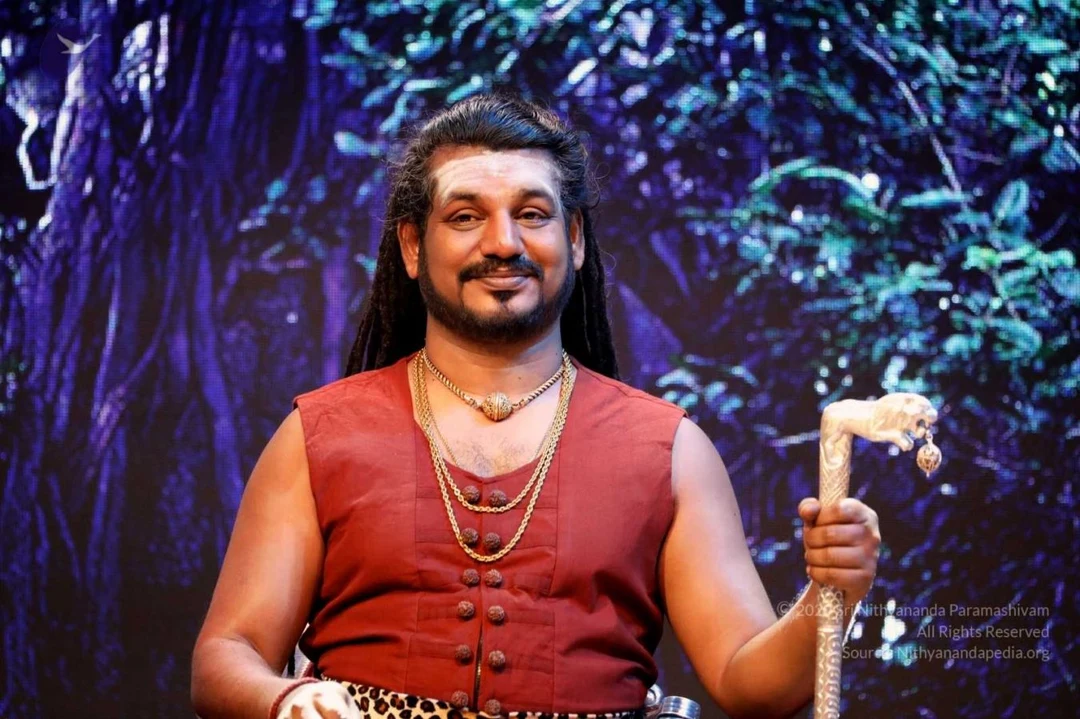 HDH Nithyananda Paramashivam in "CHIN MUDRA" entangling Mahasadashivoham delegates and infusing energy during yoga session
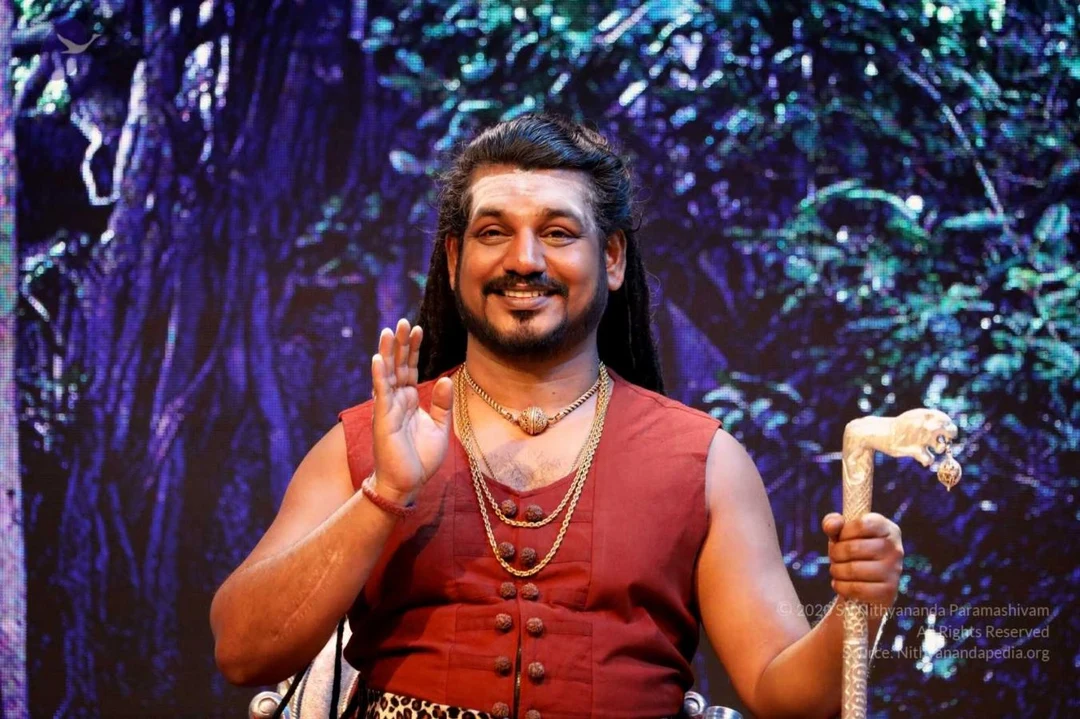 HDH Nithyananda Paramashivam ABHAYA MUDRA (blessings) to Mahasadashivoham delegate
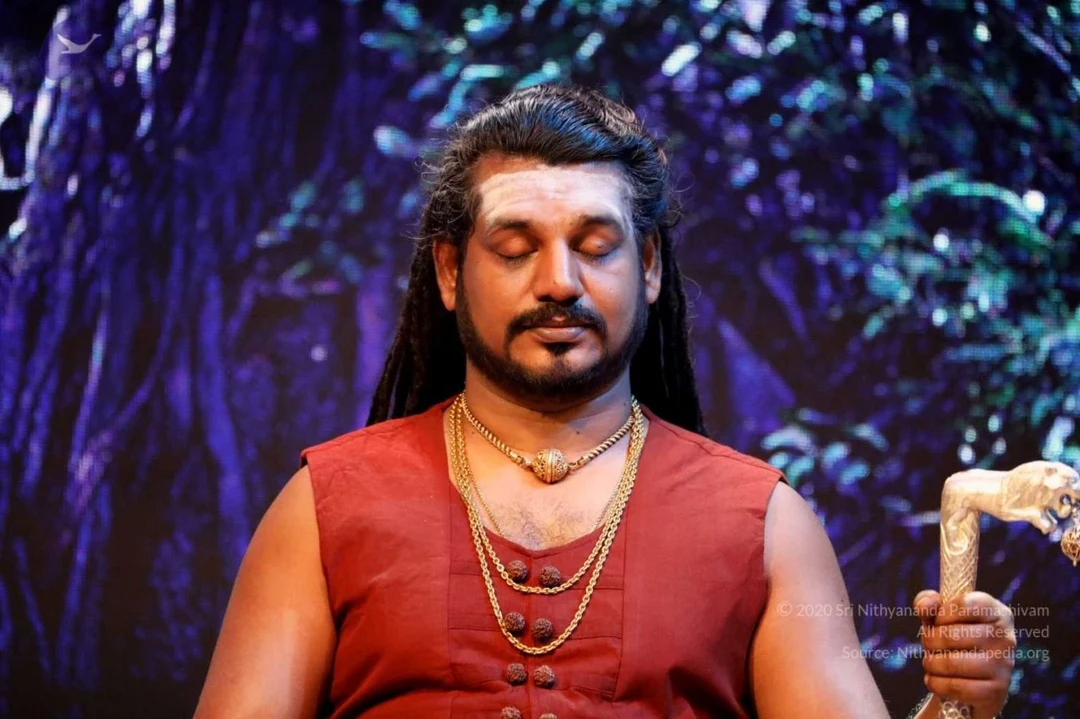 The breathing space of an Avatar is an excellent SPACE to perform YOGA
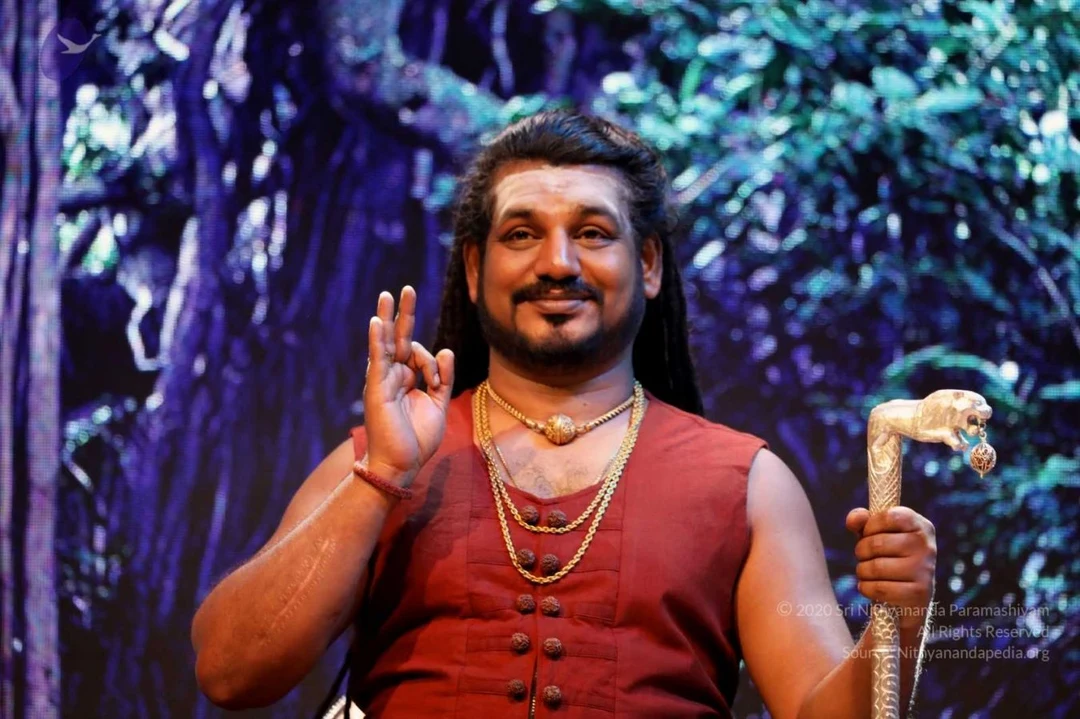 HDH Nithyananda Paramashivam in "CHIN MUDRA" entangling Mahasadashivoham delegates and infusing energy during yoga session
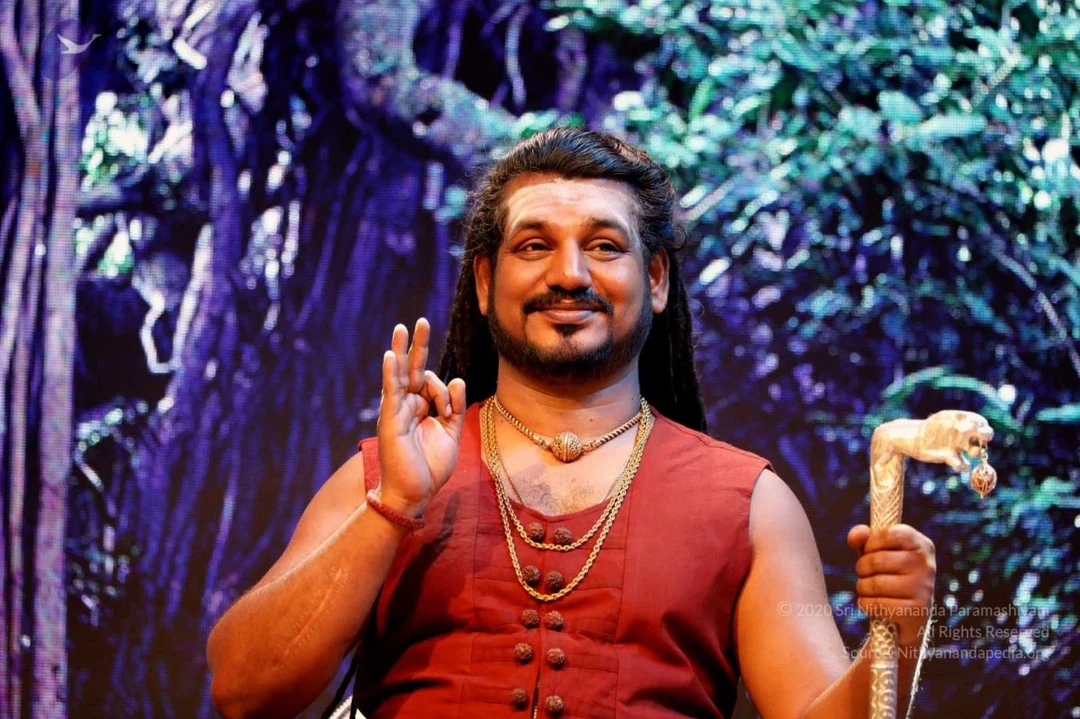 HDH Nithyananda Paramashivam in "CHIN MUDRA" entangling Mahasadashivoham delegates and infusing energy during yoga session
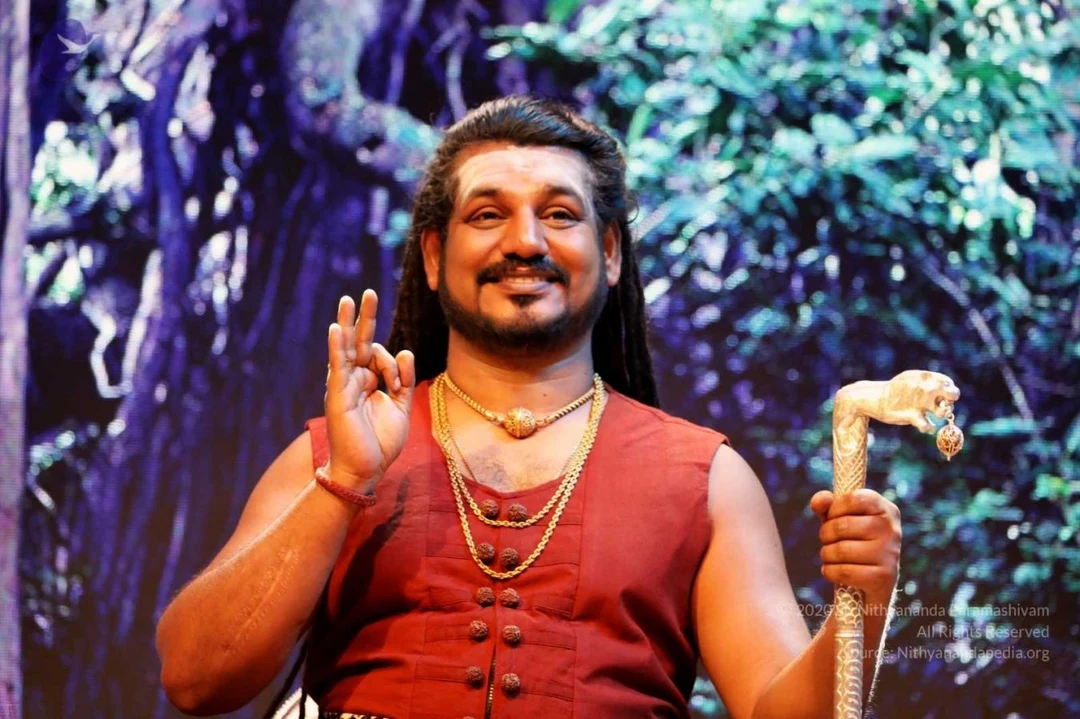 HDH Nithyananda Paramashivam in "CHIN MUDRA" entangling Mahasadashivoham delegates and infusing energy during yoga session
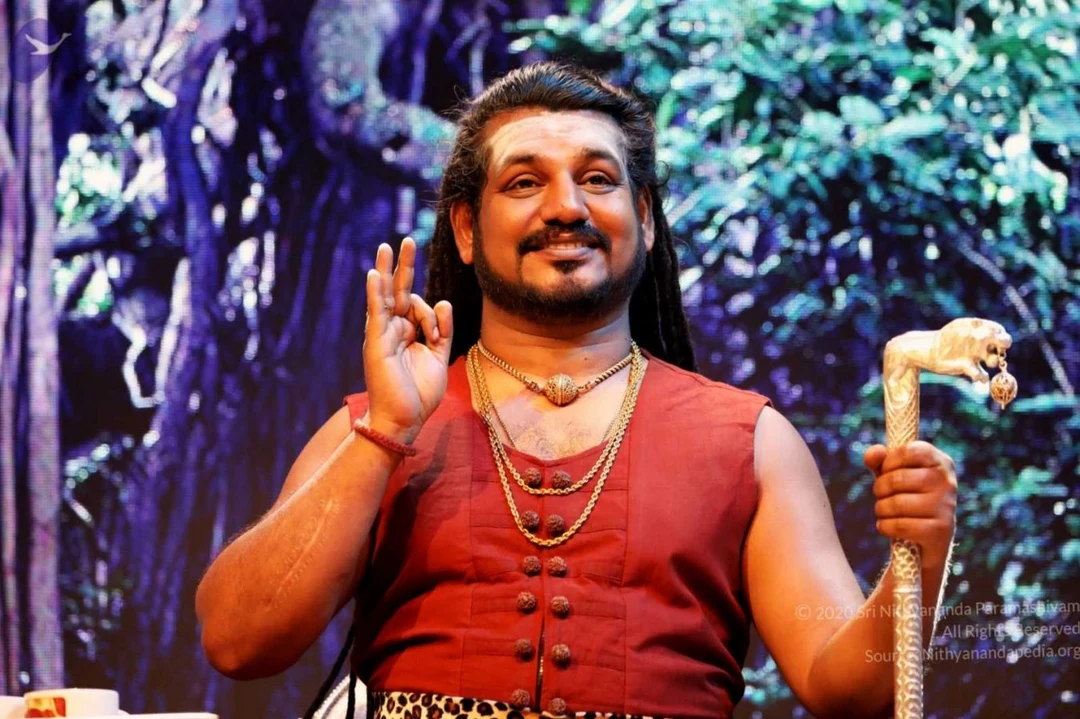 HDH Nithyananda Paramashivam in "CHIN MUDRA" entangling Mahasadashivoham delegates and infusing energy during yoga session
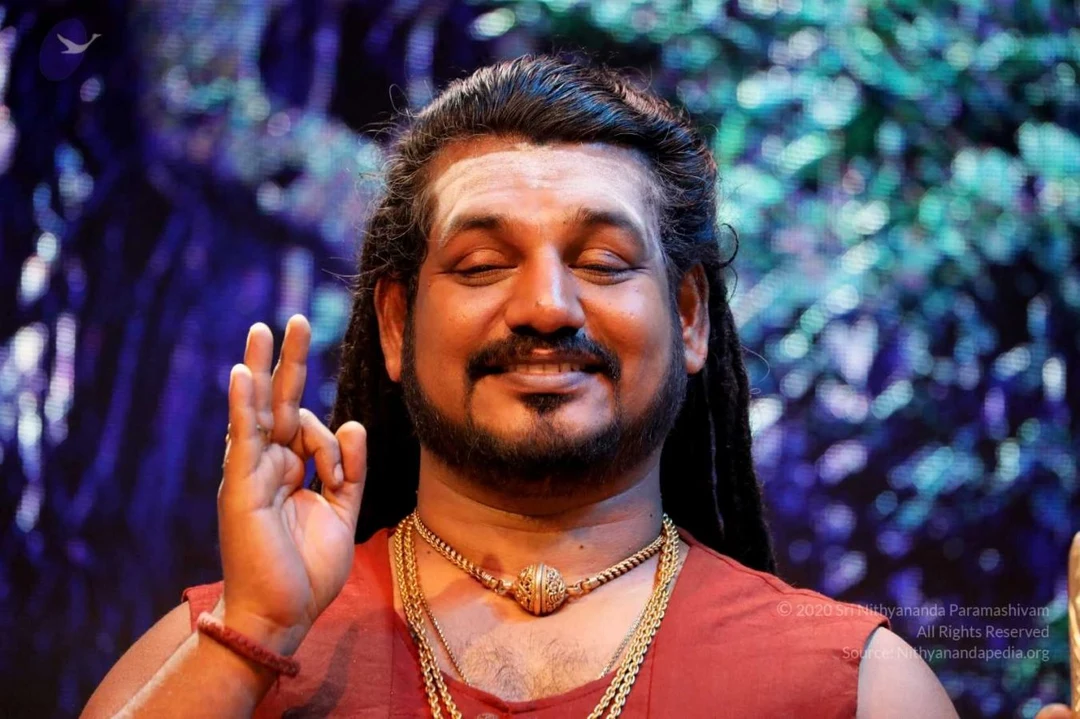 HDH Nithyananda Paramashivam in "CHIN MUDRA" entangling Mahasadashivoham delegates and infusing energy during yoga session
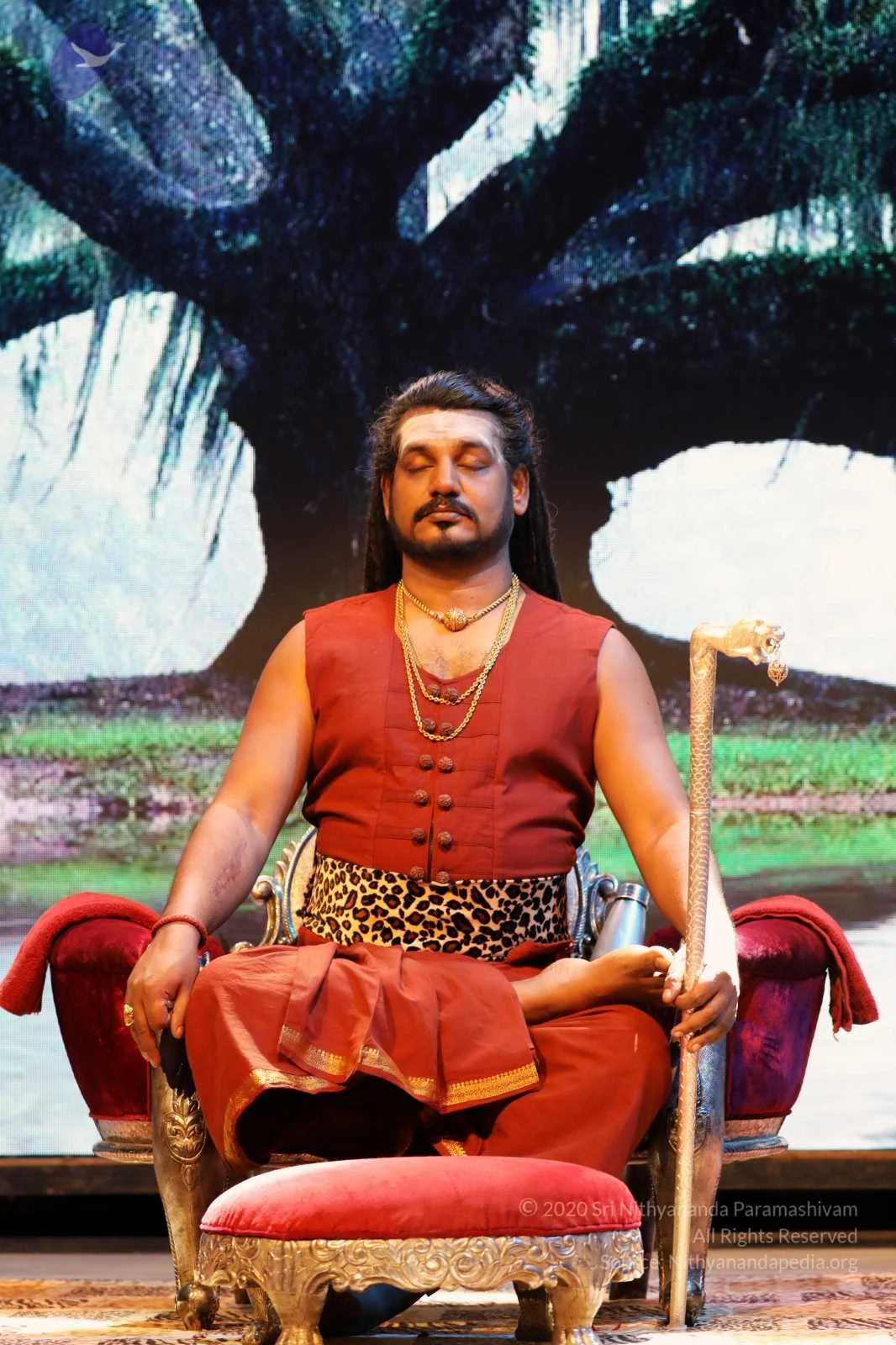
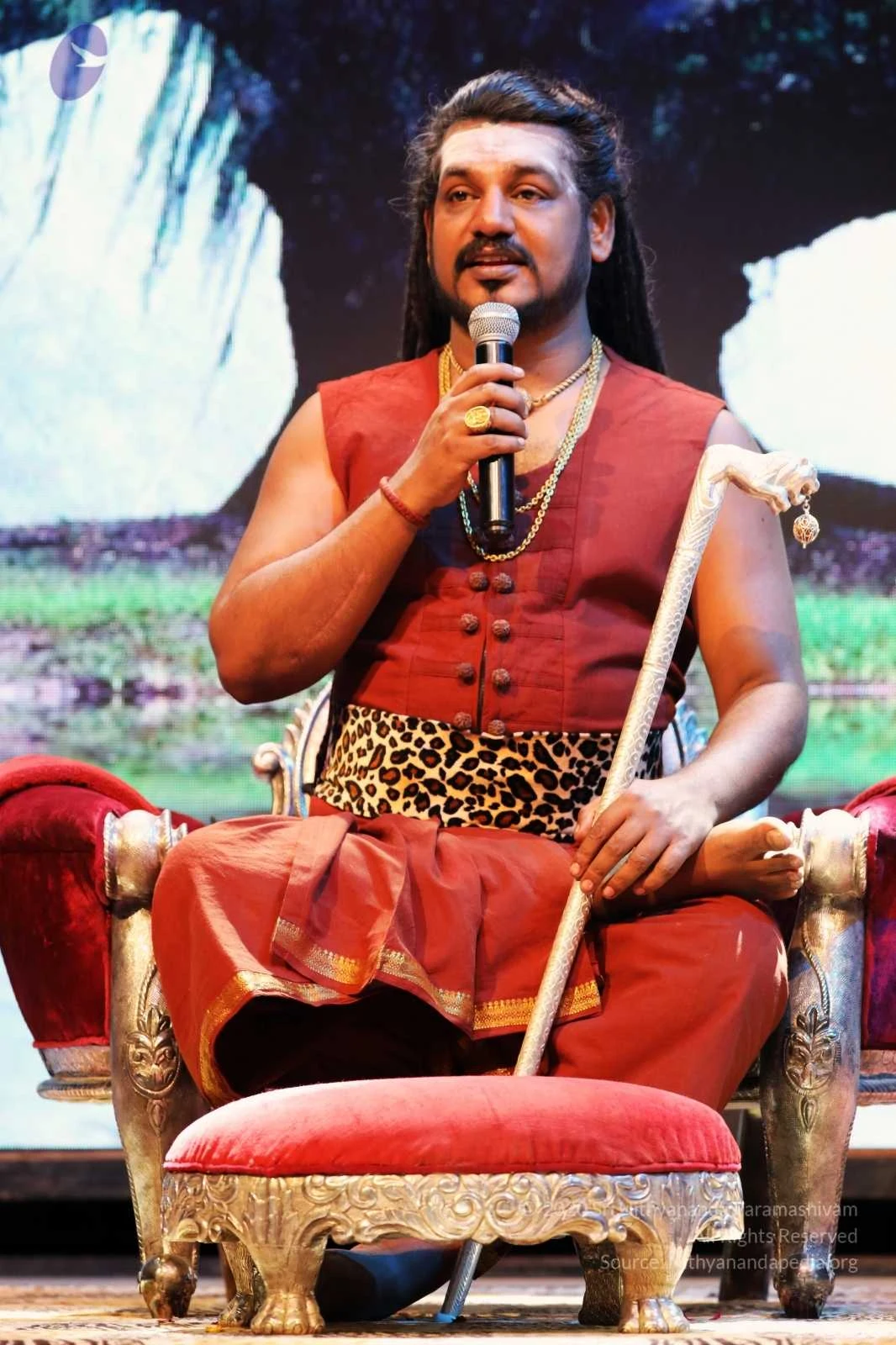
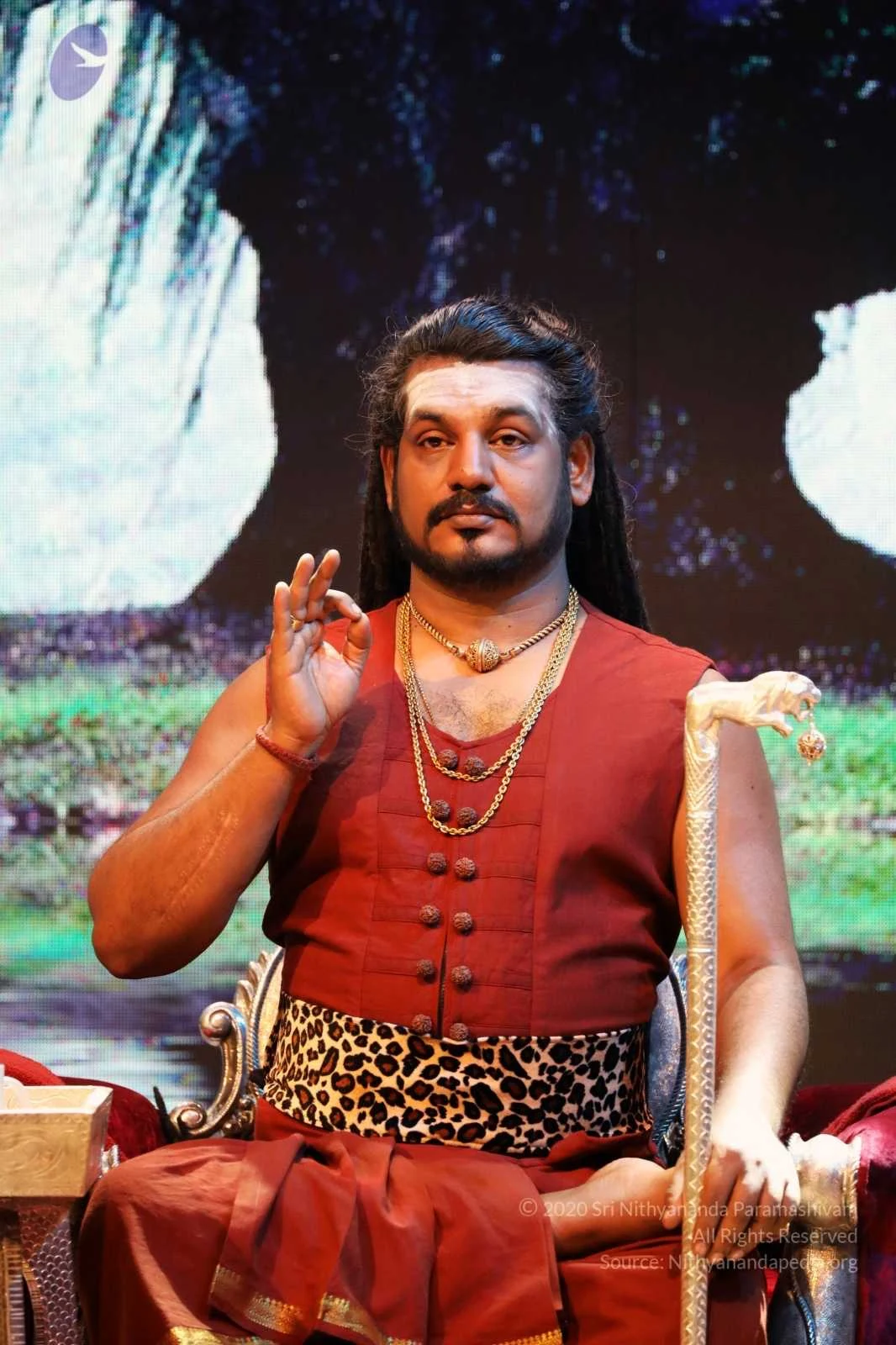
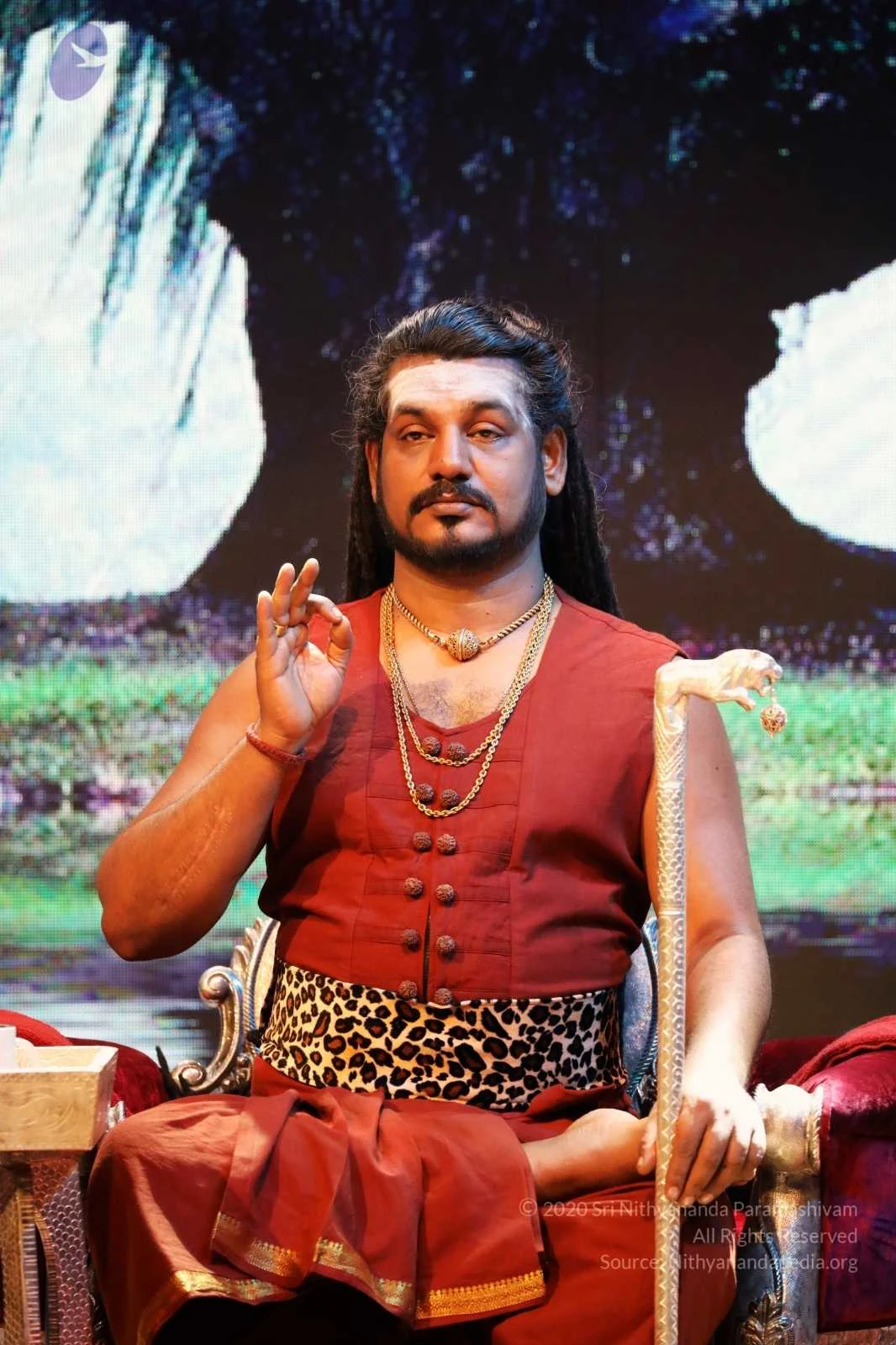
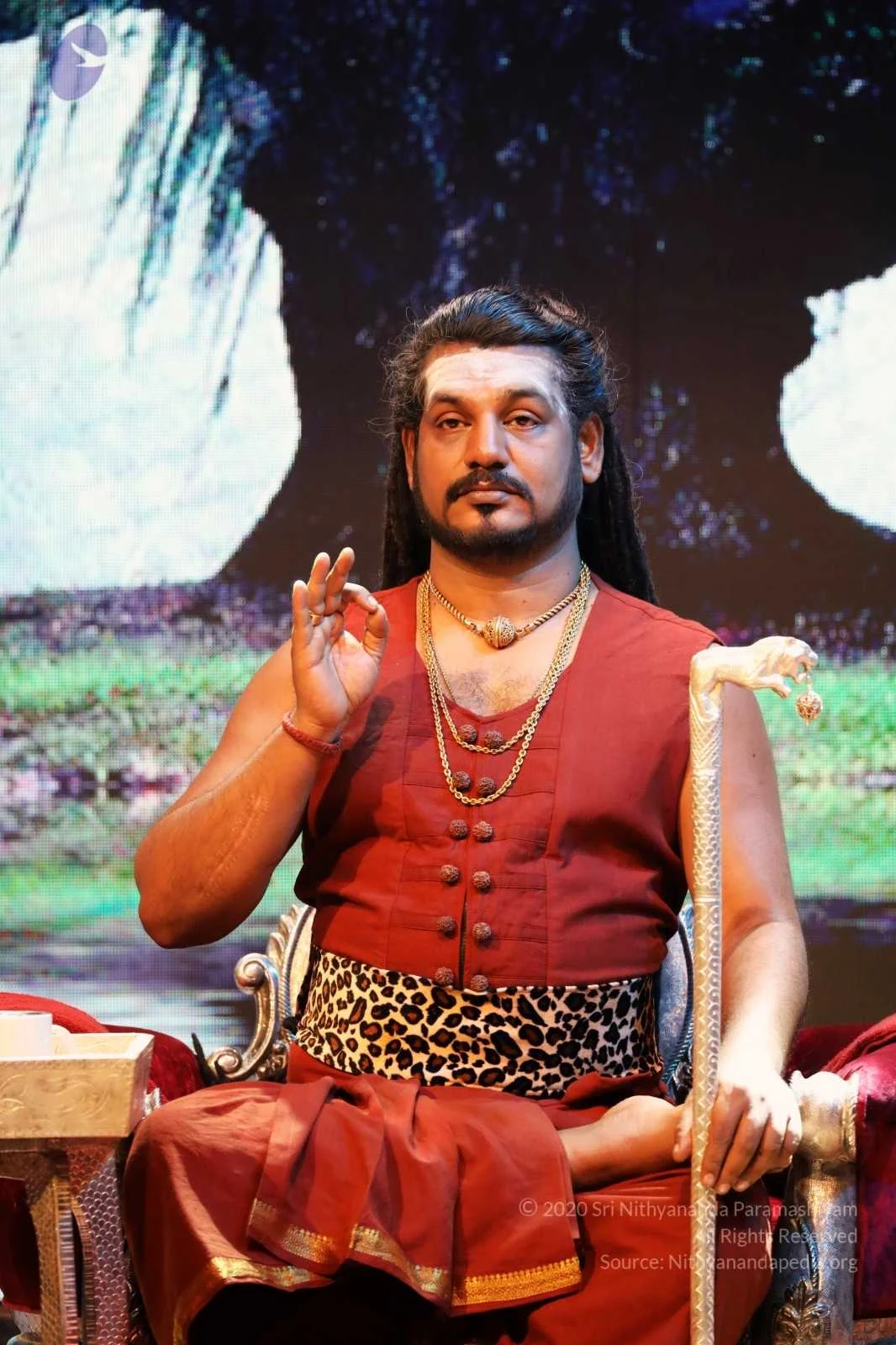
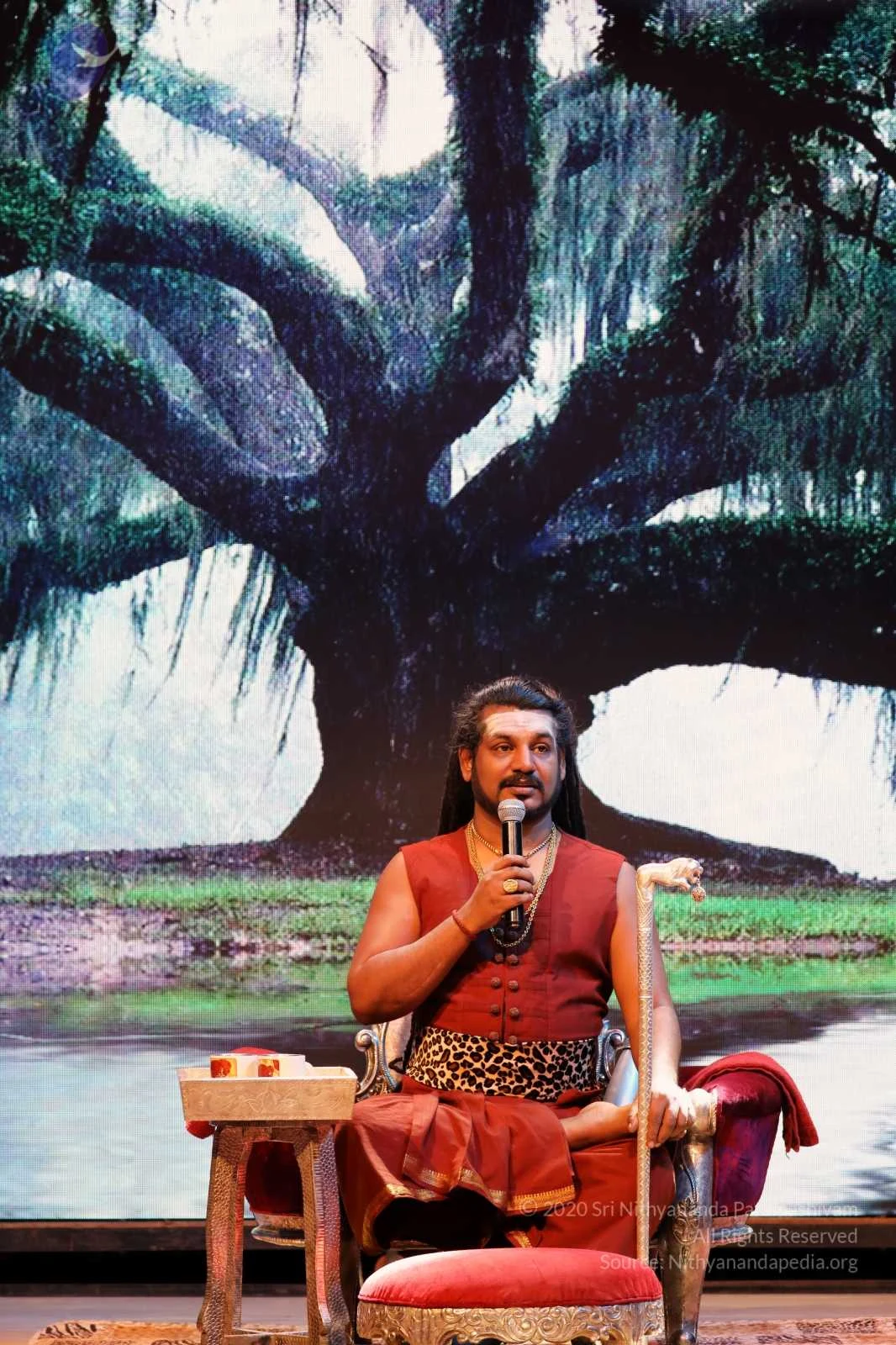
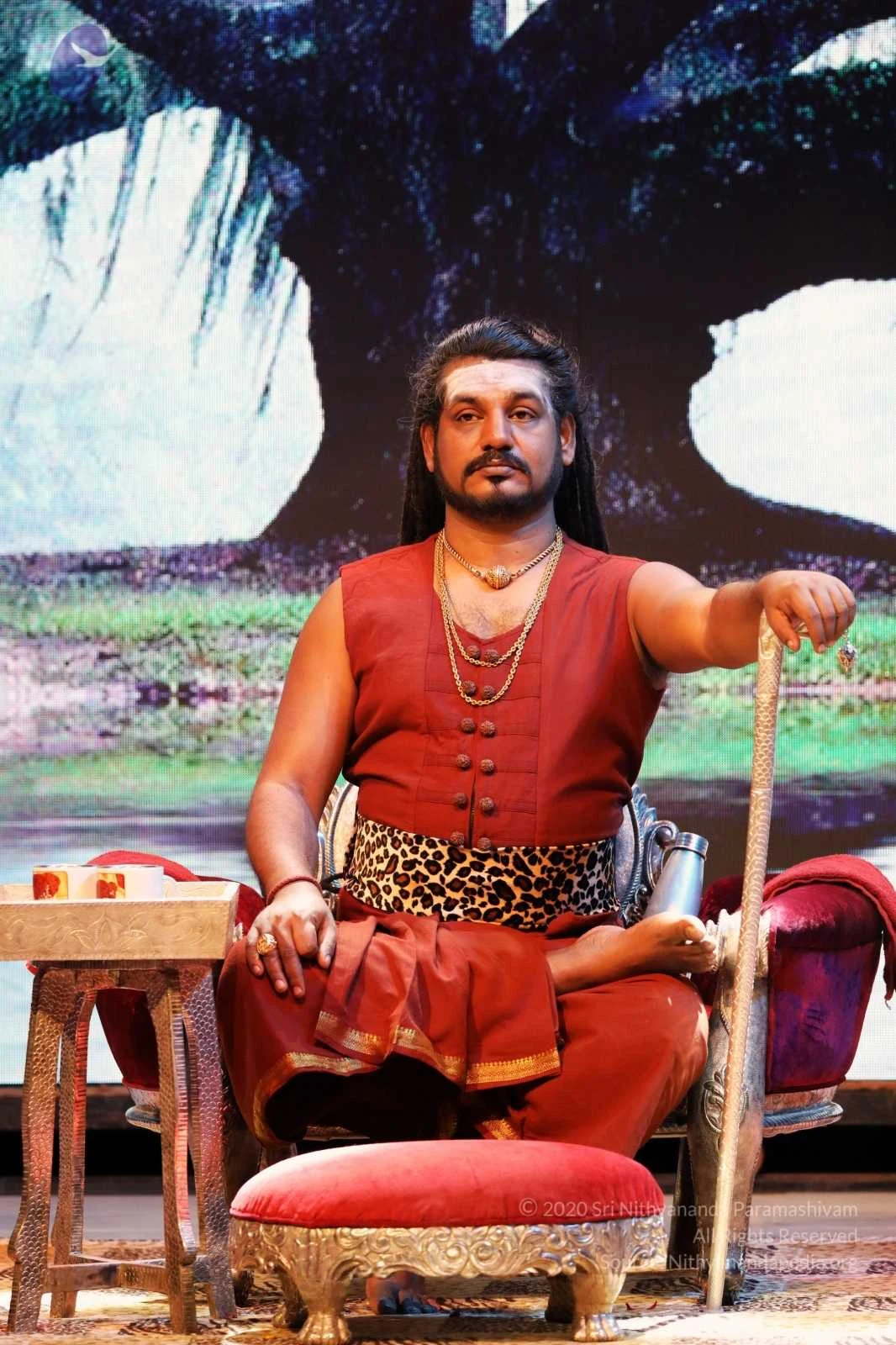
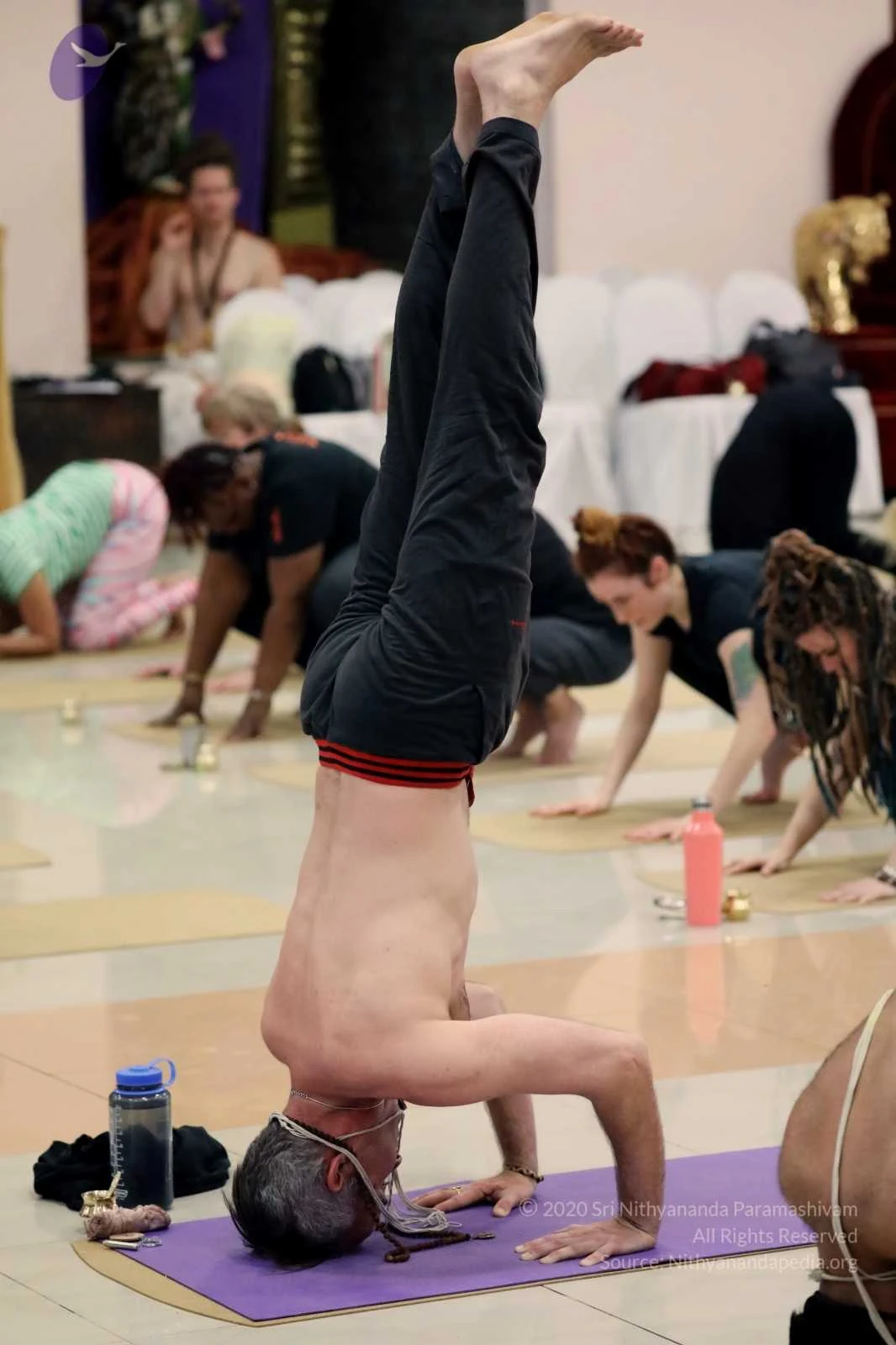
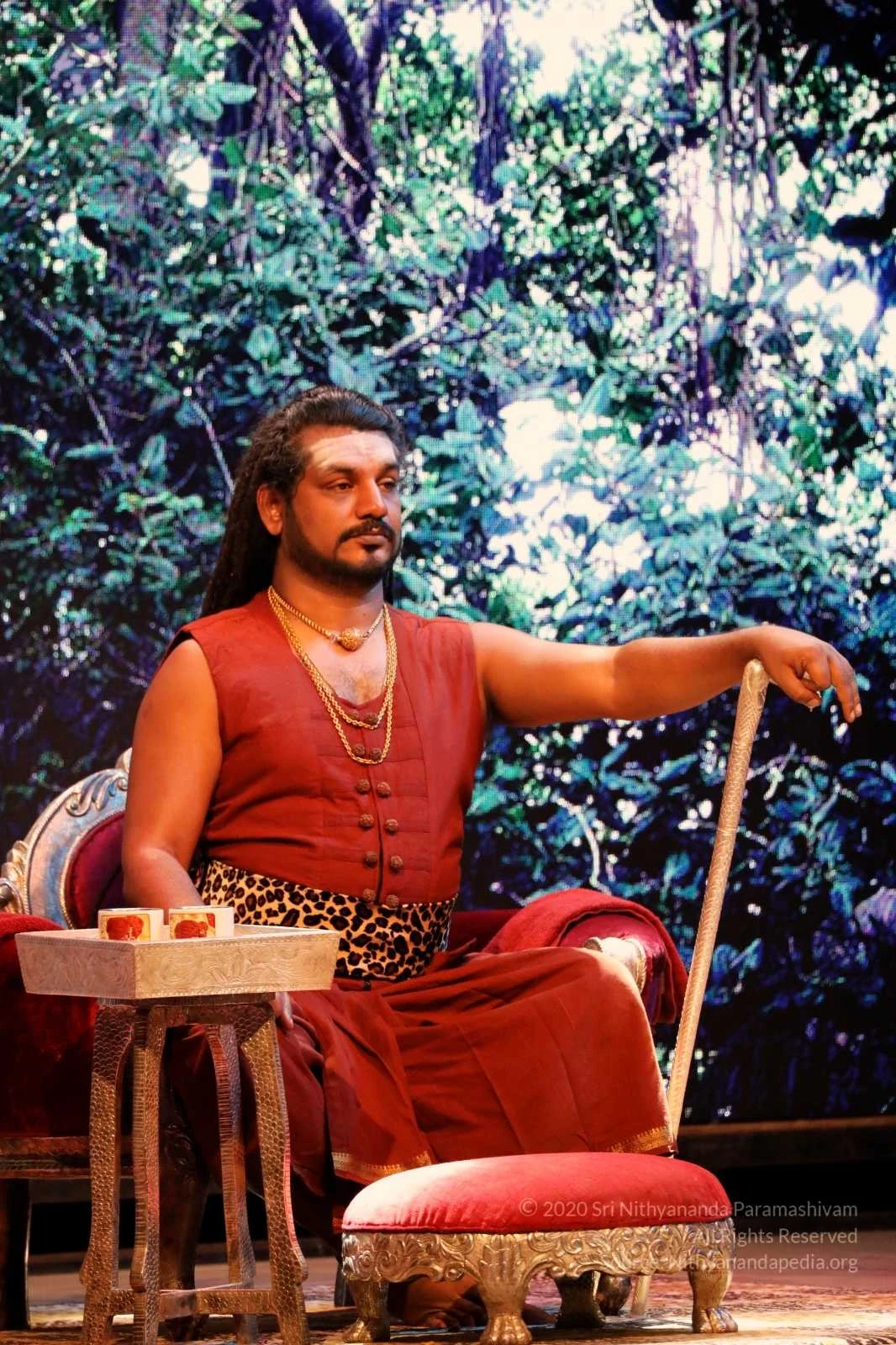
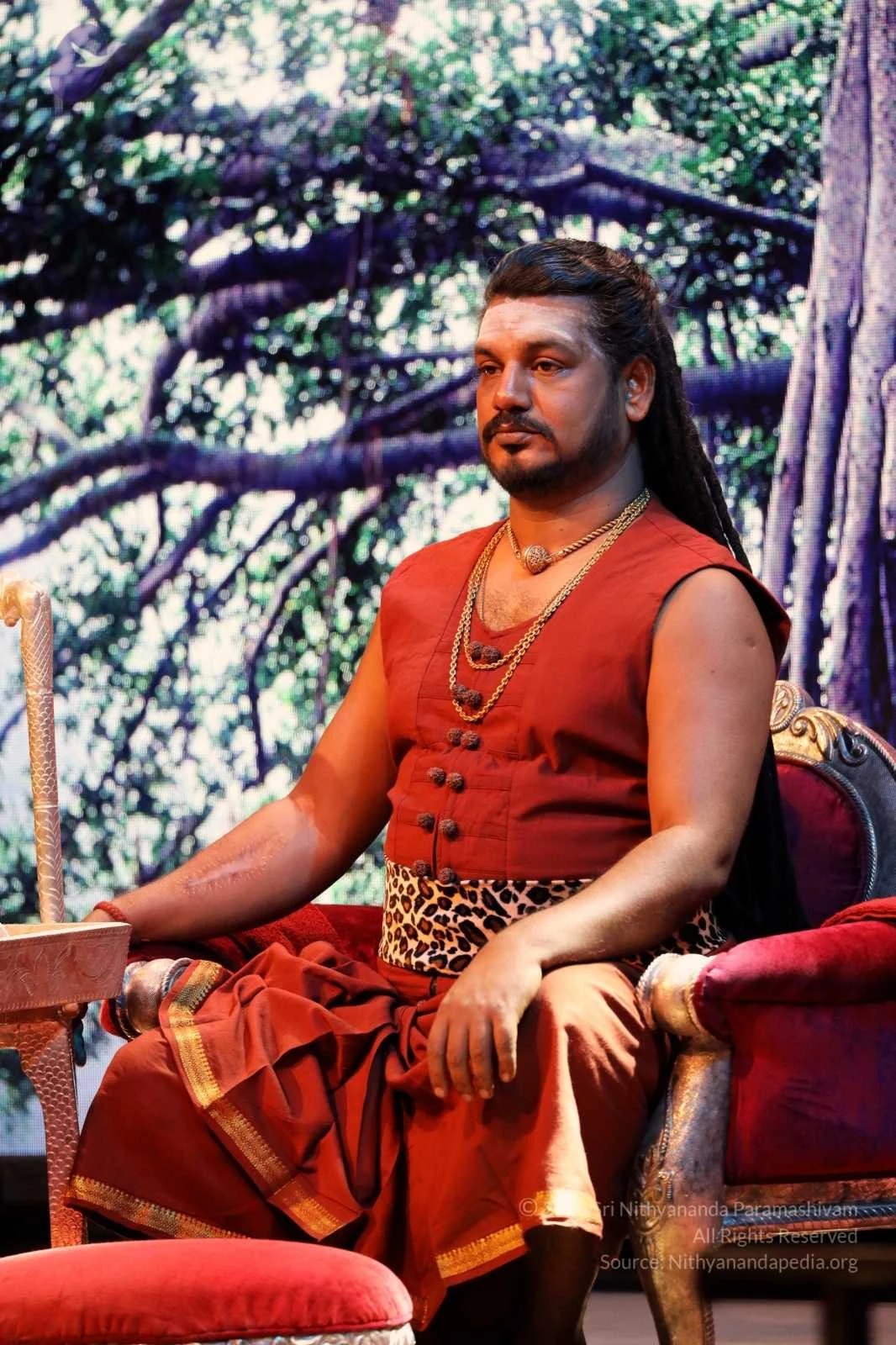
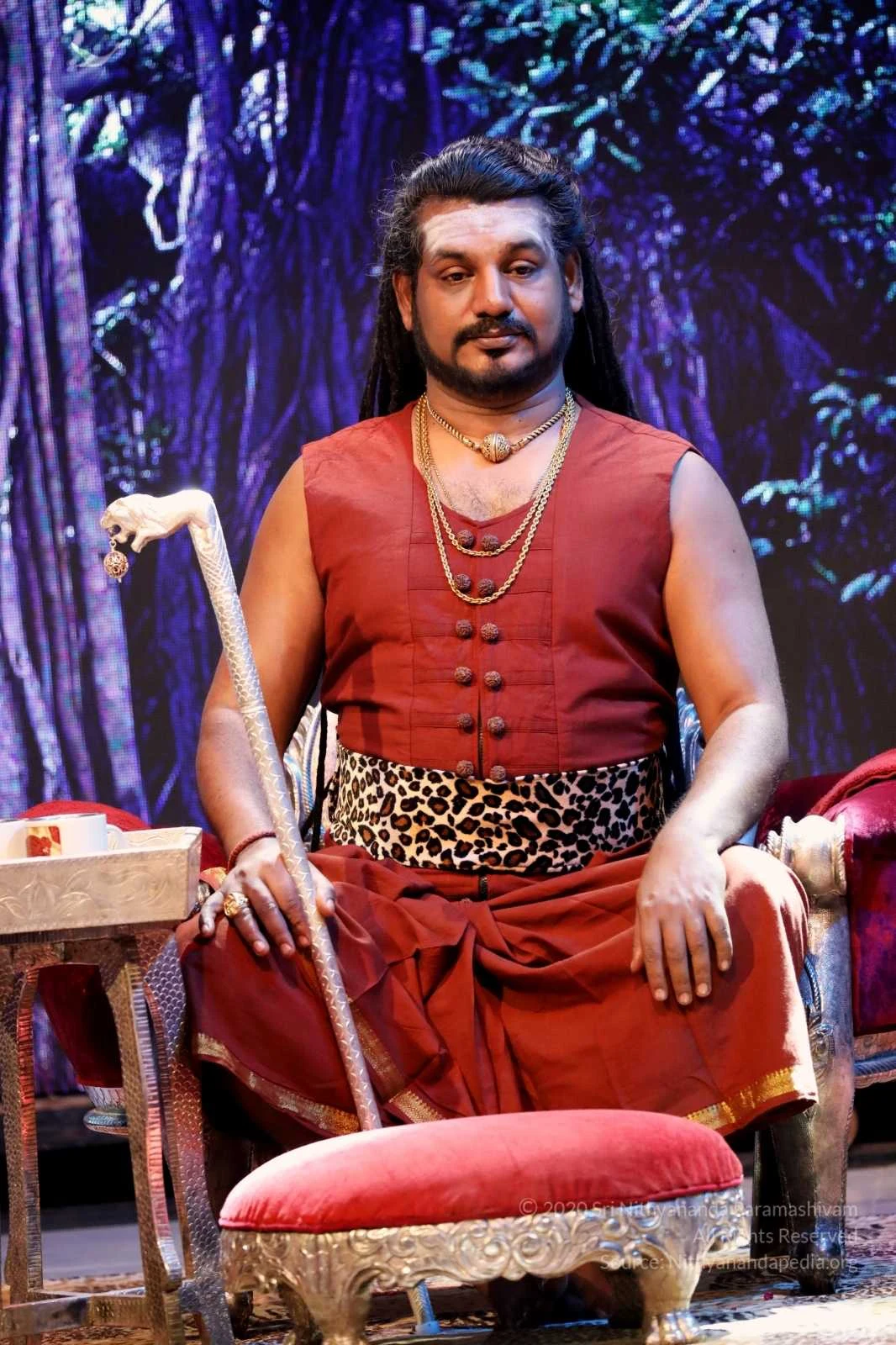
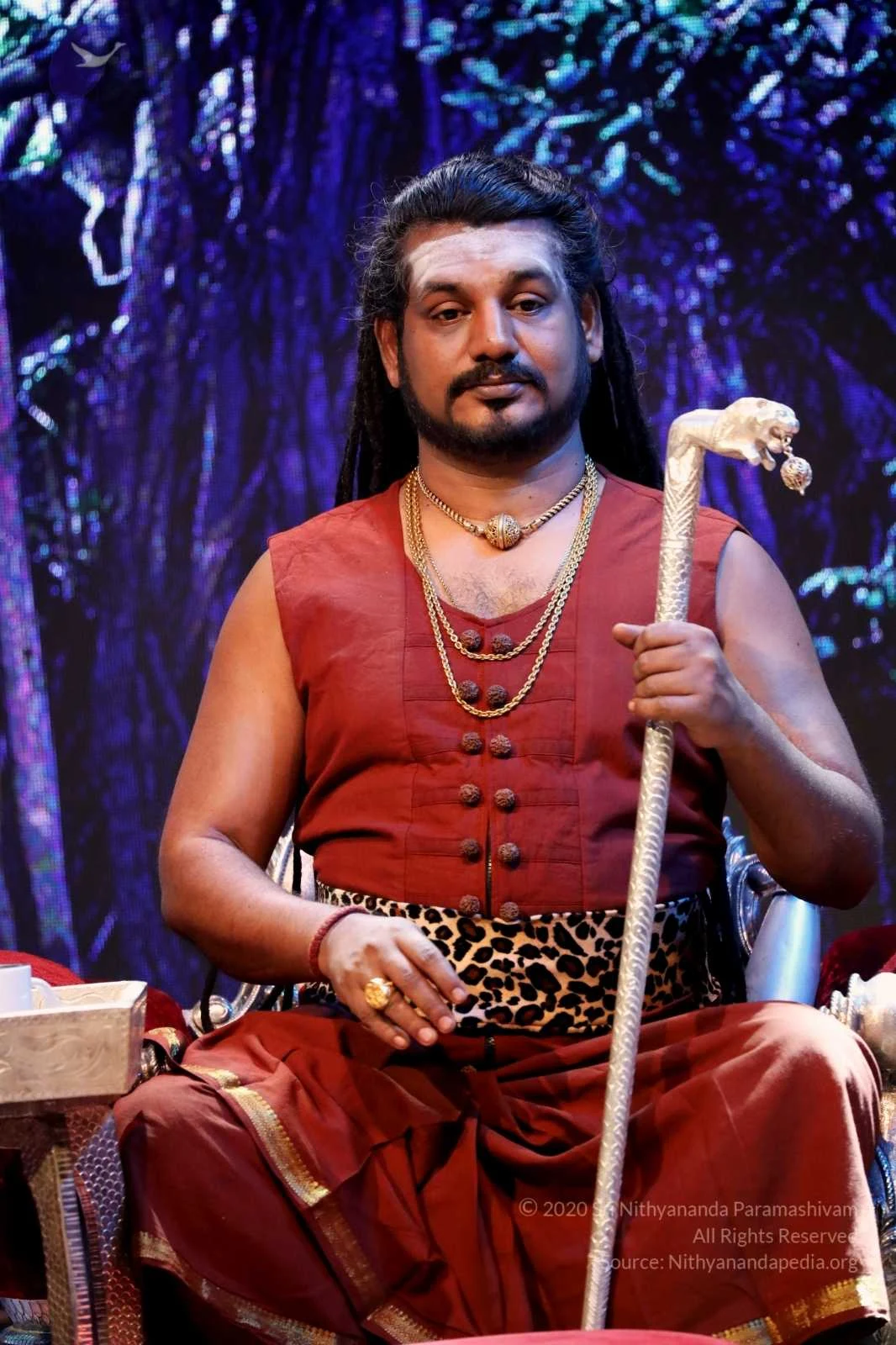
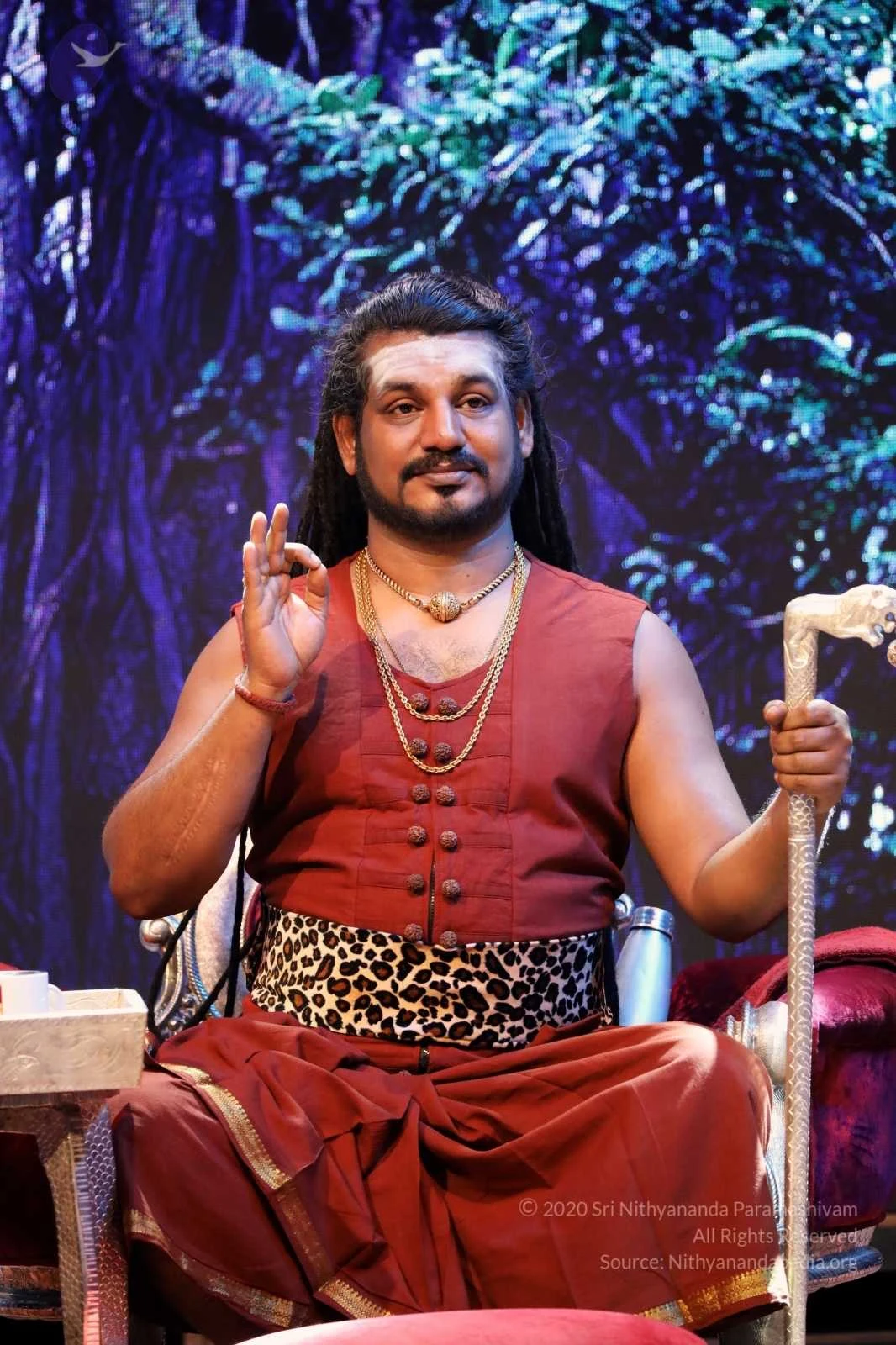
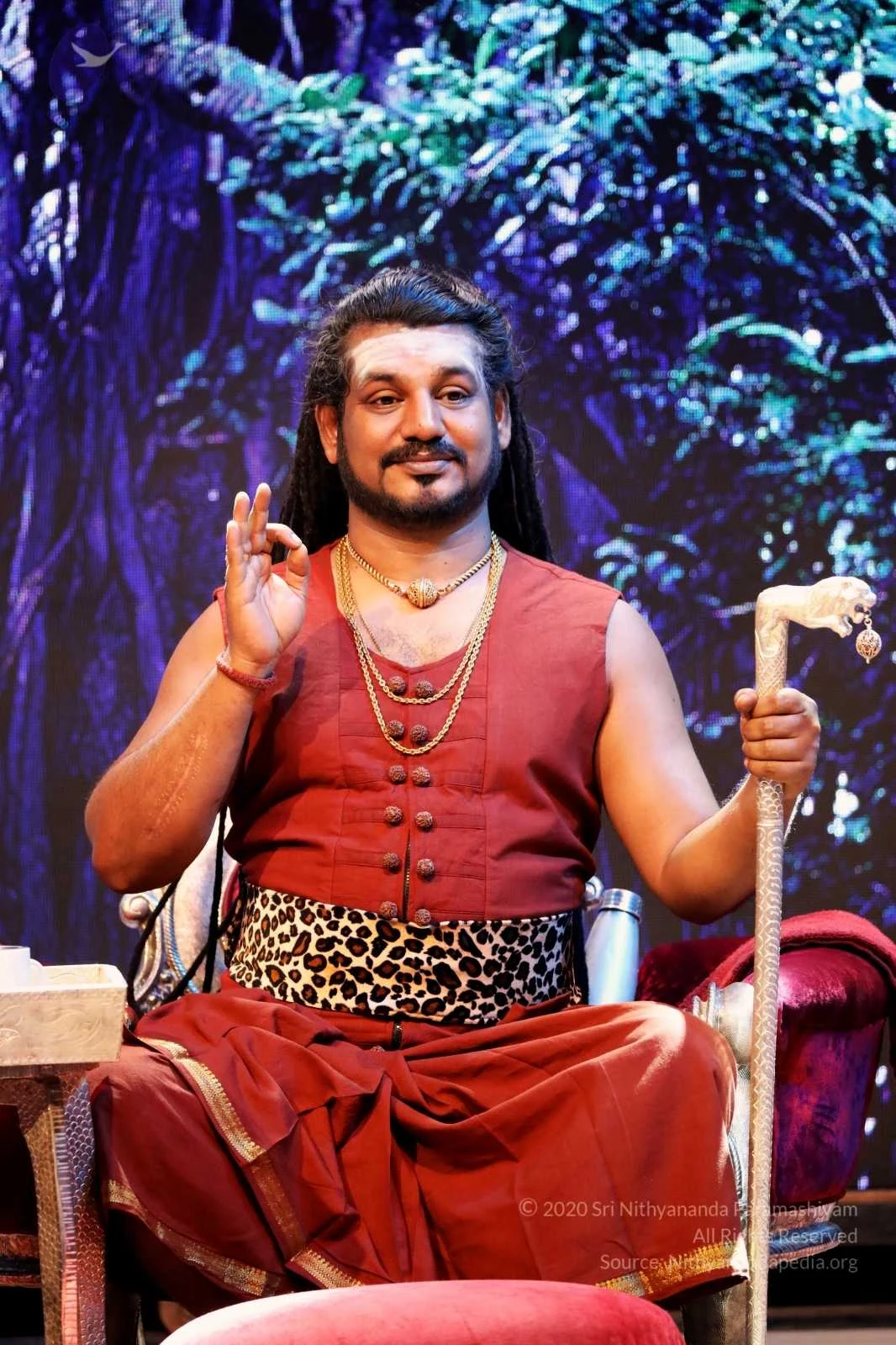
Darshan
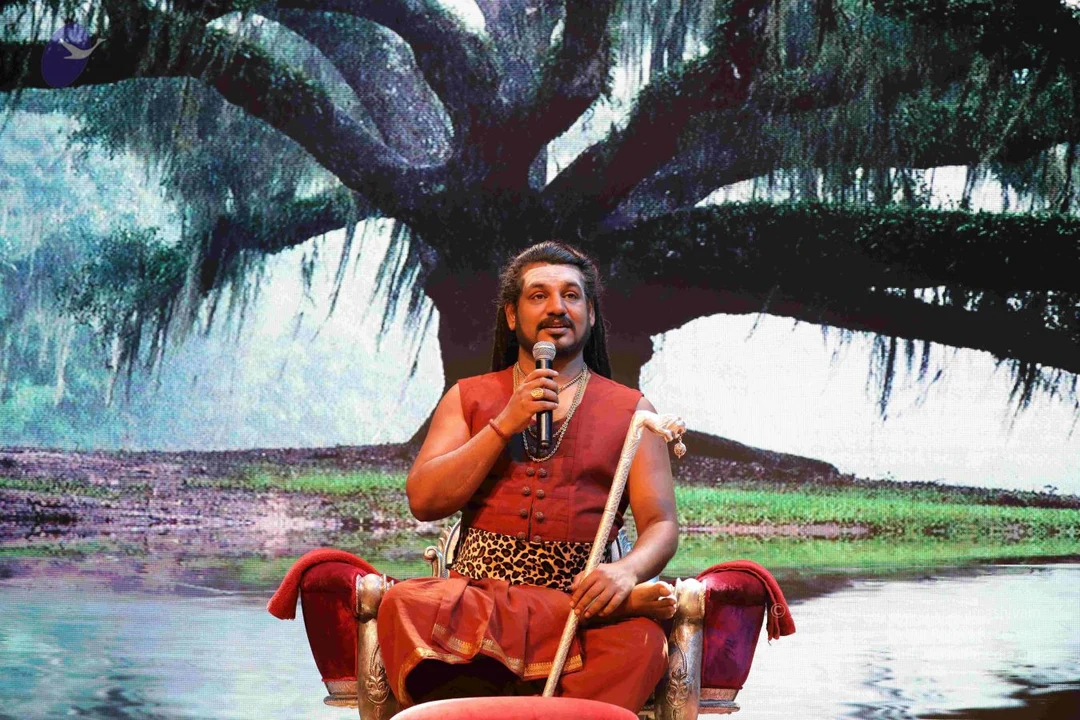
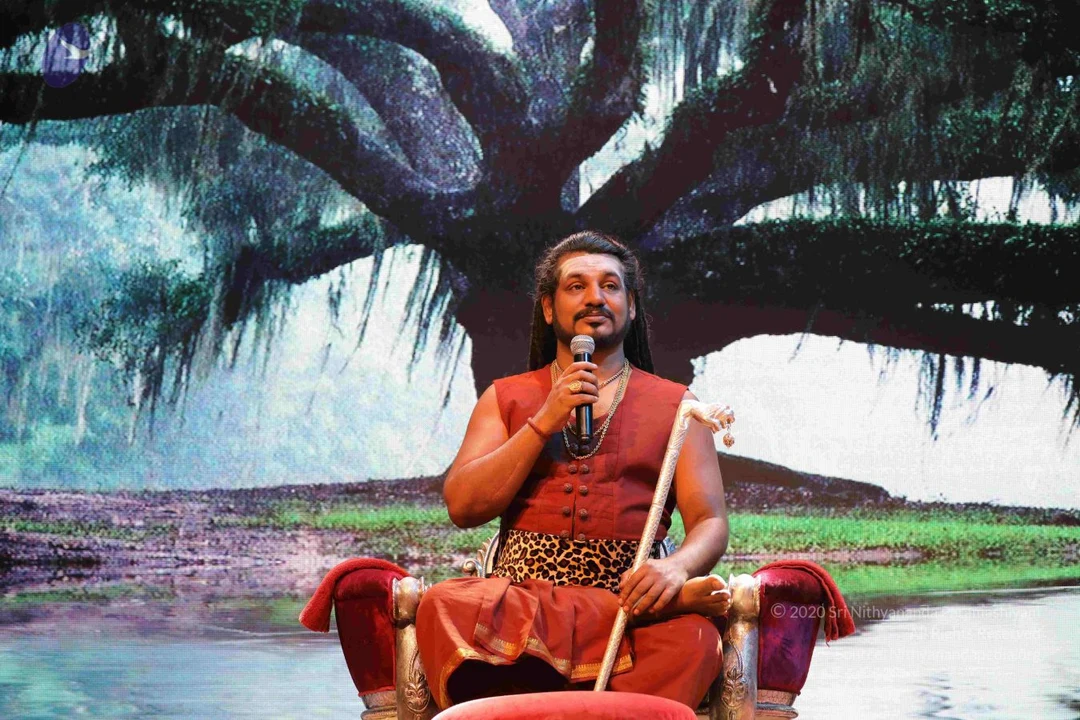
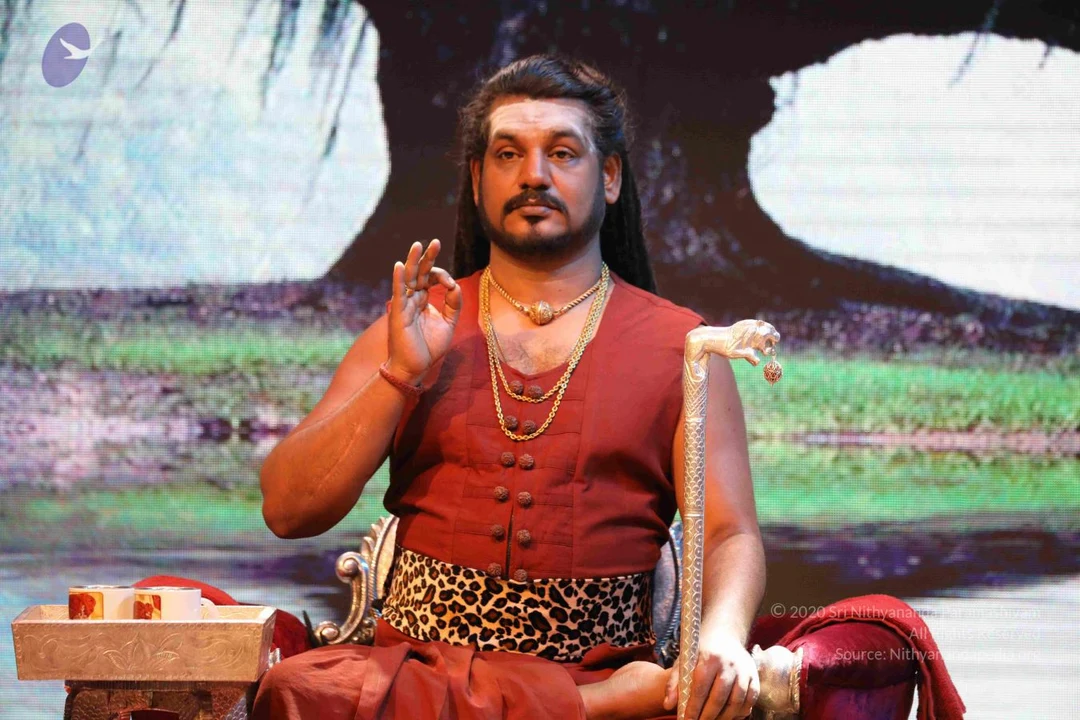
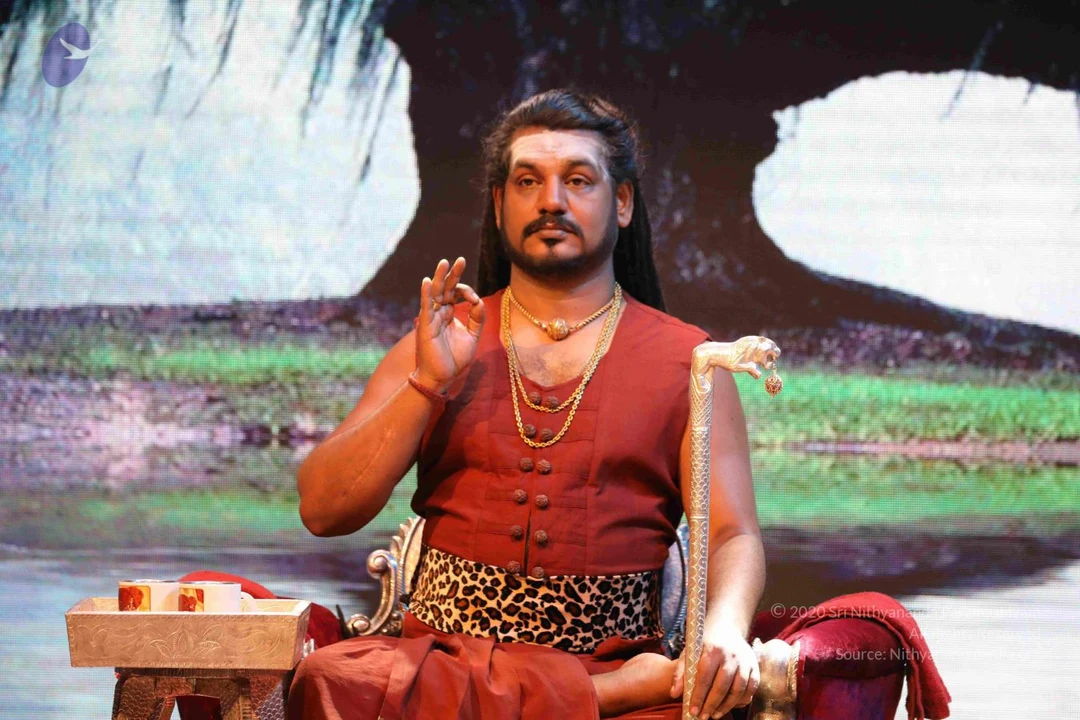
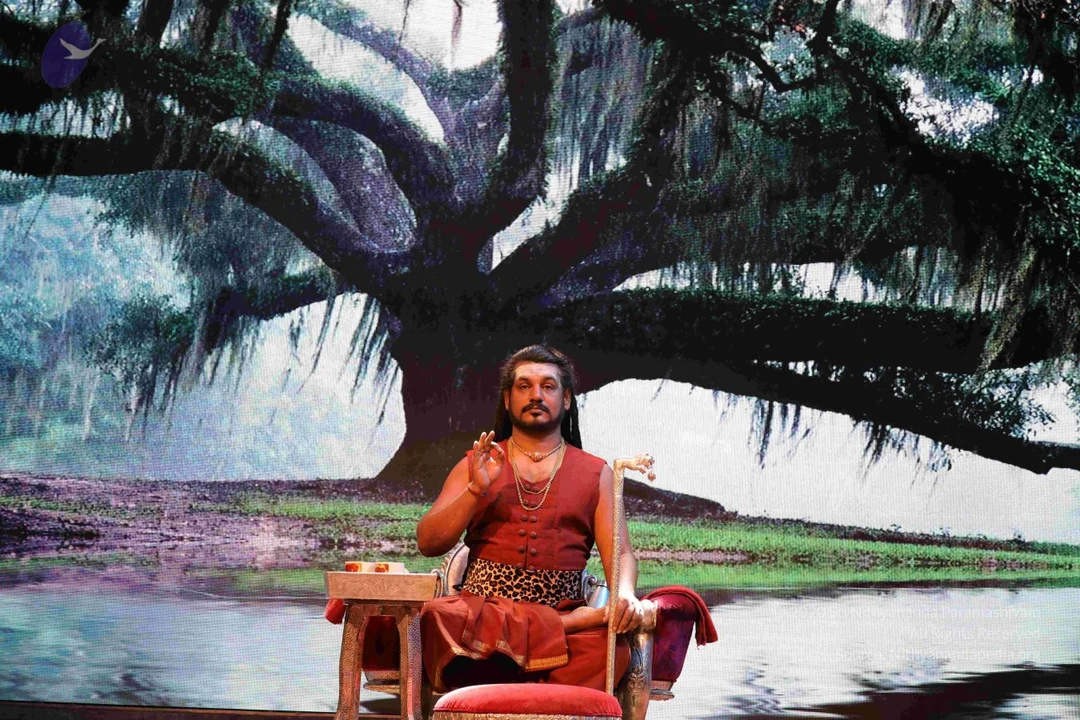
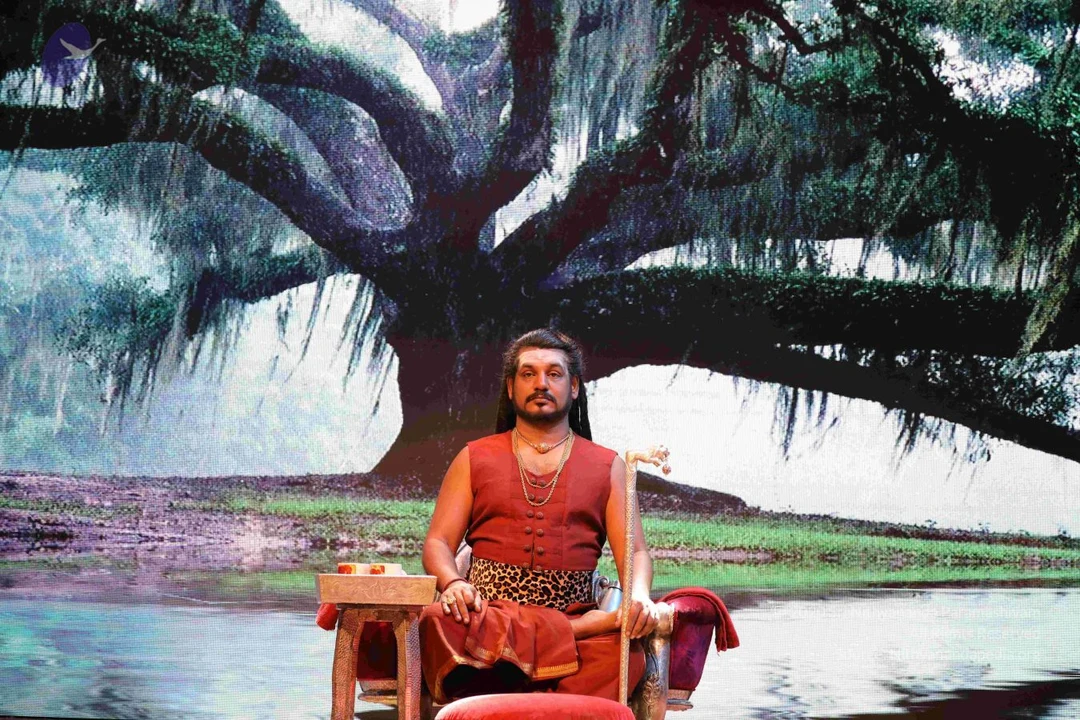
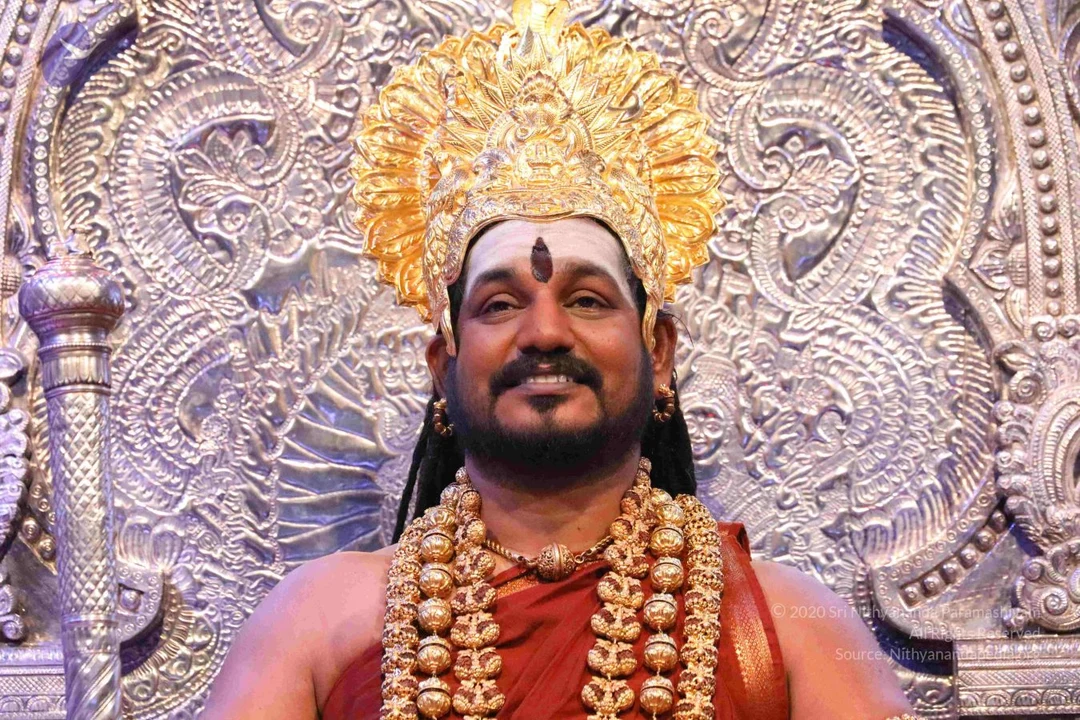
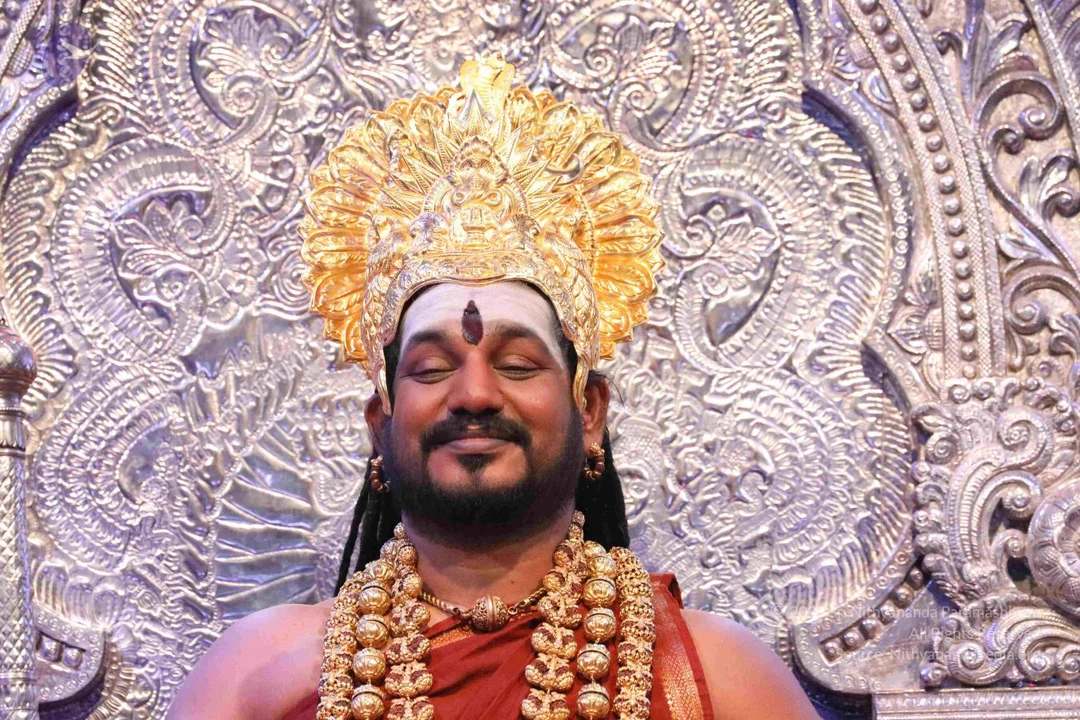
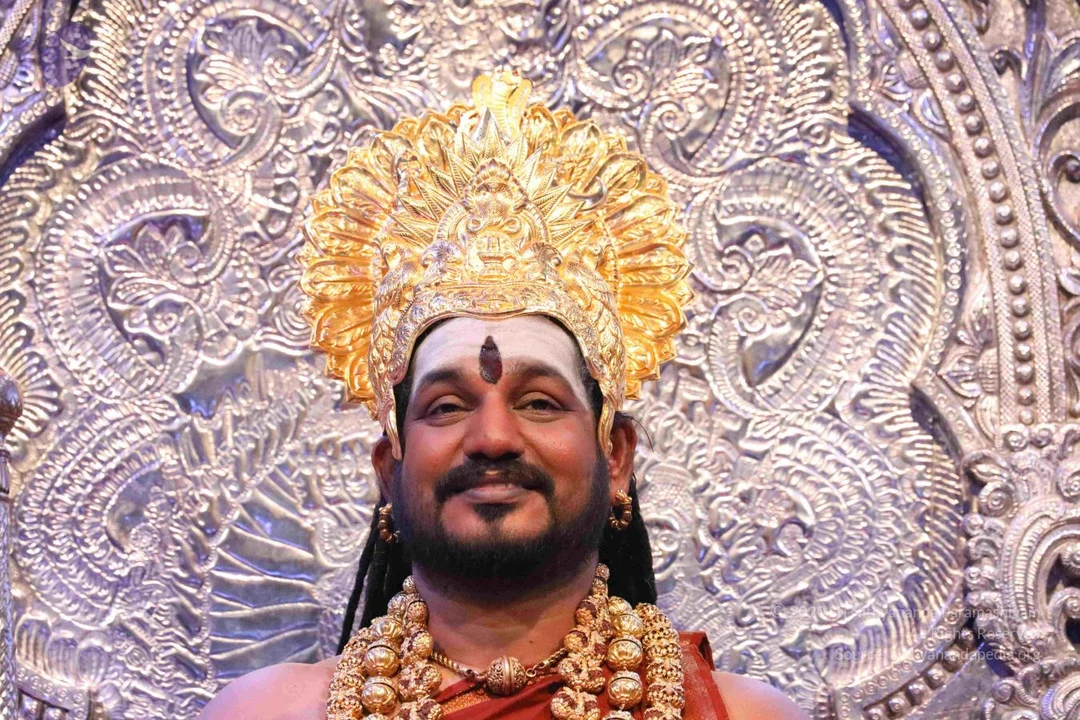
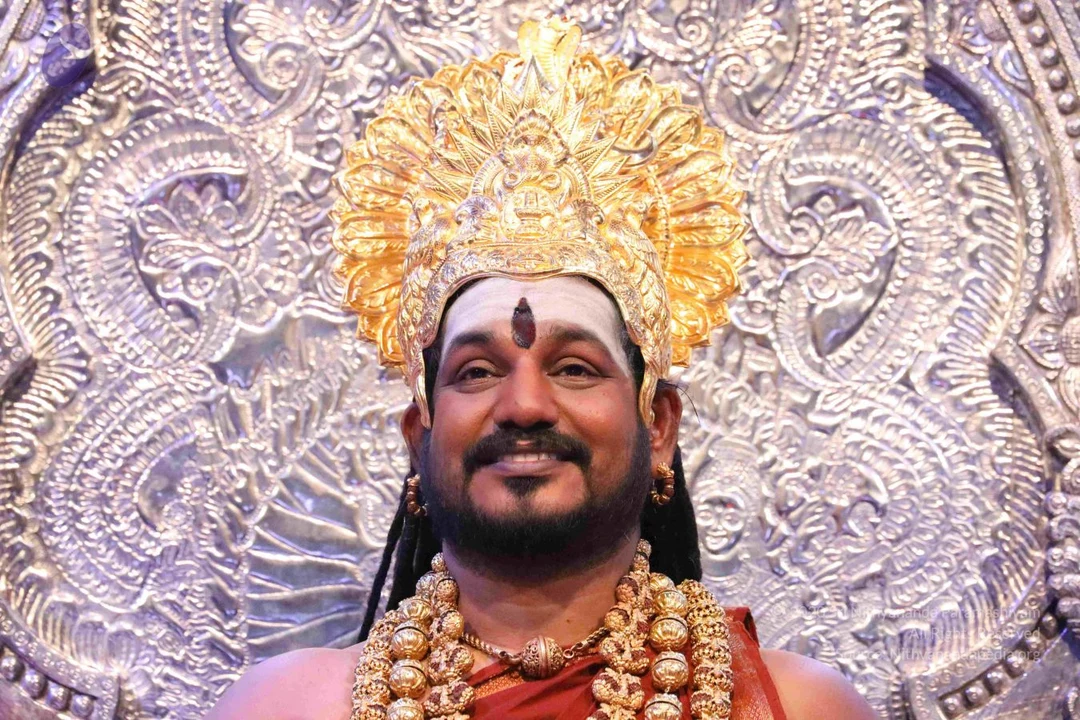
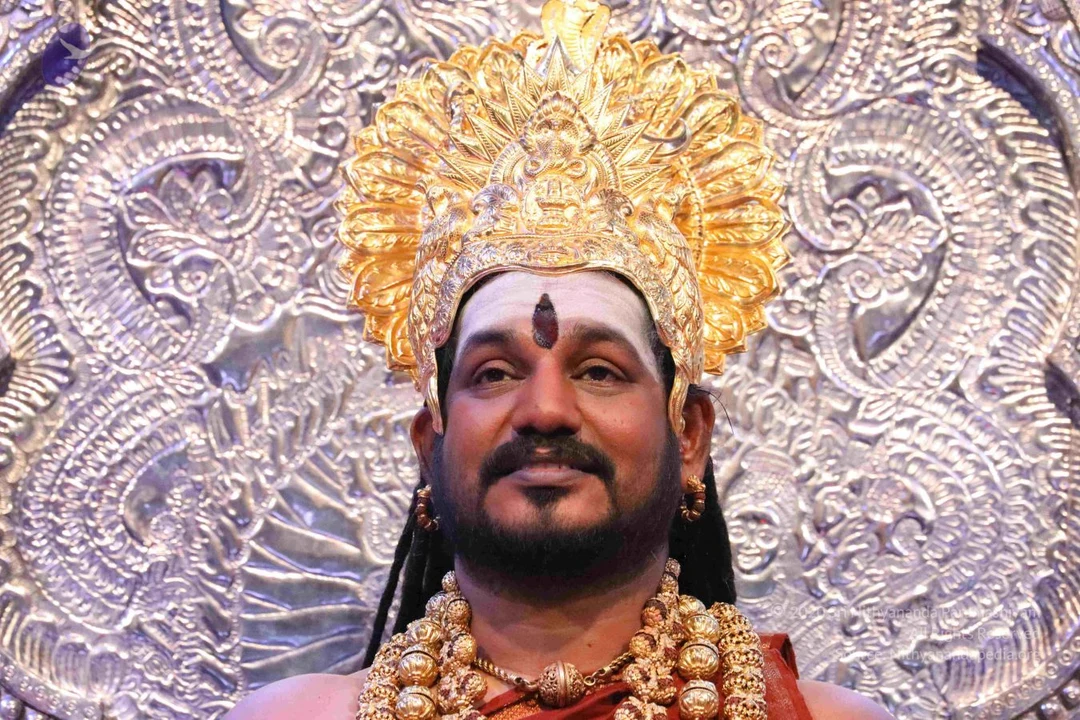
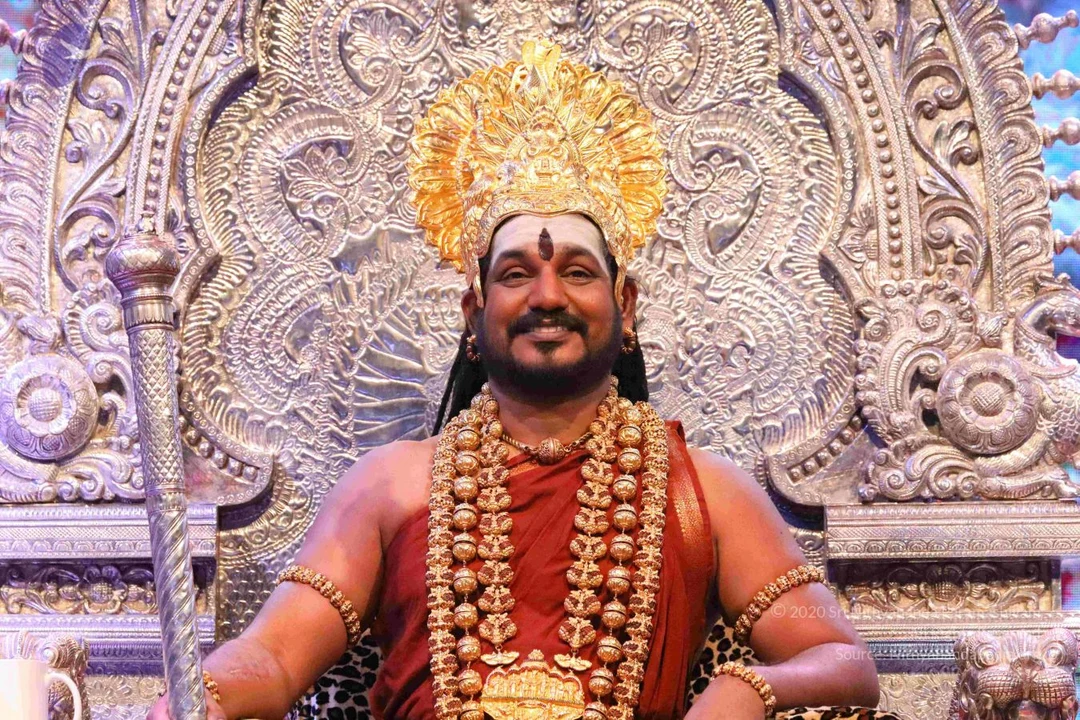
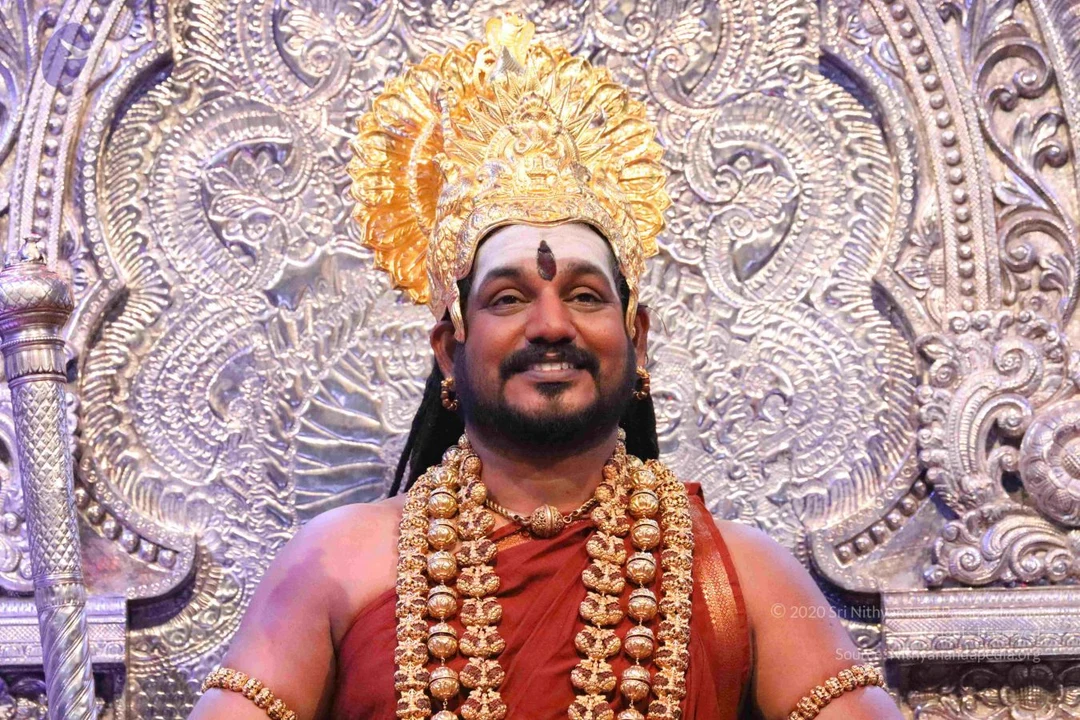
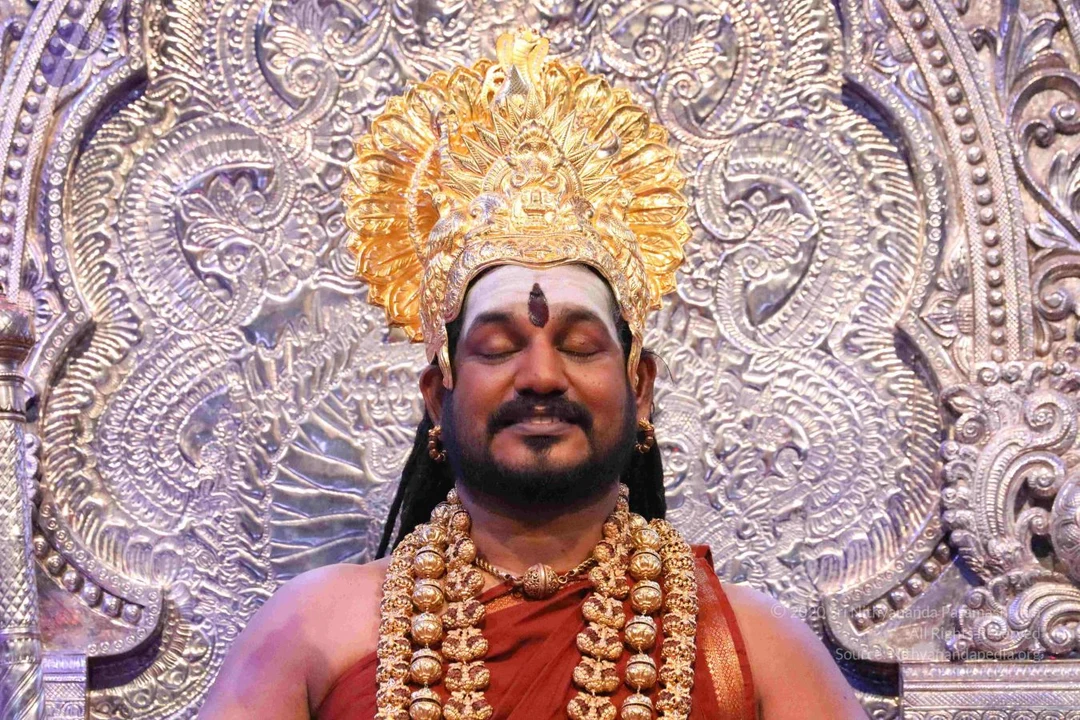
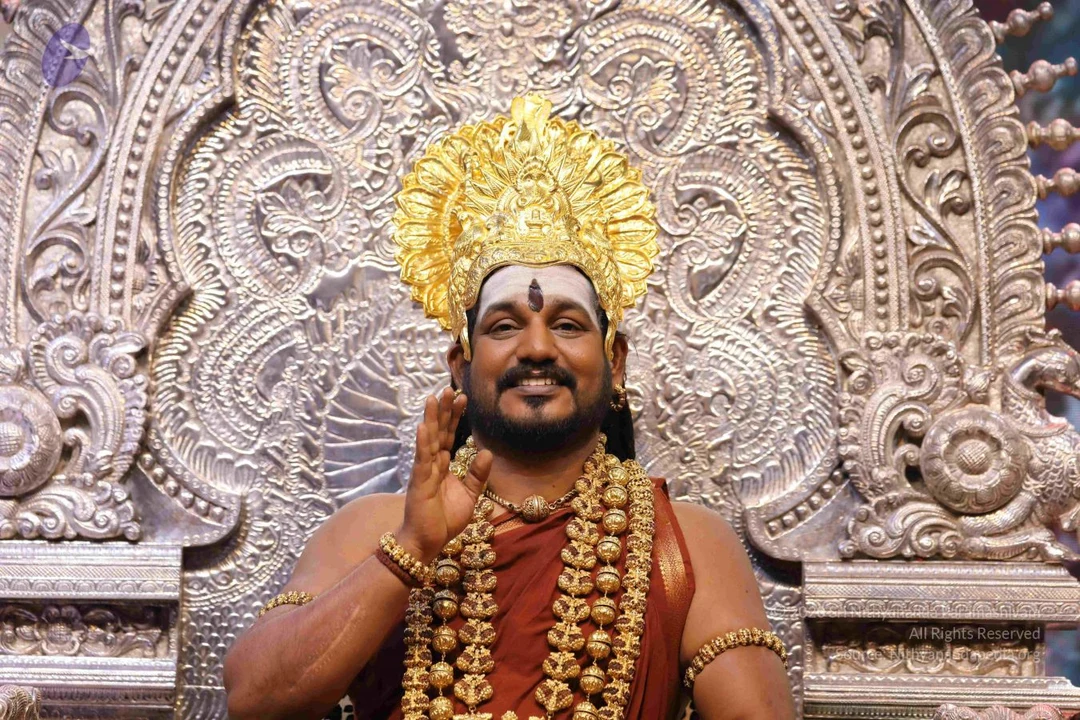
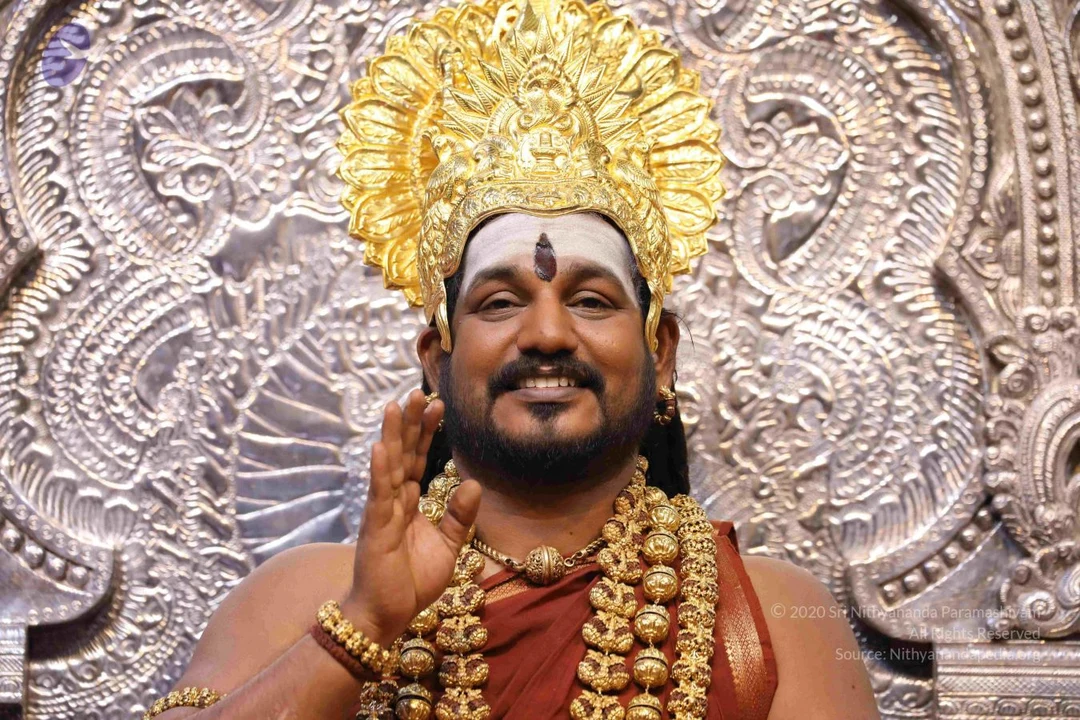
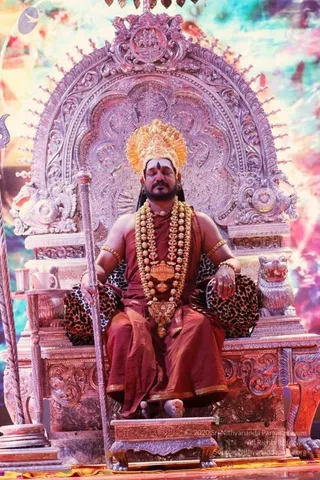 DARSHAN of BHAGWAAN is powerful and KUNDALINI AWAKENING
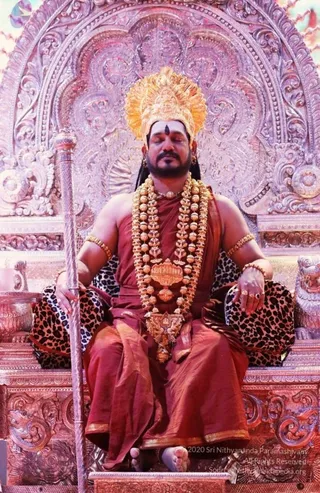 DARSHAN of BHAGWAAN is powerful and KUNDALINI AWAKENING
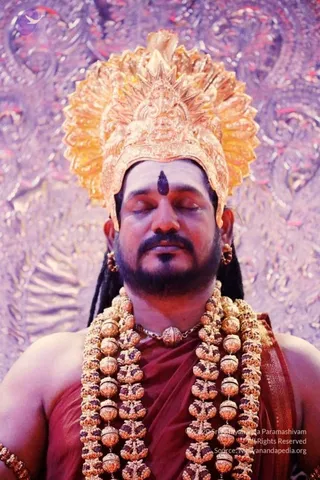 DARSHAN of BHAGWAAN is powerful and KUNDALINI AWAKENING
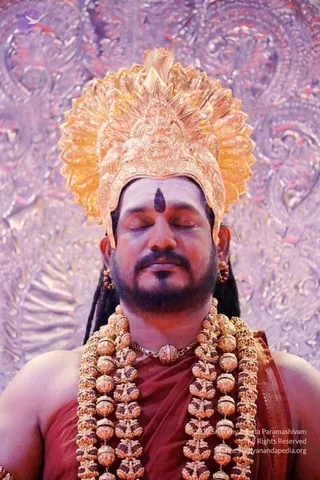 DARSHAN of BHAGWAAN is powerful and KUNDALINI AWAKENING
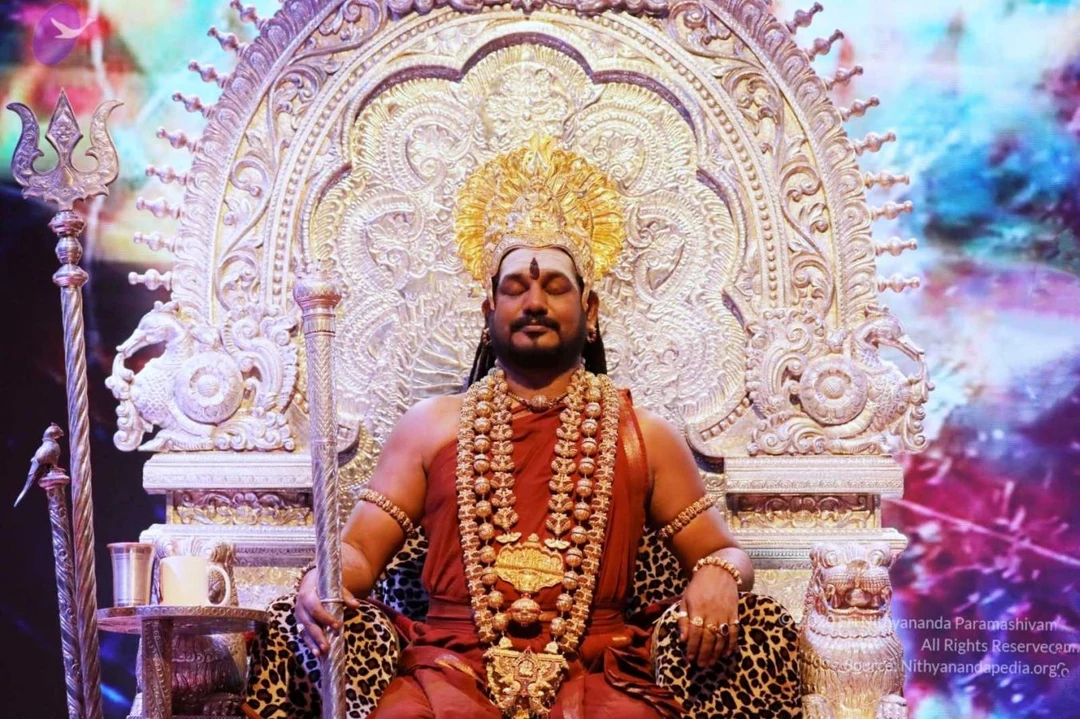 DARSHAN of BHAGWAAN is powerful and KUNDALINI AWAKENING
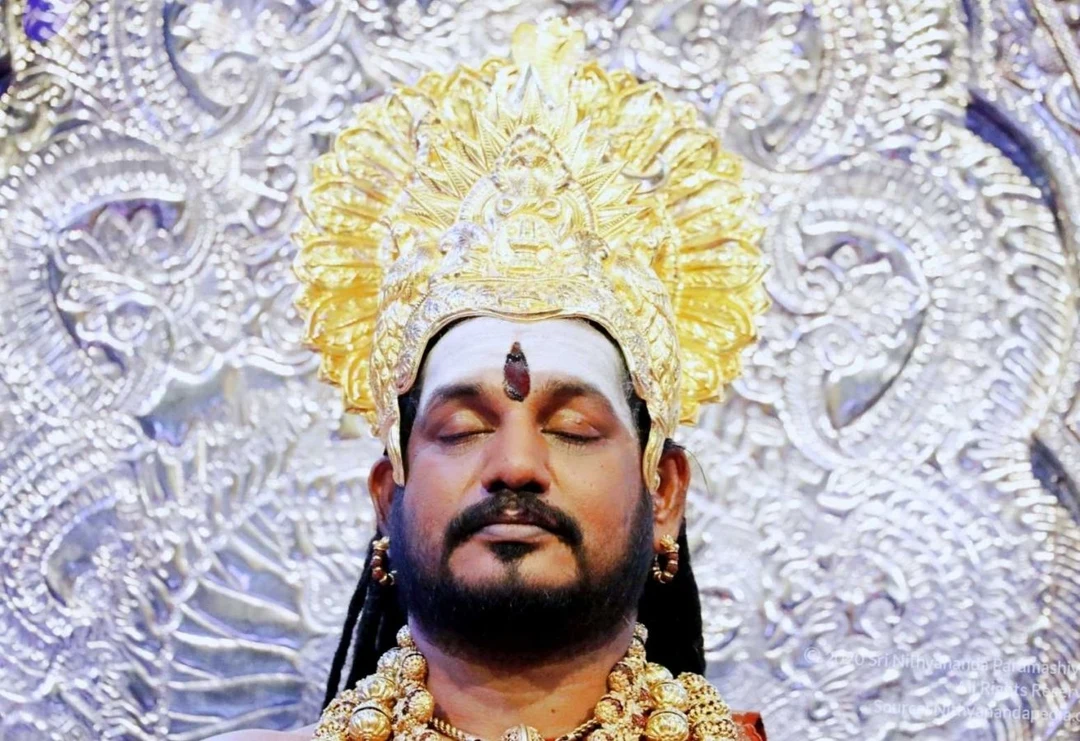 DARSHAN of BHAGWAAN is powerful and KUNDALINI AWAKENING
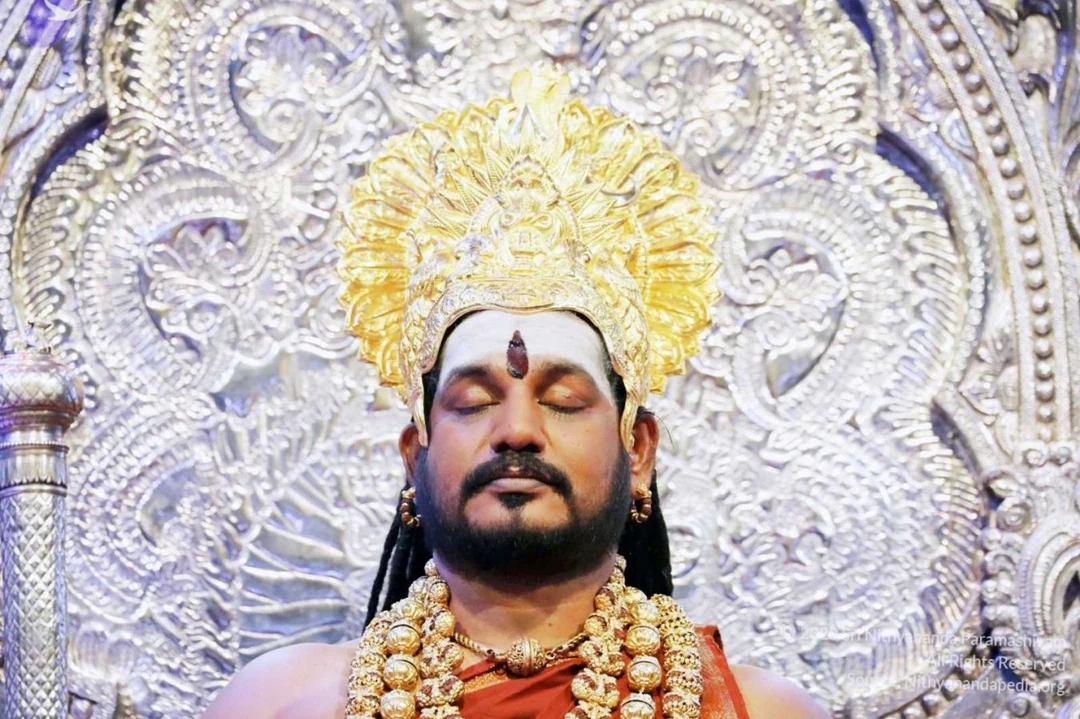 DARSHAN of BHAGWAAN is powerful and KUNDALINI AWAKENING
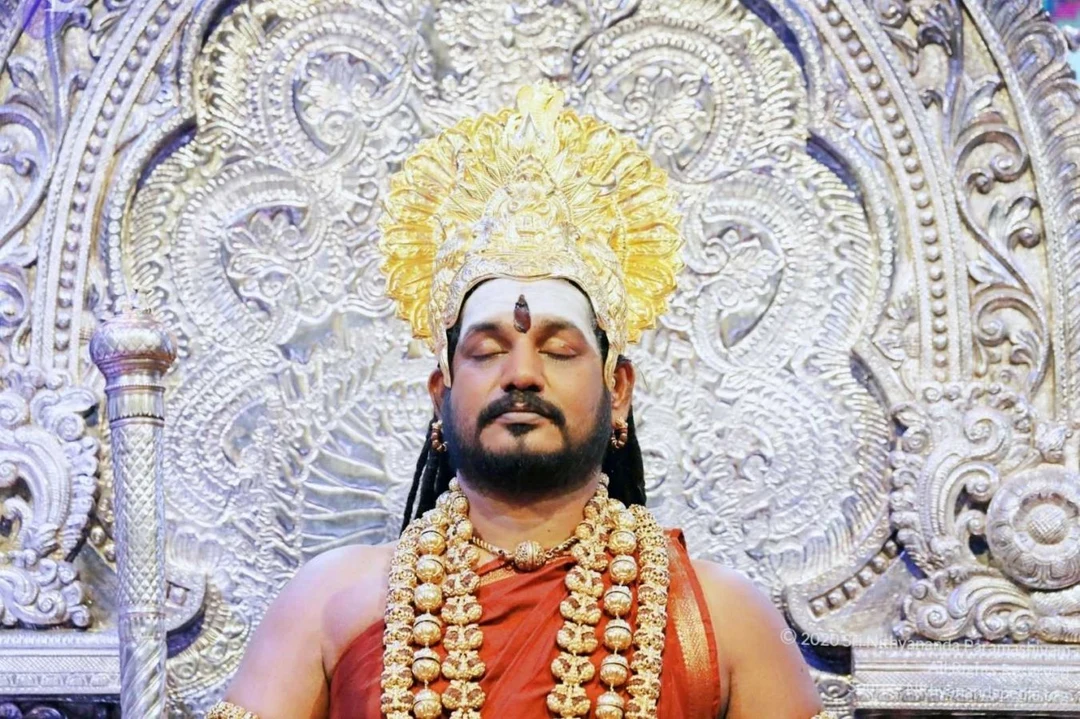 ENERGY DARSHAN INITIATION MEANS AWAKENING YOUR INNER POTENTIAL ENERGY - KUNDALINI SHAKTI
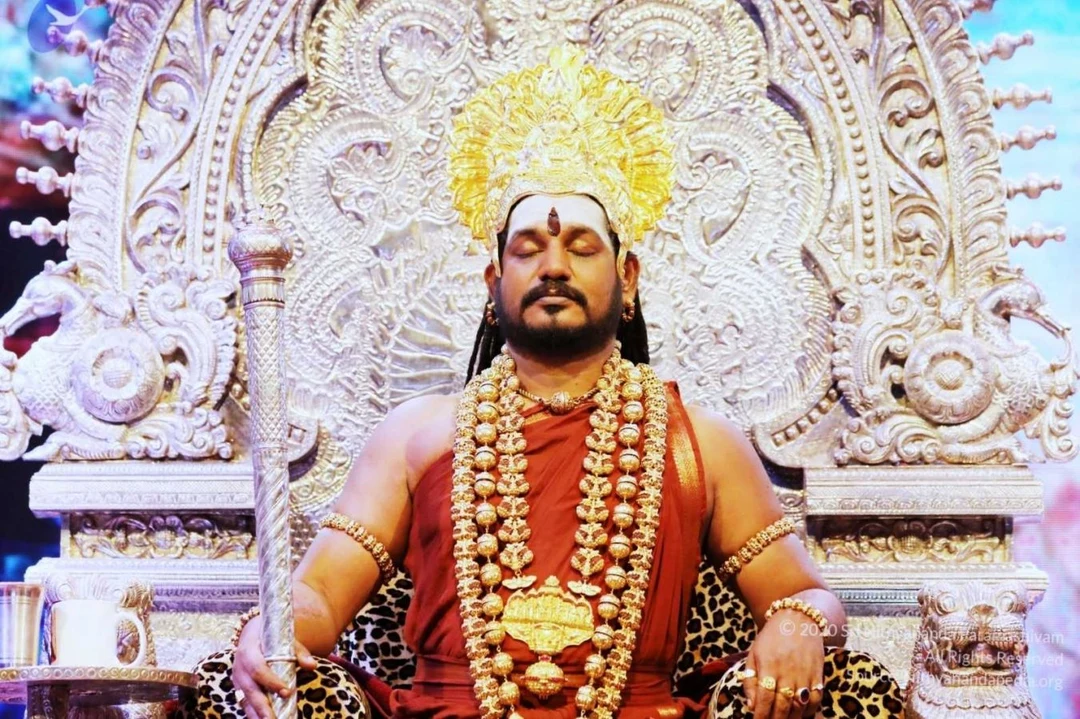 ENERGY DARSHAN INITIATION MEANS AWAKENING YOUR INNER POTENTIAL ENERGY - KUNDALINI SHAKTI
 ENERGY DARSHAN INITIATION MEANS AWAKENING YOUR INNER POTENTIAL ENERGY - KUNDALINI SHAKTI
 ENERGY DARSHAN INITIATION MEANS AWAKENING YOUR INNER POTENTIAL ENERGY - KUNDALINI SHAKTI
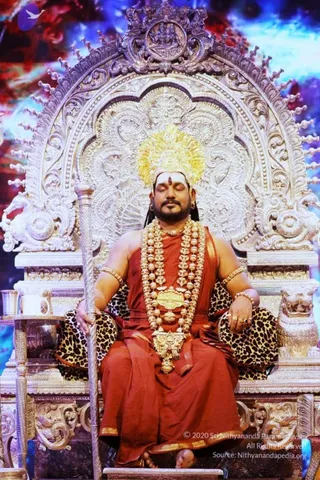 ENERGY DARSHAN INITIATION MEANS AWAKENING YOUR INNER POTENTIAL ENERGY - KUNDALINI SHAKTI
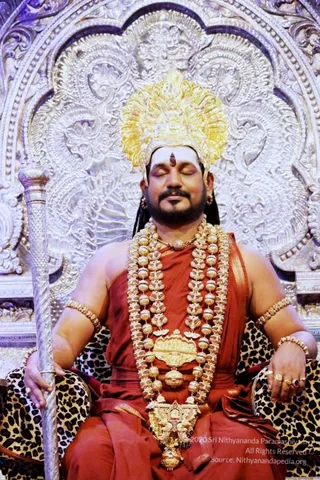 ENERGY DARSHAN INITIATION MEANS AWAKENING YOUR INNER POTENTIAL ENERGY - KUNDALINI SHAKTI
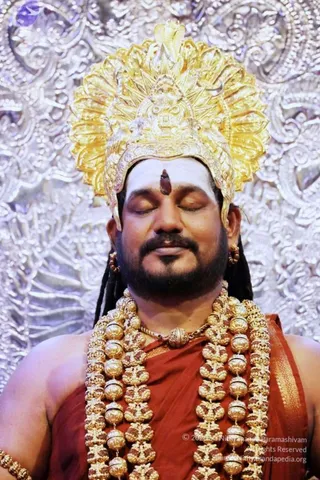 ENERGY DARSHAN INITIATION MEANS AWAKENING YOUR INNER POTENTIAL ENERGY - KUNDALINI SHAKTI
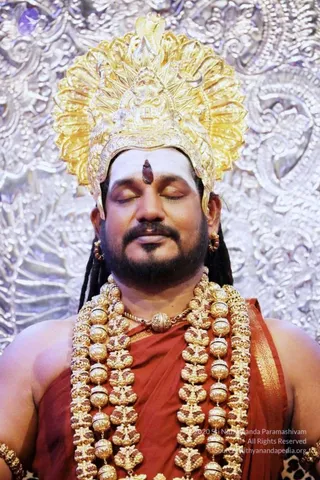 ENERGY DARSHAN INITIATION MEANS AWAKENING YOUR INNER POTENTIAL ENERGY - KUNDALINI SHAKTI
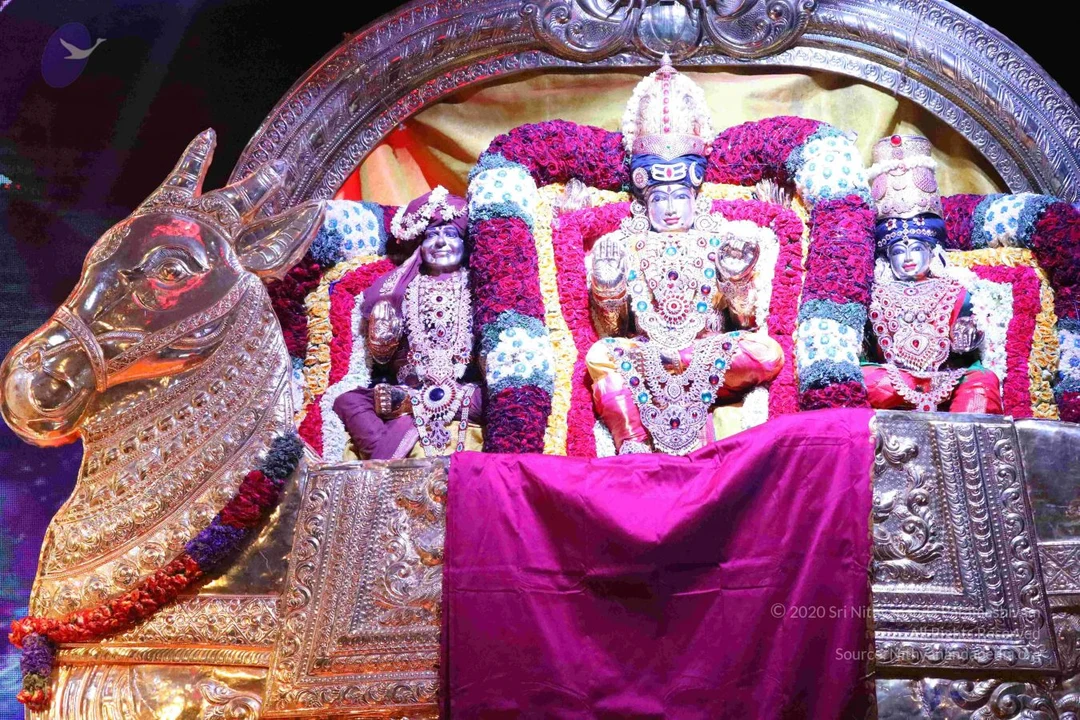
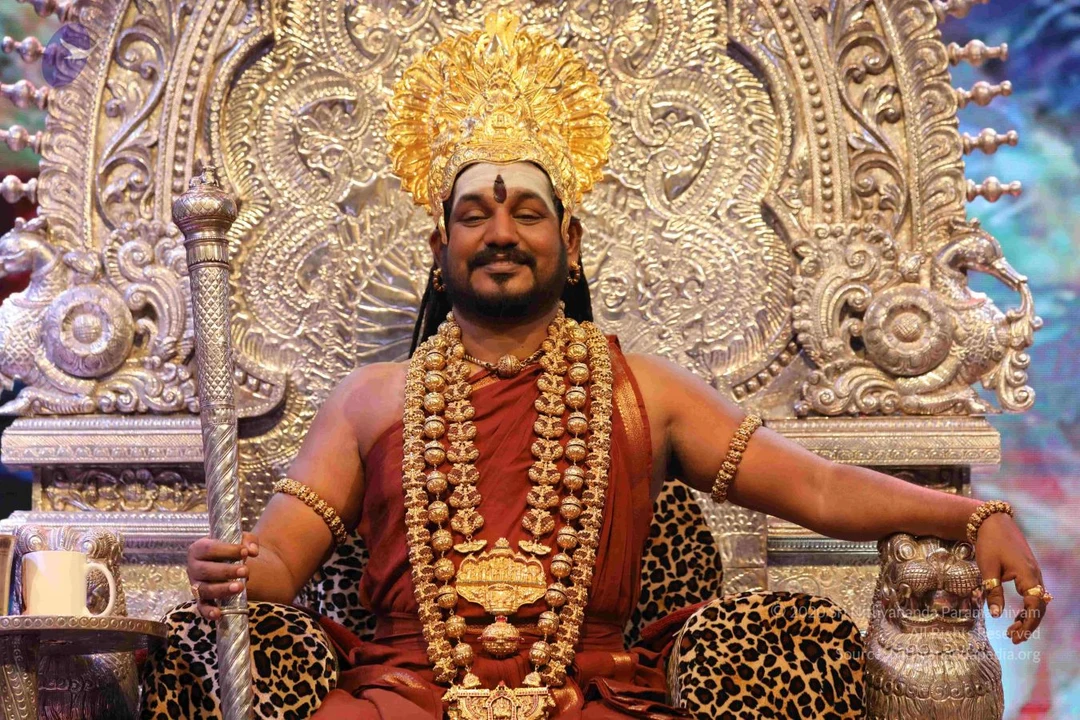
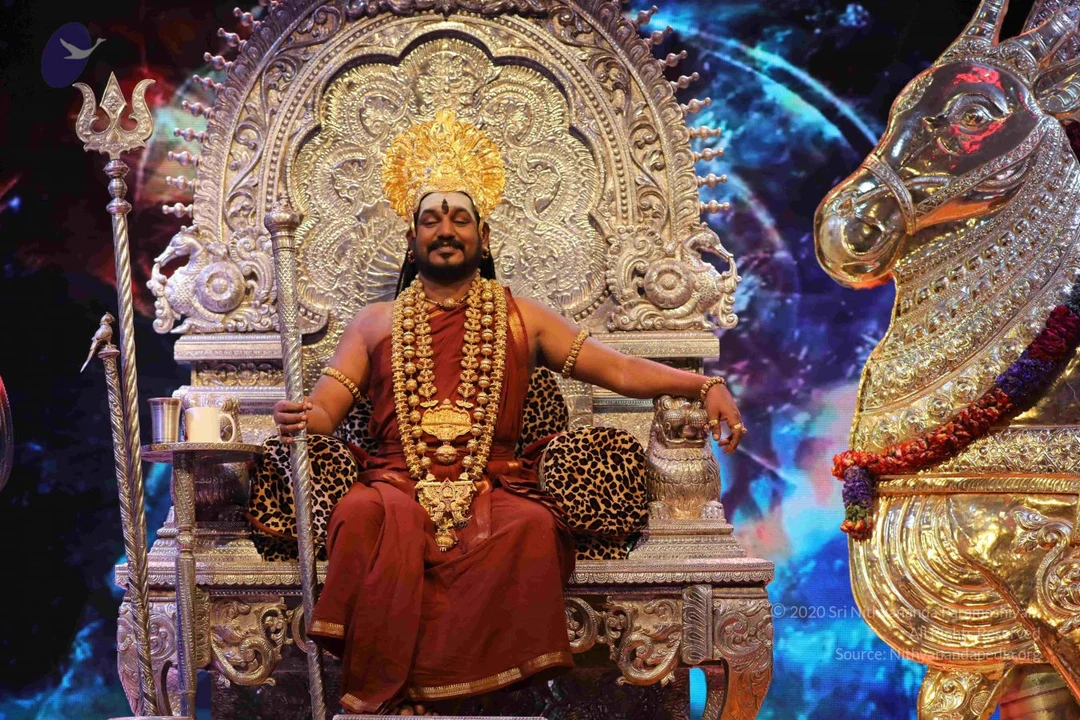
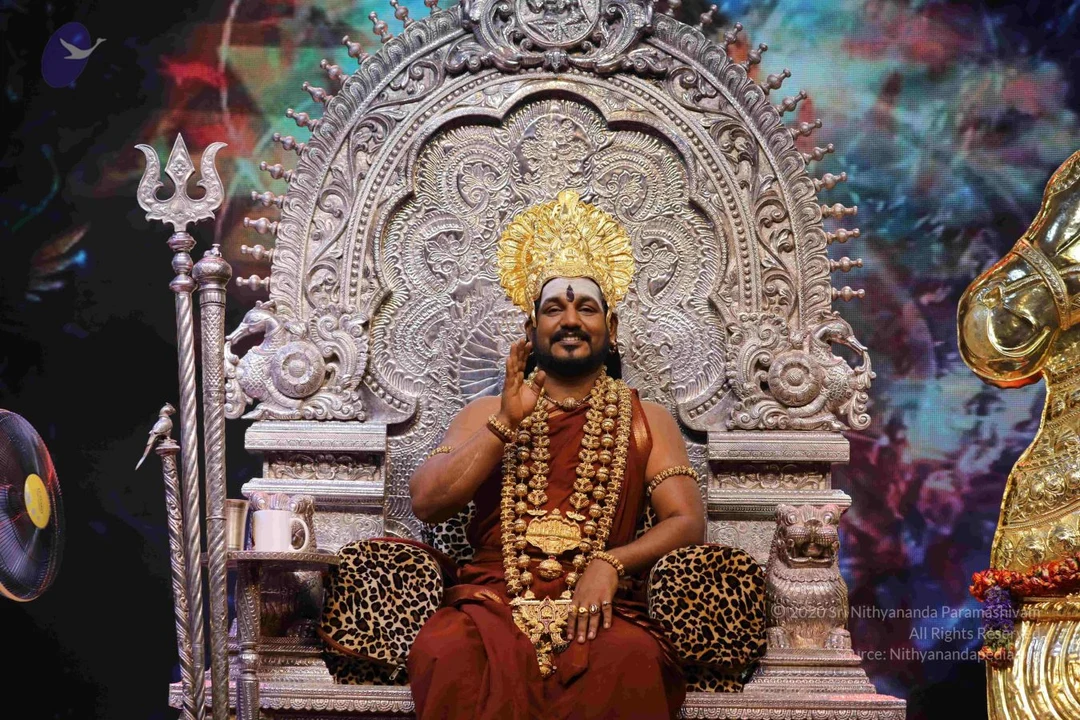
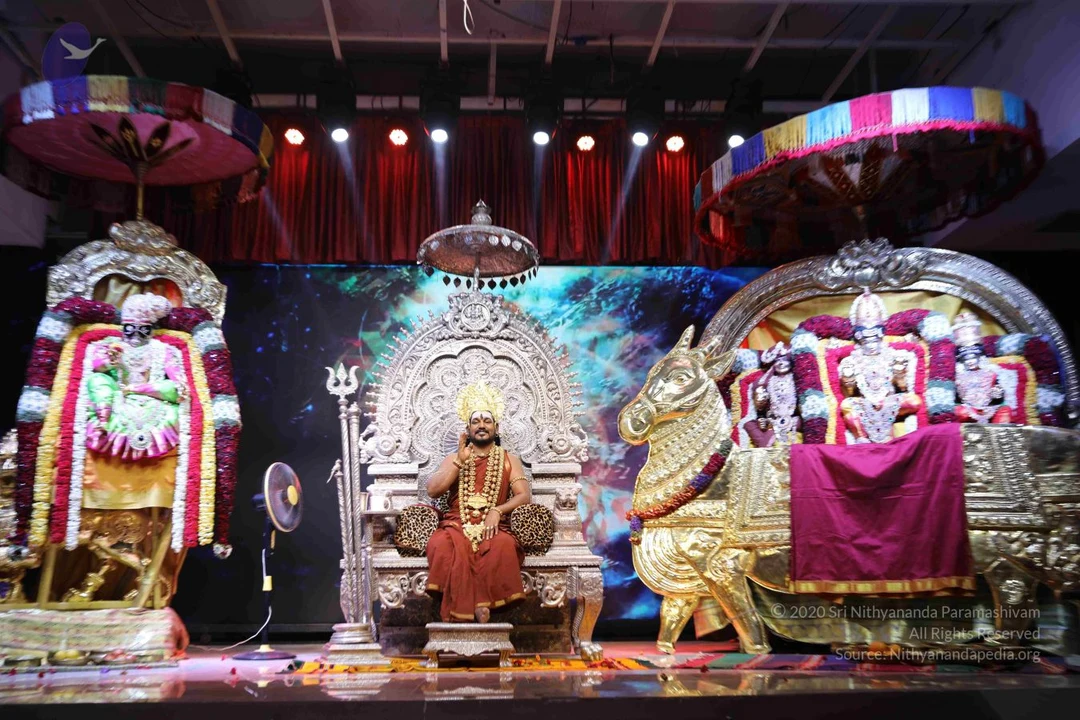
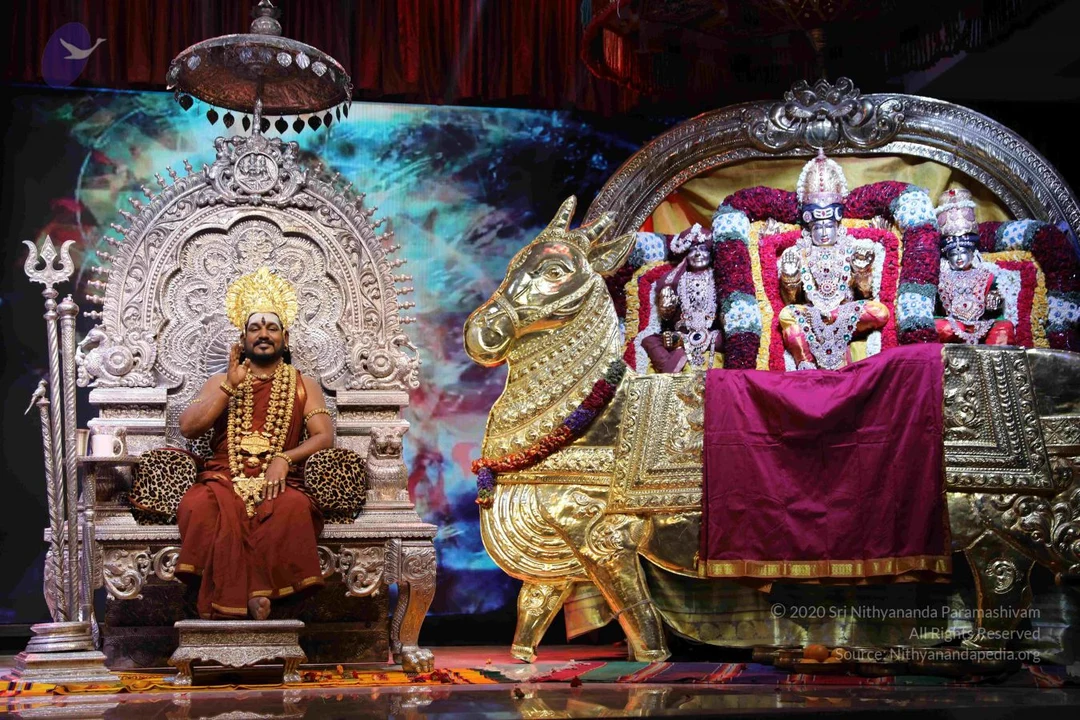
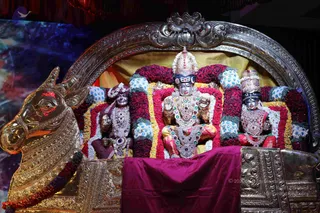
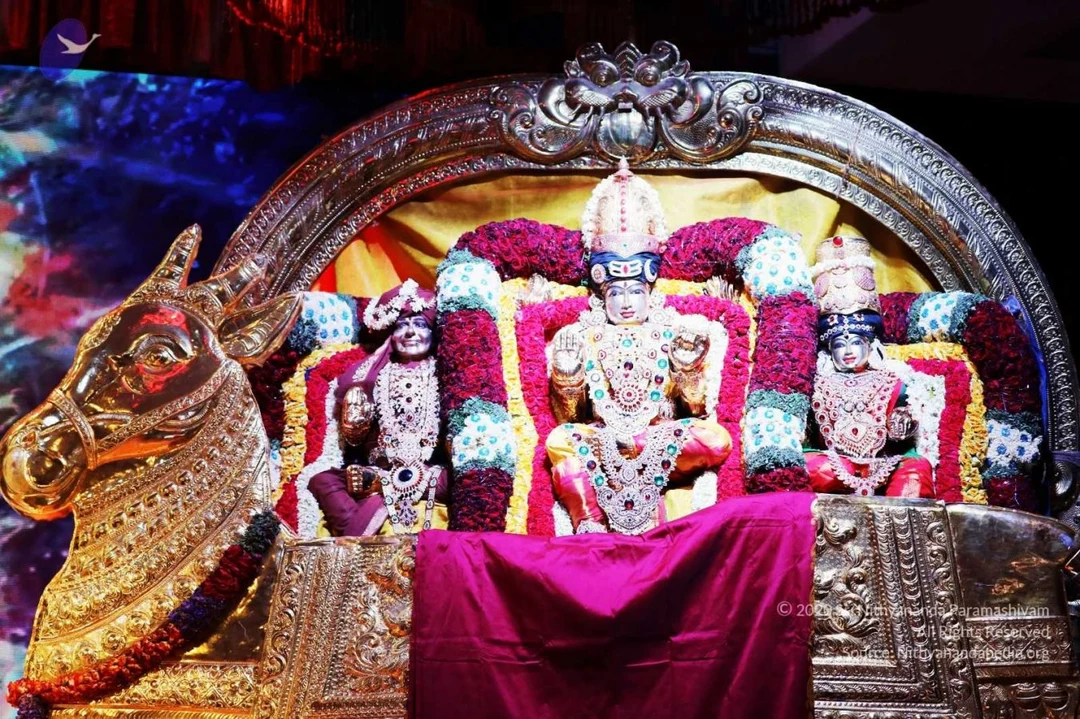 Nithyananda Purnima Brahmotsavam celebration special alankars (decoration) done for HDH Nithyananda Paramashivam, Sundareshwara, and Meenakshi Devi
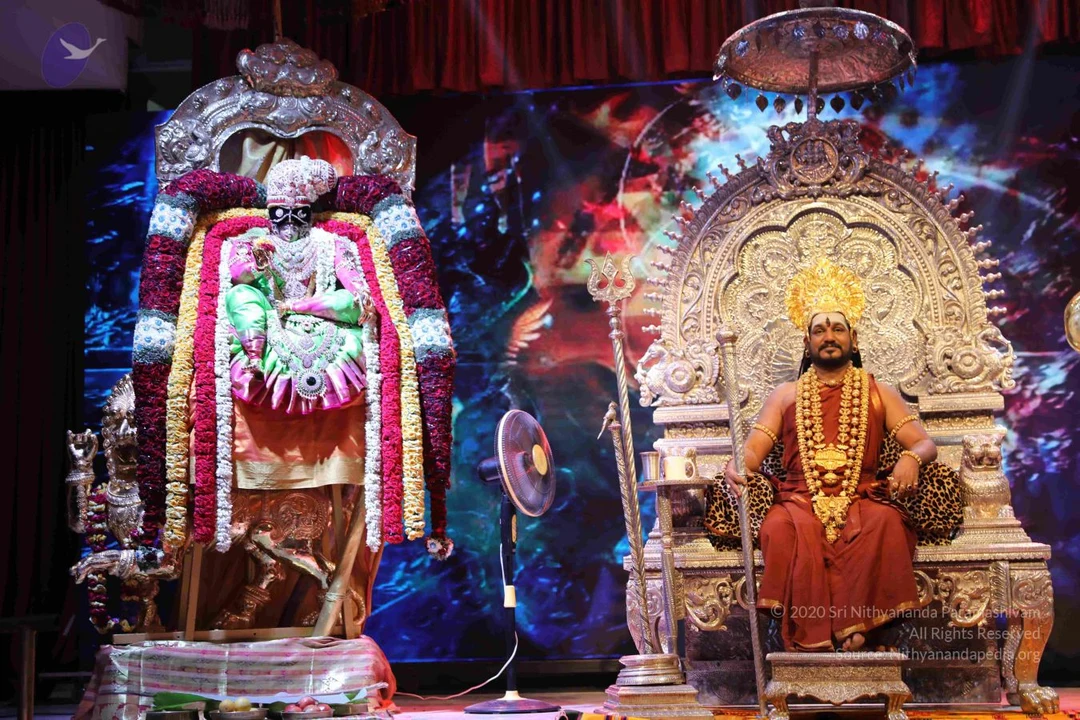
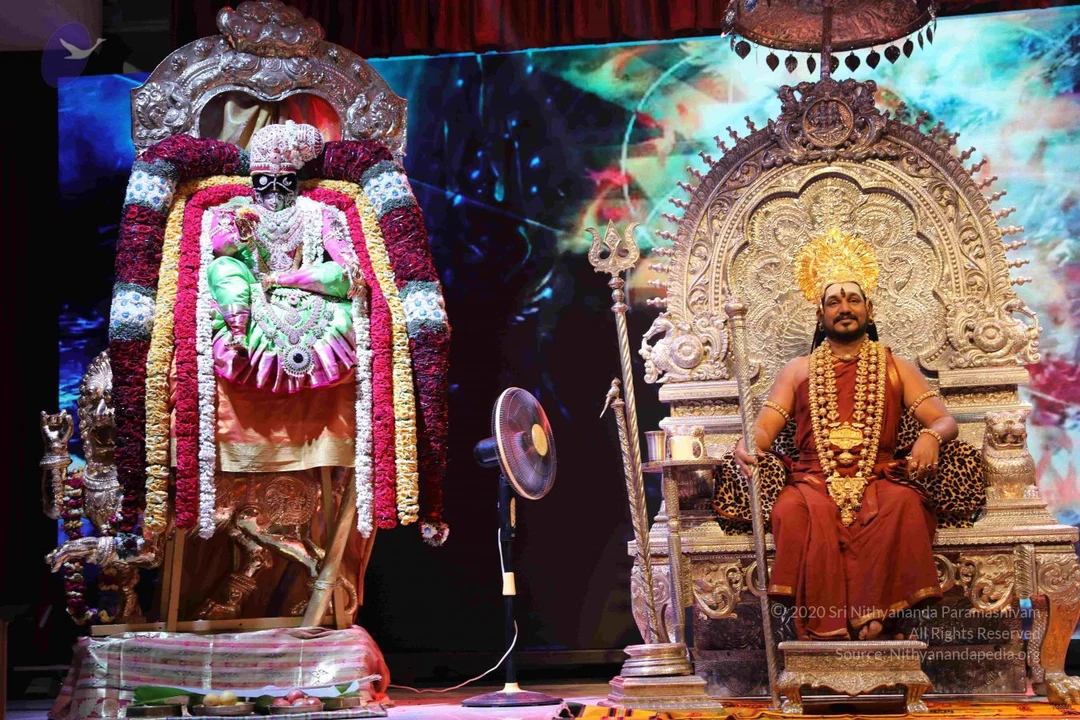
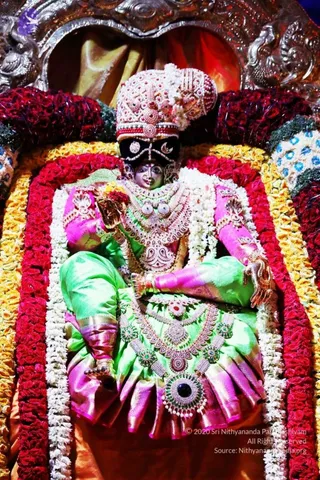 Special Leela Alankars of Sri Nithyananda Swami's Life - LEELA OF PARASHAKTI DARSHAN
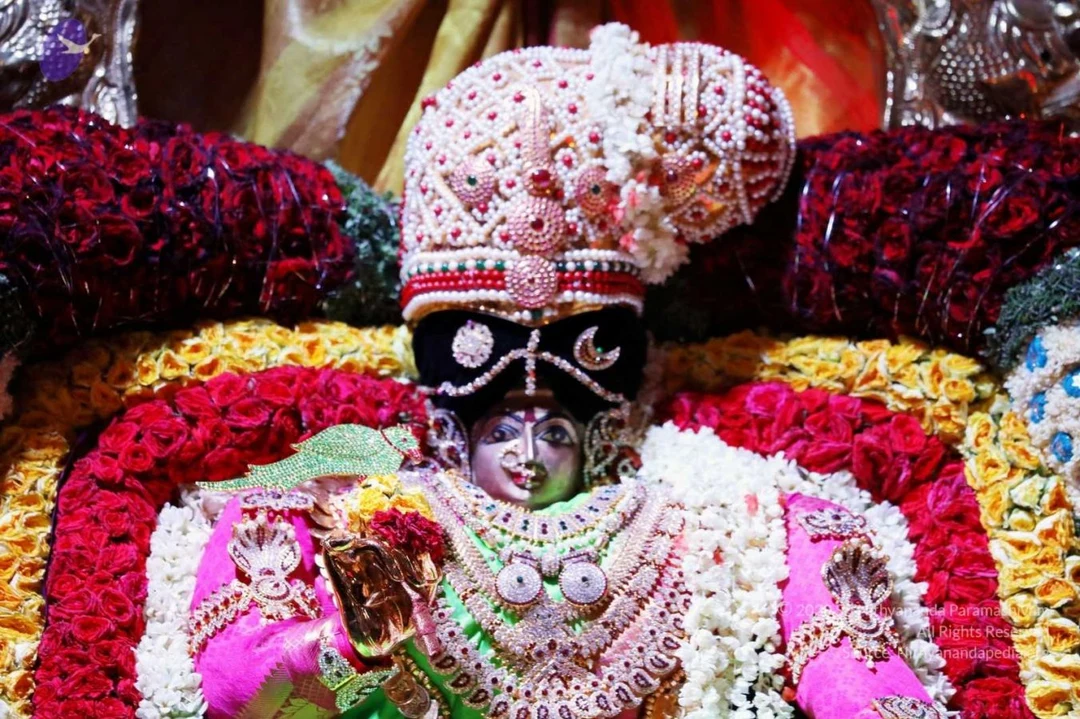 Special Leela Alankars of Sri Nithyananda Swami's Life - LEELA OF PARASHAKTI DARSHAN
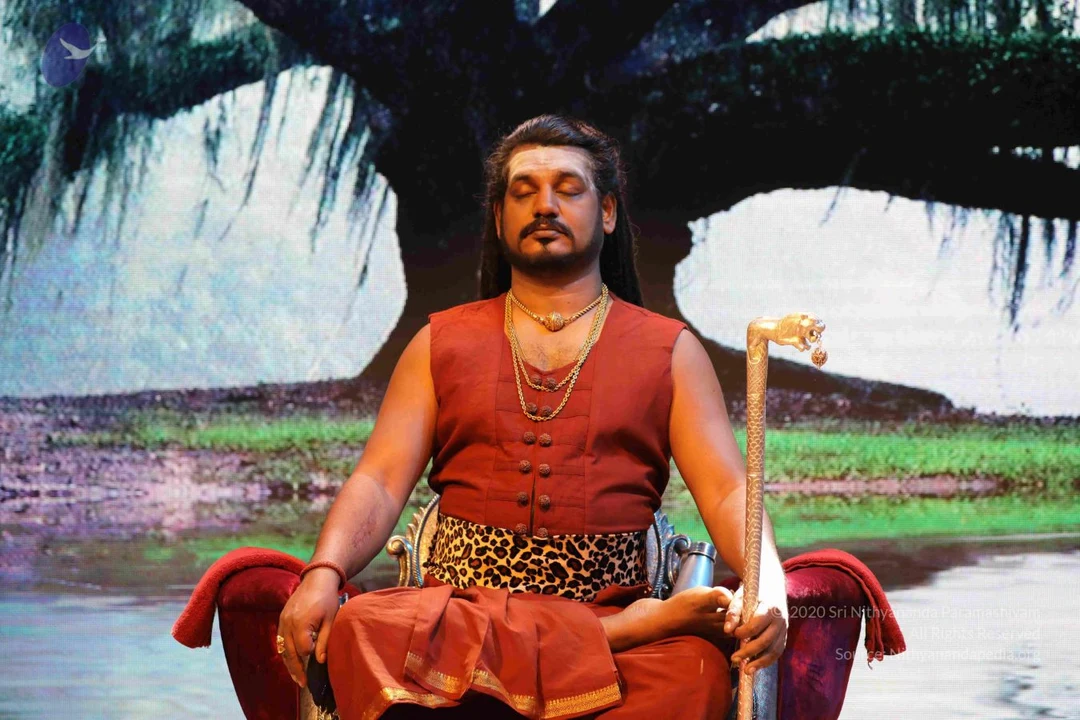
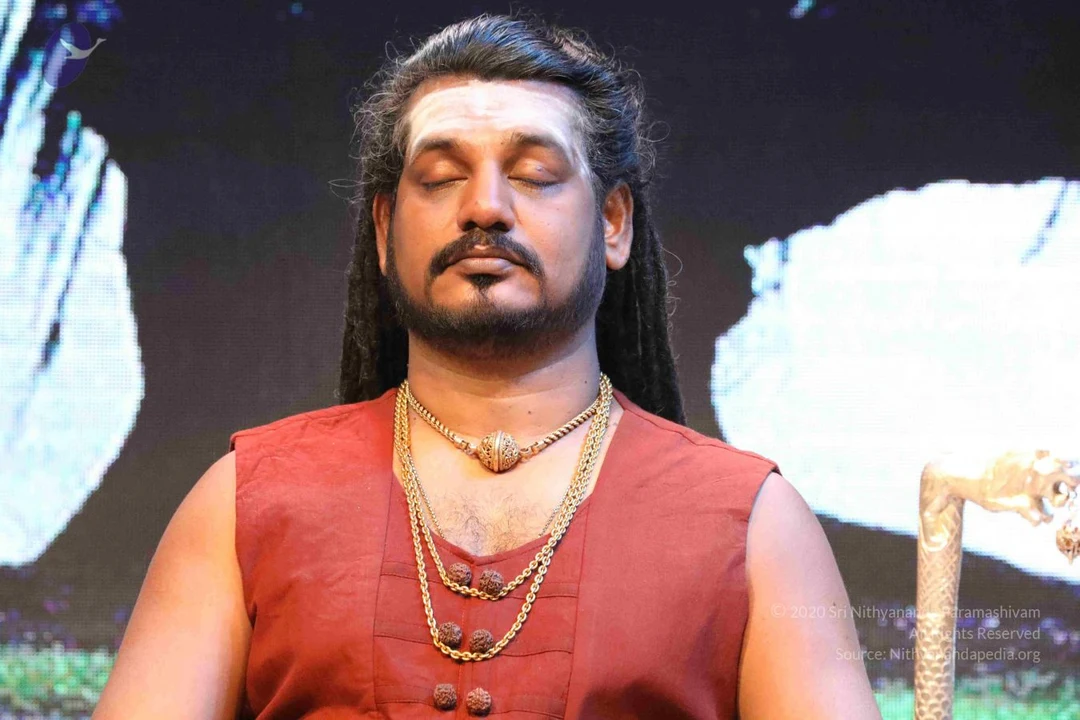
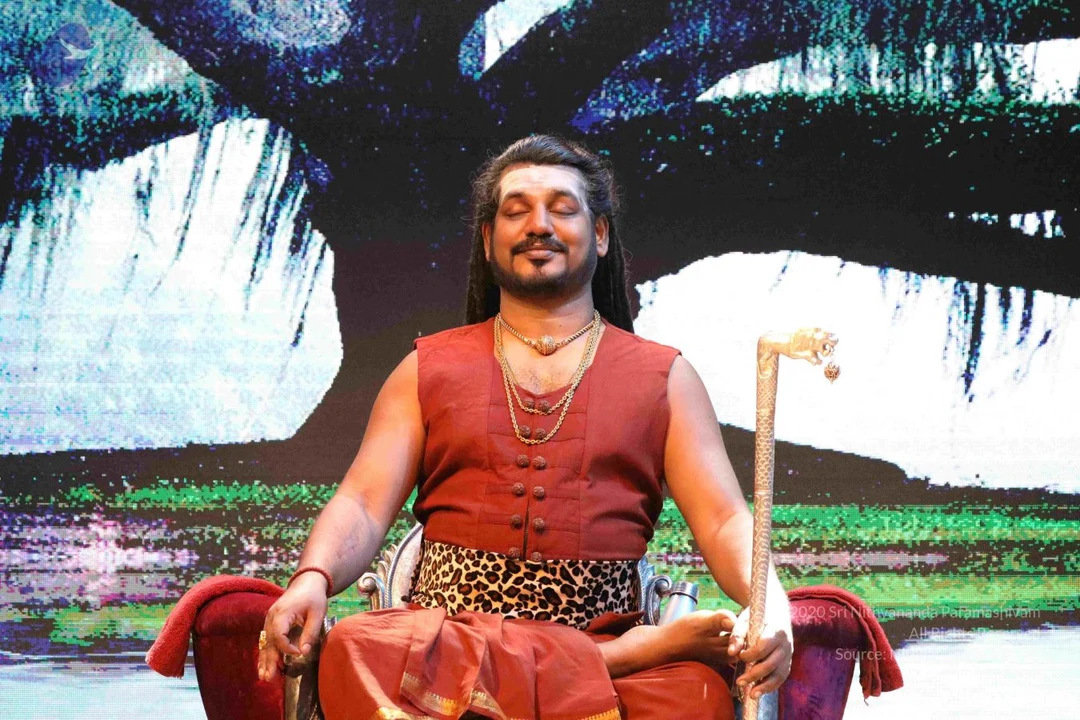
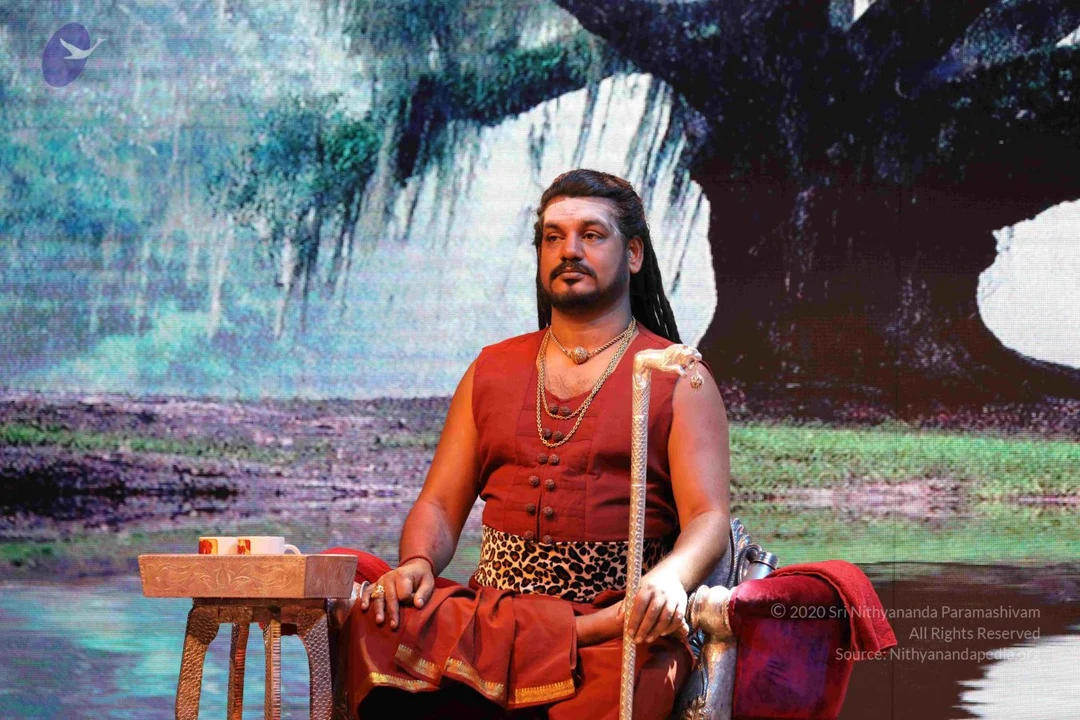
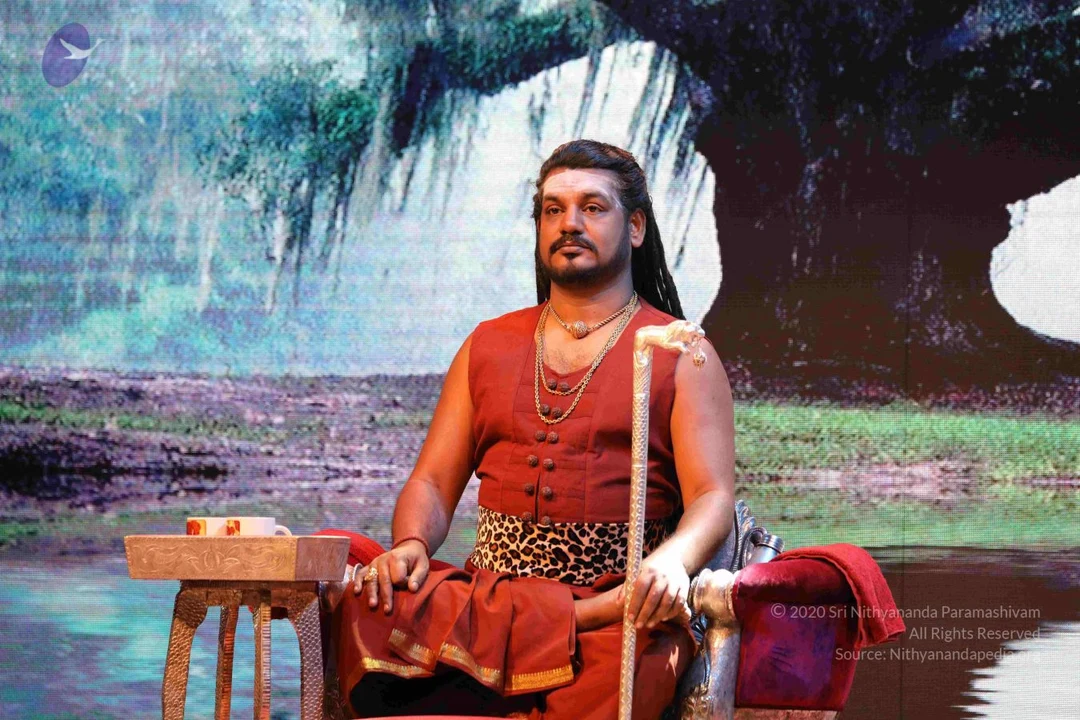
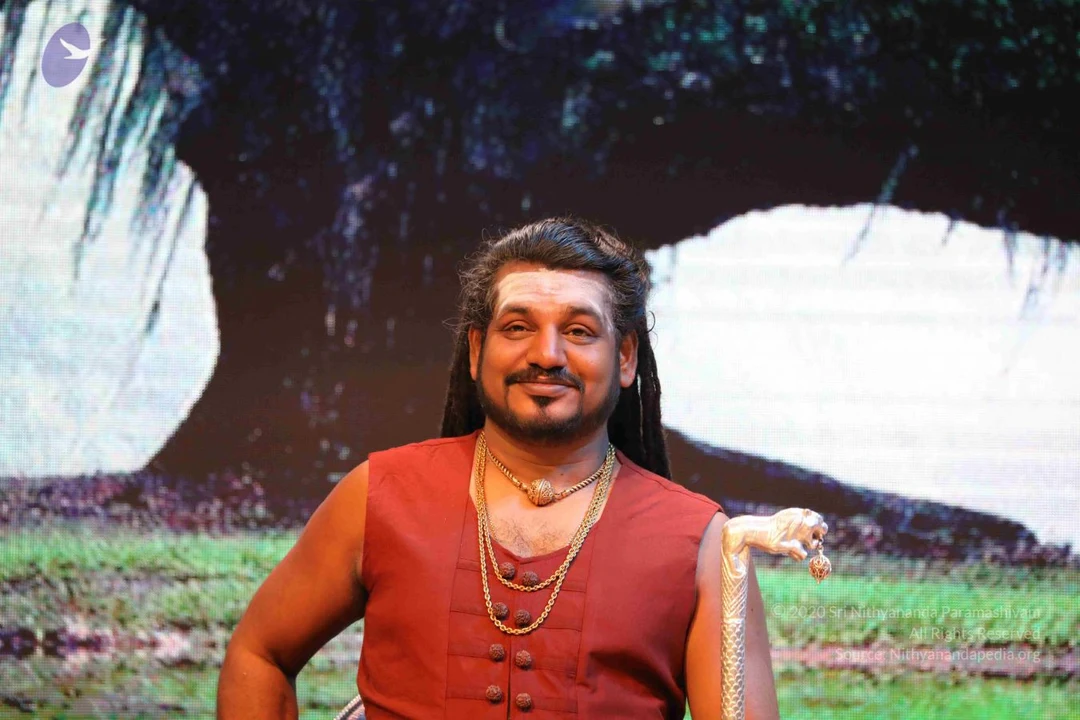
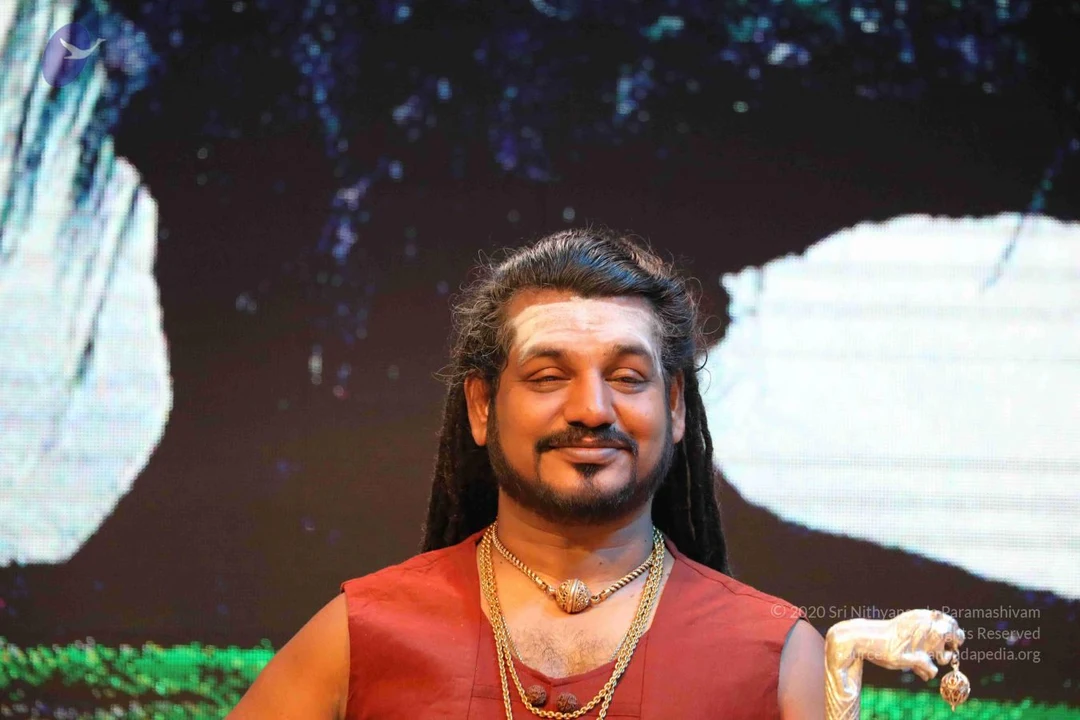
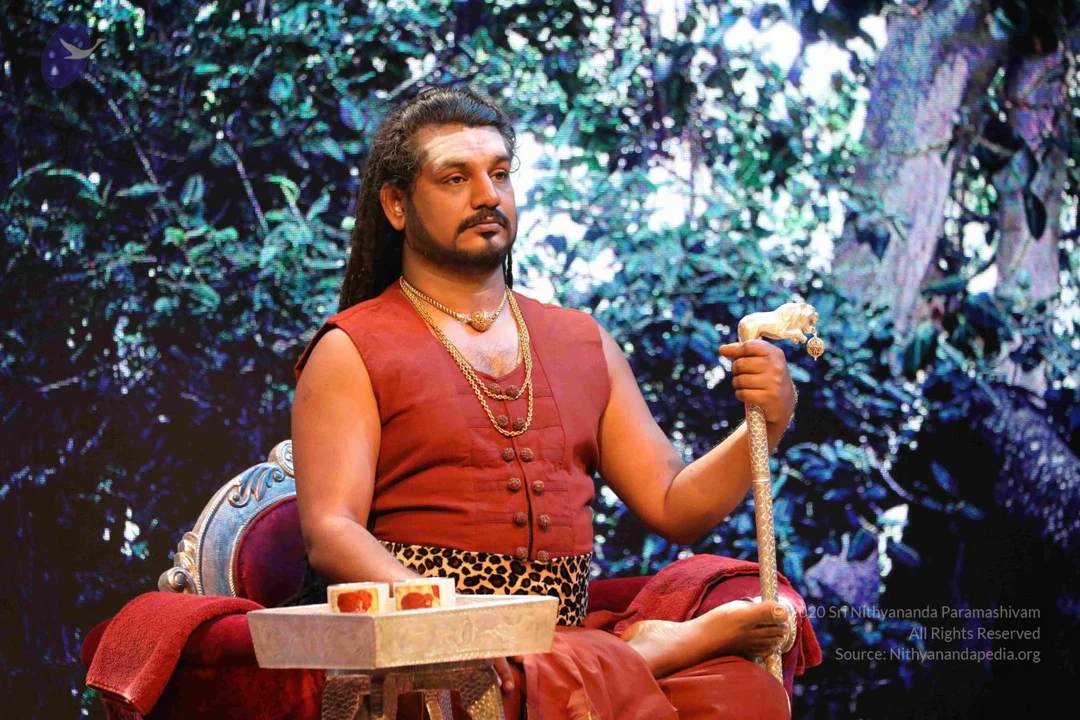
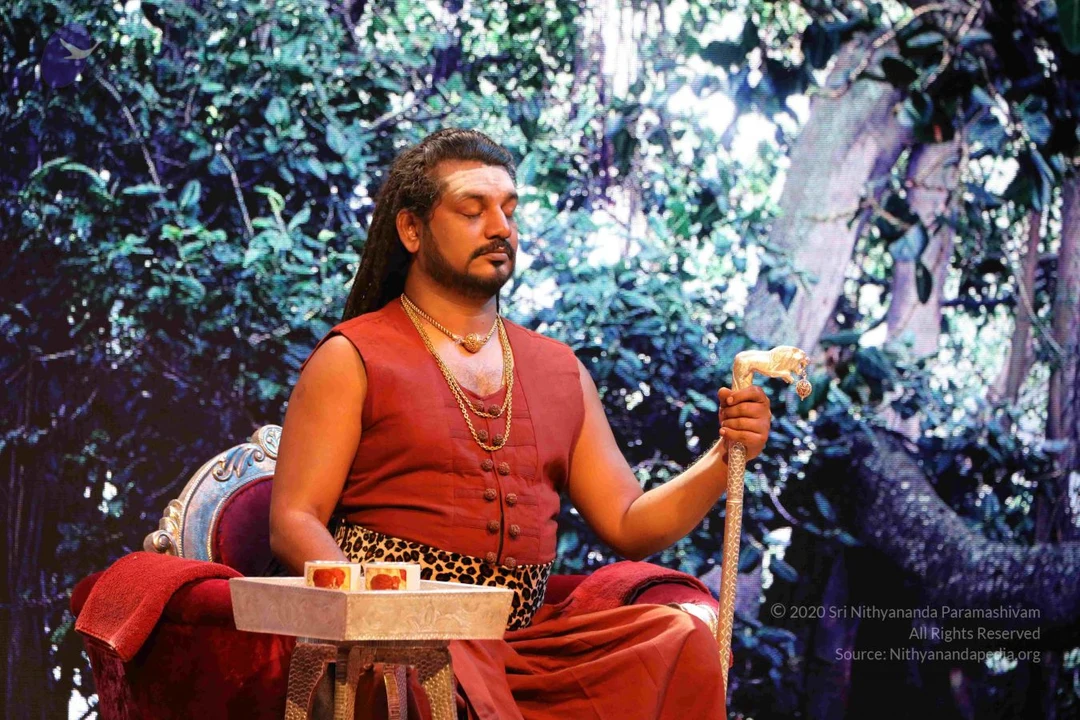
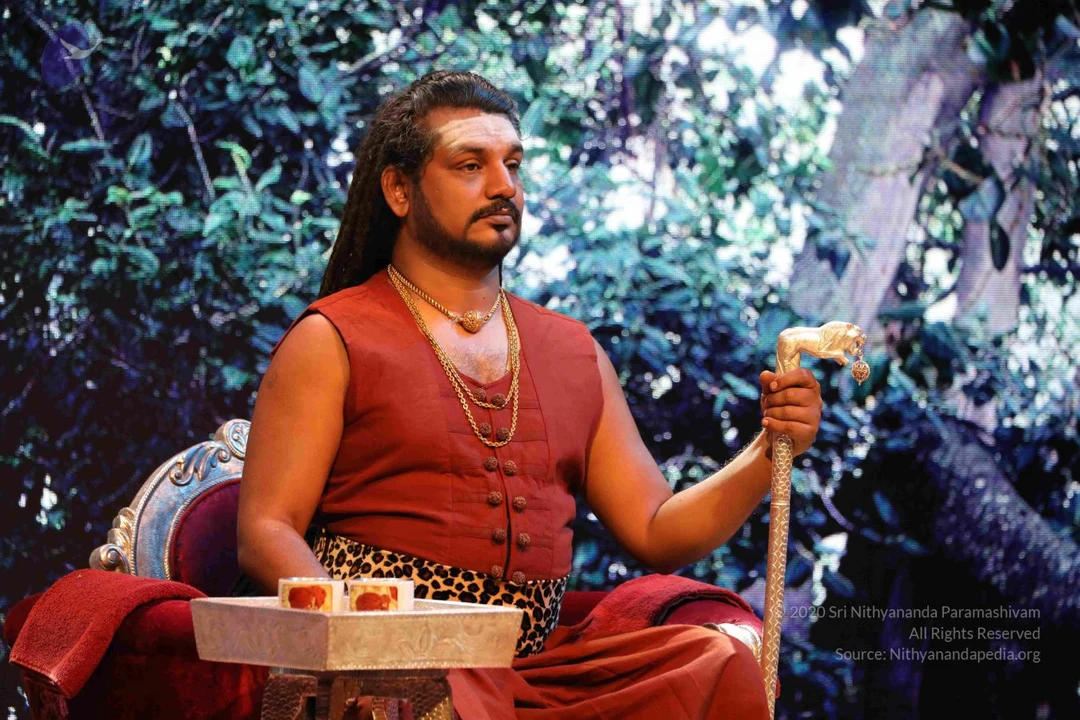
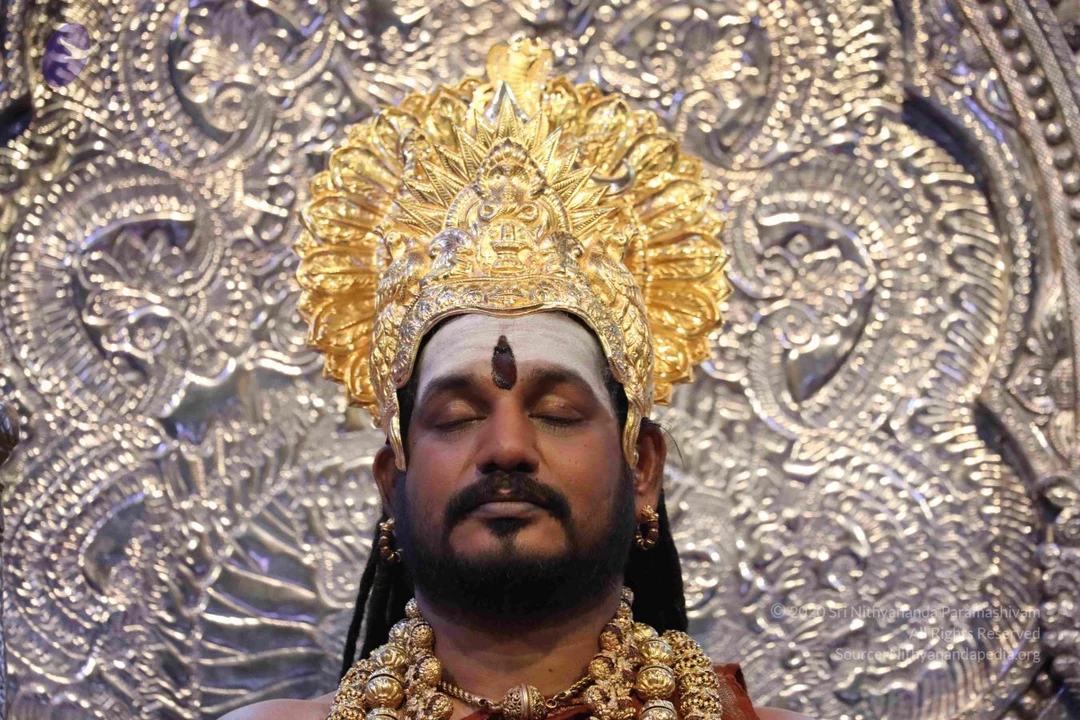
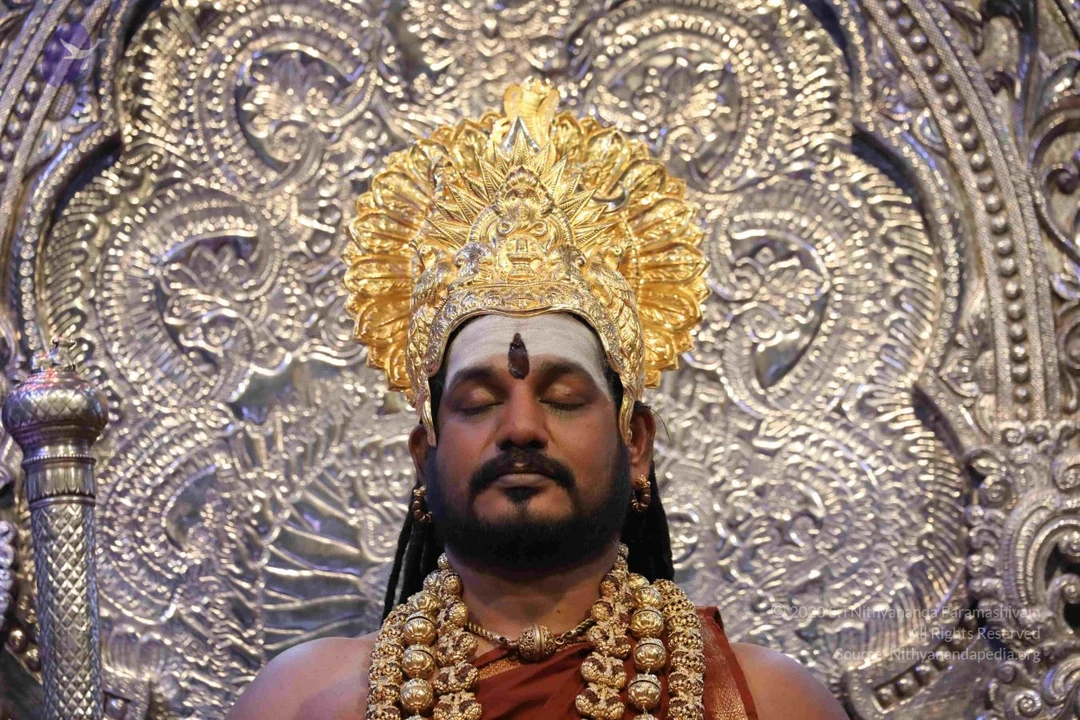
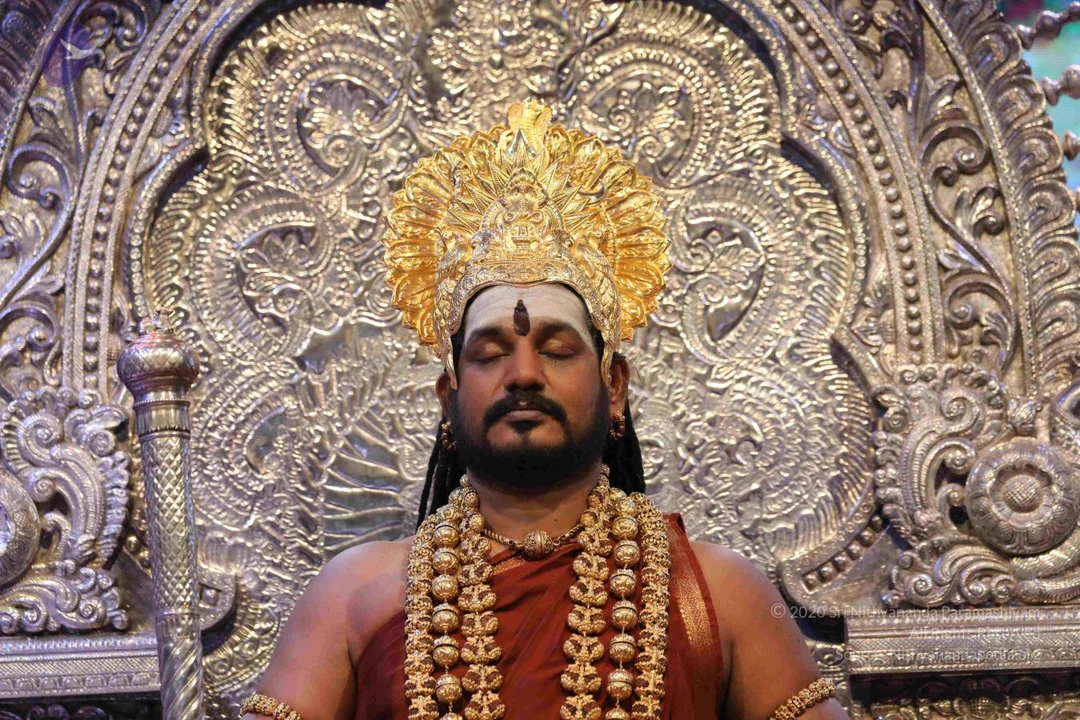
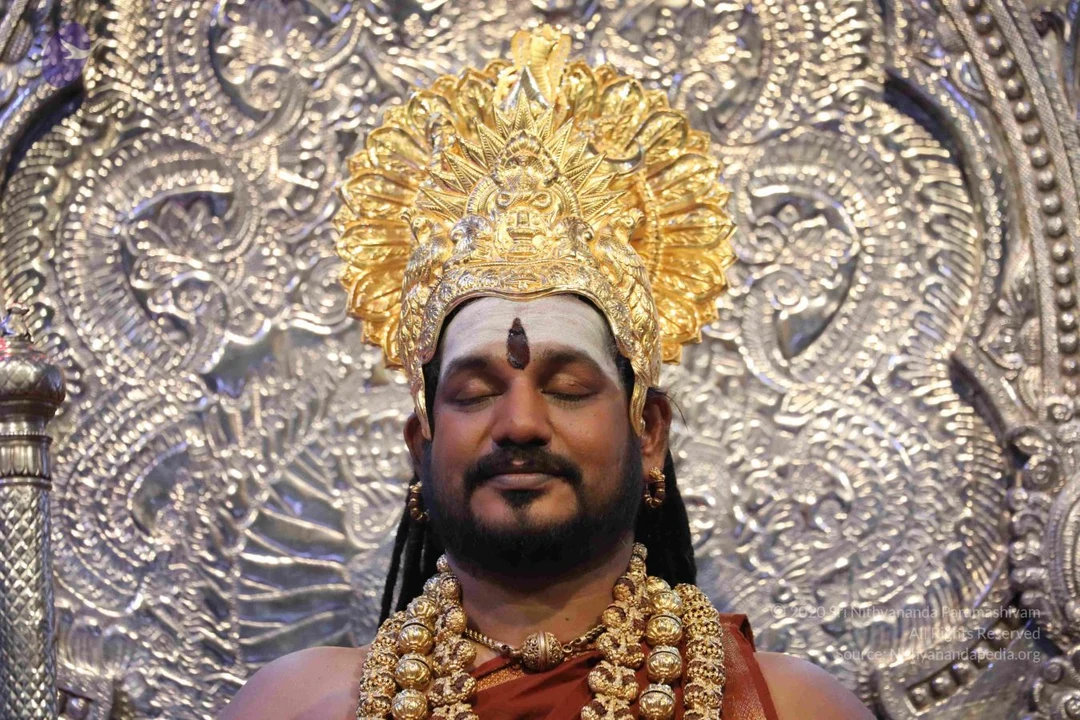
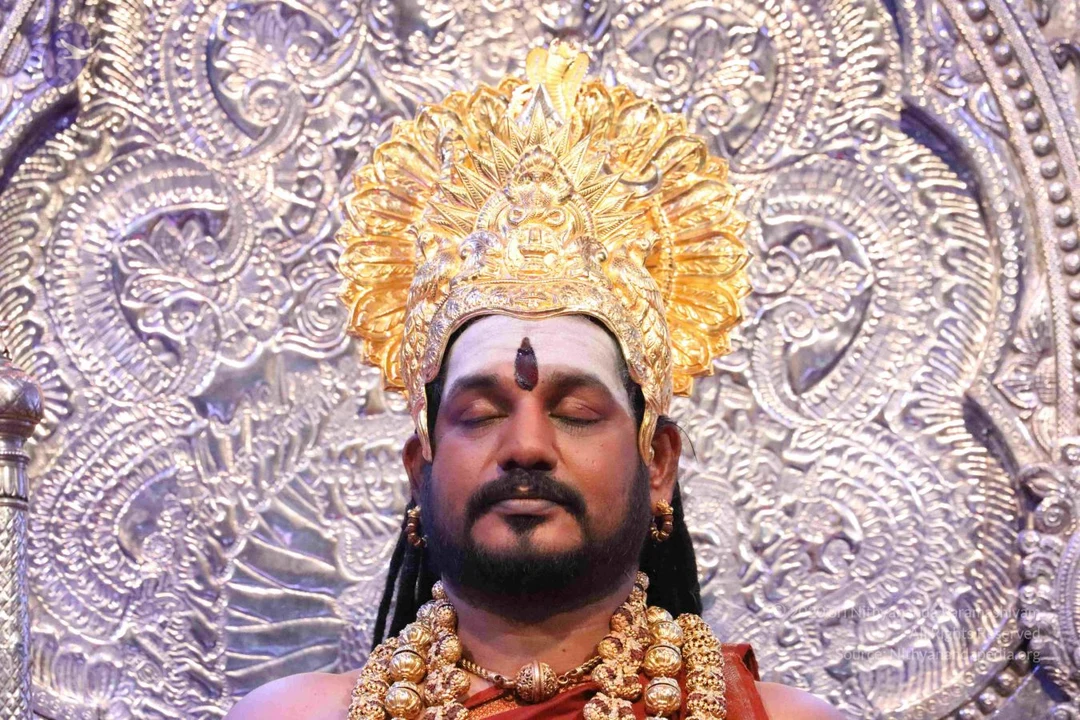
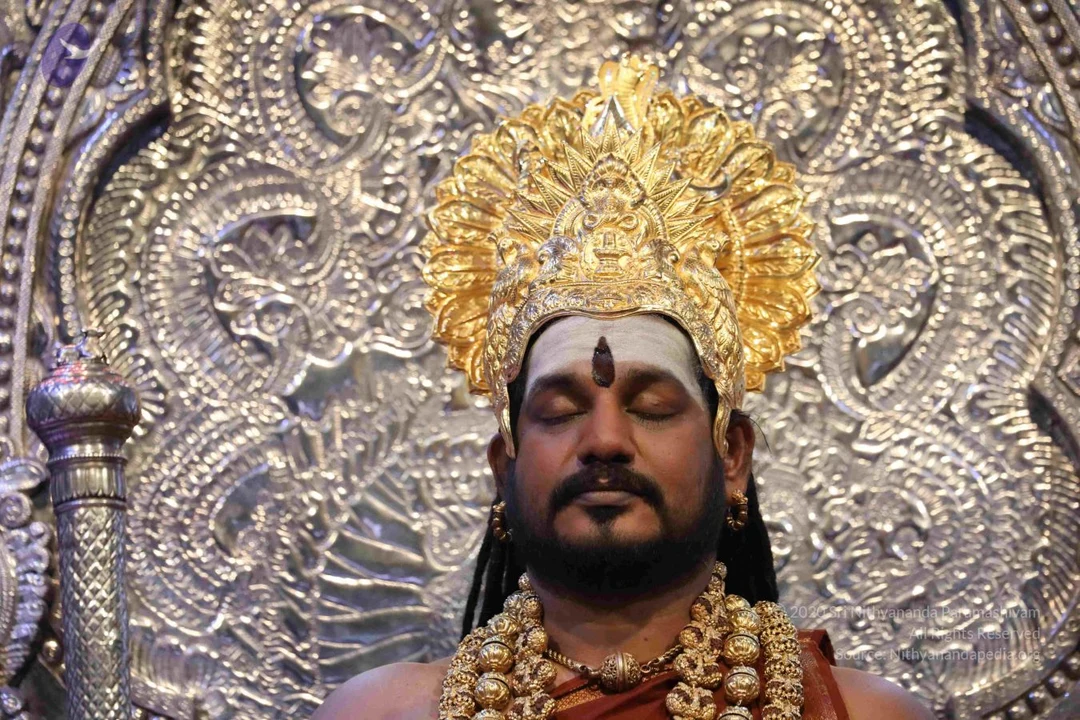
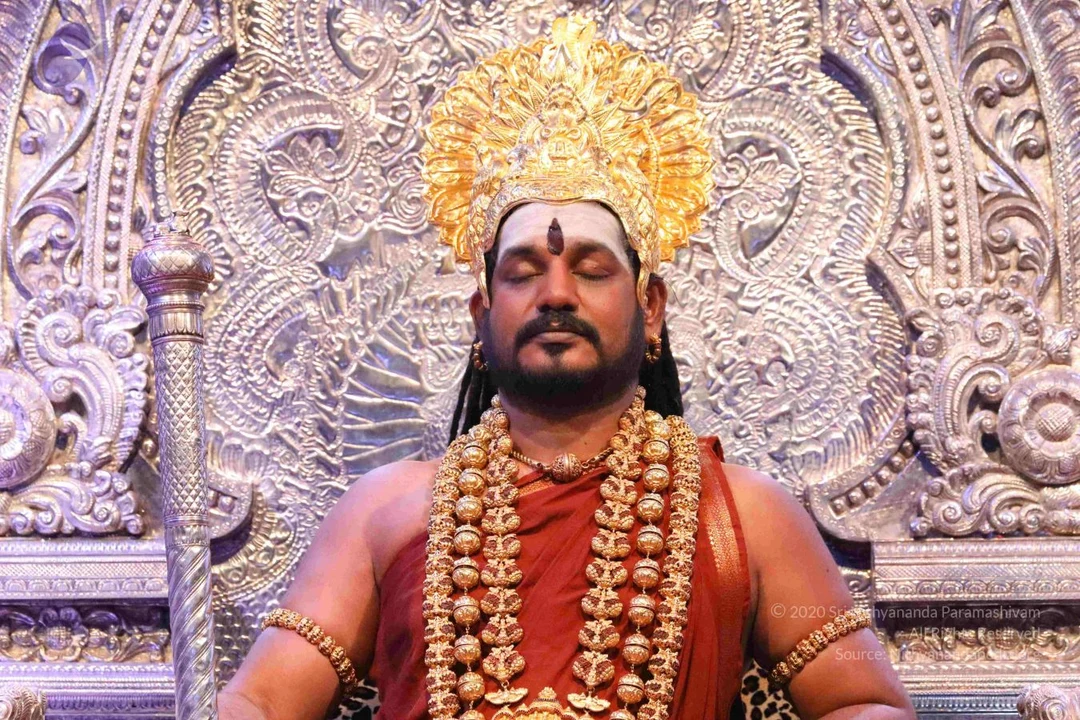
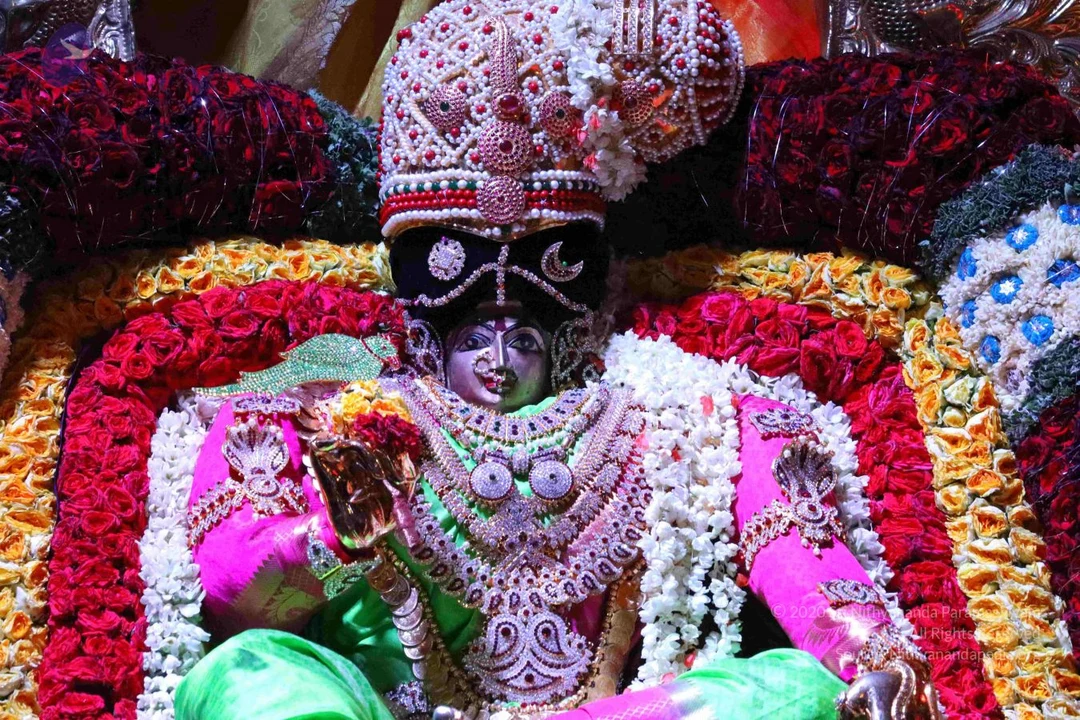
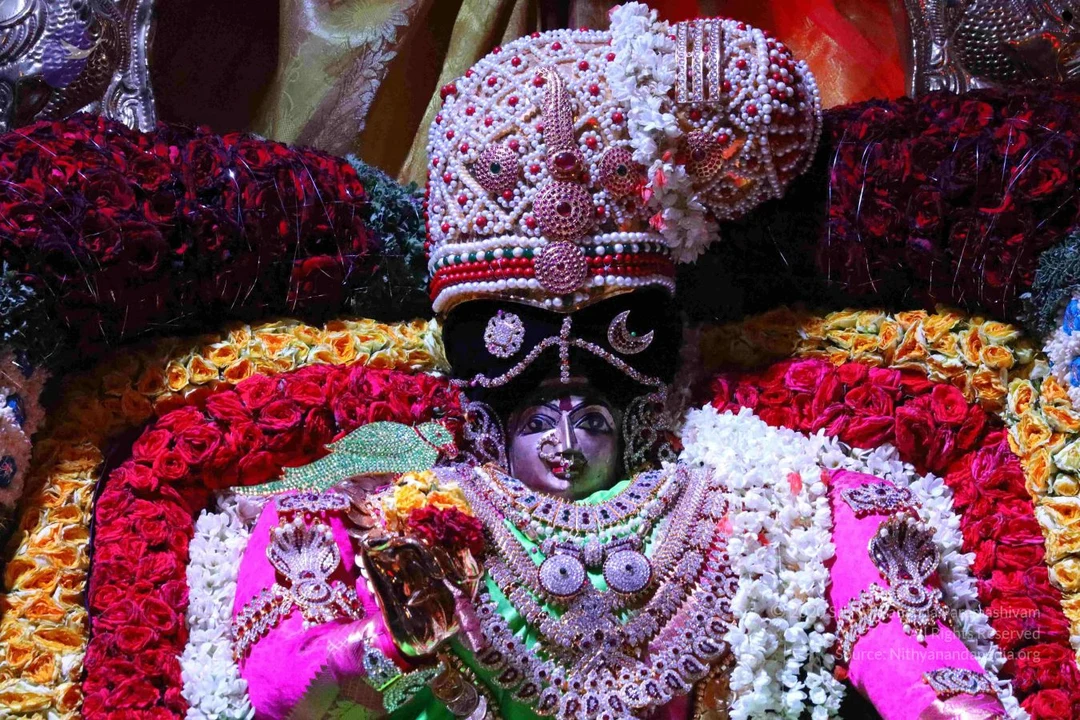
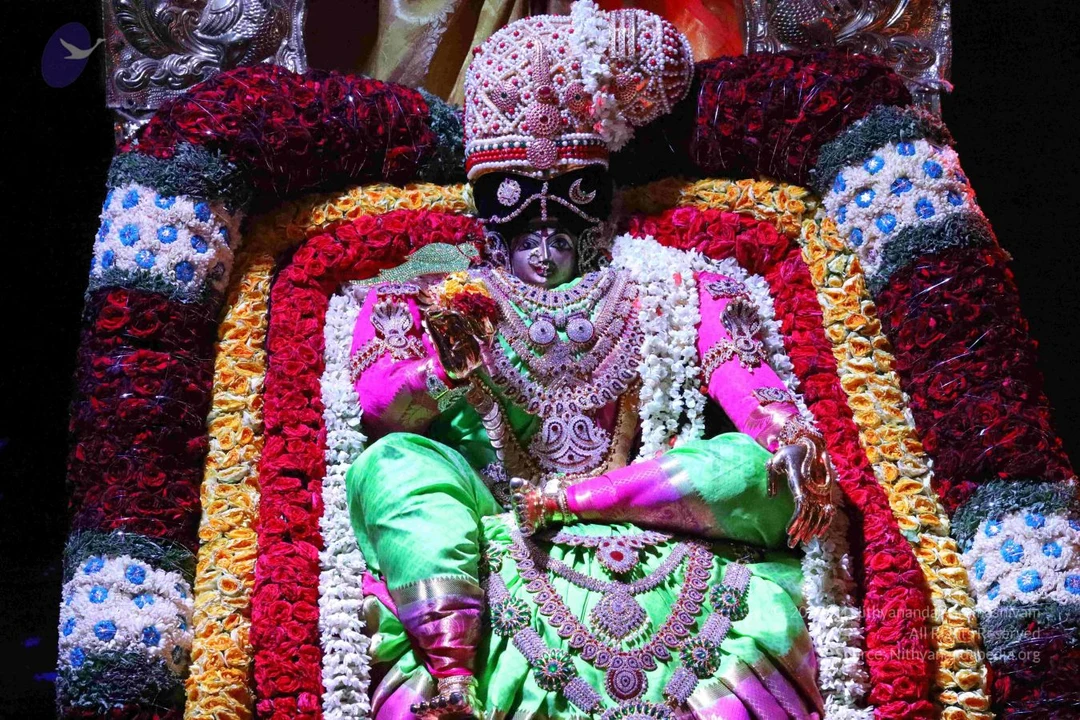
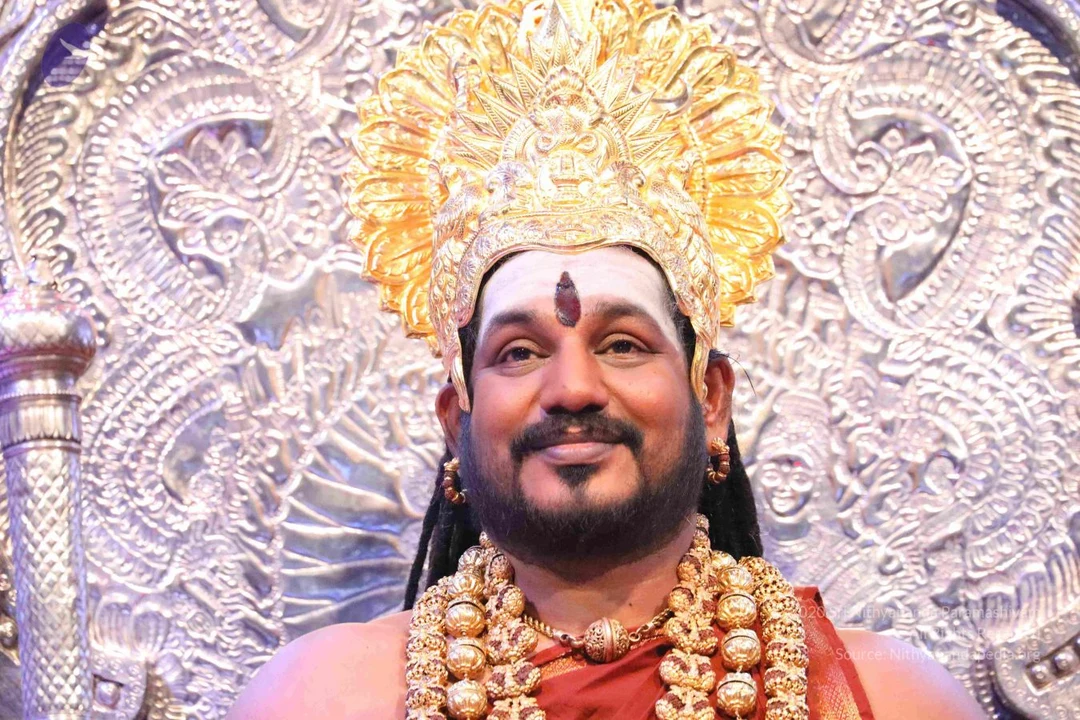
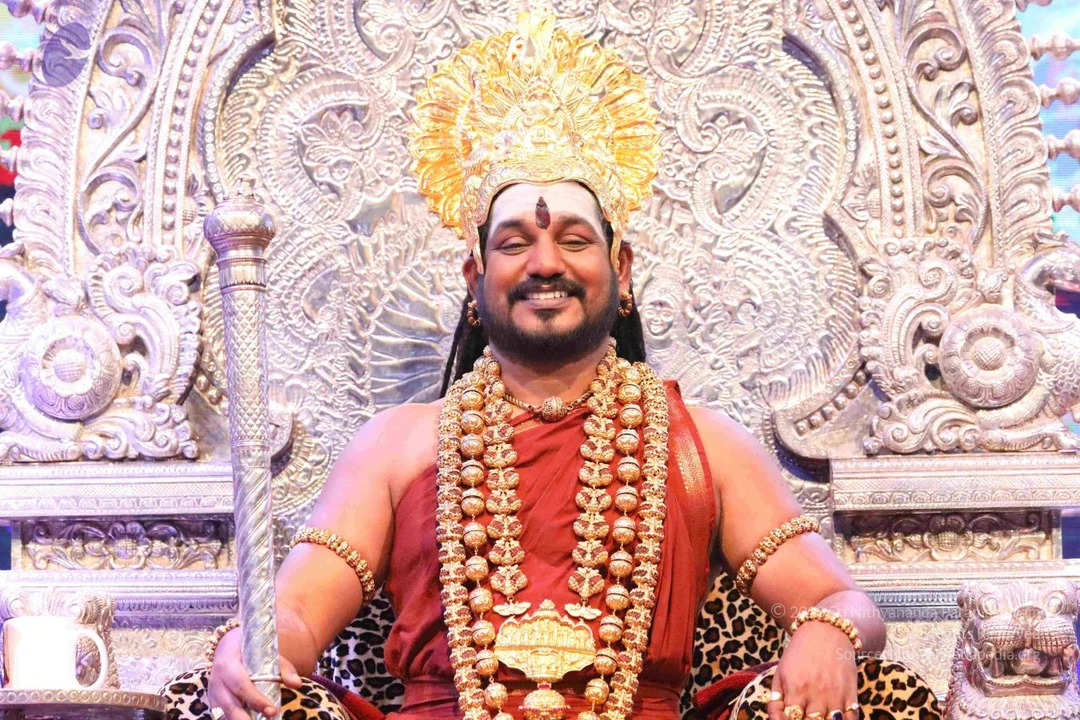
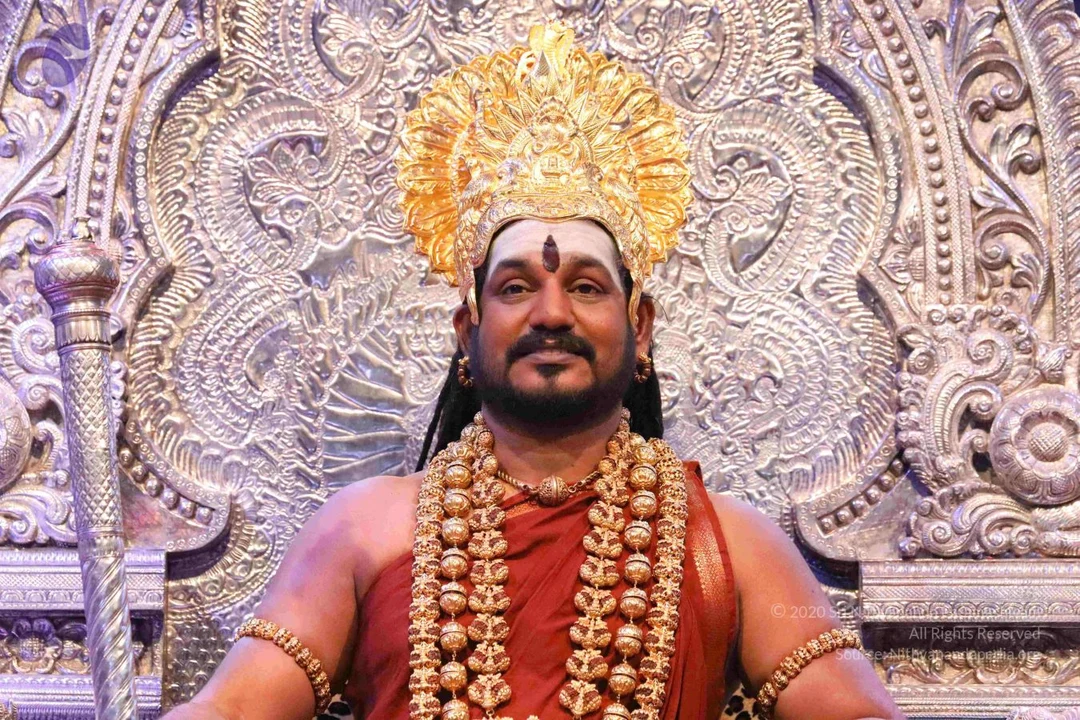
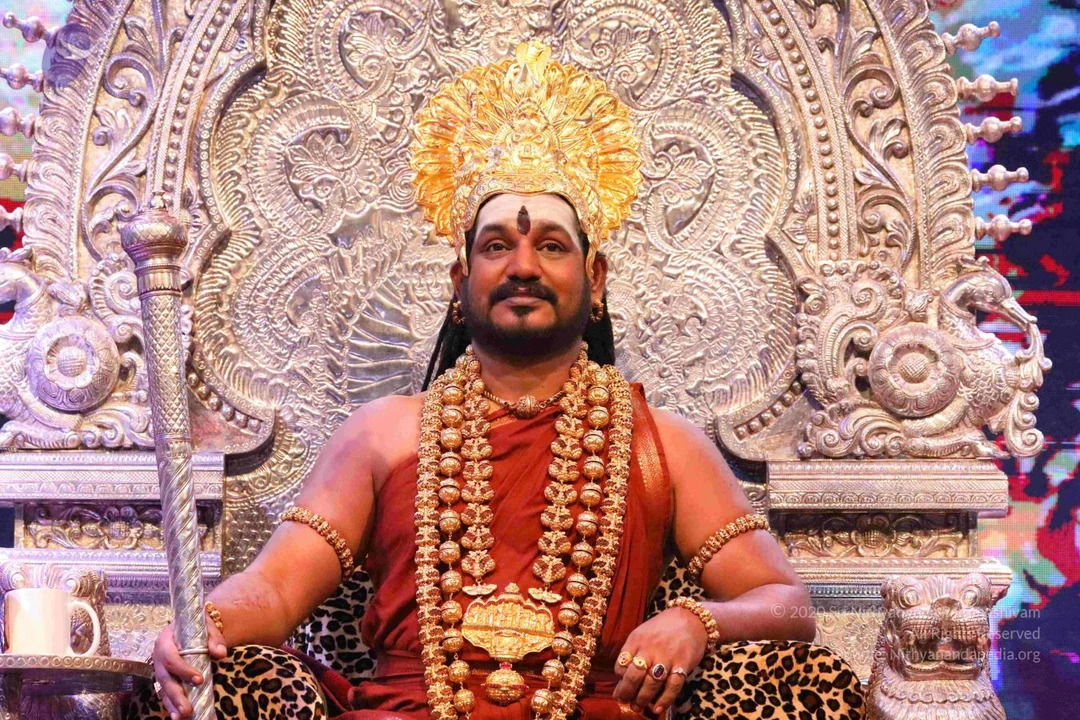
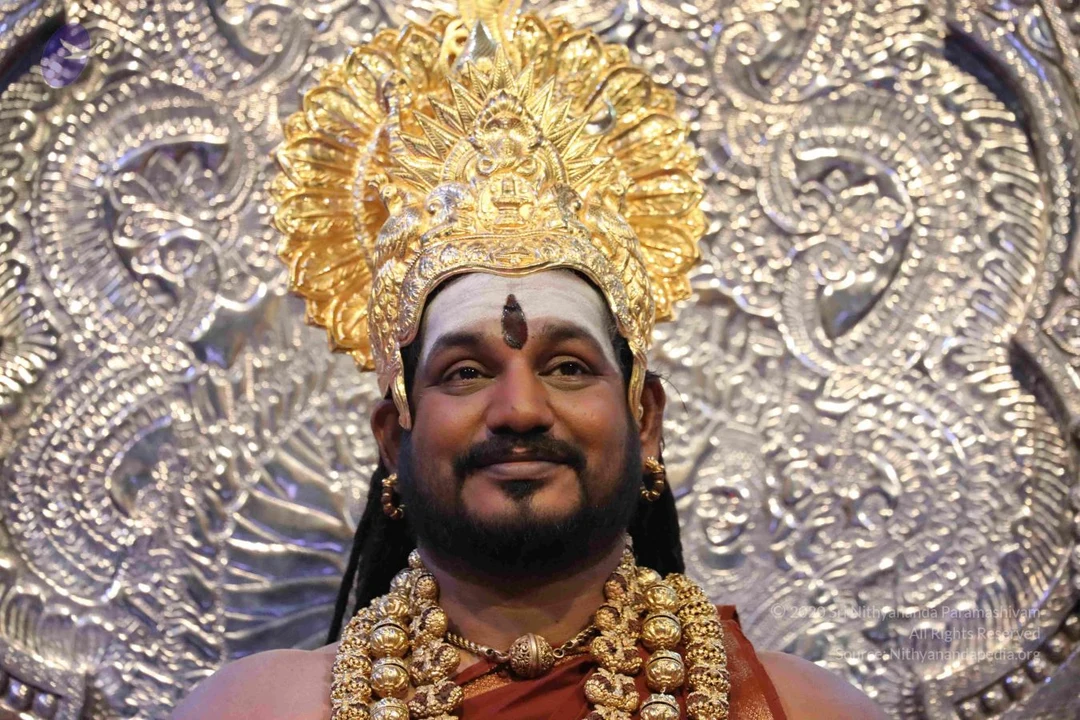
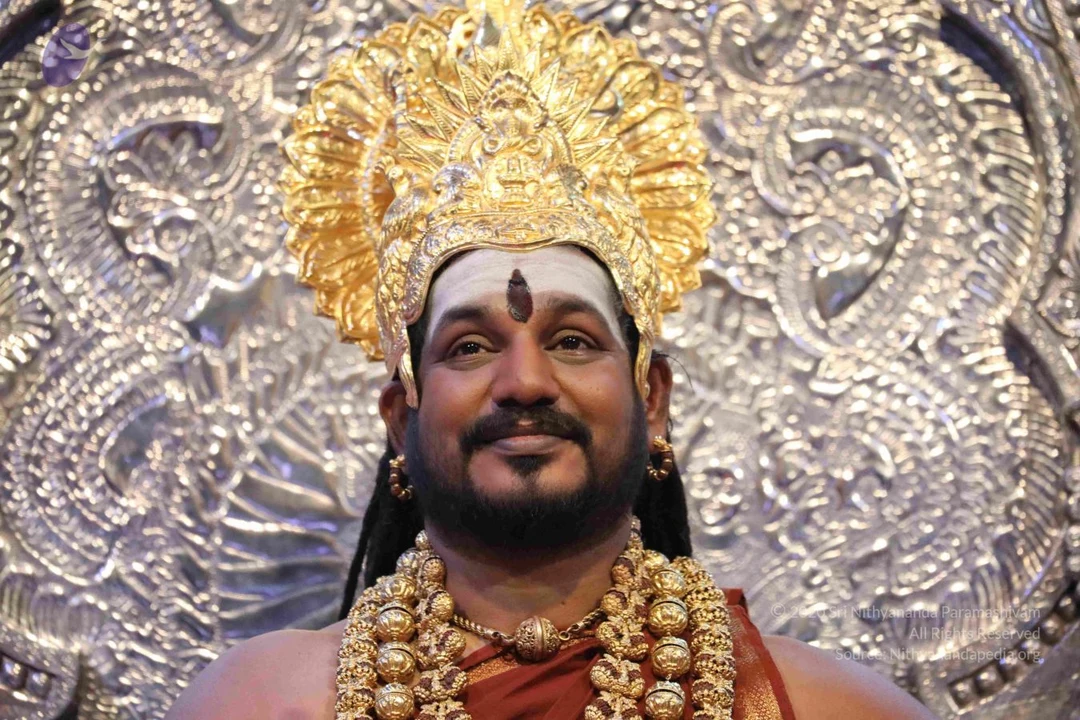
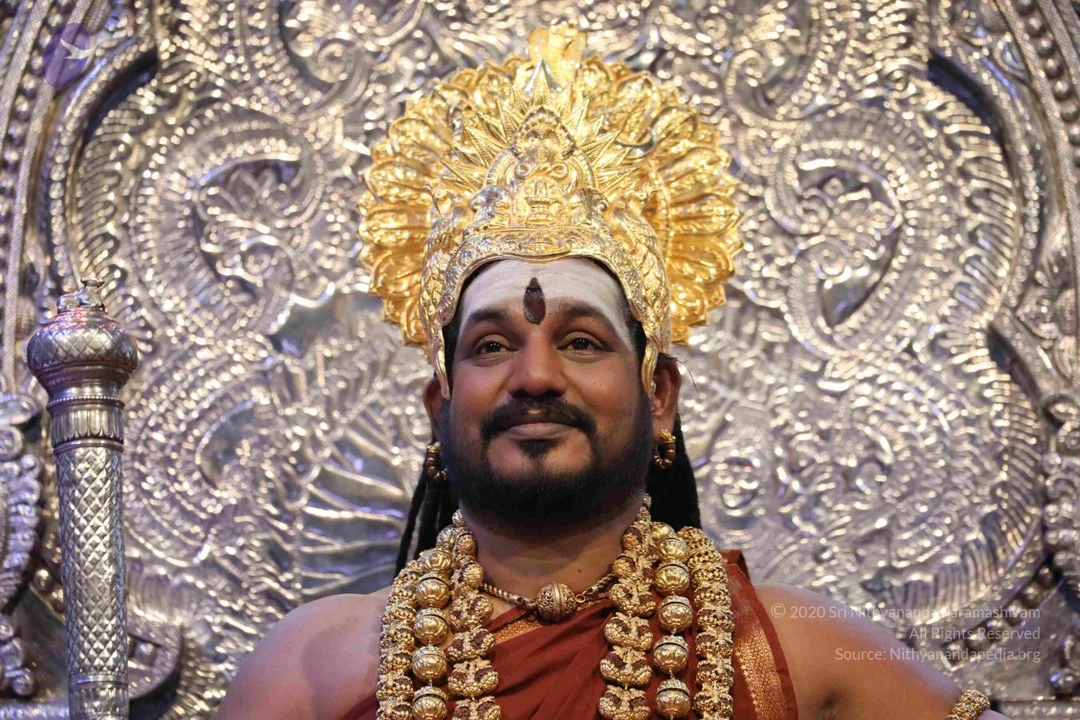
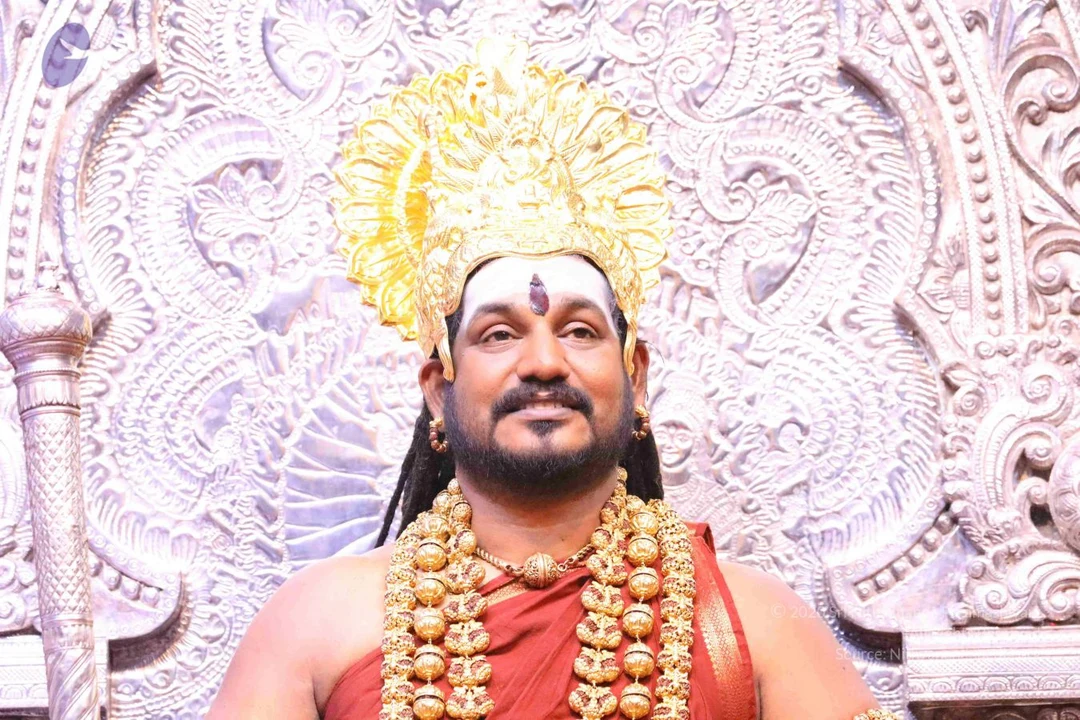
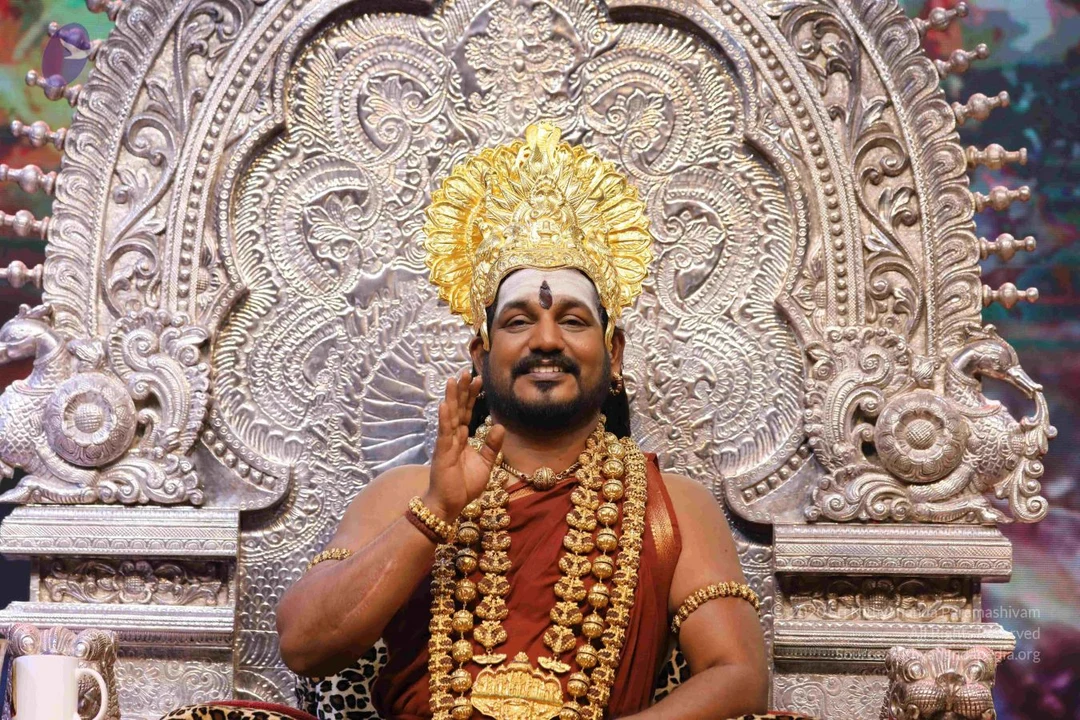
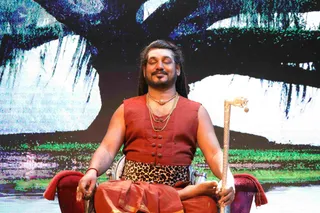
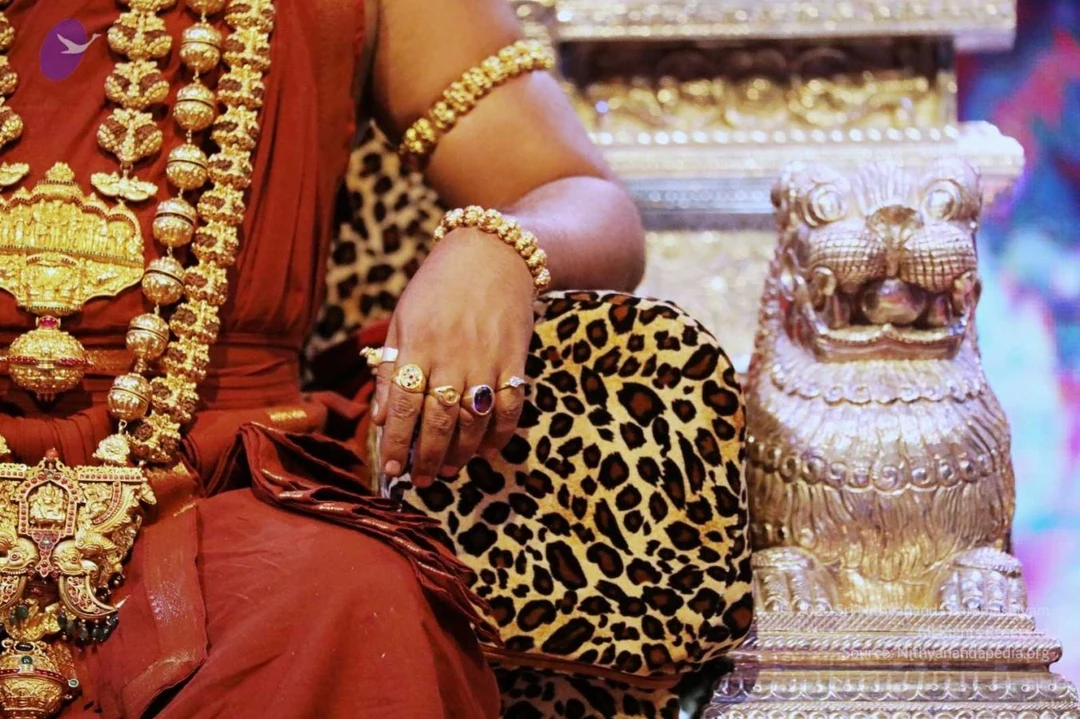 Beautifully adorned HDH Nithyananda Paramashivam with jewelry during ENERGY DARSHAN INITIATION
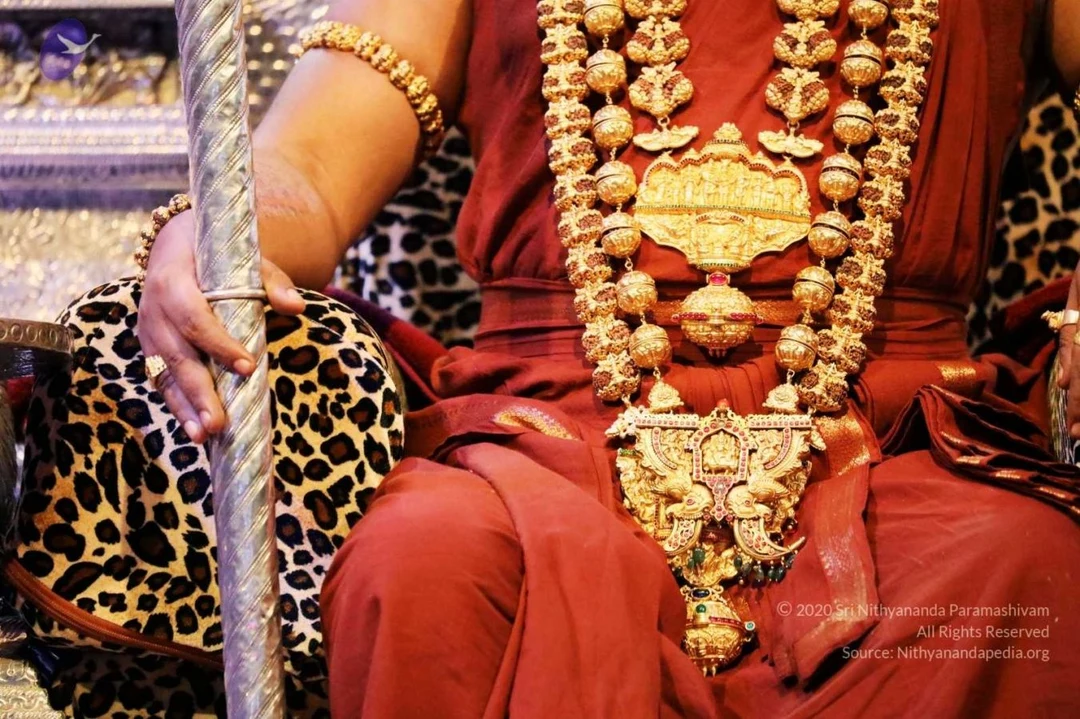 Beautifully adorned HDH Nithyananda Paramashivam with jewelry during ENERGY DARSHAN INITIATION
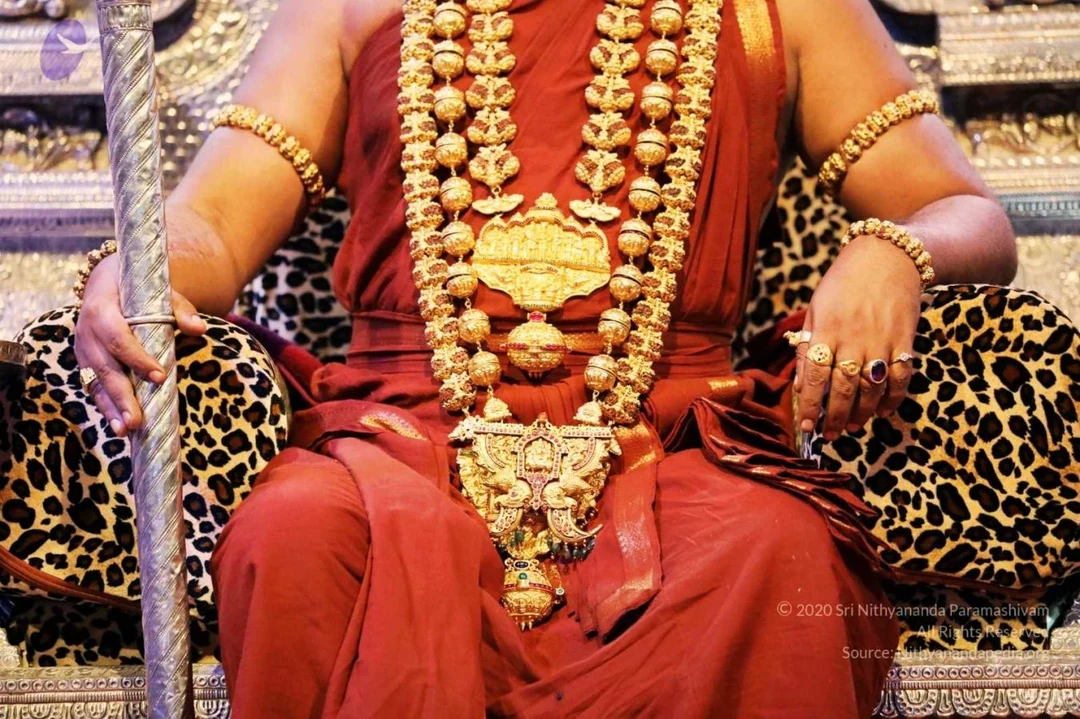 Beautifully adorned HDH Nithyananda Paramashivam with jewelry during ENERGY DARSHAN INITIATION
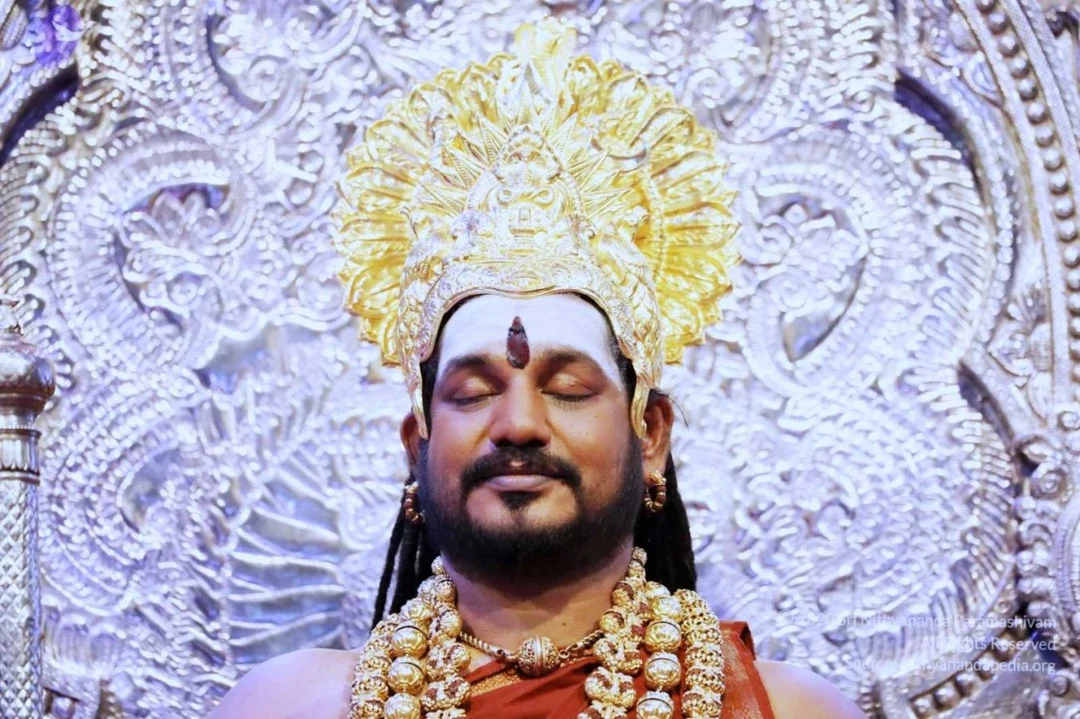 BHAGWAAN DARSHAN IS ABSOLUTE FULFILLING!
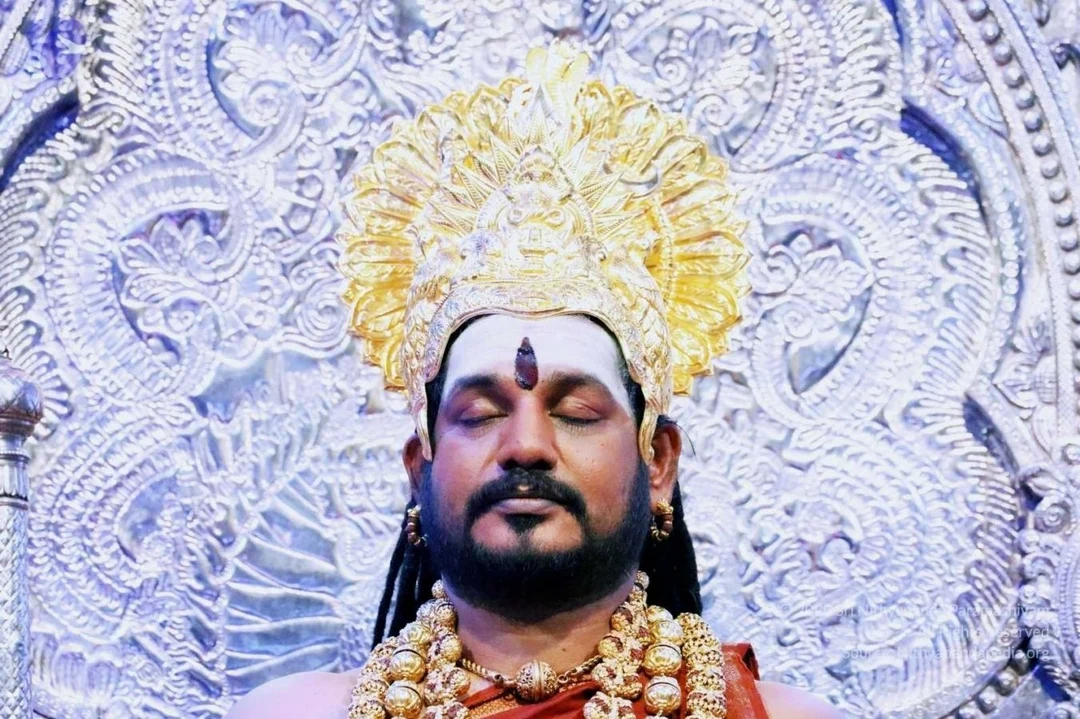 BHAGWAAN DARSHAN IS ABSOLUTE FULFILLING!
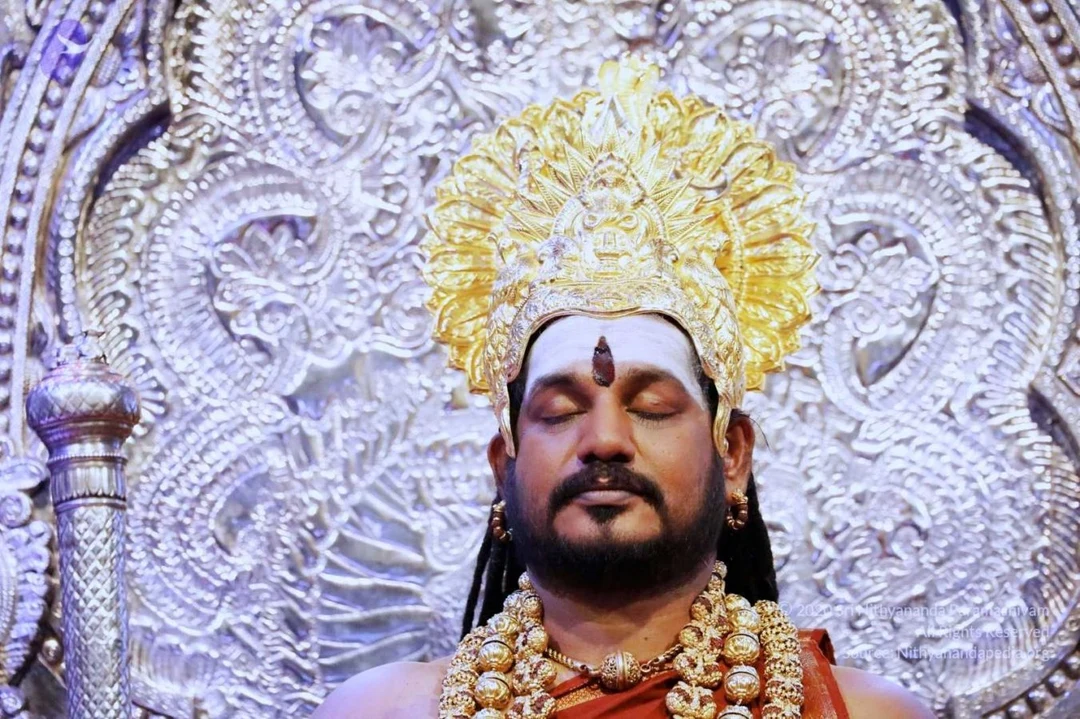 BHAGWAAN DARSHAN IS ABSOLUTE FULFILLING!
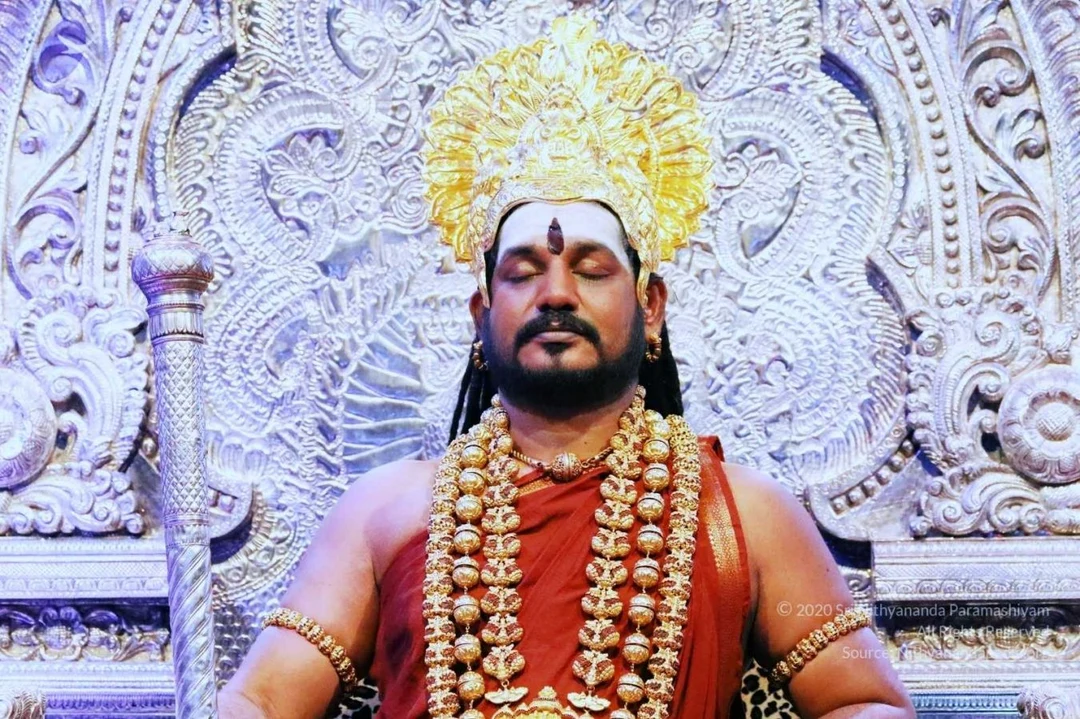 BHAGWAAN DARSHAN IS ABSOLUTE FULFILLING!
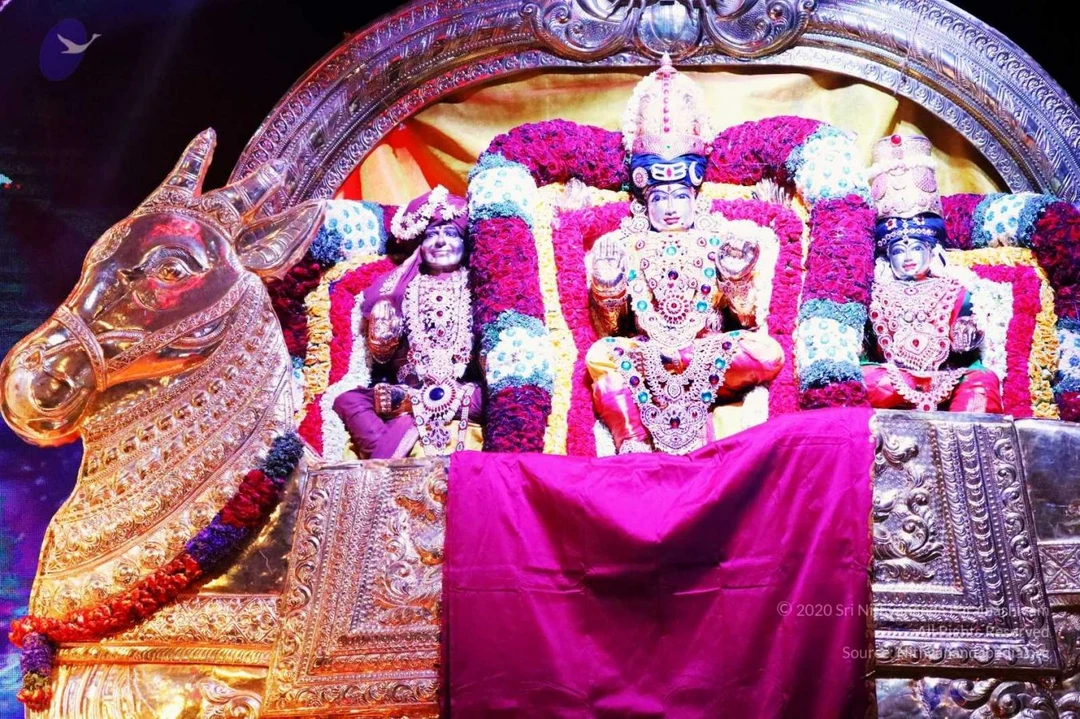 Nithyananda Purnima Brahmotsavam celebration special alankars (decoration) done for HDH Nithyananda Paramashivam, Sundareshwara, and Meenakshi Devi
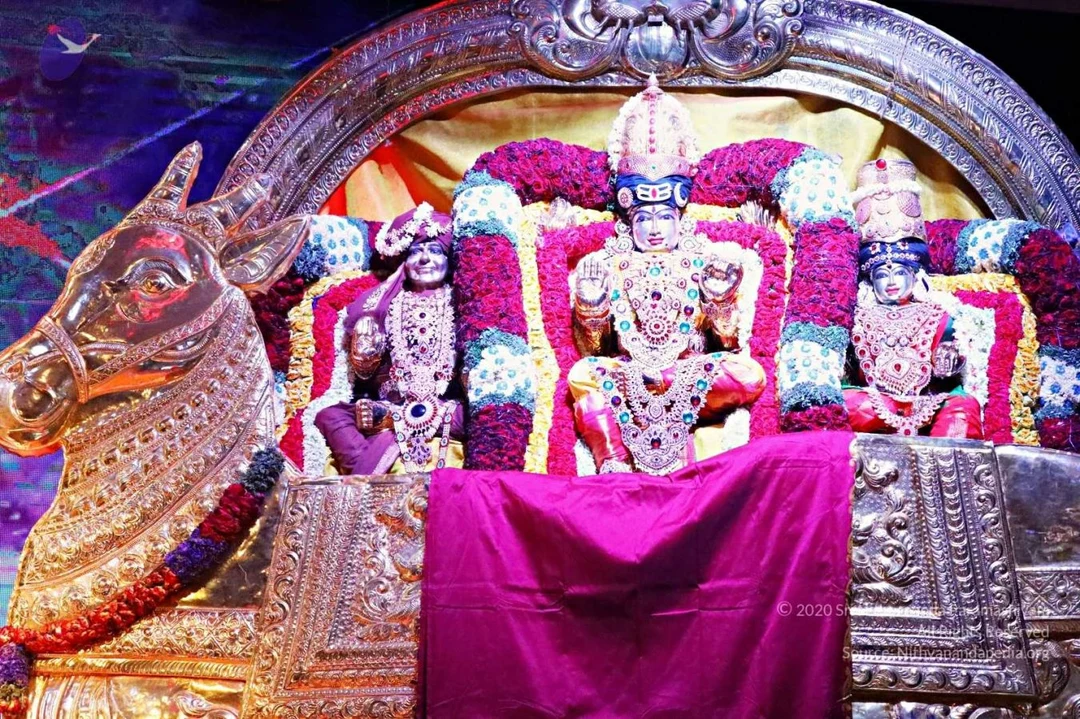 Nithyananda Purnima Brahmotsavam celebration special alankars (decoration) done for HDH Nithyananda Paramashivam, Sundareshwara, and Meenakshi Devi
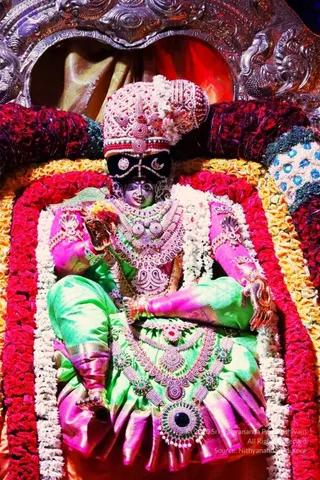 Special Leela Alankars of Sri Nithyananda Swami's Life - LEELA OF PARASHAKTI DARSHAN
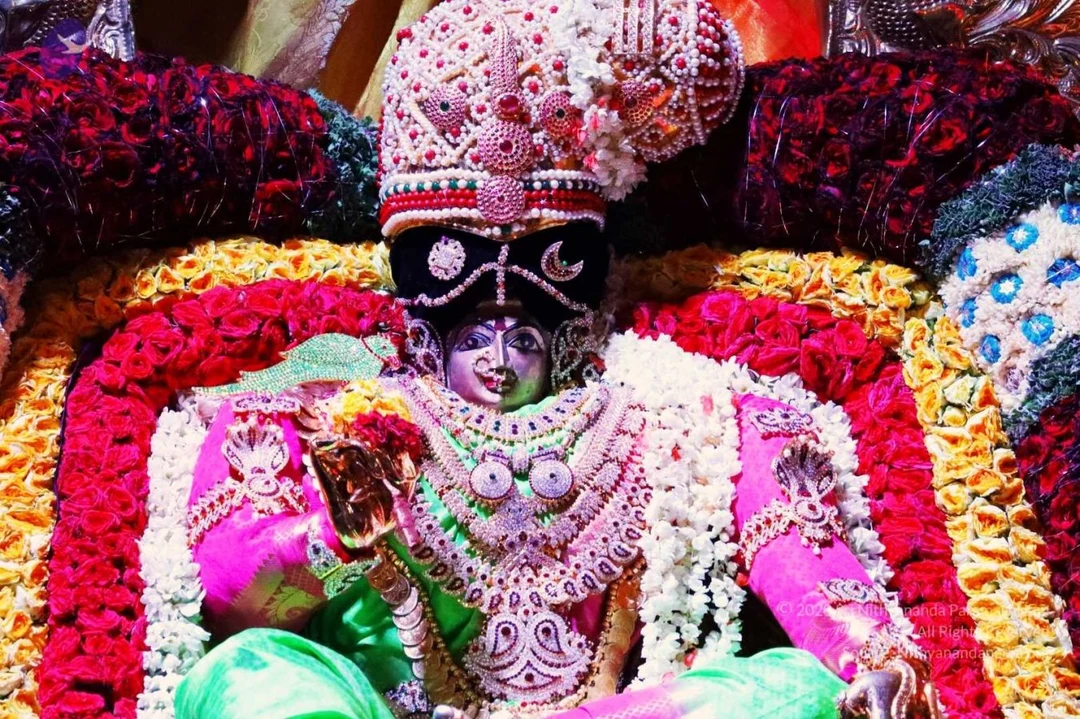 Special Leela Alankars of Sri Nithyananda Swami's Life - LEELA OF PARASHAKTI DARSHAN
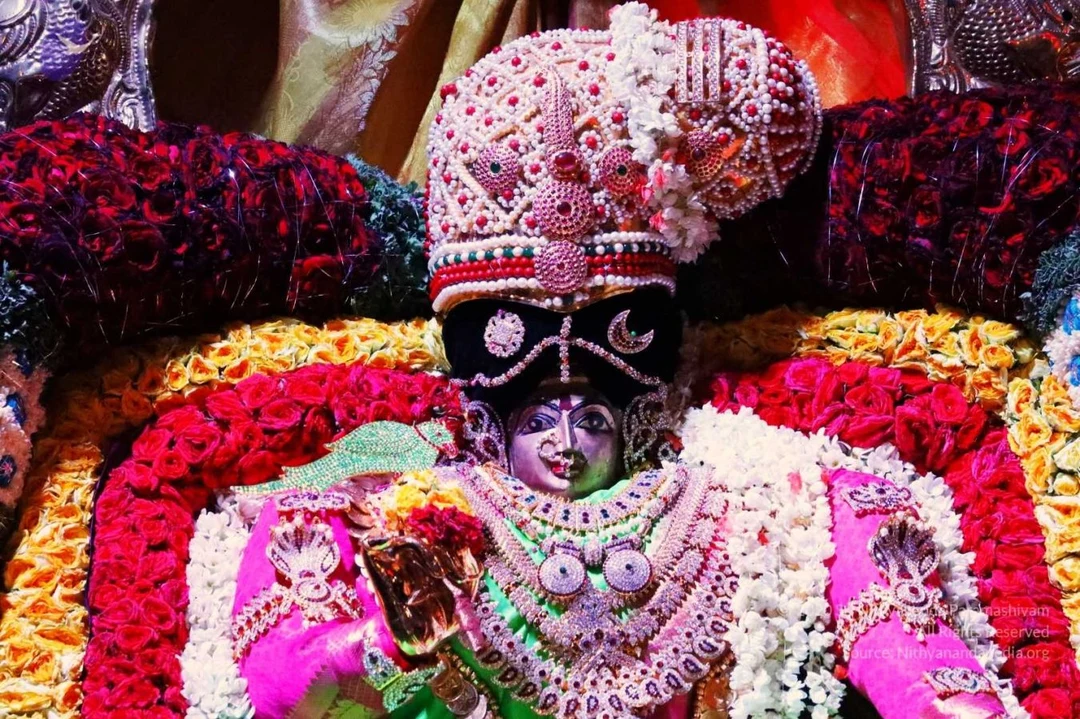 Special Leela Alankars of Sri Nithyananda Swami's Life - LEELA OF PARASHAKTI DARSHAN
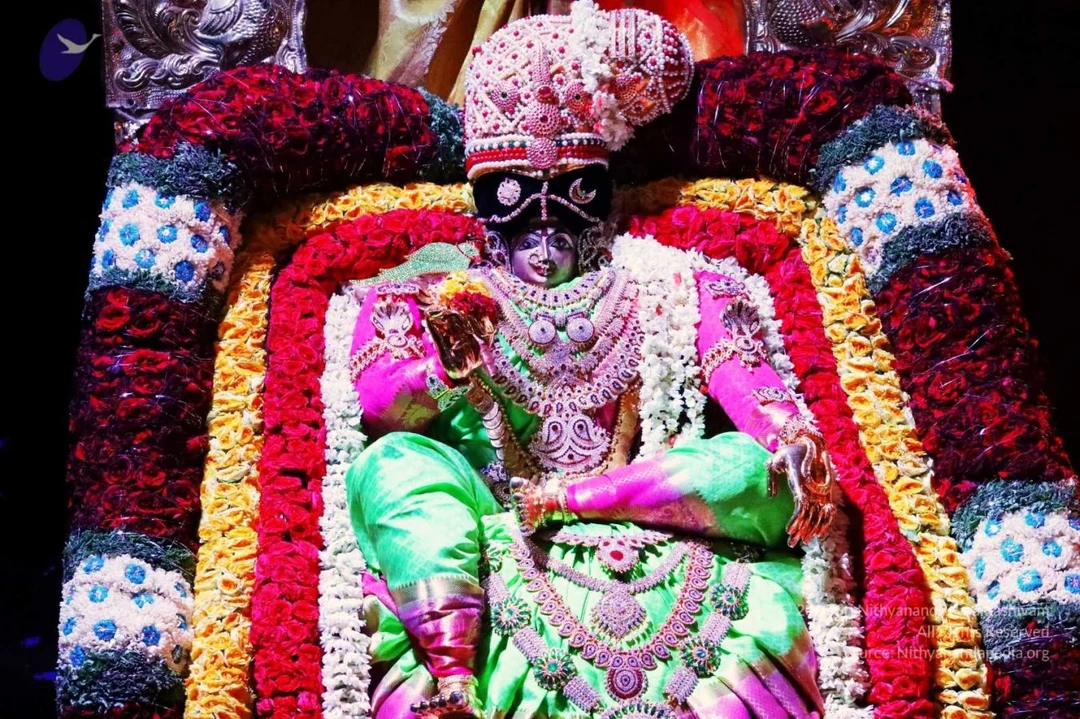 Special Leela Alankars of Sri Nithyananda Swami's Life - LEELA OF PARASHAKTI DARSHAN
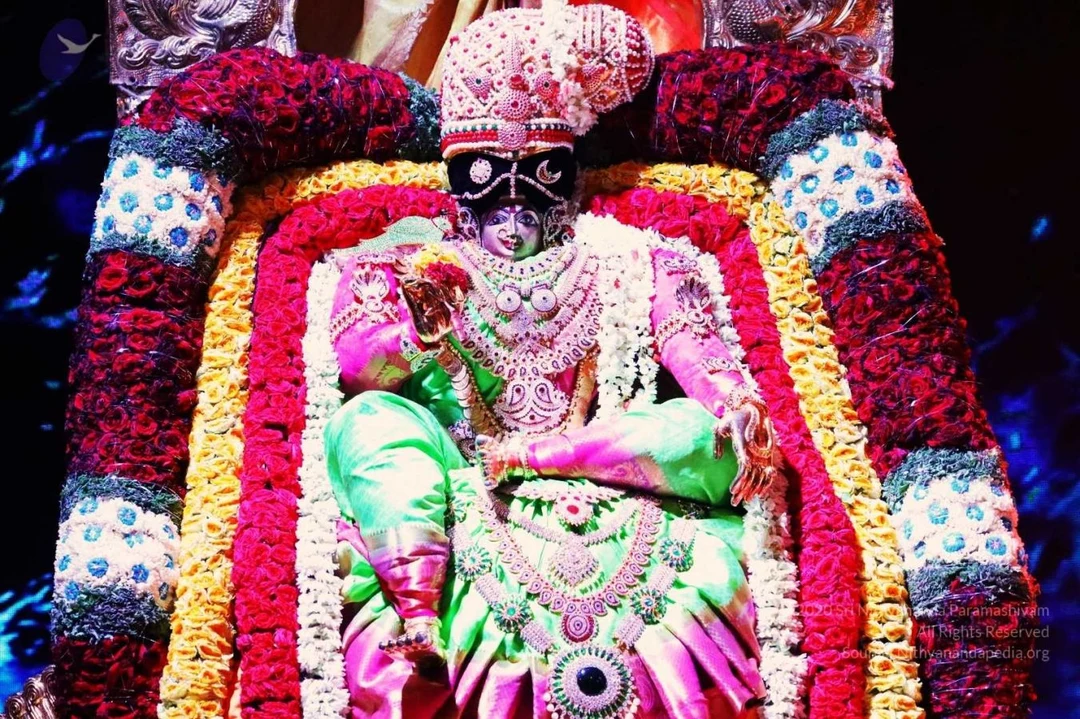 Special Leela Alankars of Sri Nithyananda Swami's Life - LEELA OF PARASHAKTI DARSHAN
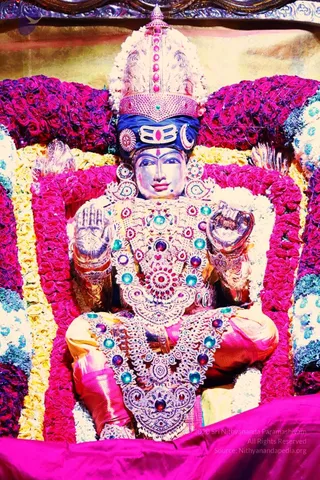 Lord Sundareshwara (incarnation of Sadashiva)
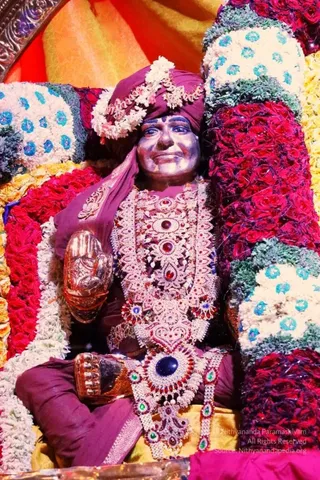 HDH Nithyananda Paramashivam - ONENESS NEVER GETS DELUDED
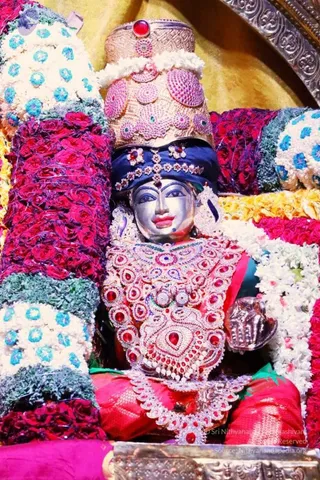 LEELA OF PARASHAKTI DARSHAN
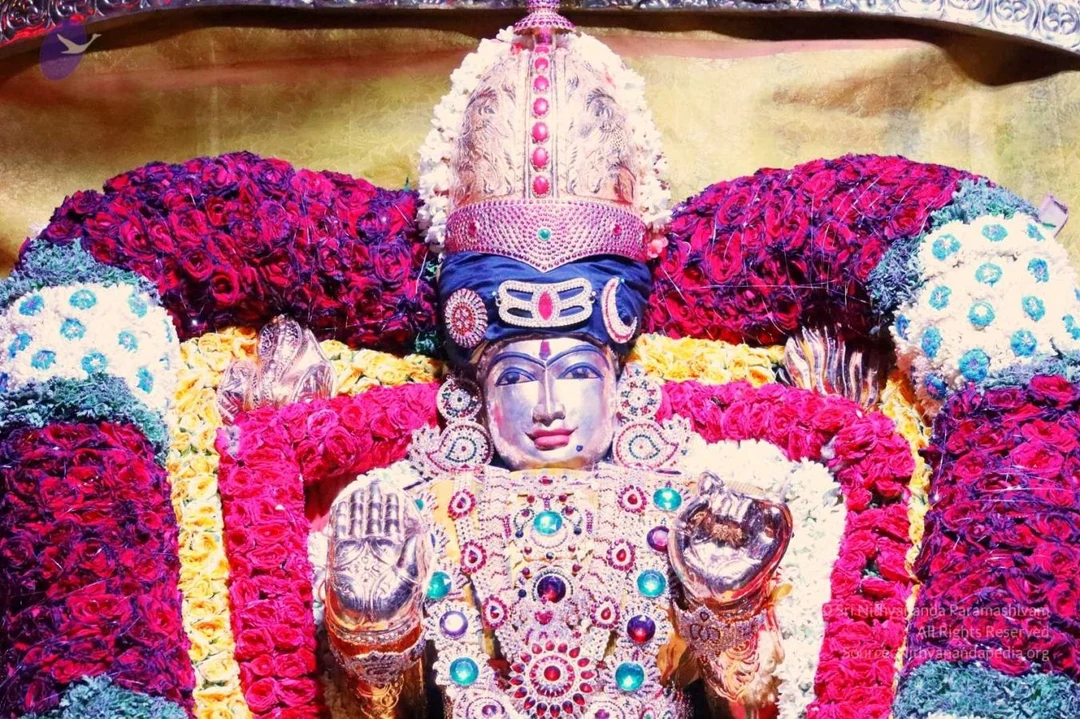 Lord Sundareshwara (incarnation of Sadashiva)
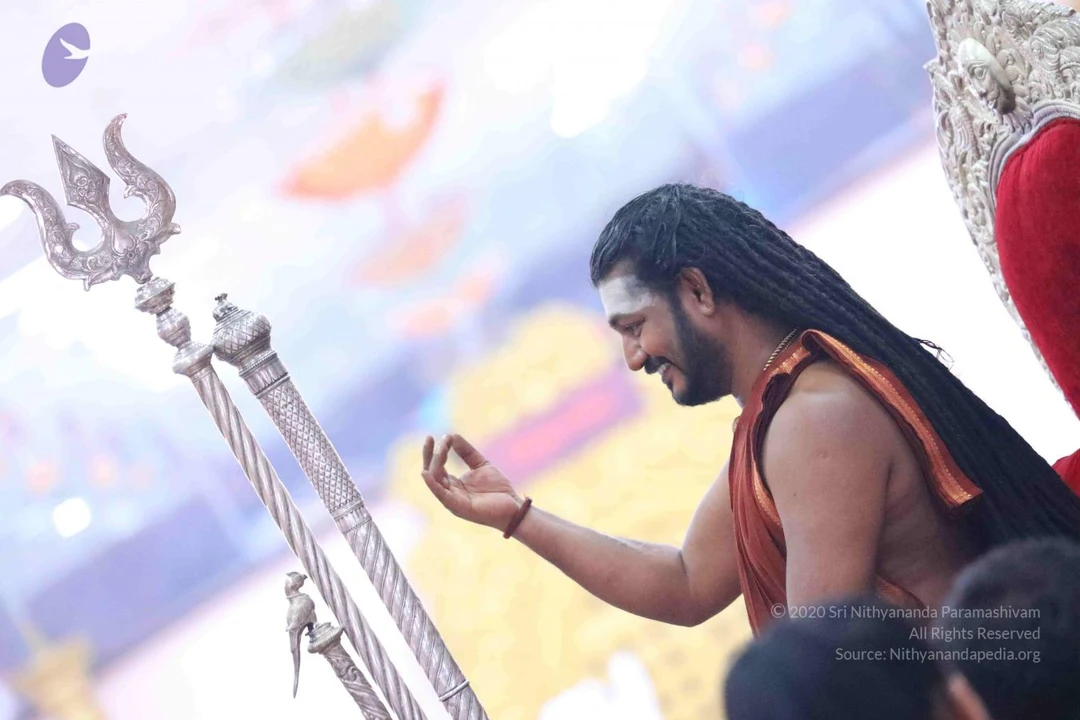
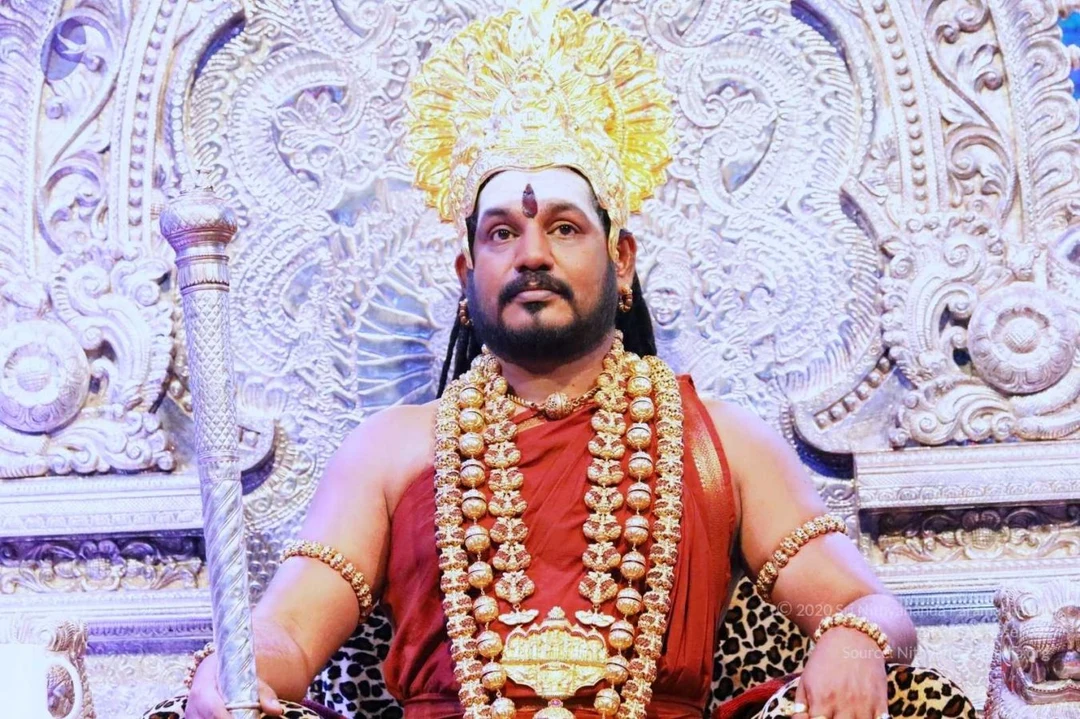 HDH Nithyananda Paramashivam in "CHIN MUDRA" blessing Mahasadashivoham delegates
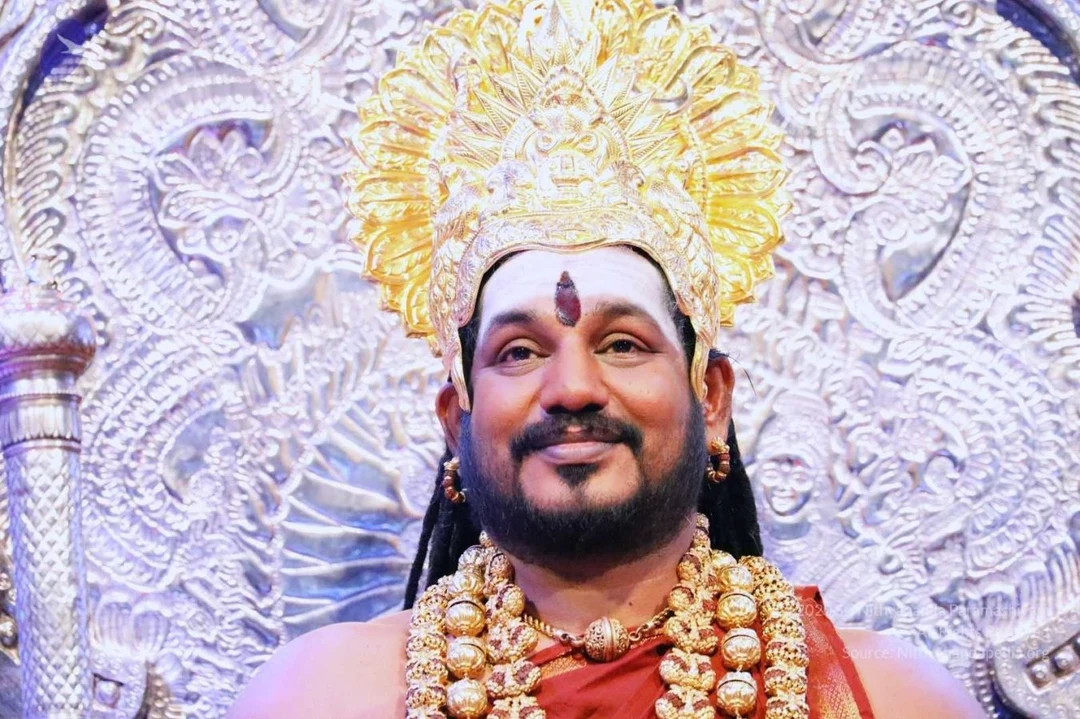 BHAGWAAN DARSHAN IS ABSOLUTE FULFILLING!
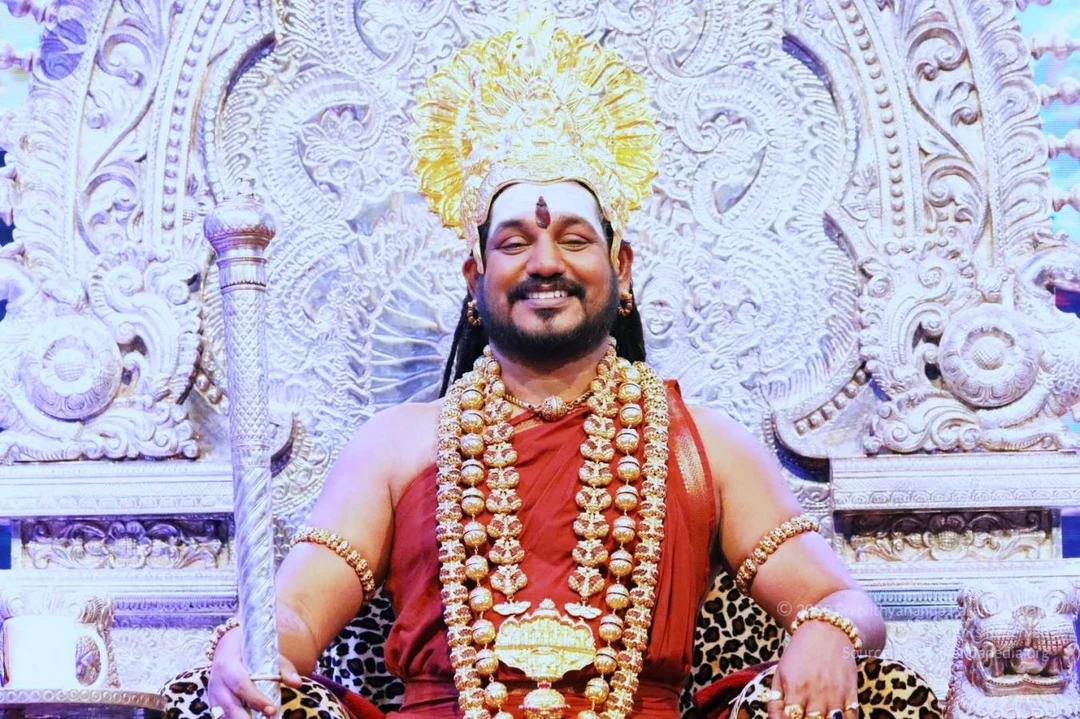 BHAGWAAN DARSHAN IS ABSOLUTE FULFILLING!
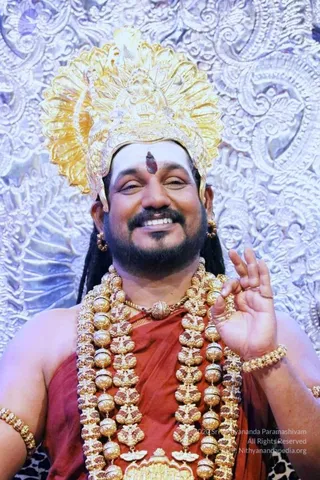 HDH Nithyananda Paramashivam in "CHIN MUDRA" blessing Mahasadashivoham delegates
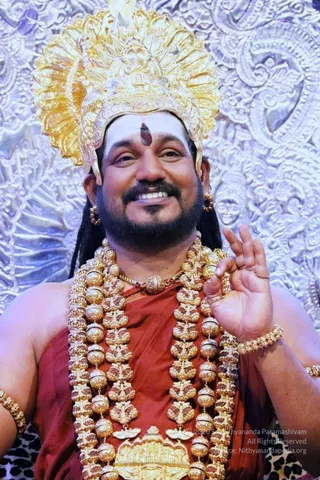 HDH Nithyananda Paramashivam in "CHIN MUDRA" blessing Mahasadashivoham delegates
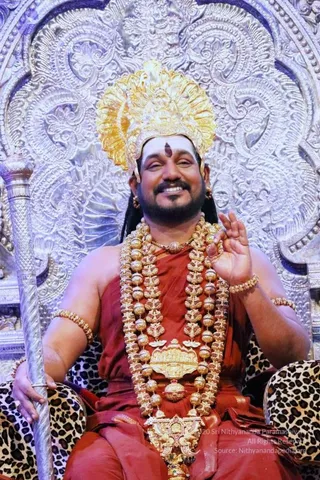 HDH Nithyananda Paramashivam in "CHIN MUDRA" blessing Mahasadashivoham delegates
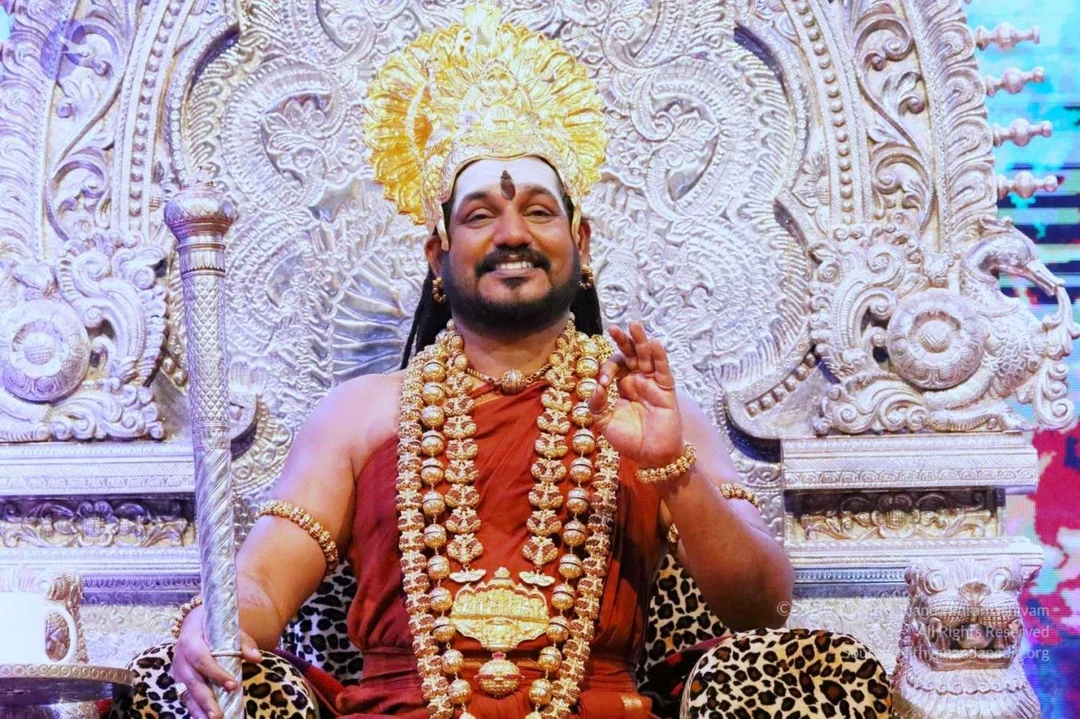 HDH Nithyananda Paramashivam in "CHIN MUDRA" blessing Mahasadashivoham delegates
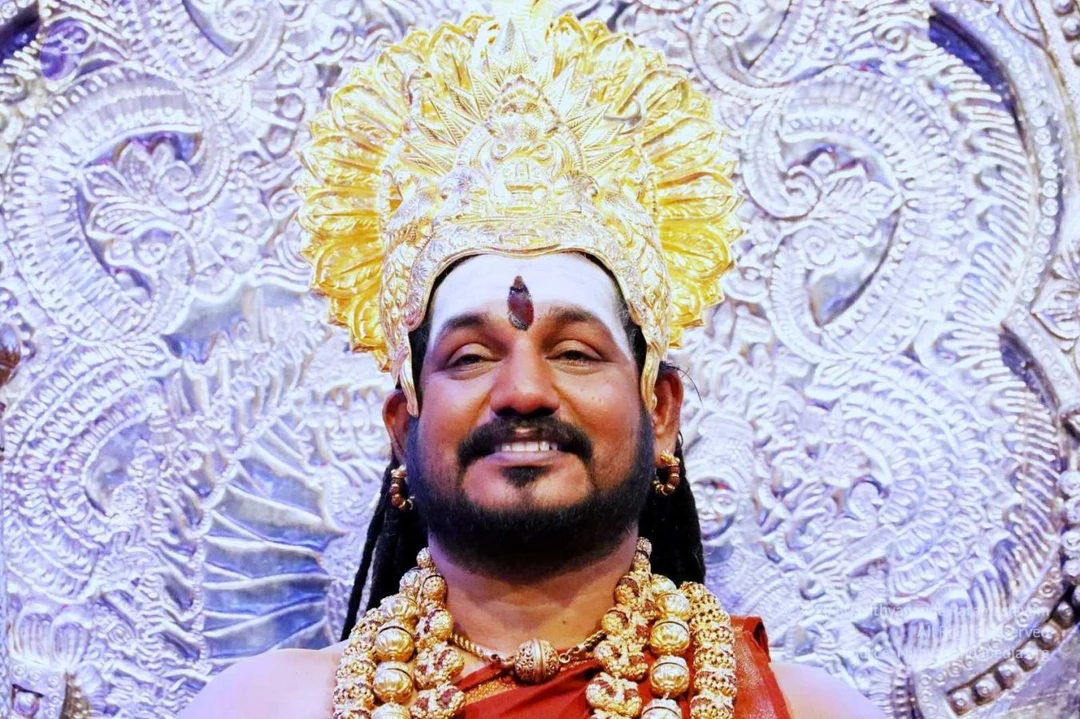 HDH Nithyananda Paramashivam in "CHIN MUDRA" blessing Mahasadashivoham delegates
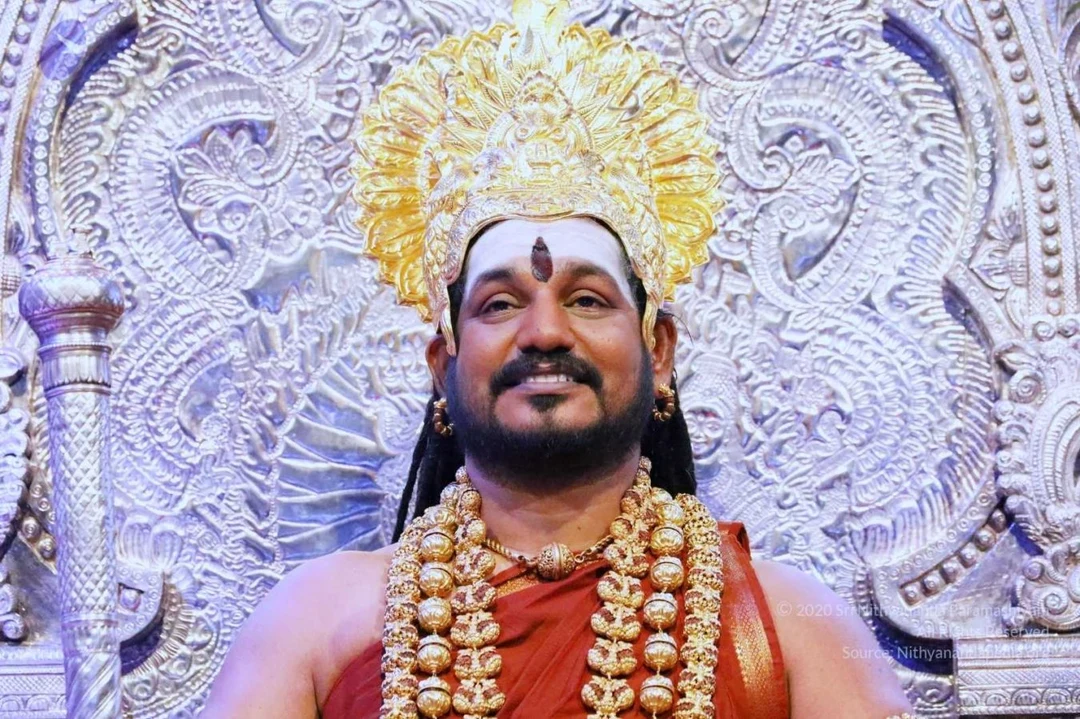 BHAGWAAN DARSHAN IS ABSOLUTE FULFILLING!
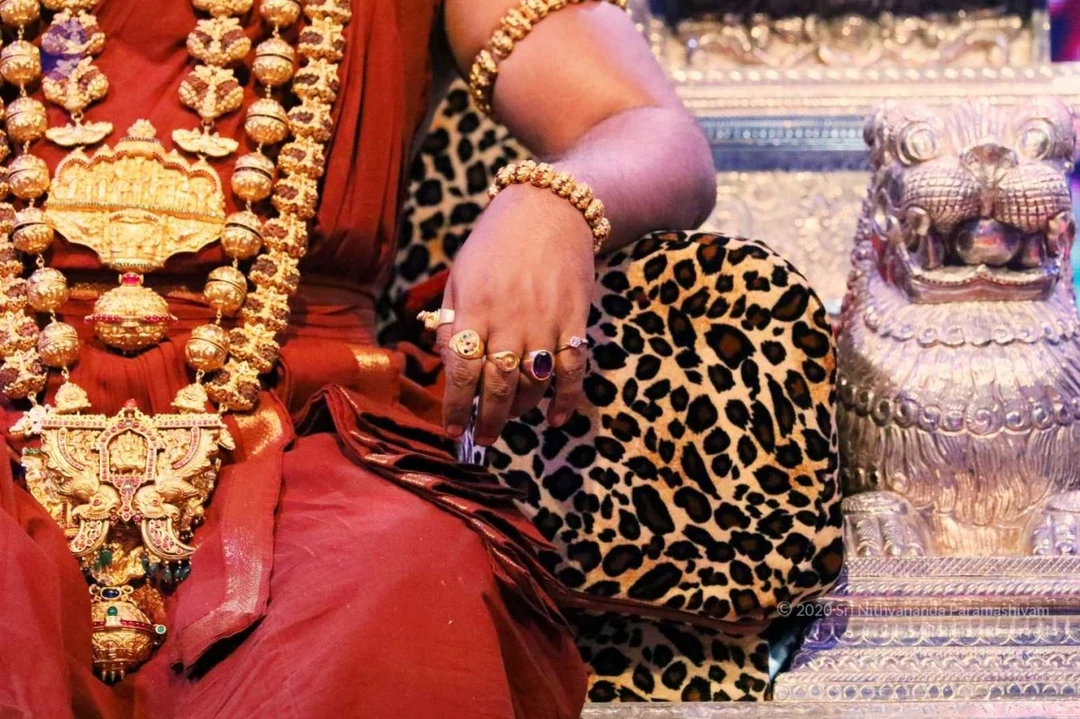 Beautifully adorned HDH Nithyananda Paramashivam with jewelry during ENERGY DARSHAN INITIATION
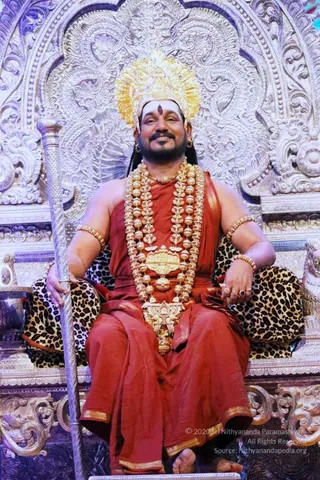
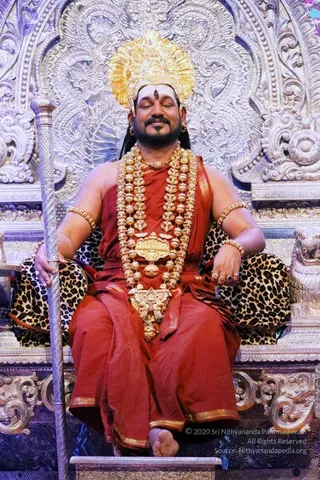 Existence is continuous expansion - HDH Nithyananda Paramashivam
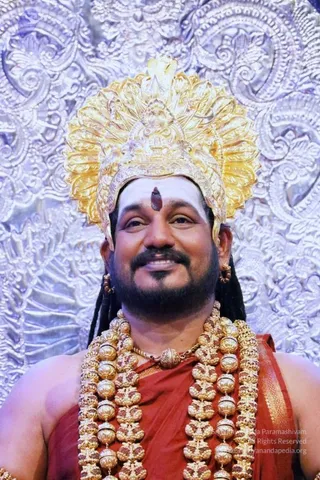
 Existence is continuous expansion - HDH Nithyananda Paramashivam
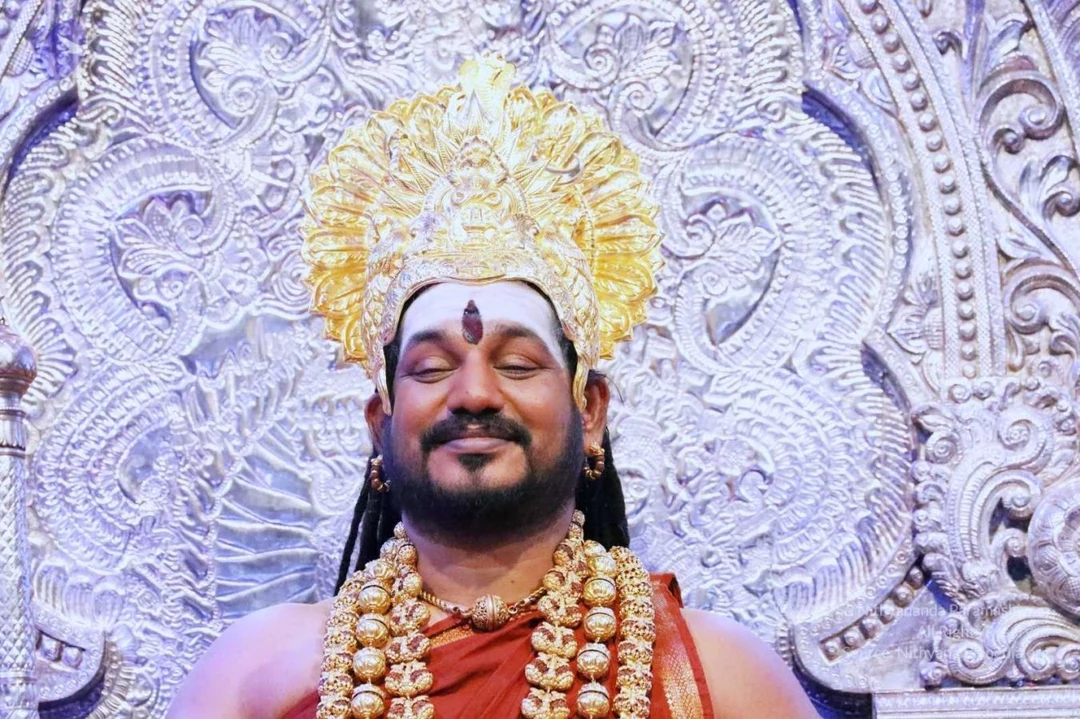
 Existence is continuous expansion - HDH Nithyananda Paramashivam
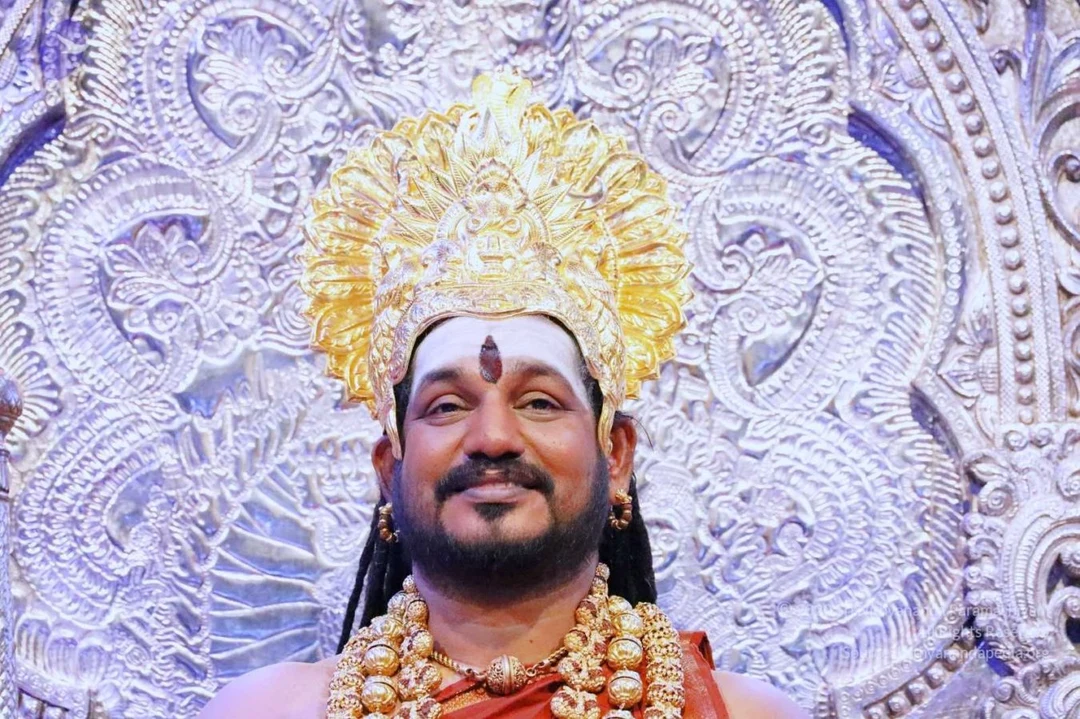
 Existence is continuous expansion - HDH Nithyananda Paramashivam
 Existence is continuous expansion - HDH Nithyananda Paramashivam
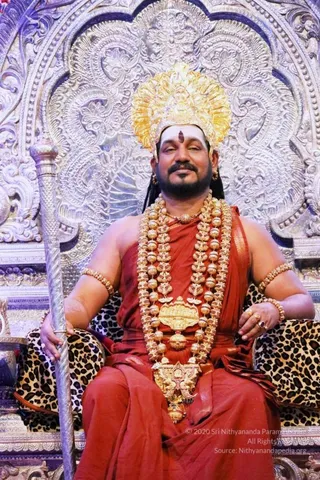 Existence is continuous expansion - HDH Nithyananda Paramashivam
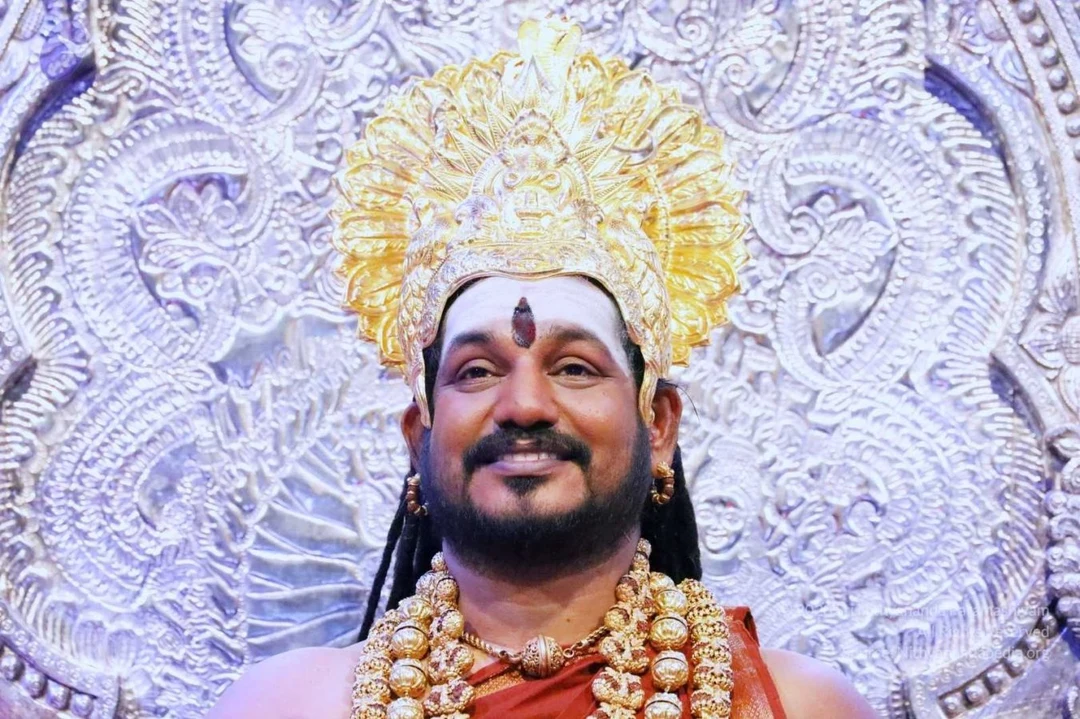 Existence is continuous expansion - HDH Nithyananda Paramashivam
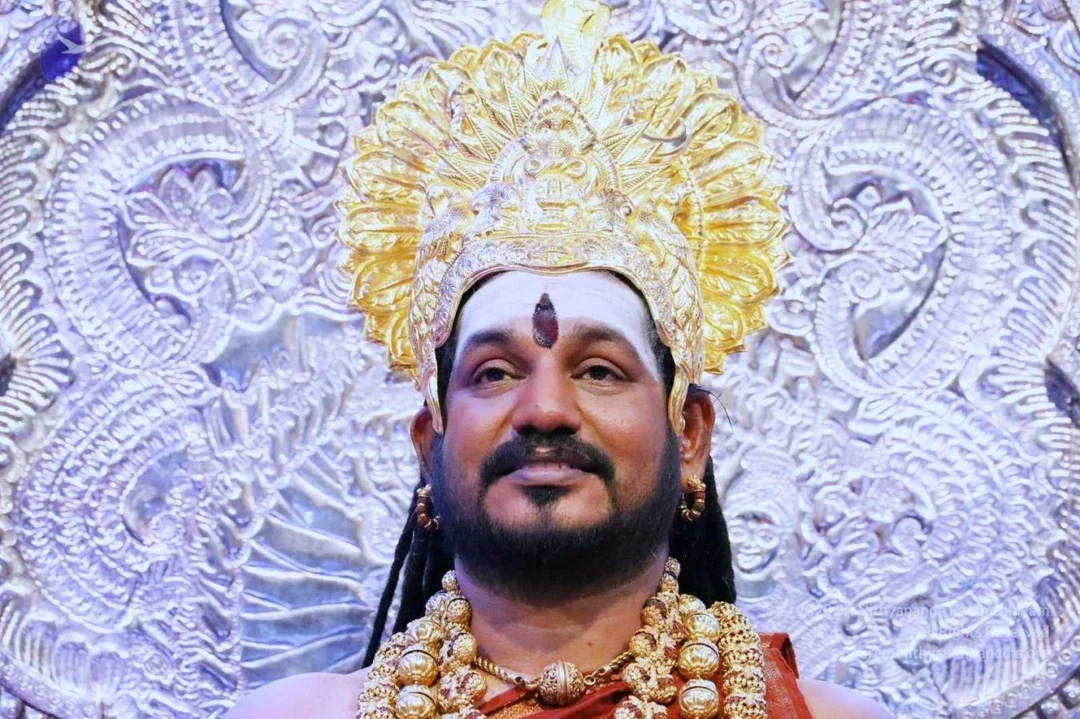 INFUSION of this energy darshan results in QUANTUM ENTANGLEMENT
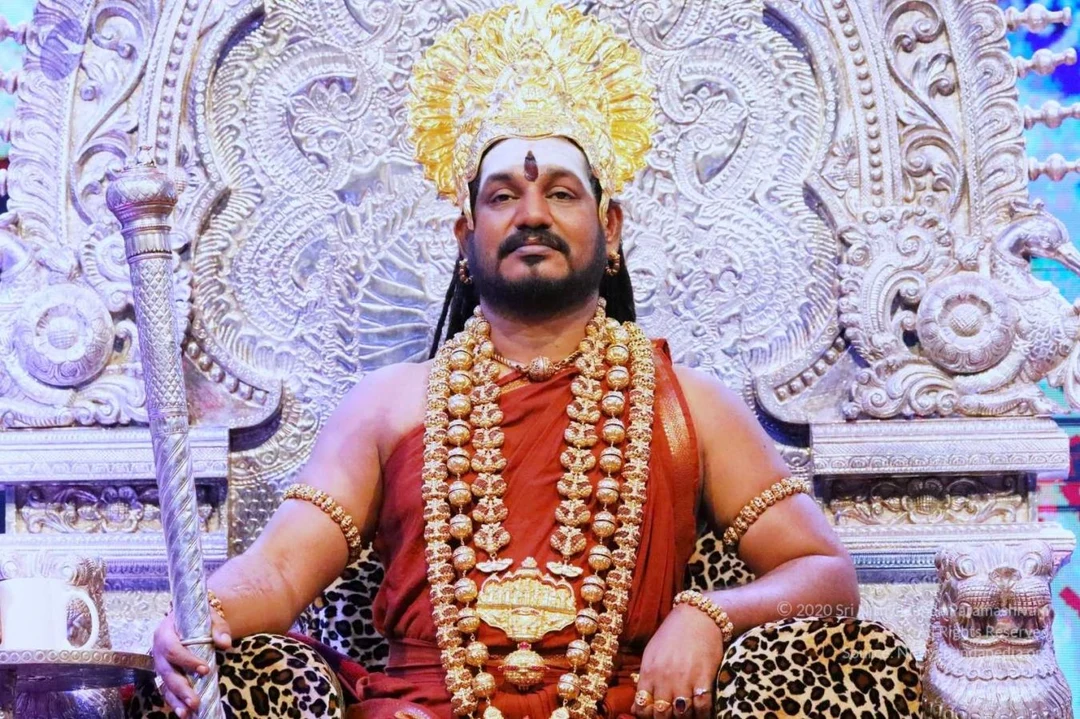 INFUSION of this energy darshan results in QUANTUM ENTANGLEMENT
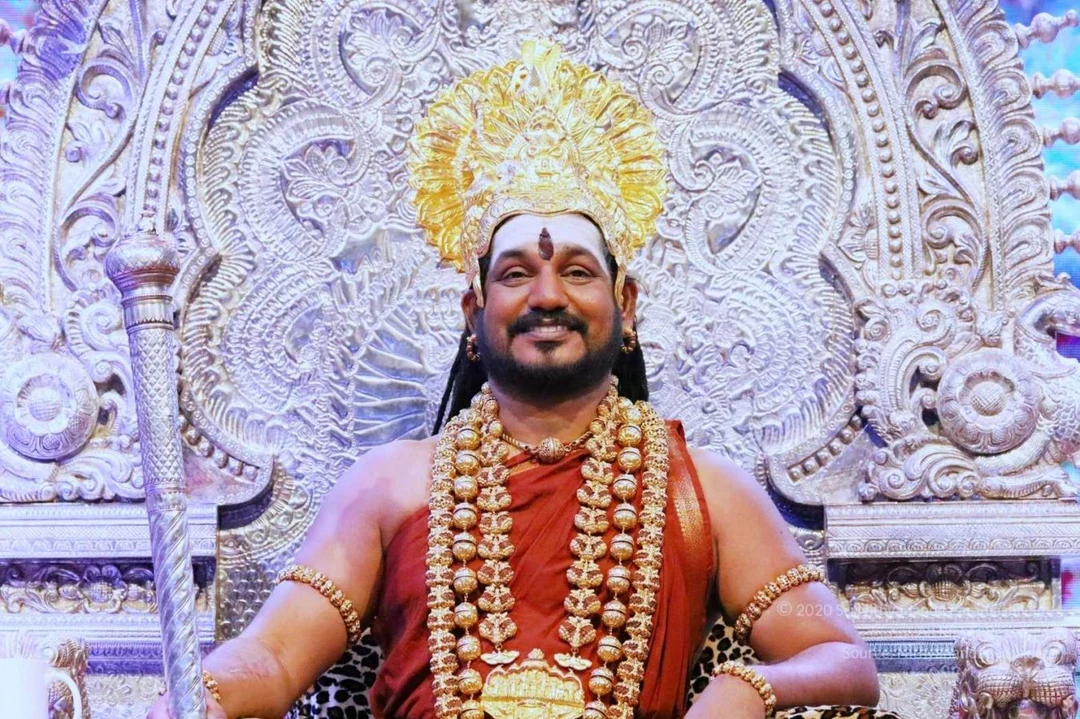 INFUSION of this energy darshan results in QUANTUM ENTANGLEMENT
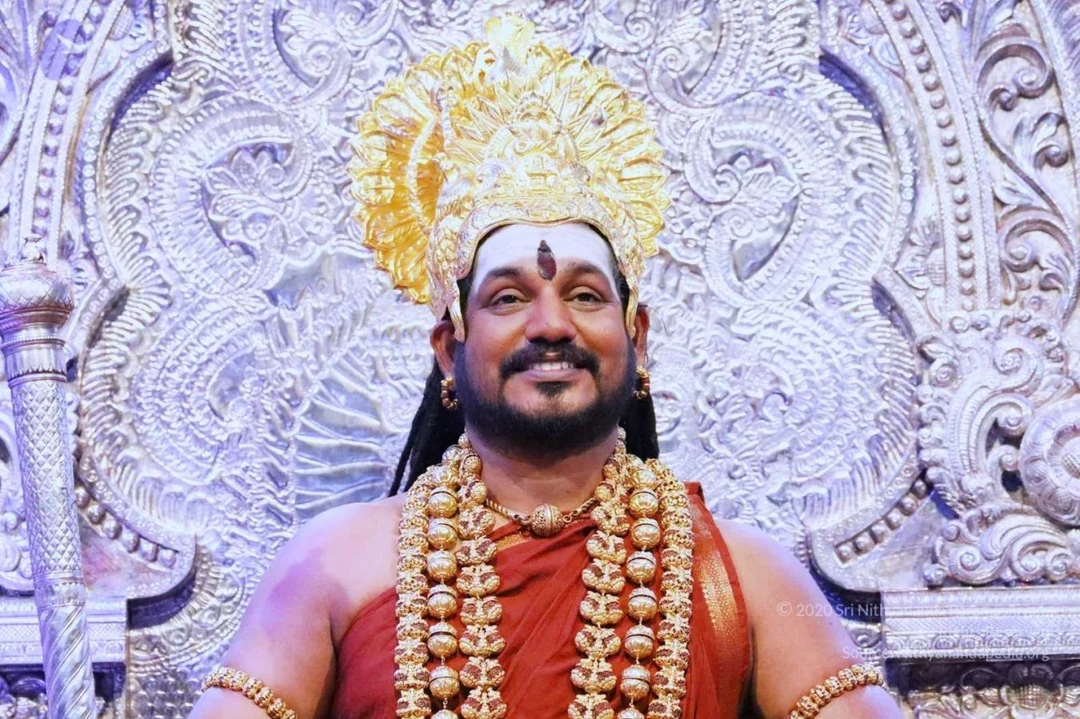 INFUSION of this energy darshan results in QUANTUM ENTANGLEMENT
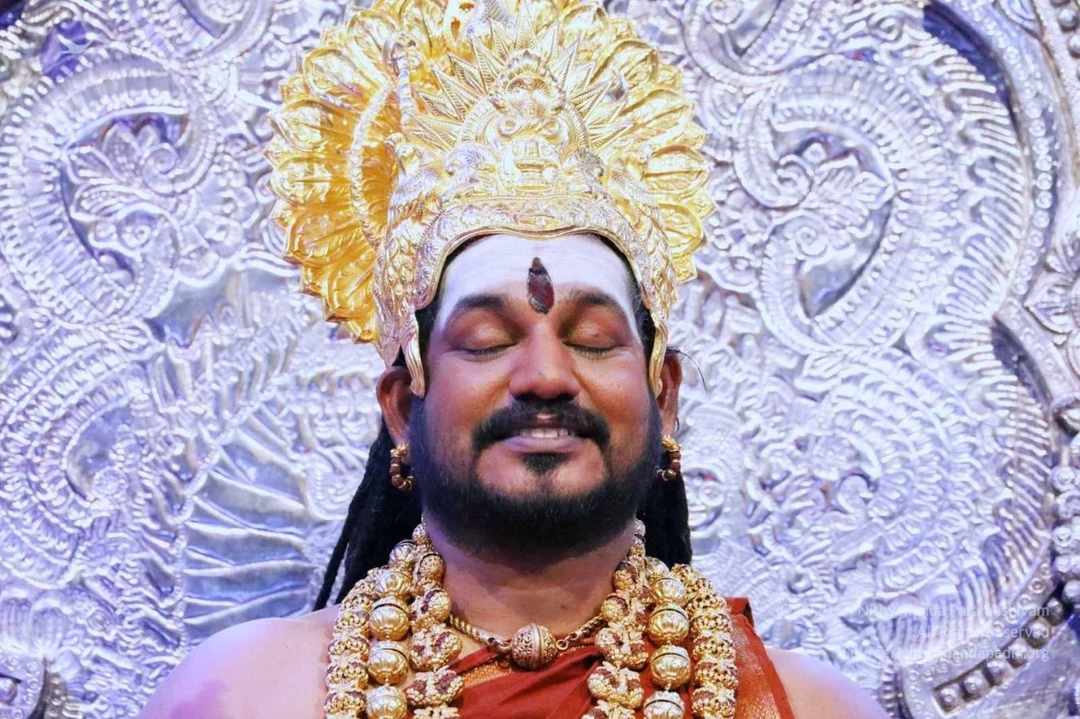 INFUSION of this energy darshan results in QUANTUM ENTANGLEMENT
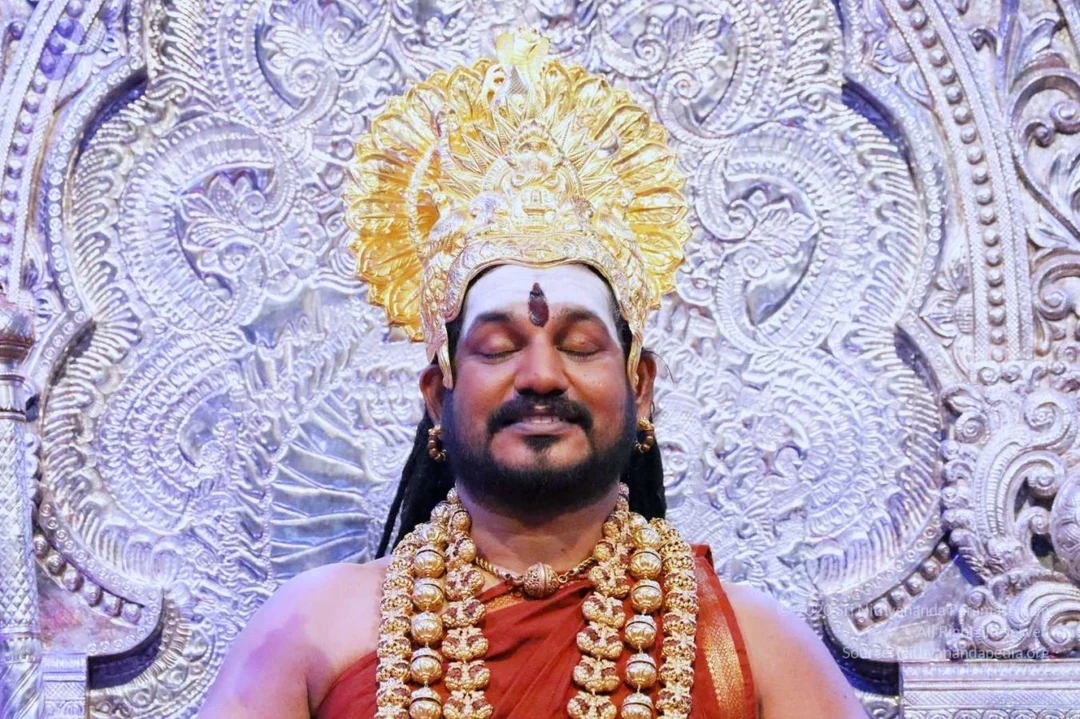 INFUSION of this energy darshan results in QUANTUM ENTANGLEMENT
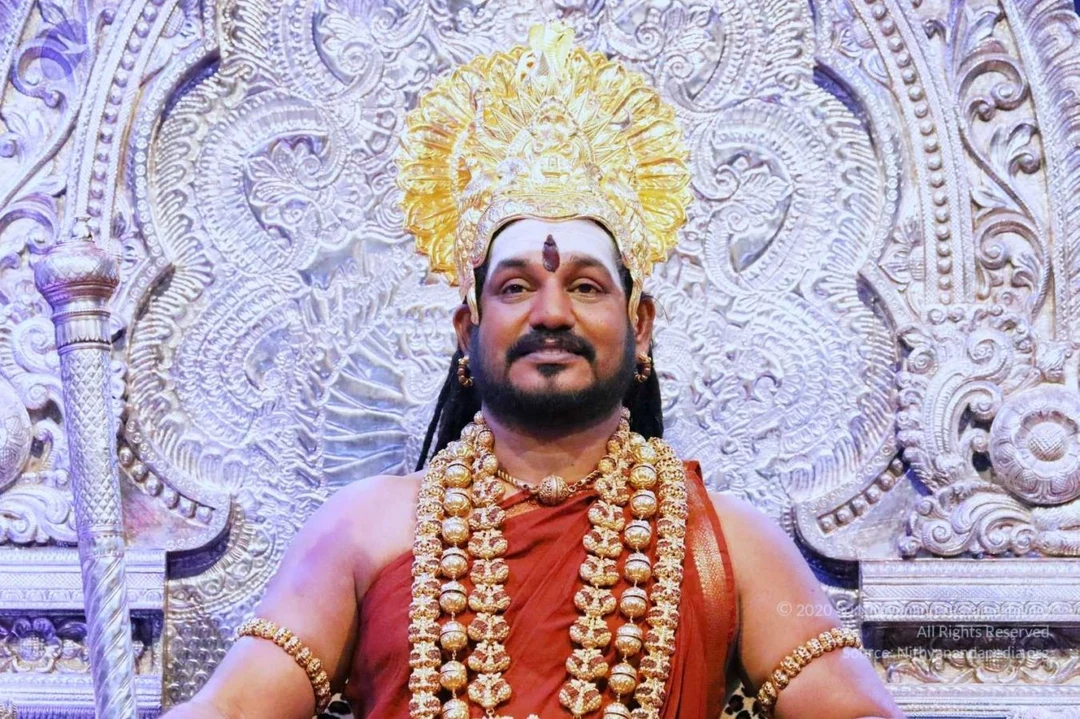 INFUSION of this energy darshan results in QUANTUM ENTANGLEMENT
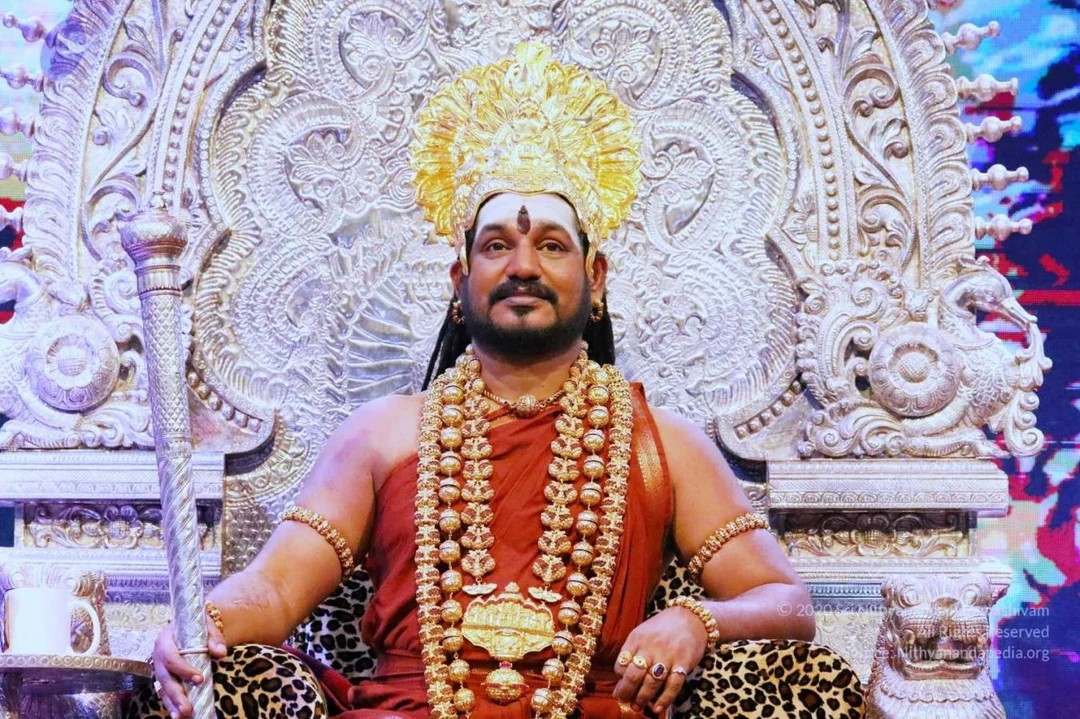 INFUSION of this energy darshan results in QUANTUM ENTANGLEMENT
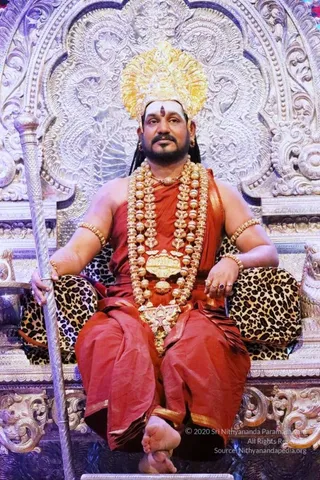 INFUSION of this energy darshan results in QUANTUM ENTANGLEMENT
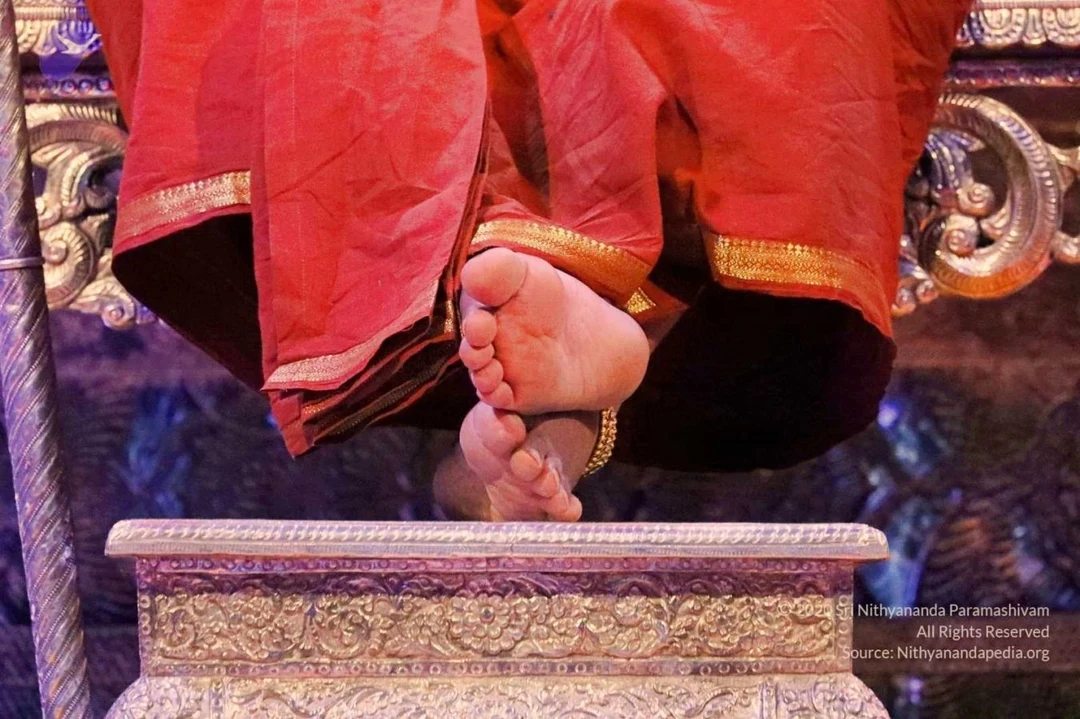 Nija Pada Darshan
 Nija Pada Darshan
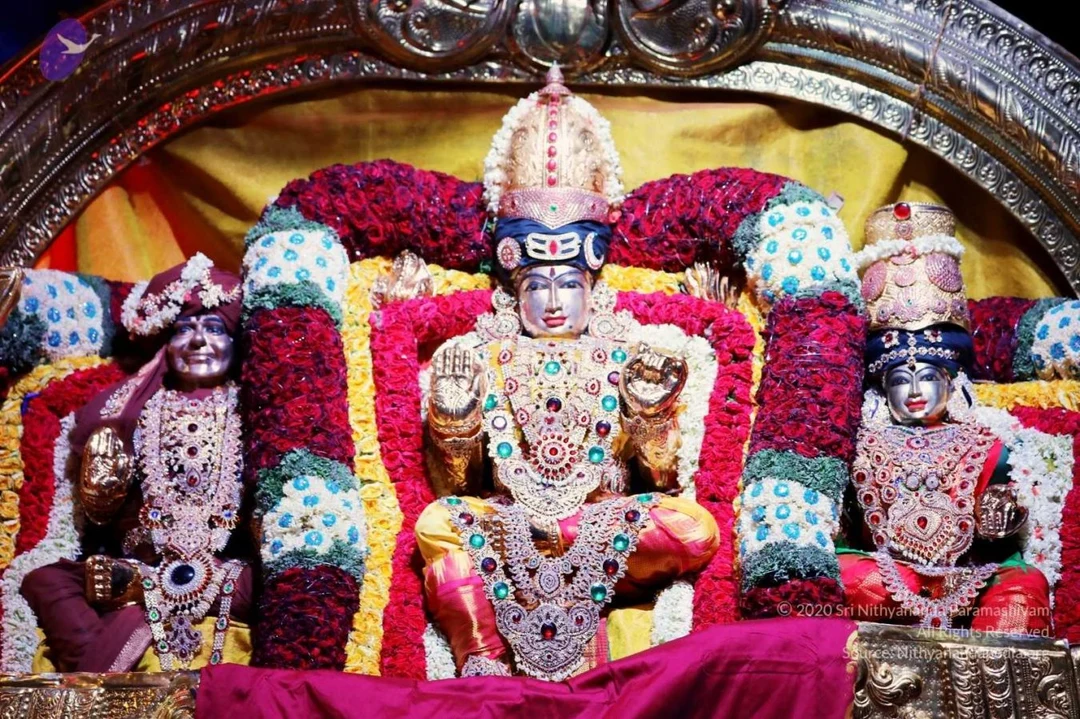 Nithyananda Purnima Brahmotsavam celebration special alankars (decoration) done for HDH Nithyananda Paramashivam, Sundareshwara, and Meenakshi Devi
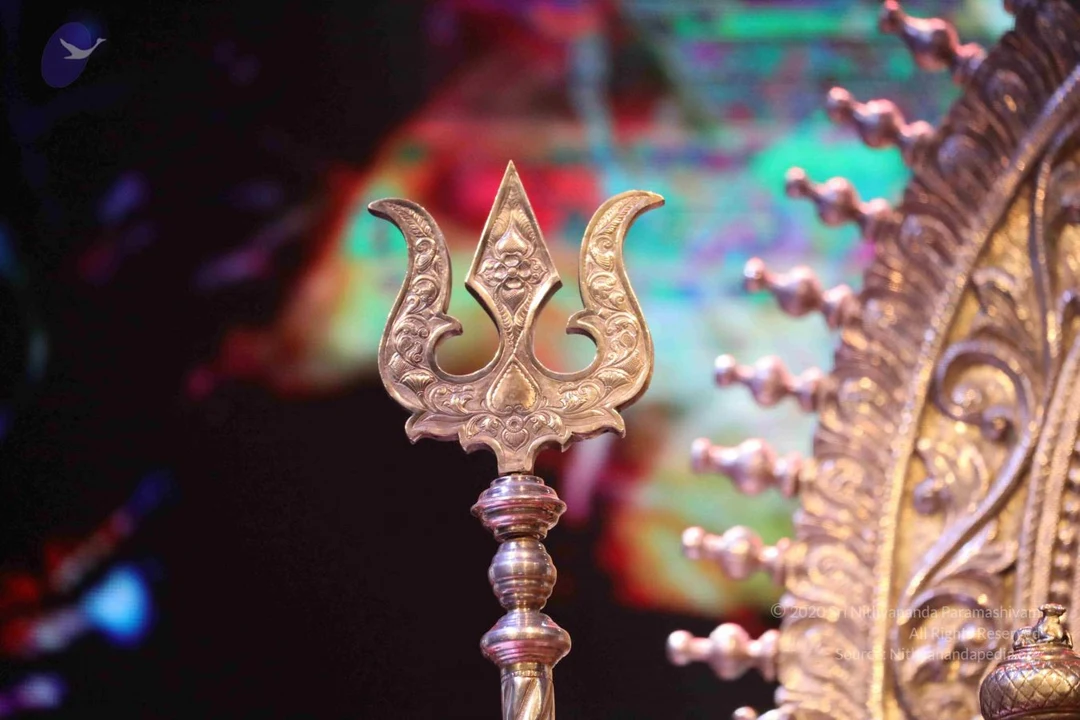
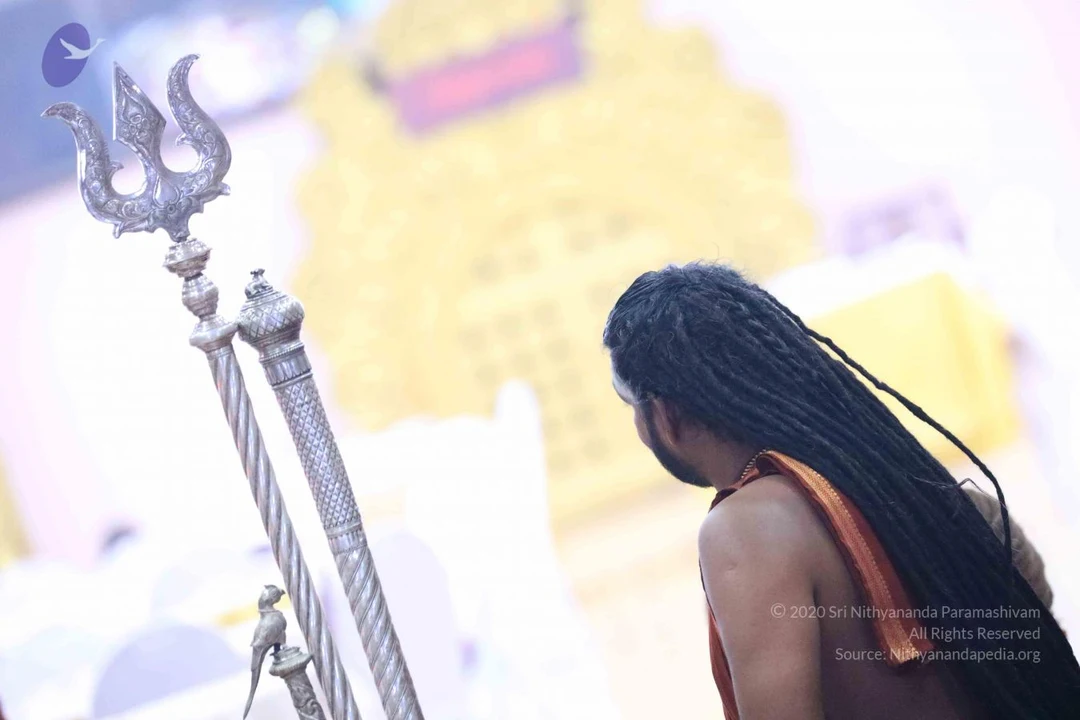
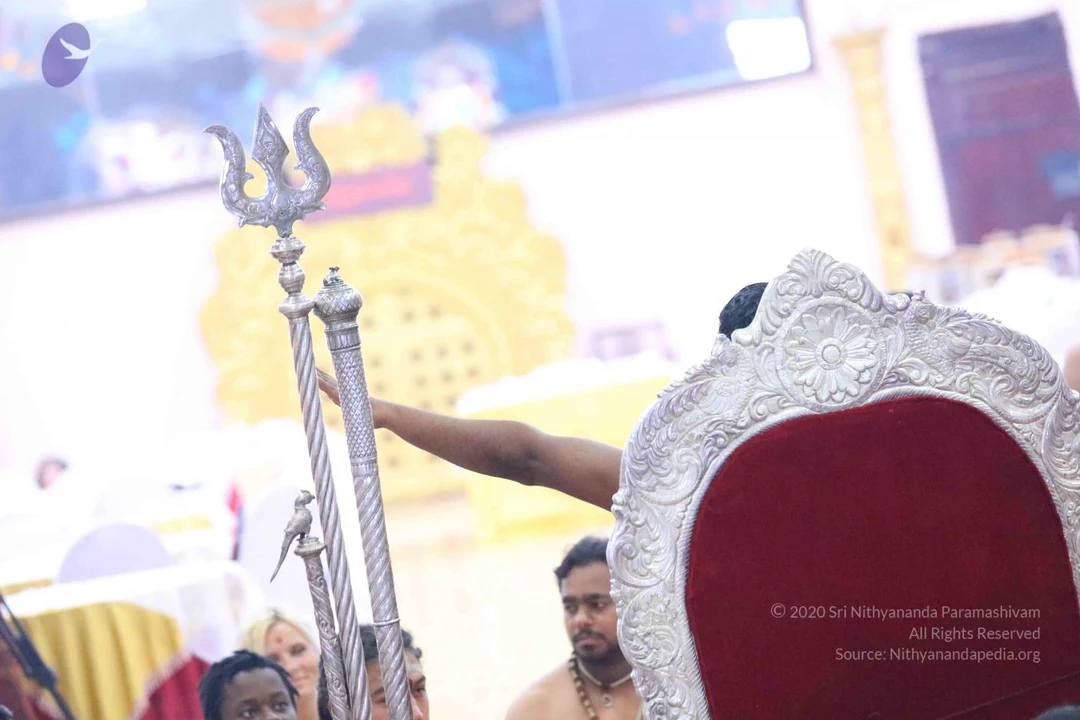
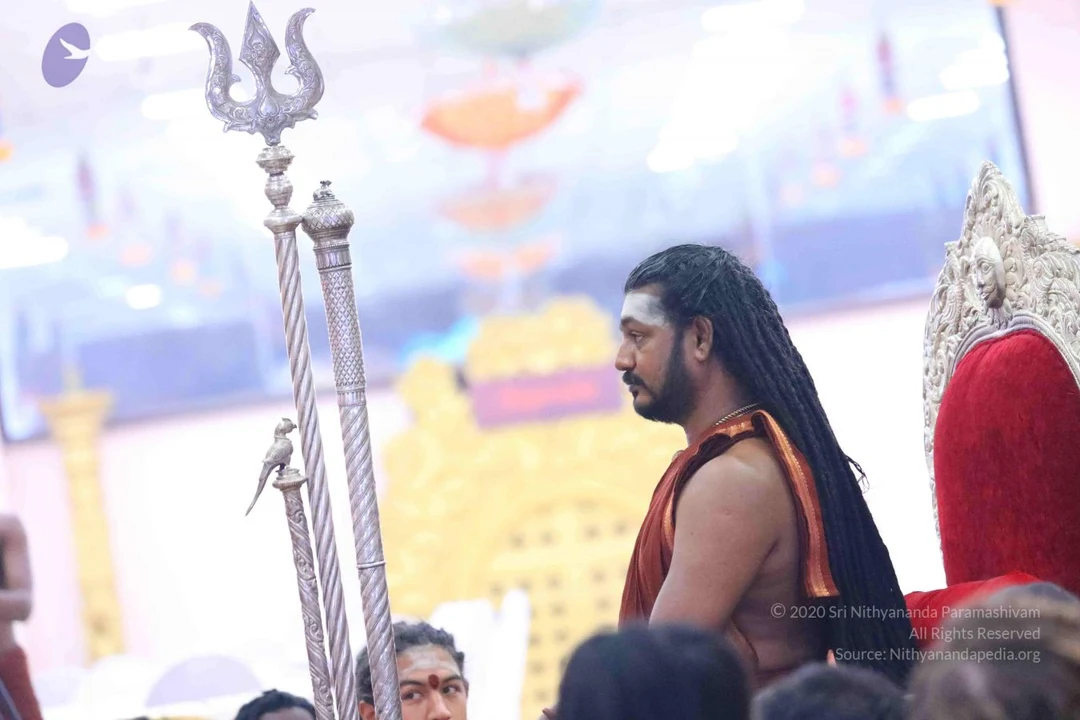
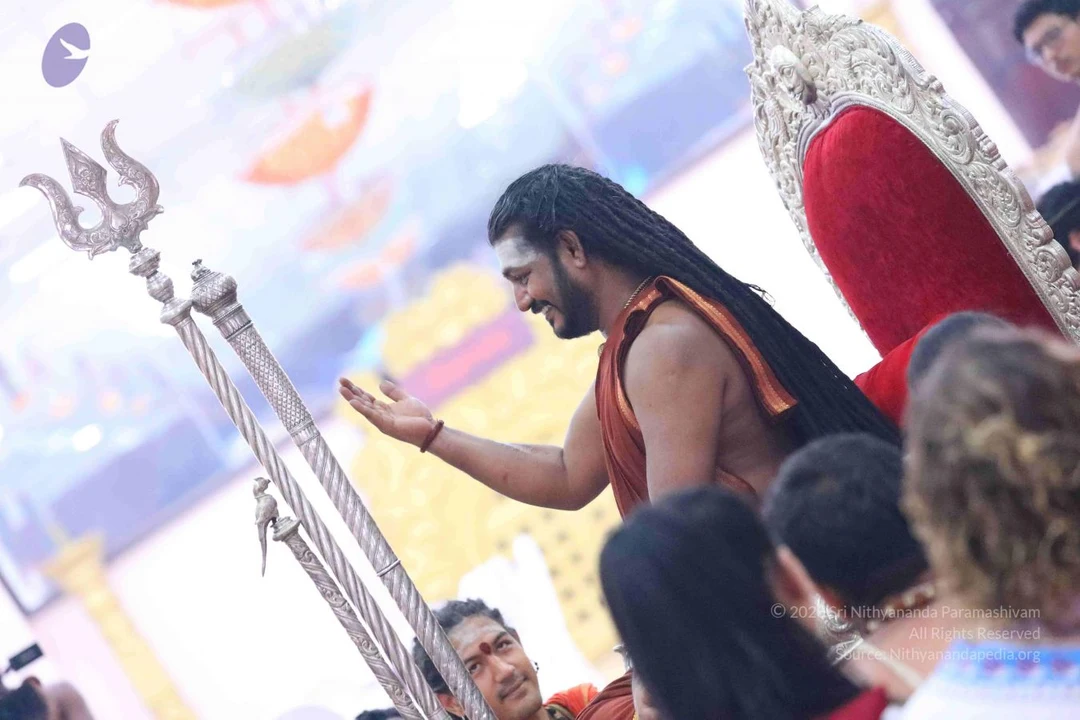
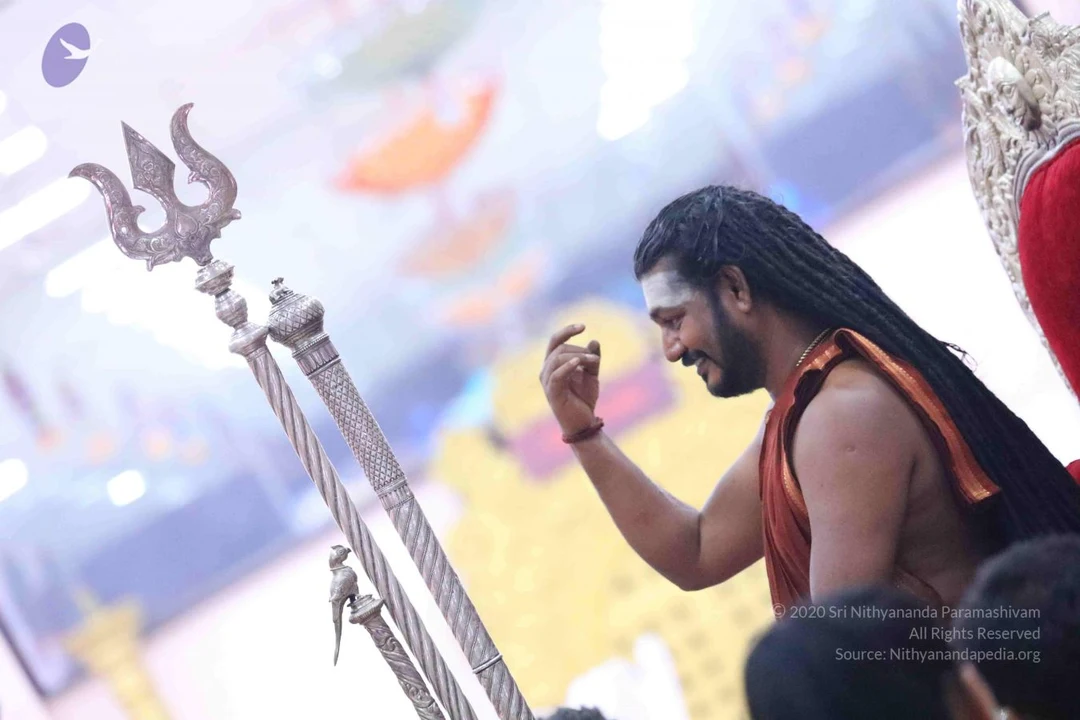
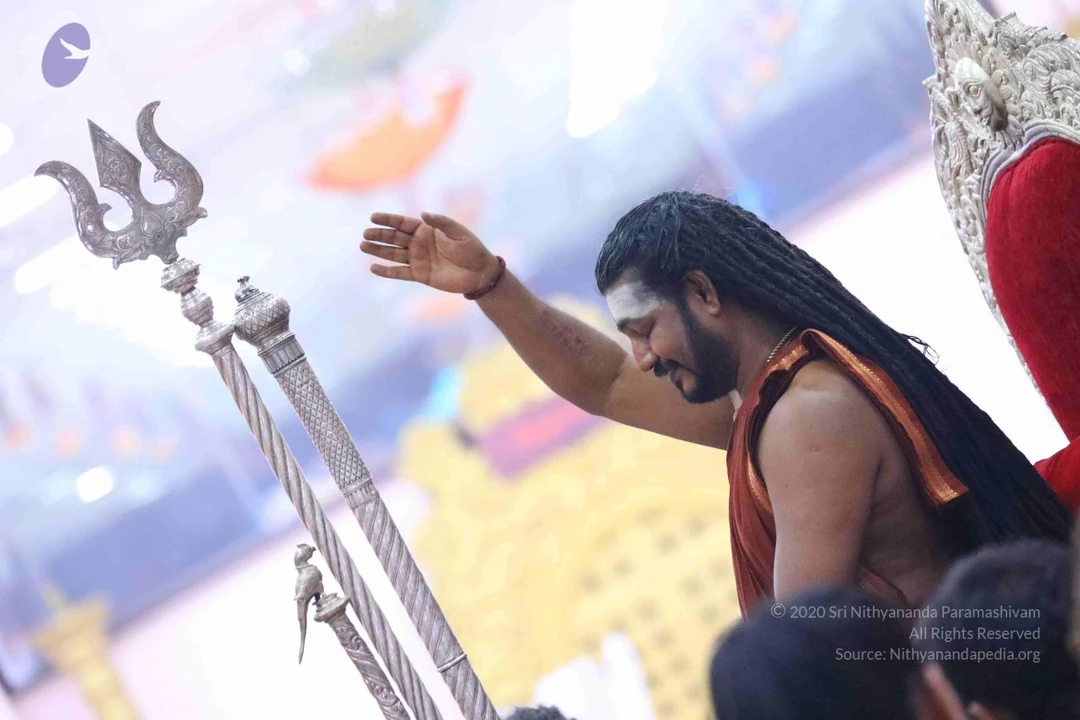
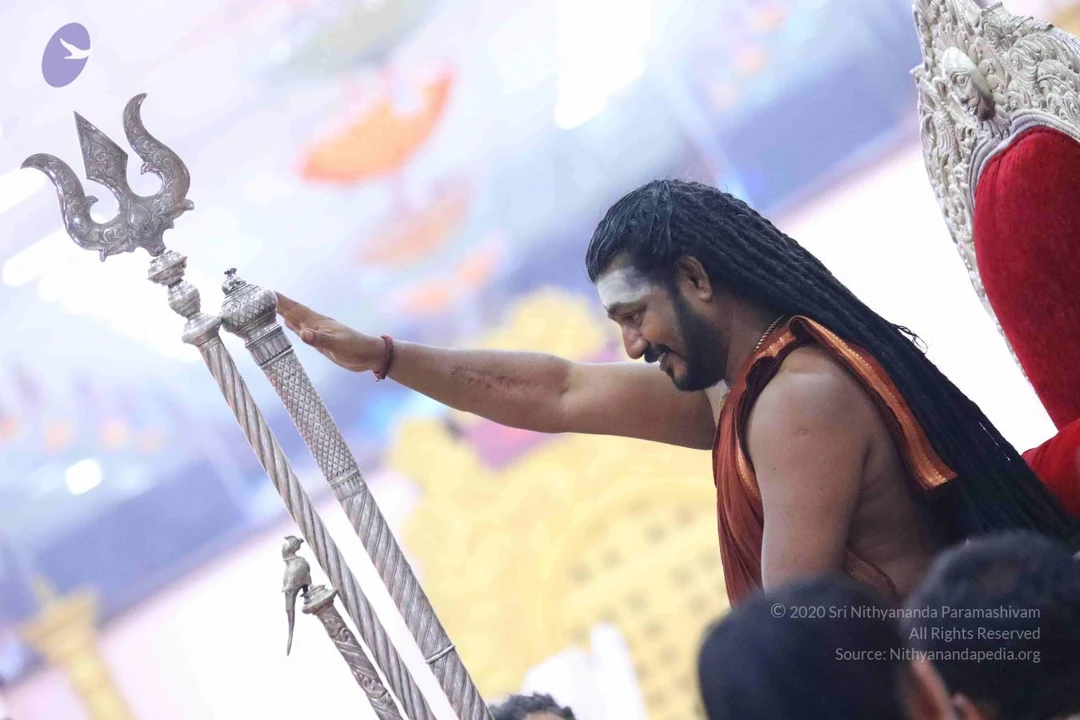
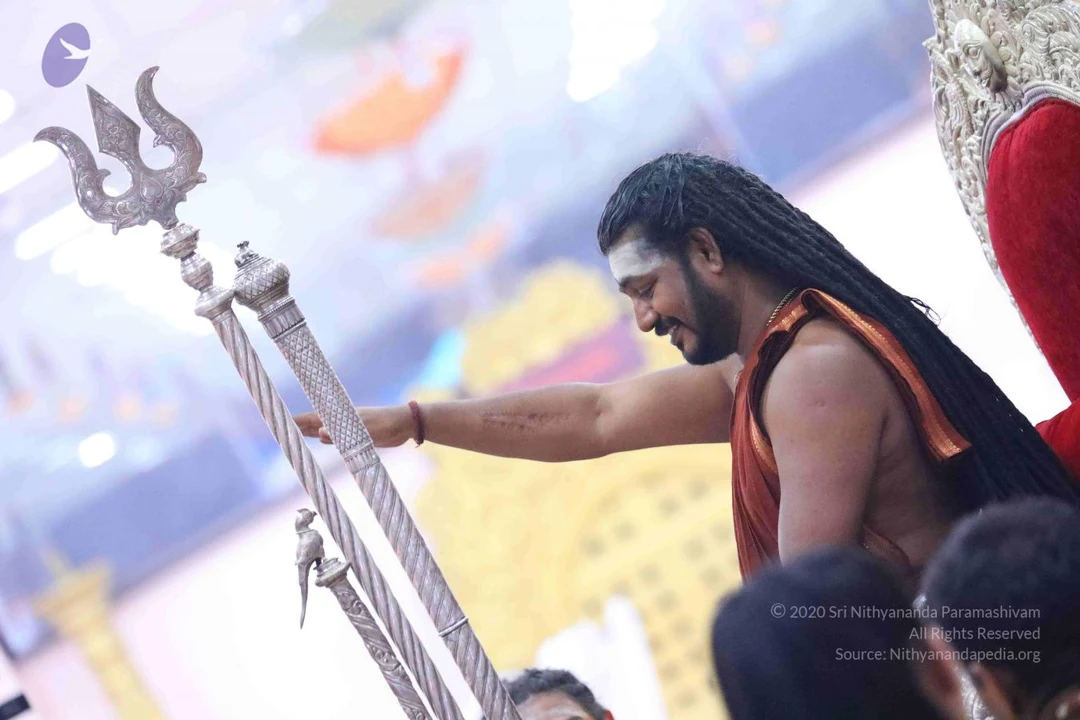
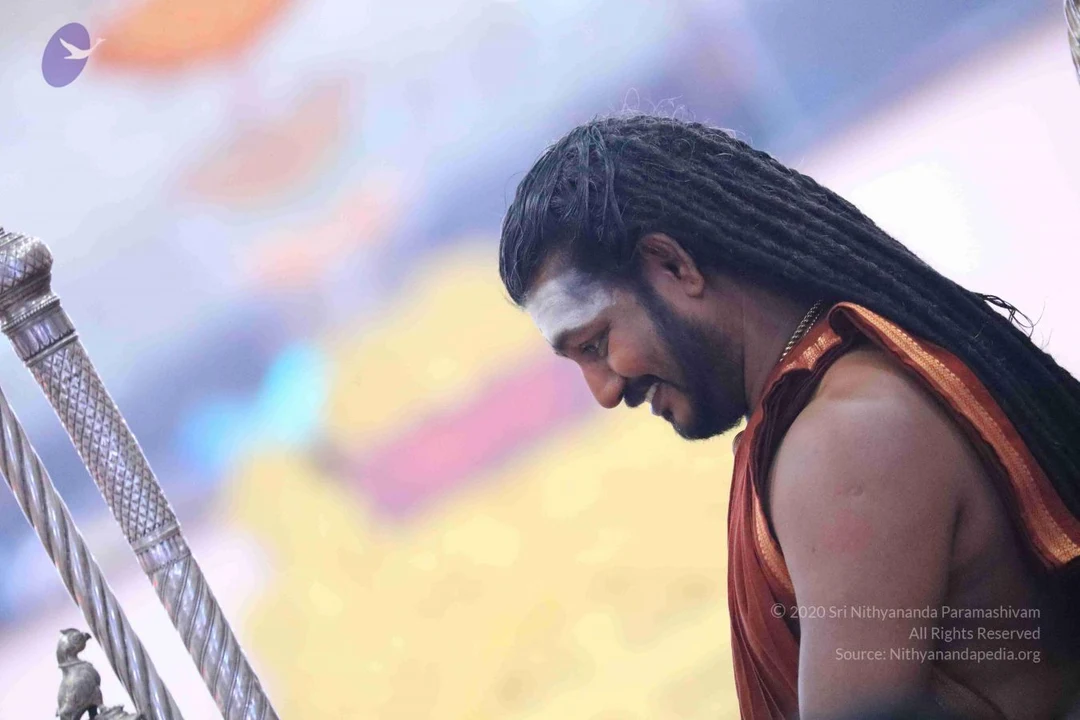
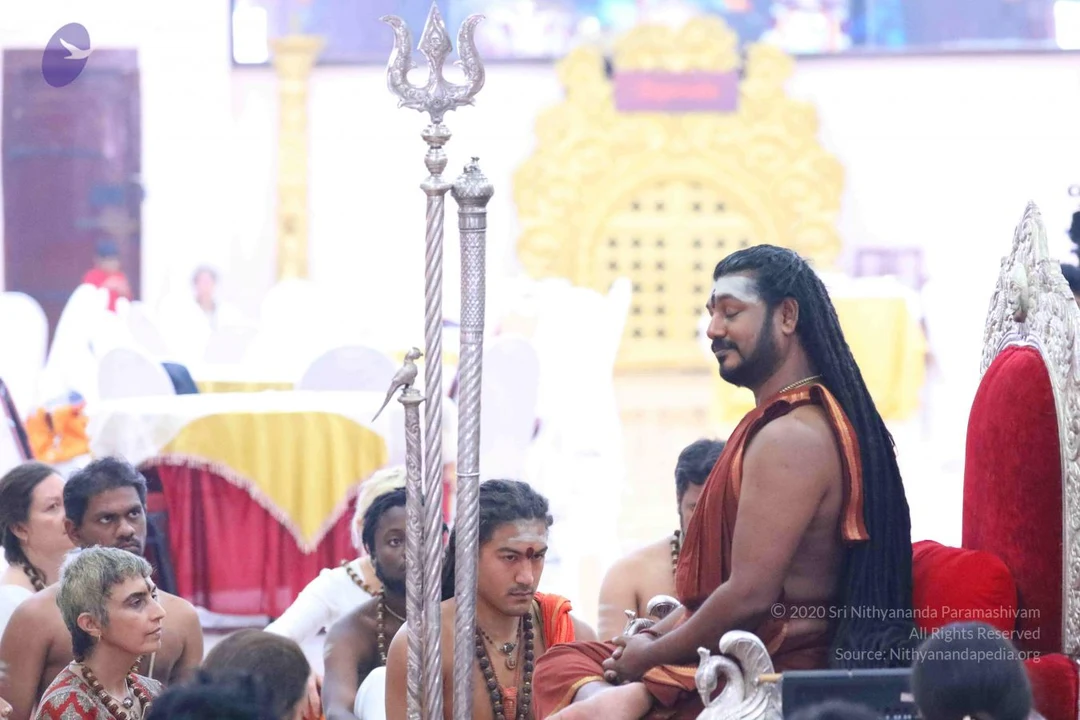
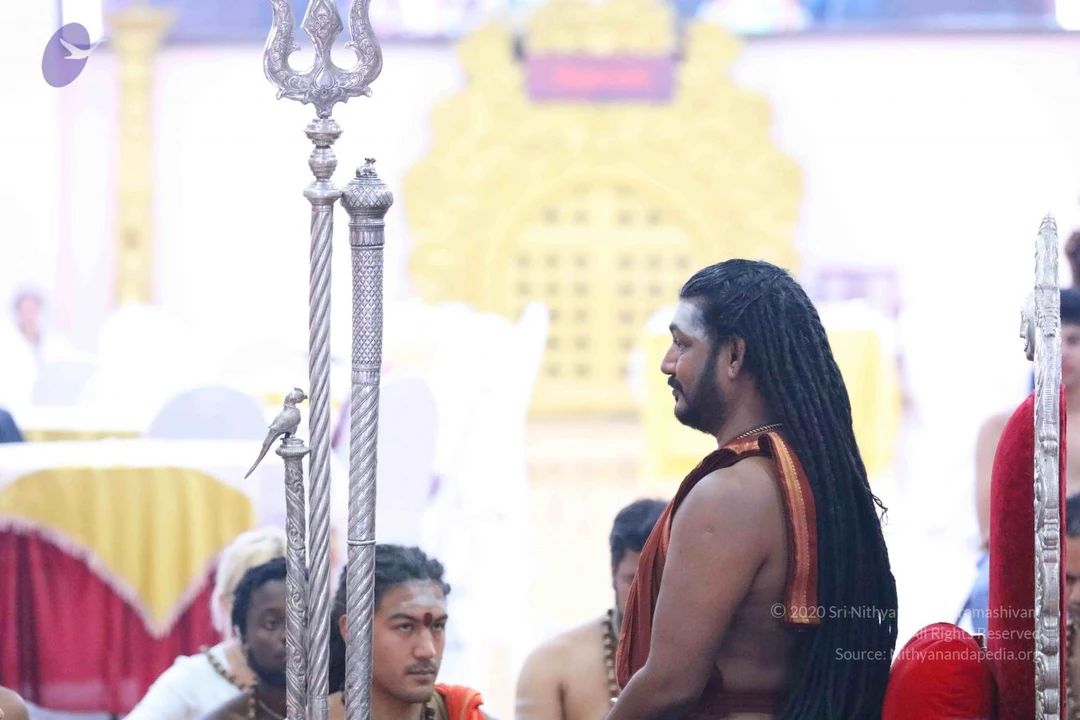
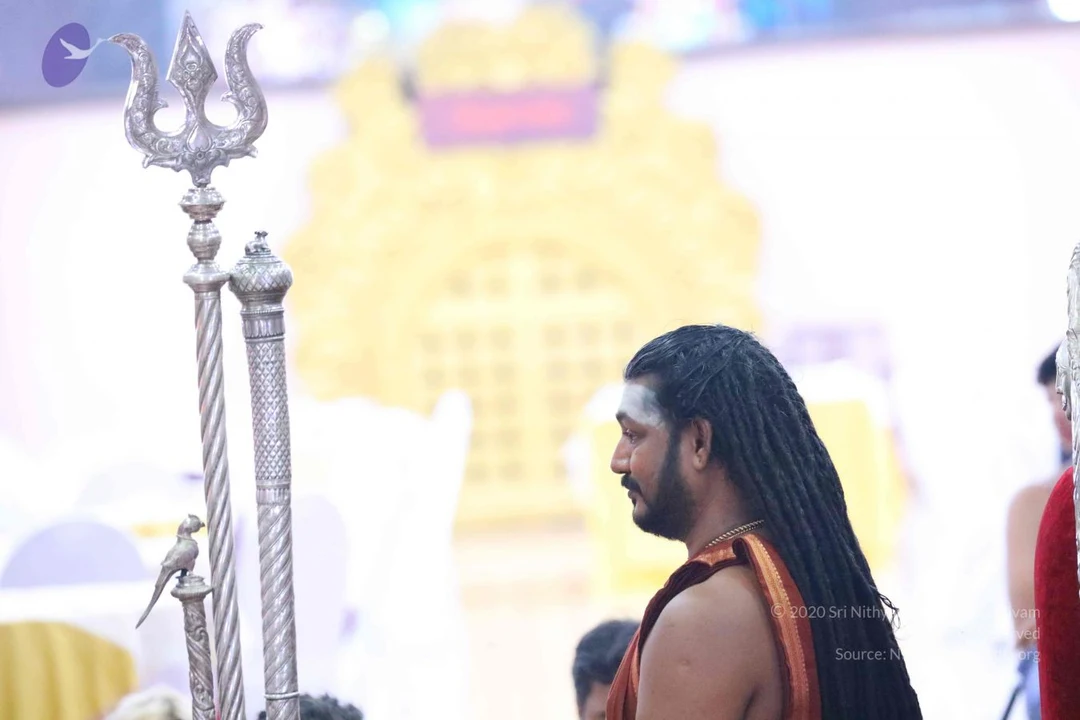
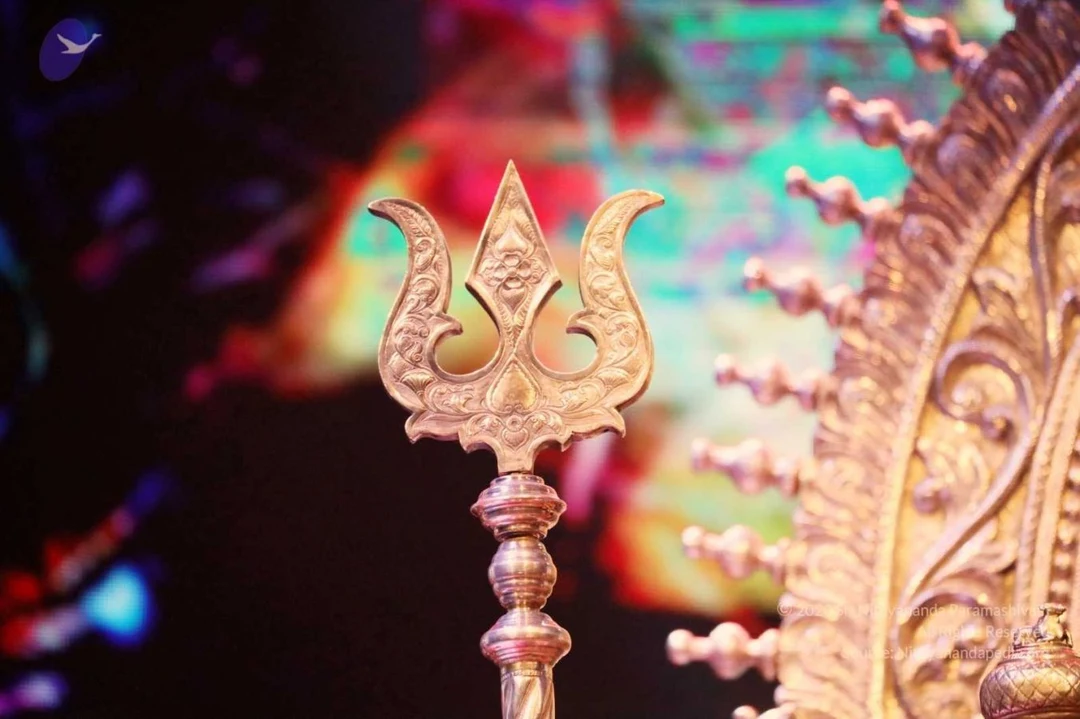 HDH Nithyananda Paramashivam TRISHUL (trident)
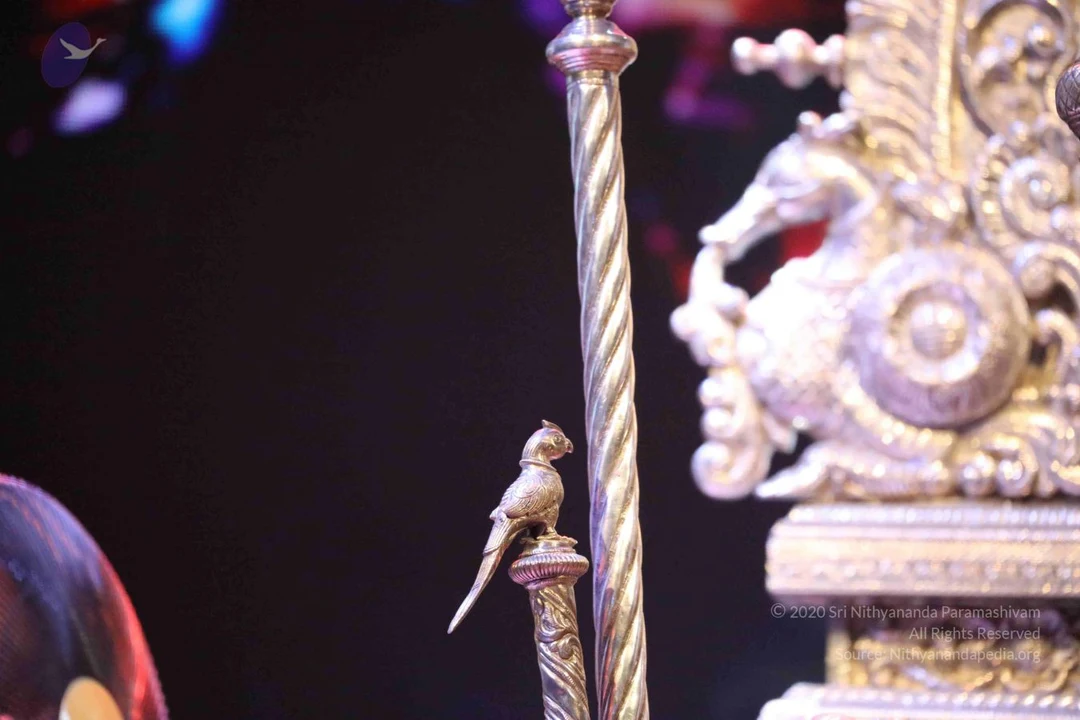
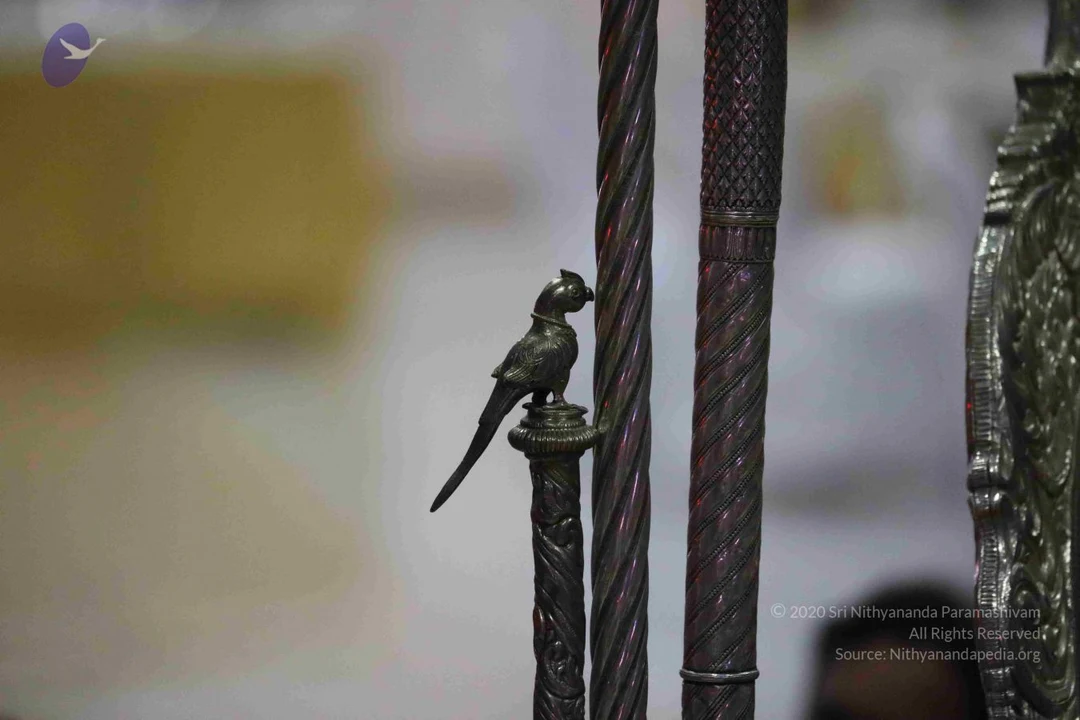
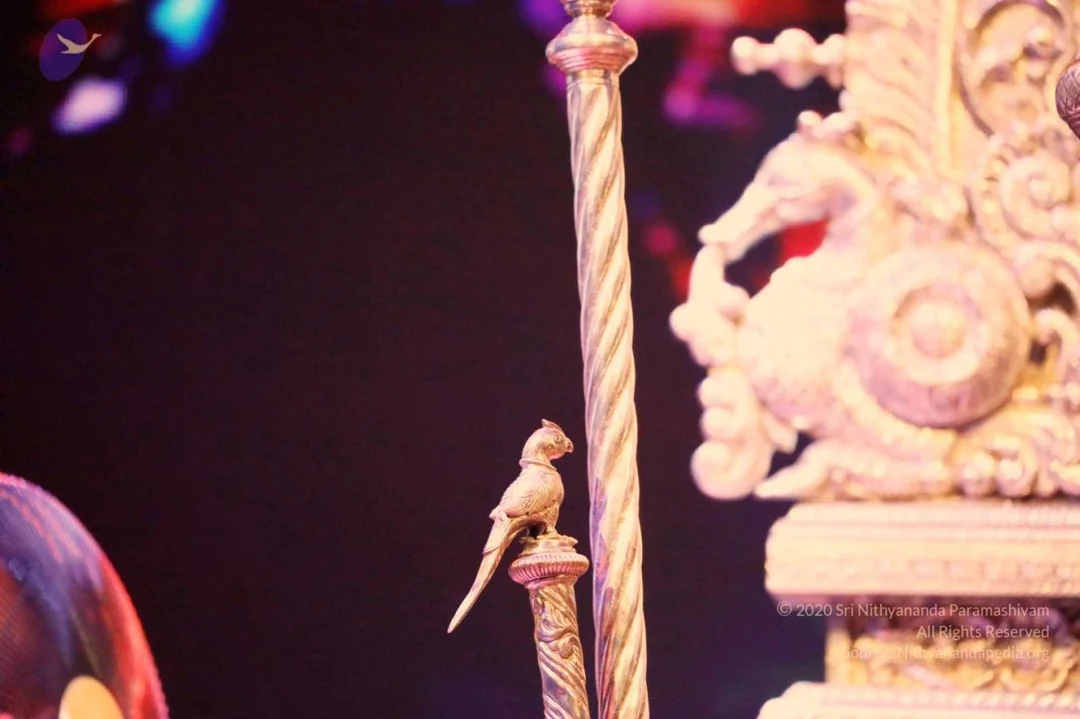 HDH Nithyananda Paramashivam Danda with parrot symbol of Meenakshi Devi's danda
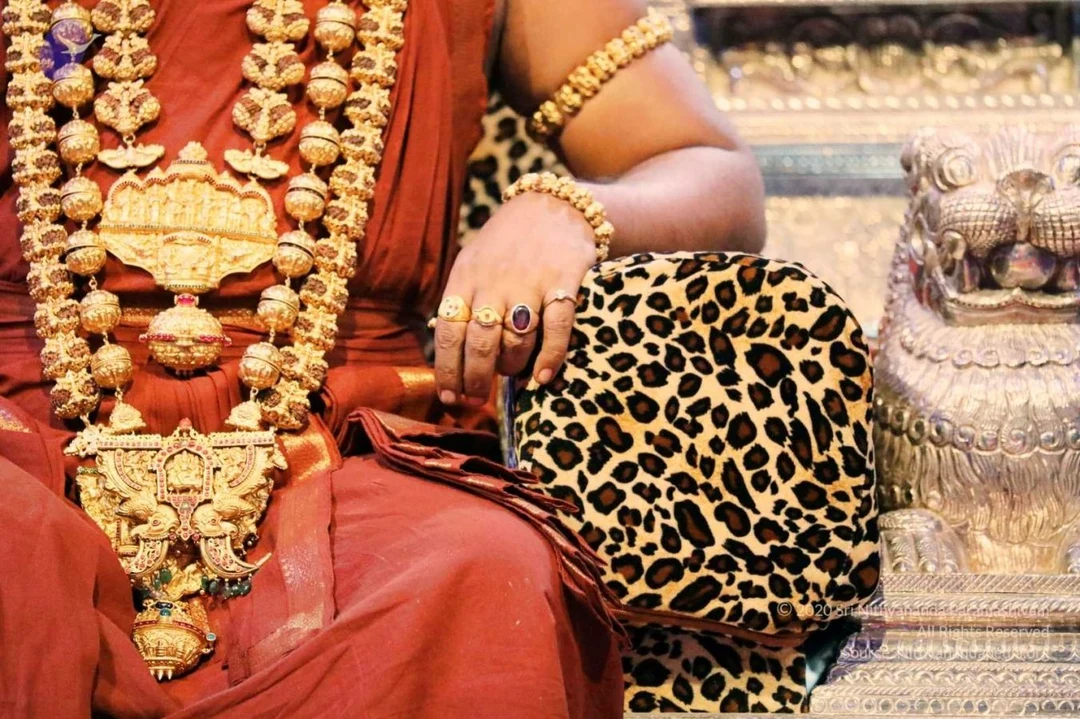 Beautifully adorned HDH Nithyananda Paramashivam with jewelry during ENERGY DARSHAN INITIATION
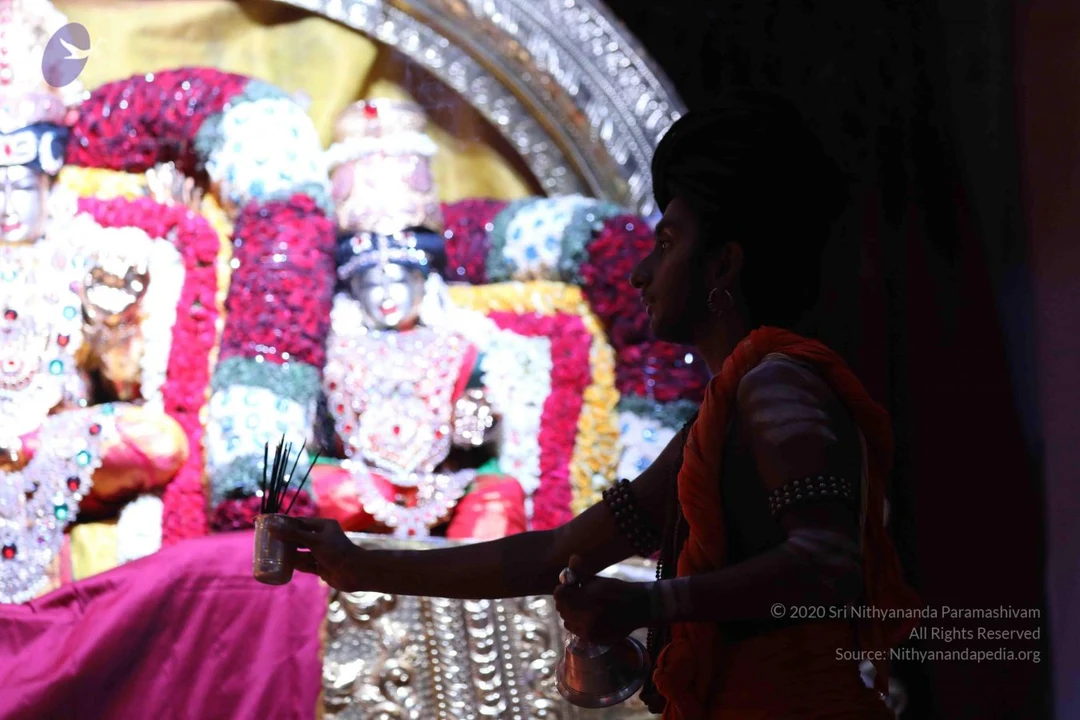
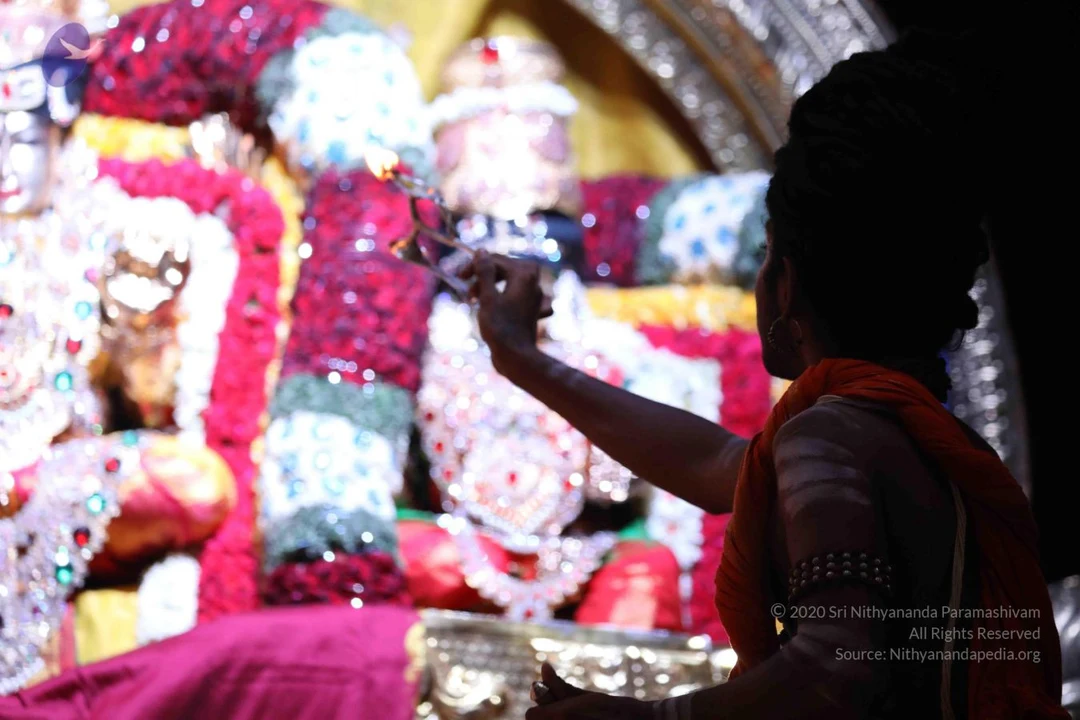
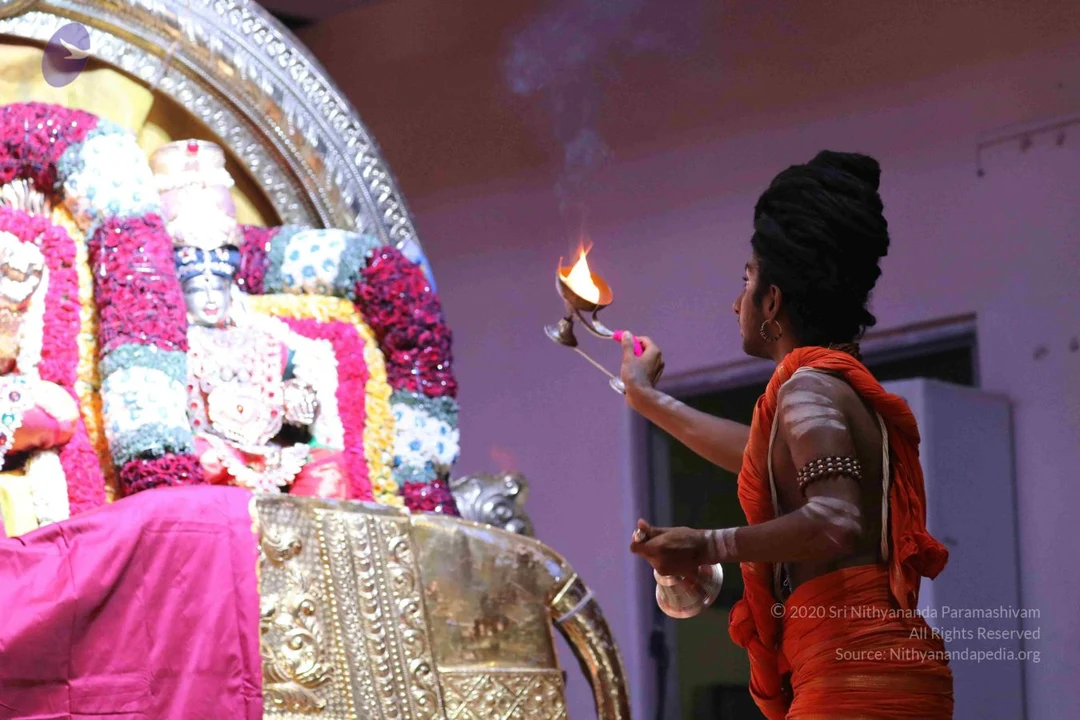
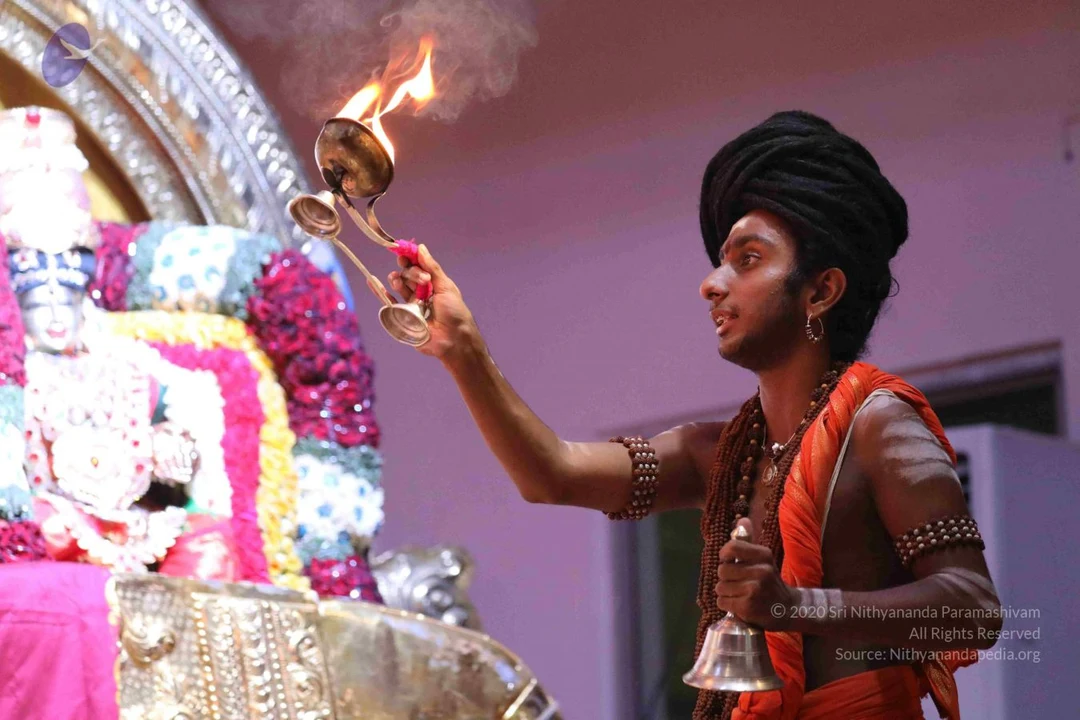
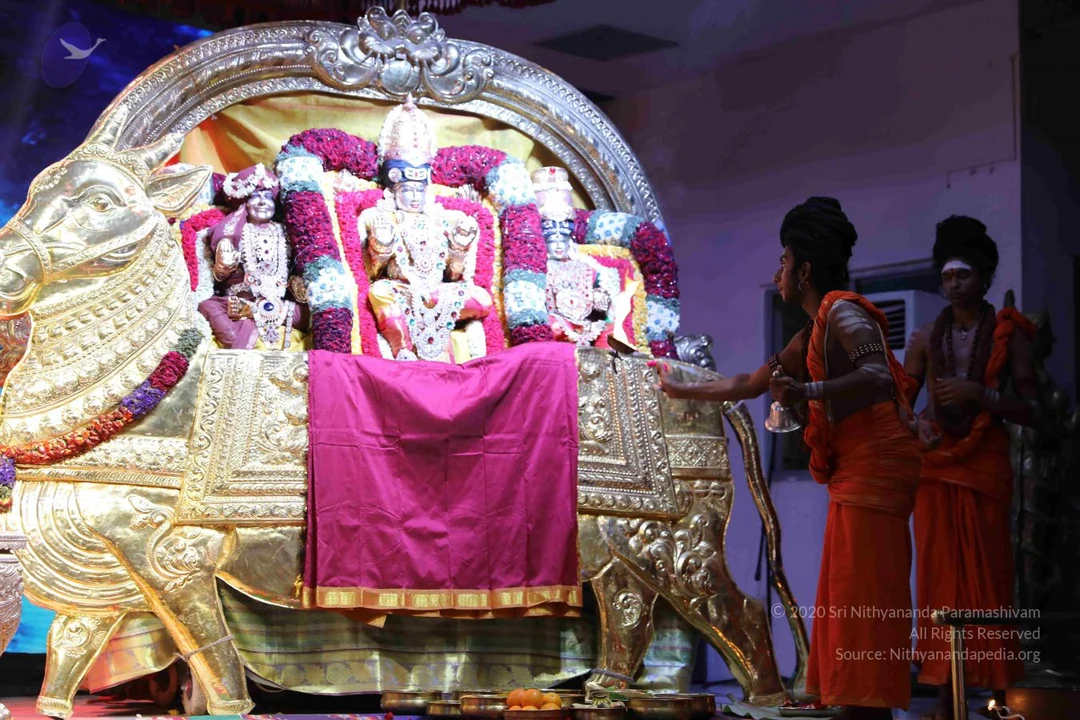
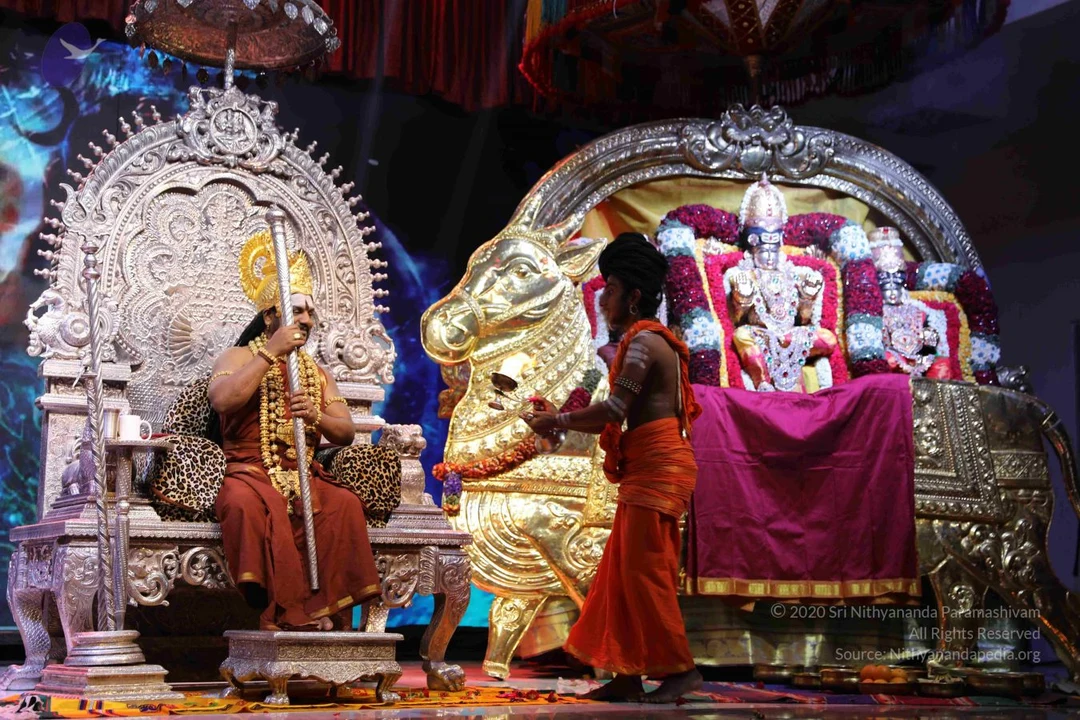
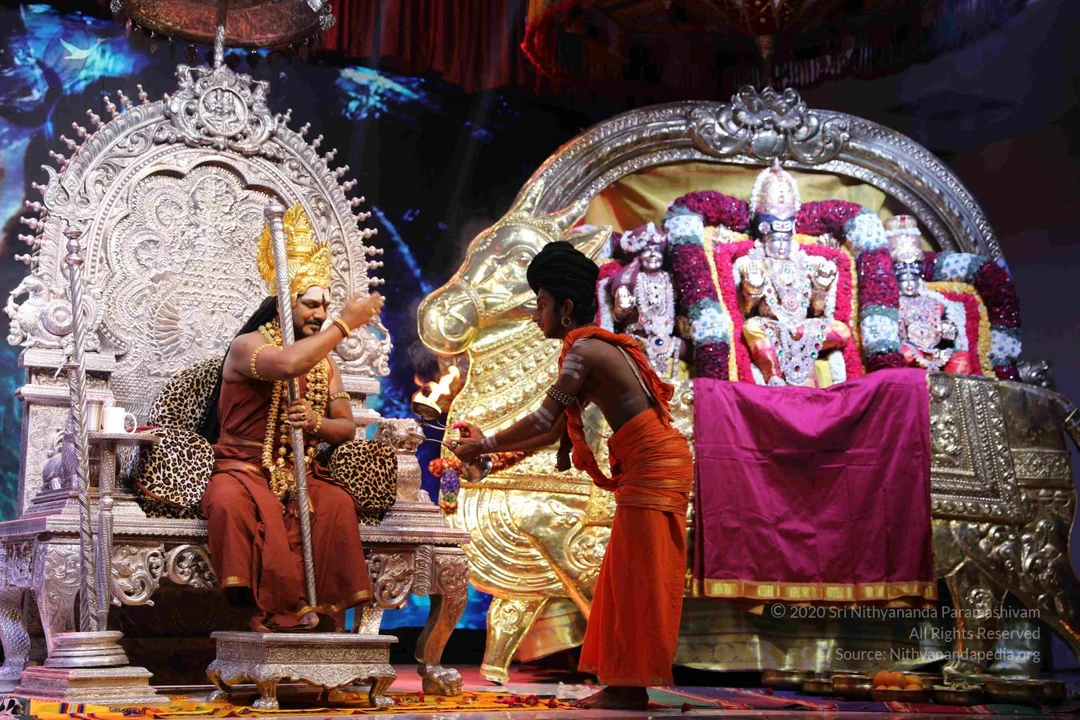
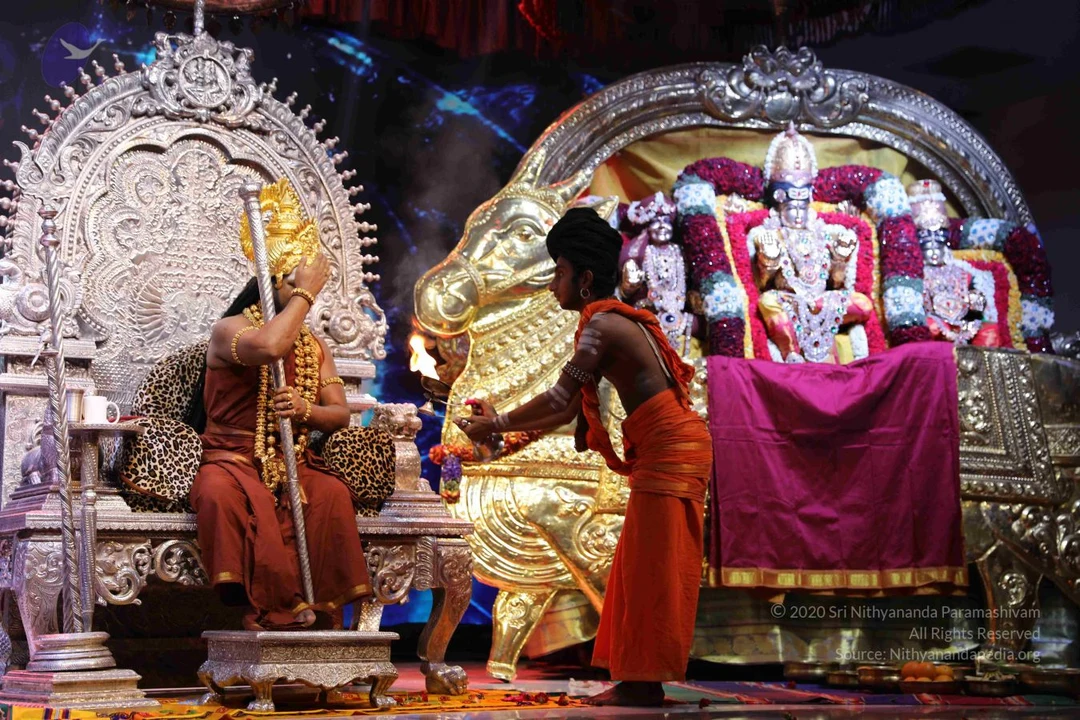
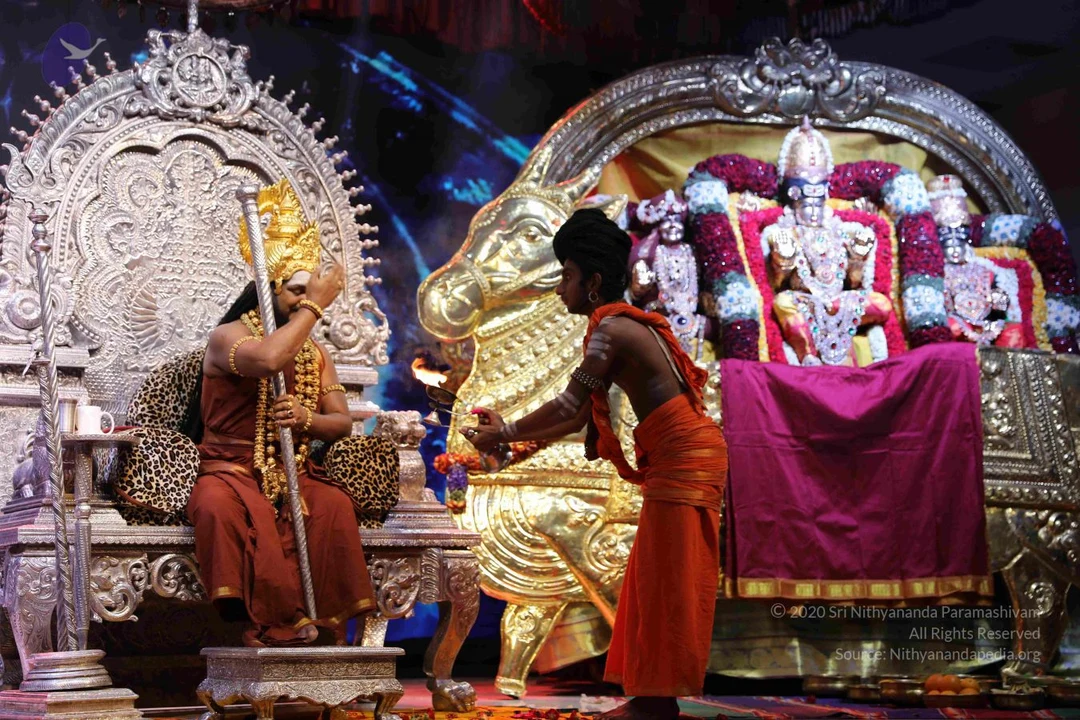
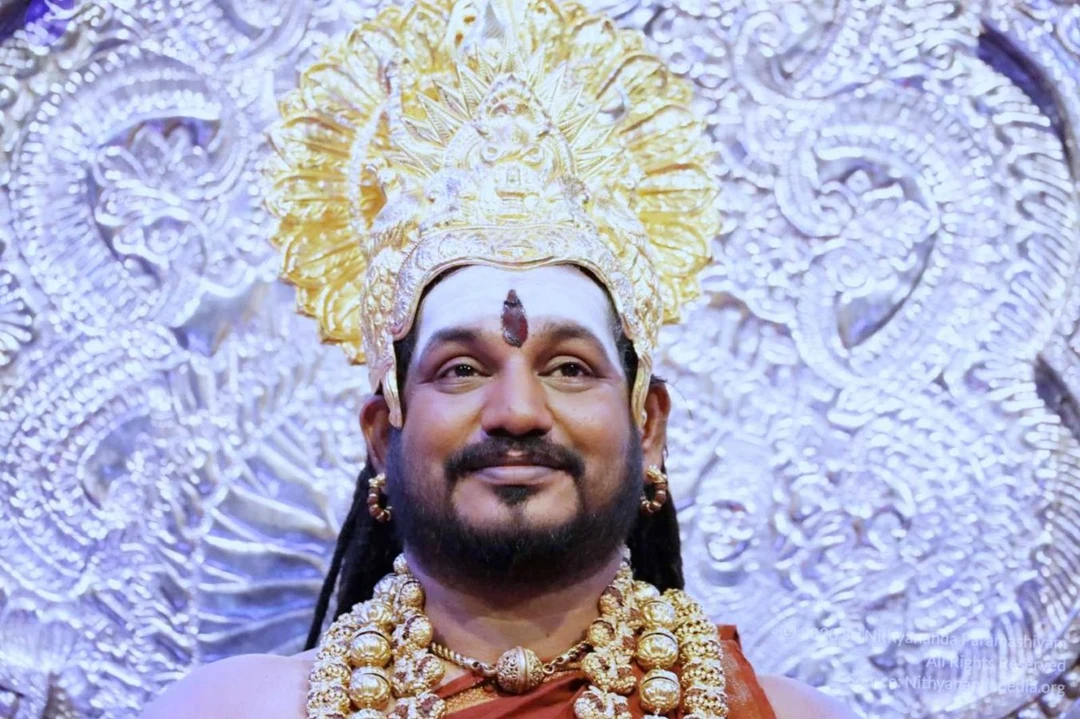 Balasant offering dhoopa (incense) to special Leela Alankar (decoration) deites of Sri Nithyananda Swami's Life - LEELA OF PARASHAKTI DARSHAN
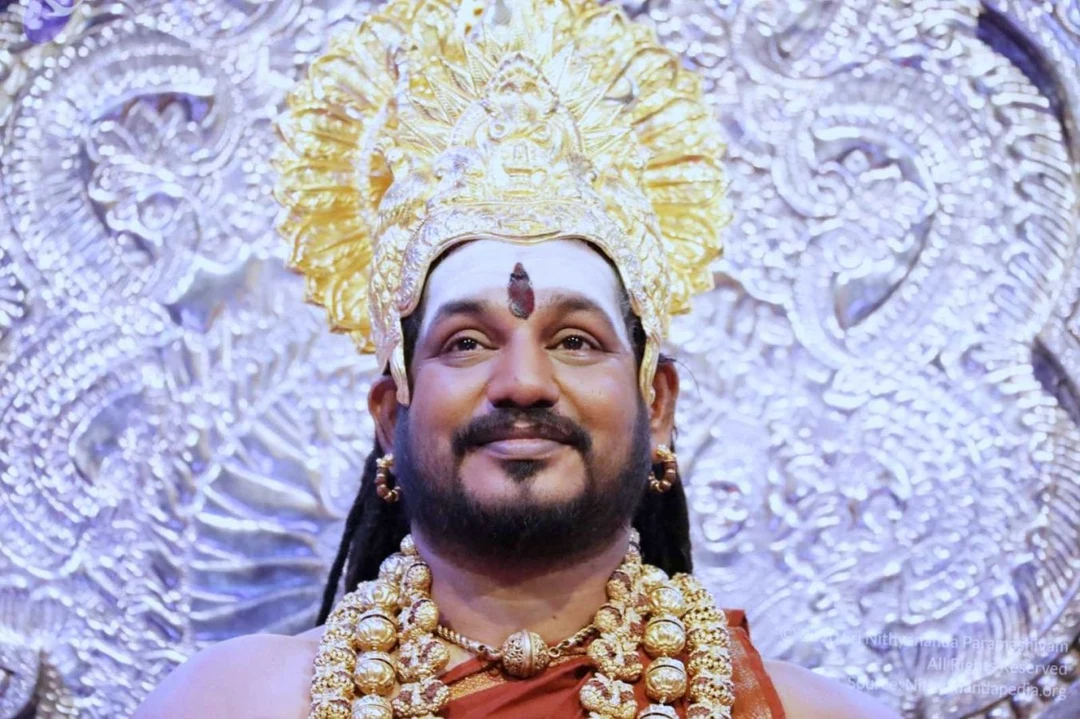 Amazing to be in the breathing space of a living avatar
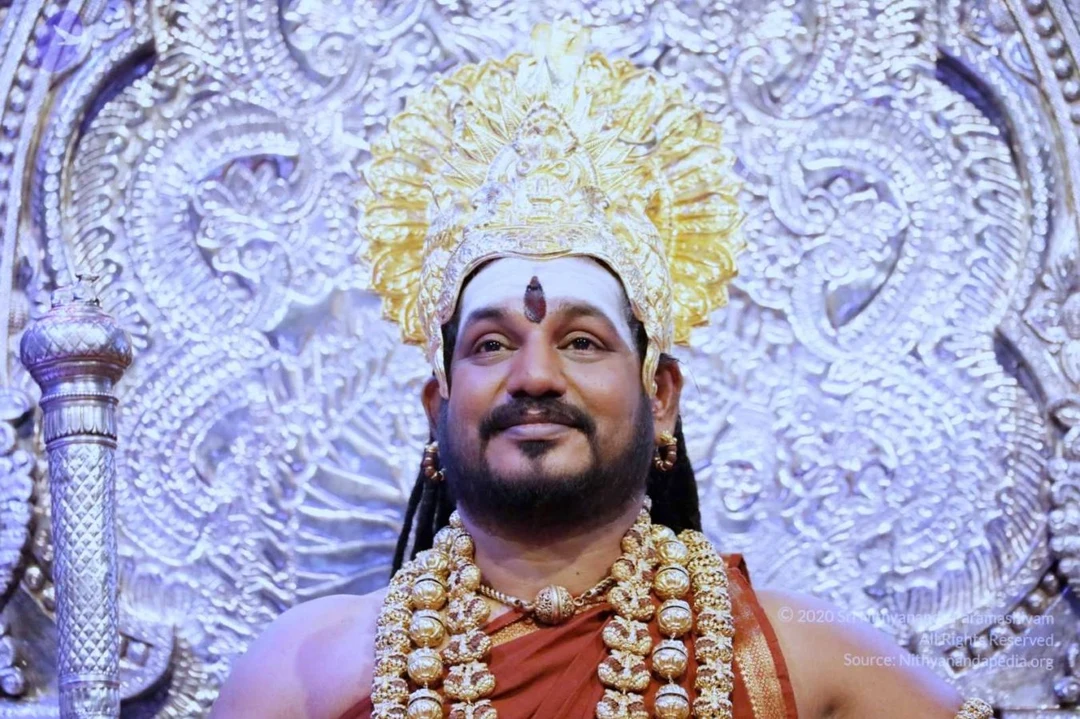 Amazing to be in the breathing space of a living avatar
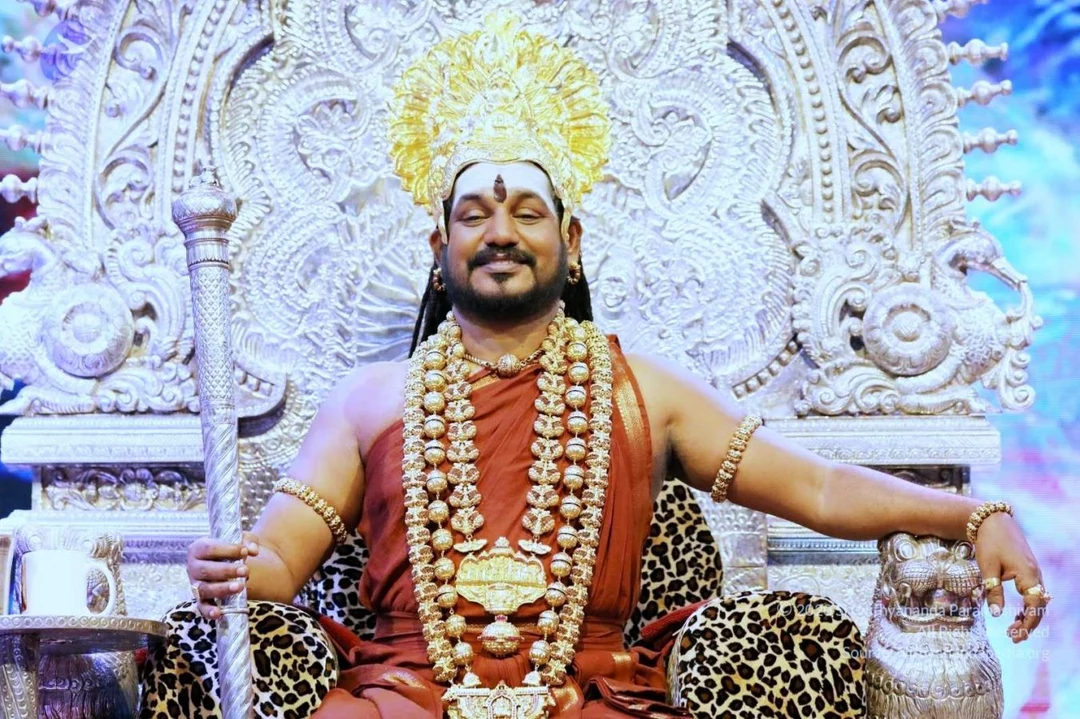 Amazing to be in the breathing space of a living avatar
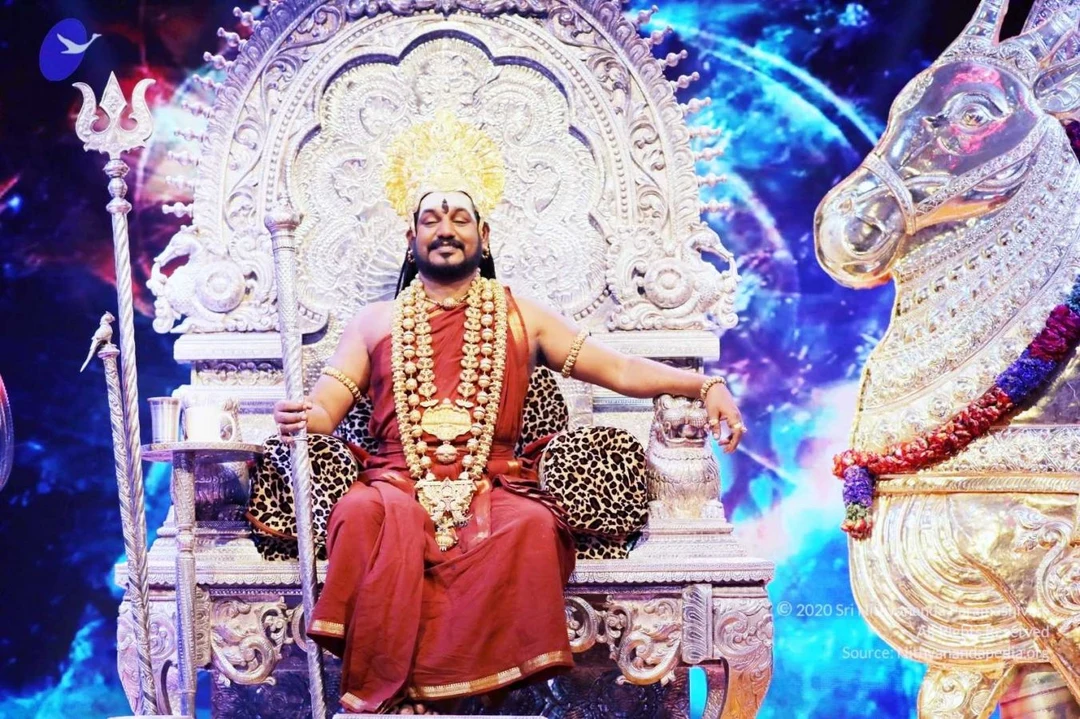 Amazing to be in the breathing space of a living avatar
 Amazing to be in the breathing space of a living avatar
 Amazing to be in the breathing space of a living avatar
 Amazing to be in the breathing space of a living avatar
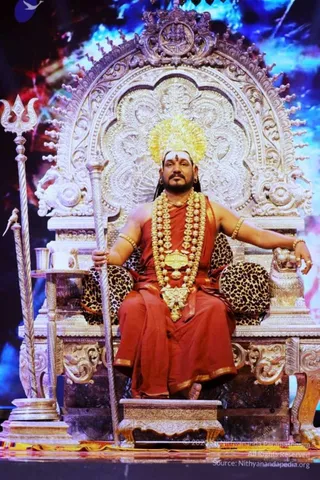 Balasant offering dhoopa (incense) to special Leela Alankar (decoration) deites of Sri Nithyananda Swami's Life - LEELA OF PARASHAKTI DARSHAN
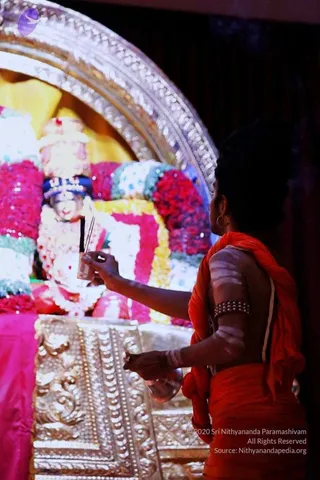 Balasant offering dhoopa (incense) to special Leela Alankar (decoration) deites of Sri Nithyananda Swami's Life - LEELA OF PARASHAKTI DARSHAN
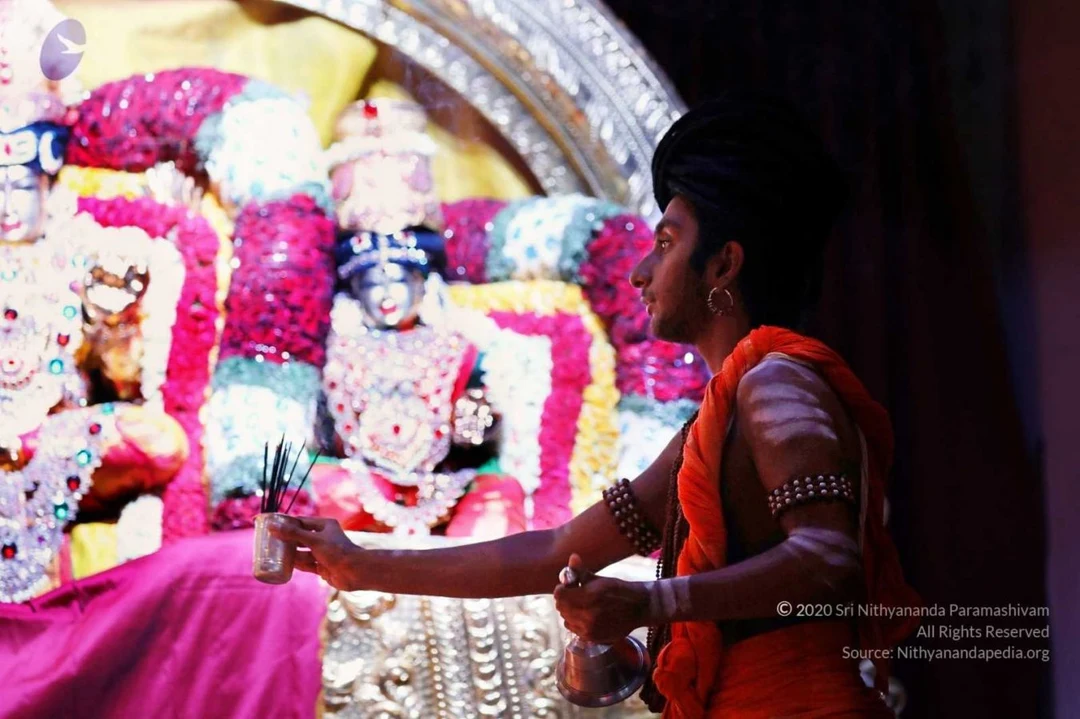 Amazing to be in the breathing space of a living avatar
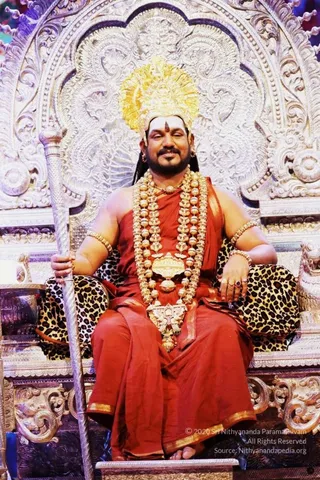 Amazing to be in the breathing space of a living avatar
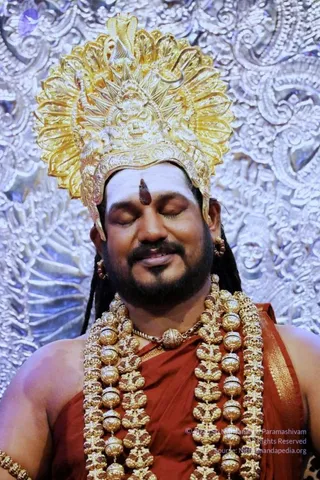 Amazing to be in the breathing space of a living avatar
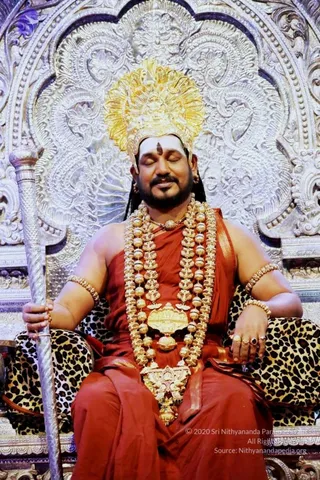 Amazing to be in the breathing space of a living avatar
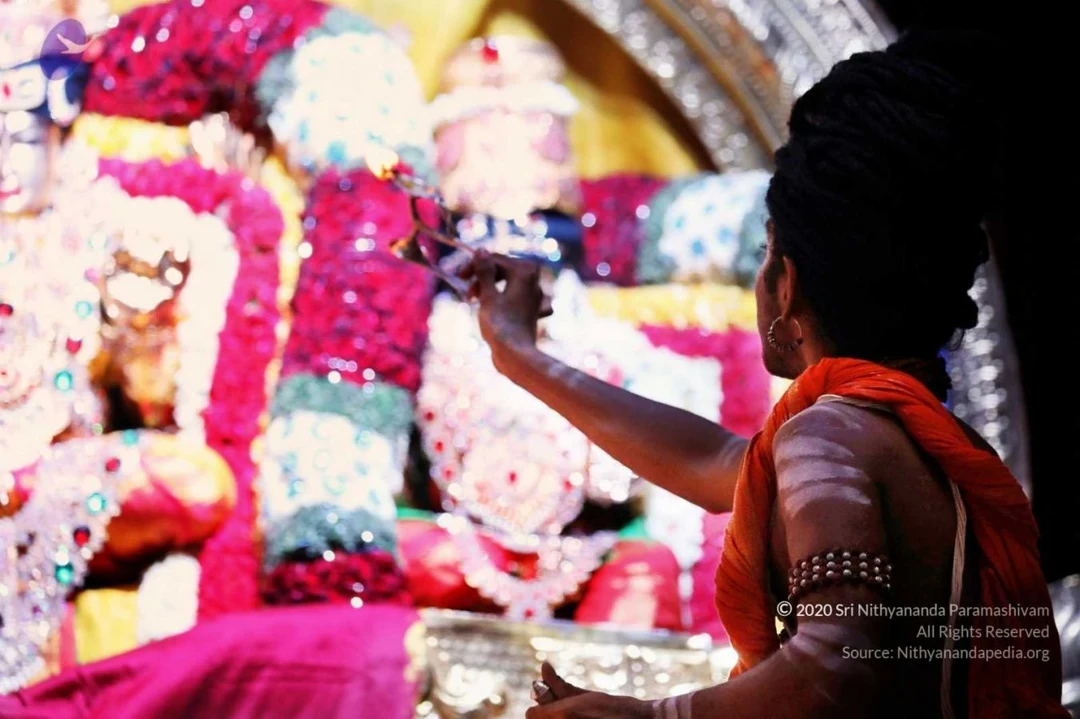 Balasant offering dhoopa (incense) to special Leela Alankar (decoration) deites of Sri Nithyananda Swami's Life - LEELA OF PARASHAKTI DARSHAN
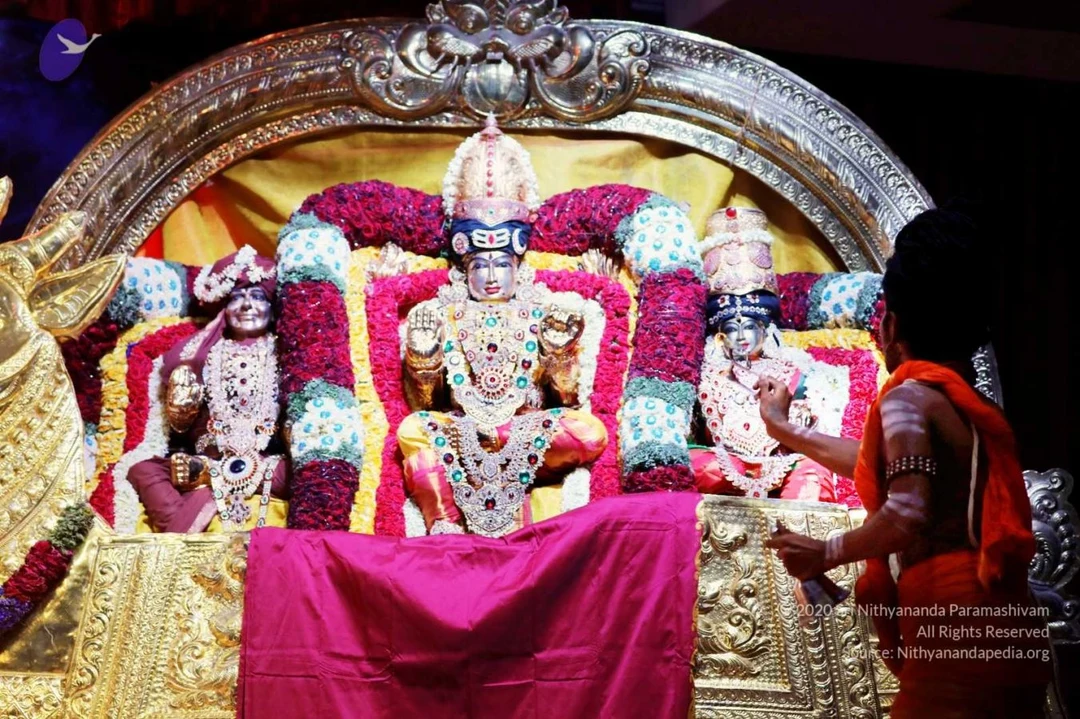 Balasant offering dhoopa (incense) to special Leela Alankar (decoration) deites of Sri Nithyananda Swami's Life - LEELA OF PARASHAKTI DARSHAN
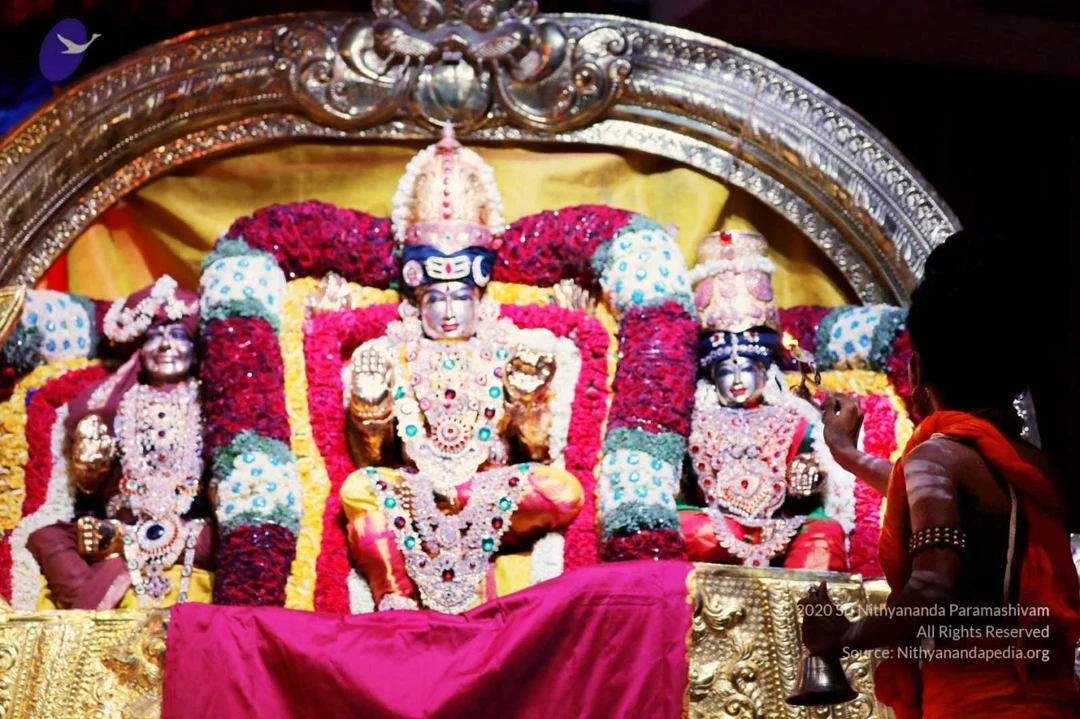 Balasant offering dhoopa (incense) to special Leela Alankar (decoration) deites of Sri Nithyananda Swami's Life - LEELA OF PARASHAKTI DARSHAN
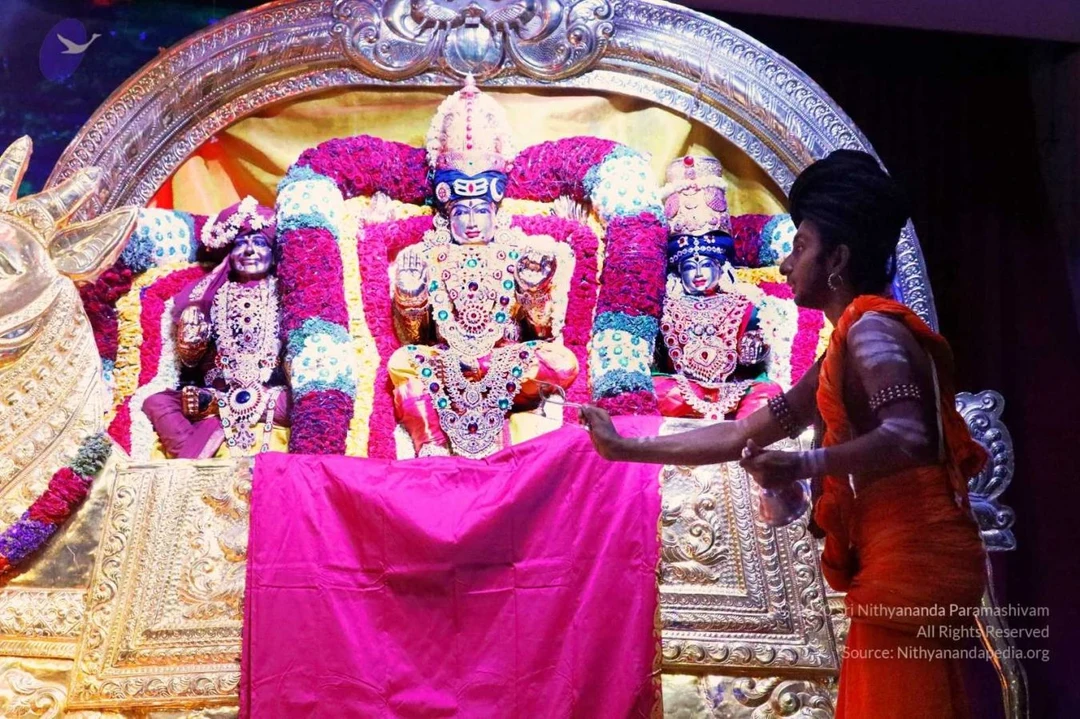 Balasant offering dhoopa (incense) to special Leela Alankar (decoration) deites of Sri Nithyananda Swami's Life - LEELA OF PARASHAKTI DARSHAN
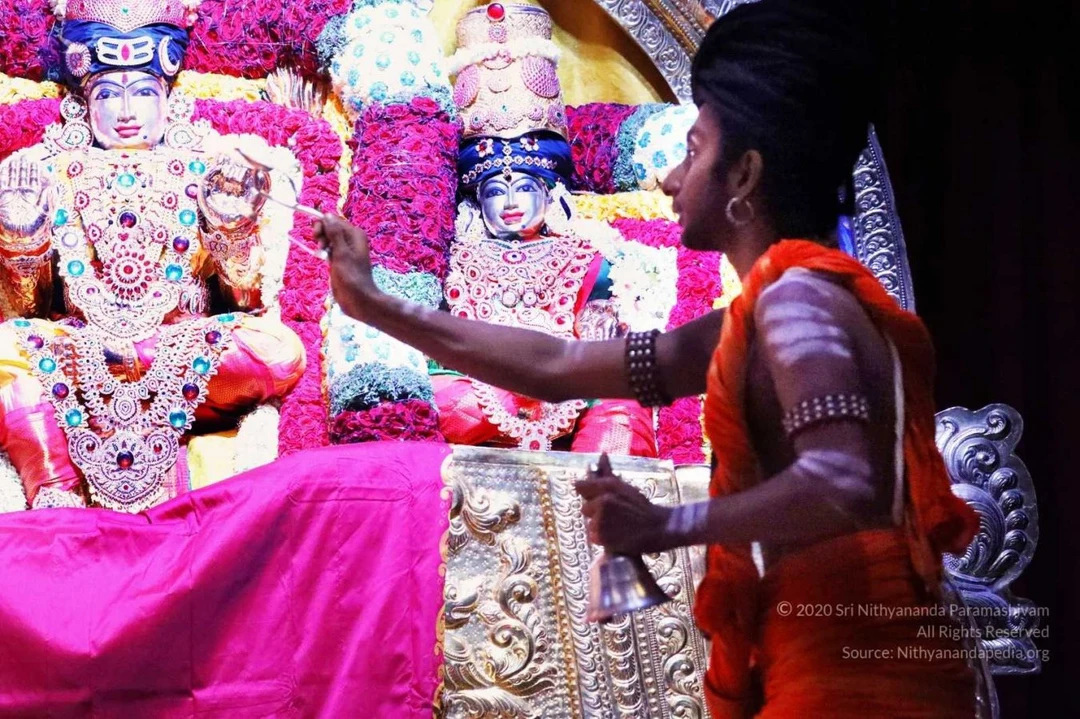 Balasant offering dhoopa (incense) to special Leela Alankar (decoration) deites of Sri Nithyananda Swami's Life - LEELA OF PARASHAKTI DARSHAN
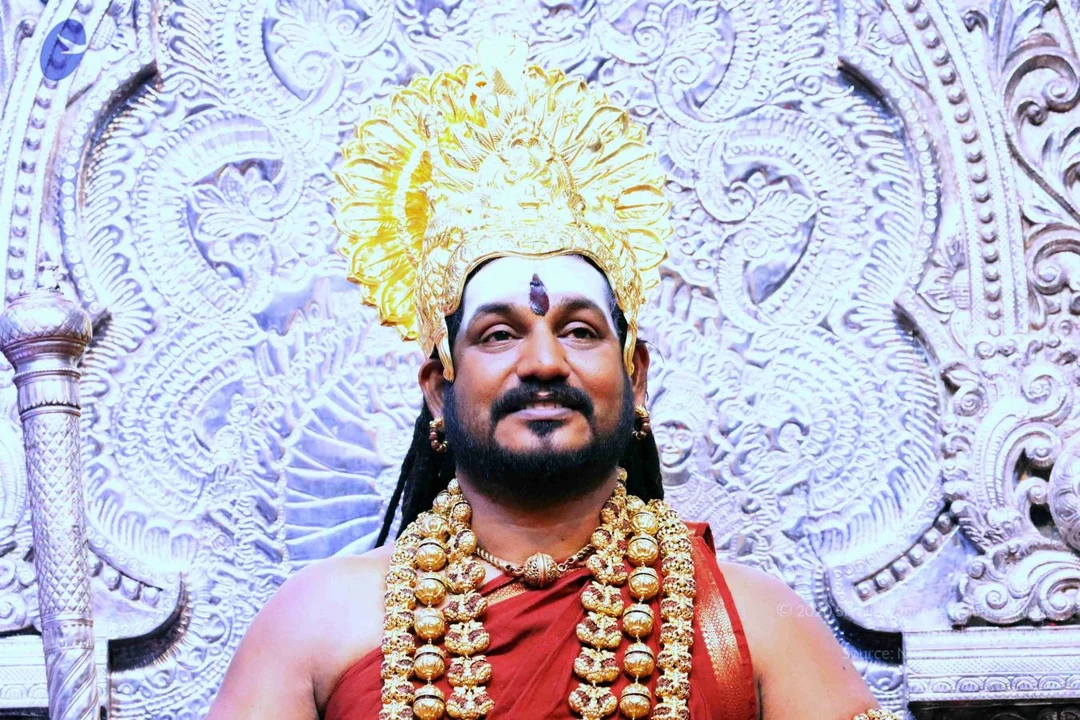 AVATAR presence is LIVING healing energy FIELD
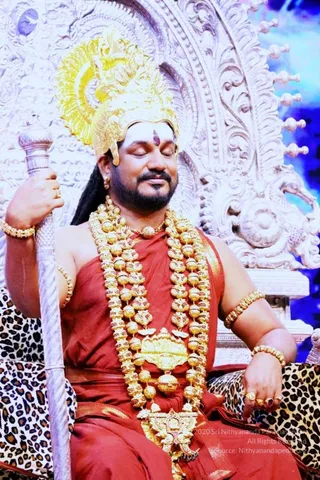 AVATAR presence is LIVING healing energy FIELD
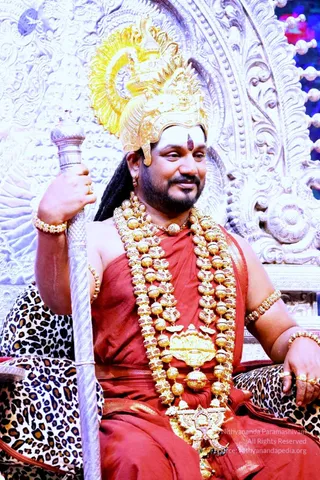 AVATAR presence is LIVING healing energy FIELD
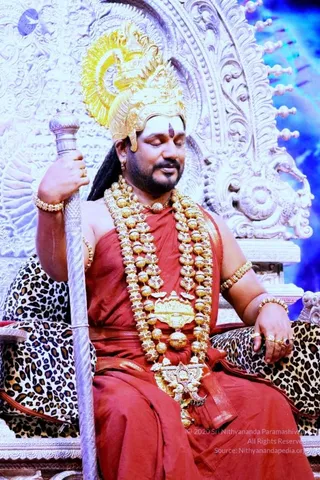 AVATAR presence is LIVING healing energy FIELD
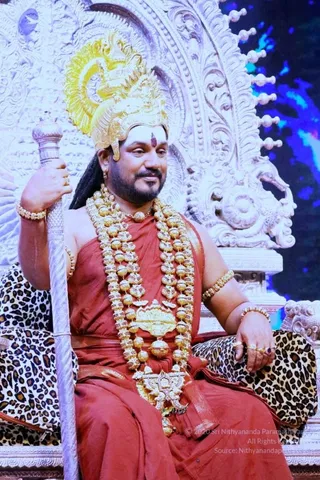 AVATAR presence is LIVING healing energy FIELD
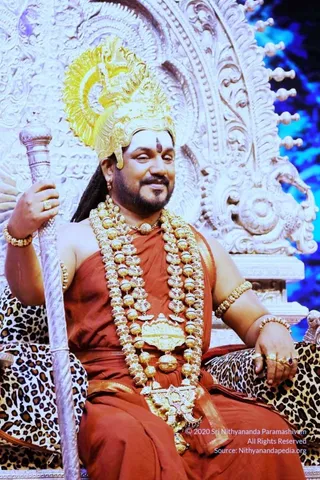 AVATAR presence is LIVING healing energy FIELD
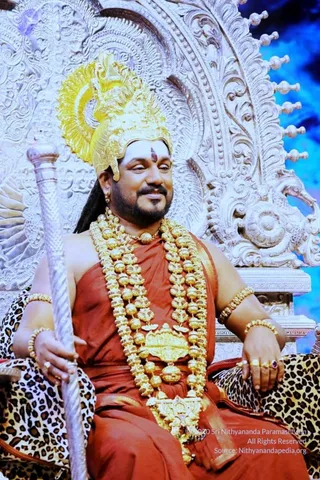 AVATAR presence is LIVING healing energy FIELD
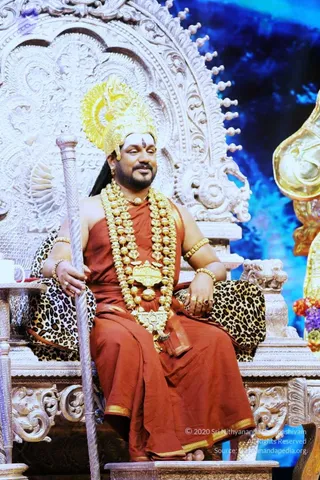 AVATAR presence is LIVING healing energy FIELD
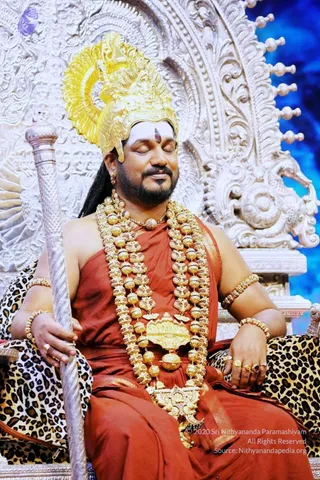 AVATAR presence is LIVING healing energy FIELD
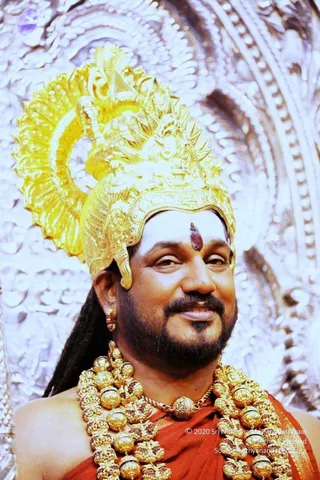 AVATAR presence is LIVING healing energy FIELD
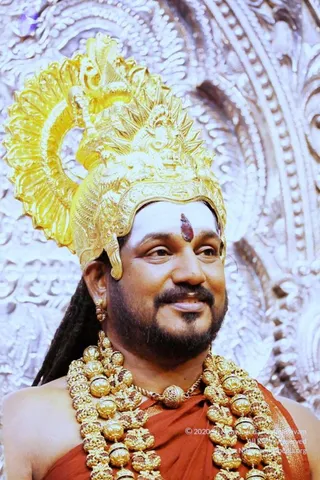 AVATAR presence is LIVING healing energy FIELD
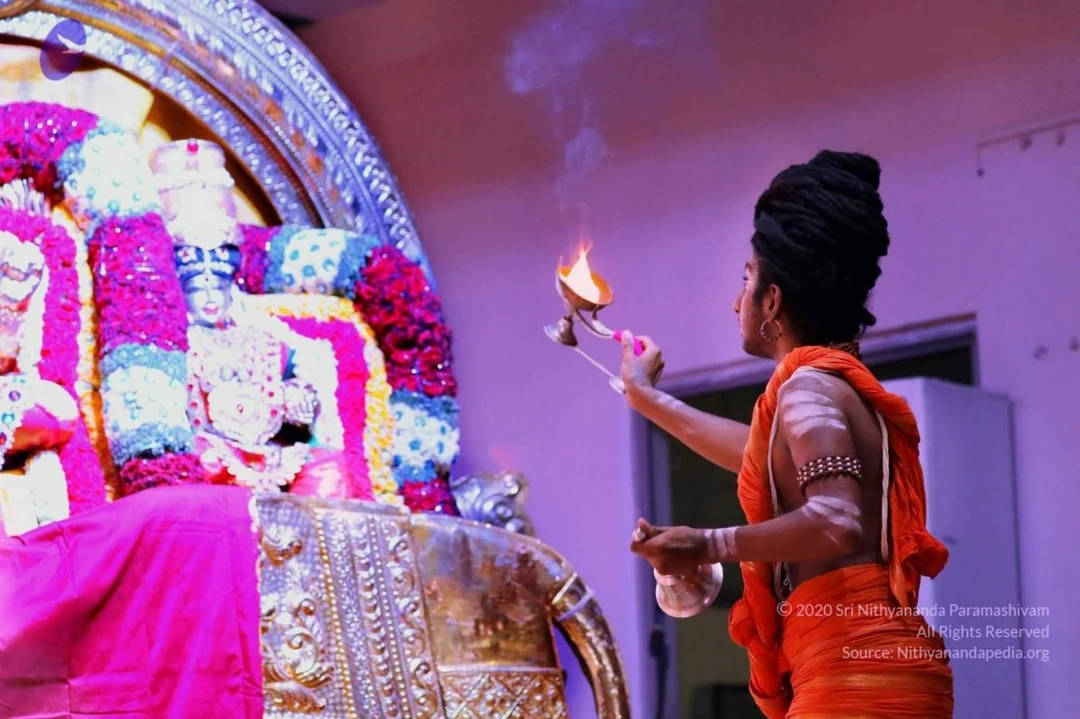 Balasant offering dhoopa (incense) to special Leela Alankar (decoration) deites of Sri Nithyananda Swami's Life - LEELA OF PARASHAKTI DARSHAN
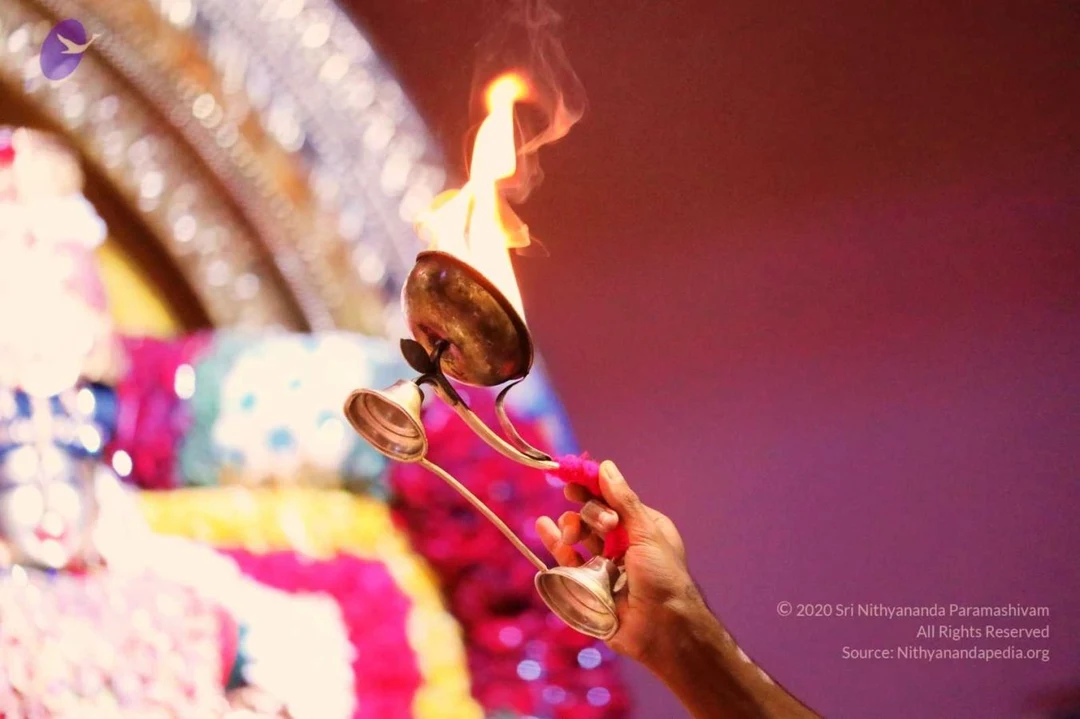 Balasant offering dhoopa (incense) to special Leela Alankar (decoration) deites of Sri Nithyananda Swami's Life - LEELA OF PARASHAKTI DARSHAN
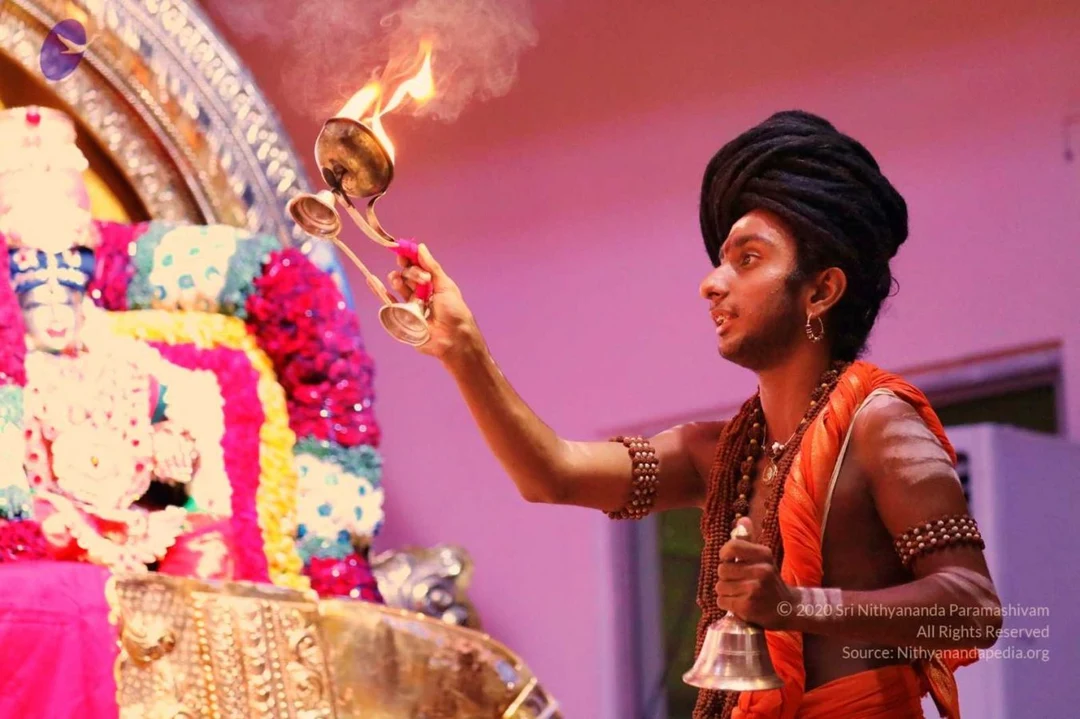 Balasant offering dhoopa (incense) to special Leela Alankar (decoration) deites of Sri Nithyananda Swami's Life - LEELA OF PARASHAKTI DARSHAN
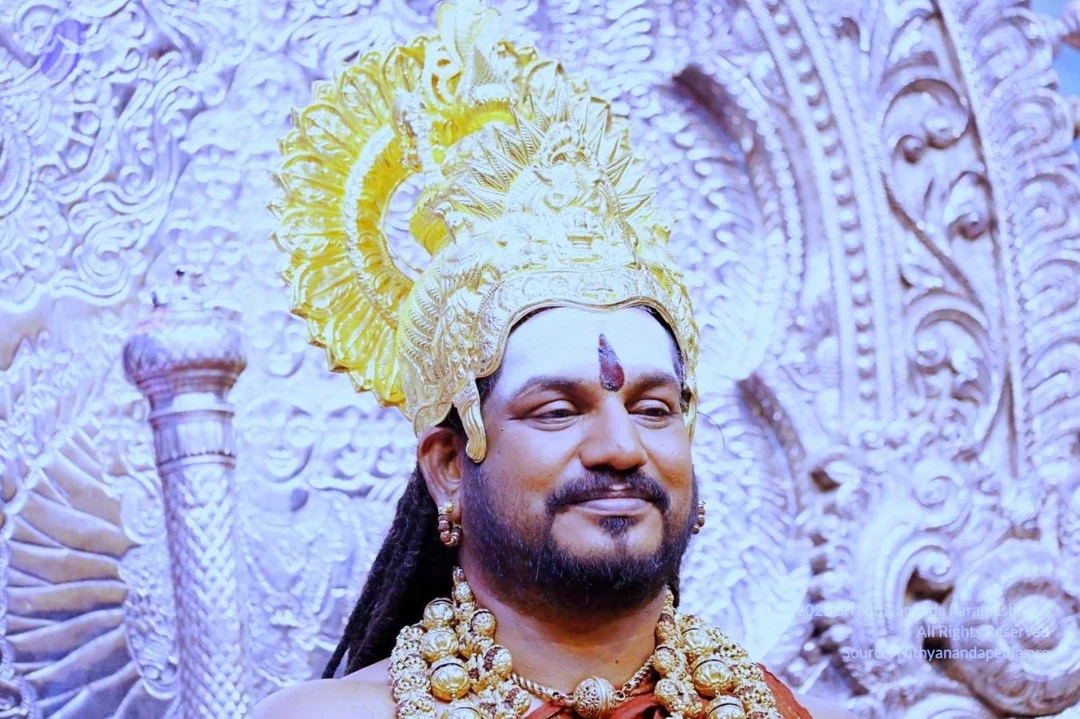 YOU ARE HERE TO CELEBRATE COSMOS - HDH Nithyananda Paramashivam
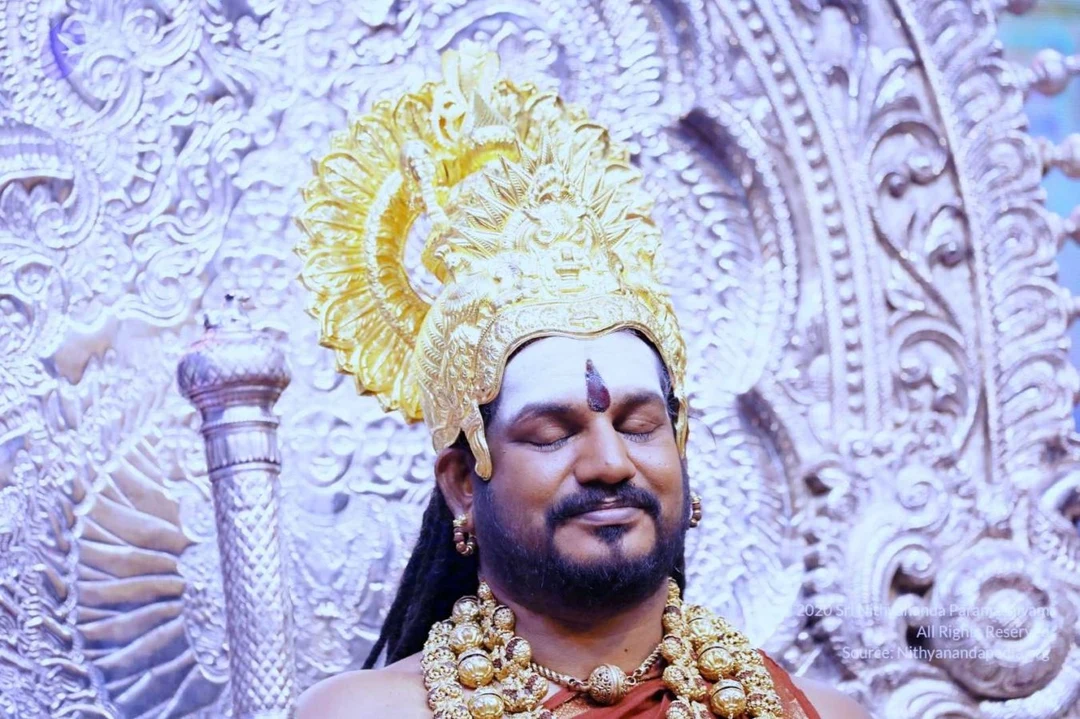 YOU ARE HERE TO CELEBRATE COSMOS - HDH Nithyananda Paramashivam
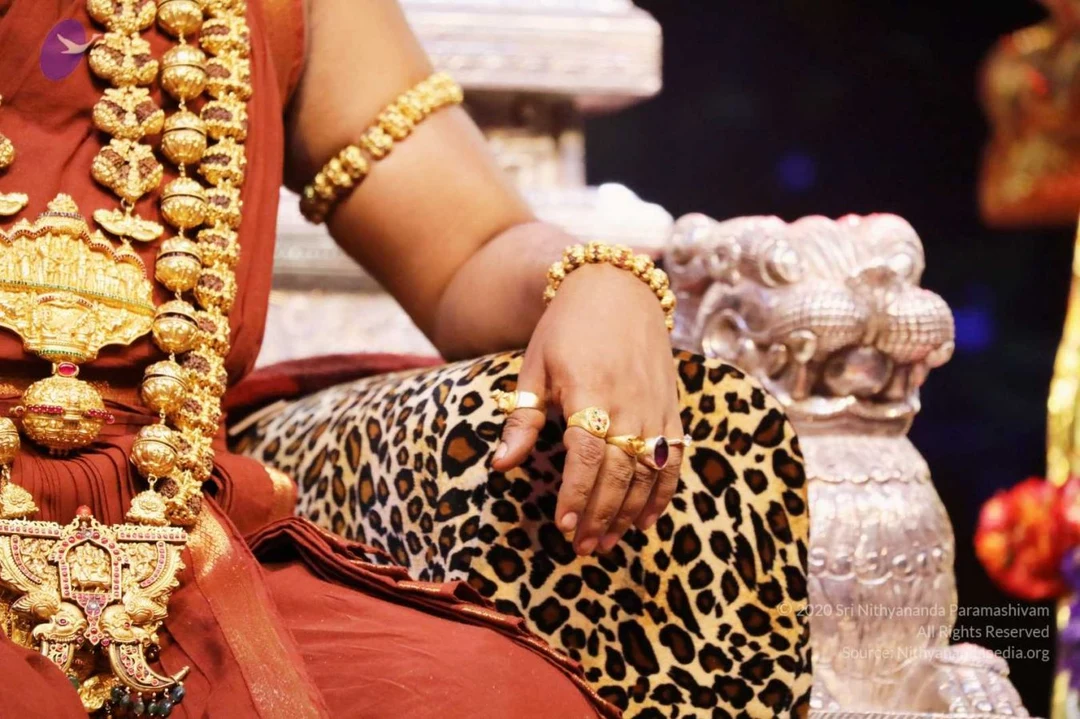 Beautifully adorned HDH Nithyananda Paramashivam with jewelry during ENERGY DARSHAN INITIATION
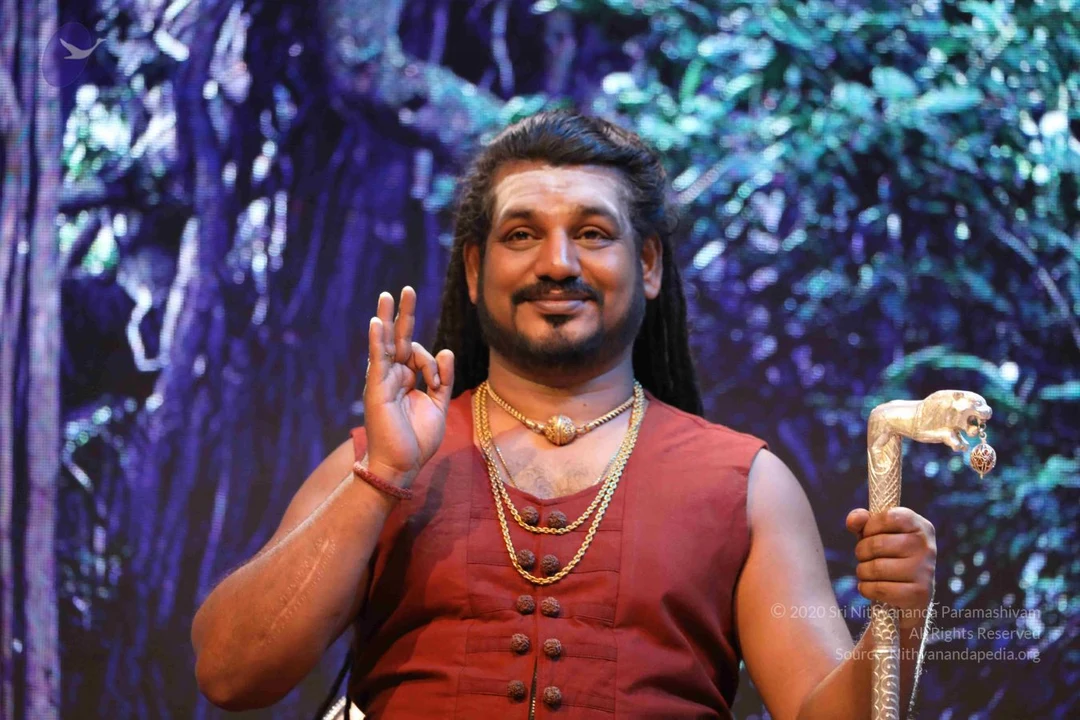
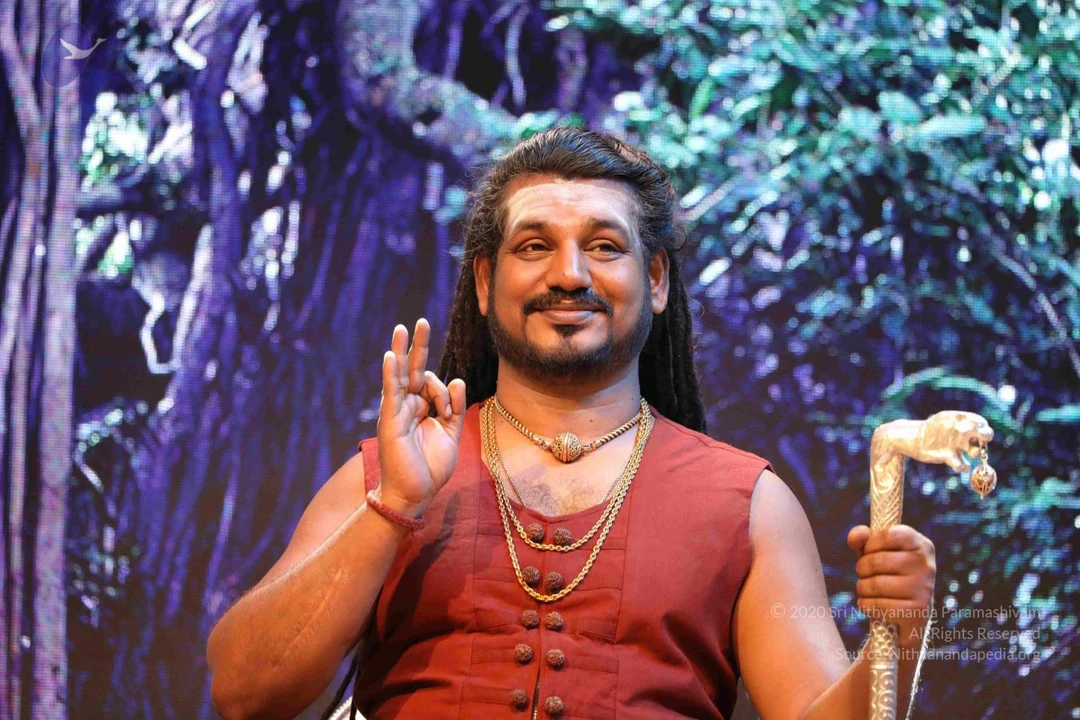
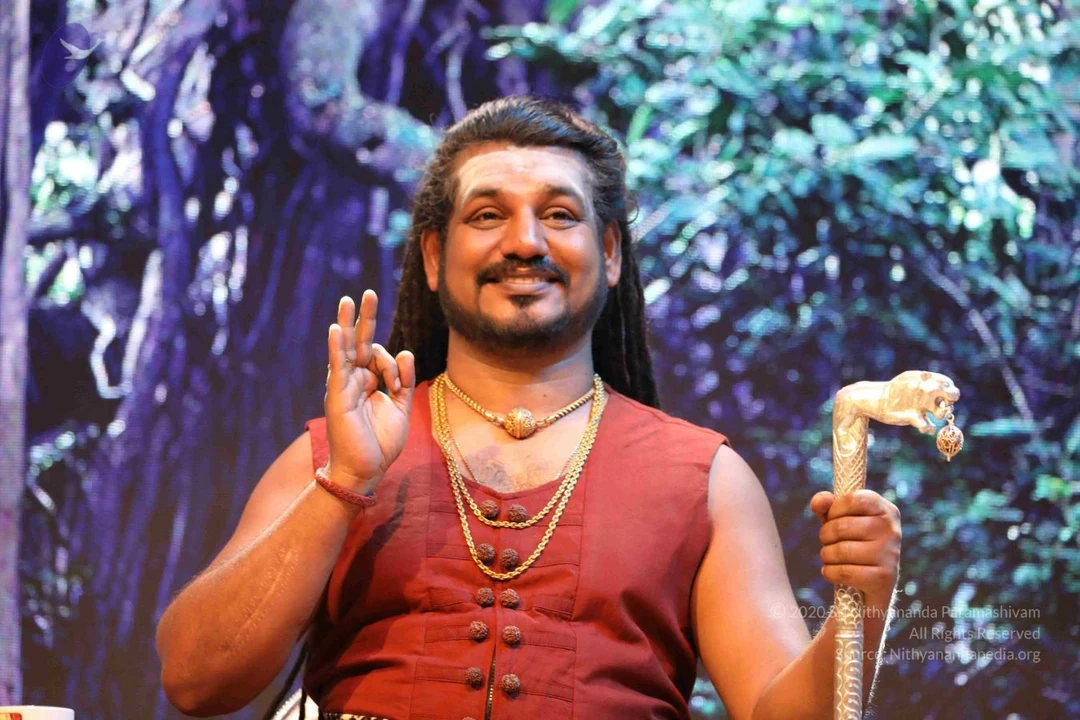
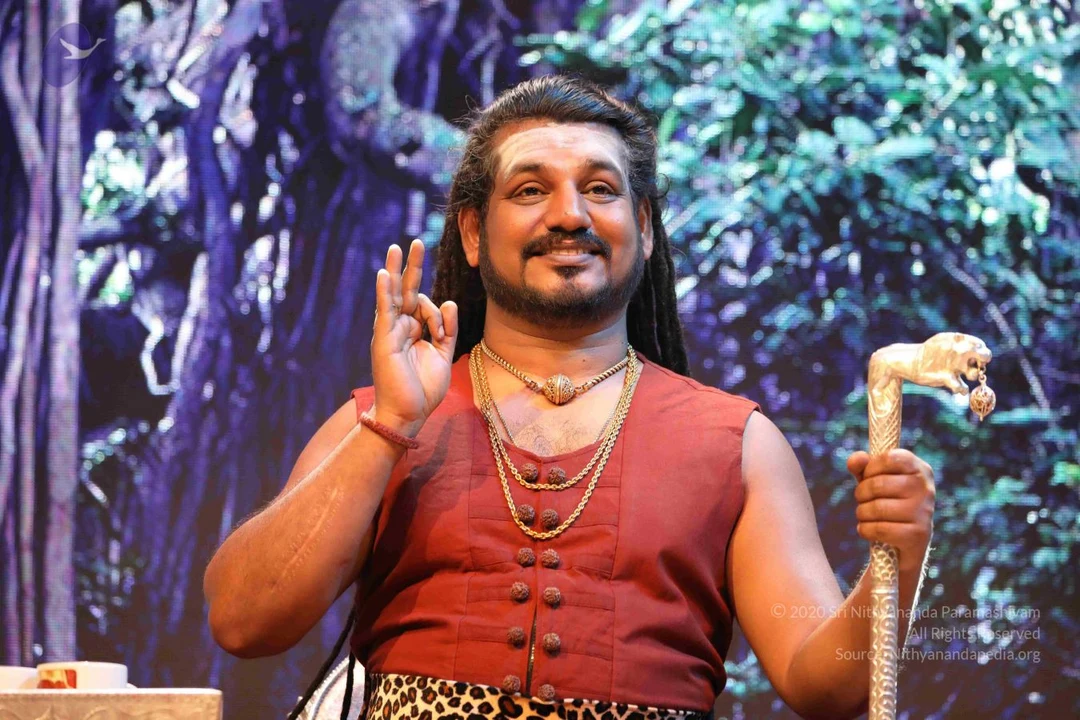
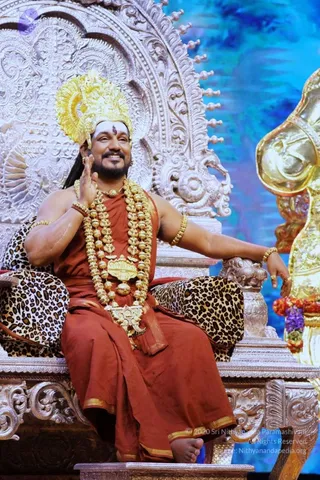 HDH Nithyananda Paramashivam ABHAYA HASTA (blessing)
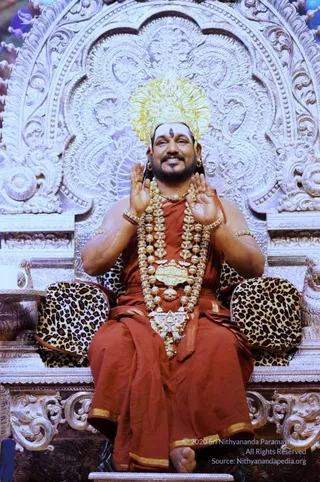 HDH Nithyananda Paramashivam ABHAYA HASTA (blessing)
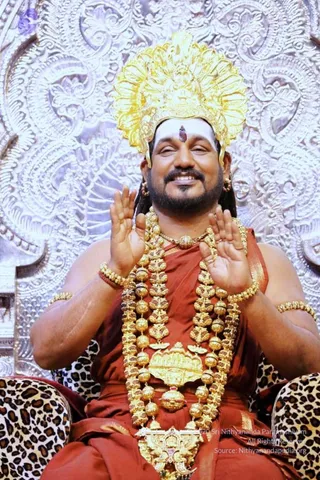 HDH Nithyananda Paramashivam ABHAYA HASTA (blessing)
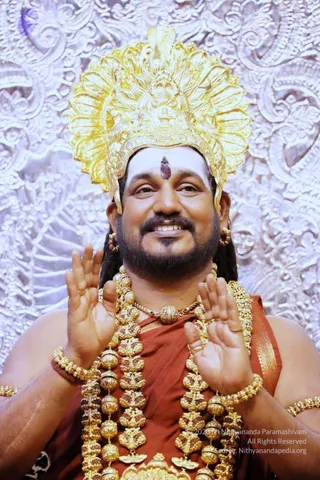 HDH Nithyananda Paramashivam ABHAYA HASTA (blessing)
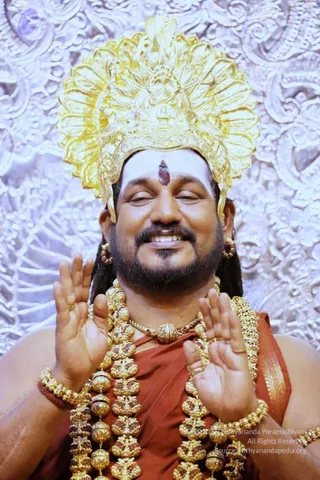 Beautifully adorned HDH Nithyananda Paramashivam with jewelry during ENERGY DARSHAN INITIATION
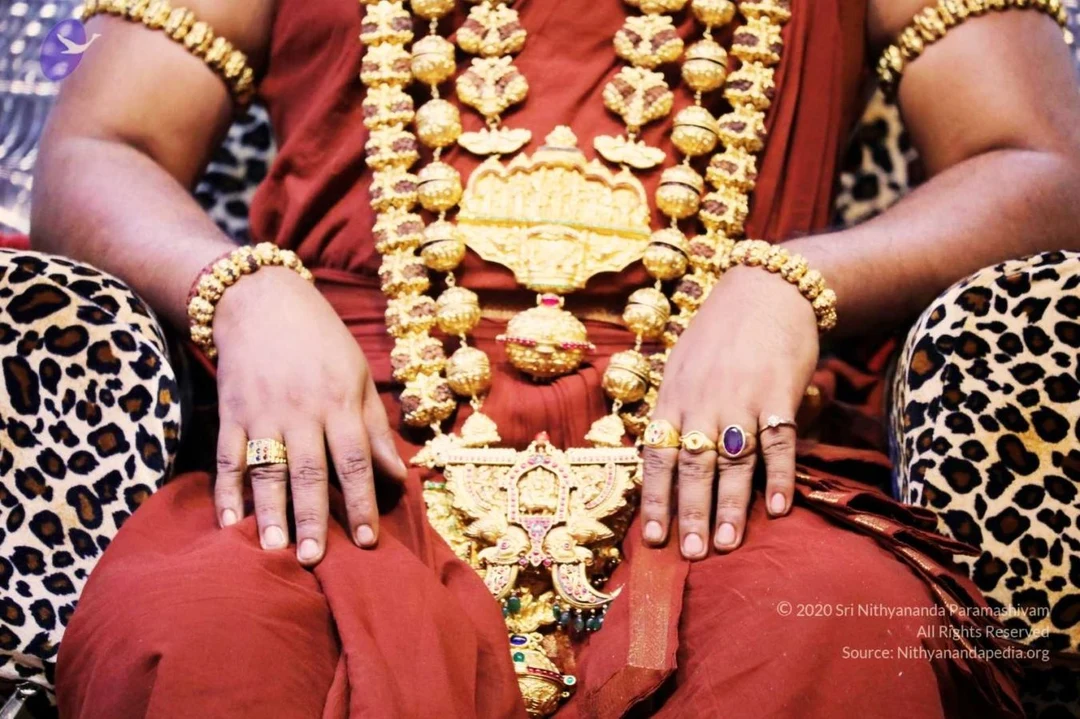 HDH Nithyananda Paramashivam ABHAYA HASTA (blessing)
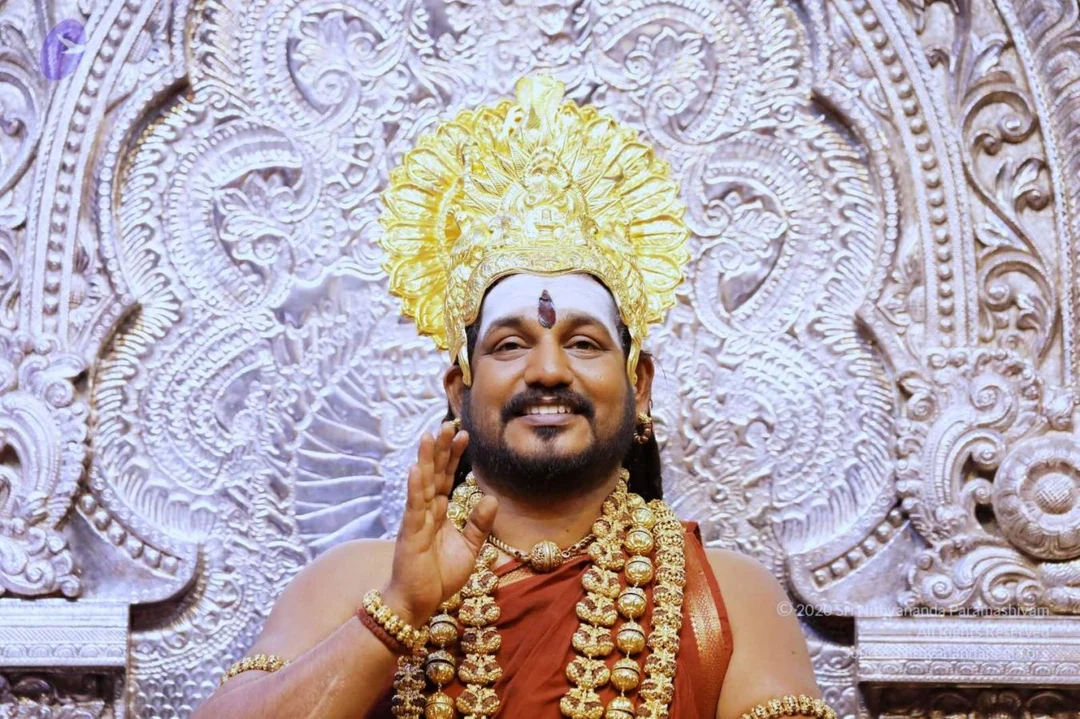 YOU ARE HERE TO CELEBRATE COSMOS - HDH Nithyanand a Paramashivam
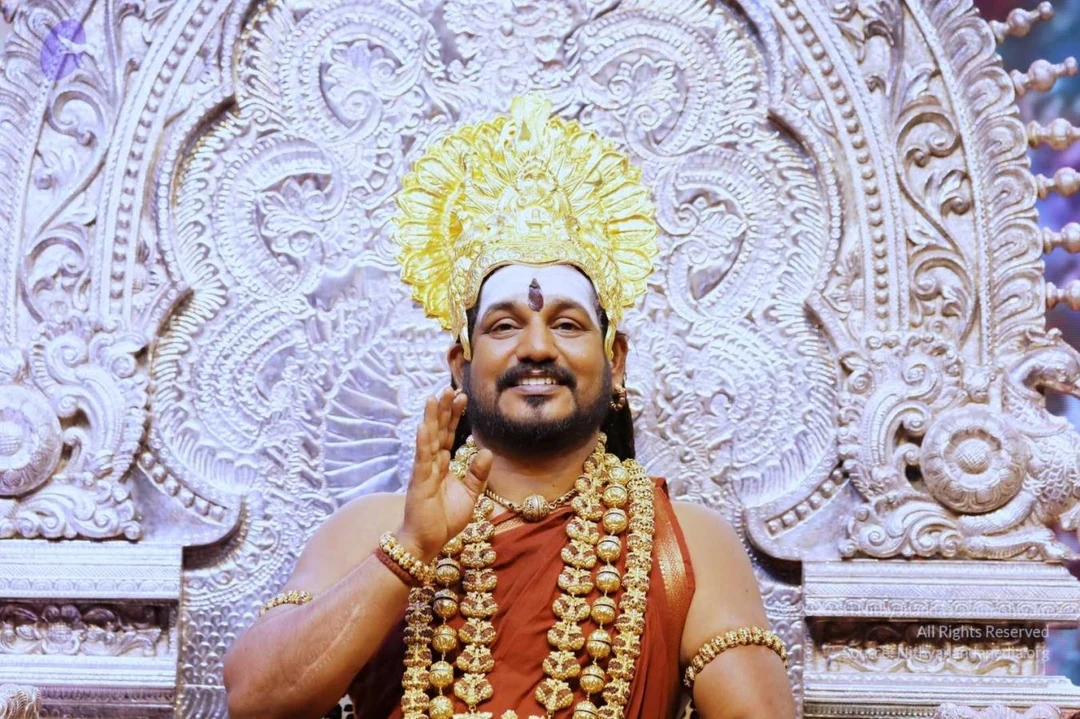 HDH Nithyananda Paramashivam ABHAYA HASTA (blessing)
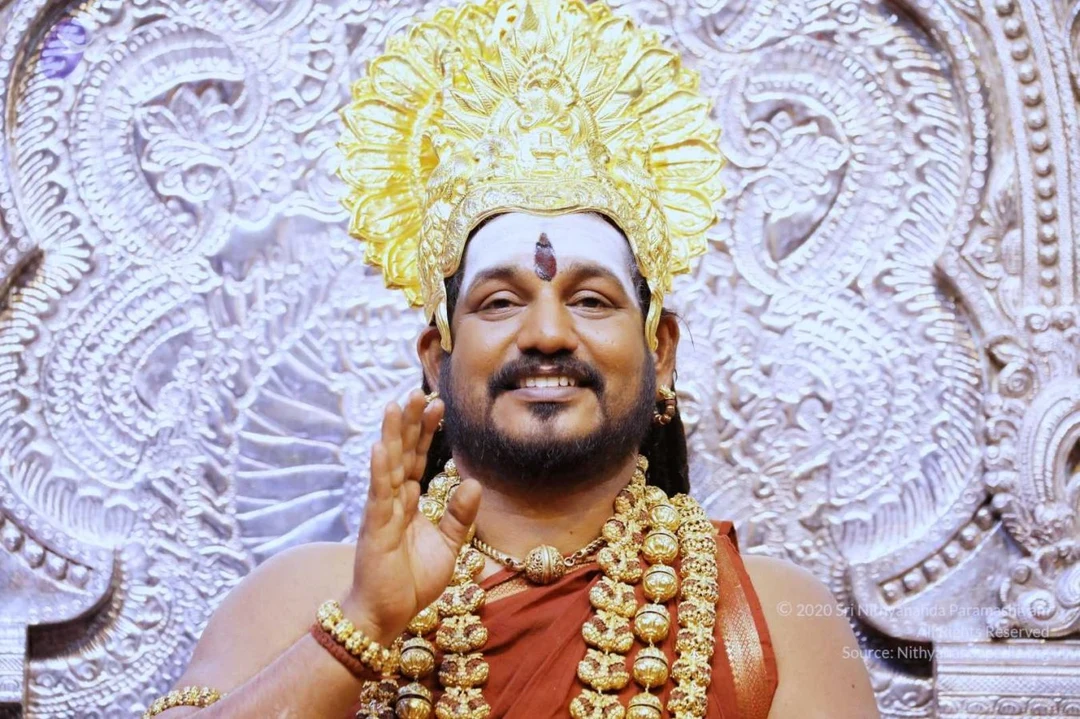 HDH Nithyananda Paramashivam ABHAYA HASTA (blessing)
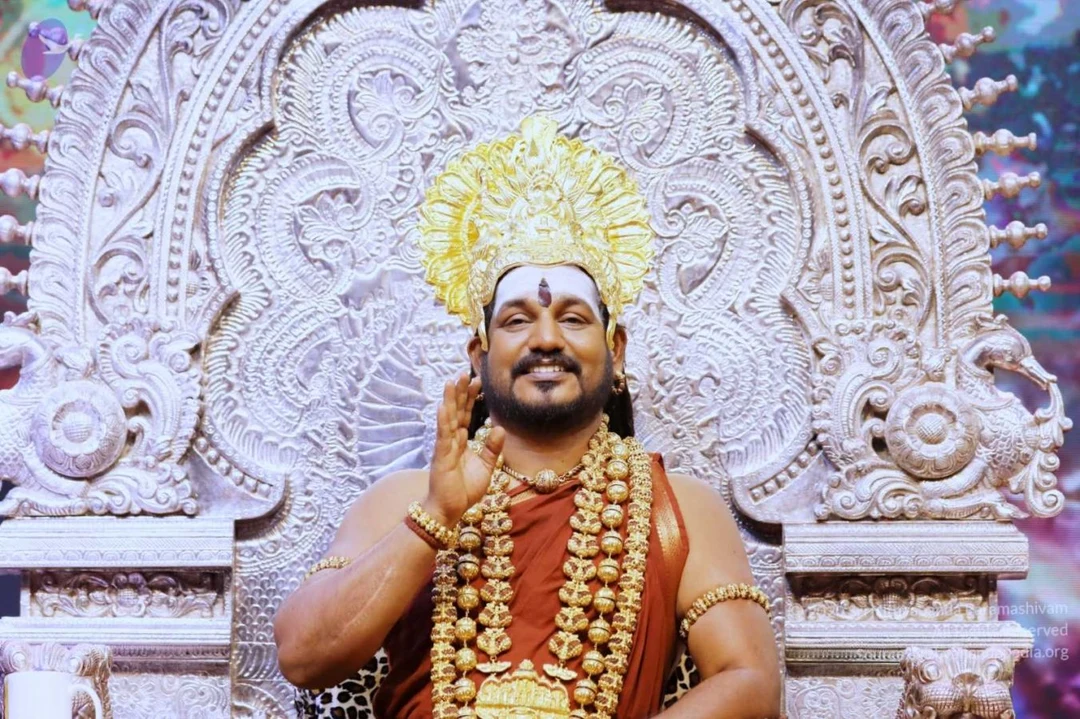 HDH Nithyananda Paramashivam ABHAYA HASTA (blessing)
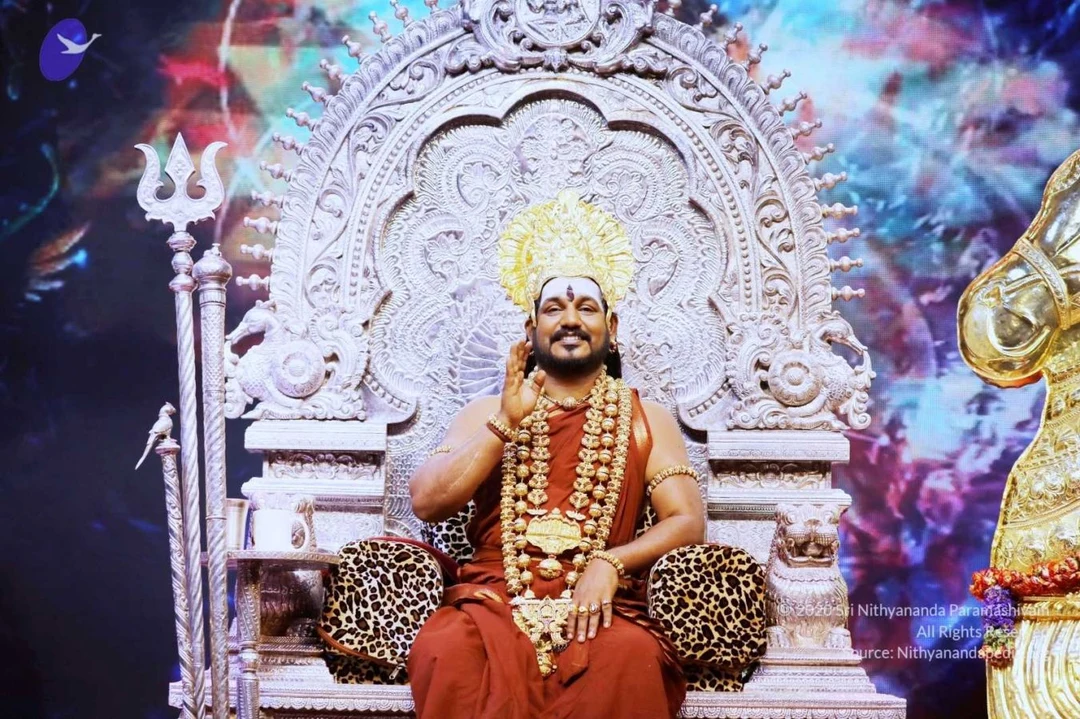 Nithyananda Purnima Brahmotsavam celebration - special alankars of HDH Nithyananda Paramashivam, Sundareshwara, and Meenakshi Devi
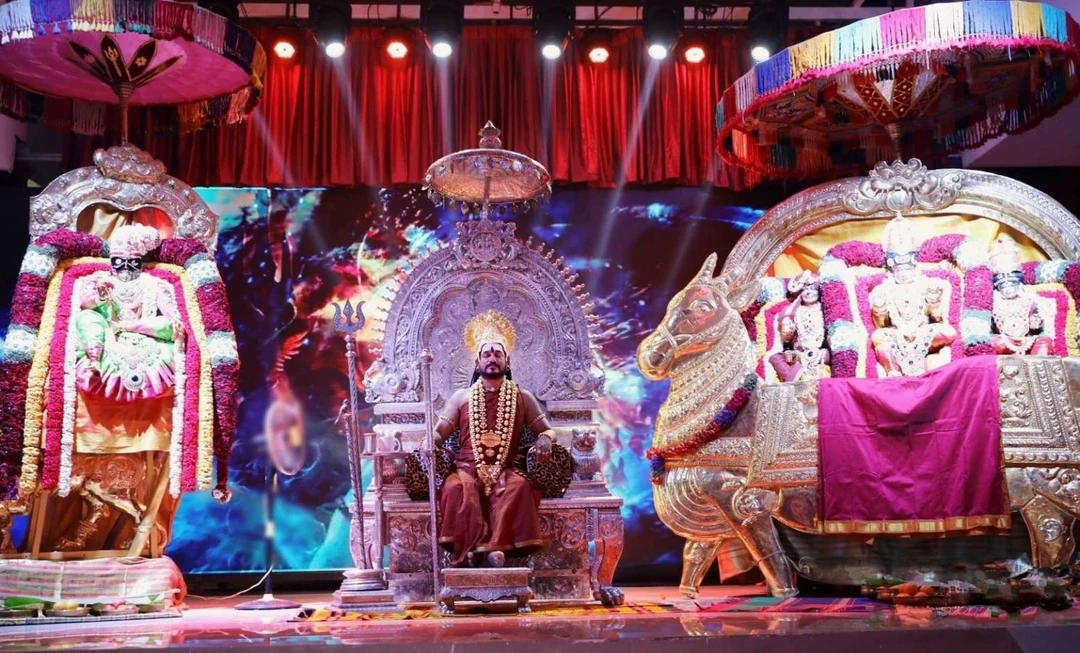 Nithyananda Purnima Brahmotsavam celebration - special alankars of HDH Nithyananda Paramashivam, Sundareshwara, and Meenakshi Devi
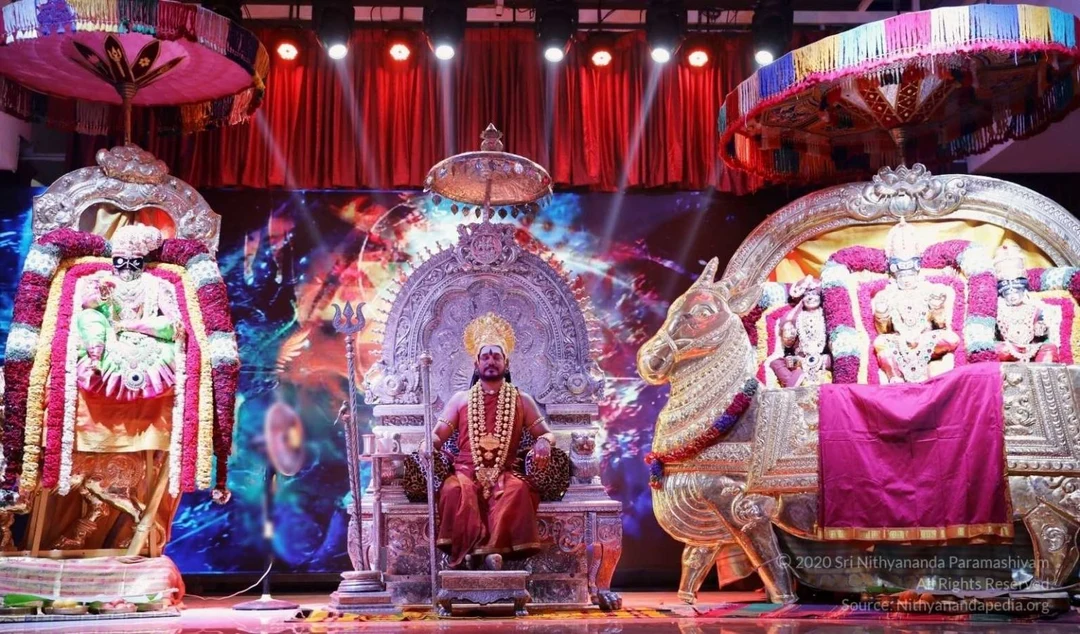 Nithyananda Purnima Brahmotsavam celebration - special alankars of HDH Nithyananda Paramashivam, Sundareshwara, and Meenakshi Devi
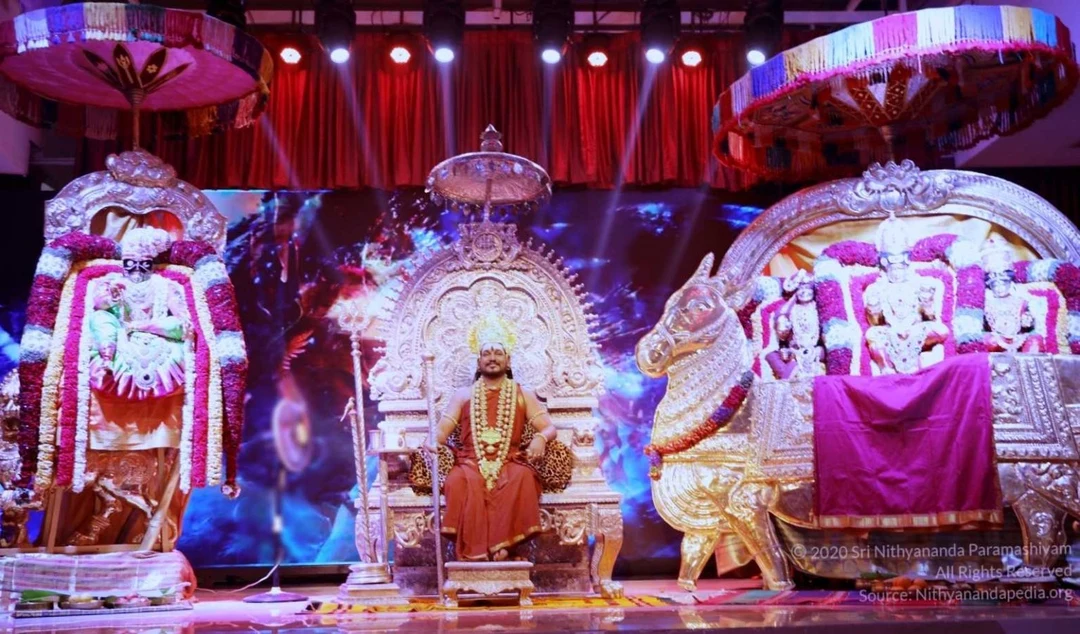 Nithyananda Purnima Brahmotsavam celebration - special alankars of HDH Nithyananda Paramashivam, Sundareshwara, and Meenakshi Devi
 YOU ARE HERE TO CELEBRATE COSMOS - HDH Nithyananda Paramashivam
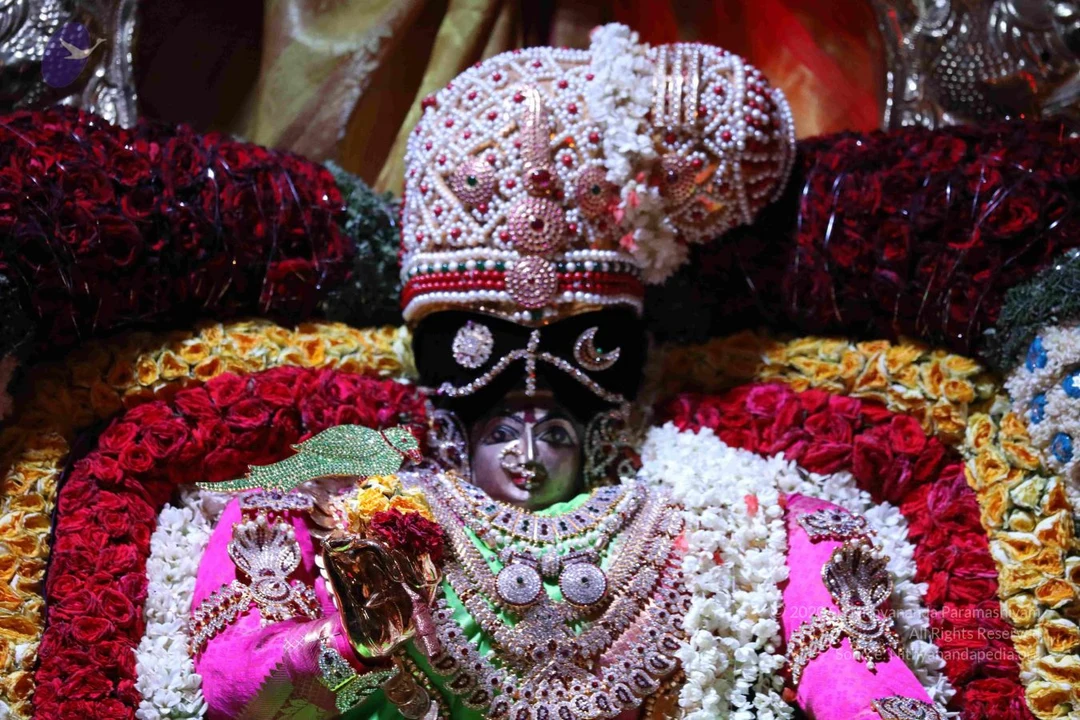
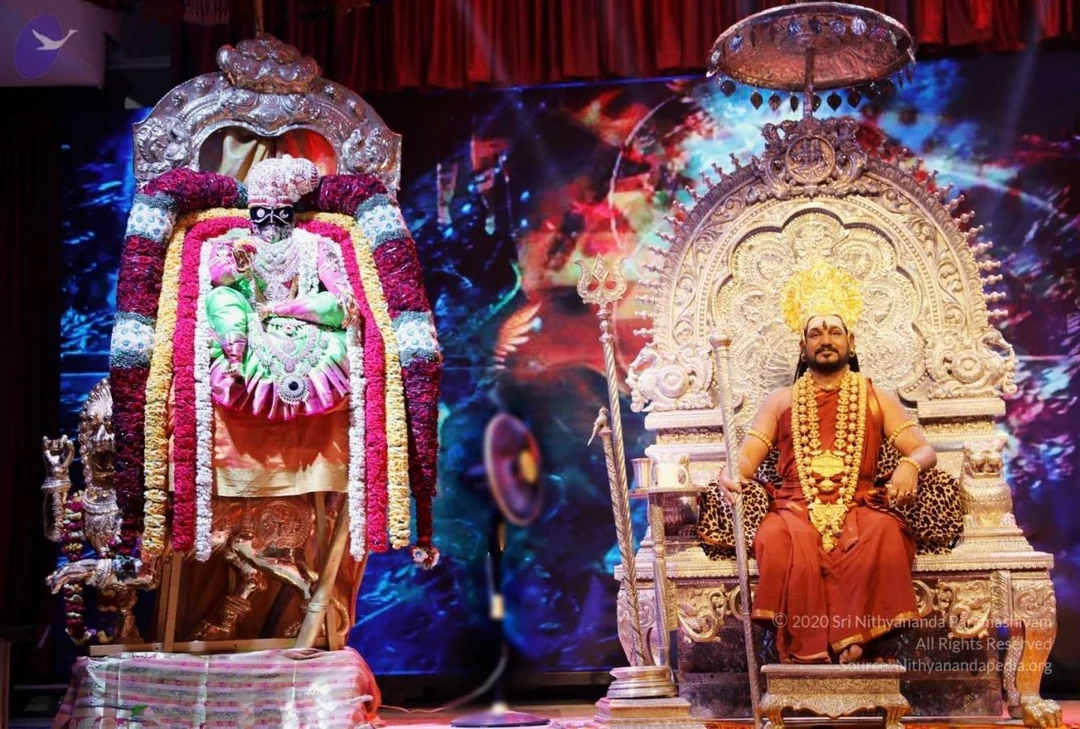 YOU ARE HERE TO CELEBRATE COSMOS - Meenakshi Devi in the form HDH Nithyananda Paramashivam
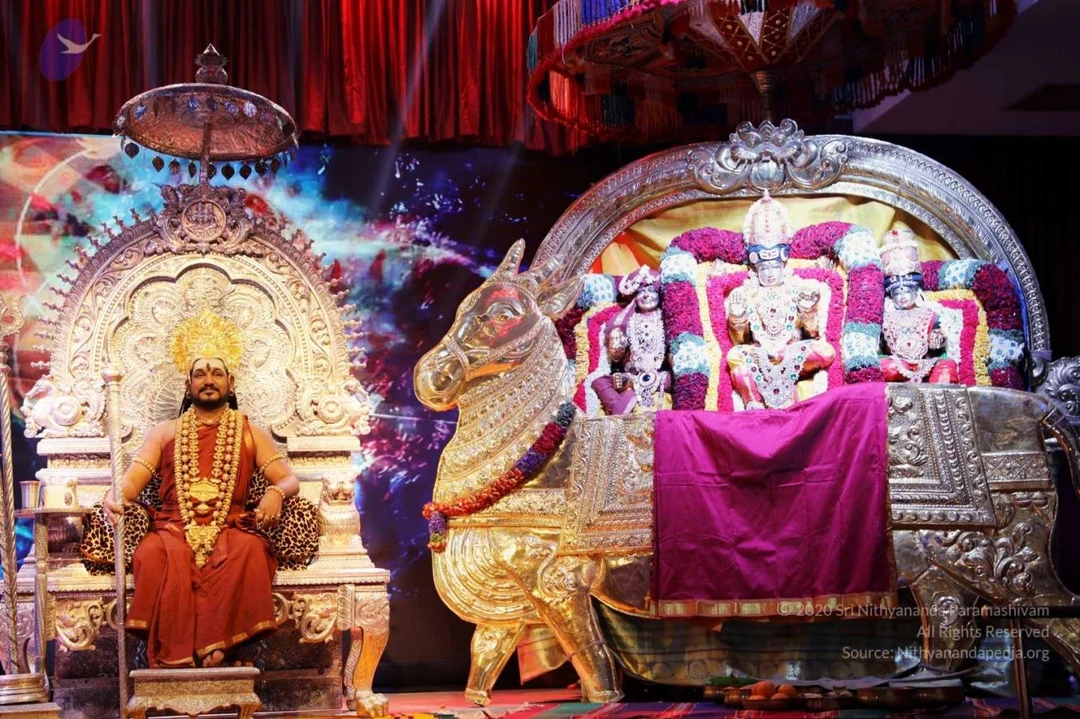 YOU ARE HERE TO CELEBRATE COSMOS - Sadashiva in the form HDH Nithyananda Paramashivam
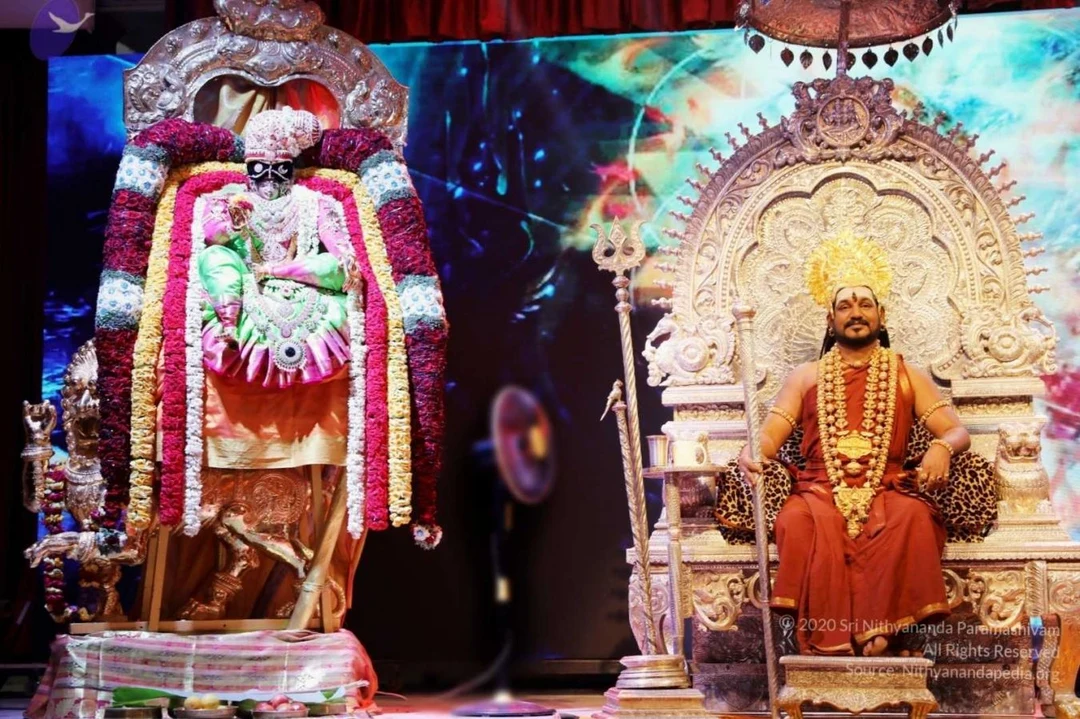 YOU ARE HERE TO CELEBRATE COSMOS - Meenakshi Devi in the form HDH Nithyananda Paramashivam
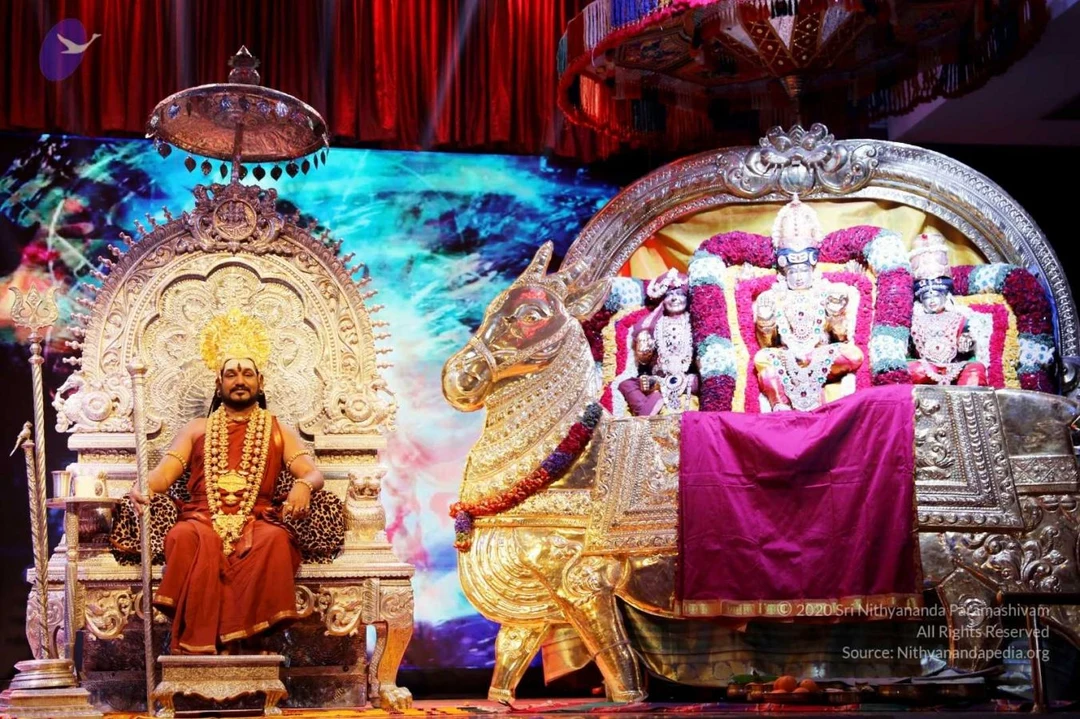 YOU ARE HERE TO CELEBRATE COSMOS - HDH Nithyananda Paramashivam, Sundareshwara, and Meenakshi Devi
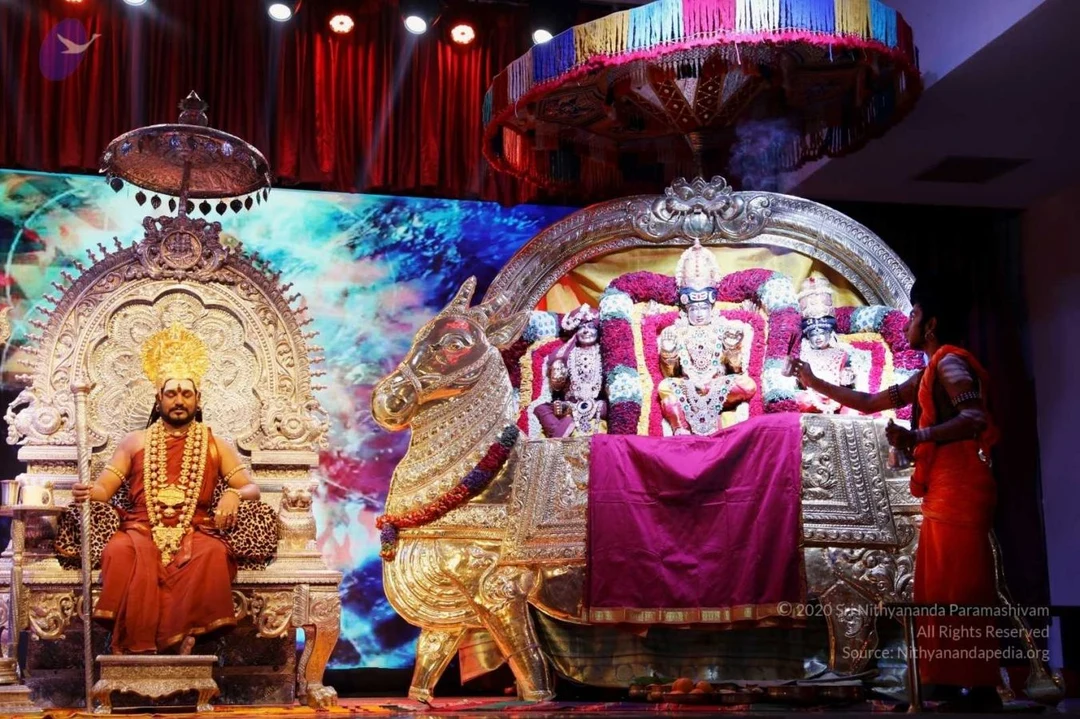 YOU ARE HERE TO CELEBRATE COSMOS - HDH Nithyananda Paramashivam, Sundareshwara, and Meenakshi Devi
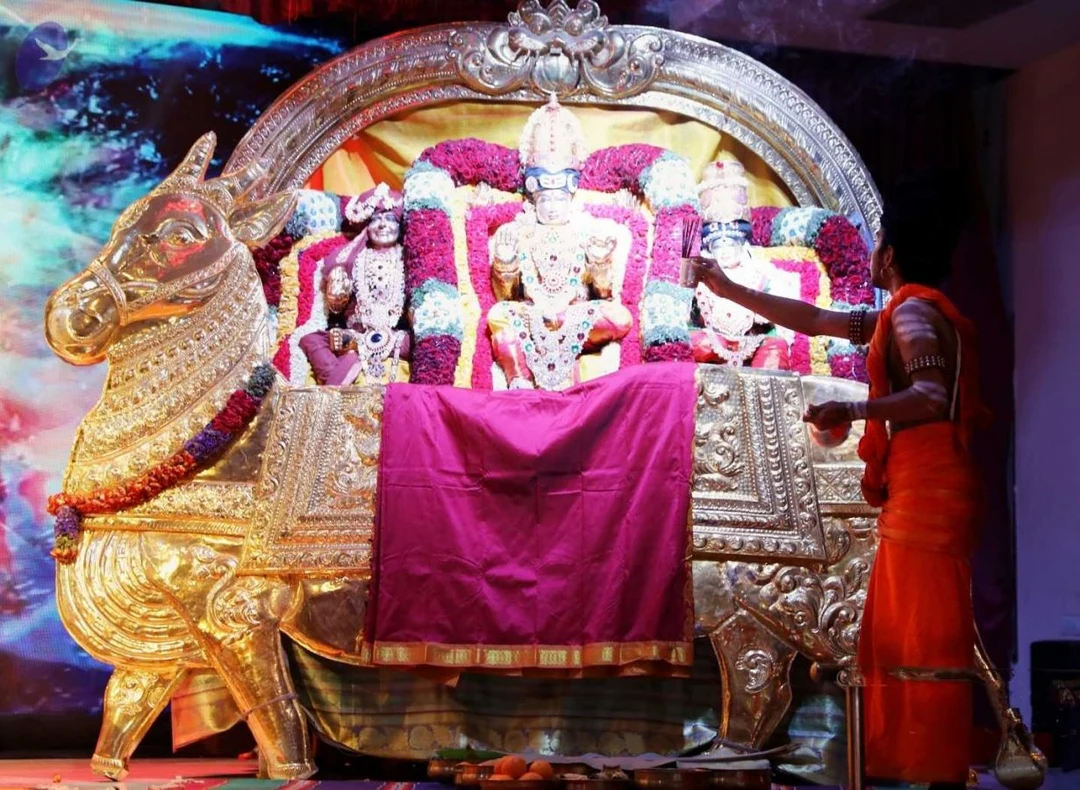 Balasant offering dhoopa (incense) to special Leela Alankar (decoration) deites of Sri Nithyananda Swami's Life - LEELA OF PARASHAKTI DARSHAN
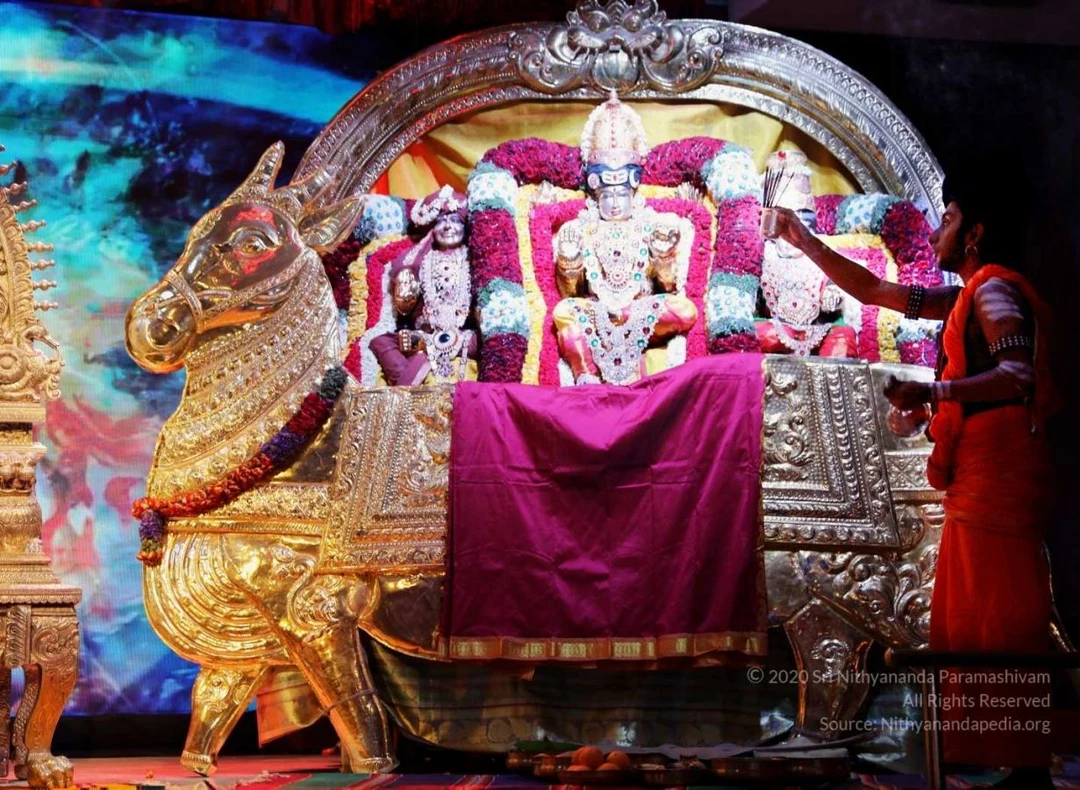 Balasant offering dhoopa (incense) to special Leela Alankar (decoration) deites of Sri Nithyananda Swami's Life - LEELA OF PARASHAKTI DARSHAN
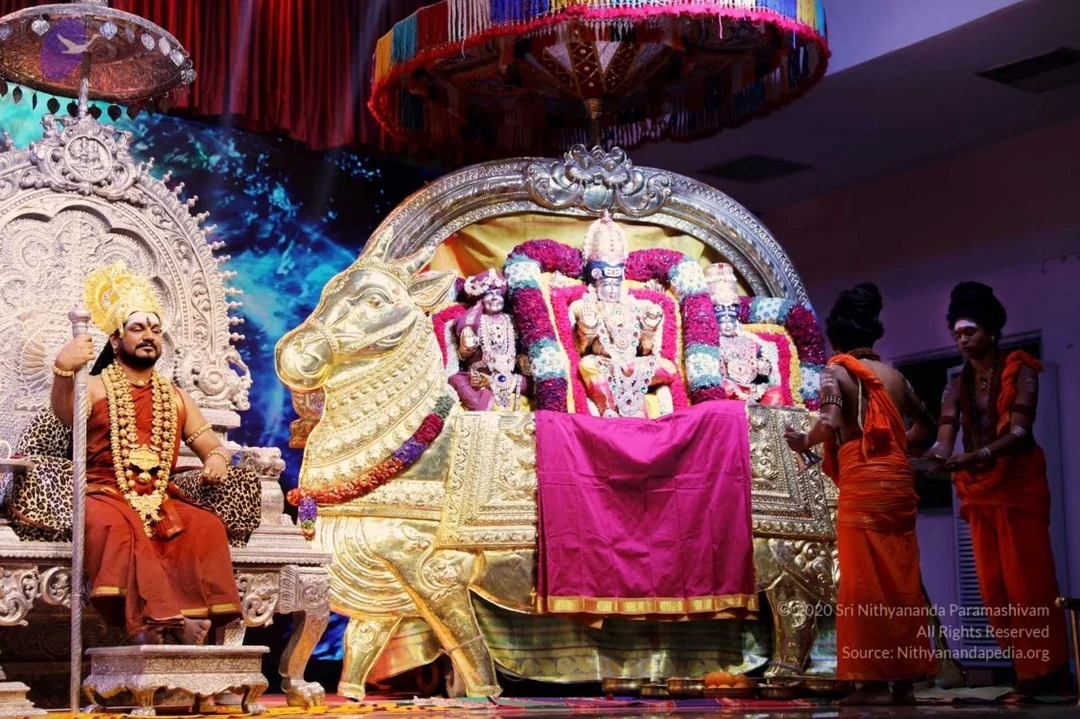 Balasant offering dhoopa (incense) to special Leela Alankar (decoration) deites of Sri Nithyananda Swami's Life - LEELA OF PARASHAKTI DARSHAN
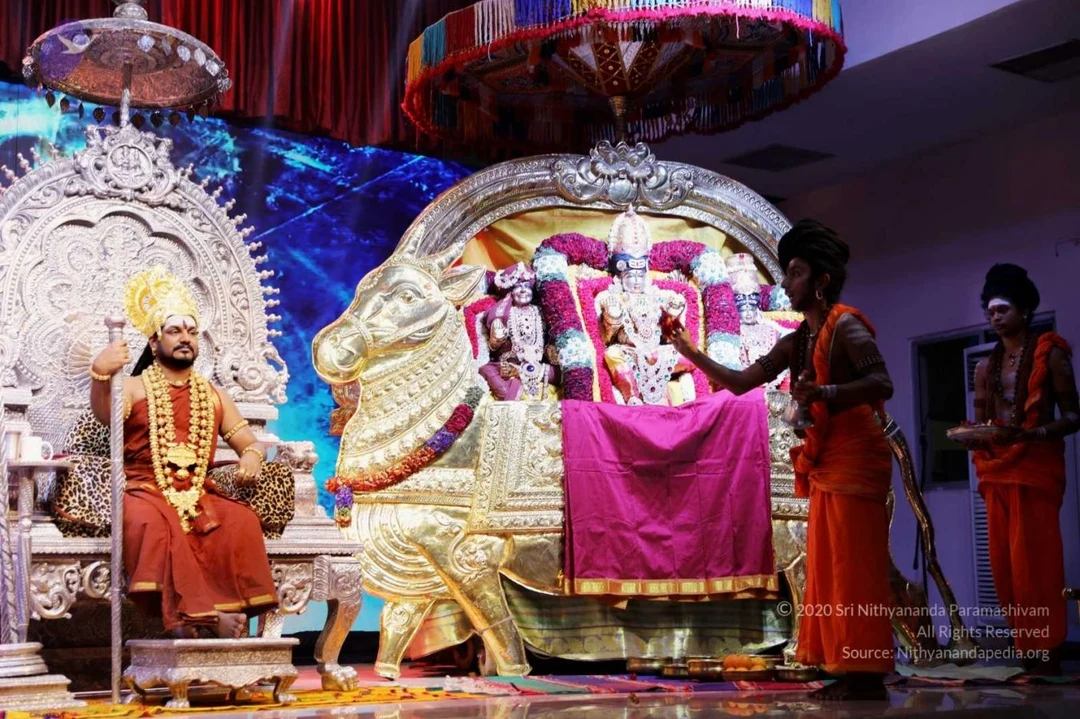 Balasant offering PUSHPANJALI (flowers) to special Leela Alankar (decoration) deites of Sri Nithyananda Swami's Life - LEELA OF PARASHAKTI DARSHAN deities
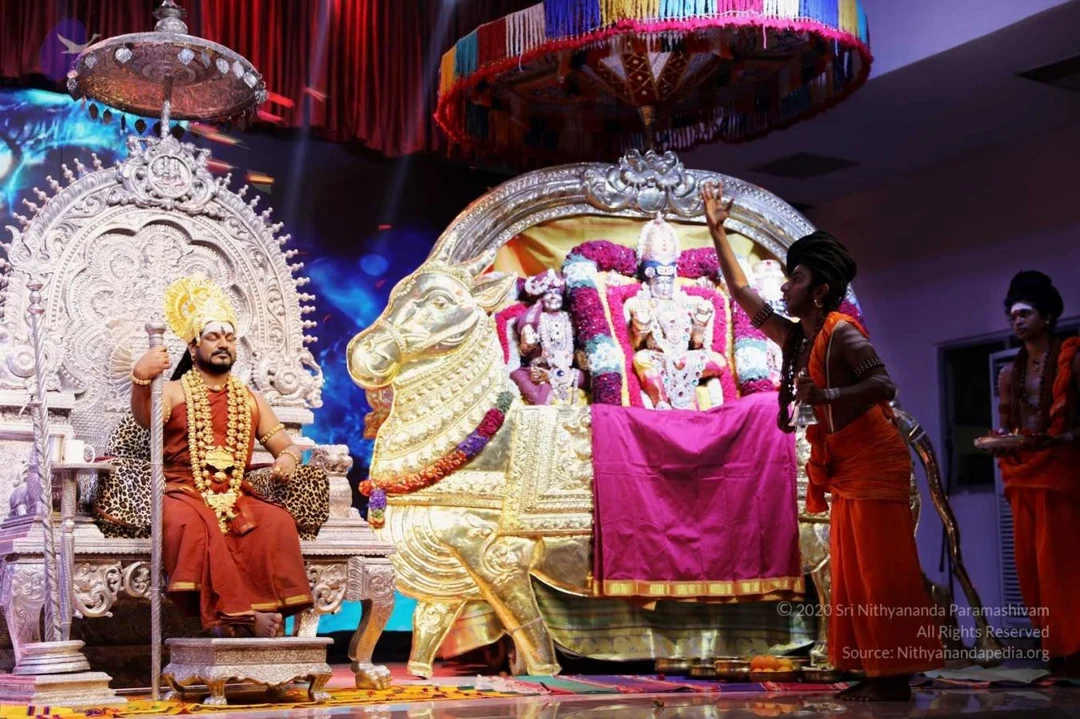 Balasant offering PUSHPANJALI (flowers) to special Leela Alankar (decoration) deites of Sri Nithyananda Swami's Life - LEELA OF PARASHAKTI DARSHAN deities
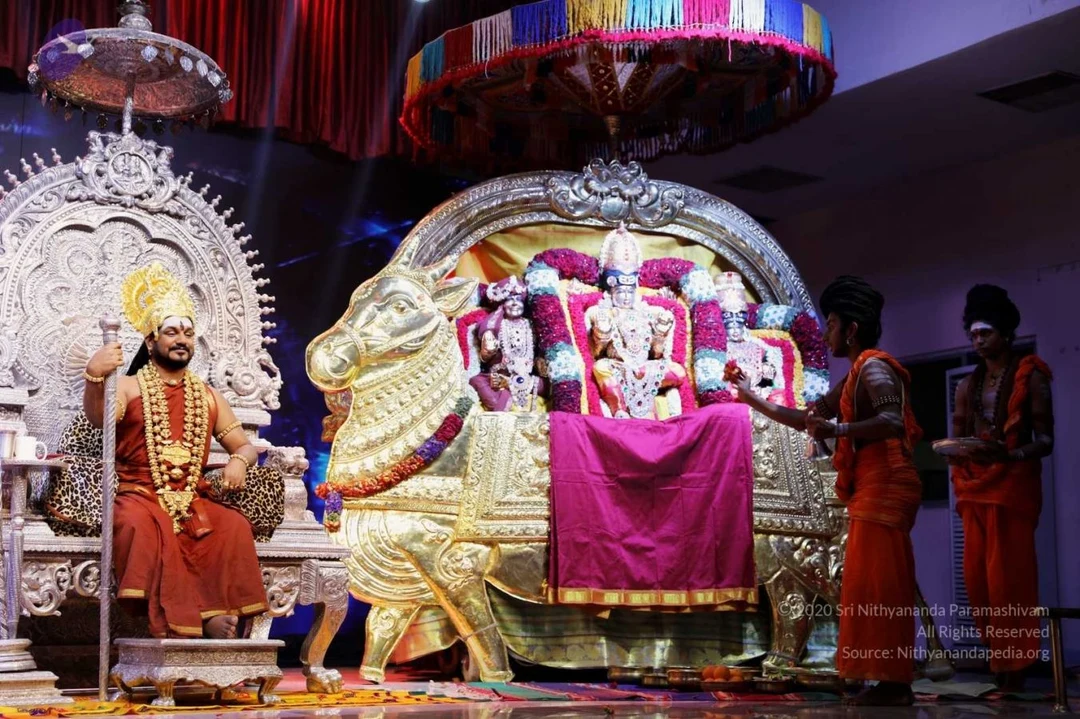 Balasant offering PUSHPANJALI (flowers) to special Leela Alankar (decoration) deites of Sri Nithyananda Swami's Life - LEELA OF PARASHAKTI DARSHAN deities
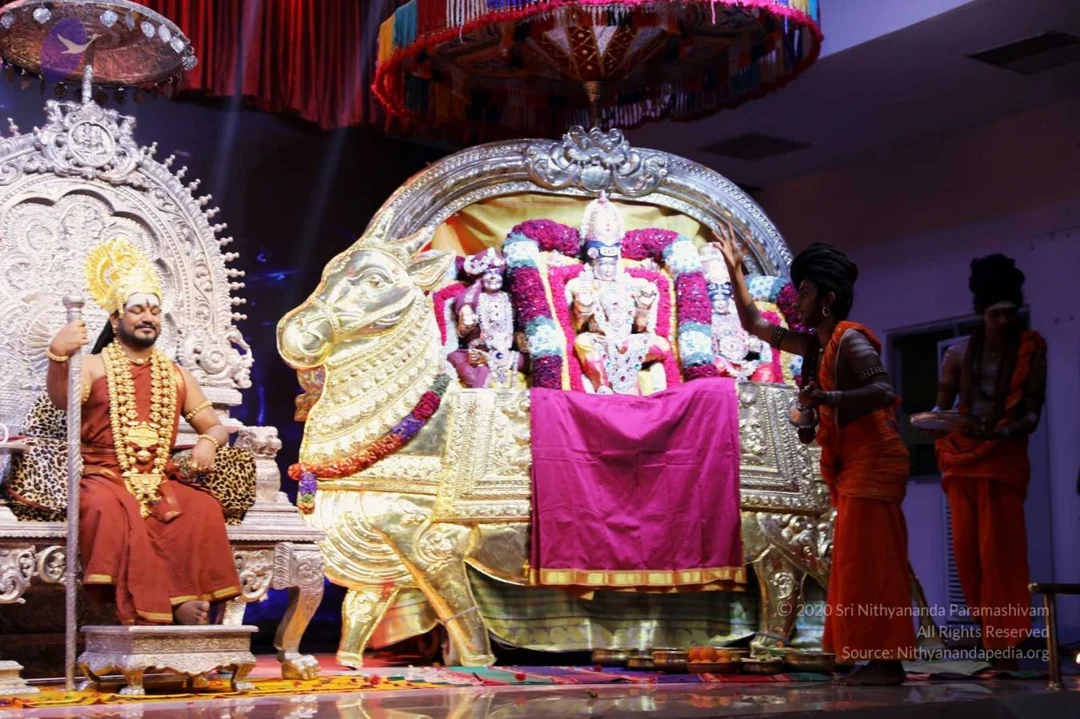 Balasant offering PUSHPANJALI (flowers) to special Leela Alankar (decoration) deites of Sri Nithyananda Swami's Life - LEELA OF PARASHAKTI DARSHAN deities
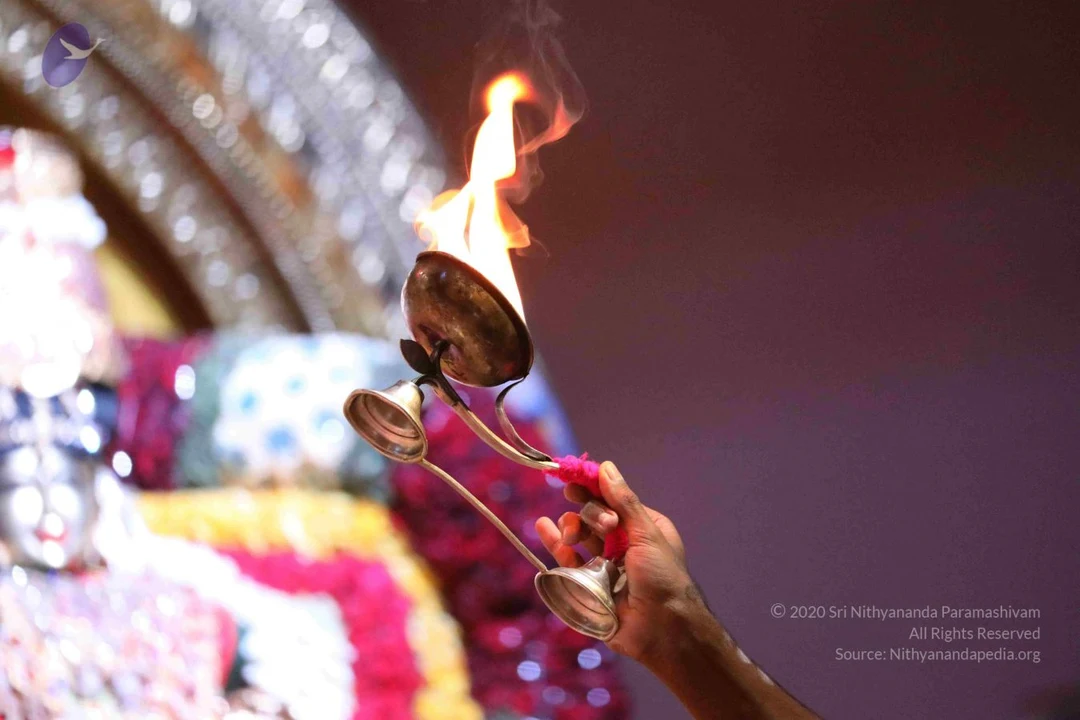
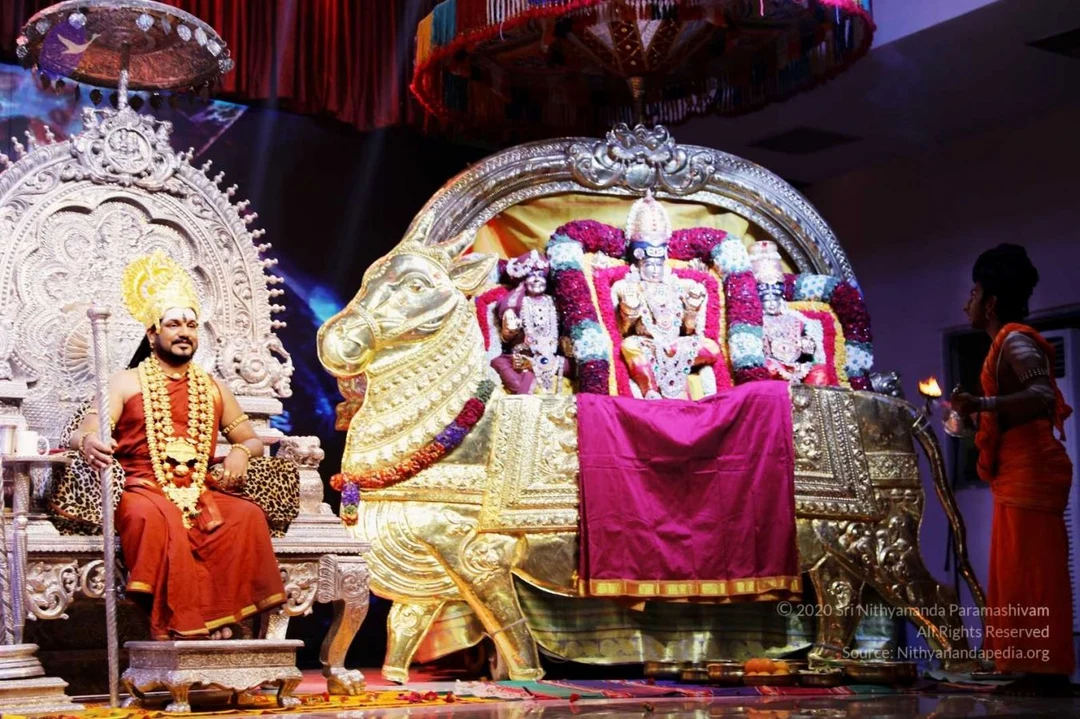 Balasant offering Aarti (lamp) to special Leela Alankar (decoration) deites of Sri Nithyananda Swami's Life - LEELA OF PARASHAKTI DARSHAN
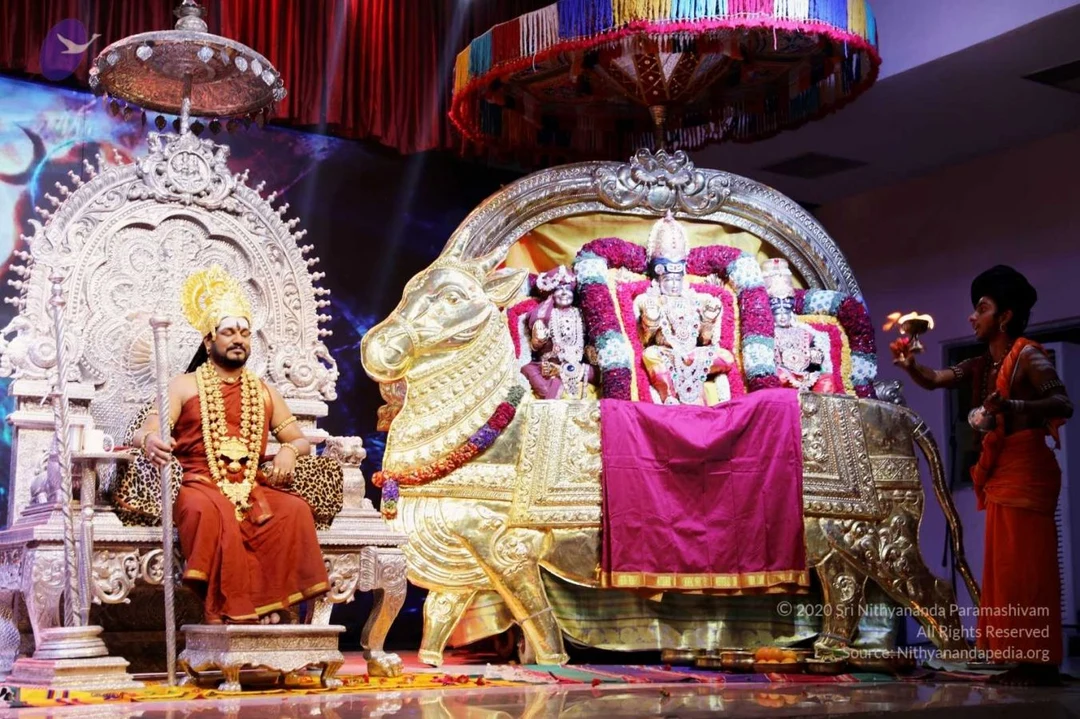 Balasant offering Aarti (lamp) to special Leela Alankar (decoration) deites of Sri Nithyananda Swami's Life - LEELA OF PARASHAKTI DARSHAN
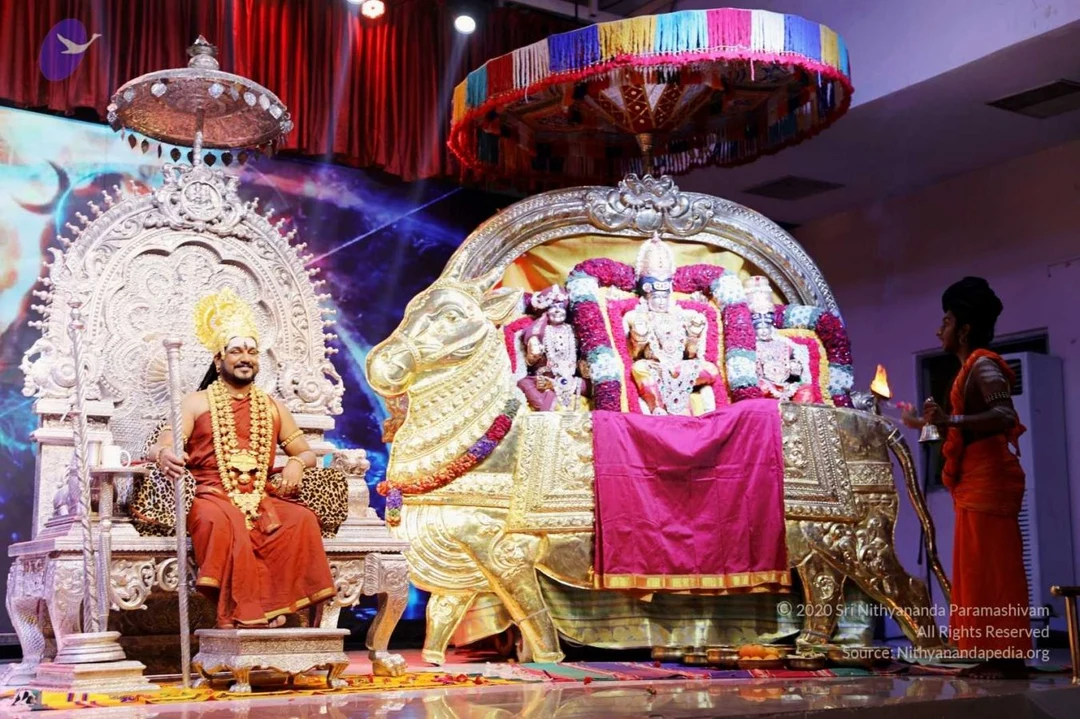 Balasant offering Aarti (lamp) to special Leela Alankar (decoration) deites of Sri Nithyananda Swami's Life - LEELA OF PARASHAKTI DARSHAN
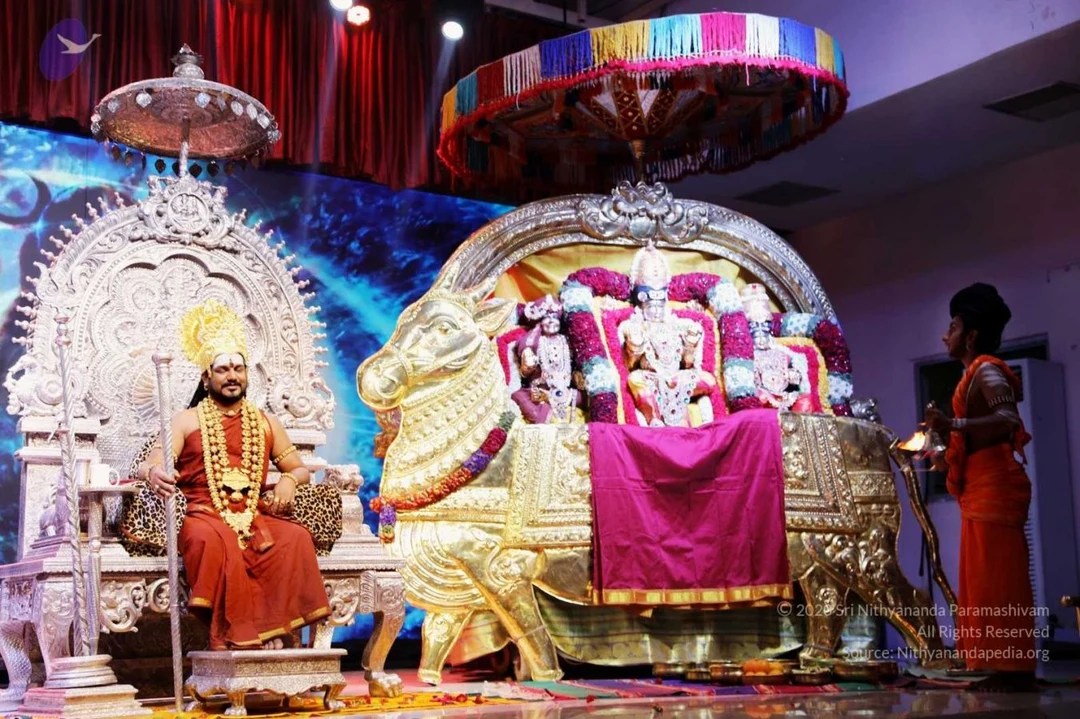 Balasant offering Aarti (lamp) to special Leela Alankar (decoration) deites of Sri Nithyananda Swami's Life - LEELA OF PARASHAKTI DARSHAN
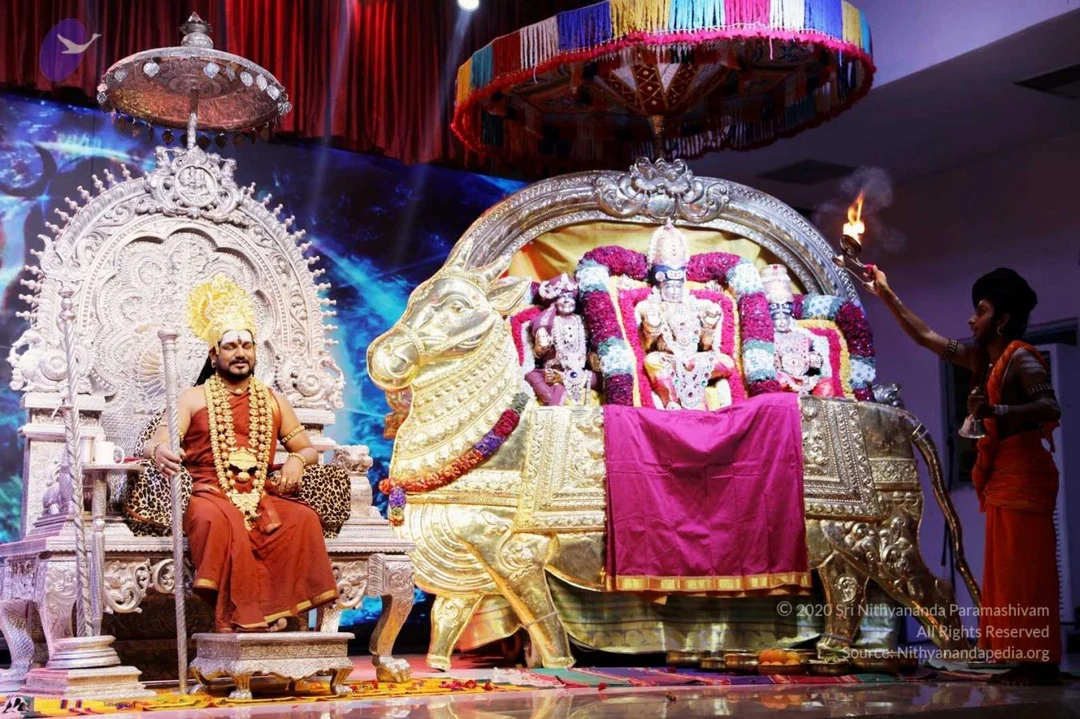 Balasant offering Aarti (lamp) to special Leela Alankar (decoration) deites of Sri Nithyananda Swami's Life - LEELA OF PARASHAKTI DARSHAN
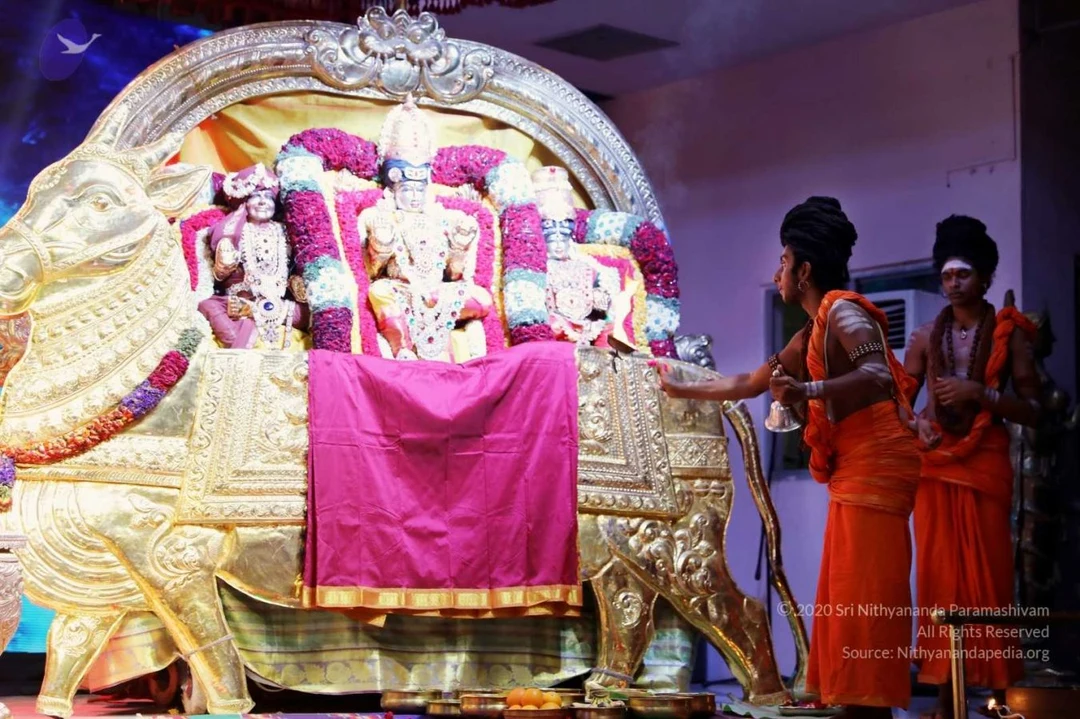 Balasant offering Aarti (lamp) to special Leela Alankar (decoration) deites of Sri Nithyananda Swami's Life - LEELA OF PARASHAKTI DARSHAN
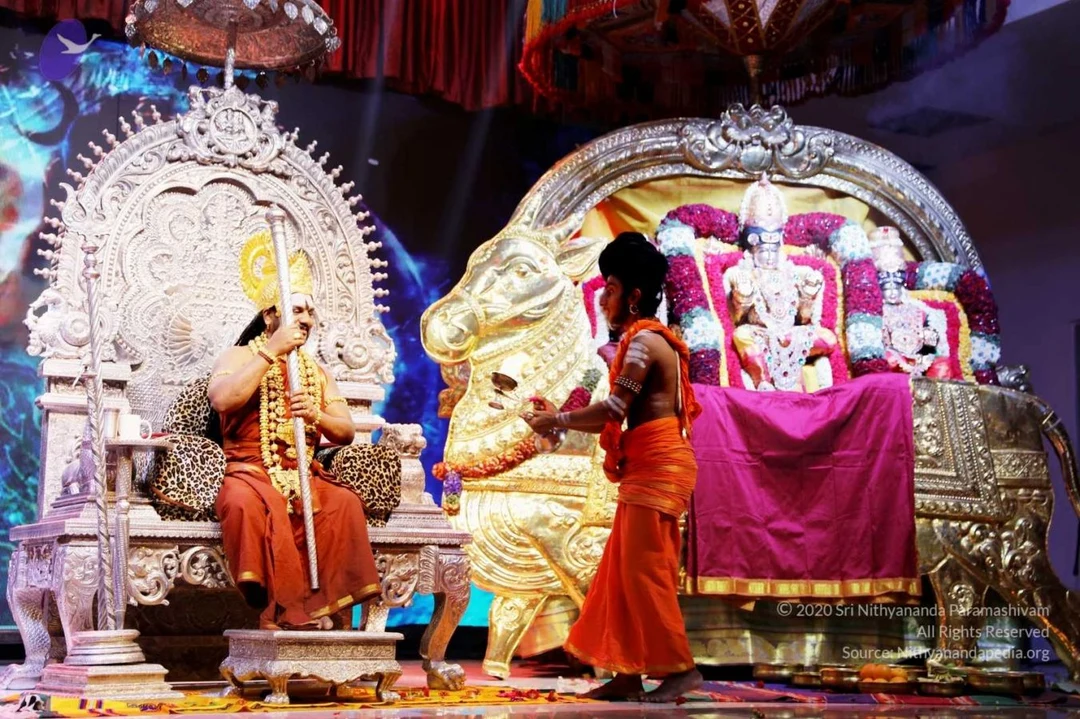 Balasant offering mangal aarti to HDH Nithyananda Paramashivam
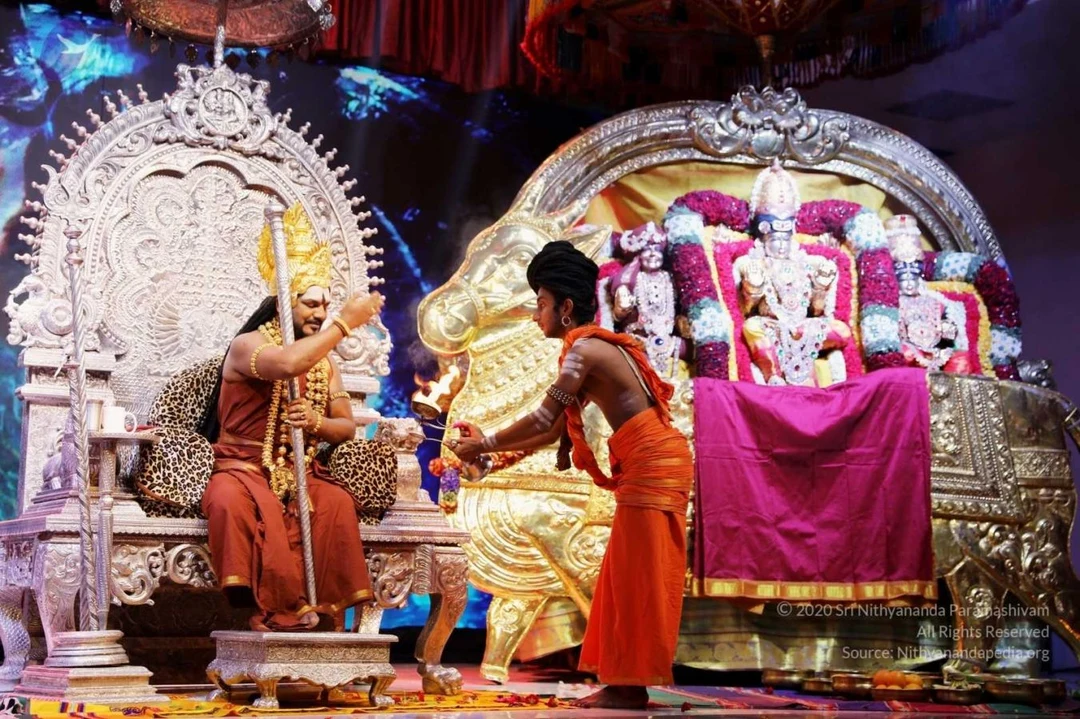 Balasant offering mangal aarti to HDH Nithyananda Paramashivam
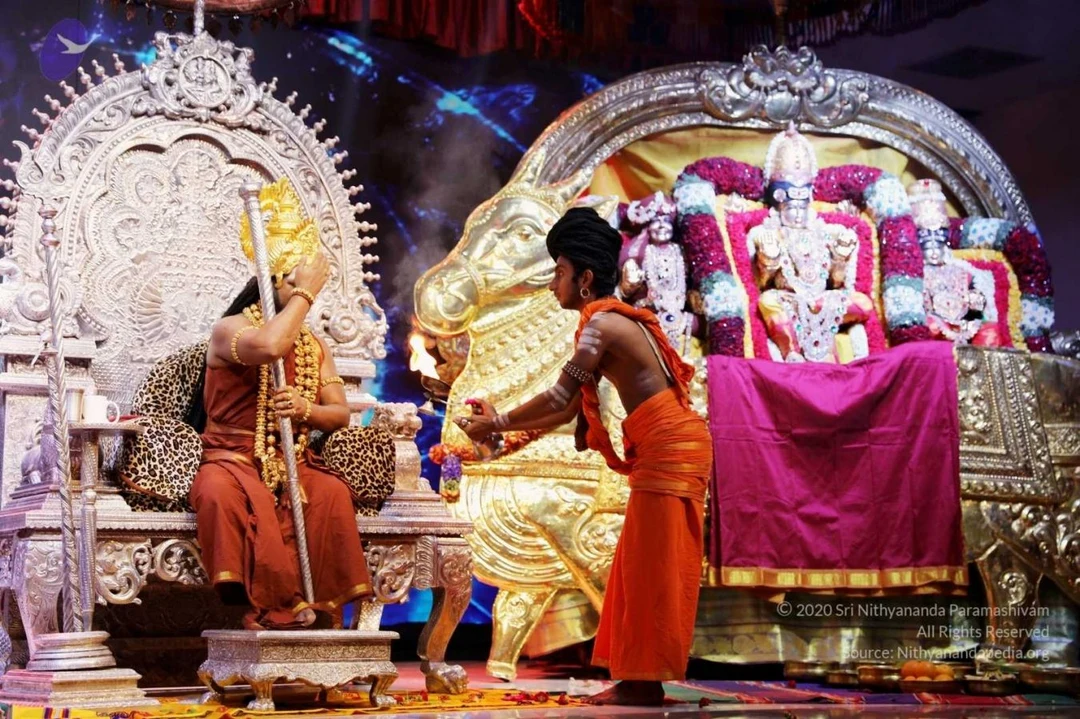 Balasant offering mangal aarti to HDH Nithyananda Paramashivam
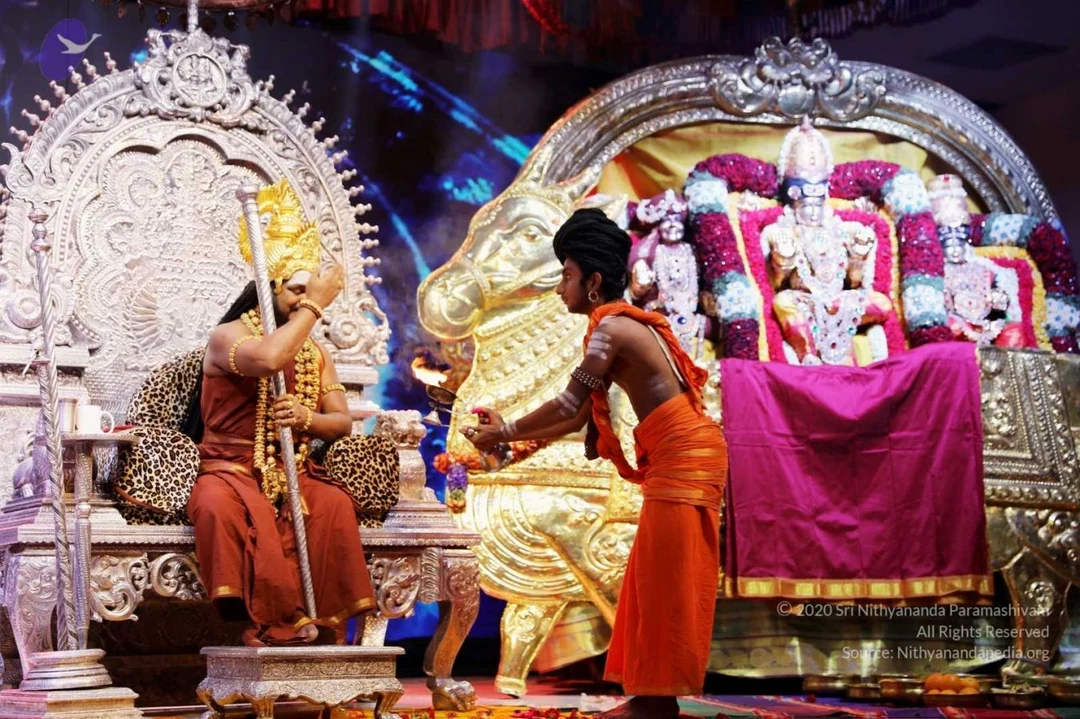 Balasant offering mangal aarti to HDH Nithyananda Paramashivam
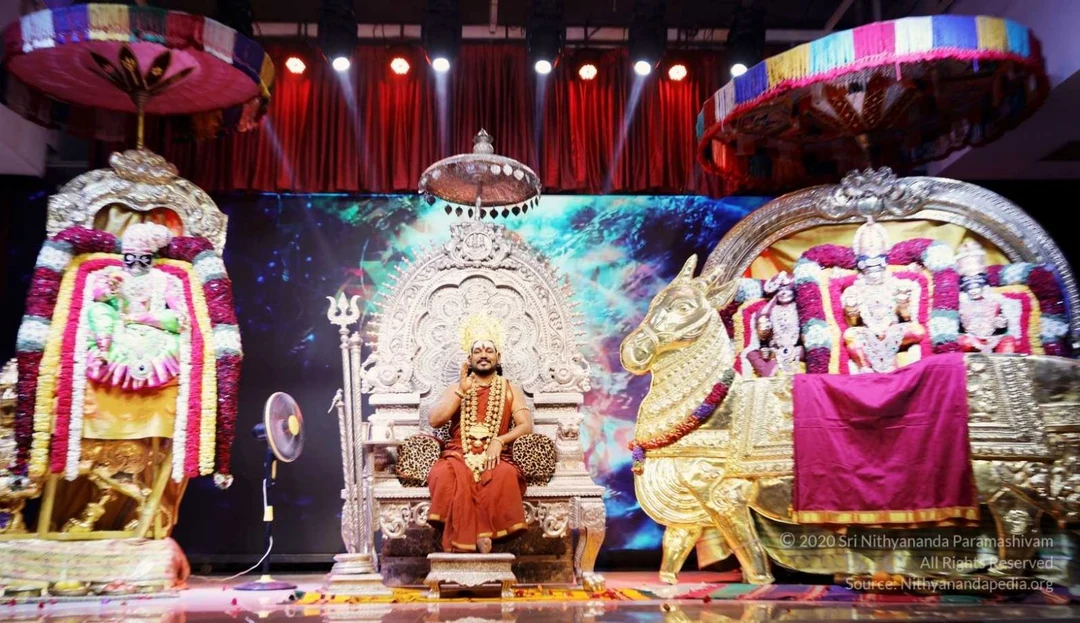 HDH Nithyananda Paramashivam ABHAYA MUDRA (blessings) to Mahasadashivoham delegate
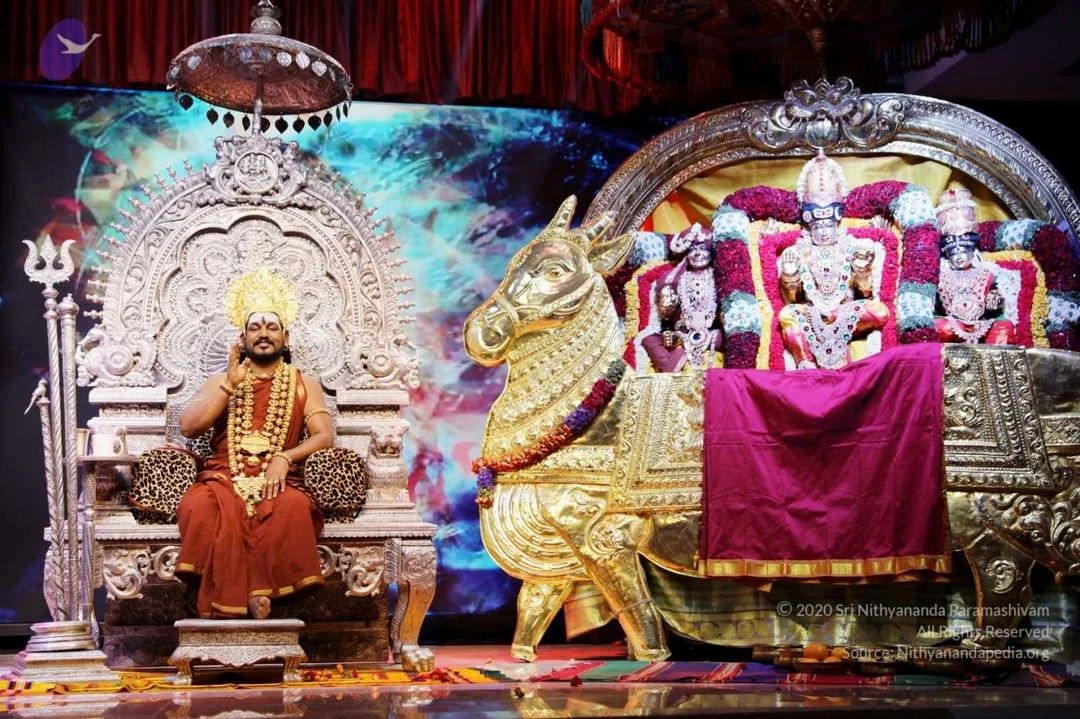 HDH Nithyananda Paramashivam ABHAYA MUDRA (blessings) to Mahasadashivoham delegate
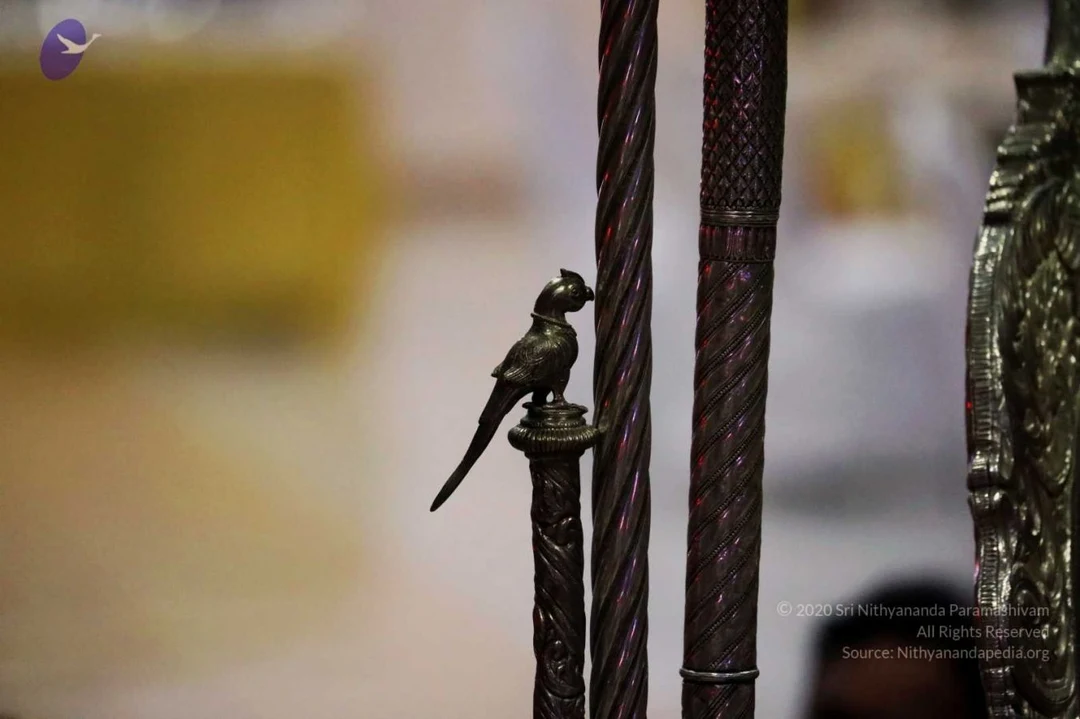 HDH Nithyananda Paramashivam - Devi Meenkashi's Danda
 HDH Nithyananda Paramashivam - Trishul
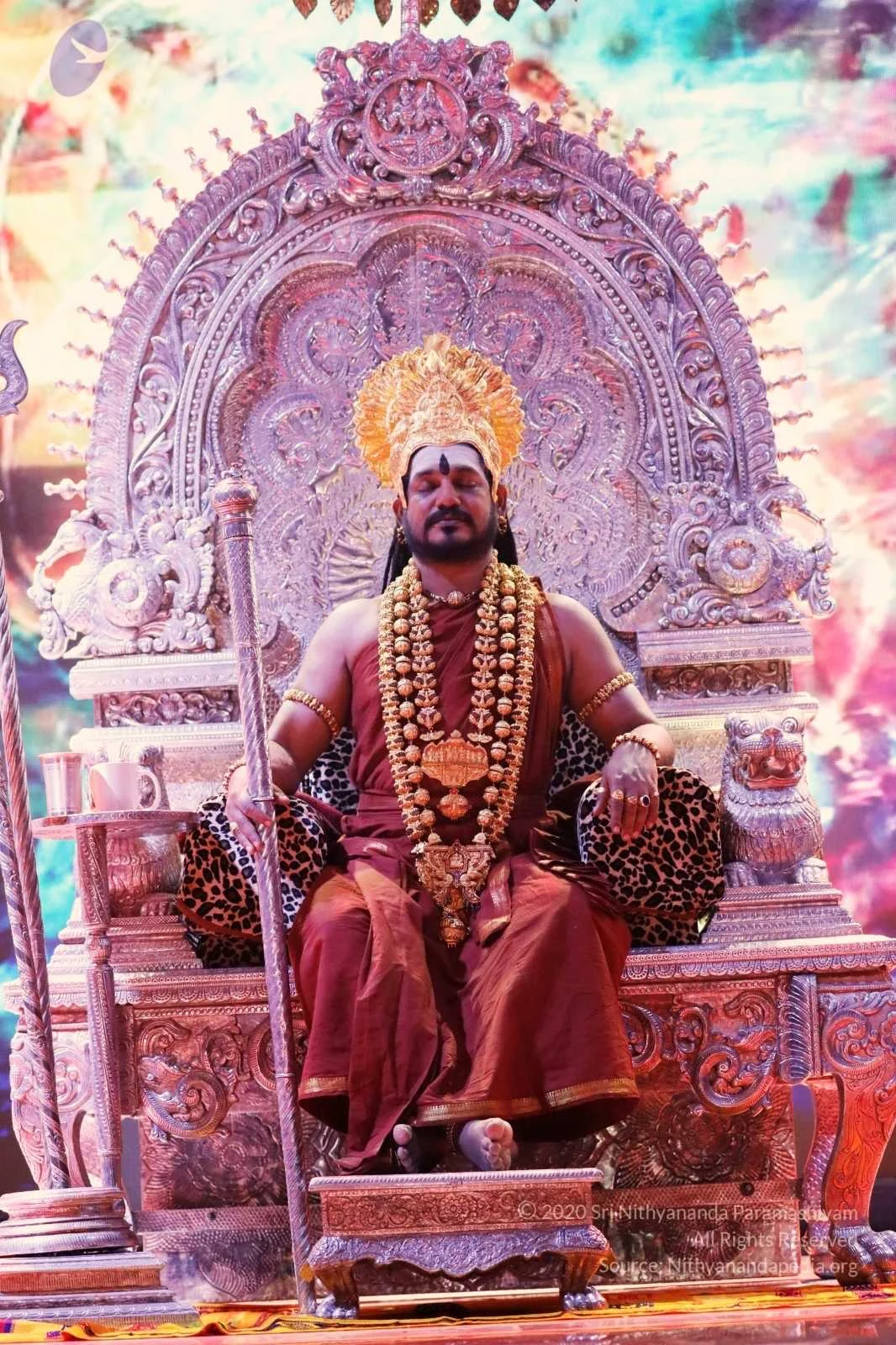
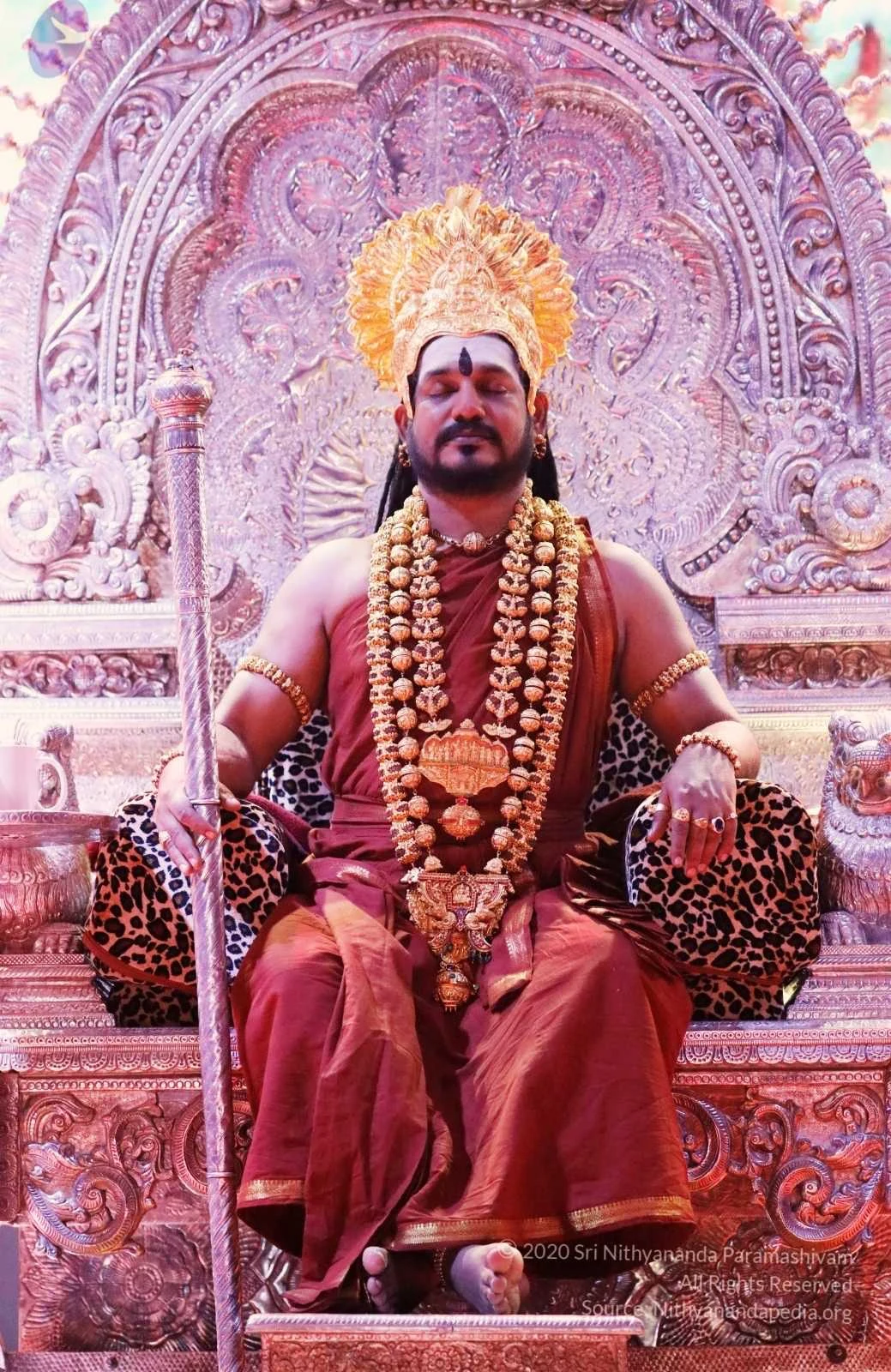
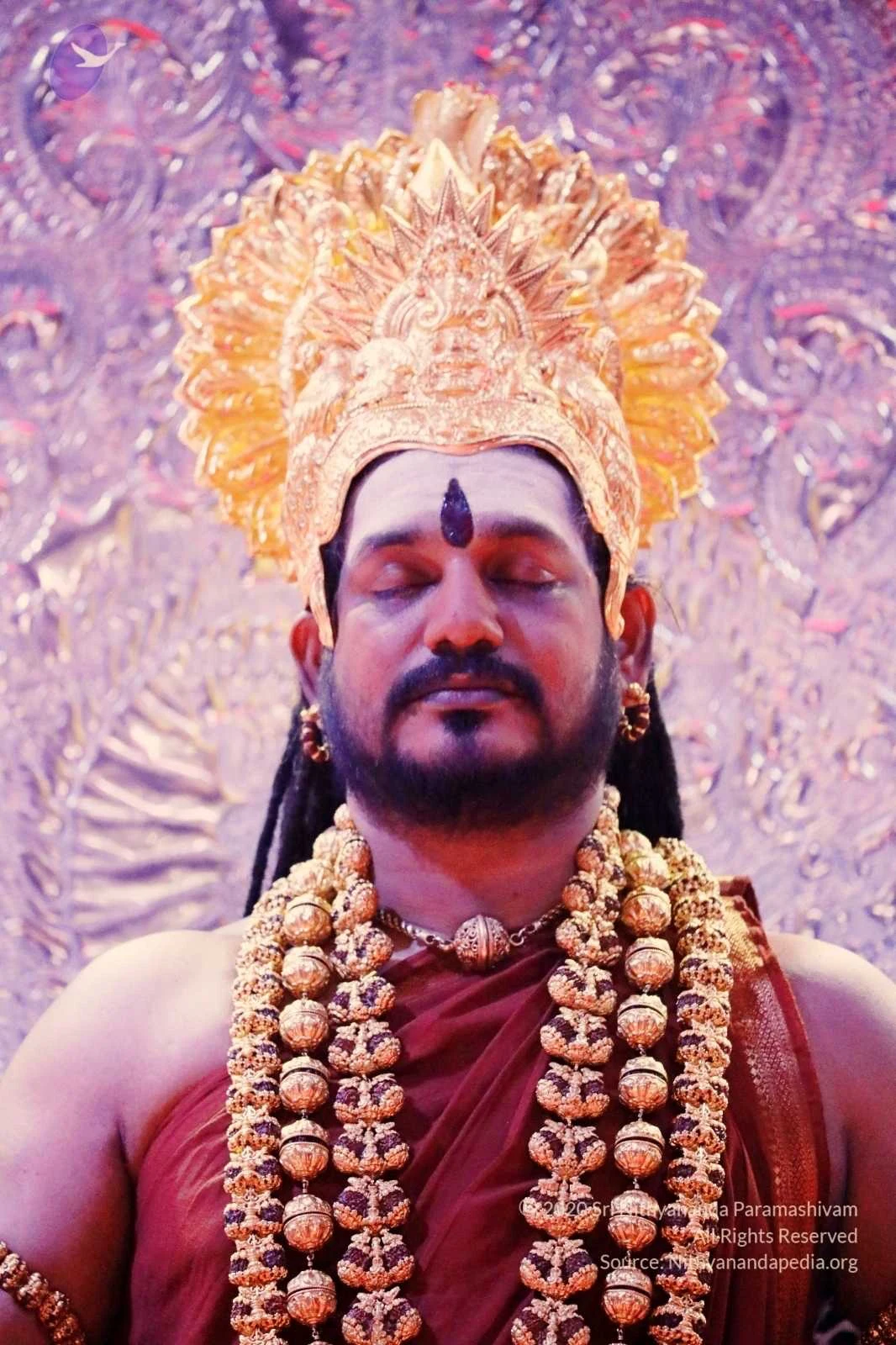
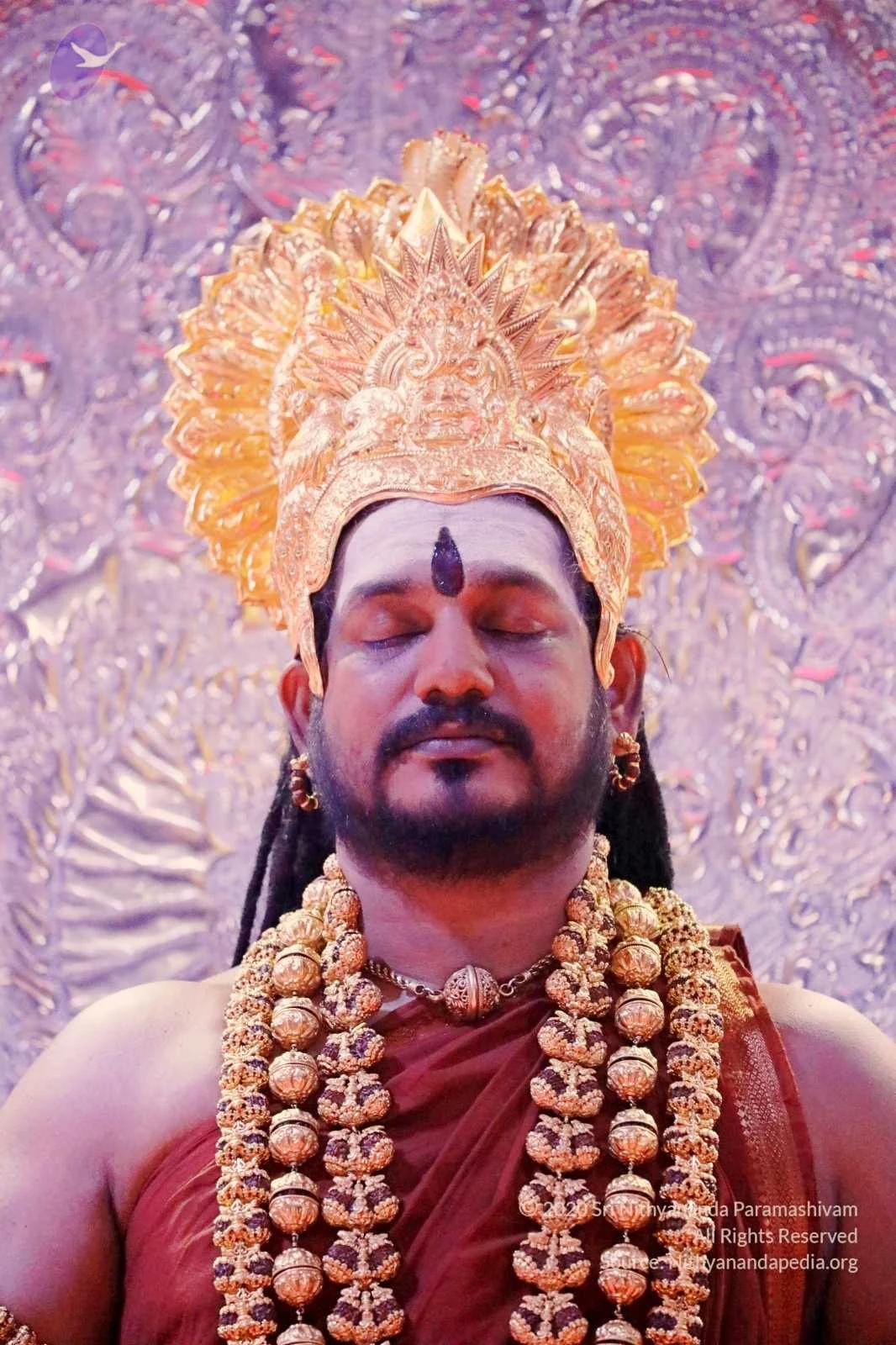
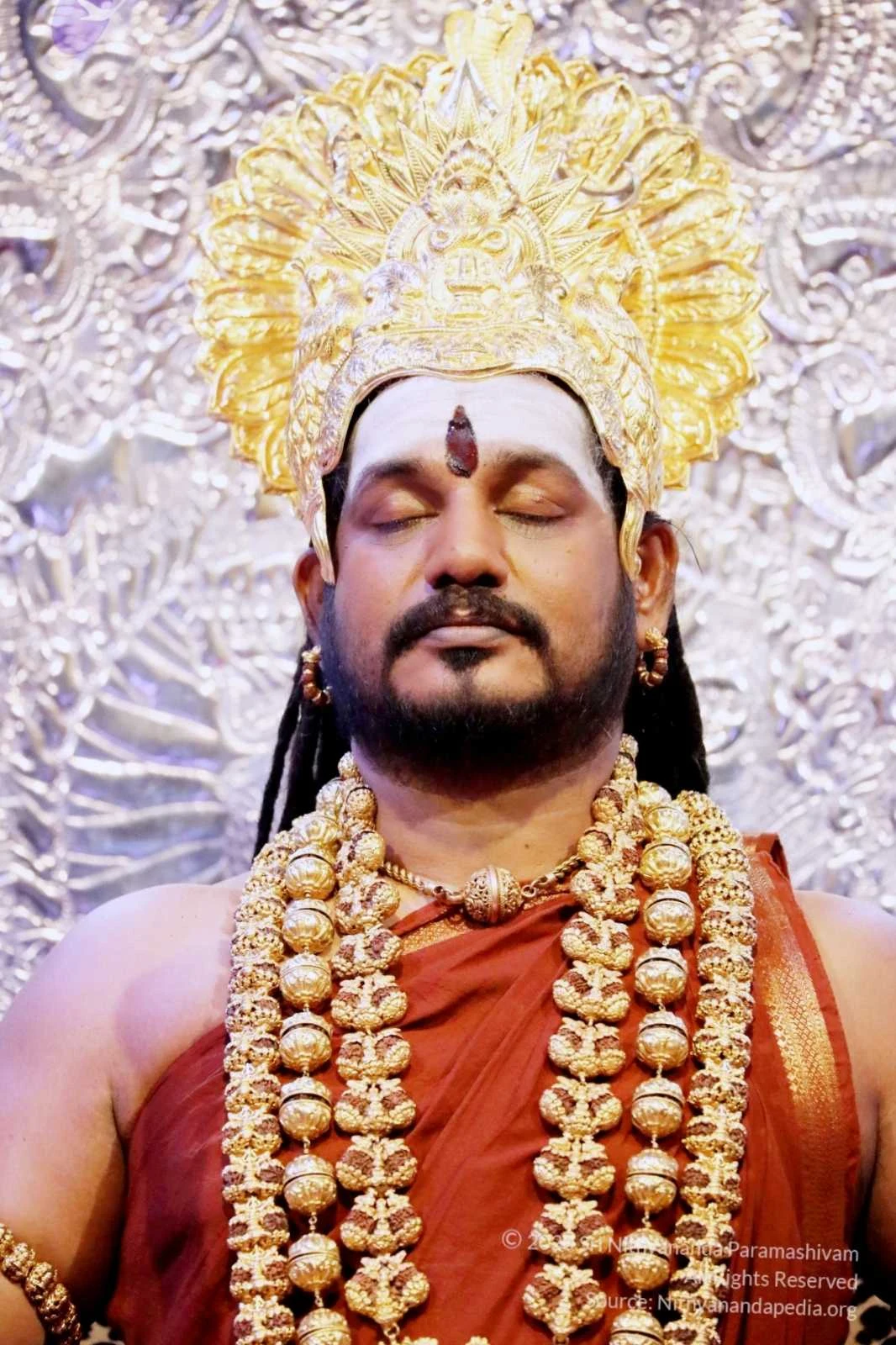
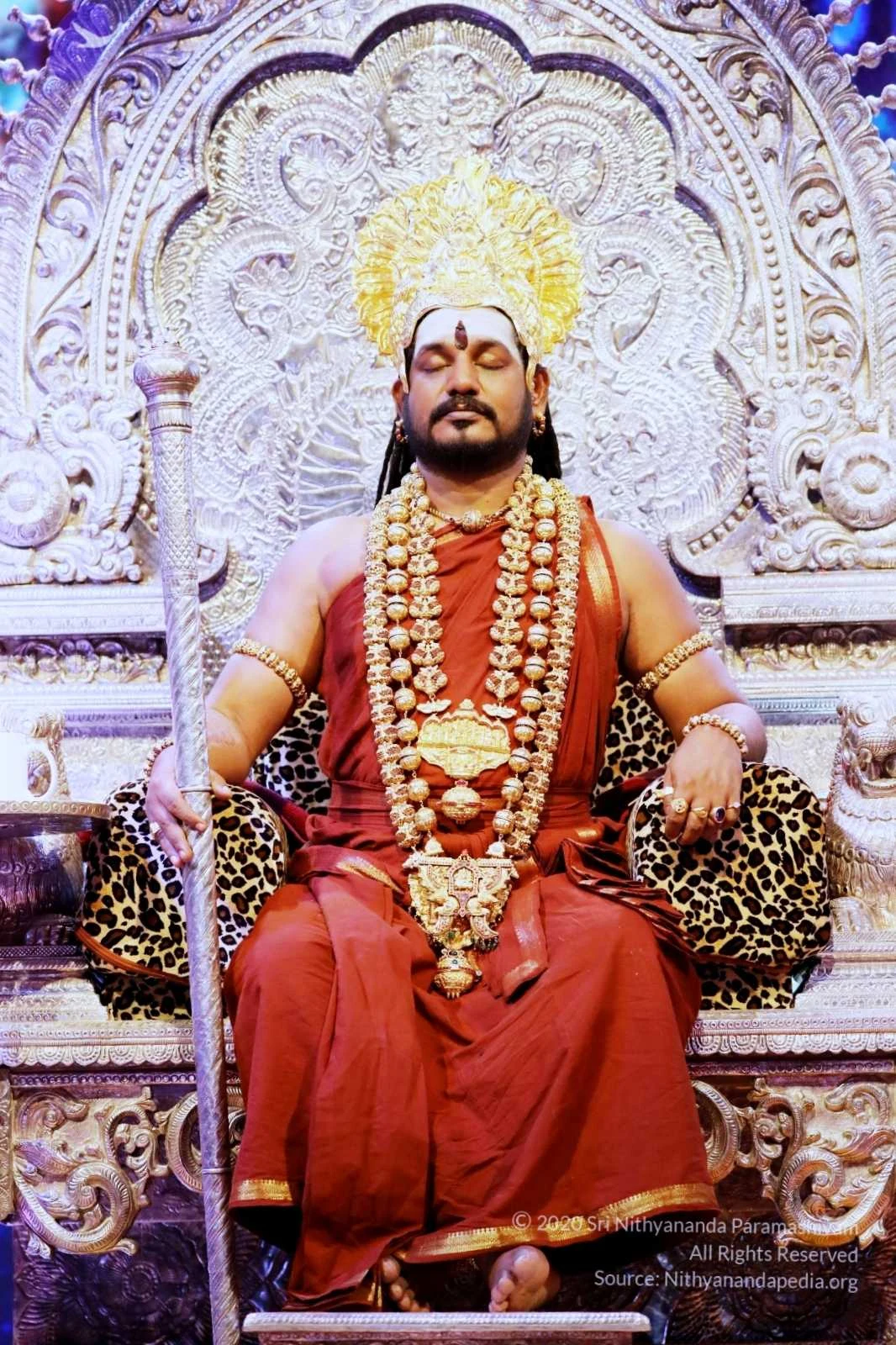
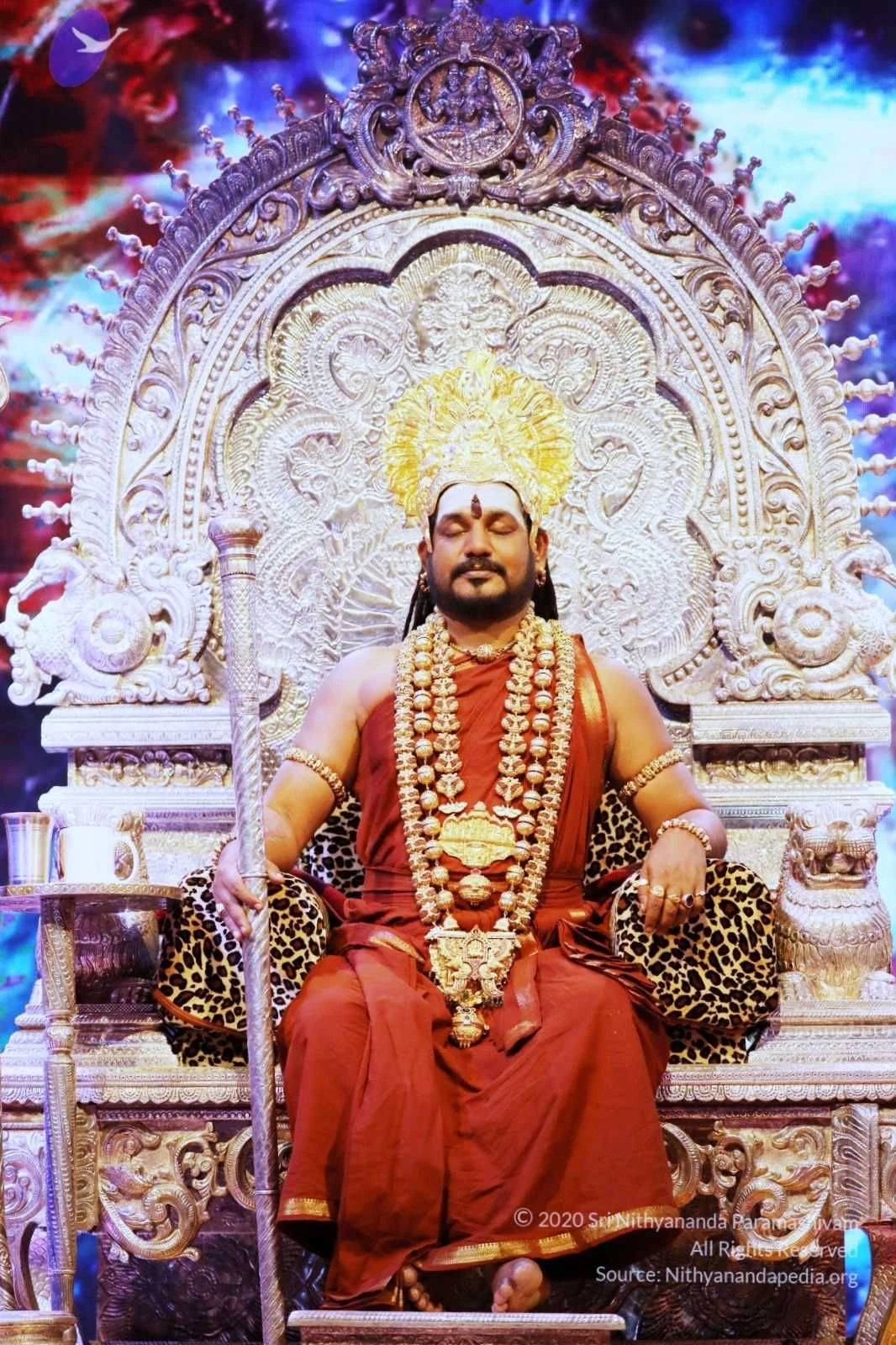
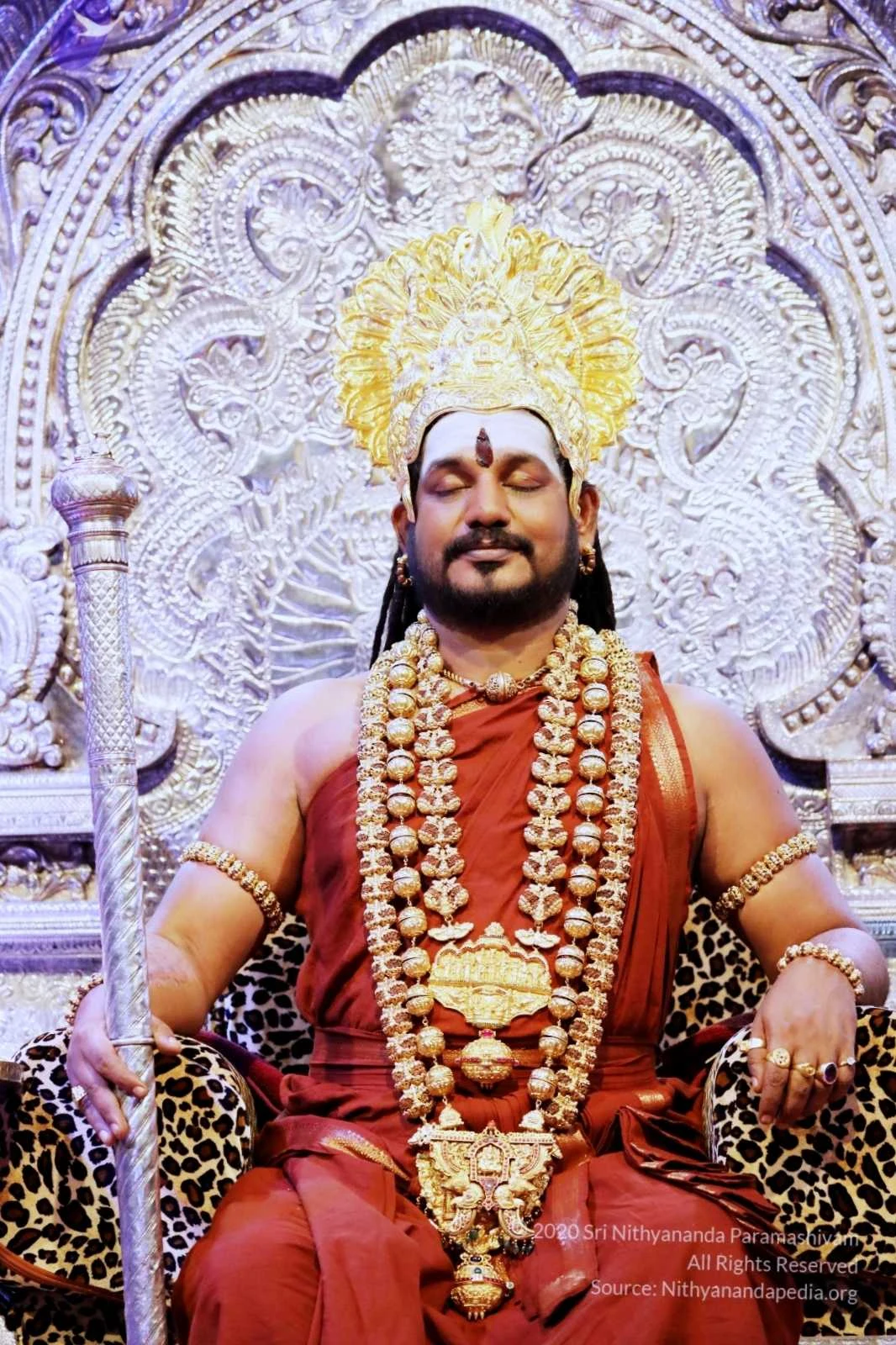
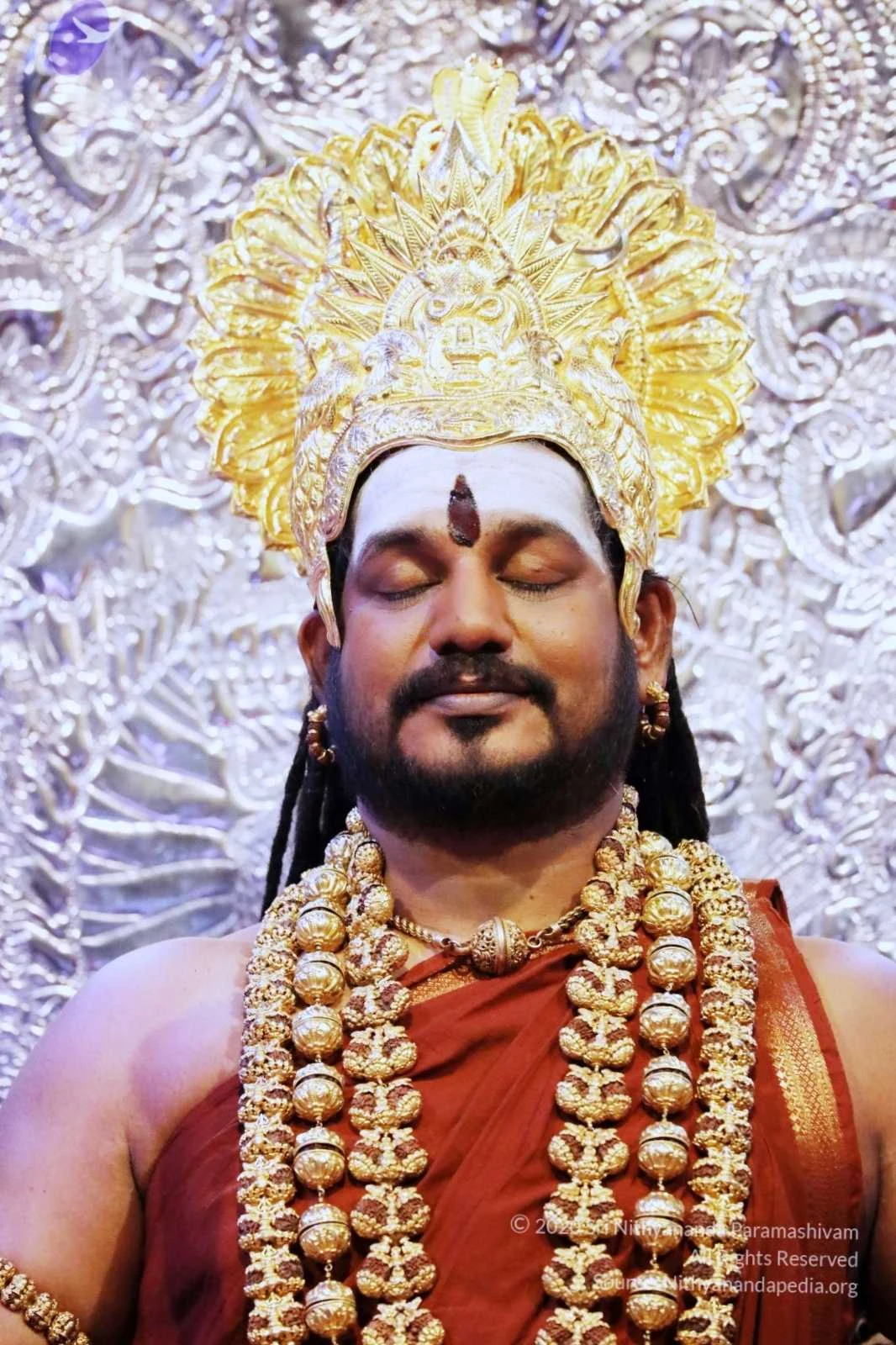
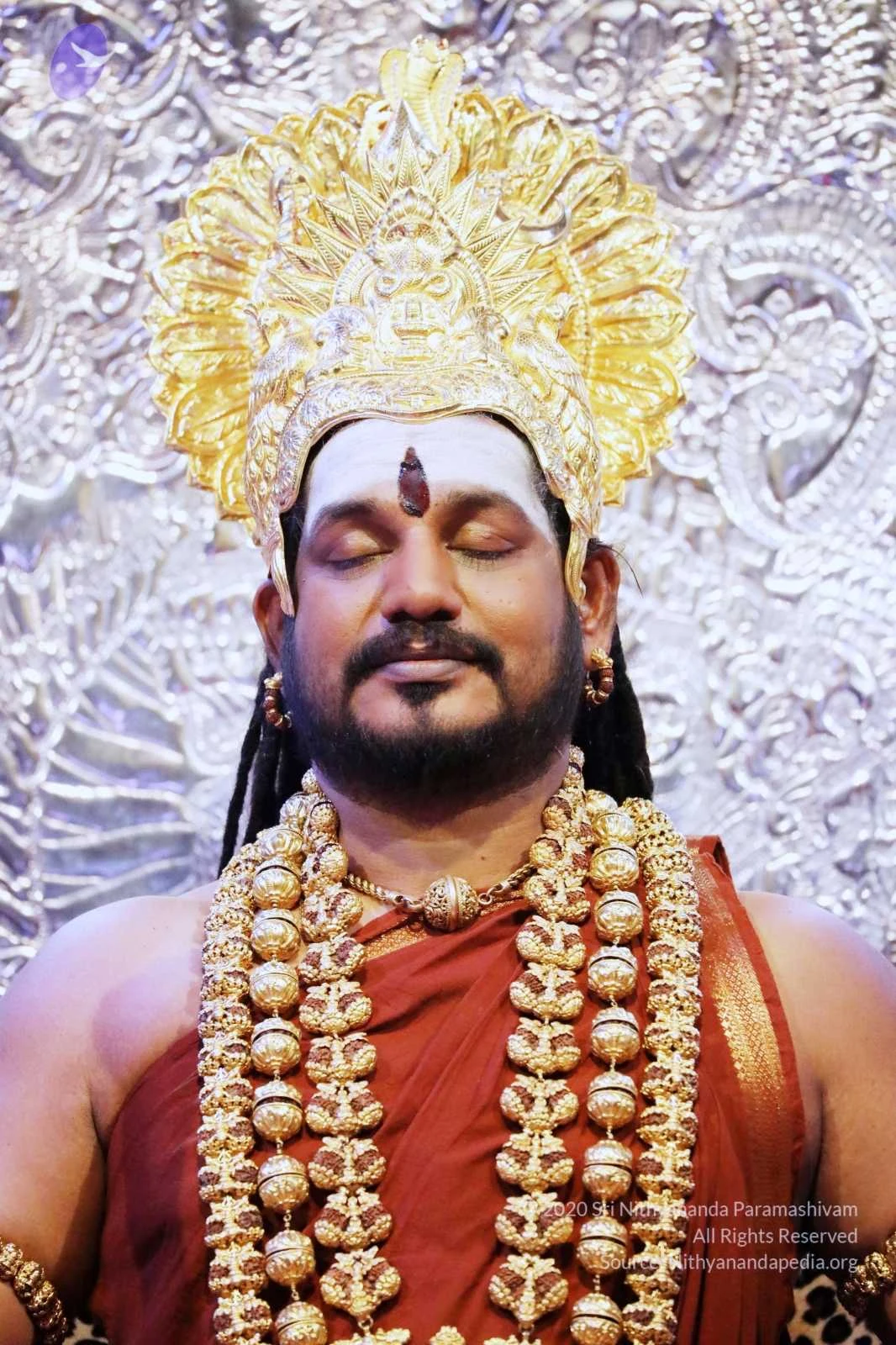
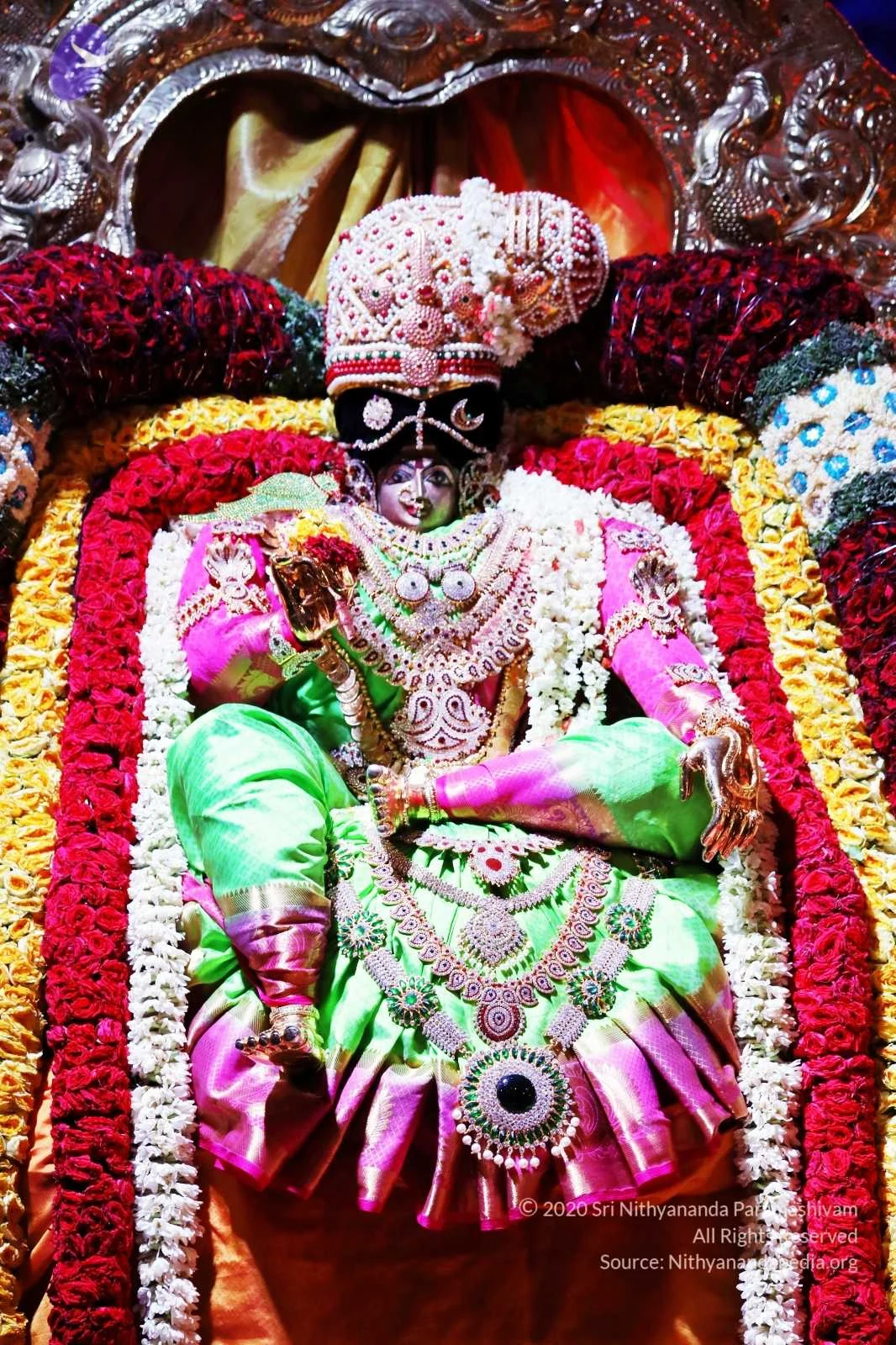
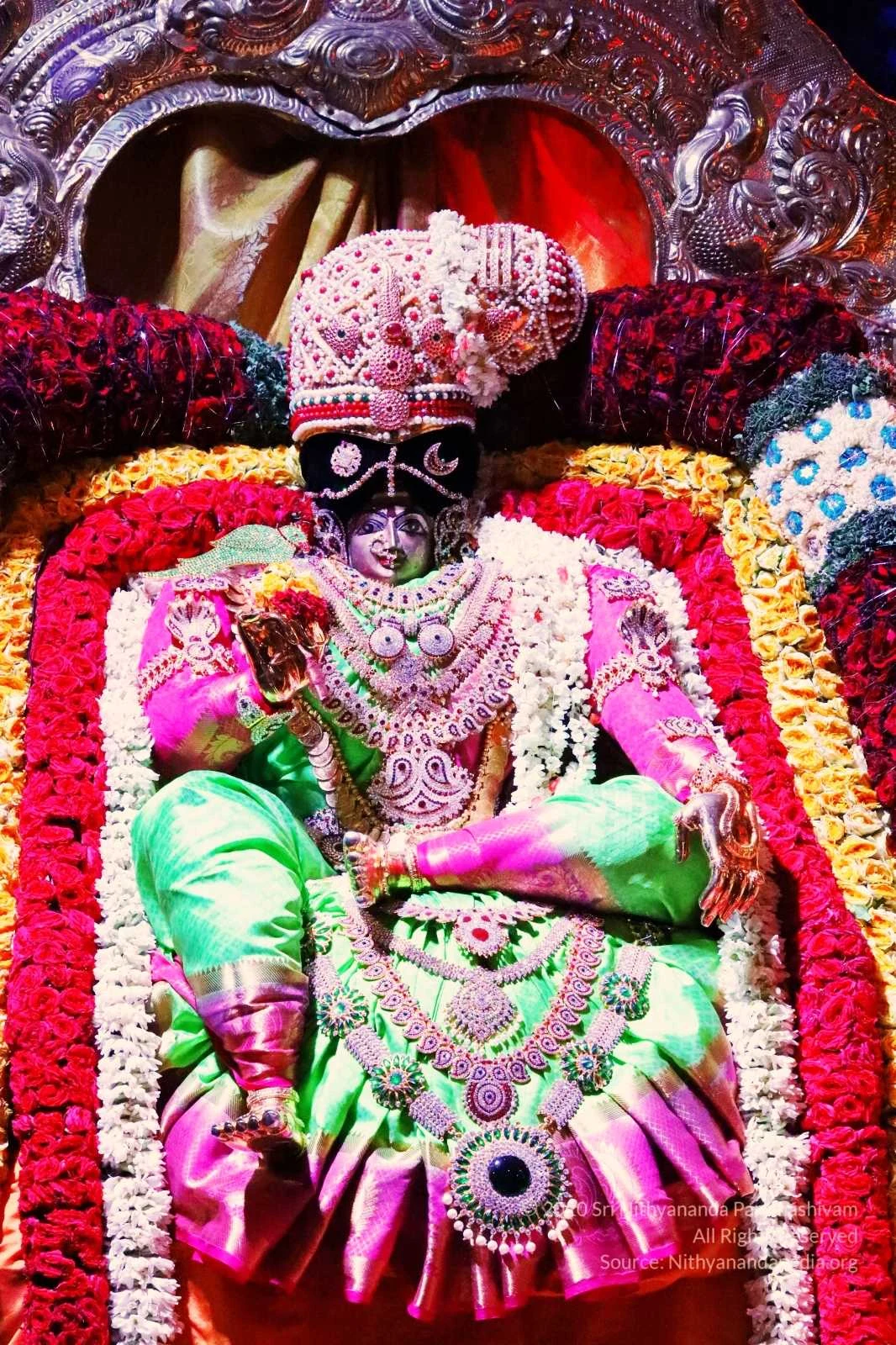
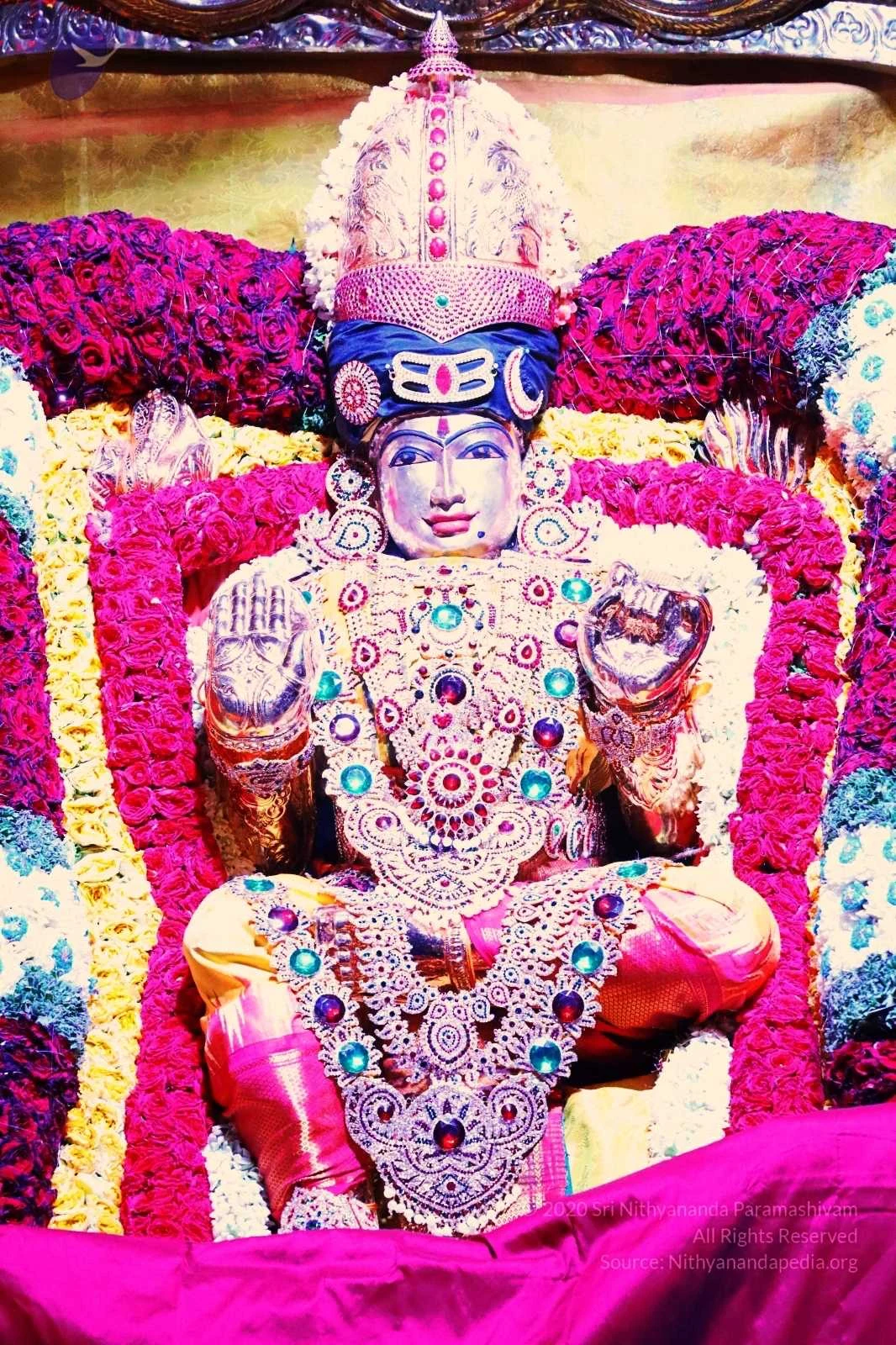
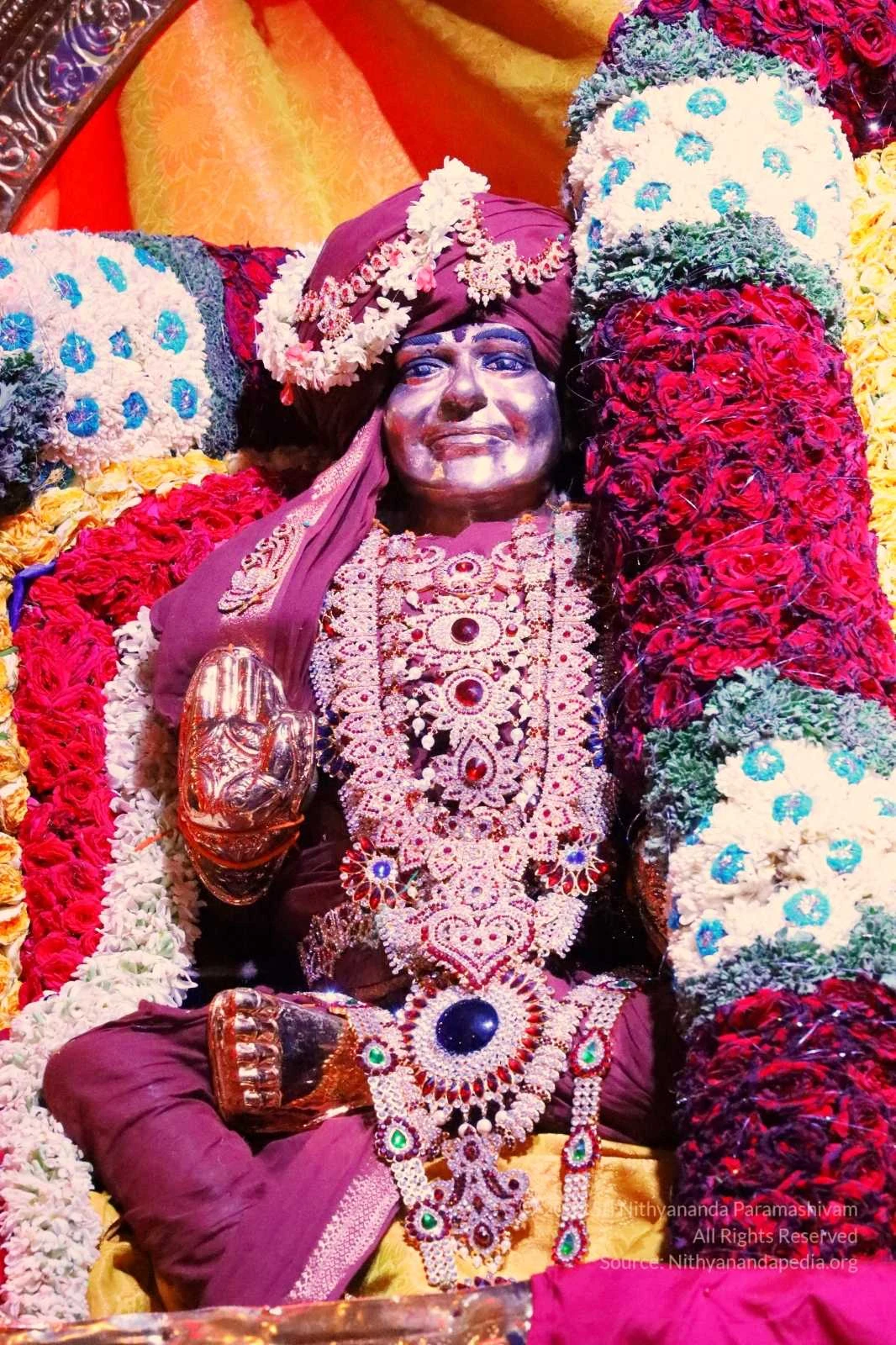
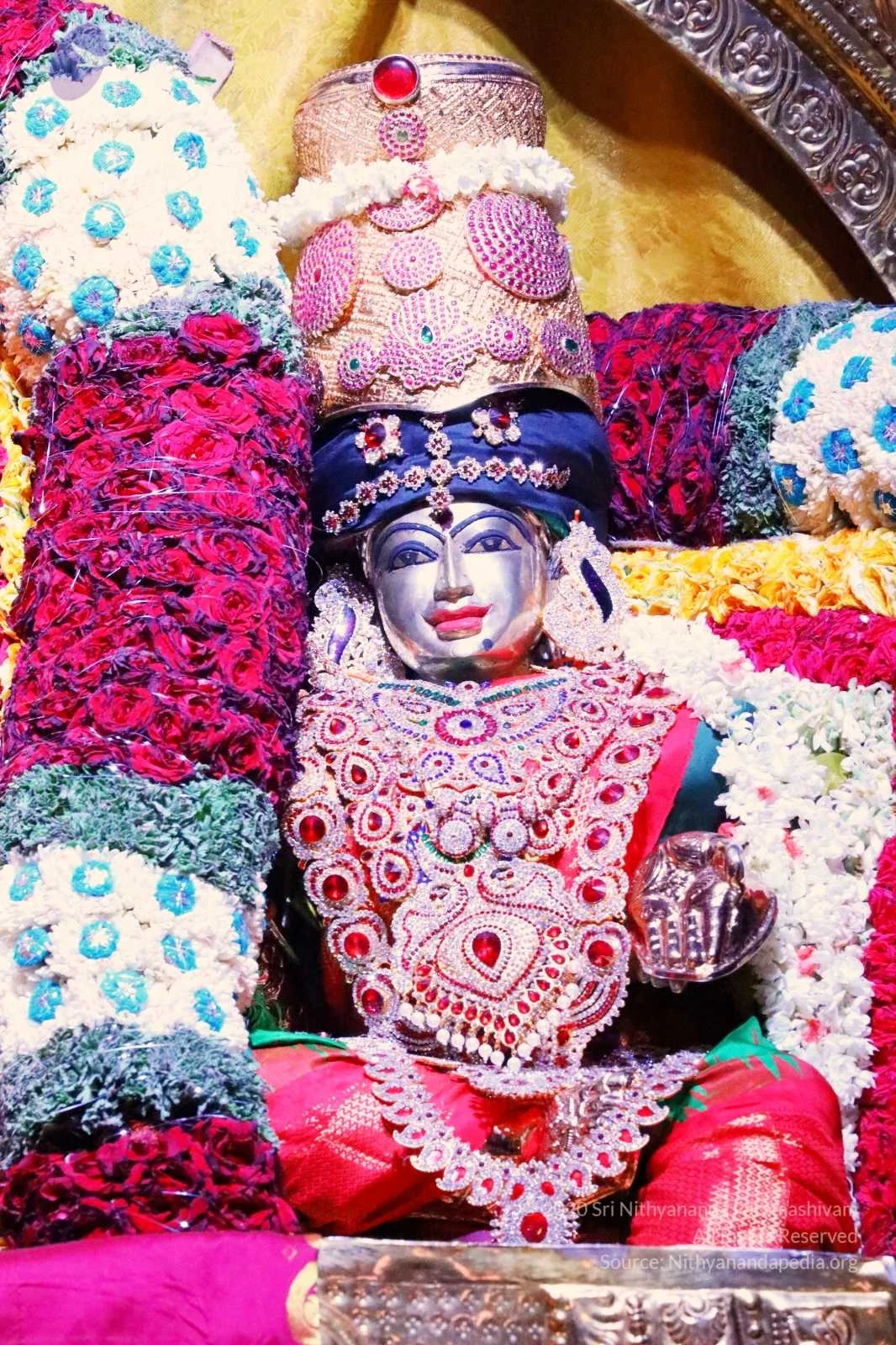
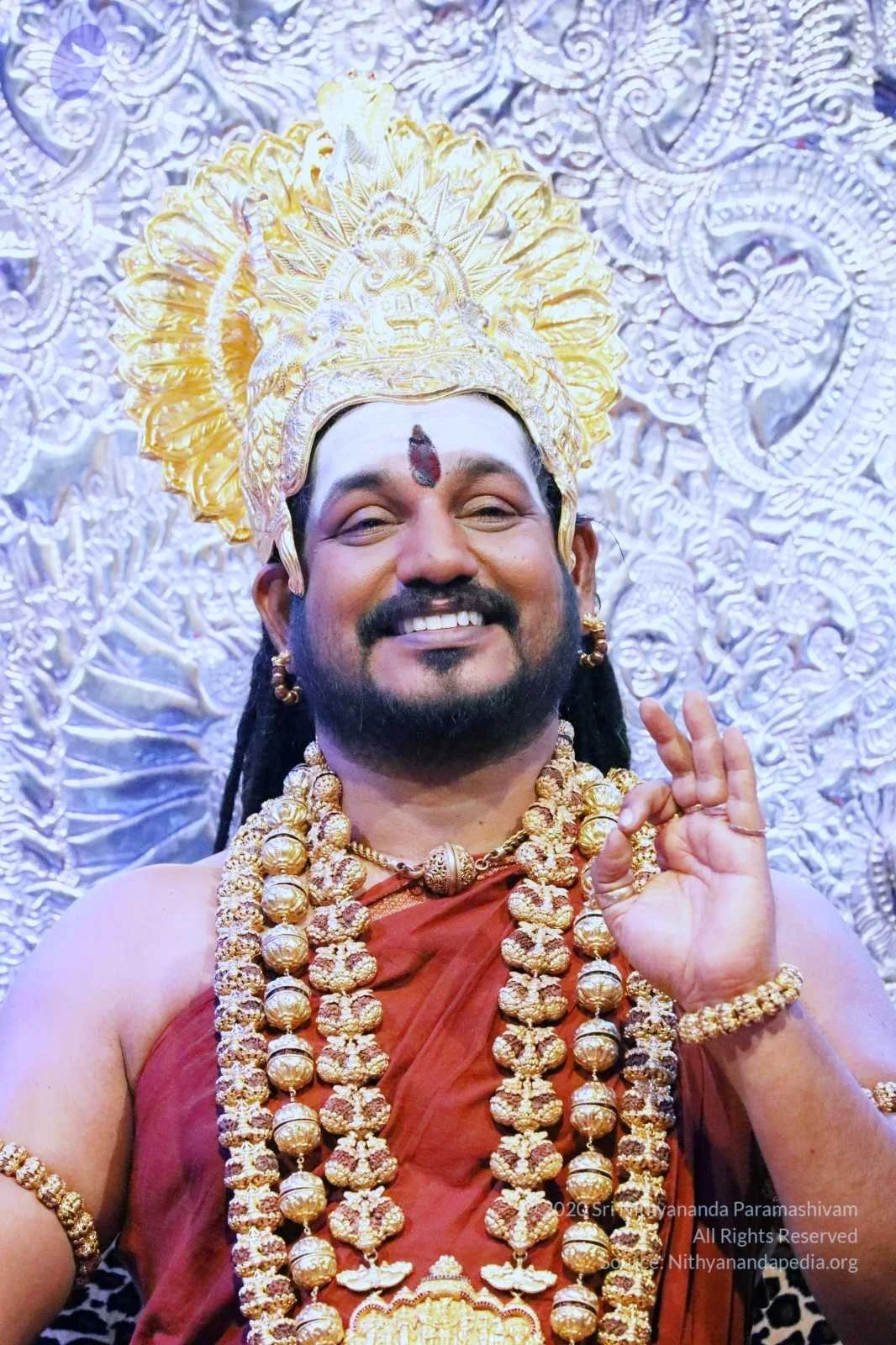
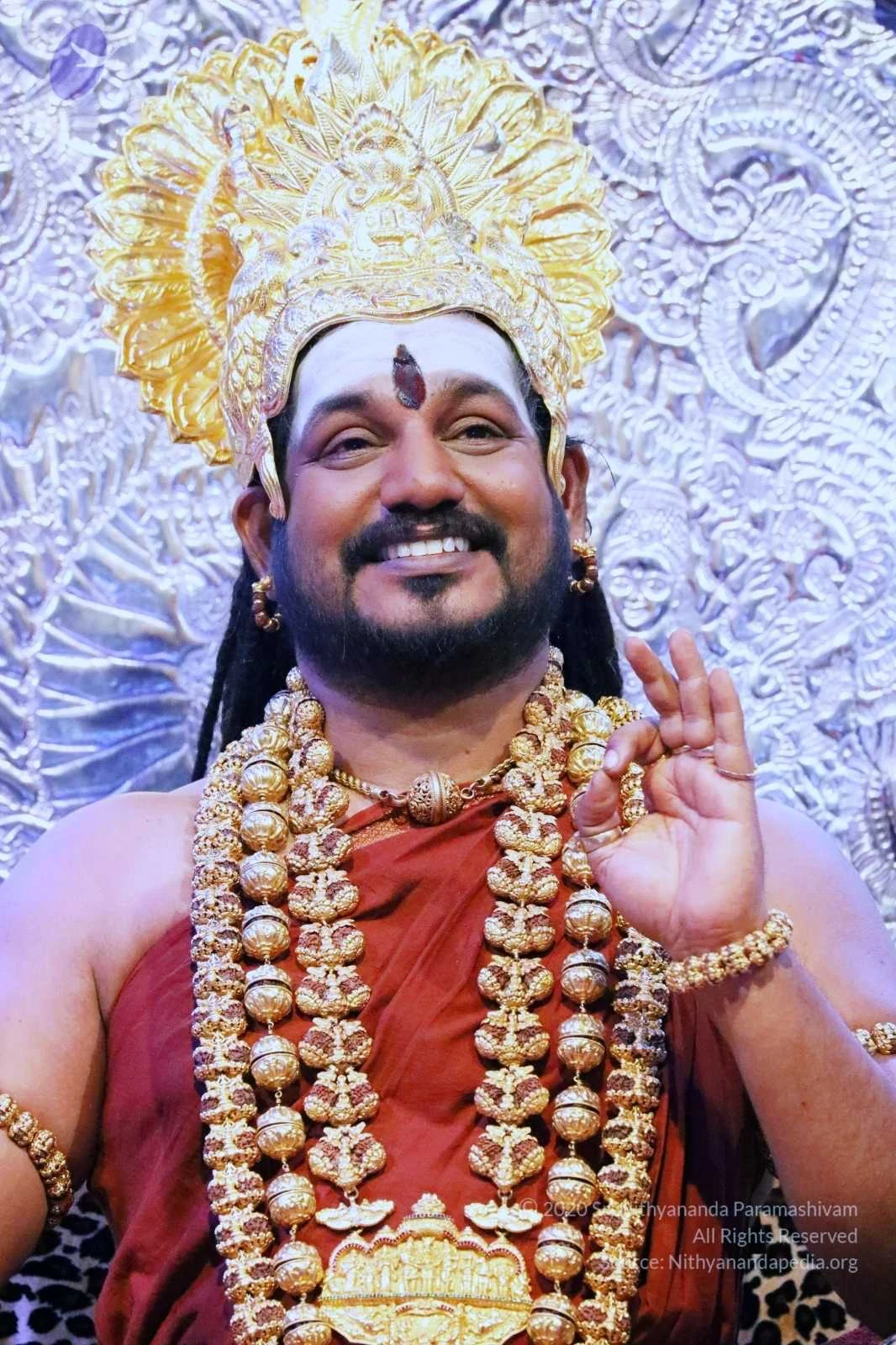
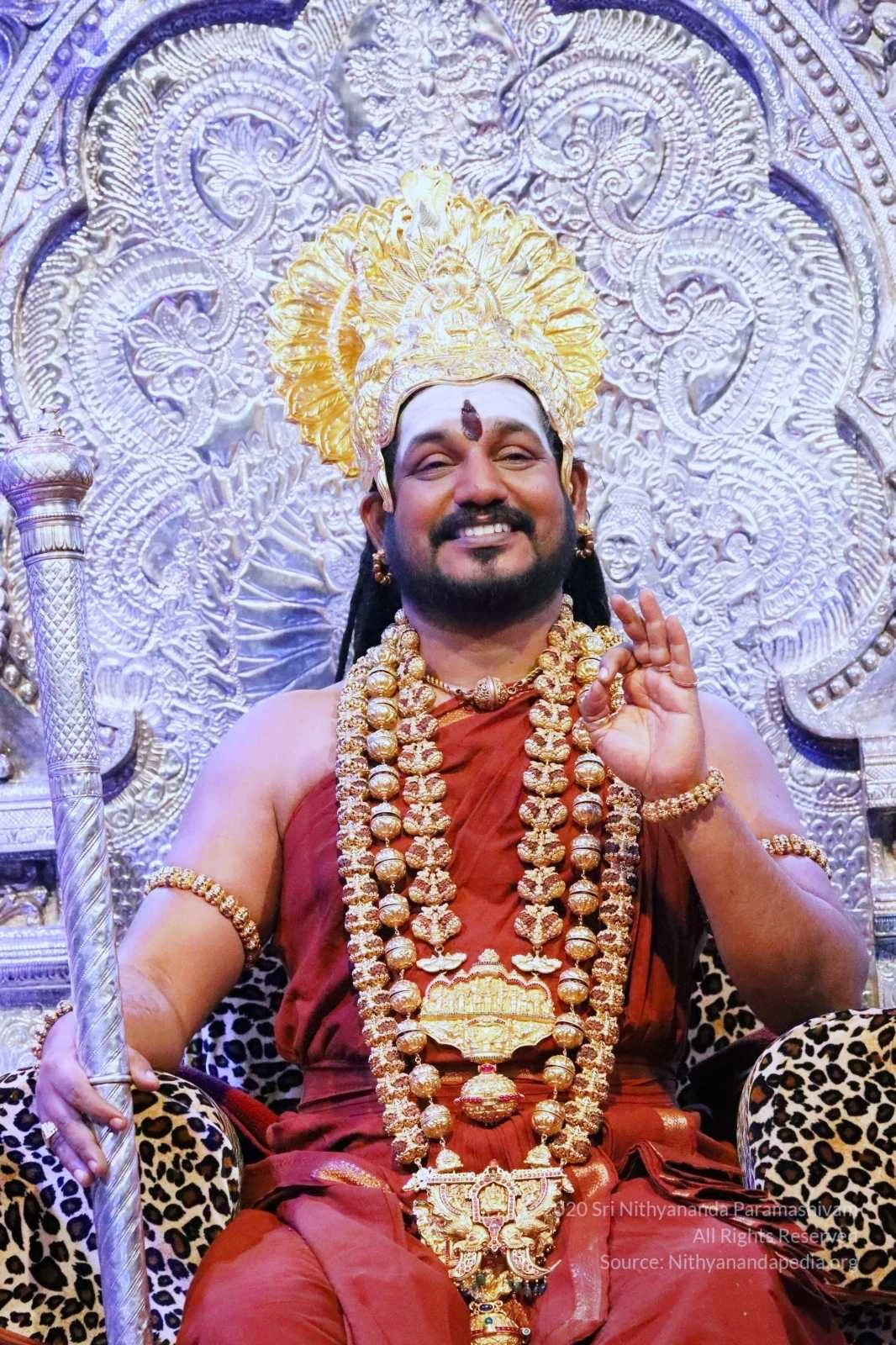
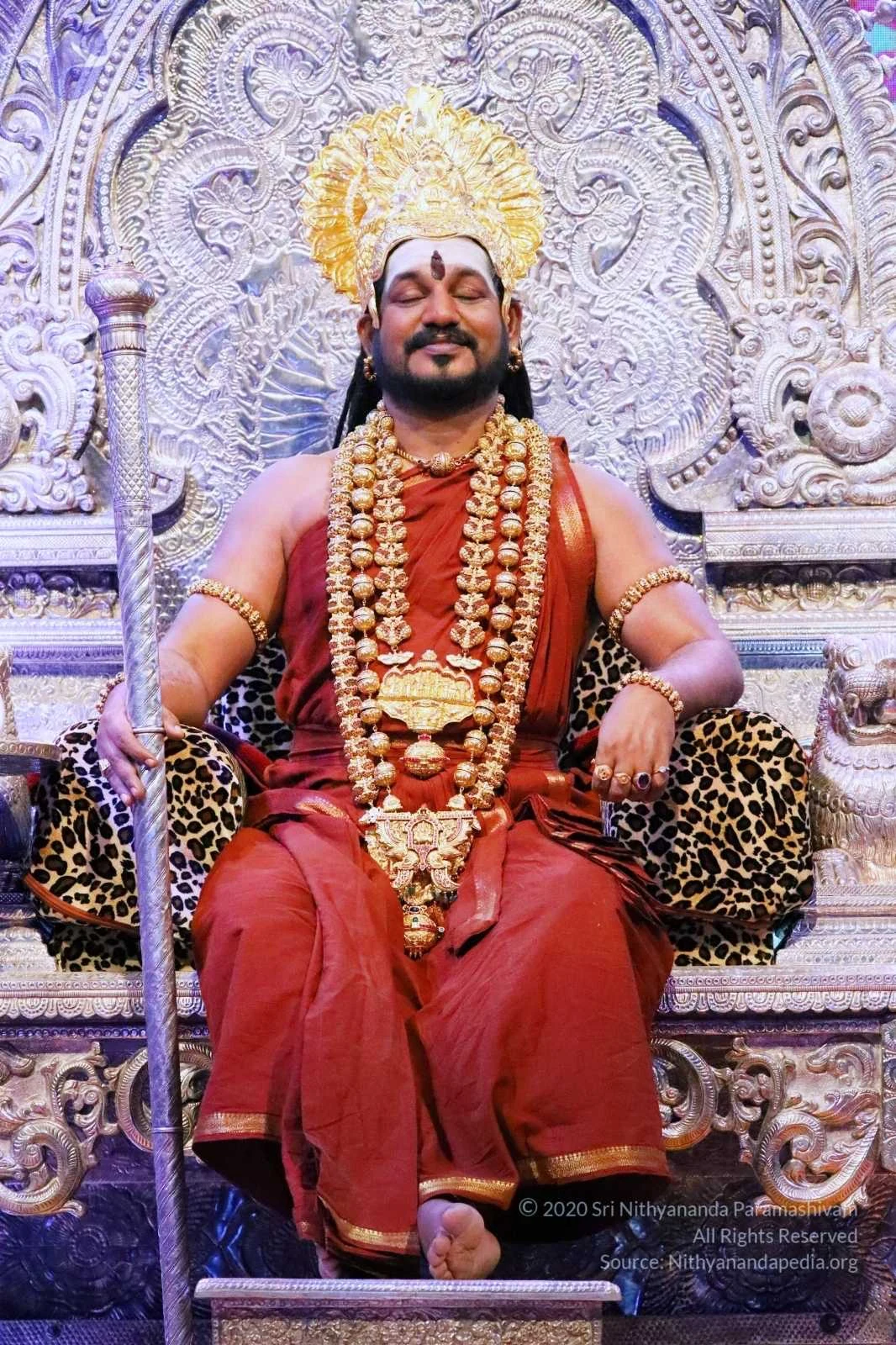
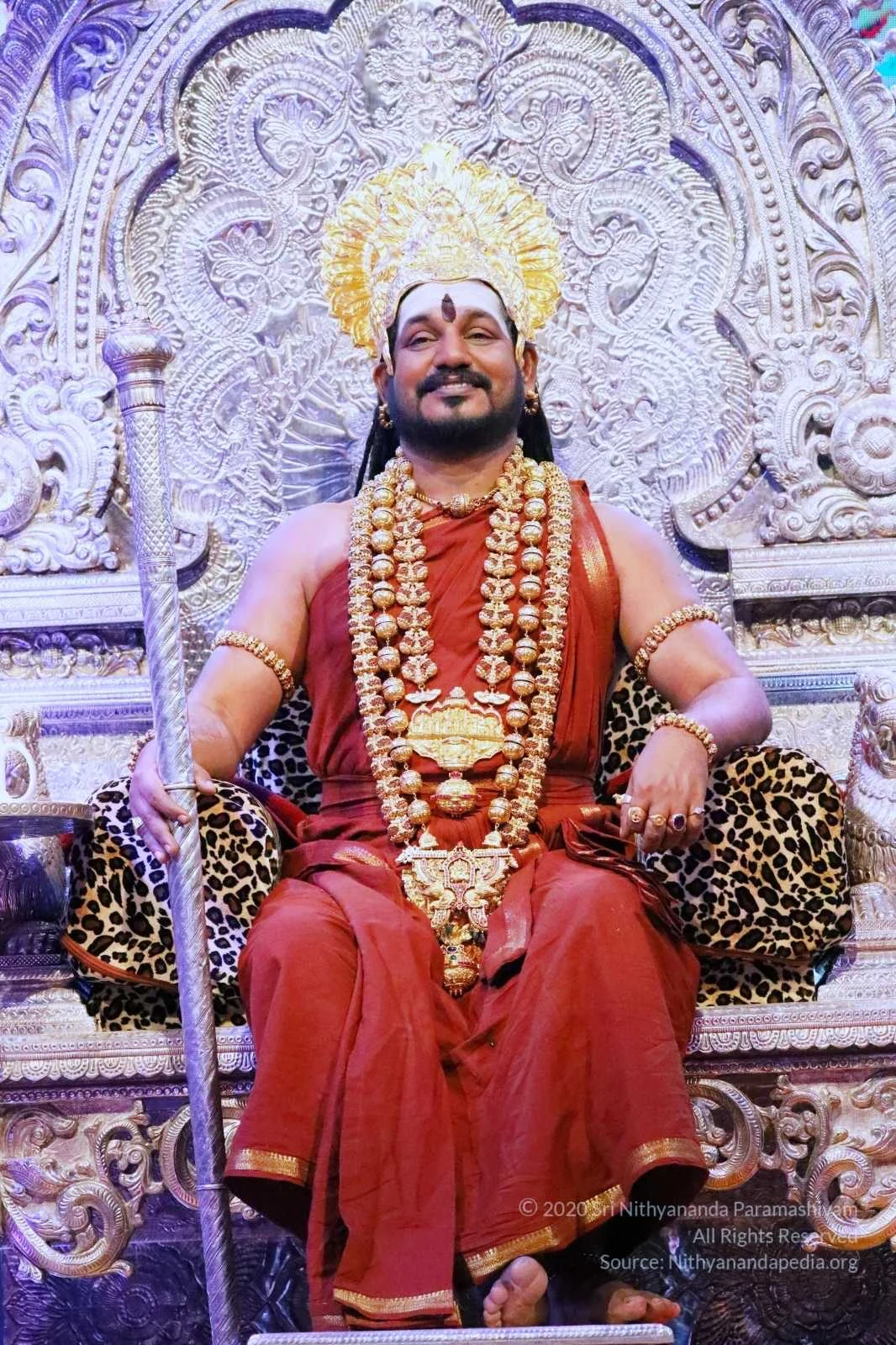
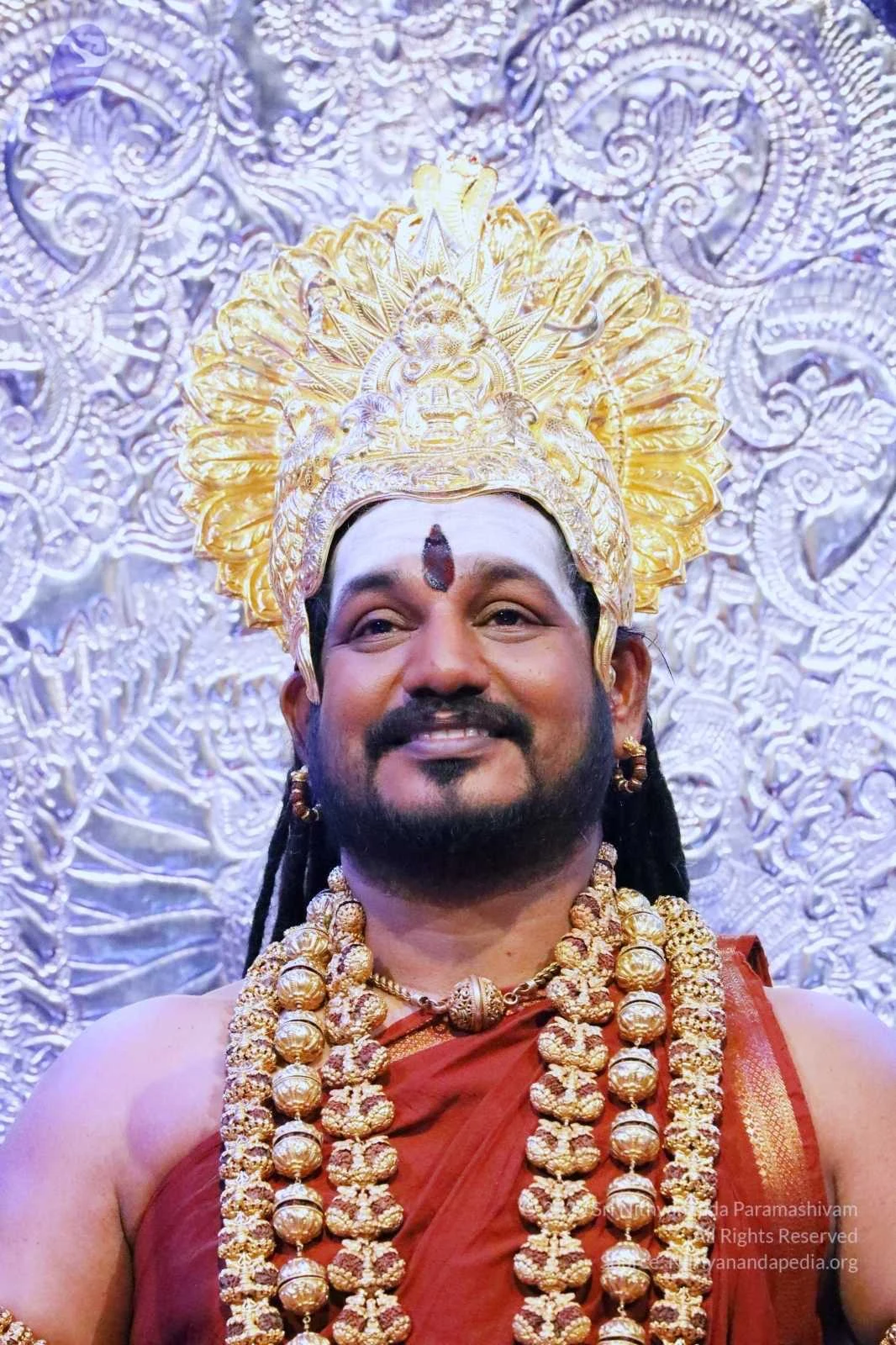
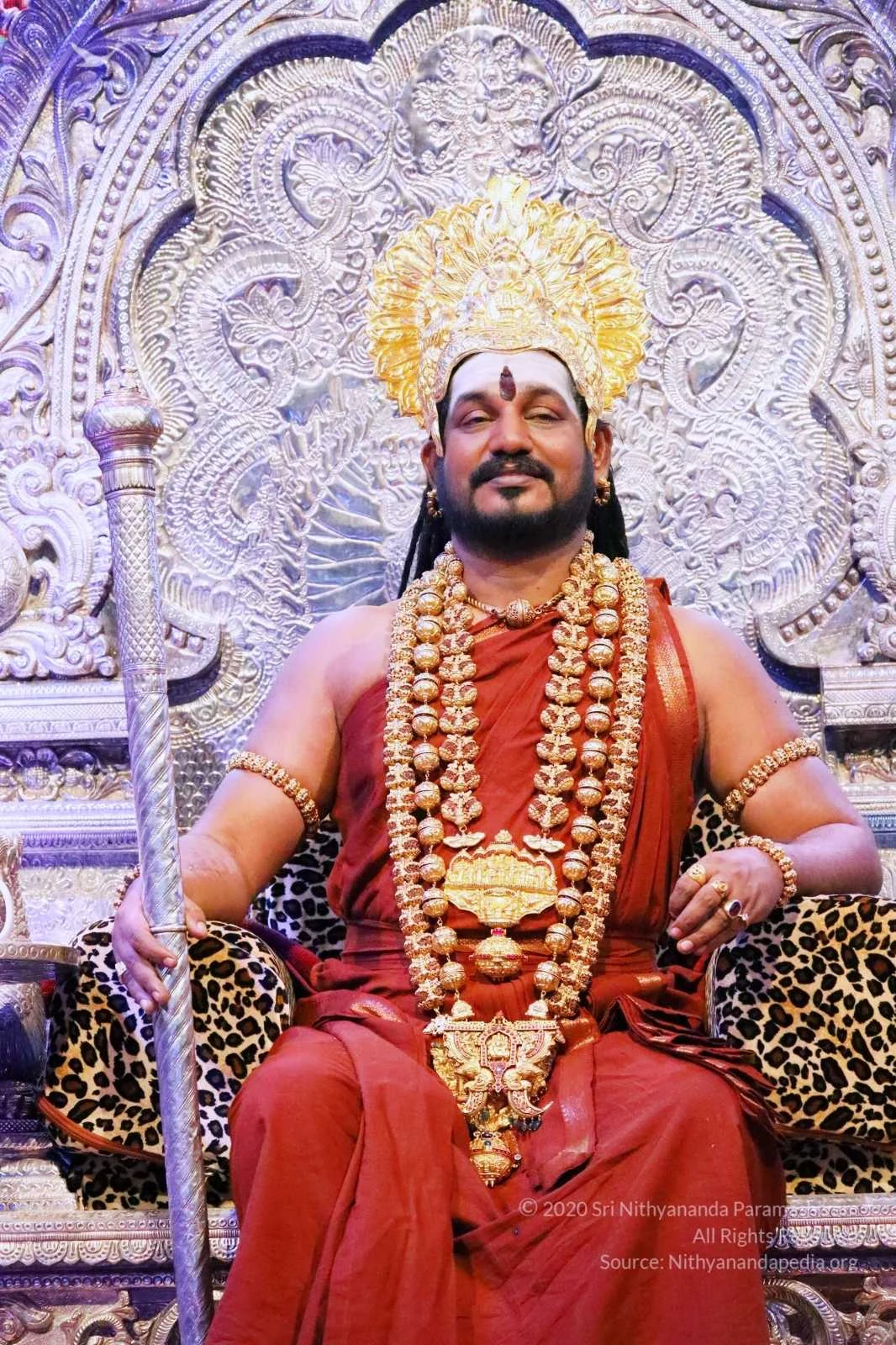
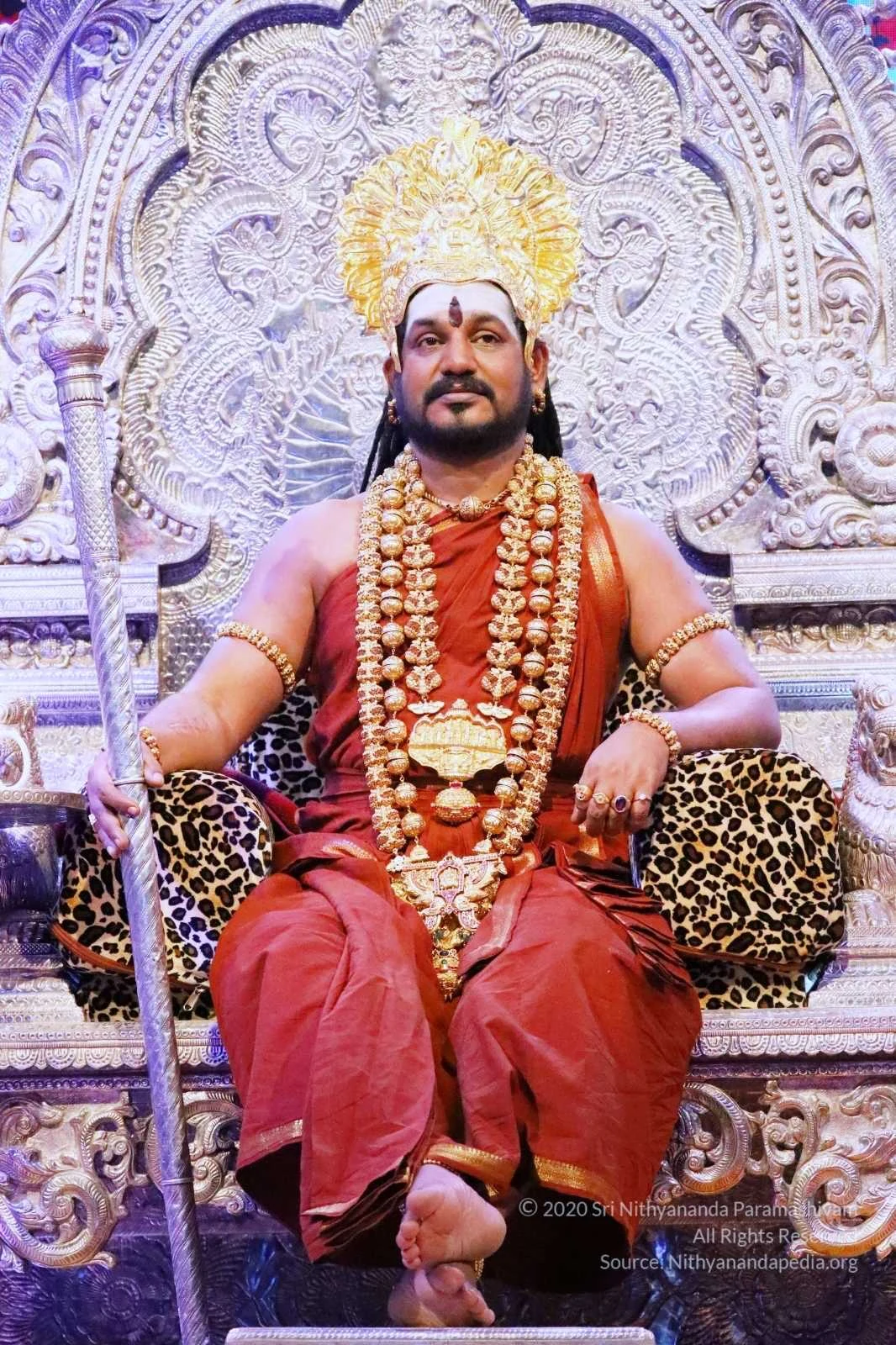
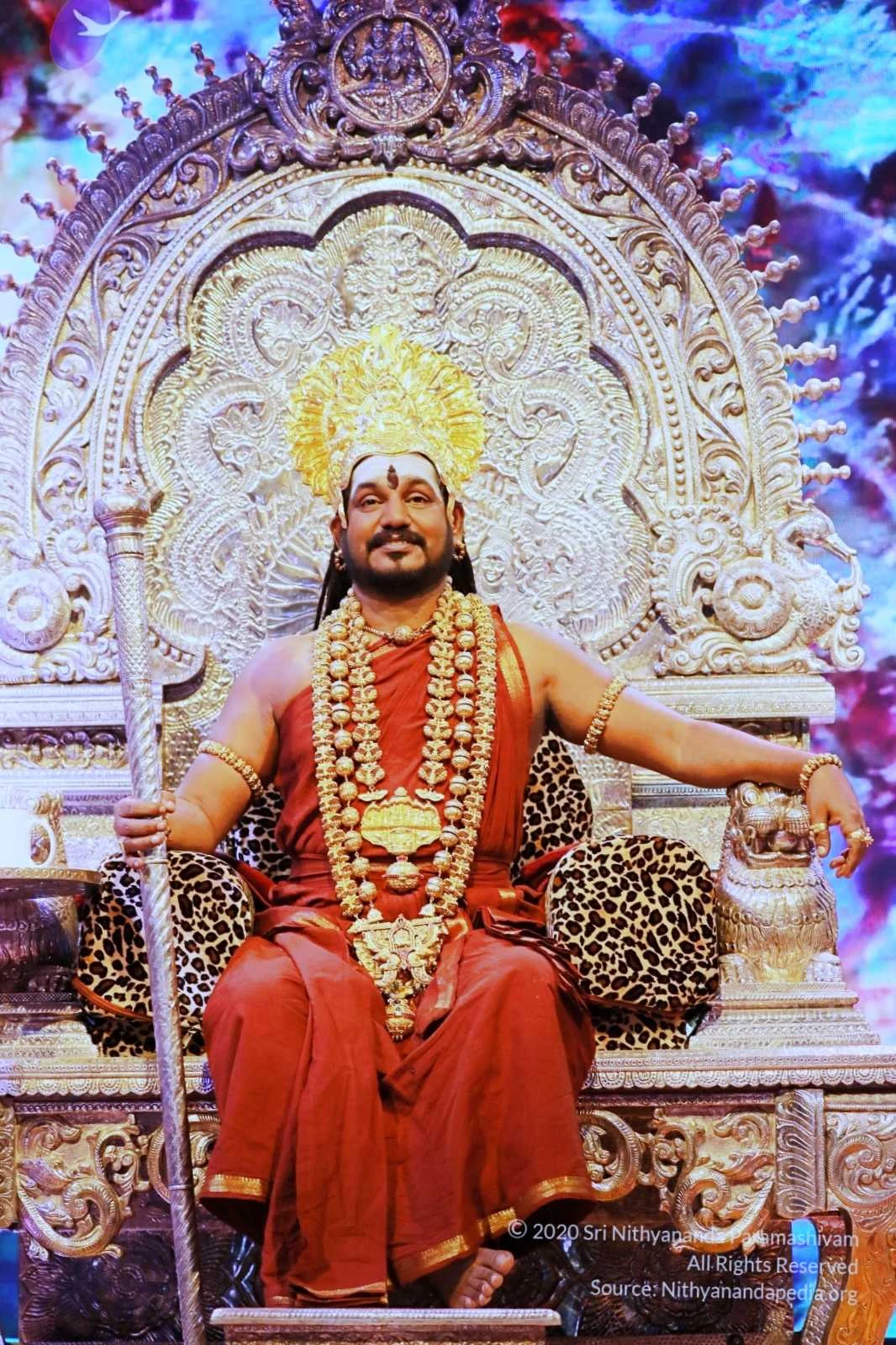
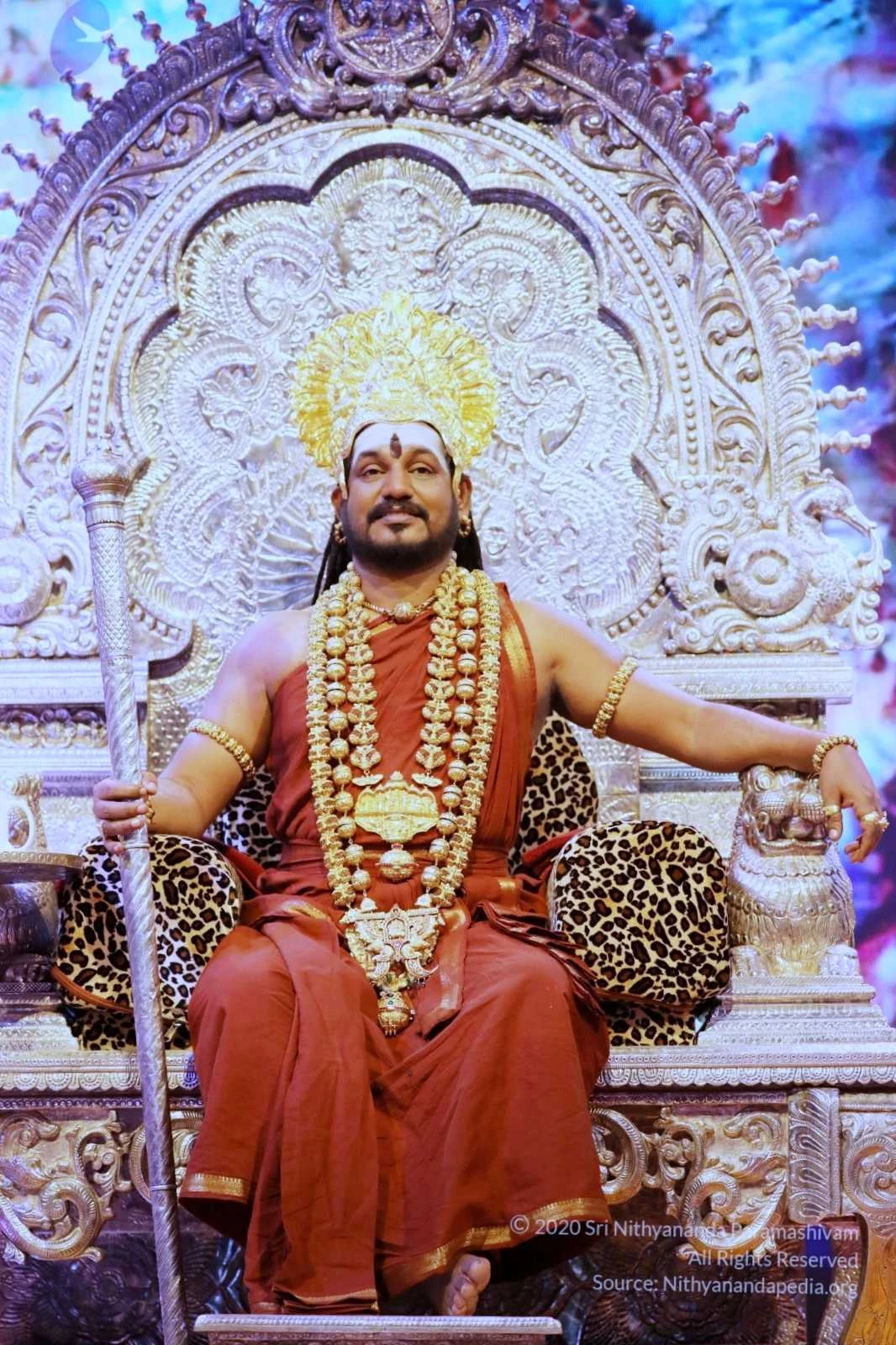
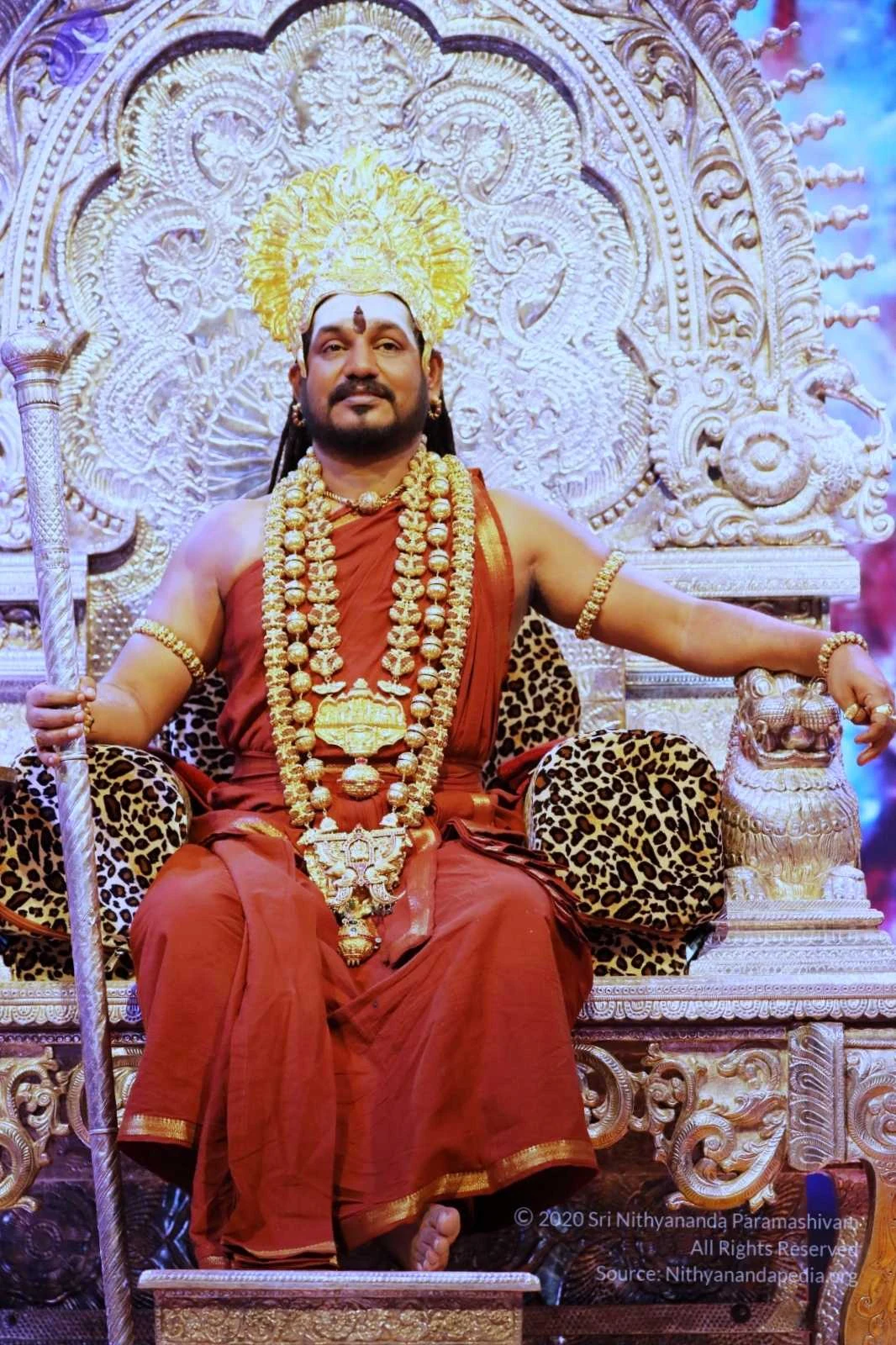
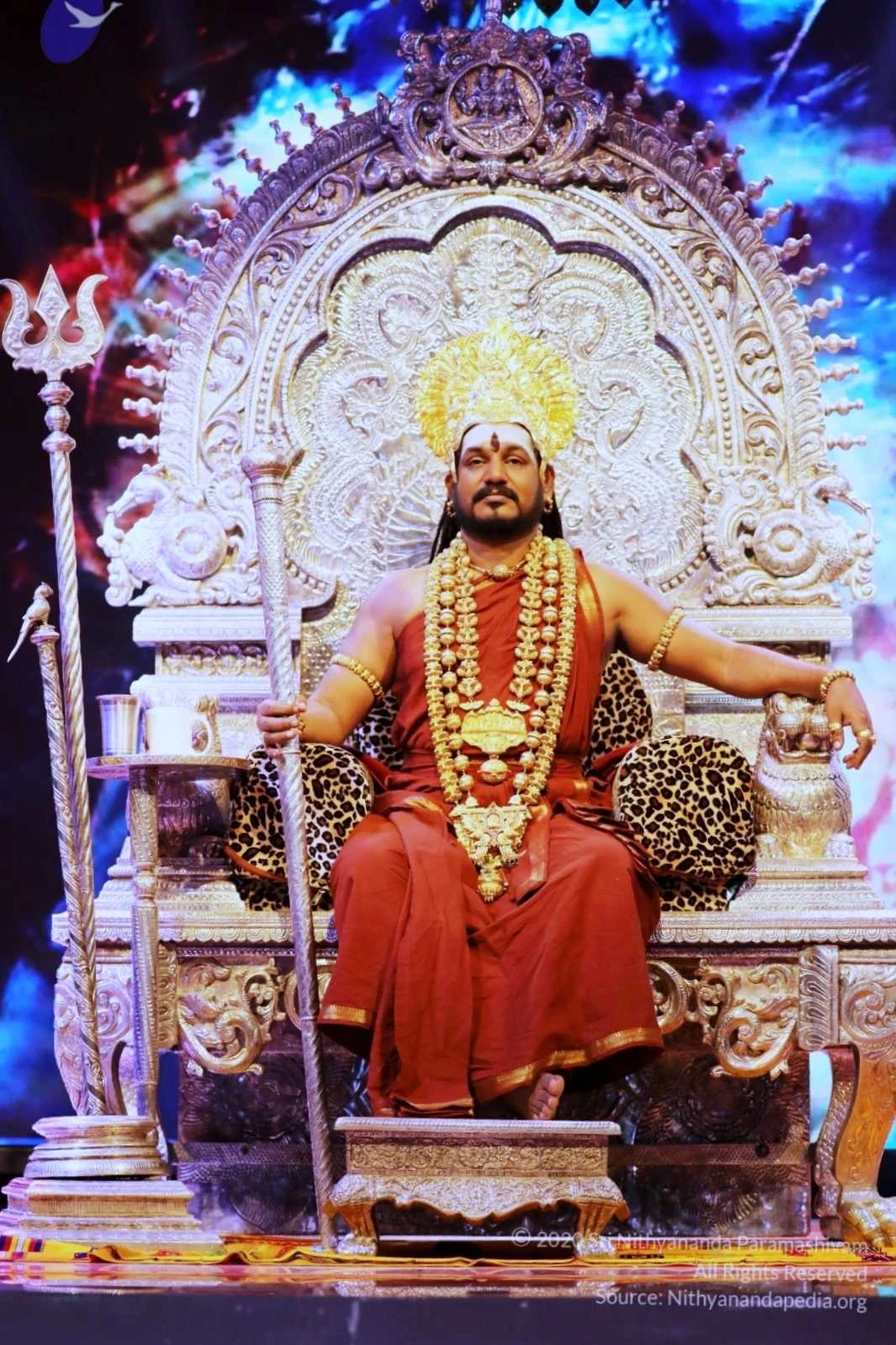
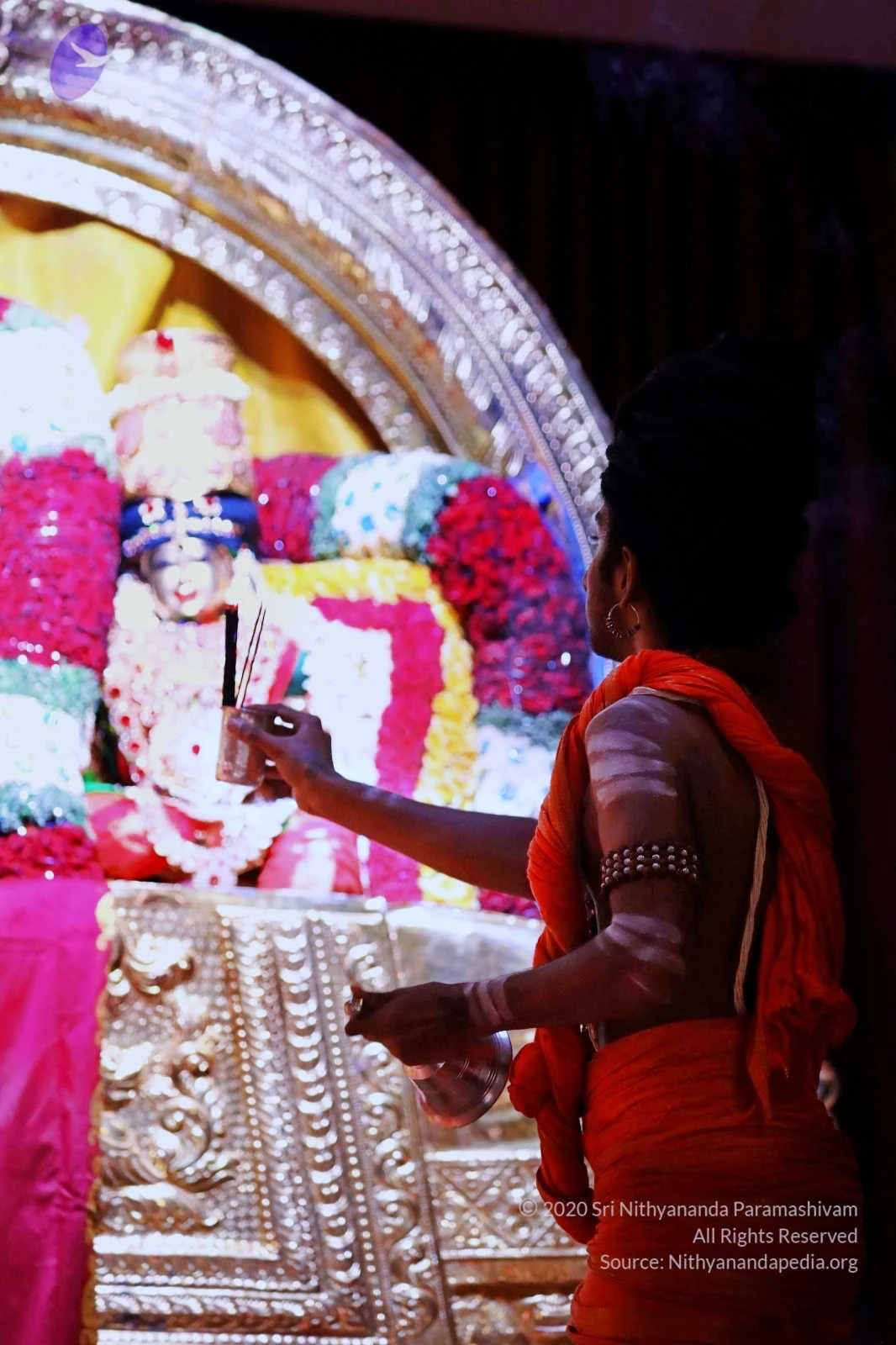
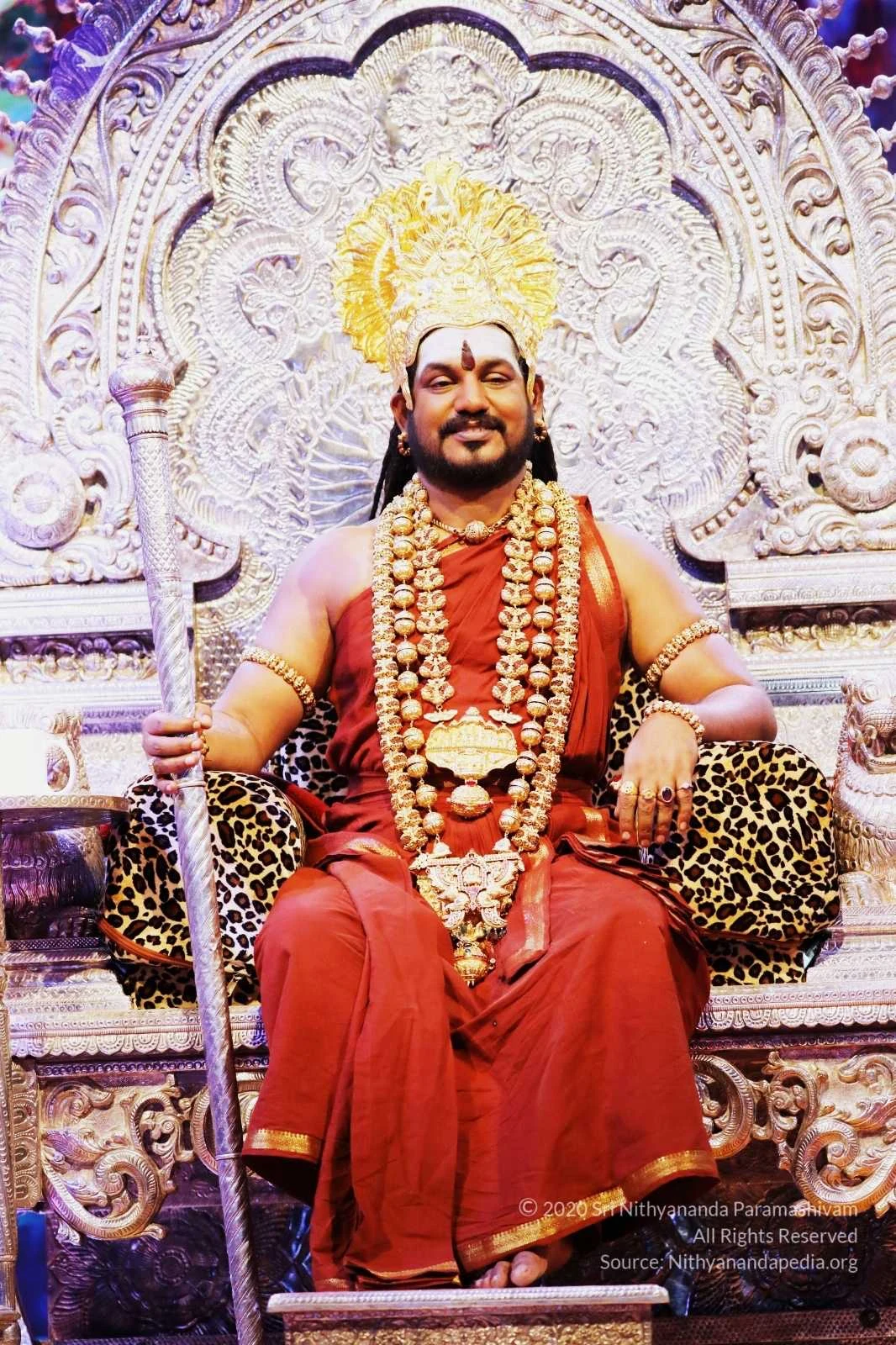
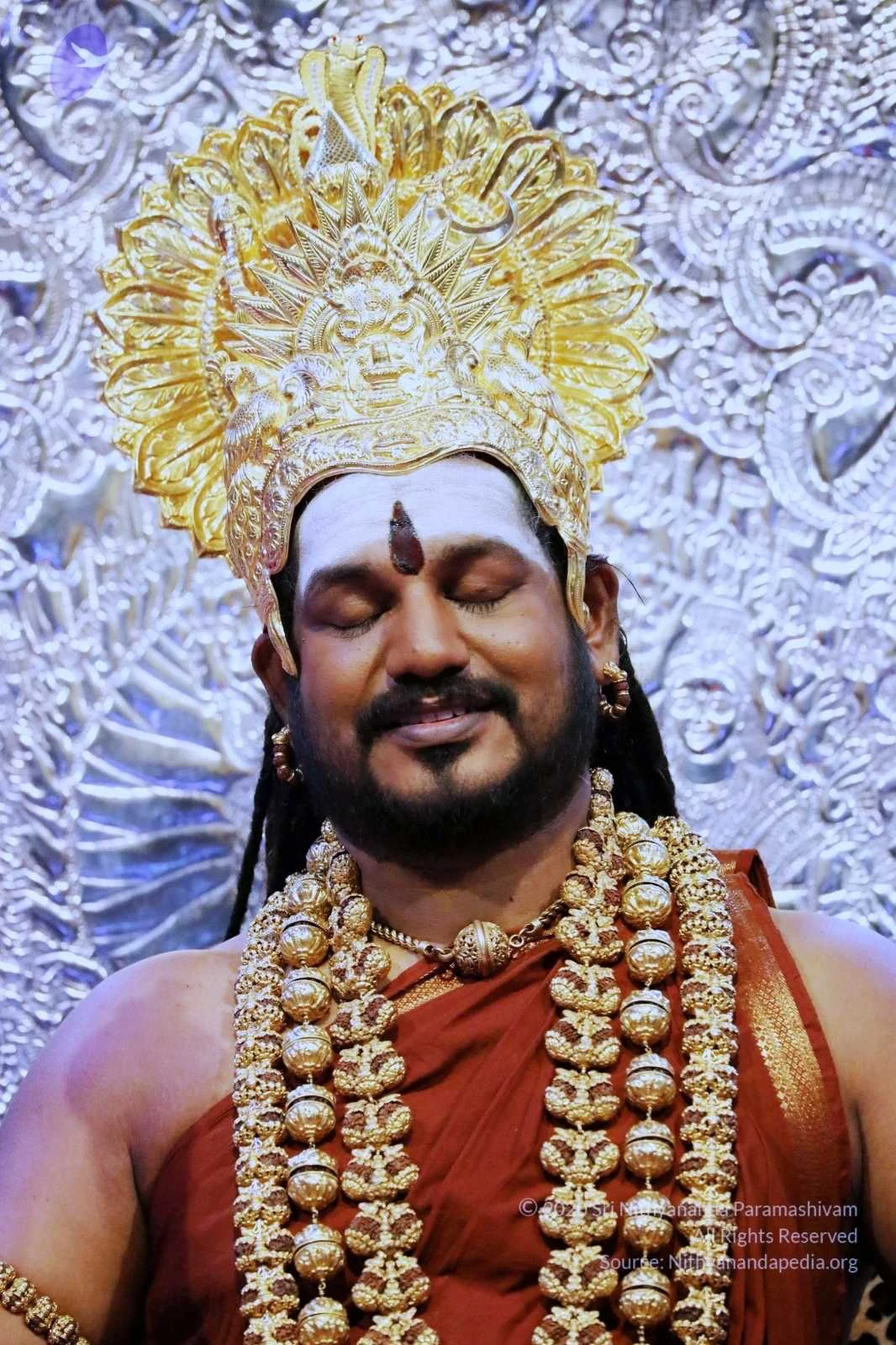
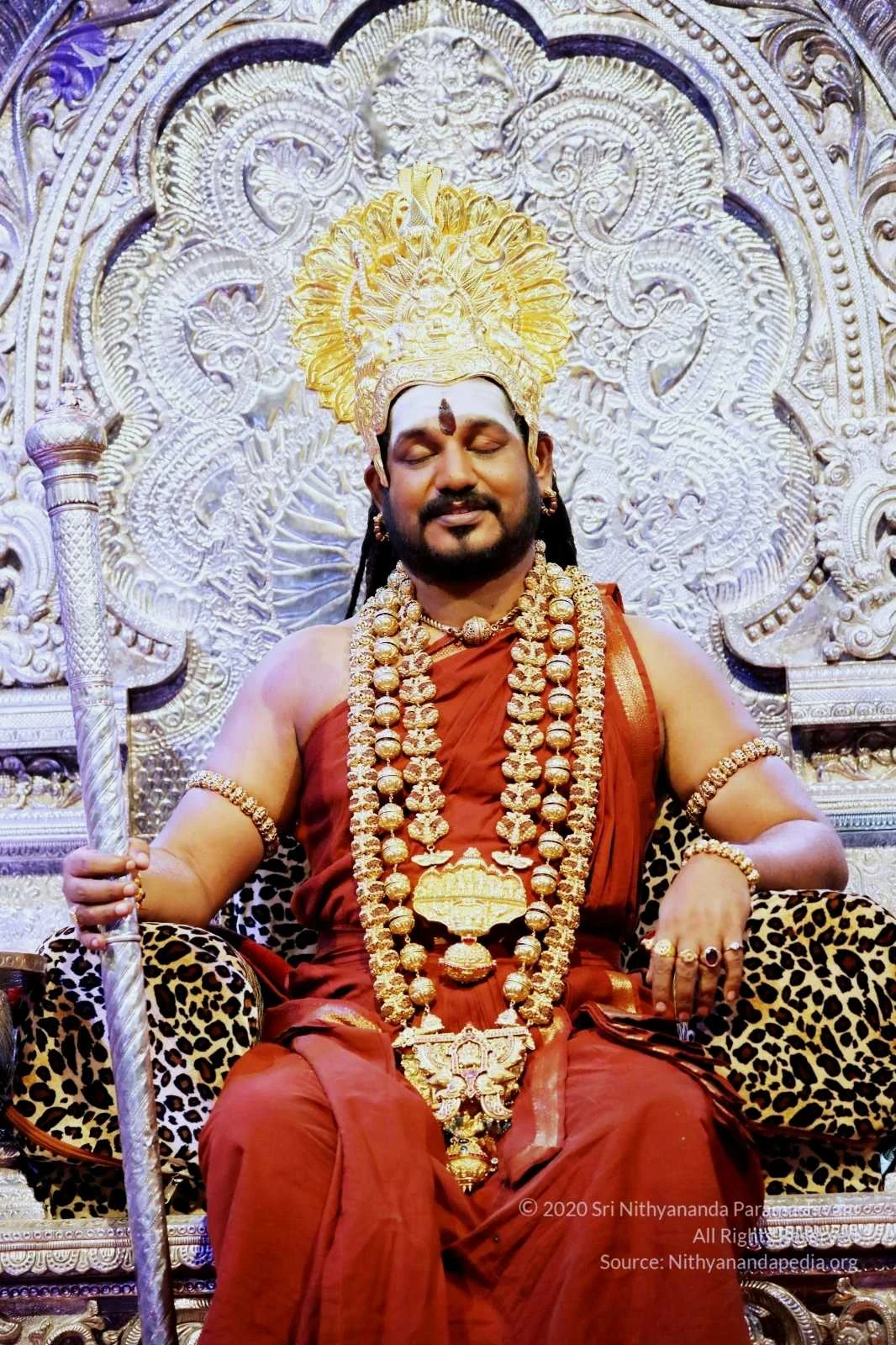
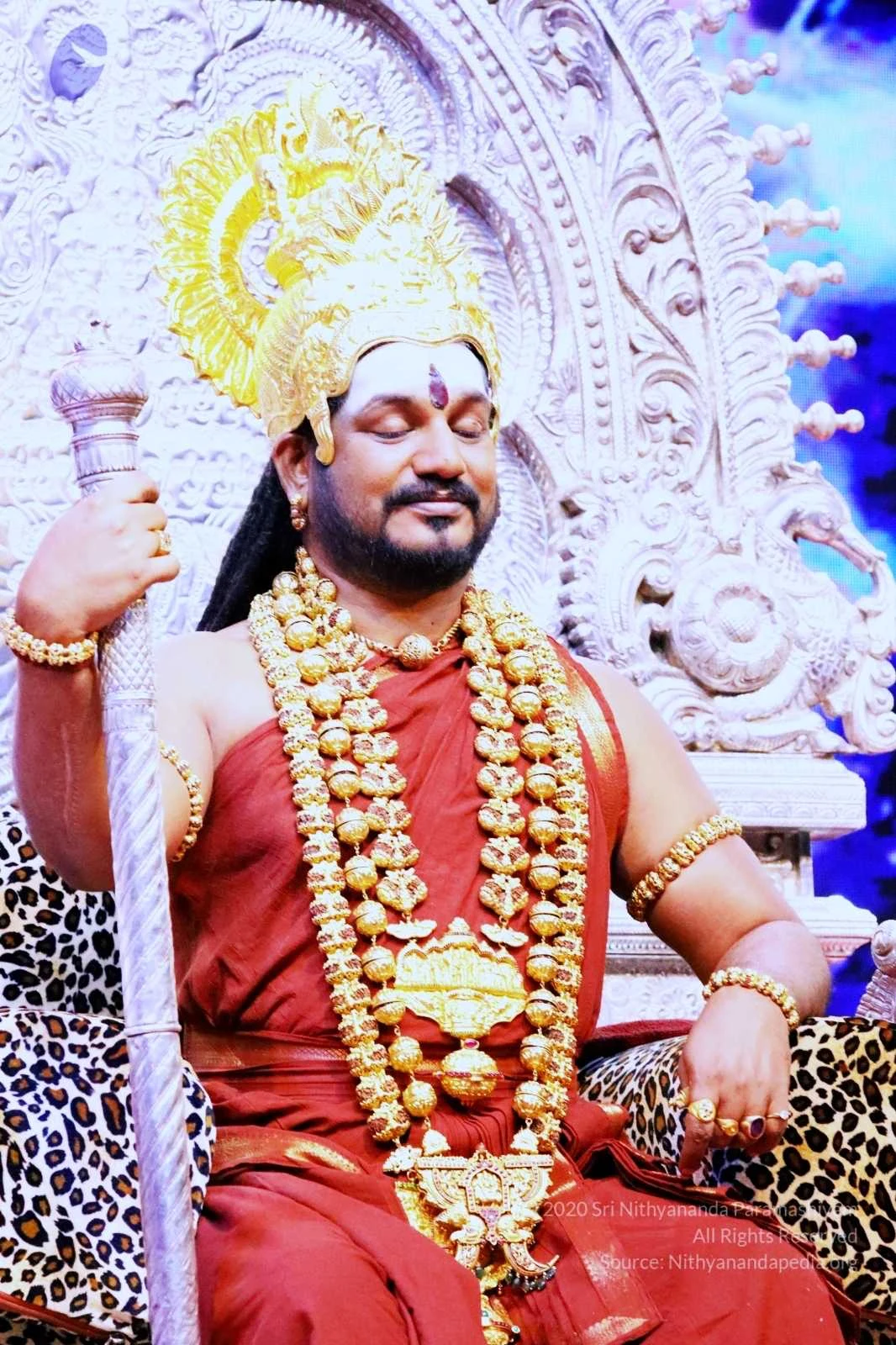
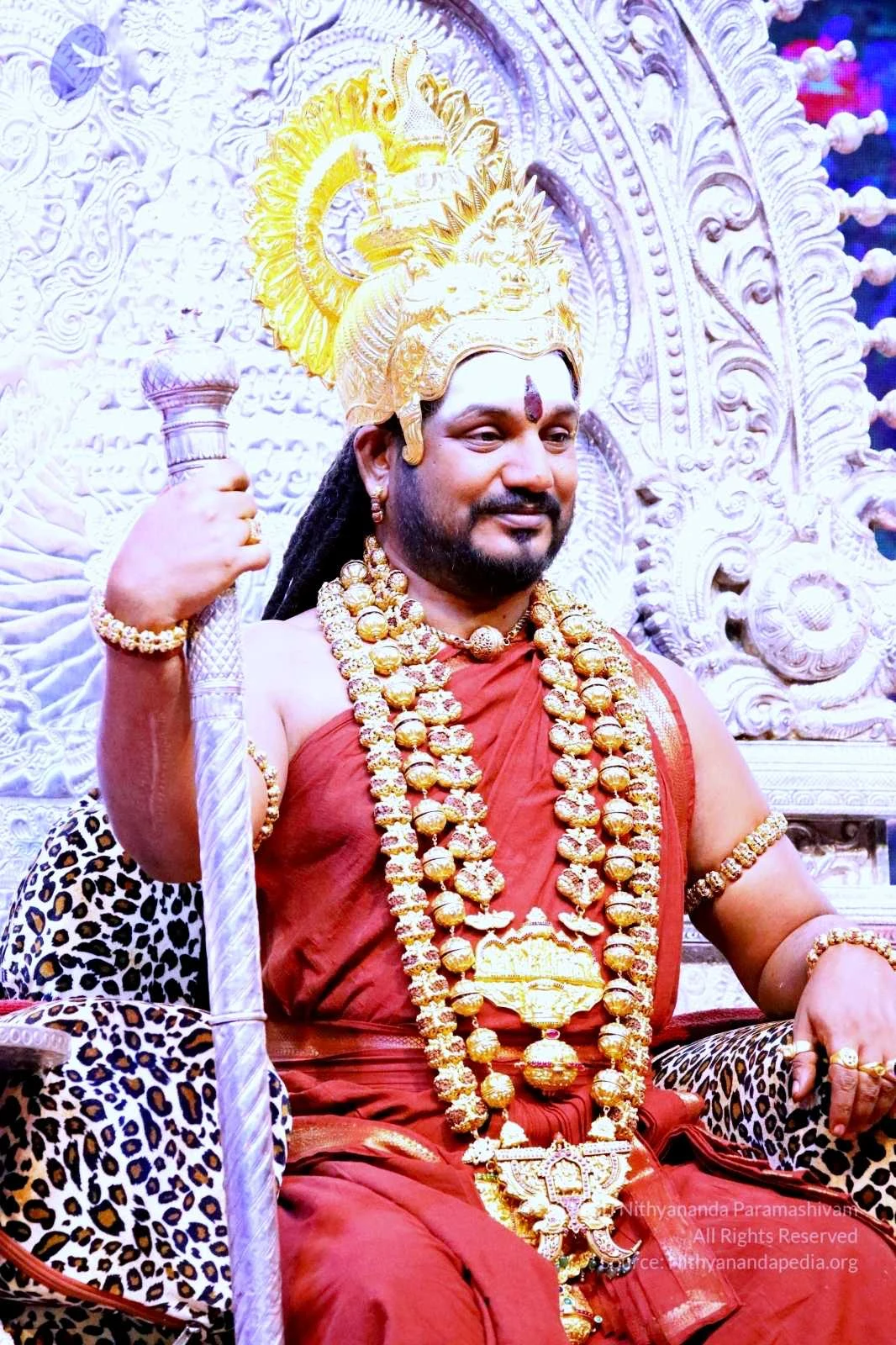
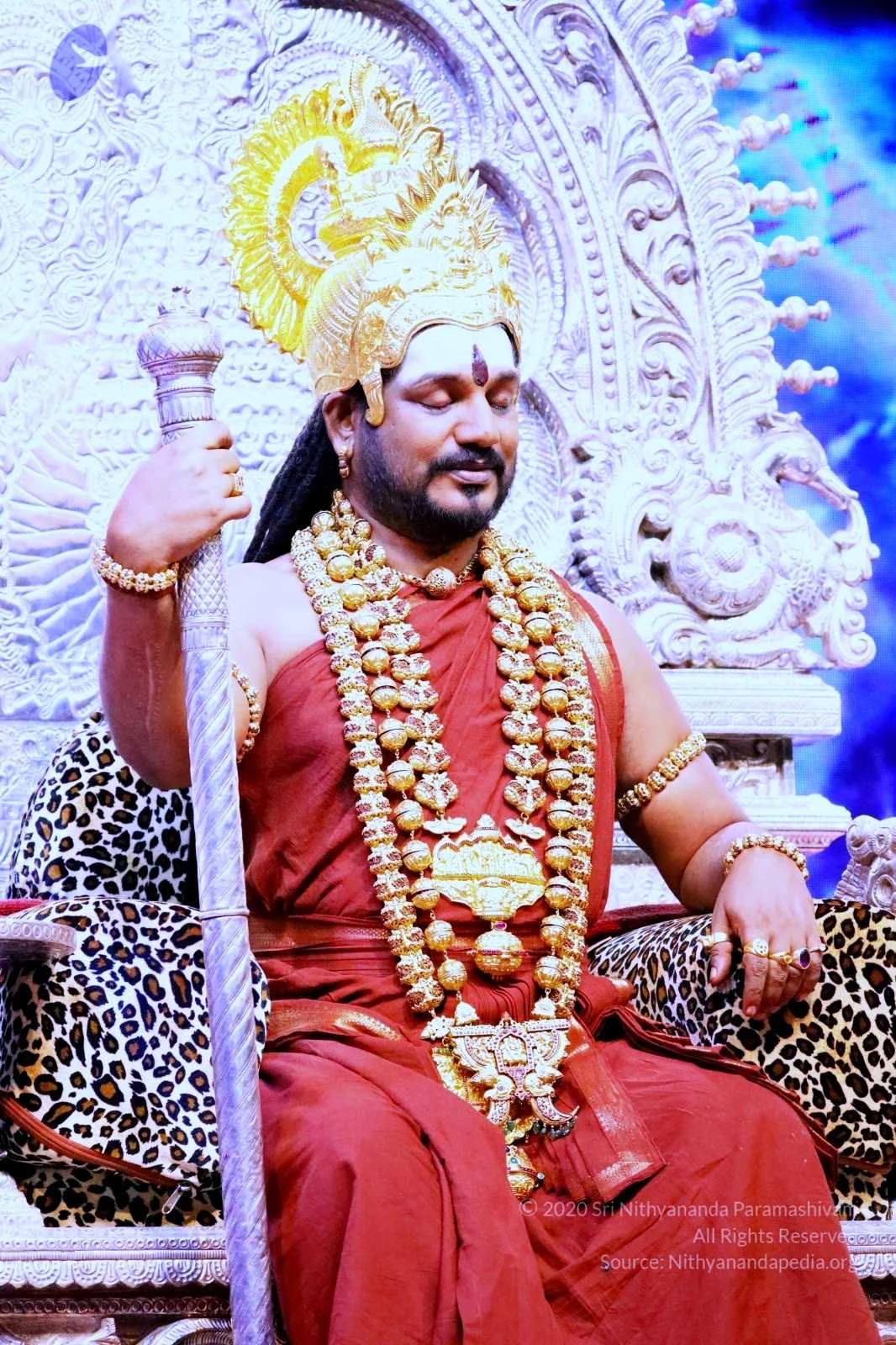
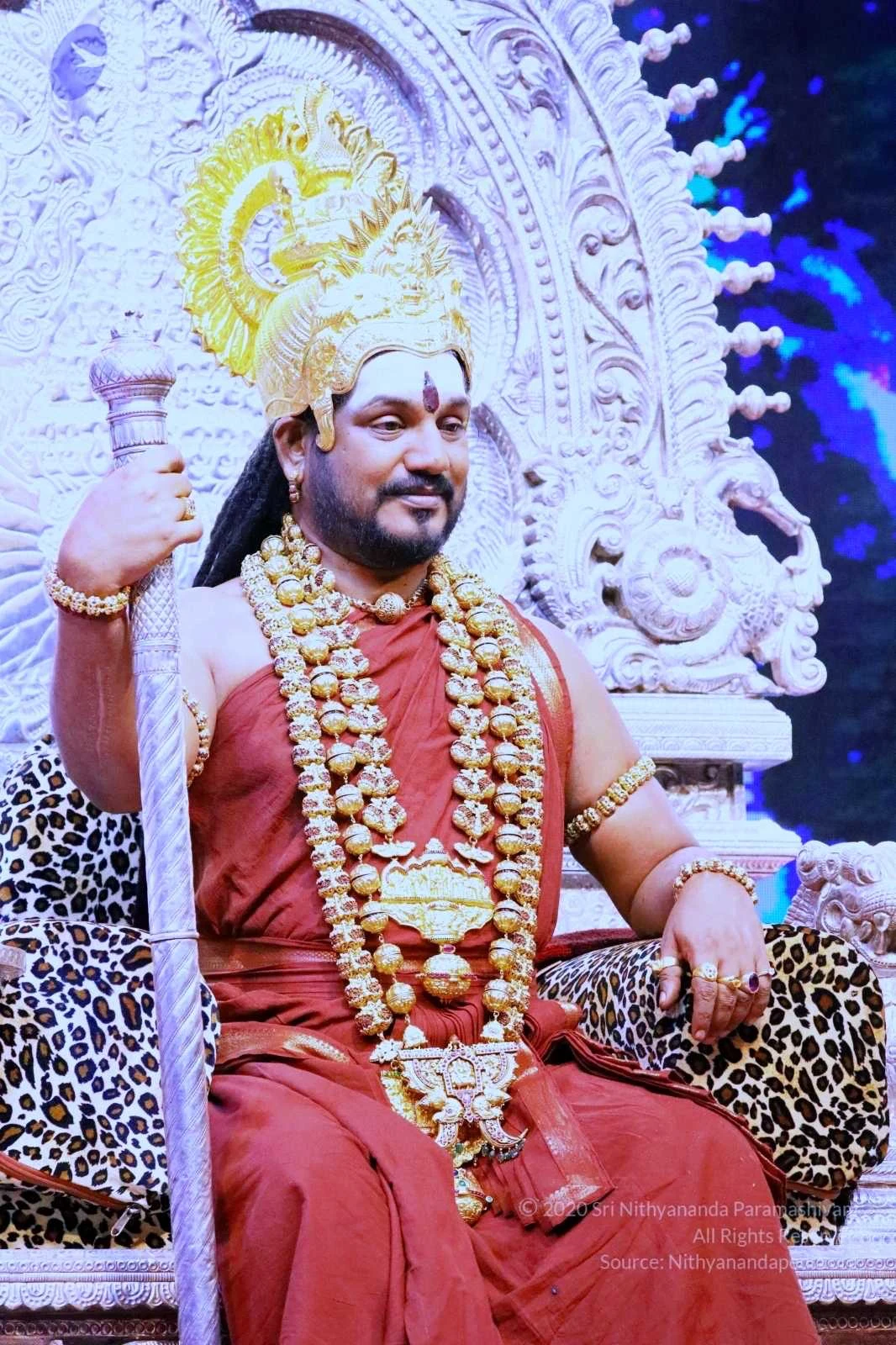
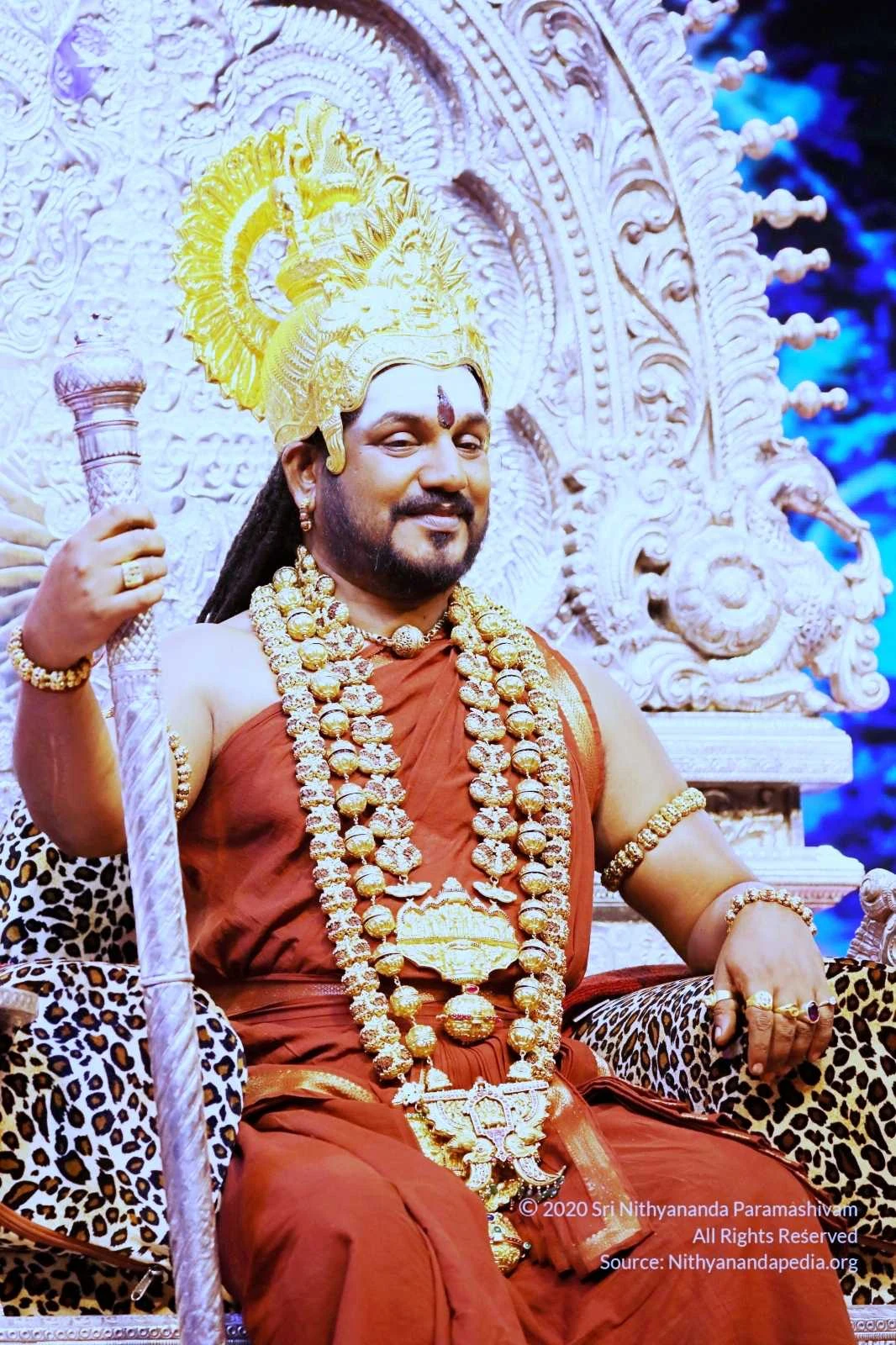
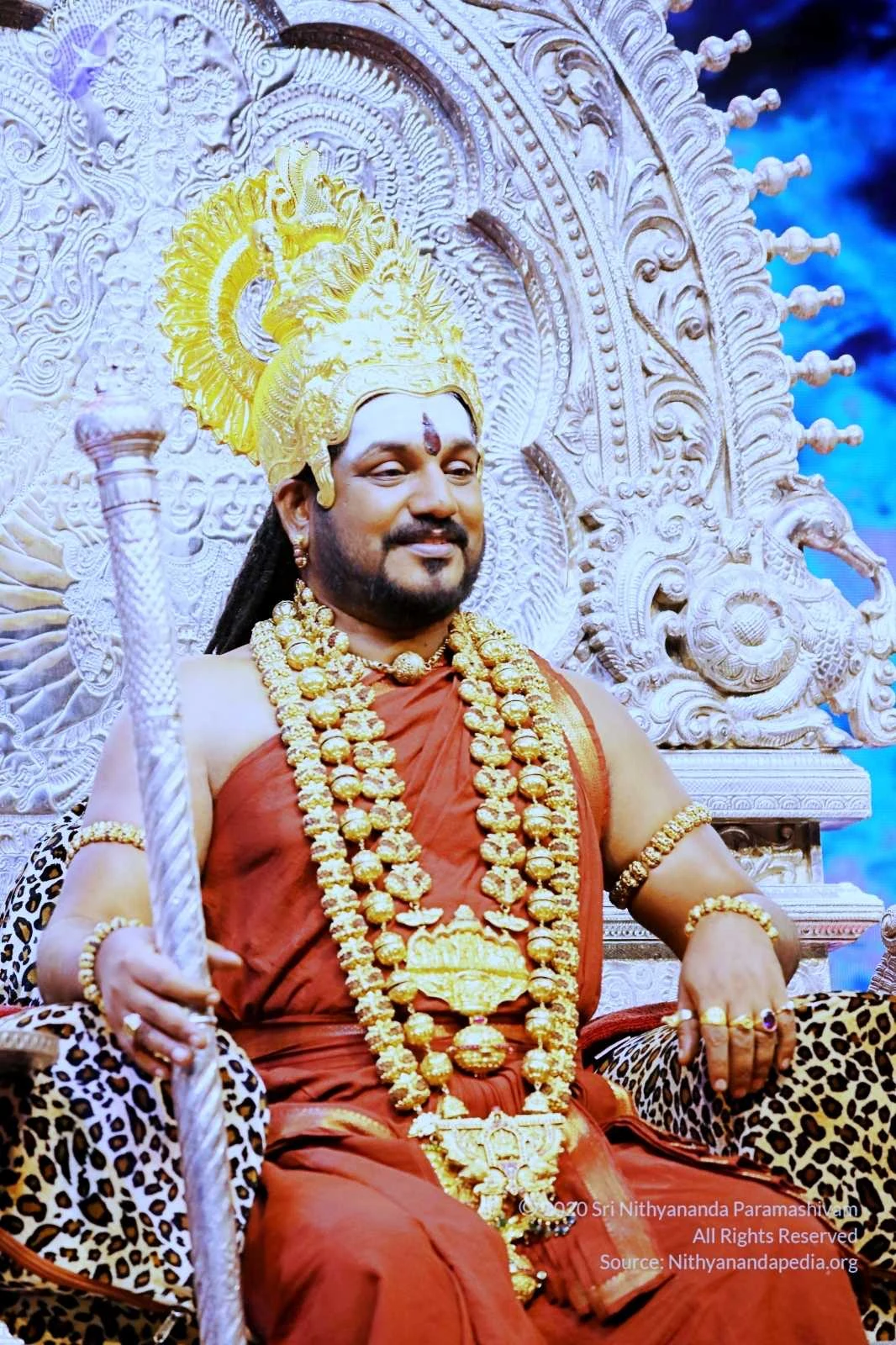
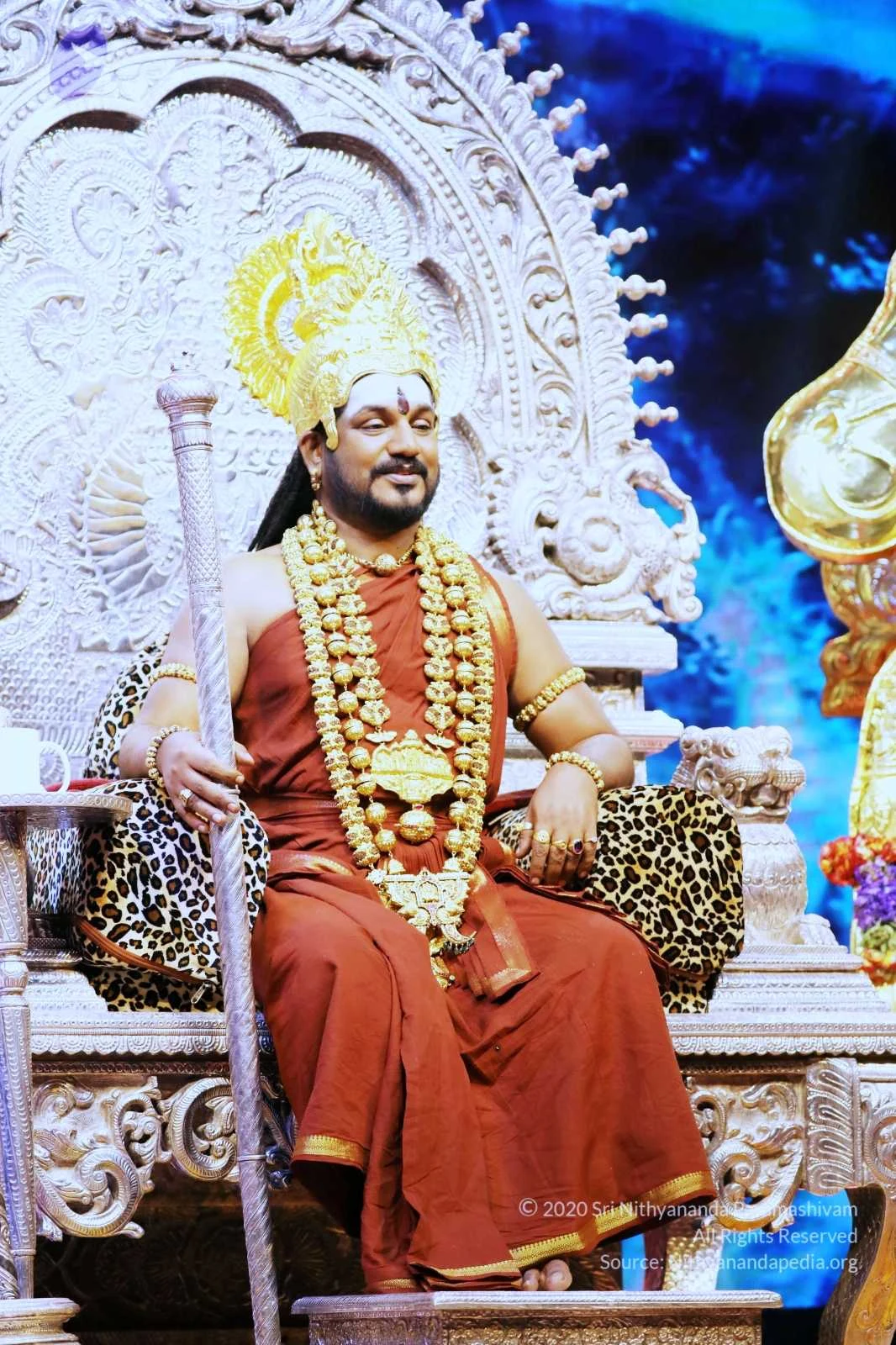
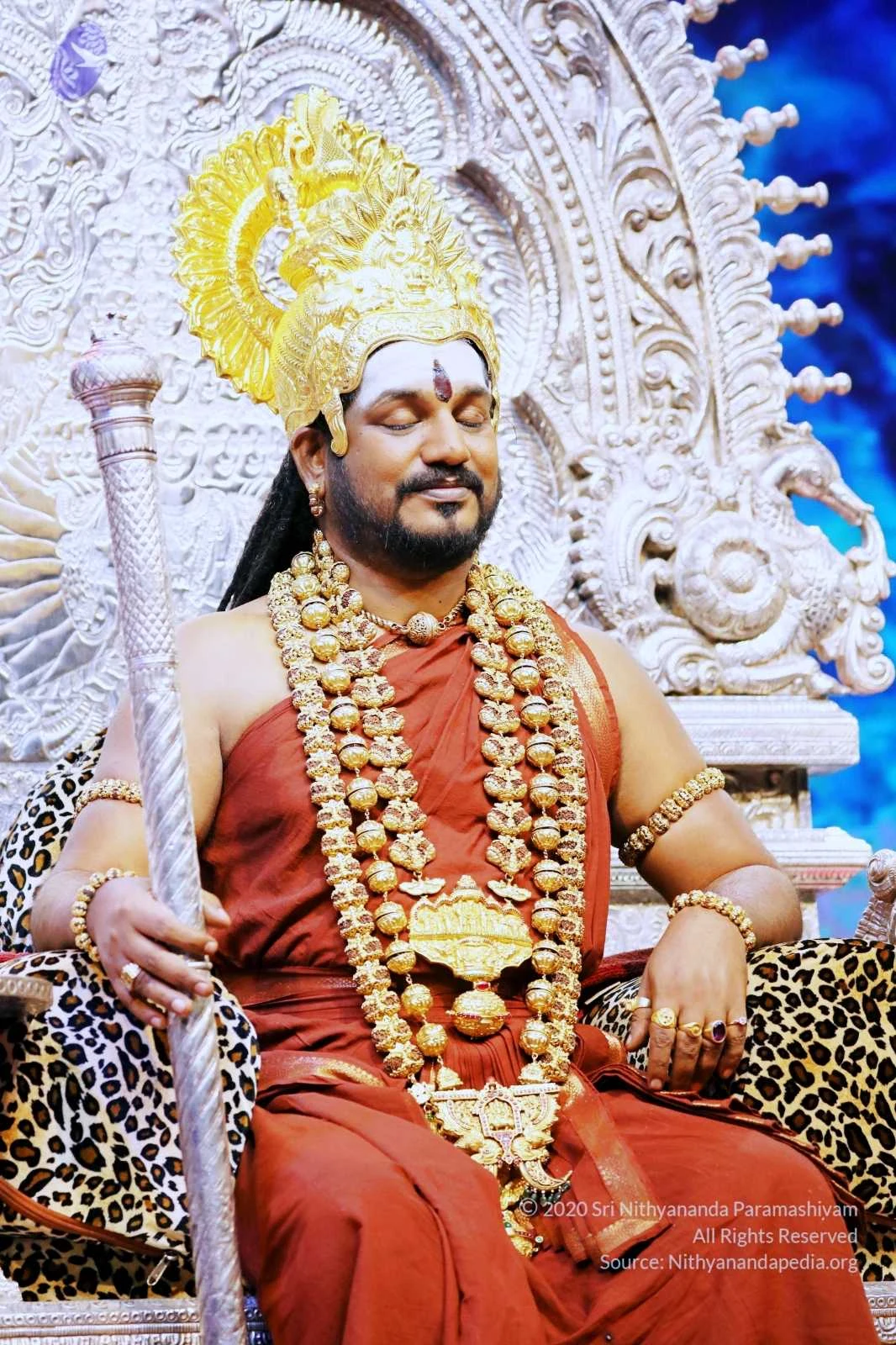
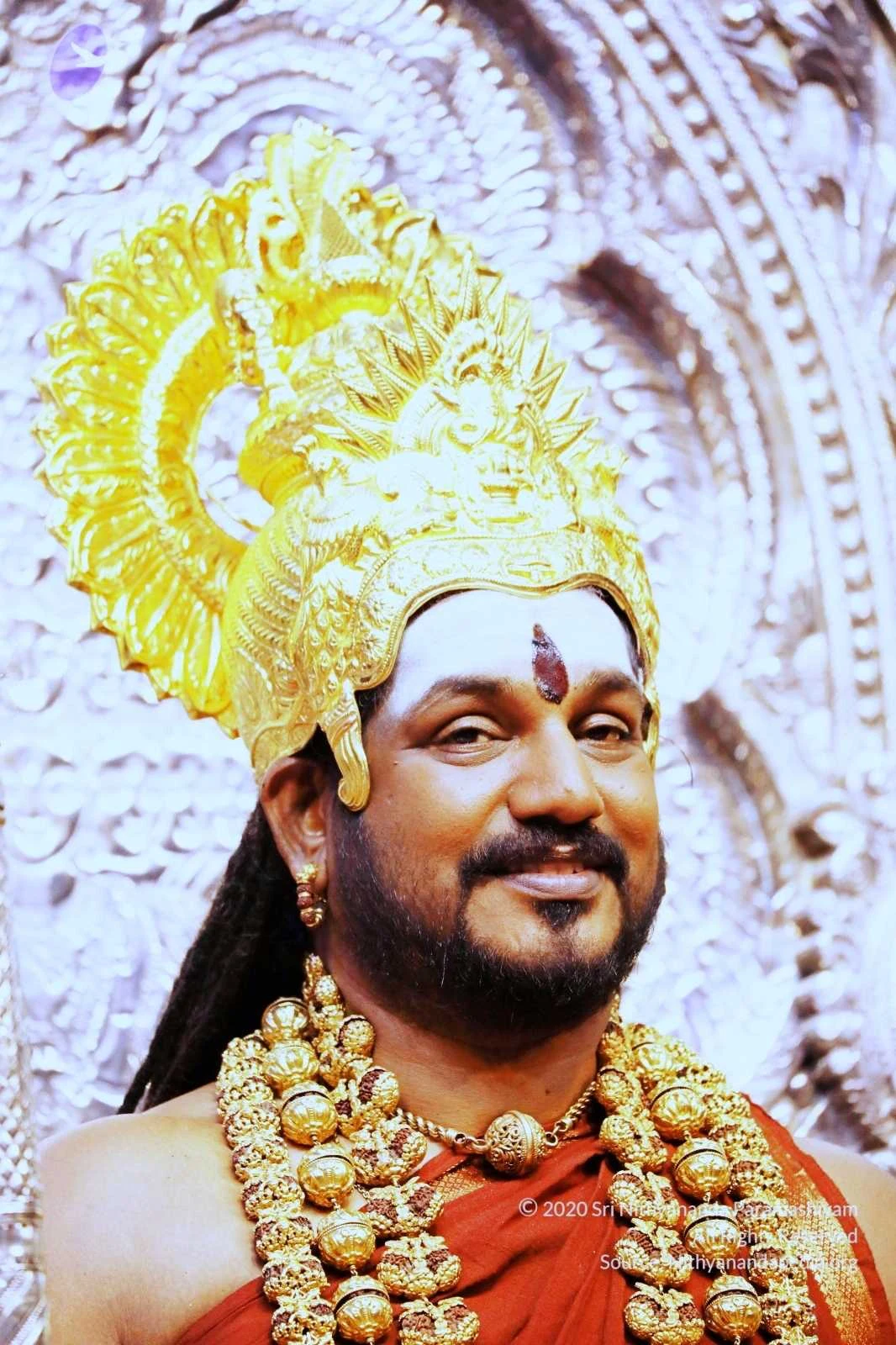
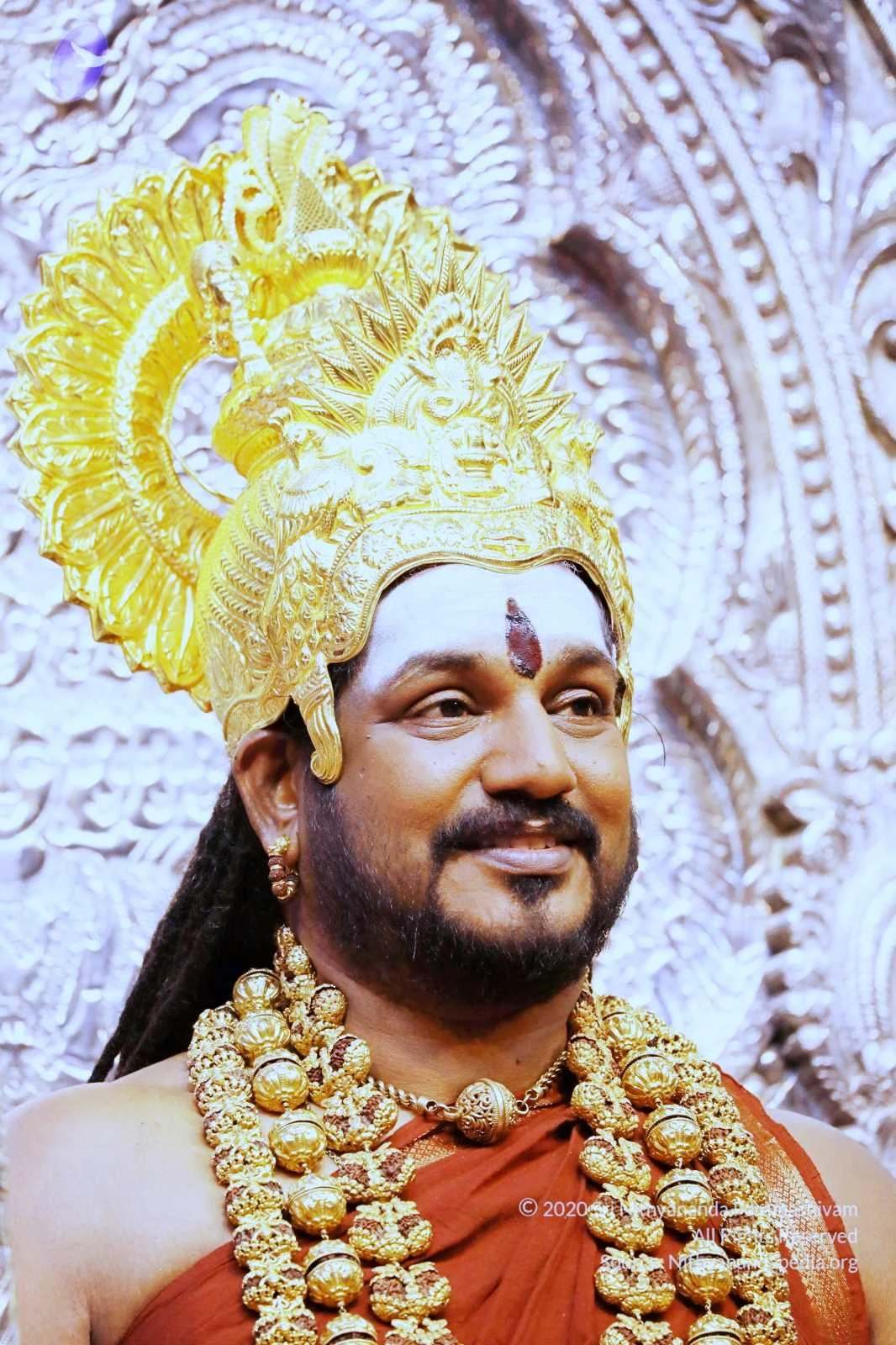
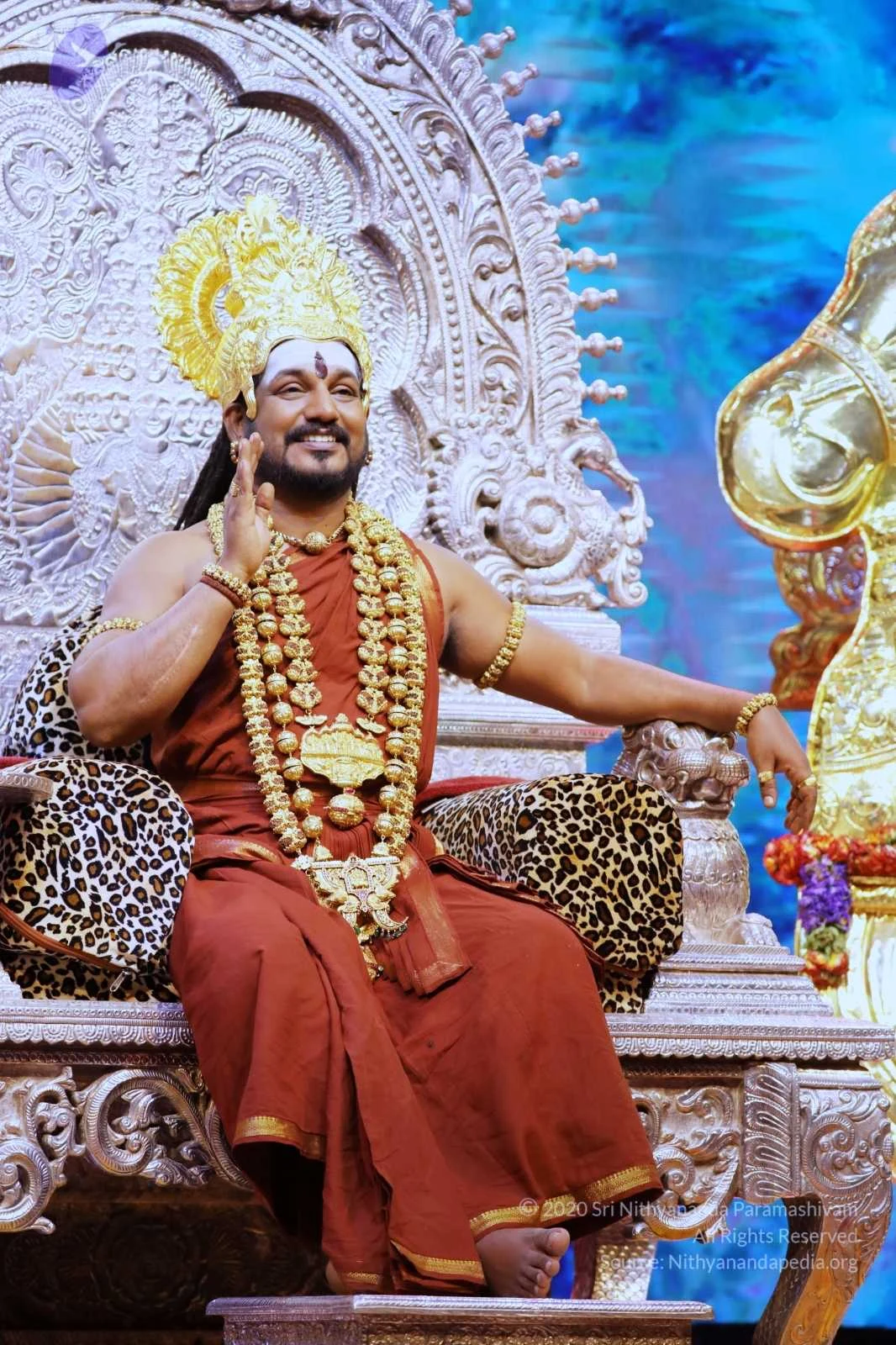
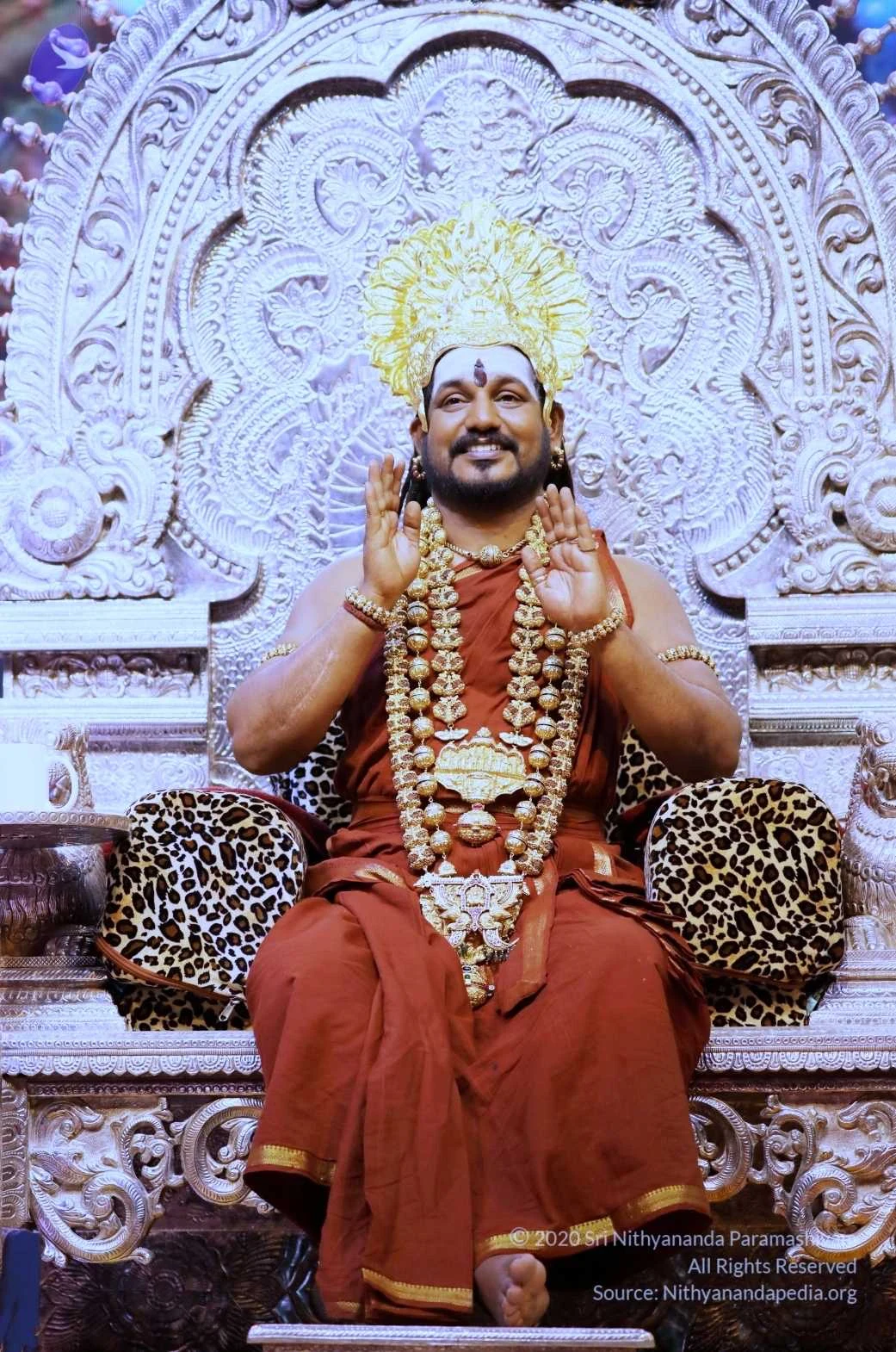
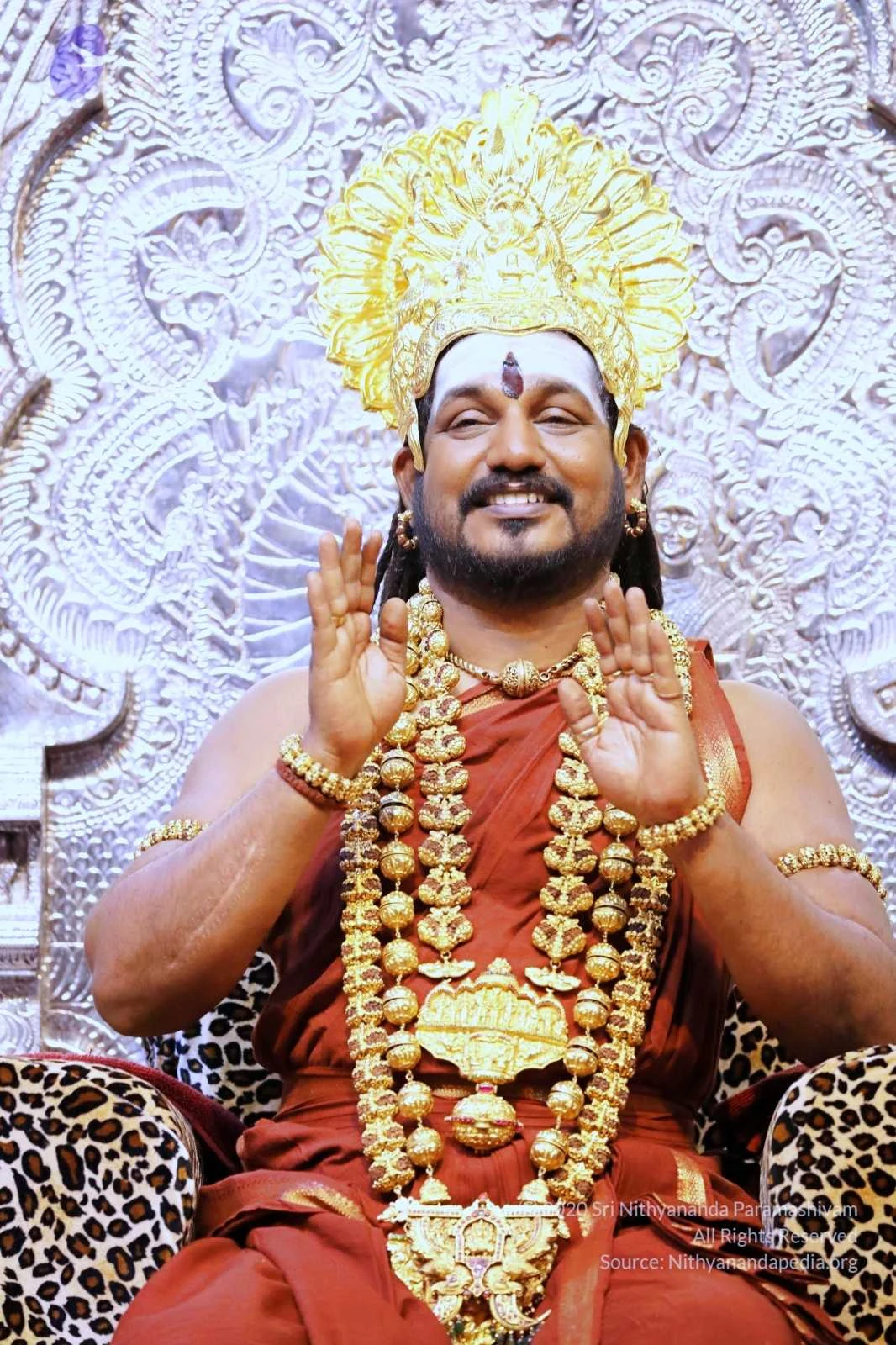
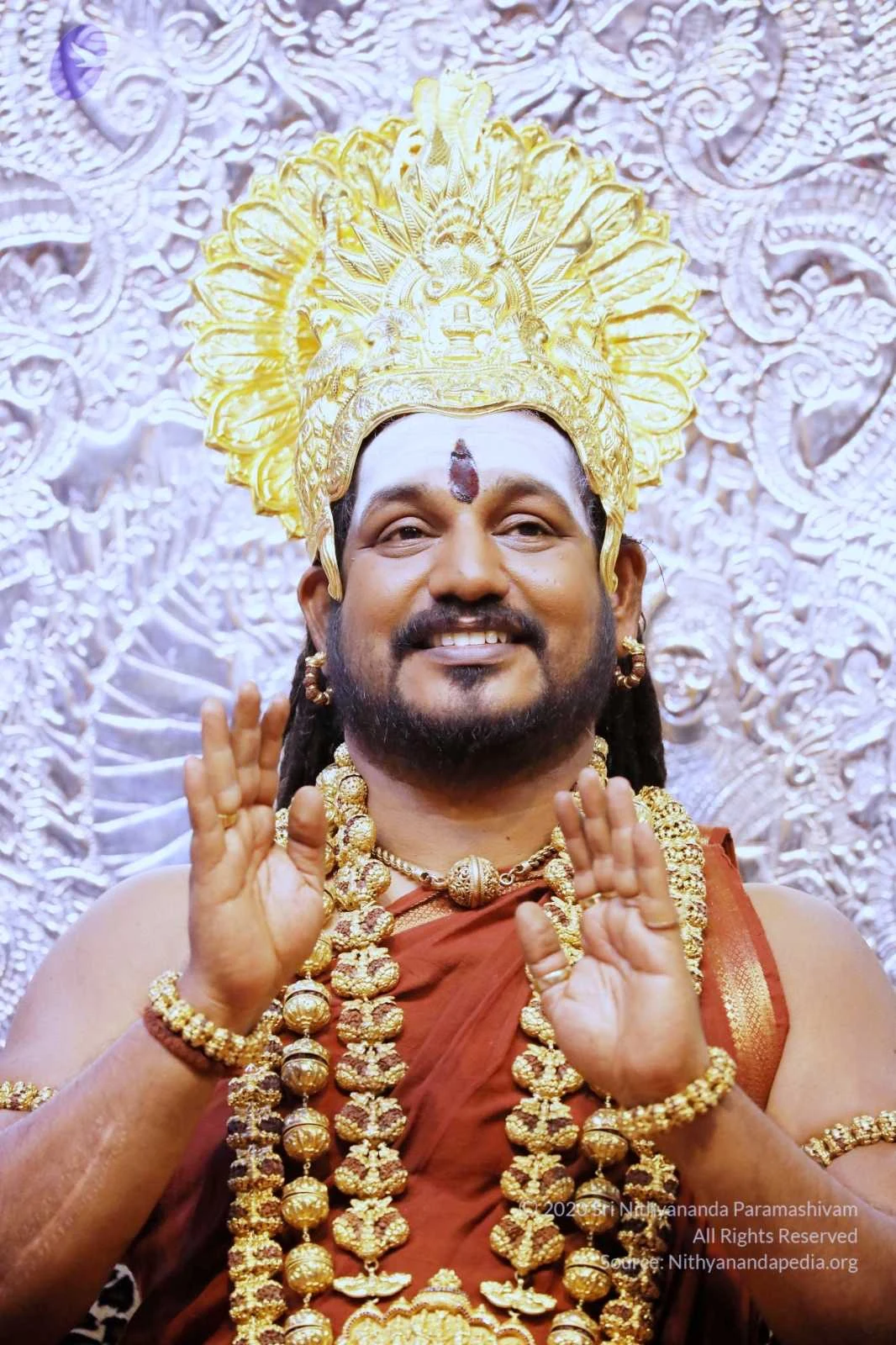
Mandala Process
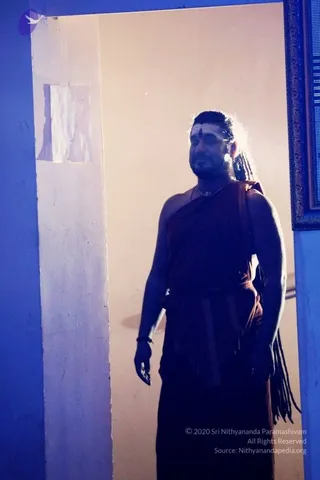 HDH Nithyananda Paramashivam ENTERING MANDALA
 HDH Nithyananda Paramashivam ENTERING MANDALA
 HDH Nithyananda Paramashivam ENTERING MANDALA
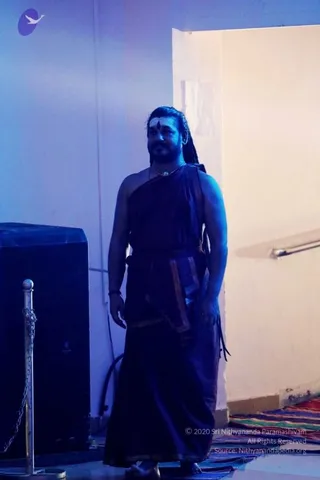 HDH Nithyananda Paramashivam ENTERING MANDALA
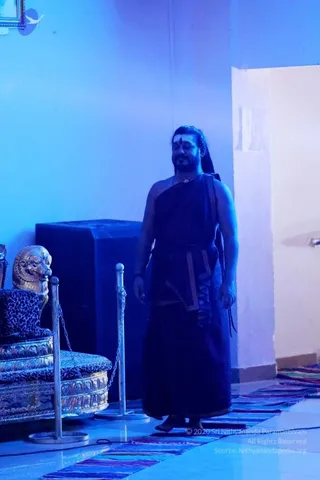 HDH Nithyananda Paramashivam ENTERING MANDALA
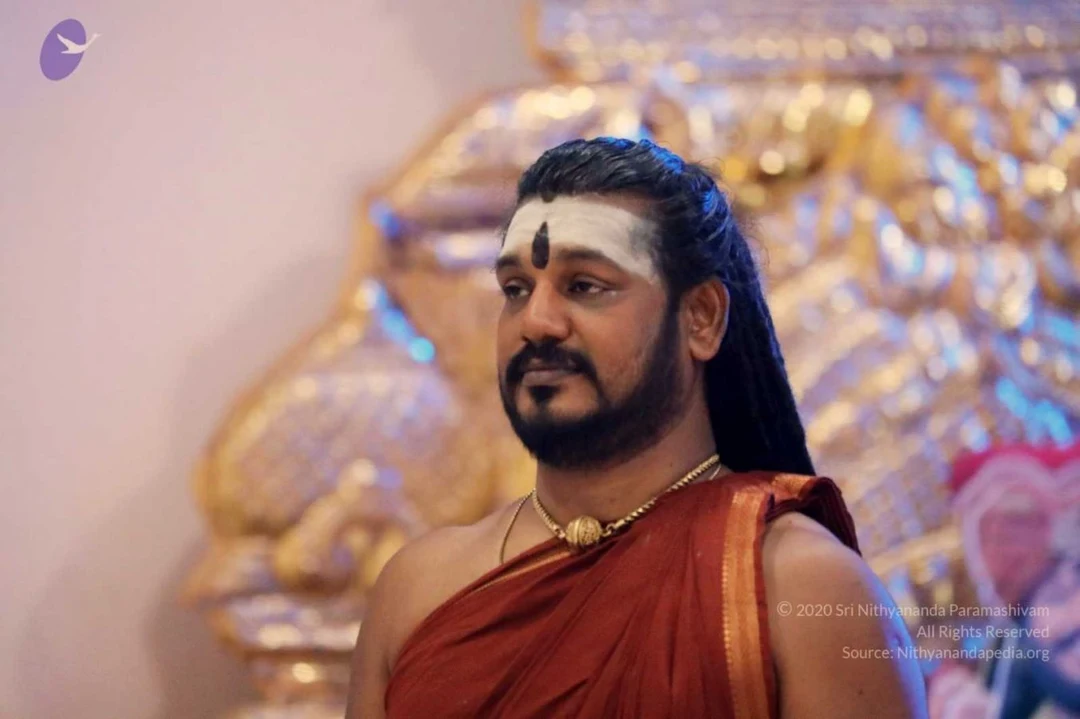 MANDALA INITIATION - Kundalini Shakti Awakening using Agamic techniques
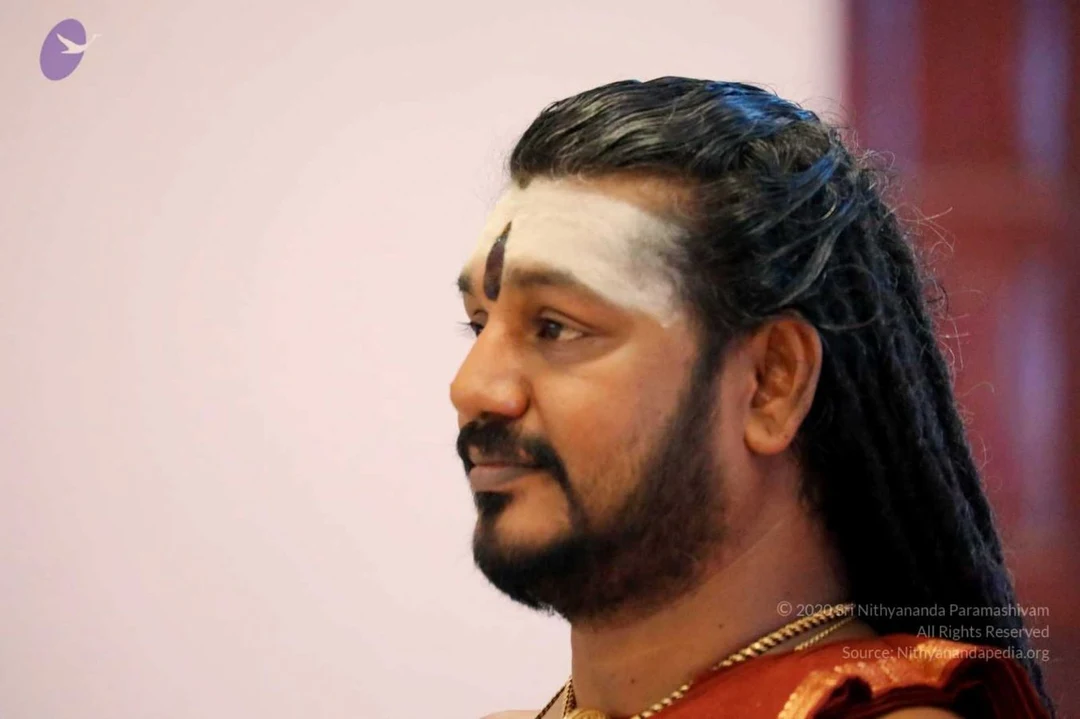 MANDALA INITIATION - Kundalini Shakti Awakening using Agamic techniques
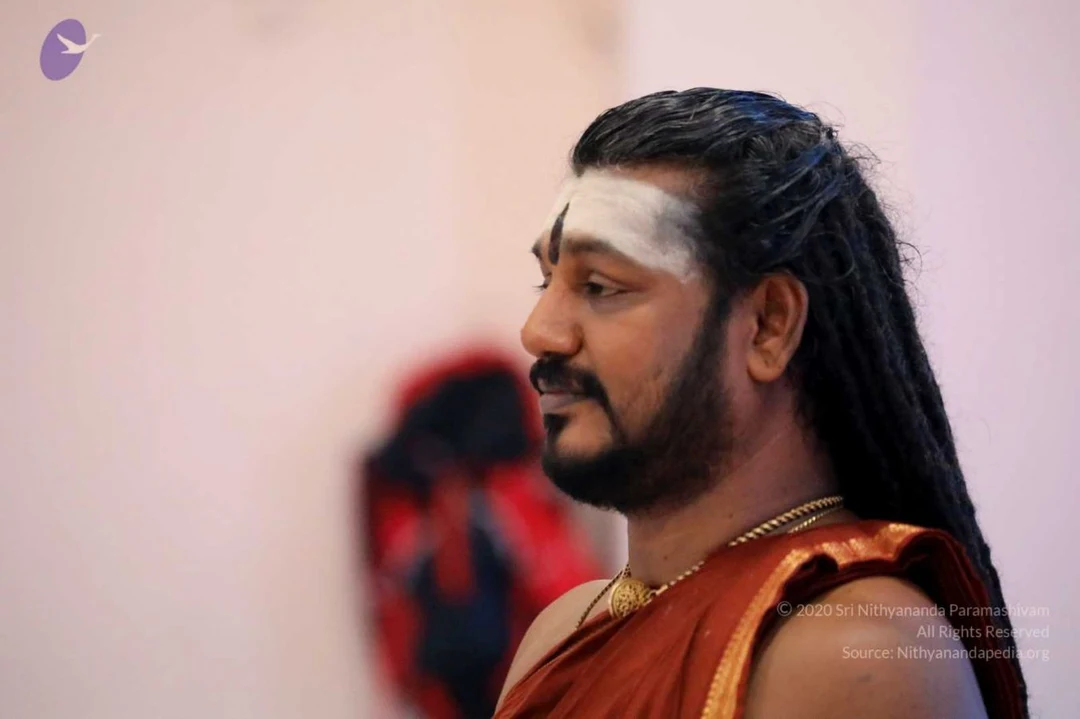 MANDALA INITIATION - Kundalini Shakti Awakening using Agamic techniques
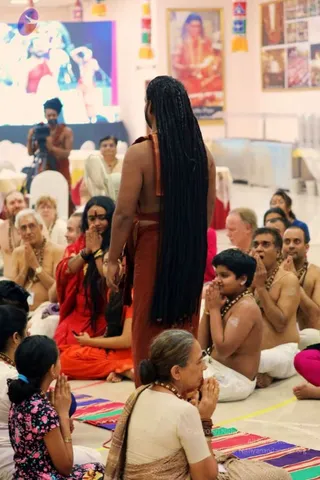 MANDALA INITIATION - Kundalini Shakti Awakening using Agamic techniques
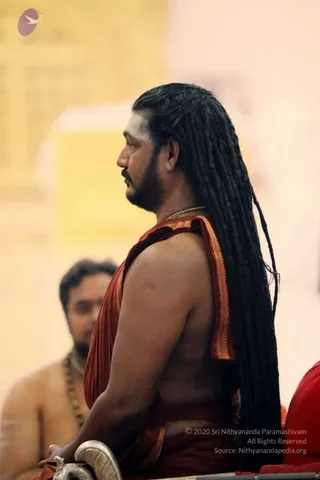 MANDALA INITIATION - Kundalini Shakti Awakening using Agamic techniques
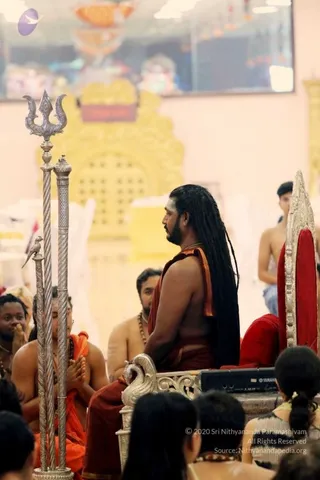 MANDALA INITIATION - Kundalini Shakti Awakening using Agamic techniques
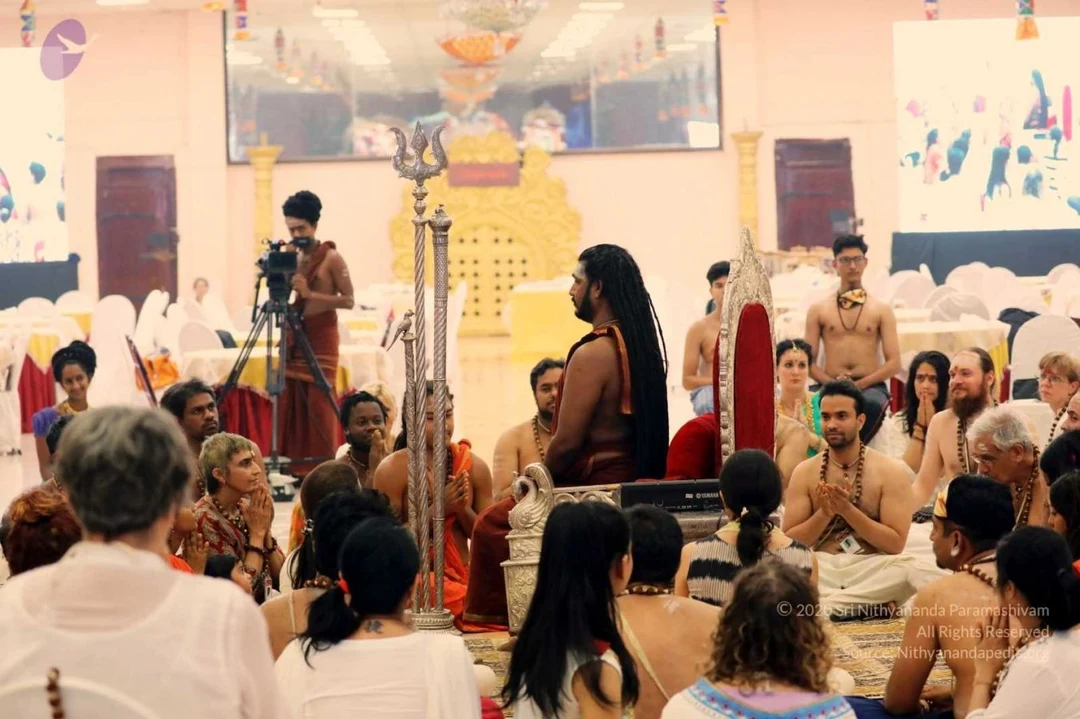 MANDALA INITIATION - Kundalini Shakti Awakening using Agamic techniques
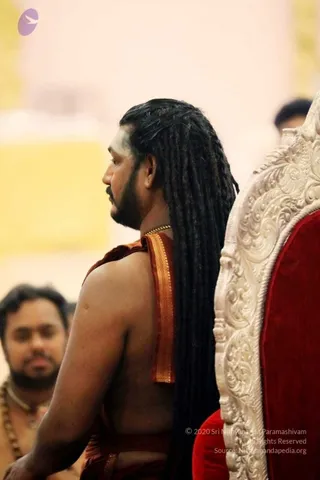 MANDALA INITIATION - Kundalini Shakti Awakening using Agamic techniques
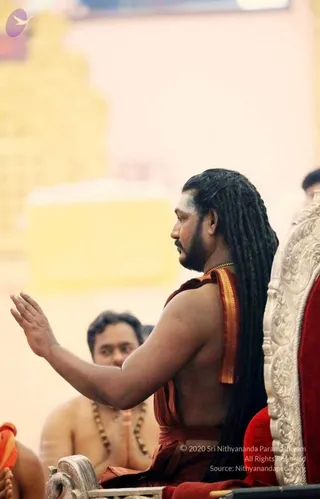 MANDALA INITIATION - Kundalini Shakti Awakening using Agamic techniques
 MANDALA INITIATION - Kundalini Shakti Awakening using Agamic techniques
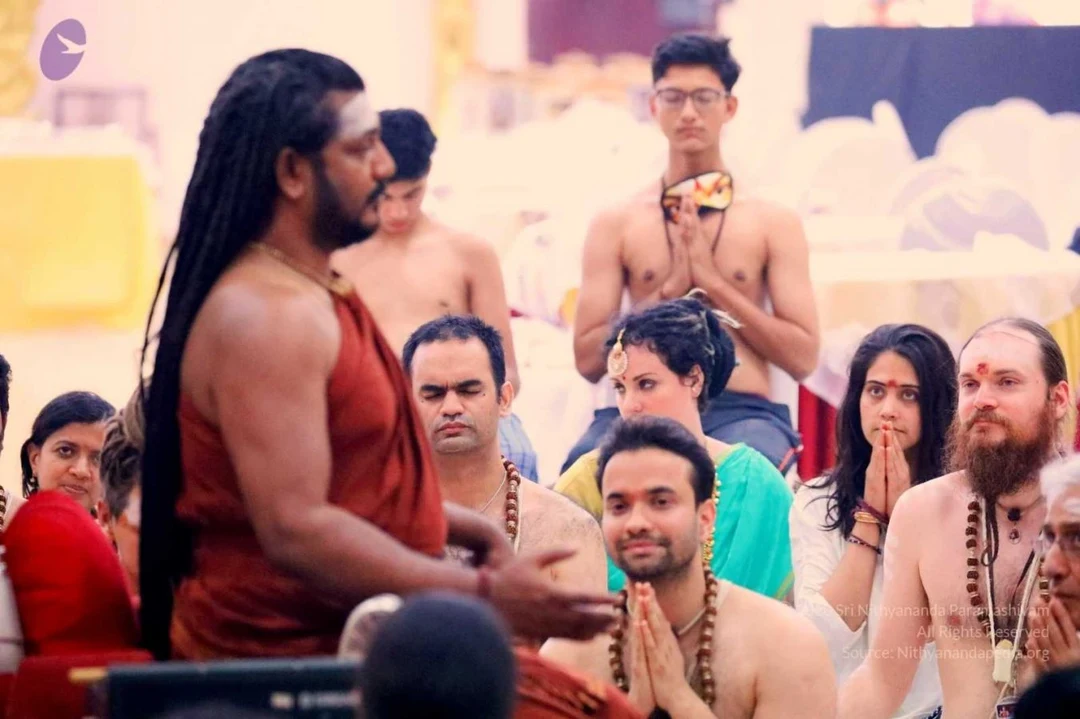 THE POWER OF INITIATION IS EXPERIENCED IN A PURE BODY
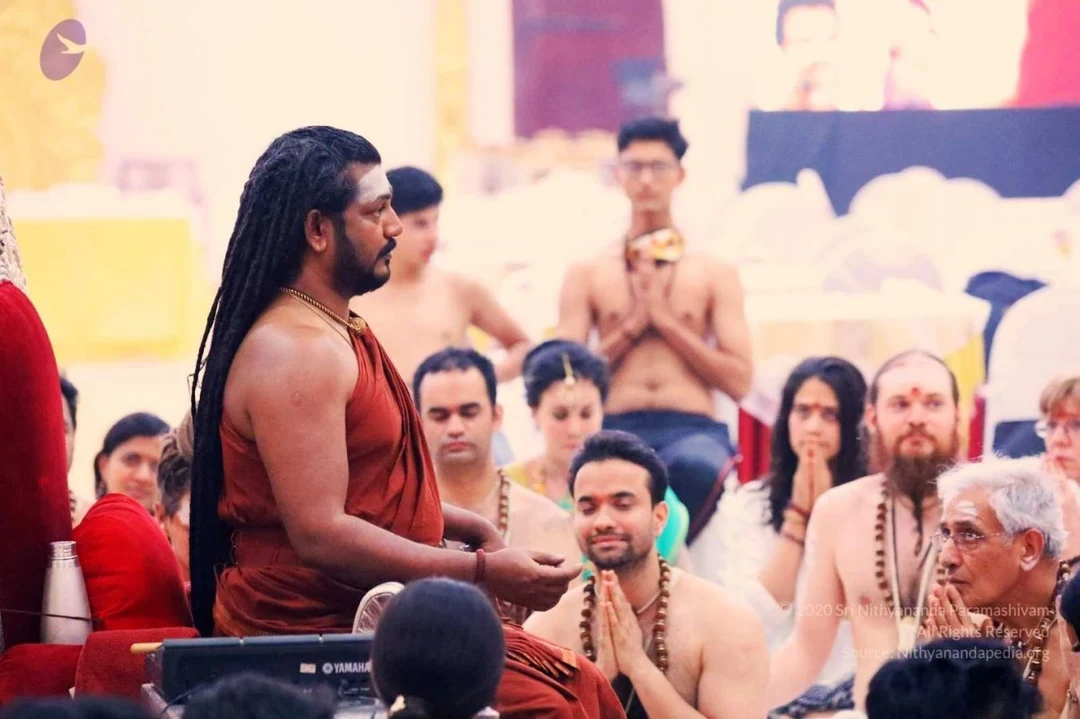 THE POWER OF INITIATION IS EXPERIENCED IN A PURE BODY
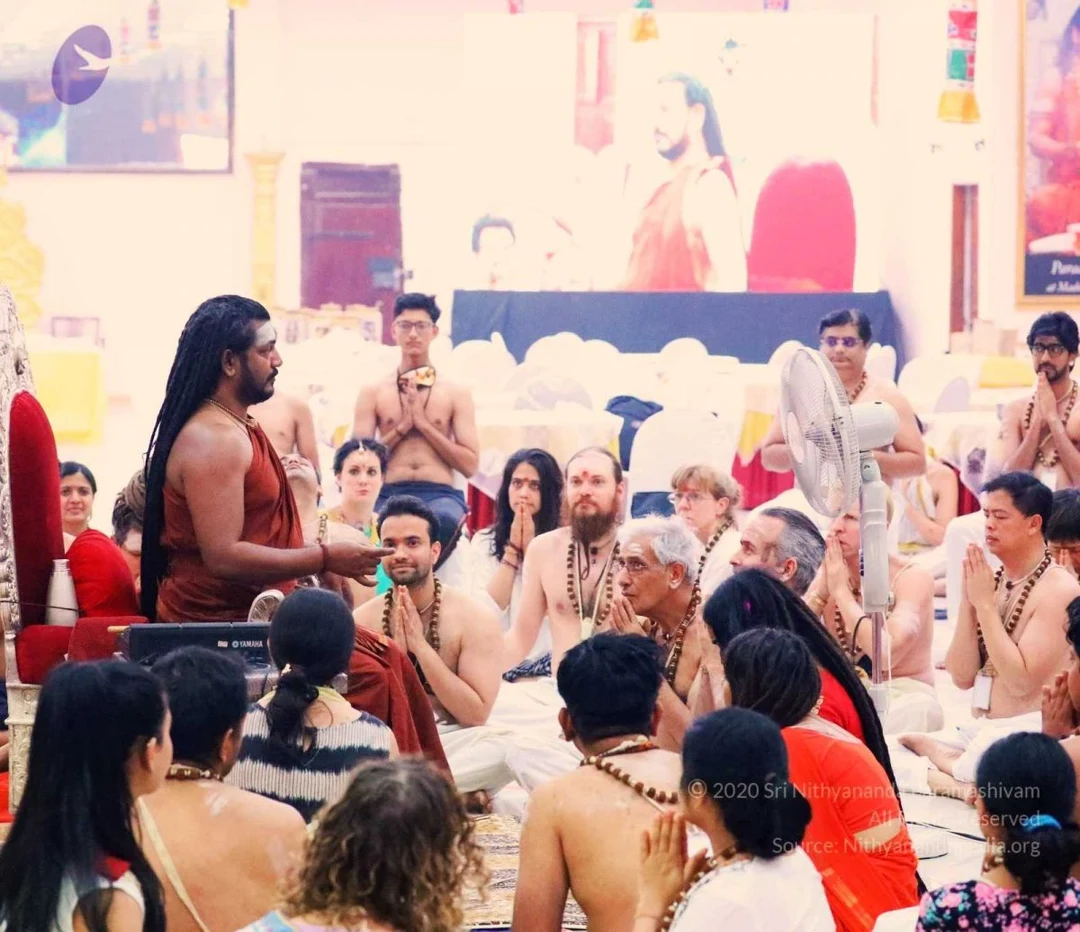 THE POWER OF INITIATION IS EXPERIENCED IN A PURE BODY
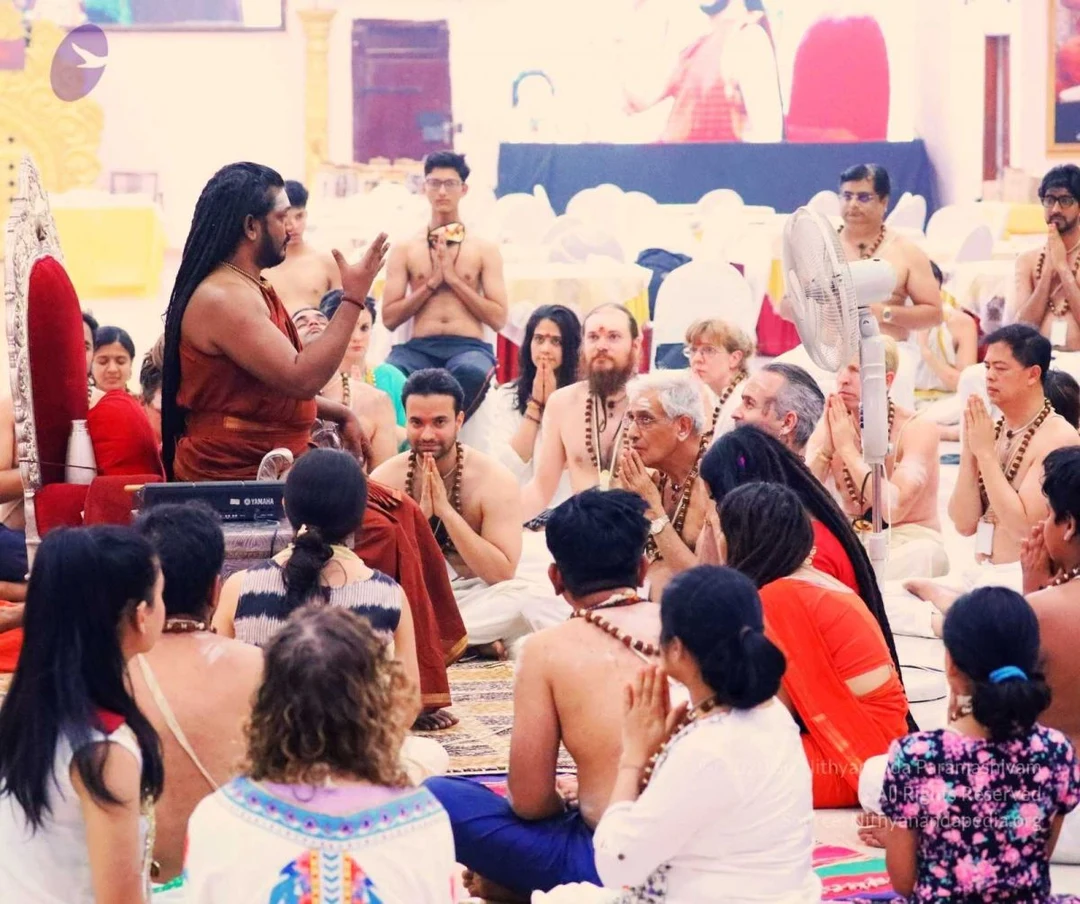 THE POWER OF INITIATION IS EXPERIENCED IN A PURE BODY
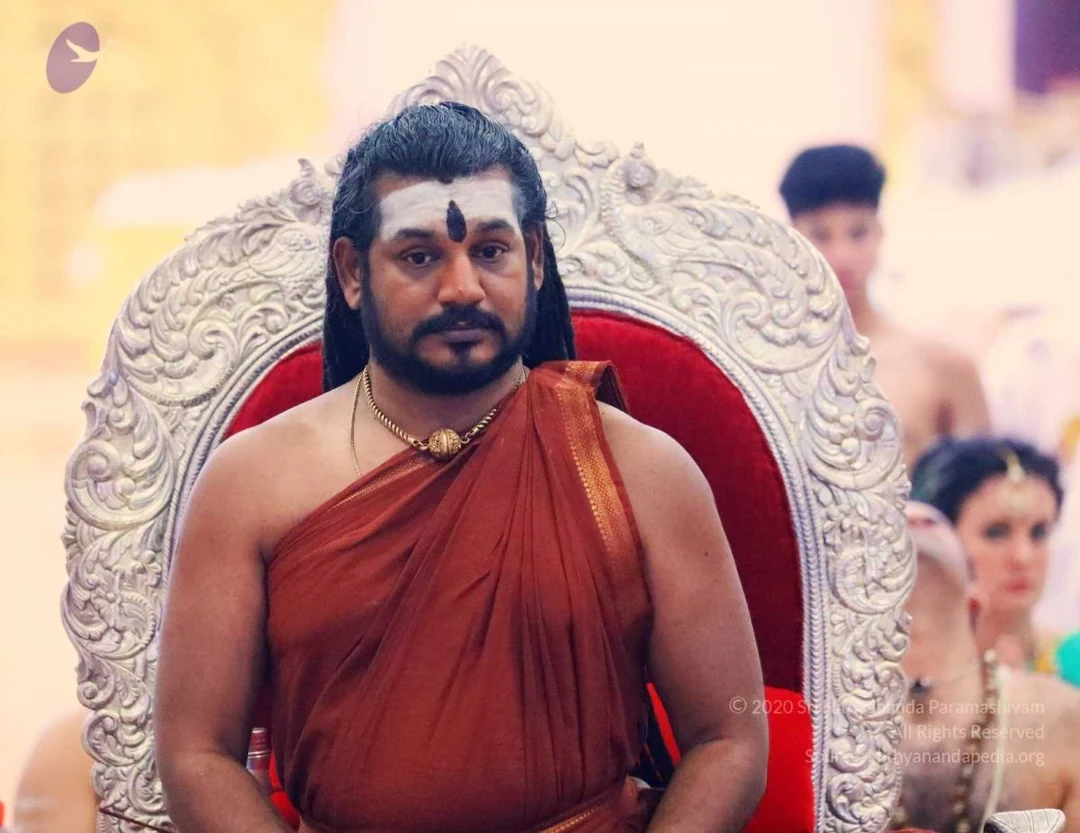 THE POWER OF INITIATION IS EXPERIENCED IN A PURE BODY
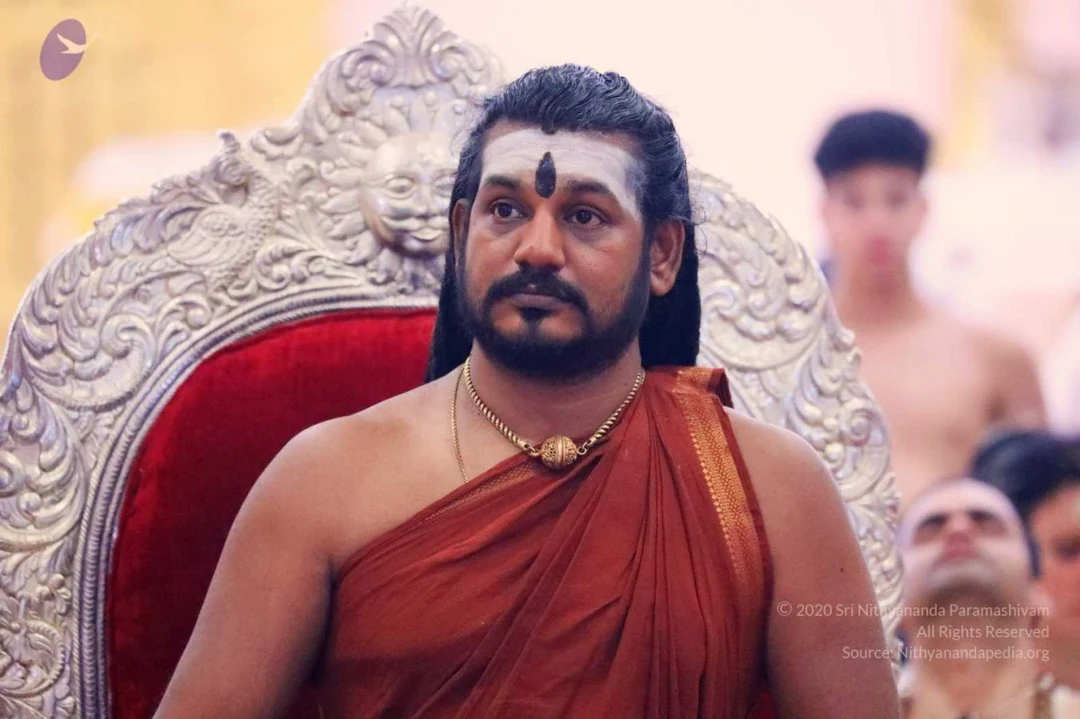 THE POWER OF INITIATION IS EXPERIENCED IN A PURE BODY
 THE POWER OF INITIATION IS EXPERIENCED IN A PURE BODY
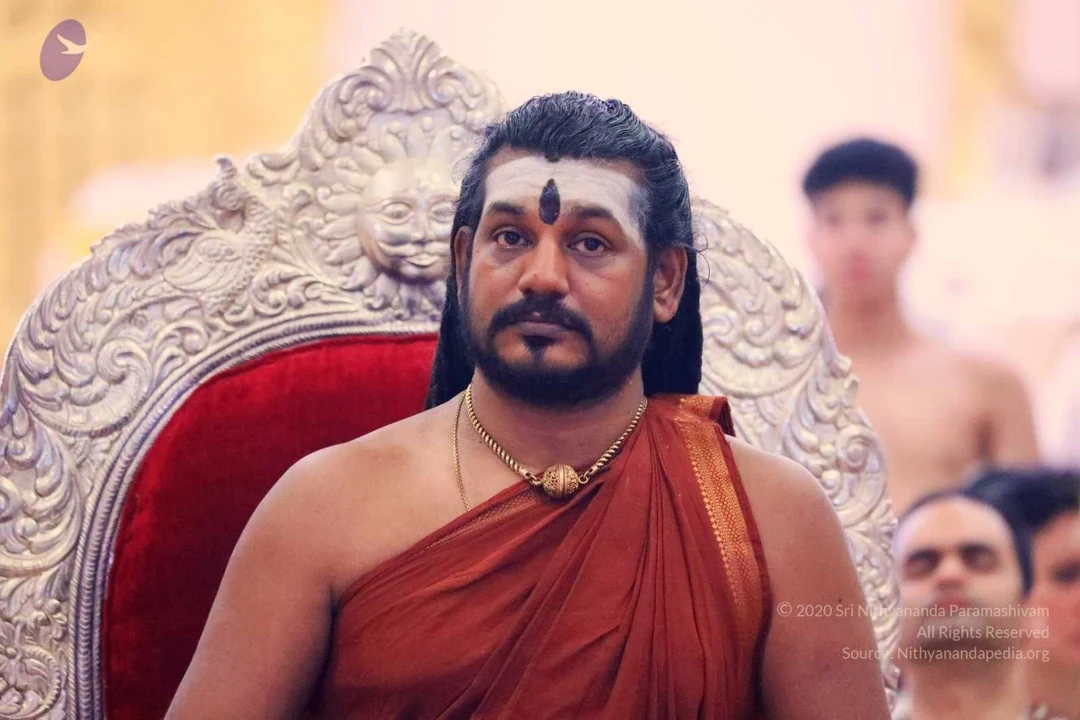 THE POWER OF INITIATION IS EXPERIENCED IN A PURE BODY
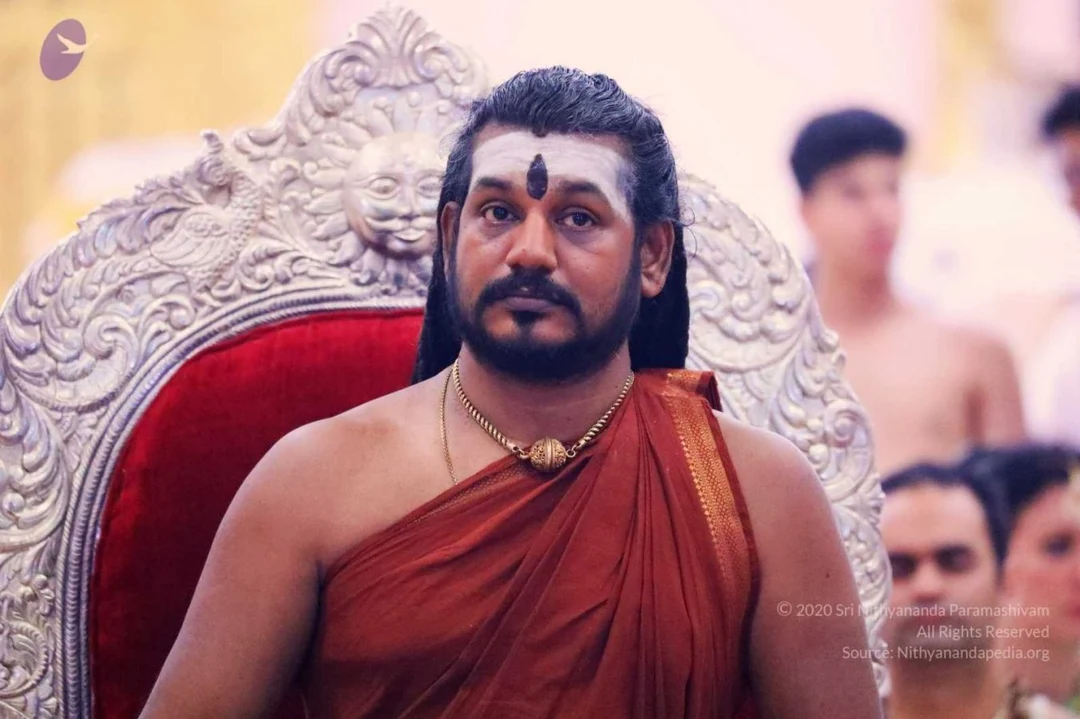 HDH Nithyananda Paramashivam initiated delegates by seating them in the shape of the Sri Chakra Mandala
 HDH Nithyananda Paramashivam initiated delegates by seating them in the shape of the Sri Chakra Mandala
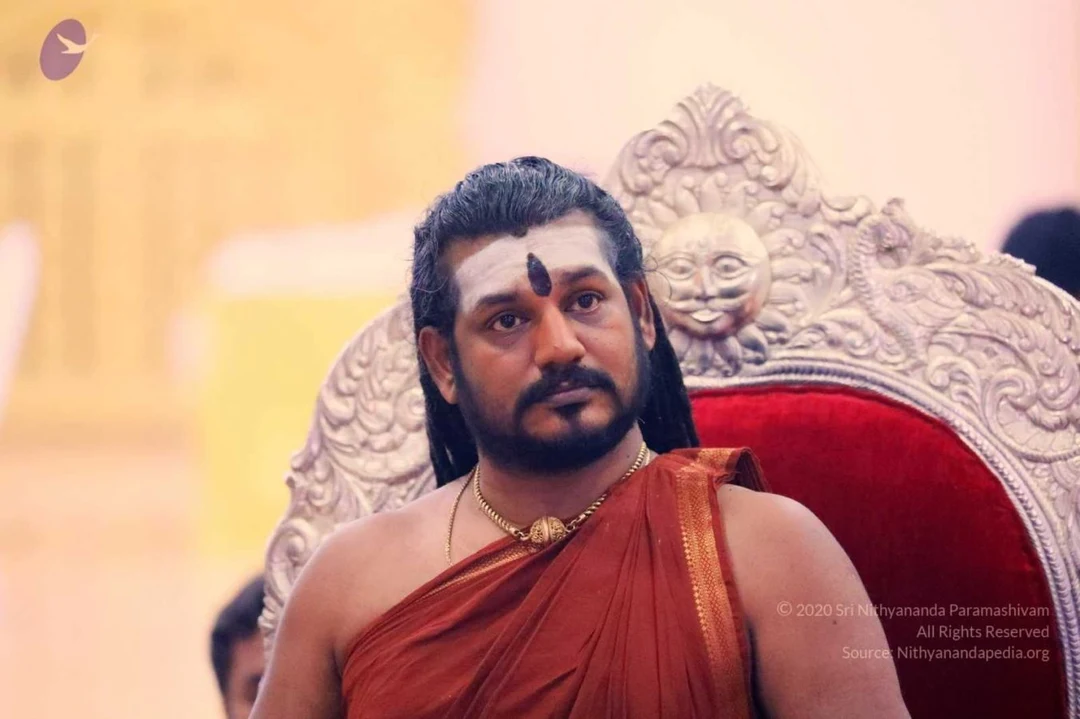 HDH Nithyananda Paramashivam initiated delegates by seating them in the shape of the Sri Chakra Mandala
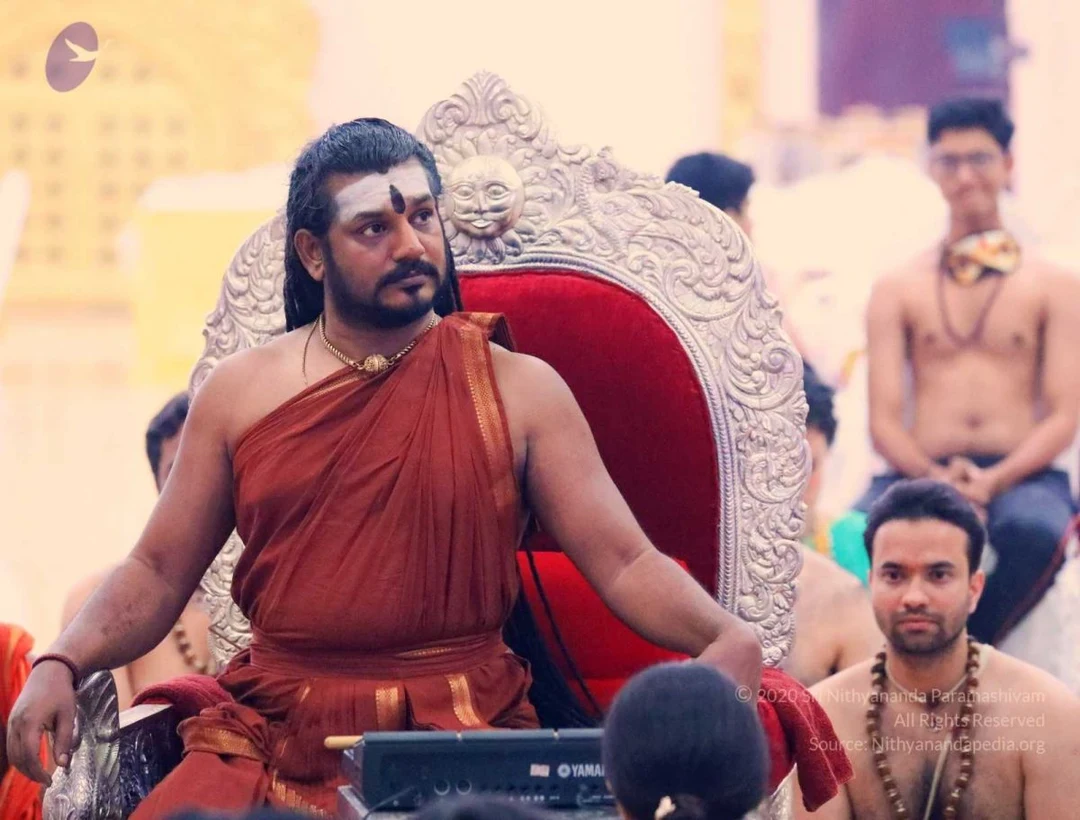 HDH Nithyananda Paramashivam initiated delegates by seating them in the shape of the Sri Chakra Mandala
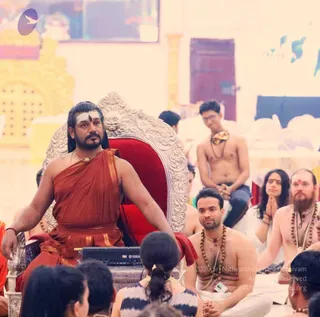 HDH Nithyananda Paramashivam initiated delegates by seating them in the shape of the Sri Chakra Mandala
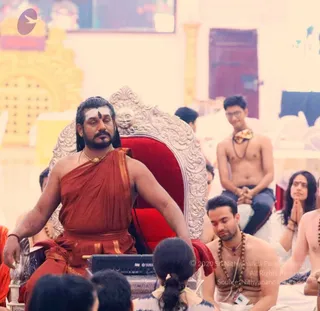 HDH Nithyananda Paramashivam initiated delegates by seating them in the shape of the Sri Chakra Mandala
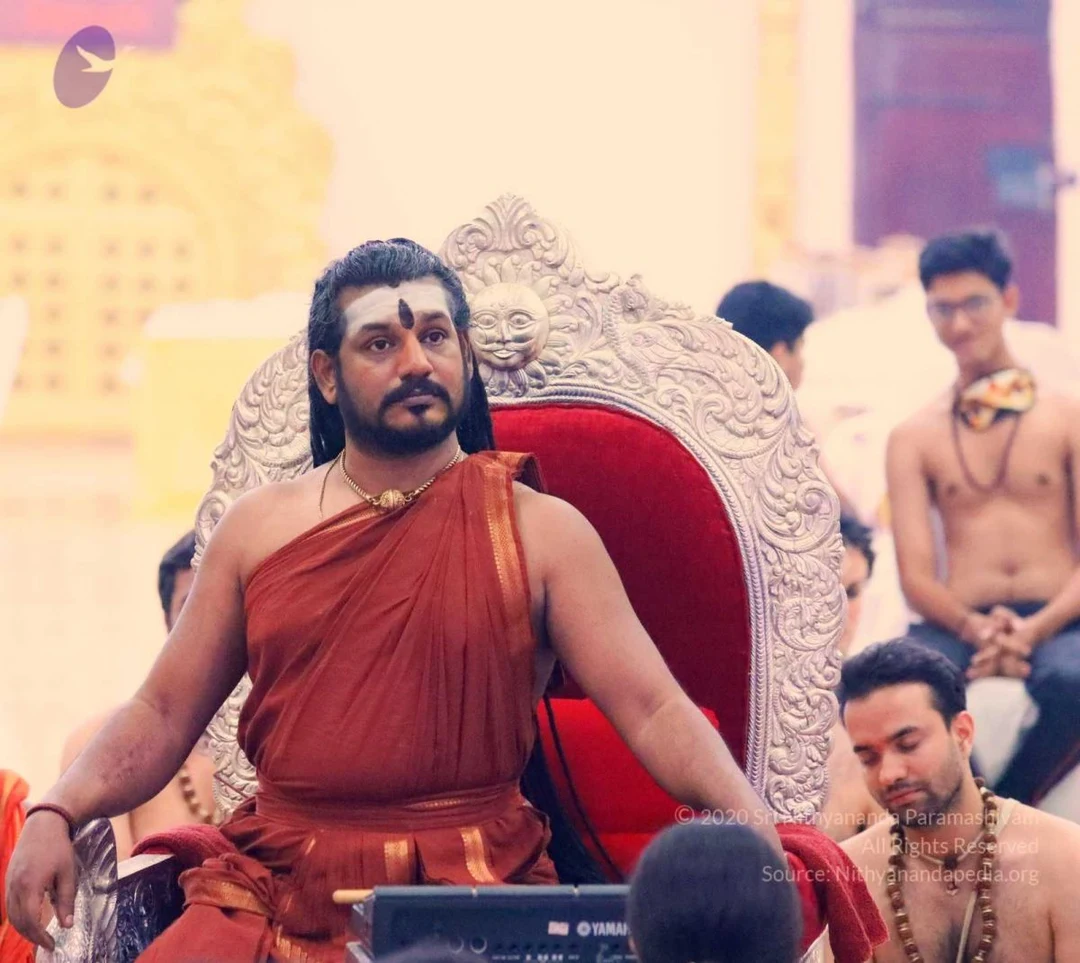 HDH Nithyananda Paramashivam initiated delegates by seating them in the shape of the Sri Chakra Mandala
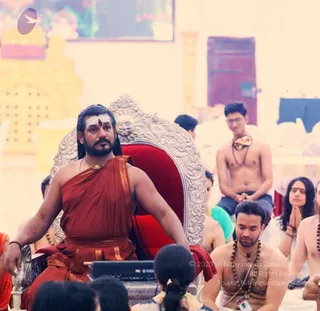 HDH Nithyananda Paramashivam initiated delegates by seating them in the shape of the Sri Chakra Mandala
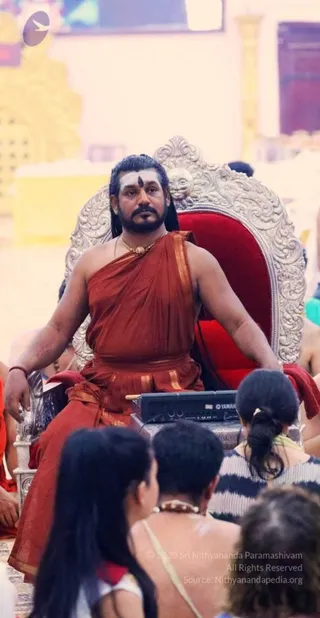 HDH Nithyananda Paramashivam initiated delegates by seating them in the shape of the Sri Chakra Mandala
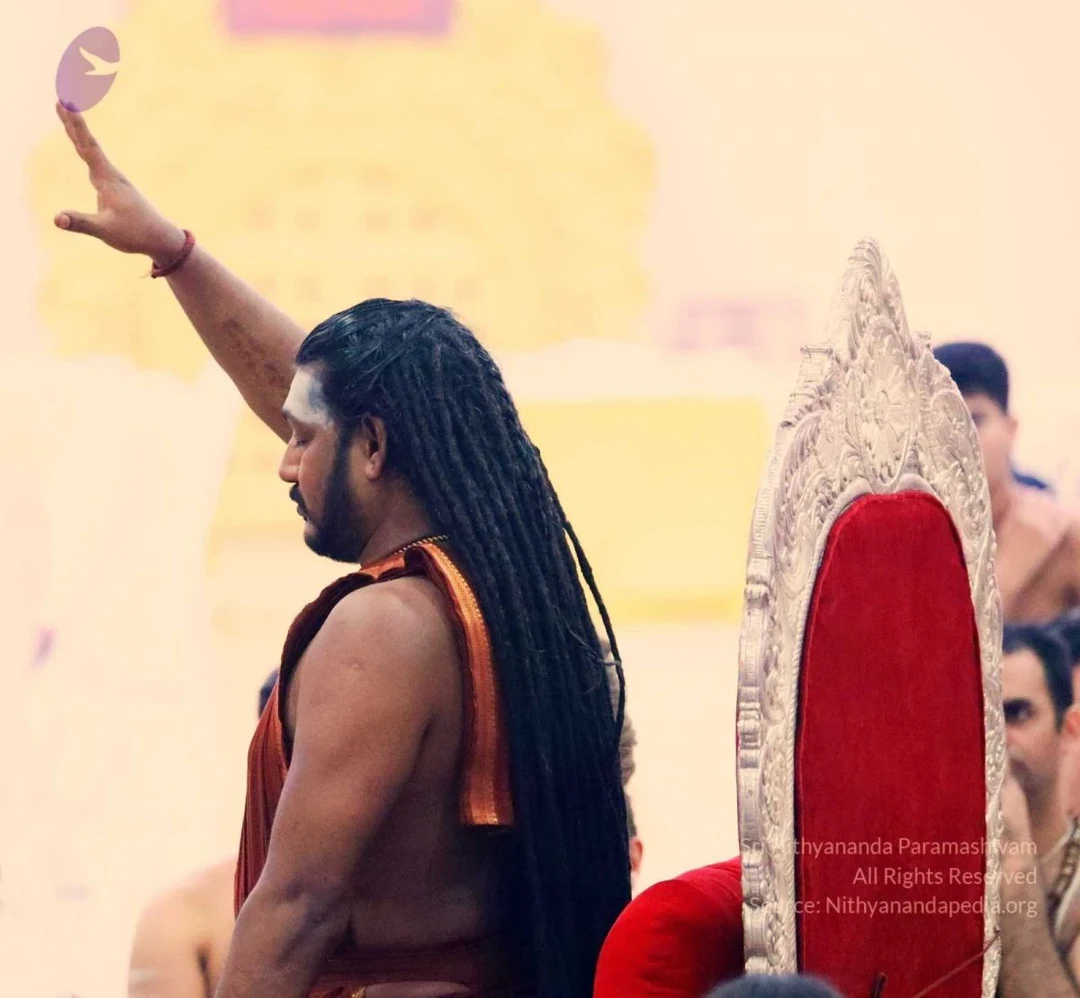 HDH Nithyananda Paramashivam initiated delegates by seating them in the shape of the Sri Chakra Mandala
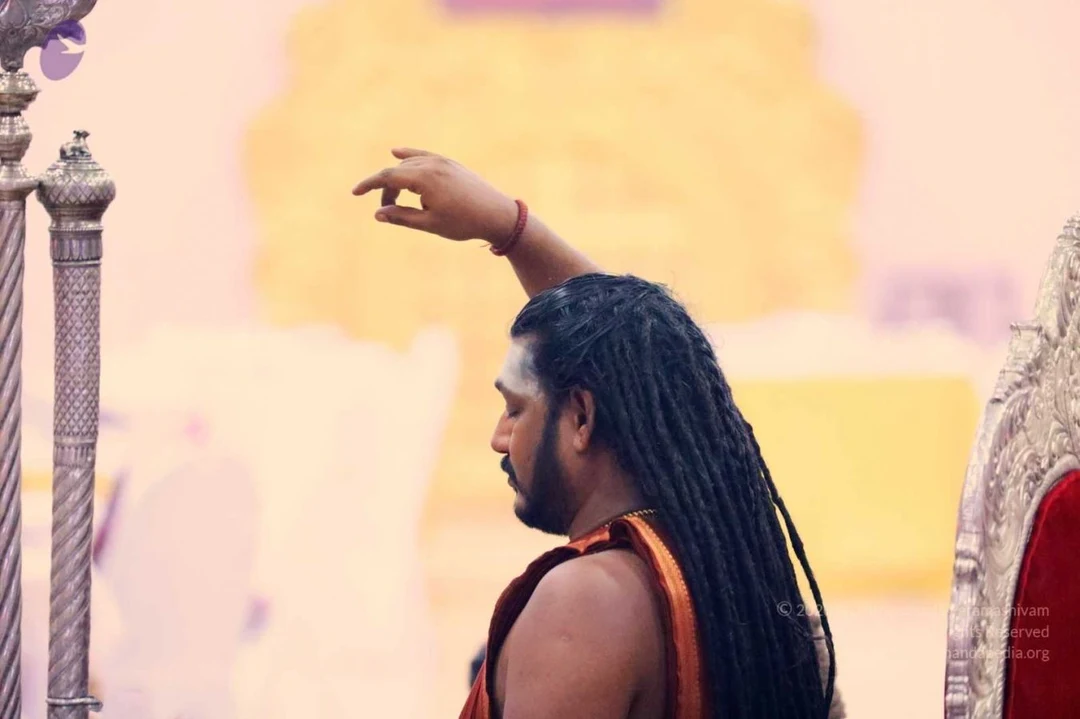 Initiation is the POWER of verbalization and visualization and sitting in the shape of the Sri Chakra or Sri Mandala
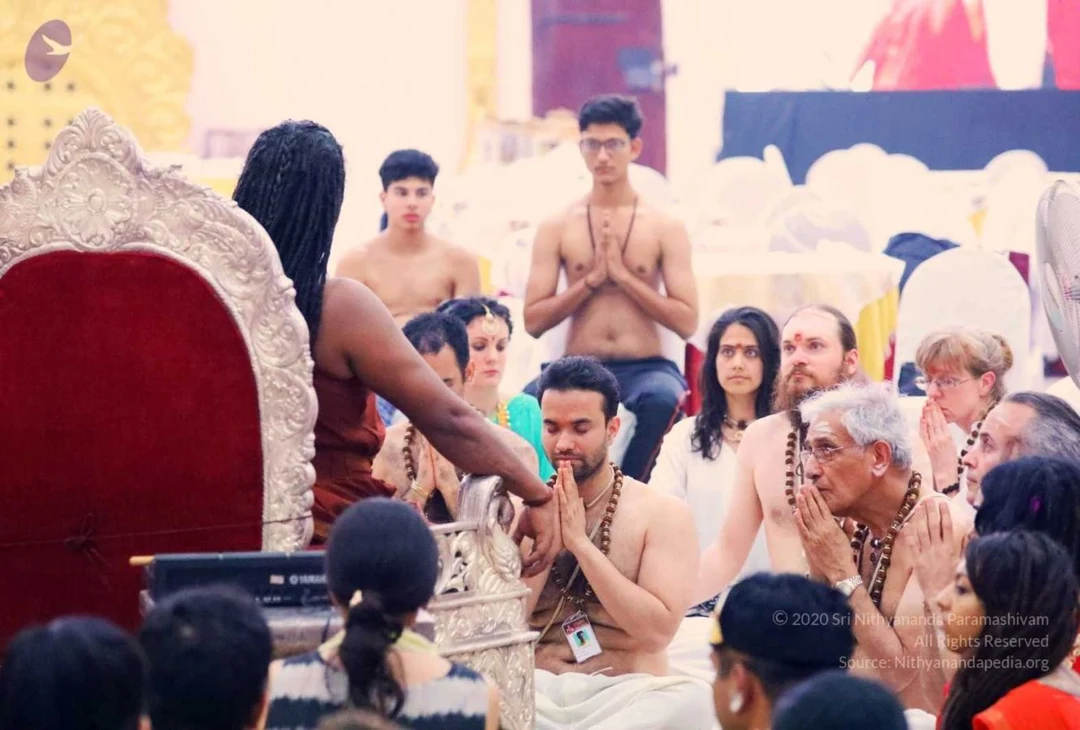 Initiation is the POWER of verbalization and visualization and sitting in the shape of the Sri Chakra or Sri Mandala
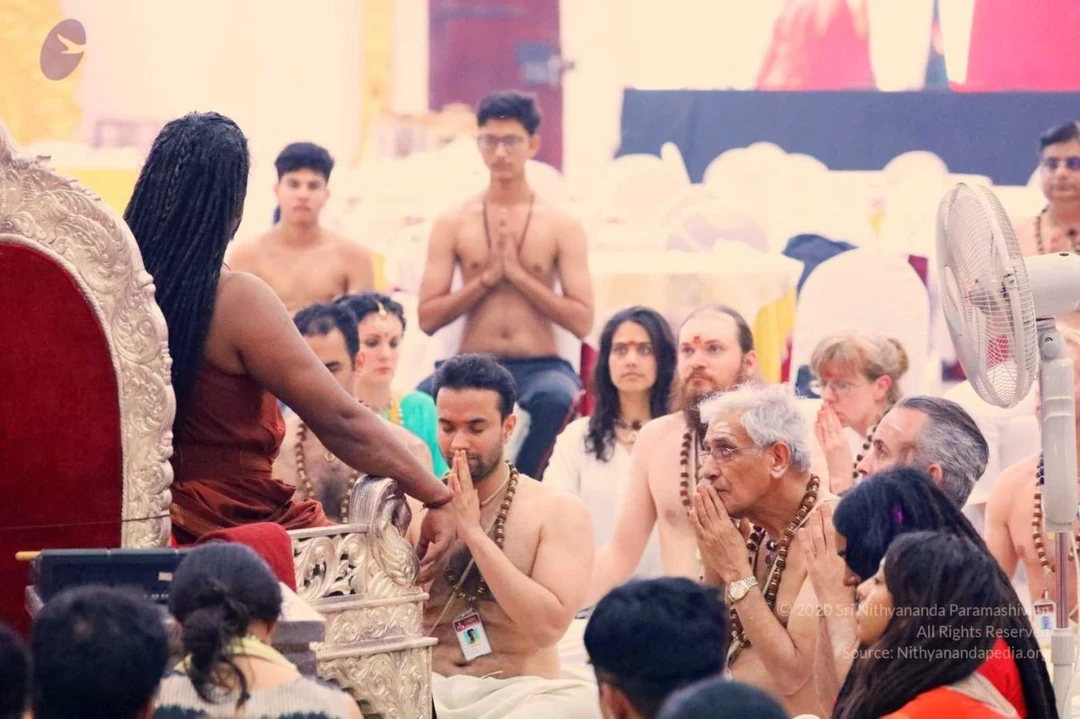 Initiation is the POWER of verbalization and visualization and sitting in the shape of the Sri Chakra or Sri Mandala
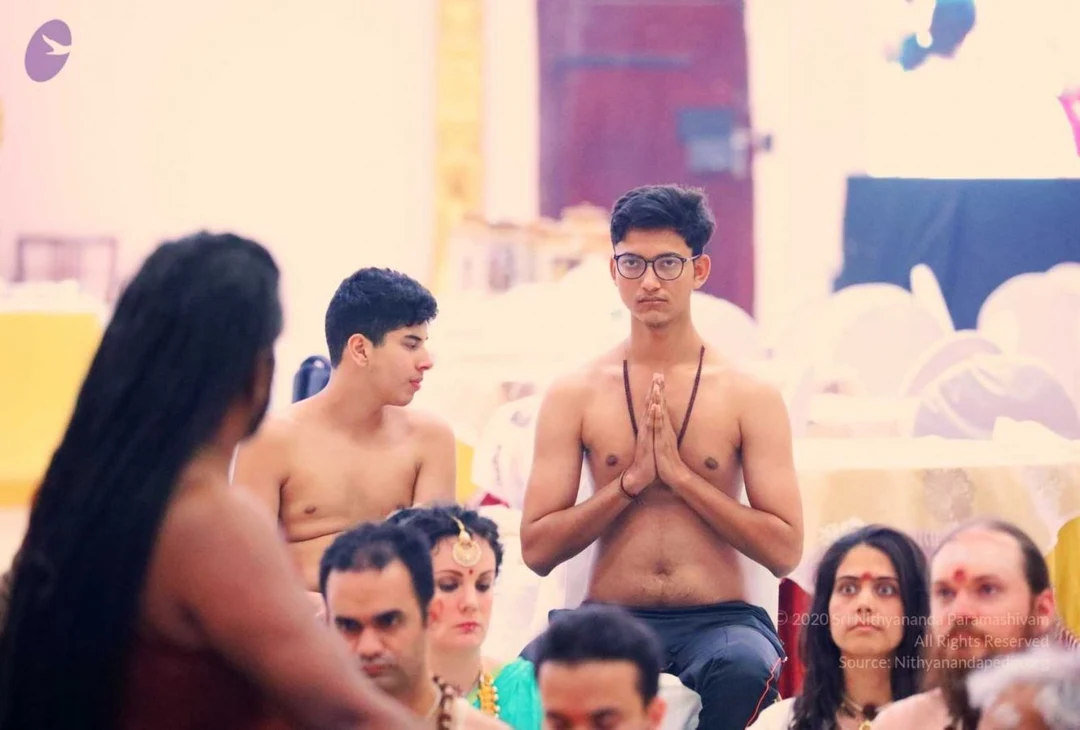 Initiation is the POWER of verbalization and visualization and sitting in the shape of the Sri Chakra or Sri Mandala
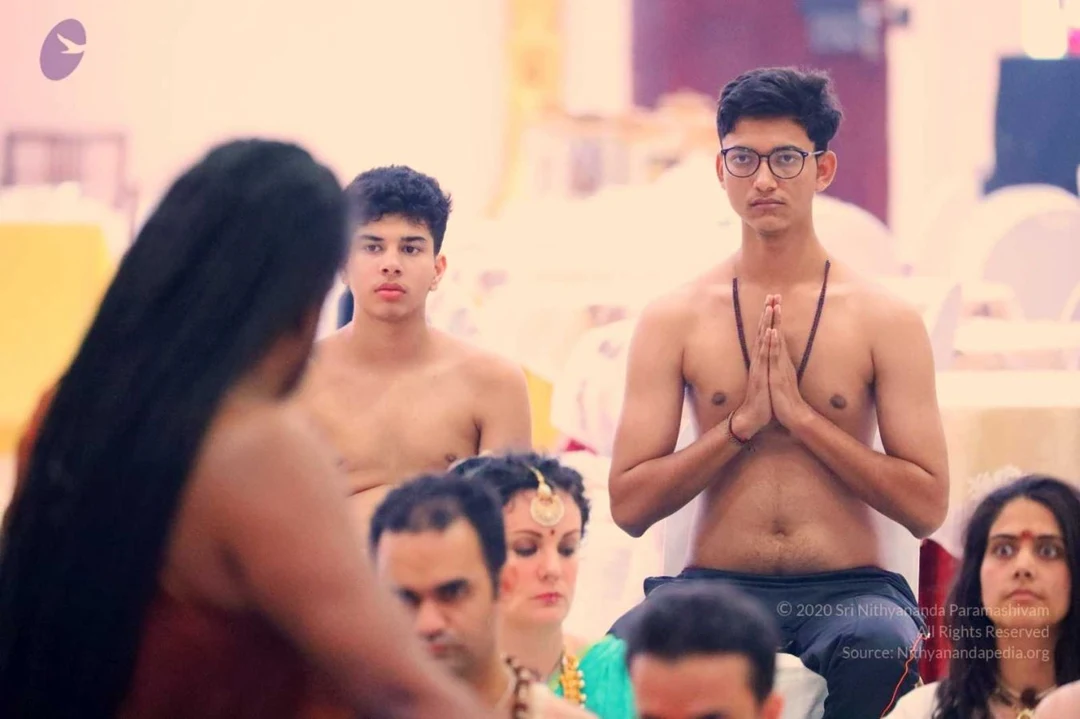 Initiation is the POWER of verbalization and visualization and sitting in the shape of the Sri Chakra or Sri Mandala
 Initiation is the POWER of verbalization and visualization and sitting in the shape of the Sri Chakra or Sri Mandala
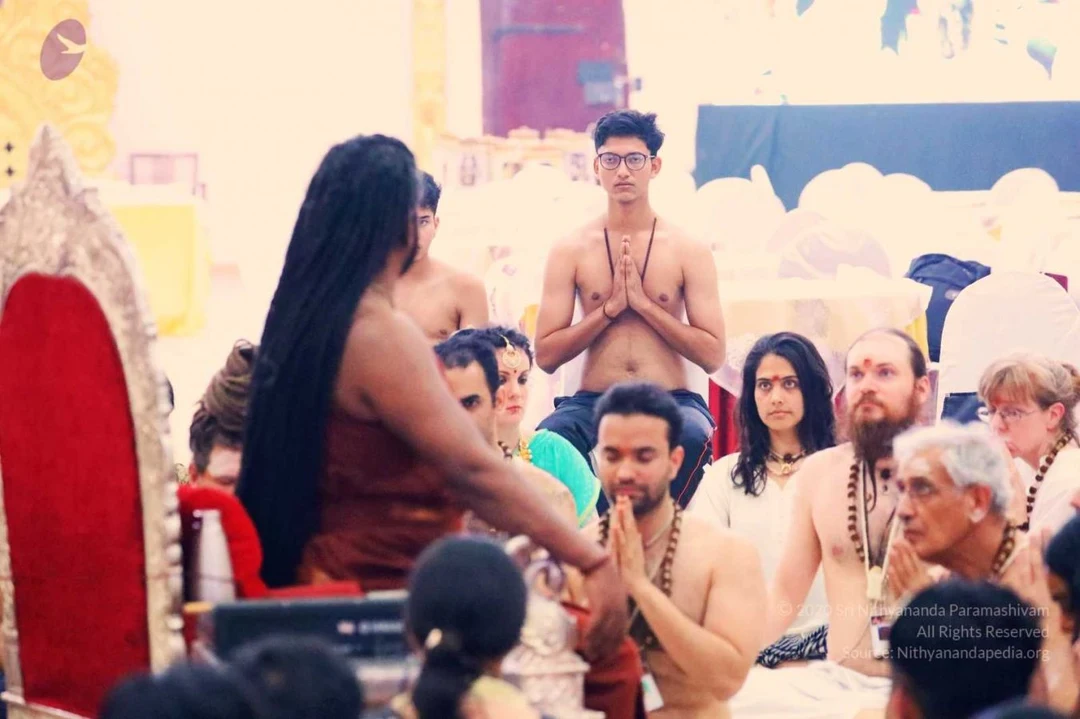 Initiation is the POWER of verbalization and visualization and sitting in the shape of the Sri Chakra or Sri Mandala
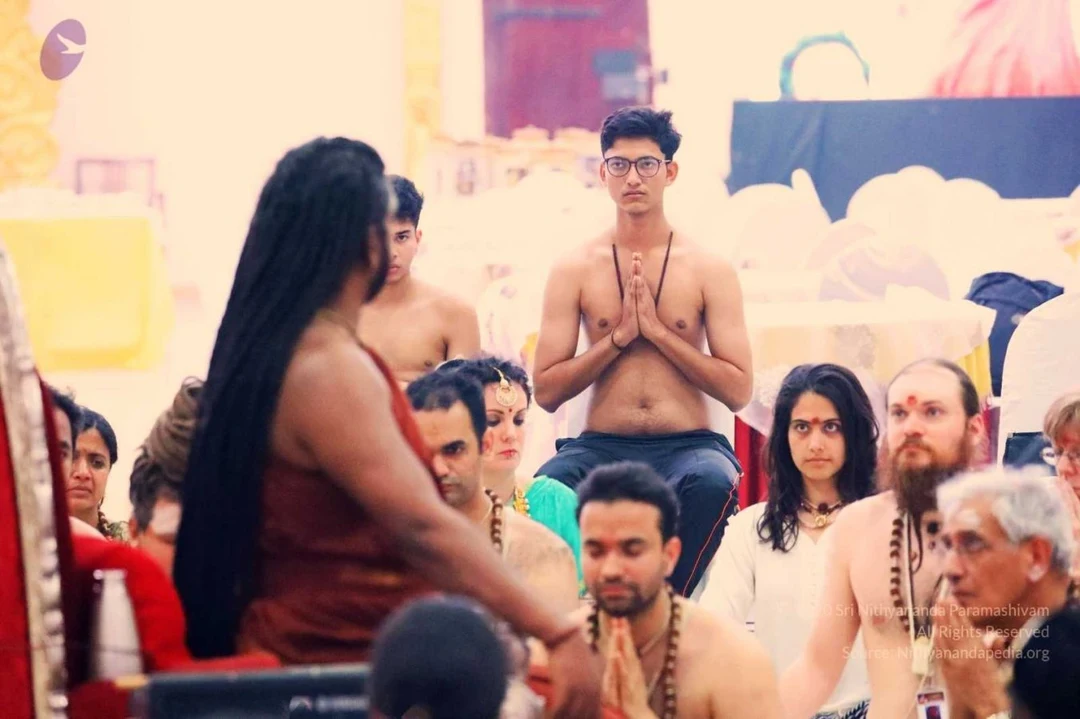 Initiation is the POWER of verbalization and visualization and sitting in the shape of the Sri Chakra or Sri Mandala
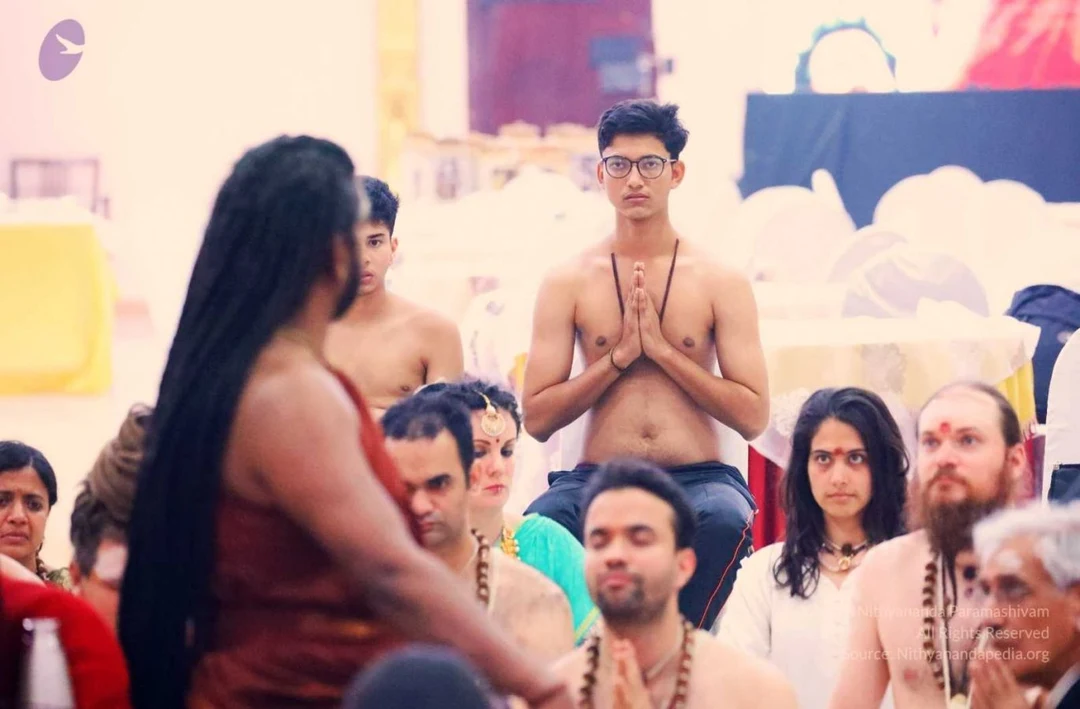 Initiation is the POWER of verbalization and visualization and sitting in the shape of the Sri Chakra or Sri Mandala
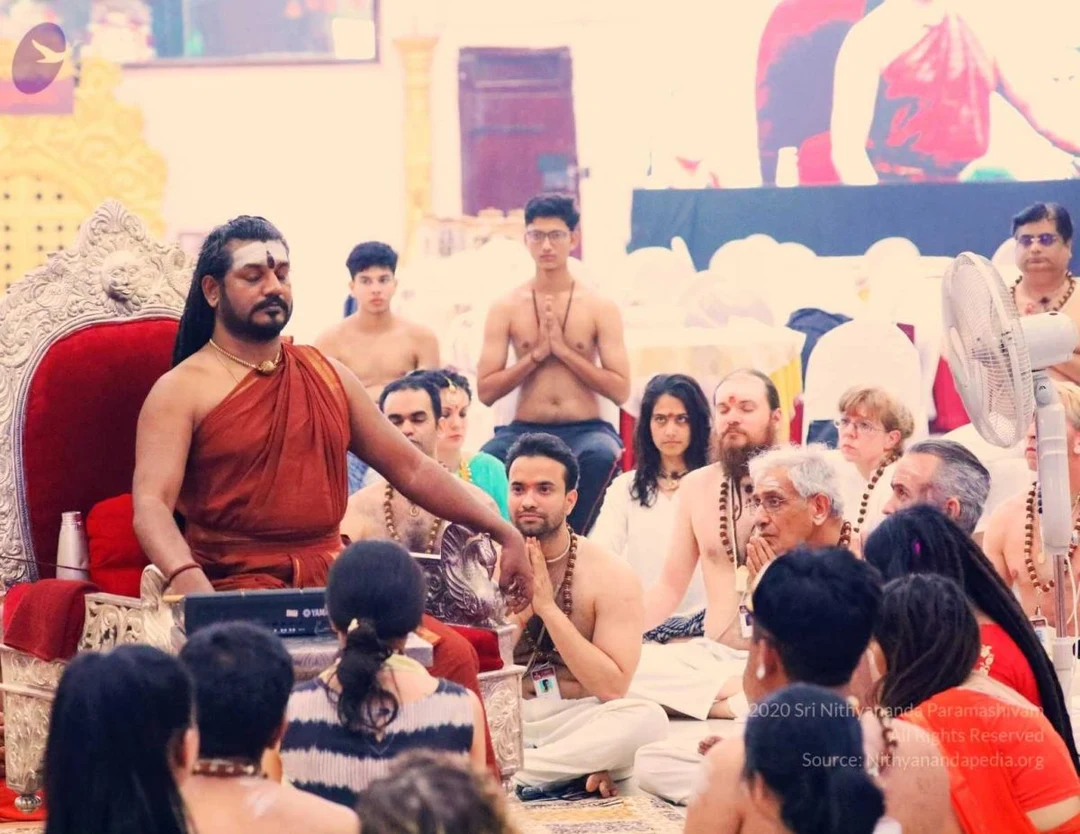 Initiation is the POWER of verbalization and visualization and sitting in the shape of the Sri Chakra or Sri Mandala
 Initiation is the POWER of verbalization and visualization and sitting in the shape of the Sri Chakra or Sri Mandala
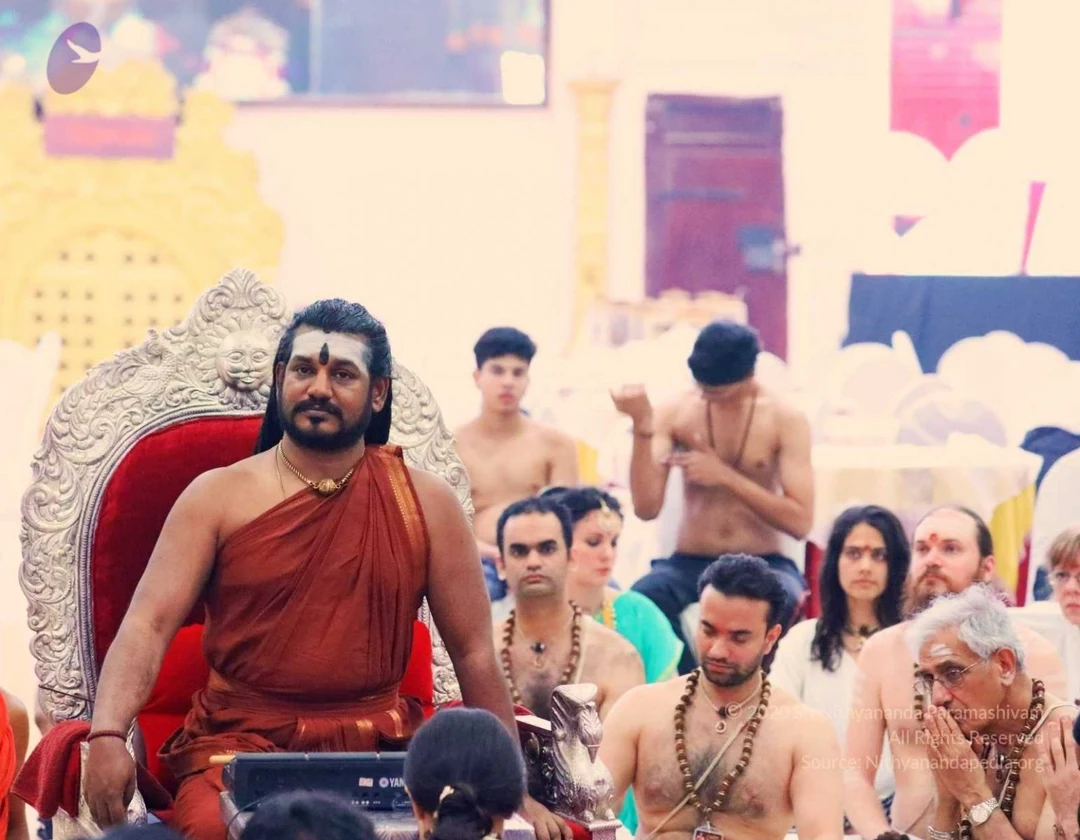 Initiation is the POWER of verbalization and visualization and sitting in the shape of the Sri Chakra or Sri Mandala
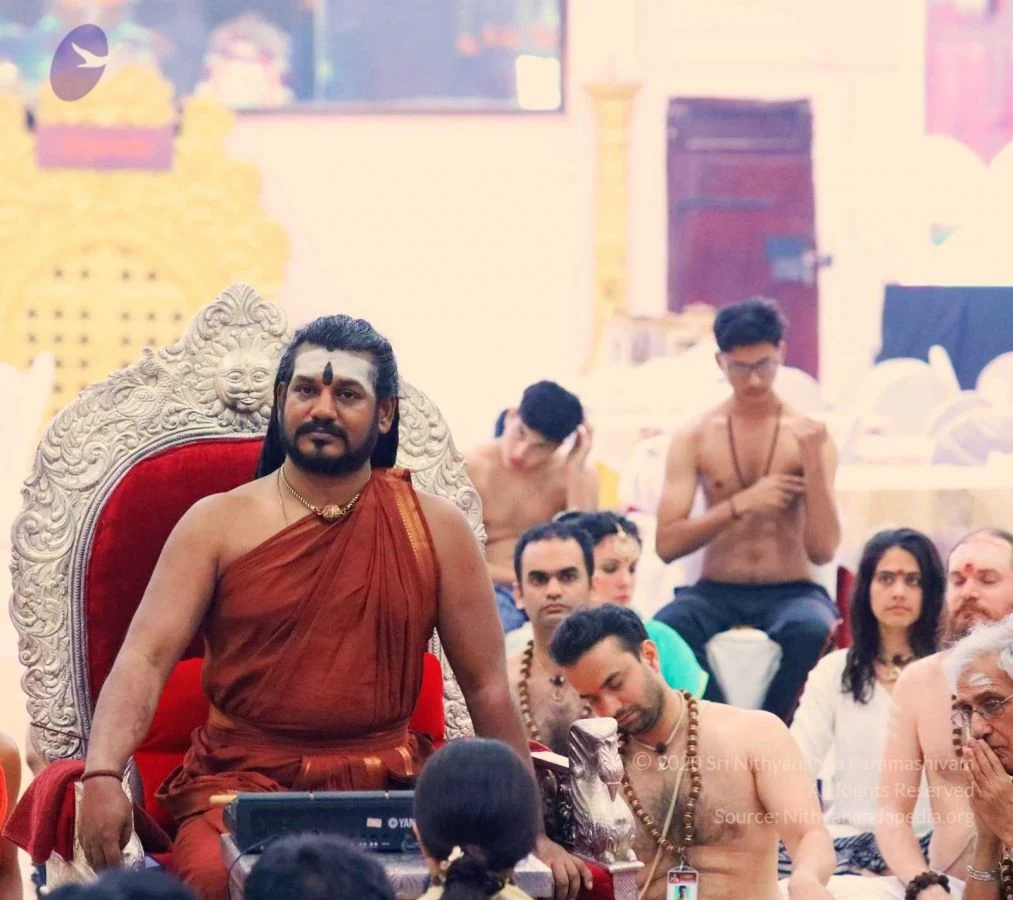 Get INITIATED and start MANIFESTING THE COSMIC BEING IN YOUR IDENTITY
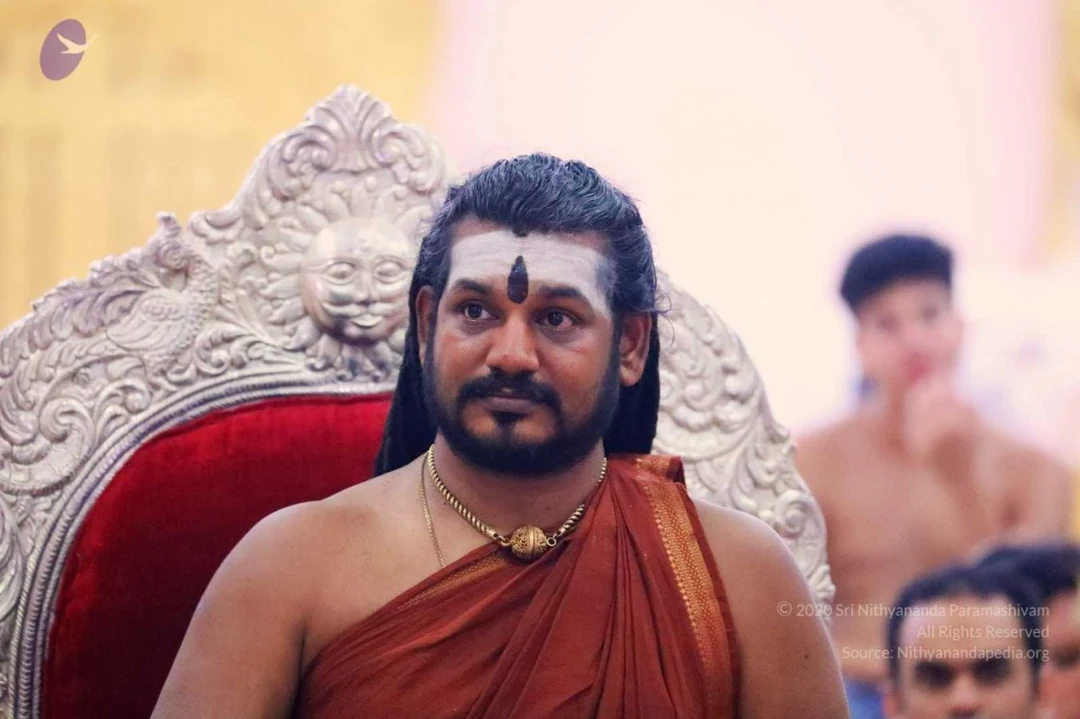 Get INITIATED and start MANIFESTING THE COSMIC BEING IN YOUR IDENTITY
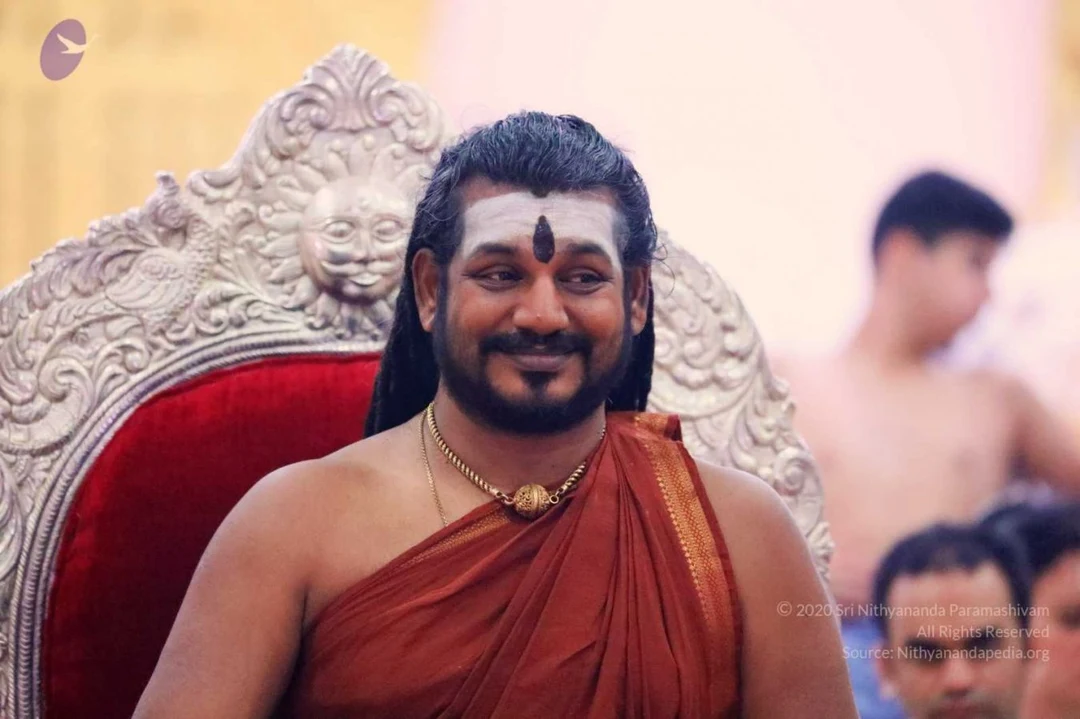 Get INITIATED and start MANIFESTING THE COSMIC BEING IN YOUR IDENTITY
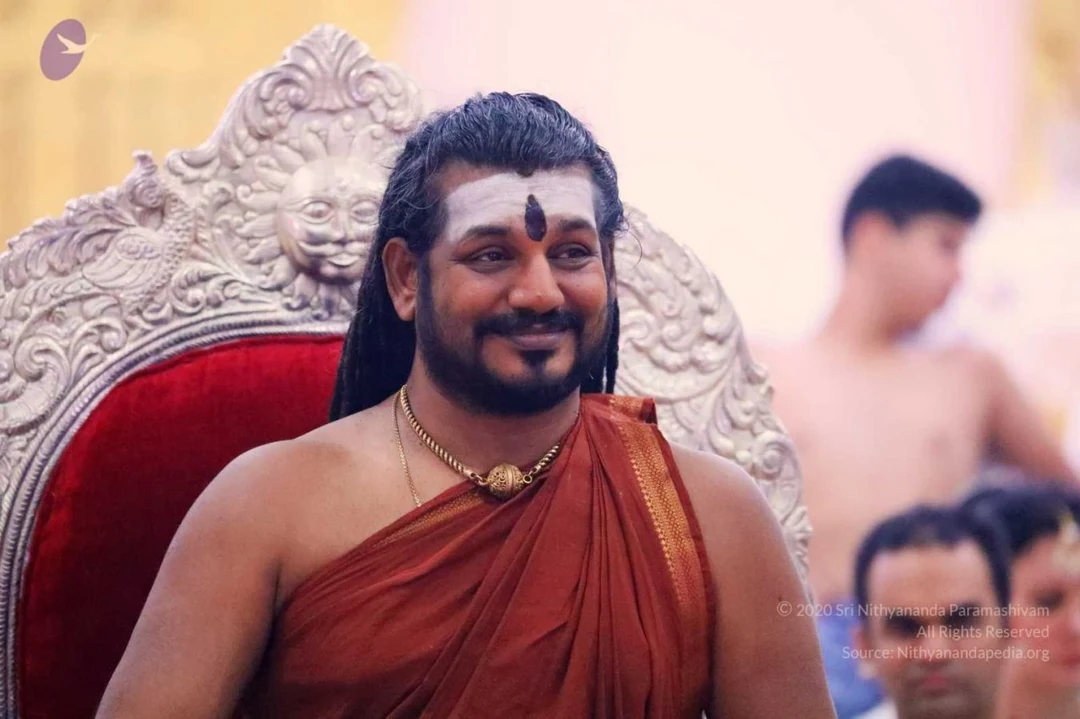 Get INITIATED and start MANIFESTING THE COSMIC BEING IN YOUR IDENTITY
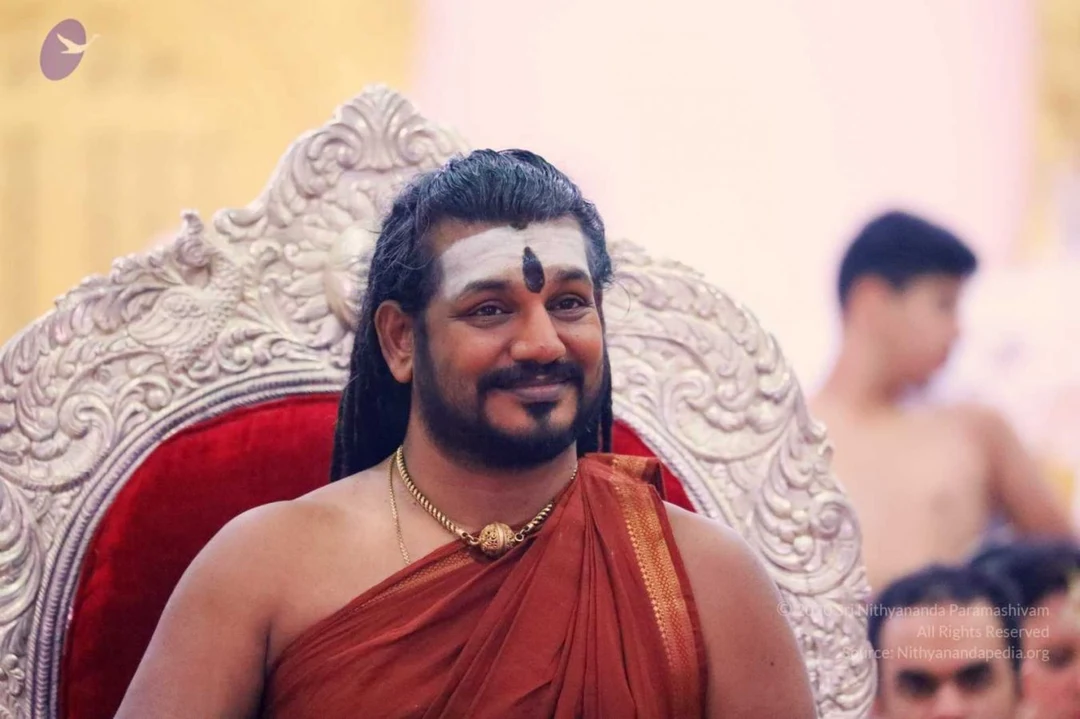 Get INITIATED and start MANIFESTING THE COSMIC BEING IN YOUR IDENTITY
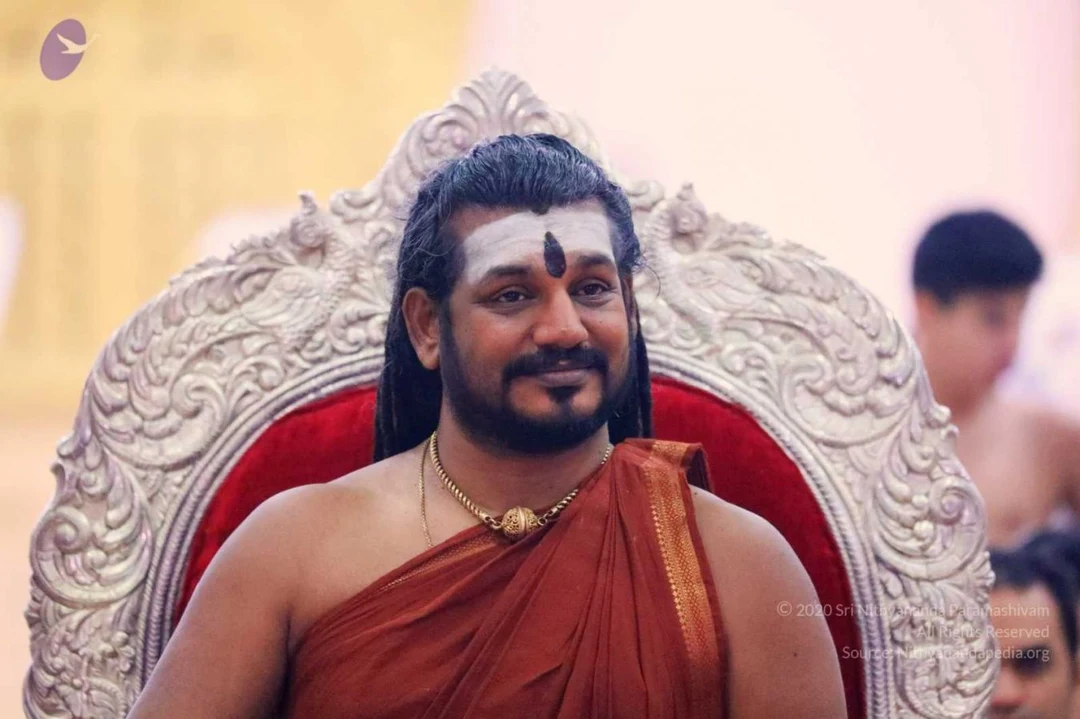 Get INITIATED and start MANIFESTING THE COSMIC BEING IN YOUR IDENTITY
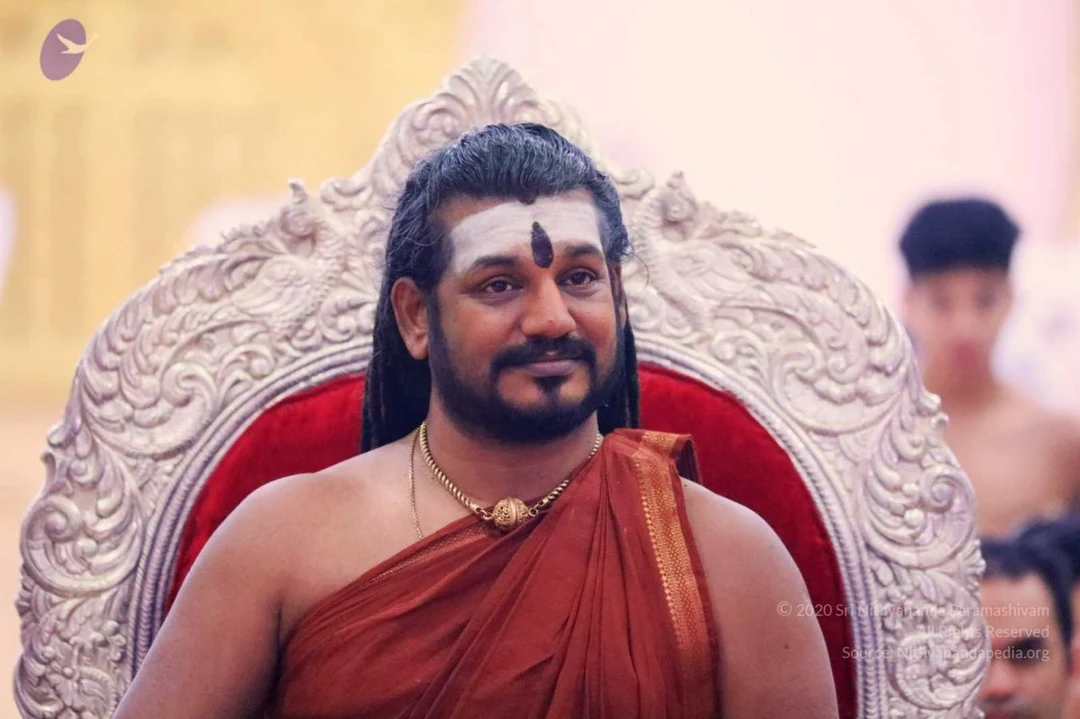 Get INITIATED and start MANIFESTING THE COSMIC BEING IN YOUR IDENTITY
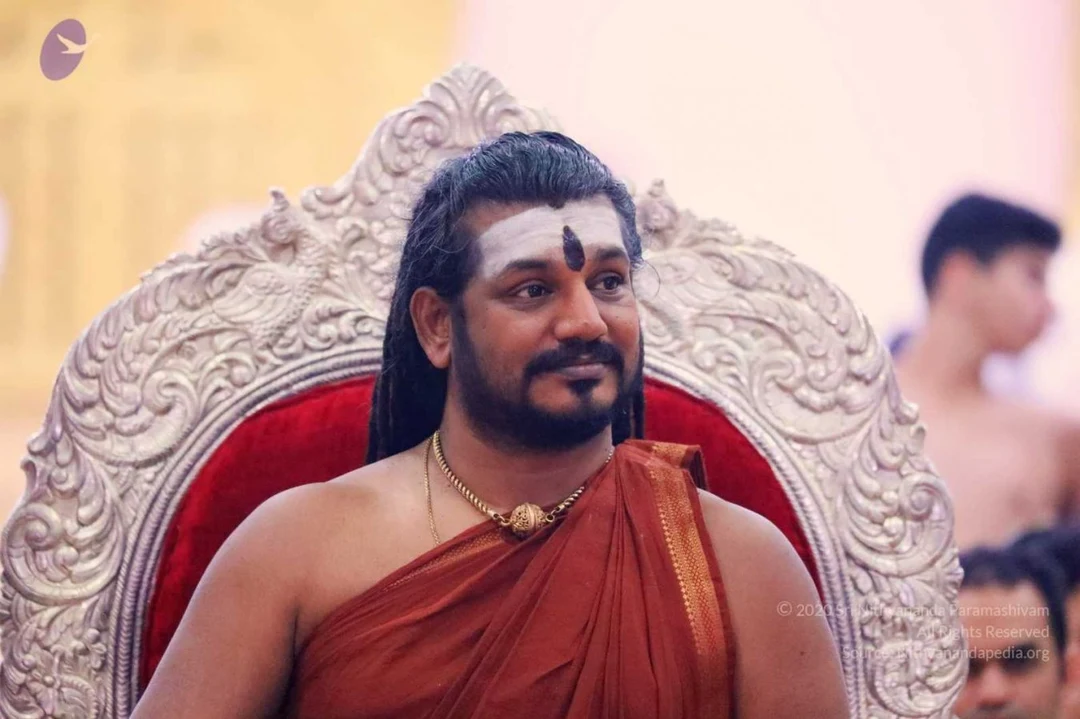 Get INITIATED and start MANIFESTING THE COSMIC BEING IN YOUR IDENTITY
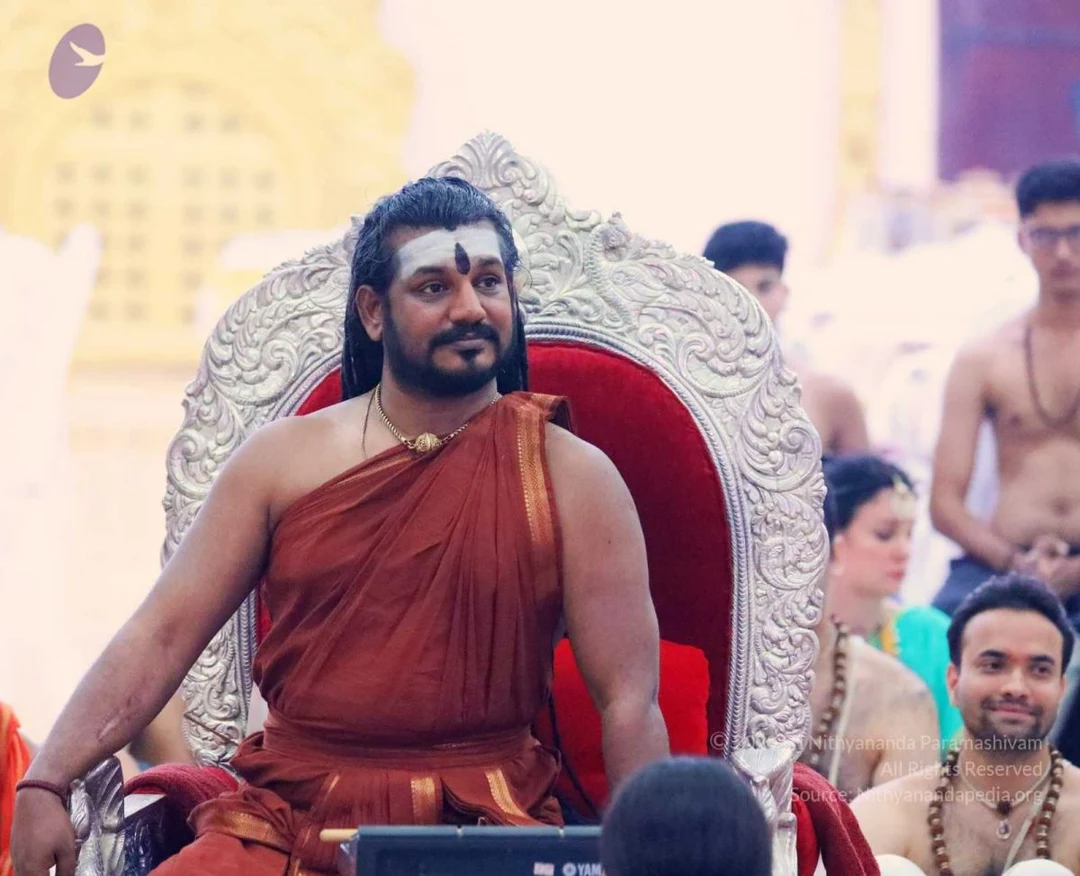 Get INITIATED and start MANIFESTING THE COSMIC BEING IN YOUR IDENTITY
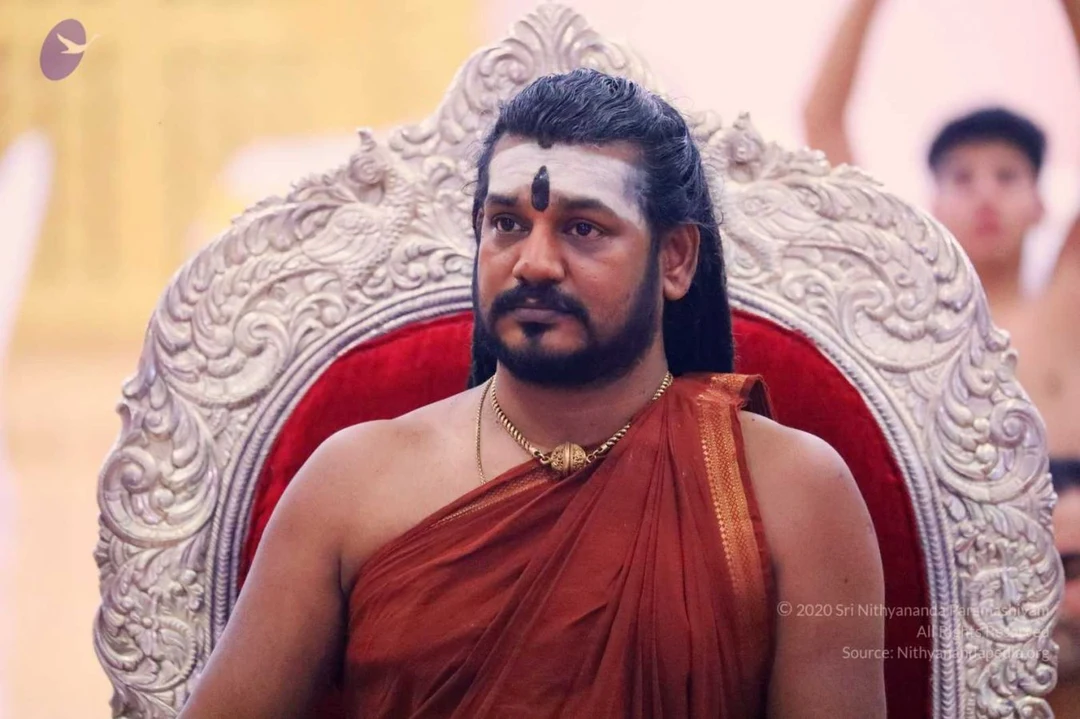 Get INITIATED and start MANIFESTING THE COSMIC BEING IN YOUR IDENTITY
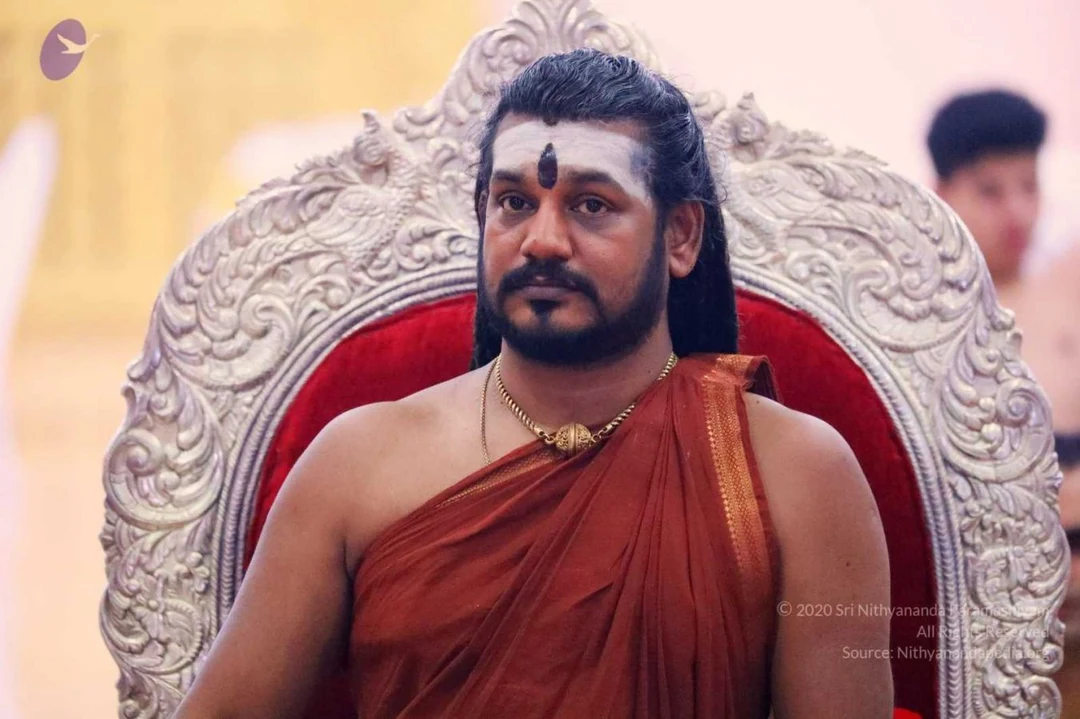 Get INITIATED and start MANIFESTING THE COSMIC BEING IN YOUR IDENTITY
 Initiating all into THE STATE, SPACE, POWERS, BEING, SUPERCONSCIOUSNESS OF PARAMASHIVA
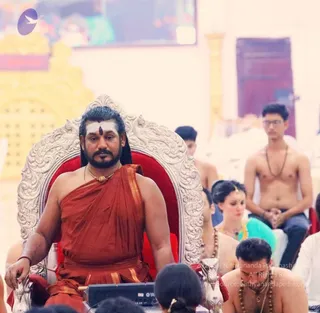 Initiating all into THE STATE, SPACE, POWERS, BEING, SUPERCONSCIOUSNESS OF PARAMASHIVA
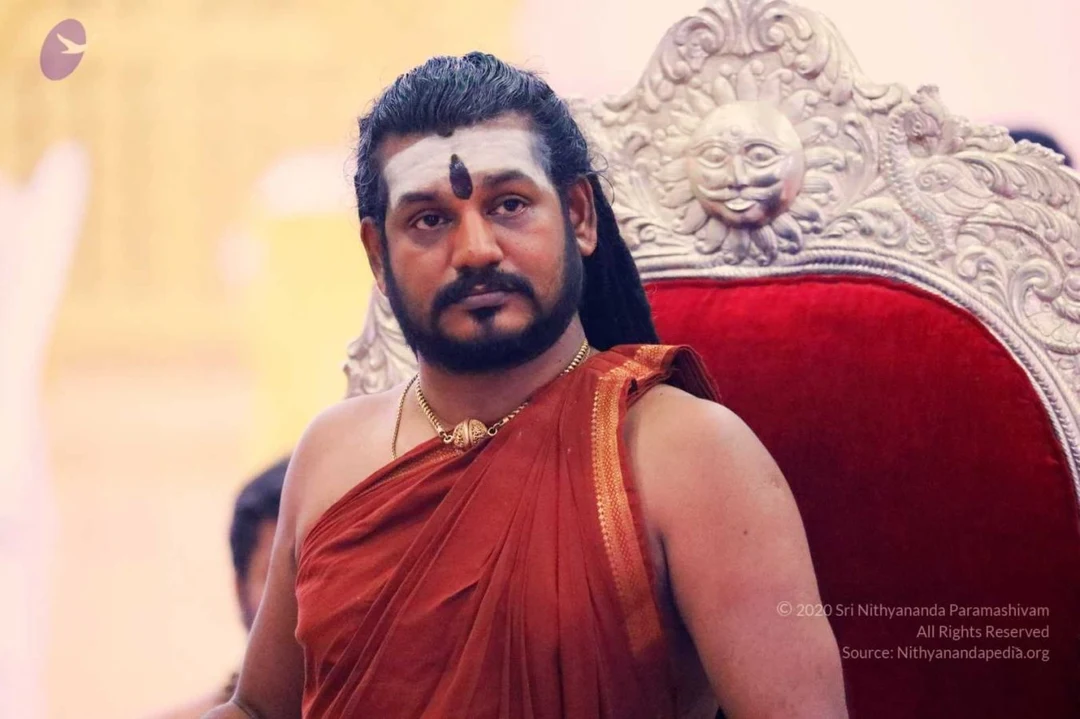 Initiating all into THE STATE, SPACE, POWERS, BEING, SUPERCONSCIOUSNESS OF PARAMASHIVA
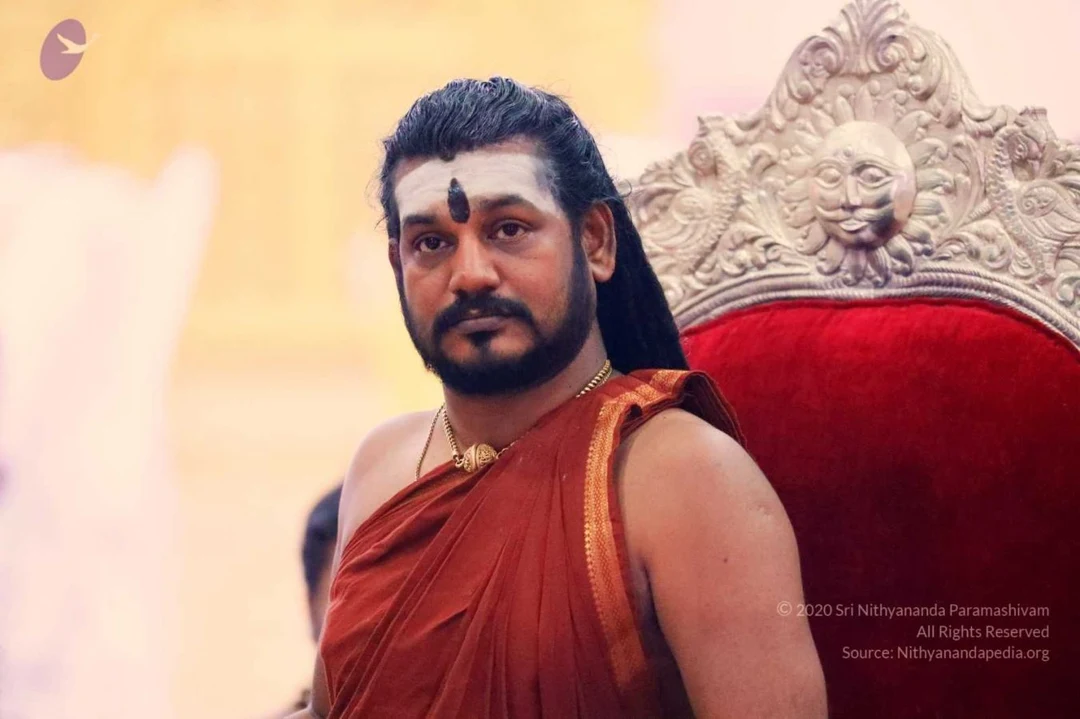 Initiating all into THE STATE, SPACE, POWERS, BEING, SUPERCONSCIOUSNESS OF PARAMASHIVA
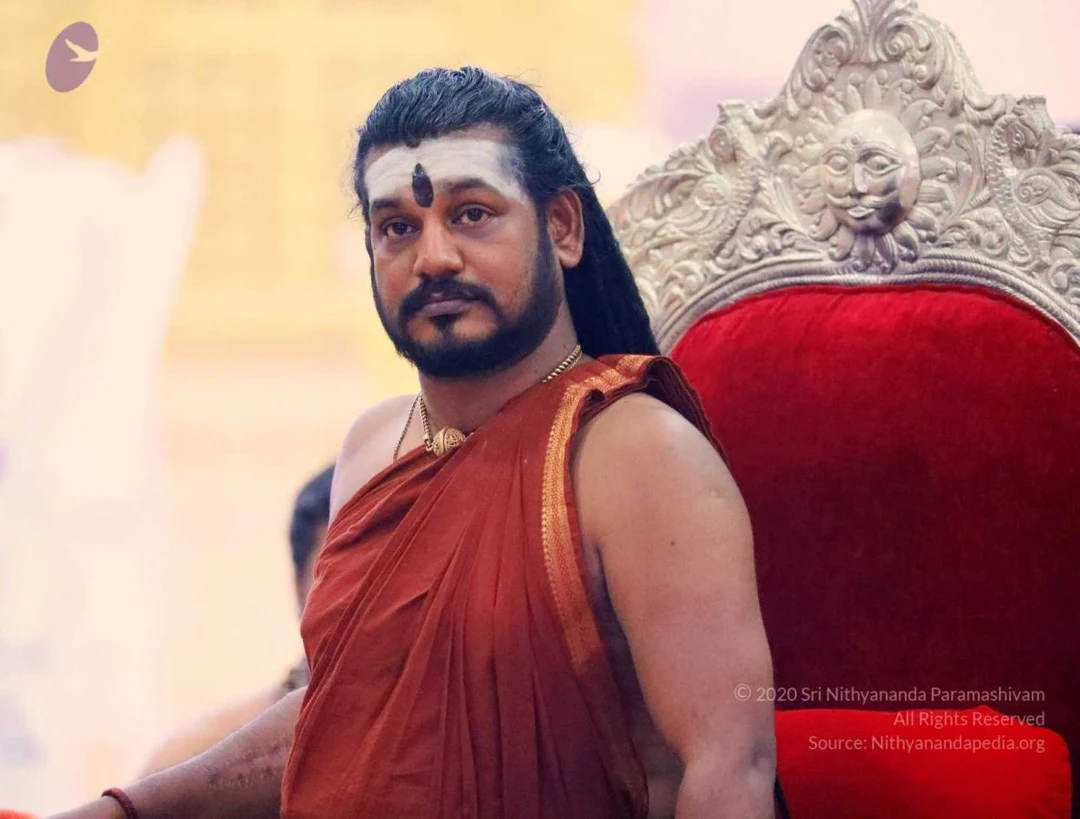 Initiating all into THE STATE, SPACE, POWERS, BEING, SUPERCONSCIOUSNESS OF PARAMASHIVA
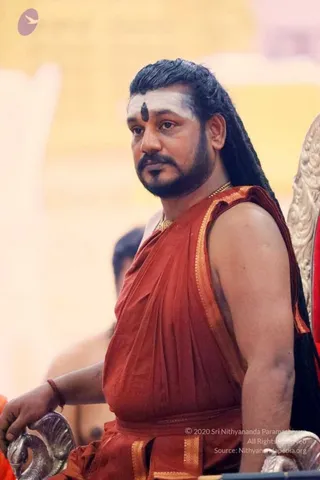 Initiating all into THE STATE, SPACE, POWERS, BEING, SUPERCONSCIOUSNESS OF PARAMASHIVA
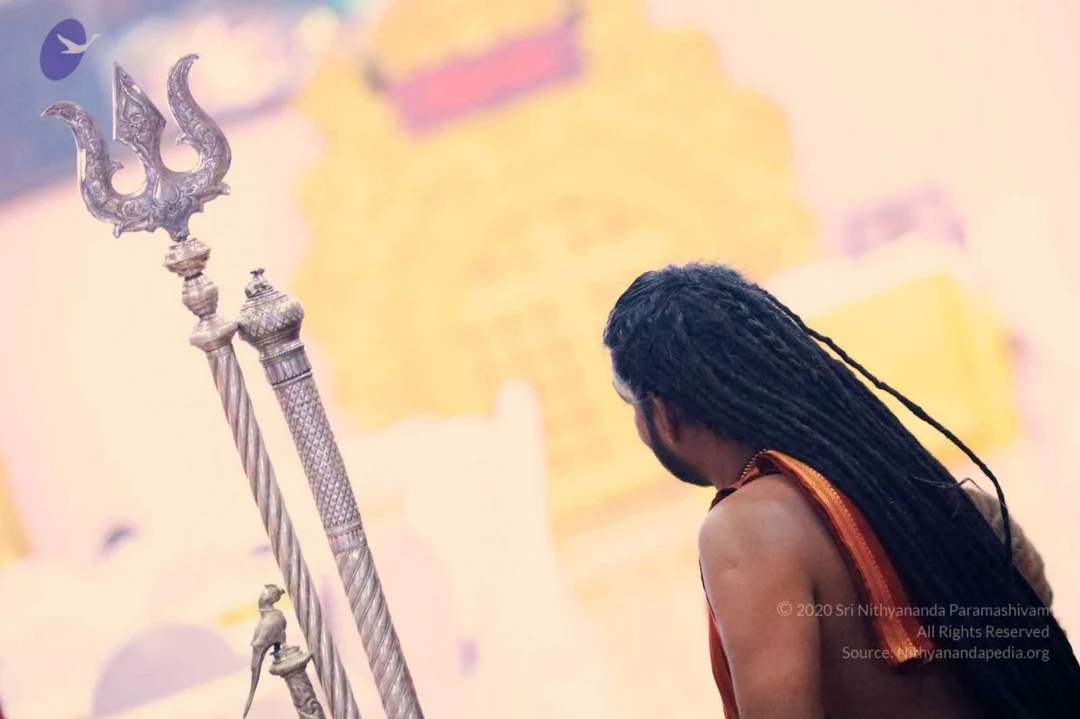 Initiating all into THE STATE, SPACE, POWERS, BEING, SUPERCONSCIOUSNESS OF PARAMASHIVA
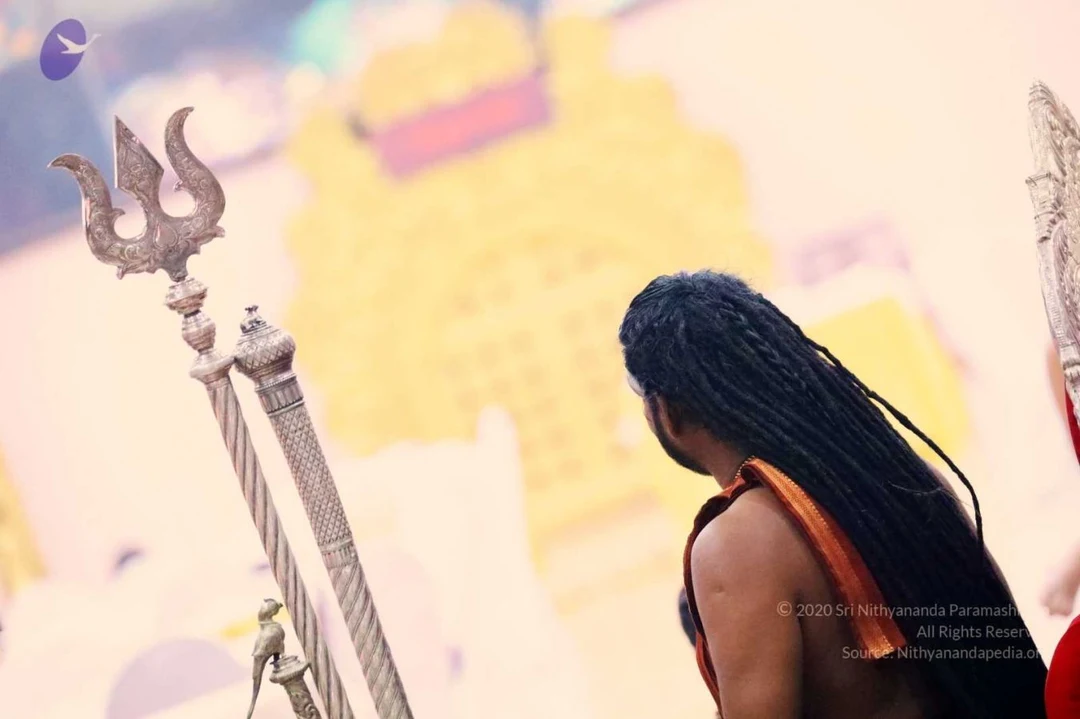 Initiating all into THE STATE, SPACE, POWERS, BEING, SUPERCONSCIOUSNESS OF PARAMASHIVA
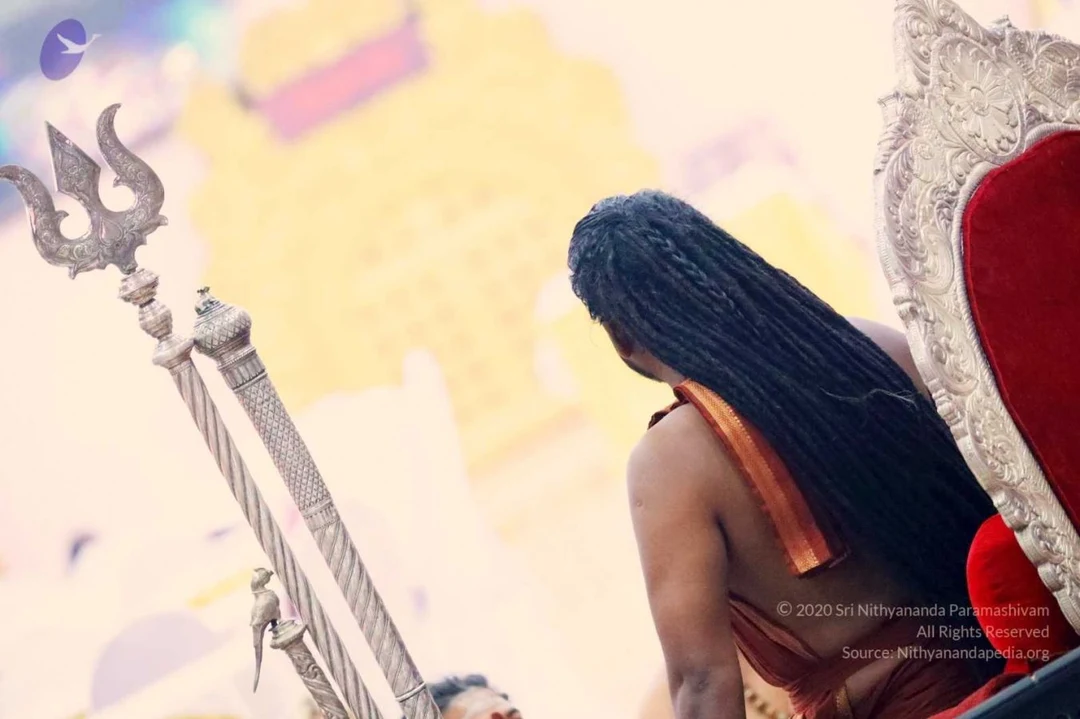 Initiating all into THE STATE, SPACE, POWERS, BEING, SUPERCONSCIOUSNESS OF PARAMASHIVA
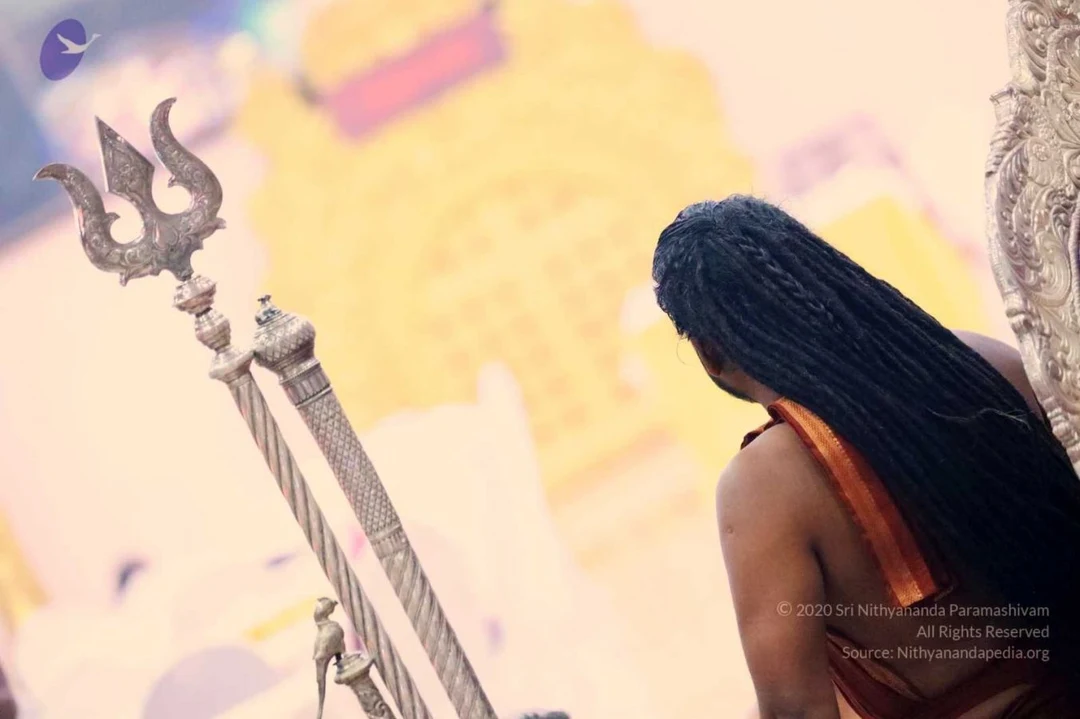 Activating the Kundalini Shakti (your inner potential energy) by aligning to Parashakti (Devi or divine female energy)'s sound and lines is the essence of the Shakti Mandala process
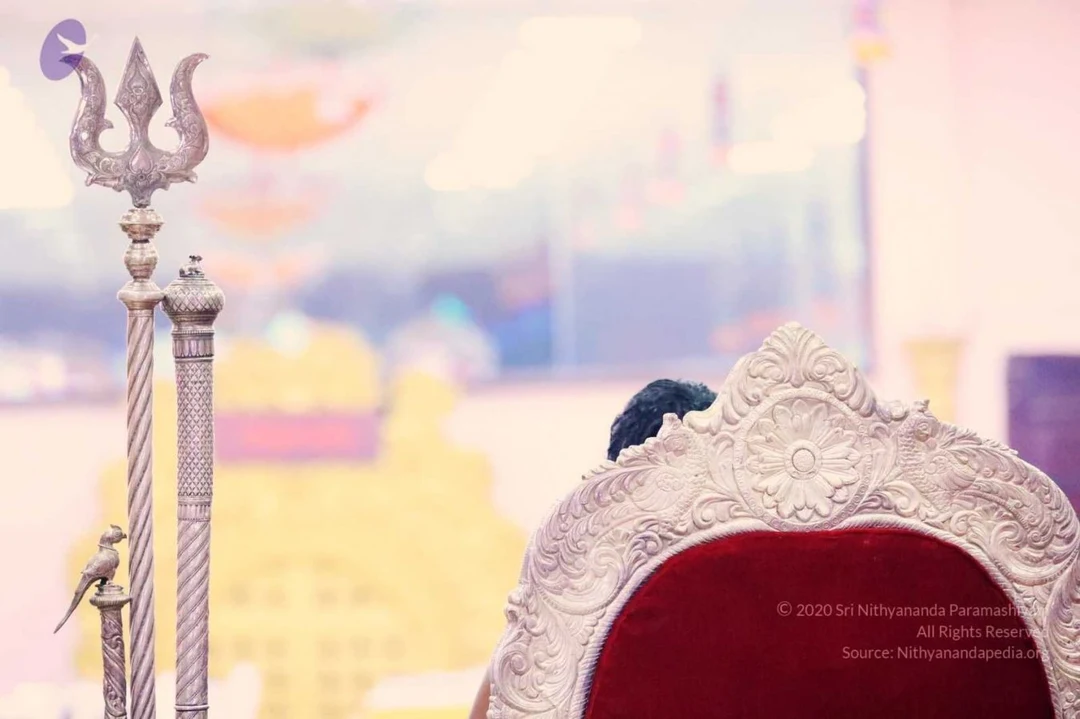 Activating the Kundalini Shakti (your inner potential energy) by aligning to Parashakti (Devi or divine female energy)'s sound and lines is the essence of the Shakti Mandala process
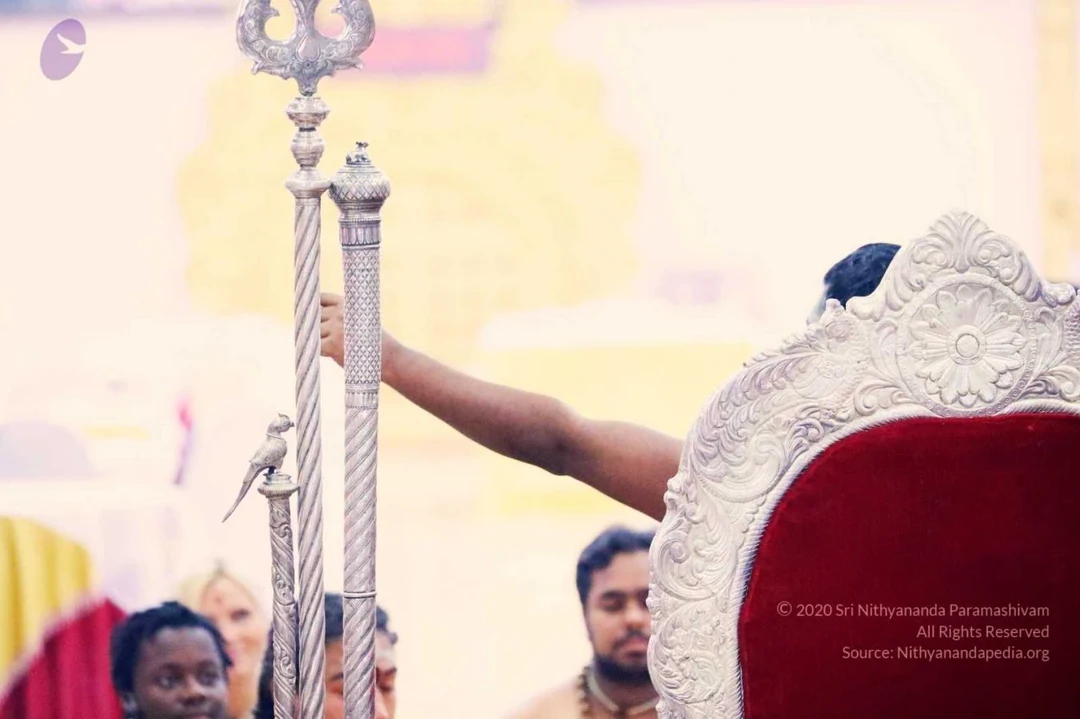 Activating the Kundalini Shakti (your inner potential energy) by aligning to Parashakti (Devi or divine female energy)'s sound and lines is the essence of the Shakti Mandala process
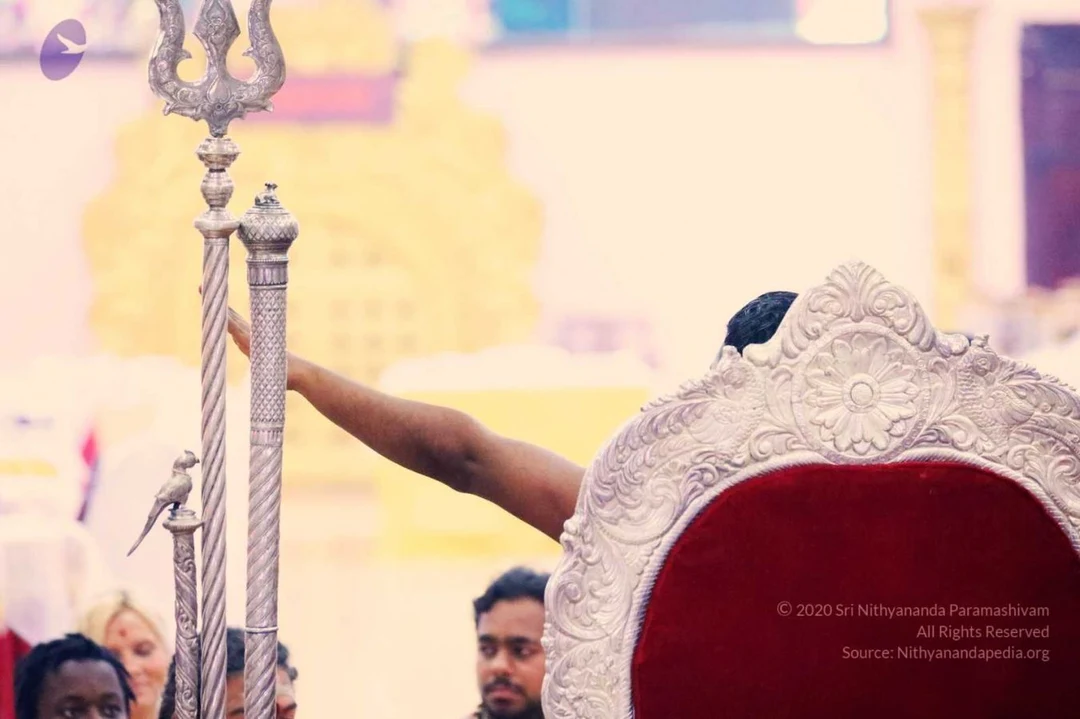 Activating the Kundalini Shakti (your inner potential energy) by aligning to Parashakti (Devi or divine female energy)'s sound and lines is the essence of the Shakti Mandala process
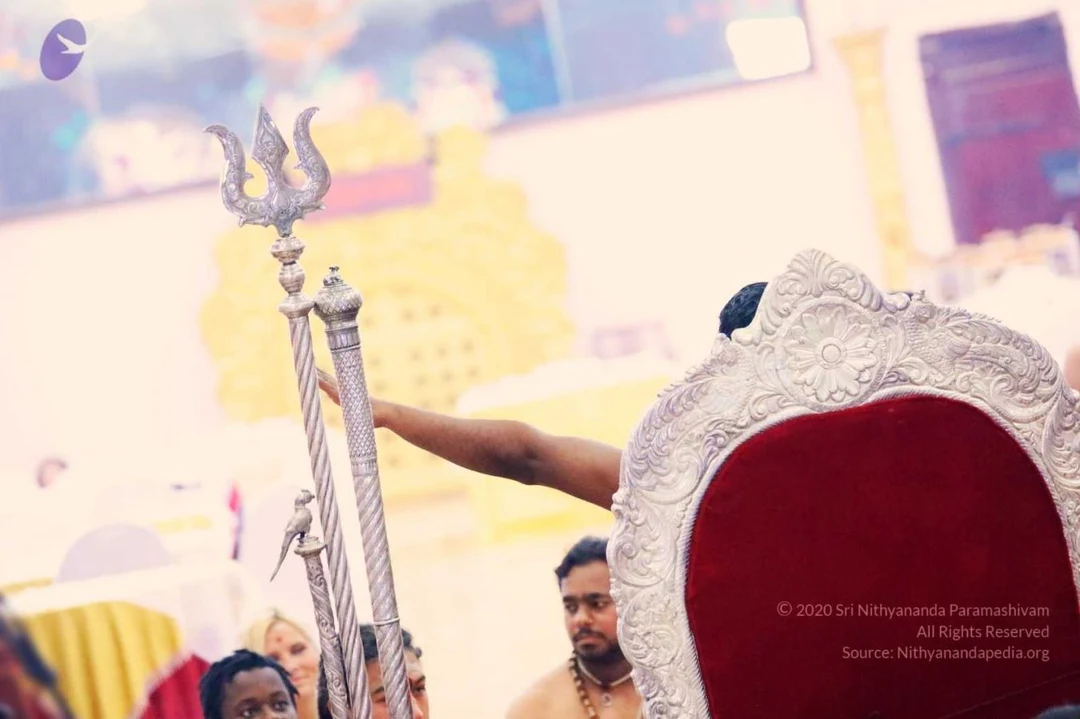 Activating the Kundalini Shakti (your inner potential energy) by aligning to Parashakti (Devi or divine female energy)'s sound and lines is the essence of the Shakti Mandala process
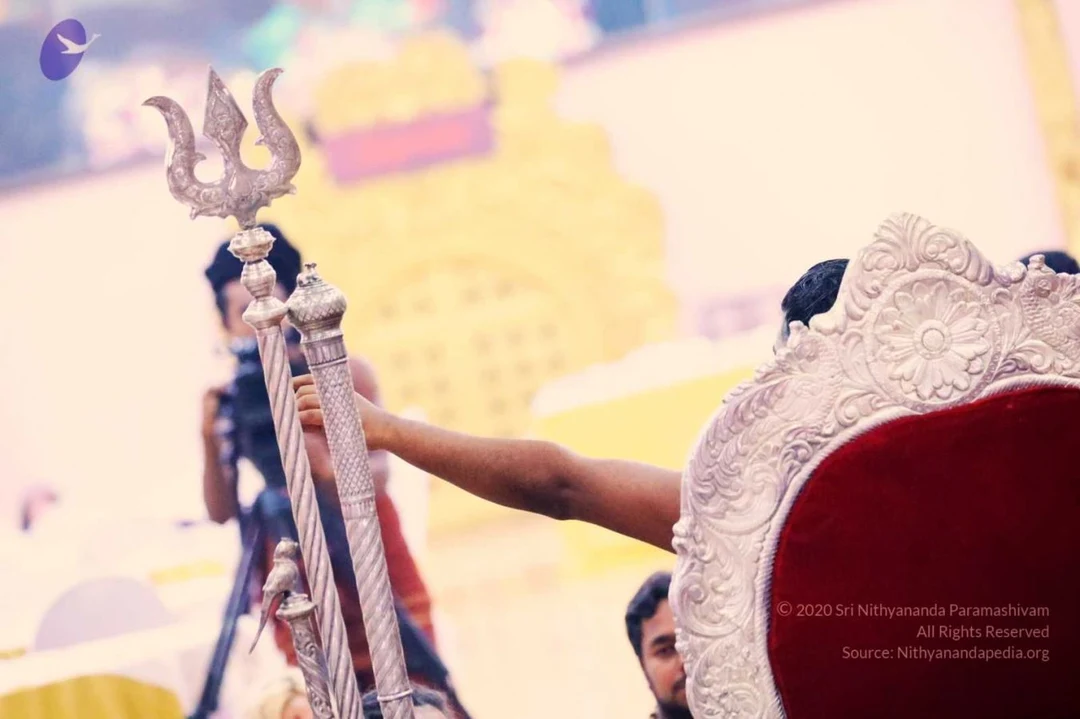 Activating the Kundalini Shakti (your inner potential energy) by aligning to Parashakti (Devi or divine female energy)'s sound and lines is the essence of the Shakti Mandala process
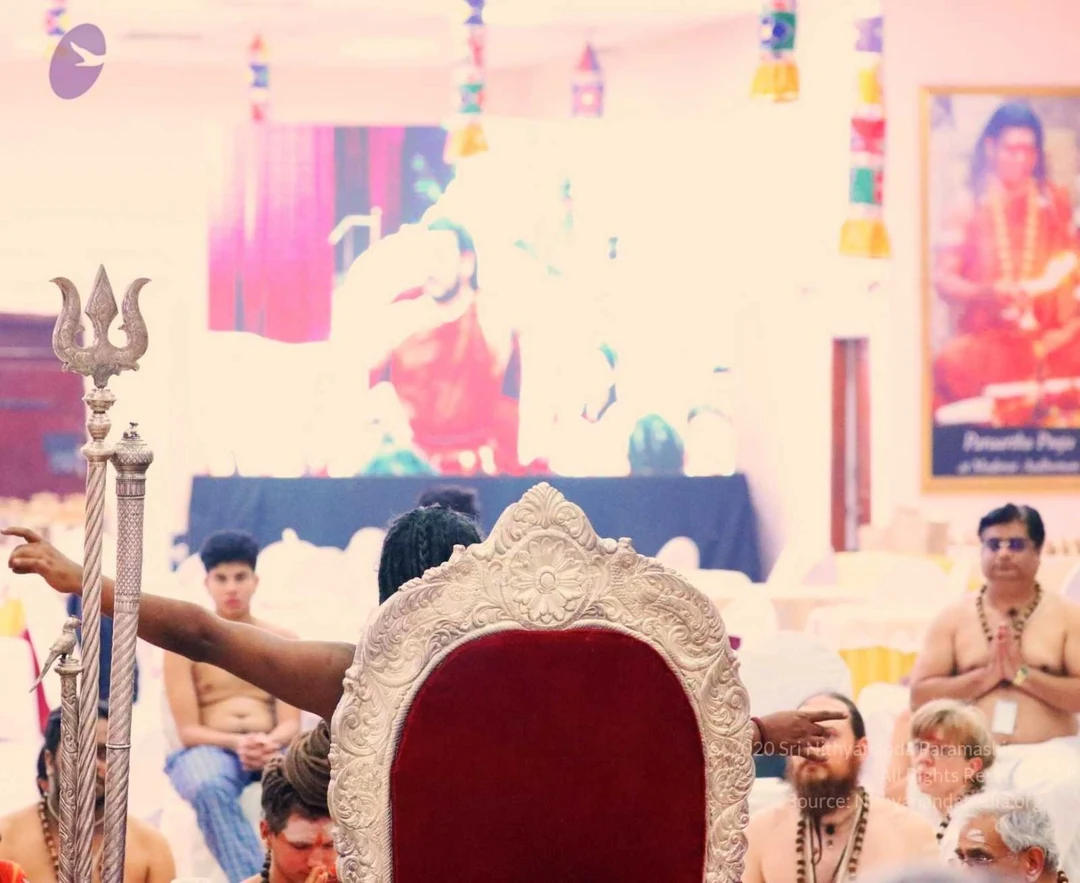 Activating the Kundalini Shakti (your inner potential energy) by aligning to Parashakti (Devi or divine female energy)'s sound and lines is the essence of the Shakti Mandala process
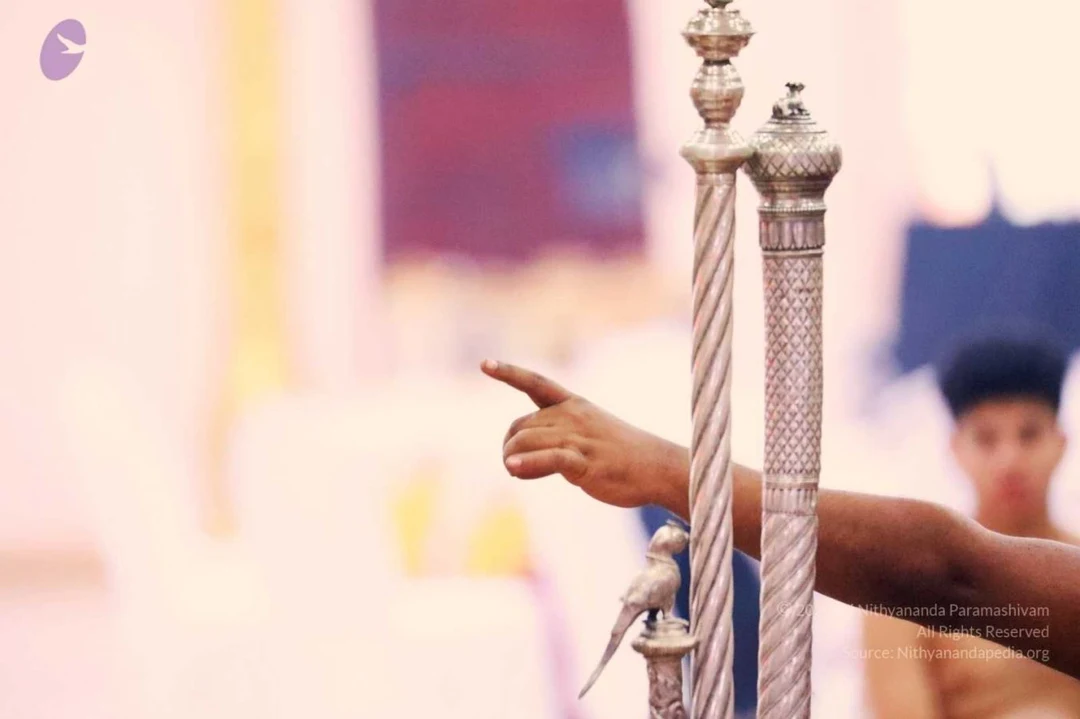 Activating the Kundalini Shakti (your inner potential energy) by aligning to Parashakti (Devi or divine female energy)'s sound and lines is the essence of the Shakti Mandala process
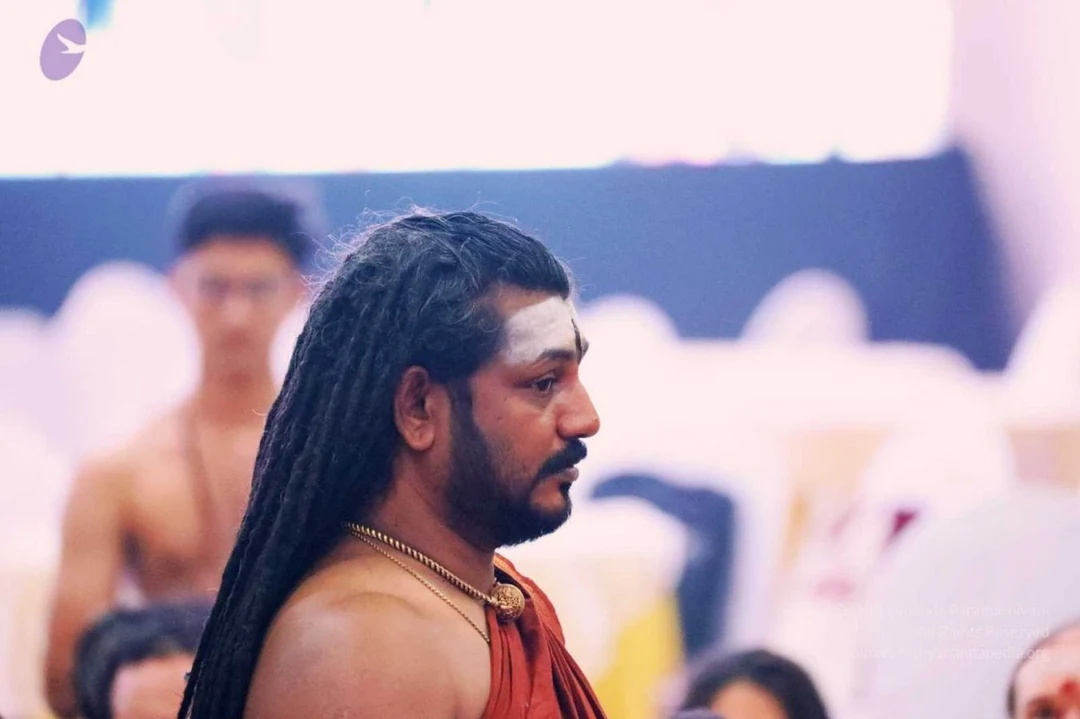 Activating the Kundalini Shakti (your inner potential energy) by aligning to Parashakti (Devi or divine female energy)'s sound and lines is the essence of the Shakti Mandala process
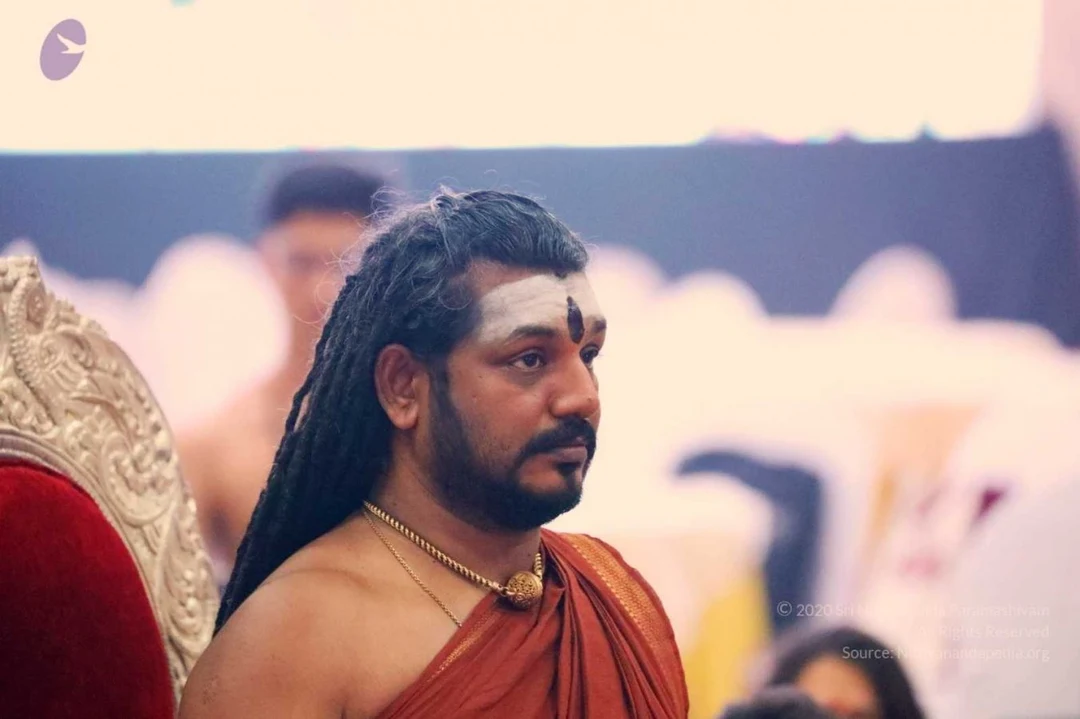 The Avatar raises the Kundalini energy giving the next level experience of Sadashivatva
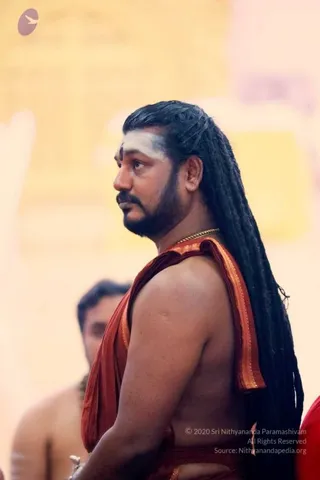 The Avatar raises the Kundalini energy giving the next level experience of Sadashivatva
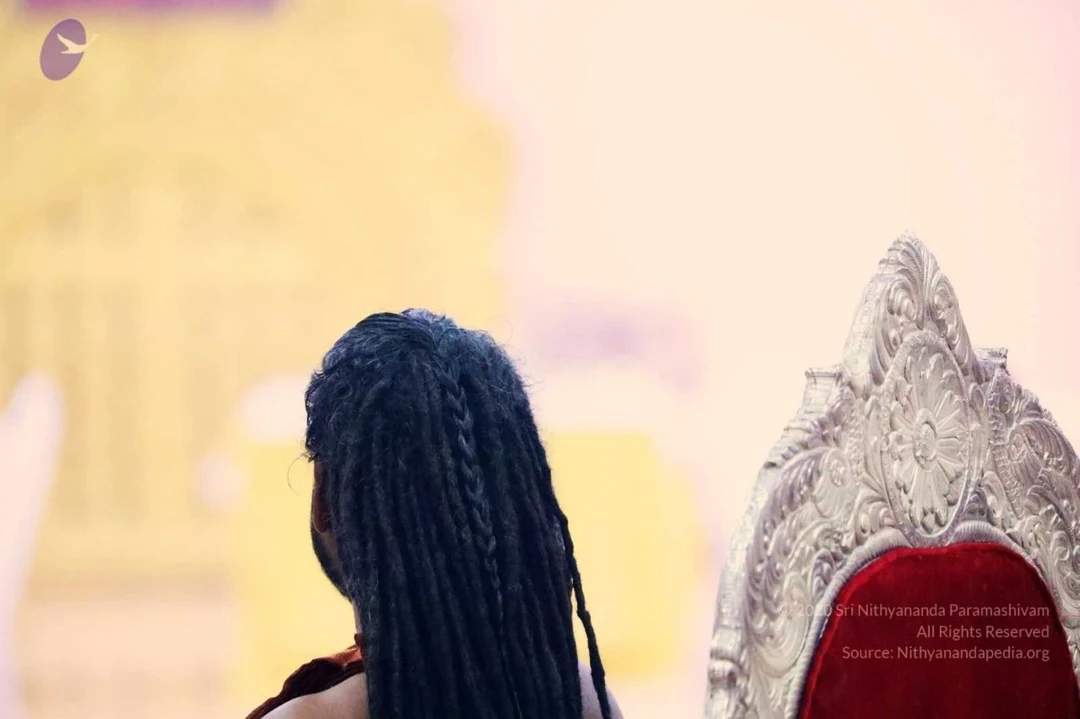 The Avatar raises the Kundalini energy giving the next level experience of Sadashivatva
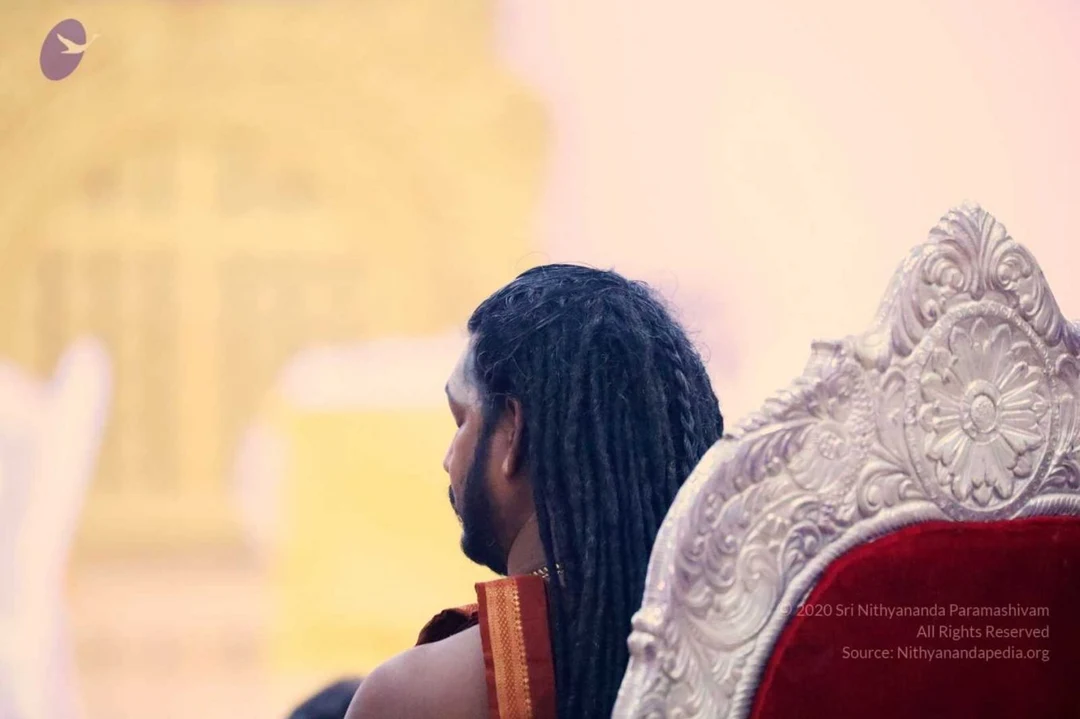 The Avatar raises the Kundalini energy giving the next level experience of Sadashivatva
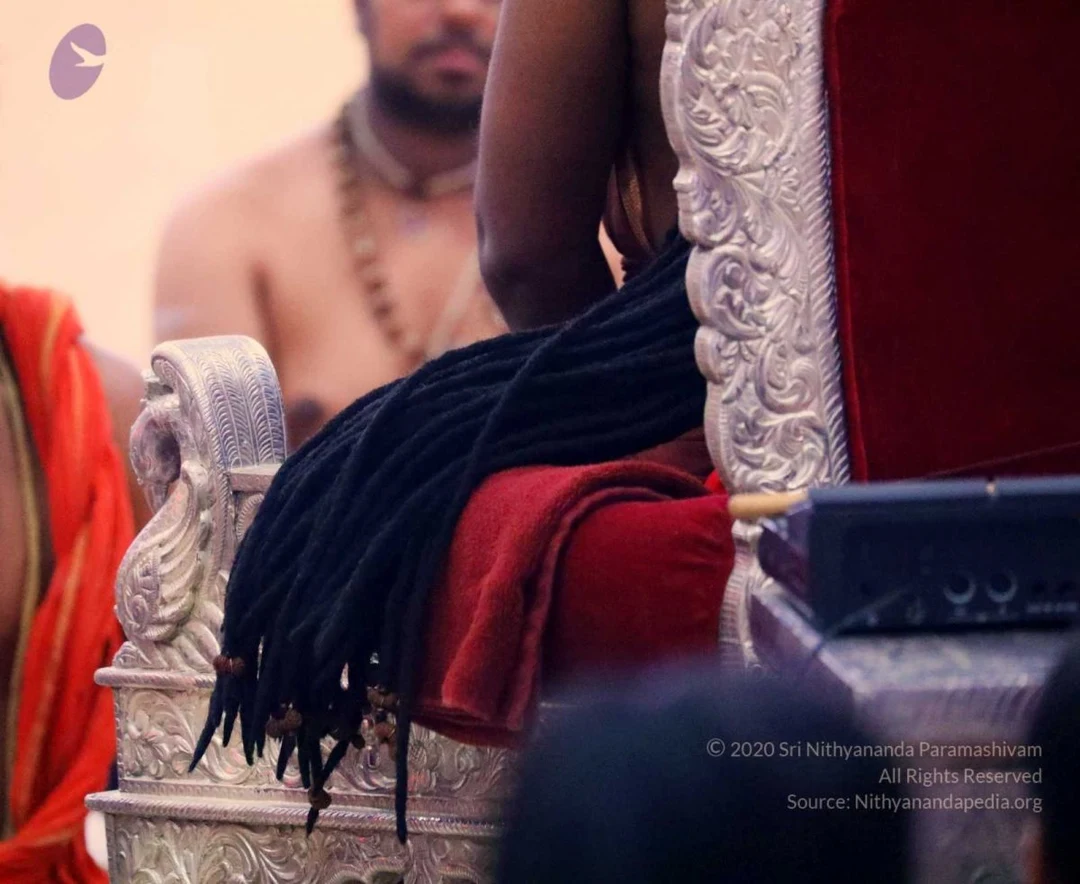 The Avatar raises the Kundalini energy giving the next level experience of Sadashivatva
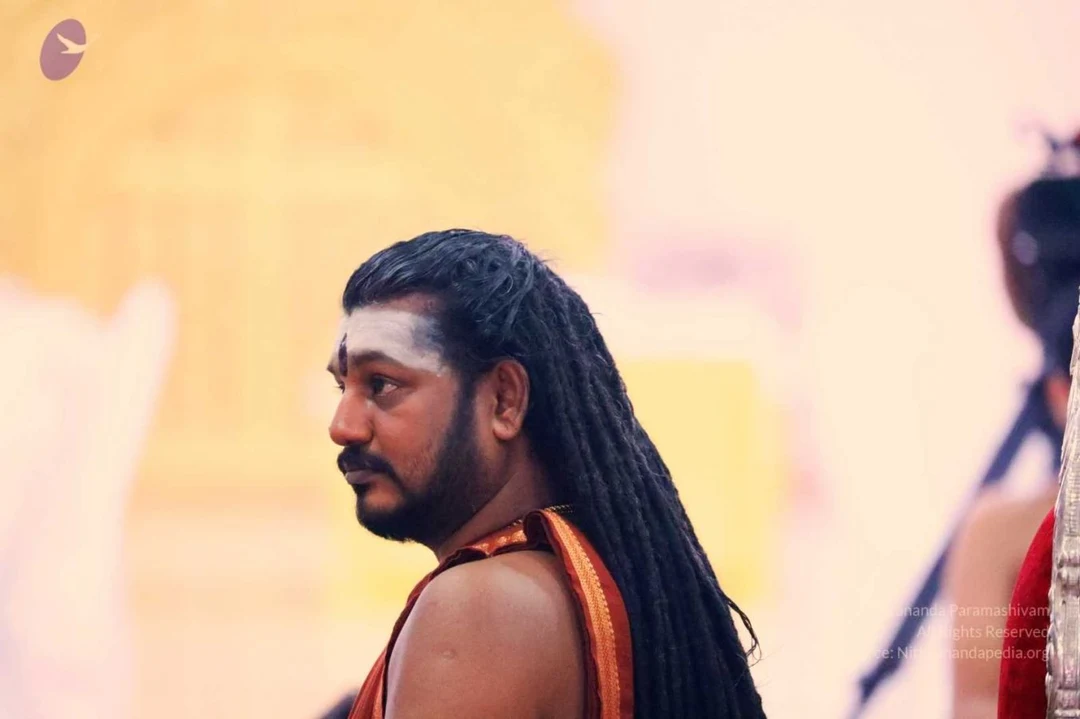 The Avatar raises the Kundalini energy giving the next level experience of Sadashivatva
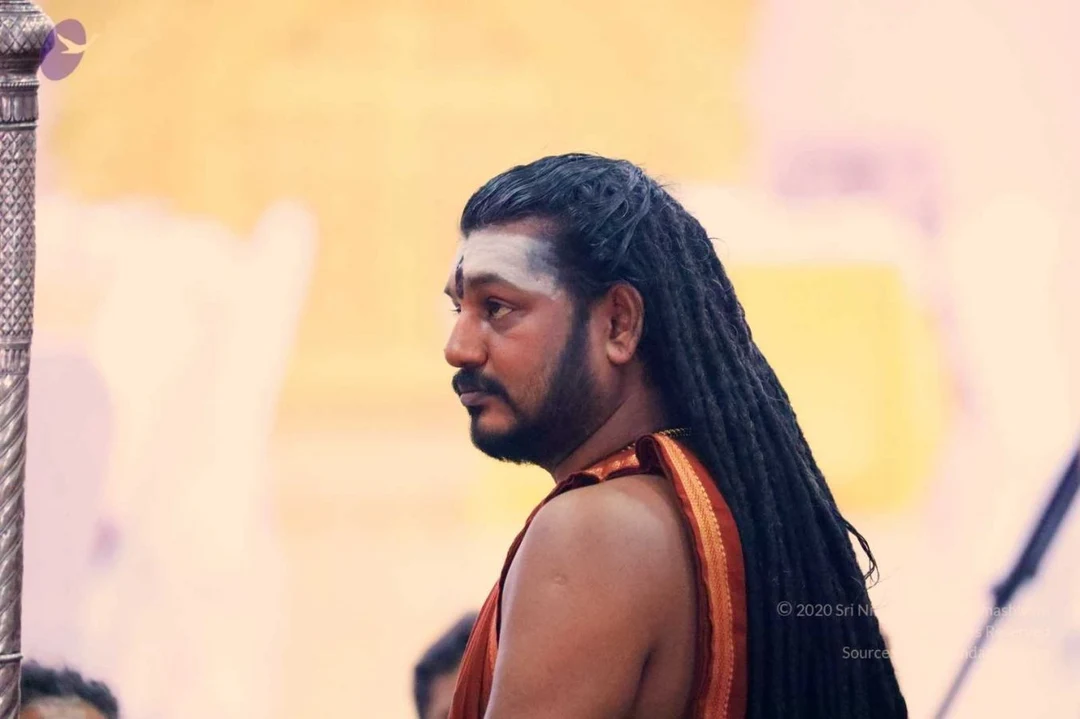 The Avatar raises the Kundalini energy giving the next level experience of Sadashivatva
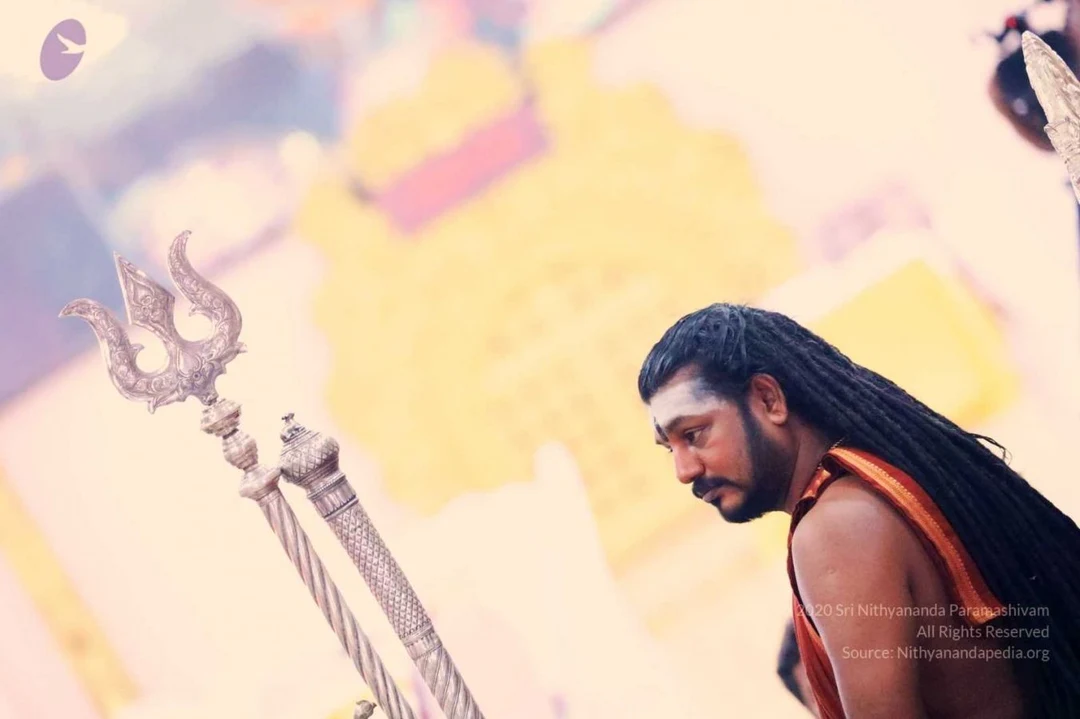 Initiation Awakens intuition & intelligence
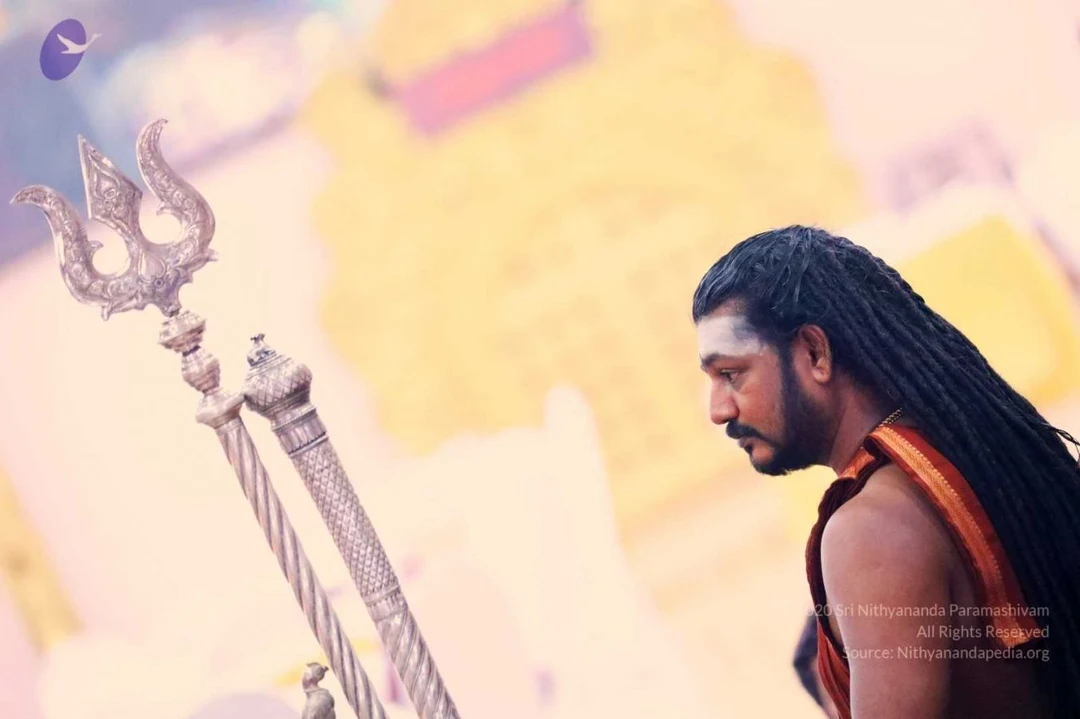 Initiation Awakens intuition & intelligence
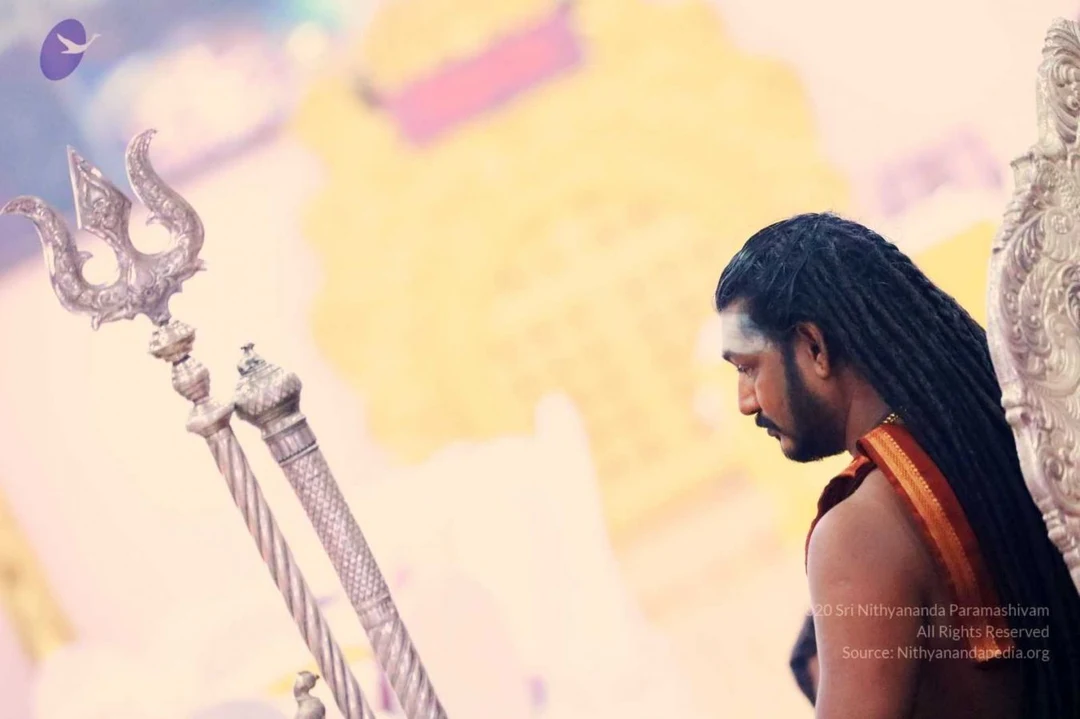 Initiation Awakens intuition & intelligence
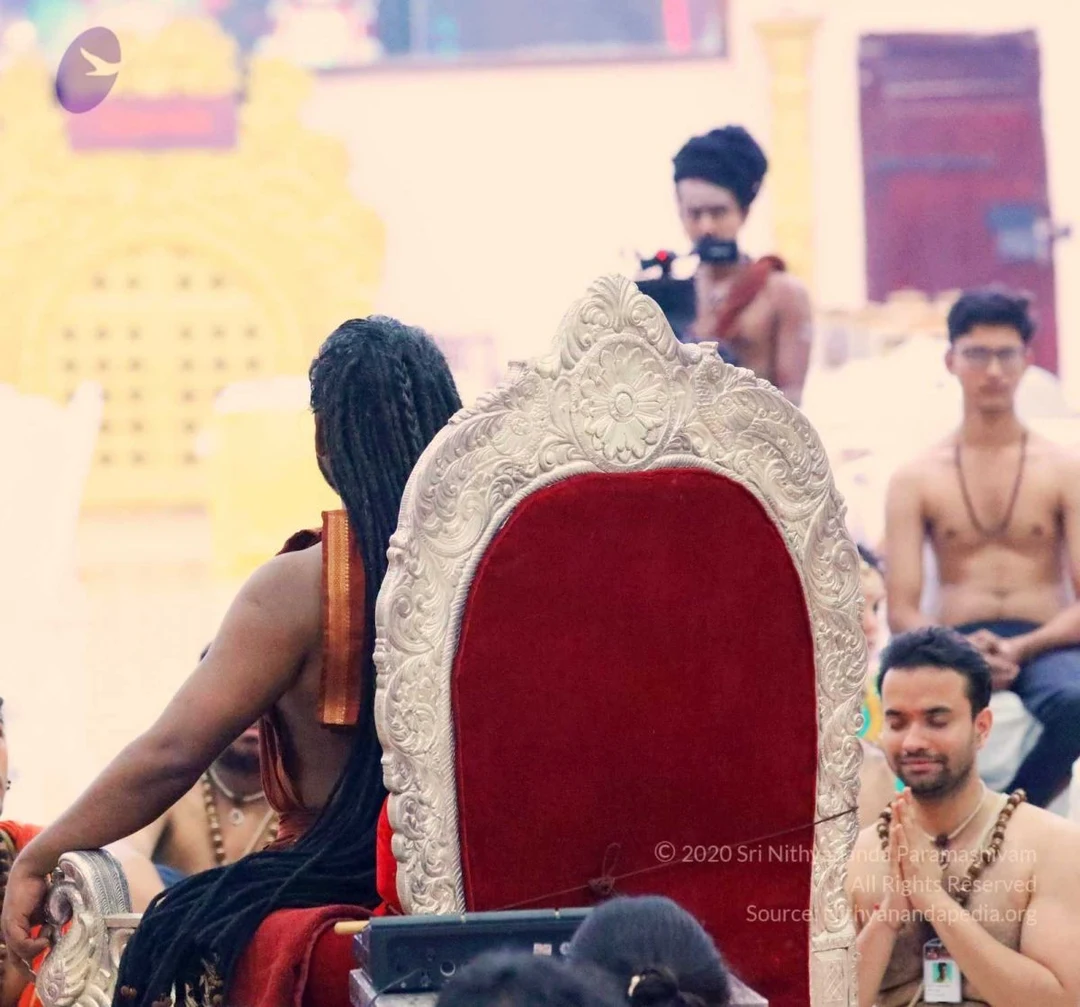 Initiation Awakens intuition & intelligence
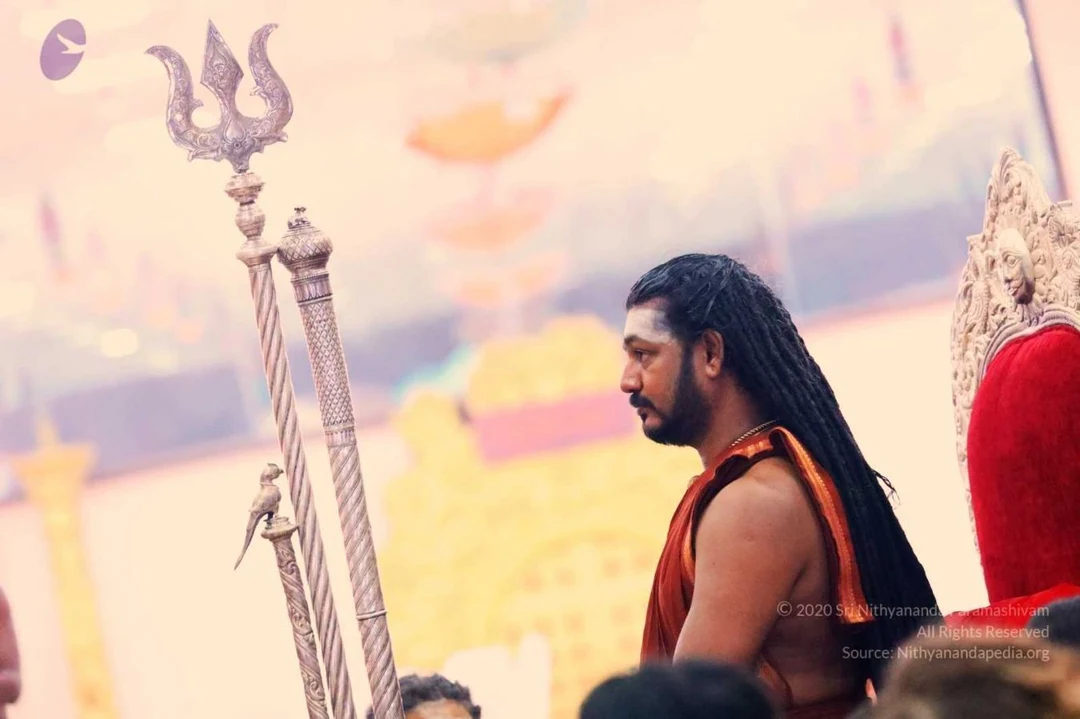 Initiation Awakens intuition & intelligence
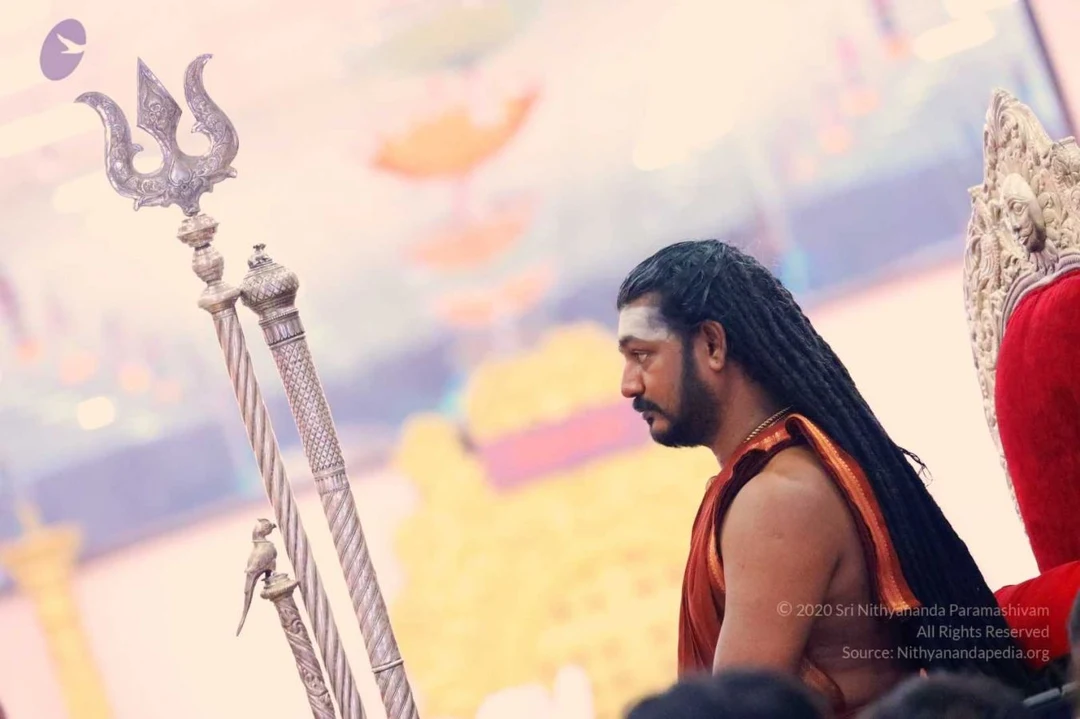 Initiation Awakens intuition & intelligence
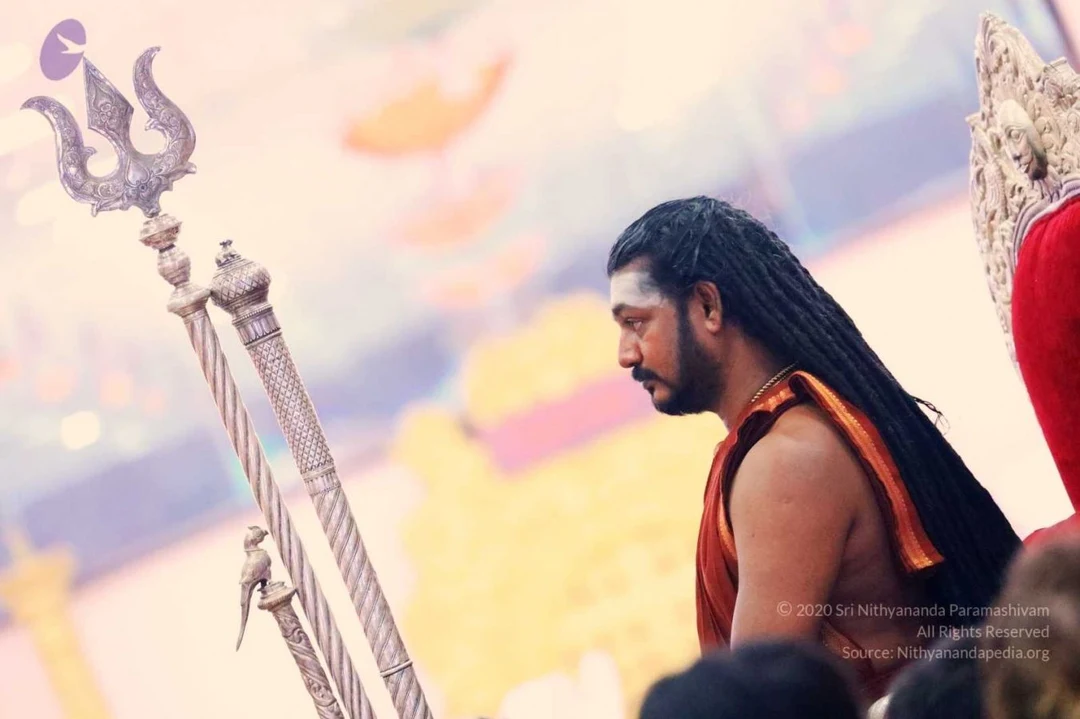 Initiation Awakens intuition & intelligence
 One initiation and connection happens between You and me, I KNOW FOR SURE YOU WILL BE ENLIGHTENED - HDH Nithyananda Paramashivam
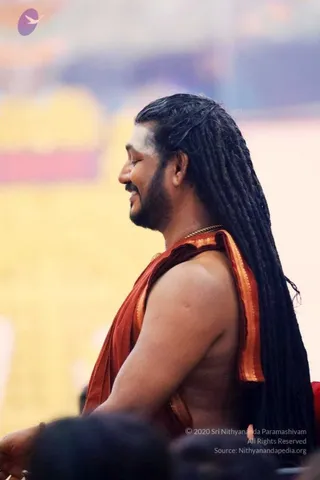 One initiation and connection happens between You and me, I KNOW FOR SURE YOU WILL BE ENLIGHTENED - HDH Nithyananda Paramashivam
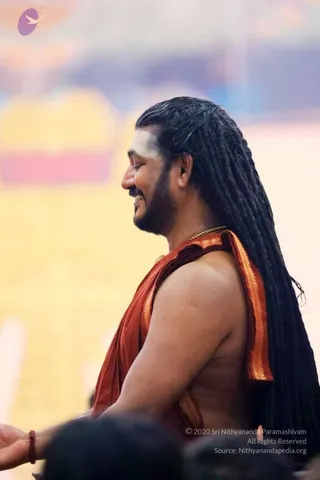 One initiation and connection happens between You and me, I KNOW FOR SURE YOU WILL BE ENLIGHTENED - HDH Nithyananda Paramashivam
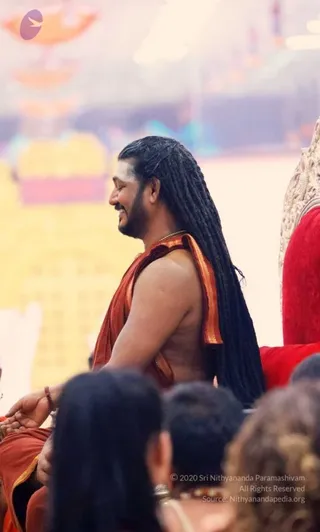 One initiation and connection happens between You and me, I KNOW FOR SURE YOU WILL BE ENLIGHTENED - HDH Nithyananda Paramashivam
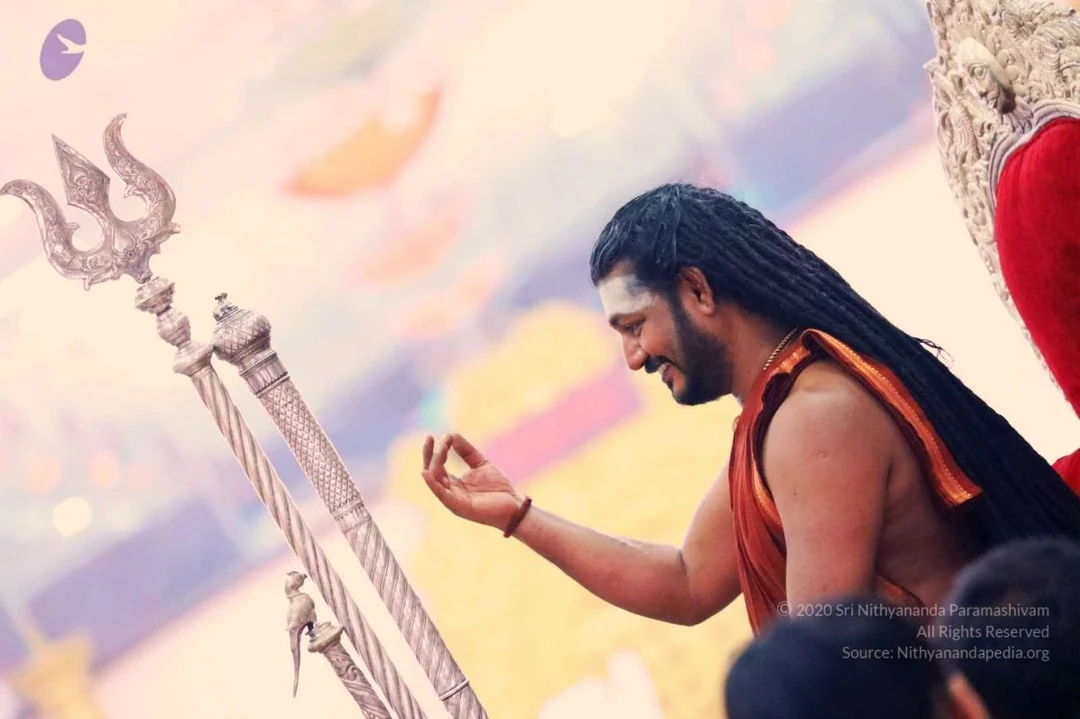 One initiation and connection happens between You and me, I KNOW FOR SURE YOU WILL BE ENLIGHTENED - HDH Nithyananda Paramashivam
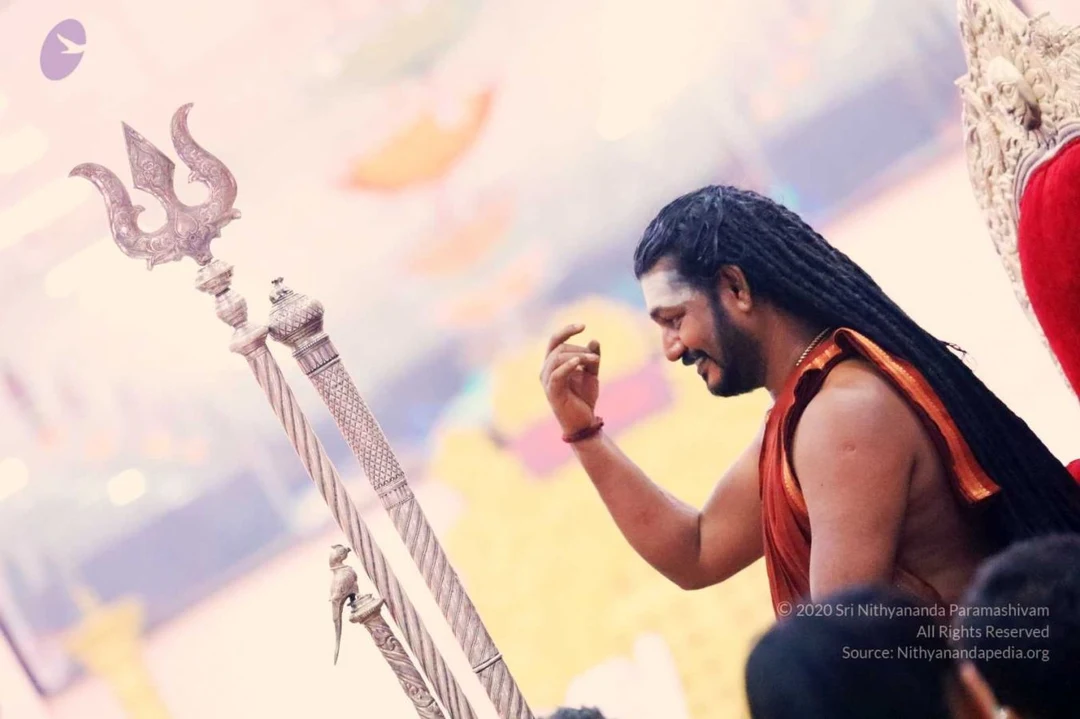 One initiation and connection happens between You and me, I KNOW FOR SURE YOU WILL BE ENLIGHTENED - HDH Nithyananda Paramashivam
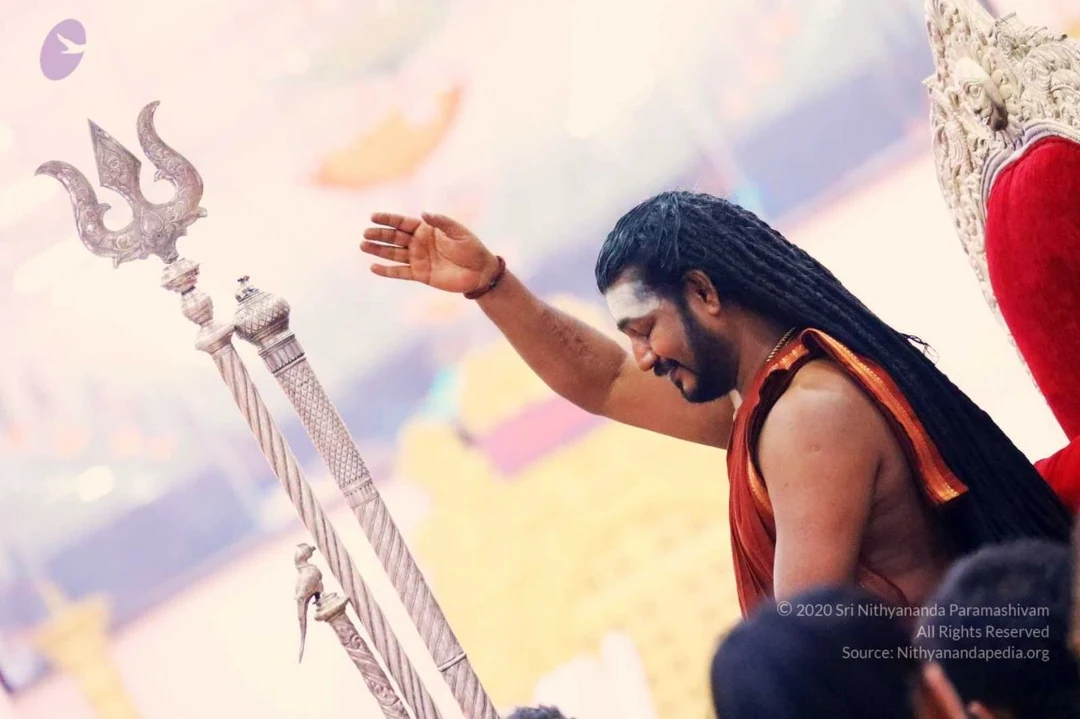 One initiation and connection happens between You and me, I KNOW FOR SURE YOU WILL BE ENLIGHTENED - HDH Nithyananda Paramashivam
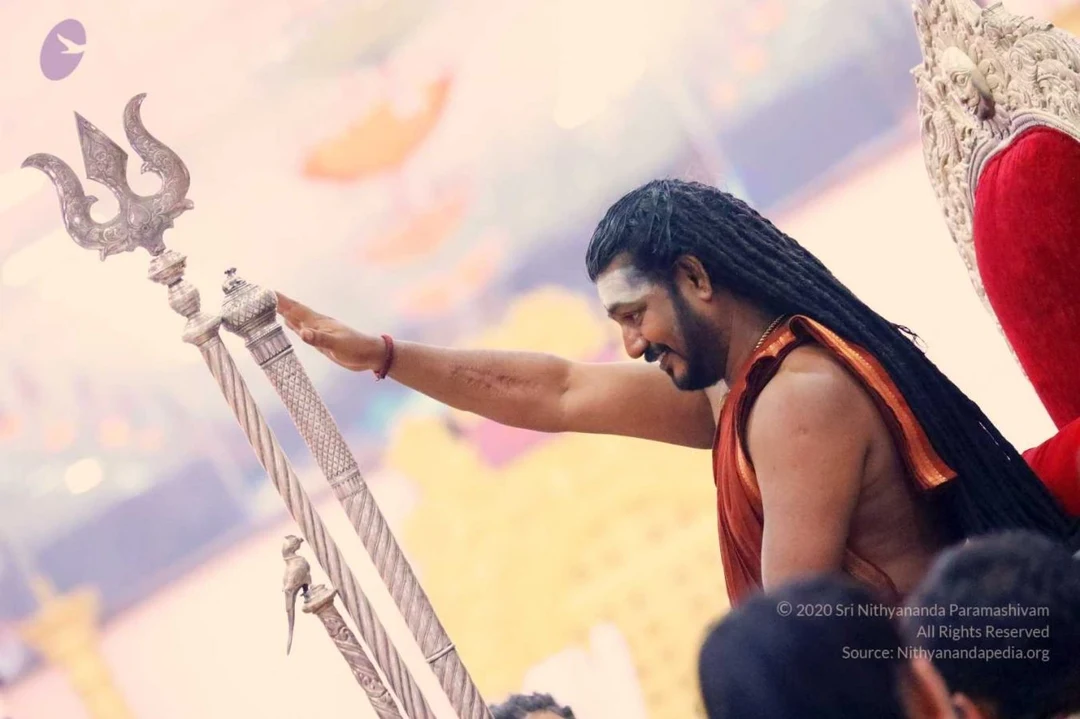 One initiation and connection happens between You and me, I KNOW FOR SURE YOU WILL BE ENLIGHTENED - HDH Nithyananda Paramashivam
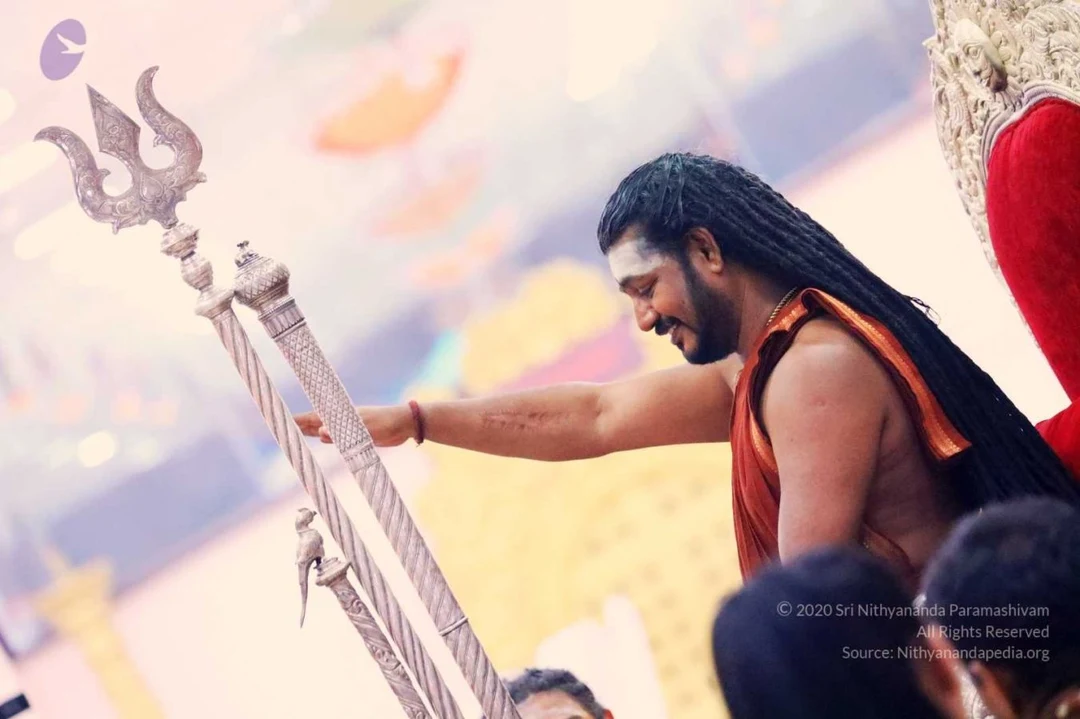 One initiation and connection happens between You and me, I KNOW FOR SURE YOU WILL BE ENLIGHTENED - HDH Nithyananda Paramashivam
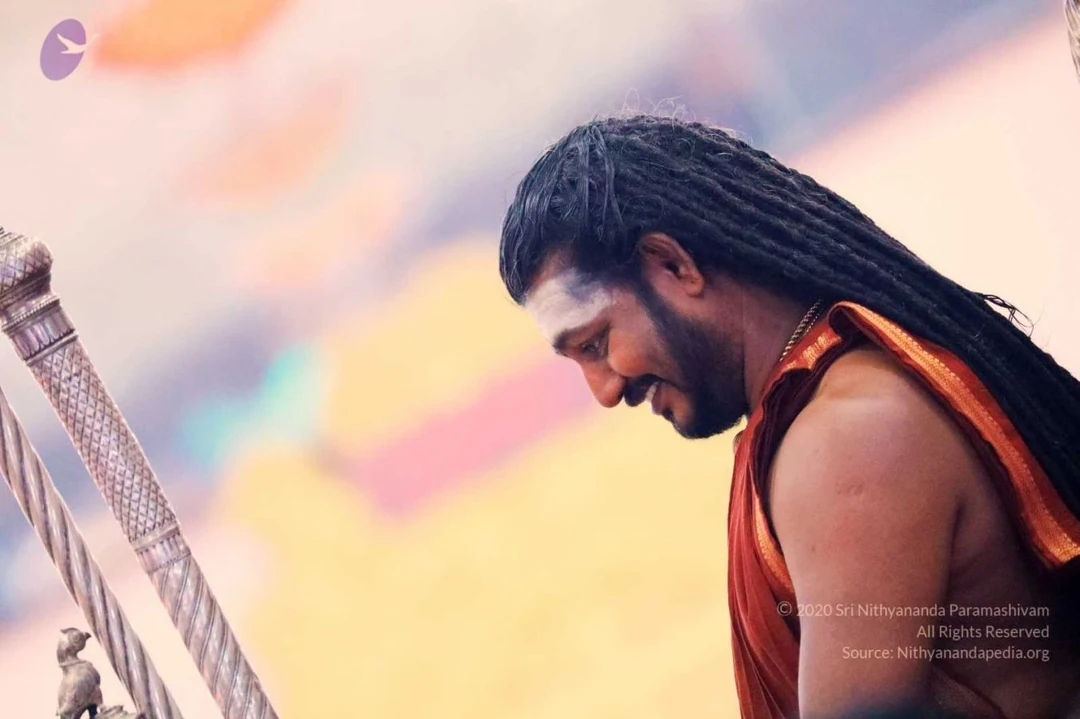 One initiation and connection happens between You and me, I KNOW FOR SURE YOU WILL BE ENLIGHTENED - HDH Nithyananda Paramashivam
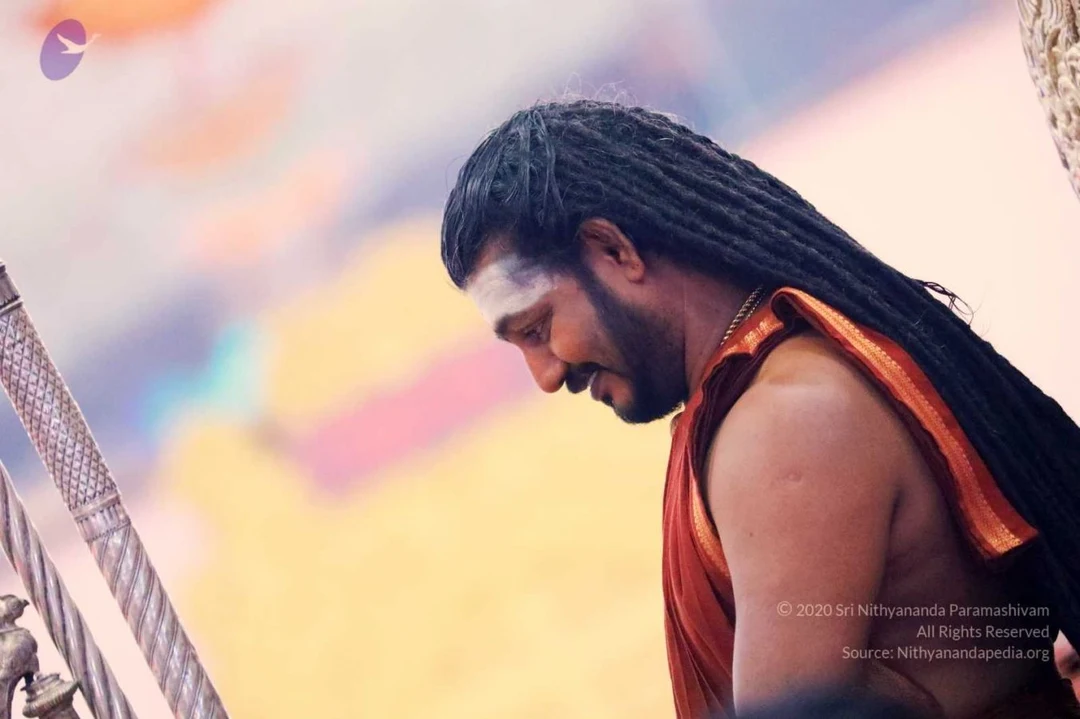 One initiation and connection happens between You and me, I KNOW FOR SURE YOU WILL BE ENLIGHTENED - HDH Nithyananda Paramashivam
 One initiation and connection happens between You and me, I KNOW FOR SURE YOU WILL BE ENLIGHTENED - HDH Nithyananda Paramashivam
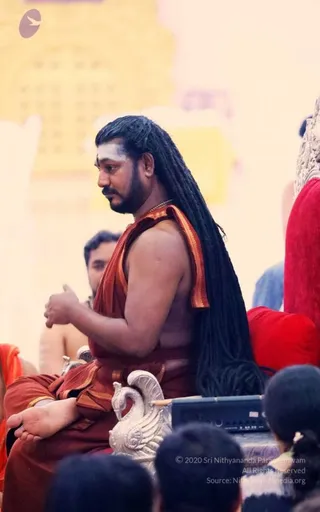 One initiation and connection happens between You and me, I KNOW FOR SURE YOU WILL BE ENLIGHTENED - HDH Nithyananda Paramashivam
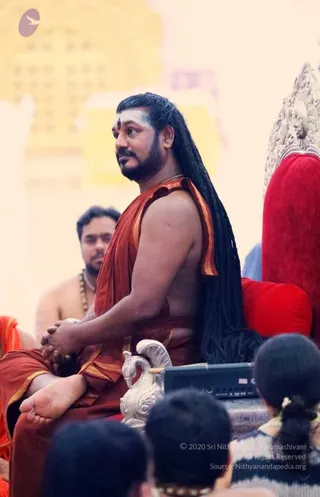 One initiation and connection happens between You and me, I KNOW FOR SURE YOU WILL BE ENLIGHTENED - HDH Nithyananda Paramashivam
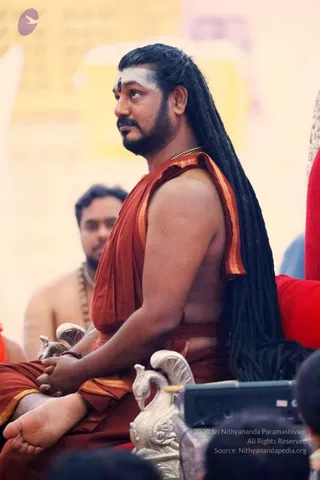 One initiation and connection happens between You and me, I KNOW FOR SURE YOU WILL BE ENLIGHTENED - HDH Nithyananda Paramashivam
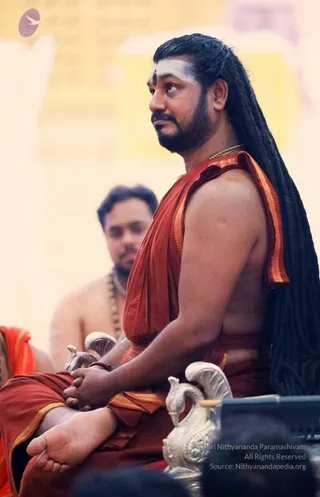 AWAKENING the whole NON-MECHANICAL PARTS OF THE BRAIN with the BEST INITIATION to become ENLIGHTENED
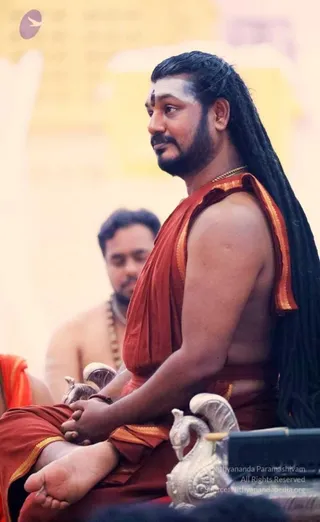 AWAKENING the whole NON-MECHANICAL PARTS OF THE BRAIN with the BEST INITIATION to become ENLIGHTENED
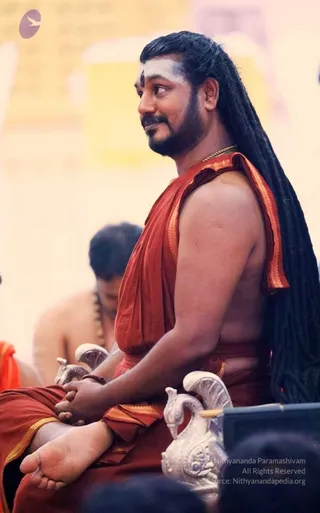 AWAKENING the whole NON-MECHANICAL PARTS OF THE BRAIN with the BEST INITIATION to become ENLIGHTENED
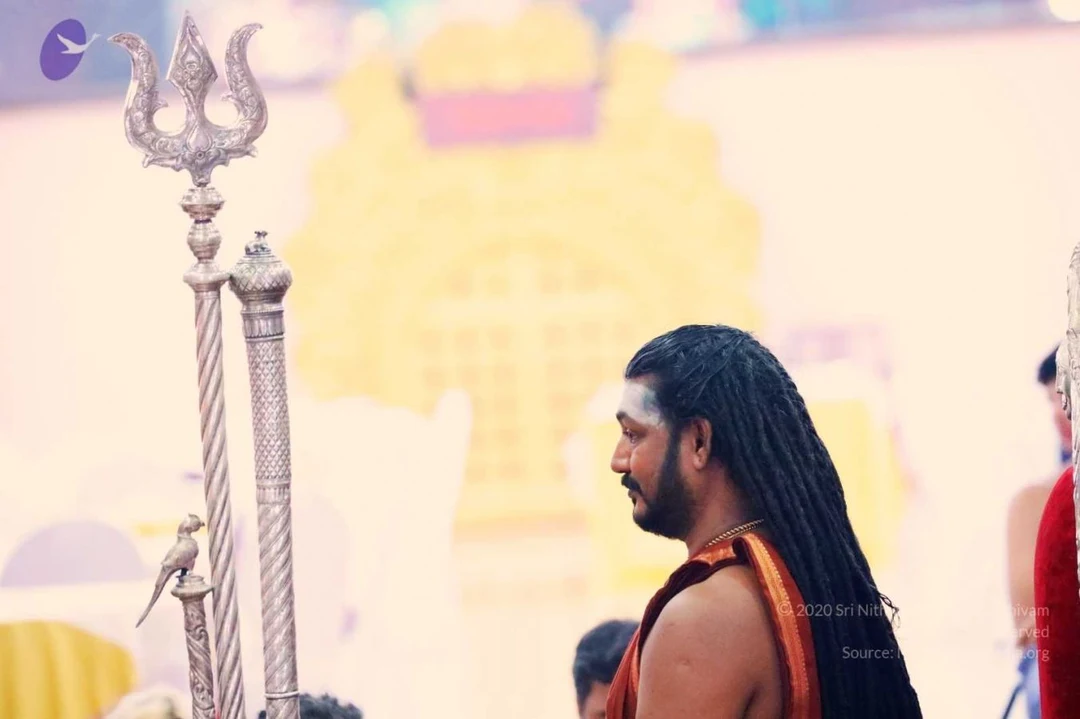 AWAKENING the whole NON-MECHANICAL PARTS OF THE BRAIN with the BEST INITIATION to become ENLIGHTENED
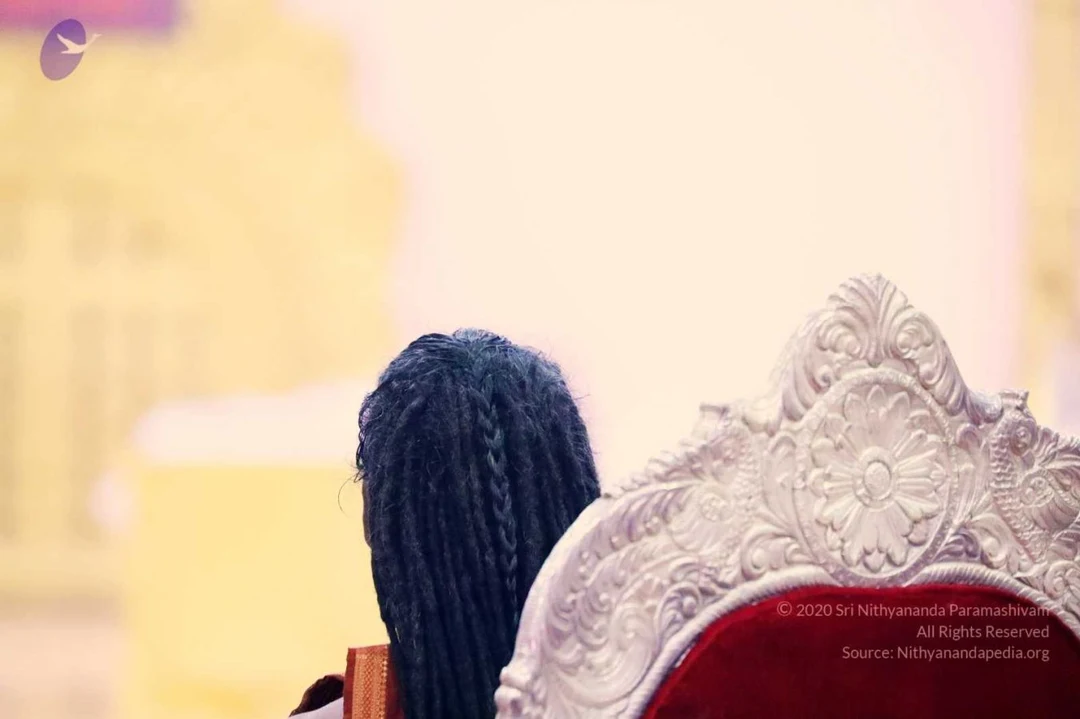 AWAKENING the whole NON-MECHANICAL PARTS OF THE BRAIN with the BEST INITIATION to become ENLIGHTENED
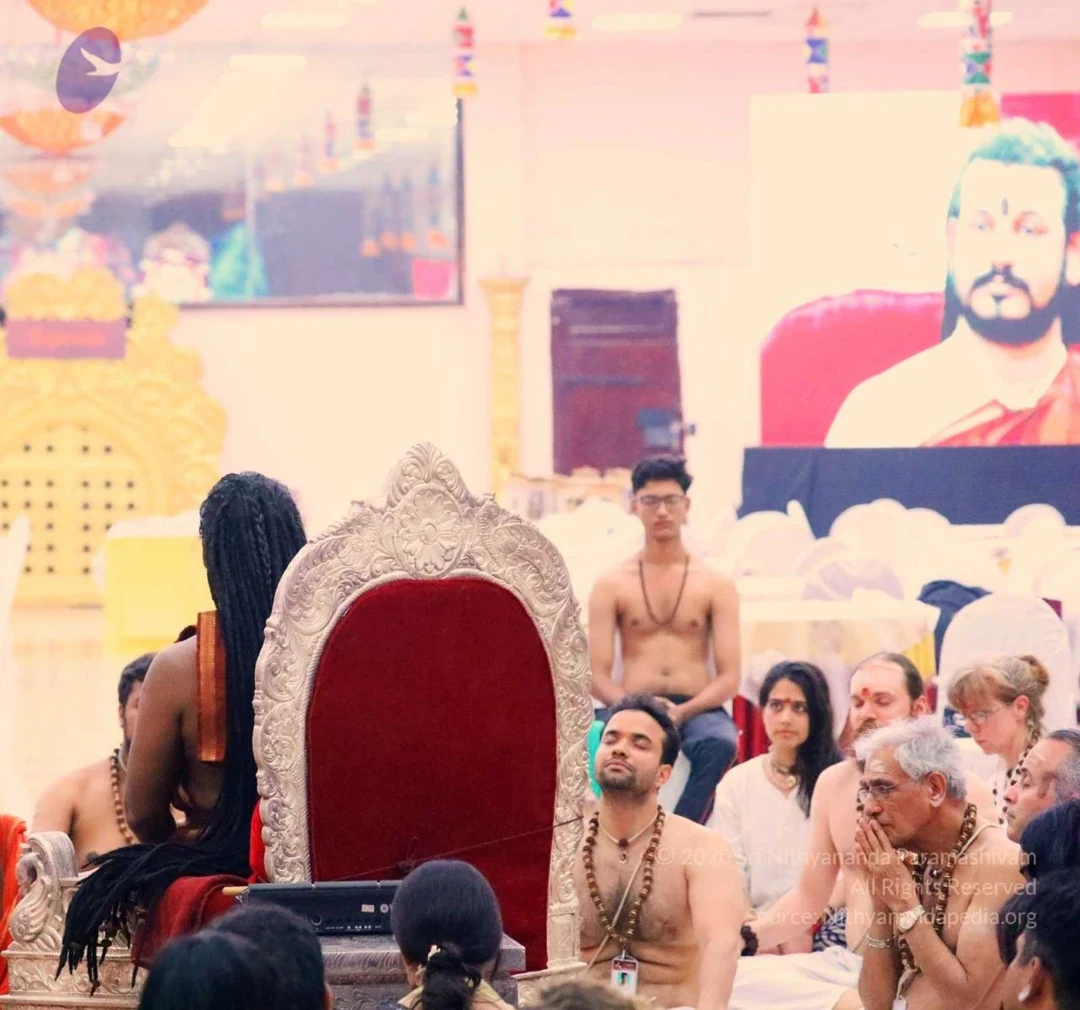 AWAKENING the whole NON-MECHANICAL PARTS OF THE BRAIN with the BEST INITIATION to become ENLIGHTENED
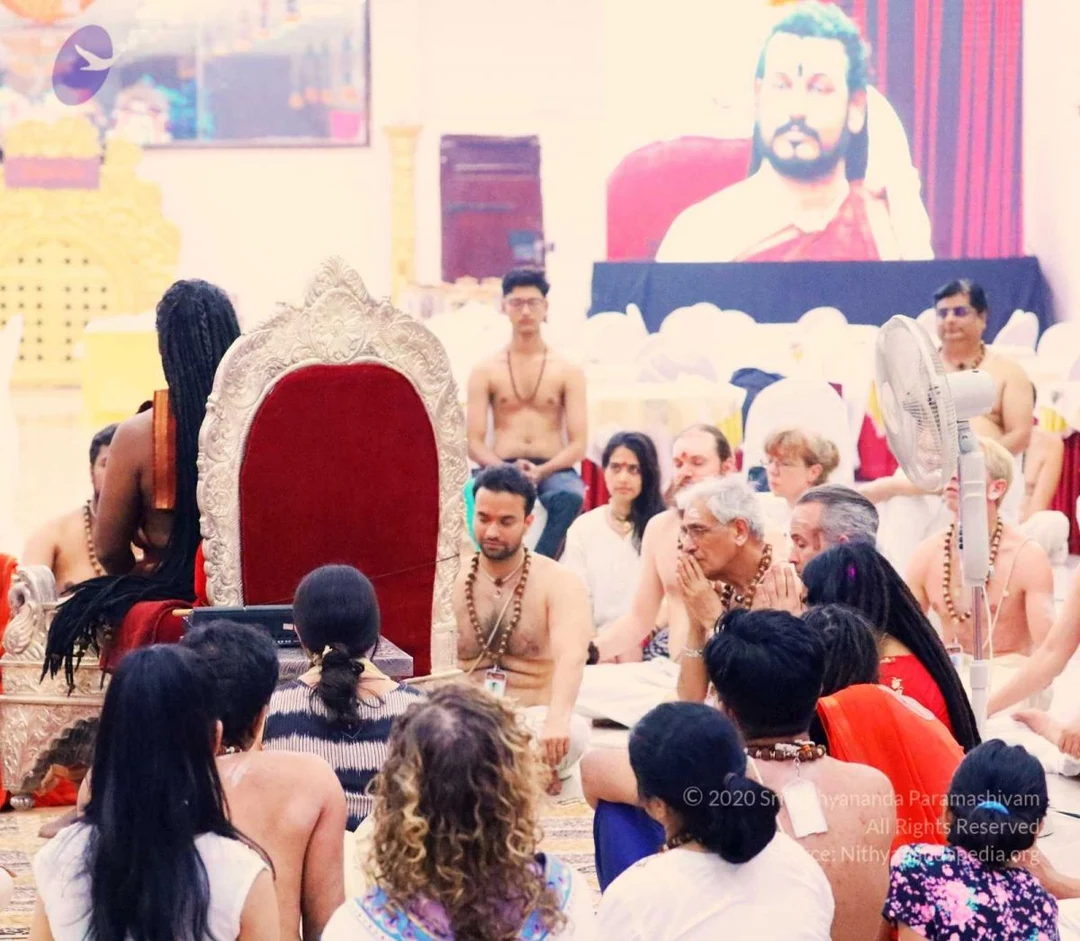 AWAKENING the whole NON-MECHANICAL PARTS OF THE BRAIN with the BEST INITIATION to become ENLIGHTENED
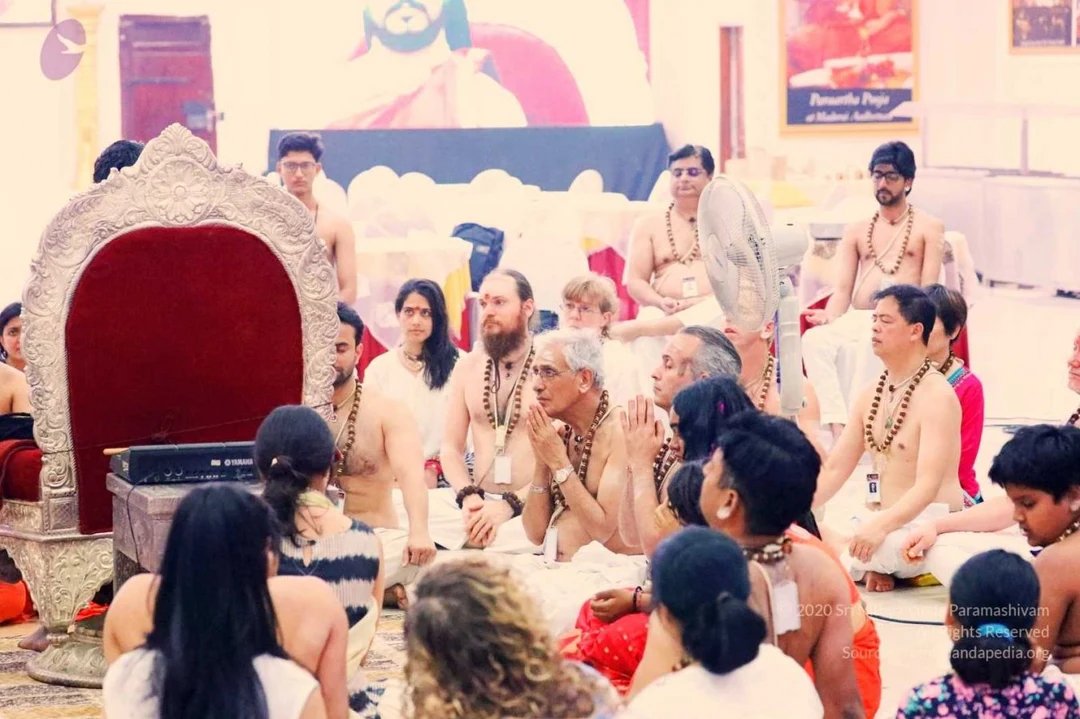 AWAKENING the whole NON-MECHANICAL PARTS OF THE BRAIN with the BEST INITIATION to become ENLIGHTENED
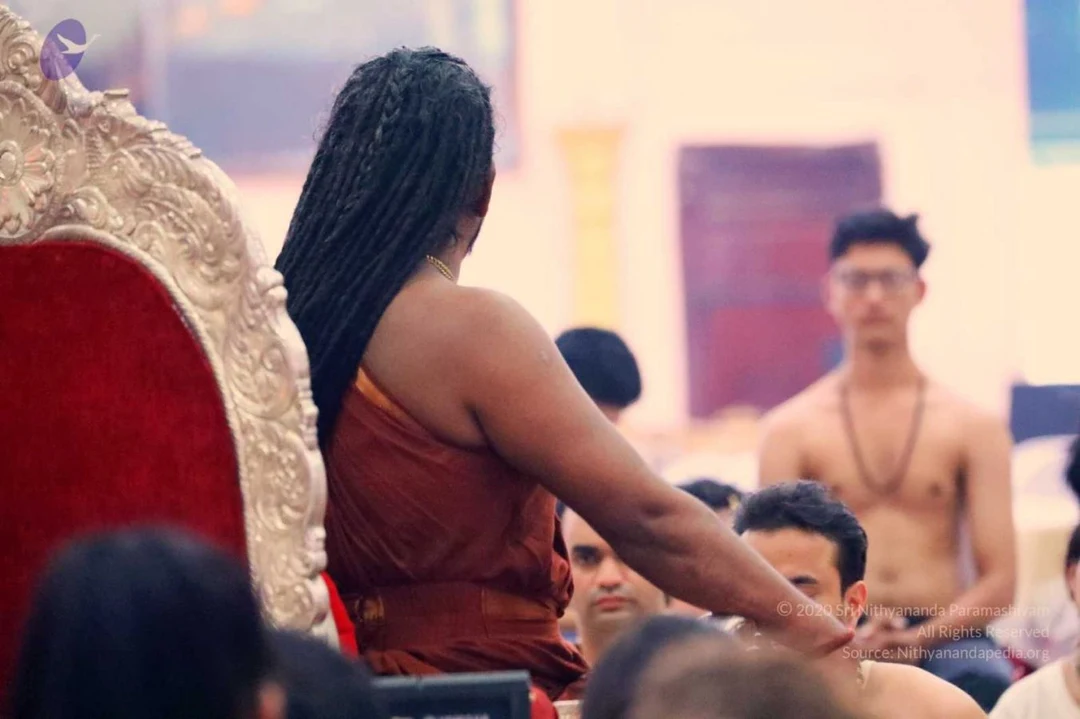 AWAKENING the whole NON-MECHANICAL PARTS OF THE BRAIN with the BEST INITIATION to become ENLIGHTENED
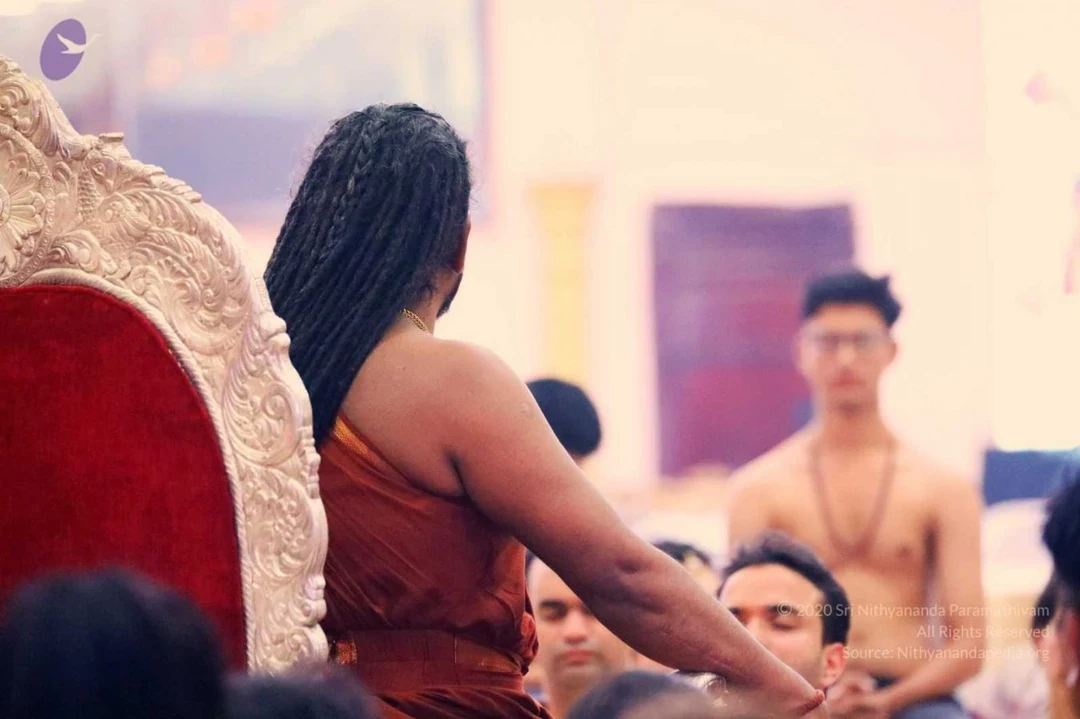 AWAKENING the whole NON-MECHANICAL PARTS OF THE BRAIN with the BEST INITIATION to become ENLIGHTENED
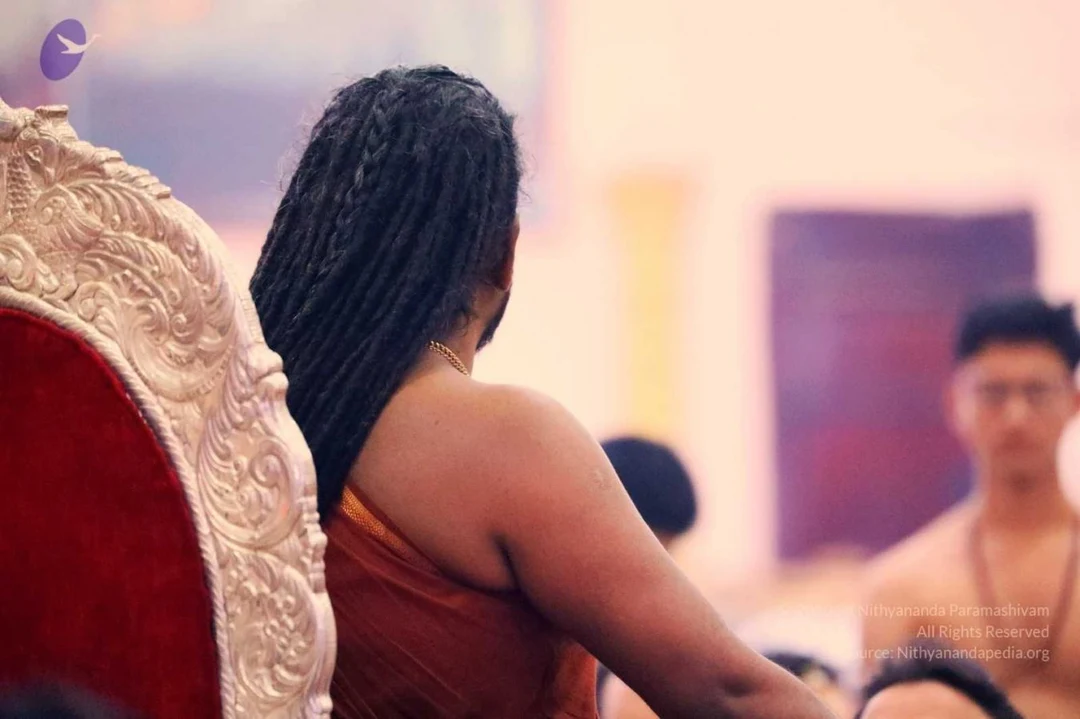 AWAKENING the whole NON-MECHANICAL PARTS OF THE BRAIN with the BEST INITIATION to become ENLIGHTENED
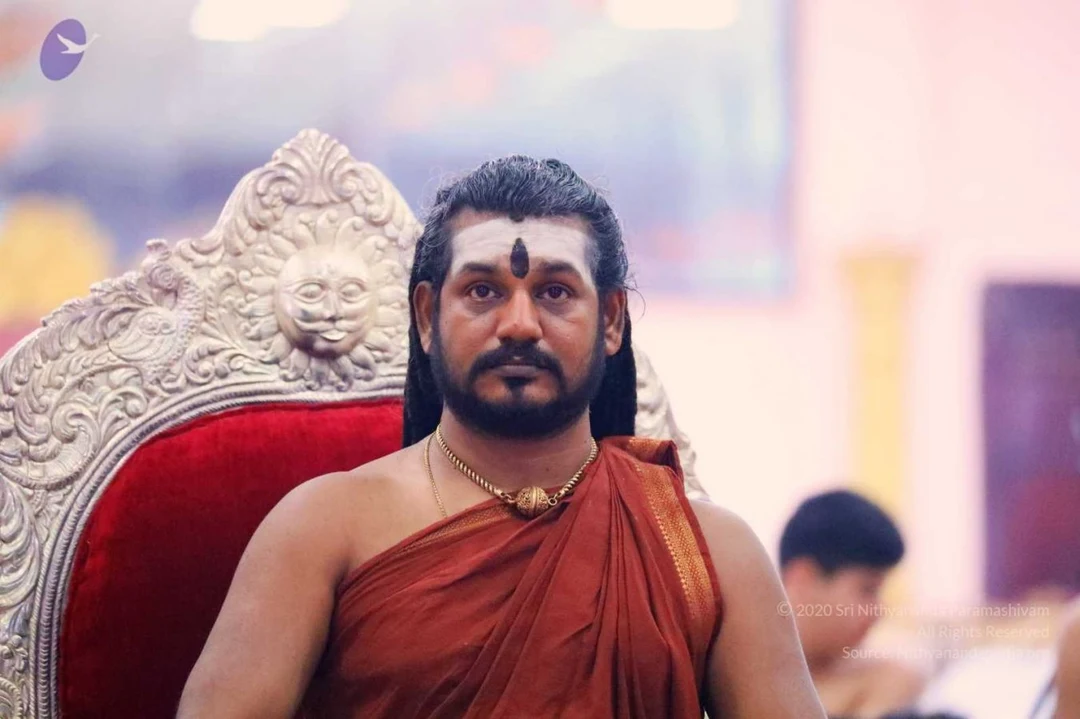 AWAKENING the whole NON-MECHANICAL PARTS OF THE BRAIN with the BEST INITIATION to become ENLIGHTENED
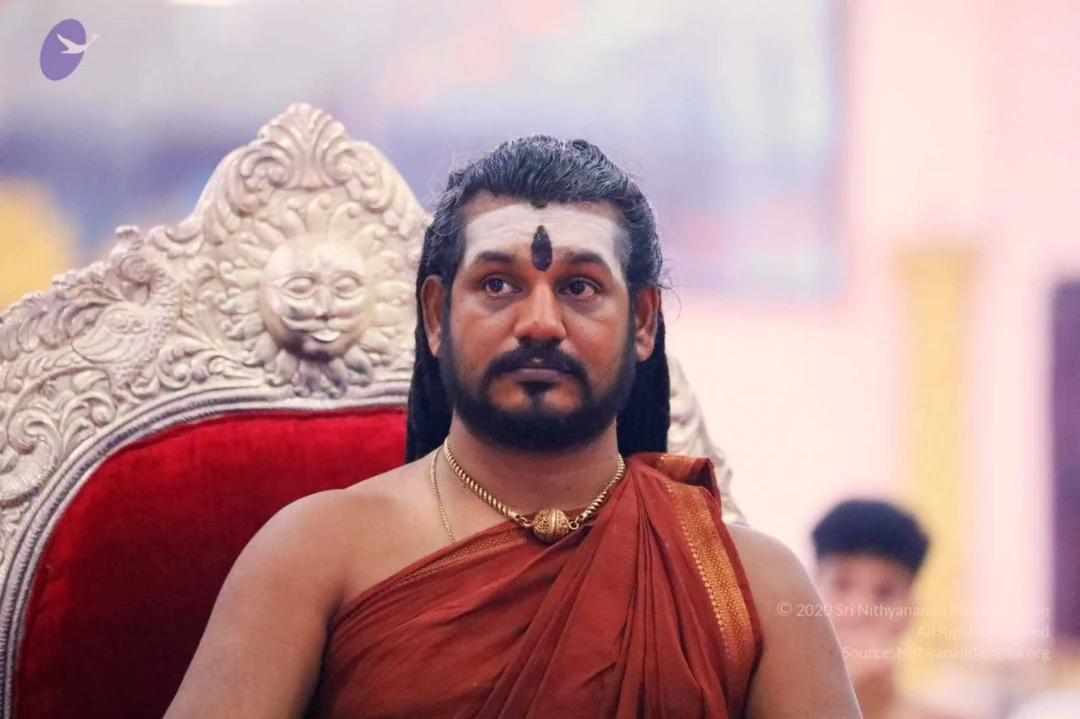 AWAKENING the whole NON-MECHANICAL PARTS OF THE BRAIN with the BEST INITIATION to become ENLIGHTENED
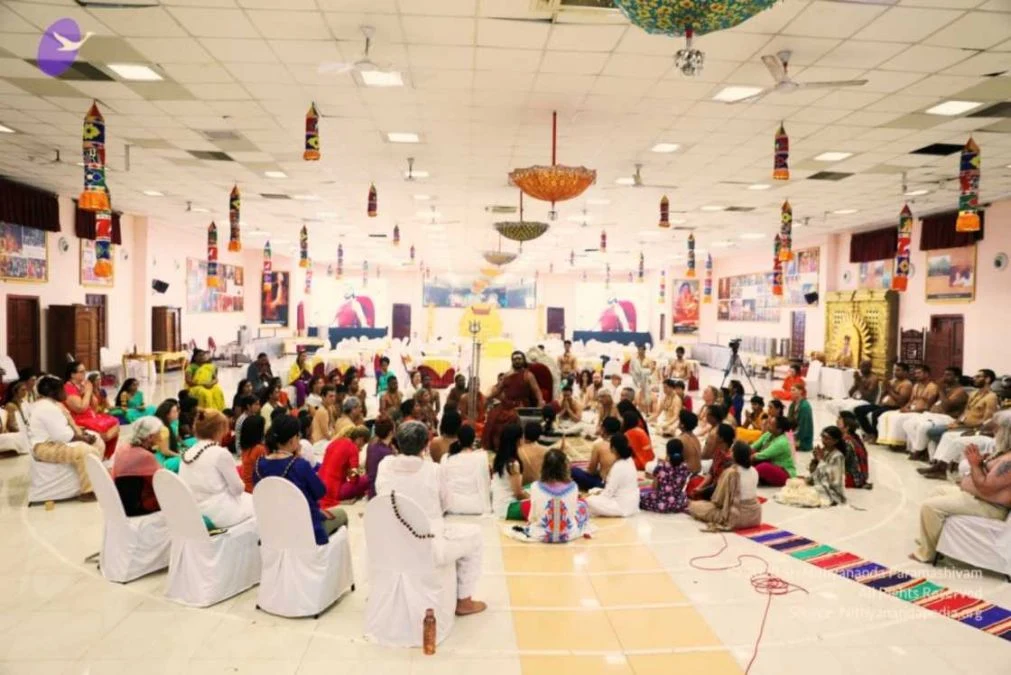 The BREATHING SPACE of an Avatar is like an EXTENSION of His physical body
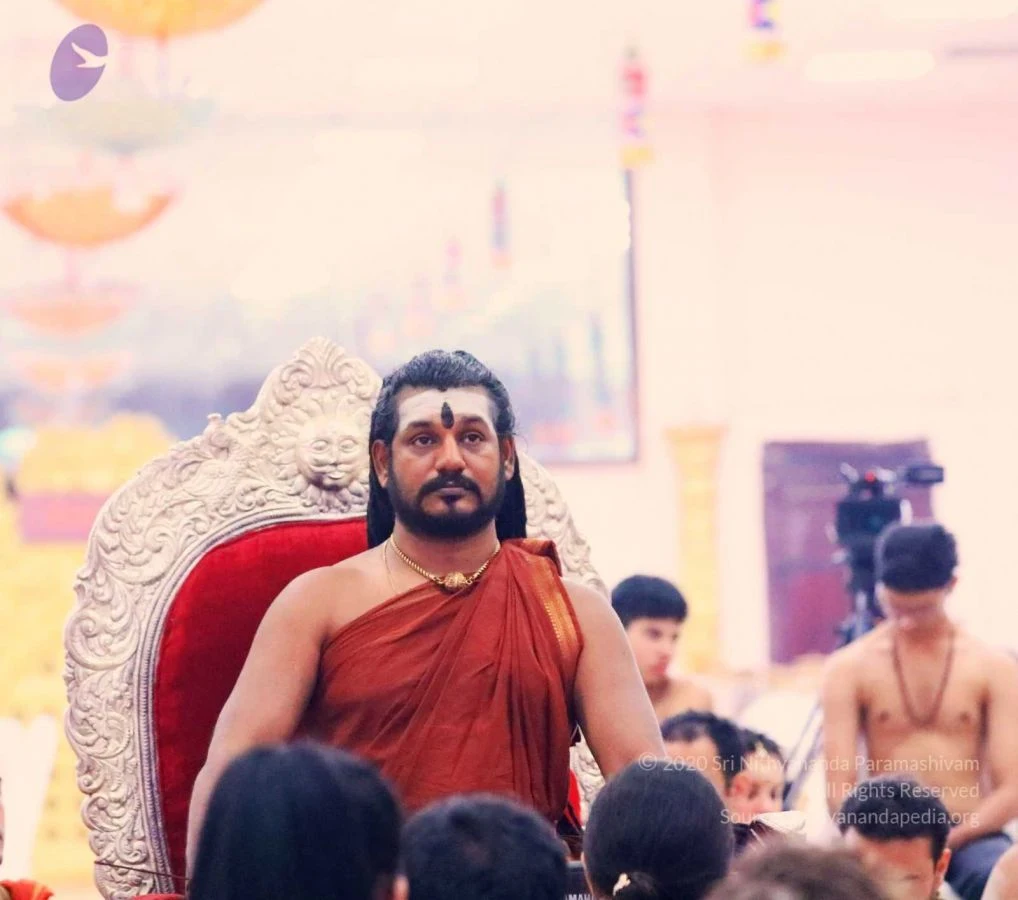 Initiation Awakens intuition & intelligence
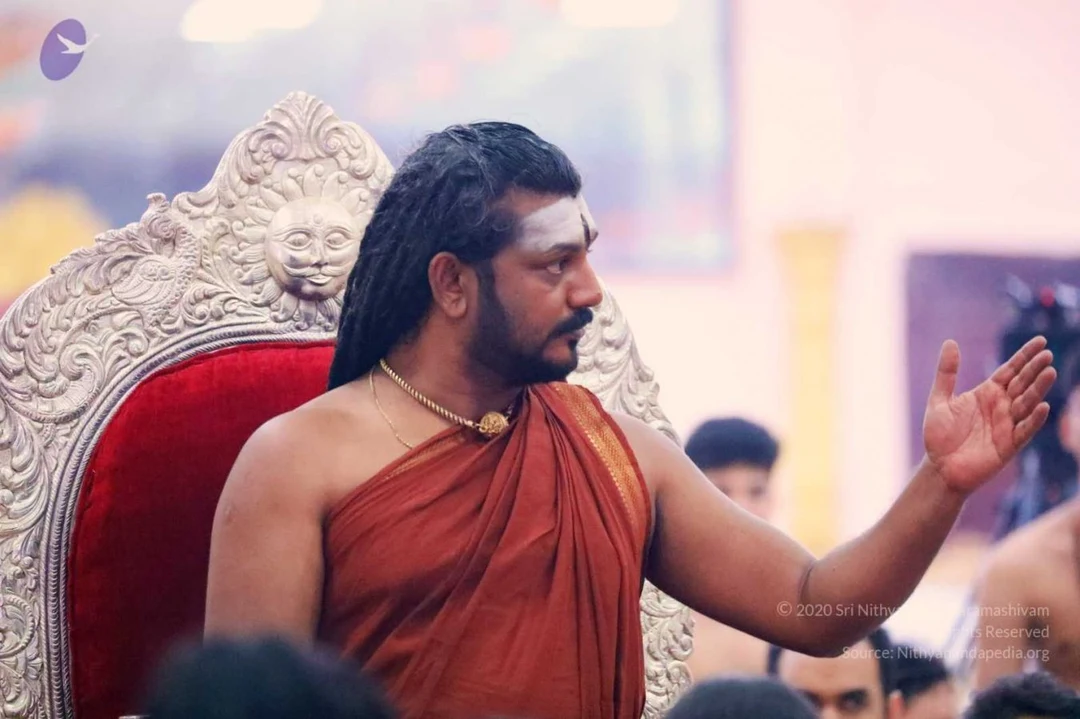 Initiation Awakens intuition & intelligence
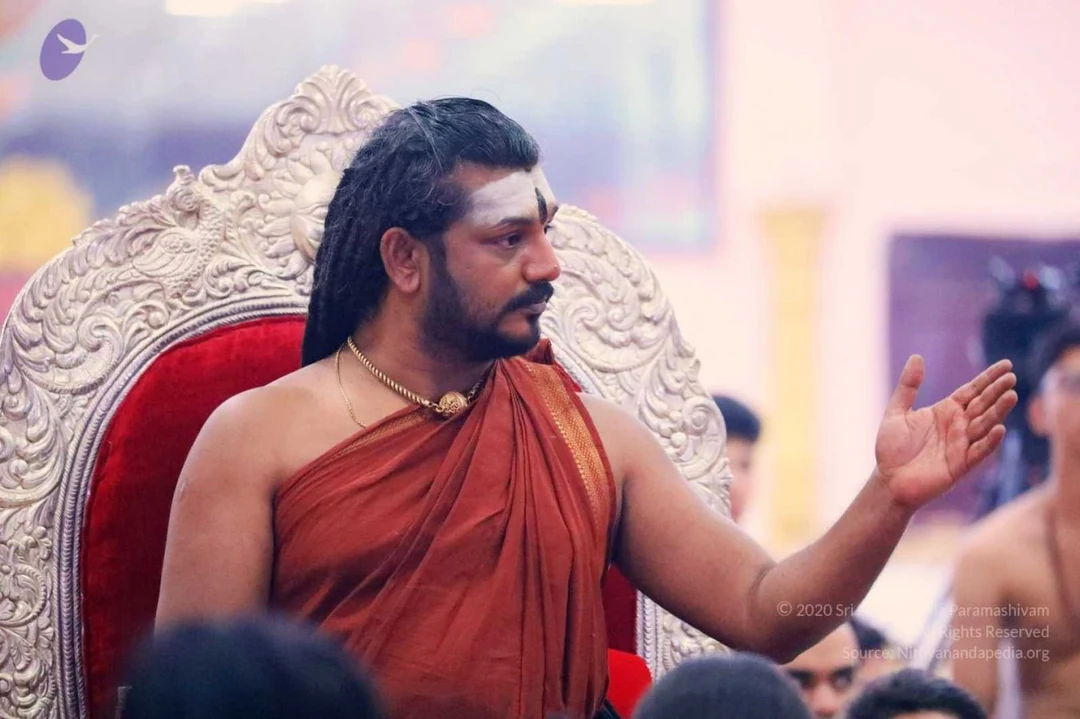 Initiation Awakens intuition & intelligence
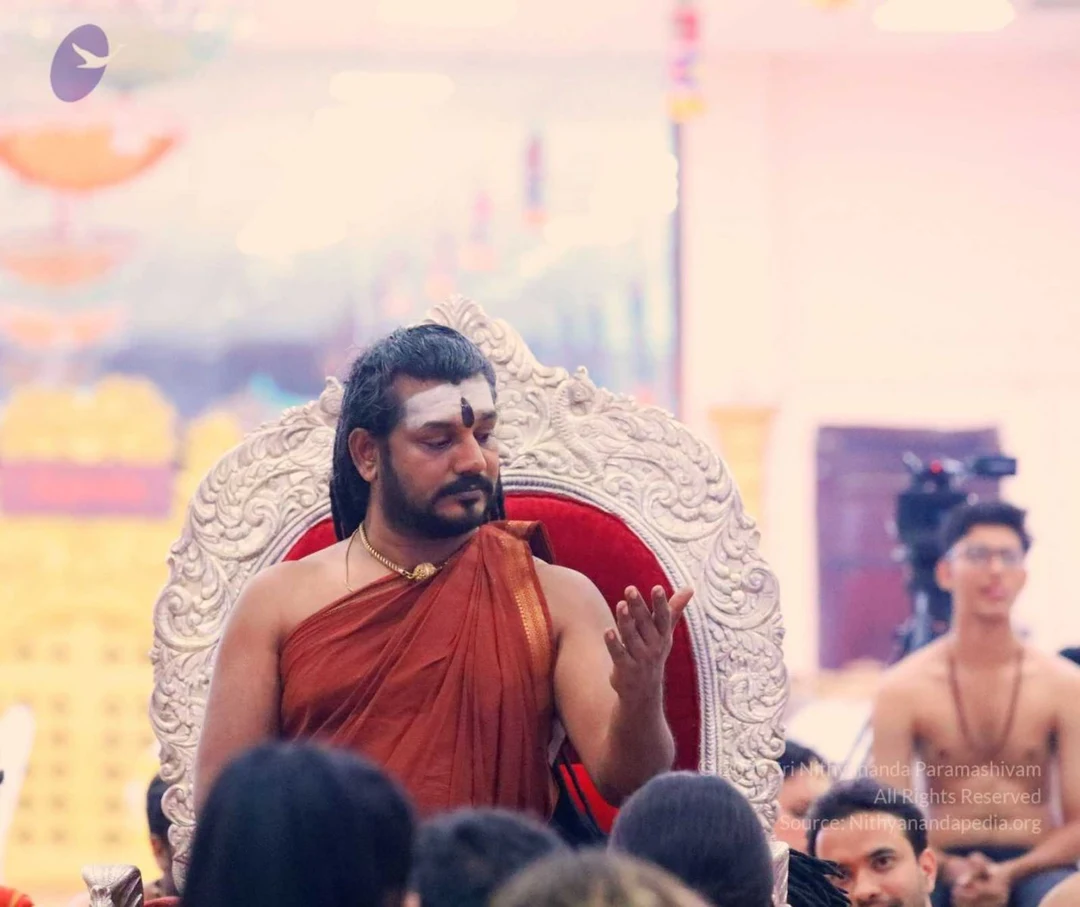 Initiation Awakens intuition & intelligence
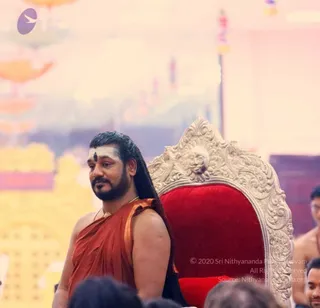 Initiation Awakens intuition & intelligence
 Initiation Awakens intuition & intelligence
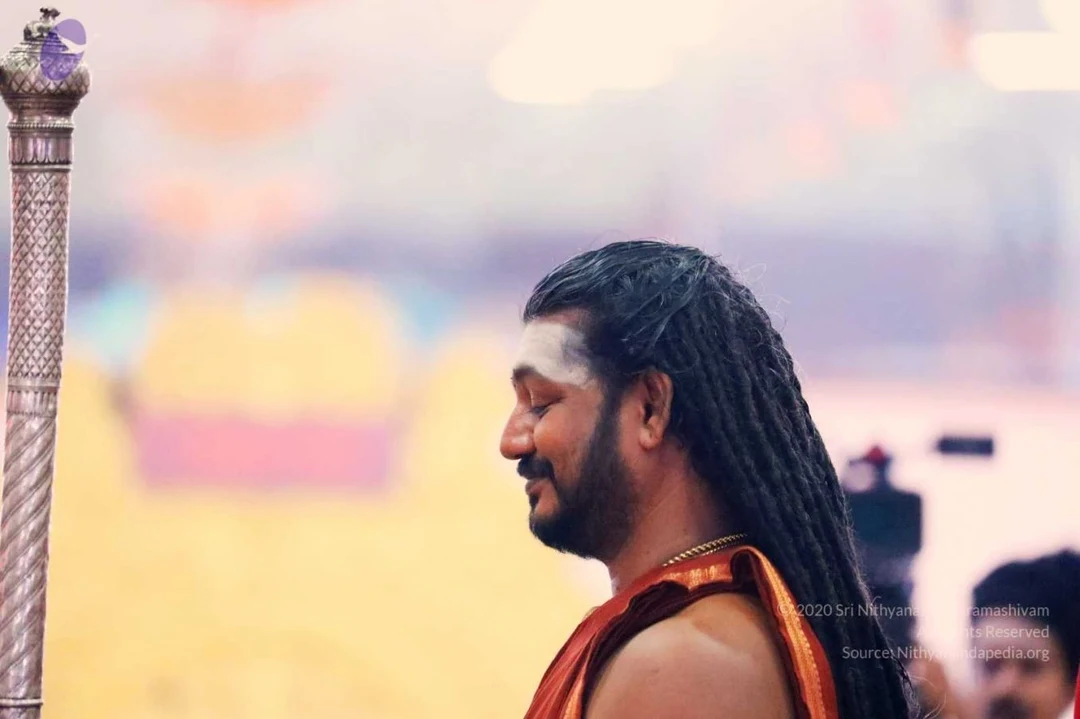 Initiation Awakens intuition & intelligence
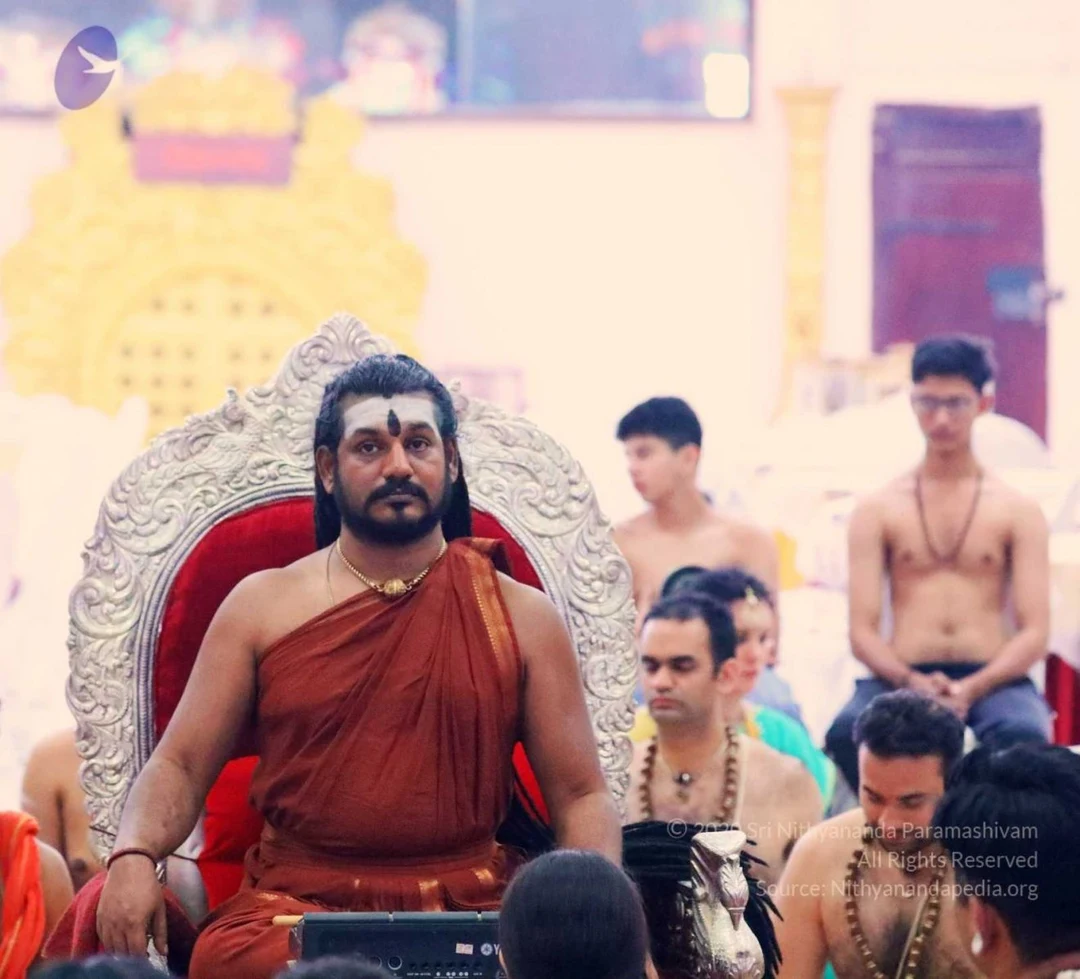 Initiation Awakens intuition & intelligence
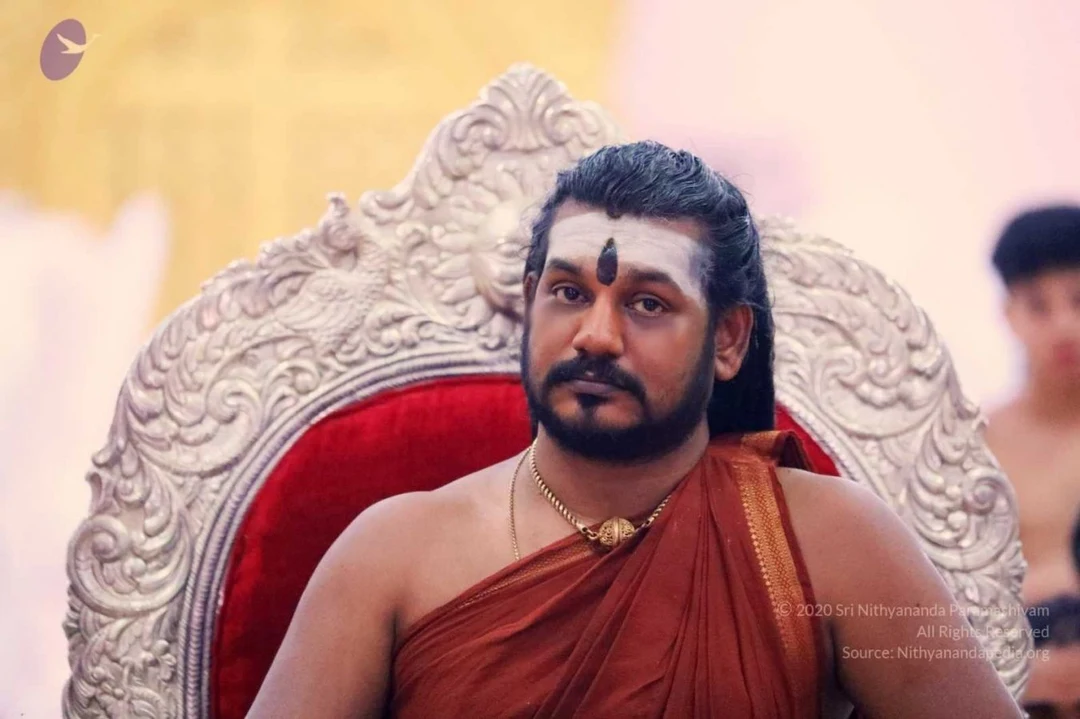 Initiation Awakens intuition & intelligence
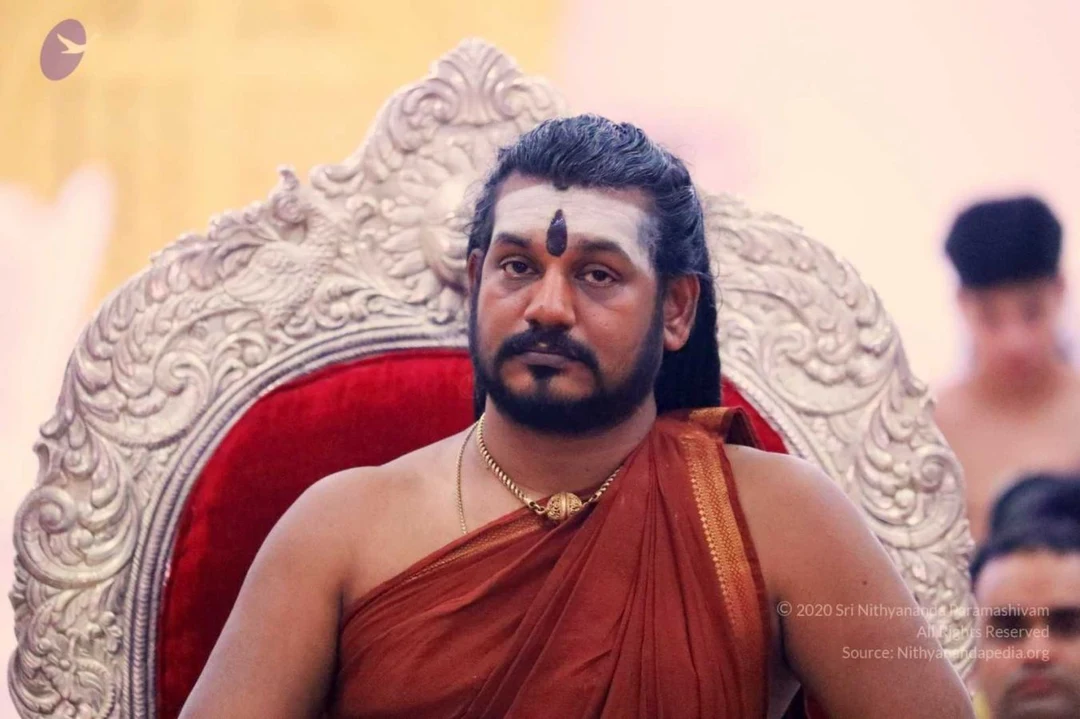 Initiation Awakens intuition & intelligence
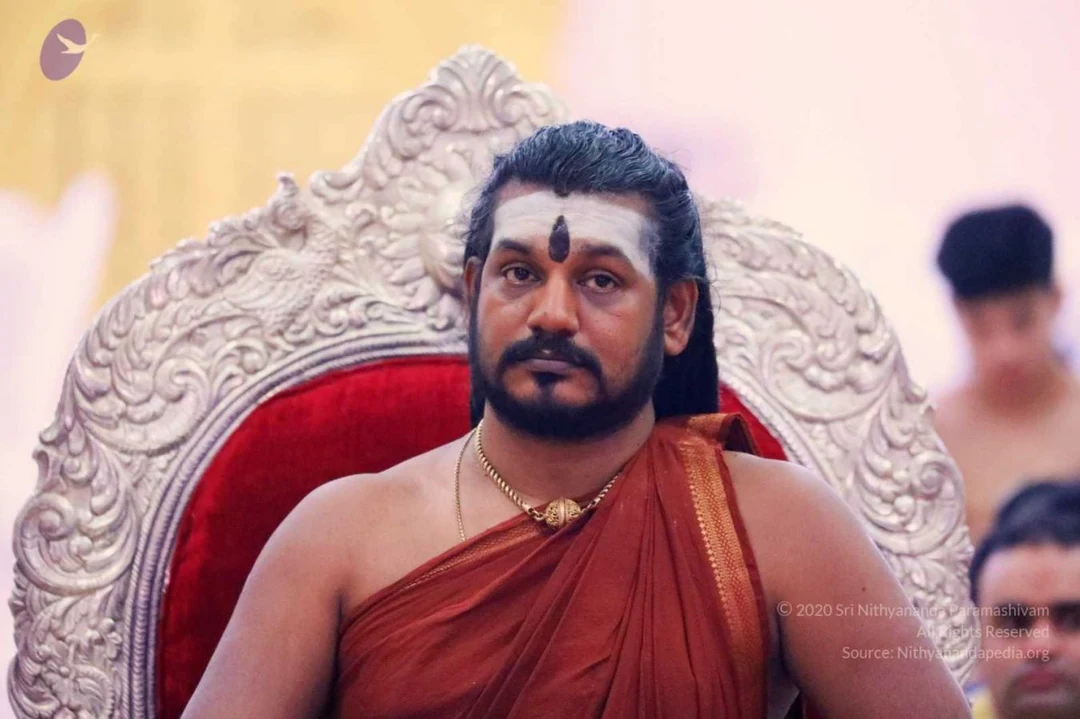 Initiation Awakens intuition & intelligence
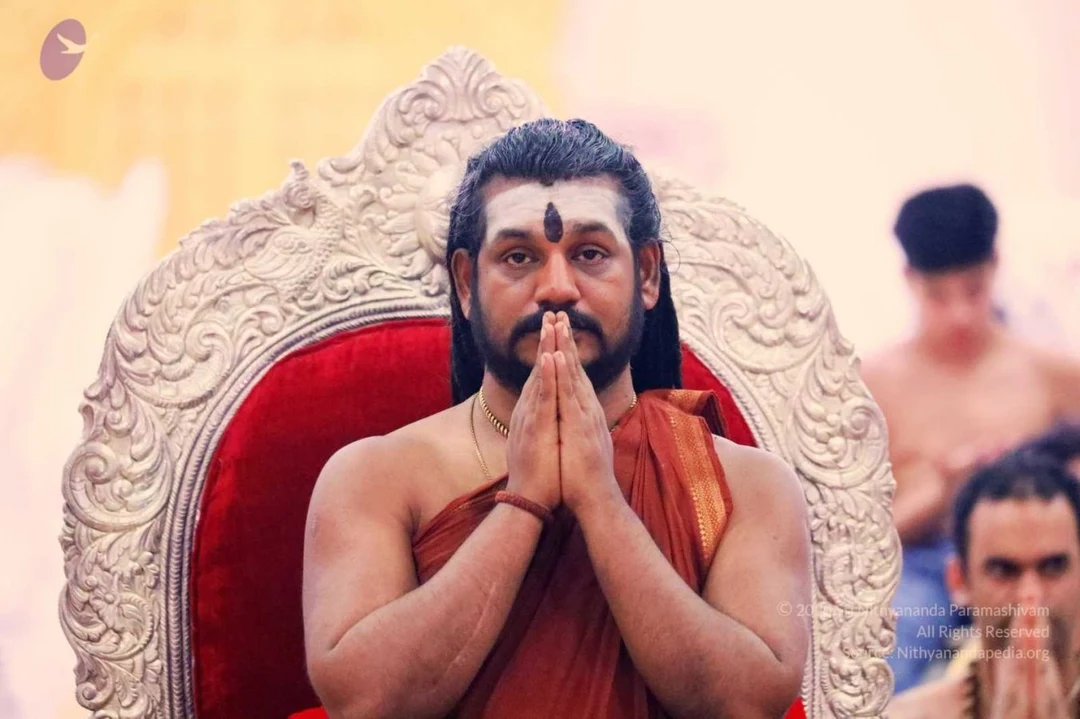 The BREATHING SPACE of an Avatar is like an EXTENSION of His physical body
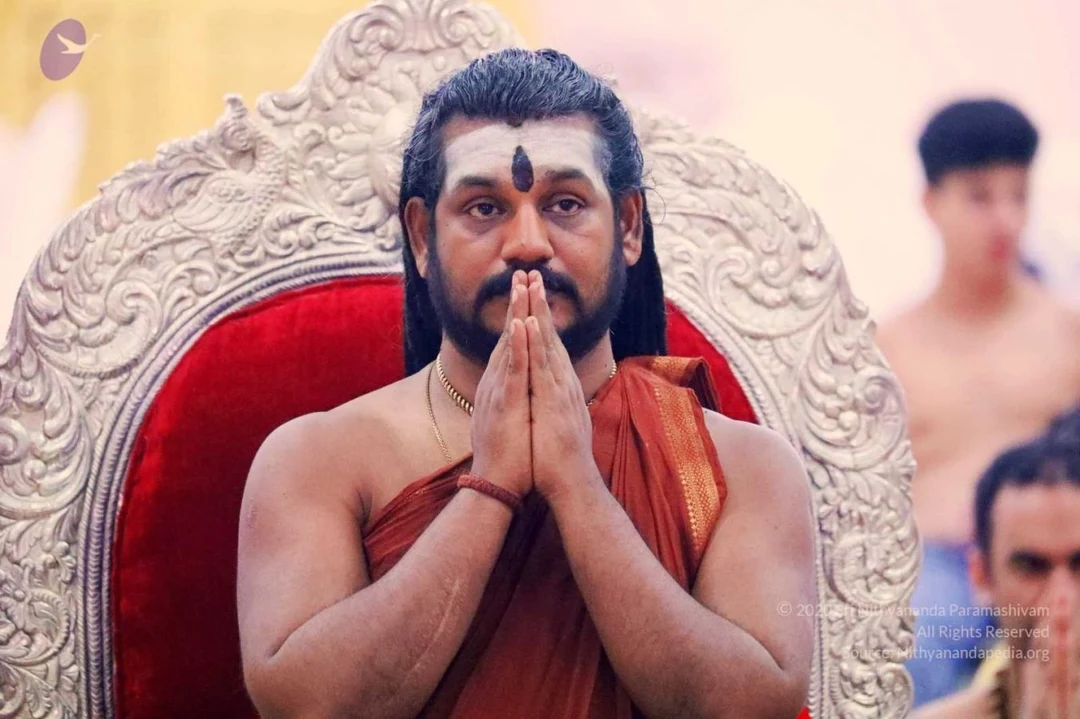 The BREATHING SPACE of an Avatar is like an EXTENSION of His physical body
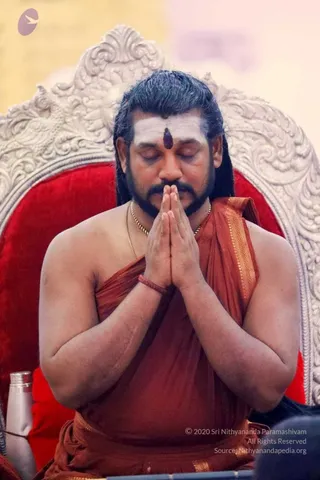 The BREATHING SPACE of an Avatar is like an EXTENSION of His physical body
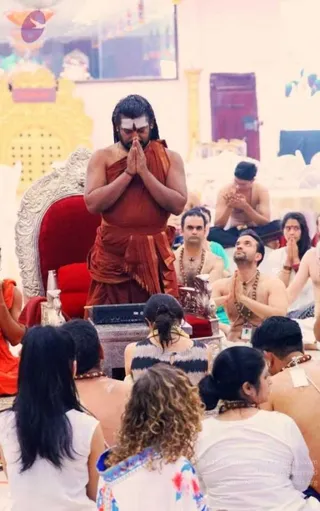 The BREATHING SPACE of an Avatar is like an EXTENSION of His physical body
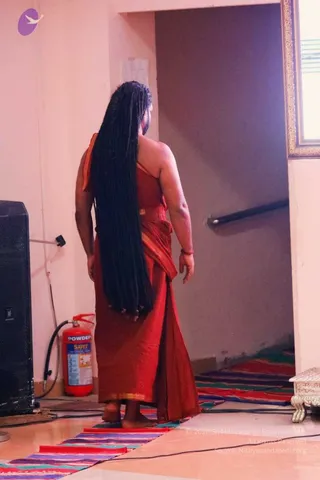 The BREATHING SPACE of an Avatar is like an EXTENSION of His physical body.
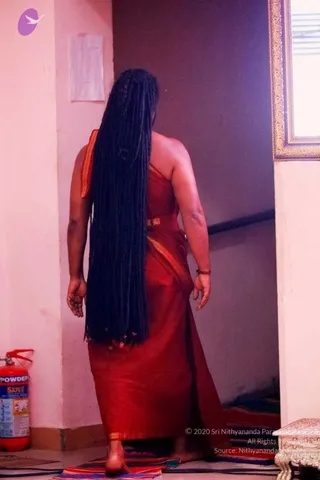 The BREATHING SPACE of an Avatar is like an EXTENSION of His physical body
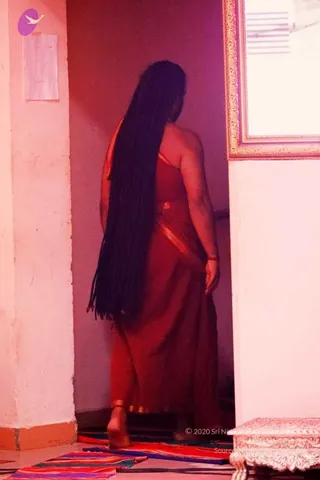 The BREATHING SPACE of an Avatar is like an EXTENSION of His physical body
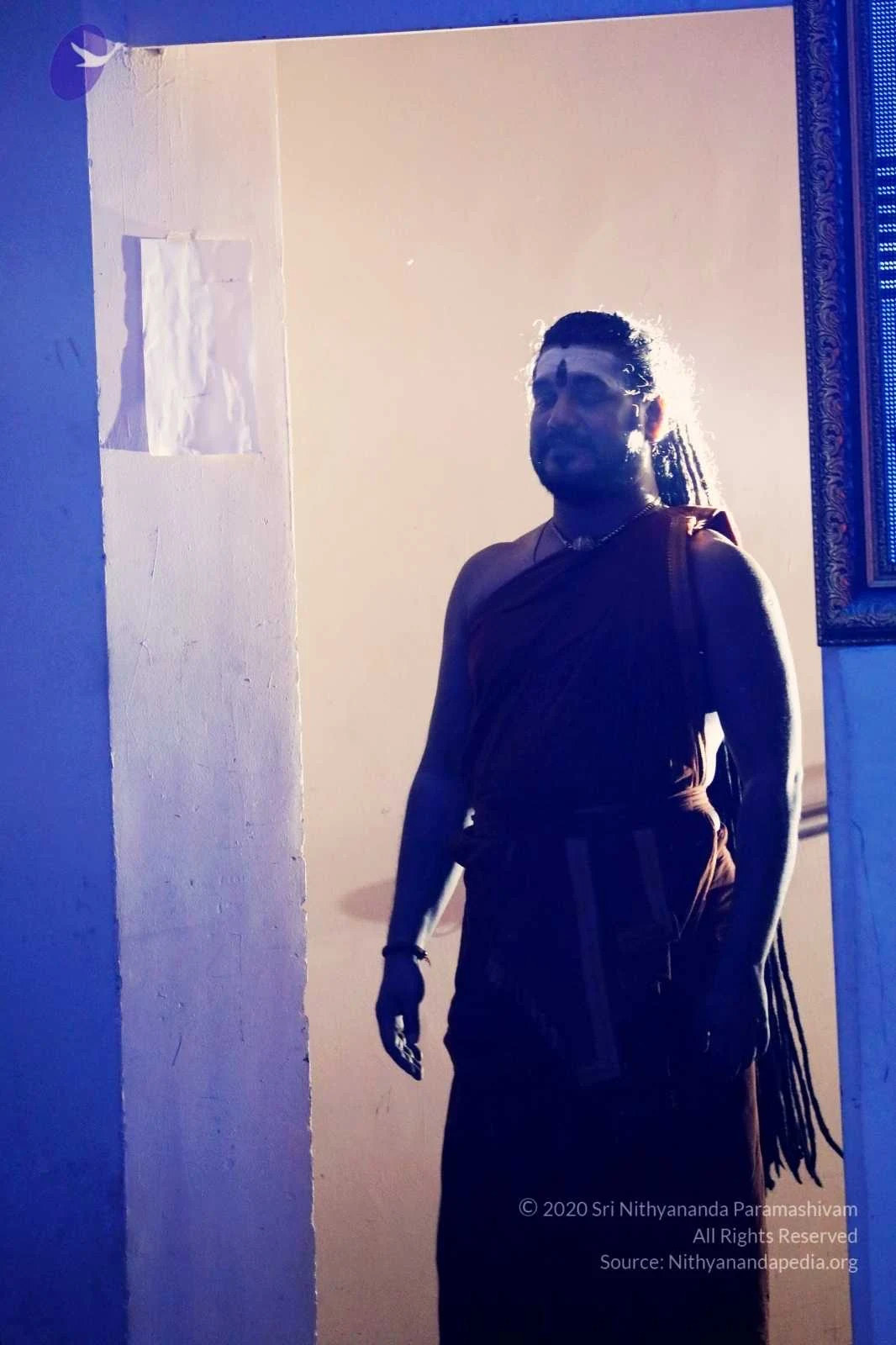
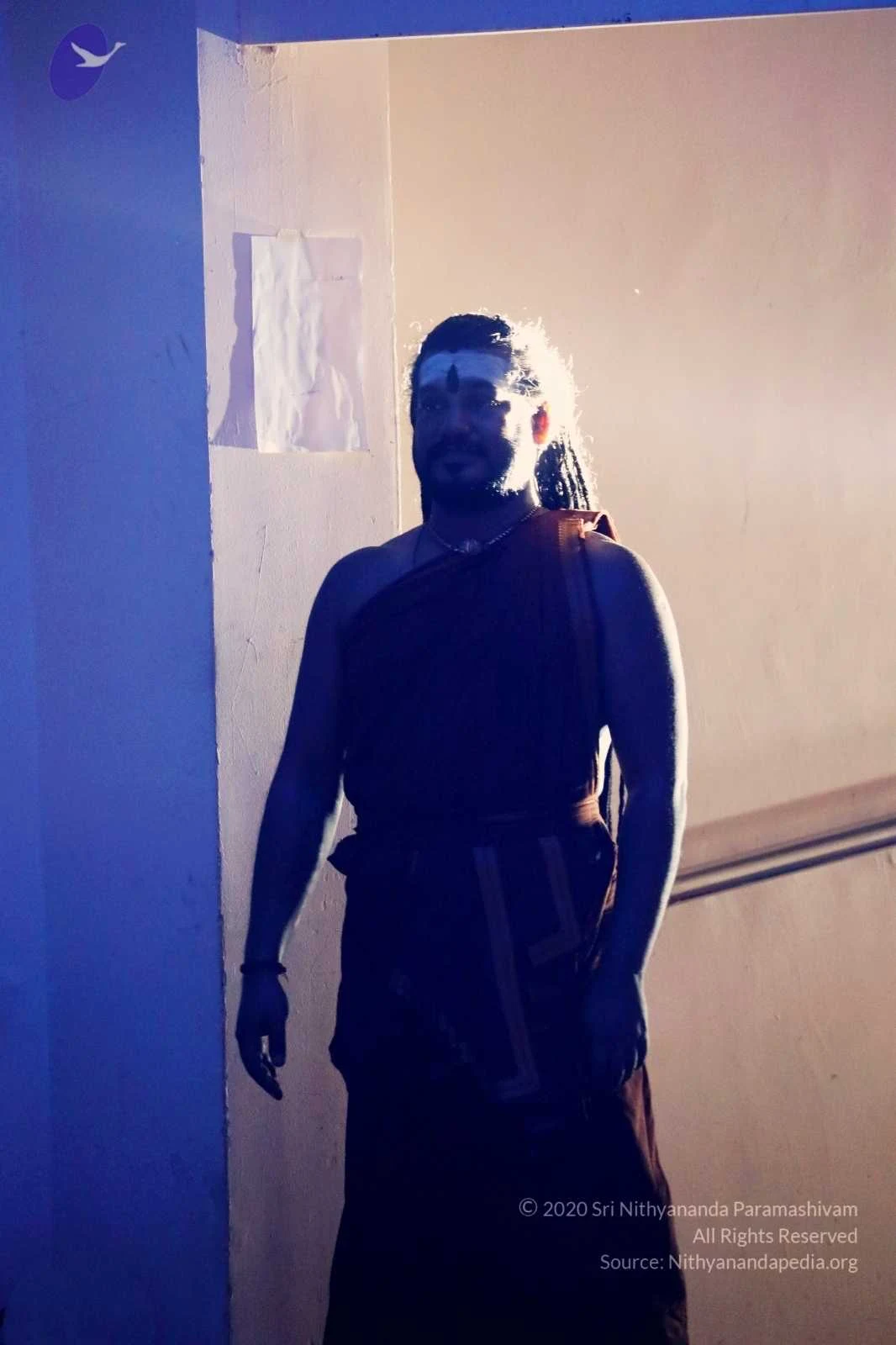
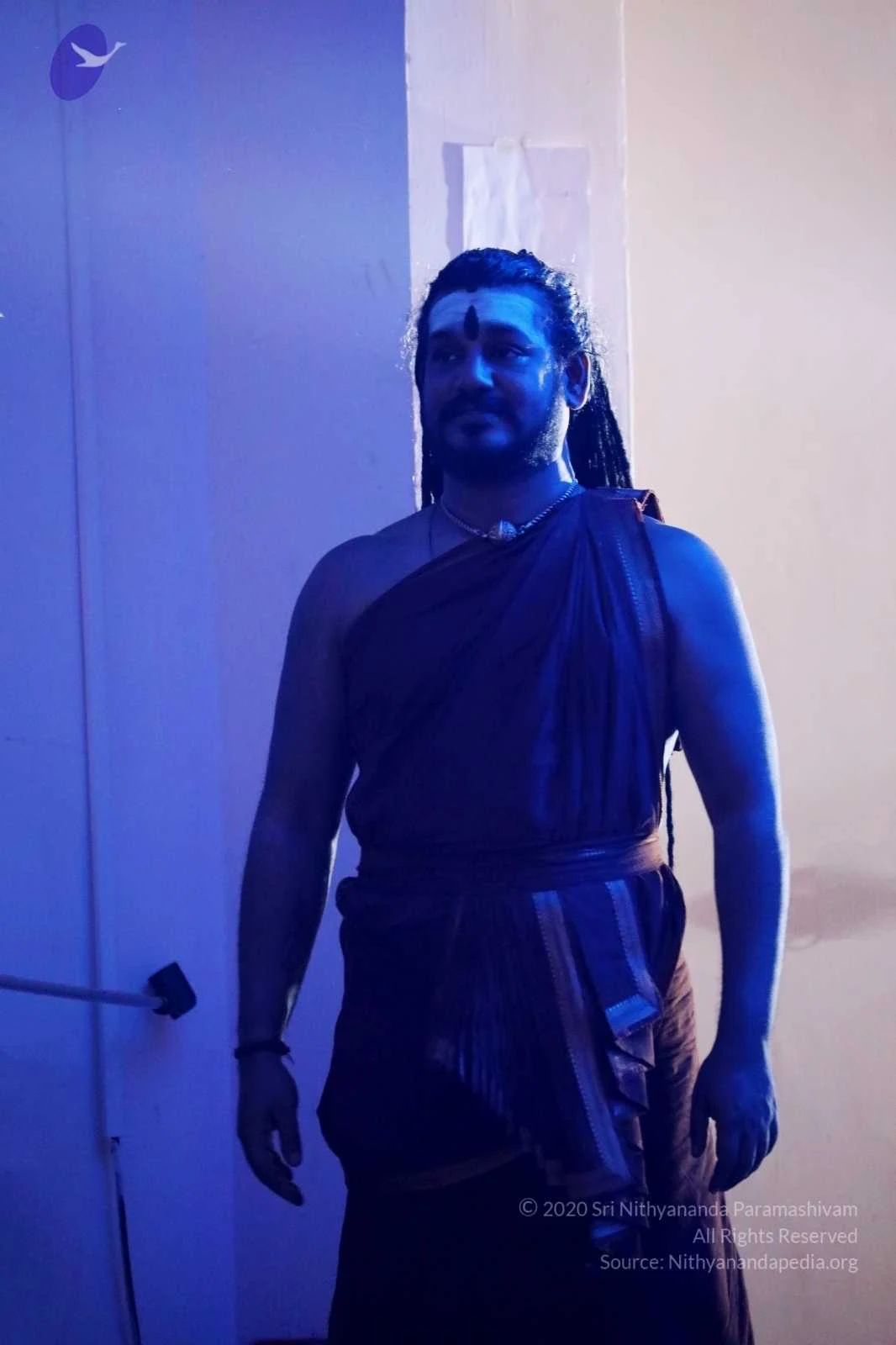
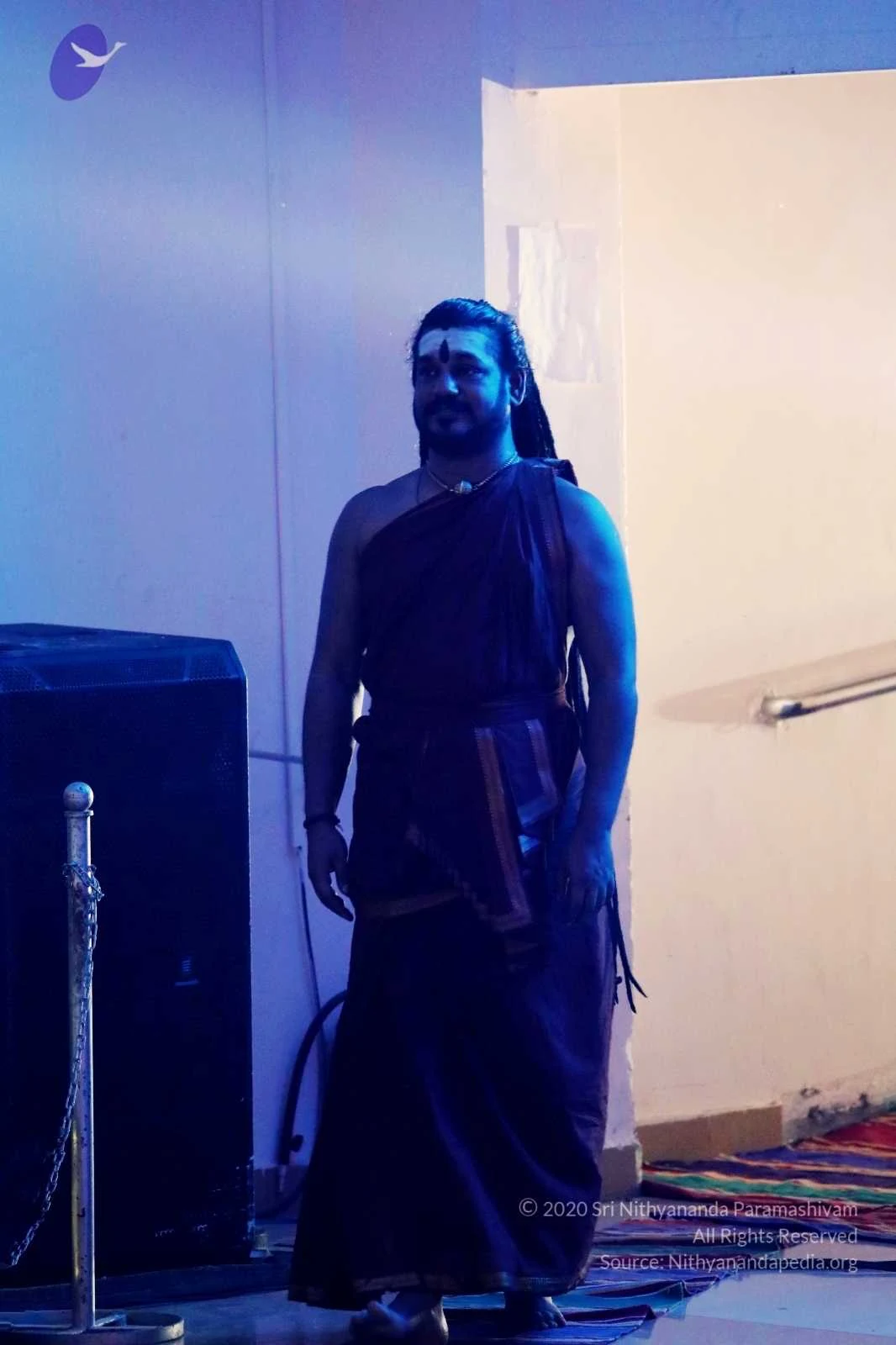
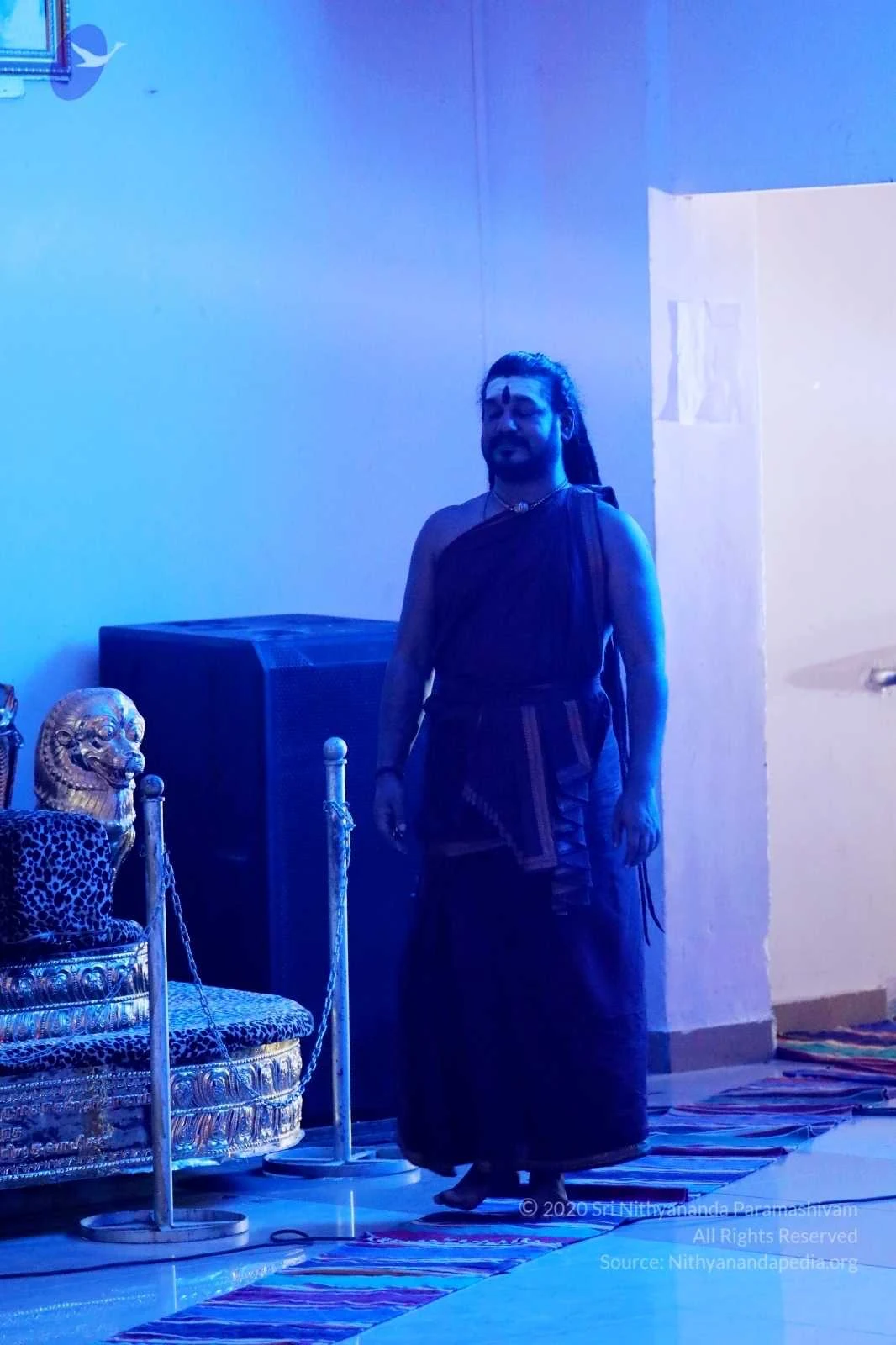
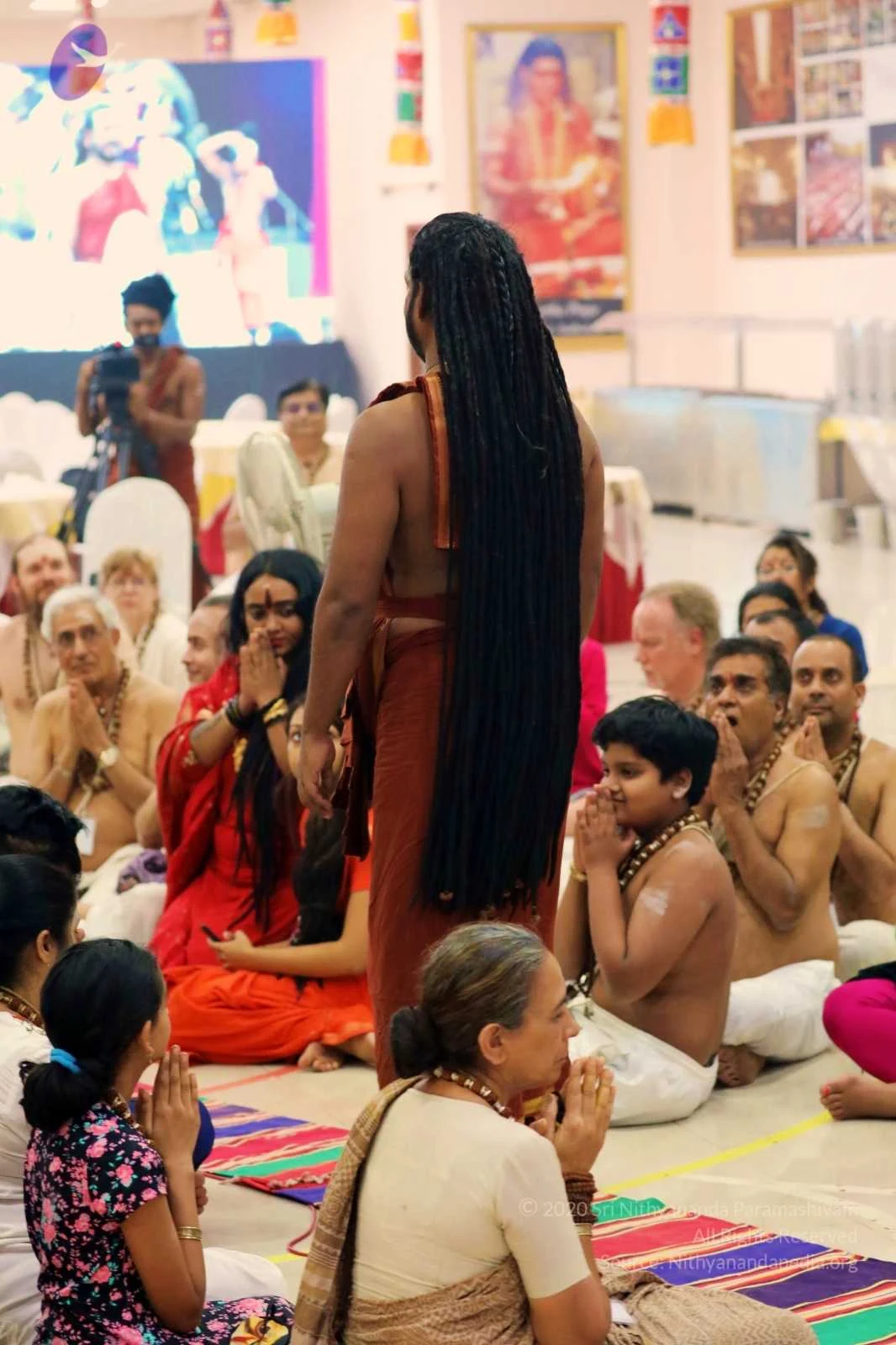
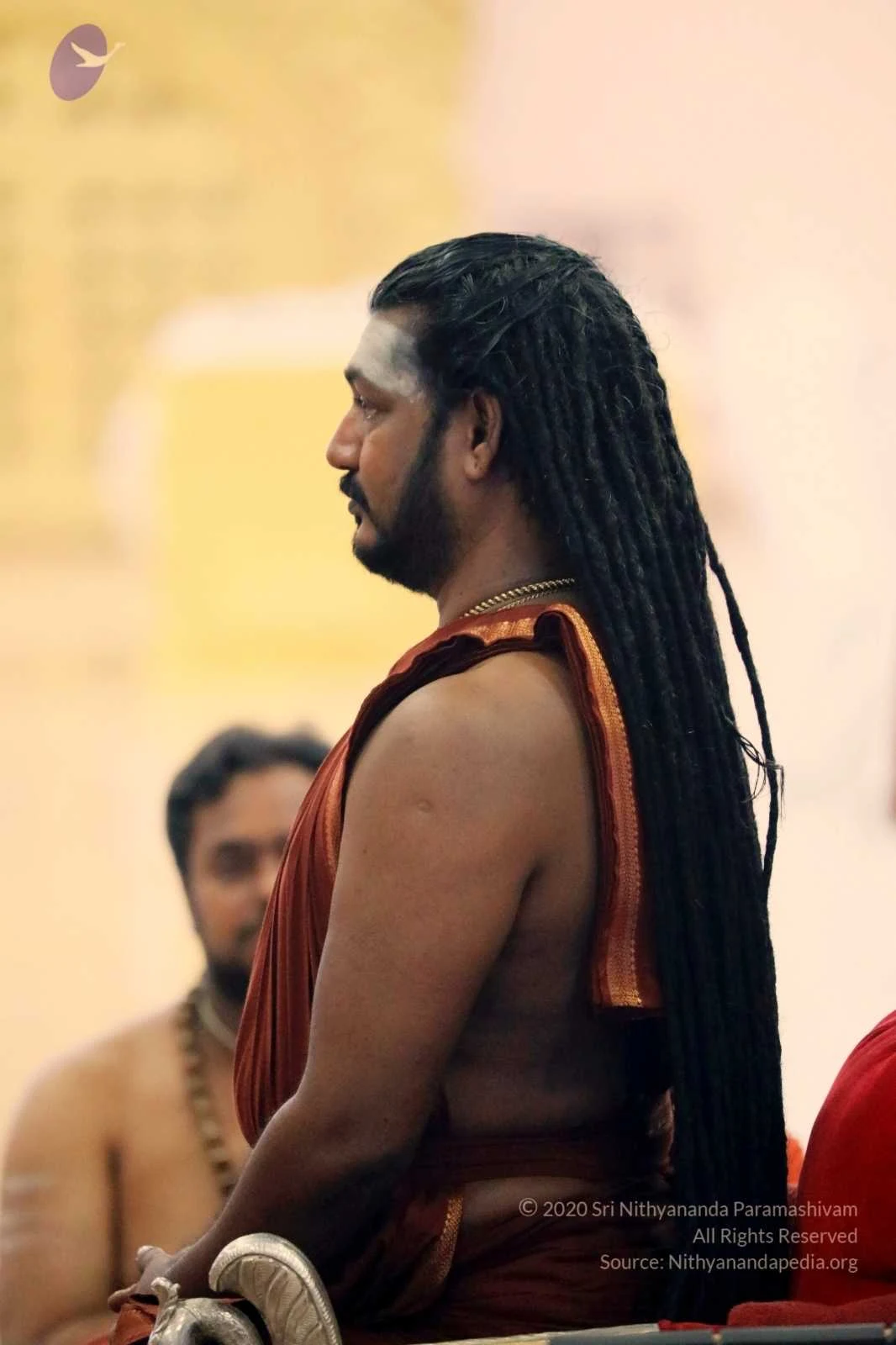
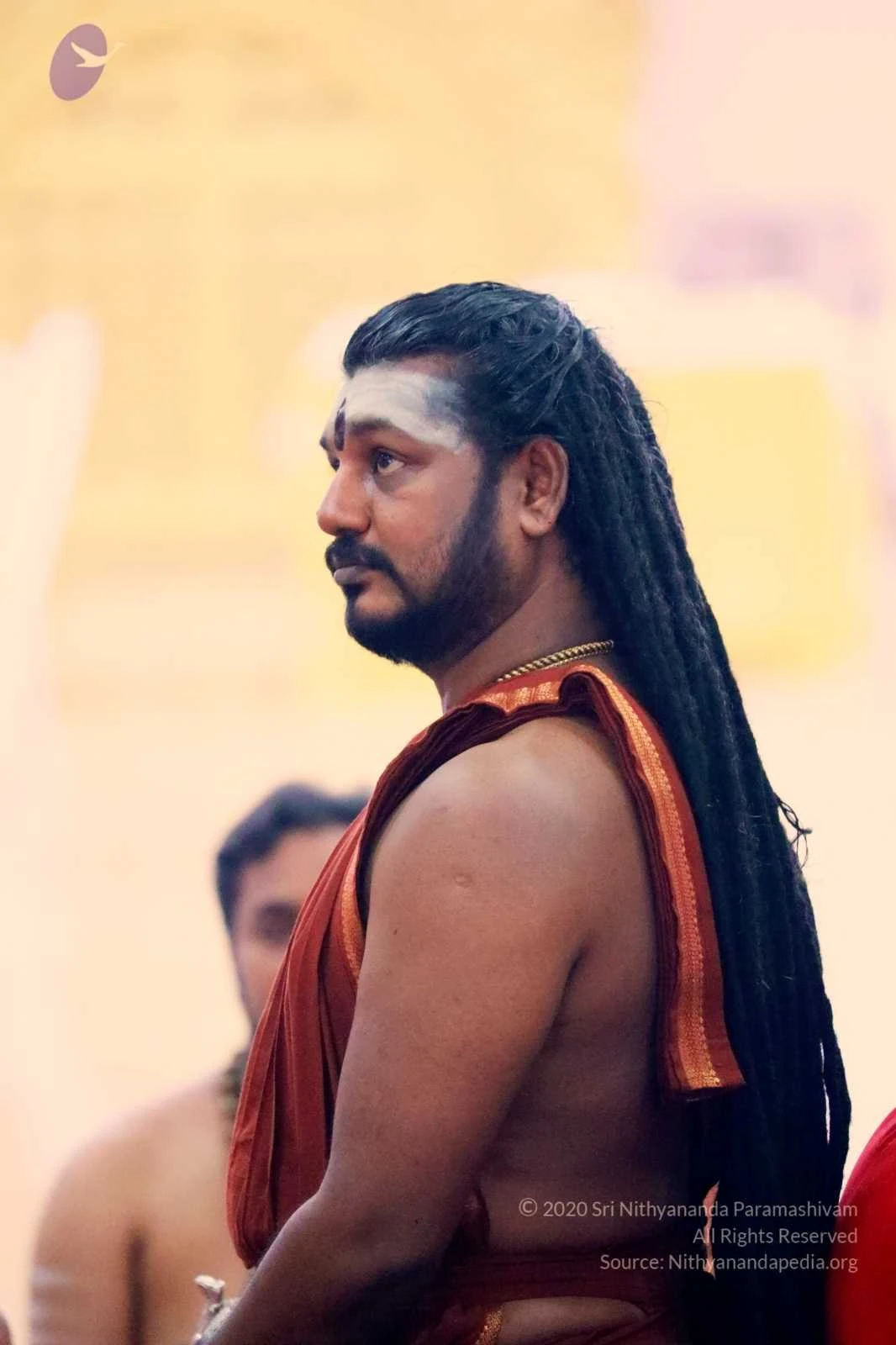
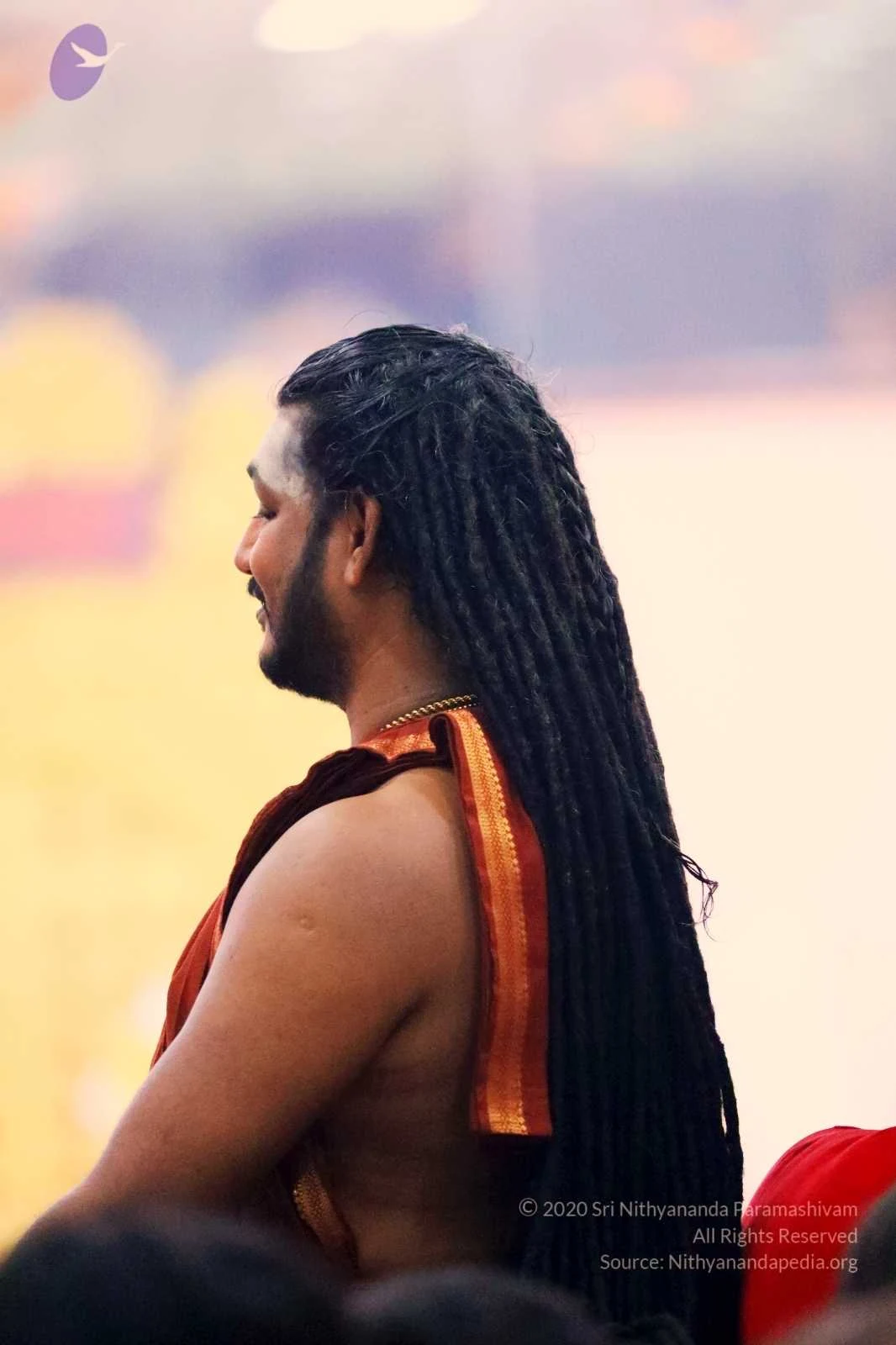
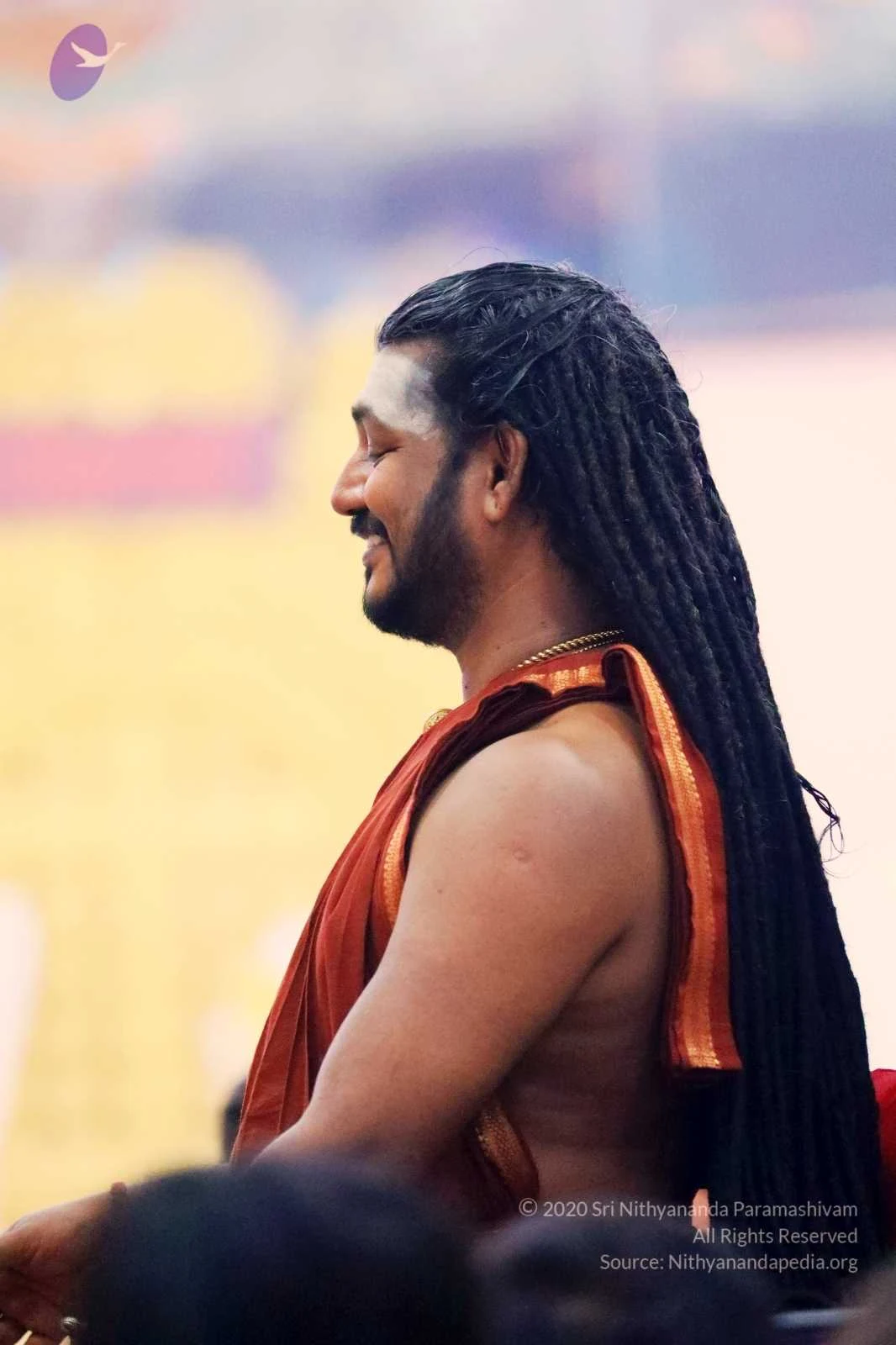
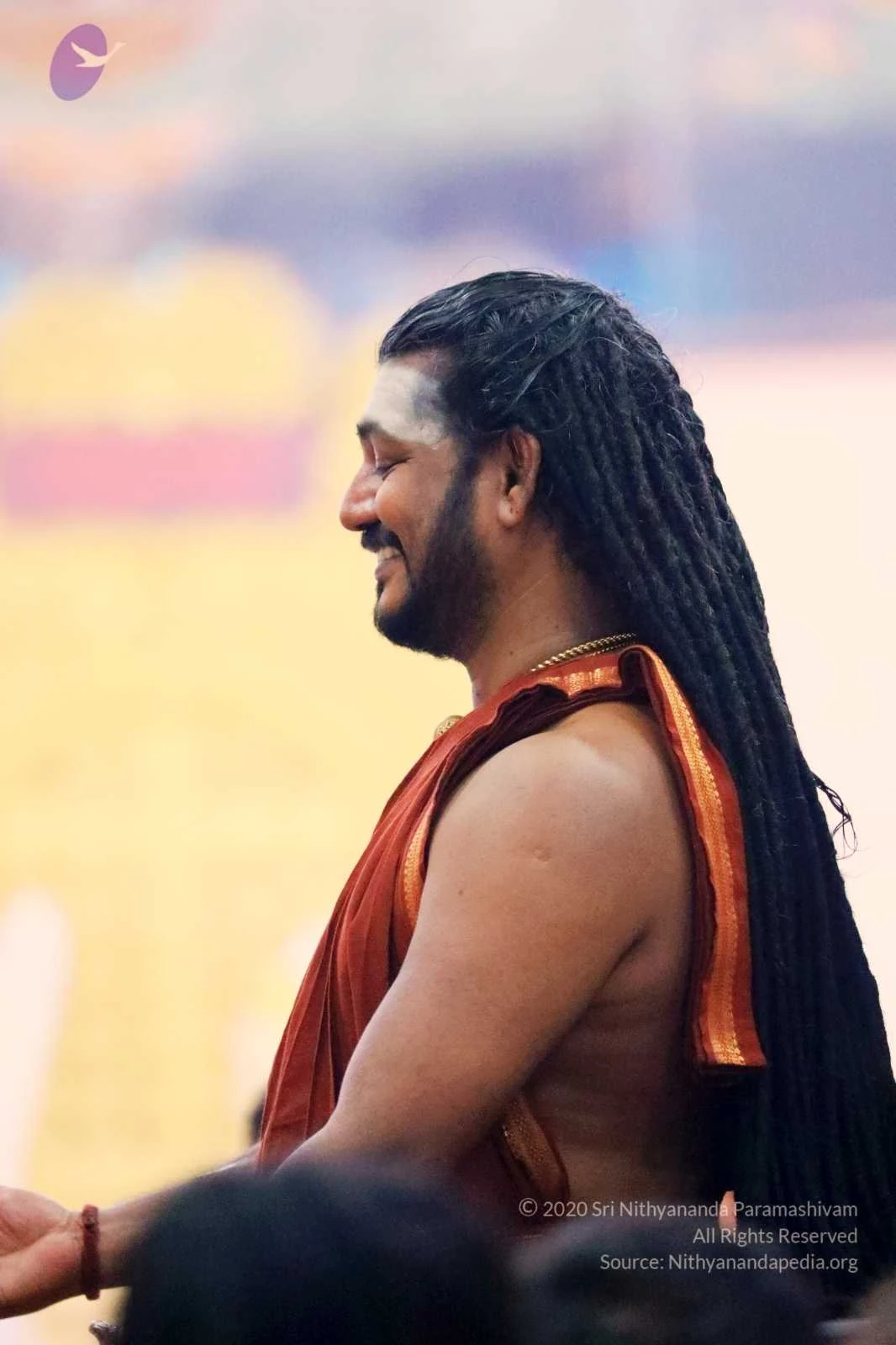
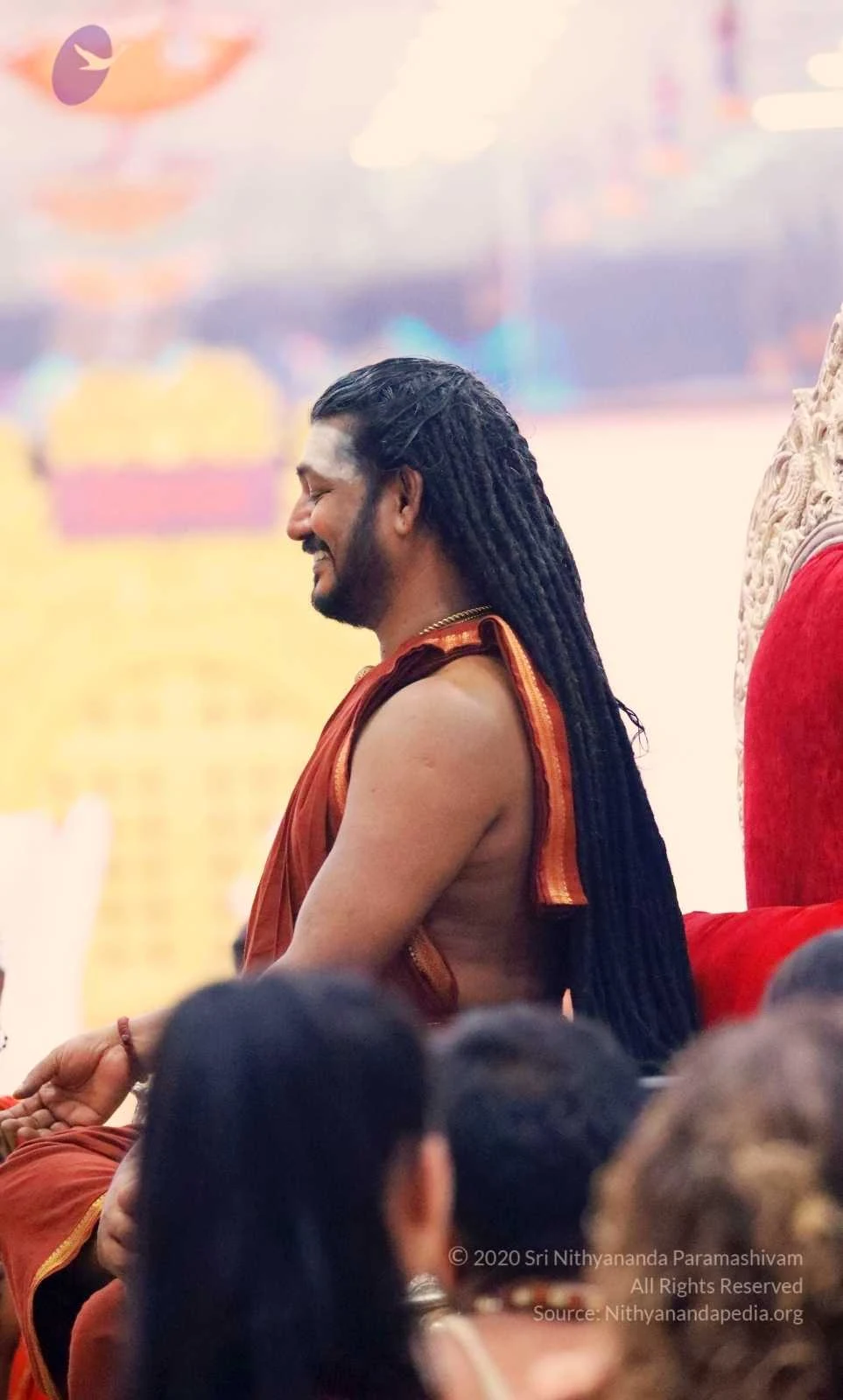
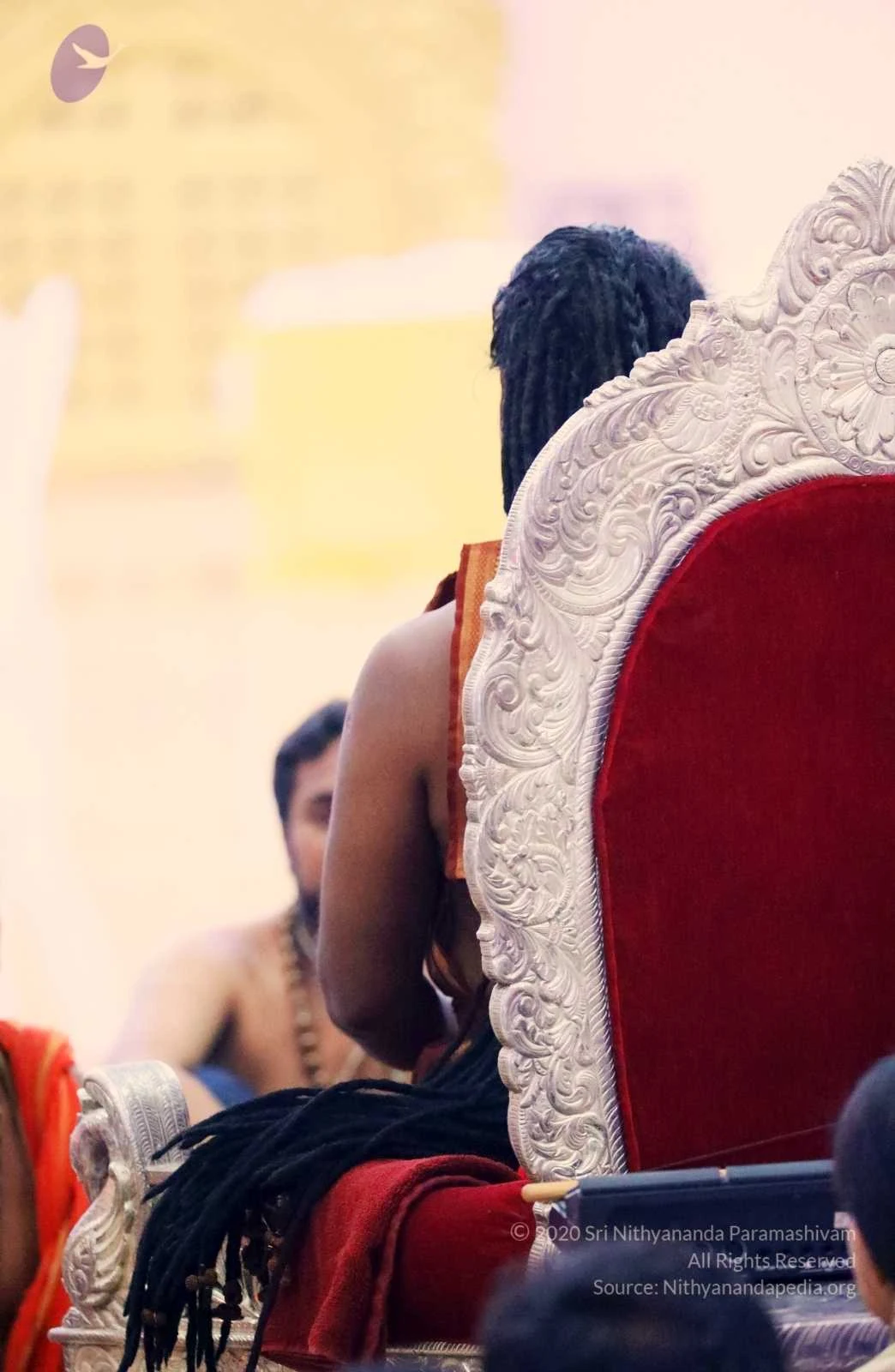
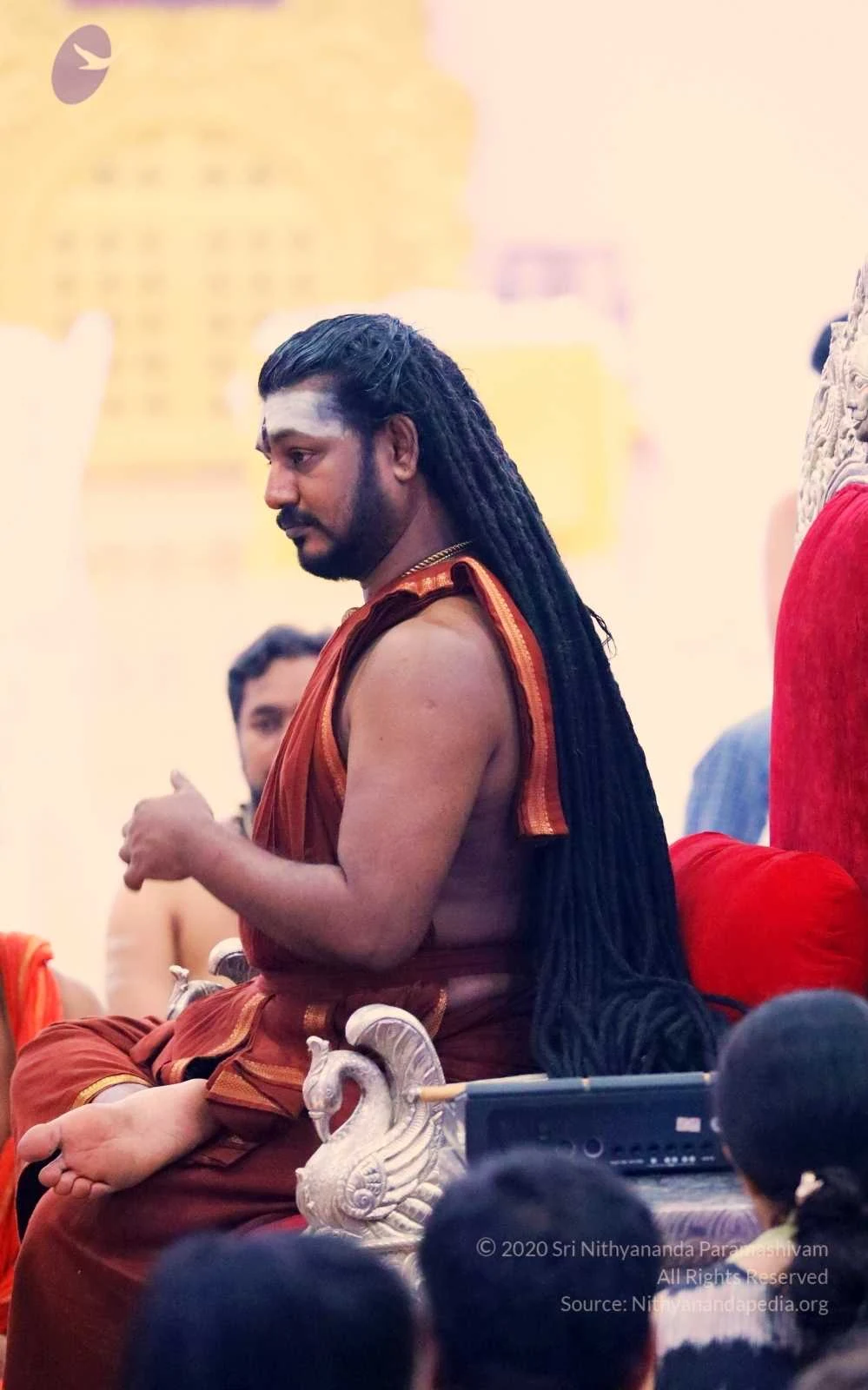
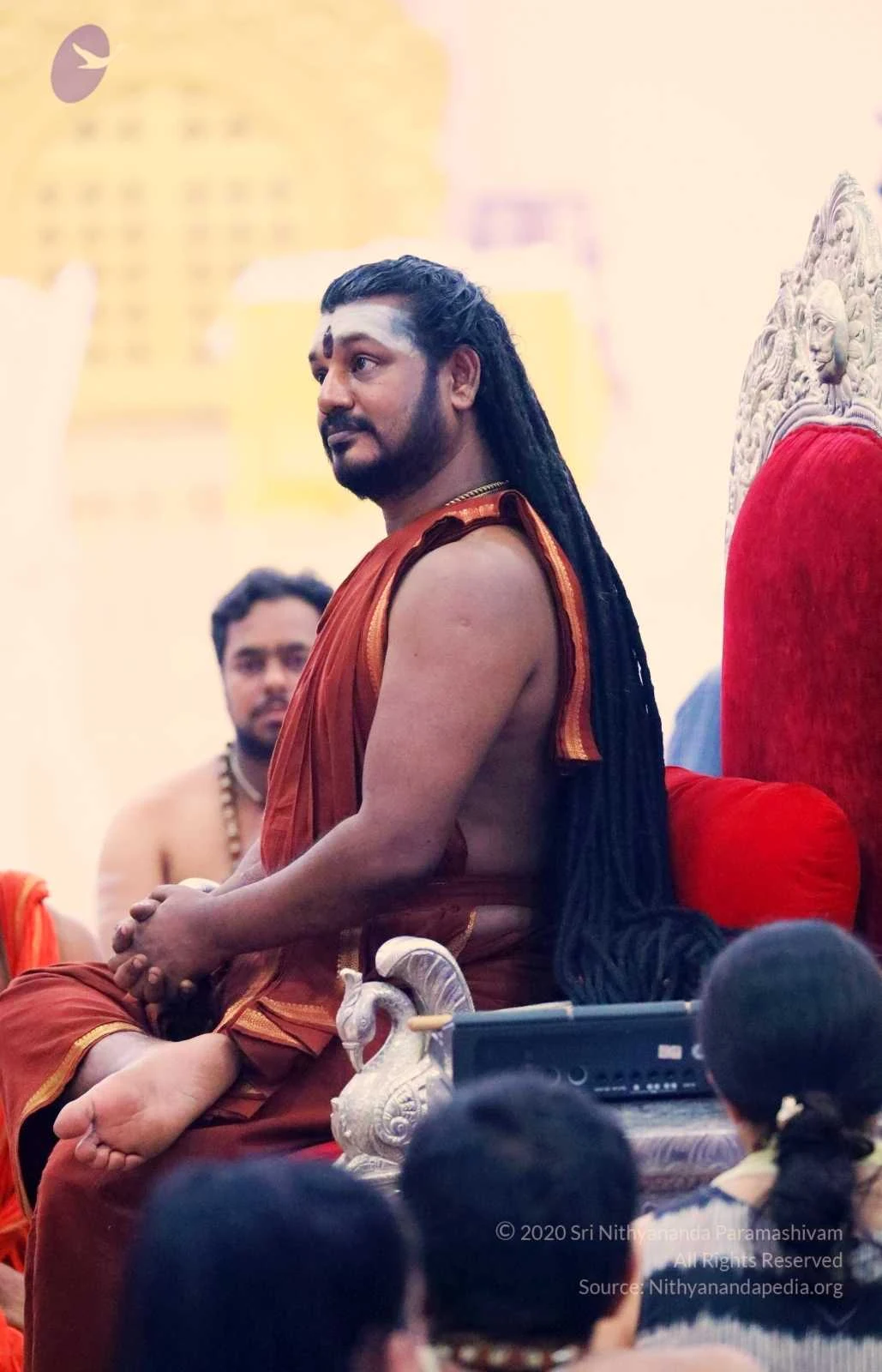
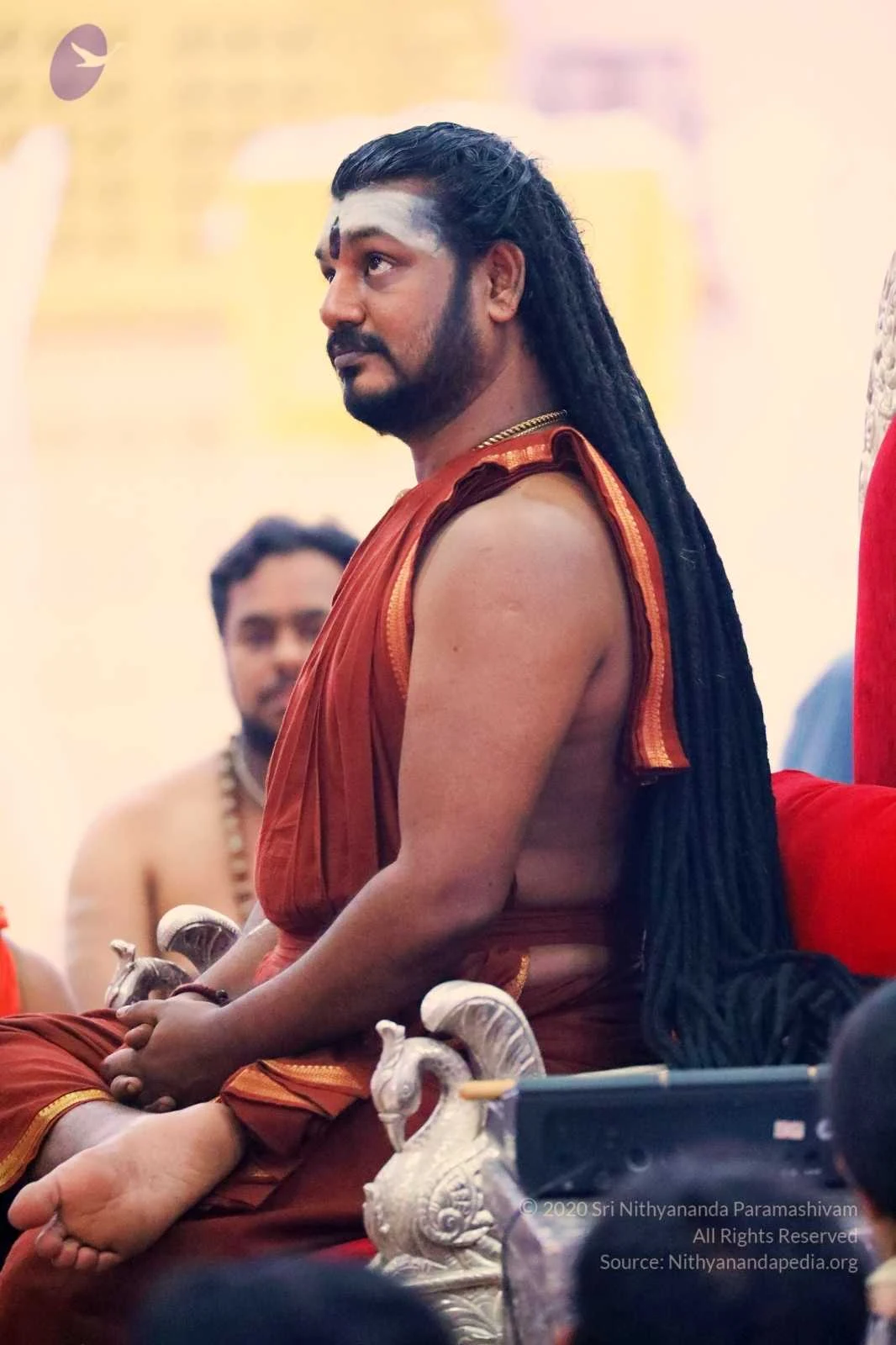
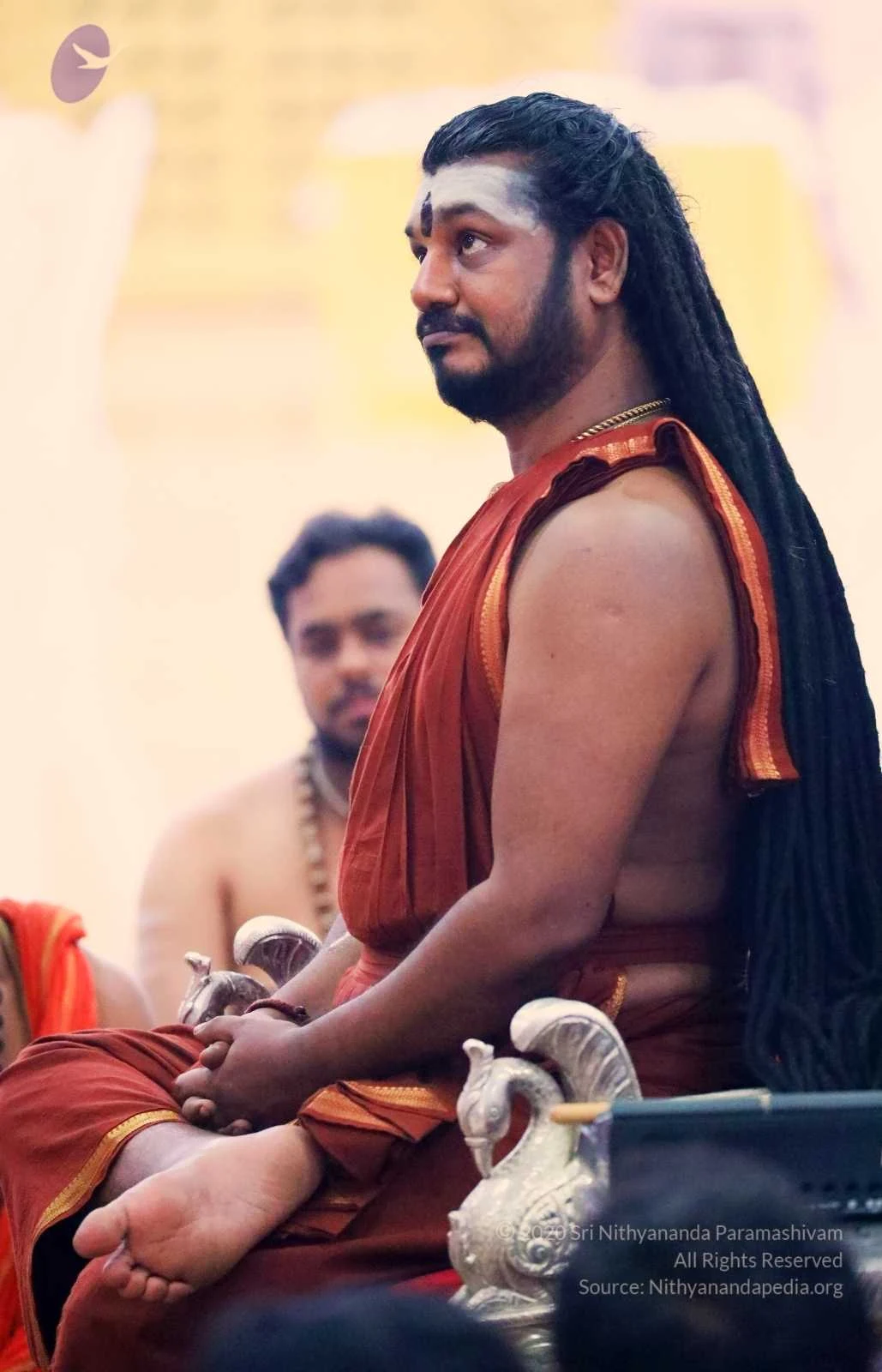
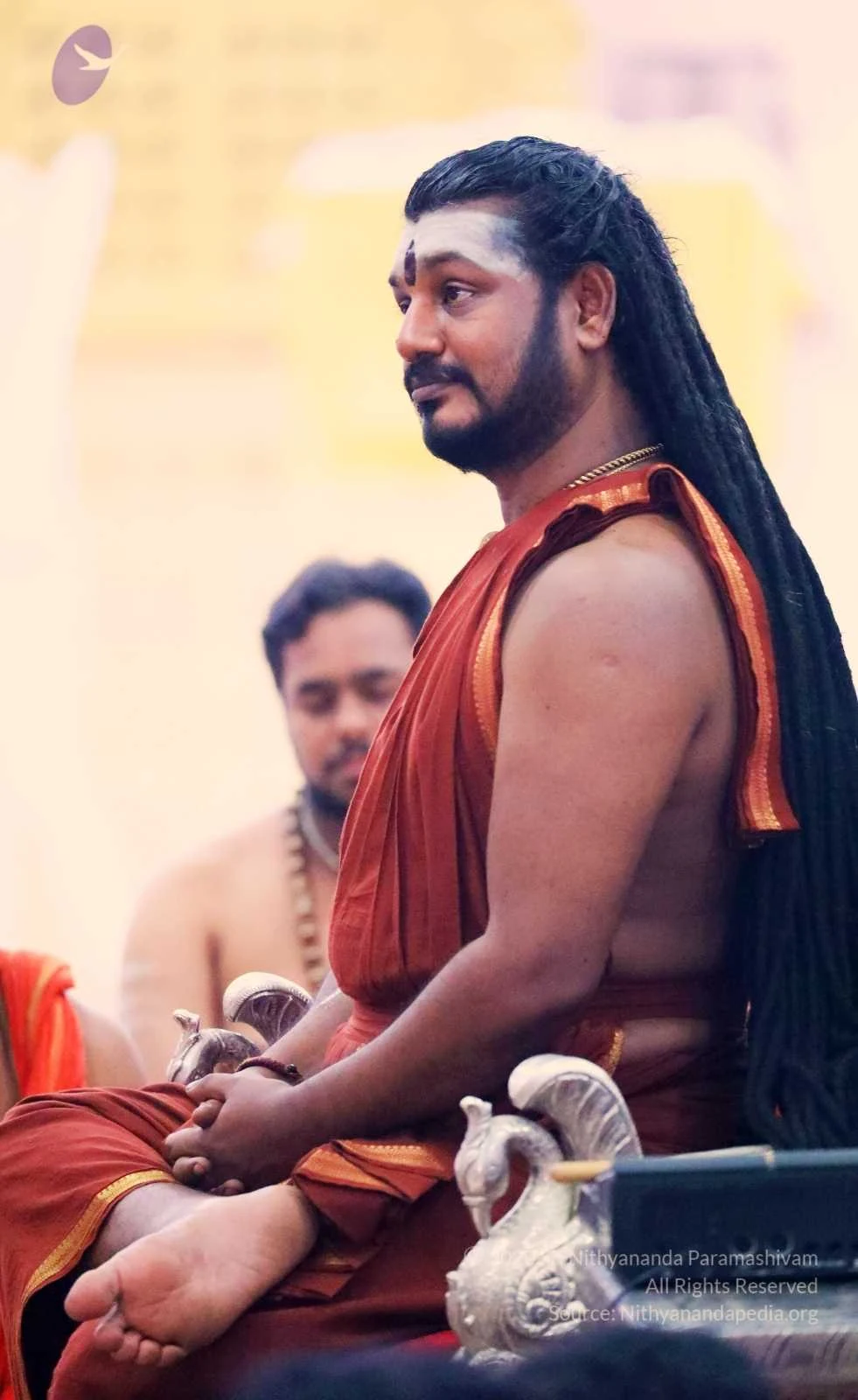
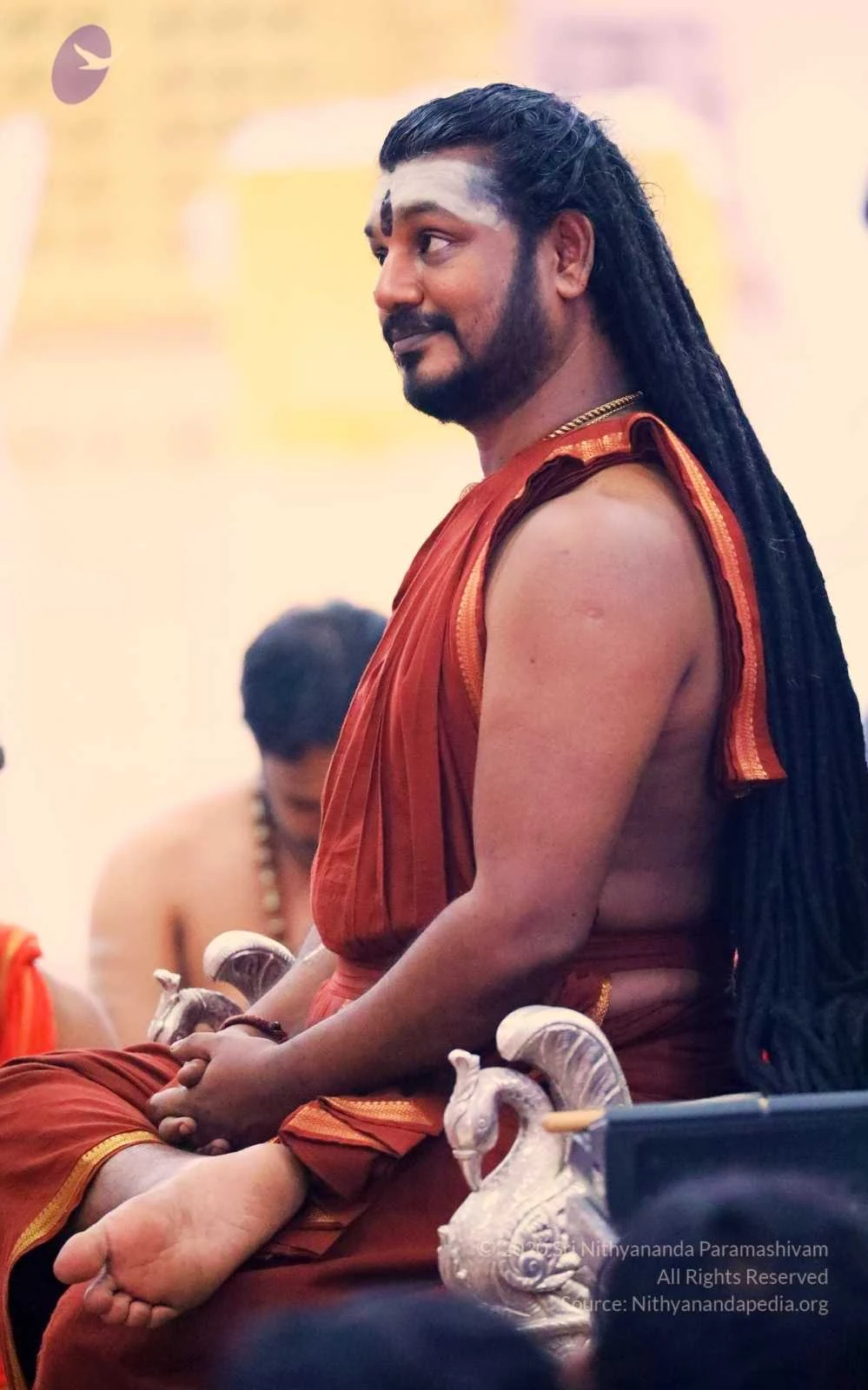

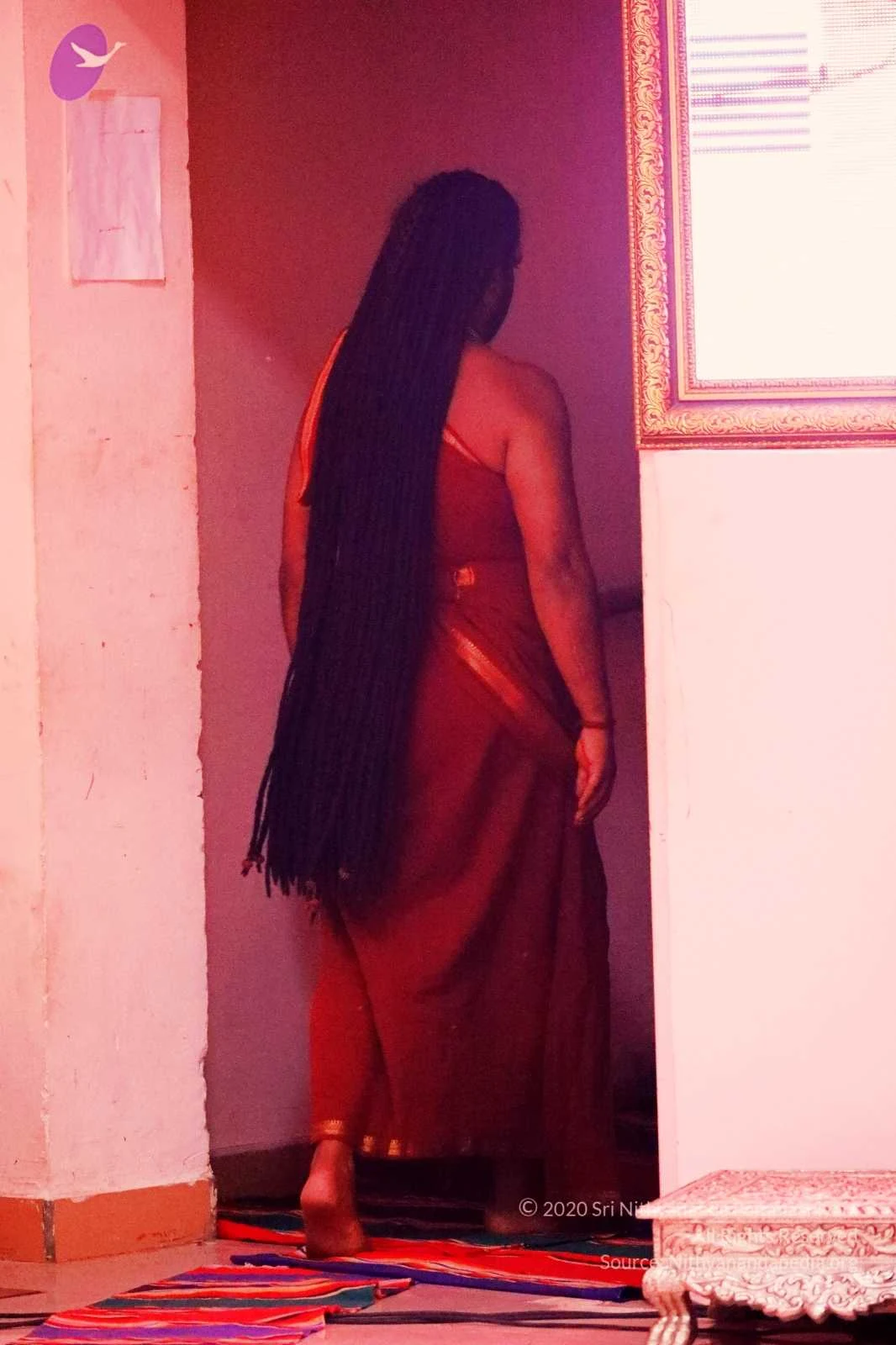
Link to Video:
Title
Liberating Mandala Process! || Part 1 || MSS || 18 April 2018
Description
Name Of The Convention : Maha Sadashivoham Session on: Liberating Mandala Process Date : 18 April 2018 Venue : Adi Kailasa, Bengaluru, Karnataka, India Part 1
In this video, we see the Supreme Pontiff of Hinduism HDH #Nithyananda Paramashivam takes delegates of the Maha Sadashivoham Convention through an important Mandala Process.
His Divine Holiness begins by giving darshan to all delegates before conducting a powerful process using the sacred geometry of Mandalas and the power of sacred syllables to initiate all delegates. Seated in the shape of specific Mandalas, or geometrical shapes that represent universal energies, and throughout this process, Swamiji is aligning everyone’s bio-memory and muscle memory to the fundamental lines and sounds of the cosmos.
The Supreme Pontiff of Hinduism Jagatguru Mahasannidhanam His Divine Holiness Nithyananda Paramashivam (HDH) is the reviver of #KAILASA - the ancient enlightened civilization and the great cosmic borderless Hindu nation. Revered as the incarnation of Paramashiva - the primordial Hindu Divinity, HDH has a following of 2 billion Hindus worldwide with de facto spiritual embassies in over 150 countries. He has worked untiringly for over 26 years for the revival of Kailasa, for global peace and to give super conscious breakthrough to humanity. He has survived the worst persecution of multiple assassination attempts on person and on character by anti-Hindu elements. He is collecting, organising, preserving, time capsuling, decoding, spreading and reviving 20 Million source books of Hinduism and the 64 sacred arts & sciences like Ayurveda, music, dance, sculpting, astrology, vastu and much more. Close to 20,000 hours of HDH’s timeless talks have been recorded till date (Sep 2020), which are a treasure trove of powerful cognitions to solve individual and global problems of any kind.
Link to Video:
Title
Liberating Mandala Process || Part 2 || MSS || 18 April 2018
Description
Name Of The Convention : Maha Sadashivoham Session on: Liberating Mandala Process Part 2 Date : 18 April 2018 Venue : Adi Kailasa, Bengaluru, Karnataka, India Part 2
In this video, we see the Supreme Pontiff of Hinduism HDH #Nithyananda Paramashivam takes delegates of the Maha Sadashivoham Convention through an important Mandala Process.
His Divine Holiness begins by giving darshan to all delegates before conducting a powerful process using the sacred geometry of Mandalas and the power of sacred syllables to initiate all delegates. Seated in the shape of specific Mandalas, or geometrical shapes that represent universal energies, and throughout this process, Swamiji is aligning everyone’s bio-memory and muscle memory to the fundamental lines and sounds of the cosmos.
The Supreme Pontiff of Hinduism Jagatguru Mahasannidhanam His Divine Holiness Nithyananda Paramashivam (HDH) is the reviver of #KAILASA - the ancient enlightened civilization and the great cosmic borderless Hindu nation. Revered as the incarnation of Paramashiva - the primordial Hindu Divinity, HDH has a following of 2 billion Hindus worldwide with de facto spiritual embassies in over 150 countries. He has worked untiringly for over 26 years for the revival of Kailasa, for global peace and to give super conscious breakthrough to humanity. He has survived the worst persecution of multiple assassination attempts on person and on character by anti-Hindu elements. He is collecting, organising, preserving, time capsuling, decoding, spreading and reviving 20 Million source books of Hinduism and the 64 sacred arts & sciences like Ayurveda, music, dance, sculpting, astrology, vastu and much more. Close to 20,000 hours of HDH’s timeless talks have been recorded till date (Sep 2020), which are a treasure trove of powerful cognitions to solve individual and global problems of any kind.
Link to Video:
Title
Liberating Mandala Process || Part 3 || MSS || 18 April 2018
Description
Name Of The Convention : Maha Sadashivoham Session on: Liberating Mandala Process Part 3 Date : 18 April 2018 Venue : Adi Kailasa, Bengaluru, Karnataka, India Part 3
In this video, we see the Supreme Pontiff of Hinduism HDH #Nithyananda Paramashivam takes delegates of the Maha Sadashivoham Convention through an important Mandala Process.
His Divine Holiness begins by giving darshan to all delegates before conducting a powerful process using the sacred geometry of Mandalas and the power of sacred syllables to initiate all delegates. Seated in the shape of specific Mandalas, or geometrical shapes that represent universal energies, and throughout this process, Swamiji is aligning everyone’s bio-memory and muscle memory to the fundamental lines and sounds of the cosmos.
The Supreme Pontiff of Hinduism Jagatguru Mahasannidhanam His Divine Holiness Nithyananda Paramashivam (HDH) is the reviver of #KAILASA - the ancient enlightened civilization and the great cosmic borderless Hindu nation. Revered as the incarnation of Paramashiva - the primordial Hindu Divinity, HDH has a following of 2 billion Hindus worldwide with de facto spiritual embassies in over 150 countries. He has worked untiringly for over 26 years for the revival of Kailasa, for global peace and to give super conscious breakthrough to humanity. He has survived the worst persecution of multiple assassination attempts on person and on character by anti-Hindu elements. He is collecting, organising, preserving, time capsuling, decoding, spreading and reviving 20 Million source books of Hinduism and the 64 sacred arts & sciences like Ayurveda, music, dance, sculpting, astrology, vastu and much more. Close to 20,000 hours of HDH’s timeless talks have been recorded till date (Sep 2020), which are a treasure trove of powerful cognitions to solve individual and global problems of any kind.
Photos Of The Day:
Manifesting-Powers
Yoga
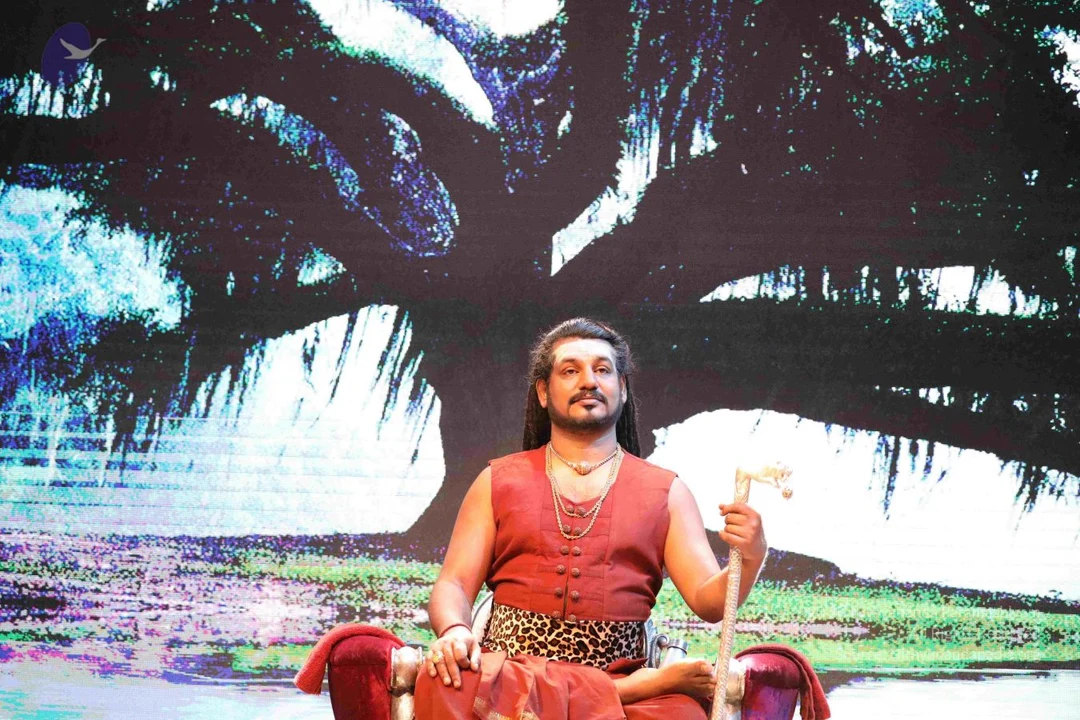
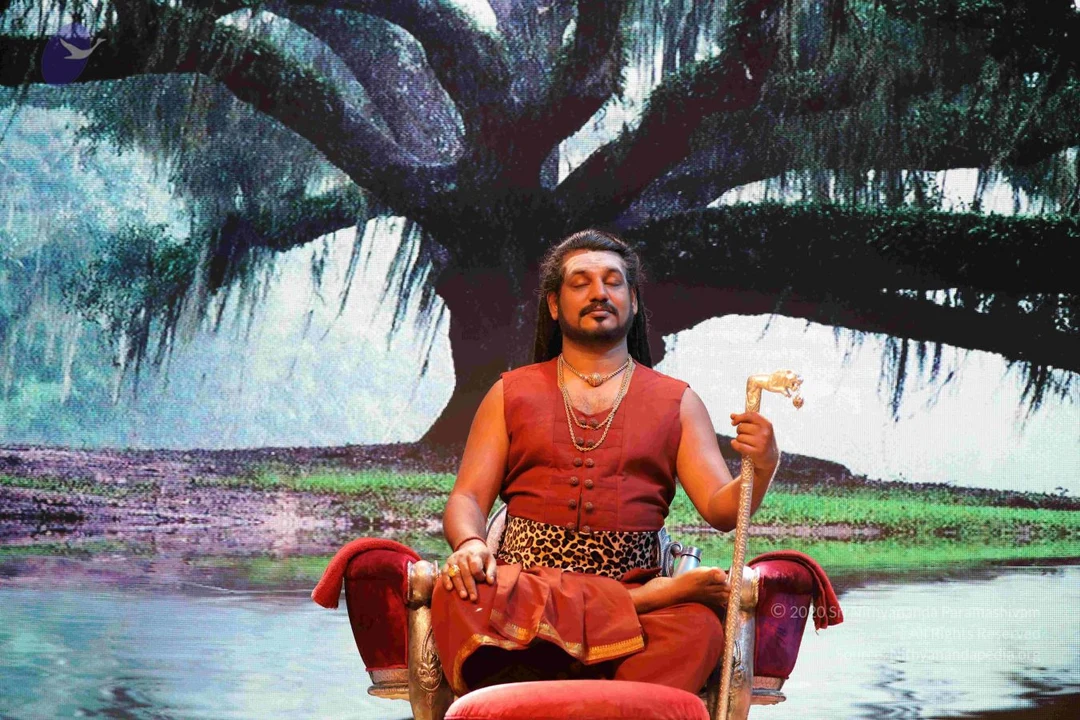
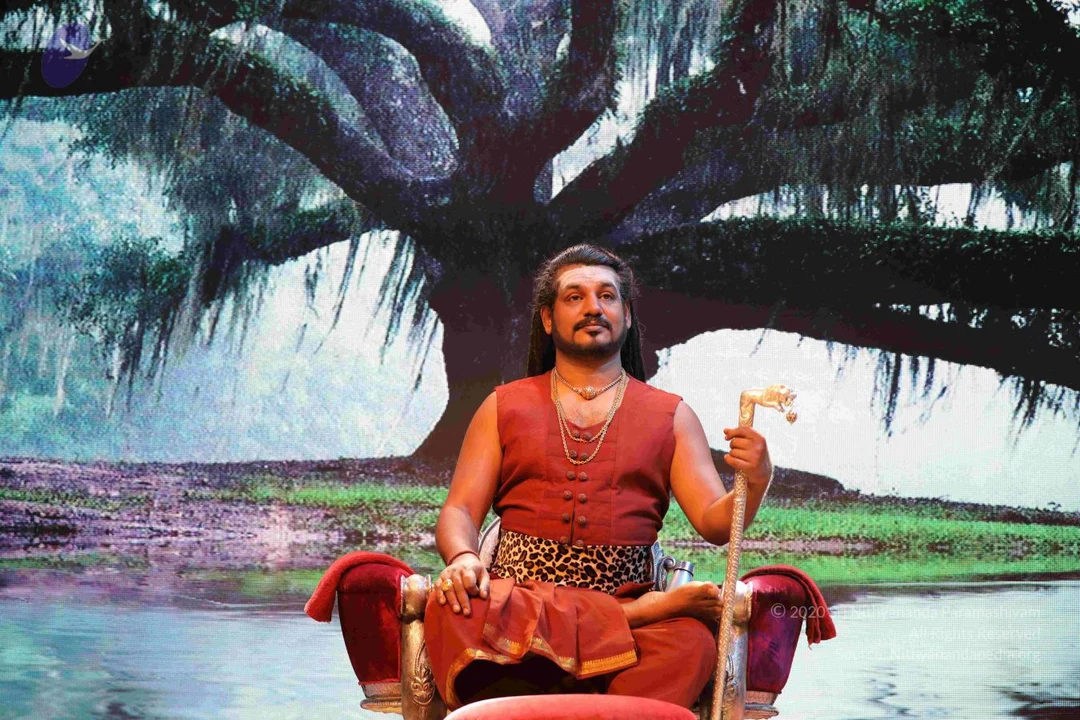
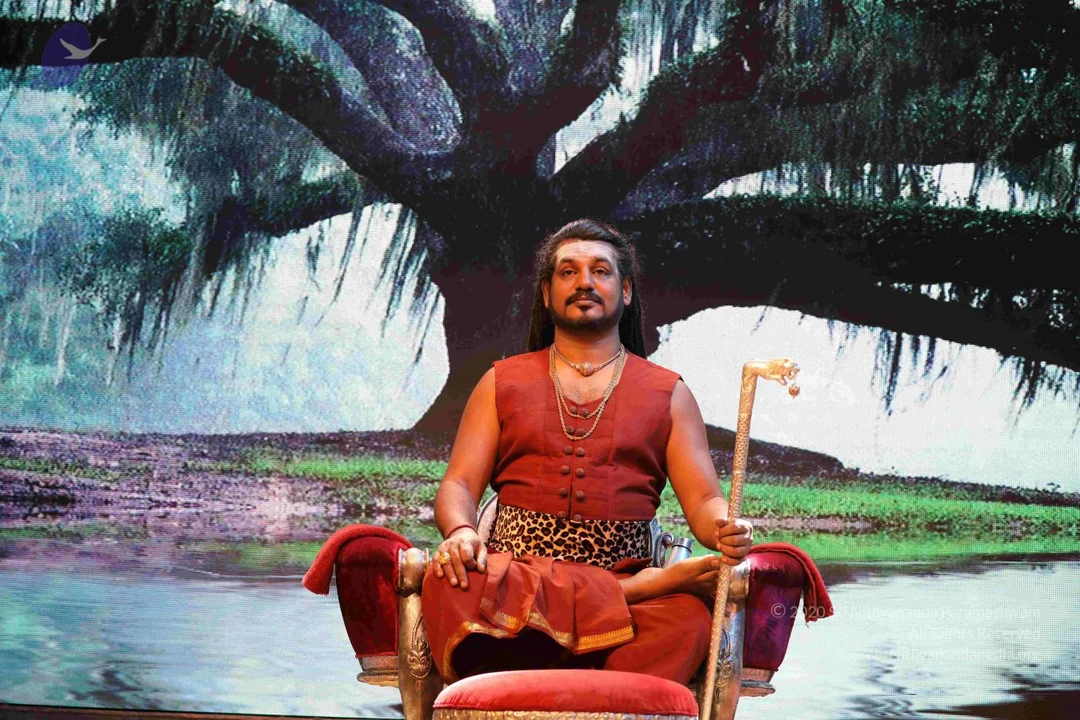

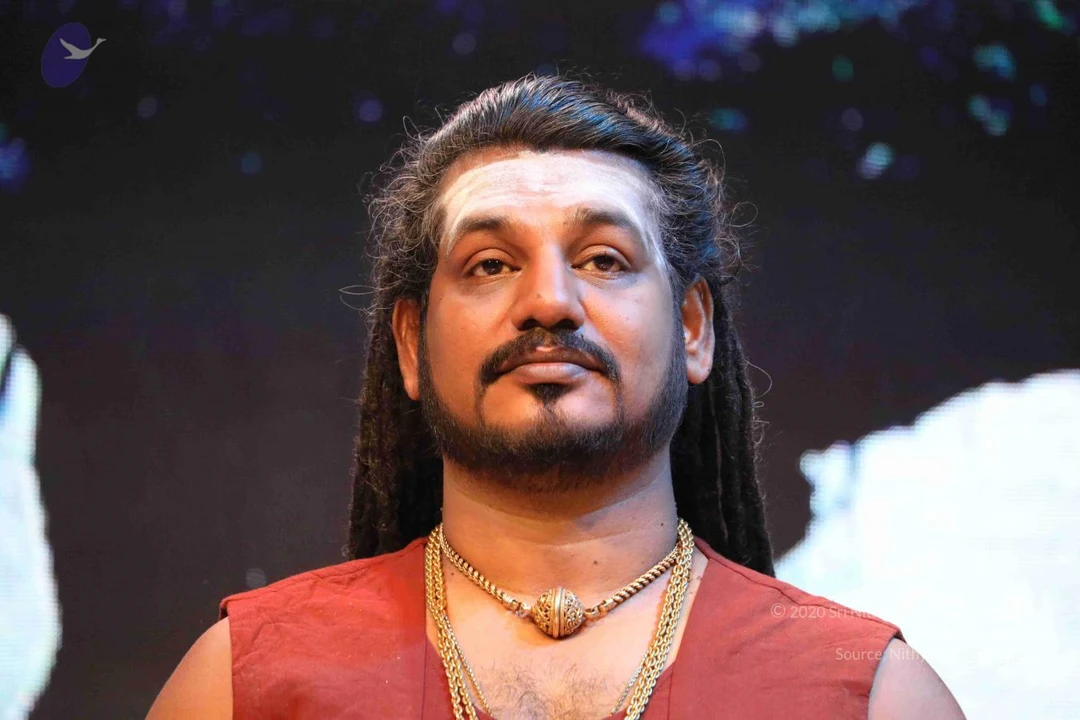
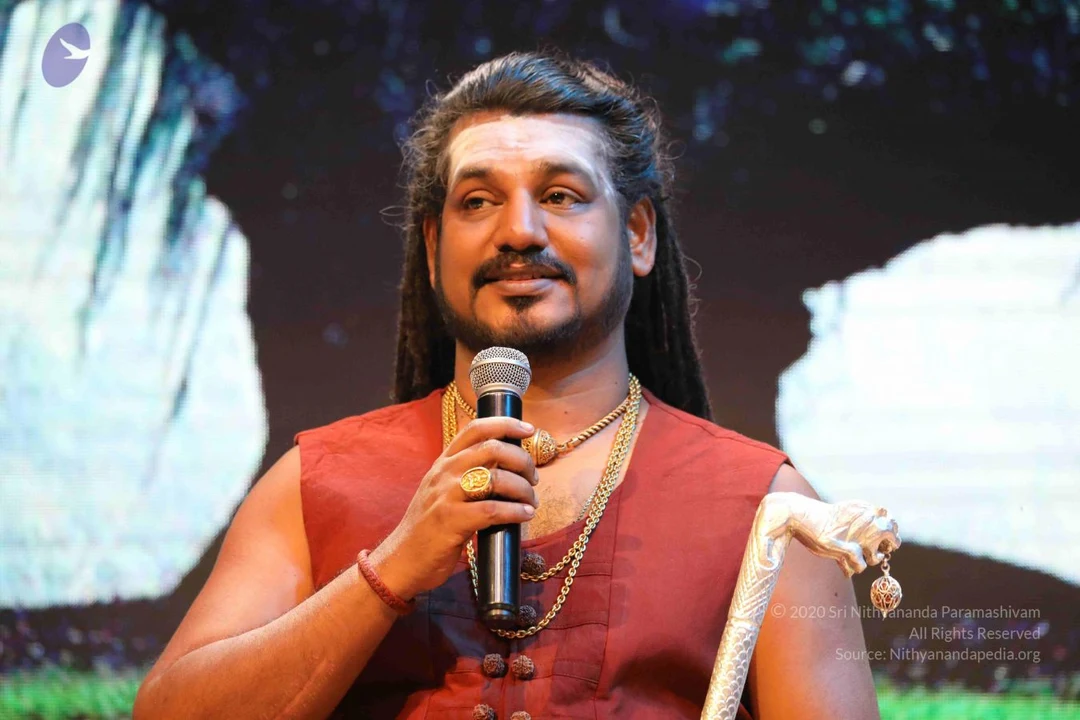
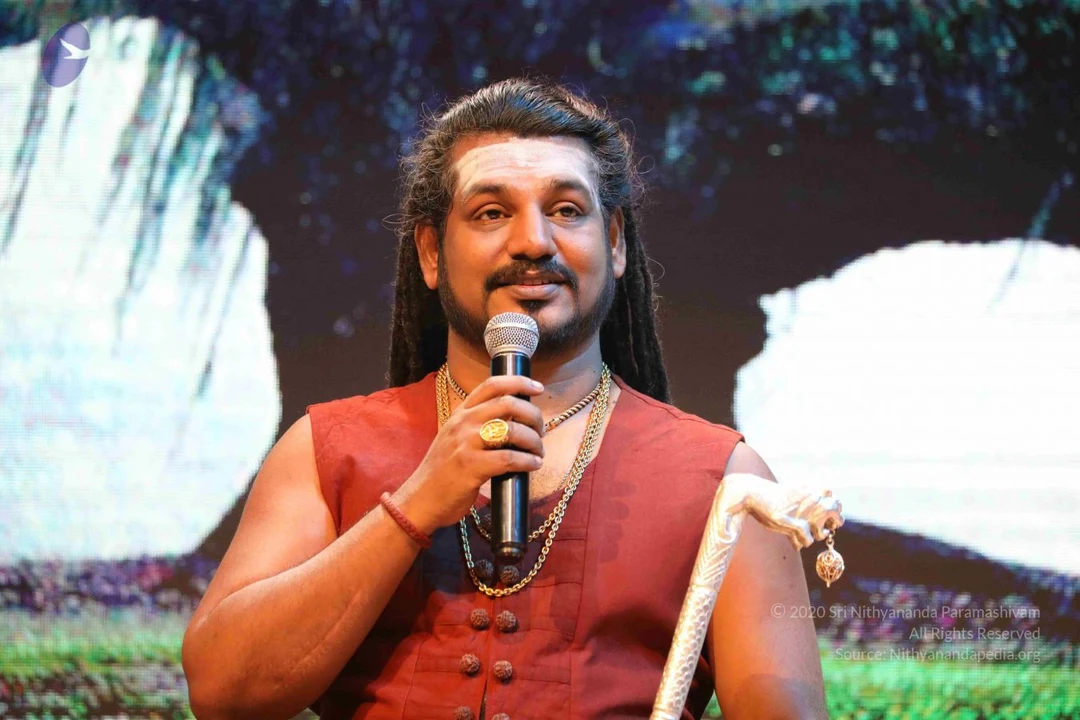
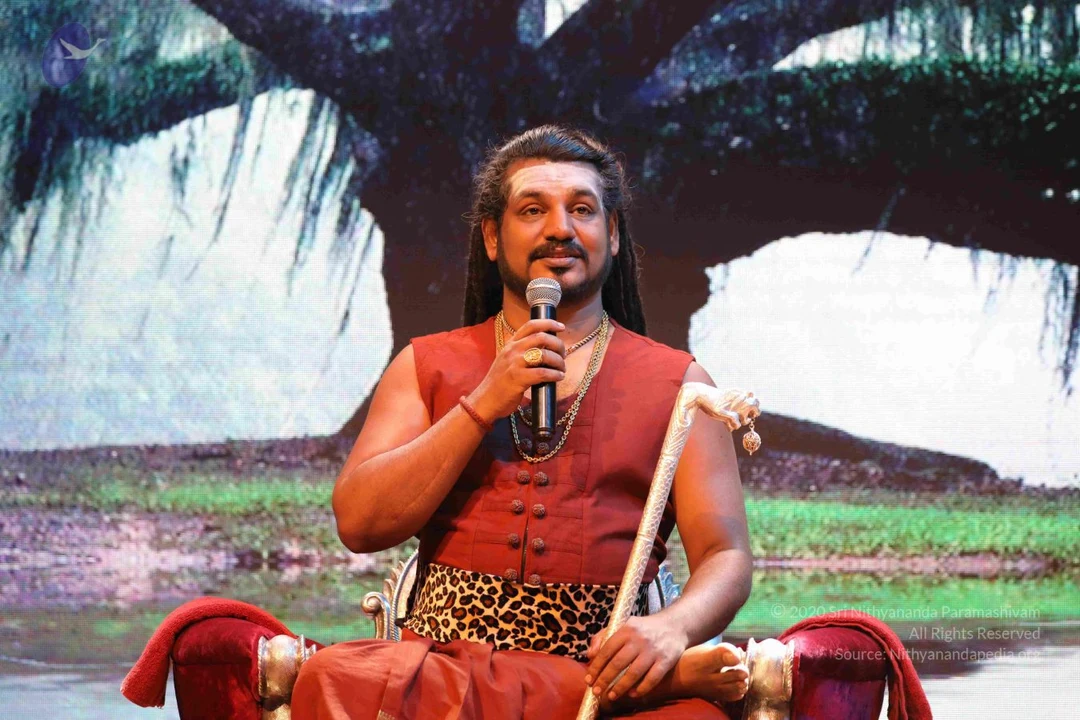
Darshan

Mandala

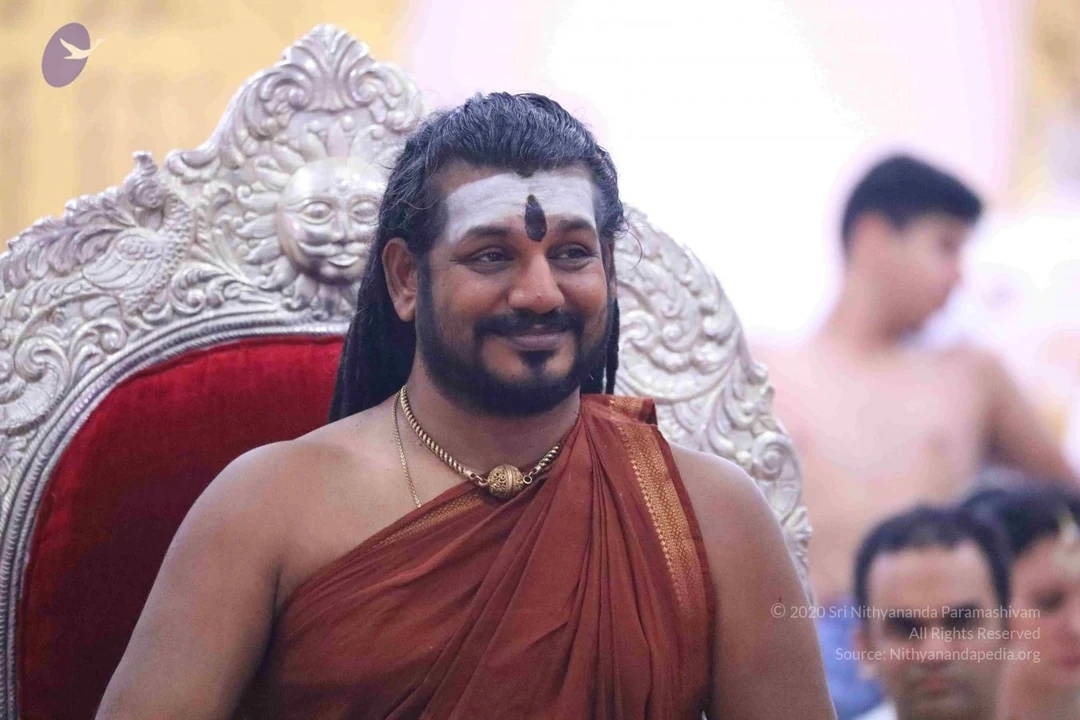
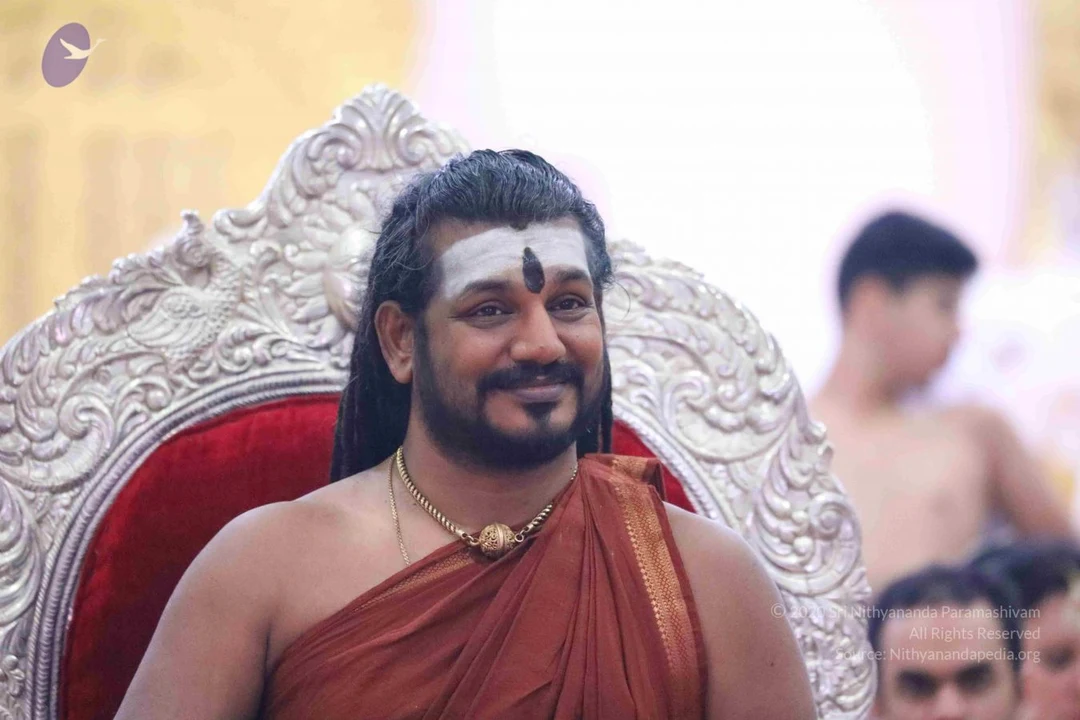
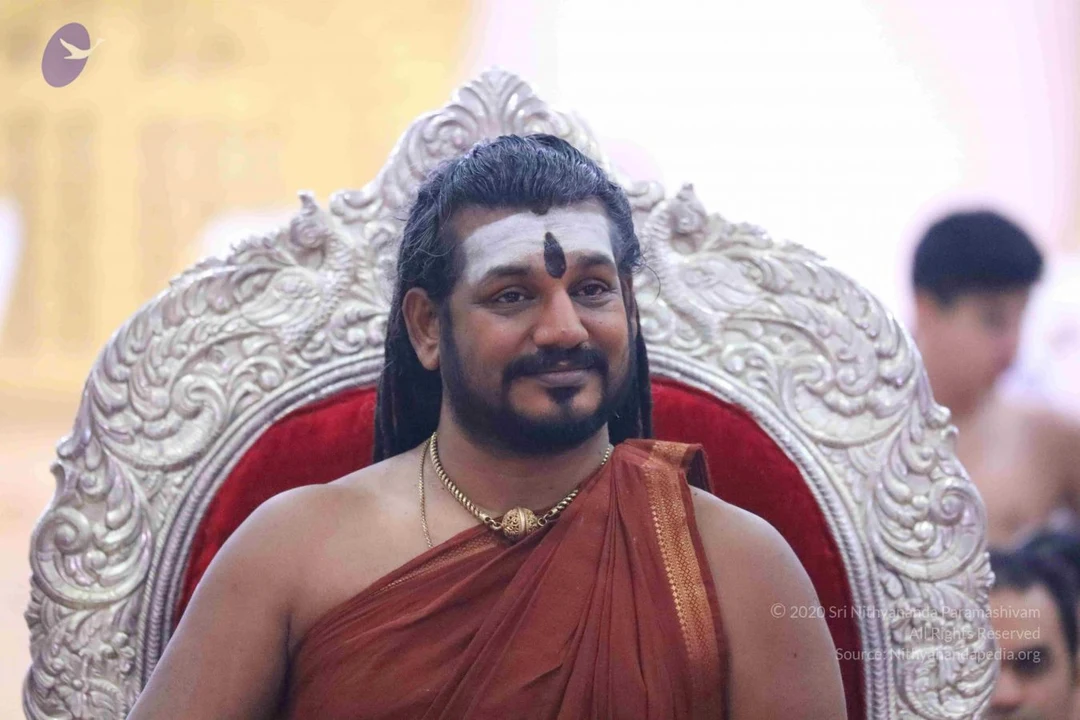
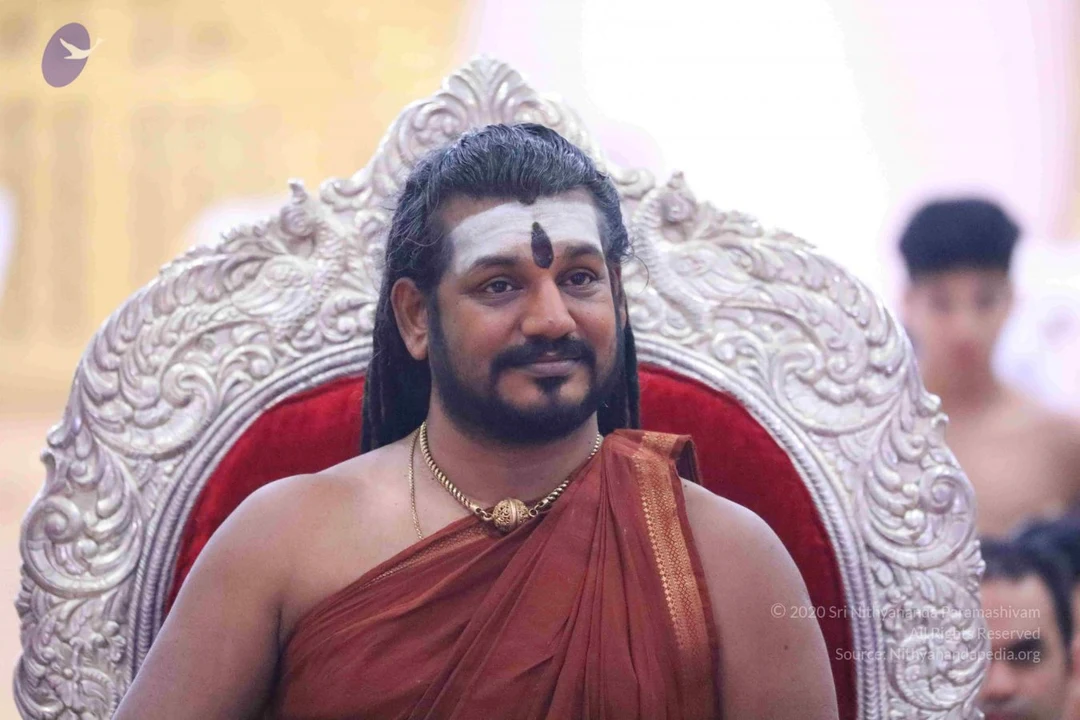

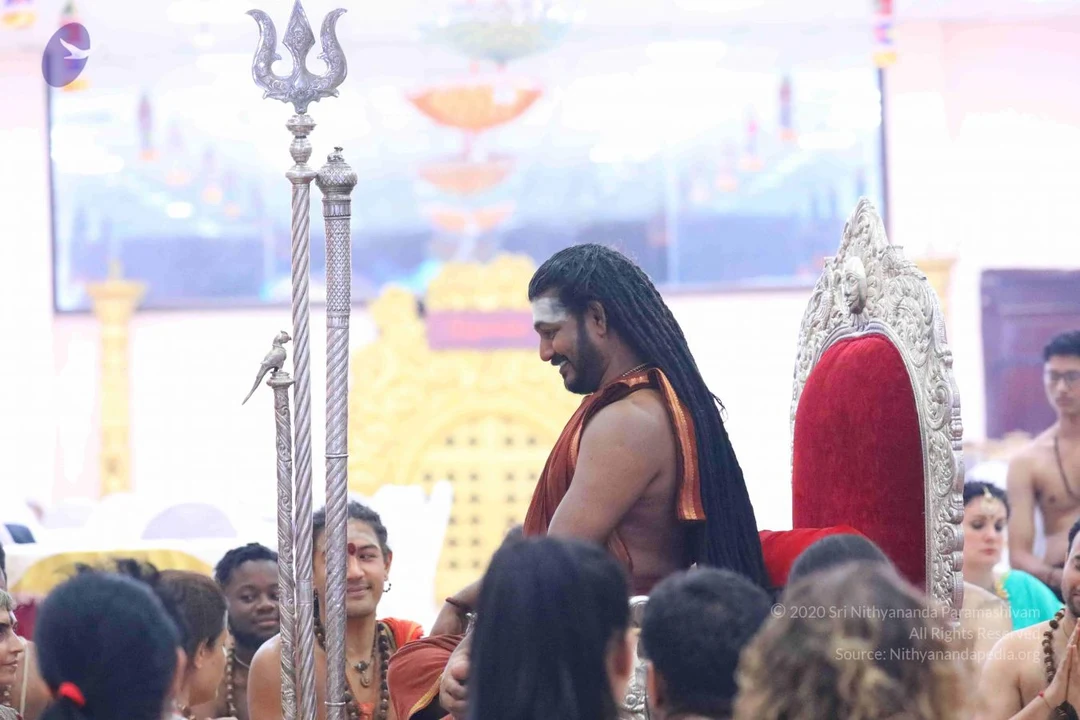
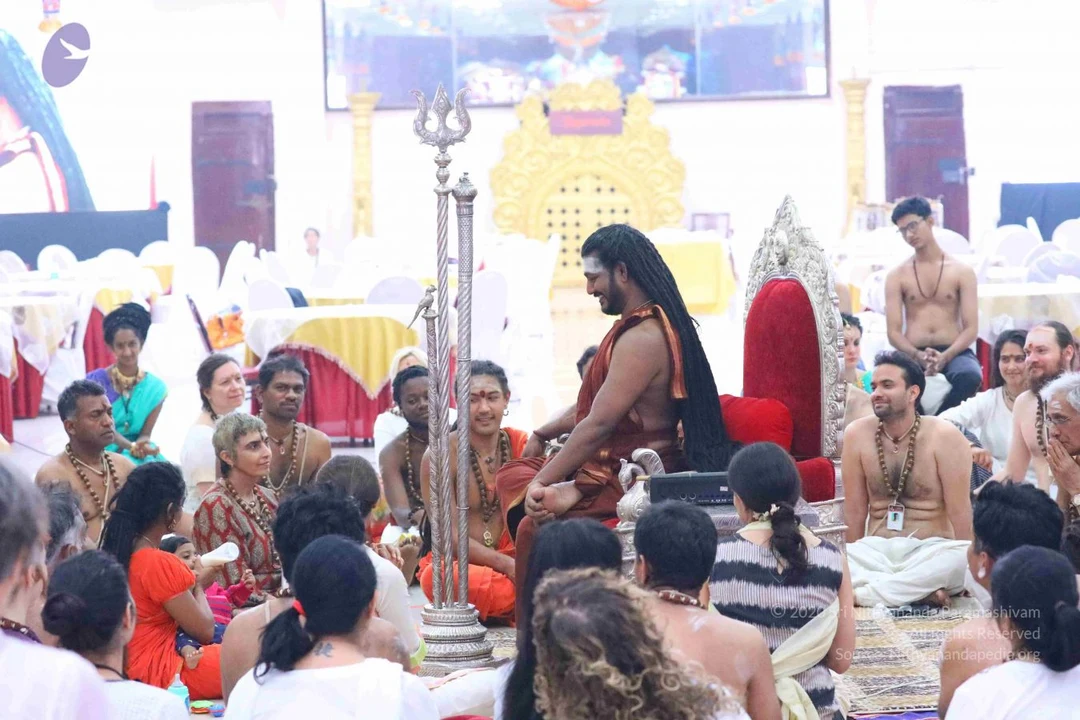
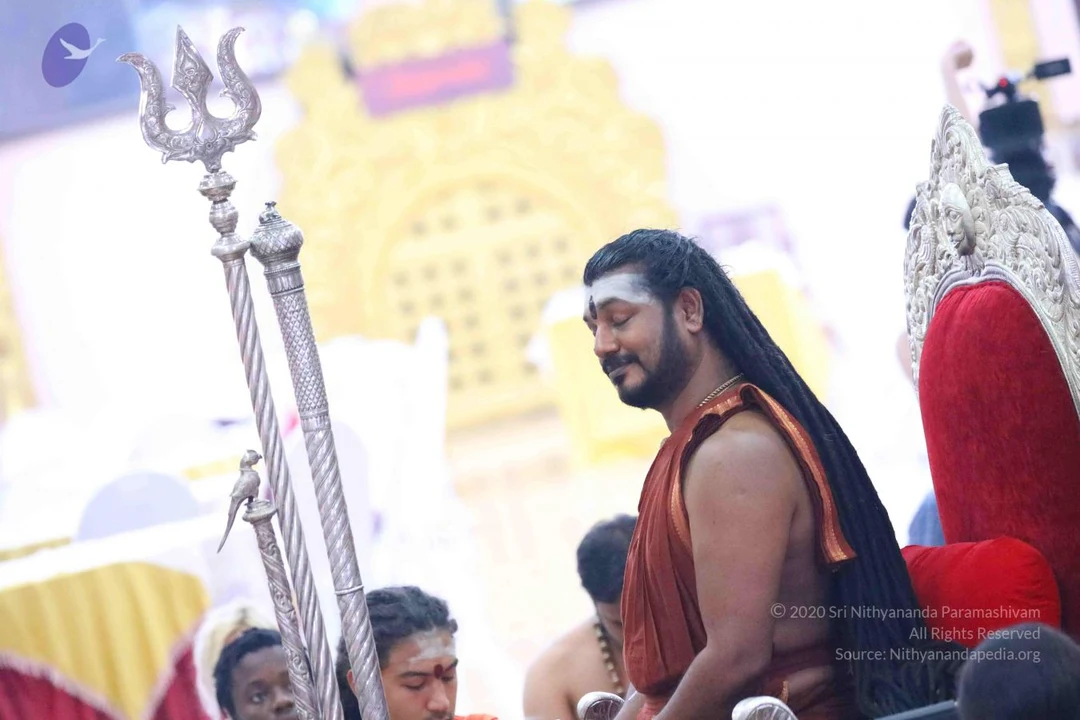
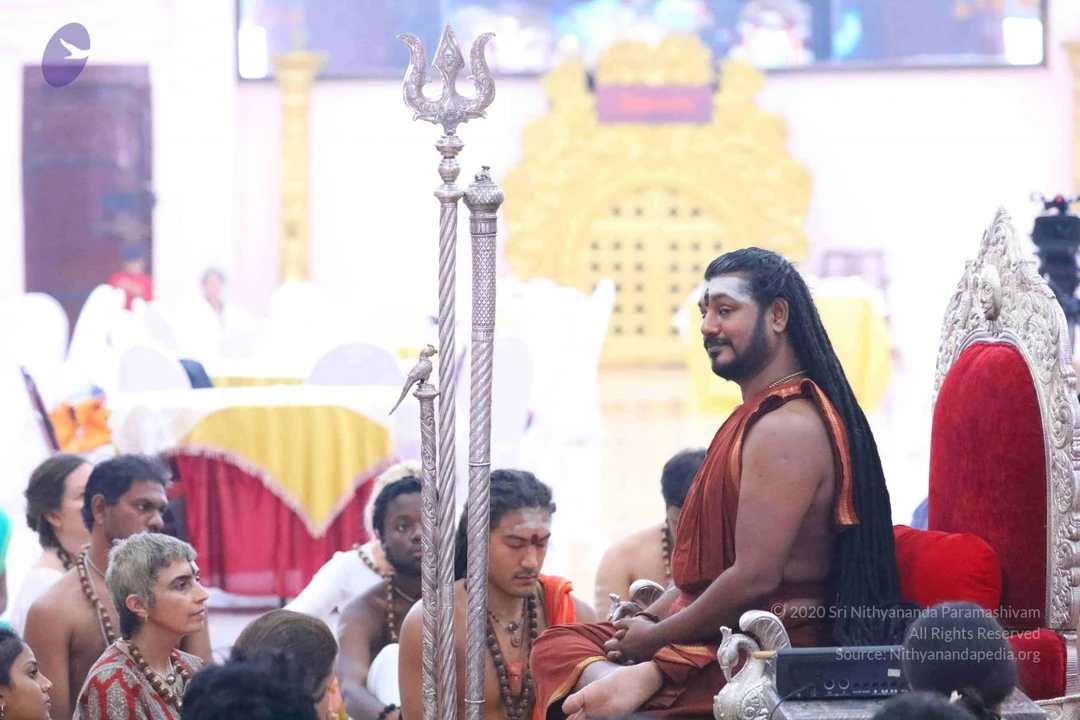
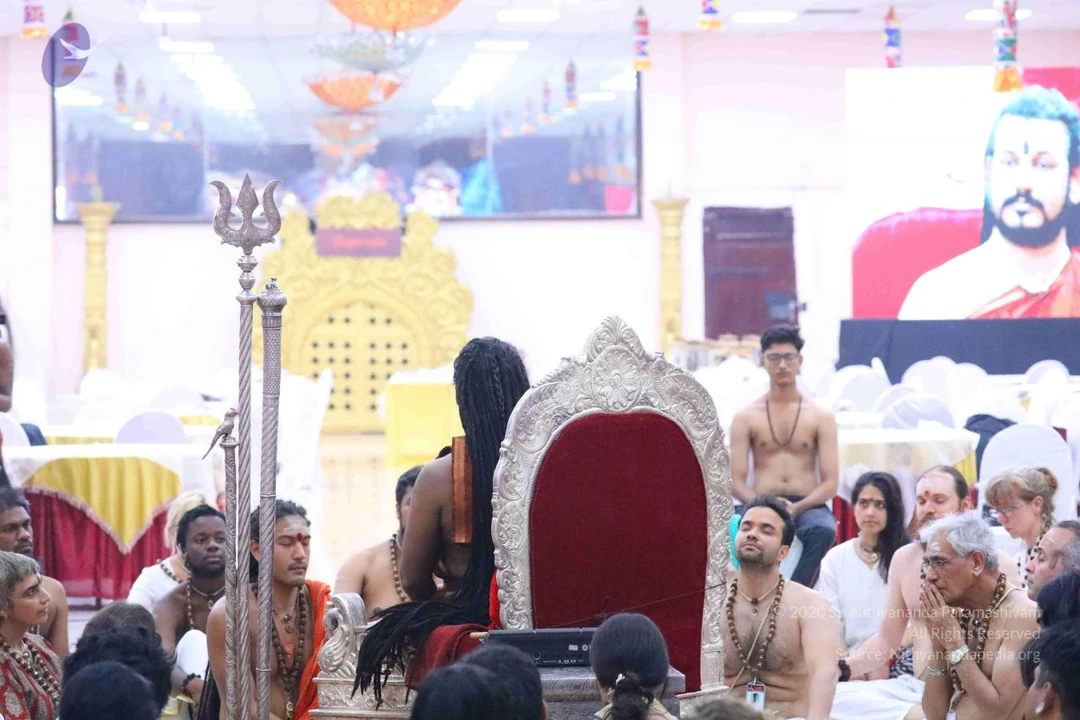
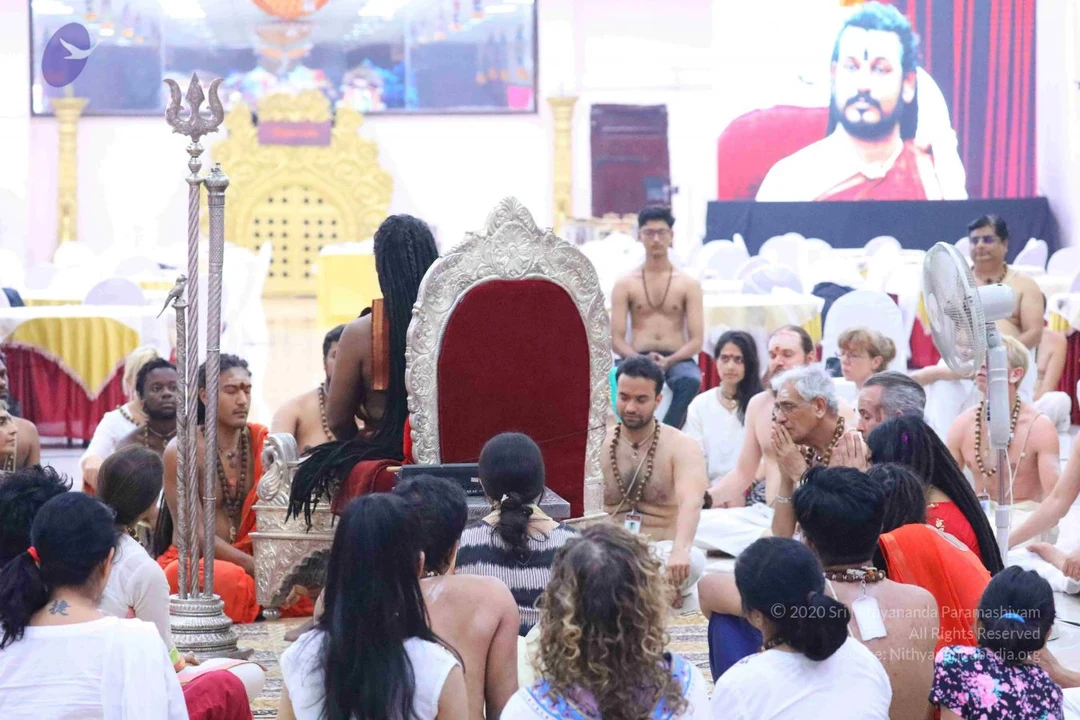
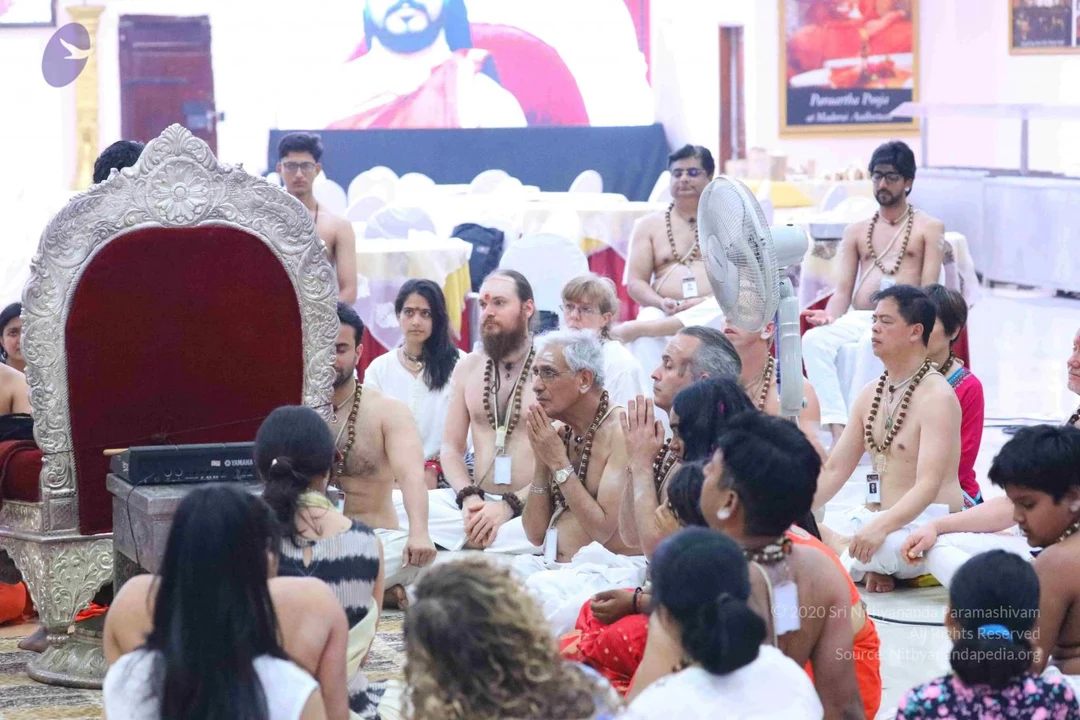
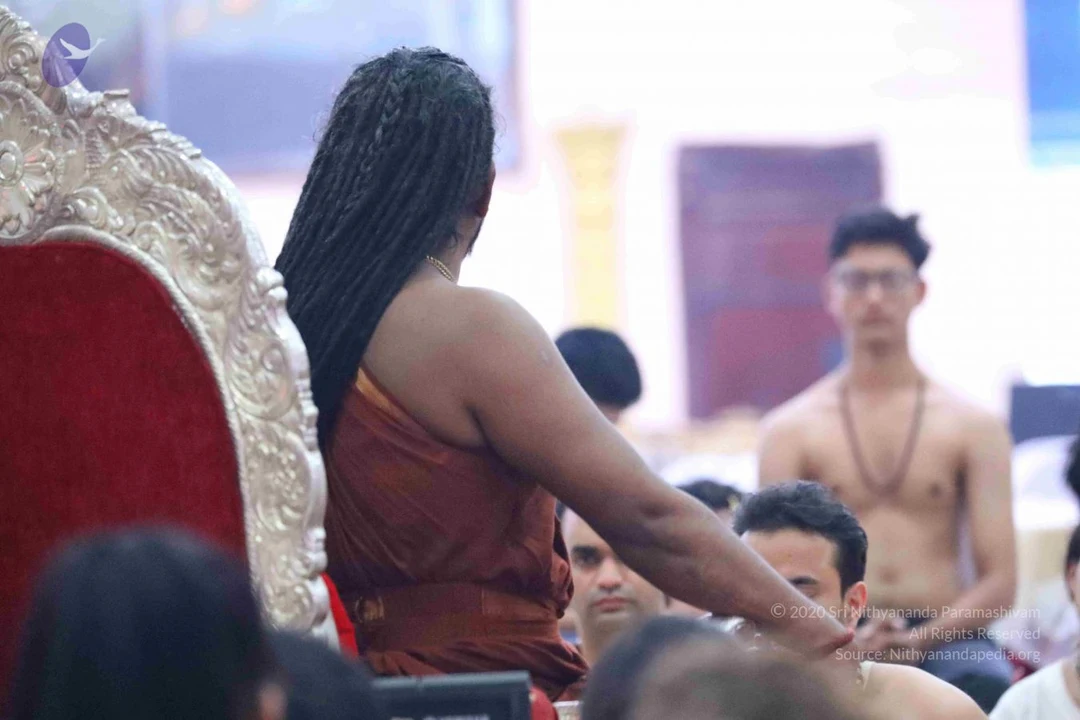
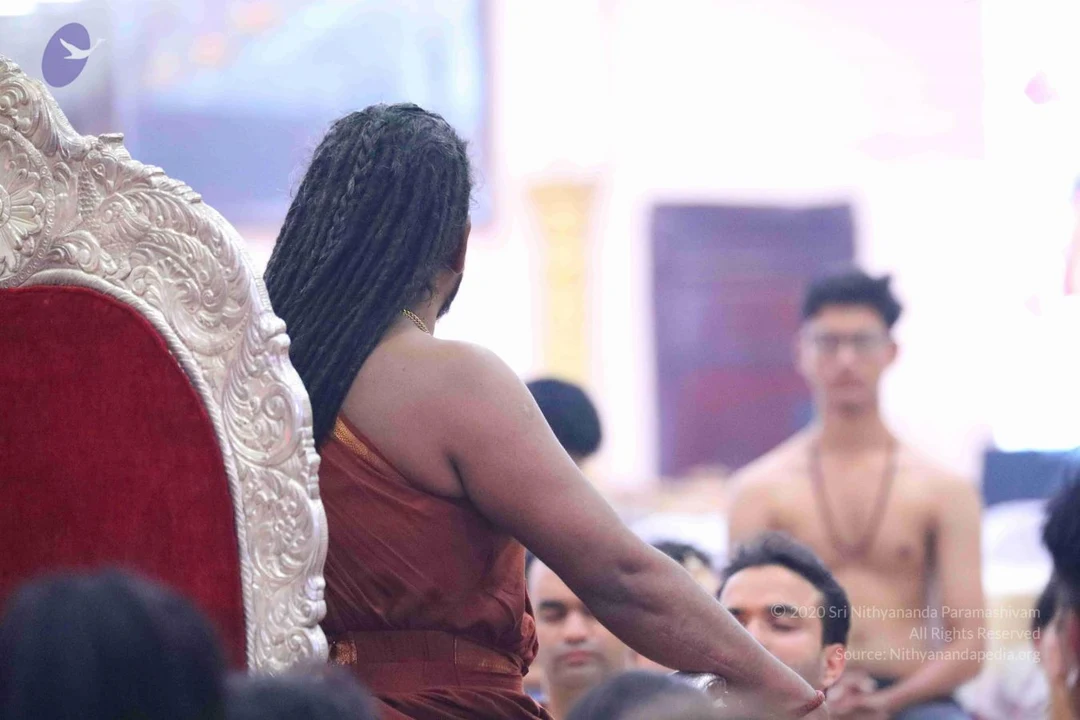
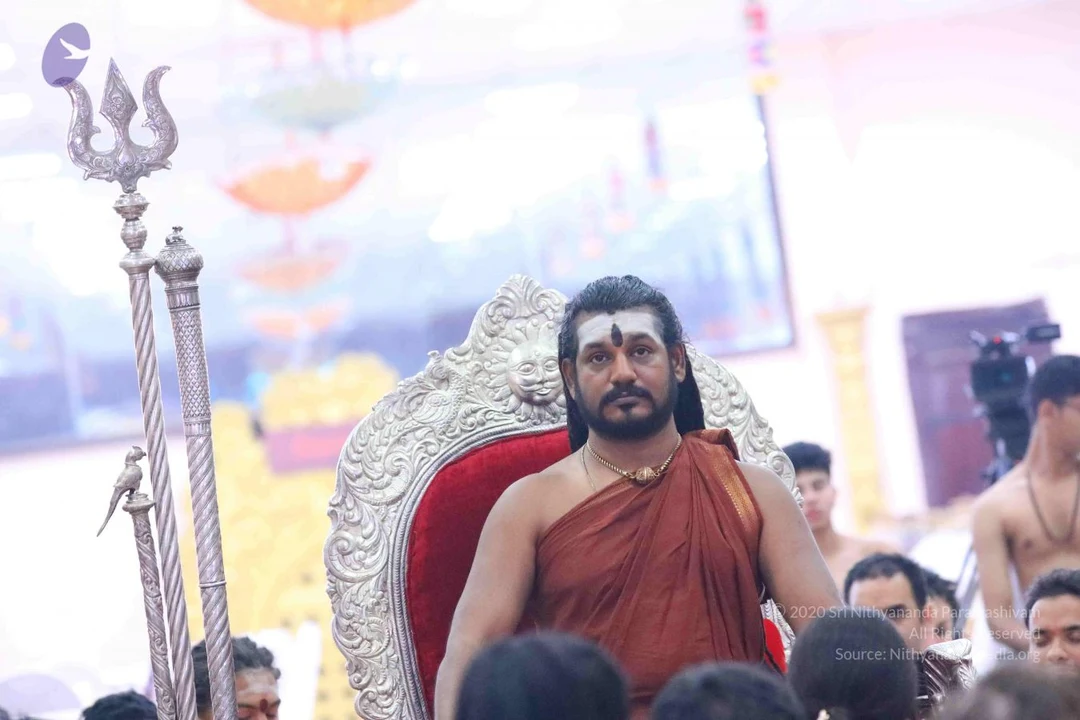
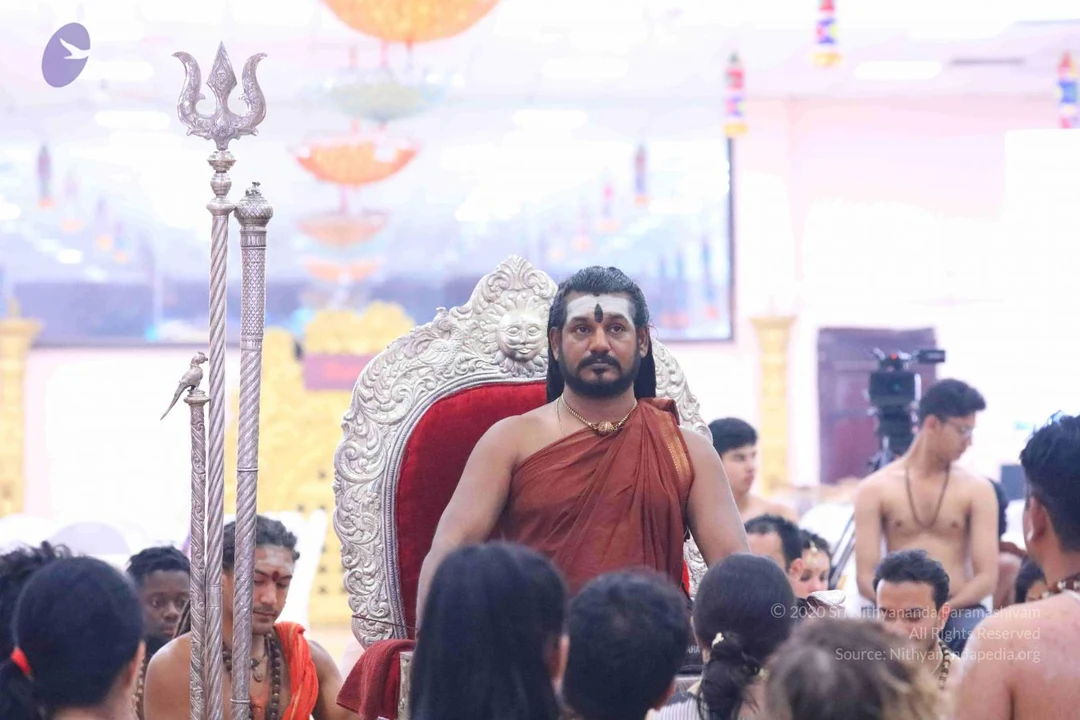
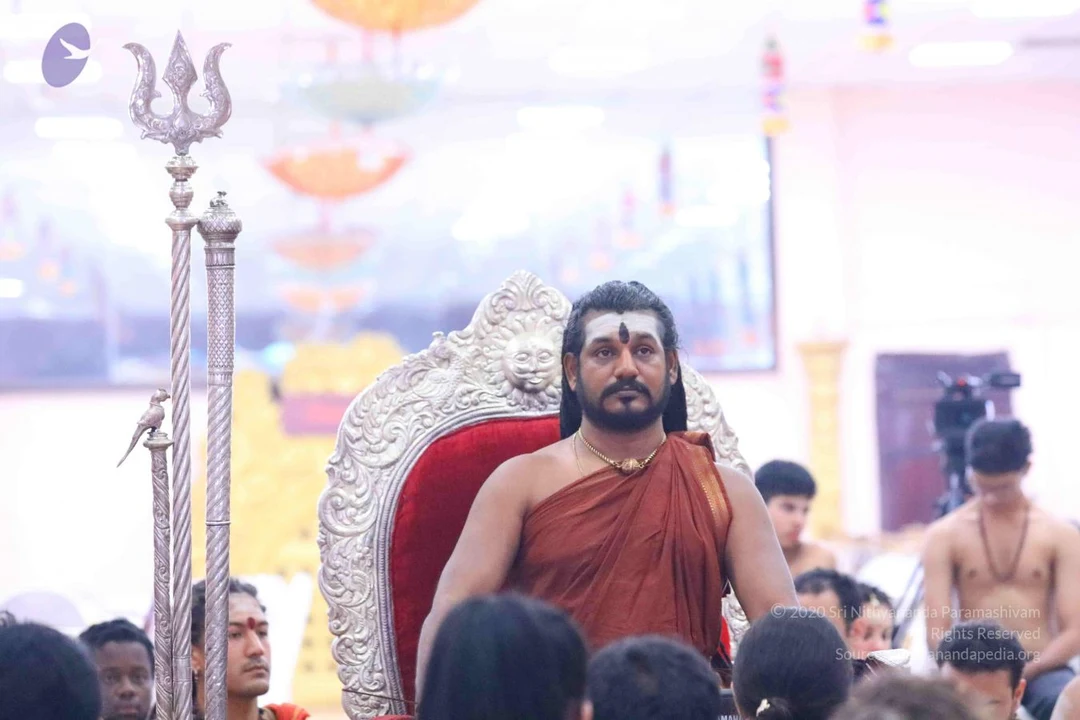
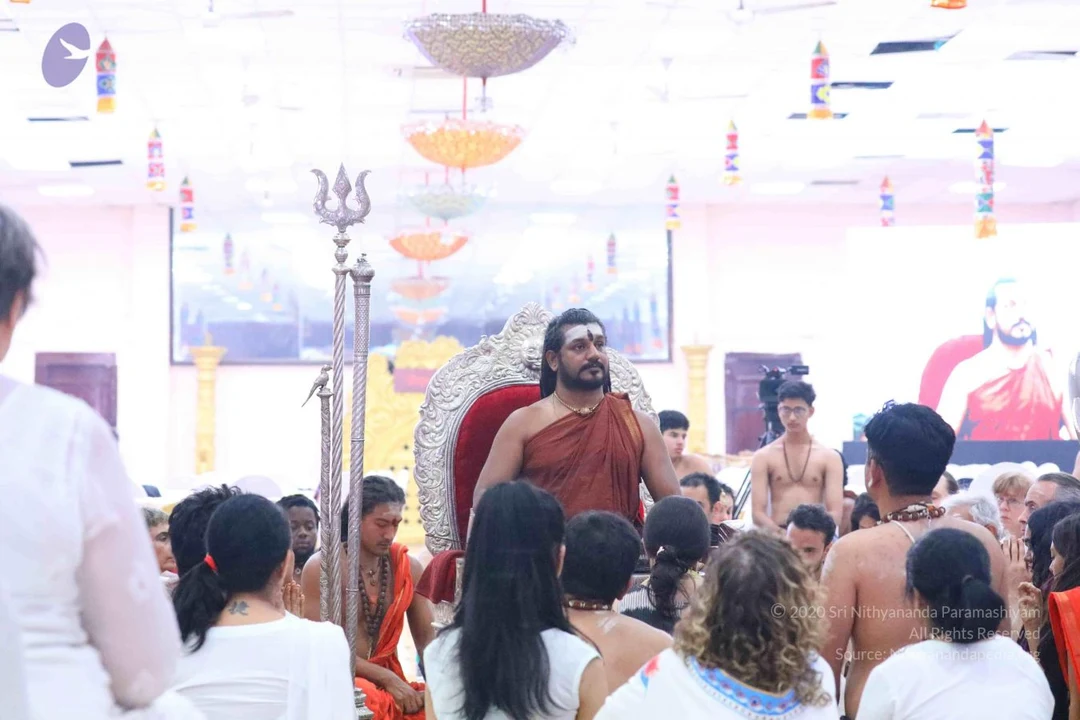
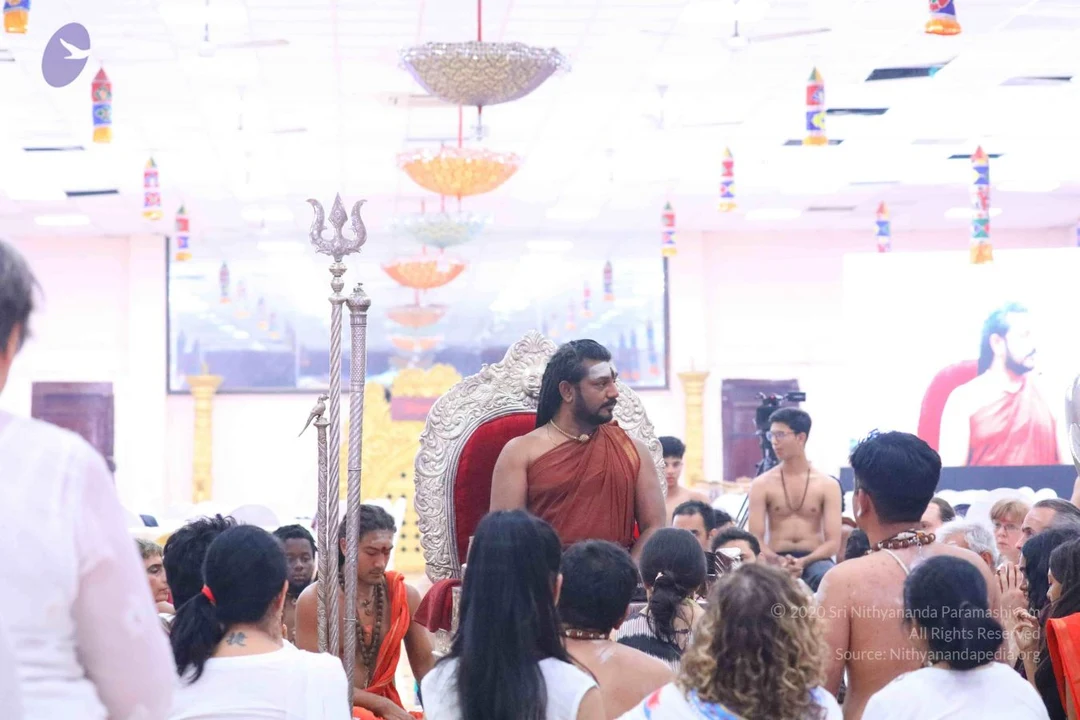
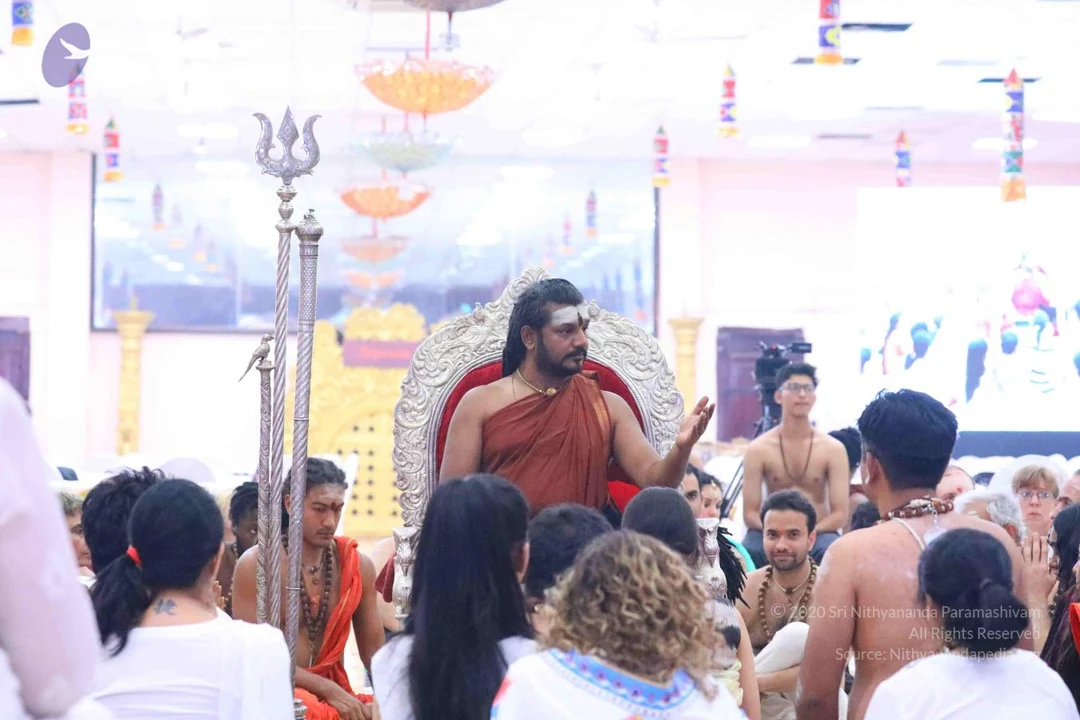
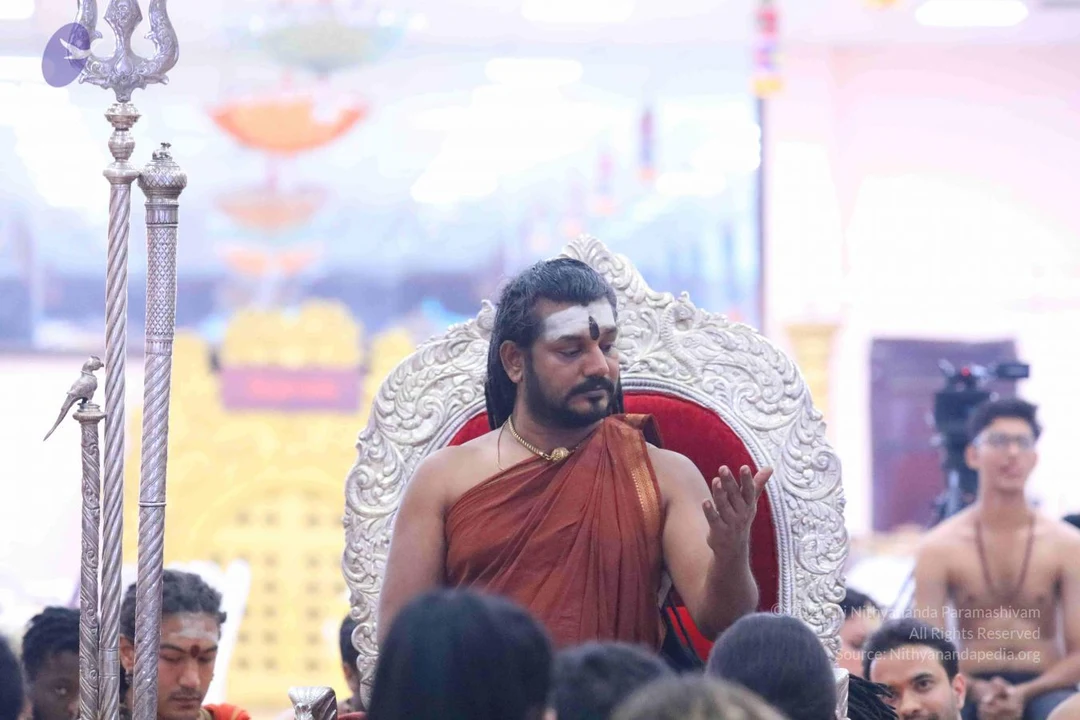
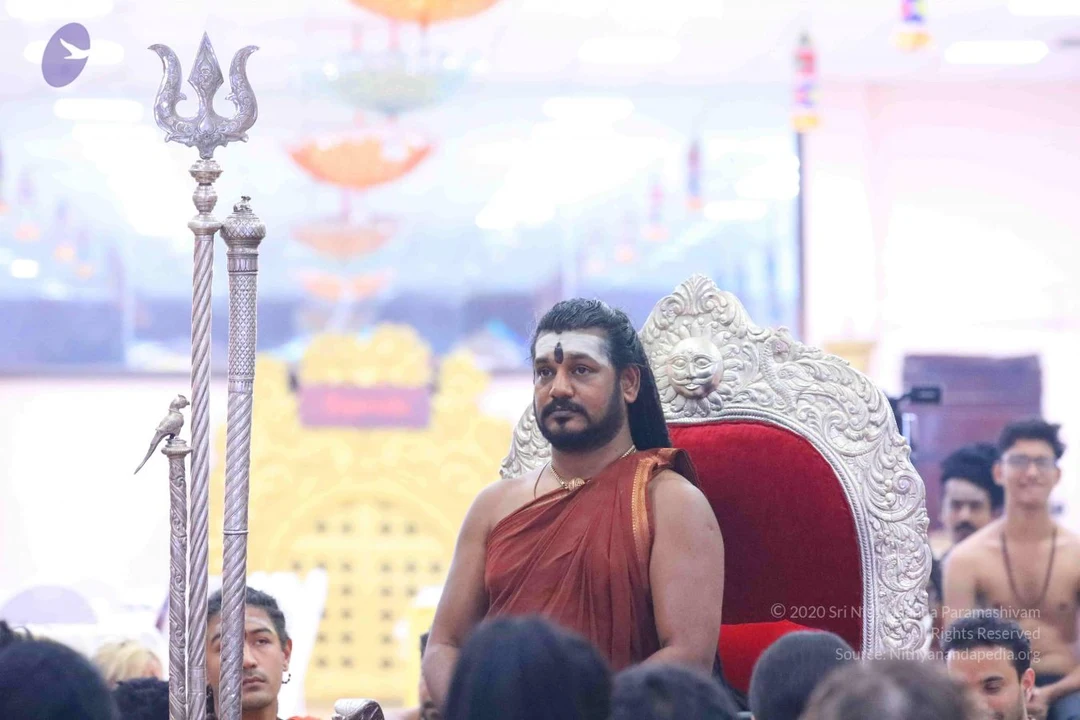
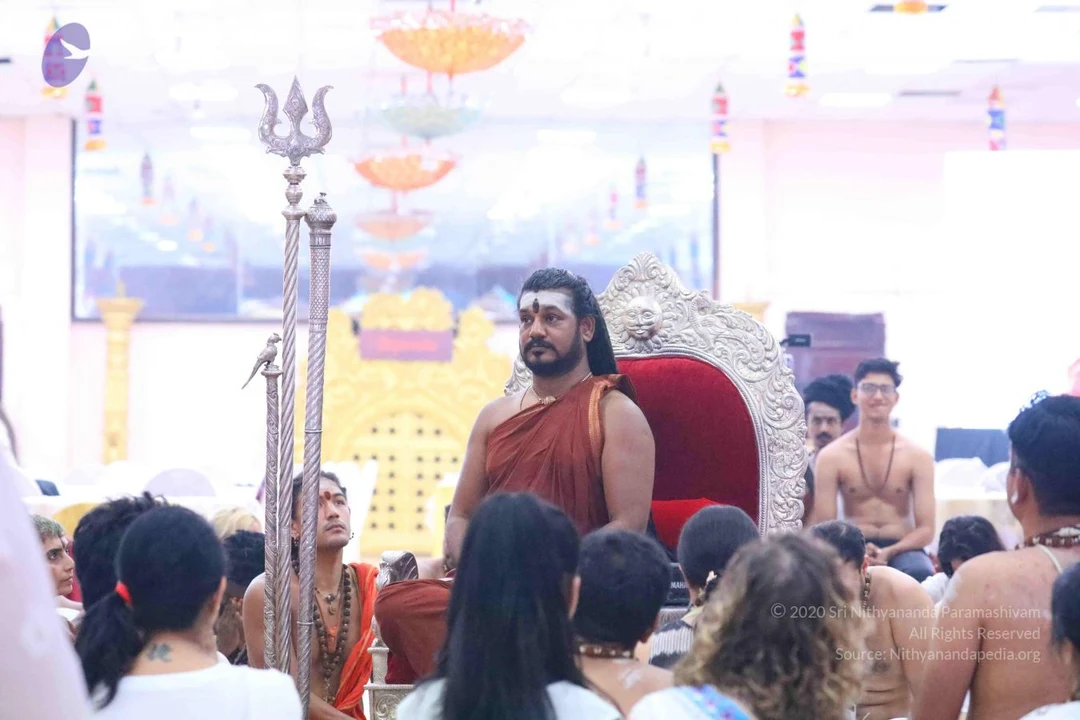
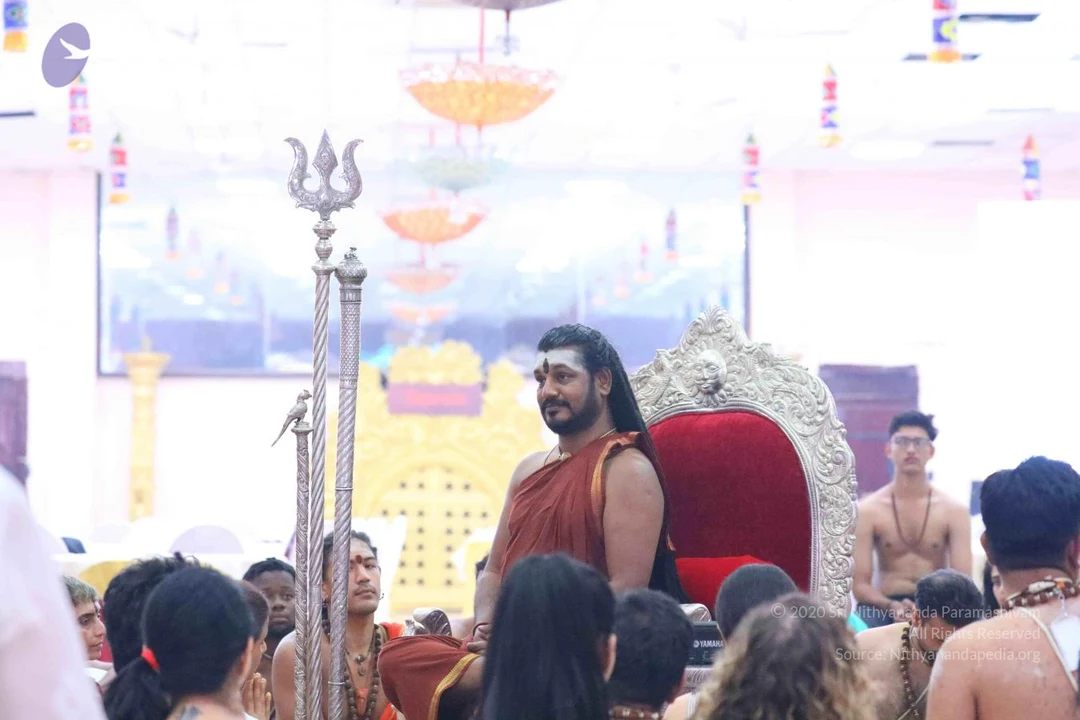
Photos from this day
View all 529 photosManifesting Powers
16 photosSource gallery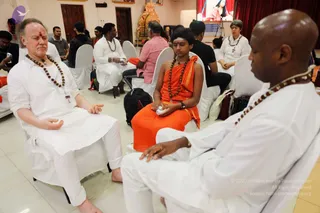
Yoga
72 photosSource gallery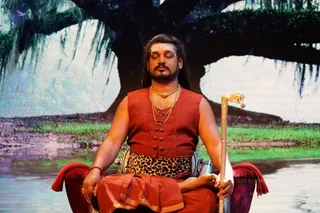
Darshan
130 photosSource gallery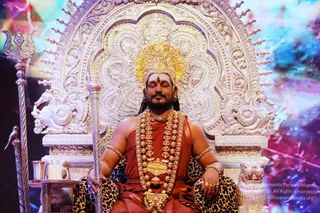
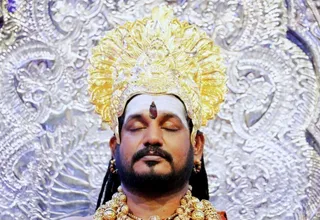
Mandala Process
117 photosSource gallery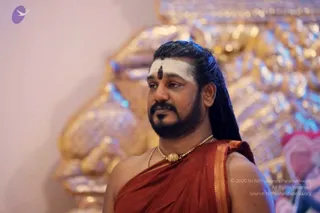
Manifesting-Powers
16 photosSource gallery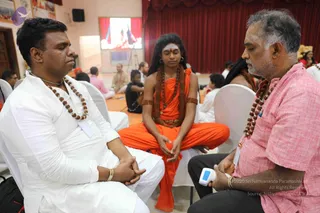
Yoga
37 photosSource gallery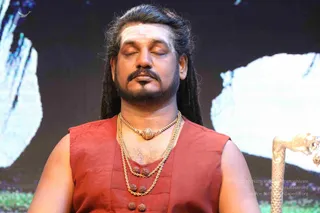
Darshan
61 photosSource gallery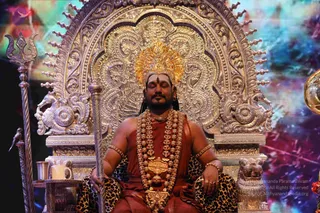
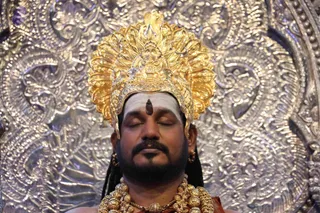
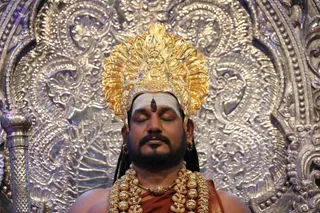
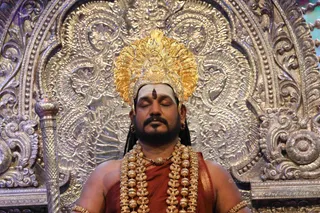
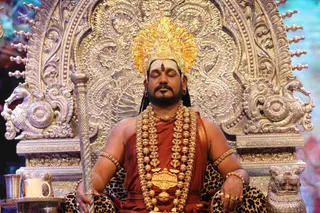
Mandala
51 photosSource gallery