Friday
31 October 2014
Cambodia - The Feast of Enlightenment
- Dated photos
- 84
- Source pages
- 1
- Media
- 4
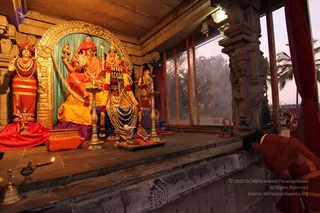
October 31 2014
Original wiki pageTitle:
Cambodia - The Feast of Enlightenment
Description:
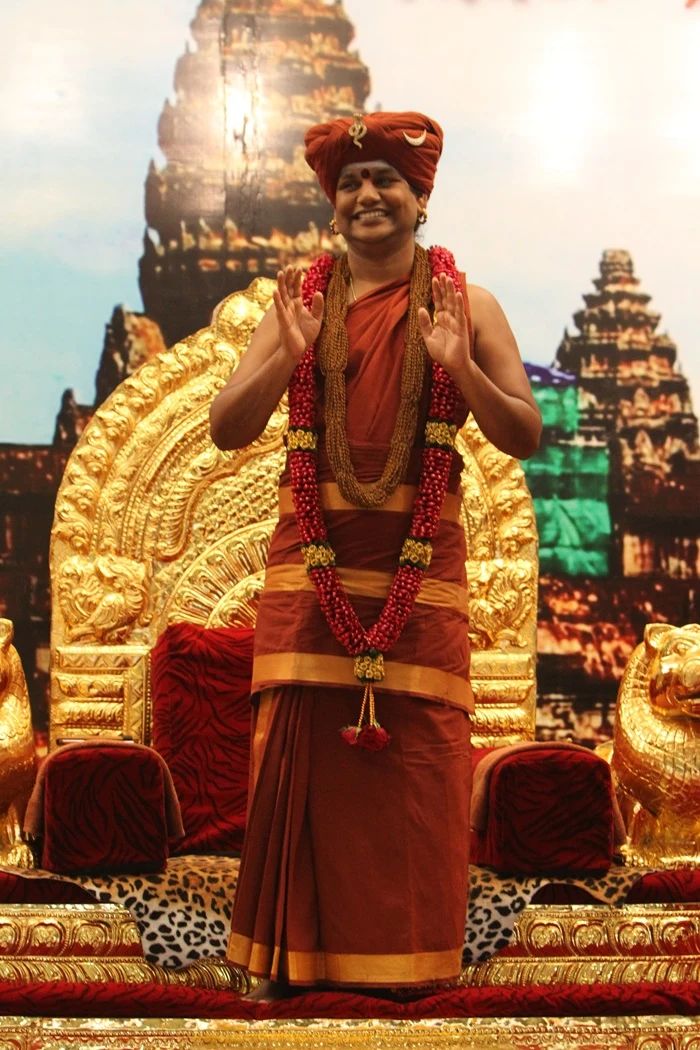
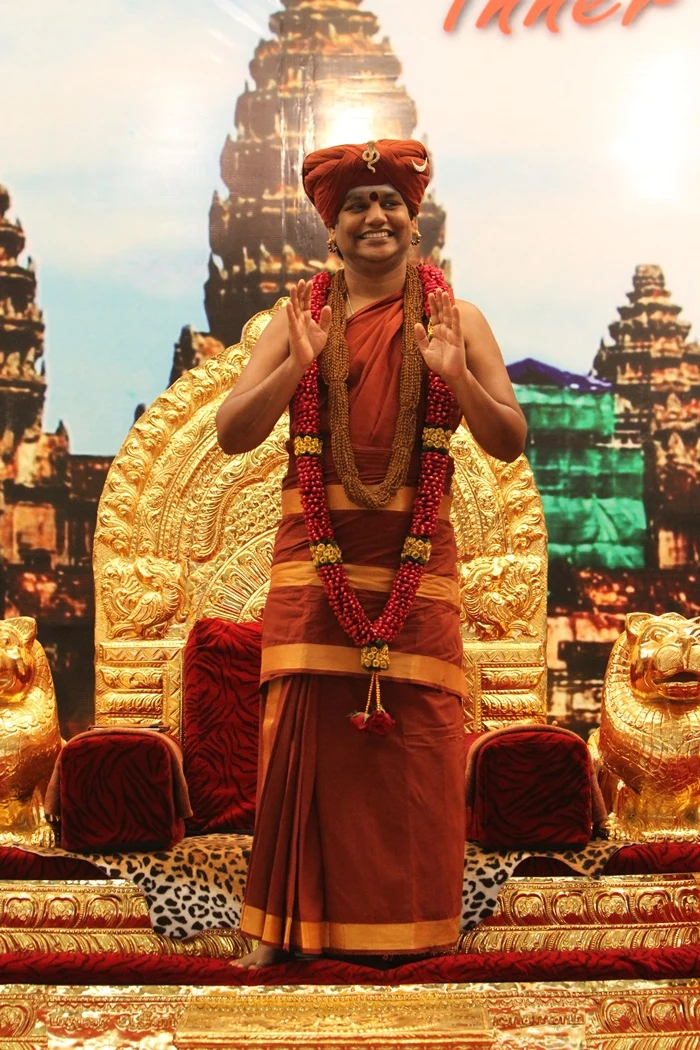
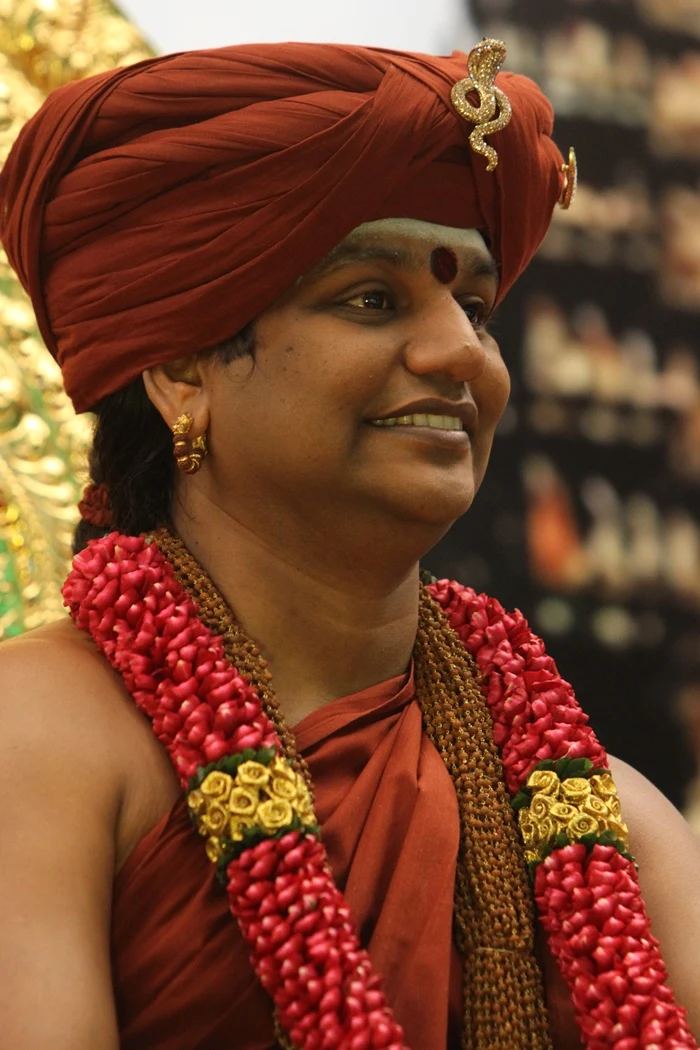
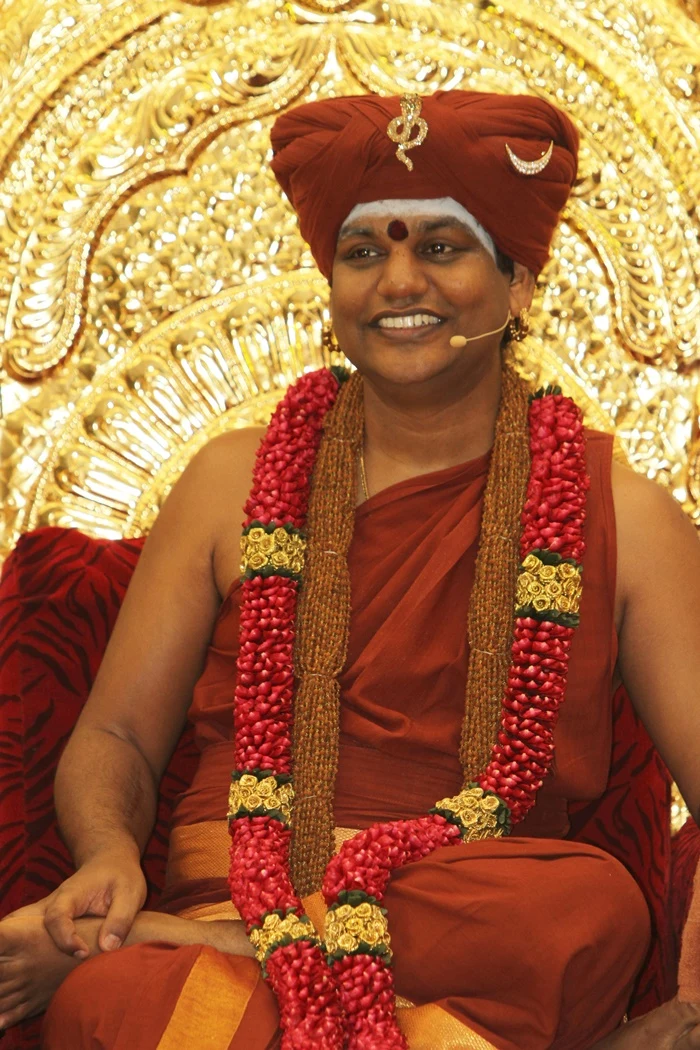
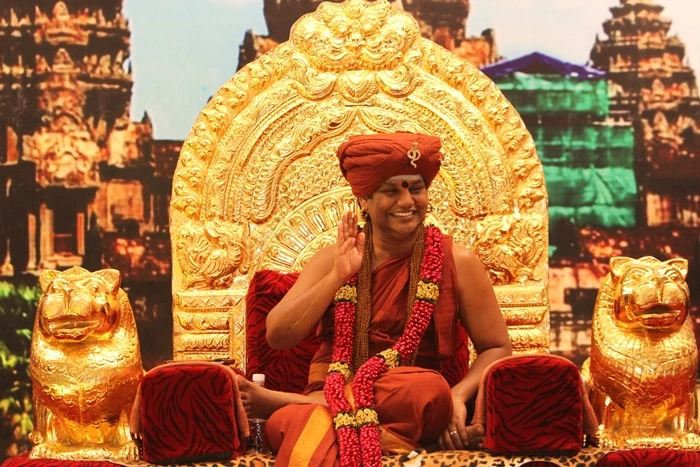
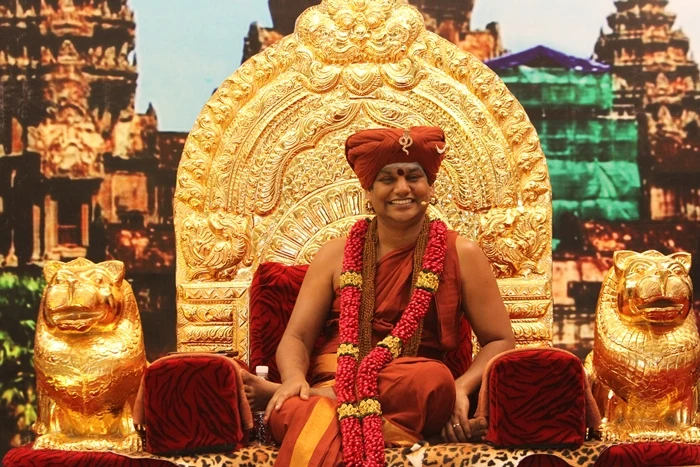
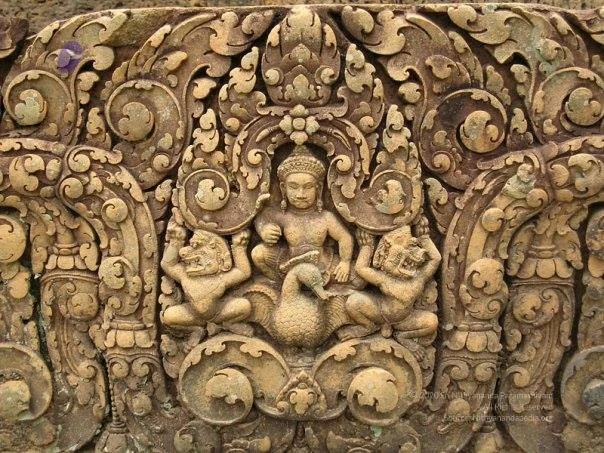
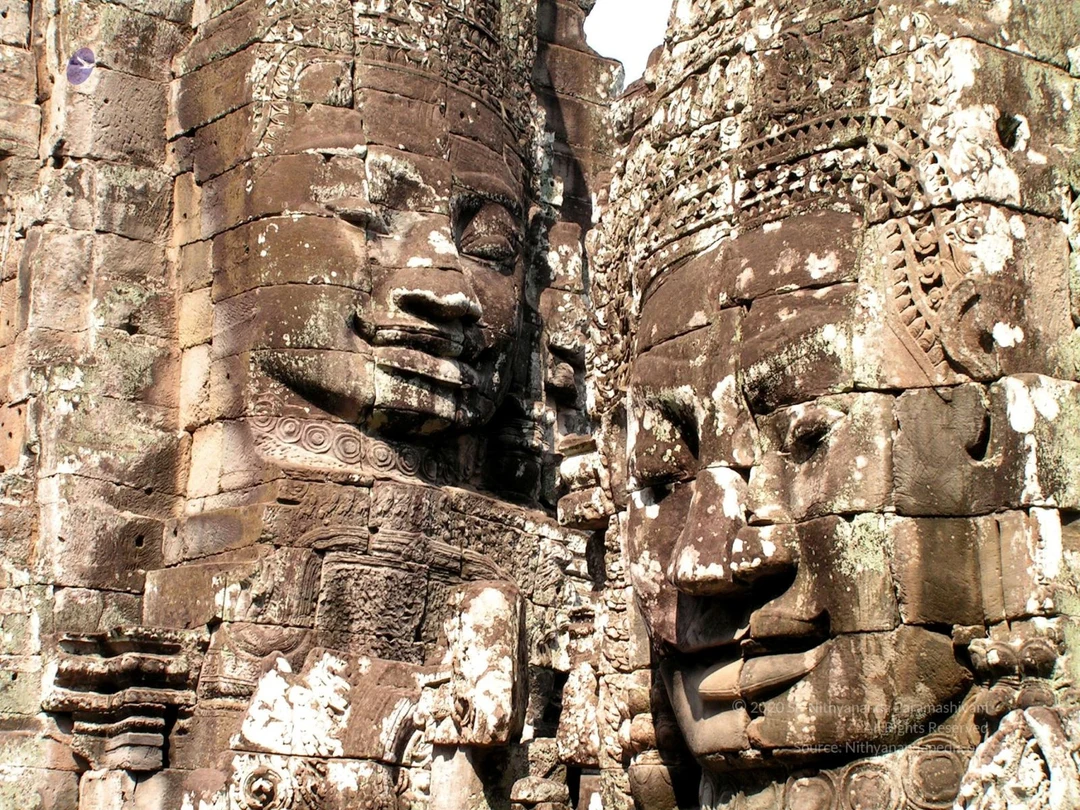
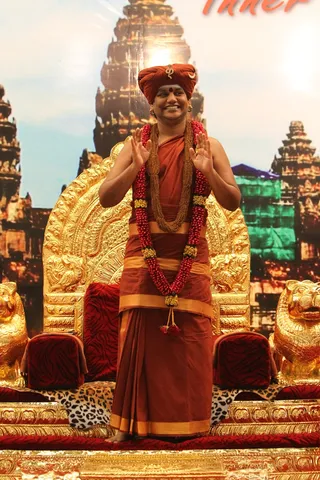
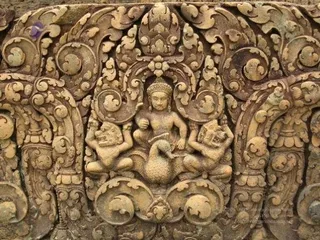
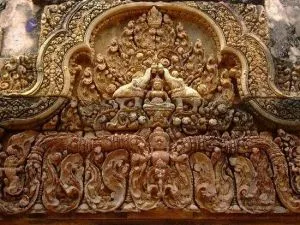
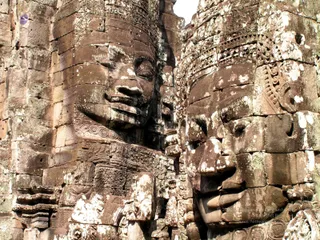
In today’s (31st October, 2014) morning Satsang, Paramahamsa Nithyananda shares insights on the building of Hindu temples. Just knowledge of architecture is not enough to build a temple; there needs to be tremendous inspiration, excitement, and enthusiasm. Knowledge and greed builds palaces and fear built the pyramids. But with temple building, everyone has to be convinced of the ideology. The artisans not only need the skill, but to express the visualization, he needs to be convinced about the ideology from which those visualizations are coming out. That is the space from which Angkor Wat was built.
Link to Video:
| Video | Audio |
Title:
Guru - Embodiment of Advaita
Description:
In today’s (31st October, 2014) morning Satsang, Paramahamsa Nithyananda and viewers have a wonderful opportunity to listen to the experiences shared by the current Inner Awakening graduates. Later, Paramahamsa Nithyananda shares his own story about being in complete completion with Advaitha and a few of the precious moments spent with Arunagiri Yogishwara in Tiruvannamalai.
Link to Video:
| Video | Audio |
Transcript:
Nithyanandeshwara Samaarambhaam Nithyanandeshwari Madhyamaam |
Asmath Aachaarya Paryanthaam Vandhey Guru Paramparaam ||
I welcome all the devotees, disciples, samajis, satsanghis, Shrimahants, Mahants, Thanedars, Kotharis, sitting with us all over the world through Nithyananda TV, Sadhna TV, and two-way video-conferencing having Nayana Deeksha all over the world.
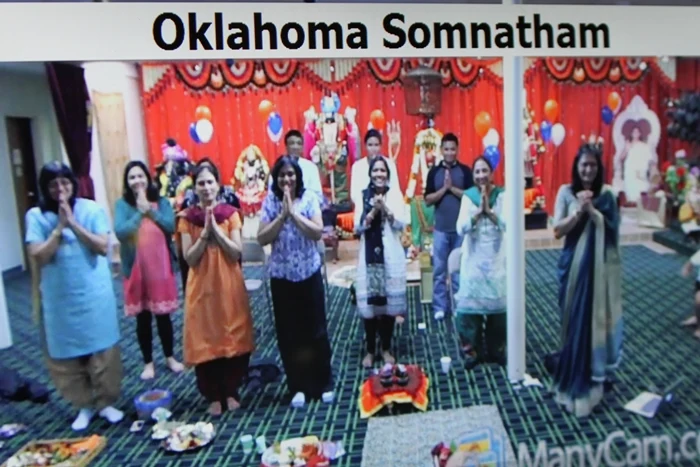
Cities sitting with us all over the world having Nayana Deeksha: Toronto Aadheenam, Los Angeles Peetam, Houston-Kalahasthi Aadheenam, Oklahoma-Somanatham, Singapore-Singapuram, Charlotte-Srisailam, Phoenix-Kanchipuram Aadheenam, Hyderabad-Gupta Kashi, Jorpati-Nepal, Malcolm-Canada, Sugarland-Texas Aadheenam, Guadeloupe-Rameshwaram, Pudukottai Nithyanandeshwara Temple, Warrington-UK, High Point-North Carolina, New Jersey-Omkareshwar, Seattle-Chidambaram, Hong Kong-Sirkazhi, Ohio-Prayag, San Jose-Madurai, Amersfoort-Netherlands, St. Louis-Tirumala Aadheenam, Kuala Lumpur-Palani Aadheenam, Los Angeles-Hollywood, Grasse-France, Kathmandu-Nepal, Oman-Sivagangai...........
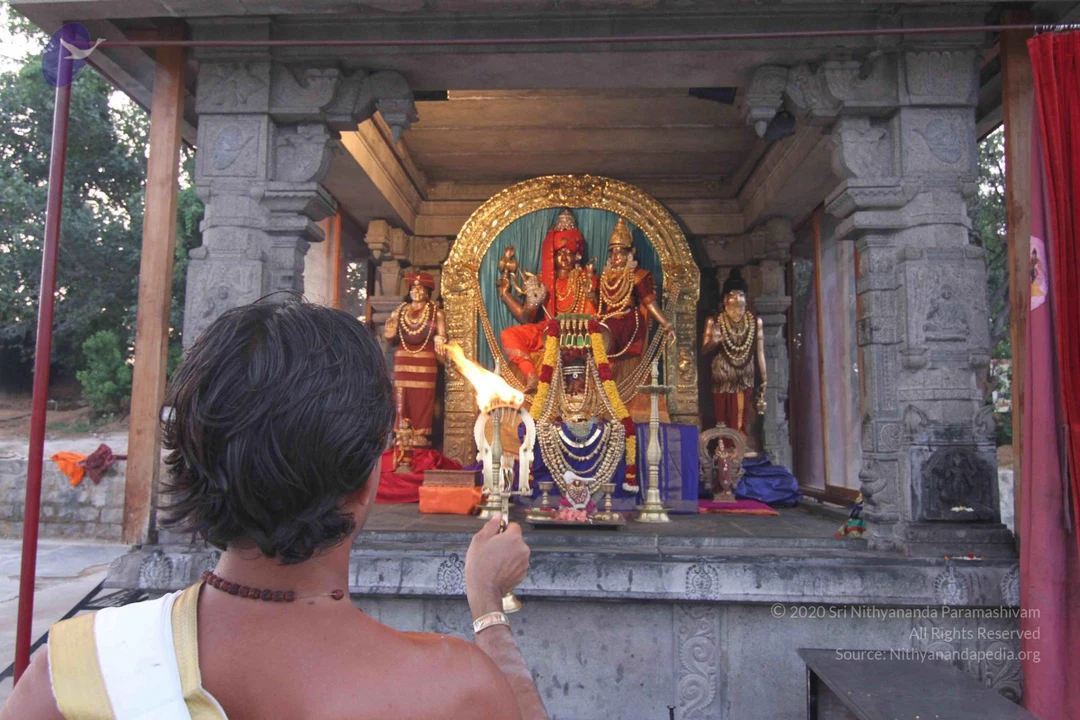
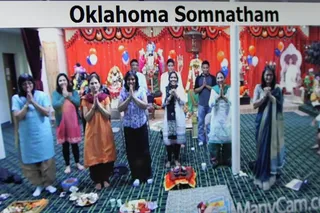
Oklahoma-Somanatham is celebrating its eighth year anniversary today! Blessings to Oklahoma Temple! Great! I accepted all the naivedhyams you offered. And blessings for bhajans and all the public programs! My blessings! As I always said, Oklahoma deities are the most happiest deities in our Sangha, and they are happy to receive all your worship. And I am also happy to receive all your devotion and worship. Temple will flourish in a full-fledged way and it will become like a real Somnath Temple! My Blessings! I will make all your space into reality! Thaathaasthu! Be blissful!
And I also have some more temple announcements:
November 4th, Mahaparinirvana Day, when my biological father achieved enlightenment and left the body. So, we will be having a program – Mahaparinirvana Day. It will be, I think, Tuesday. Am I right? Tuesday! We will be having the Maheshwara Puja.
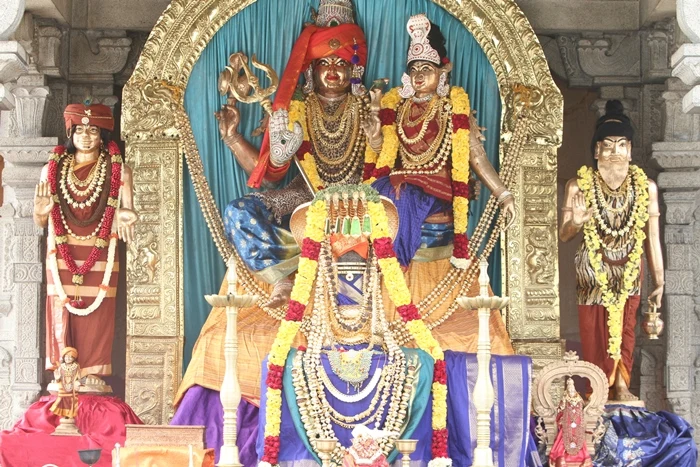
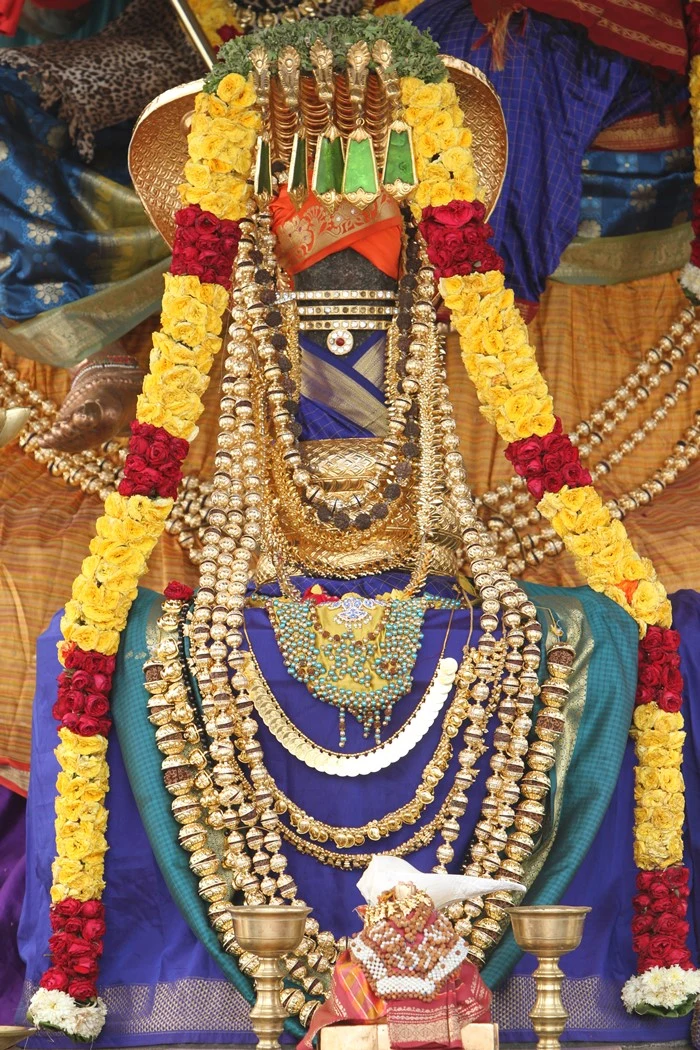
And, November 14th, Friday, Kaalabhairava Ashtami! We will be having a special Kaalabhairava Abhishekam. And he will be decorated with a silver ‘kavacha’ (armour or covering). We will have darshan of Kaalabhairava.
Alright!
This time they have built a Samadhi for my biological father and grandmother. Maybe both Mahants; Bidadi Mahant and Tiruvannamalai Mahant, if they plan, all the Swamis can, we can all go there, including me, and have Maheshwara Puja there. In the Samadhi sthal (place of Samadhi) itself we can have Maheshwara Puja.
And we have also built a Samadhi for.....I think it is happening: Samadhi for my....both the Gurus – Raghupathi Yogi and Kuppammal. For both we are building a beautiful stone Samadhi. First time I am offering my gratitude to them in some form. I have not done anything to show my gratitude to them. So, all the ashramites can have the darshan of both our Paramagurus’....your Paramagurus’, and my Gurus’ Samadhi.
Let us come to today’s satsang.
First thing I wanted to tell you guys, the more and more I am studying about this Cambodia temples to explain to all of you, the more and more I am getting addicted. I have to use the right word – ‘intoxicated’! I am just getting intoxicated, overwhelmed, just by reading about those temples! See, Cambodia is not new for me. Even in this body I visited just a few years before and spent a lot of time. But, now, when I am sitting and studying to present to all you guys, this is the word I have to use: It is ‘intoxicating’ even to read and study! It is overwhelming!
I am basically a temple guy. I don’t need anything in my life other than one temple and one pillar for me to lean on it. That’s all! I will be sitting and leaning on the pillar in any one corner and just go on chanting ‘Shiva! Shiva! Shiva! Shiva!’ Nothing, nothing much is required for me in my life. When I feel I sat too long, I will just walk, go around the temple. When I feel I have walked enough, I want to sit, I will sit in that corner again and chant ‘Shiva! Shiva! Shiva!’ I don’t actually need anything other than just one corner of a temple. I can spend my whole life just sitting in one corner of a temple, because I am a temple person. Even this Bidadi temple that is why I am building! I am not building for anybody. I am just building it for me! So, whenever I feel like walking, I will just go round, go round, go round, go round. When I feel like sitting, I will just sit and gaze at the deity. That’s all! If some temple allows me to spend my whole day whenever I find time in the temple, I will not even build my own temple! Because nearby there is no other temple and no temple will allow whenever I want to sit as I want, I am building my own temple! That’s all! I am basically a temple person, understand, who lives in temple, loves temple. So, it is almost like a feast for me when I am reading about this Cambodia. I tell you guys, it is not just feast, for all you guys it is going to be feast! It is not just a feast for me, because, I mastered the science of - anything I enjoy, how to make others also enjoy that! If I am enjoying Advaitha, I know how to cook that and serve to you, how to make you enjoy it. Same way, these temples!
I wanted all of you to know, just the knowledge of architecture, construction, is not enough to build a temple. It needs tremendous inspiration, excitement, enthusiasm! Please understand, architectural knowledge and one person’s greed is enough to build palaces. If that person is able to pay you or frighten you, you will build palaces, pyramids. That is the way pyramids are built. Pyramids are built by people who are frightened. Palaces are built by people who are greedy. Palaces and pyramids and all can be built just by one king who is able to pay money to workers or frighten people to work with a little architectural knowledge. But temple can’t be built like that. Because, in building temple, every person who is working needs to be convinced about the ideology, because, the whole structure is involved with artistically expressed ideological conviction. Please understand, I am using a long word – ‘artistically expressed ideological conviction’. The person needs to be an artist. He needs to have the skill to express his artistic visualized capabilities, his visualization. And, above all, he needs to be convinced about the ideology from which those visualizations are coming out.
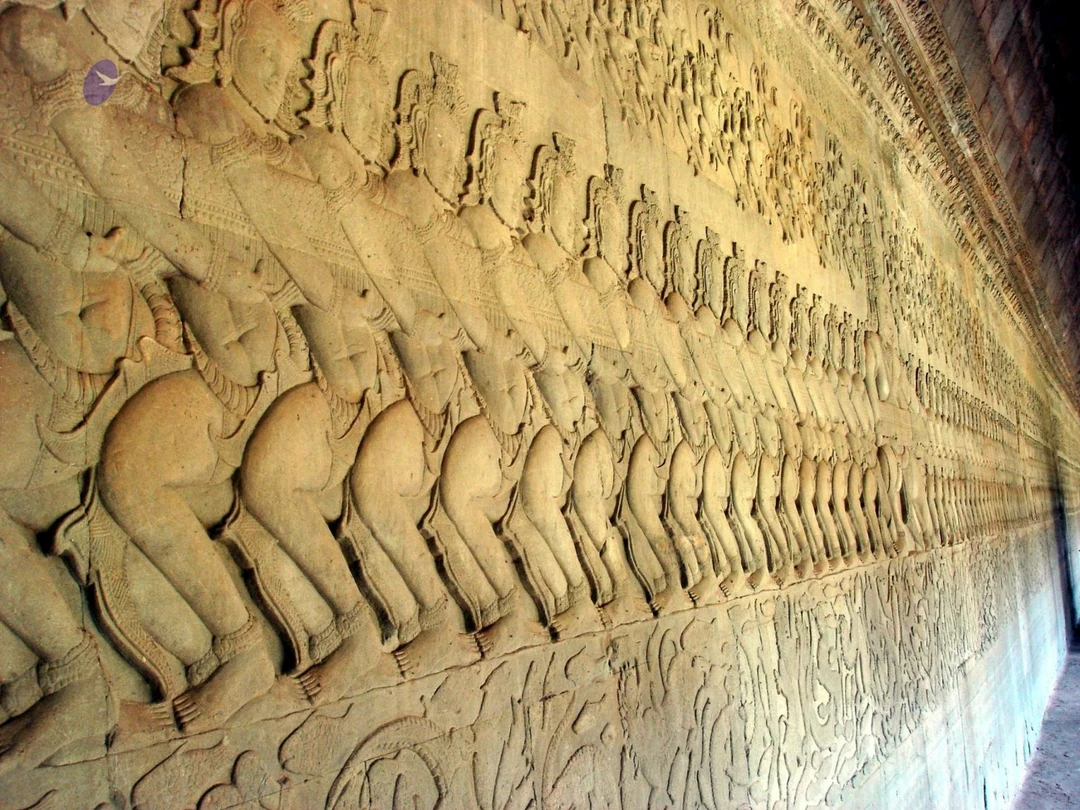
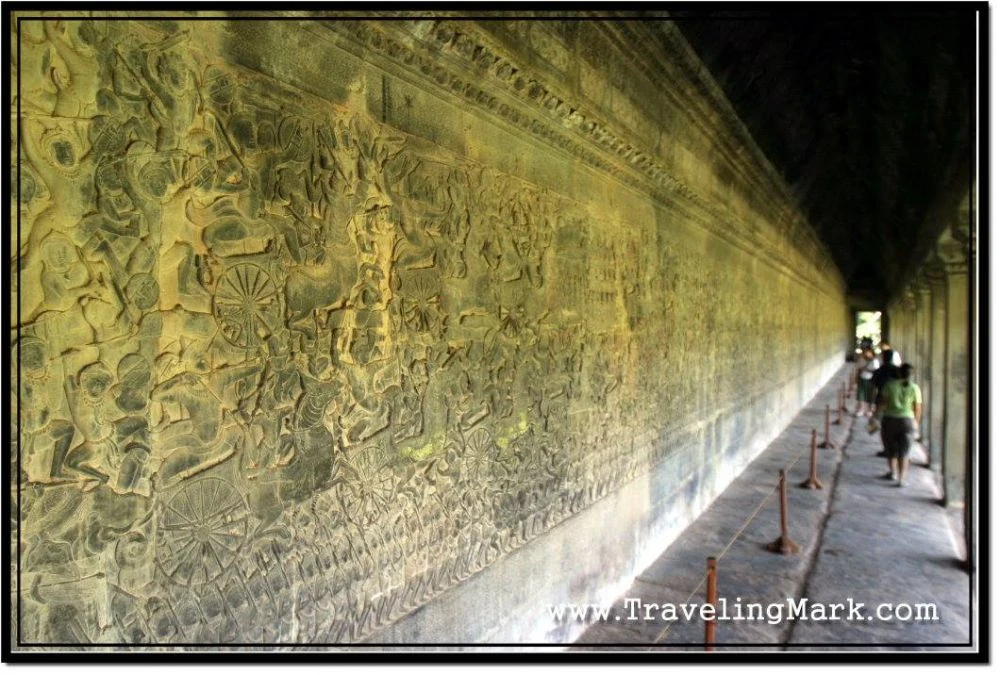
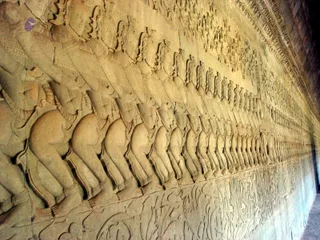
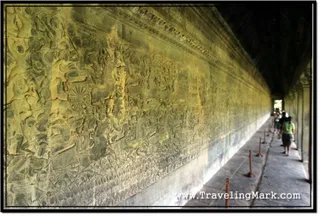
I will take the example of Angkor Wat temple, where, around 3.8 kilometres length, Mahabharata whole scenes are carved, and 3.8 kilometres length, the Ksheera Saagara, Ksheera Saagara Manthana, means, ‘churning of the milky ocean’, is carved. Let us take the example of those sculptures. 3.8 kilometres means, based on the way we are working with machineries; in those days without machineries, at least at a time two-thousand people should have been carving that one carving! Please understand, because the nose structure and lip structure, all that has to be done by one team. Otherwise, there will be major differences; the whole sculpture will not look like symmetrical, will not look very logical. You cannot say in Ramayana time or Mahabharata time, one group was having nose different way, another one group was having two heads. So, a lot of things need to be aligned. May be two-thousand people would have been carving, ‘at least’, I am saying, that 3.8 kilometres. So, all two-thousand people had to be artists. All two-thousand need to be artists; means, who can visualize and express what they visualized in their carving. And all two-thousand need to be educated about the story. Please understand, if all of them are not educated about the story, the carving will not come perfectly. You can’t say, ‘This bit you carve, this man should look like this; and this bit you carve, this man should look like this.’ You can’t give job like that for all two-thousand. You can see the 3.8 kilometre long Ksheera Saagara, the ‘Churning of the Milky Ocean’ sculpture. You can’t say! All two-thousand have to be educated about the story. And, be very clear, artists are cranky fellows! No....artists are cranky fellows! May be a Xerox machine (photocopier) will not be cranky, but a printer will always be cranky, understand! Artists are not Xerox machines; they are printers! So, artists need to be convinced about the visualization. So, the acharya, or the leading sthapathi (traditional temple architect), whoever is responsible, the Devaraja, Devendra, whoever is building, please understand, he has to convince all the two-thousand people about that sculpture. And people will have questions: ‘Who knows whether it happened or not?’ ‘Why are we spending our time?’
And, one more thing: Carving is a very difficult job. Not like sitting and doing Completion or doing some Advaithic visualization or doing some puja - very easy. Just take a flower and soak in the sandal....and while you are offering, you will also be smelling it! For a person who is doing this job (puja), believing in Advaitha is very easy; because, believing in Advaitha is only going to make him live in perfume and scent and happy, comfortable life. But, for a sculptor, that is not the case. Please understand, even now, the people who work in stones, the stone stapathis, I have seen, don’t live more than fifty years! Their average life is fifty, because constantly the dust going and settling in the lungs. Now with so much of protection. In those days their life span is surely less than thirty! Average life span! They all know, they are going to die! And each time carving, it is physical hardship. Whenever you have physical hardship and pain, you will question your very existence. Not just ideology you believe; your very existence! ‘Why am I alive?’ ‘What am I doing?’ ‘Why am I doing what I am doing?’ In our sangha even the pujaris (temple priests) who are offering flowers are thinking, ‘Why am I doing? ‘What am I doing?’ ‘Why am I living?’ ‘What am I......?’ I am just talking about one wall sculpture! What all can happen!
So, two-thousand people need to be ideologically convinced about this visualization of churning the milky ocean. Is it an easy joke convincing two-thousand people at a time? As I said, slaves cannot build this temples. It is not a dead pyramid. It is a living temple! Slaves can’t build it. So, all two-thousand, when they express the artistic intelligence from emotionally convinced ideological space, so all two-thousand first need to be convinced about that Advaithic truth, then about this purana (history); then that visualization has to happen in all two-thousand in the same way, because there is no other model from which they can carve!
I saw in Facebook, photograph of the first camera. Then, which camera took the photograph of this camera? You can’t have photograph of the first camera, because, which camera took? No! Same way, here there is no model! All the two-thousand have to be made to visualize something similar, same! You can see, the video of that ‘Churning the Milky Ocean’ of Cambodia Angkor Wat temple, where the demons and gods have a distinctive, but identical..... See, the demons and gods have different dress; but all gods have same dress, and all demons have same dress. And the whole scene is described: above - angels; below - the fishes and ocean animals, including sharks and everything. I am wondering, first of all, for two-thousand people they should have had a classroom. Without mike how did they speak to all the two-thousand? Was it a batch-by-batch training? What was the mode of payment? How was the cooking happening? What was the entertainment if they are tired and bored? If somebody falls sick, how were they given medical attention? If there was a misunderstanding or fight between them, because one side wall carving needs two-thousand means totally there should have been at least 25,000 people working. If there was a fight, problem, what was the legal system through which it was solved? What was happening? Oh, God!
And, some of the researchers who are in this field are saying, at least fifty-thousand people were working at a time on this temple. Understand, it means they will have to create a Sangha first, community, where this ideology is experientially lived....this ideology is experientially lived! God!
I am just trying to visualize how the whole community would have been.
It is just a feast! Largest religious structures ever built! This temple building was going on like a ‘spree’! That is the right word I will use. I think, that kind of an Advaithic experience was showered on people, Advaitha was the lifestyle. I can say, surely Cambodia would have been an enlightened civilization! Just an enlightened civilization!
I will continue, I will continue expanding on wonder called ‘Cambodia’. It is a wonder called ‘Cambodia’.
With this, I bless you all! Let you all radiate with Integrity, Authenticity, Responsibility, Enriching and Causing eternal bliss, Nithyananda! Thank you! Be blissful!
Photos


Tags:
Nithyananda,"Paramahamsa Nithyananda",Hindu,temple,pyramids,ideology,visualization,"Angkor Wat"
Photos Of The Day:
FB-photo-of-the-day
Photos Of The Day:
Bhajans-Satsang-Darshan
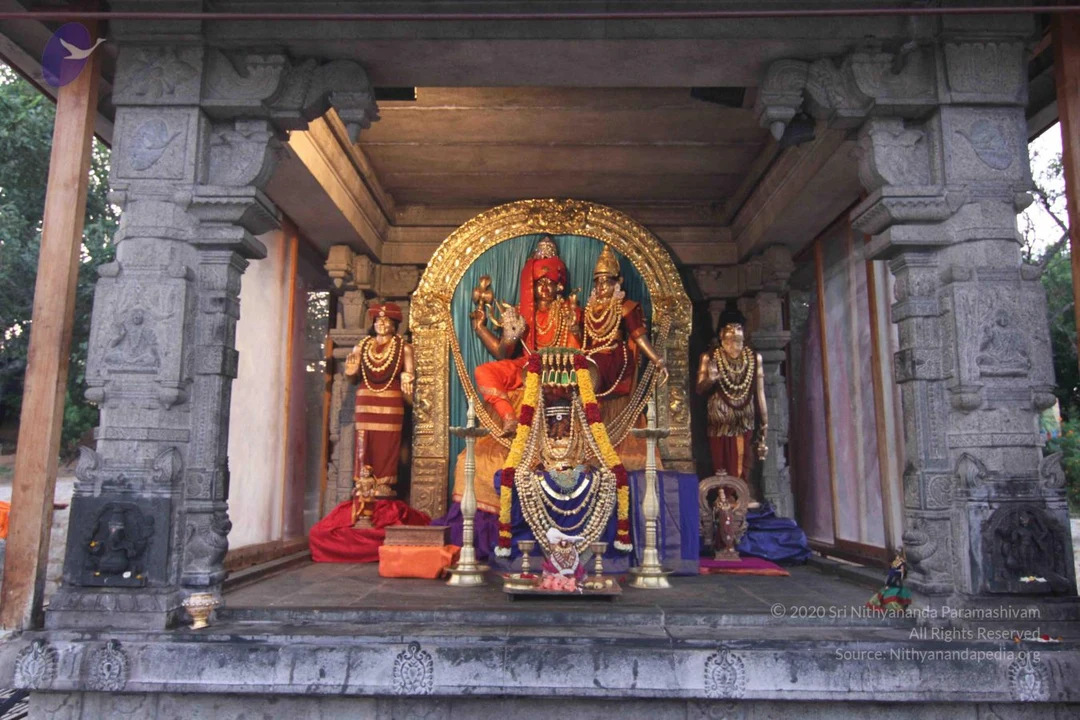
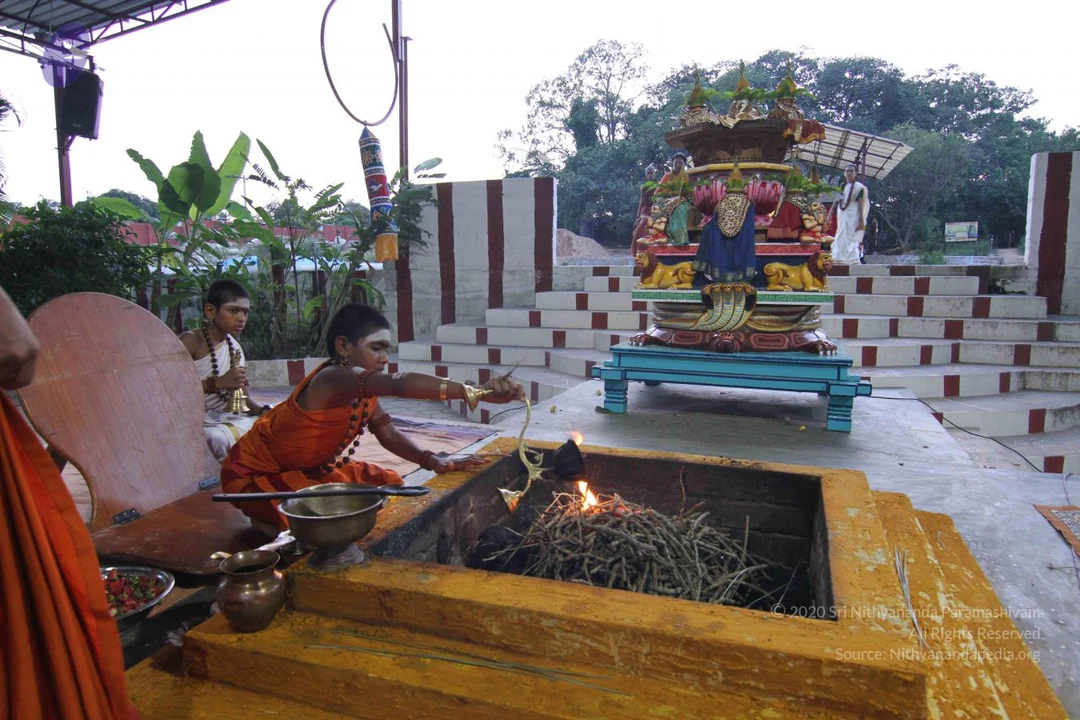
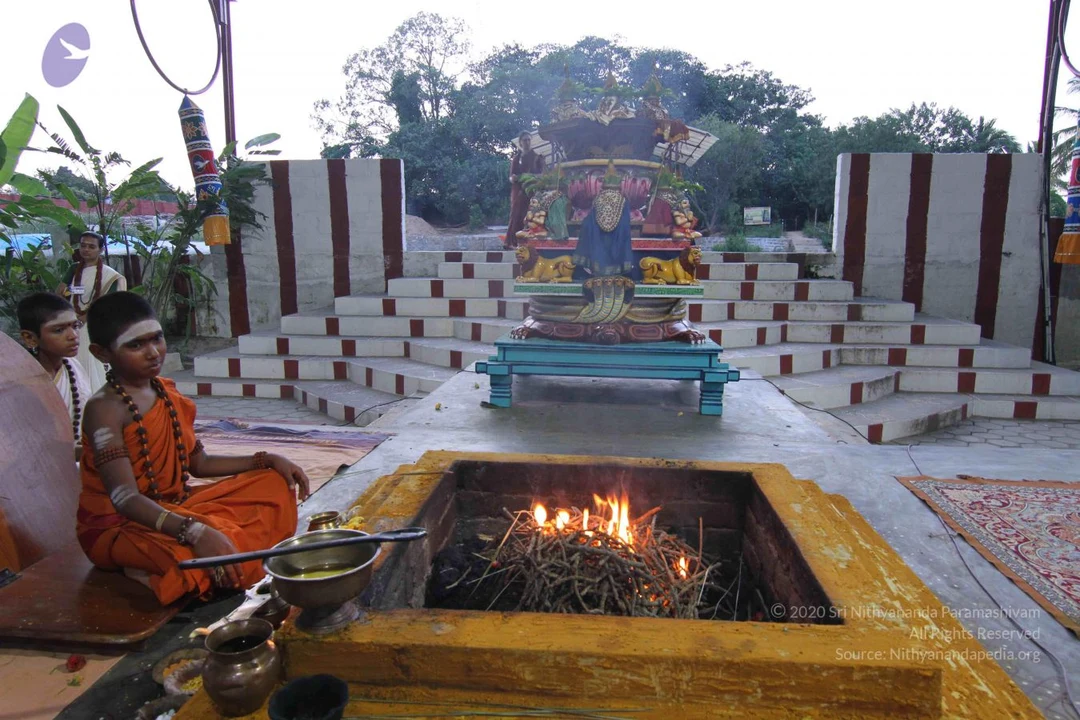
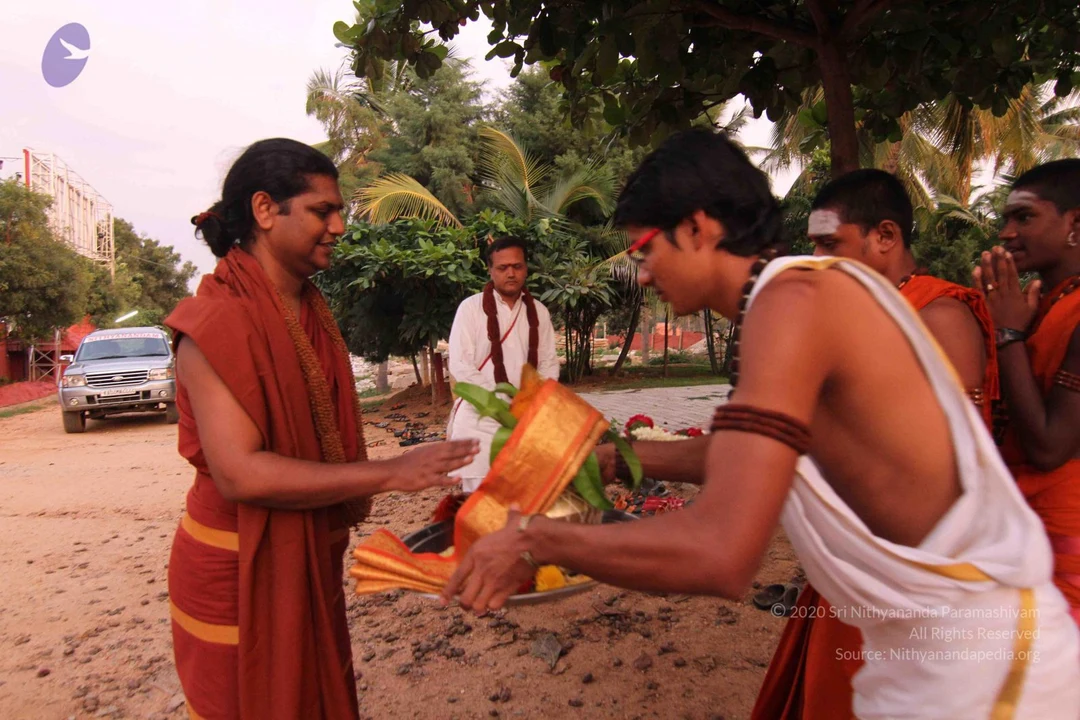
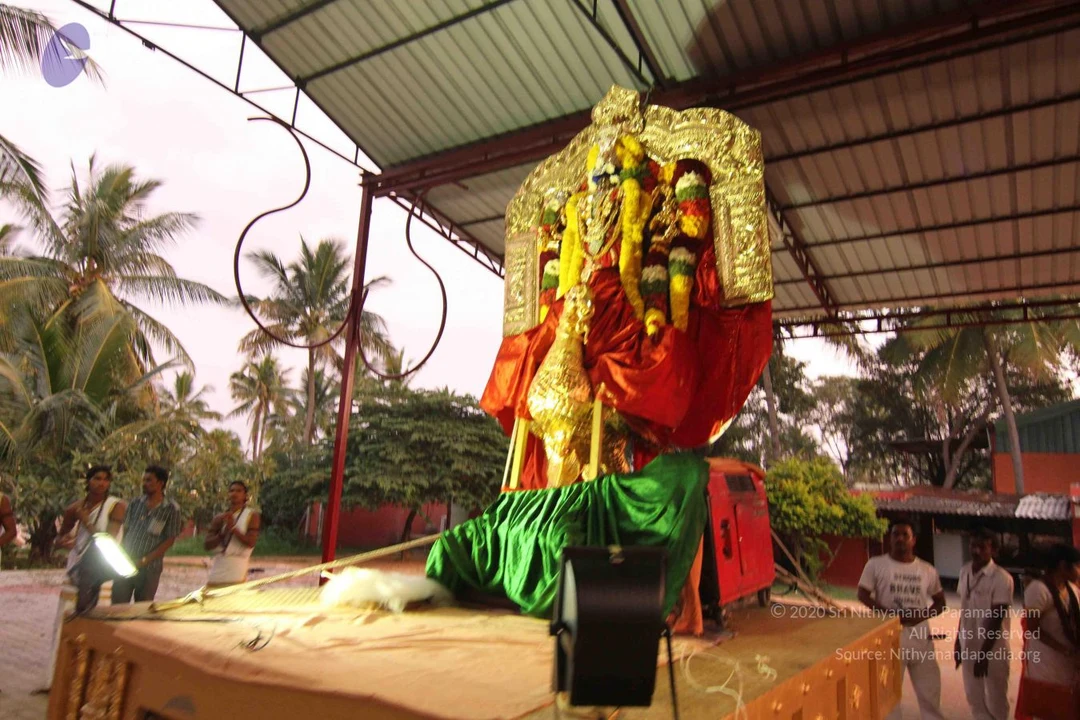
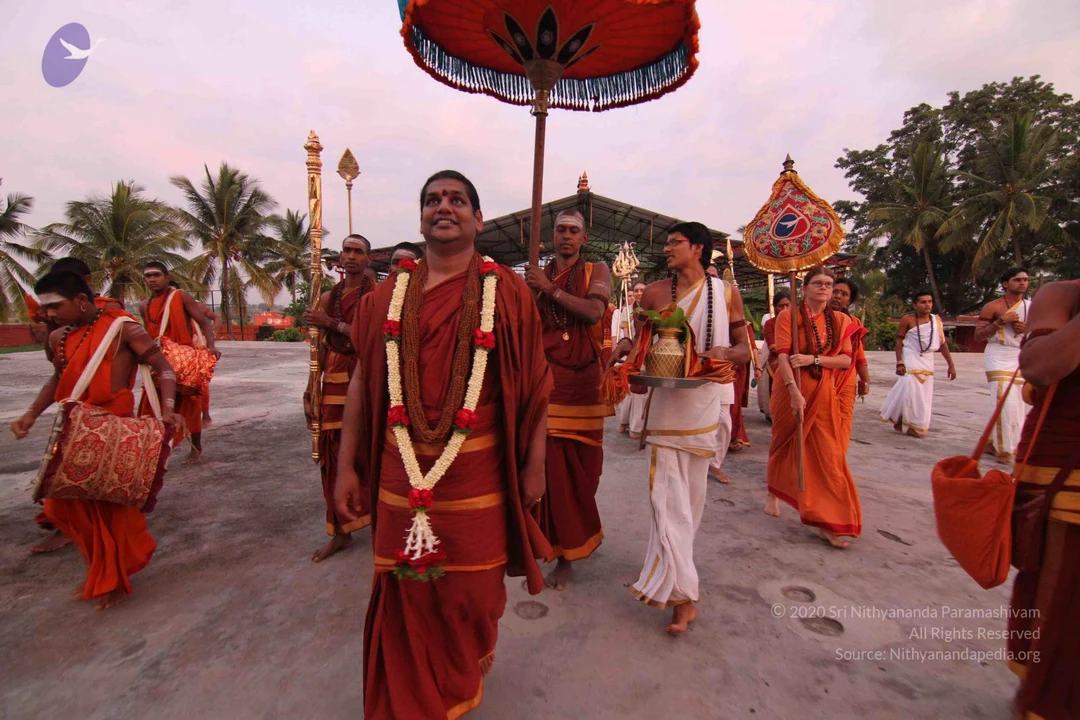
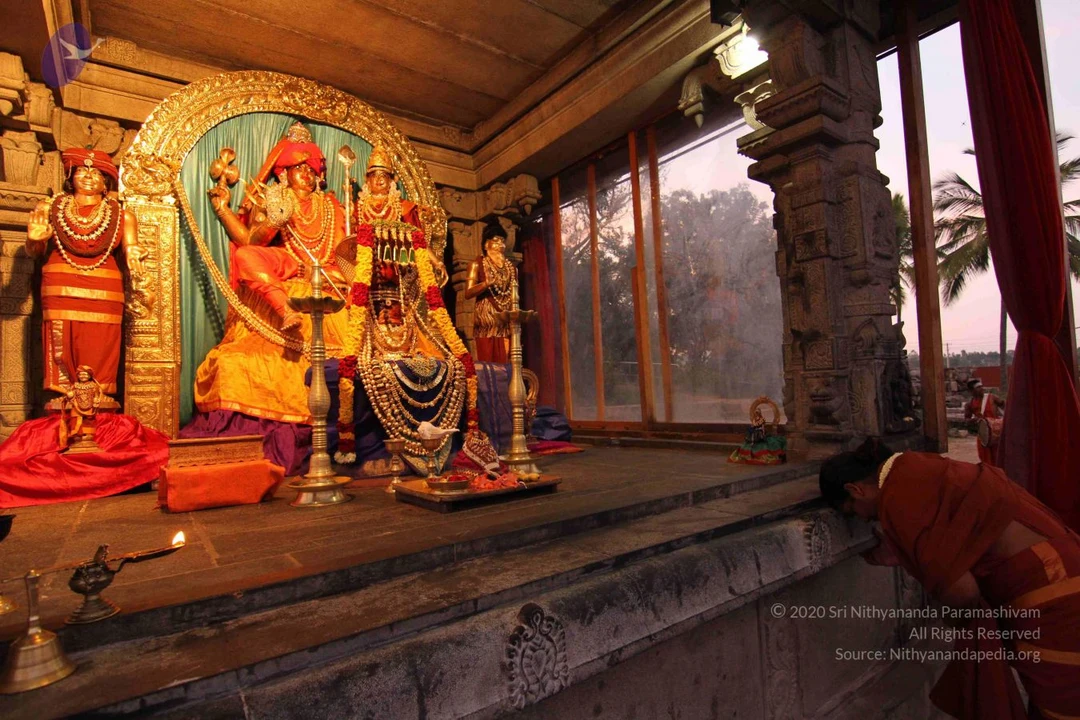
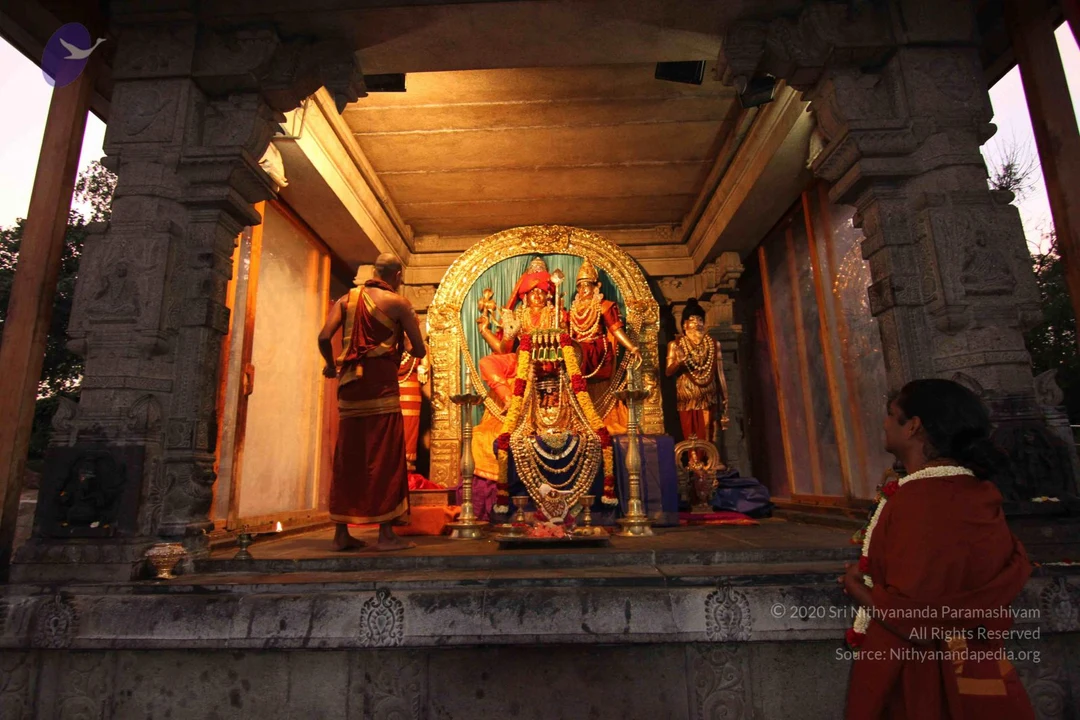
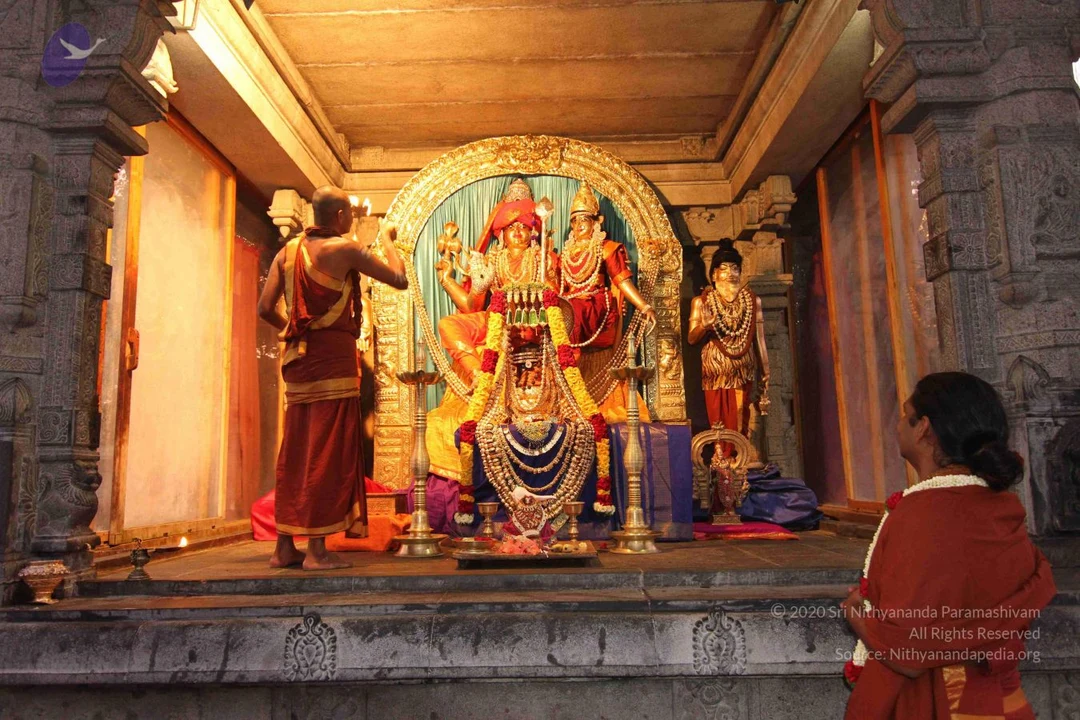
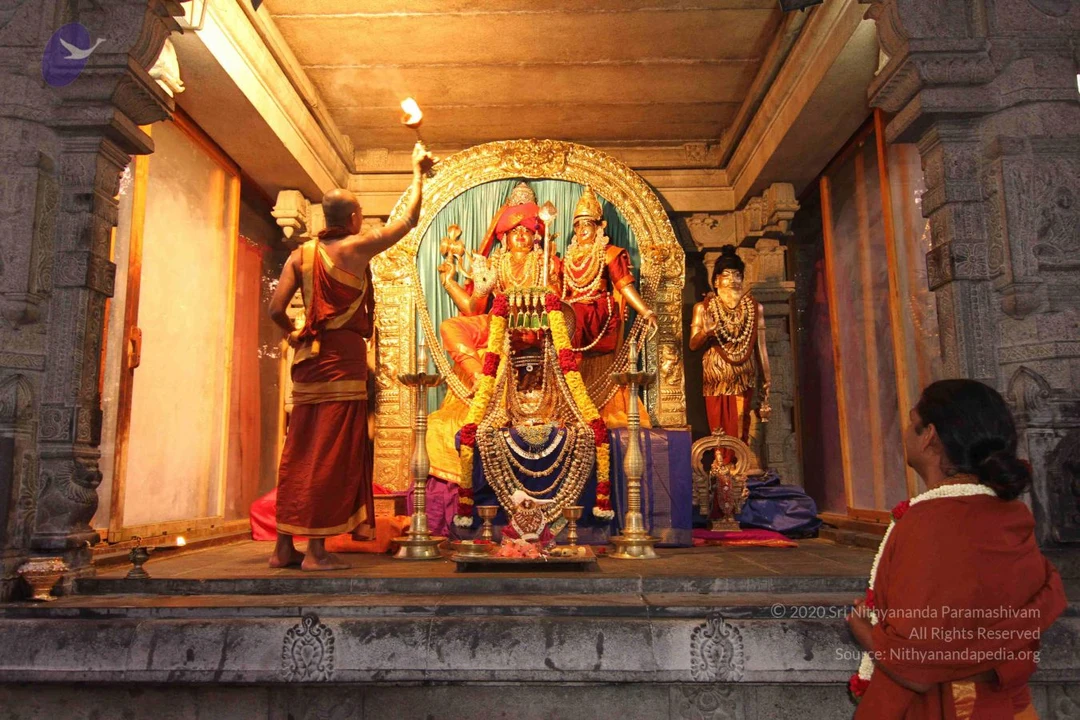

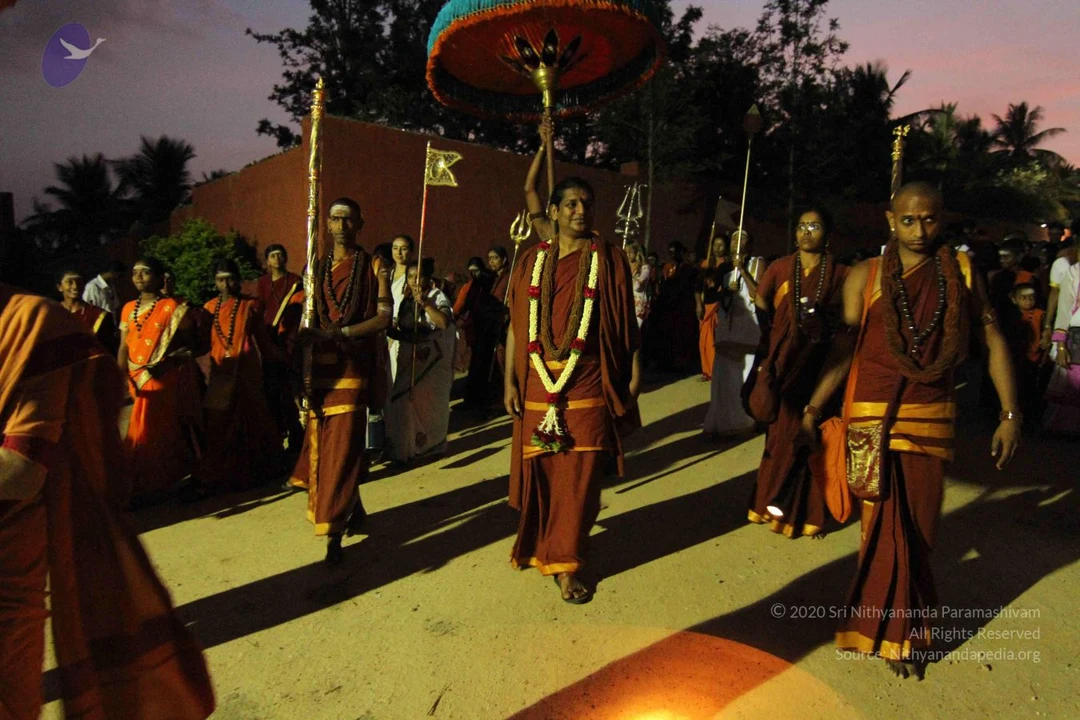
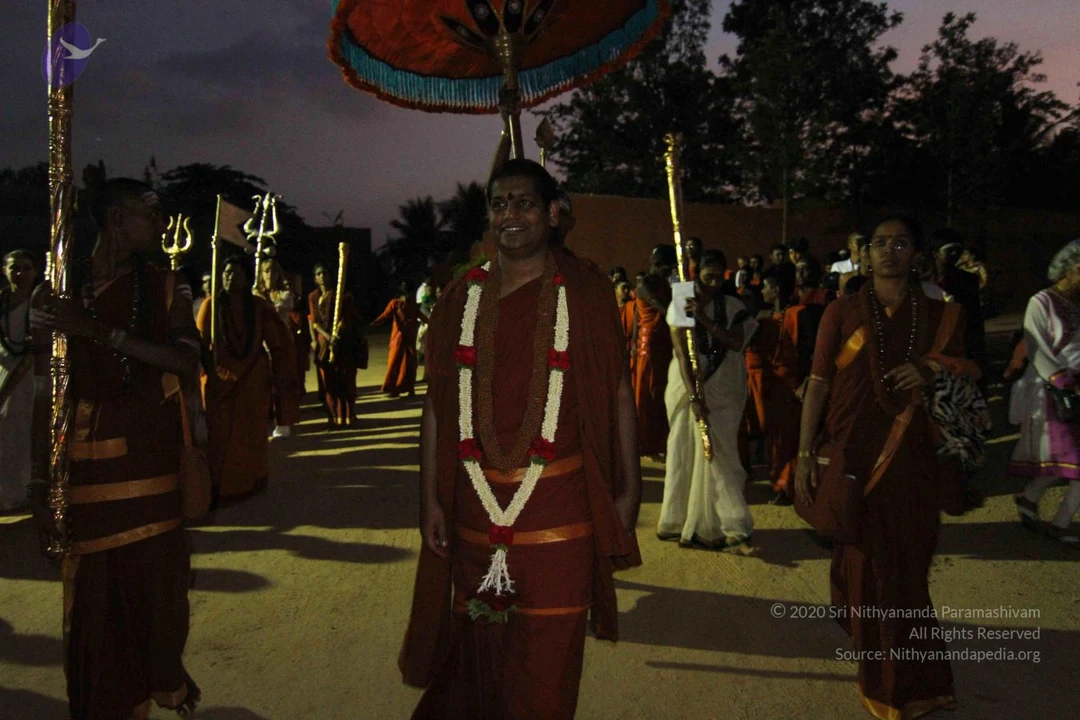
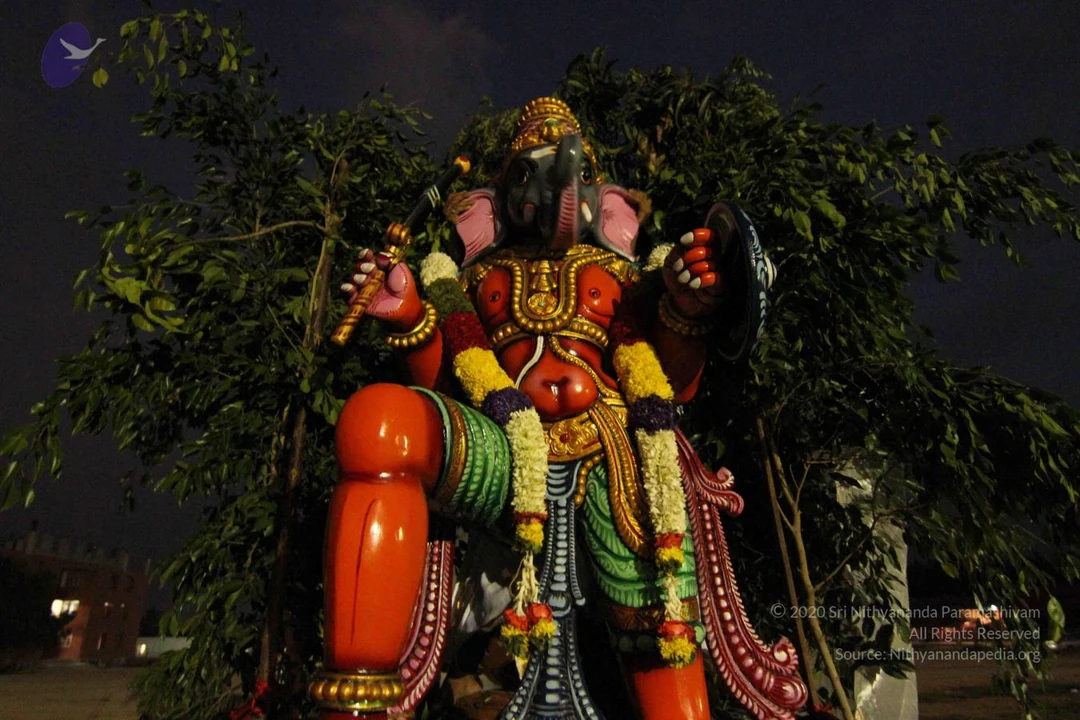
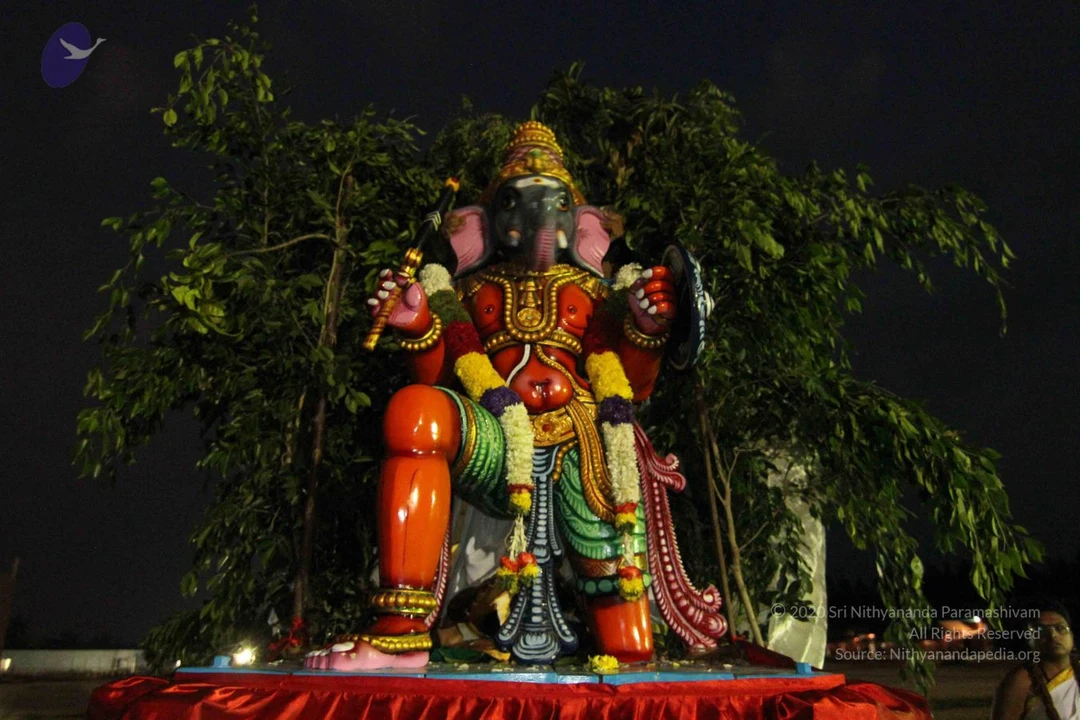
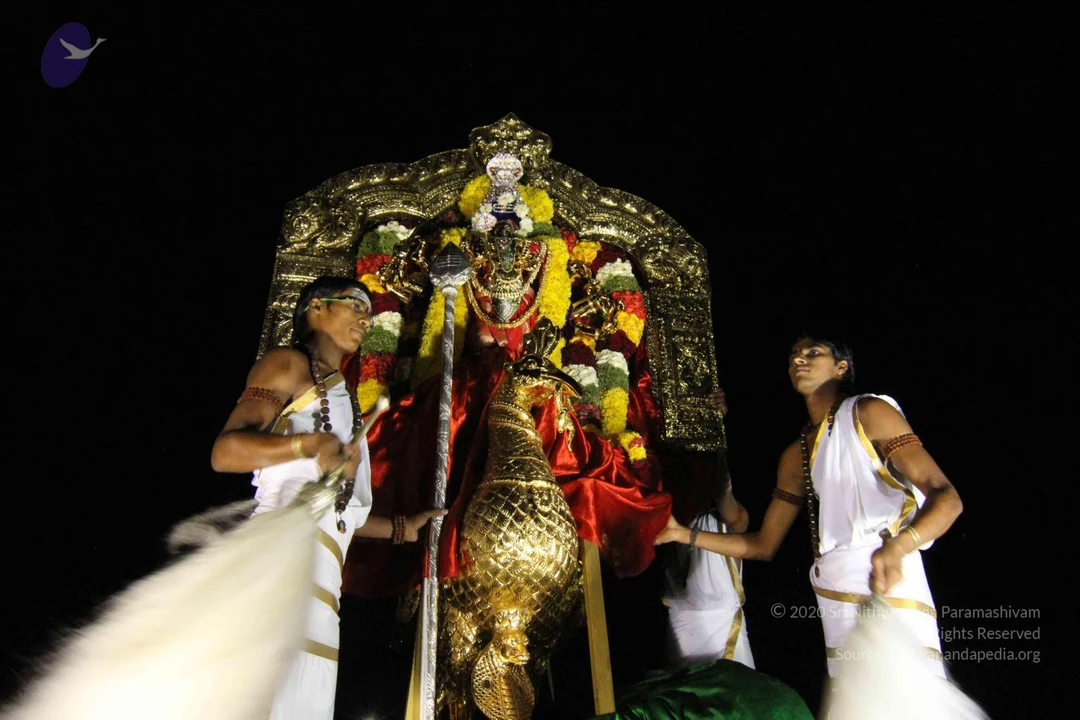
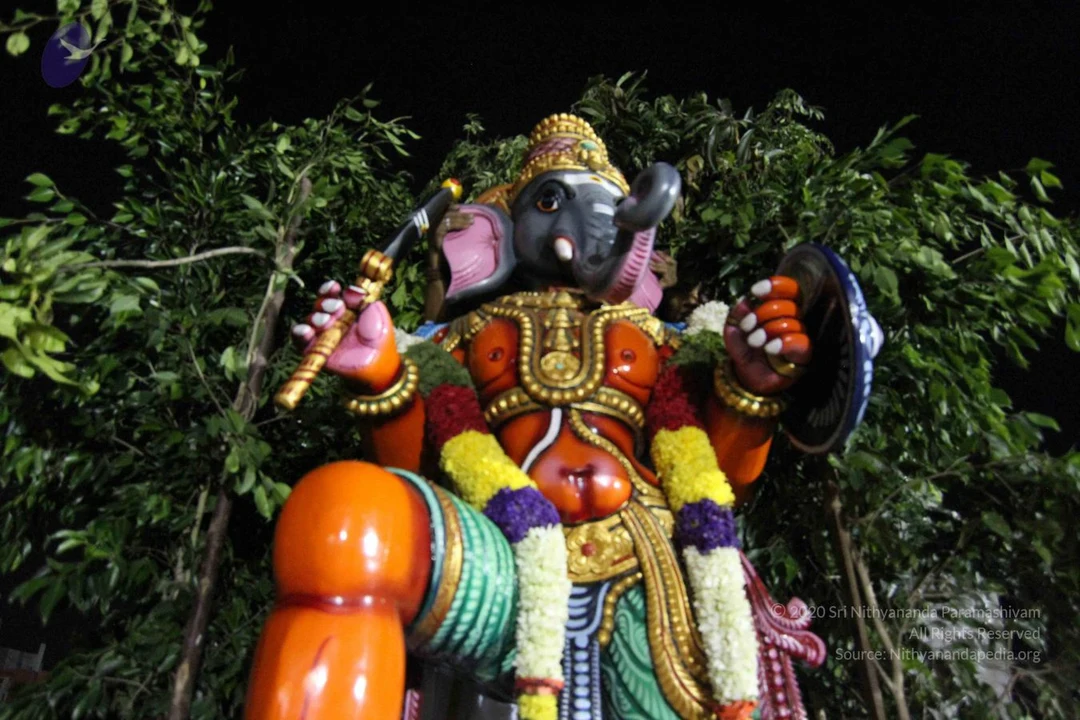
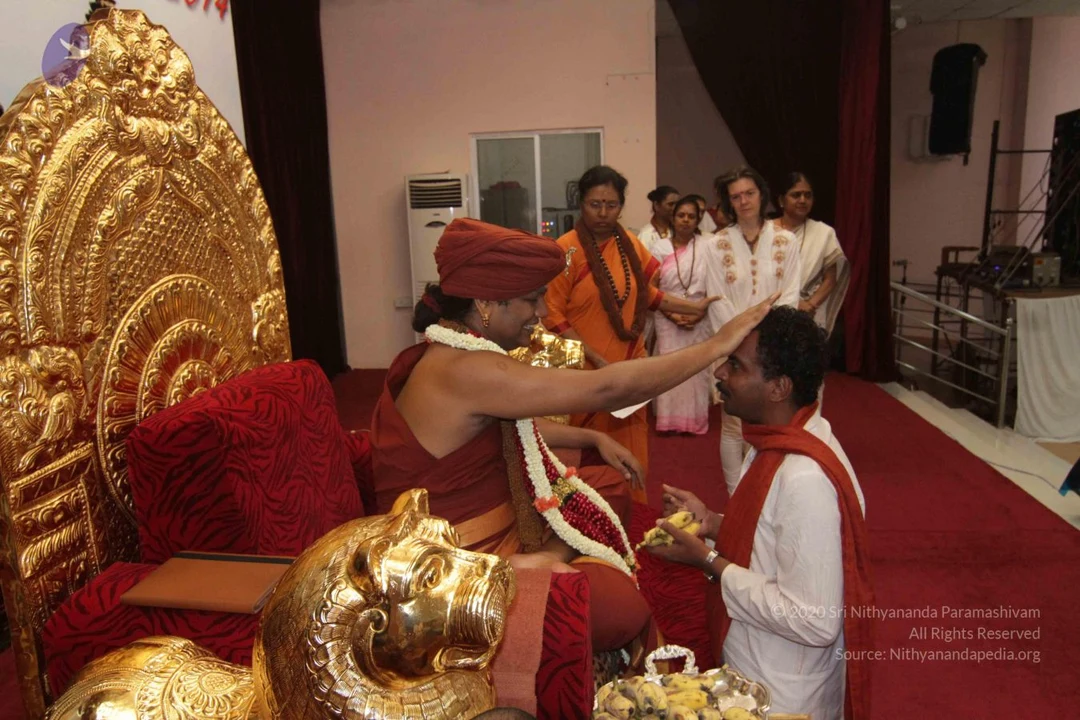
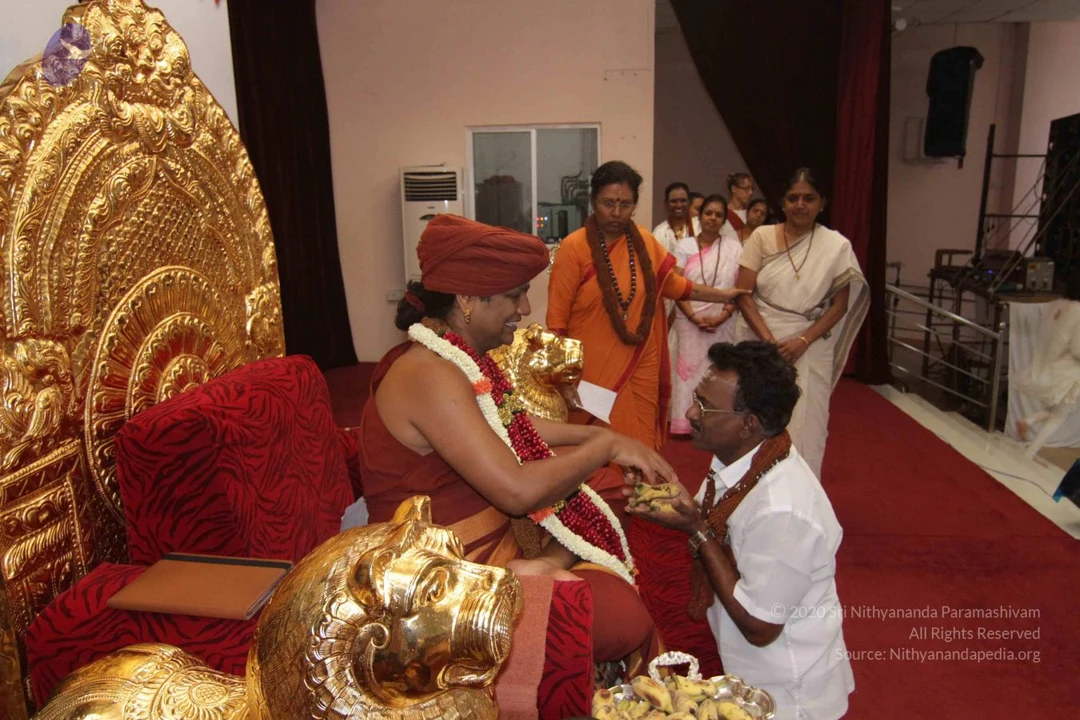
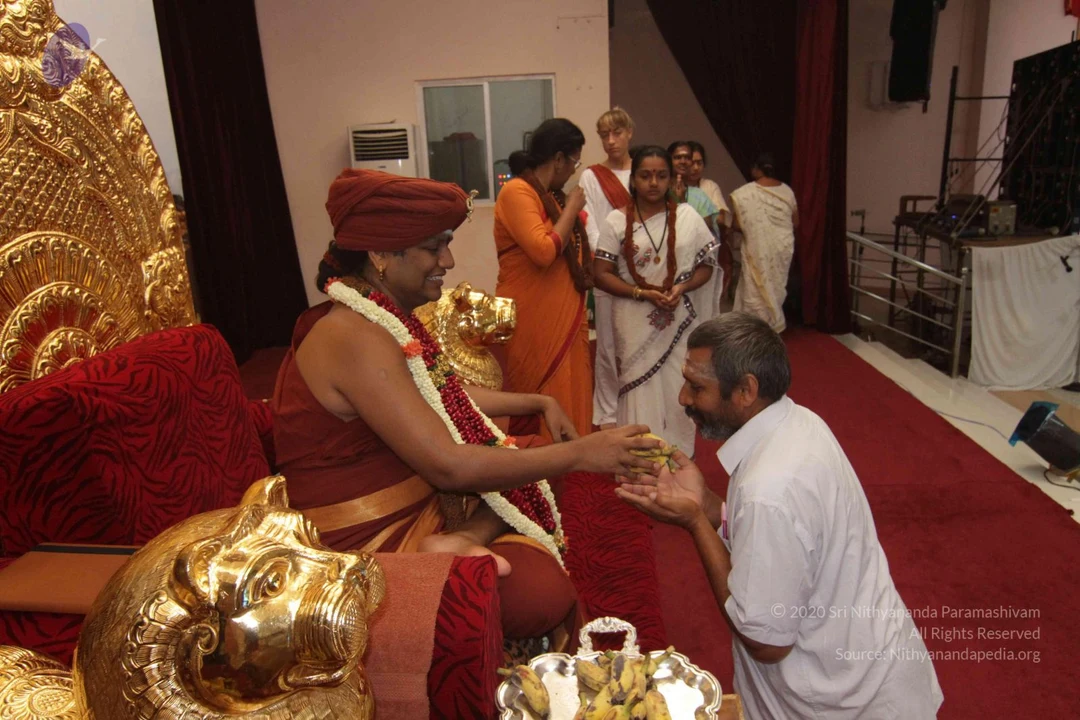
01-Bhajans-Satsang-Darshan
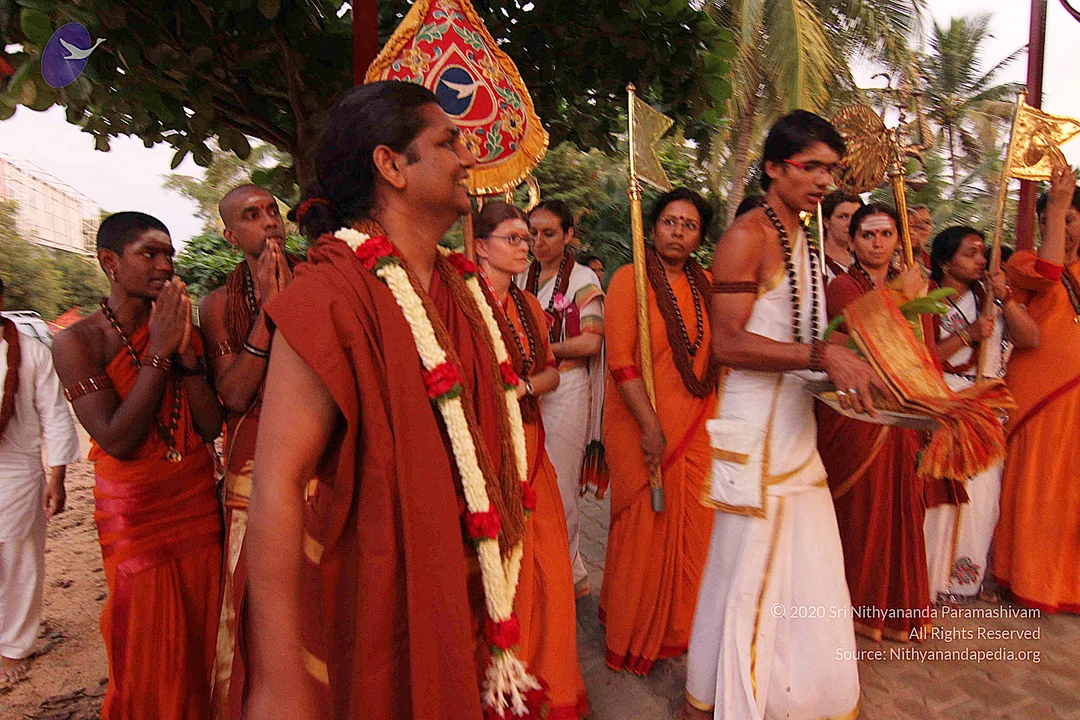
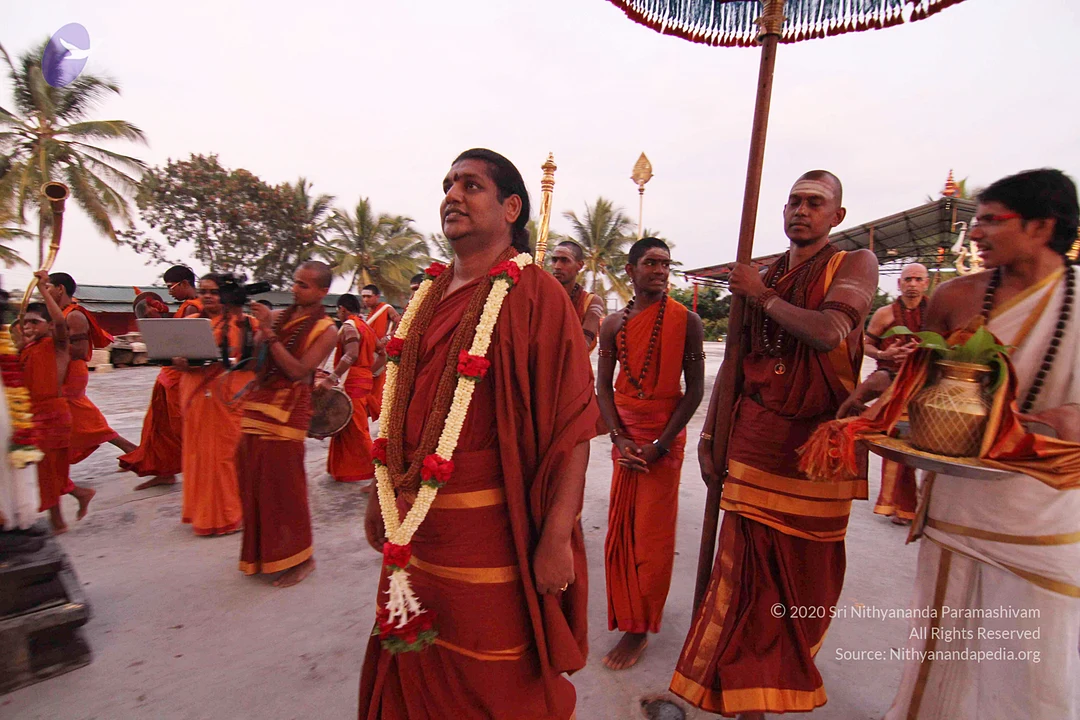
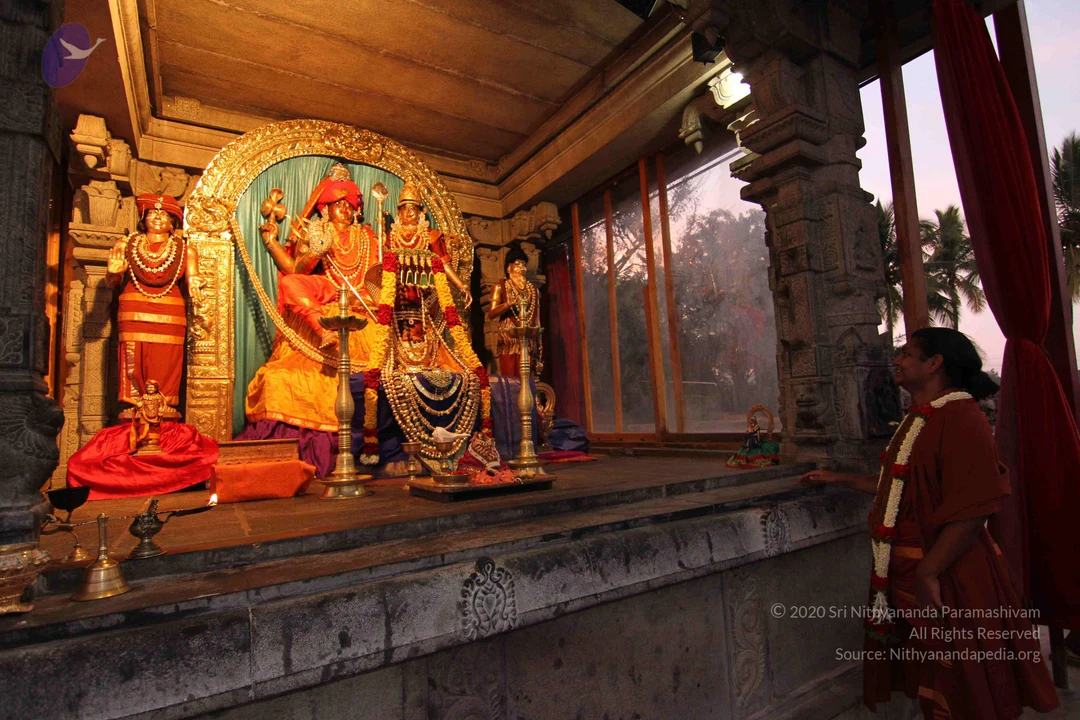
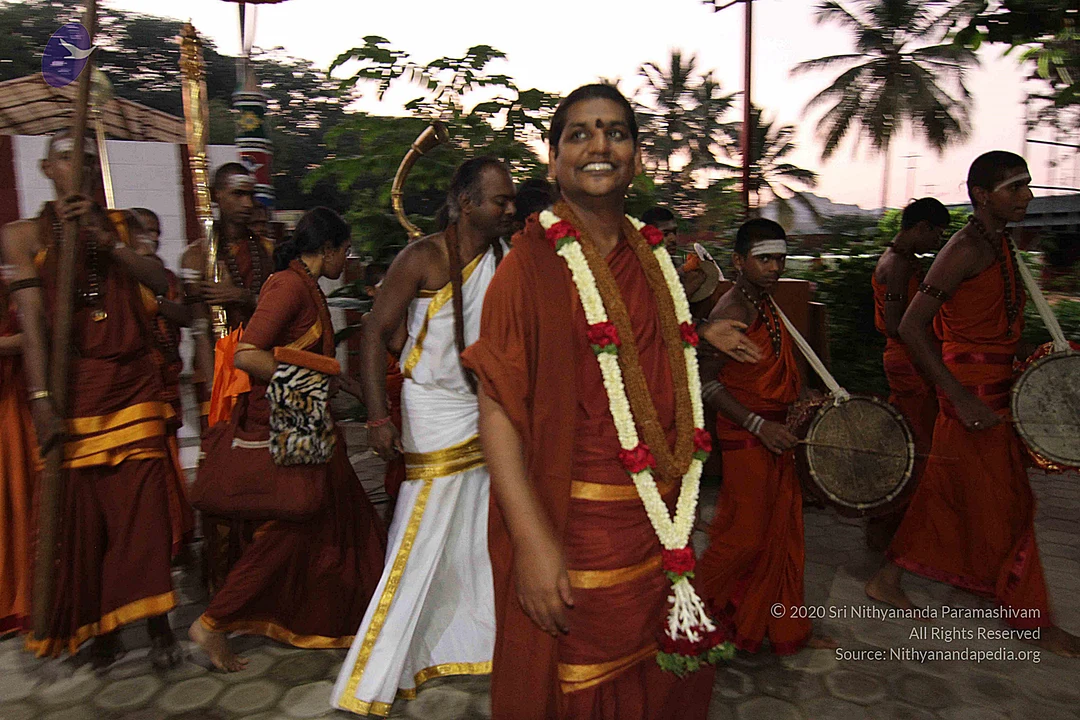
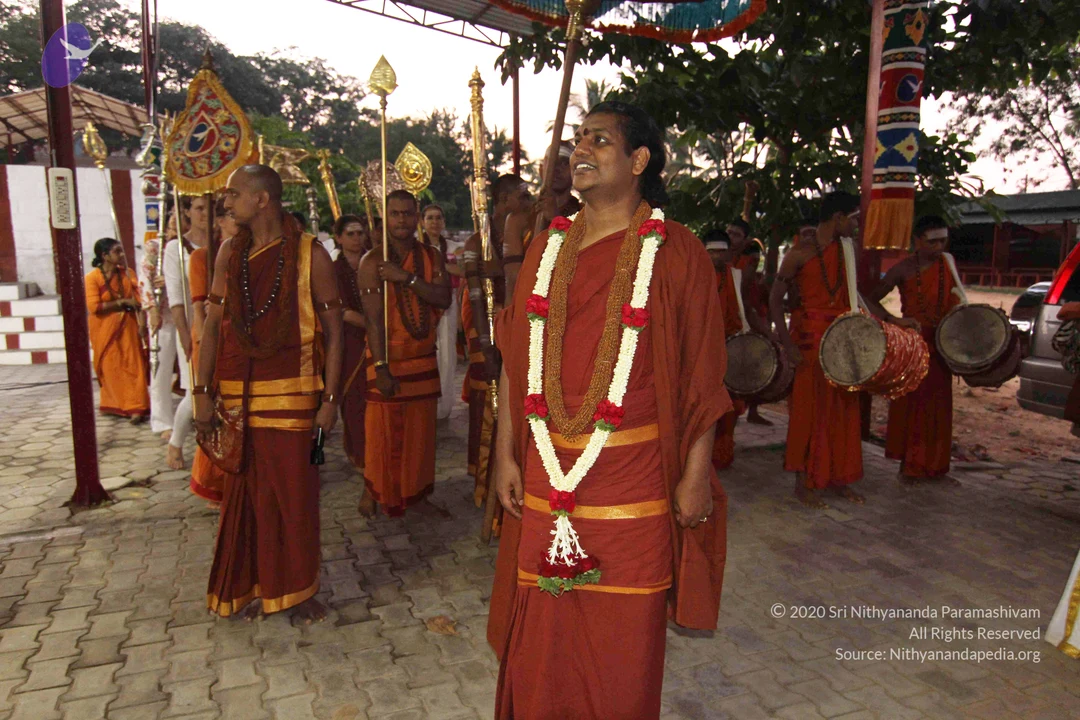
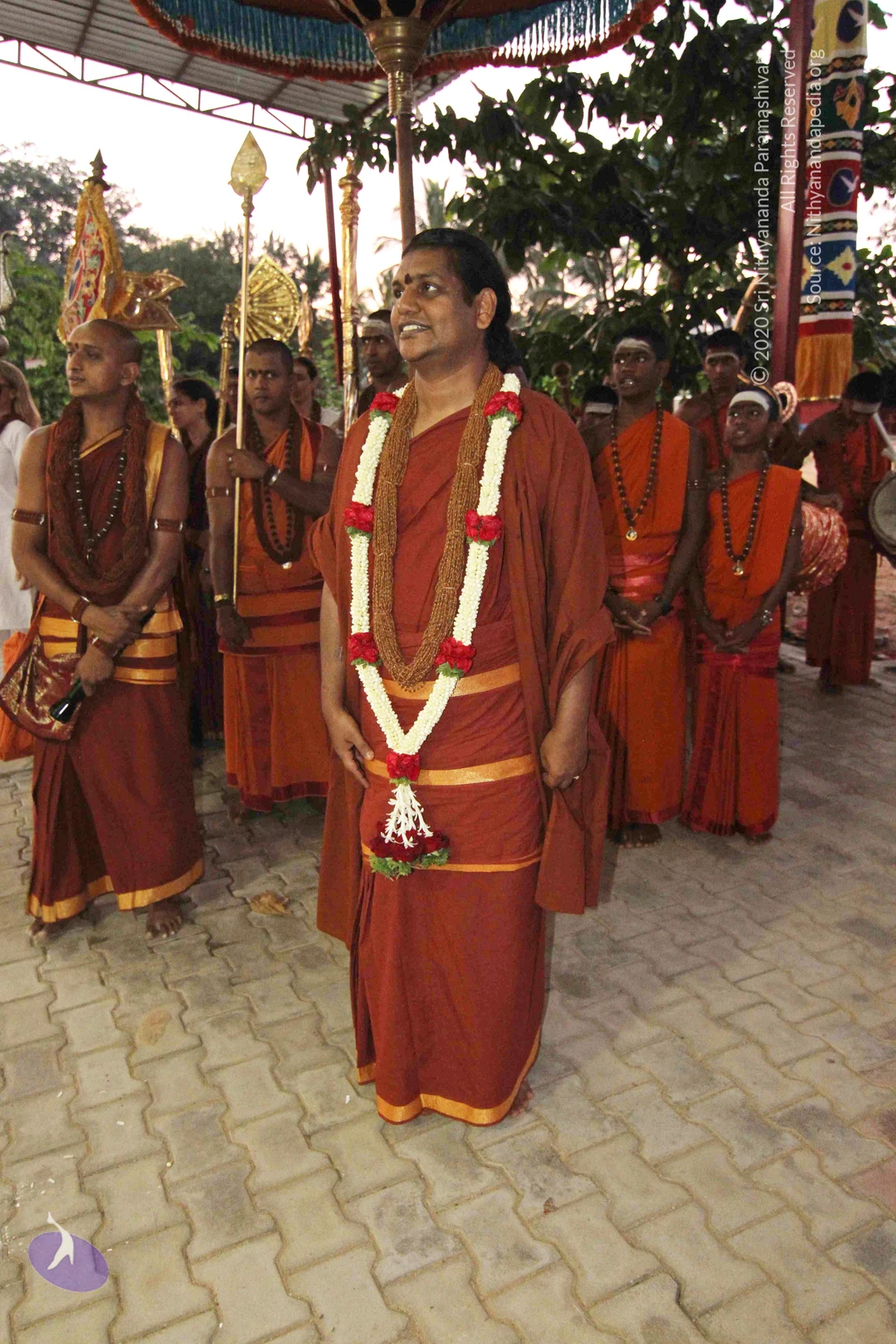
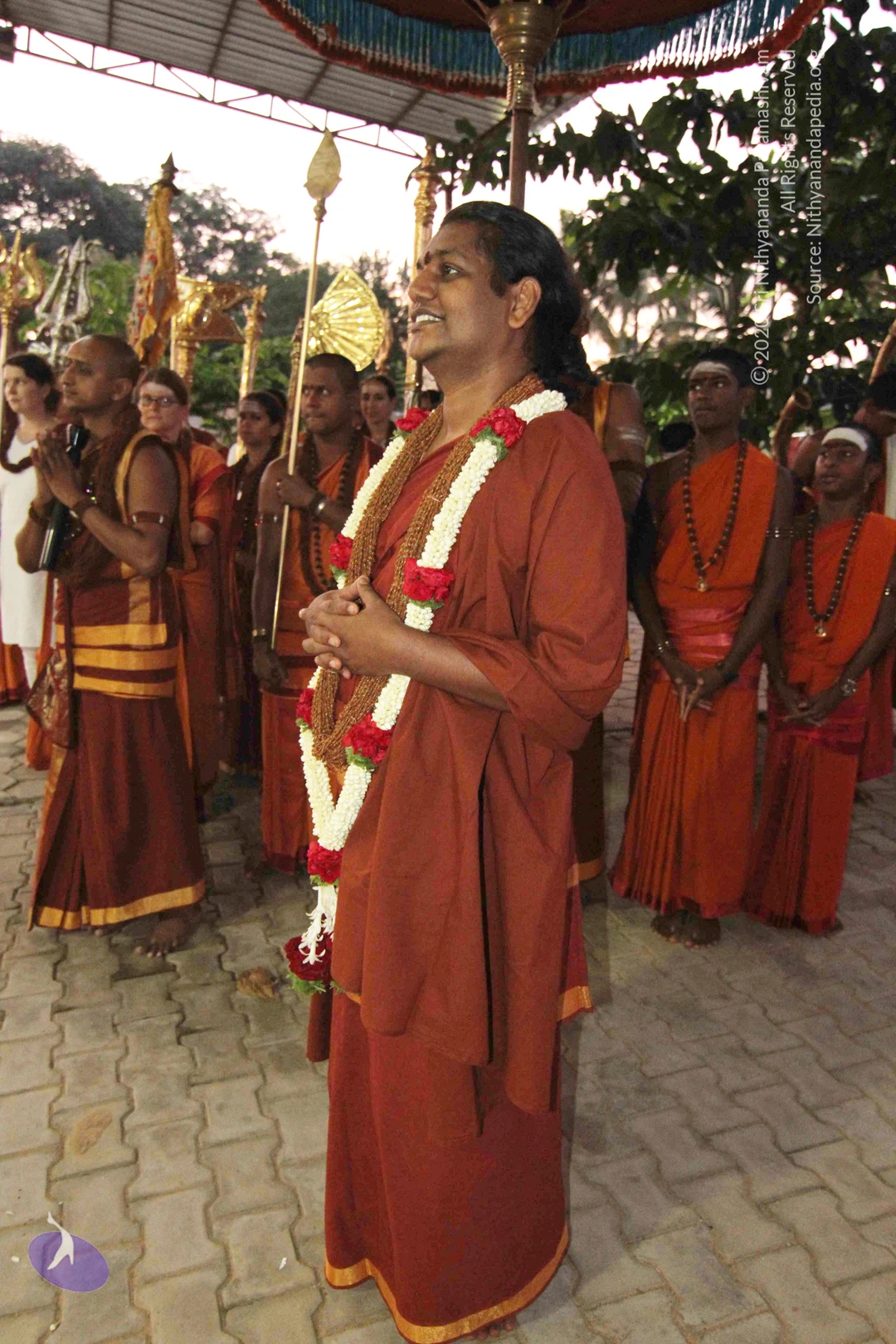
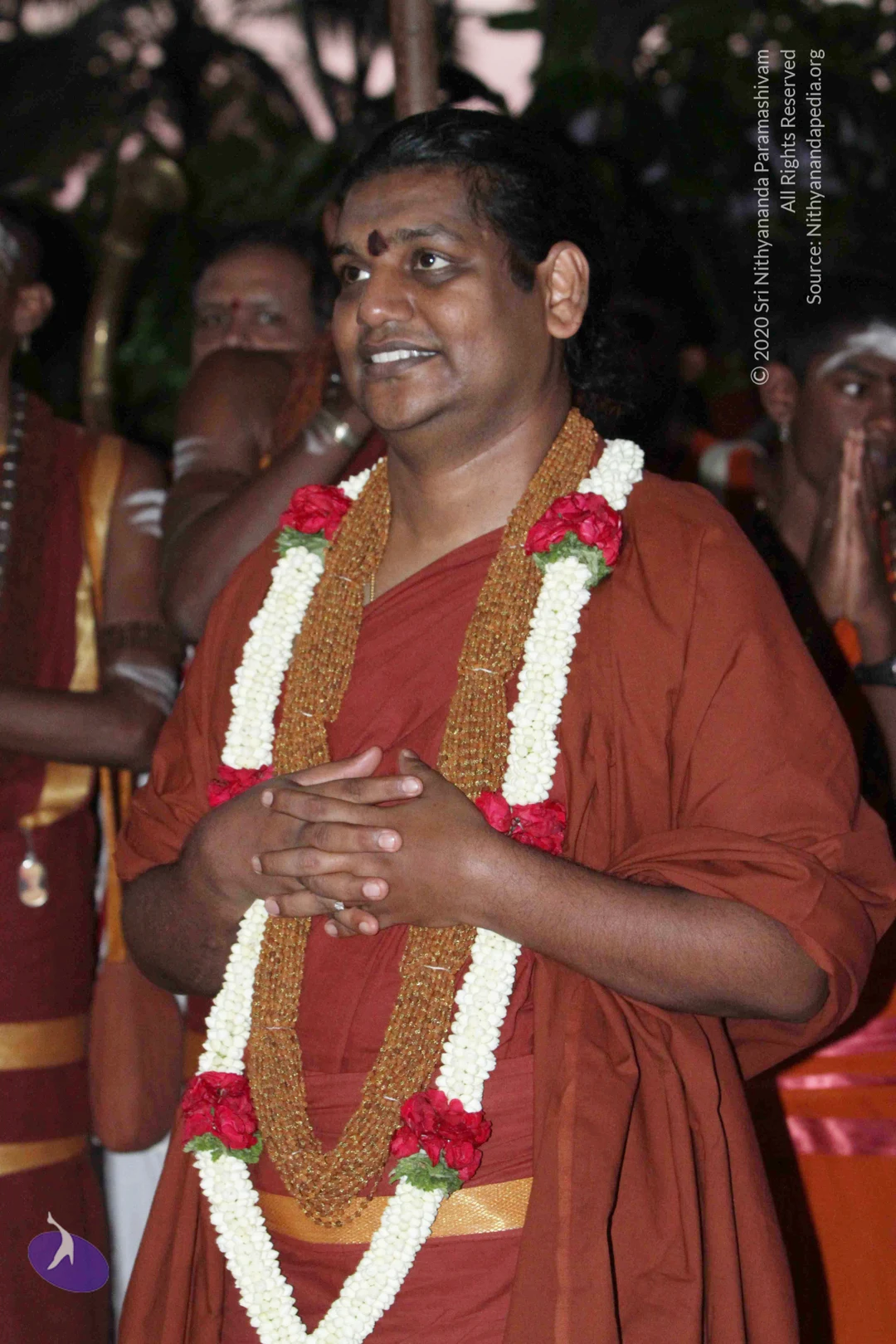
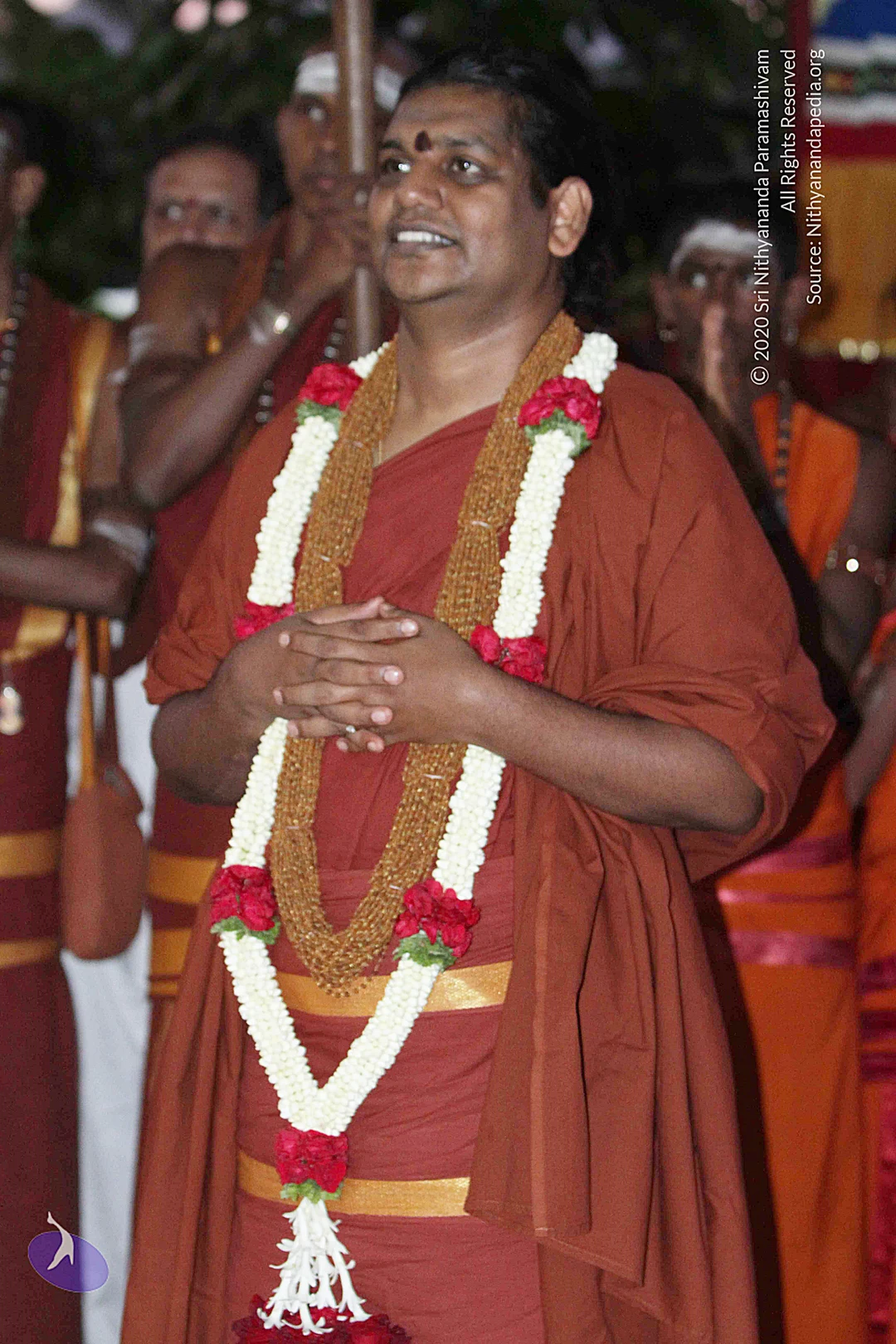
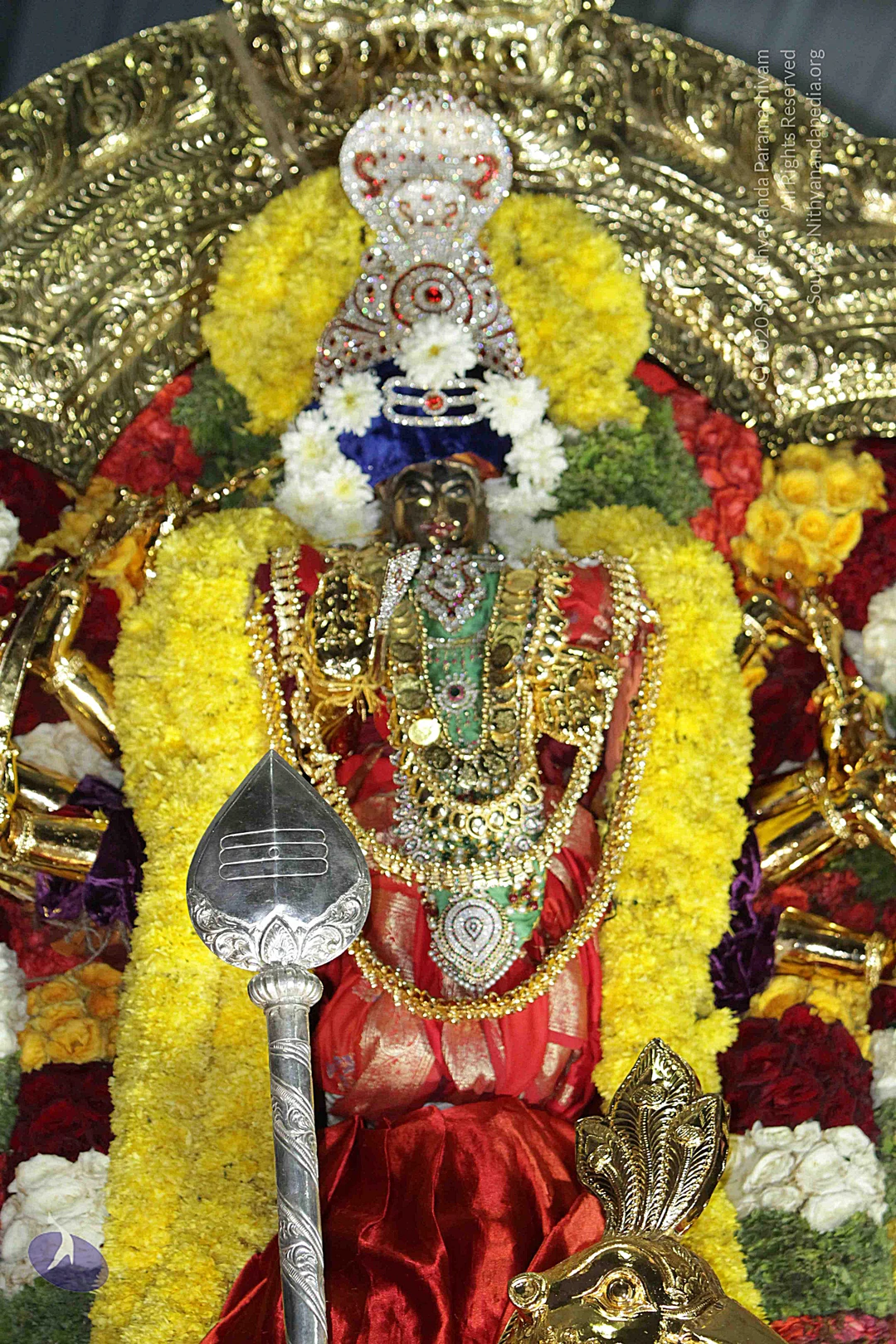
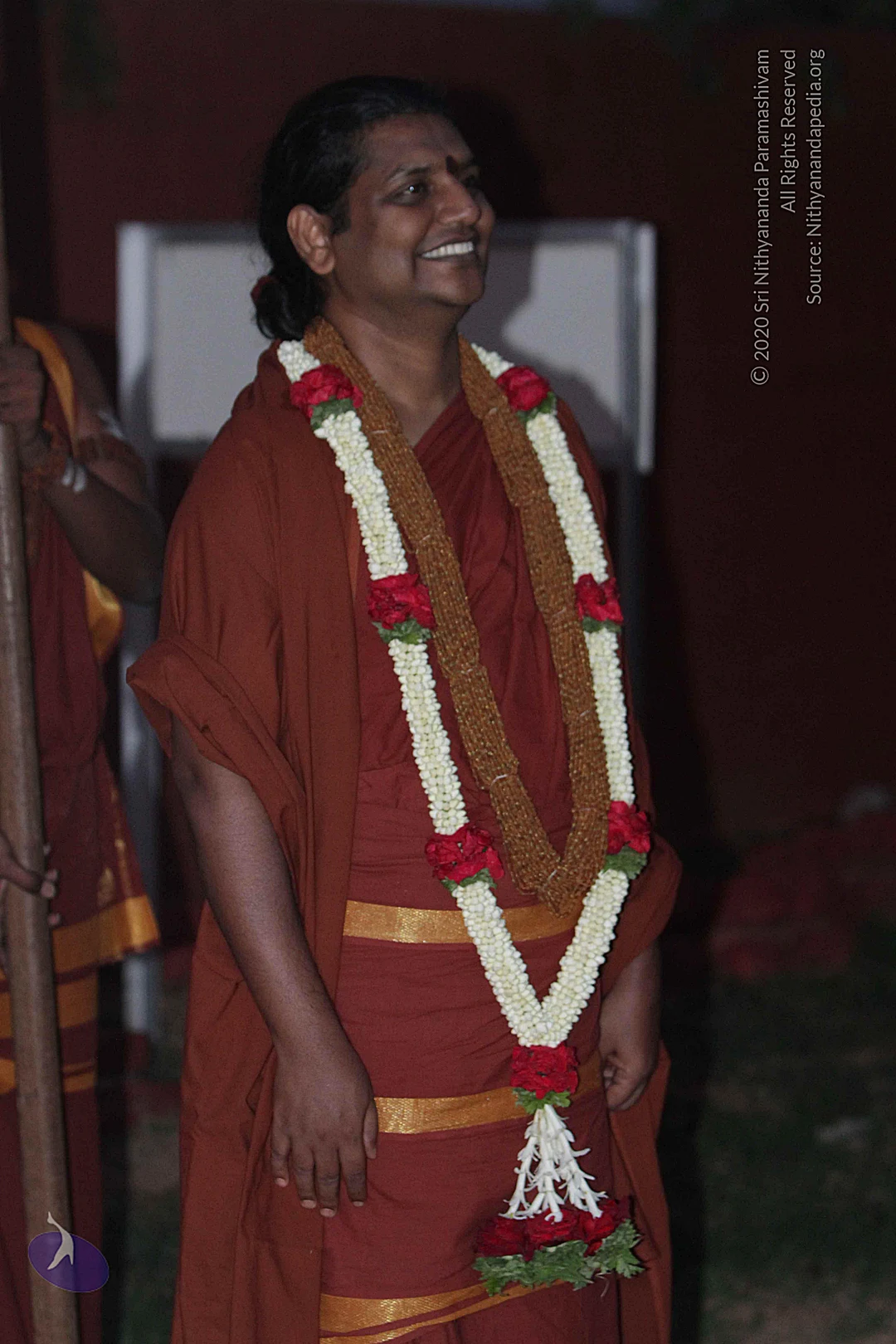
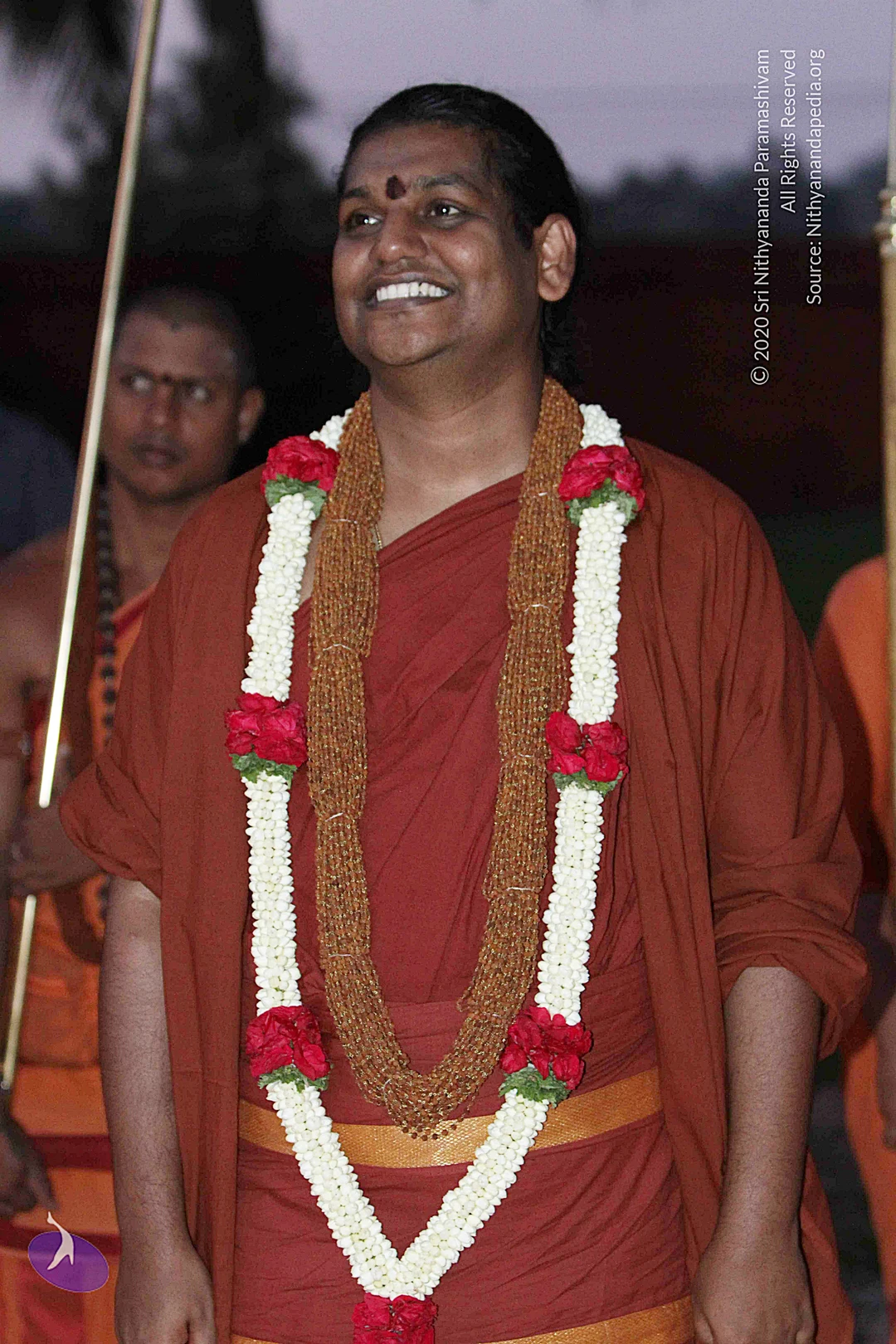
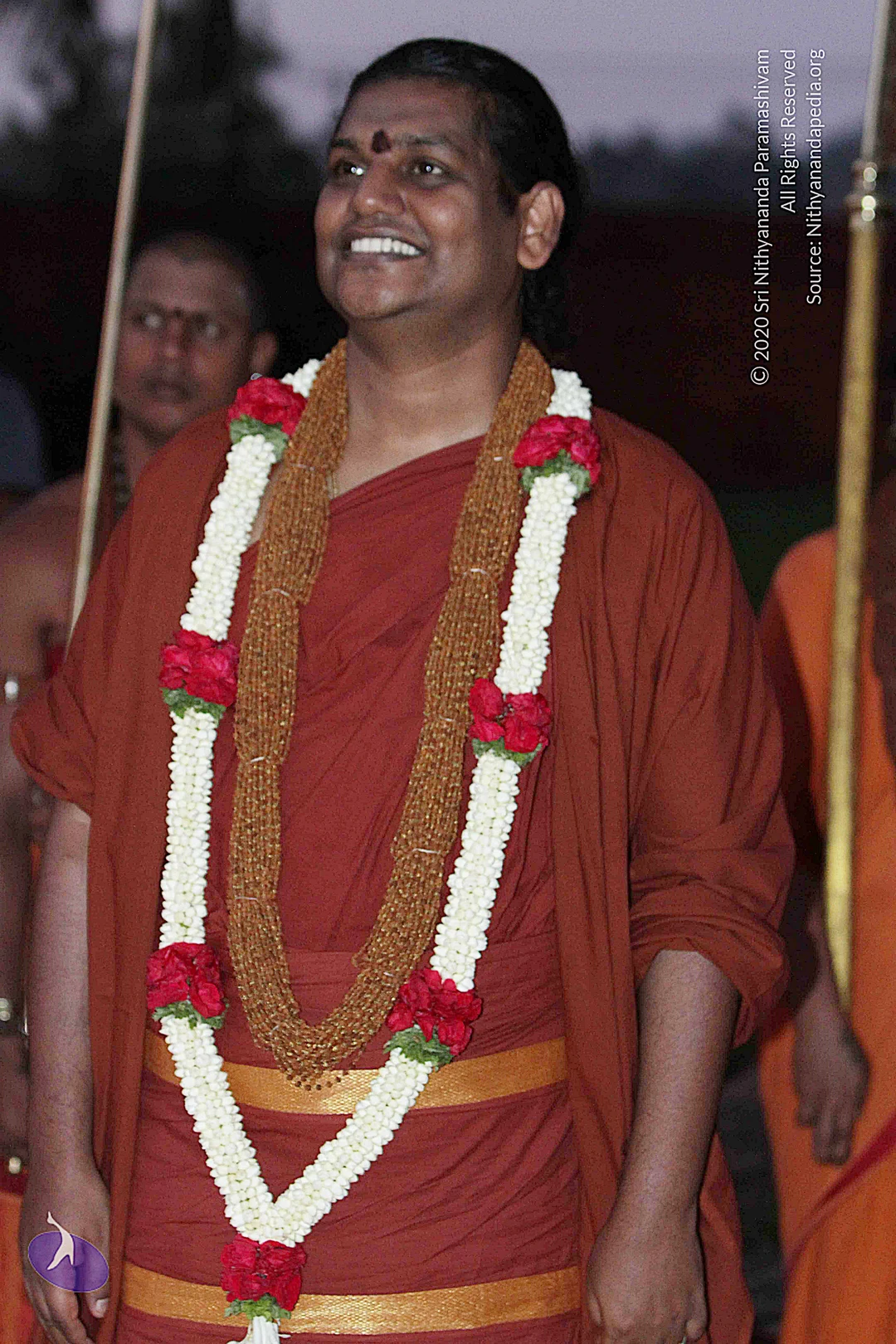
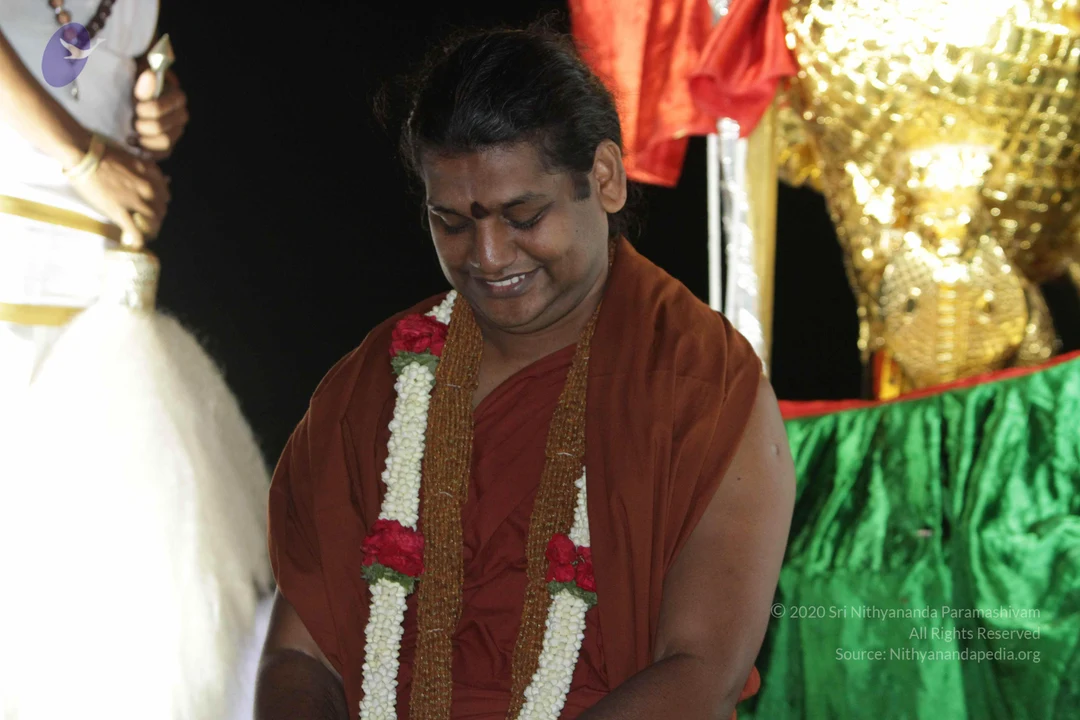
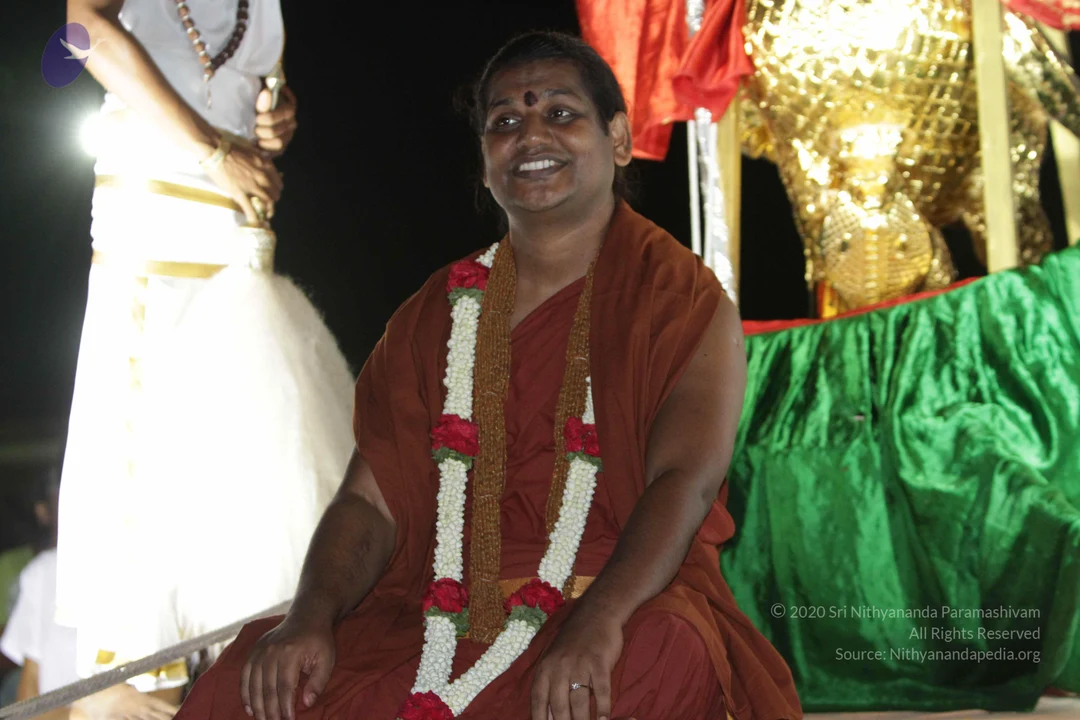
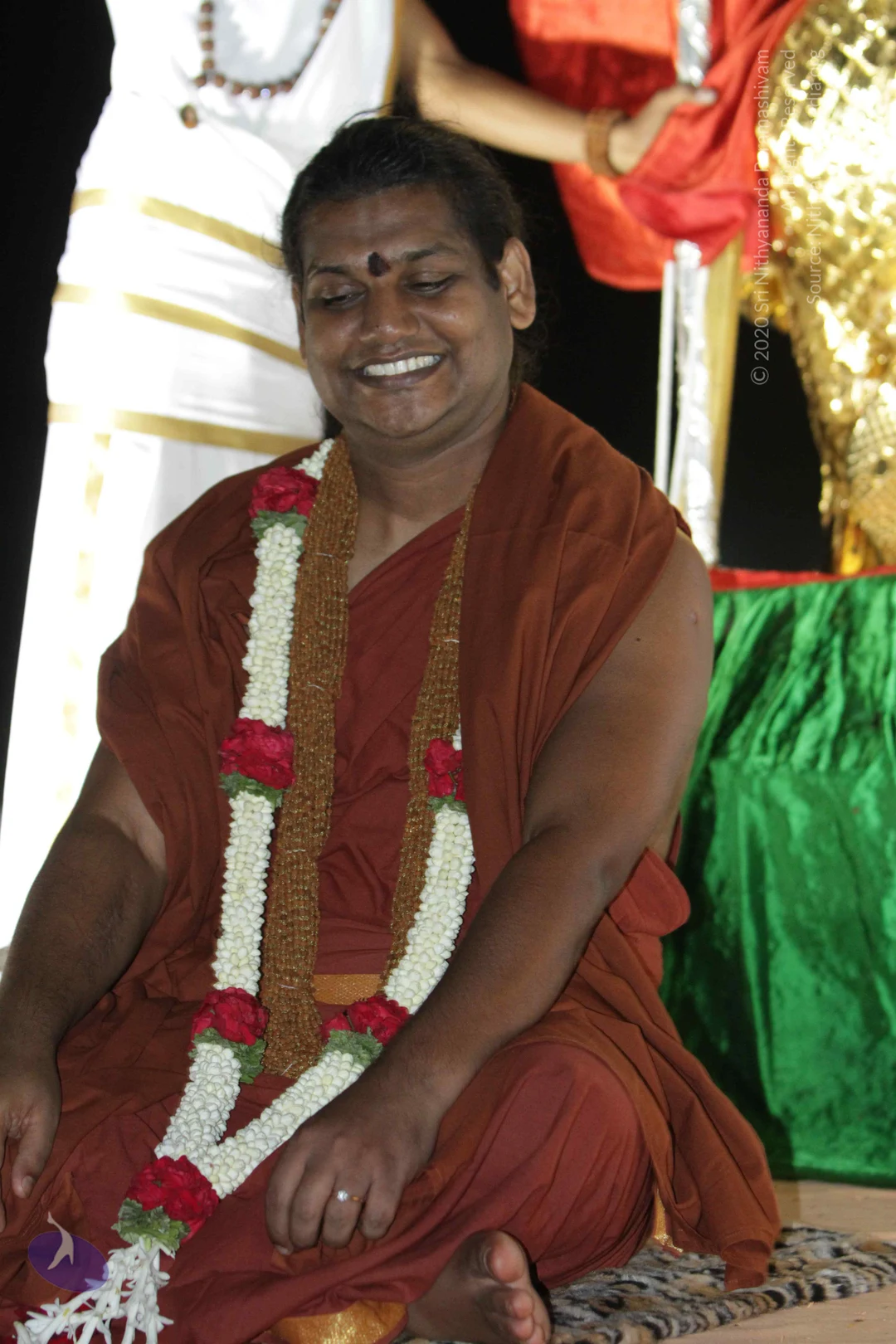
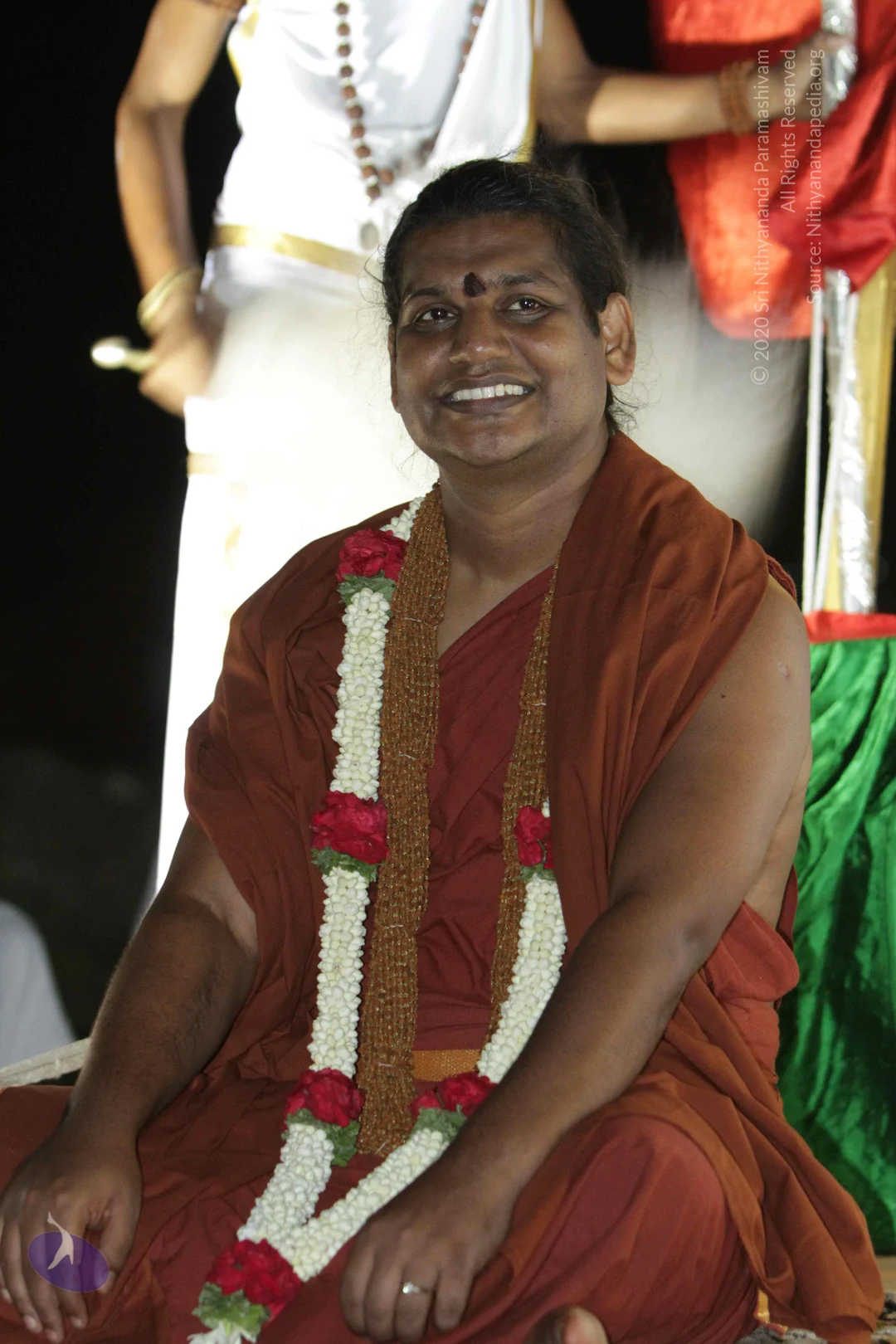
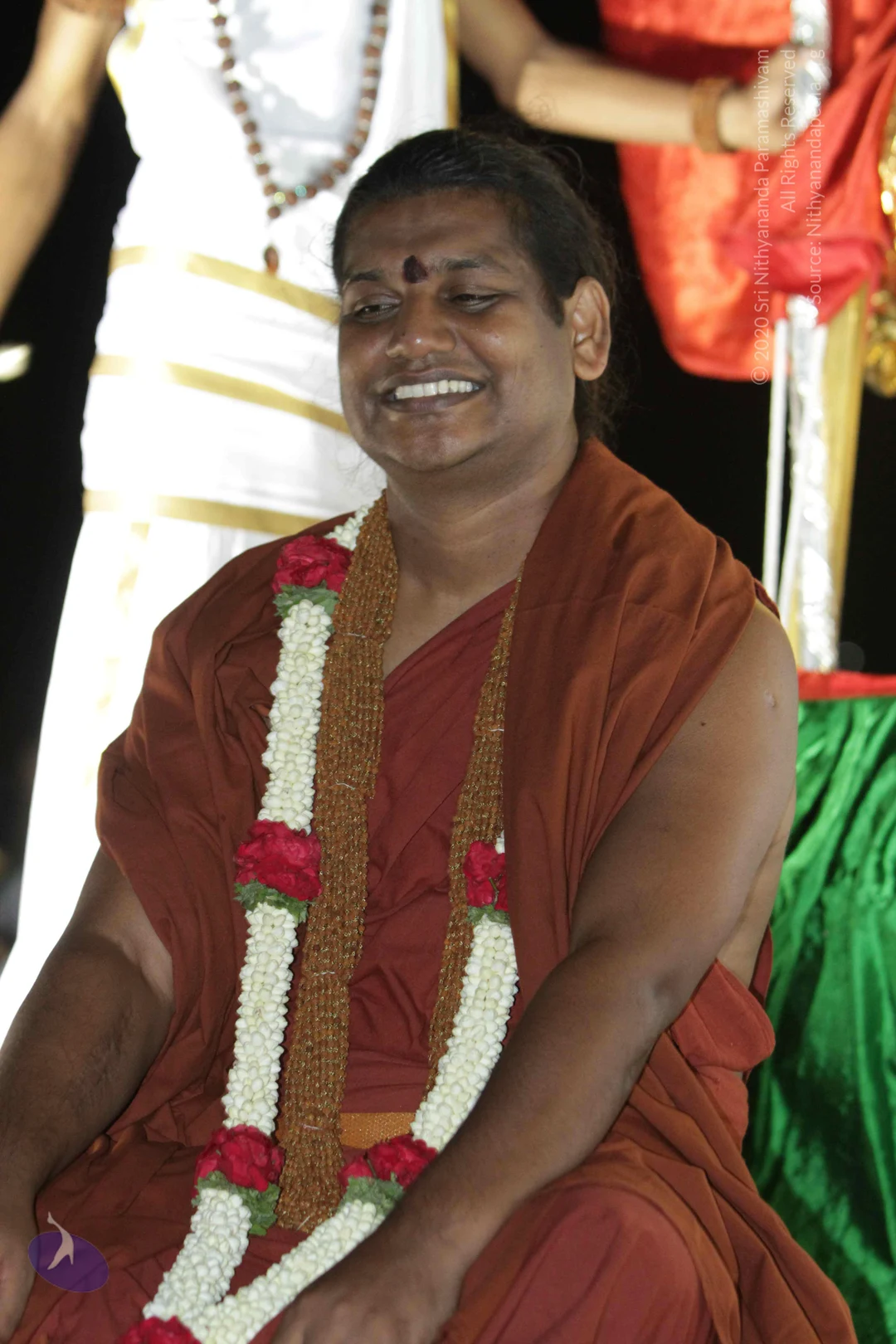
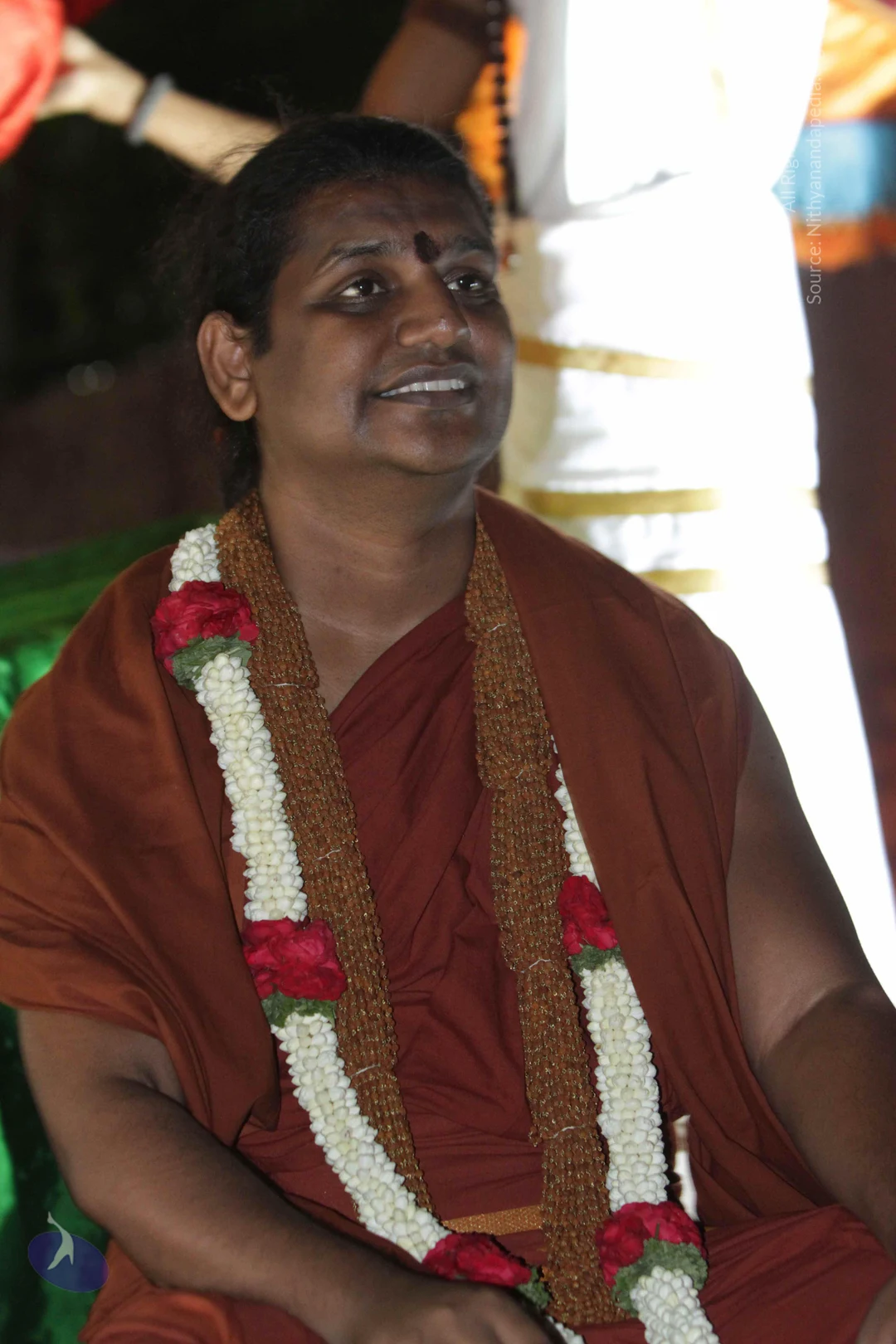
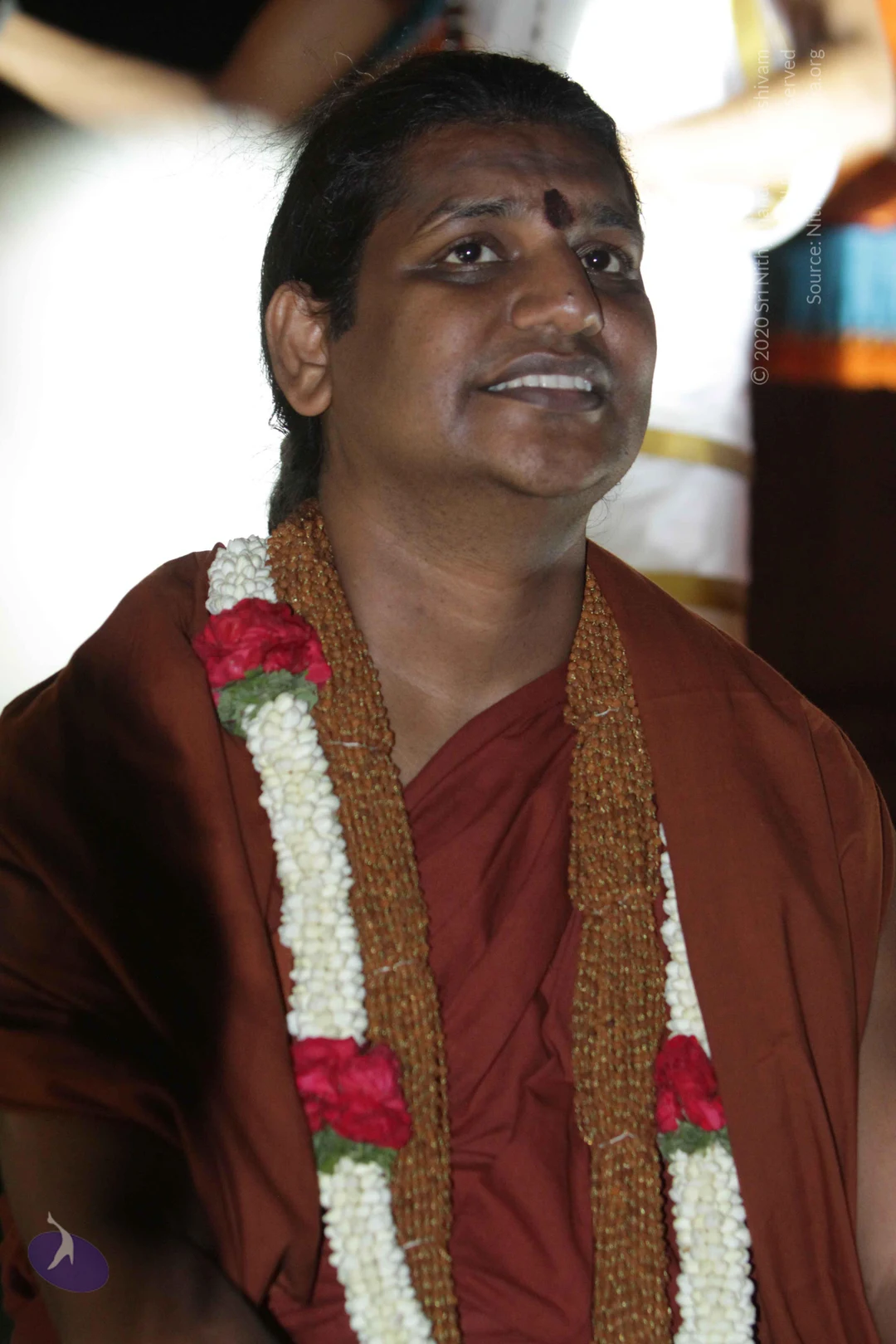
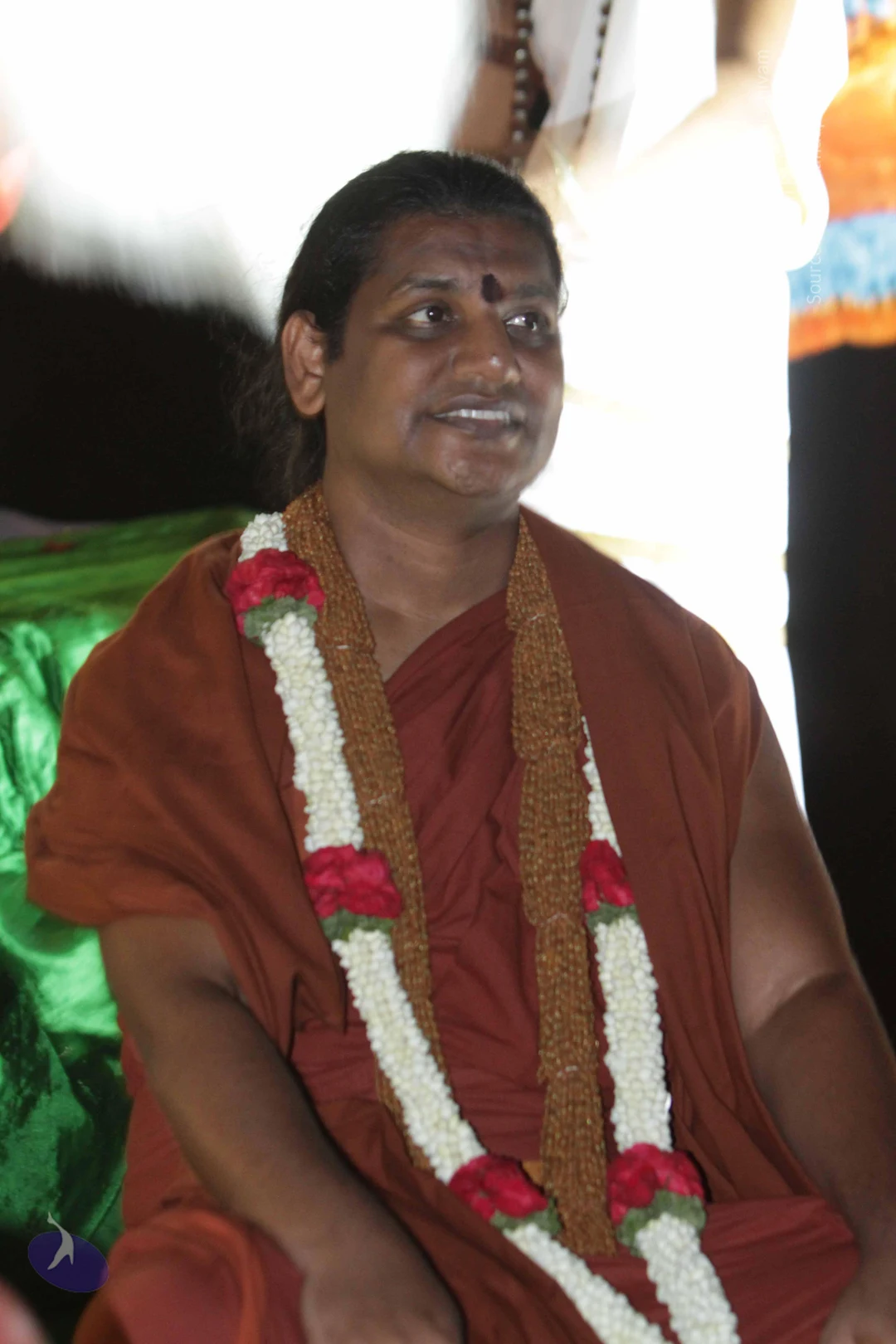
Photos from this day
View all 84 photosPhotos
16 photosSource gallery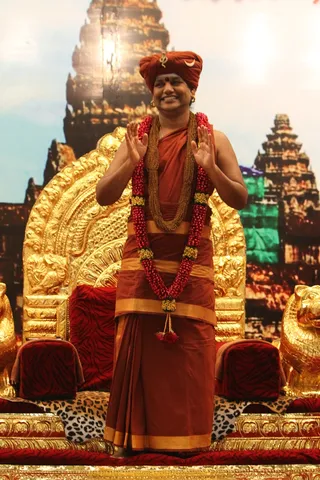
FB-photo-of-the-day
6 photosSource gallery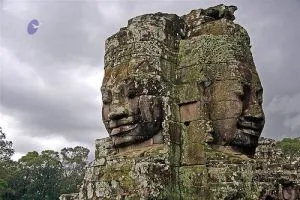
Bhajans-Satsang-Darshan
25 photosSource gallery
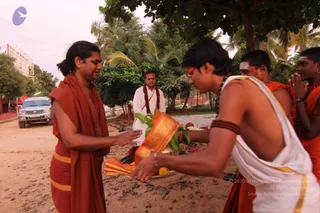
01-Bhajans-Satsang-Darshan
37 photosSource gallery