Friday
3 January 2014
Responsibility is Power
- Dated photos
- 112
- Source pages
- 1
- Media
- 4
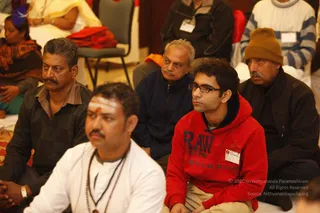
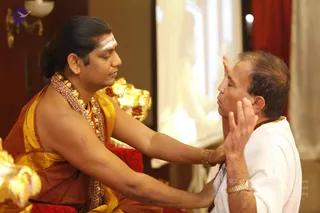
January 03 2014
Original wiki pageTitle
Responsibility is Power
Description
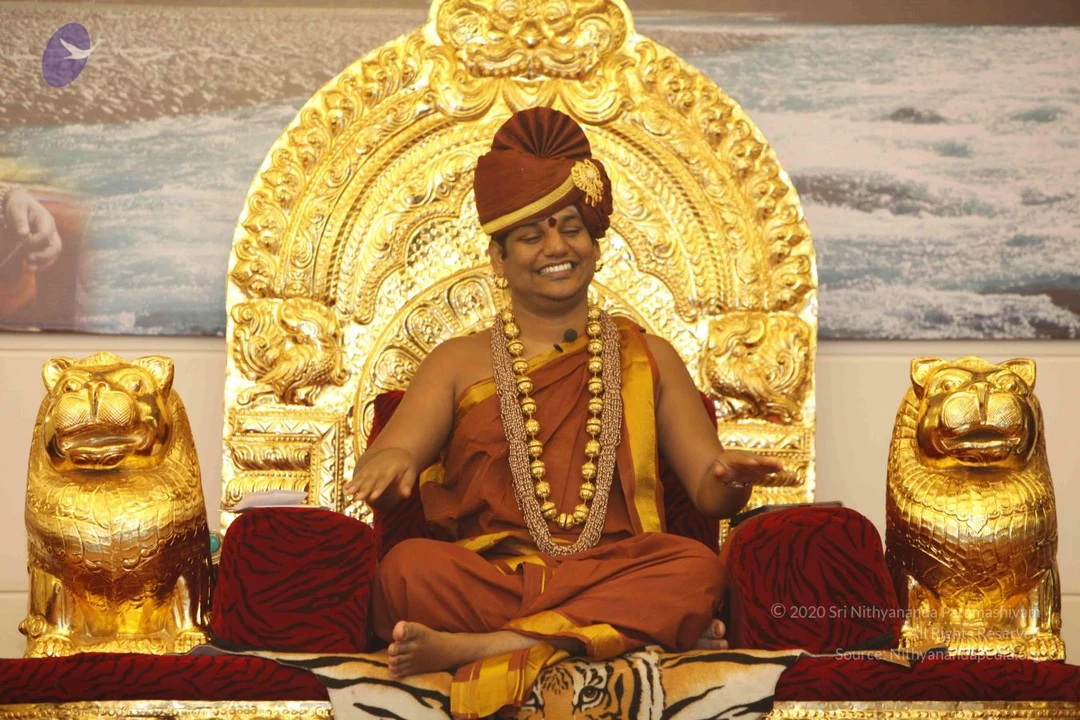
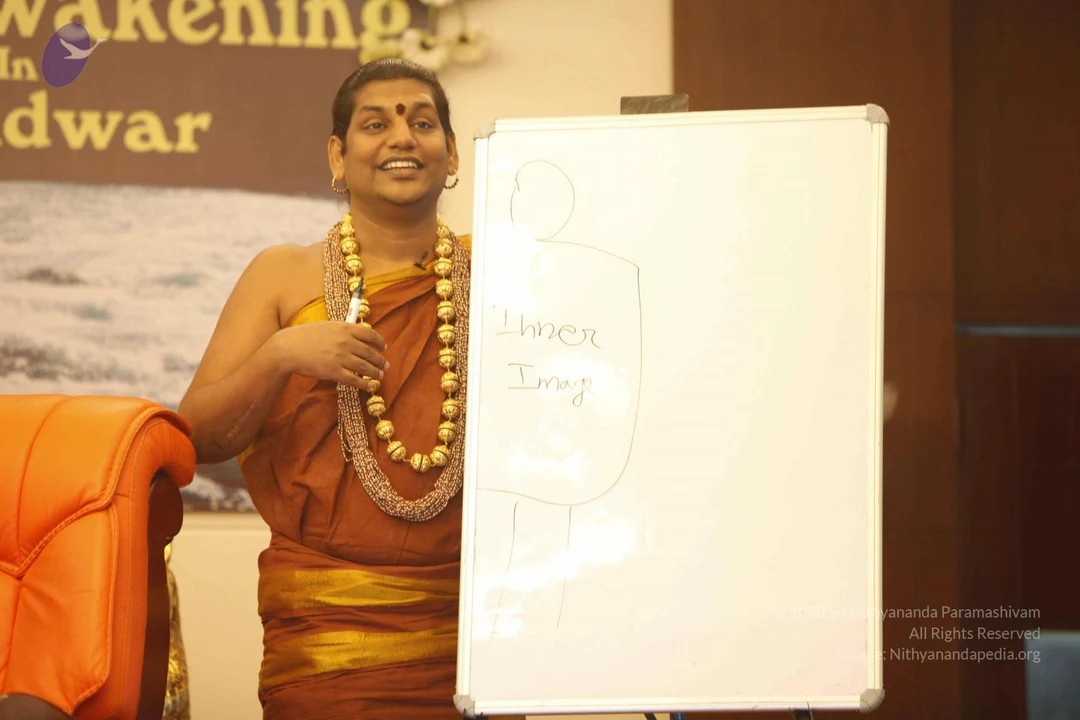
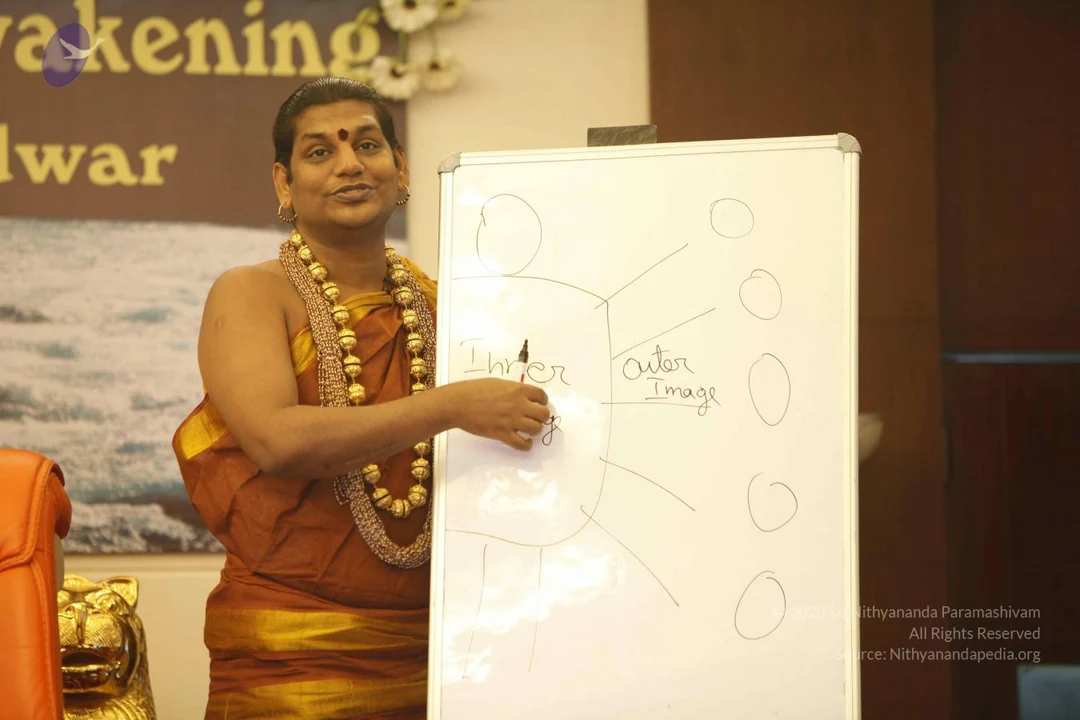
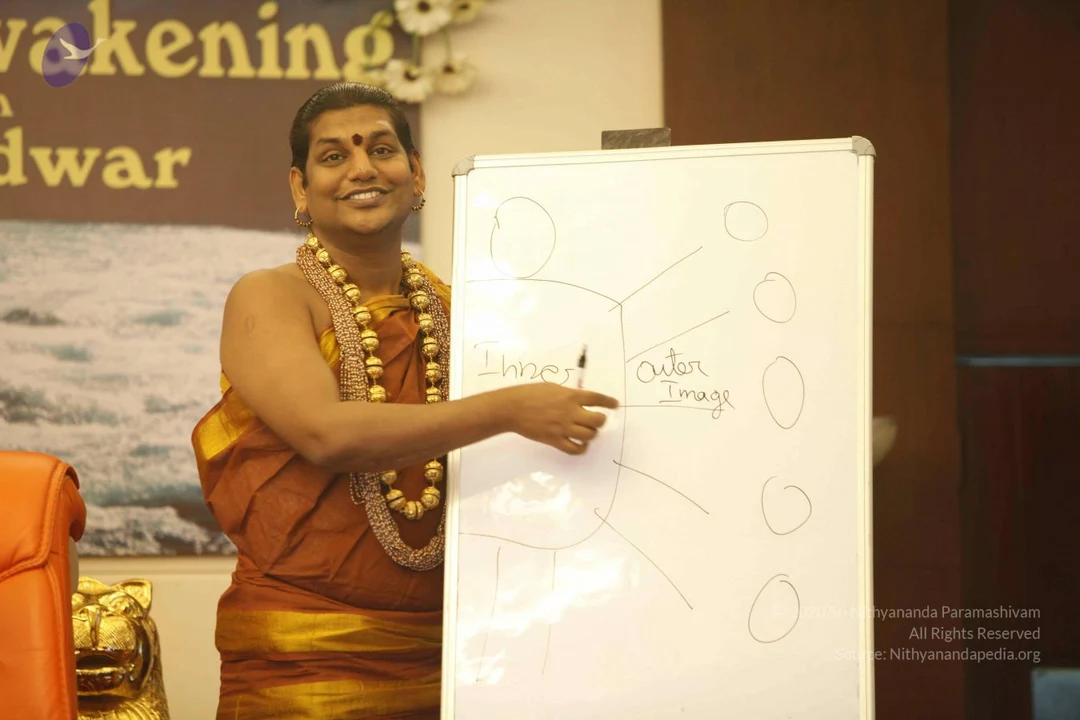
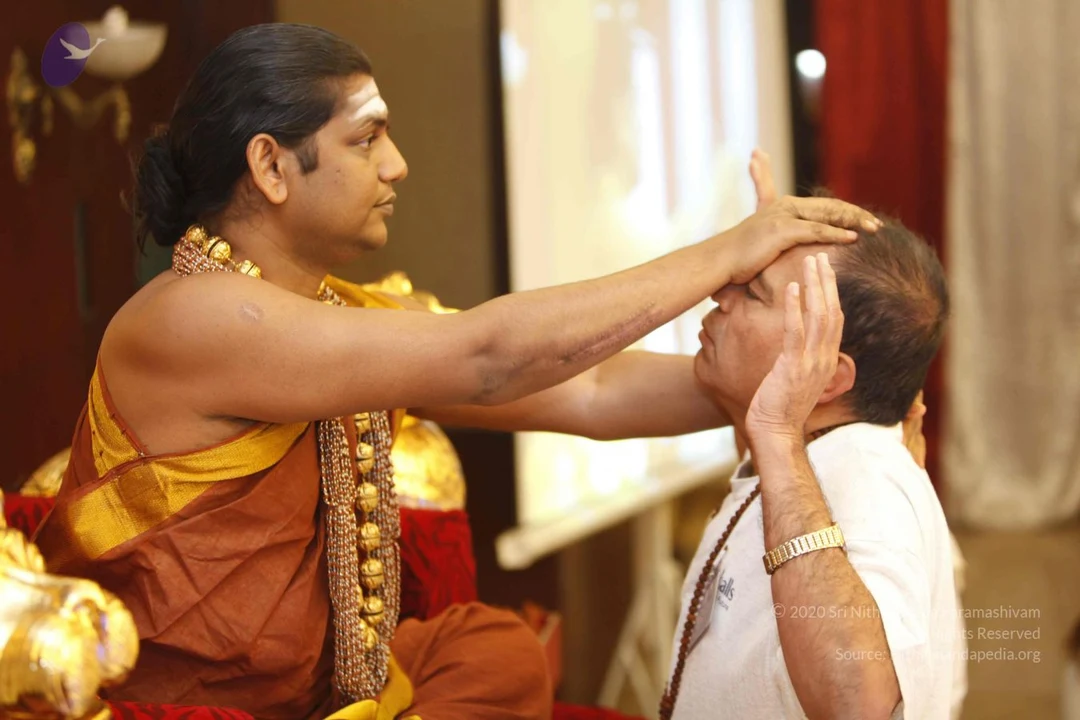
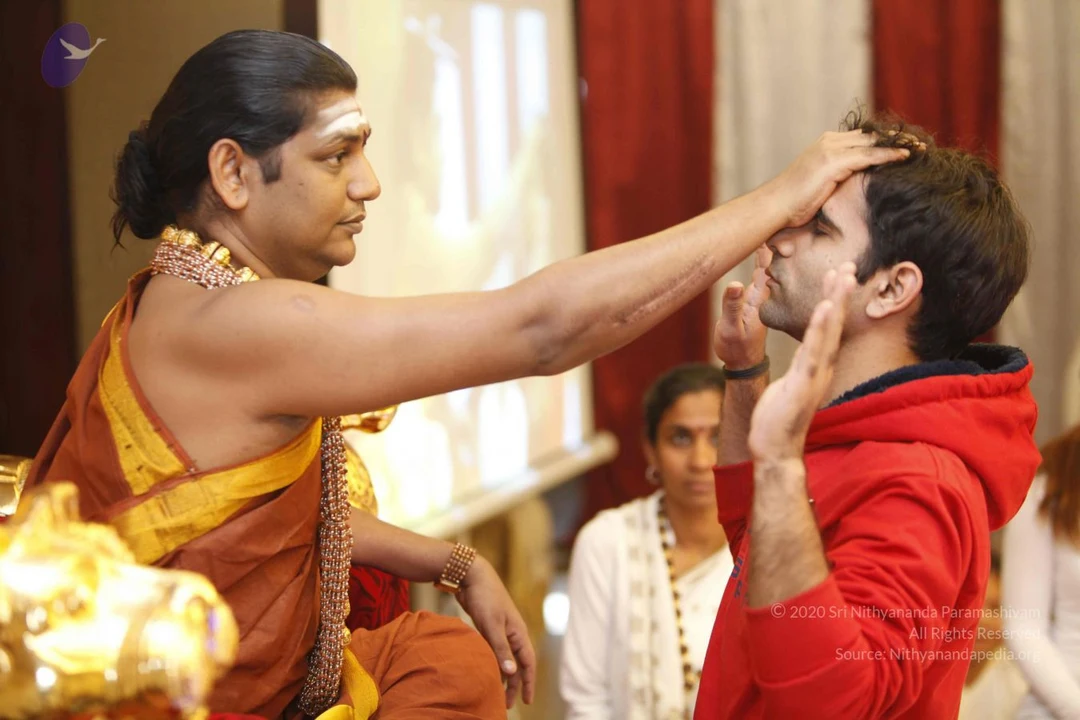
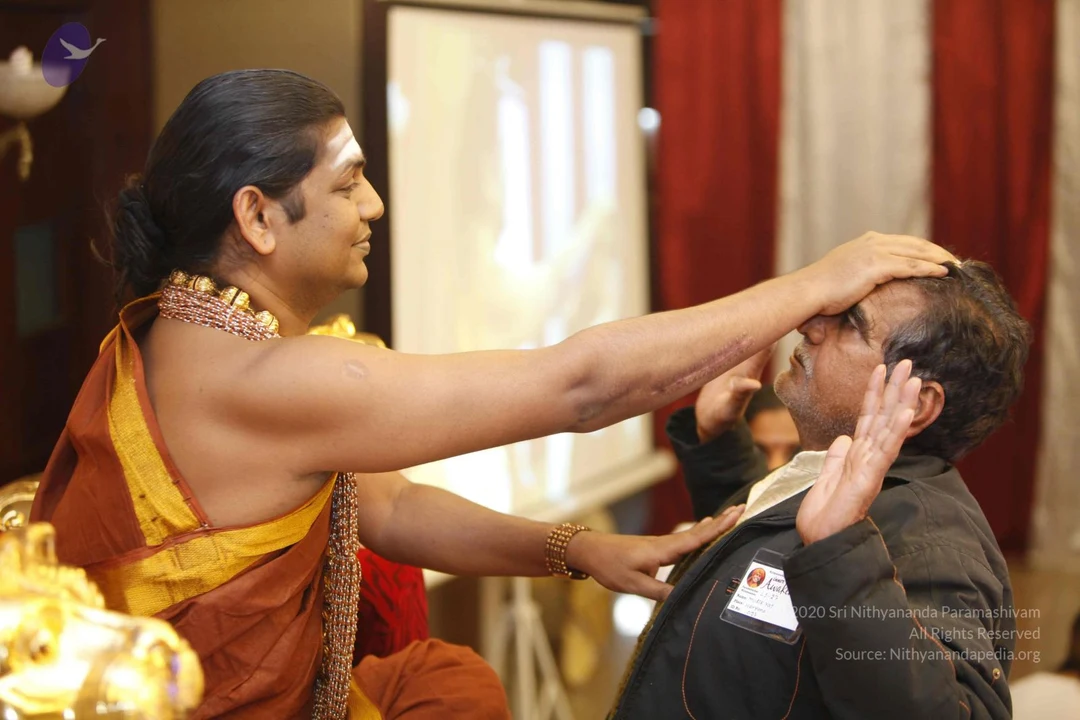
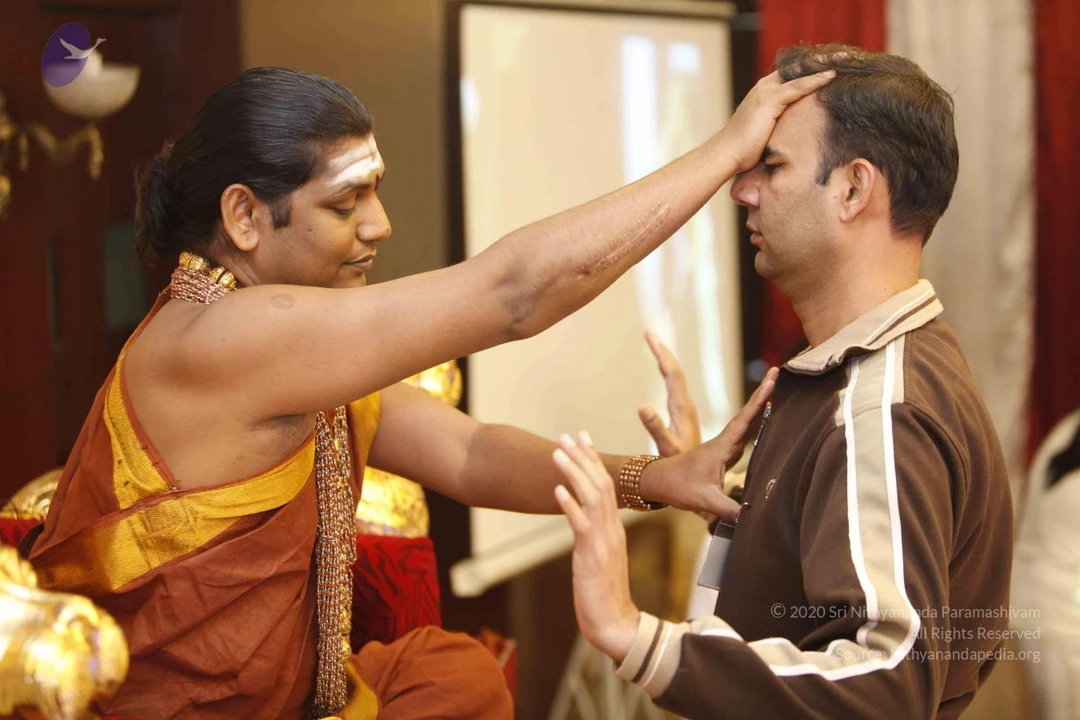
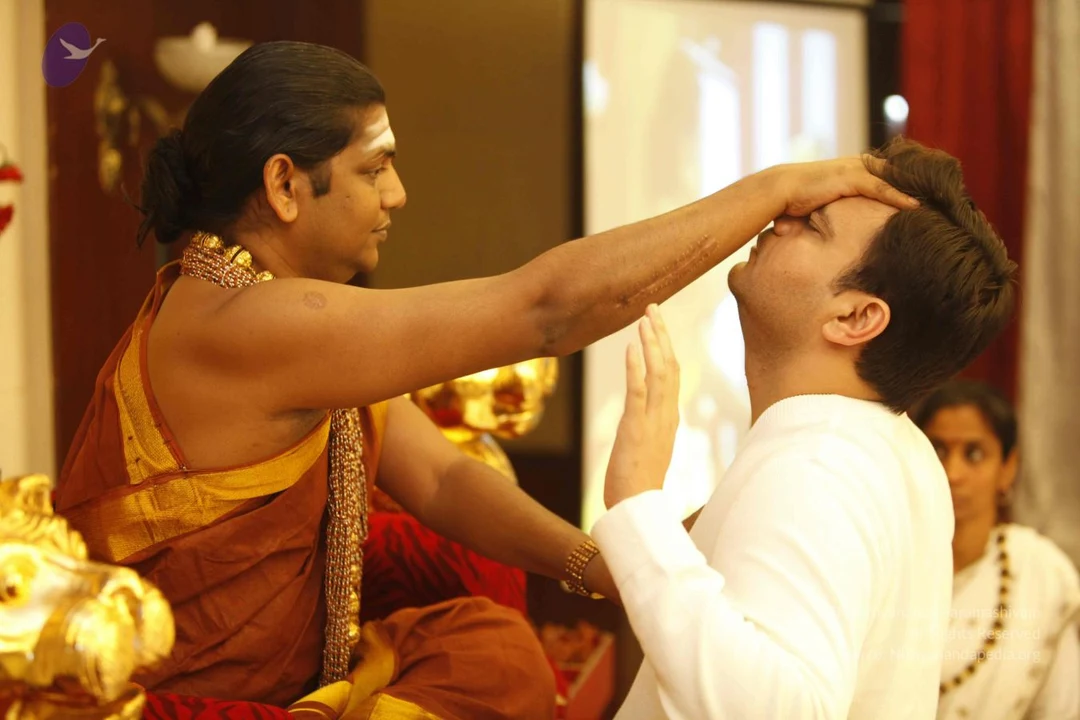
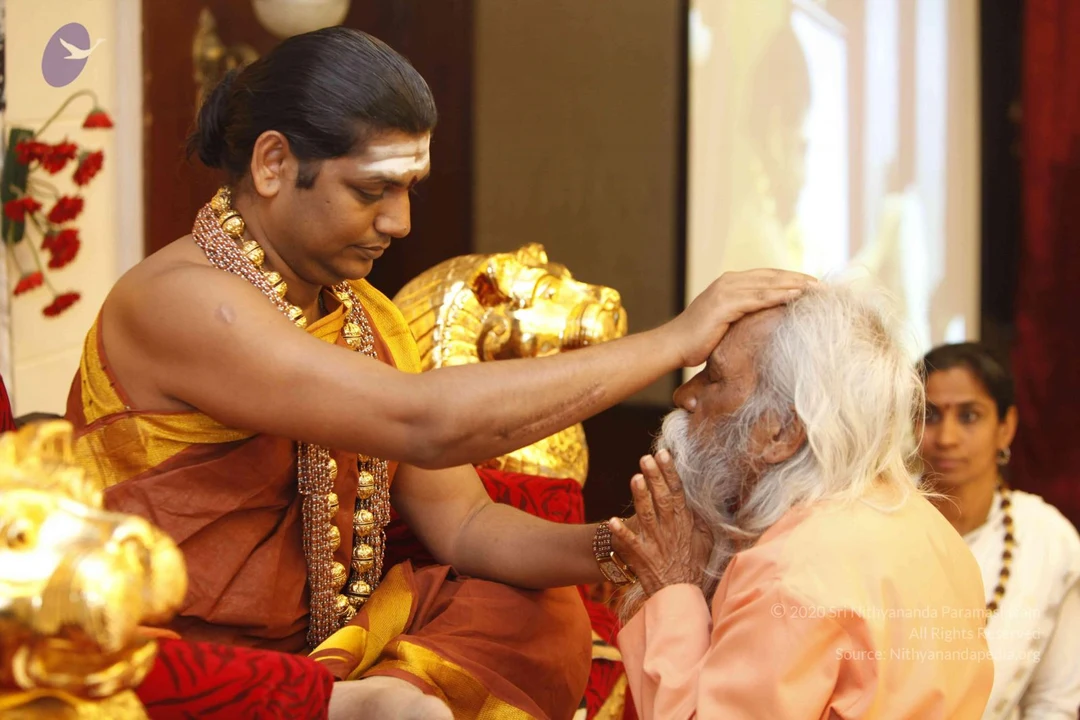
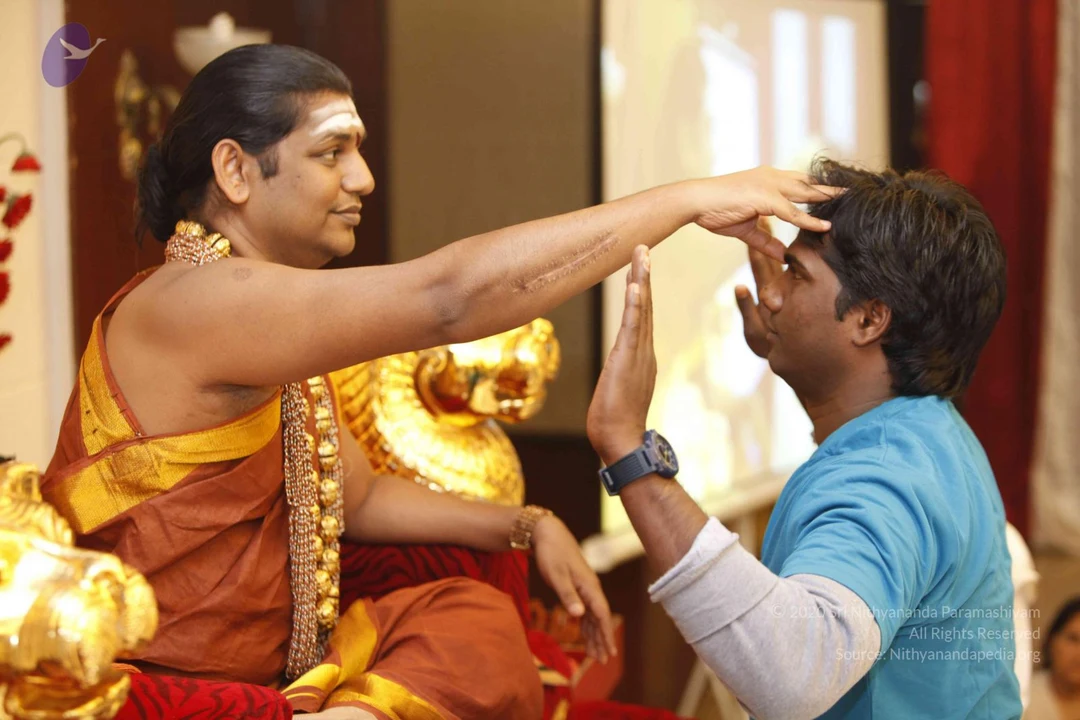
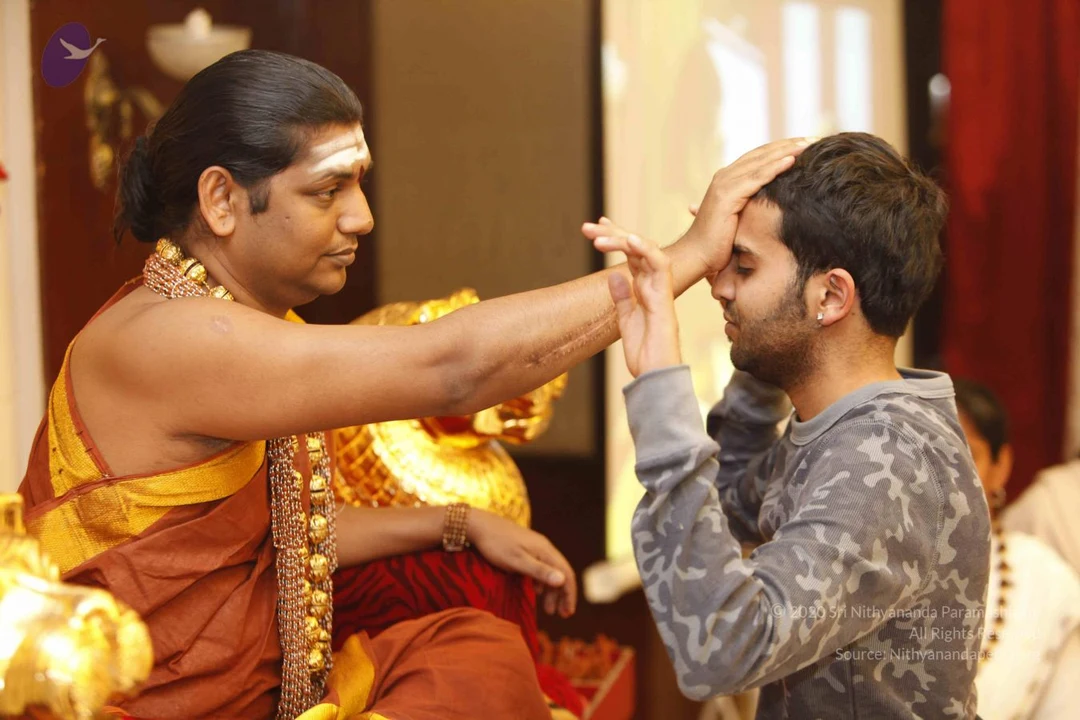
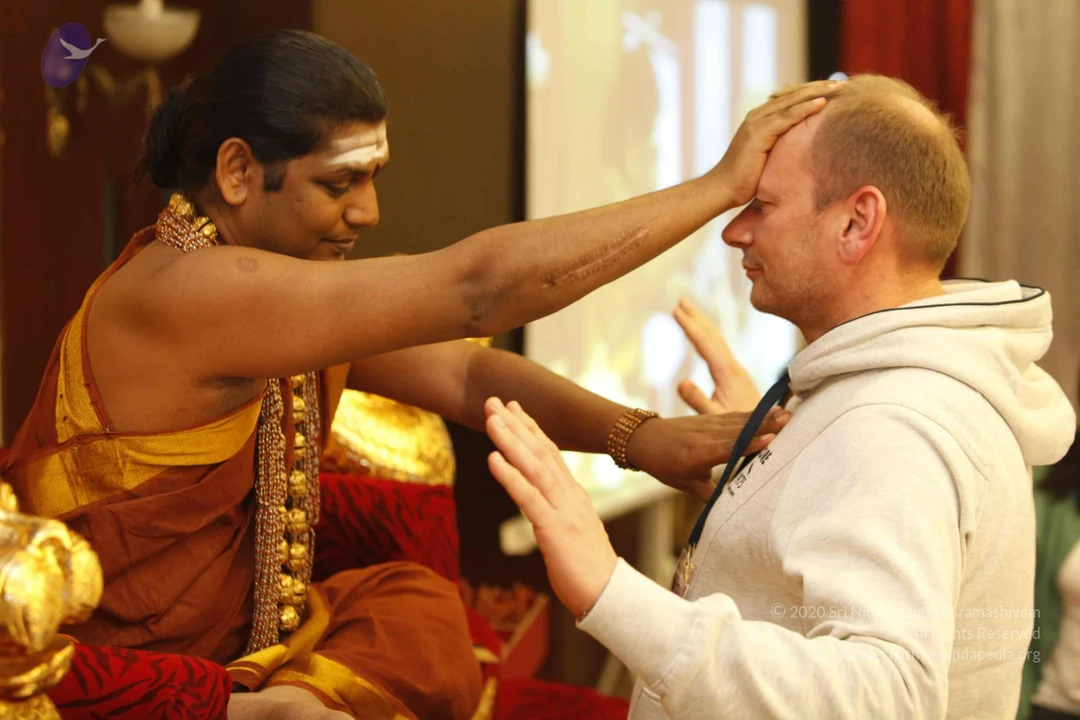
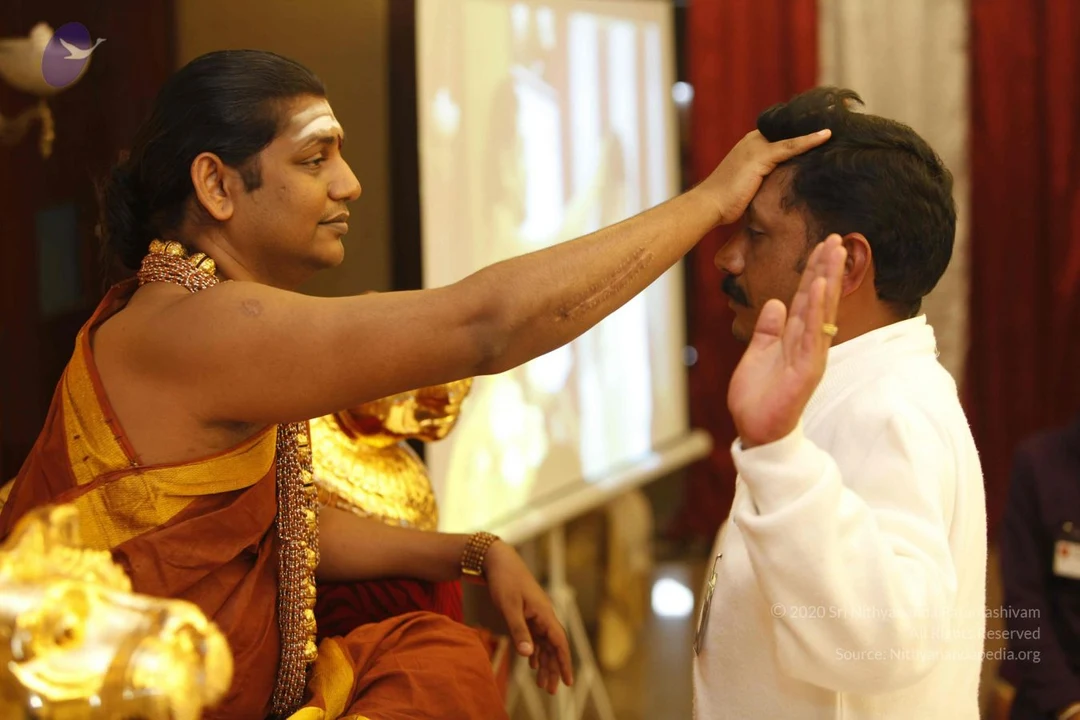
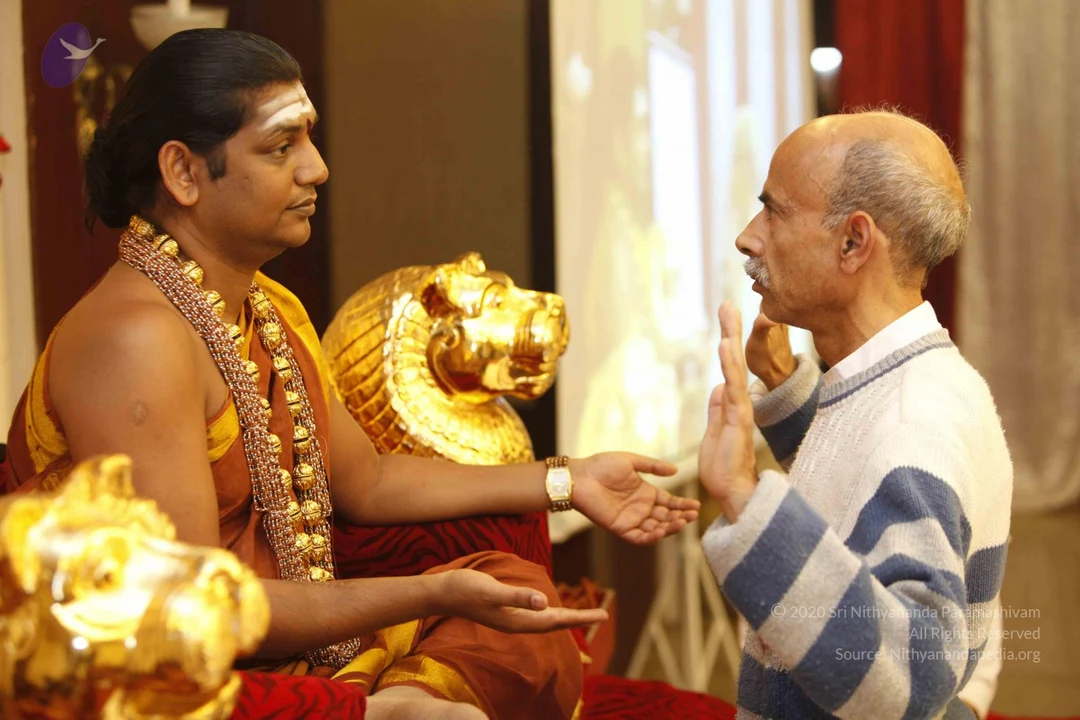
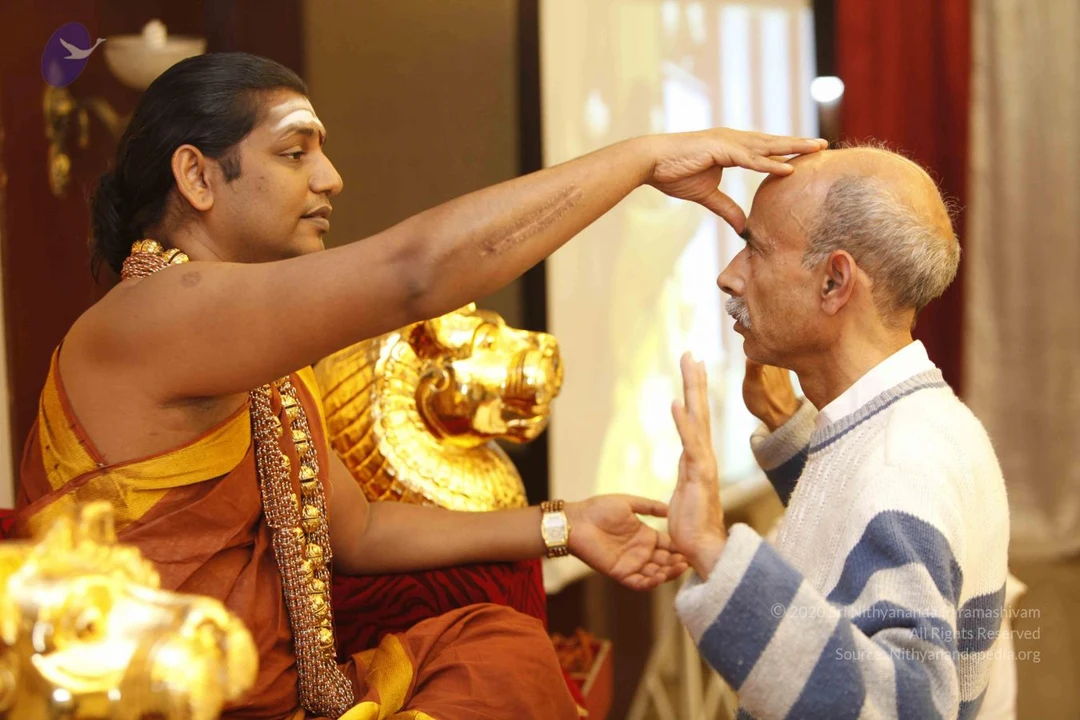
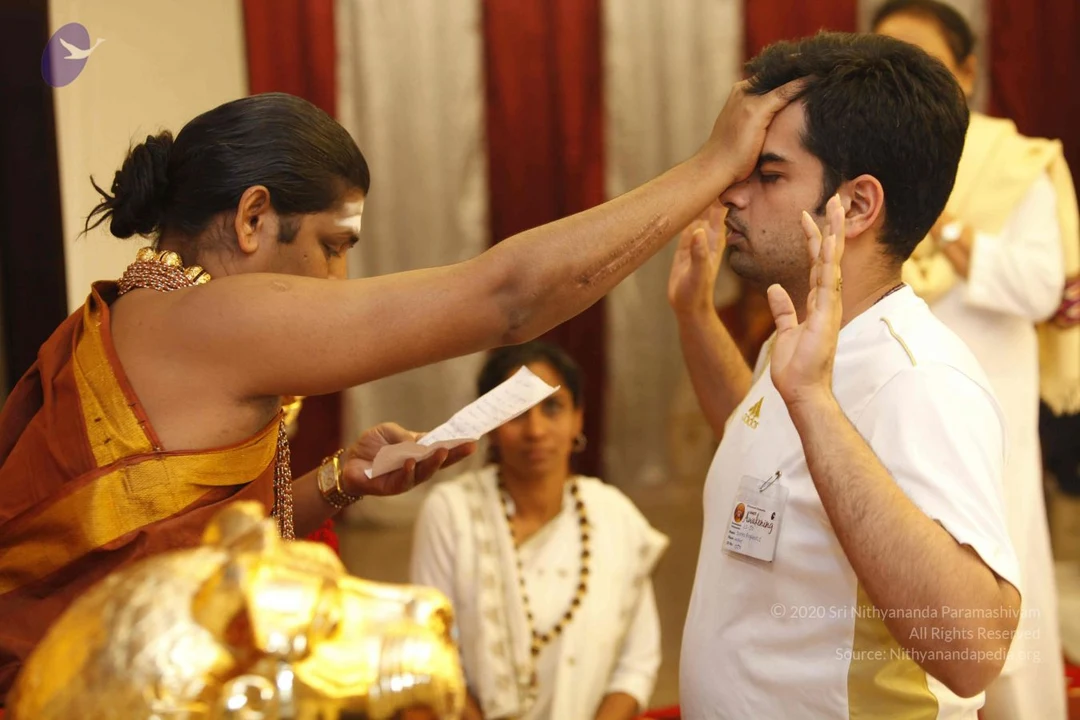
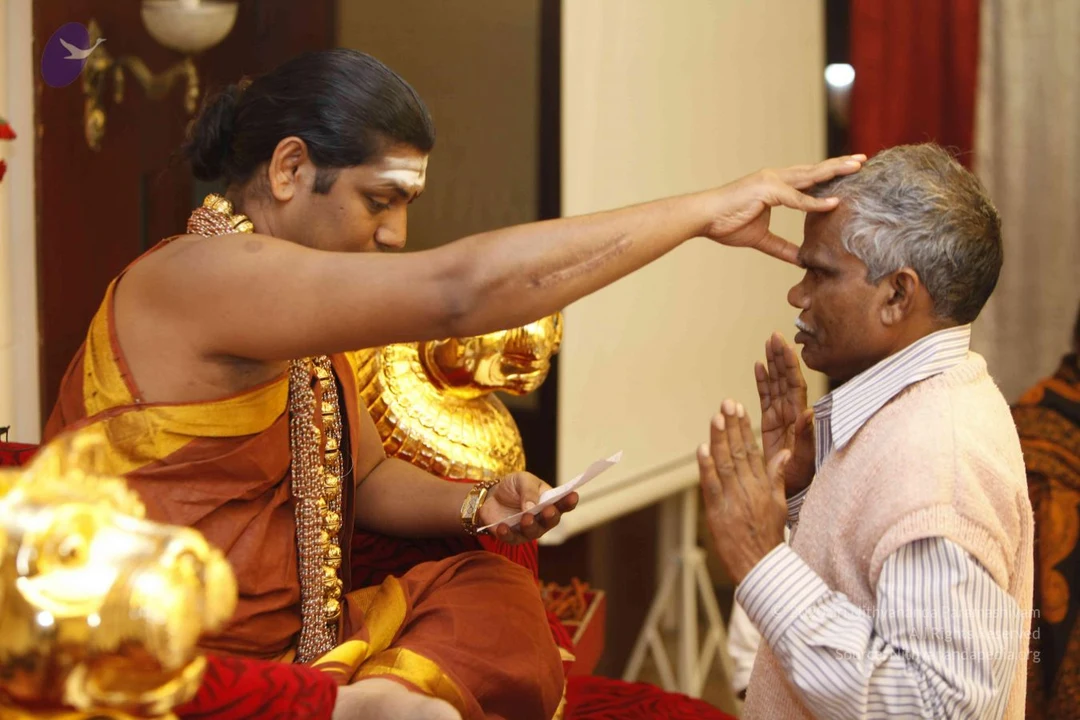
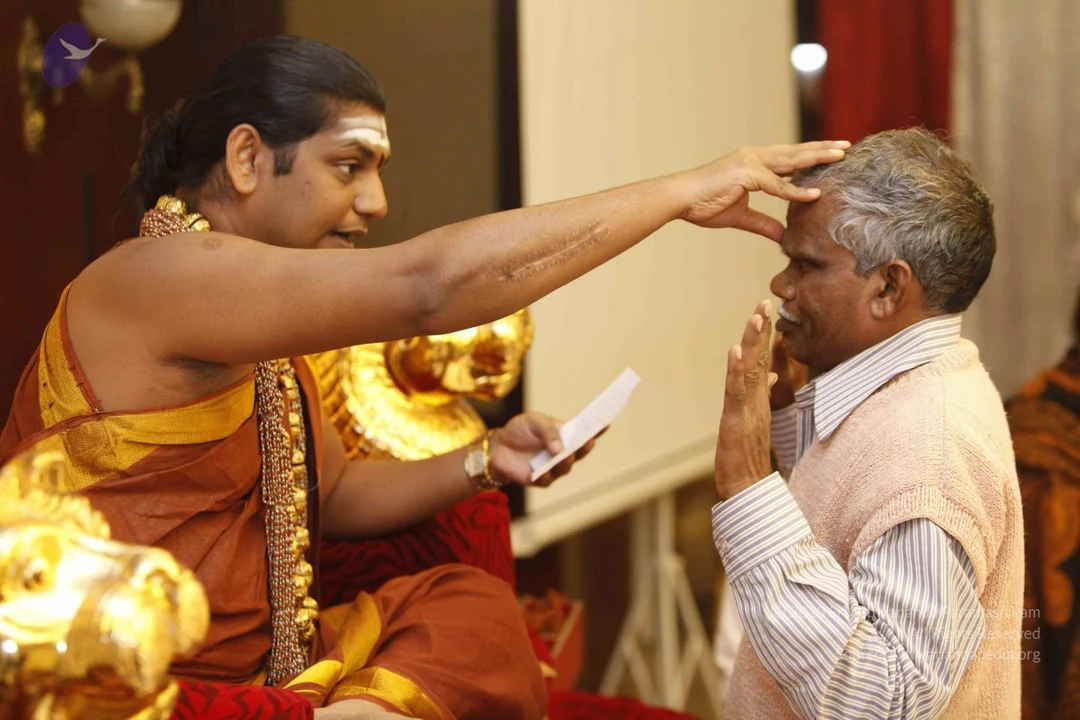
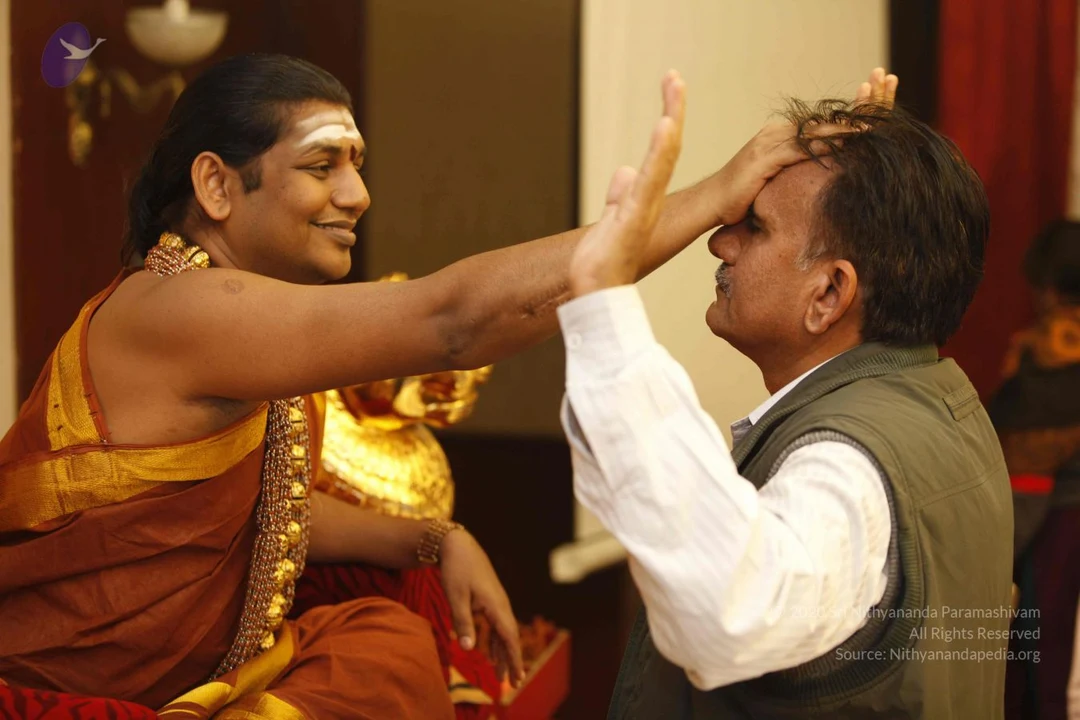
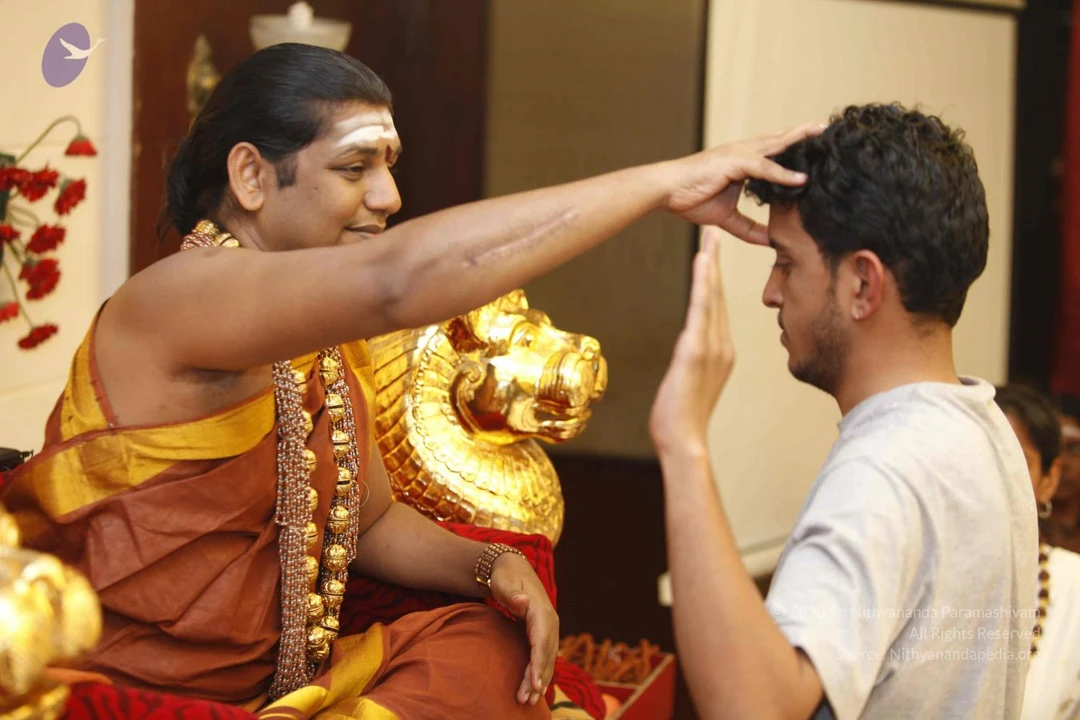
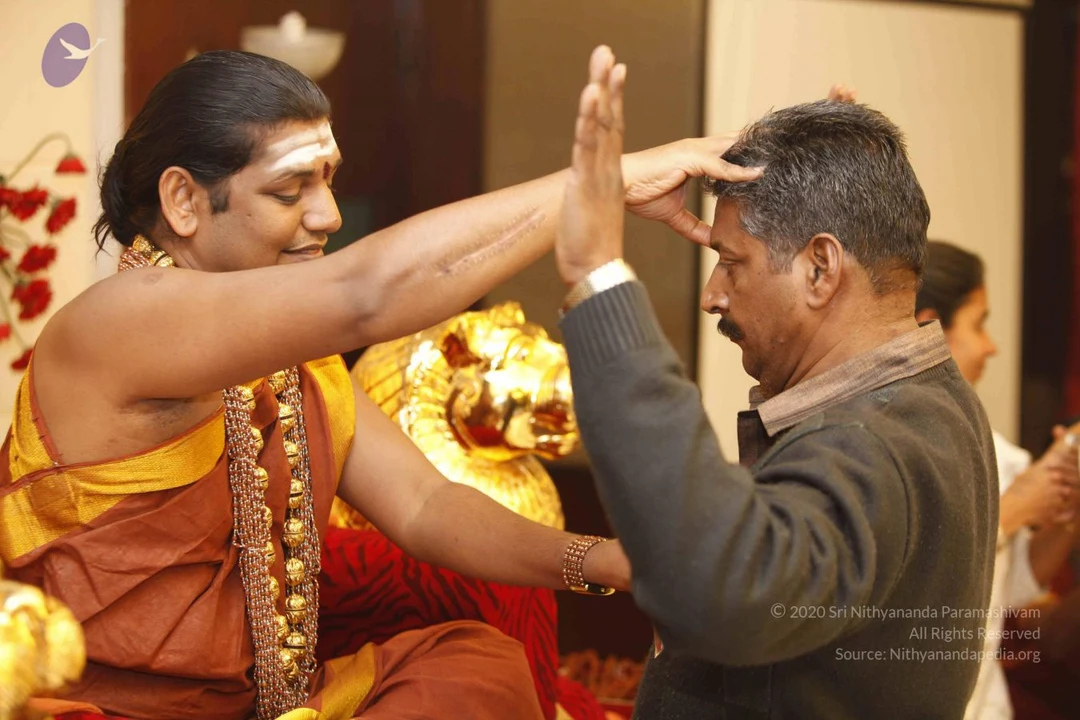
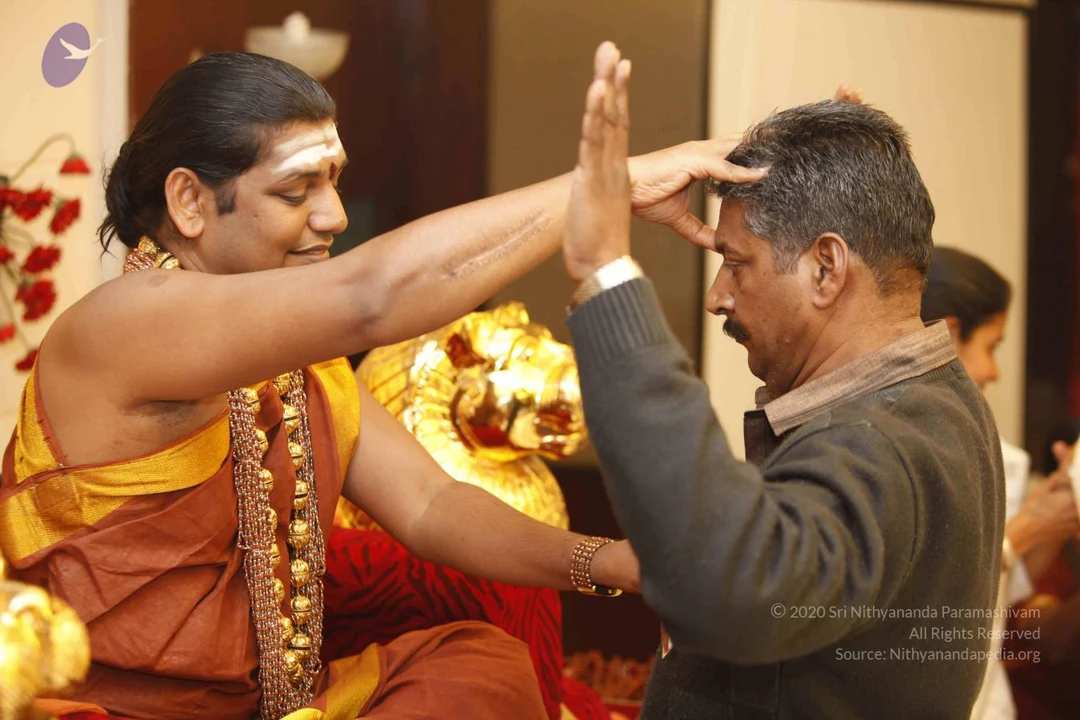
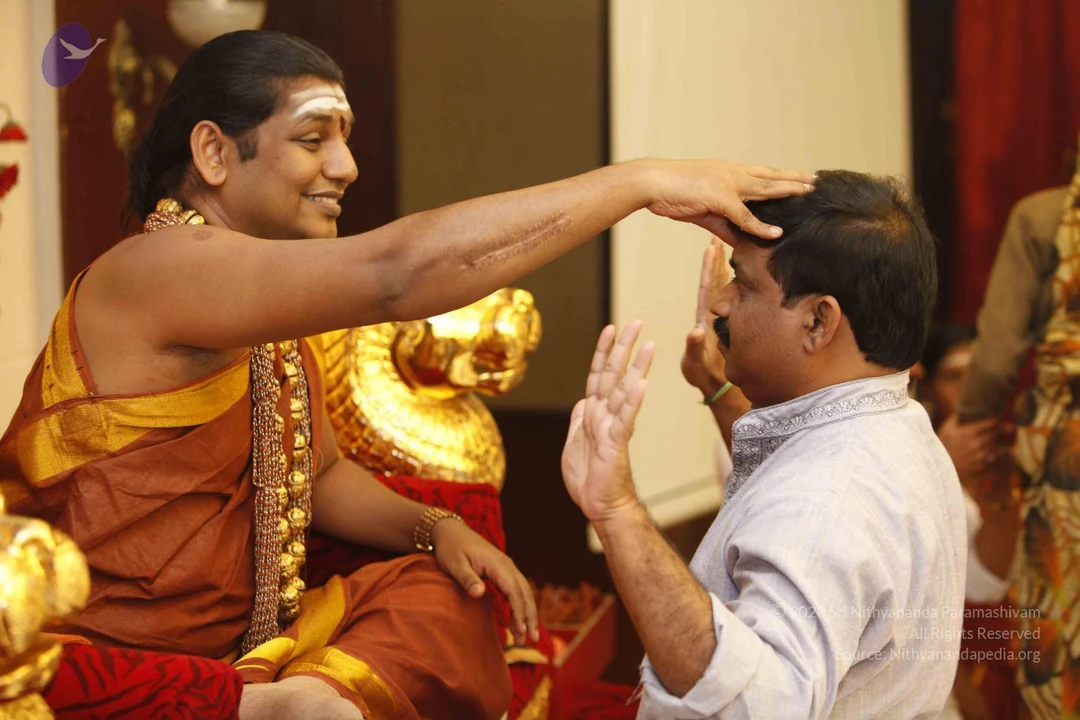
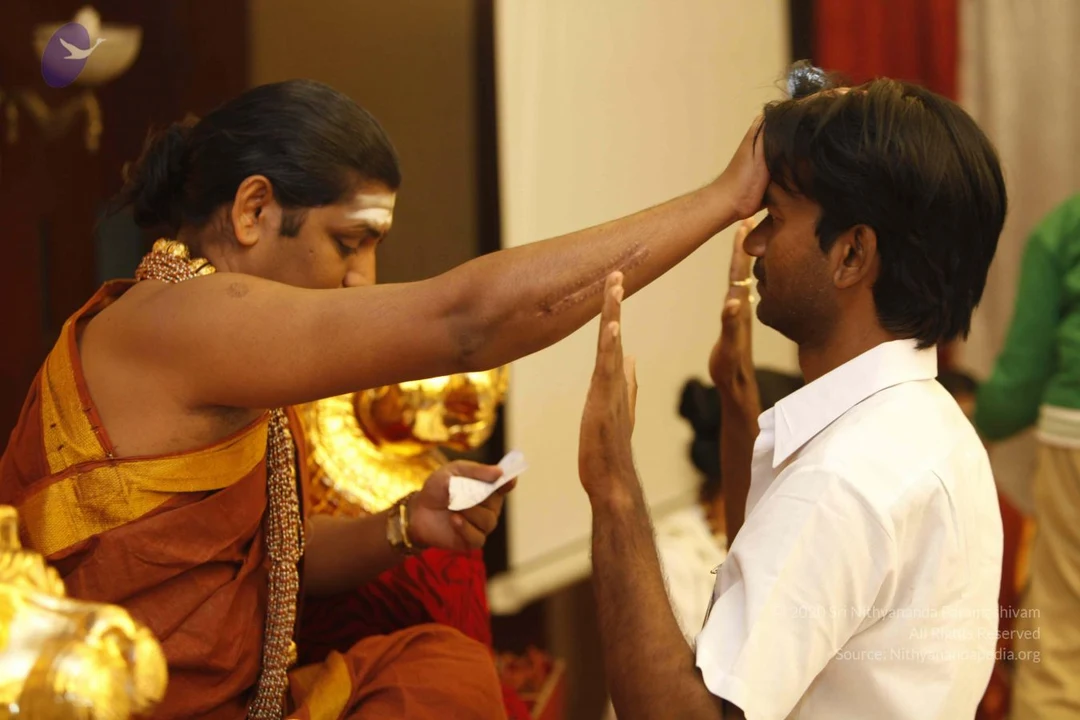
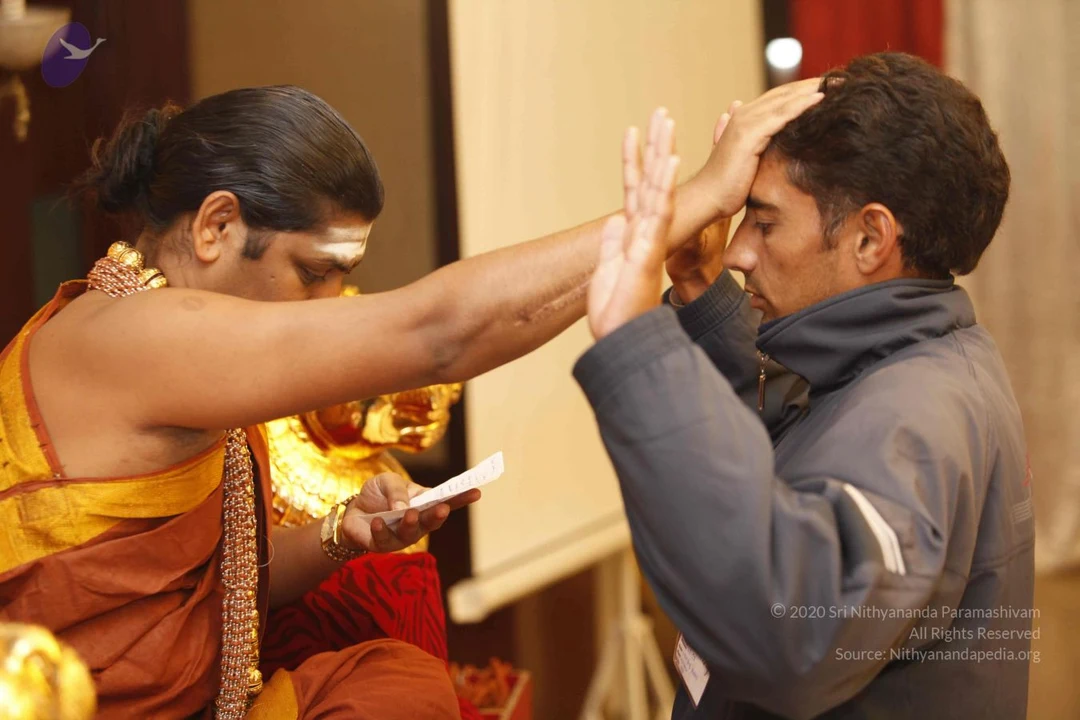
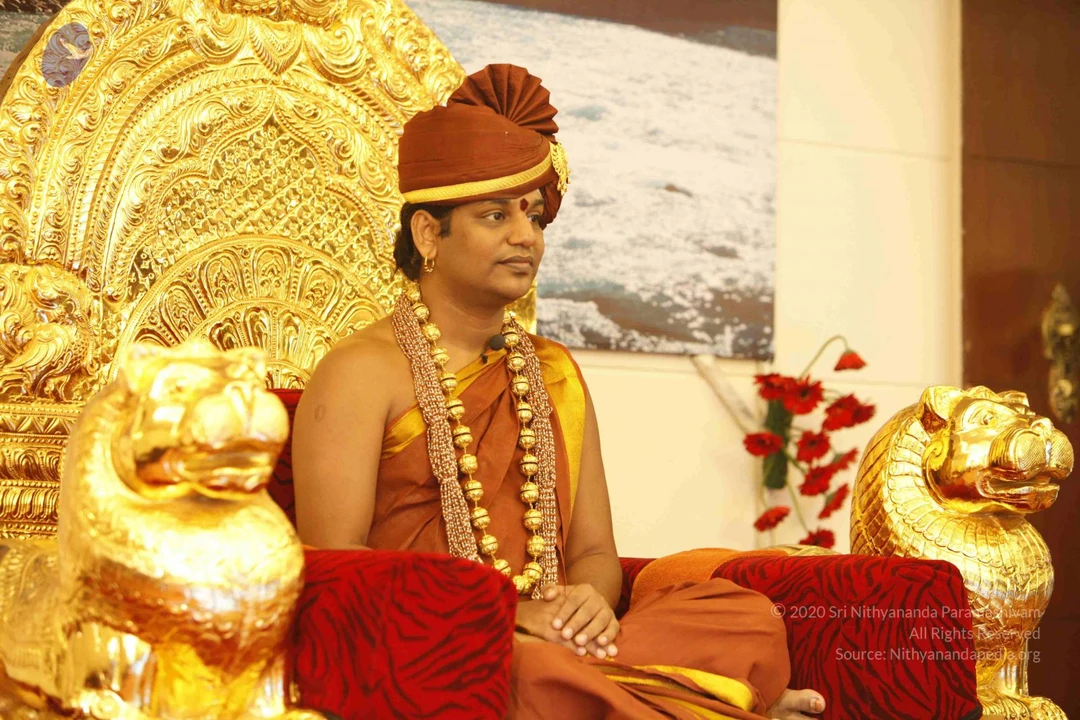
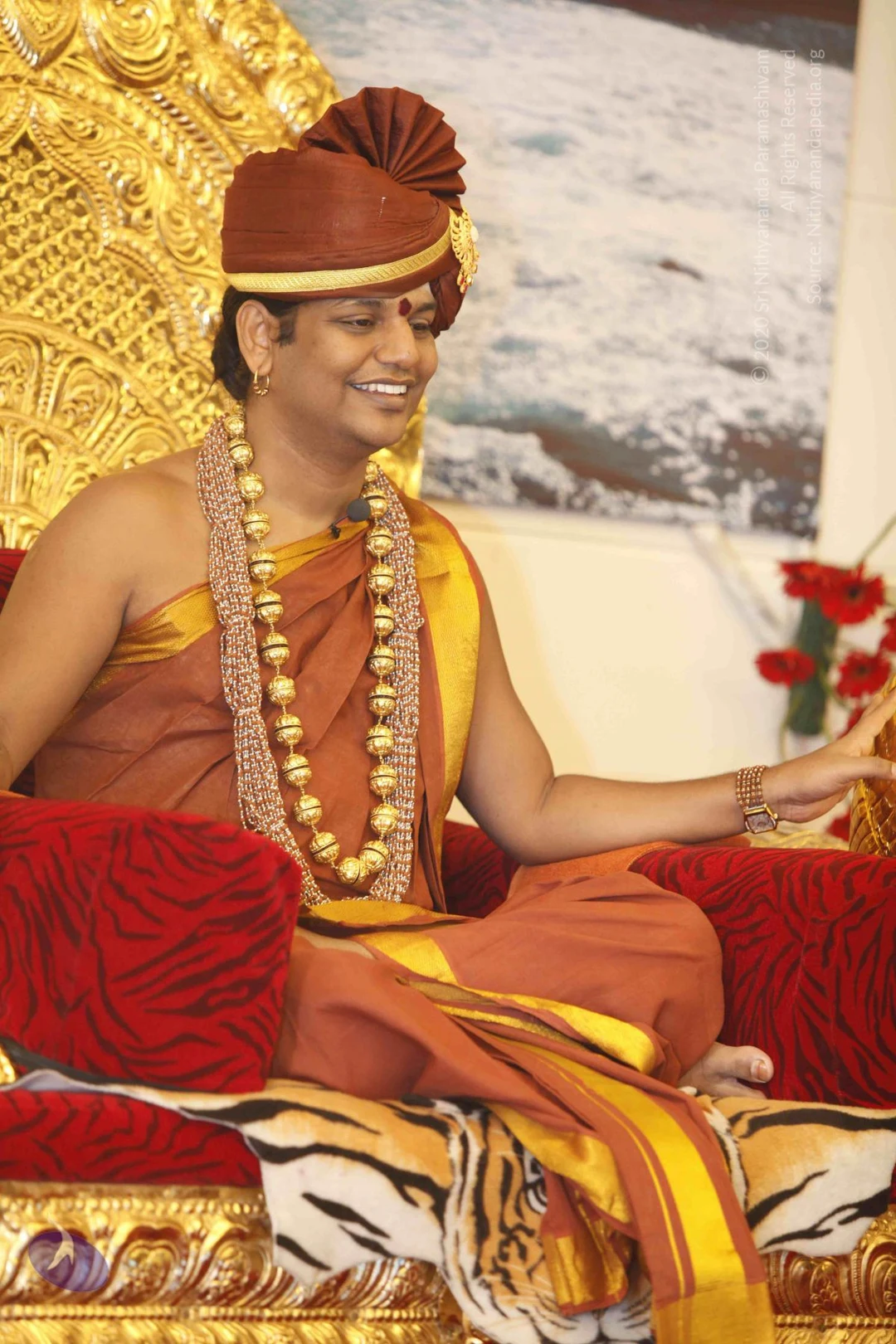
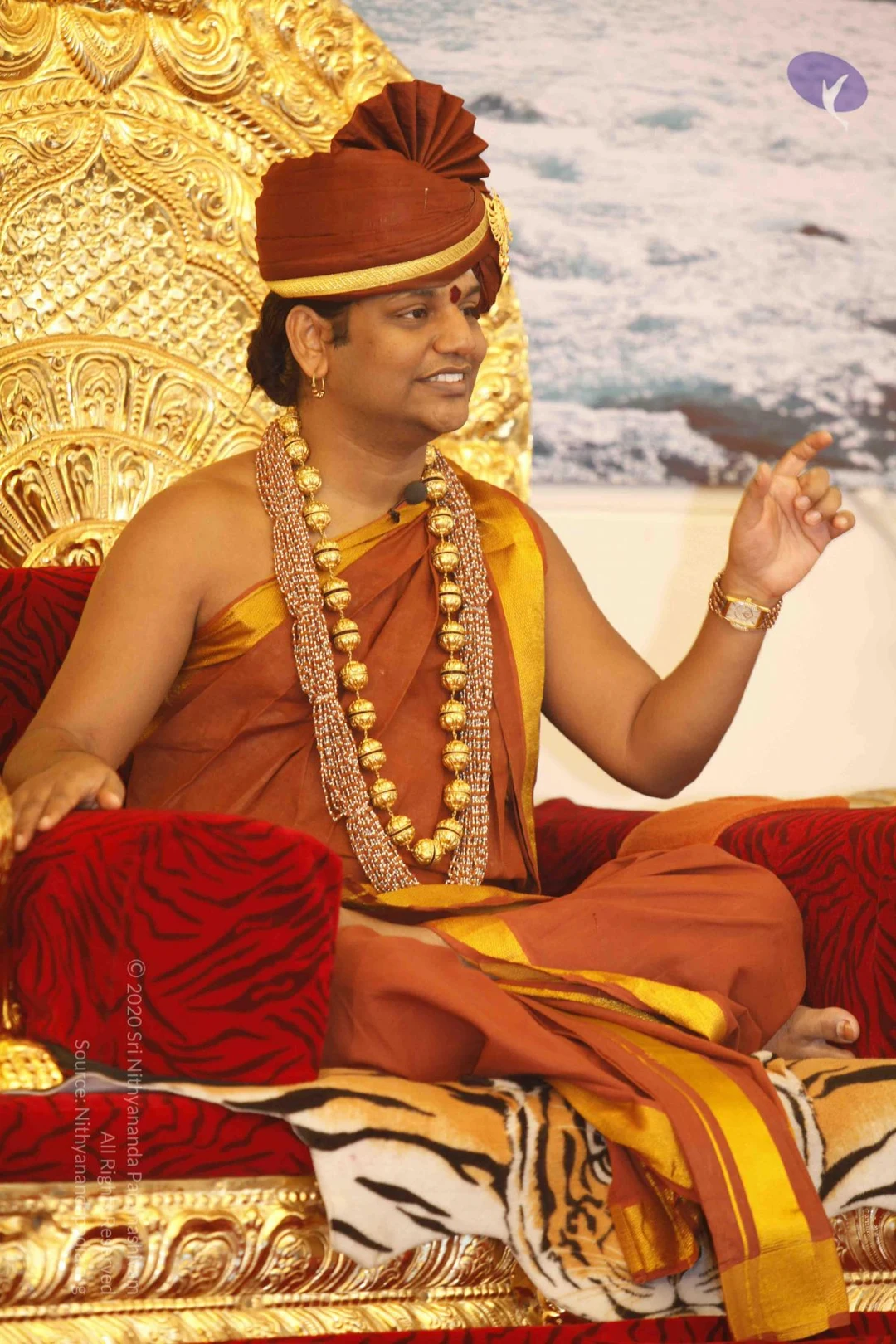
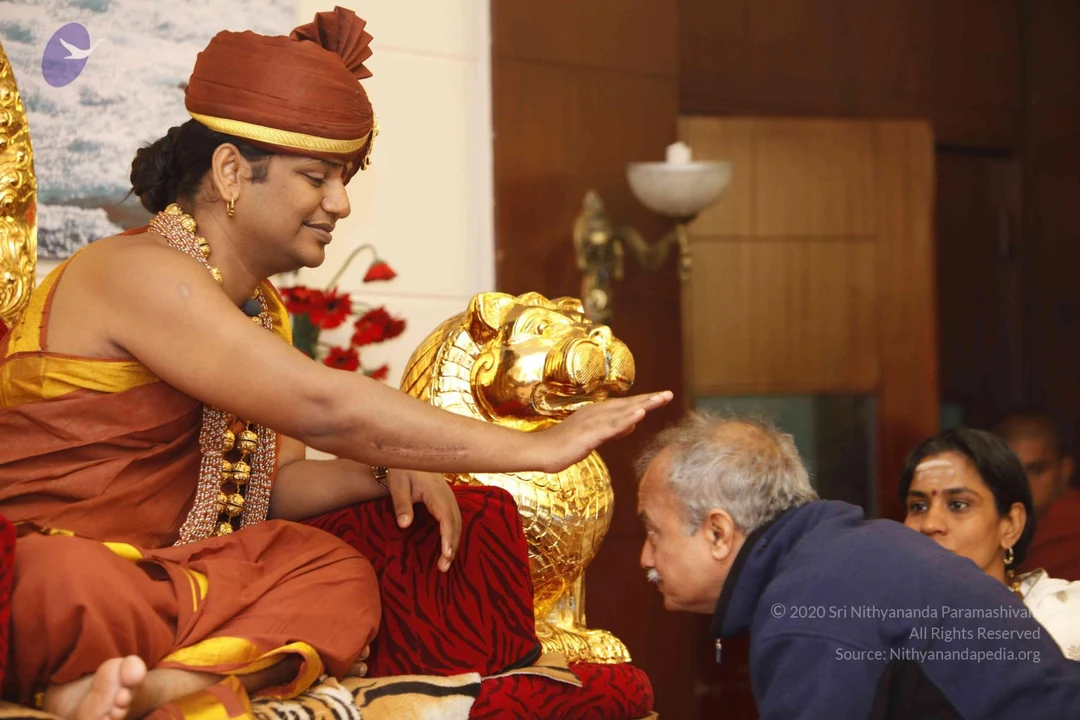
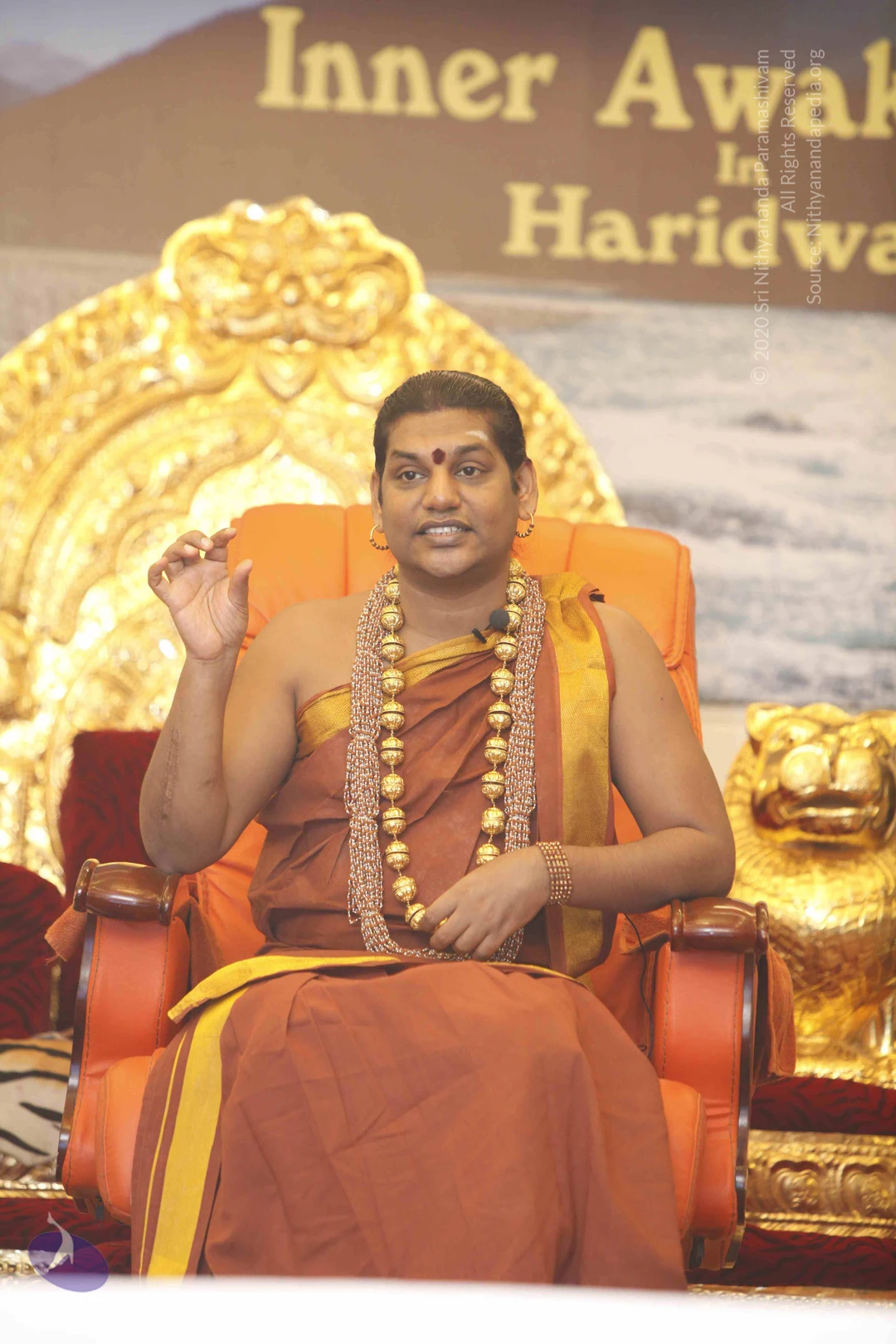
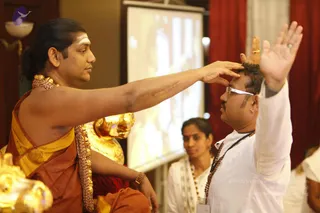
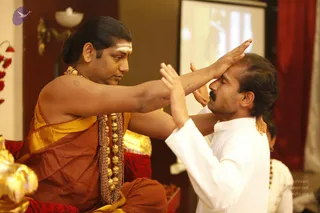
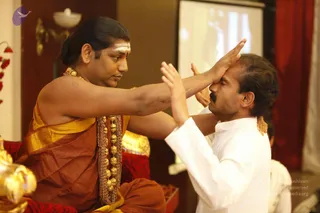
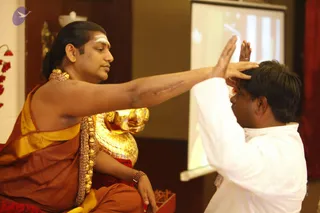
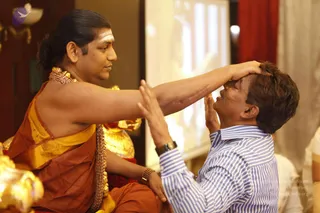
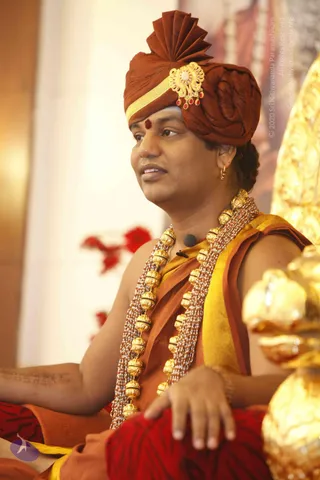
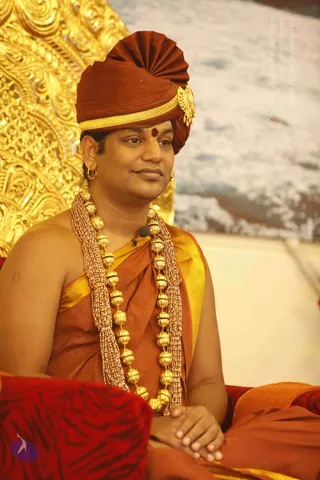
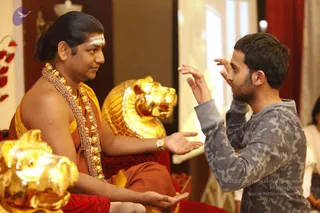
In today’s morning Satsang, Paramahamsa Nithyananda stresses the utter importance of completing with the disease of self-doubt, self-hatred, and self-denial. When we carry these three, we can never reach our true potential. The cure for this disease is the Kalpataru Darshan given daily by Paramahamsa Nithyananda. The extraordinary gift of the Kalpataru Darshan awakens the fire and energy to support what you want to create in your life!
Video and Audio - Responsibility is Power
| Video | Audio |
Transcript
(0:11)
Understand. Today, whole evening you will be doing this process of Completion. A very powerful process, I’ll give you the exact instruction how to do. Now, before getting into the Completion, we will finish one more process you need to do - completing with your feelings. Please listen. Yesterday, Completing with the words... that is Integrity. Completing with your thinking is Authenticity. Completing with your feeling is Responsibility.
Listen. I am giving you an example - how the feeling and responsibility is connected. Listen. Sometime you are watching the TV - “Breaking News” “bomb blast” “150 people dead”. Immediately you get up and sit. And the next line - “In Iran or Iraq”. Okay. How many of you have experienced this, raise your hand? Means the moment it is in some other country, what you do? Means, you feel responsible only for you, what you think as yours. Clear? Only for what you think as yours you feel responsible.
Understand. Expanding that feeling and making you understand, you are responsible for everything.... completes all your incompletions in the feeling level. Listen. One more example, listen.
One old man goes to next village for some work. He is coming back to his hometown, that home village...sorry not home town, home village, native village. From the distance he sees his house is on fire. That’s all; he is rolling on the ground and crying. How villagers cries you know! Typical village crying ☺ He is rolling on the ground and crying. His first son rushes towards him and says, “Dad, don’t worry. Don’t you remember, just day before yesterday we sold that house? It’s not ours anymore.” That’s it! All his sadness, crying, tears, everything disappeared. And he wiped the eyes and now full of smile, “Yes, yes, yes, yes. Now I remember we sold it away.” Two minutes, he is all...all the sadness disappeared. In three minutes, the next son comes and says, “Yes Dad, we sold it, but still we have not got the money. Because we have not got the money, it is still ours only.” That’s it. Again this fellow started rolling and crying. No, you can see this in your life. When you think you are not responsible, you don’t care, we don’t bother.
(4:30)
Listen. We are all always afraid of responsibility, because the moment we think responsibility, “Oh, so much work! I am already loaded. Too much is in my plate.” How many of you sing all these words like a japa everyday? - “Too much is in my plate, I am already loaded. I cannot take anything more. I cannot take up anything more! I am done.” These are all like mantra every day we chant. Understand. It is because we have a wrong understanding about responsibility. You forget Responsibility is more power. It is more power.... not just more work. Listen. One of the important Truth you need to know, whether you like it or not, whether you want it or not, there are some eternal laws, eternal Truths. Whether you like it or not, want it or not, you are the source of everything. Please listen. You may, how much ever you try to forget, “No, no, no, I am not the source.” Truth remains as Truth.
There is one story. Understand. The same way, how much ever you try to forget, you may try your best to forget, “No, no, no, no, no, I am not responsible. My wife is responsible for everything. My son is responsible. My father is responsible for all the suffering I have.” Whether you want it or not, like it or not, believe it or not, the Truth is - you are the source of what you are having - good or bad. Responsibility means living and responding to life from the Truth and understanding that you are the source of everything, therefore you are responsible for all the happenings in and around you. Listen. I am repeating. Whether you want or not, like it or not, believe it or not, there are some truths exists. Whether Pope turns atheist or Communist turns theist, God exists is the Truth. Nothing can be done about it, how much ever you deny. The Independent Intelligence which runs the Cosmos exists.
Same way, there are some eternal laws, which no one can change. We can all start shouting, “Eh, I went out...outside the hotel and looked all the side, Himalayas is not there in the Haridwar.... because I am not able to see….” We can all shout! Is our shouting going to take away the Himalayas? It will continue to be there in Haridwar. Haridwar means entrance to God. Himalayas is the embodiment of Hari - God. Haridwar means entrance to God. So just because we all scream, the Haridwar is not going to be taken away from Haridwar. Himalayas are not going to be taken away from Haridwar. “What is this, I went to the roof of the hotel and looked around, I didn’t find Ganga. It’s a lie. Ganga goes around in Haridwar.” We can scream. Is our screaming in any way going to stop Ganga or affect the Haridwar, affect the Himalayas? Same way, whether we believe or not, there are some eternal laws.... laws of life. Whether you want it or not, like it or not, the Truth is, you are the source of everything.
(9:45)
In Vedanta, we have a beautiful word - ‘Drishti Srishti and Srishti Drishti’. You think you see what is, but the Truth is you create what is. You create what you want. You don’t see what is, you create what you want. Listen. Responsibility means thinking, feeling, living, responding to life from this understanding, “I am the source of everything. Therefore I am responsible for everything happening inside me and outside me... in and around me.” Cognizing this truth, living with this truth...cognizing this truth and living with this truth is Responsibility. Listen. Immediately we think, “How can I be responsible. I am going in the road in the right direction, somebody comes and hits me. It is his mistake. How can I be responsible?” How many of you have these kind of questions? Yes, you may not be responsible, but who is going to suffer?” Tell Me, who is going to suffer? Listen. You may not be... reason, but you are only responsible. You may not be reason, you are only responsible.
Listen. People who don’t take responsibility even for their actions are animals. People who take responsibility for their actions are human. People who take responsibility for the actions for which they are not reasons, even for those things they take responsibility, they are Leaders.
Understand. Many time, you may not be reason, but if you feel responsible only, you will come out of that situation, you will come out of that problem. How many of you are getting it? If you don’t feel you are responsible, are you going to come out of that problem? Are you going to come out of the mess? Whether you are reason or not, who is actually suffering there? We!
So be very clear.... life, whether you want it or not, believe it or not, like it or not, whether you take it as a good news or bad news - you are source of everything. Whenever you understand that, you cognize it and process, you feel powerful in the life. Whenever you feel you are not responsible, somebody else is responsible, somebody else is responsible - you become powerless that’s all. Truth empowers you. Ignorance makes you powerless. How many of you want to live a powerful life? Then, you should take up the Truth in your life. The Truth is - you are source of everything in and around you.
(14:43)
See usually, responsibility means we, “Oh God, no, no, no, no…..” we think more work, more I have think. But listen, when you start taking more responsibility, you get more power. The first thing comes to you is more power. I tell you, so much of attack has been done on Me - the media terrorism. That’s the word I use. Media terrorists have attacked Me. Actually I am not the reason for the attack done on Me. It’s complete false... lies. I am not the reason for the attack I went through, but I know I should take responsibility. Only then I will come out of this whole situation - I came out! Now nothing has stopped! No one can do anything! No one is able to do anything. See, all over the world, the mission we took up, we are doing it. When I took up the responsibility in My hand, in My heart, I experienced power. That power naturally gave Me the clarity to do what needs to done... and I am successful. So listen. From My experience I tell you, responsibility is power not just work. I’ll give you this as experience; through this process of Completion, I will give you this as a experience.
(16:54)
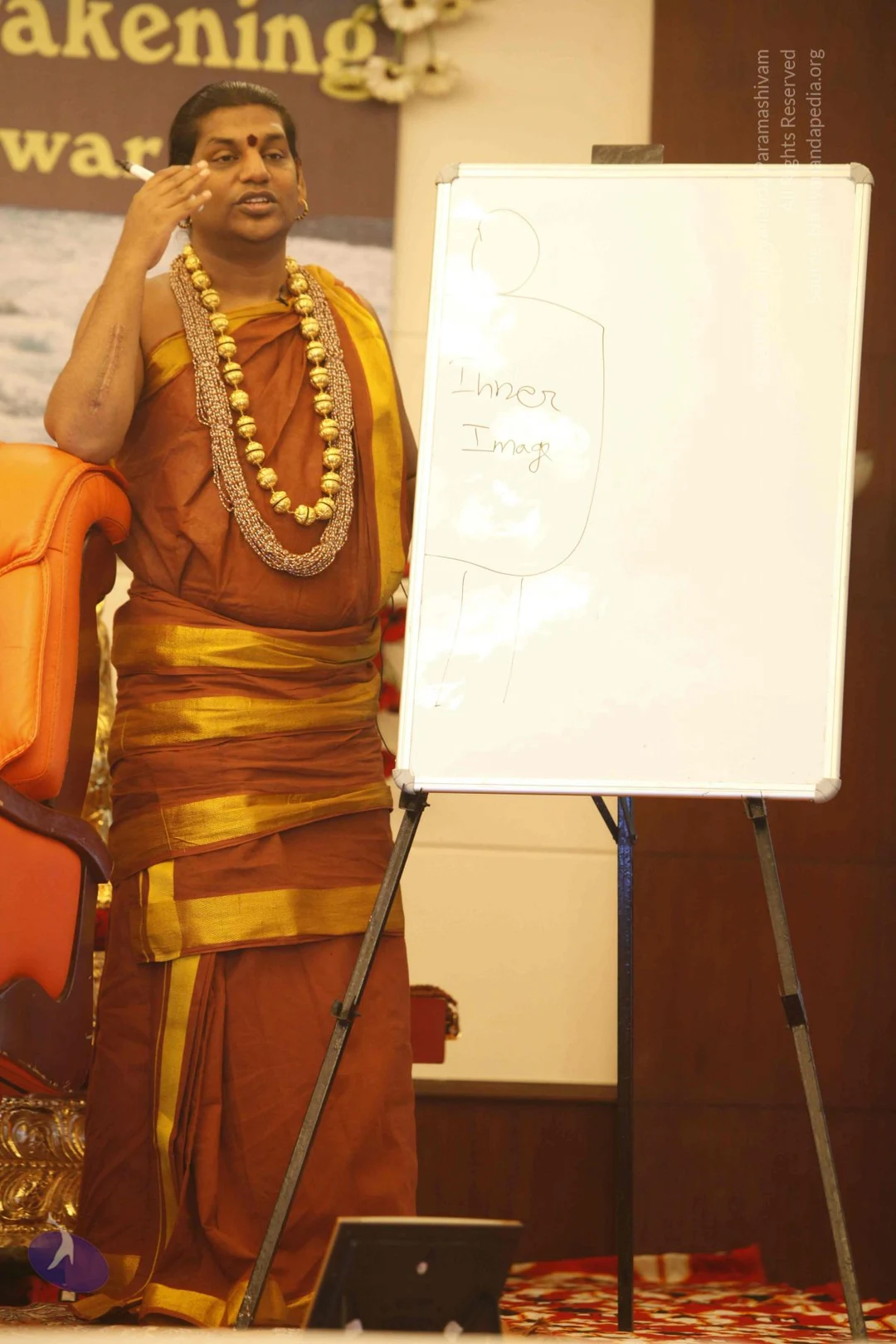
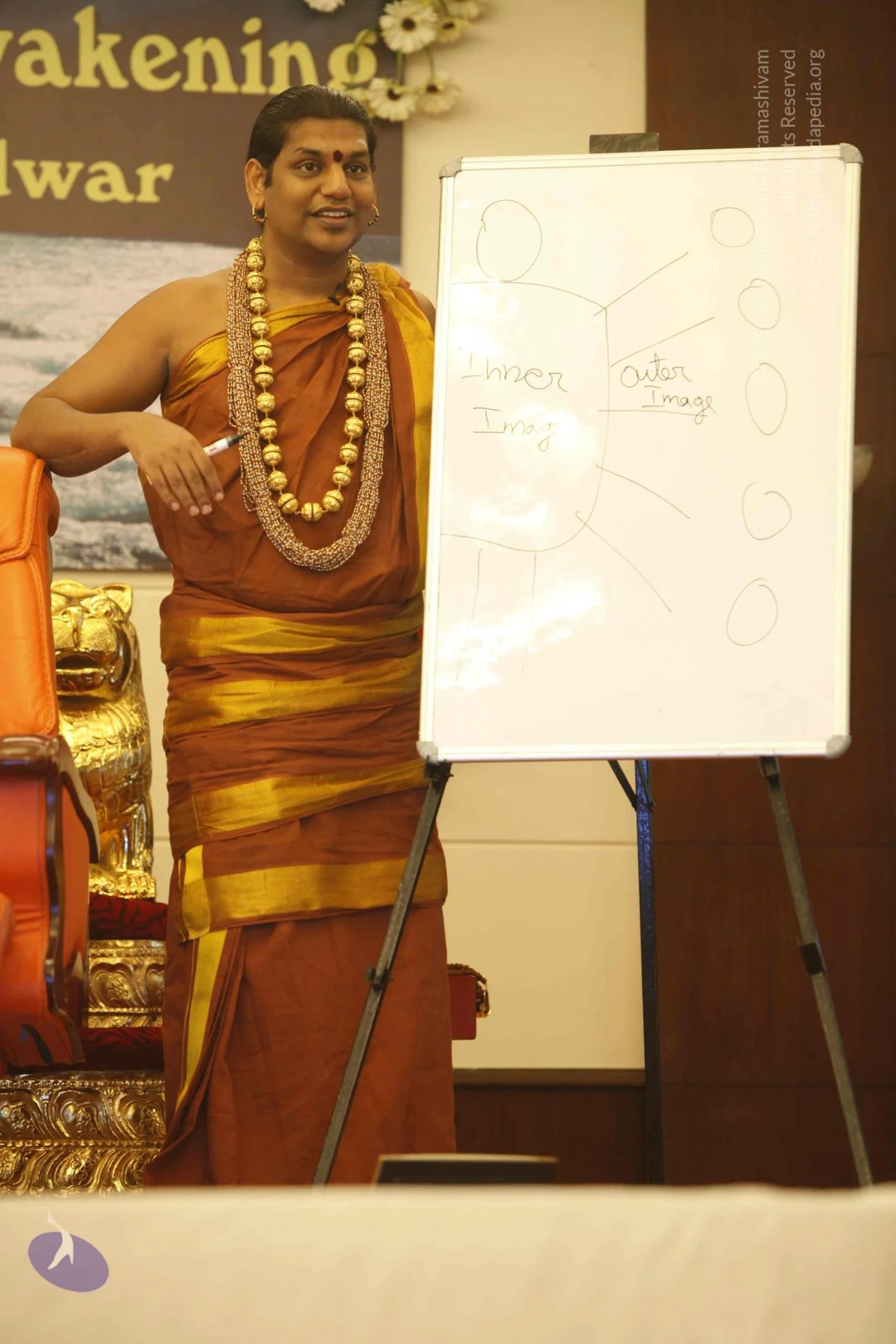
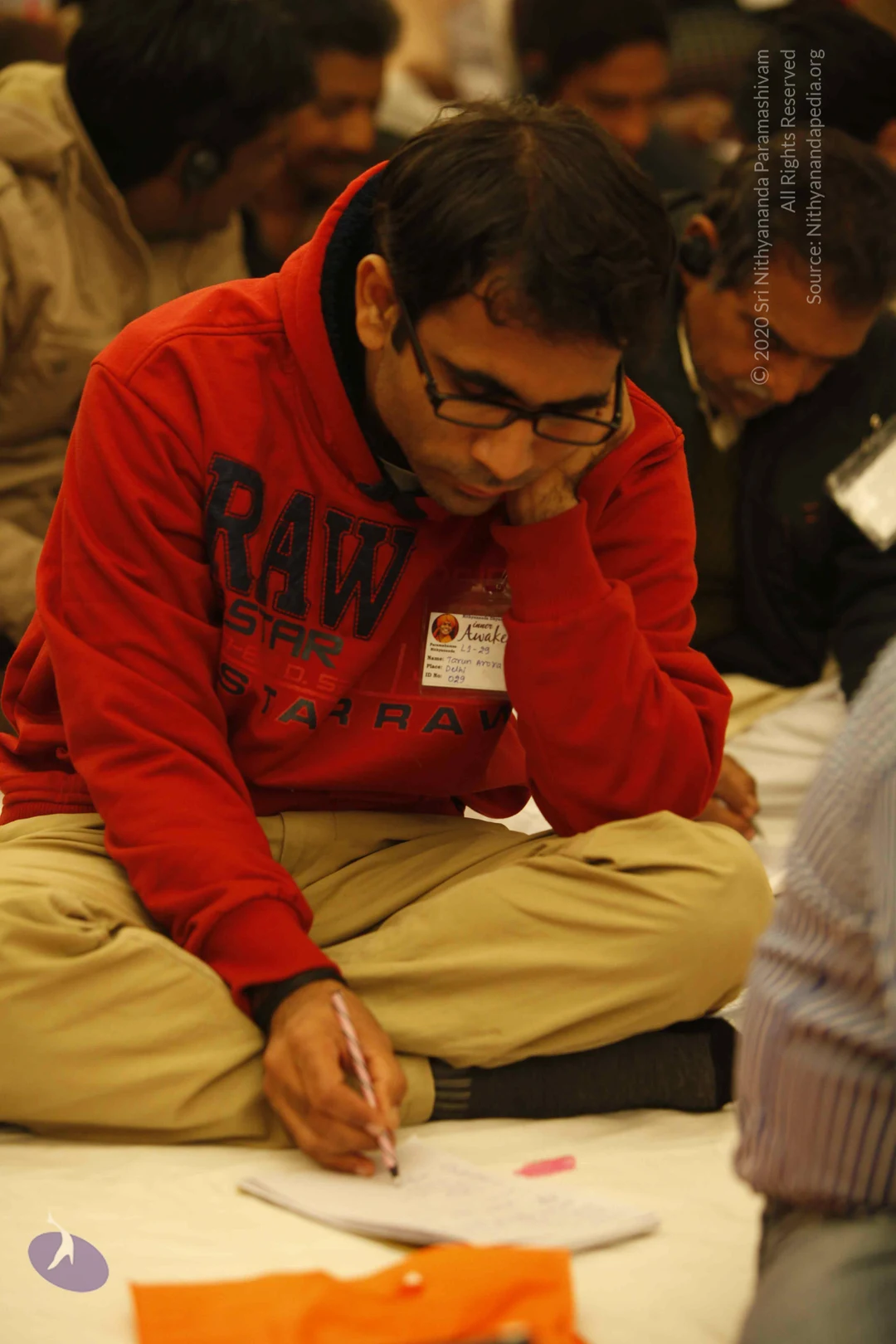
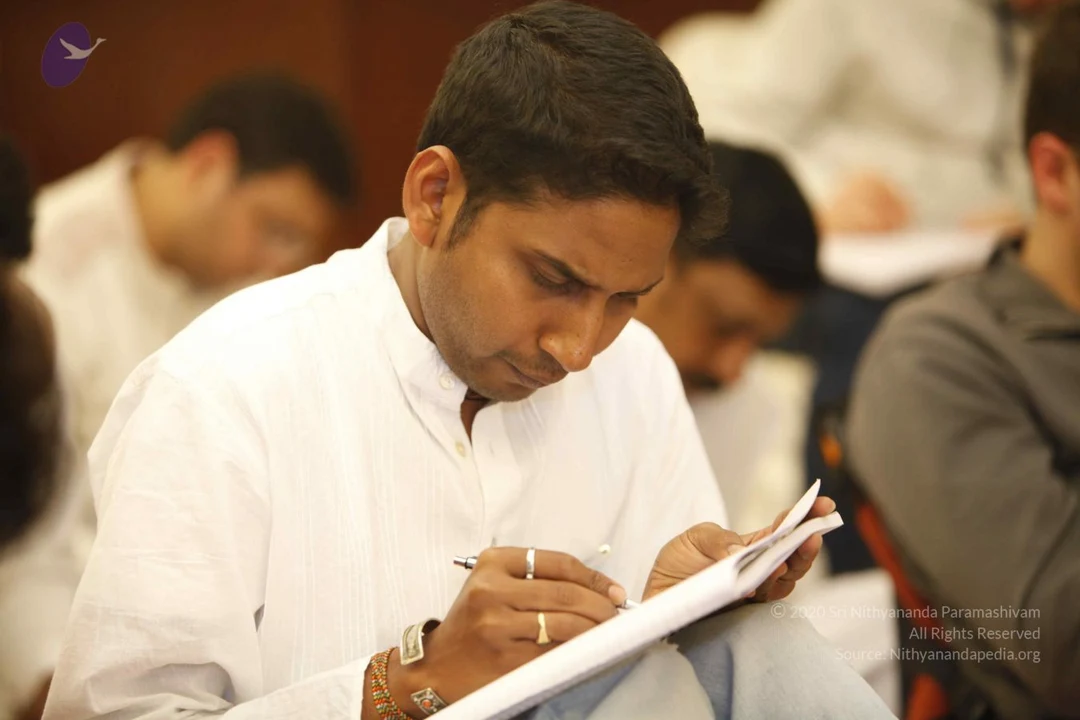
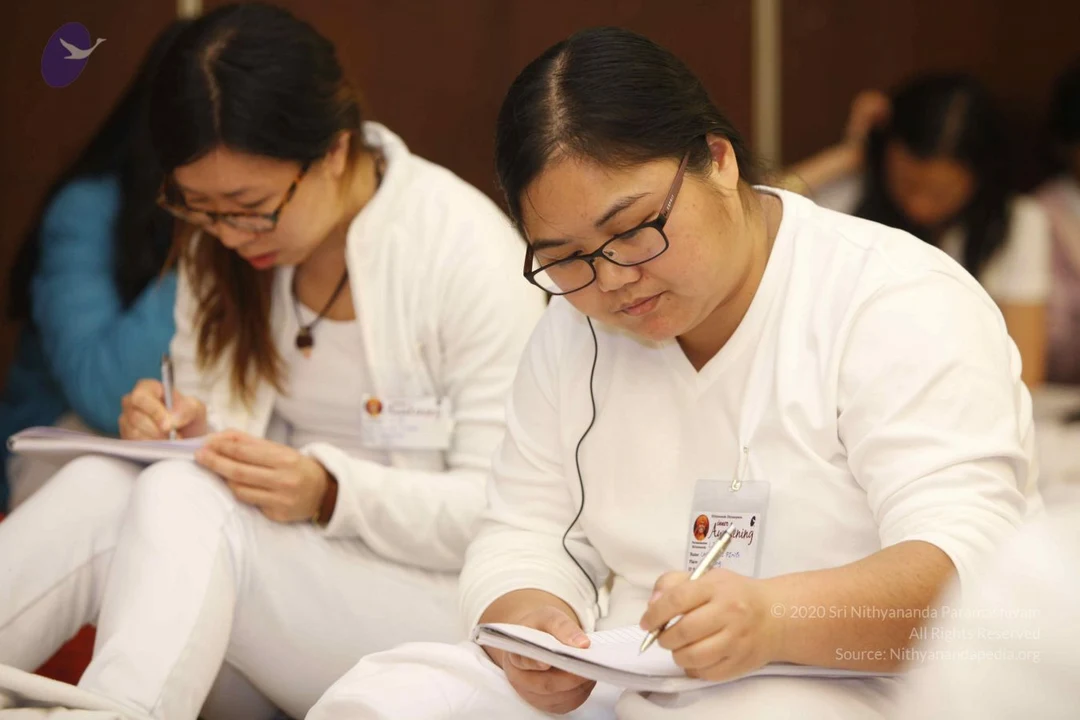
We will do a small process to intranalyze this responsibility - the power of feeling. Identify the various conflicts that exist in your life. Write down all the conflicts. Conflicts means it can be health issue or your issue with your spouse or issue with your boss or poverty or issue with your son, issue in your other relationships, anything; conflicts that exist in your life. Write down all the aspects of each conflict you feel you are responsible for and all the aspects of each conflict you feel you are not responsible for. I am giving you the example. For example, you feel conflict with your husband or wife. Something you feel you are responsible, something you feel you are not responsible. Pen down what you think as you are responsible, for what all you think you are not responsible. Like that each conflict - poverty, you think, “I think, I spend little too much. That one I am responsible, but there are many things I am not responsible. Society is responsible. It cheats me, it doesn’t give me money. My boss is responsible. He squeezes me.... my blood out of me and gives me only few hundred dollars; which I blow it away in one shopping.” ☺ Whatever you think you are responsible, pen down. You think you are not responsible - pen down; few minutes intranalyze. The second question, we will do next. First, answer the first point.
(18:52)
Video and Audio - Are You Suffering From SDHD
| Video | Audio |
Transcript:
(0:18)
|| nithyānandeśvara samārambhām nithyānandeśvari madhyamām | asmat ācārya paryantām vande guru paramparām ||
I welcome all the devotees, disciples, samajis, satsangis sitting with us all over the world at this time through Nithyananda TV, Lotus TV, Janashree TV, Sadhna TV, and through two-way video-conferencing having Nayana Deeksha in many cities around the world. The cities sitting with us all over the world: Los Angeles-Arunachalam, Devon- UK, London - Kashi, Seattle - Chidambaram, Oklahoma - Somanatham, Bangalore North, Singapor - Singapurum, Redondo beach California, Nithyananda Nagara Bangalore, Houston-Kalahasti, Winnipeg Canada, Nithyananda Nagaramu-Hyderabad, Kathmandu-Nepal, Oman-Sivagangai, Jorpati-Nepal, Enriching Temple-Bidadi, Mollieres-France, Kuala Lumpur-Palani, Dallas - Dwarahat, San Jose - Madurai.
I welcome all of you with My love and blessings.
(02:35)
Today, I’ll expand on Kalpataru, Causing Enlightenment and few characters from Mahabharata; all the three together. The first few important truths, the sacred secrets you need to know: Biggest human suffering is self-doubt, self-denial, self-hatred. If I have to organize it one by one: self-doubt, self-hatred, self-denial. First it starts as self-doubt, flowers as self-hatred, becomes fruit in self-denial. That is the way, step by step, it moves. Please understand, the worst disease human beings suffer... I tell you, only actually after this self-doubt comes, God becomes human! Please understand, in this very land of Haridwar, from the time Ganga started flowing, one debate is going on: How God became human-being? How the Akhanda became Khanda? How the Paramatma became Jivatma? This debate is going on just like Ganga. Dvaithis have their answer, Advaithis have their answer, Visishtadvaithis have their answer, atheists have their answer. Please understand, in Vedic Tradition, atheism is also part of a philosophy. We respect atheists. But the moment you utter their name, even power goes away! Buddhists have their answers, everyone has their answer.
(05:05)
Please understand, listen, I give you the experiential expression; not a philosophical, intellectual answer, experiential answer. The experiential answer for this problem: ‘how God became man, how Parmatma became Jivatma, how we got deluded ourself into’. The moment self-doubt comes in, God becomes man, macrocosm becomes microcosm, Paramatma becomes Jivatma. The first Maya, the origin of the Maya, the first delusion, first illusion, is self-doubt.
(06:24)
Please understand, if I erase at least few lakh people’s self-doubt, help them to complete with their self-doubt, self-hatred, self-denial, I will feel My mission is achieved. I will feel I have accomplished for what I assumed human body, I’ll feel My avataric mission is fulfilled. And, today again I wanted to repeat, this should be Guru Vaak for all My Sannyasis, brahmacharis, devotees, disciples, followers, you will all take a oath: constantly you will complete with your self-doubt, self-hatred and self-denial, and you will help, you will be cause for every human-being to complete with their self-doubt, self-hatred and self-denial patterns.
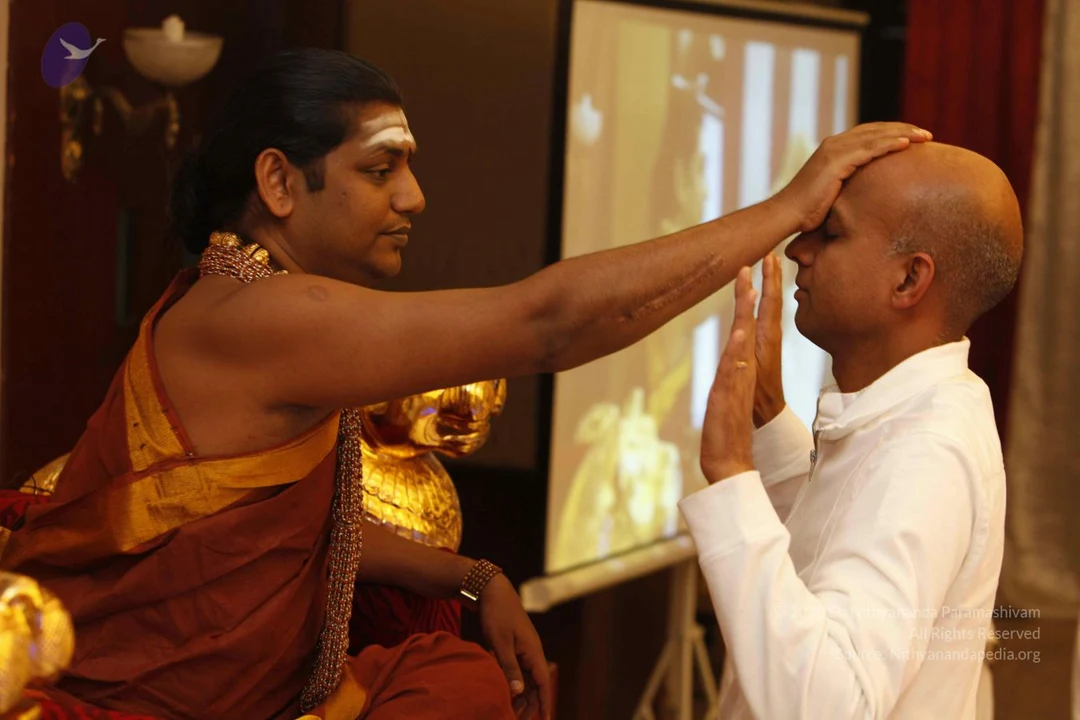
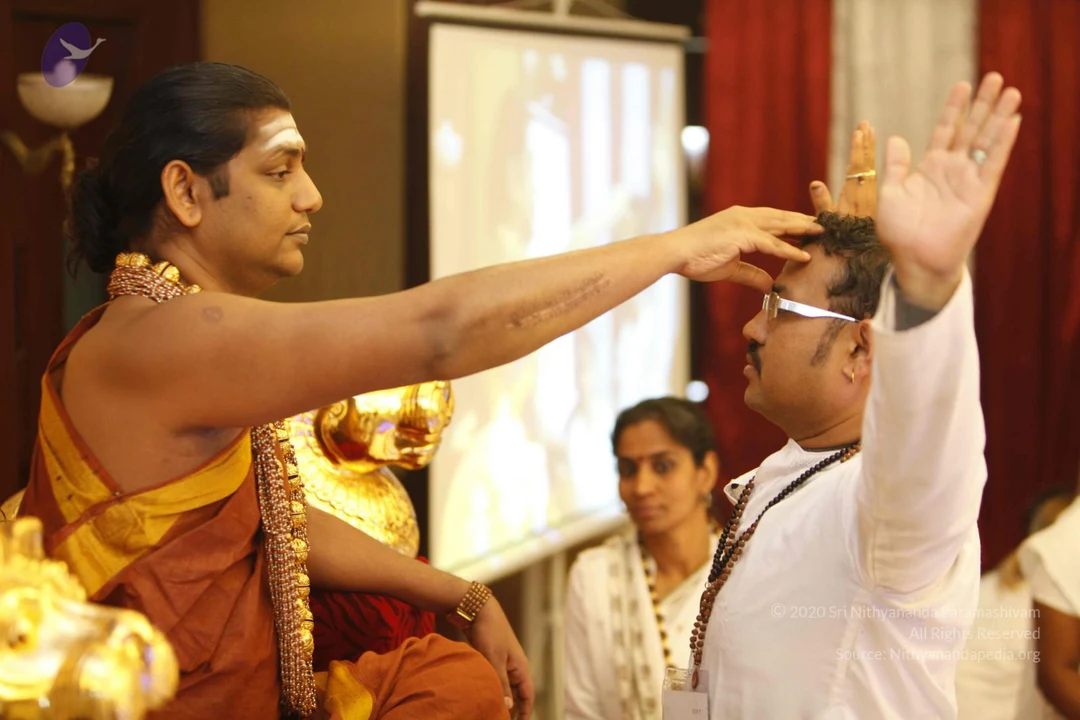
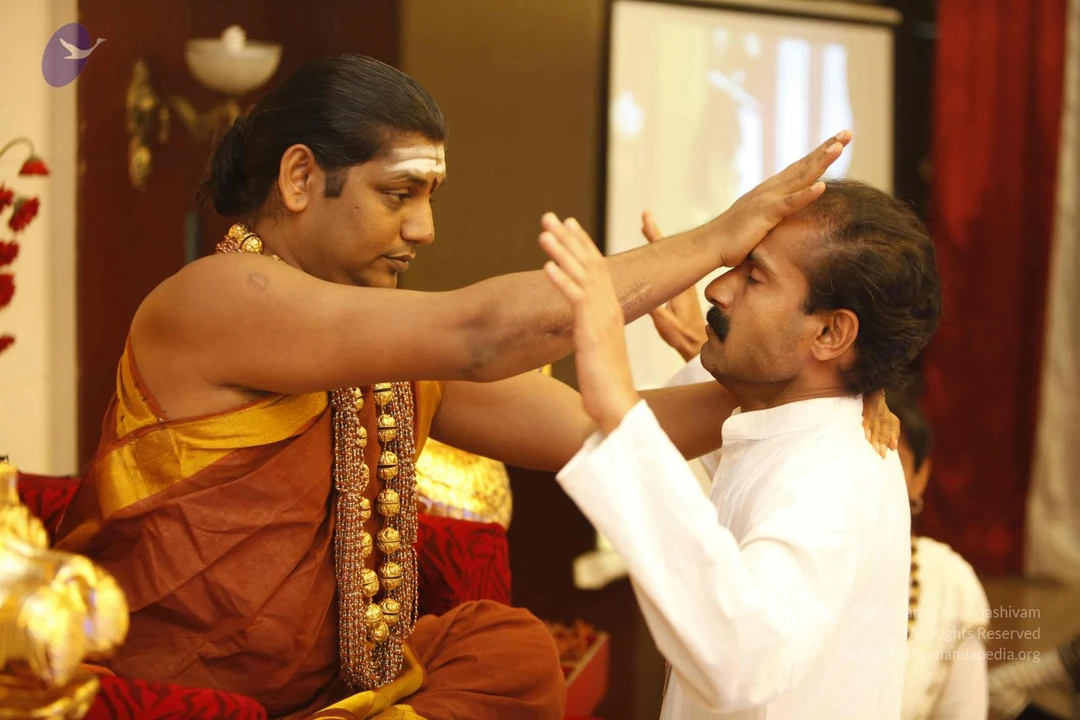
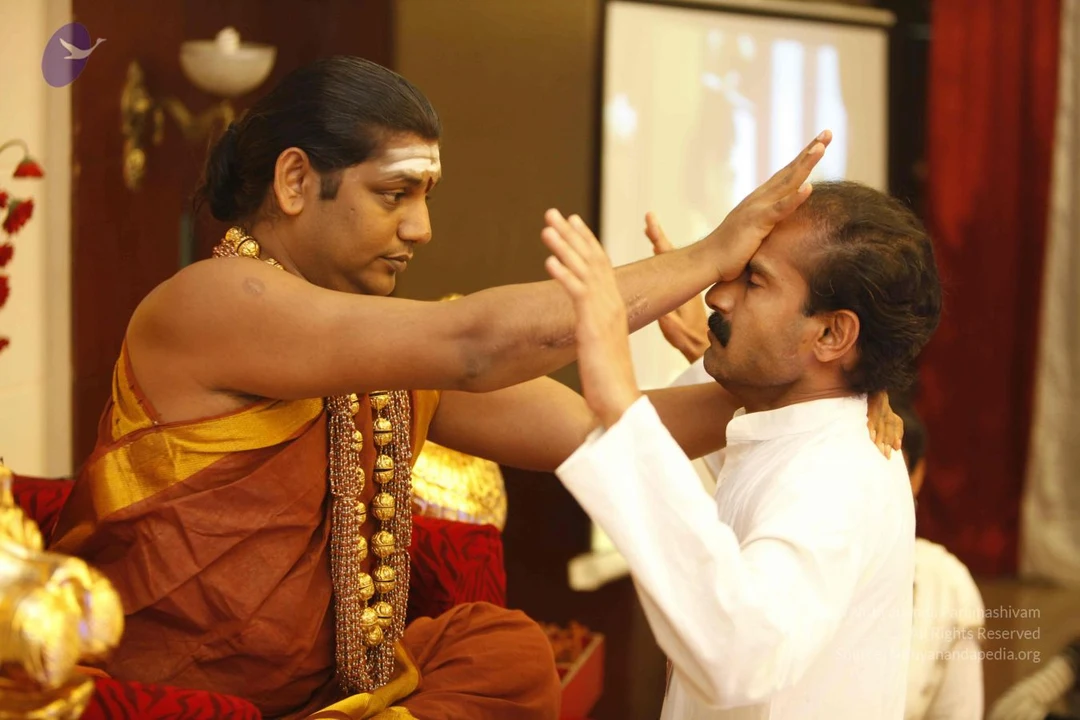
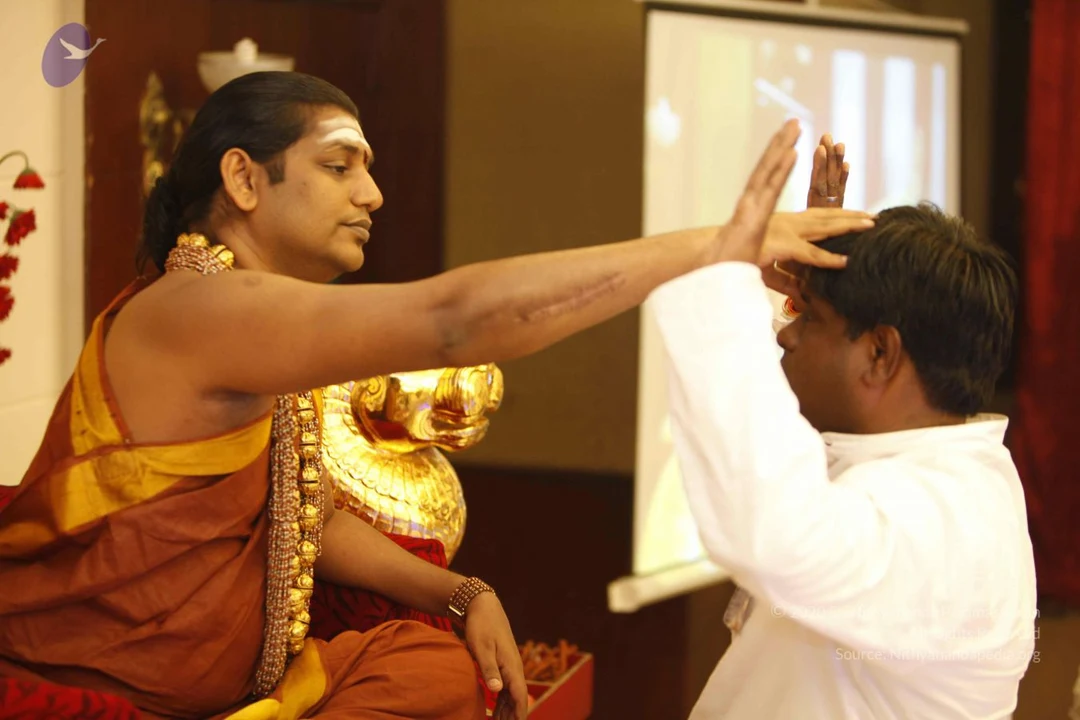
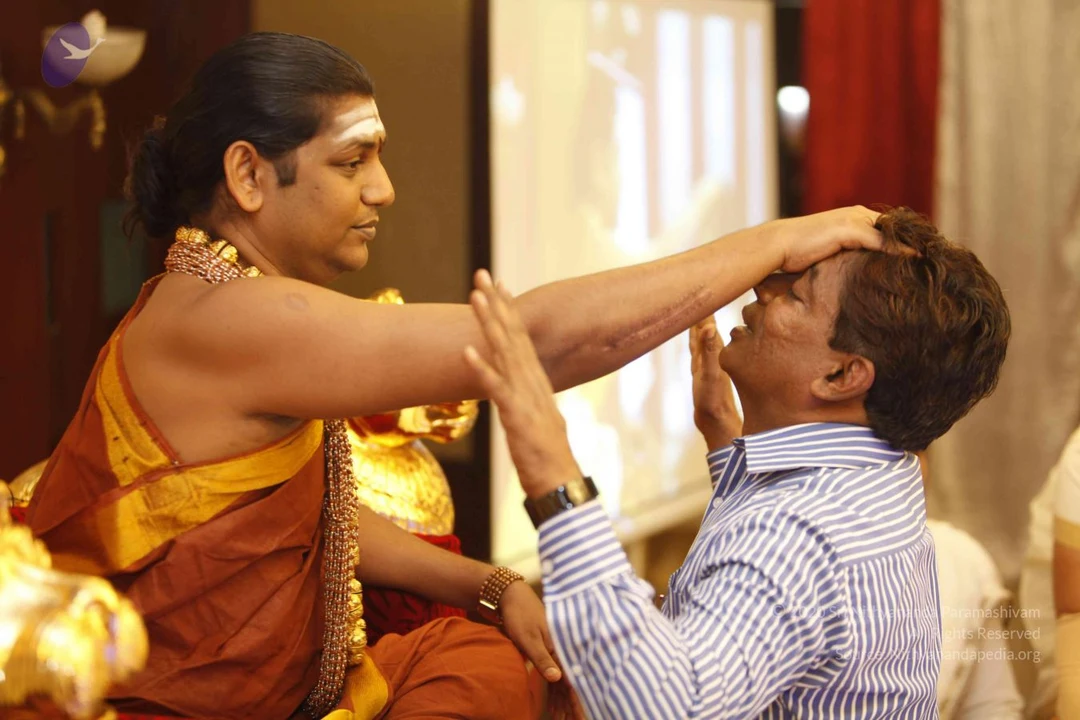
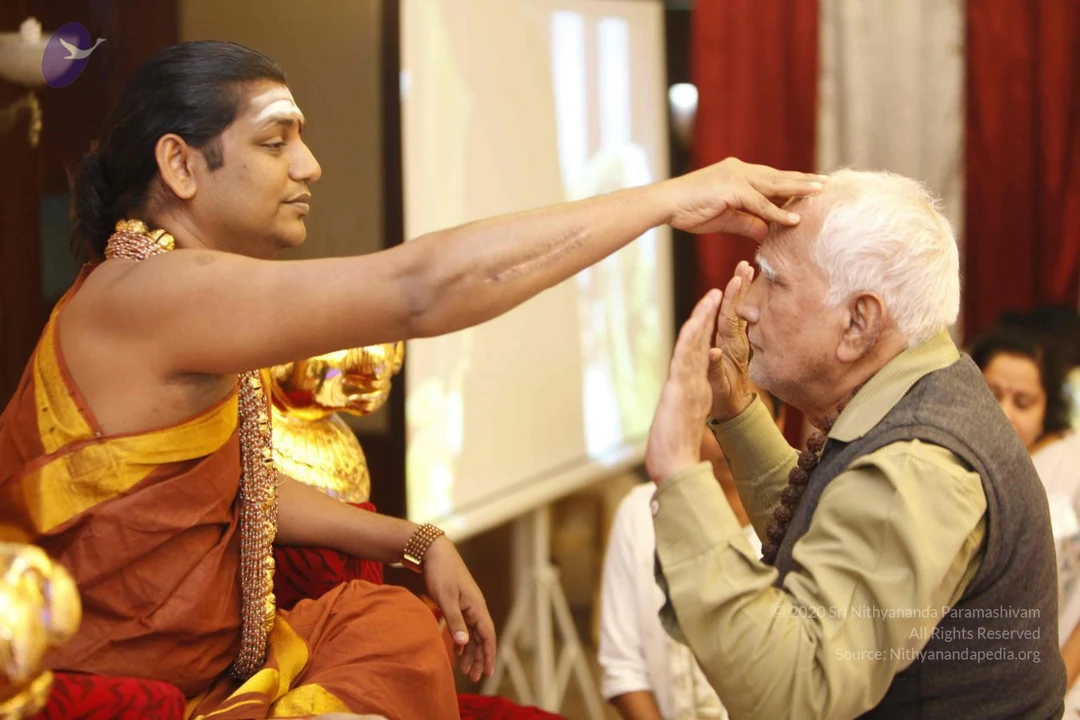
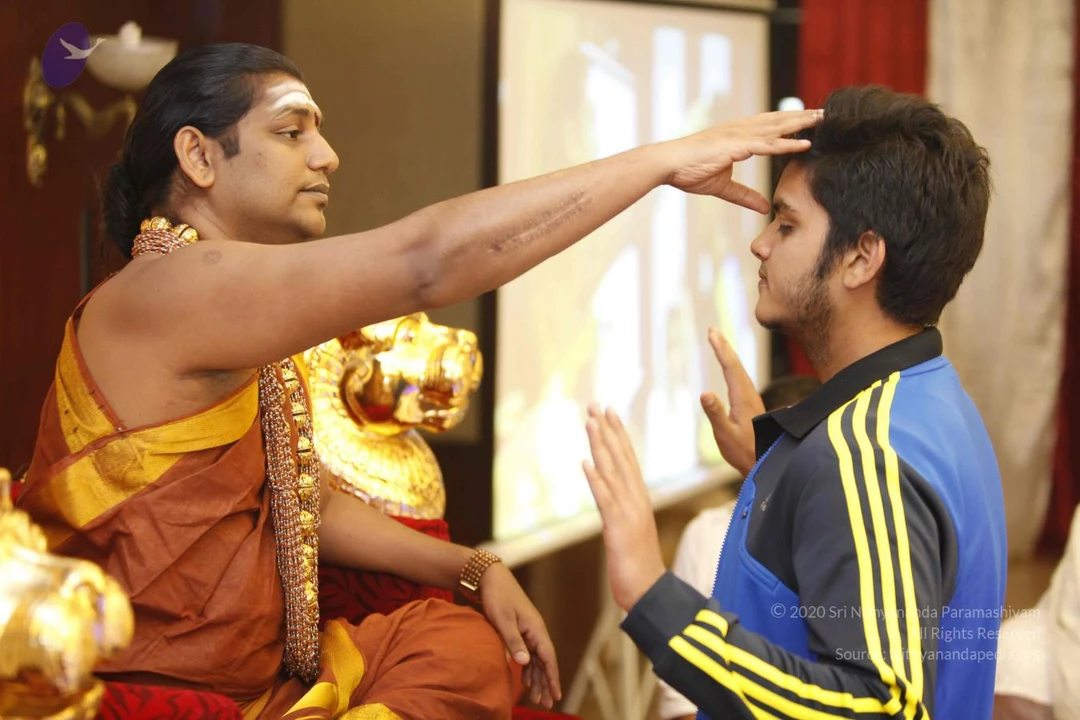
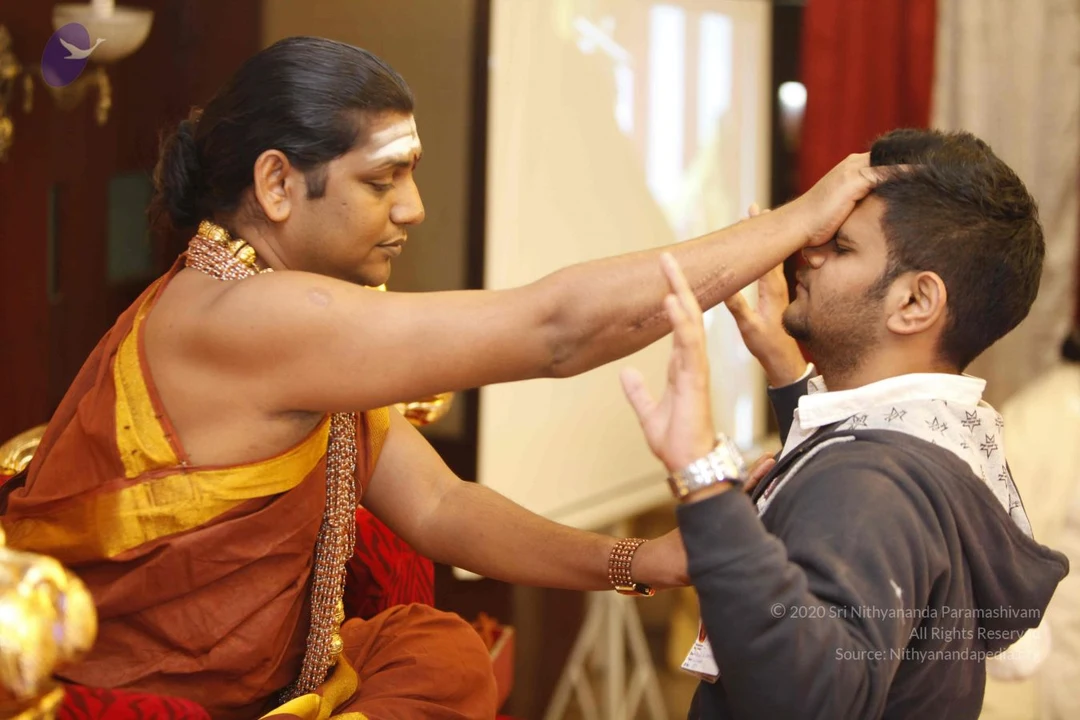
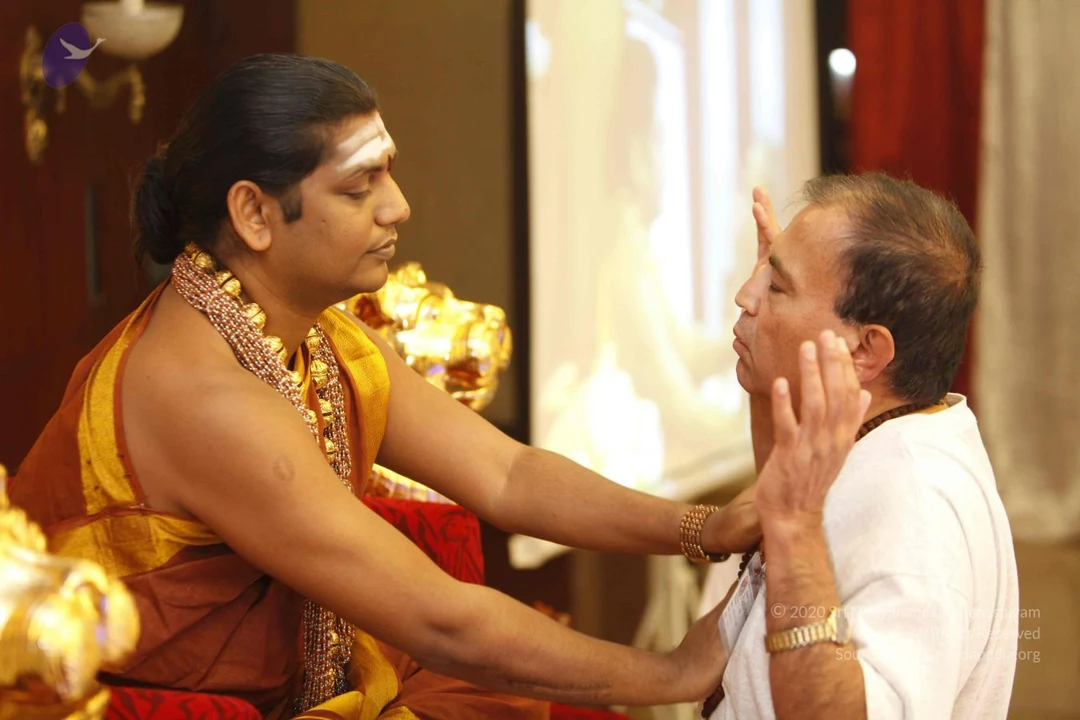
The biggest liberation you will experience on the Planet Earth is being liberated from self-doubt, self-denial and self-hatred. Completion with self-doubt, self-denial and self-hatred will be the biggest, most powerful liberation you will experience. This Kalpataru Darshan itself is nothing but helping you to complete with your self-doubt, self-denial, self-hatred.
(09:02)
Understand, self-doubt, self-denial, self-hatred is like a rock thrown on the head of the Kundalini snake. See, Kundalini is described as a sleeping snake in our root centre, in our Mooladhara. Self-hatred, self-doubt and self-denial is a huge rock thrown on that snake. What will happen? That snake cannot die, but it will fall into coma. It’ll fall into coma. Kalpataru is nothing but moving that rock out and slowly moving the Kundalini snake up. Actually, it is not a snake, don’t be afraid; it is portrayed like a snake. When it wakes up, it moves like a snake through your spine and reaches your Sahasrara and the whole body flowers.
(10:33)
Yesterday, one lady was complaining to Me, “In the cruise you told you will awaken my Kundalini, and now you have to awaken, I did not experience.” People have weird ideas. First thing, you have so much of self-denial, that is why it becomes anger on Me. You have to first complete with that. Second, when I awaken your Kundalini, naturally it awakens, but you have your own expectation you should jump, only then your Kundalini is awakened. If that is the scale then you jump that’s all! 😊Anyhow, deep anger towards you, deep hatred towards you, deep self-denial should be completed. Only then, even if you awaken the Kundalini, it can spread all over your body.
(11:55)
Please understand, this Kalpataru Darshan is nothing but helping you to complete with your self-doubt. Actually, Vivekananda puts it very beautifully: “Whether you meditate, or do a Kriya, or do prayer, or do a Homa, do a Yajna, go to a temple, or go for tirtha, tirtha yatra, you do any spiritual action or religious action, act, one part of your Kundalini gets awakened and your prayers are answered.” That is what is happening actually. You may use different names – Homa, Yajna, Japa, Puja, Yoga, Kriya, Pranayama – you may use different names, but actually what is happening? During that process, one amount of your Kundalini, one quantity of your Kundalini gets awakened and the Kundalini fulfils what you are asking for. That’s exact science. Vivekananda puts it very beautifully. The concept I am sharing with you now is from Vivekananda, Swami Vivekananda.
(13:44)
Please understand, anything you want, you have the energy to express it, to make it into reality, to achieve it, if you just complete the self-doubt, self-hatred, self-denial. If you complete with these three, simply the Kundalini explodes and what you want is achieved. This whole Kalpataru Darshan is nothing but helping you to complete with your self-doubt, self-hatred and self-denial. I tell you, I take this up as a mission. From today, I declare with Integrity, Authenticity, Responsibility and Enriching, this Kalpataru Darshan will always be made available wherever I go, free of cost. This is My commitment to the humanity. I’ll see to it everywhere people are helped with this knowledge, with this clarity, with this completion, with this process.
I tell you, all your patterns, root-patterns, root root-patterns, the father of your root-patterns, great-grandfather of your root-patterns, great-grandmother of your root-patterns, everything is your self-doubt, self-hatred and self-denial. The moment you want something, you declare to yourself you will not get it, if you have to get it, you will have to struggle, literally give your whole life to it. How many of you are able to cognize what I am saying? That is what exactly I call it “self-denial”, which is not true, please understand. Even though society makes you believe your self-denial is fact, it is not fact.
(16:37)
All incarnations land on the Planet Earth just to tell you this one truth: Your self-denial, your self-hatred, self-doubt is not truth or fact. That’s all! That’s all! You are more than what you believe as you; because, what you believe as you is framed by your self-denial, self-hatred and self-doubt. No one can give you suffering. No one can take away what you want from your life. The great hope, the great truth, the greatest good news which is truth, is: You are not an ordinary being as you perceive because of your self-doubt, self-hatred and self-denial. Complete all these three. Every child should be taught to complete with all these three, because these three patterns does not start in this birth, they come from the past birth, inherited. Every child should be taught to complete with the self-doubt, self-hatred and self-denial. This should be the responsibility of all My Sannyasis, disciples, devotees – helping every human being to complete with this self-denial, self-doubt and self-hatred.
(19:22)
I tell you, as I was telling yesterday, Himalayas may be there, Ganga may be flowing, but if you are sleeping, what’s the use without enjoying it? I can’t even understand how people can miss! Himalayas may be there, Ganga may be there but if you are sleeping nothing can be done - what’s the use? Life may be there, Guru may be there, but if you are stuck with the self-denial, nothing can be done. Self-denial is a powerful drug makes you powerless. That’s the exact word I will use: “Powerful drug makes you powerless”.
If you want to hate something, hate self-hatred. If you want to doubt something, doubt self-doubt. If you want to deny something in your life, deny self-denial. If you want to doubt, doubt self-doubt. If you want to hate, hate self-hatred. If you want to deny, deny self-denial. The direct enemy I have to deal in My life, in My avataric mission, is people’s self-hatred, self-denial and self-doubt. Nothing else is My direct enemy.
(21:14)
It’s like when Rama comes down to Planet Earth, Ravana, Kumbhakarana are the direct enemies; all other, Vali and all is not direct enemy, side enemy. Vali was never a enemy of Rama, and he was never against Rama. Actually, Vali would have been a better companion for Rama than Sugreeva. Rama’s mission is to get Sita back. Vali would have done it in 10 minutes; because he used to play with Ravana. Ravana used to be afraid of Vali. Vali actually once brought Ravana as a play toy for Valis’s son Angada. That’s why Angada goes to Ravana’s court. Ravana asks, ‘Who are you?’ Then Angada says “Touch your left cheek, there is a mark on your left cheek. Don’t you remember that is done by me in my left nail when I was playing with you as my toy. I saw you once flying on the sky. I asked my dad, “What is that? What is that, tiny as a toy, get me that!” Do you remember my dad got you as a toy and I was playing with you? Then your wife came and cried to my father. Then my father let you go. I also said, “Alright I played with this toy enough, you please leave it”.”
Vali would have got Ravana in ten minutes. Anyhow, we do not know why Rama did what he did, that’s different. All I am trying to convey through this example, the direct enemy is only Ravana and Kumbhakarna. Same way, for Krishna, the direct enemy was only Kamsa and Sishupala. Duryodhana was not his enemy. I tell you, the direct enemy for Me in this incarnation is people’s self-doubt, self-hatred and self-denial. Nothing else is a direct enemy for Me. The self-doubt, self-hatred, self-denial of the human-beings is My direct enemy. I will complete them! That’s My mission.
(24:01)
Every human being should be taught the science of completing with self-doubt, self-hatred and self-denial. When you start working on this, completing with the self-doubt, self-hatred and self-denial, so much of Kundalini energy awakens, that energy will automatically guide you to create what you want; actually what do you want that energy will automatically liberate you, lead you to ultimate enlightenment.
In My temples, only three demons will be portrayed; that is self-doubt, self-hatred and self-denial. People should complete with these three and only then enter My temple. Only then you can enter into the space of divine. Please understand, all hatred you have with others is hatred which is there in you, about you. All doubt you have about others is nothing but the doubt you have in you. All denial you have about others is nothing but the denial you have about you inside. Complete with these three inside. You will see, suddenly the world will be different for you! I am not saying world will become different for everyone, it will become different for you; because, ultimately you create your world, you create your world.
(26:17)
Self-hatred naturally creates hatred about you everywhere. Self-doubt naturally creates doubt about others in you, in others about you. Self-denial naturally makes you deny others, others you. That is a source of all sufferings, that is a source of all bad things.
Whatever may be the purpose of your life, good or bad, health or wealth, the self-hatred, self-denial, self-doubt should be completed. With every desire if I just help you to complete your self-doubt, that desire will become reality in your life. Actually, I am not giving you any boon other than helping you to complete the self-doubt, that’s all! I use various methods: sometime by giving knowledge; sometime even if I tell you won’t listen; I just infuse energy into that and blast that self-doubt like a balloon. That’s what I call initiation. I use various methods, but finally process is this same. And I commit with you all, I will share this science and this Kalpataru Darshan with the whole world for ever free of cost, because this is the most important mission part of My life!
(28:43)
Please understand, if you see Mahabharata, every action of Dhritarashtra is self-doubt, every action of Shakuni is self-hatred. This Shakuni does not even understand he is destroying the same family where his own sister is married! So much of self-hatred! Every action of Duryodhana is self-denial. Please listen. Self-denial is born from self-doubt and assisted by self-hatred. Born from Dhritarashtra, assisted by Shakuni. Self-denial is born from self-doubt, assisted by self-hatred. As I said, Bhishma is Dharma, embodiment of Dharma. But, unfortunately, even Dharma, if it joins hands with self-denial, it will not be able to save self-denial and it will destroy itself. So, the only person who can destroy self-denial is an incarnation, Krishna. Bhagavan Krishna, only He can destroy the self-denial, self-hatred and self-doubt.
(30:56)
Self-doubt is blind. Self-hatred is cunning. Self-denial is stupid. Understand self-doubt is blind - doesn’t know what is there in front, like Dhritarashtra. Self-hatred is cunning - does not even know he is harming his own sister; means himself! Self-denial is stupid - throughout Duryodhana’s life, you see, all his actions are stupid. Many time, knowing he cannot win, he is not going to win, he behaves stupidly. Otherwise, will this stupid order arrest of Krishna?
(32:06)
I tell you, the good news I have for all of you is, this self-doubt, self-hatred and self-denial can be completed. Just because you have all three of them, you don’t need to get destroyed. There is no need that you should be destroyed. No, you can be completed, it can be completed. You can achieve Completion. You can reach Completion. That’s a good news I have. Whatever may be your purpose, whether you are going to be a doctor to heal others, or you’re going to be in the army to kill others, you are going to practice Law or Accounts or Engineering or Architecture, or going to live a life of a housewife, or going to be retired waiting for death, whatever may be your life, please complete with your self-doubt, self-hatred and self-denial. You will have a great life in front of you. You will have a great possibility in front of you. All the great truths you will be able to grasp in your life and implement them.
(34:00)
See, many people say, “Oh these are all too big ideas I cannot grasp; this is going above my head.” When I talk about Integrity, they say, “No, no, no, it is going above my head. I am tired, I cannot. These are all for some serious people.” Understand, your self-doubt will never allow you to grasp the science of life. It’ll never allow you to grasp the science of life. Either it’ll show things are above your head, or it will make you doubt the same guy who is teaching you the spirituality. I have seen, people have doubt. “Why is he wearing this gold pin on the head?” It is not gold; first of all you need to know that. Even if it is, that is not going to affect Me in any way. It may affect you, but not Me.
(35:21)
This SDHD, means Self-Doubt, Hatred, Denial – I’ll call it as SDHD; one of My disciple, Mokshapriyan, has sent a message, “Let us call this as a SDHD Swamiji.” It’s right! The greatest disease the whole world is suffering is SDHD, and the cure for this is Kalpataru Darshan. Like ADHD, SDHD – Self-Doubt, Hatred, Denial. No, I have decided I’ll popularize this word. Mokshapriyan is the inventor of this word, SDHD. Mokshapriyan, first you have to cure this SDHD yourself! 😀 Because, the inventor cannot be suffering with the same disease!
SDHD is the right word. Actually, I tell you, this is the right word. My mission is to cure the world from SDHD – Self-Doubt, Hatred, Denial. The vaccine for SDHD is Gurukul. Cure for SDHD is Kalpataru Darshan. Gurukul is the vaccination for SDHD. Kalpataru Darshan is the cure for SDHD. We will put a board in all our ashram: ‘Here we cure SDHD.’ ‘Everyday morning, cure for SDHD will be available 8 to 9. Contact here.’
(37:51)
No, this is one of the worst disease human beings are suffering. See, the problem is this Shakuni fellow. He thinks he is very intelligent, but he doesn’t know... No, the self-hatred thinks he is very intelligent; he can control everyone and manipulate everyone. But, finally, he doesn’t know he is only destroying himself. Every problem human beings suffering, human beings are suffering is SDHD – Self-Doubt, Hatred, Denial. SDHD! What a great invention, SDHD! January 3rd is the day we invented SDHD and the cure for it!
(39:01)
I’ll lead you all into the Kalpataru process. Please sit straight. Again, create a space for what you want to achieve in your life. Means, consciously, responsibly, visualize what you want in your life and declare it is already reality. And all the SDHD comes up – Self-Doubt, Hatred, Denial – comes up during this process, declare completion with it, decide to complete it. Hold on to the space to create what you want as reality. Please close your eyes. Sit straight. Create responsibly what you want.
(43:24)
Create the space with responsibility, complete with all the SDHD, Self-Doubt, Hatred, Denial comes up.
(43:50)
Photos
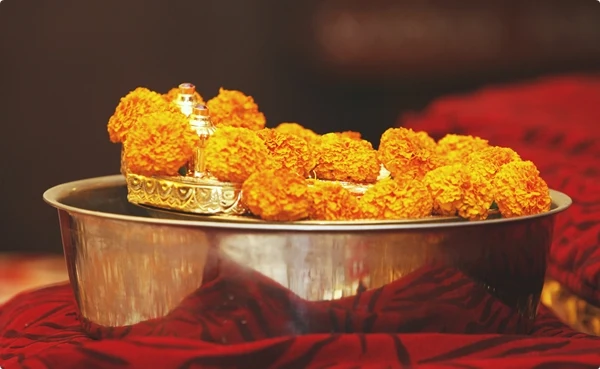
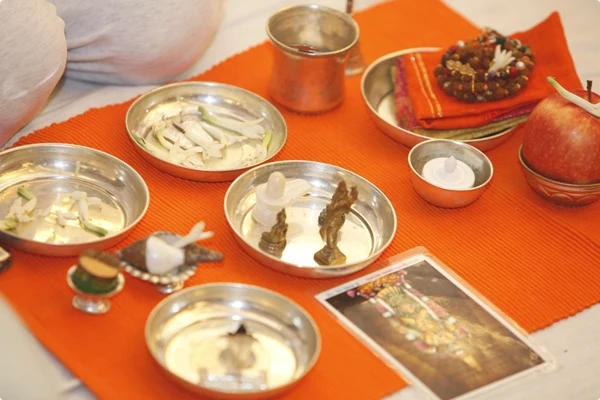
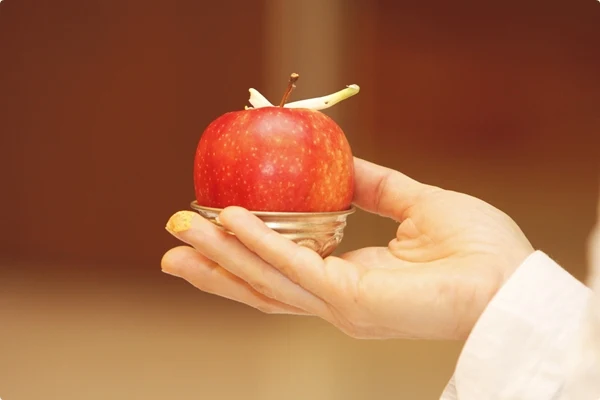
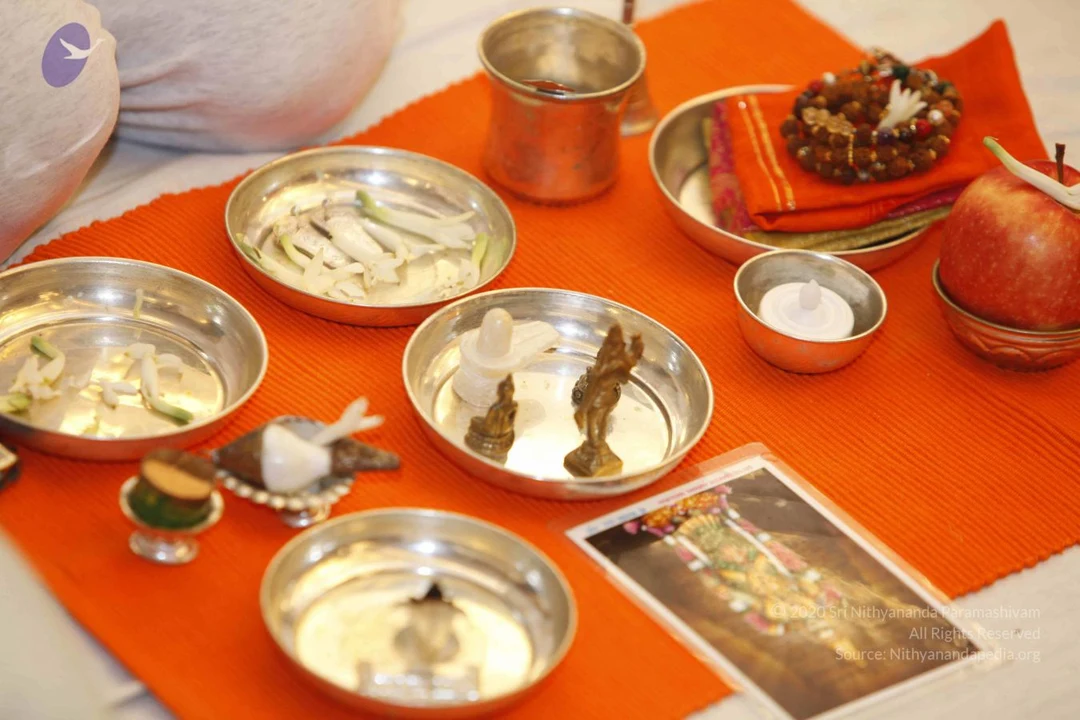
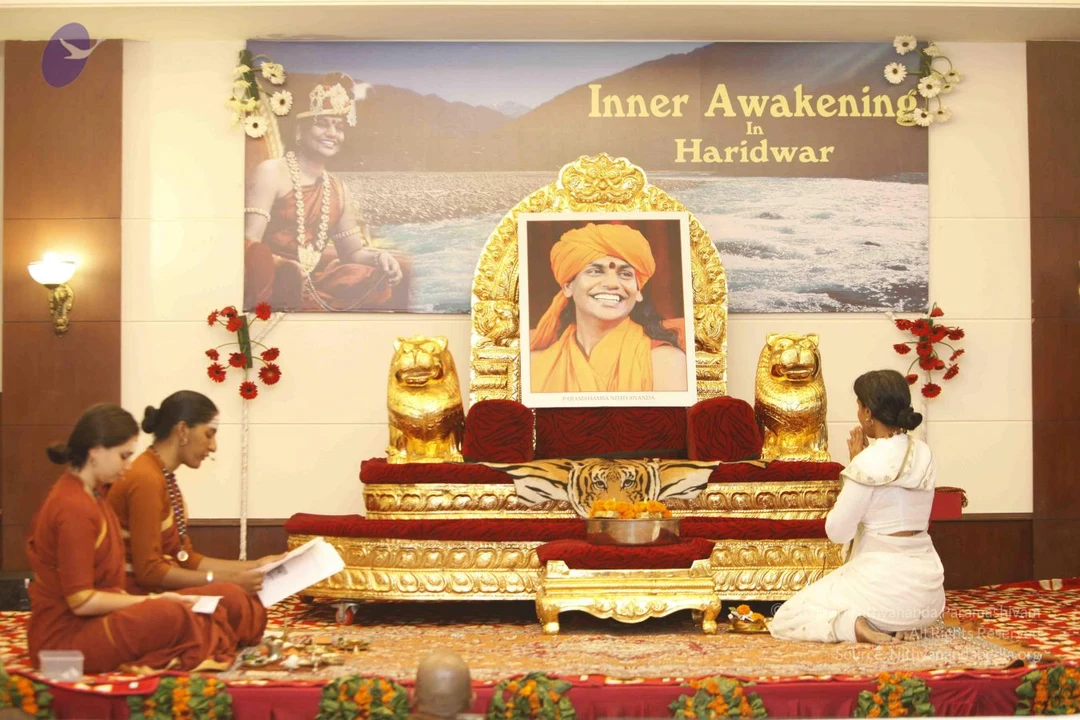
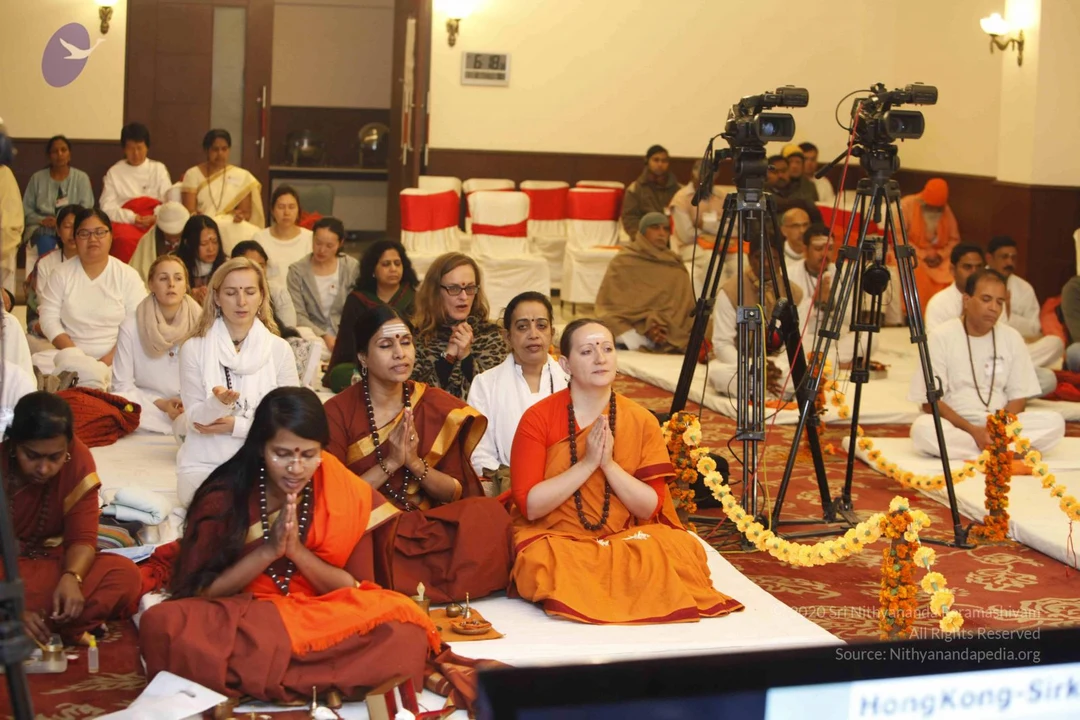
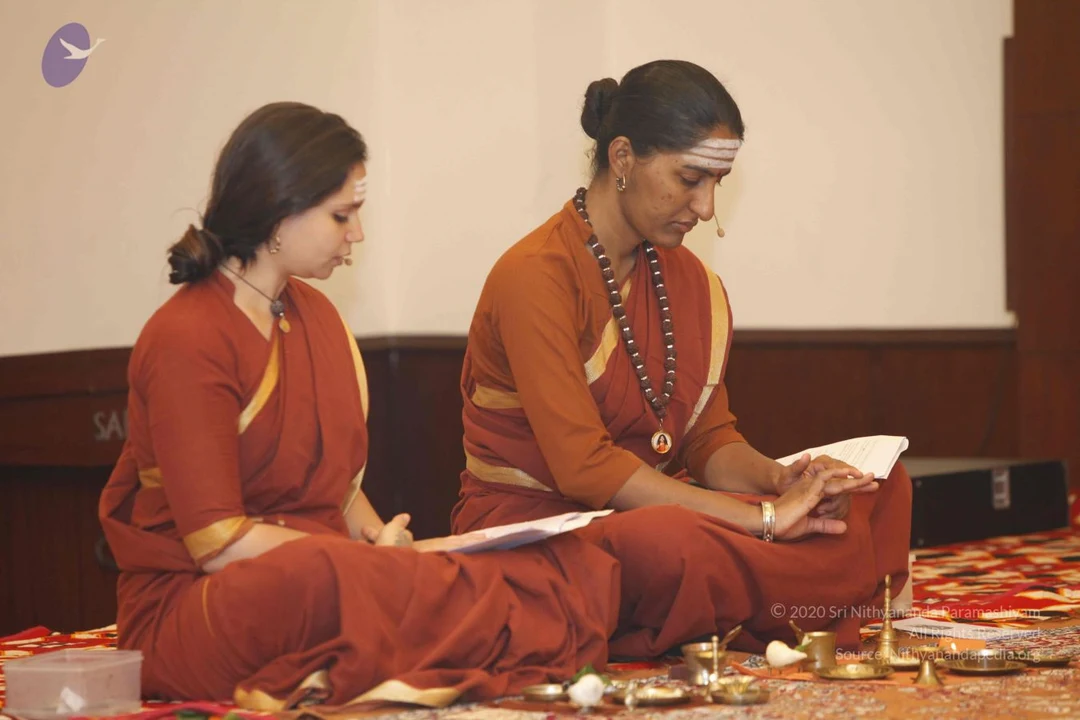
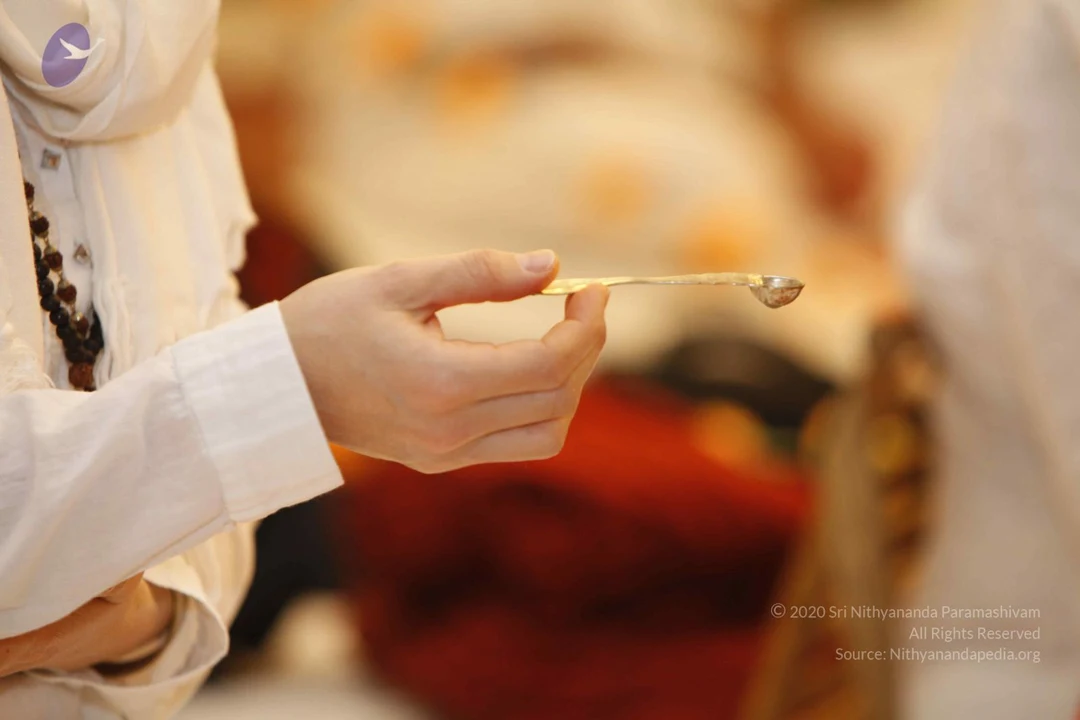
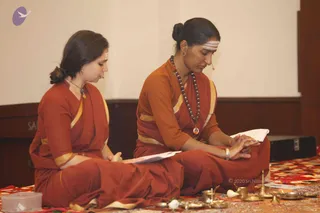
Morning Paduka Puja in Progress
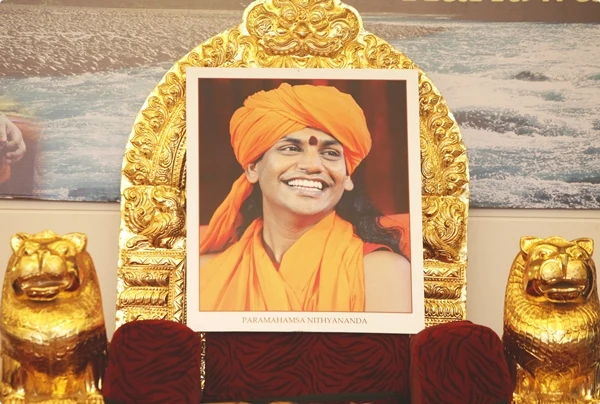
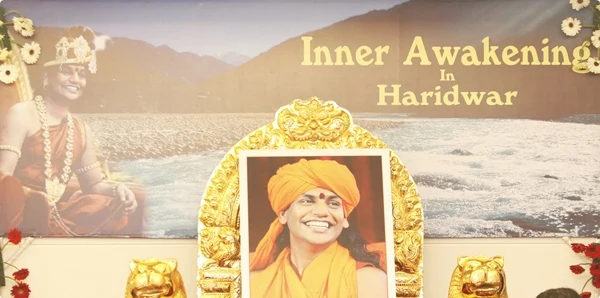
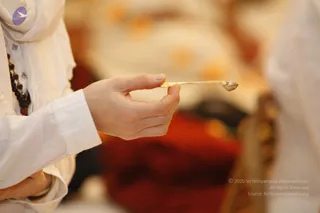
Padukas
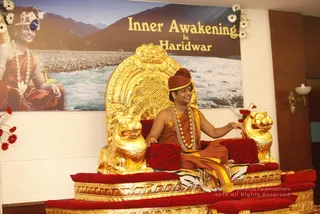
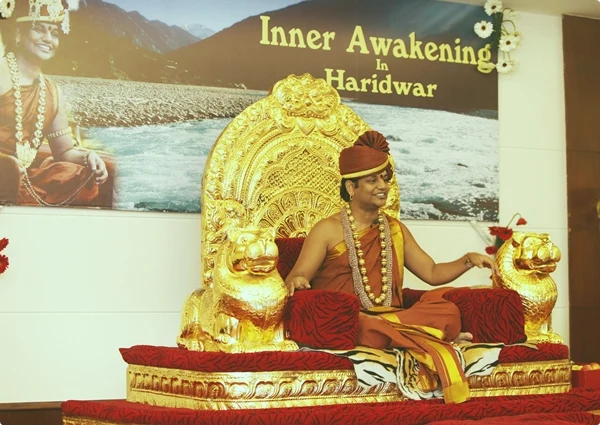
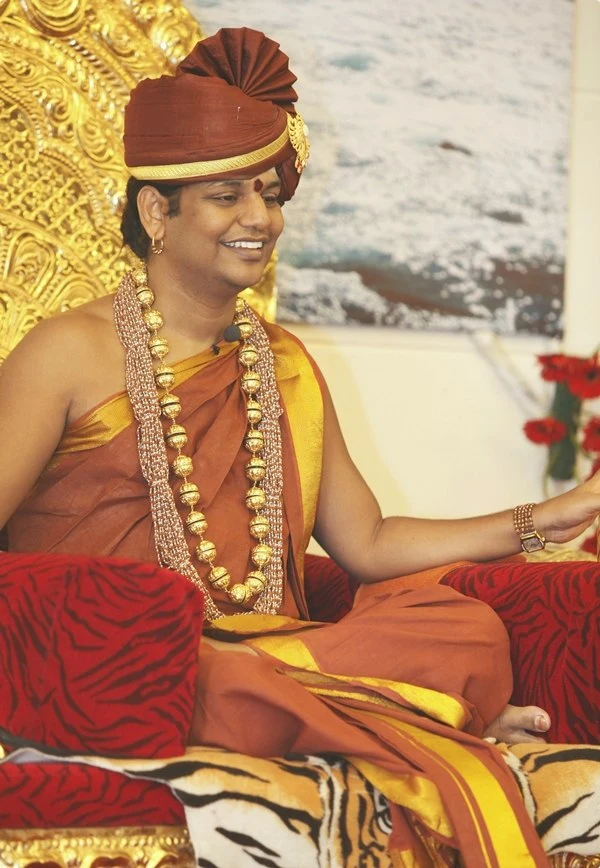
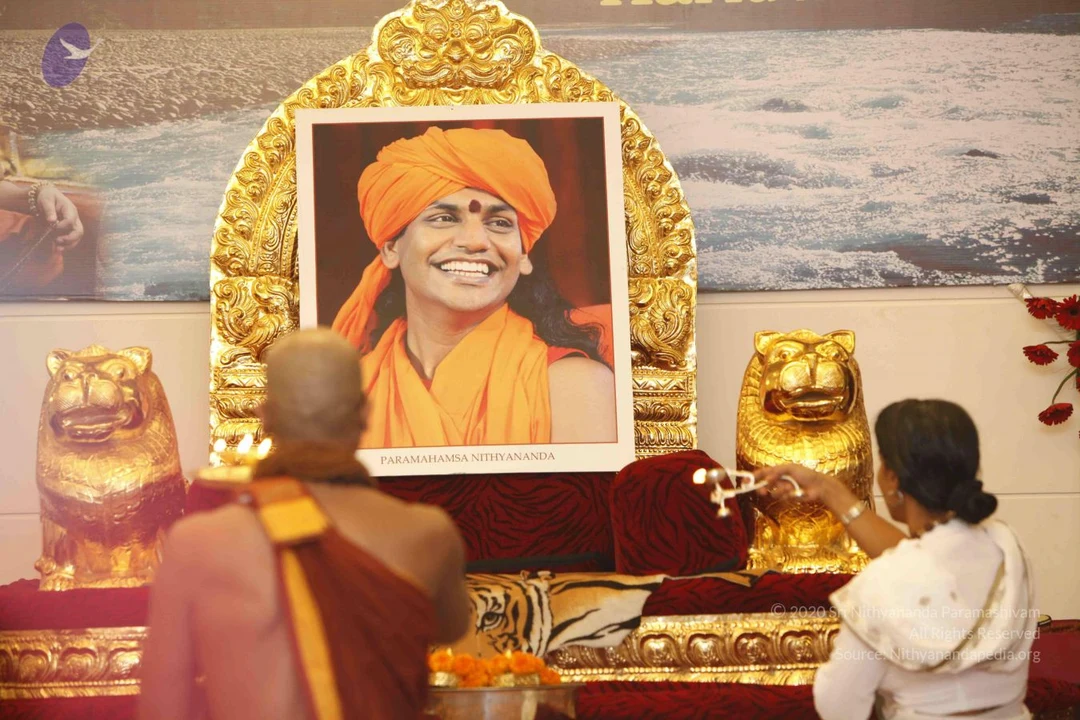
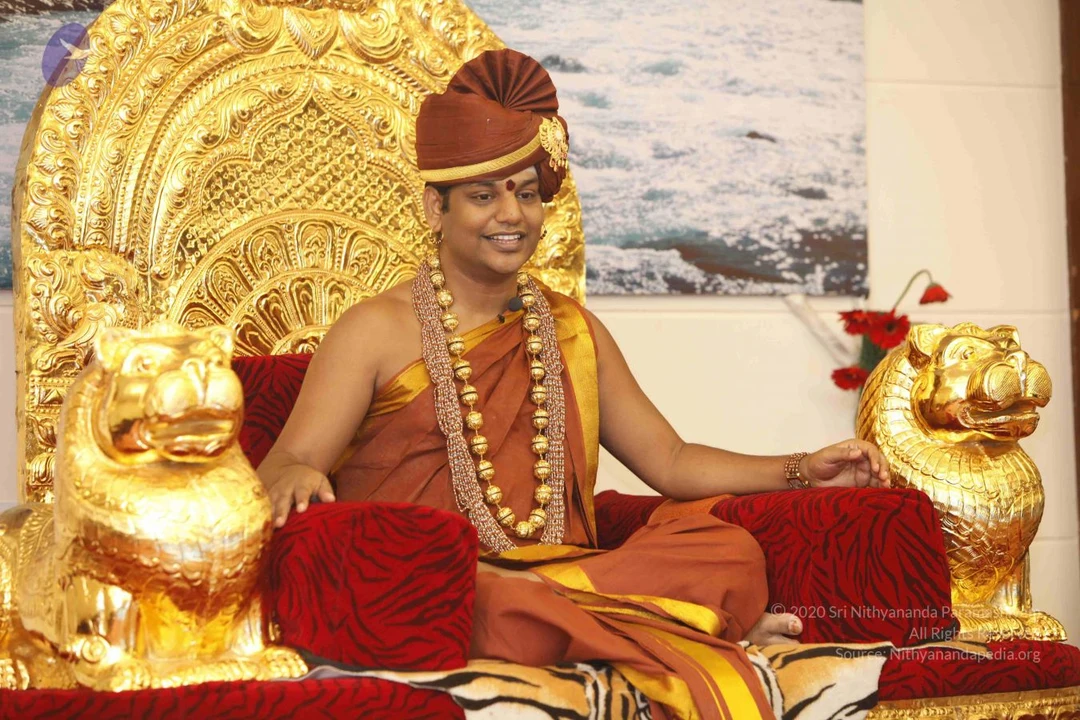
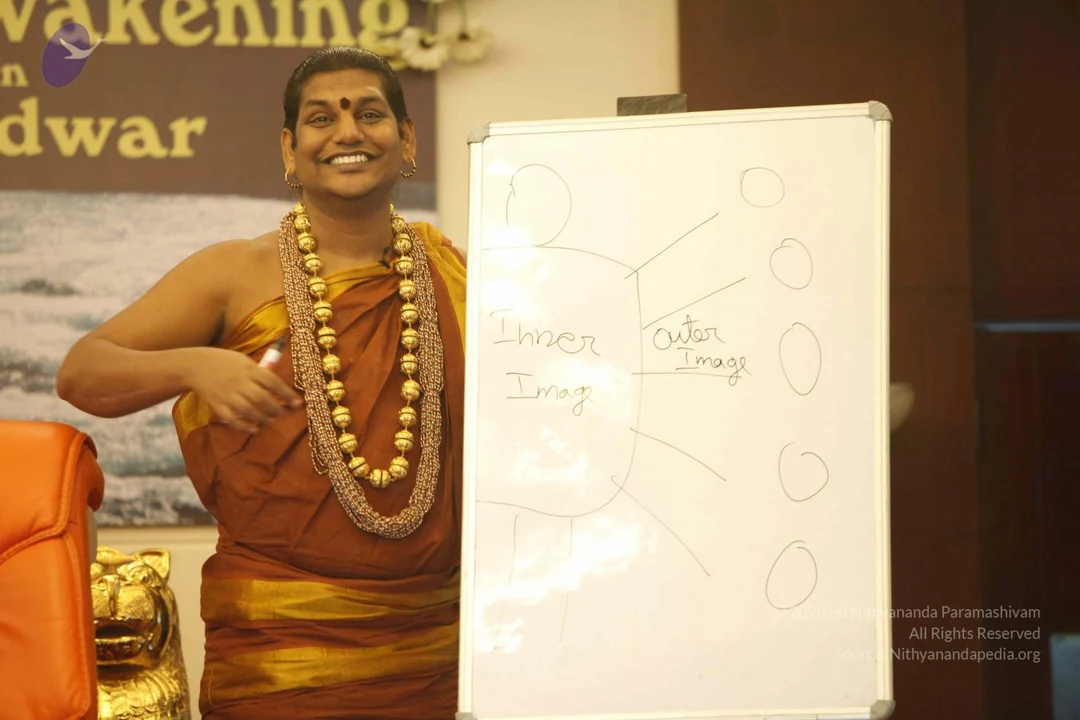
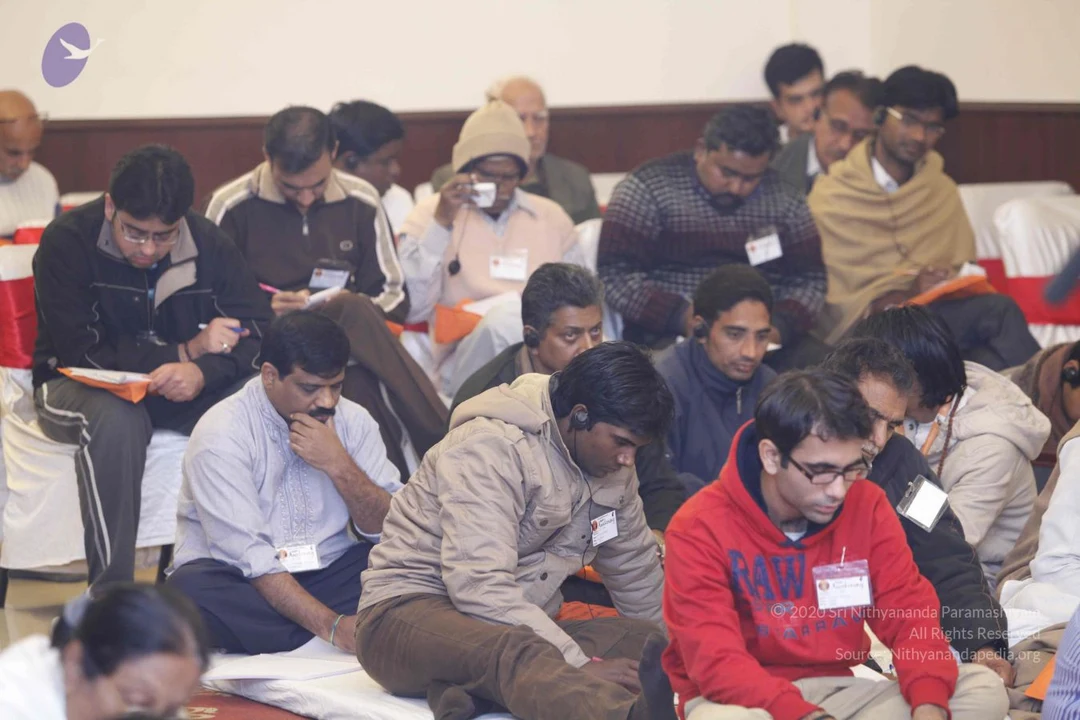
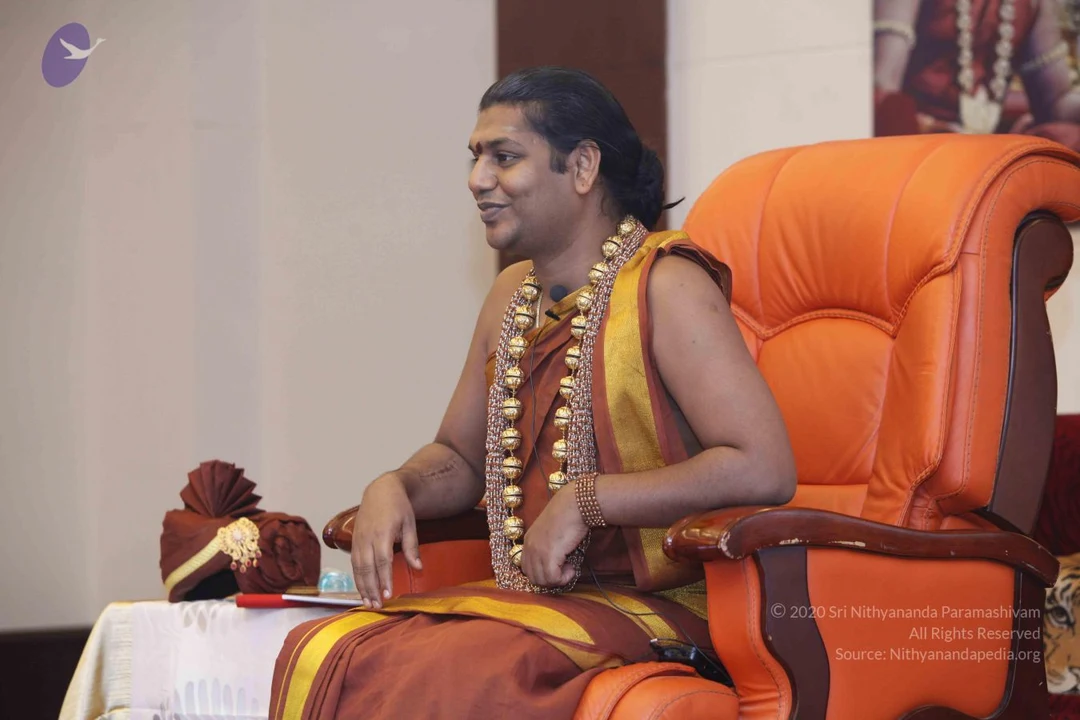
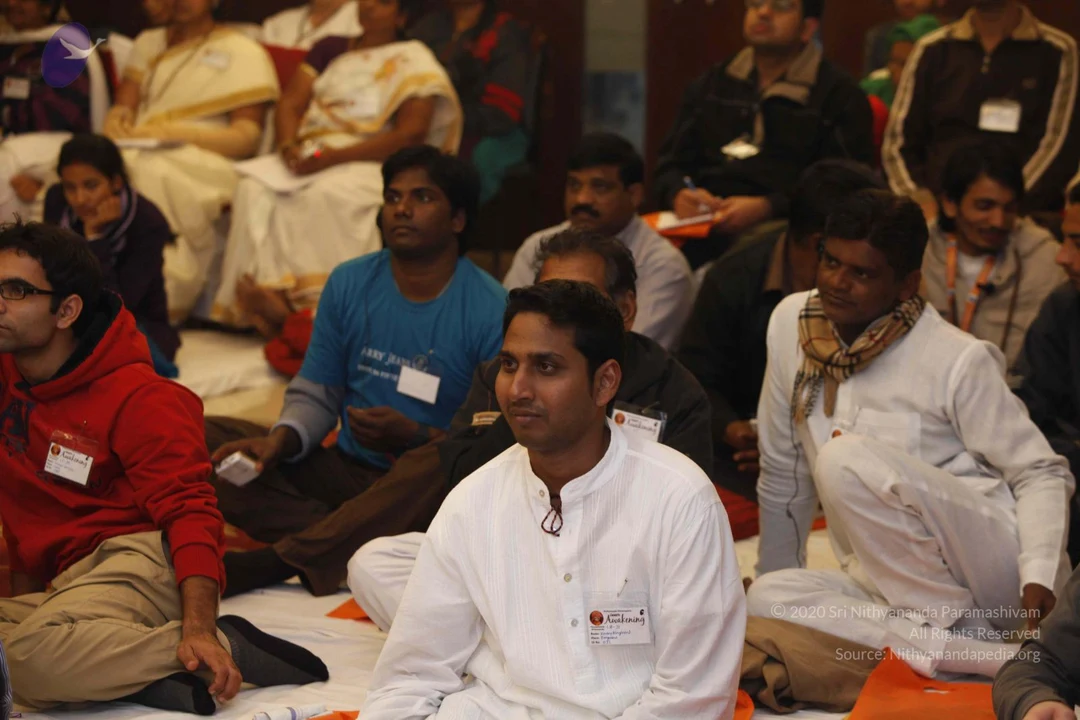
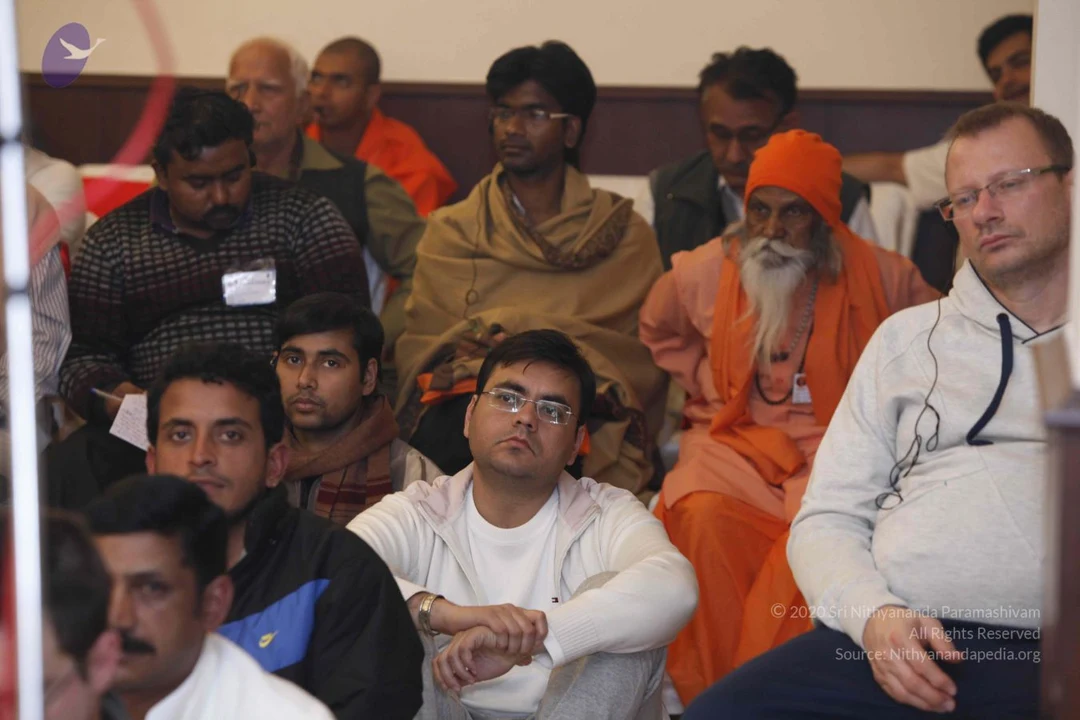
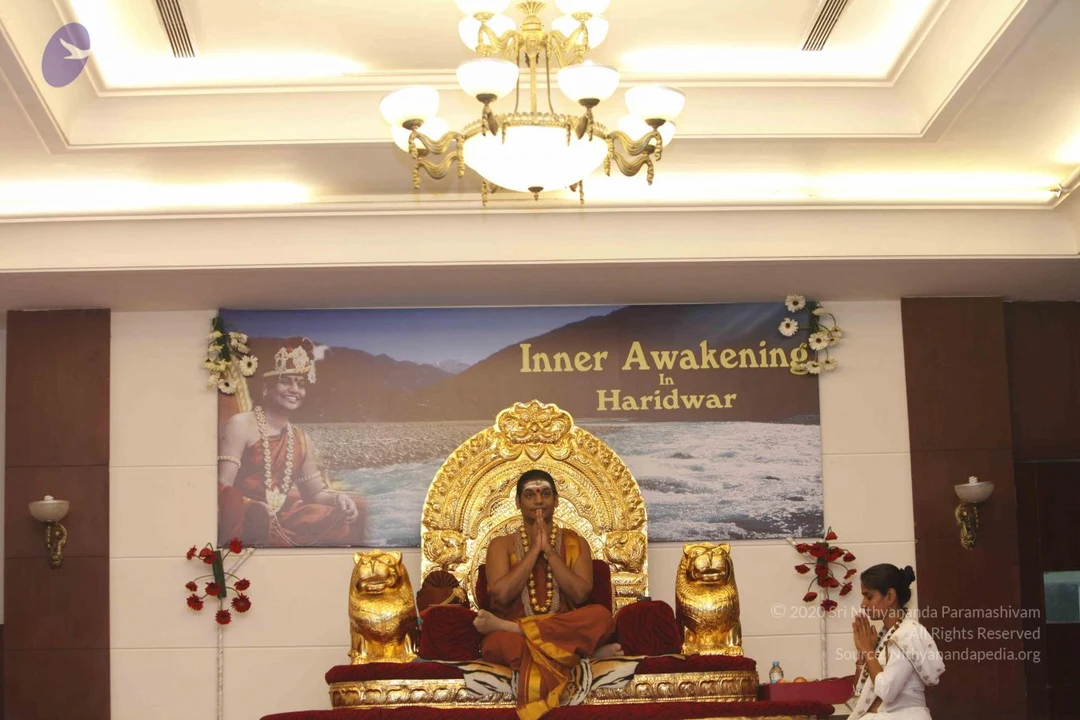
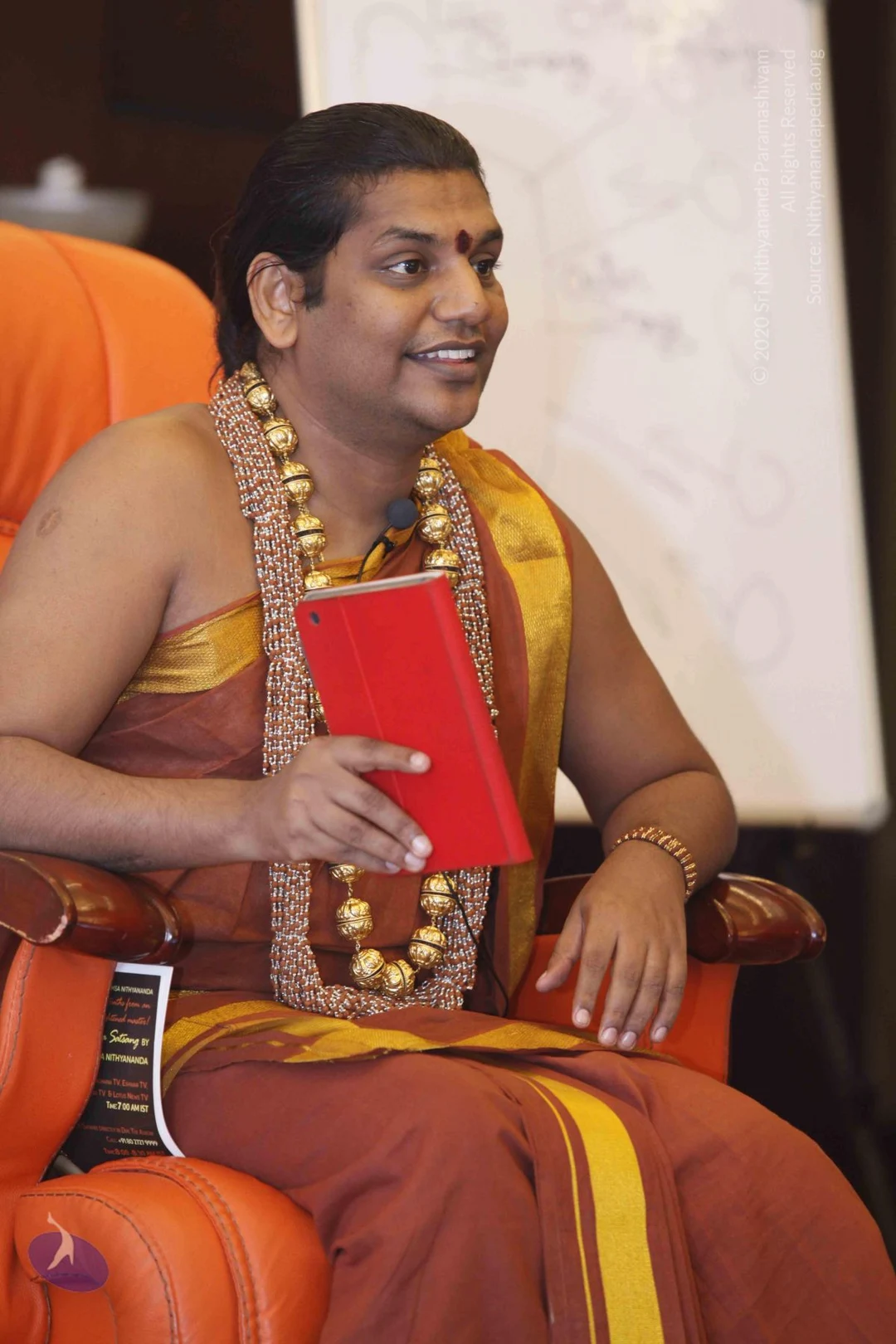
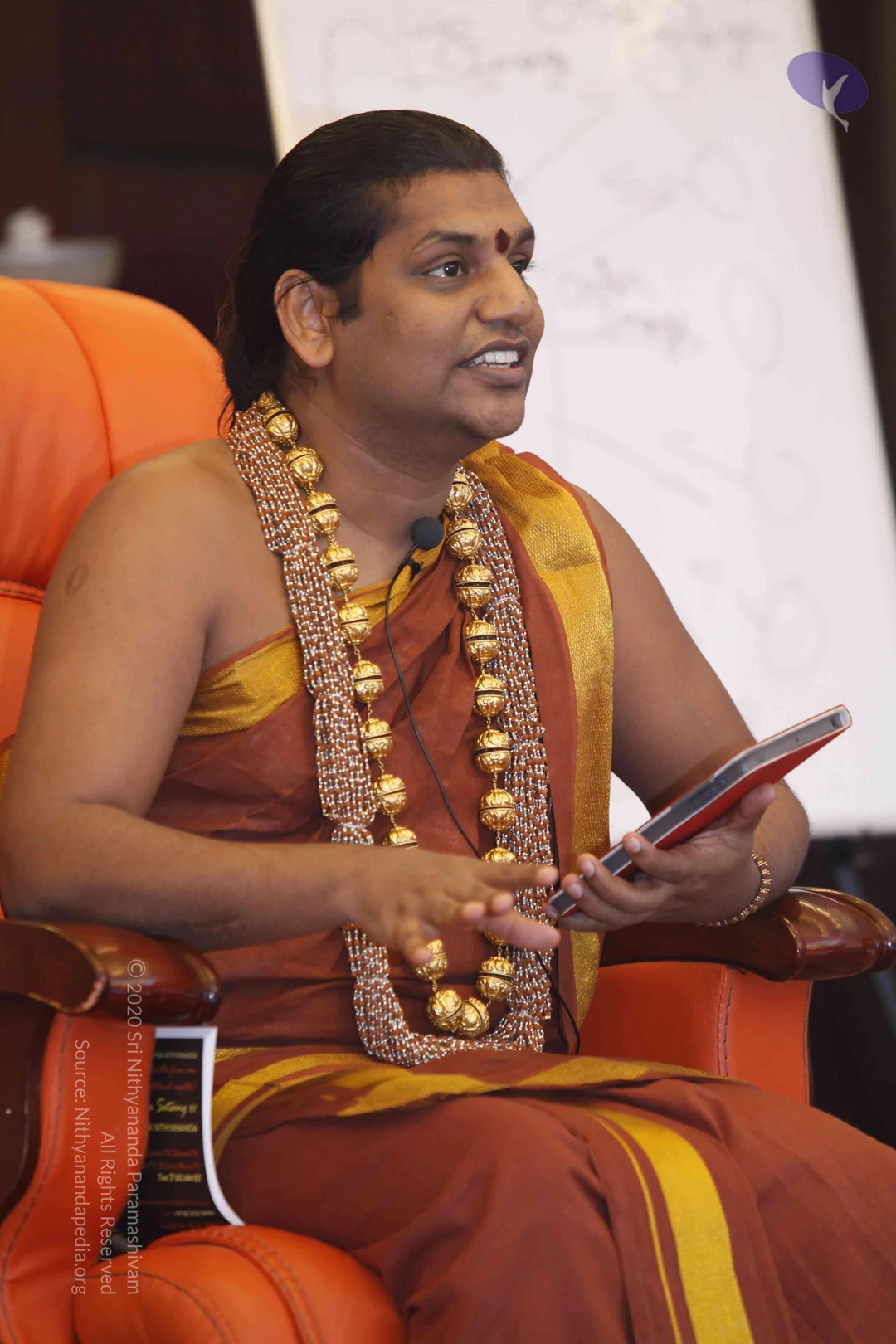
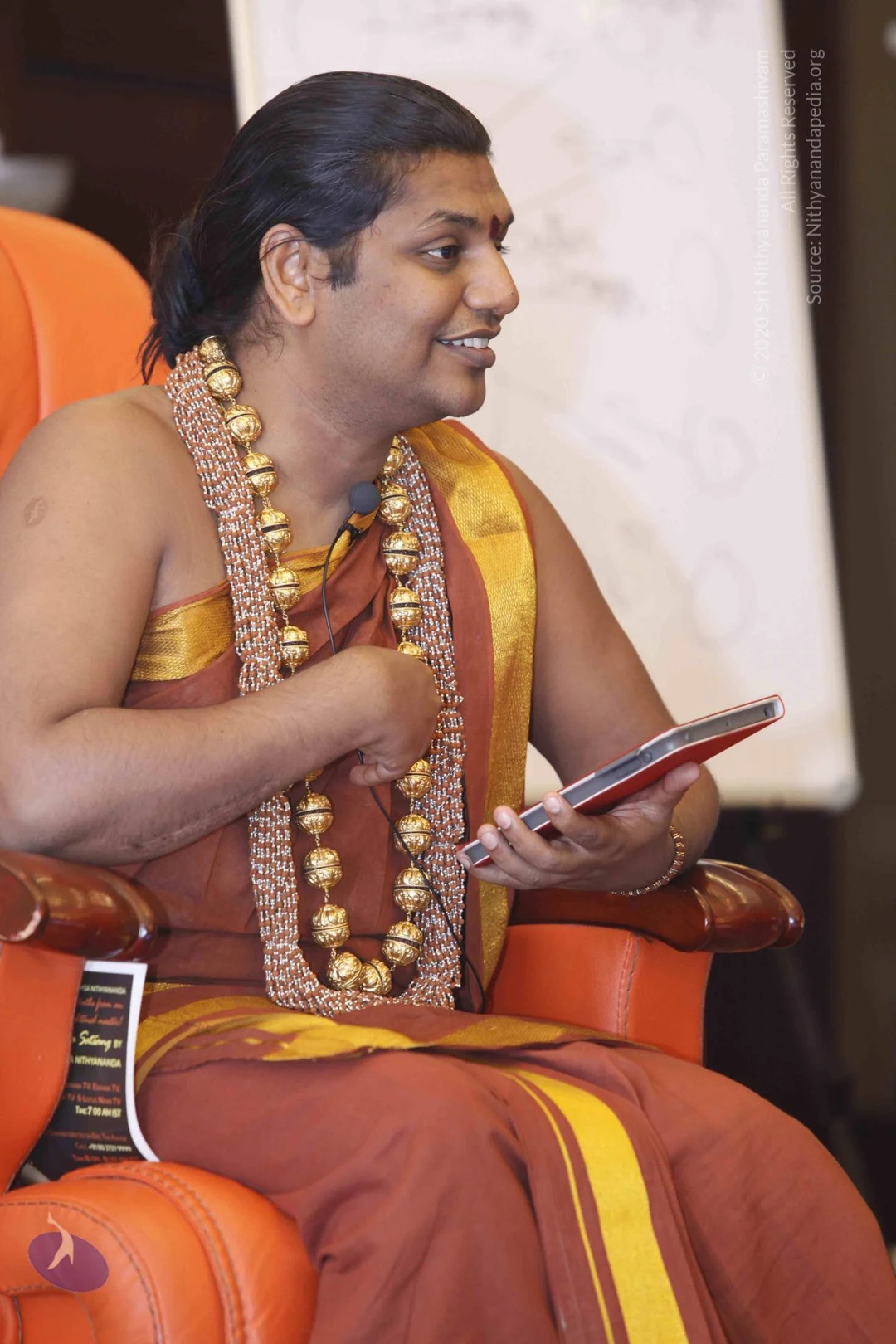
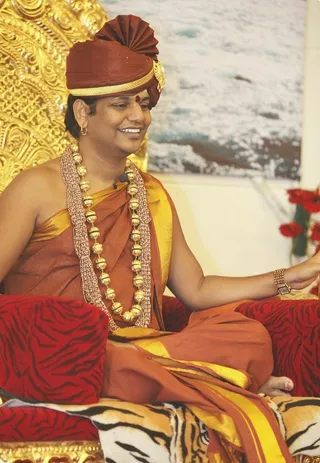
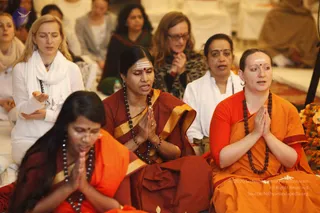
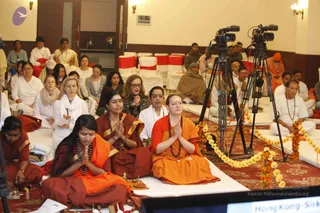
Morning Satsang
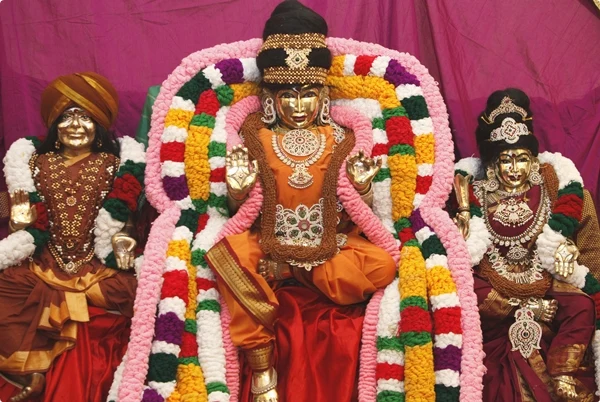
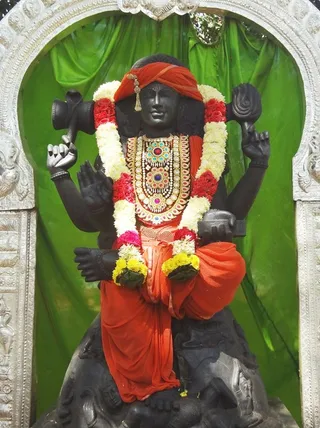
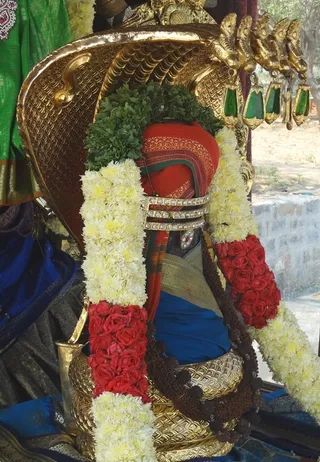
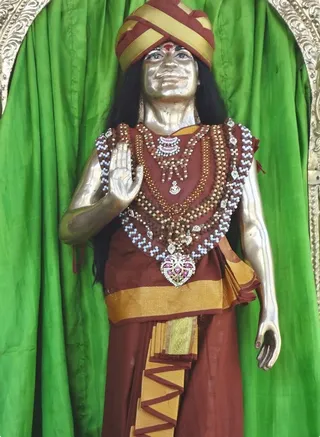
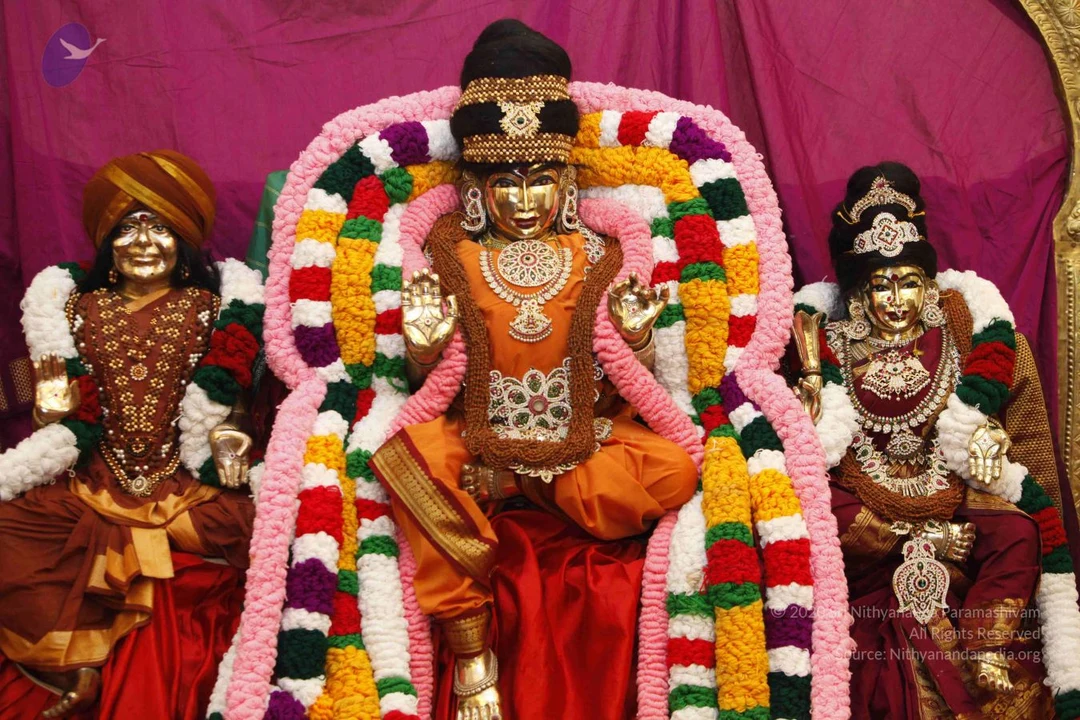
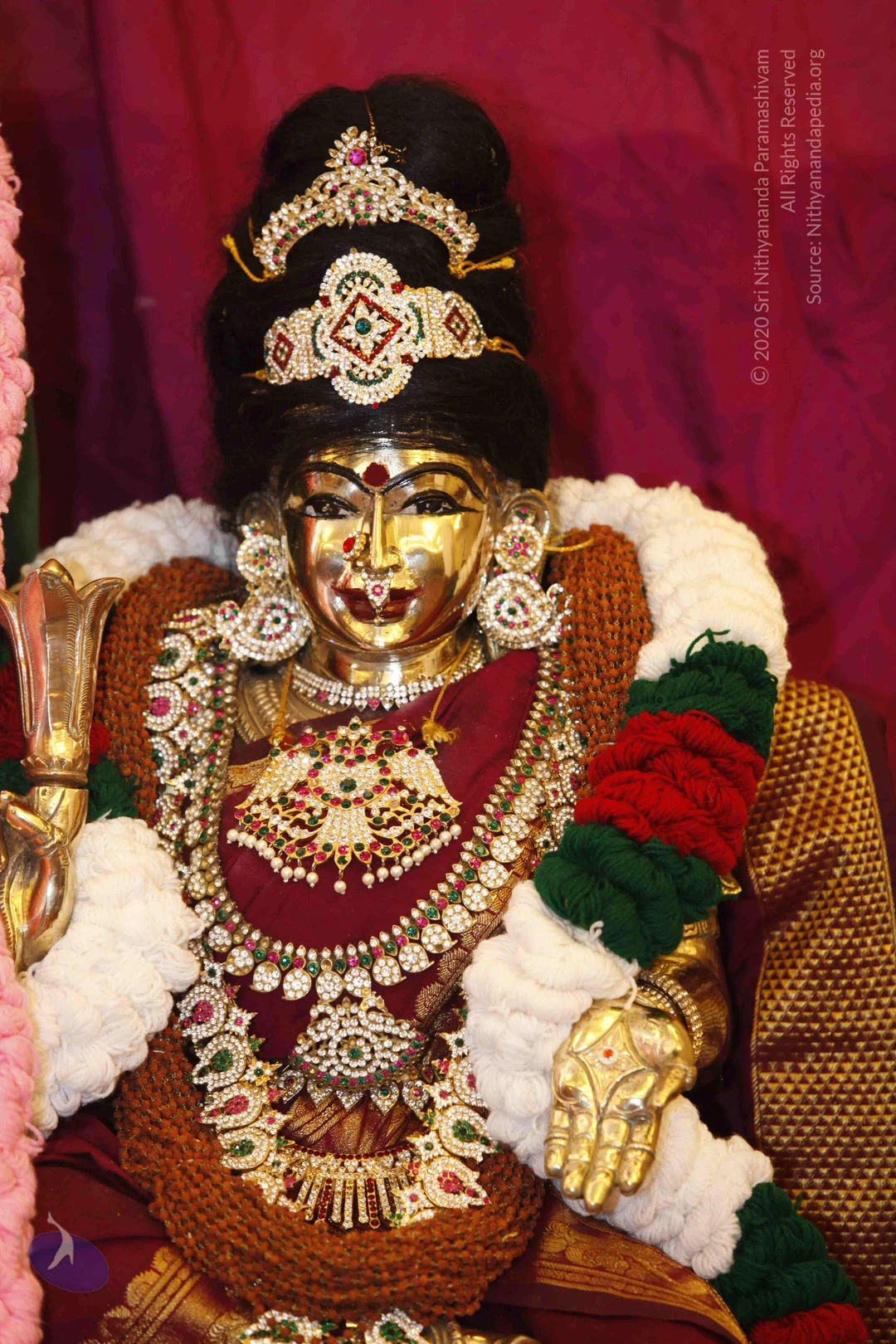
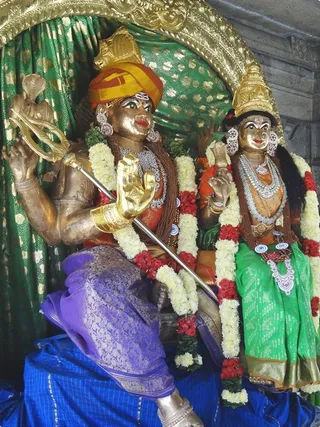
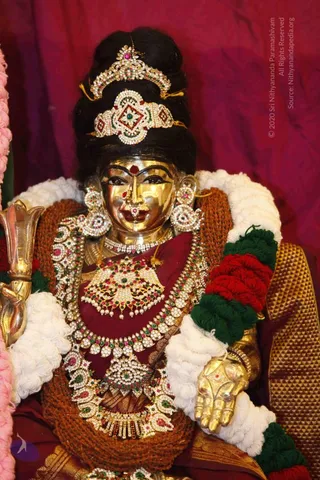
Nithyanandeswara and Nithyanandeswari
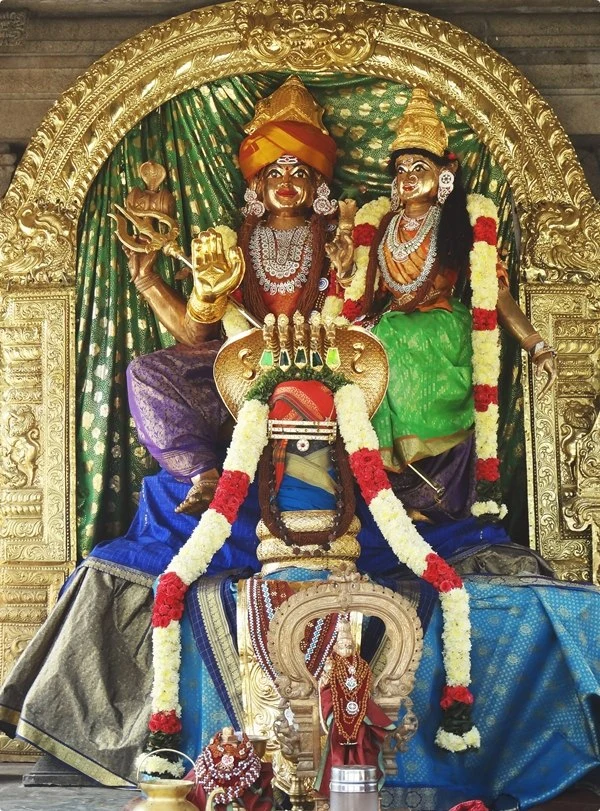
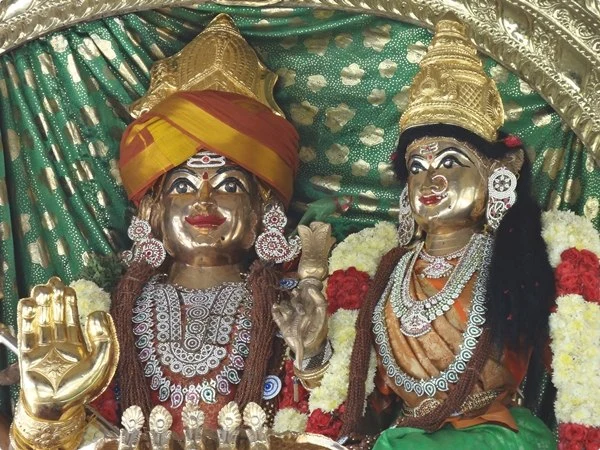
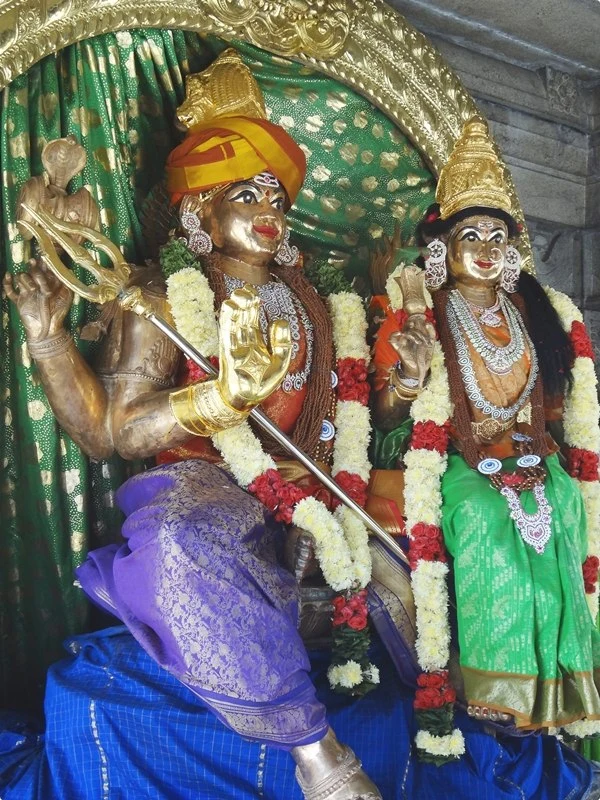
Swayambu Linga
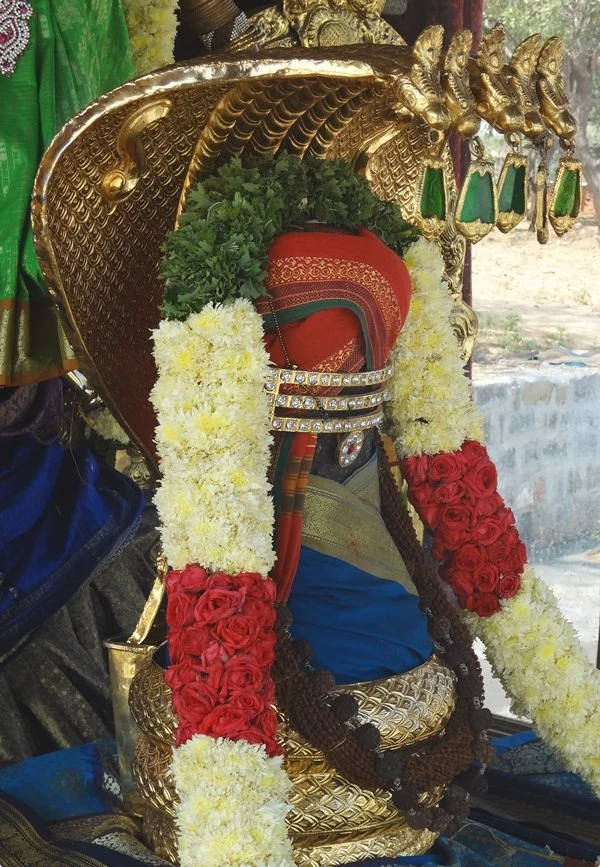
Utsava murthy
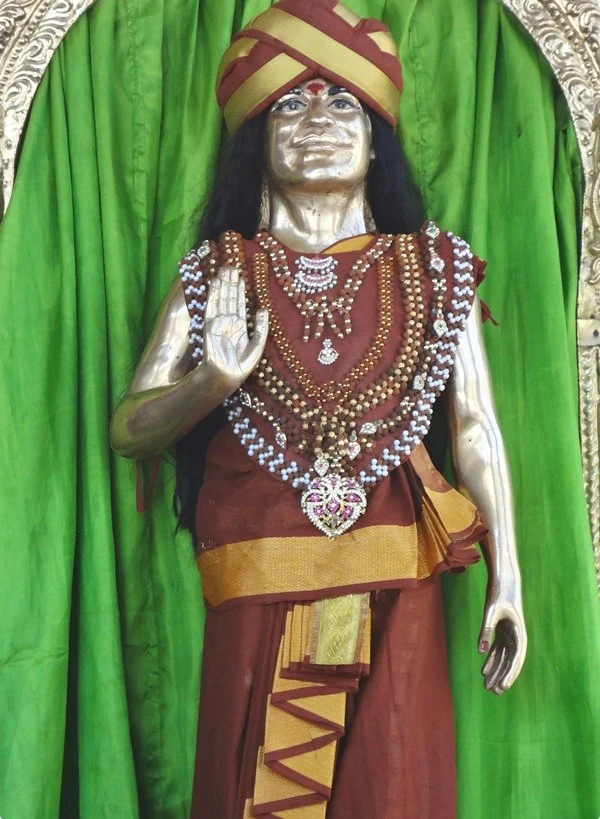
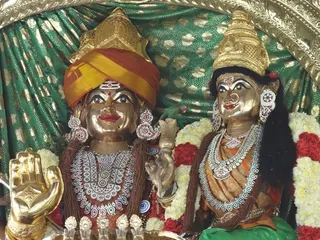
Dakshinamurthy
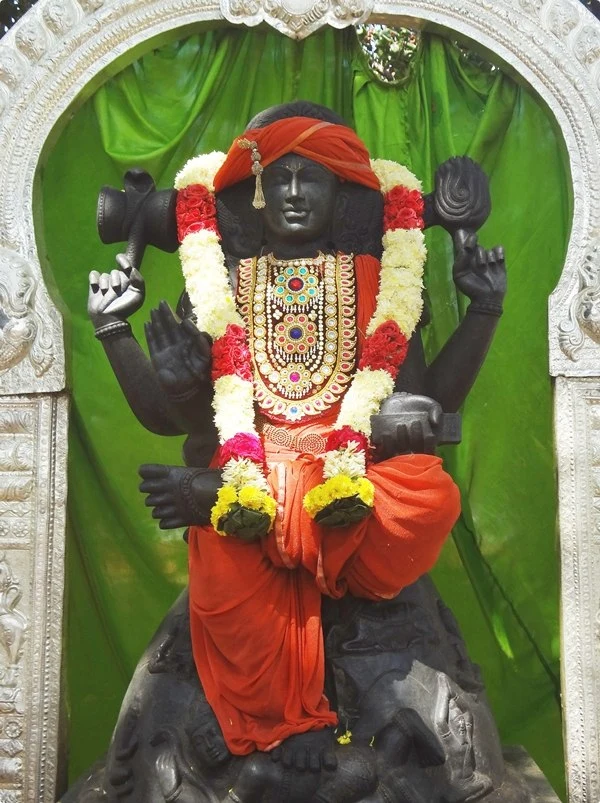
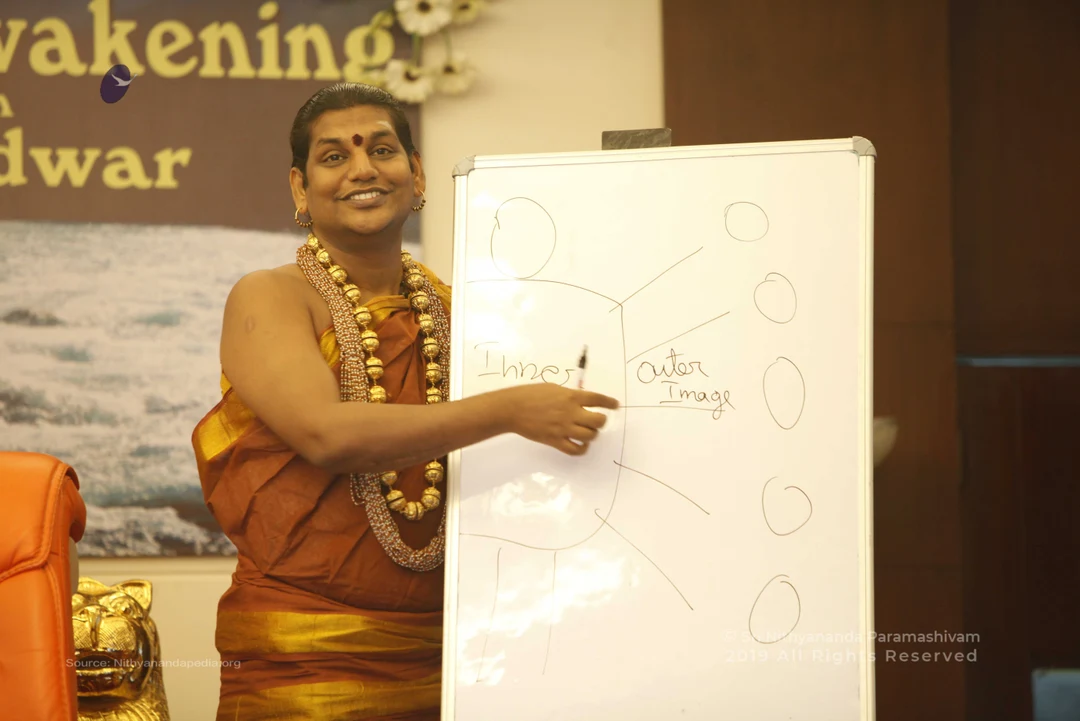
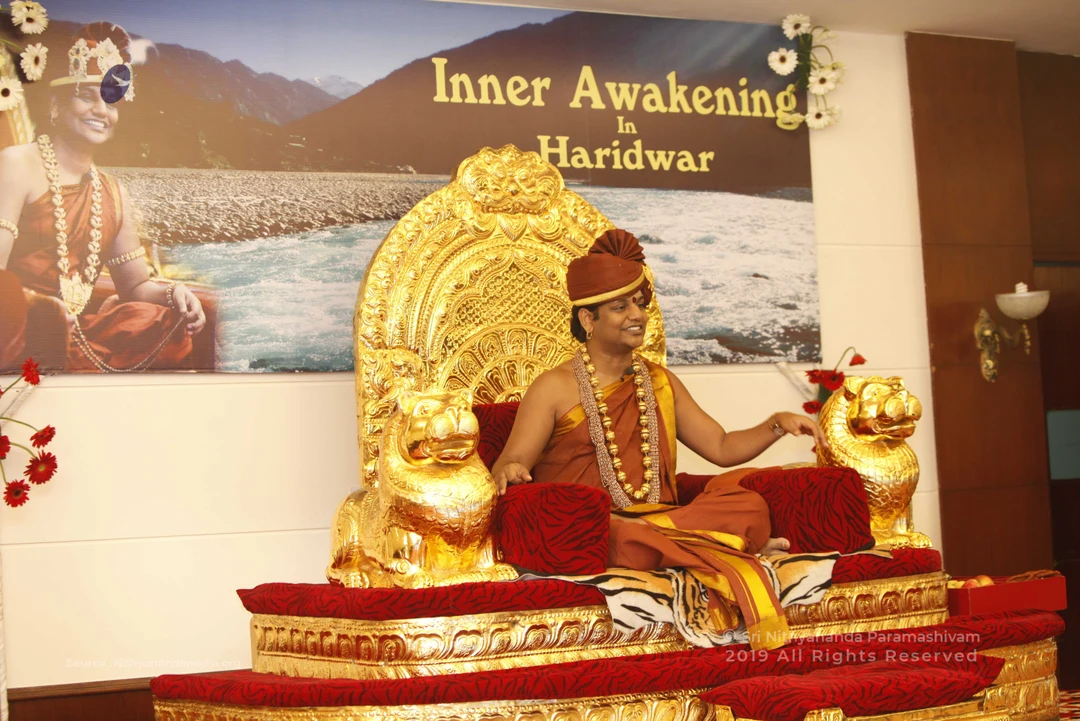
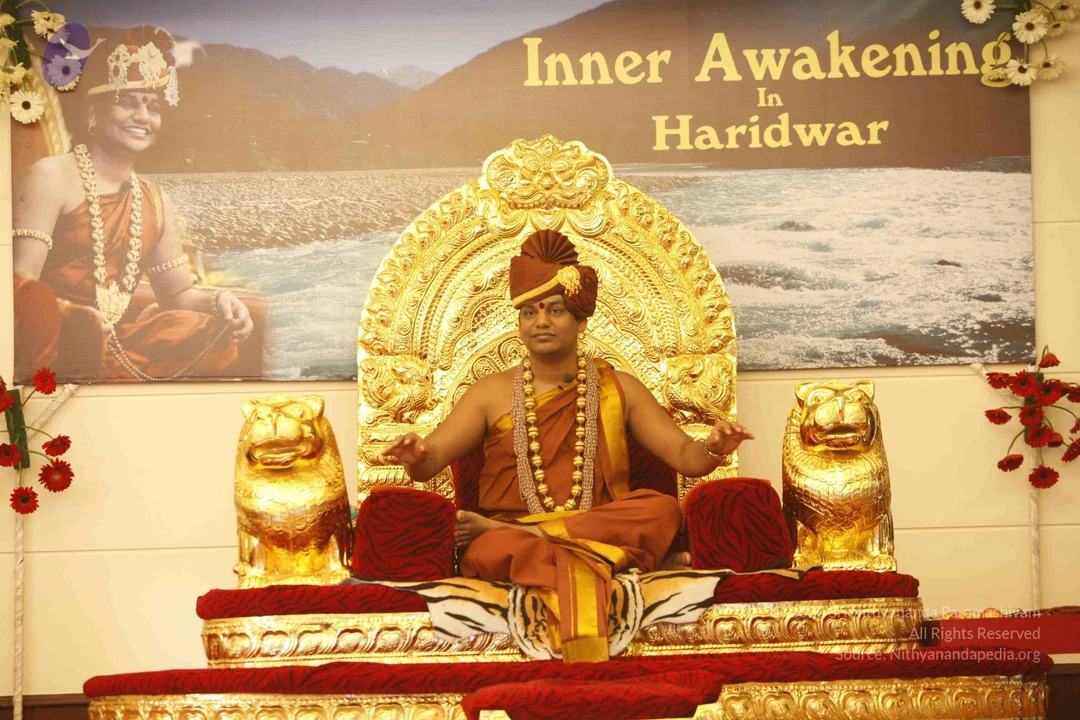
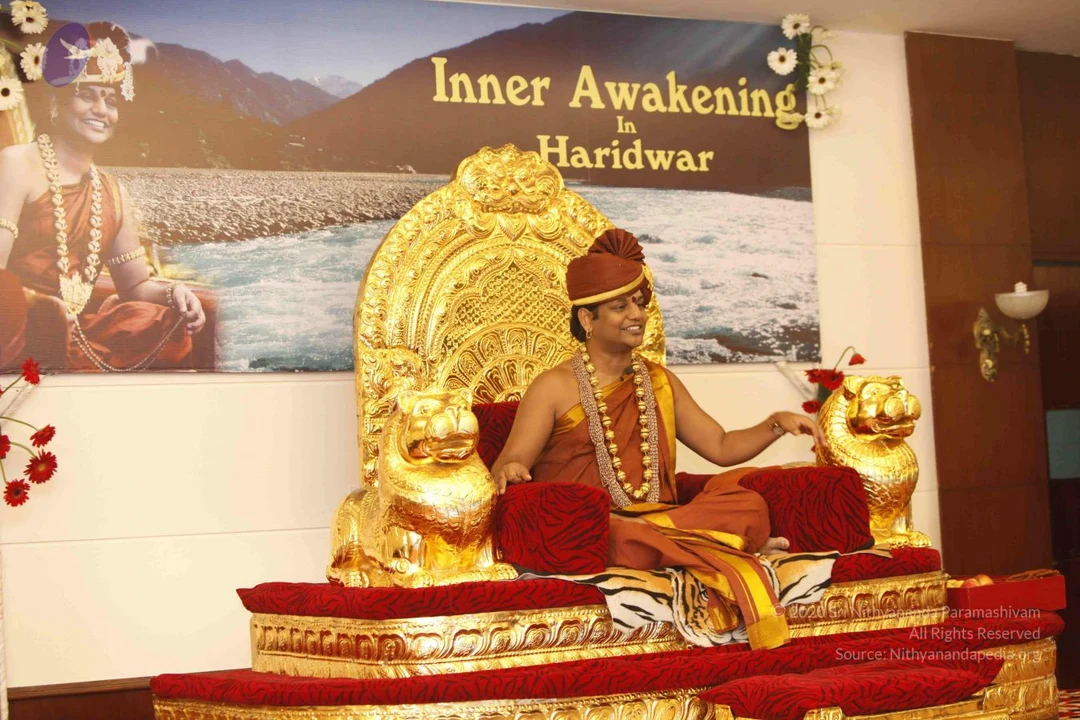
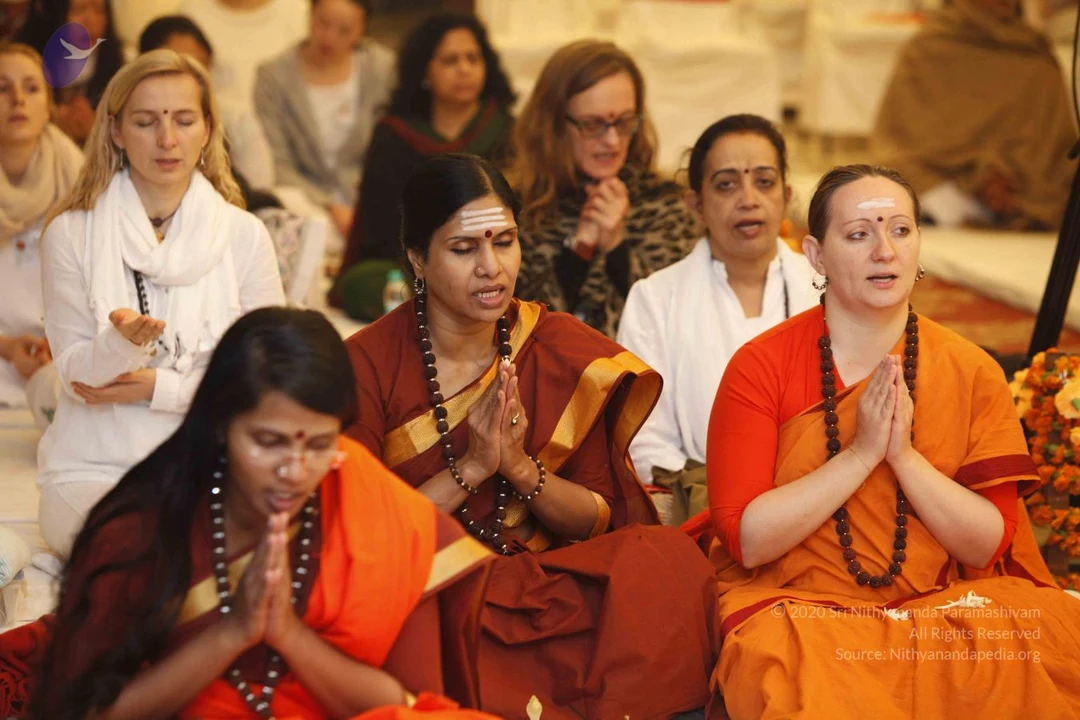
Inner Awakening Day 3 =
Tags:
Paramahamsa Nithyananda, disease, self-doubt, self-hatred, self-denial, cure, Kalpataru Darshan, Kalpataru, Darshan, energy, create, life
Photos Of The Day:
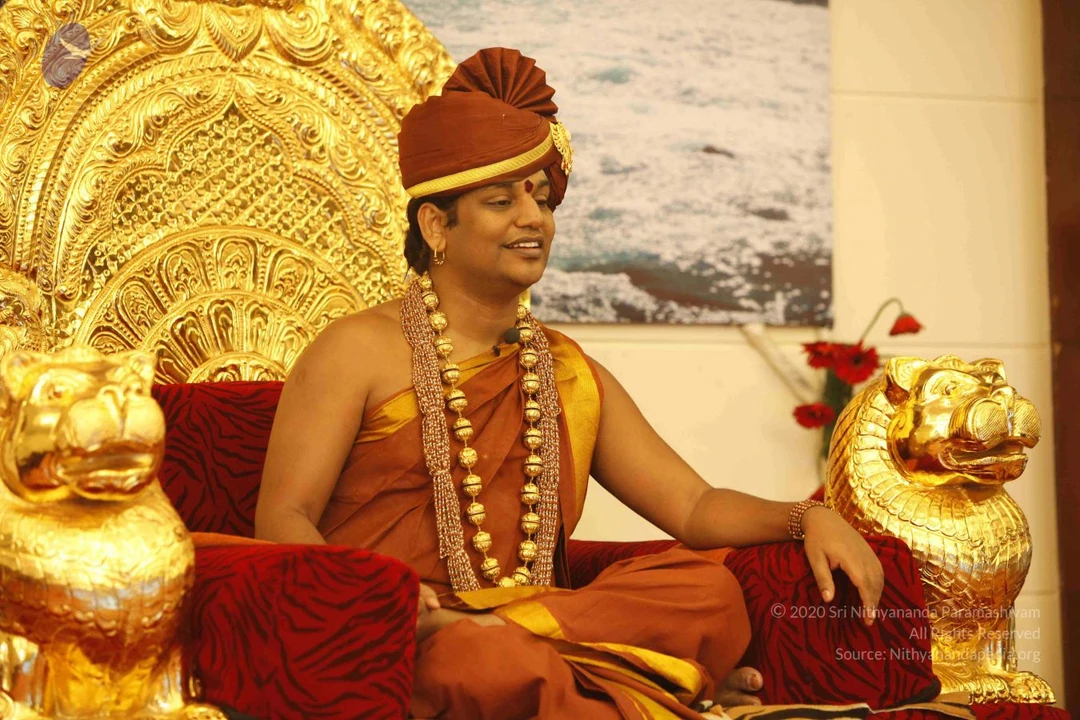
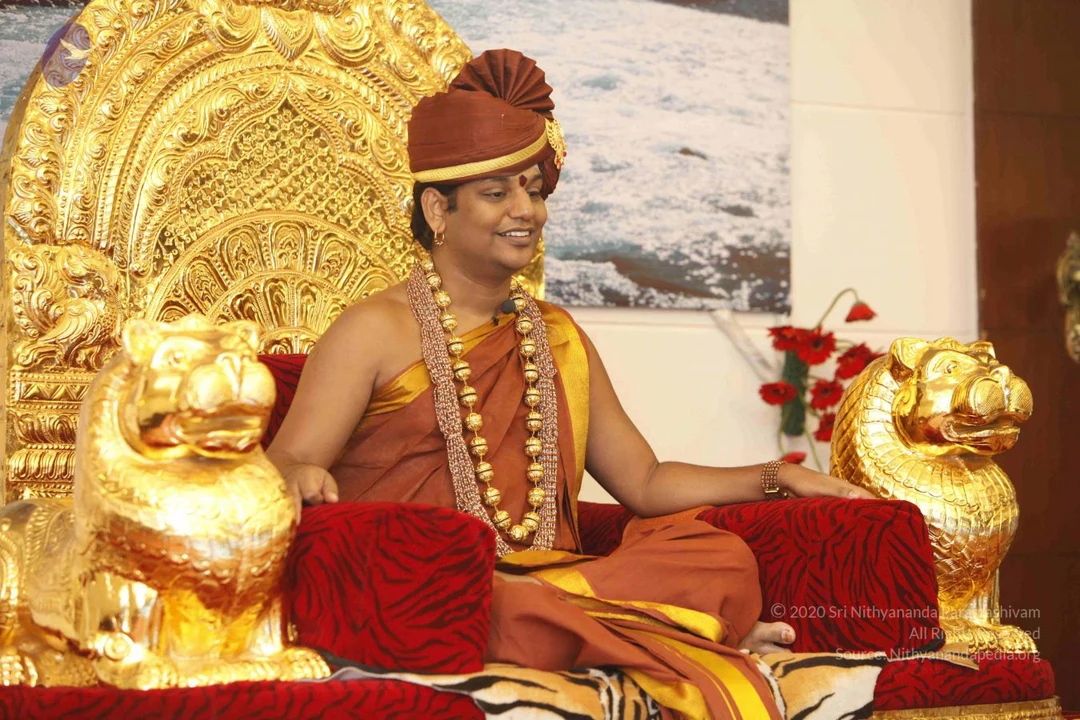
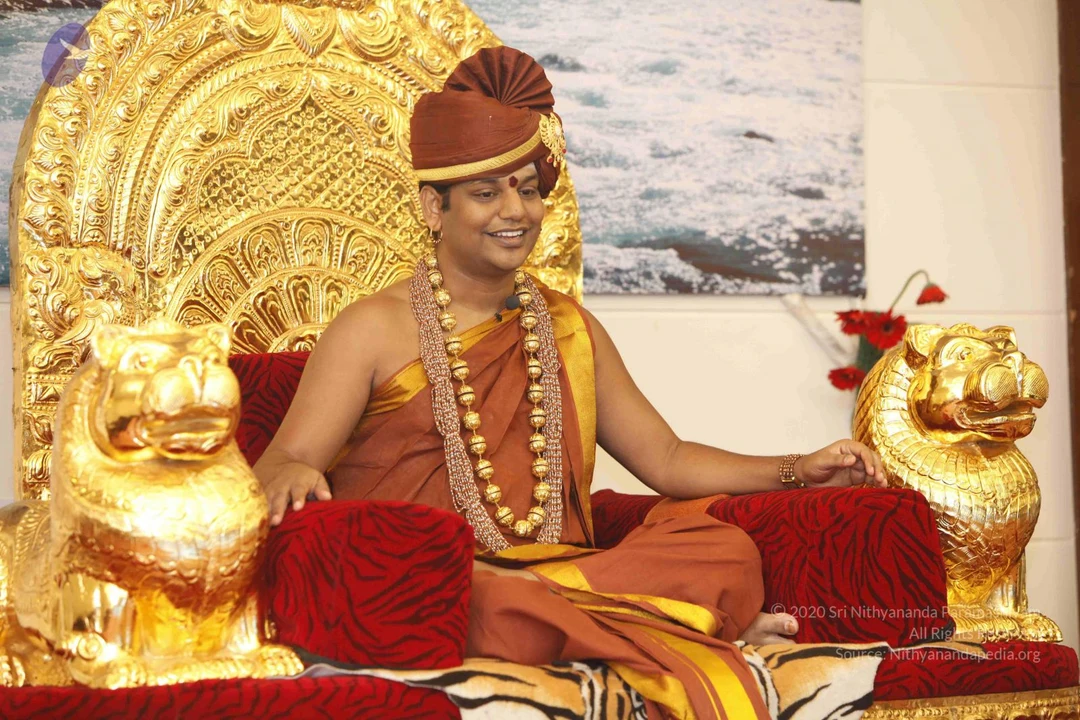
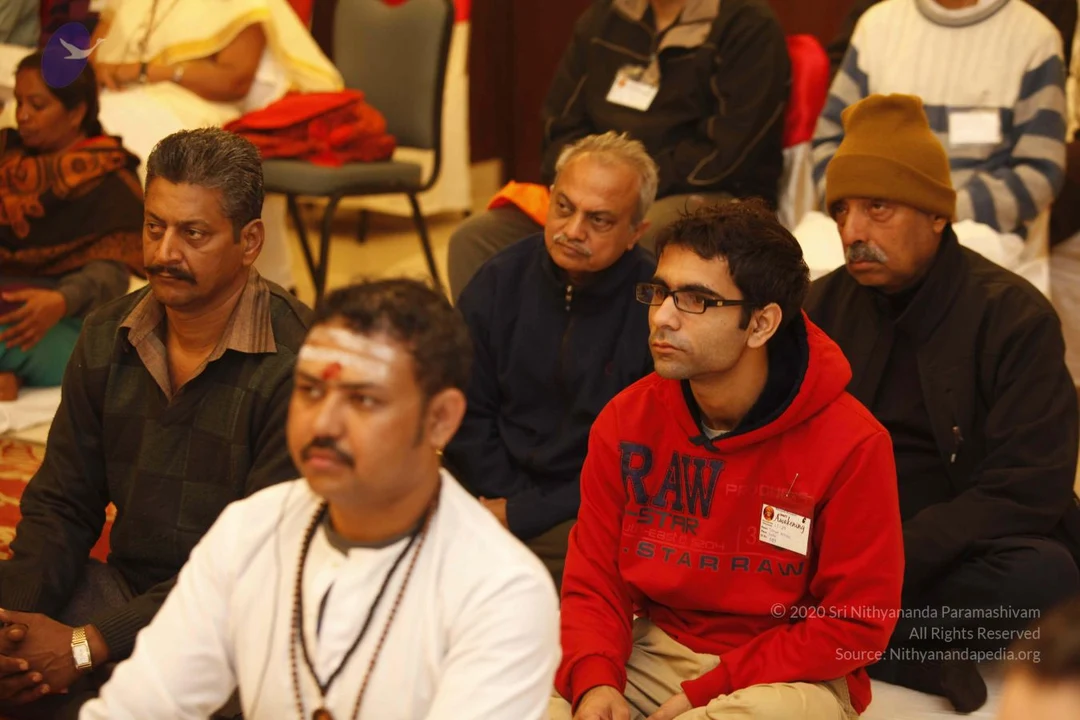
IA-at-Haridwar



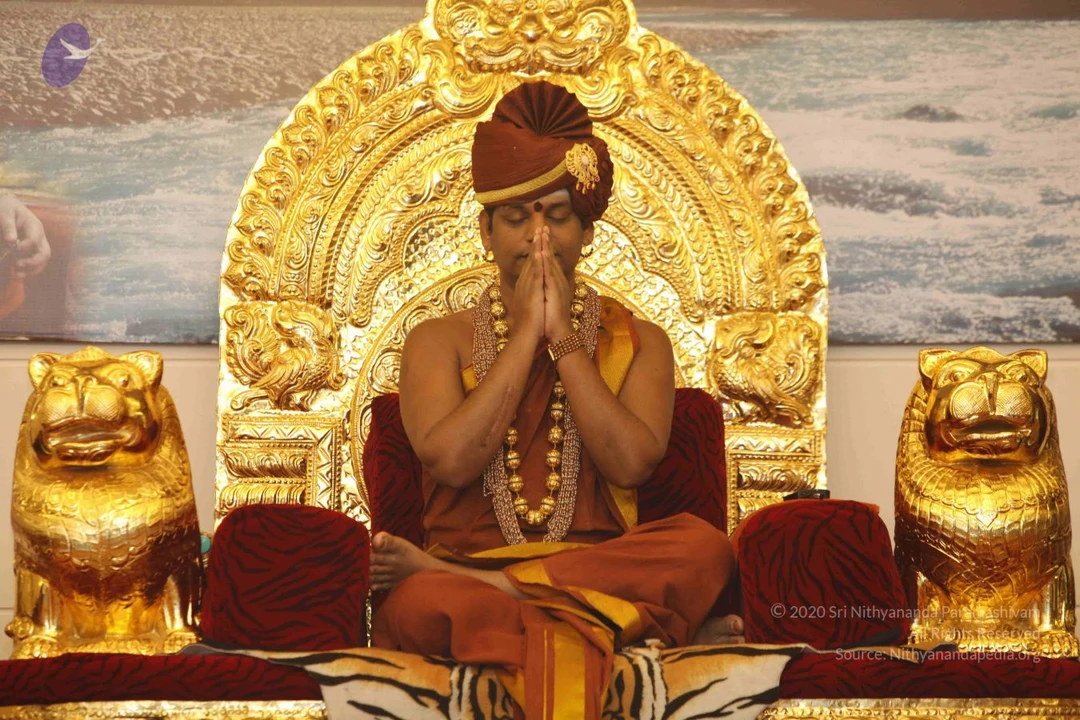
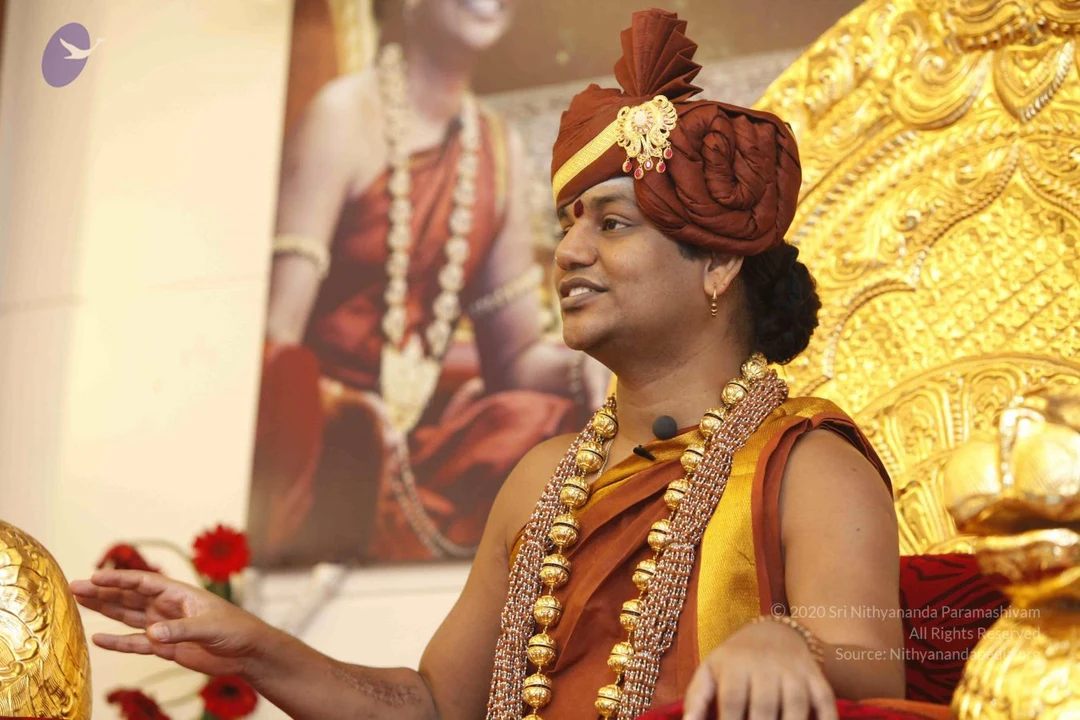
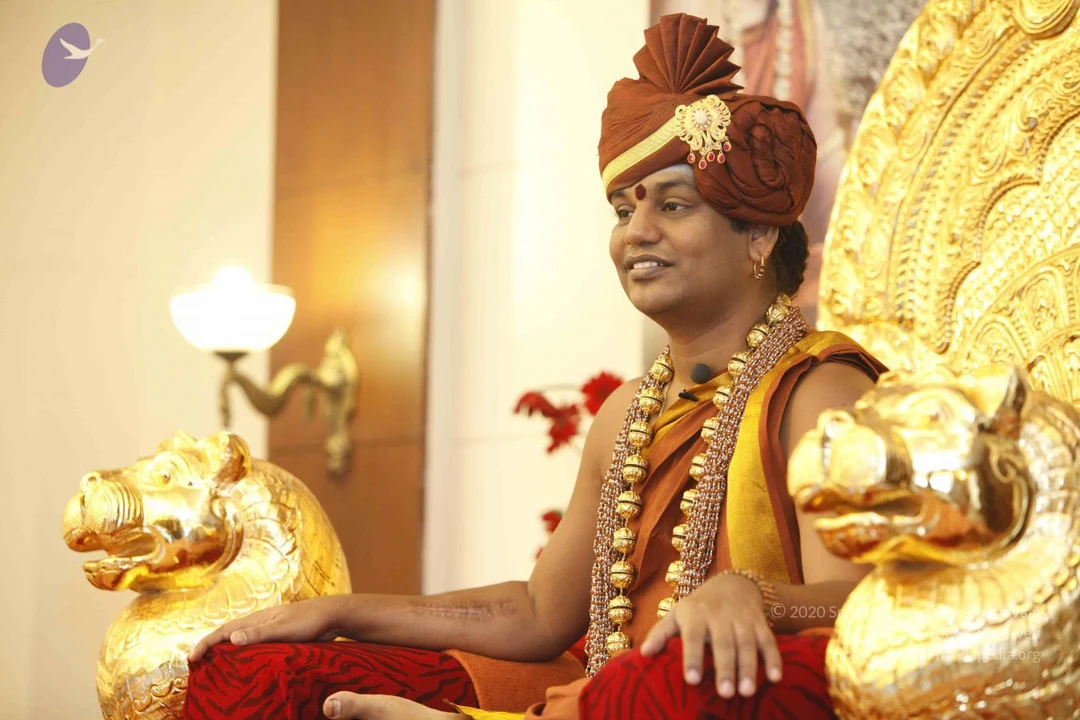
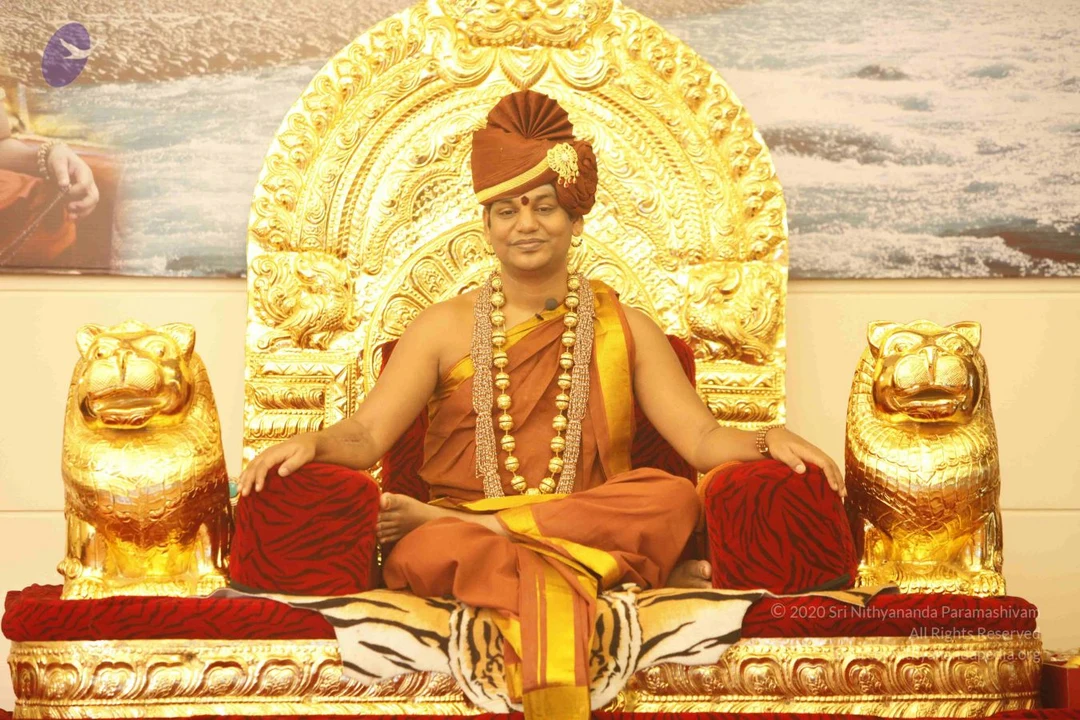

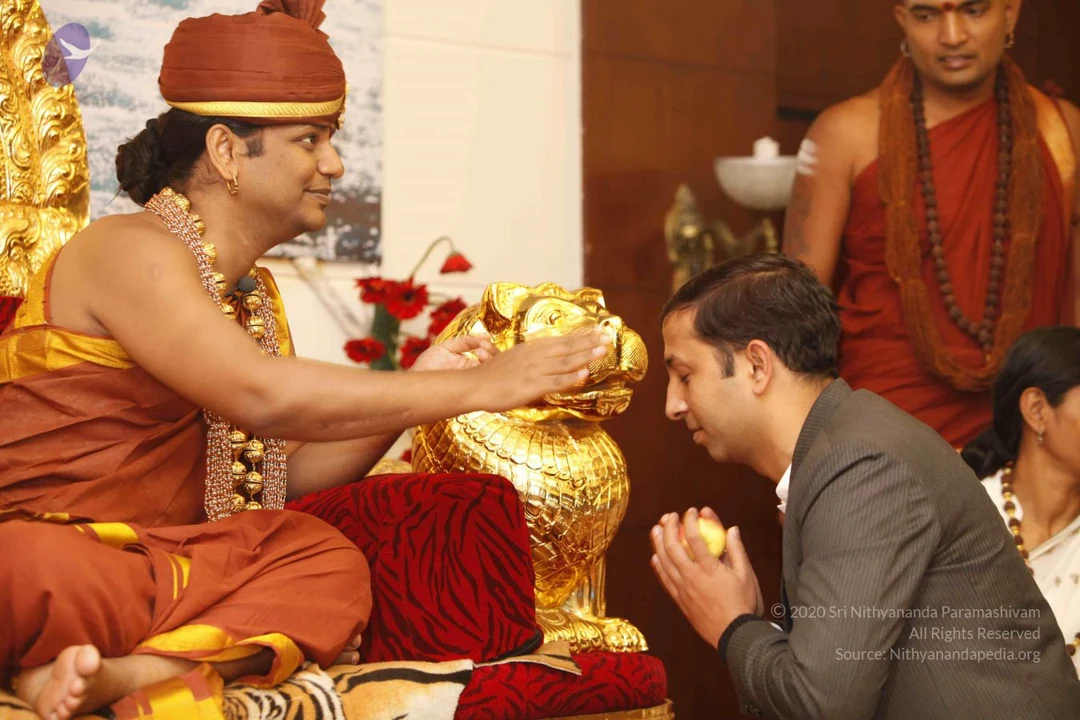
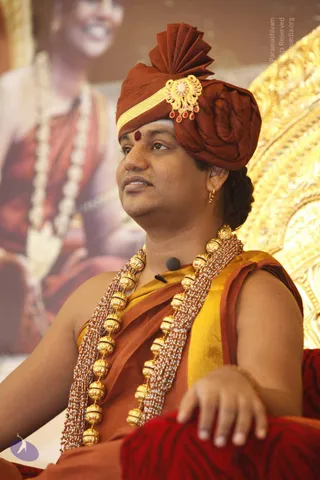
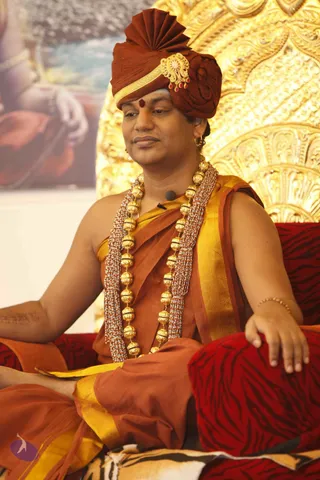
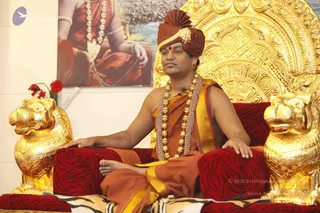
Darshan
Photos Of The Day:
Morning-Paduka-Puja
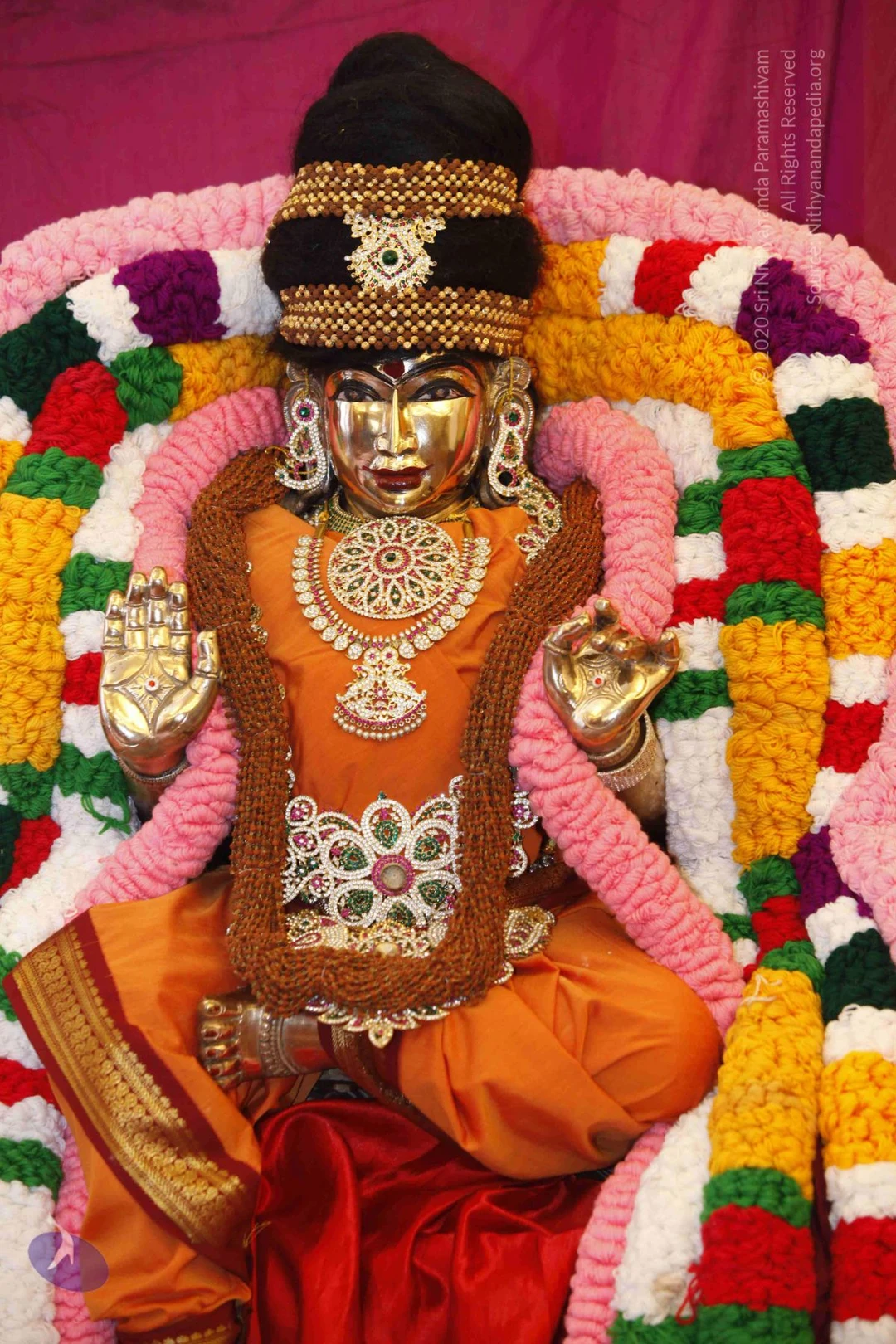
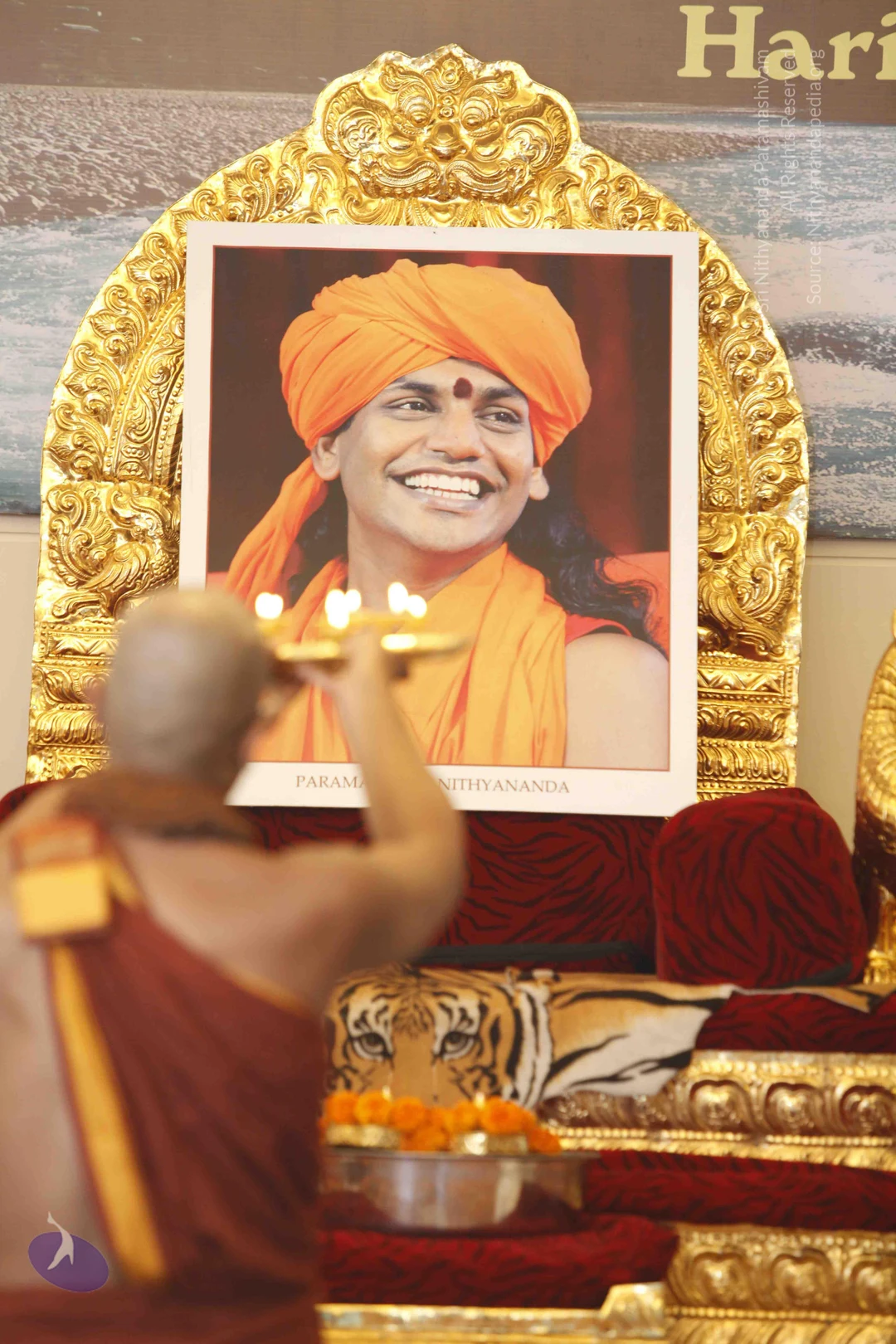
IA-at-Haridwar
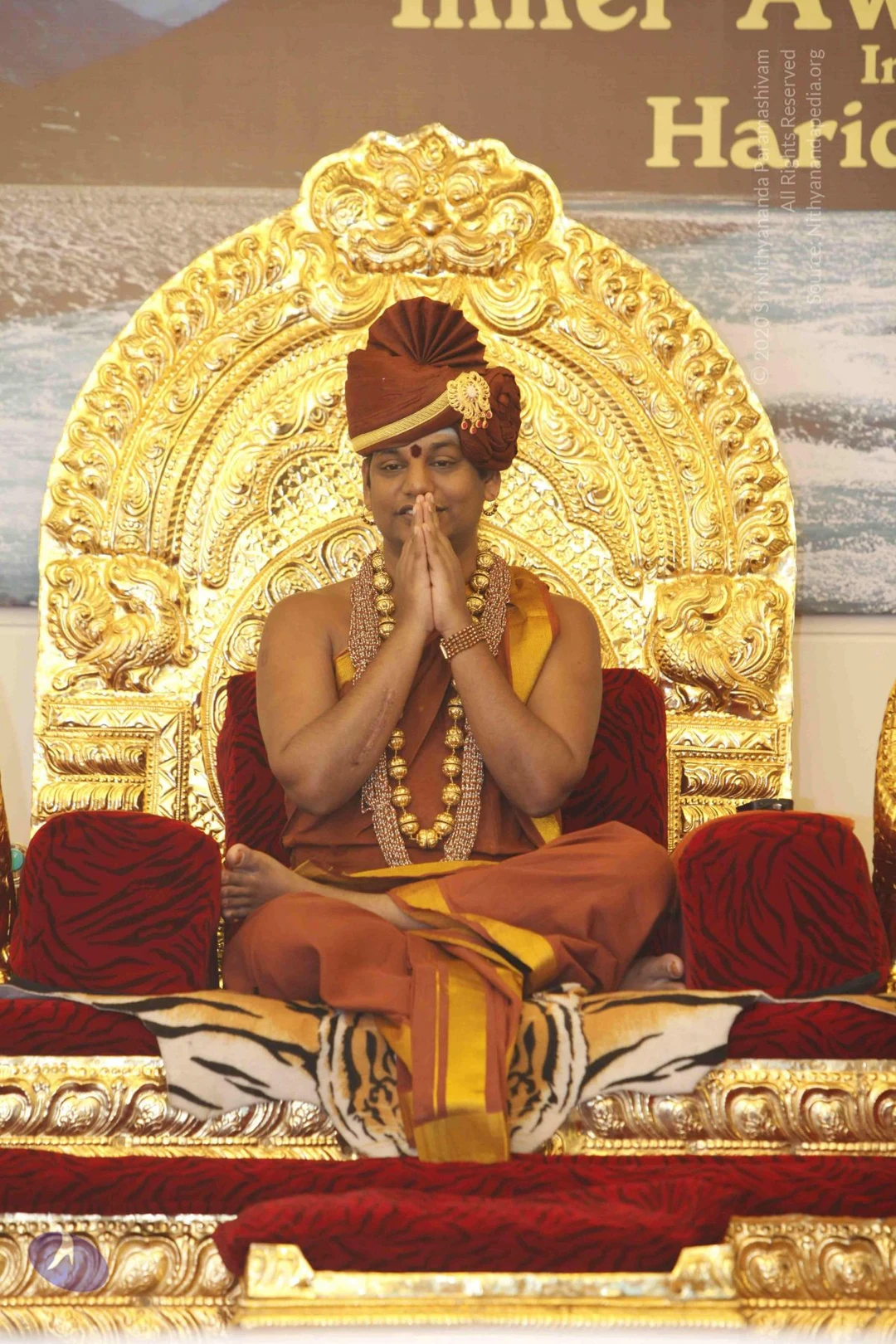
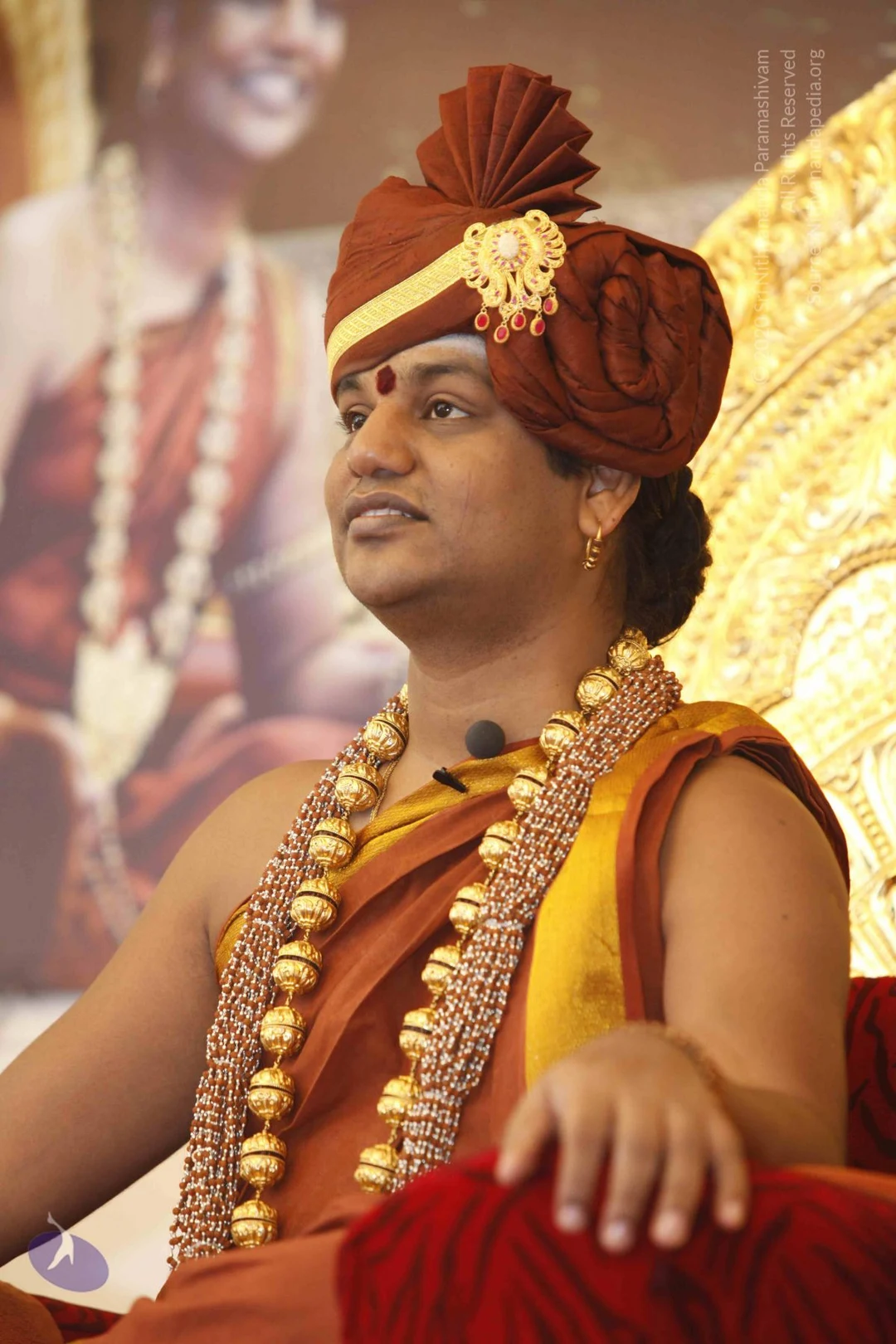
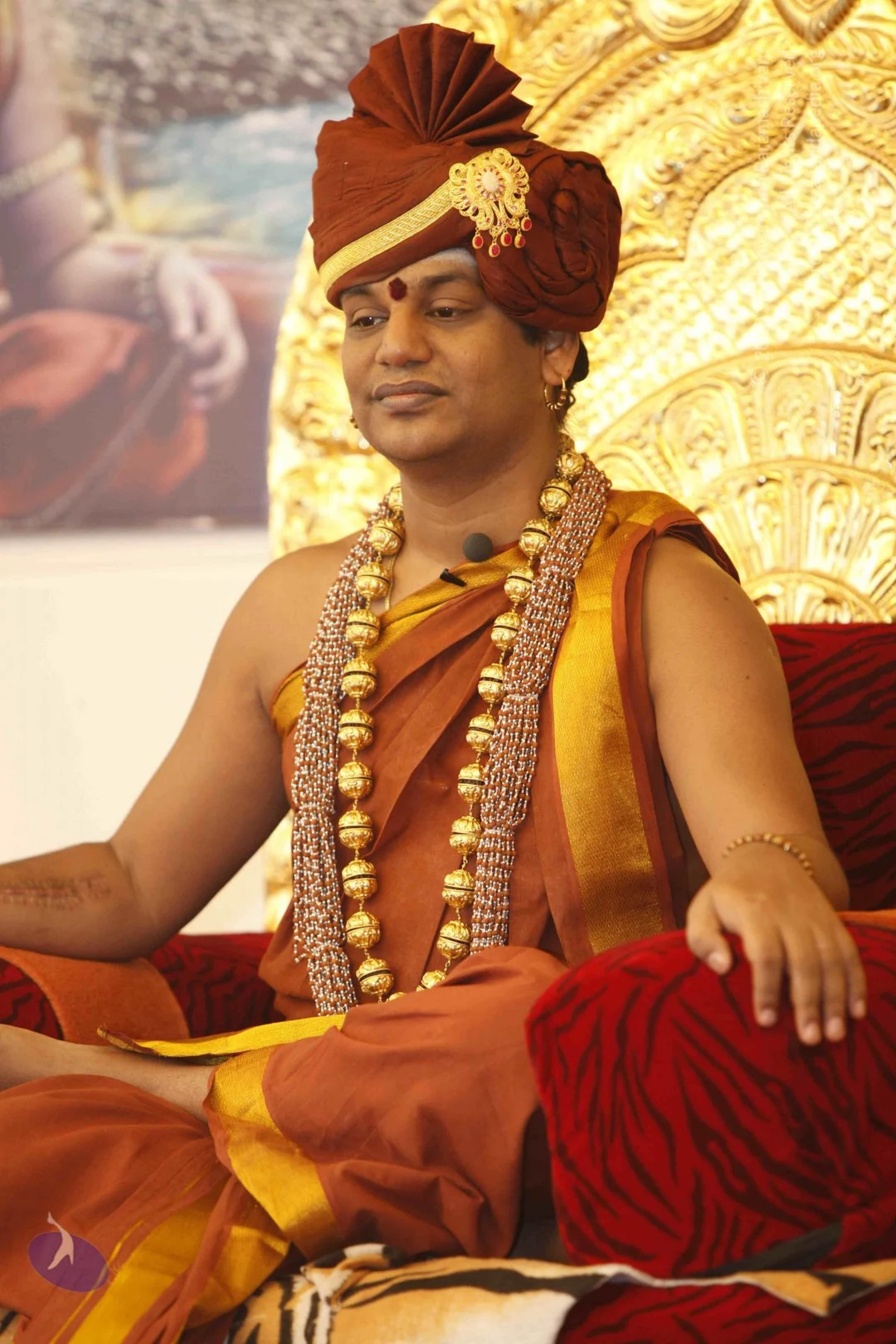
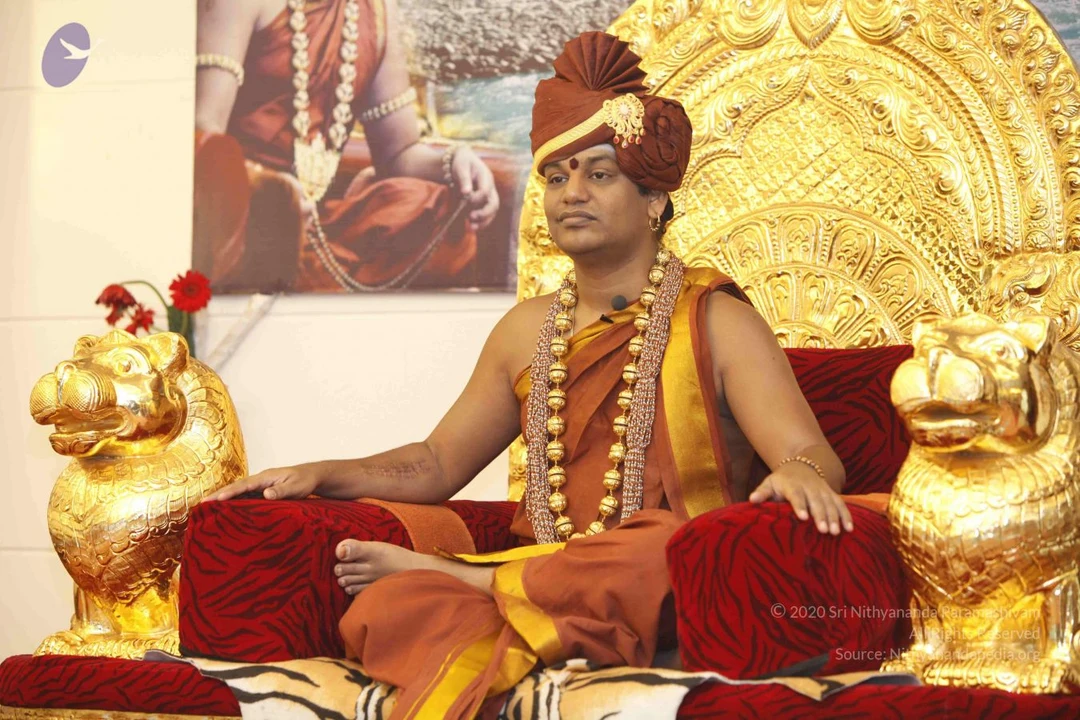
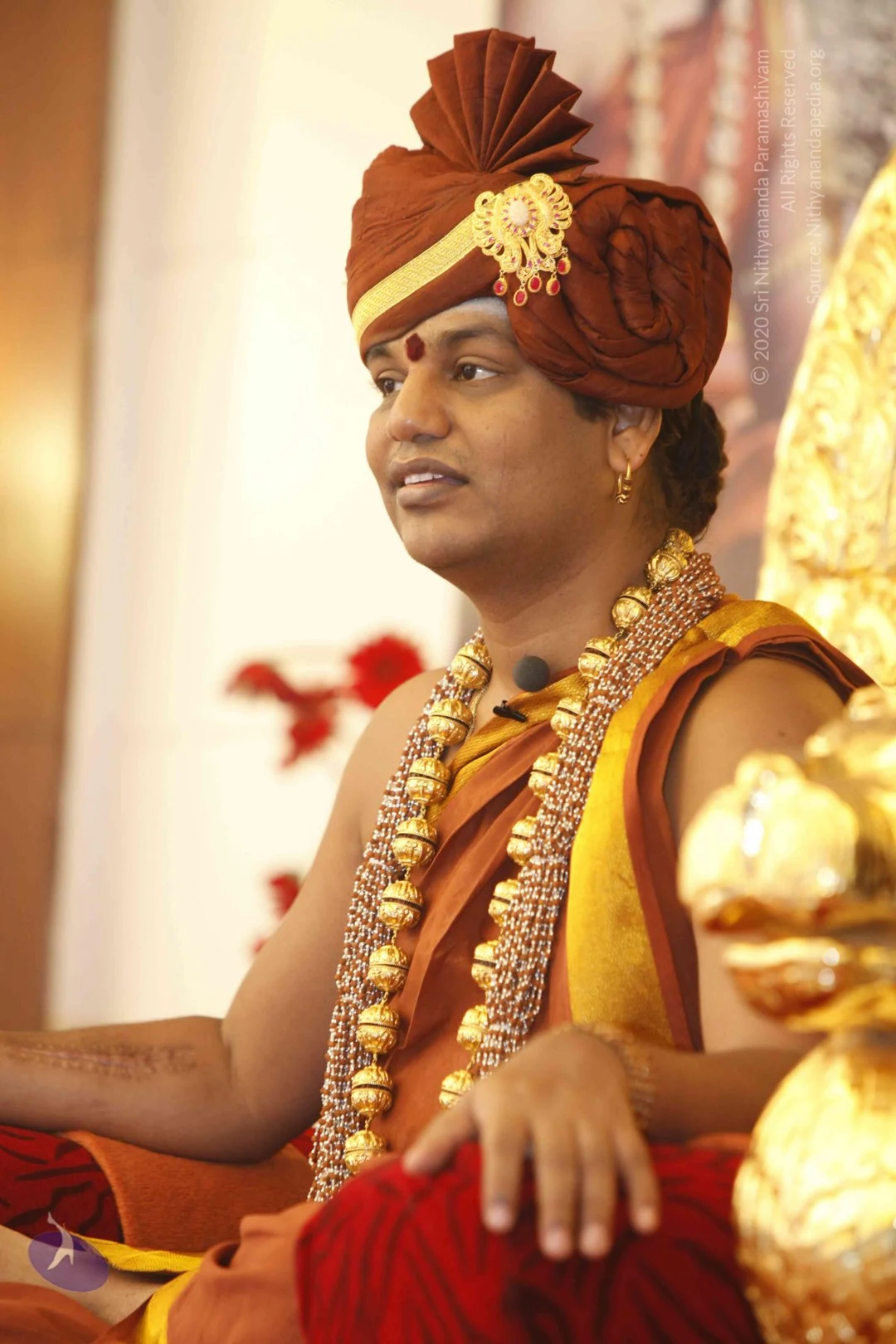
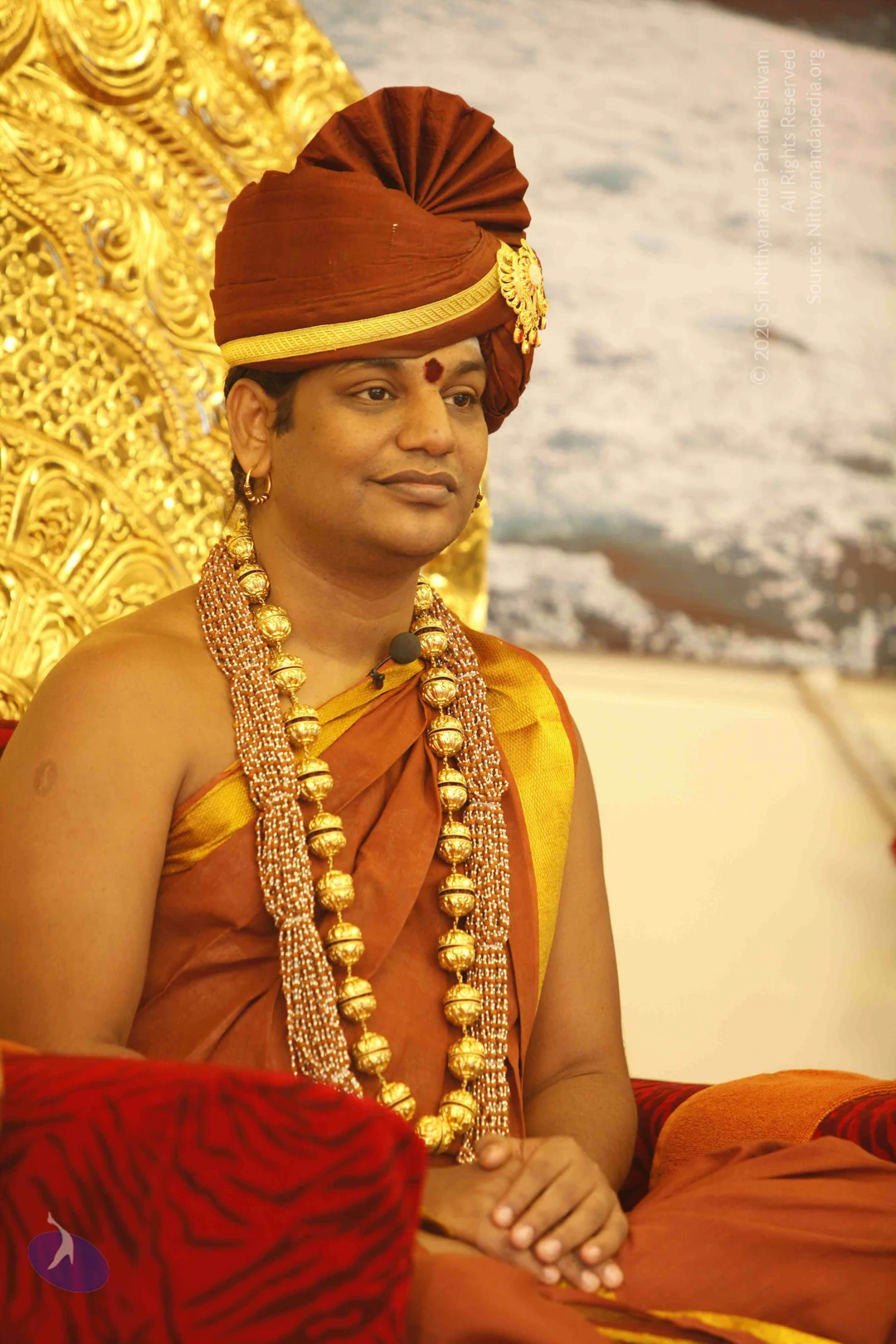
Darshan
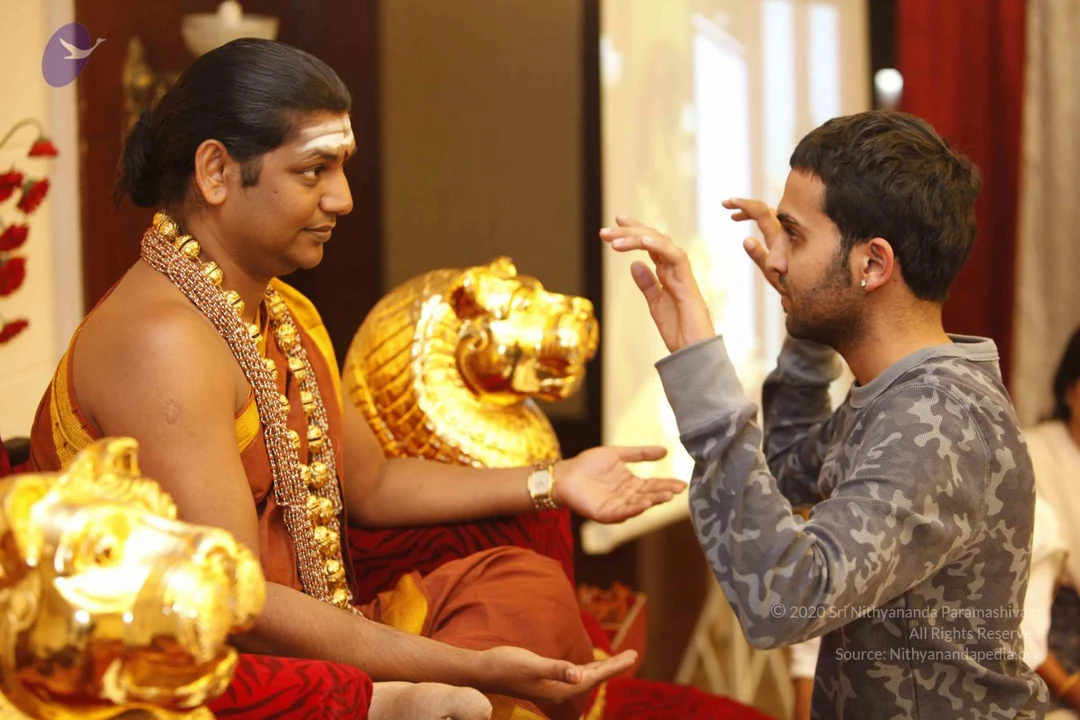
Photos from this day
View all 112 photosMorning Paduka Puja in Progress
2 photosSource gallery
Padukas
2 photosSource gallery

Morning Satsang
3 photosSource gallery
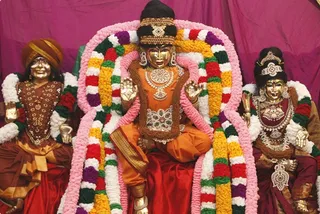
Nithyanandeswara and Nithyanandeswari
3 photosSource gallery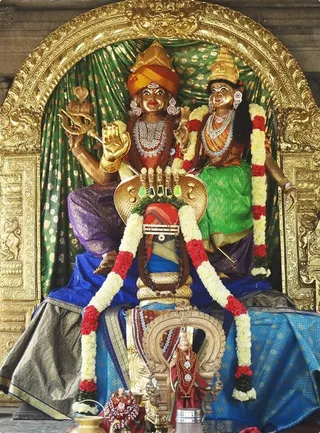
Inner Awakening Day 3 =
1 photoSource galleryIA-at-Haridwar
35 photosSource gallery


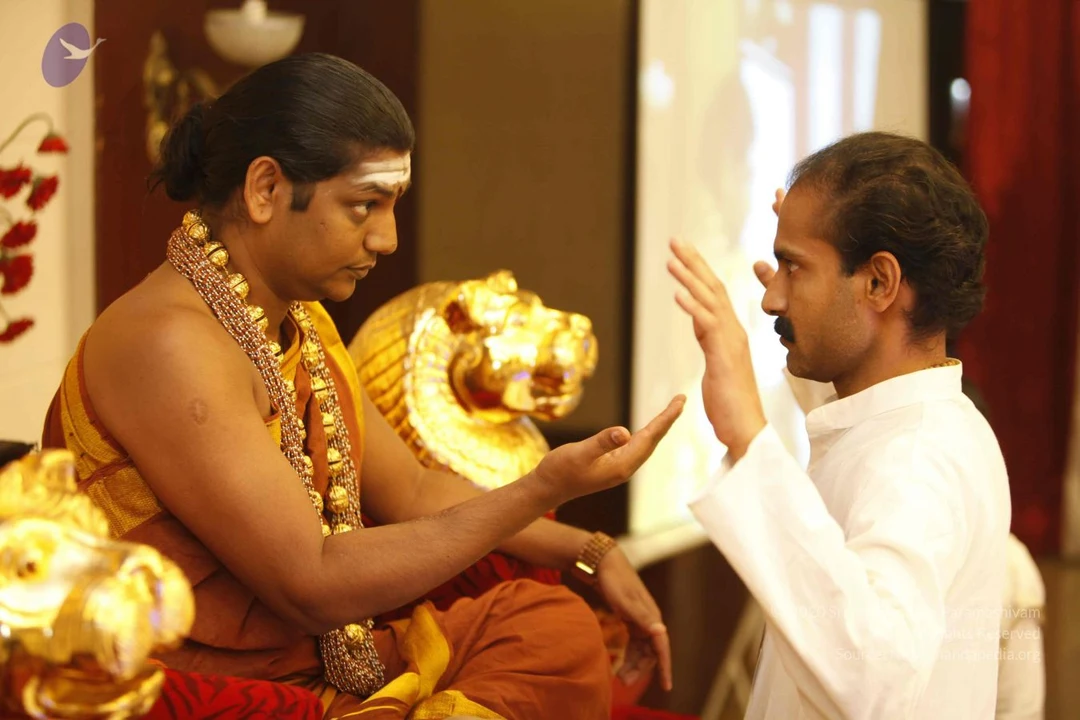
Darshan
32 photosSource gallery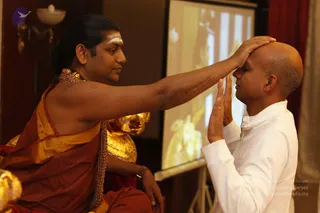
Morning-Paduka-Puja
8 photosSource gallery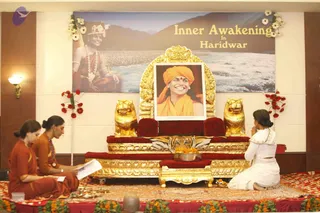
IA-at-Haridwar
21 photosSource gallery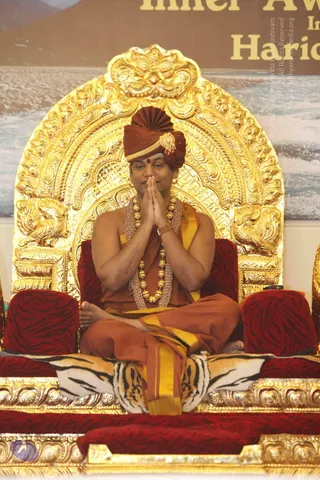
Darshan
2 photosSource gallery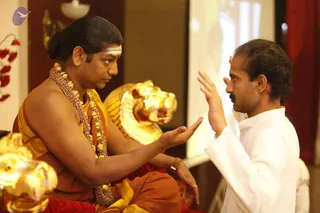
January 03 2014
3 photosView all