
Thursday
3 January 2019
- Dated photos
- 47
- Source pages
- 1
January 03 2019
Original wiki pageMessage from HDH Bhagavan Nithyananda Paramashivam via Facebook
By women of age below 50 years entering into Sabarimala Ayyapa has not lost anything. He is God. But Hindus have lost something great. Each big temple is a ecosystem created for enlightenment. By having women below 50 years of age entering inside, one of the greatest ecosystems created for enlightenment was destroyed today. These ecosystems were responsible for causing multiple enlightened beings to be created without any logic. Hinduism has no single organization. Nobody teaches people to become Sanyasis (monks). Yet the largest number of Sanyasis are from Hinduism - more than what any other organized preaching religion has. This is because constantly these ecosystems produce enlightenment beyond logical training. The knowledge transferring mechanism in Hinduism is unique and beyond normal education and theological training.
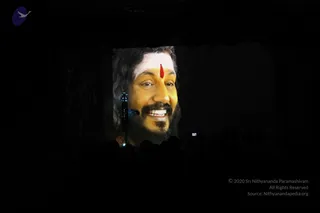
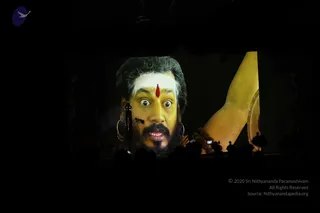
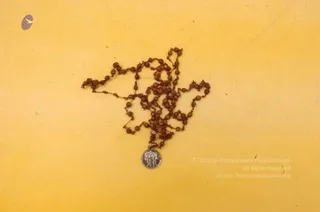
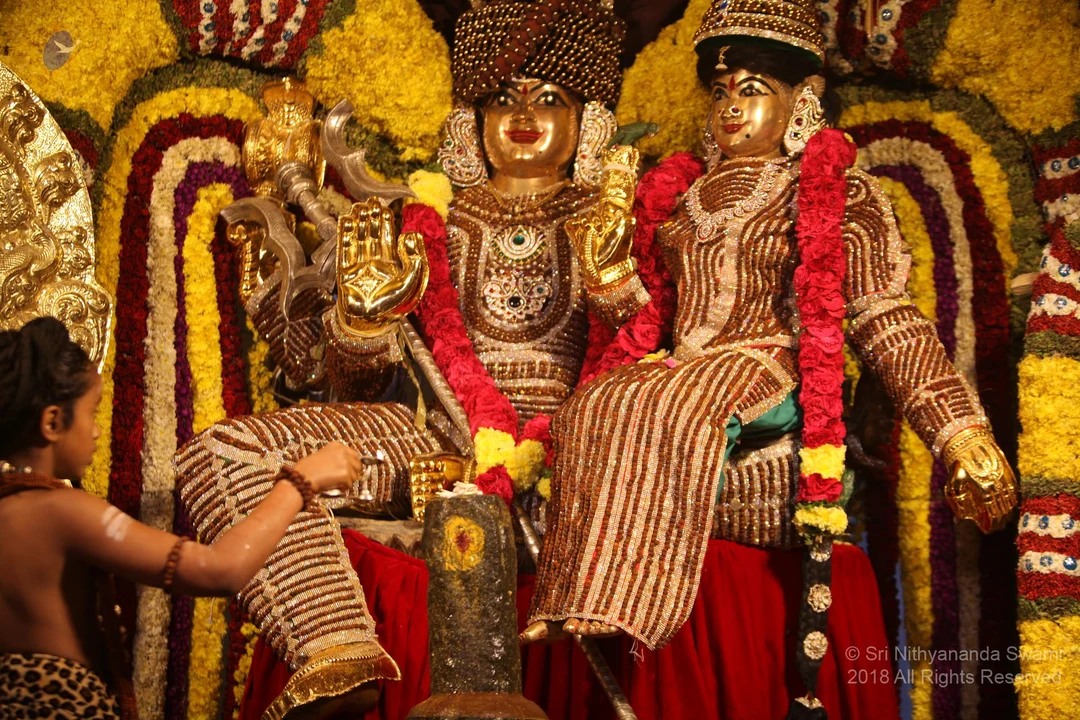
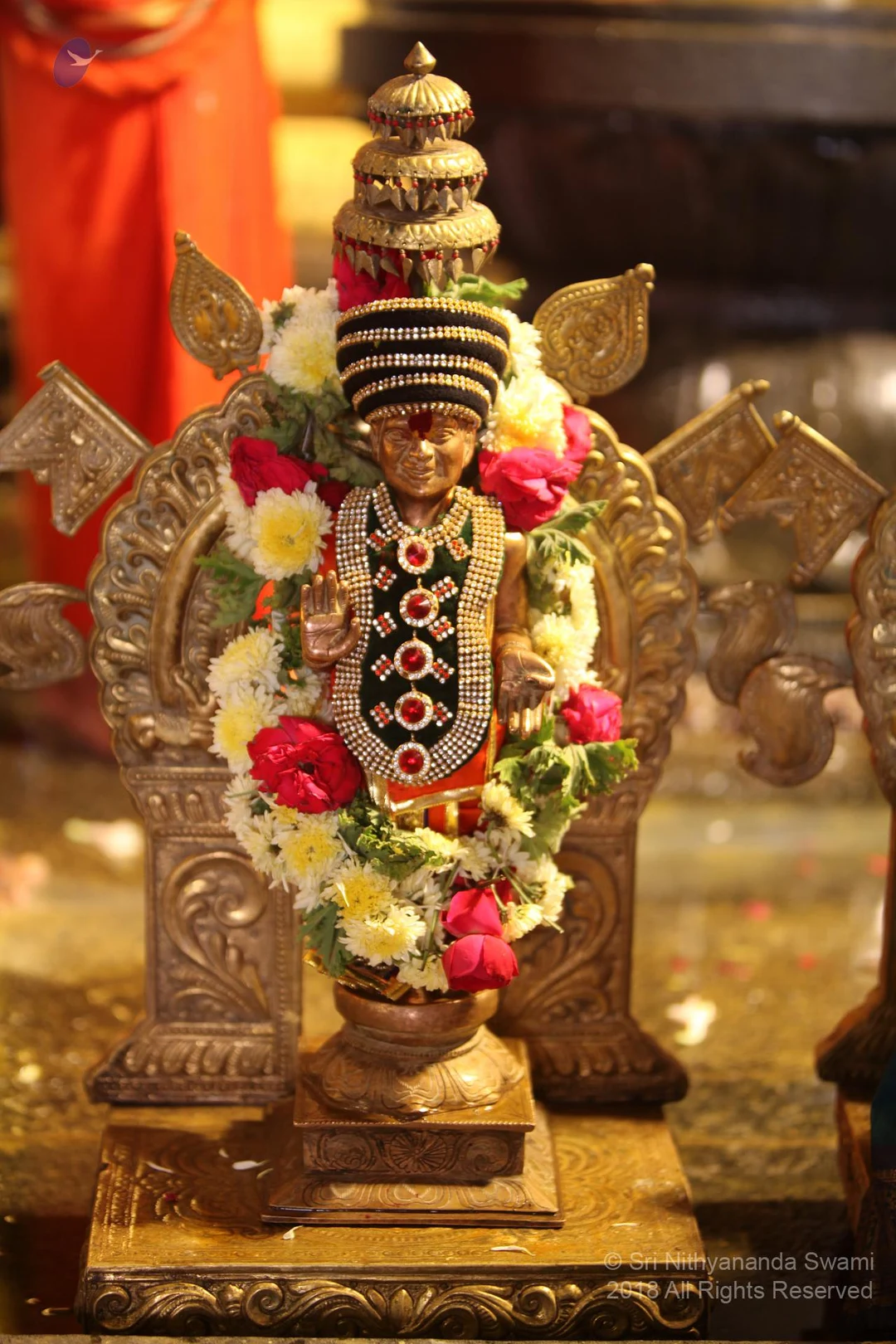
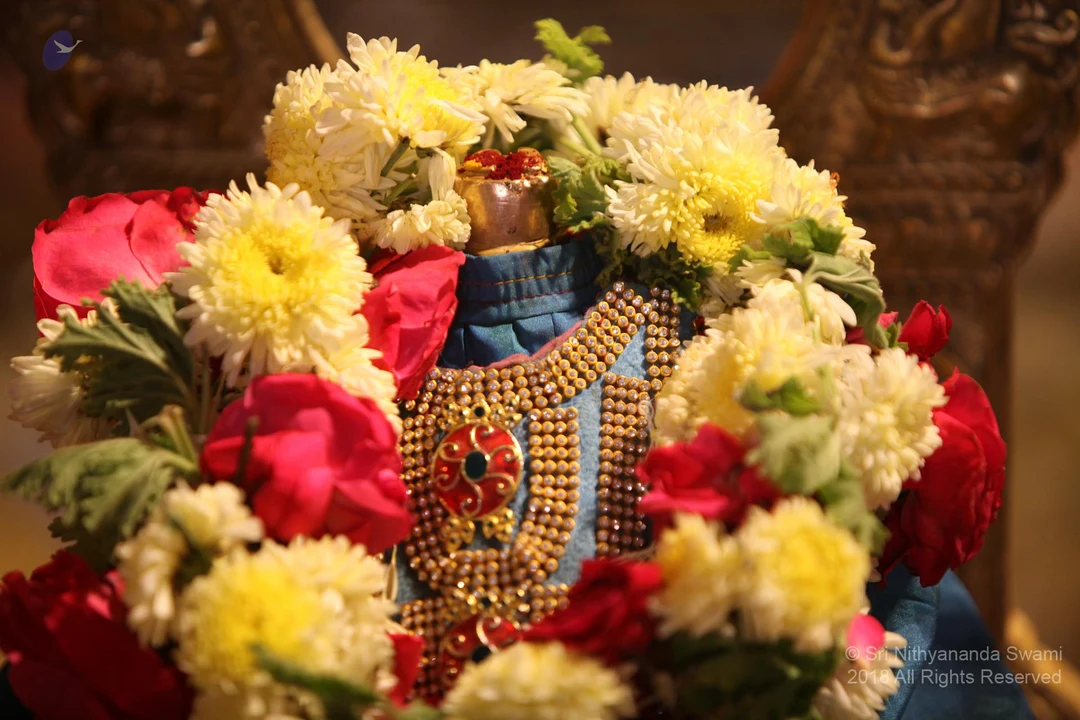
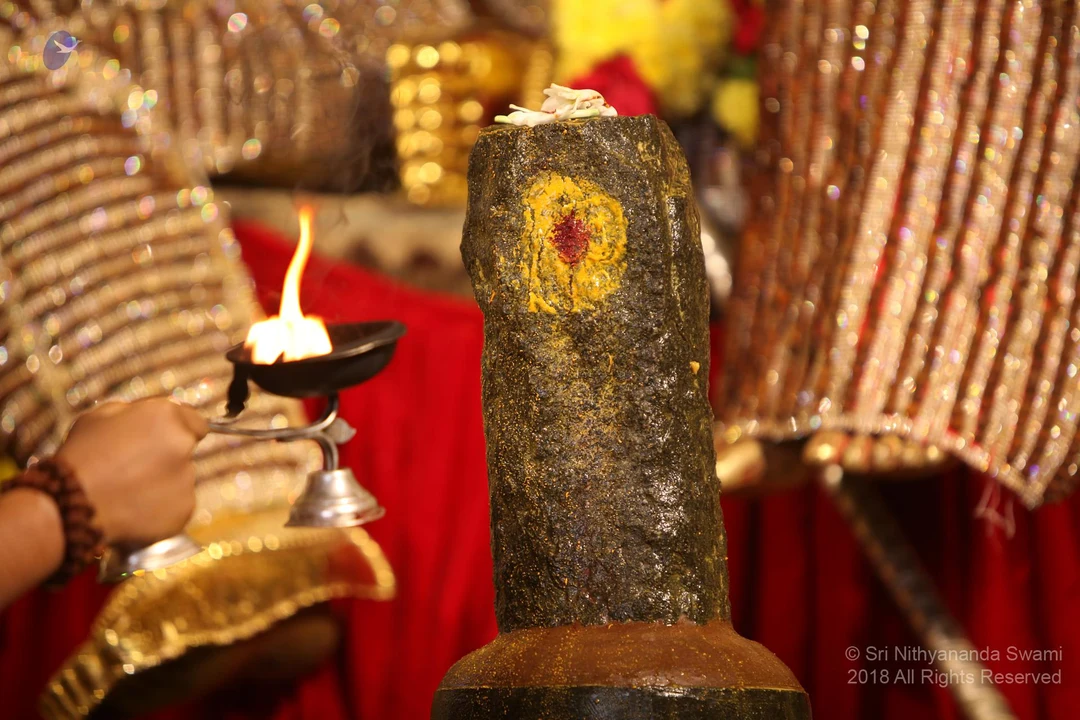
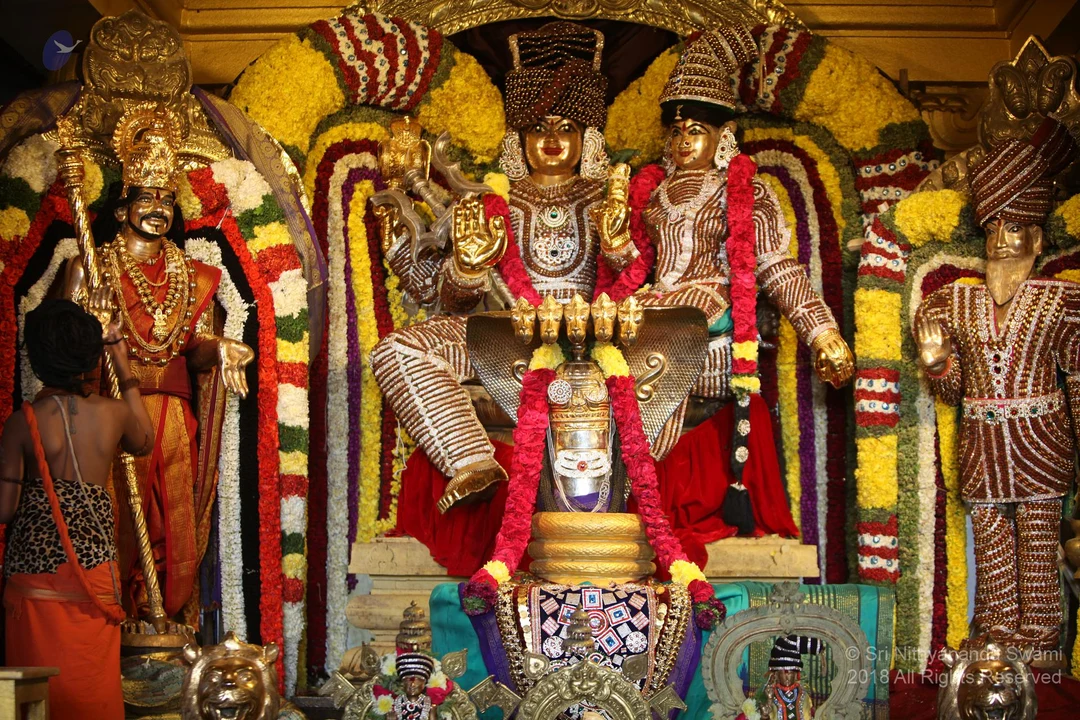
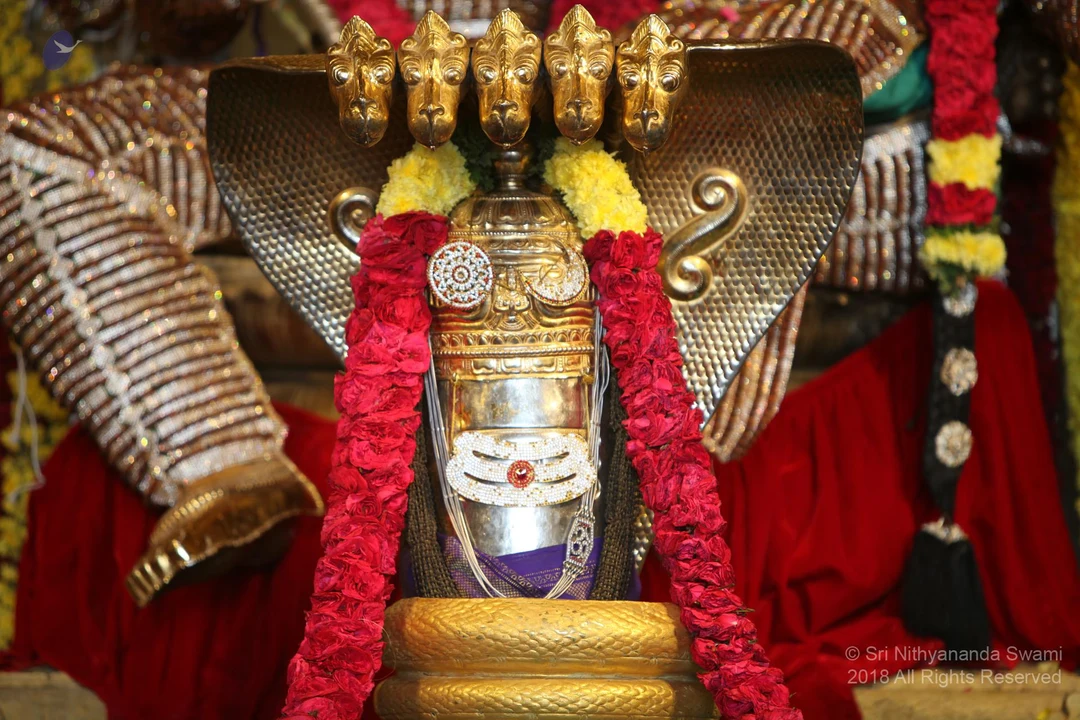
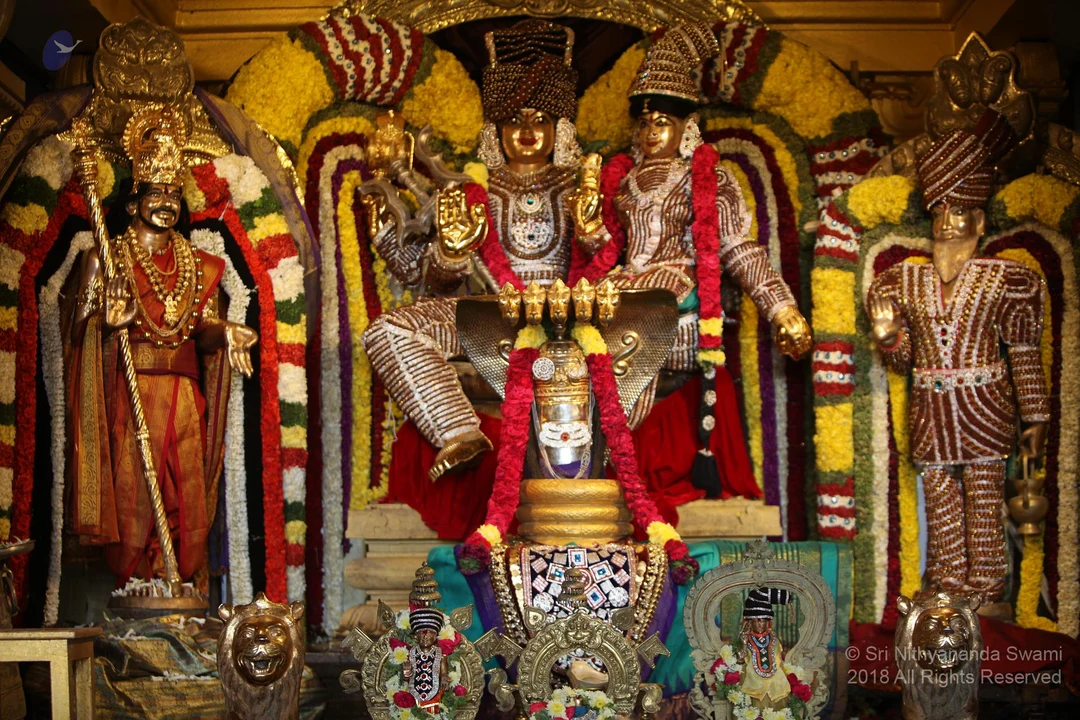
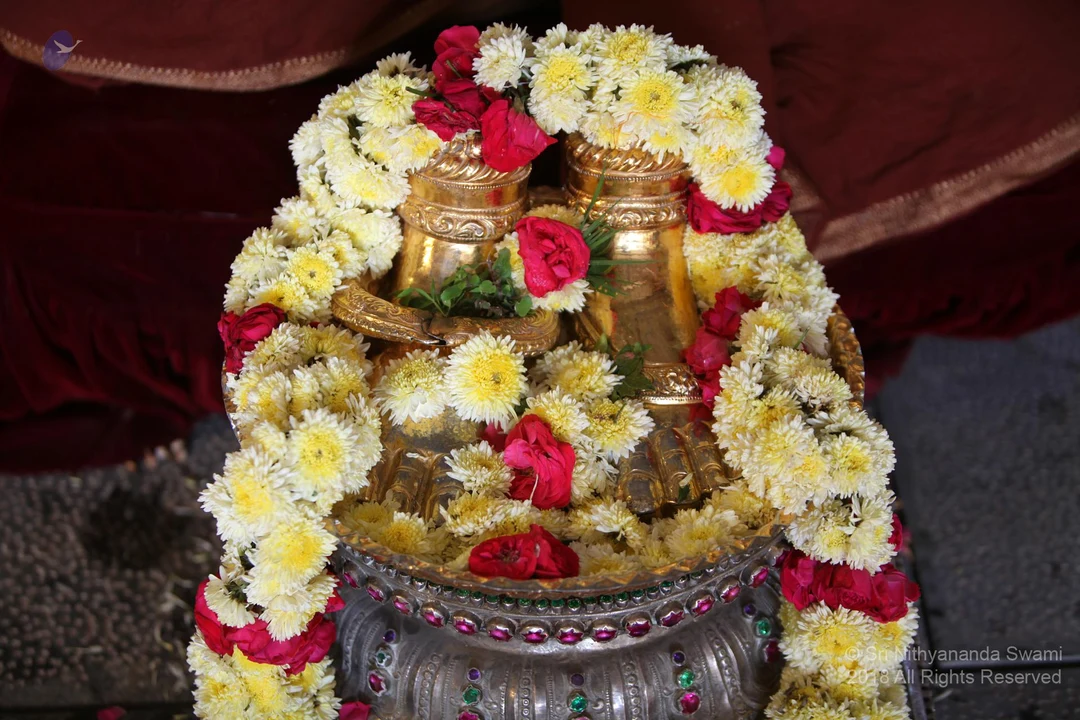
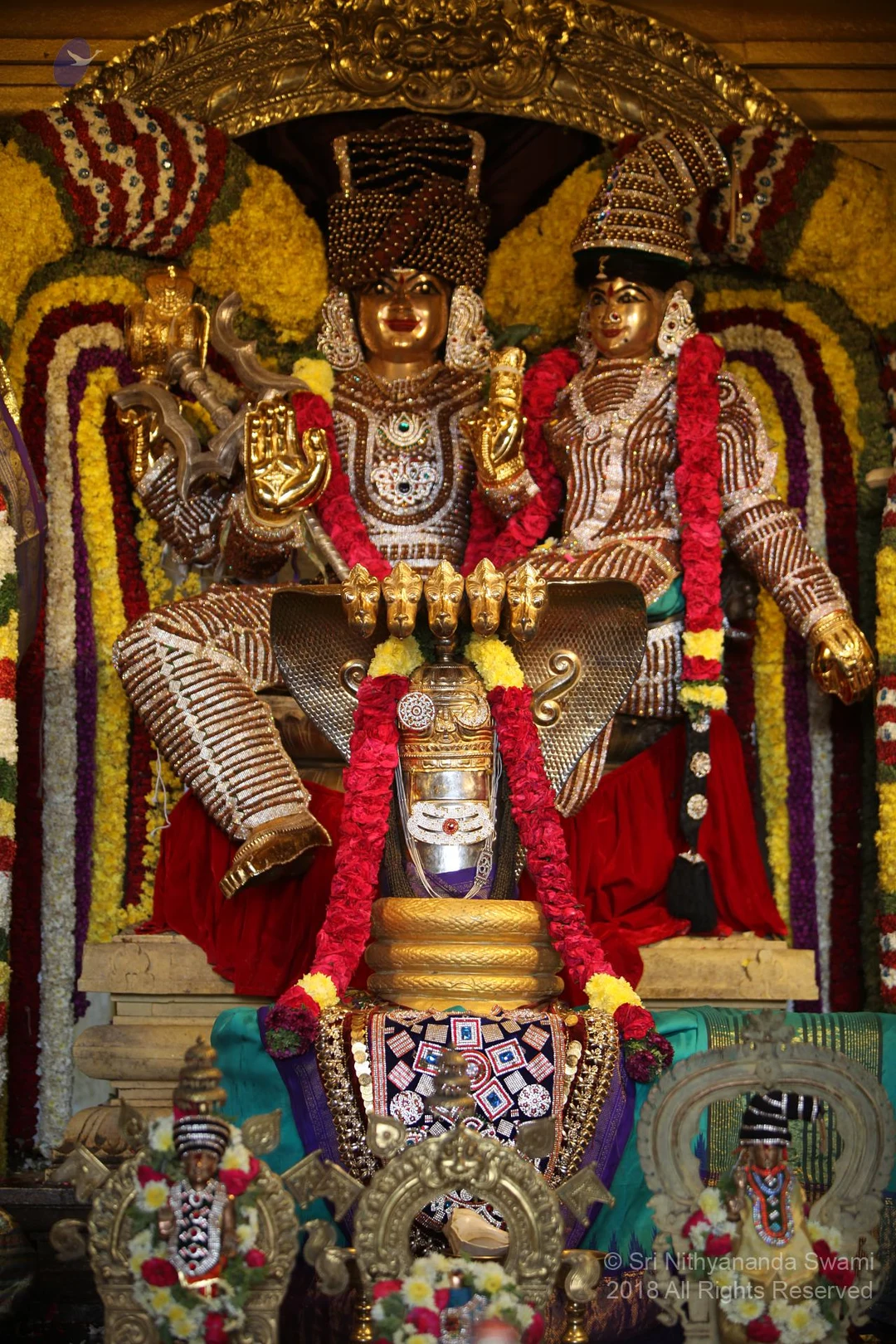
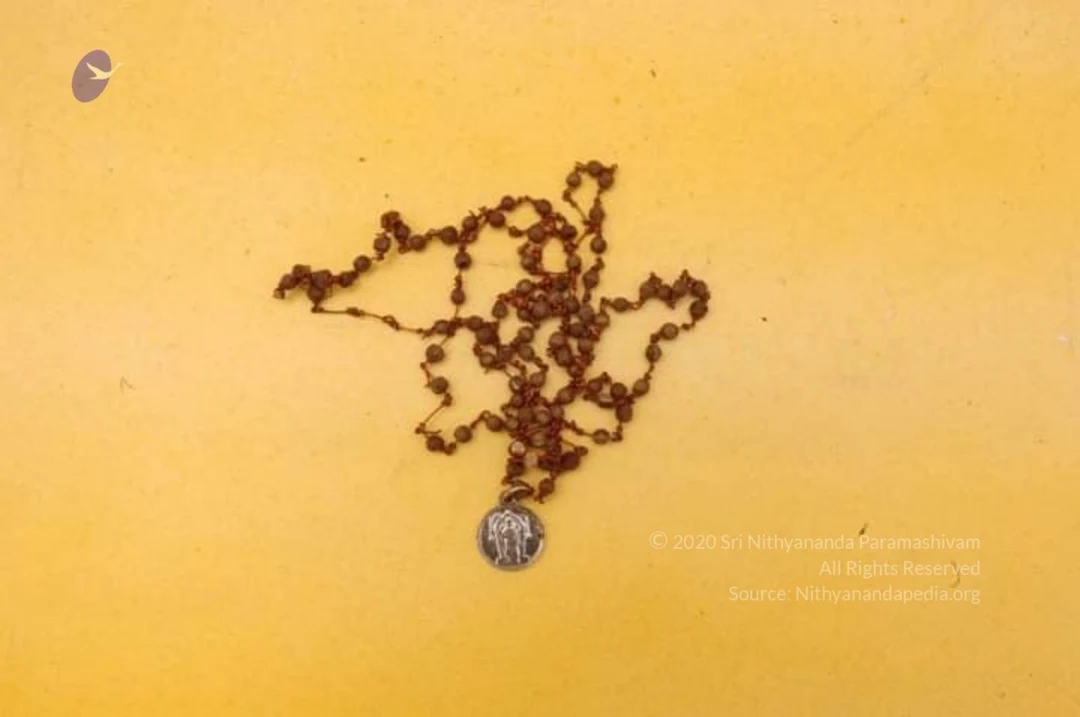
Our own Swamiji went to Sabarimala by walk 3 times between the ages of 8 to 15. And once again after starting his public life from Thiruchengode Adheenam. The pictures show the mala and irumudi carried by him on one of the pilgrimages. One by one the ecosystems created for enlightenment are continuously getting destroyed. Oh Hindus. Wake up! Wake up before there are none of these great places left in India.
These Spiritual ecosystems created for enlightenment work beyond normal faith and belief. Their effects are not like the placebo effects of faith. They are super conscious spiritual mechanisms established by the Veda, Agama and Tantric traditions and should be maintained as per those traditions which established the and the scriptural injunctions described in those traditions. Whoever has founded these temples, it is their inheritors who should have the ultimate deciding authority over them. Their family in terms of either the guruparampara (based on initiation) or Karuparampara (based on genetic lineage) should have the sole authority to maintain and run these spiritual ecosystems. Shivacharyas or chief priests from the Karuparamparas (family lineage) as for instance in Chidambaram should have their temples under their maintenance. Similarly Adheenams with their Guruparampara like Madurai Adheenam should retain the control and decisions making authority over them without interference by anyone else.
It is because of the contributions of the devout Hindus in terms of money and work that the secular vulture governments today are siting on large quantities of wealth which they have been looting from Hindus for their selfish ends. And they are using the same wealth to attack and destroy the spiritual ecosystems which created the wealth.
All the Hindu Kingdoms were temple centered. Hindu kingdoms were the states practicing the Hindu religion. All of them have now been grabbed by the secular Government and Hinduism is getting destroyed to its core. The enlightenment ecosystem is getting terribly damaged because temples are only being used as an income source by the Government and not to to maintain the enlightenment ecosystem. And when we or anyone else tries to run the temples in a proper way to keep the enlightenment ecosystem alive we are attacked, abused and destroyed by the anti Hindu media, the police, government and their ecosystems.
Oh Hindus! reclaim your temples and hand them over to those Guruparampara and Karuparampa inheritors to maintain these spiritual ecosystems. In the case of Sabarimala, clearly the Pandalam royal family should be the deciding authority and owning the temple. That is the only solution to protect these enlightenment ecosystems and produce more and more enlightened beings, revive Hinduism, save humanity and keep planet earth alive.
Photos

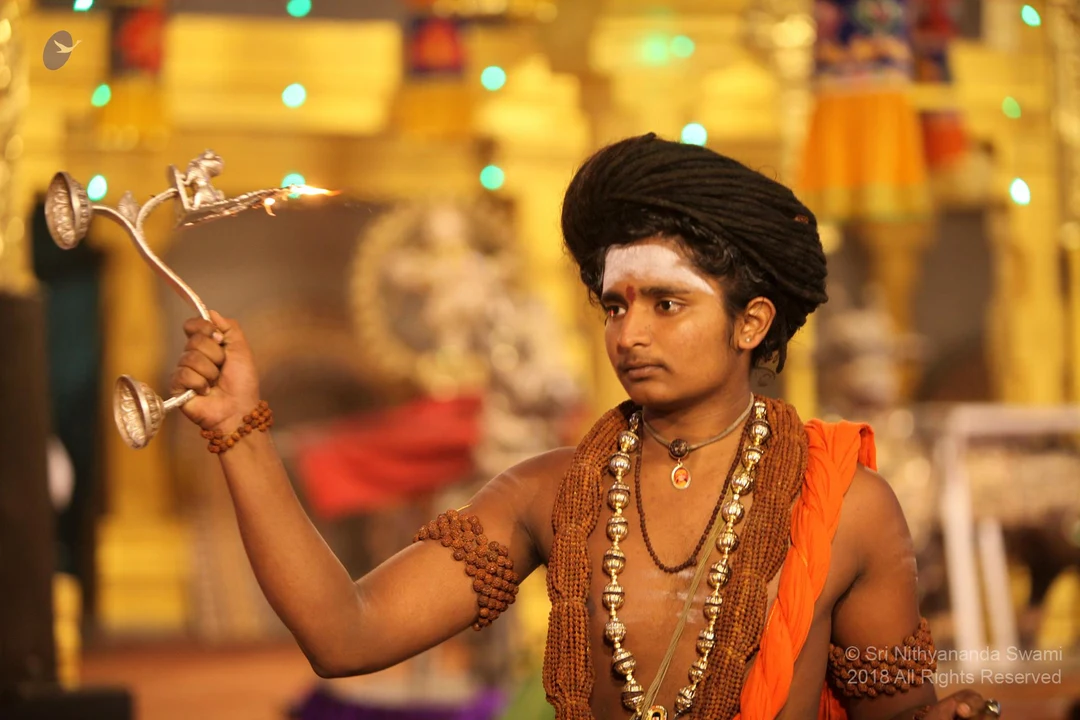
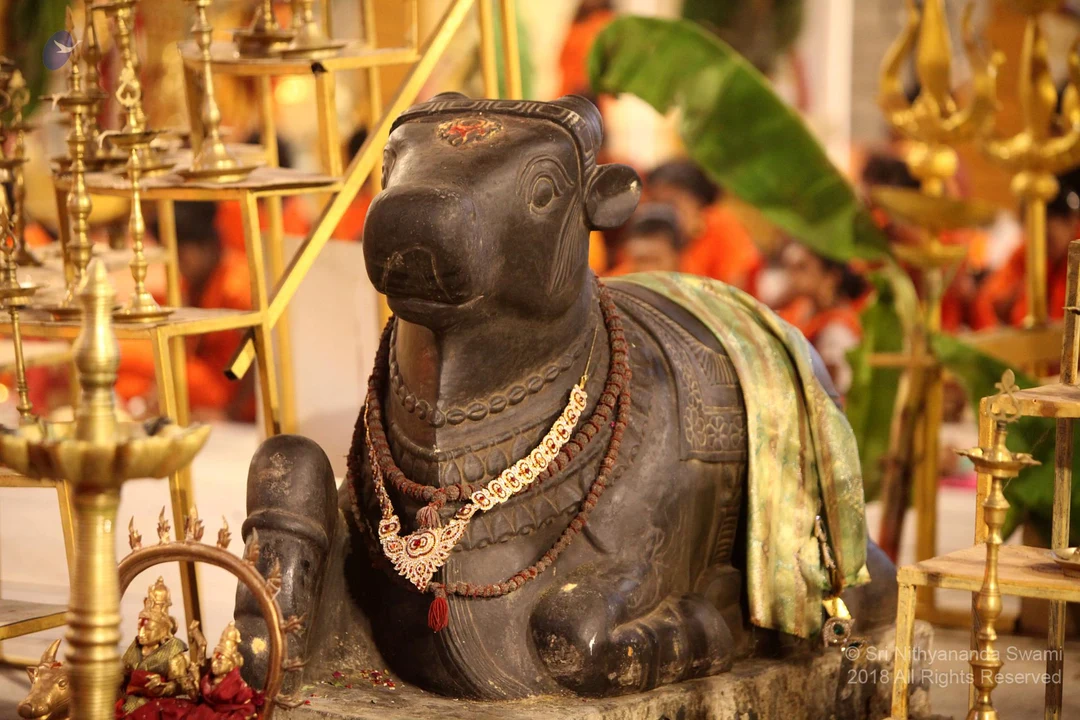
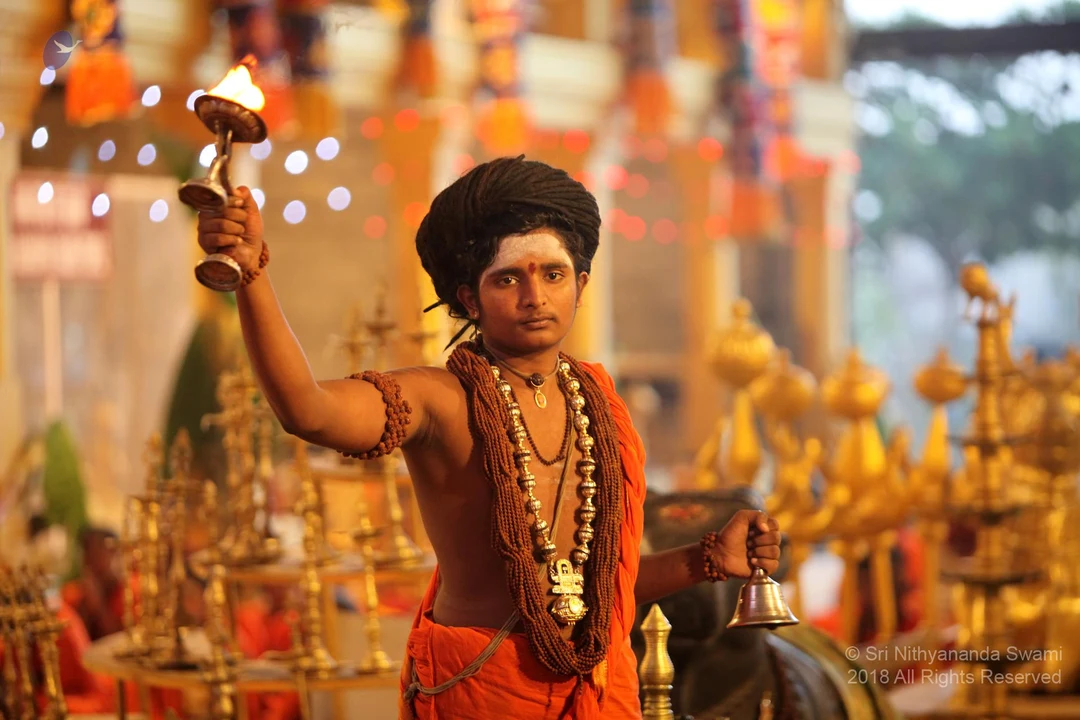
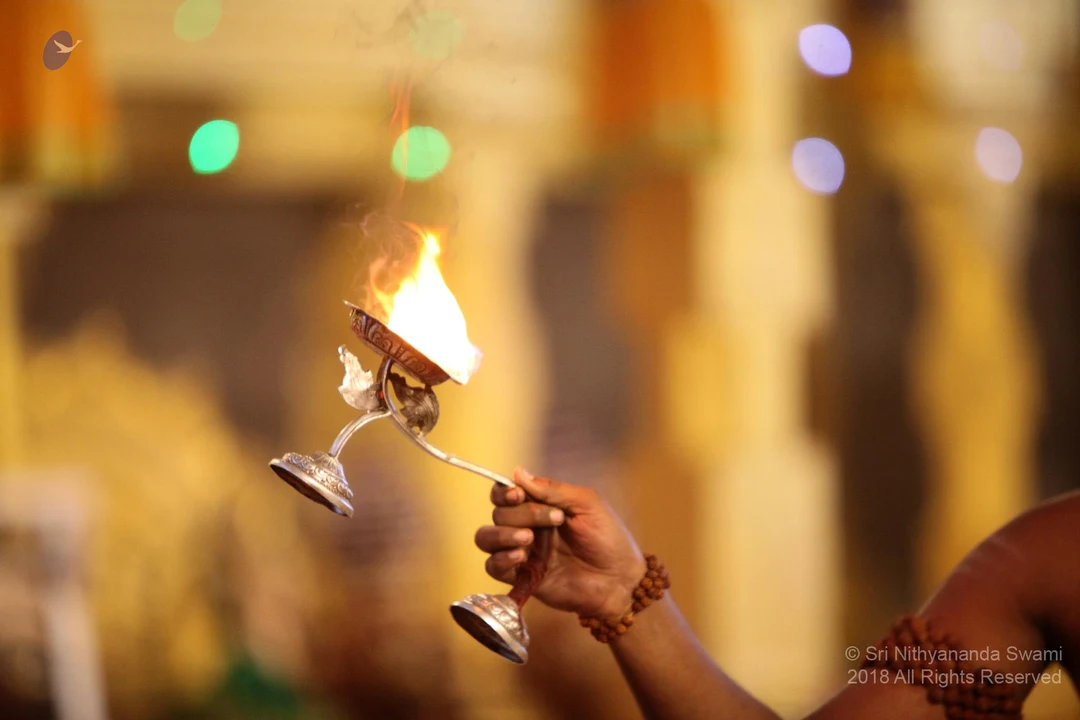
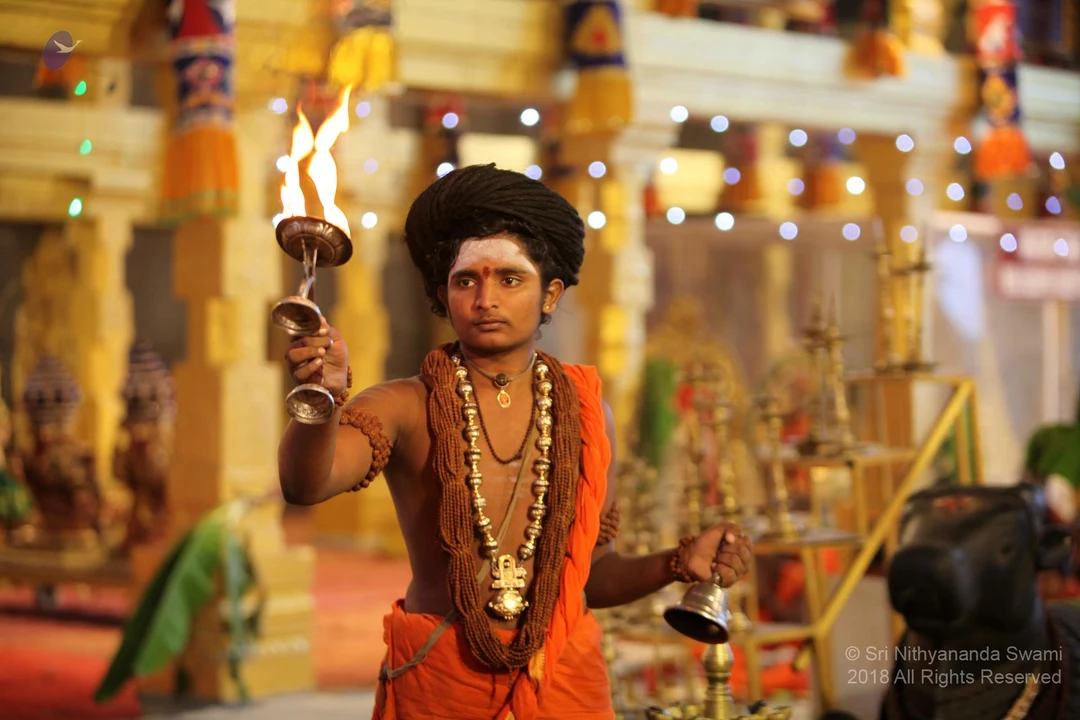
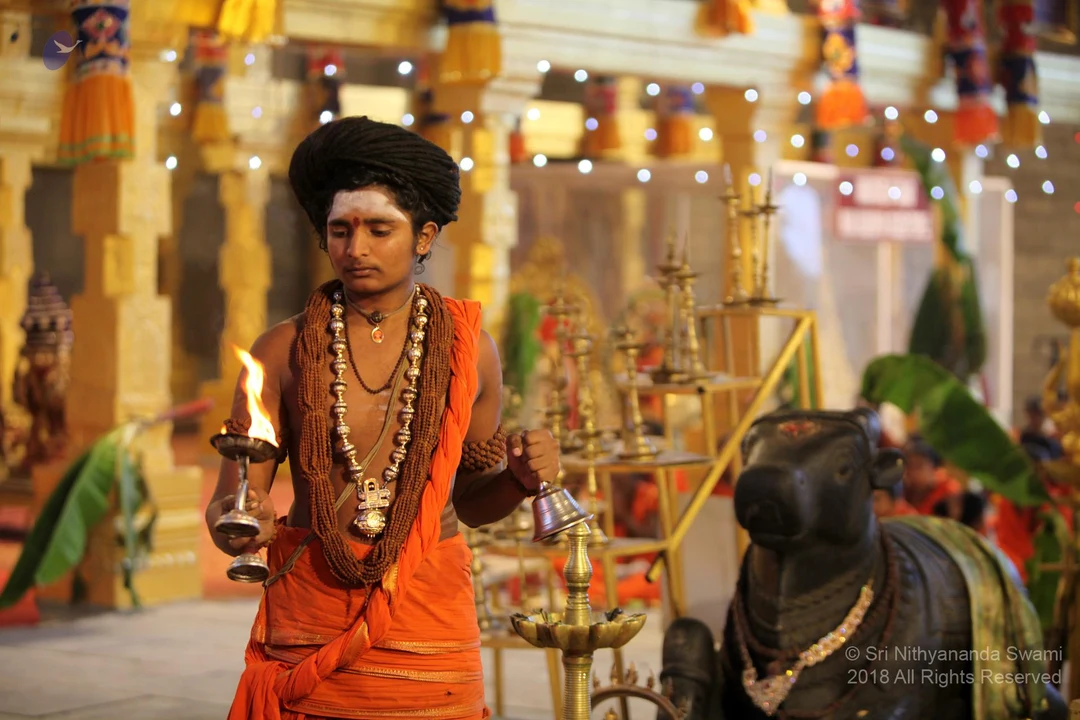
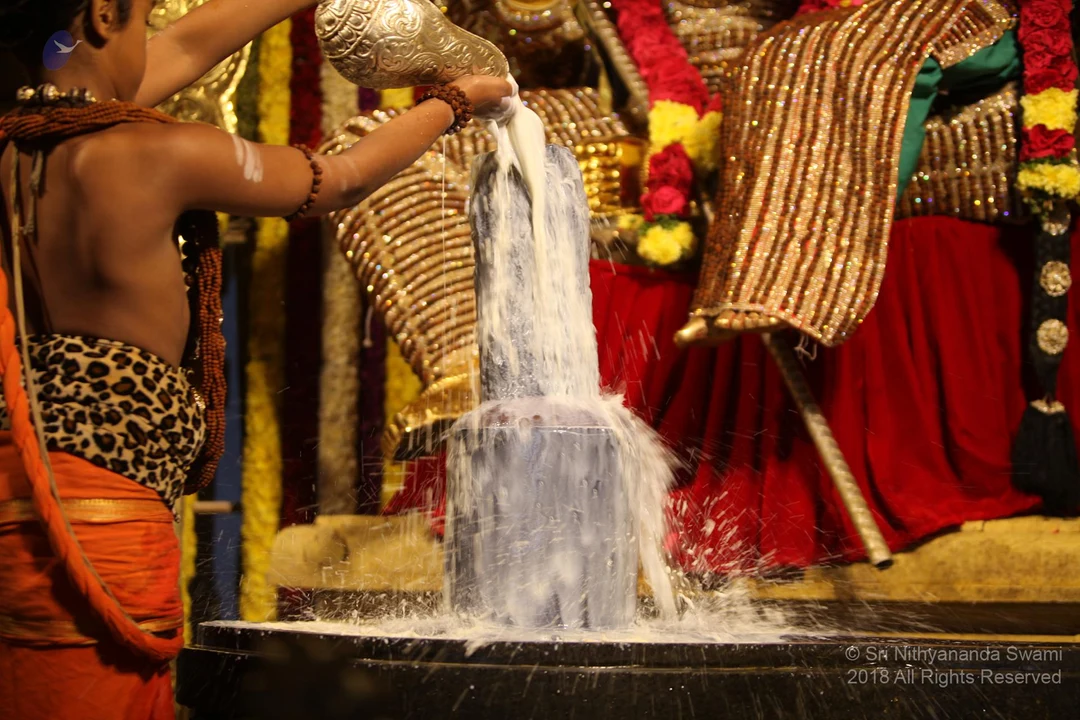
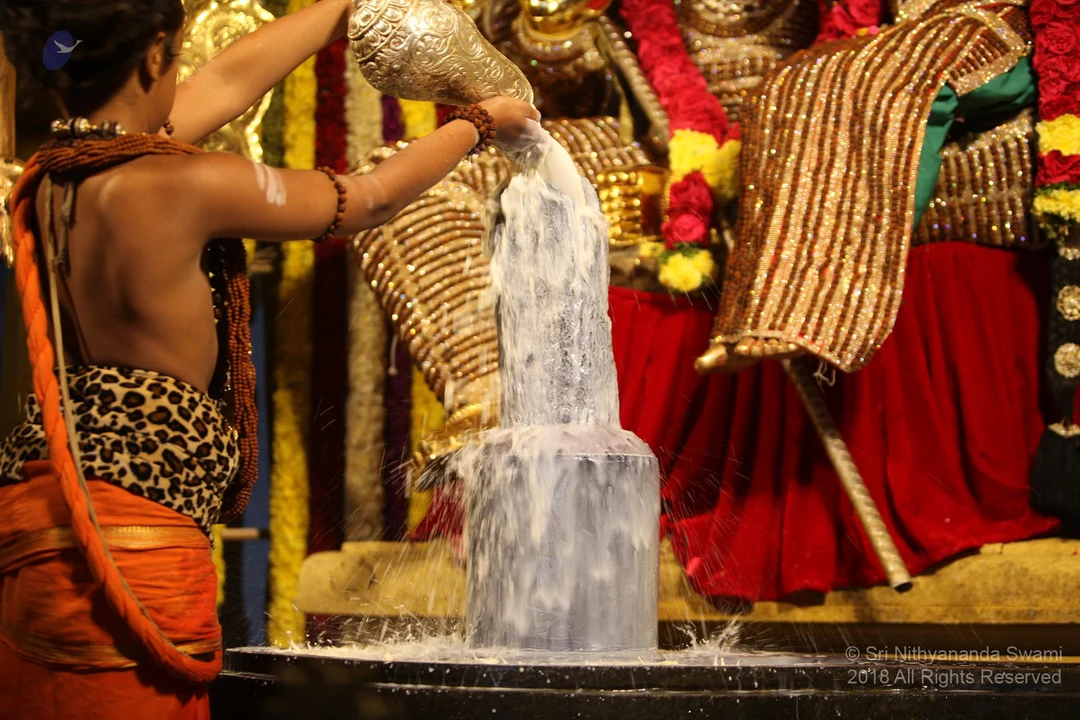
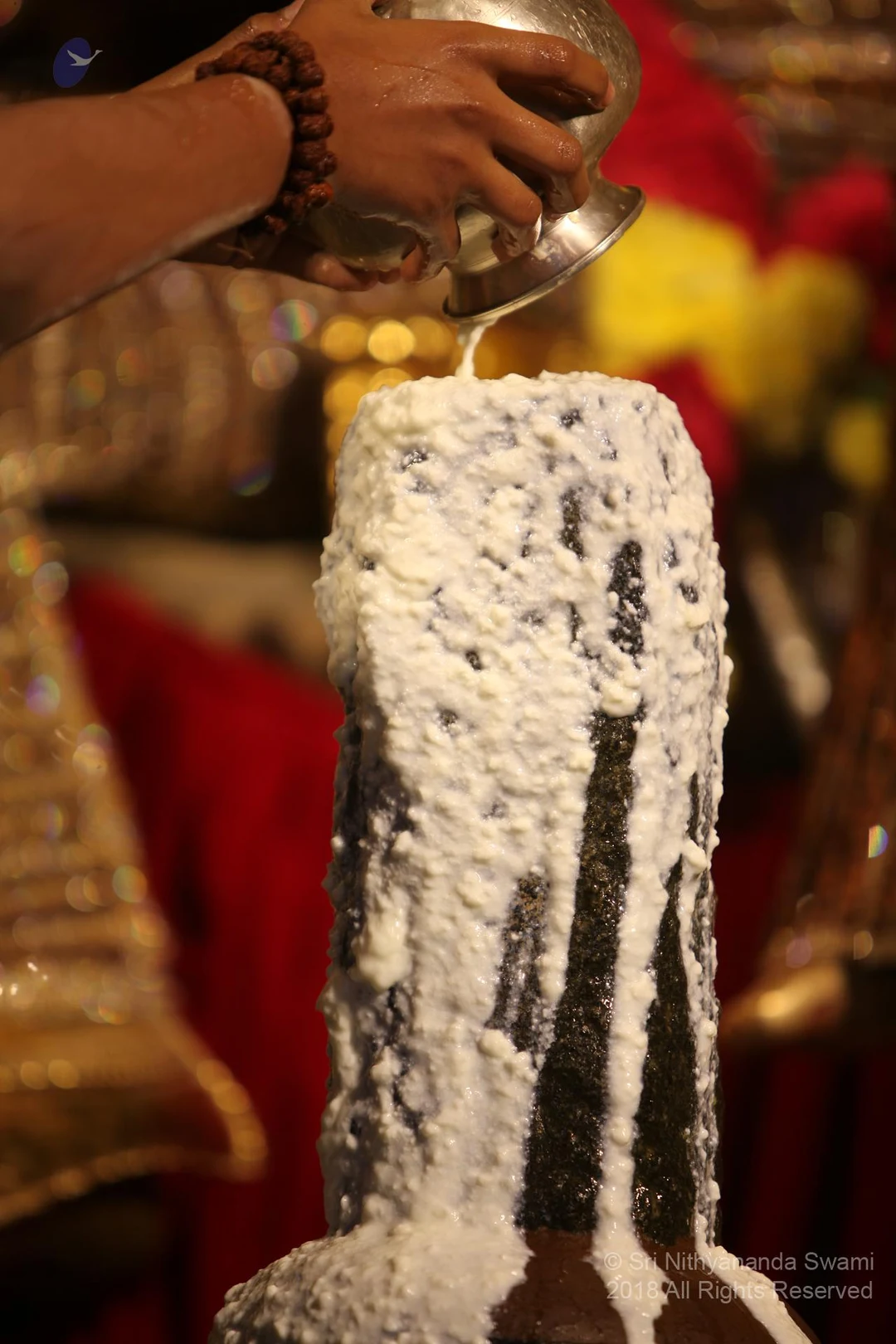
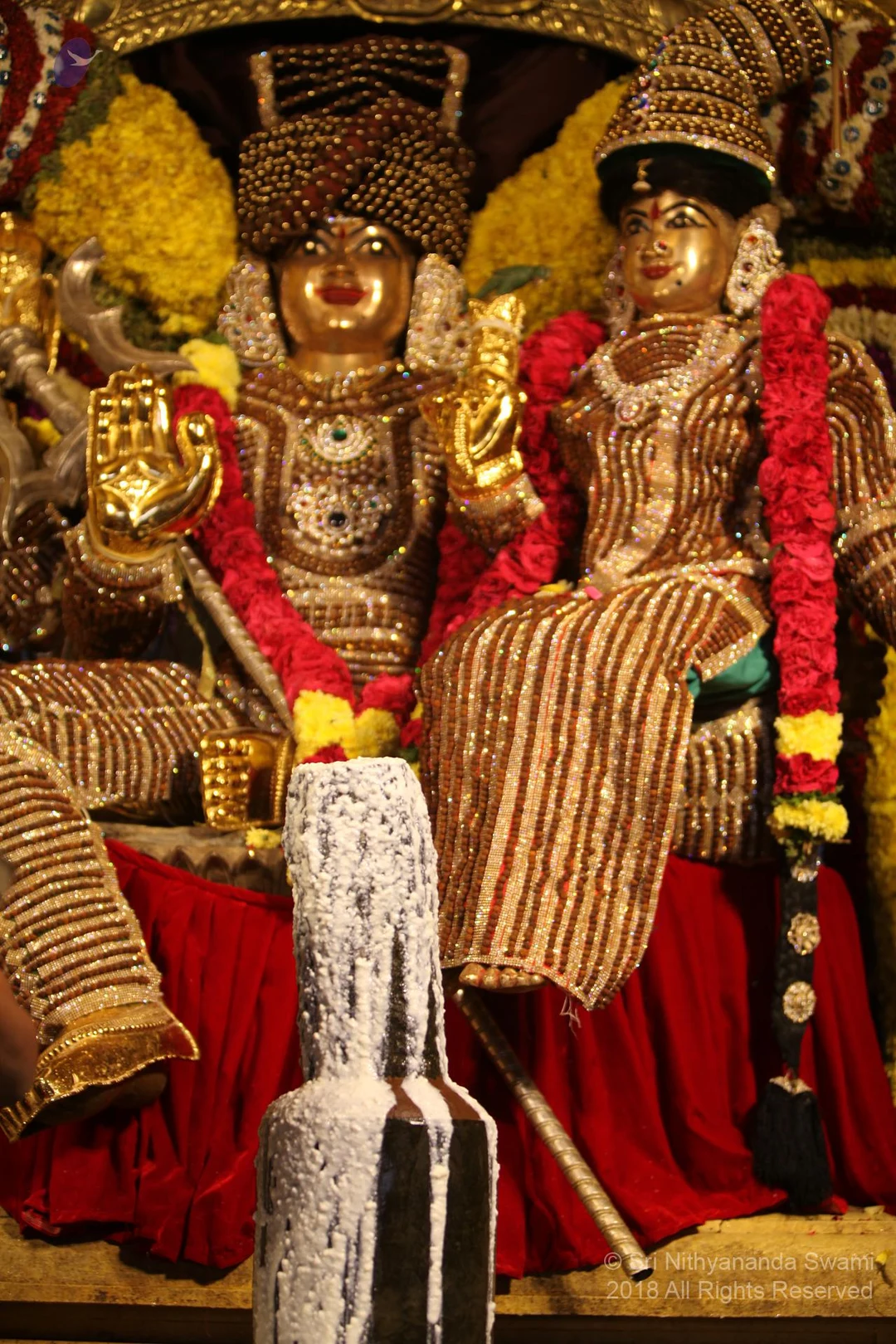
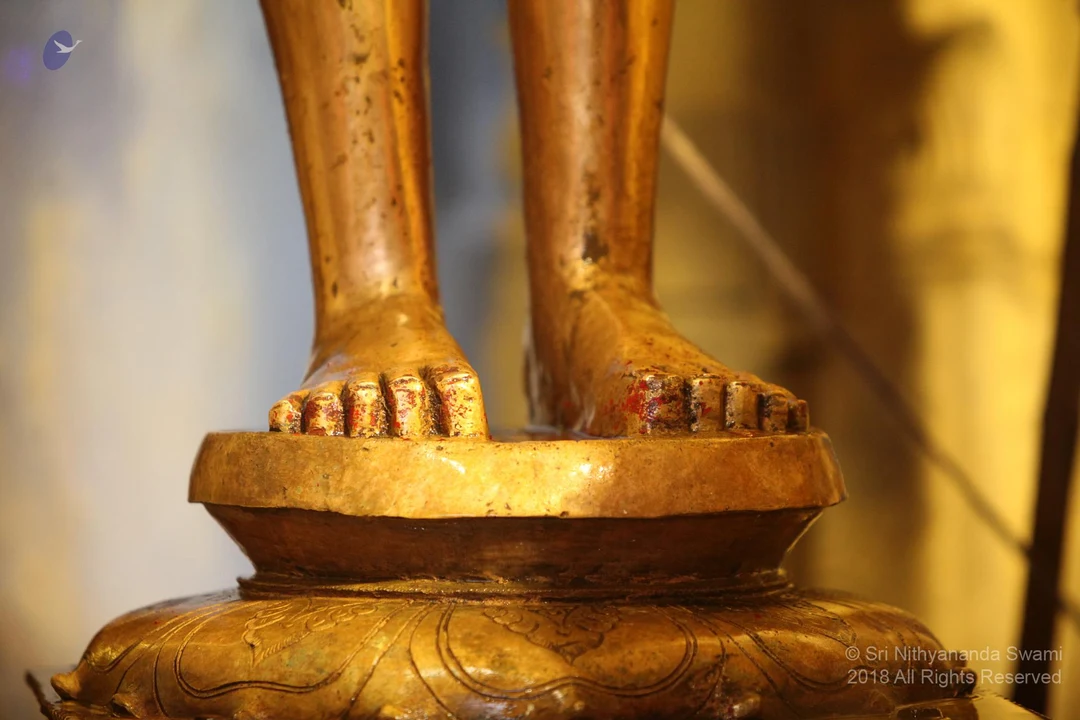
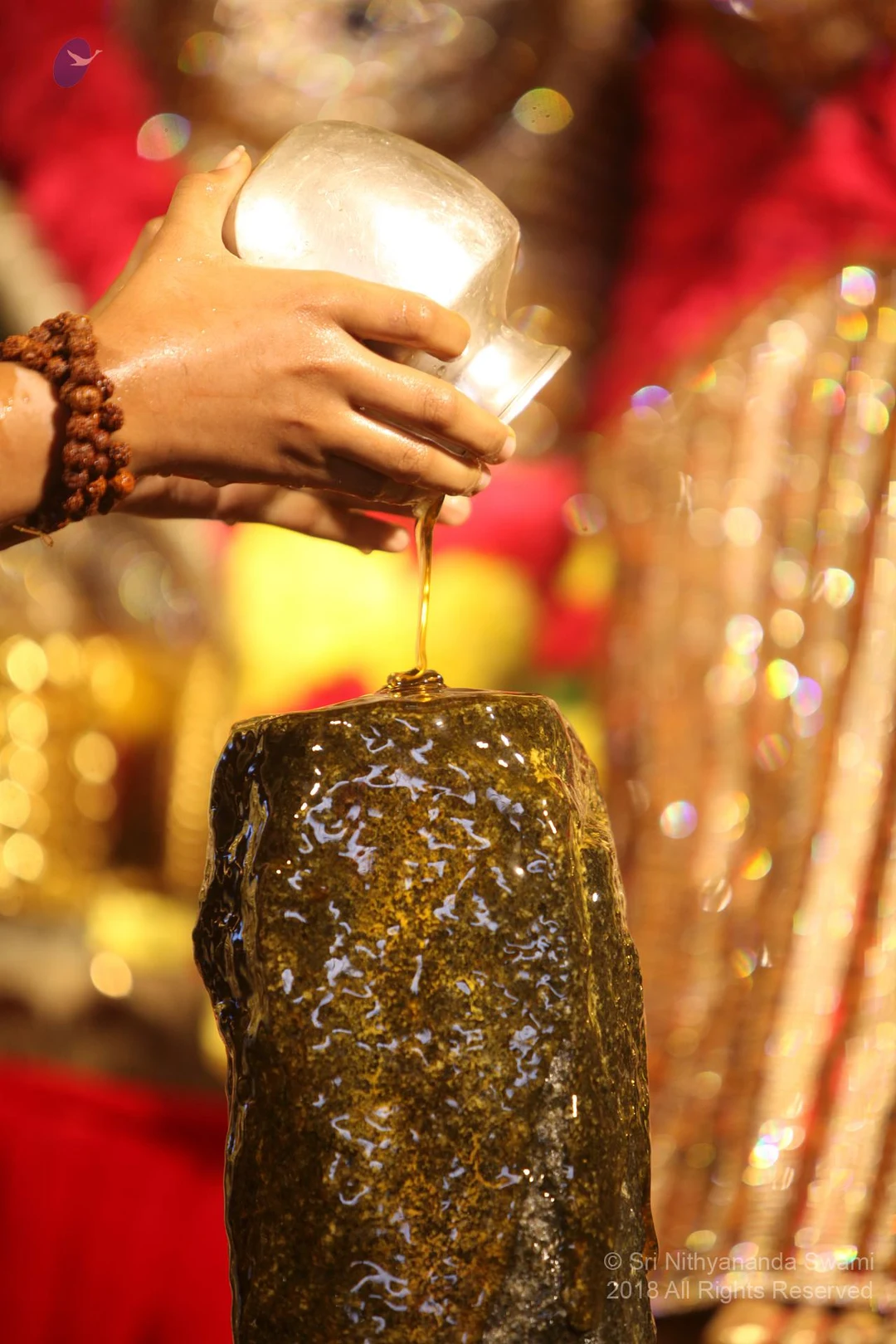
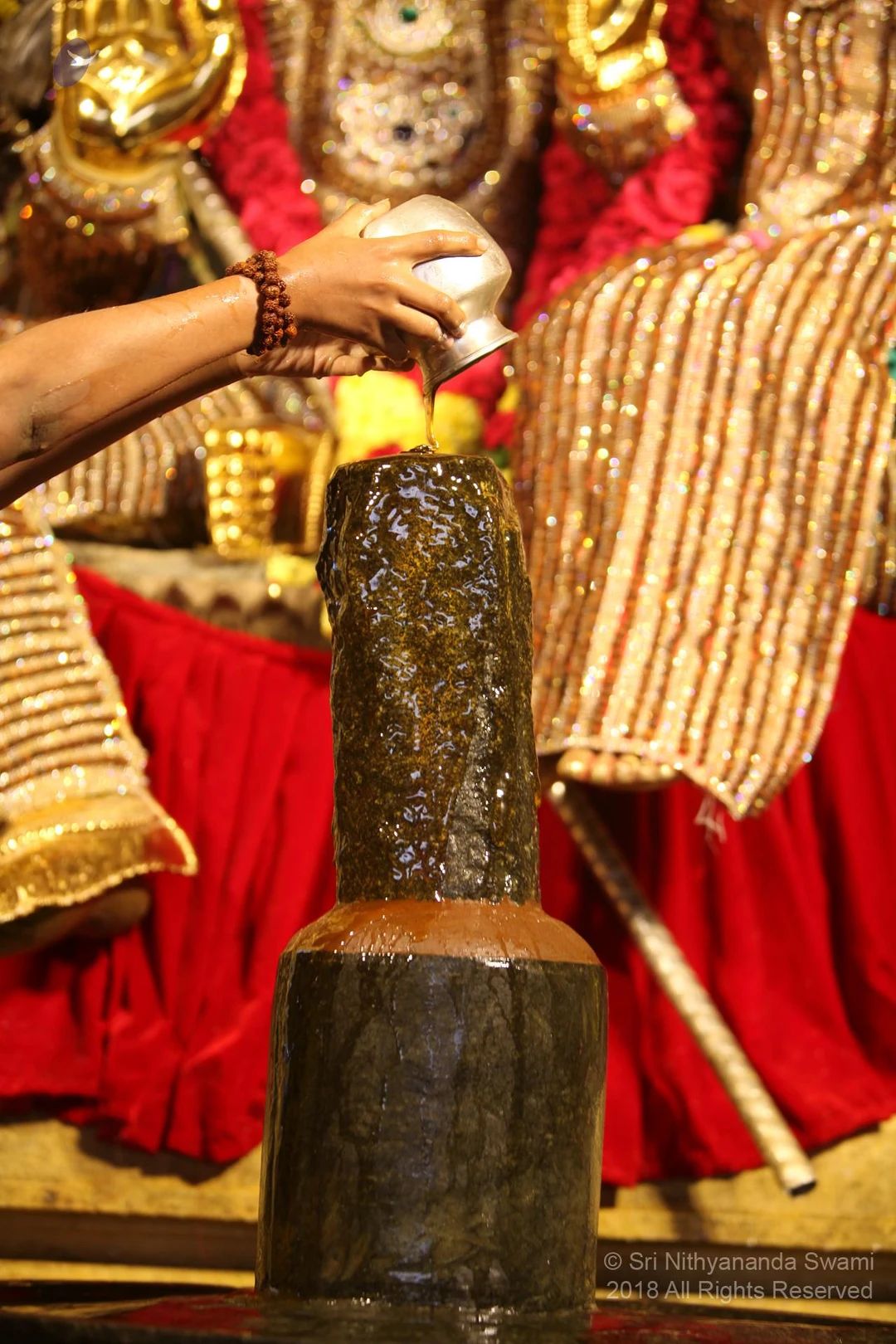
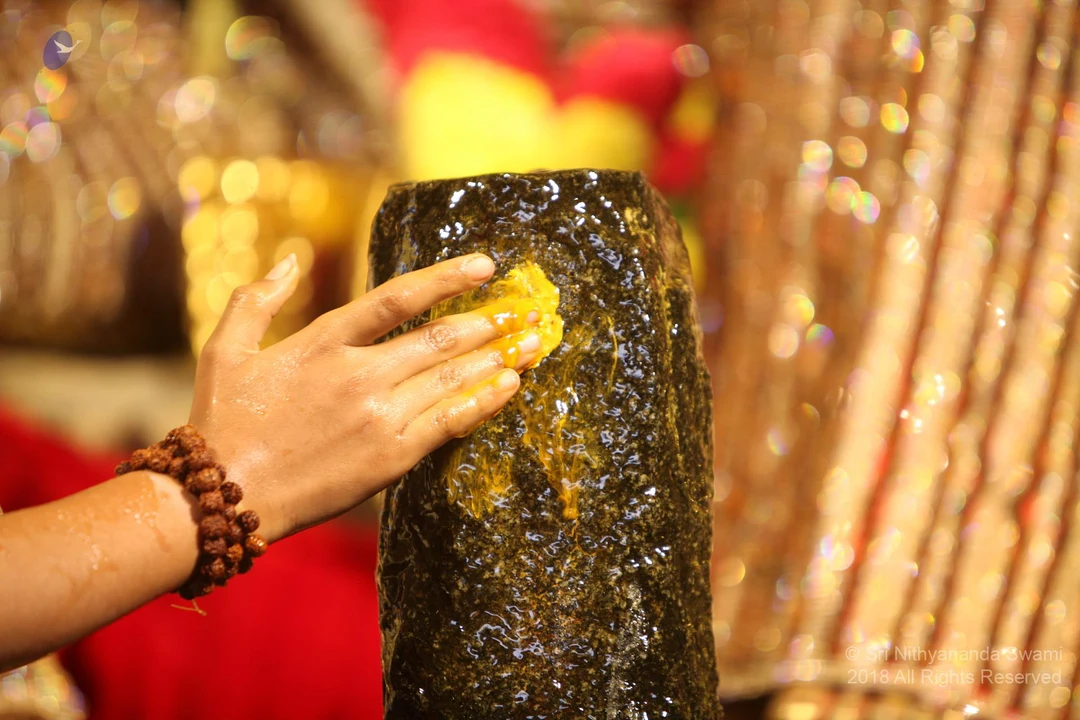
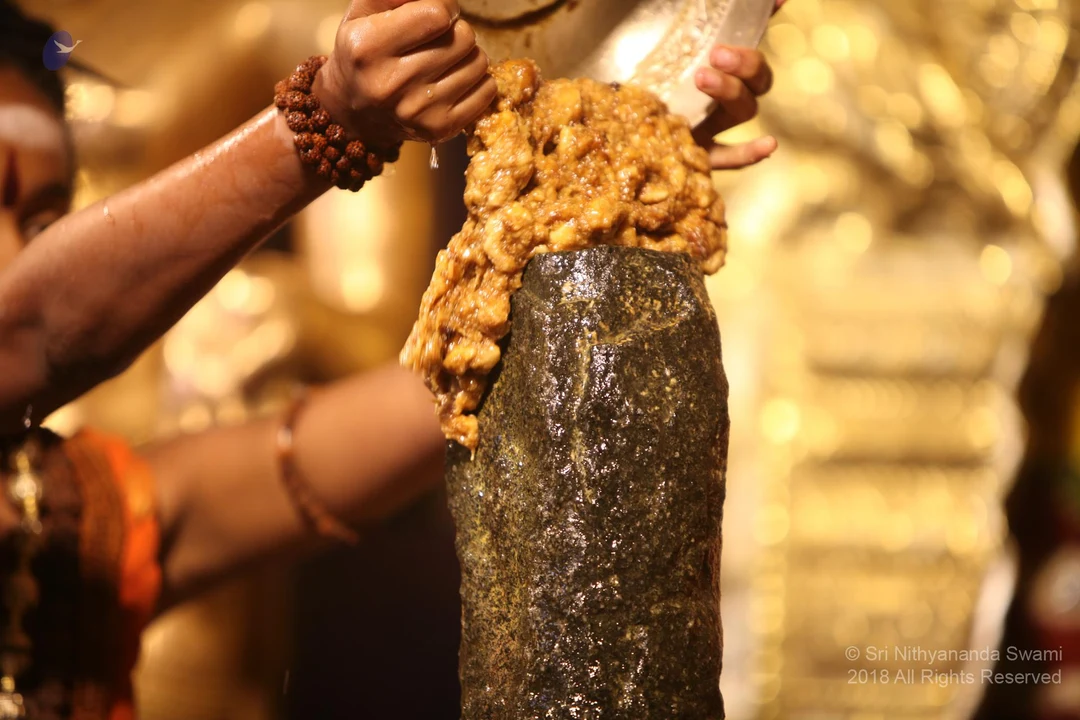
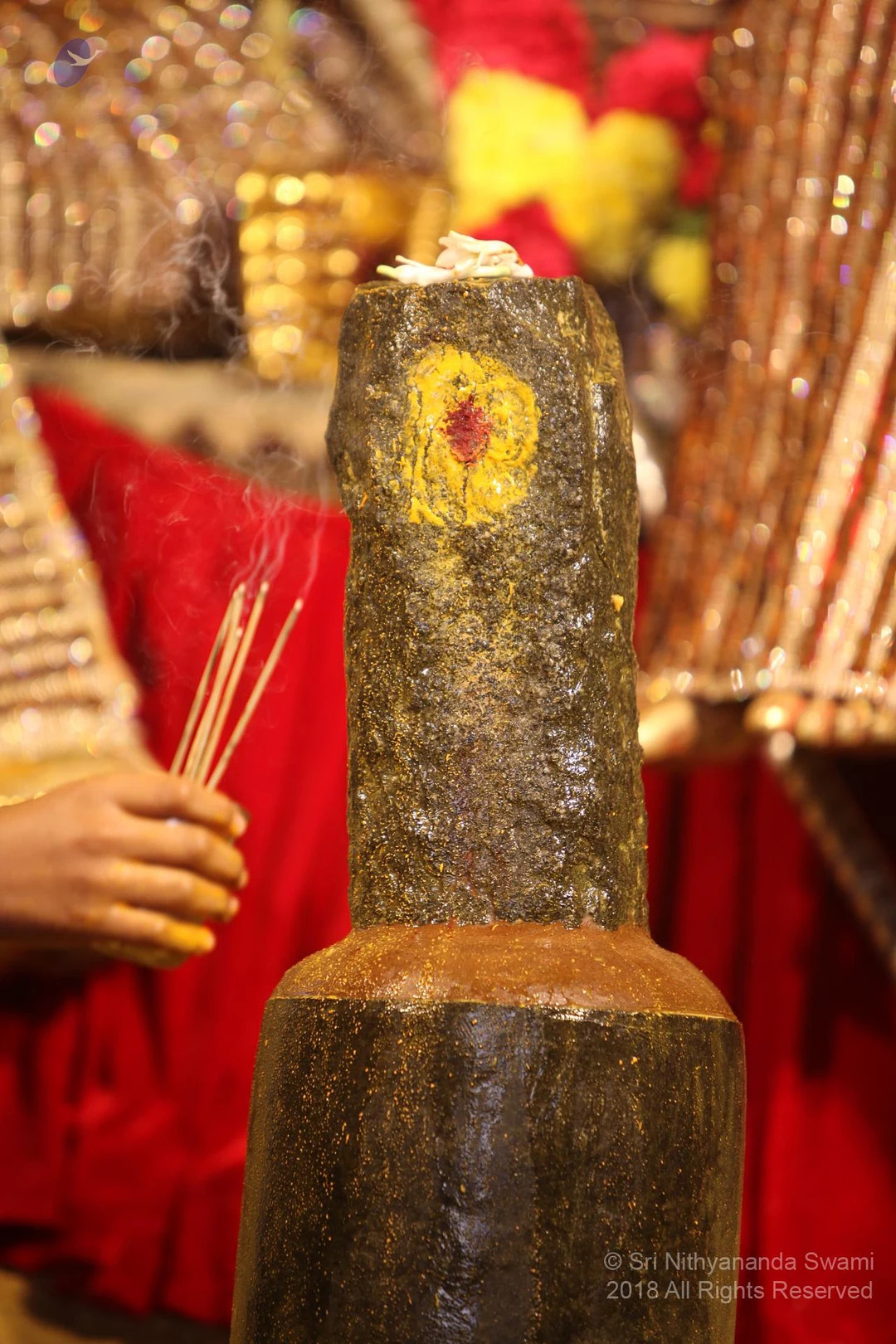
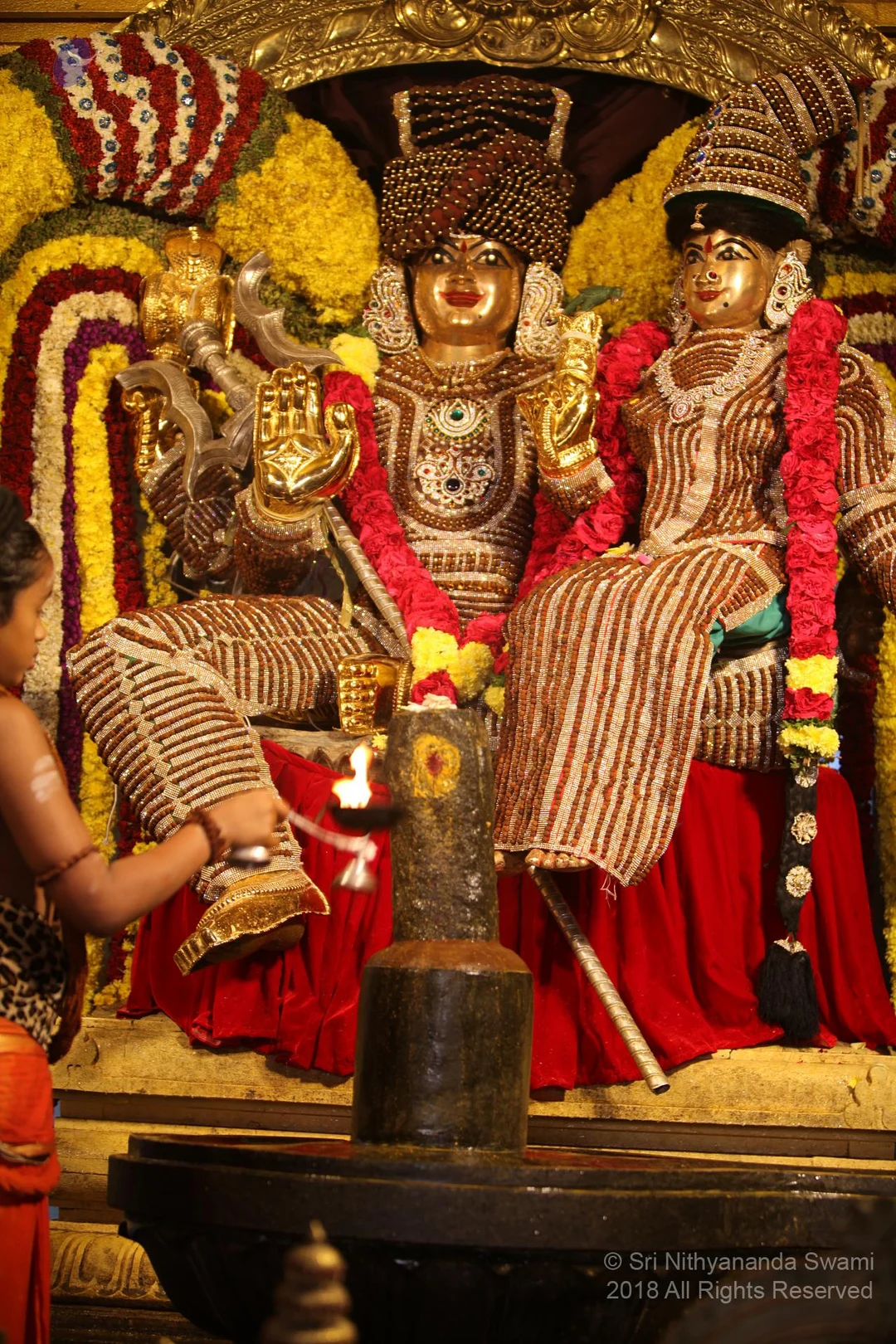
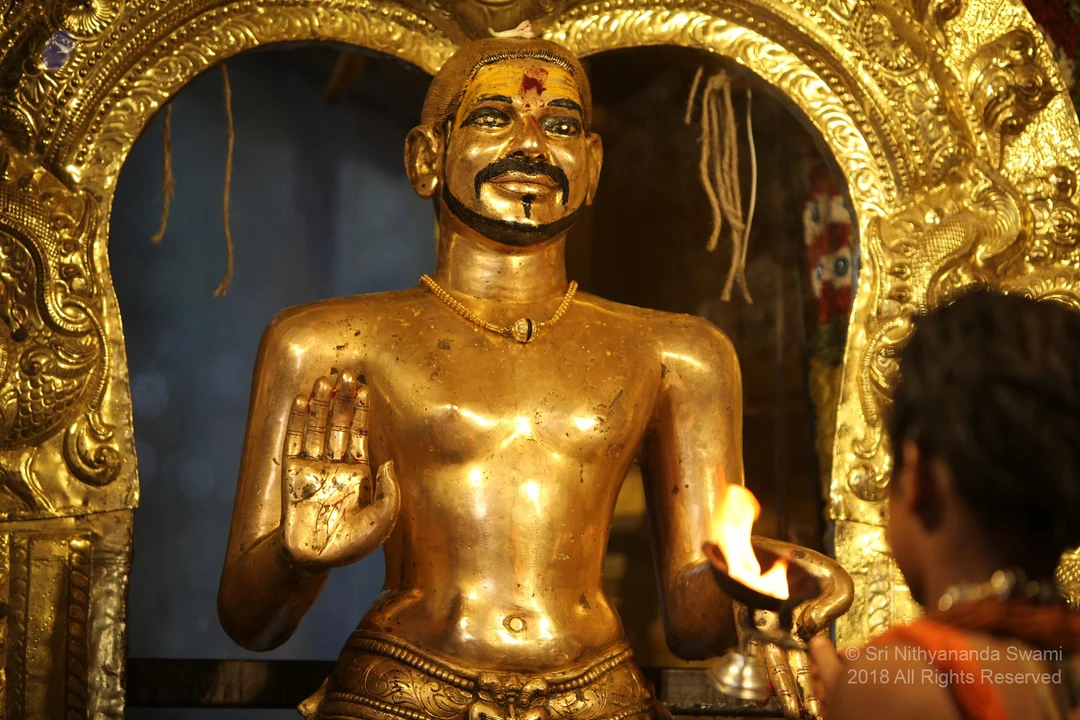
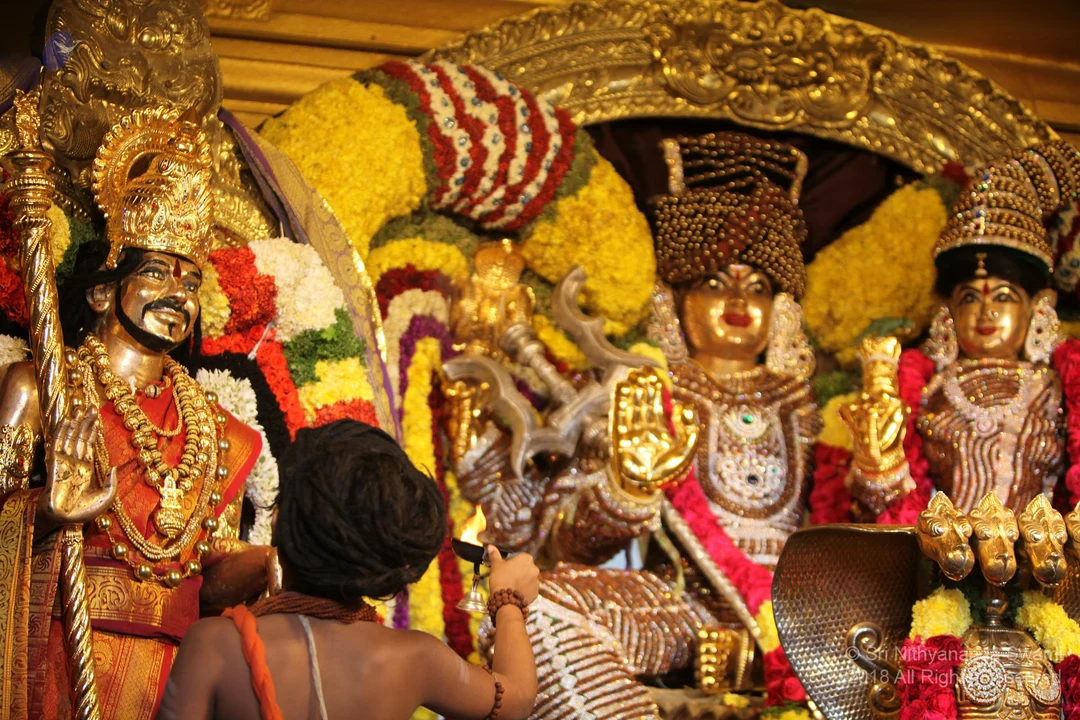
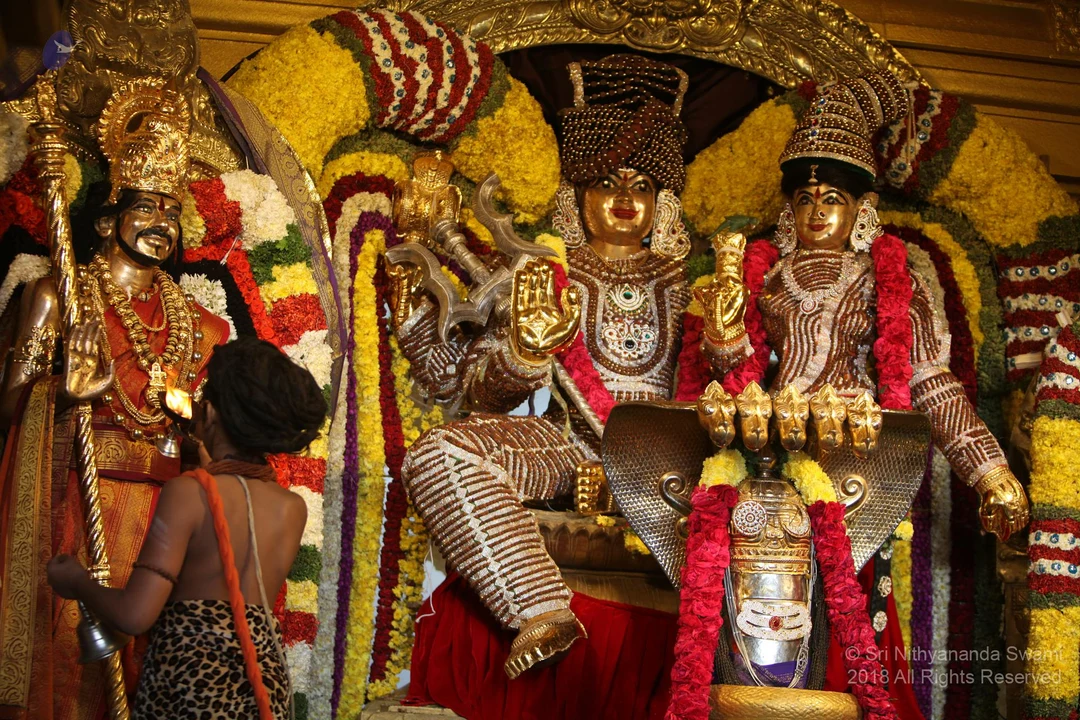
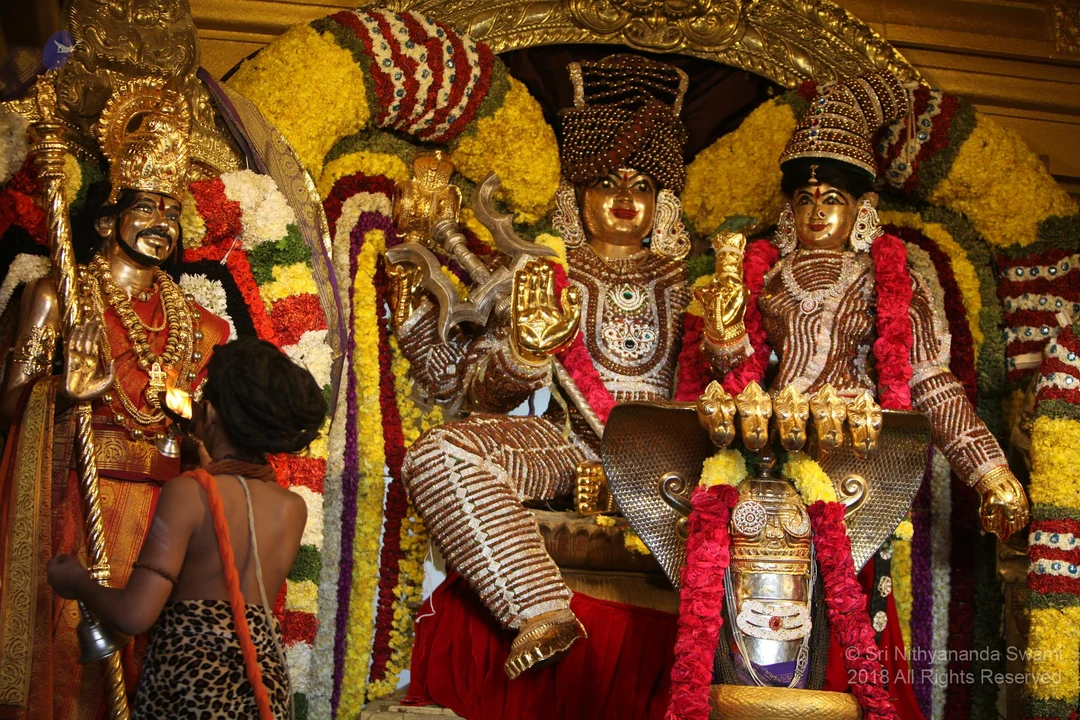
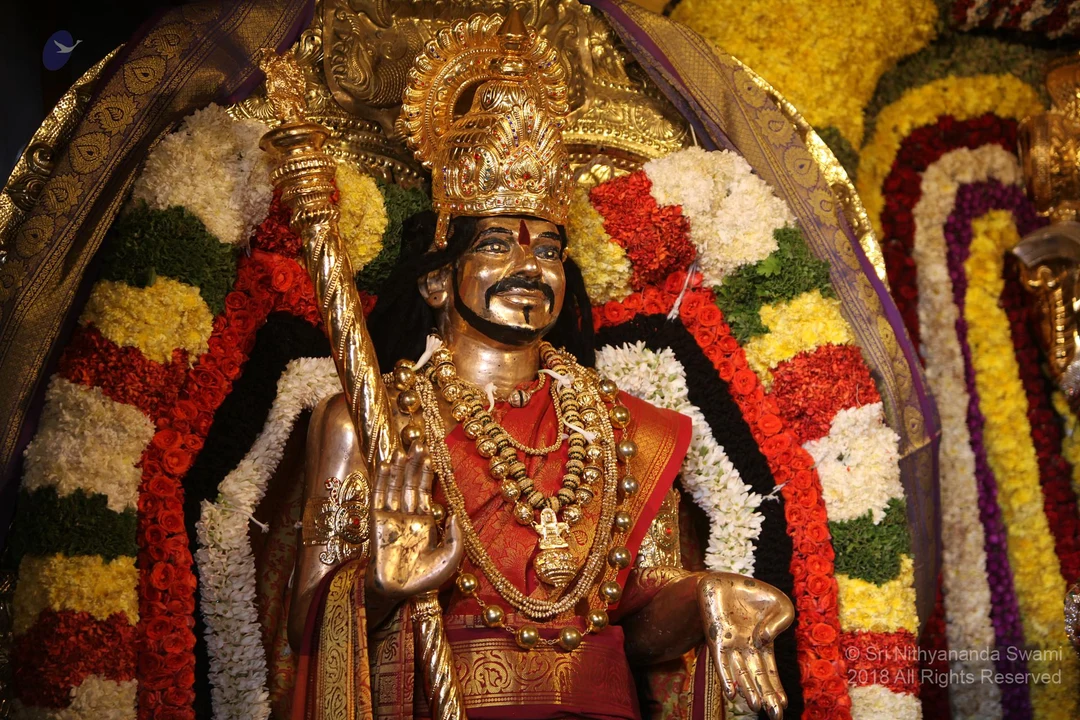
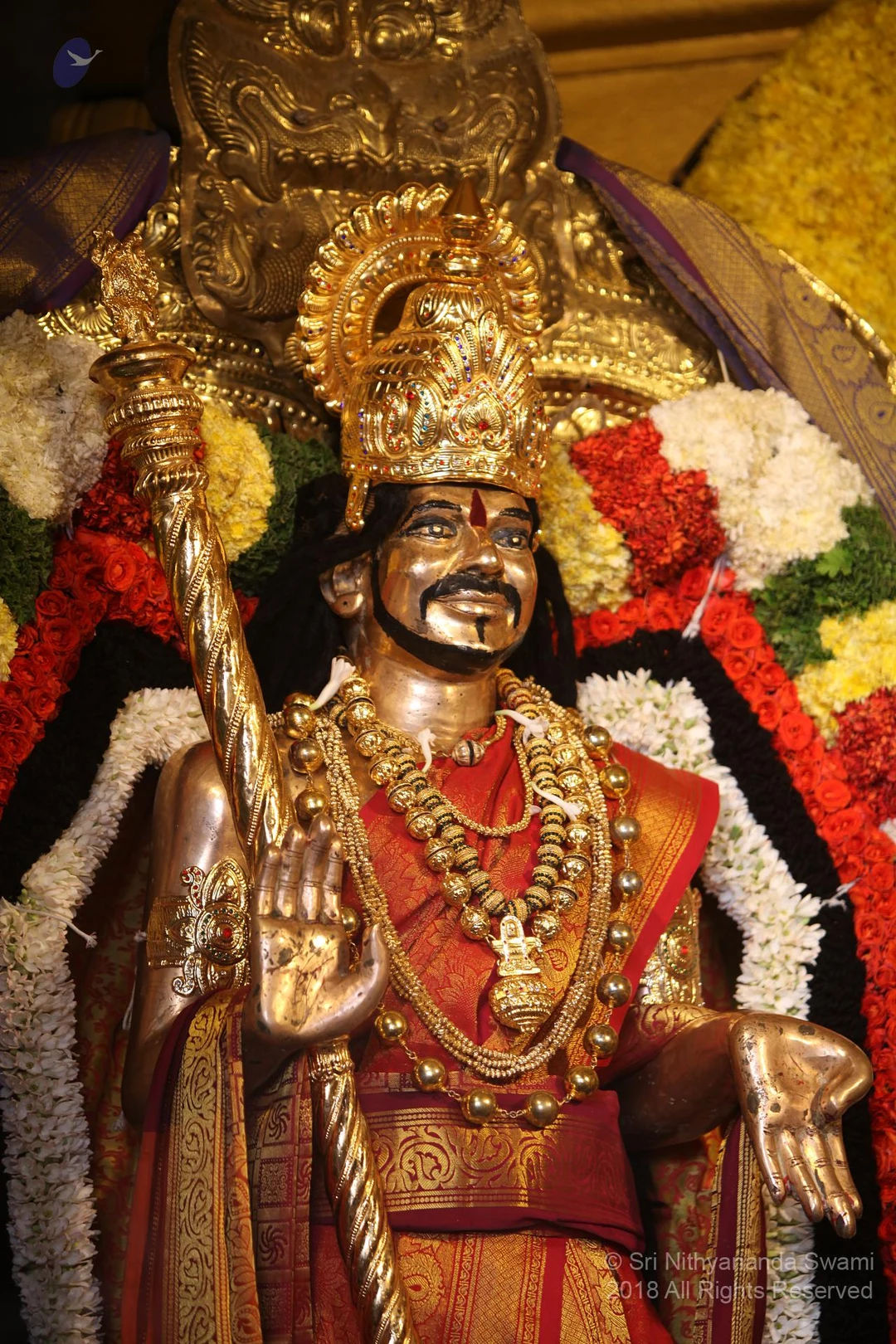
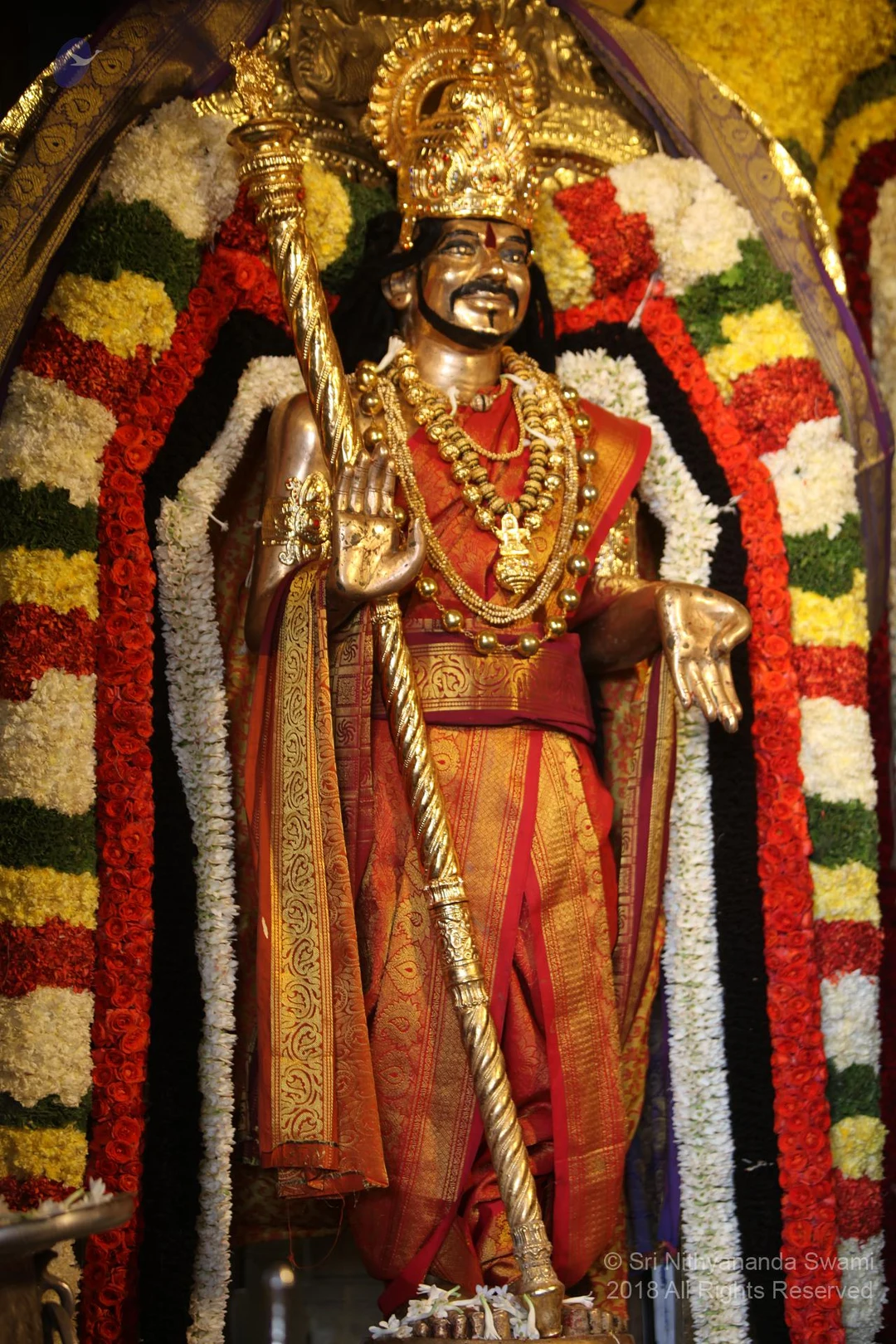
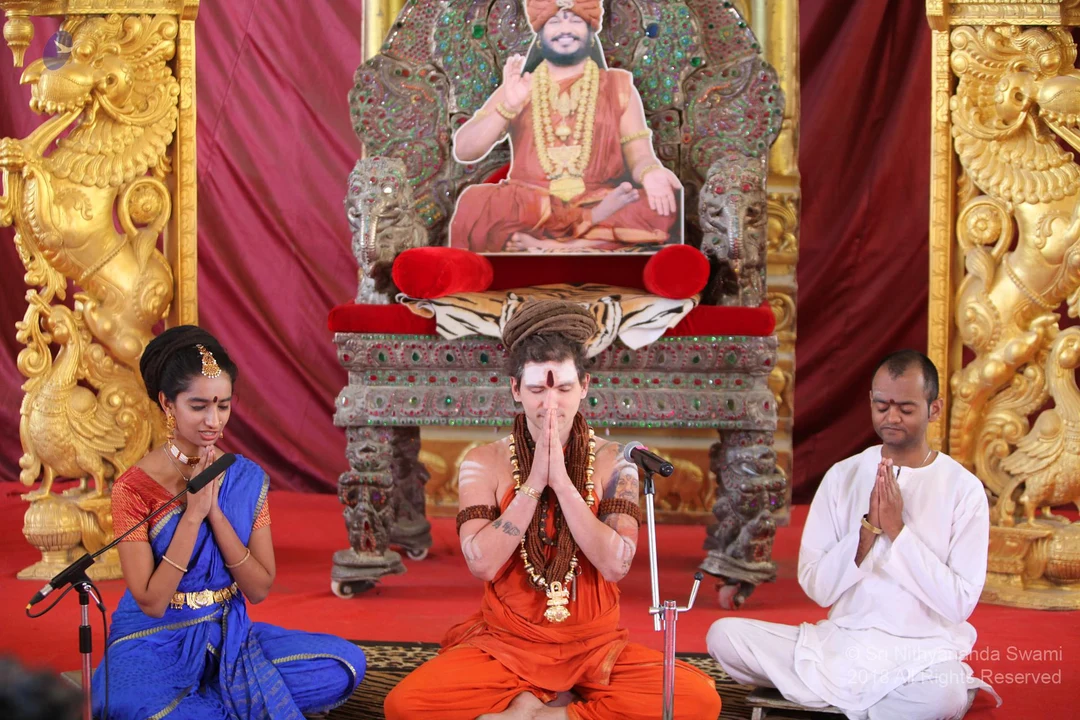
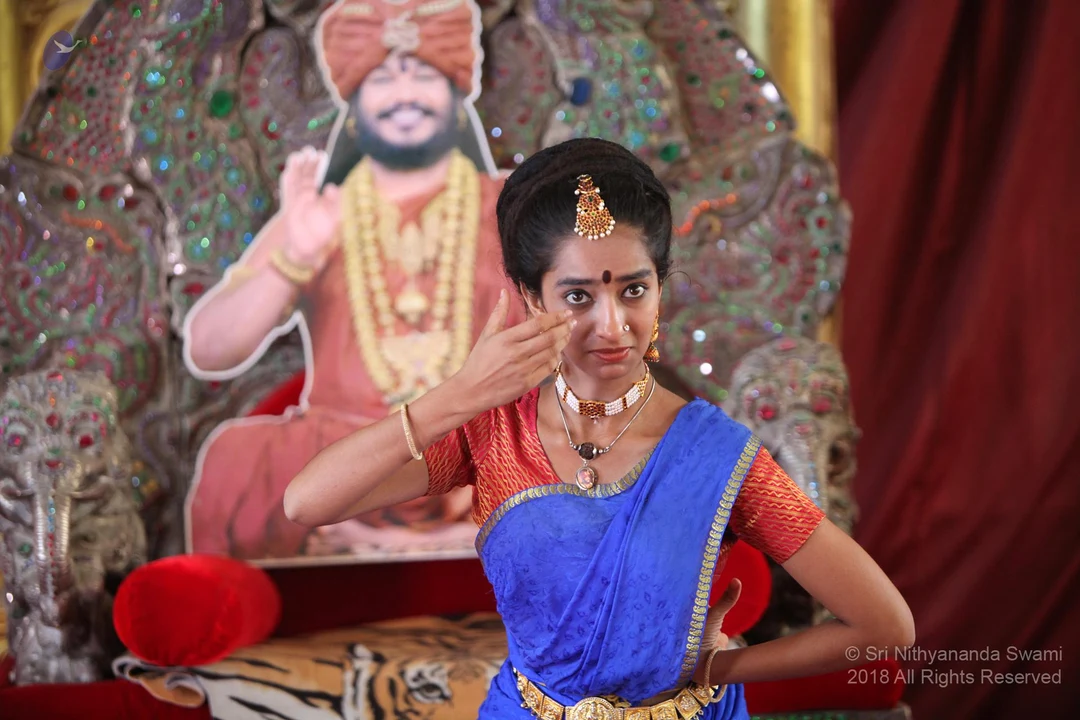


Link to Facebook Page
https://www.facebook.com/ParamahamsaNithyananda/posts/2193413244079847
https://www.facebook.com/ParamahamsaNithyananda/posts/2193493770738461
https://www.facebook.com/ParamahamsaNithyananda/posts/2193308550756983
Photos Of The Day:
FB-Photos-of-the-Day


Photos Of The Day:
Kalabhairava-Darshan
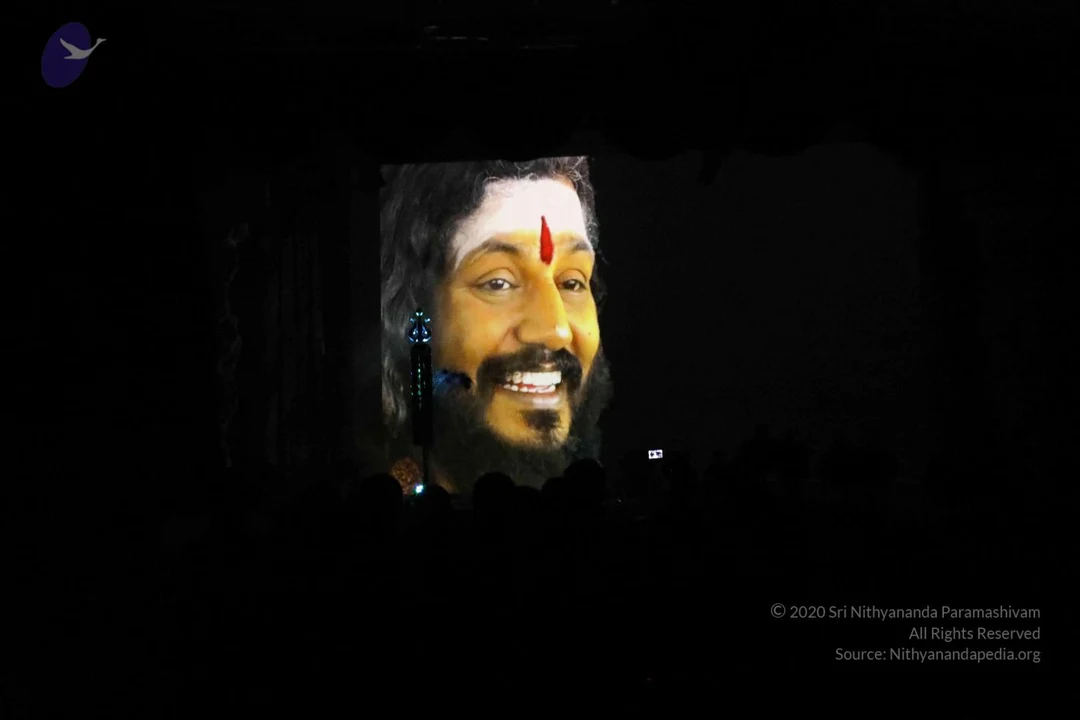
Photos from this day
View all 47 photosPhotos
43 photosSource gallery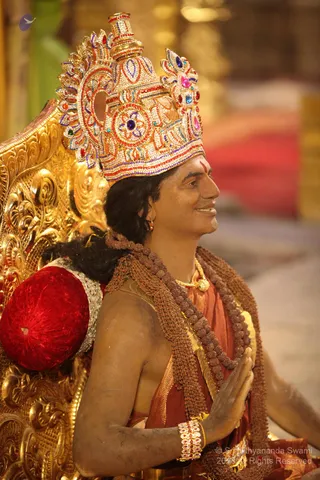

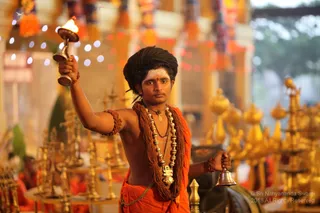
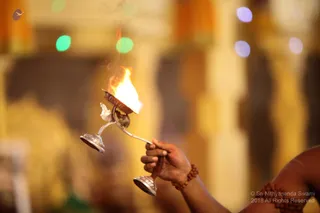
FB-Photos-of-the-Day
2 photosSource gallery
Kalabhairava-Darshan
2 photosSource gallery