Saturday
30 March 2013
The Supreme Pontiff of Hinduism (SPH), JagatGuru MahaSannidhanam (JGM) Bhagavan Kailasa's Sri Nithyananda Paramashivam
- Dated photos
- 257
- Source pages
- 1
- Media
- 2

March 30 2013
Original wiki pageTitle
The Supreme Pontiff of Hinduism (SPH), JagatGuru MahaSannidhanam (JGM) Bhagavan Kailasa's Sri Nithyananda Paramashivam
Description:
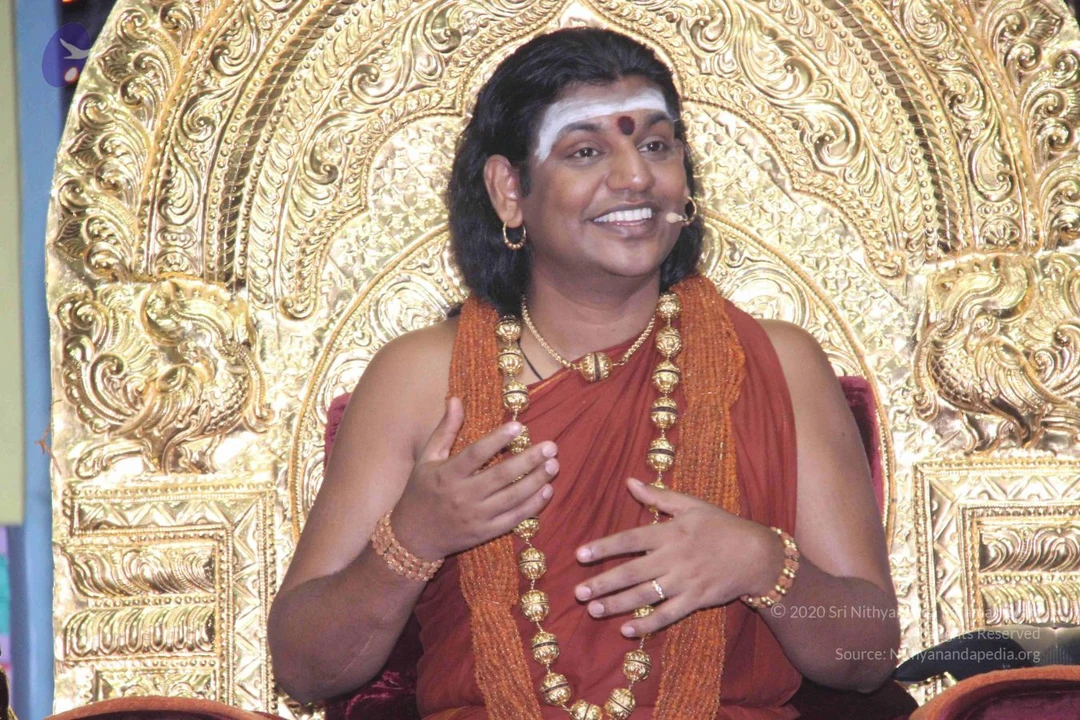
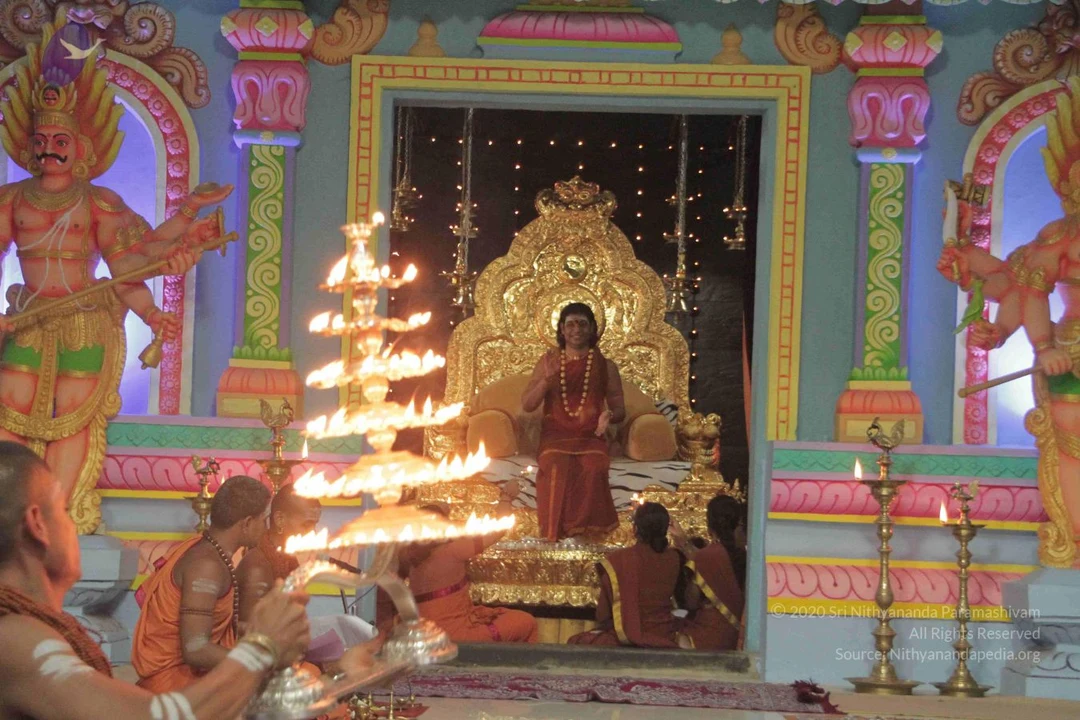
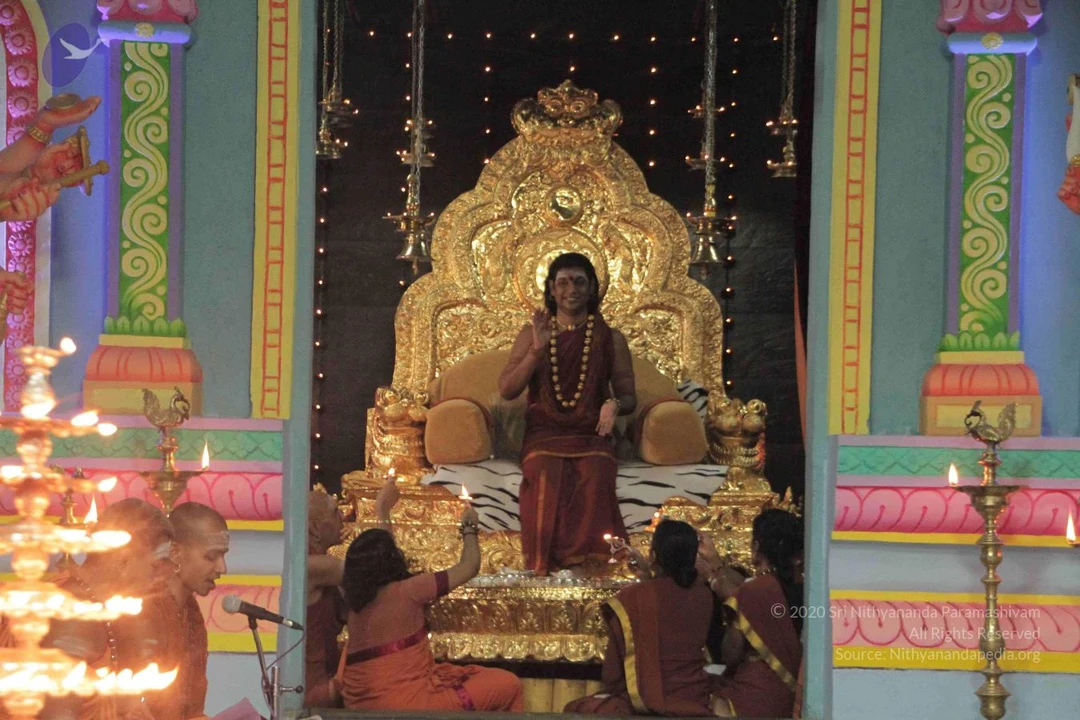
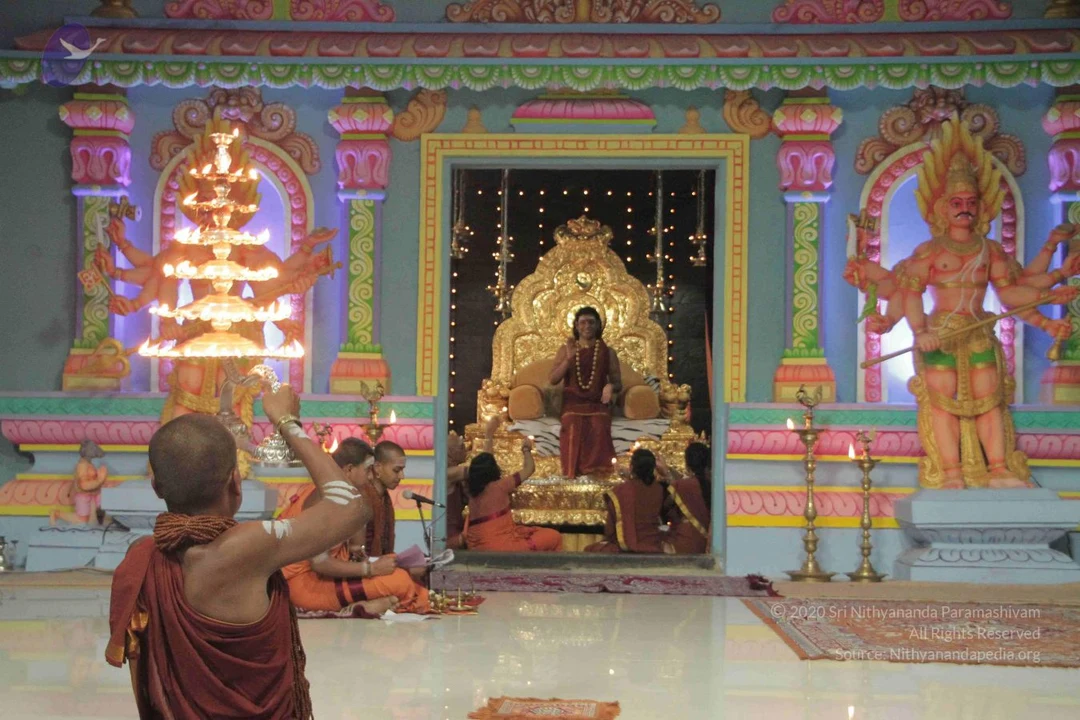
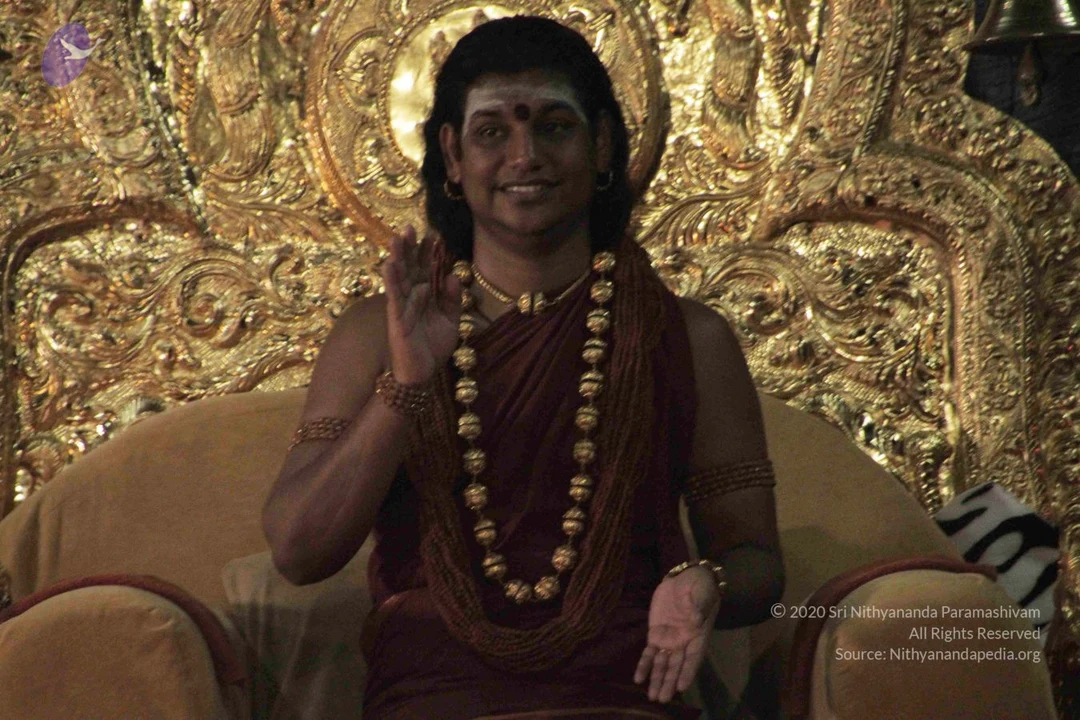
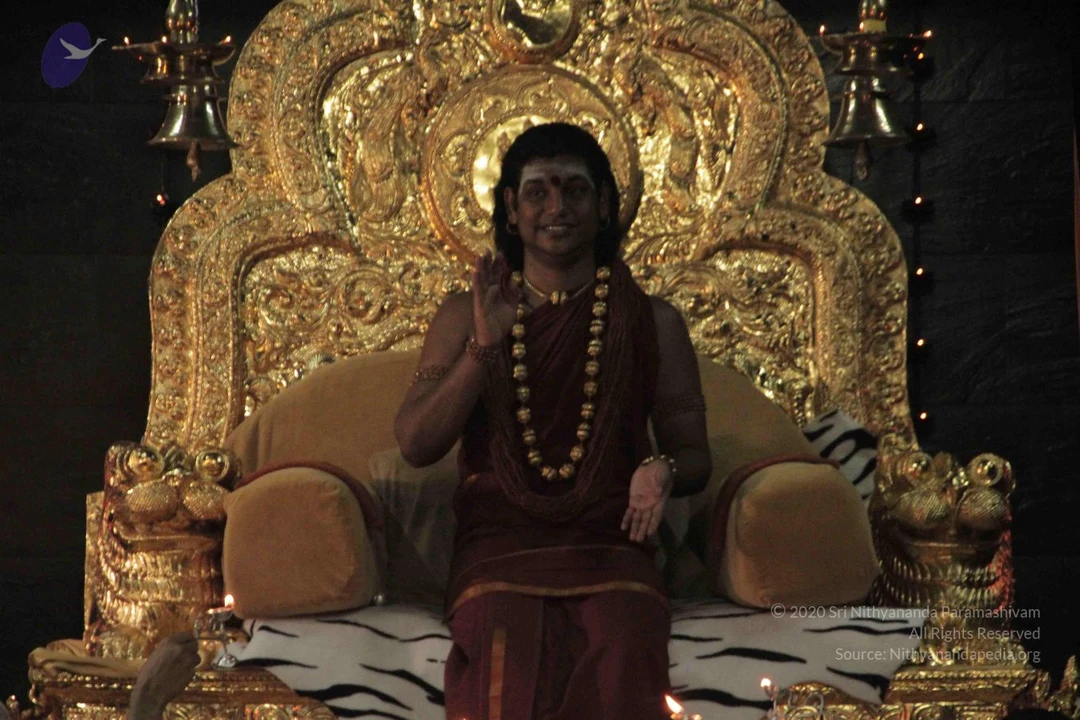
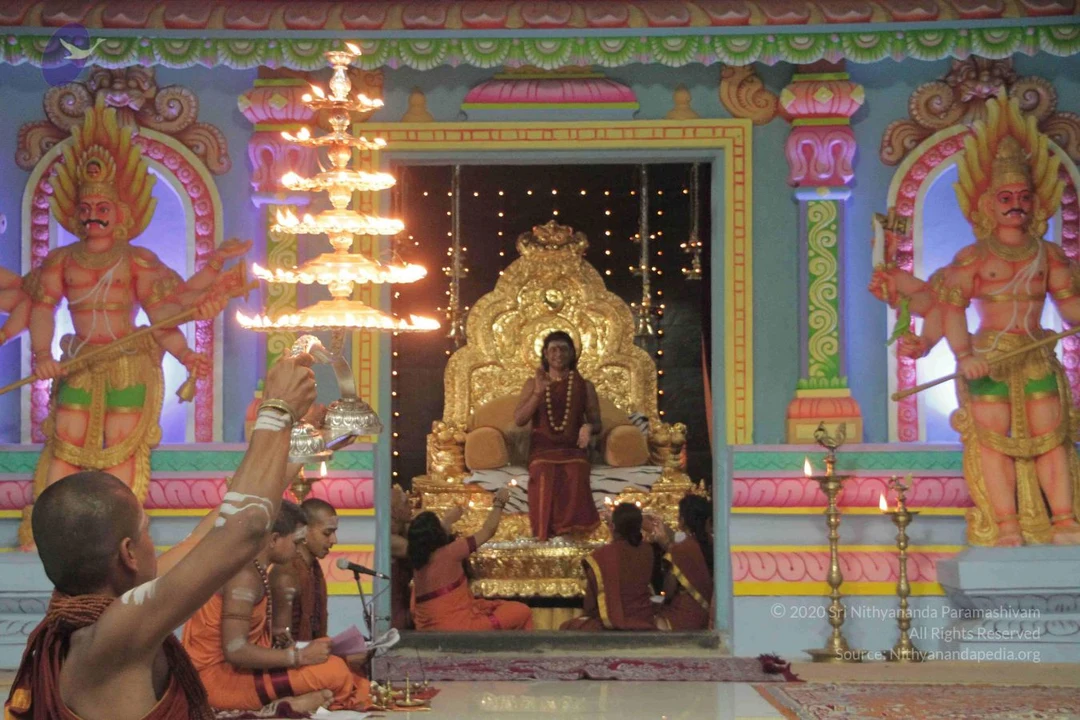
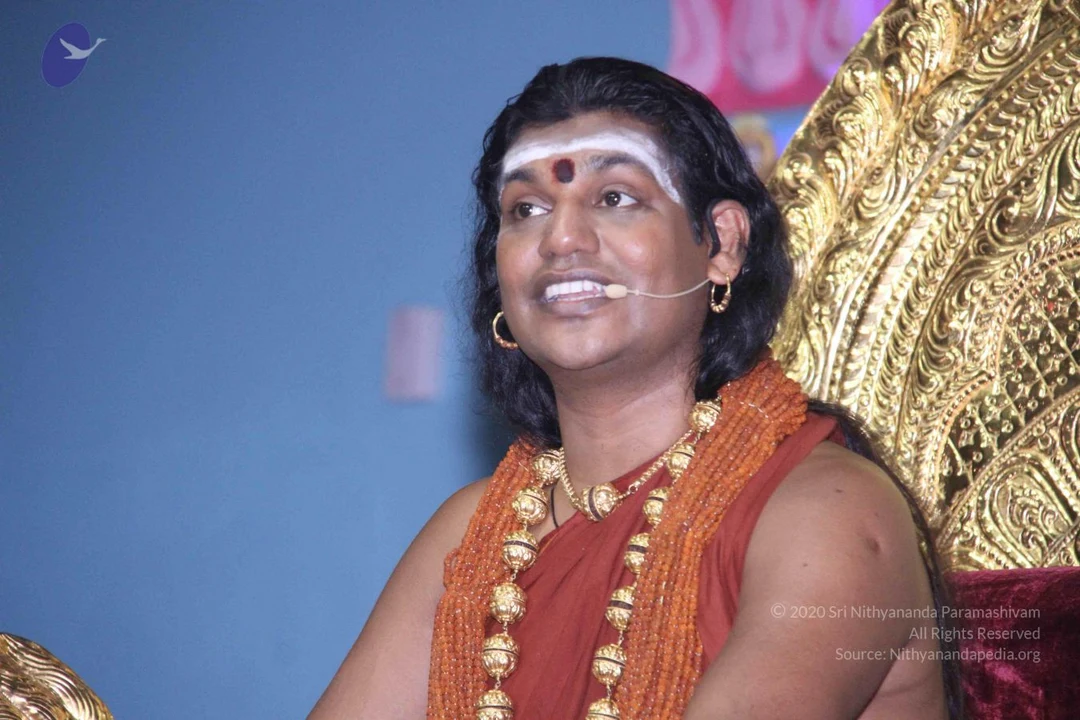
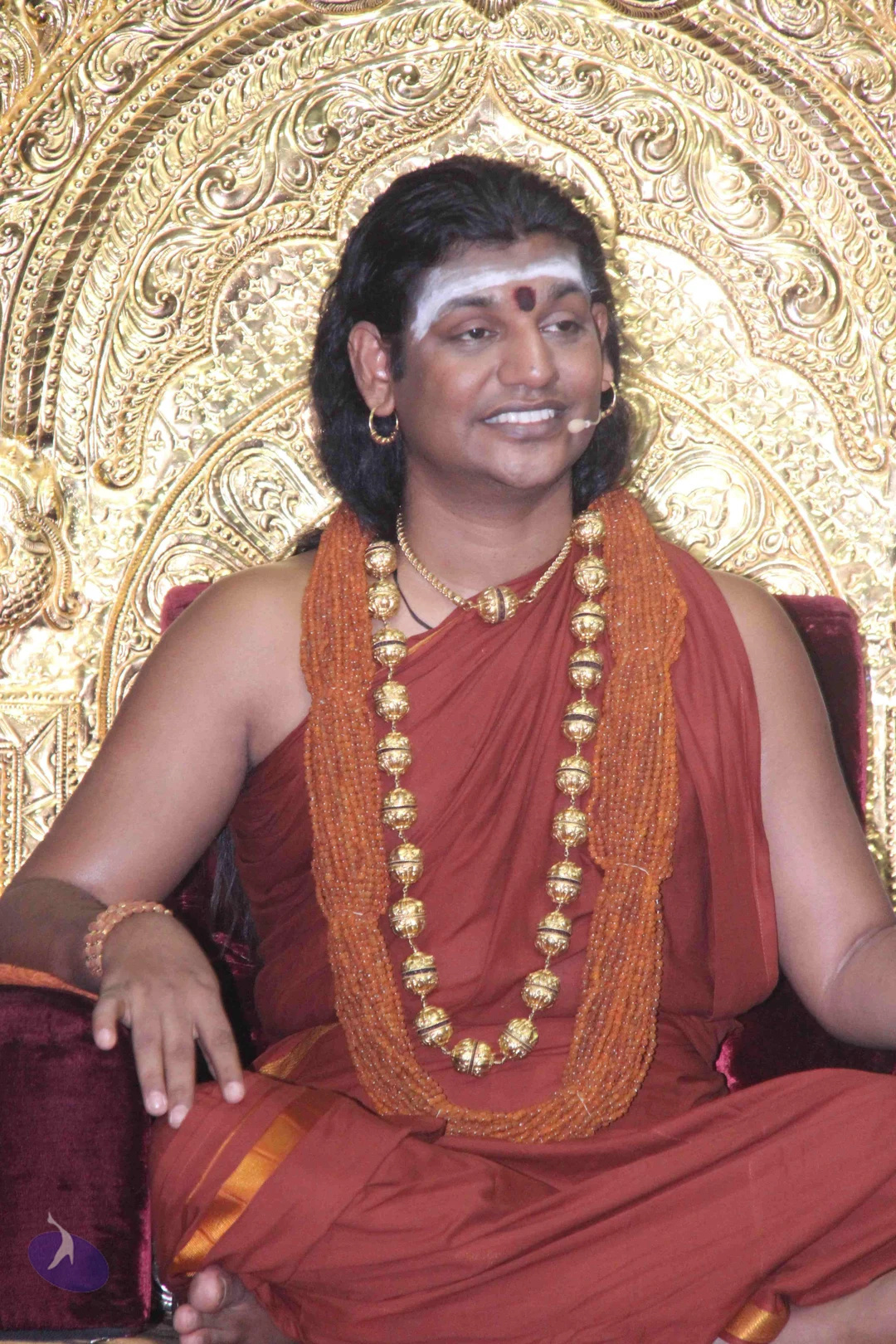
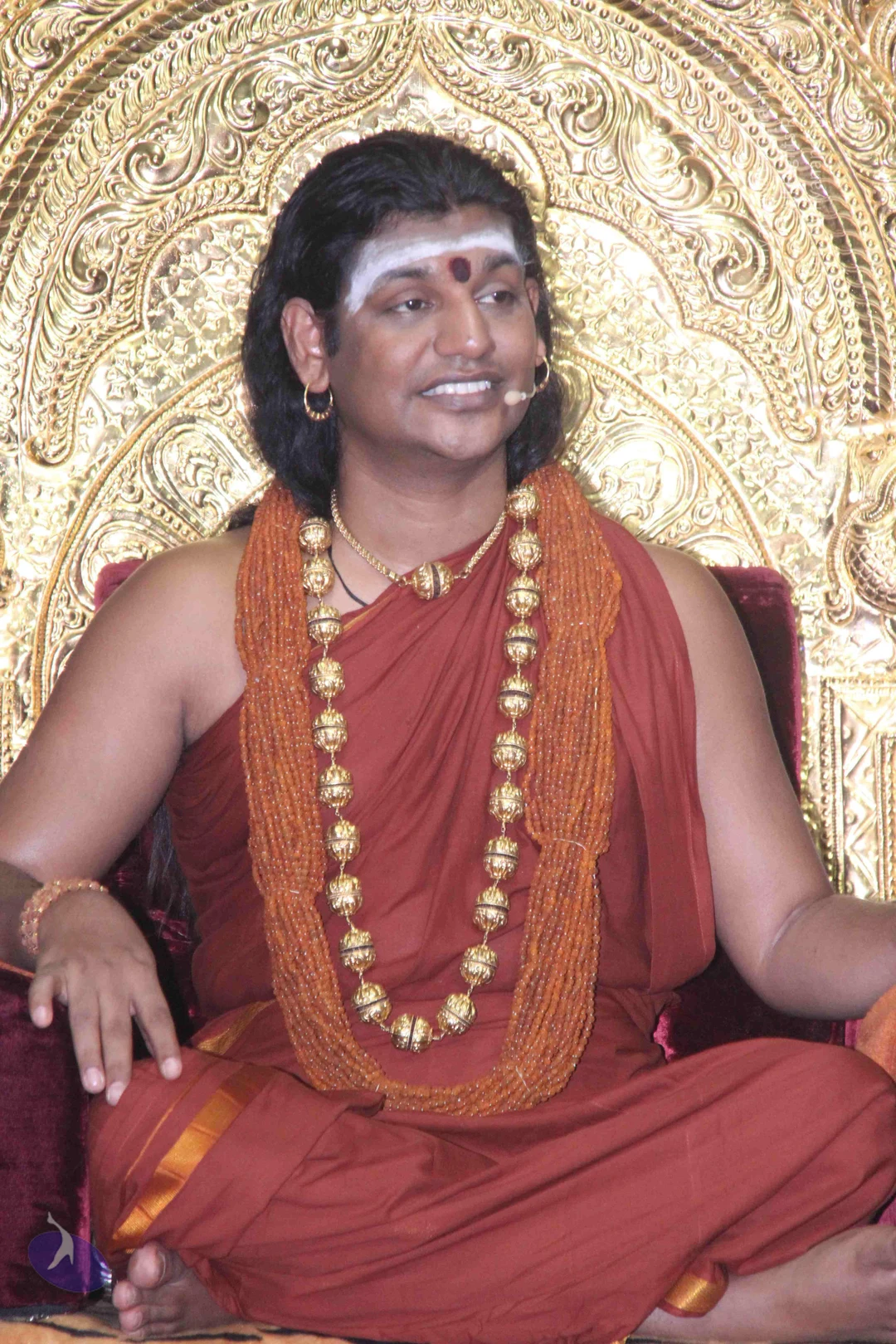
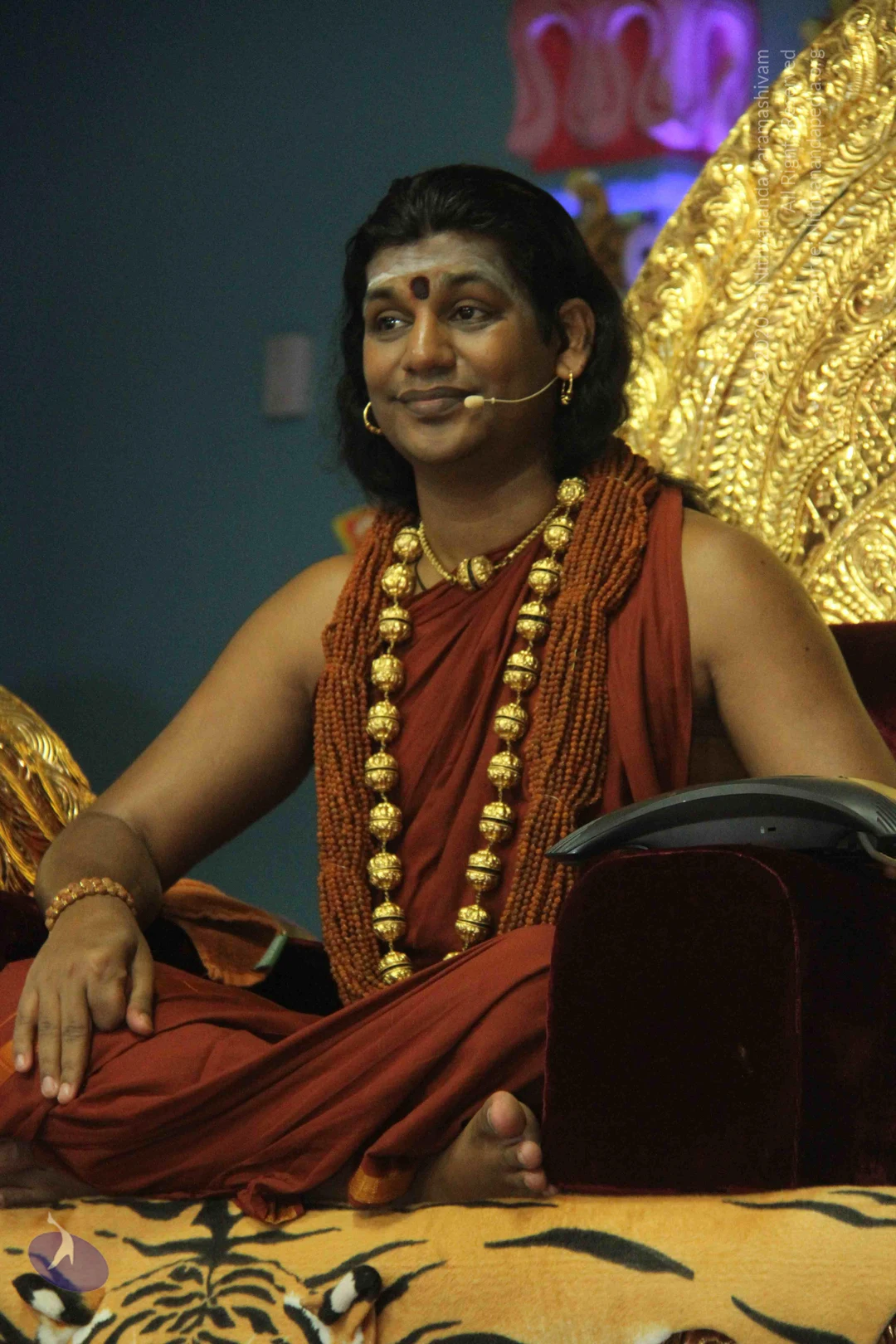
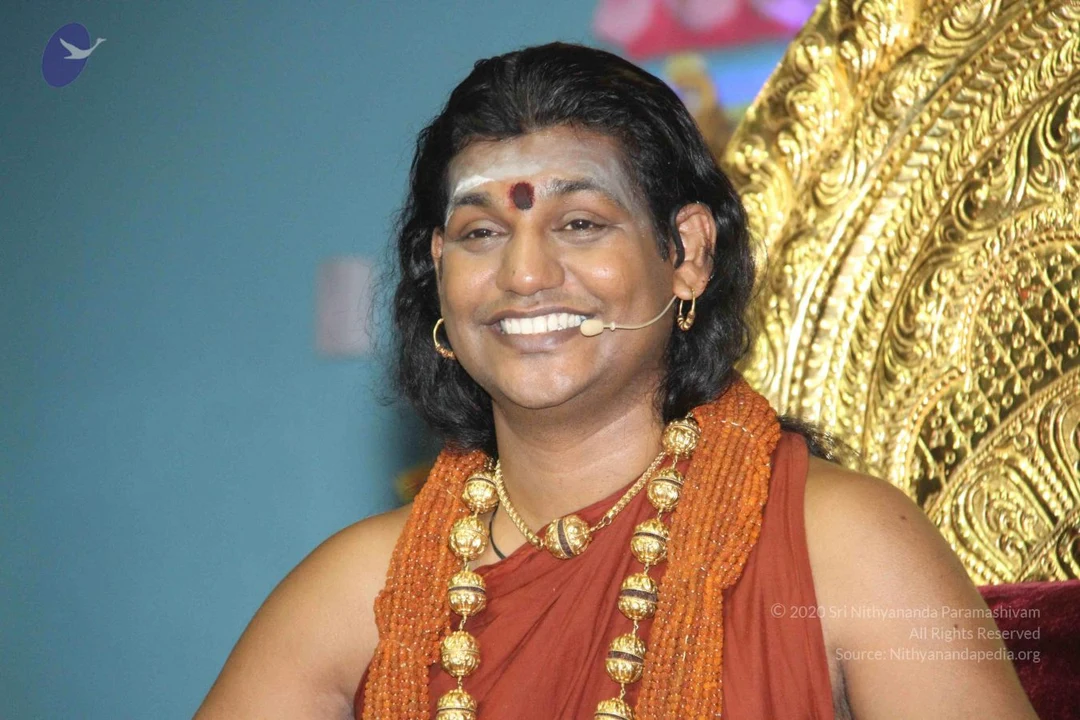
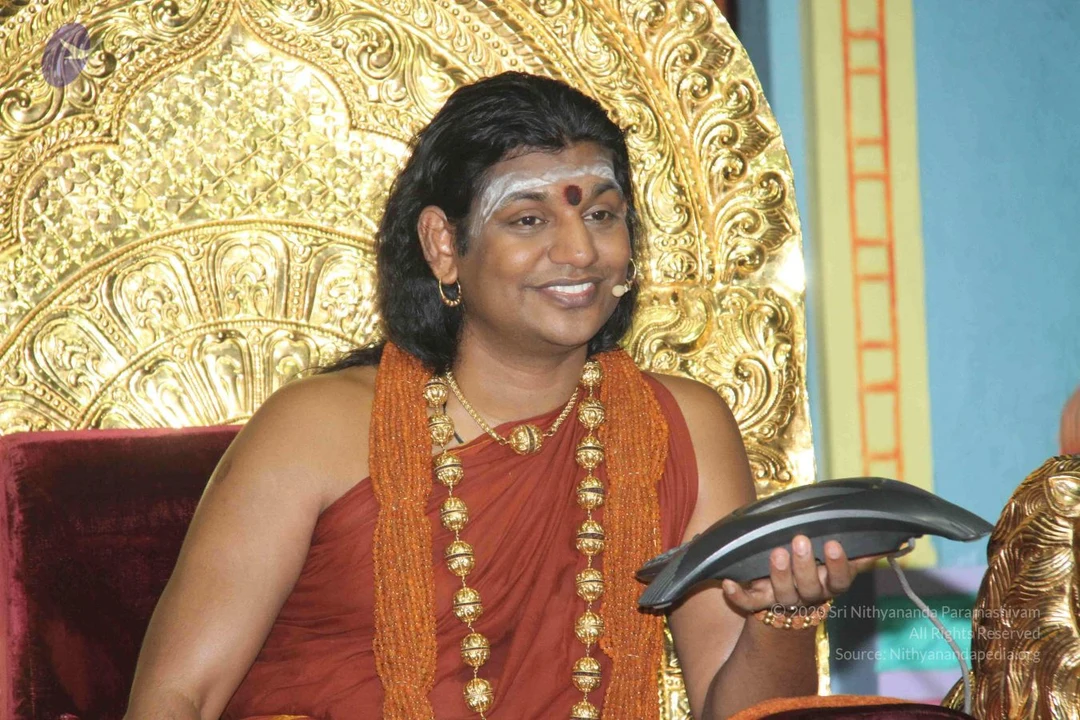
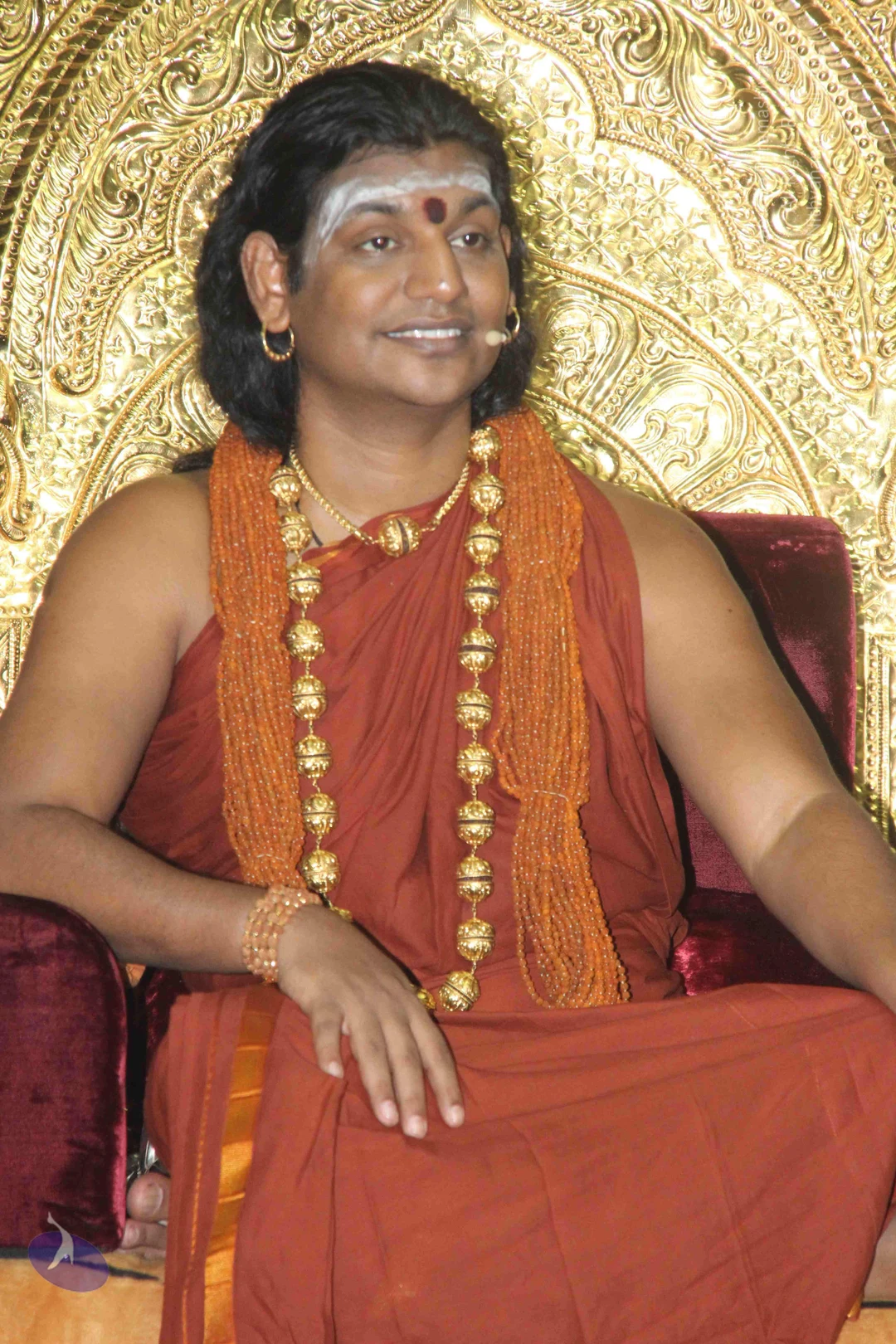
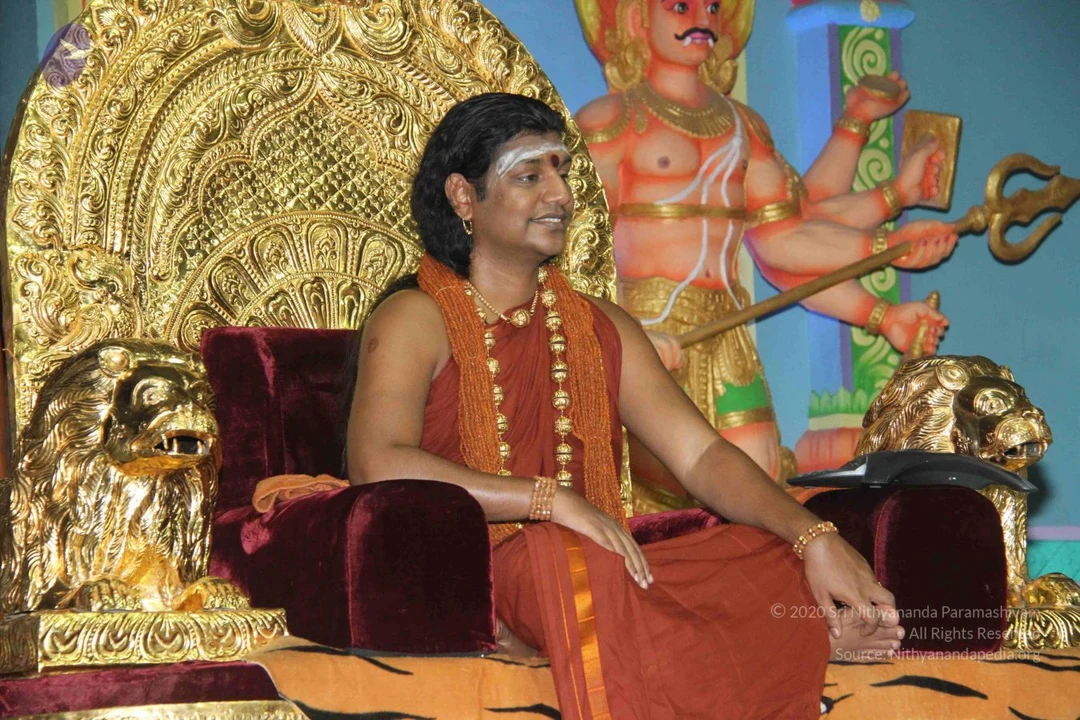
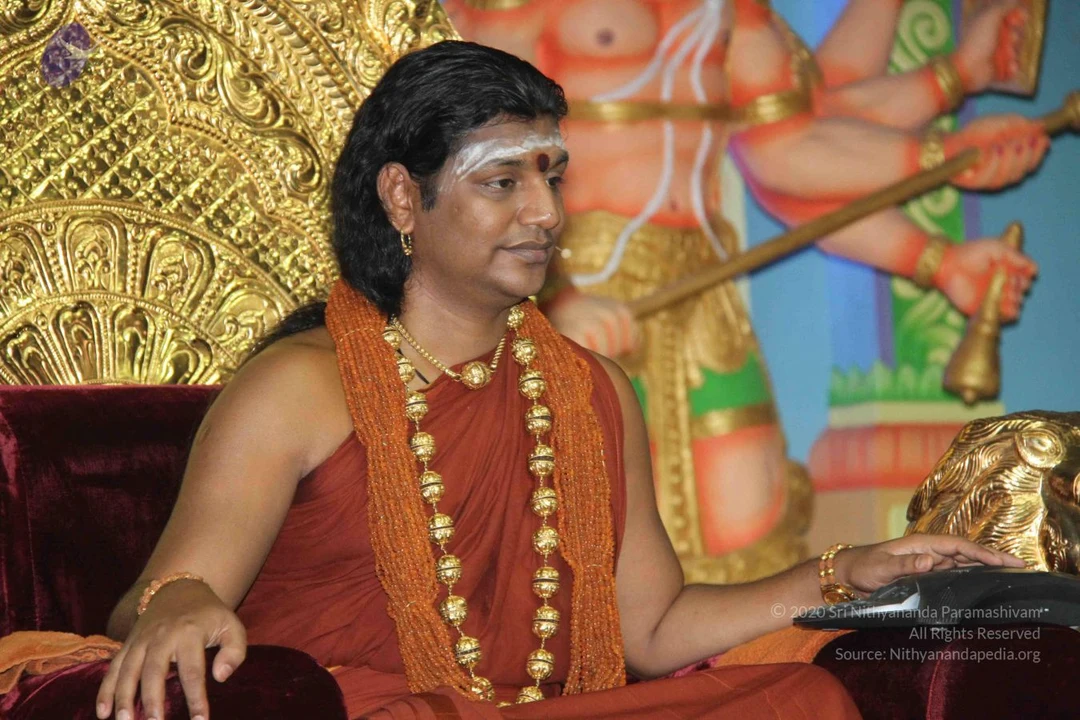
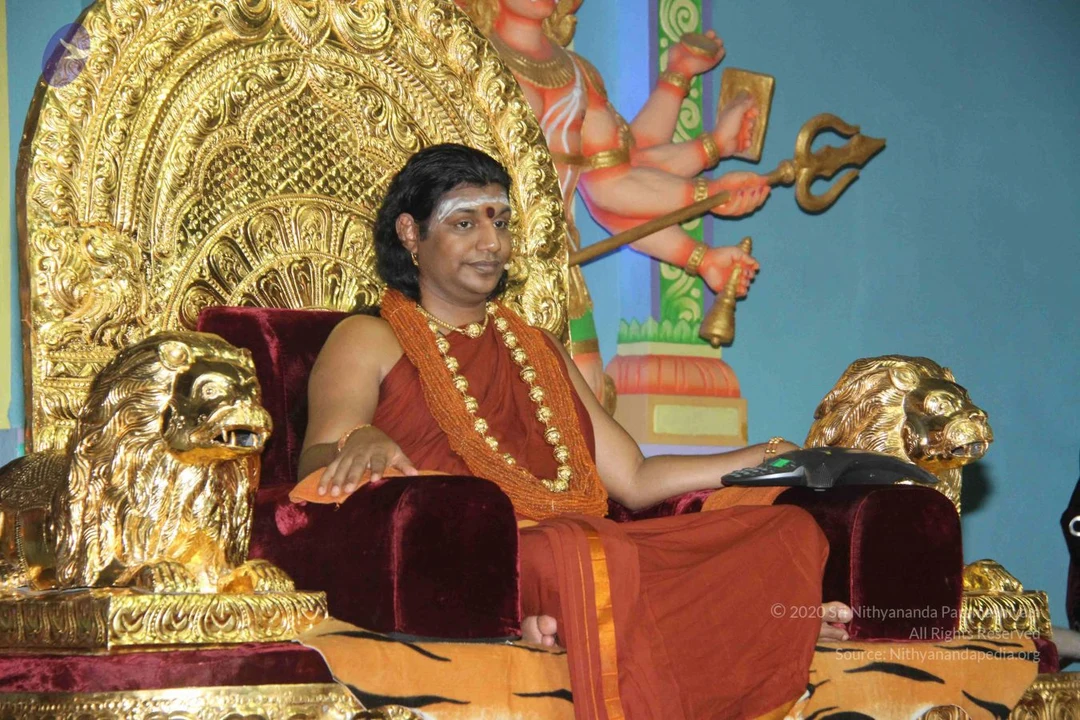
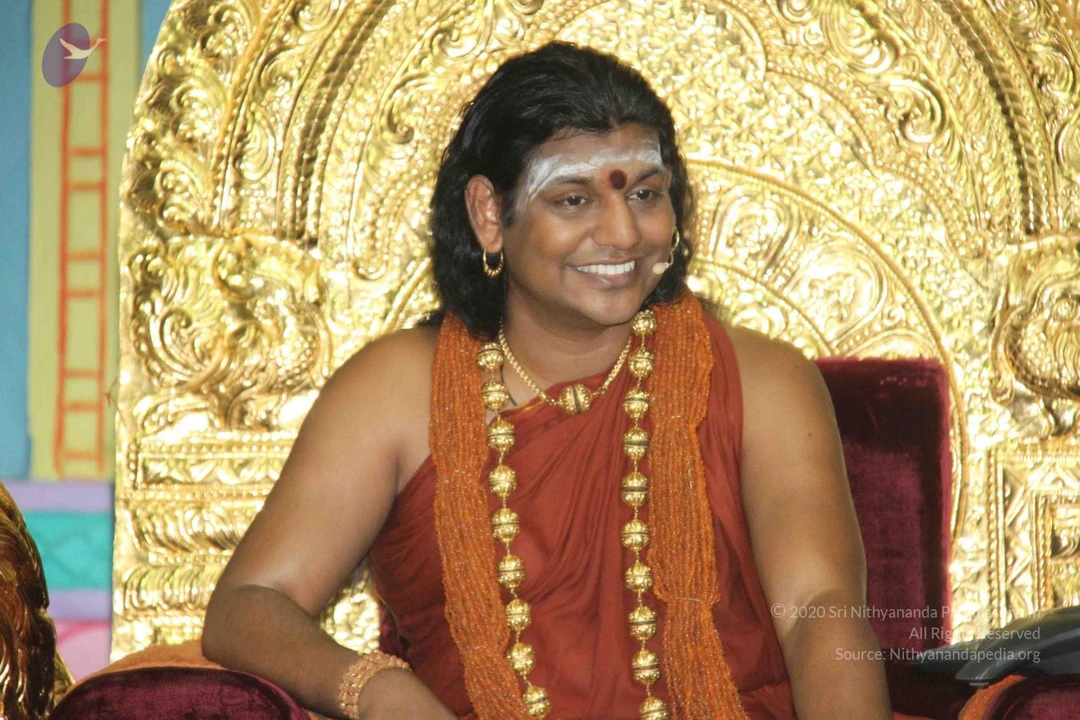
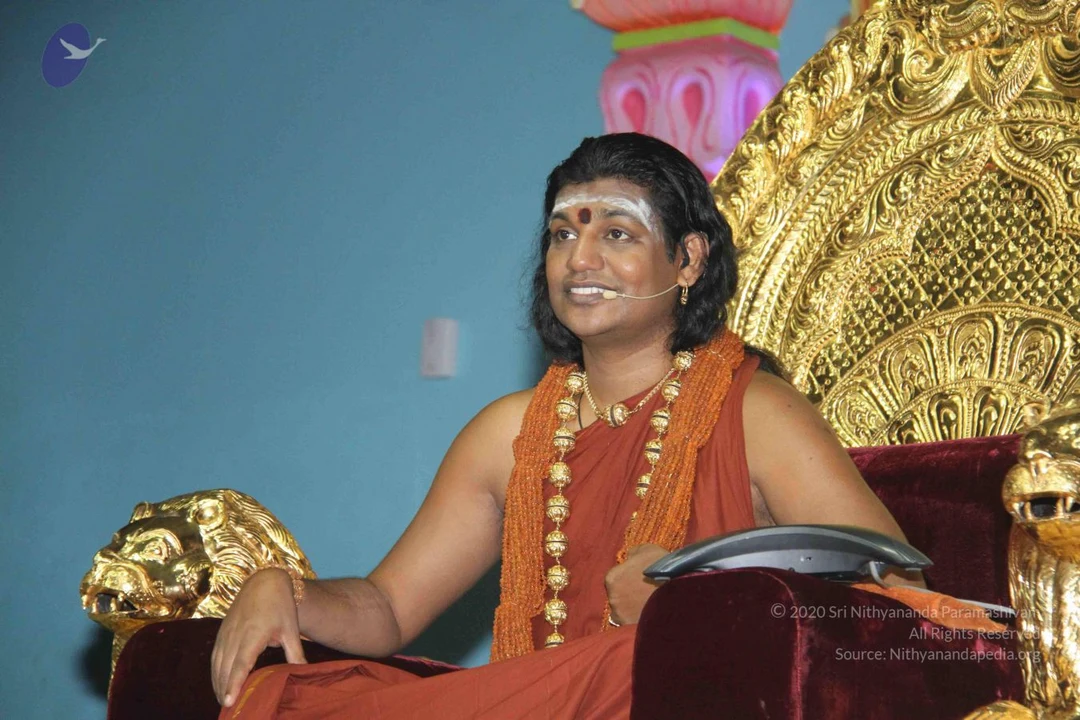
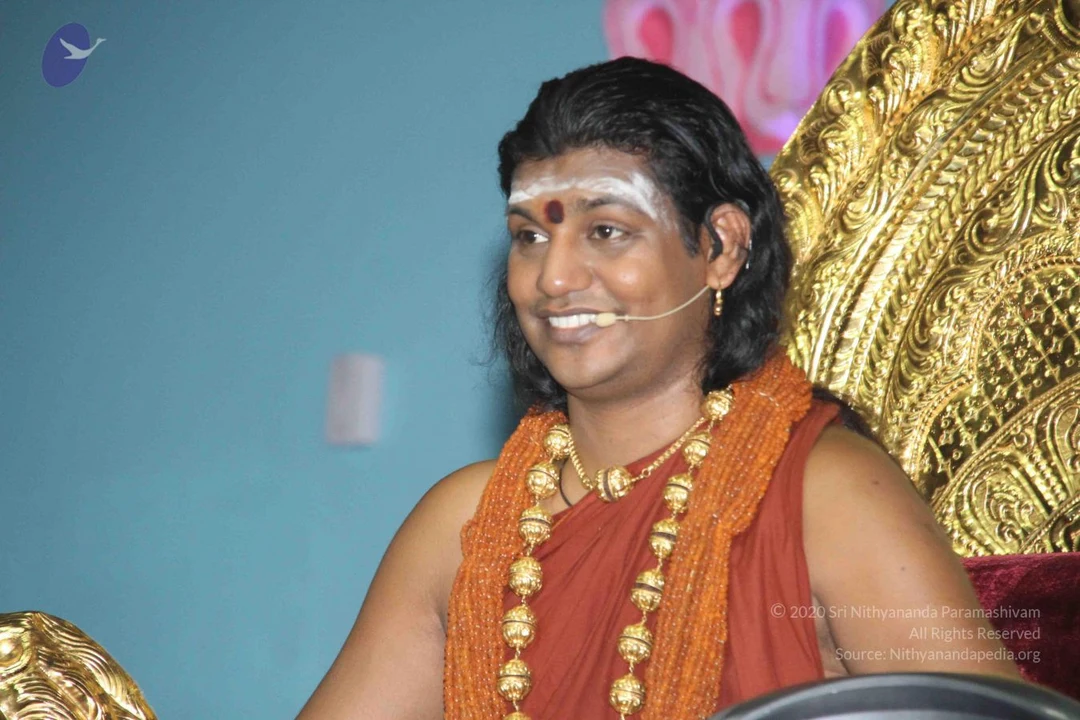
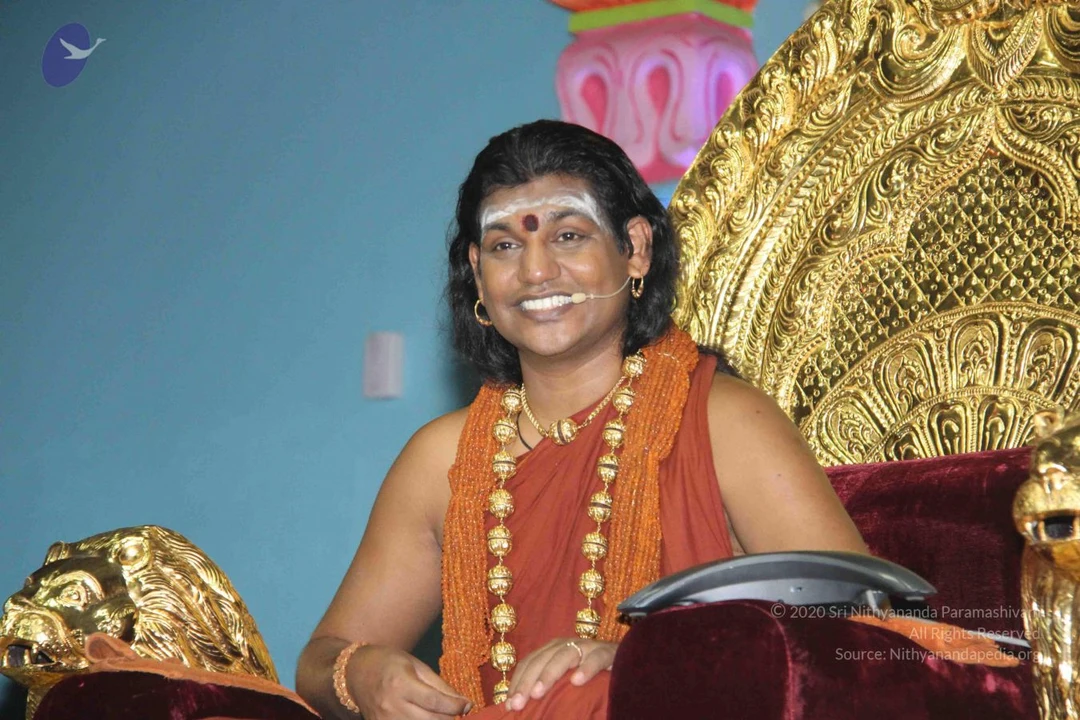
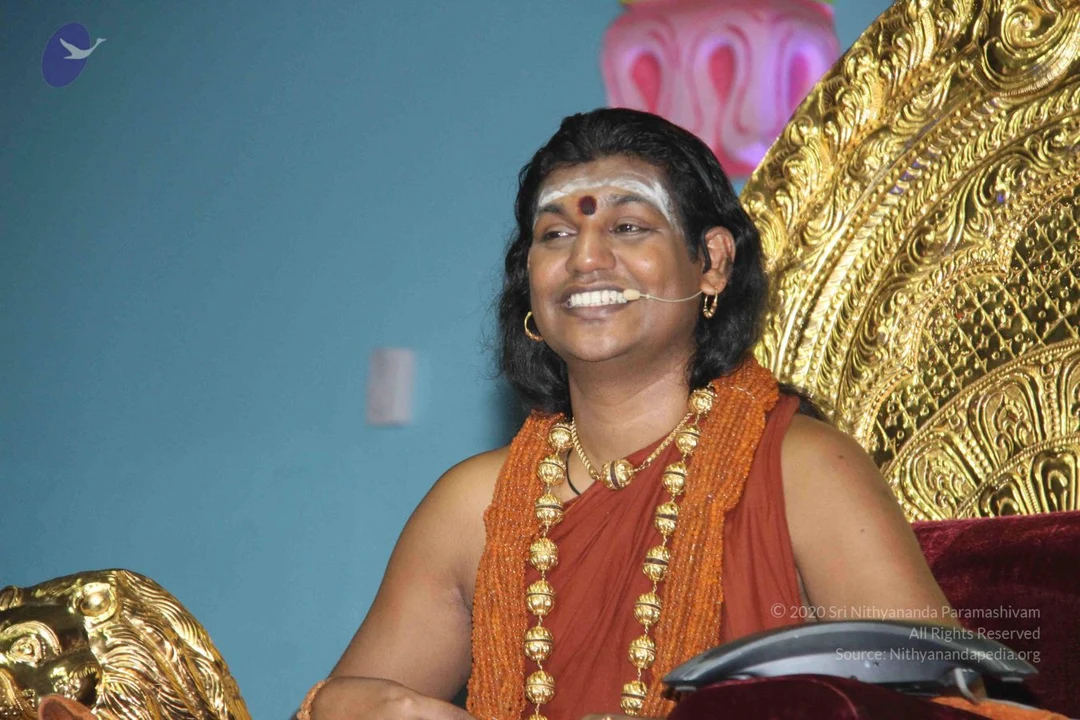
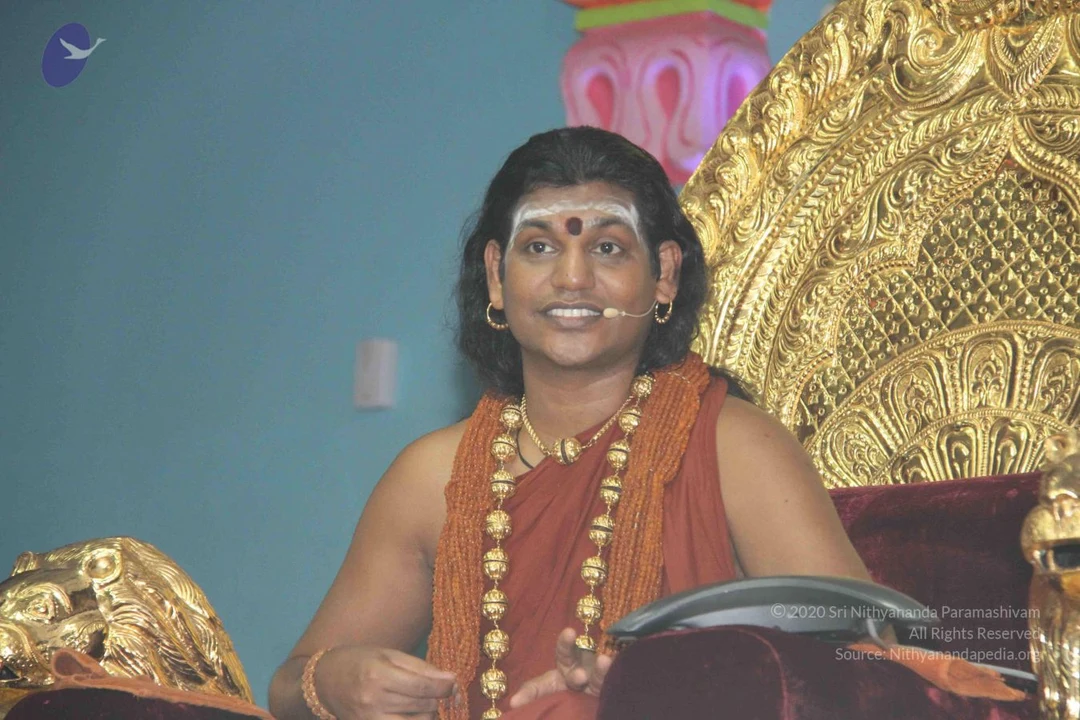
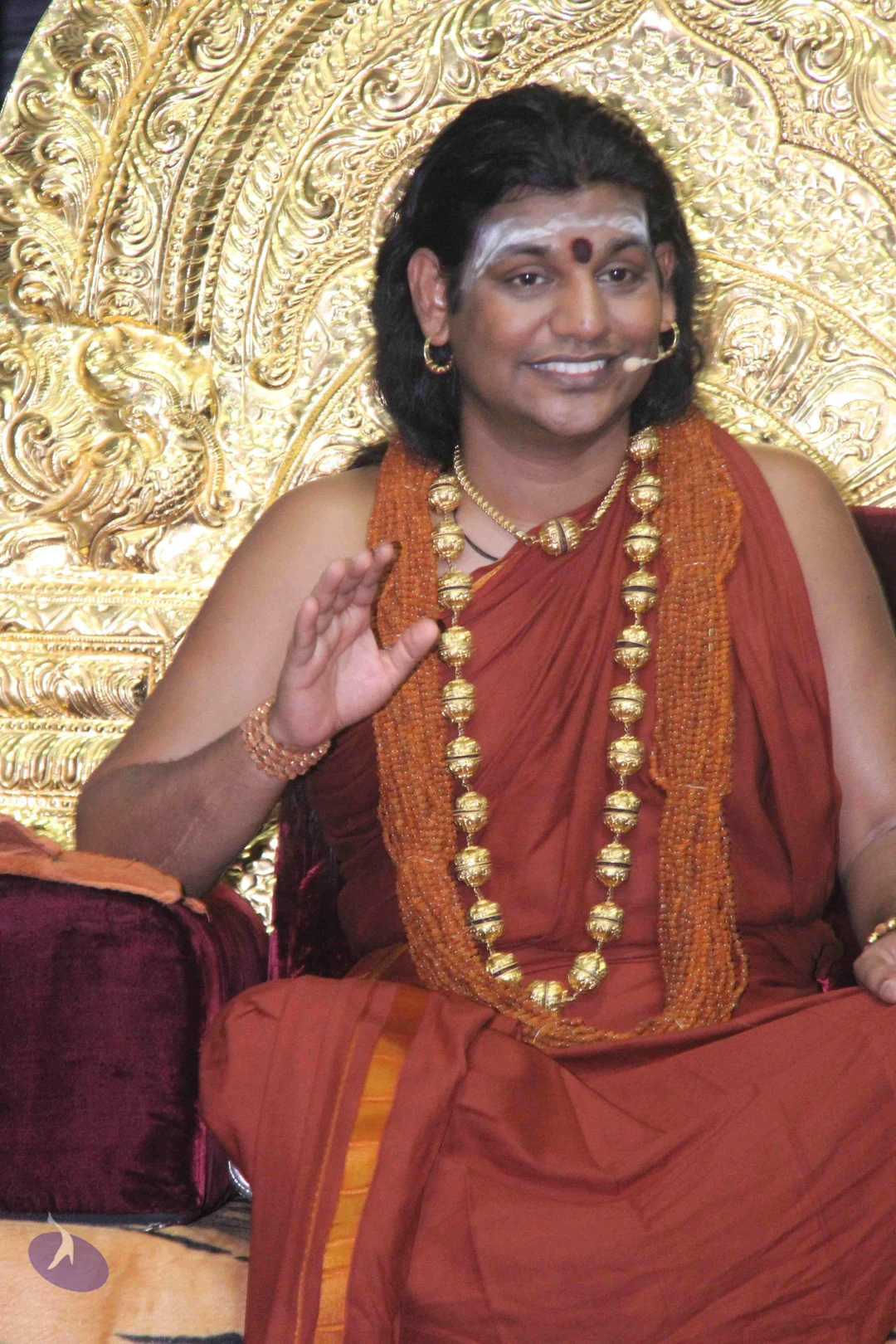
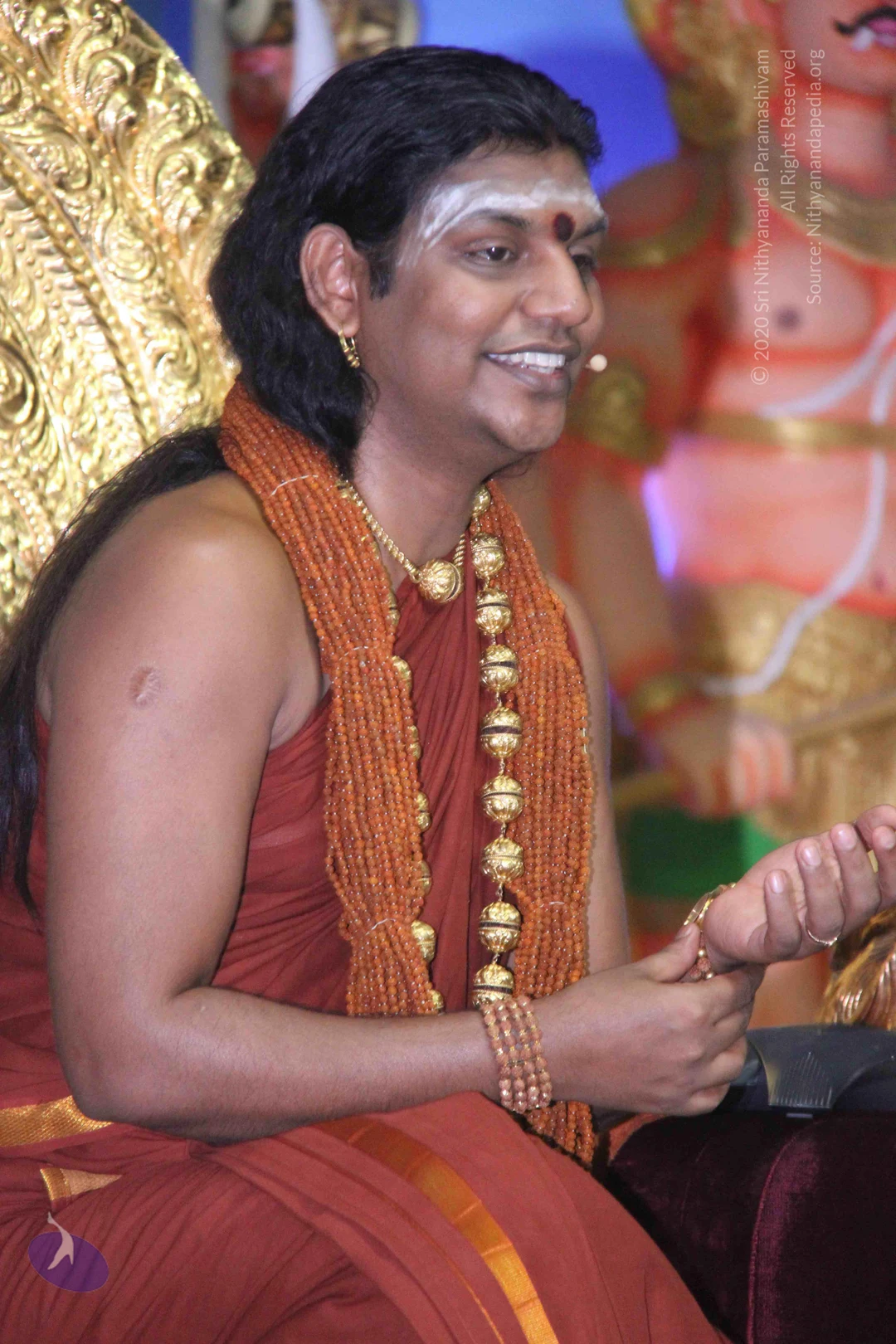
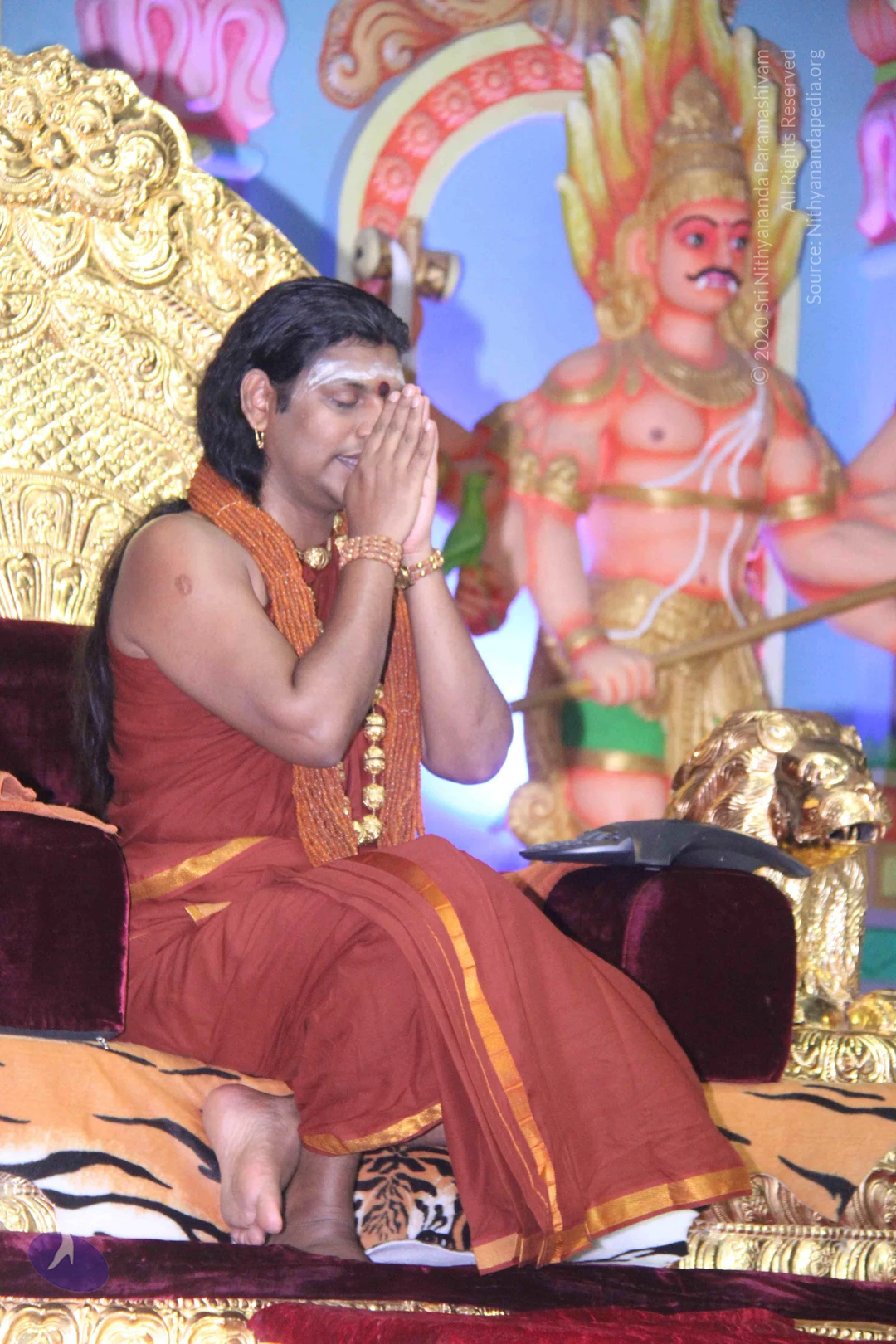
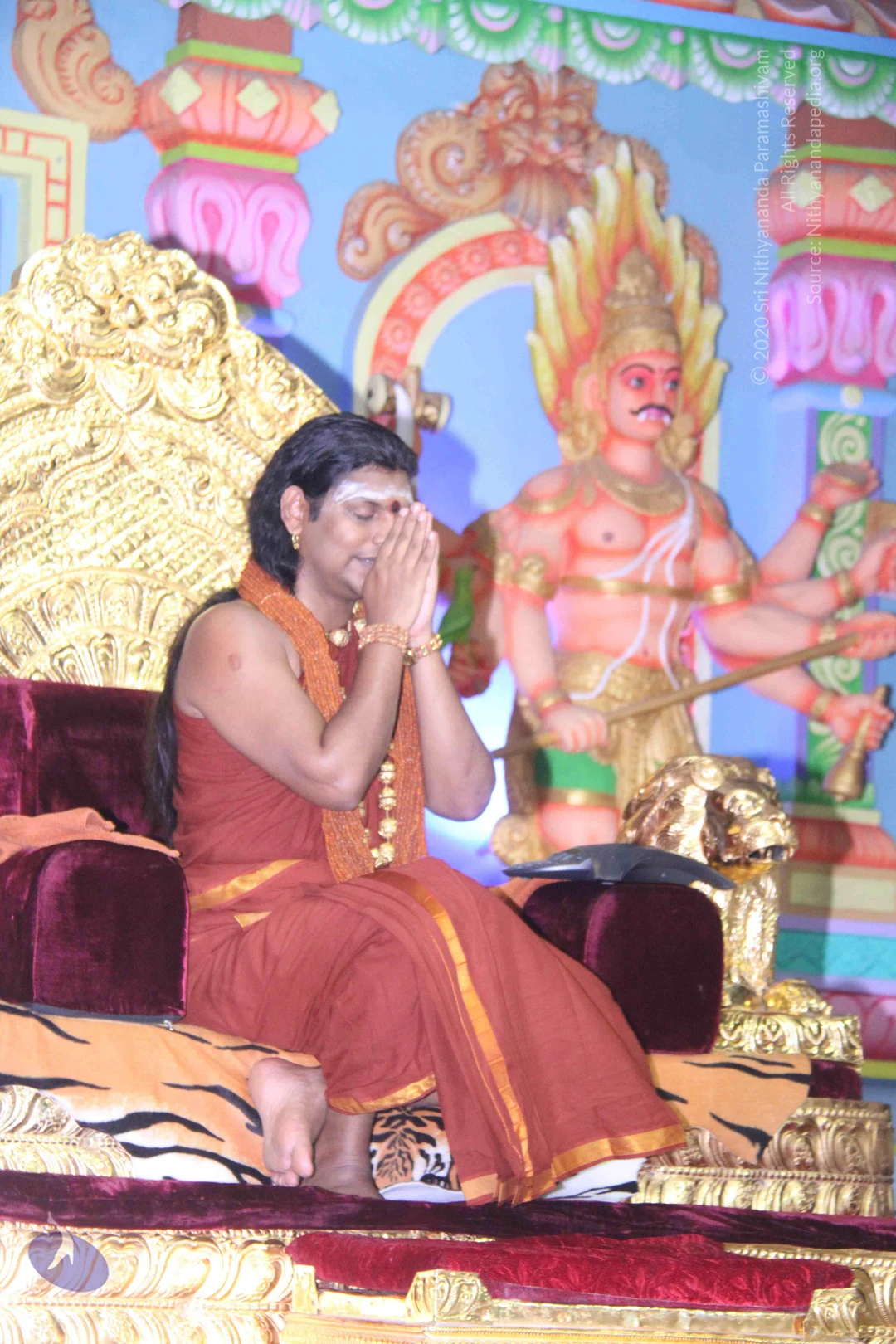
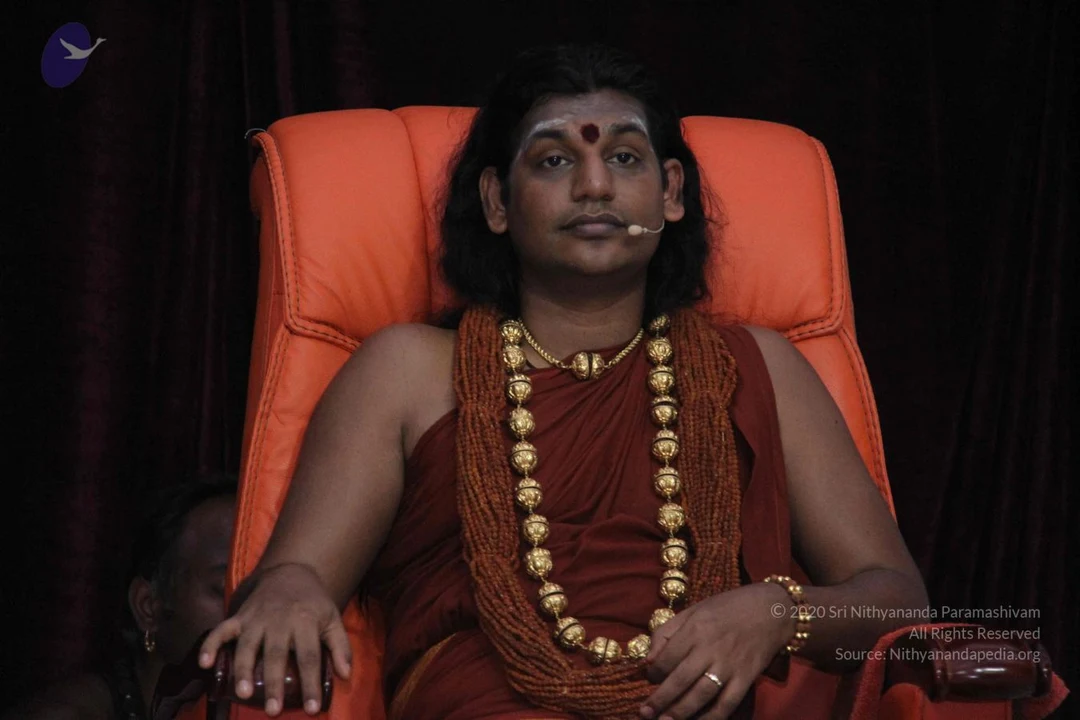
In today’s morning satsang, Paramahamsa Nithyananda discusses the first step of dharma, righteous living. This step is sampoorthi, translated as integrity. Nithyananda defines integrity as honoring our words. We have been trained since childhood to keep our promises to others: very few of us understand that the promises we make to ourselves are equally important. Any passing thought is a word we give to ourselves! We live our lives under the Wish-Fulfilling Tree, which can make reality from our impulses. The solution is to consciously drop our negative thoughts. Then we experience a higher reality.
Link to Video:
| Video | Audio |
Transcript:
Nithyanandeshwara samaarambham nithyanandeshwari madhyamam asamadacharya pariyantham vande guru paramparam
Is samay hamare saath upasthith sabhi darshakoo aur bhaktho me prem aevam ashirvadh sahith swagaath karta hoon. Aaj ham jeevan ka pehla tatva sampoorthi ke dvara kaisi aap advaitha sthithi me sthapith ho kar apne icha anusar apne vasthaviktha ko parivartith kar sakthe hey iske bare me baath karenga
Today I will expand on the dhamma the first step of dhamma dharma integrity establishes you in the state of advaitha and supports in you in transforming the reality of your life I will expand first I will define integrity and I will expand on reality how integrity can lead you to higher higher and higher finally highest reality Dhyaan se suniye pehle jeevan ka pehla tatva sampoorthi ka paribhasha ke liye sampoorthi ka arth hey aap svayam ko aur anya logo ked eye huyeen vichar aevam vakya ko poorna kare aur svayam jeevan ke saath poornatva stithi ka anubhav kare. Honouring the word you gave to yourself and to others as your very life is integrity. Listen honouring the words you gave it to you that is the key point. Honouring the word you give it to others all of you know already society teaches about it enoughh. Society constantly teaches to you to honour the words to give it to others because it is directly related to society so it teaches you that but it never teaches you the word you give it to you also is equally important. Aap svayam ko aur dossro ko diye huhey vacchan ko aapne jeevan ke samaan maanke nibhana sampoorrthi hey. Listen every thought you complete is the word give it to you, you have to honour it, it means what now you cannot have the thought of suicide. You cannot entertain the thought of fears. Fear is nothing but smaller levels of suicide. You cannot entertain the thought of suicide because if you entertain it is equivalent to word given to you and you have to fulfill it honour it. You should not entertain the thought of suicide you cannot entertain the thought of fears. Literally all the time you are sitting under kalpataru. There is a beautiful story one man without knowing the tree is kalpataru was resting under the tree suddenly he had a desire if somebody brings a food how nice it would be I am so hungry food appeared he ate and then if somebody gives me a cot it would be so nice I could lie down and sleep cot appeared! If there were two women also to press my feet and do seva it would be so nice I can sleep peacefully two women appeared suddenly he had the thought oh god! Whatever I am thinking is happening if a tiger comes here and attacks me what will happen. Tiger appeared and killed him over. Understand it is not that only that man is under kalpataru all of us are always under kalpataru every thought we give it to ourselves will be honoured if we don’t complete it. Now I know every one of have fear oh god! Then so many negative things I thought what to do there is nobody alive who has not entertained the thought of suicide for once including me I had the suicidal thought long before, before my enlightenment experience but I had the thought so listen now al of us have fear what to do all these words we gave it to ourselves starts getting fulfilled now you don’t have to get worry you have to complete them complete them one by one sit and declare to yourself consciously all the negative word I gave it to me I am not going to honour I am dropping it completing it. And start creating right inner software inner space by bringing integrity as the principle of life I will translate in hindi Samaaj lagathaar aapne aapk vachan nirbane ko shikatha hey kyon ki ye samaaj se sidheey sambandith hey kinthu samaaj aapko kabi hey nahi shikatha hey ki jo vachan aap aapne ko dethe hey vo bhi samaan roop se mahtvapurna hey jabne aapne har soch vichar ko poorna karte hey jab aap sampoorthi me rahathey hey iska artha hey ki aap atmathya jaise vinashakaari soch vichar ko aapne anthar karne nahi de sakthe hey. You cannot entertain negative suicidal fearful thoughts. Bholiye Understand Dhyaan se suniye.(10:33)
10:00
Listen, integrity means not just fulfilling, honoring the words you give to others. The first step of integrity is completing all the negative words you created within you about you and the life; completing all of them. Integrity starts with meditation, intranalizing. Integrity starts with intranalizing.
Aapne andar soch vichar evam manobhav laane se hi aap purna roop se sampurti evam purnatva mein reh sakte hei. Aap yeh ghoshna kijiye ki aap job hi nakaaratmak vachan apne apko diye hei, unhe aap sammaan nahi denge, unke saath aap purna honge. Sampurti ke apke jivan ka siddhant banaaiye. Isii liye sampurti mein rehne ka pehla kadam hei ki aap apne har soch vichar ko parakke dekhe aur job hi soch vichar nakaratmak hei unko samaapth kare.
Only when you complete, unko samaapth kare, integrity starts. I tell you, just by completion you will learn so much of conscious thinking. Intranalizing, positive thinking, conscious thinking, breakthrough thinking; everything will happen the moment you bring integrity in you. Now, every word you utter to you, you have to be aware. You cannot just allow, ‘Oh, I’m not thinking, just it is happening, what can I do?’ You can’t afford to have this space. By completion, completion, completion and dropping, first thing you will drop self-hatred. You carry so much of self hatred unconsciously which is responsible for constantly sending negative thoughts to you.
Even if you are healed of a disease, whole day you are thinking about, ‘Who knows, it will come back, it will come back. Percentage of people it comes back is too high’. If you are constantly saying, it’s going to come back, it is going to come back. You are going to attract it. Decide you are not going to attract it; it is not going to come back. And it will not come back; I assure you, I guarantee you. I have seen in my life. I have experienced it in my life.
Keval poorn karne ki prakriya se hi aap apne andar ek nayi evam sachet chetana sthiti ko jaagrat kar sakte hei.
Your thinking will have conscious training. Conscious training. Dhyaan se suniye. Your thinking will have conscious training. Ramakrishna continuously recommends; if you read his books, once in every three page, He will recommend, a person should retire from the regular activities atleast for two, three days, once in six months, once in a month, and re-align himself towards the higher ideals. I also strongly recommend for all my followers and disciples. If you are in India, atleast once in two months; if you are outside India, atleast once in six months, take three, four days off; come and spend your time in the Bidadi campus.
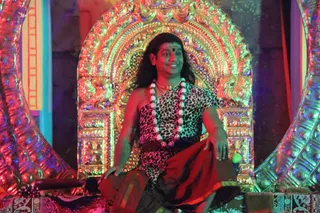
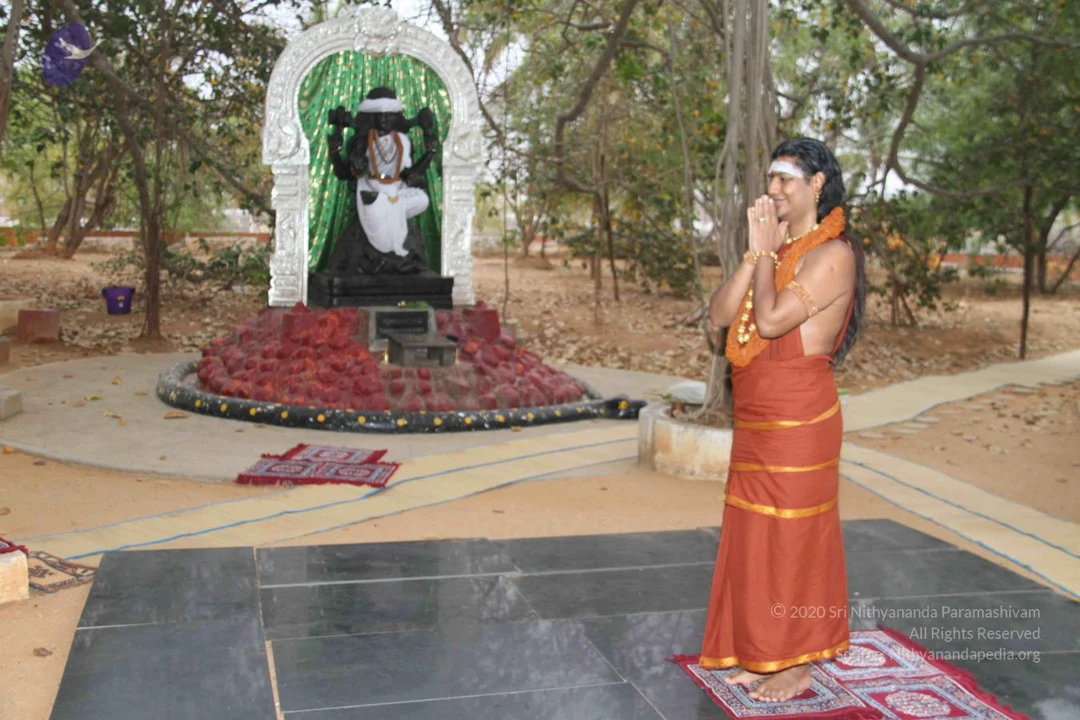
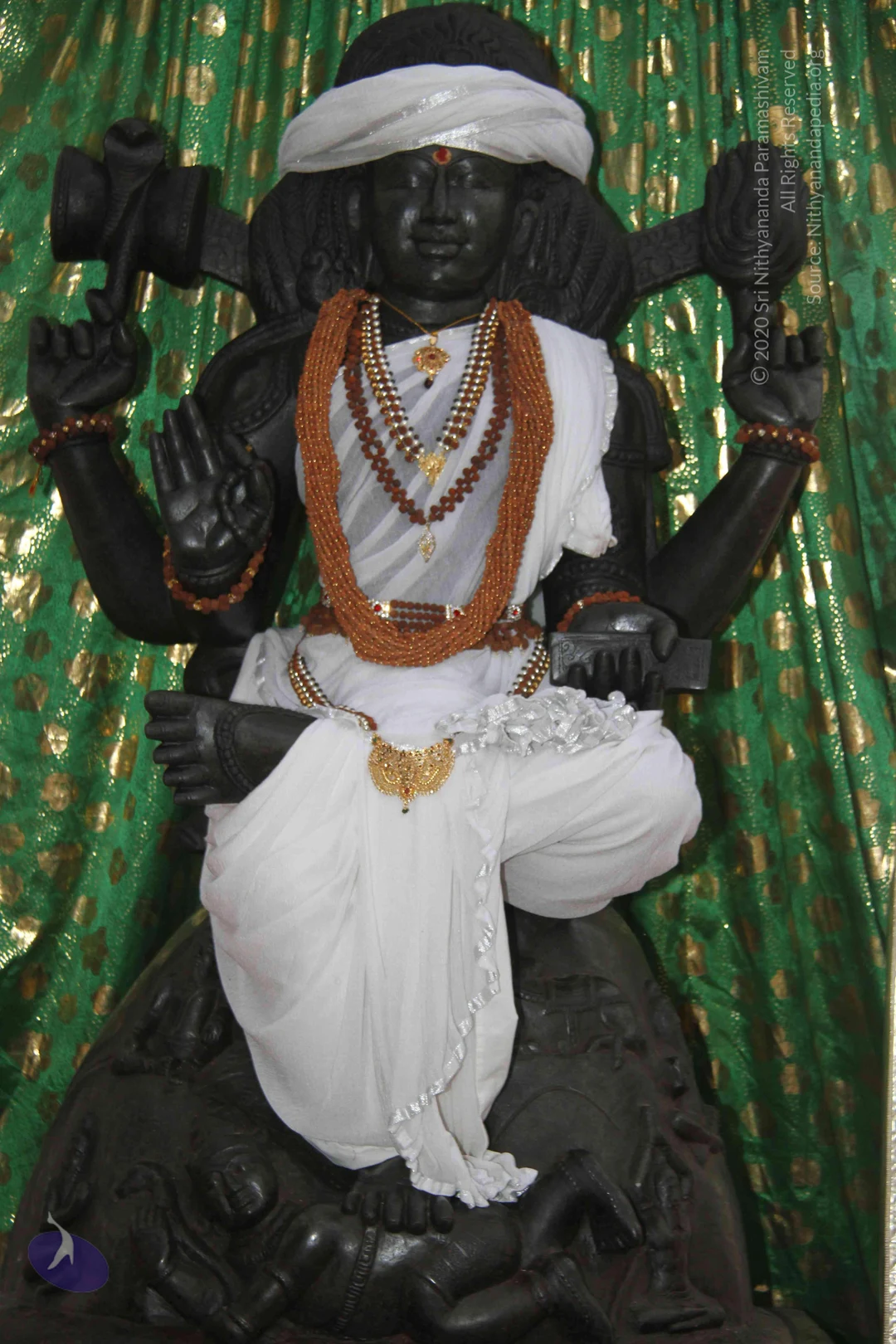
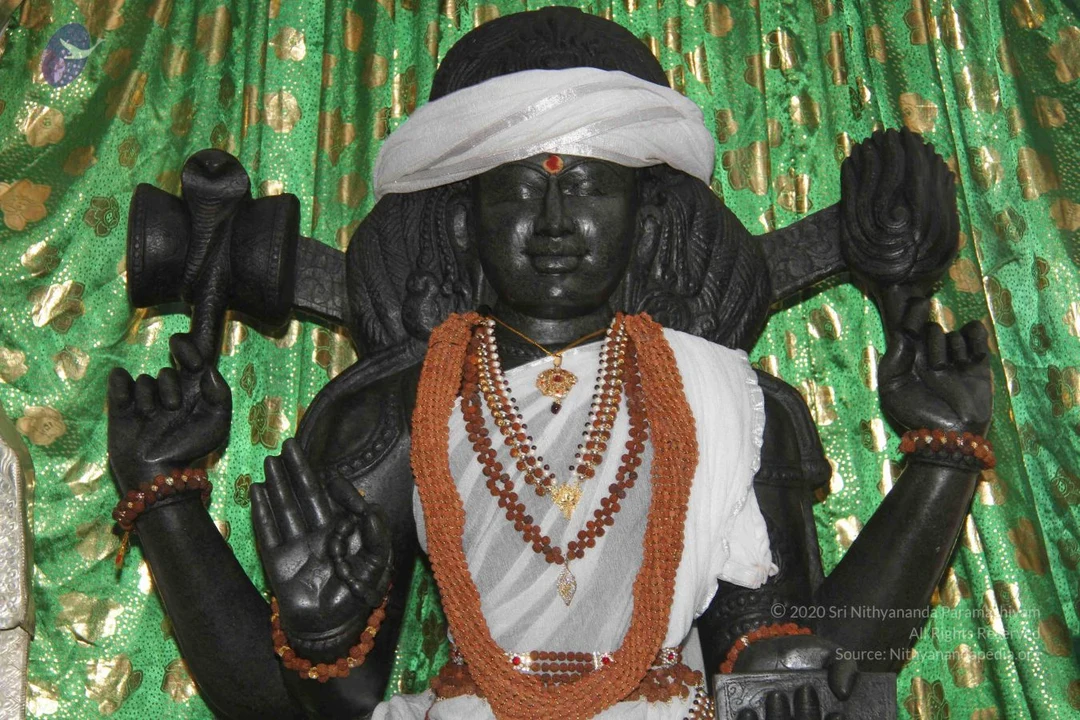
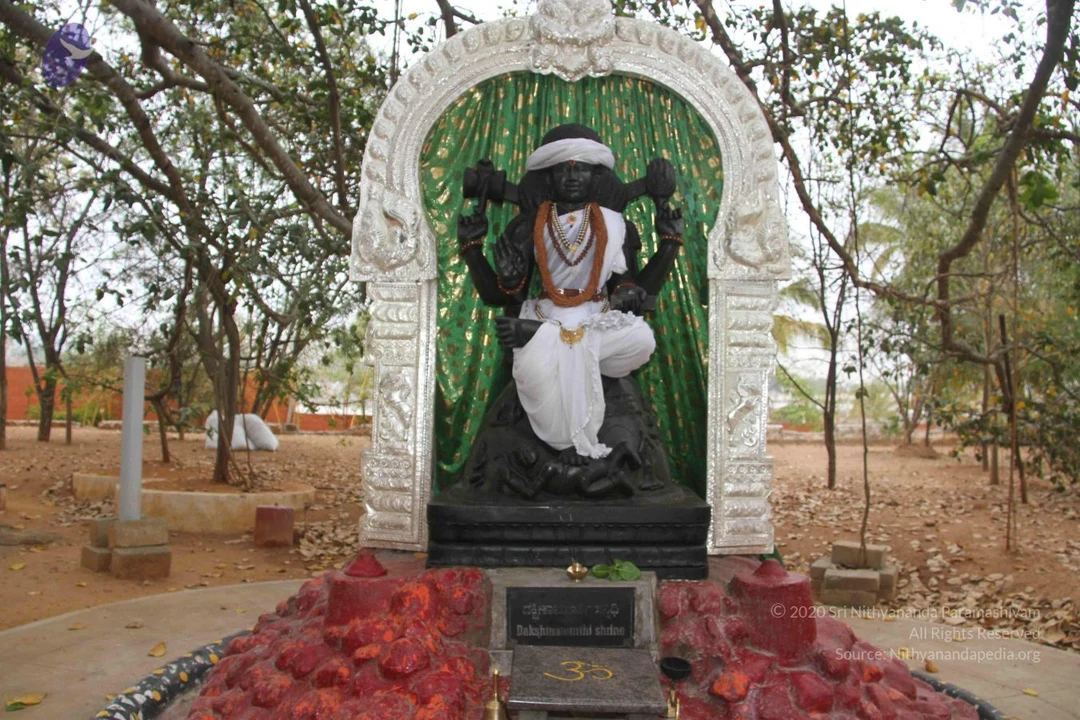
Re-aligning yourself to integrity. And the beauty is here, you will see and hear the miracles happening by integrity and authenticity. Yesterday one of our ashram department was stuck without having a breakthrough. They are stuck, they do not know how to proceed further in their activities. After KalaBhairava darshan, I went with that same costume to that department. All I said is, I am leaving my padukas here, with integrity I said, ‘let you have a breakthrough and complete your target. In one hour they completed. Whole day they were sitting. When you see all these with your eyes, only then you will understand the power of integrity, power of authenticity. This is.. Please listen whatever is happening, is power of dhamma.
Buddha is a man who has aligned with dhamma. Sangha is group of people who are aligning with dhamma. But dhamma is center, dharma is the center. It is the power of dharma. Once in a while, you have to retreat from the regular activities and align yourself to integrity, authenticity, responsibility and enriching. Aligning yourself to these great spiritual truths, dharma; just by completion you will learn so much of conscious thinking, positive thinking. Once in a while, once in two months, come spend time with KalaBhairava, sit with Him, talk to Him and complete all the incompletions. Restore your integrity, restore your authenticity, restore your responsibility, restore your enriching consciousness. Go with a strength. Just by completion, you will learn so much of conscious thinking.
Keval purnatva dwara aap sachet soch sikhenge, sakaaratamak soch sikhenge, aap apke bithar aur baahar shabd jo kehte hein, uske bare mein sachet hona hoga. Phir aap apke aatmaglani chod denge jo lagaataar aapko nakaaratmak vichar bejhti hei.
20 -30 Min
When you clean your inner space with power of integrity you will realize all the contradictions, conflicts, confusions you carry is responsible for your whole life, for all your actions, all the reactions you attract from others, all the happenings of life. Dhyanse Suniye- All your actions and reactions you attract from others and the happenings of life, you are responsible. Integrity will teach you automatically responsibility. You will understand for everything happening in and around you, andar aur baahar, everything happening, you are responsible.
Integrity is the first lesson. Integrity is the first lesson of spiritual life. Dhyanse Suniye – Integrity is not just a simple vow, simple word, simple thing, integrity is all about ironing out your thinking, aligning your thinking. If you bring integrity to your inner space, you will realize even accidents are attracted by you. You are attracting accidents in your life. Everything, everything you attract, you attract, you attract whether it is wealth or poverty; right or wrong; everything you attract in your life. You are responsible for your life. When you start living integrity suddenly you will see so many truths are revealed to you; so many understandings happened to you; so many alignments will happen in you. As and now, your mind is like a zigzag puzzle tied in the gunny bag. Integrity will align all those zigzag puzzles and make it a proper drawing. When you bring integrity, you bring dance to your inner being. Dance brings certain rhythm to your body. Integrity brings the same alignment to your thinking. The grace of Bharata is brought to your thinking by integrity.
Jab aap Sampoorti ki Shakti dwara aapke andar spashtataa laate hai to aap samazte hai ki aapke andar sabhi sangharsh aur bhram hi aapke har karya ke liye jimmedaar hai. Oos karya ke prati doosaron ki pratikriya ke liye jimmedaar hai; aapke jeevan ki sabhi ghatanaaon ke liye jimmedaar hai.
Mere paas prashna aayaa hai – Poorna karane ki prakriya kyaa hai?
Ees prashna ka samaadhaan hai – Poorna karane ki prakriya arthaat poornatva kriya ke do bhaag hai. Pahala bhaag hai – Aap swayam ke saath poornatva kriya kare jise ham Swapoornatva kriya kahate hai. Swapoornatva kriya ke prakriyaame aap ko pahale apne jeevan ke sangharsh ko dhyan se parakh kar dekhanaa hogaa. Pahale aap ko apne har sangharsh me aap me antarik sthiti ko samazna hogaa. Apane andar honewale nakaaraatmak bhaavanaaon ko pahale aap ko pahachaan naa hoga. Oos ke baad aap apni beeti hui jeevan ki har ghatanaa ko smaran karanaa hogaa jahan aapme aiseehi nakaaraatmak bhaavanaaonko mehsoos kiya hai tab aap ko aaine ke saamne baithna hogaa, ees samazse ki aaine ke andar aap ka adhoori evam apoorna bhaag hai; aaineke baahar aapka poorna bhaag hai . Tab aaine ke andar oos har ghatannako punah laayiye aur oose punah jeene ka abhyaas kijiye. Aaine ke baahar jo aapkaa poorna bhaag hai ooska upayog kar ke aaine ke andar jo aap ka apoorna bhaag hai oos ko poorna kijiye . Yah swapoornatva kriya ko aap apne har nakaaraatmak vichaar dhaaraa evam anubhav ke saath baar baar kijiye. This is swapoorntva kriya.
Sri Ramakrishna Mahadev lagaataar shifaarish karate hai, Ramakrishna ek Poornaavtaar hai, har vyakti ko 6 mahineme ek baar 2-3 dinonke liye apni niyamit gati vidhiyonse nivritti leni chahiye aur swayam ke aadarshonko pheerse sanghateet karanaa chaahiye. Mai mere Bhaarat bharke sabhi shishyonko shifarish karata hun ki agar aap Bhaarat me rahate hai, kam se kam 6 mahineme ek baar aap niyamit gati vidhiyonse nivritti lekar Bidadi aashram ko aayiye aur apne aap ko pheerse sanghateet kariye. Aap dekhenge, sampoorti aur shraddhaa ke dwara aapme ek nayi oorja jagrit hogi. Aap aajse hi swapoorntva kriya ka abhyaas aarambh kijiye. Thode dinon ke baad mai doosaron ke saath poornatva kriya ko bhi aapko sikhaoongaa. Pahale aap swayamse poornatva aarambh kijiye.
30:28
You have to start the completion with yourself, First. Please listen!
I am not giving you some spiritual principle which is some theory kept in some book, impractical. NO. NO. Direct practical life style. You need to have as life style. Start the completion with you. You will see so much of junk in you in coming out. You are becoming such powerful, clearance, clarity, the pure consciousness. You will see pratyakatma chaitanya jagrata happens in you. Inner Awakening happens in you.
Poorntava sithi ko apka jeevan shyali bana yiye. To aap tab dekenge. Aap ke andhar pratyakatma chaitanya jagrata hoga. Aap andhar pratyakatma chaitanya jagrata hoga. It is sooo difficult for ordinary human being to believe he can be in completion. I tell you, you can be in completion from my own experience
Mai aapko koyee avyavaharik siddhaaanta nahee sikhaa rahaa hoo jo keval koyee kitab may hai.
Mai aapko pratyaksh vyaavaharik jeevan-shailee sikhaa rahaa hoo.
Aapko issey apnee jeevan-shailee banaanee chaahiye.Mein aap ko siddanth nahi sikhaa rahaa hoon.
Completion can be your inner space.
Aam aadmi ko bahut katinahi hoti hai is siddanth ko maan ke jeena ki poornatva stithi mein rehana sambhav hai. But I tell you completion is possible. Poornatva sithi sambhav hai. Meri baat maaniye, Poornatva sithi sambhav hai. I tell you from my very experience Listen. Completion – being in the state of fulfillment is possible. It is possible. Integrity starts when you are in the state of completion. Then you will start honoring naturally every word you give it to others also.
Mein aap ki anubhav ke saath keha raha hoon, poornatva sithi mein rehana sambhav hai, sampoorthi ka sithi tabhi aaramb hoti hai jab aap poornatva sithi mein jeena lagte hai
When you complete continuously suddenly, you will know so much of inner space is available for you to create new things new happening, new incidents around you. You will start attracting new things.
Sampoorthi tabi aarambh hoti hai jab poornatva sithi mein aur doosron ko diye huey vachan ka bhi samman karna aarambh karte hai.
Integrity is such an important value in life. Dhamma in life. It directly aligns you with the Dhamma of the universe. The dharma with which universe is functioning, dharma with which cosmos is functioning, dharma with which cosmic constitution and cosmic law is operating, you will be able to understand only when you bring yourself to Integrity . You will have answers for hundreds or thousands of questions which you have about life. Why so much of poverty and richness, why there is gap between have and have nots, why I am what I am? Why the creation is the way it is? Everything.. and everything you will have answer.
Swam Ko poornatavaki sithi mein laana prarambh kar diji ye. Aap dekhenge aap me se ek bad varuk vaar bada aajayega. Aap ek shakthi shaali spastha aur sukth chetana ka anubhav karenge, aap dekhenge svayam me pratyakatma chaitanya jagrit hote huey
Integrity is the first step, IA is happening to you. Integrity is the first step, LISTEN
You will realize the conflict-free, contradiction free, confusion free life style happening in you, the moment you bring Integrity.
Sampoorthi pehala kadam hai, jis mein aap mein ek naya jeev ka andhar jaagruthi hoti hai, jise aap bina sangarsh ke jeevan shaili ko anubhav kar sakte hai. Sampoorthi ki sithi pratam soupaan hai, pratyakatma chaitanya jagran ke liye.
Integrity with yourself, Integrity with yourself, is the first principle of cosmos. In cosmos, constitutional rights and the law both are one and the same. In the cosmos your rights and responsibility both are one and the same. They are not two different thing. Integrity is your right and responsibility.
(40:00) Mai aapko koyee avyavaharik siddhaaanta nahee sikhaa rahaa hoo jo keval koyee kitab may hai.
In the country’s constitutions every country there are some rights given to you through constitution and some laws controls you. In the Cosmos rights and responsibility both are one and the same. Please listen, in the constitution of the country sometime your rights are given to you through constitution. Your responsibilities are reminded to you through laws. But in the Cosmos your right and responsibility both are one and the same. Vidhi nishedha both are one and the same. In Cosmic constitution integrity is the first declaration. It is your birthright and responsibility both.
(41:25) Kripaya suniye sampoorthi apka jannam sidh athikar aivam uharthayithva dono hai. Sampoorthi me rehnekeliye pehale apko svayam ke sath poornathva sthithi me rahana hoga swayam ke sath poornathva kriya jiseham swapoornathva kriya kehethehe ushka vidhividhan hamari website hai aap vaha us say shikiye aur aaj se aram kare hardhin uska abyaas kijiye hamara website ka patha sampoorthi aap TV screen pe hey apke TV screen pe hye sampoorthi jeevan ka mahartvpoorna mulya hey ko seethe brahmandke dharmke sath sanrekekarthi hai sampoorthi apko seethe jagath ke dharm ke saath sunrekeeth karte hey aap brahmaand ka samvidhaan kaise kaam karta hey tabhi samaj sakthe hein jub aap sampoorthi ke saath aapna jeevan jeene lagthe hey sampoorthi brahmaand ka pratham kaanoon hey. Brahmaand ke aapka adhikaar aur aapka zimmedaari dono yeek hee hey kaanoon aur samvidhaan ek hee hey
(43:30) First right you are given by the Cosmic constitution, first responsibility you are asked to follow by the Cosmic law, both are integrity. Bring integrity. When you align the words you give it to you, you will become so conscious, aware of what you are thinking every moment. Automatically all the awareness meditation techniques, self remembrance techniques vipasana meditation everything will happen just by integrity. Ramana Maharishis’s atma vichara, Buddha’s vipasana, Ramakrishna’s atmasamarpana, everything will happen just if you bring integrity to your inner space. The breakthrough thinking will happen in you.
Pehele jeevan ka pehele pehla tatva sampoorthi key sampoorthi kaa paribhasha punah suniye sampoorthi ka artha hey aap svayam ko aur anya logo ko diye huyen vichaar aevam vaakya ko poorna Karen aur svayam aevam jeevan ke saath purntava sthithi ka anubhav Karen. Brahmaand ka samvidhaan jo pehala adhikaar detha hey brahmaand ka samvidhaan jo utthardayithva detha hey dono hee sampoorthi hey dono hee sampoorthi hey Brahmaand ka samvidhaan jo pehala adhikaar detha hey brahmaand ka samvidhaan jo utthardayithva detha hey dono hee sampoorthi hey
(46:03) Bring integrity to you in your inner space by doing swapoornathva kriya, completing with yourself. Completing and dropping all the negative patterns your created in you which you feel as part of you and create a complete you. Out of that complete you whatever you project to the outer world you will experience that without conflict because when there is no inner conflict there will not be outer conflict. Not having inner conflict and because of that not having outer conflict is advaita. That is suddha atvaita, Shiva advaita. Nithyananda samprathaya is basically Shiva advaita samprathaya, suddha atvaita samprathaya, Suddha Shiva advaita samprathaya, Vaitheeha sudha shiva advaita samprathaya. I can go on be adding..
Aj satsanghki aajki satsang ka saaransh hey sampoorthi ka sthithi pehala katham hey jiski aap aapke itchaa anusaar aapne vasthiviktha ko parivarthithi kar sakthe hey sampoorthi ke sthithi me rehane ke liye lagathar apne jeevan ke har parirsthithi me svayam ke sath poornatva lane ke liye prathidin svapoornatva kriya key jeeye is kriya ke bare me aap hamare website me jaankari praapth kar sakthe hey kal me sampoorthi evam vasthaviktha ka samband h ke bare me aur sukshma sathya ke bare mey karoongaMai aapko koyee avyavaharik siddhaaanta nahee sikhaa rahaa hoo jo keval koyee kitab may hai.
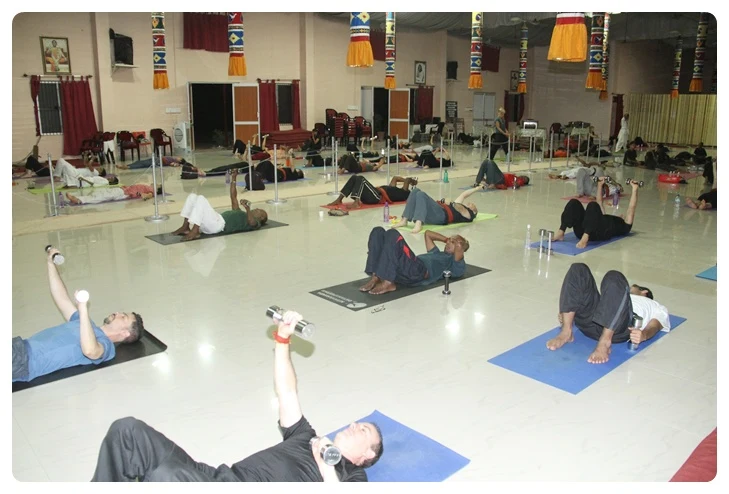
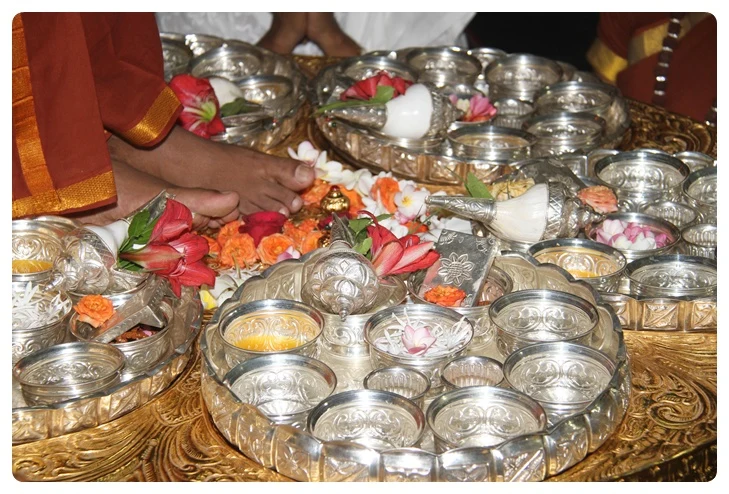
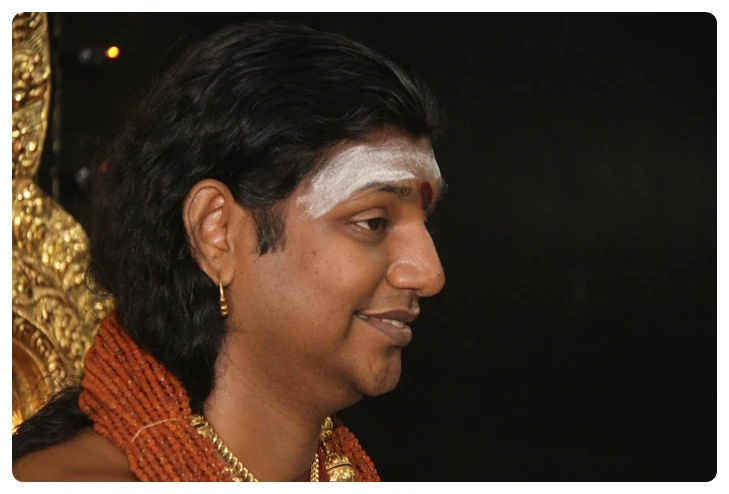
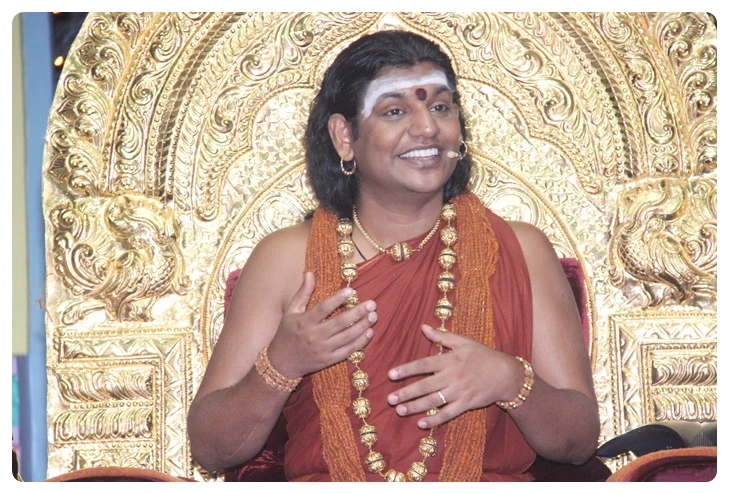
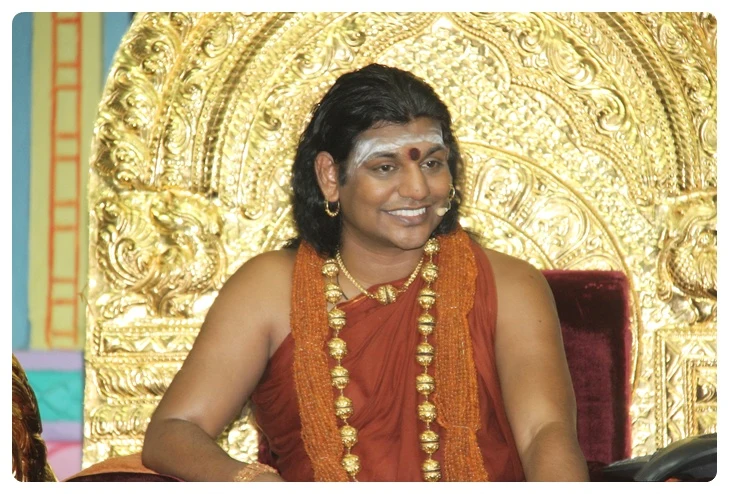
Photos From The Day:

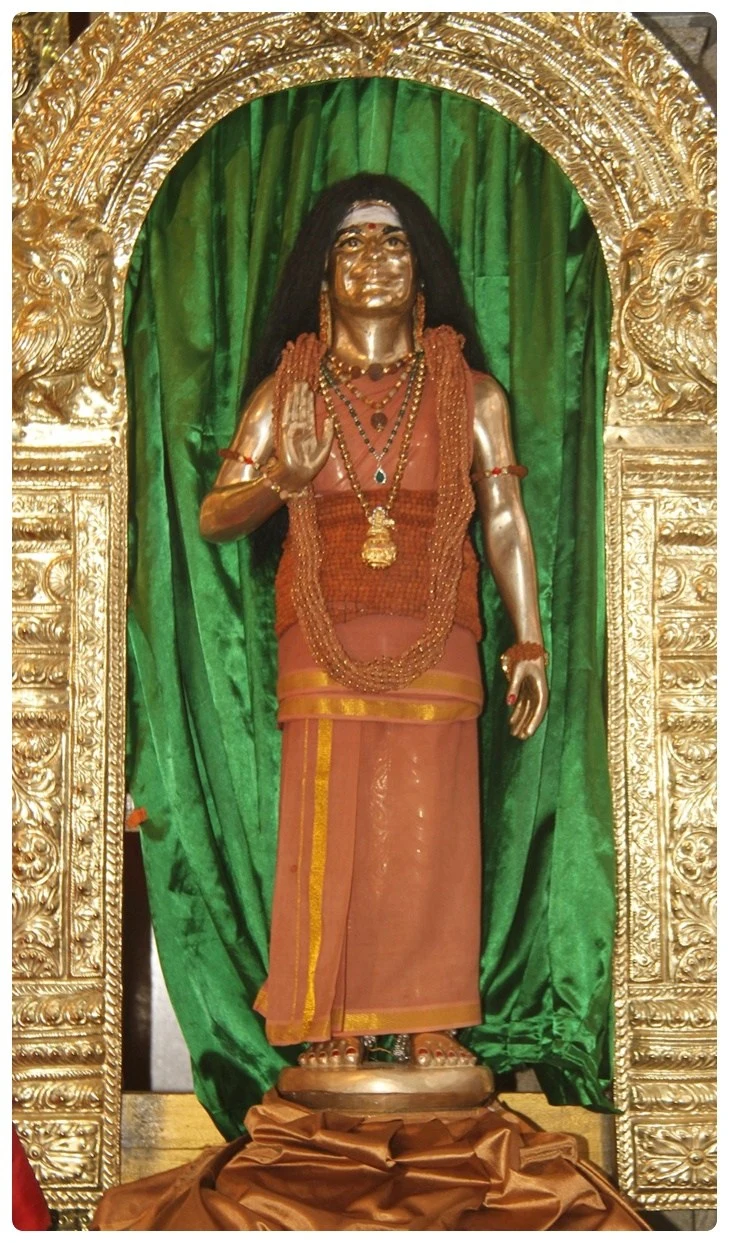
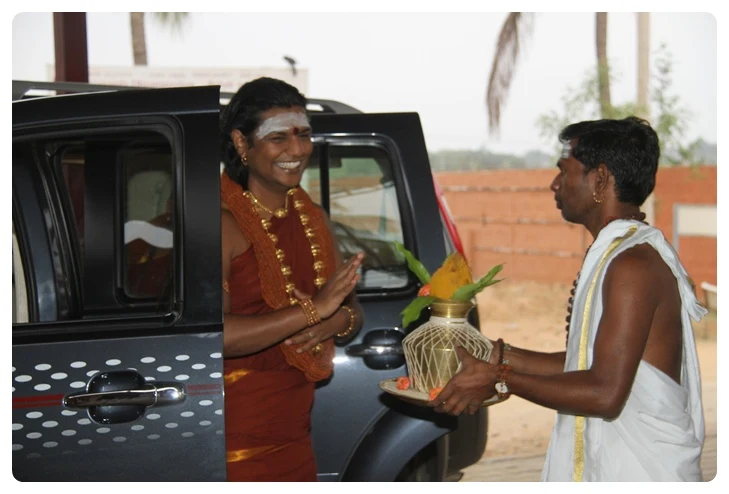
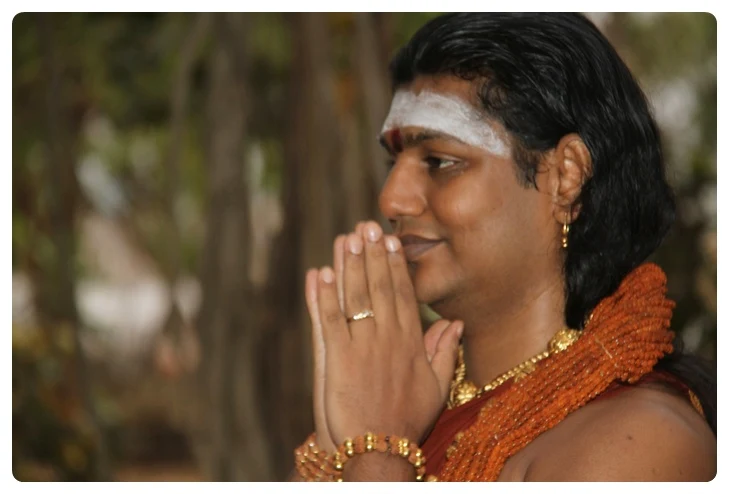
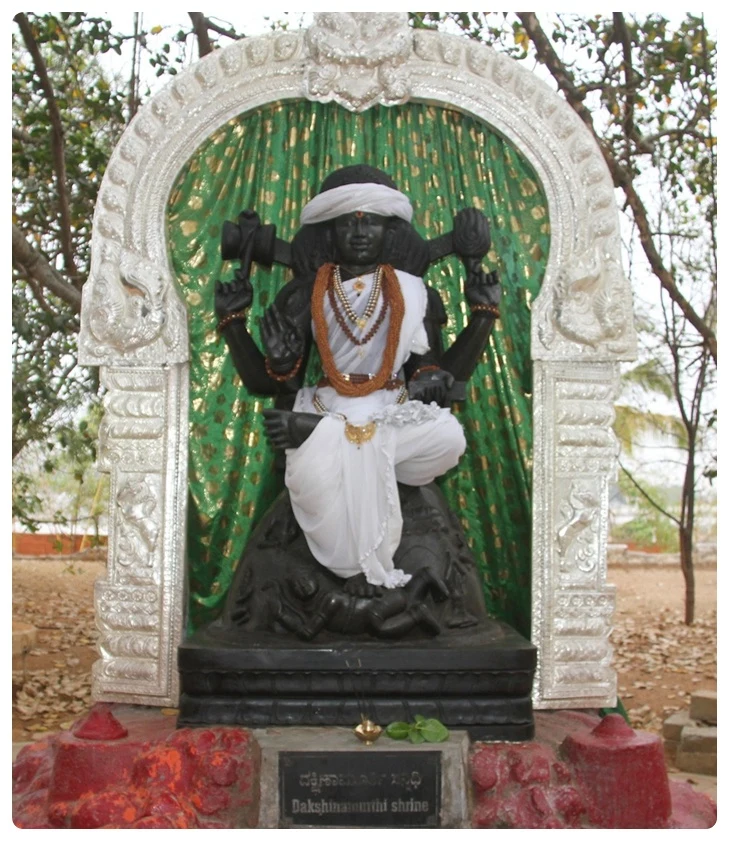
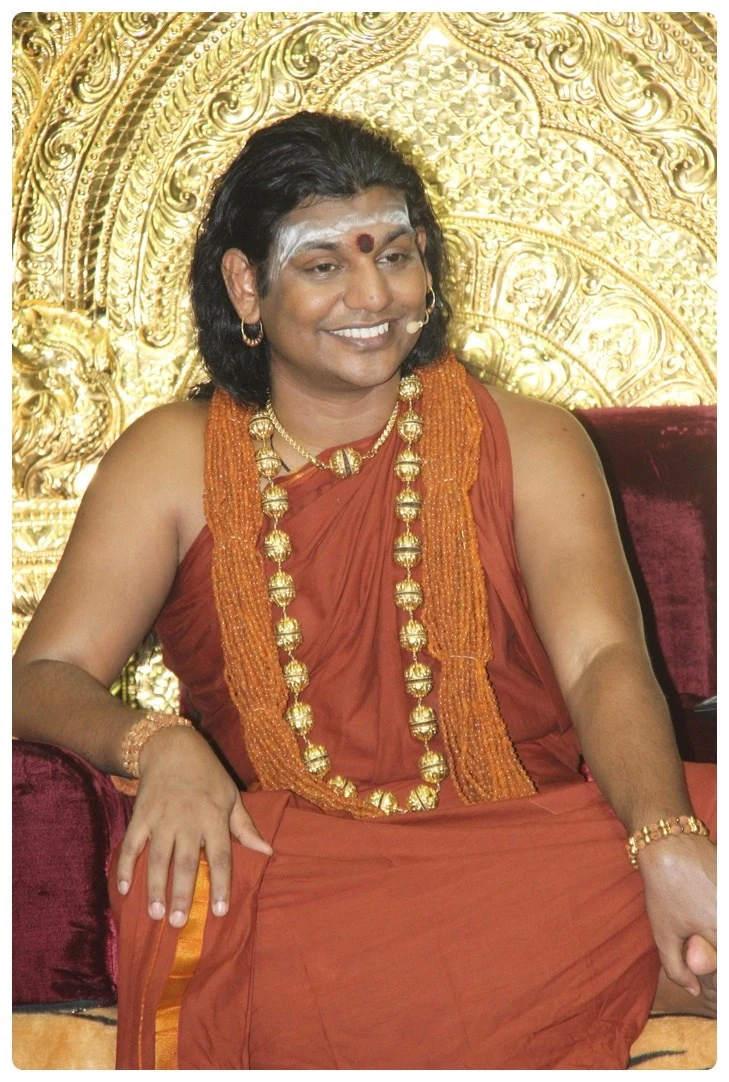
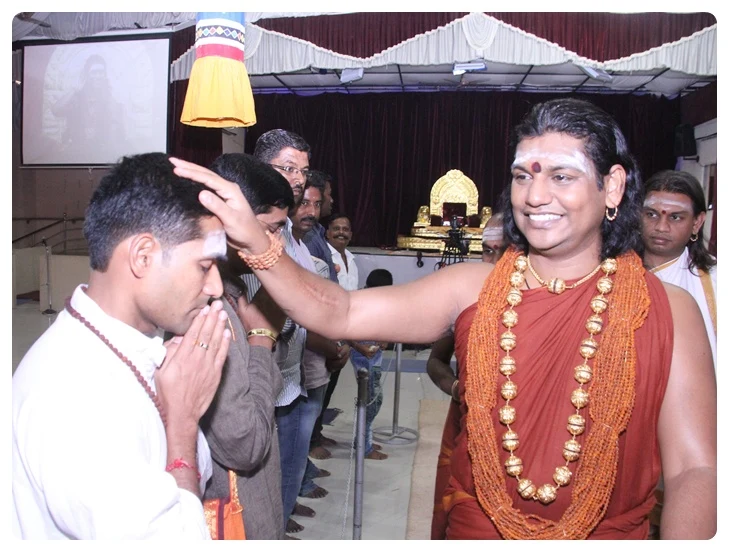
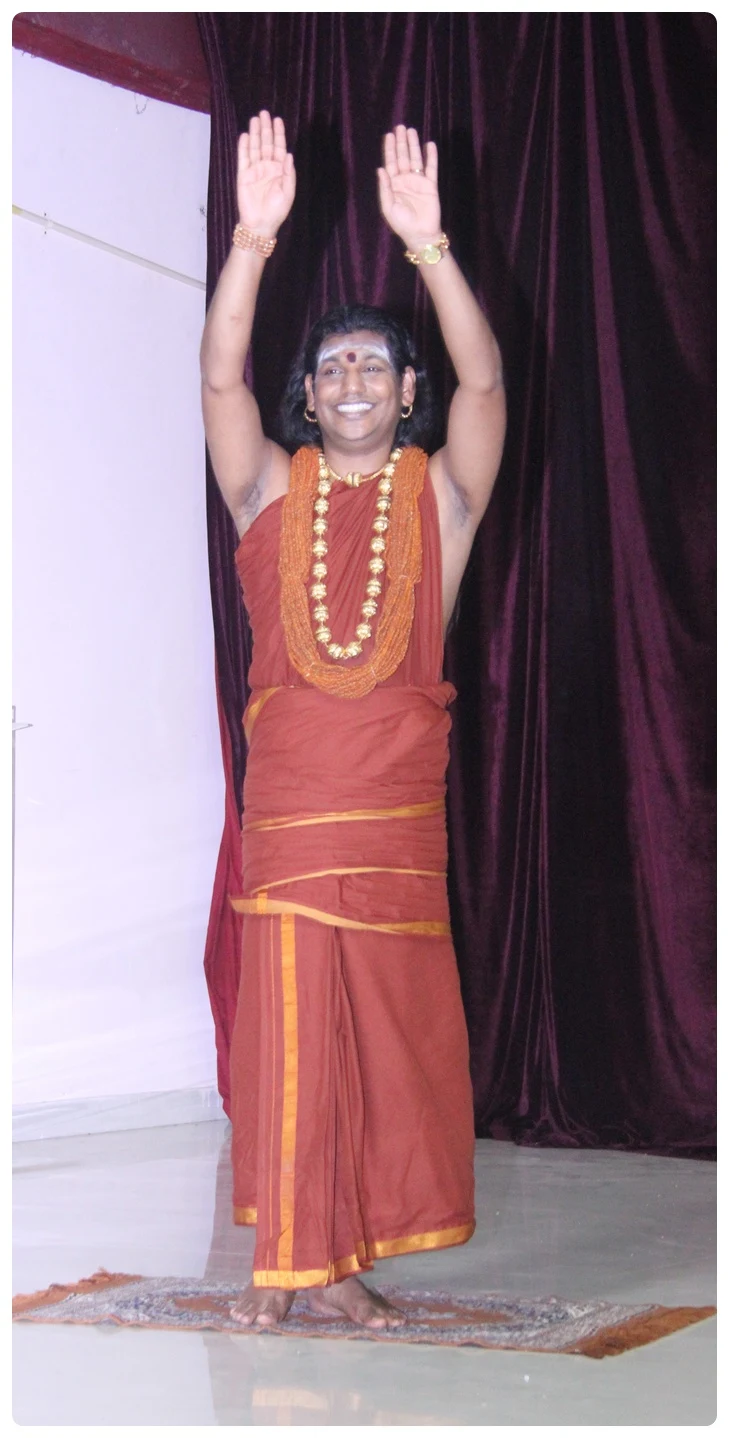
Tags:
Paramahamsa Nithyananda, dharma, integrity, childhood, promise, understand wish-fulfilling tree, reality, solution, conscious, negative, experience.
Photos Of The Day:
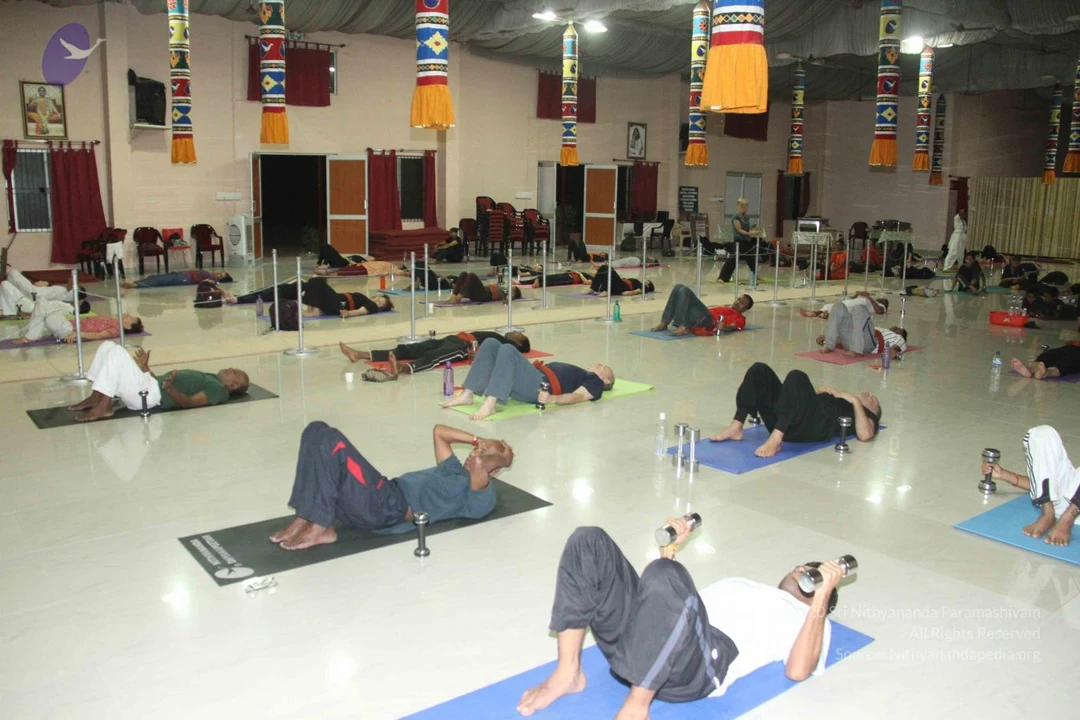
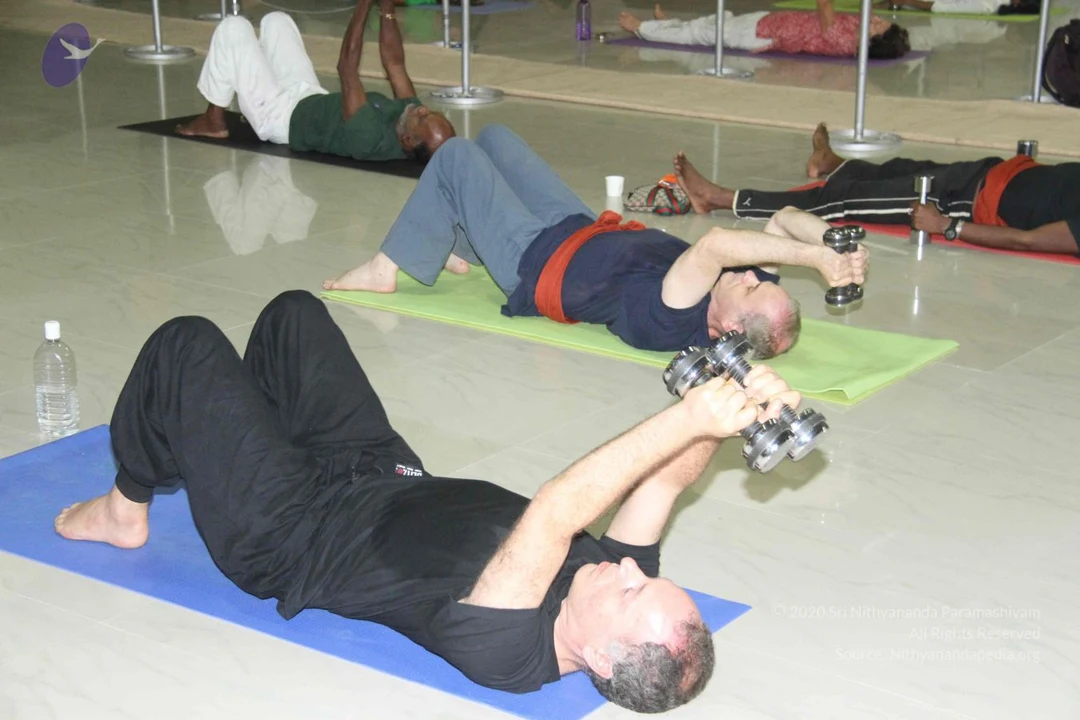
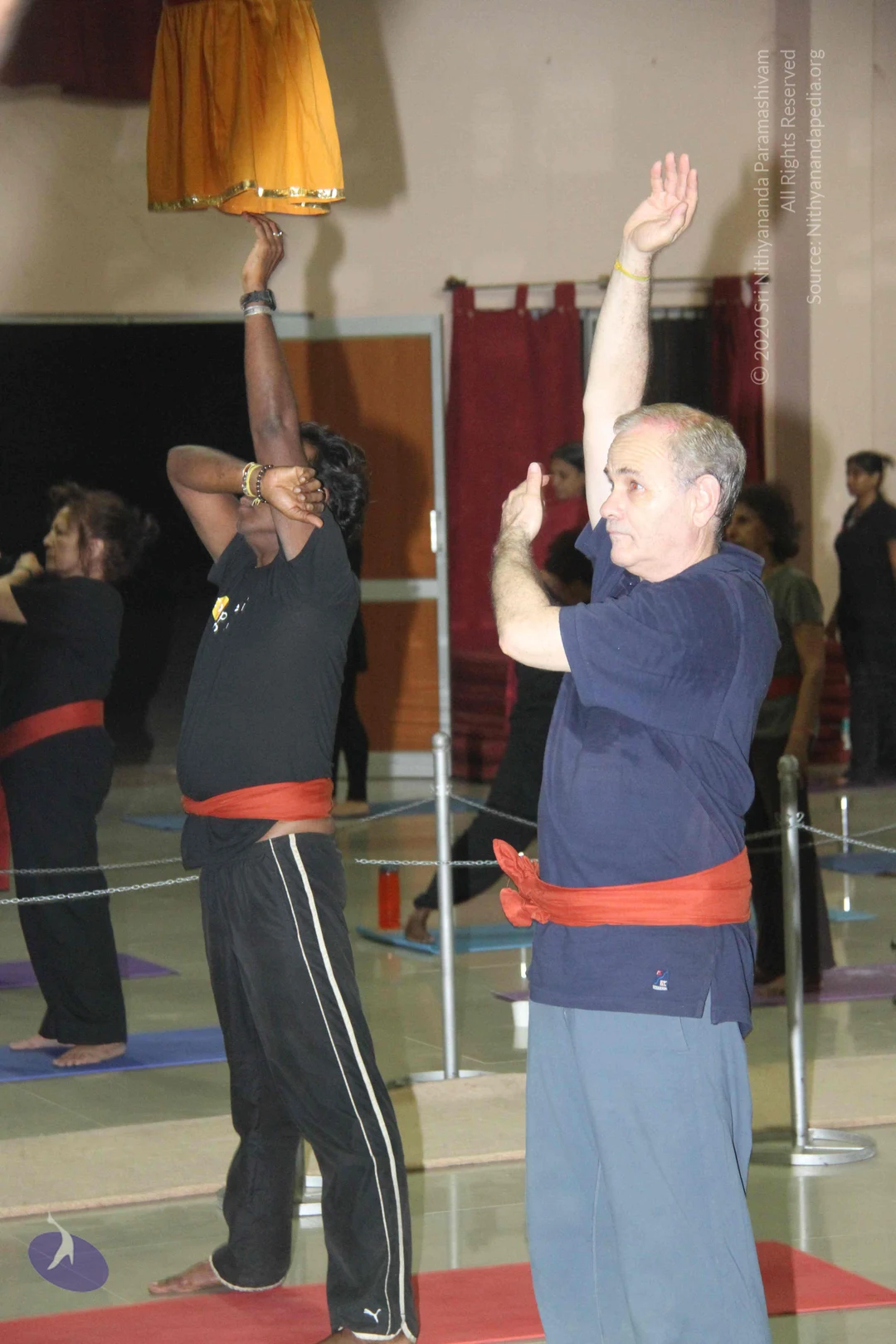
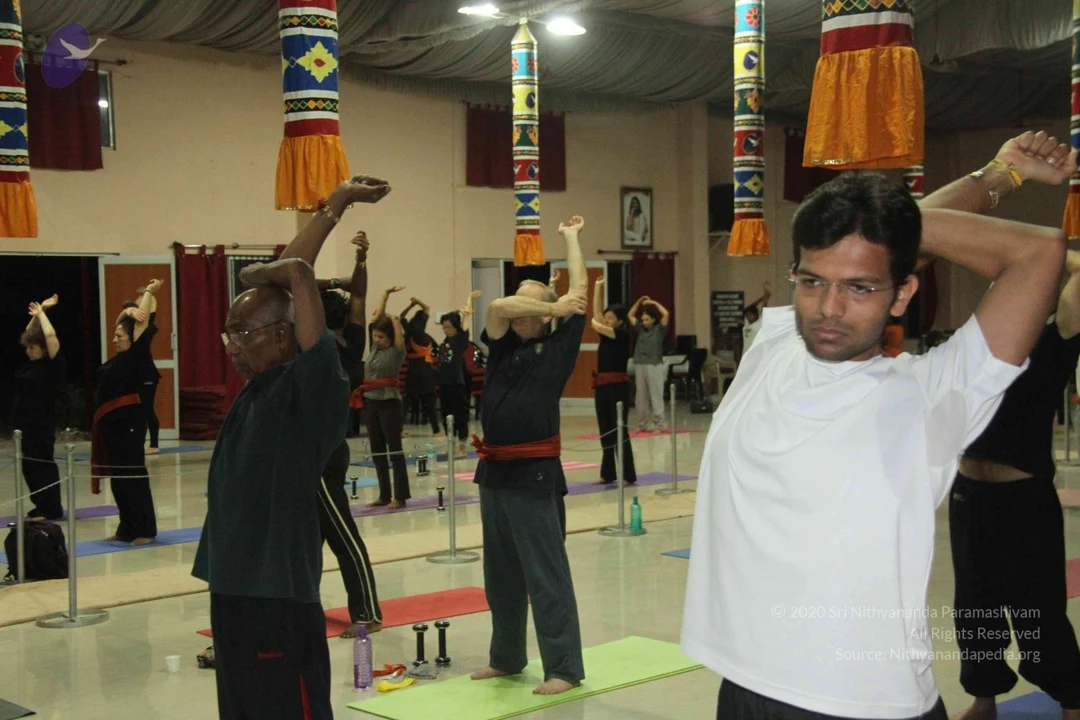
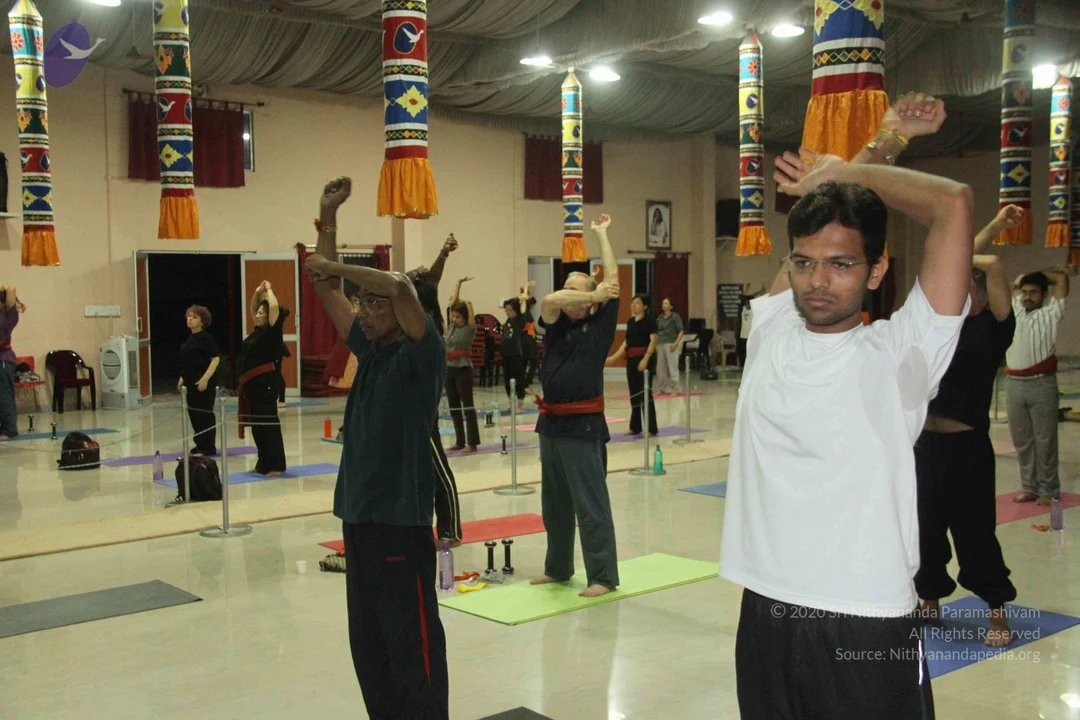
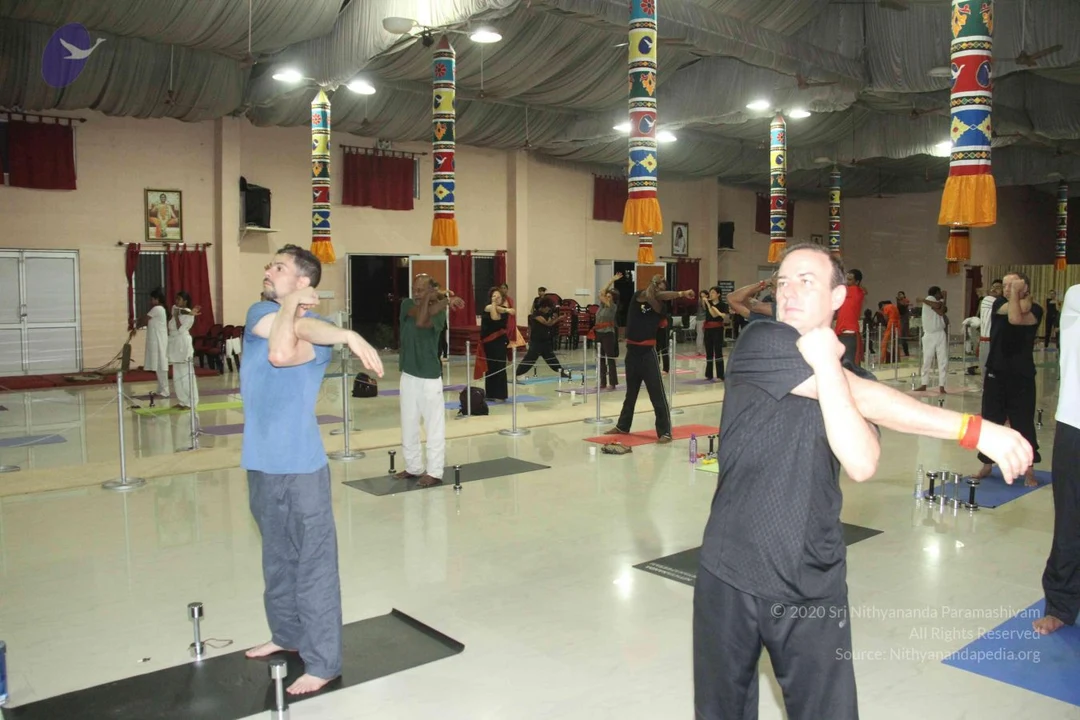
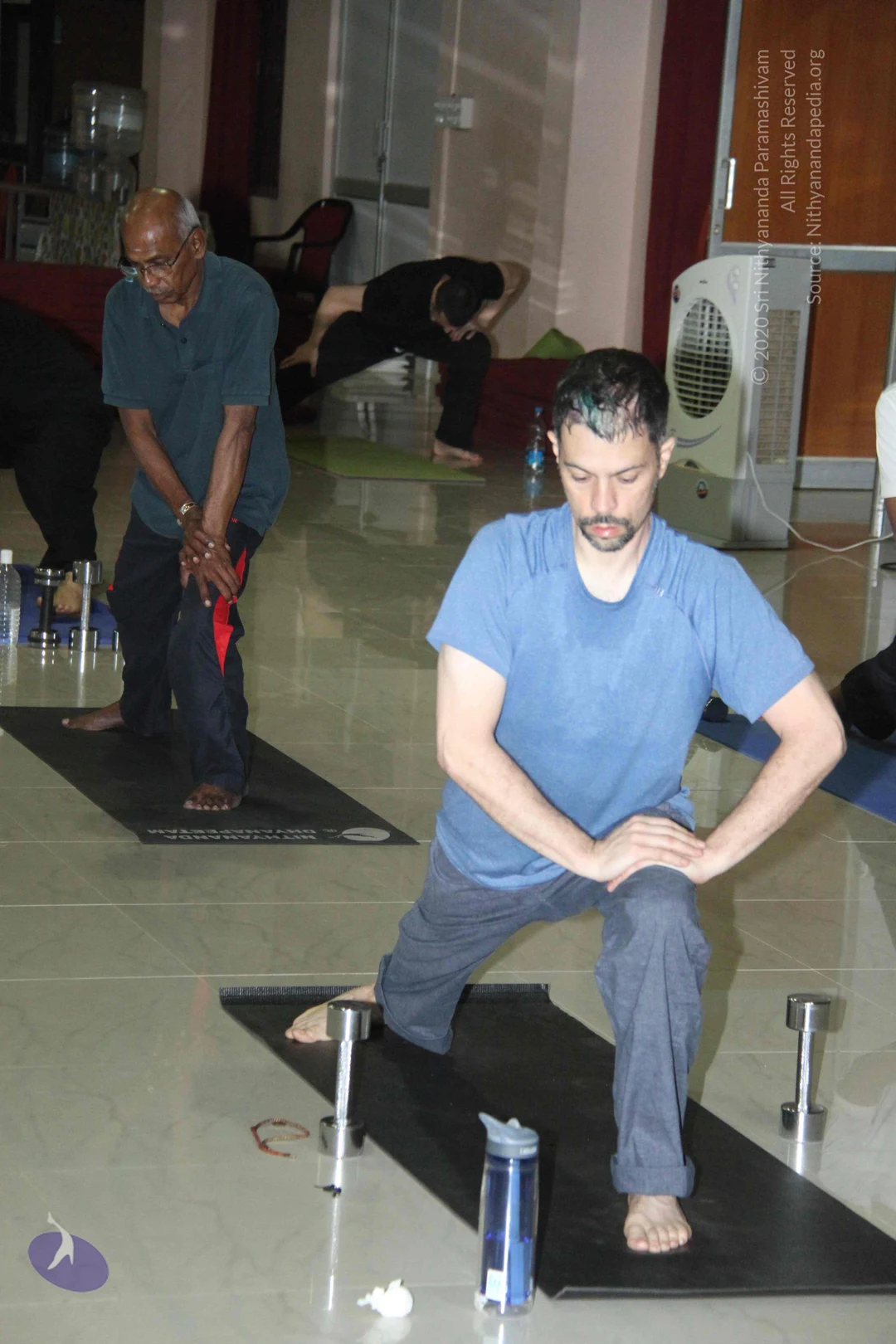
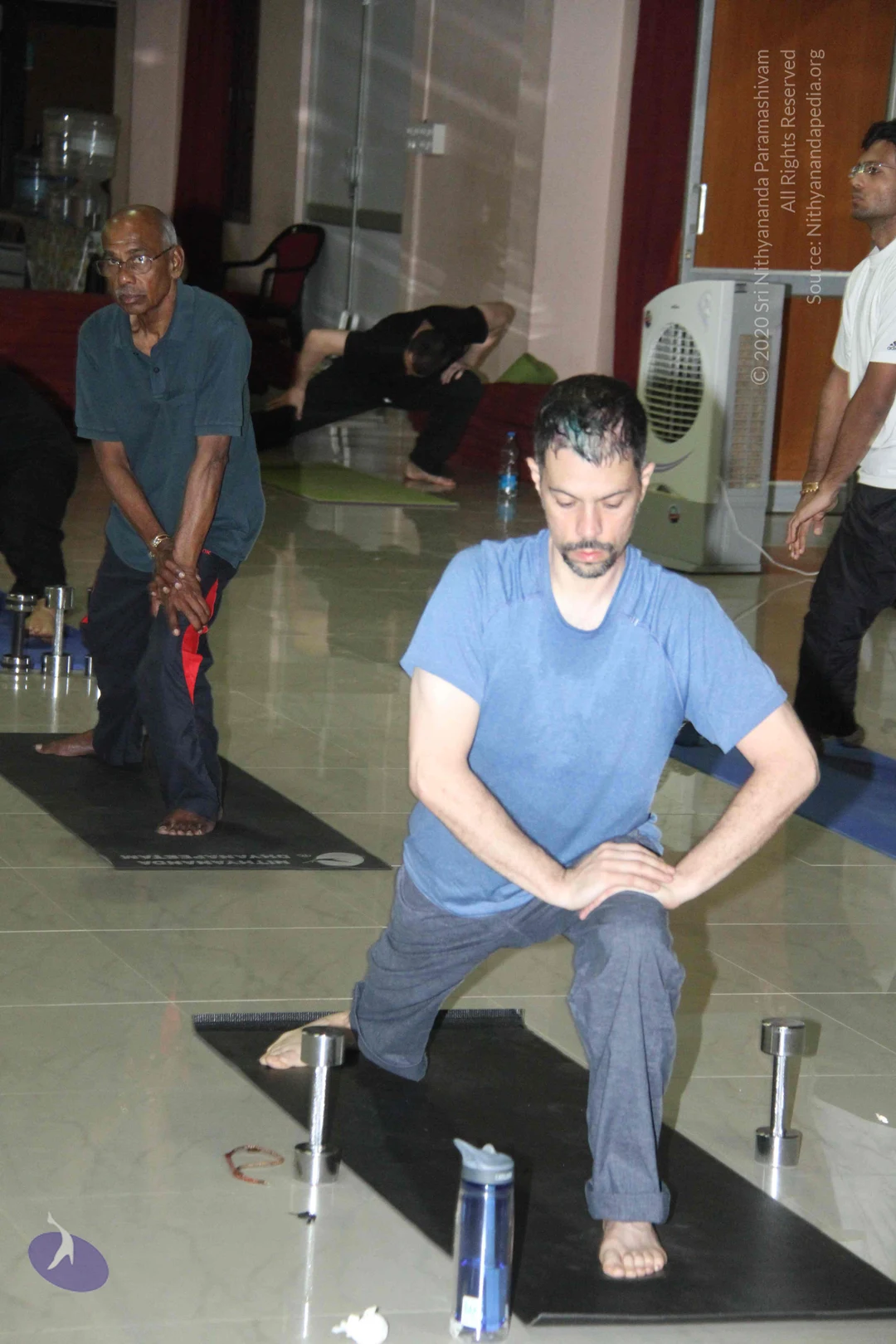
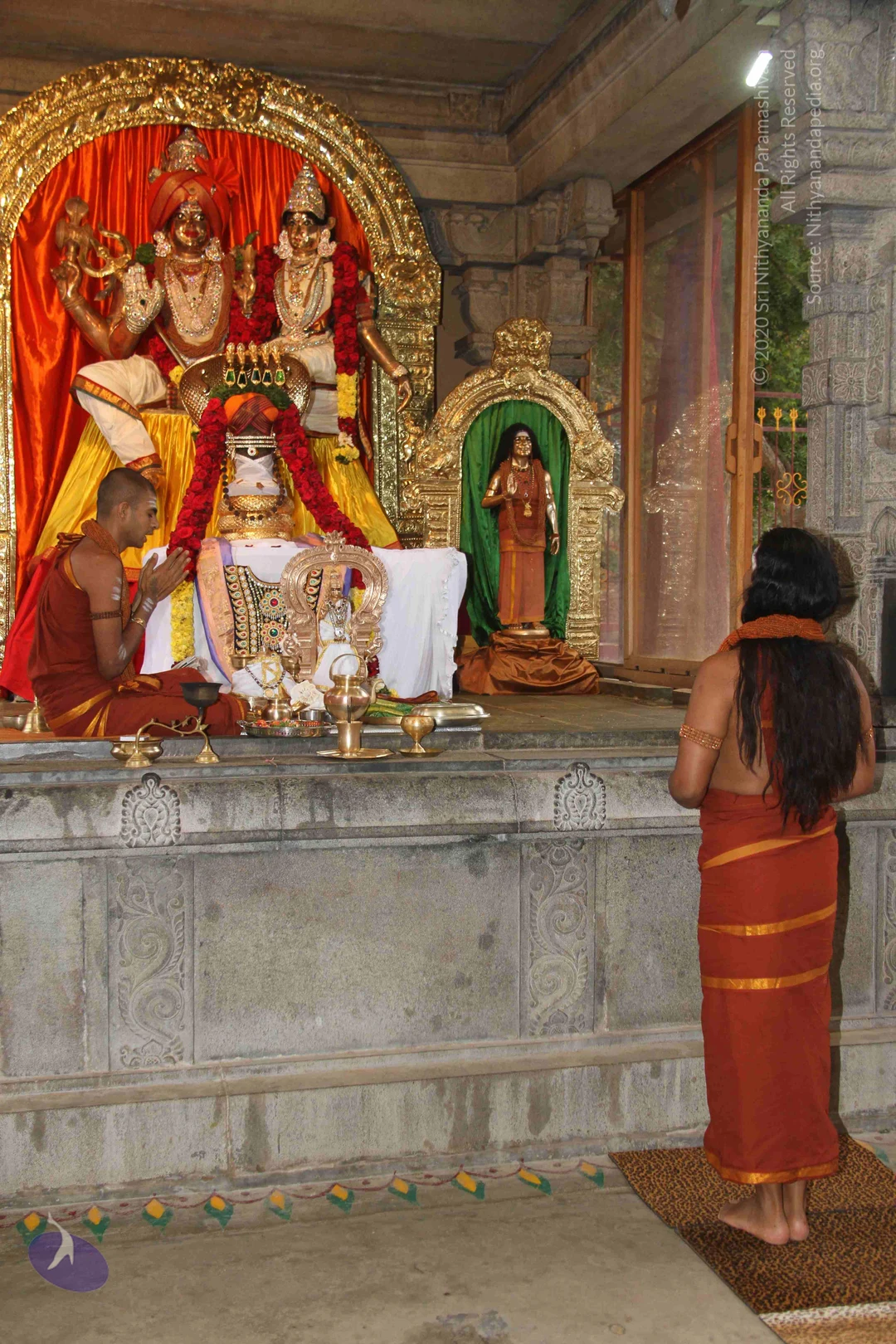
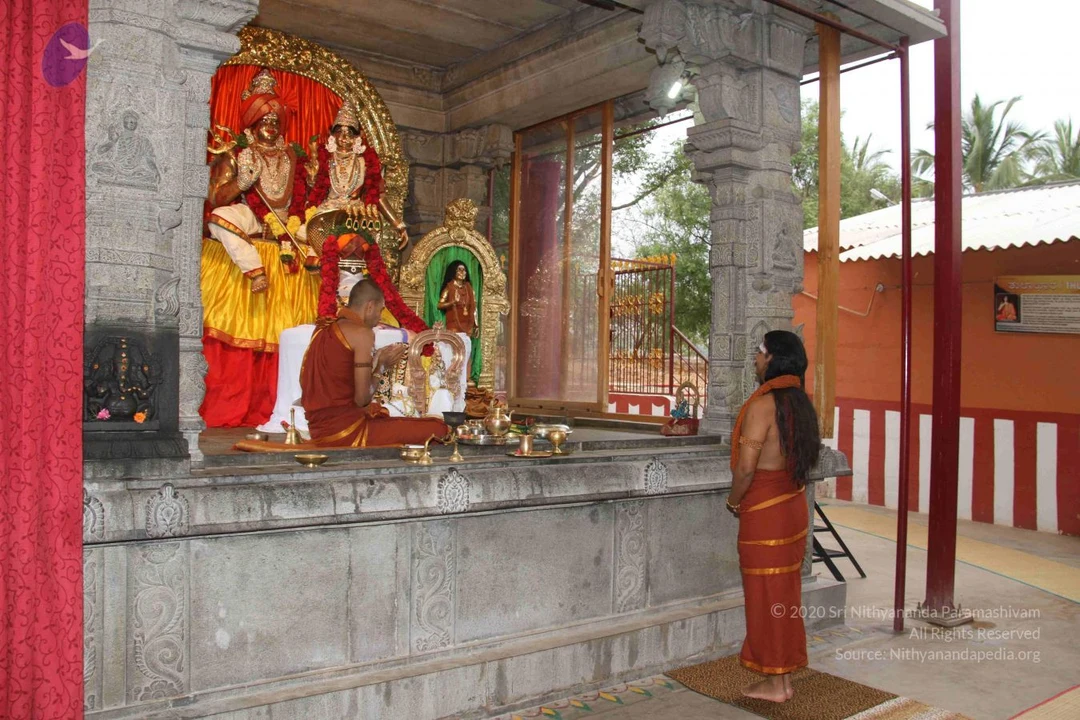
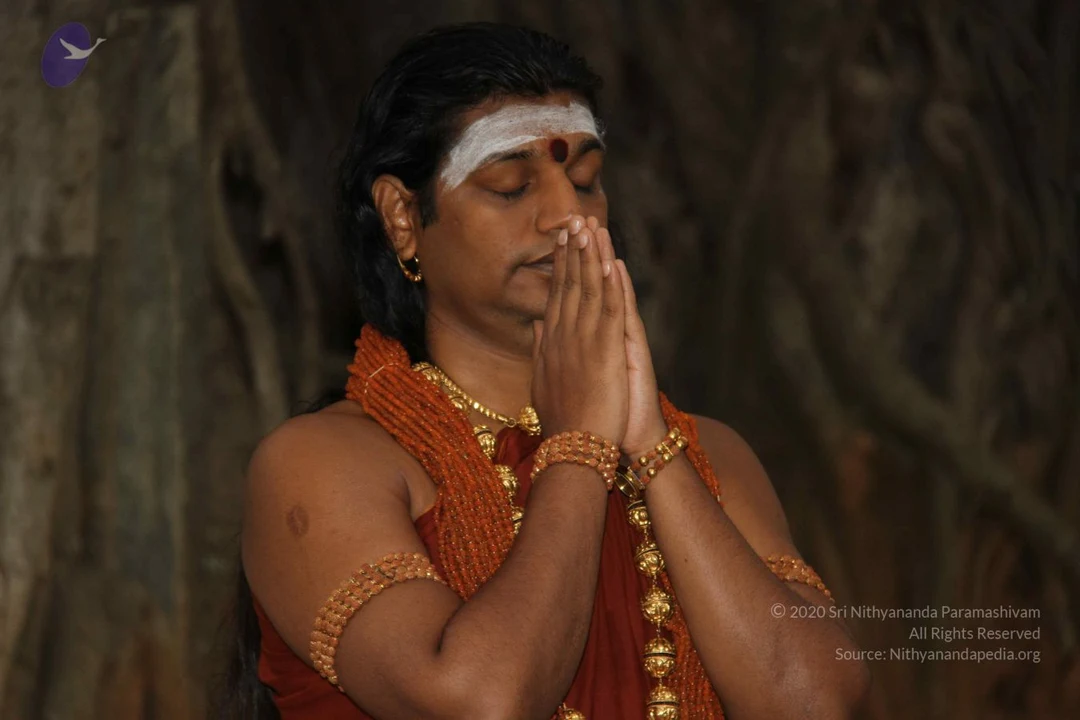
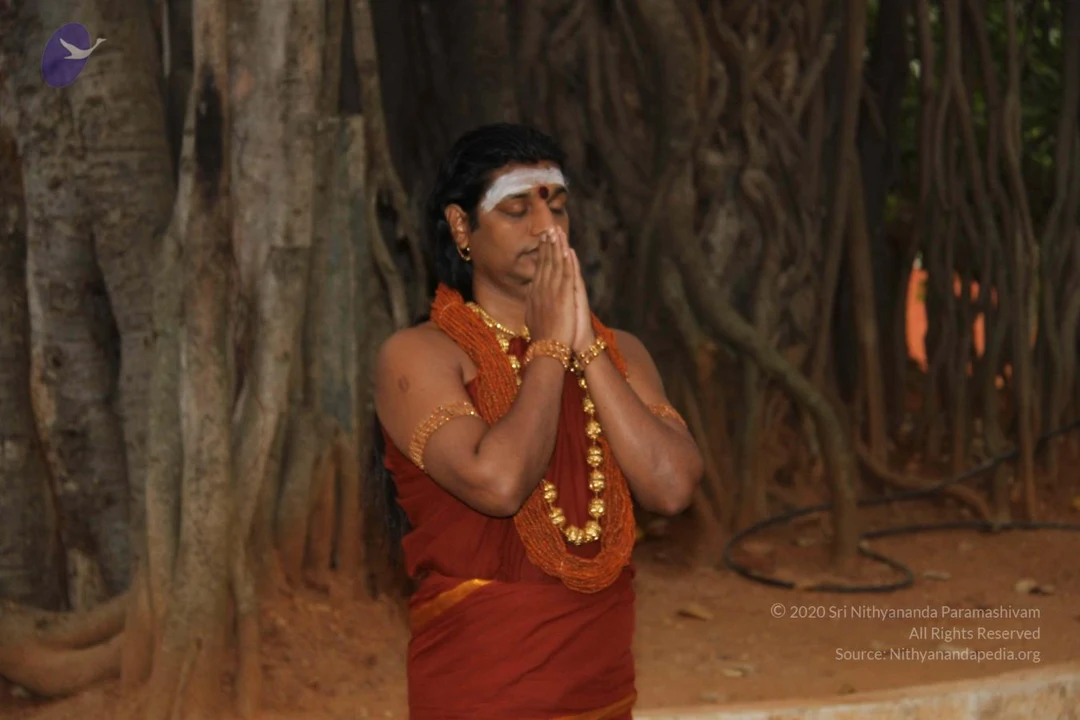
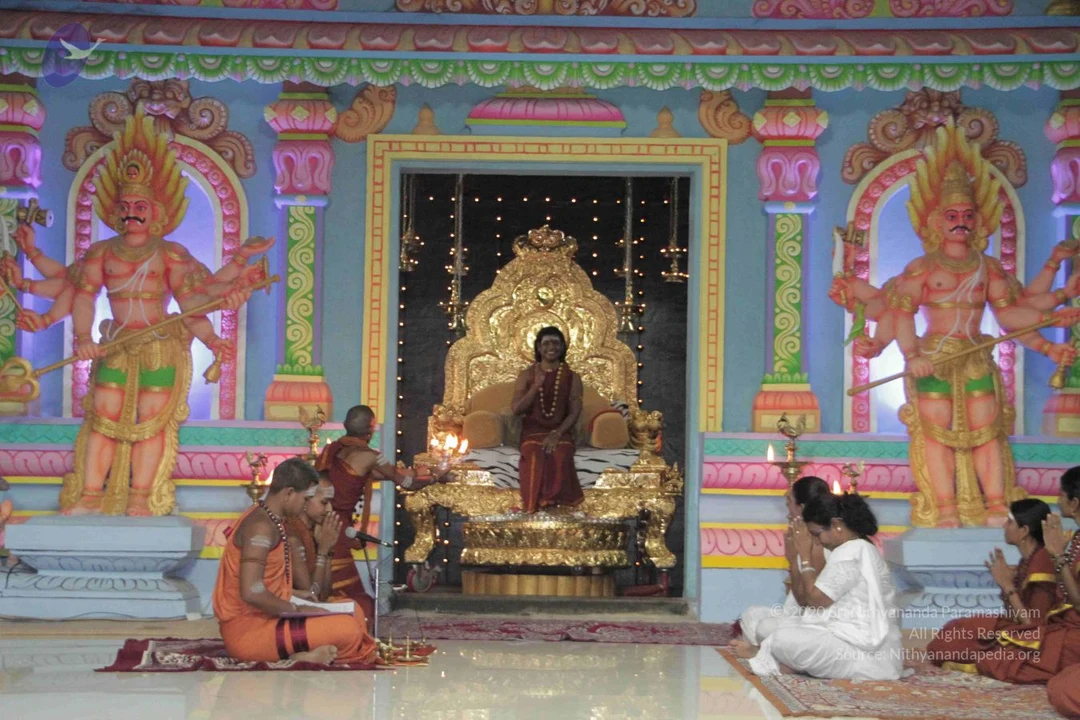
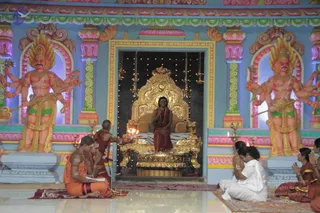
Yoga-session-and-Swami-in-Temple
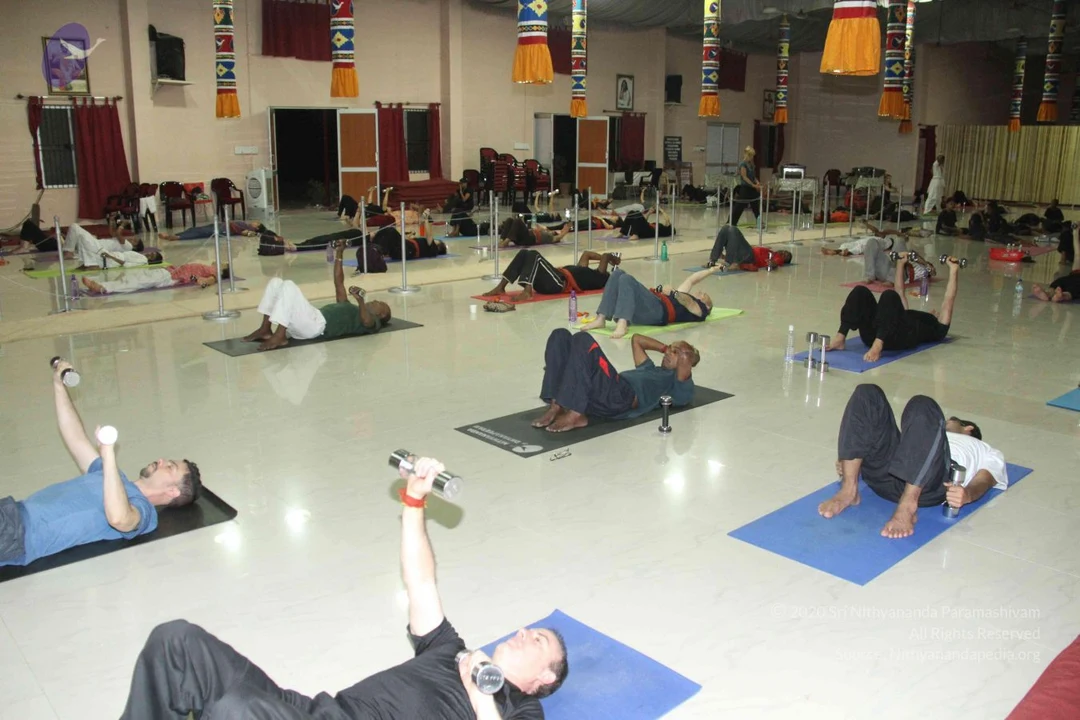





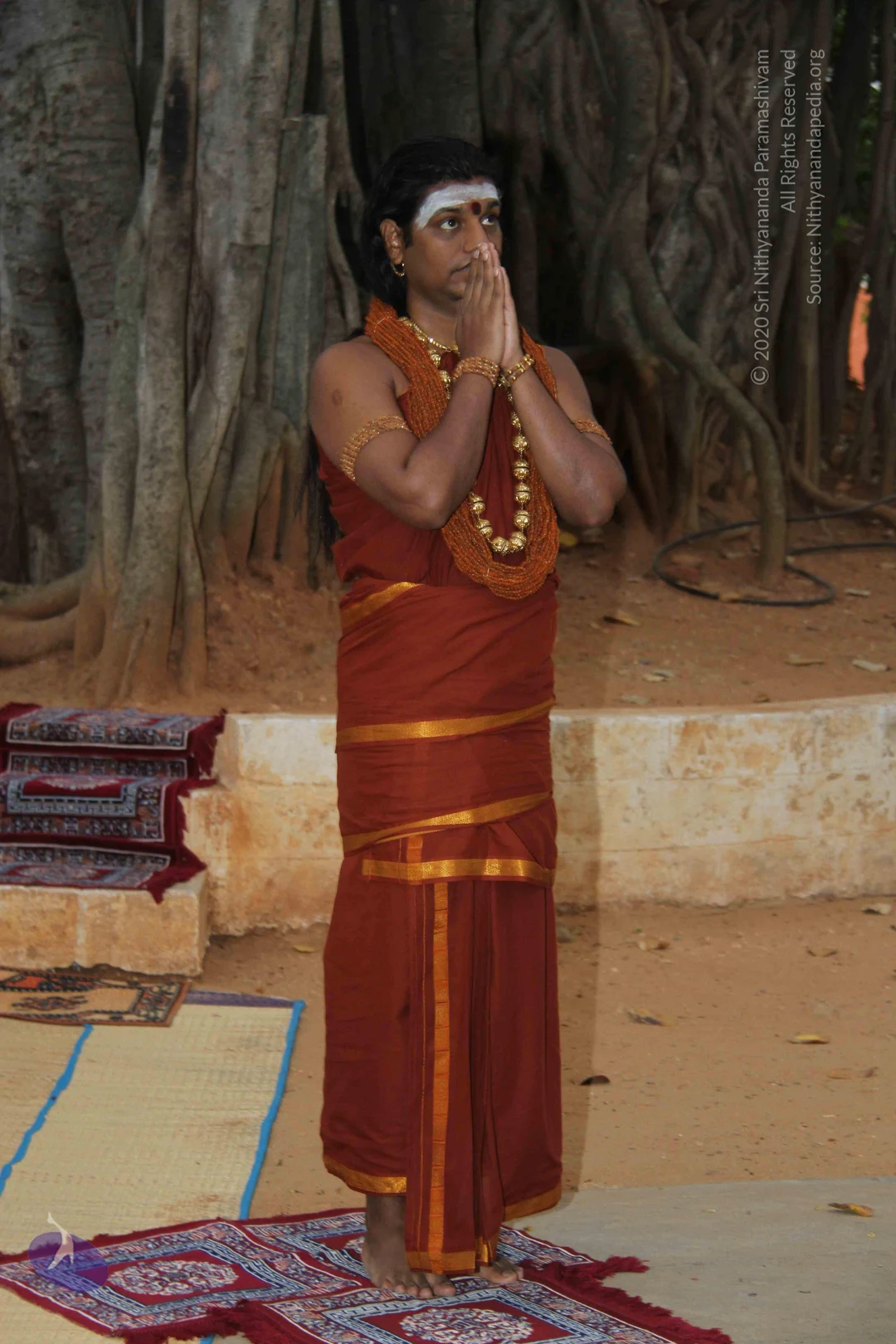
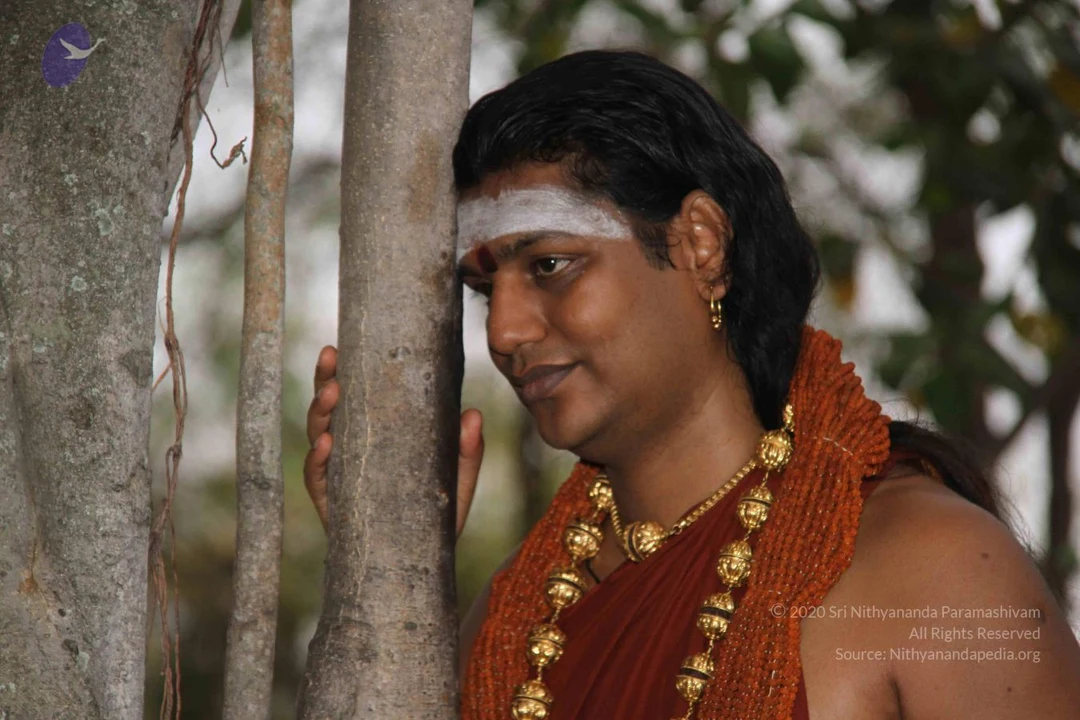
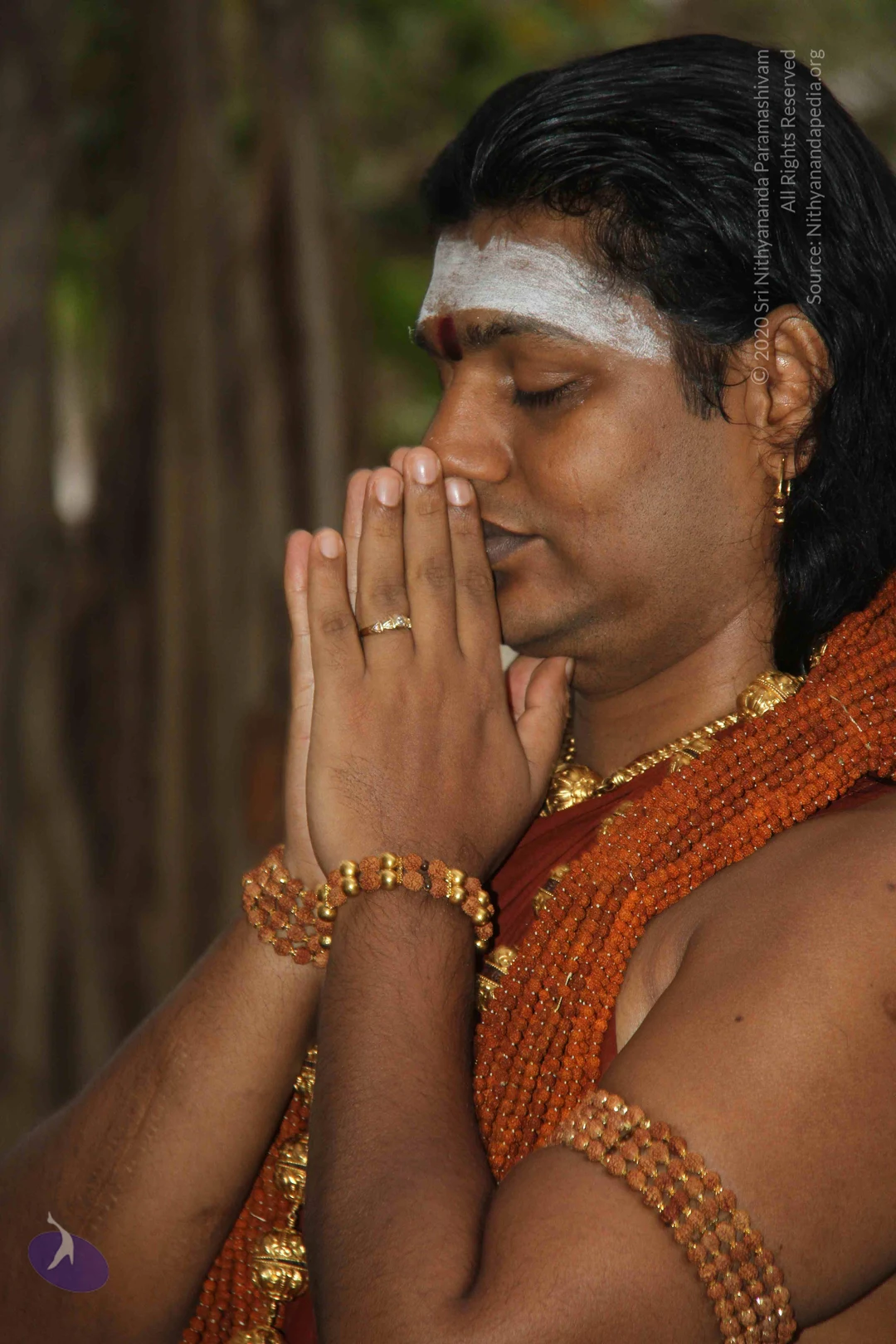
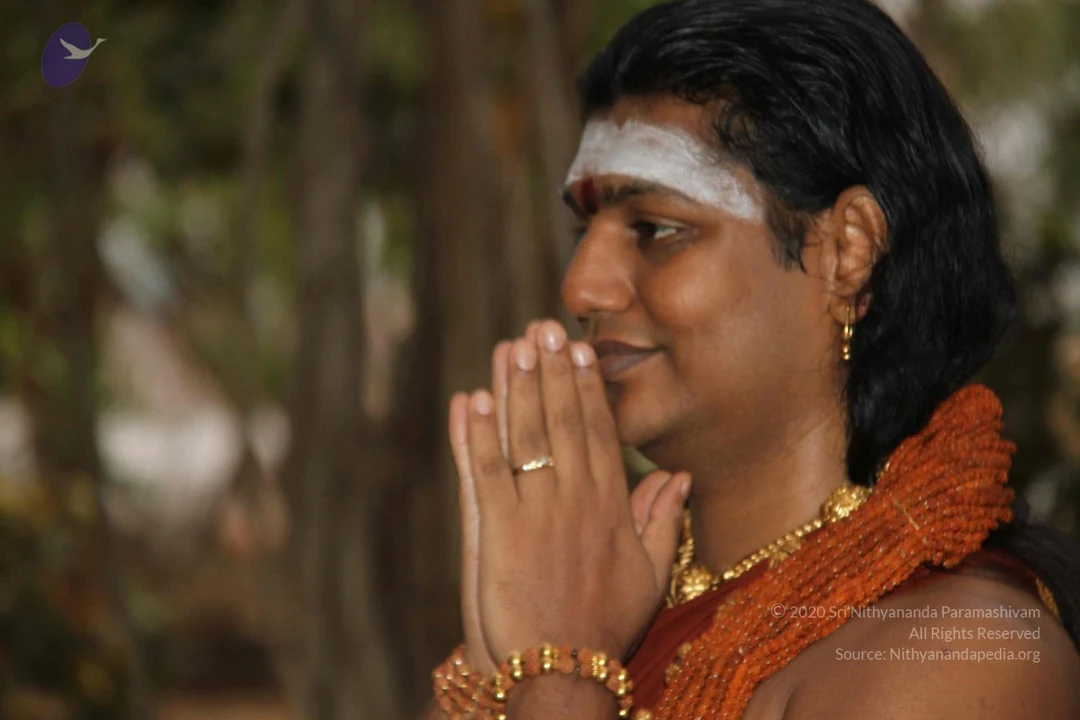
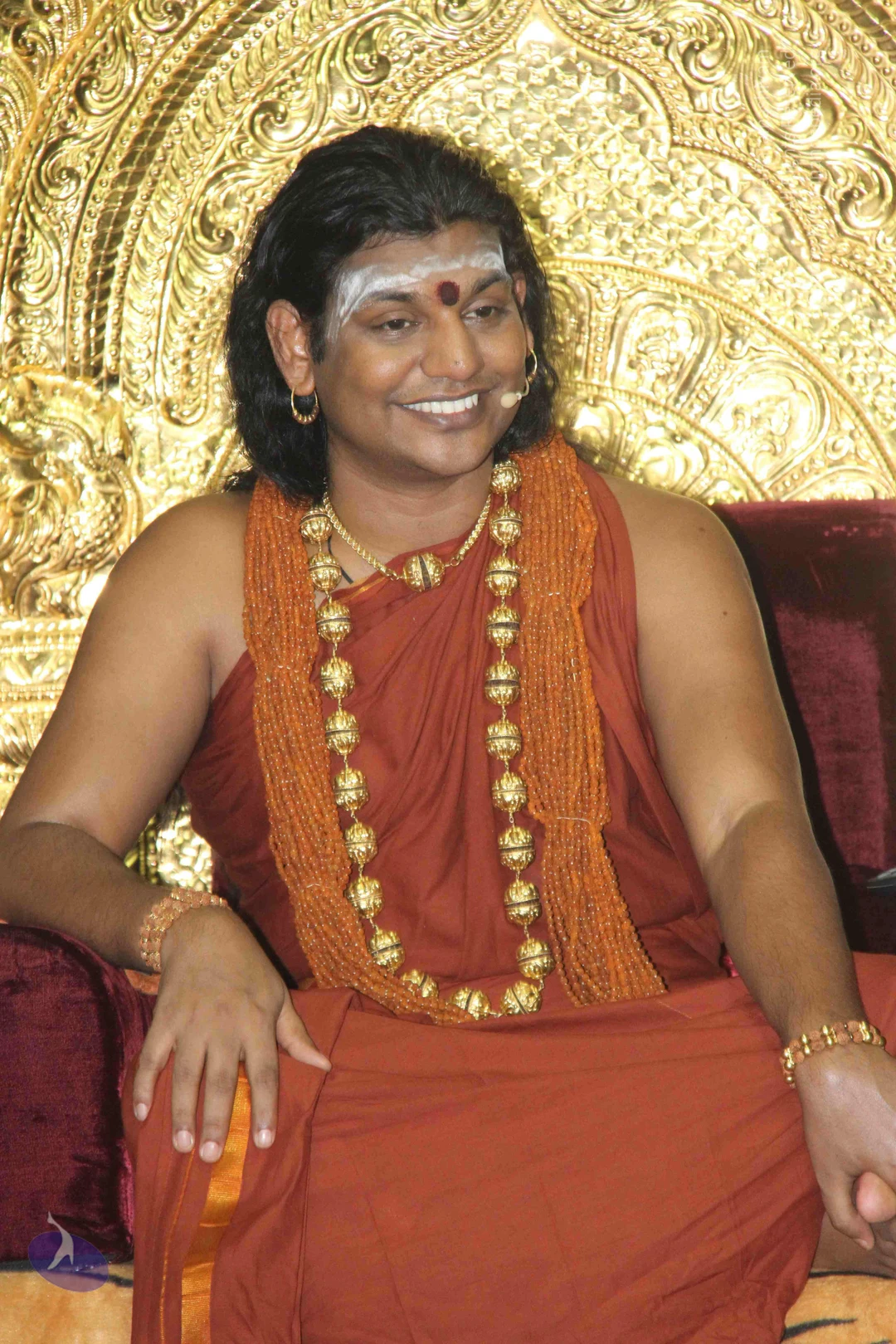
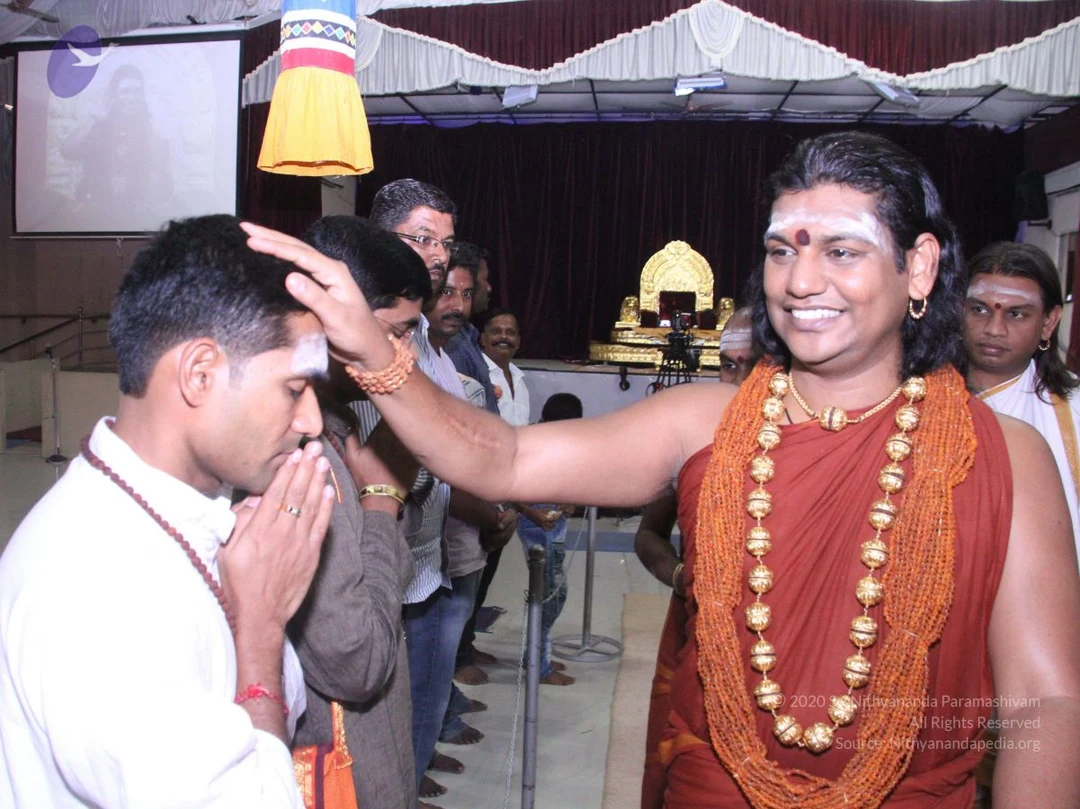
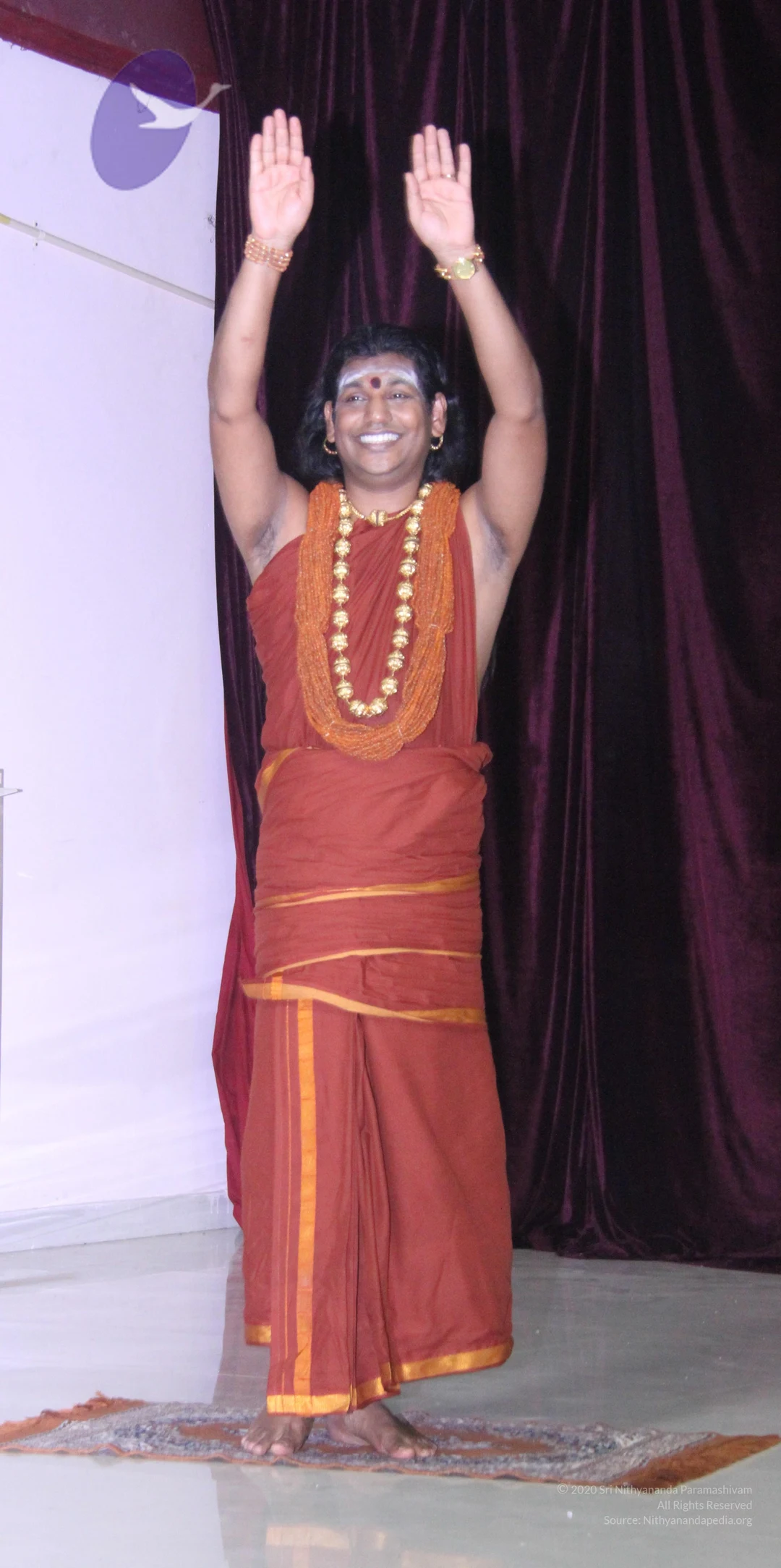
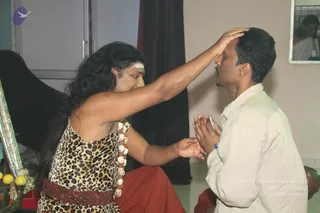
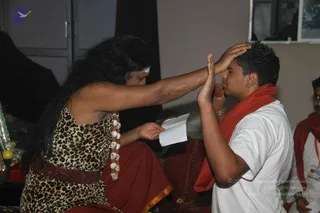
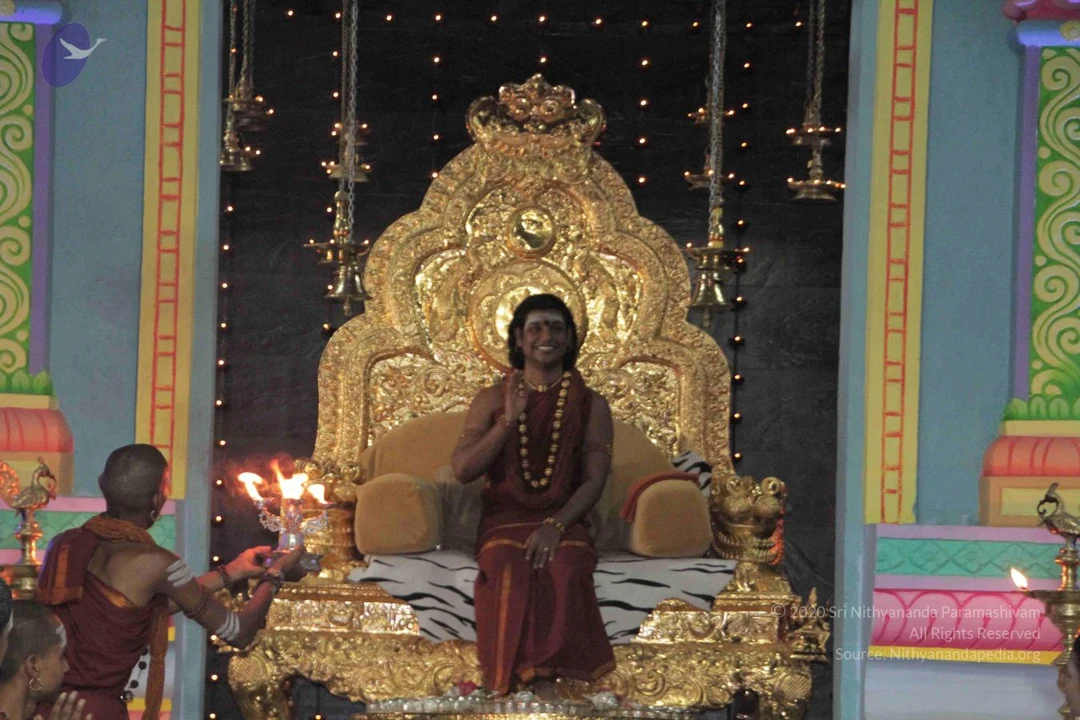
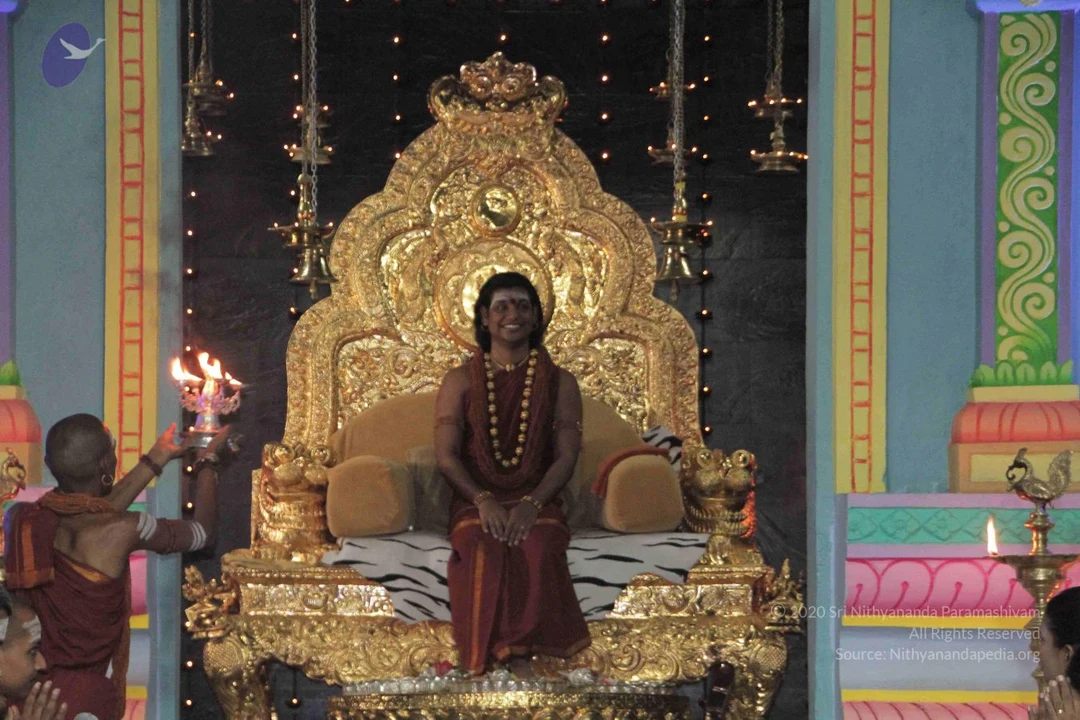
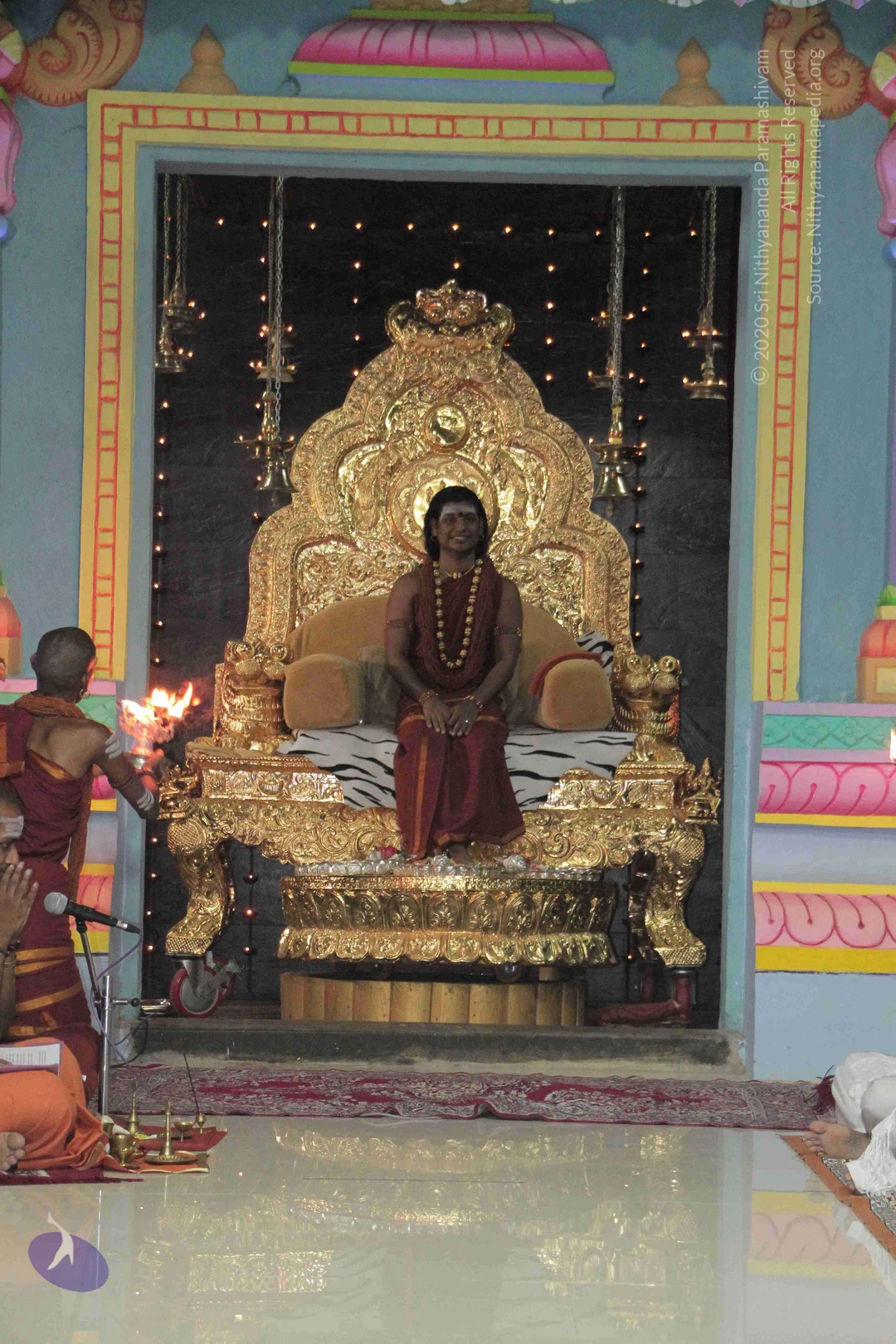
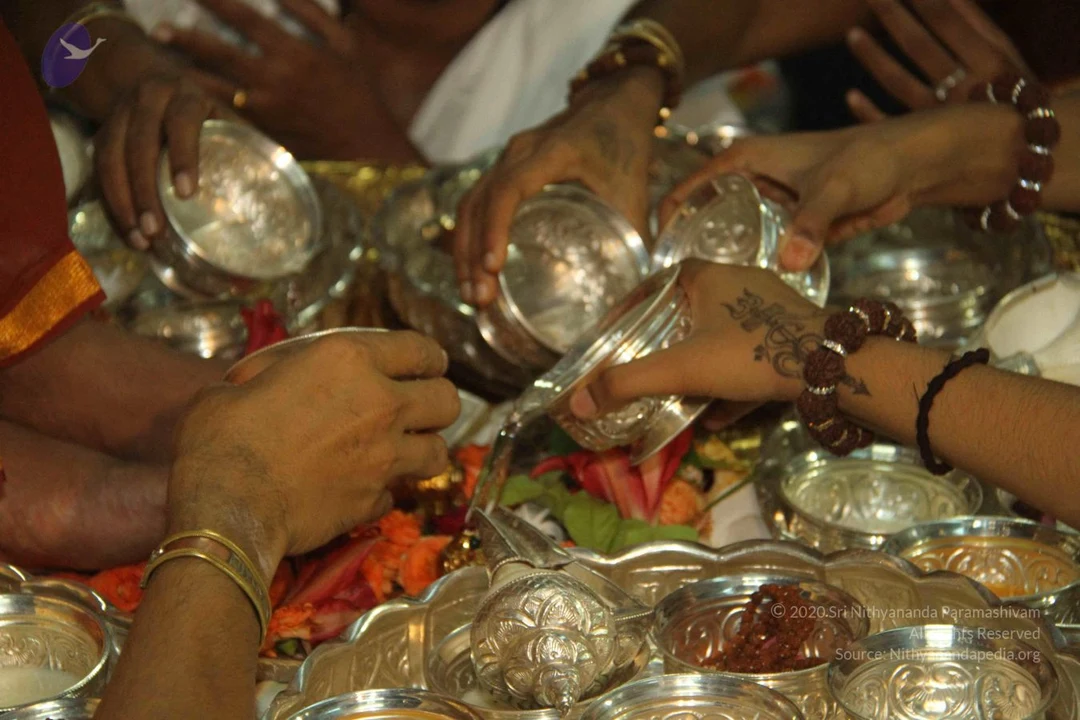
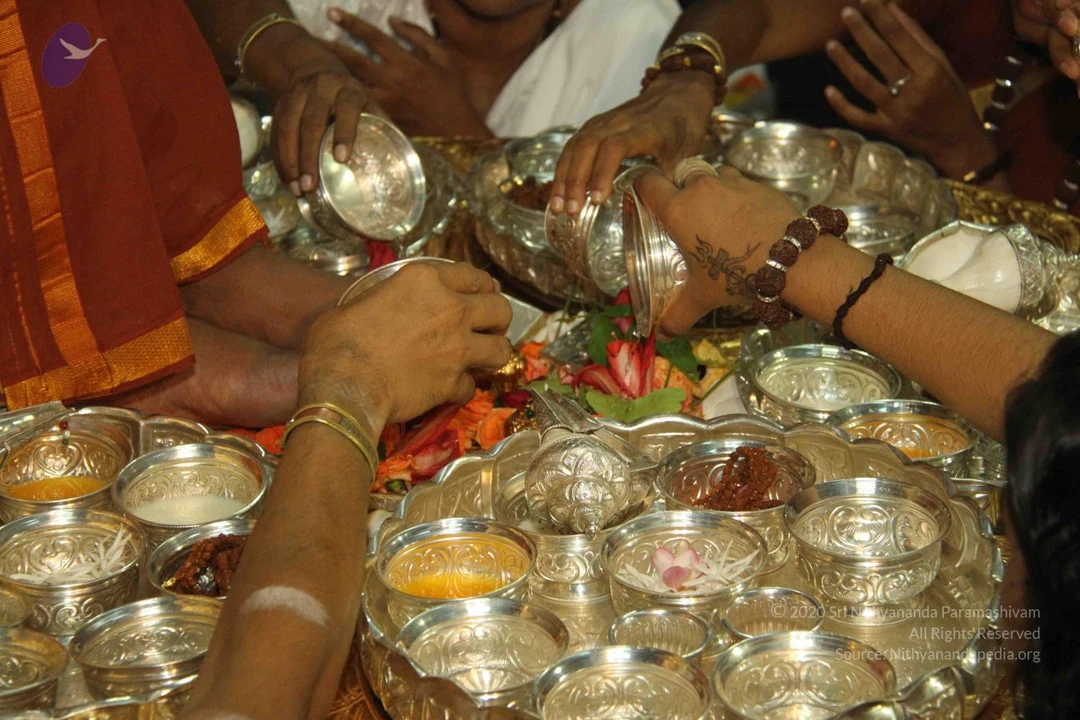
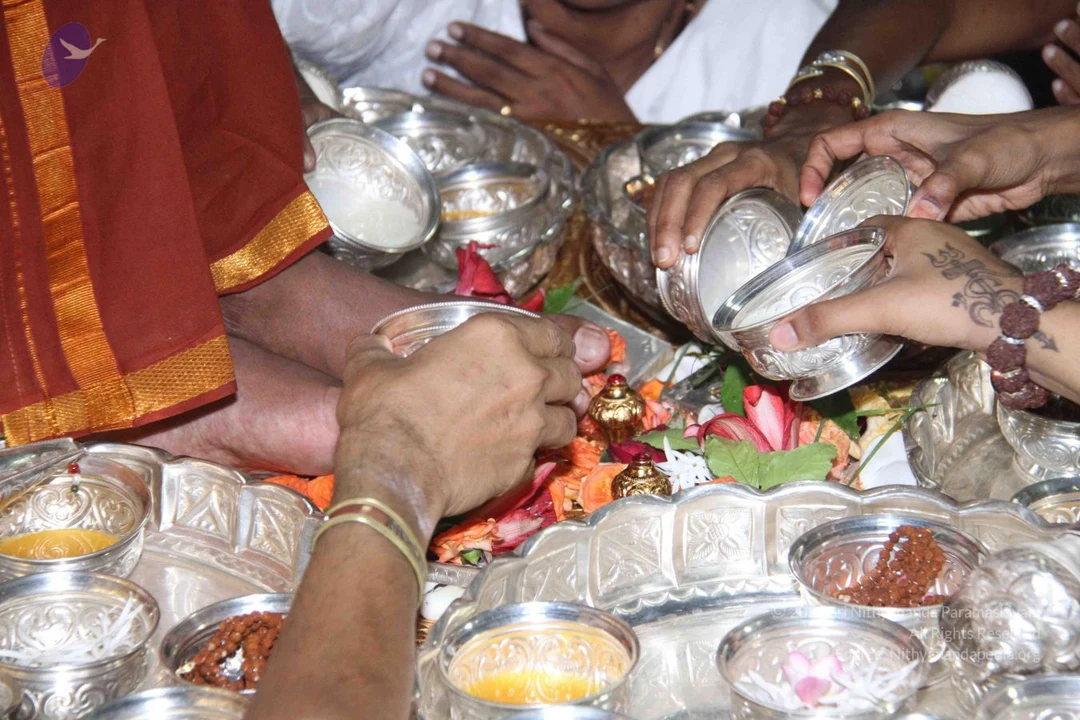
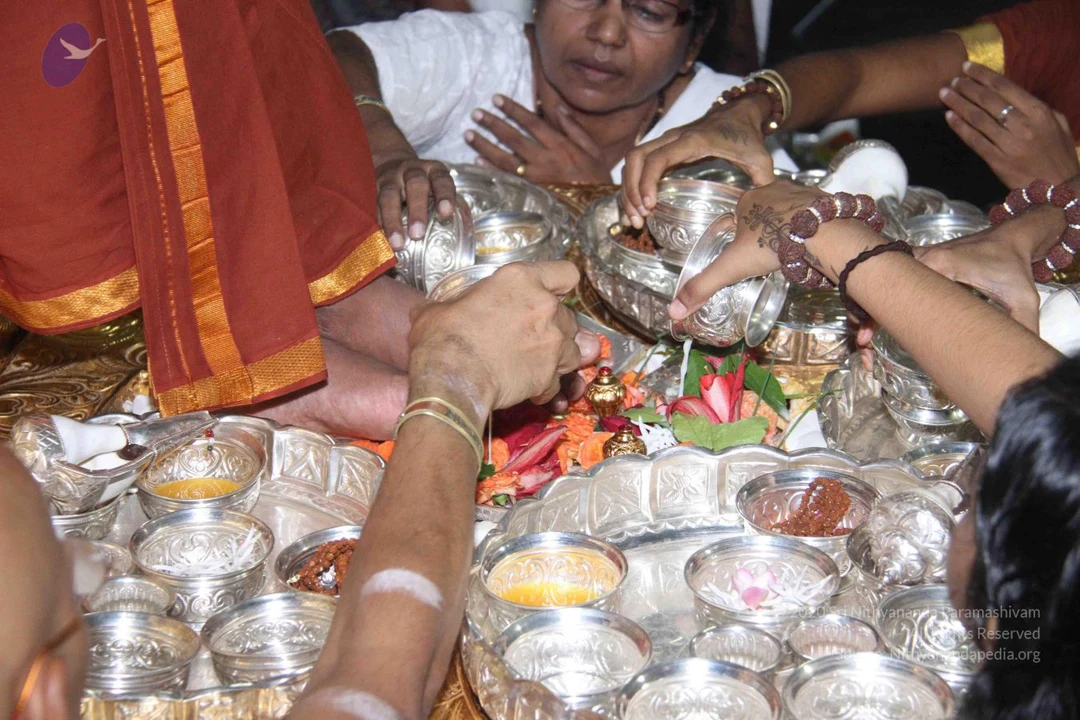
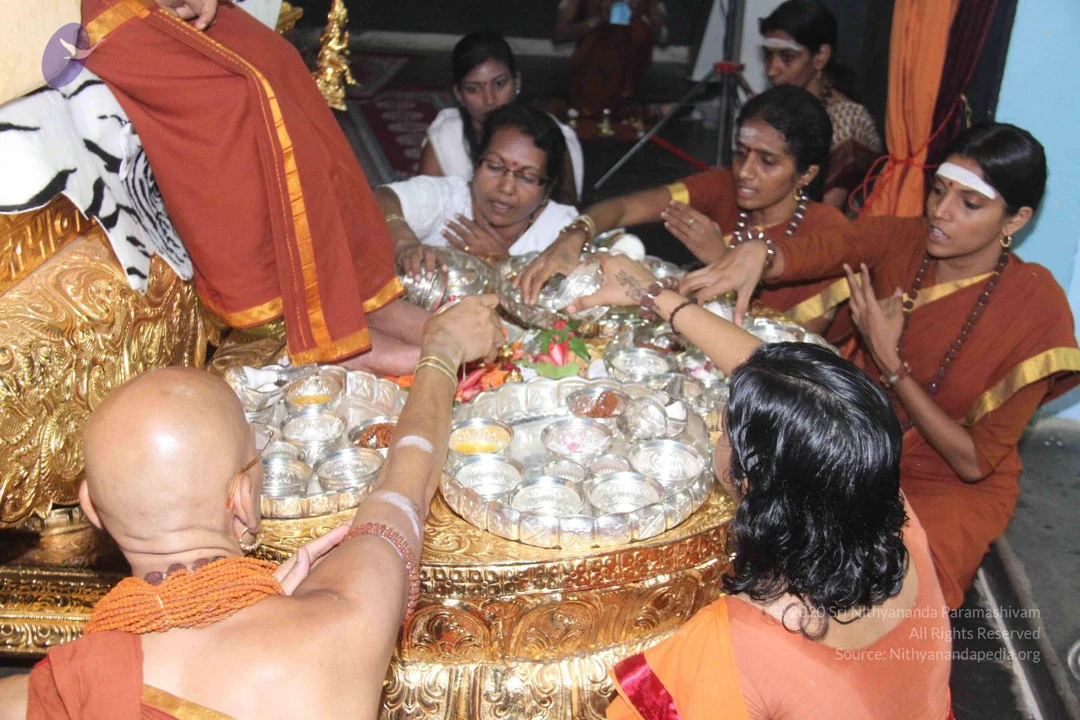
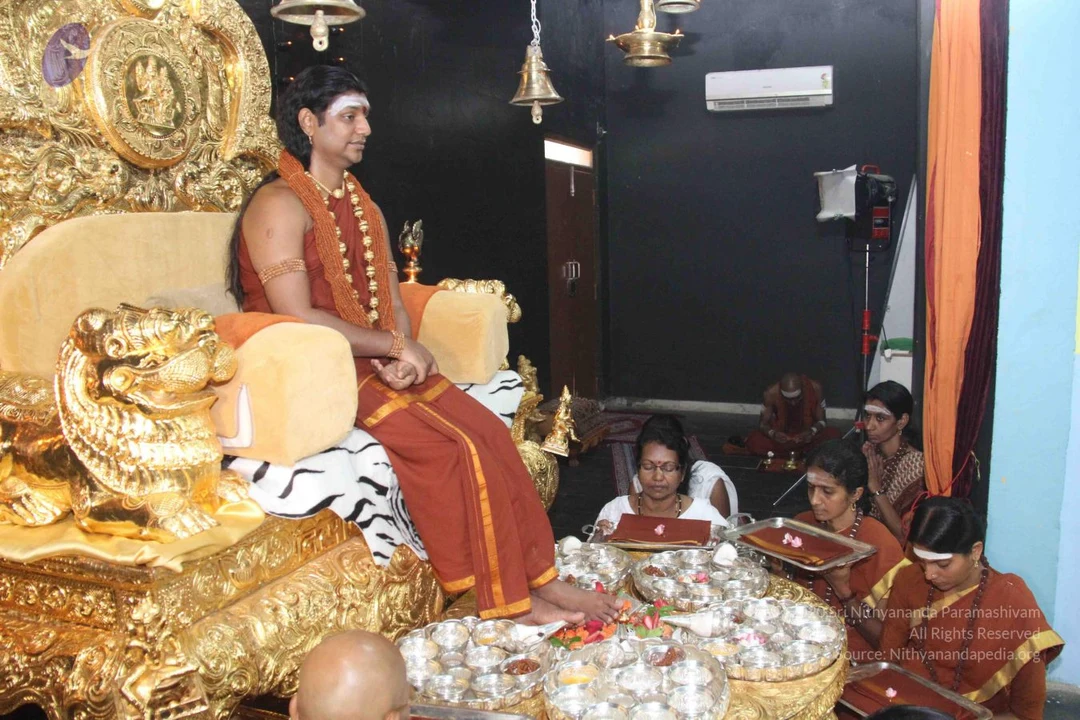
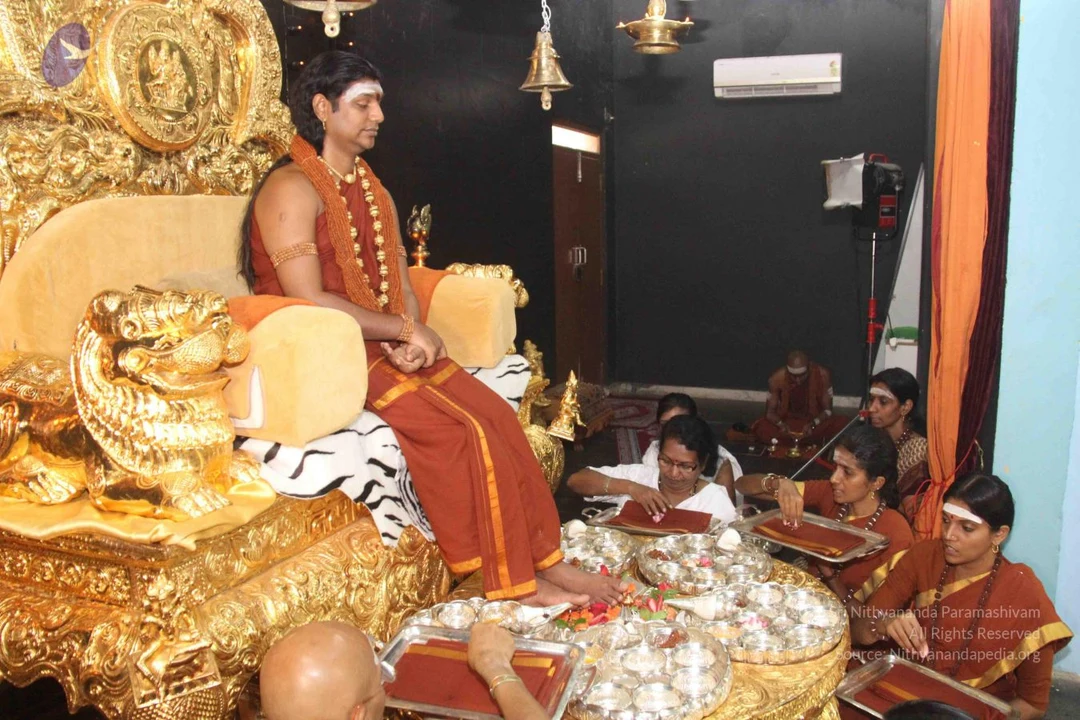
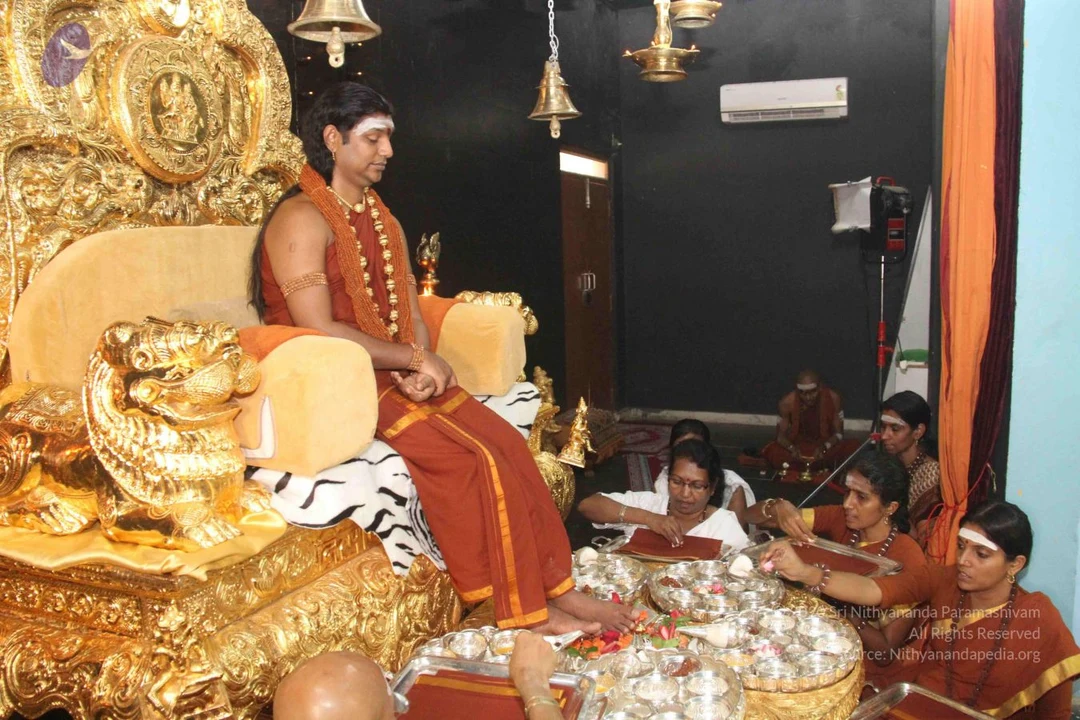
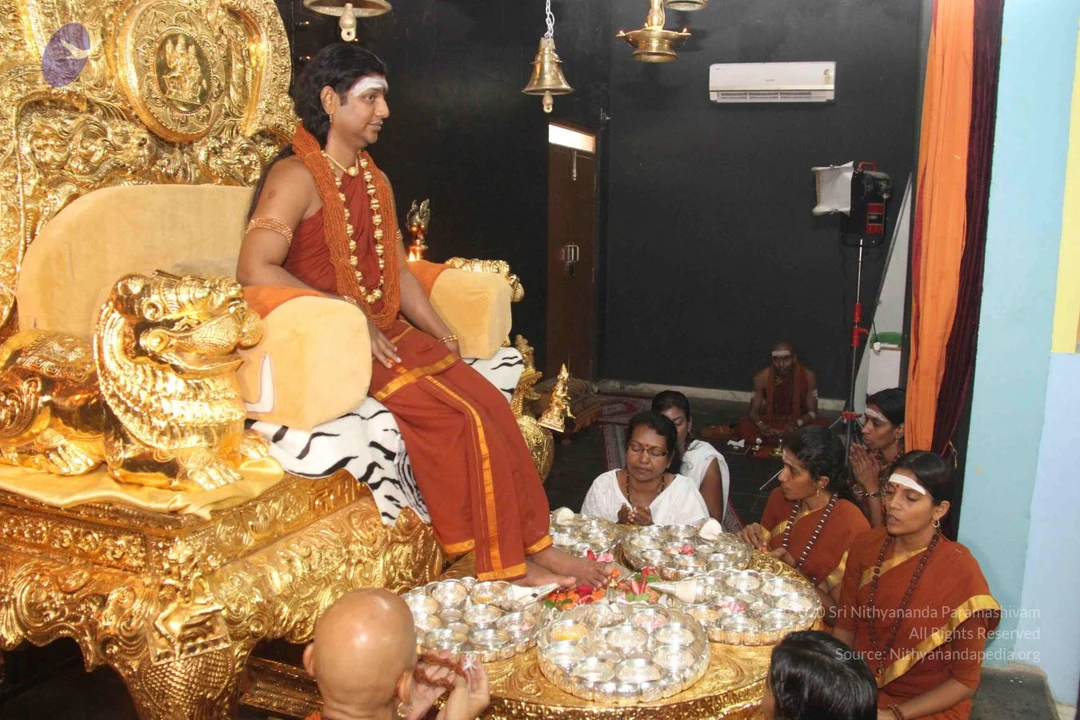
Pada-Puja-and-Morning-message
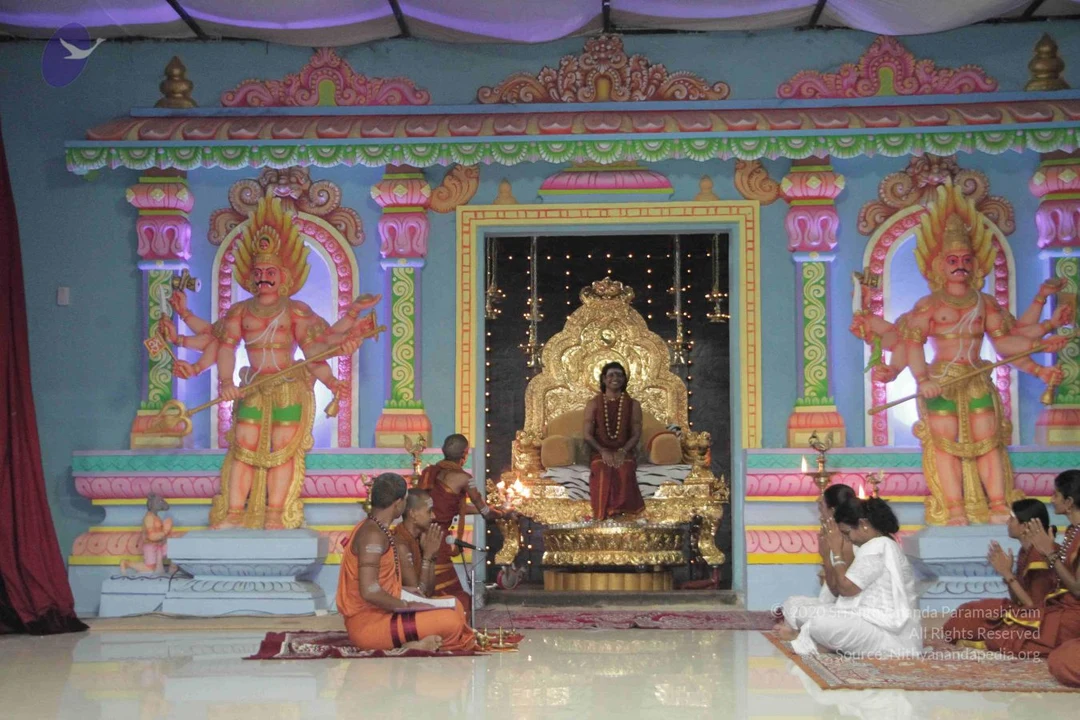
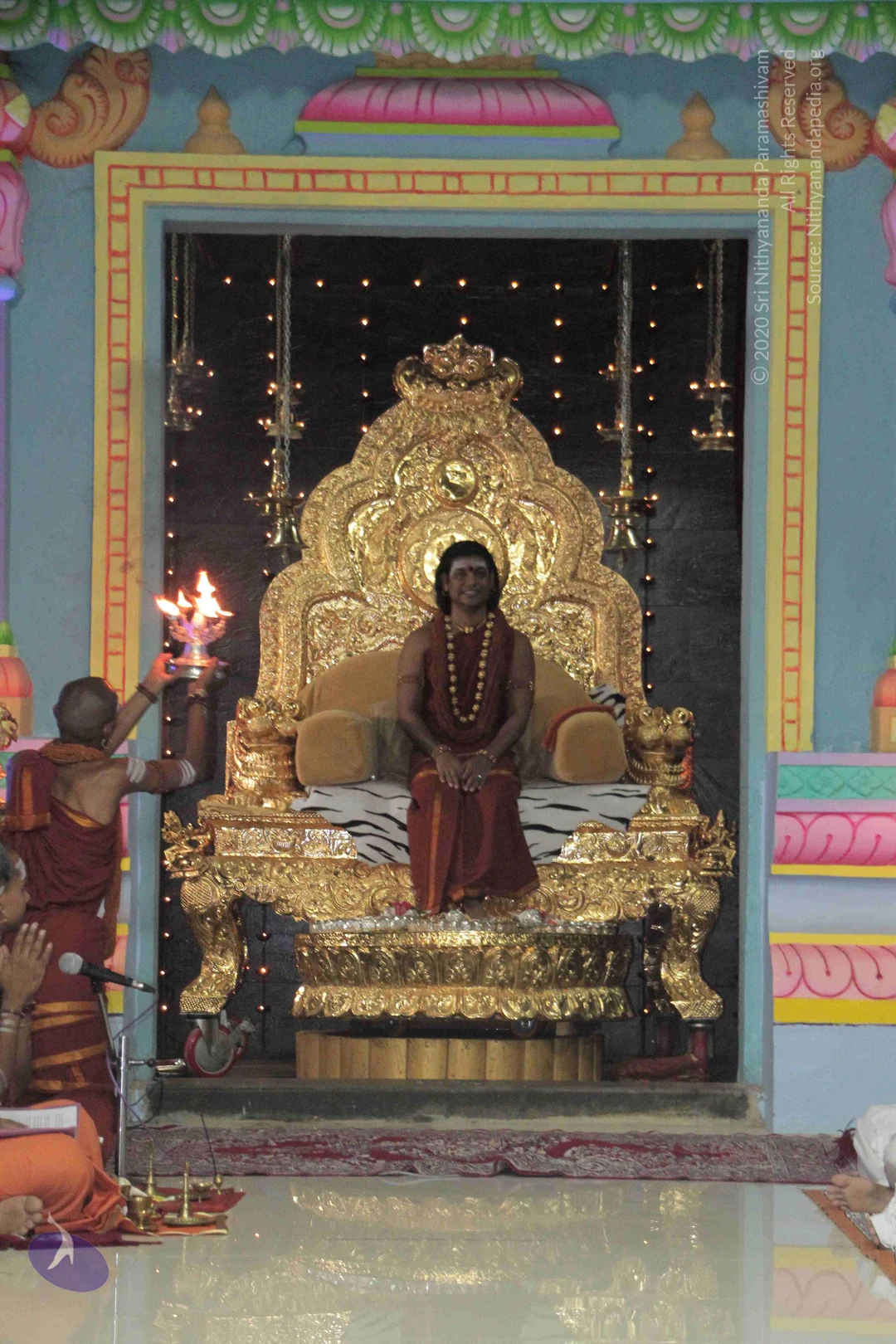
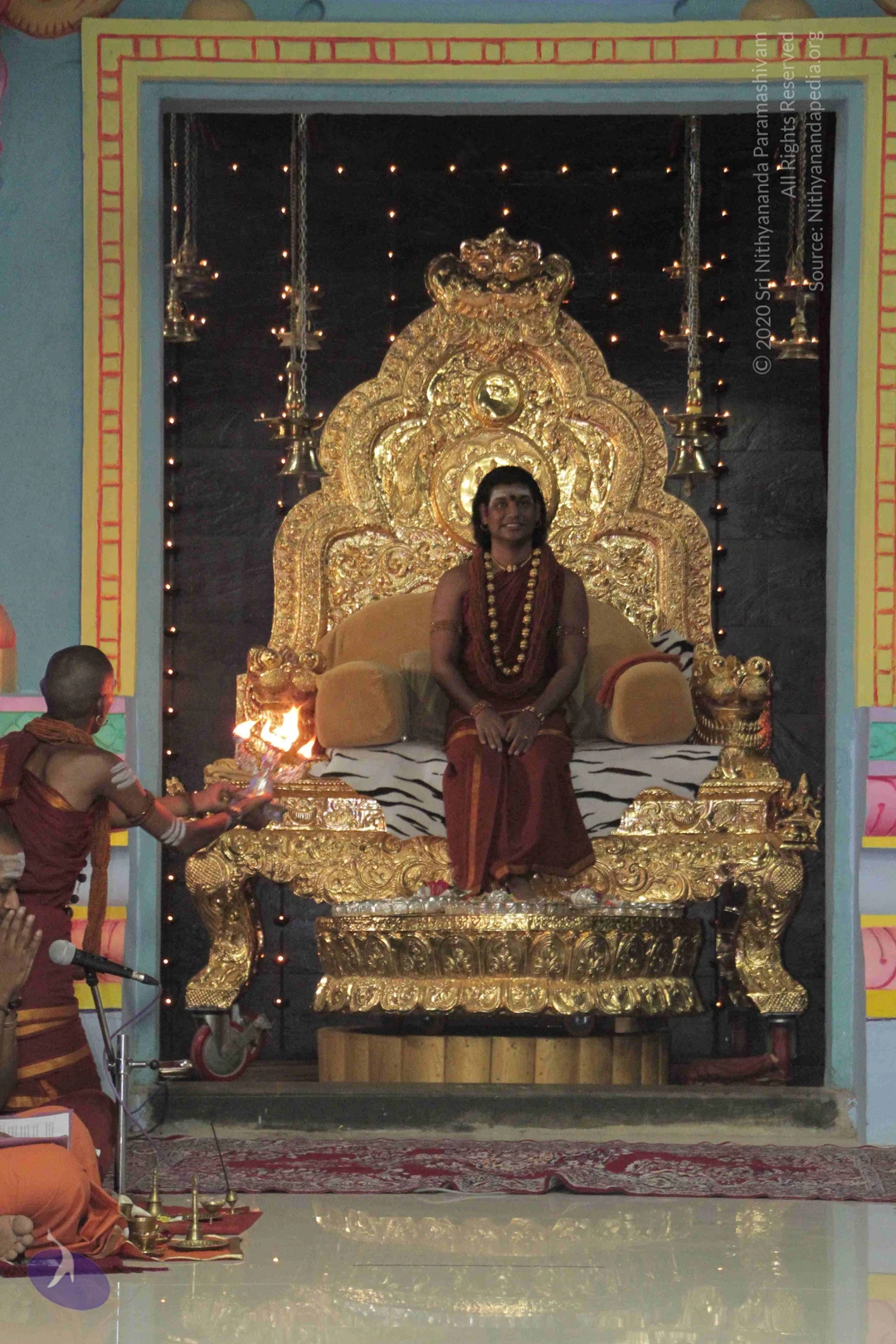
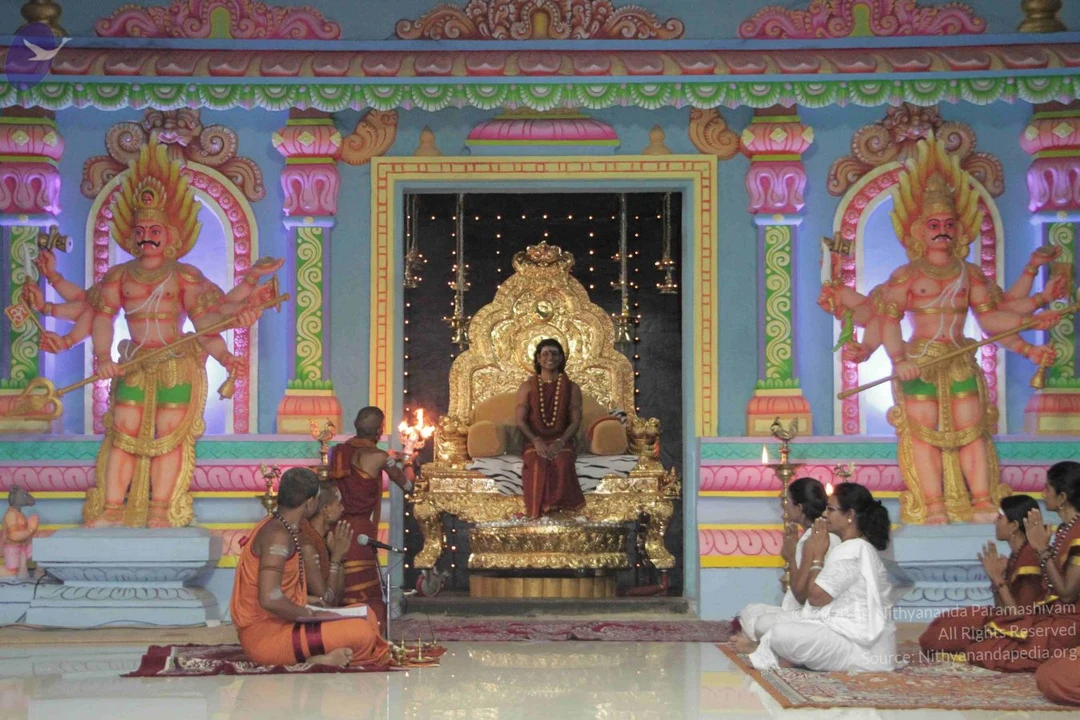
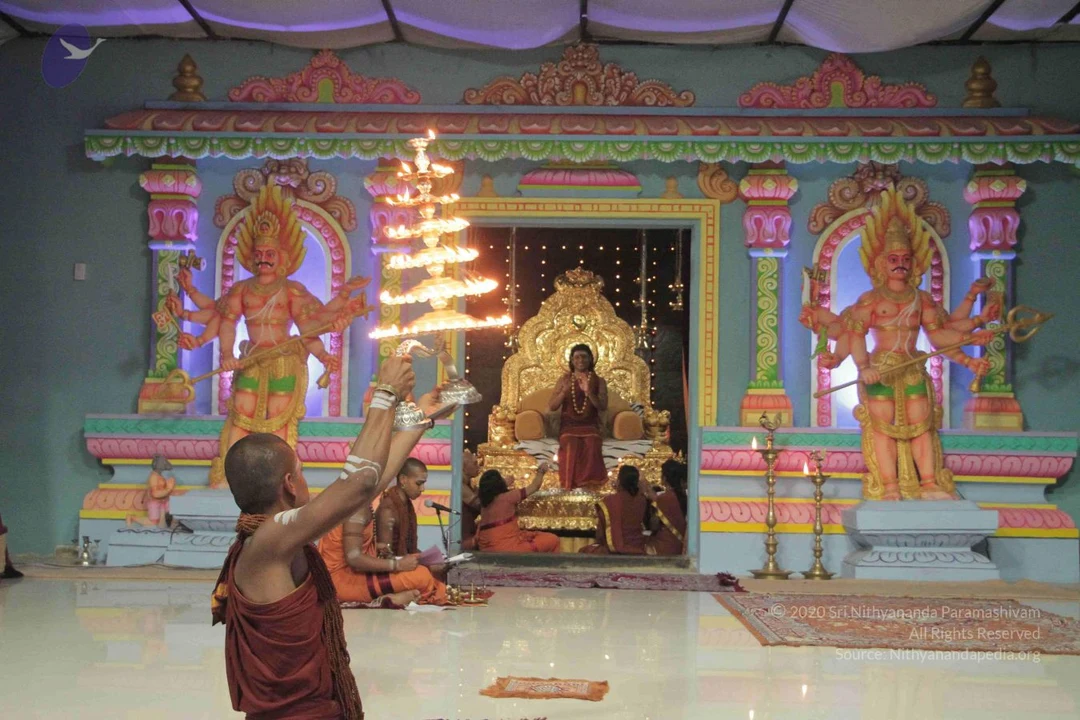


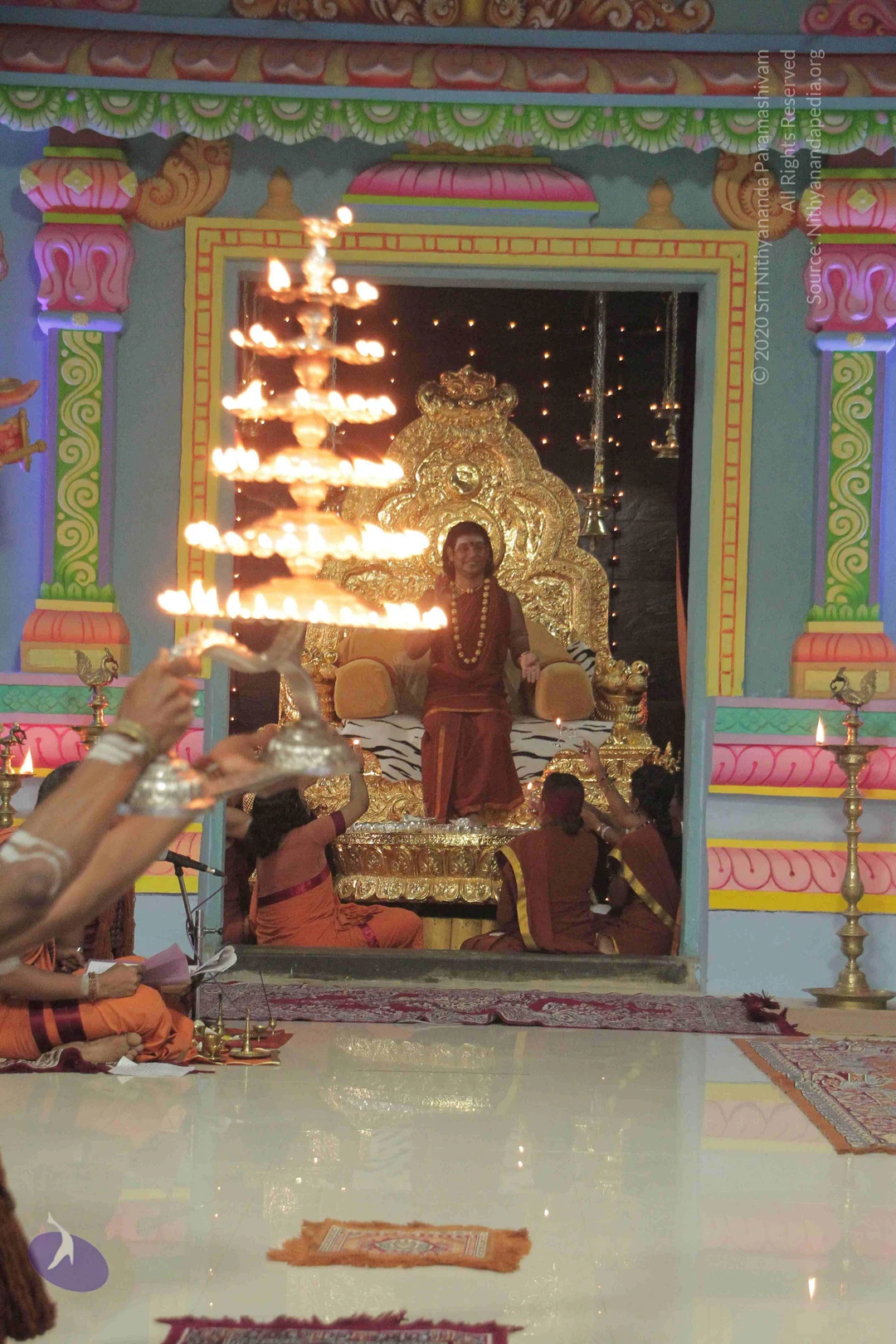
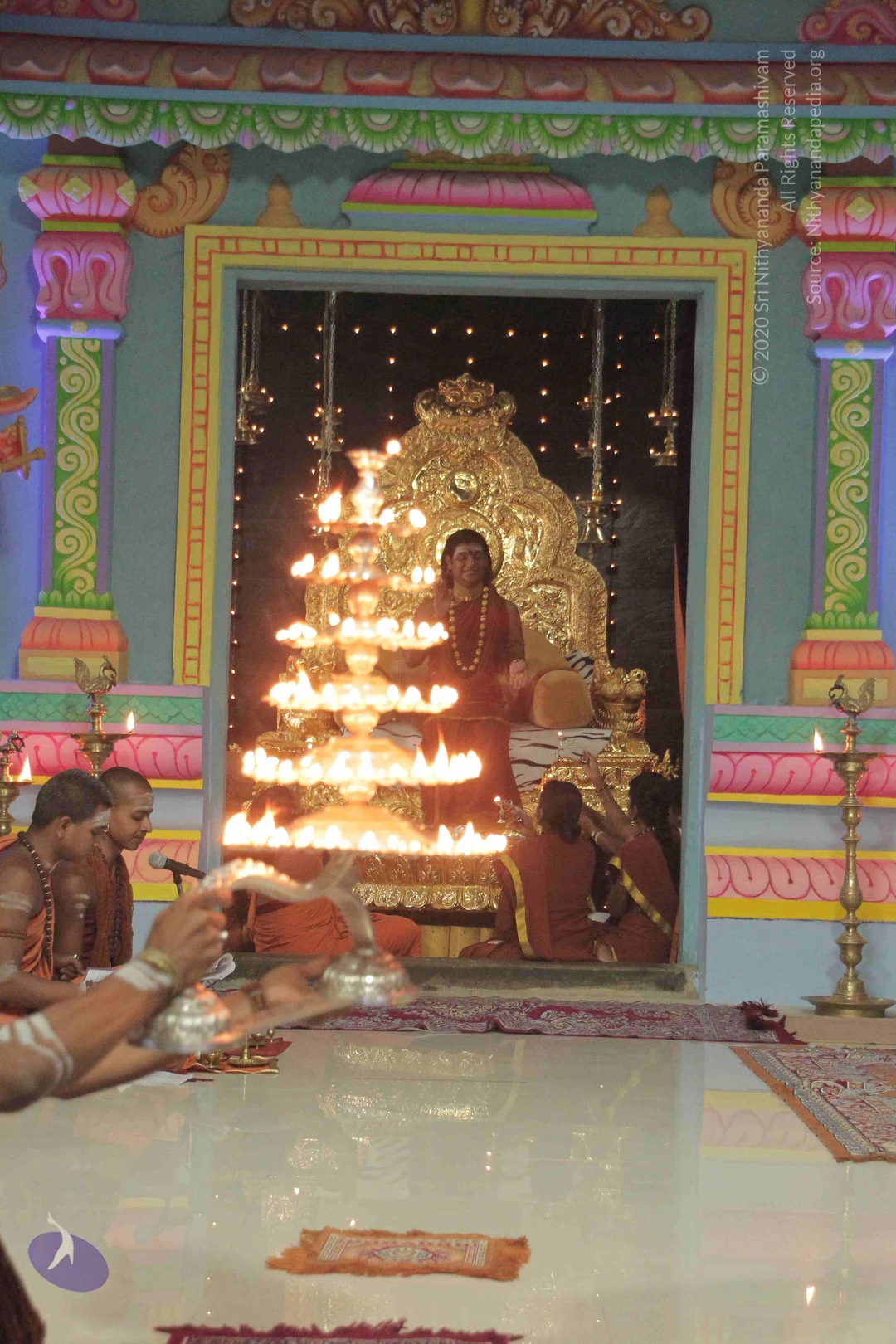
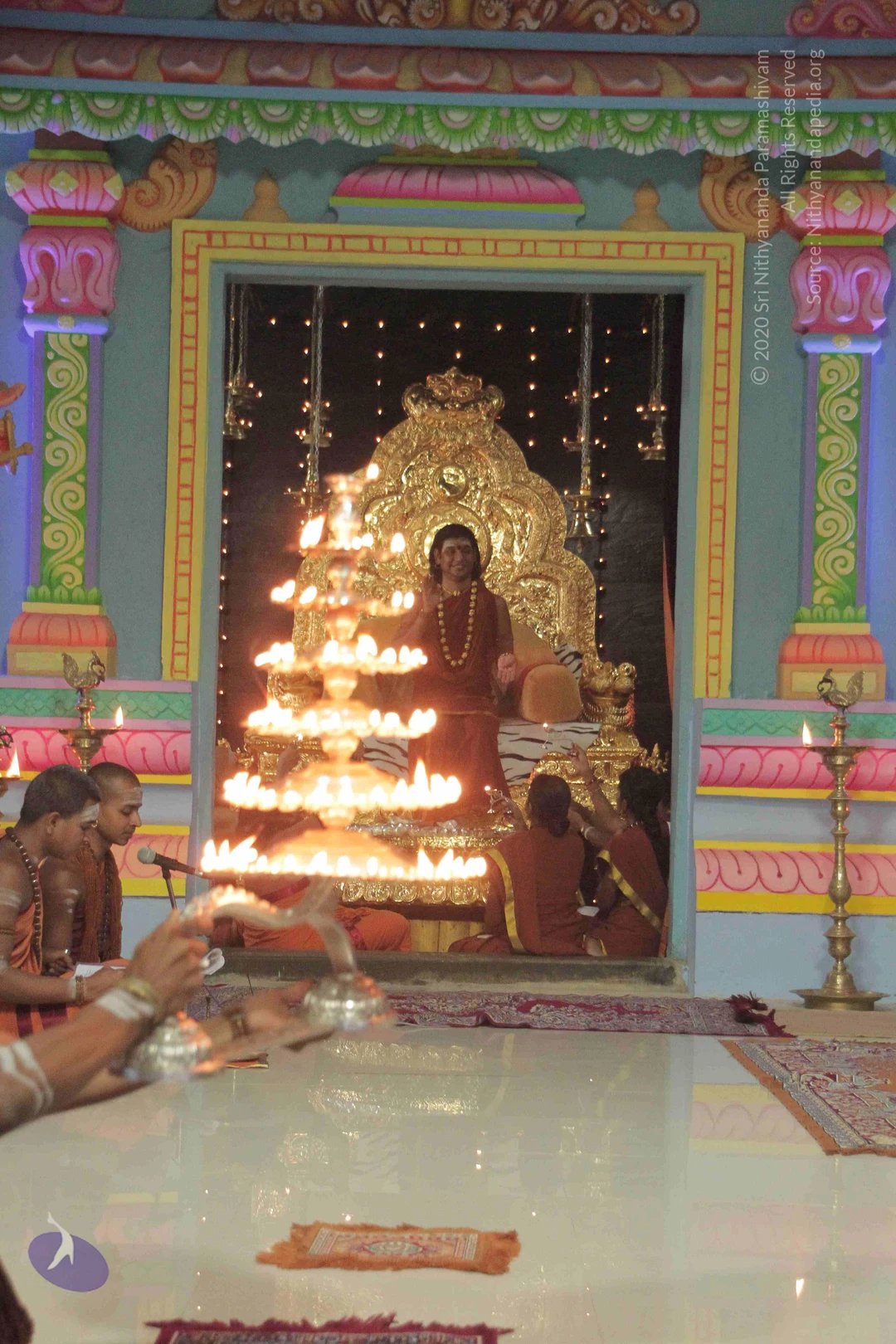
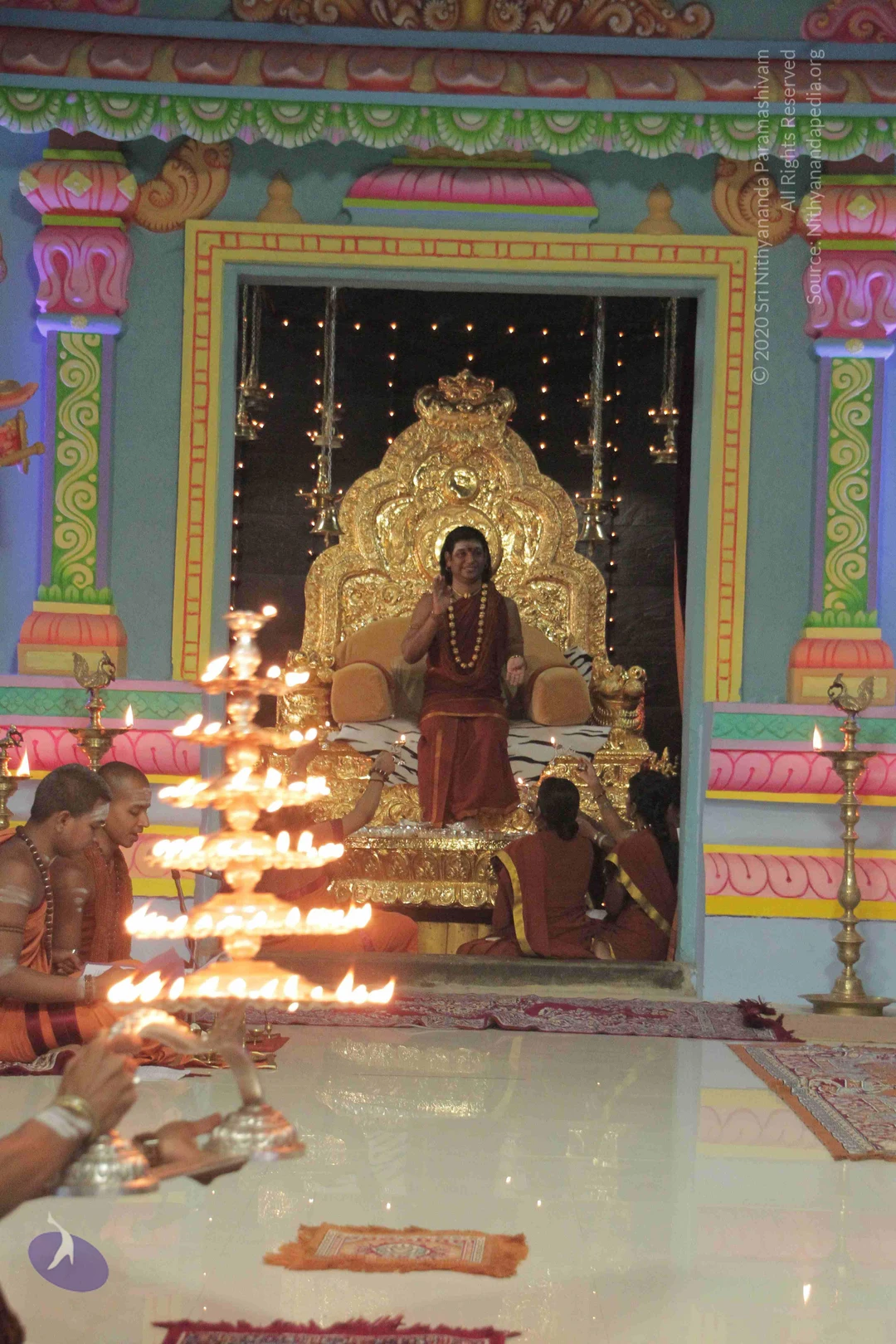
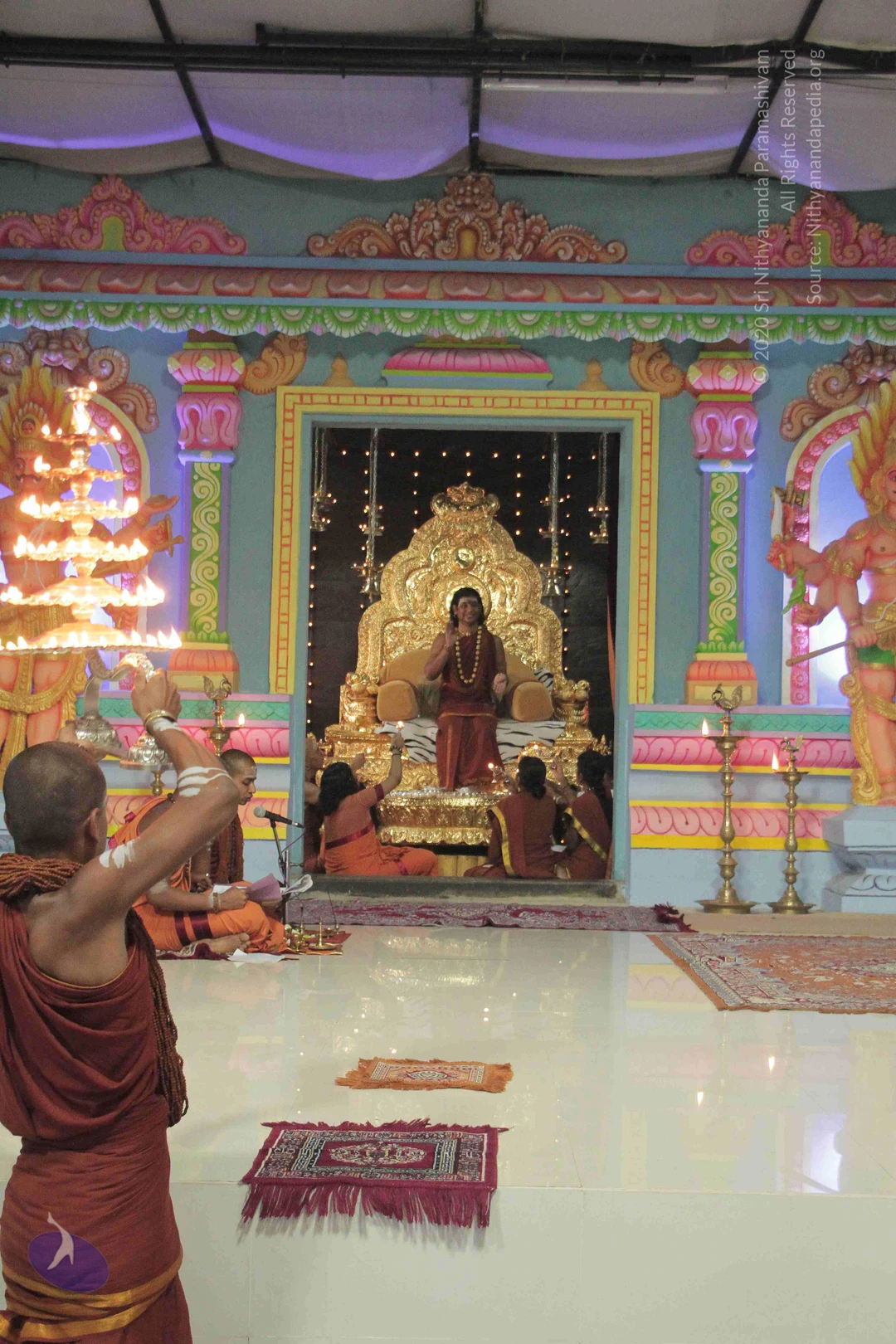
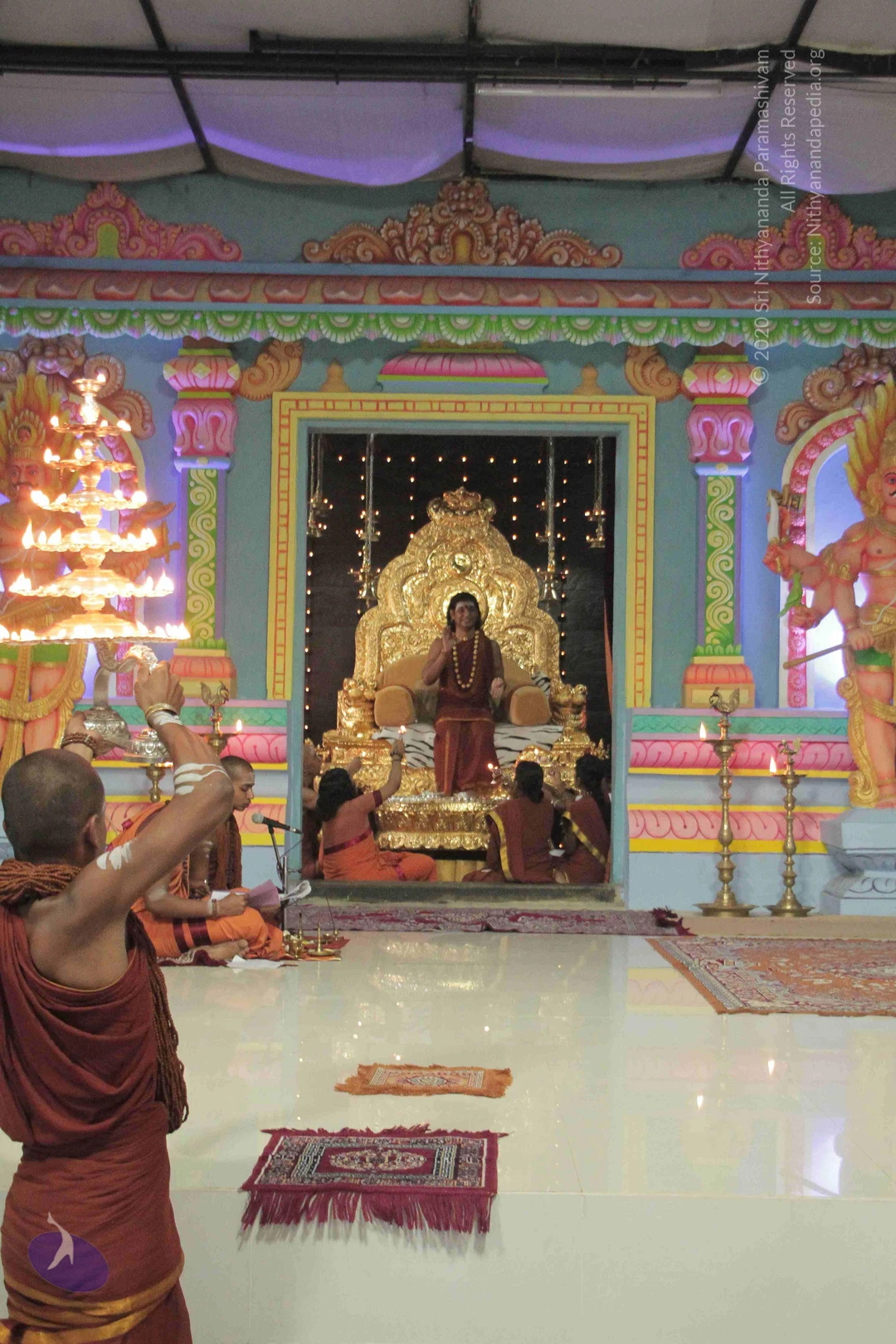
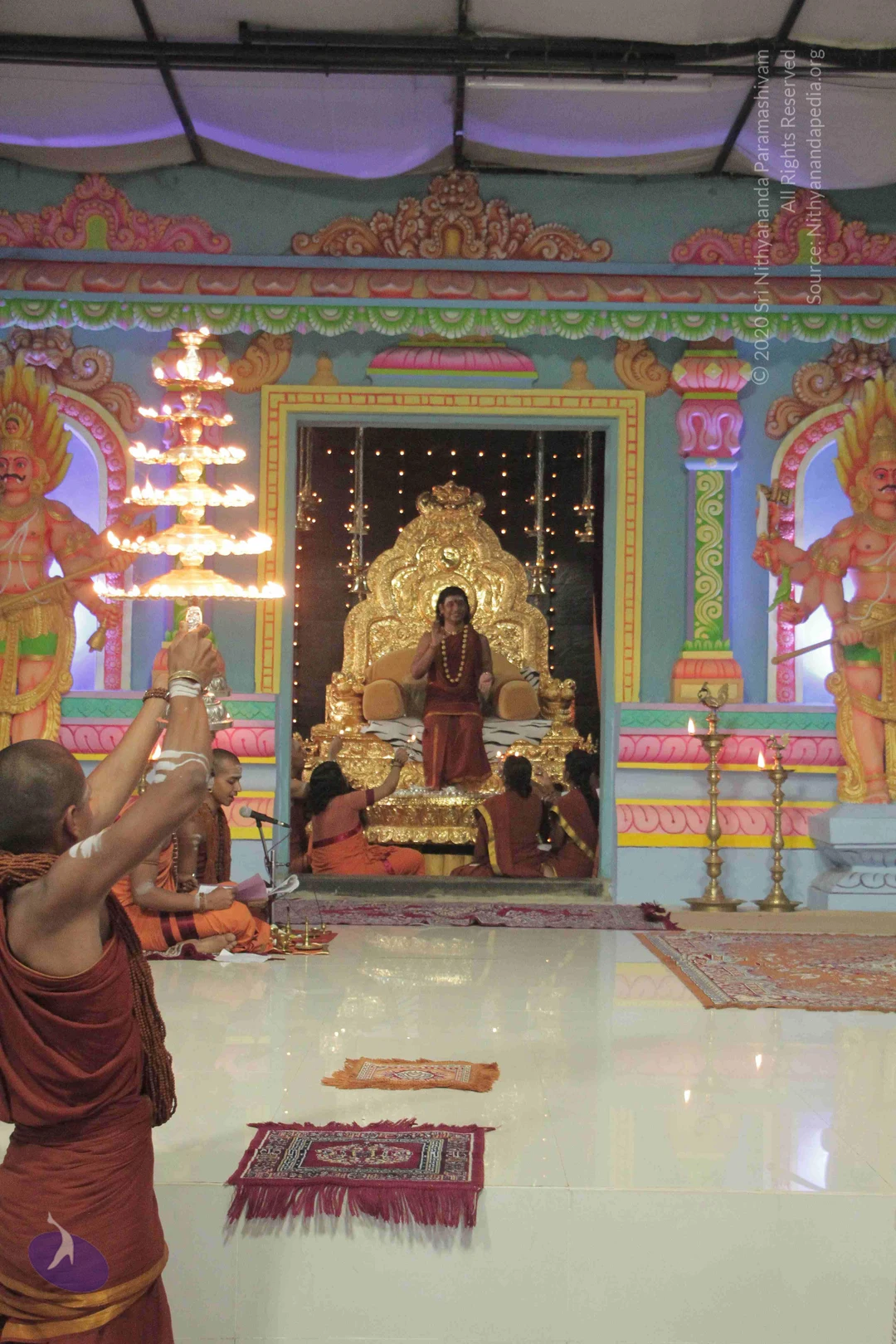
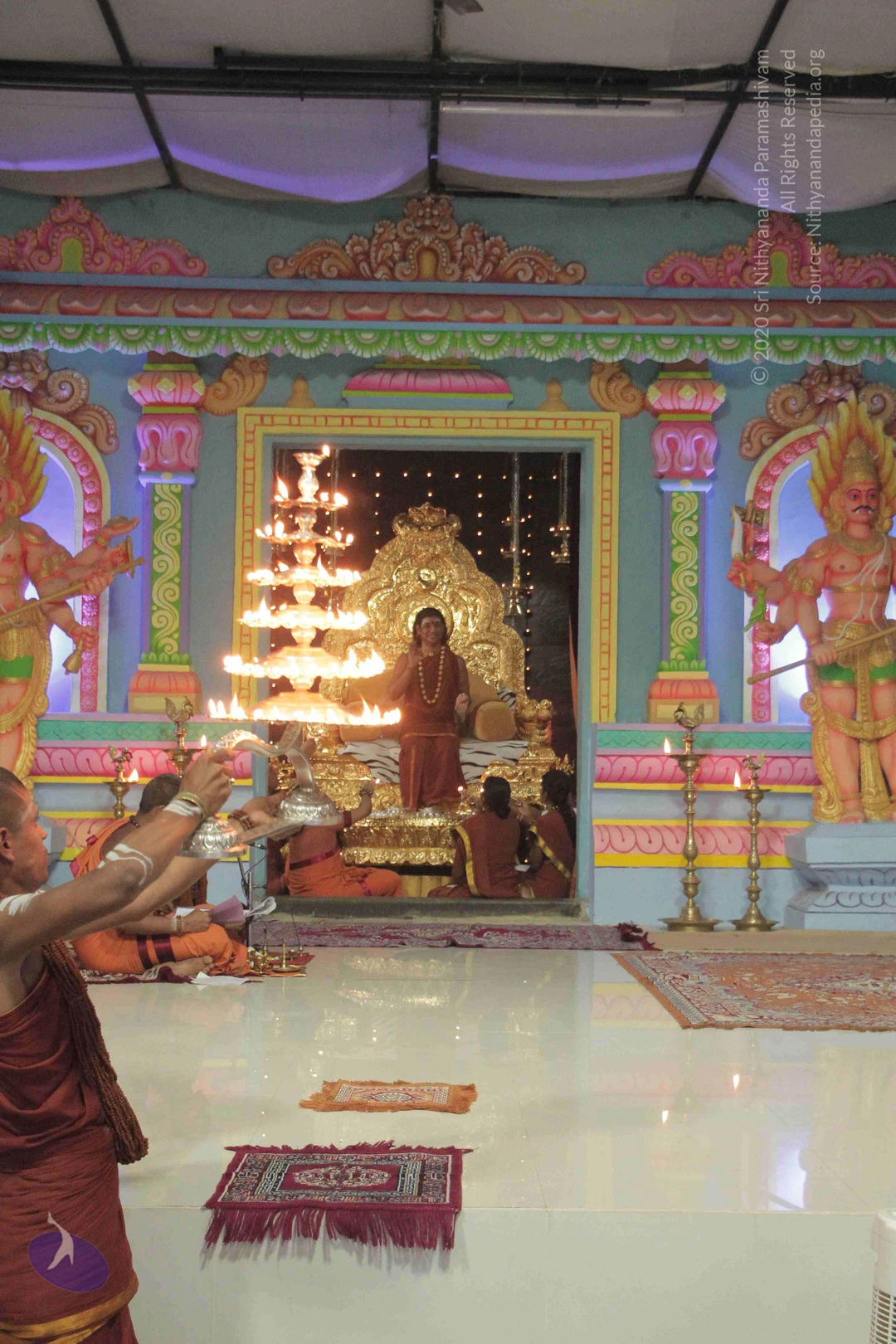
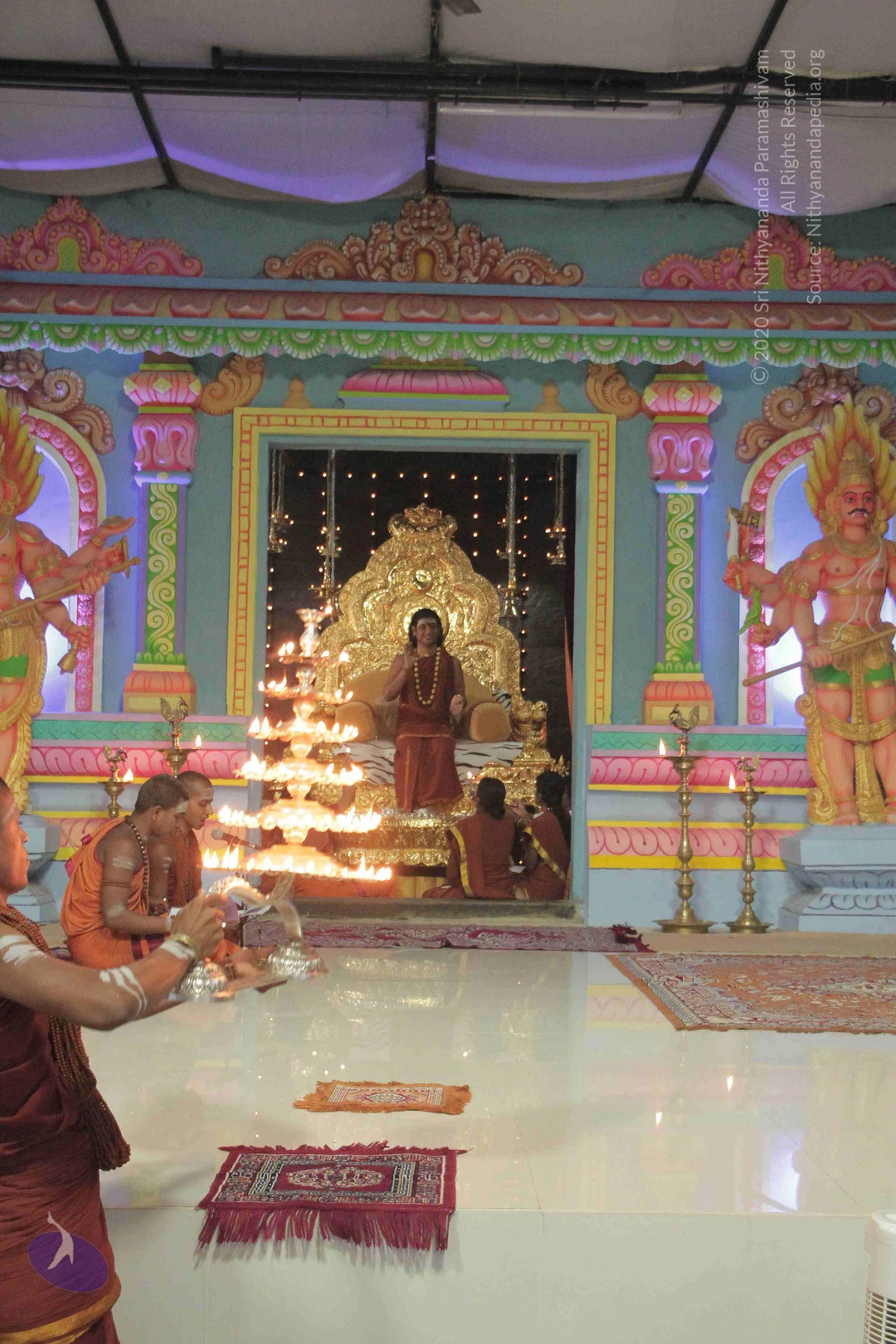
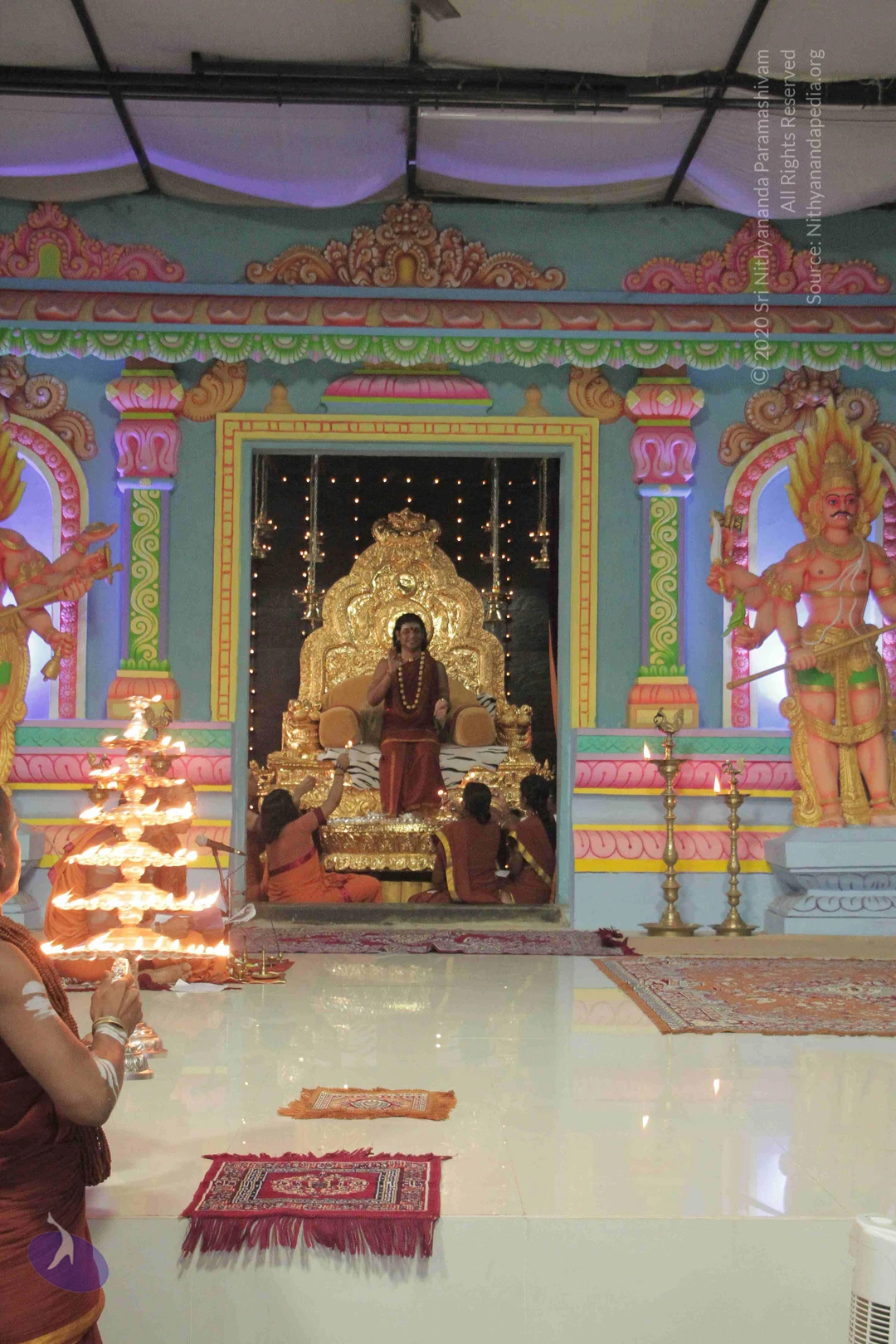
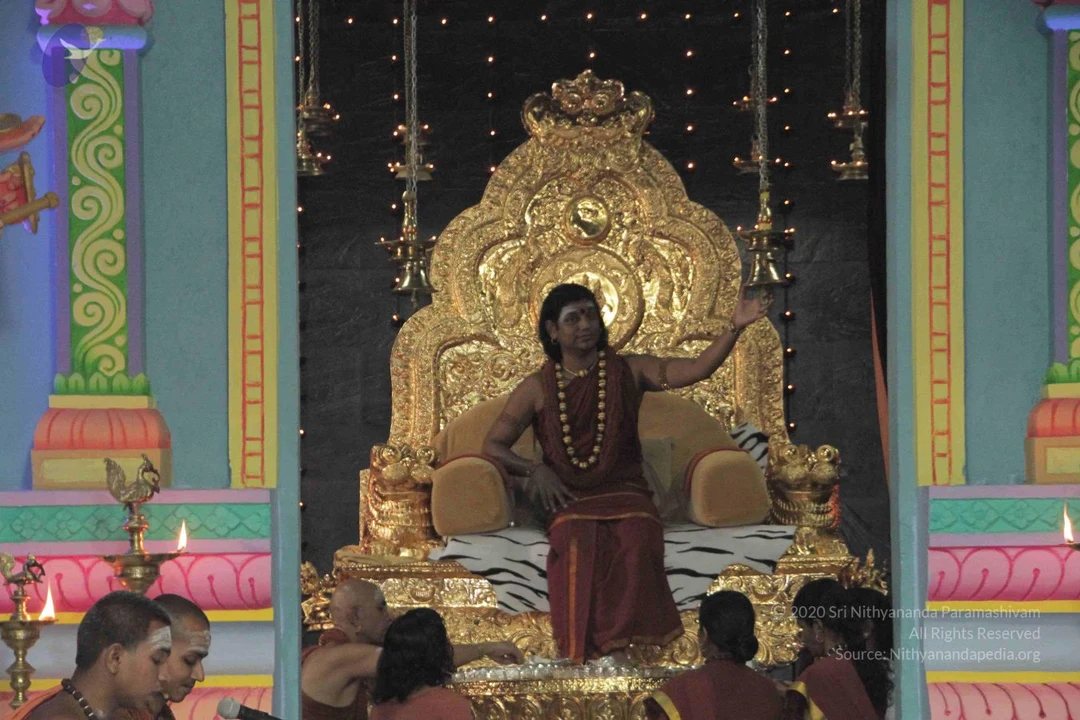
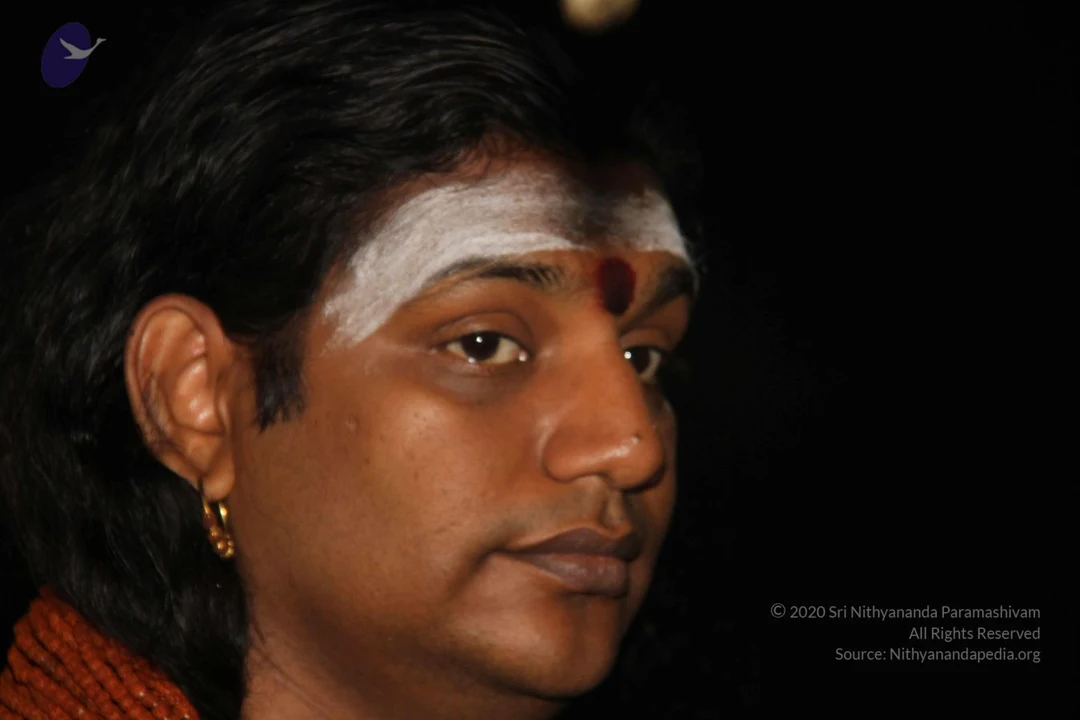
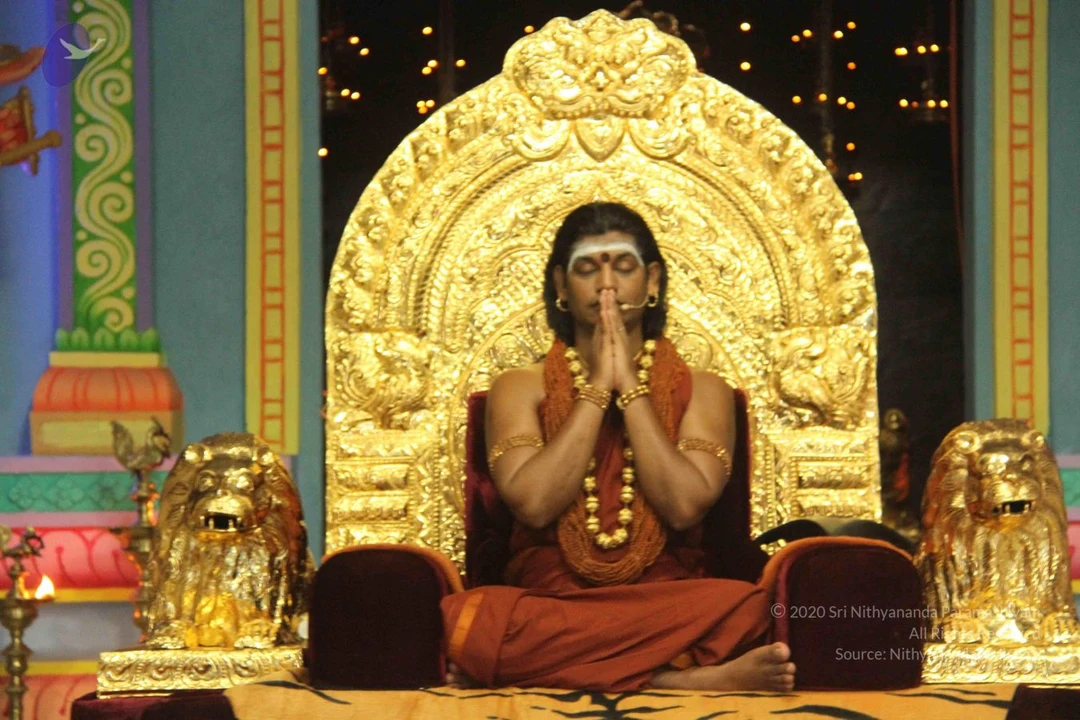
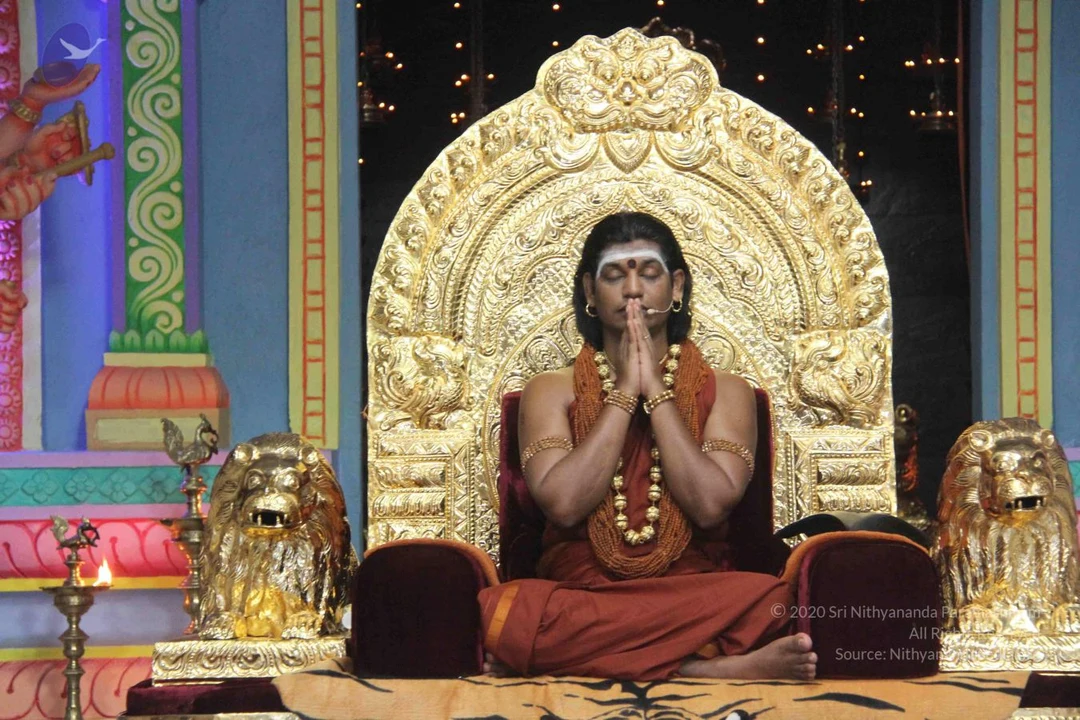
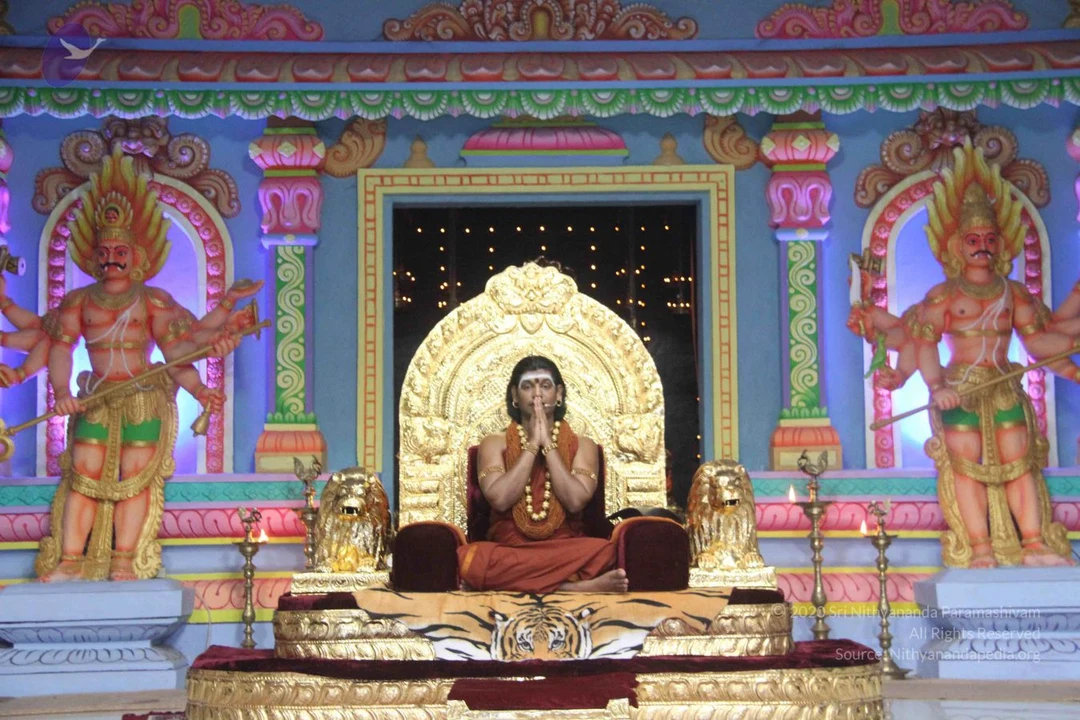
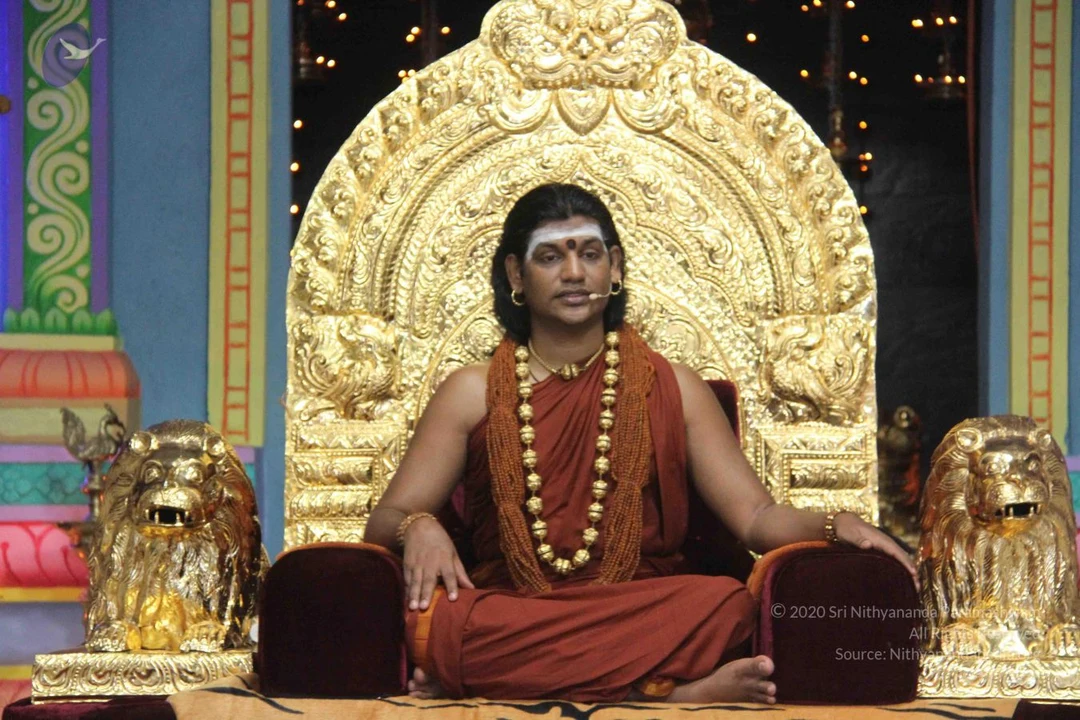
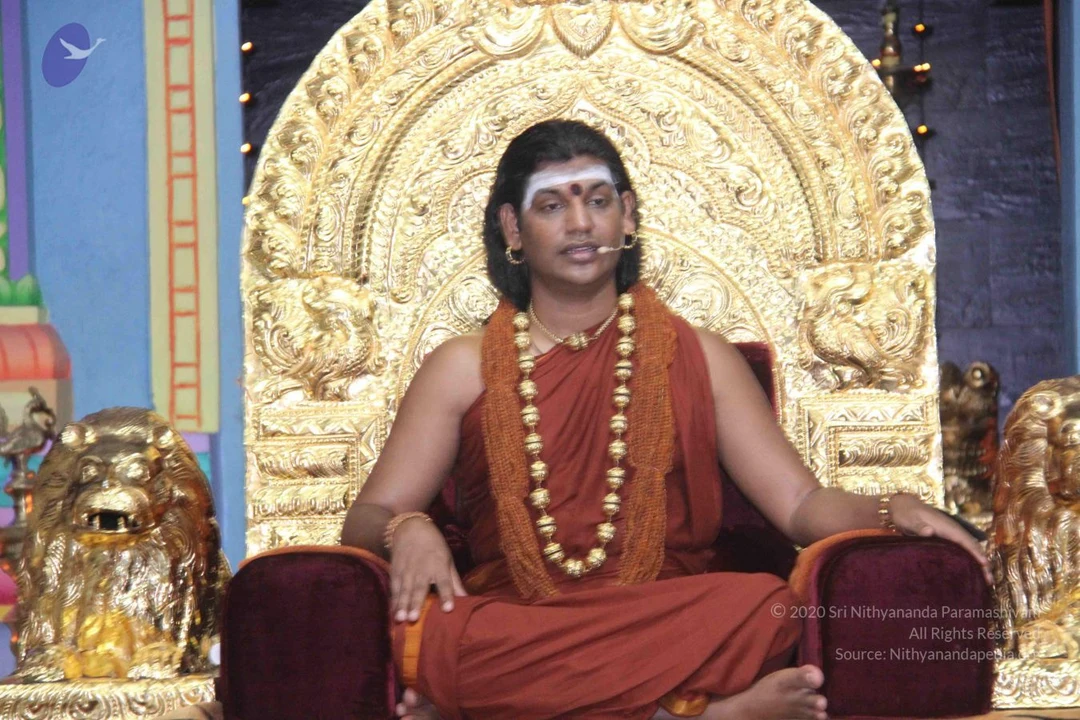
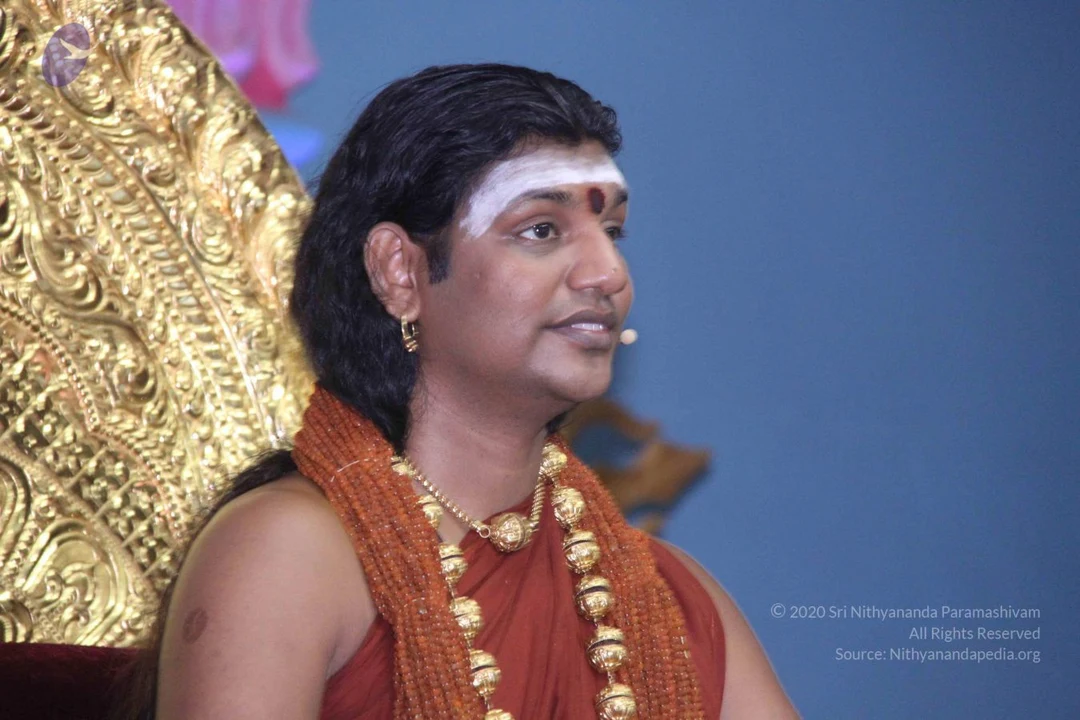
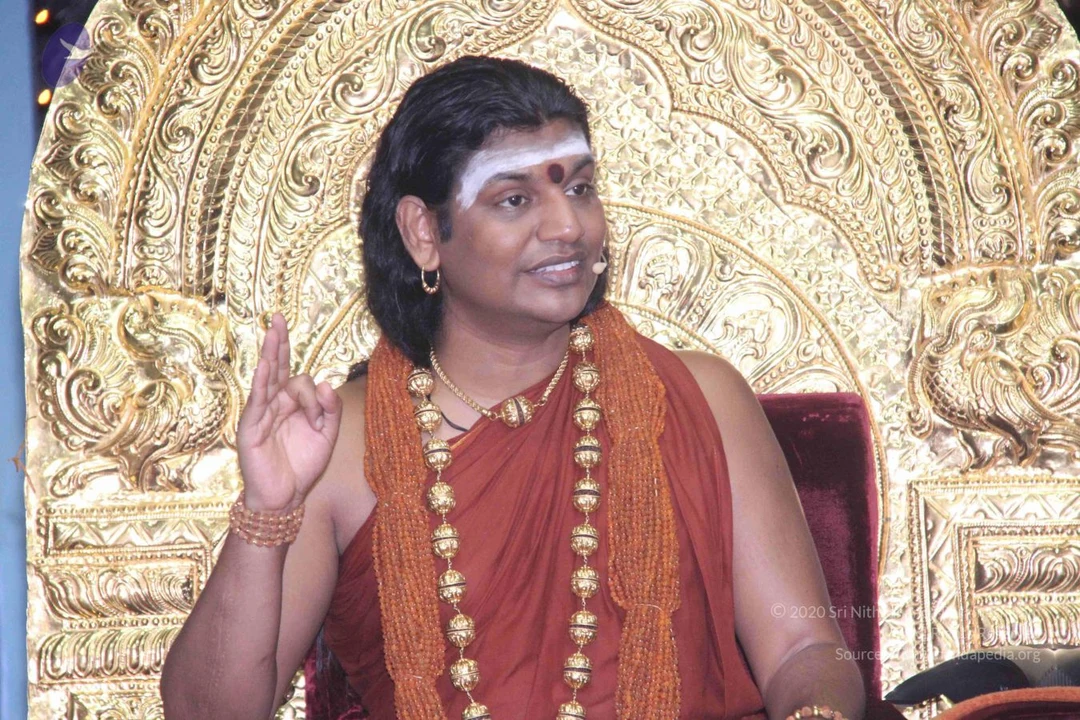
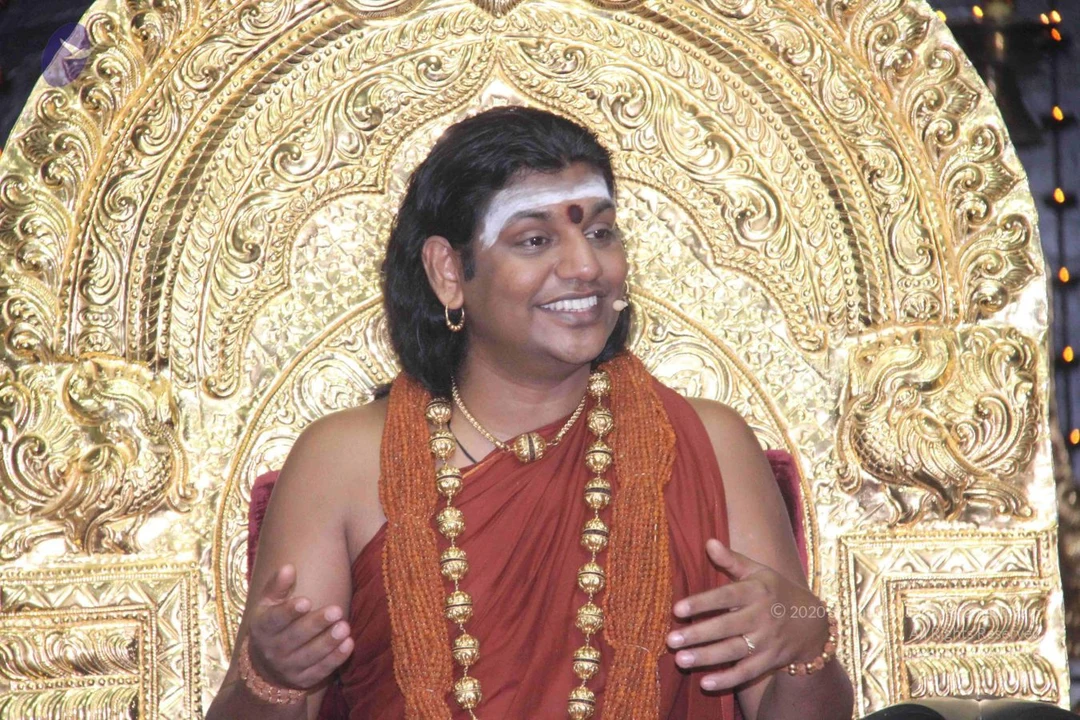
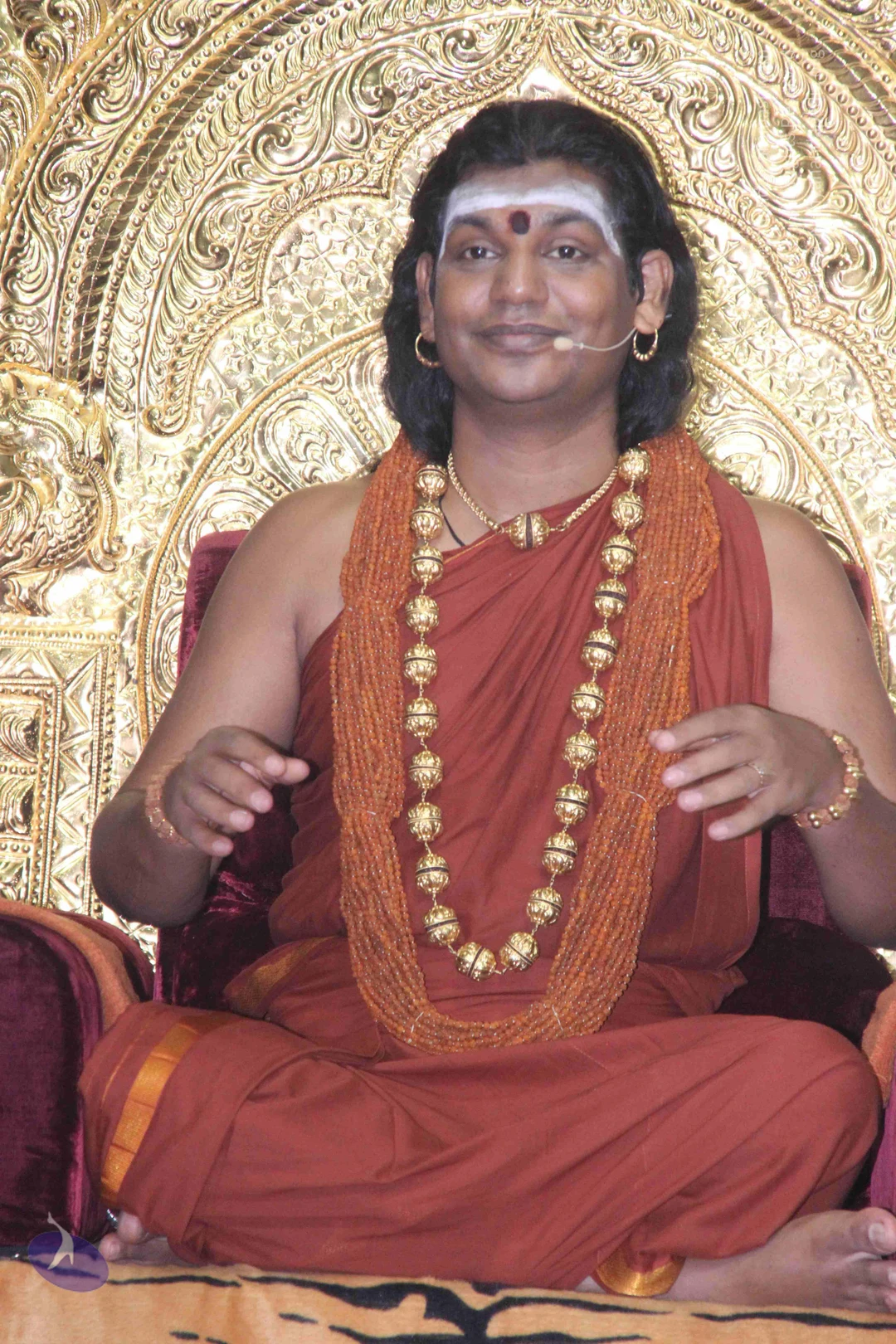
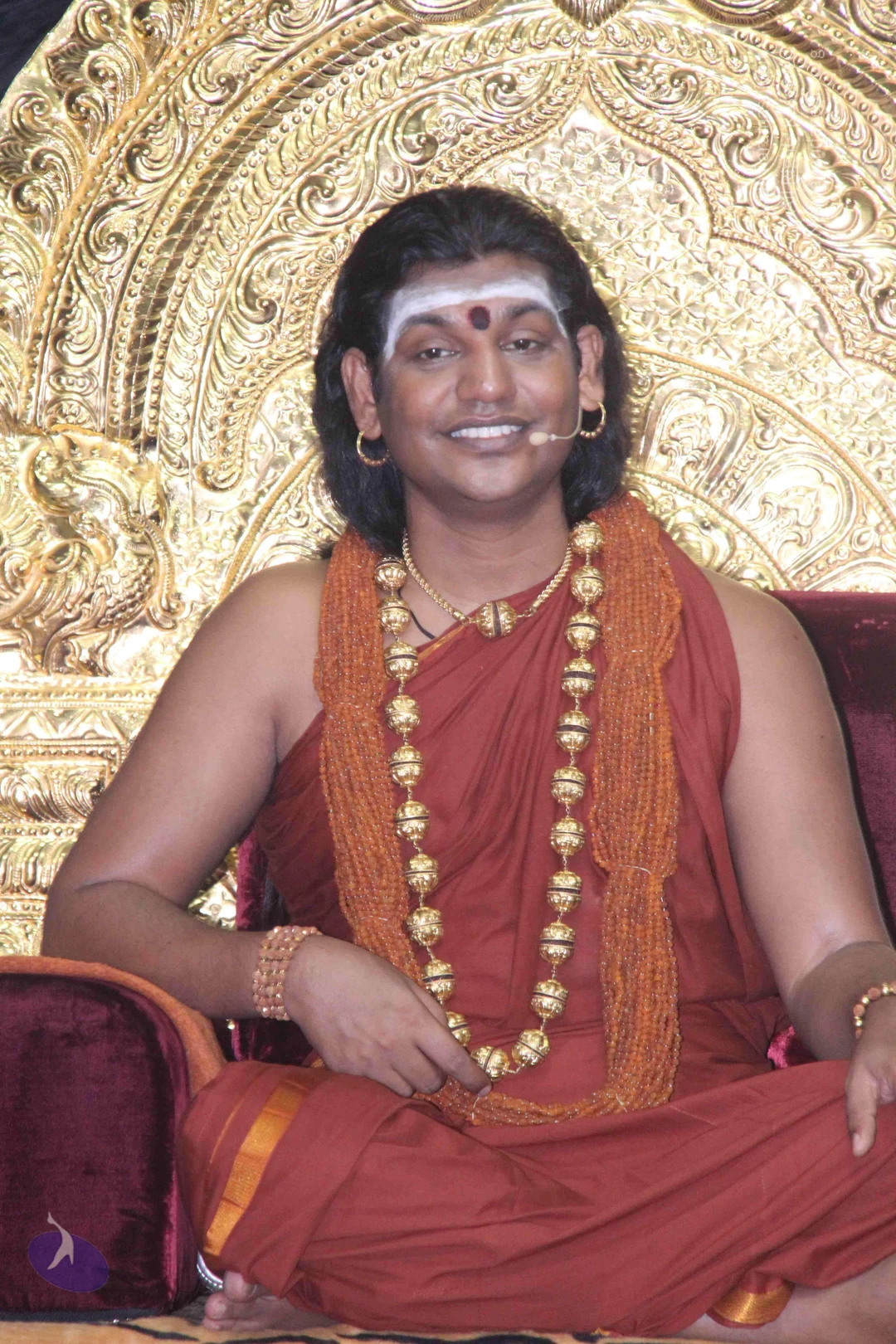
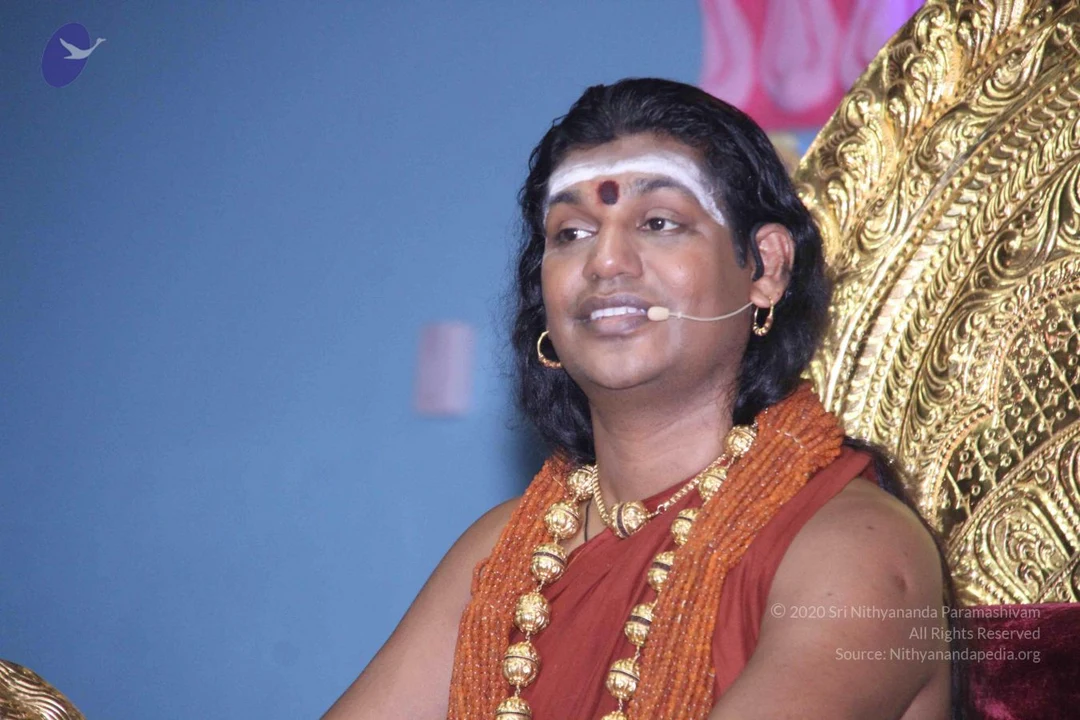
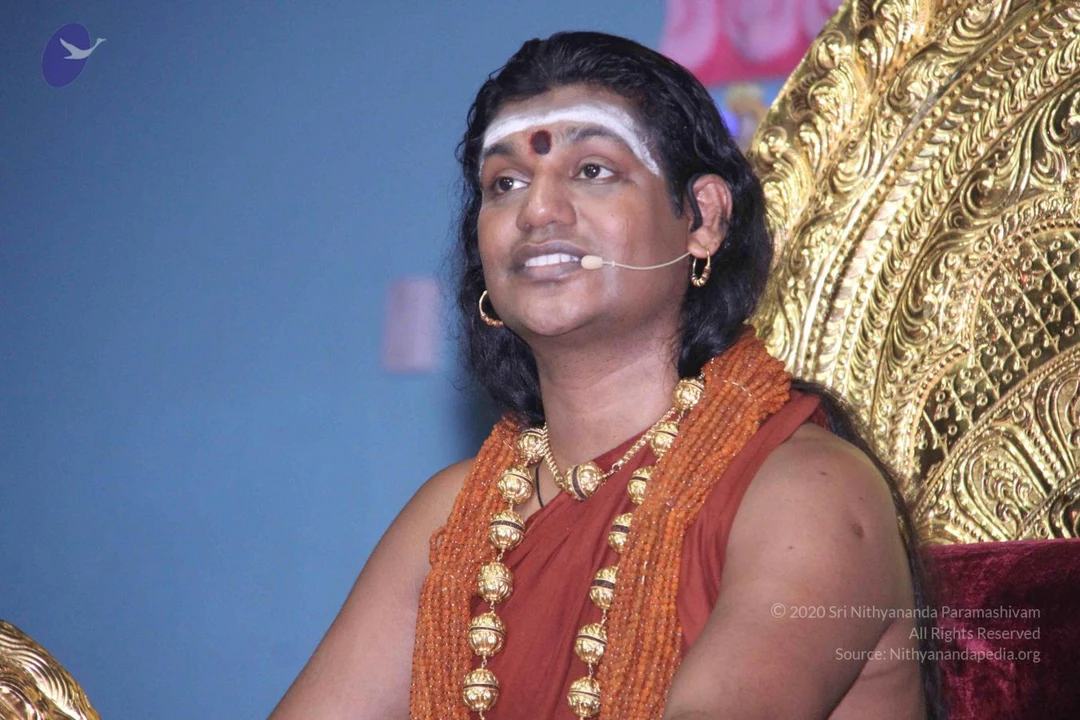
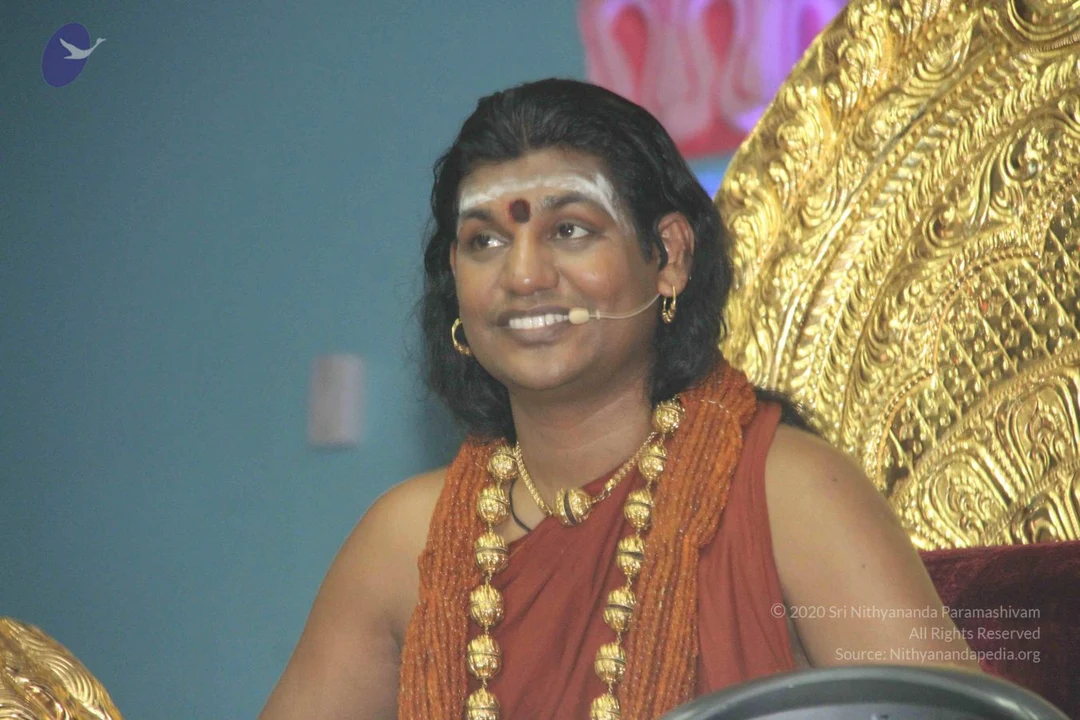
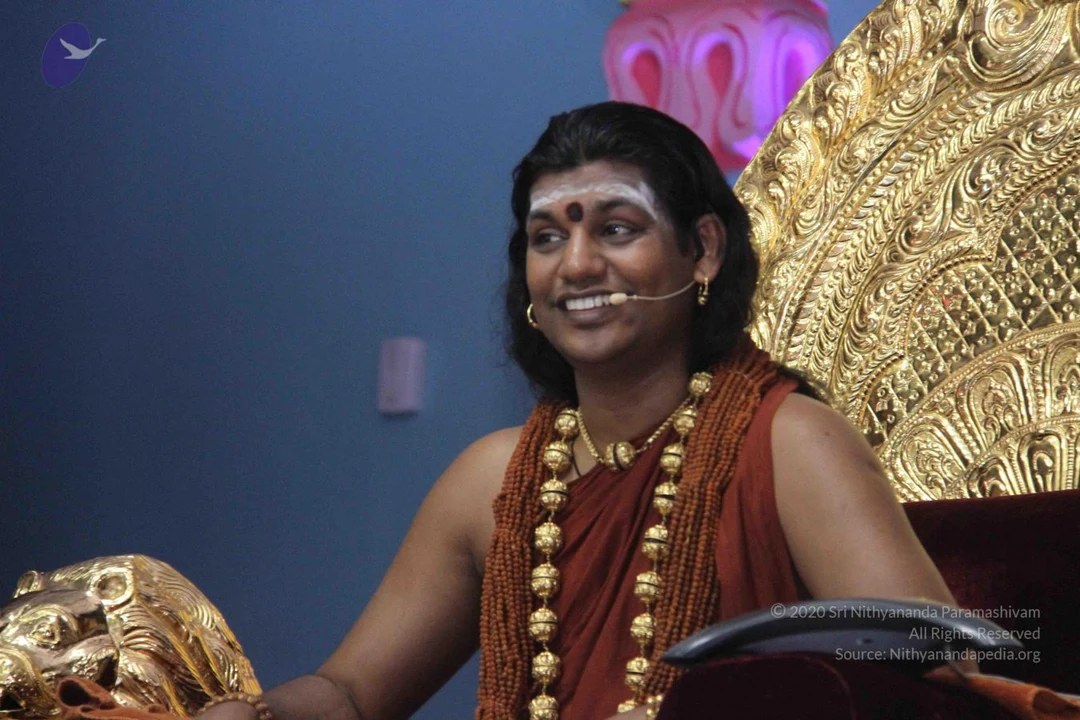
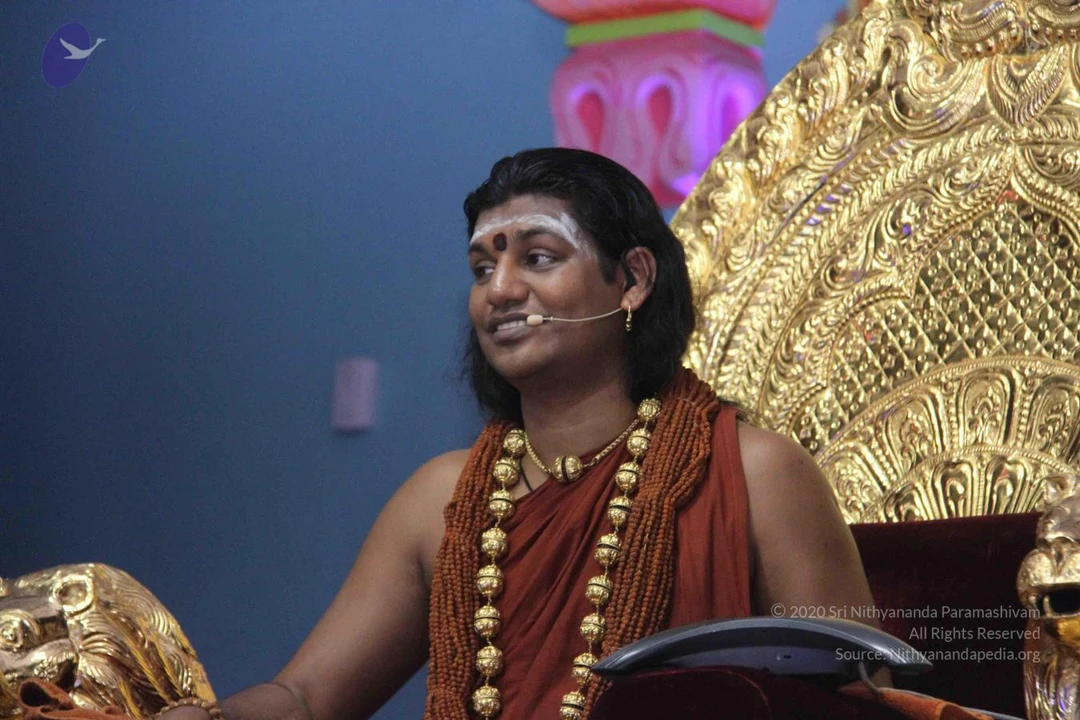
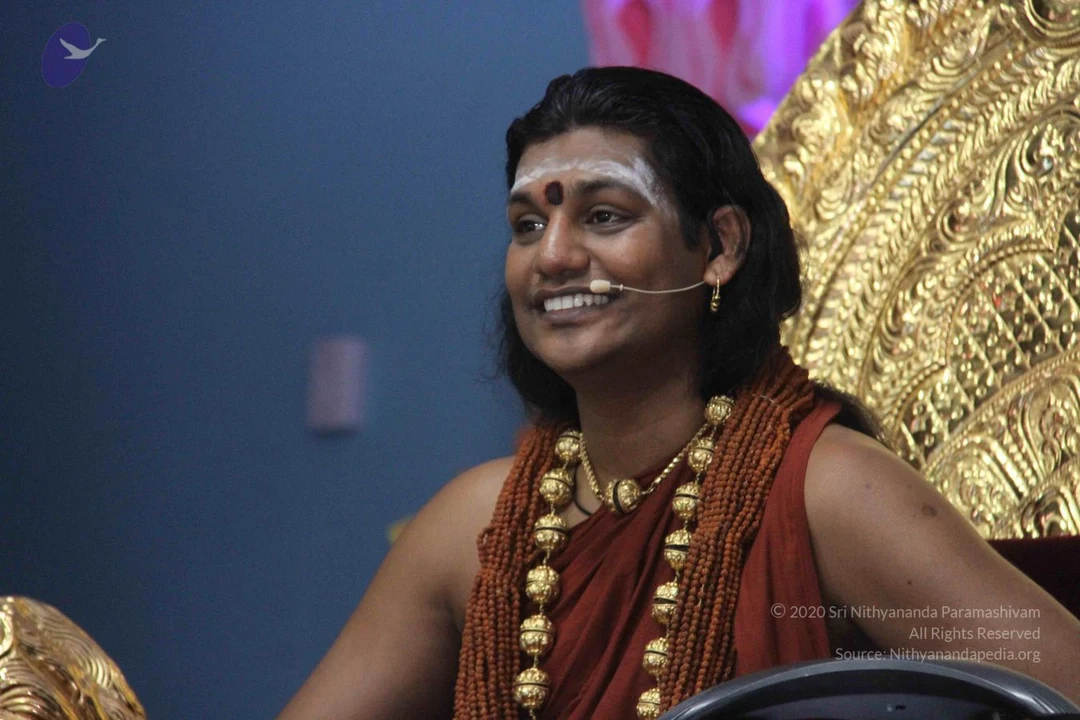
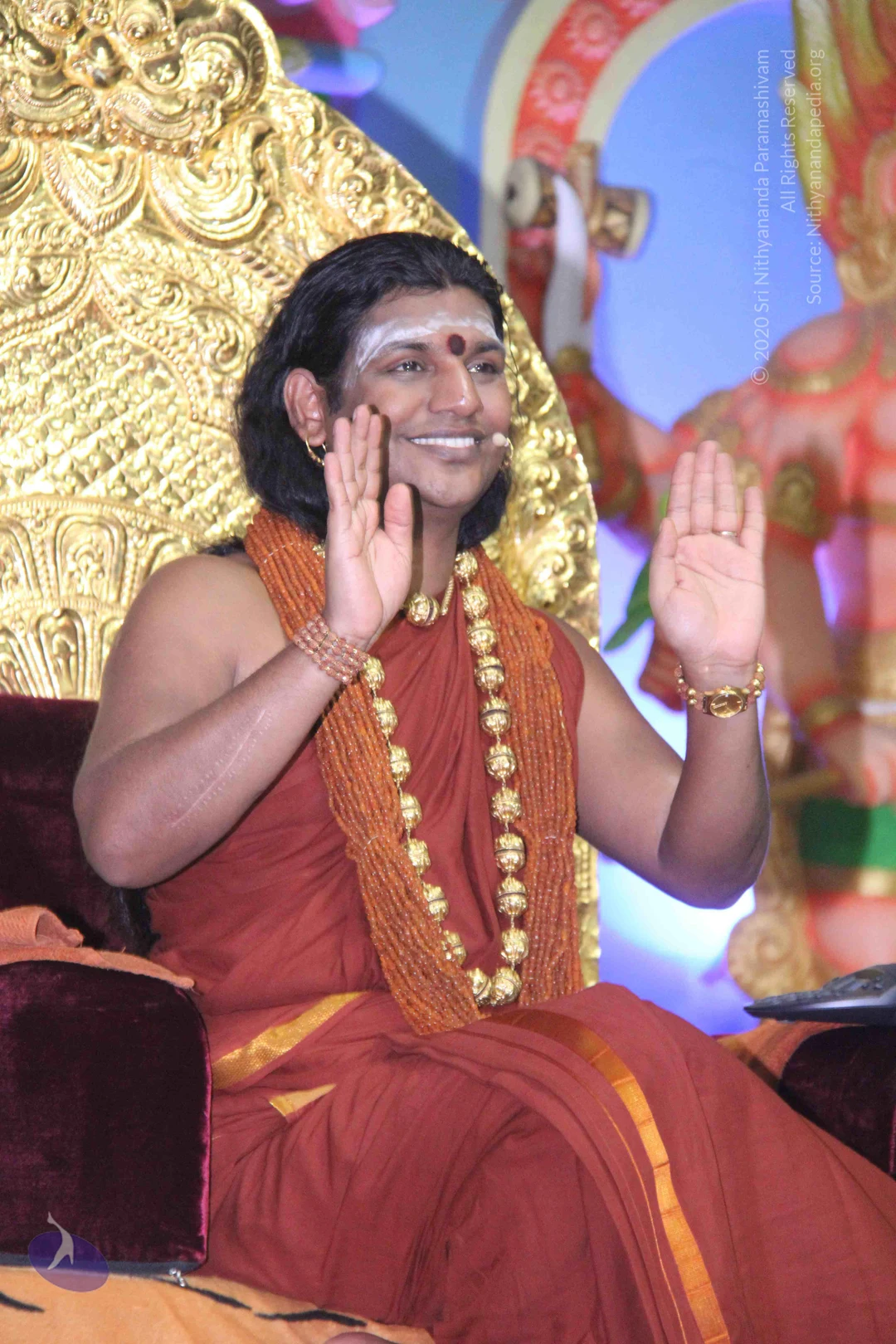
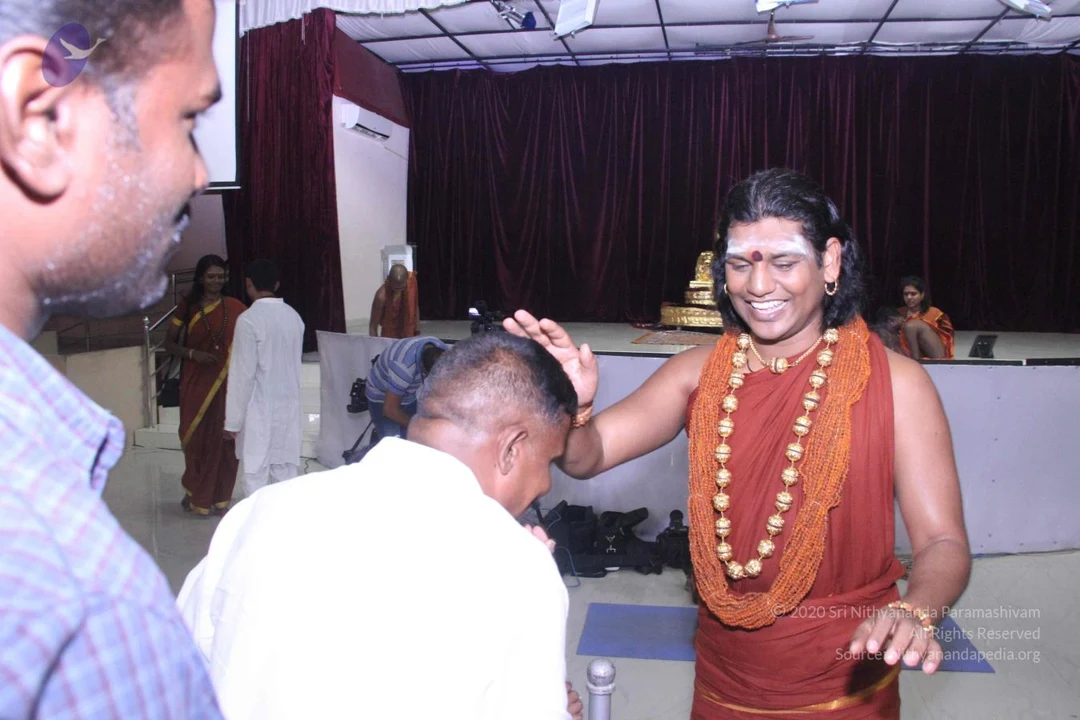
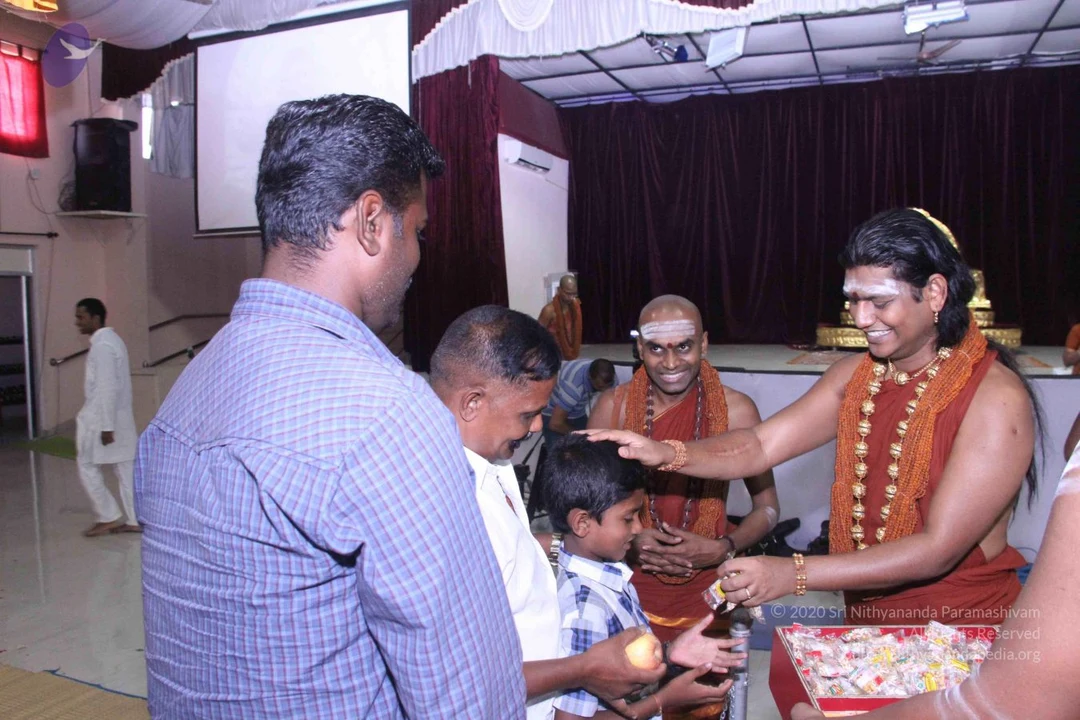
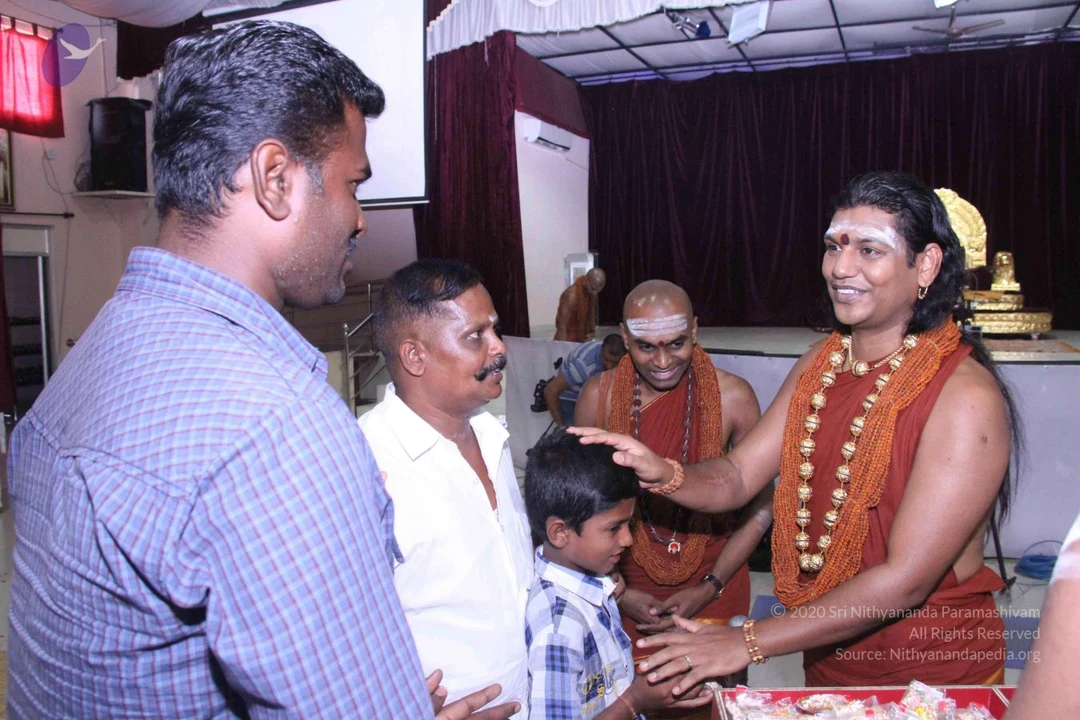
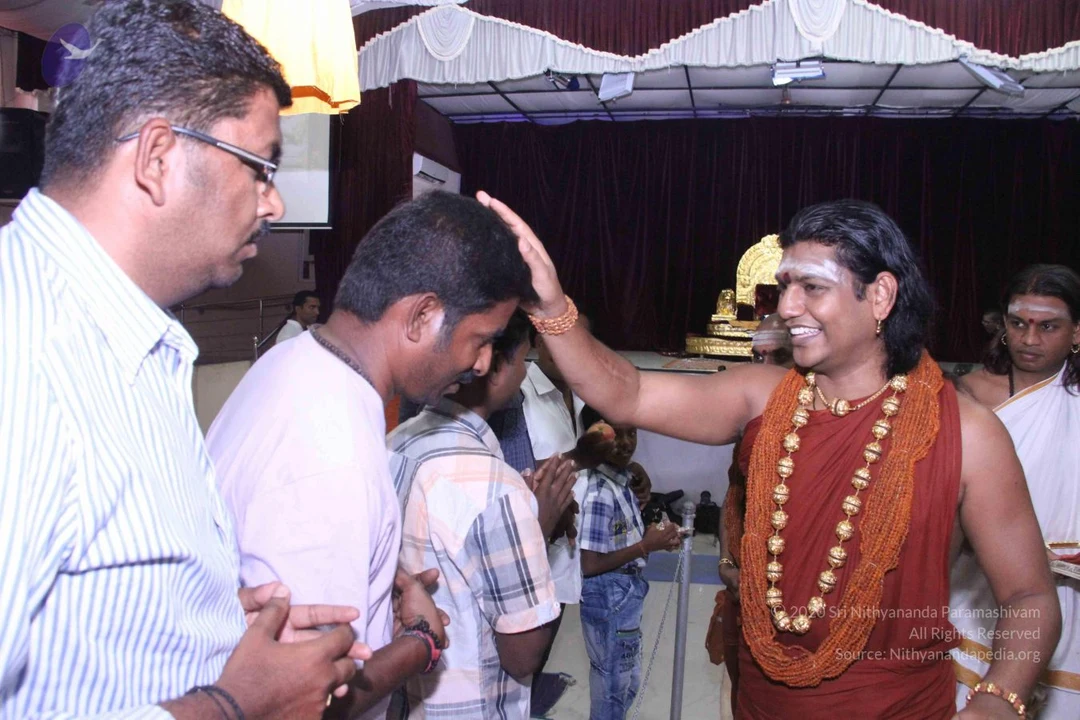
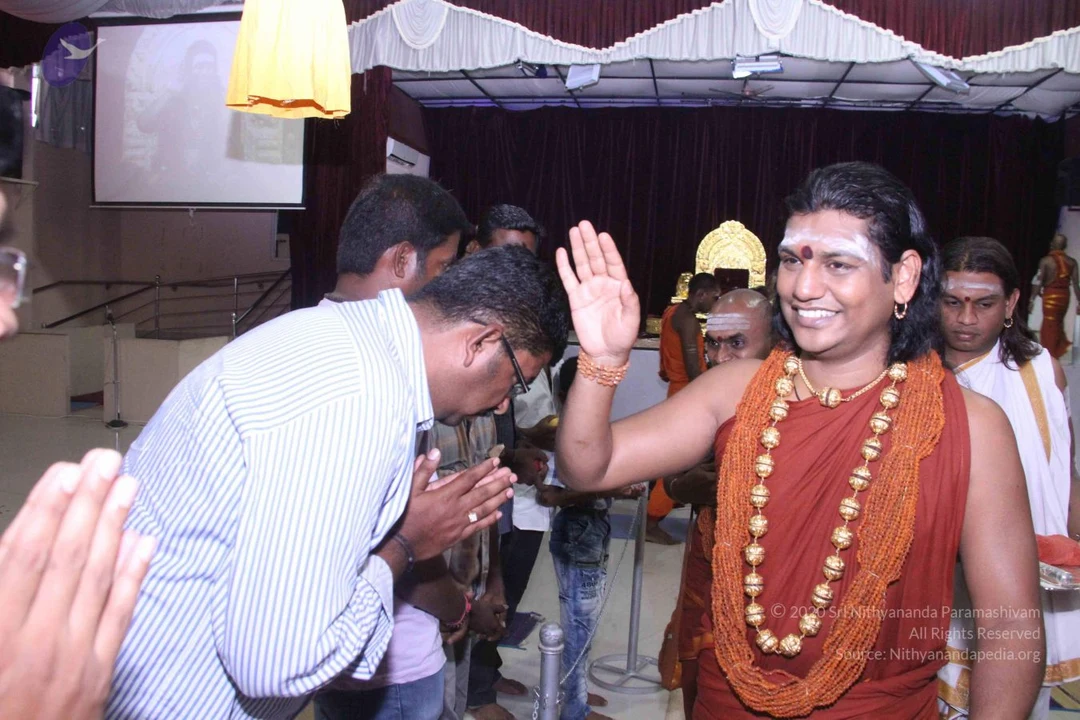
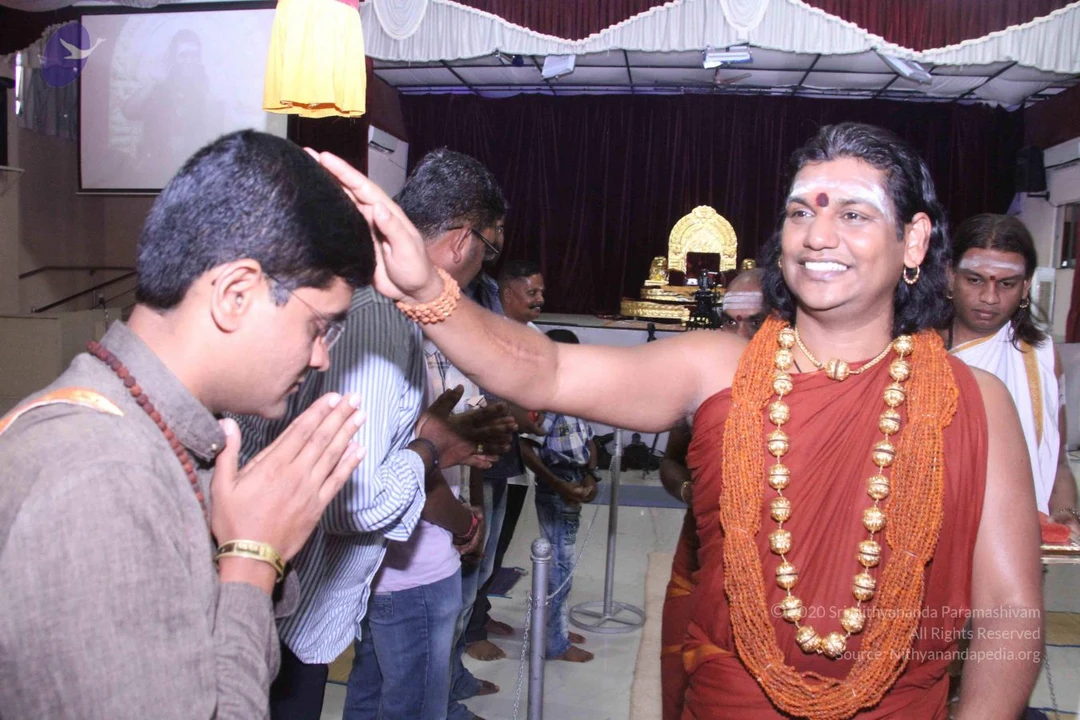
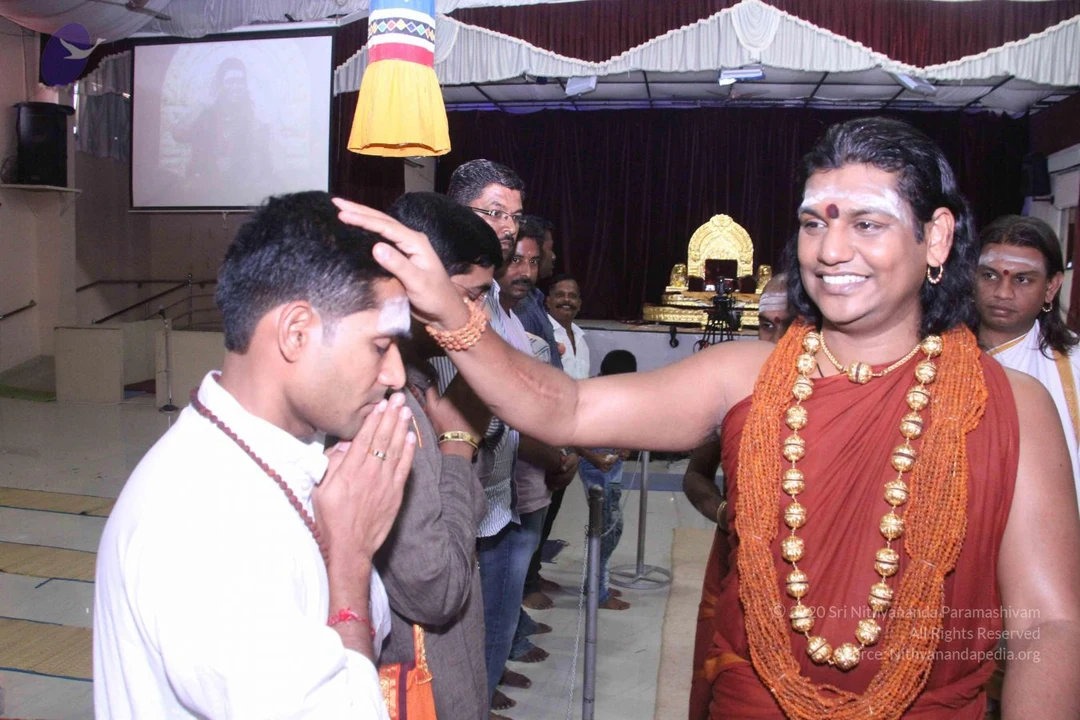
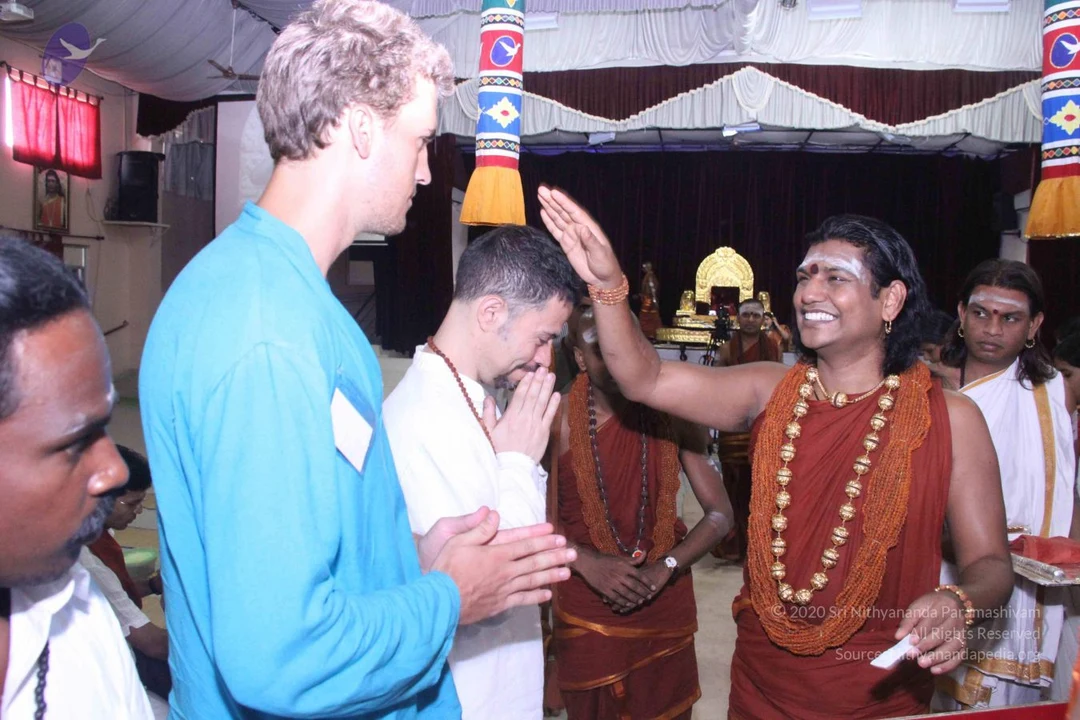
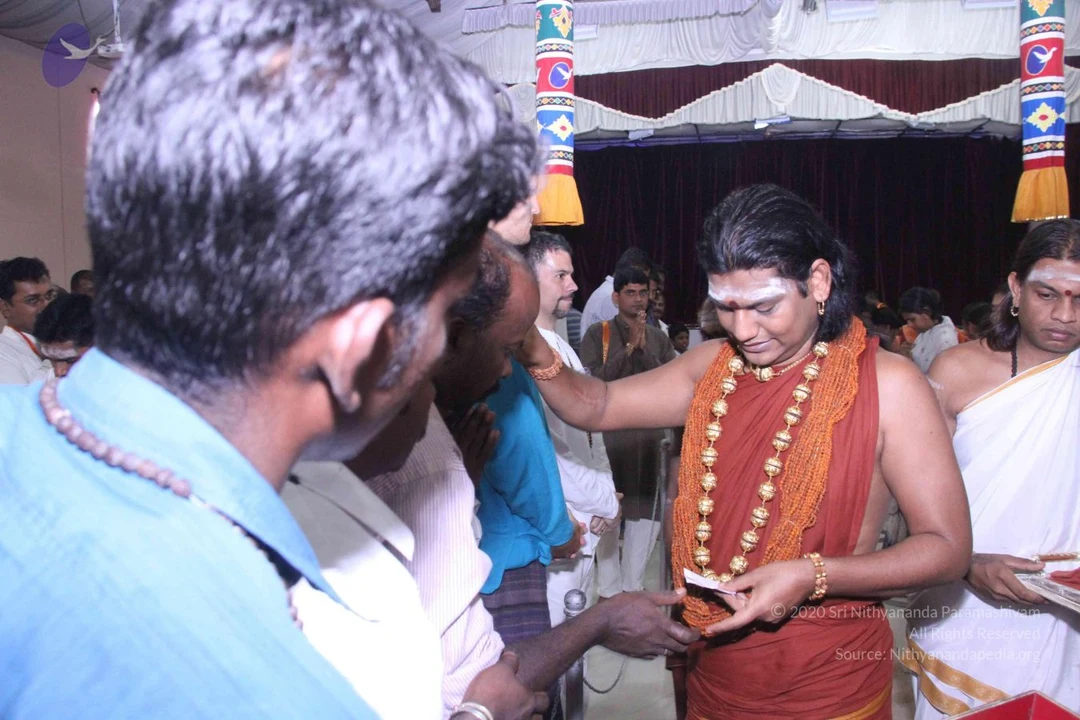
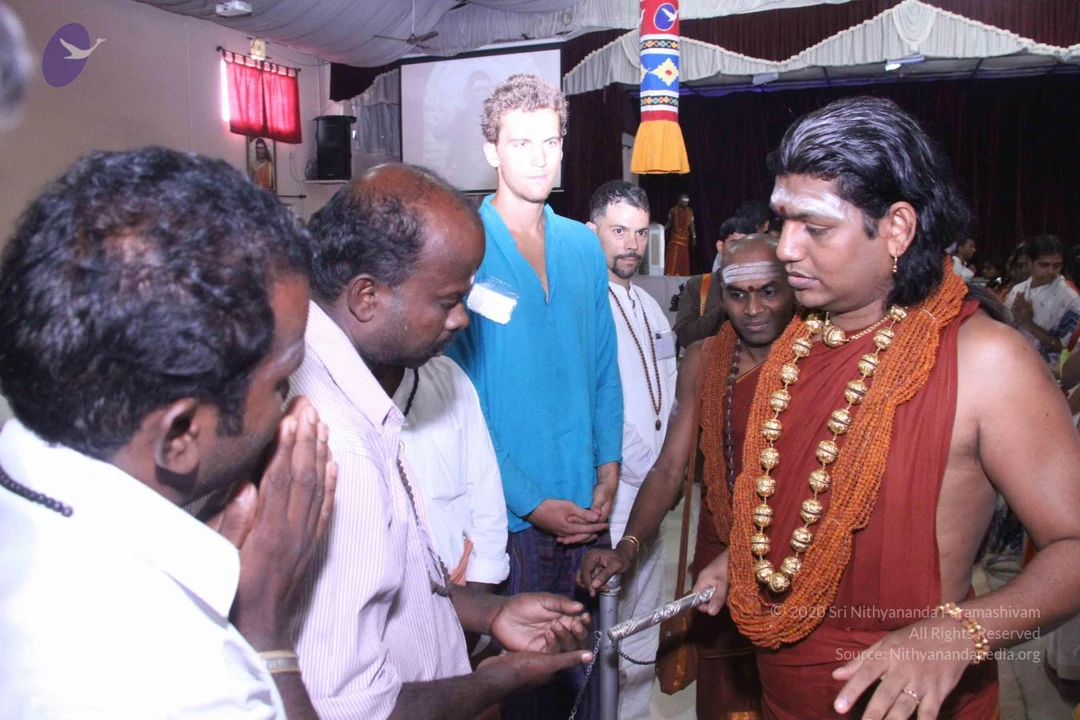
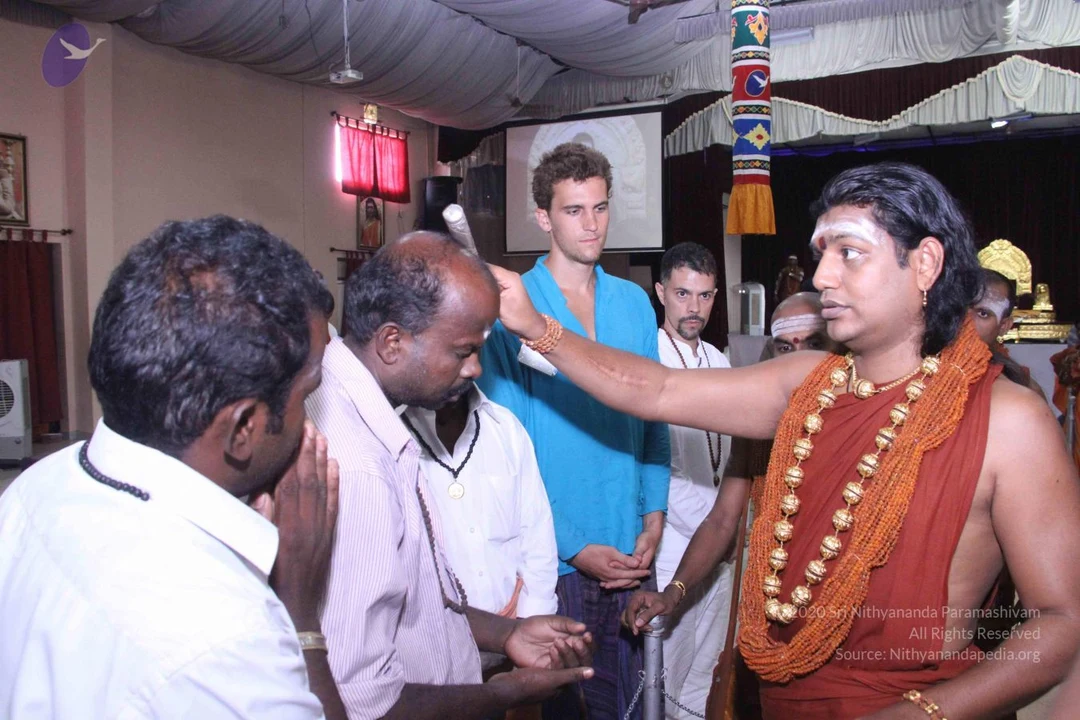
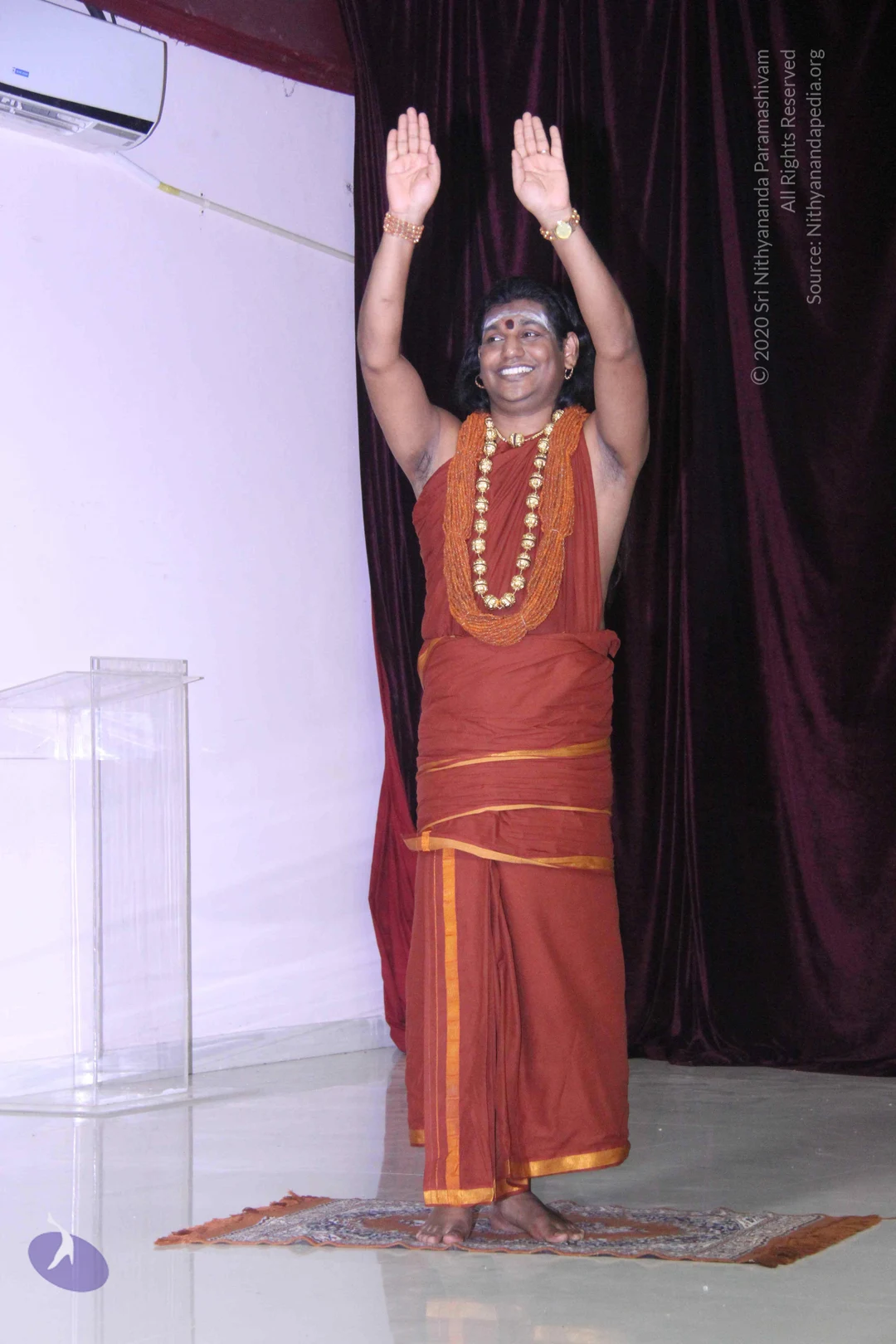
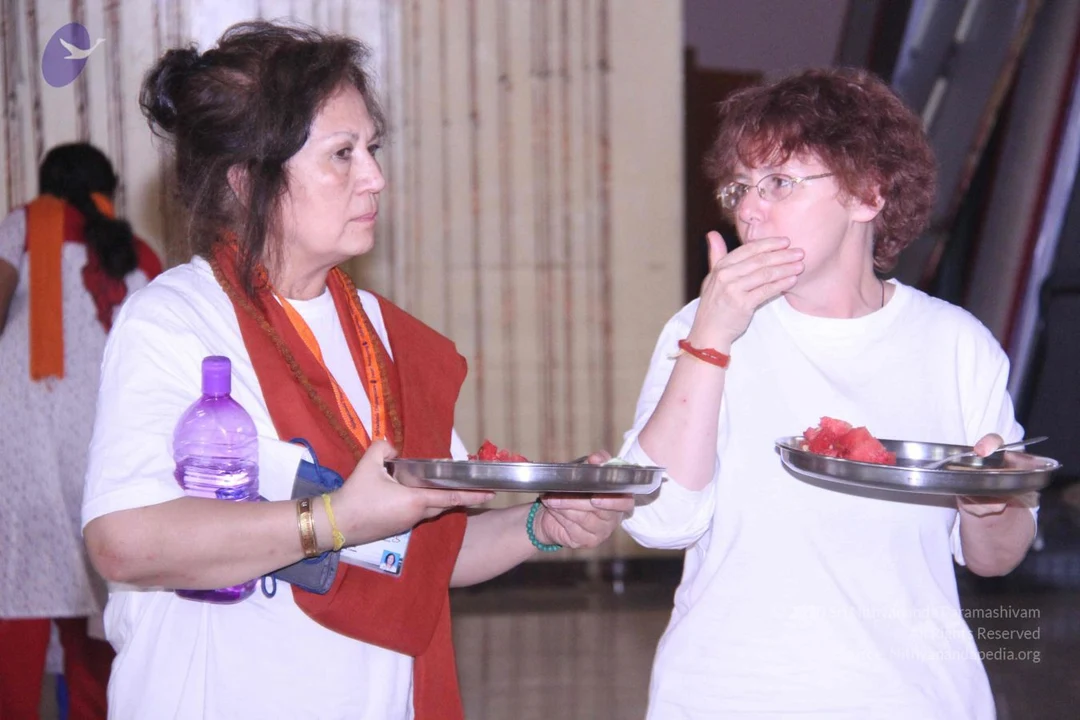
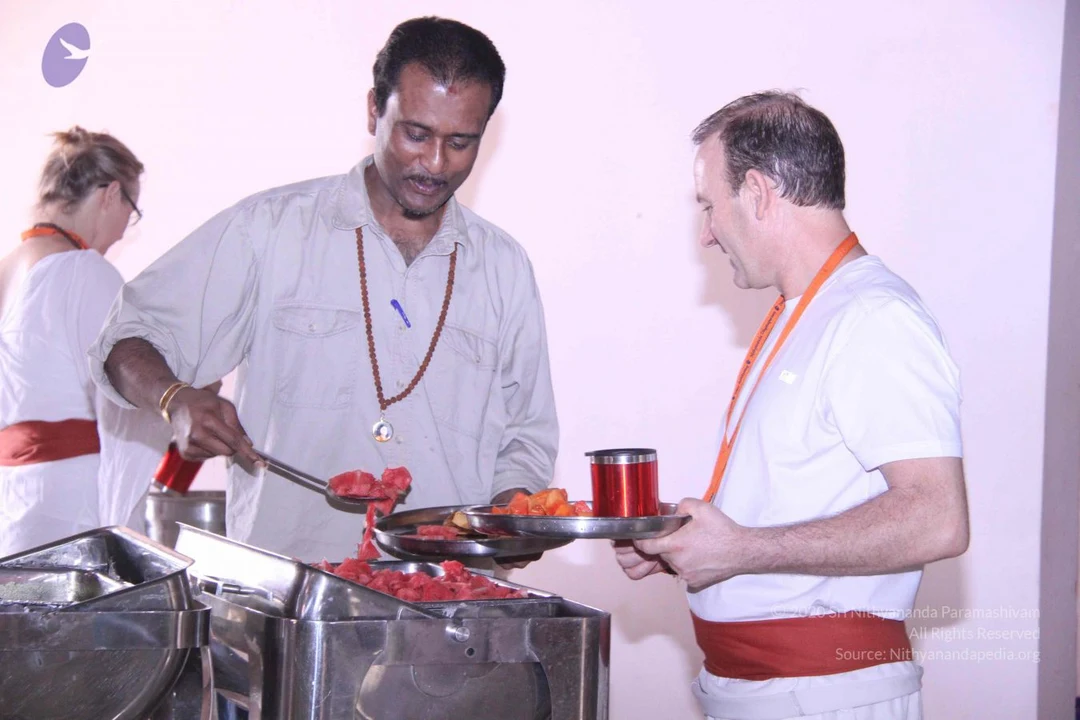
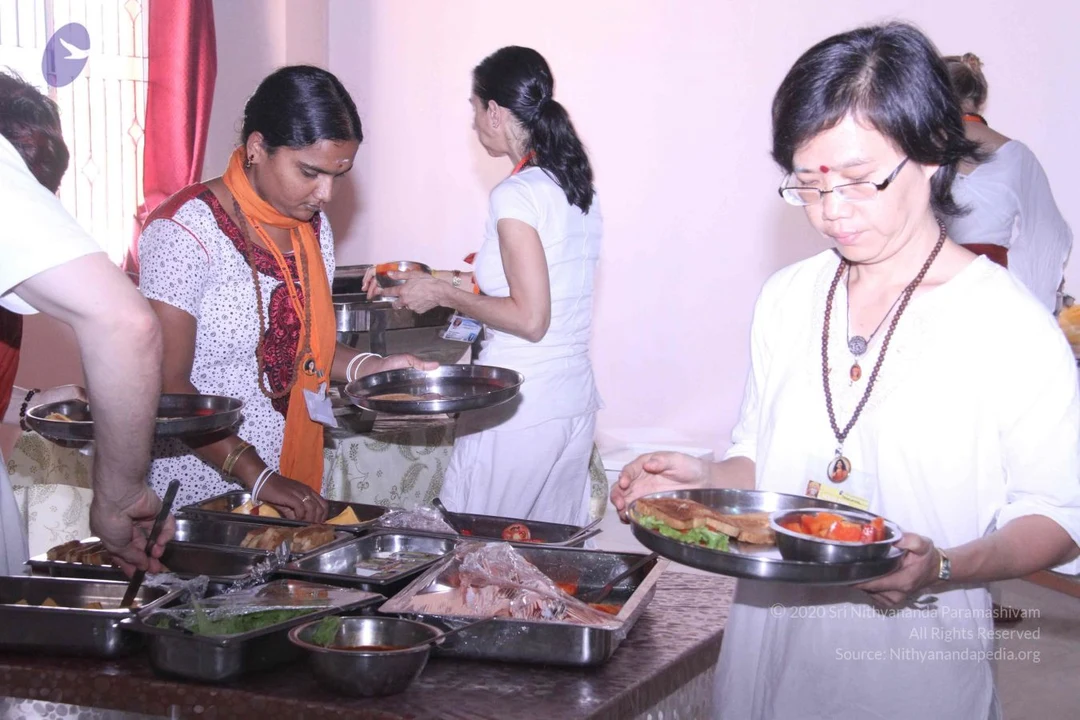
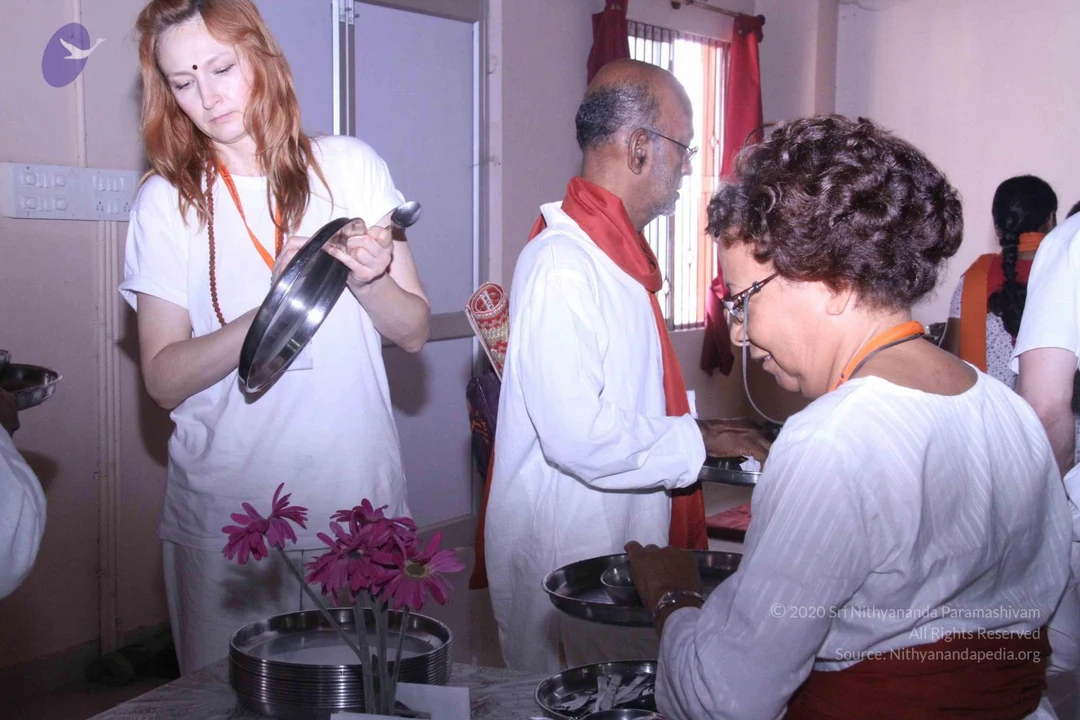
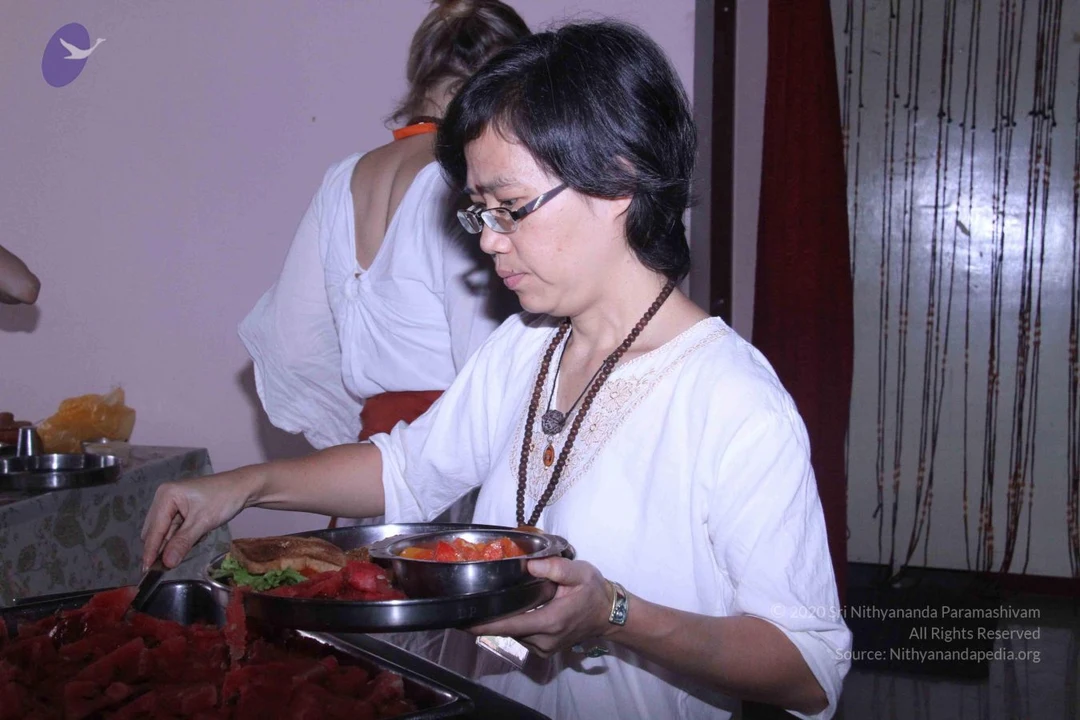
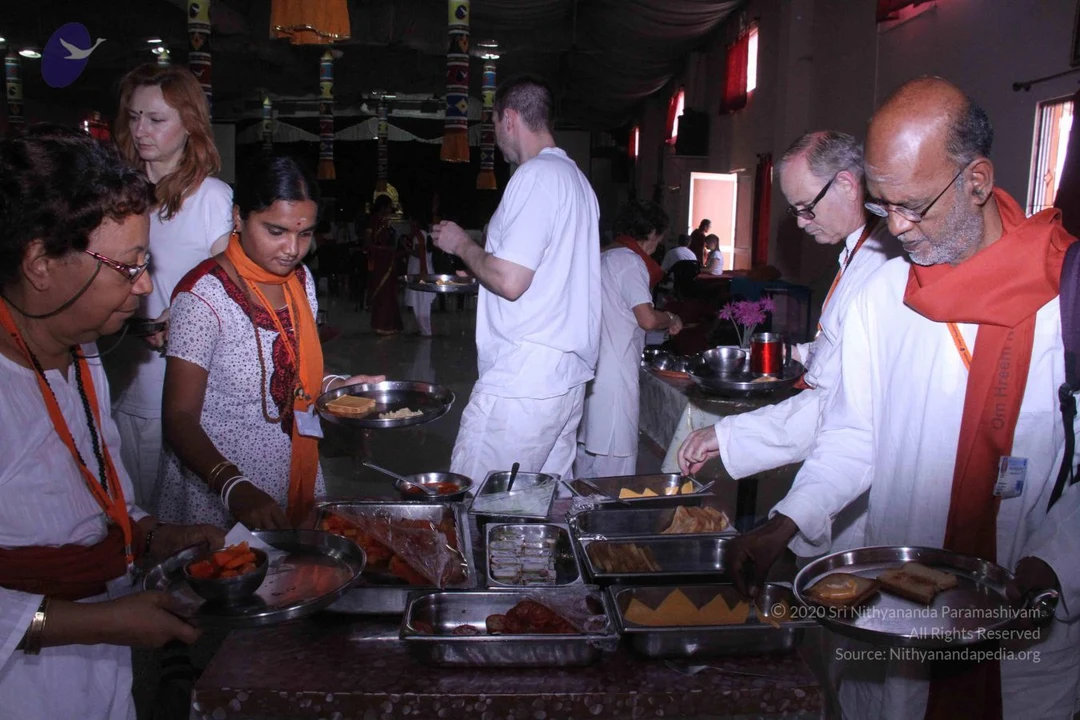
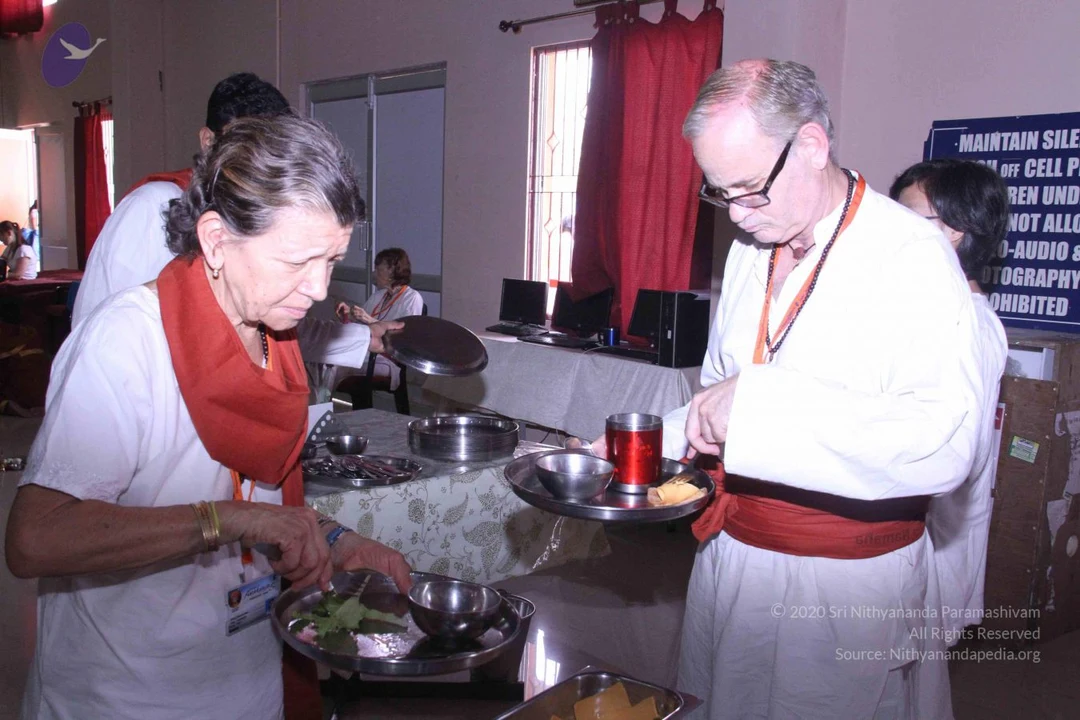
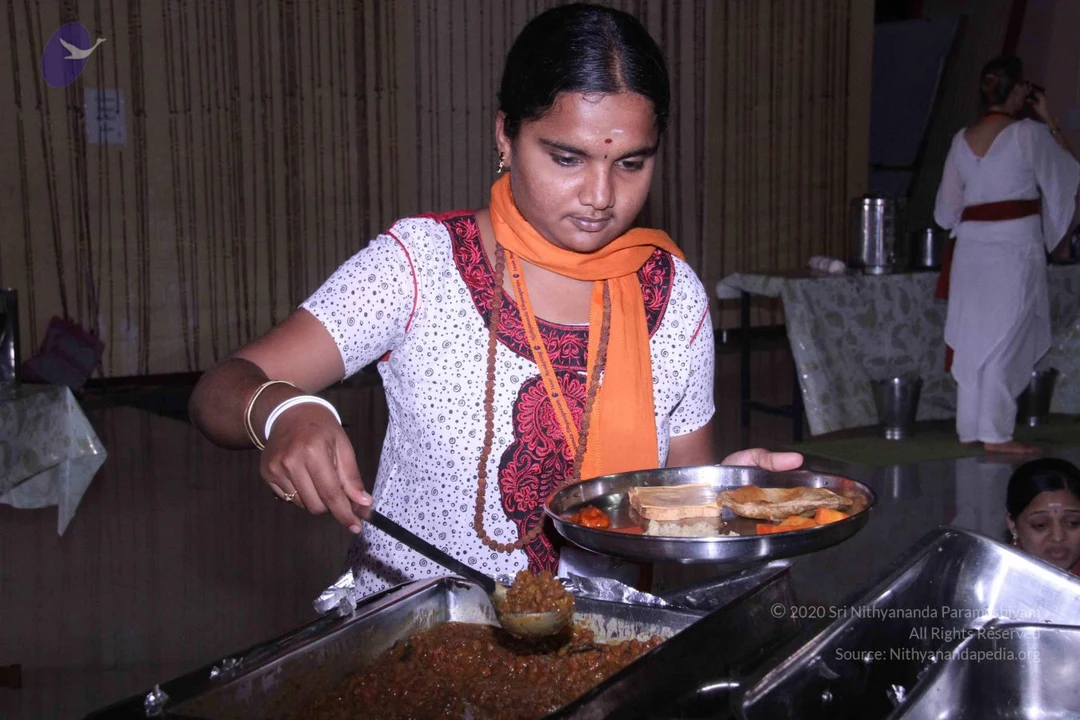
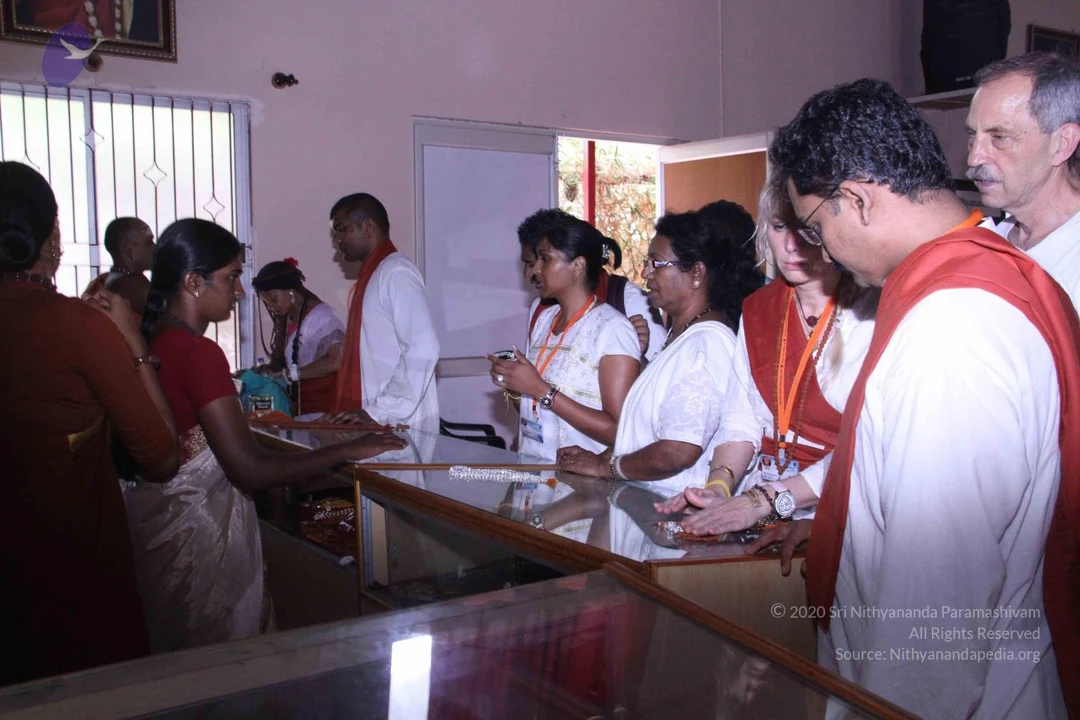
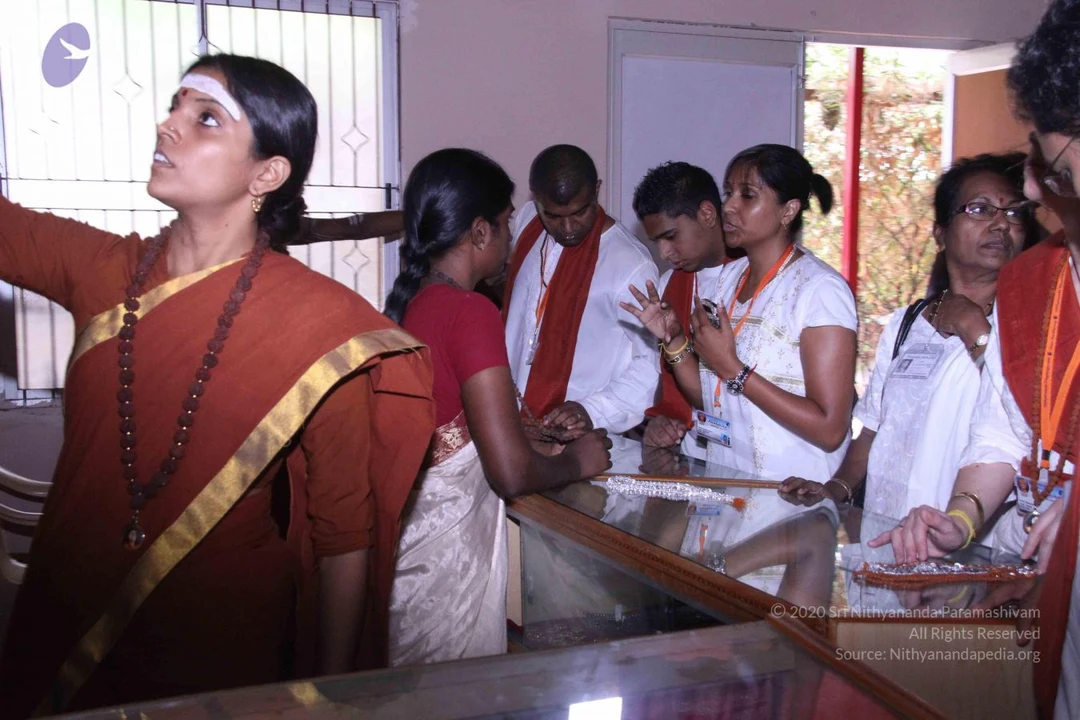
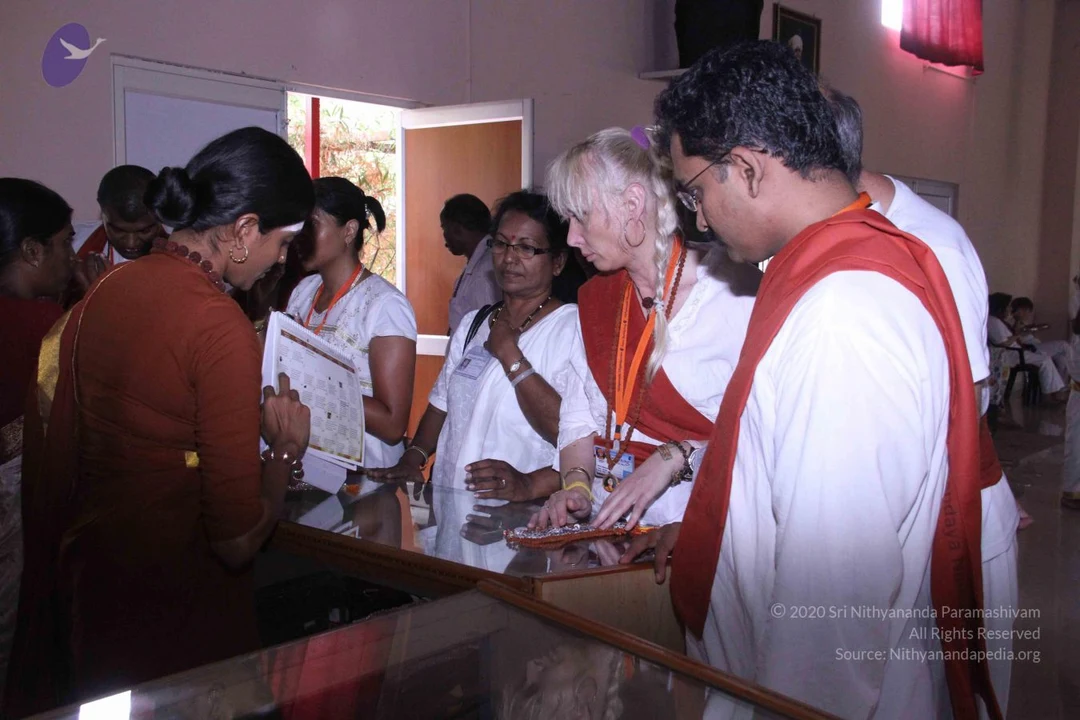

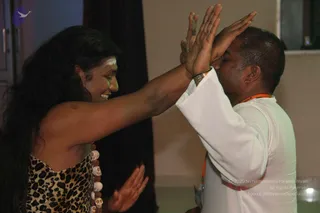
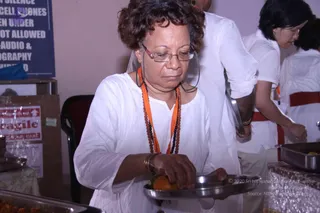
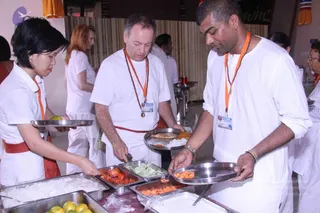
IA-session-and-lunch

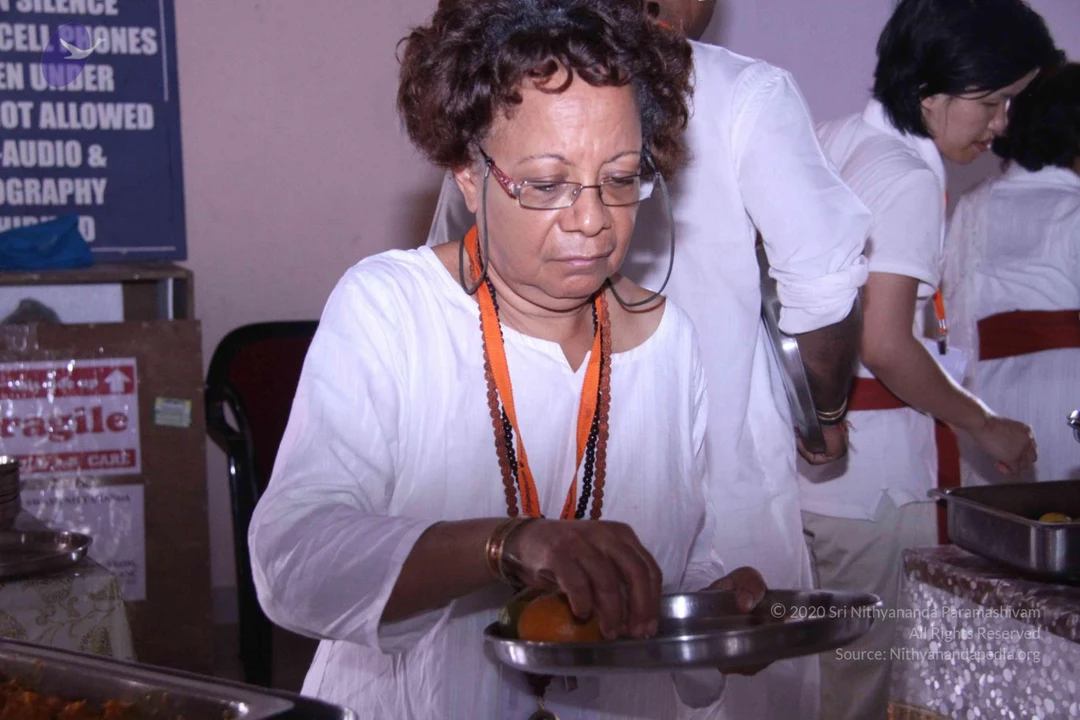



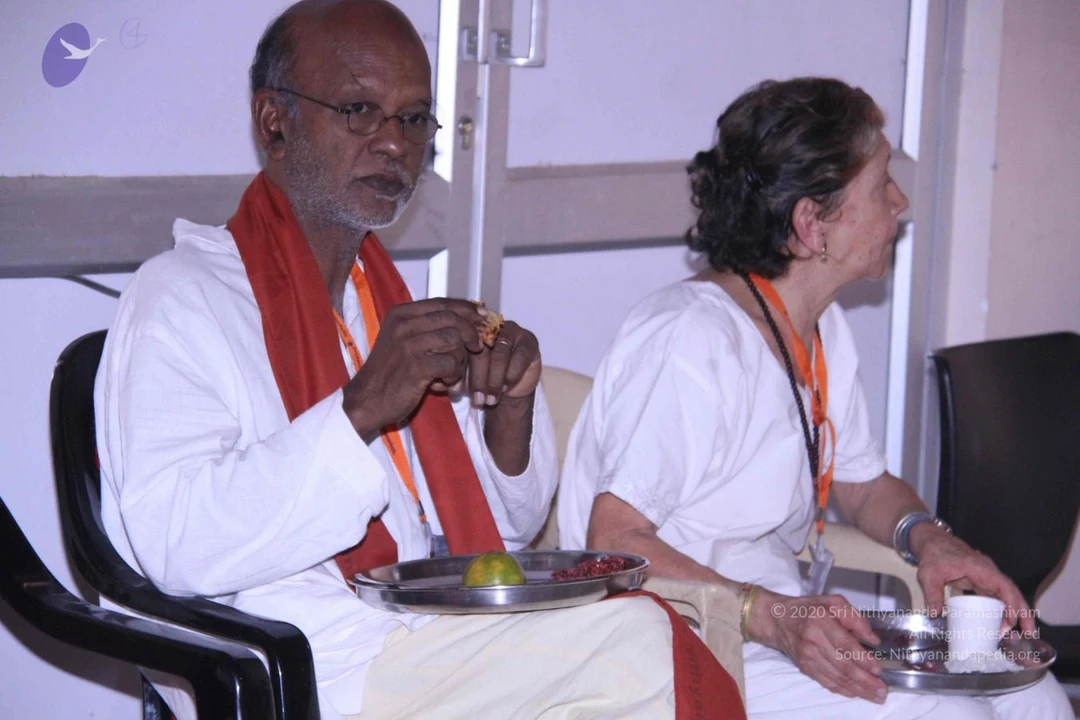
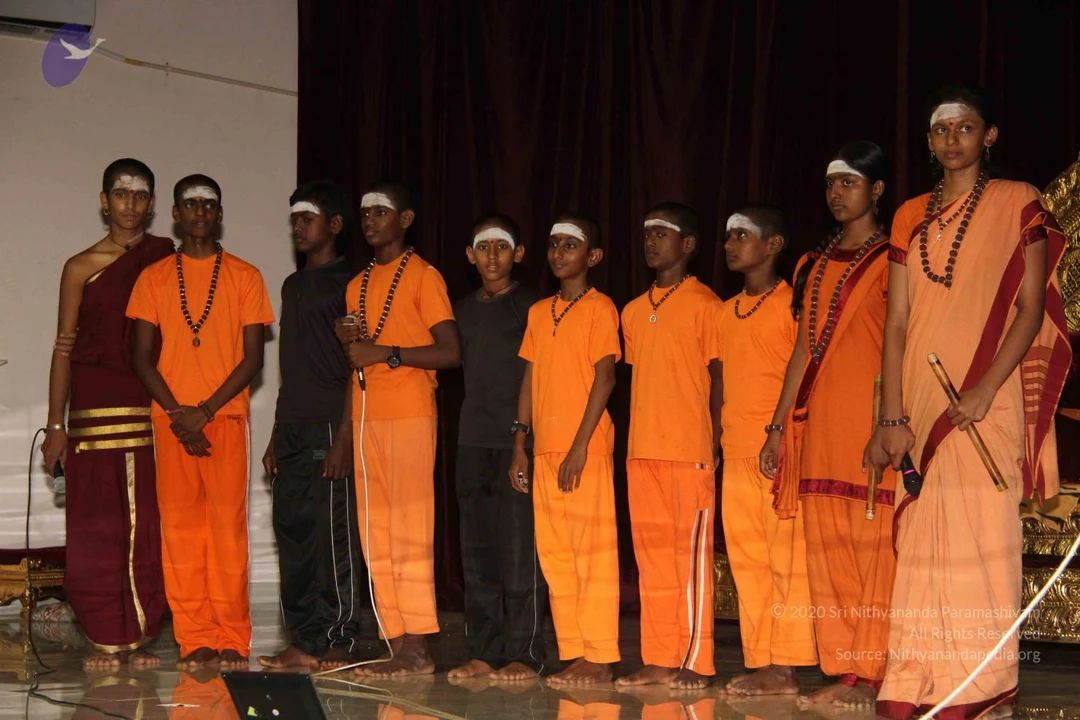
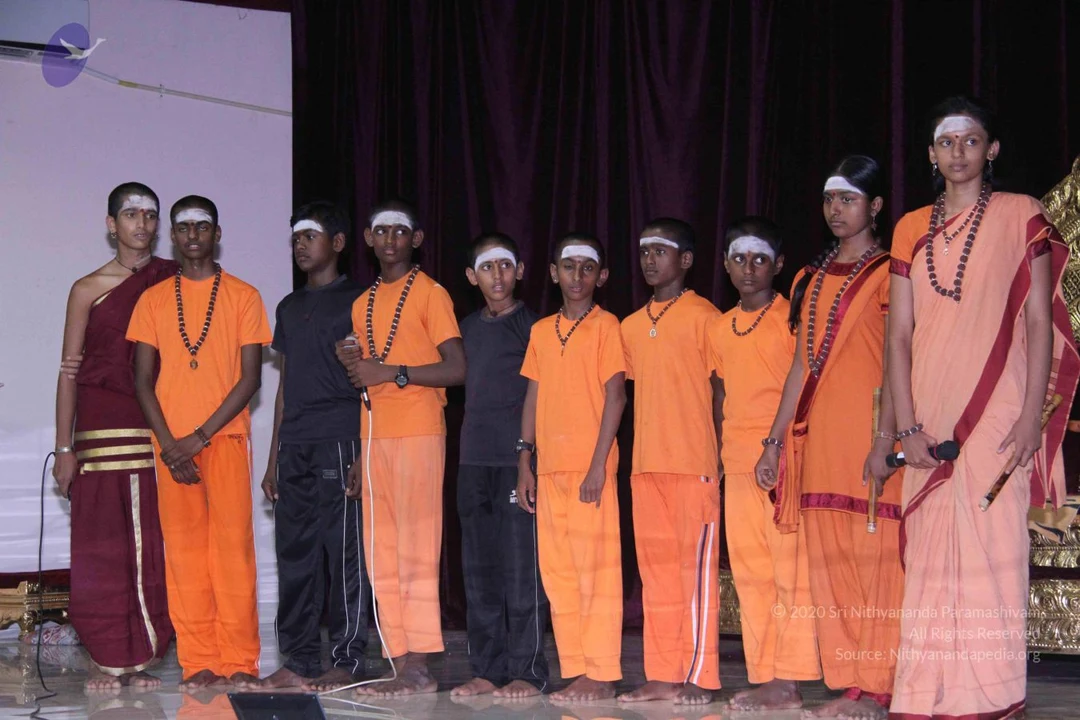
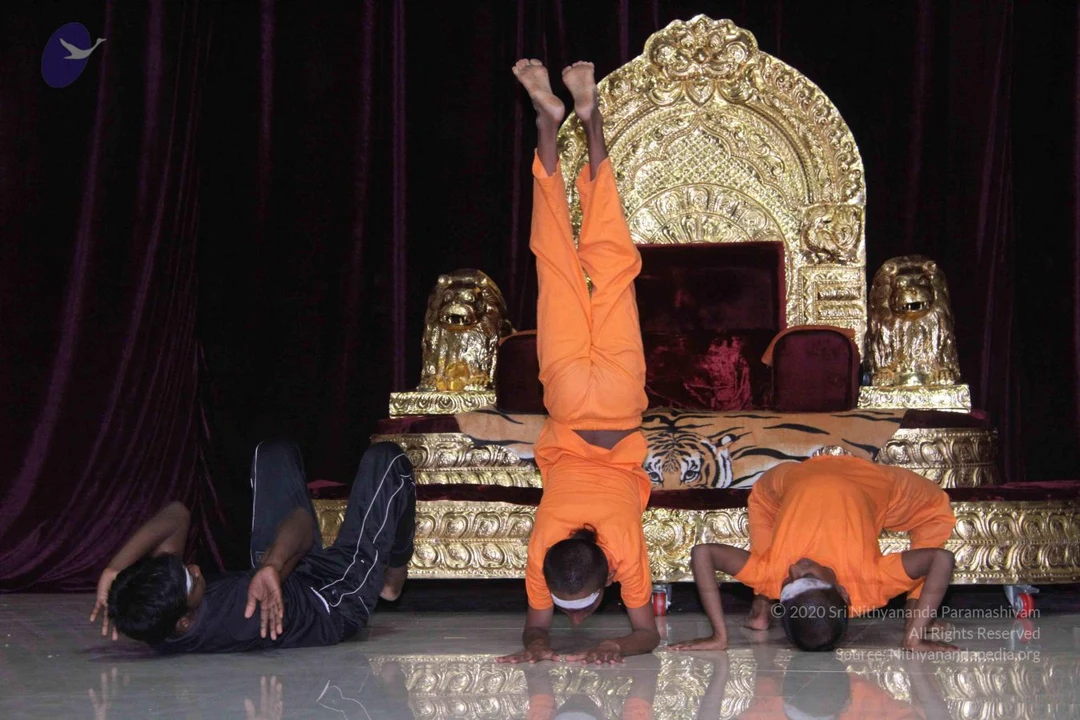
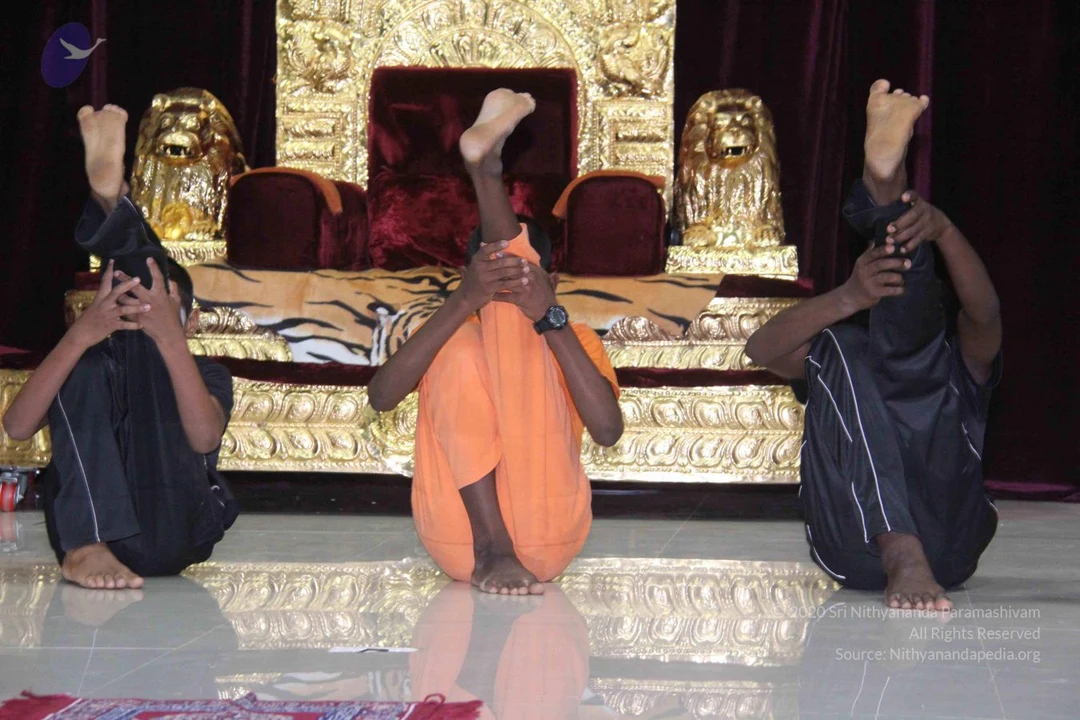
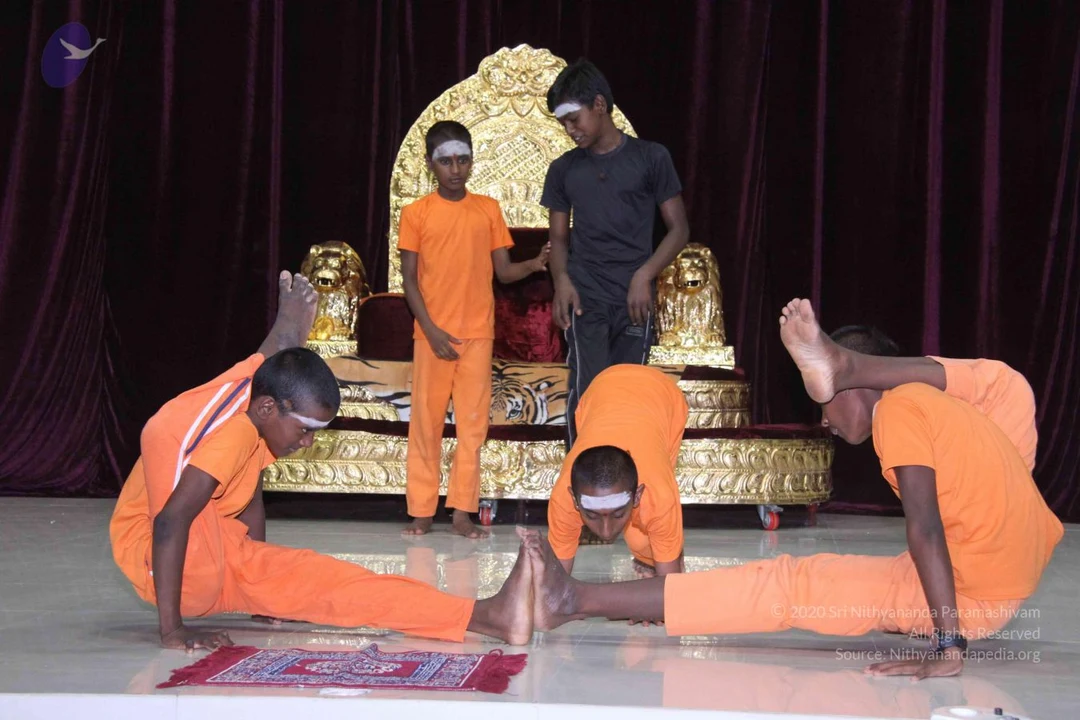
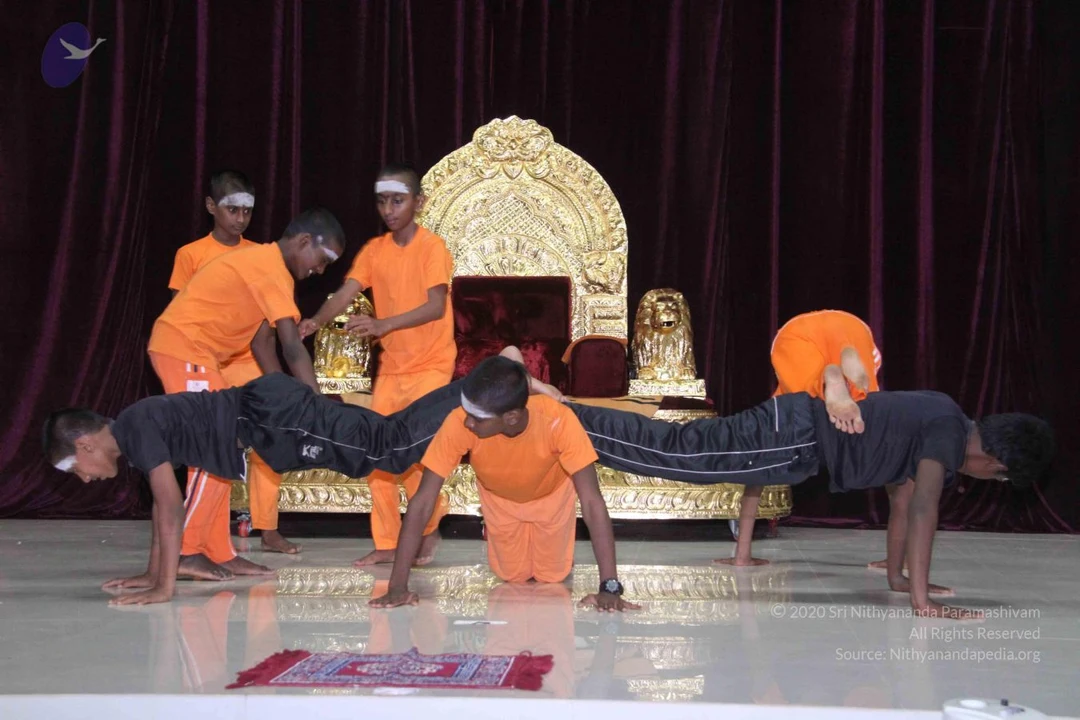
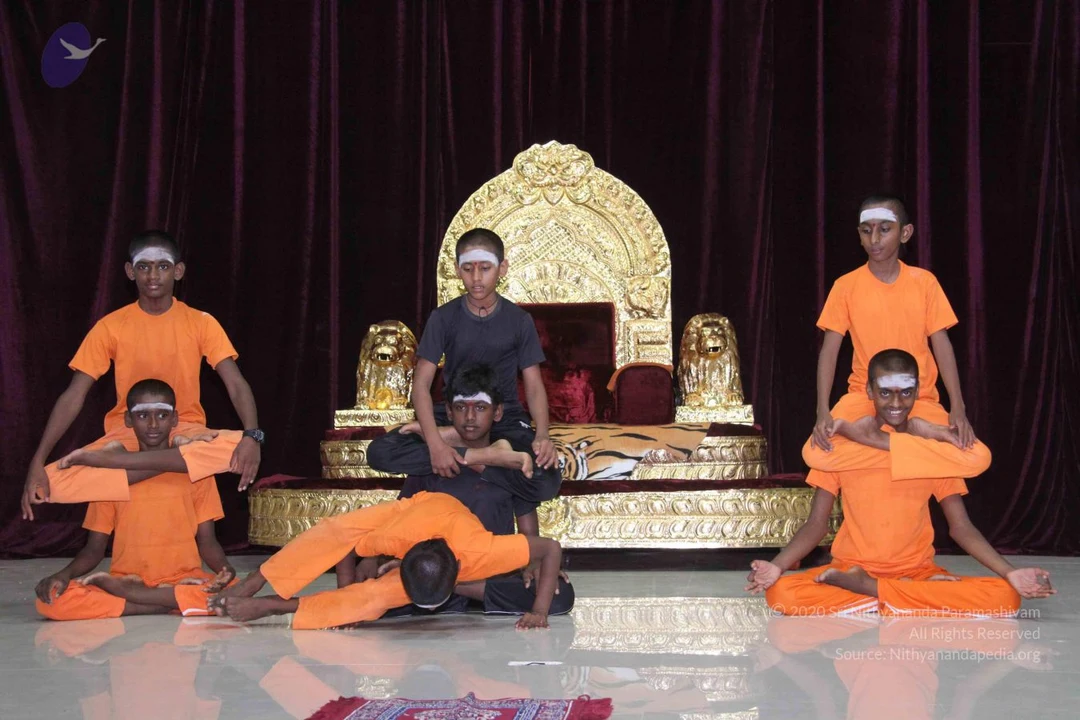
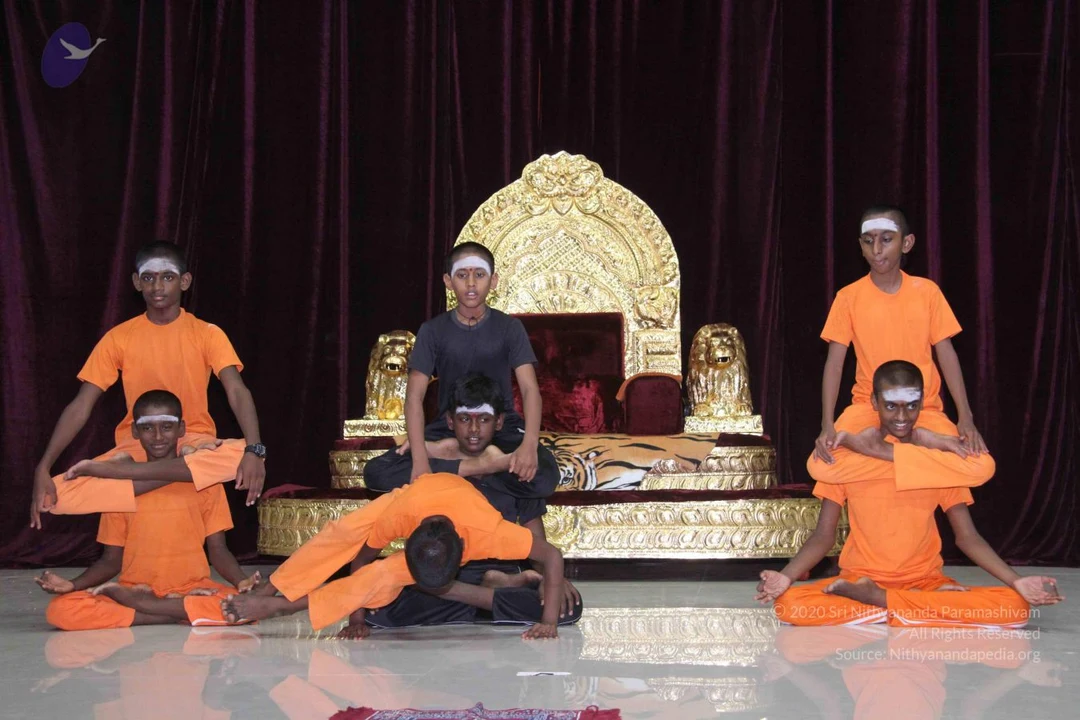
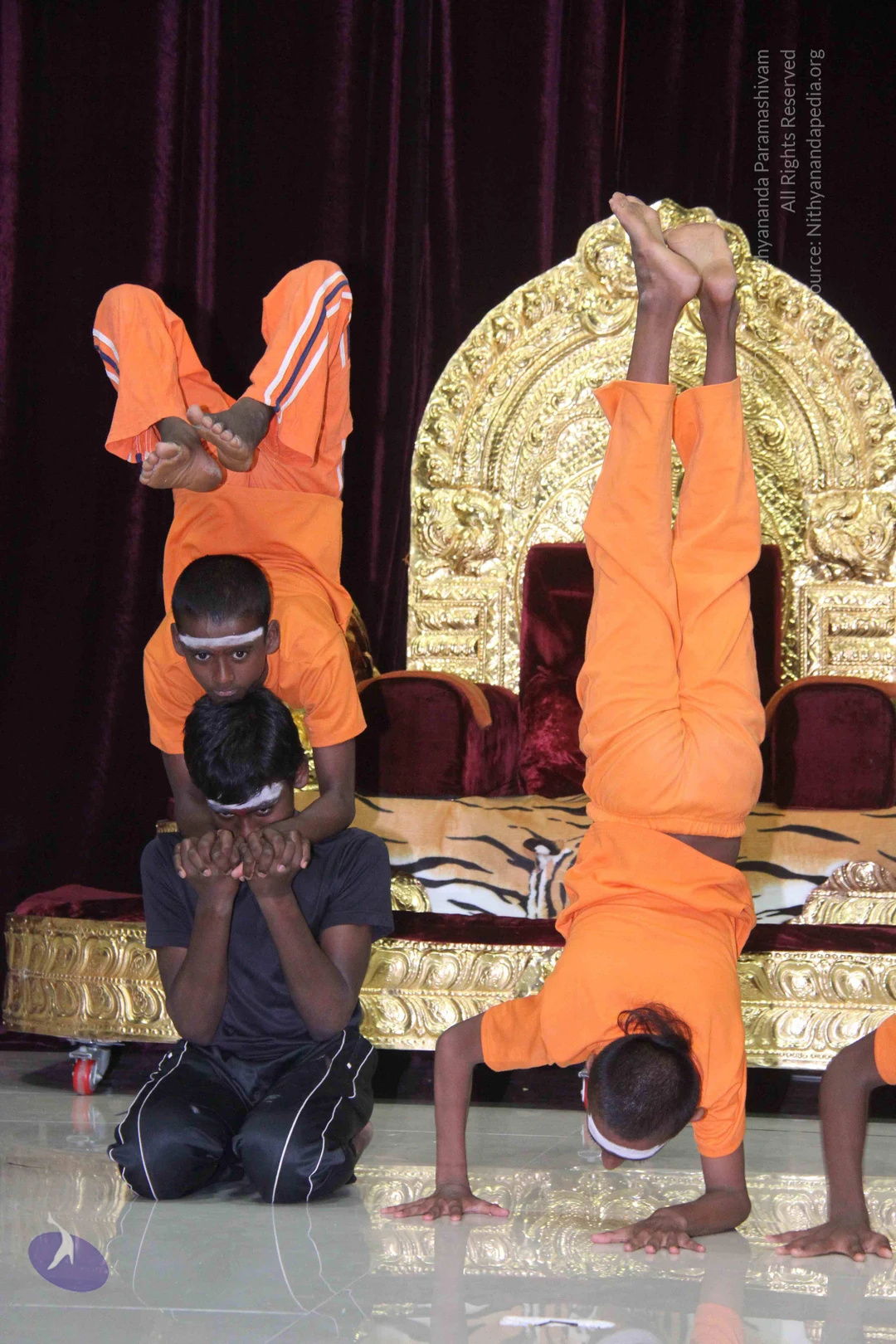
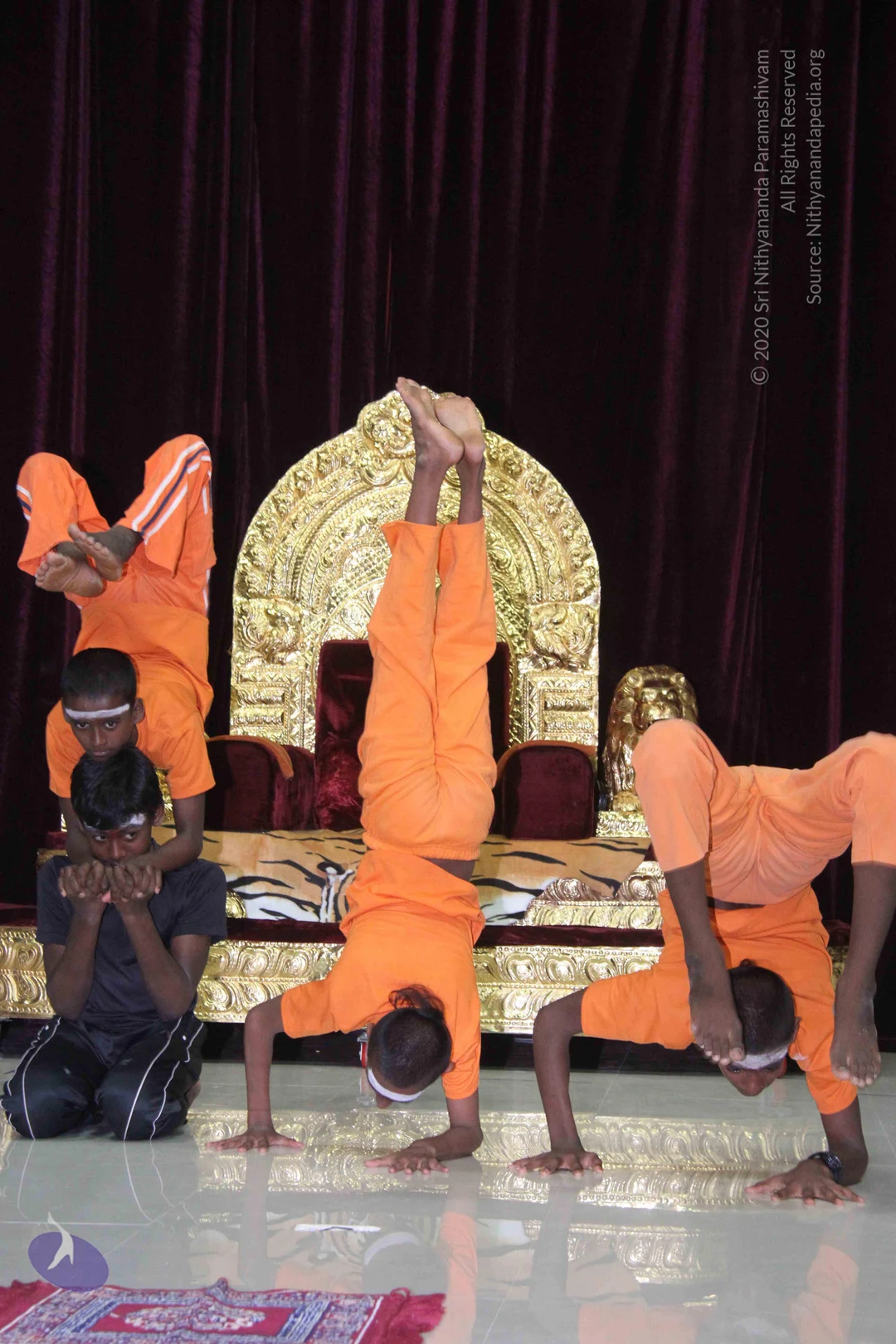
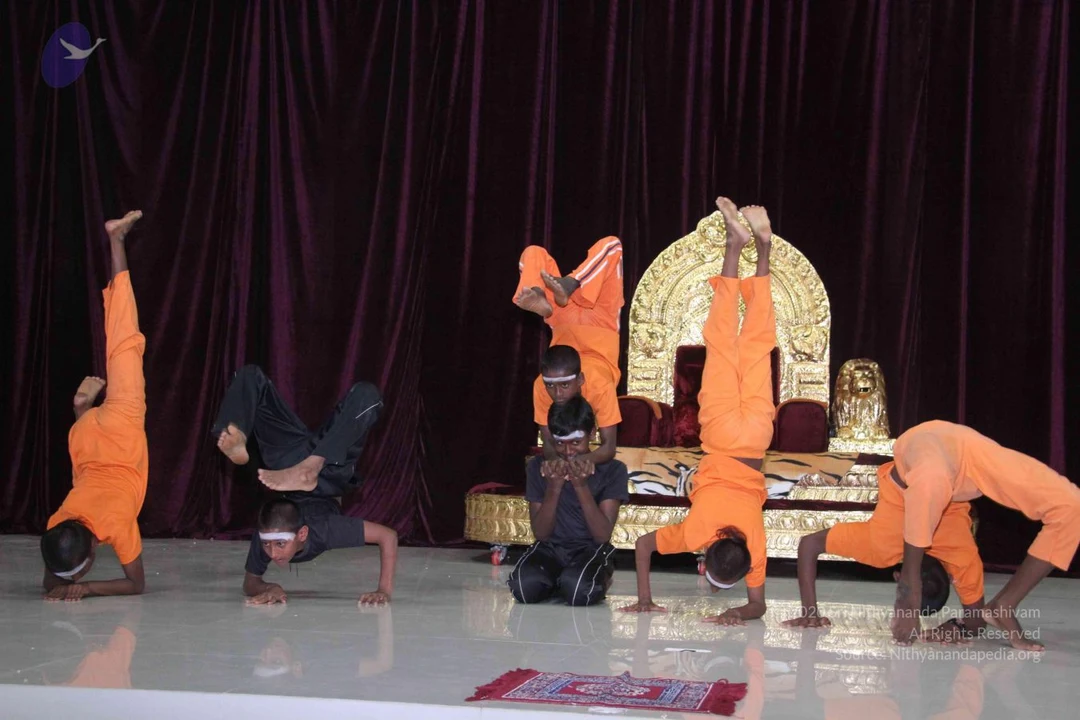
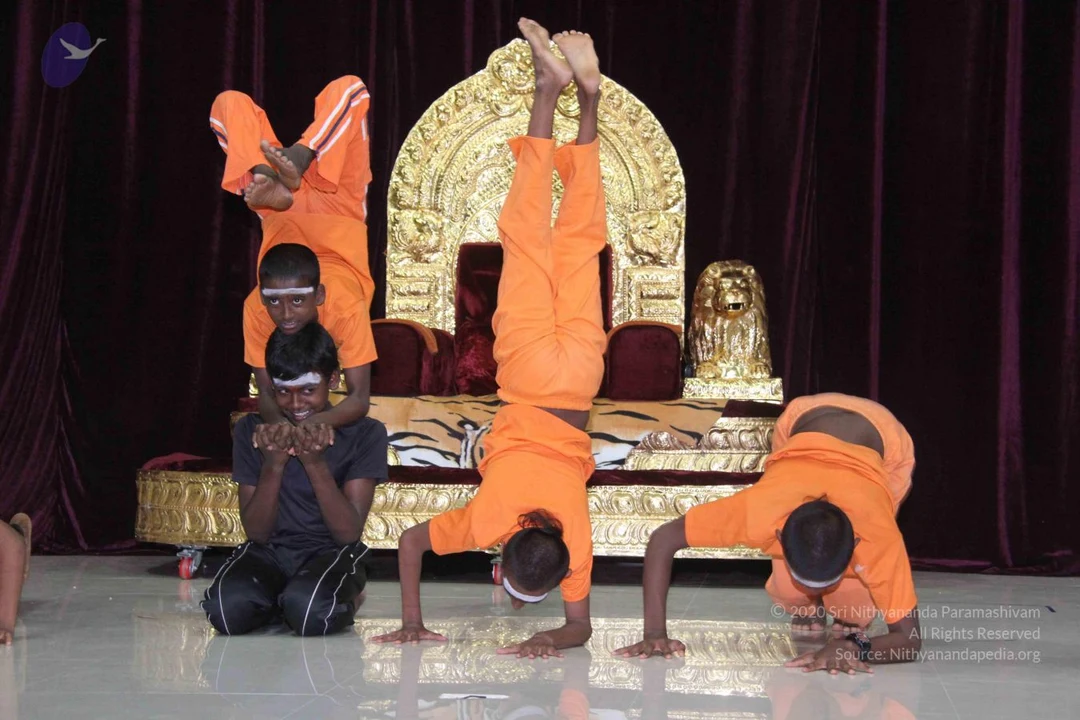
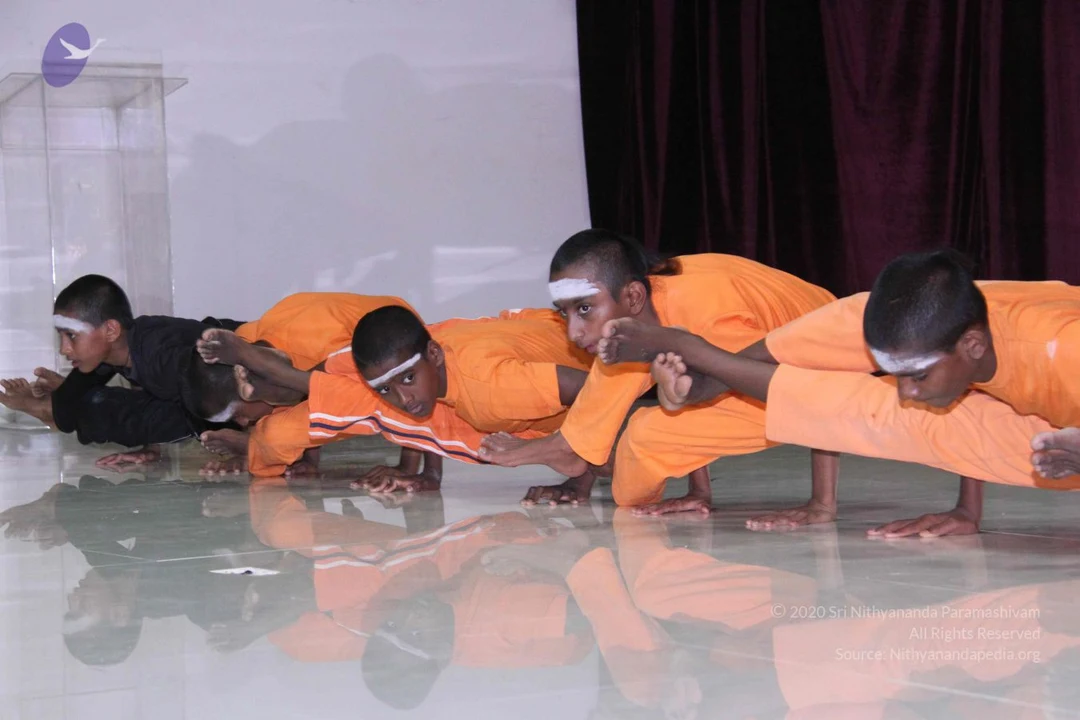
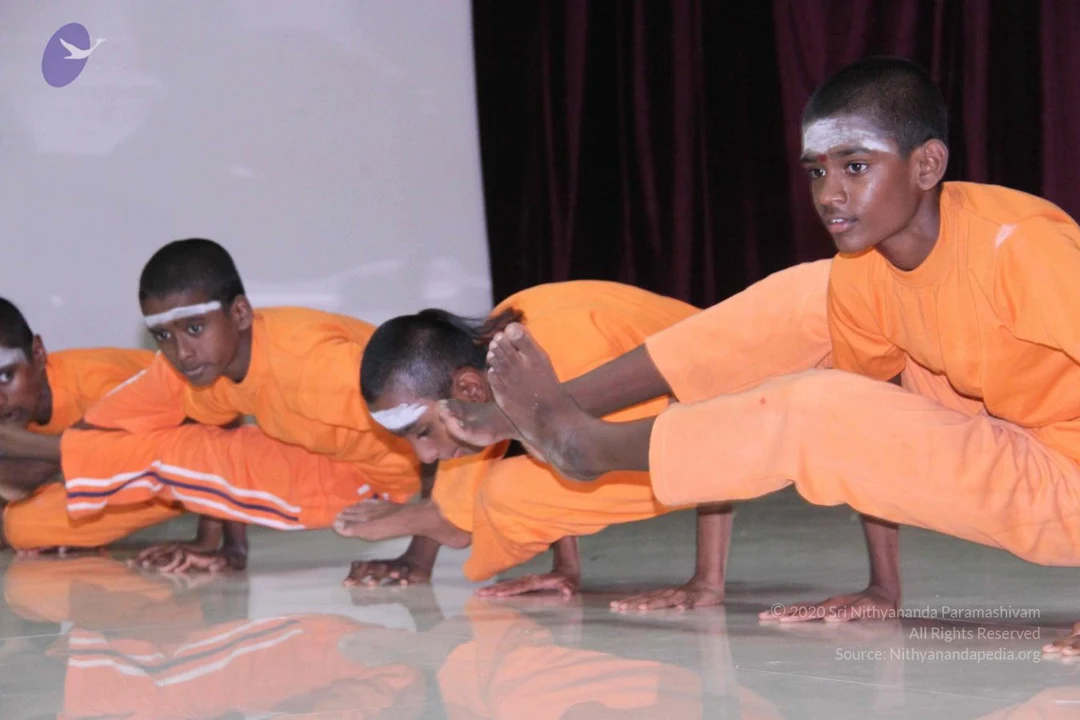
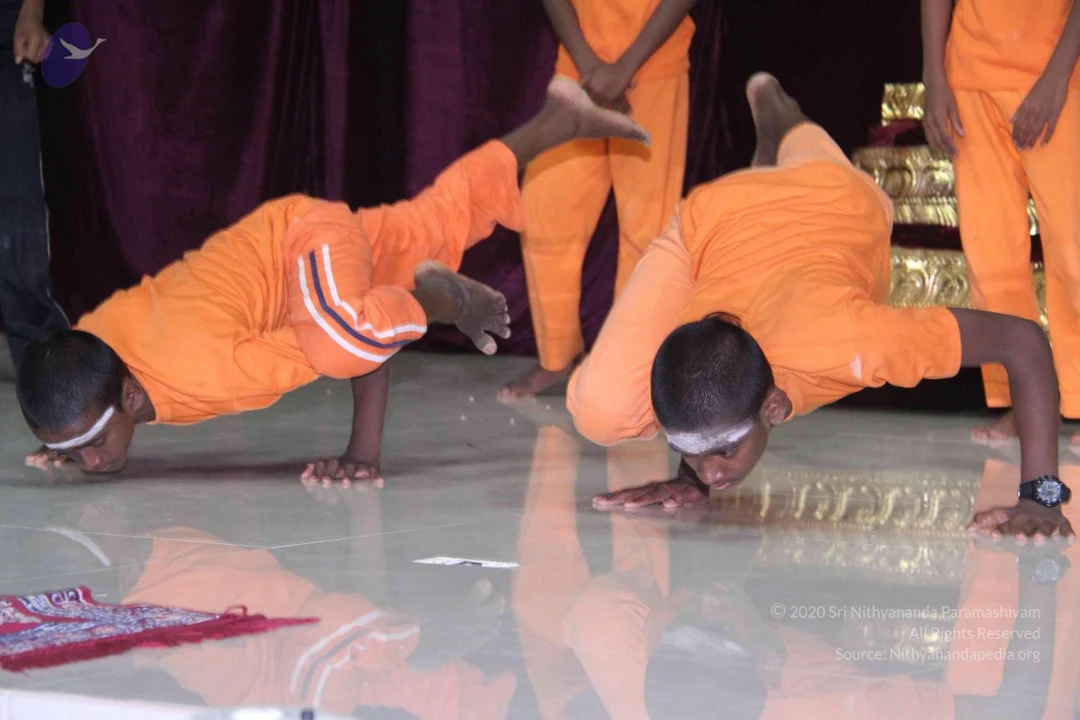
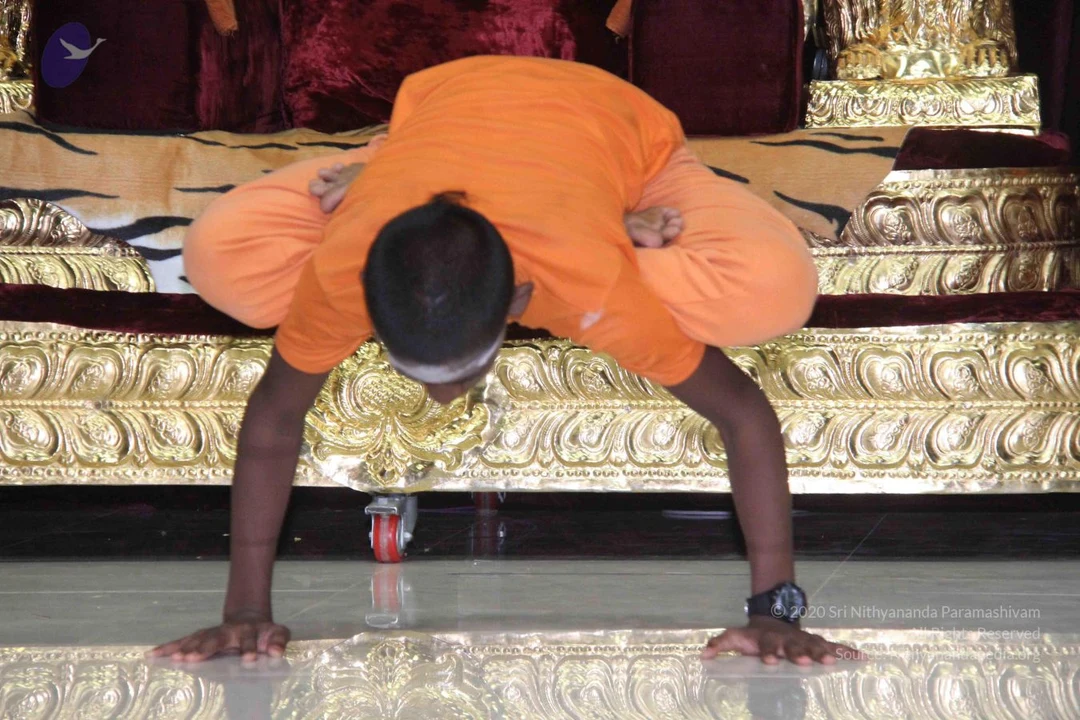
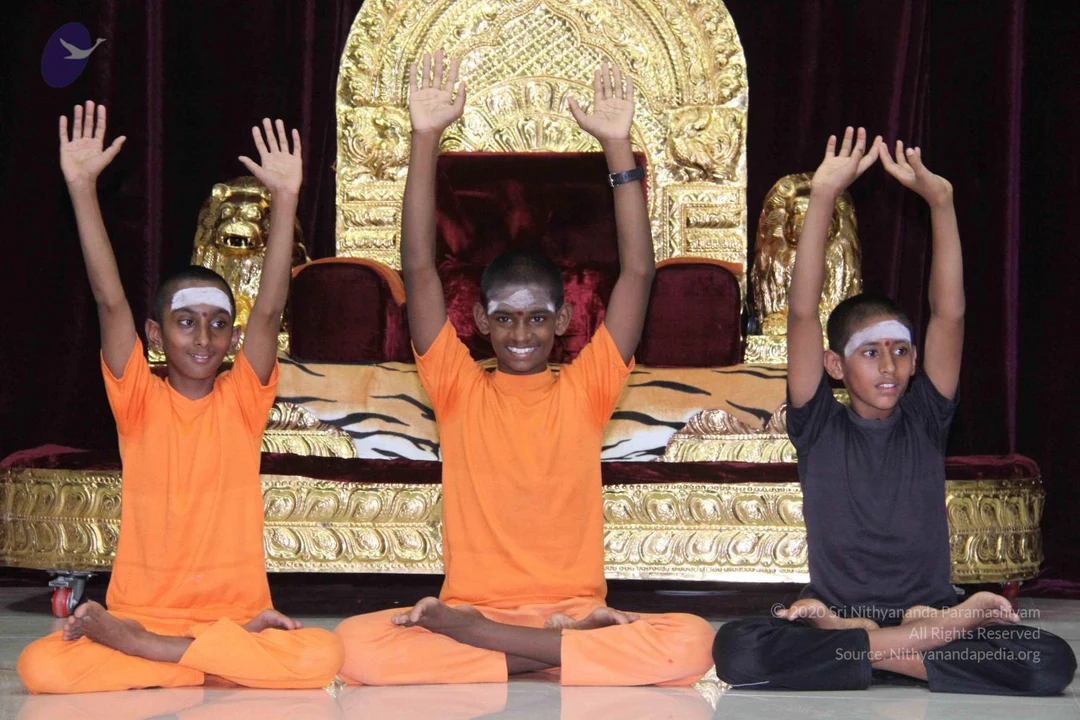
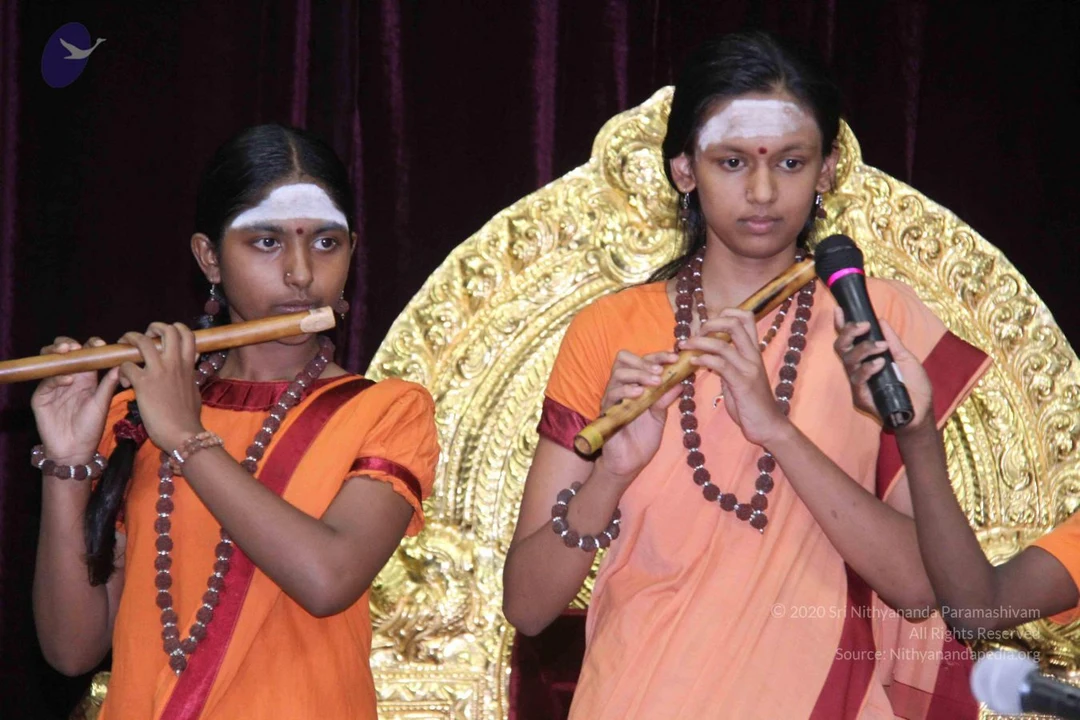
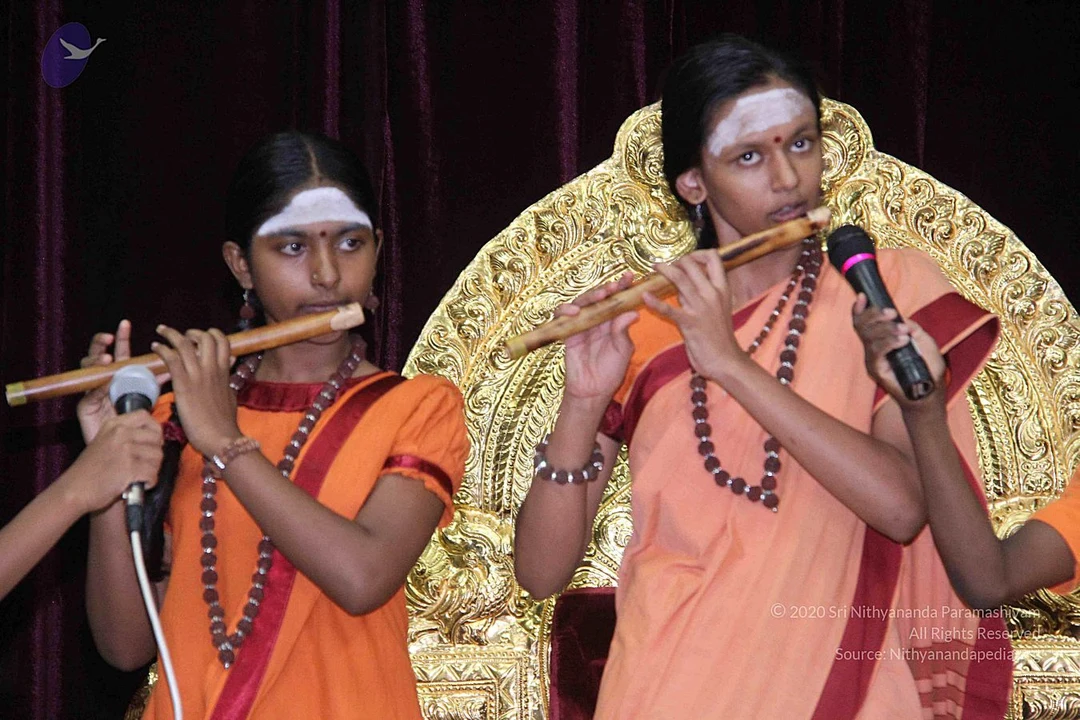
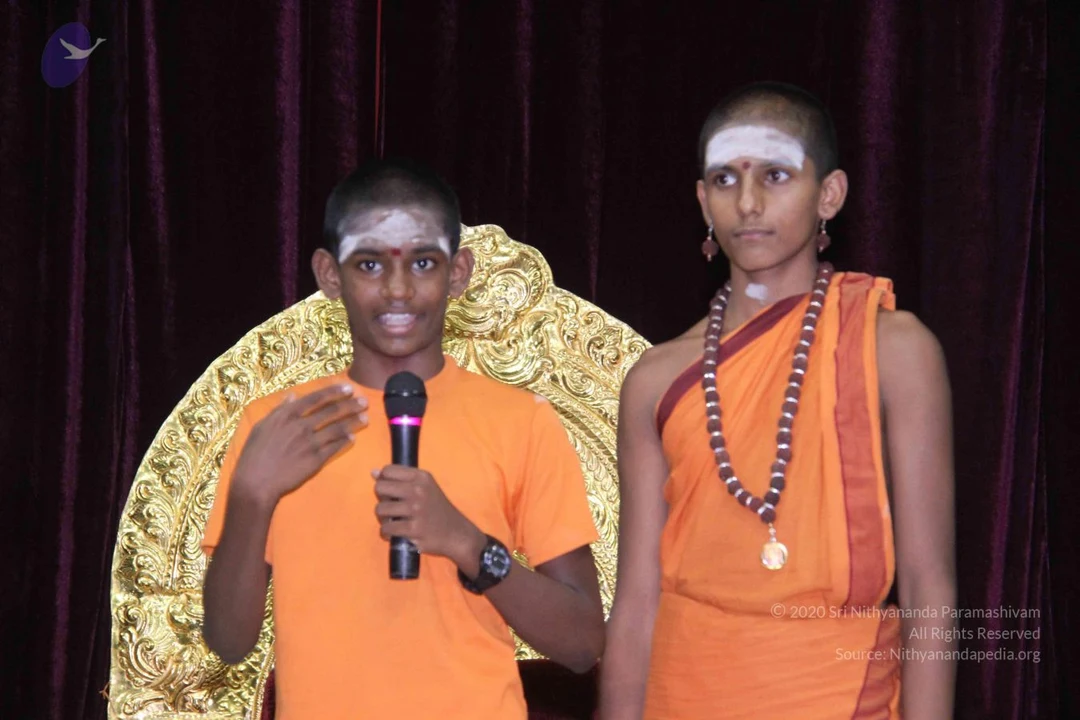
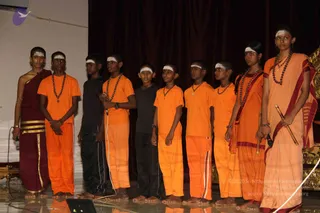
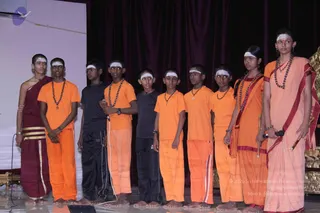
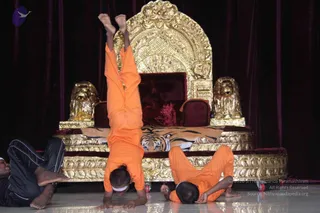
IA-session-Gurukul-presentation
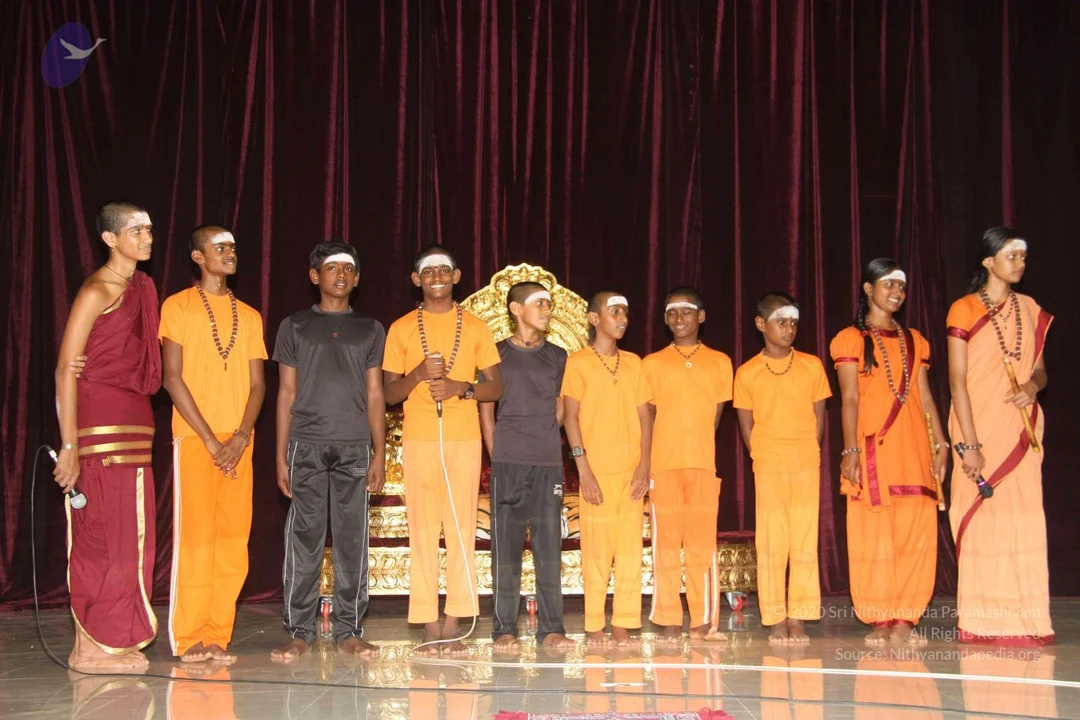





































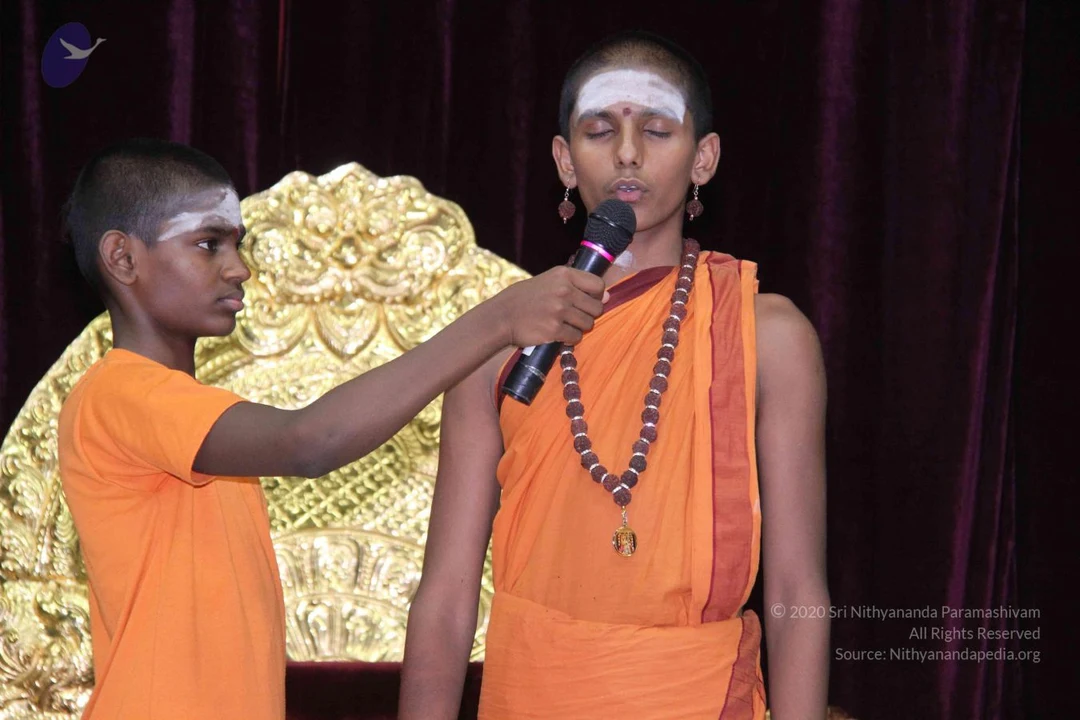
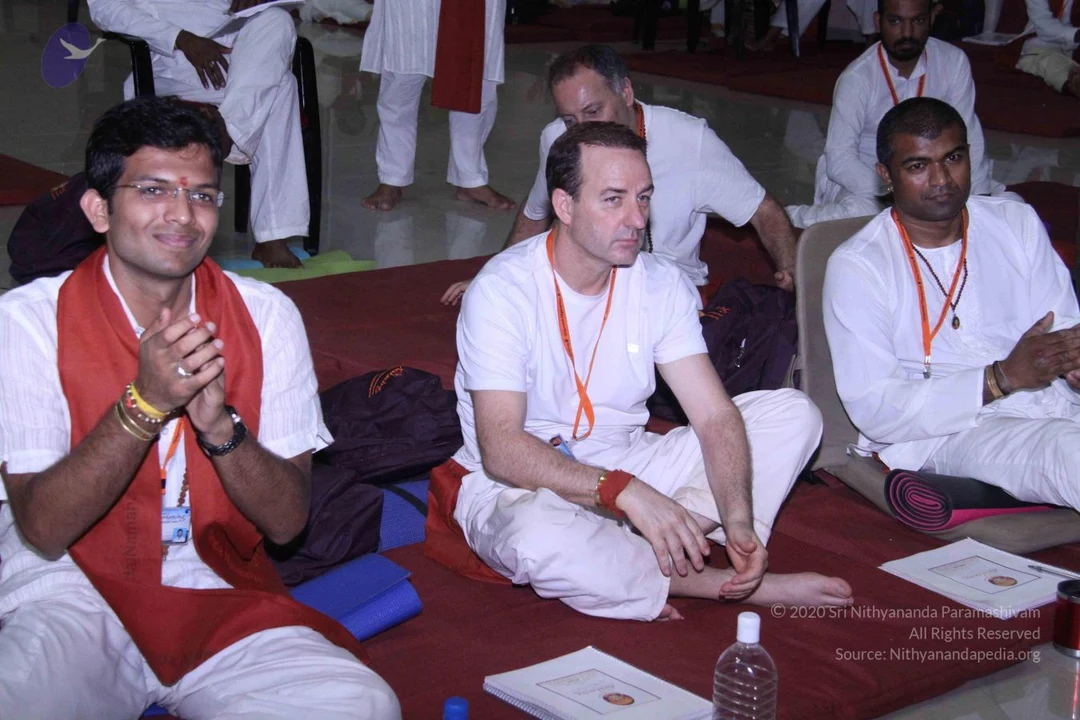
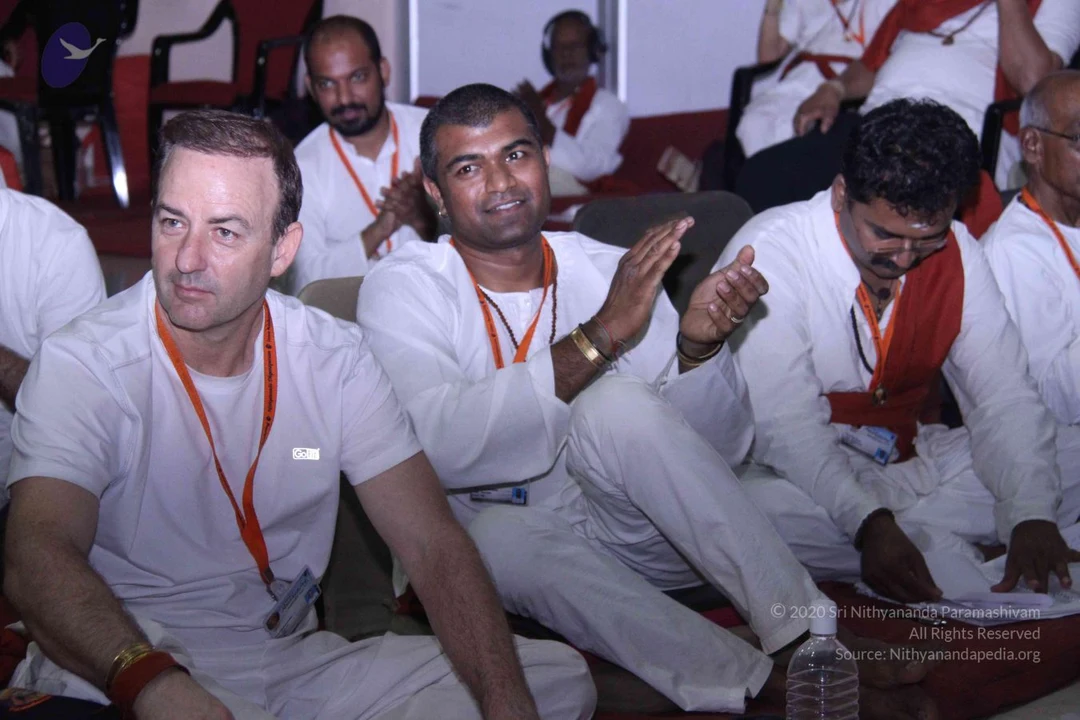
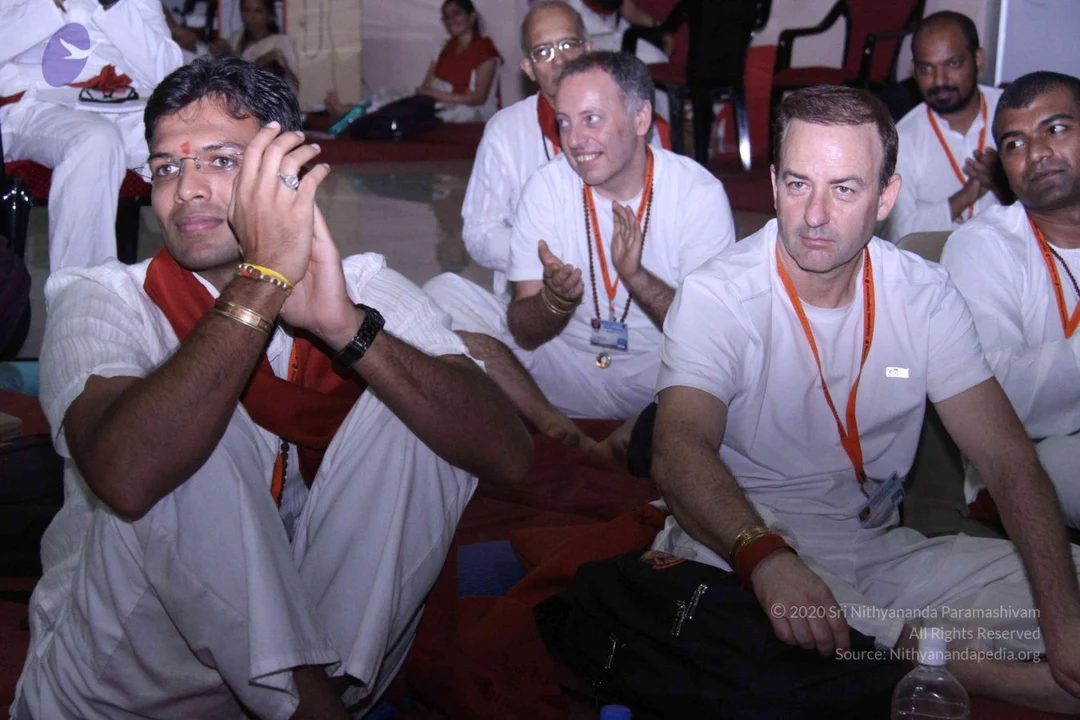
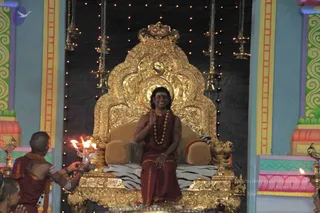
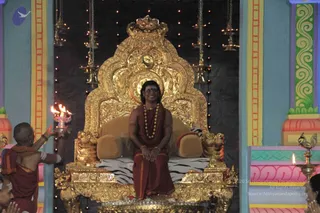
Kalabhairava-darshan
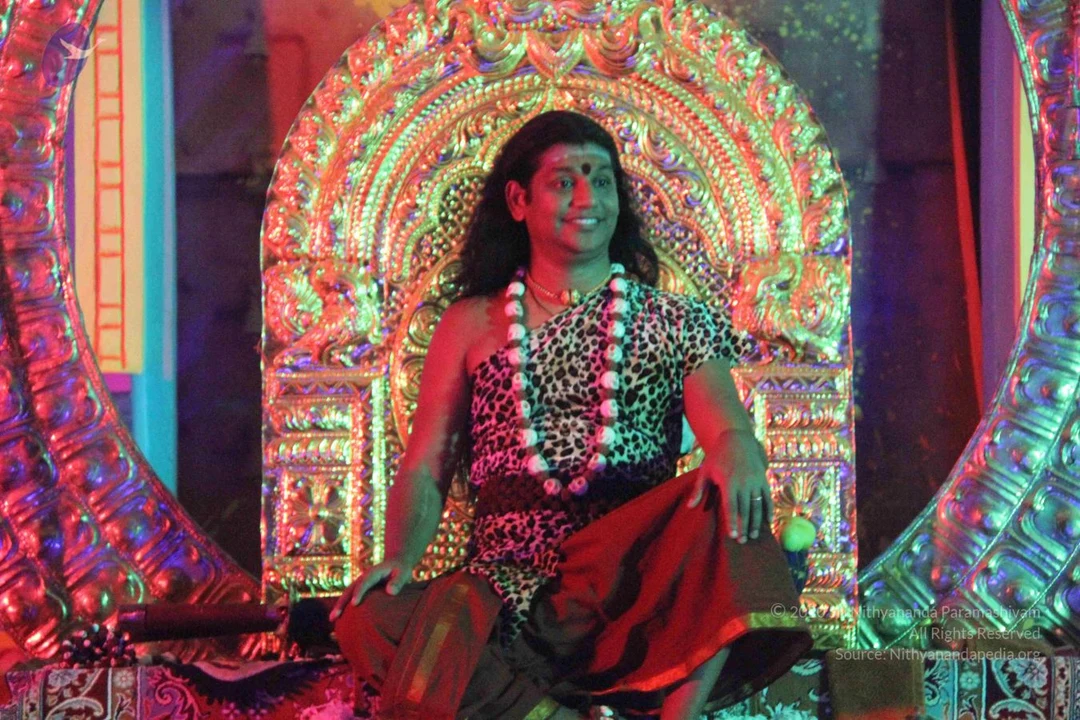
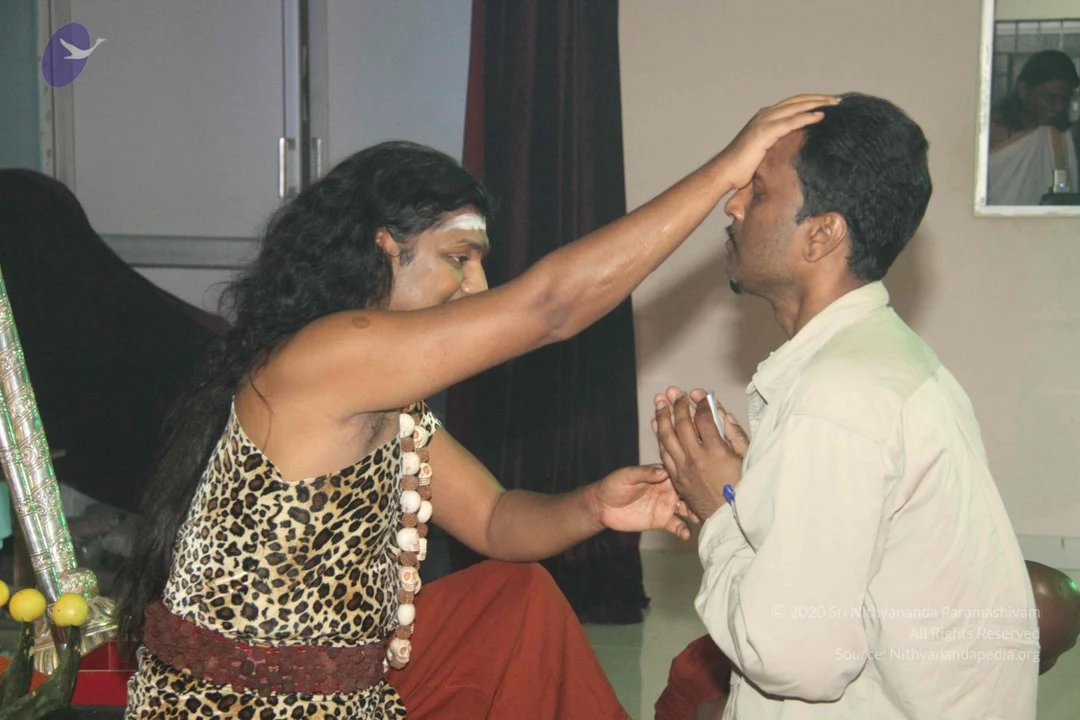
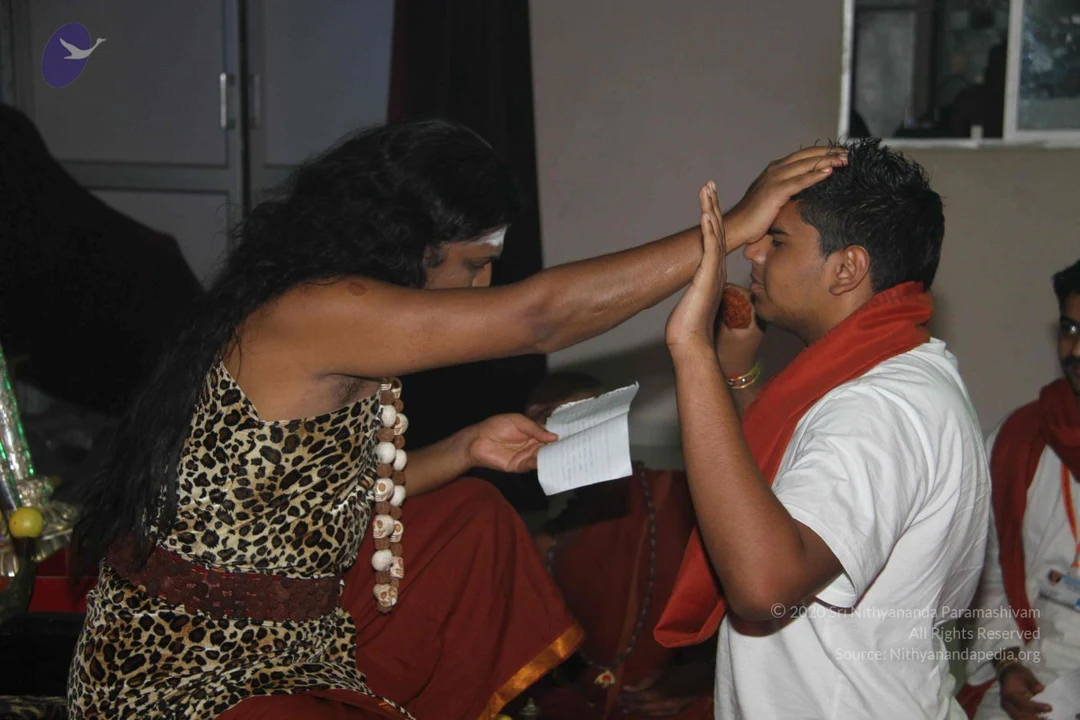
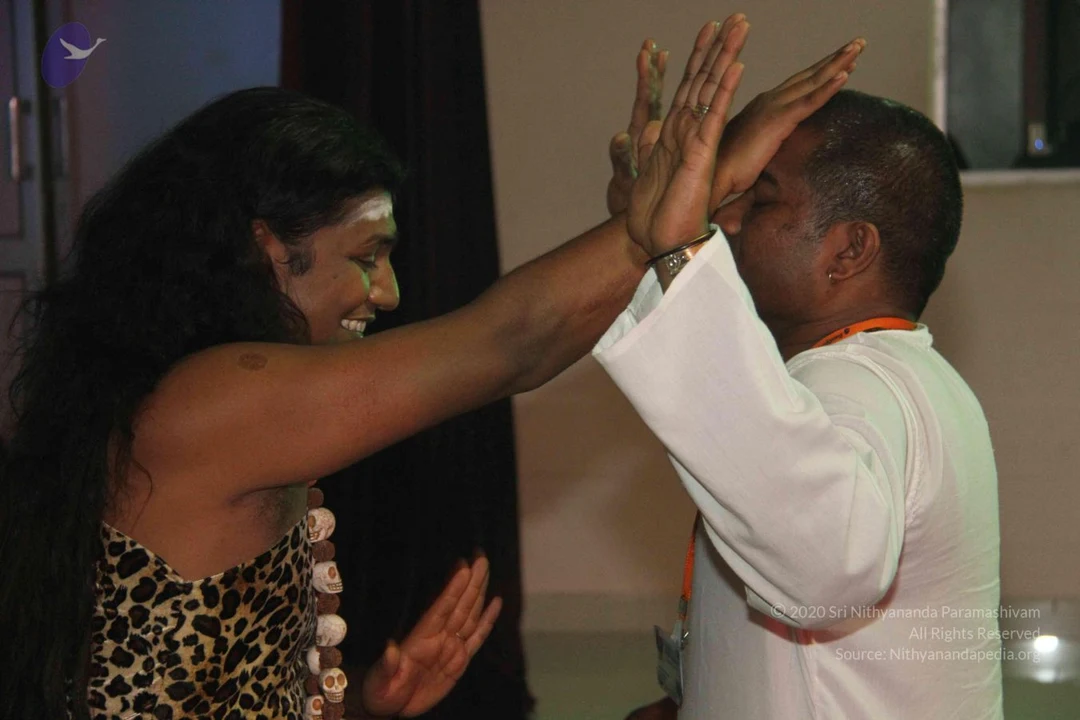
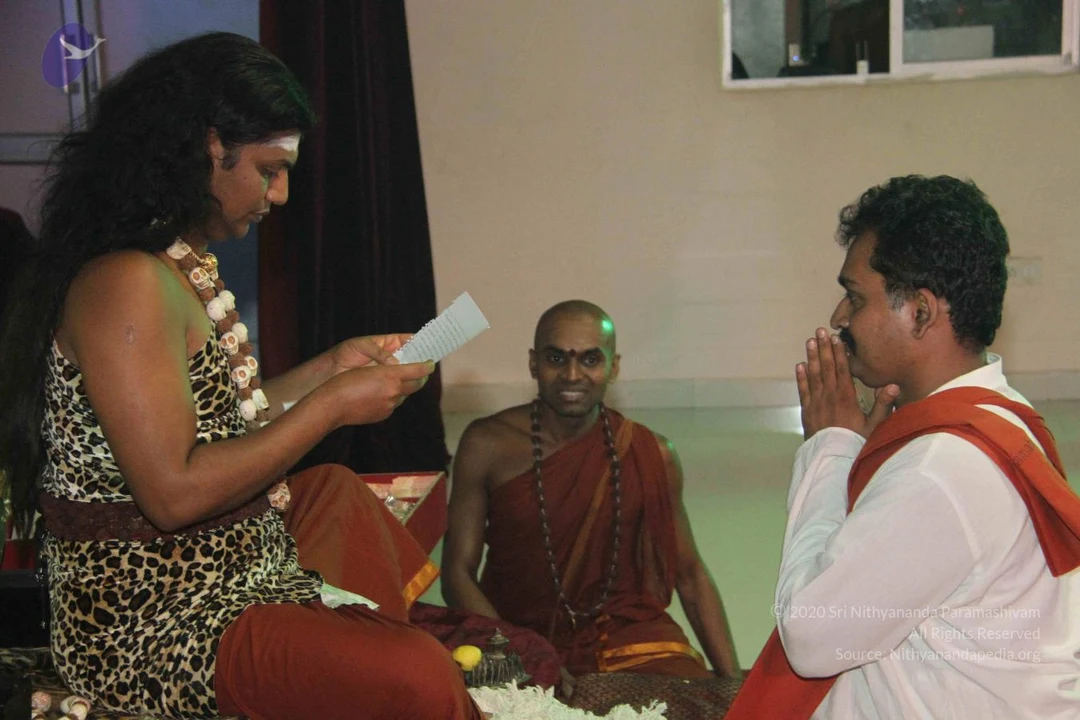

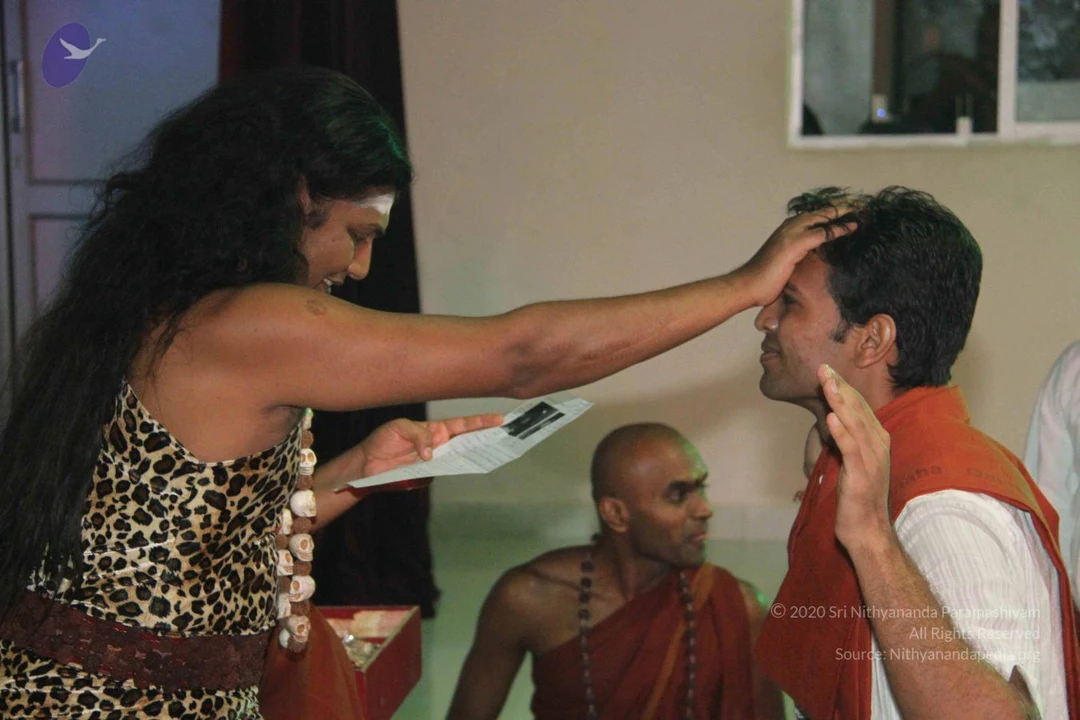

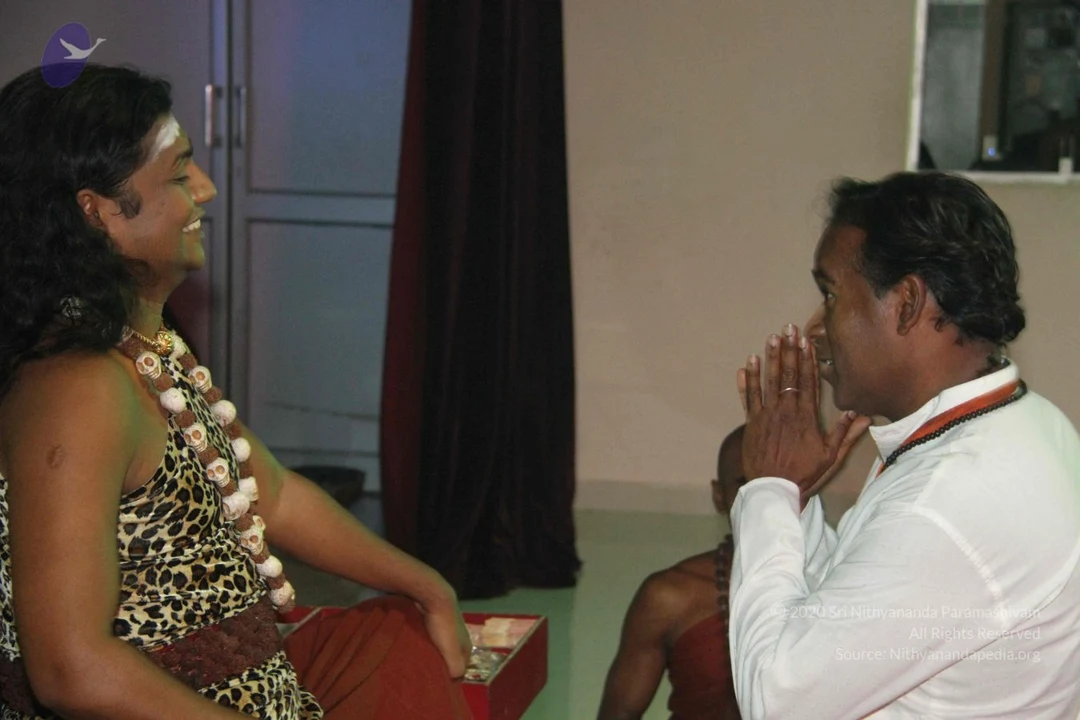
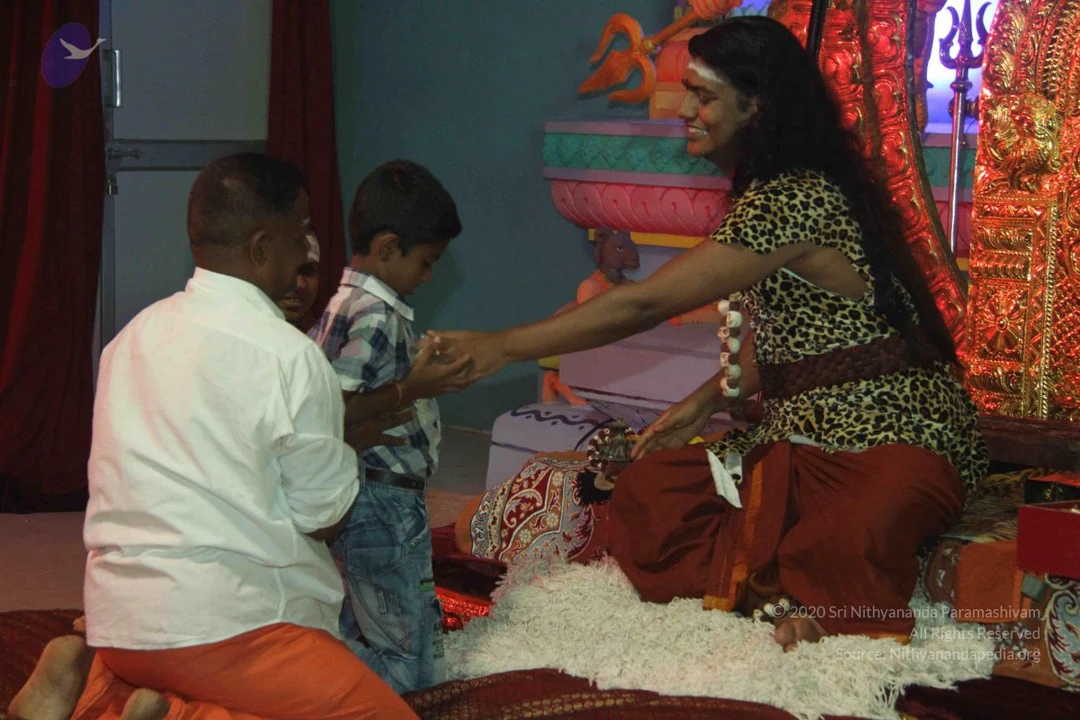
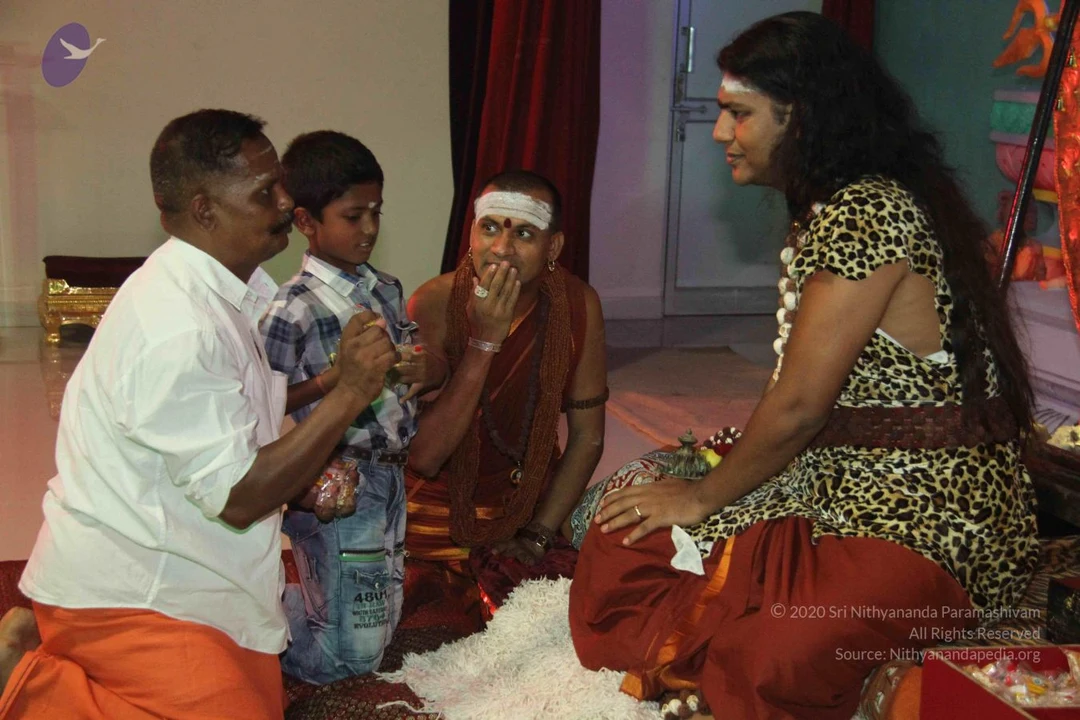
Photos from this day
View all 257 photosPhotos From The Day:
17 photosSource gallery

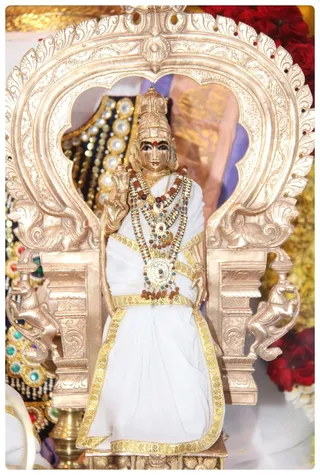
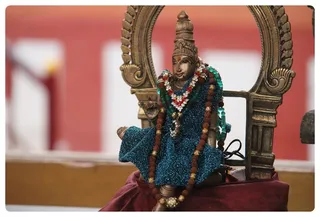
Yoga-session-and-Swami-in-Temple
46 photosSource gallery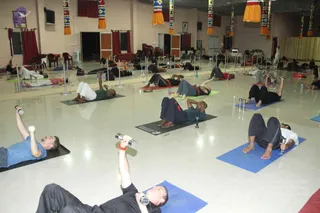
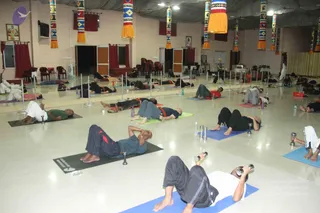
Pada-Puja-and-Morning-message
116 photosSource gallery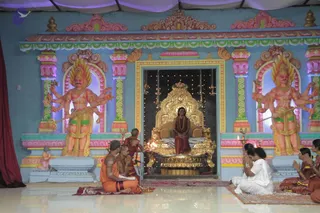
IA-session-and-lunch
7 photosSource gallery


IA-session-Gurukul-presentation
65 photosSource gallery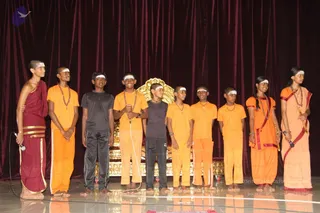


Kalabhairava-darshan
11 photosSource gallery