Wednesday
20 June 2012
Discover Your Possibilities
- Dated photos
- 358
- Source pages
- 1
- Media
- 2
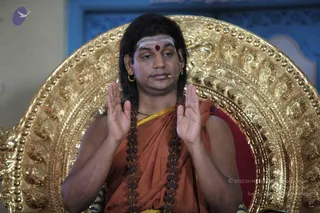
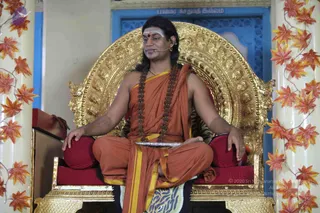
June 20 2012
Original wiki pageTitle
Discover Your Possibilities
Description:
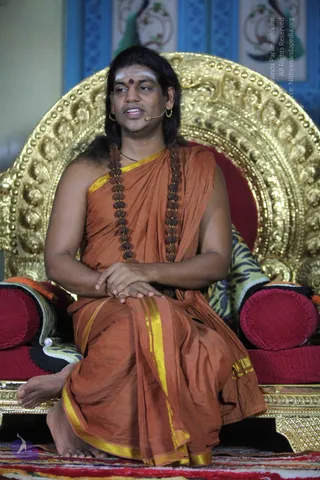
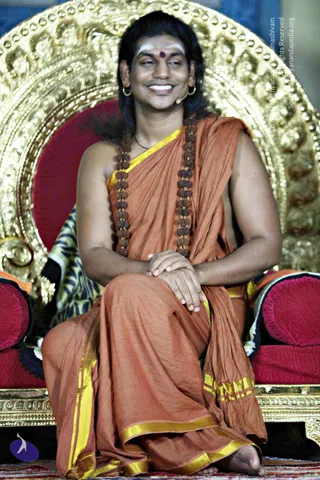
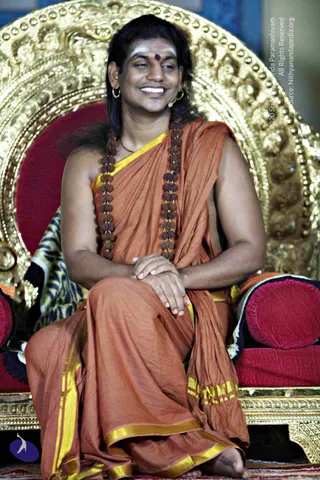
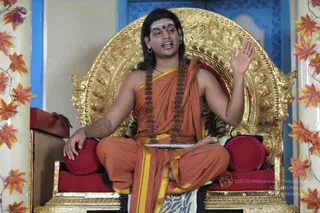
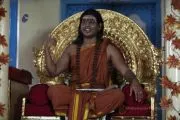
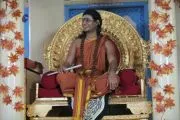
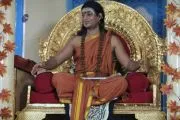
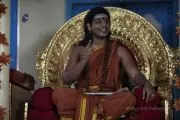
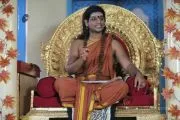
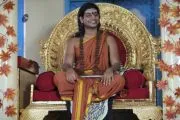
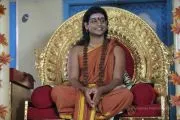
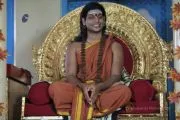
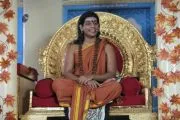
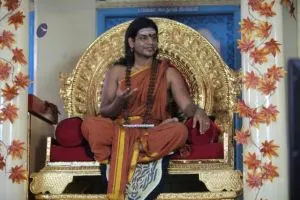
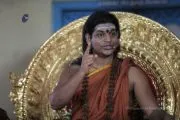
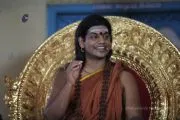
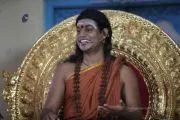
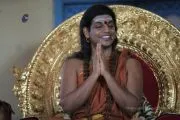
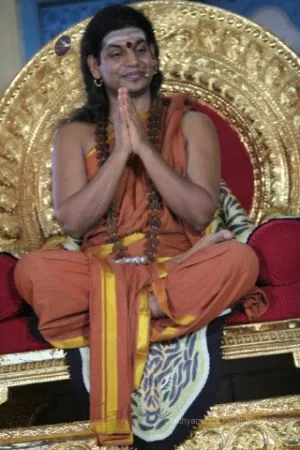
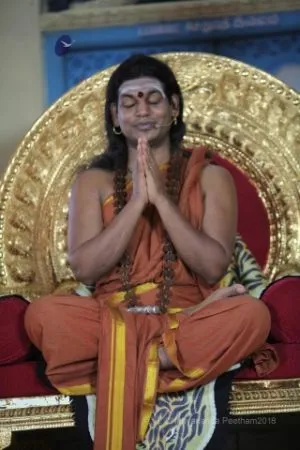
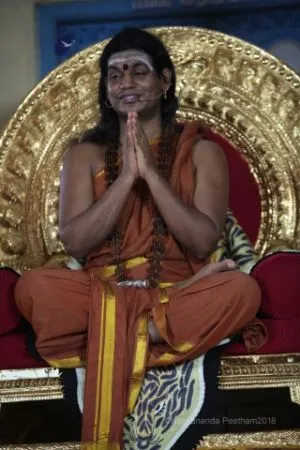
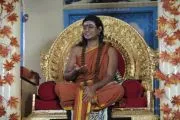
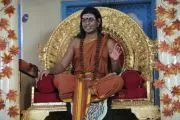
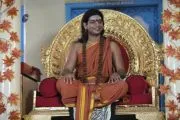
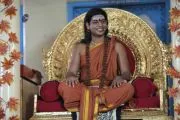
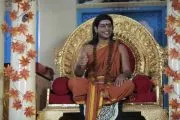
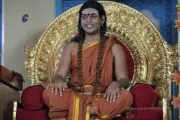
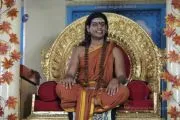
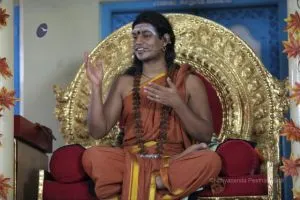
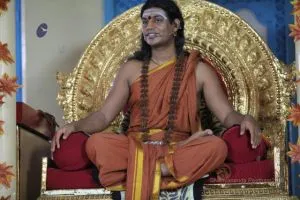
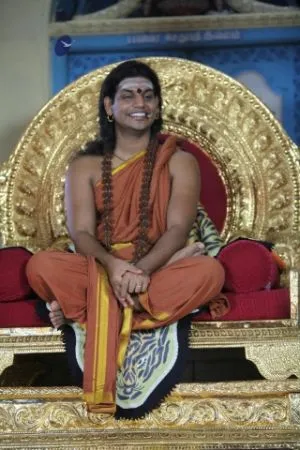
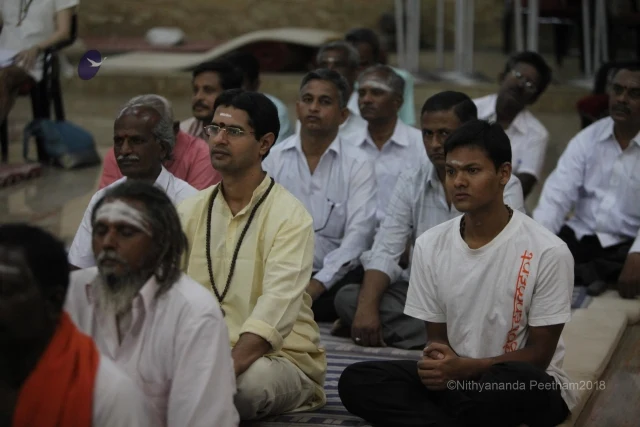
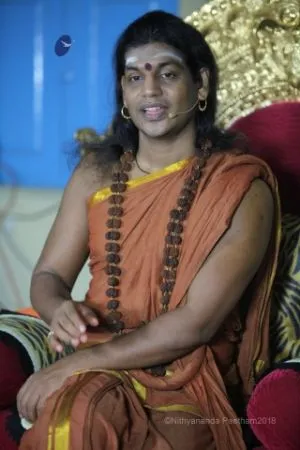
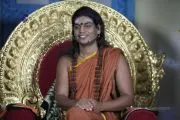
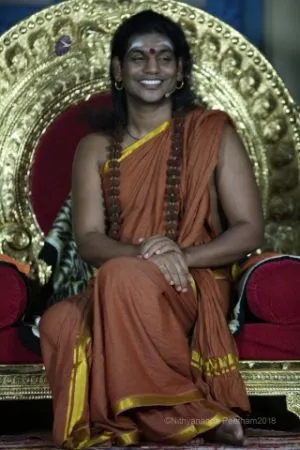
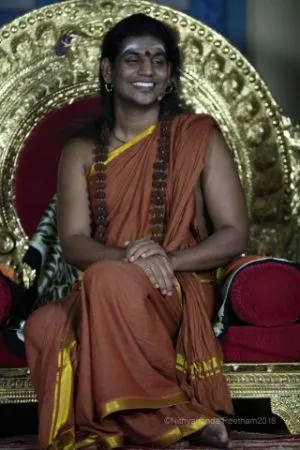
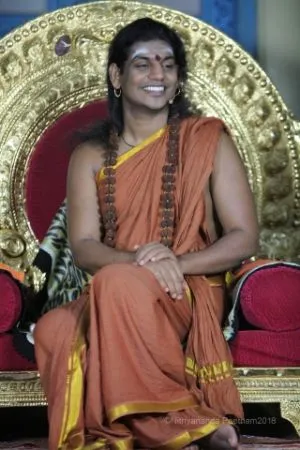
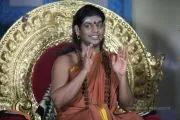
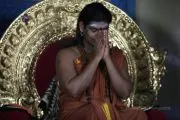
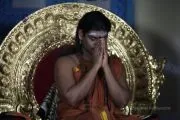
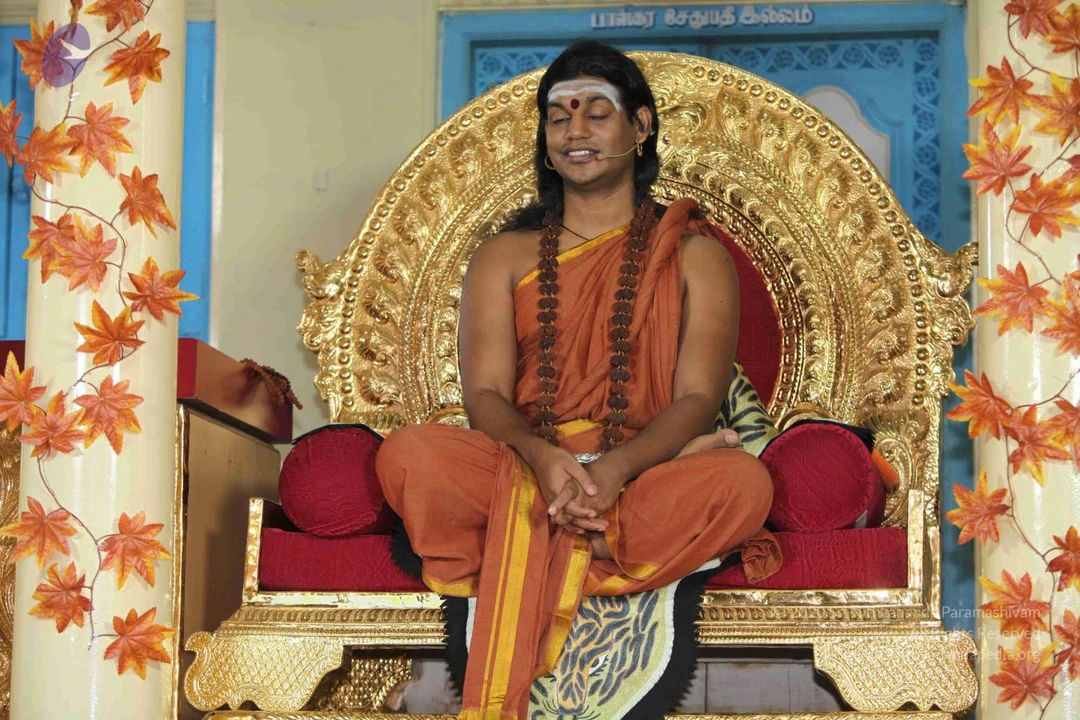
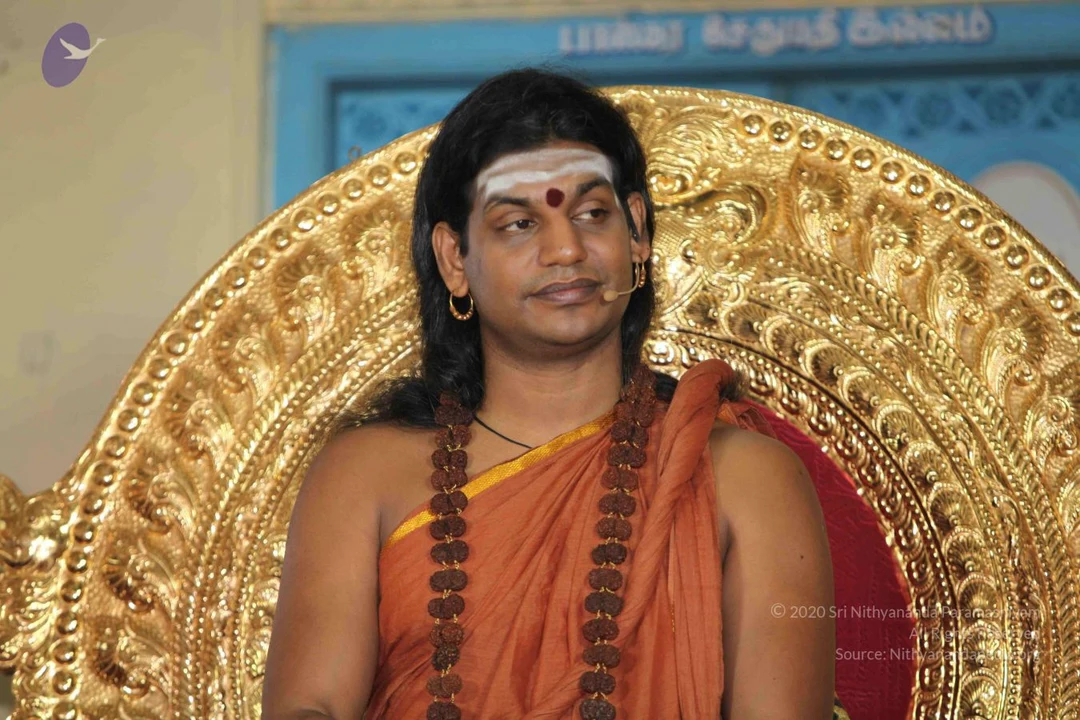
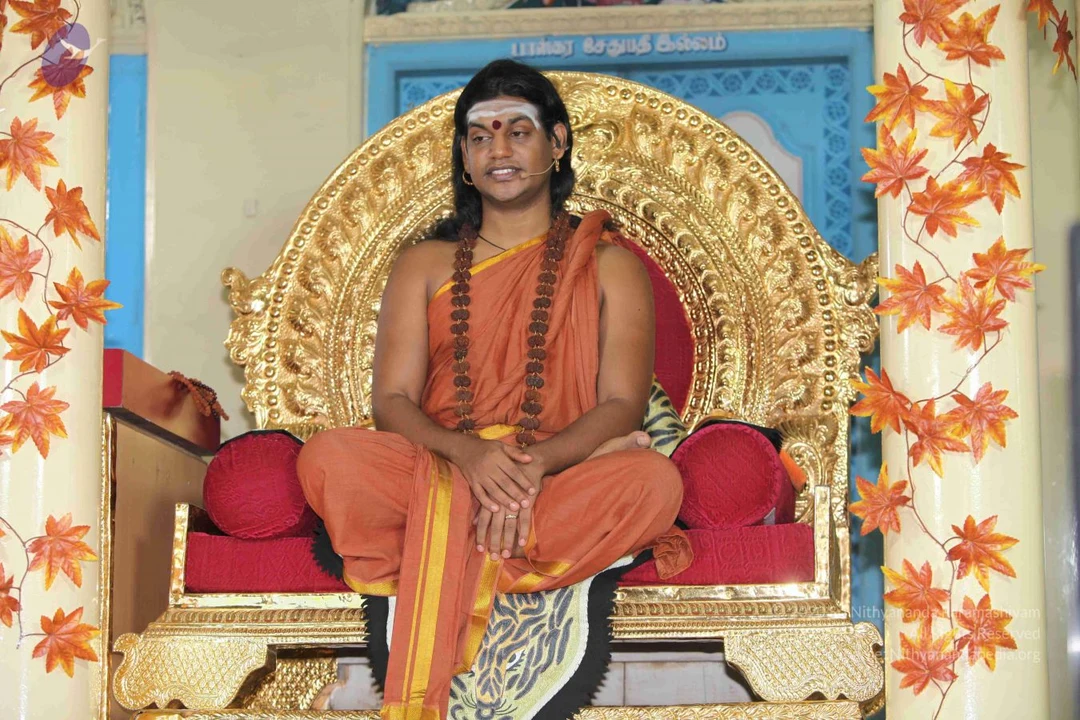
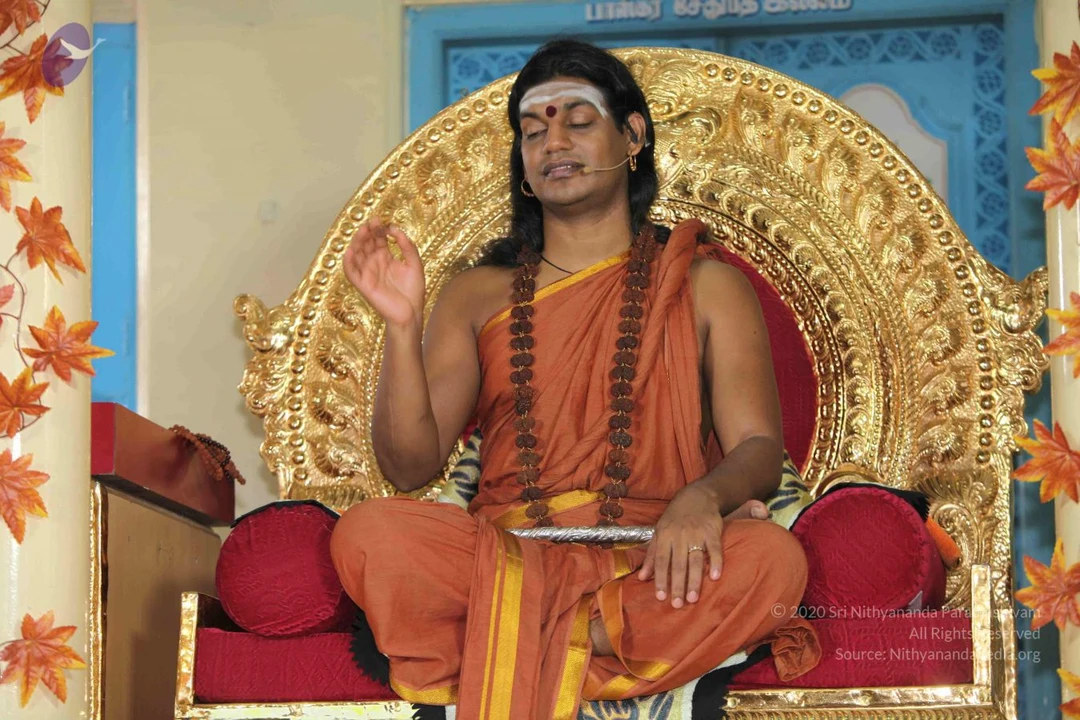
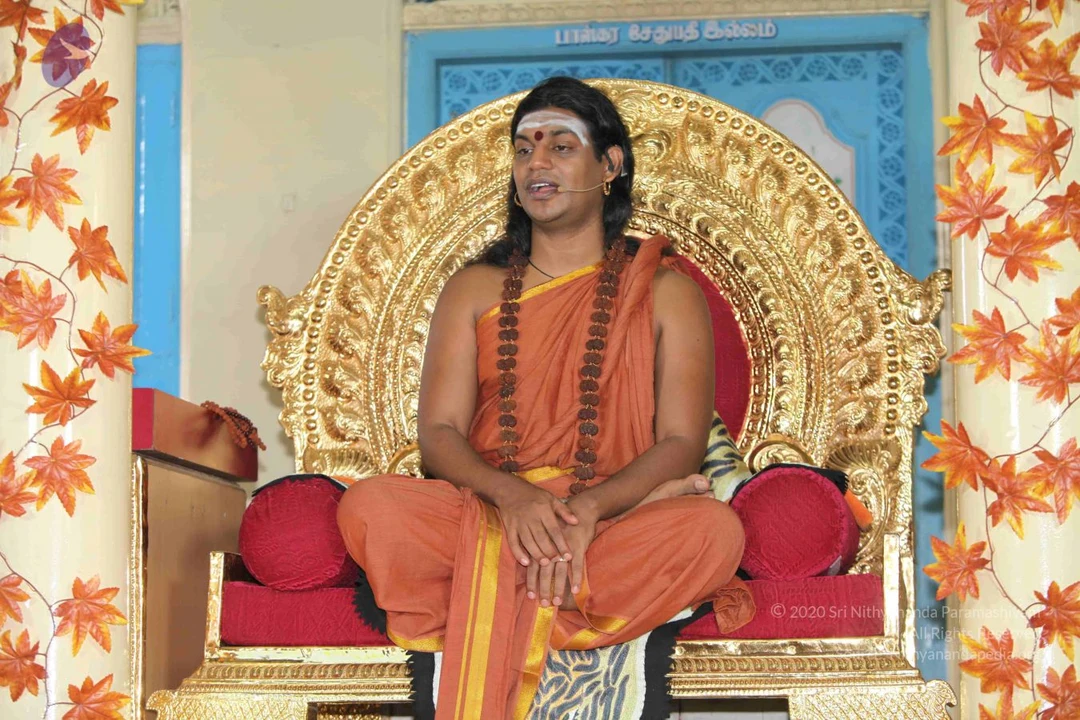
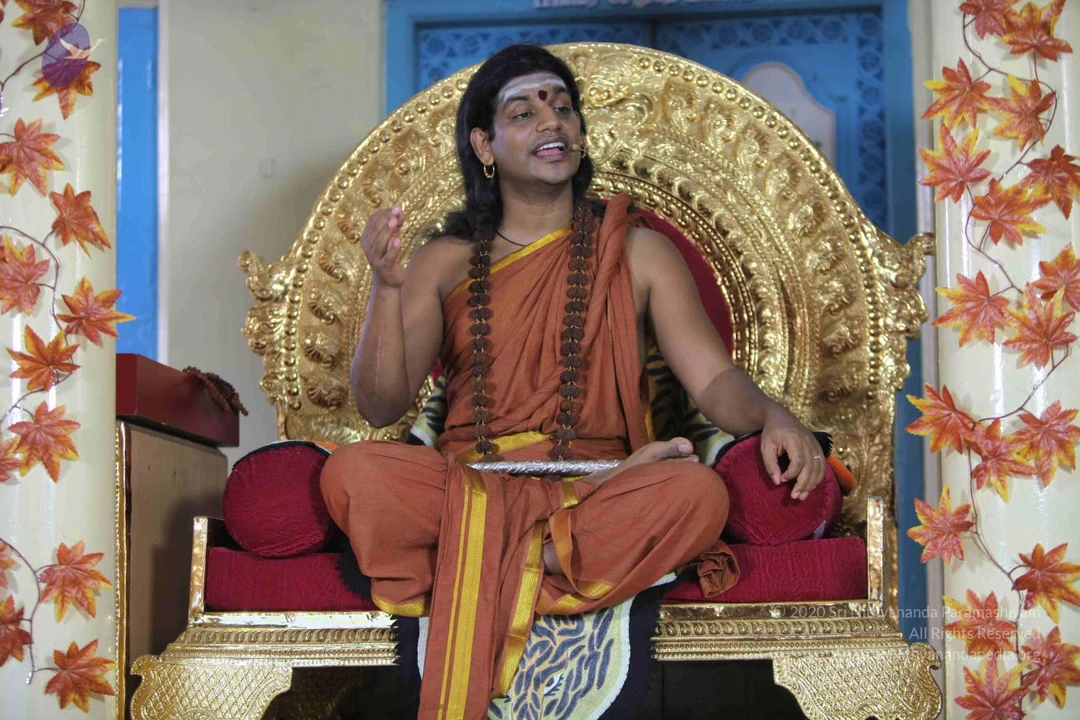
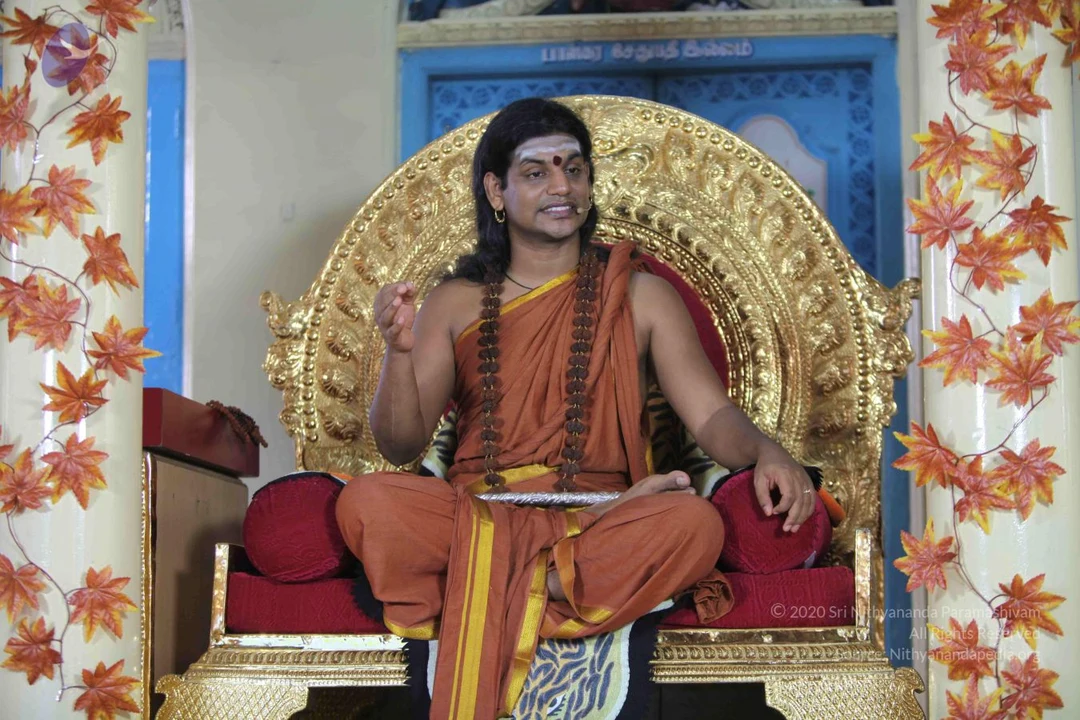
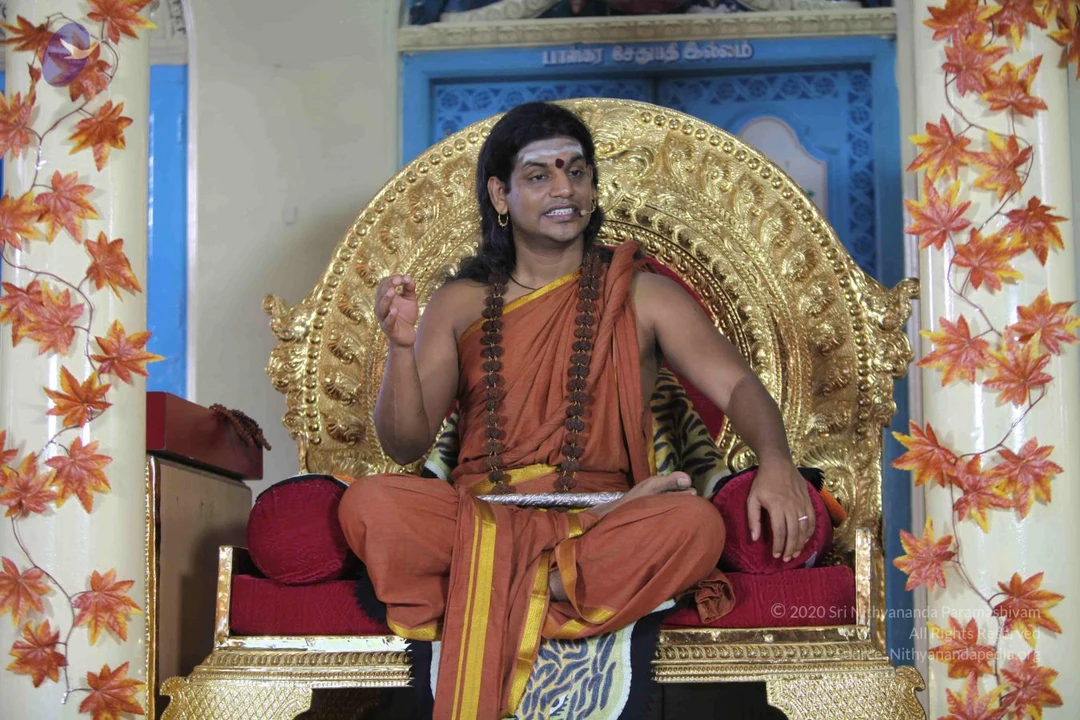
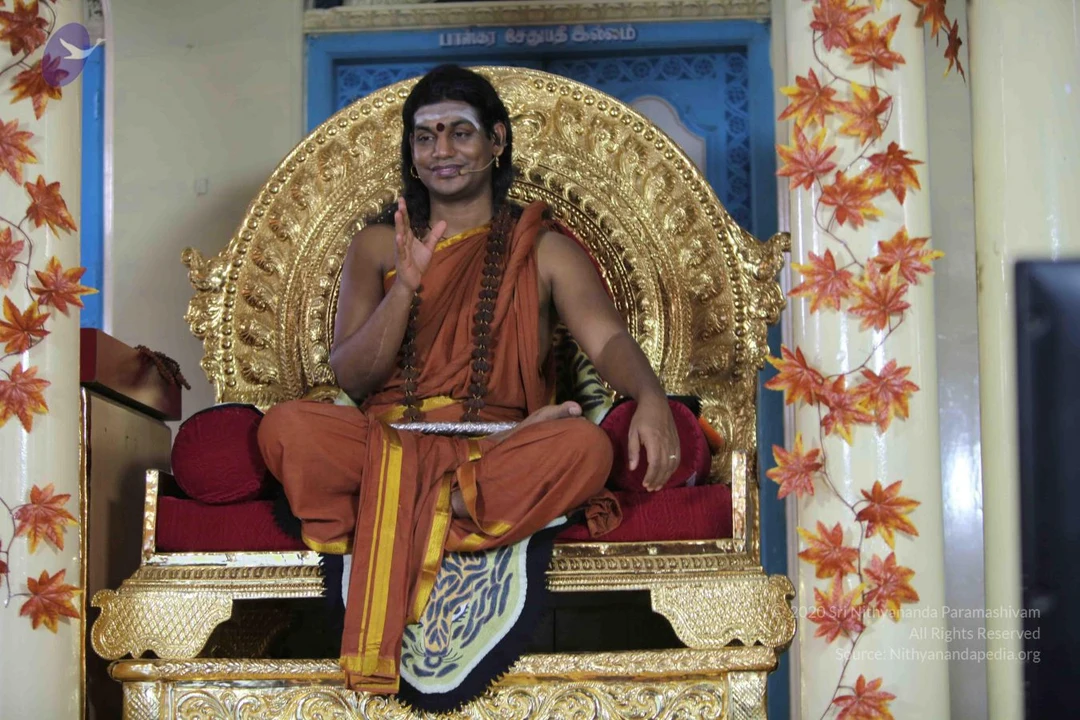
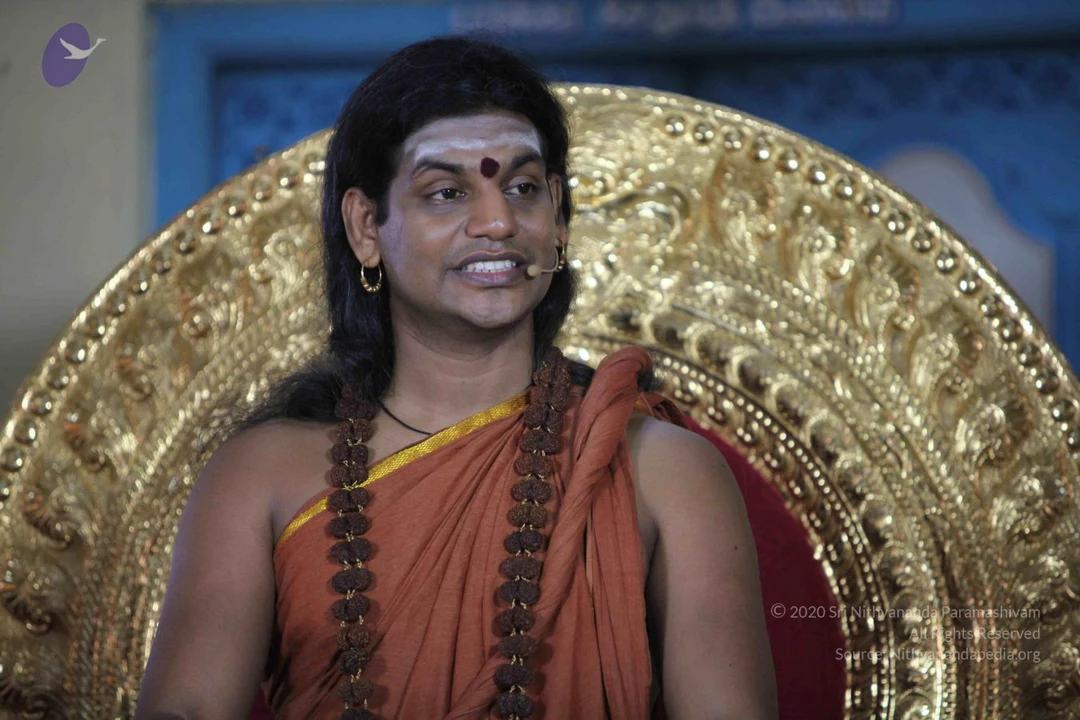
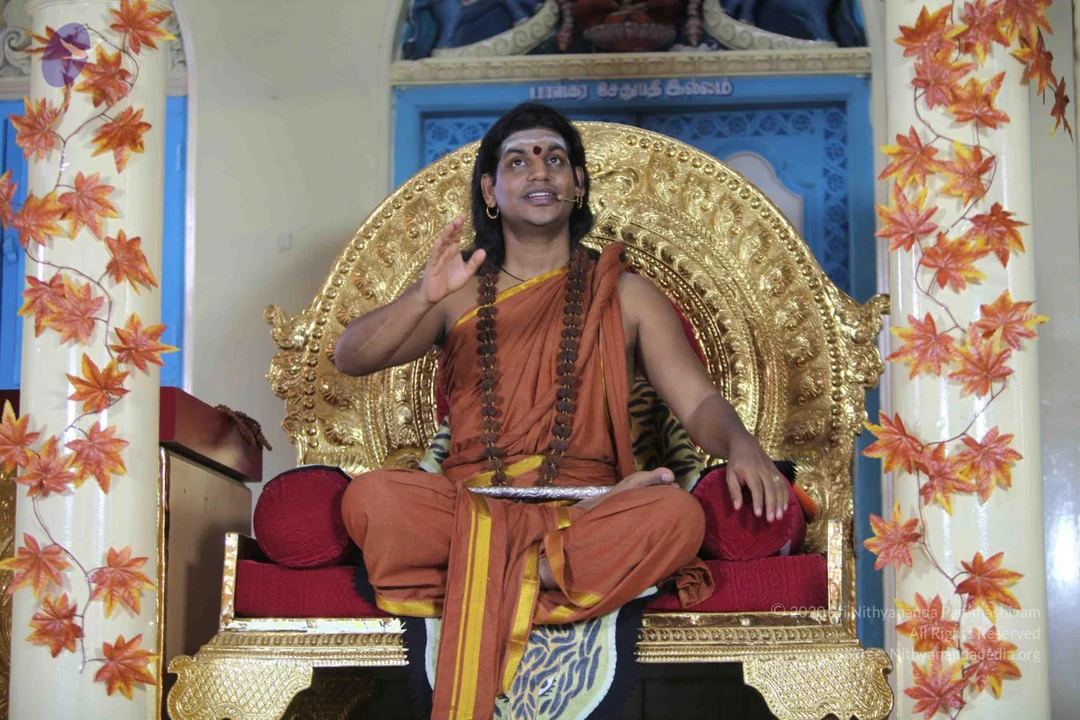
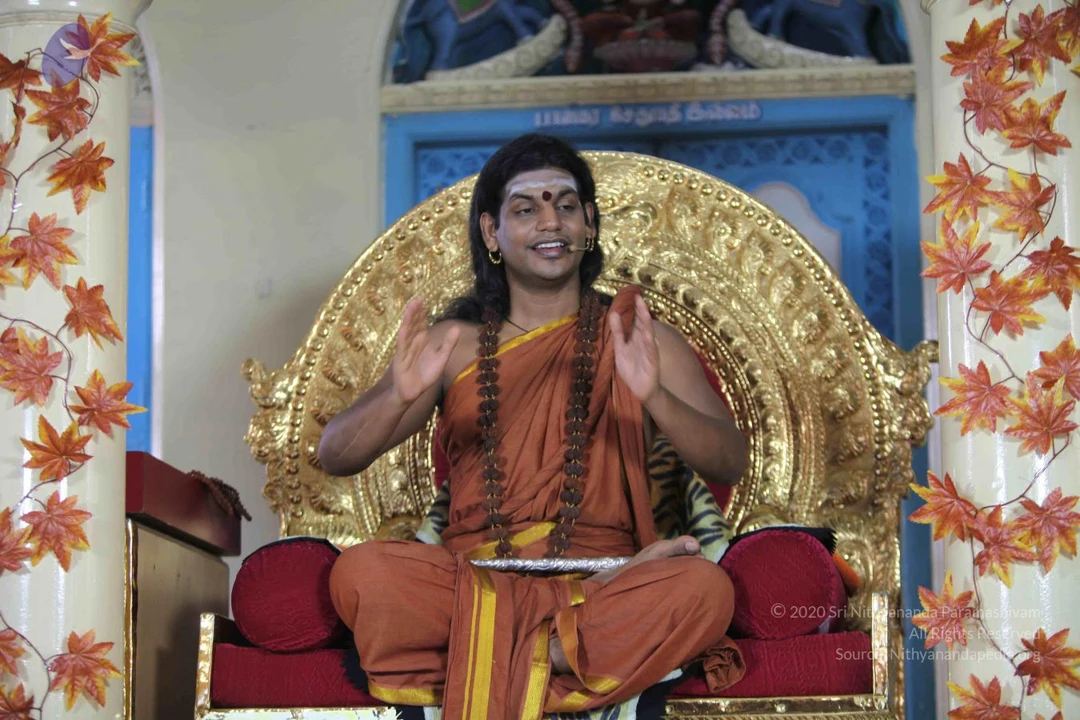
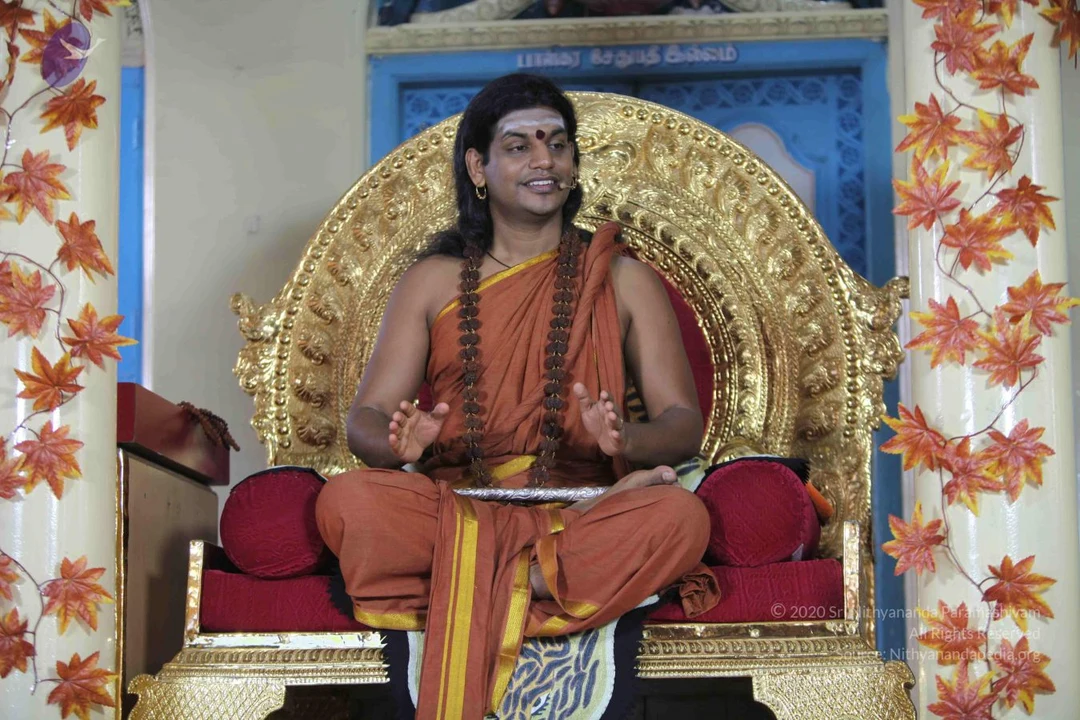
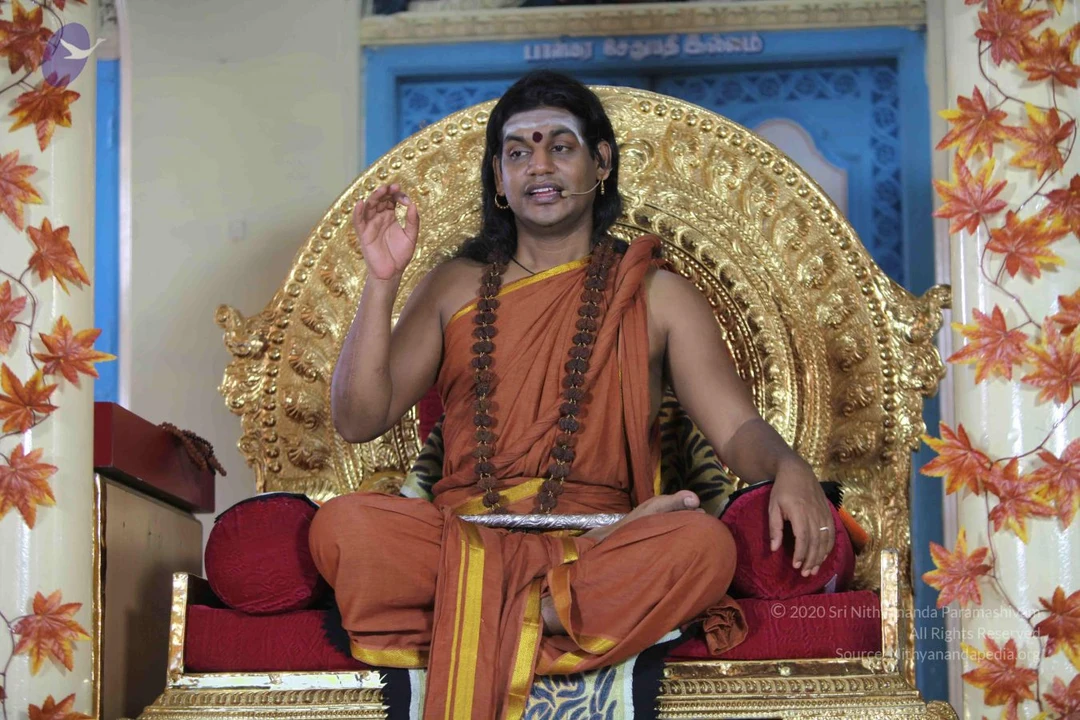
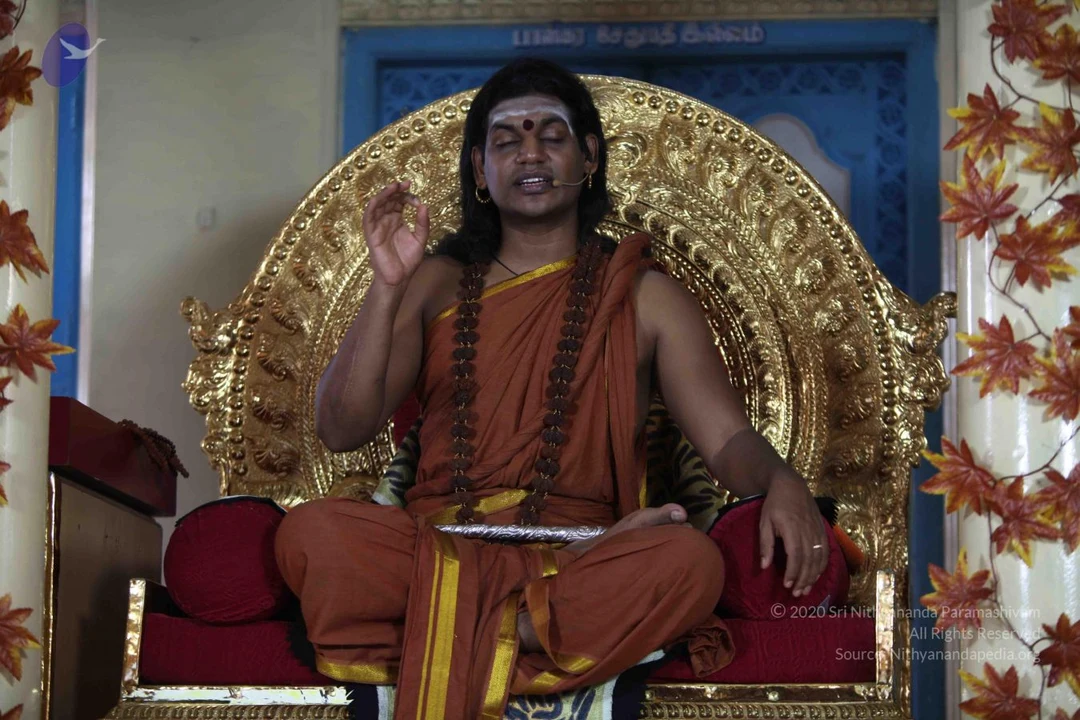
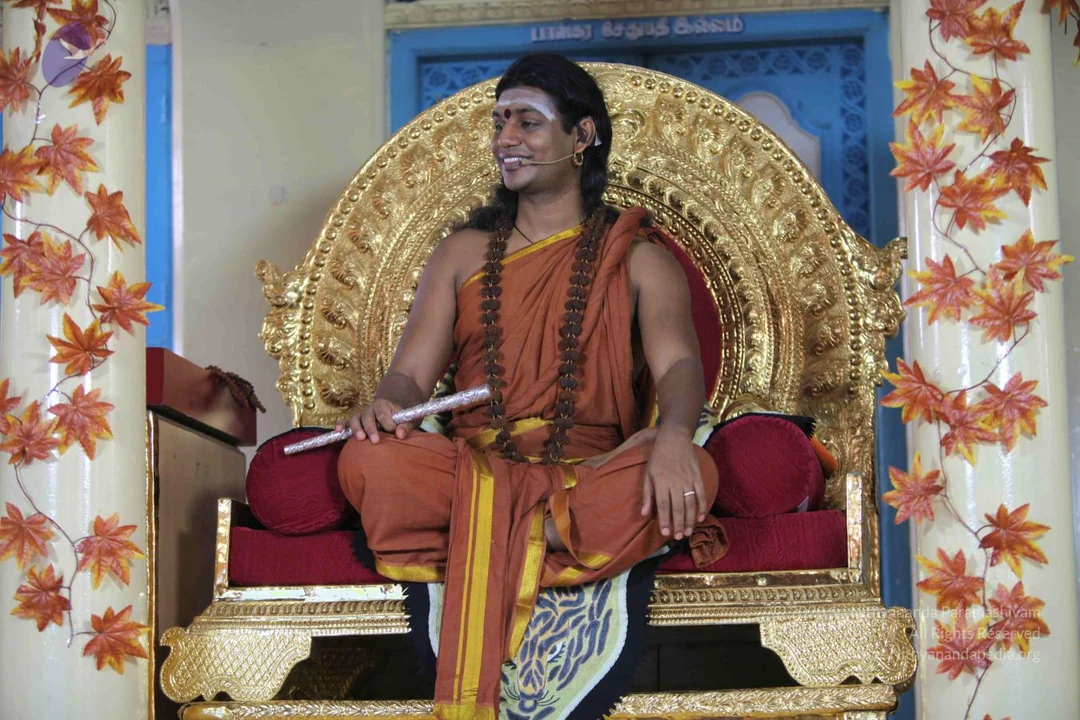
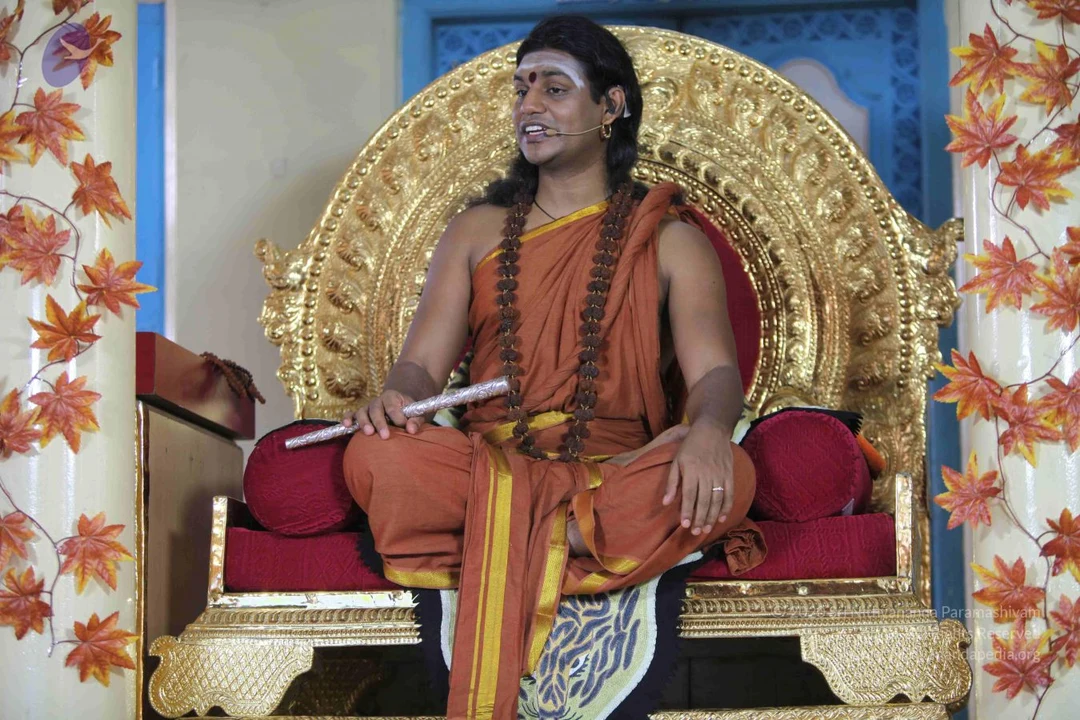
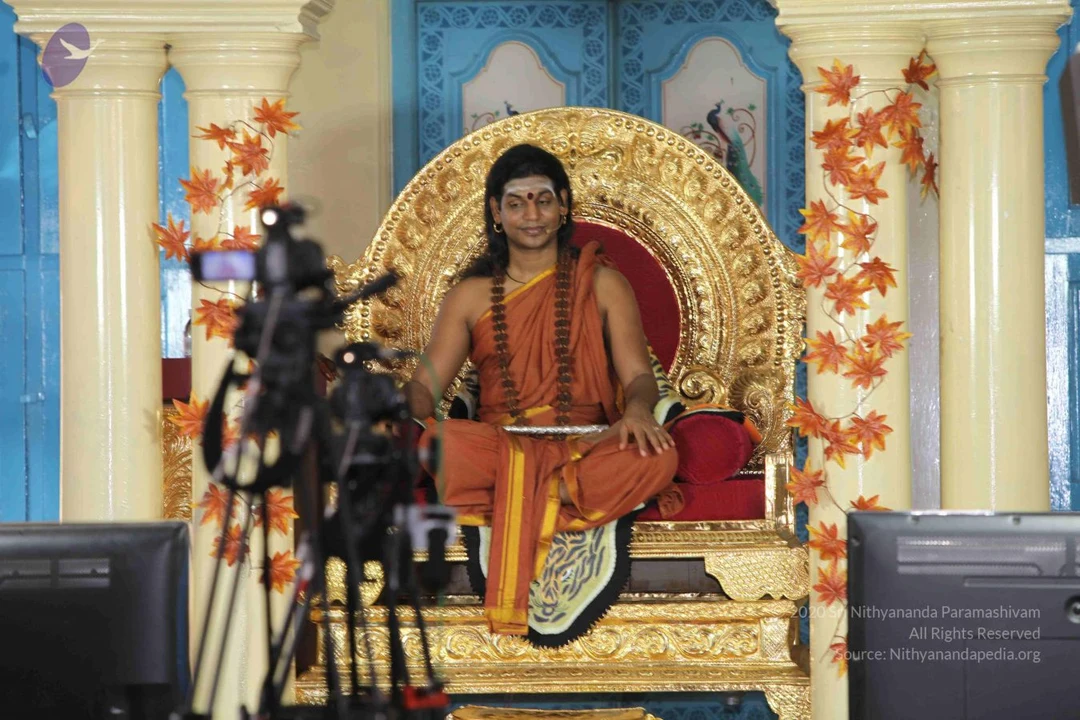
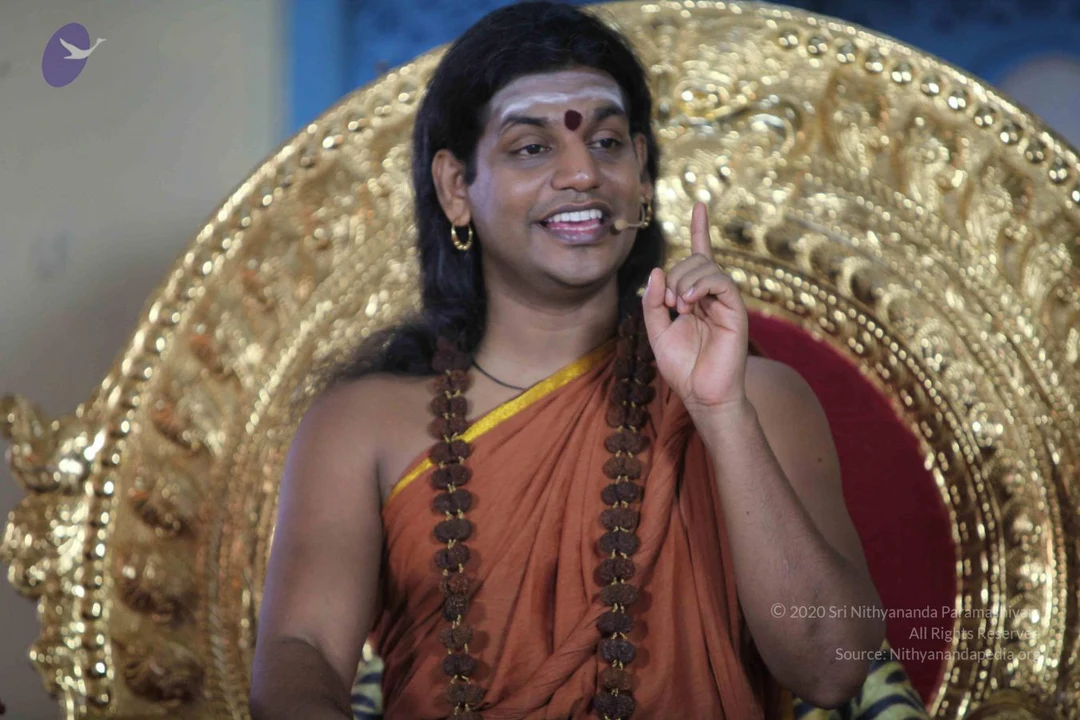
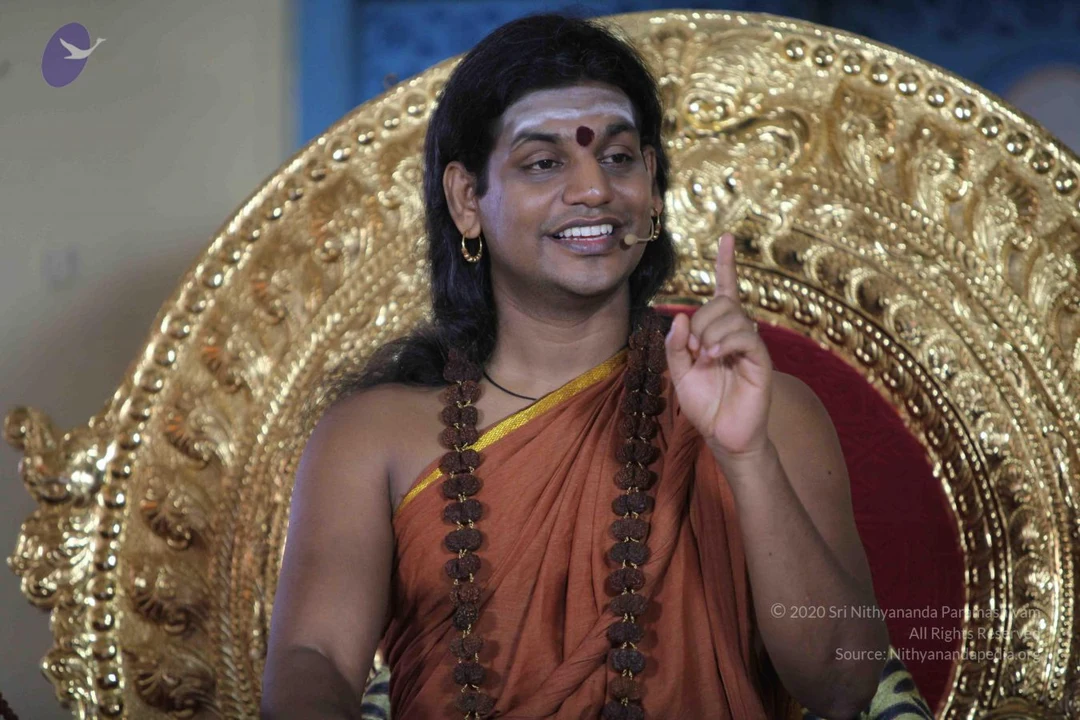
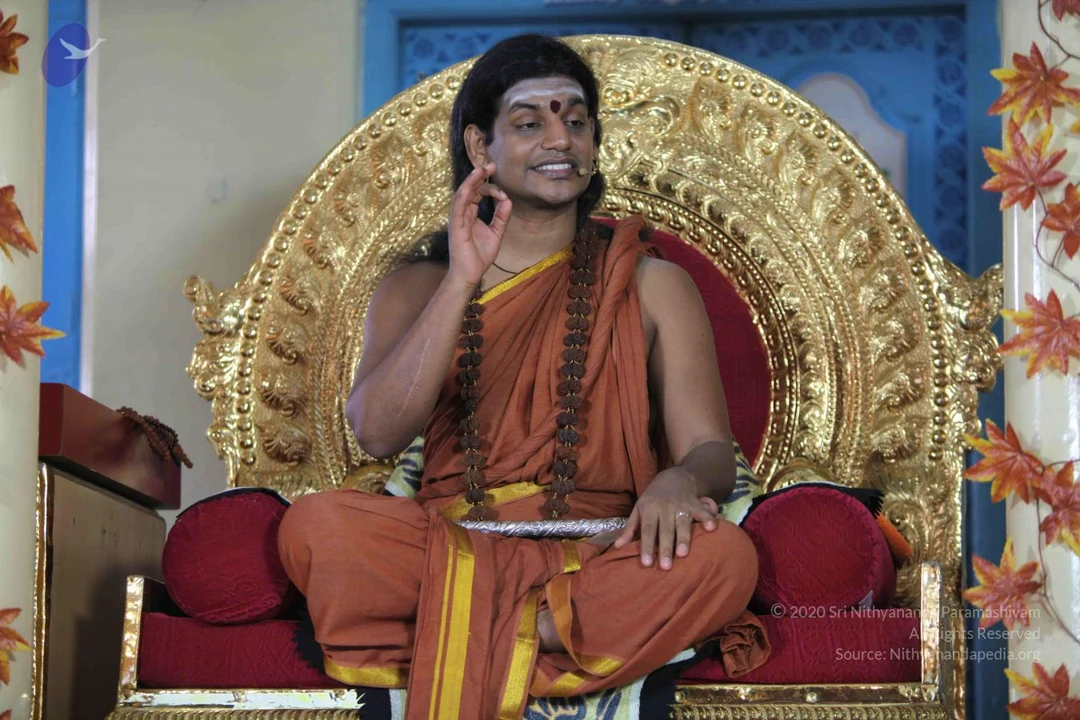
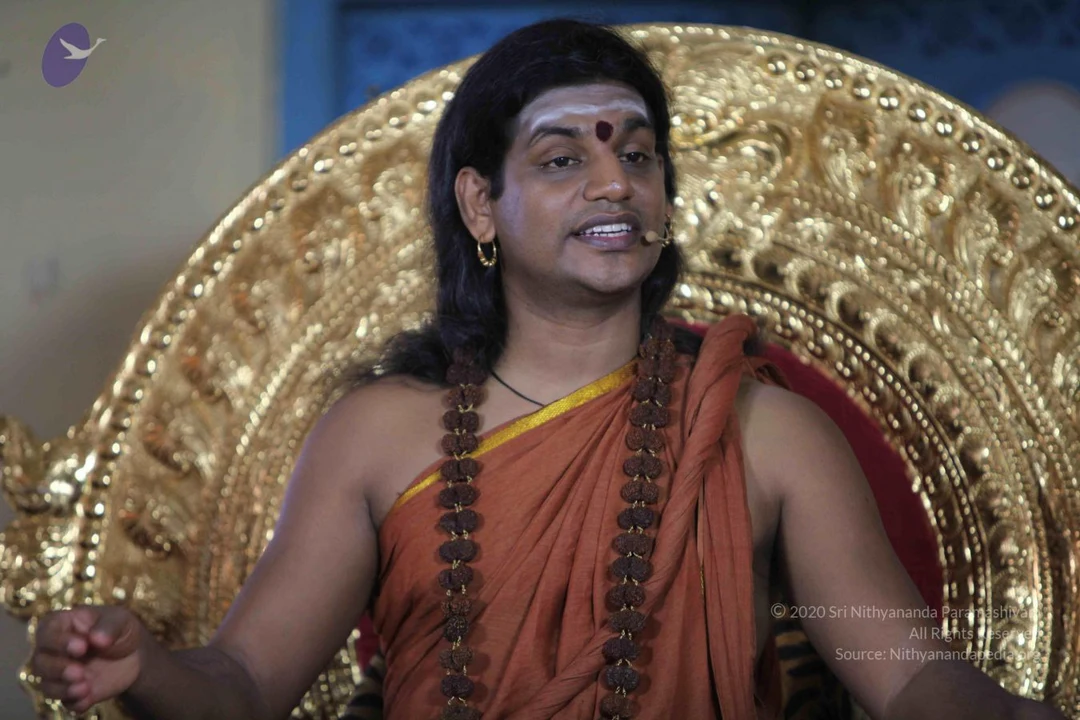
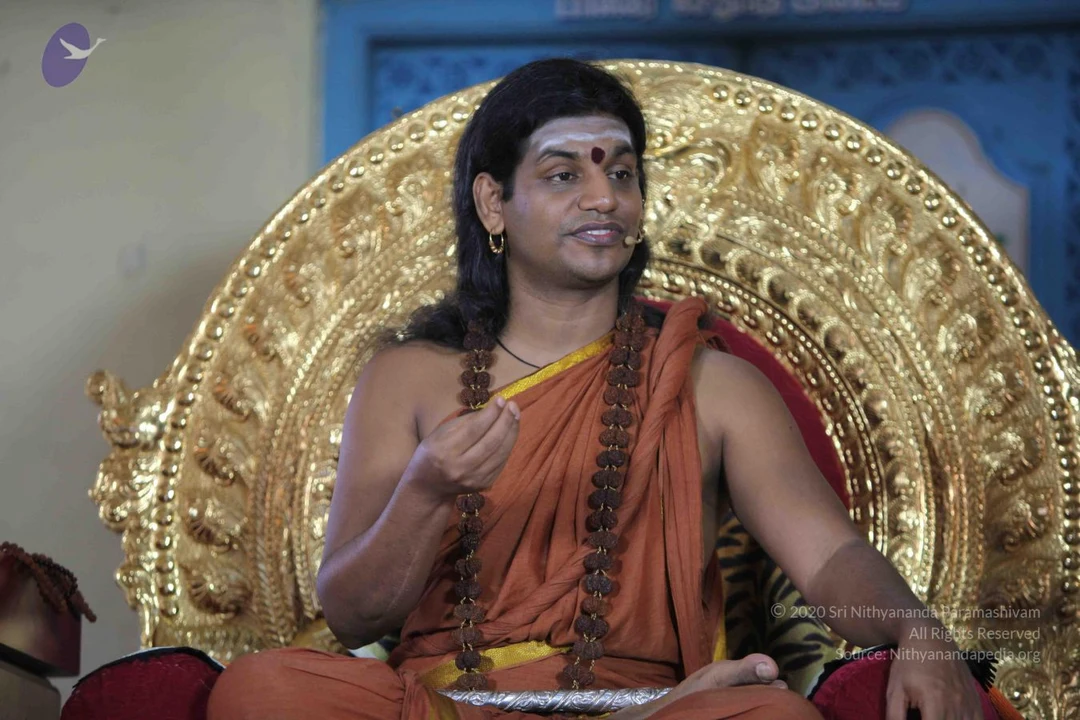
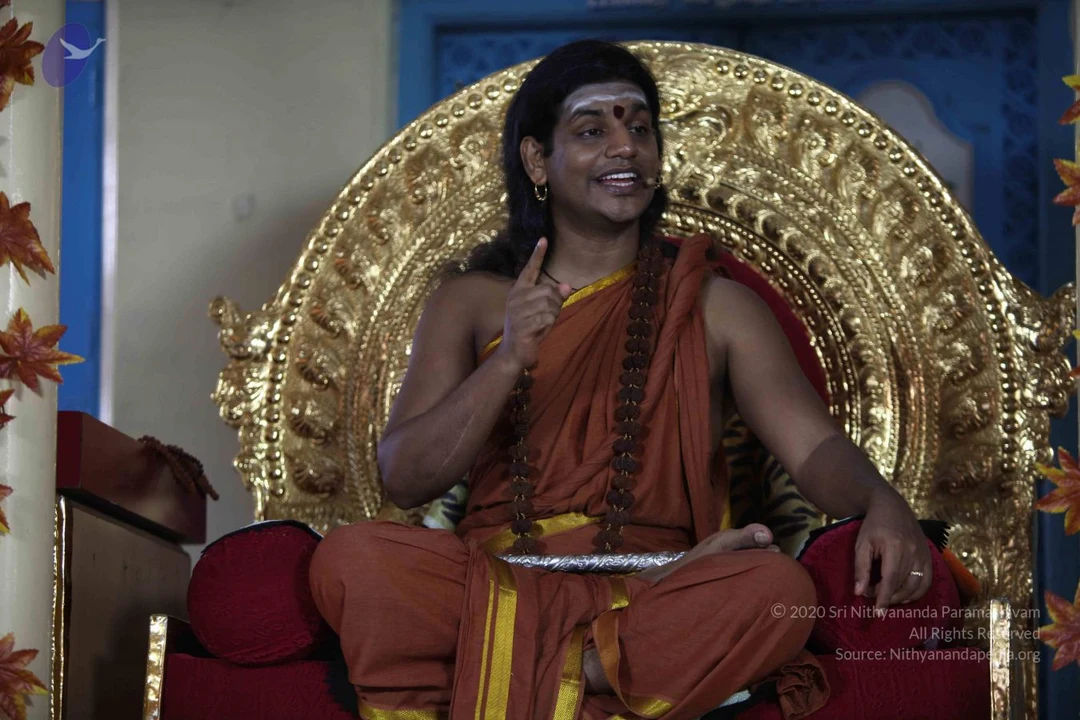
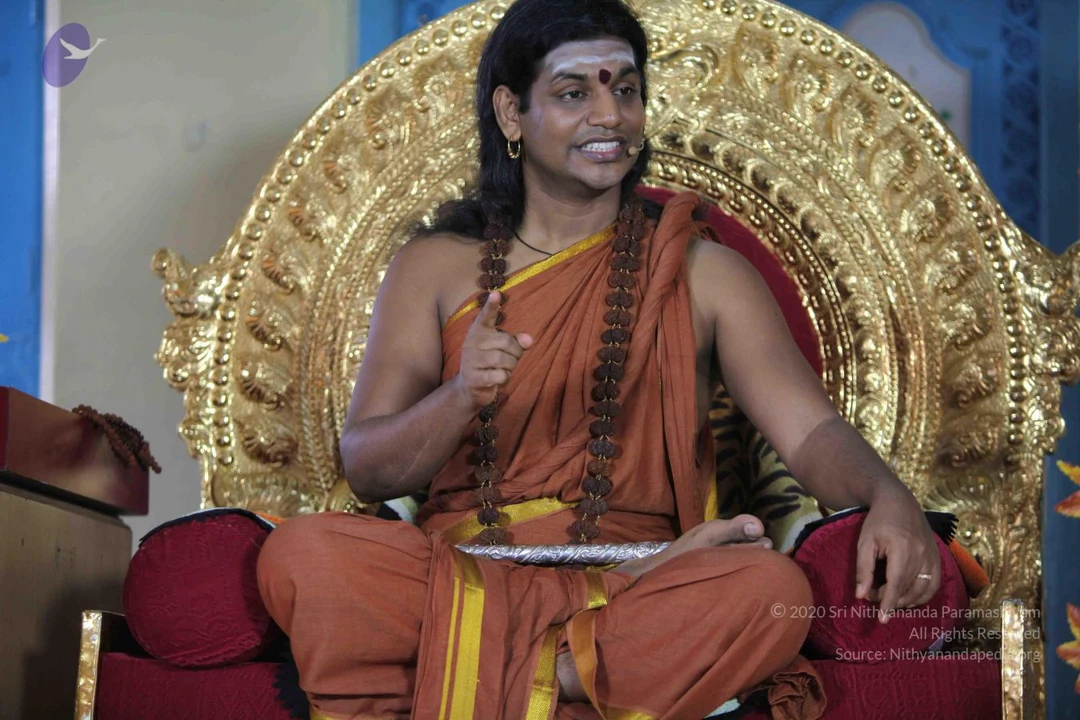
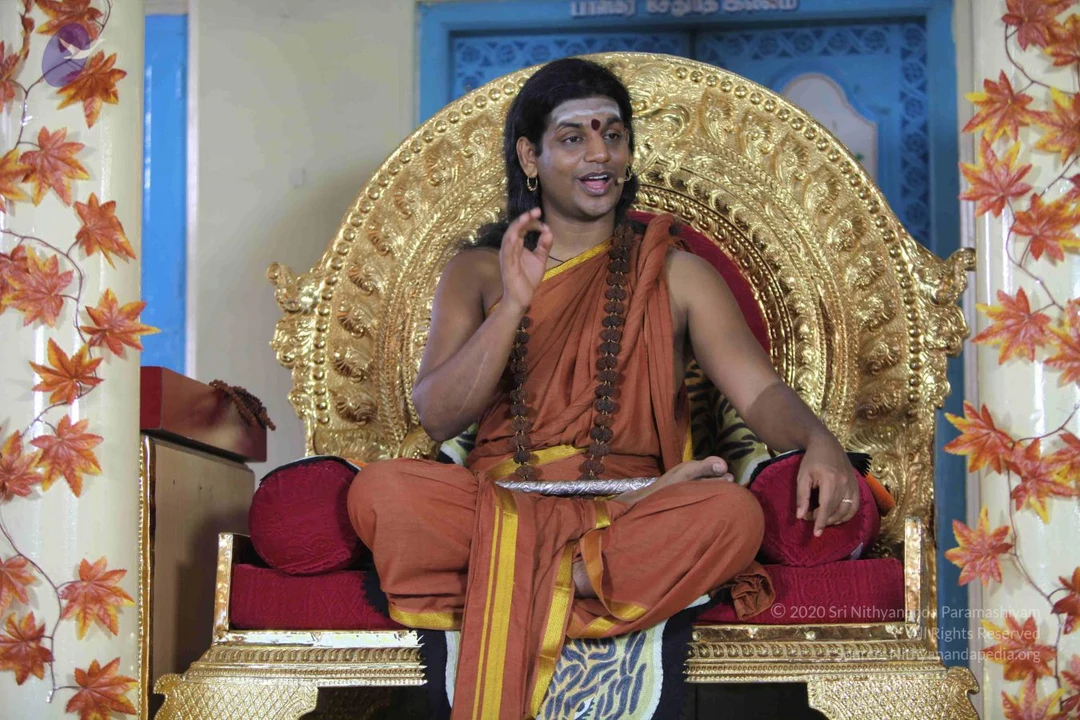
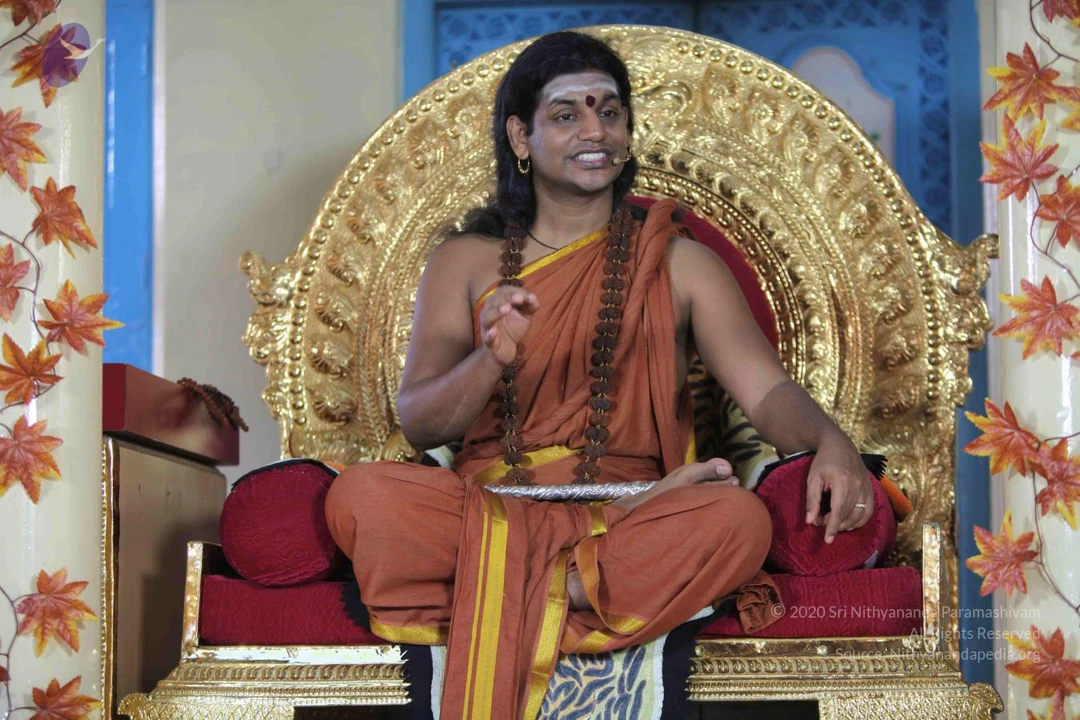
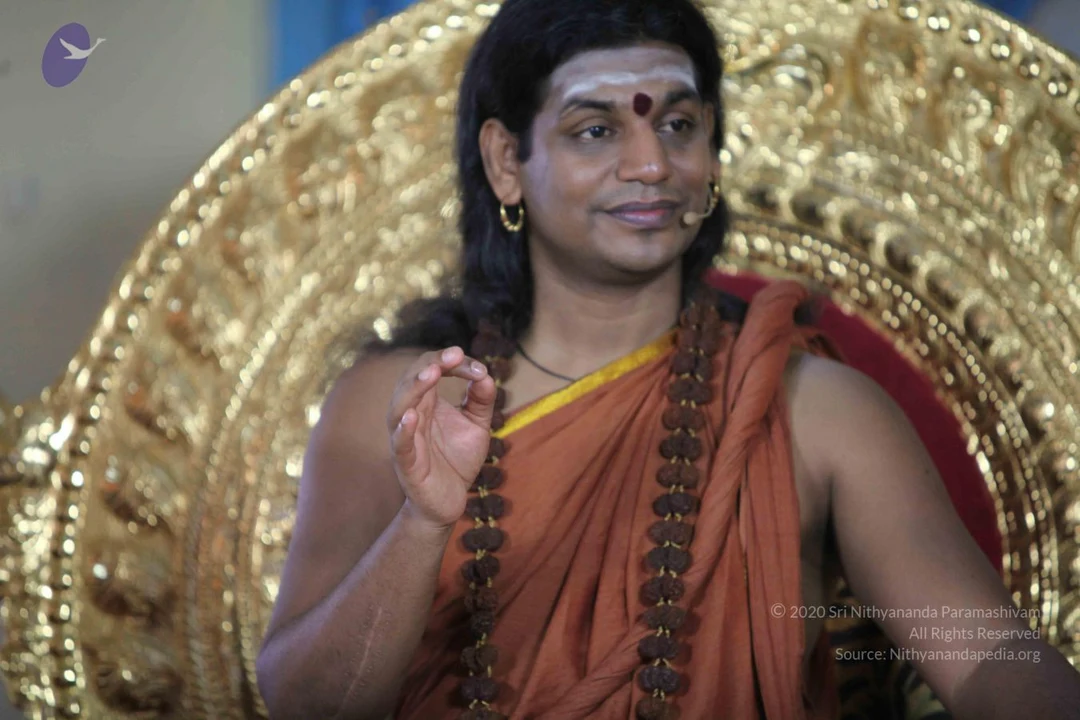
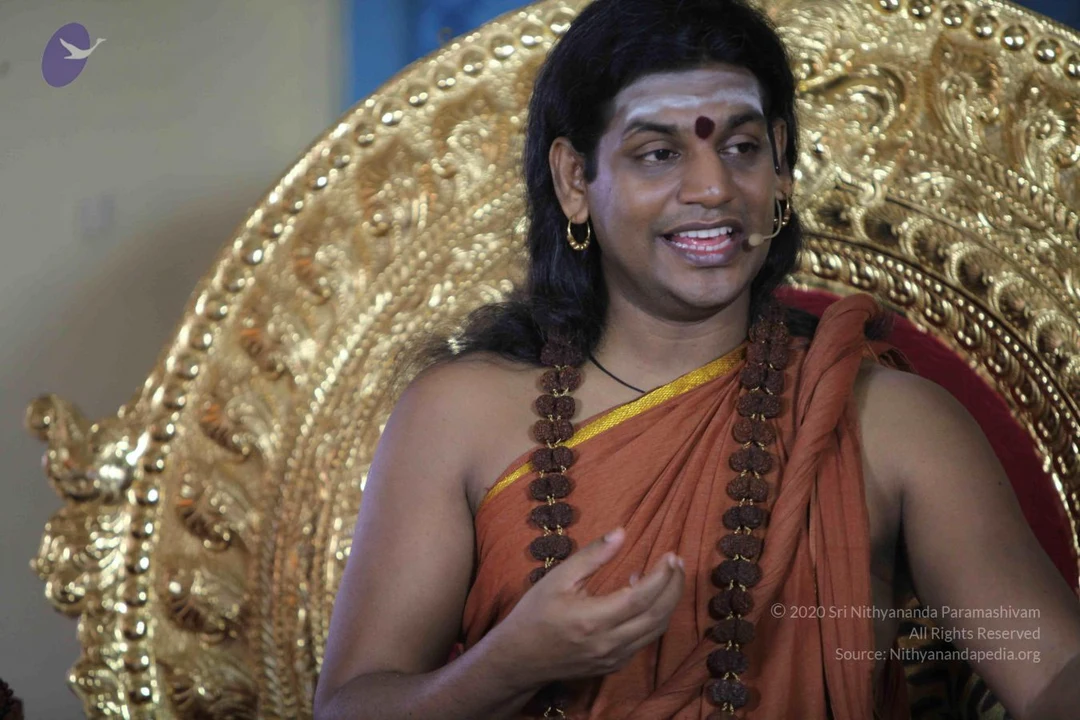
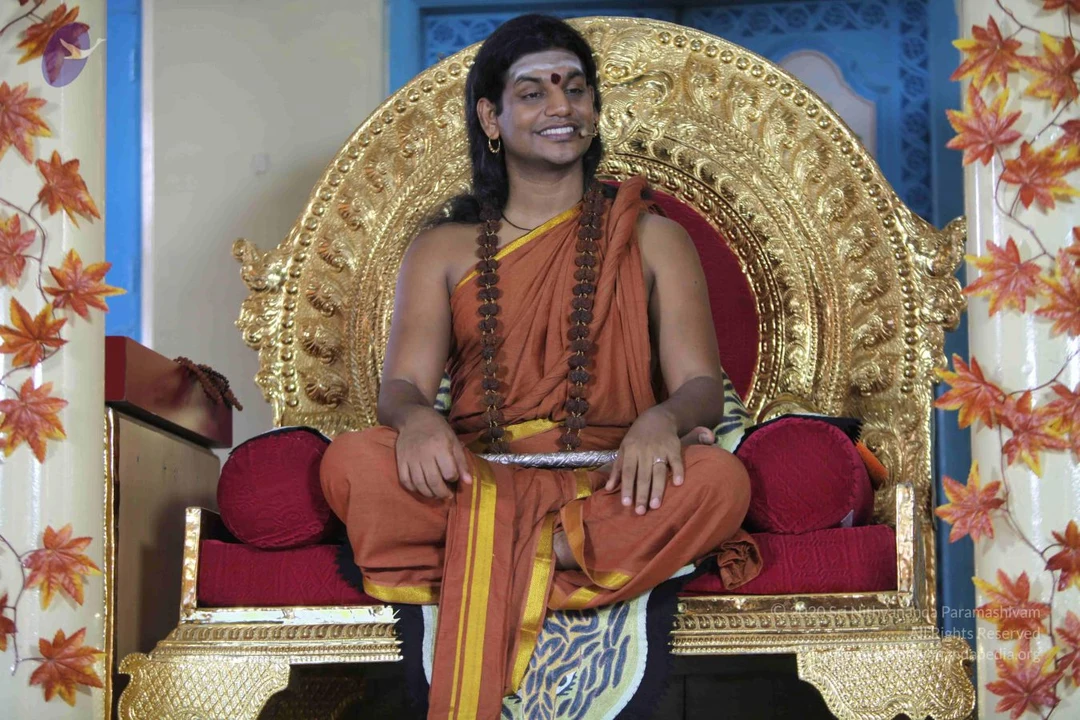
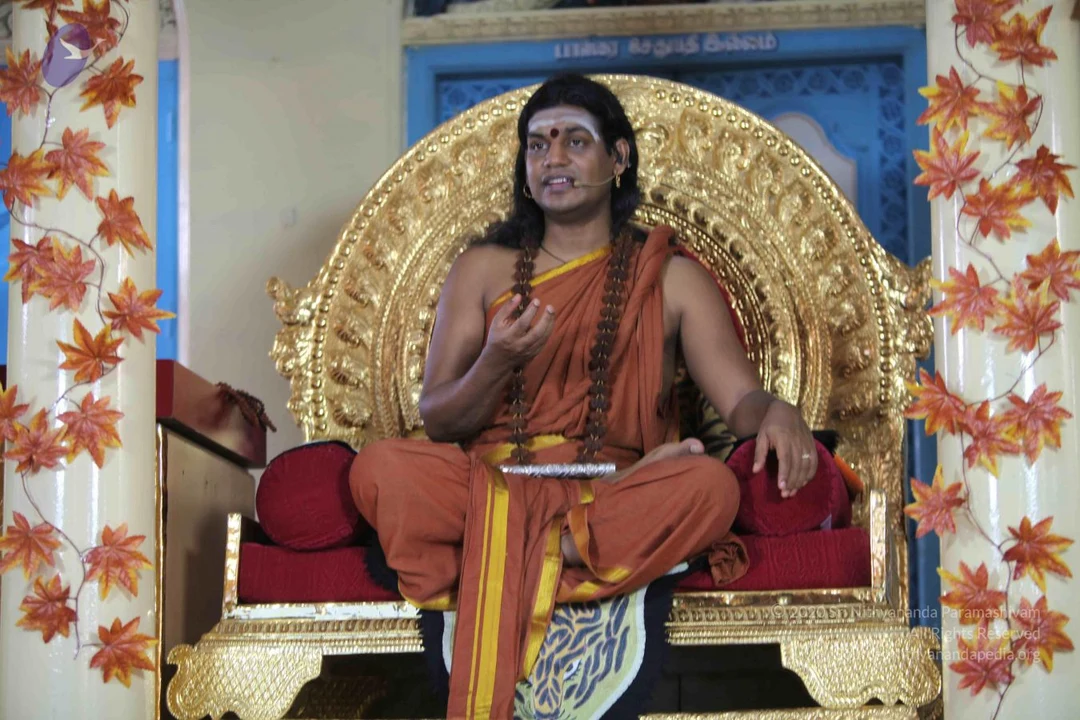
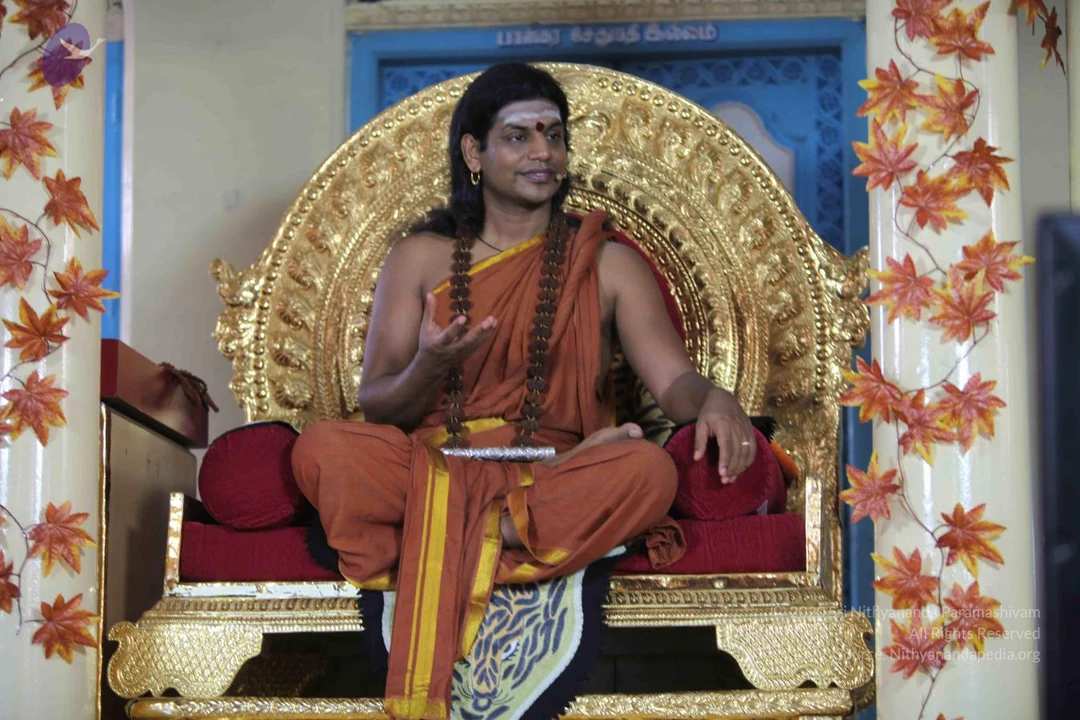
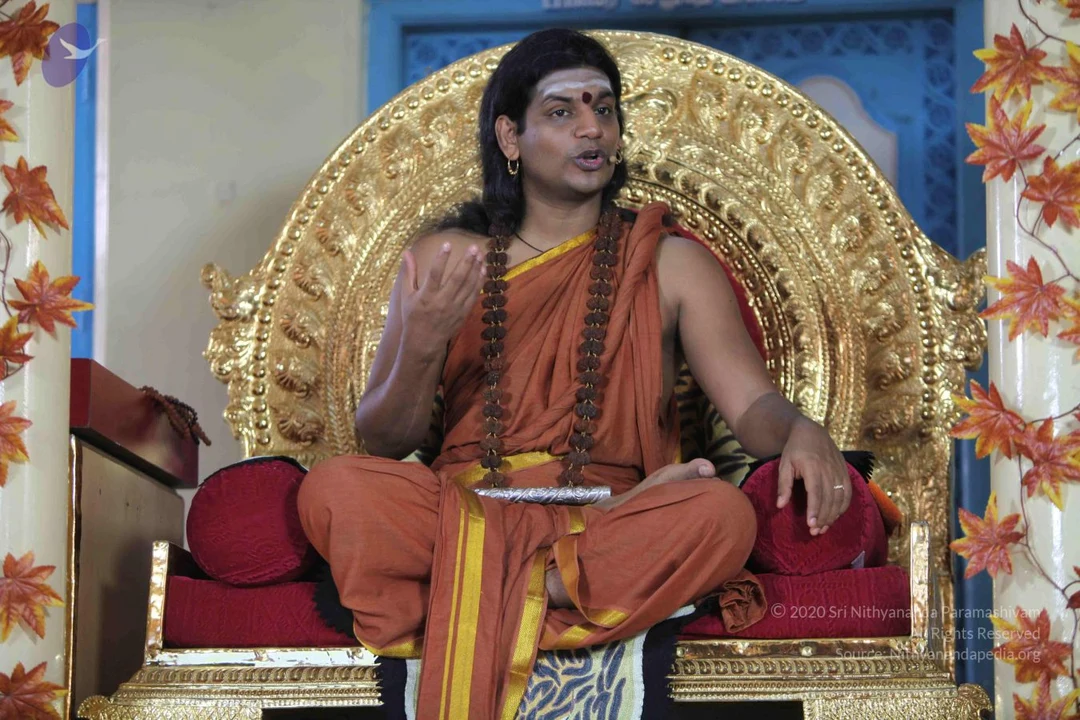
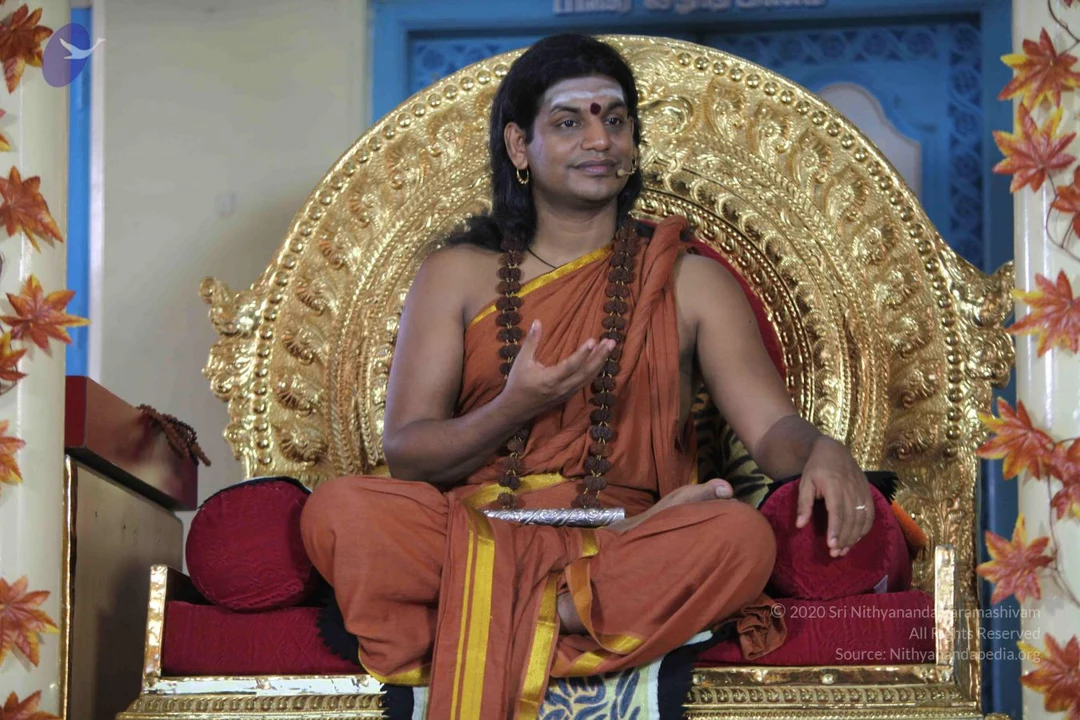
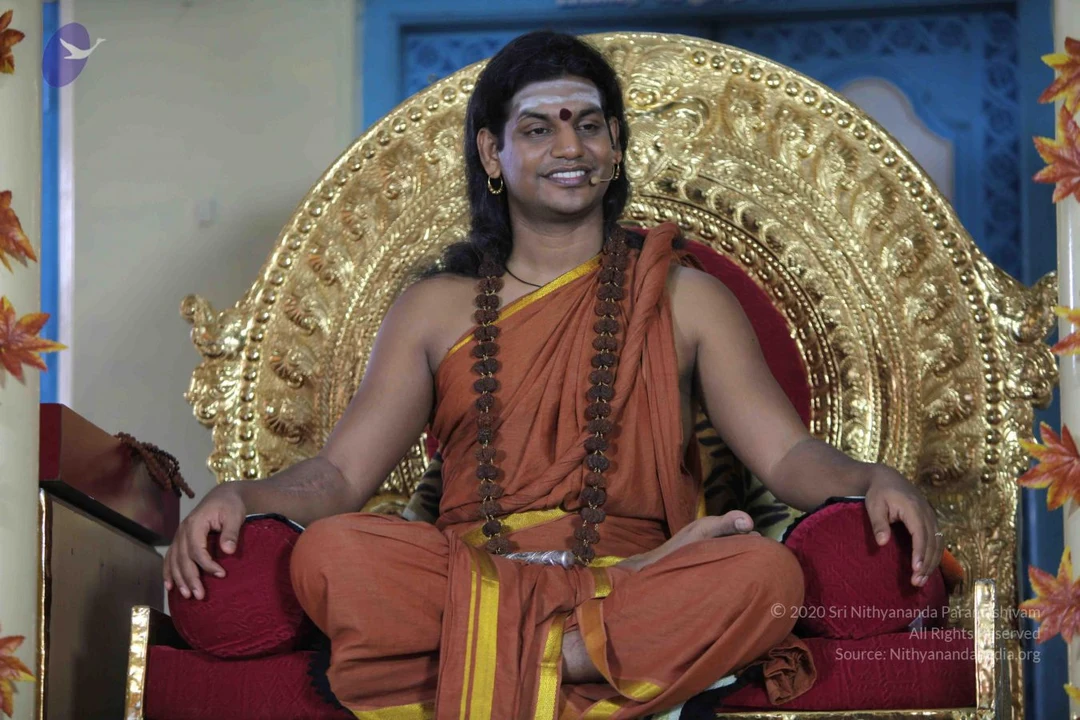
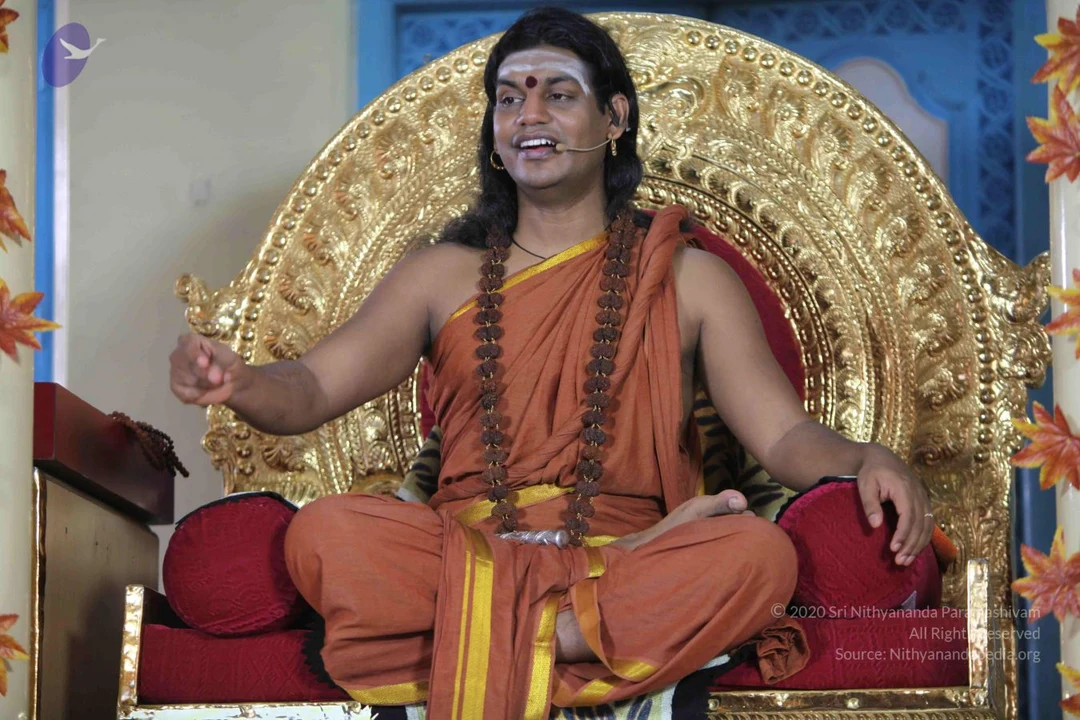
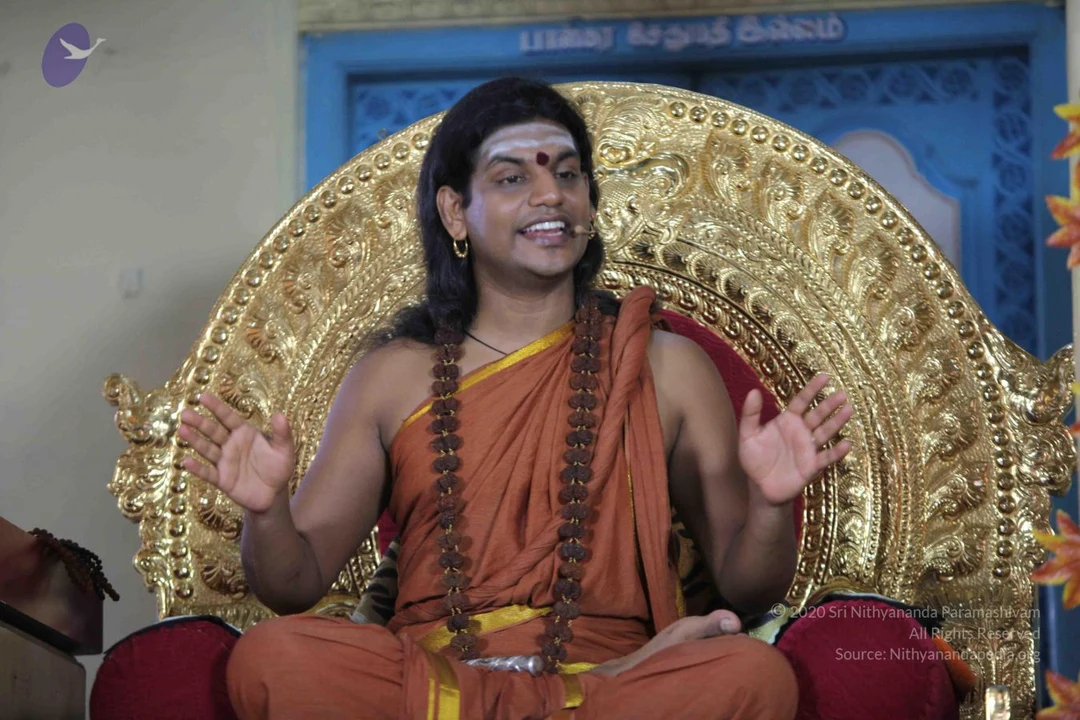
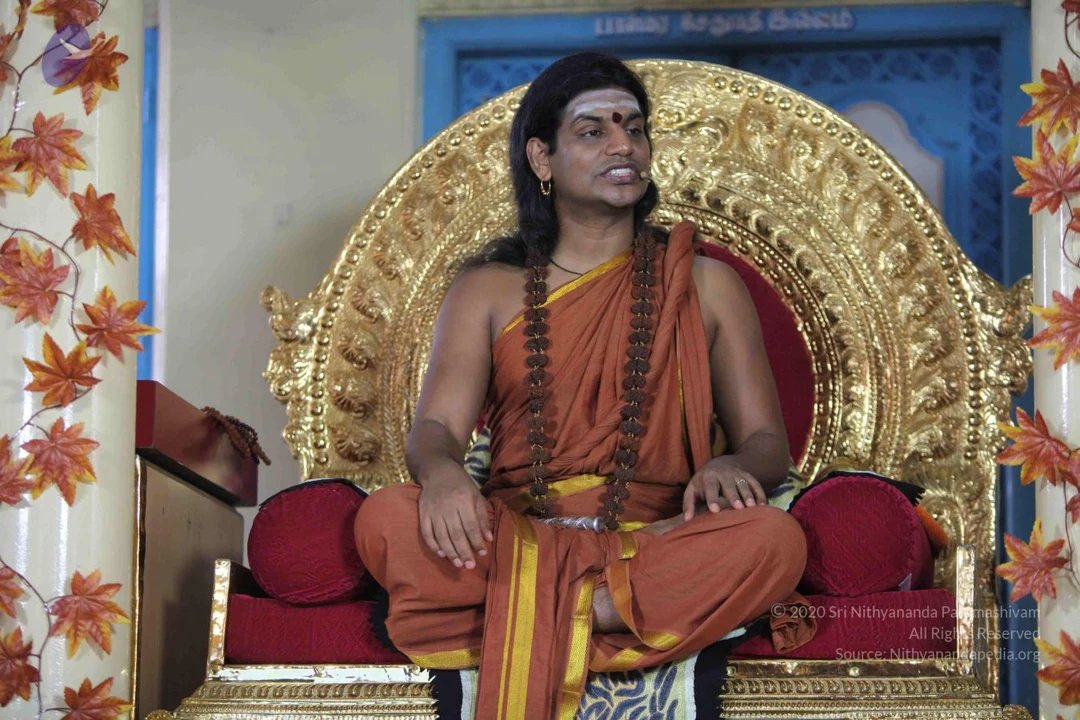
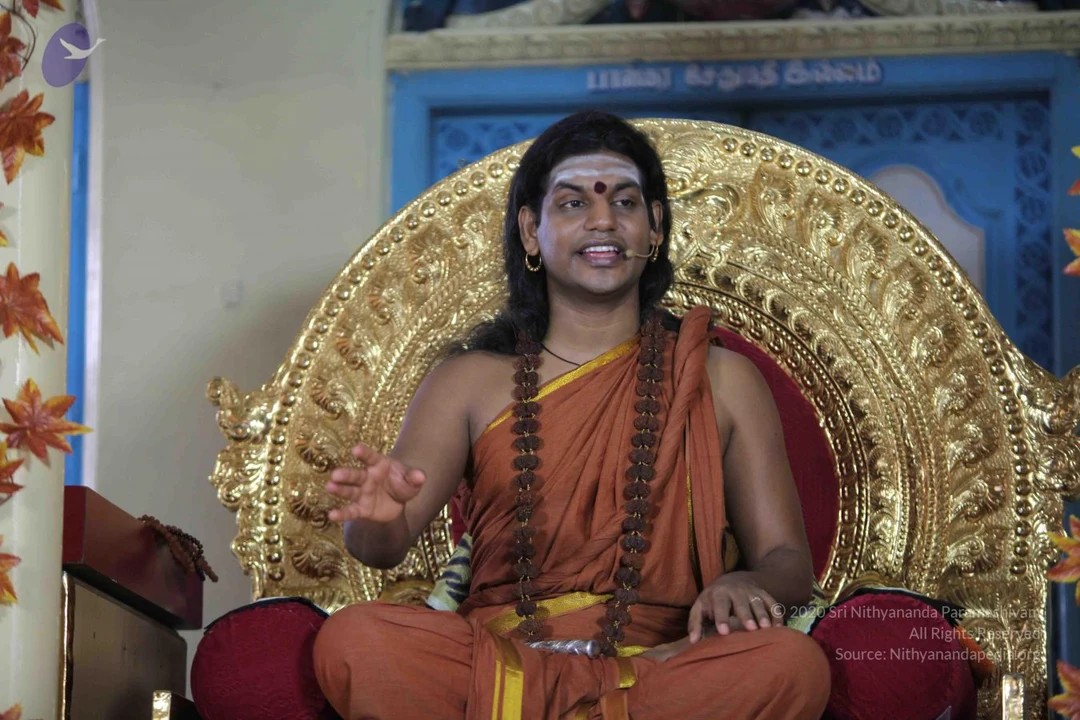
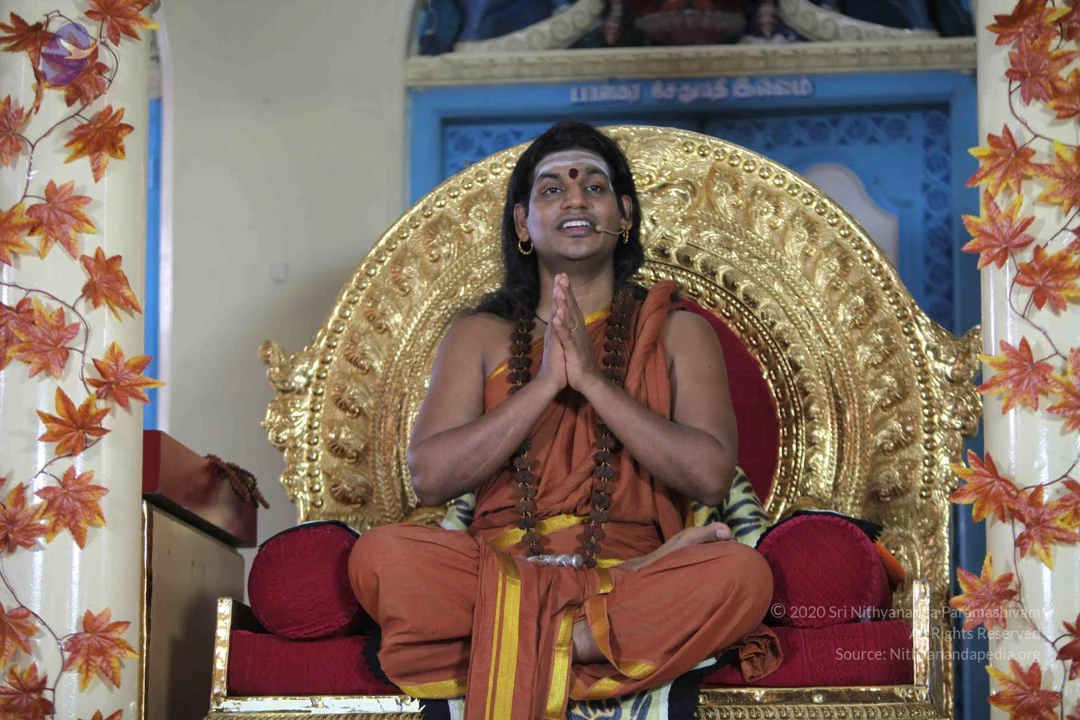
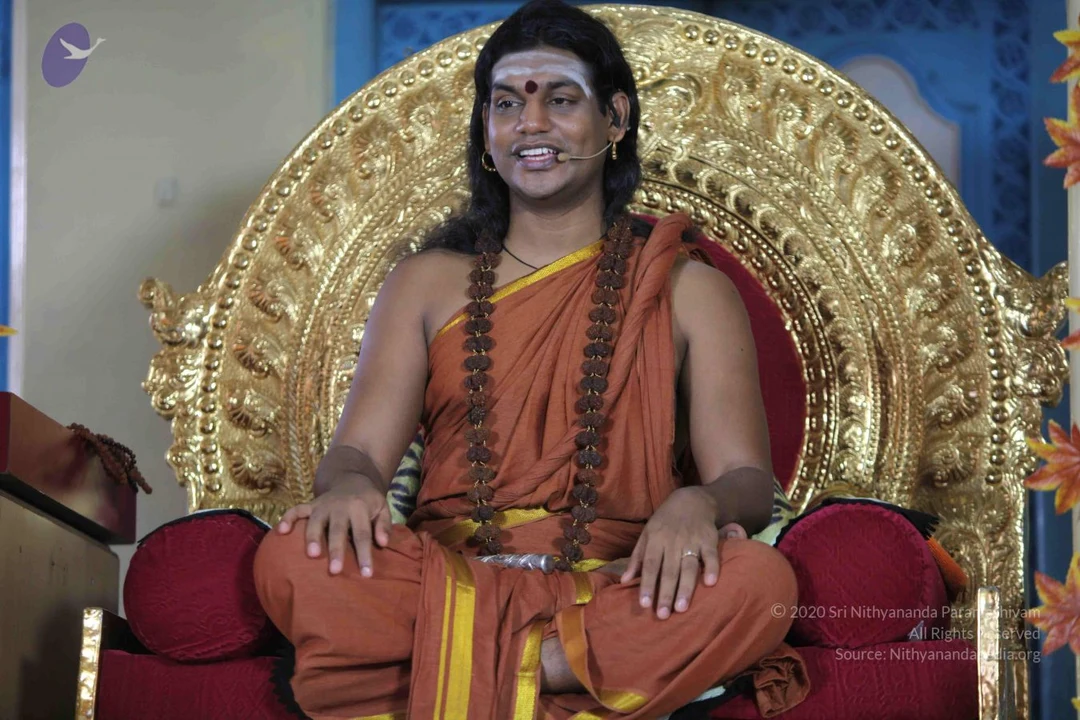
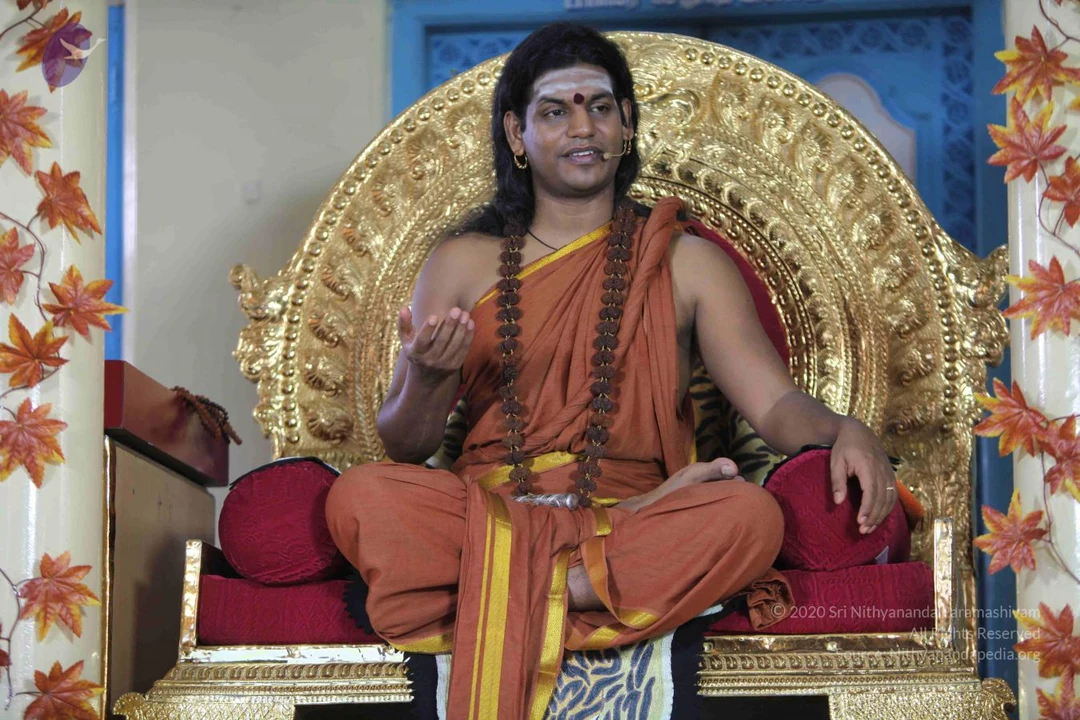
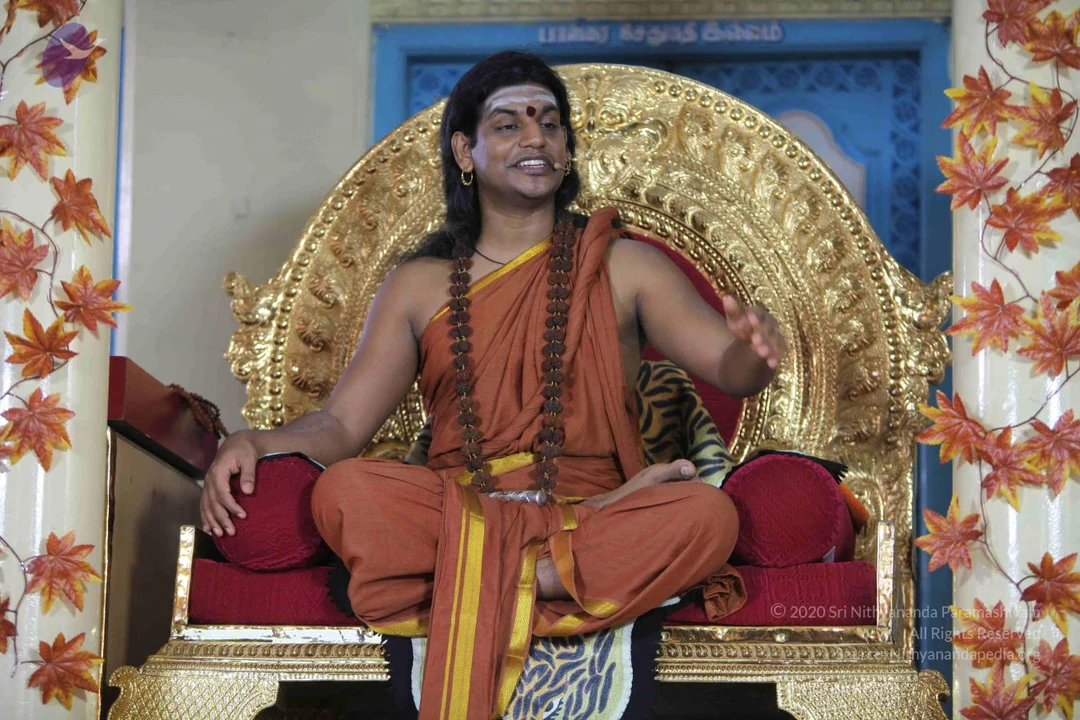
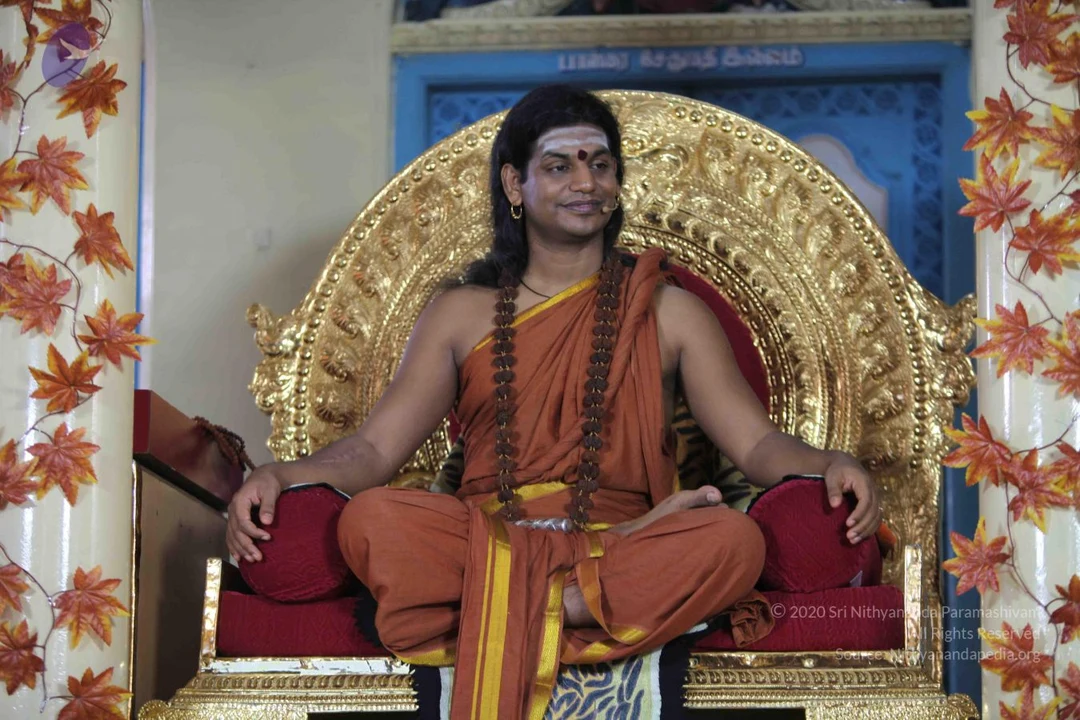
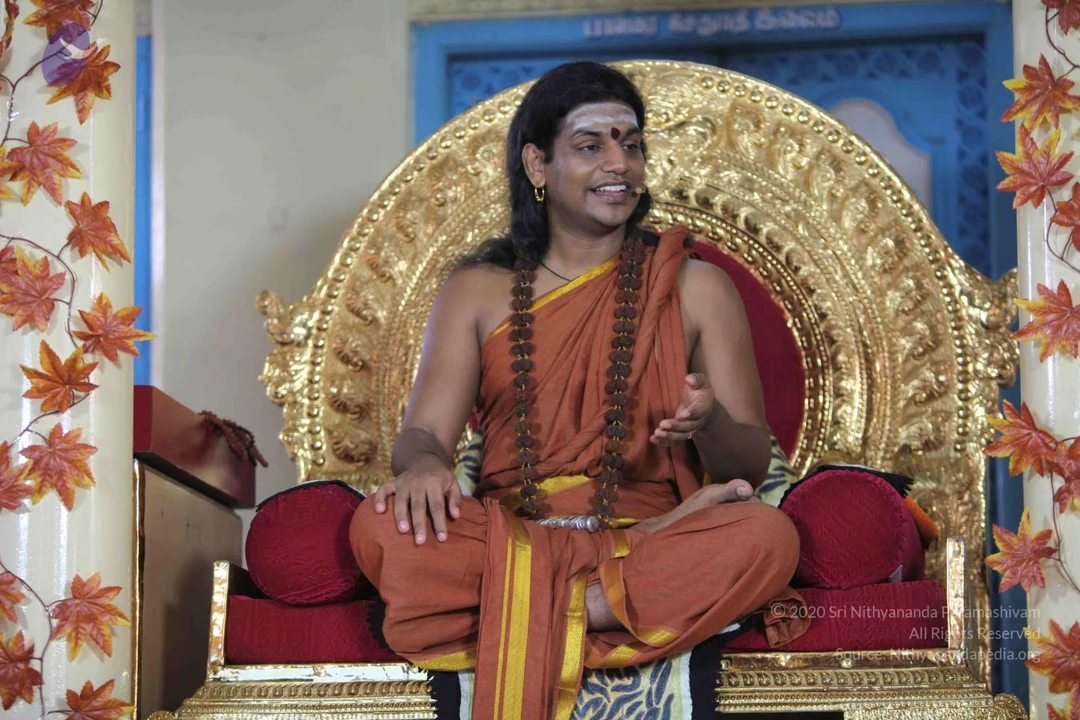
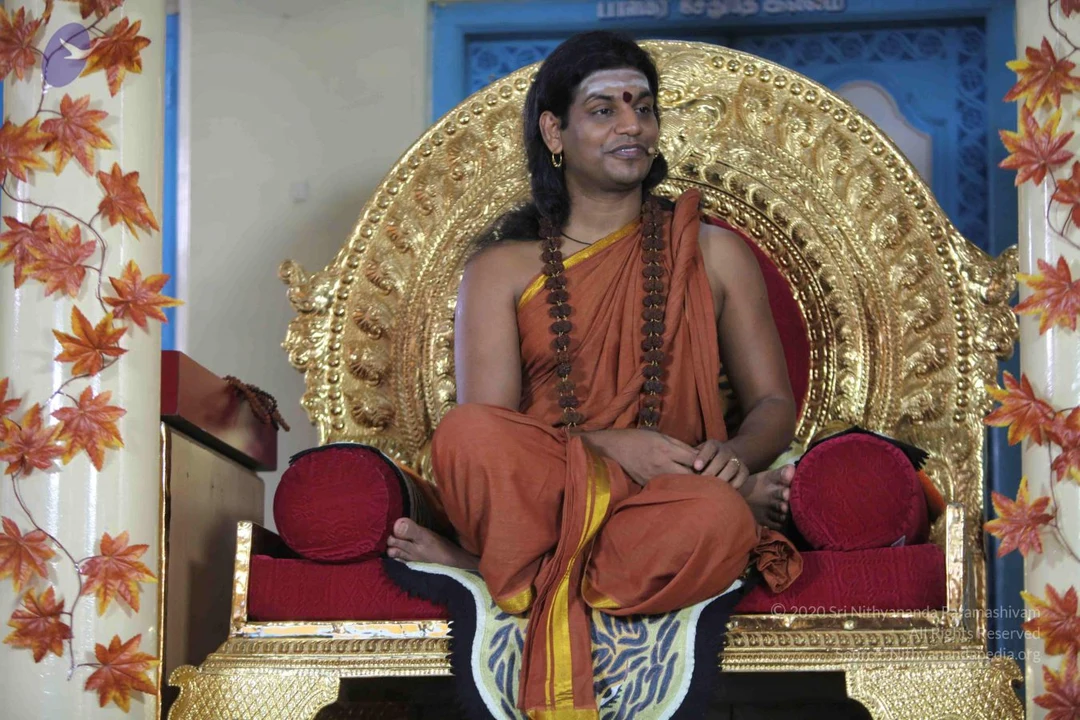
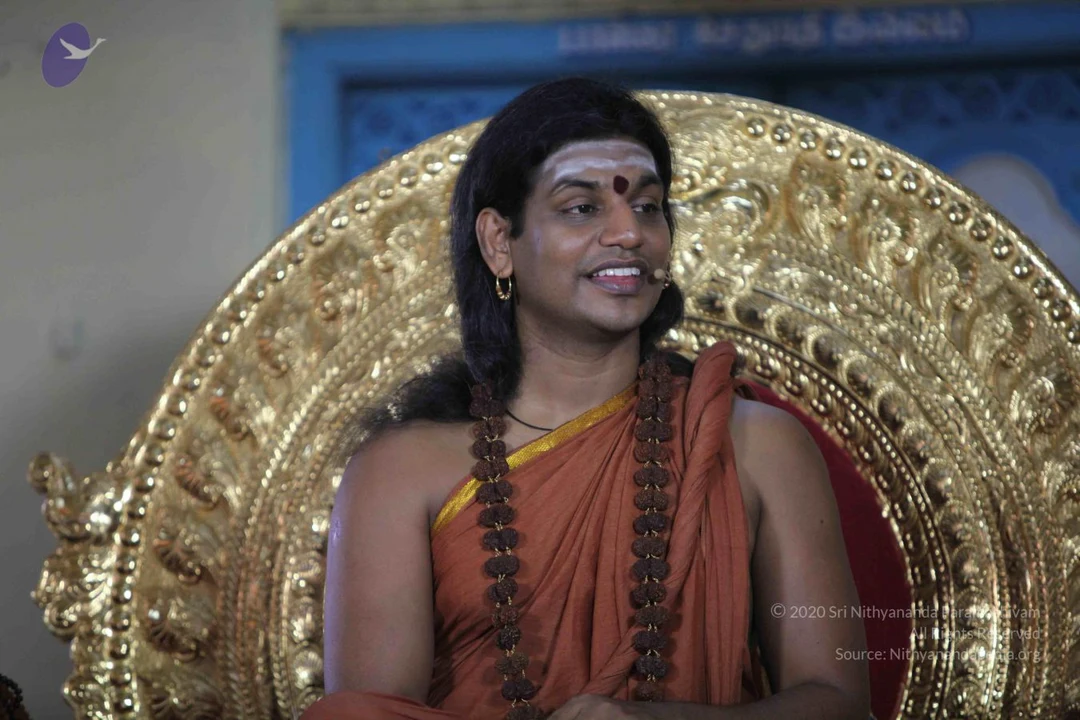
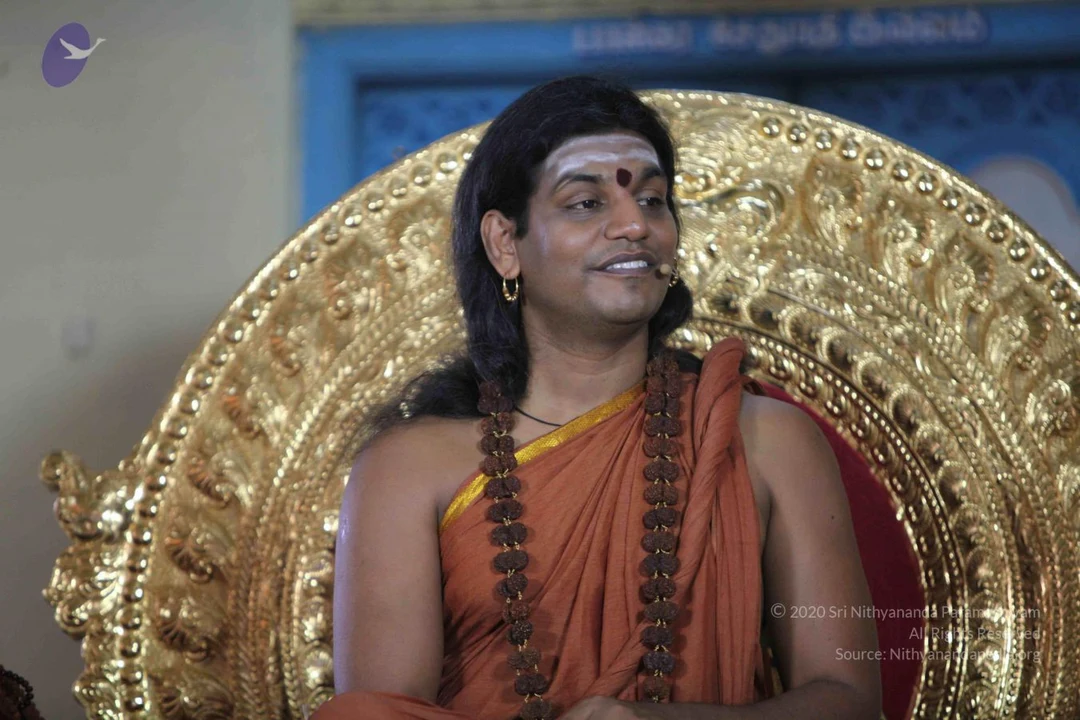
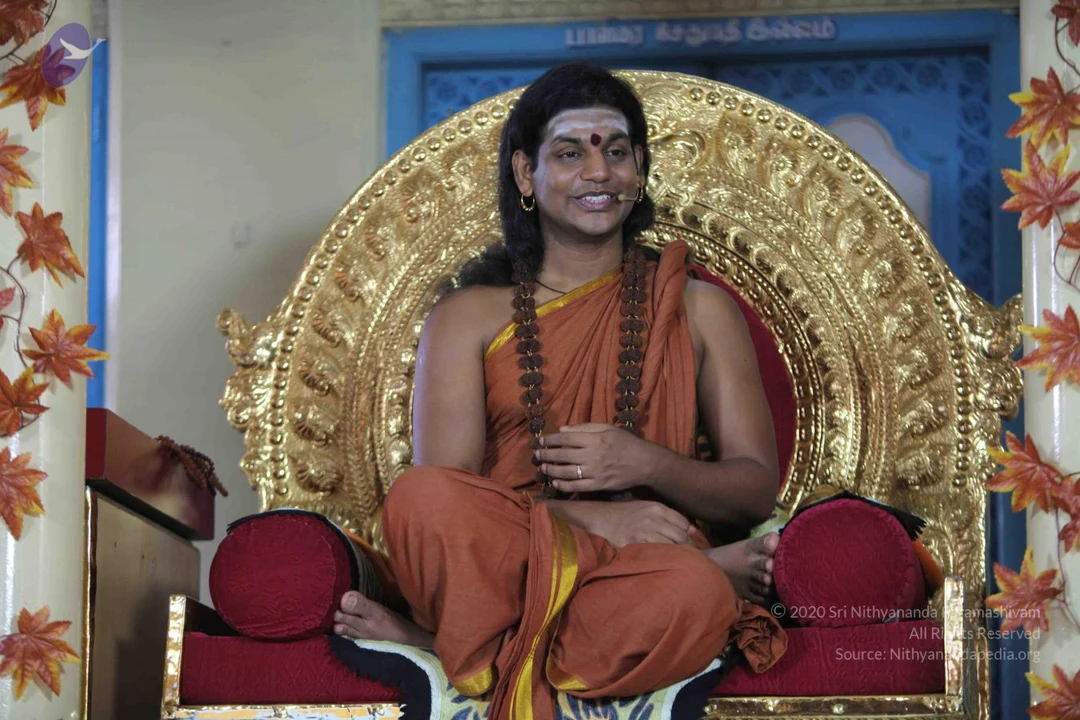
TALKS FROM MORNING SATSANG ON JUNE 20 2012 AT MADURAI ADHEENAM, INDIA Bhagavad Gita (Song of God) is a timeless treatise on the essence of living enlightenment. The Gita was imparted by the enlightened Hindu incarnation Sri Krishna to the warrior-prince Arjuna over 5000 years ago. Amazingly, the spiritual wisdom and life solutions offered in the Gita are so universal and current that even today it is used as a personal transformation guide. In this morning’s talk on Bhagavad Gita, Chapter 5, Verse 5, Paramahamsa Nithyananda (Swamiji) encourages us to explore our possibilities. The two extremes of self-exploration are motionless meditation and intense action. Both lead us to the same state of spiritual freedom. Self-exploration through contemplation is jnana samyama, enlightenment through wisdom; self-exploration through action is karma samyama, enlightenment through industriousness. Exploring one’s physical possibilities is yoga, bodily expression of the divine; emotional exploration leads to bhakti, the feeling connection with God; mental exploration results in siddhi, super-conscious ability; and spiritual exploration gives us mukti – enlightenment. All these possibilities are available to each of us: we have only to choose our route. The destination is eternally the same.
Link to Video:
| Video | Audio |
Transcript:
Discover your possibilities
Sadashiva samarambham jnana sambhandacharya madhyamam |
Asmadacharya paryantam vande guru paramparam ||
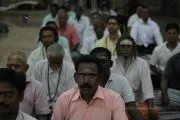
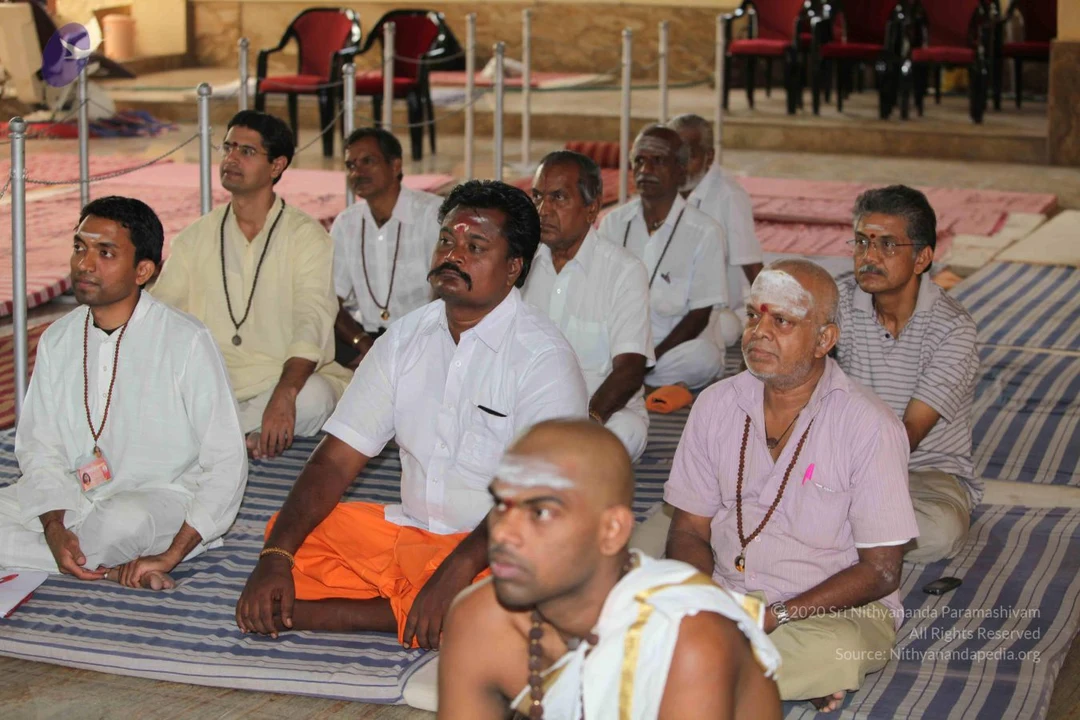
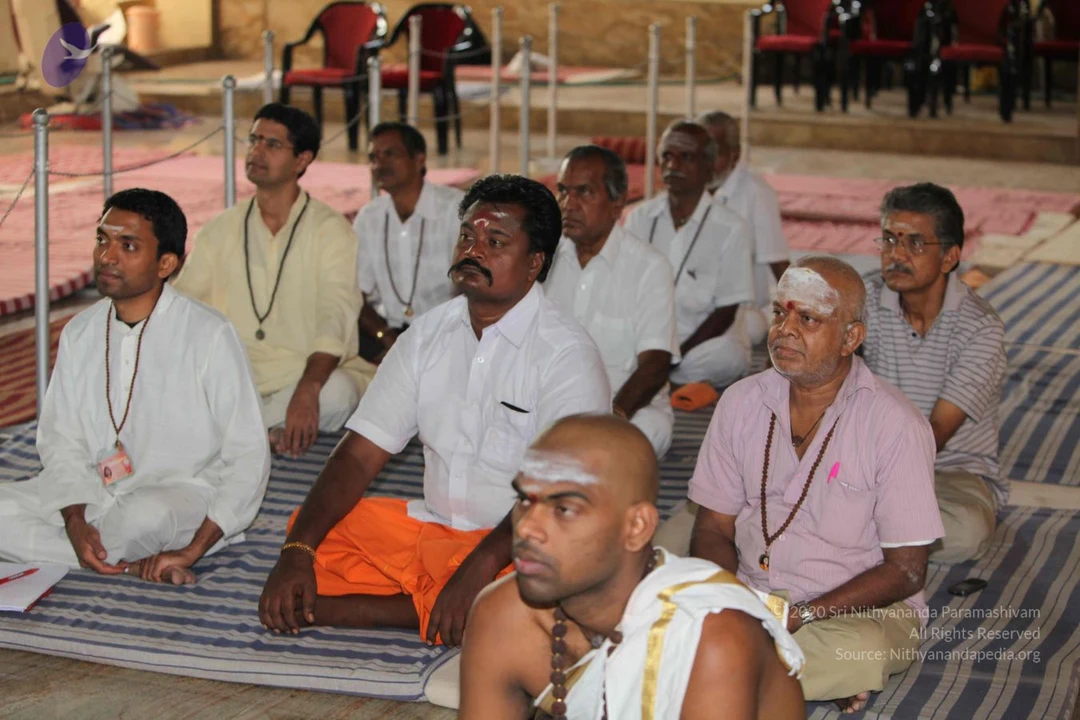
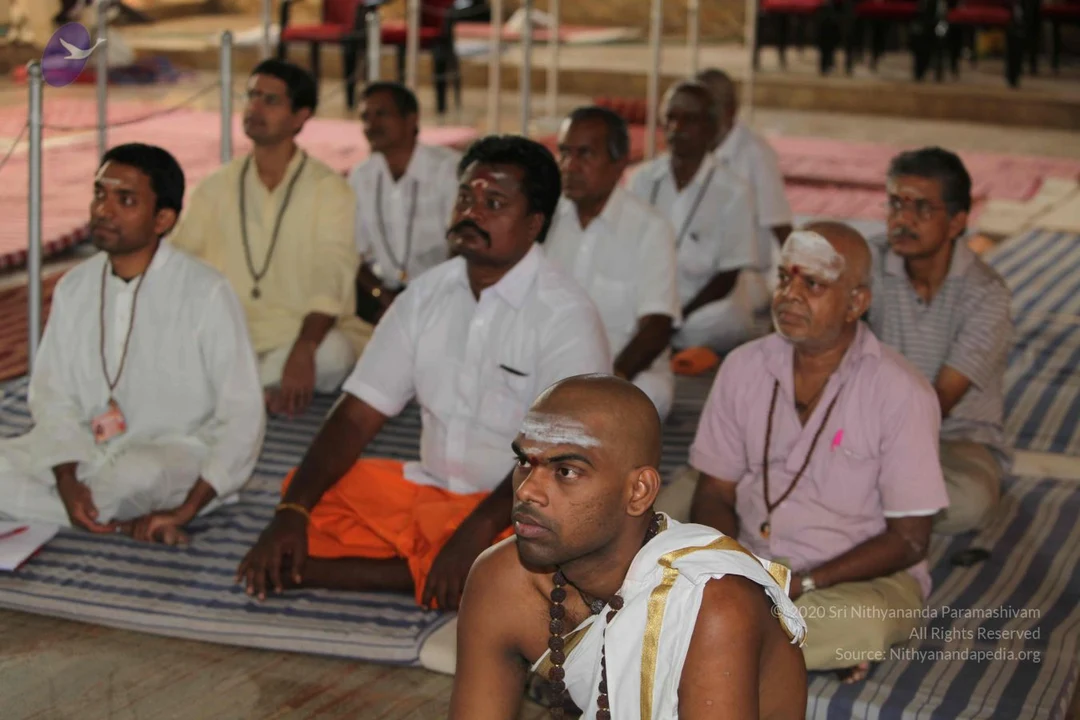
I welcome you all with my love and respects. I welcome all the devotees, disciples, samajis, satsangis sitting with us around the world at this moment in 722 places through Nithyananda TV, 17 places through 2-way video conferencing, in 200 cities in 21 countries around the world.
Lets enter into today’s satsang, 5th Chapter Sanyasa Yoga, 5th verse.
yat-saankhyaihi praapyate staanam tadyo gairapi gamyate |
ekam sankhyam cha yogam cha yah pashyati sa pashyati ||
Translation: only the one who perceives discriminative knowledge and intense action as one really perceives, for the state achieved through discriminative knowledge and intense action is one and the same. Bhagavan is showing the beautiful path of attaining the ultimate. Bhagavan is using two times the same word – pashyati.
yat-saankhyaihi praapyate staanam tadyo gairapi gamyate |
ekam sankhyam cha yogam cha yah pashyati sa pashyati ||
yah pashyati sa pashyati – that is the keyword in this whole verse. Who perceives the discriminative knowledge and intense action as one, only he perceives the truth, the ultimate. How can you perceive the knowledge, the atma vichara and karma yoga both as one and the same? How is it possible?
Because human beings have innate hatred to work, intense action. If somehow they get tuned, the build a pattern of intense action, they develop innate hatred to just sitting and contemplating, exploring themselves. Unfortunately human beings are always single sided. They tend to lean to one extreme. Either you move to the contemplation, mental work or you move to intense action, physical work.
Very rarely people perceive both as one and the same. I tell you, the keyword in this verse – yah pashyati sa pashyati, I can give you one key to understand the discriminative knowledge and intense action is one and the same. The bridging point is exploring your possibility is samyama. Discovering your own possibilities is samyama.
If you are discovering your possibilities by constantly contemplating, you are doing jnana samyama. If you are exploring all your possibilities through intense action, you are doing karma samyama. If you do samyama, either on jnana or karma, you will understand both are one and the same.
I can tell you from my own experience how I was exploring my different possibilities and sharing with the world. You start looking at my life. From the age of 12, I can say, I started exploring jnana samyama through contemplation, exploring and discovering my various possibilities.
Please understand, when you explore and discover your emotional possibilities, that ripes into bhakti. When you explore and discover your physical possibilities, you become yogi. When you explore and discover your mental possibilities, it becomes siddhis. When you explore and discover your conscious possibilities, it becomes enlightenment.
From the age of 12, I was constantly exploring and discovering my various possibilities through contemplation. From the age of 22, I am exploring and discovering my various possibilities through intense action. If you see, when I started my public life, my activities, I was not even able to speak English fluently more than a few sentences.
I started my public life in 2003. And at the most I could sit for 2-3 hours, and take some classes or do some healing. Then I will lie down. My body was not capable of continuously working. But I could see very clearly, when I started the exploring and discovering my capabilities, my possibilities, now so many extraordinary truths get downloaded into the system without even my effort and comes out.
And hours and hours of intense action, work automatically is happening in my system without even me remembering the idea of tiredness. Forget about controlling or suppressing tiredness. The idea of tiredness! The possibilities… when you explore the possibilities and discover, I tell you, exploring the possibilities and discovering the possibilities sudden makes the zigzag puzzle of life fall in proper way.
Maaya reveals her true form. The delusion removes its illusion component. If the illusion component is removed from delusion, what remains is divine. It is the illusion component in delusion that constantly keeps you deluded.
In Vedanta they have a beautiful simili – rajjusarpa nyaya. The rope is mistaken as a snake. It is the illusion of the snake which keeps the delusion of fear and makes you do the action of running away or trying to kill the rope. Your running away or trying to kill are both foolish, because the real solution comes by removing the illusion component, not by acting at those moments.
Most of the times, any action you do, you are in trouble, because the illusion component needs to be removed from the delusion. Exploring and discovering your various possibilities takes away the illusion component from the cosmic delusion itself. From the very cosmic delusion, illusion component disappears.
It is like in dirty water, if all the dirt settles down it becomes fresh water. Same way, from the maaya if illusion is taken away it becomes maya. Maya means mother. When the aakara, illusion is added, maya becomes maaya. When the aakara of illusion is removed, maaya becomes maya.
Exploring your various possibilities and discovering your various possibilities is what I call samyama. Somebody was asking me yesterday. You started your life as a teacher, teaching life solutions, spirituality. How did you become suddenly a great yogi, who can initiate people into kundalini, you can give some experiences, miracles.
Please understand, I wanted to share an important truth now with you all, with all of you. When I started my public life, when I started sharing my possibilities with the world, even I did not know so many extraordinary things are going to express through me. Even I did not know the possibilities of me. I only know one thing. Whatever I am starting now is auspicious. It will do good to others and to me. I should so on sharing.
It is like when the water was slowly getting removed from the well, even well did not know huge ganga is going to come out of that well, huge river is going to come out of that well. Even the well did not suspect or expect the river of Ganga is going to come out of it. Well only knows one thing. Now, whatever is coming out is good for itself and for others. So it went on giving, it went on exploring and discovering the possibilities and sharing.
I tell you, I tell you all. Please take this as my key initiation. The master initiation. Even if you understood ten concepts, ten truths from me, immediately decide to become LBP acharya, LBP teacher. Start reaching out, start teaching to people. In the beginning, maybe the stream which is coming out of you may be very small. But go on sharing, sharing, sharing. I tell you in few days, you will discover many of your possibilities.
You will explore and discover many of your possibilities. Ultimately you will explore into all possibilities. Ananta kalyana gunas. Ananta means countless. Kalyana guna means auspicious qualities. Go on inspiring people, go on sharing. When you share more and more, you discover your possibilities. All my Dhyanapeetas and temples are reminder to all of you for exploring and discovering your possibilities.
All my Dhyanapeetas are the memorials built to remind the human beings to explore and discover their possibilities. Every temple, every meditation hall, every Dhyanapeetam, every school, every institution I am creating is to remind human beings to explore and discover all possibilities. Explore and discover your physical possibilities. That is yoga. Explore and discover your emotional possibilities. That is bhakti. Explore and discover your mental possibilities. That is siddhi. Explore and discover your conscious possibilities. That is mukti.
Understand, if you are not able to even sit properly, start yoga and explore your different possibilities. You will be able to sit upside down. When you reach the possibilities, you reach yoga. Not just sitting upside down, all your possibilities. Same way, if you are frozen in your emotion, if you become island, constantly suffering, suffocating yourself and others, understand, when it comes to emotions, if you are putting yourself in prison, you are going to put everybody in prison.
Emotion is multi reflecting mirror. In body, if you put yourself in prison you are not going to put everybody else in prison. But in emotion, if you are going to put yourself in prison, you are going to put torture everybody and put everybody in prison. In emotion, suffocation suffocates. It is not just suffocation for himself, it is suffocation for others. If others around you are feeling suffocated, then please be very clear, you are in suffocation.
If you are frozen to that level, I call it emotional arthritis. If you are in emotional arthritis, cant even smile at a flower, at the people with whom you are closely living, understand then decide to do the yoga of rituals. Just like if you have arthritis and you stretch your body through the proper vinyasa krama, the yoga method, step by step, you will become flexible and maybe completely free from arthritis. Same way, if you are frozen, suffocating yourself, suffocating others, frozen emotion, then sit with deities.
Do the ritual. Melt down with stone, melt down with piece of metal, melt down with piece of idea. Ritual becomes yoga to remove the emotional arthritis. That is why I keep the rituals alive. Ritual releases you from emotional prison and releases others from emotional prison. Ritual is yoga for curing emotional arthritis. Bhakti is cure for your emotional arthritis.
Same way, if you are frozen mentally, means dying with the strict patterns, patterns which you developed unconsciously, when somebody tortures you, instead of responding to them, you start torturing yourself by creating patterns. If you are suffocating yourself with thick layer of patterns, then the yoga you need to do is listening to the great truths from the master and internalizing it and expressing it.
When you listen to the greater truths, higher truths, internalize and share it with the others, you become truth grinding machine. Truth grinding machine not only grinds the truth, grinds and destroys all the patterns. I tell you, every moment I sat with Yogi Ram Surat Kumar, the great yogi, every moment, I can see very clearly, he was a truth grinding machine. He was grinding all the great spiritual truths in his system. Every word he uttered was the guru prasada, the gift from the great yogi. And every word I received from him, every guru prasada I received from him has removed my own sufferings, my own delusions, my own illusion.
I tell you, Ram Surat Kumar is the right example of how a truth grinder behaves. See, I had the proximity of many great sadhus, babas, yogis, incarnations, but for this example, I can remember only Ram Surat Kumar, because every time I had the possibility of being at his feet, he will be grinding some great truth in himself and put glimpse of the truth in me. I have seen, anything he said directly went and became part of me.
Please understand, unfortunately, I had a love-hate relationship with Raghupati Yogi, Yogananda Puri, because he used to bend my body, torture my body. Otherwise he was a great loving being, but he had to stick his neck out to train my body. It was such a heavy training. I used to have a love-hate relationship with Raghupati Yogi. Few days I may not want to see him, I may just run away. I will escape from him. Few days I will feel overflowing love for him, and run and sit on his lap.
I was more of a grandson for him, apart from the disciple. But fortunately, with Yogi Ram Surat Kumar, there was never a physical process I need to go through with him. By the time I went to Ram Surat Kumar, my body was already prepared by Raghupati Yogi. So Ram Surat Kumar had the simple job of putting like Zen Koans into my system. That is why people like Zen Masters, but not that much the Yogis.
I know even in the west, people like Zen masters more, but not Hindu yogis that much. Because Yogis make you to do things. Yogis ask you to do it. But Zen tradition, nothing to be done. Just being. But I tell you, unless you finish the yoga part, Zen will not make direct sense to you. It was because of Yogi Yogananda Puri I was able to receive Ram Surat Kumar directly. Every word he uttered simply made realization into me.
I neither had contemplation, nor had tarka-vitarka or kutarka with Ram Surat Kumar. Anything he says – done! Over! That’s all! Any word he utters was just realization in me, that’s all. When he puts one single word into me, I can see thousands of patterns getting completely bombarded. He will finish off thousands of patterns in one word. I have seen the great Yogi, truth grinder, pattern breaker.
Ofcourse without Raghupati Yogi’s support and help and training, I would have never been able to grasp Yogi Ram Surat Kumar’s words or his actions. I tell you, receiving the greatest truths and bombarding the thick layers of patterns you built is exploring your mental possibilities. I tell you, if you add the truth and break the patterns, your very ego pattern will become self confidence pattern. Your very fear will become precautious patterns.
The fear pattern will become precautiousness. Ego pattern will become self confidence. Arrogance will become unique expression of yourself. Your own patterns will destroy its existence and transform itself into knowledge, freedom. Please understand, only the one who perceives who perceived the discriminative knowledge and intense action as one really perceives, for the state achieved through discriminative knowledge or through intense action is one and the same.
yat-saankhyaihi praapyate staanam tadyo gairapi gamyate |
ekam sankhyam cha yogam cha yah pashyati sa pashyati ||
Exploring and discovering the possibilities for human consciousness. I tell you, once I sat with disciples and started training them, then comes. Even to me the higher knowledge about the higher training possibilities. I never ever imagined, just by uttering simple sounds and saying few words I will be able to put dozens of disciples into a state where they don’t need food or water for weeks together.
I felt maybe the connection they have with me, with that I will be able to help them to be without food or water but with high energy for one day. When I explored the possibility, I discovered, without losing weight, without losing energy, even diabetic patients were able to live without food or water for weeks together at a time. Hunger-free, thirst-free! Niraahaara! I tell you, I always know I can live without food or water because I explored and discovered that possibility in my young age in my own body. But I never ever felt I will be able to transmit the possibility into others in such a simple way, such a casual way, such a beautiful way, without any effort from the side of the disciples, just by participation.
Now I think we are relaxed and society is allowing us to settle down with our space. Thanks to government for removing all the seals and handing over our Bidadi ashram back to us completely. Yesterday, the Bidadi ashram has been handed over to us back completely. From tomorrow, within next few days, I will initiate all the 500 people who completed the prana samyama into nirahara samyama. First I will initiate 48 hours, then we will give a break. You guys will eat. Then I will initiate into 7 days. Then you guys will give a break. You will start eating. Then we will get into 21 days.
I feel in the 500 hundred, atleast 400 will be able to complete all the 3 levels of nirahara samyama very successfully. But I want all of you to understand, this nirahara samyama is not aiming at saving the food or food expense. It is aiming at breaking even the basic patterns with which your body and mind is bound. Food is always associated with love. Food is always associated with body. Food is always associated with your emotions. That is why, whenever you wanted to share your love or emotions, you share food. Whether you share your happy emotions or sadness, you share food. In India, even in death houses, there will be feast. So, food is very closely associated not just with your body, but with your mind and emotions.
So, making you nirahara, break free from the food pattern releases you from the millions of patterns. We will explore that possibility from tomorrow or day after. Now, we feel we are settled. No these kinds of threats. So we can explore the different possibilities. And I would like to share this nirahara samyama to make people experience many of the higher consciousness, powers and higher conscious experiences.
Of course, the side effect of the nirahara samyama maybe you will lose weight and become healthy. But that alone is not the purpose. Alright now please sit for atleast ten minutes so that I will prepare your body and mind for nirahara samyama. Tomorrow or day after we will start the nirahara samyama. But I also wanted all of you to know, whoever is doing the nirahara samyama should come on 2-way from the day I start, day after tomorrow onwards. I need to see all of you. You need to see me, I need to see you. Only then the initiation of the samyama is possible. And every day during the samyama, atleast once, during the satsang, whether in the morning satsang or evening satsang, atleast one satsang, you have to see me and I have to see you in 2-way video conferencing.
So, tomorrow or day after tomorrow, we will start the samyama. I tell you, this will be the world’s largest effort of larger number of human beings tryng to be without food, without any war situations. See, sometimes in the war like situations, people would have tried, this kind of things, being without food and all. But playfully, not with any war like situation. So, please sit straight, close your eyes.
I bless you all who are sitting with us, around the world at this moment 1114 places through NithyanandaTV, 17 places thorugh video conferencing, having nayana deeksha, in 274 cities in 24 countries around the world. Your minutes of meditation to enter into minute4peace.org website is 90 minutes.
Let you all achieve, experience, live, express, radiate, share, explode into eternal bliss, Nithyananda! Thank you.
Photos



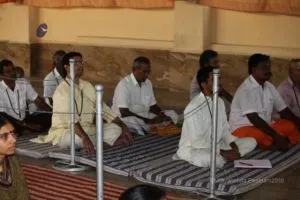
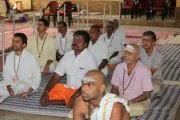

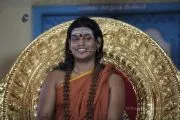


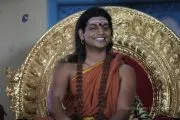
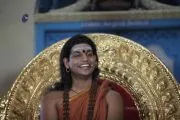
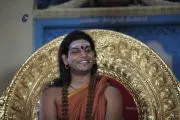
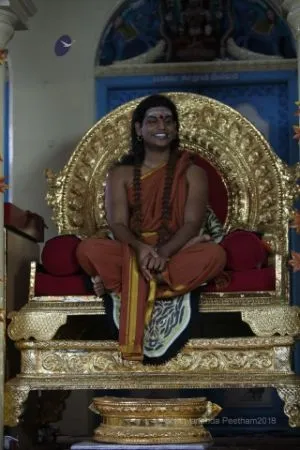


Tags:
Bhagavad Gita, Paramahamsa Nithyananda, encourage, possibilities, extreme, exploration, meditation, intense, action, state, spiritual, freedom, contemplation, enlightenment, wisdom, physical, expression, divine, emotional, feeling, God, mental, choose, state, destination, eternal.
Photos Of The Day:
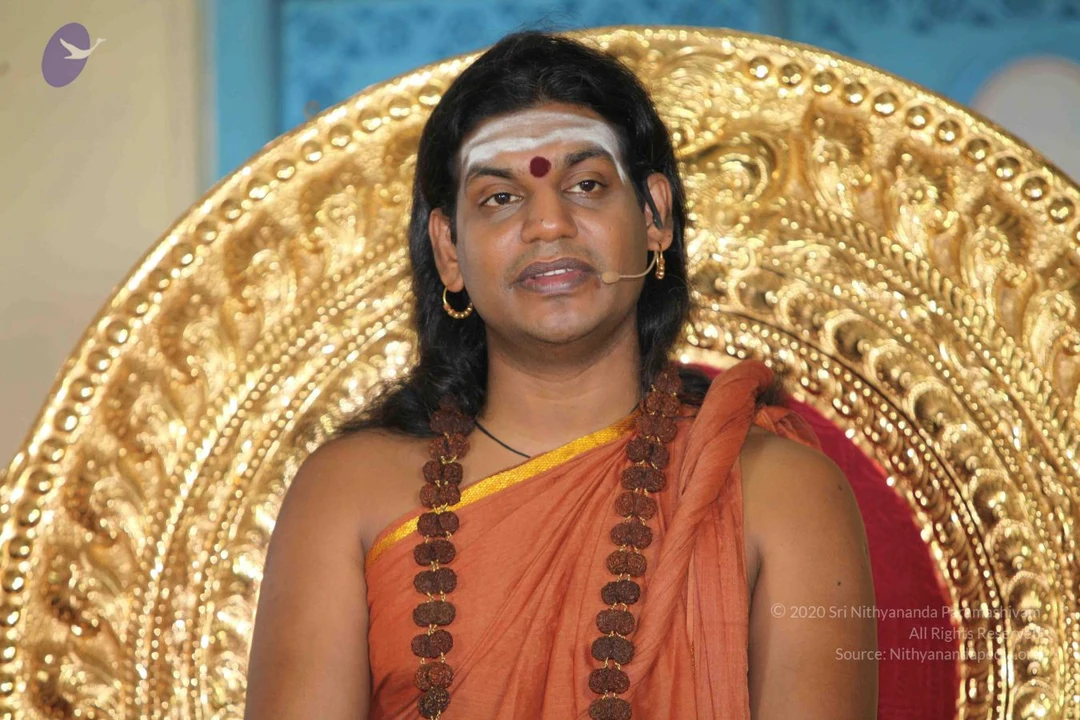
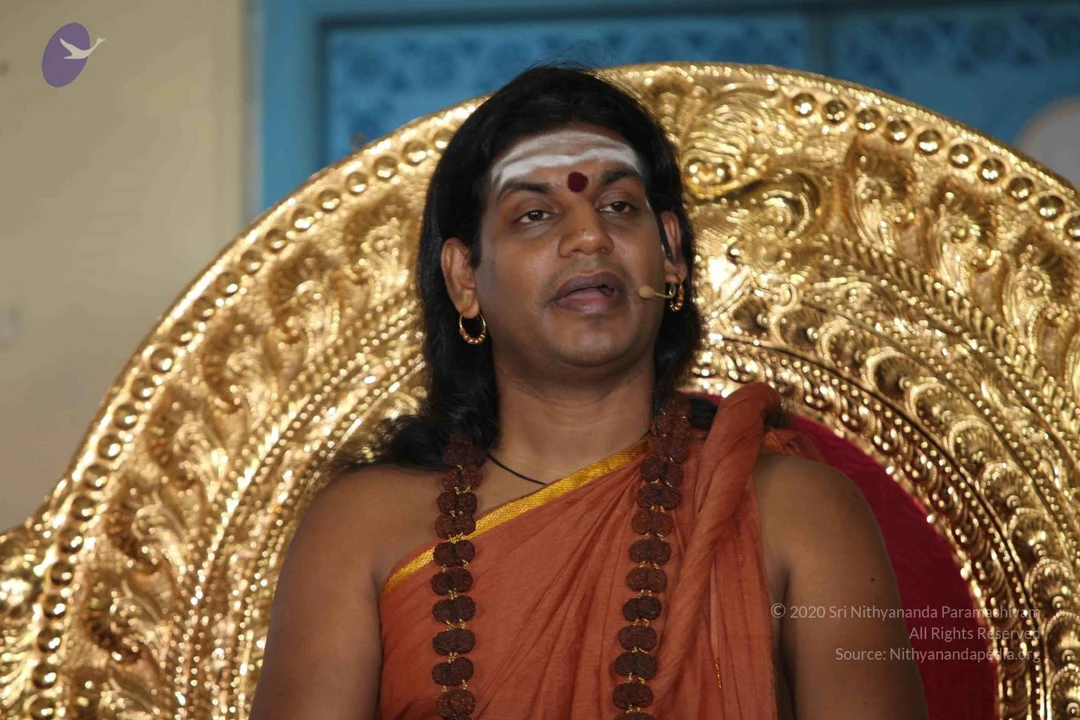
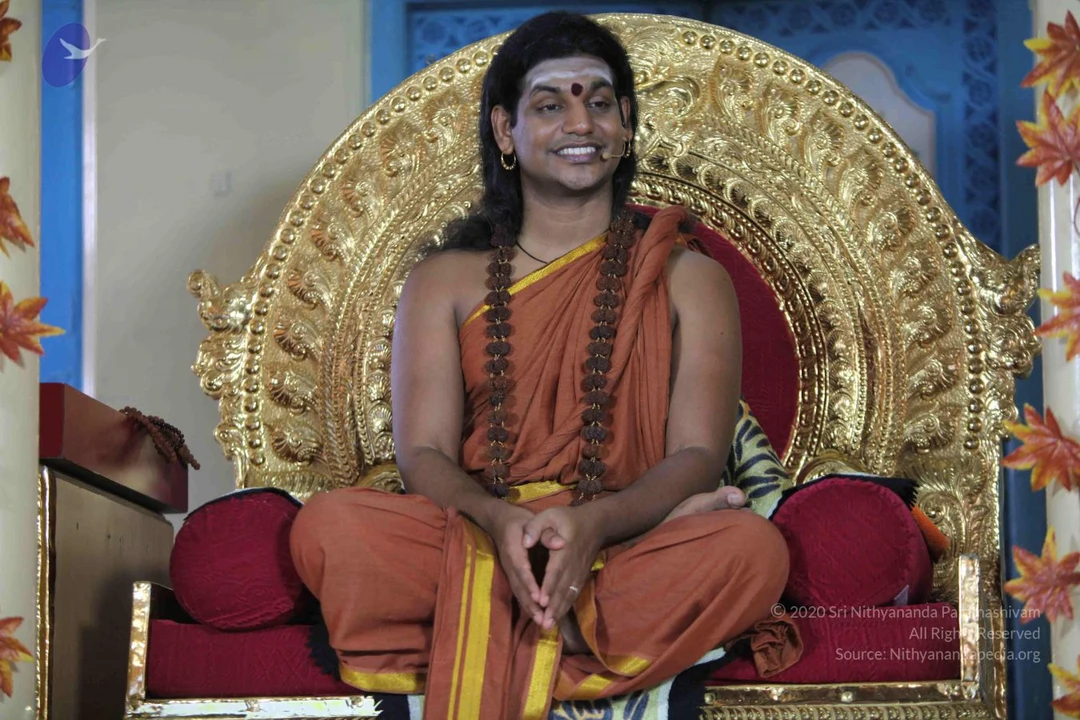
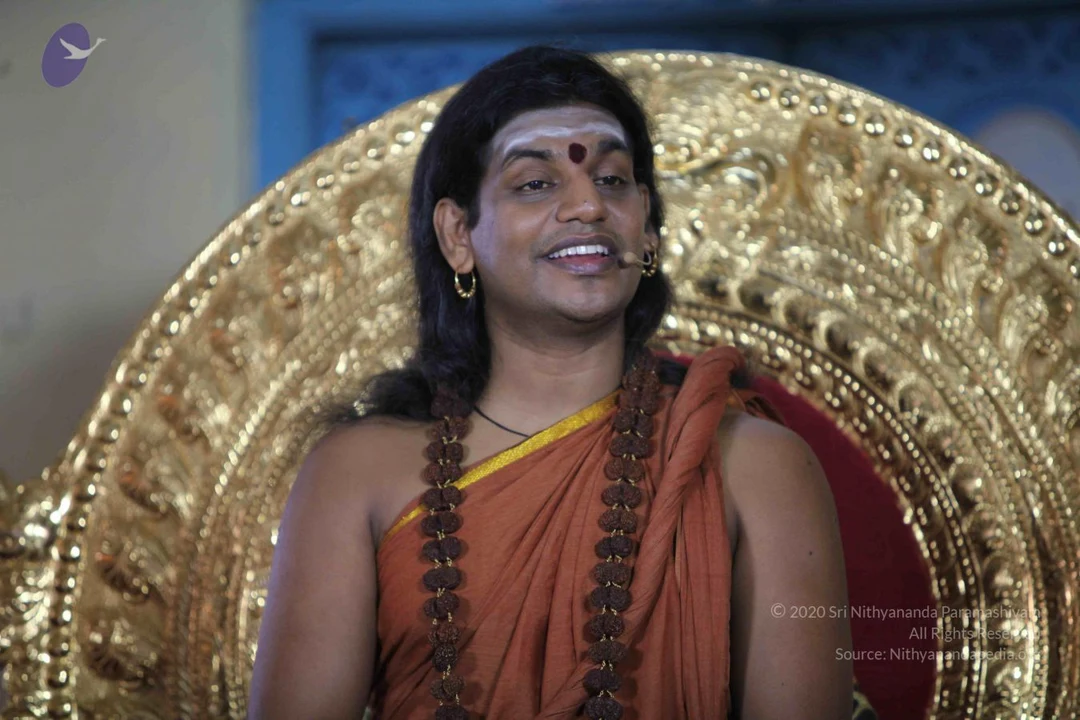
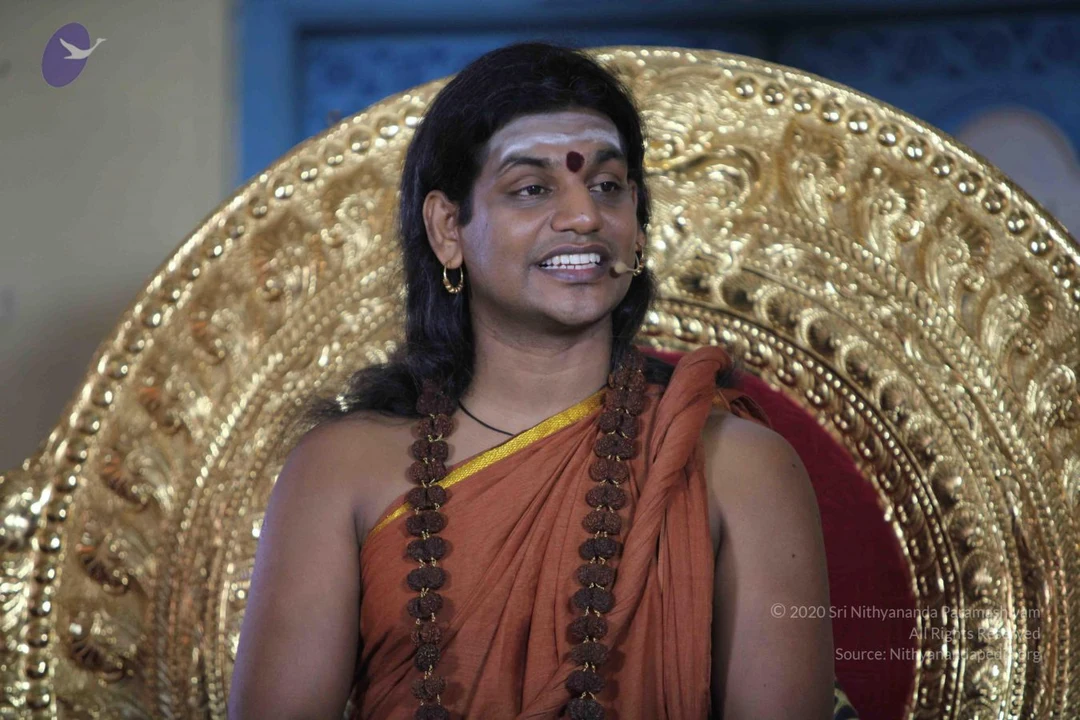
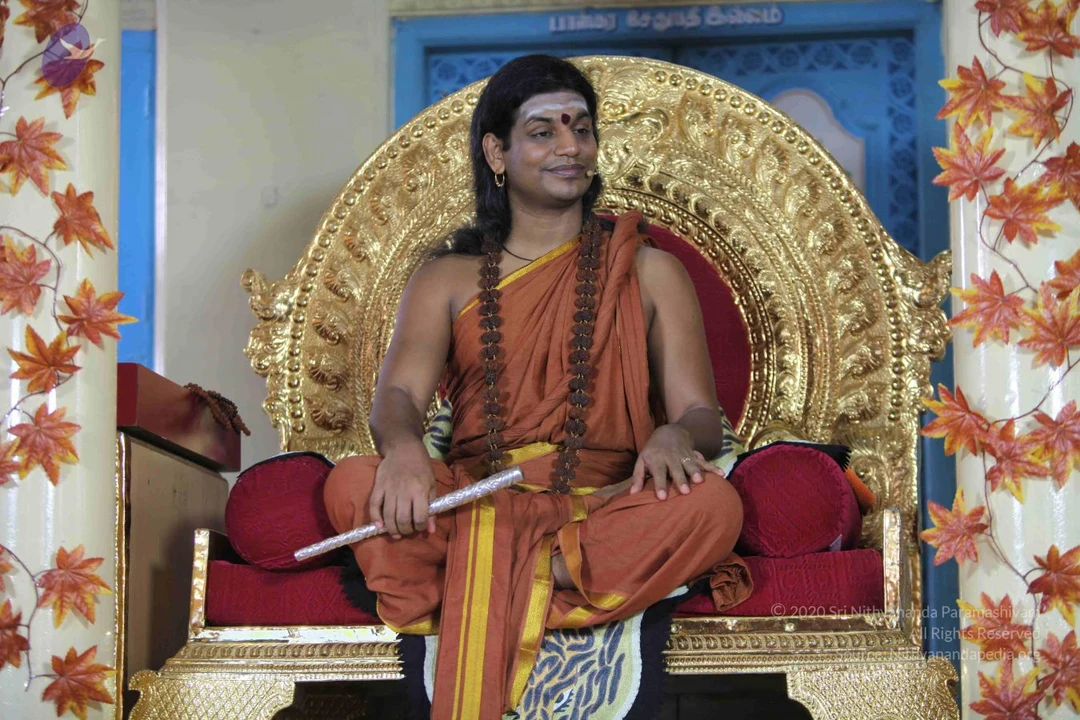
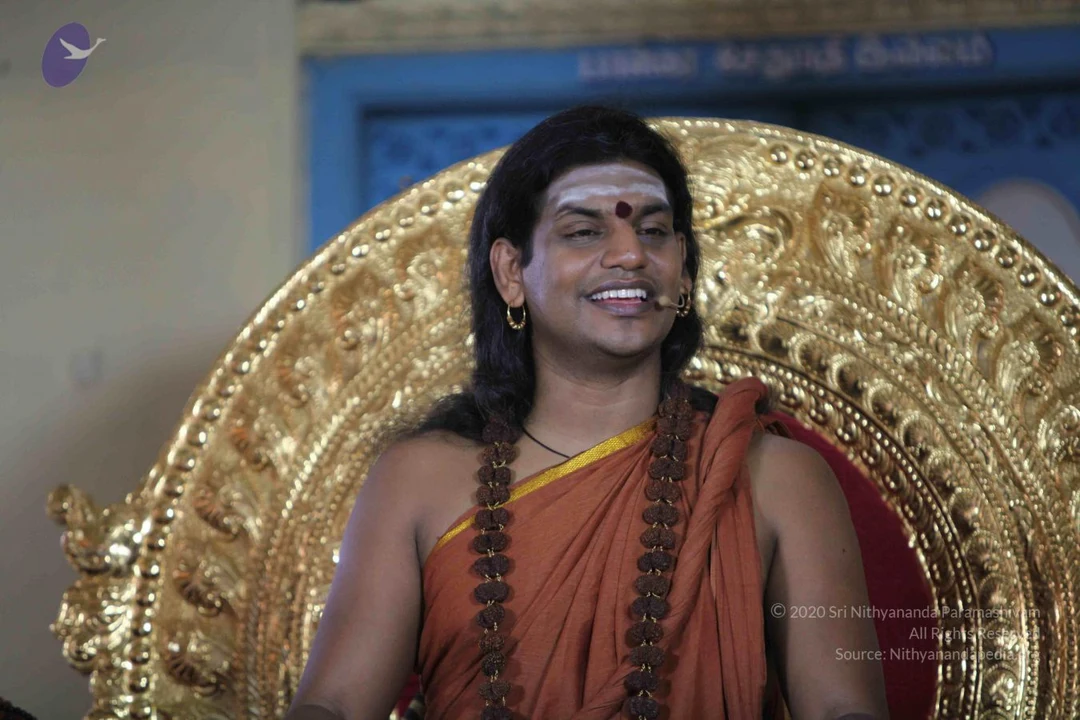
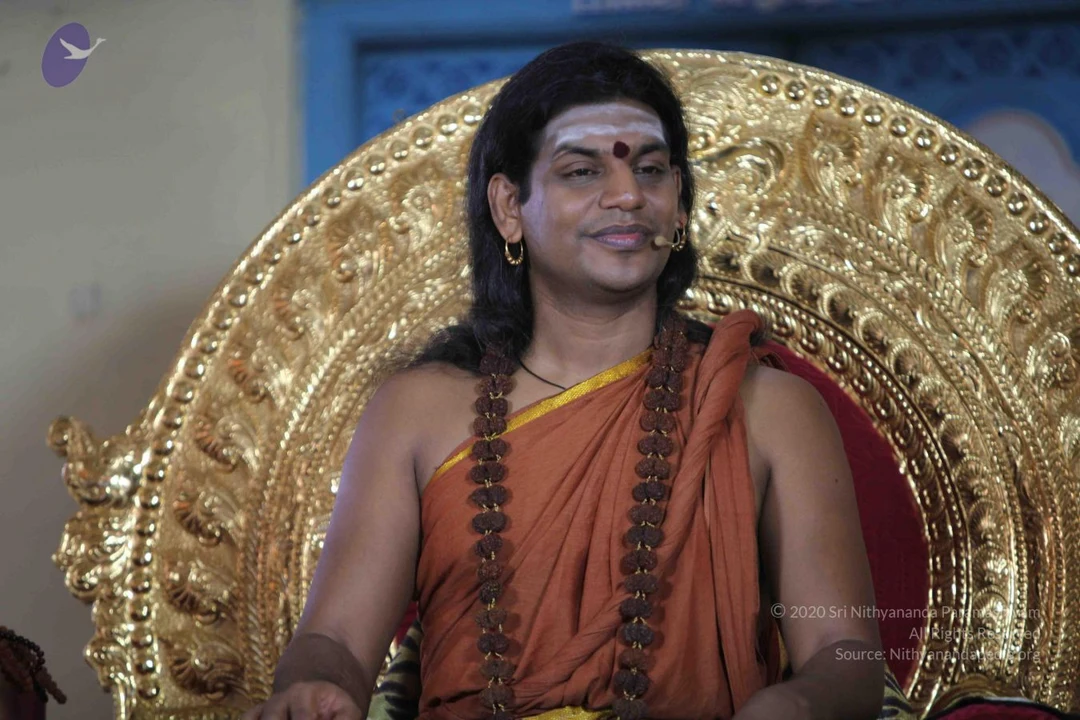
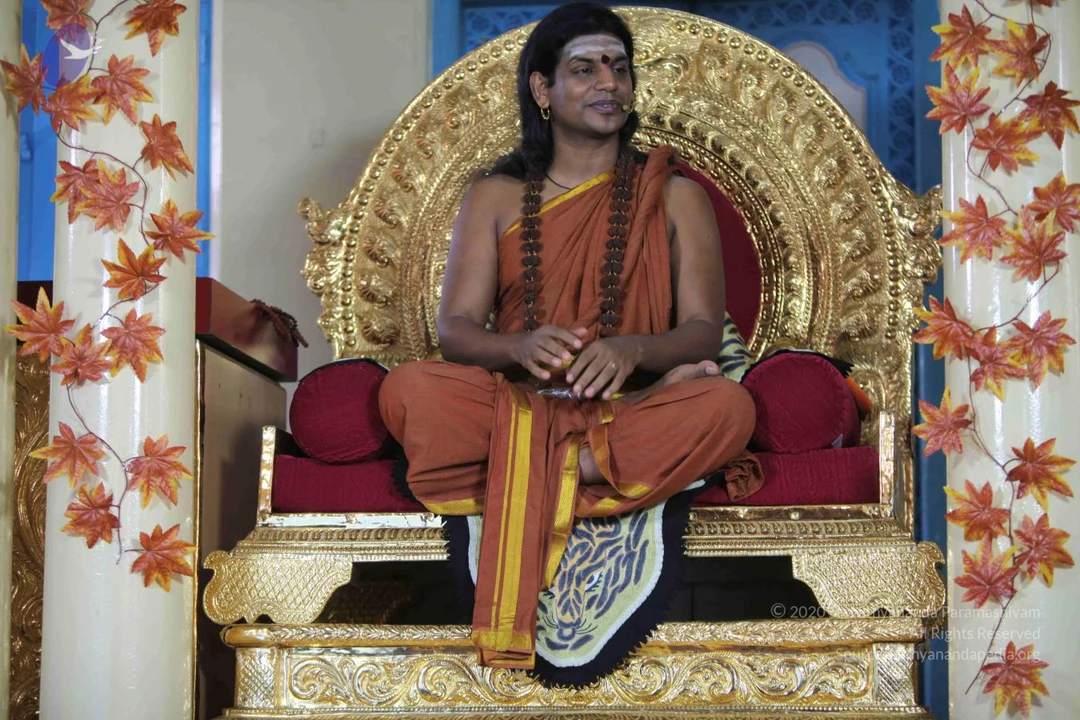
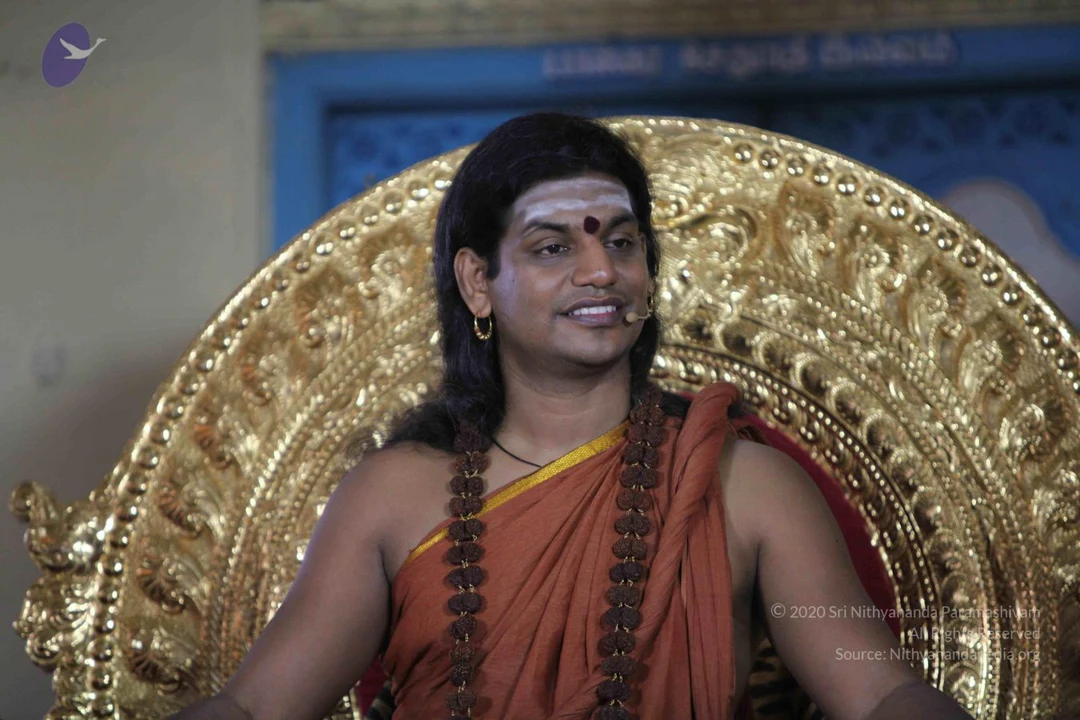
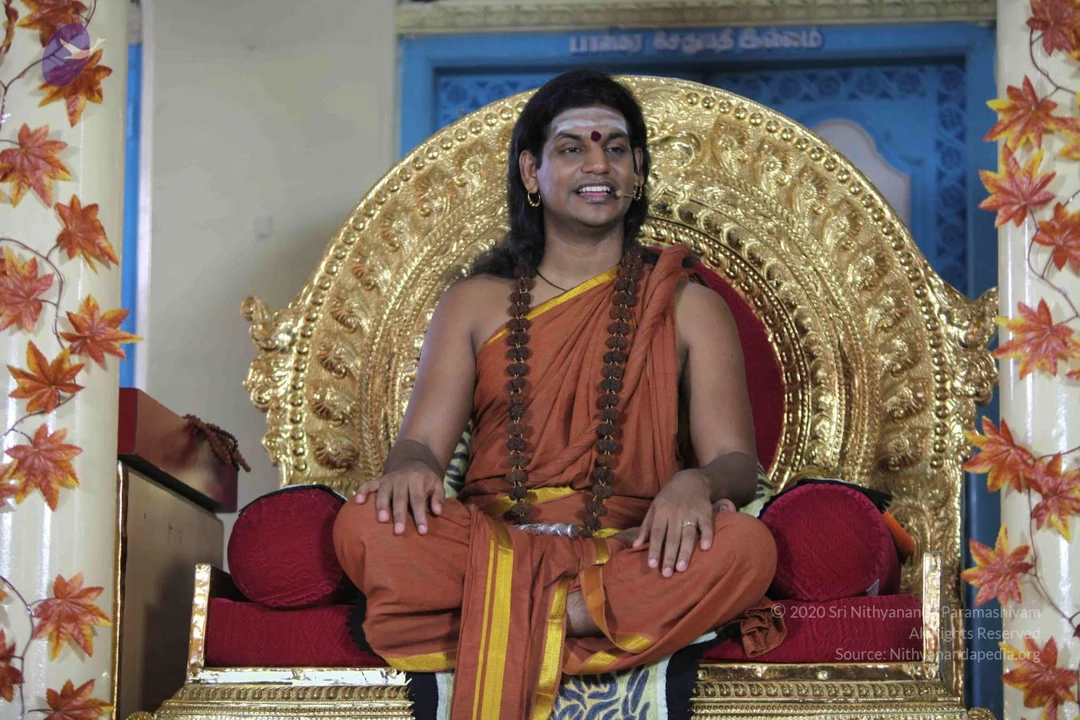
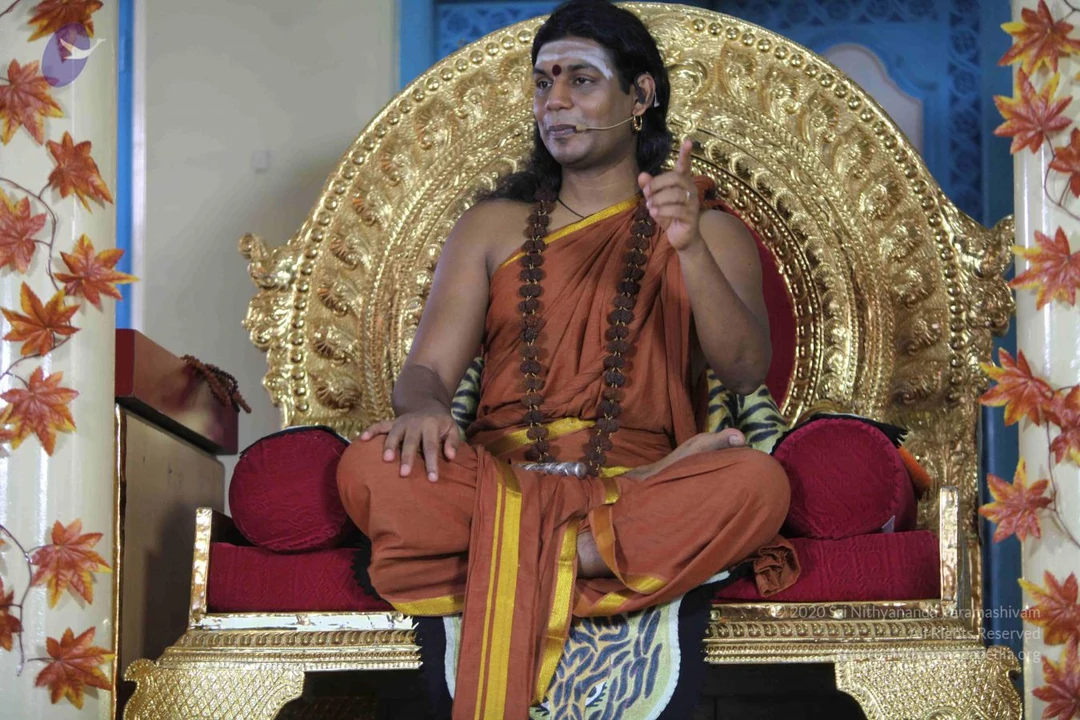
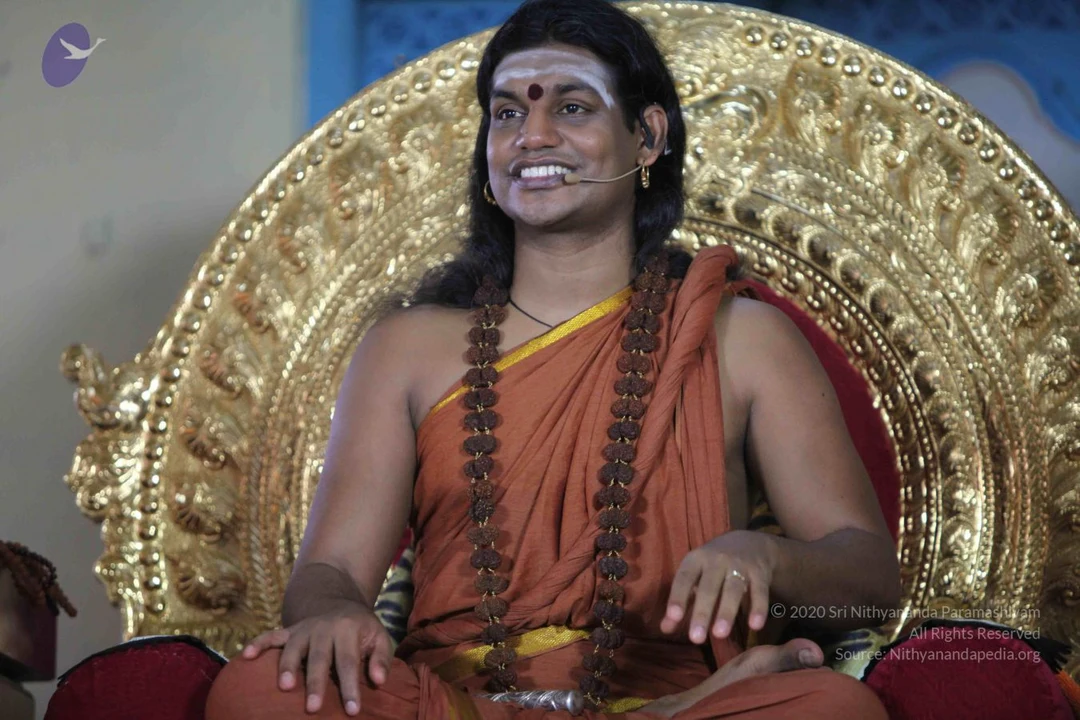
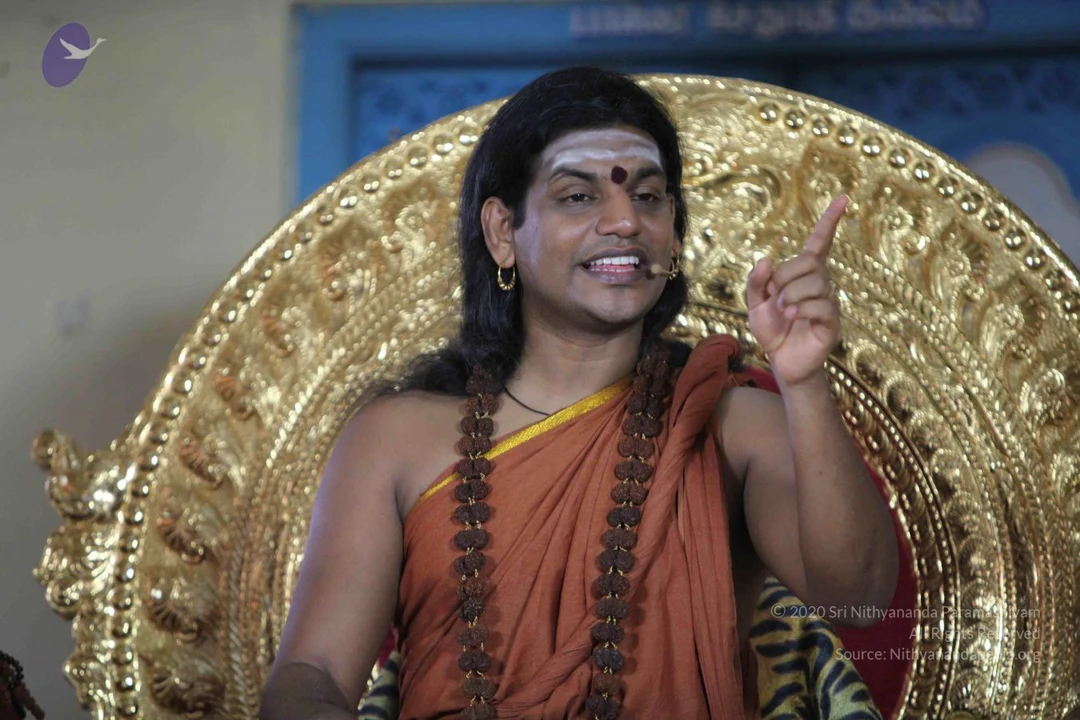
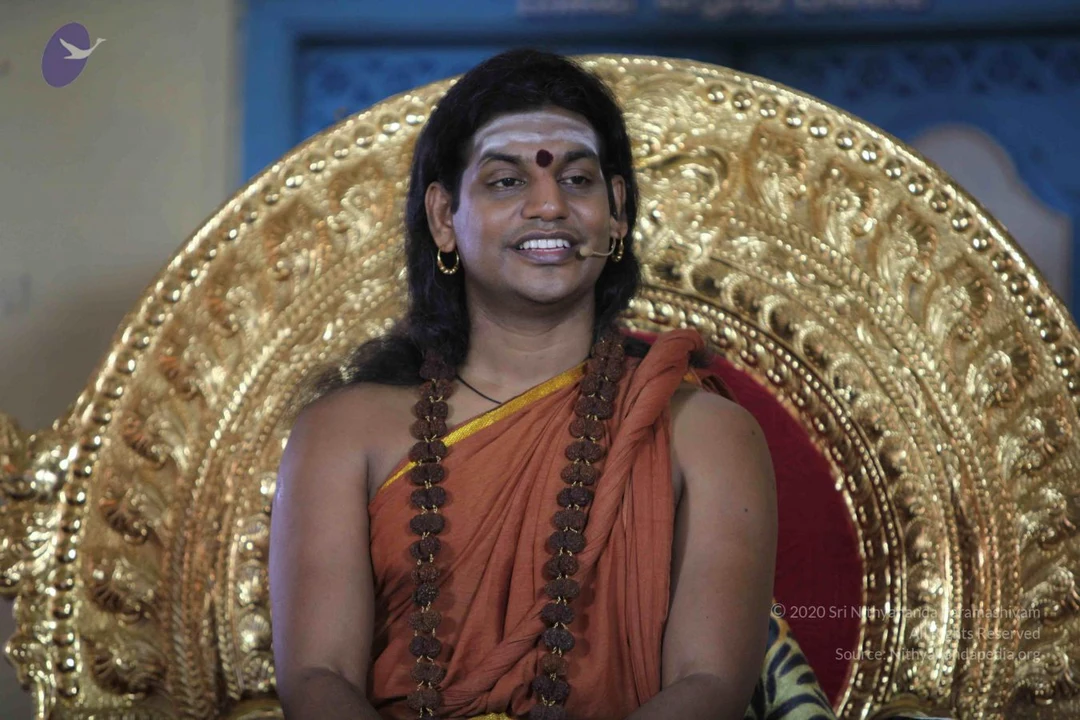
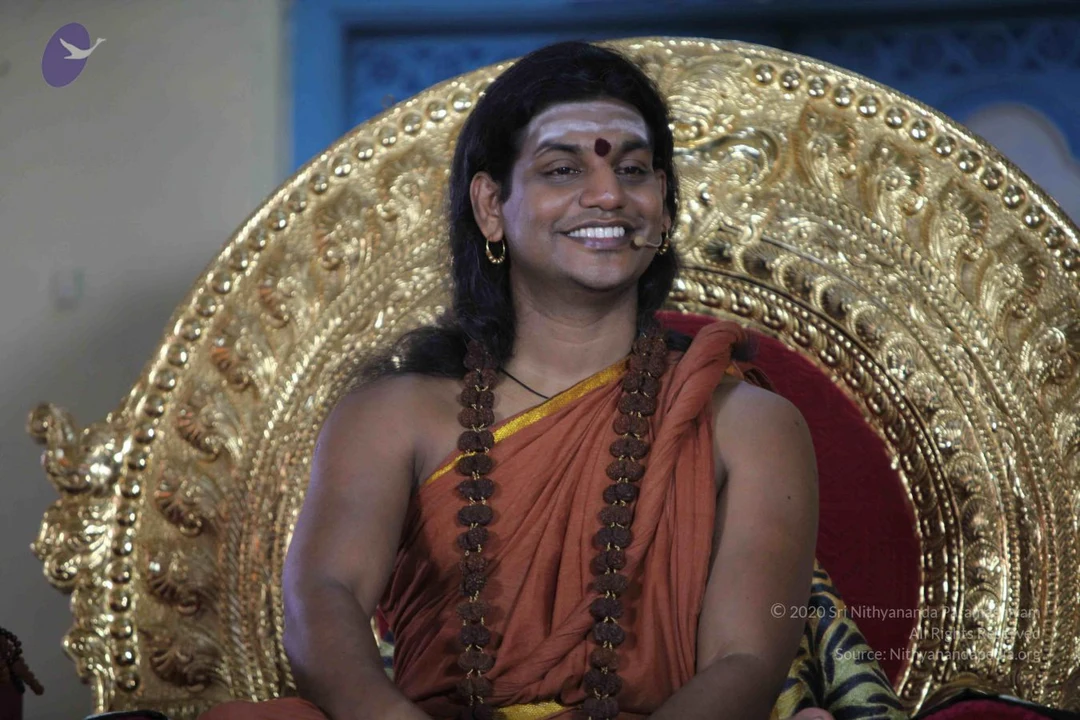
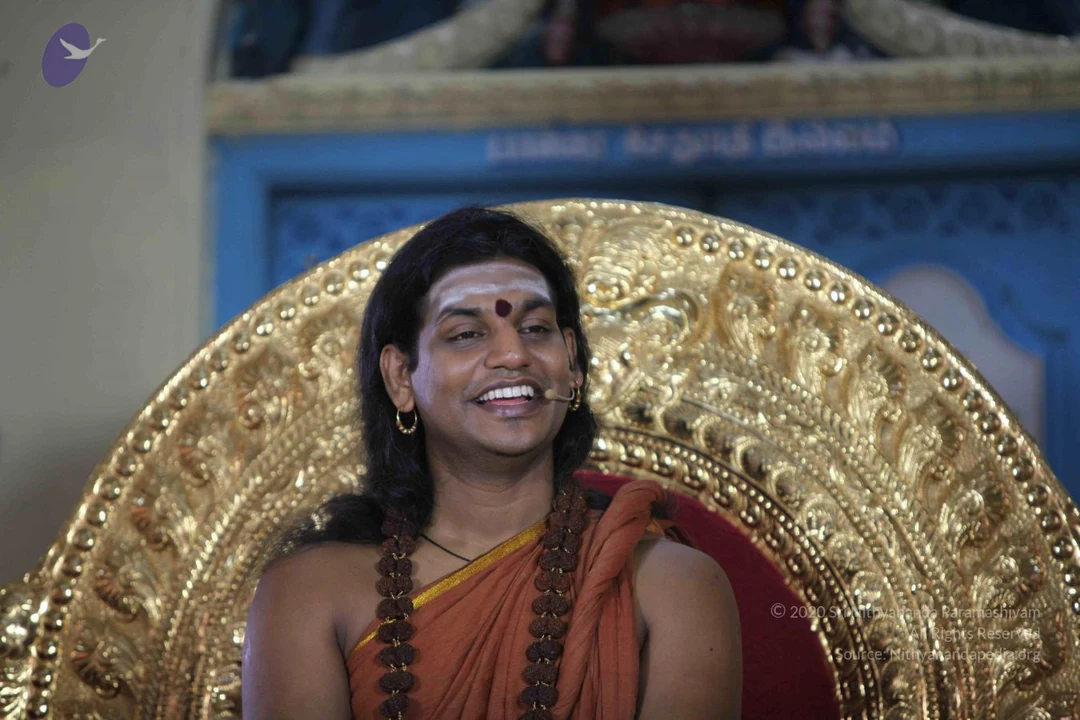
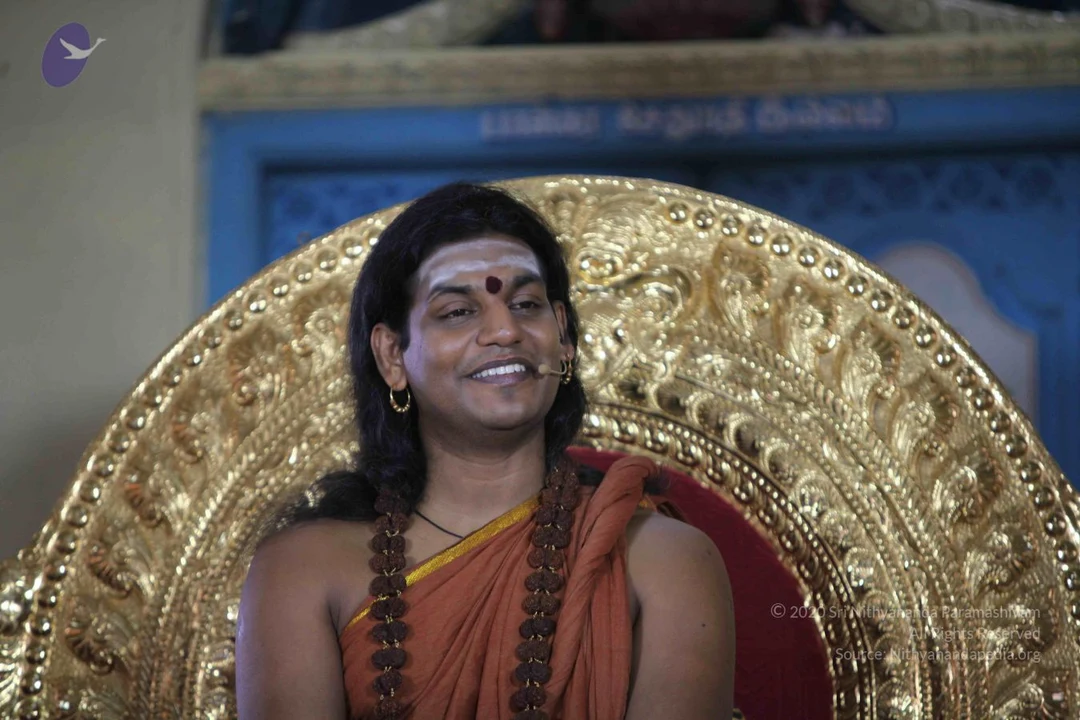
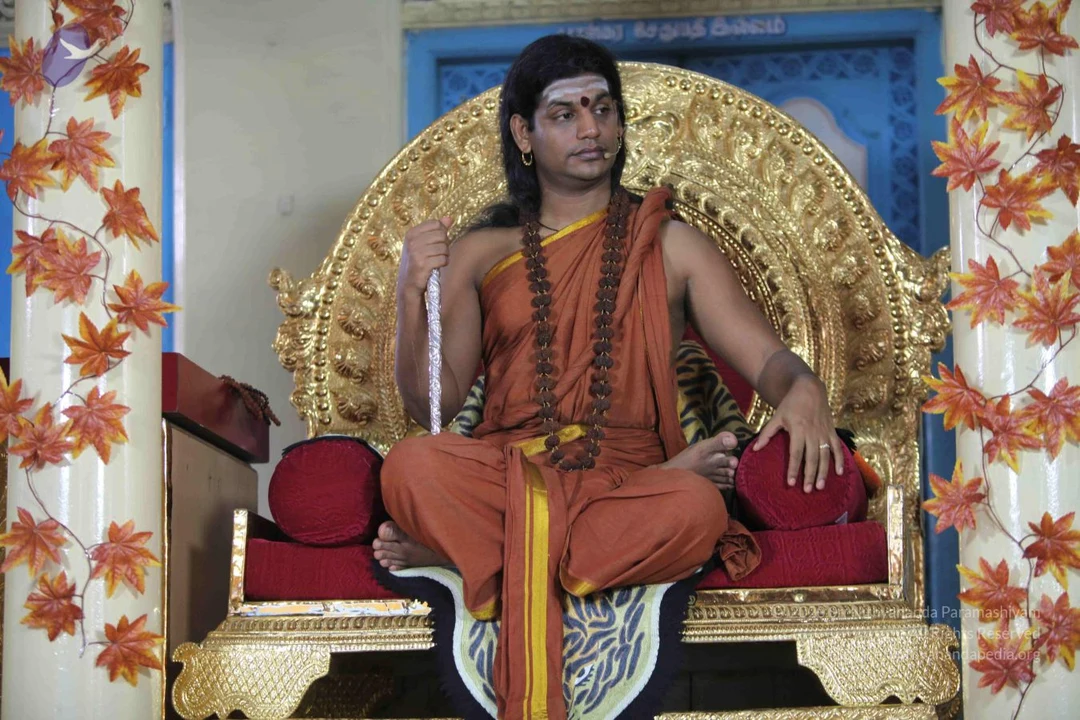
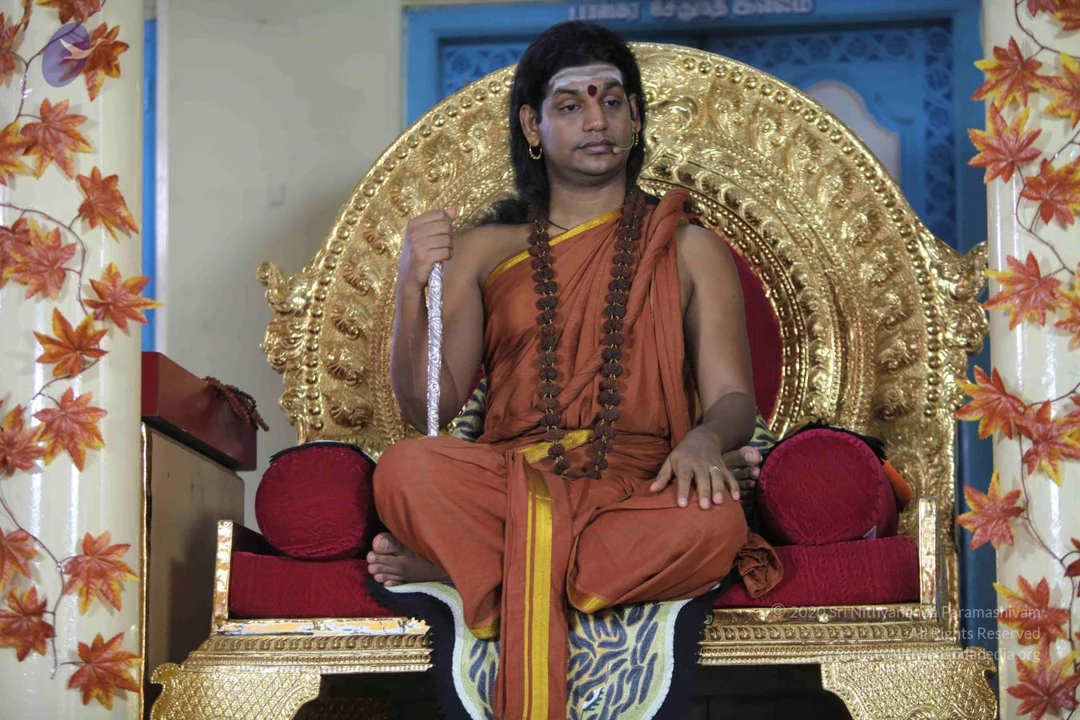
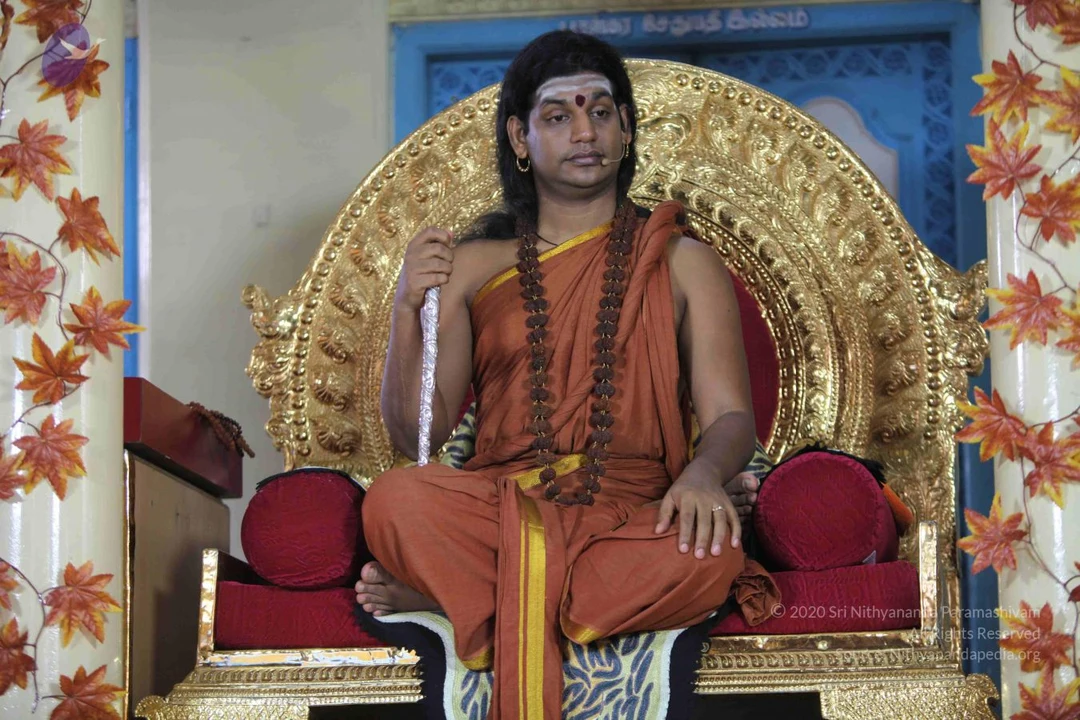
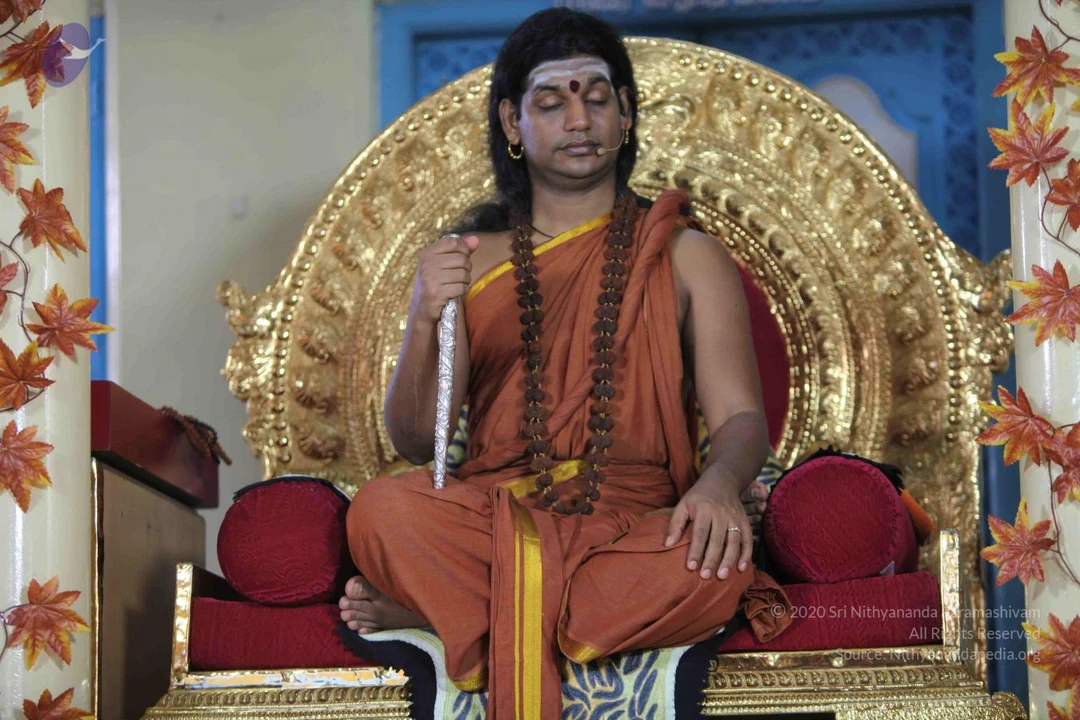
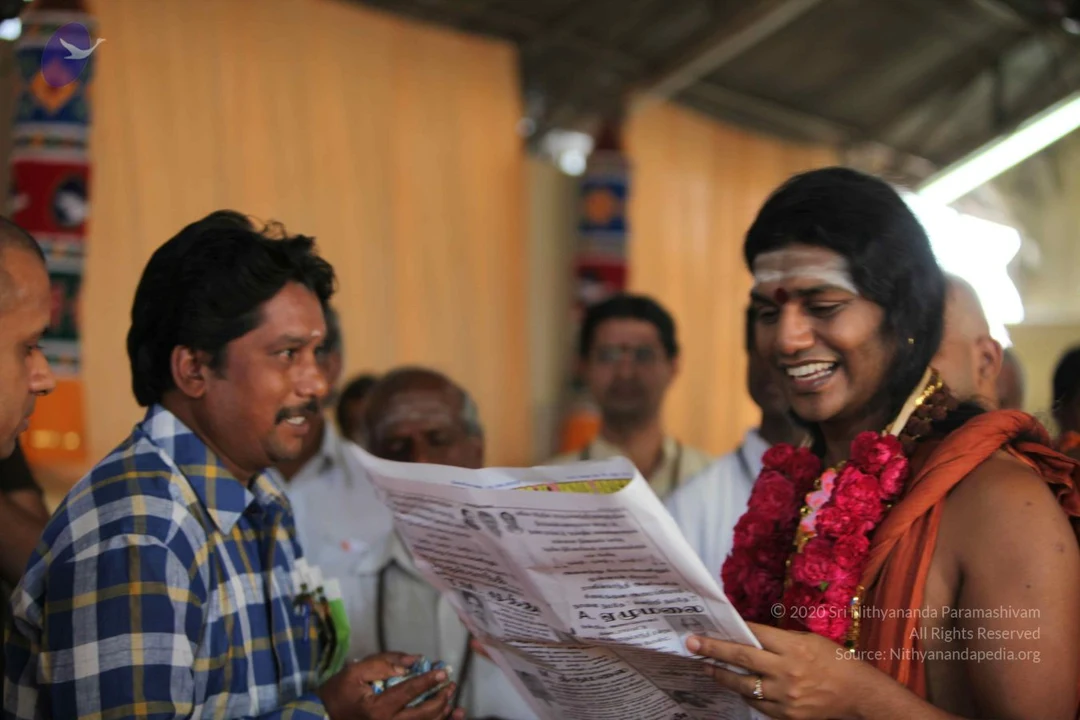
Morning-Satsang
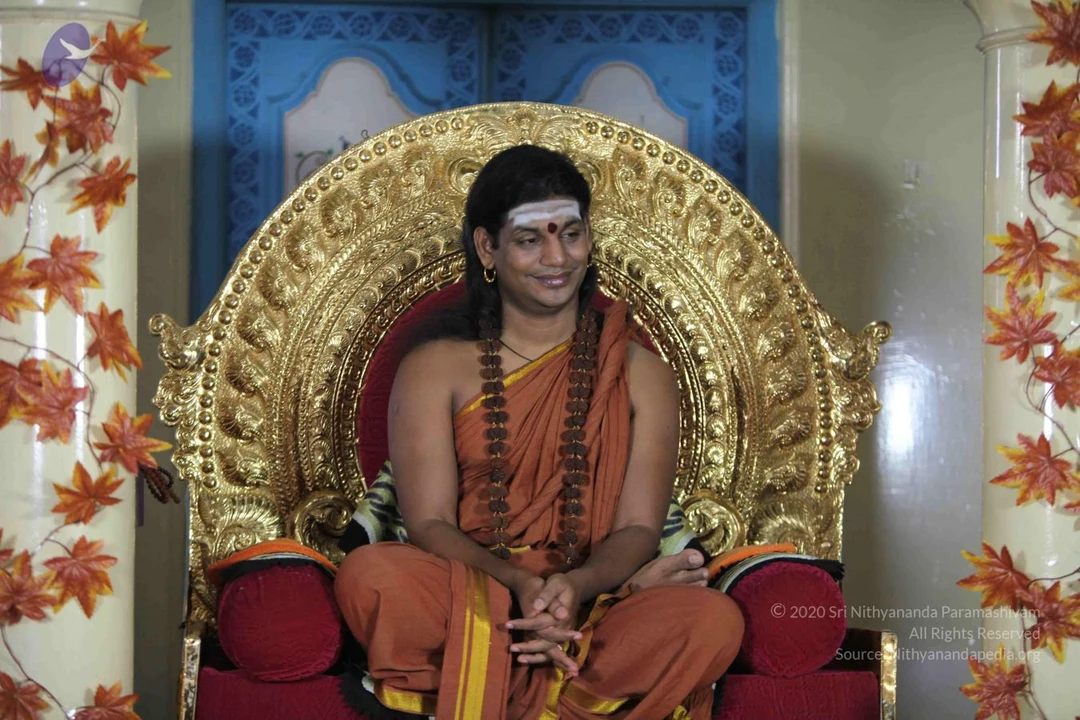
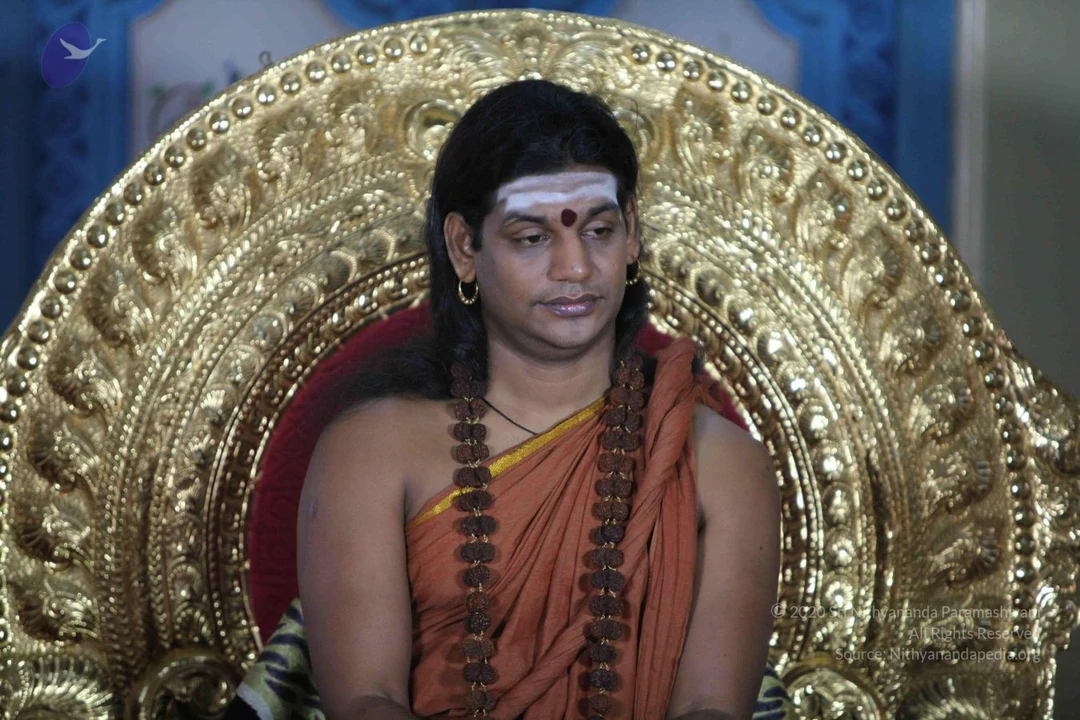
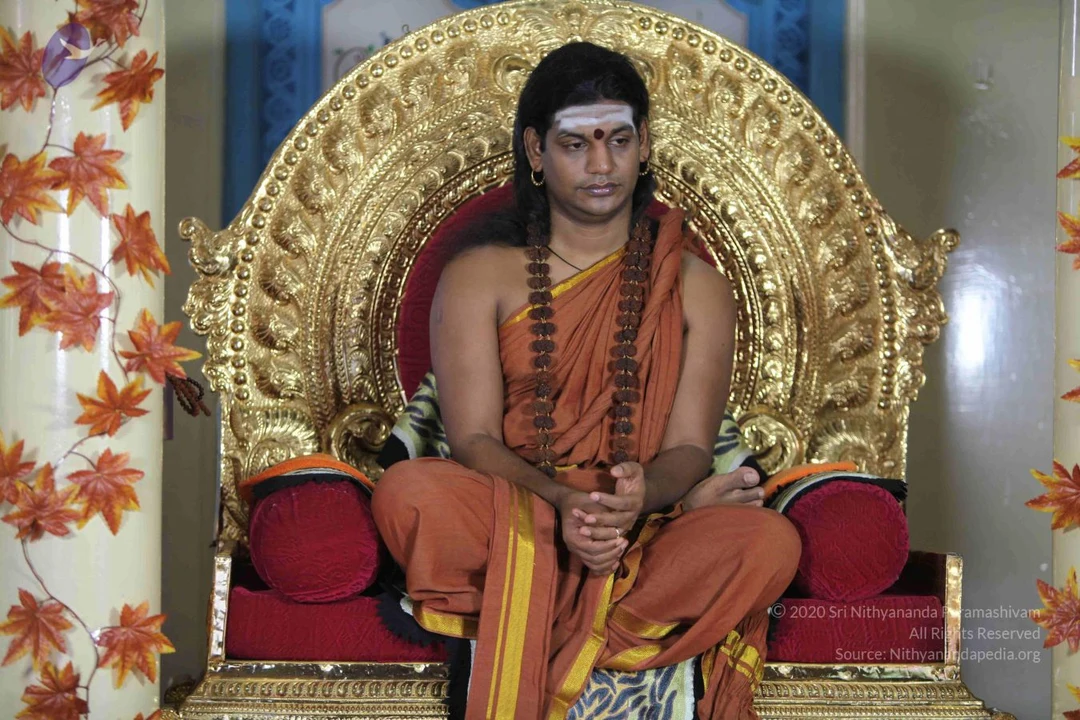
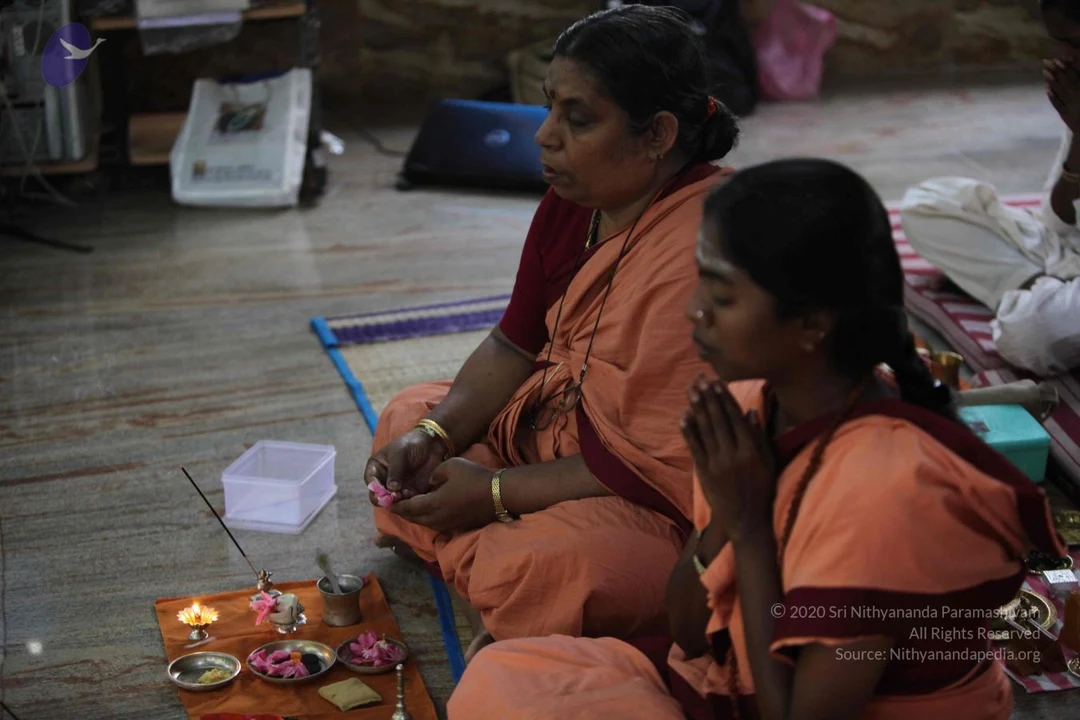
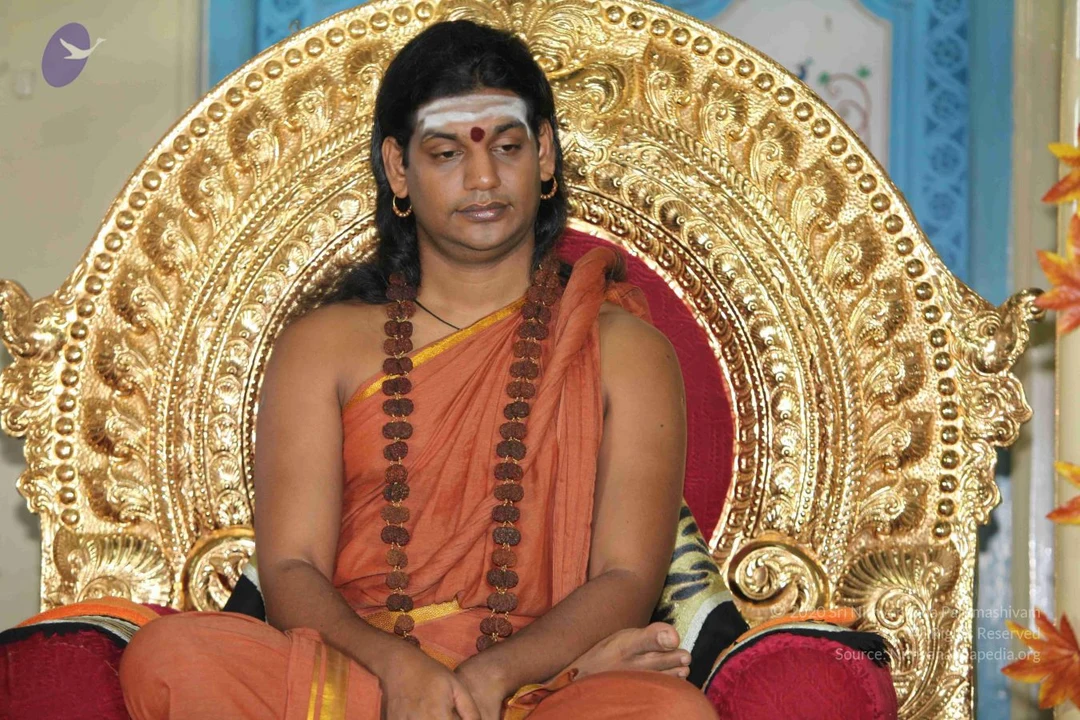
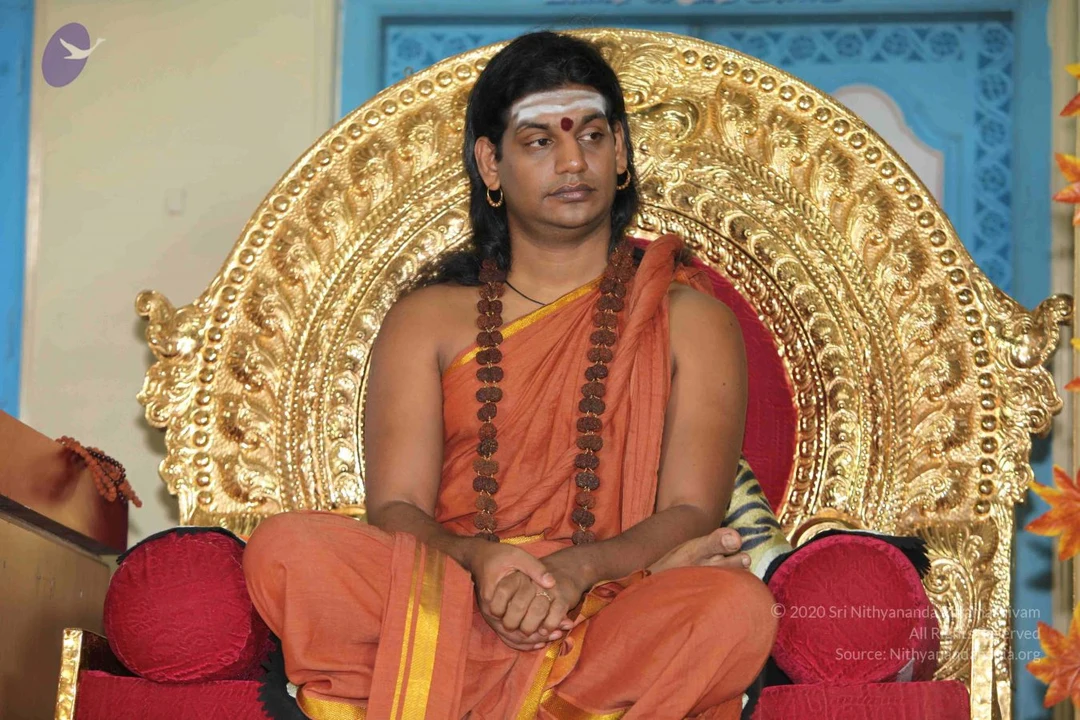
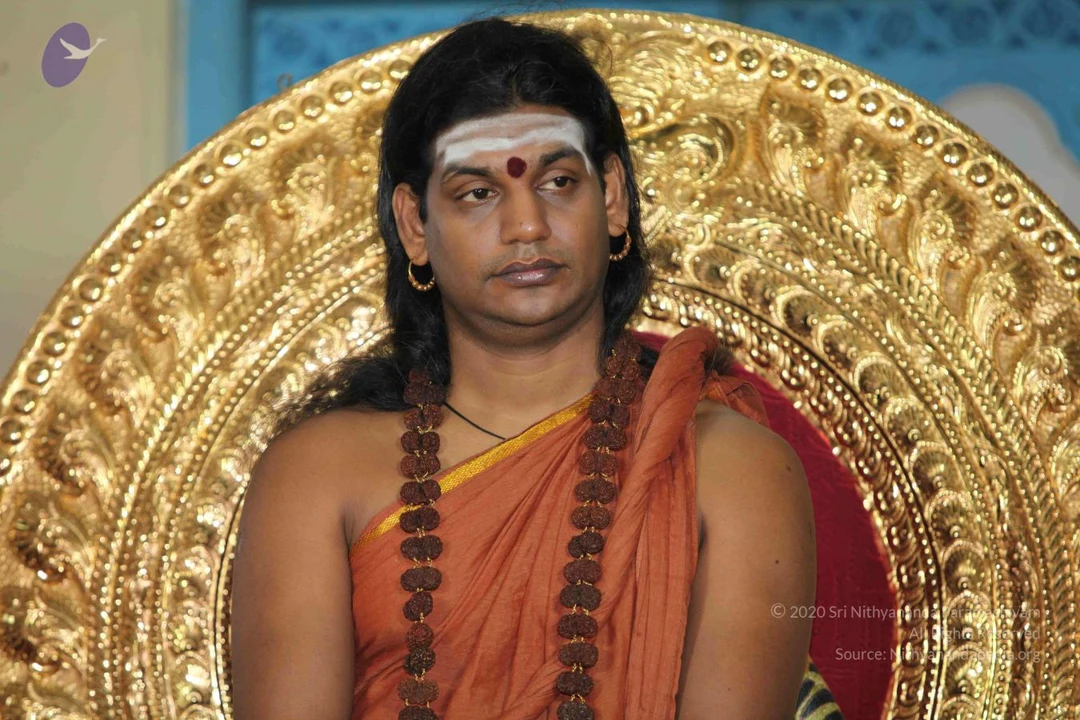
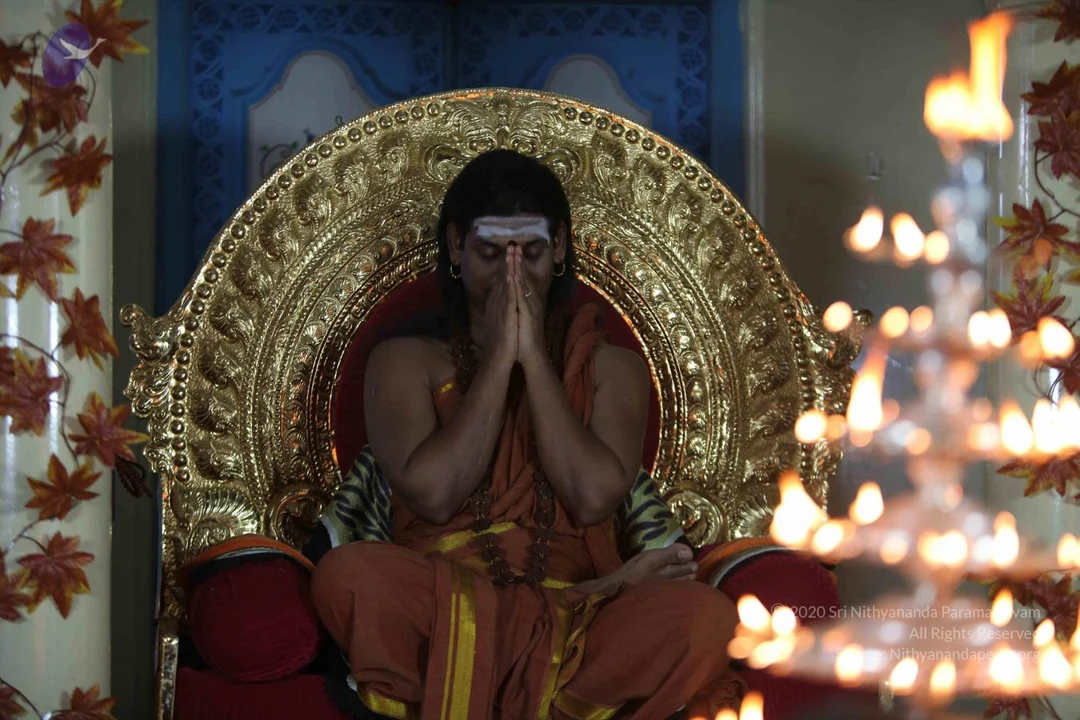
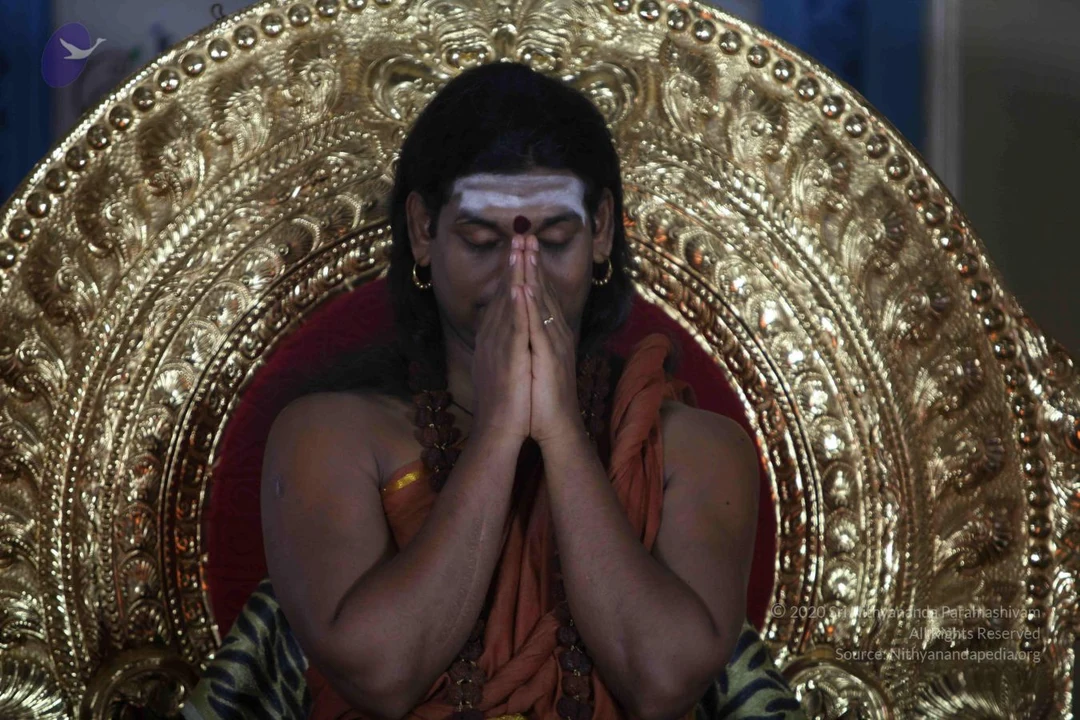
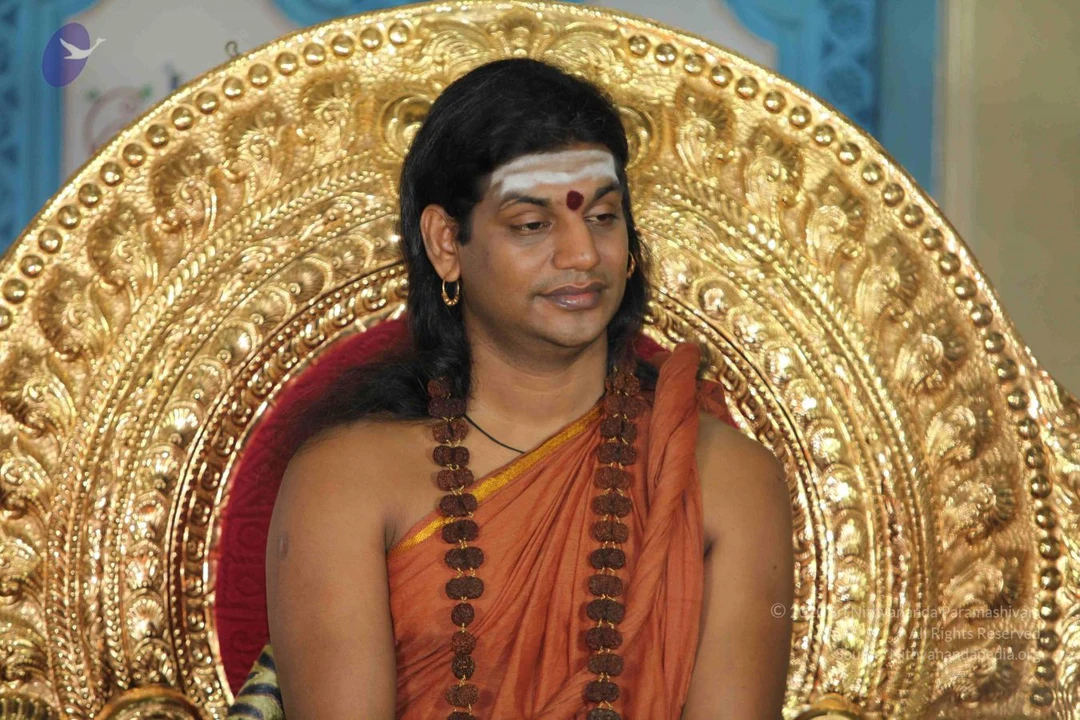
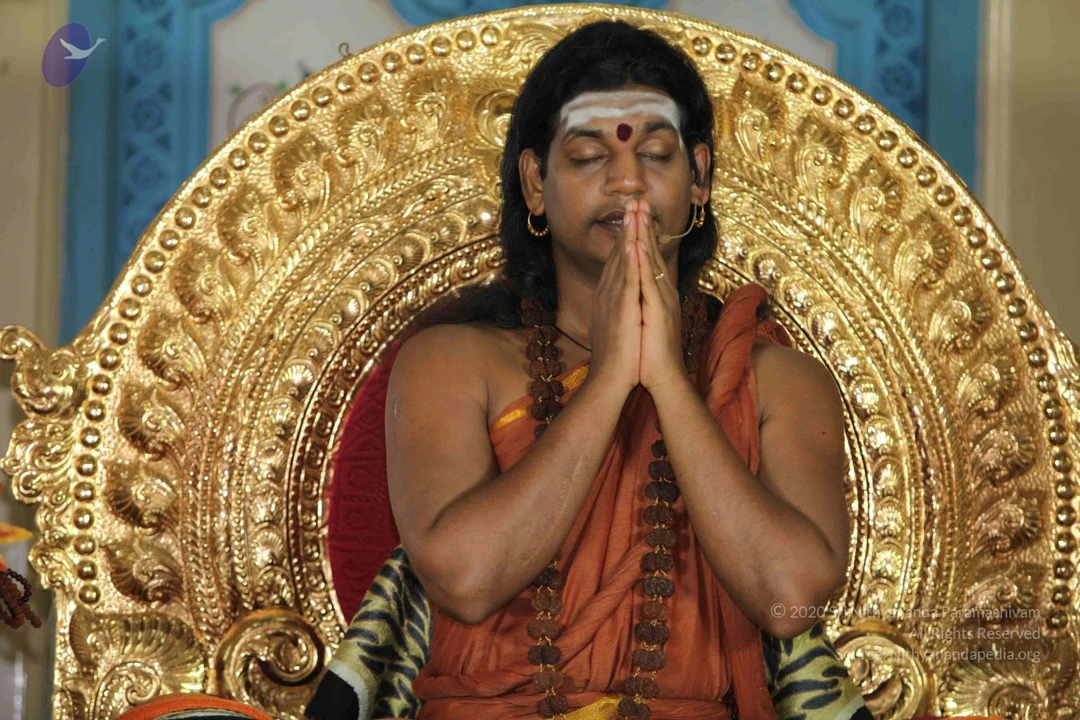
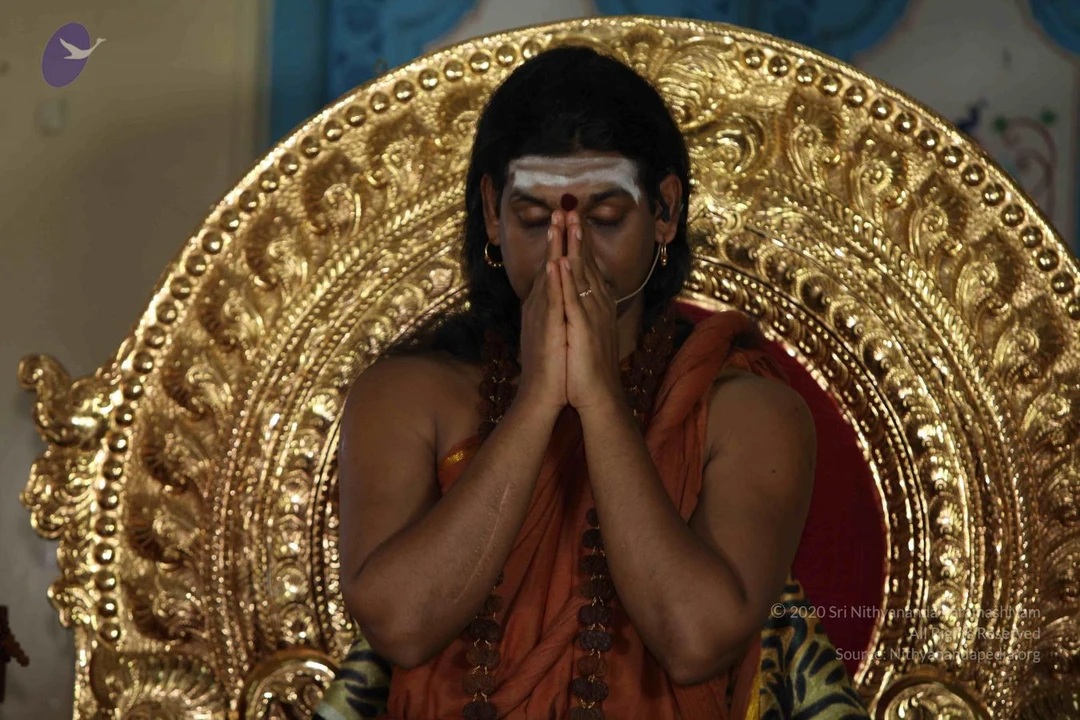
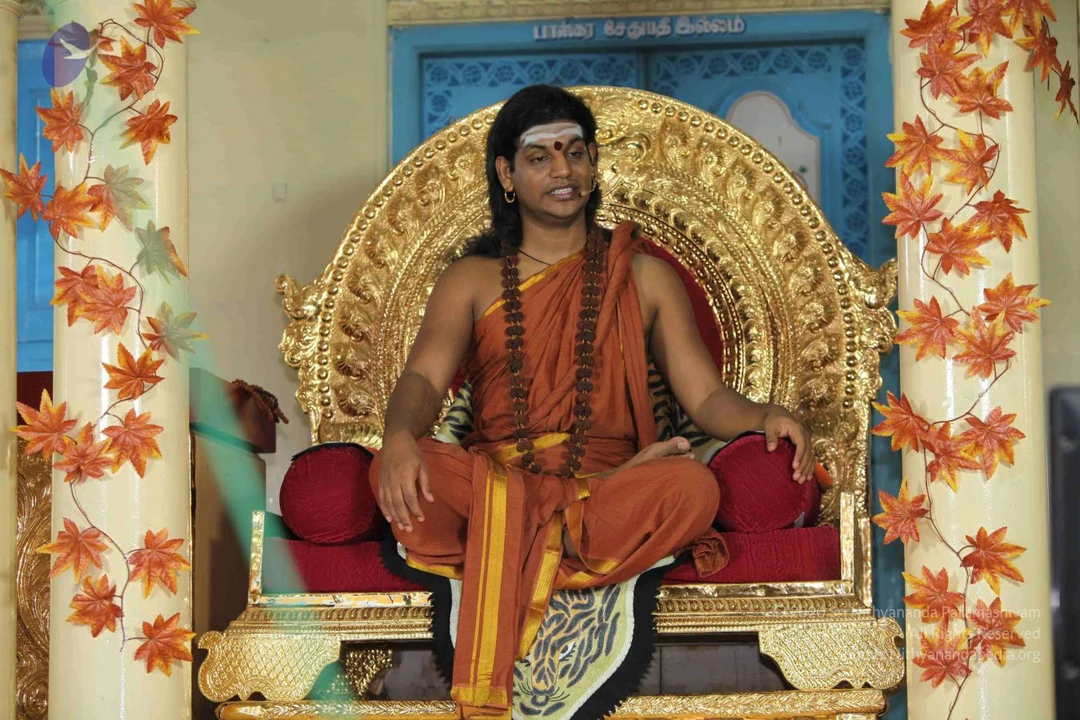
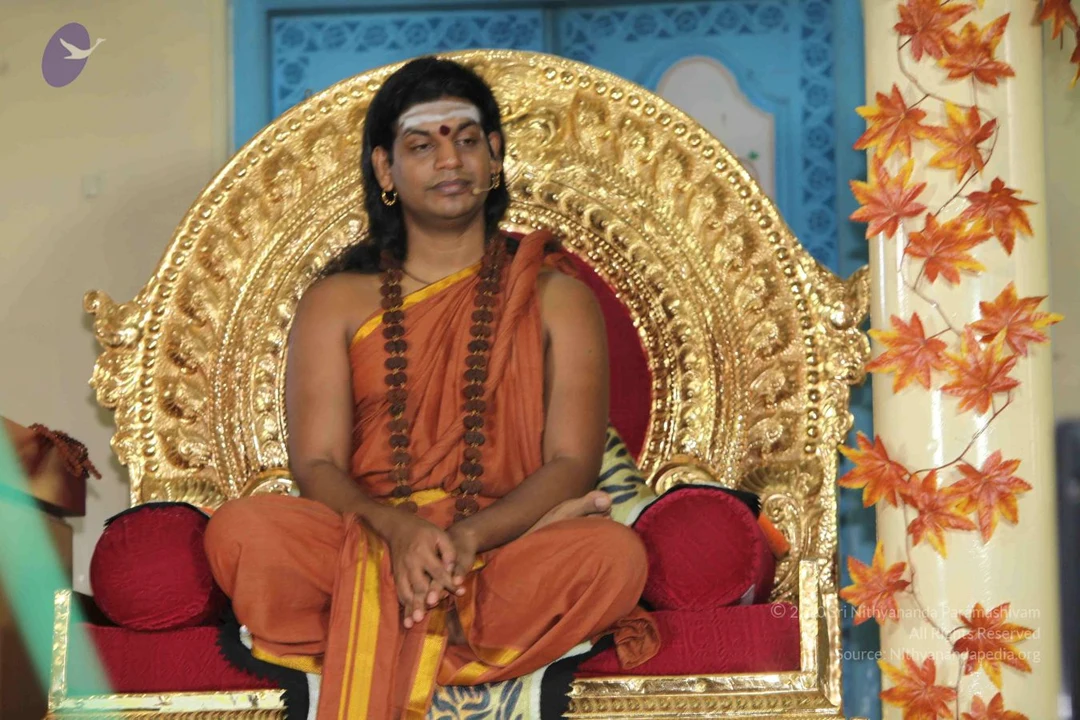
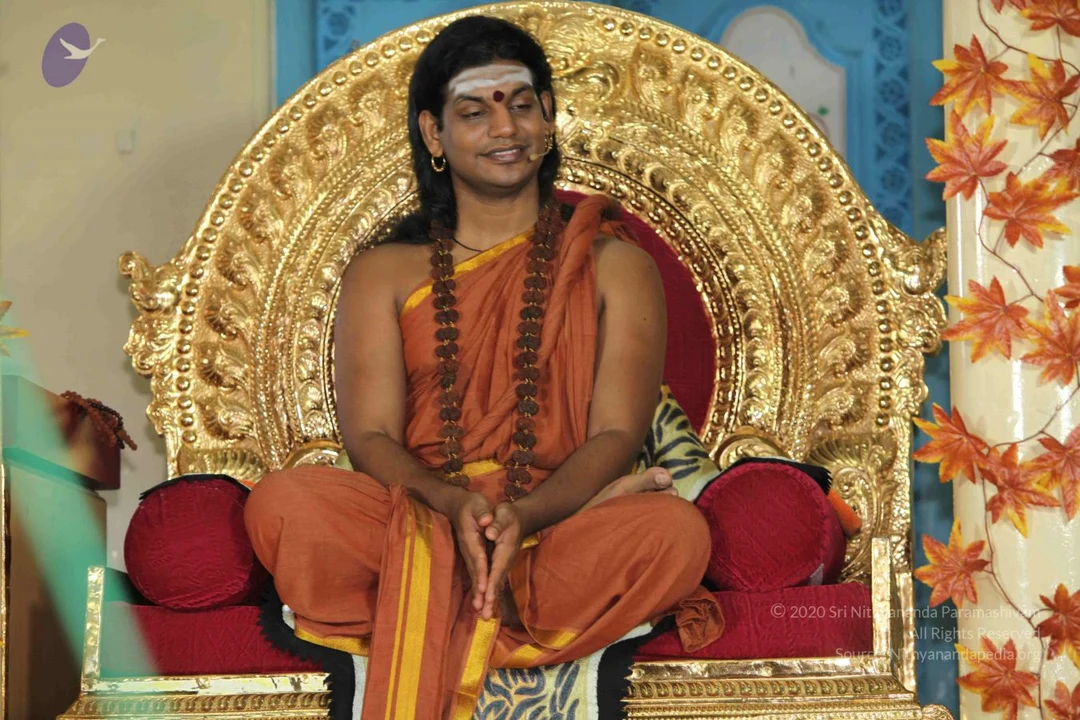
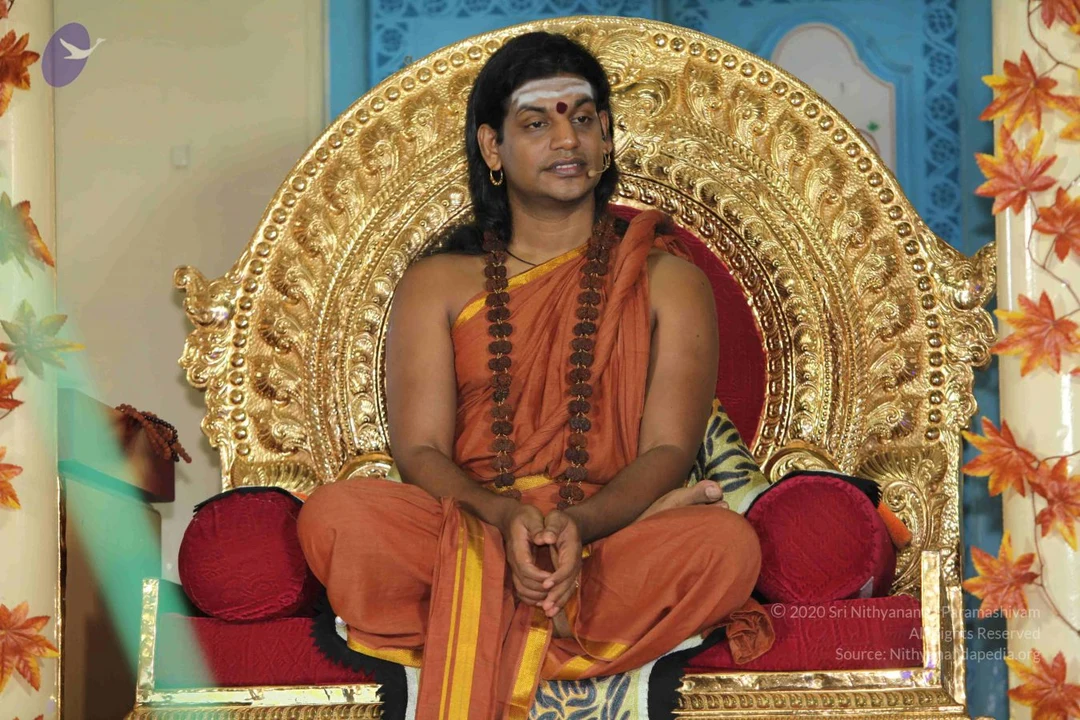
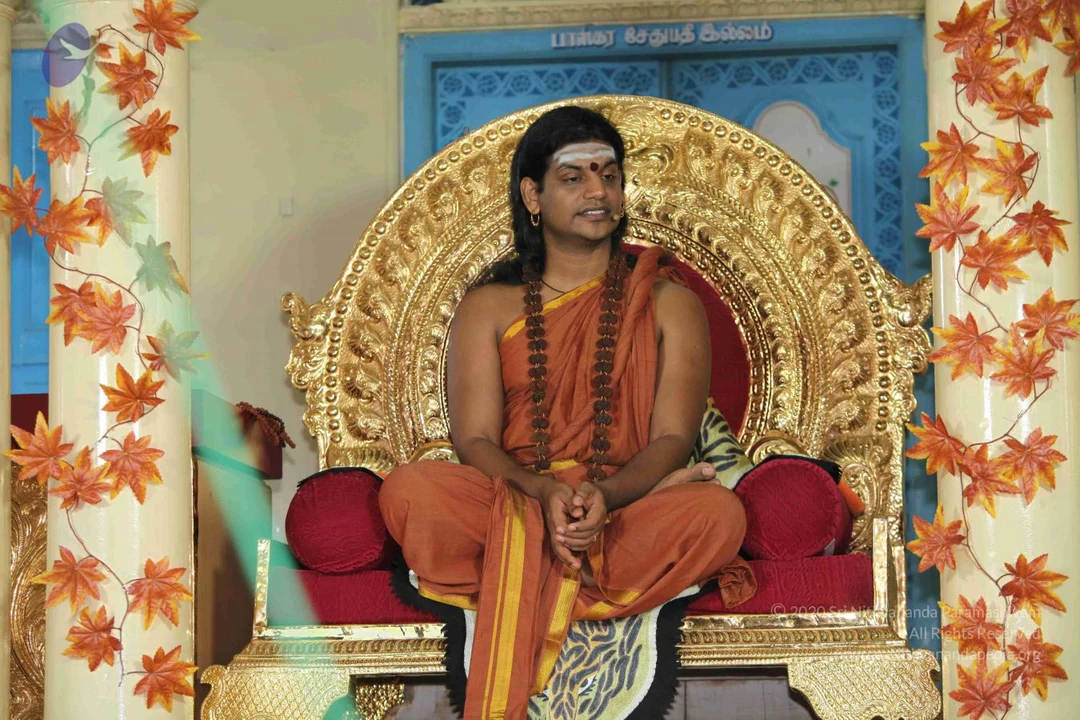
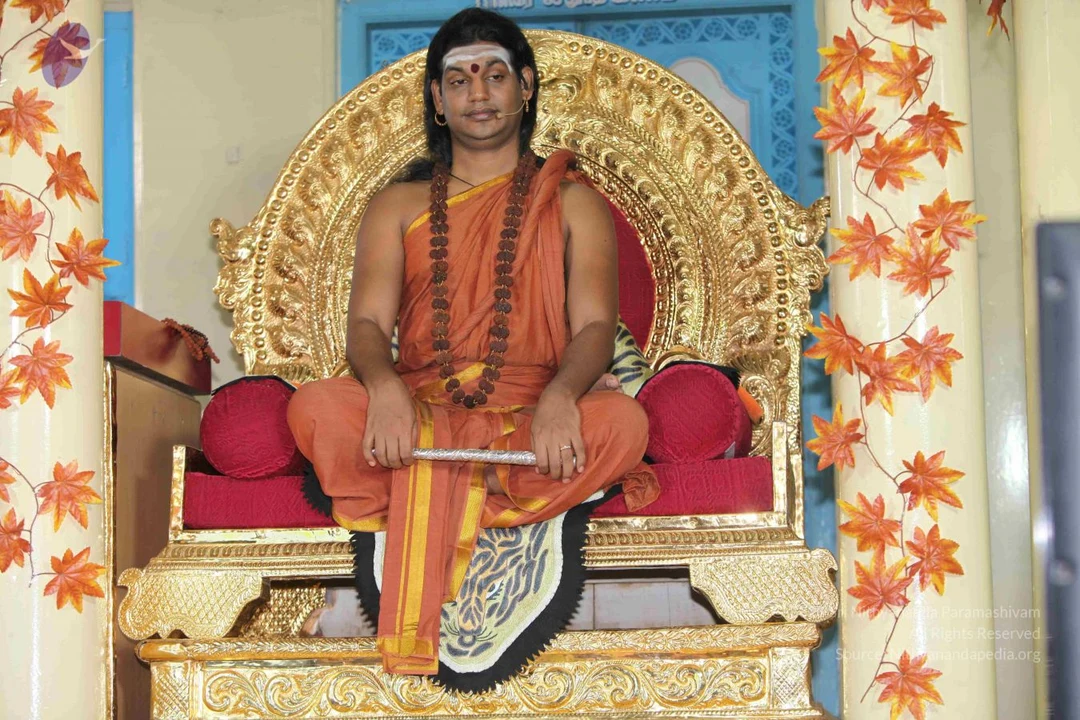
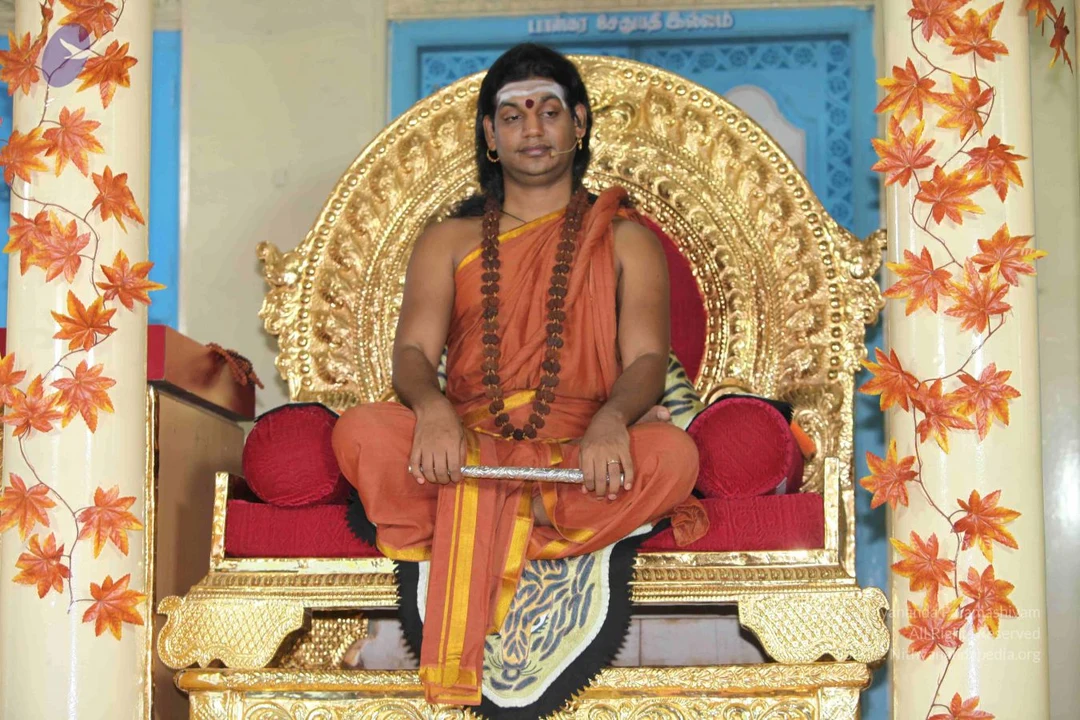
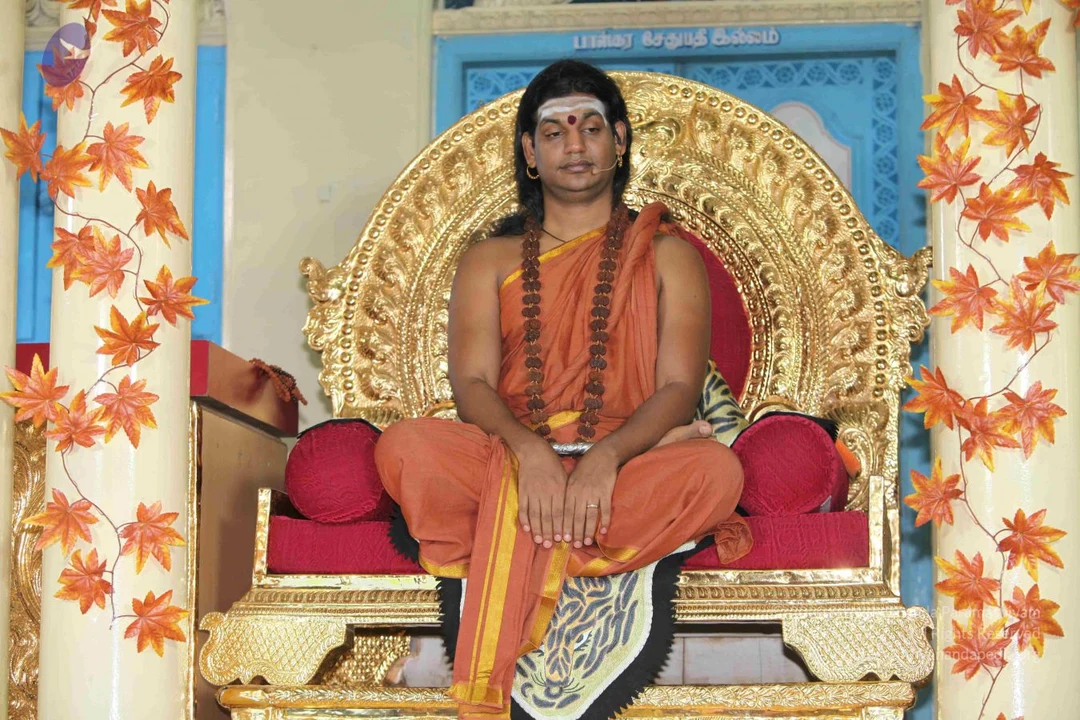
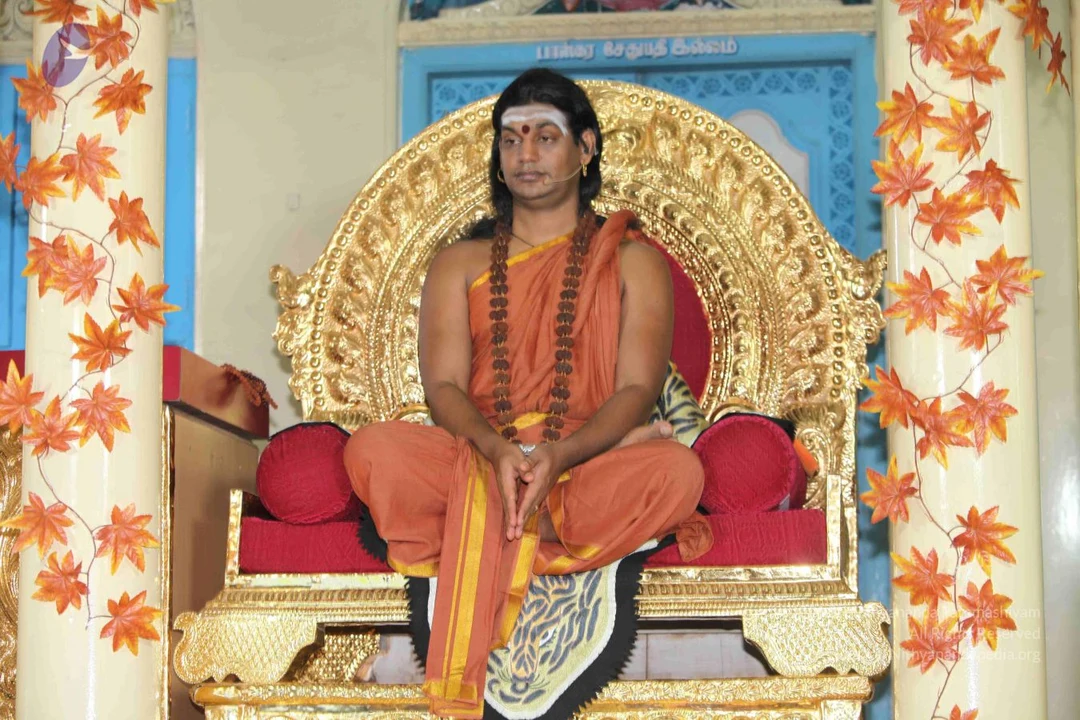
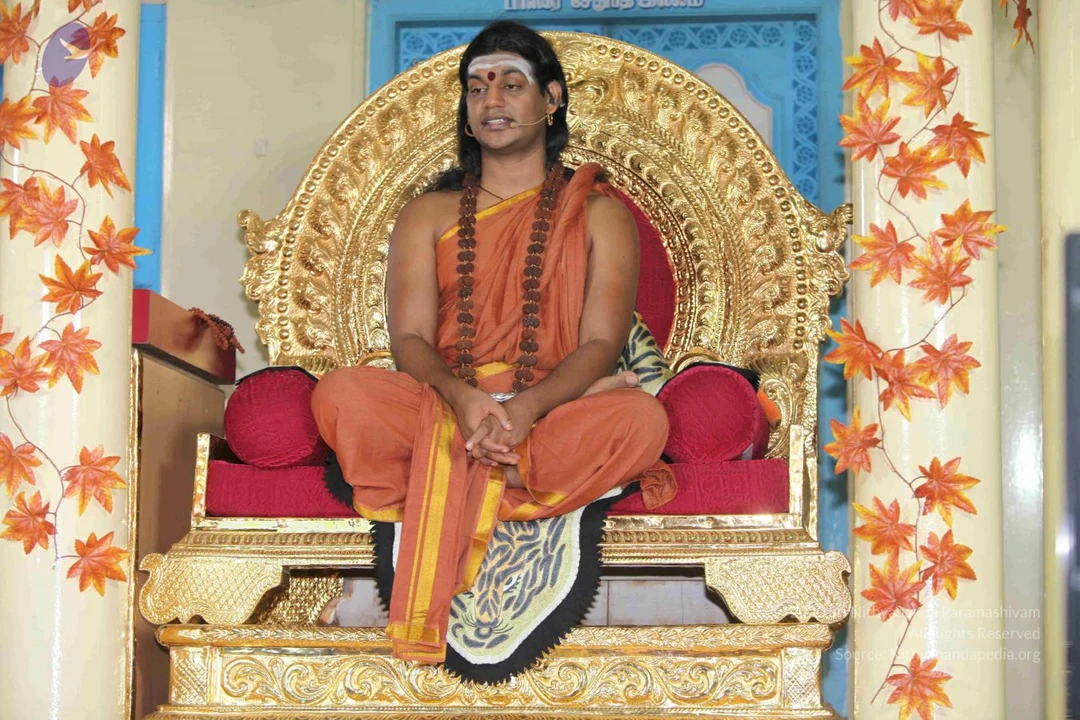
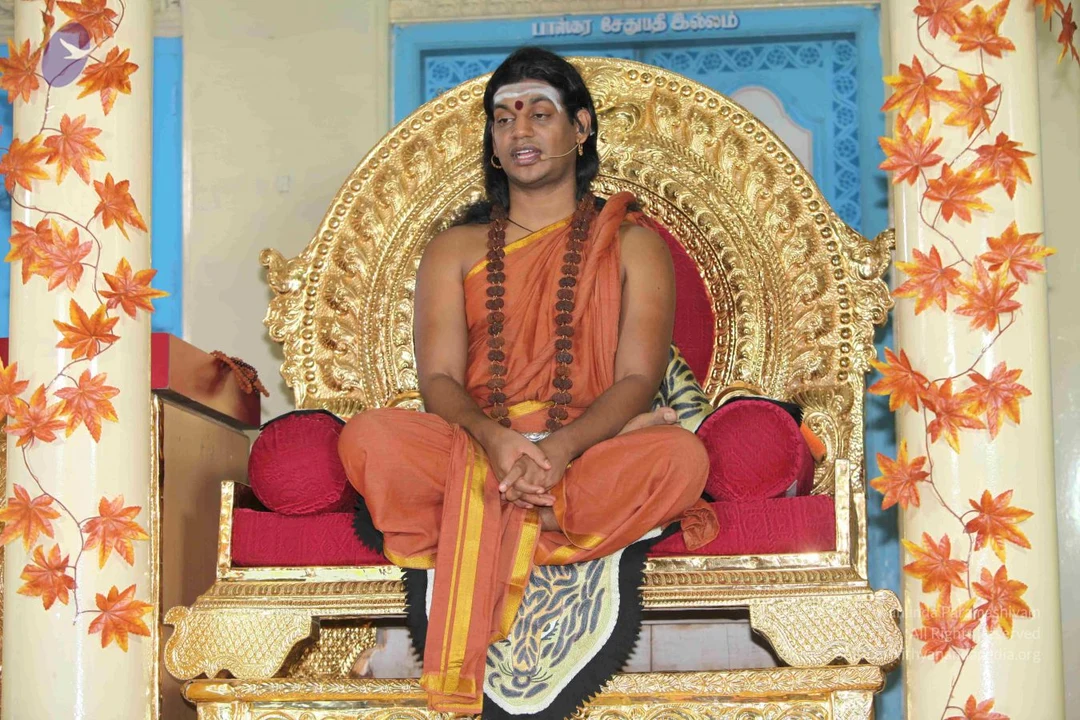
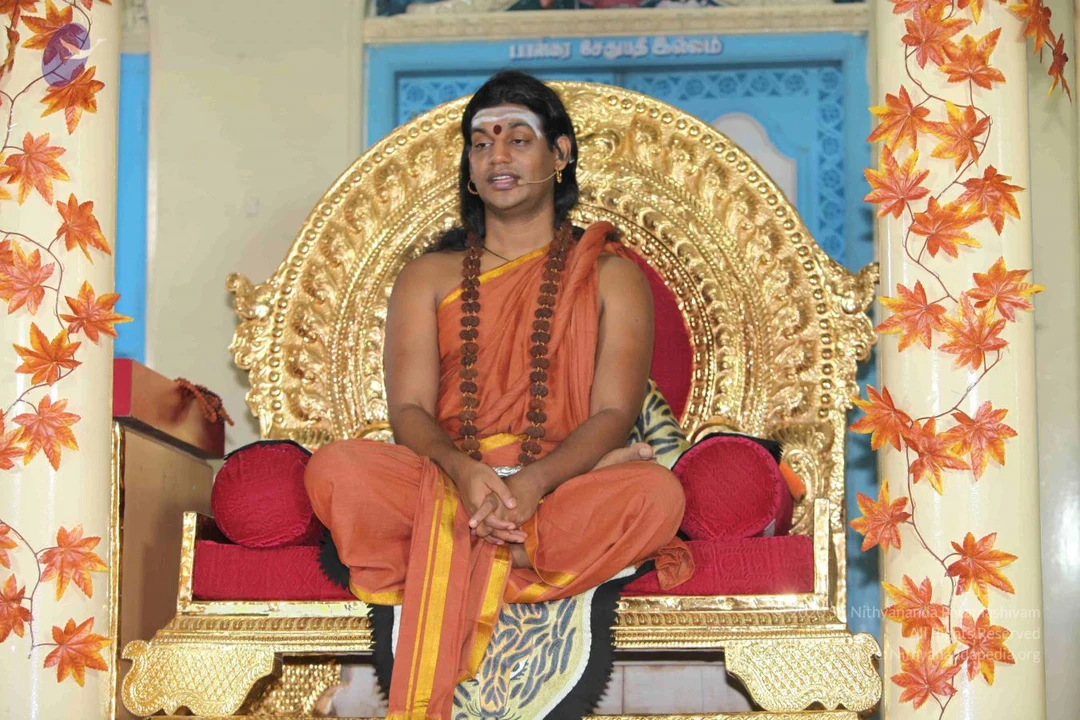
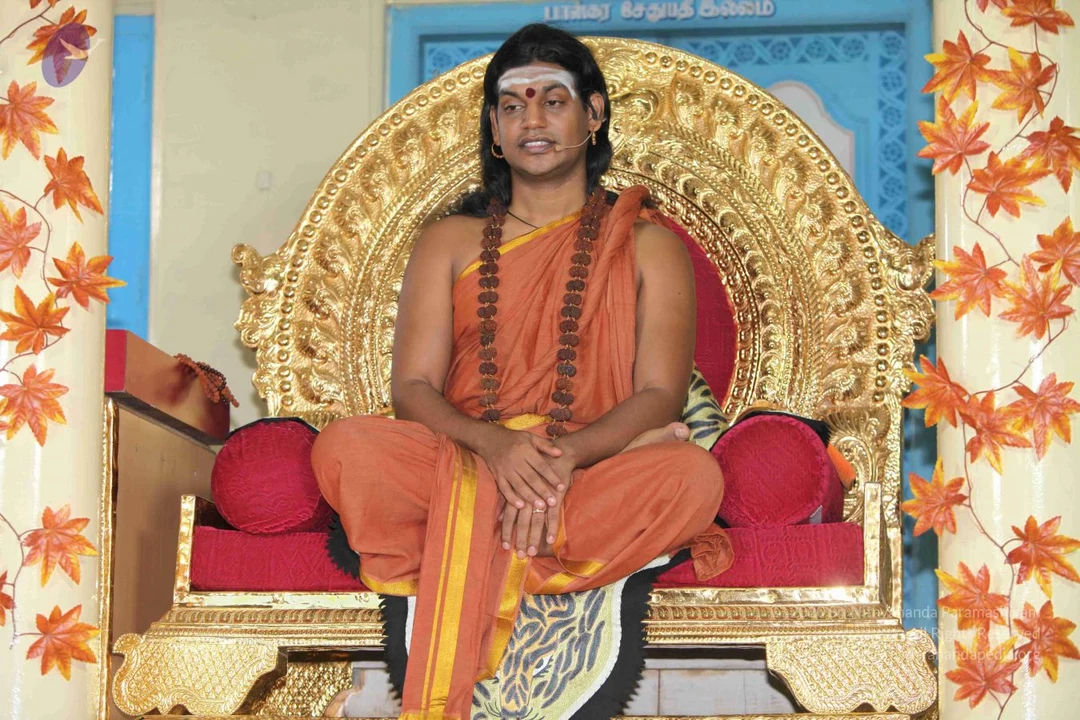
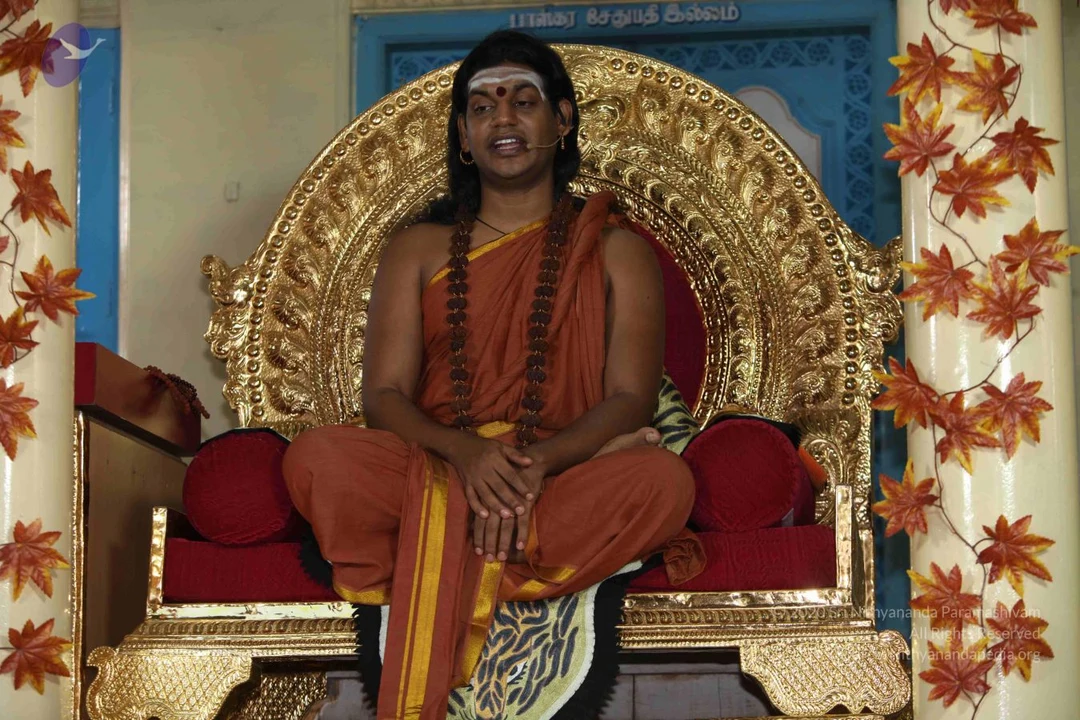
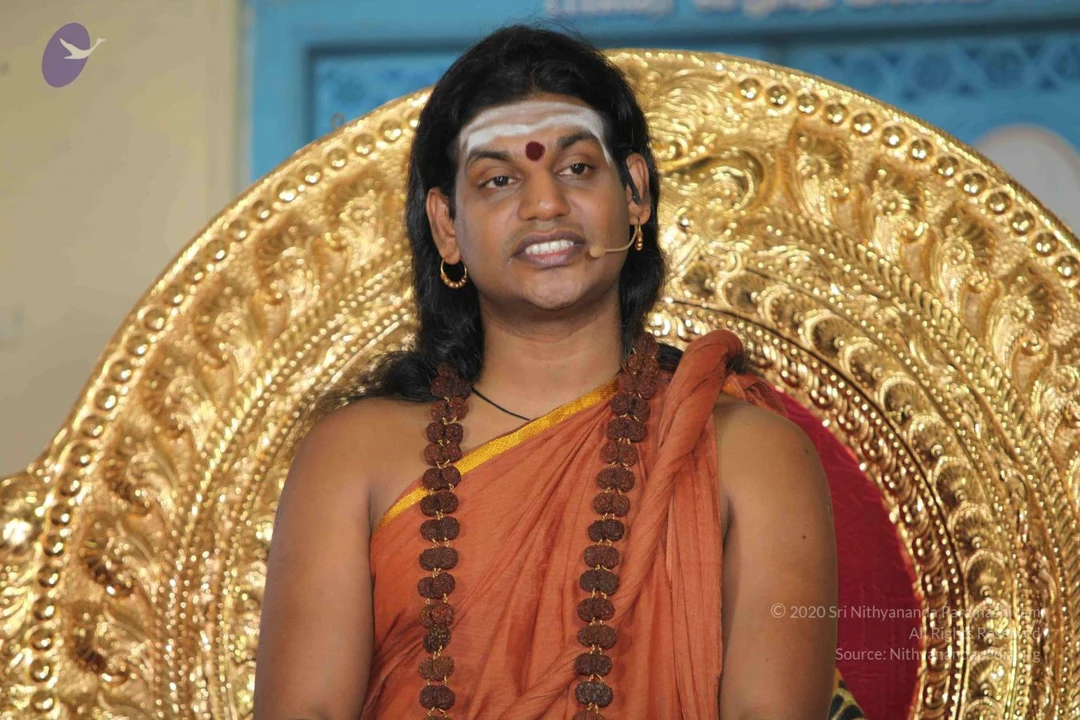
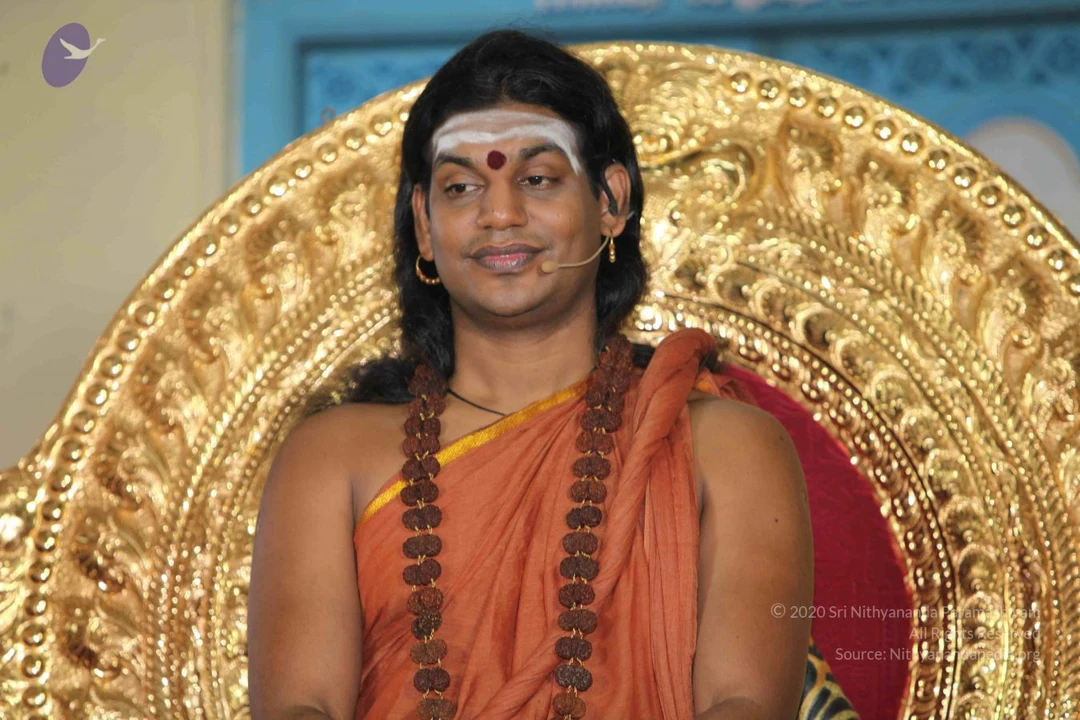
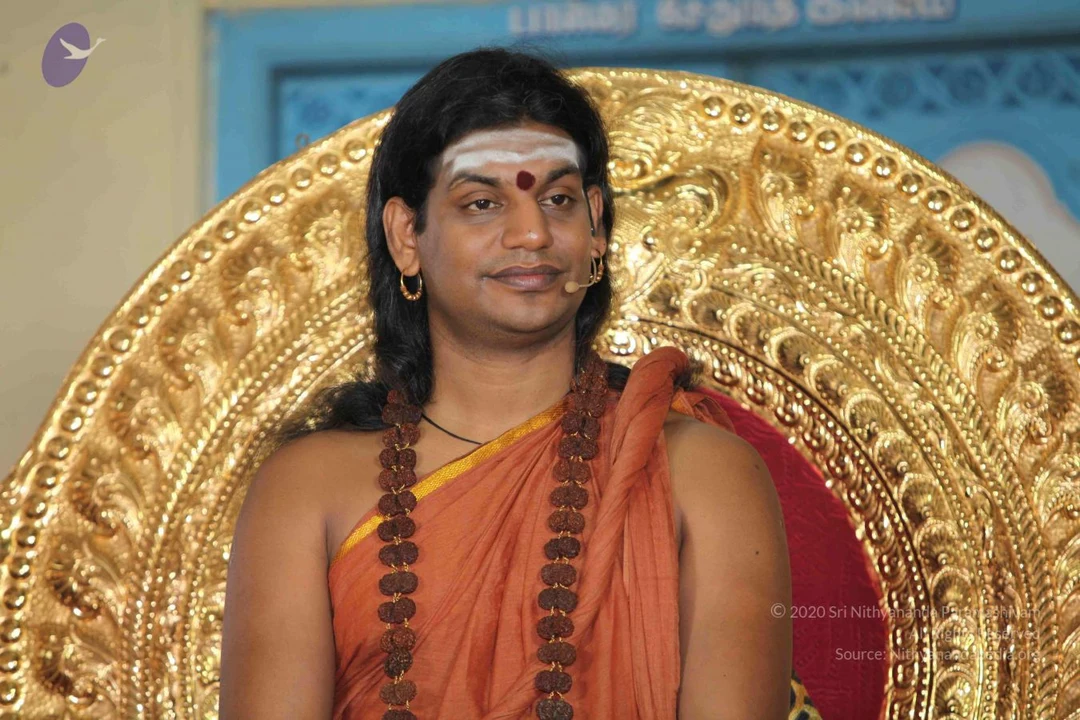
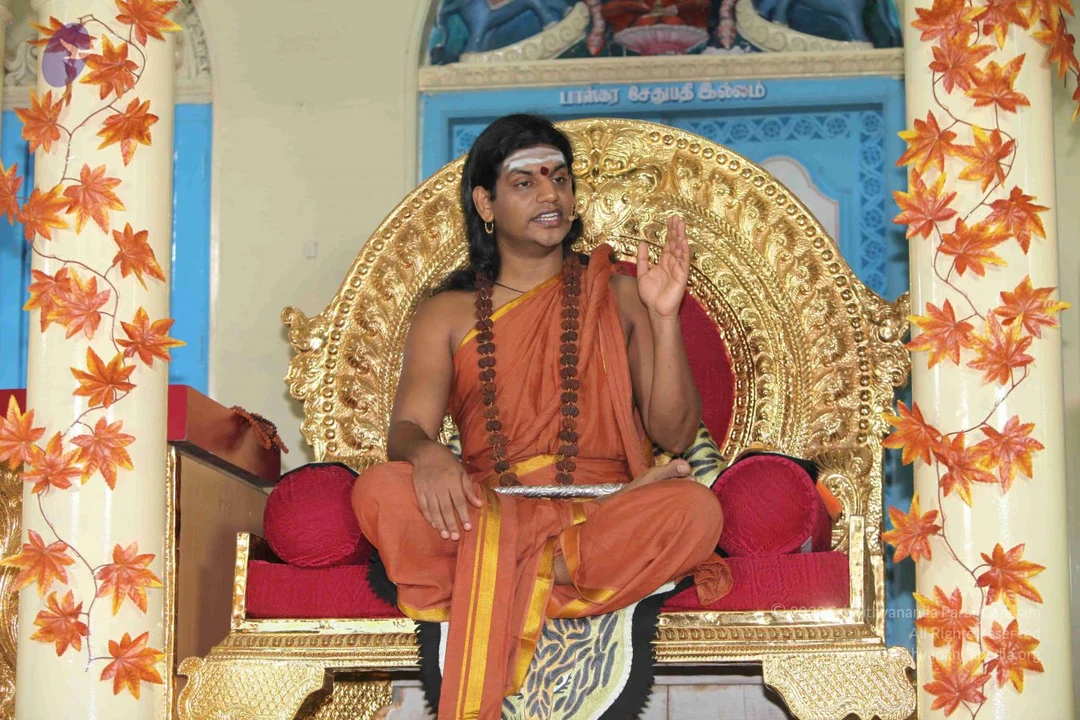
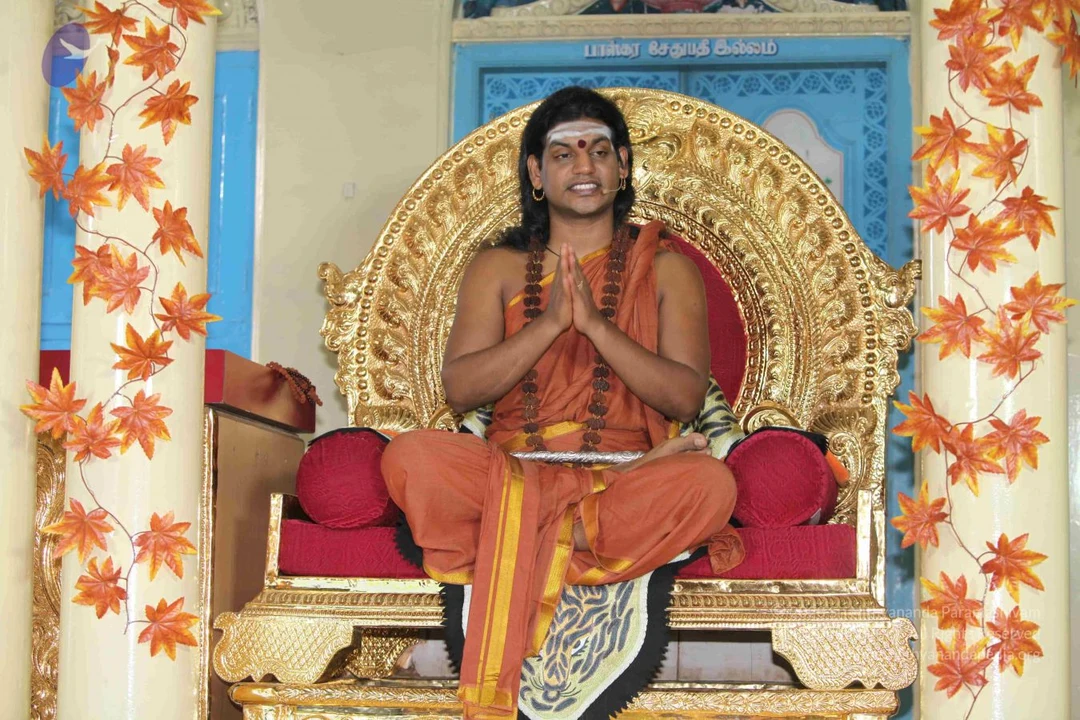
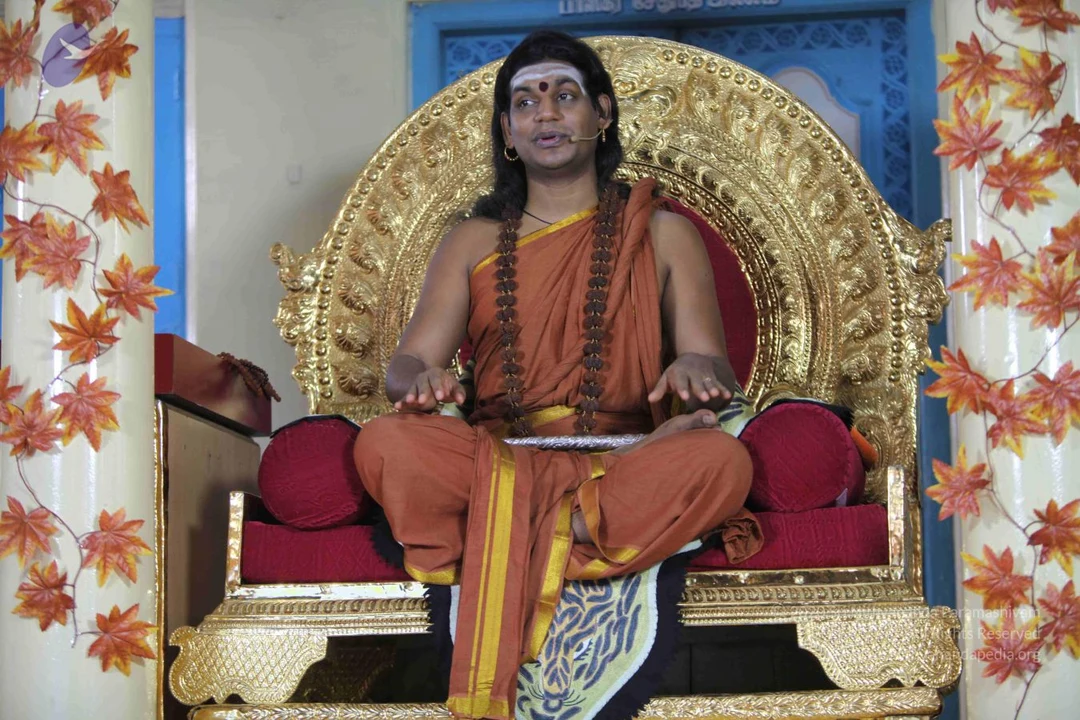
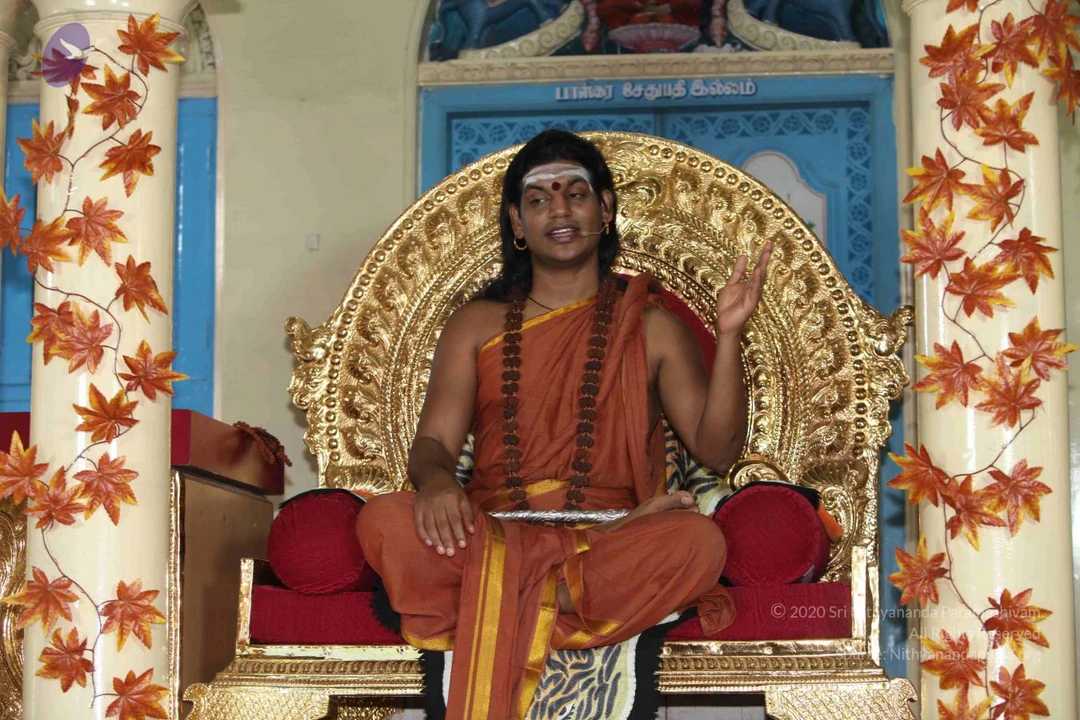
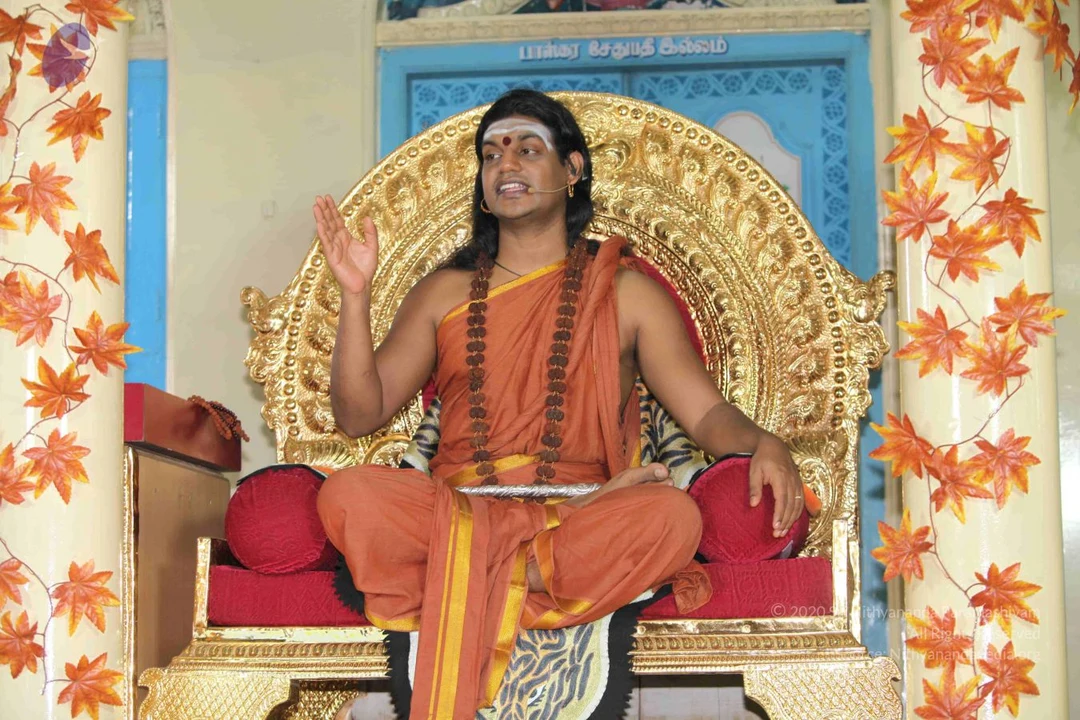
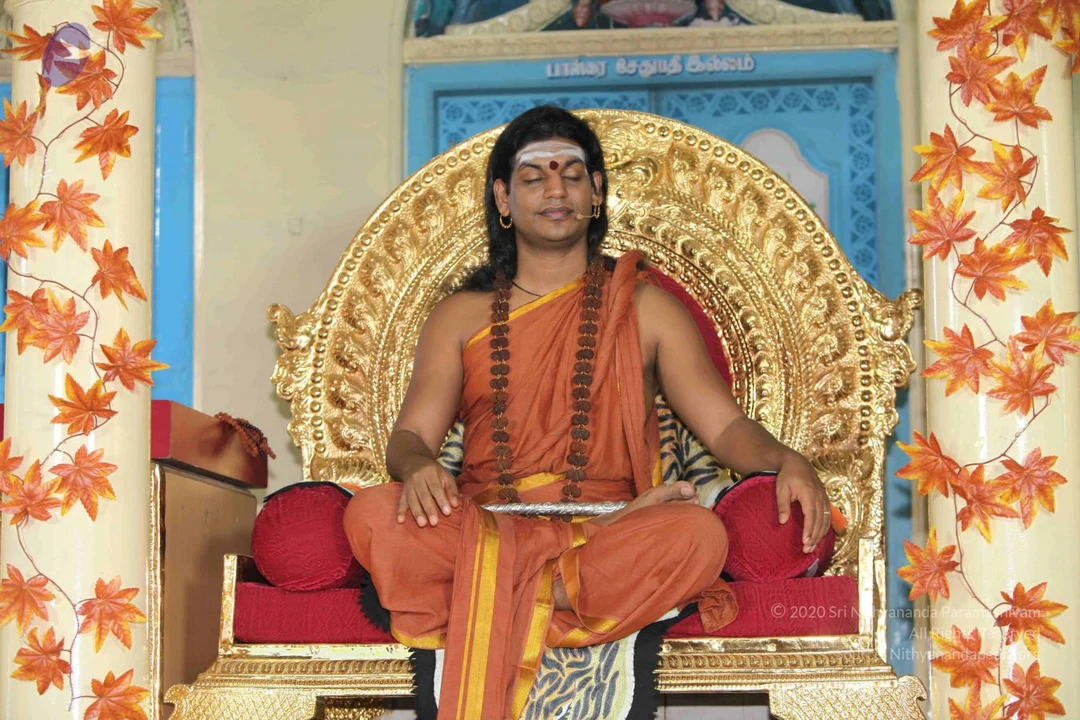
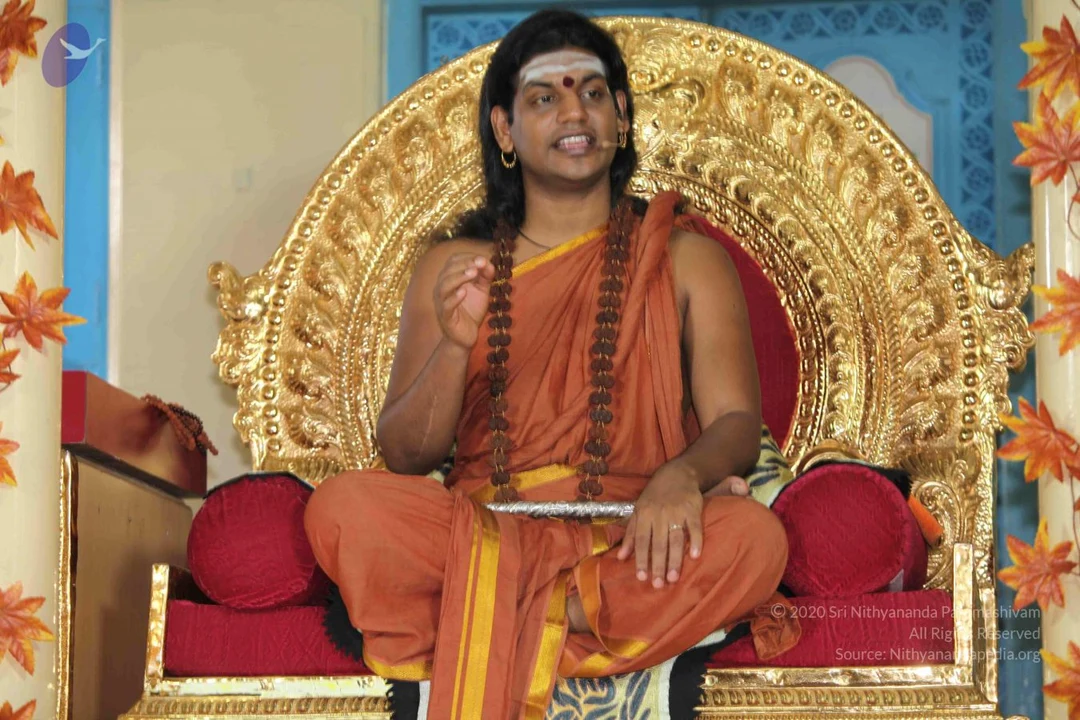
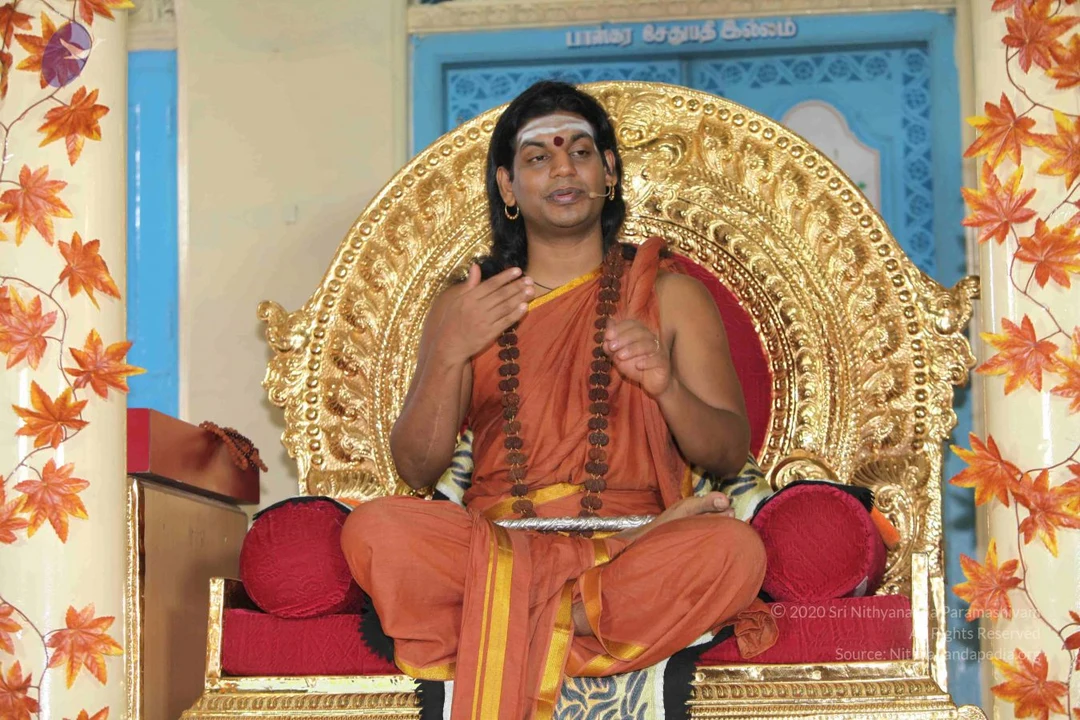
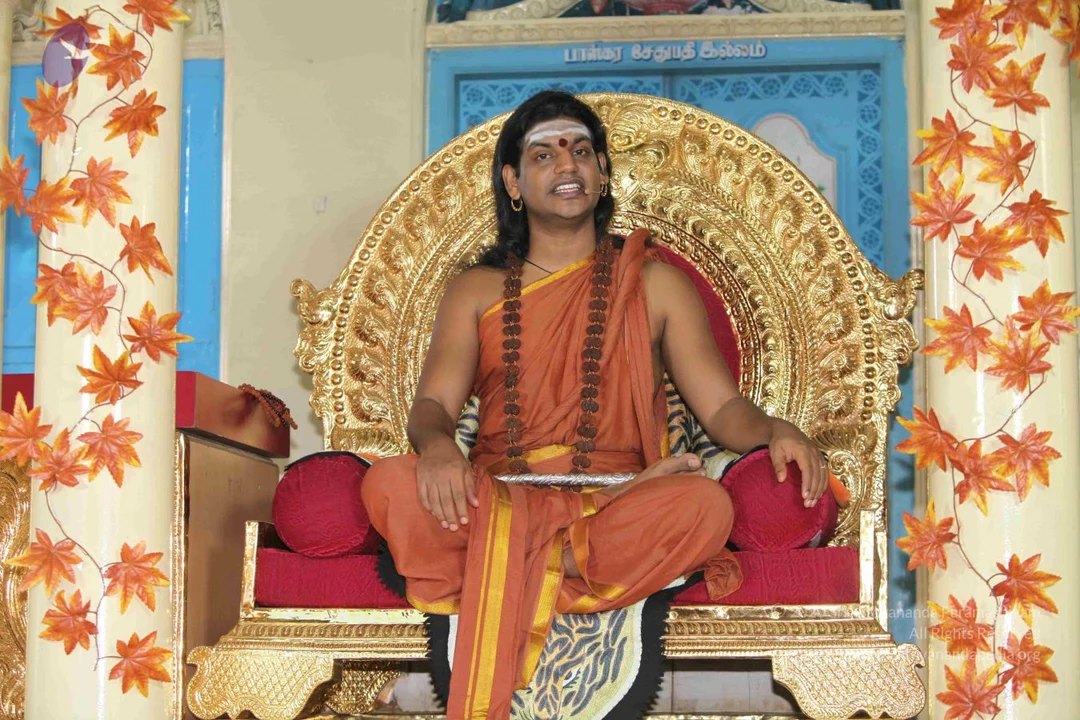
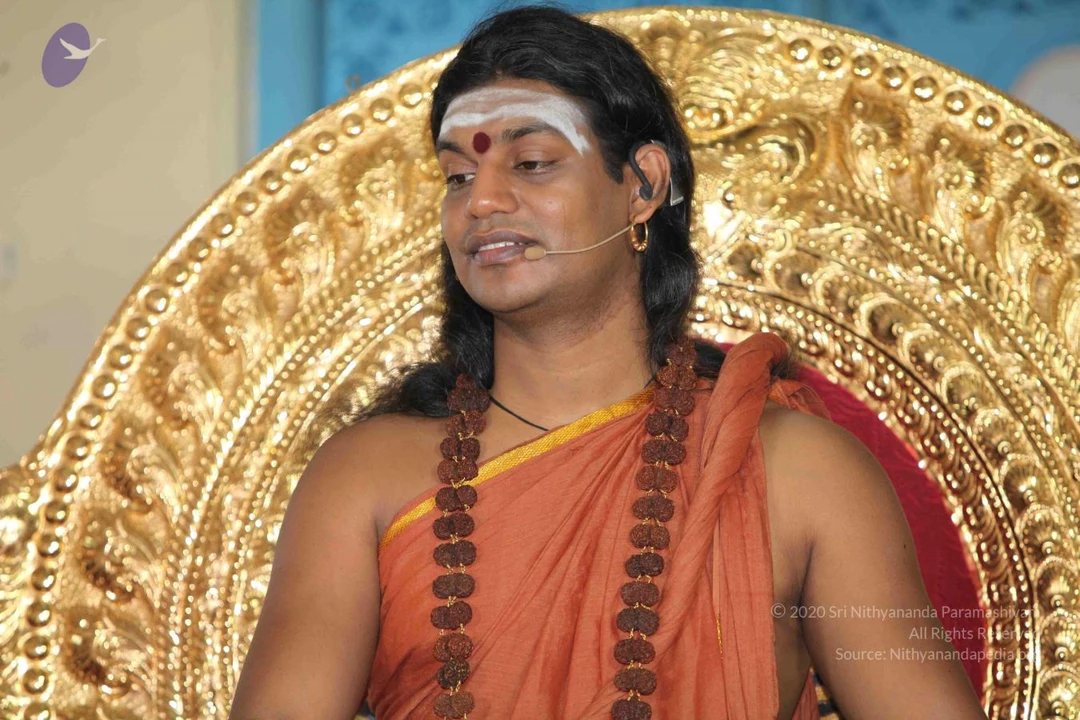
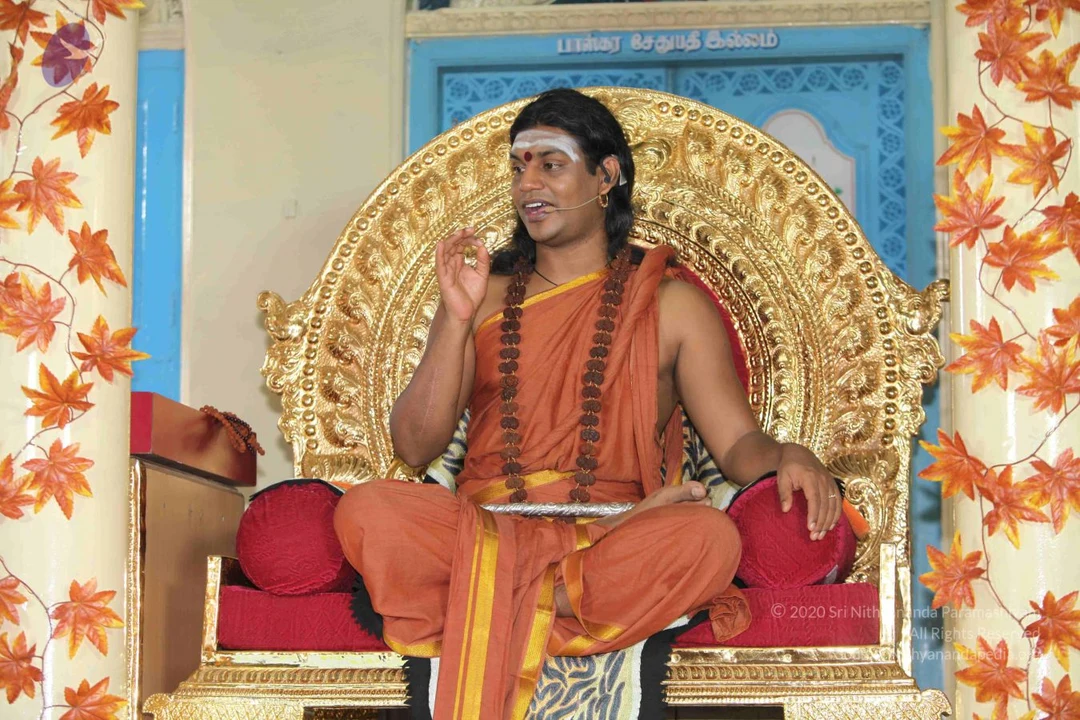
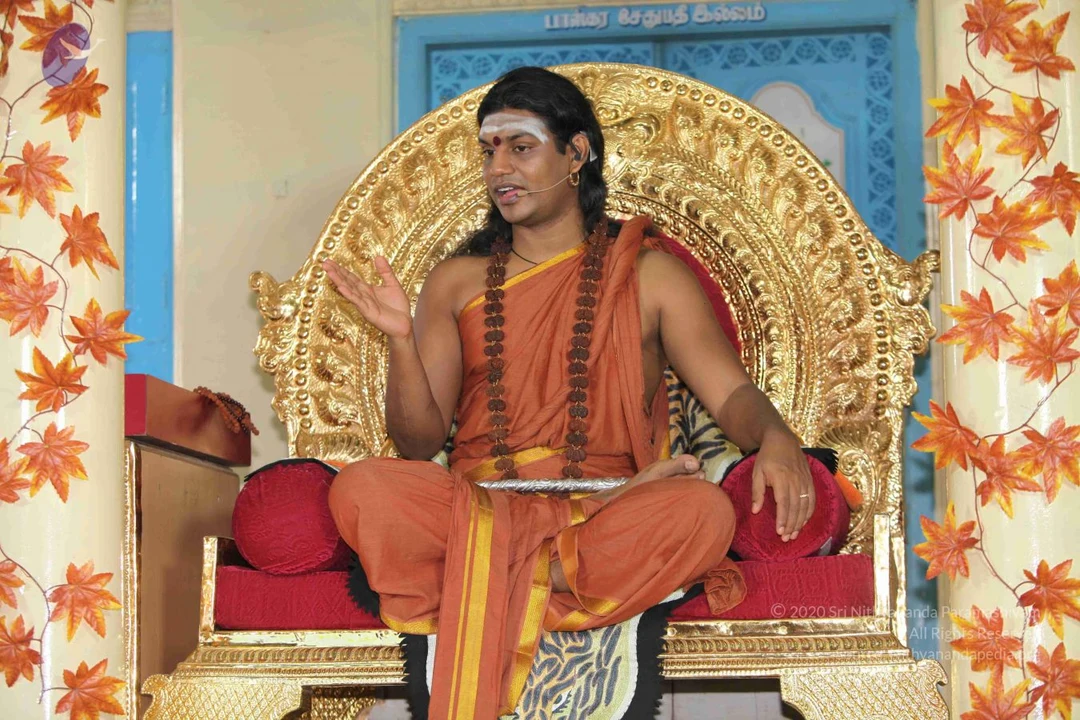
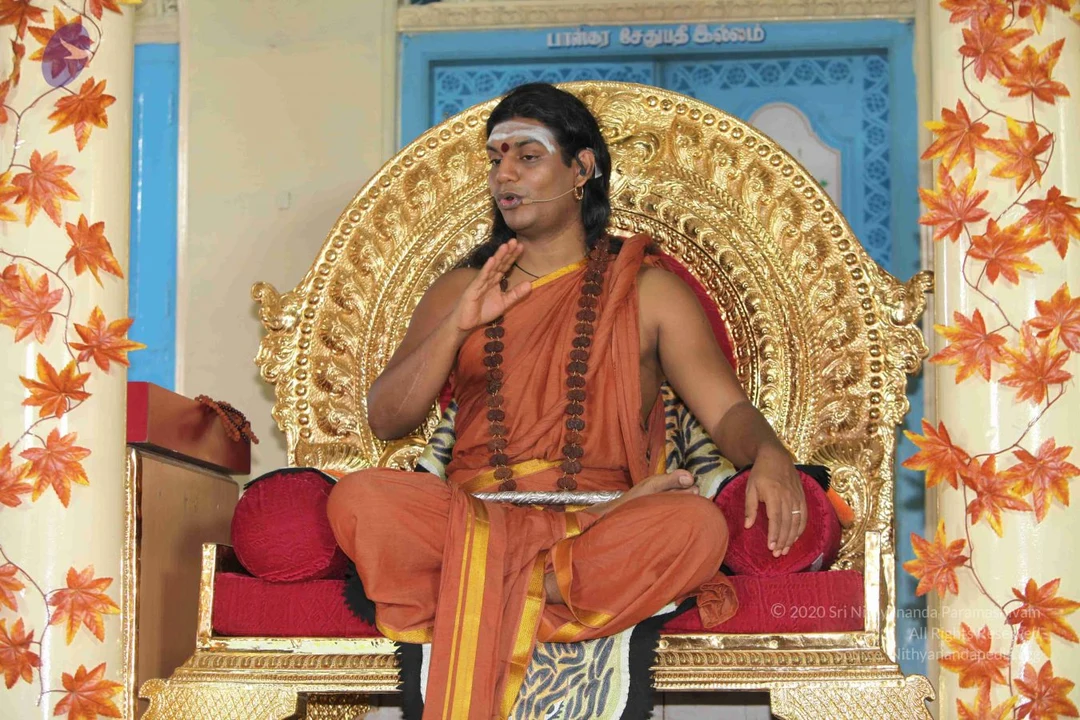
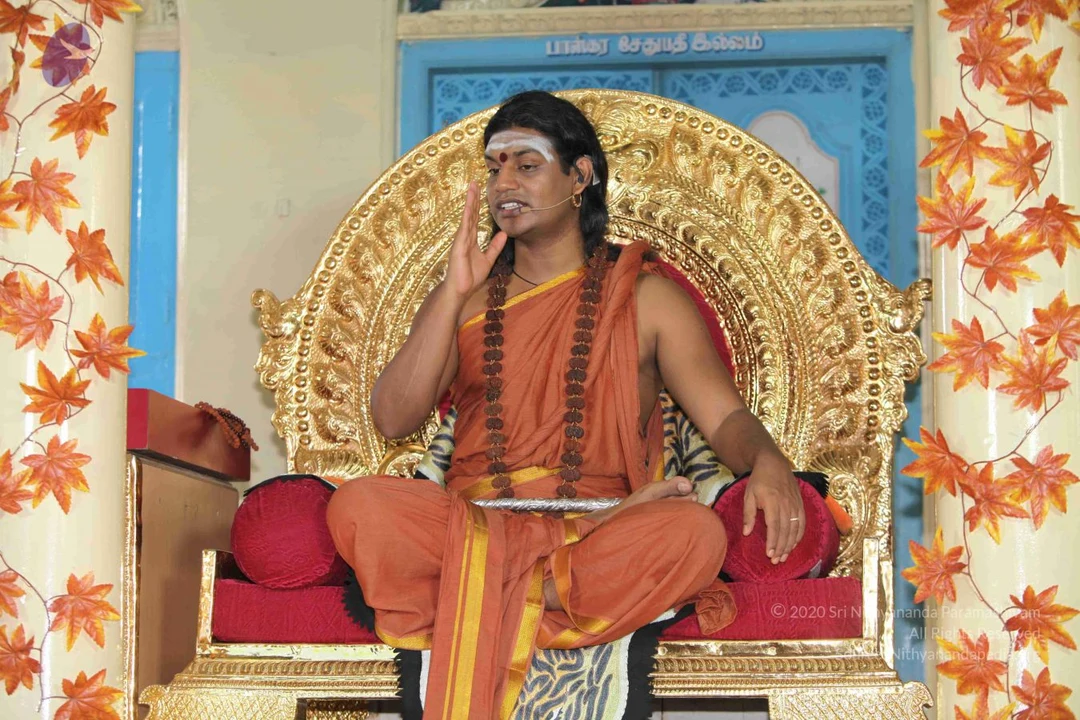
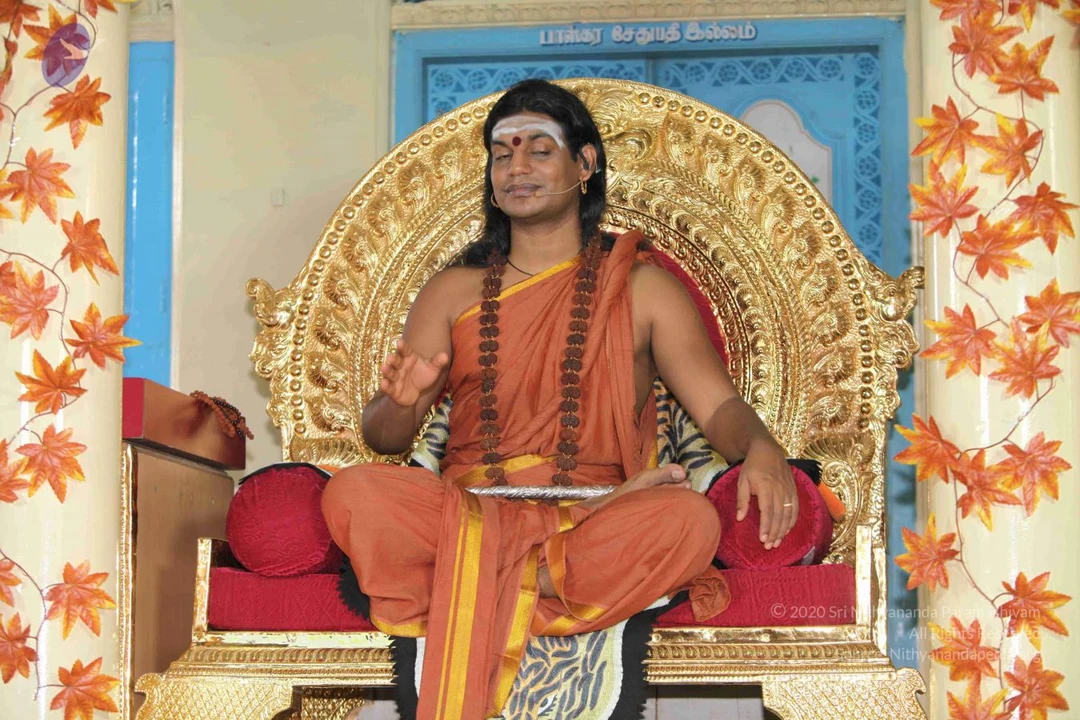
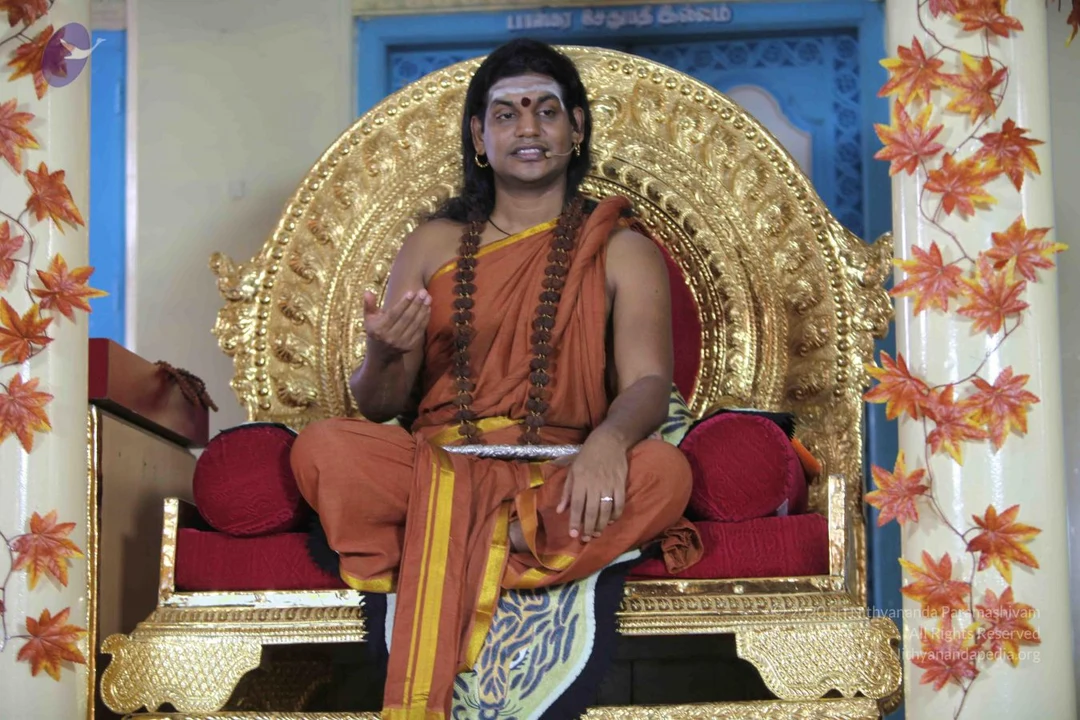
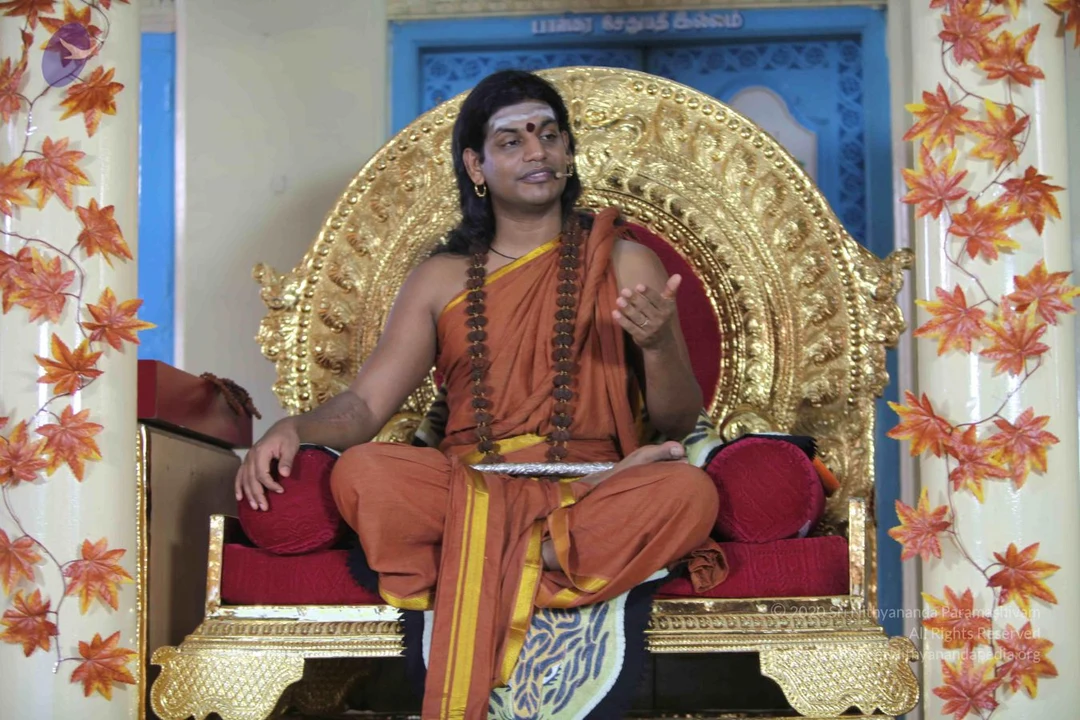
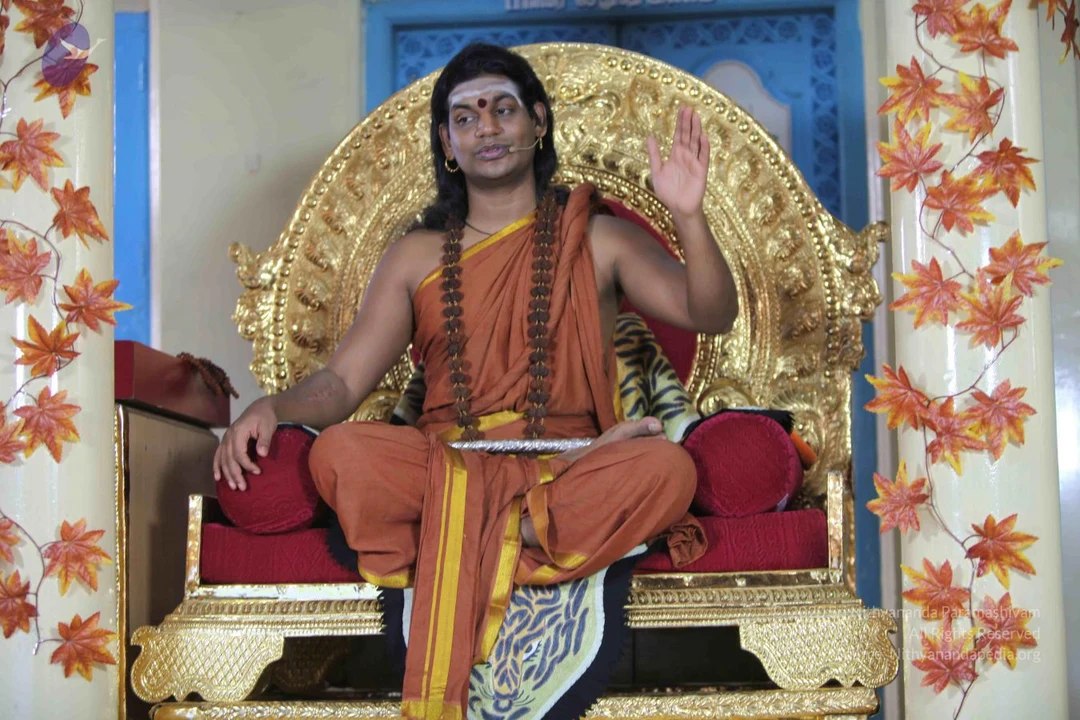
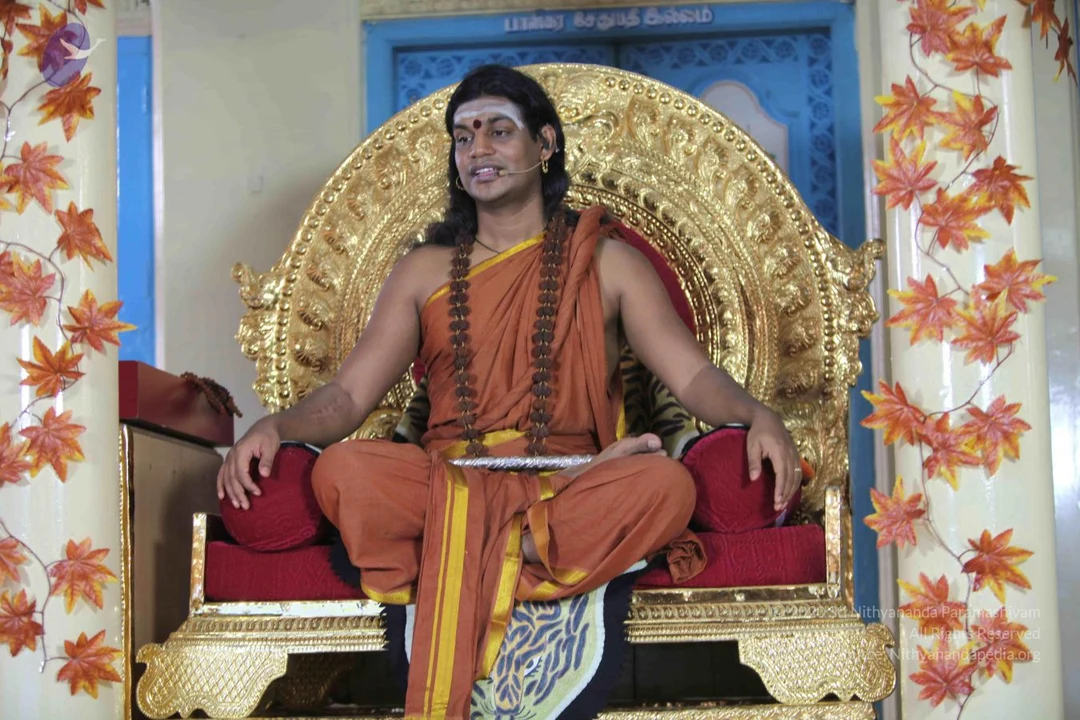
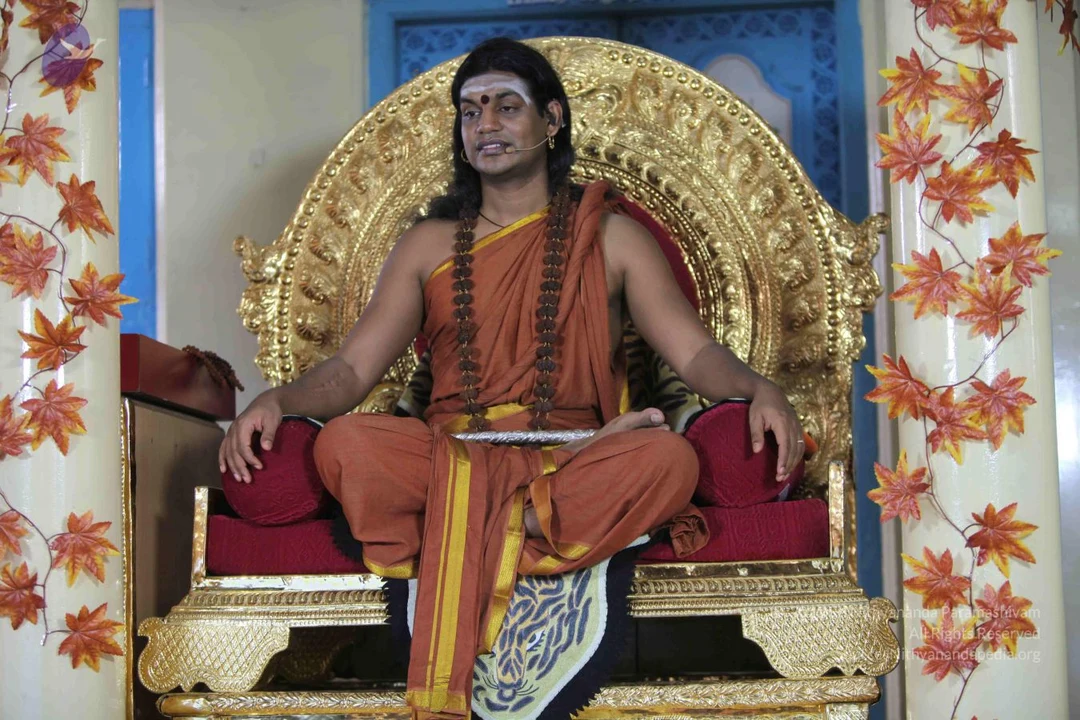
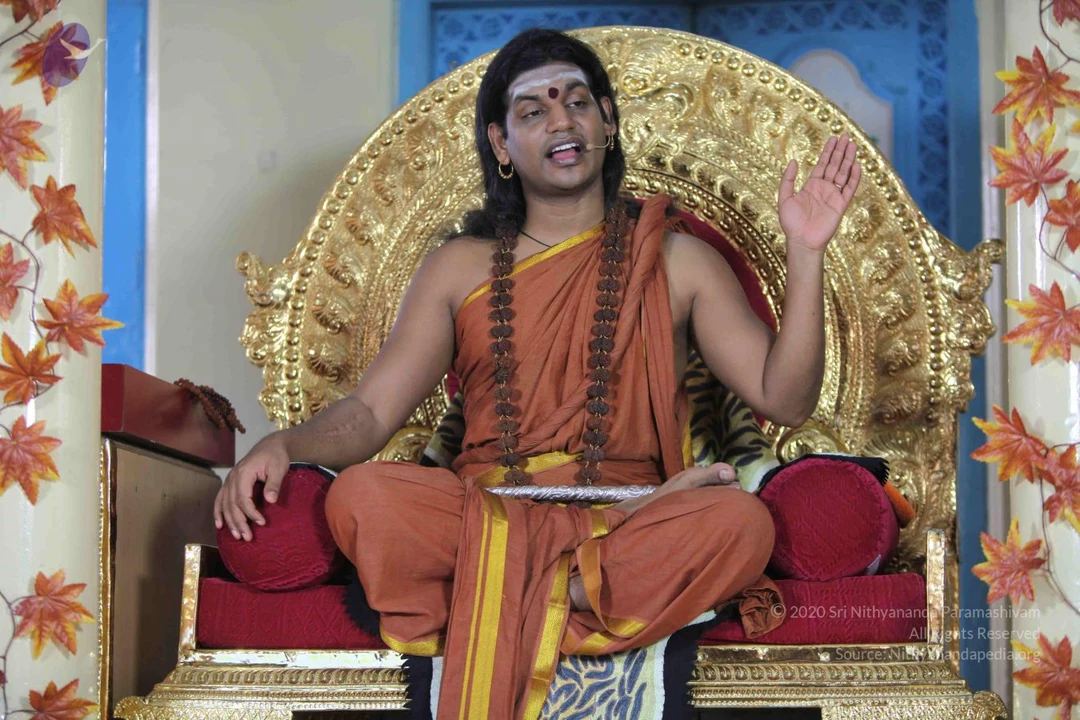
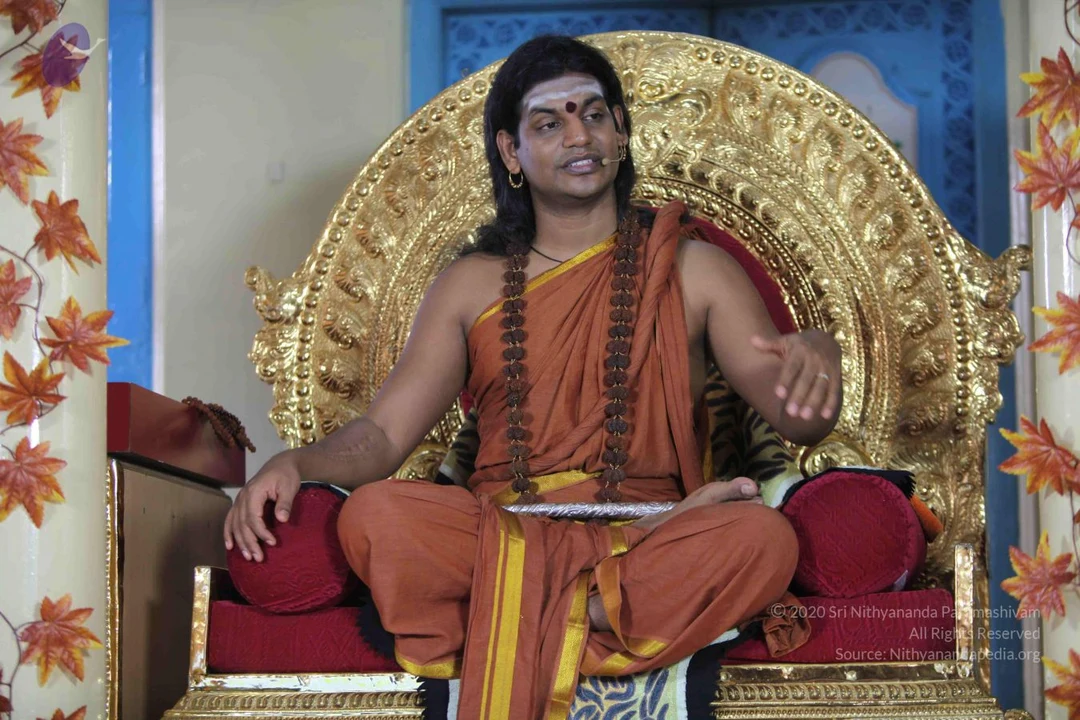
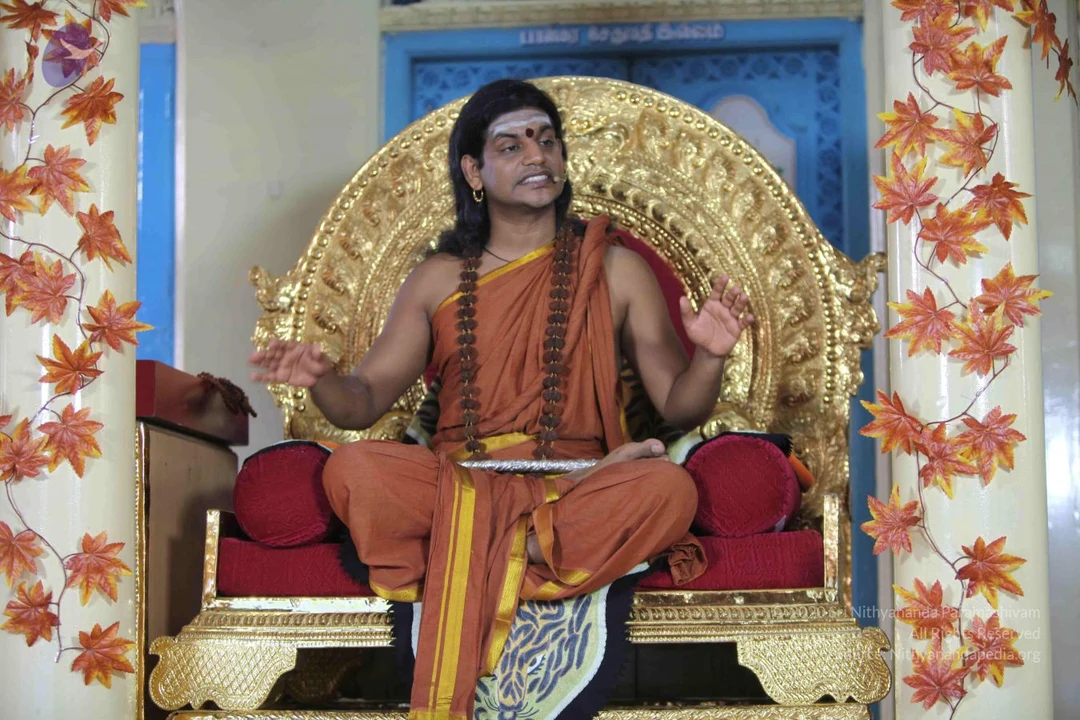
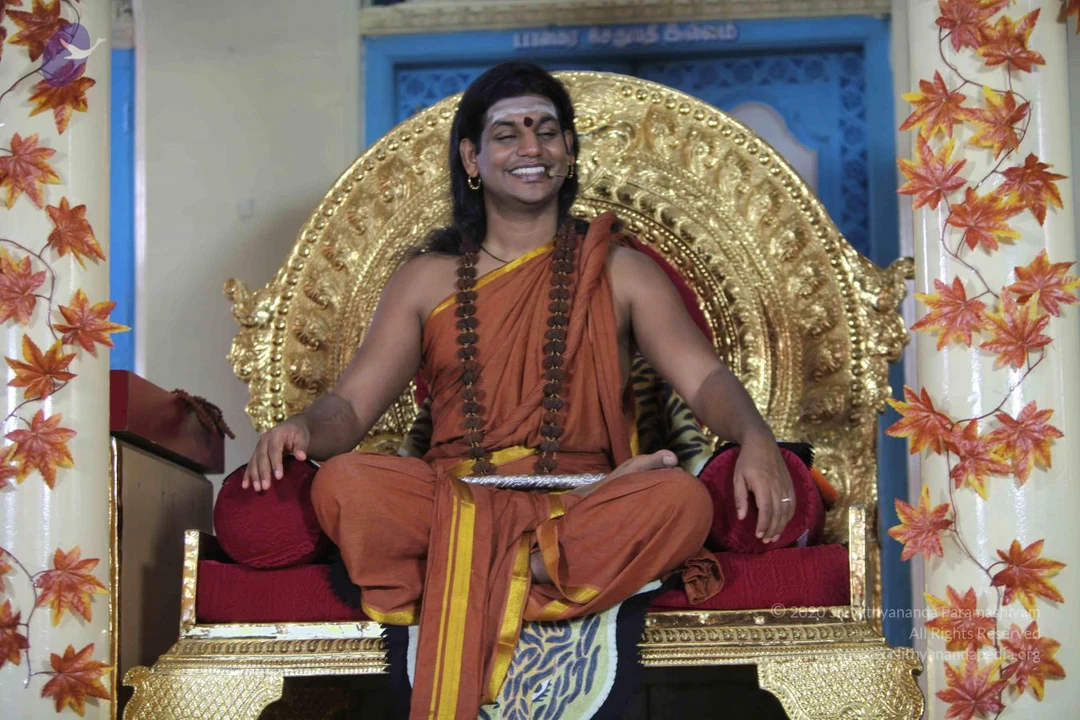
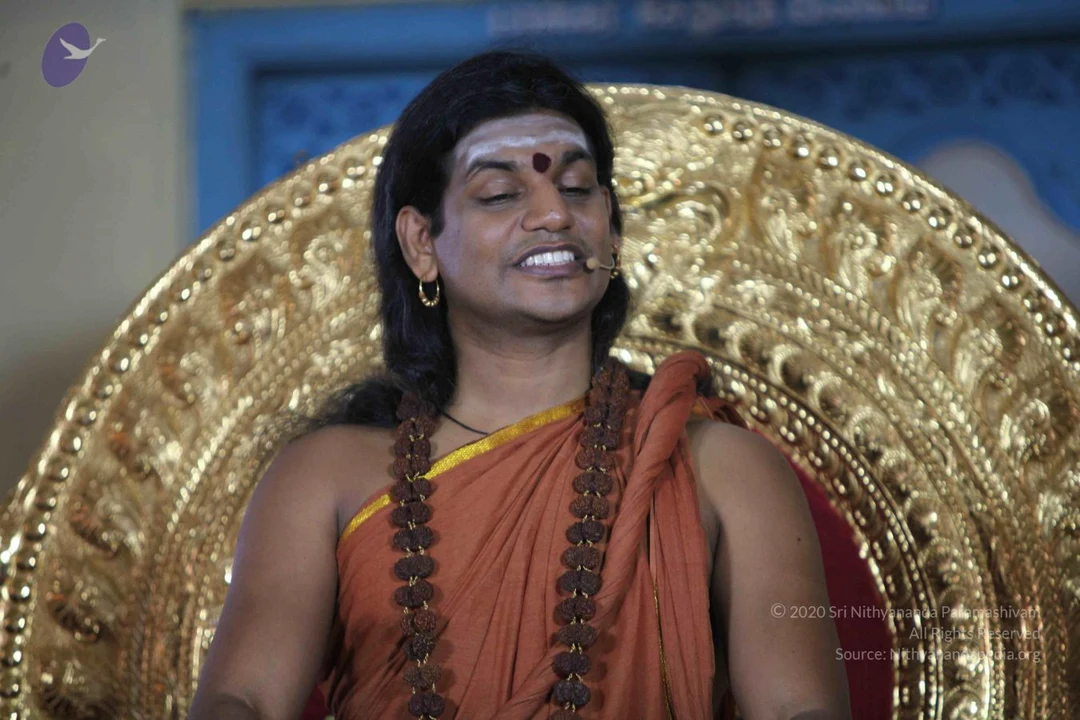
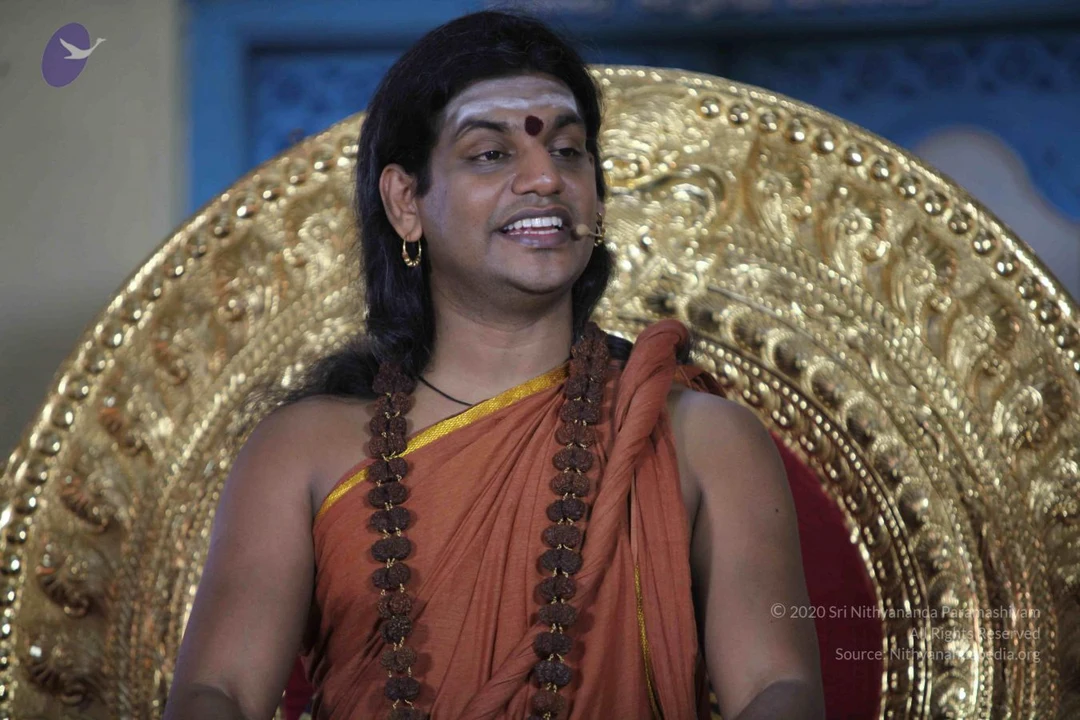
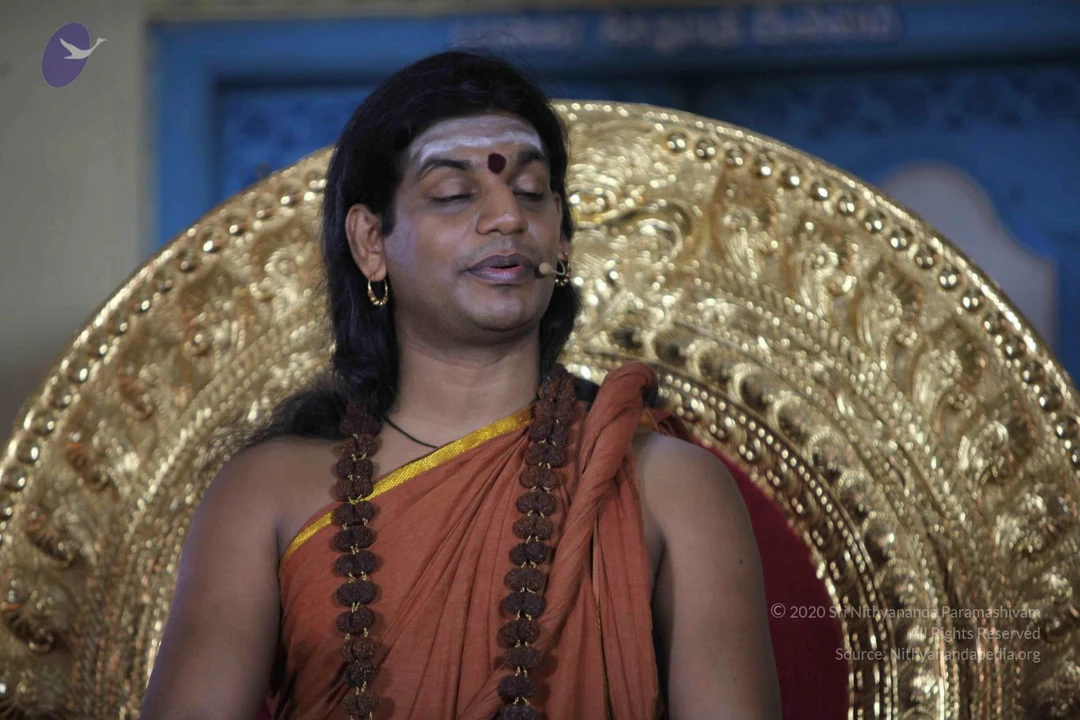
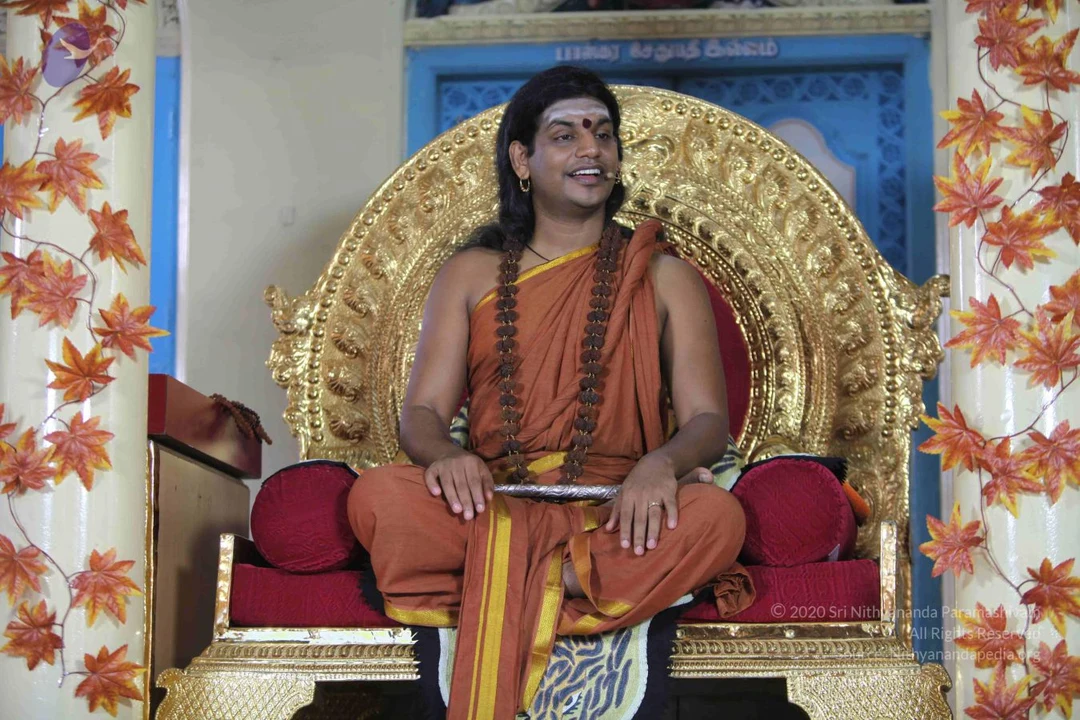
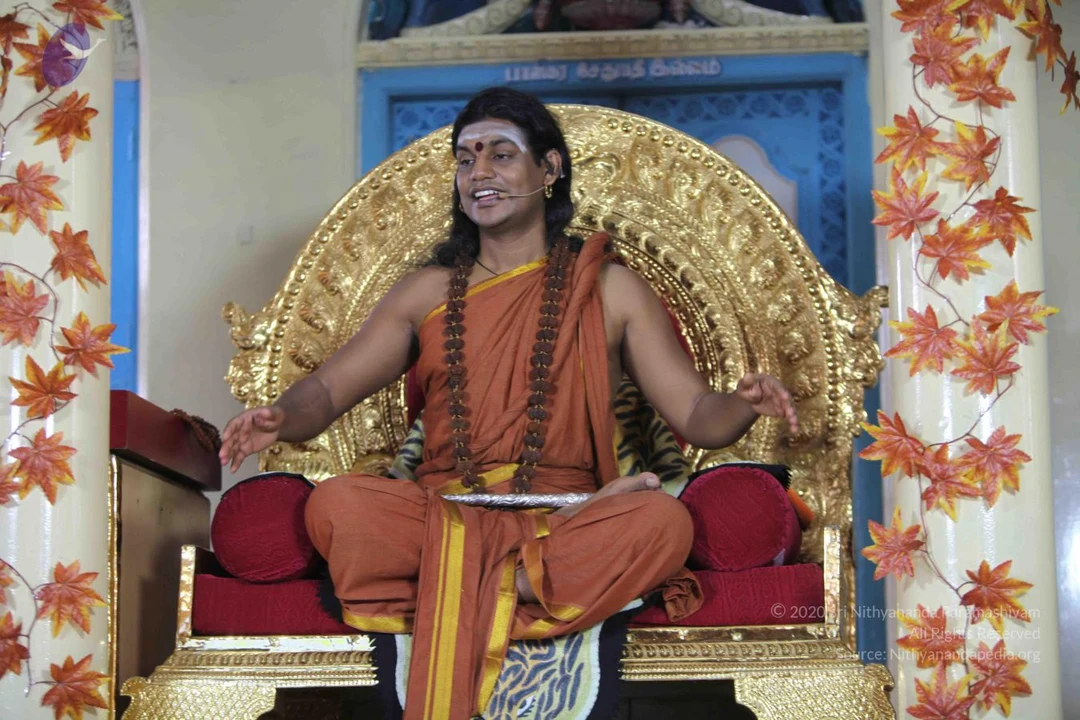
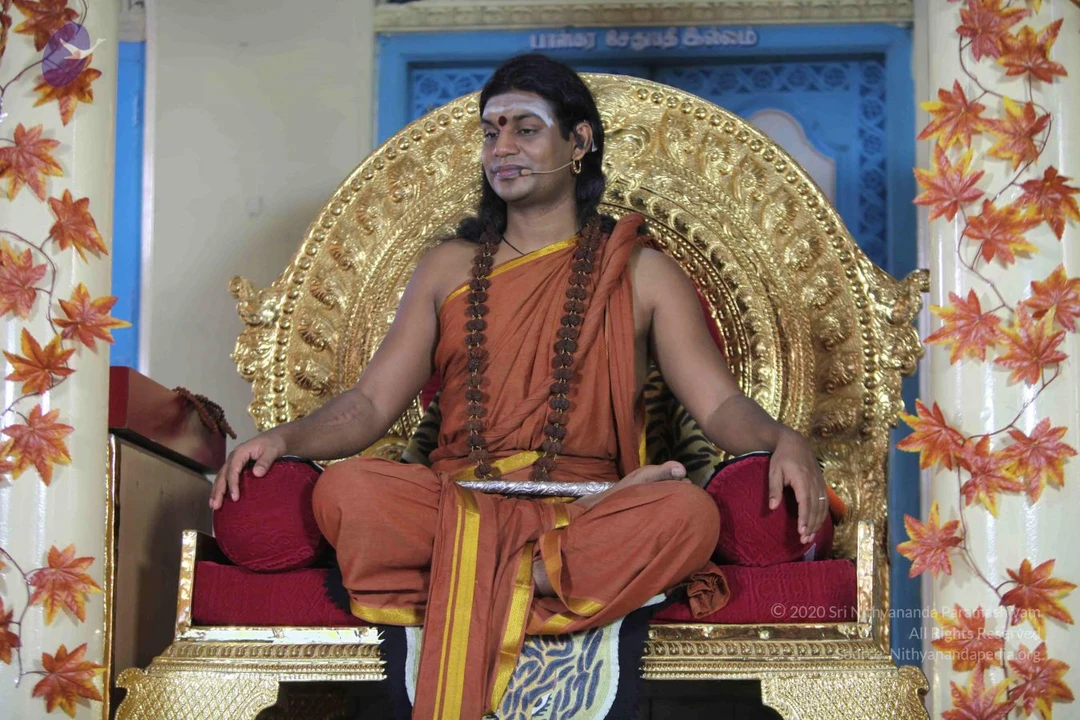
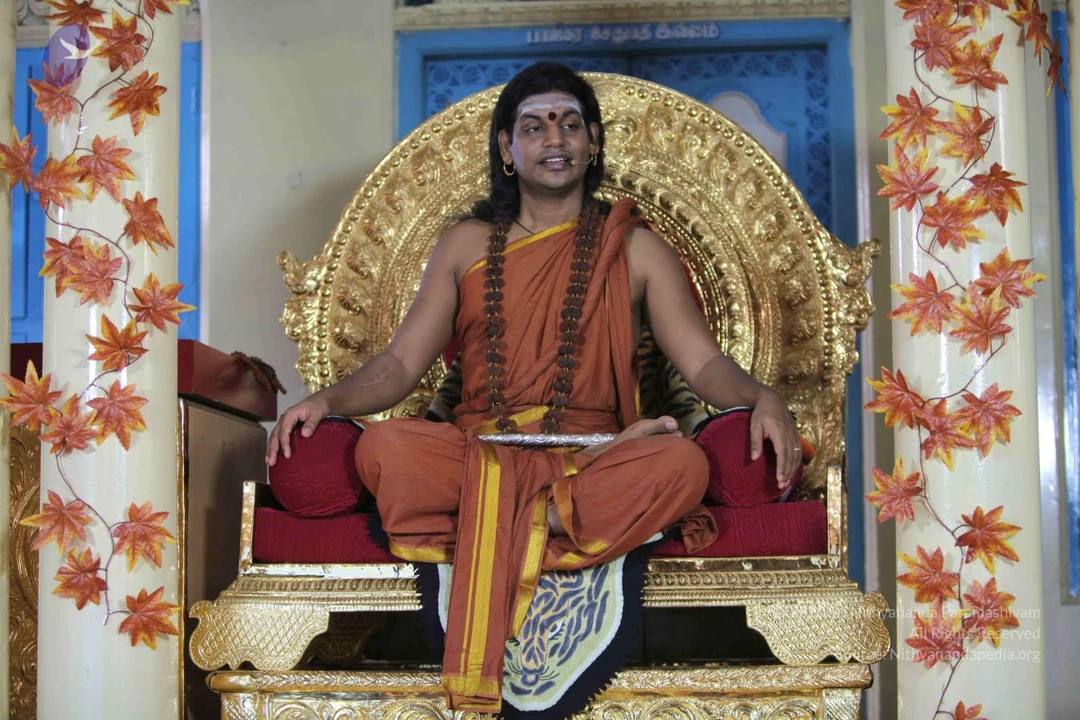
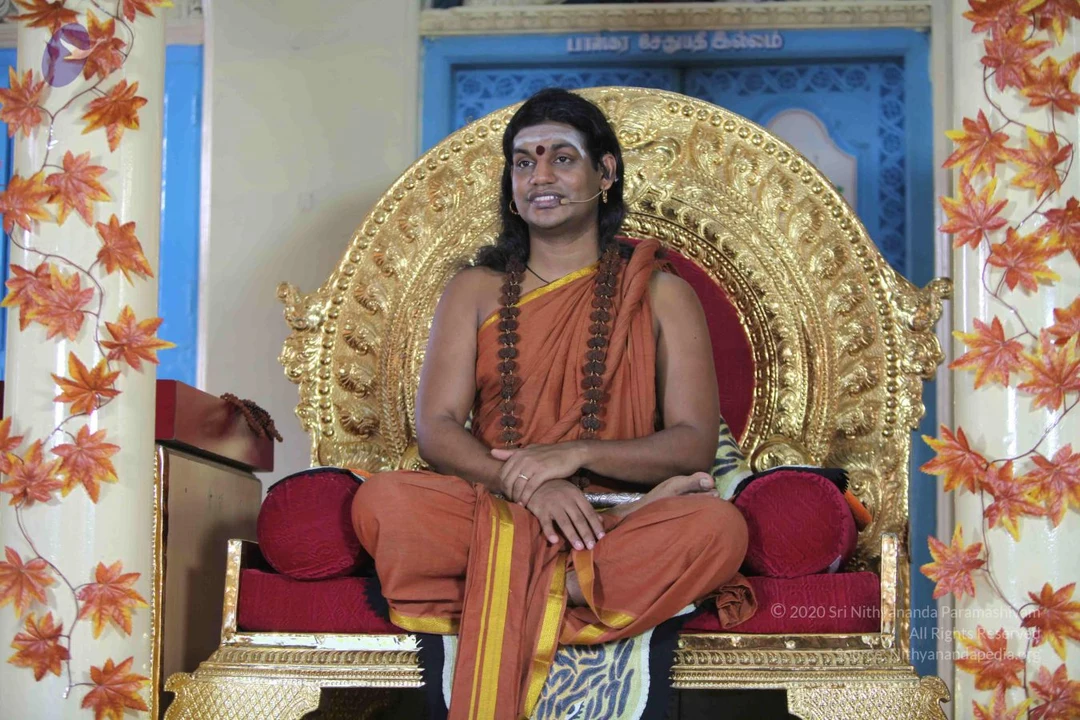
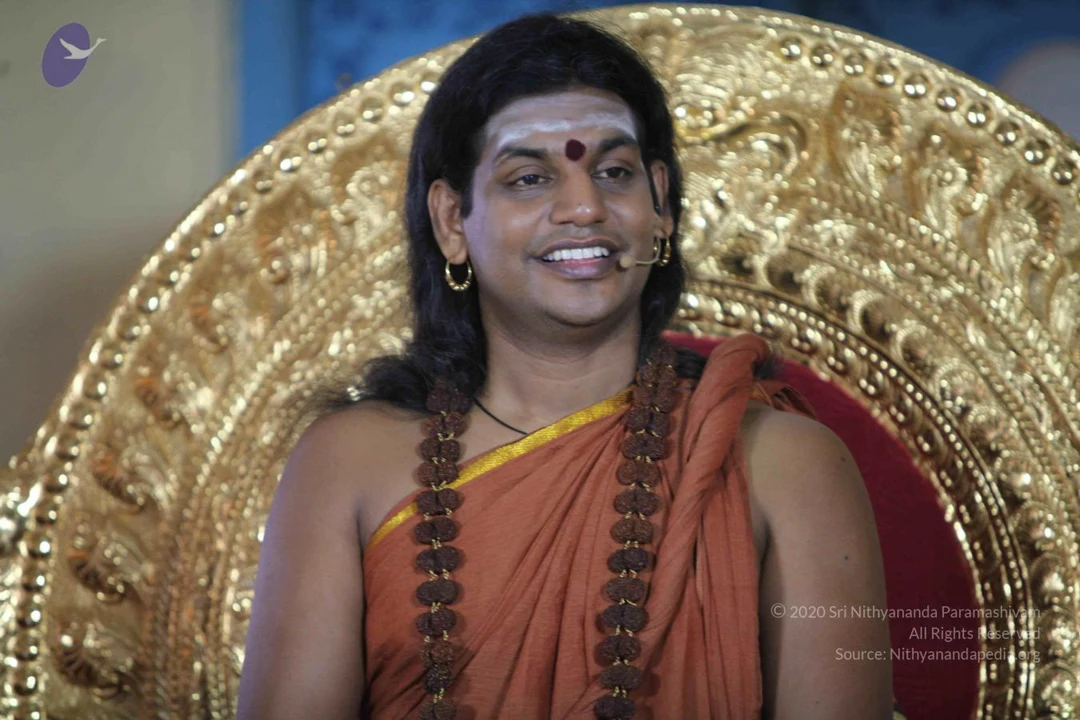
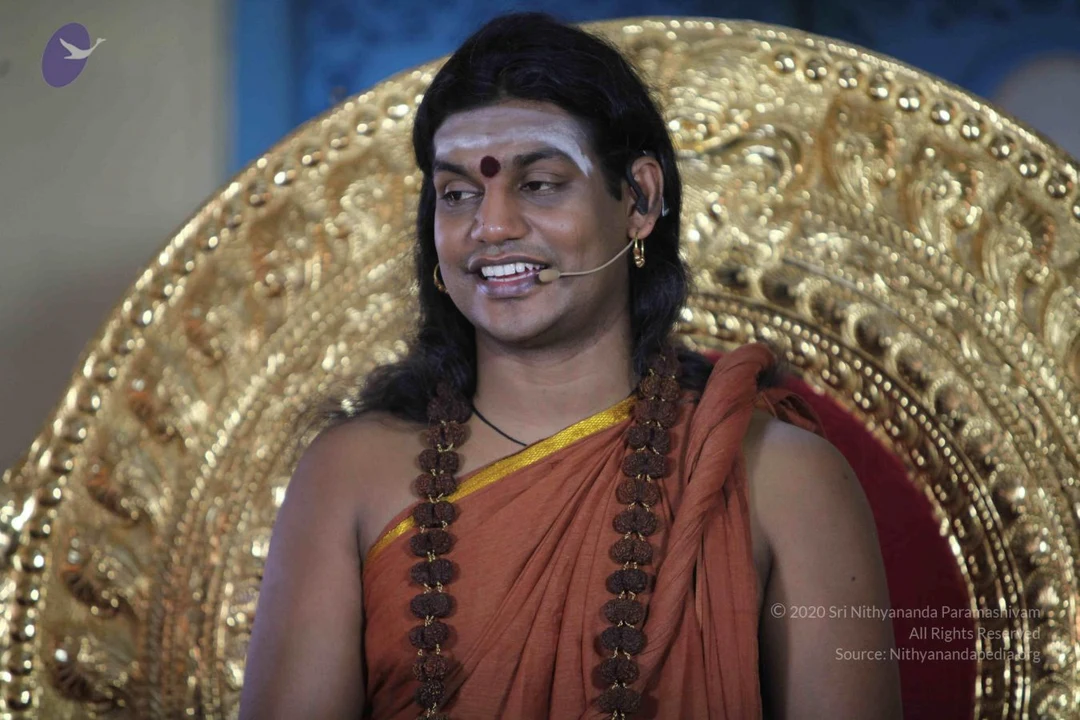
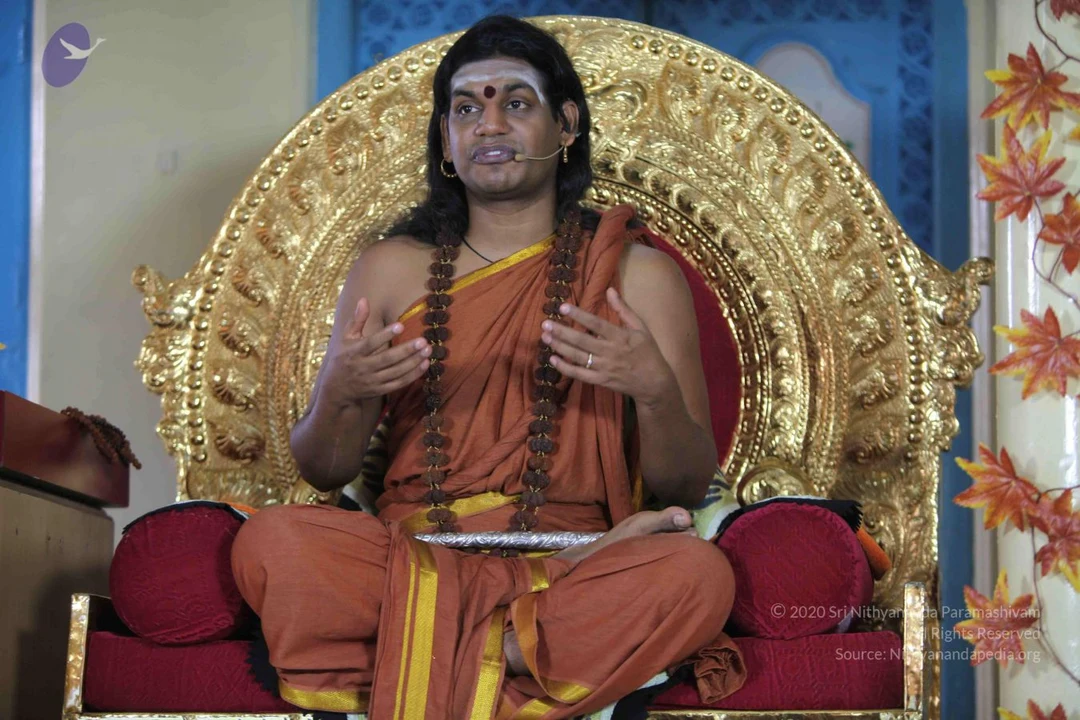
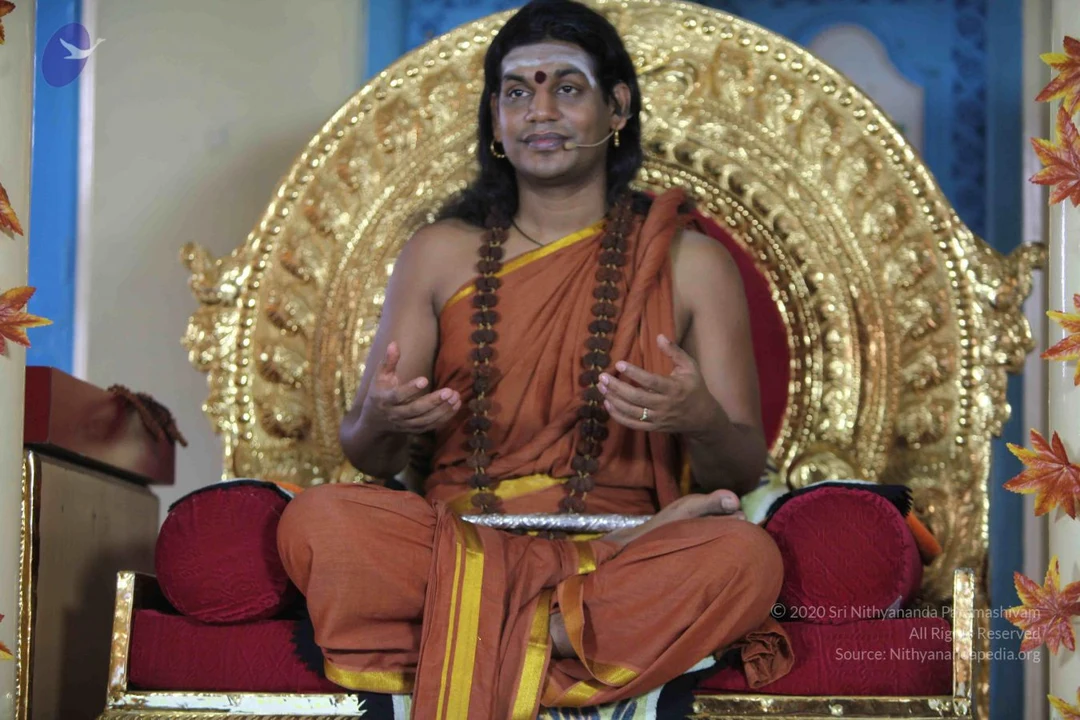
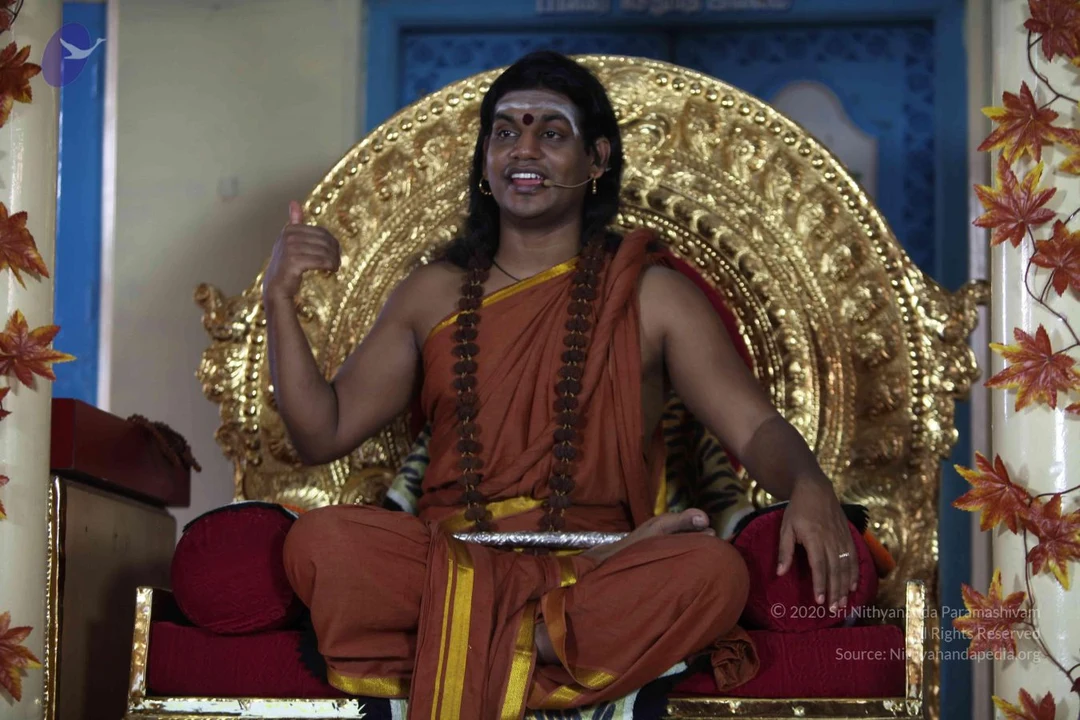
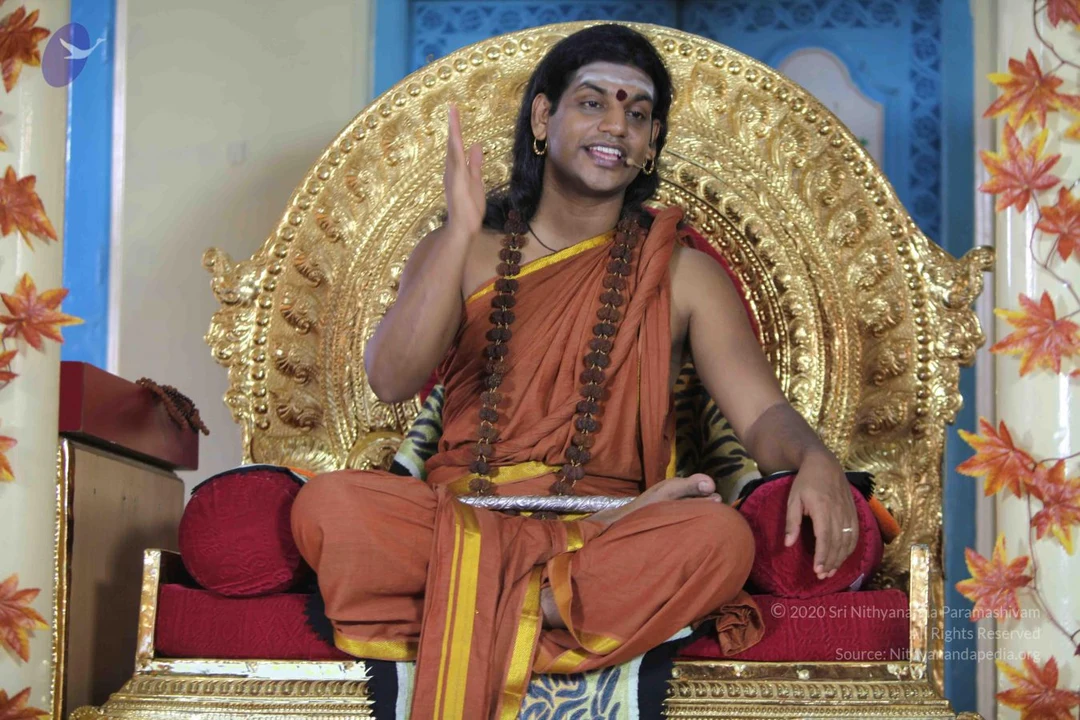
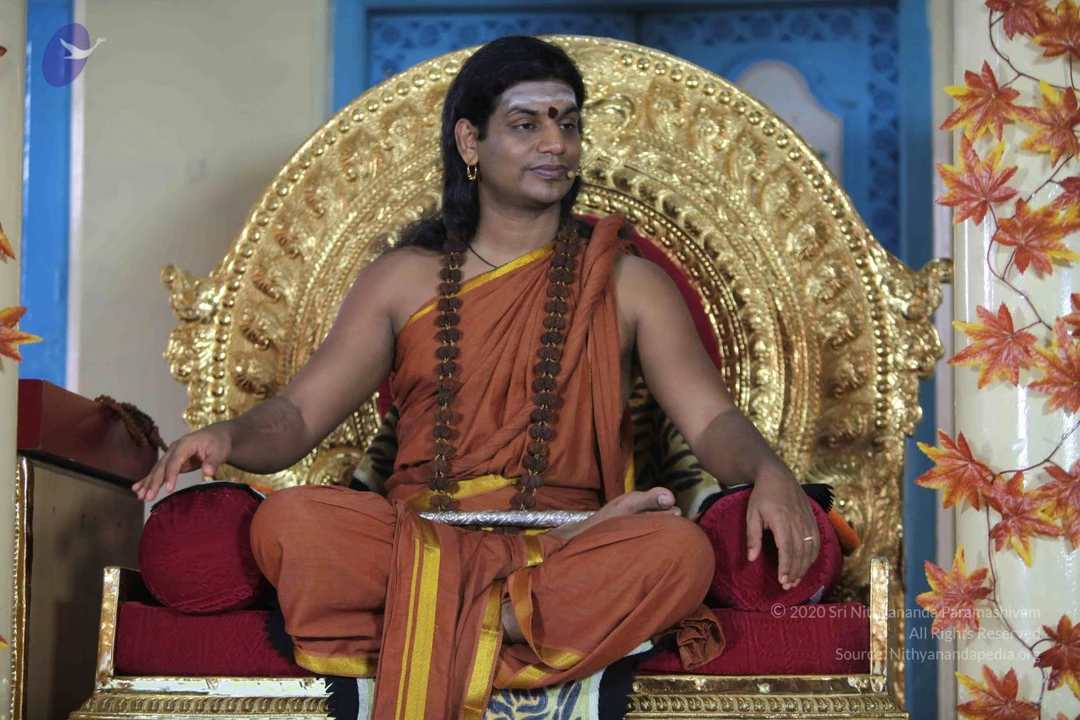
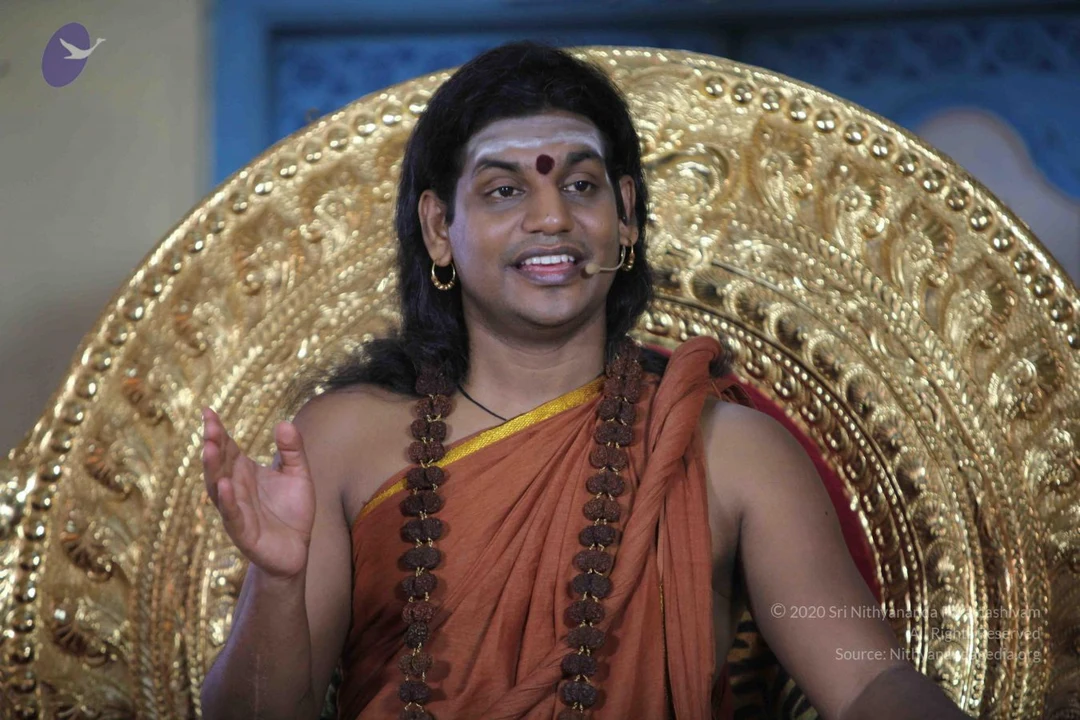
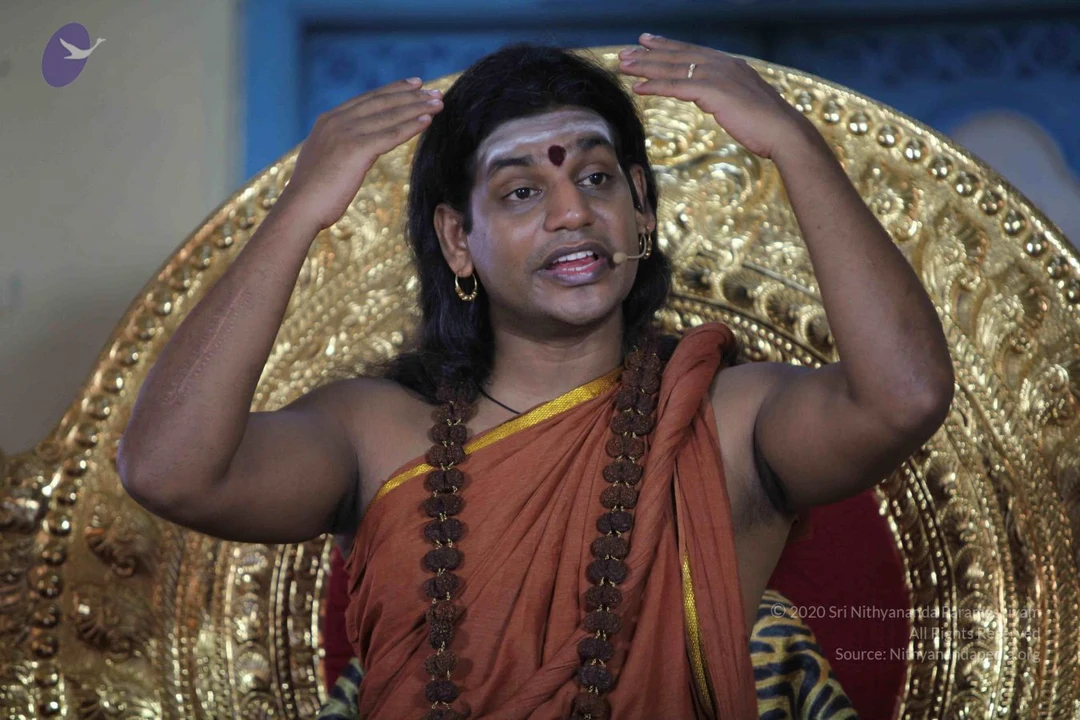
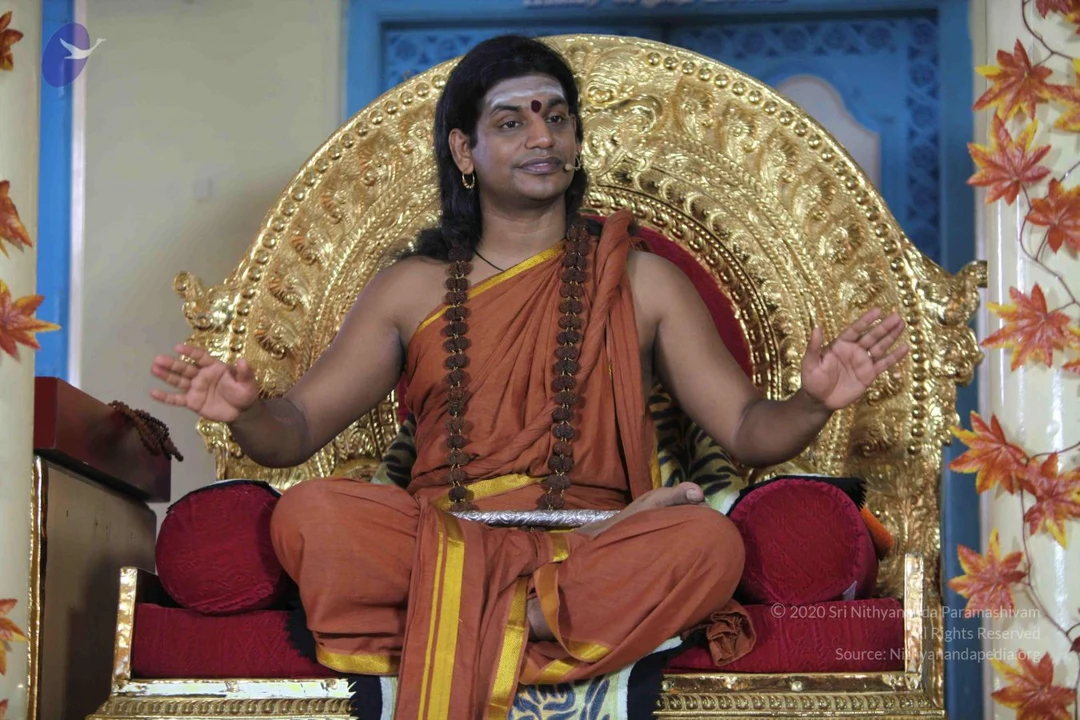
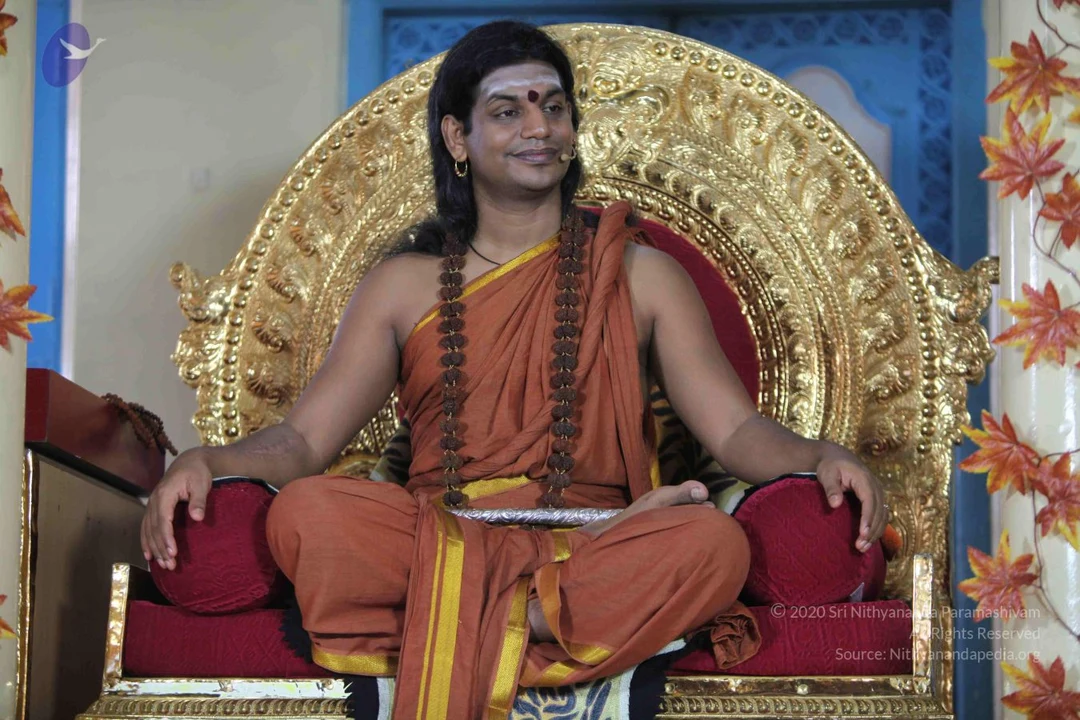
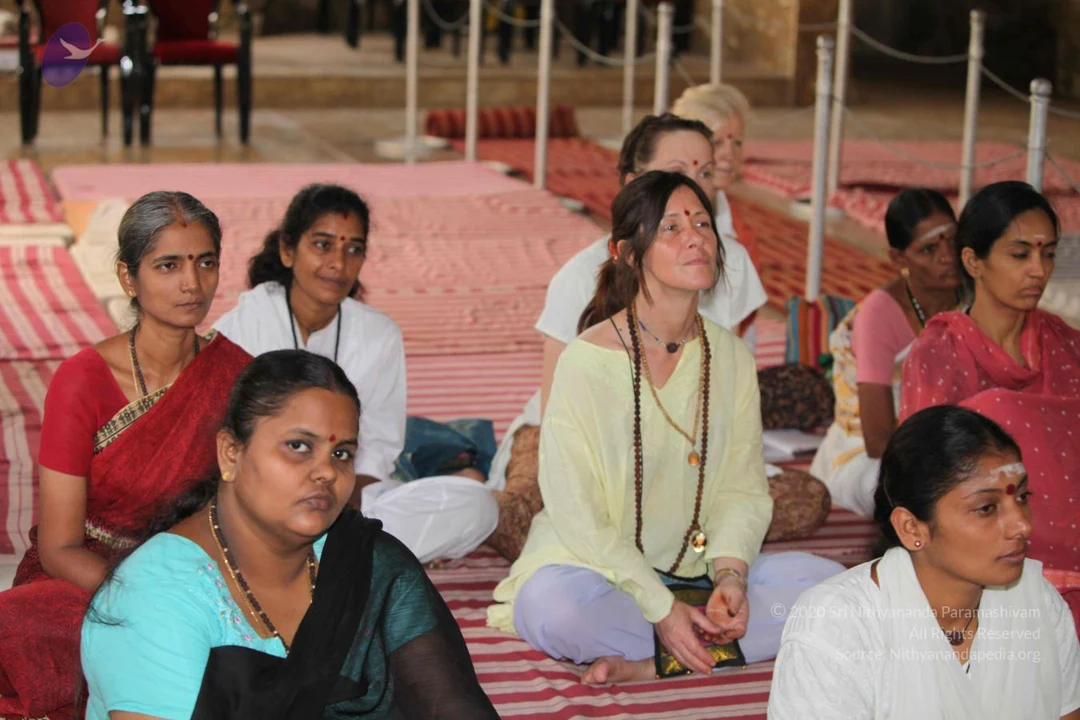
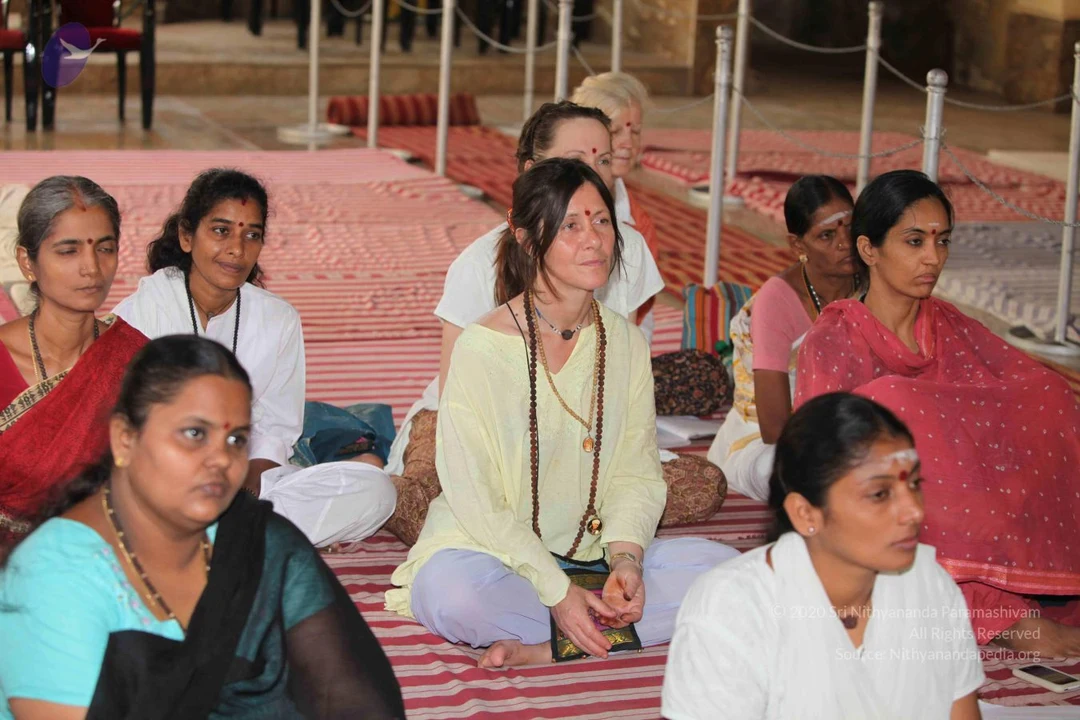
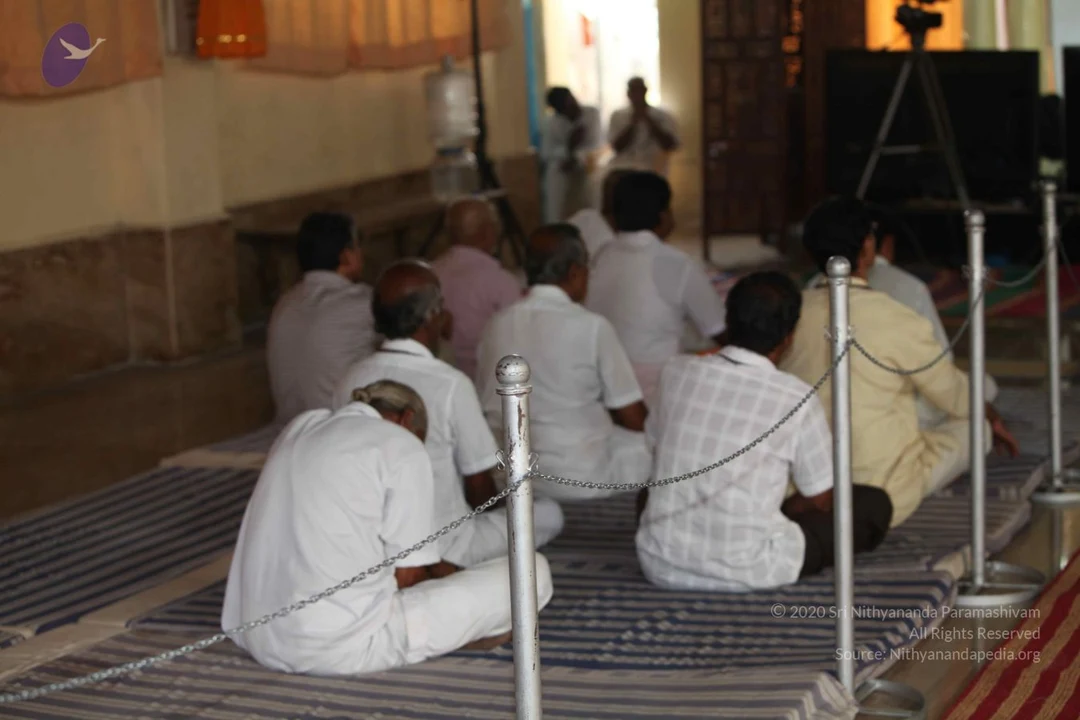
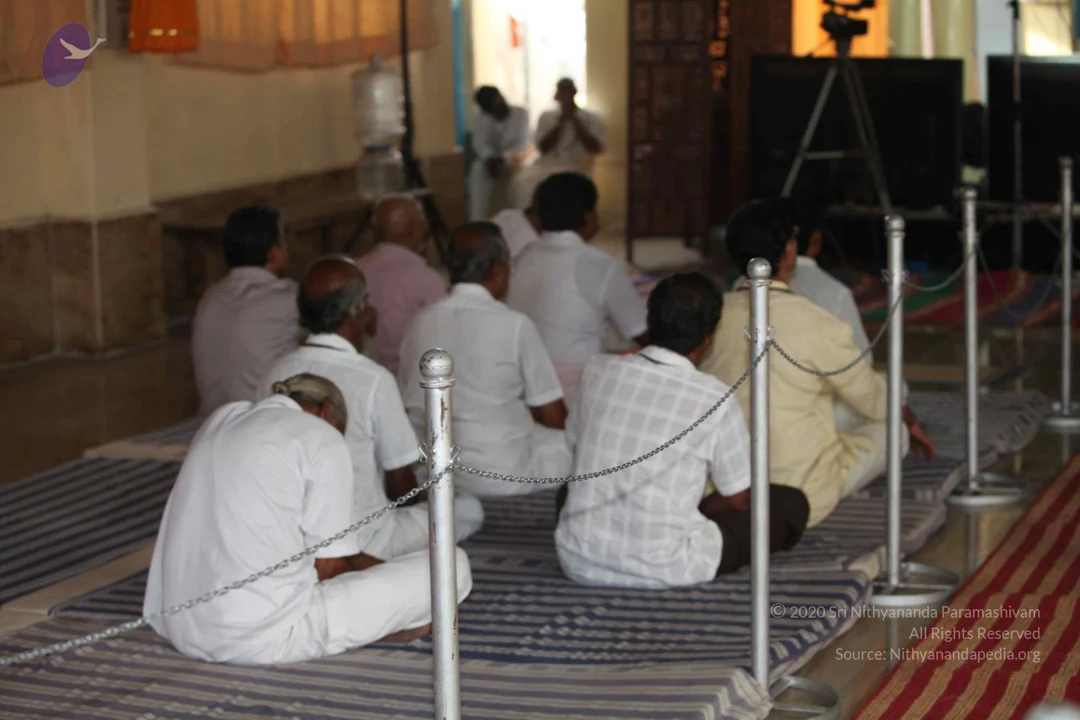
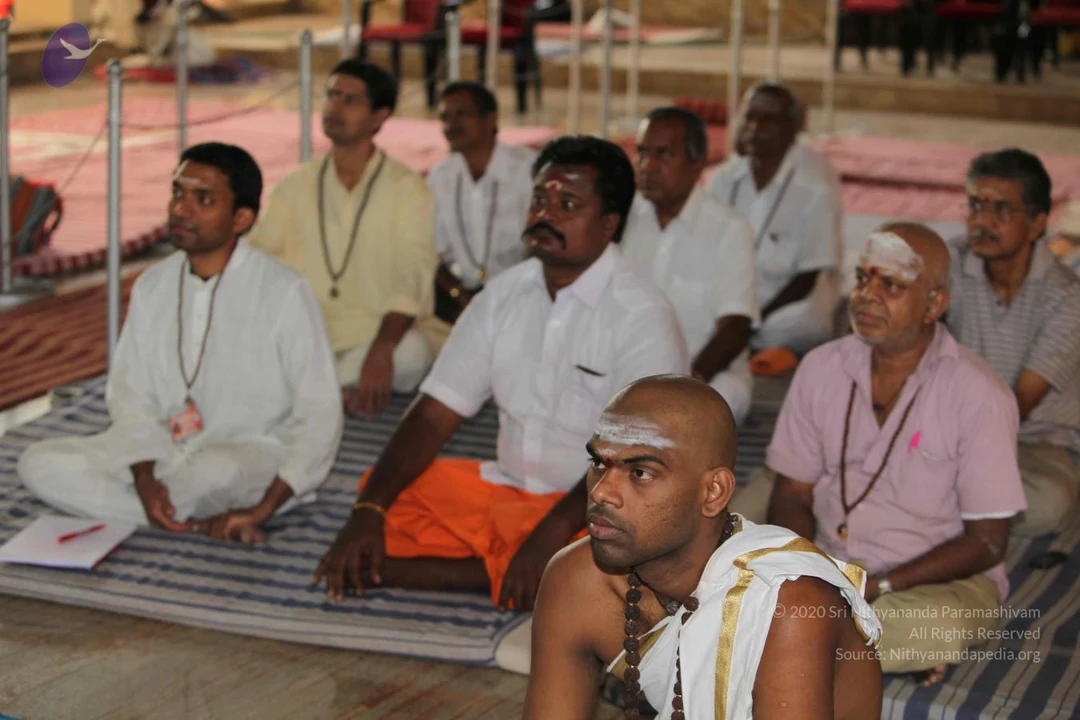
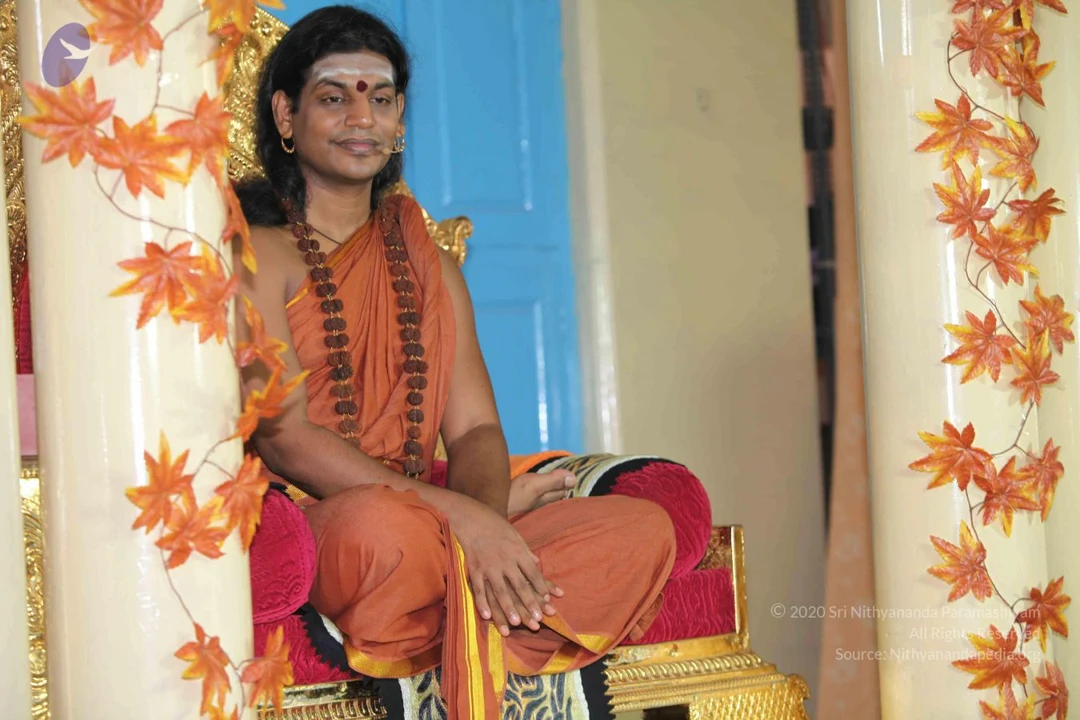
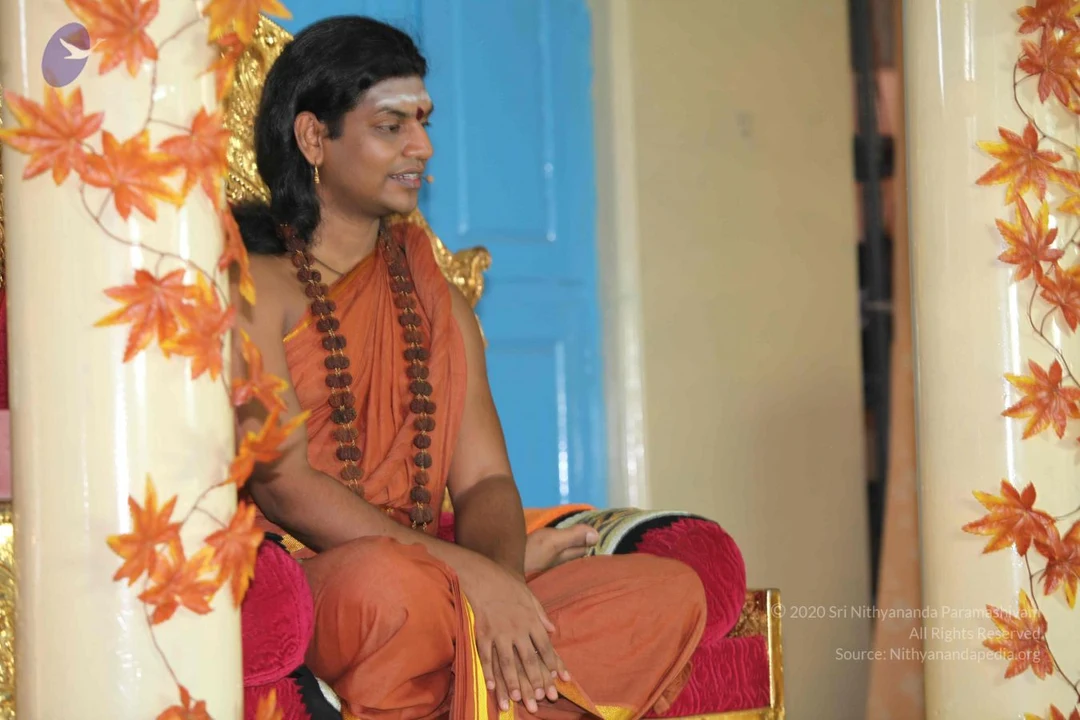
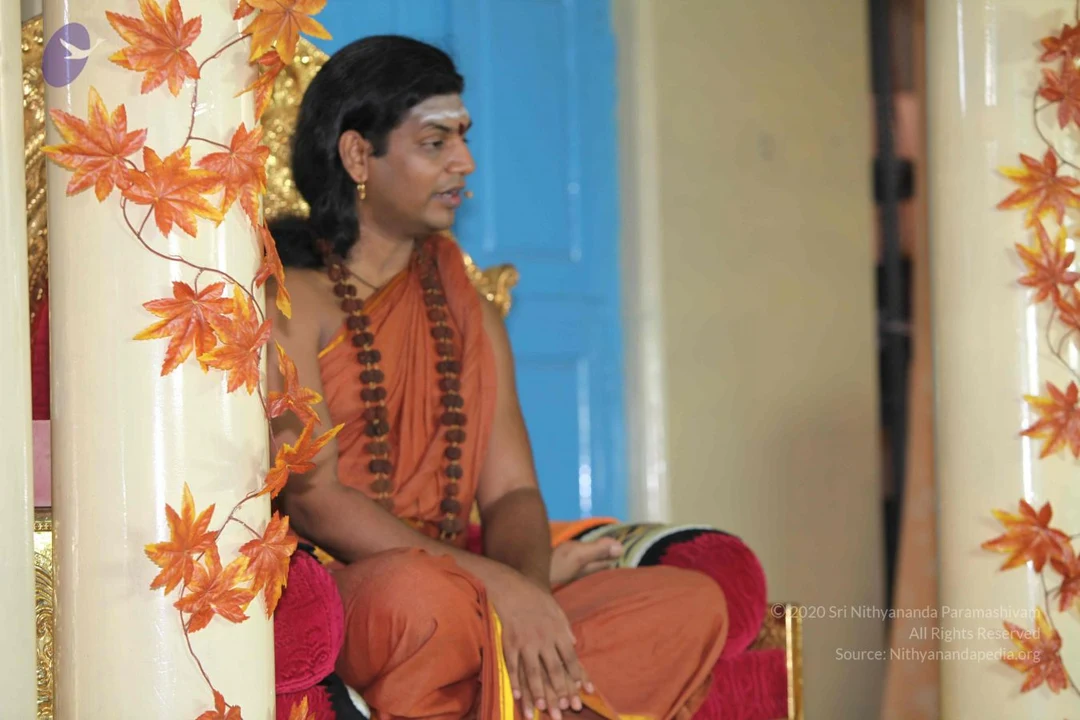
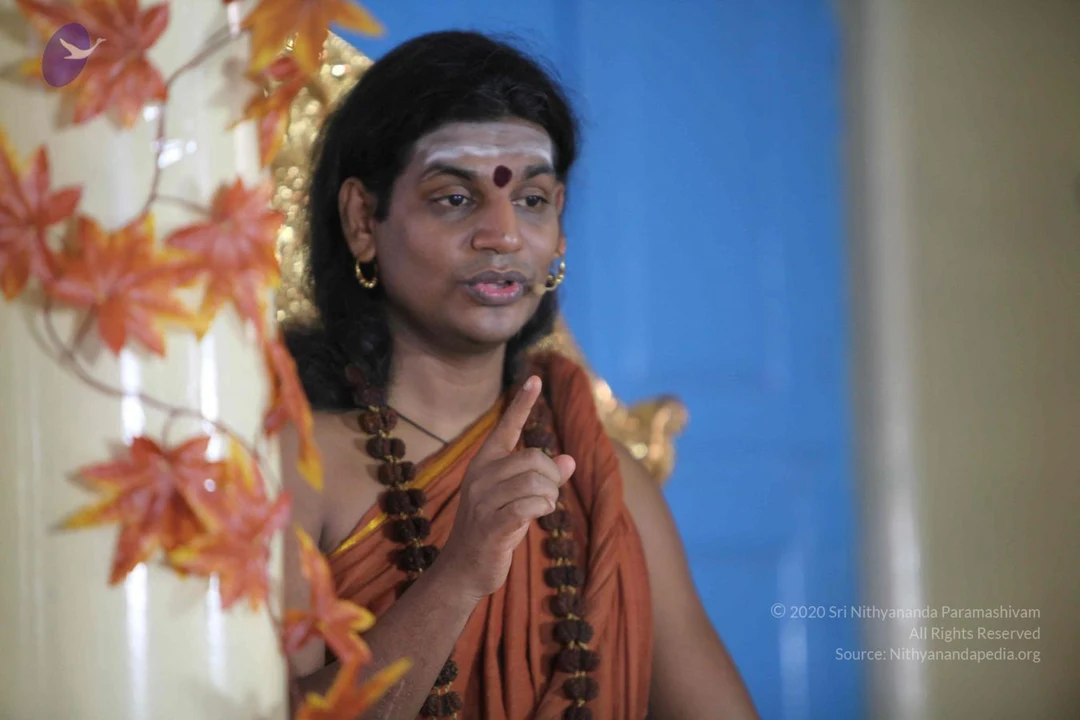
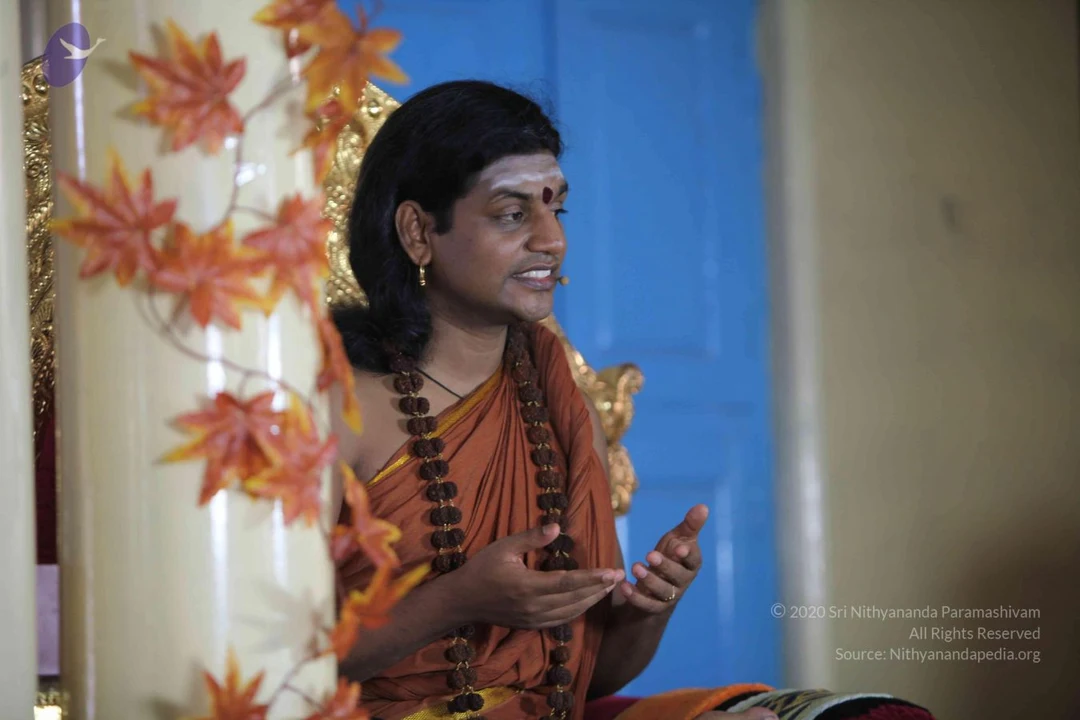
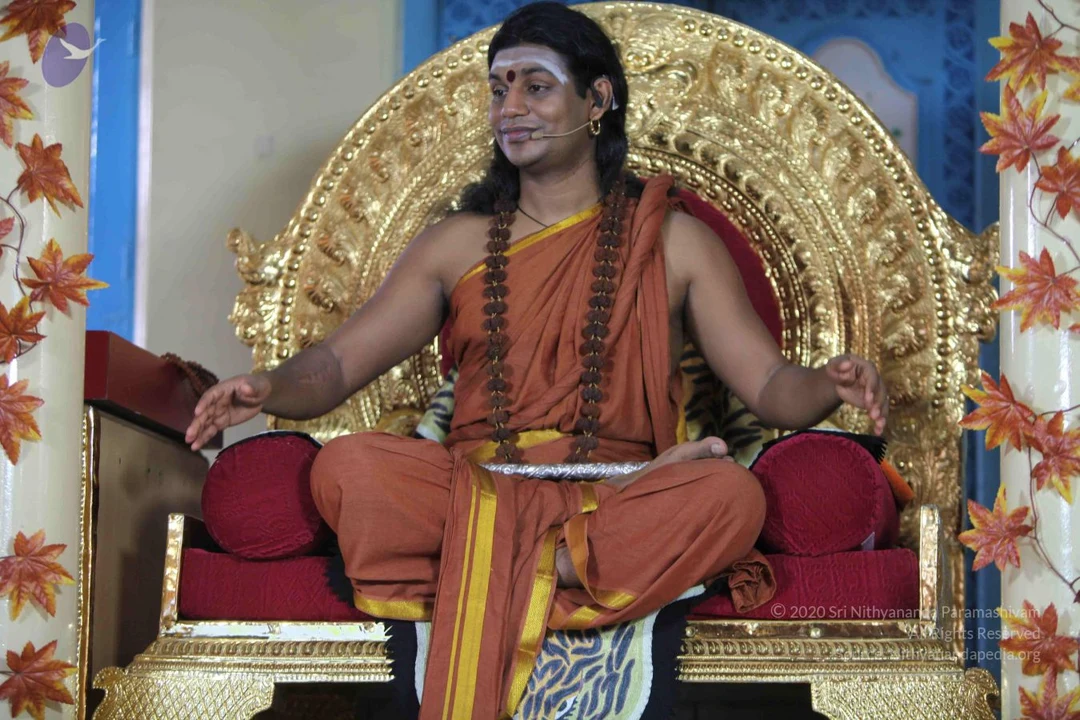
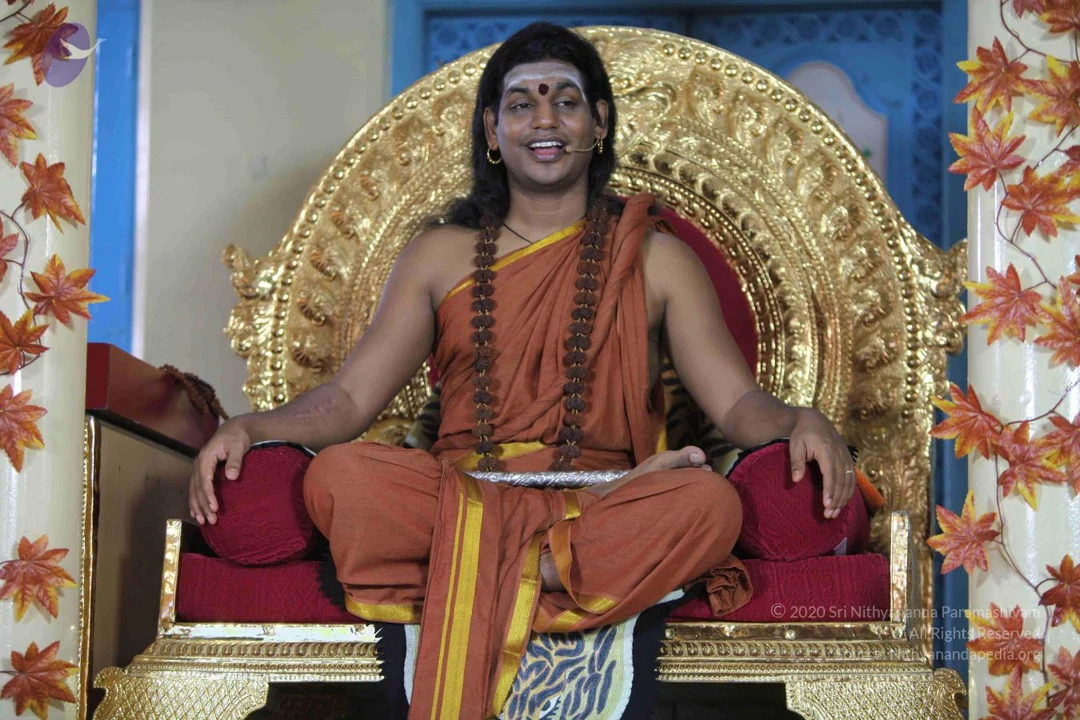
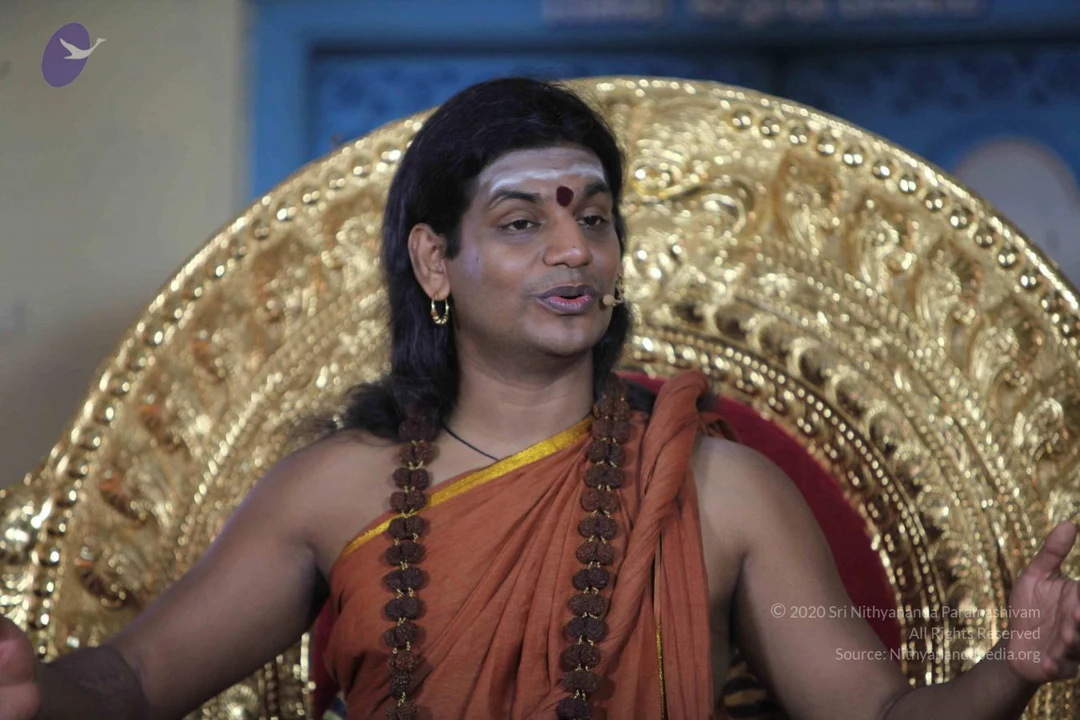
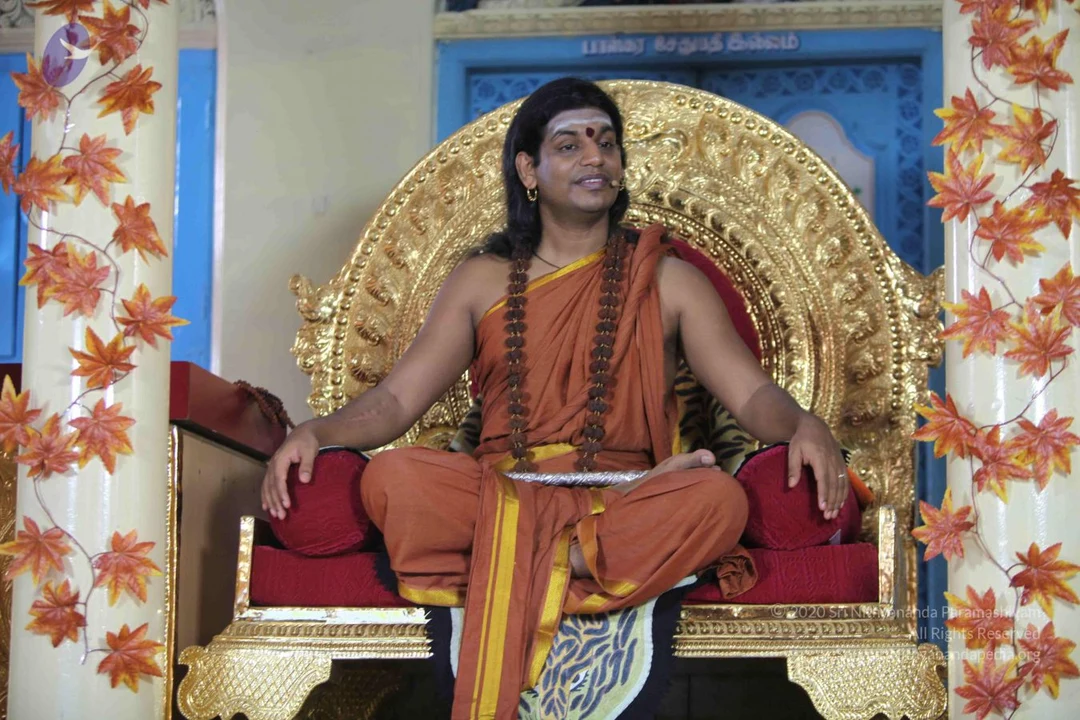
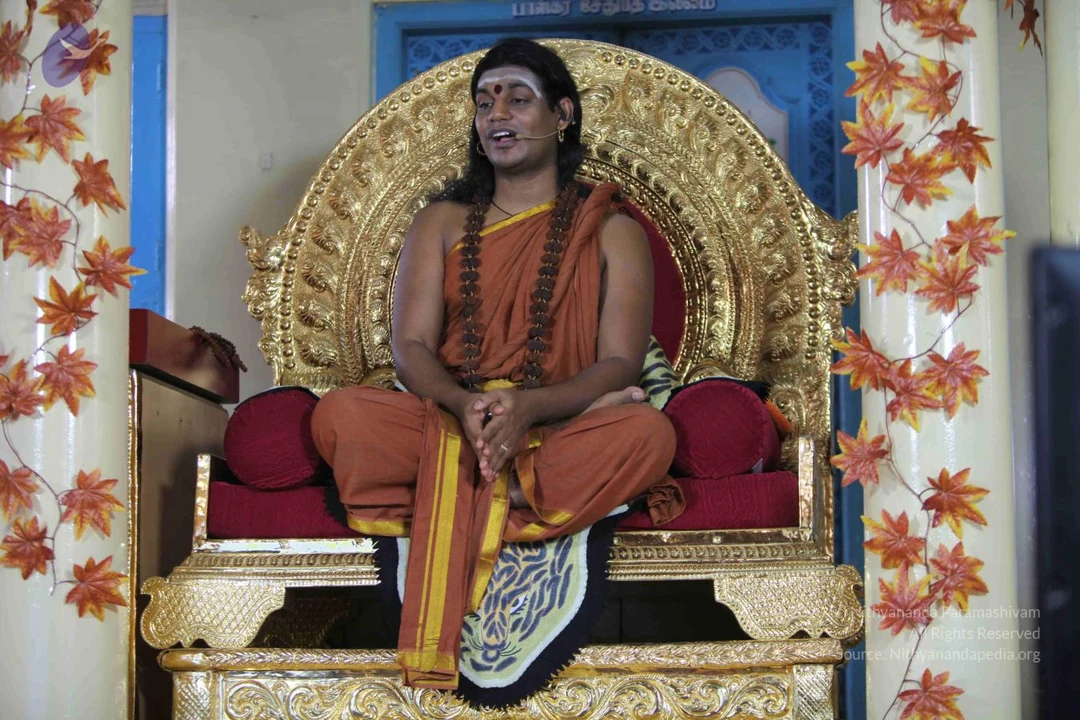
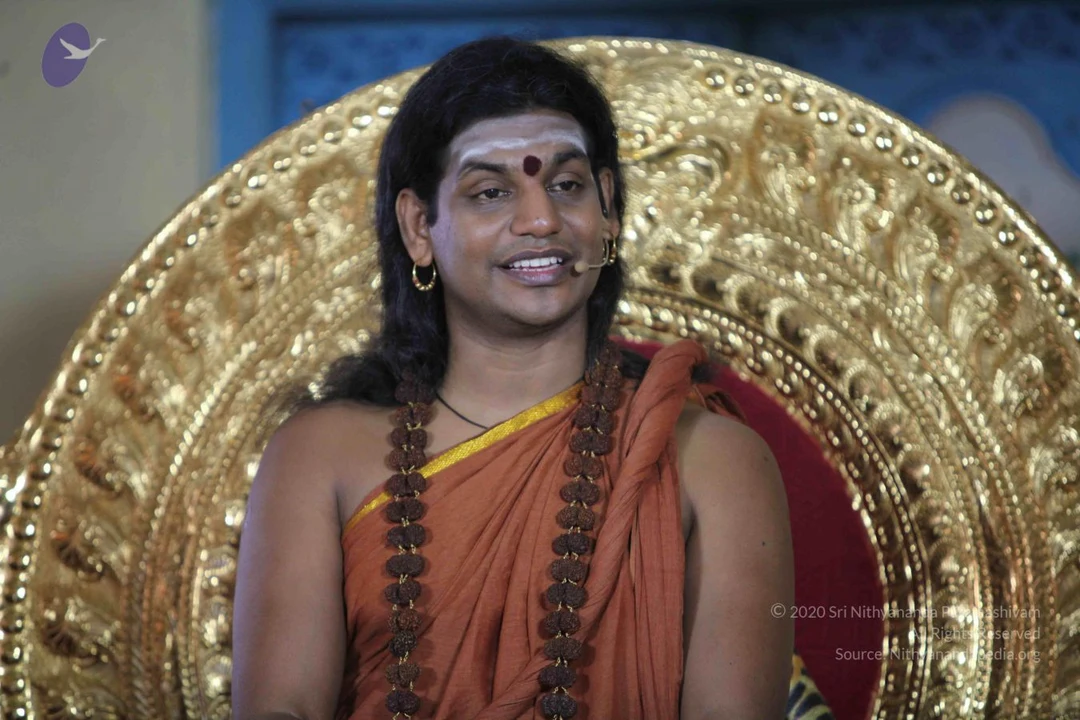
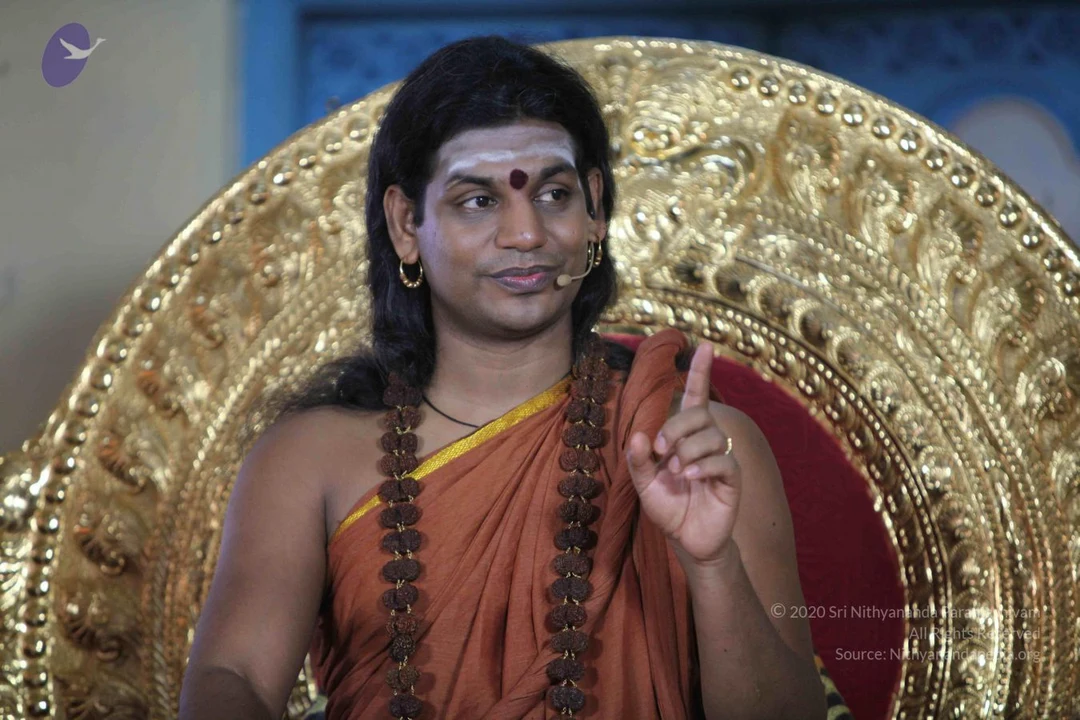
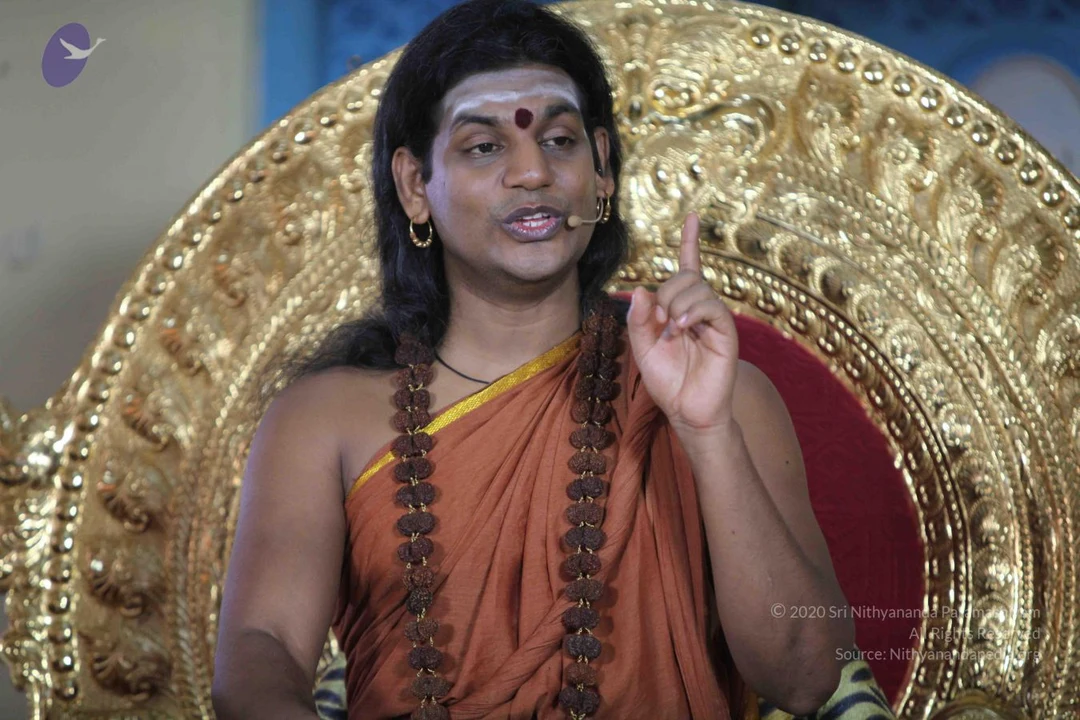
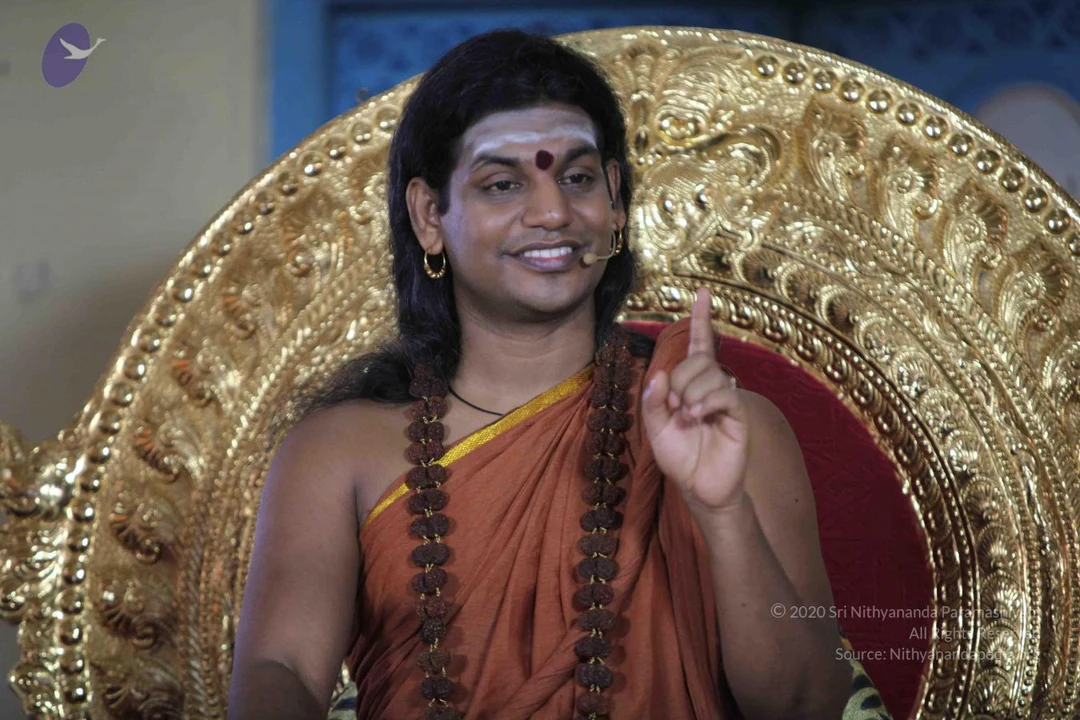
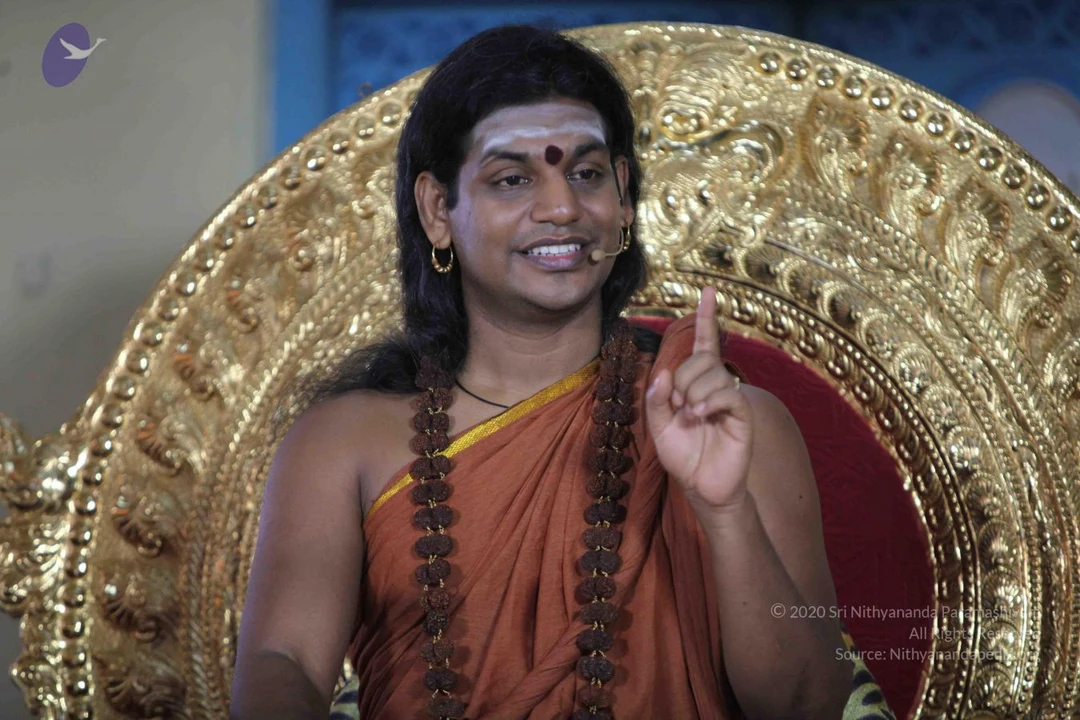
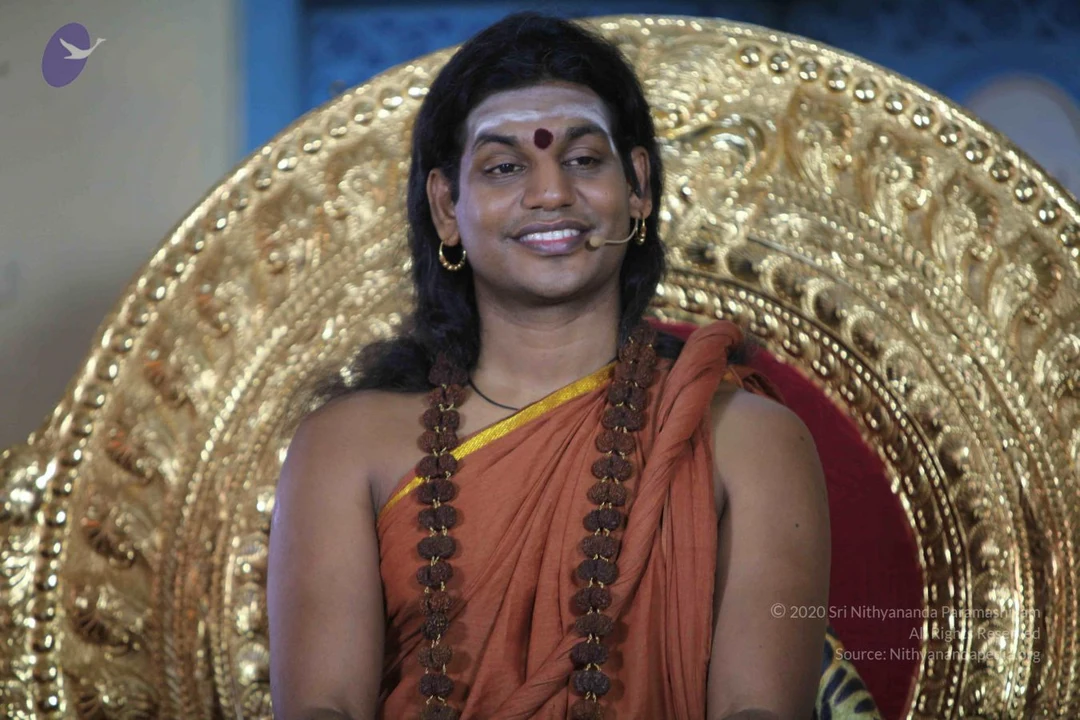
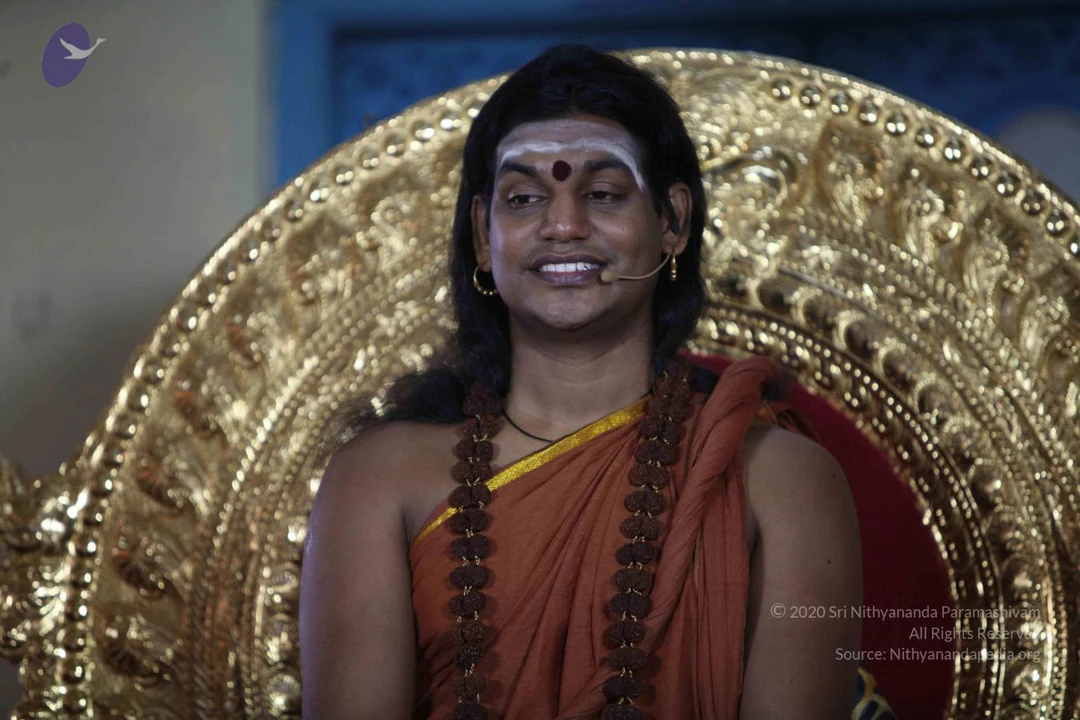
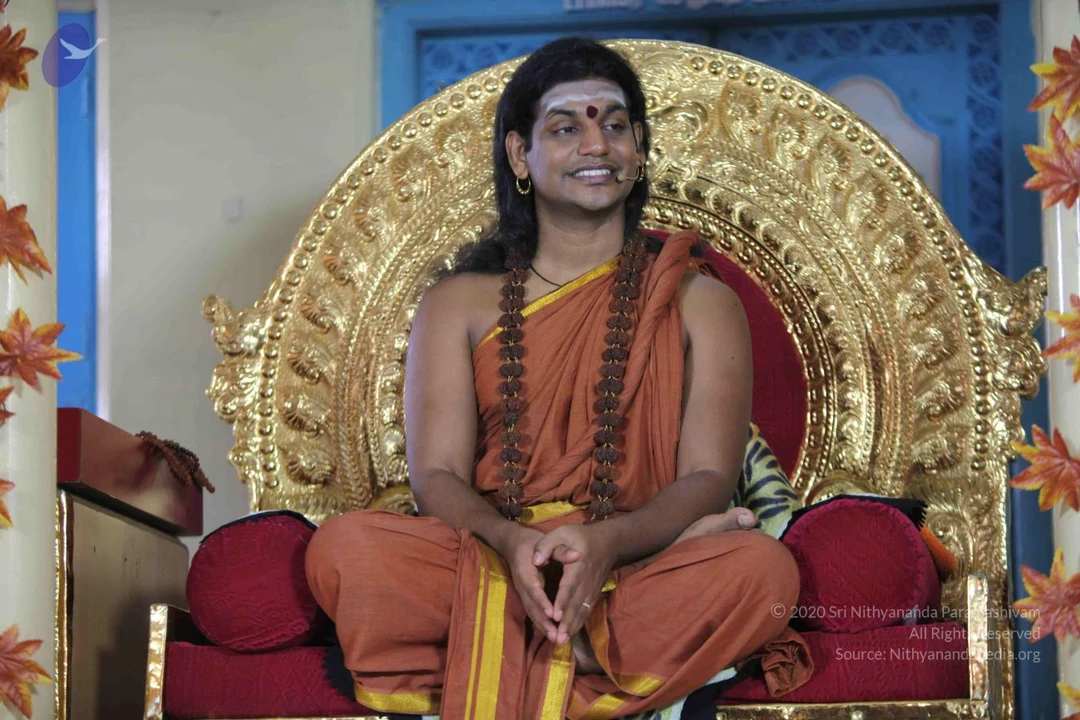
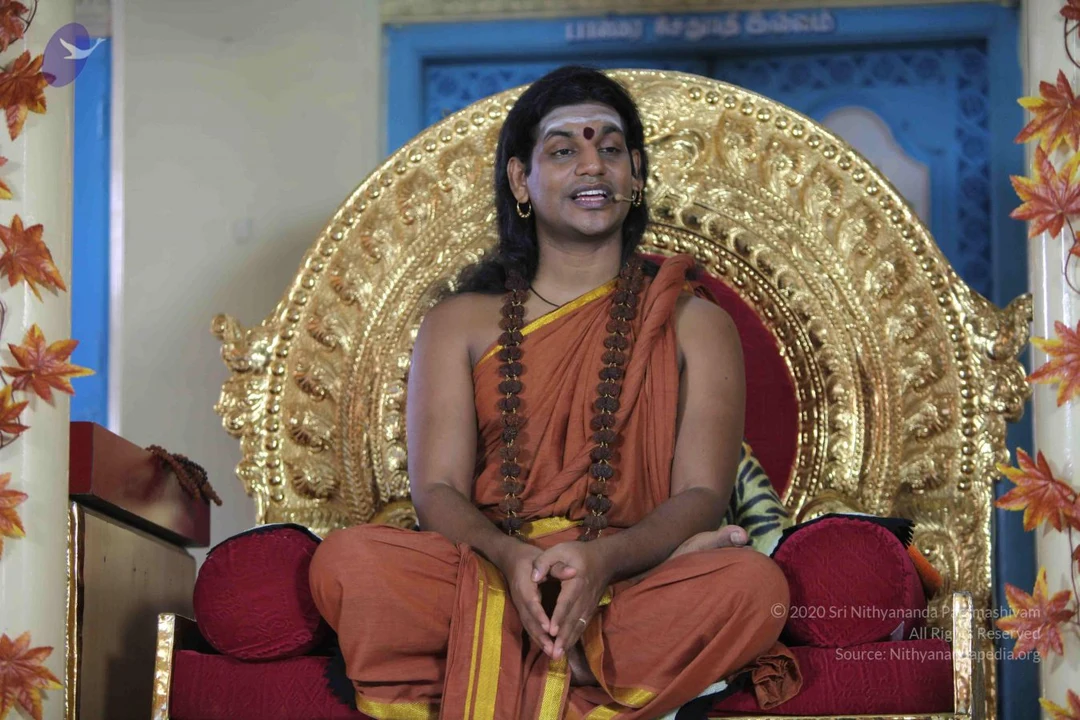
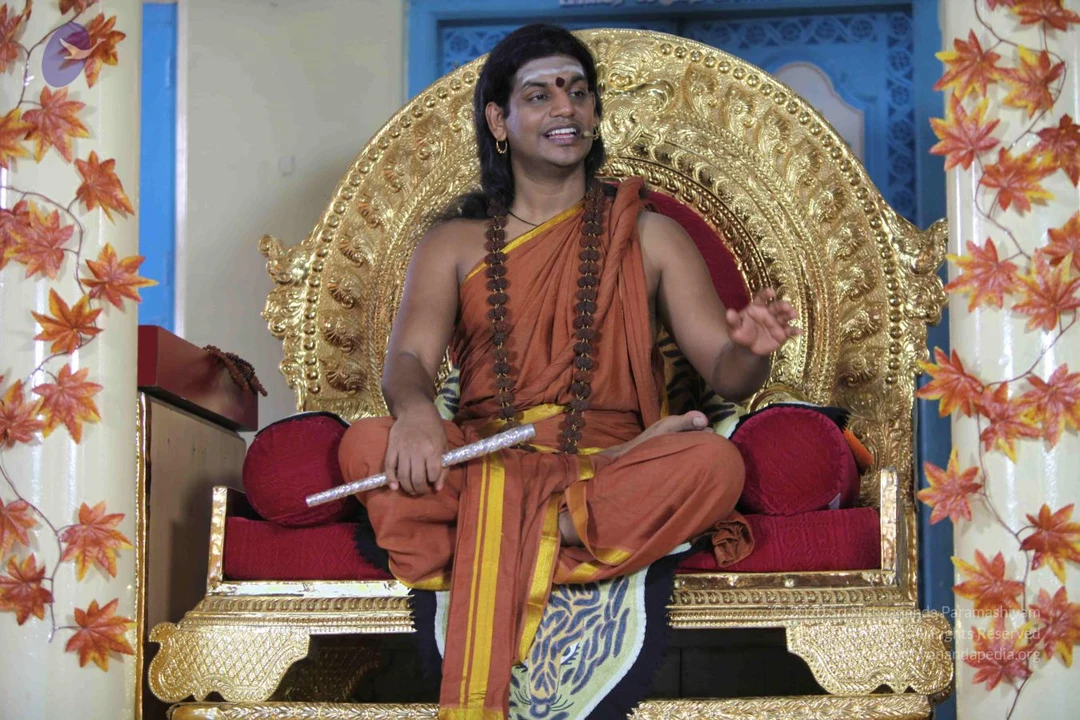
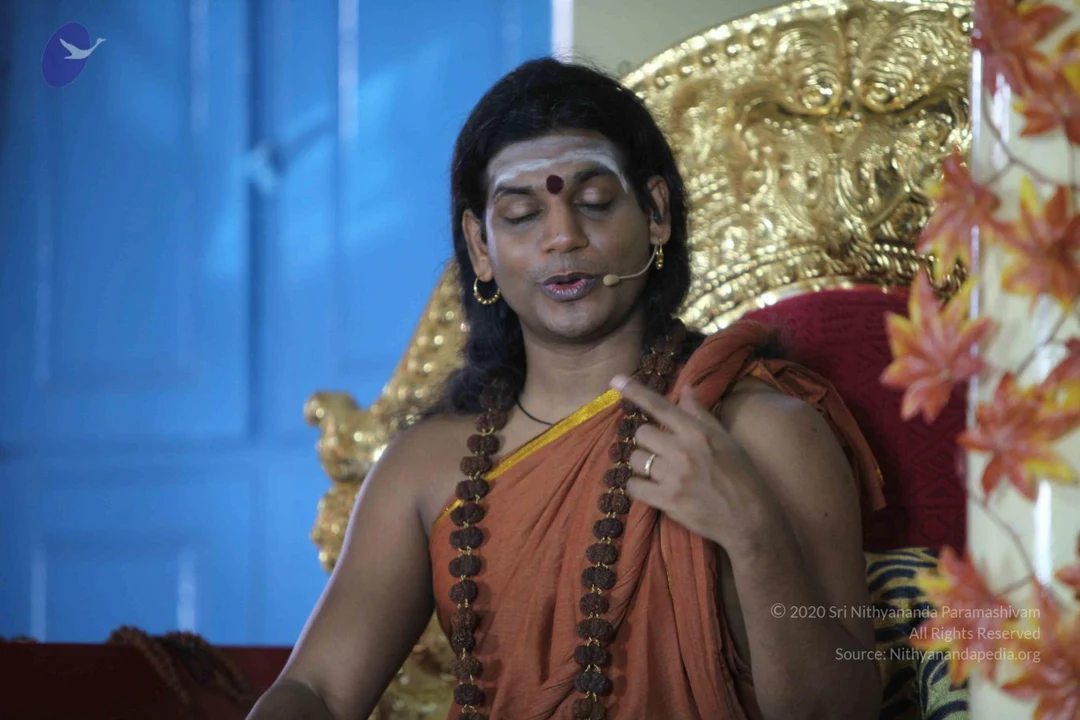
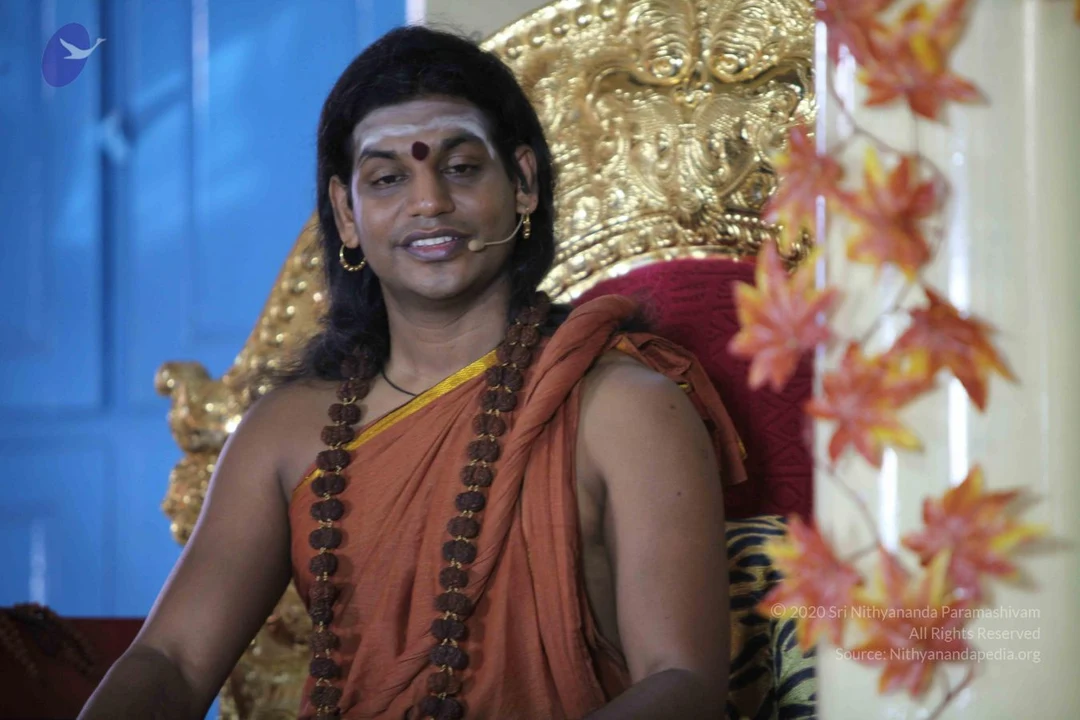
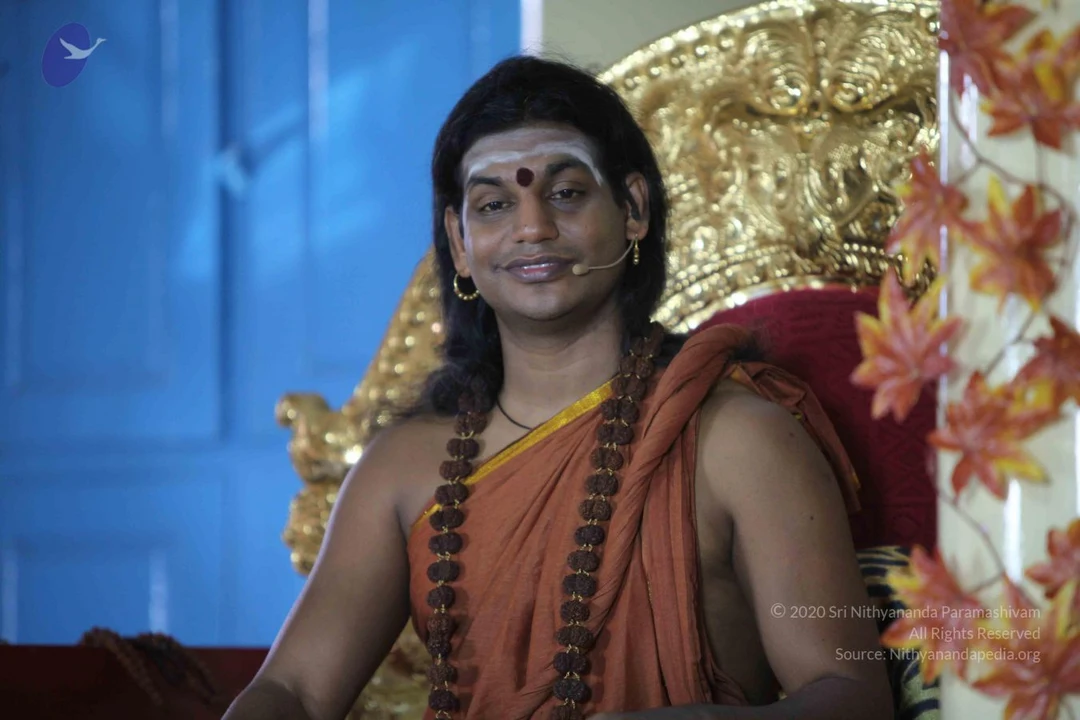
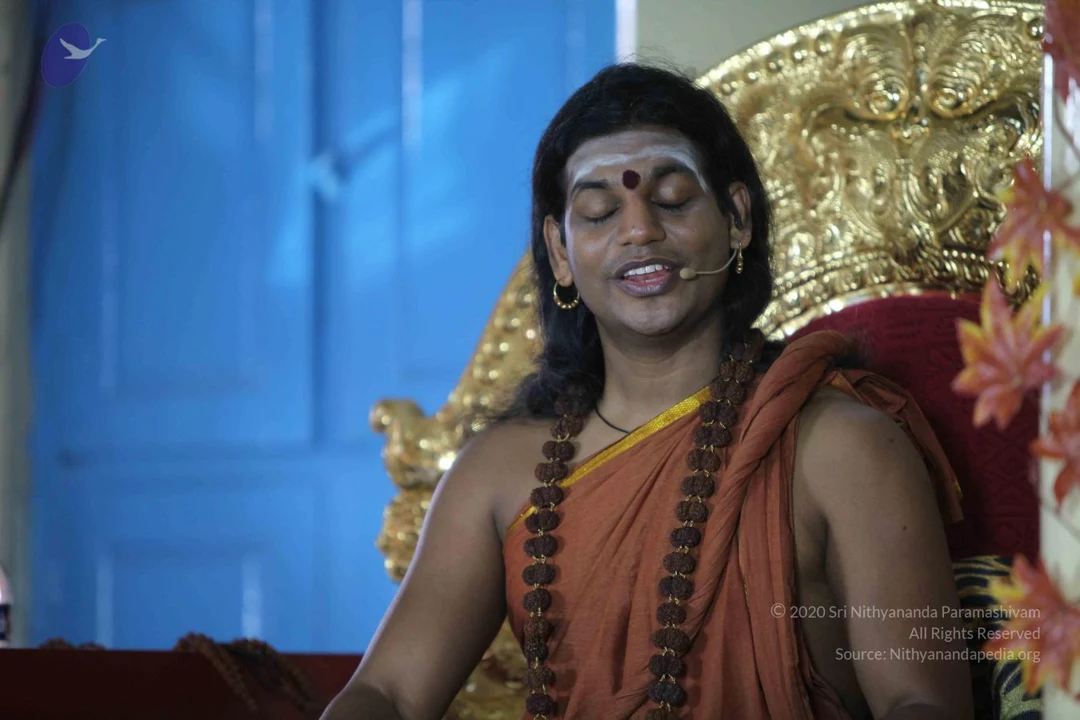
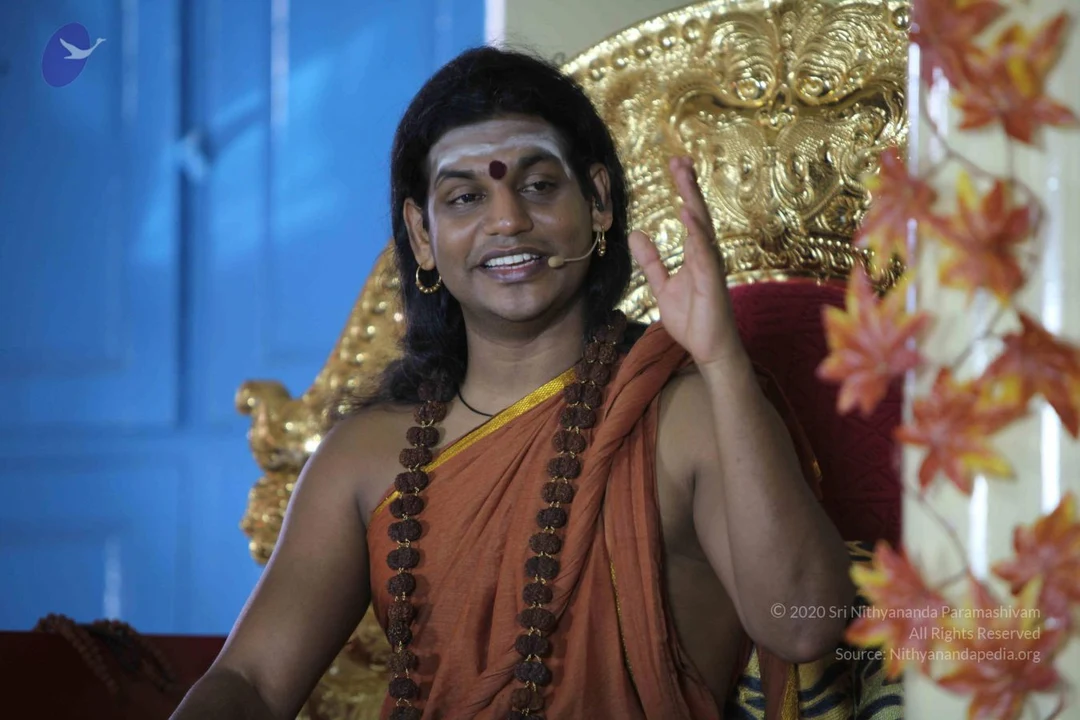
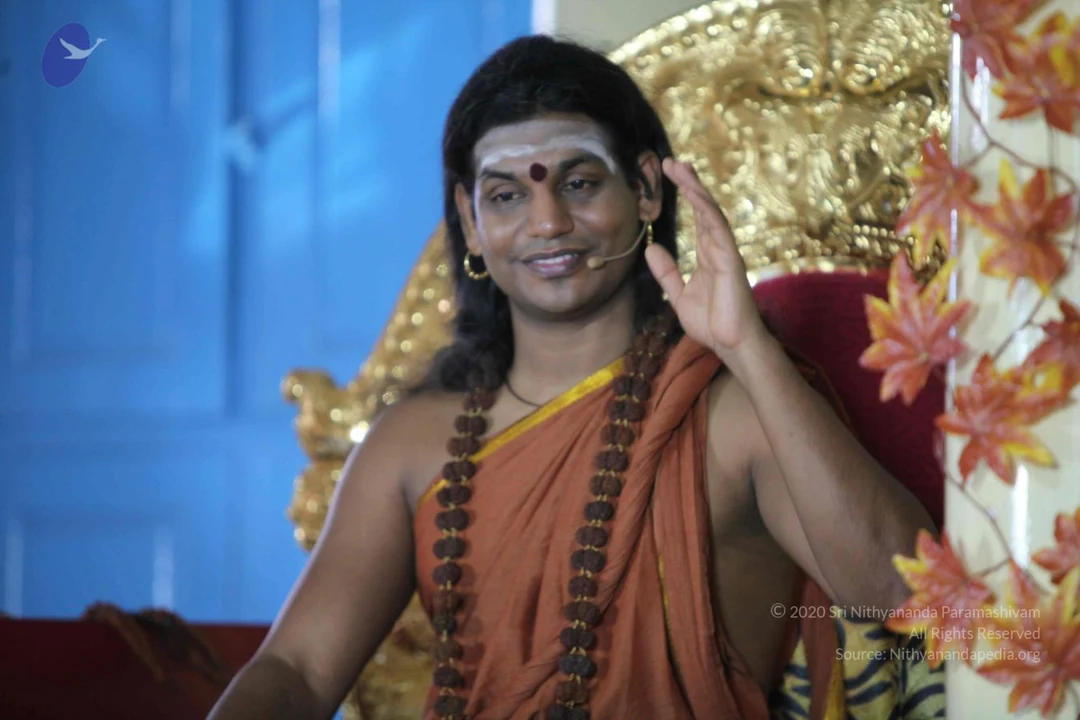
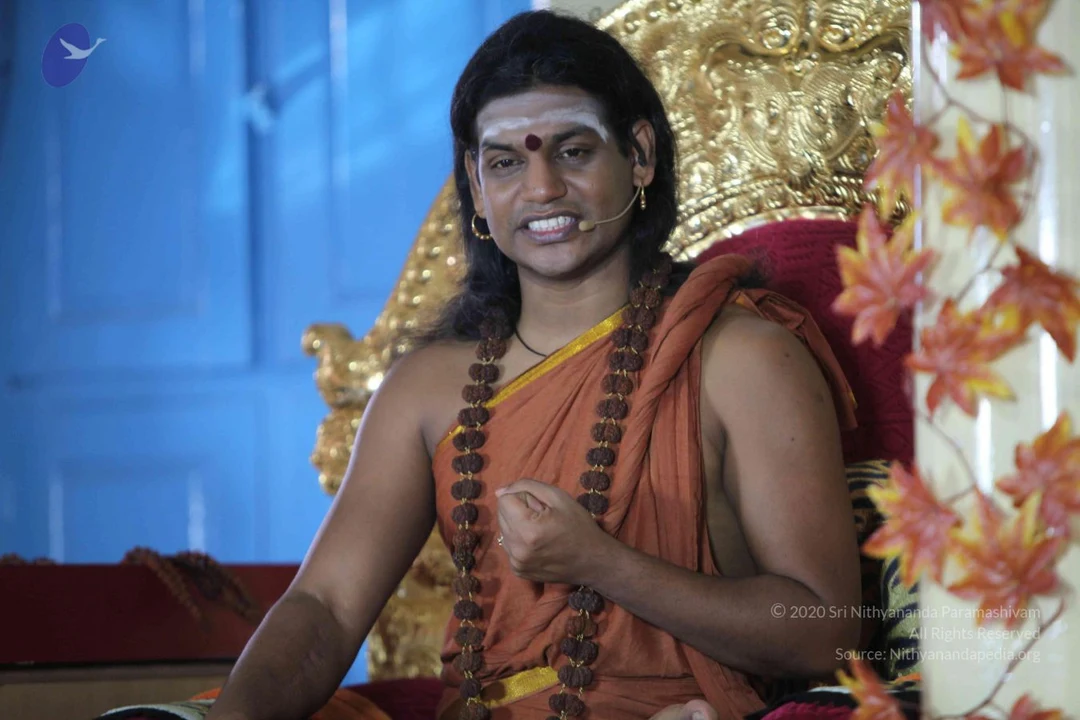
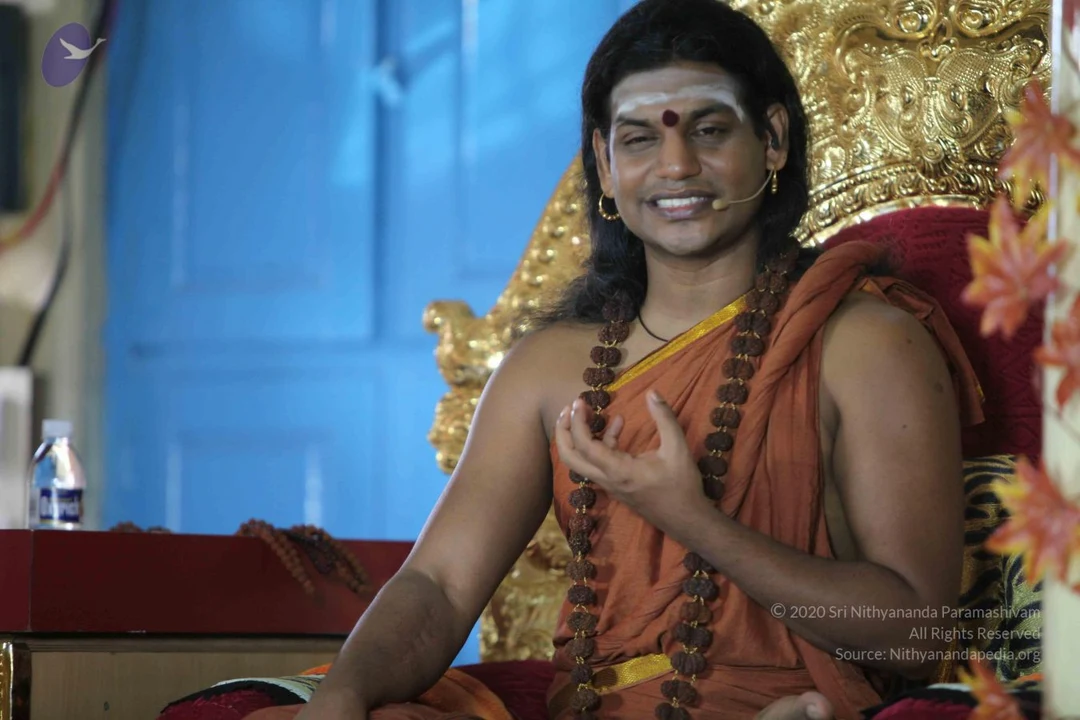
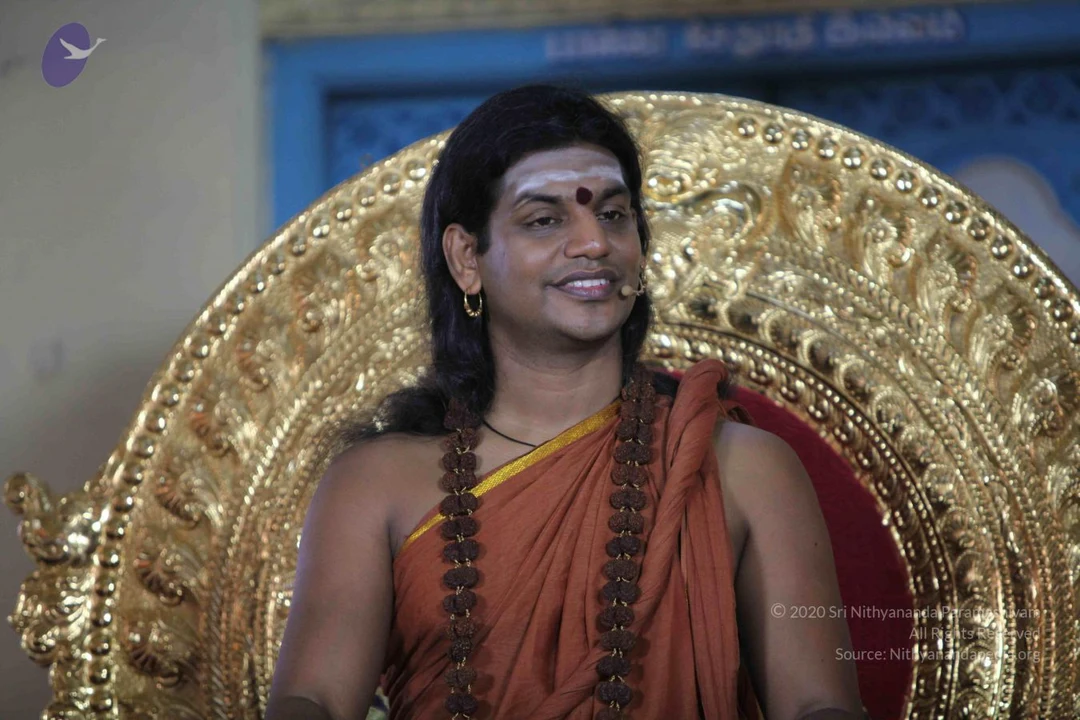
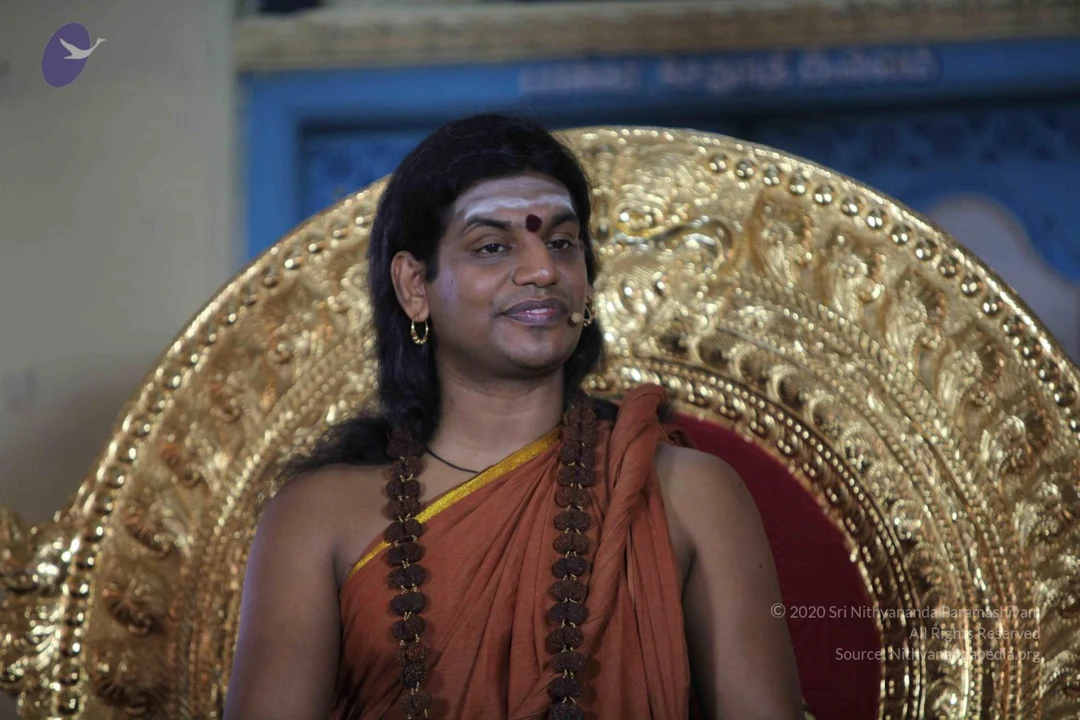
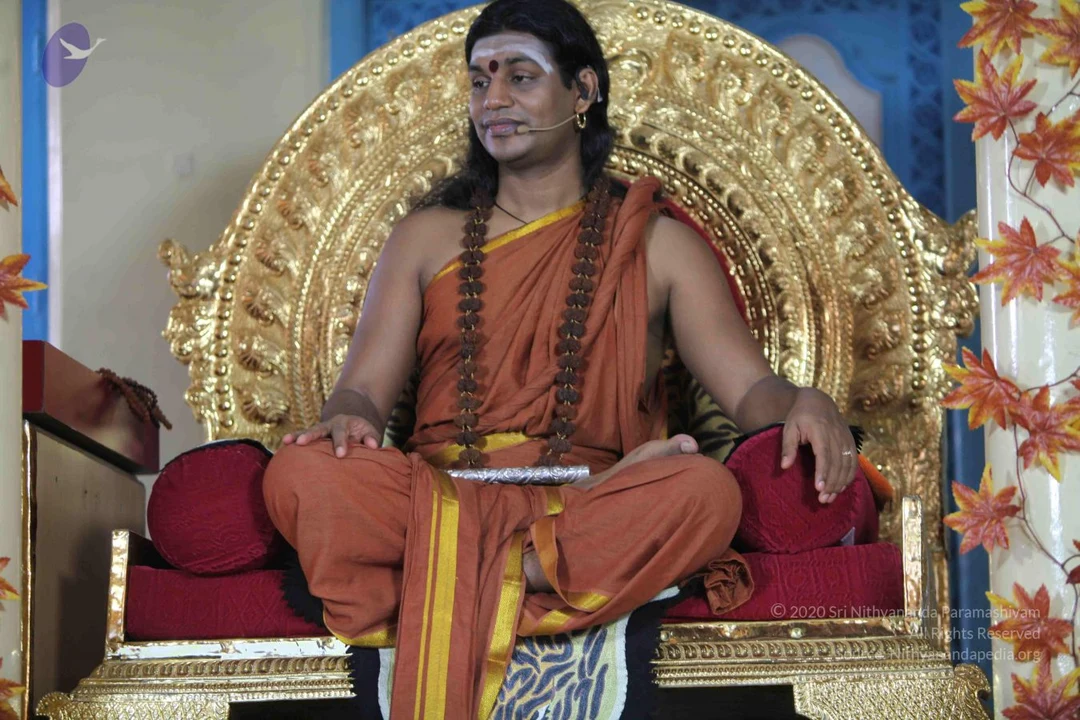
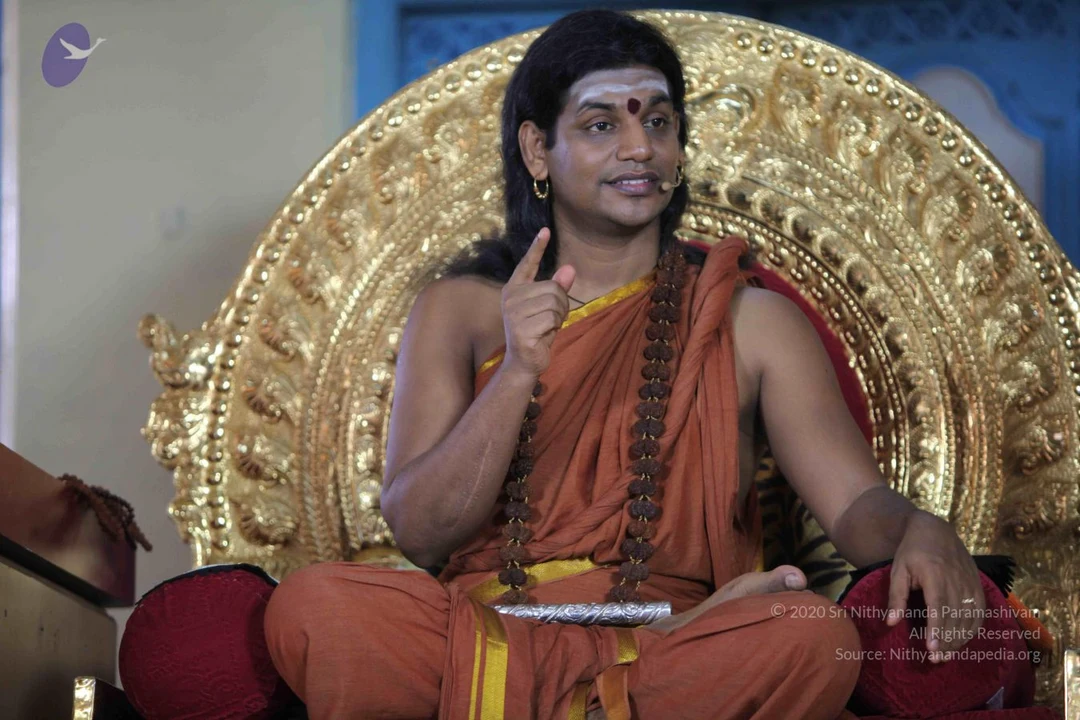
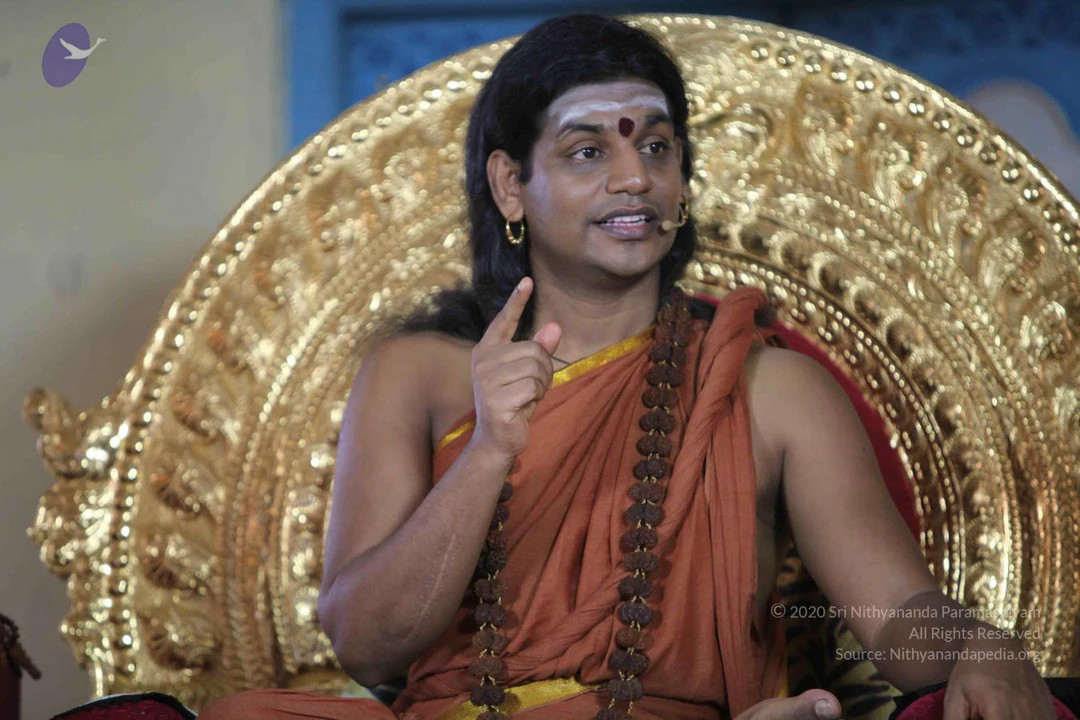
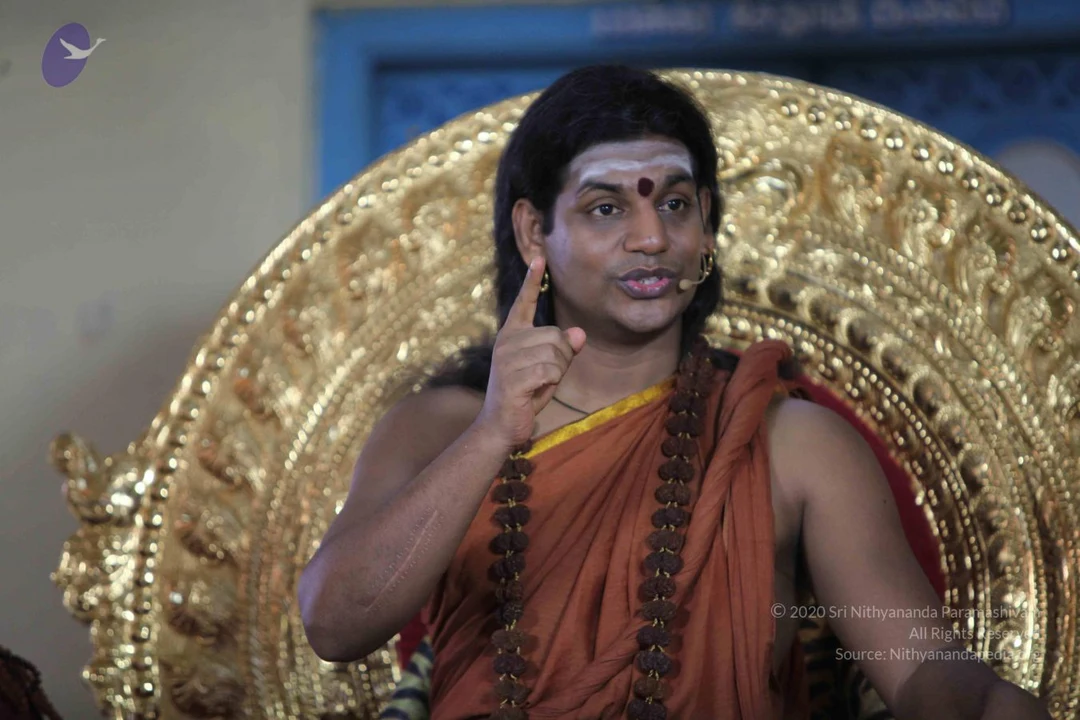
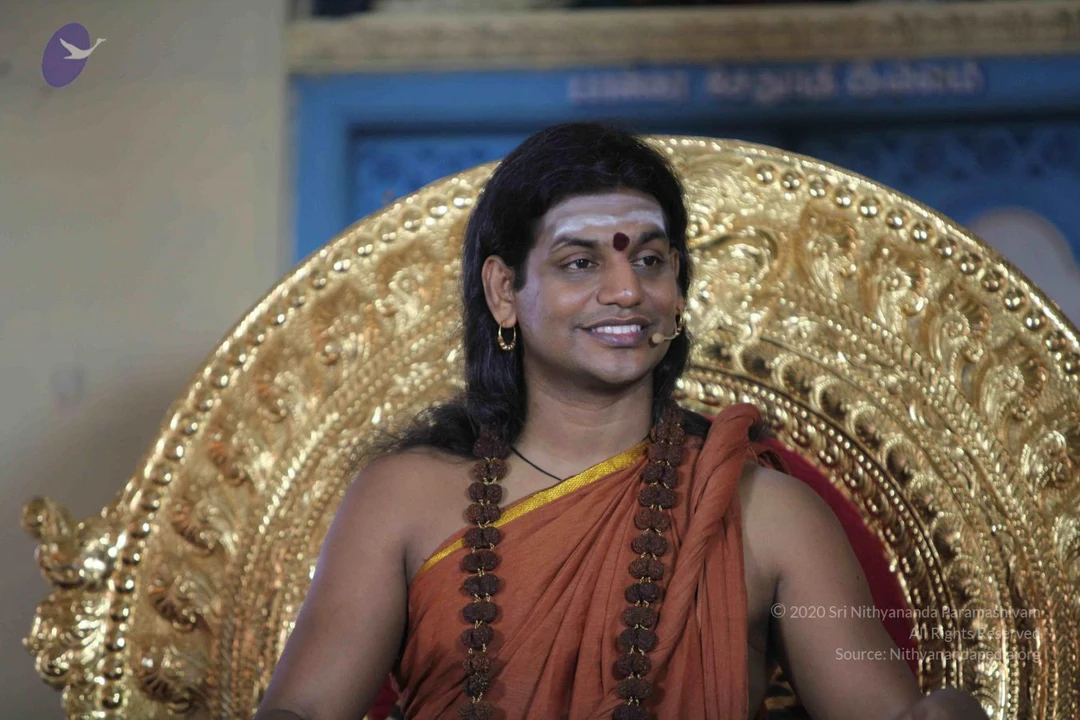
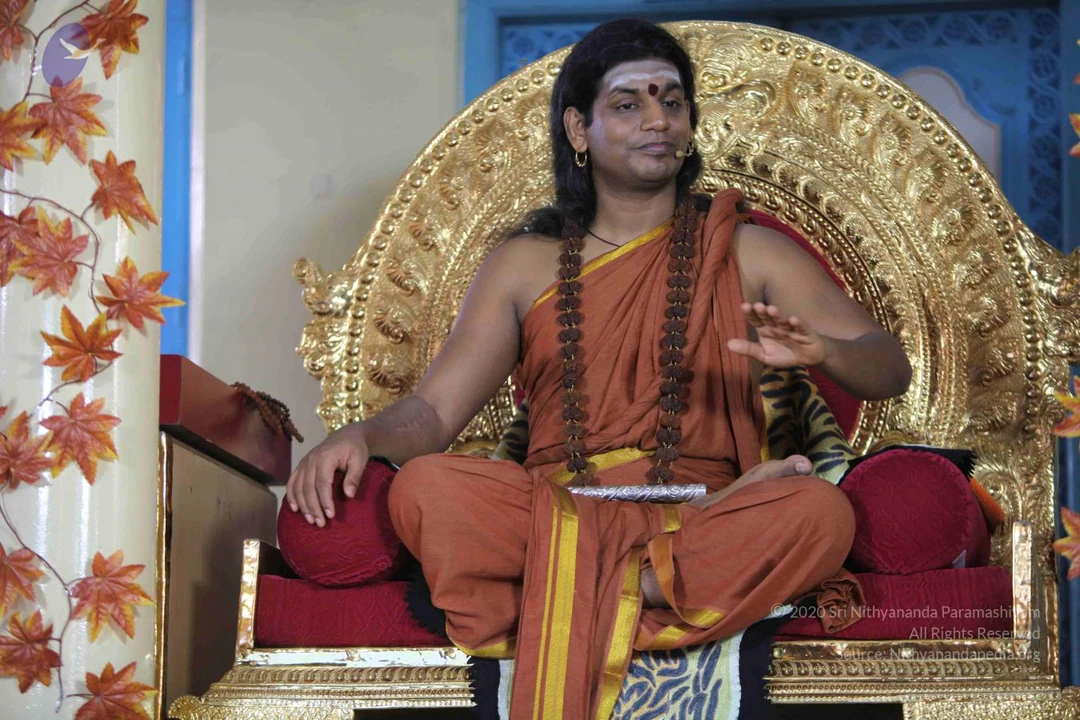
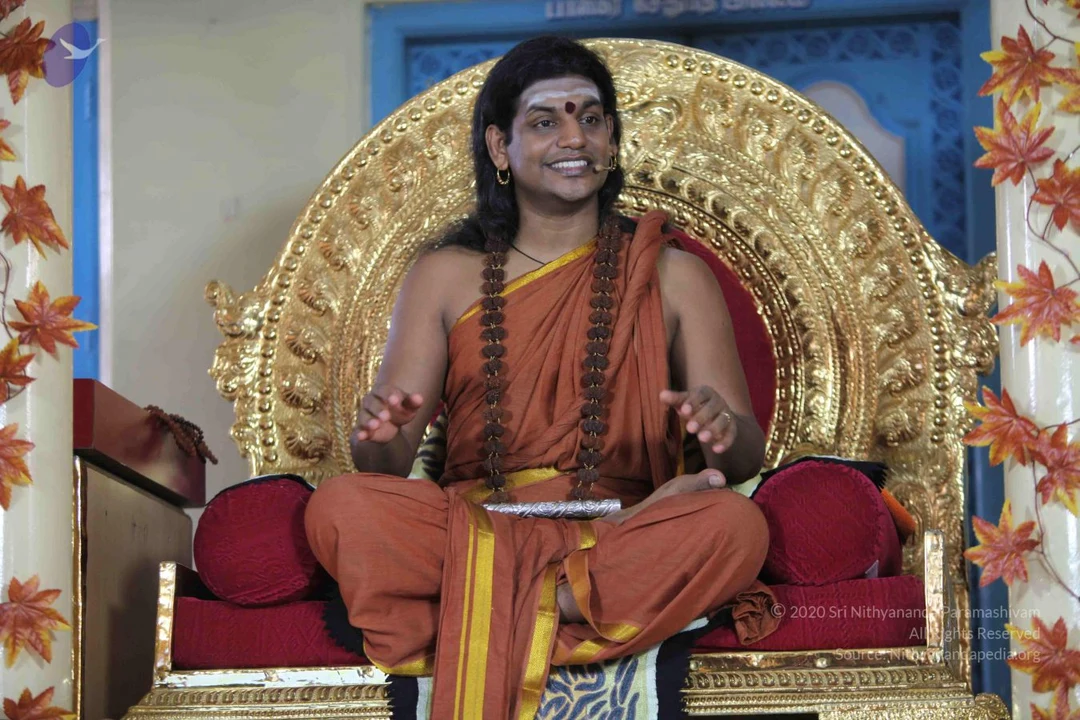
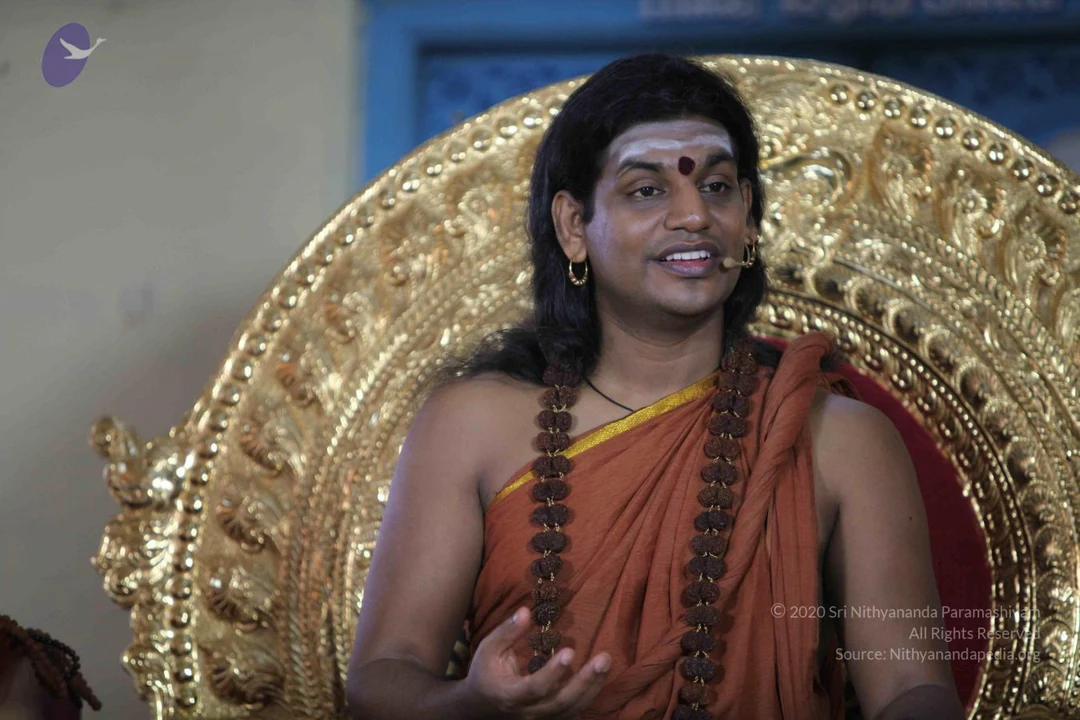
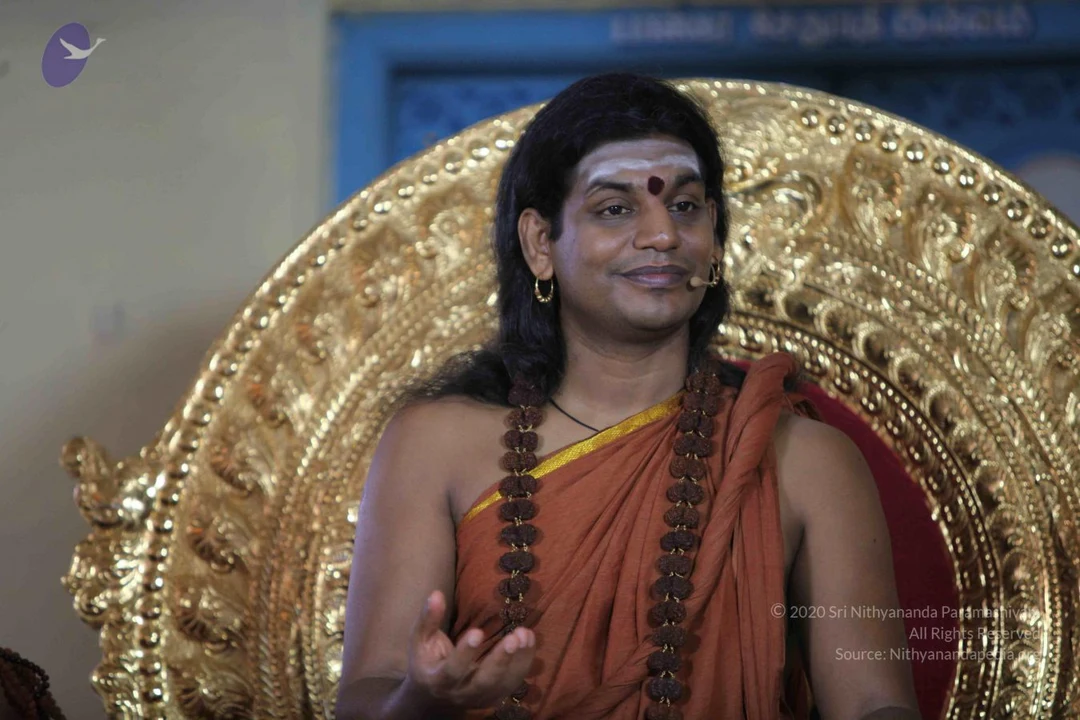
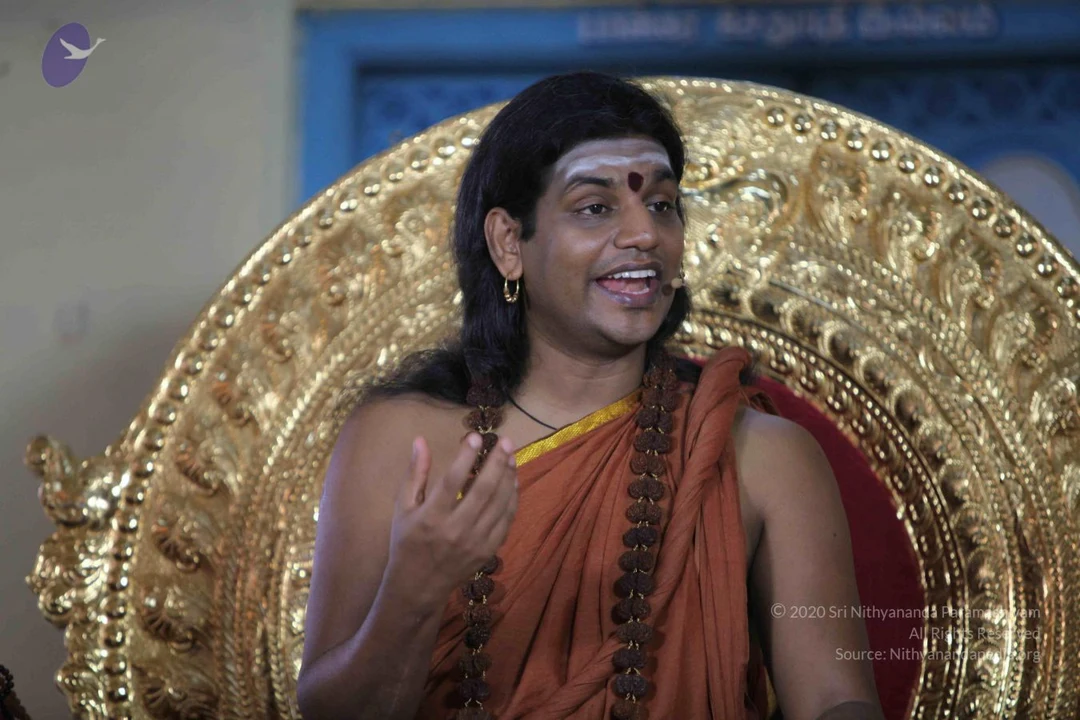
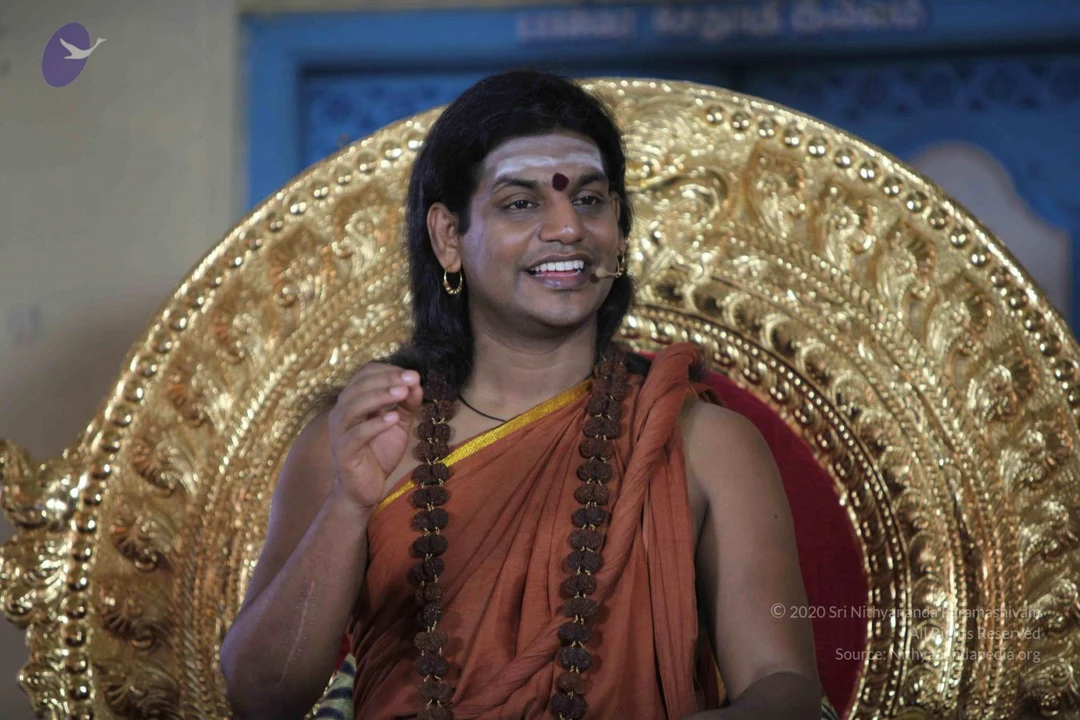
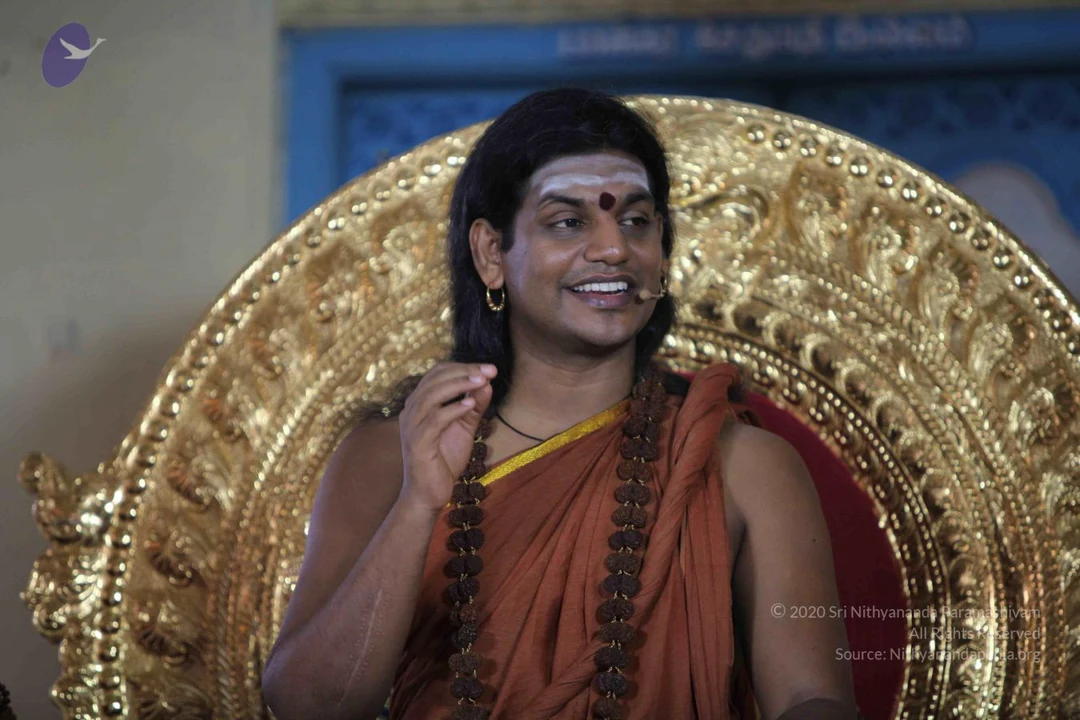
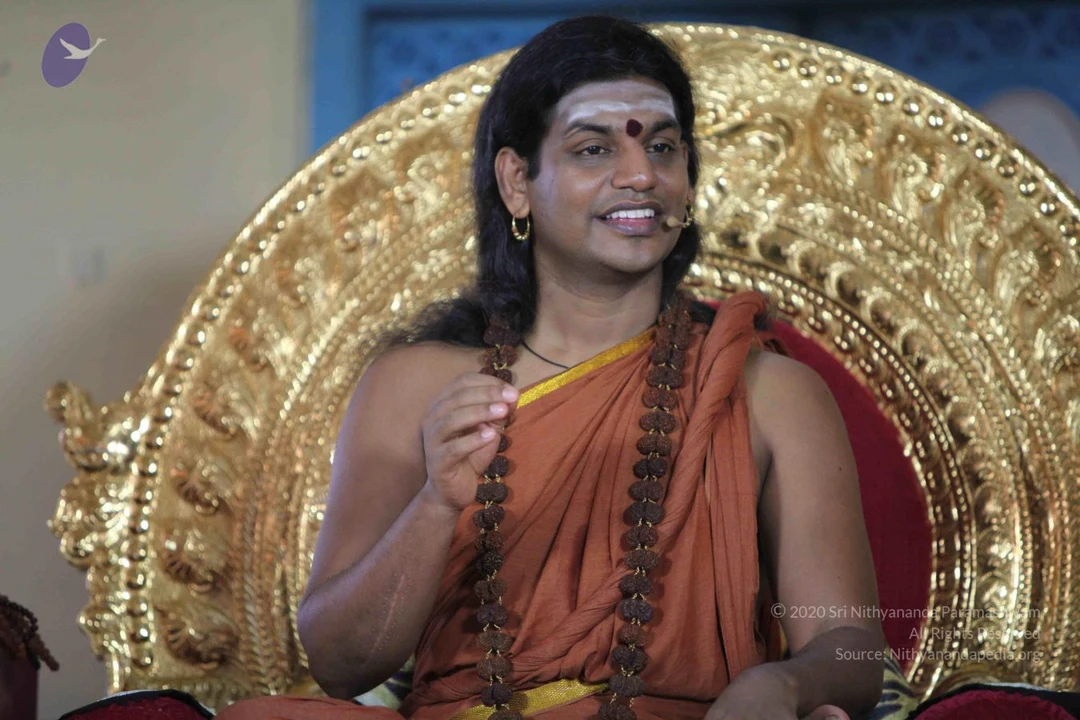
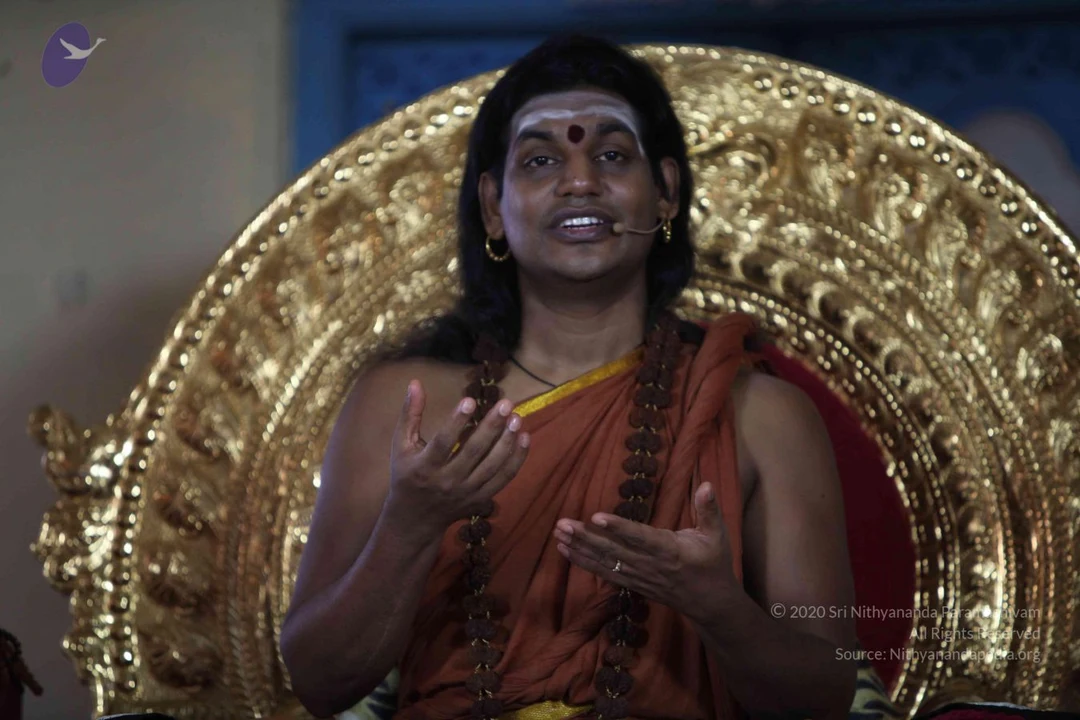
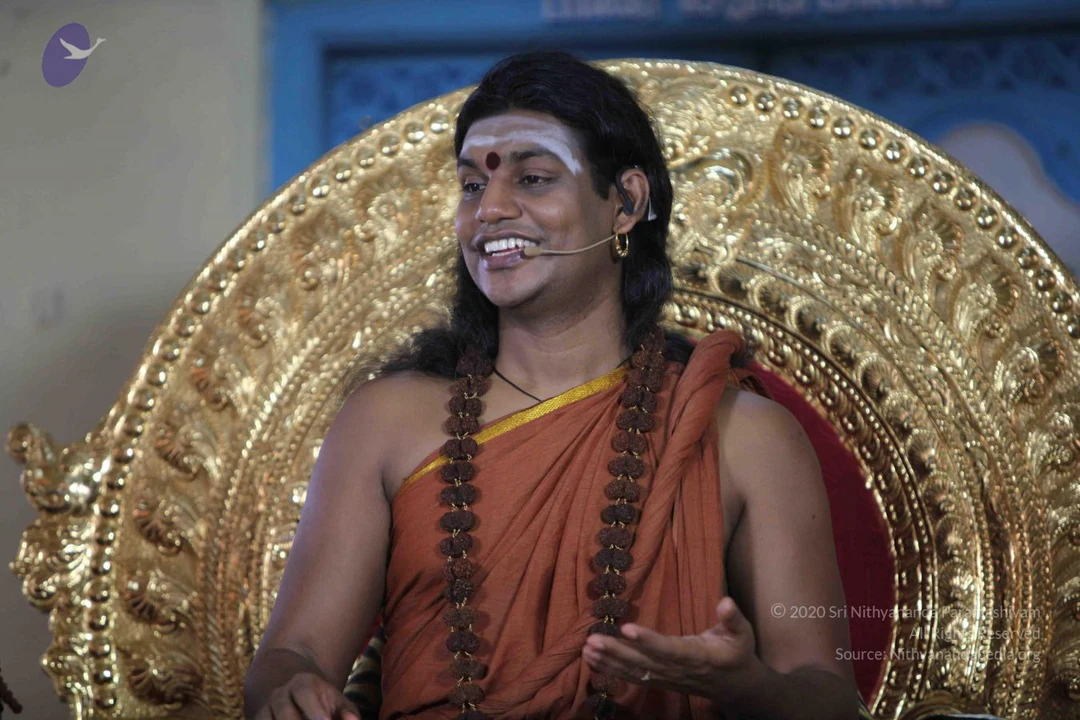
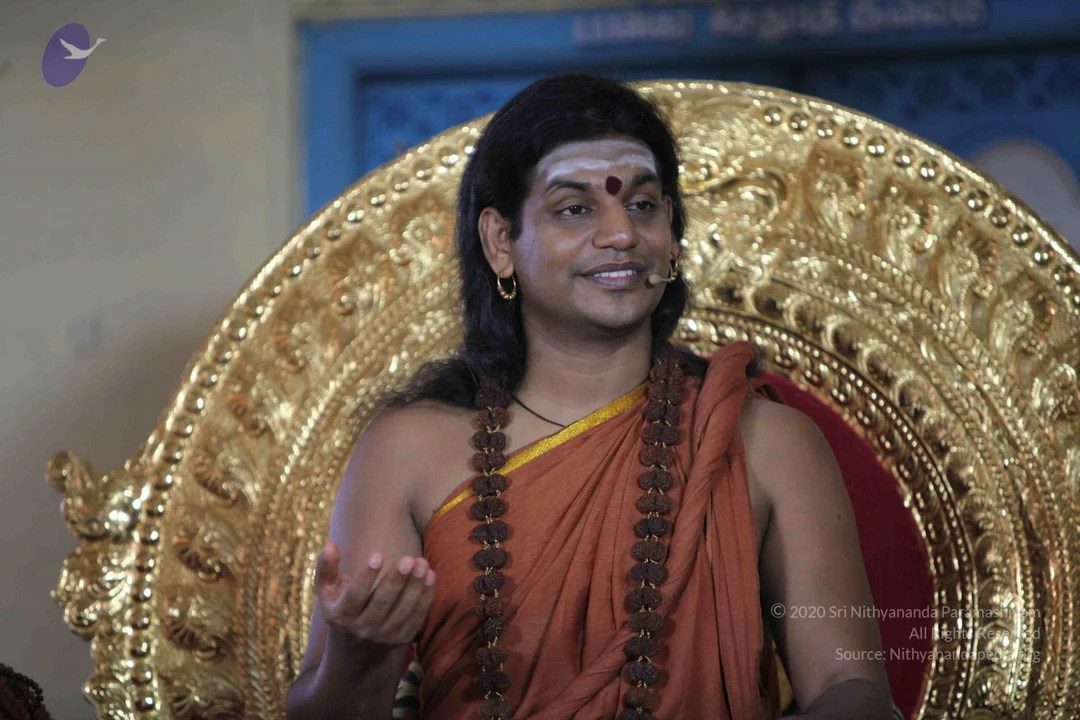
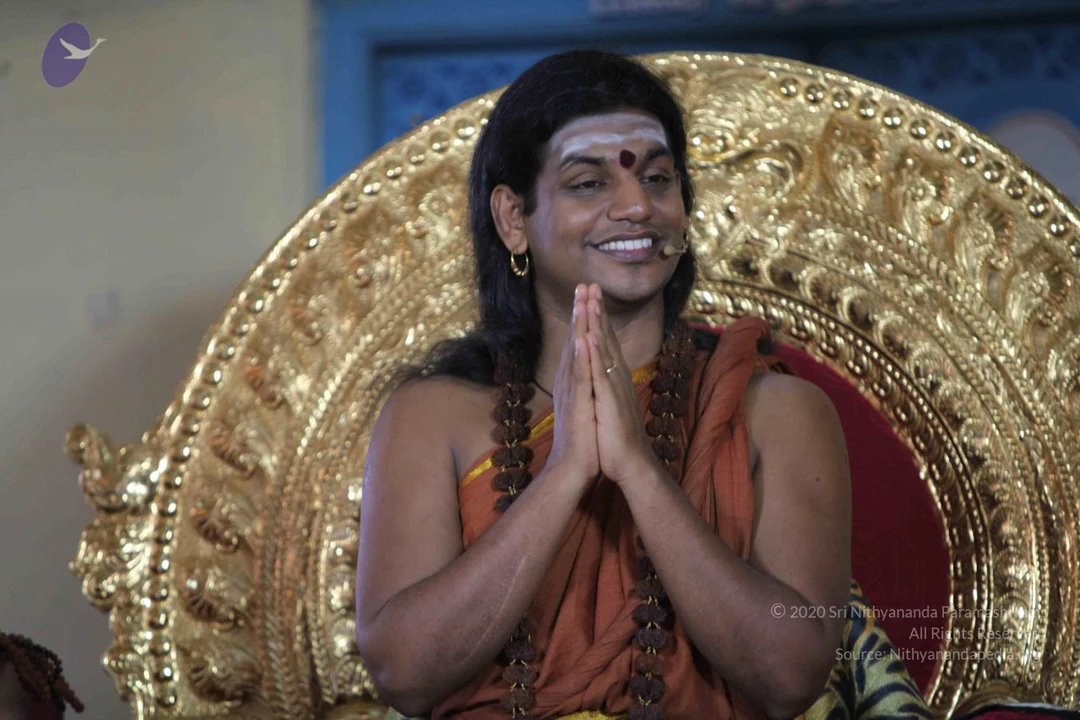
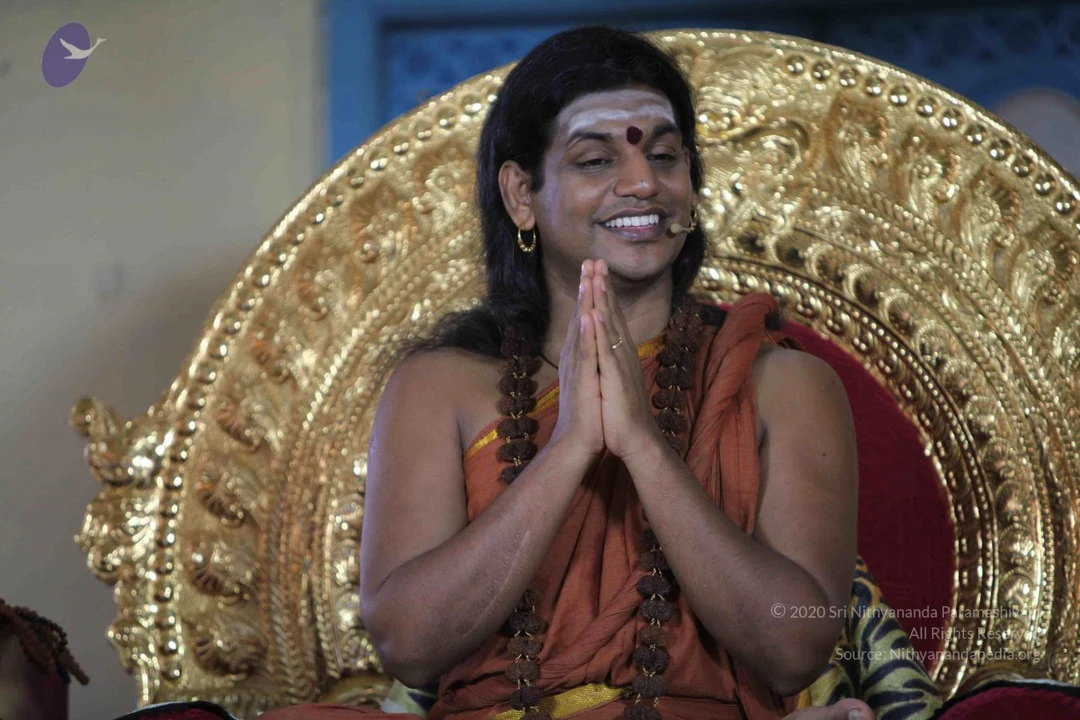
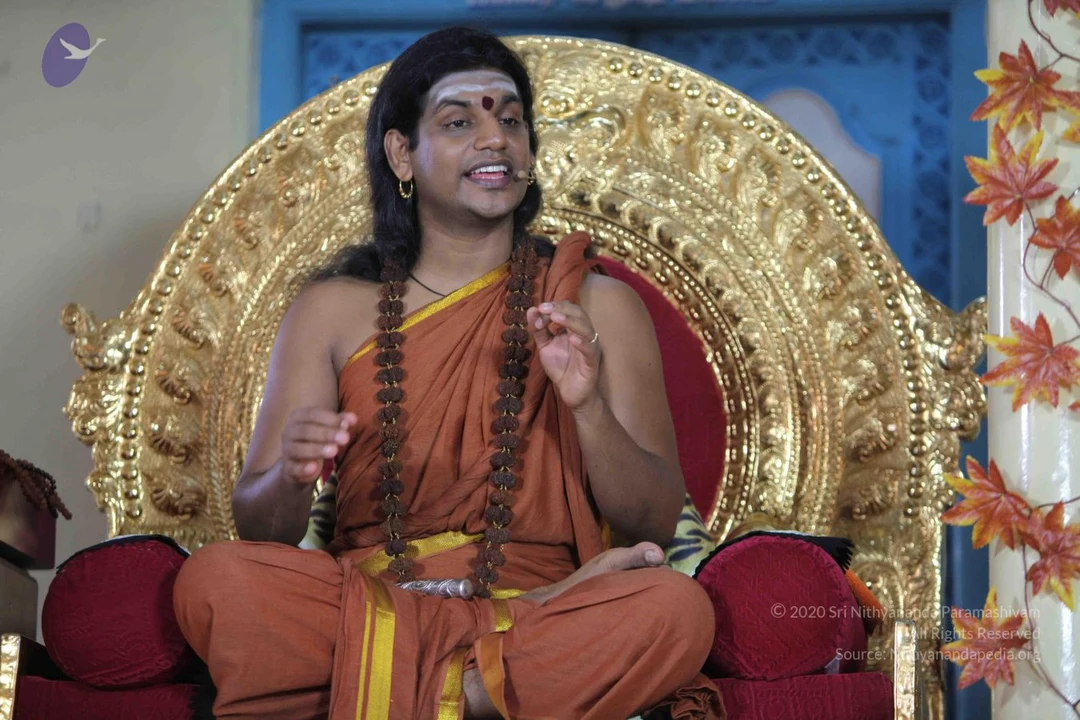
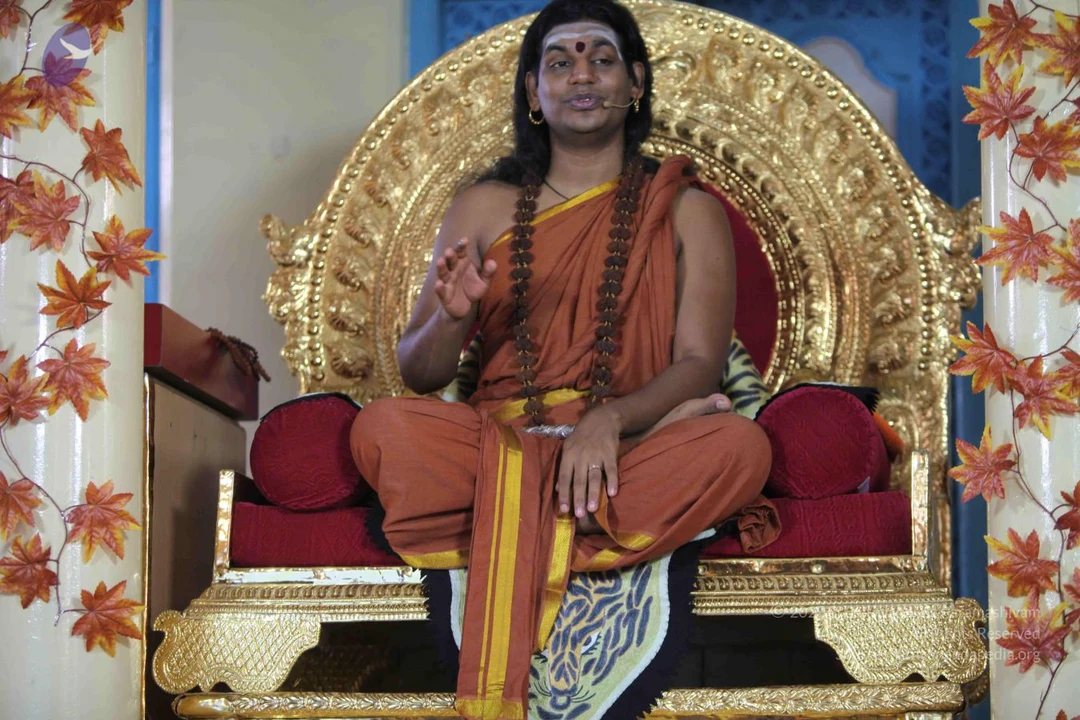
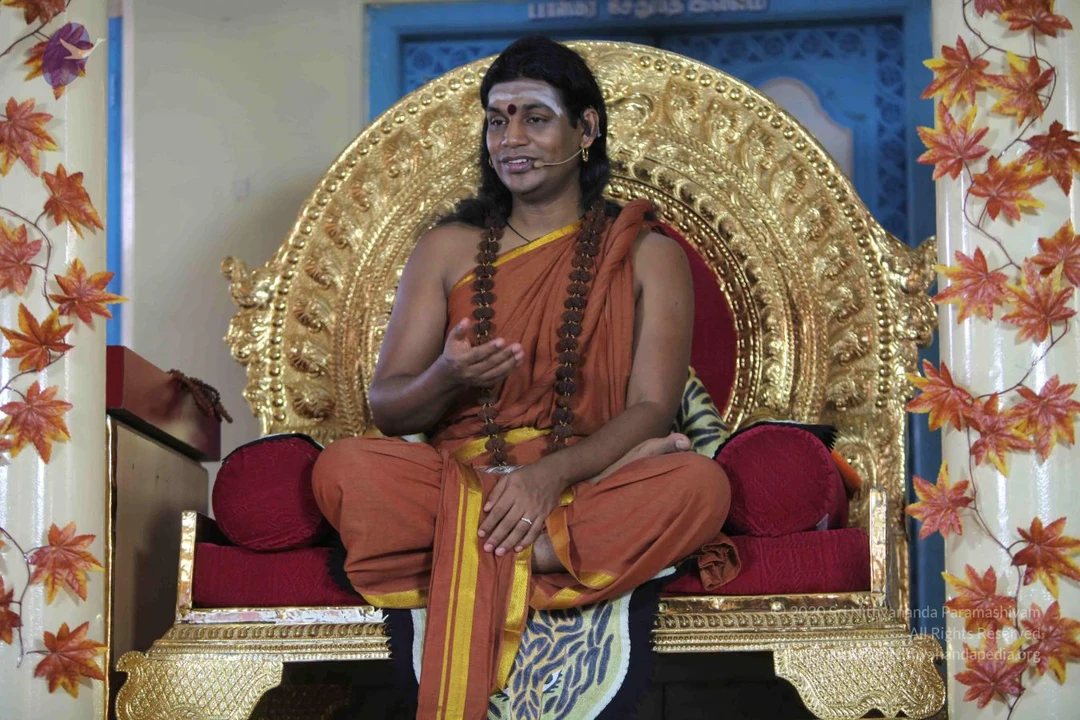
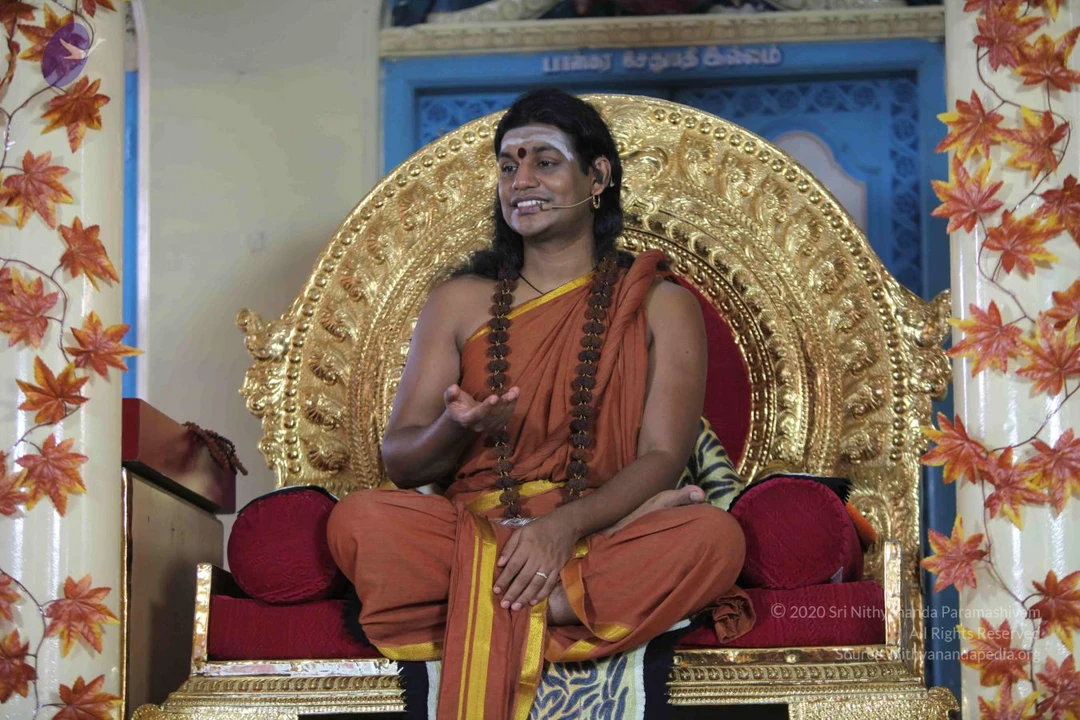
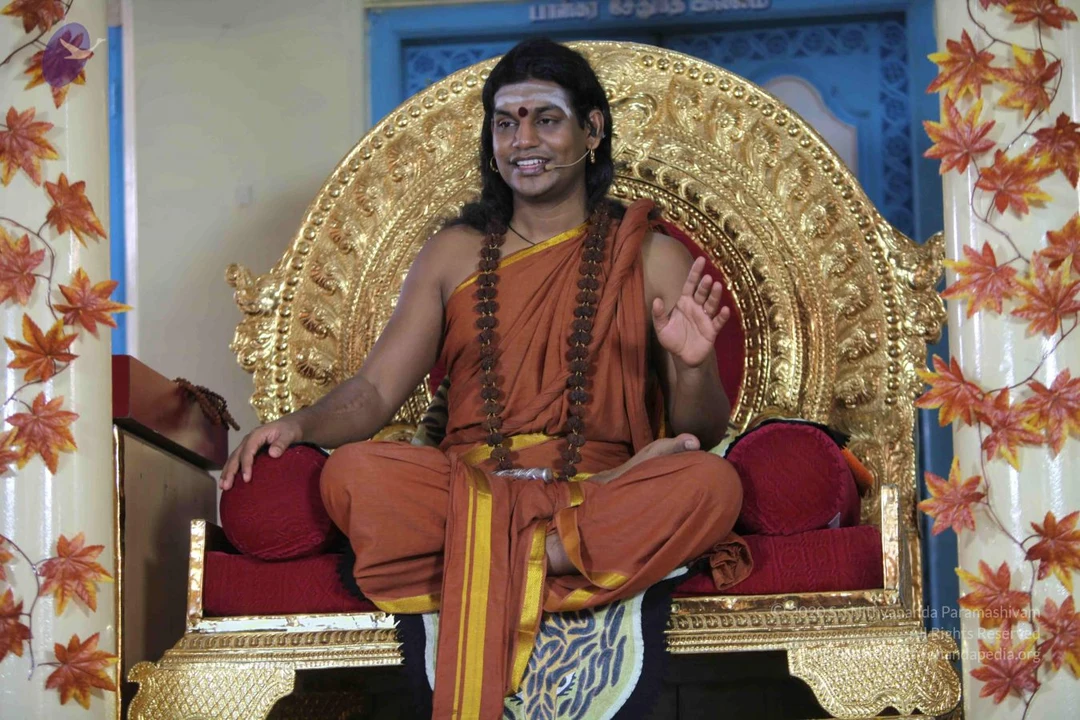
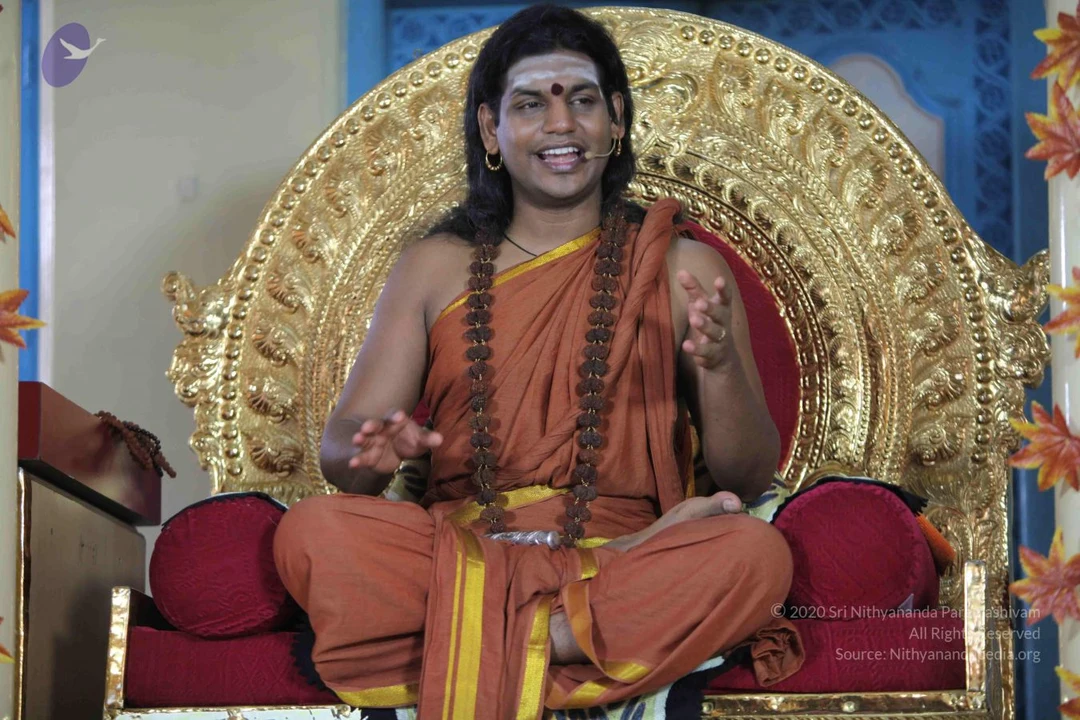
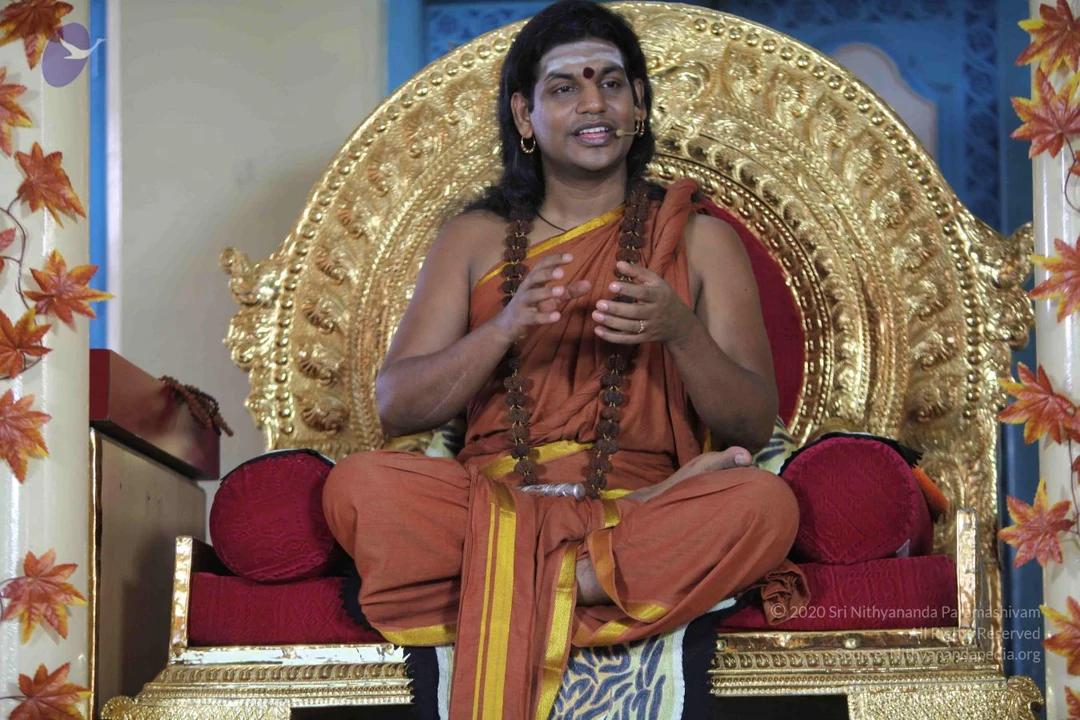
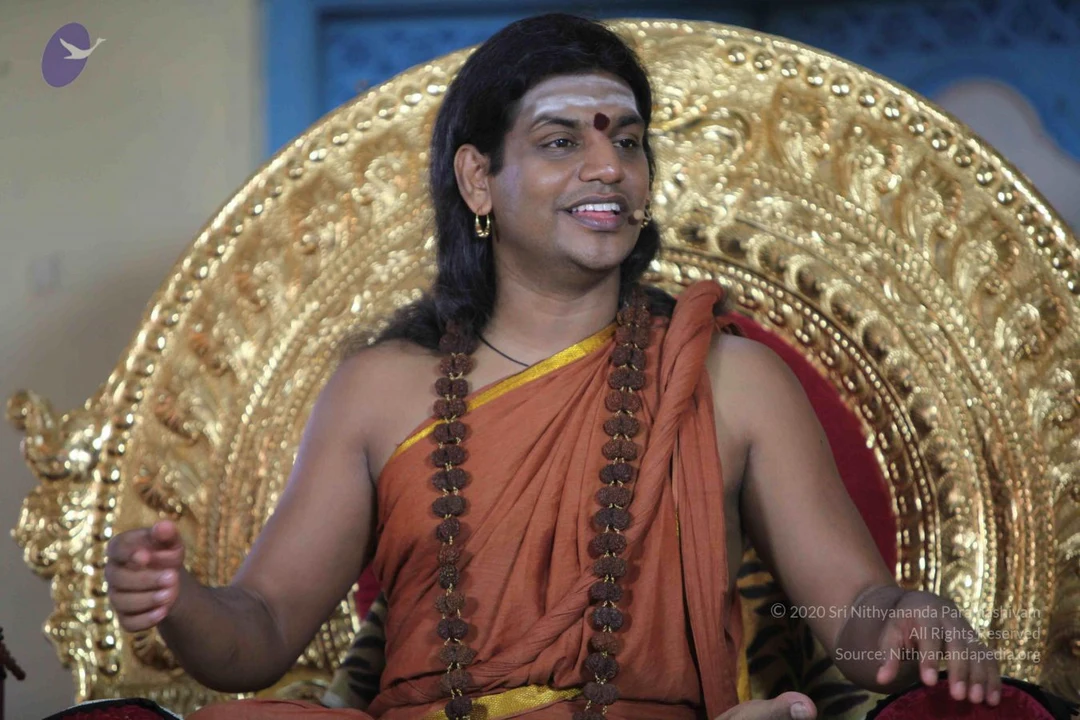
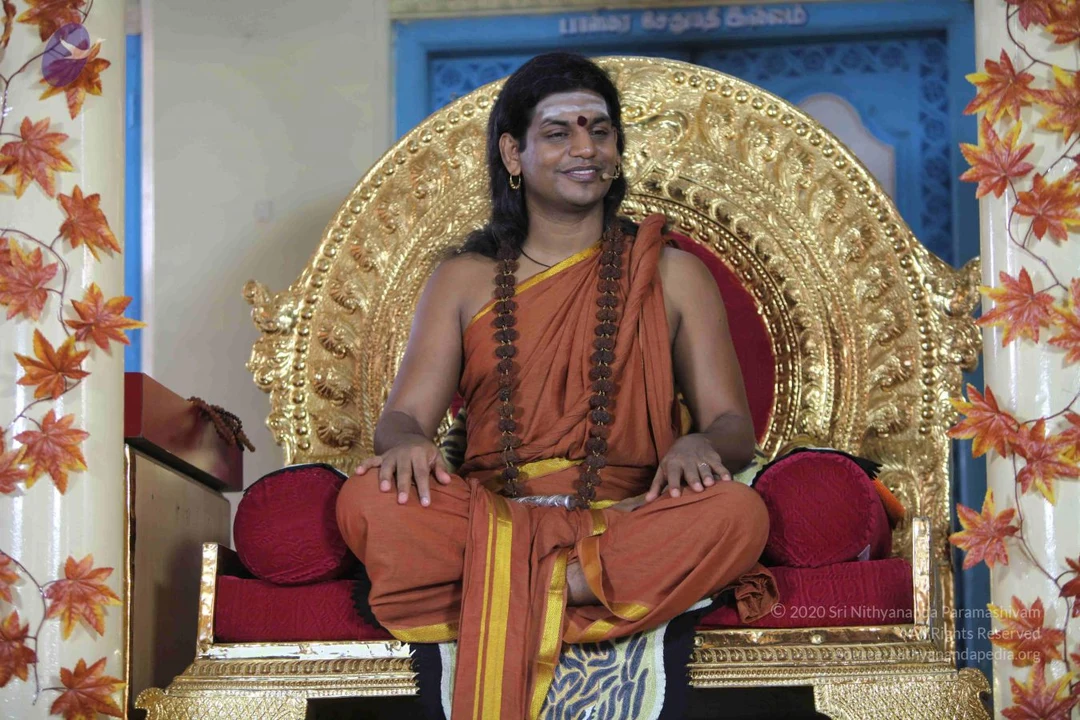
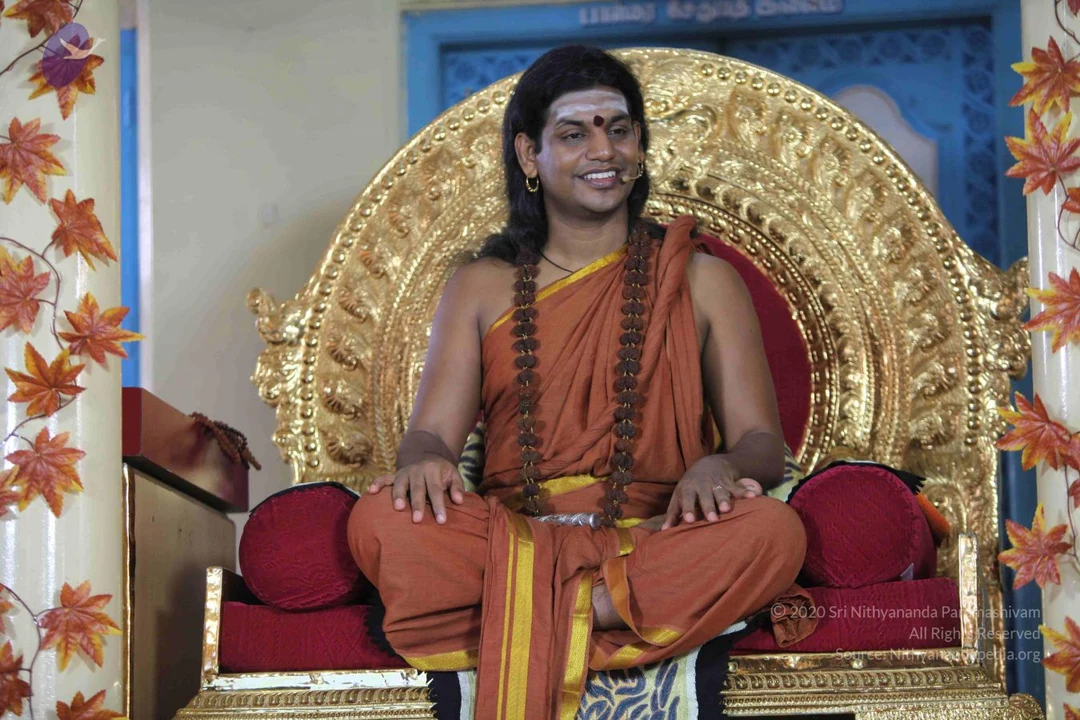
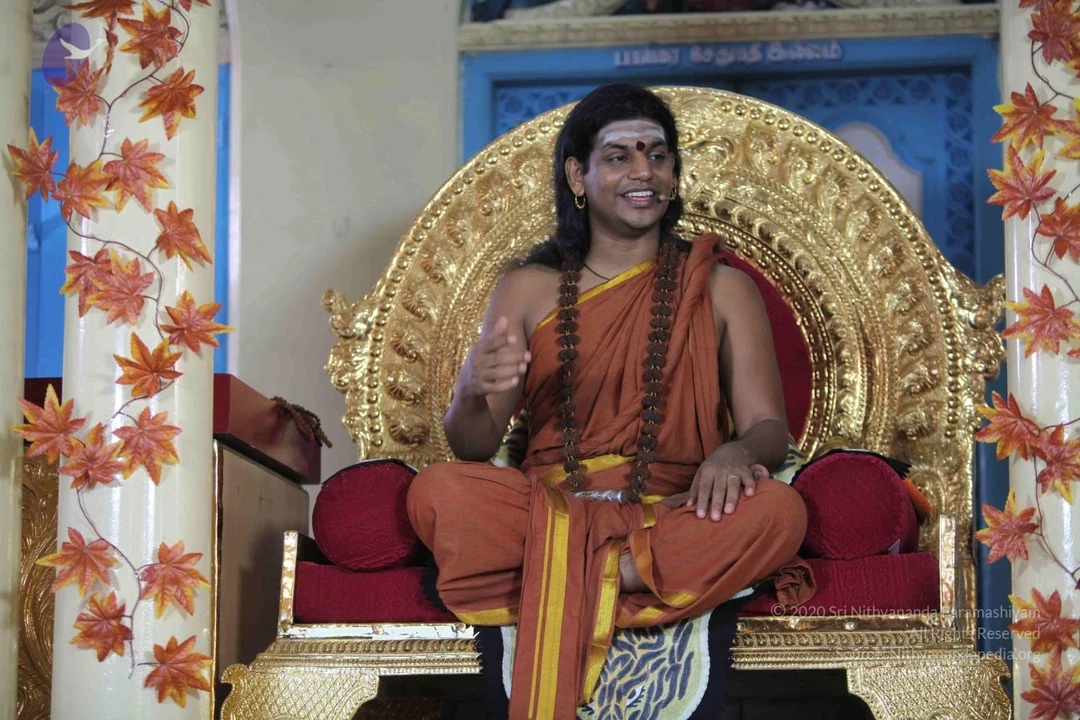
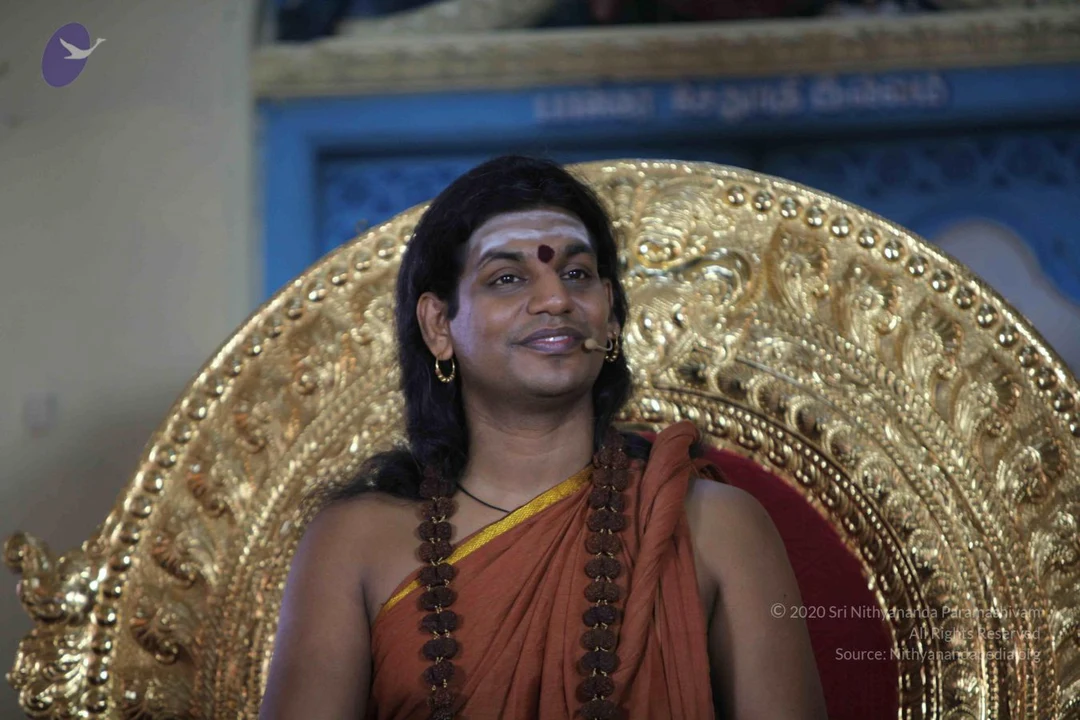
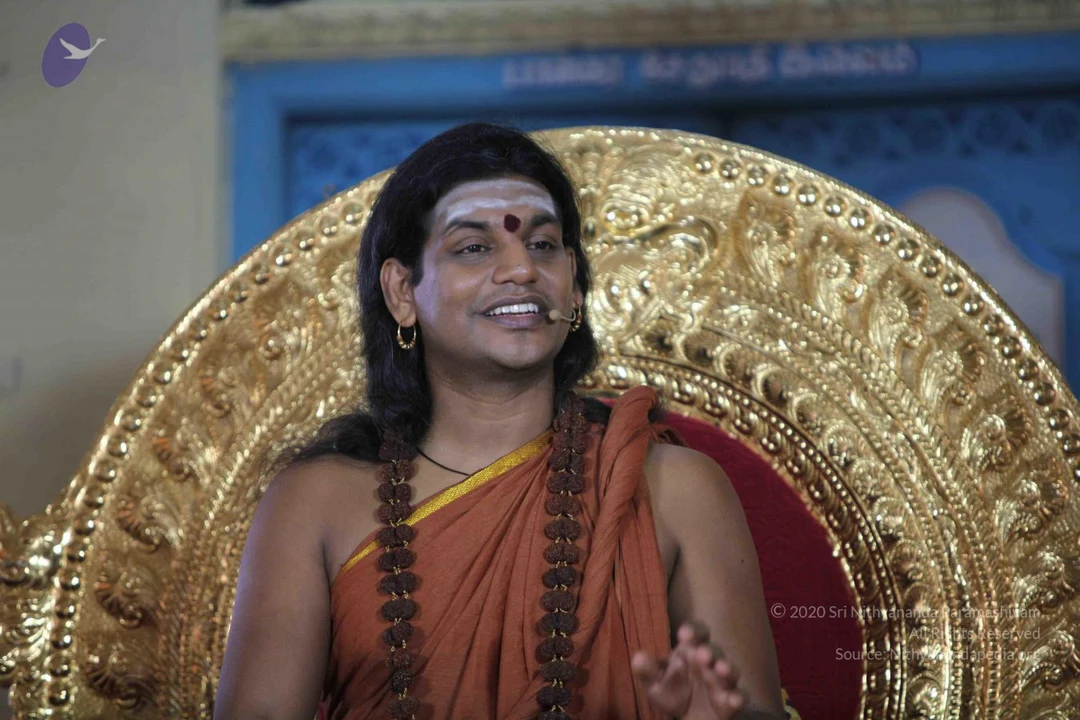
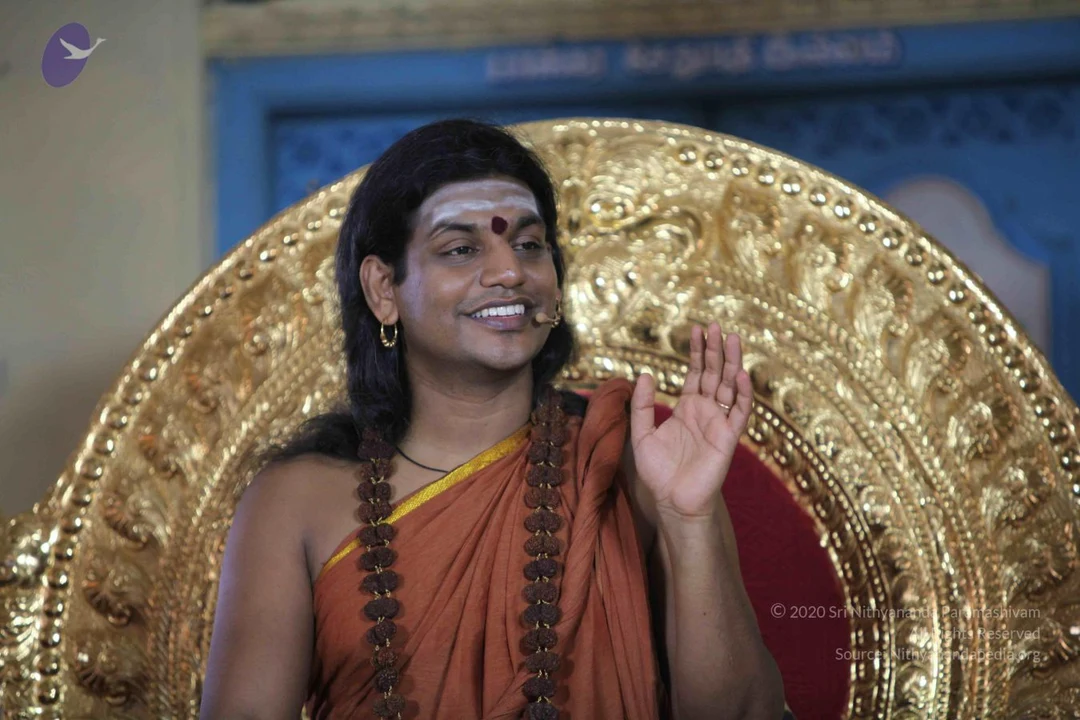
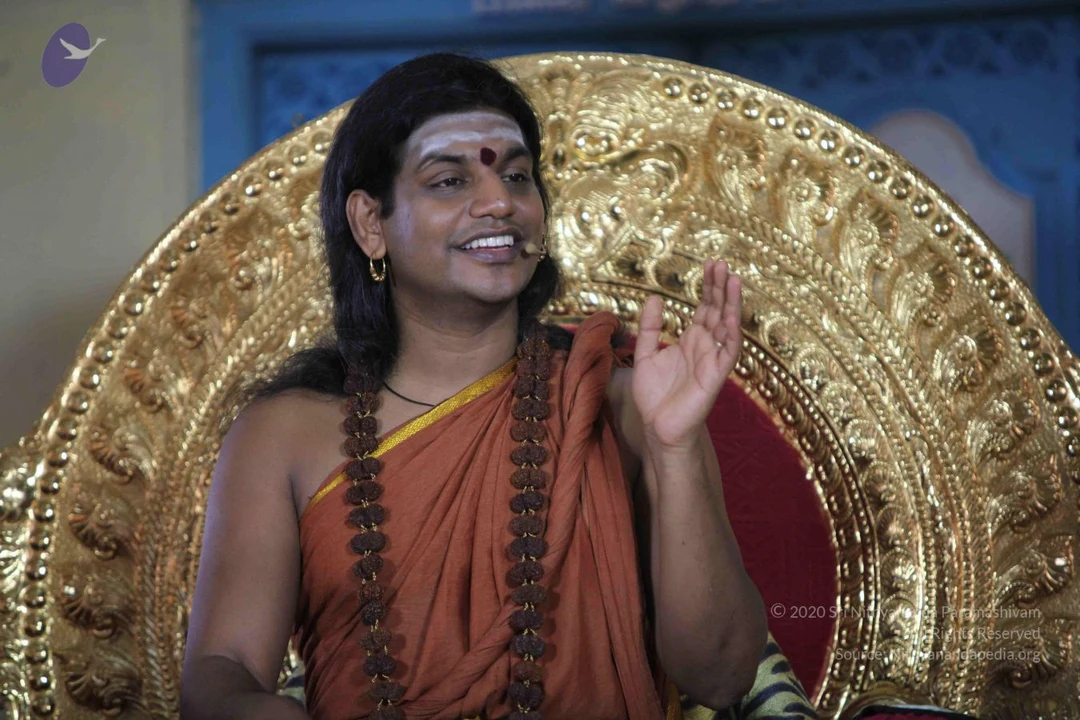
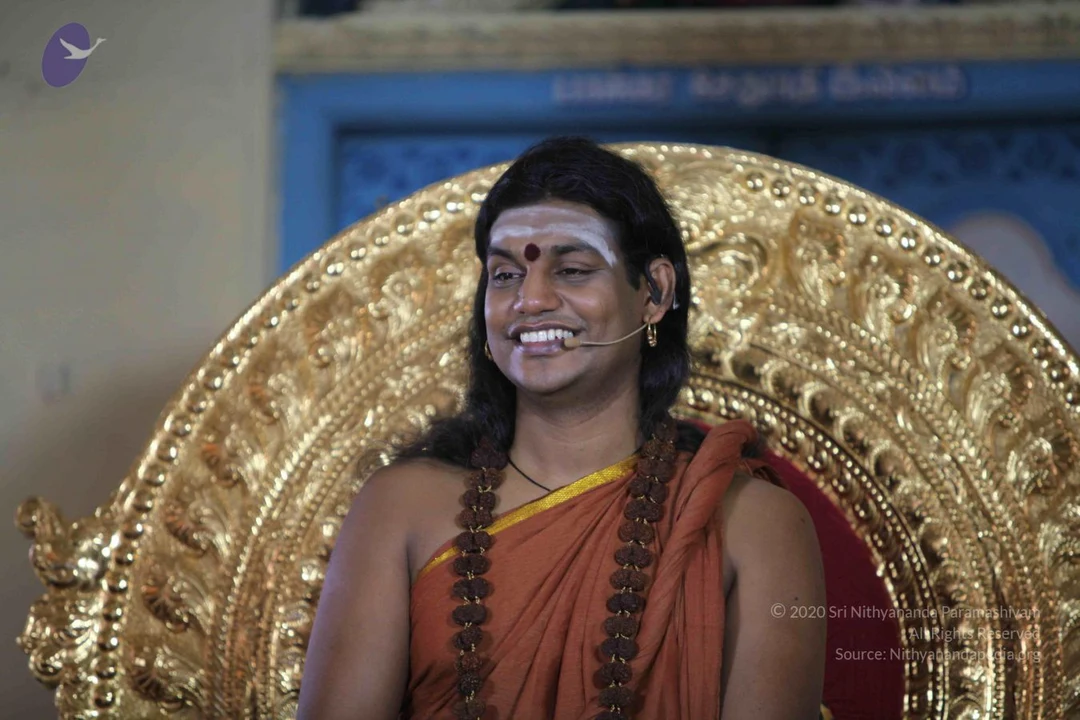
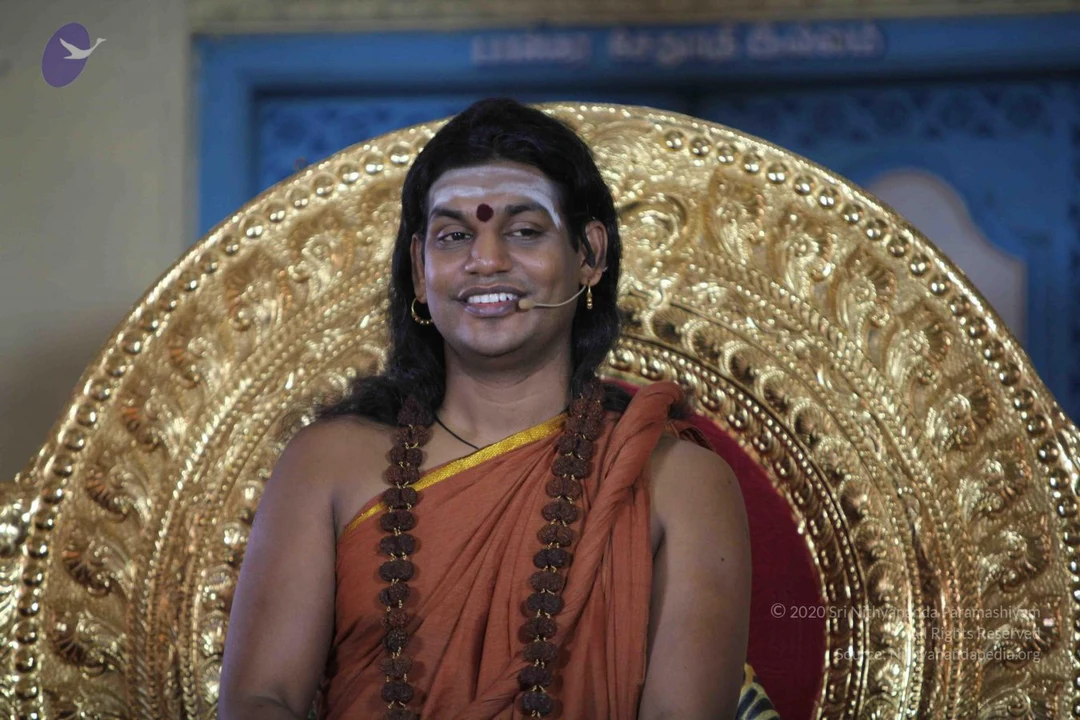
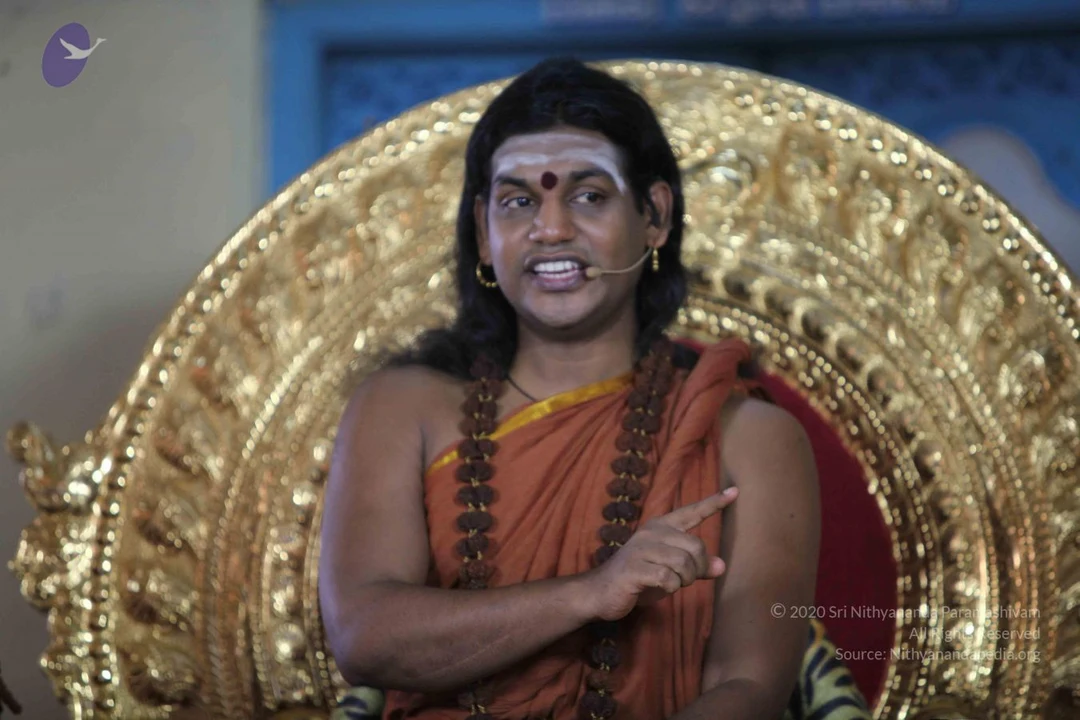
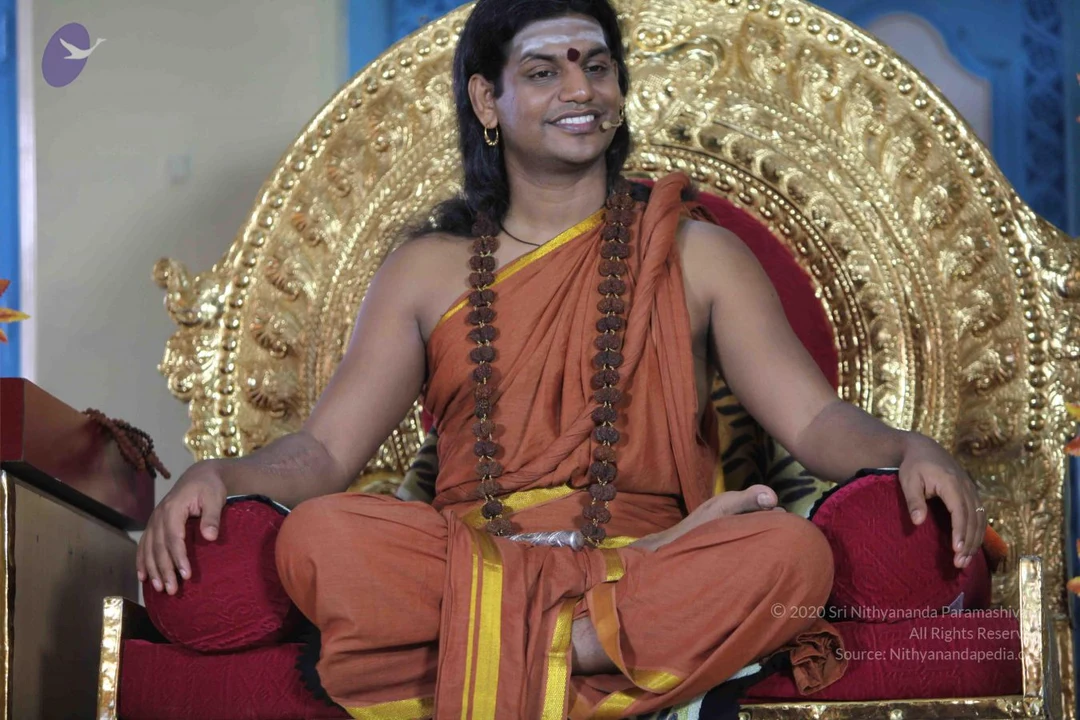
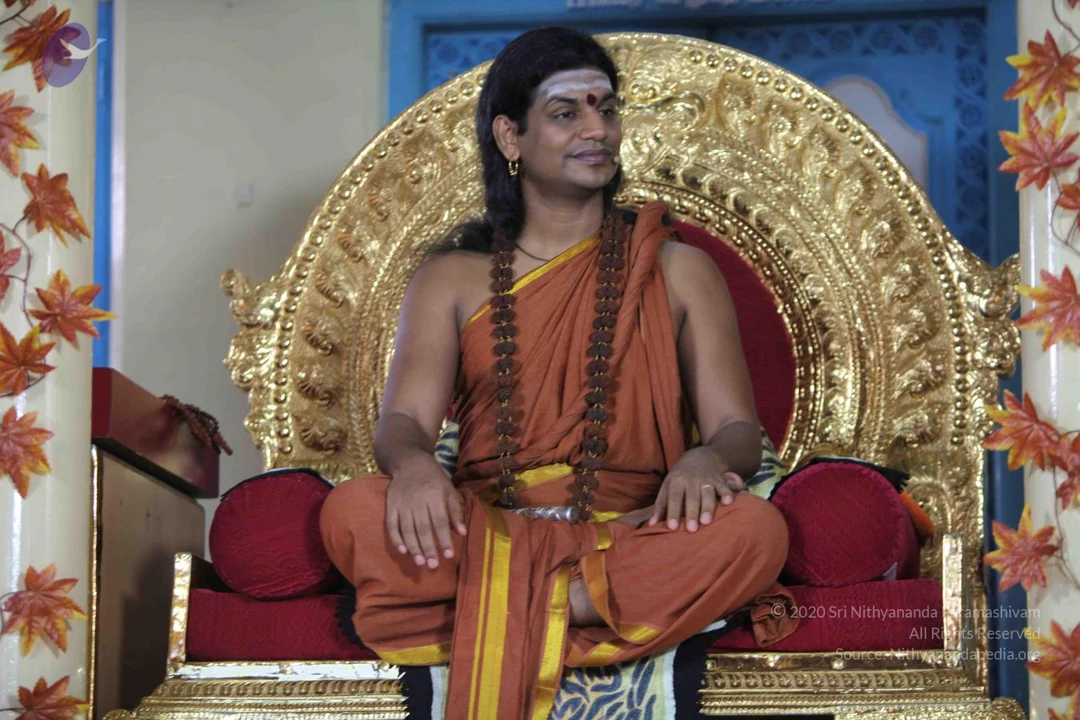
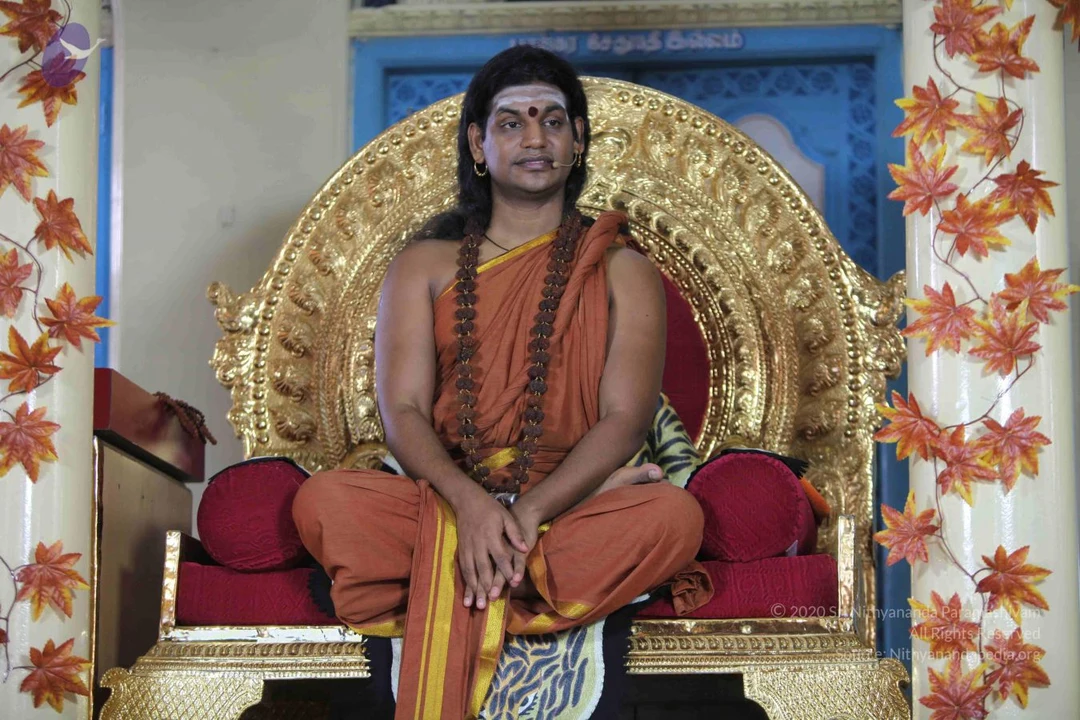
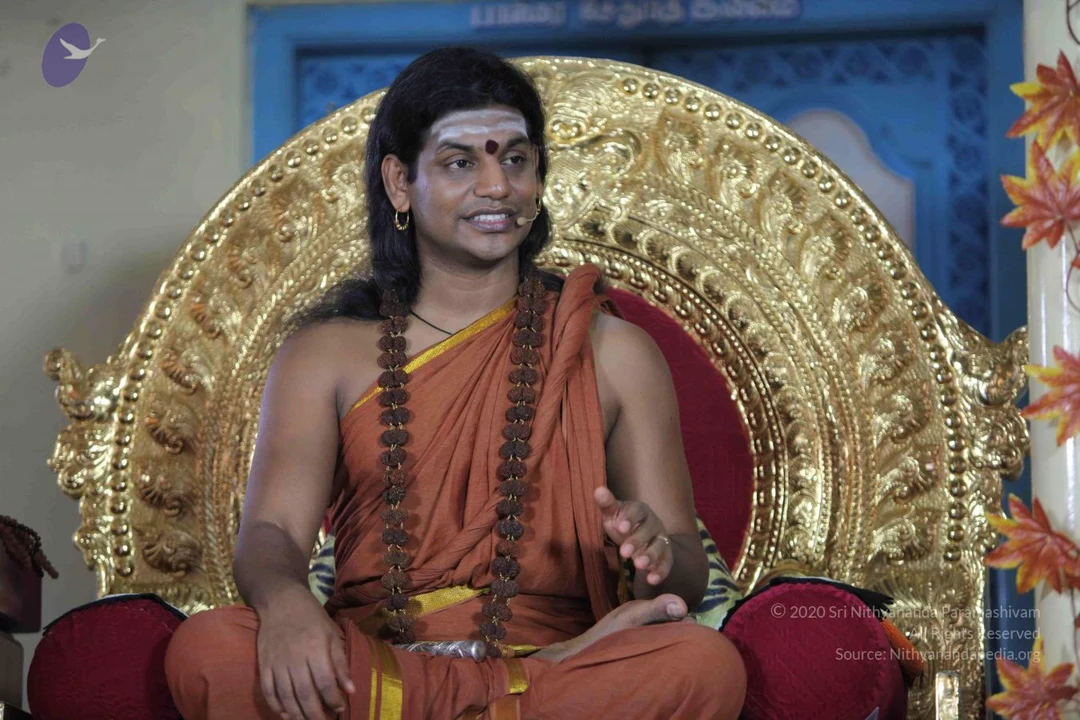
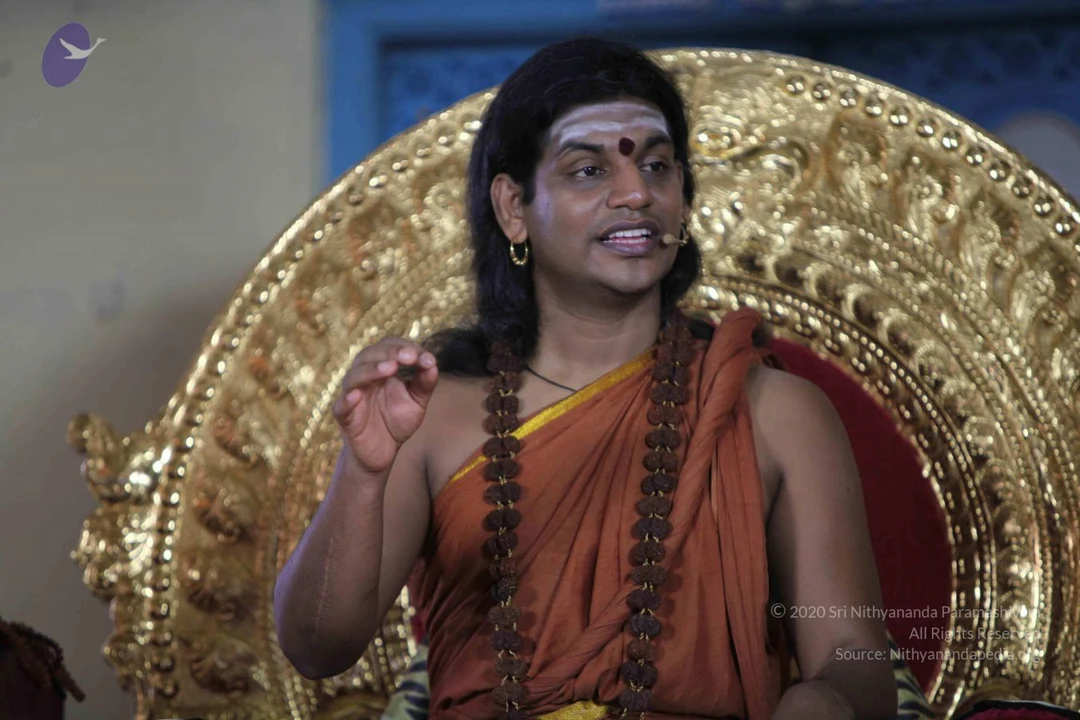
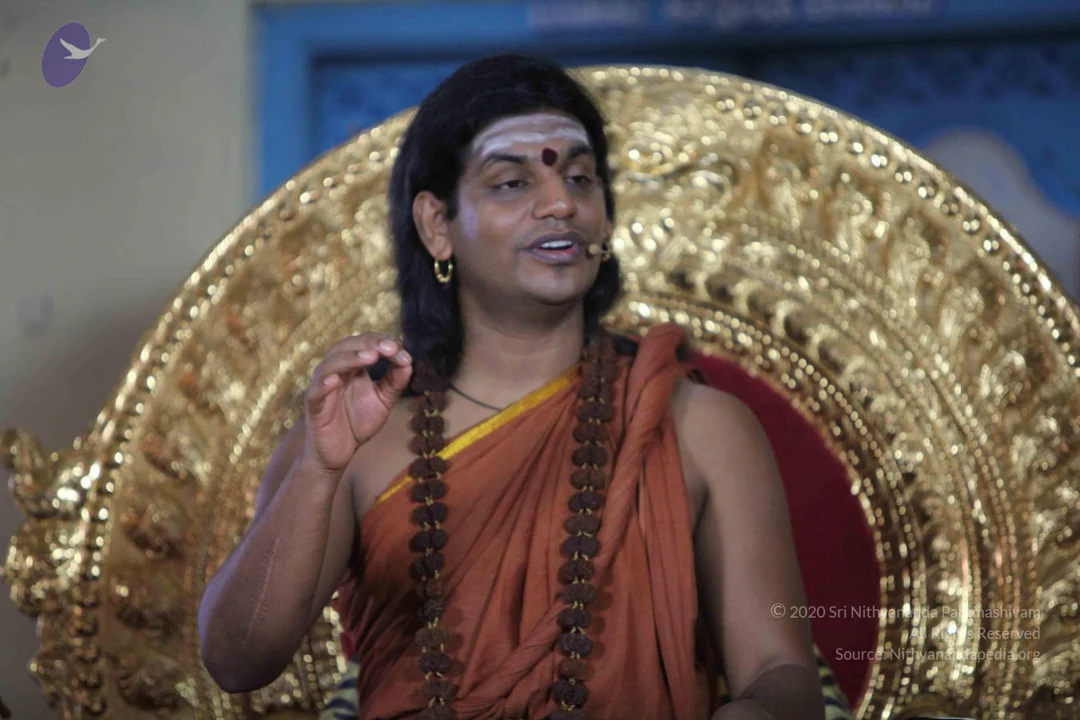
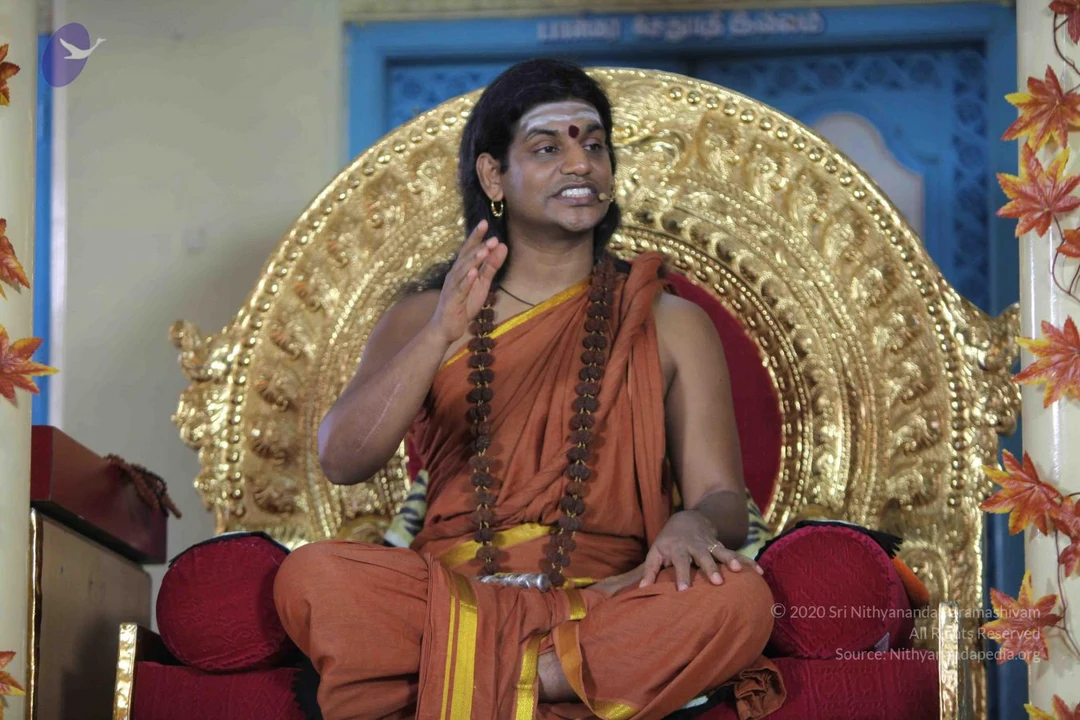
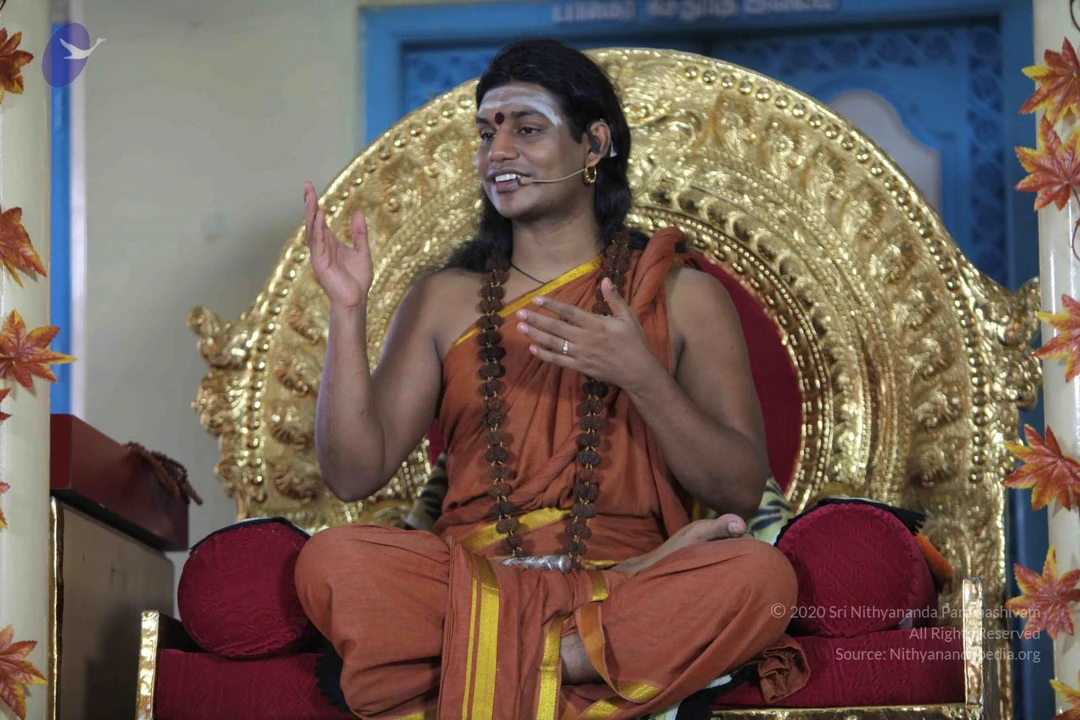
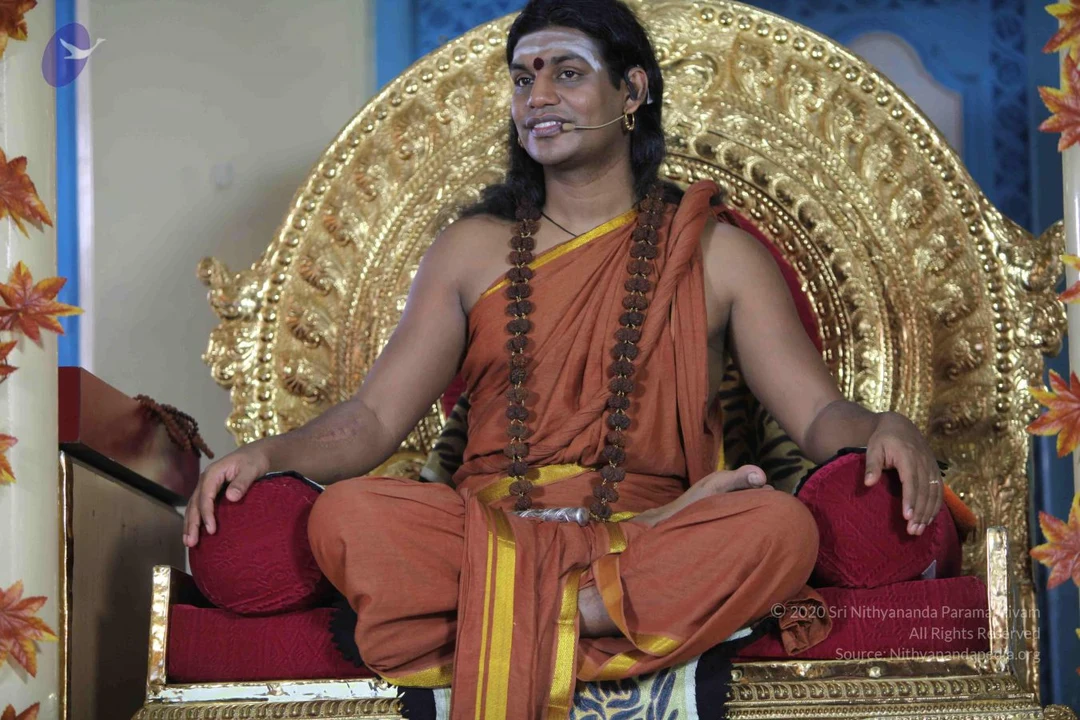
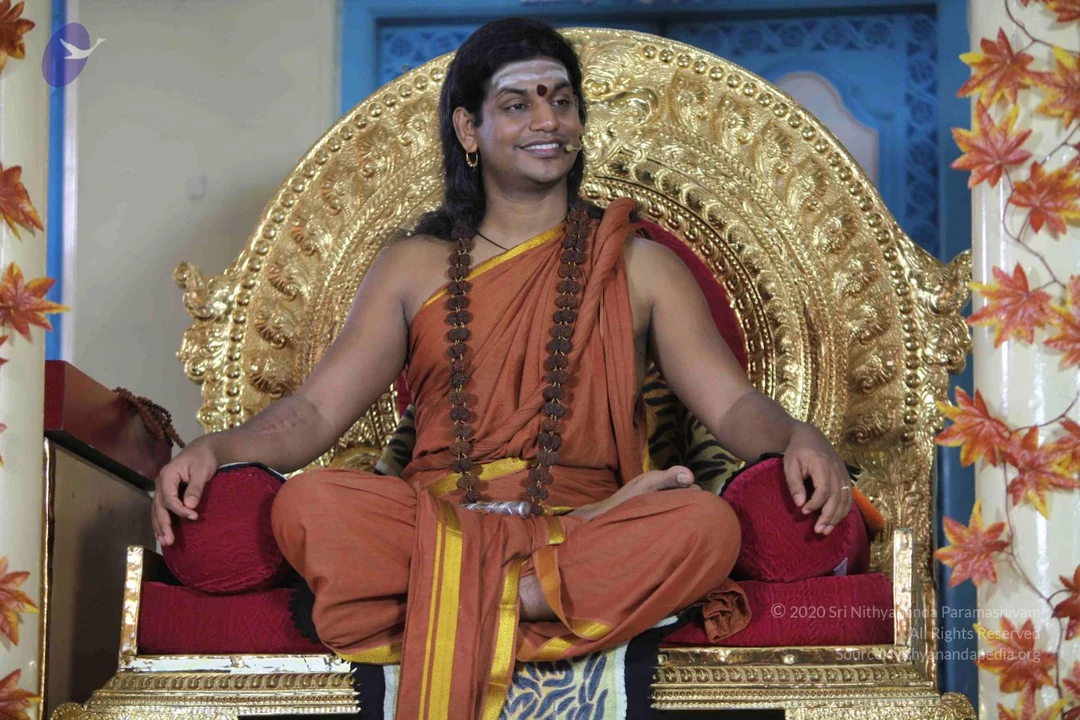
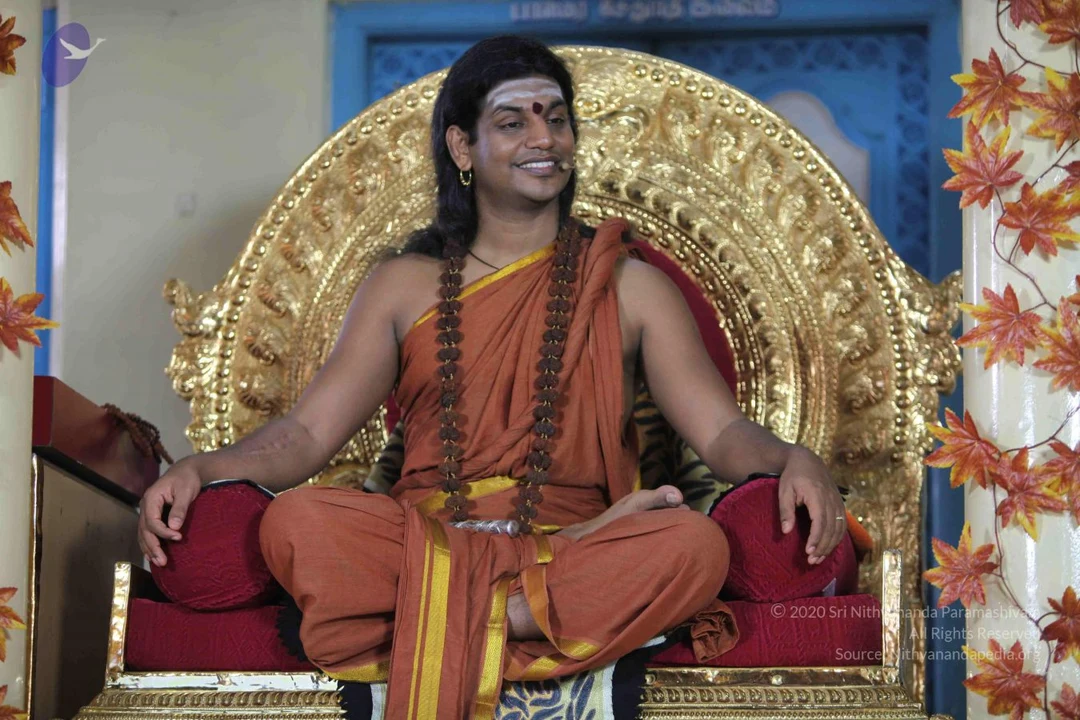
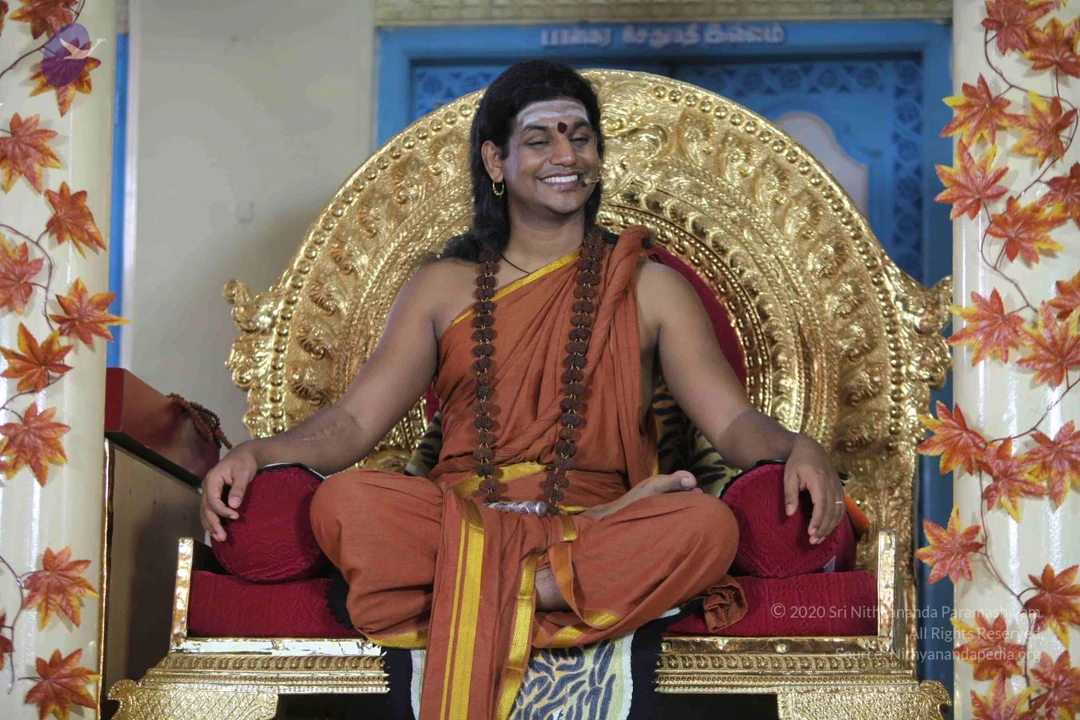
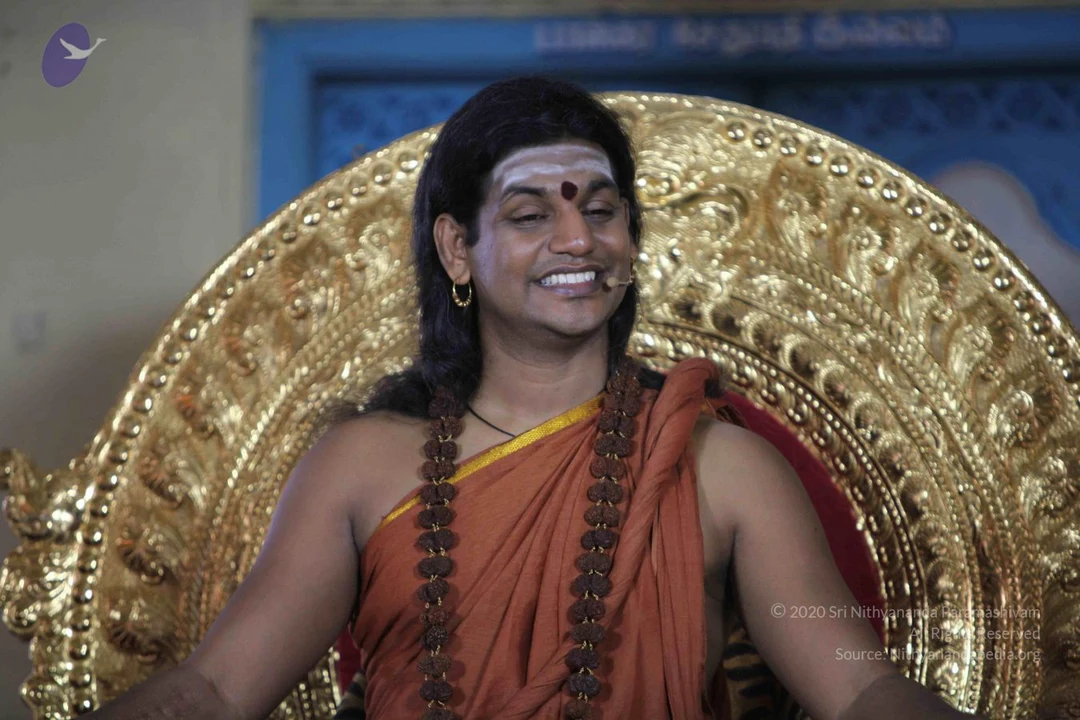
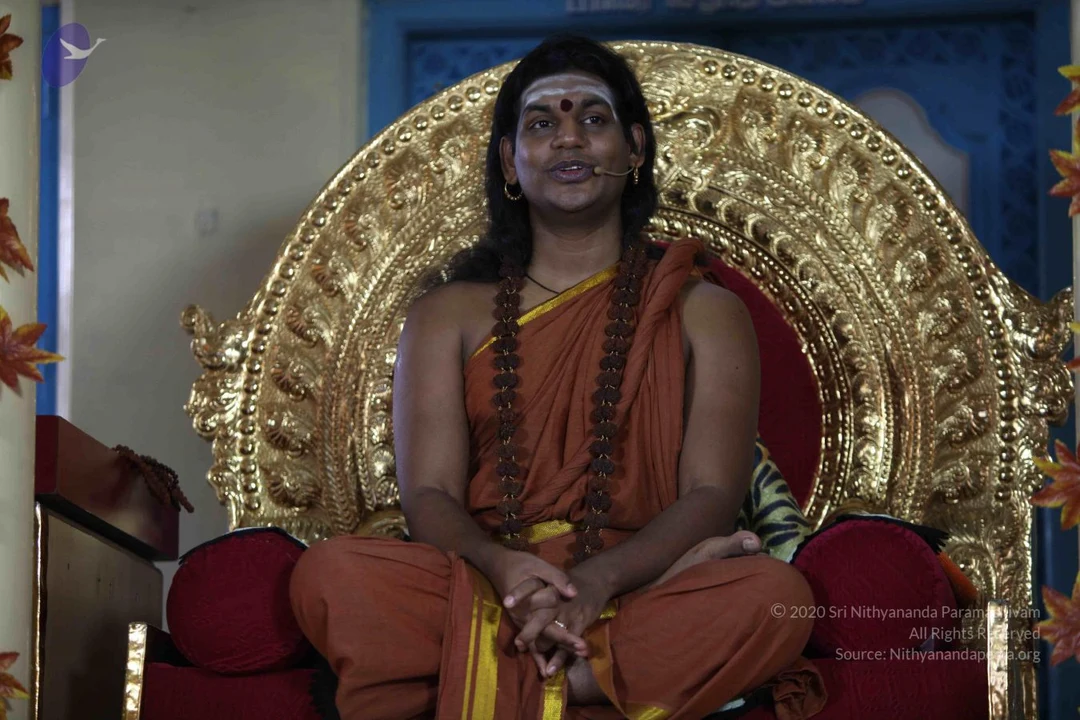
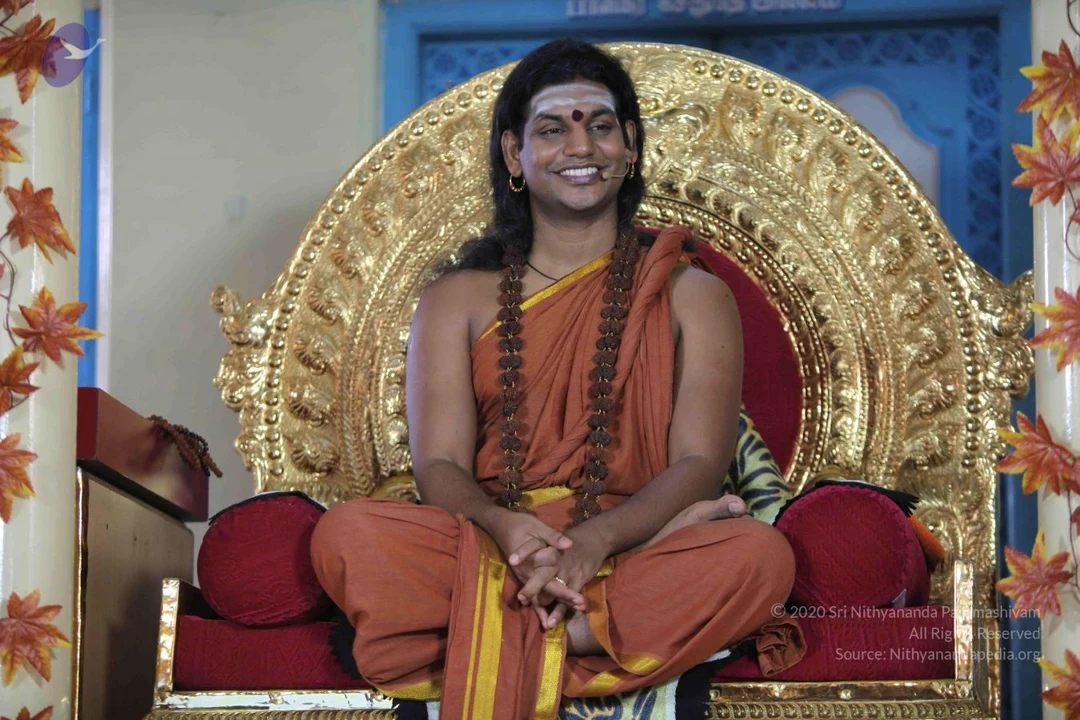
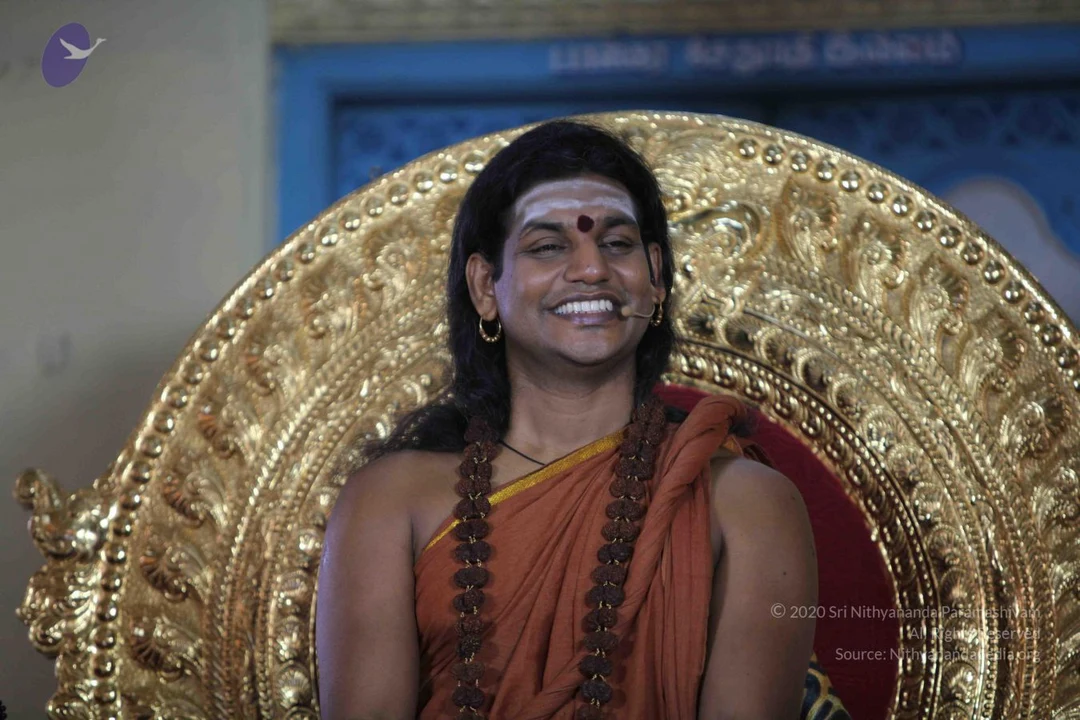
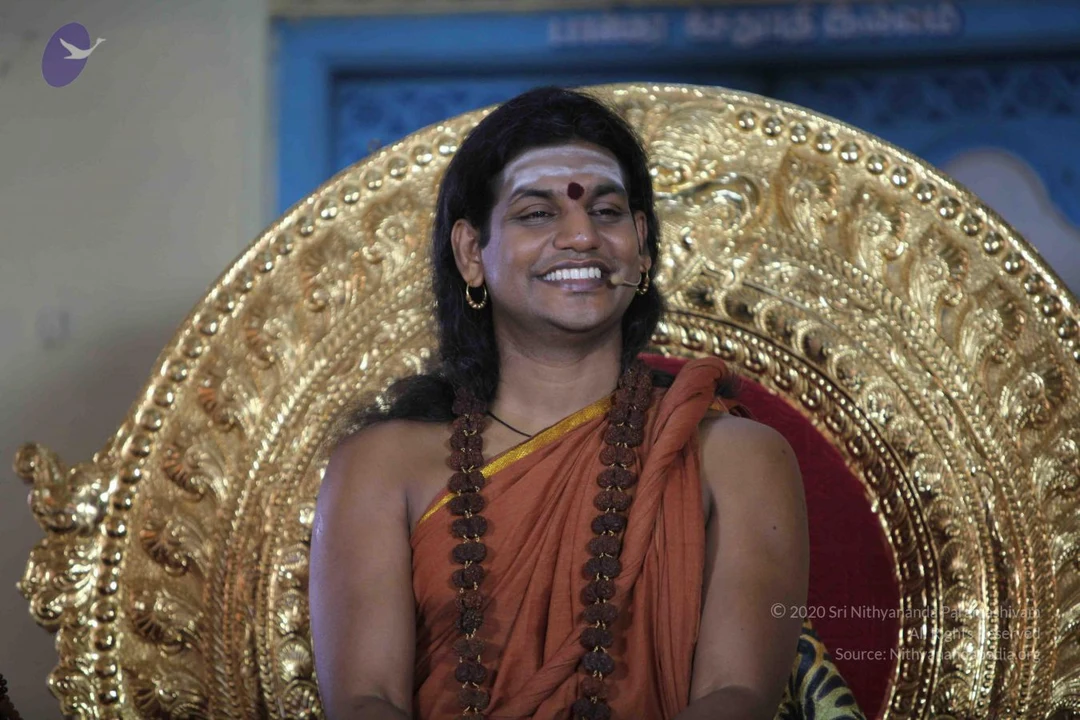
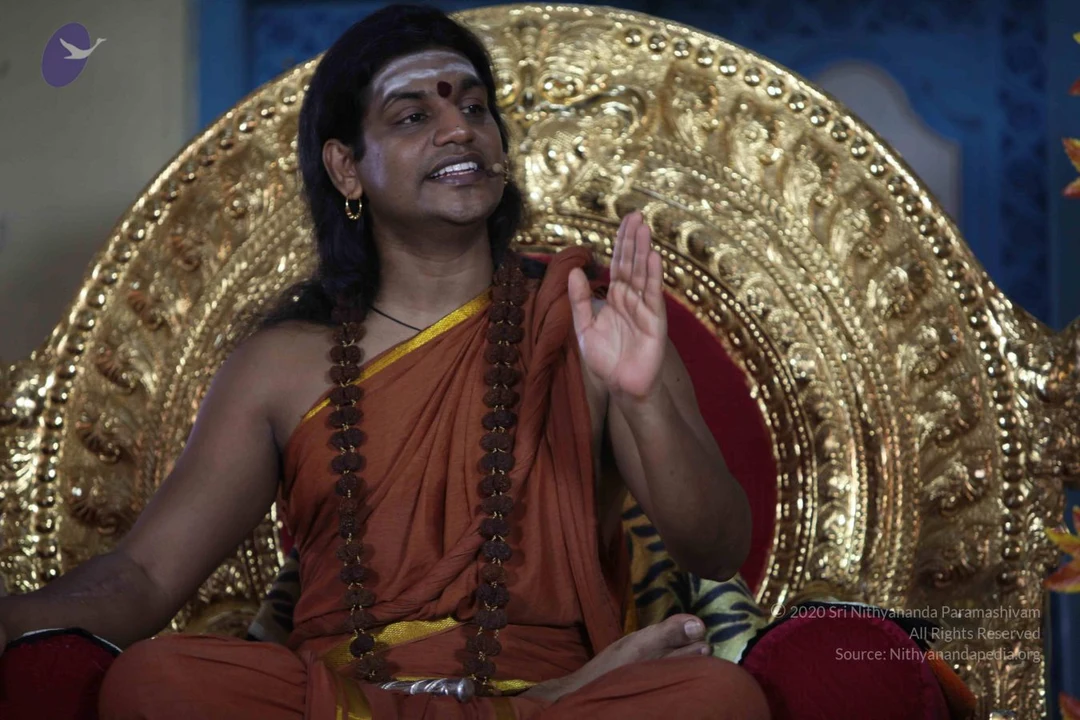
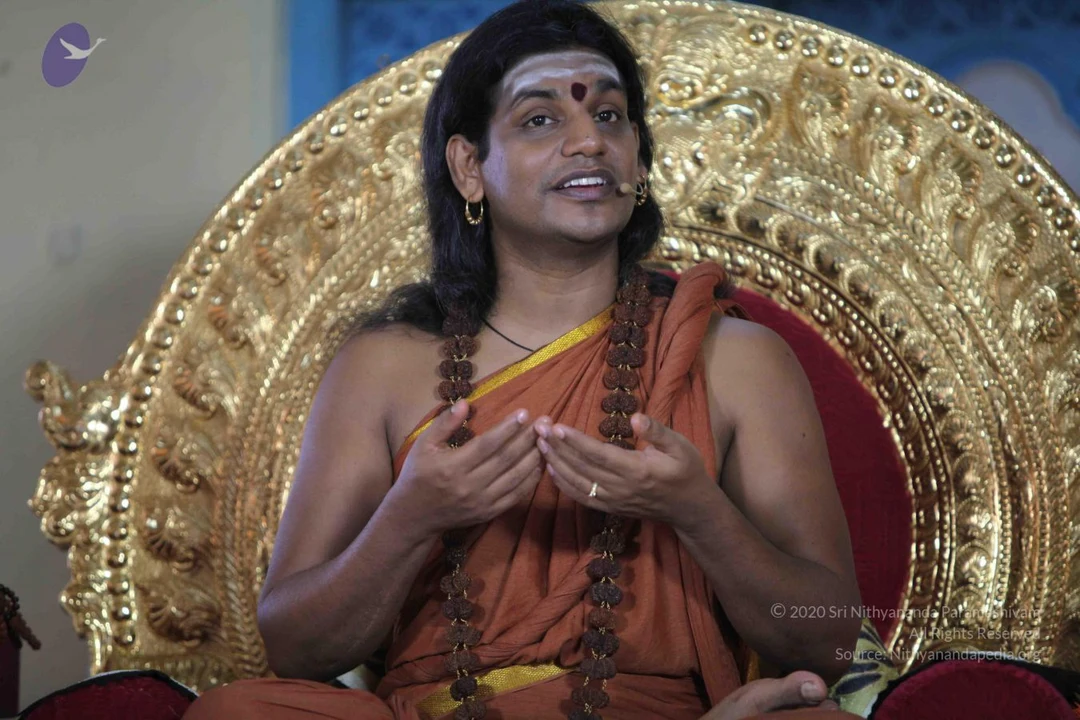
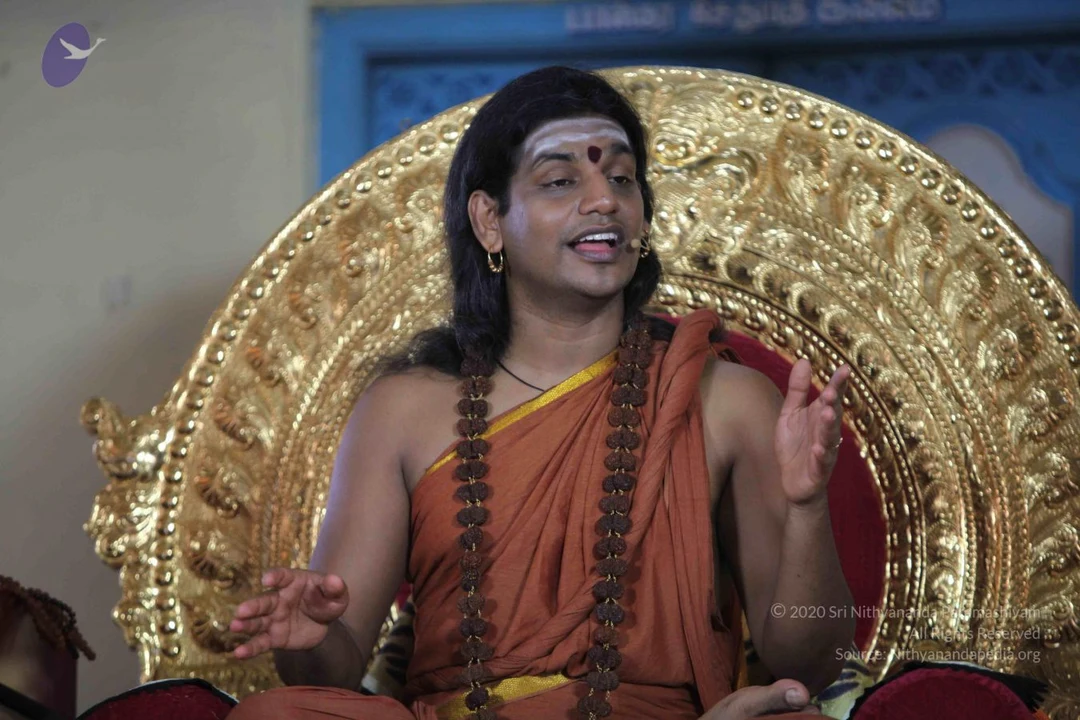
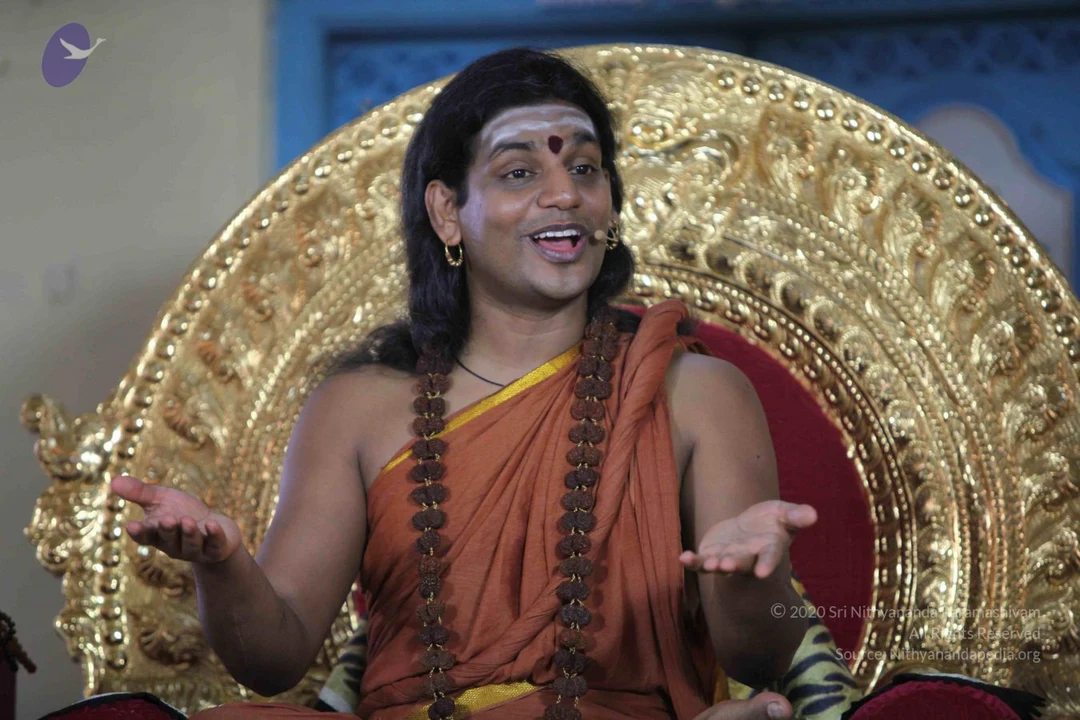
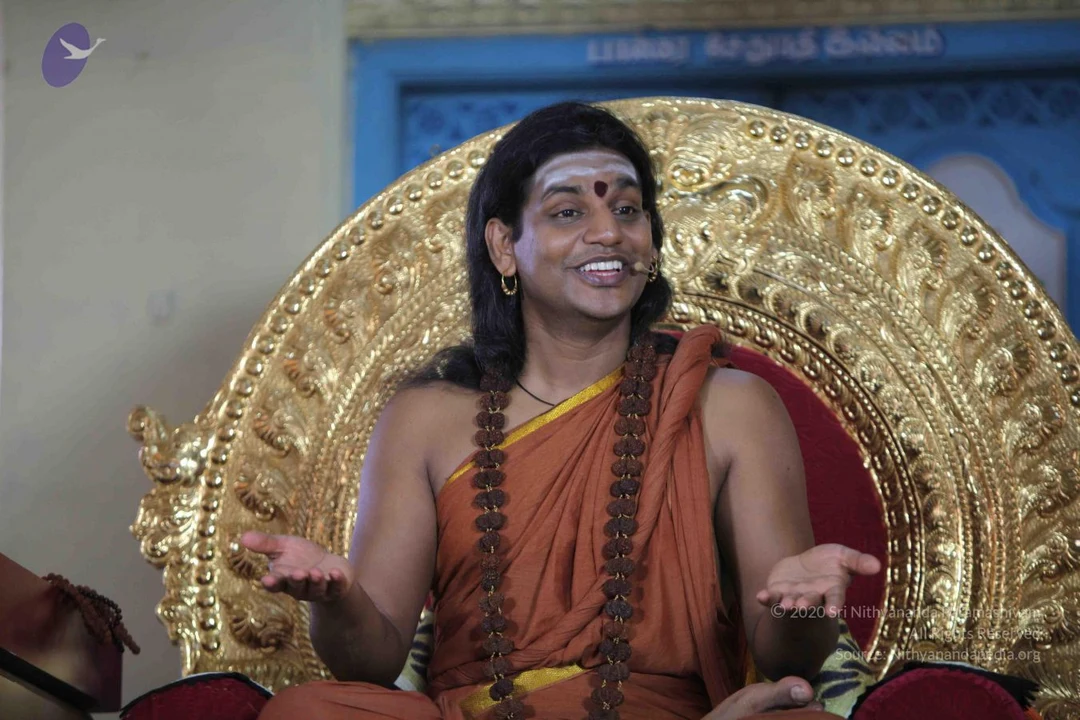
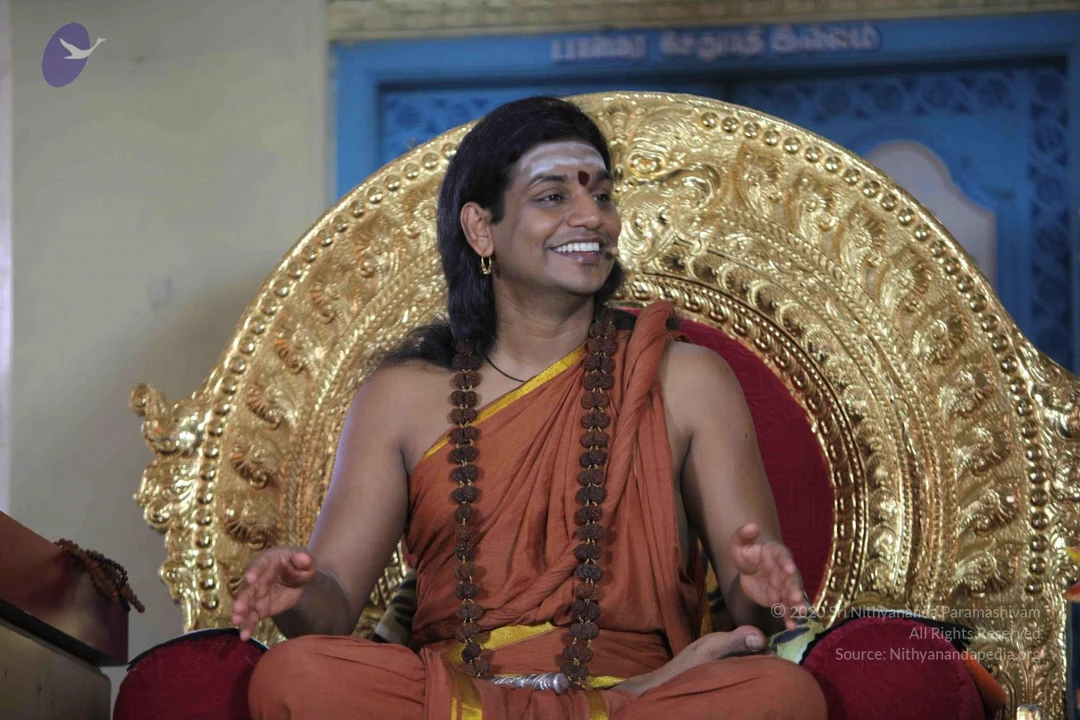
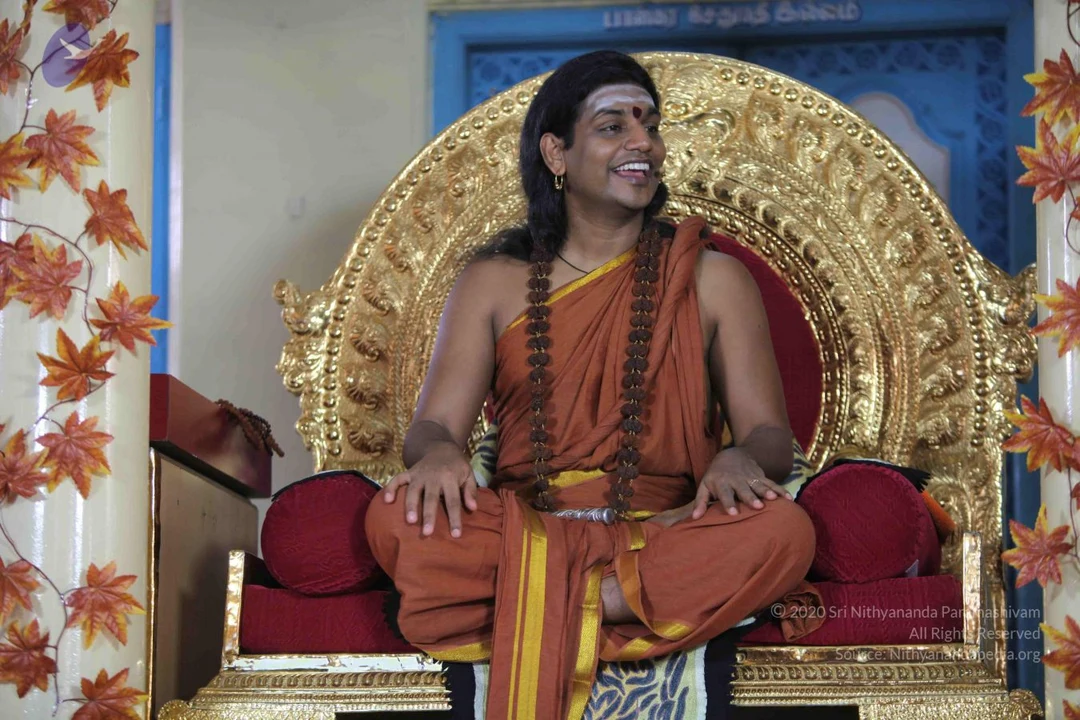
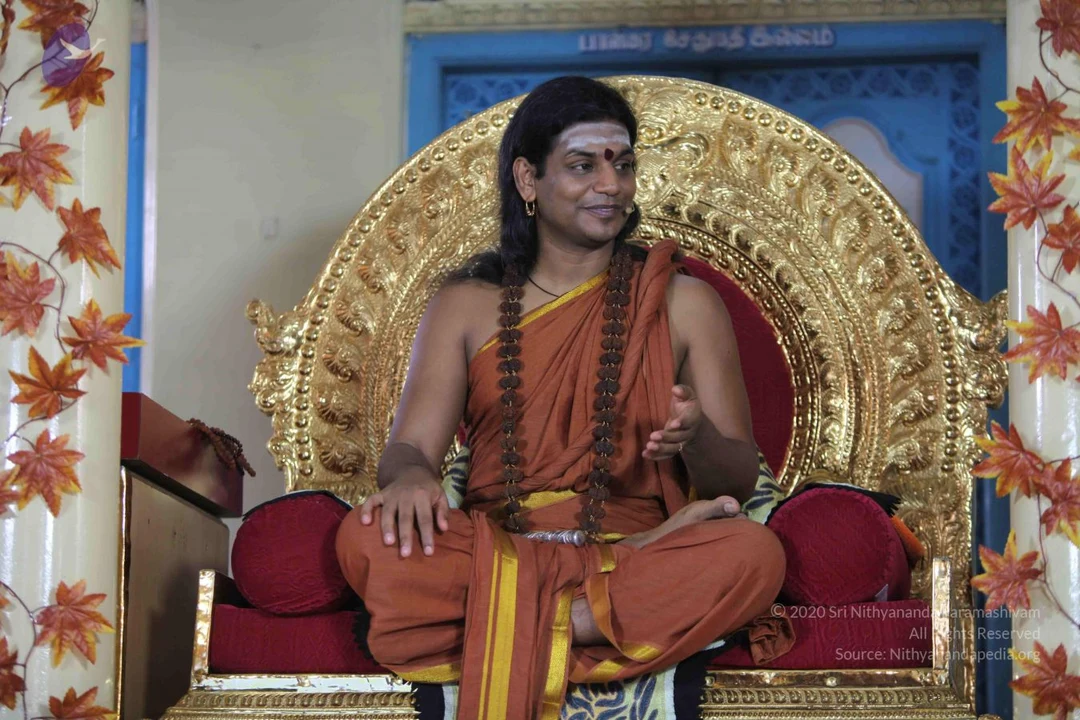
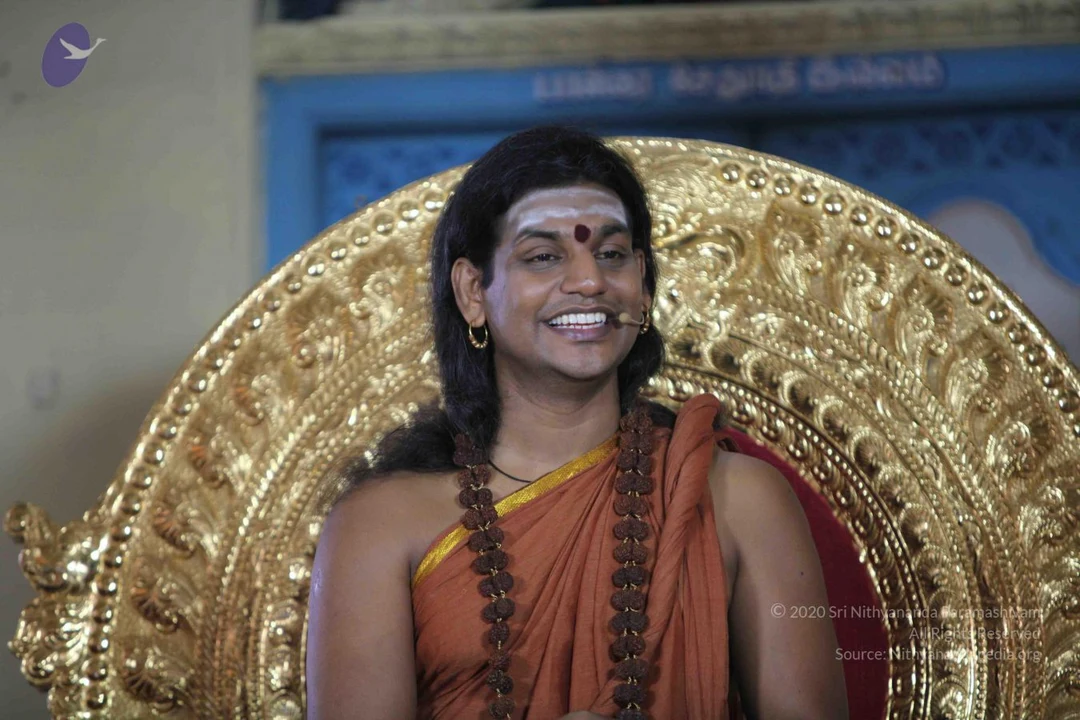
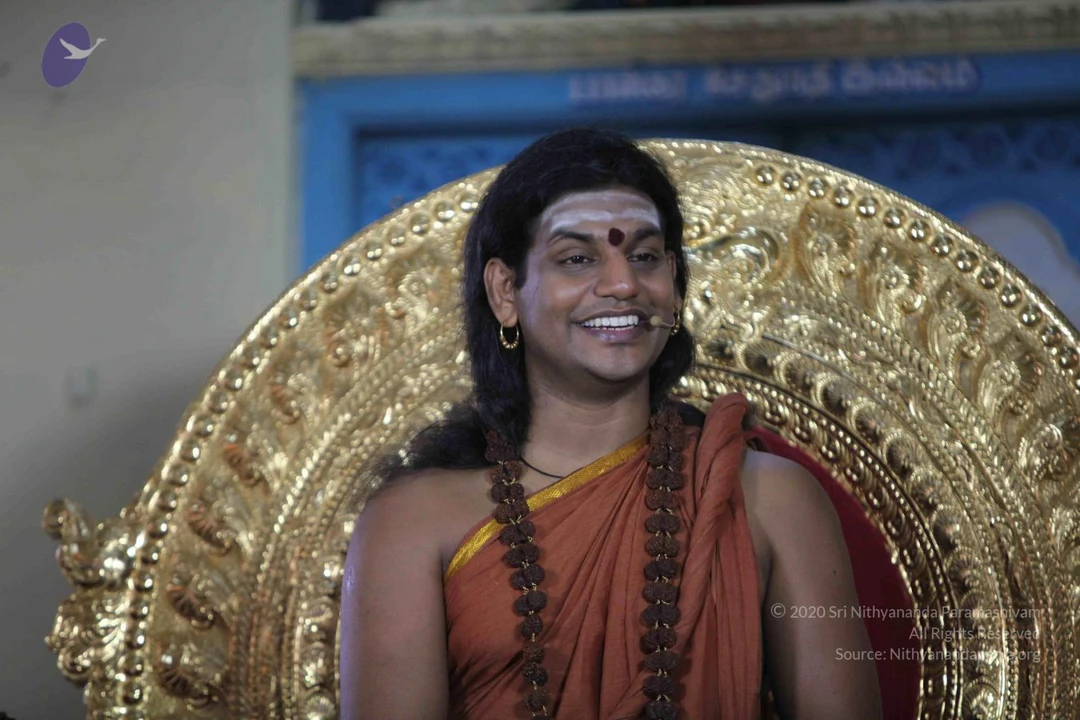
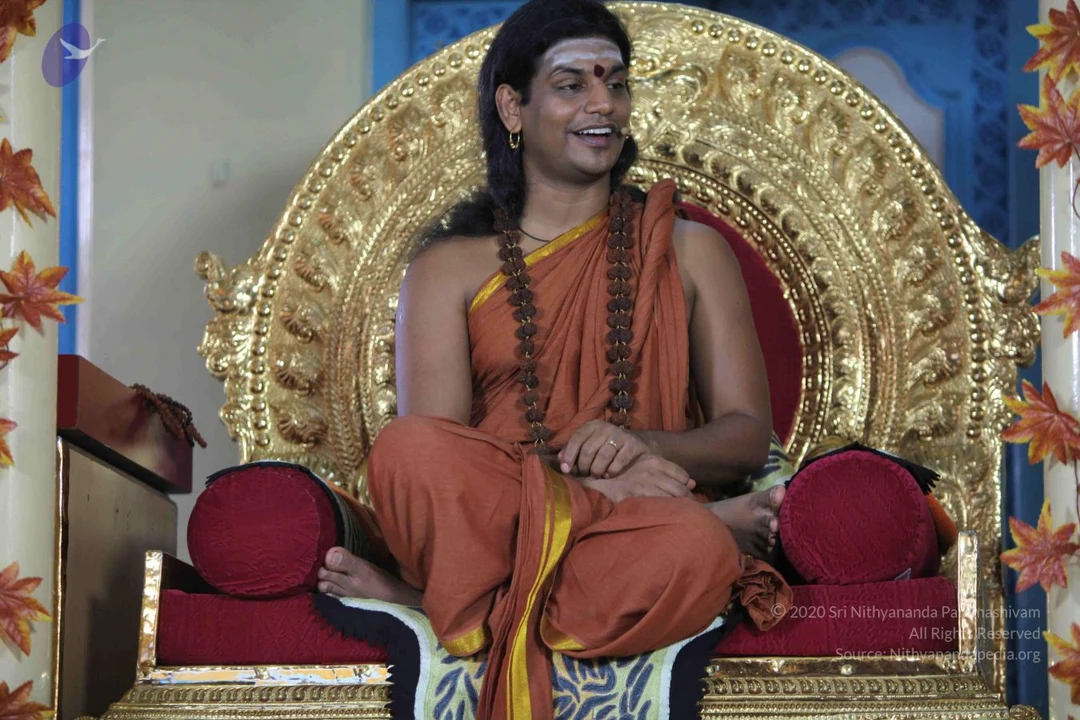
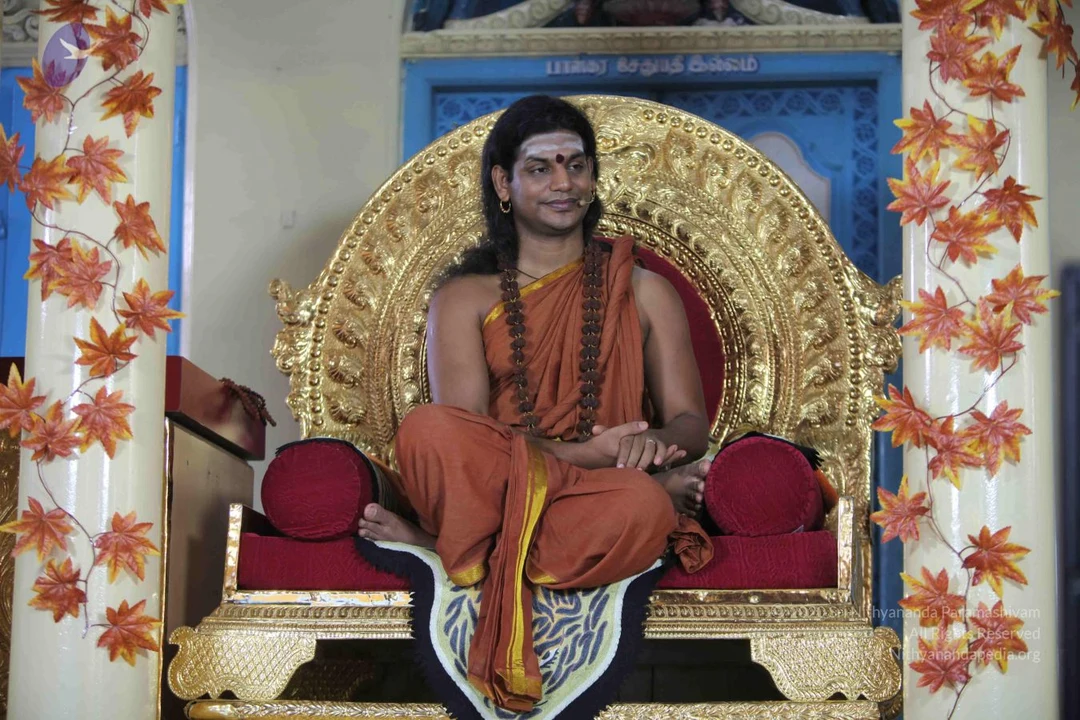
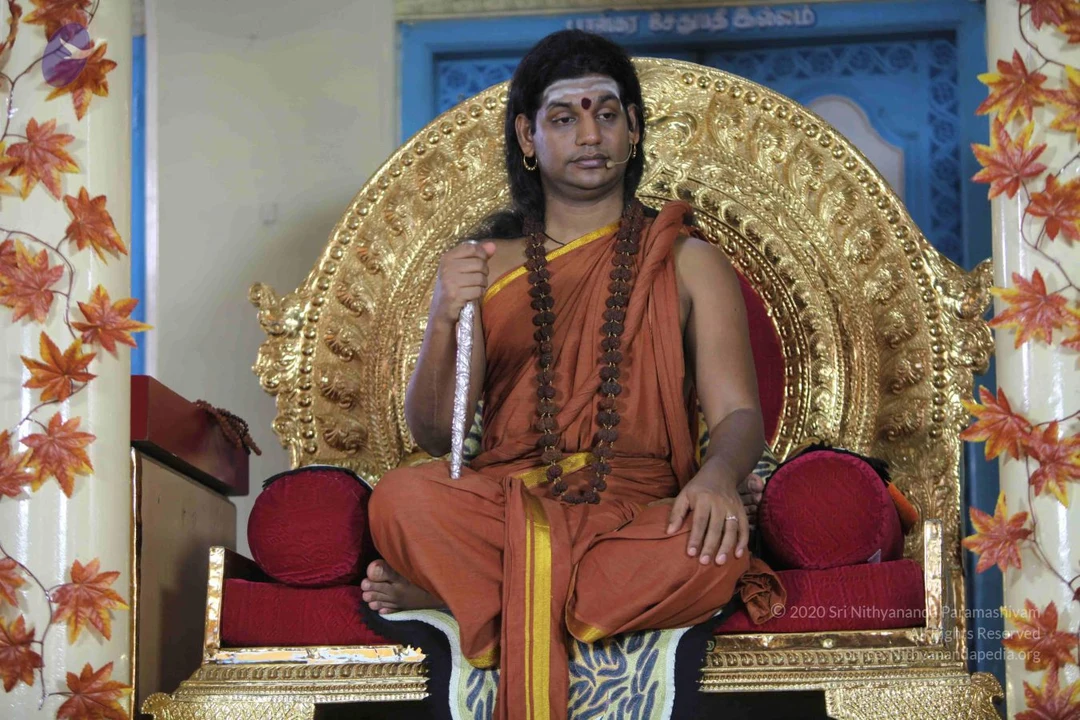
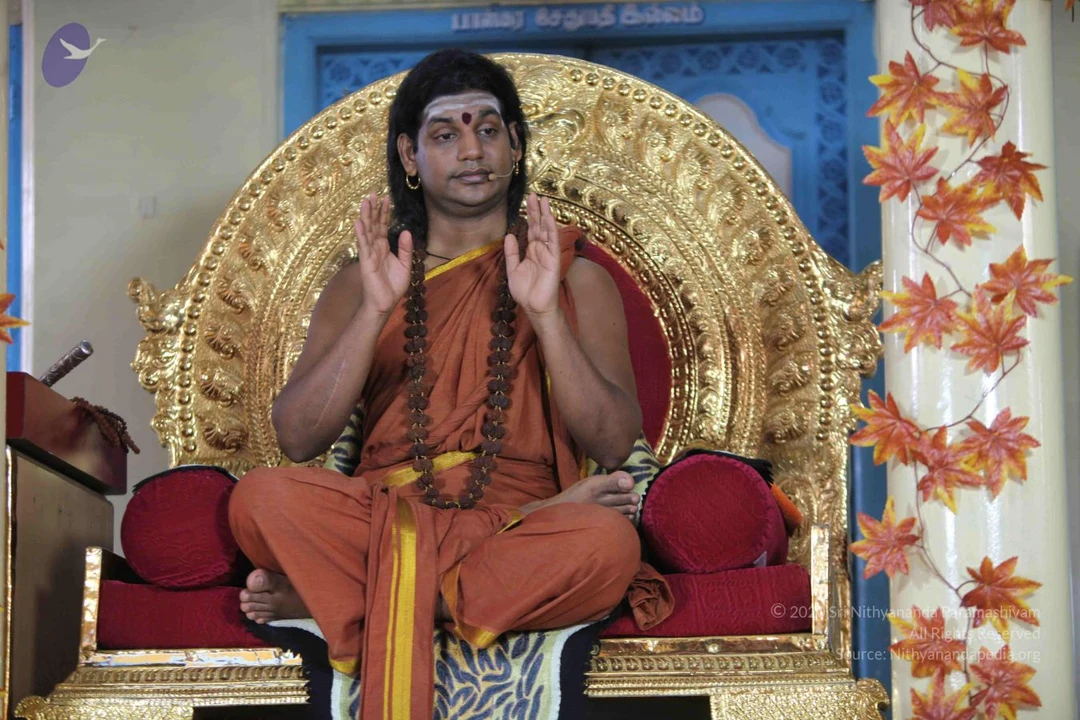
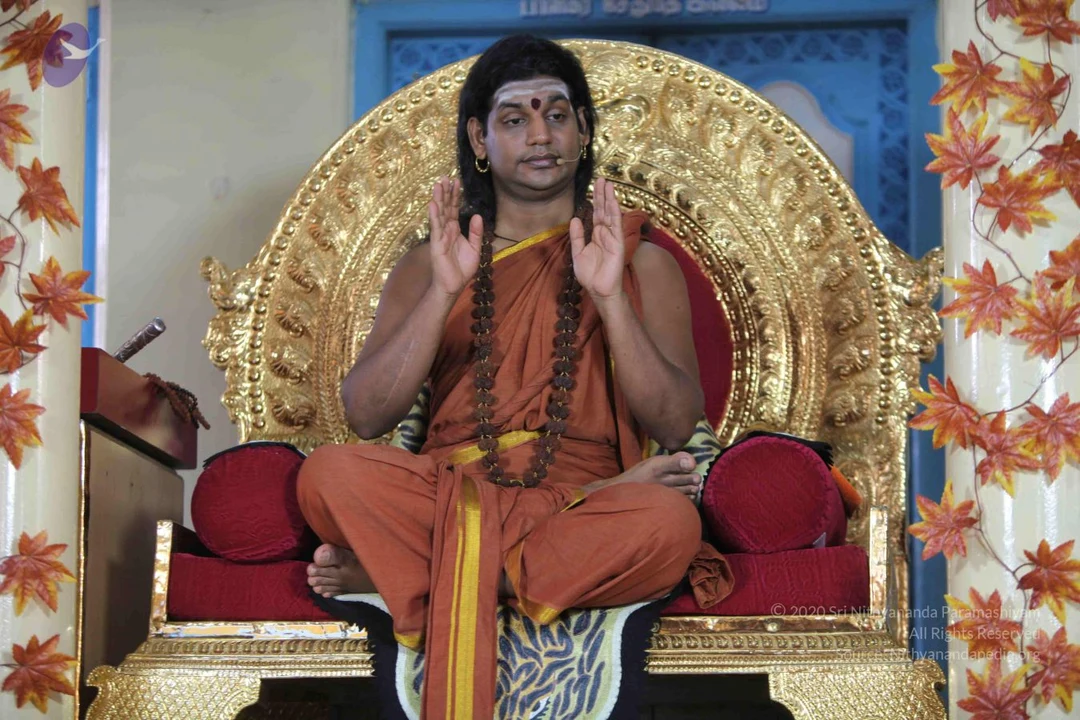
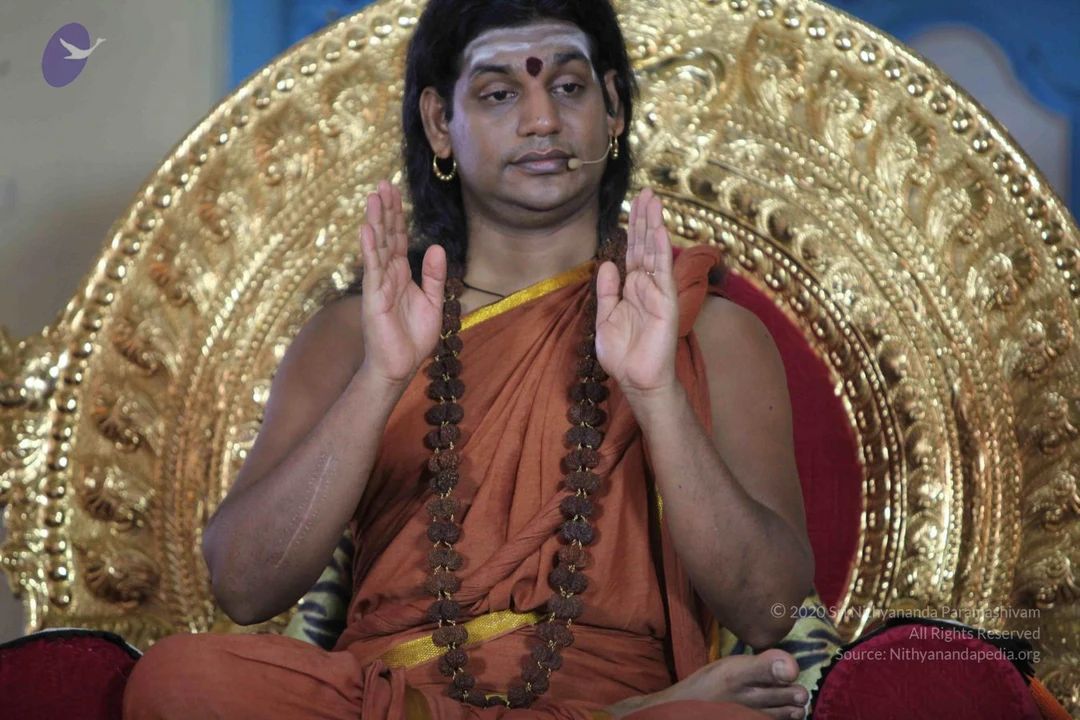
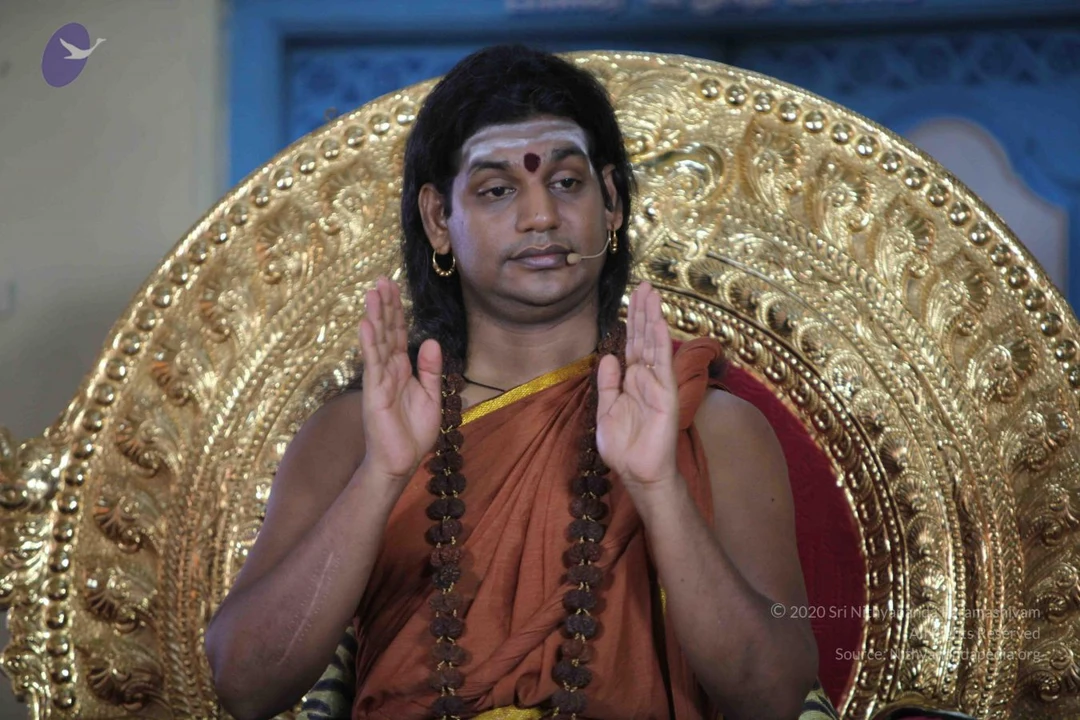
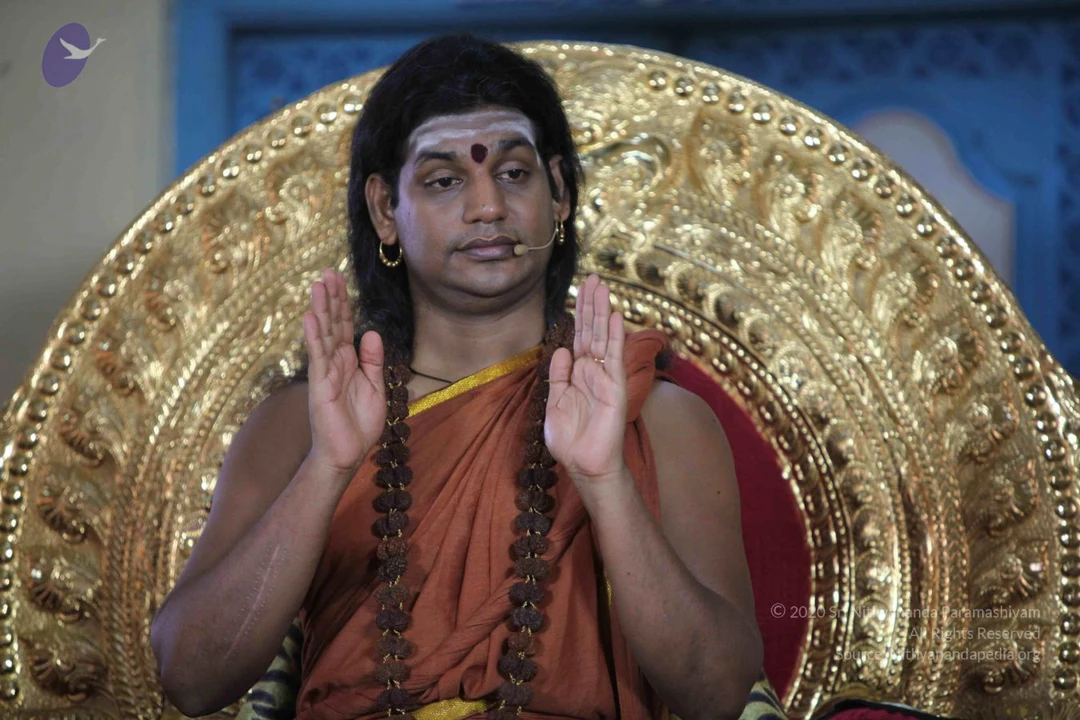
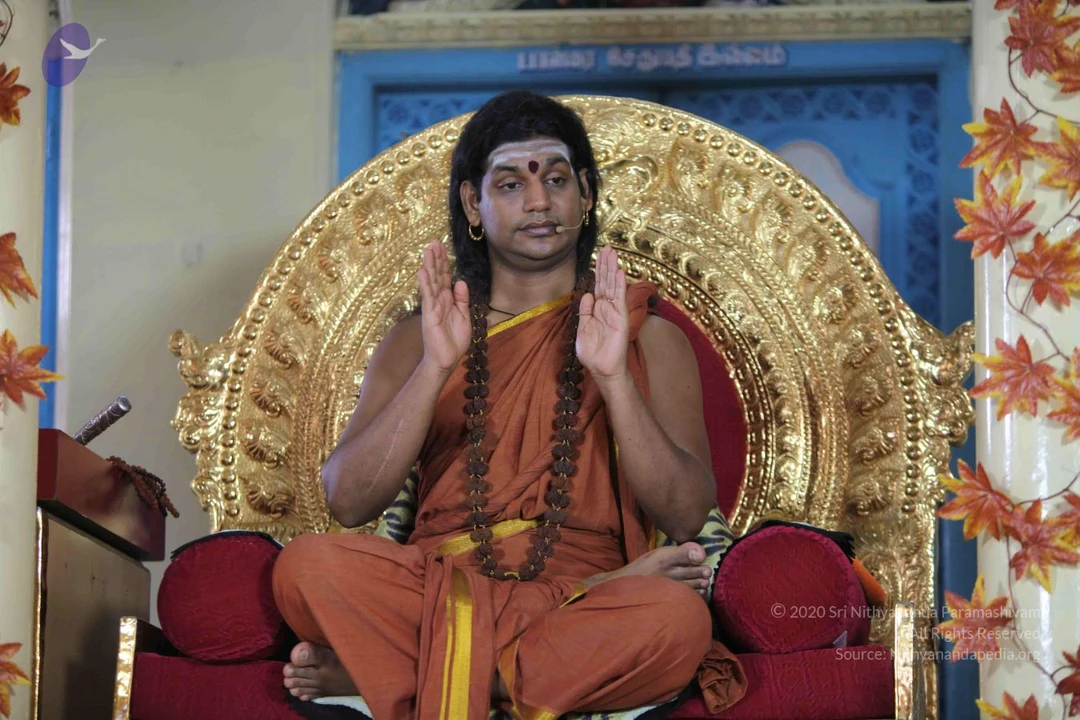
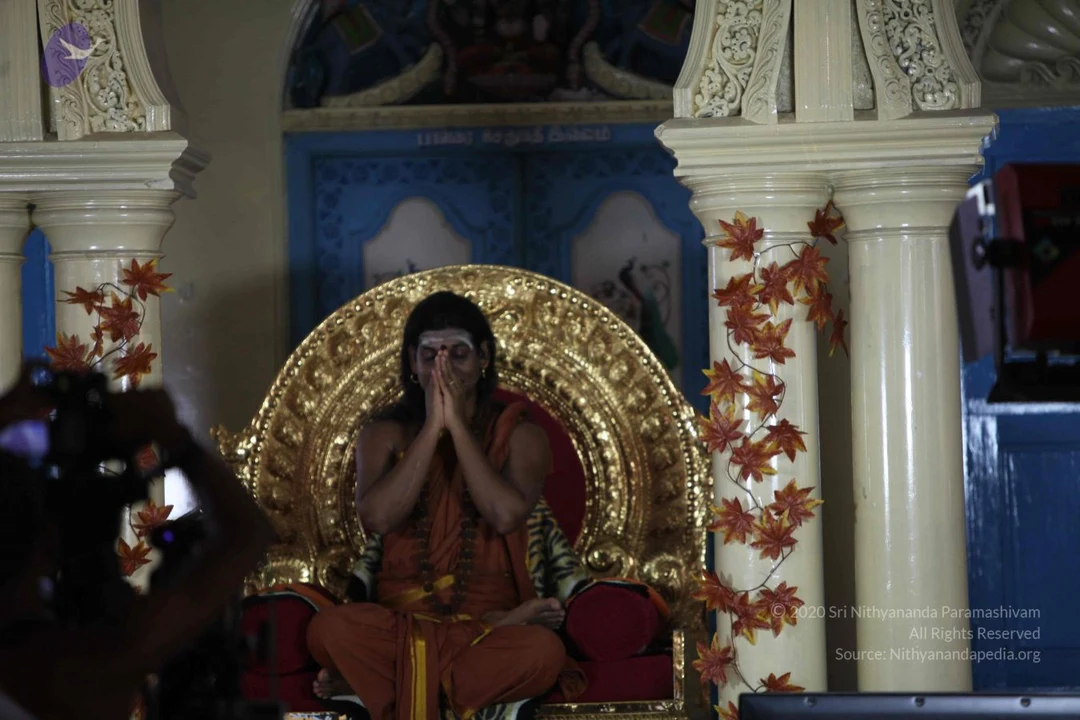
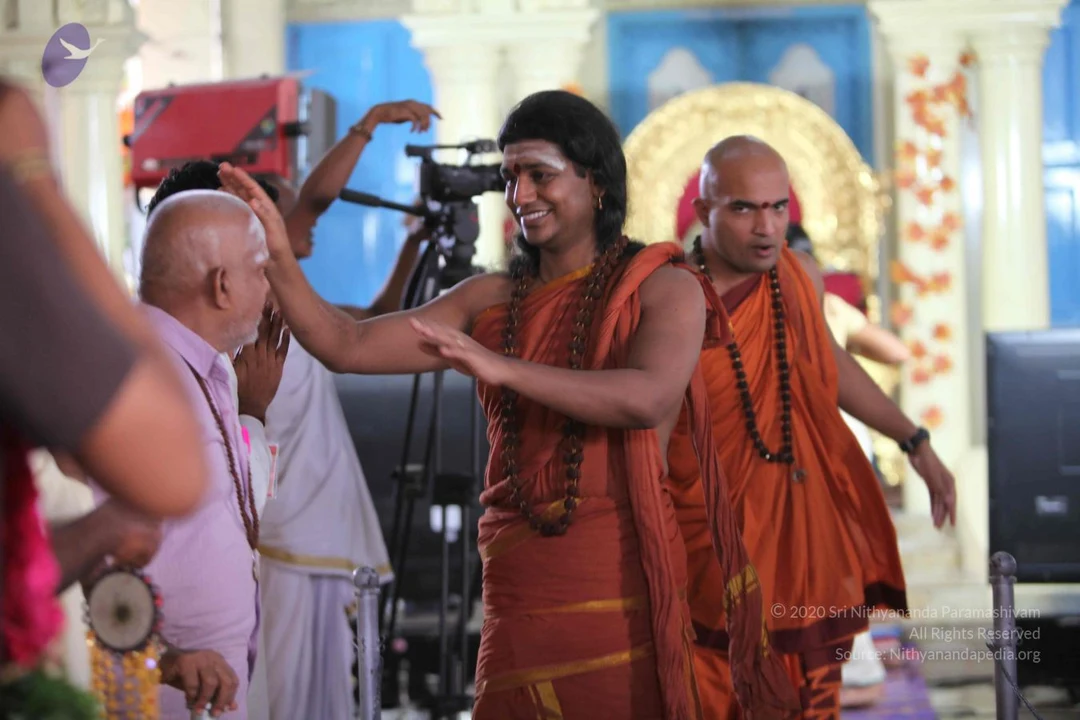
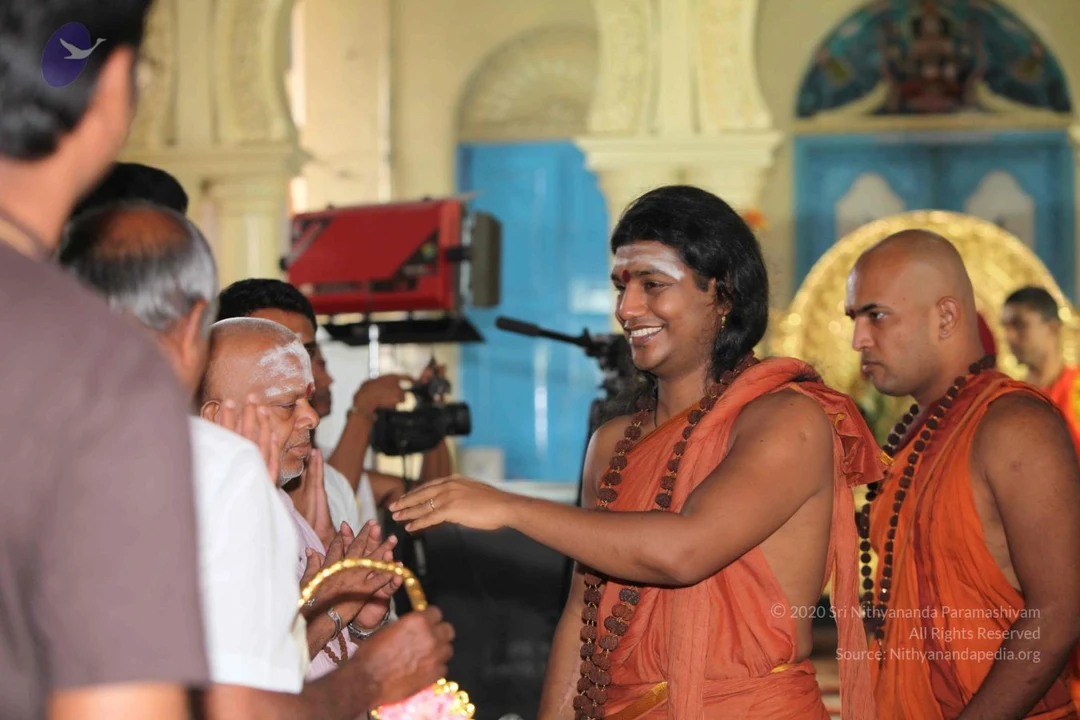
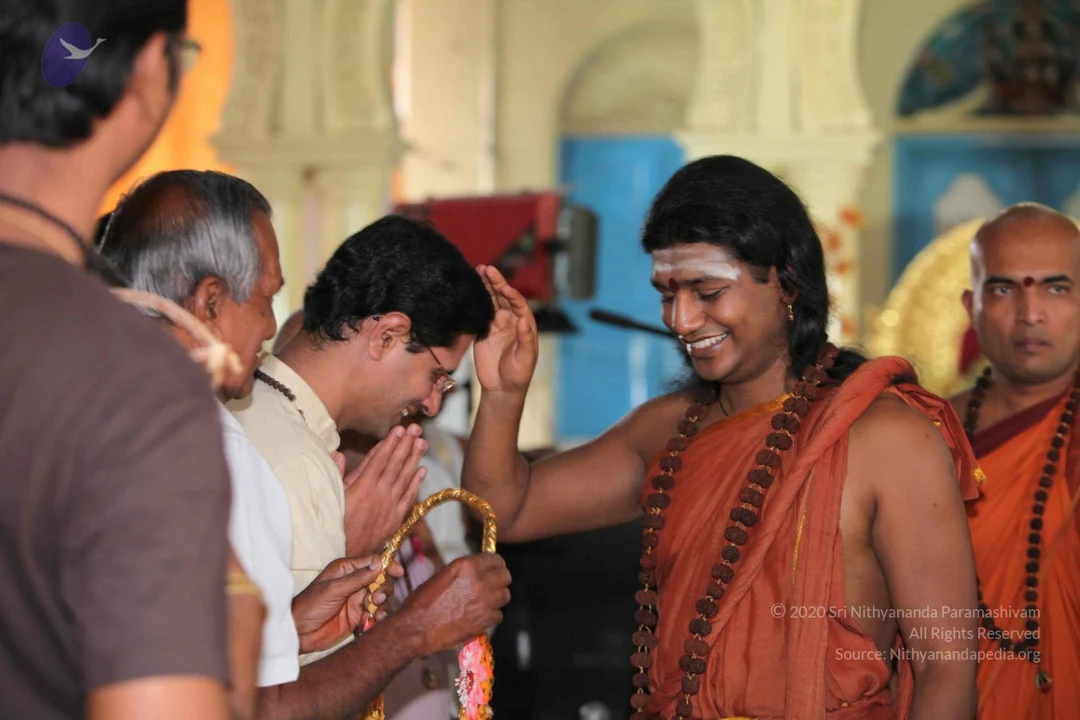
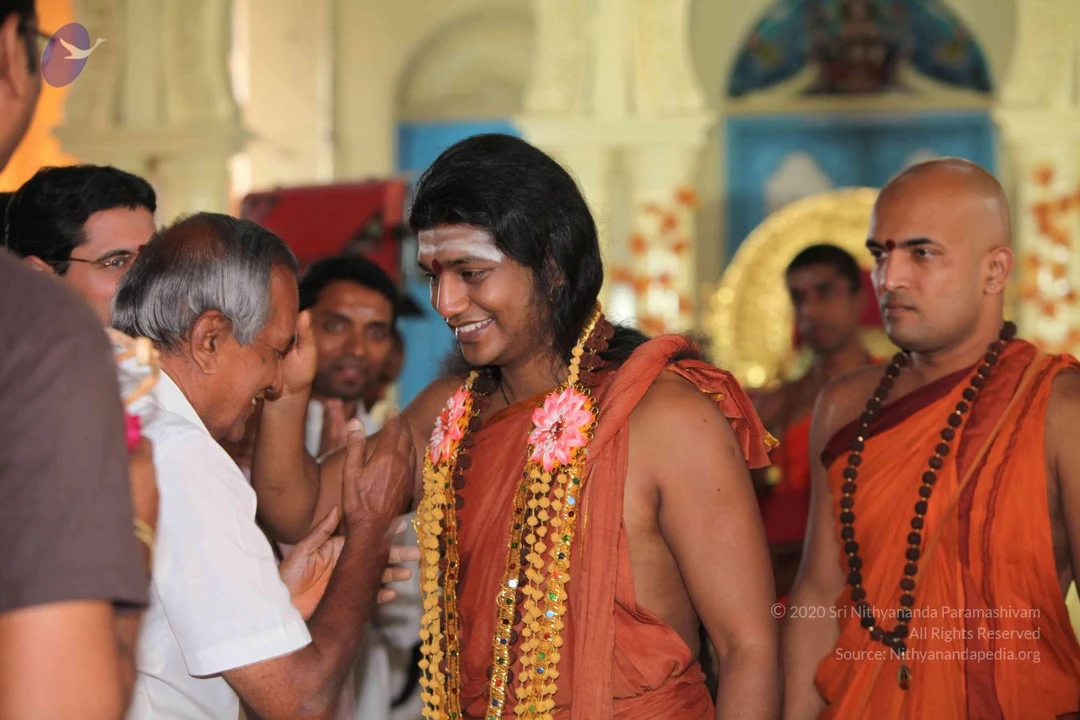
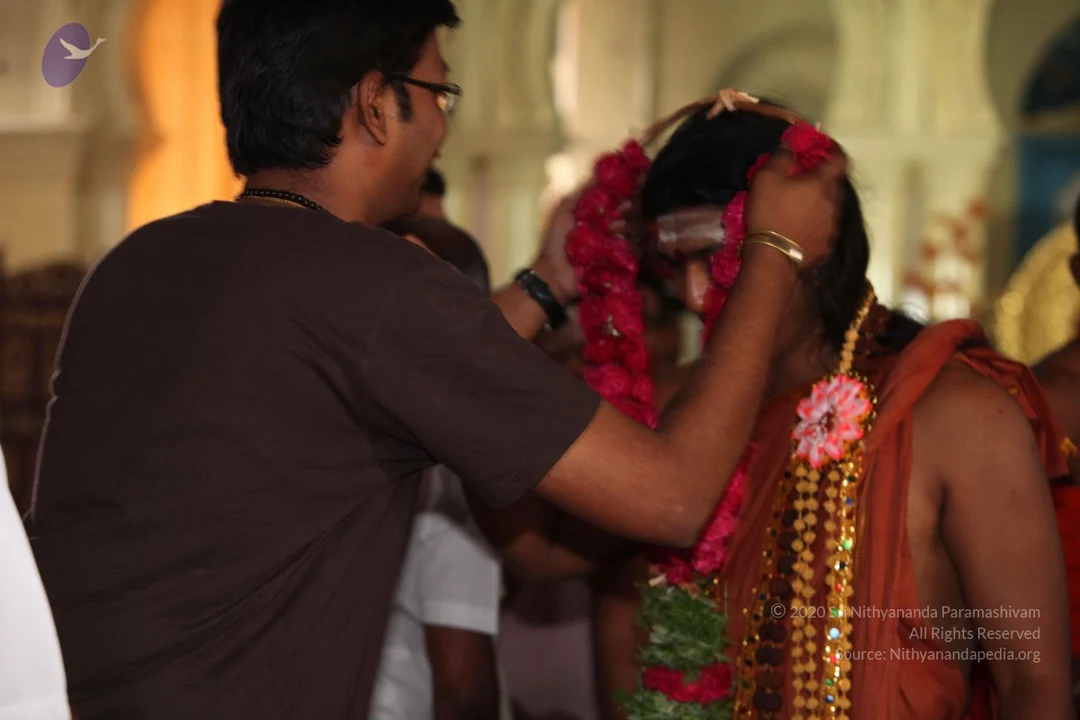
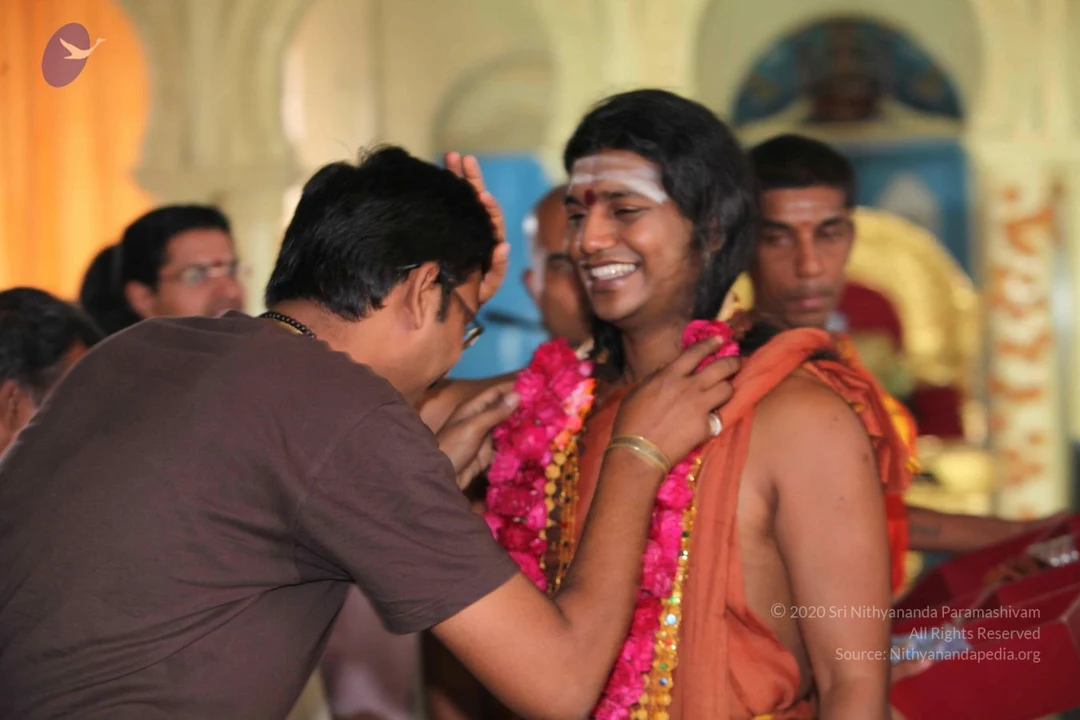
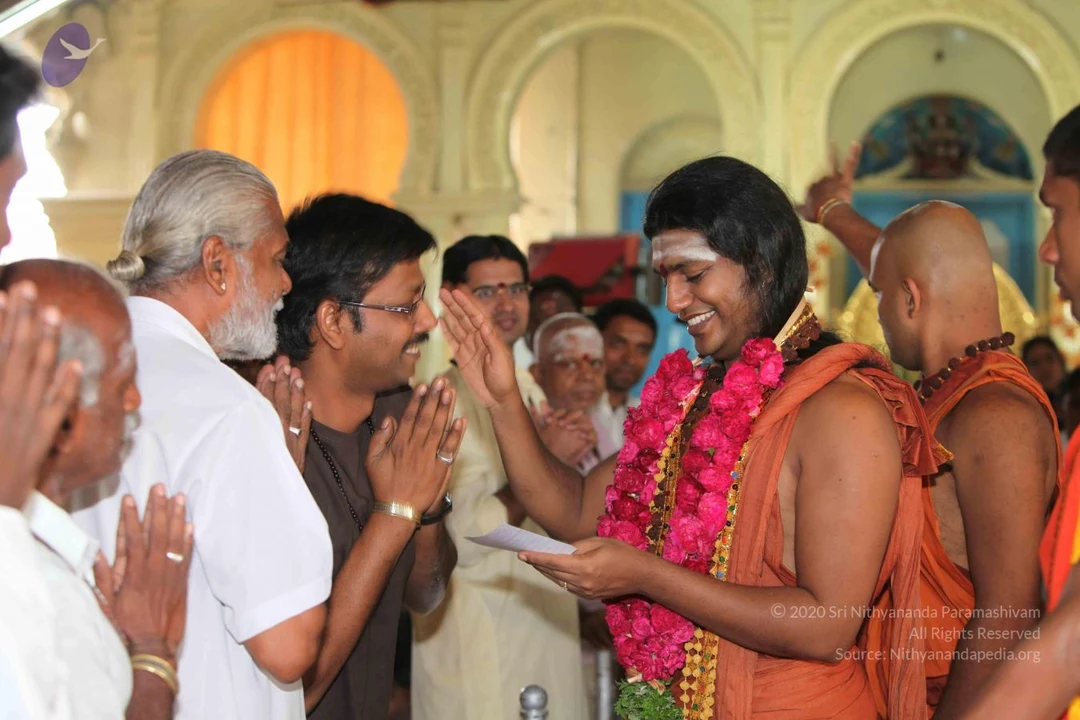
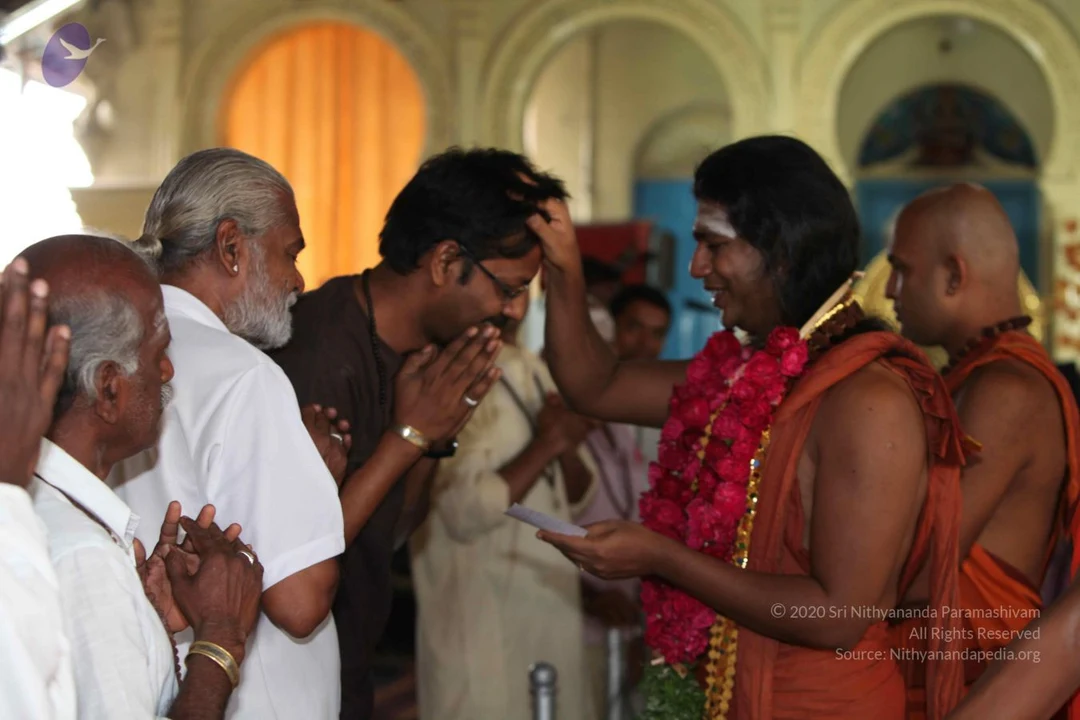
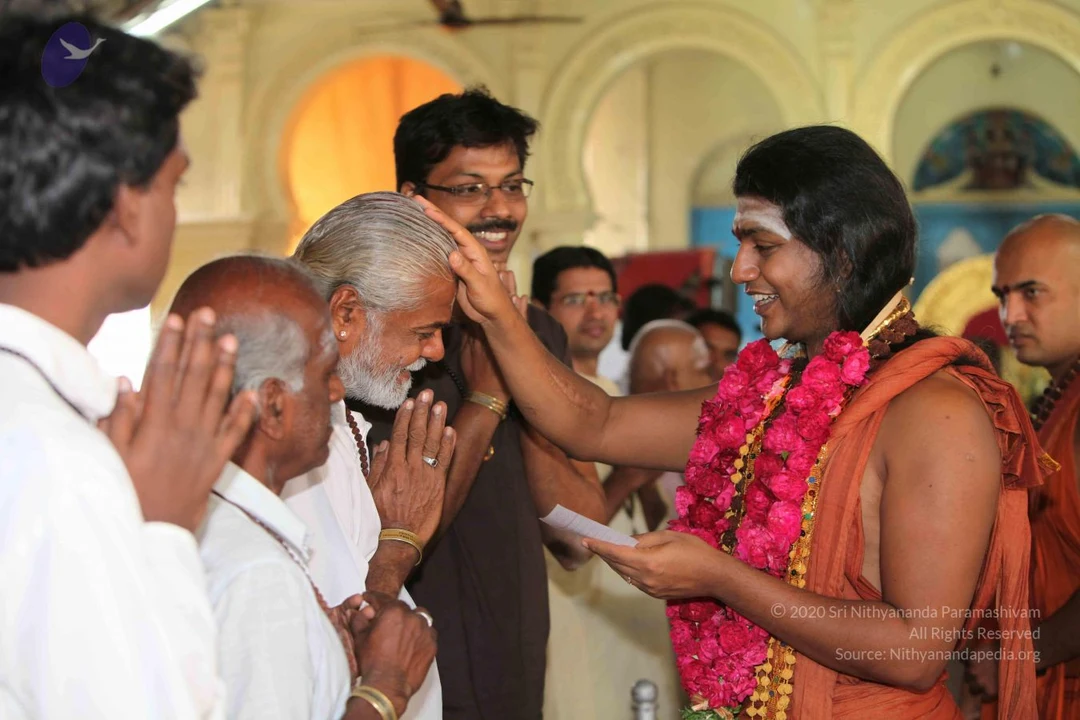
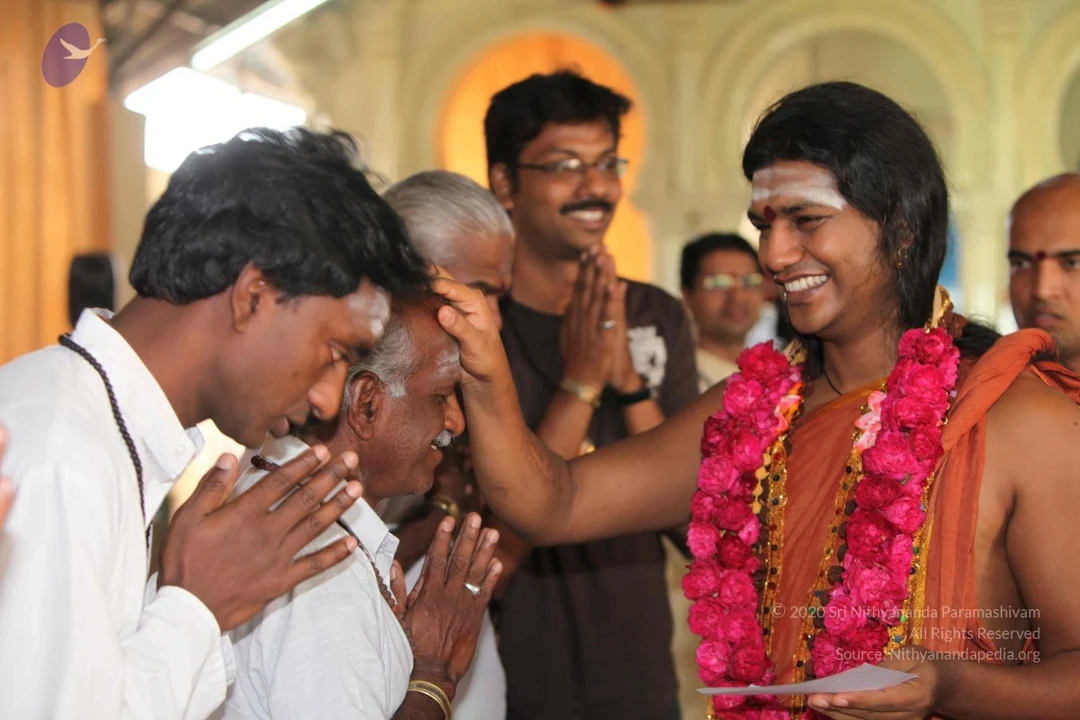
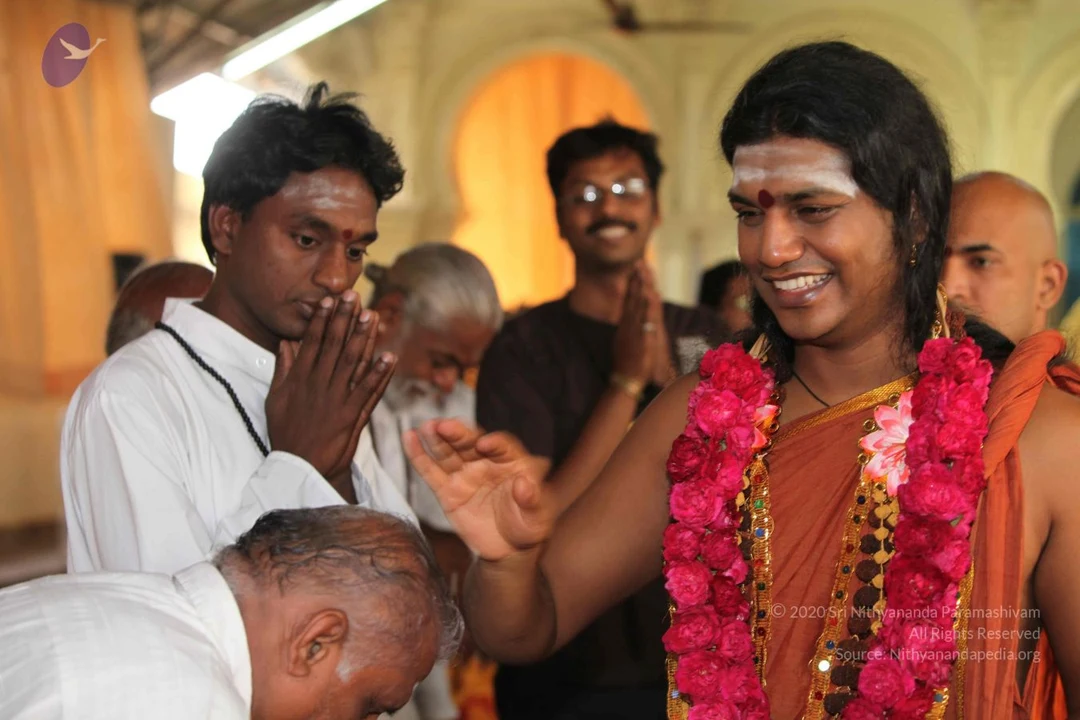
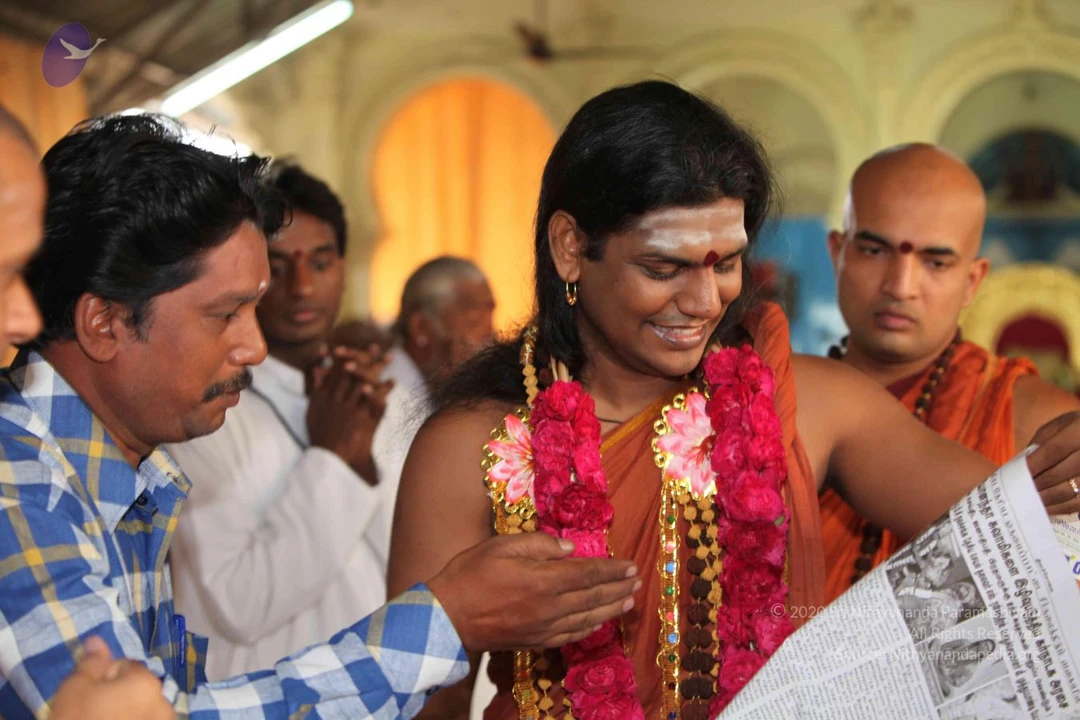
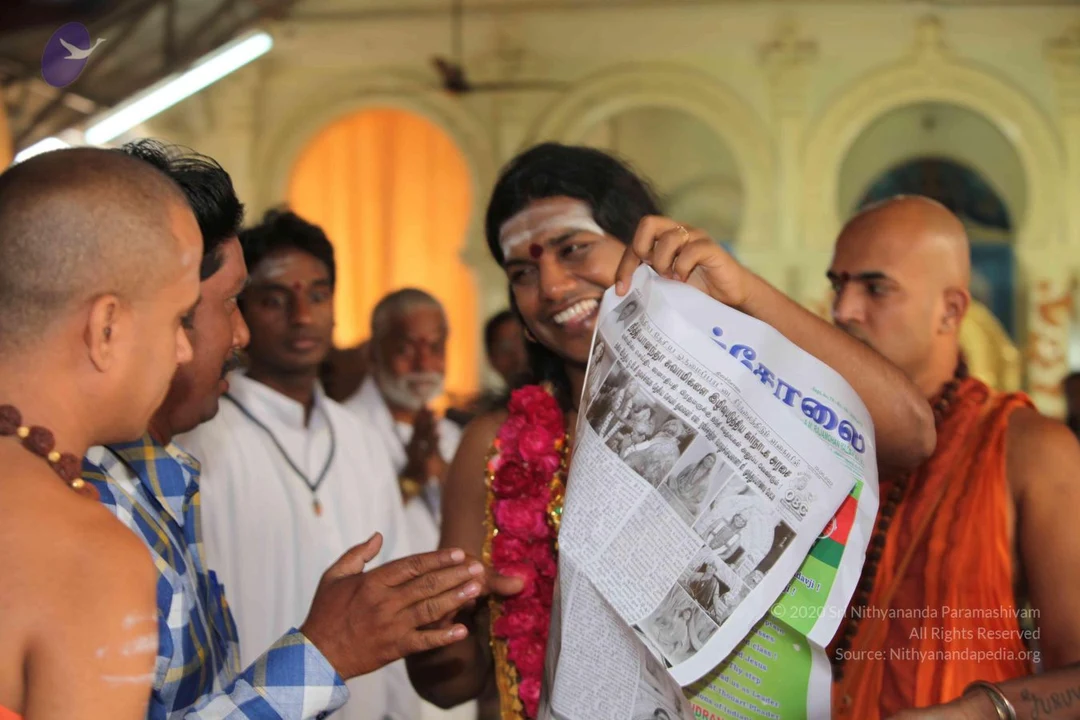
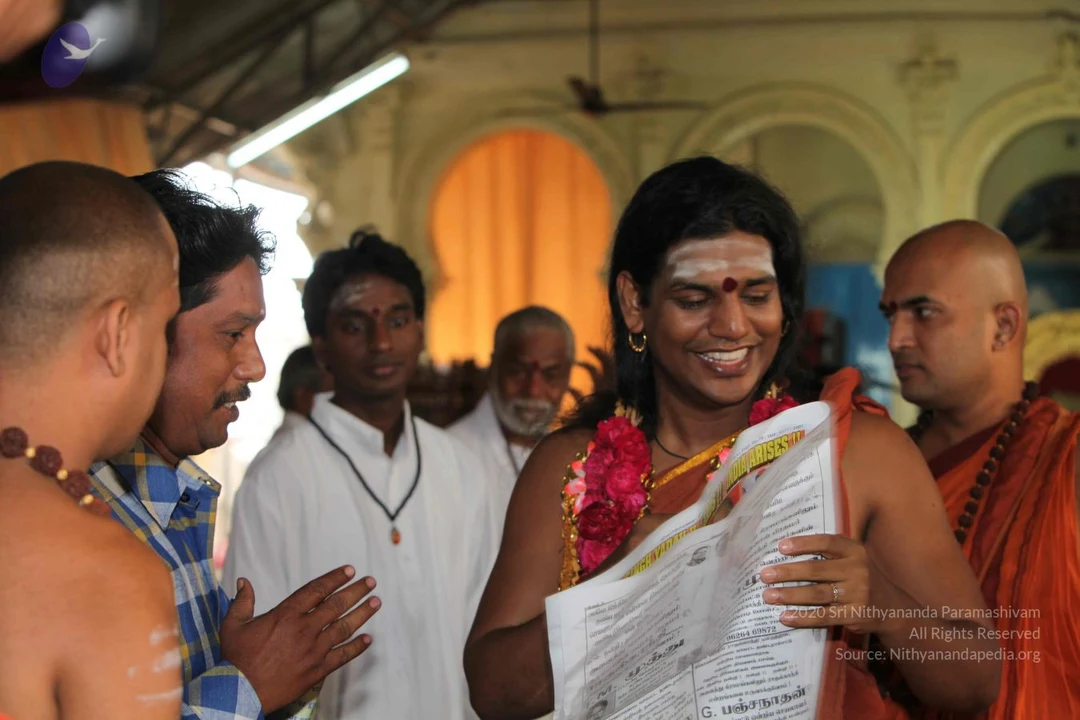
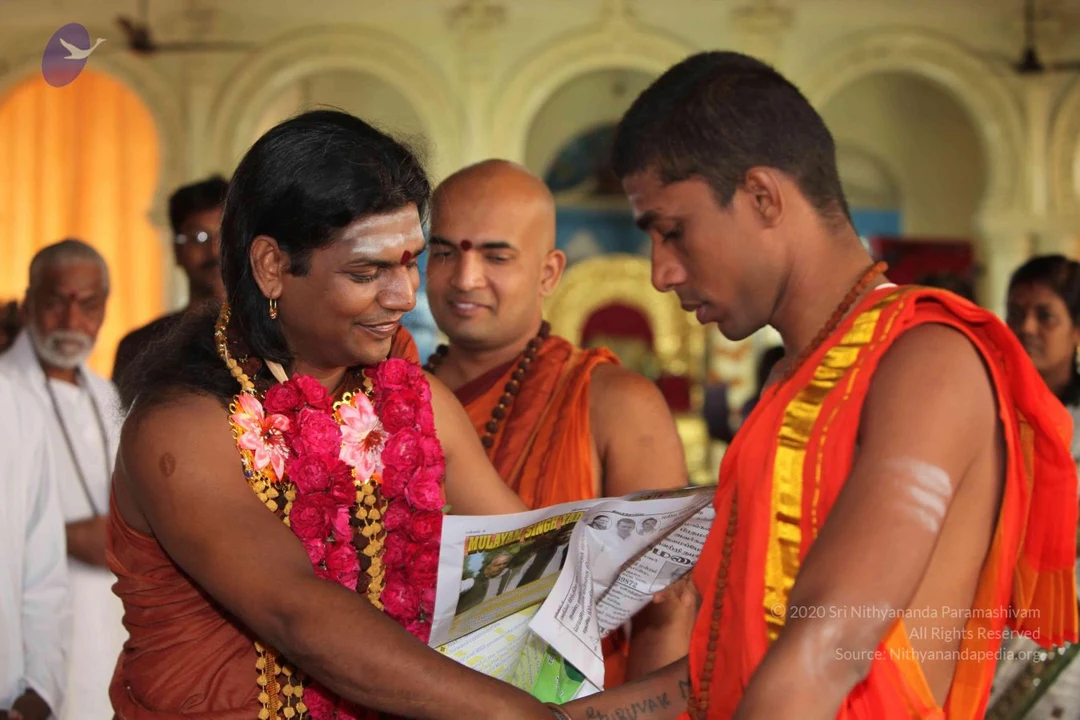
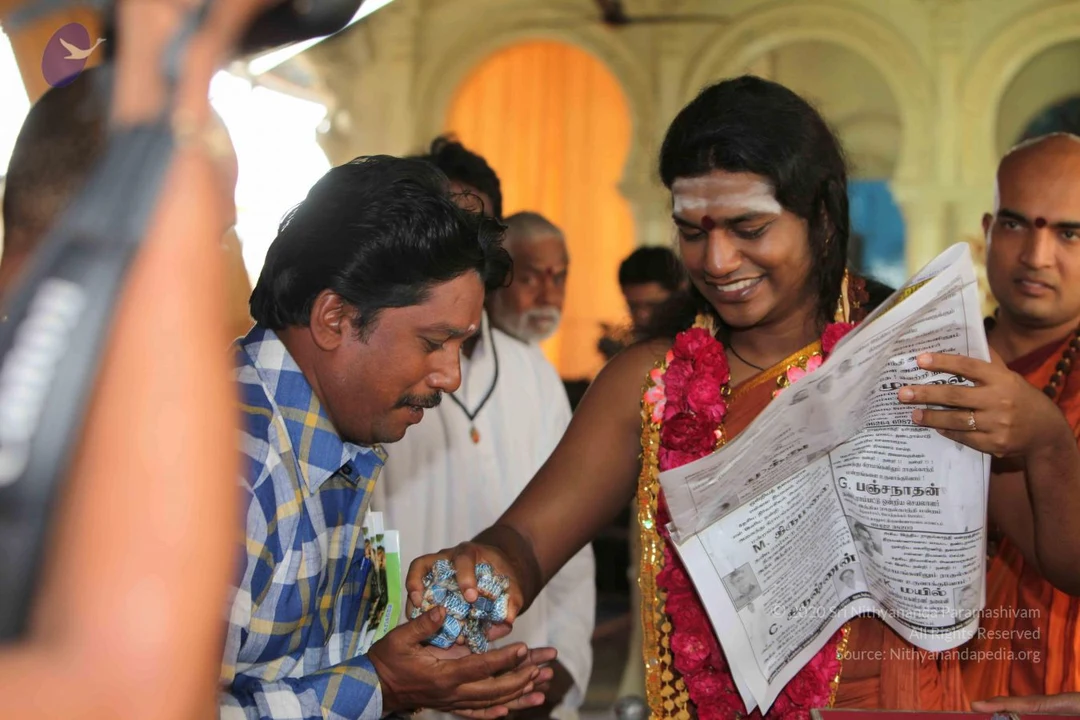
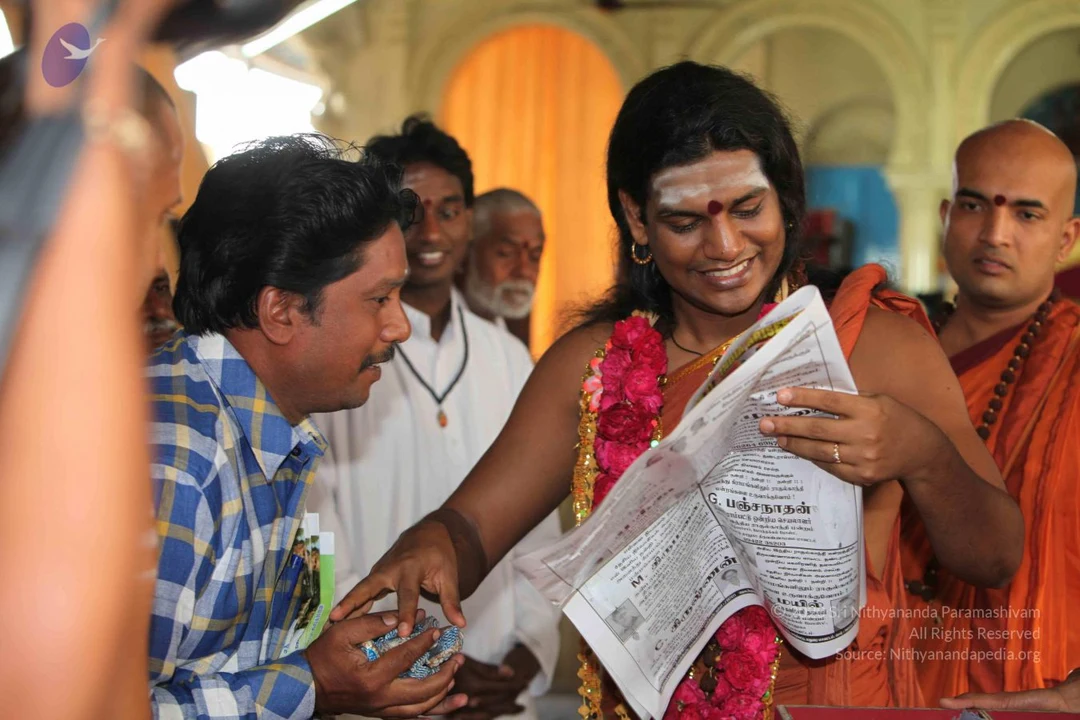
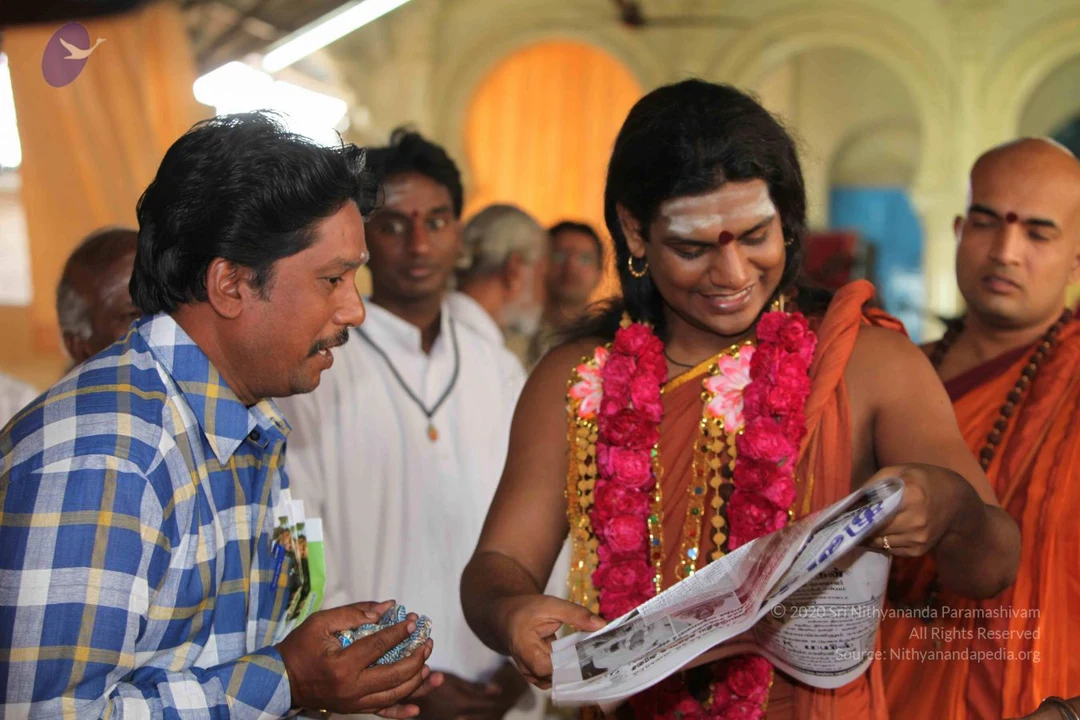
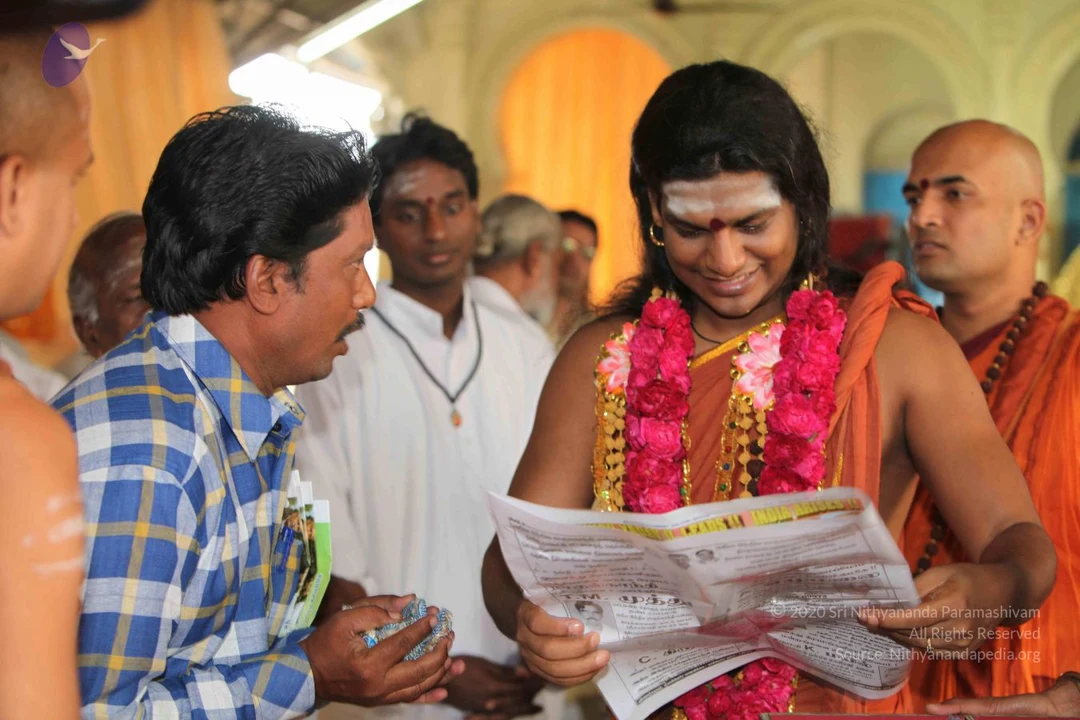
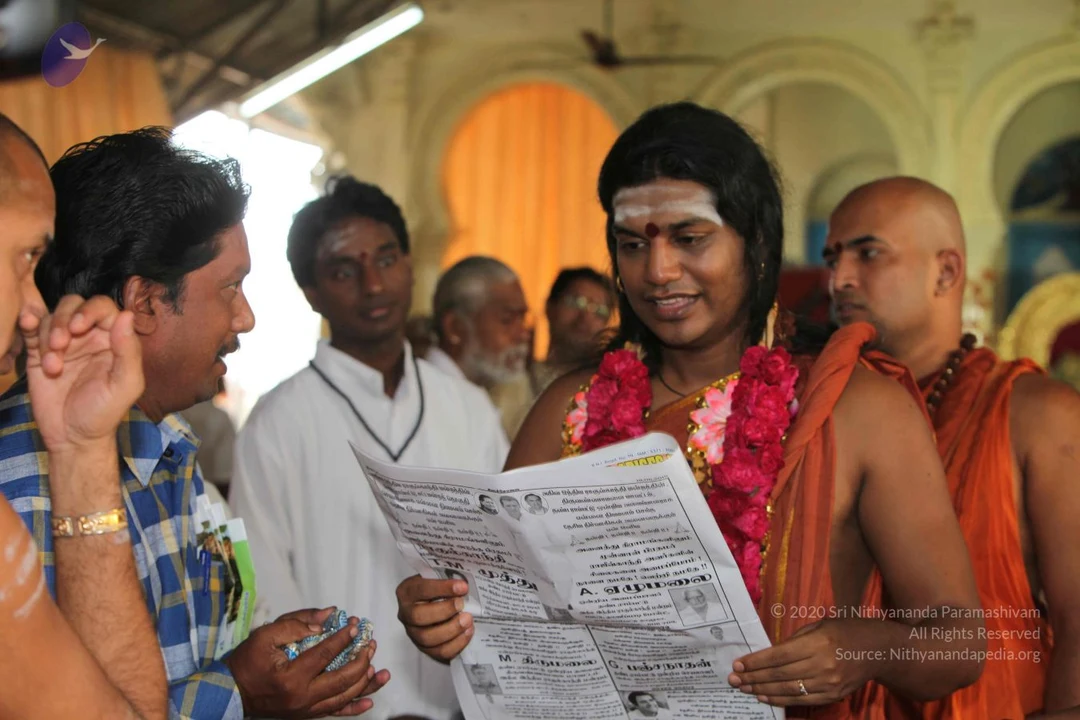
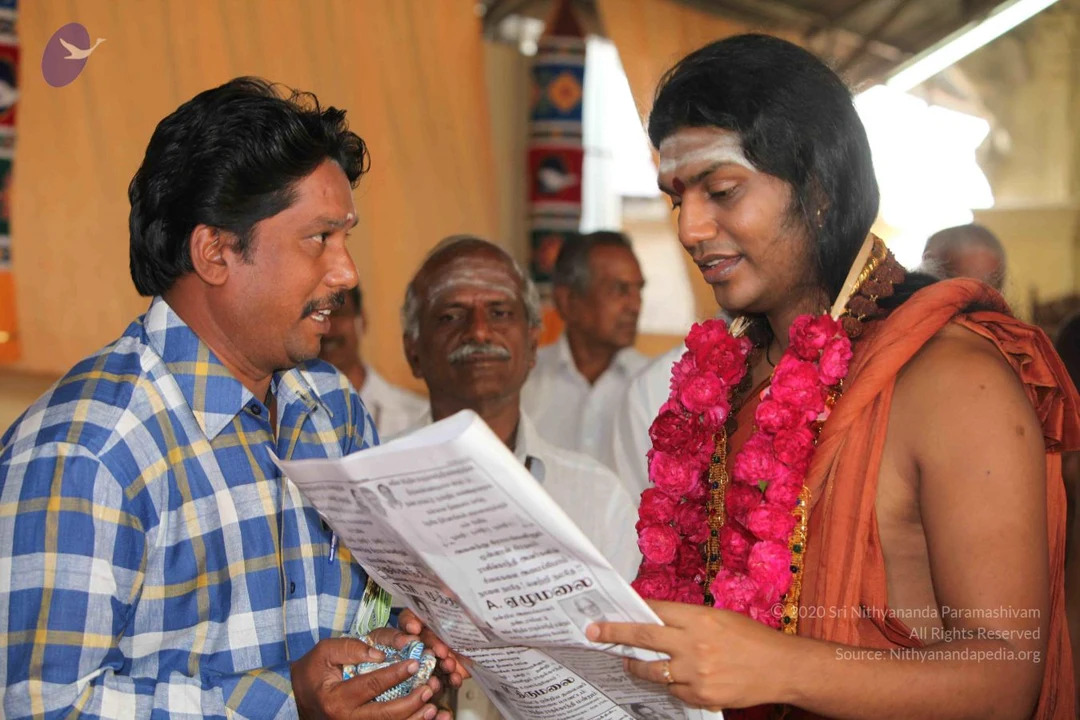
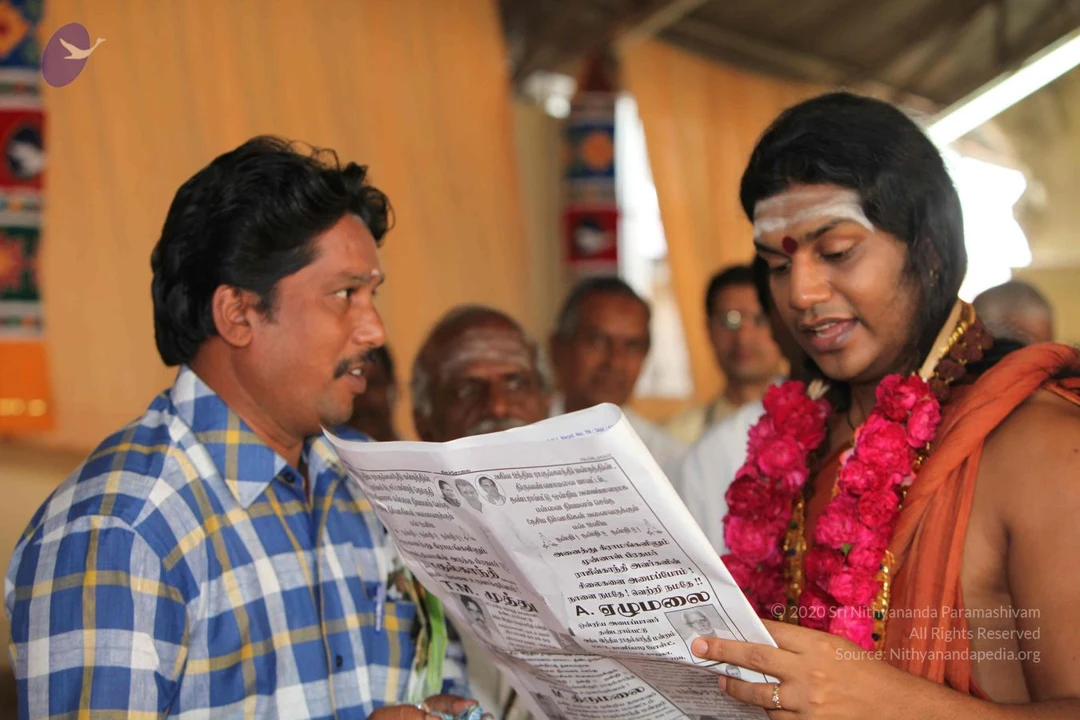
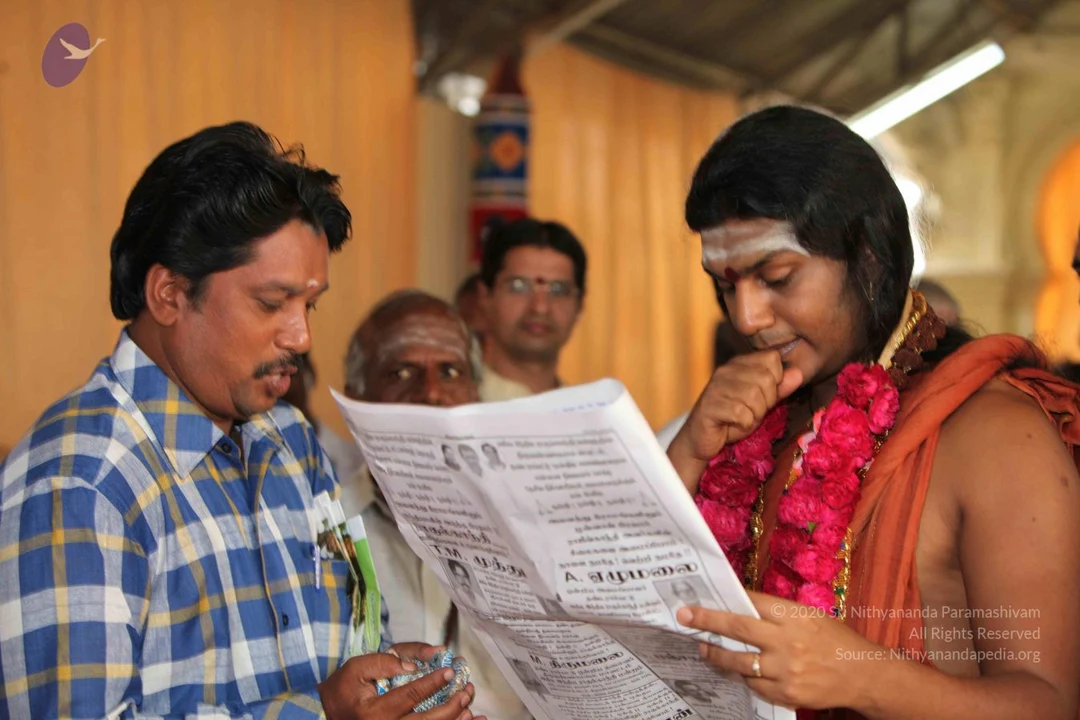
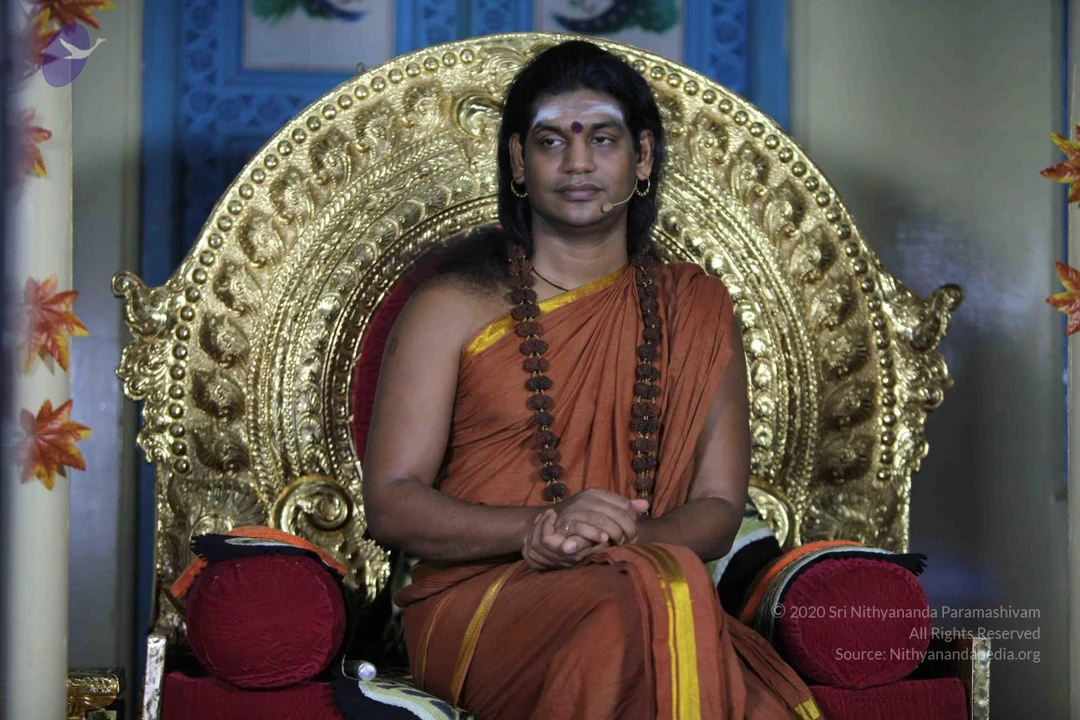
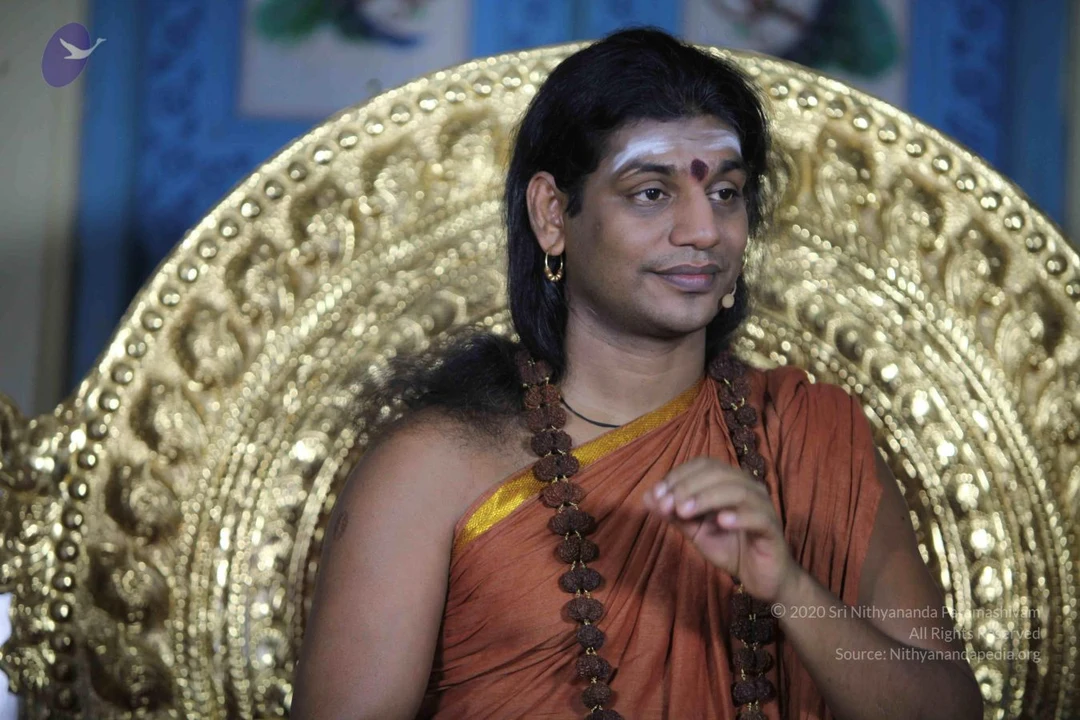
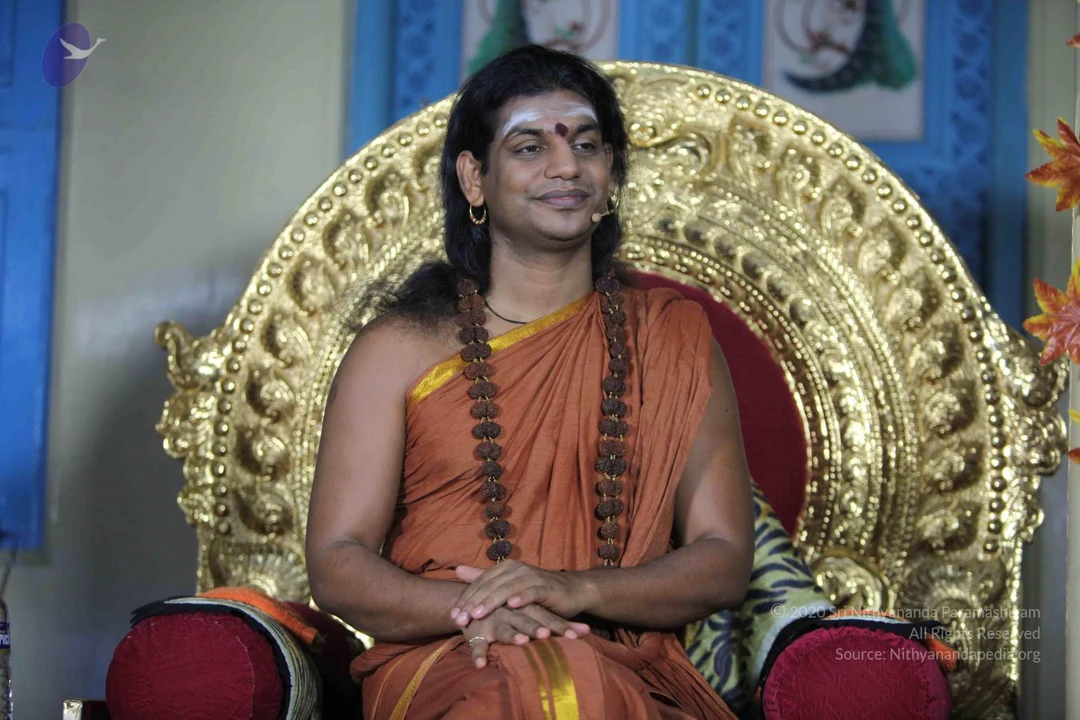
Evening-Satsang
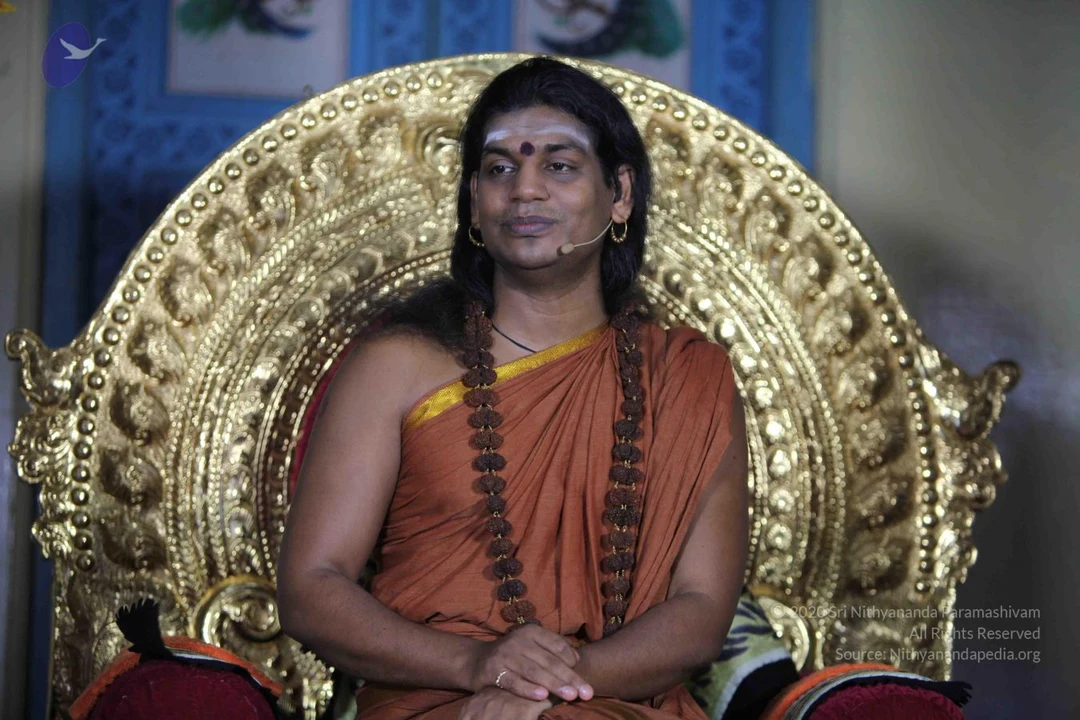
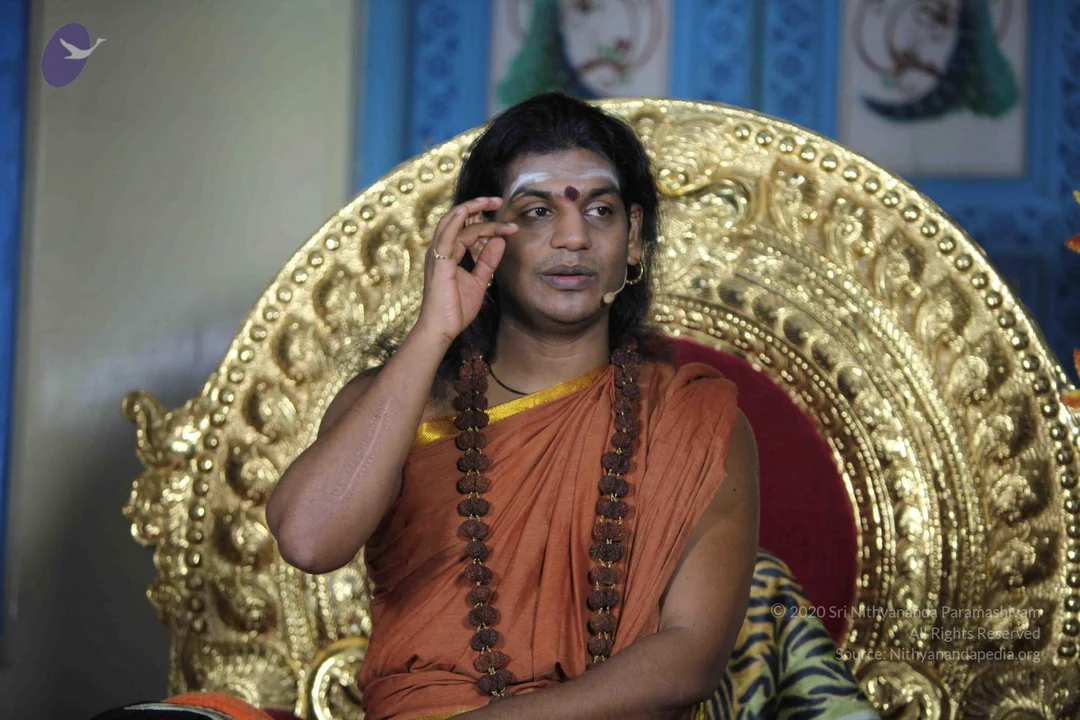
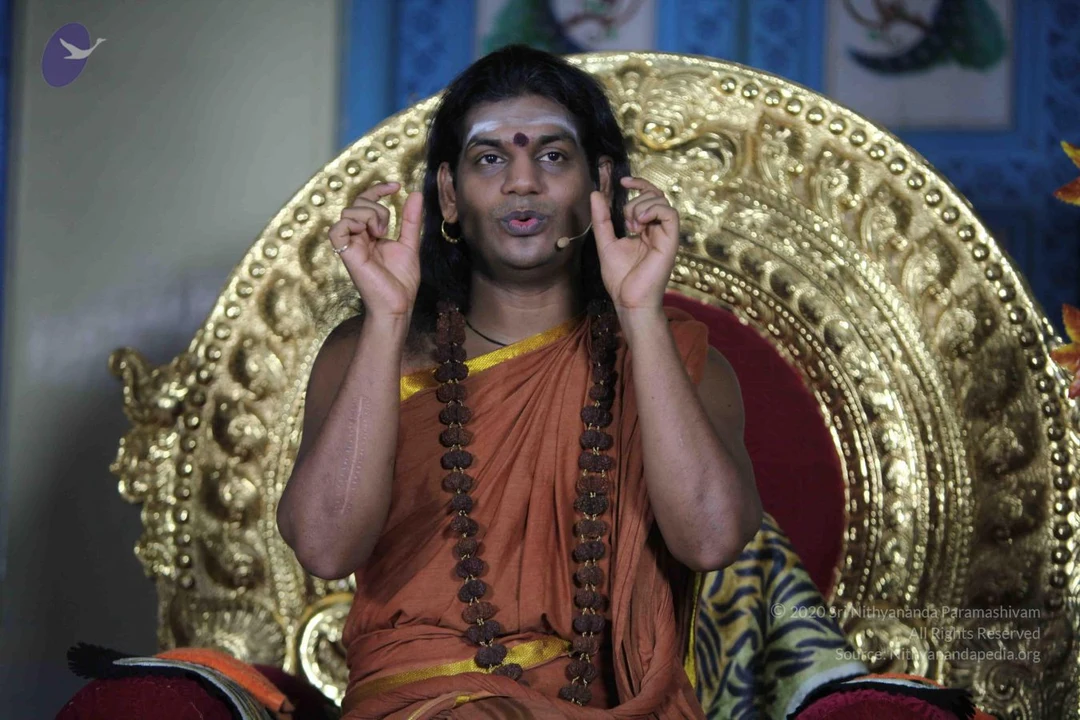
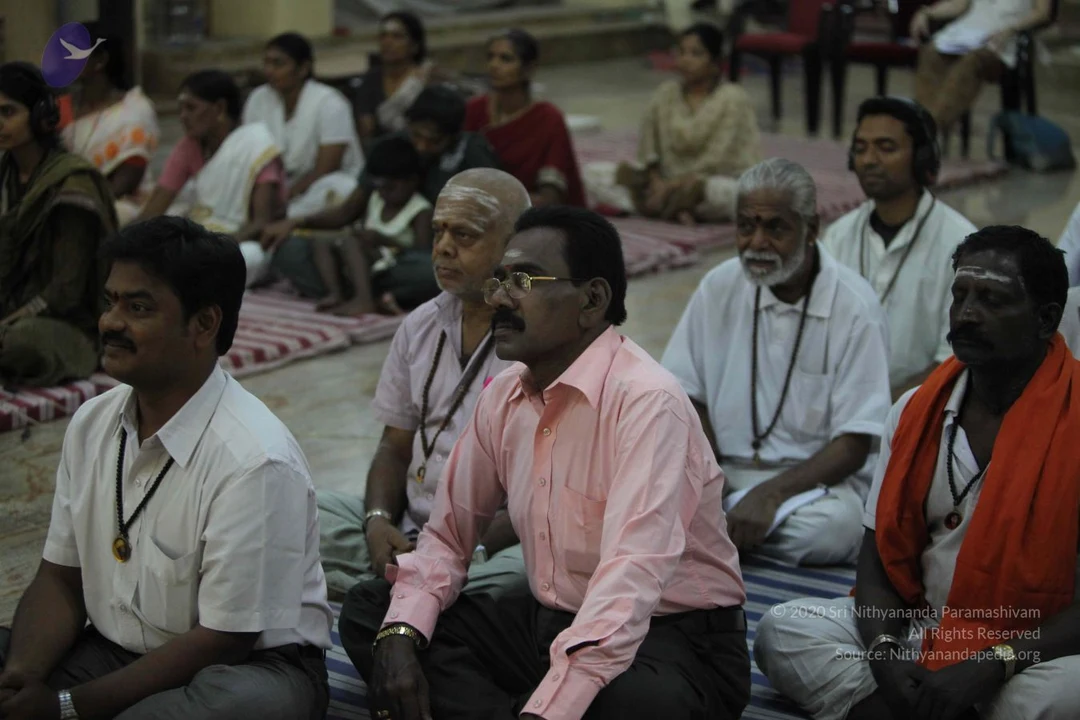
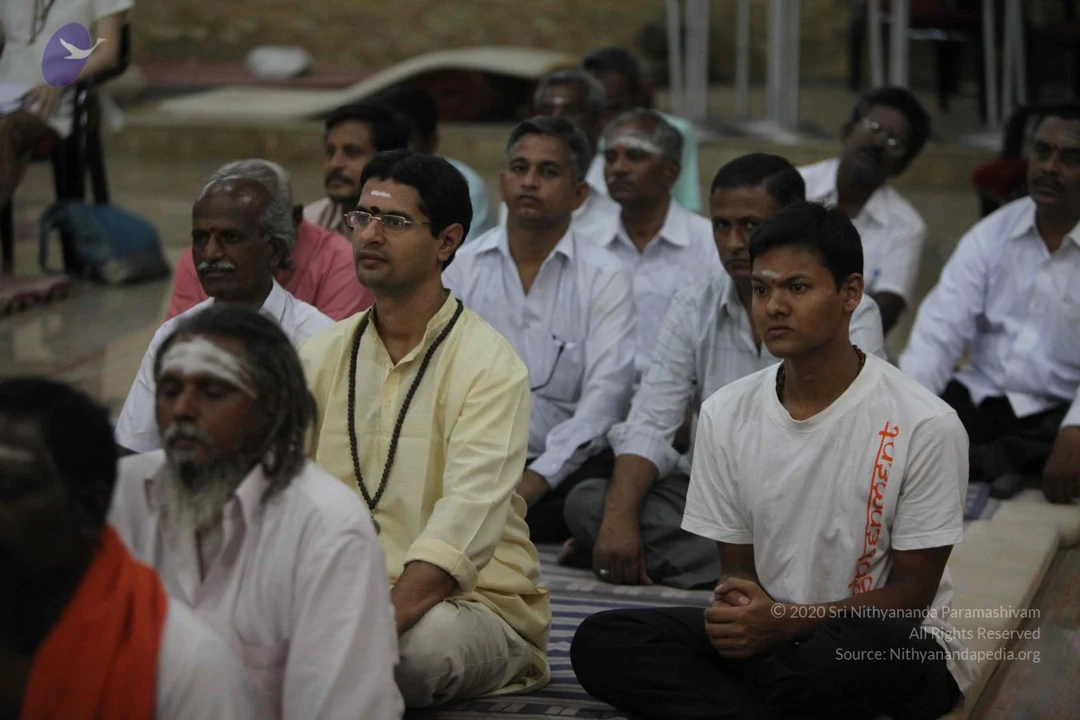
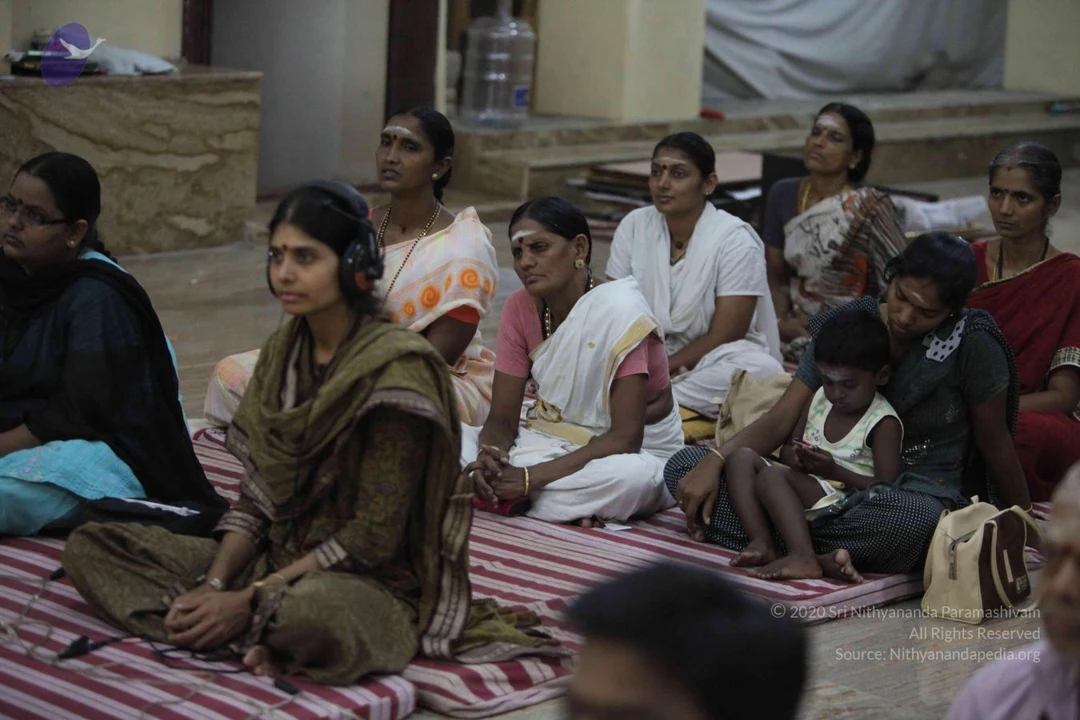
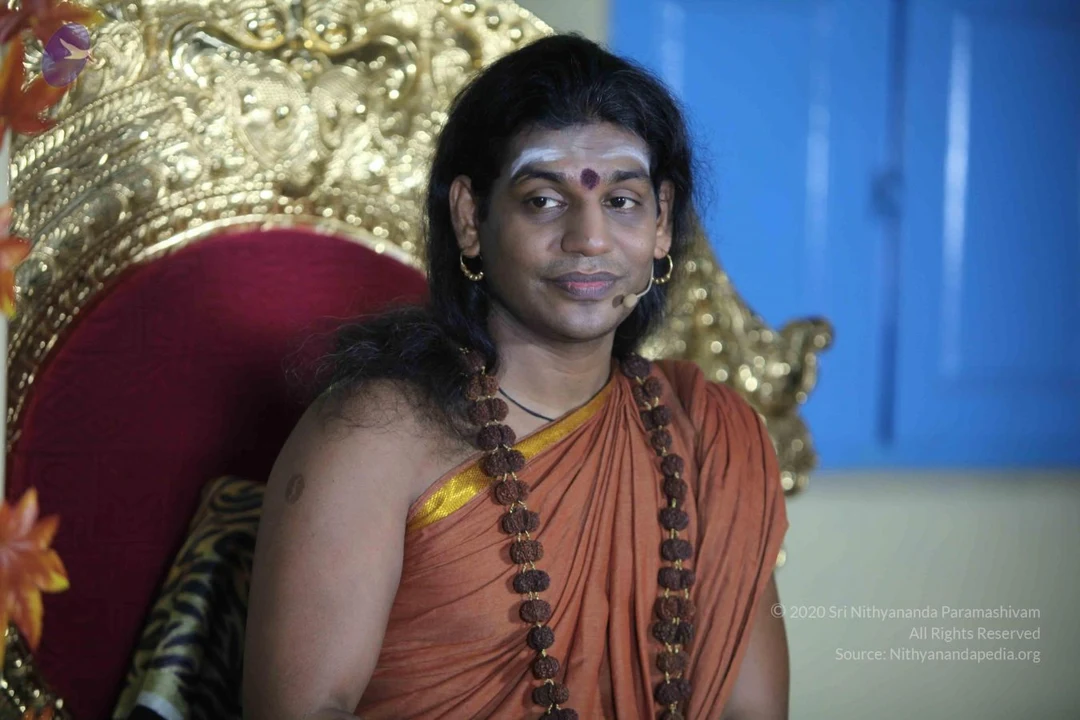
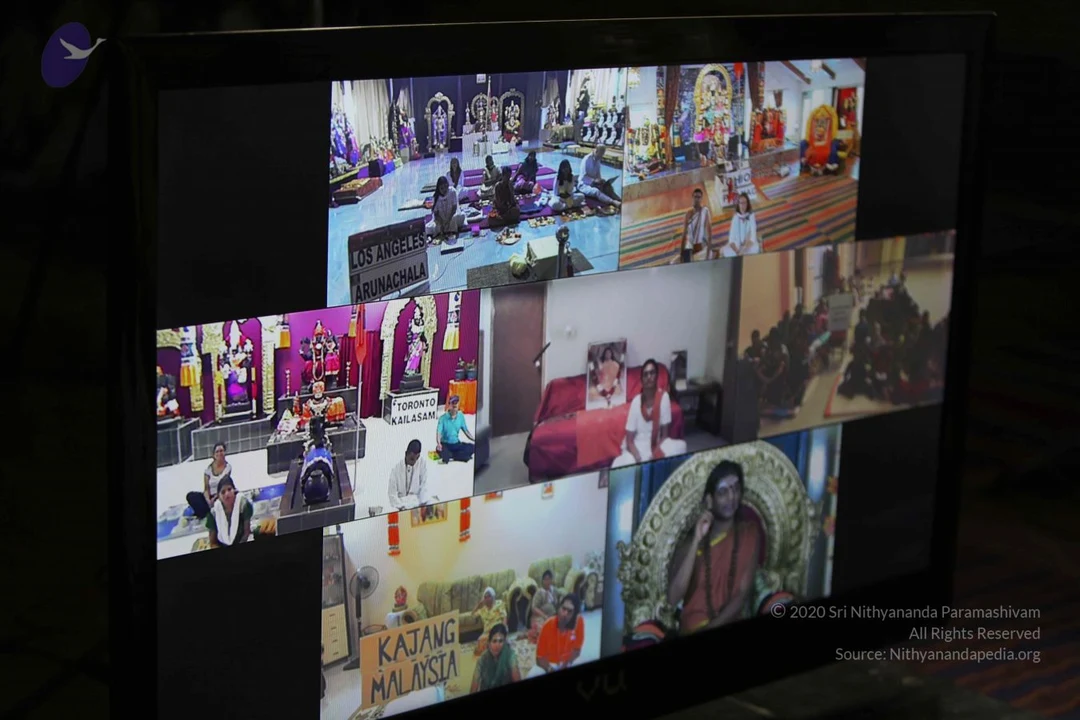
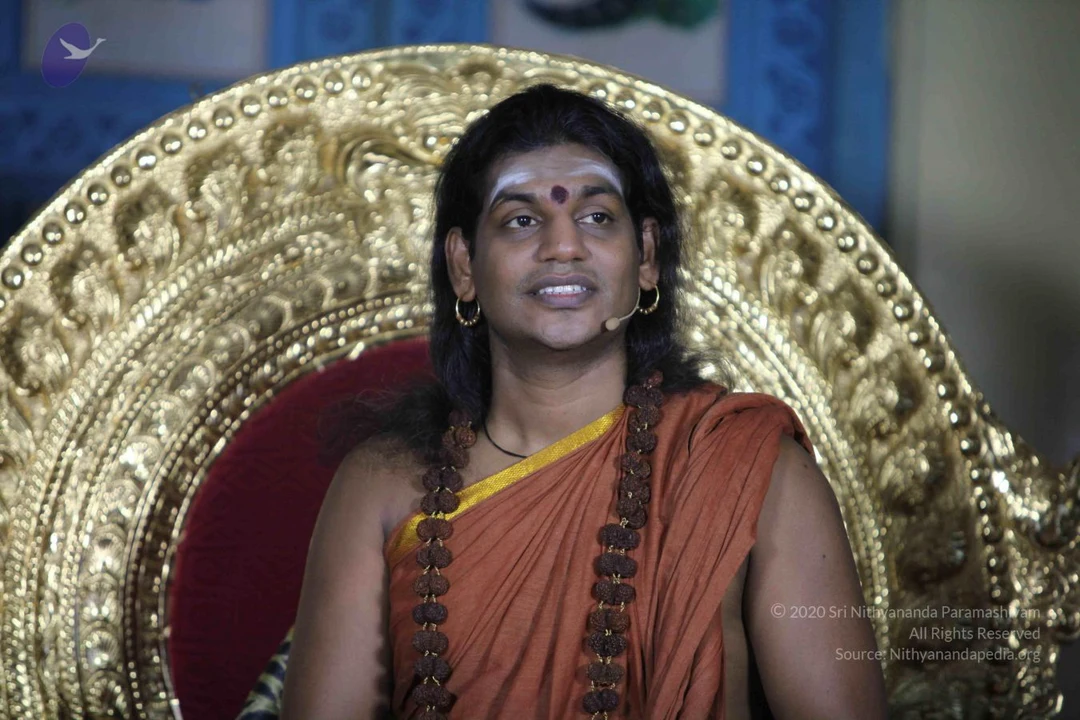
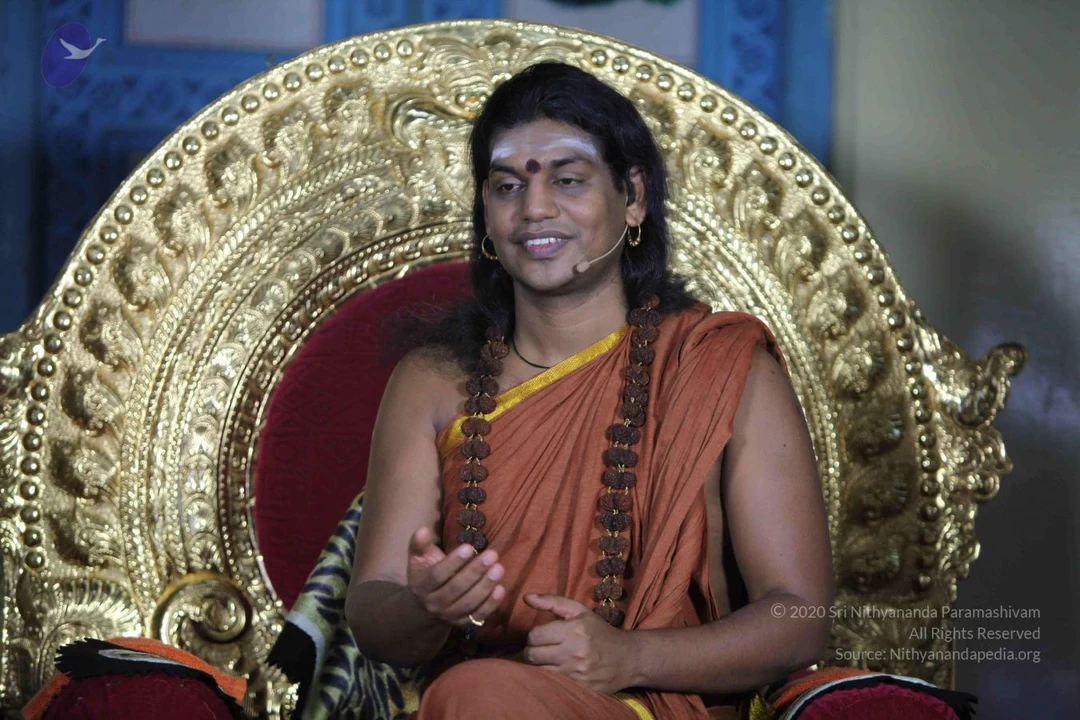
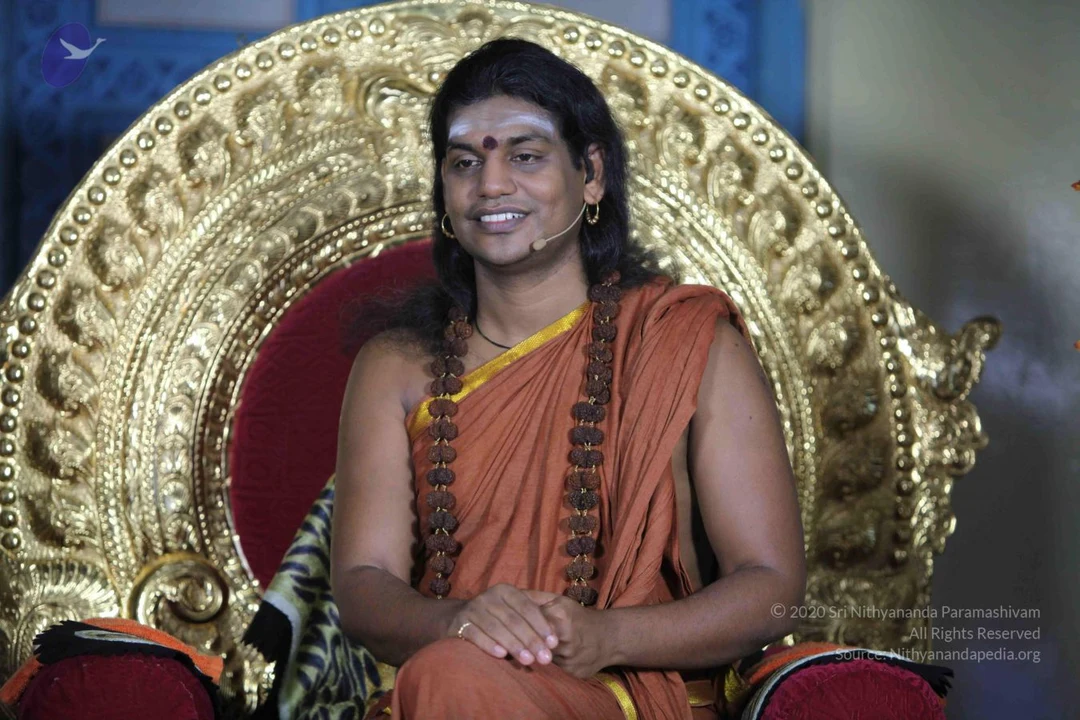
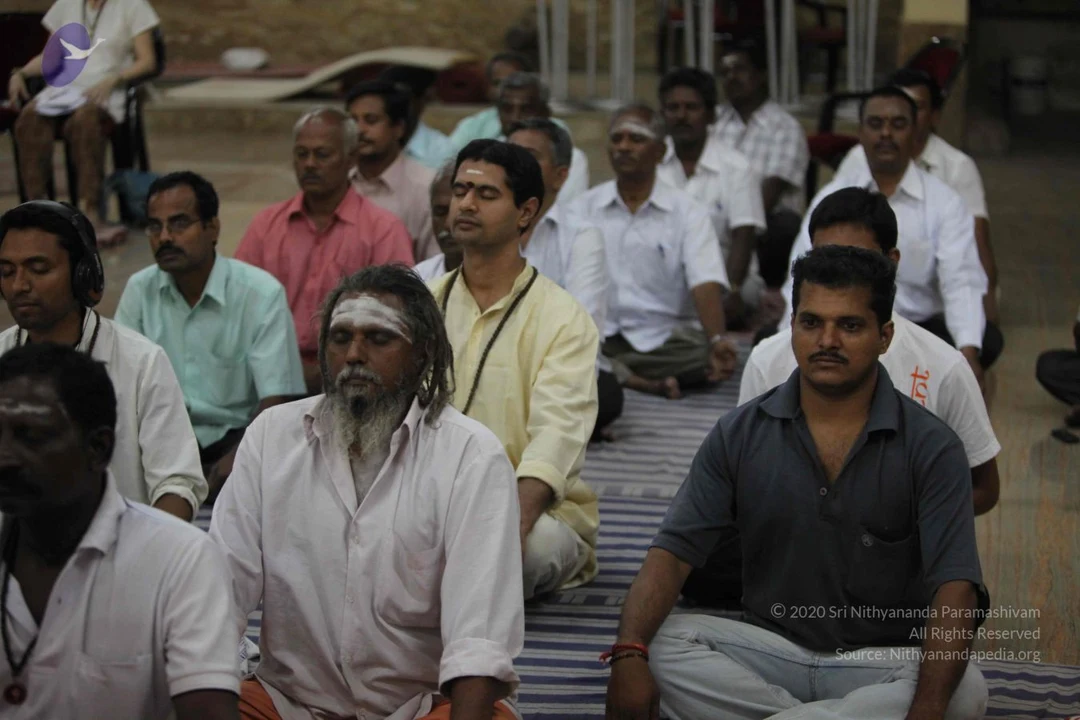
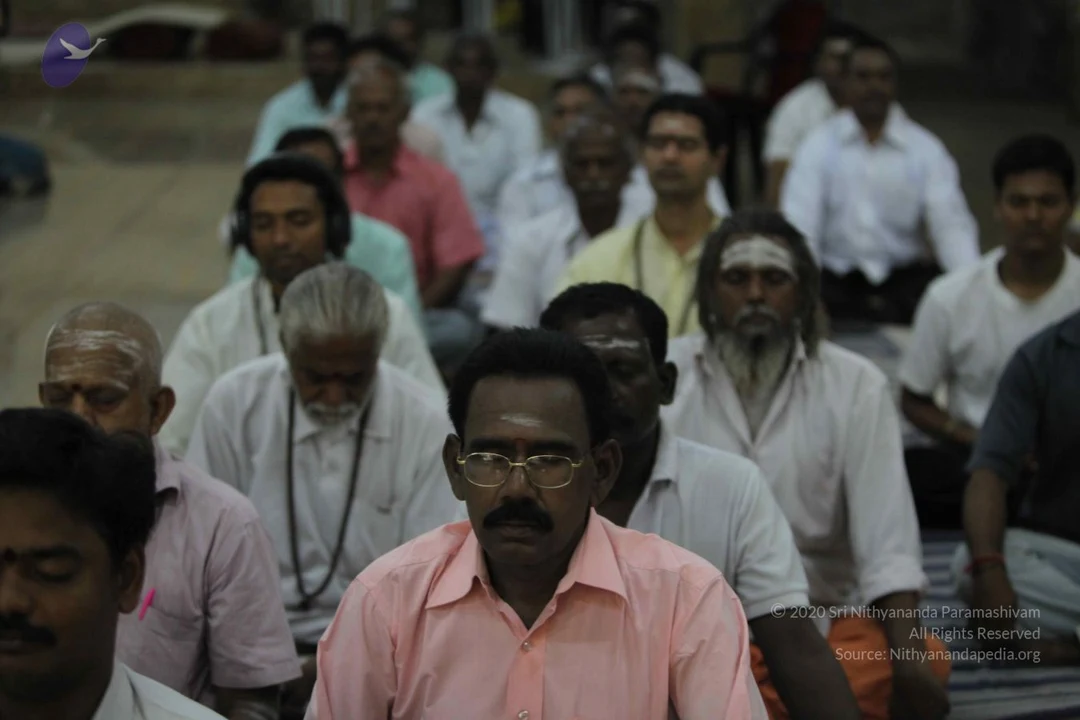
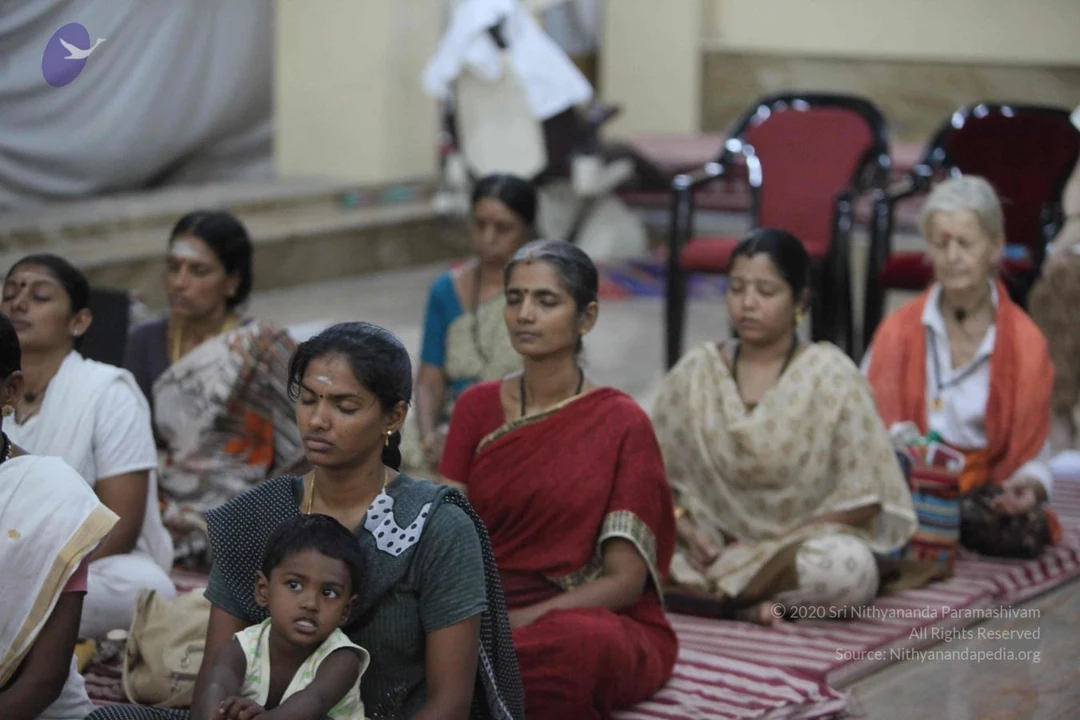
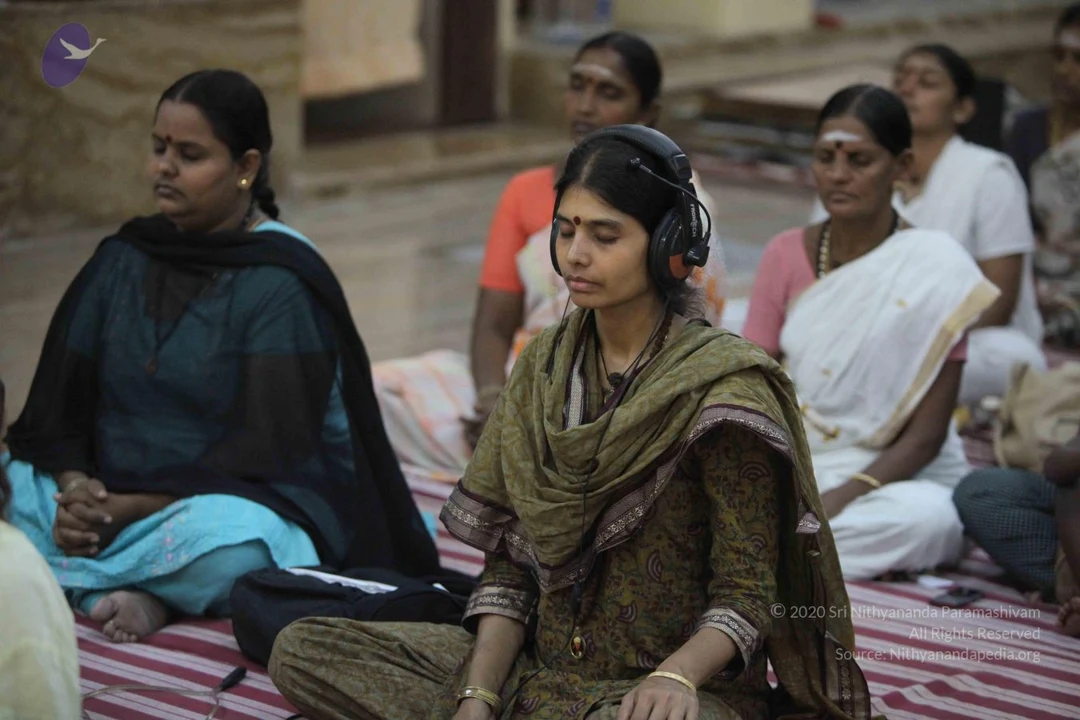
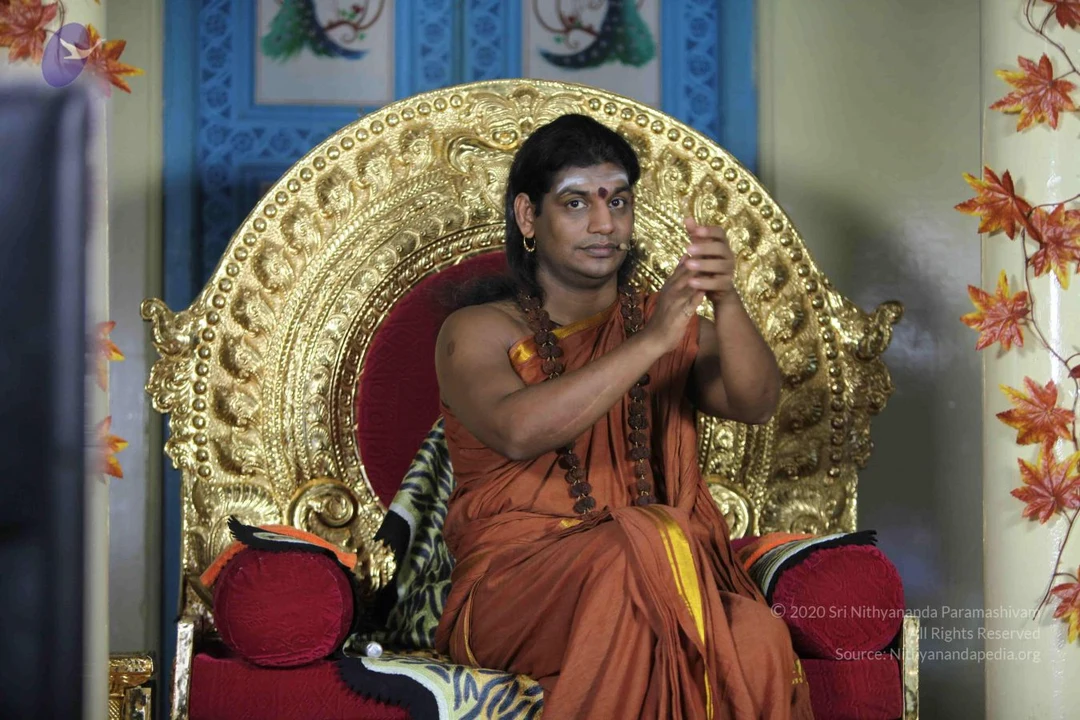
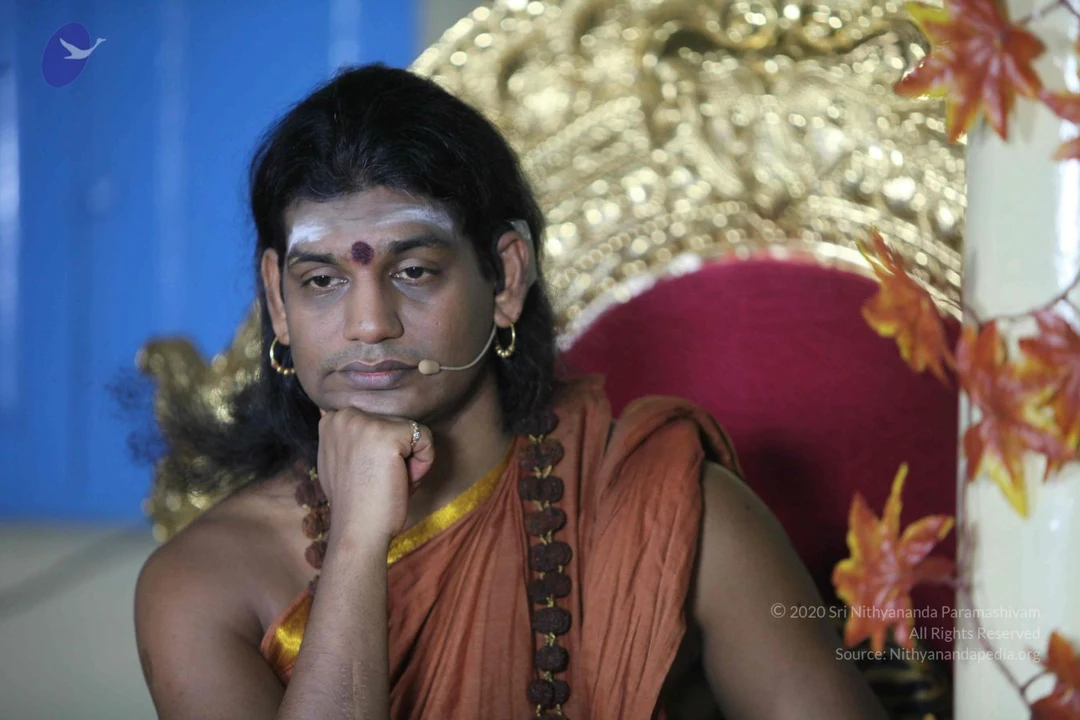
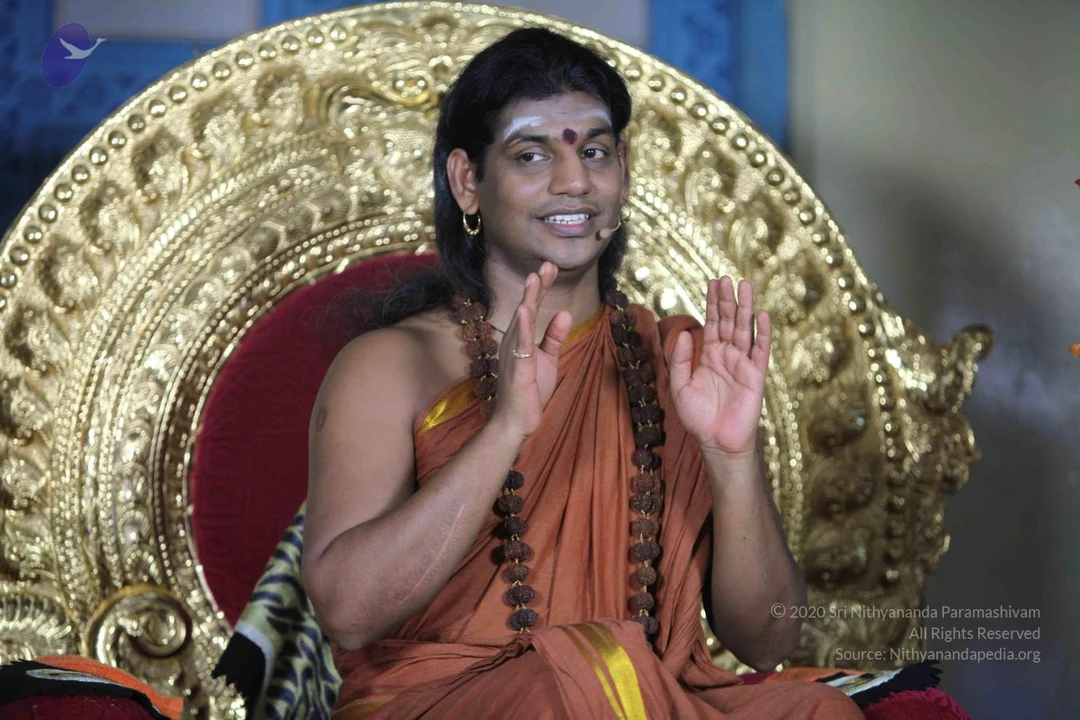
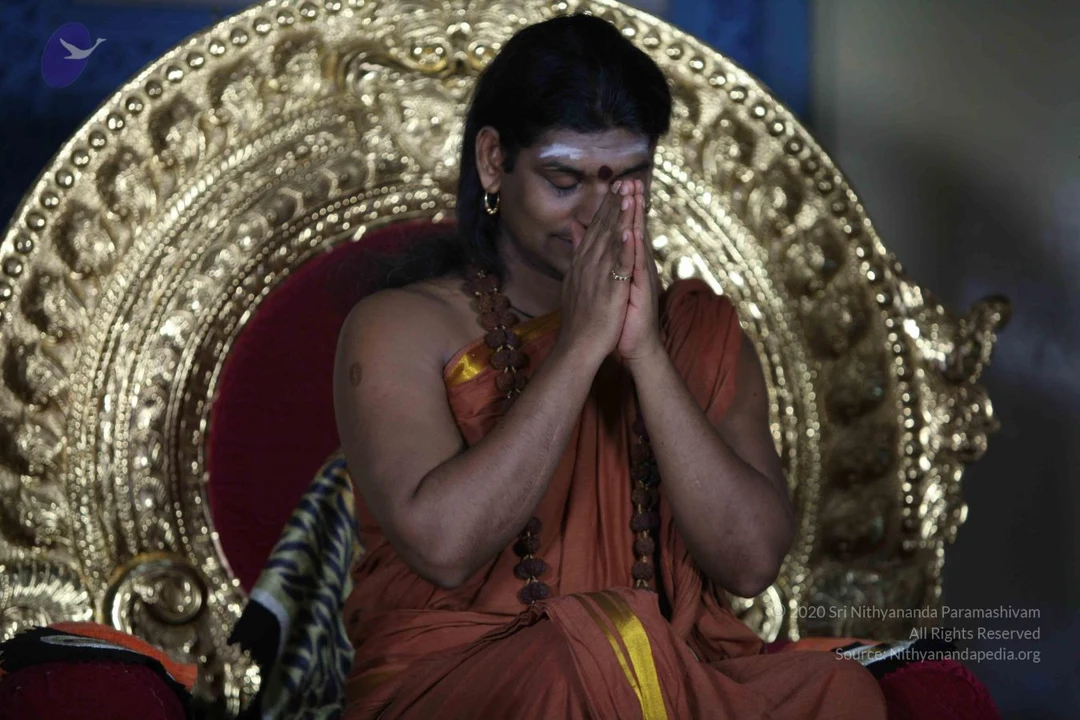
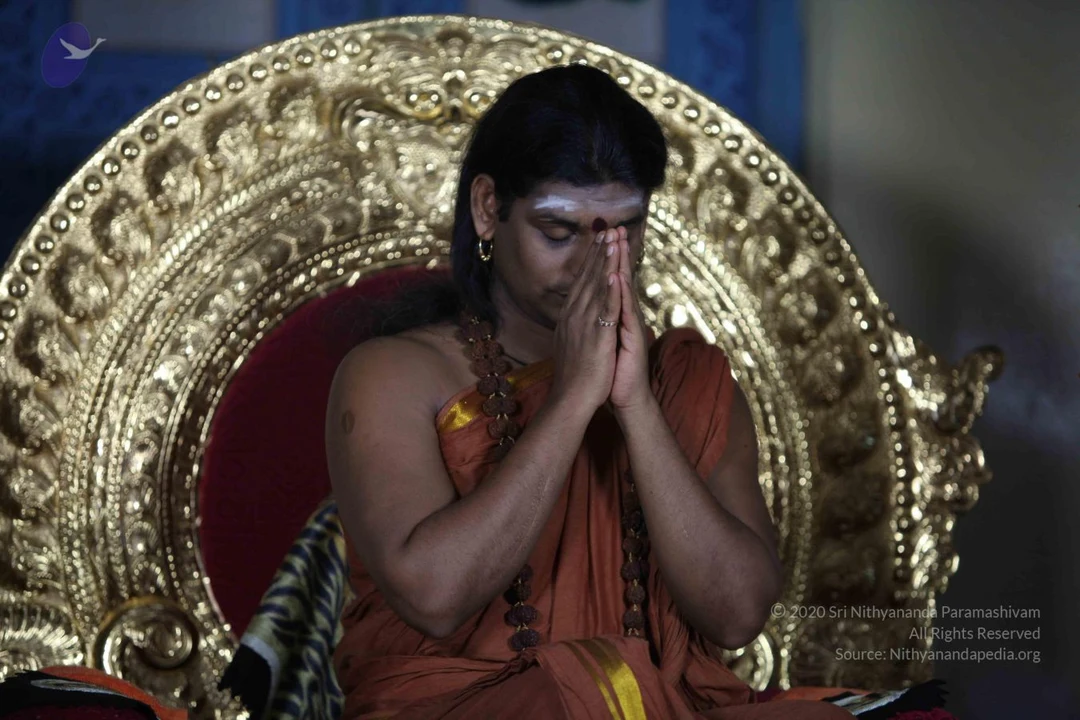
01-MORNING-SATSANG
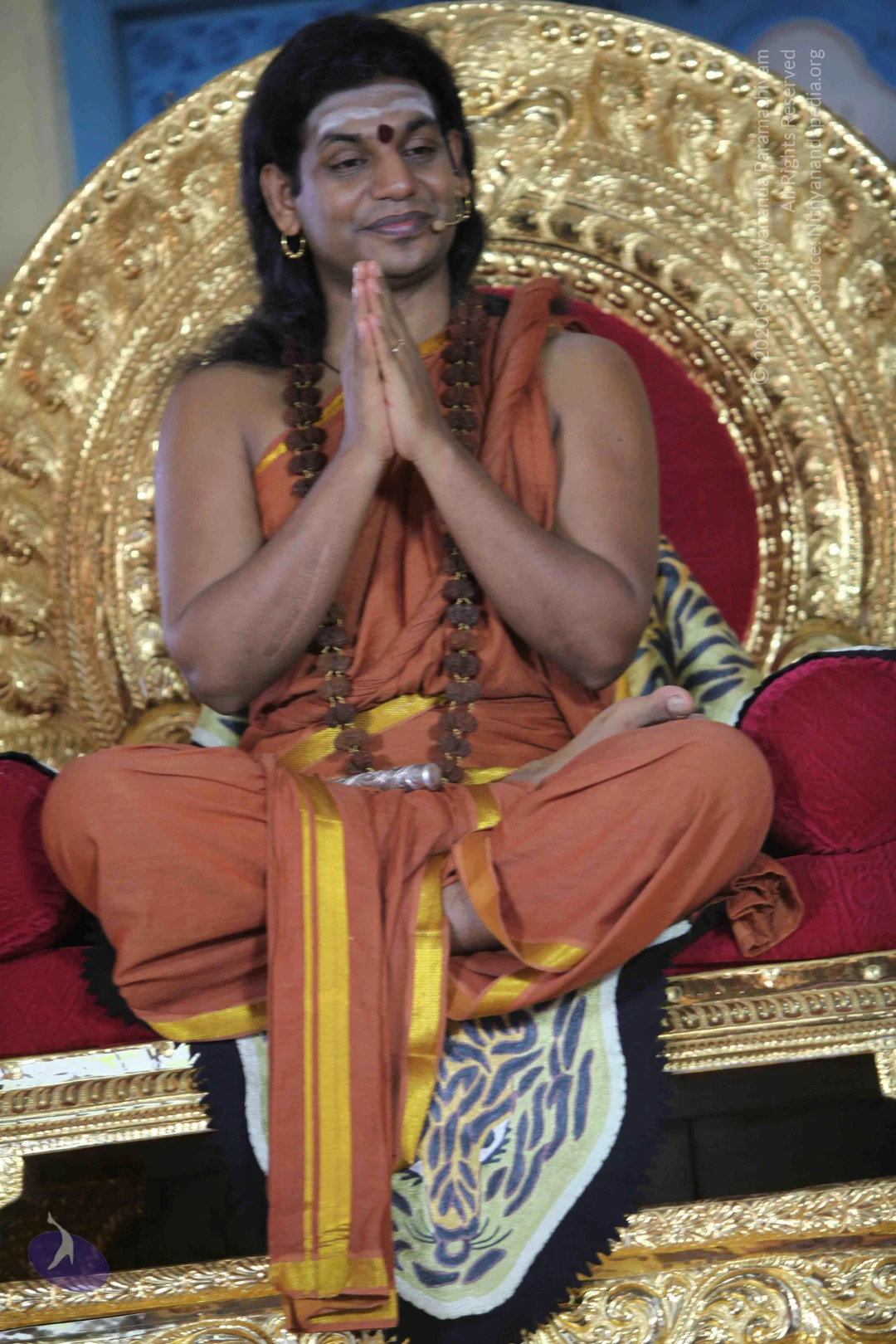
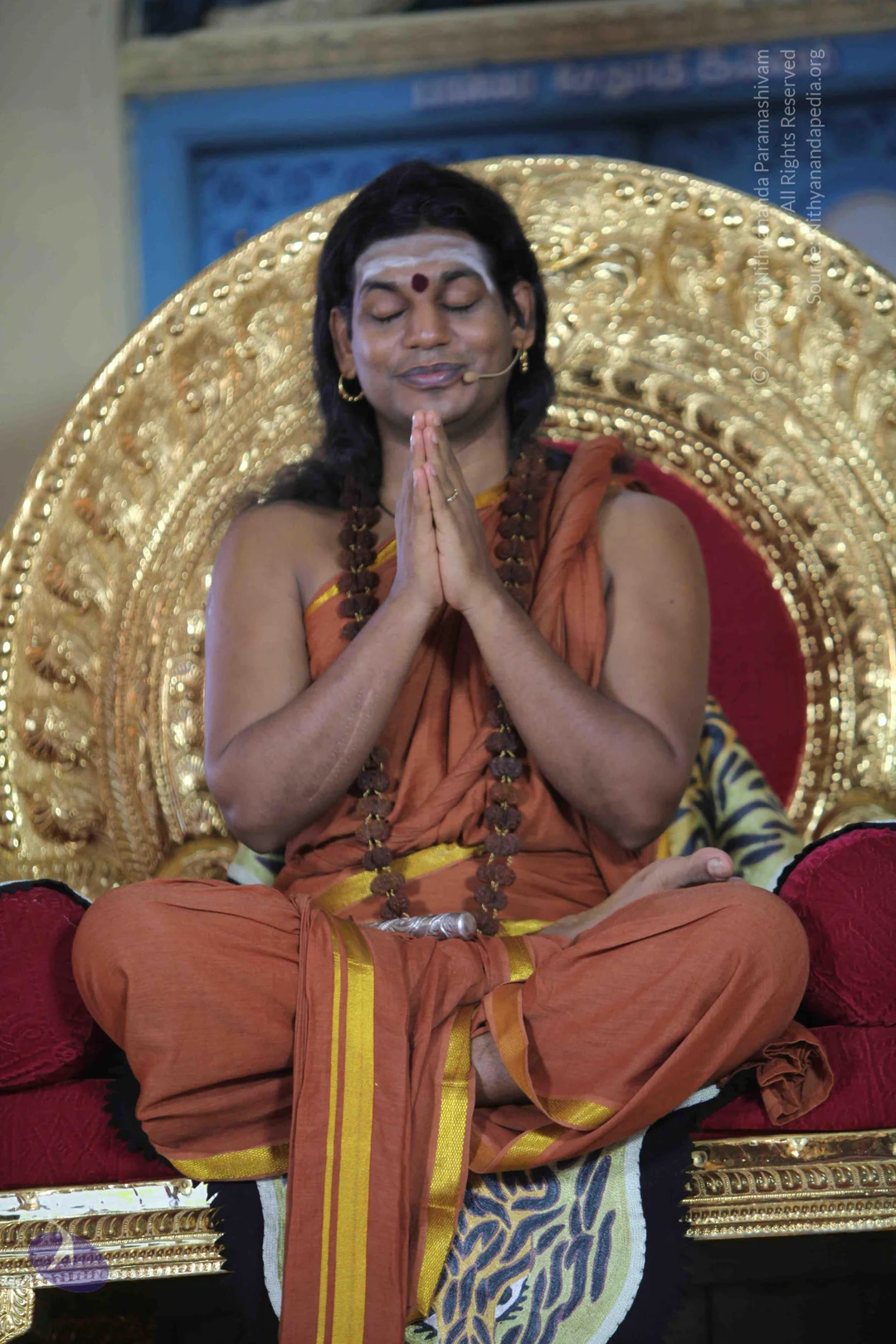
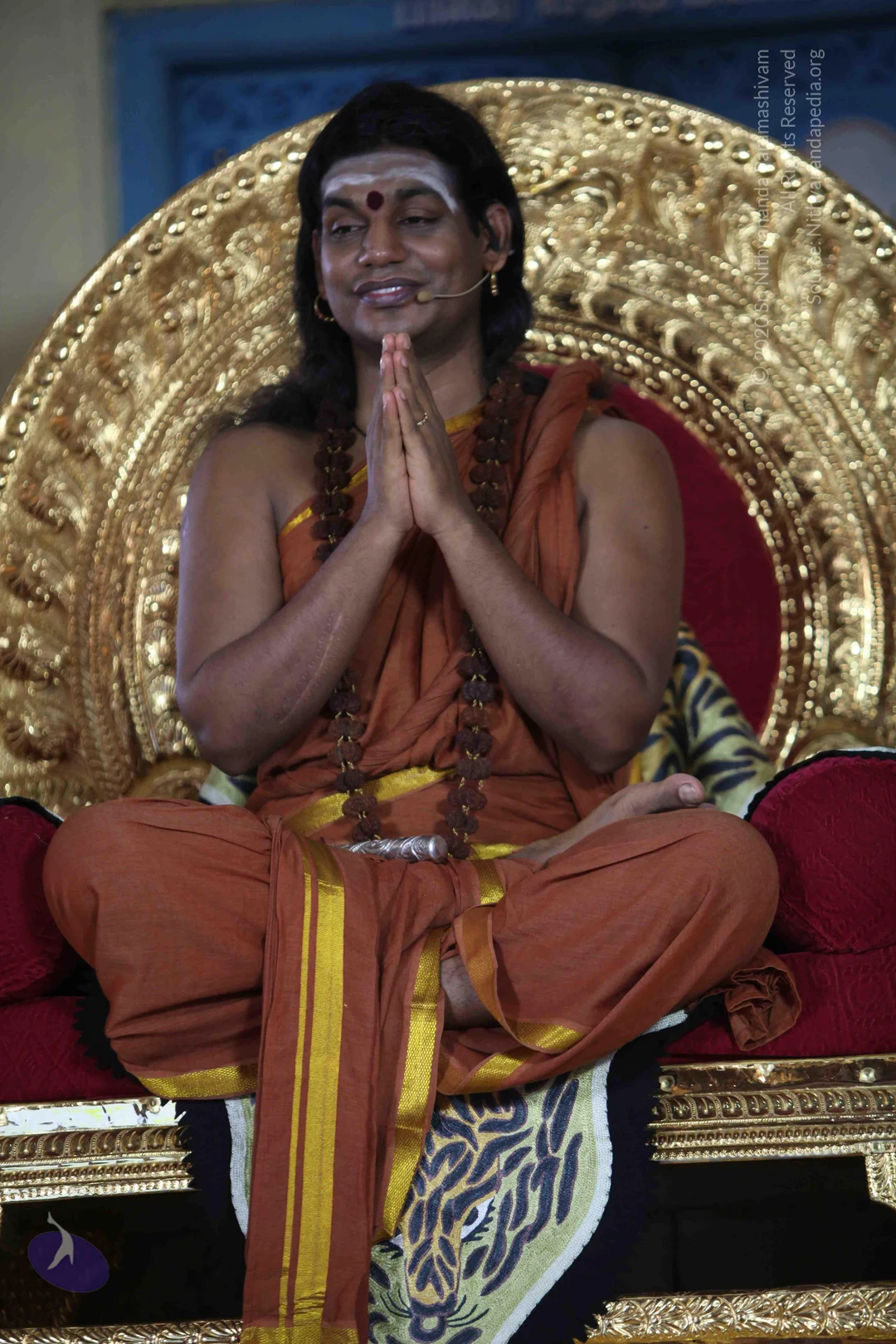
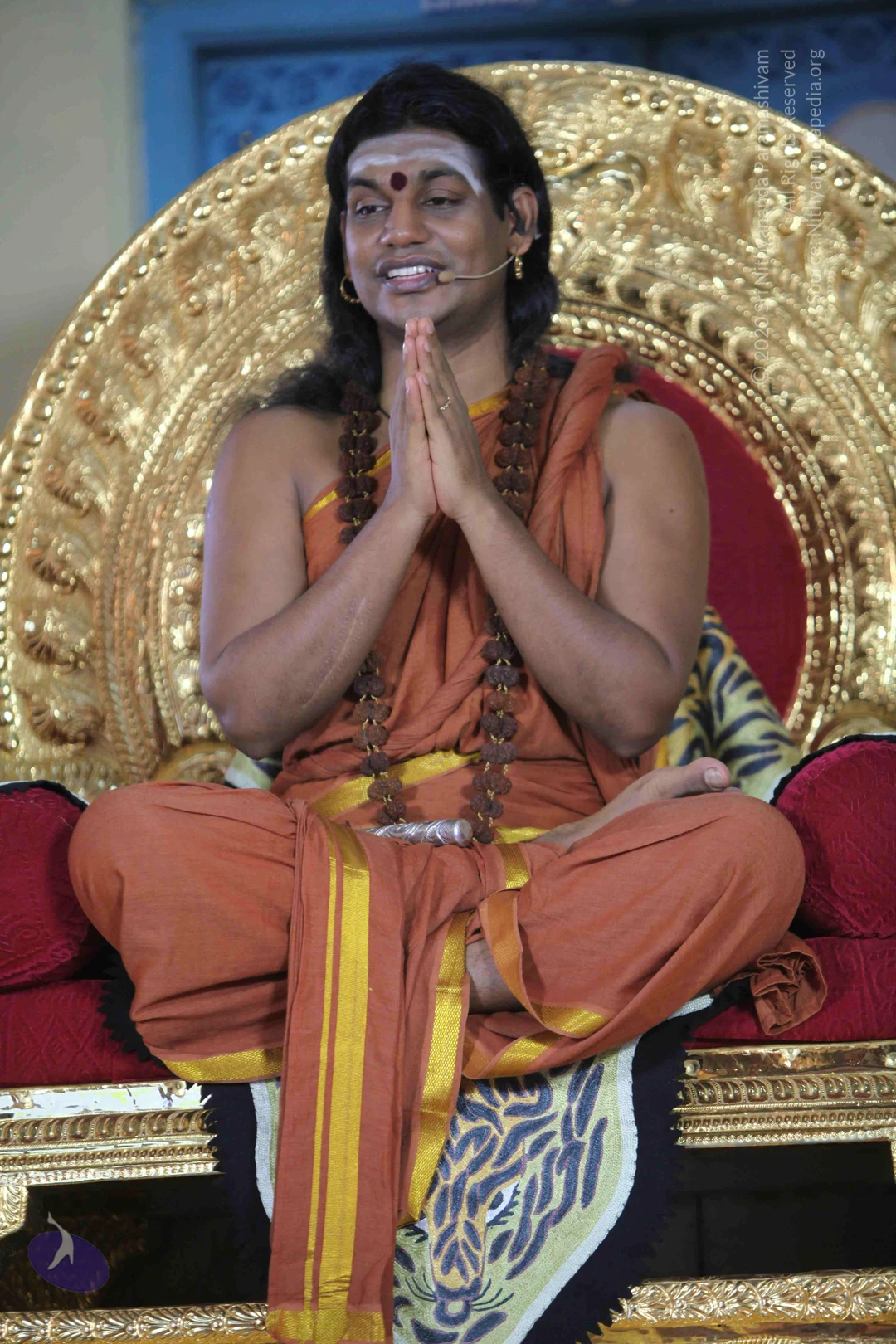
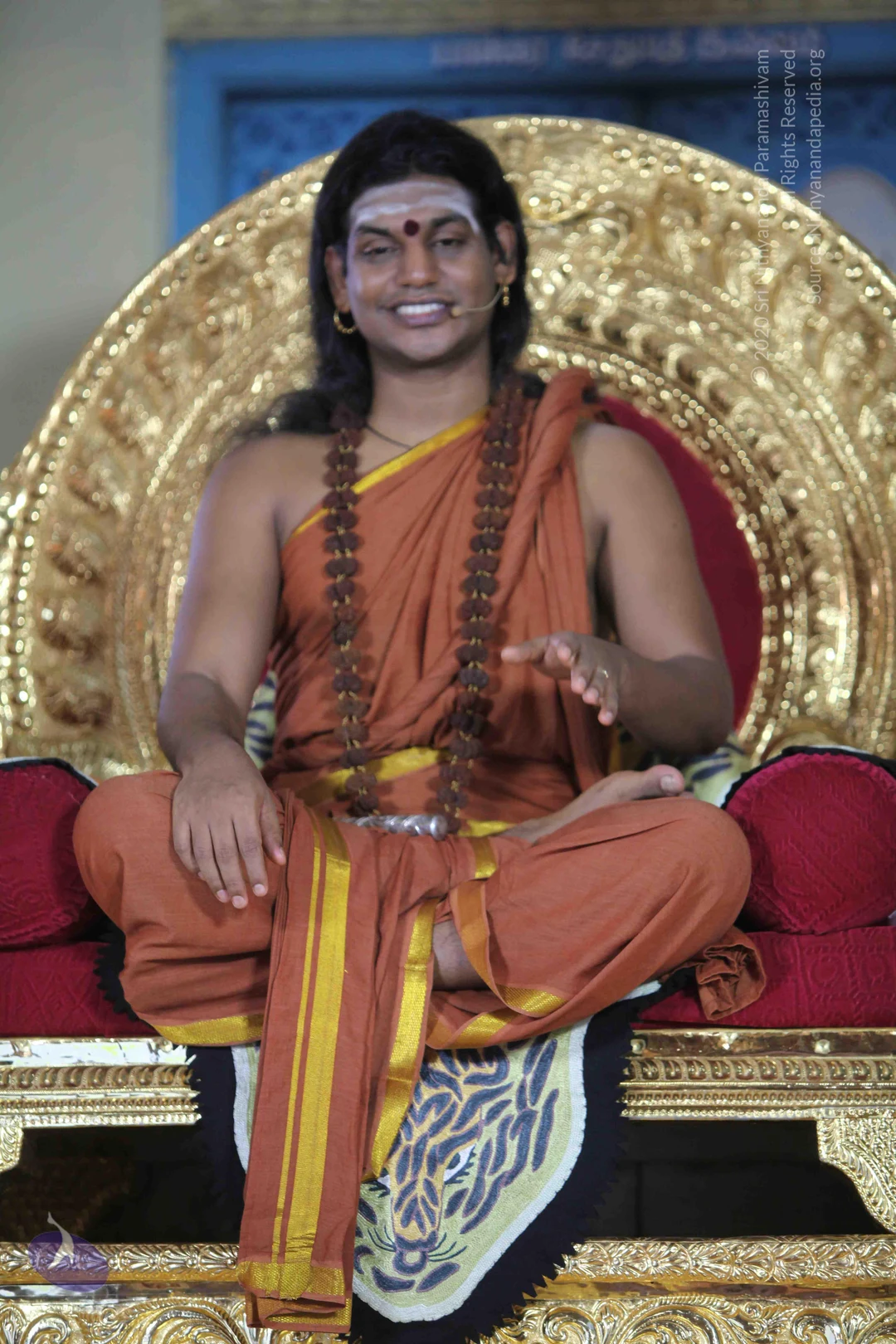
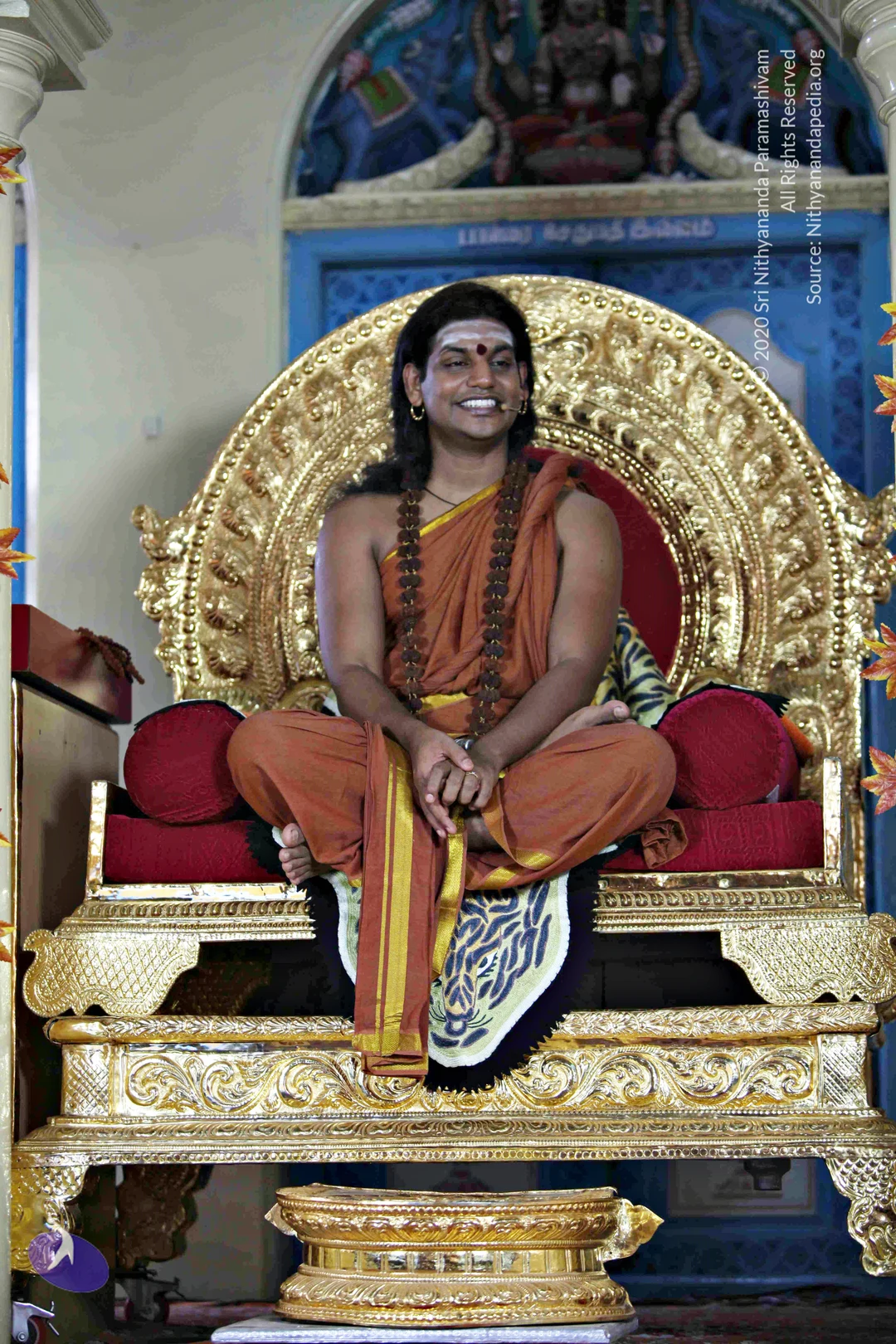
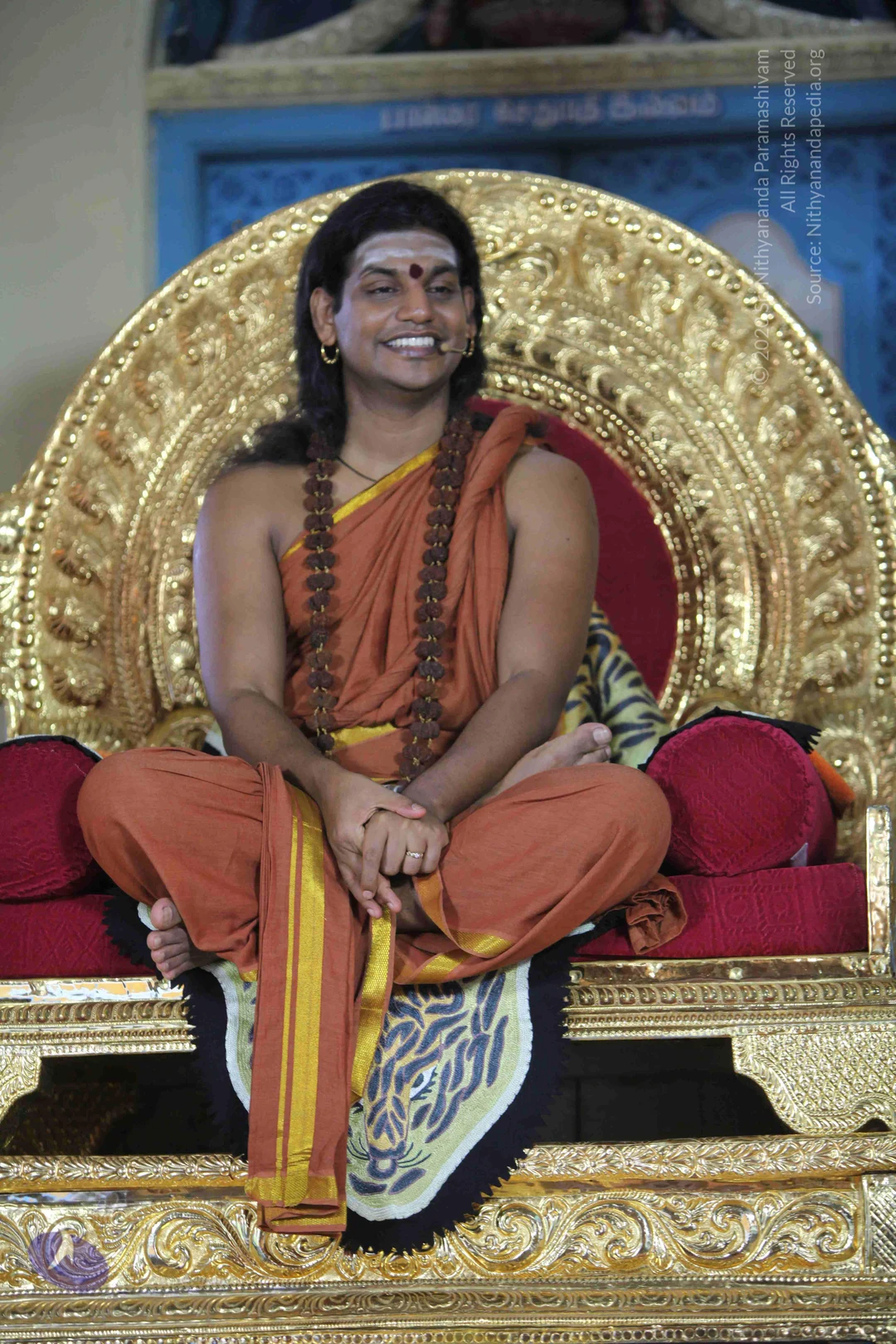
02-EVENING-SATSANG
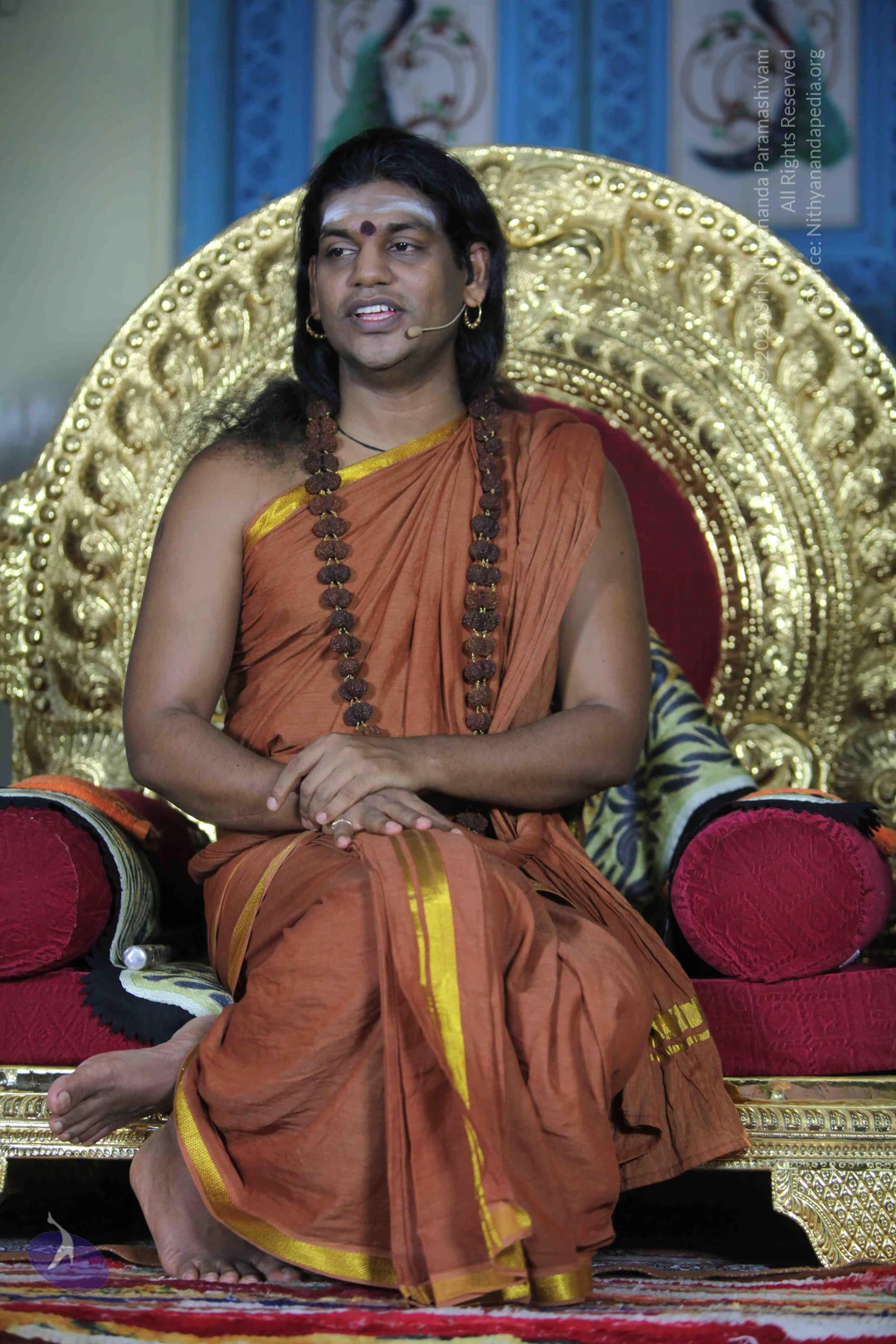
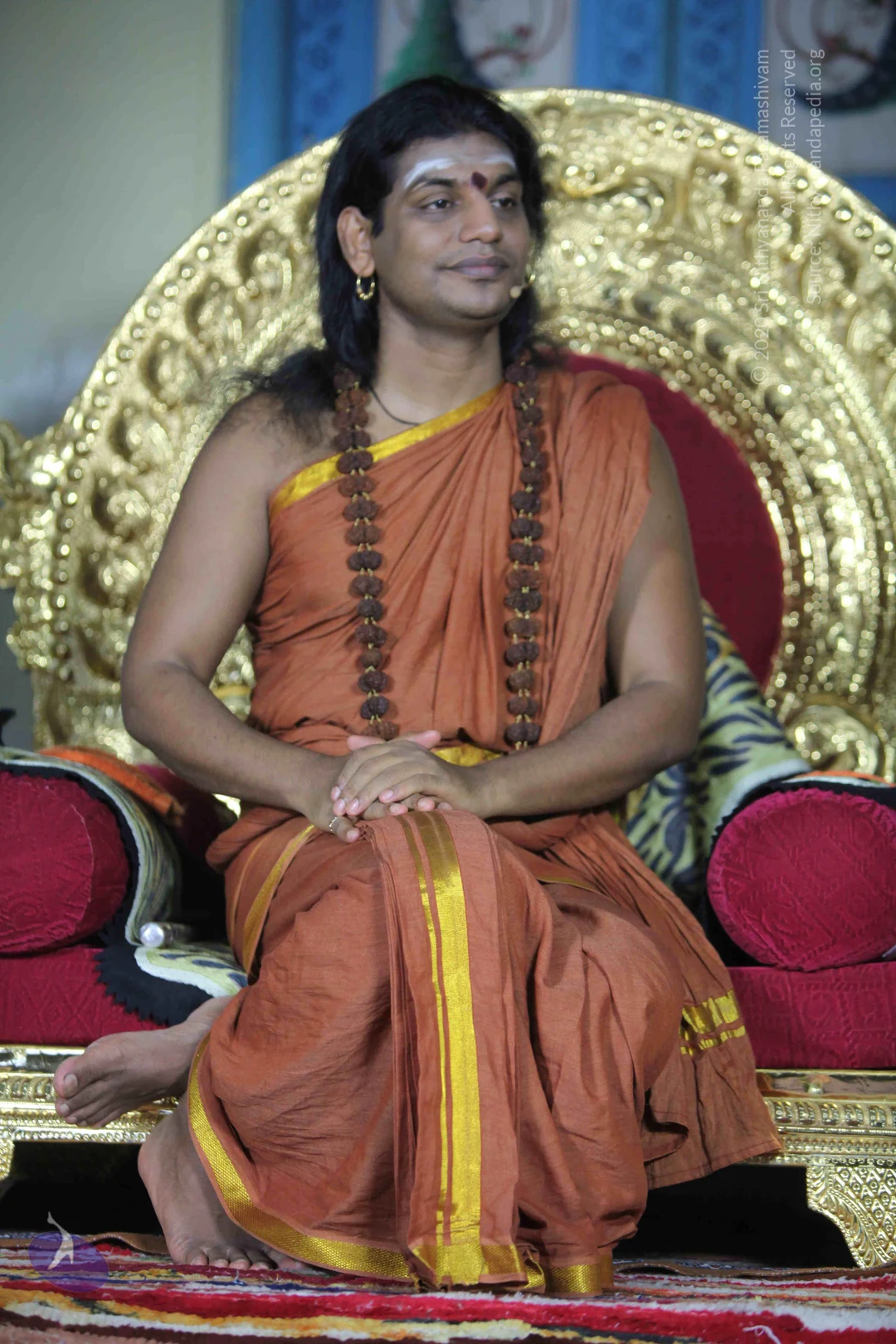
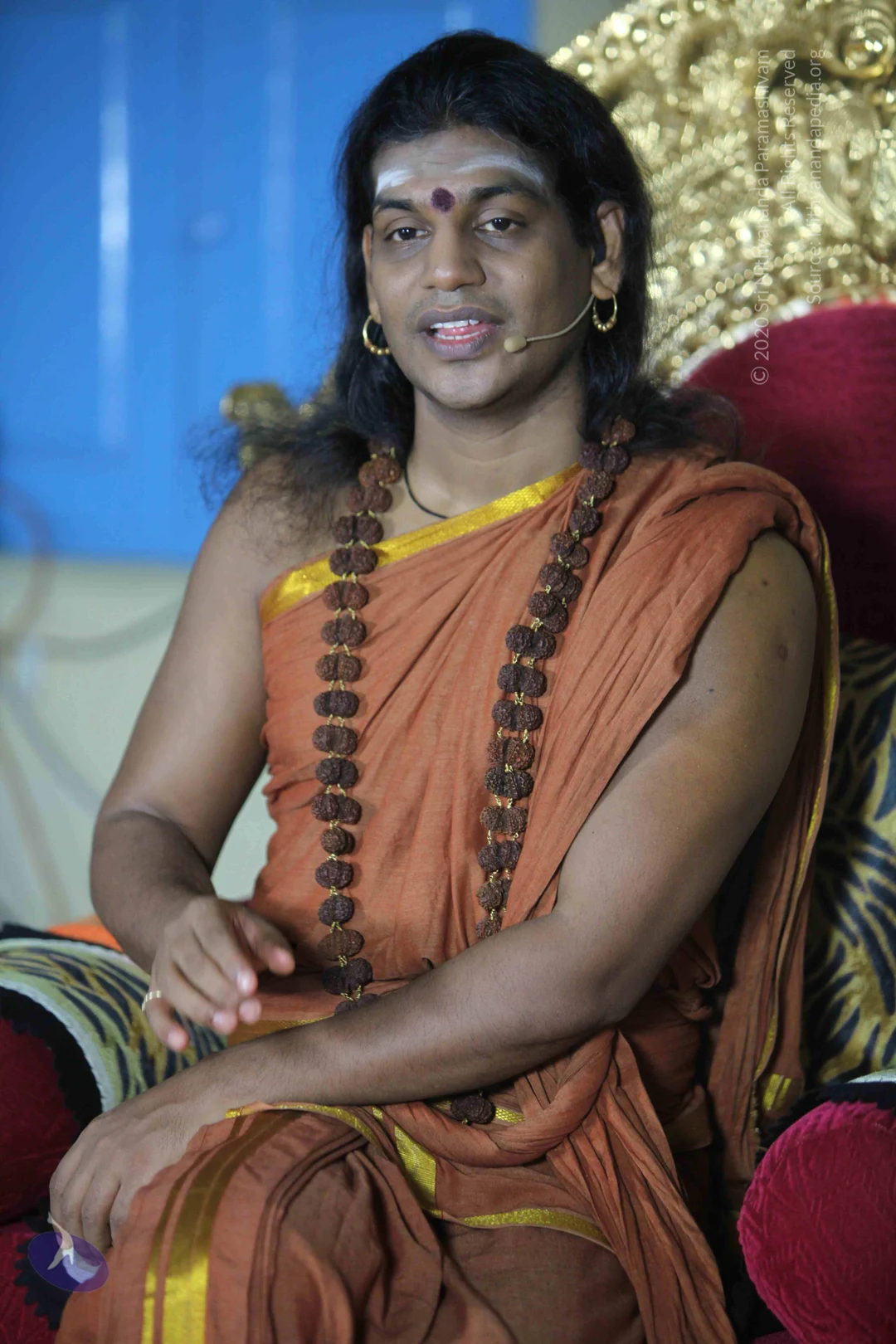
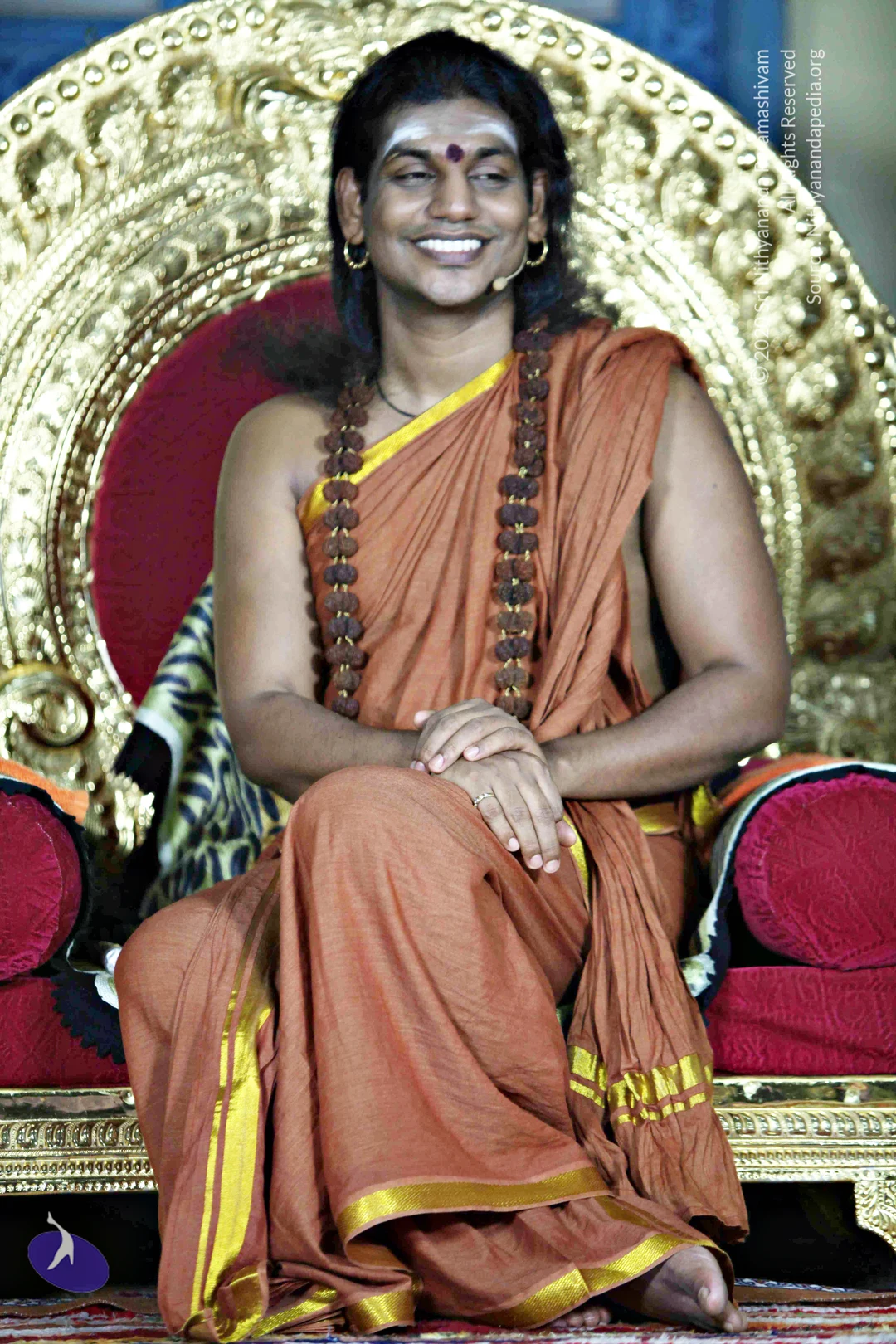
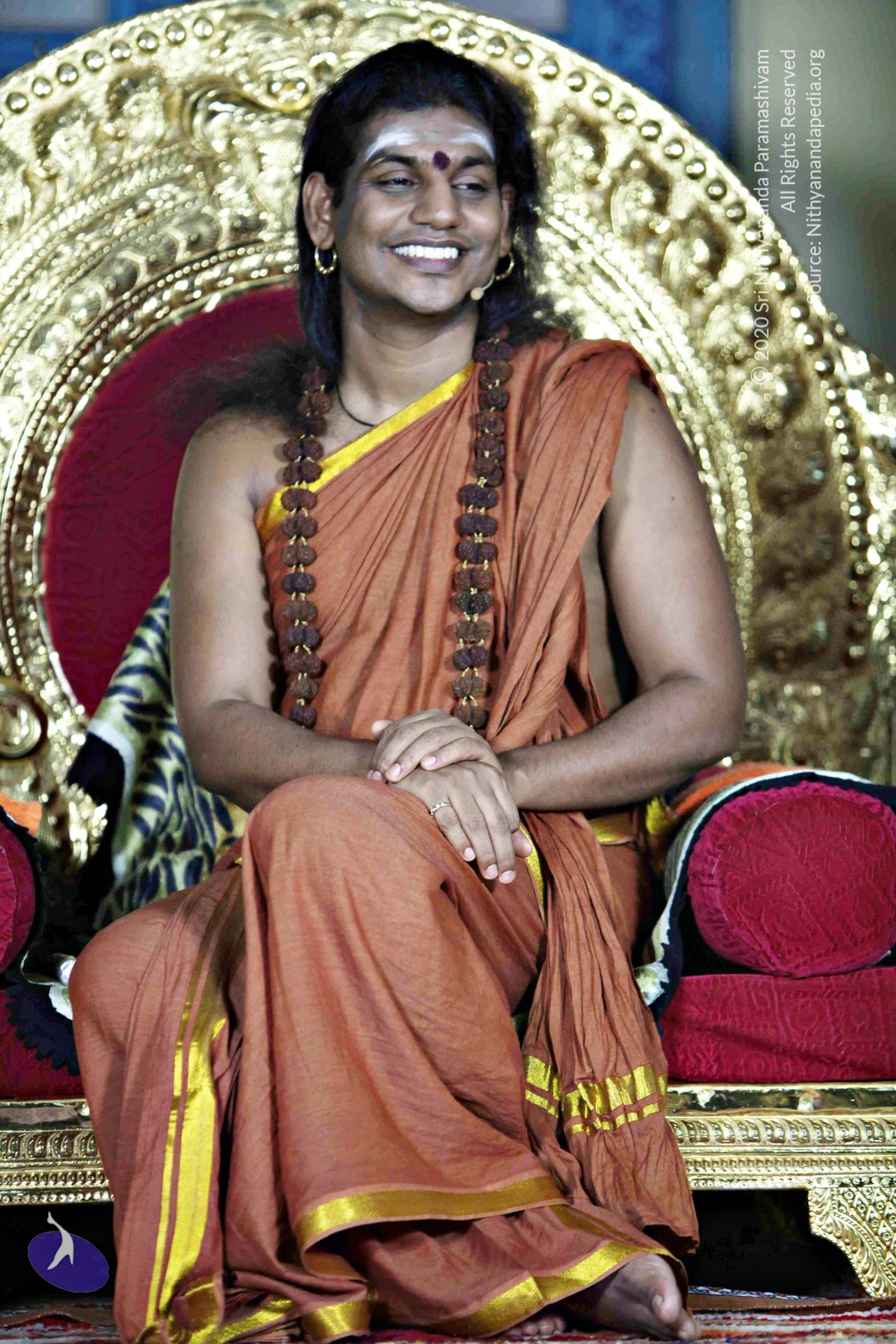
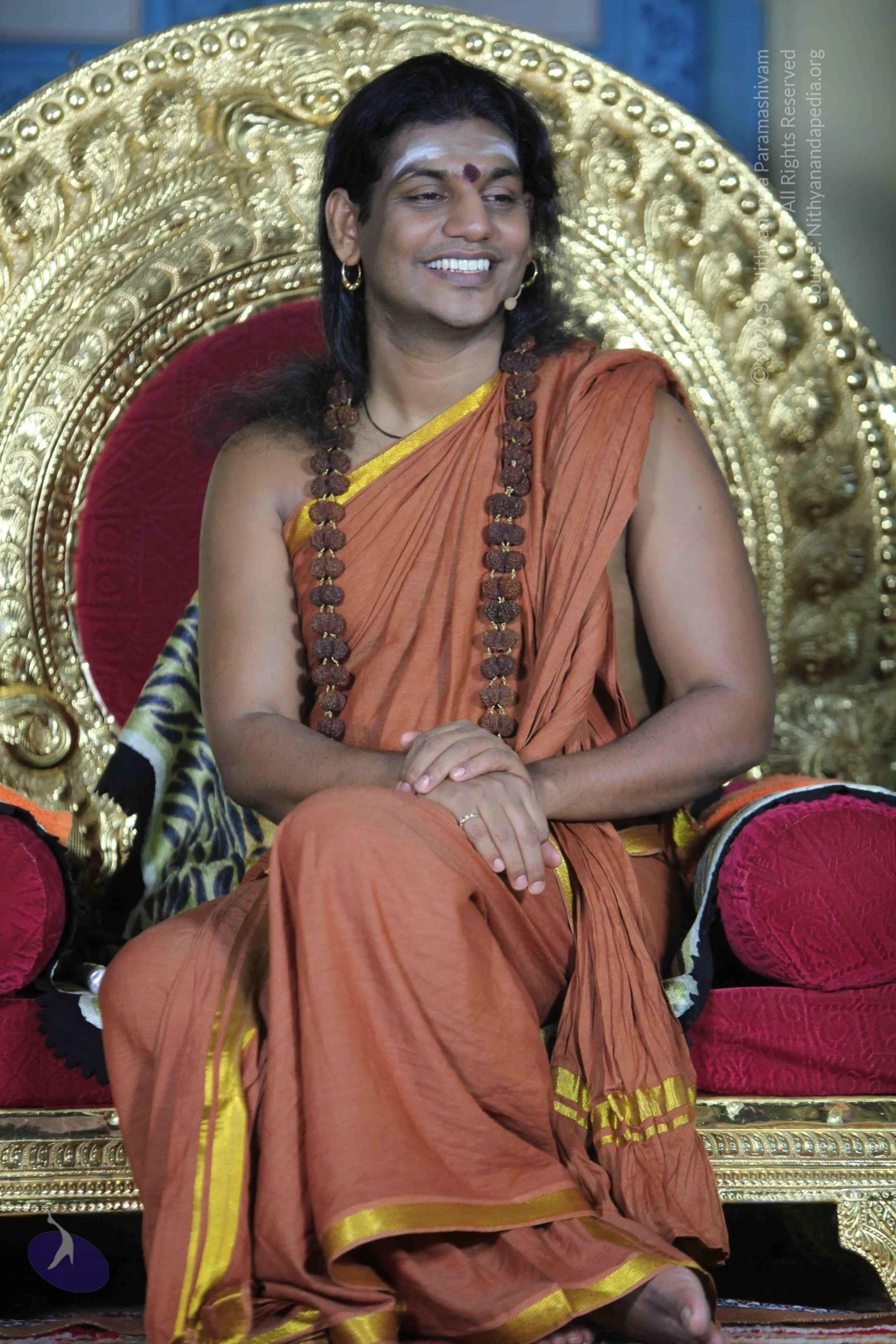
Photos from this day
View all 358 photosPhotos
87 photosSource gallery
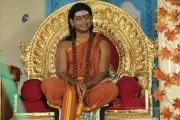
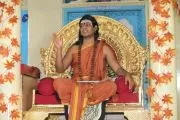
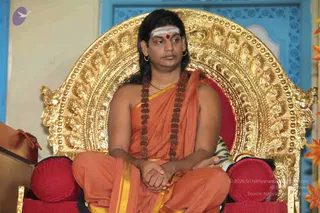
Morning-Satsang
246 photosSource gallery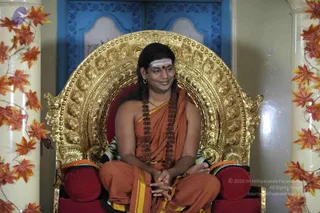
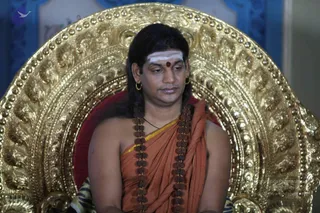
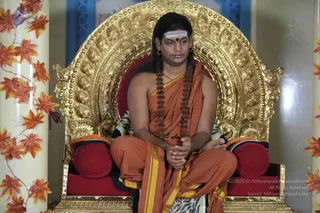
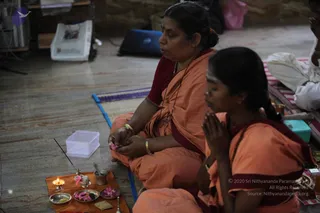
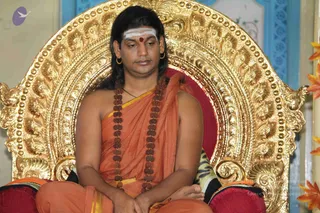
Evening-Satsang
19 photosSource gallery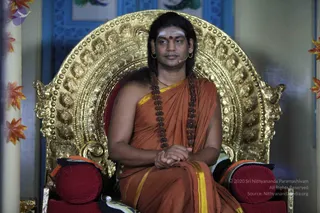
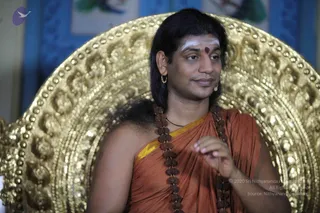
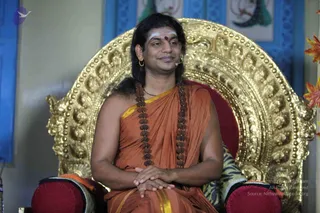
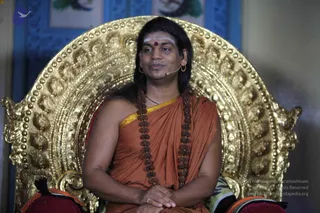
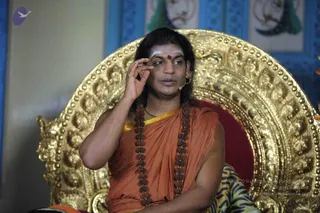
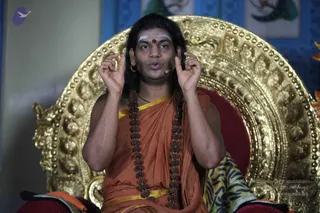
01-MORNING-SATSANG
3 photosSource gallery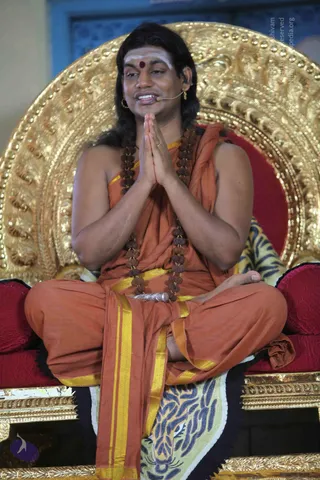
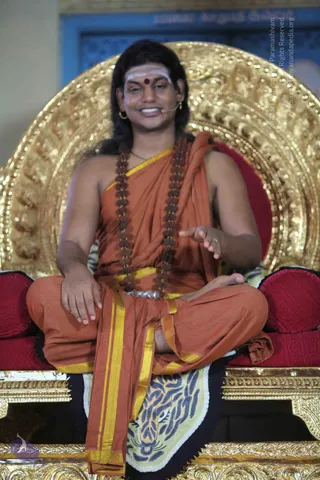
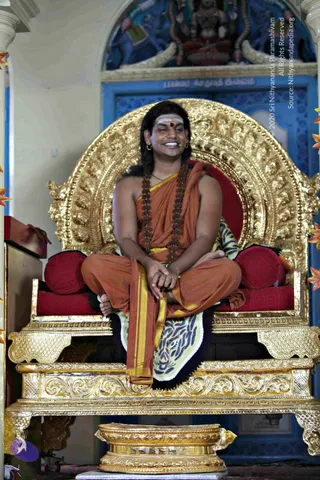
02-EVENING-SATSANG
3 photosSource gallery