Saturday
30 January 2016
Constant Prayer Of Enlightenment
- Dated photos
- 542
- Source pages
- 1
- Media
- 2
January 30 2016
Original wiki pageTitle:
Constant Prayer Of Enlightenment
Day's Events
Nithya Satsang Summary:
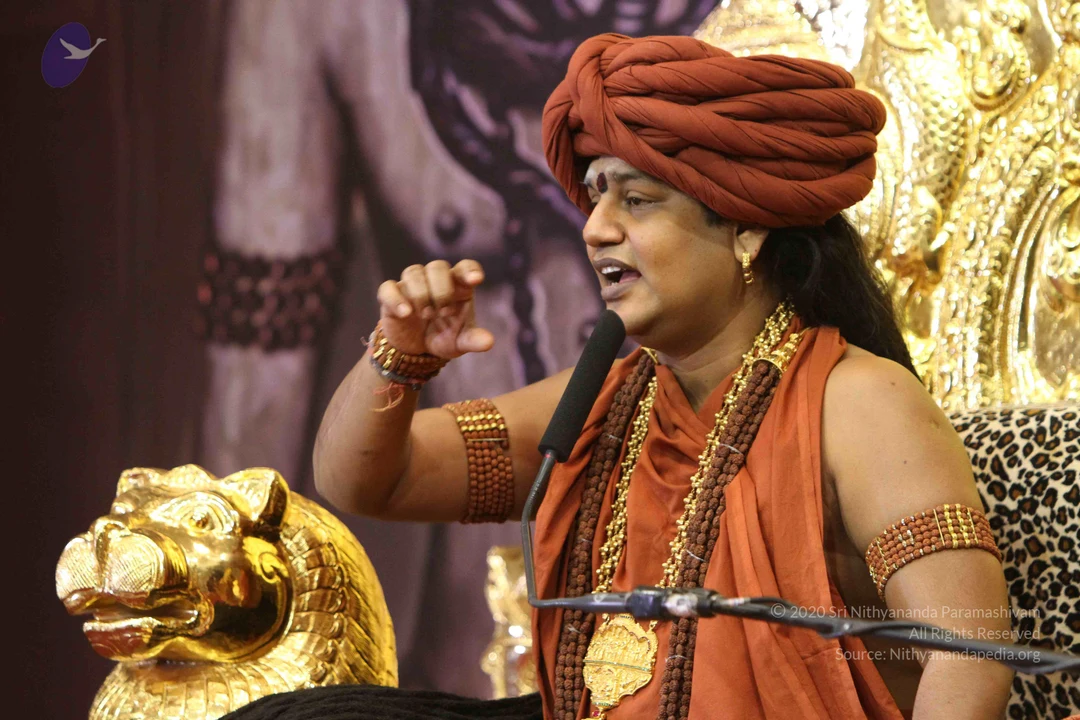
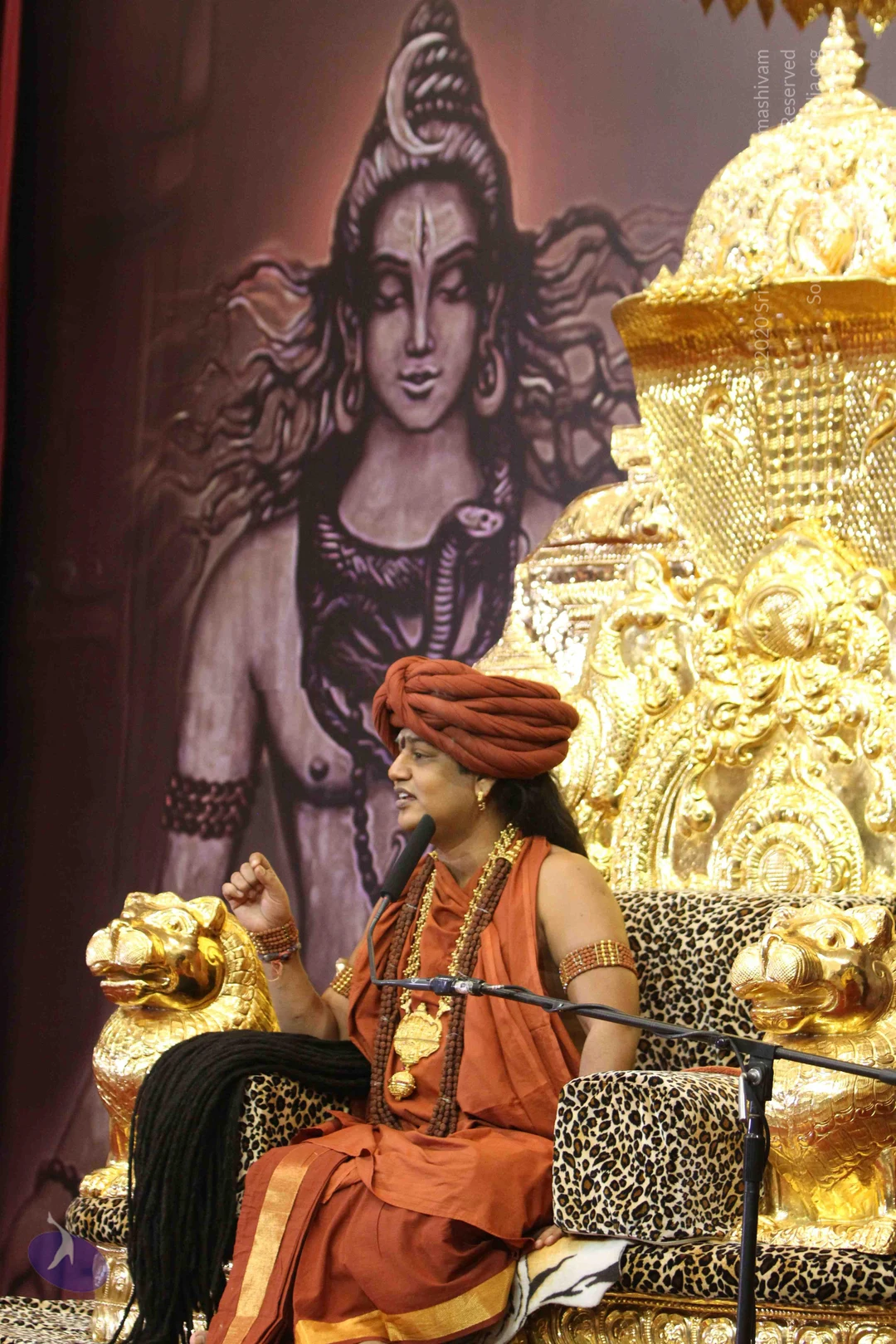
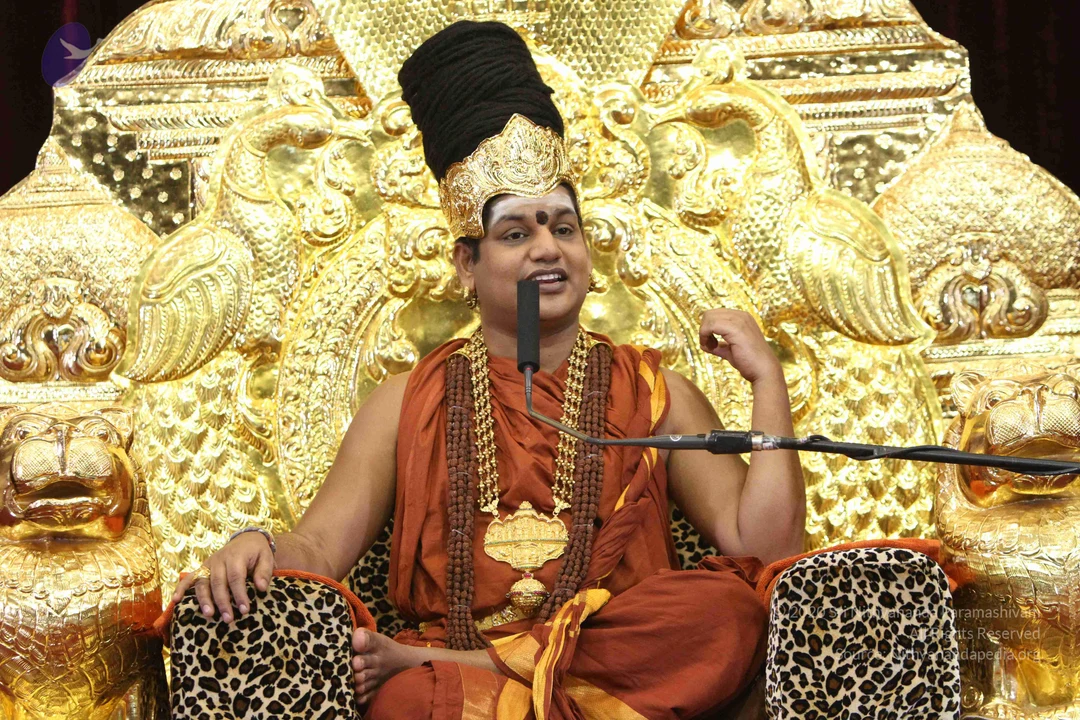
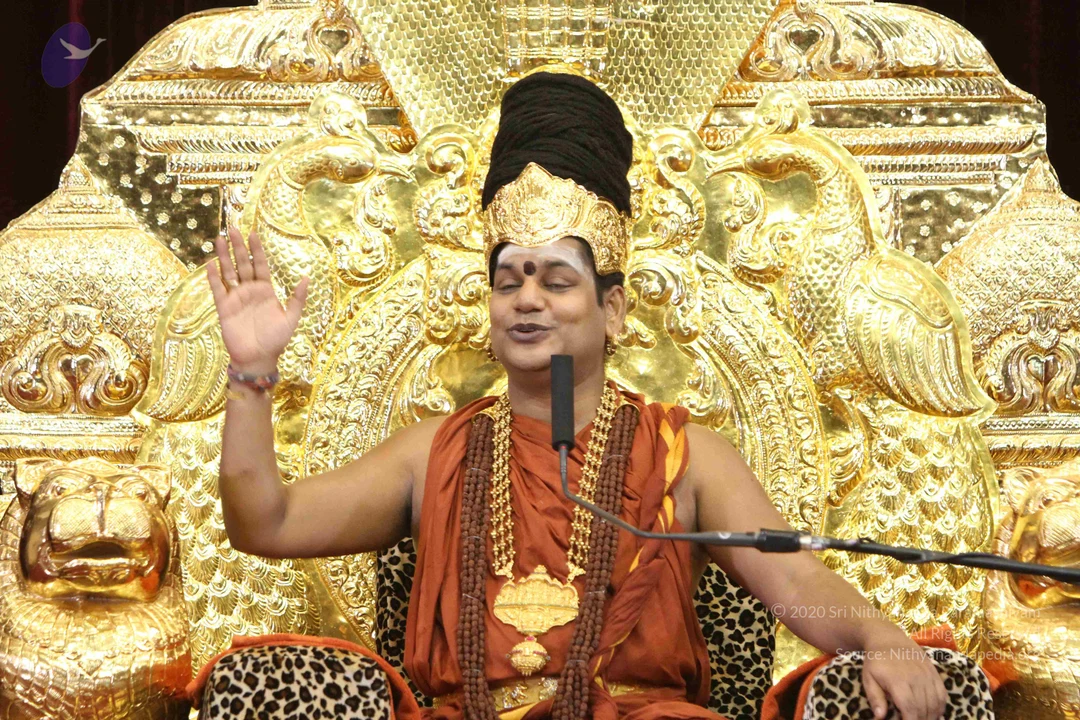
" O Agne, the Fire God! Knower of all our actions and all that is worth knowing, You must take us along the righteous and auspicious path of completion…." verbalizes His Holiness Paramahamsa Nithyananda, enlightening us the 18th mantra of Isavasya Upanishad in Living Advaita Series. He narrates his biography moments, placing on record that as a wandering monk, He was once at Tail Ghat, Kolkata on the banks of the Sacred Ganga with Swami Hamsanandaji. At the behest of Swami Hamsanandaji, He had spoken from his personal experience on this very 18th mantra to some keen listeners who then sought 'Upadesha' spiritual discourse. "Constant Prayer for Enlightenment" is the essence of today's talk, in which Paramahamsa Nithyananda urges us to make constant seeking and constant prayer for Enlightenment, to achieve the Supreme Consciousness, and even when we pray for health or other needs. By doing so, we reinvent ourselves and the Agni, Fire is kindled and activated in our system, killing boredom, laziness, tiredness, bringing us health and new life.
agne naya supathā rāye asmān viśvāni deva vayunāni vidvān | yuyodhy asmaj juhurāṇam eno bhūyiṣṭhāṁ te nama-uktiṁ vidhema || 18 ||
Link to Video:
| Video | Audio |
Description:
30th January, 2016 Evening Satsang of Paramahamsa Nithyananda "O Agne, the Fire God! Knower of all our actions and all that is worth knowing, You must take us along the righteous and auspicious path of completion…." verbalizes Paramahamsa Nithyananda, enlightening us the 18th mantra of Isavasya Upanishad in Living Advaita Series, in the Nithya Satsang, 30th Jan 2016. He narrates his biography moments, placing on record that as a wandering monk, He was once at Tail Ghat, Kolkata on the banks of the Sacred Ganga with Swami Hamsanandaji. At the behest of Swami Hamsanandaji, He had spoken from his personal experience on this very 18th mantra to some keen listeners who then sought 'Upadesha' spiritual discourse. "Constant Prayer for Enlightenment" is the essence of today's talk, in which Paramahamsa urges us to make constant seeking and constant prayer for Enlightenment, to achieve the Supreme Consciousness, and even when we pray for health or other needs. By doing so, we reinvent ourselves and the Agni, Fire is kindled and activated in our system, killing boredom, laziness, tiredness, bringing us health and new life. agne naya supathā rāye asmān viśvāni deva vayunāni vidvān | yuyodhy asmaj juhurāṇam eno bhūyiṣṭhāṁ te nama-uktiṁ vidhema || 18 || Watch, Share and Subscribe to our channel to be notified of the next upload click http://www.youtube.com/subscription_center?add_user=lifeblissfoundation to subscribe. visit: http://www.nithyananda.org http://www.nithyananda.tv http://www.innerawakening.org https://www.youtube.com/user/LifeBlissFoundation https://twitter.com/SriNithyananda https://www.facebook.com/ParamahamsaNithyananda https://plus.google.com/104086565286265959836/posts
Transcript:
(00:19)
nithyānandeśvara samārambhām nithyānandeśvari madhyamām | asmat āchārya paryantām vande guru paramparām ||
(00:50)
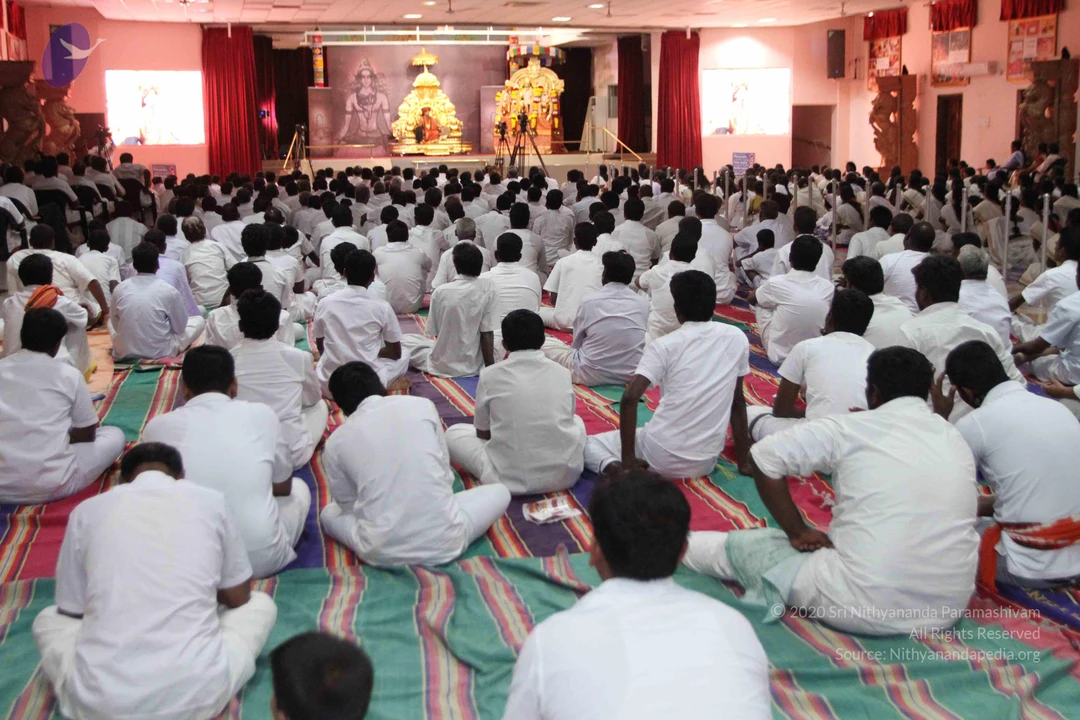
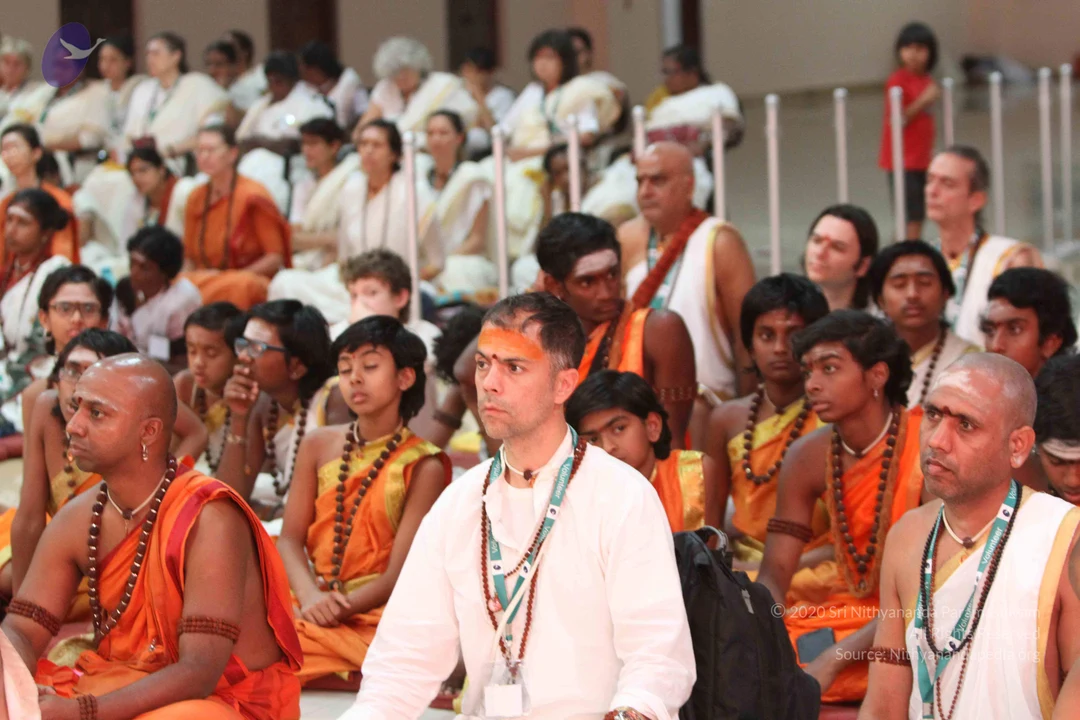
I welcome all the disciples, devotees, owners of Sarvajnapeetha, visitors, viewers, sitting with us all over the world through Nithyananda TV, two-way video conferencing having Nayana Deeksha. Cities sitting with us having Nayana Deeksha Warrington- UK, Trinidad- Tobago, Pudavai Aadheenam, Hyderabad- Gupta Kashi, Nithyananda Nagaram- Hyderabad, Charlotte- Srisailam, Rajapalayam Aadheenam, Indrani -New Jersey, Kuala Lumpur Aadheenam, Los Angeles Aadhenam, Guadalupe Aadheenam, Oman Aadhenam, Toronto Aadheenam, Houston Aadheenam, Phoenix Aadheenam. I welcome all of you with My love and respects. Some more cities are joining. I welcome all of you with My love and respects.
(02:17)
I will continue to expand on the 18th verse of Isavasya Upanishad. This number 18 is very significant in Vedic tradition – Bhagavad Gita 18 chapter, Mahabharata war 18 days, all the major temples, whether it is Sabarimala, Madurai Kallazhagar temple or the Engoi Mallai – always 18 steps and the 18 akroni Sena fought the Mahabharata war. 18 is very significant number, but all 18s came after this Isavasya Upanishad’s 18 verses. This is the first 18; because, please understand, Isavasya Upanishad is the first Upanishad.
(03:27)
Rama, Listen. Rama, when He lived in Ramanagaram, received all the 108 Upanishads at a time from Mahadeva under our Banyan Tree, and after the victory when He came back, He brought… see after the victory when He came back, he had Pattabhishekam and he brought Hanuman and showed all the places He traveled. They had a vacation tour. At that time, Hanuman also came to this place, and then again sitting in Ramanagaram, that hill, Rama put the whole 108 Upanishads names together, what He received from Mahadeva, and repeated to Hanuman, that is Muktikopanishad. Please understand. Whatever I am saying is fact, truth and reality from the cosmic archives, the akashic records sooner or later you will find evidences for this.
(05:09)
So Isavasya Upanishad is the first Upanishad as per Ramachandra Prabhu as He heard from Mahadeva and due to various reasons nobody else has put the all the 108 names together. See from Mahadeva, Devi heard all the 108 Upanishads, Saptarishis heard, Kapila heard, Nandi heard, Subramanya heard, Rama also heard, in all these people, nobody else has chronically recorded it. Nobody chronicled the whole thing, nobody put all the 108 names in a list other than Rama. Rama always had the habit of staying in only the place where Jyotirlinga is there. Wherever He stayed, He stayed only with Jyotirlinga. See Nasik, Trimbakeshwara, Rameshwaram. Before He won and came back, there was no Ramalingam, because that deity was installed by Sita but He never stayed there. The first Ramalingam, Rameshwara installed by Ramanath... Ram….Rama is this Ramanagaram Temple. Ours is Swayambhu, the Nithyanandeshwara here the Mahadeva here is Swayambhu, that is why He stayed here. So that he can come and have puja everyday, He can come and do puja every day. But after killing Kakasura, to remove that sin, He installed a lingam in Ramanagaram Temple, there is Rameshwara, that deity is there that was installed by Him. Then He moves and goes to south; after Sita was kidnapped He goes to Sri Lanka and you know, you all know the Ramayanam story. When He was here staying with Sita and Lakshmana having beautiful vacation, that time He was worshiping Mahadeva under our Banyan Tree, the same Svayambhu Linga, please be very clear, same Swayambhu Linga, and here under the Banyan Tree, all three of them received, with Sapta Rishis, the 108 Upanishads from Mahadeva.
(08:19)
Mainly the teaching was given for the sake of Rama, because all others have already received it. Devi, Nandi, Sapta Rishis, all of them have already received it, and Sapta Rishis were staying in Ramanagara, that hill when Rama came here and stayed. So they inspired Rama to hear Upanishads from Mahadeva directly. So He came and worshipped here. In the presence of Devi, Nandi and Sapta Rishis, Mahadeva revealed Upanishads to Ramachandra Prabhu, Lakshmana and Sita Birati, for all 3 the Upanishads were given. Then the Kakasura vadham happened and then He moved, continued and Sita was kidnapped, then He went to Lanka and conquered the Lanka and brought Sita back. When He came back He directly flew to Ayodhya for Pattabhishekam. After the Pattabhishekam along with Hanuman, Sita and Lakshmana, Bharata Shatrughna, the whole family, they came like a vacation where Rama was explaining to everyone, what all happened, where all they stayed. So that time when they came here Rama showed this Kshetra to all the family members and they again went and stayed back in that Ramanagara hill. There Rama teaches to Hanuman what He heard from Mahadeva. The whole sequence Rama records in Muktikopanishad, that sequence only we are following. So this sequence is delivered by Mahadeva under this Banyan Tree and recorded by Rama to Hanuman. We are following the same sequence. As per that sequence Ramachandra Prabhu is the oldest recording, we were able to get it about this 108 Upanishads. So we are following that, the 108th Upanishad, Muktikopanishad, Sri Ramachandra Prabhu records all the 108 names, as per that 108 names, this is the first Upanishad, Isavasya Upanishad, 18th verse.
(11:25)
I will repeat the verse once, read out the translation. Then give you the commentary. agne naya supathā rāye asmān viśvāni deva vayunāni vidvān | yuyodhy asmaj juhurāṇam eno bhūyiṣṭhāṁ te nama-uktiṁ vidhema || 18 || agne naya supathā rāye asmān viśvāni deva vayunāni vidvān | yuyodhy asmaj juhurāṇam eno bhūyiṣṭhāṁ te nama-uktiṁ vidhema || 18 || I will read out the exact translation. "O Agni, the Fire God! Knower of all our actions, and all that is worth knowing, you must take us along the righteous and auspicious path of completion..” Please listen, you need to understand this, first line "O Agni, the Fire God! Knower of all our actions and all that is worth knowing” – means, even the modern science proves when your brain knows something that area gets lit up. The knowing action happens when the Fire moves into certain part of the brain. Please understand. Everything may be there outside you, you will not know if the Fire does not move in your brain. If the Fire moves in your brain, only then you will know what is happening. So, Fire is responsible for knowledge, knowing to happen in you.
(14:25)
Listen carefully. Fire is responsible for the knowledge to happen in you. I tell you, Fire gets fully awakened by integrity. Nothing, just follow intensely integrity, In twelve months you will have a kind of a Fire in you through which you can know anything you want to know. Anything which comes in front of you, and you want to know it, you will know it. That fire is called ‘Dhee’ in Sanskrit we use the word, a single letter ‘Dhee’. All the ancient languages fire is addressed as ‘dhi’; in Sanskrit, in Tamil, in many of the ancient languages. Listen, ‘Dhi’ comes as a gift to you, because of your integrity. Just twelve months decide, I will live in the space of integrity, no question of missing. It's just awareness, awareness practice, nothing else. The ‘dhi’ will be awakened in your brain. That ‘dhi’ will give you the intelligence to know everything you want, anything you want.
(16:32)
Here the Upanishic Rishis are addressing Fire: O’ the Fire God! Knower of all our actions. Means: only if the fire happens in different parts of your brain, knowing happens in you. Knowing happens only if the fire happens. So without the knowledge of fire, knowing cannot happen; knowing is very closely associated with fire. Fire - whether it happens here [gestures to heart center] or there [gestures to brain], only if it happens you will KNOW what is happening, you will know what is happening. It’s very closely related to integrity, understand. Integrity is one of the very powerful practice to awaken powers in you. If somebody practices integrity, I don’t even touch to open their third eye, enough. Just a blow is enough, it will open up; because integrity is like a fire, any coconut kept near the fire, you don’t need to break it, you just knock it, it will open. People used to ask Me, I used to break the coconut just like that, I will put it in the hand and it will break. People ask, “How Swamiji?” It’s nothing; if you keep the coconut near the havan, that fire when it heats up, you don’t need to break, just knock, it will open up. I can open even without the fire, because I can send the fire from the hand and Tuck- 😊 but the science is same; whether you put the fire from outside or through your body, the science is the same.
(19:10)
Listen, Fire, knowing, integrity is all one and the same. I should put this incident in record for the sake of future. When I was reciting this verse on the banks of Ganga, the place called Tail Ghat. Actually, Hamsananda Swami, Who gave Kashaya to, means the kaavi to Vibhutananda Puri and Isakki Swami, when He was traveling toward south. He came by walk to Rameshwaram that time they received and they asked Me to go and meet Him, but I was never able to meet when they were alive. So after they left the body I went and had His darshan, and I was staying there for some time, He told Me that… few people who come to Him, bringing every day the potato and salt. He will take very little food, little rice and little potato mixed with ghee and salt, that is His food, that’s all. Boiled potato, adding ghee and salt, He will make like a ball, and He will put that into the rice and have; that’s all is His food. So people who bring that rice and potato and ghee for Him, they will all ask Him Babaji, give some Upadesh. In Bengali they will ask, “Kuch bolo. Give some Upadesh.” He will make fun of them, “Hey I have not read anything”, so He will show Me and say, “He is a bahut badi Baba. And He will tell, “He is a balasant who learnt all the Upanishads and Shastra”, and then He will tell Me, “You tell something to them”. I can speak little Bengali; so with My broken Bengali, I was trying to explain this Upanishads, when I was explaining this 18th verse, this very mantra, I suddenly felt somebody was very strongly looking into Me. It’s like sometime, if even from behind someone is intensely looking at you, you will know, and you will turn and see. I was actually sitting on the banks of Ganga. Ganga was gushing.
(22:32)
You should experience Ganga in Calcutta. So powerful, so powerful. If Ganga in Haridwar is girl, Ganga in Calcutta is Kalabhairava, Kali. She is so powerful, two kilometer width some places, and often changing the direction, during the low tide and ebb tide, it’ll flow this way and this way. You would be surprised Ganga will be flowing inside, because when the ocean water comes inside, she will flow this way and then she will flow this way. She makes seven kilometer ocean water into drinkable water, seven kilometer, She goes inside the ocean. It takes seven kilometer for the water to become salty where the Ganga meets the ocean. I was sitting on the banks of Ganga. It’s a small temple there, some Ganesha, Durga, all of them are there, some small, small temples and one room where this Baba used to stay. He’s a Naga basically, so he won’t wear dress and he will sit on the gunny bag. The place is called Tail Ghat. Few rich Jains used to bring that rice and potato for Him, sometimes roti.
(24:39)
So he asked Me to explain the Isavasya Upanishad, so I was trying to explain. During this 18th verse, I felt somebody was intently looking at Me, I just turned, I saw Hamsananda Swami only, He was only staring at Me; too strongly He was staring at Me. I asked him, “Why, why you are looking at Me like this, Baba?” He said, “When you were explaining intensely, I understood whatever You are sharing it is directly from Your experience. So I wanted to look in, whatever is in Your inner space I just wanted to grasp. When I looked in I saw it's a whole Cosmos opening, I got frightened, You turned towards Me.” 😊 He said he was trying to look into Me to understand this whole verse as it is from My inner space, but in My inner space, He only saw the Cosmos, He got frightened. The moment He got frightened, and started losing Himself, I just turned My head. He said, “I can see very clearly everything is from directly from Your own experience. These people are blessed.” He was telling about the few of the devotees who were listening, he said, “These fellows are blessed.”
(27:01)
agne naya supathā rāye asmān viśvāni deva vayunāni vidvān | yuyodhy asmaj juhurāṇam eno bhūyiṣṭhāṁ te nama-uktiṁ vidhema || 18 || Listen. Agni is the knower of all of our actions and all that is worth knowing in the Universe He knows. Please understand. Anywhere knowledge happens, Agni has to be there. Without Agni knowledge cannot happen. All the spaces, planets, where Agni is not possible, knowledge is not possible. The modern day scientists are searching and trying to find if there is a place with water, human beings will be there or aliens will be there. I tell you, no, if there is a place where Agni can happen, only there life can happen, knowledge can happen, nowhere else. Only where Agni can happen, knowledge can happen, life can happen, nowhere else. Agni, who is knower of all our actions and everything worth knowing. Whatever is worth knowing in the planet earth, Agni knows it, He knows it. The Upanishic Rishis are addressing Agni as knower of all of our actions, and all that is worth knowing. Then they pray “you must take us along the righteous and auspicious path of completion. You must take us…” Please understand. The prayer is not casual, very deep, detailed, you must take us along the righteous and auspicious path of completion.
(30:18)
supathā rāye asmān viśvāni deva vayunāni vidvān |
You must take us along the righteous and auspicious path of completion, leading us to experience the Supreme Consciousness, the original space of Complete completion. I can say that this is the best prayer you can offer to God when you meet him personally. This is the best prayer you can offer to your Guru, when you meet him directly. “Please, take me along the righteous and auspicious path of completion, leading us to experience the Supreme Consciousness.“ I tell you praying for the Enlightenment is the greatest thing that can happen. Intensely seeking enlightenment, praying for enlightenment. I tell you, more and more you pray for enlightenment, more and more your routine will become integrated. Laziness will never be part of you, boredom will never be part of you. Boredom and laziness is nothing but you do not want to hold onto your ideals, that's’ all. You do not want to hold onto what is life for you, what life holds for you. You don’t need to poison a man who has become lazy and bored because he is already poisoned! 😊 you don’t need to double poison him. If you want to destroy somebody, just teach them laziness, that’s all. Make them lazy, over. You destroyed them. Make them feel tired, over… bored, over. Laziness, boredom, these two grows in you when you do not remember the purpose of your existence. Seeking and praying for enlightenment – these two makes you reinvent yourself, awakens you. It is like a amrutha during the old age. In the old age if you drink the nectar, suddenly you will become again sixteen and start the new life.
(34:02)
Listen. Seeking the truths of life, praying for enlightenment – these two kindles the whole Fire in you. I tell you, if you have a wheezing problem, stomach problem, any of the issues related to gas and water, means like a cold, all these— just pray for Enlightenment, you will be healed; because when you pray for enlightenment, the fire in the body will be kindled intensely. You will be immediately healed because the fire in the body if it is kindled, whole system goes through a re-invention of itself. Understand. Every time you pray for Enlightenment, fire in your system will be rudely awakened; rudely awakened, that’s the word I am using. It’ll be so rudely awakened, the sleep, tiredness, boredom… while you are in the daytime if you are daydreaming, in the night you will be just moving in the bed this way and that way, you won’t sleep. Just pray for Enlightenment, this problem will be solved, because the daydreaming will drop. When the daydreaming drops, night dreaming will drop; you will become so alive, so alive. Constantly praying for Enlightenment to the Cosmic energy. You can call it as God or Guru, whatever, it’s up to you. Constantly praying intensely awakens that joy, fire energy in you and keeps it alive. That’s the main thing, makes you reinvent yourself, makes you reinvent yourself.
(37:36)
agne naya supathā rāye asmān viśvāni deva vayunāni vidvān | yuyodhy asmaj juhurāṇam eno bhūyiṣṭhāṁ te nama-uktiṁ vidhema || 18 || "O Agni, the Fire God! Knower of all our actions and all that is worth knowing, you must take us along the righteous and auspicious path of completion, leading us to experience the Supreme Consciousness, the original space of Complete Completion.” Praying, praying, praying for Enlightenment – knowing even while you are praying you are He, soham asmi. Remembering even when you pray you are He, soham asmi. Pray intensely, constantly for Enlightenment with the context even when you are praying you are He, you are He.
(39:09)
The essence of today’s satsang – constant prayer for Enlightenment. I will continue to expand on this verse because there are some more beautiful sacred secrets - that innocent surrender, innocent devotion. Devotion and surrender without qualifying or giving any ‘conditions apply’. So, I will continue to expand. With this, I request all the Aadheenams and ashrams to start vakyartha sadas actively every day in the internet, in the Facebook, in the YouTube, in the ashrams, in Aadhenams, everywhere – do vakyartha sadas, do vakyartha sadas. With this, I bless you all: Let you all radiate with integrity, authenticity, responsibility, enriching, causing Living Shuddha Advaita Saivam, the eternal bliss. Nithyananda.
Thank you. Be blissful.
(40:53)
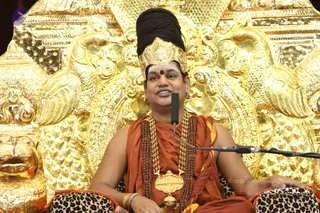
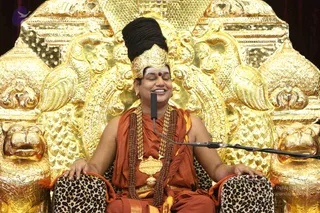
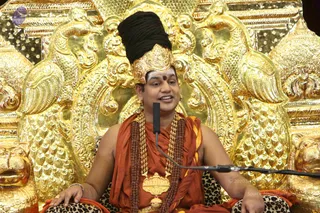
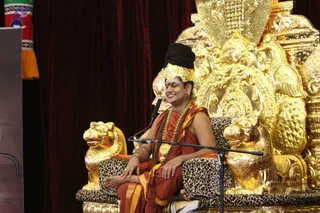
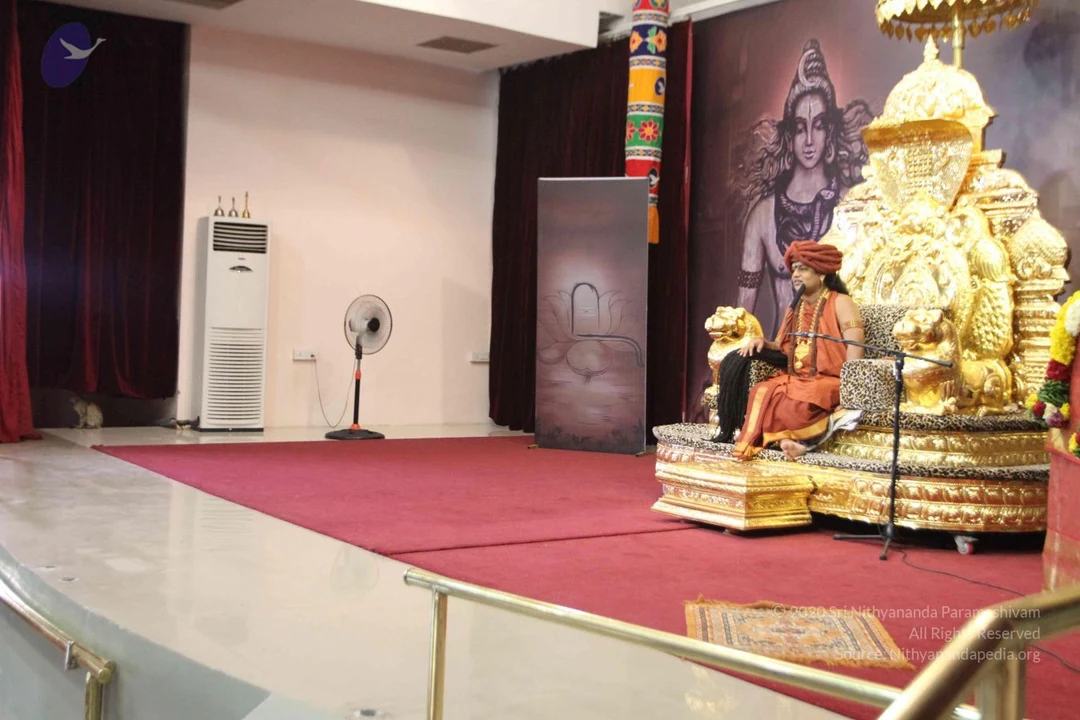
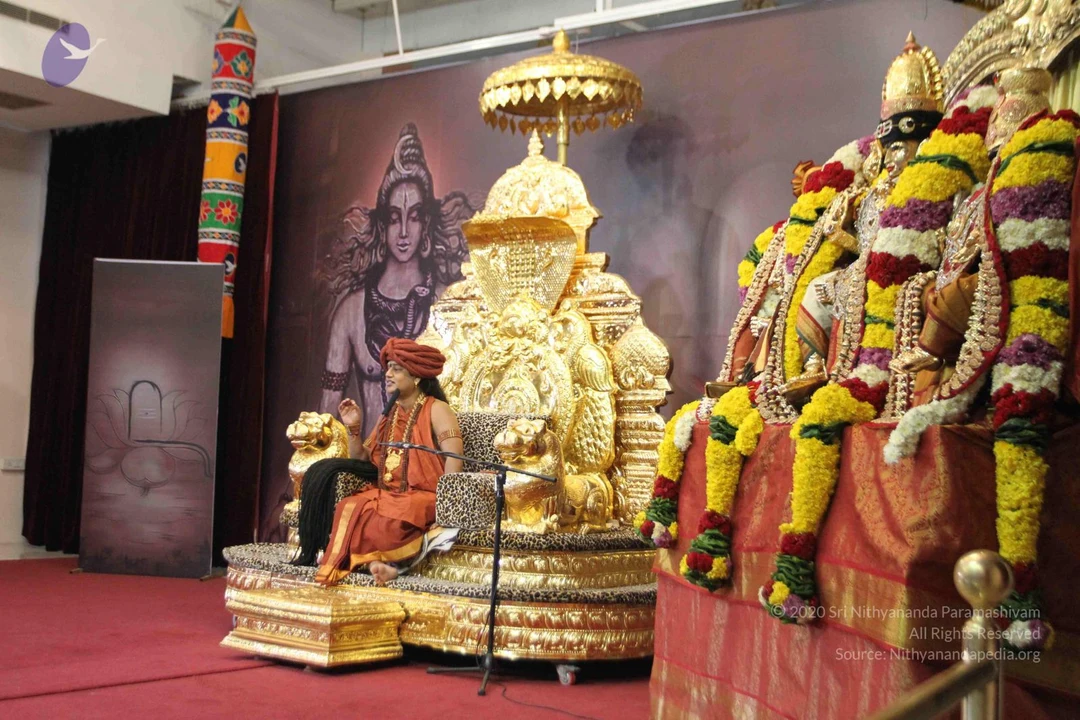
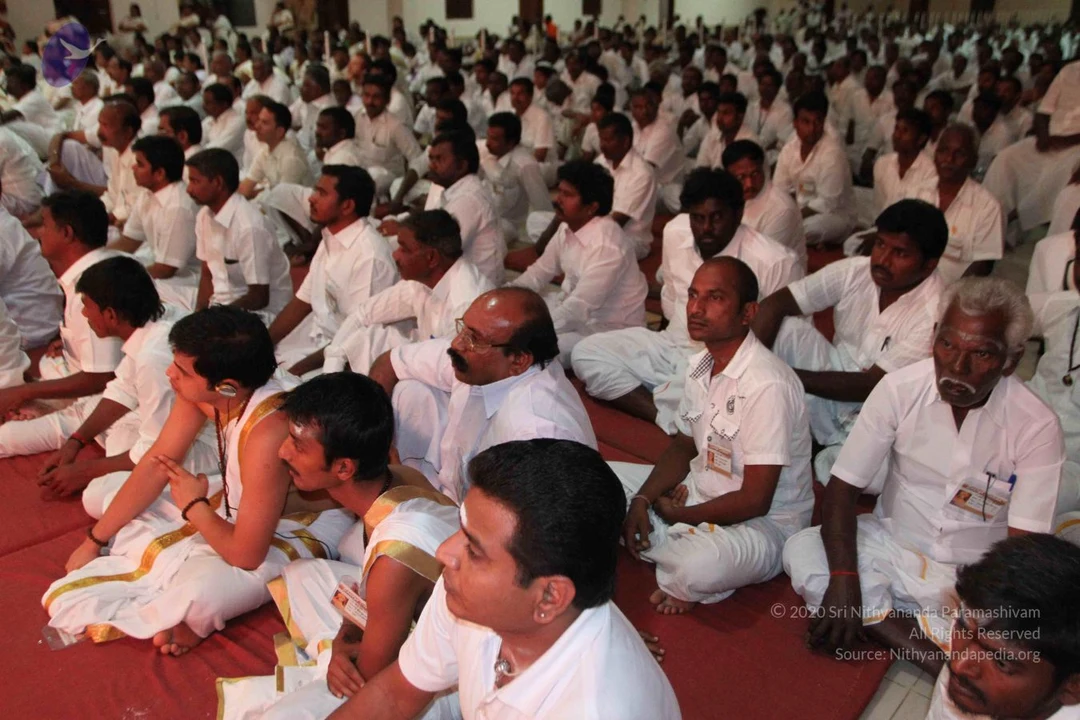
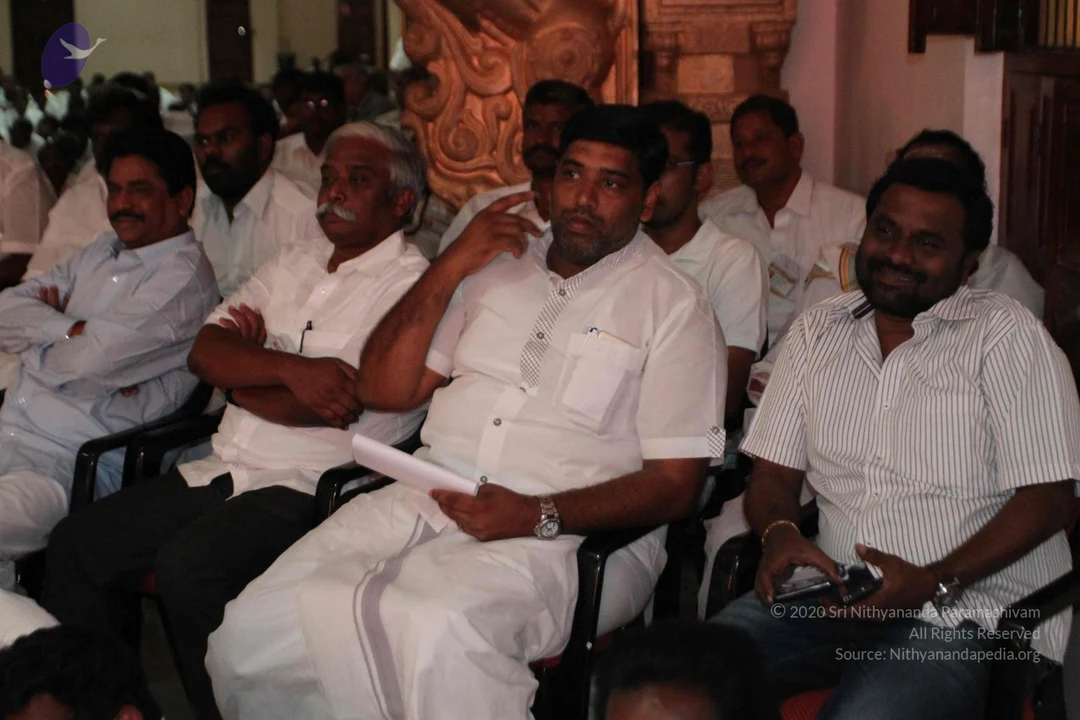
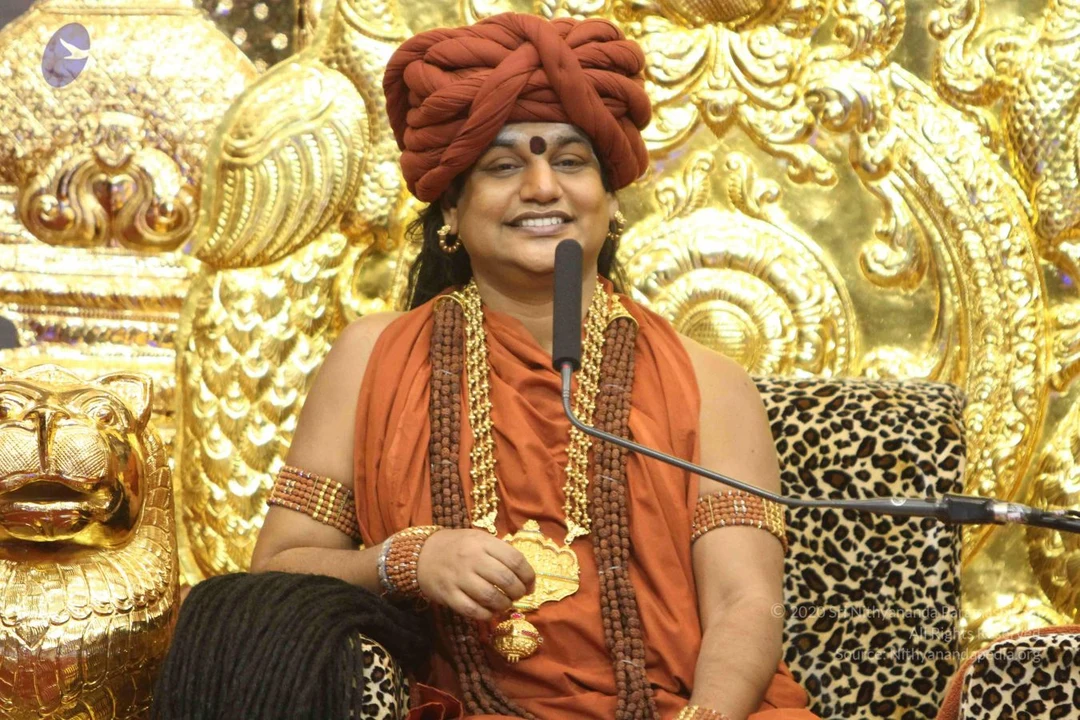
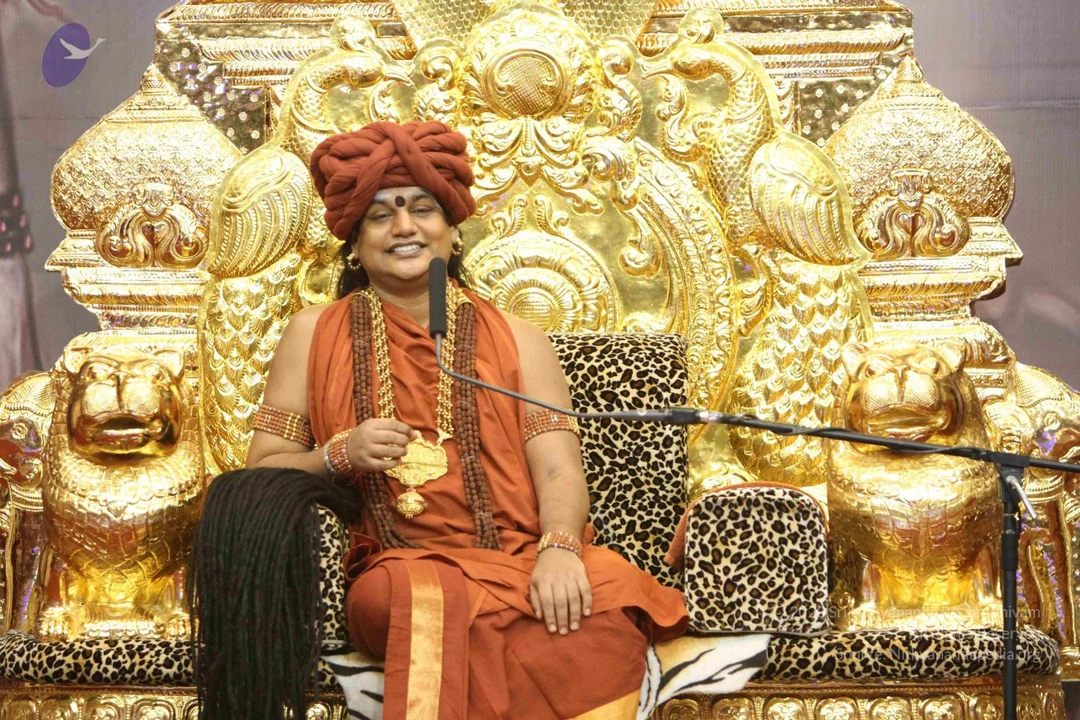
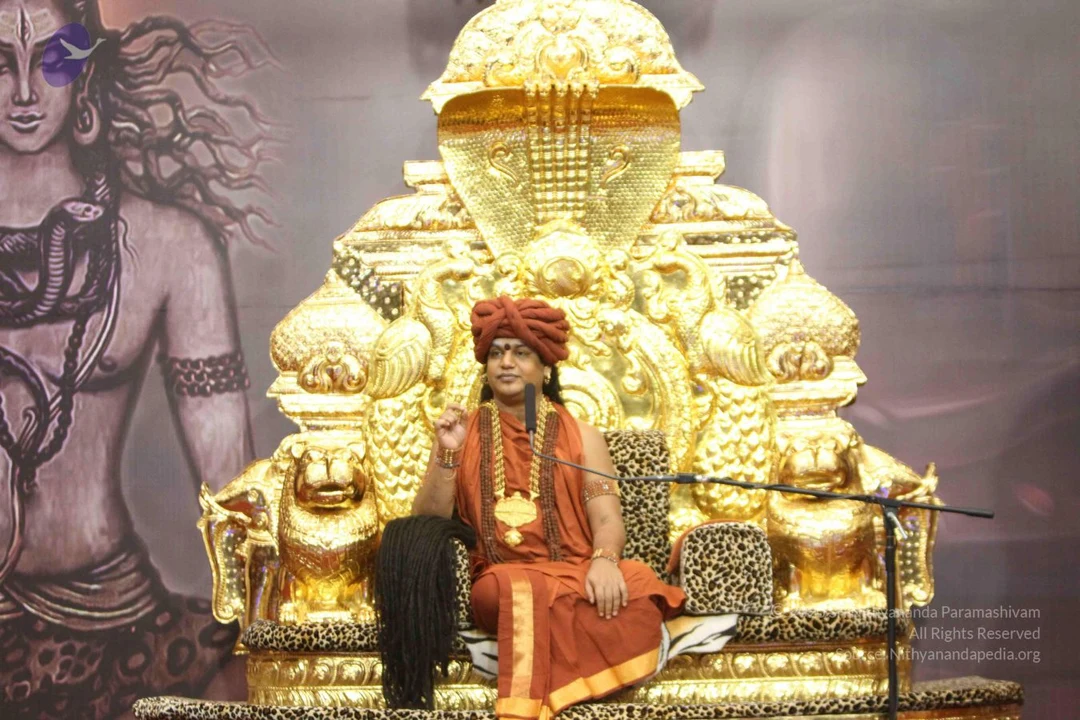
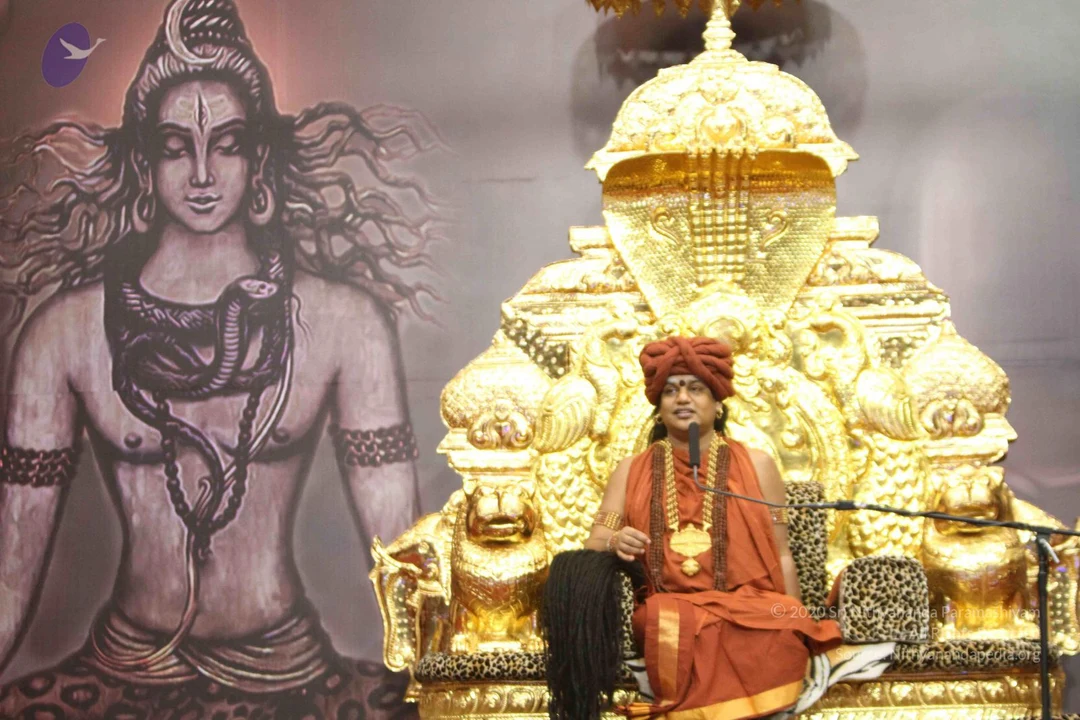
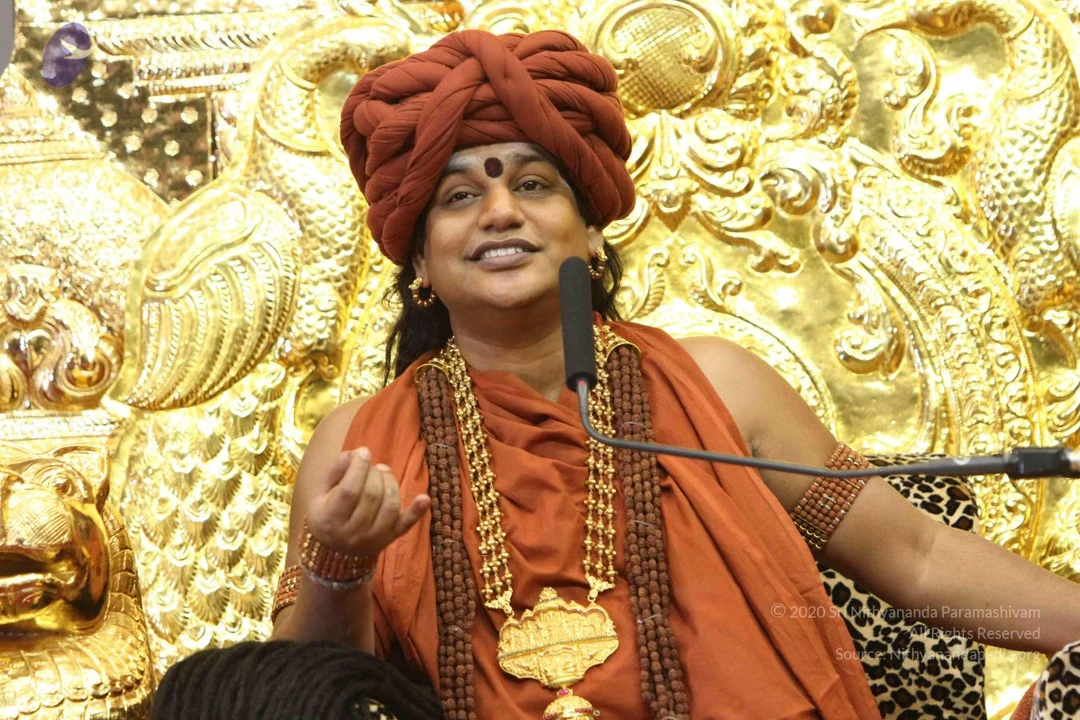
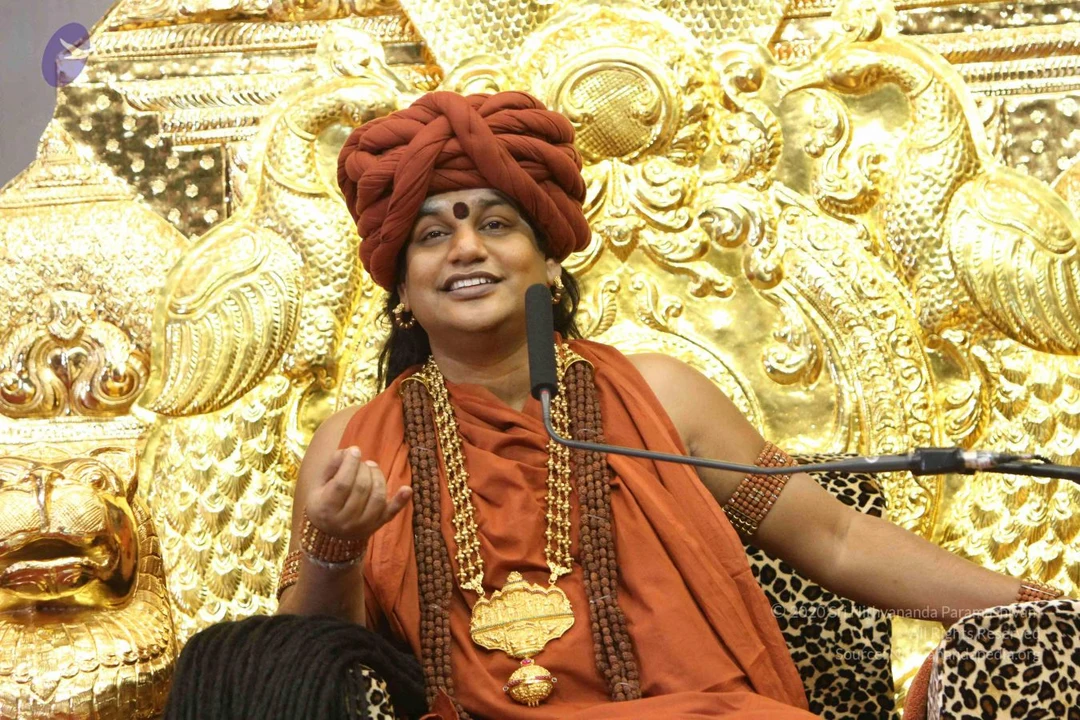
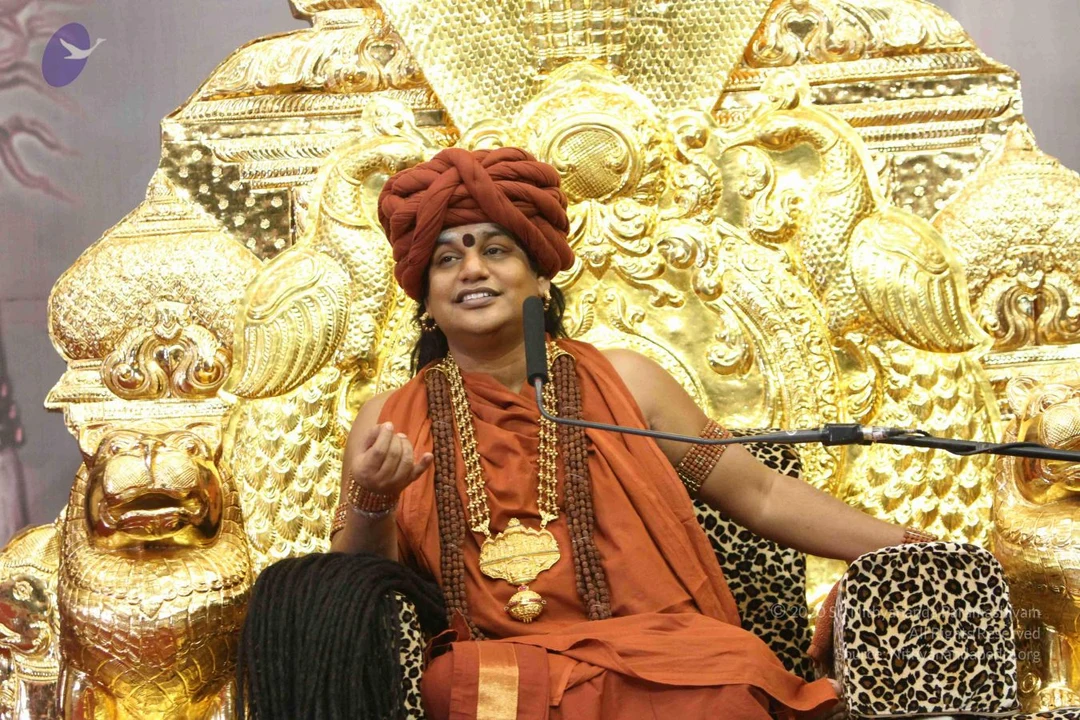
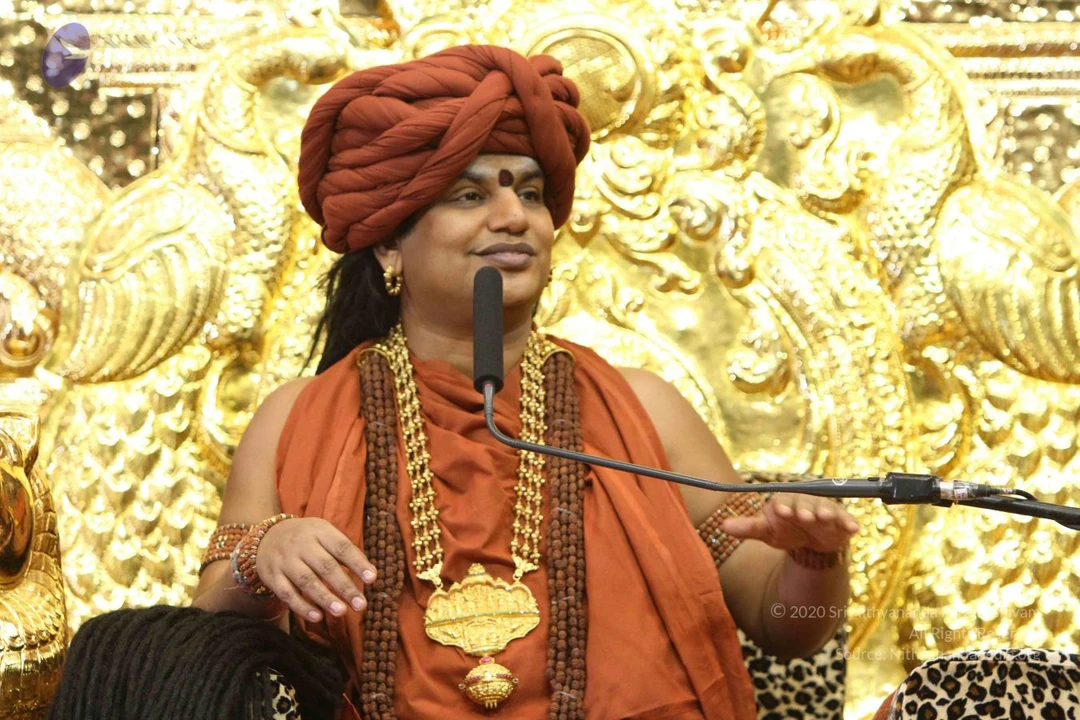
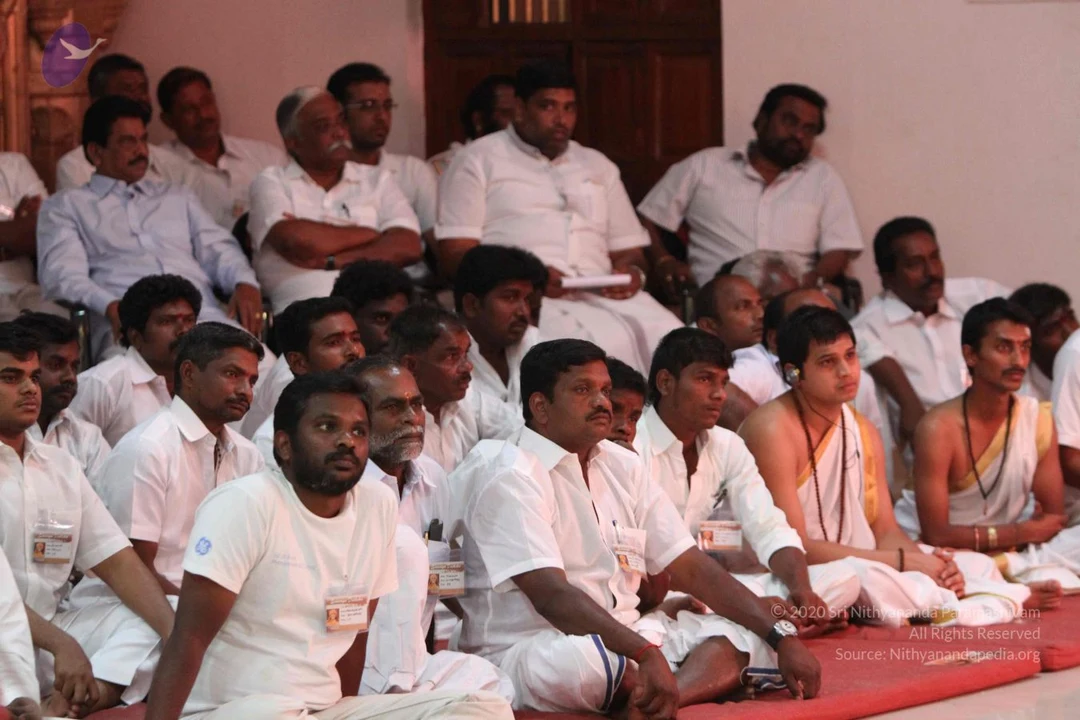
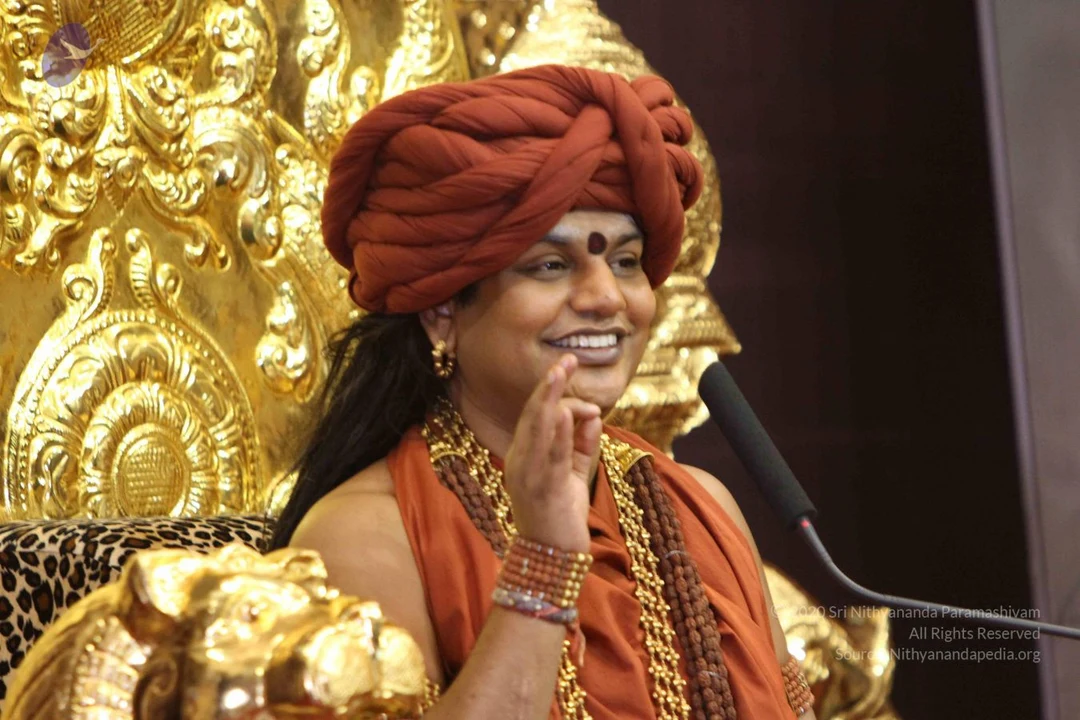
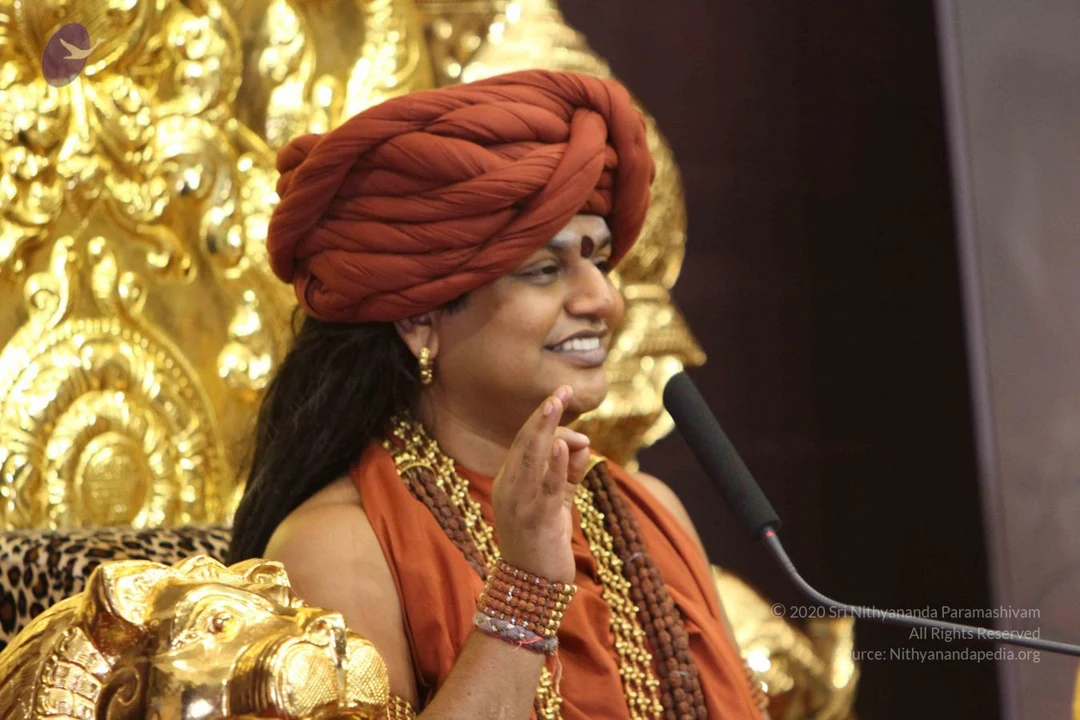
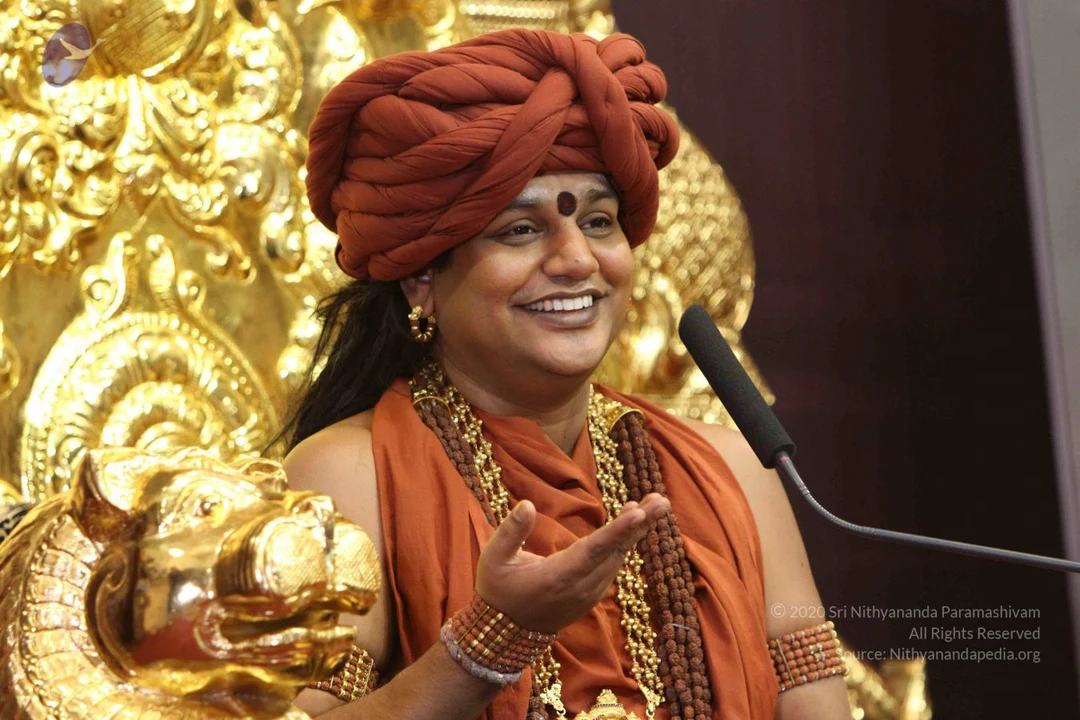
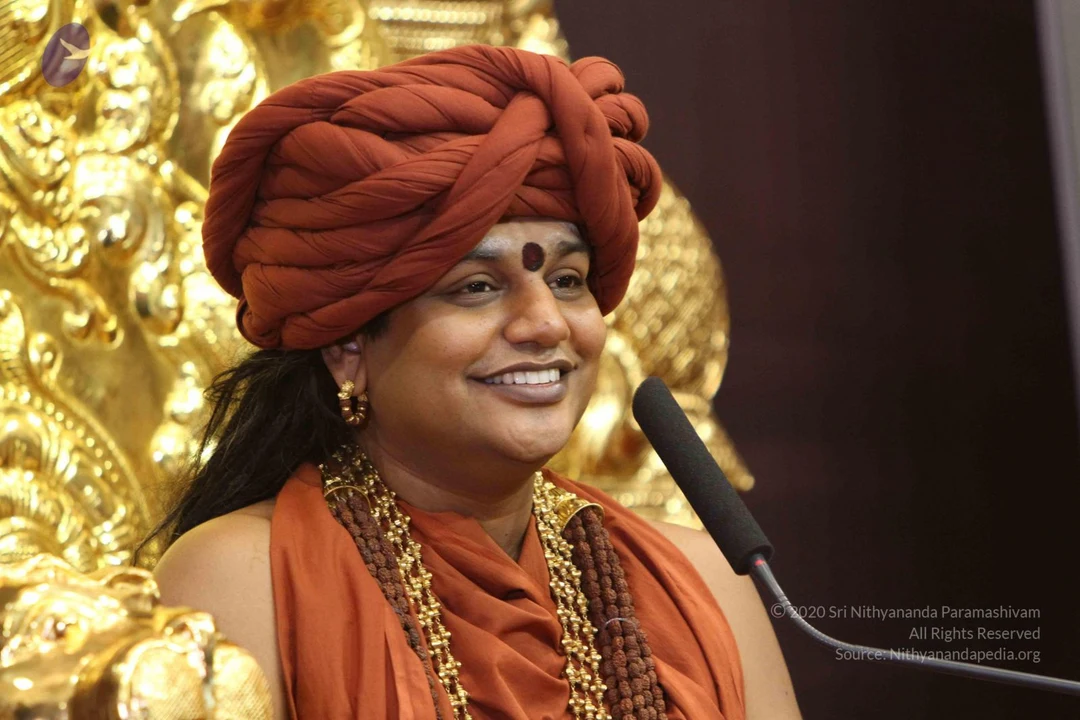
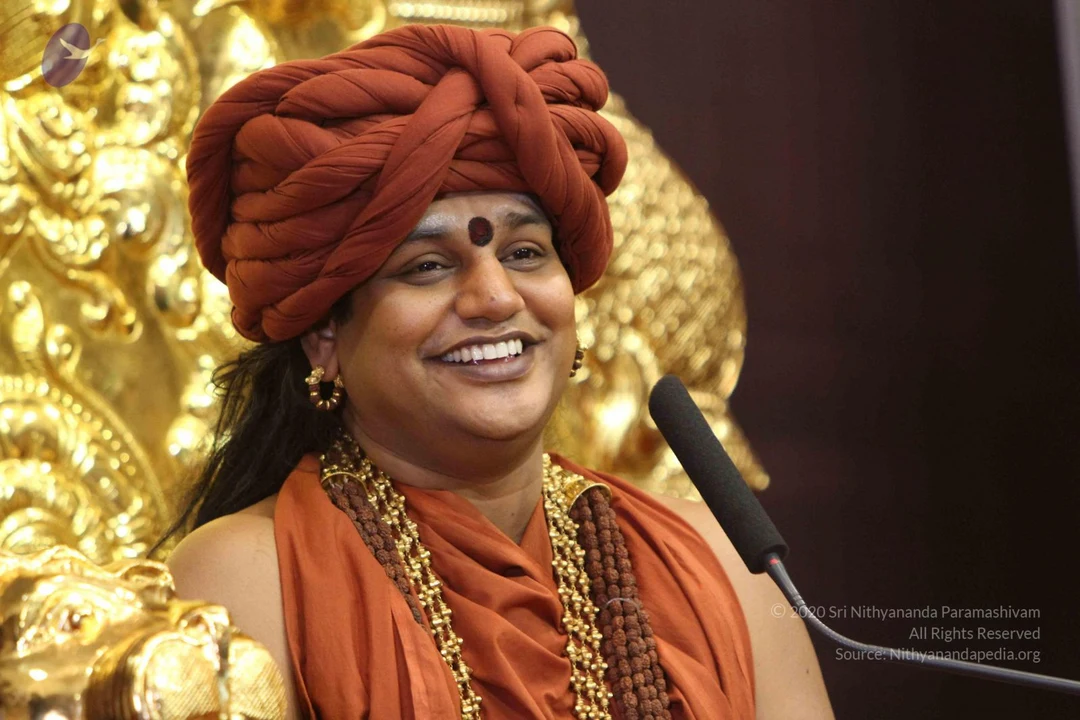
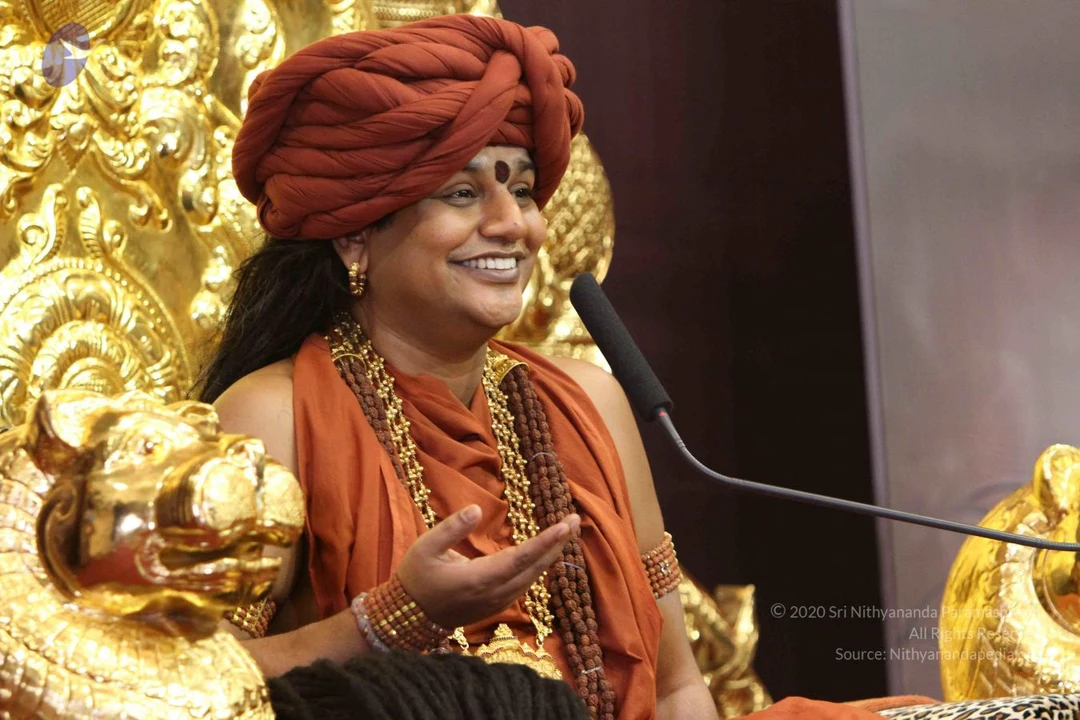
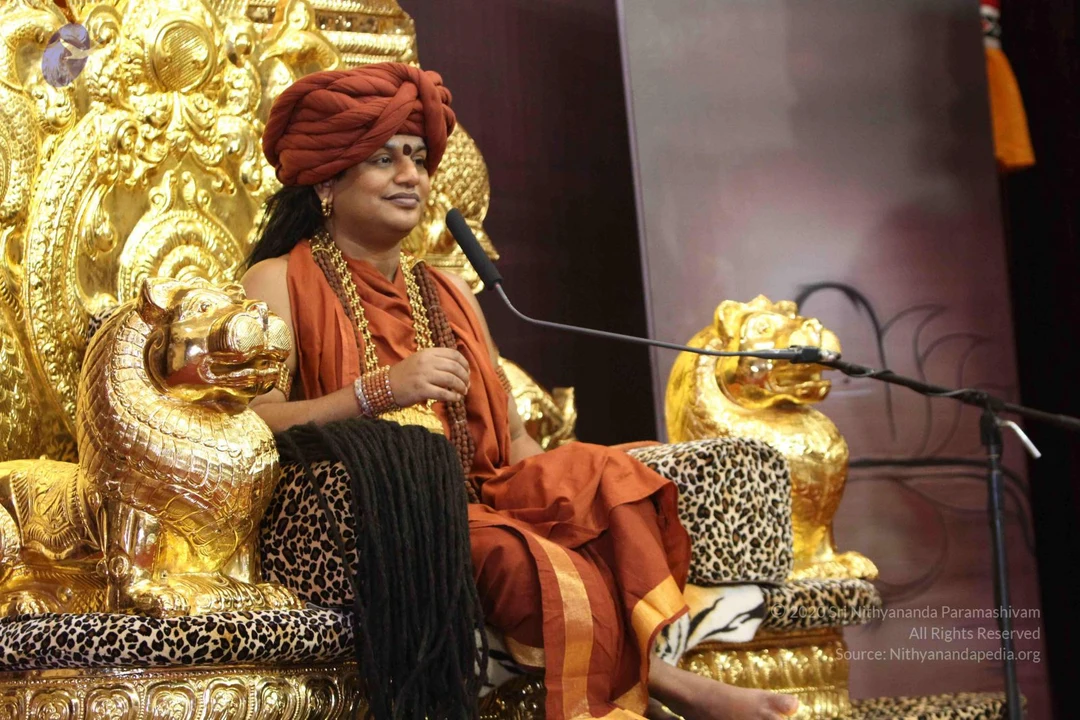
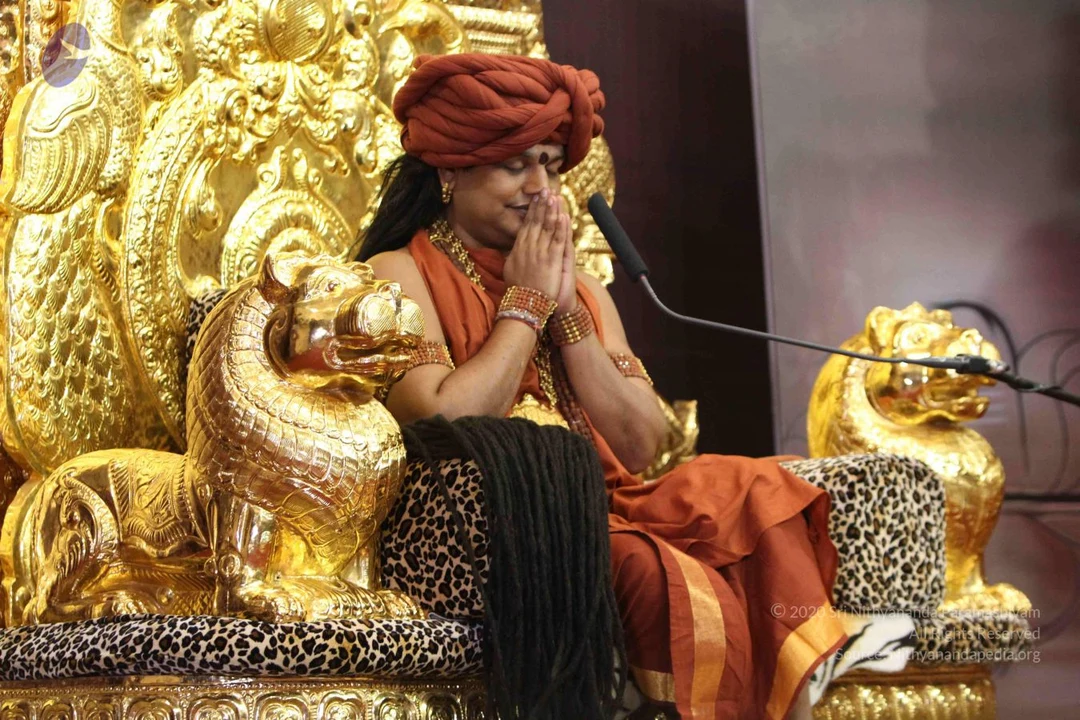
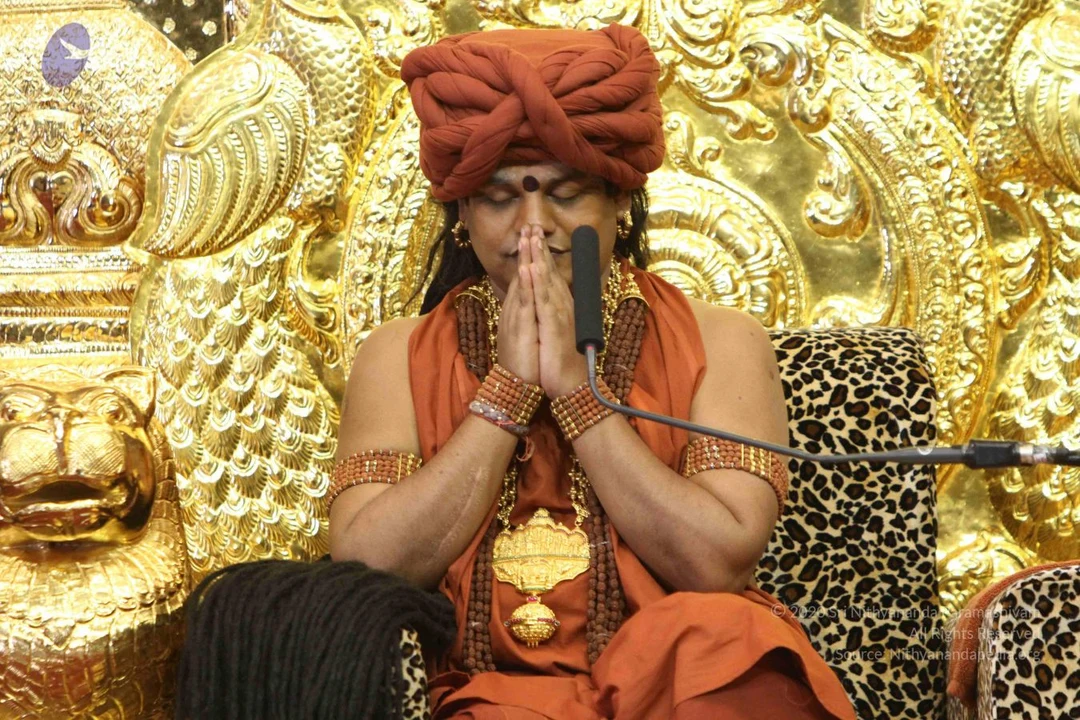
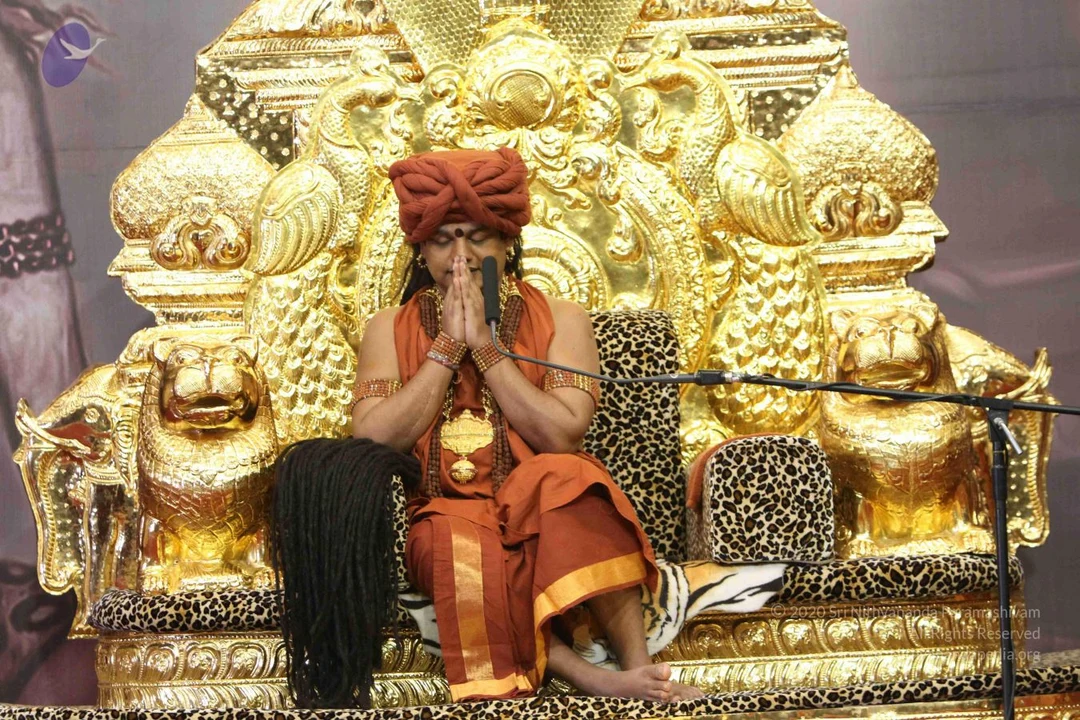
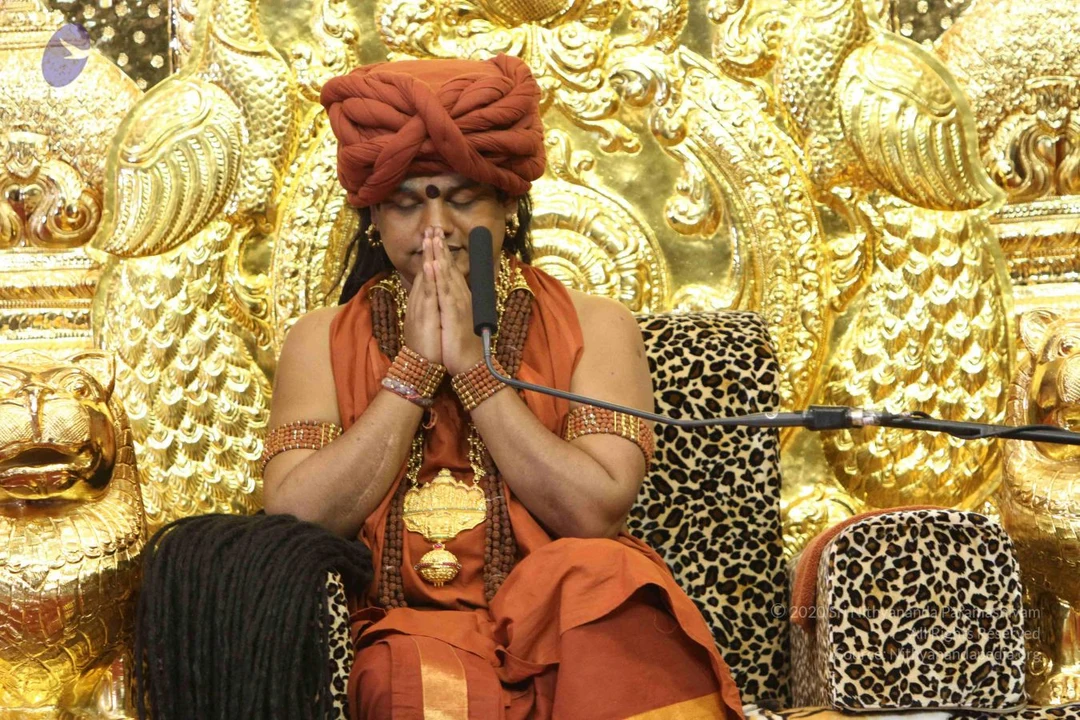
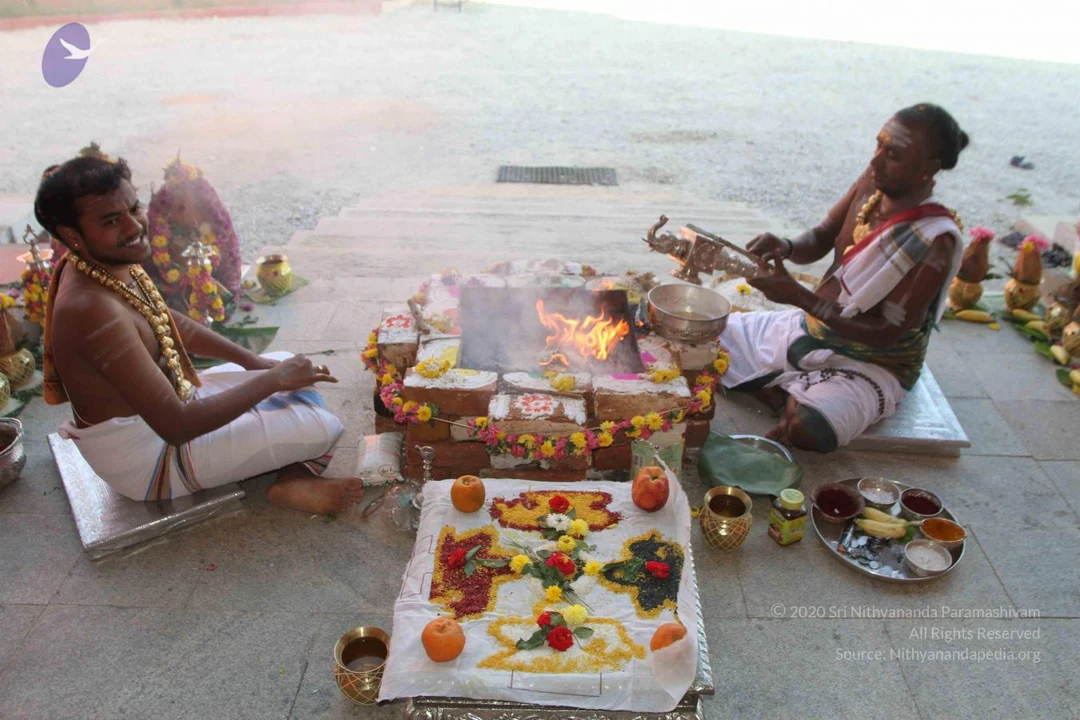
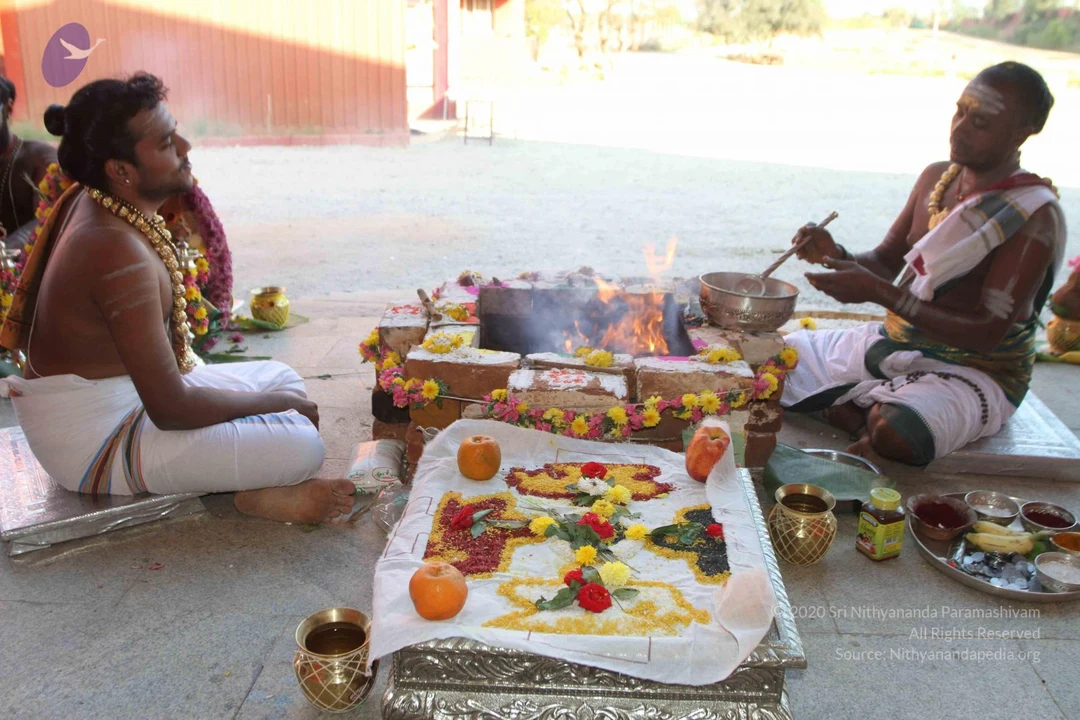
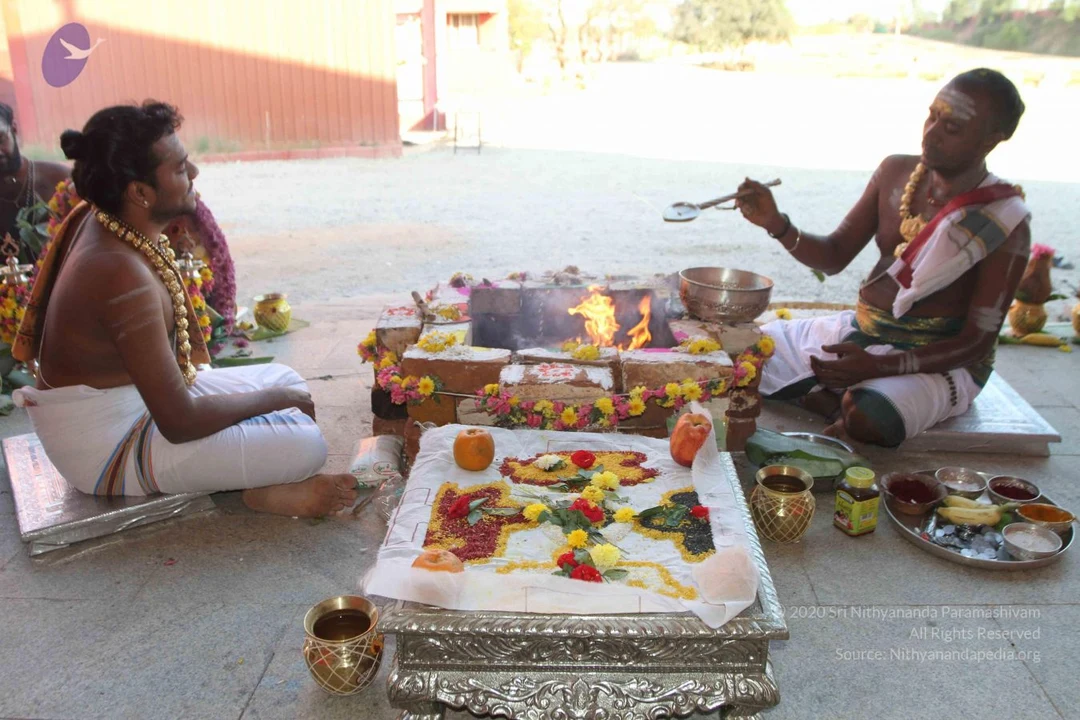
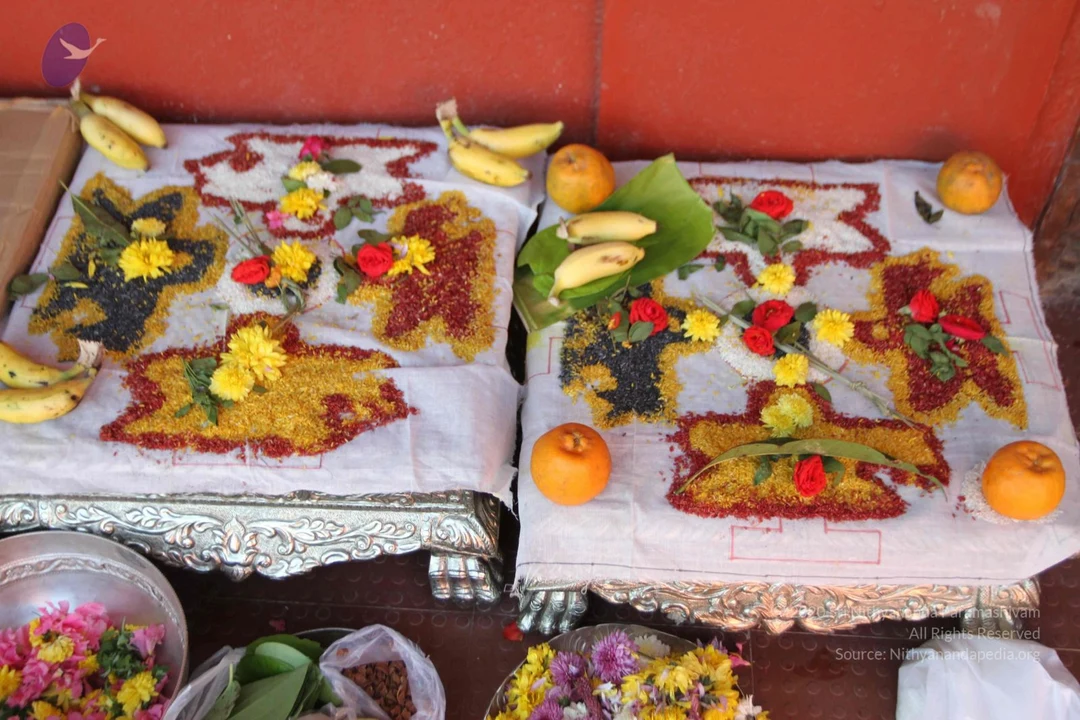
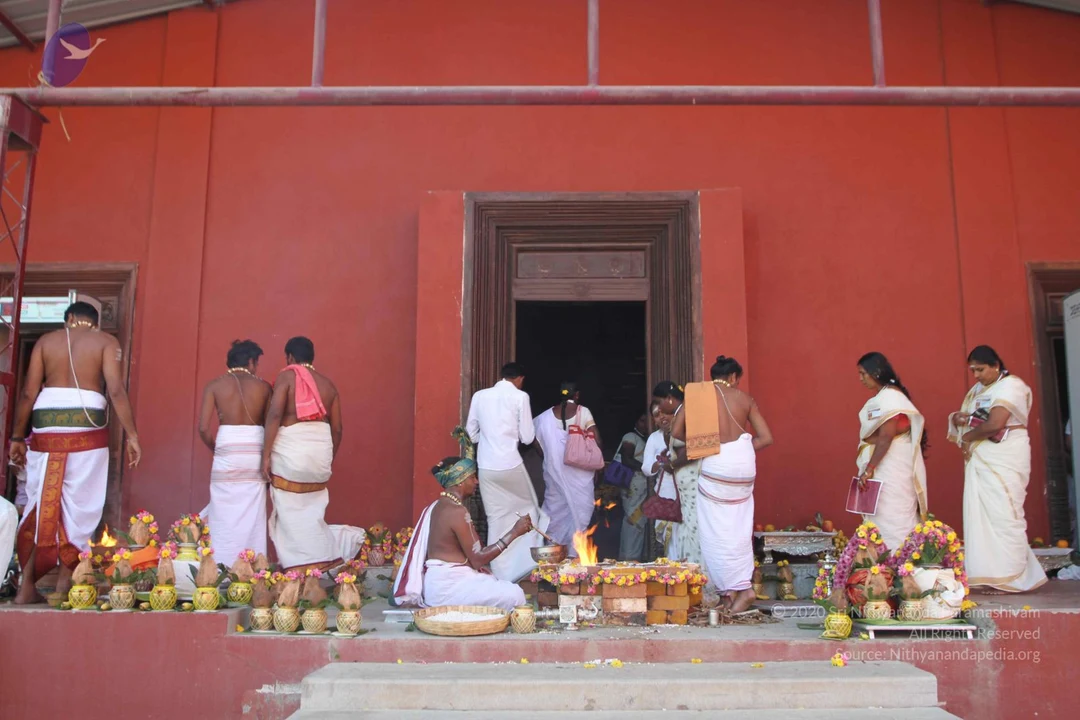
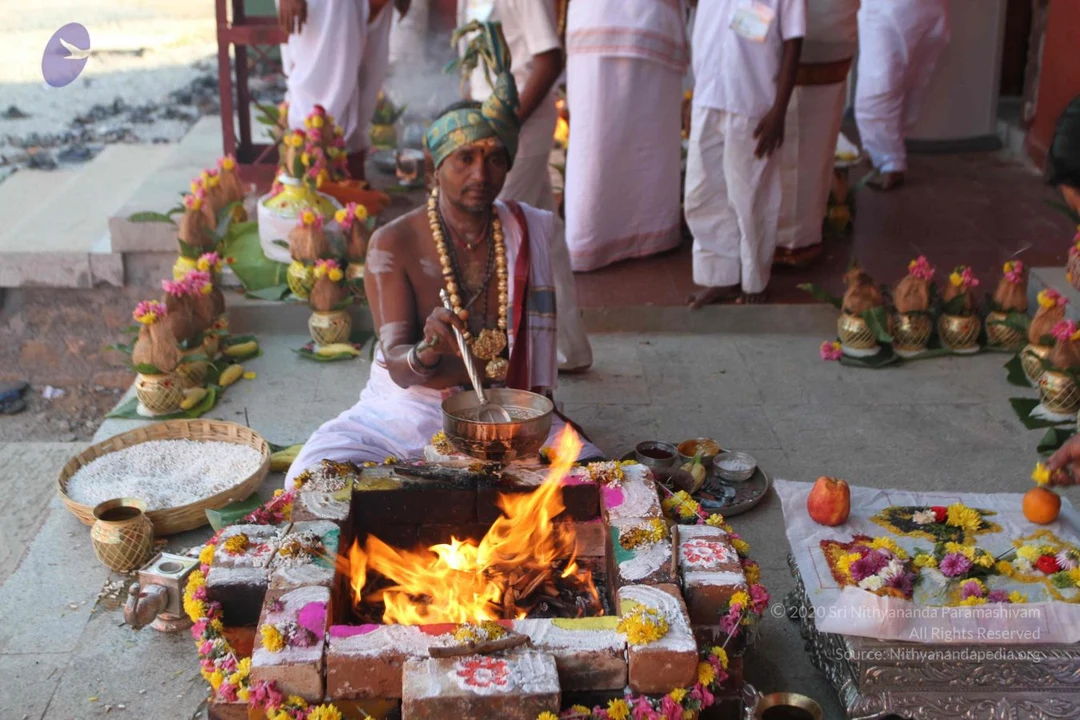
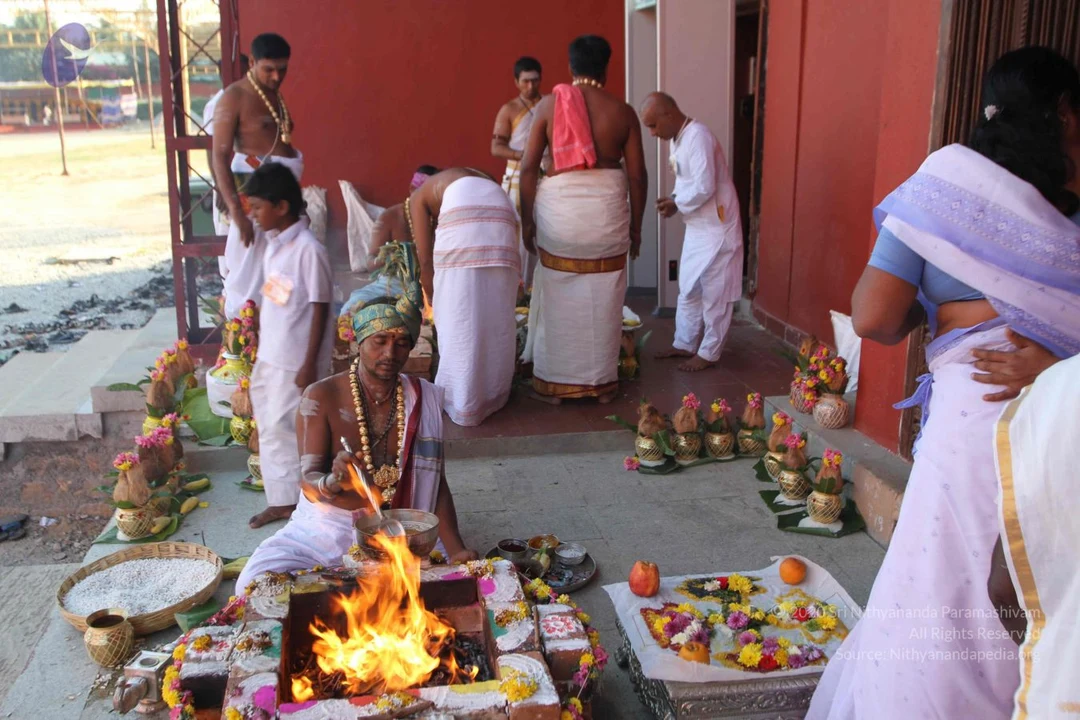
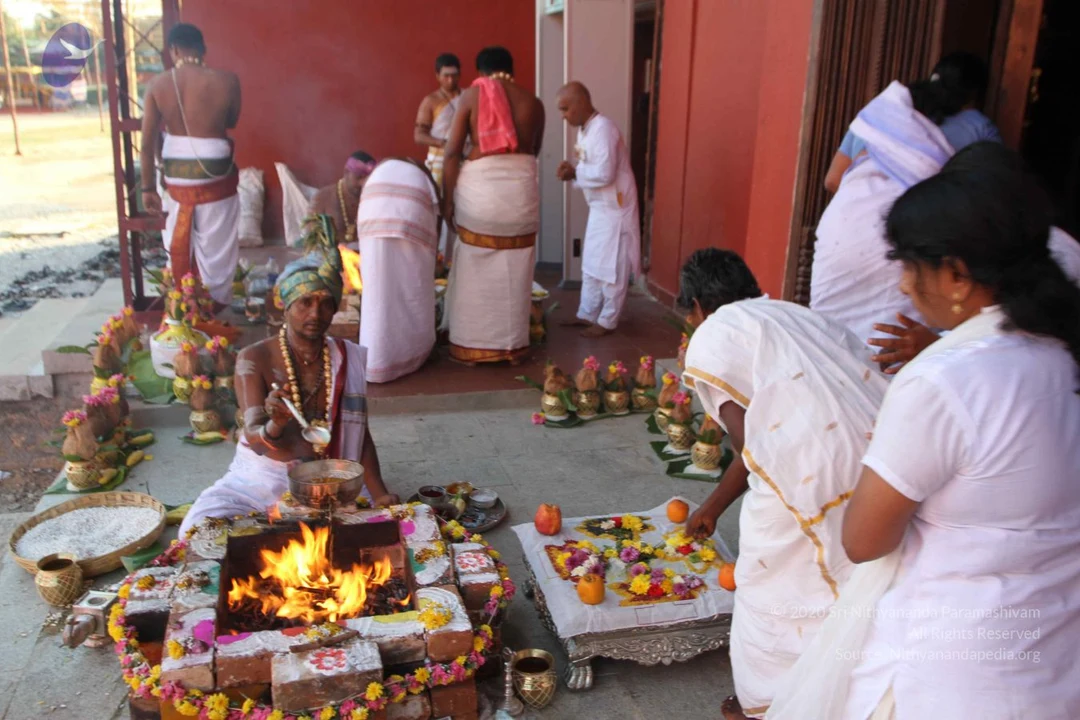
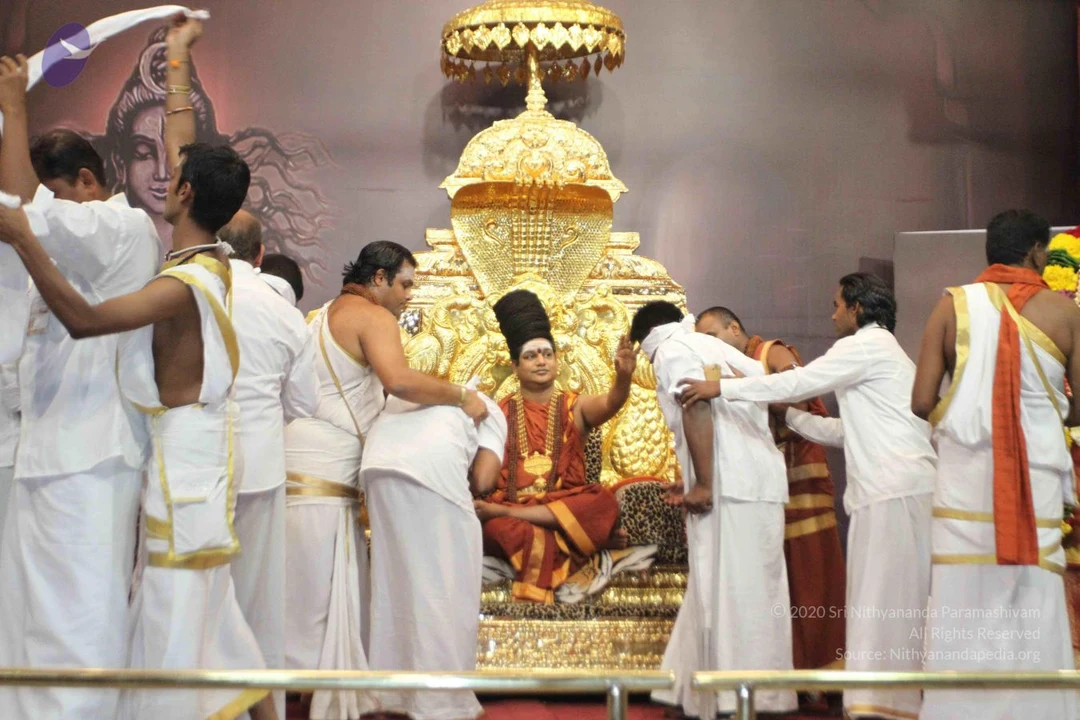
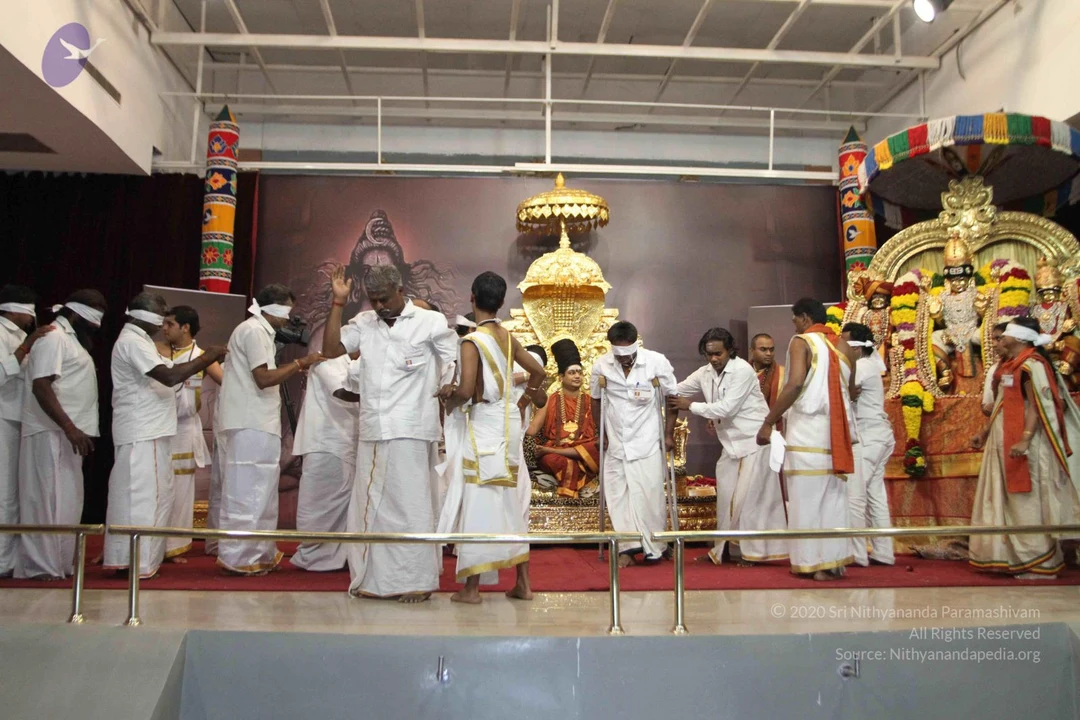
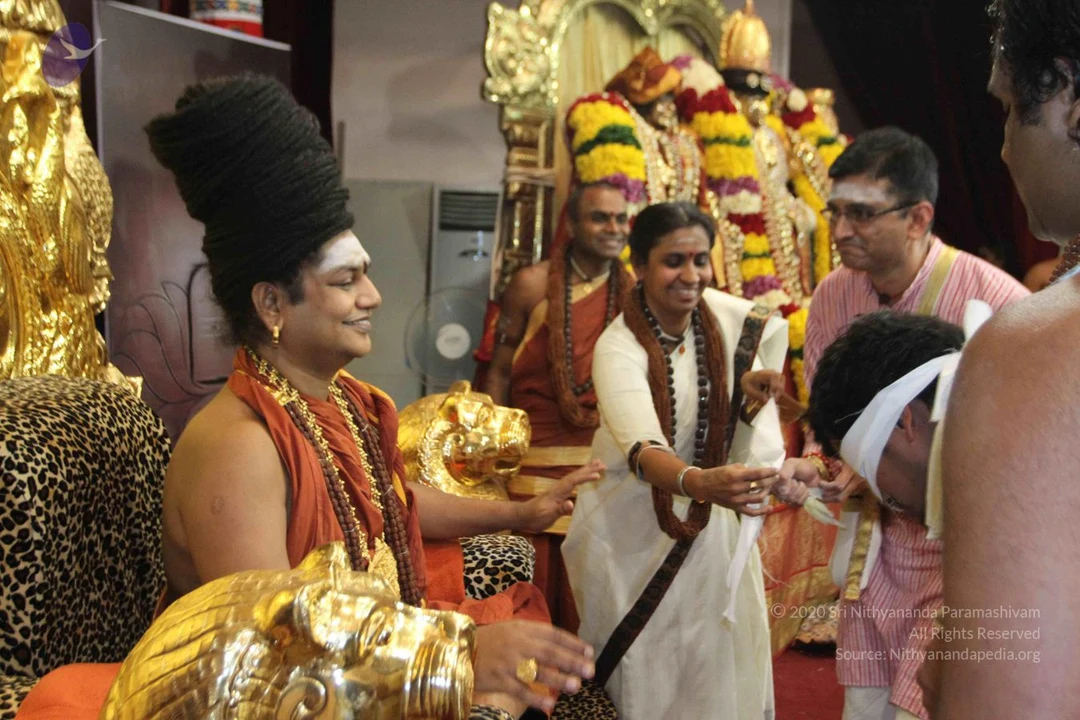
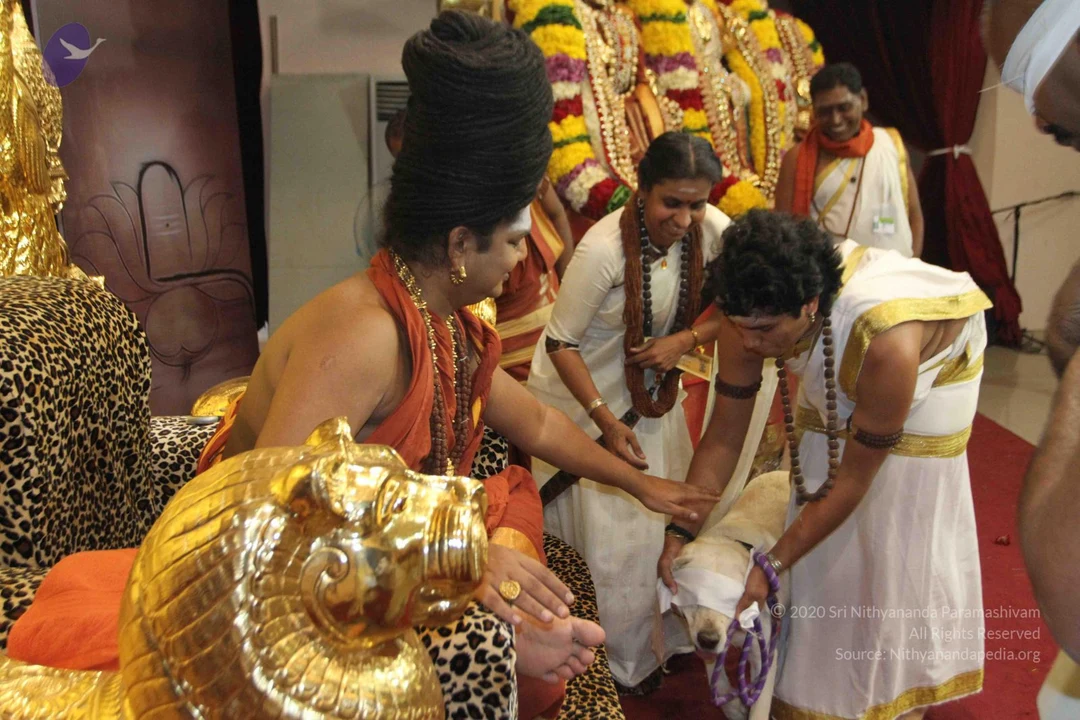
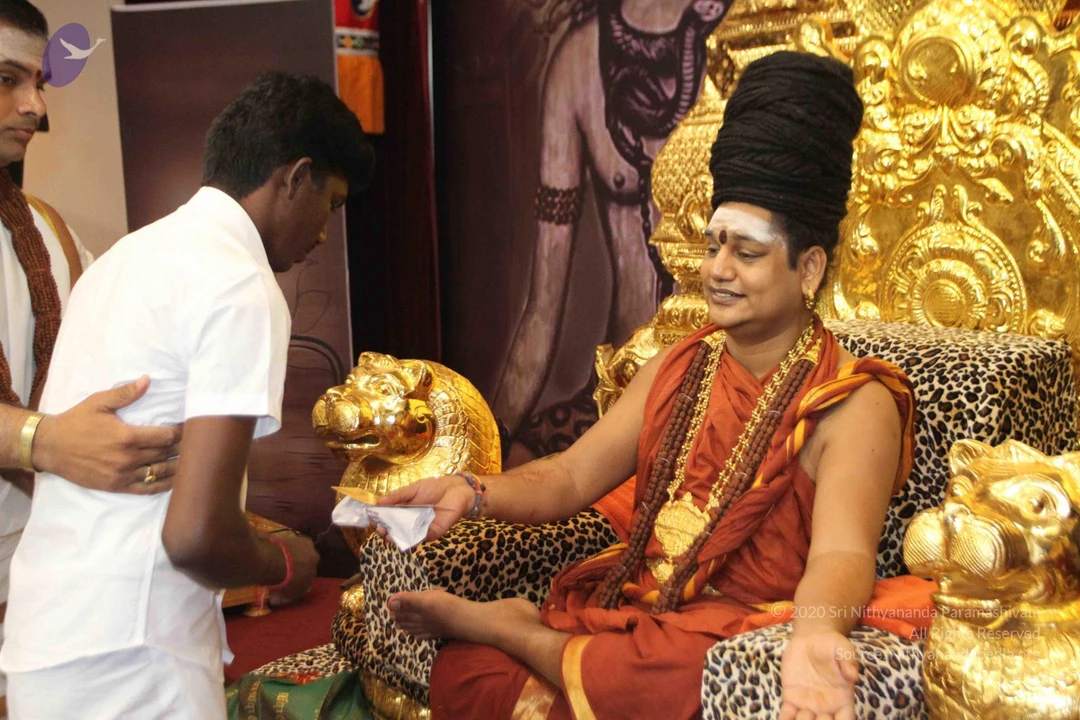
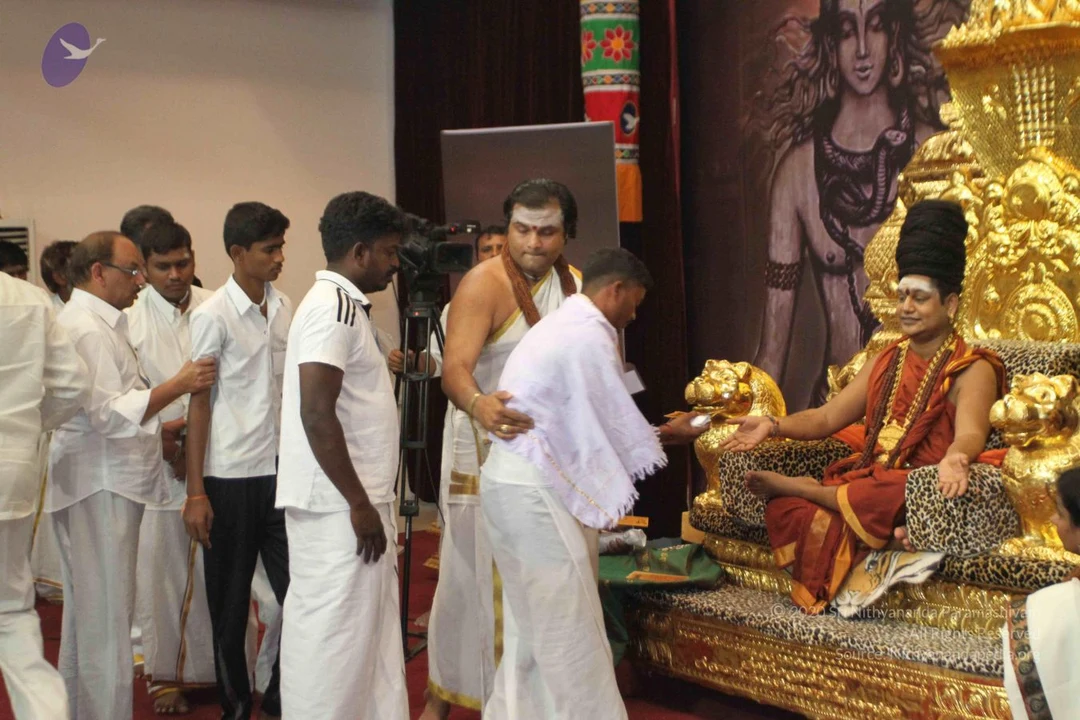
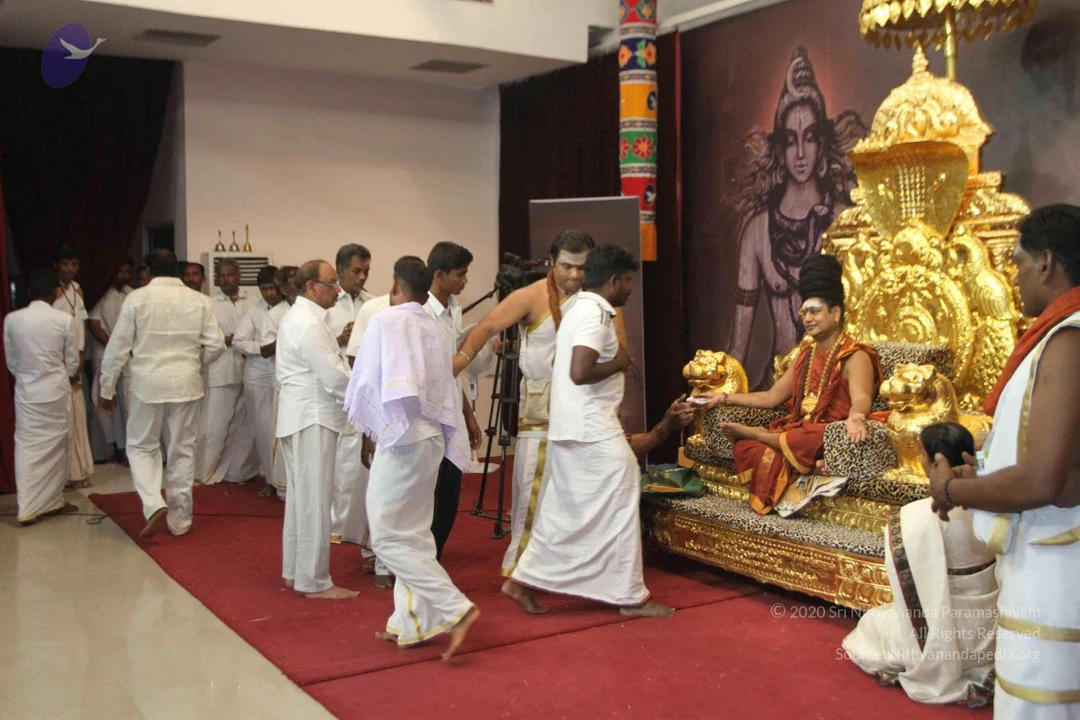
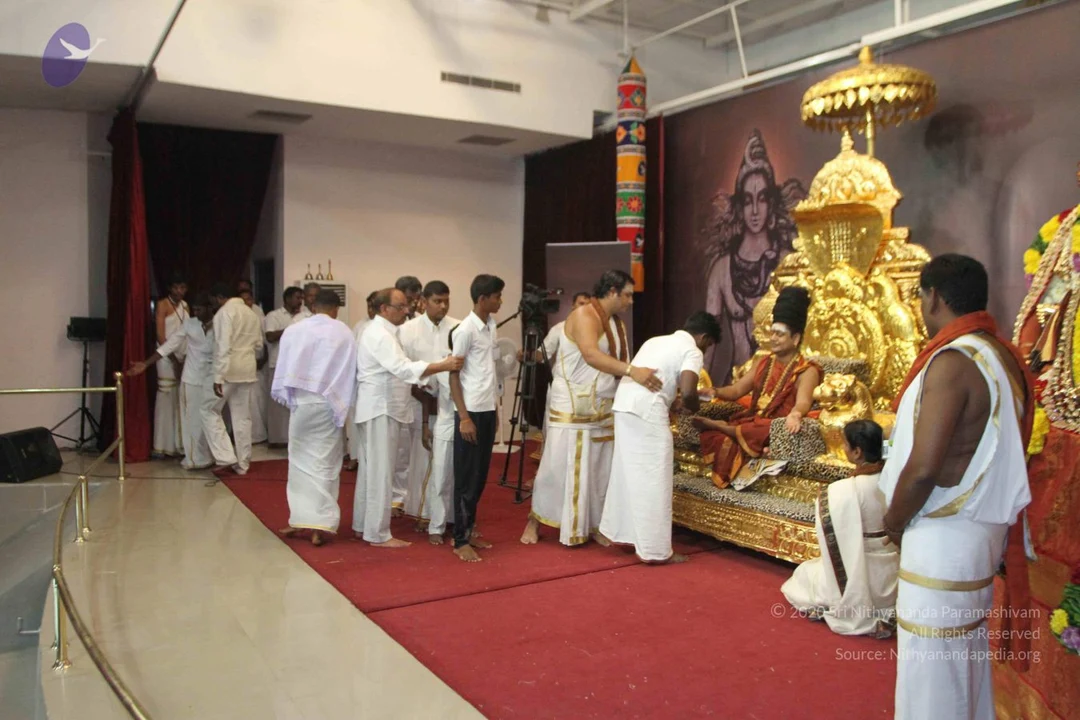
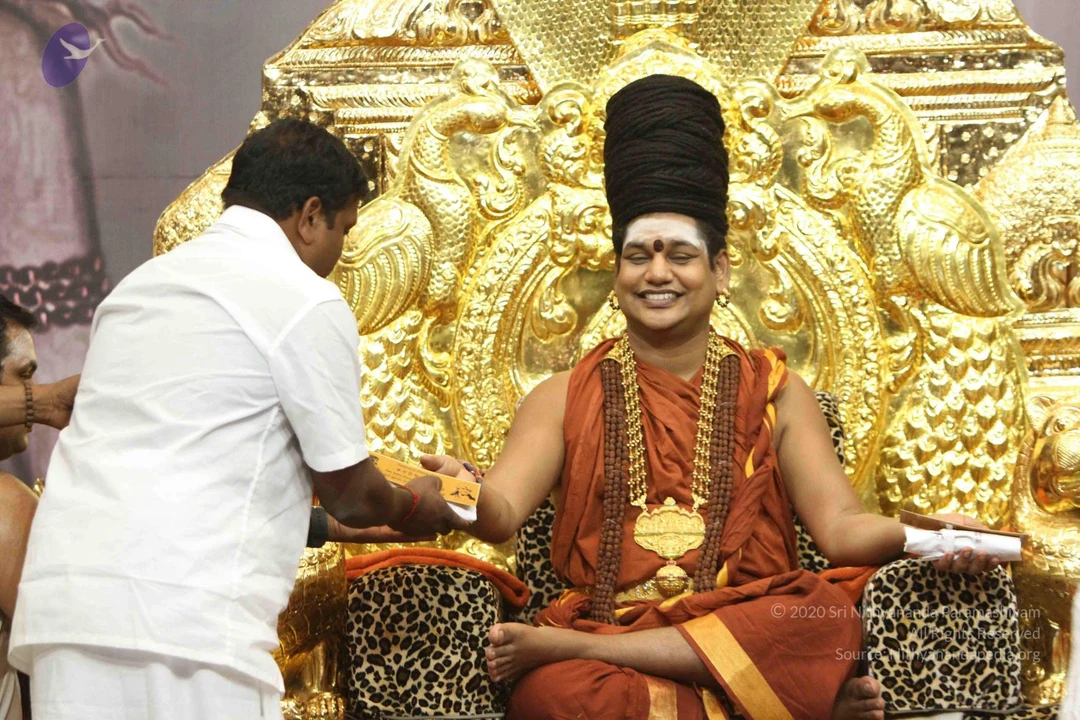
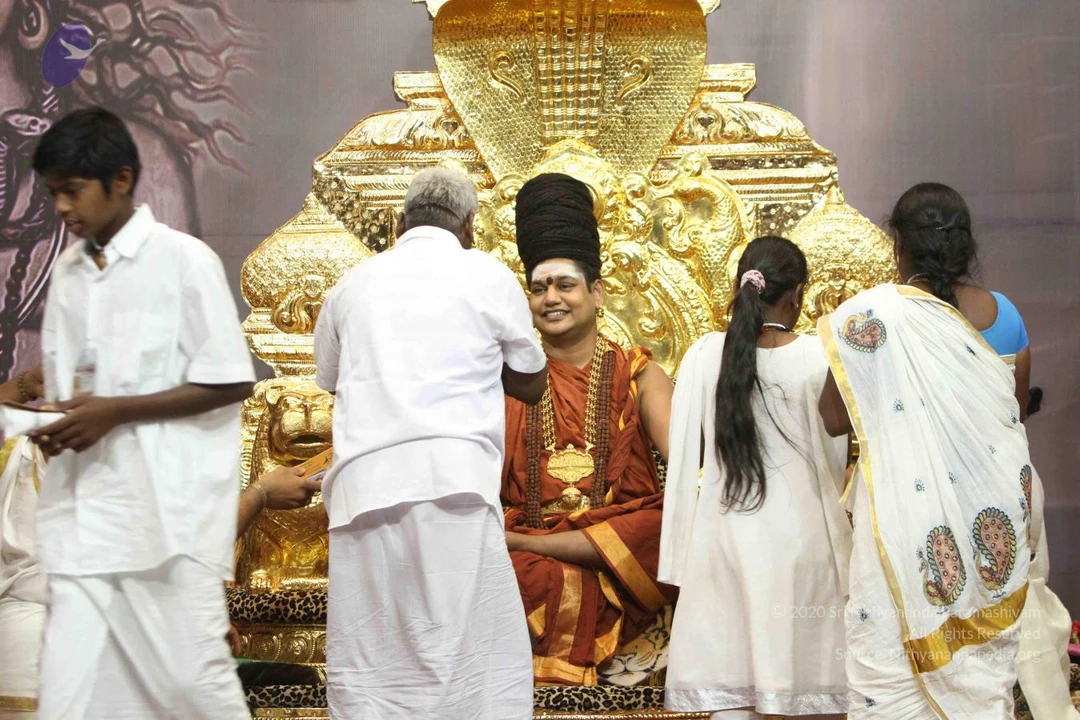
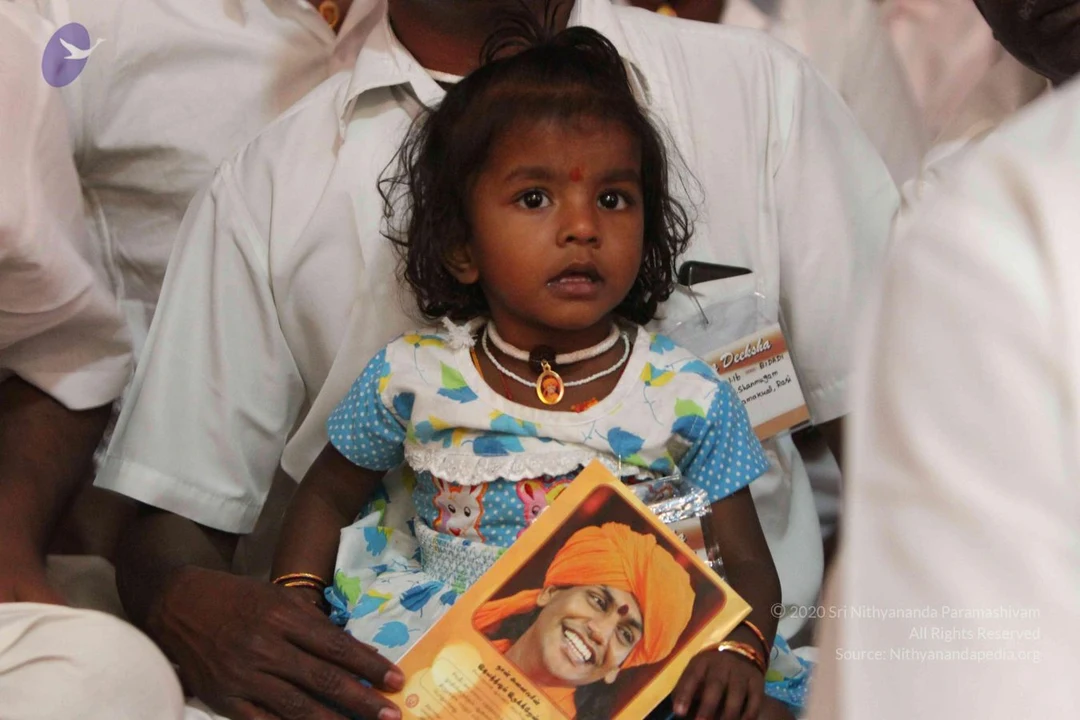
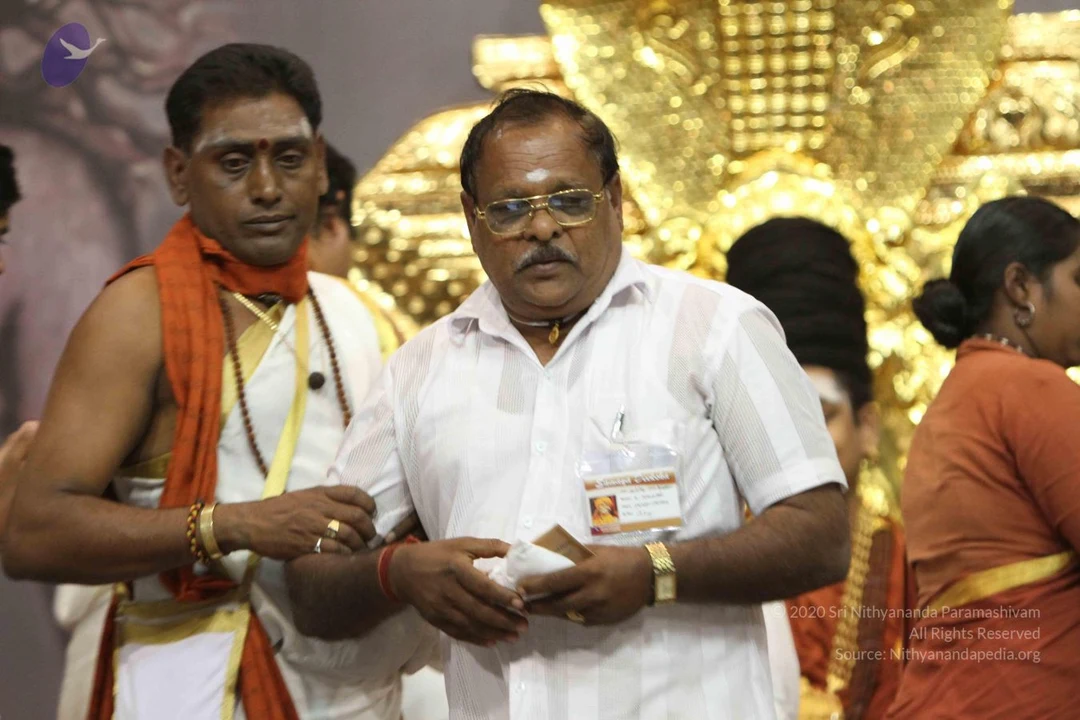
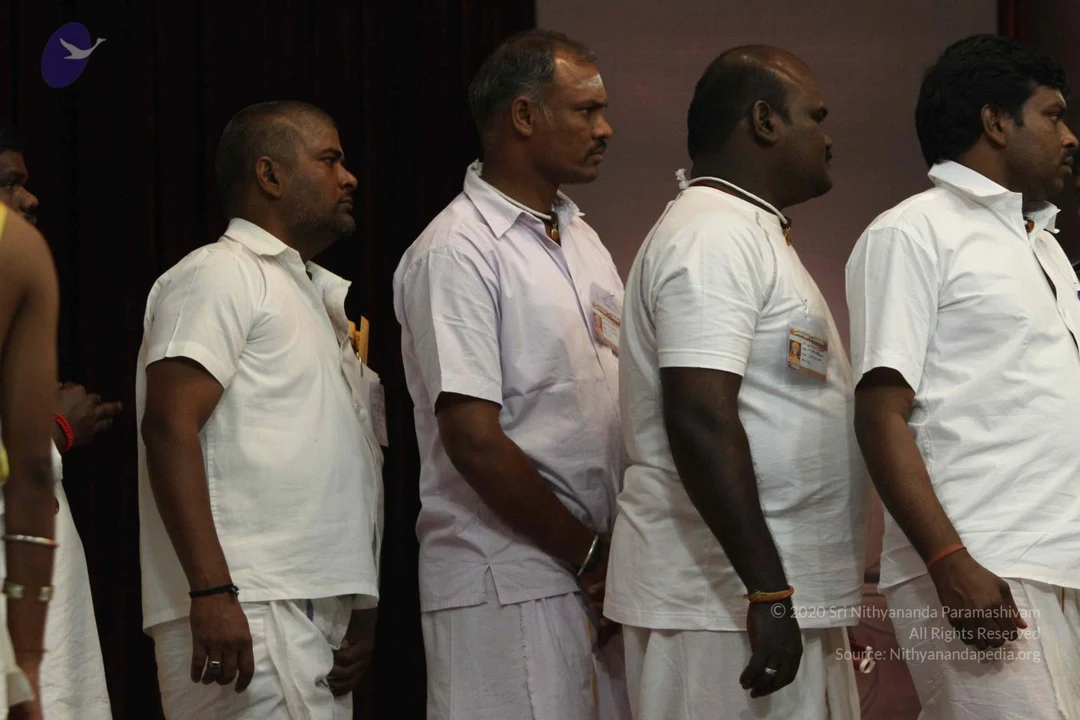
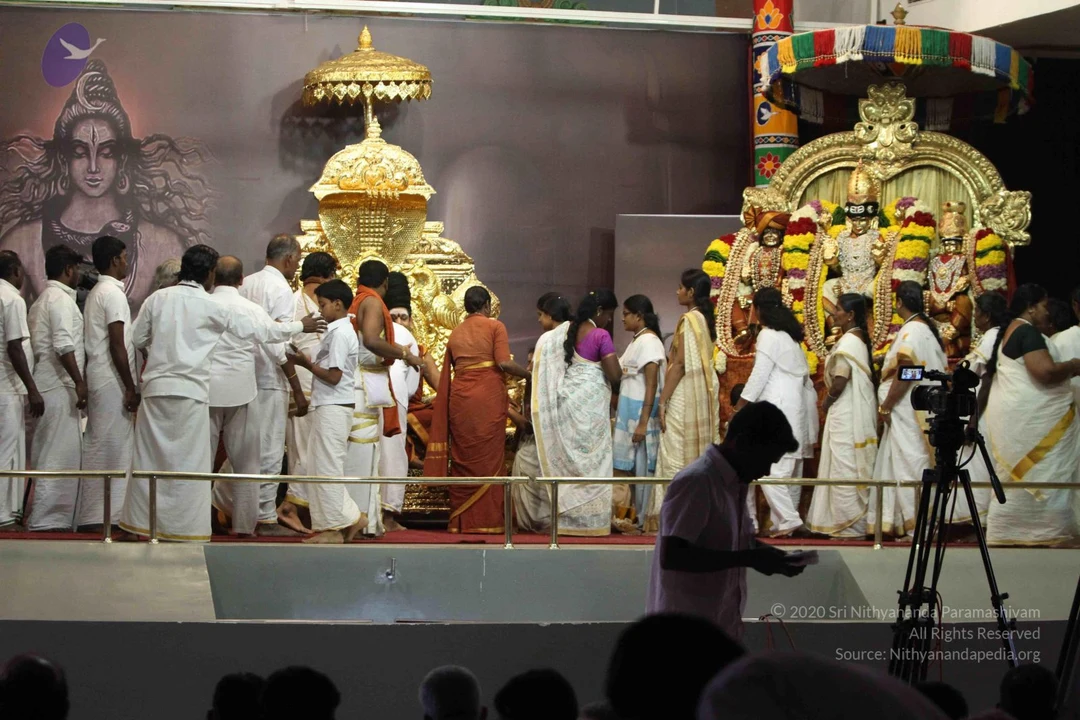
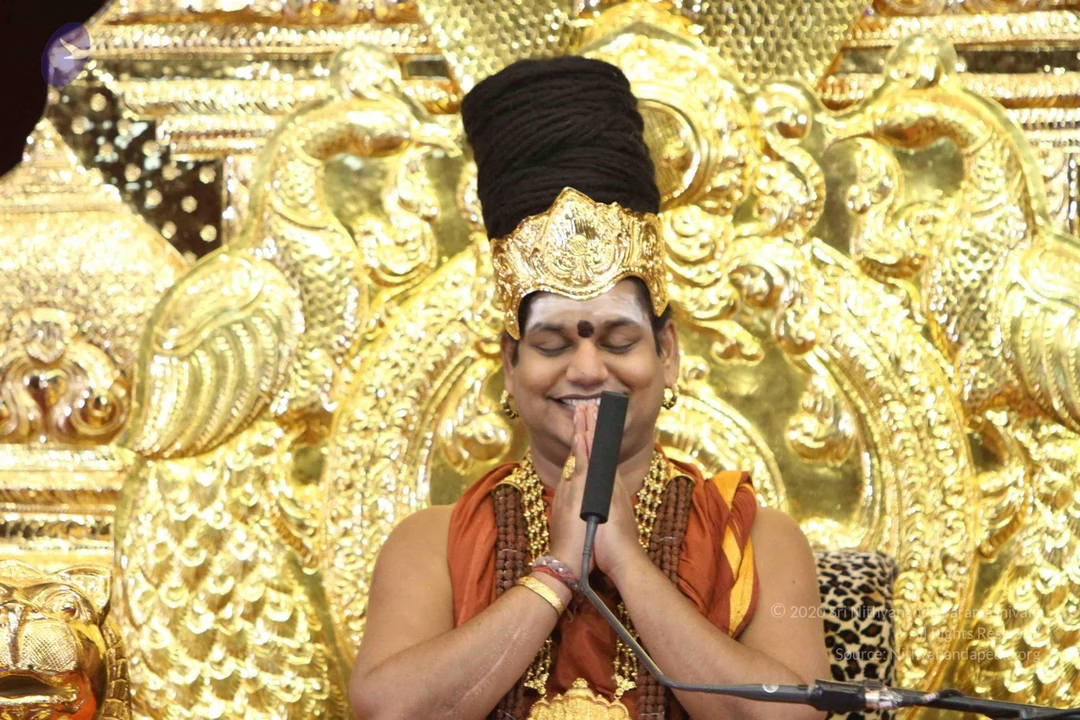
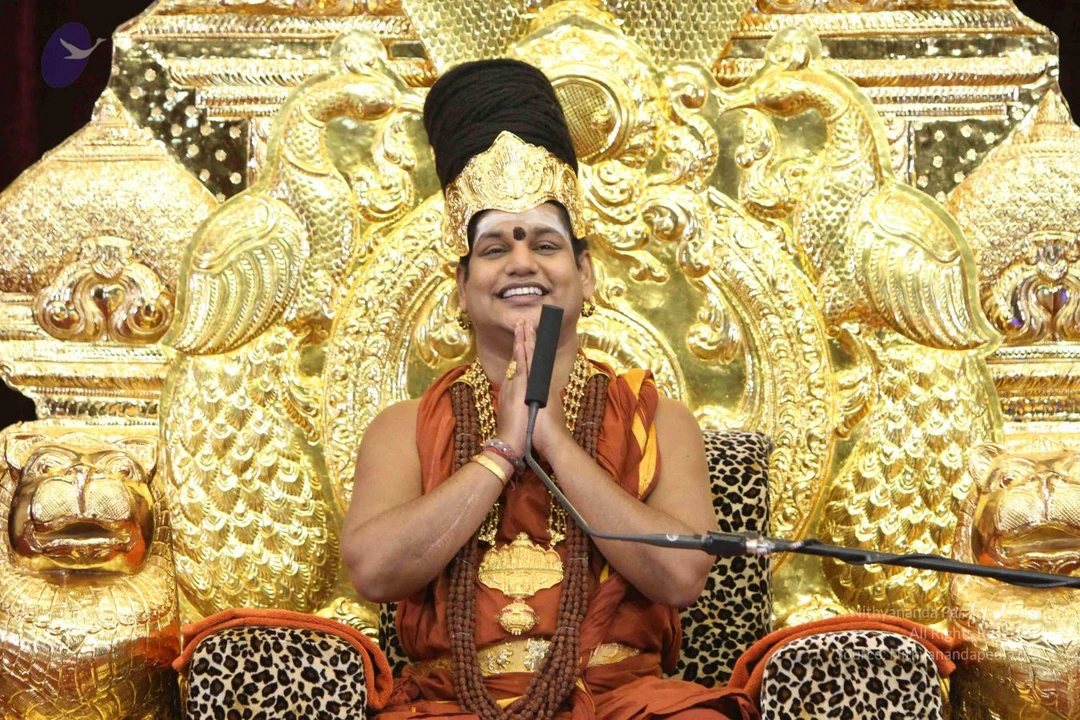
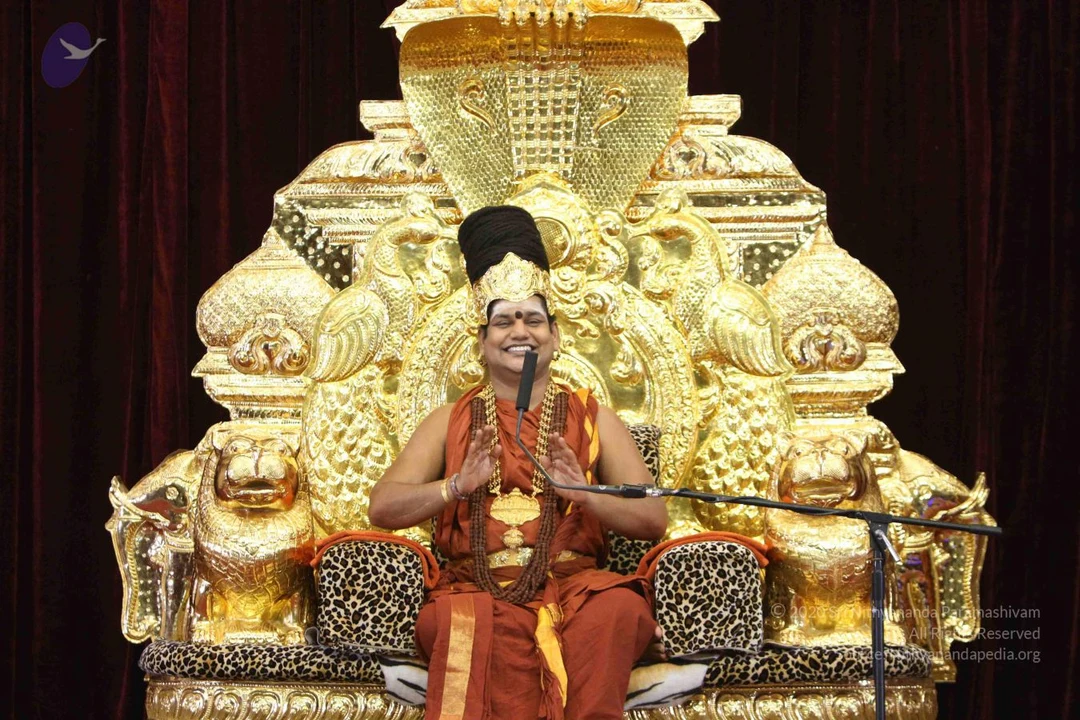
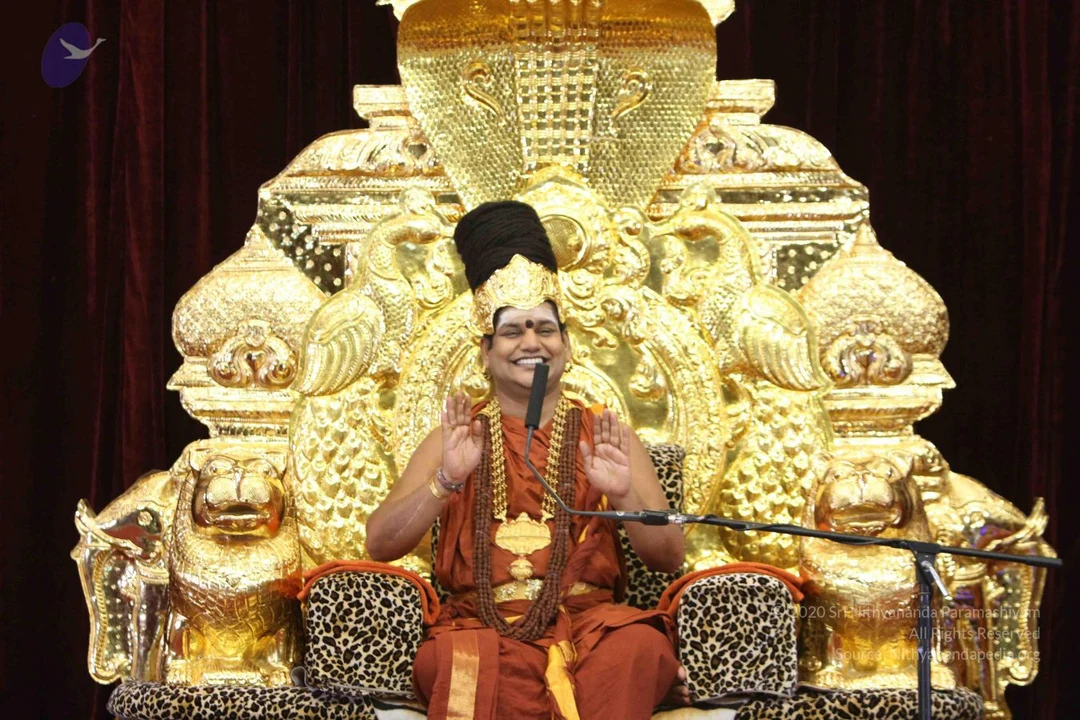
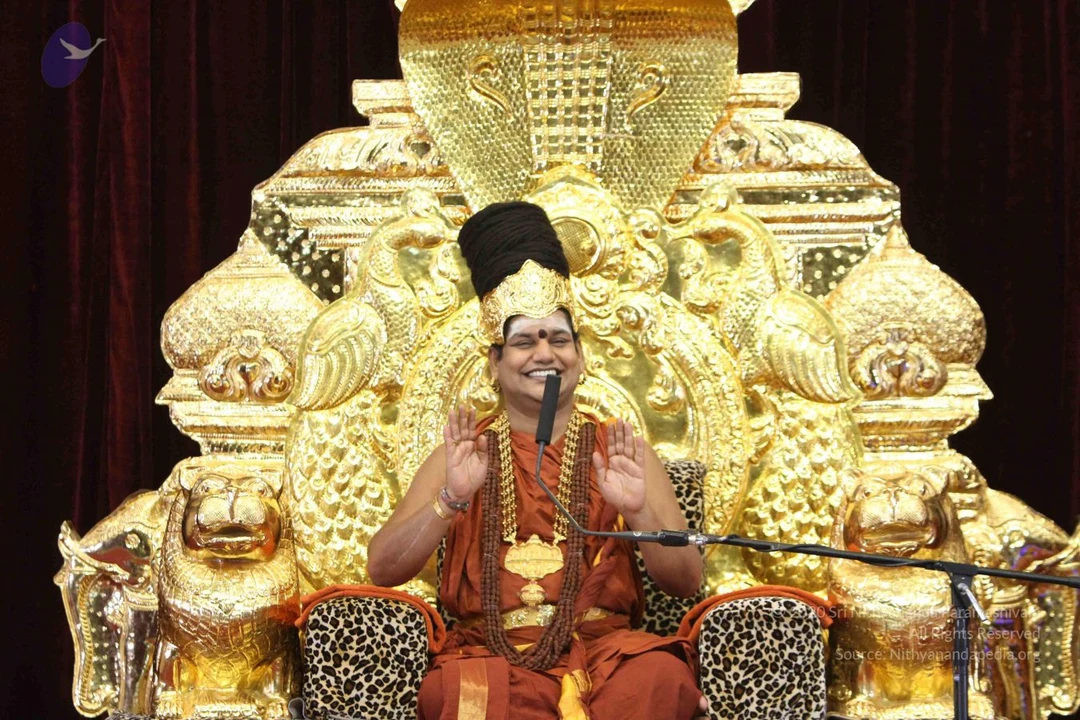
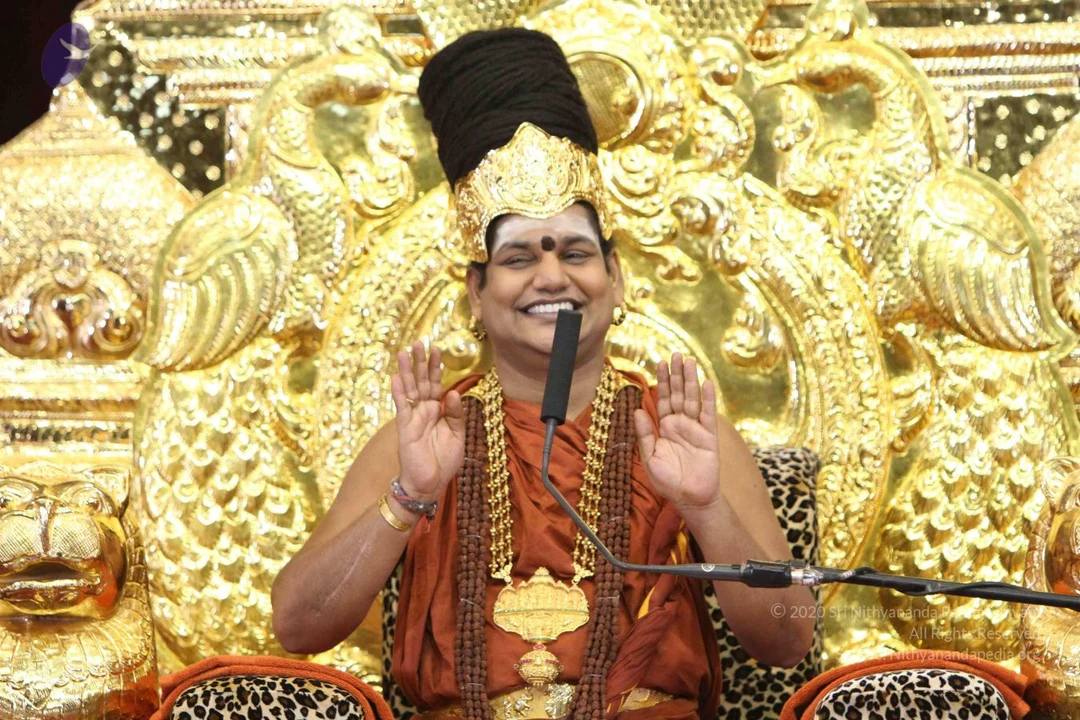
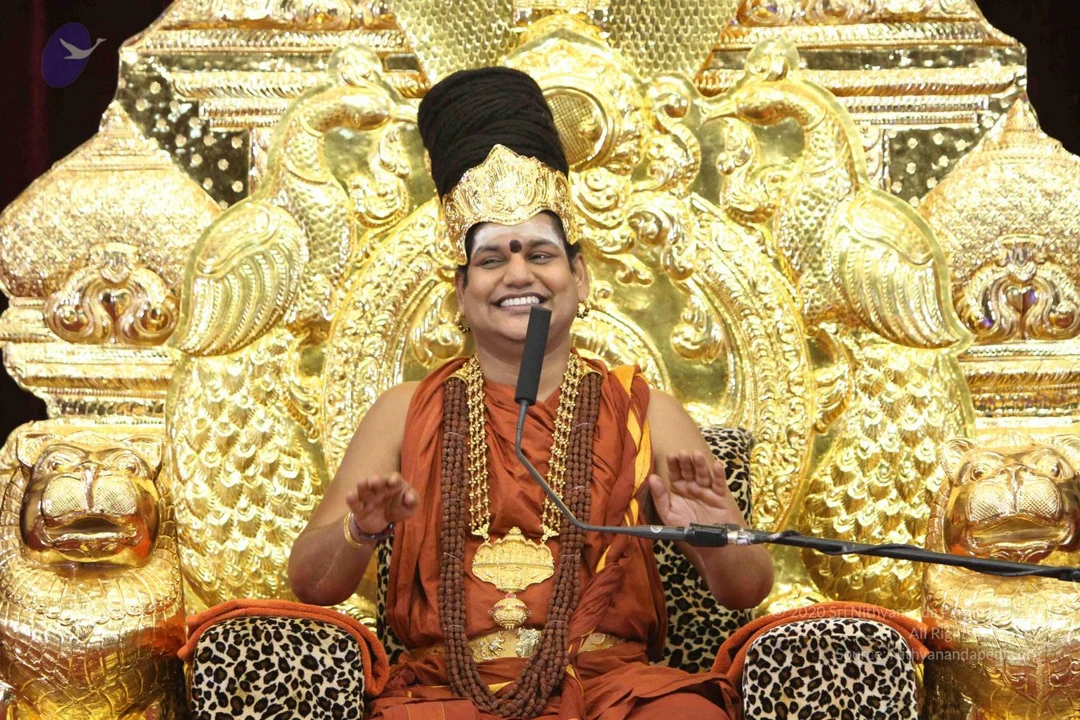
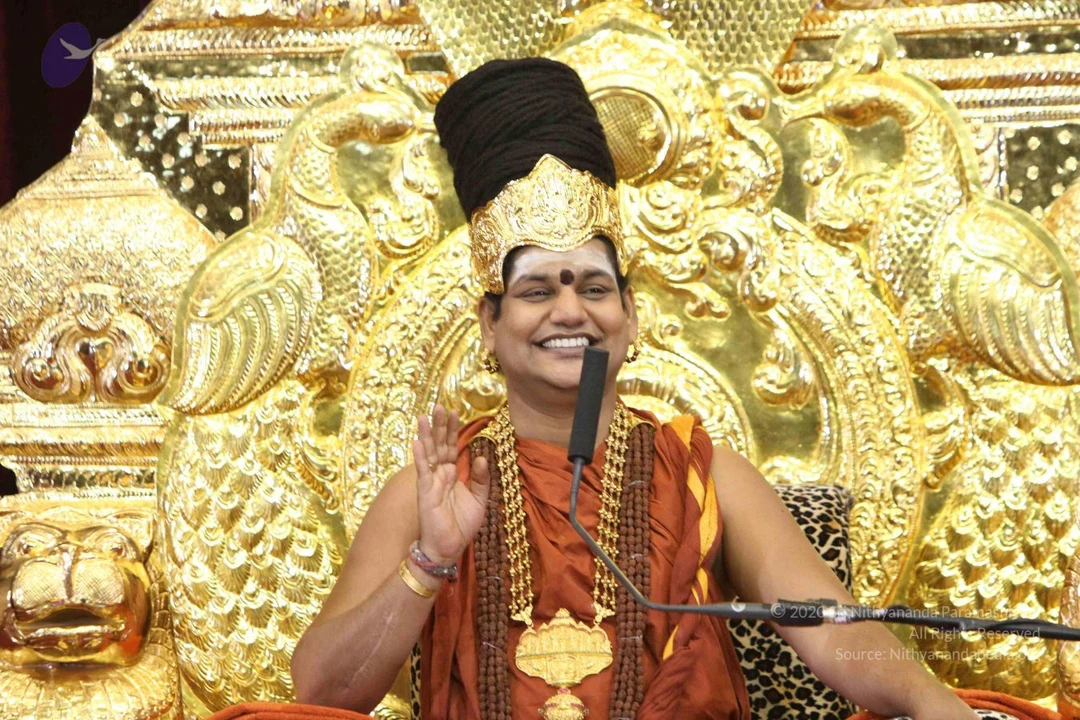
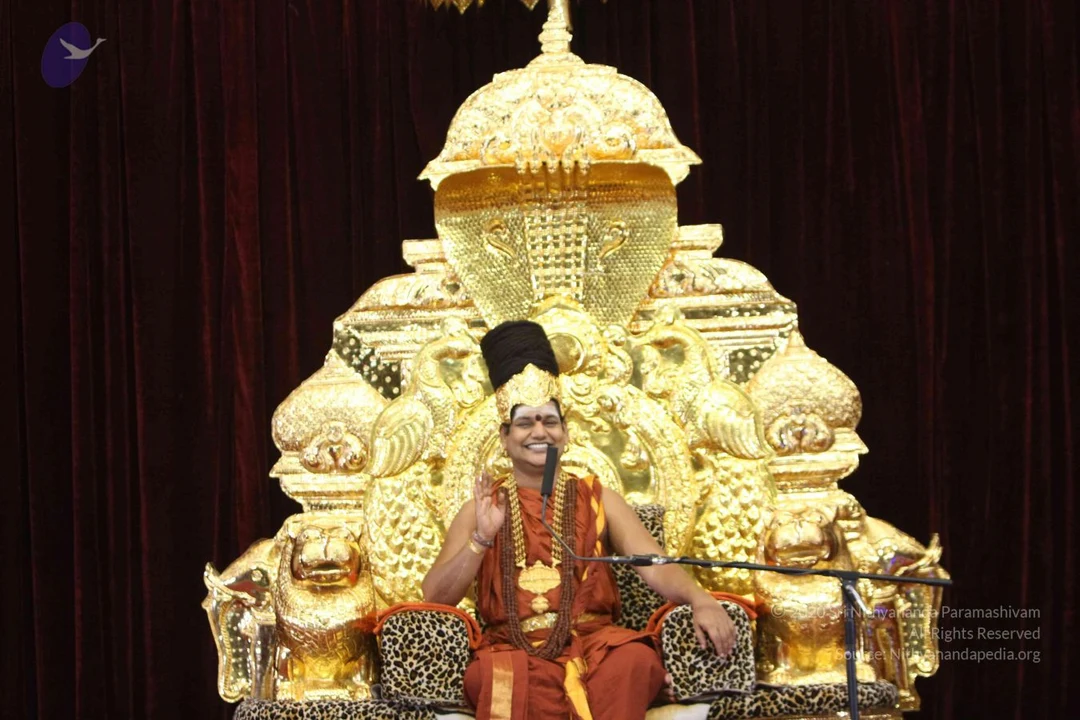
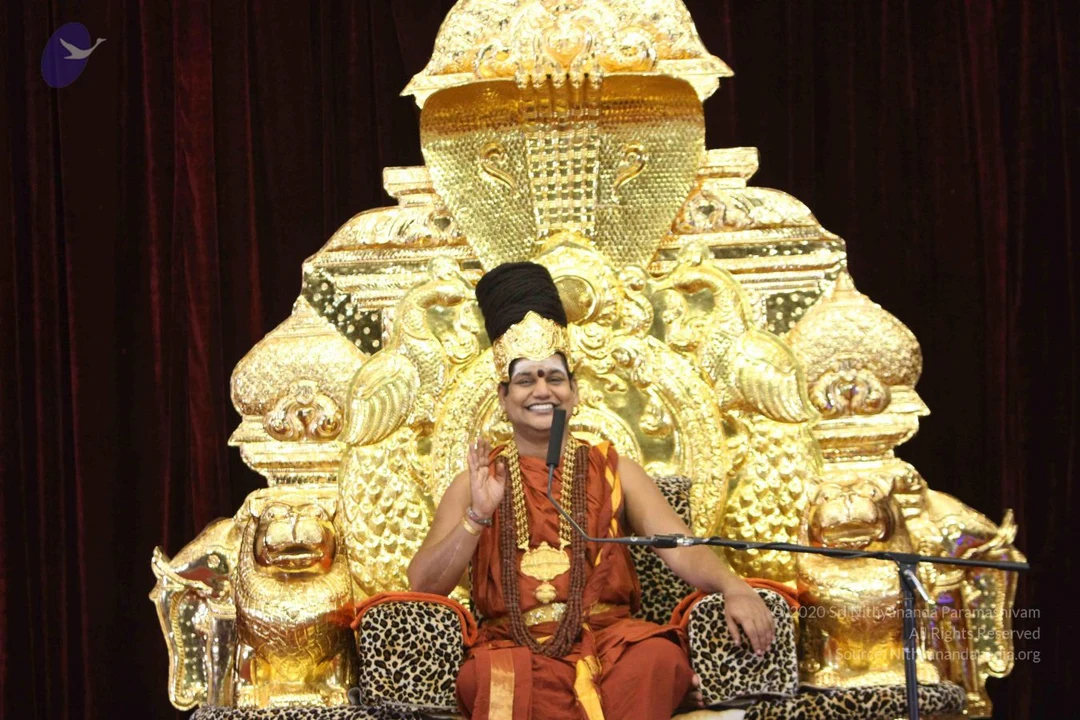
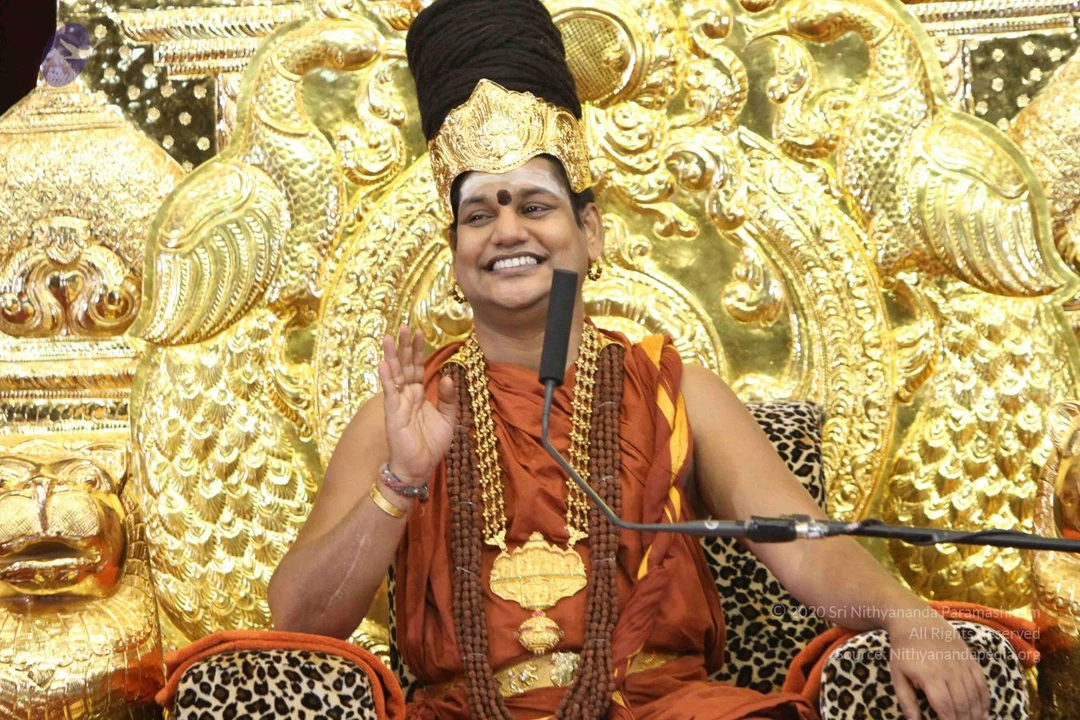
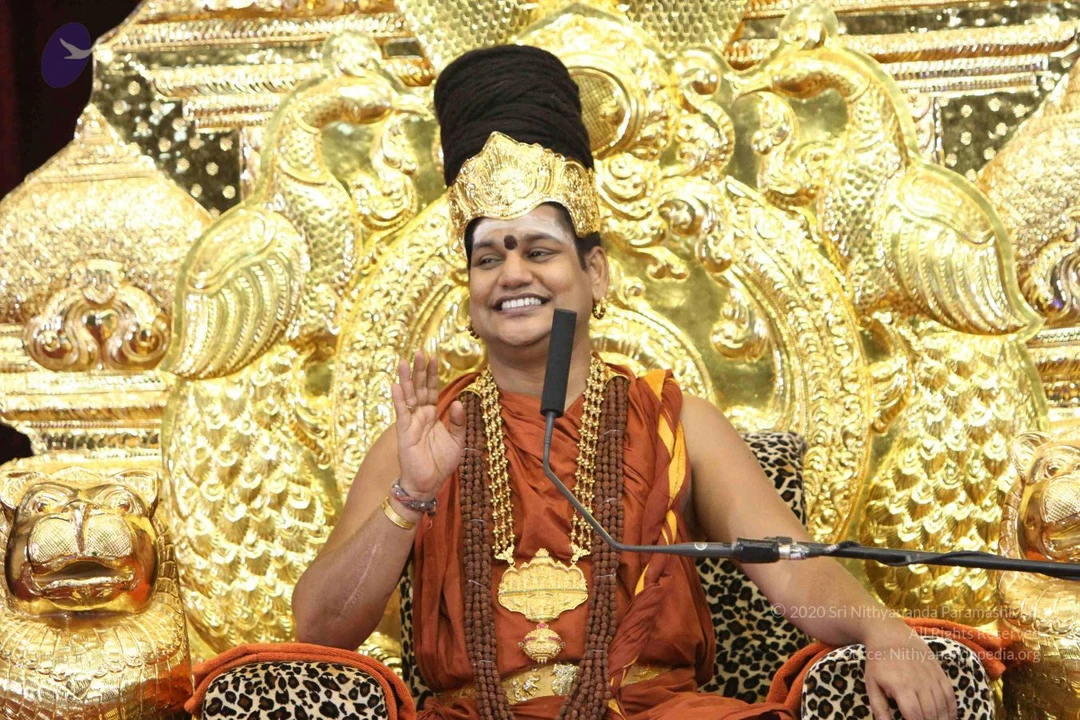
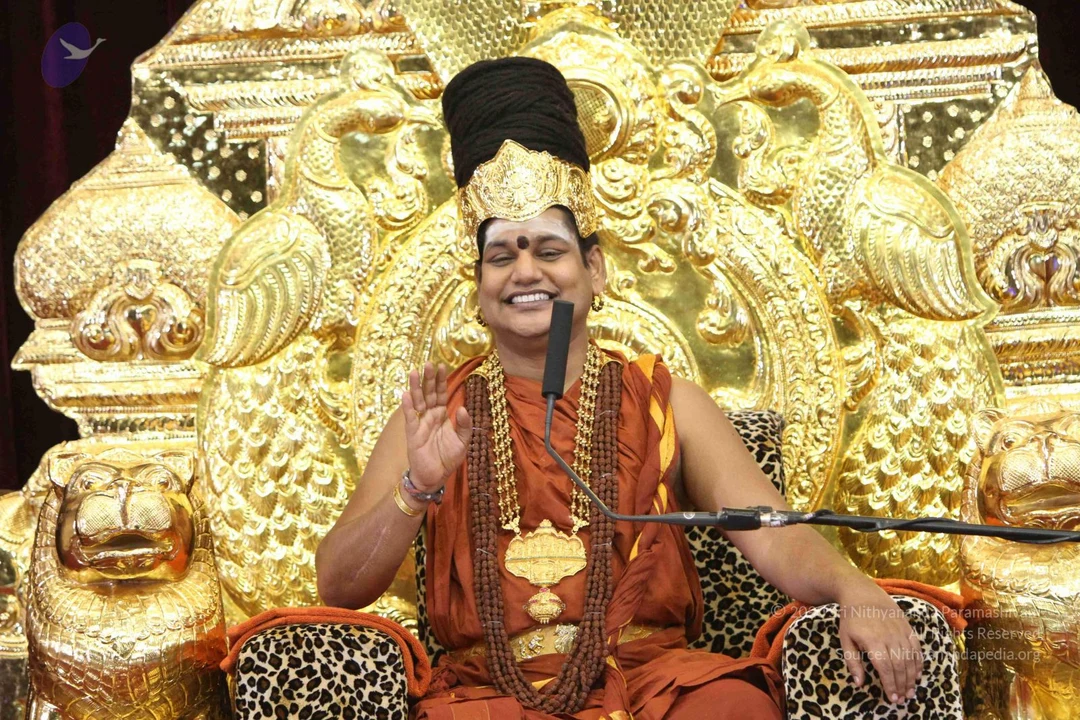
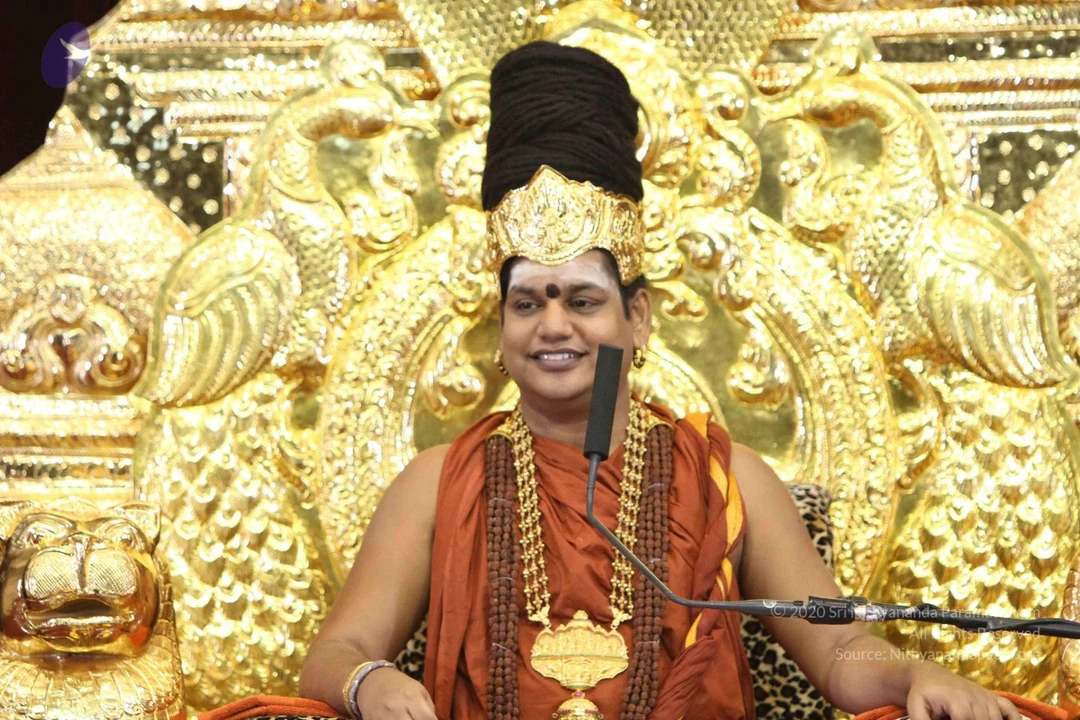
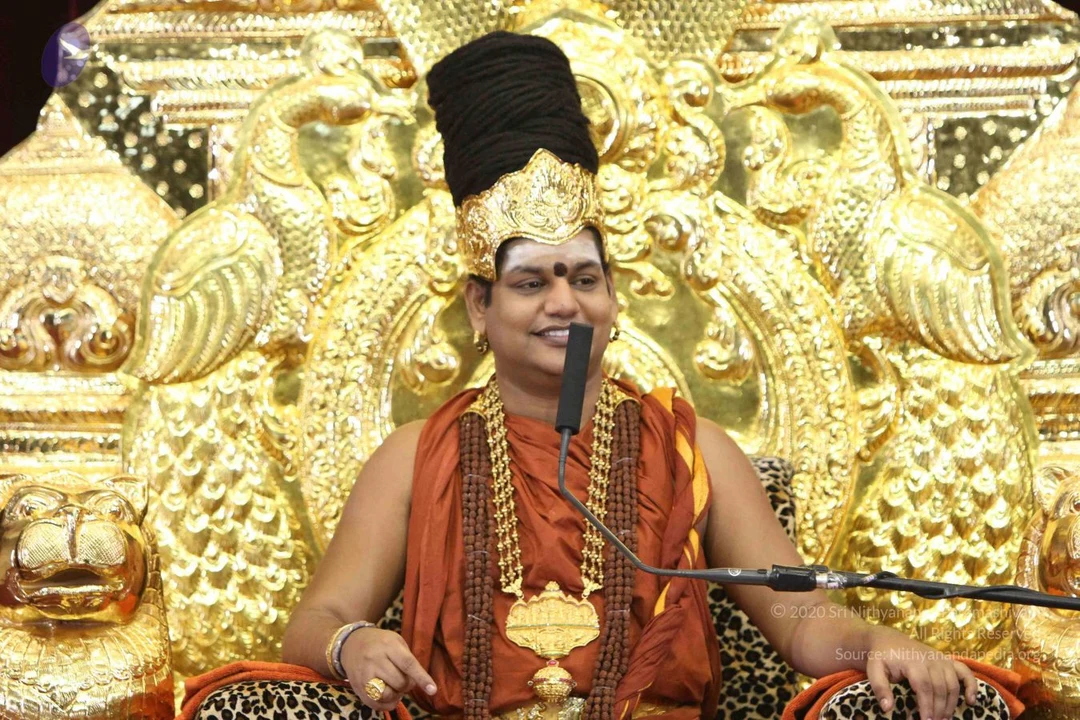
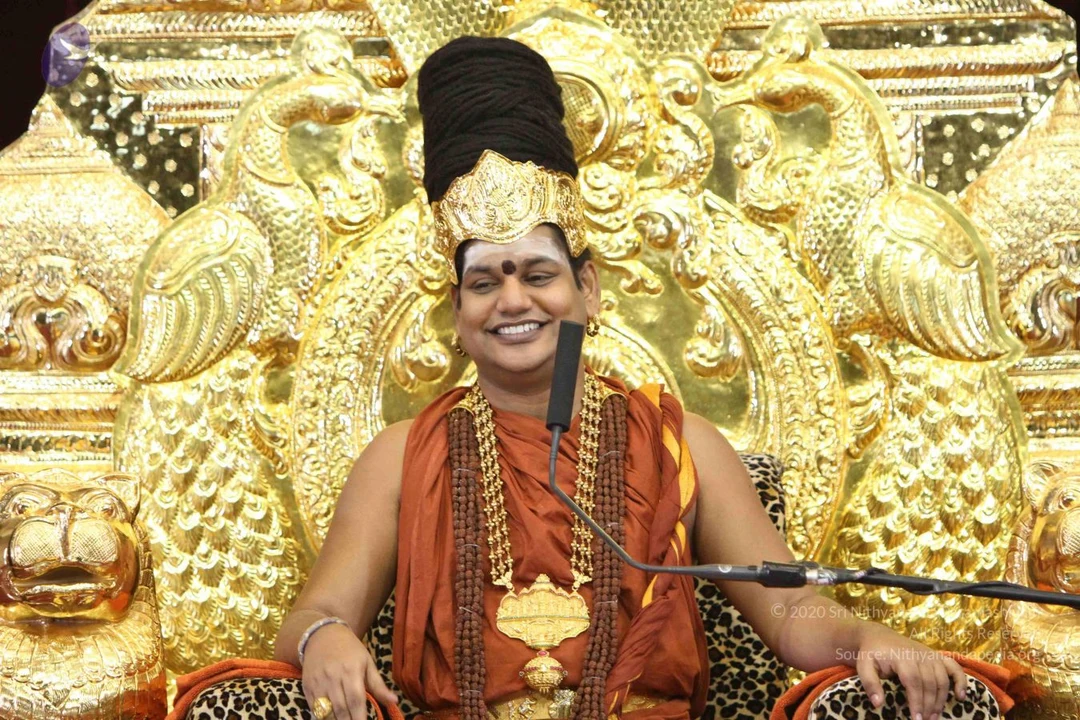
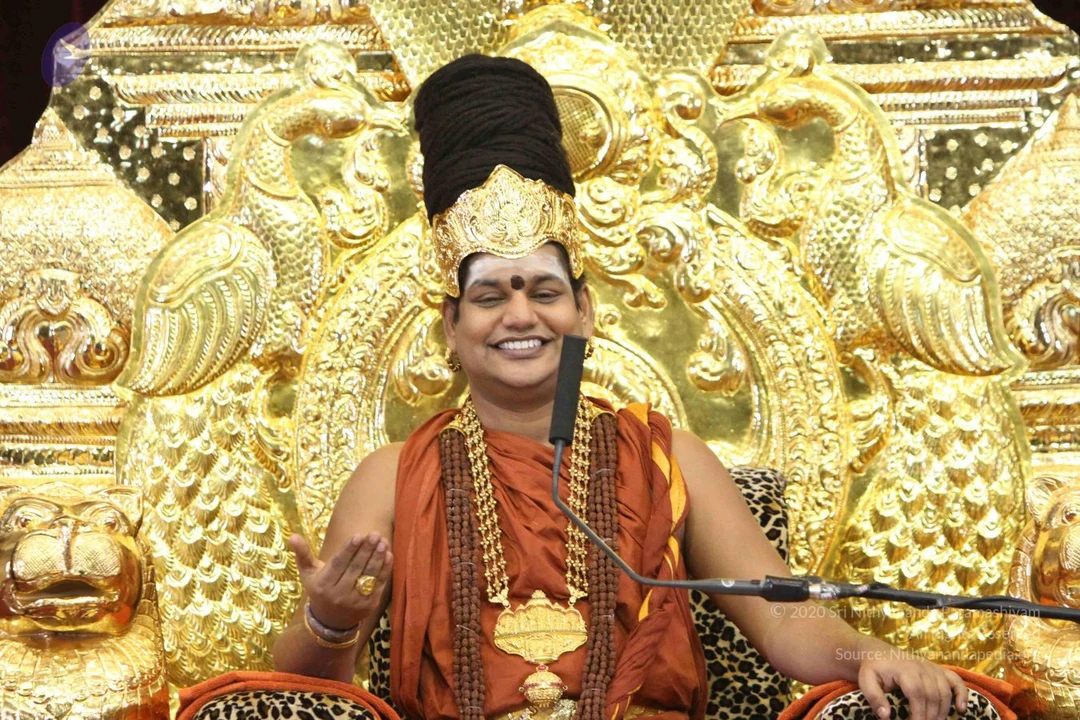
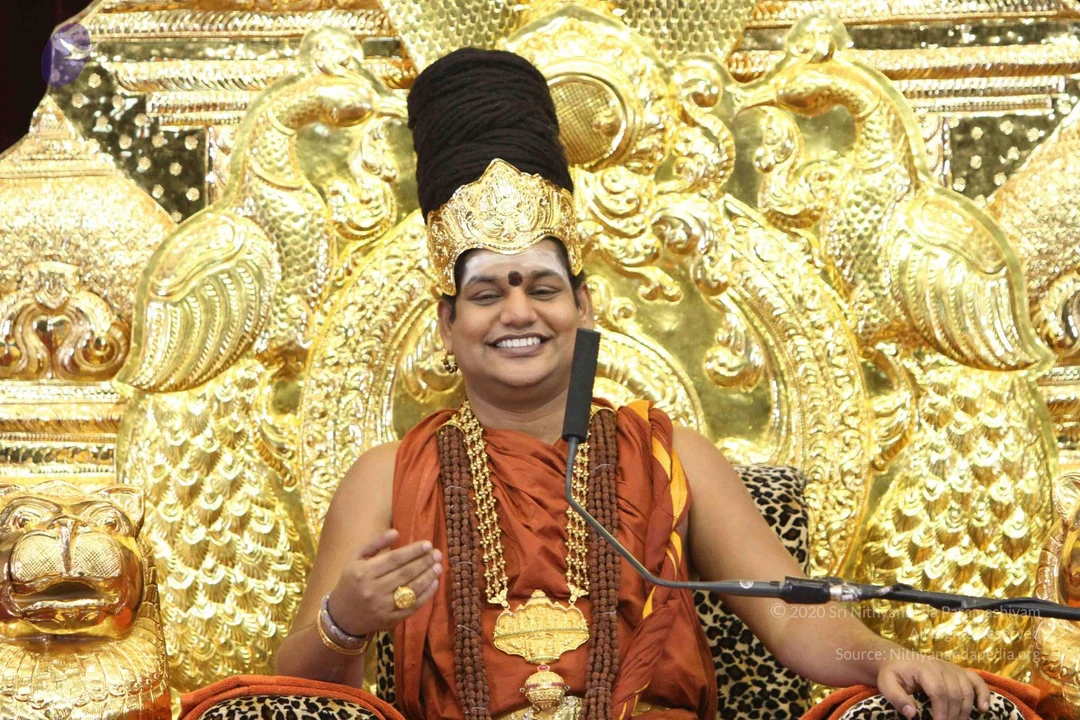
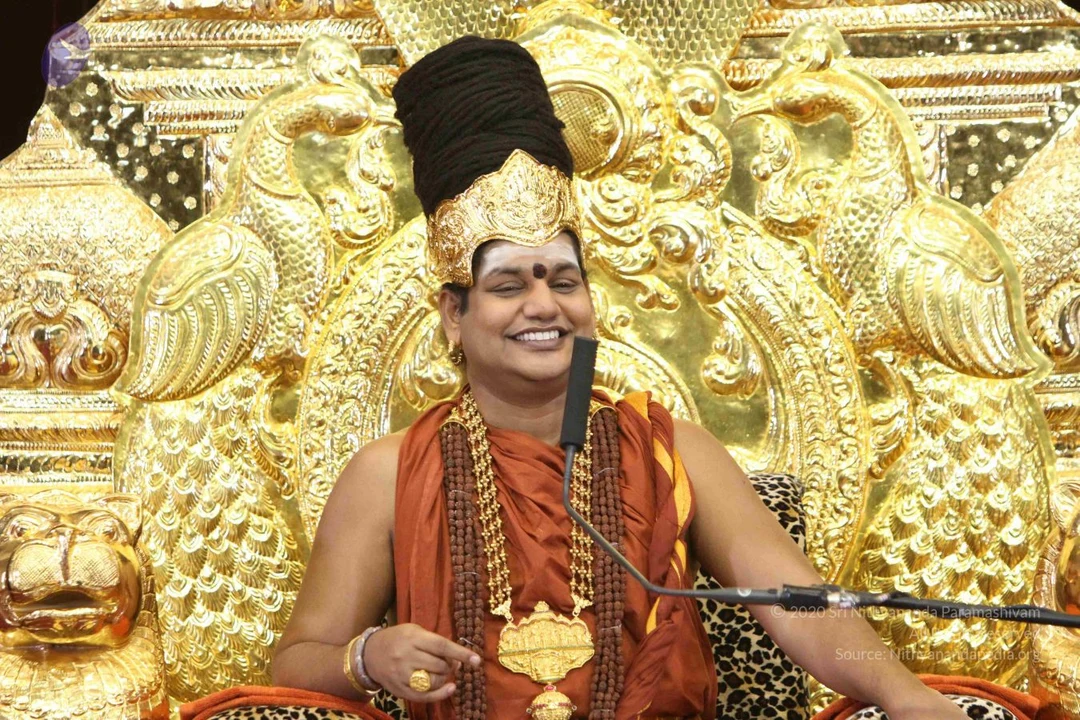
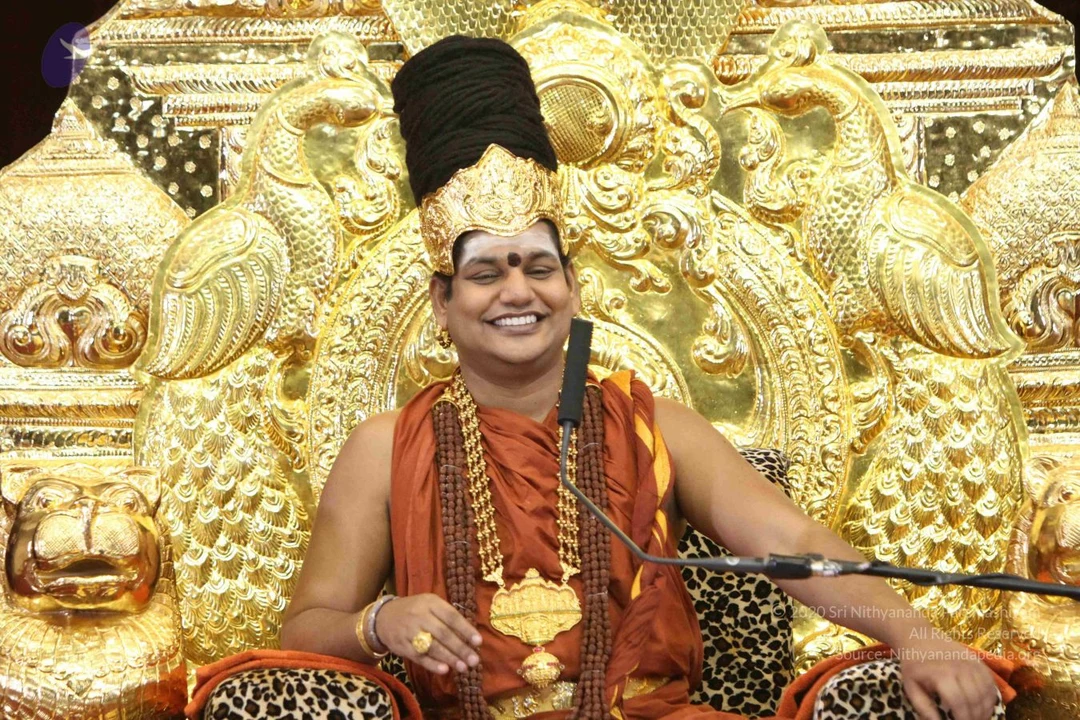
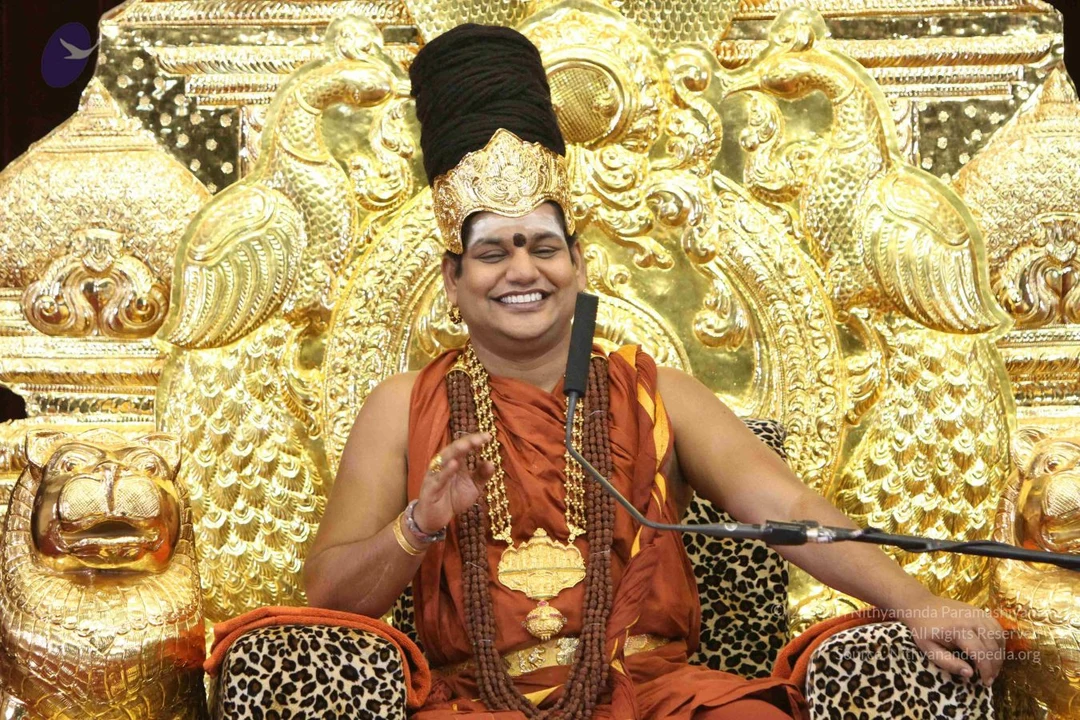
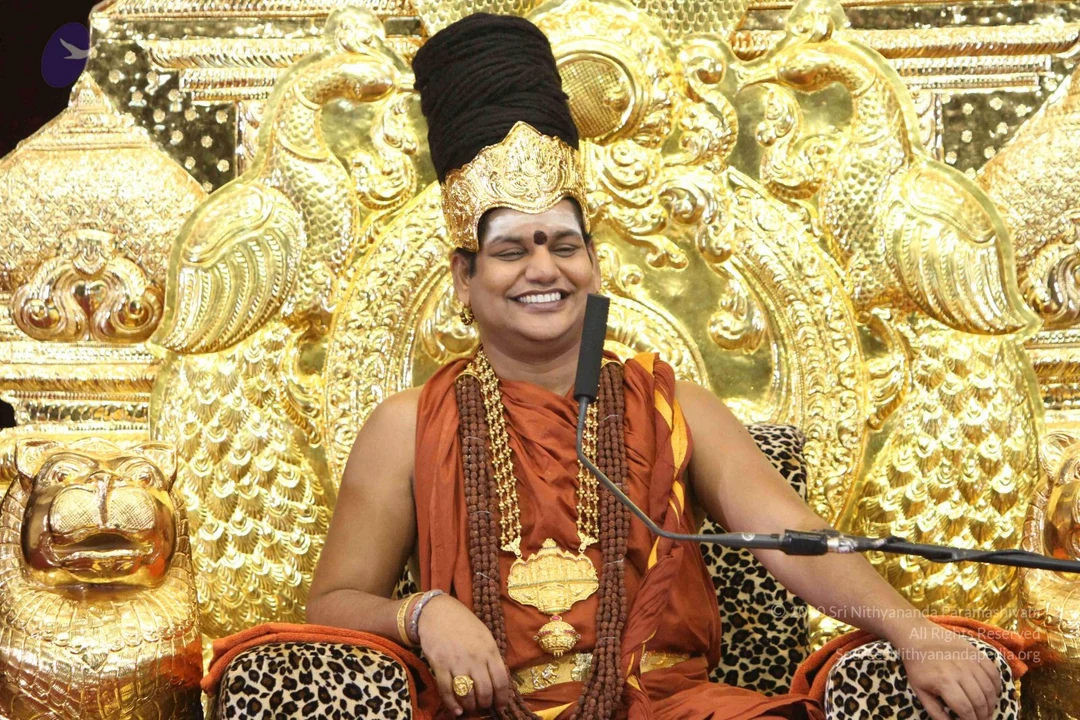
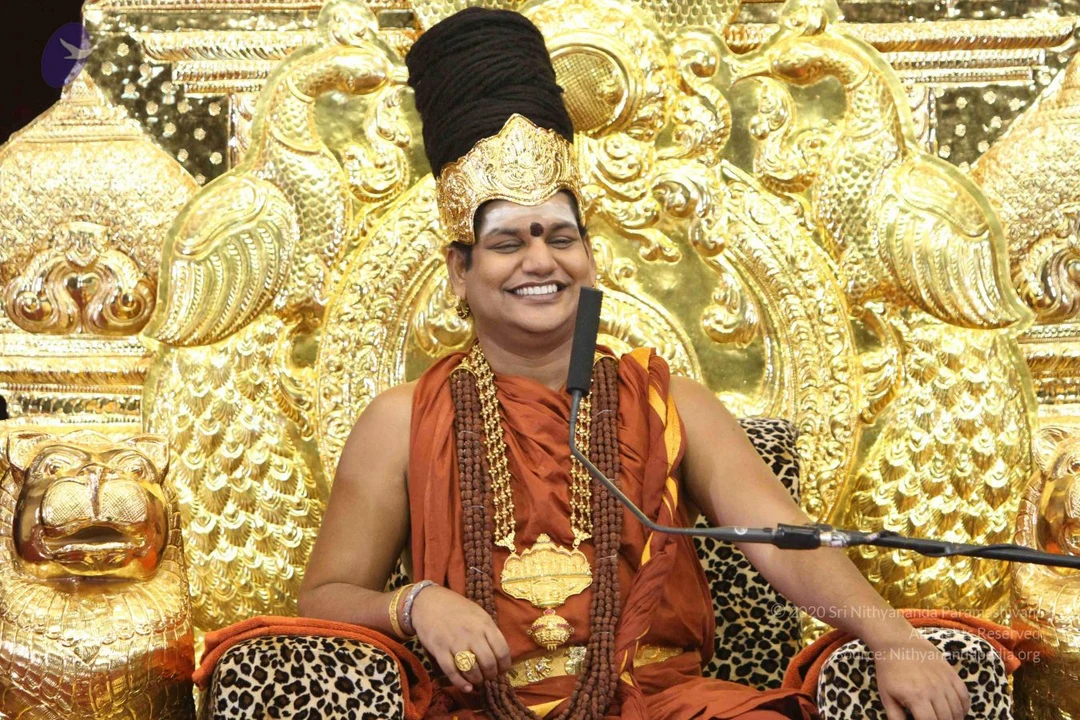
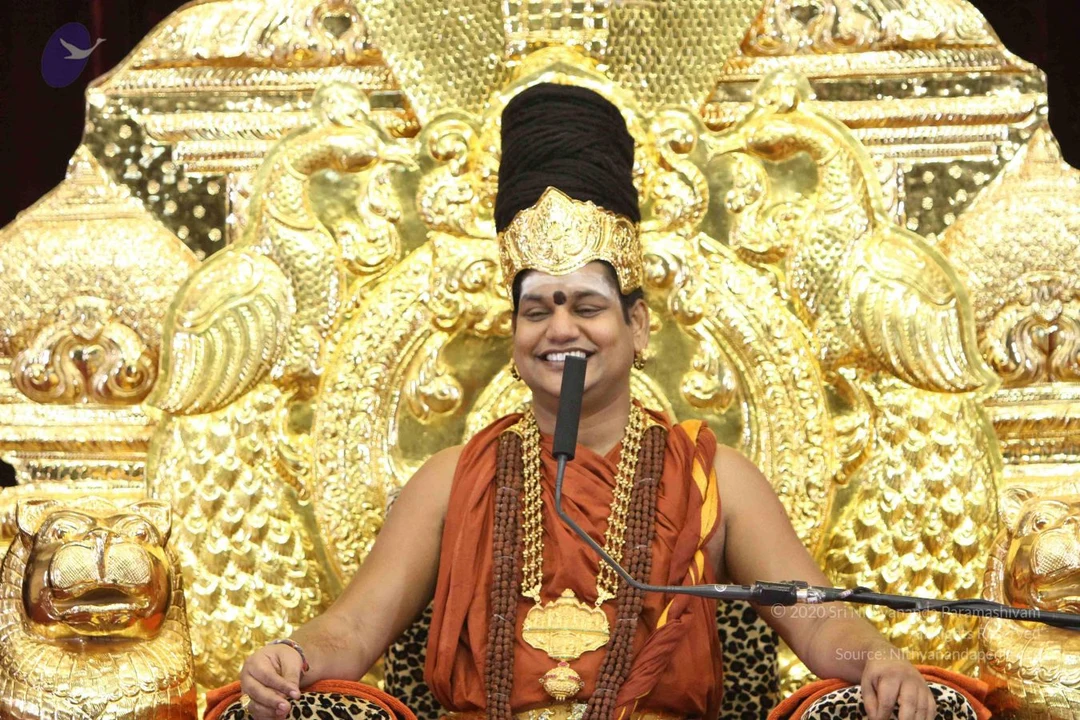
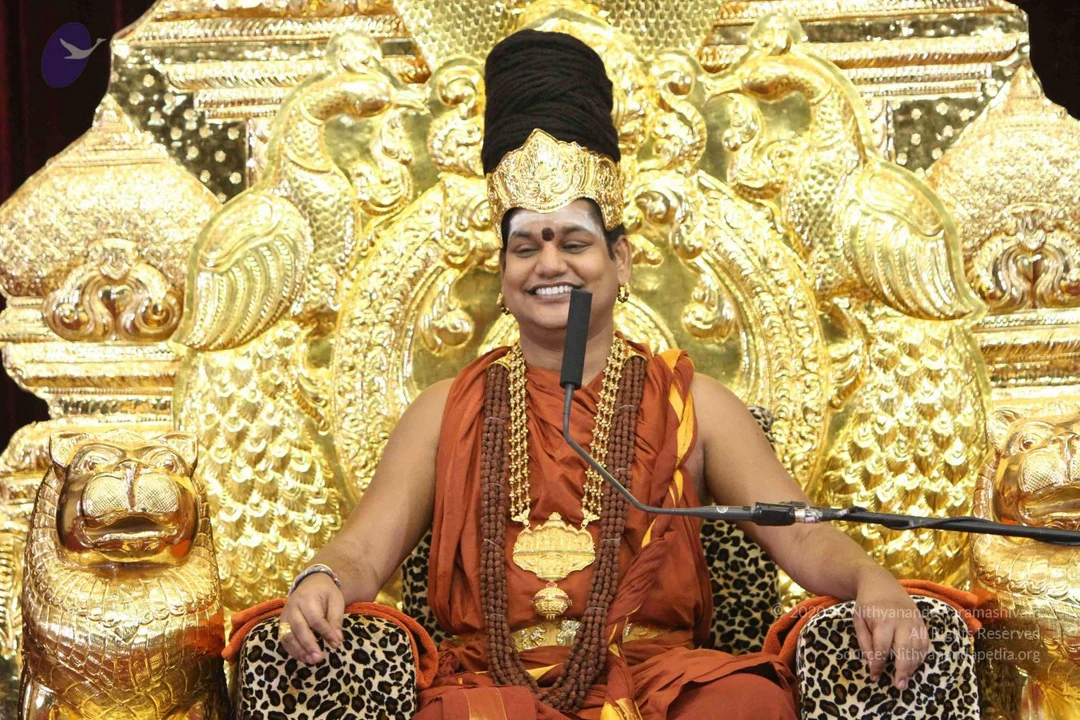
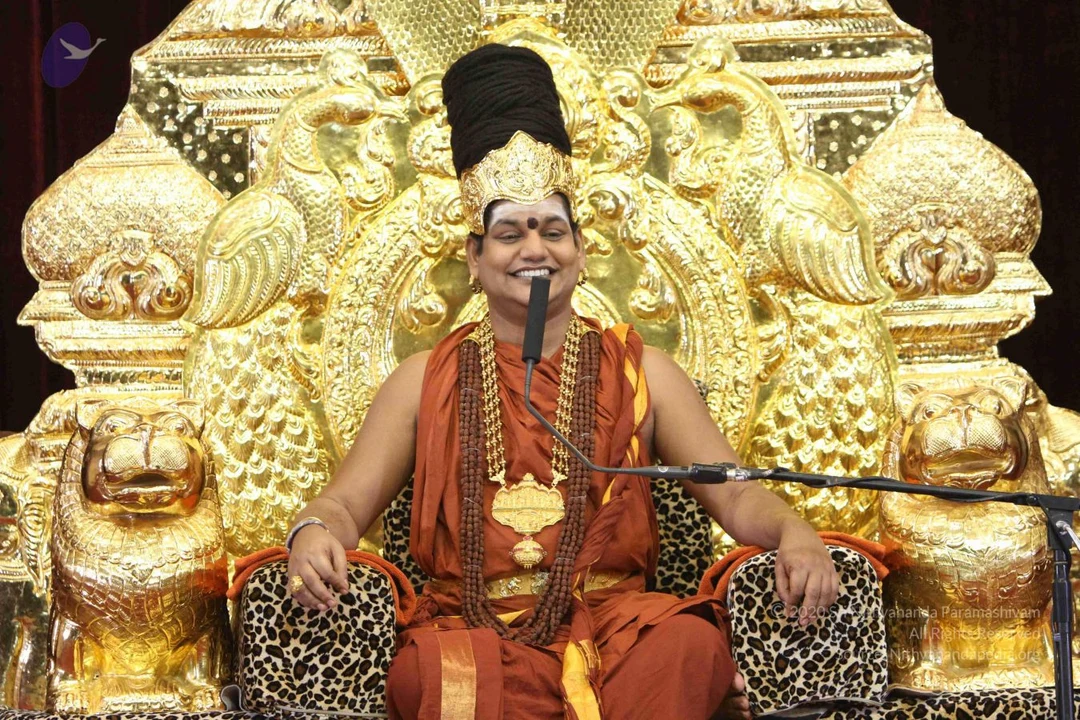
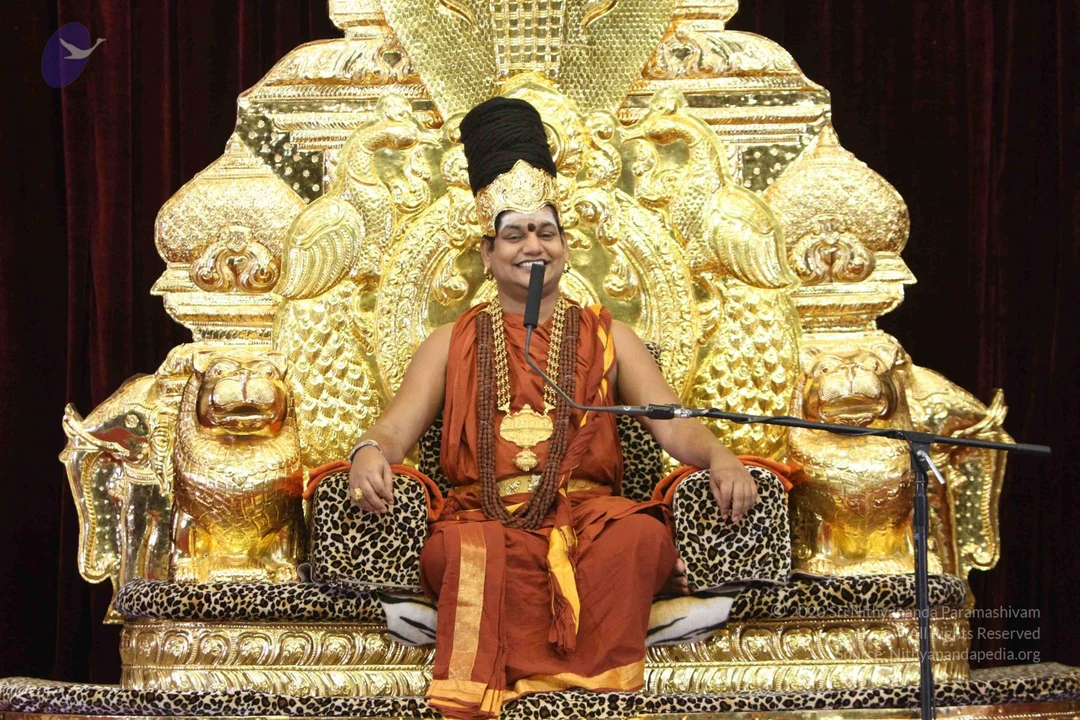
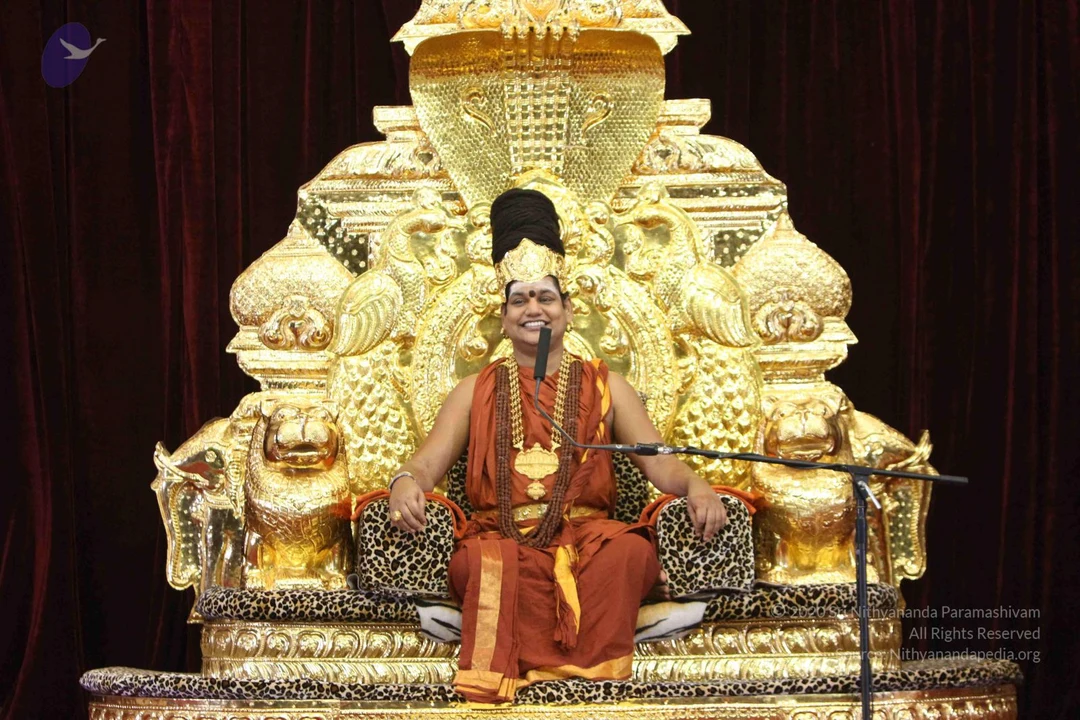
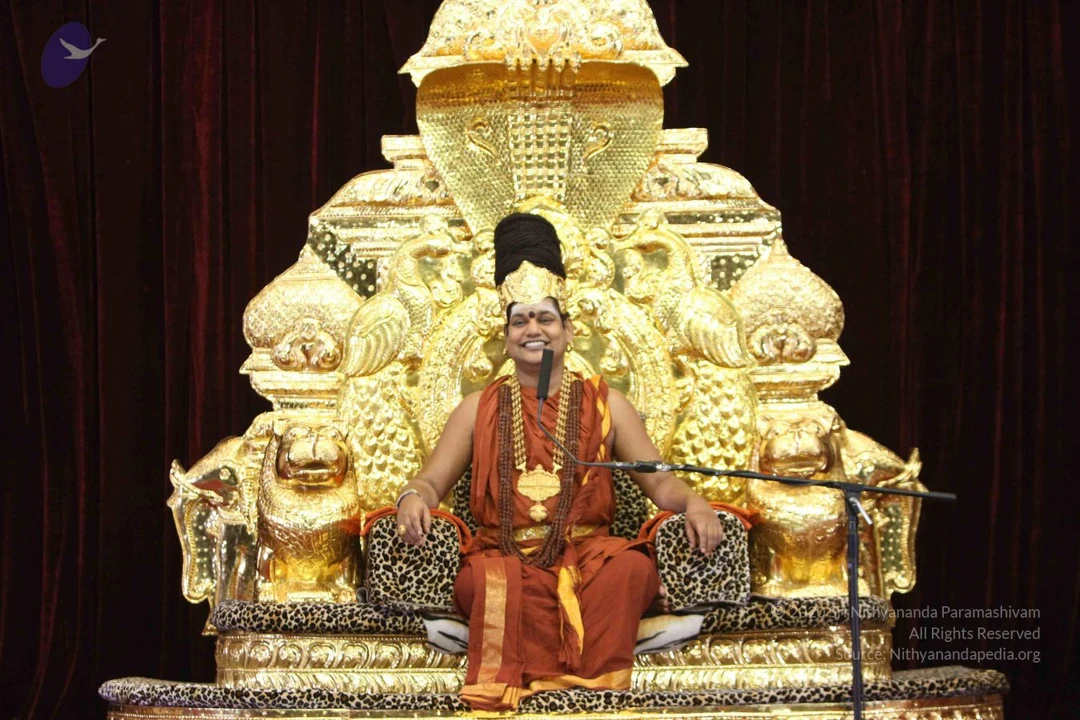
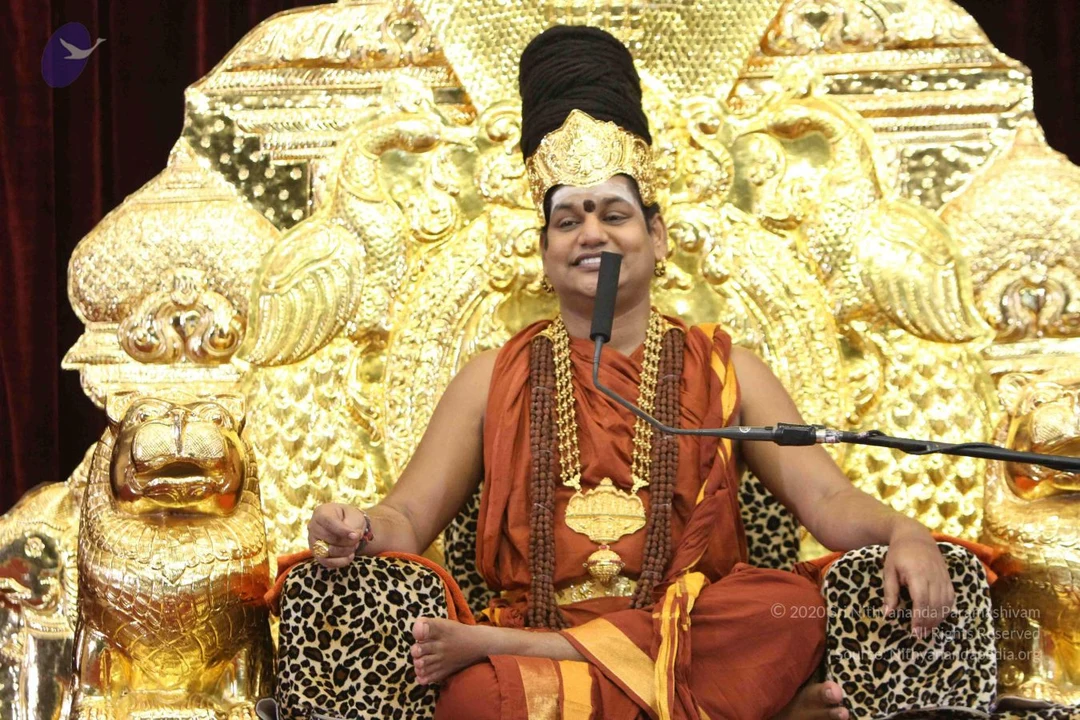
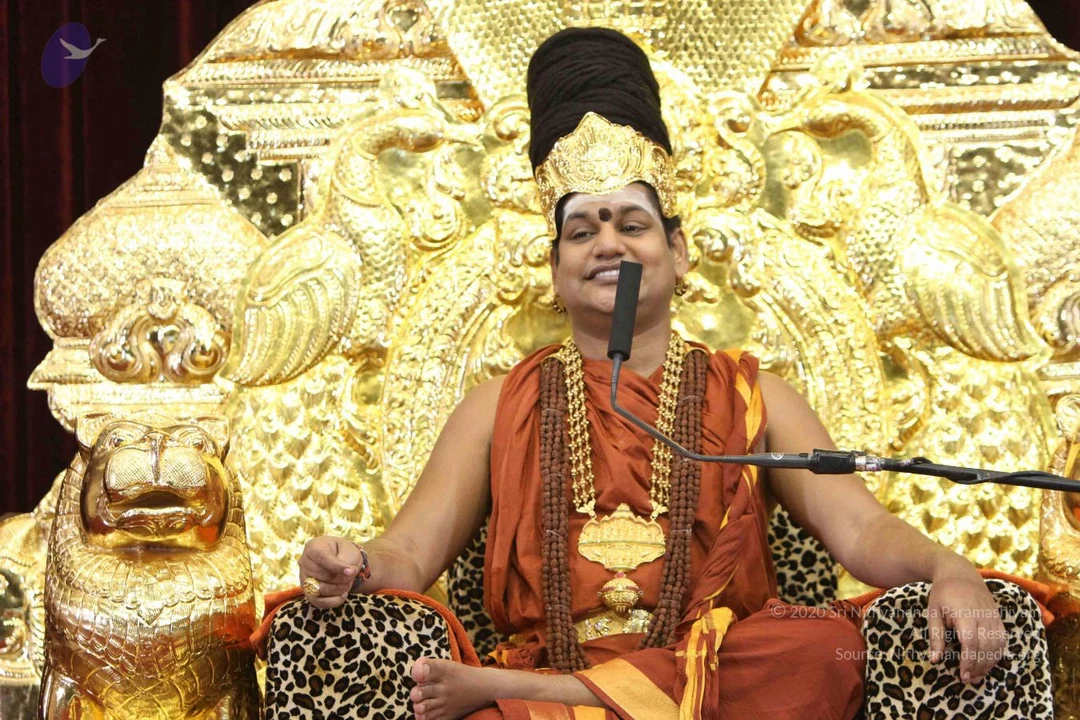
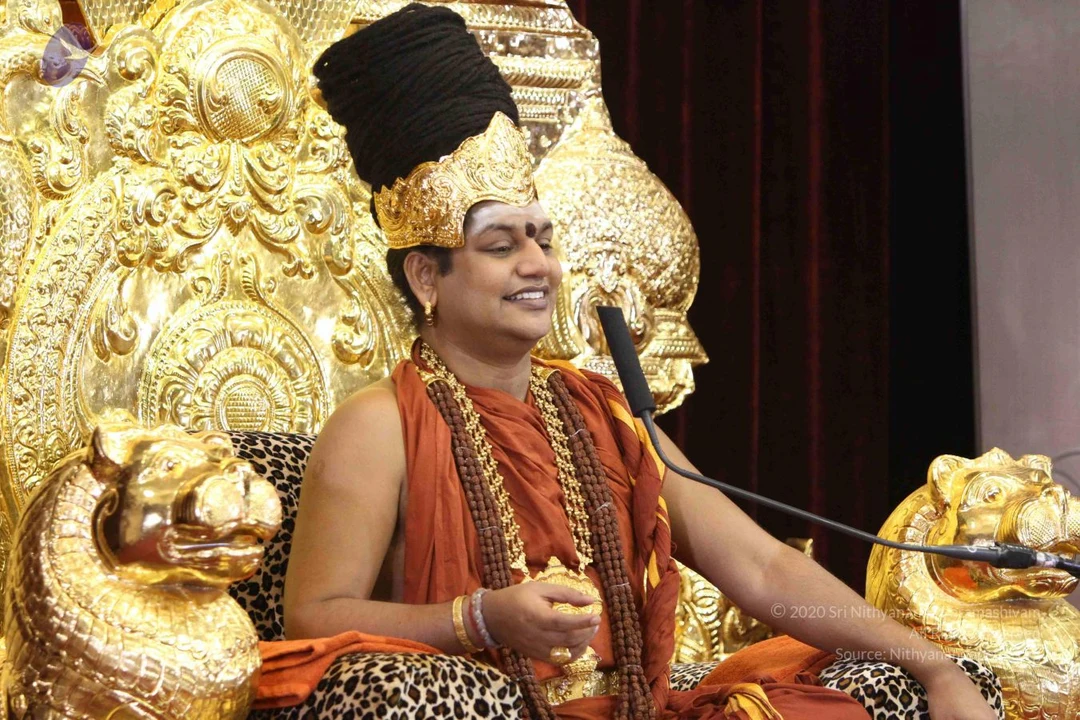
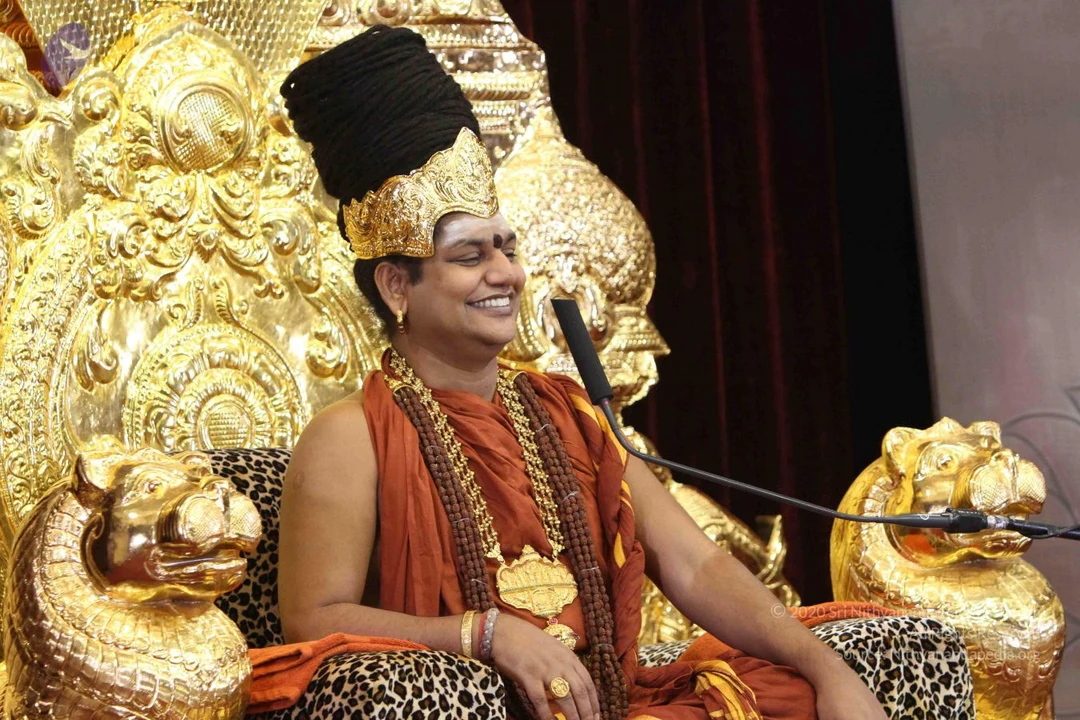
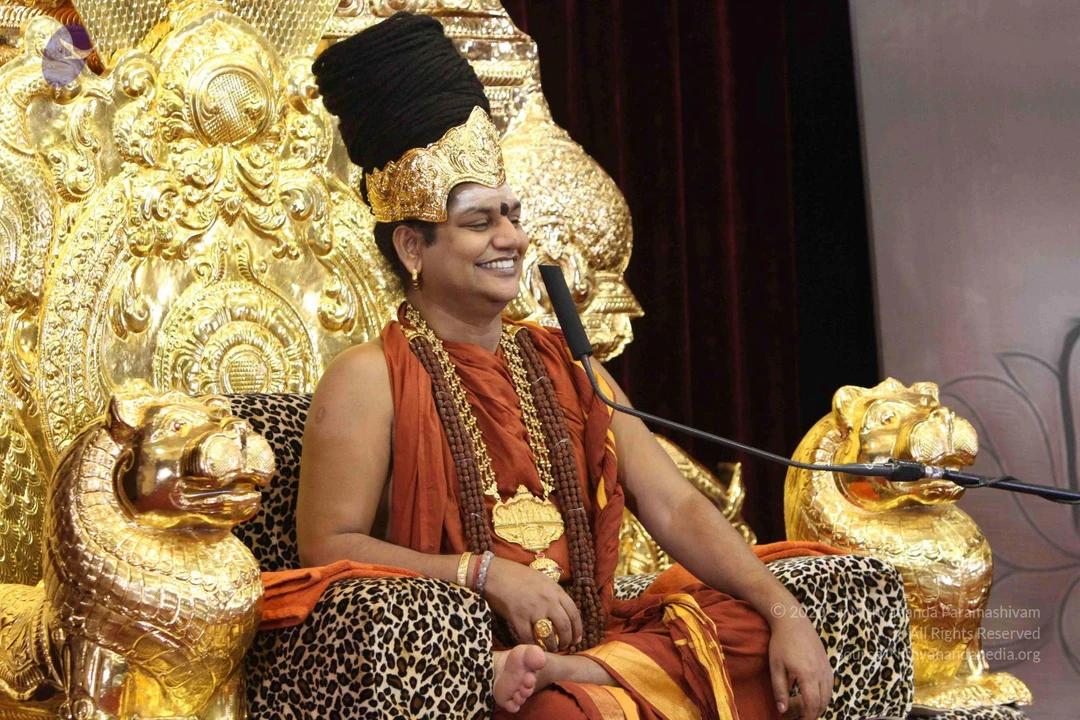
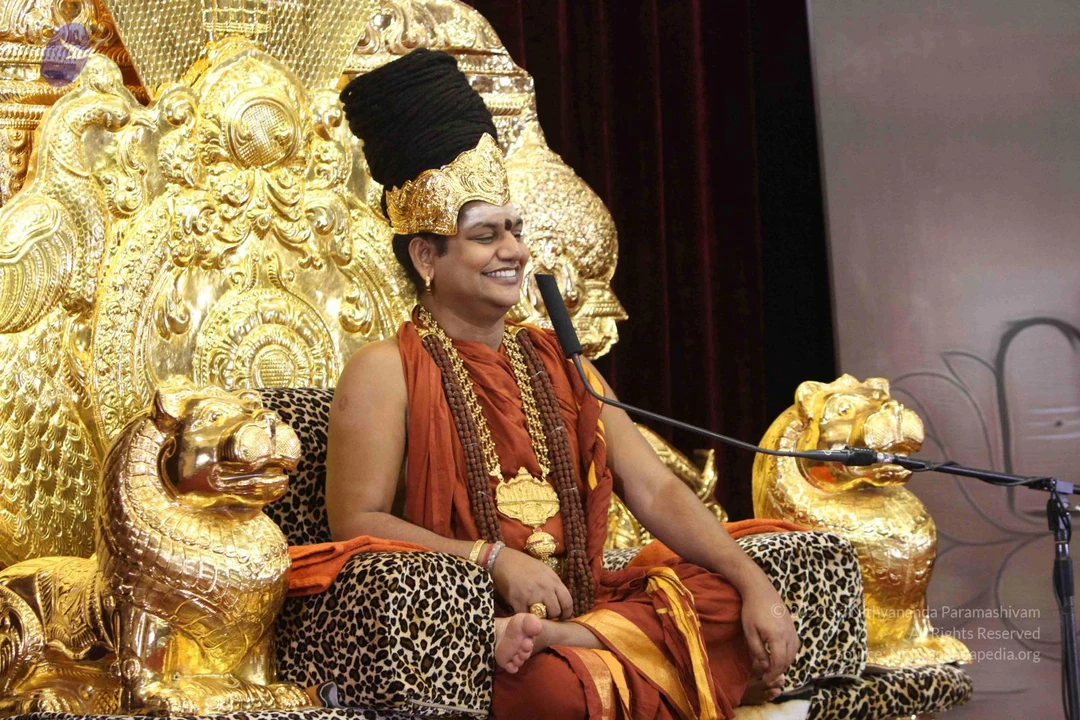
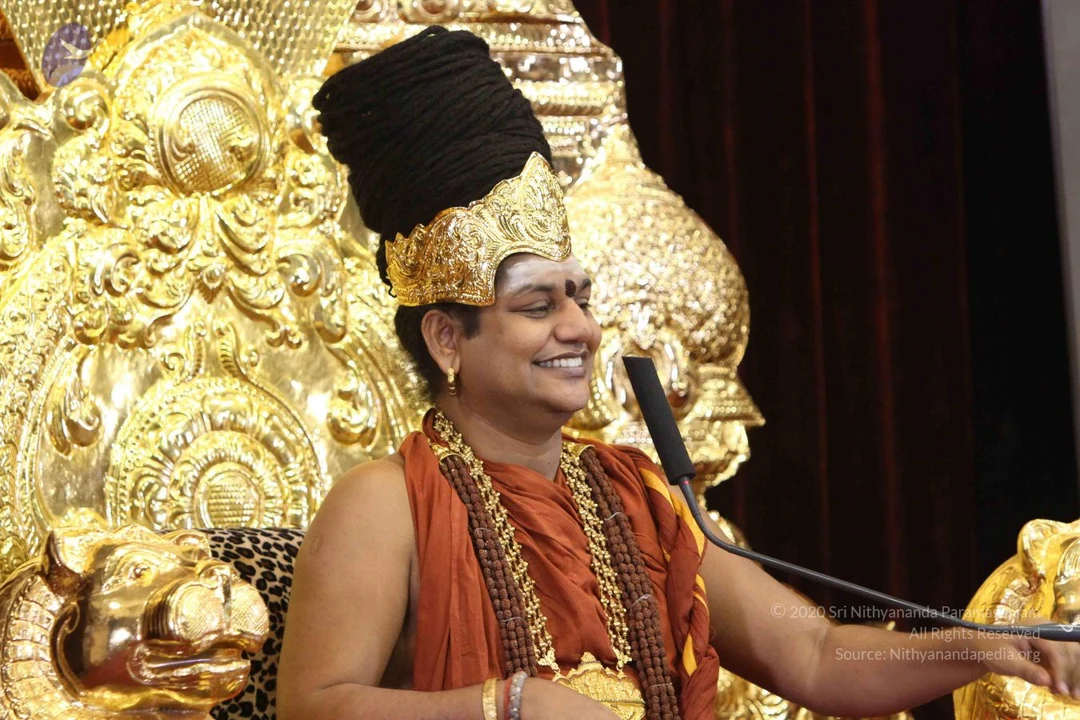
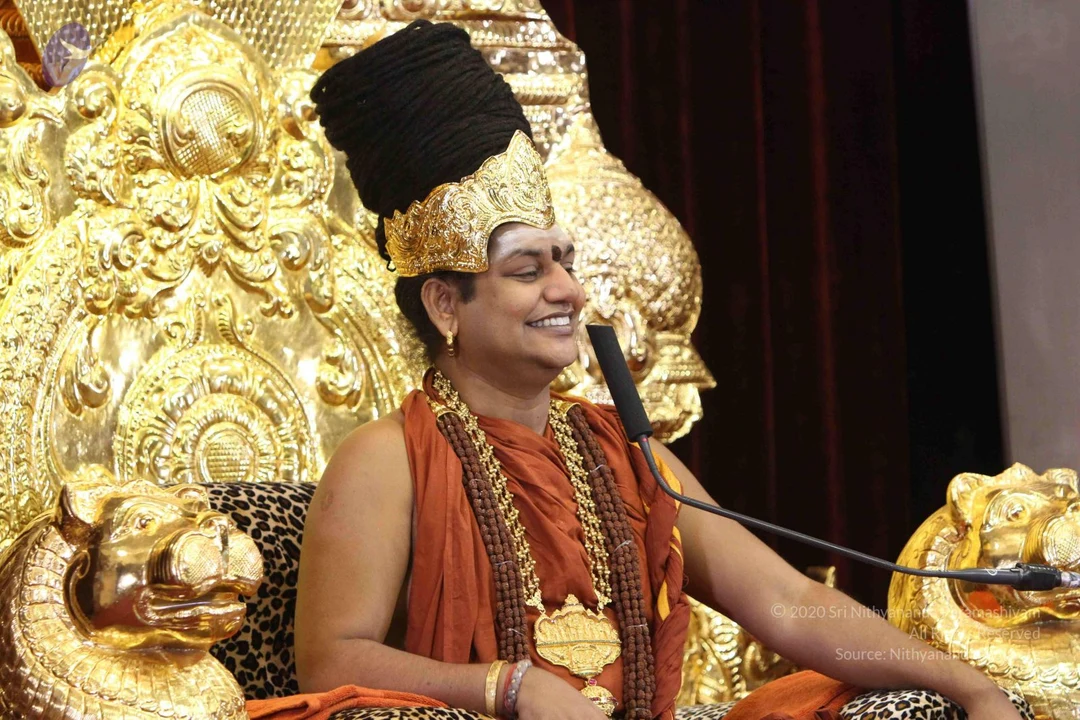
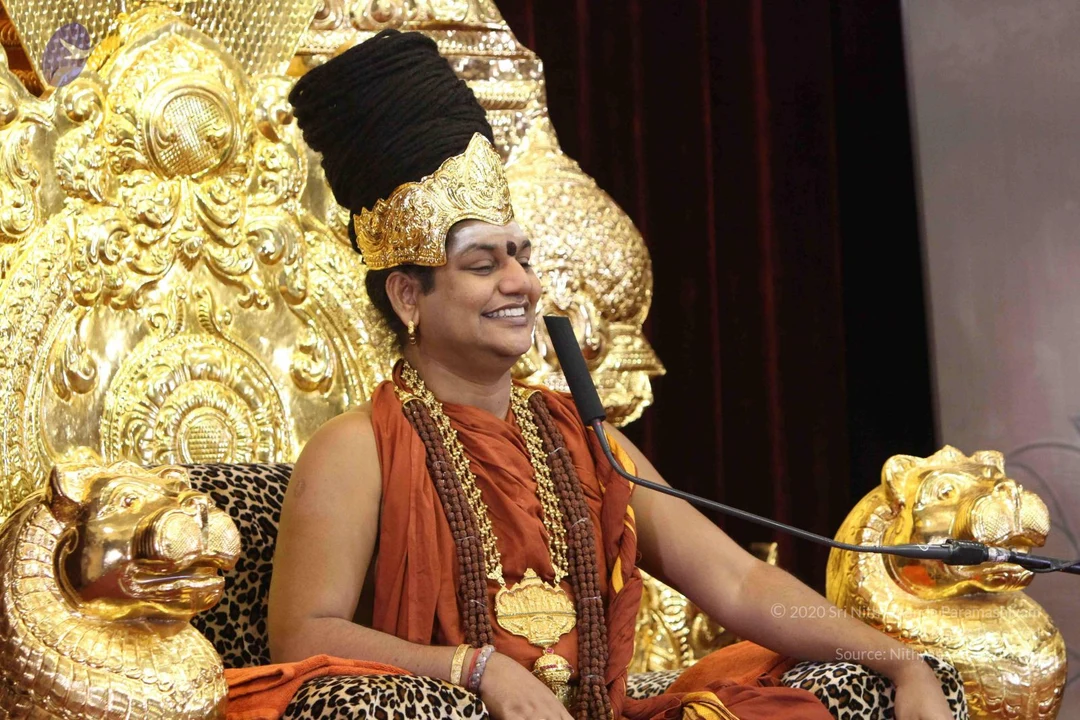
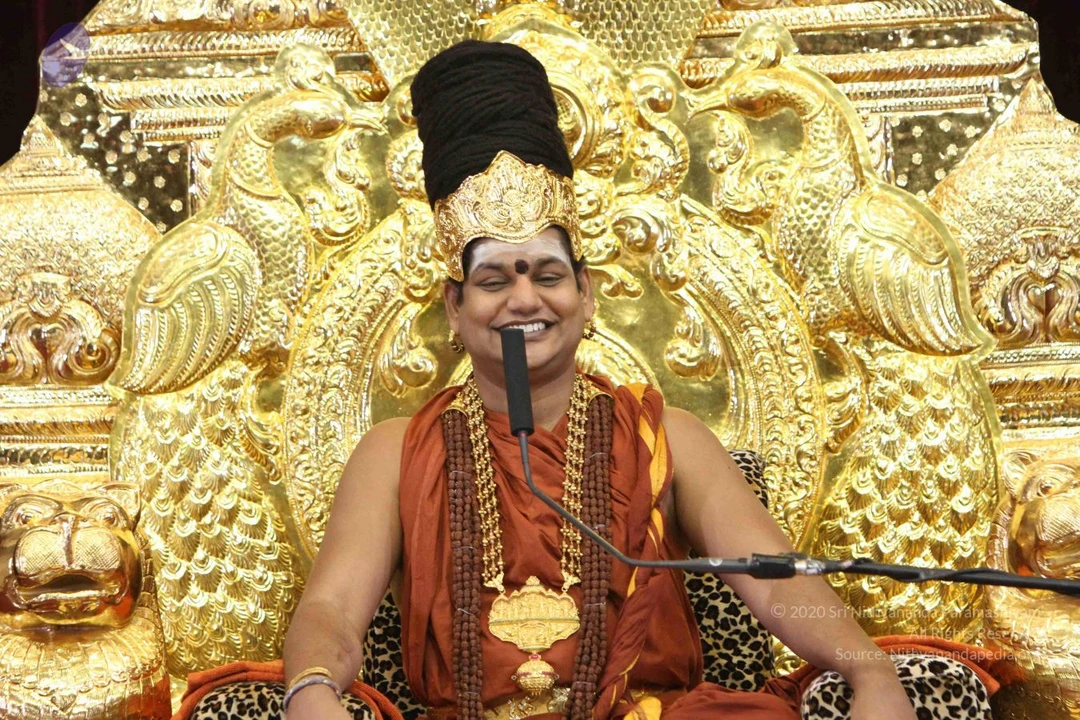
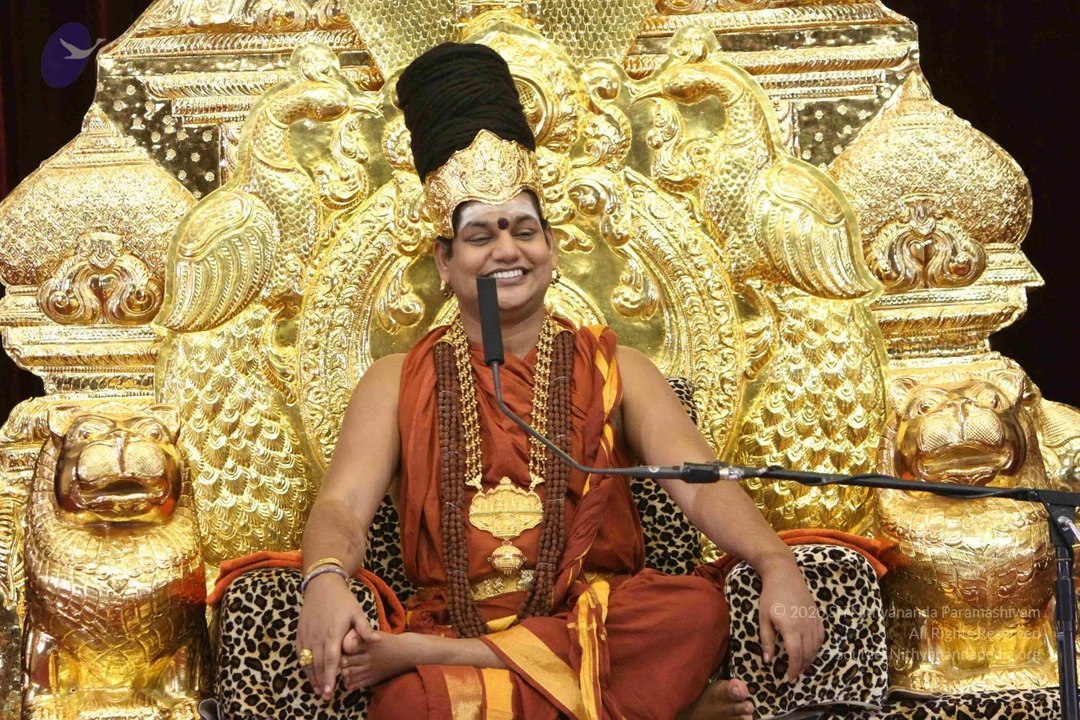
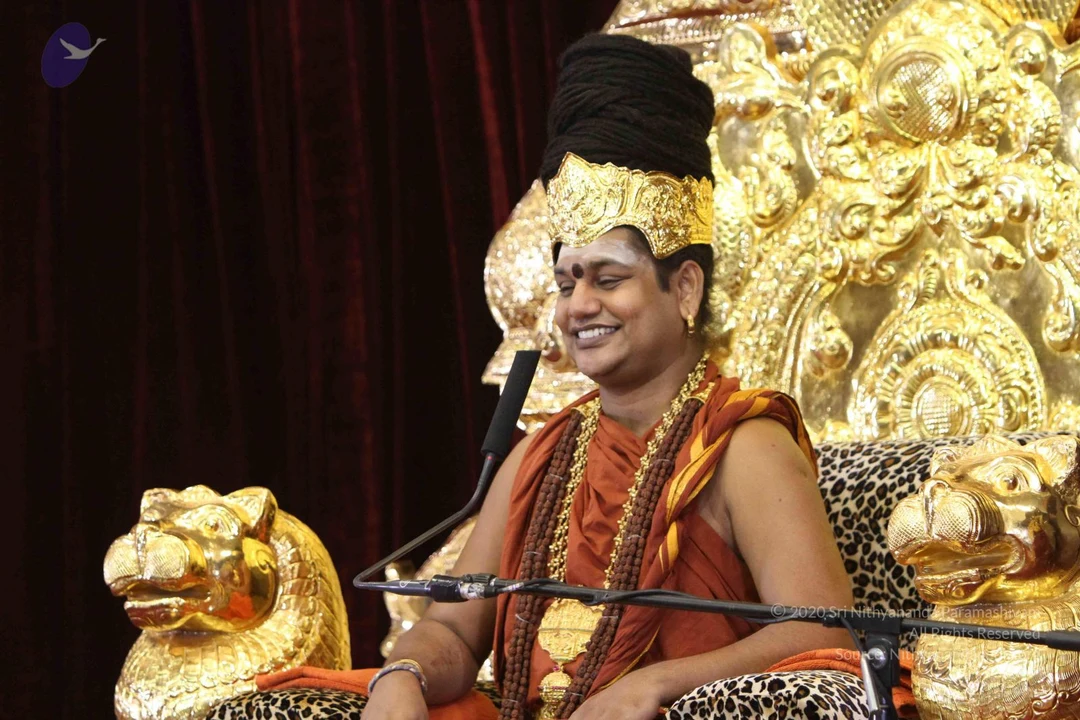
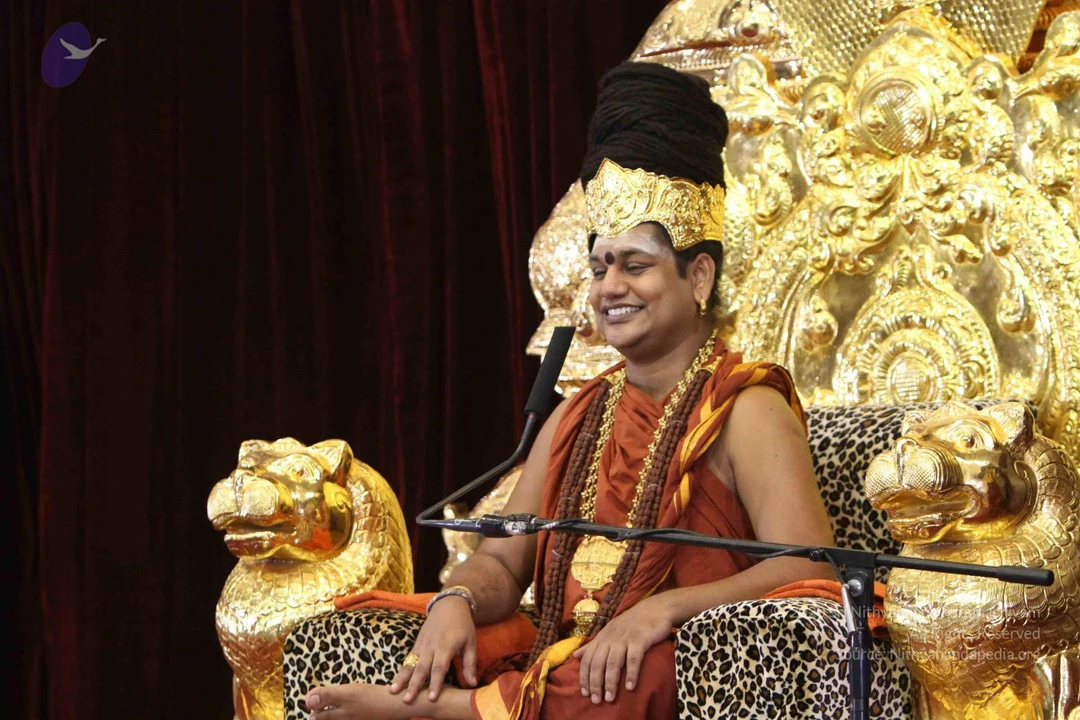
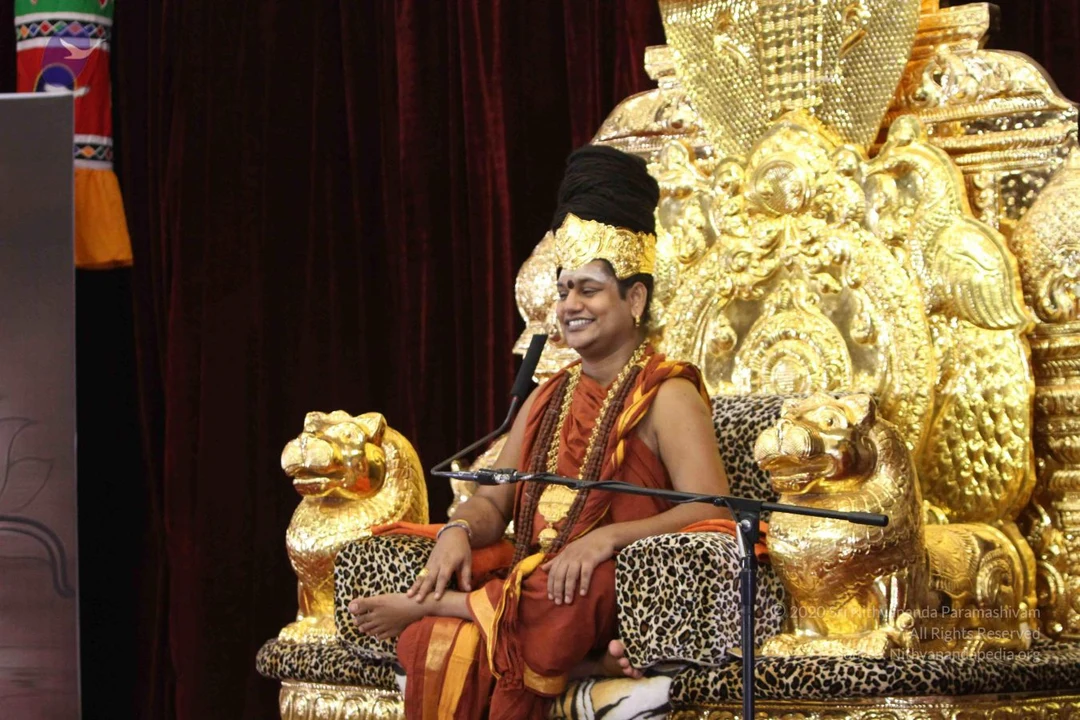
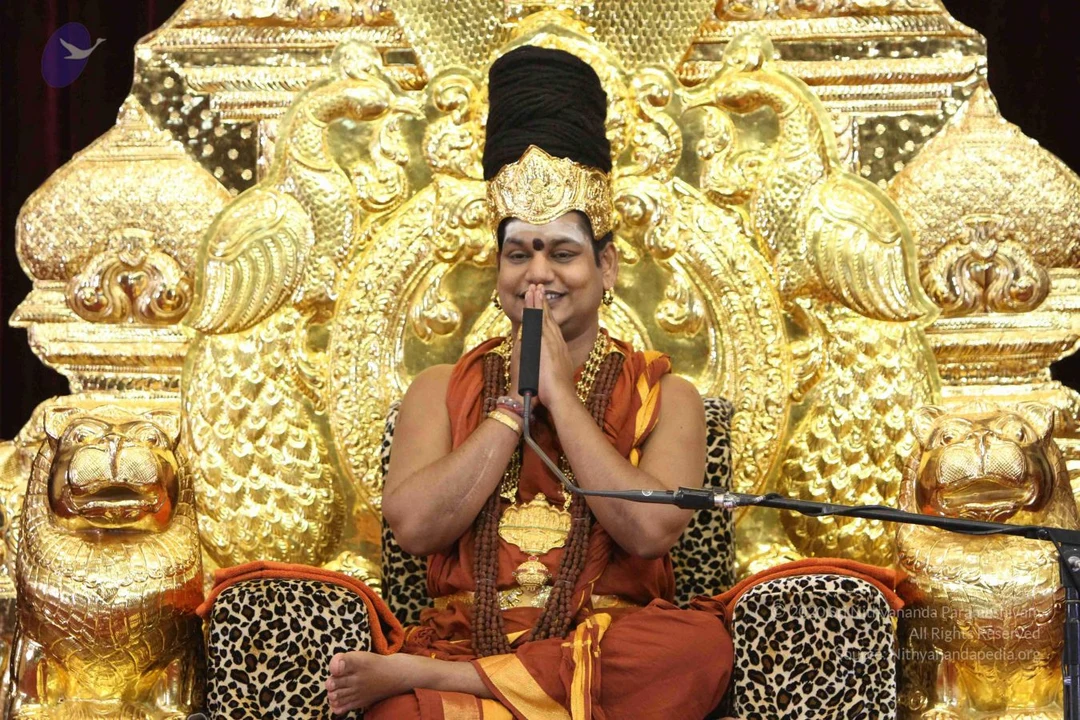
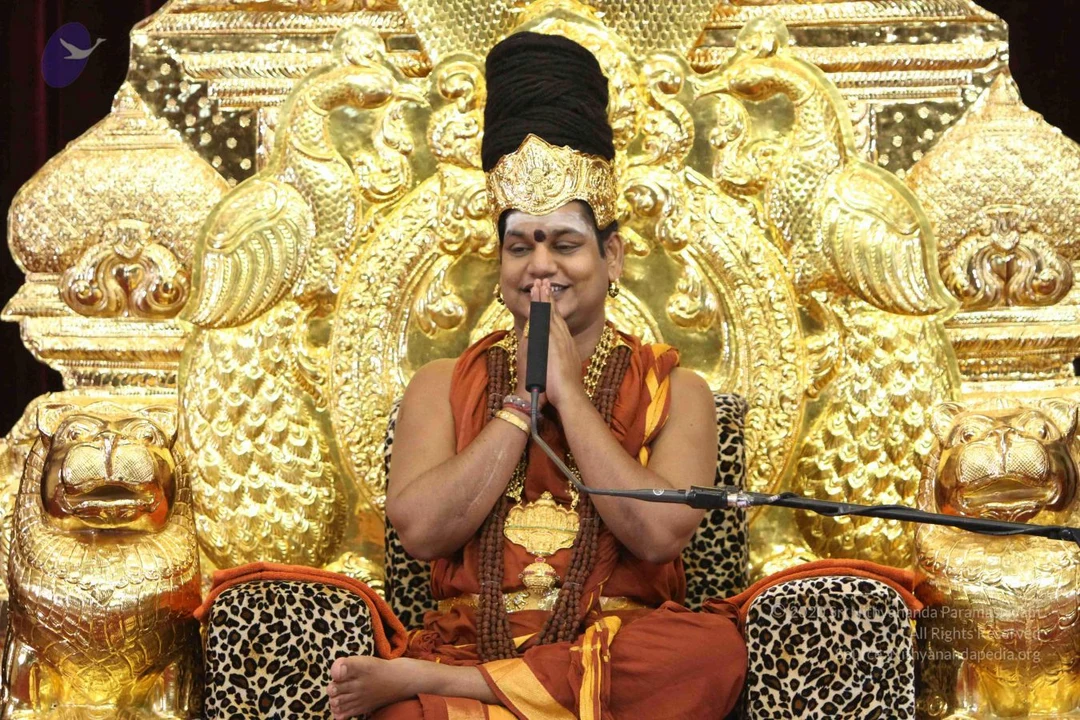
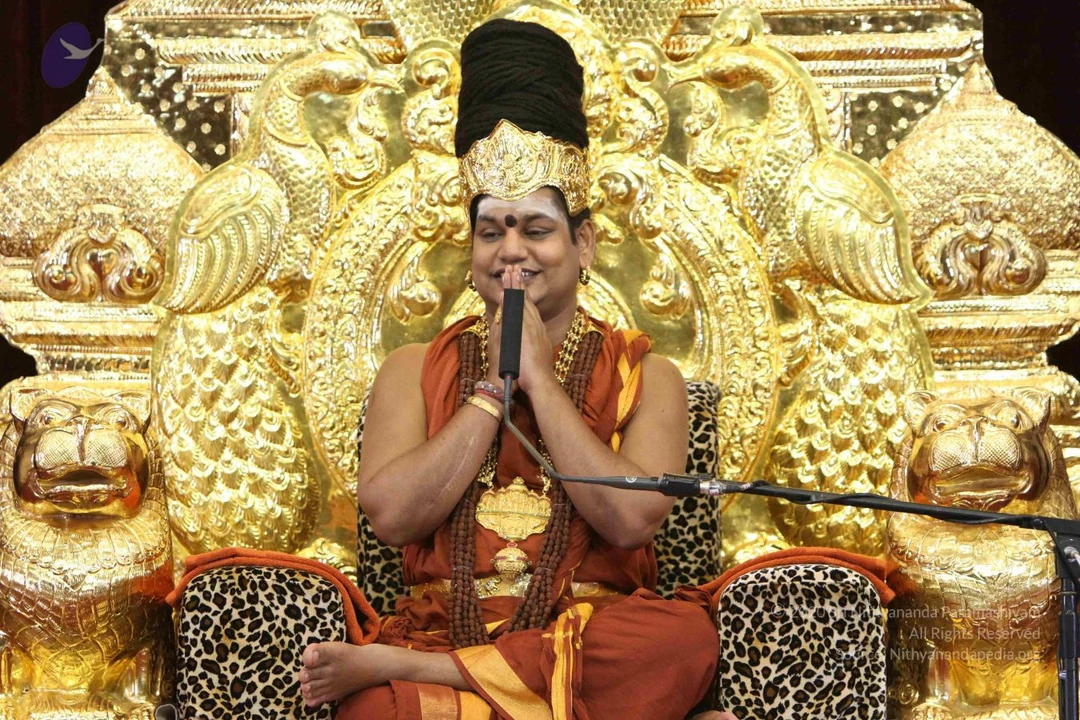
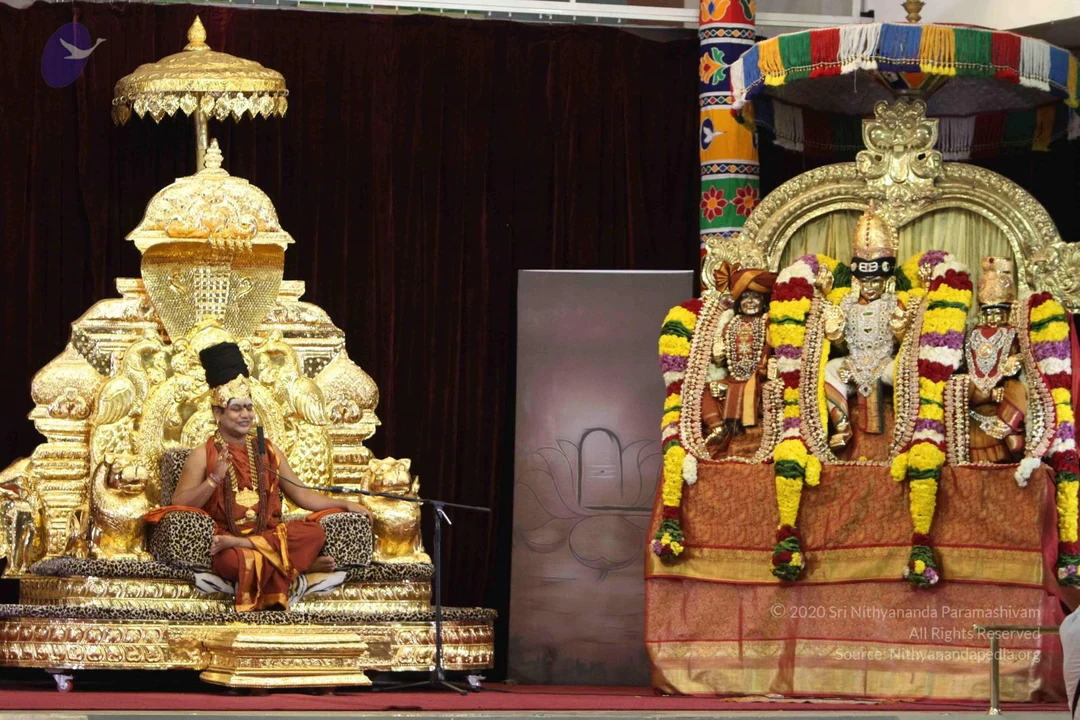
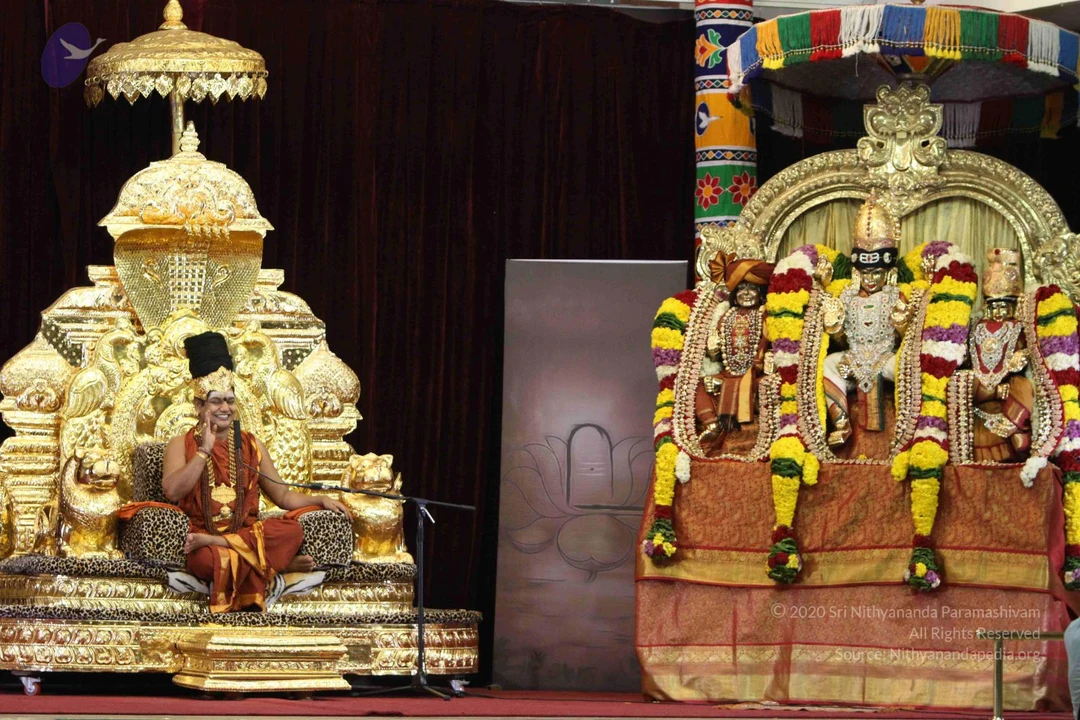
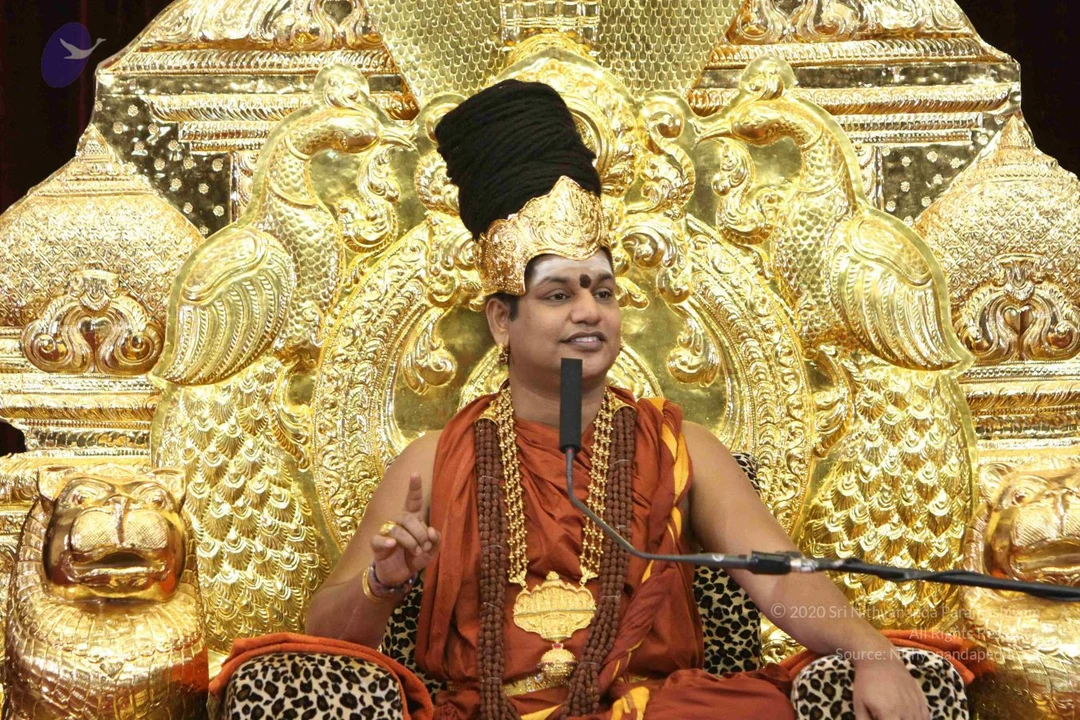
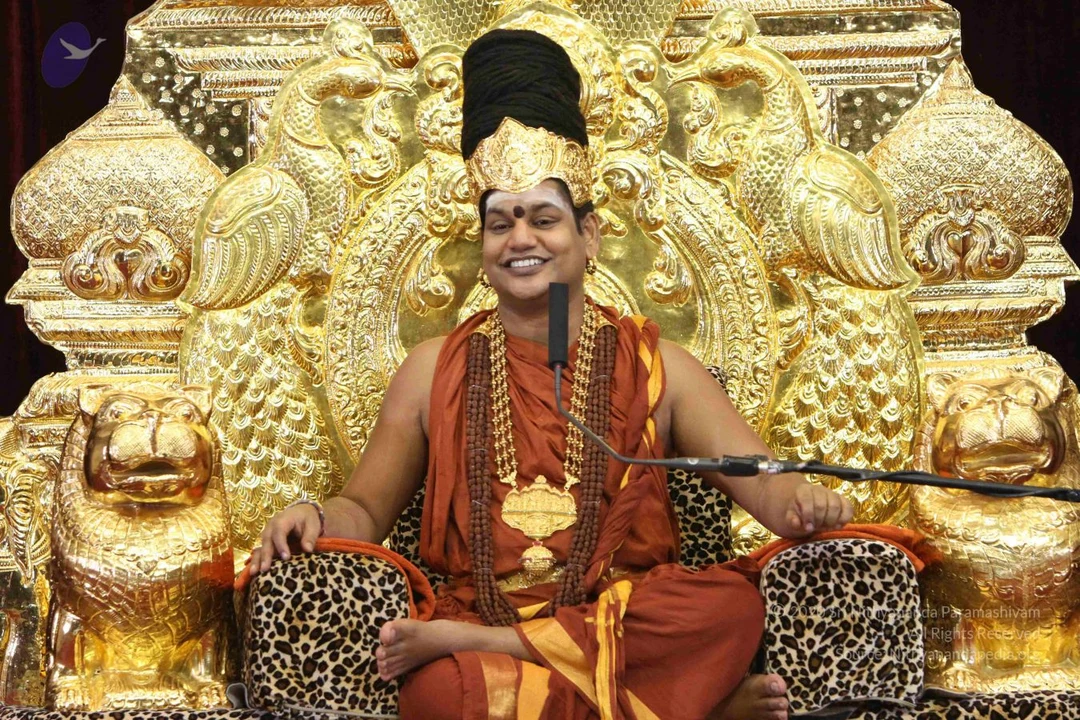
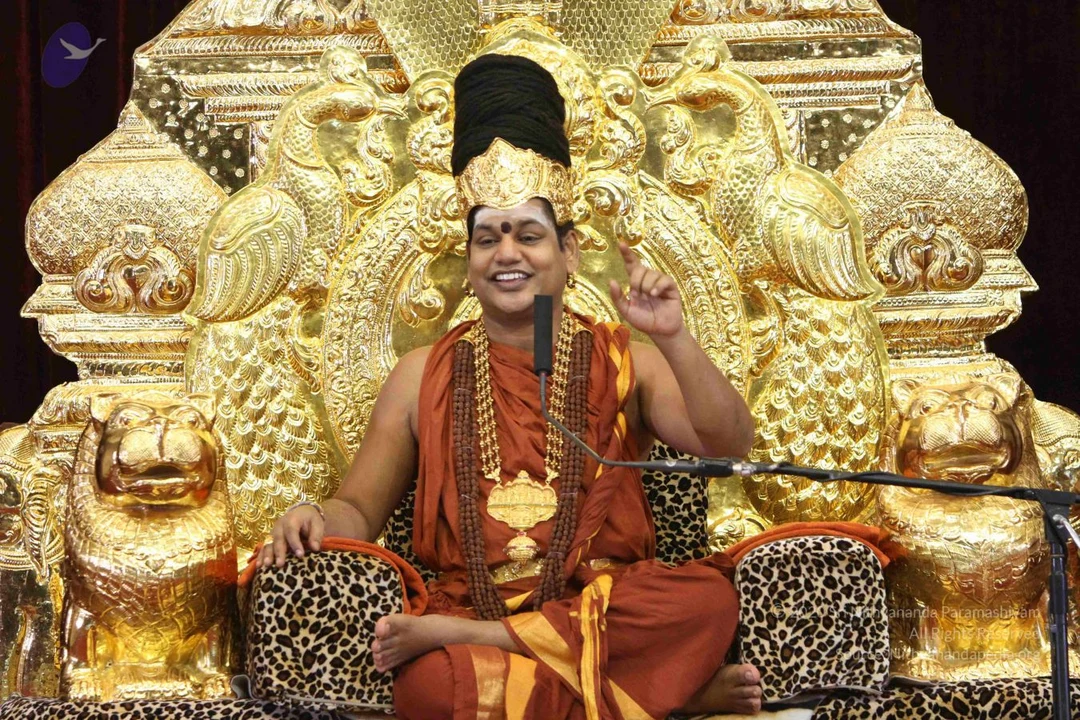
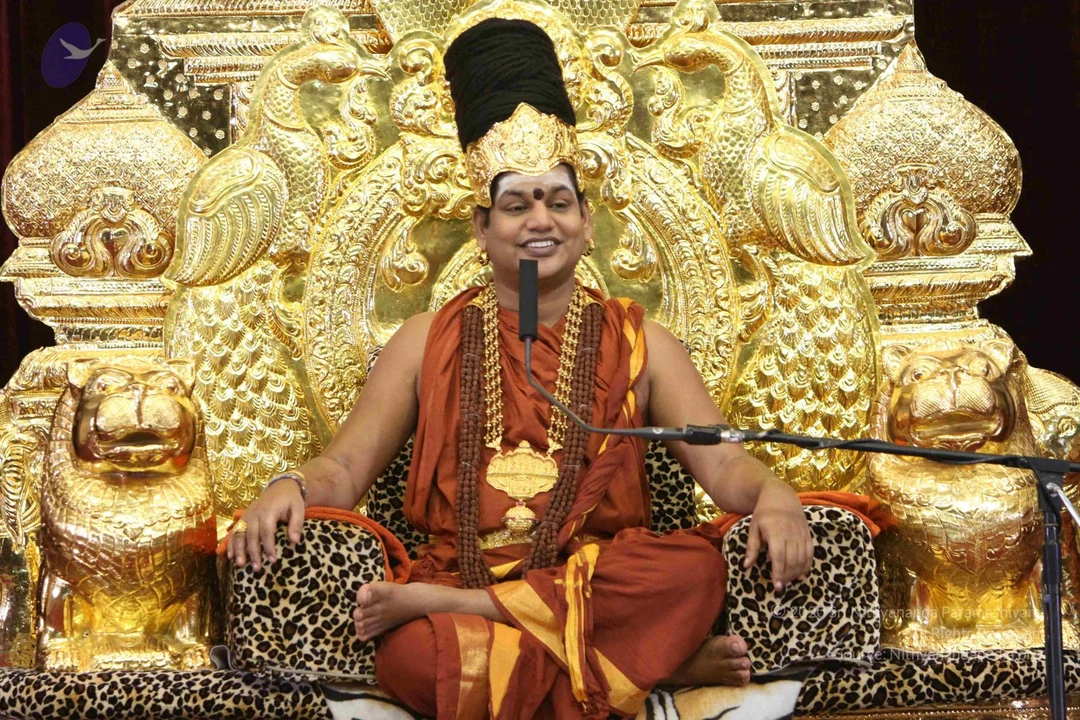
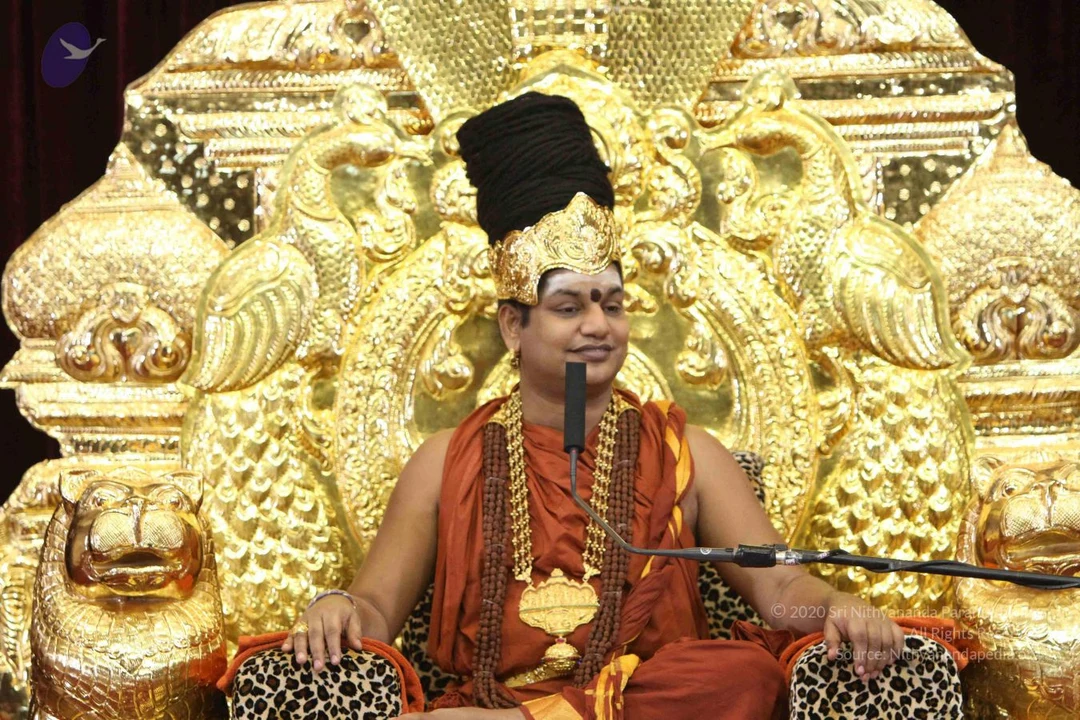
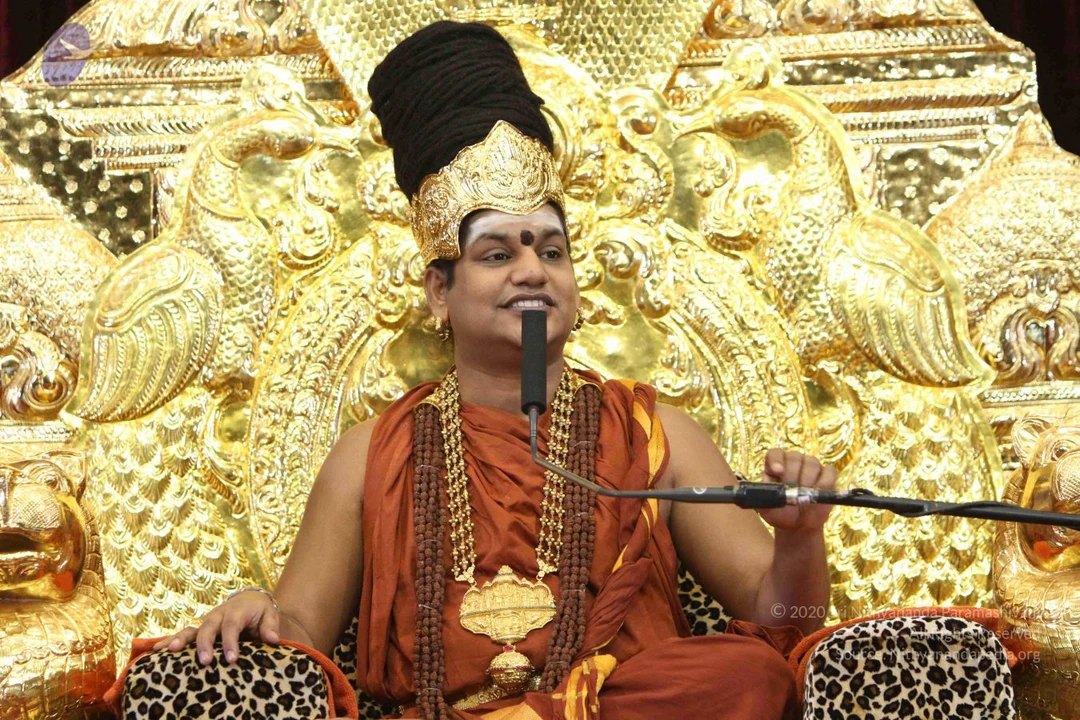
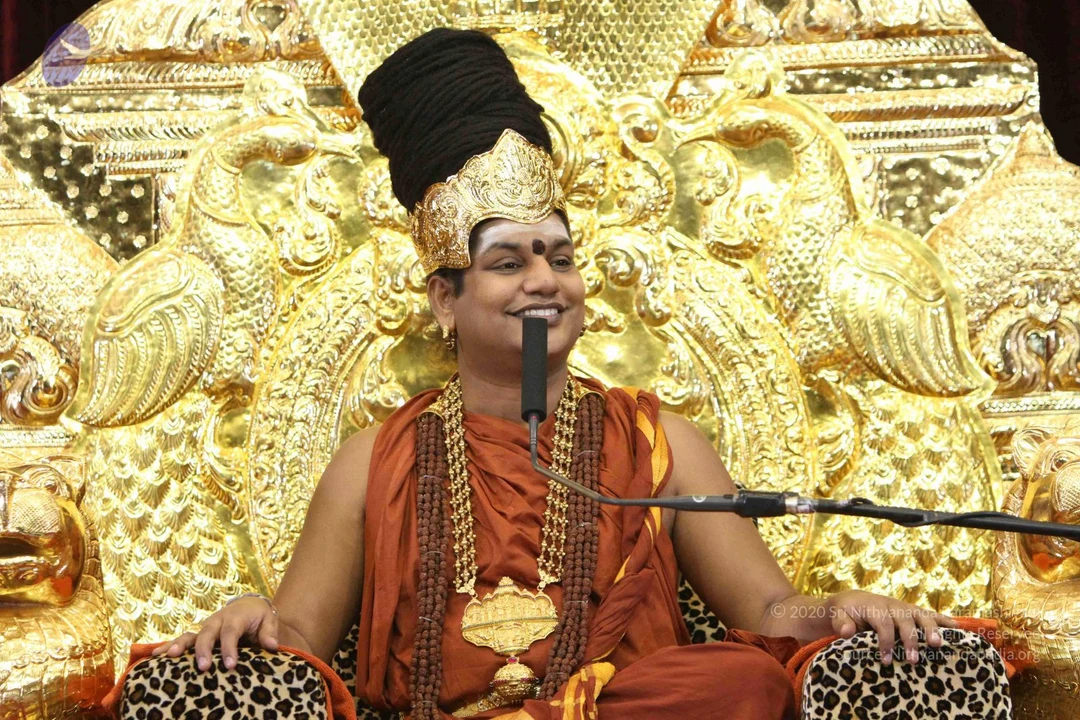
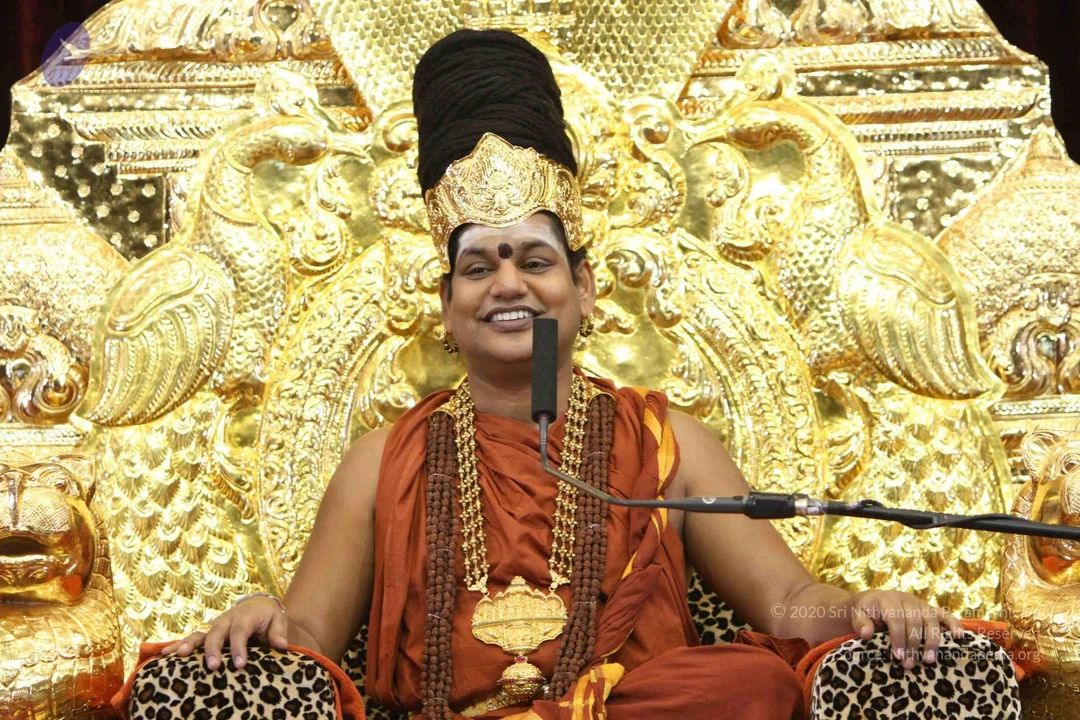
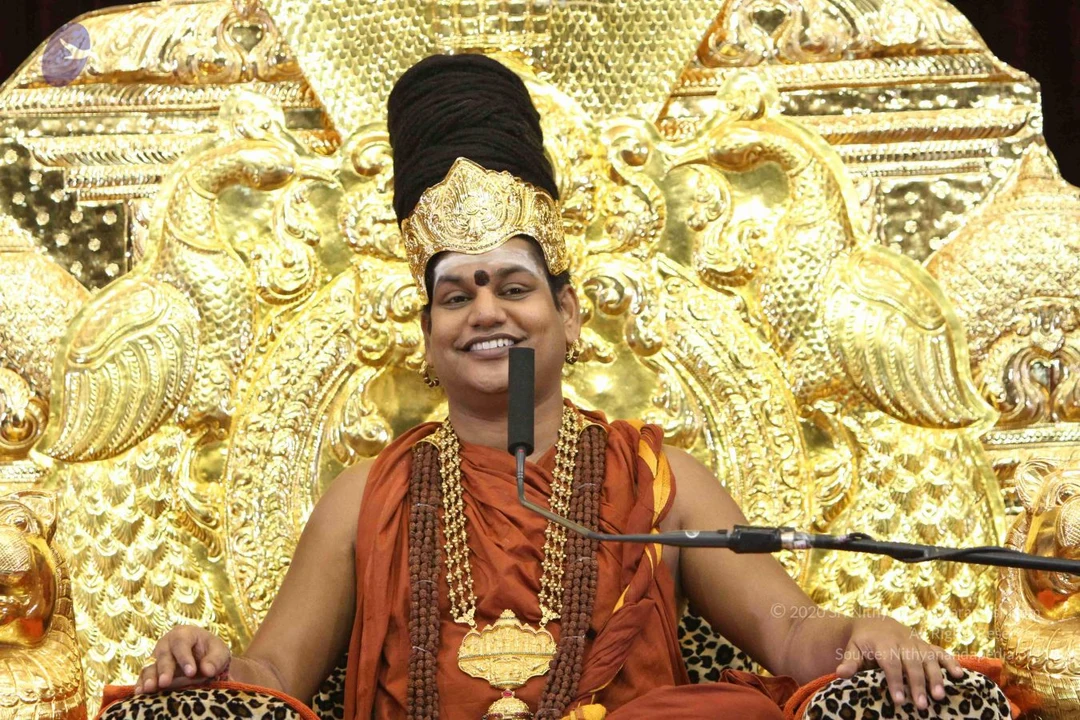
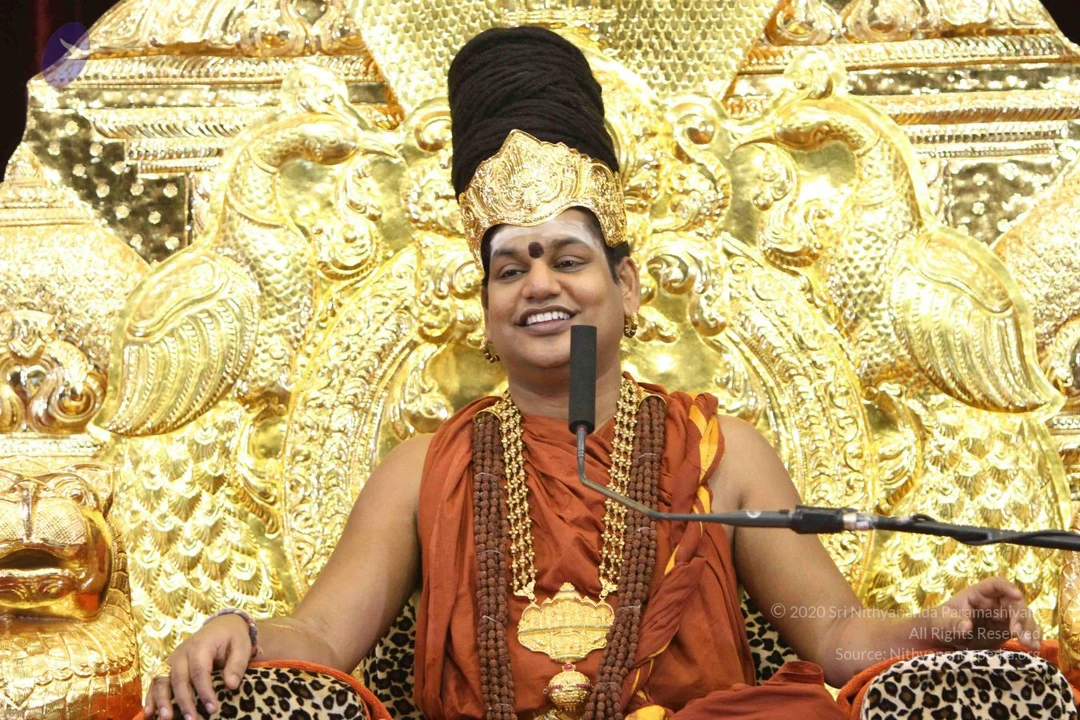
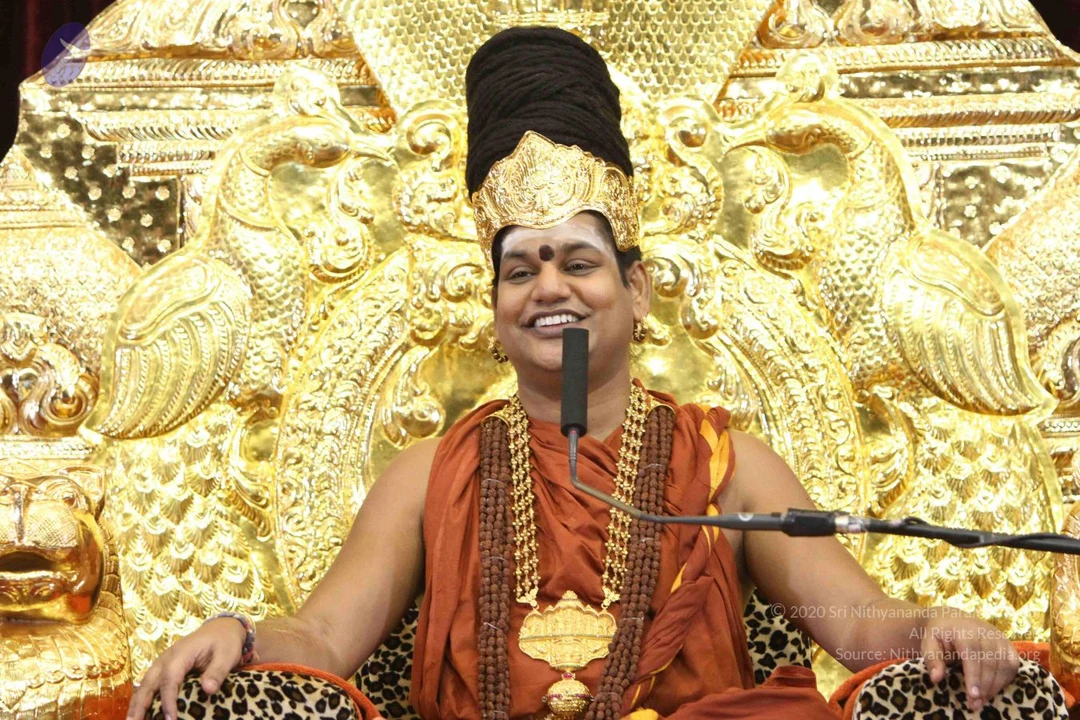
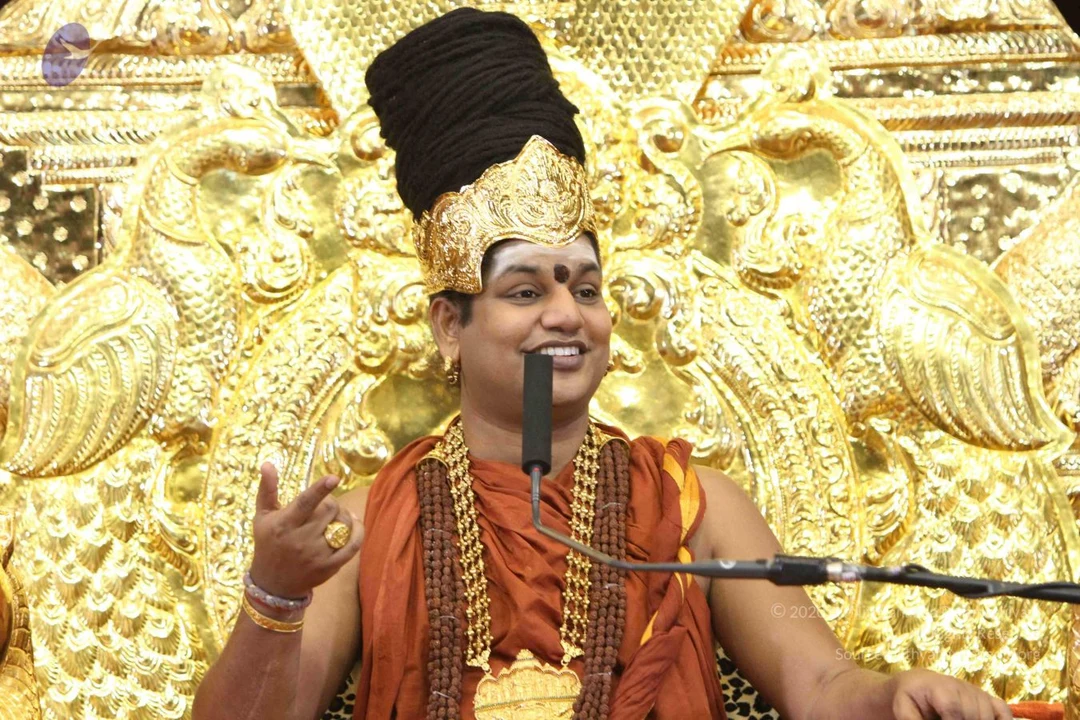
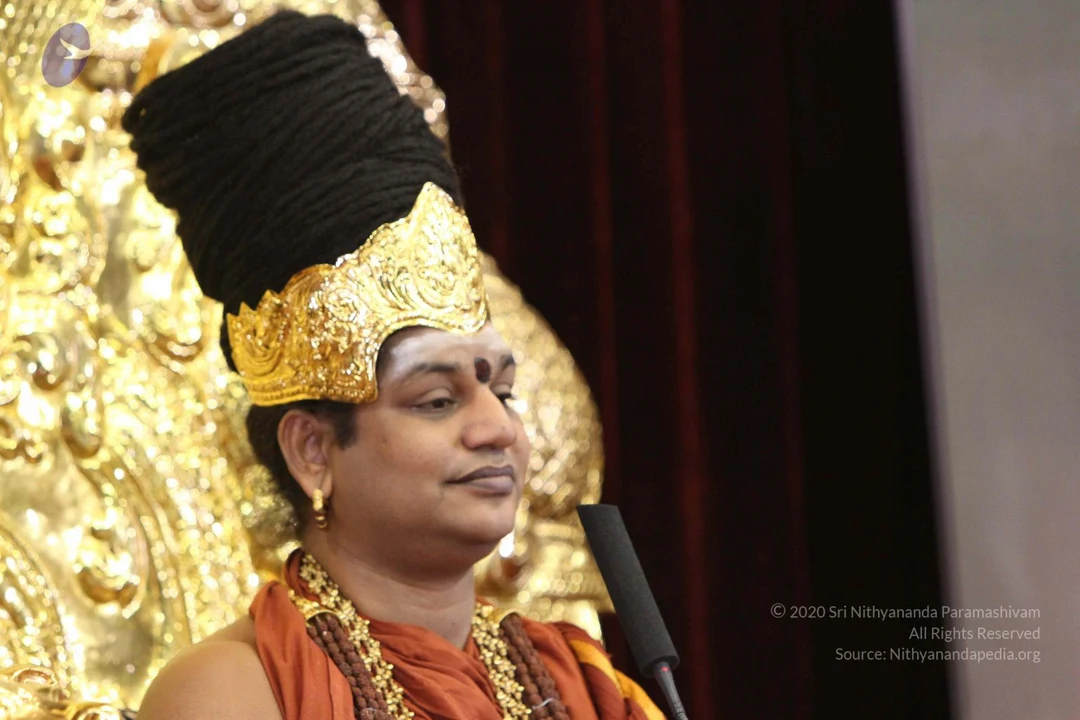
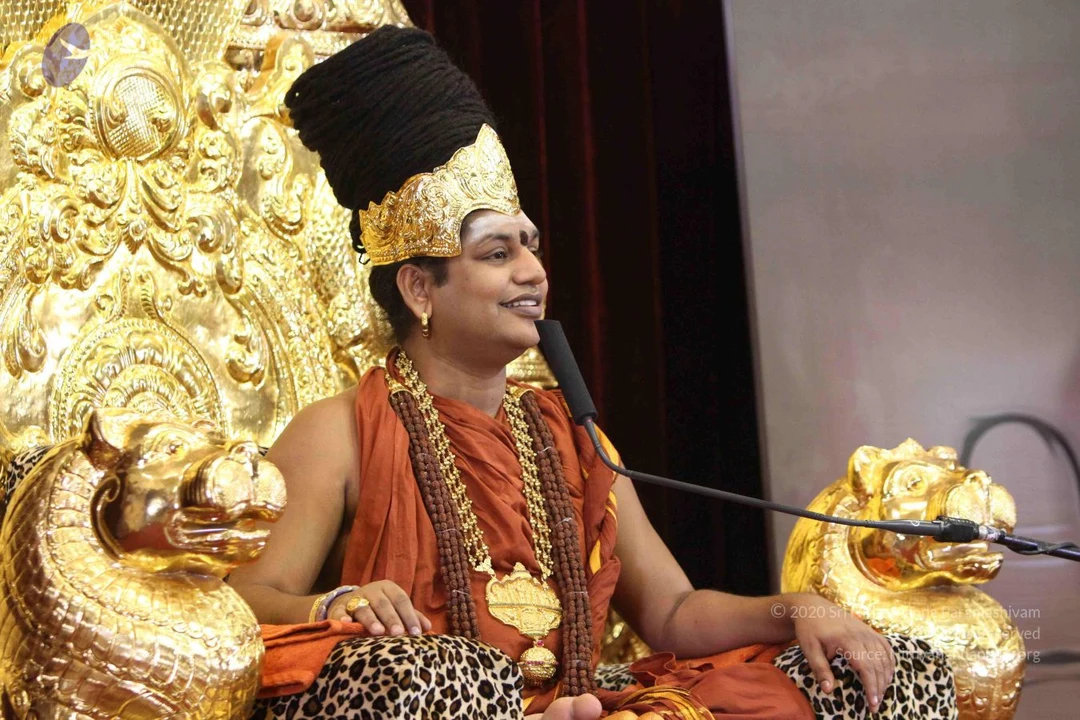
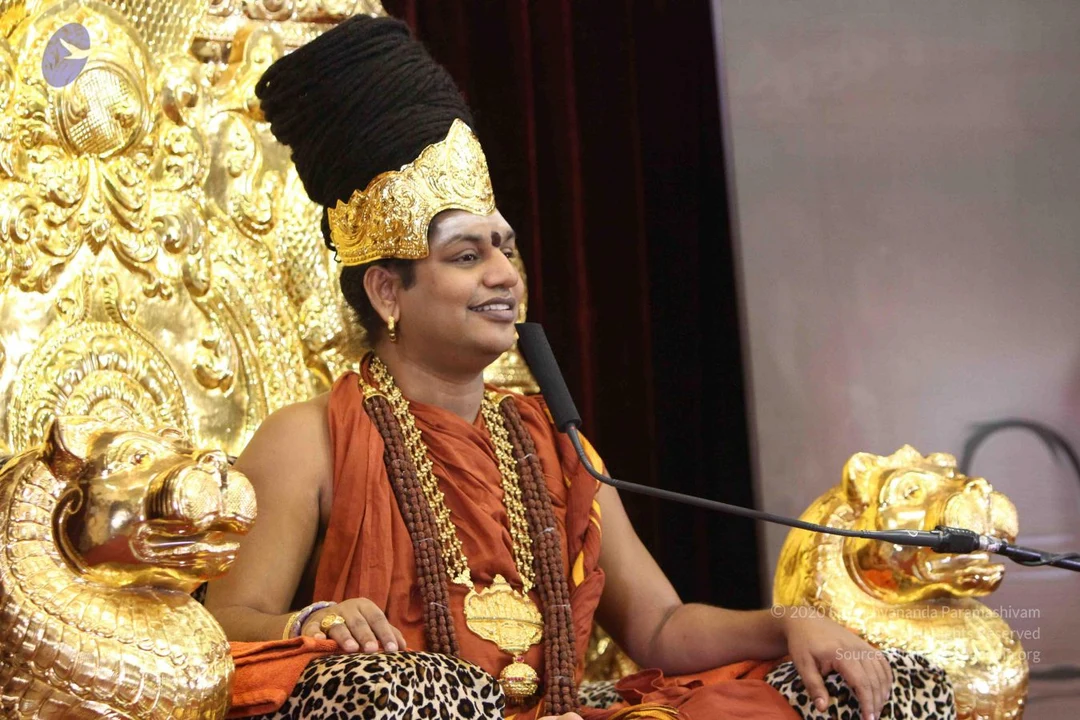
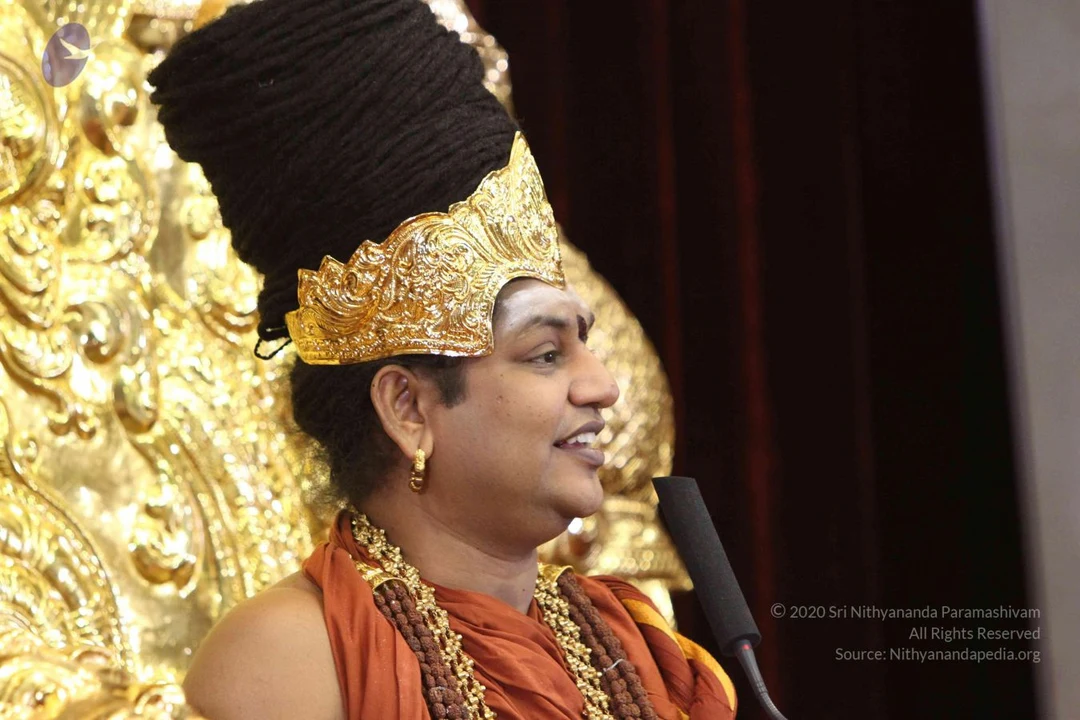
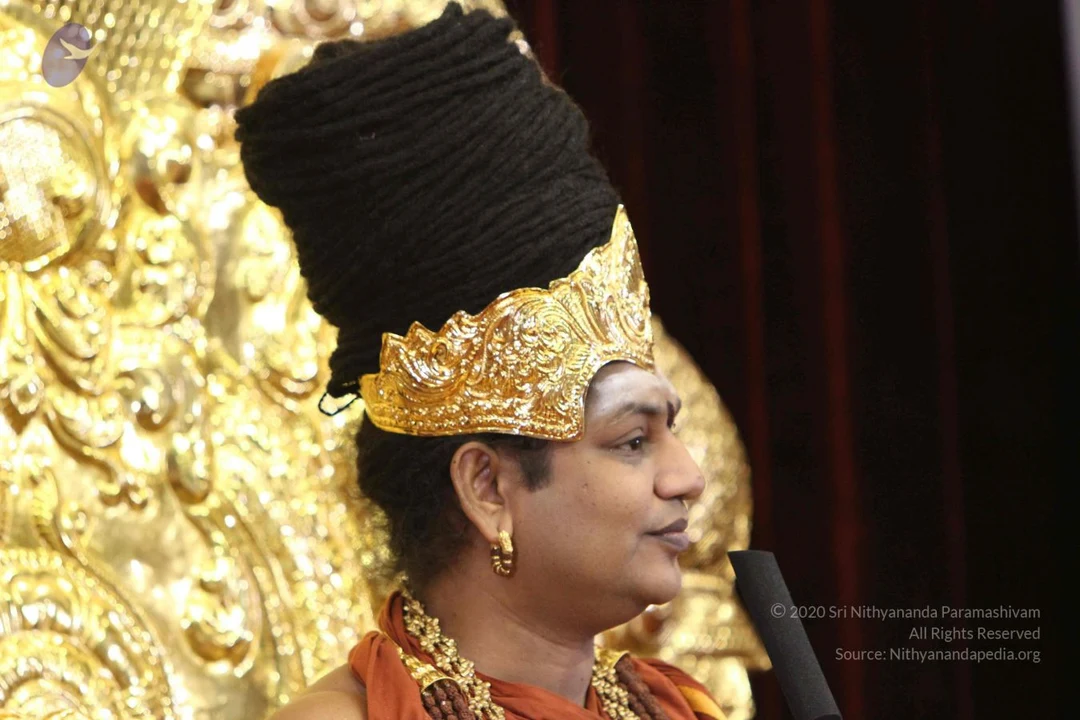
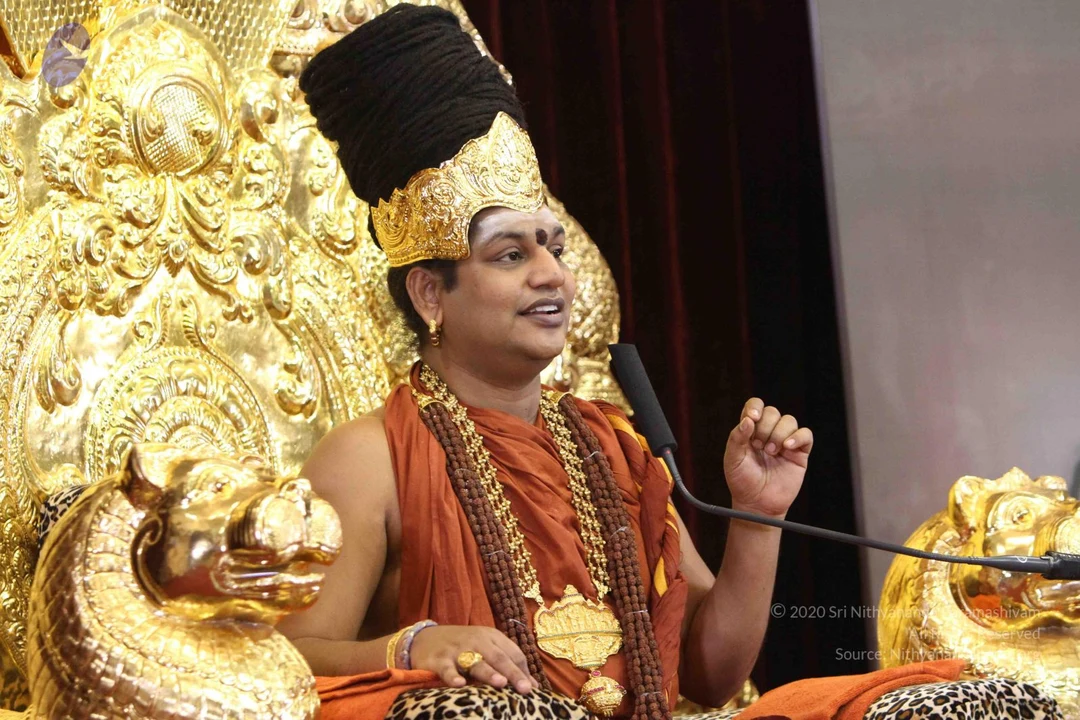
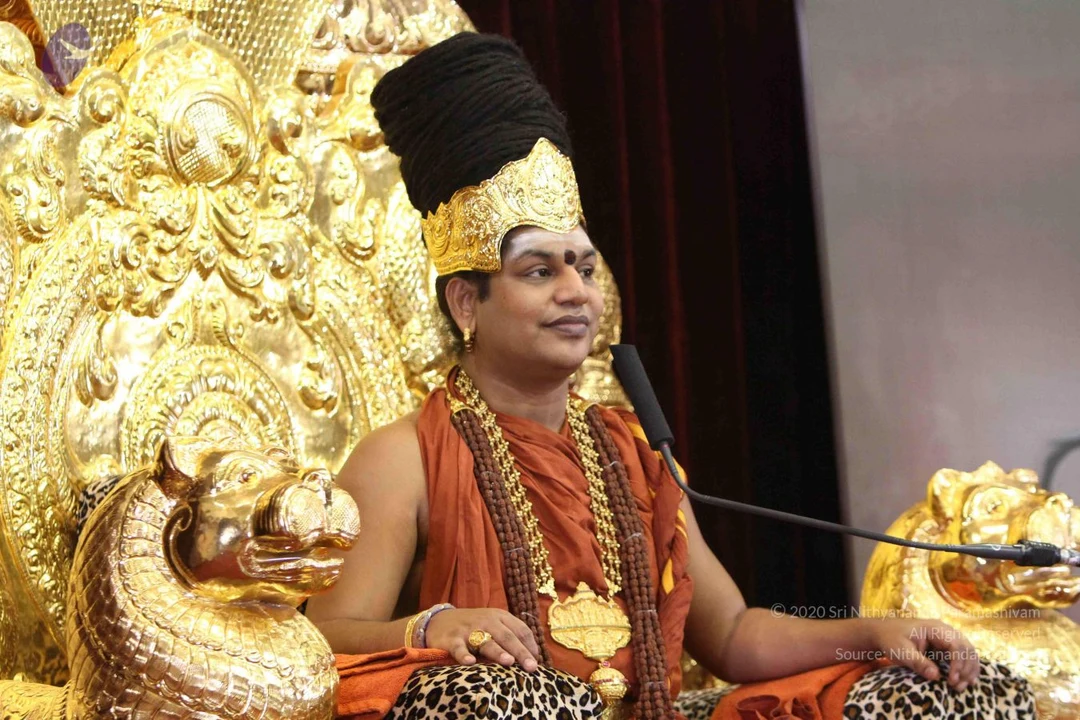
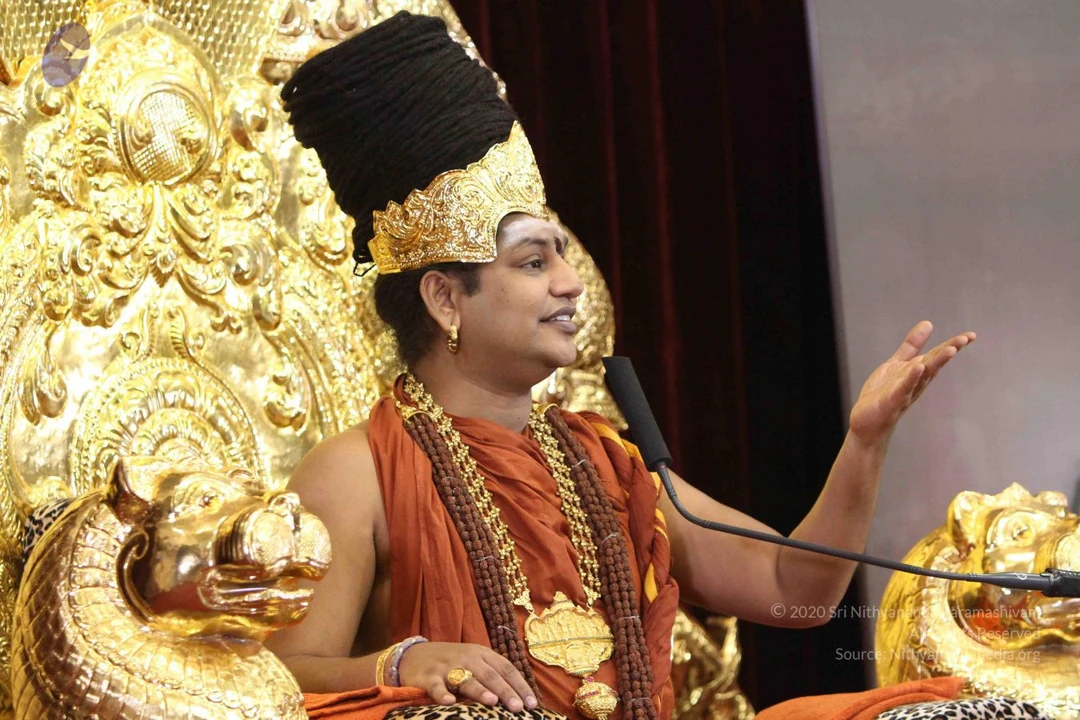
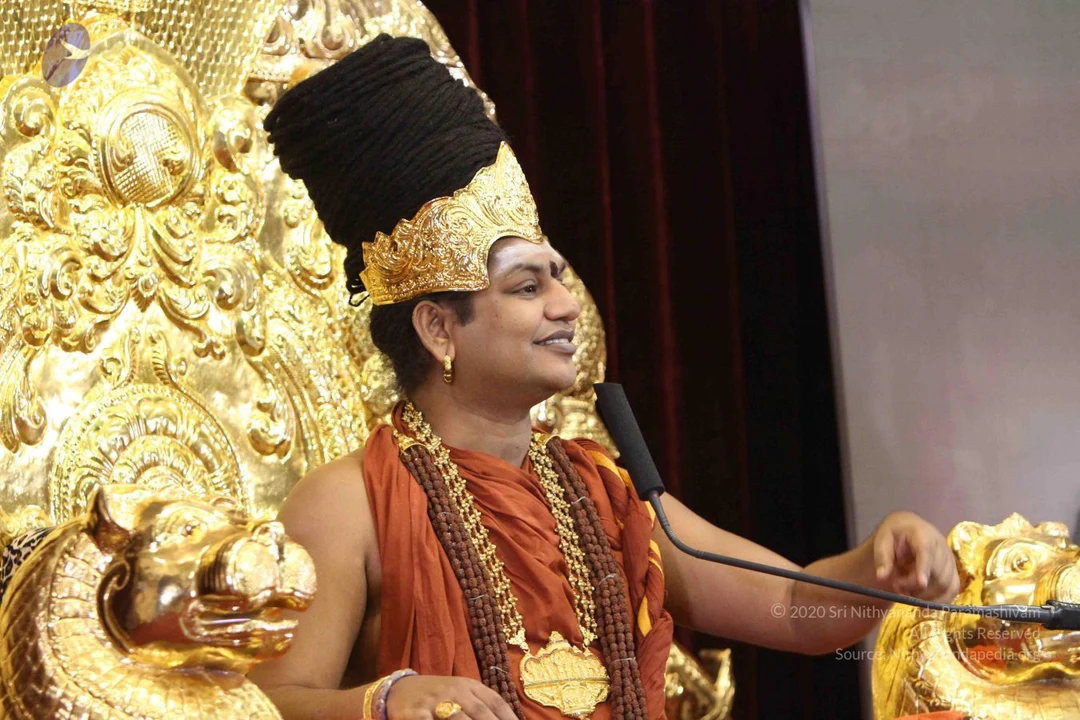
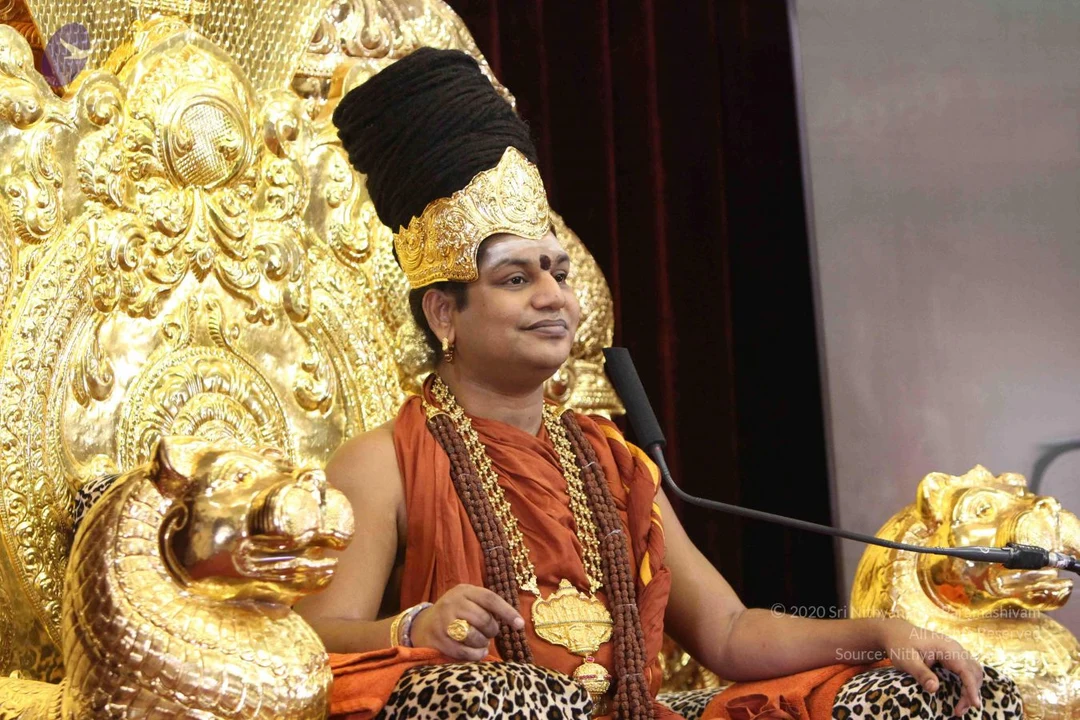
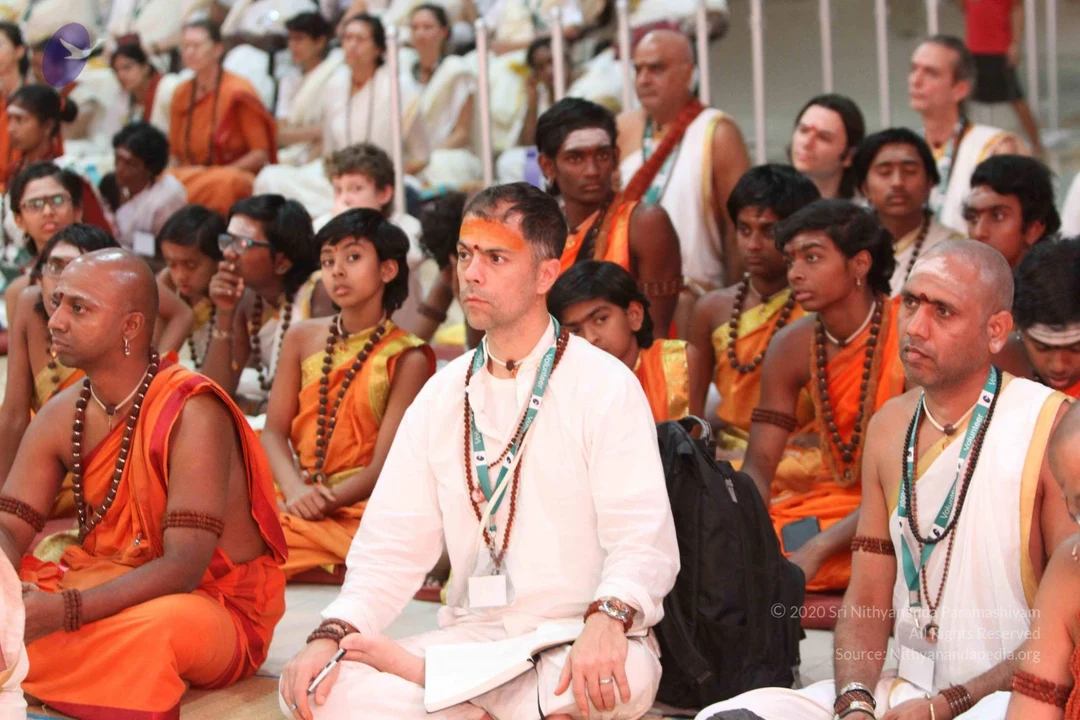
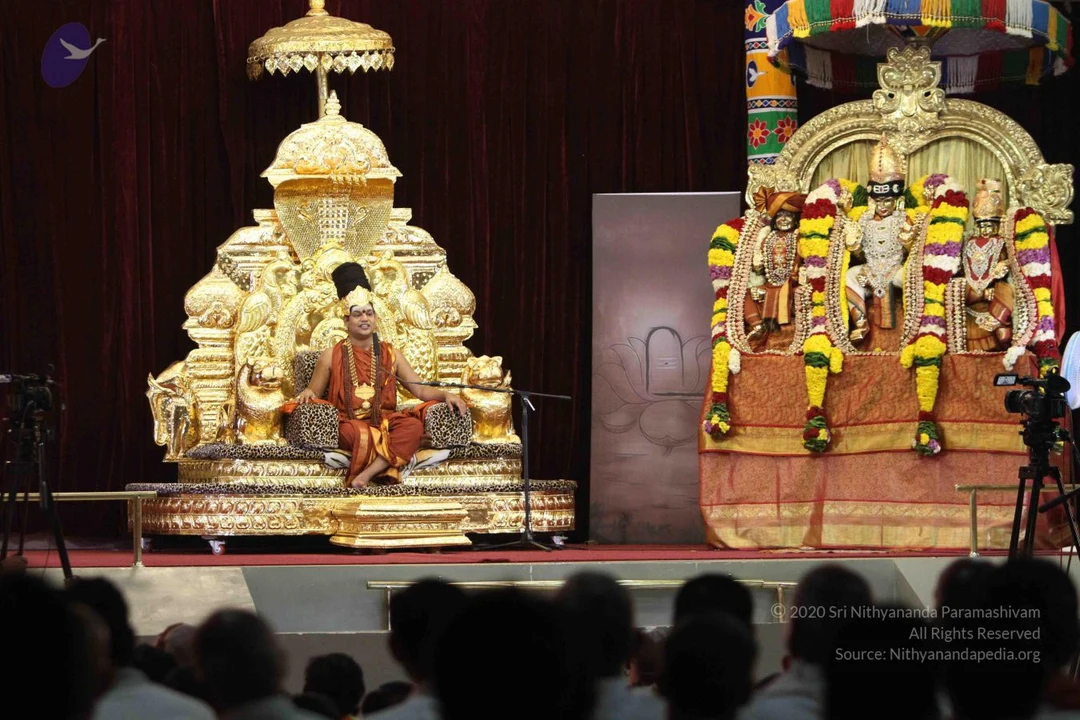
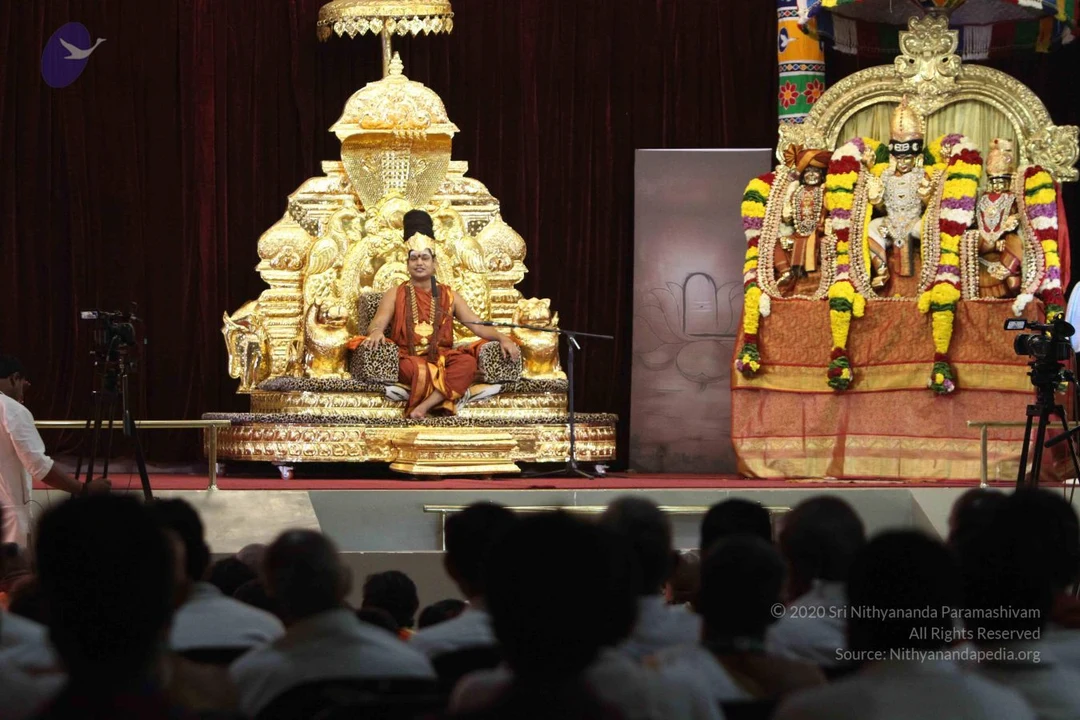
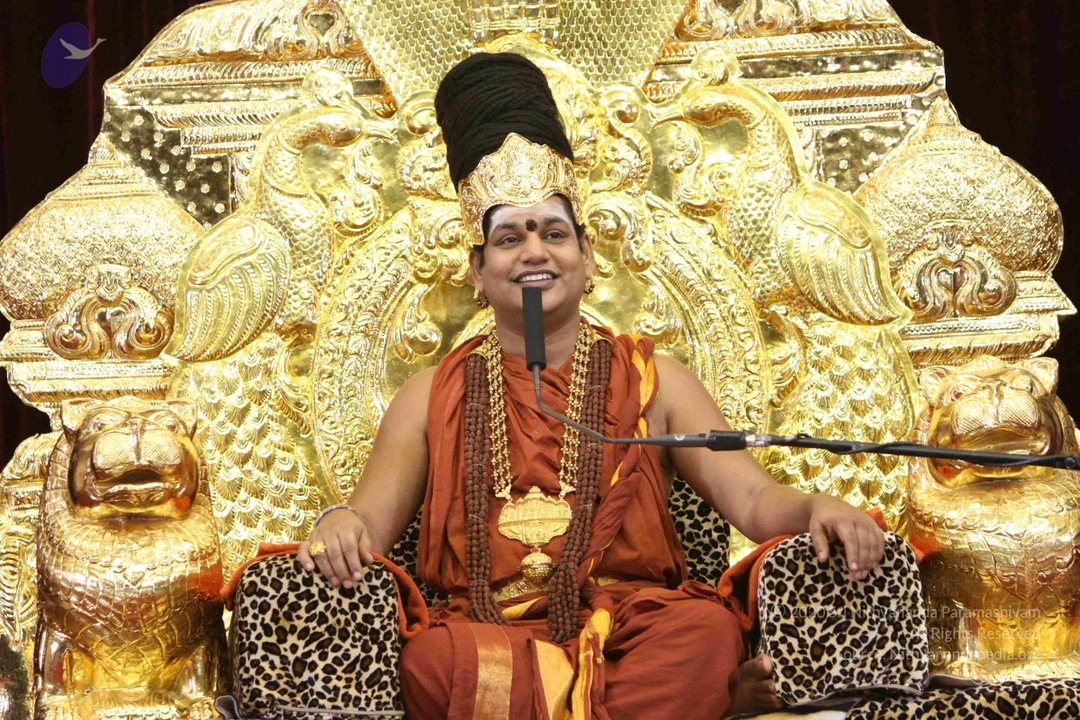
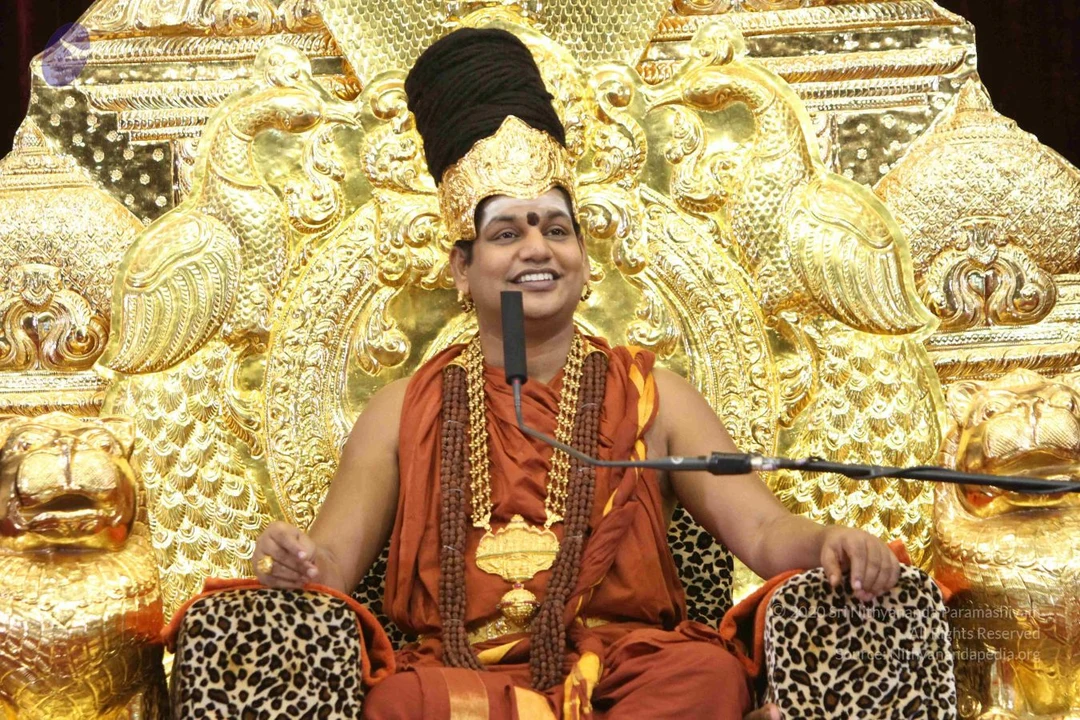
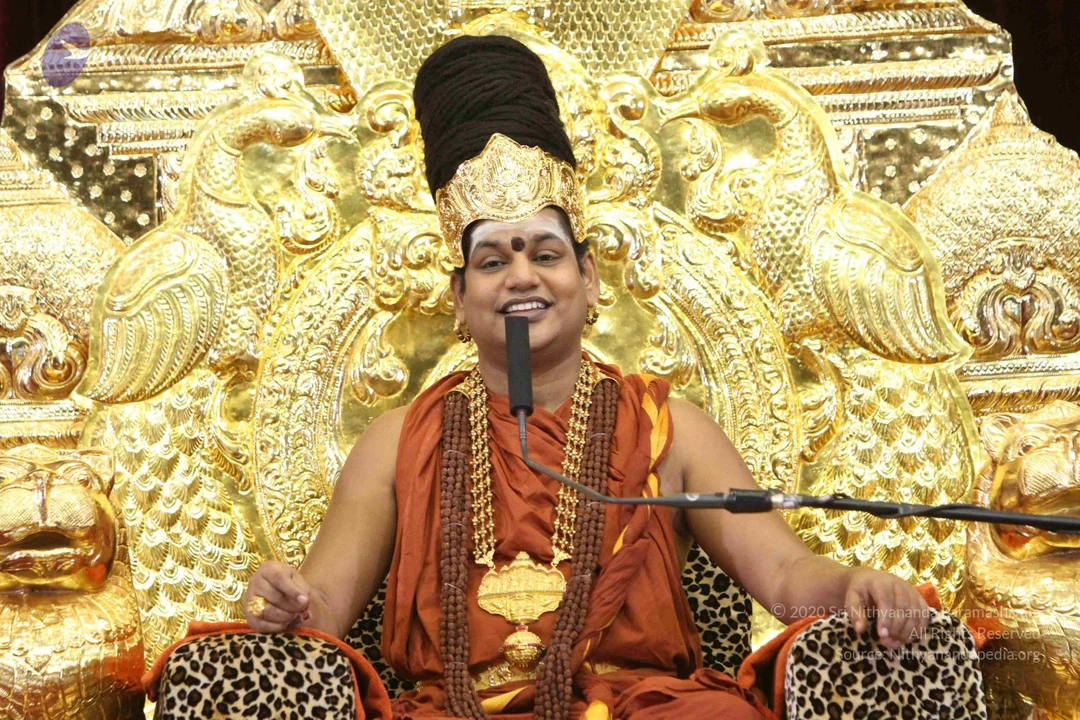
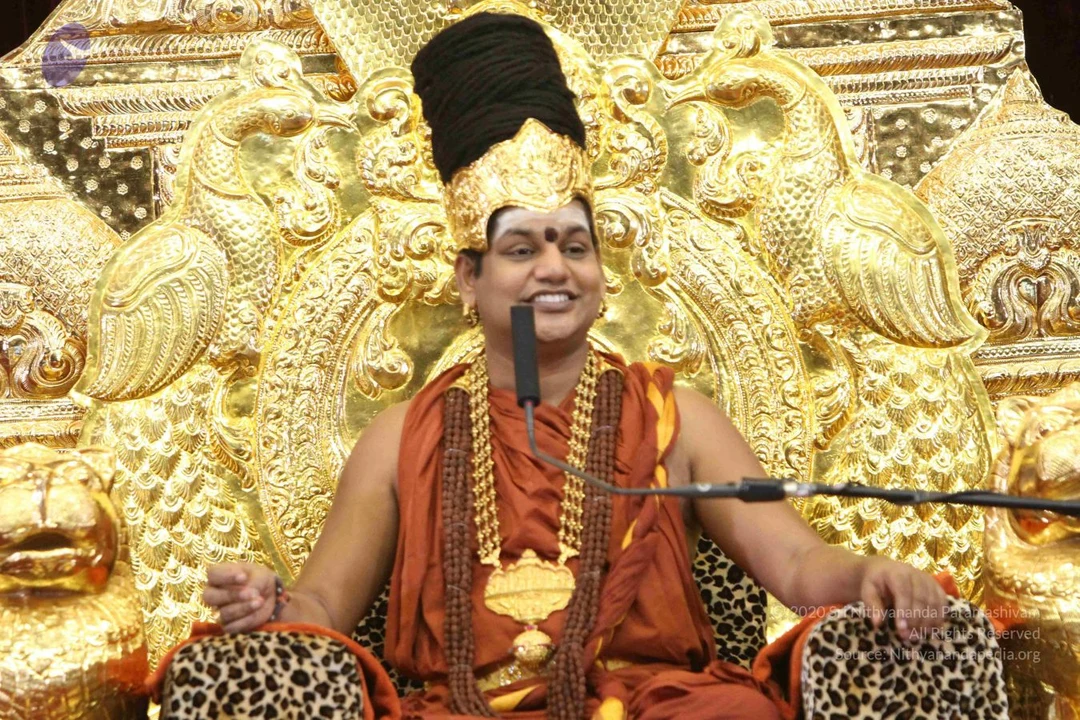
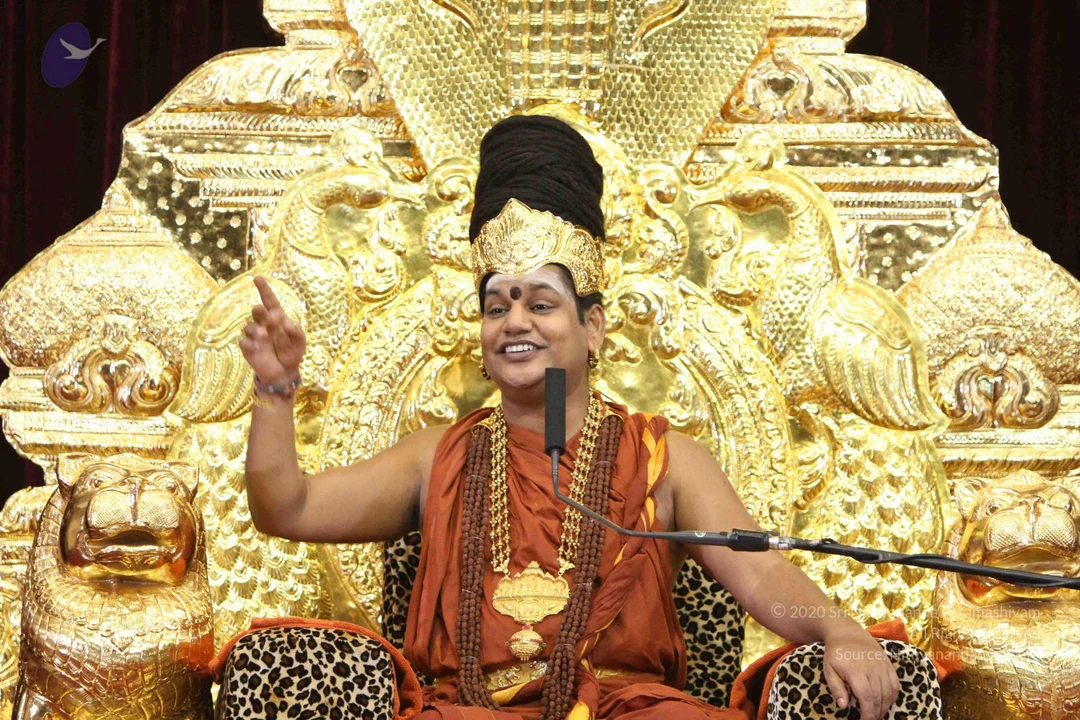
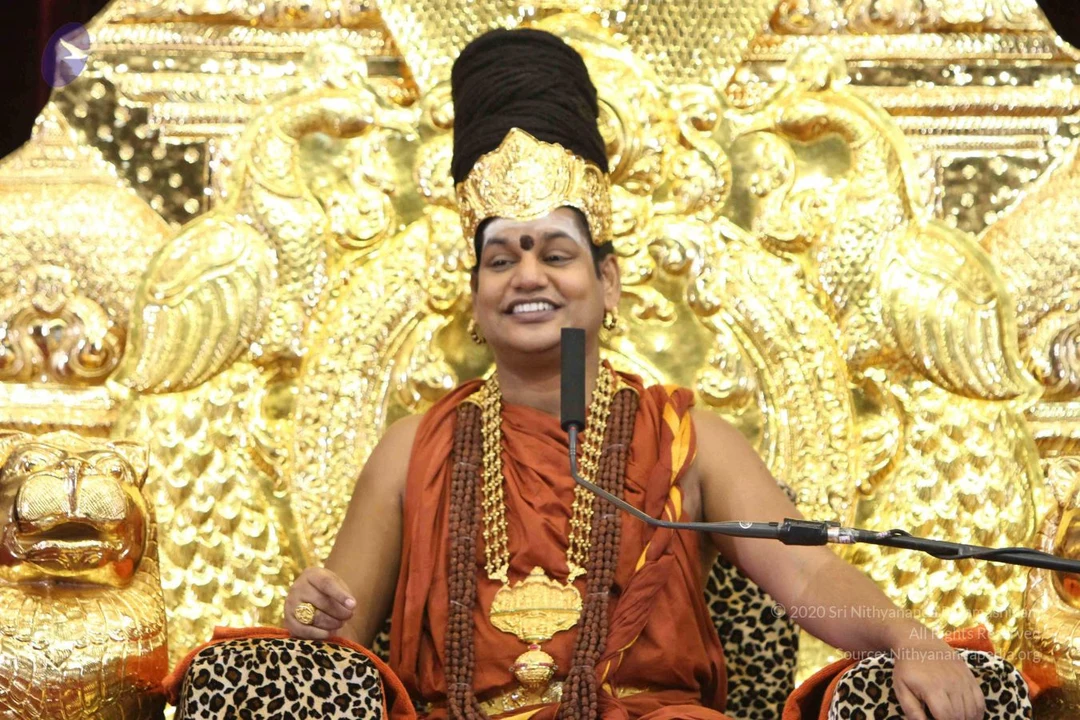
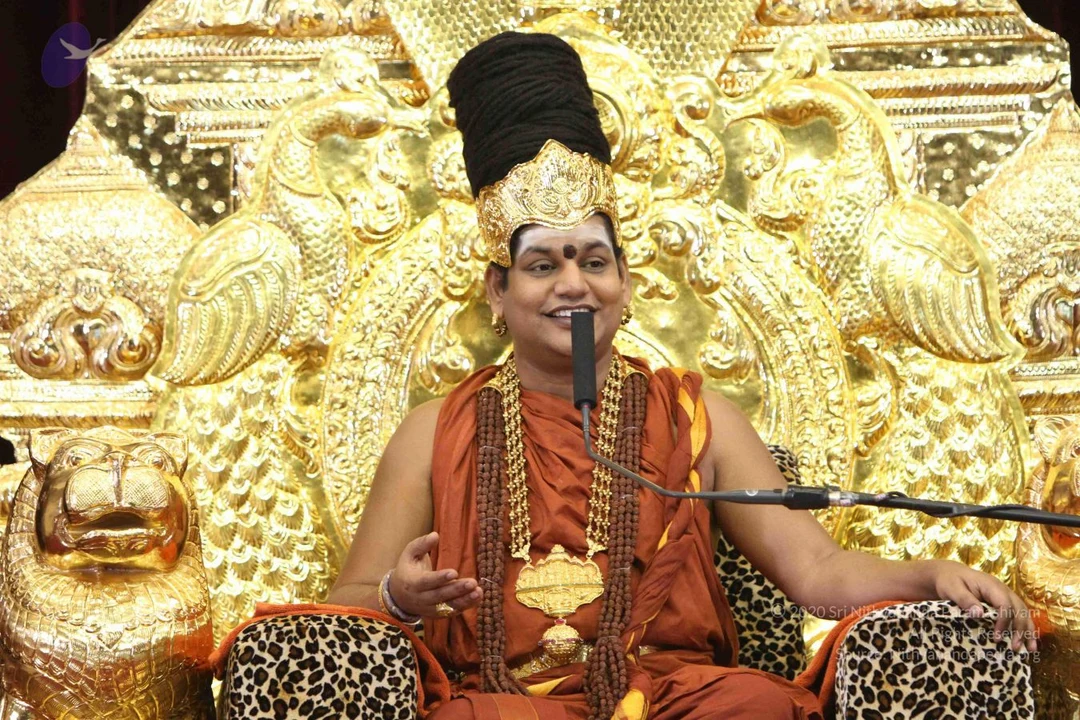
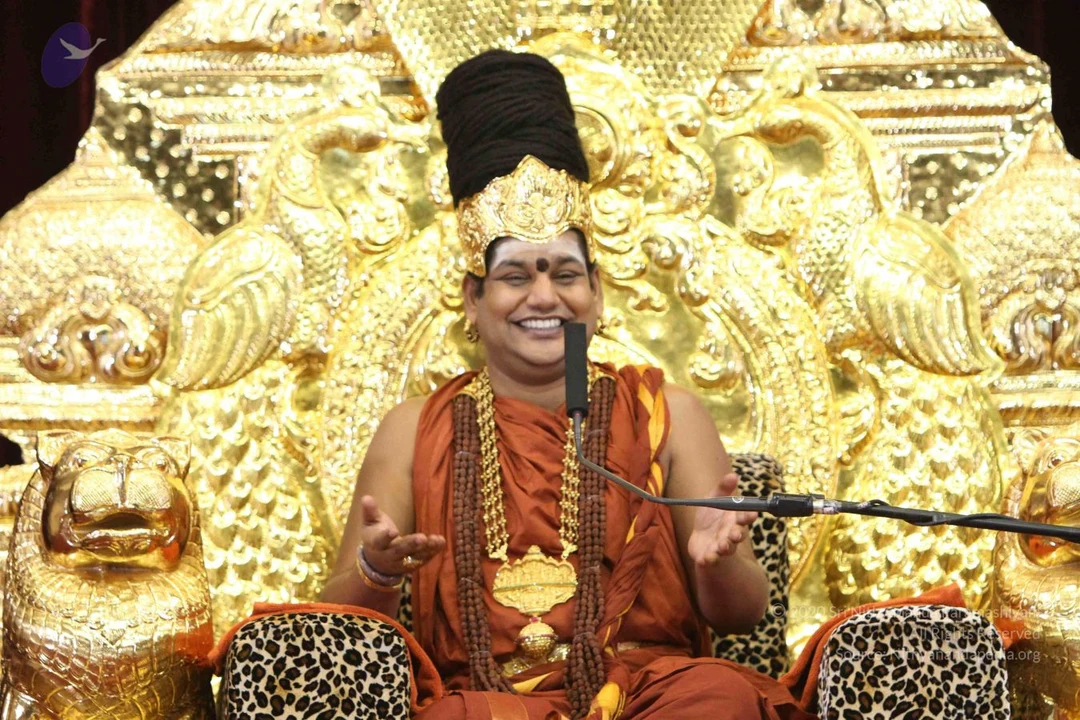
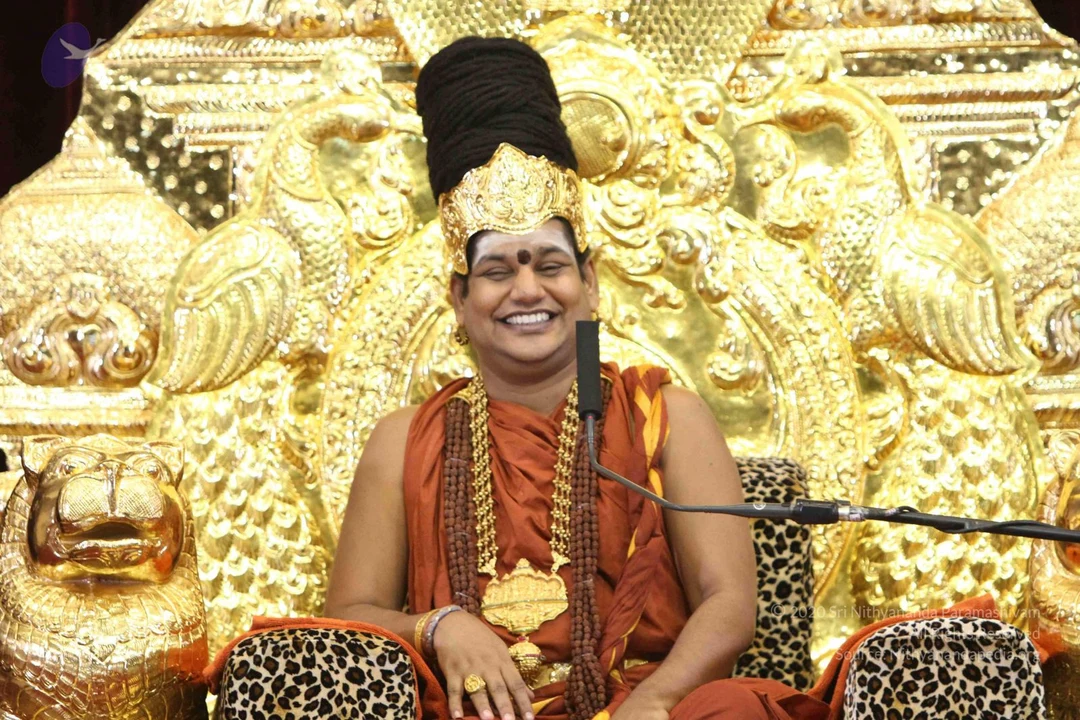
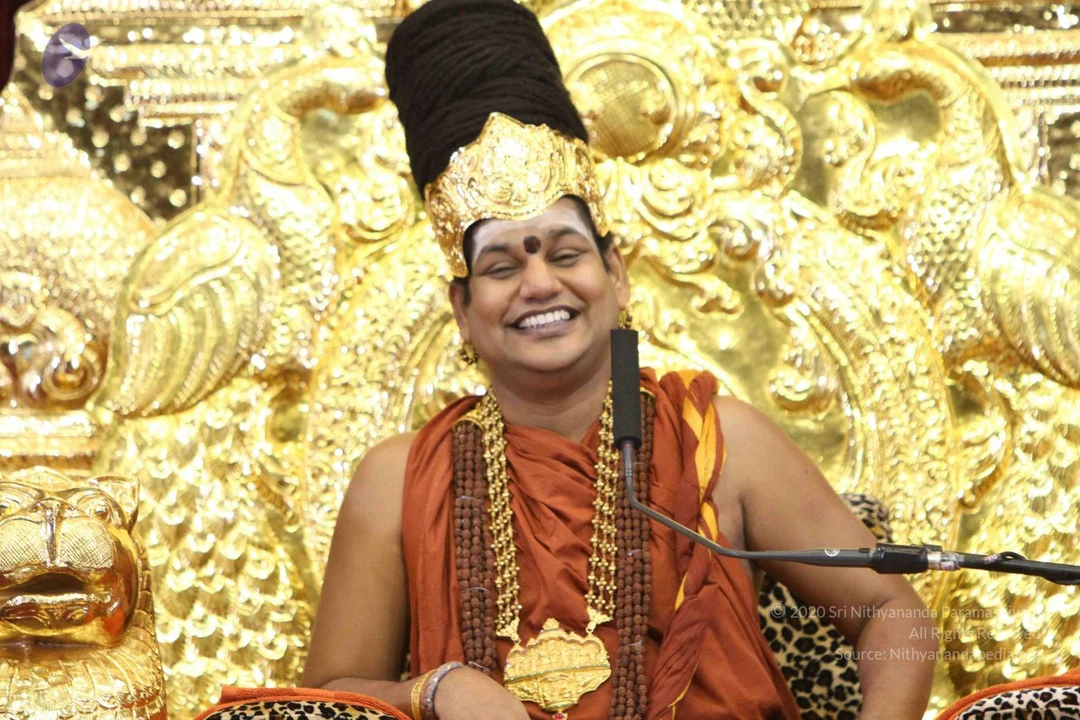
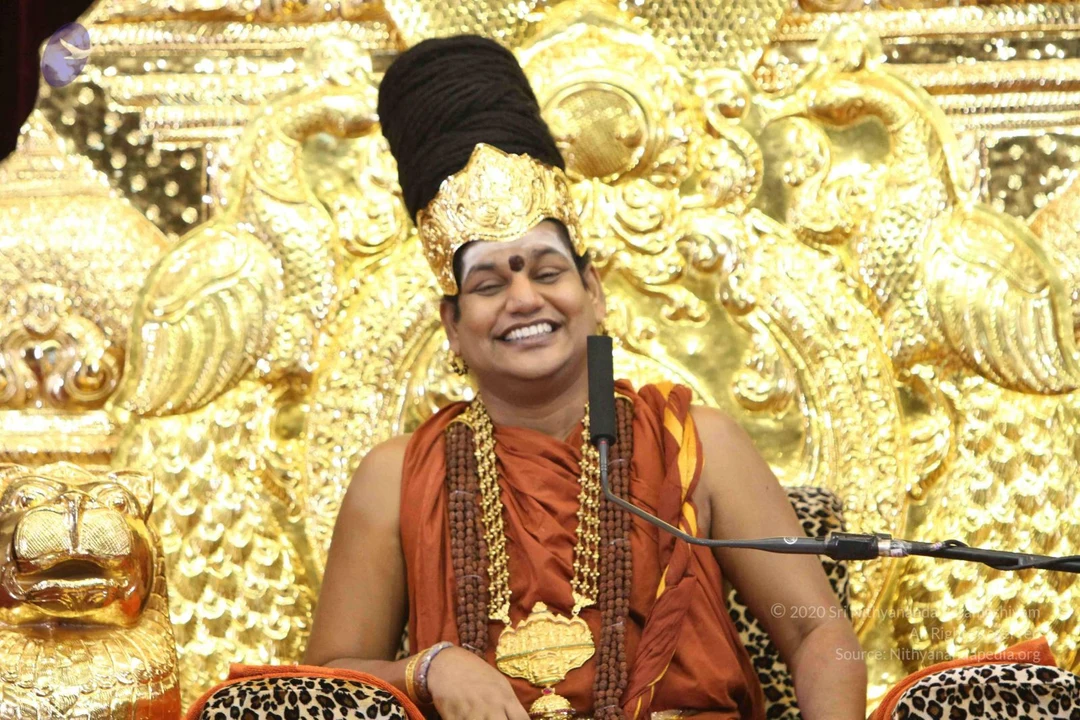
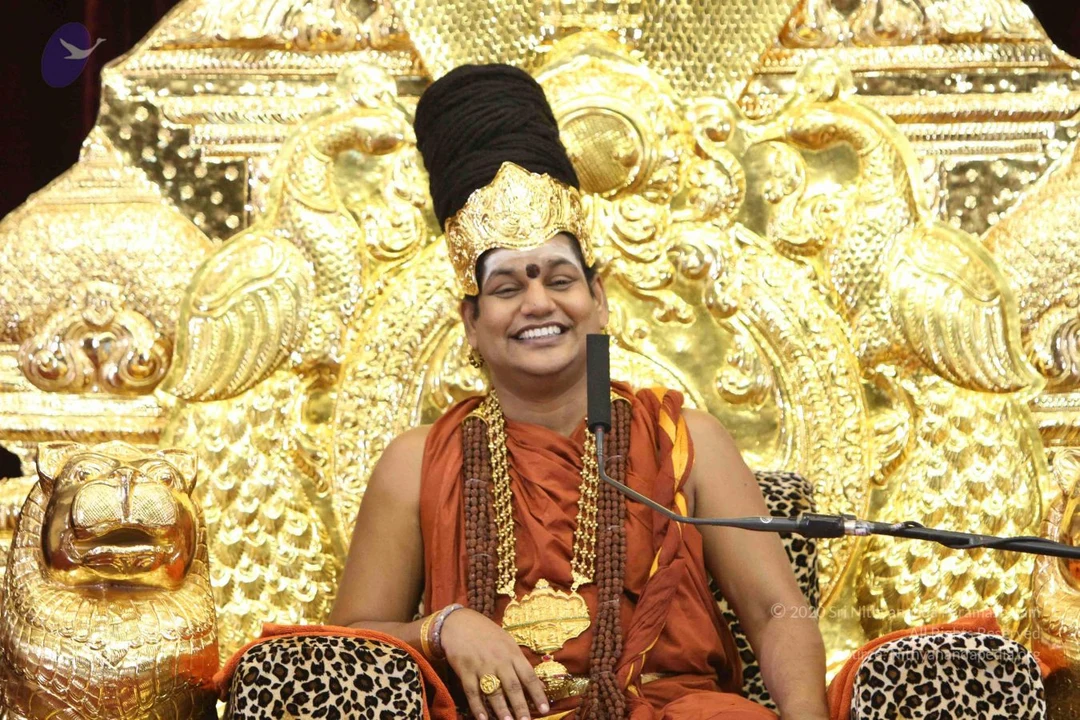
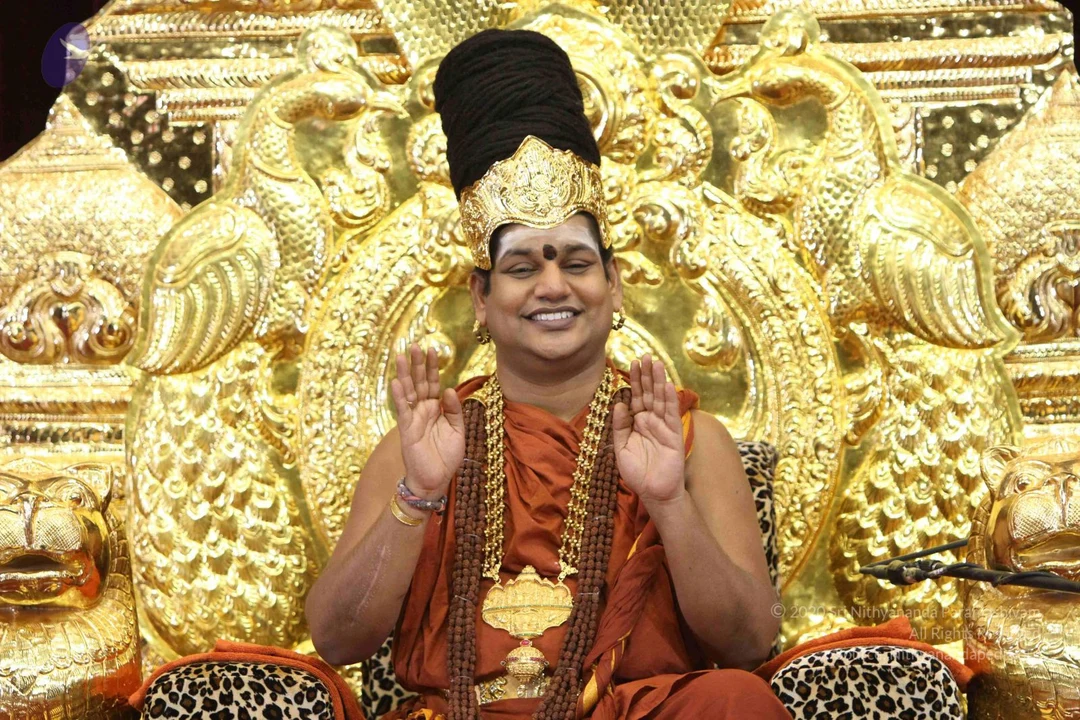
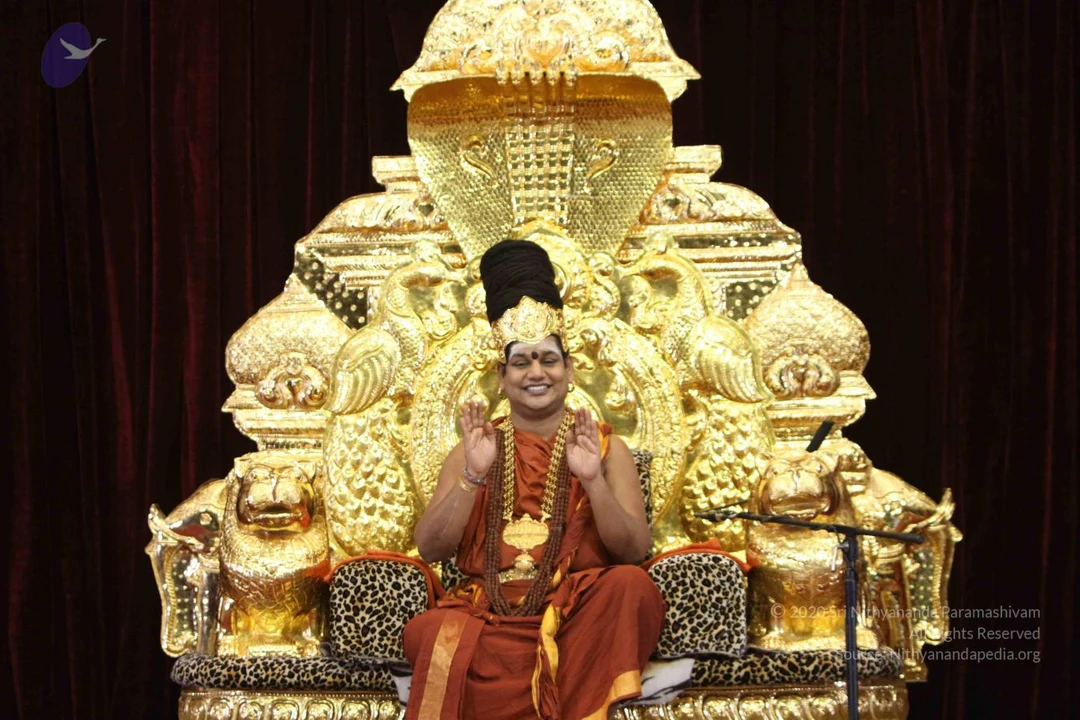
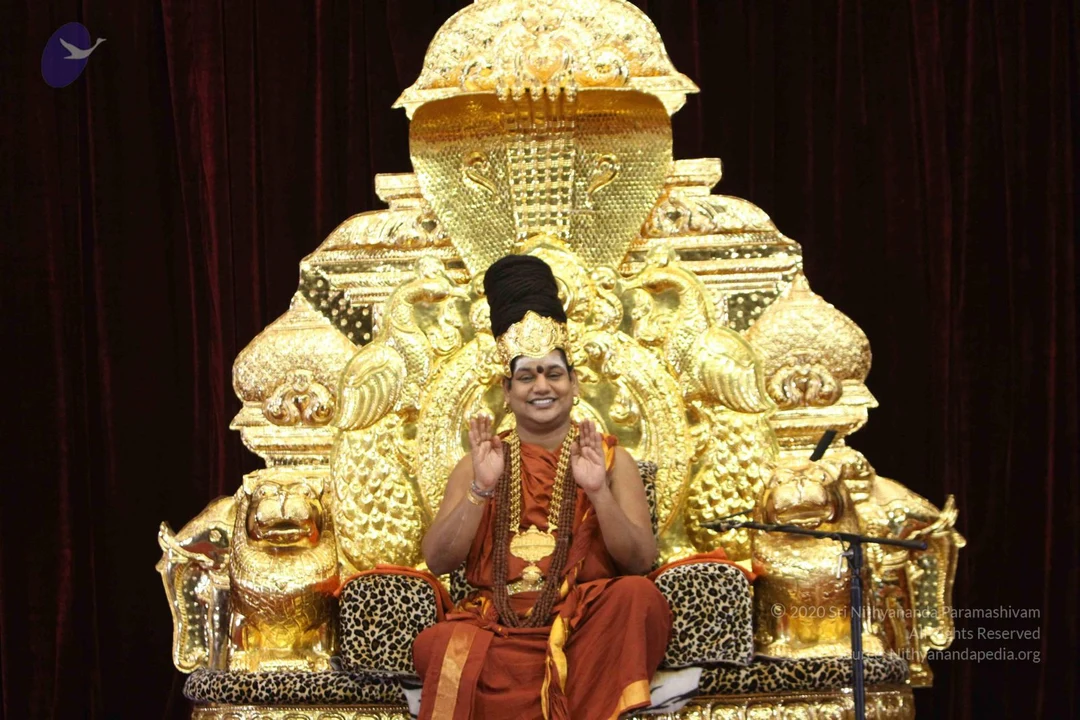
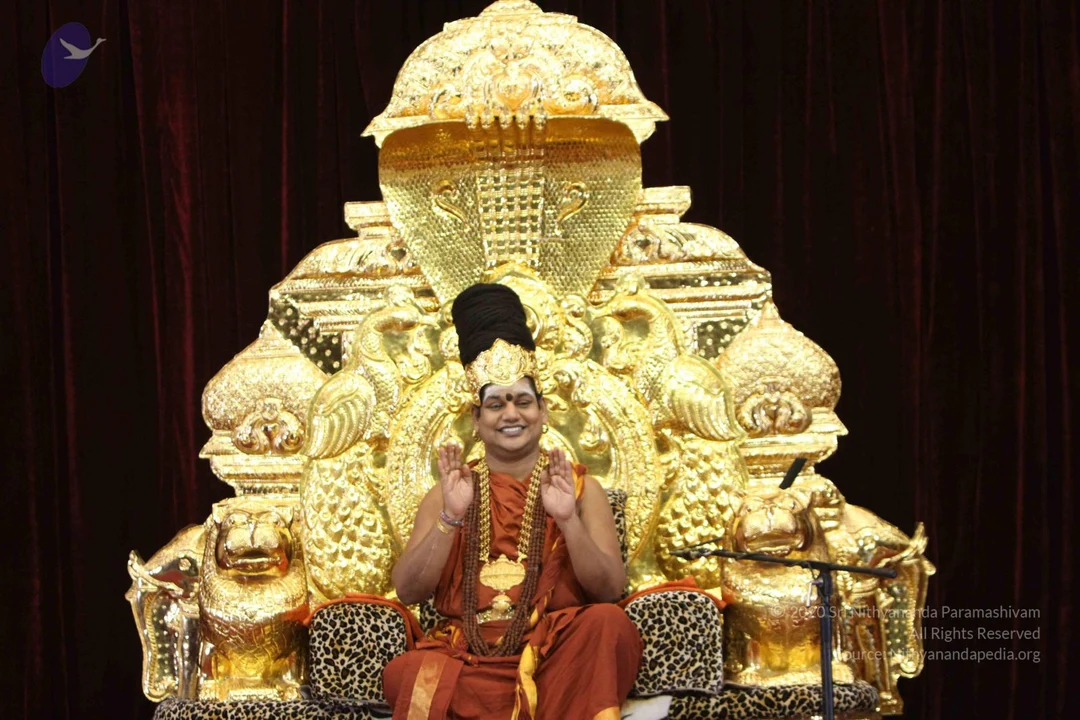
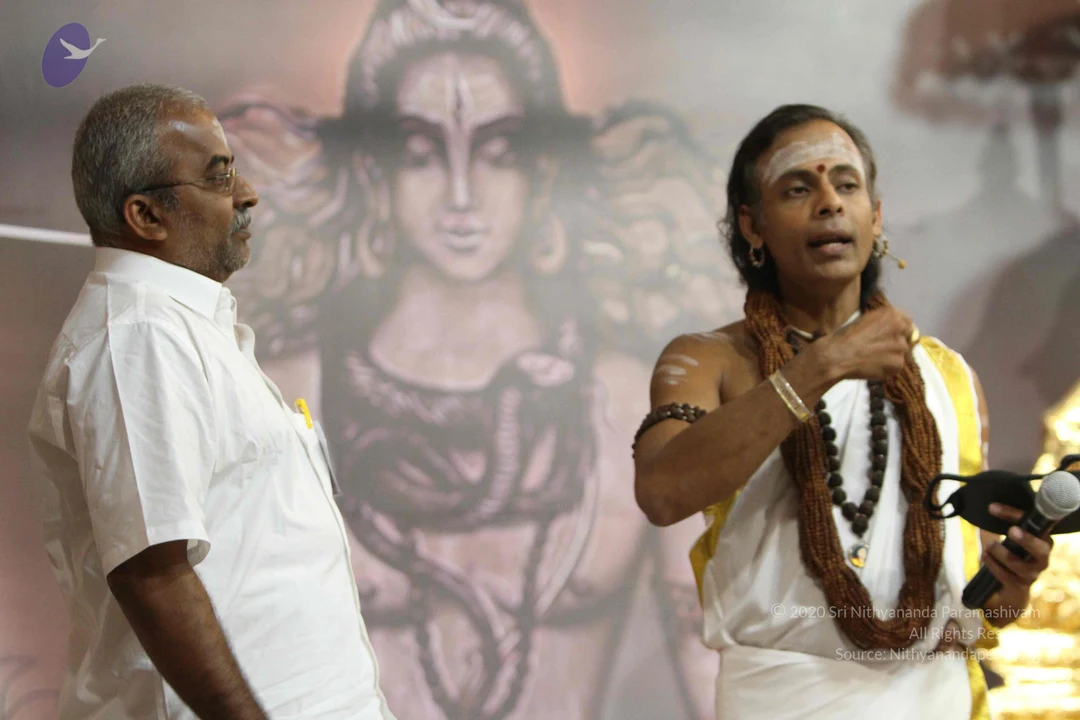
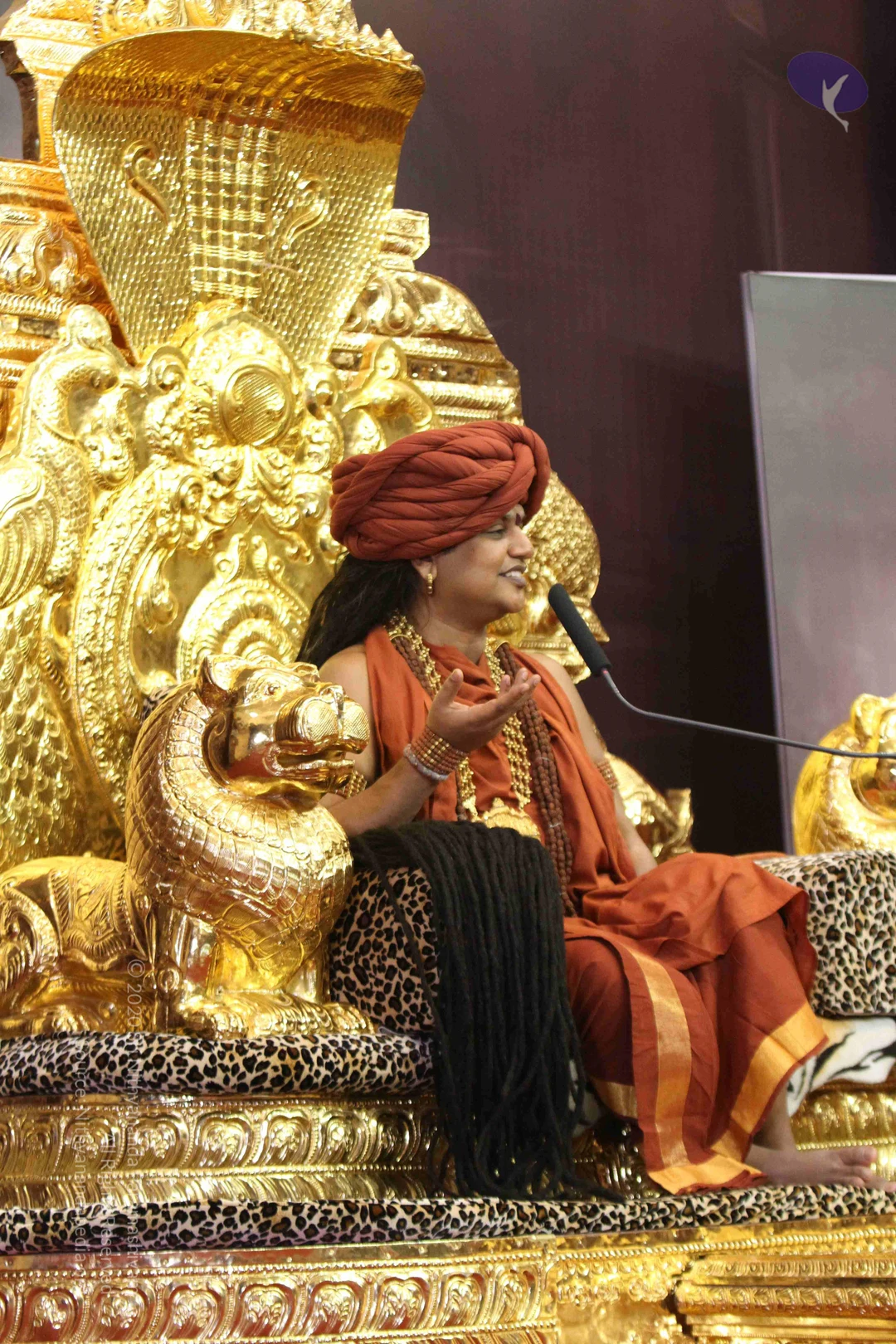
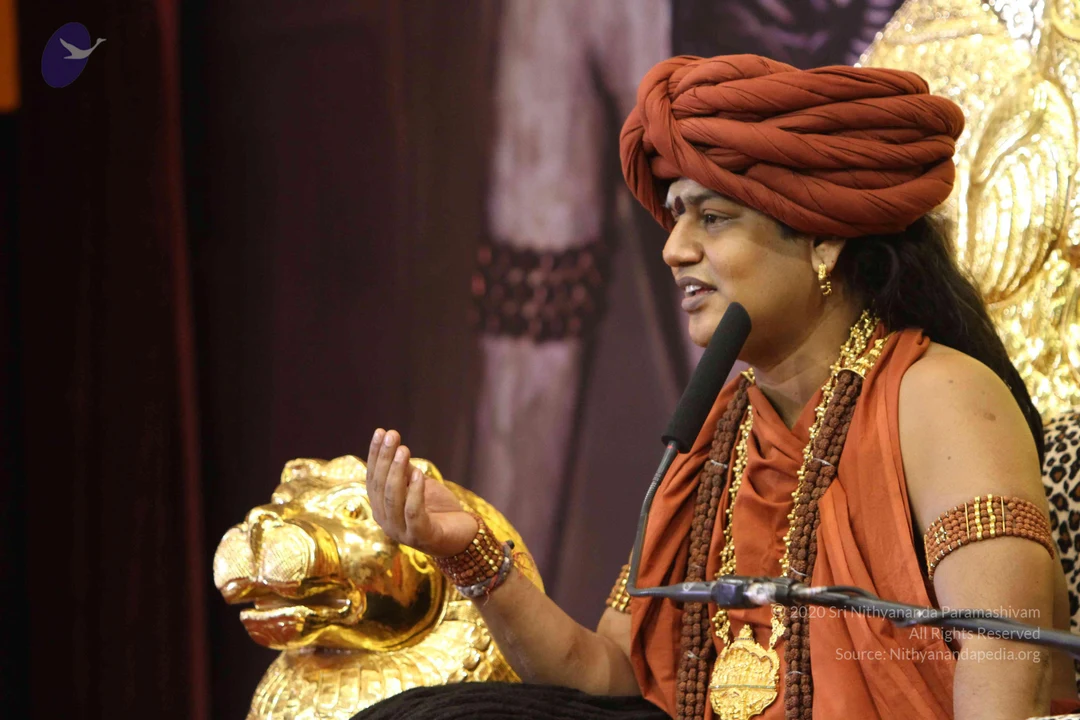
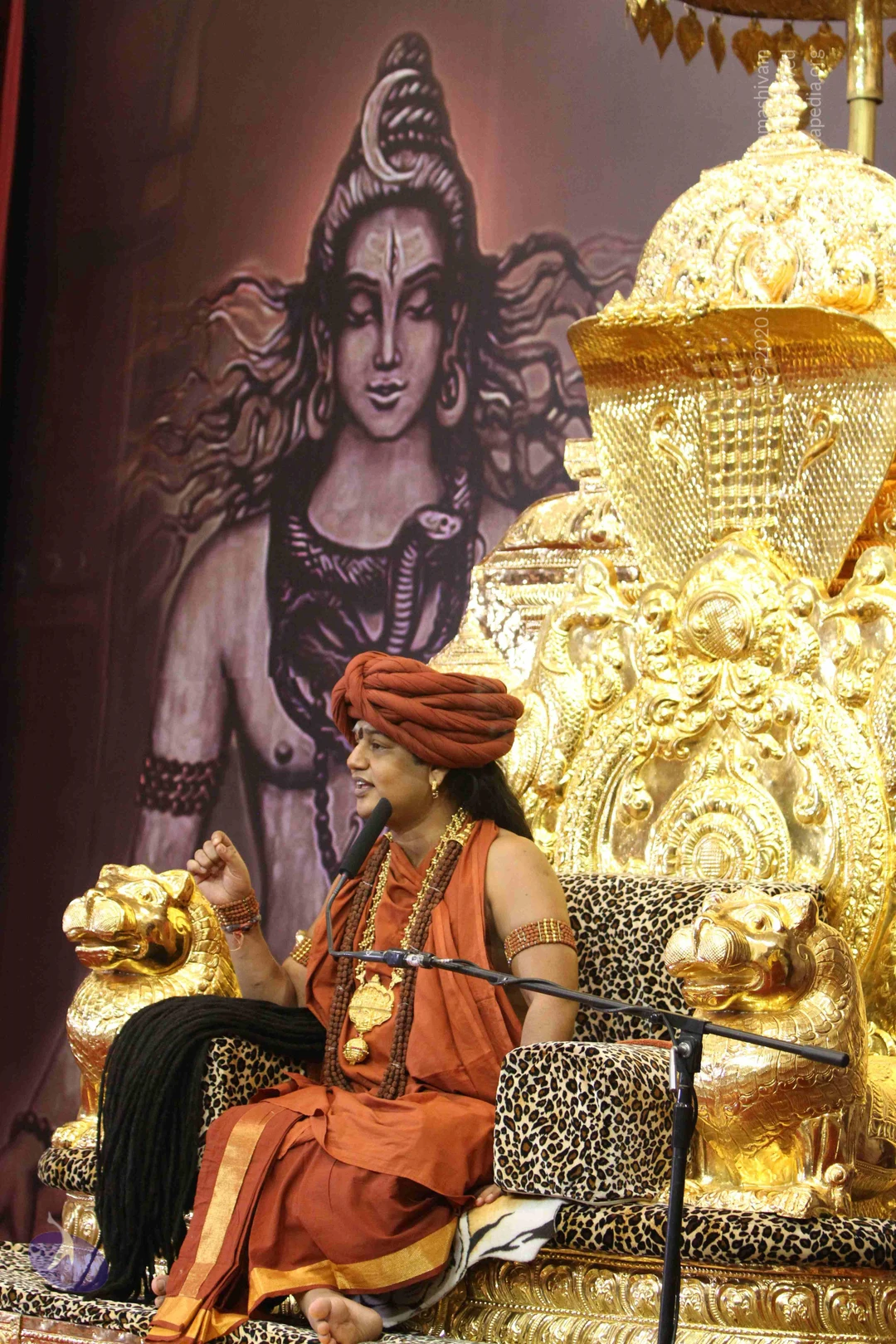
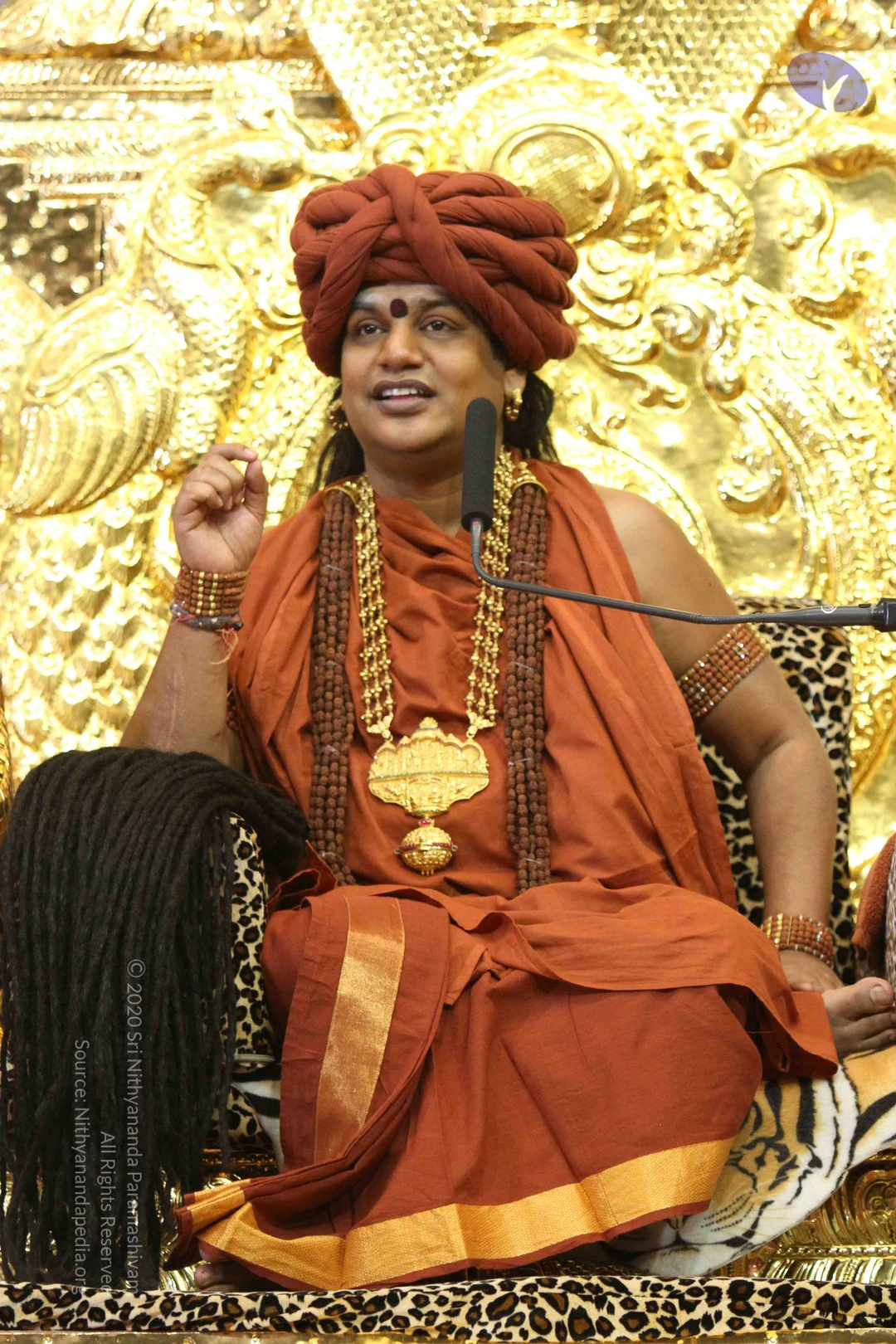
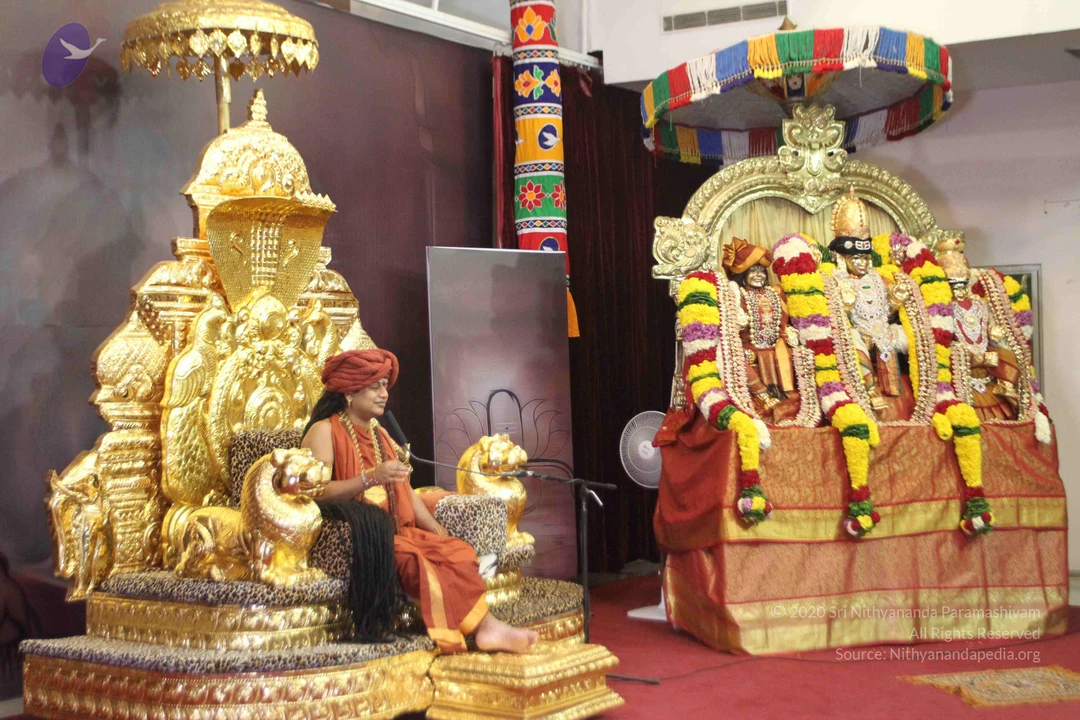
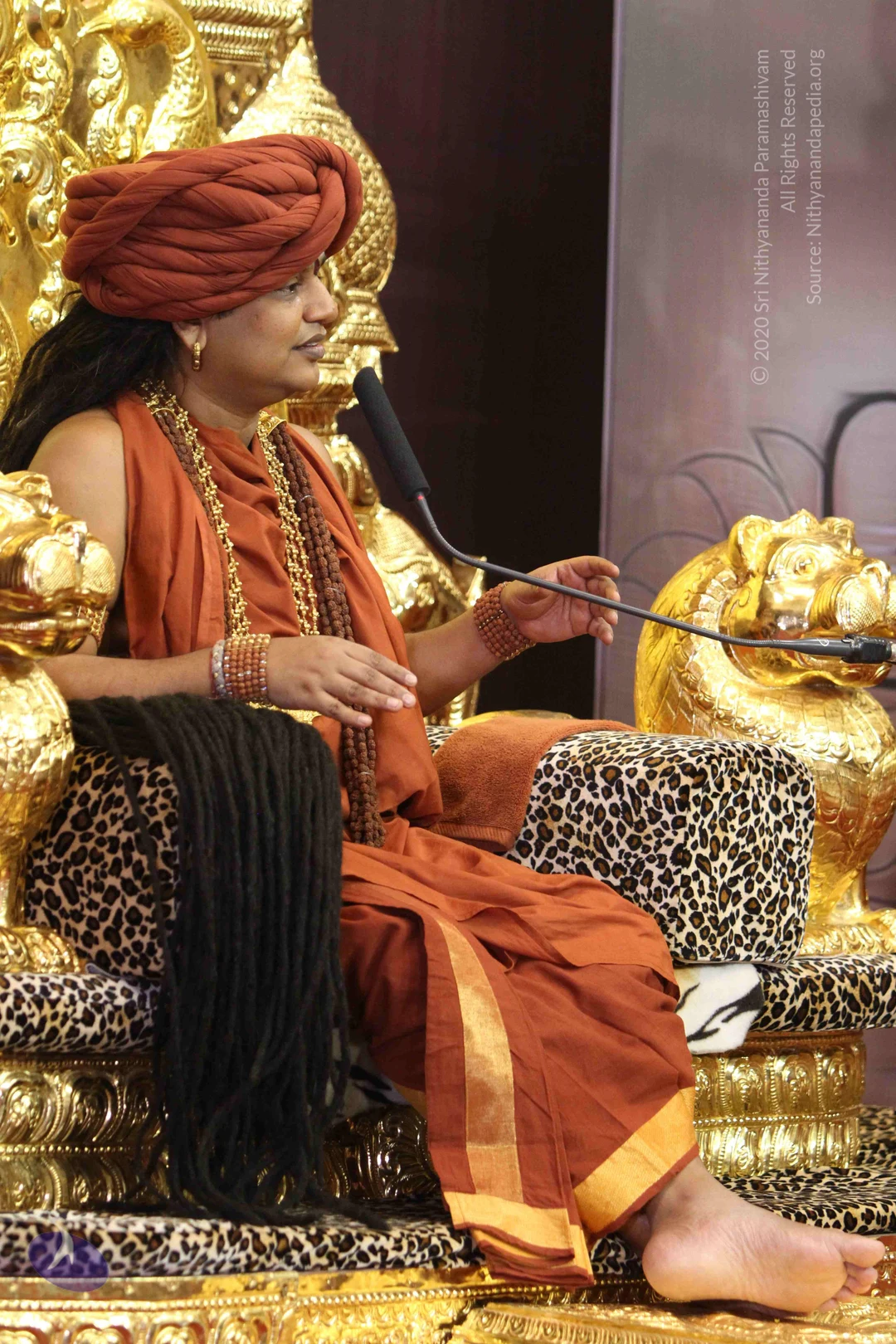
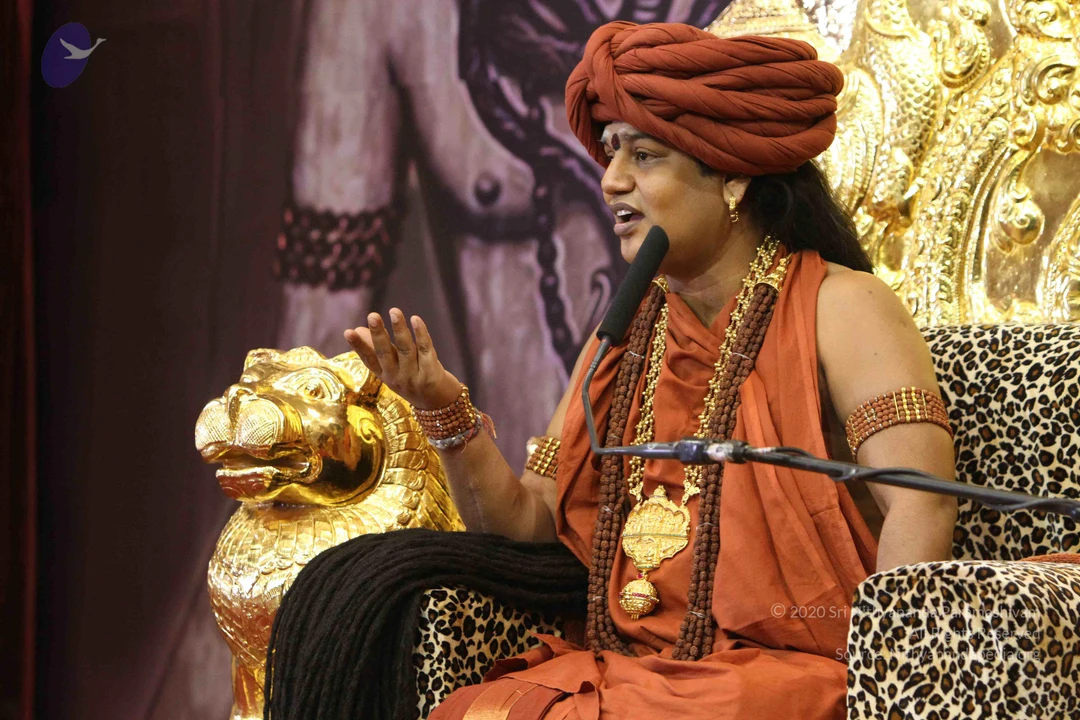
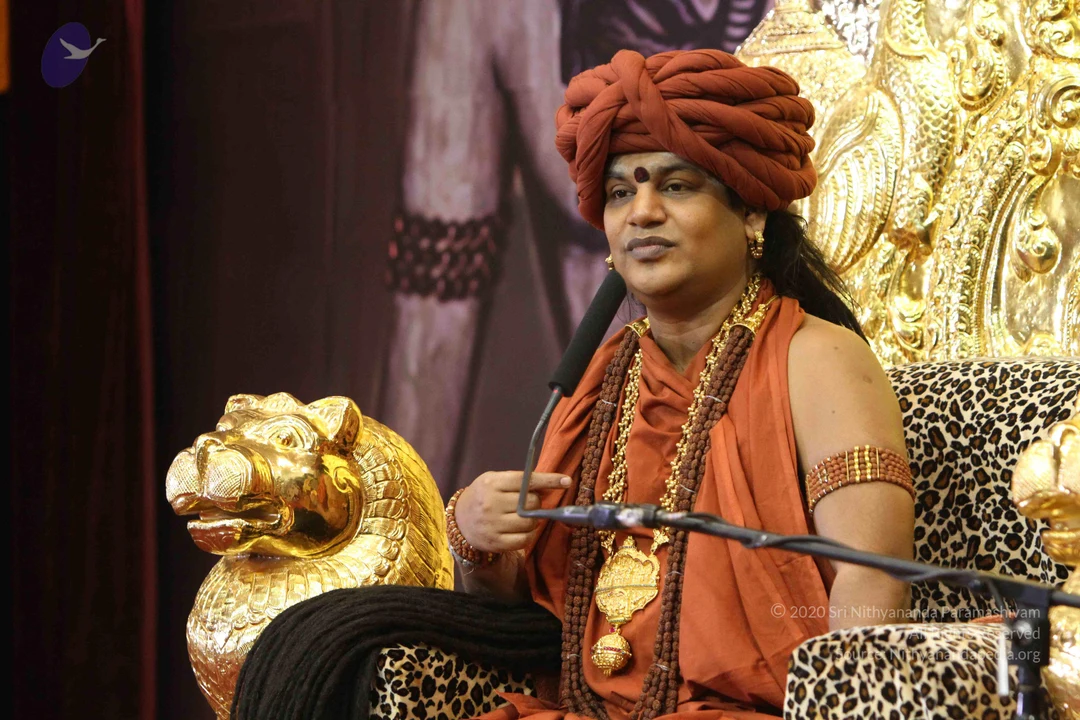
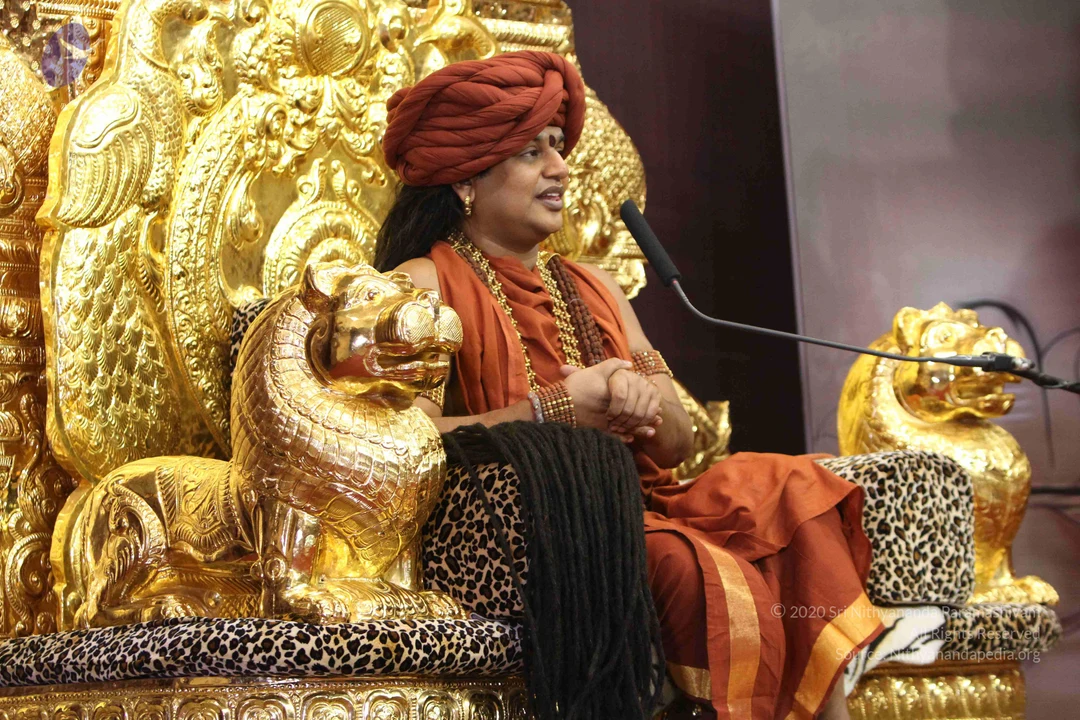
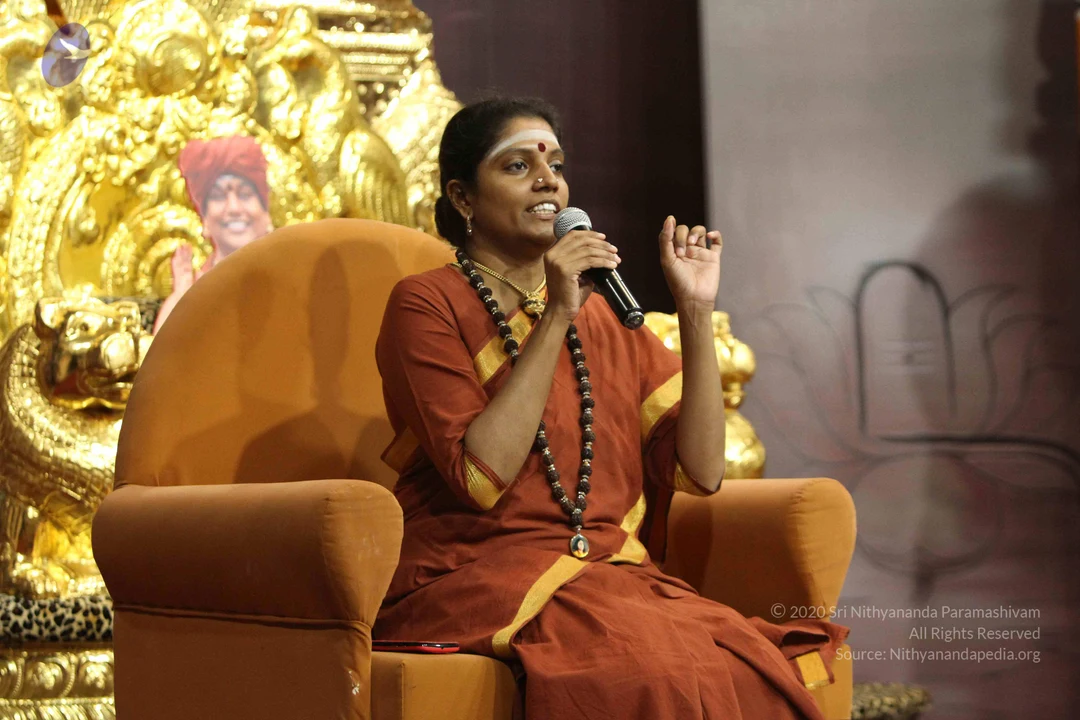
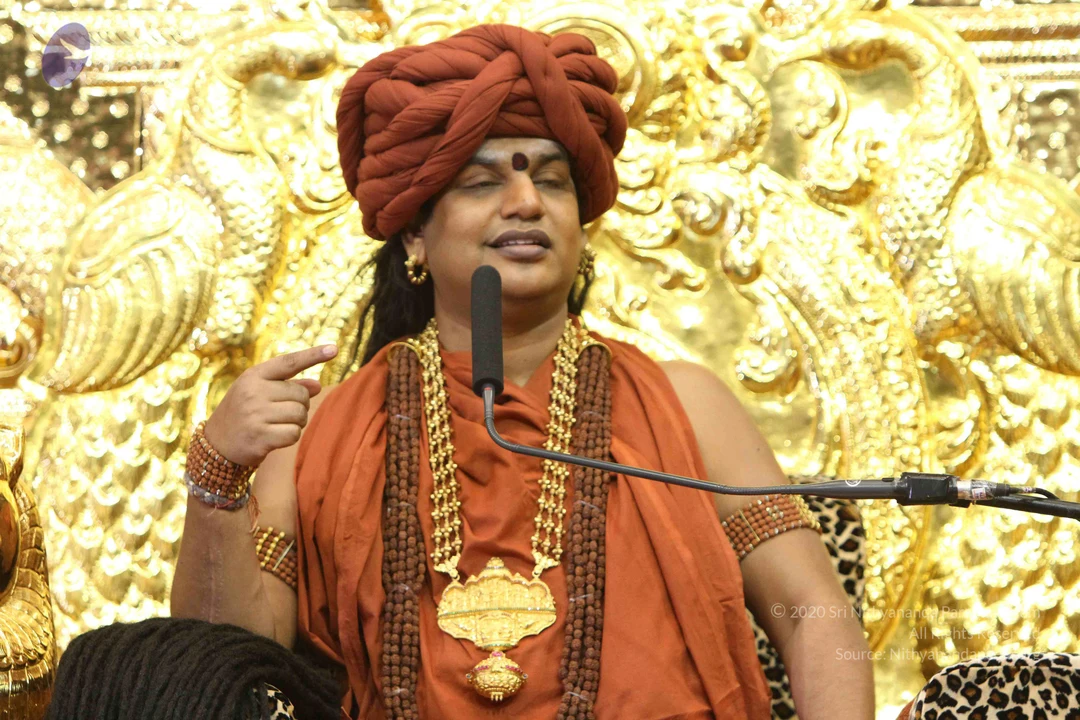
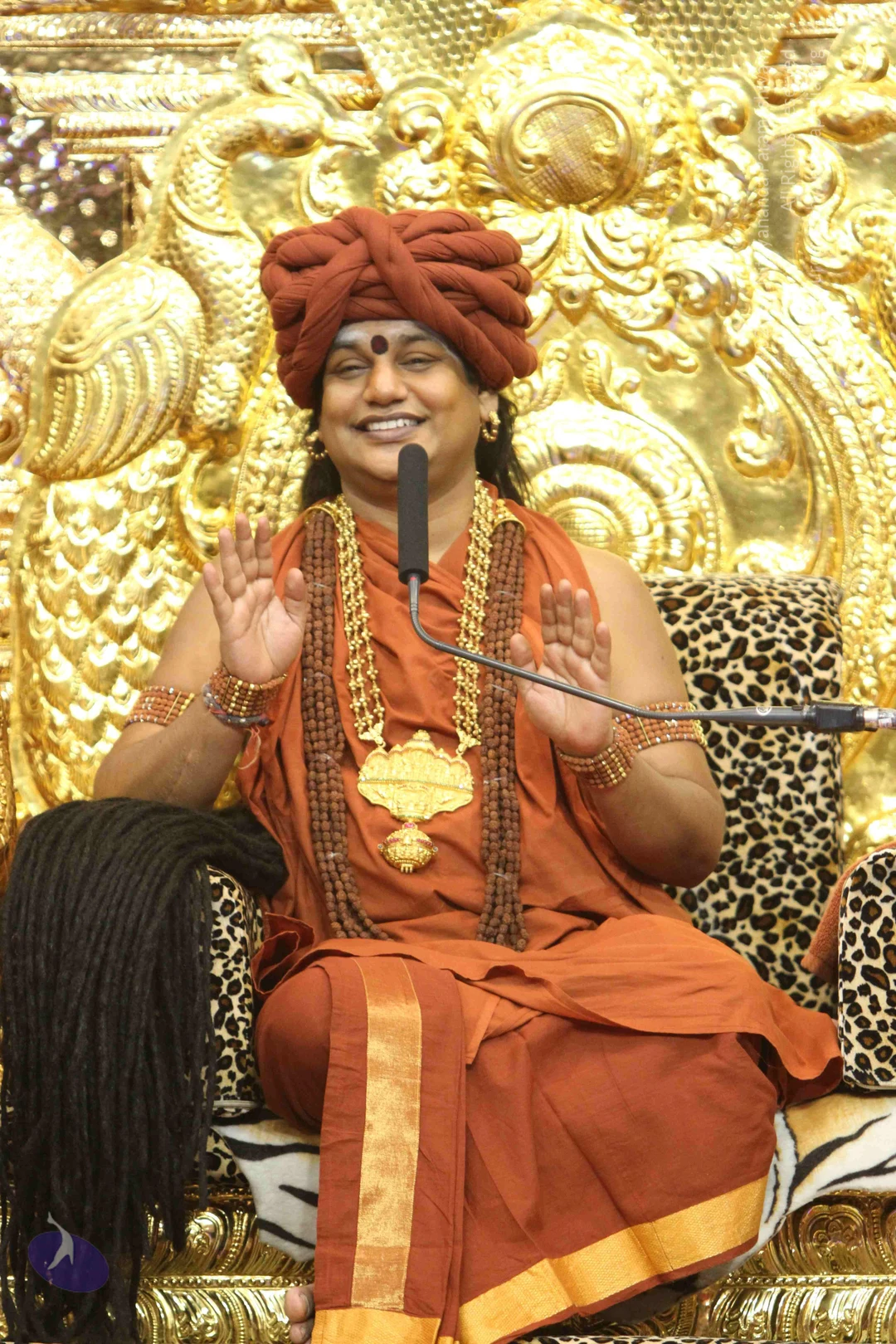
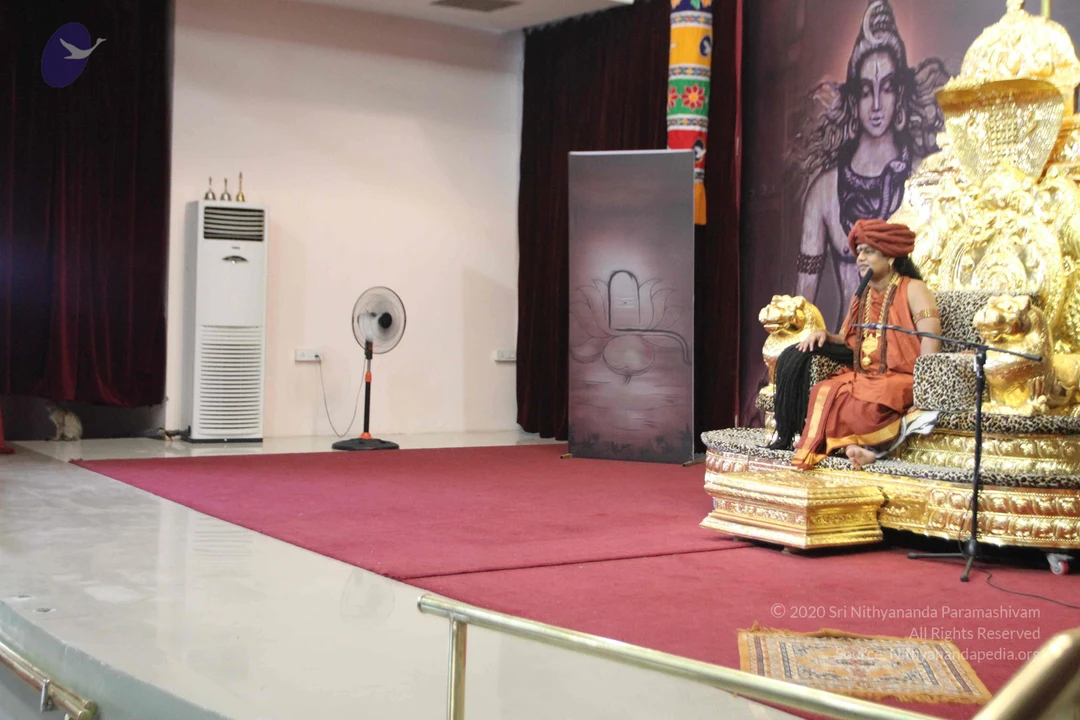
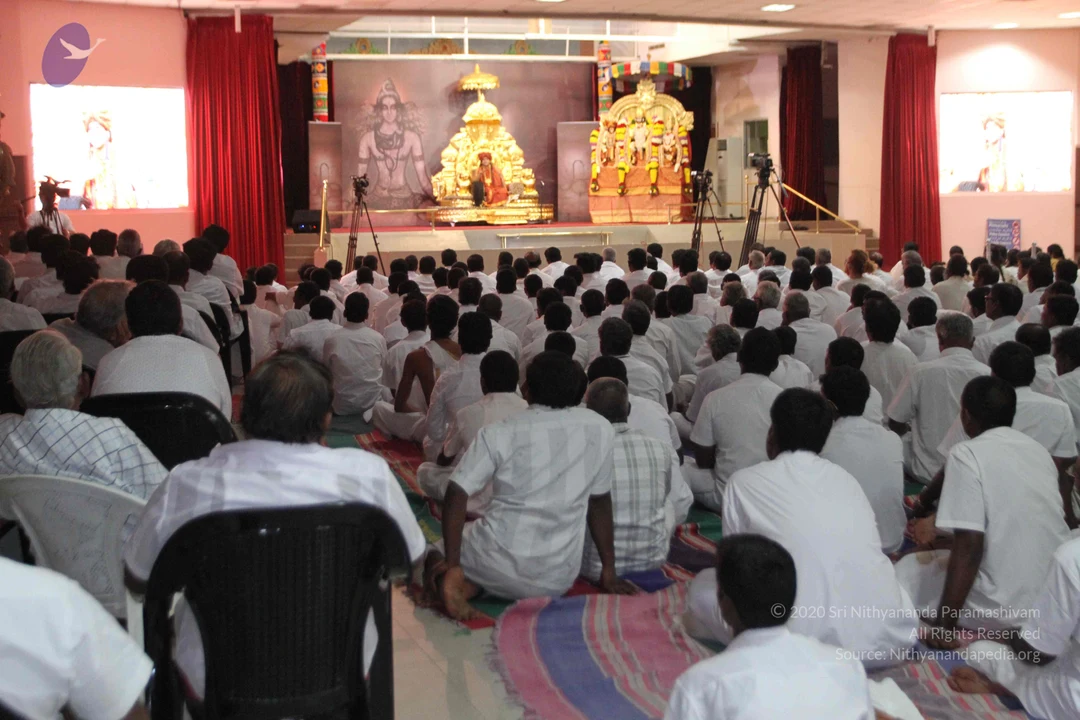
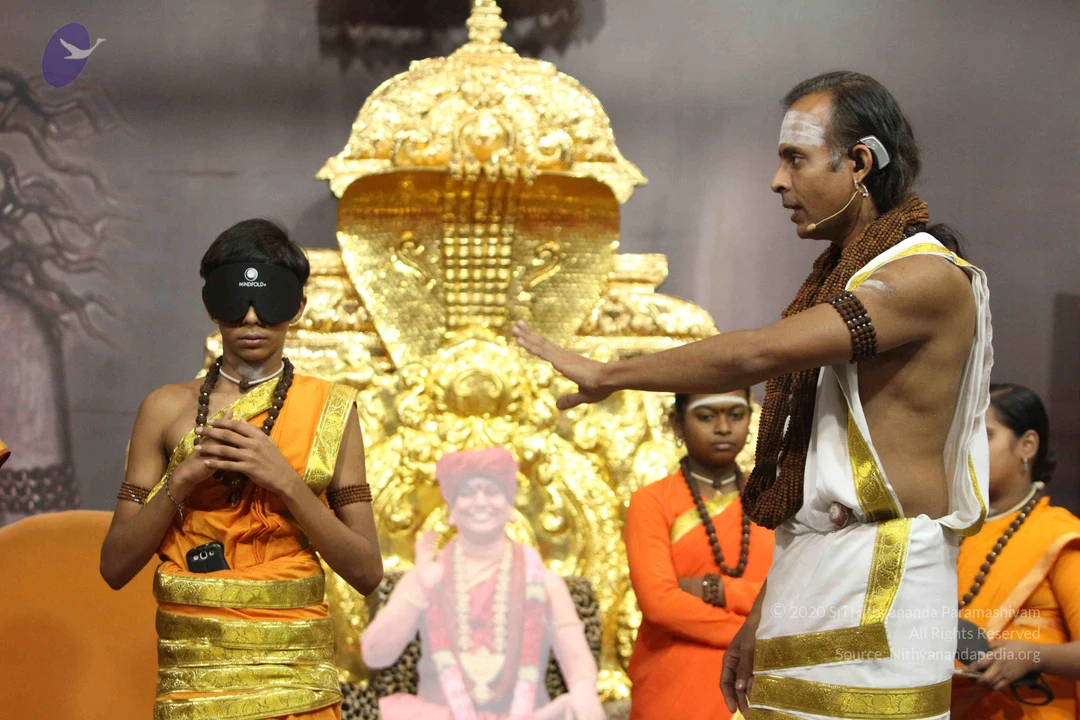
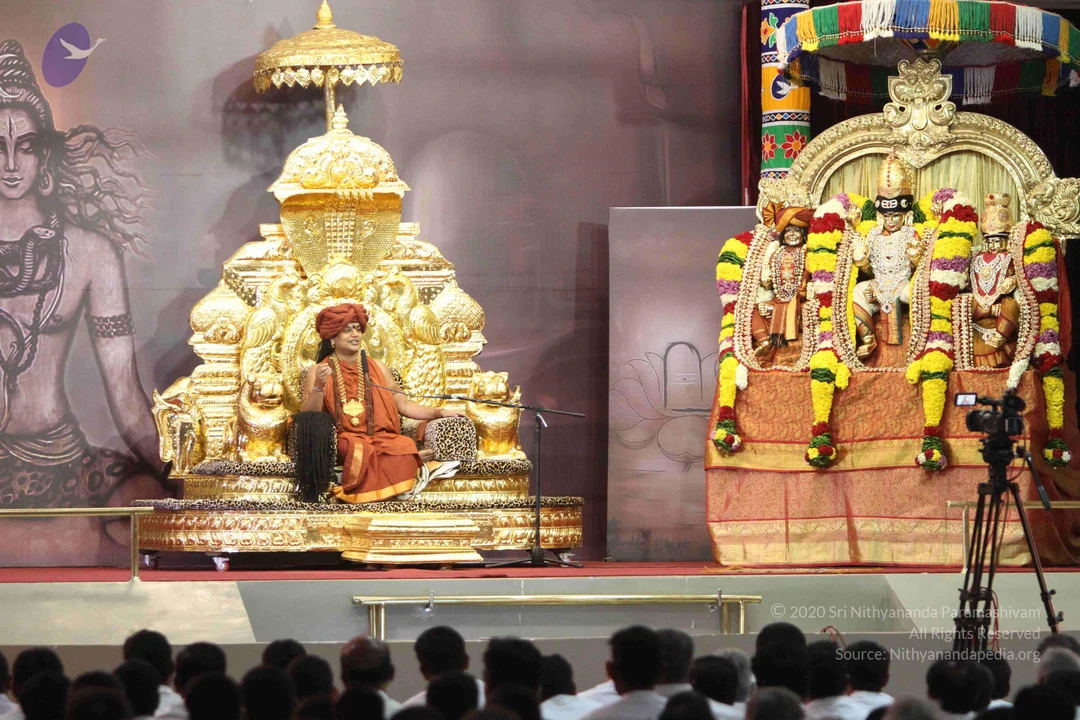
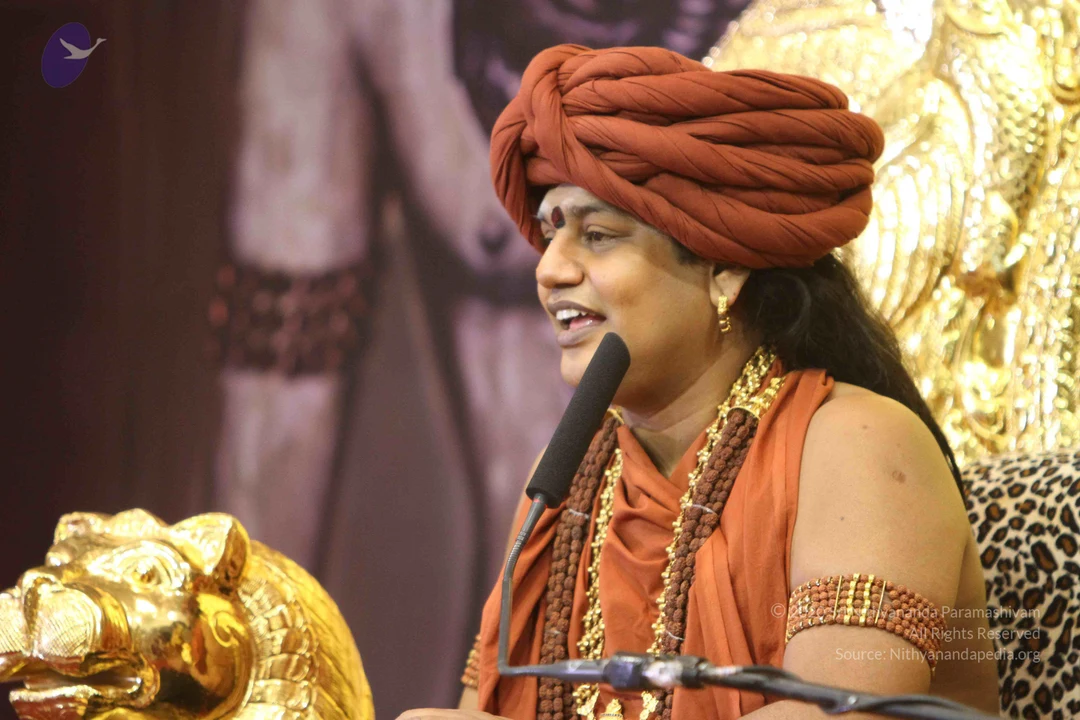
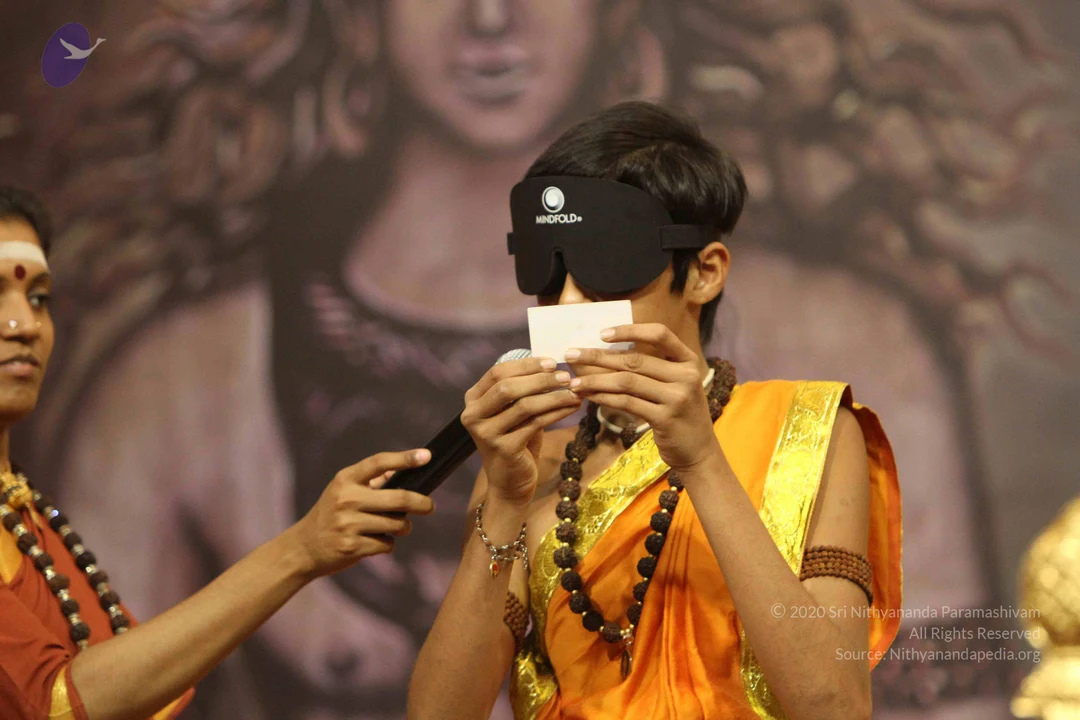
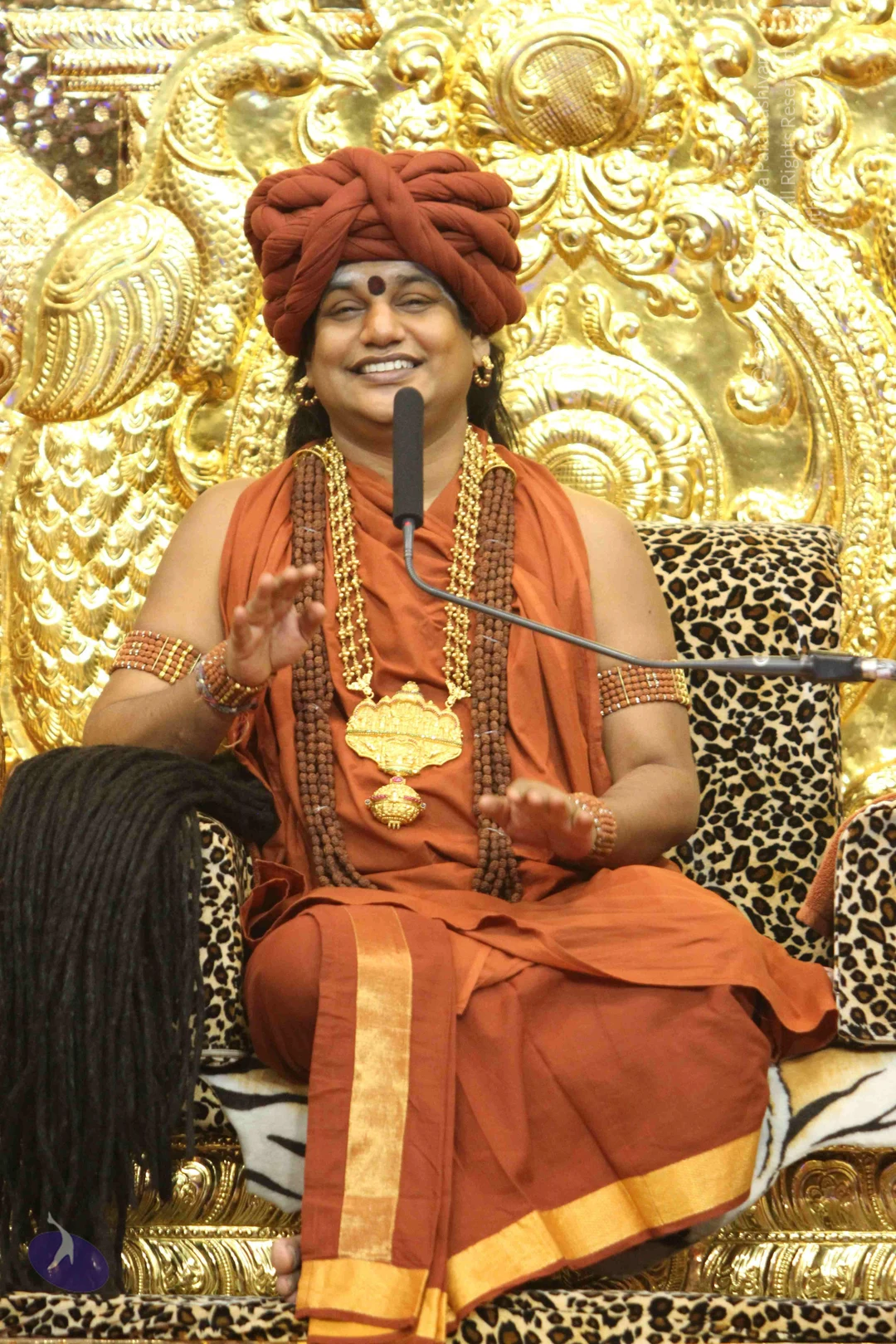
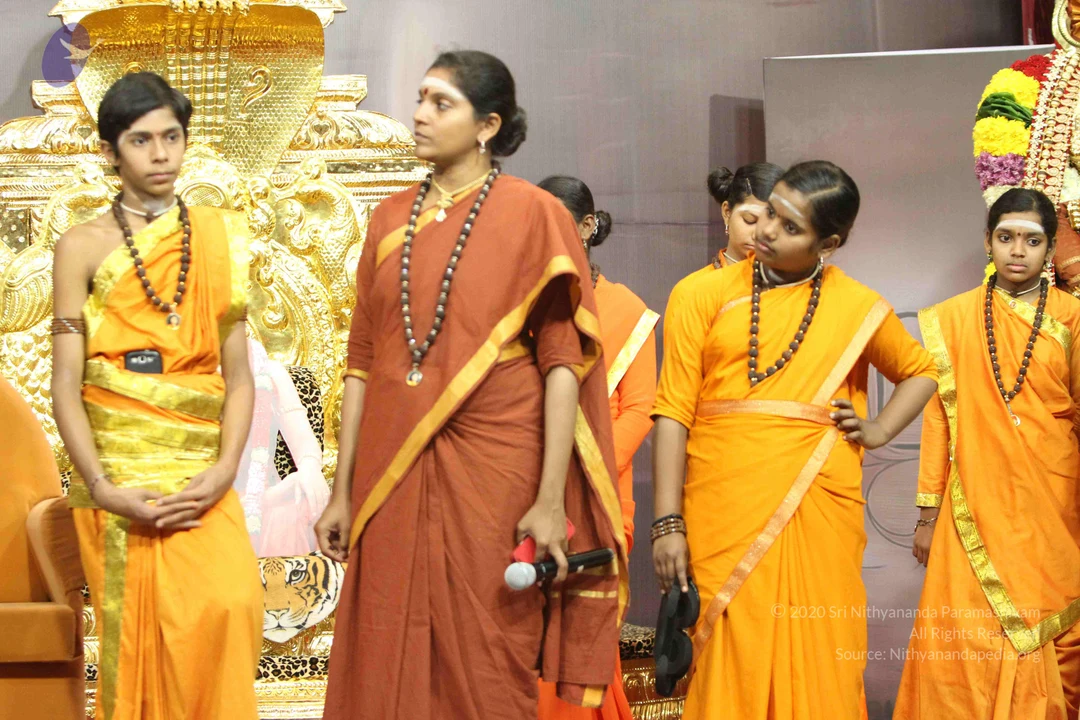
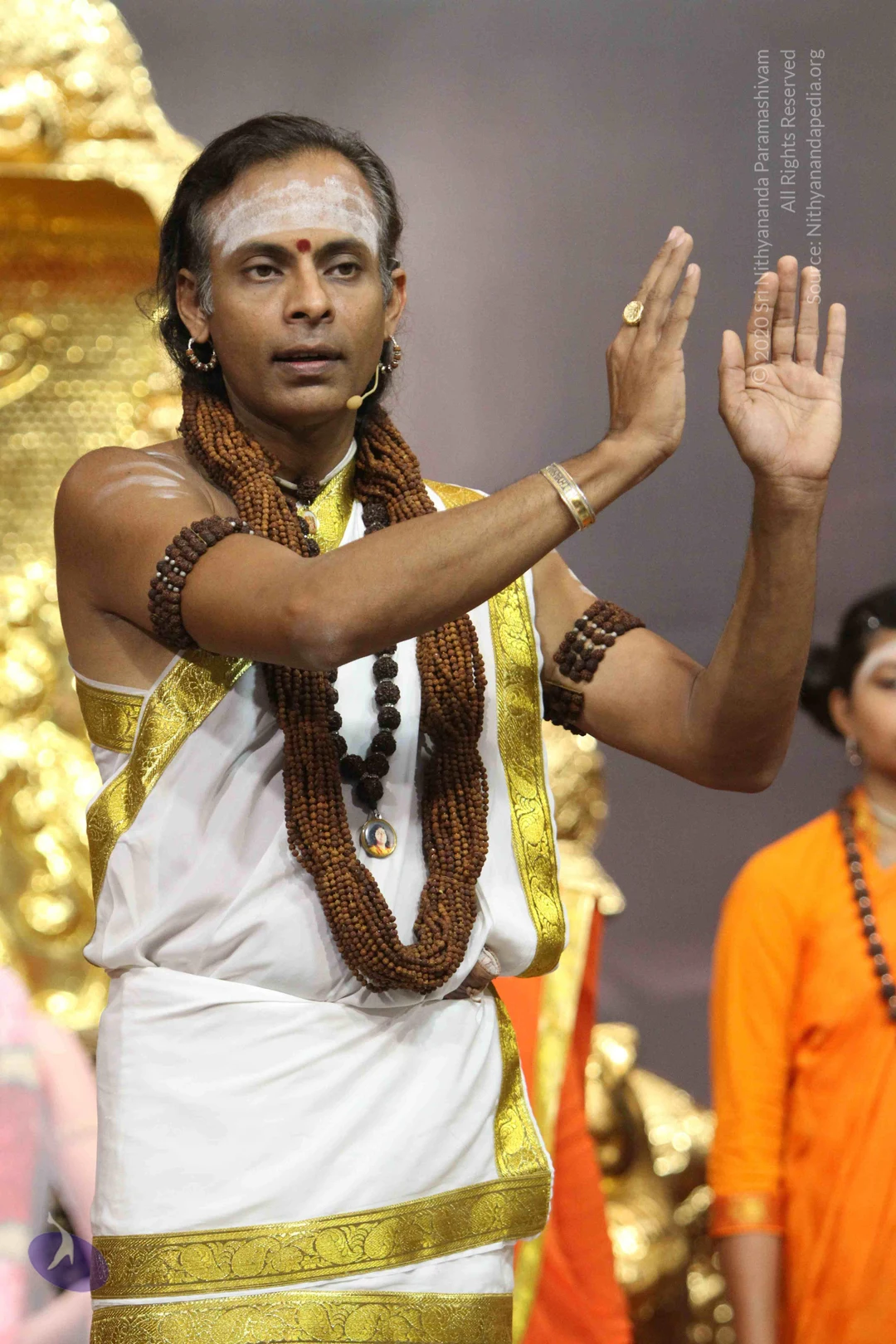
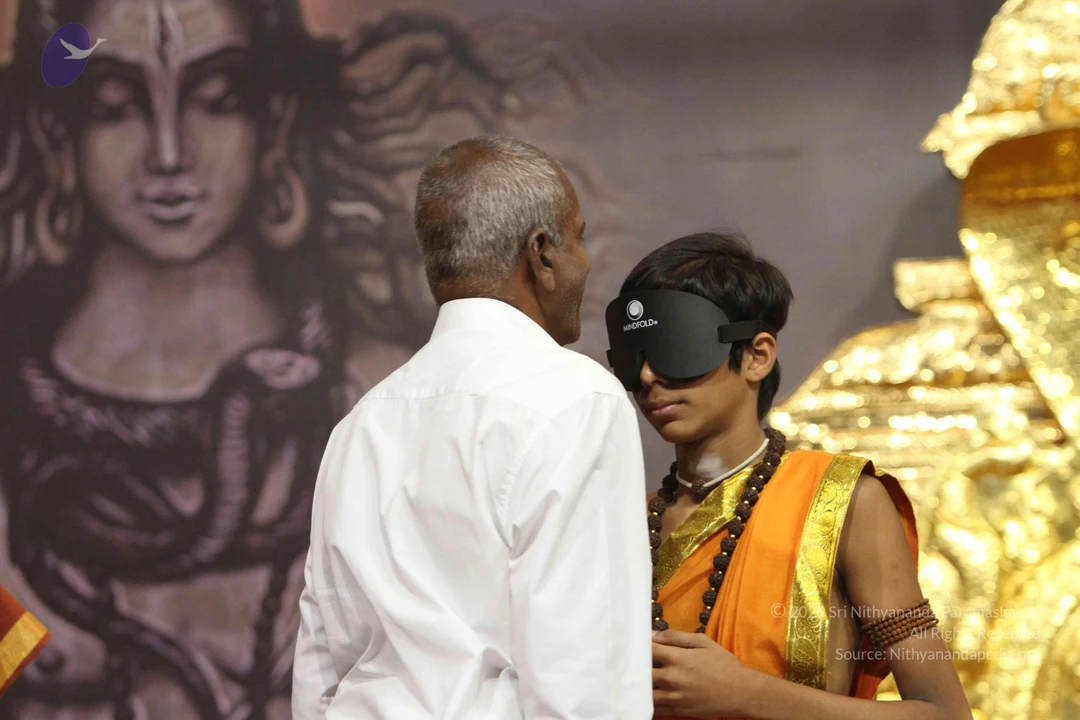
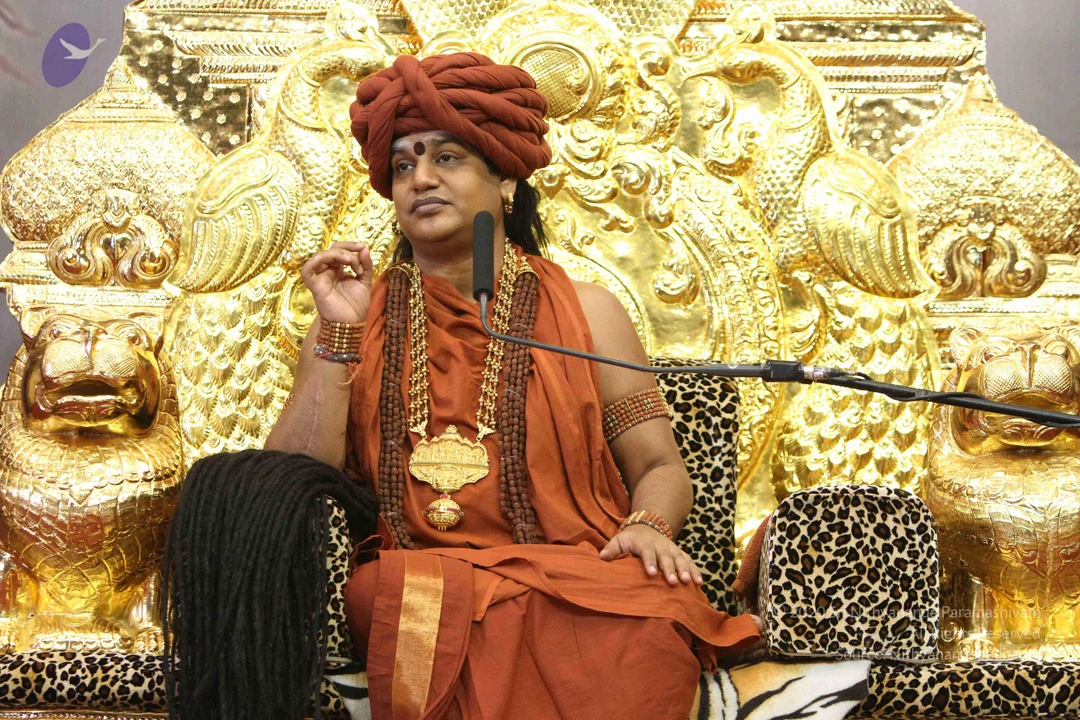
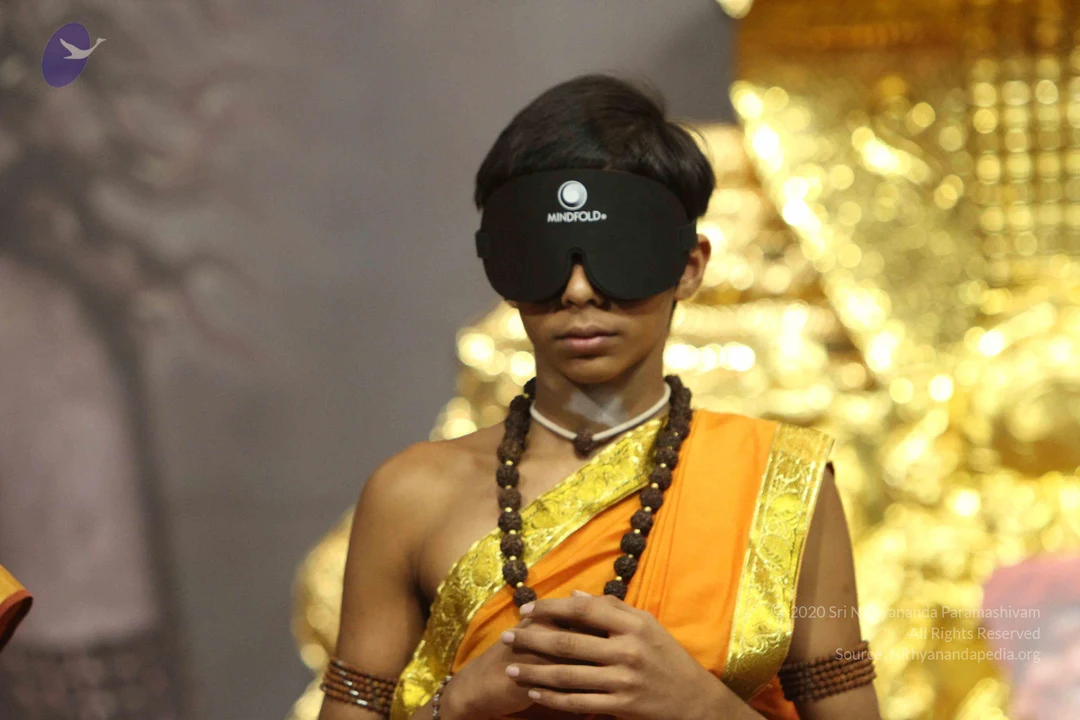
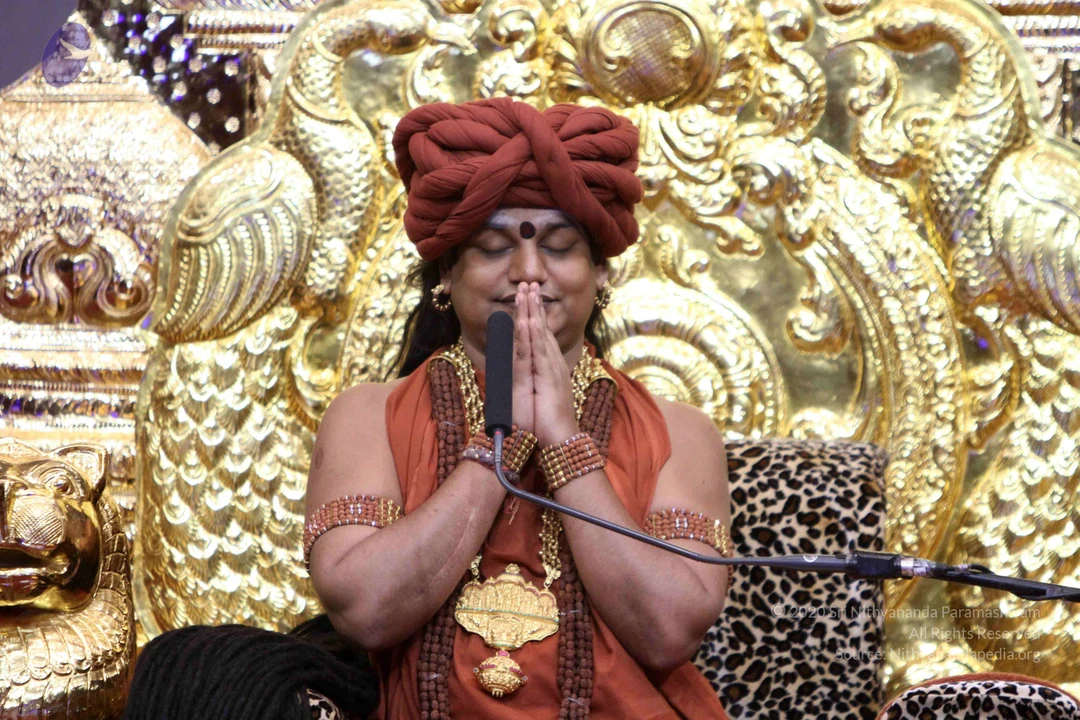
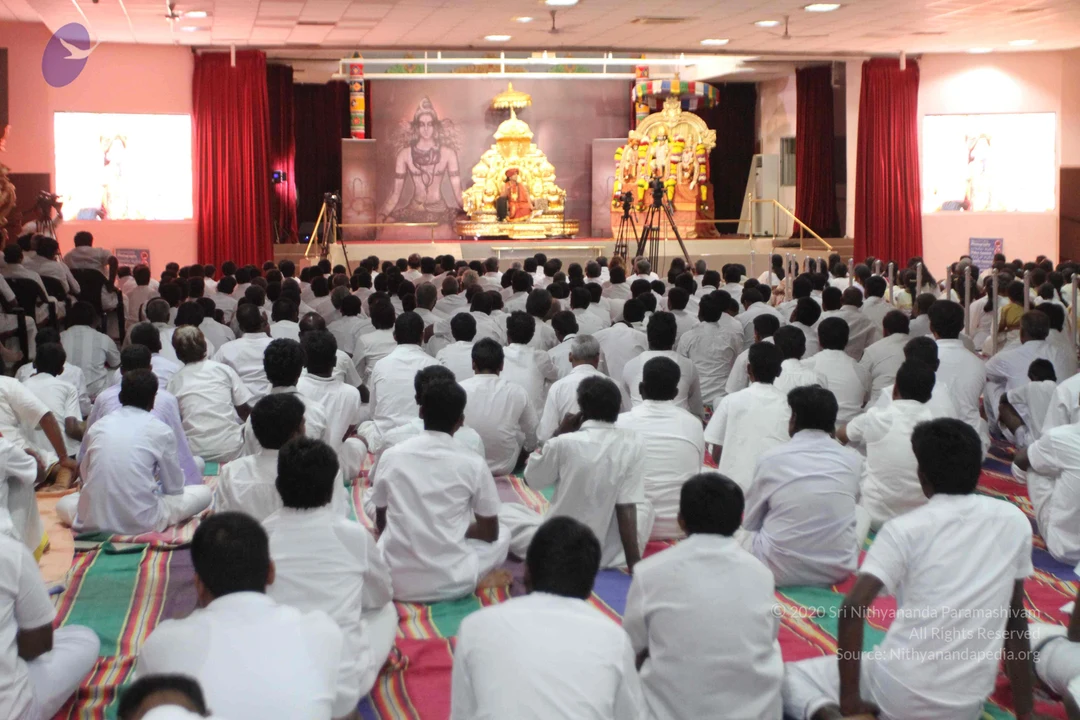
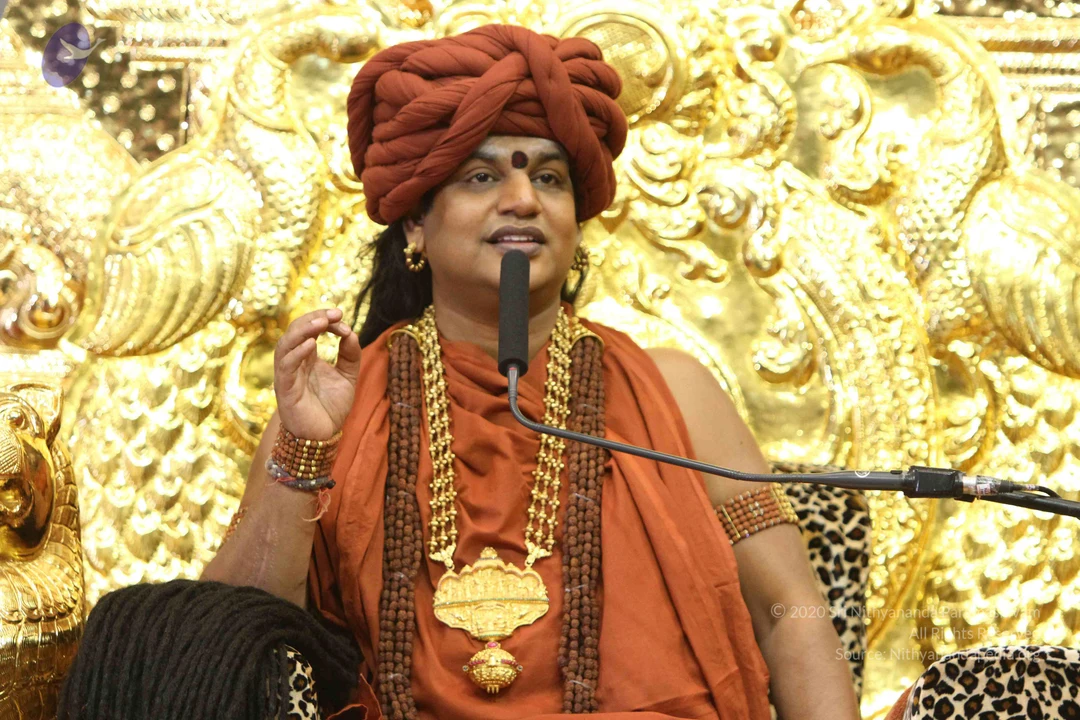
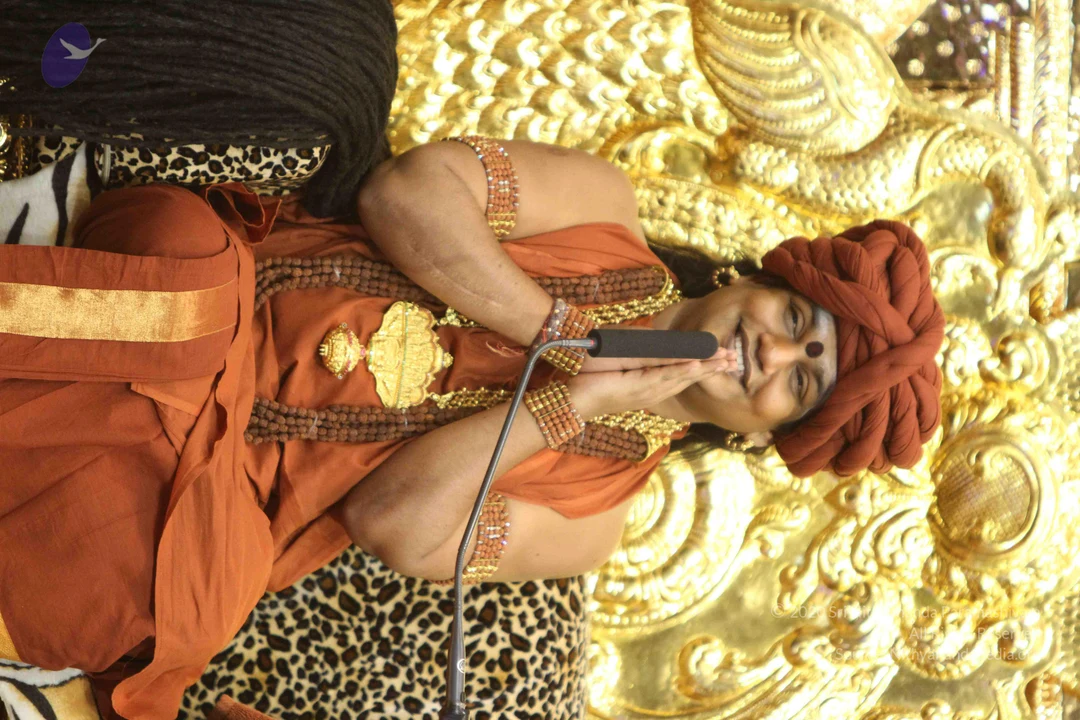
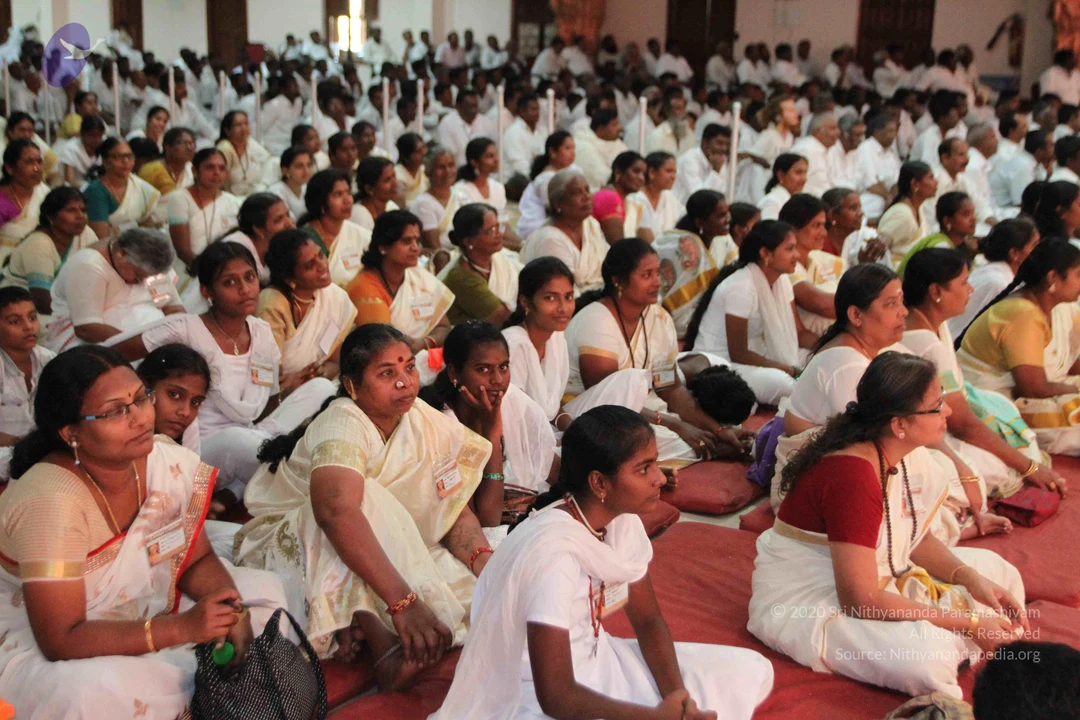
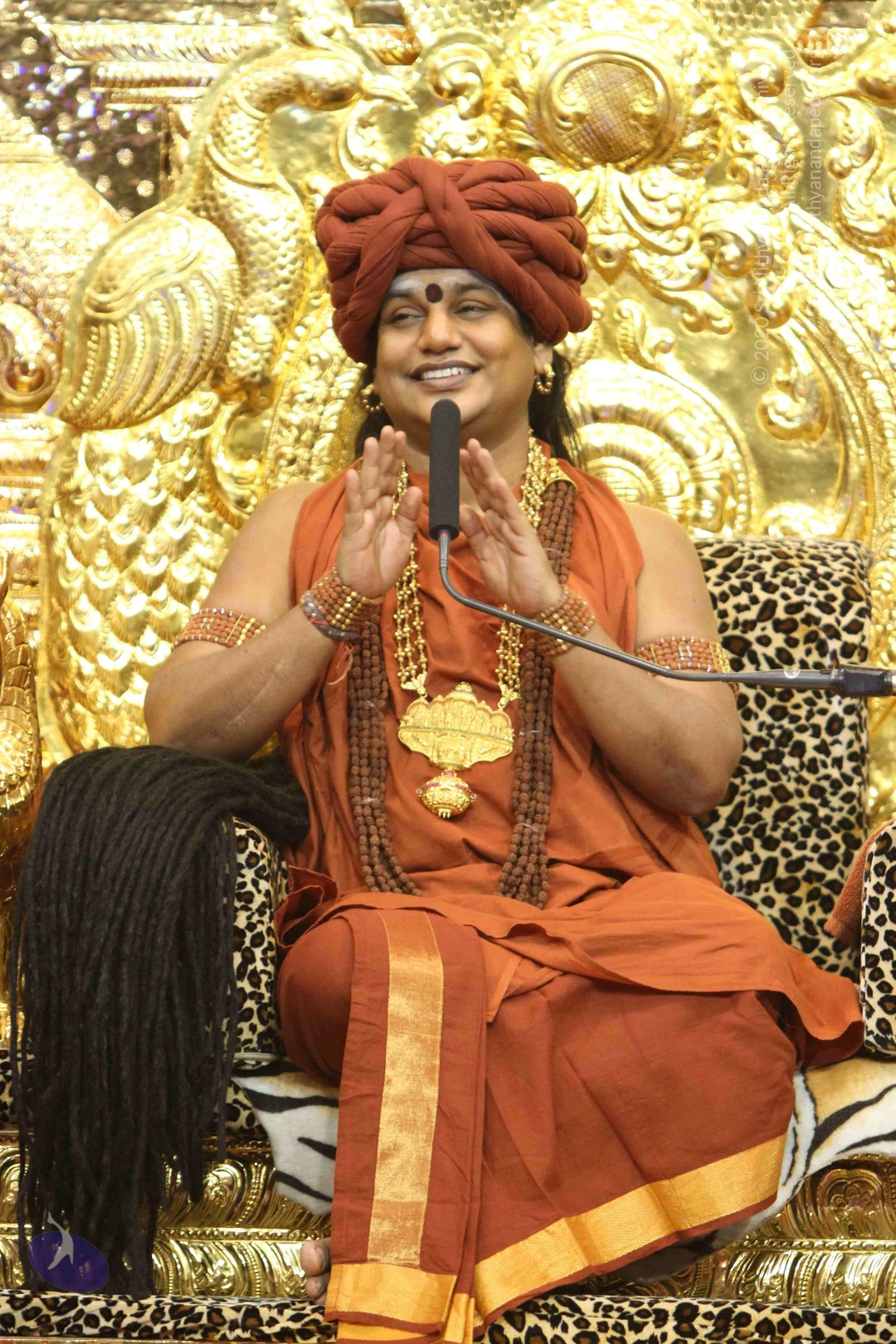
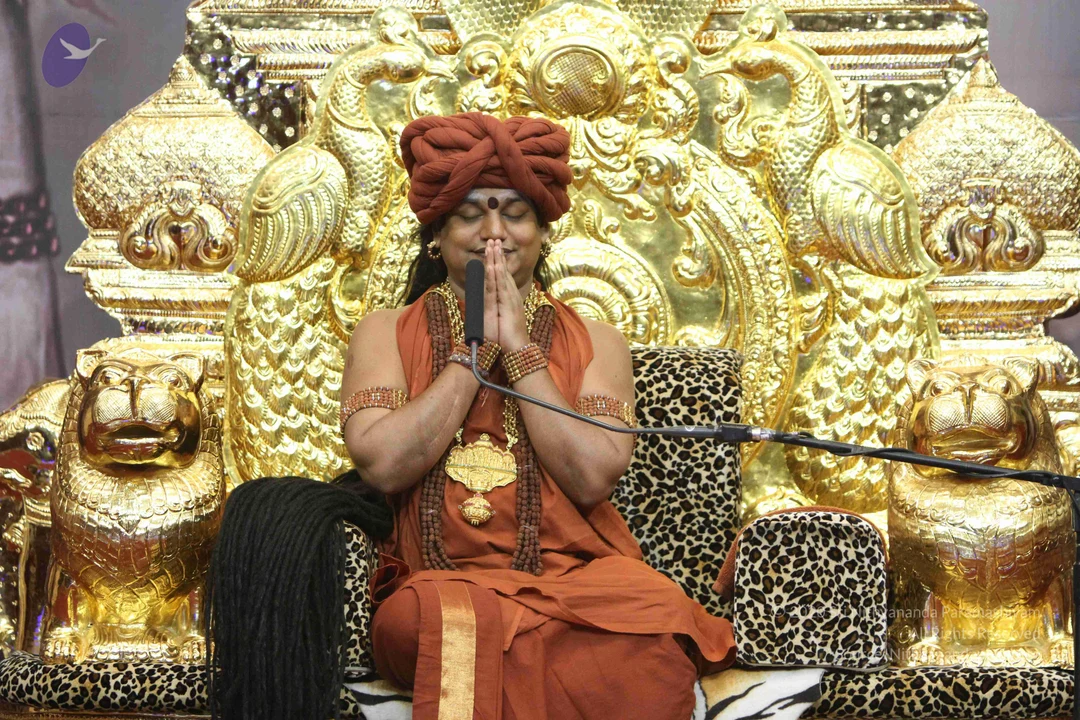
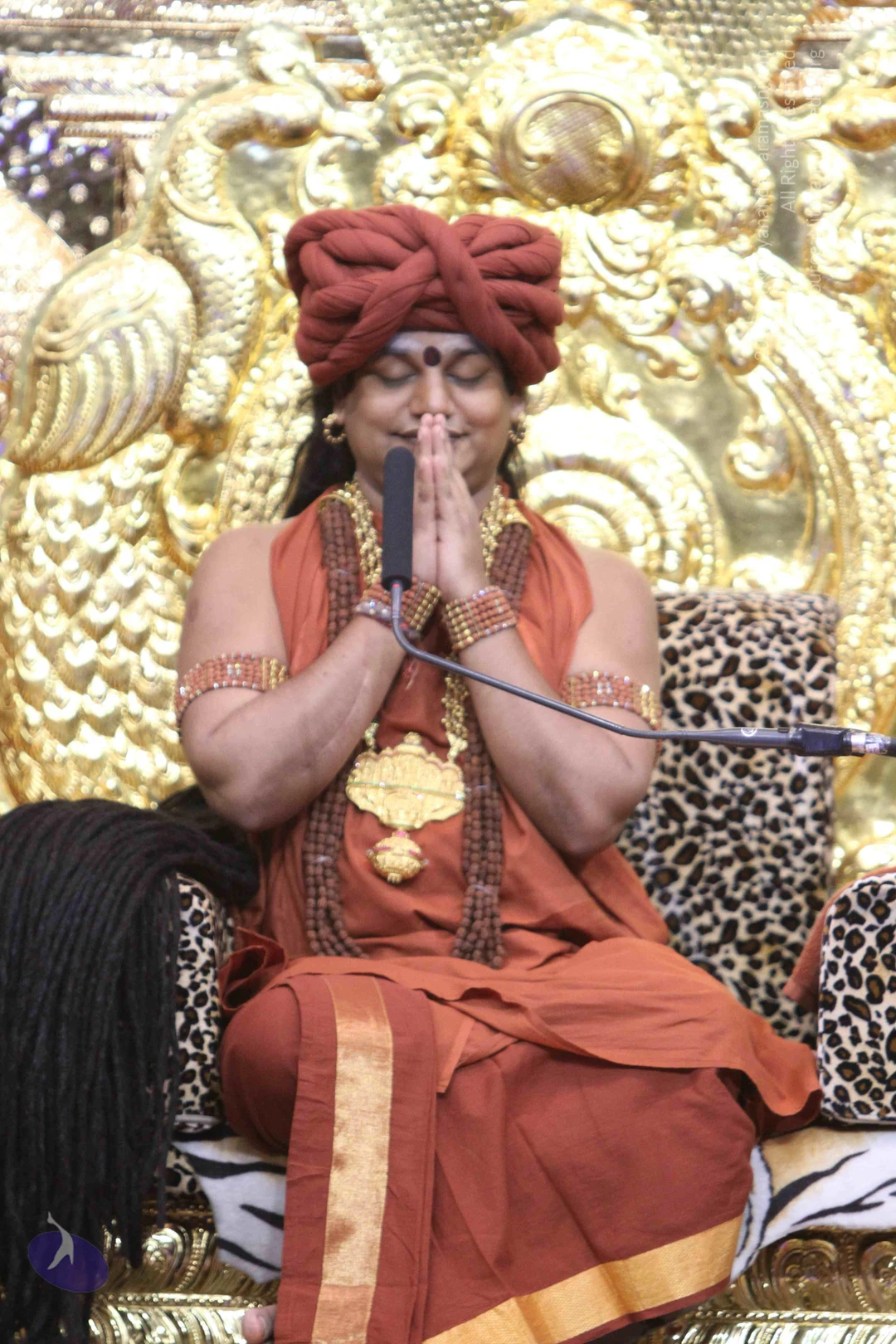
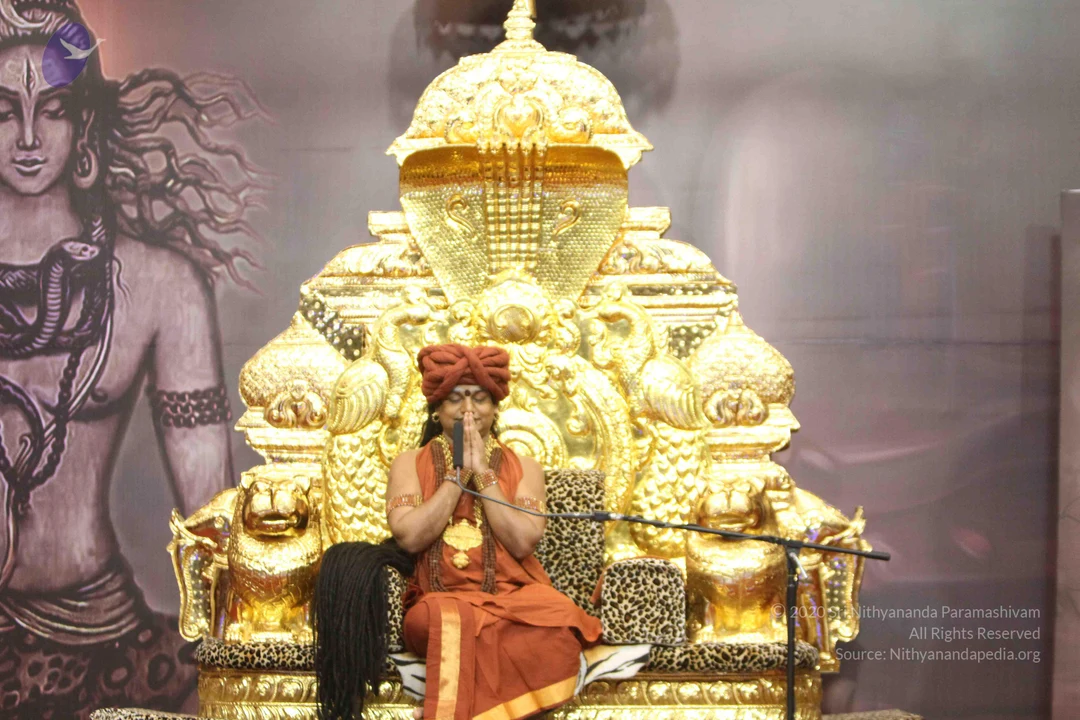
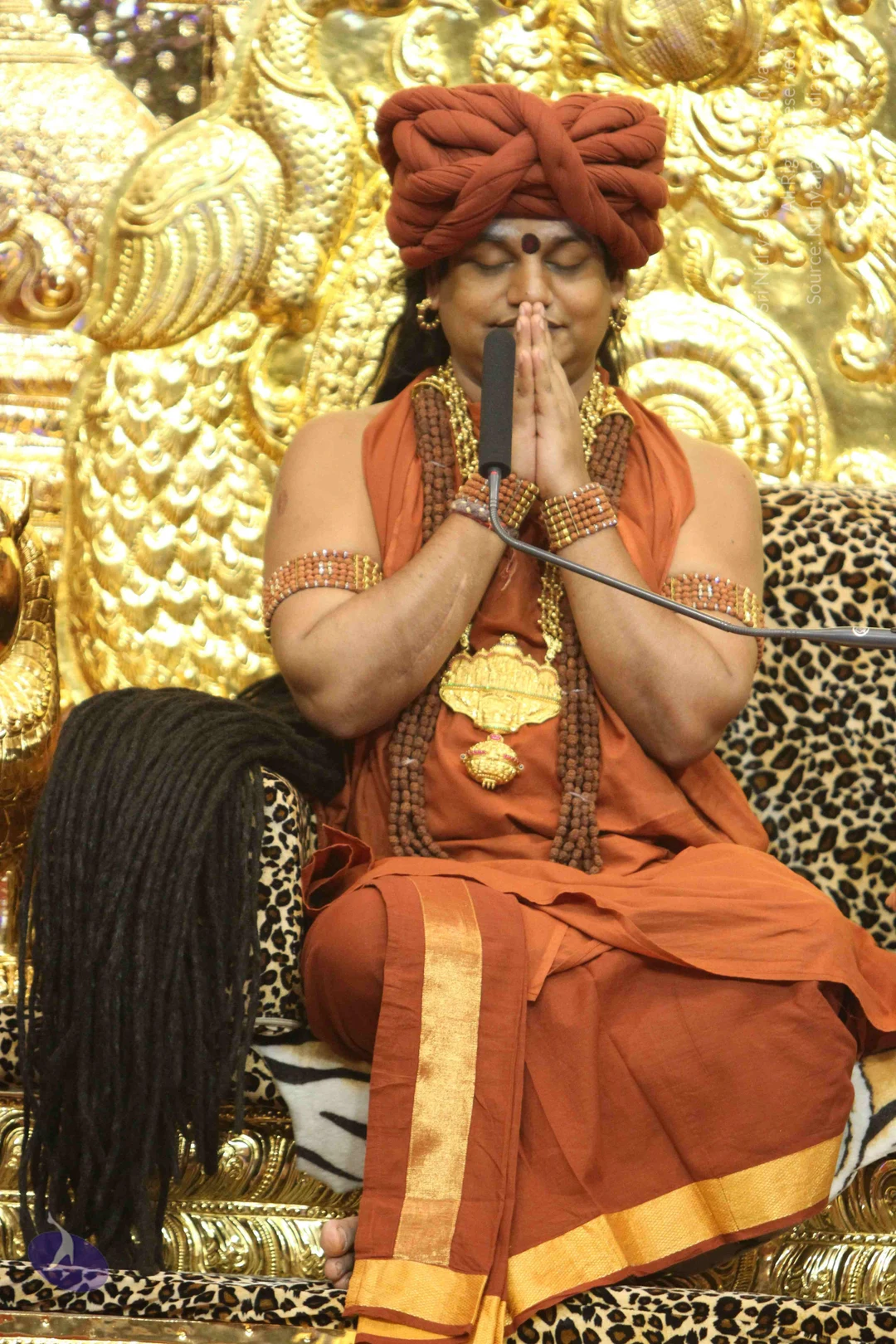
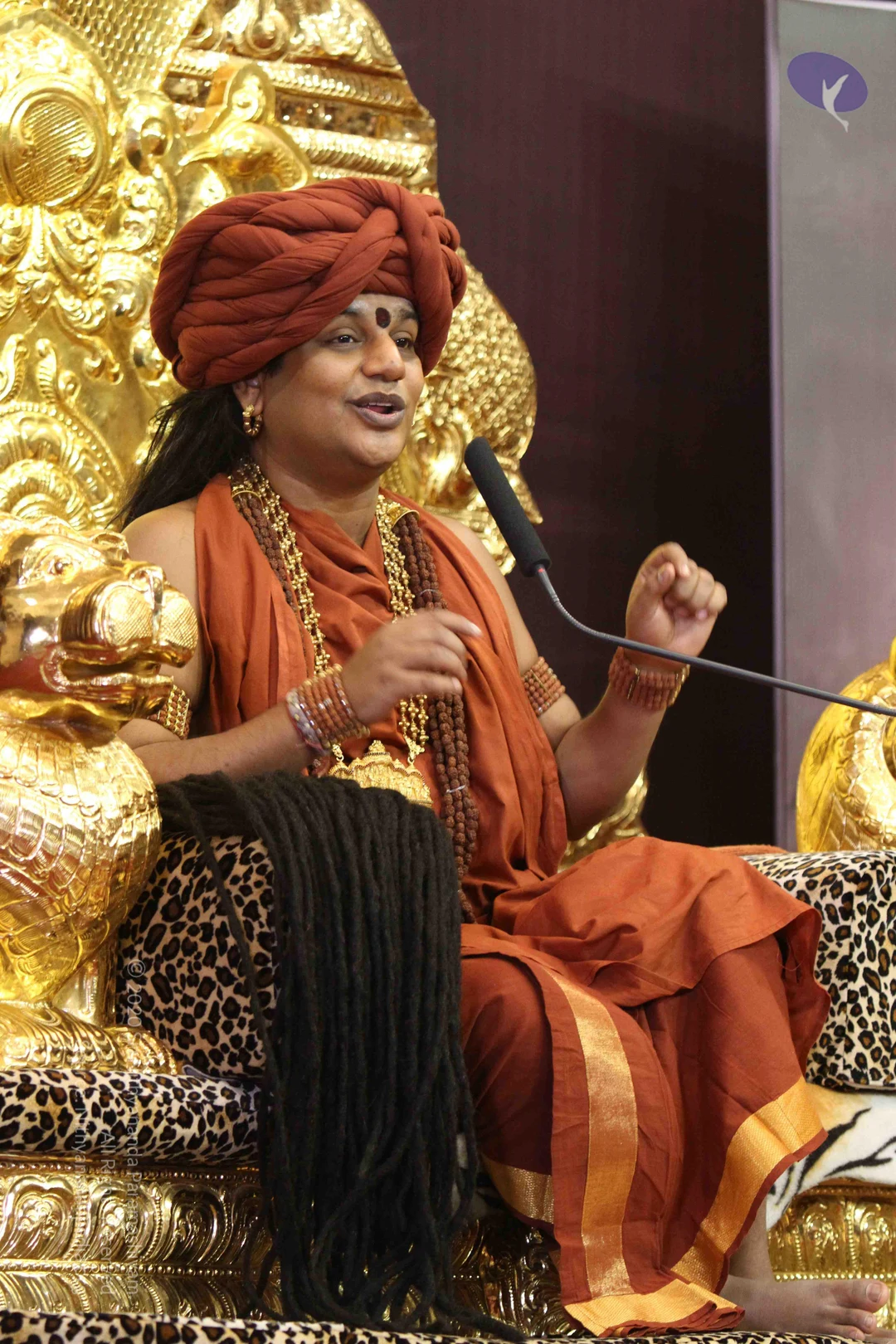
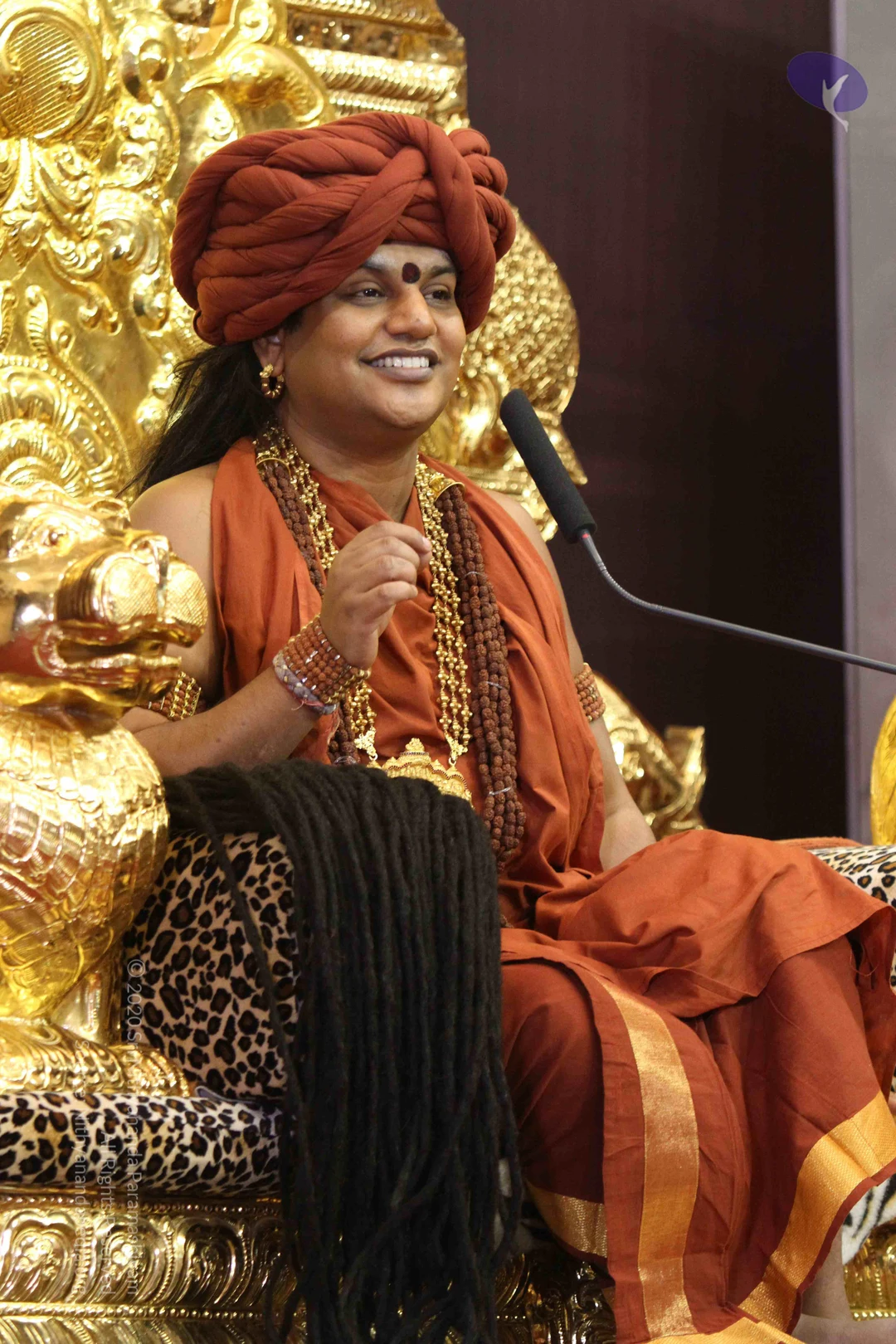
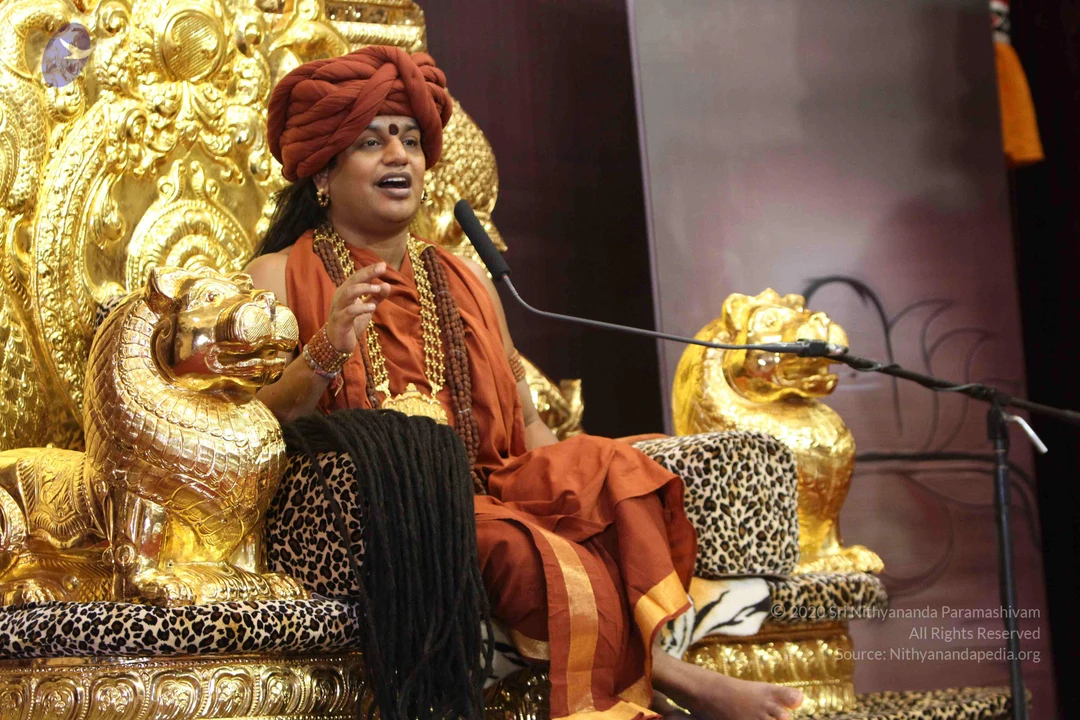
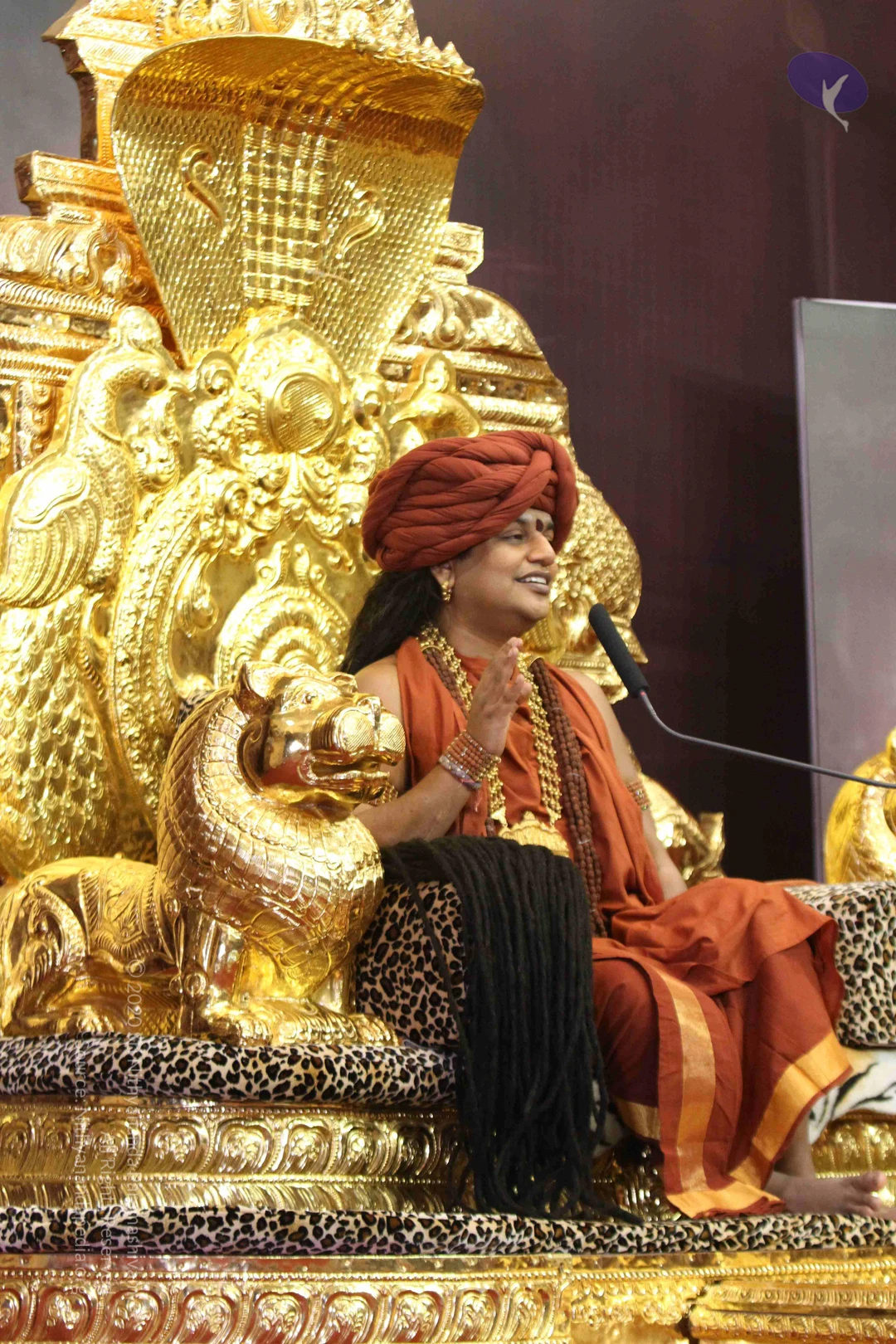
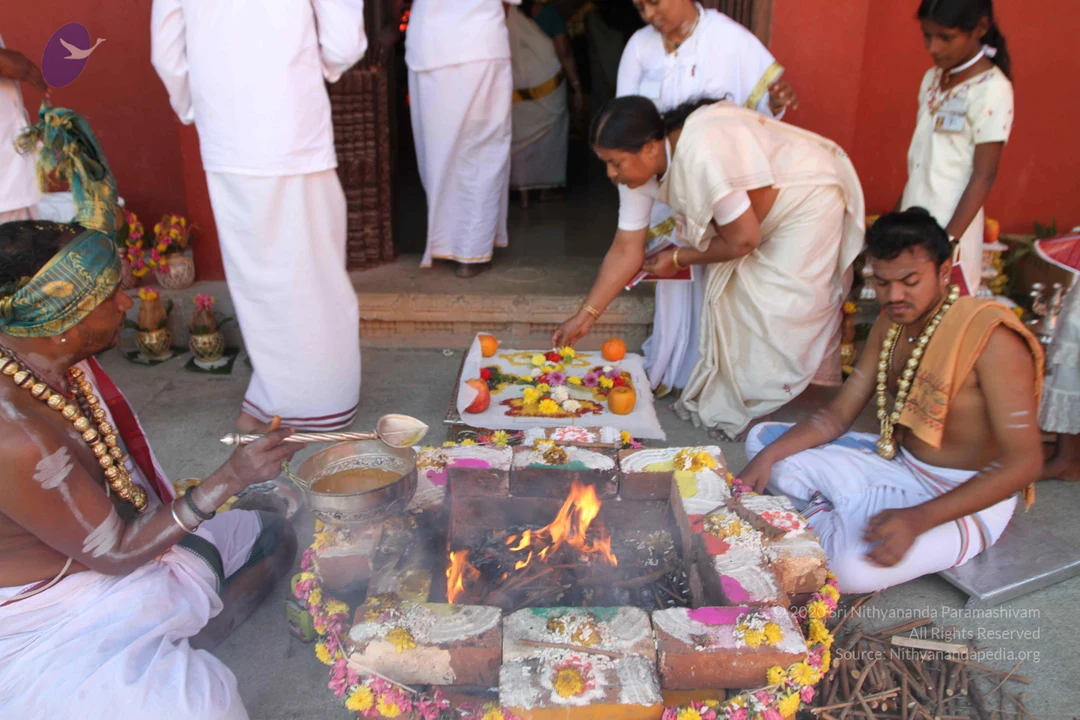
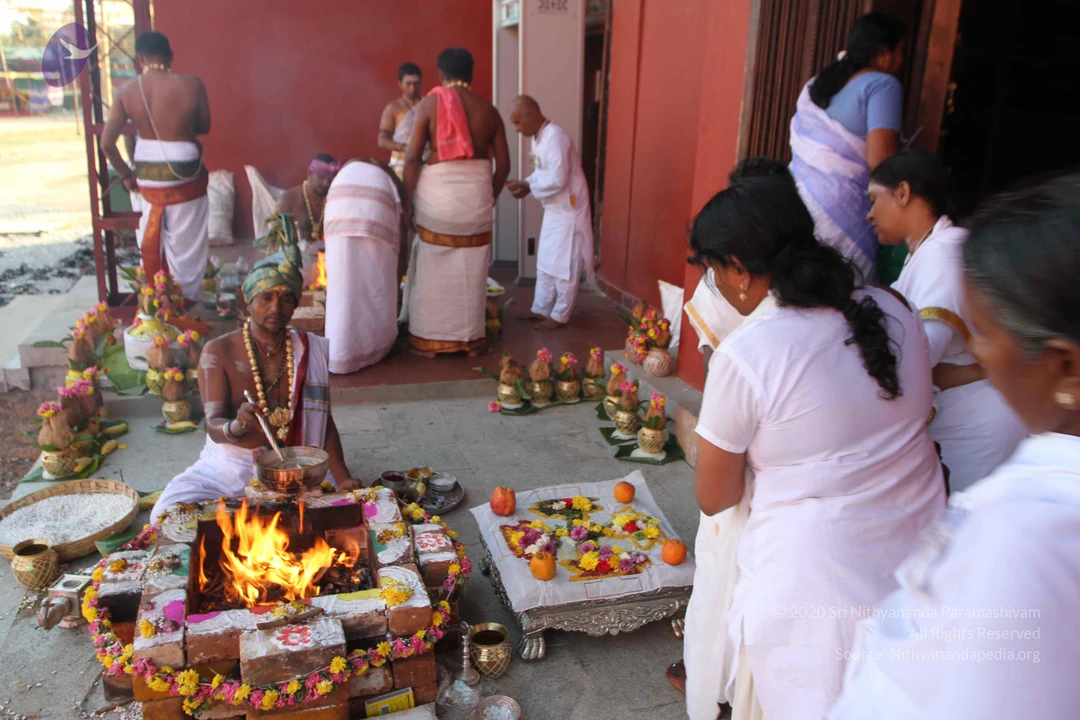
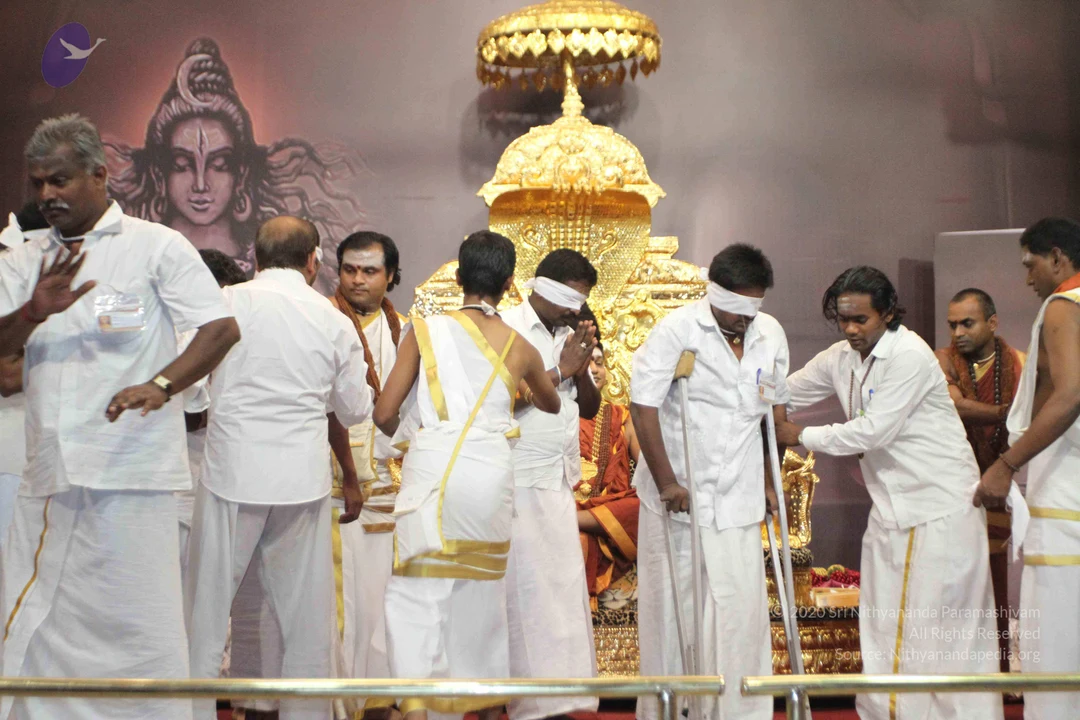
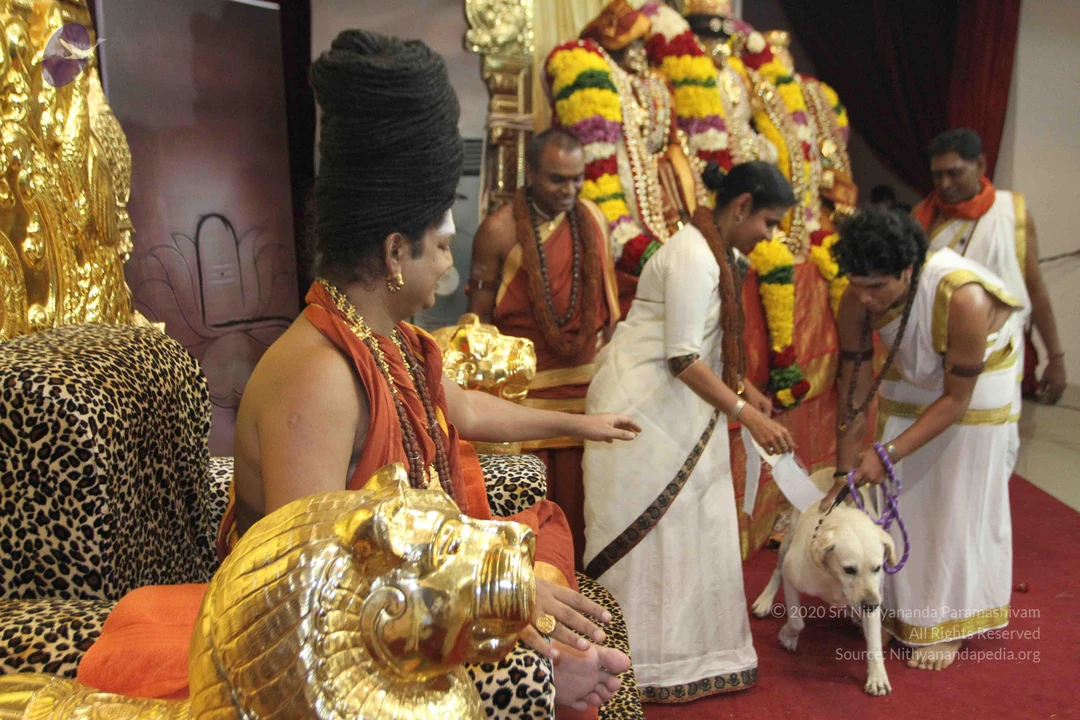
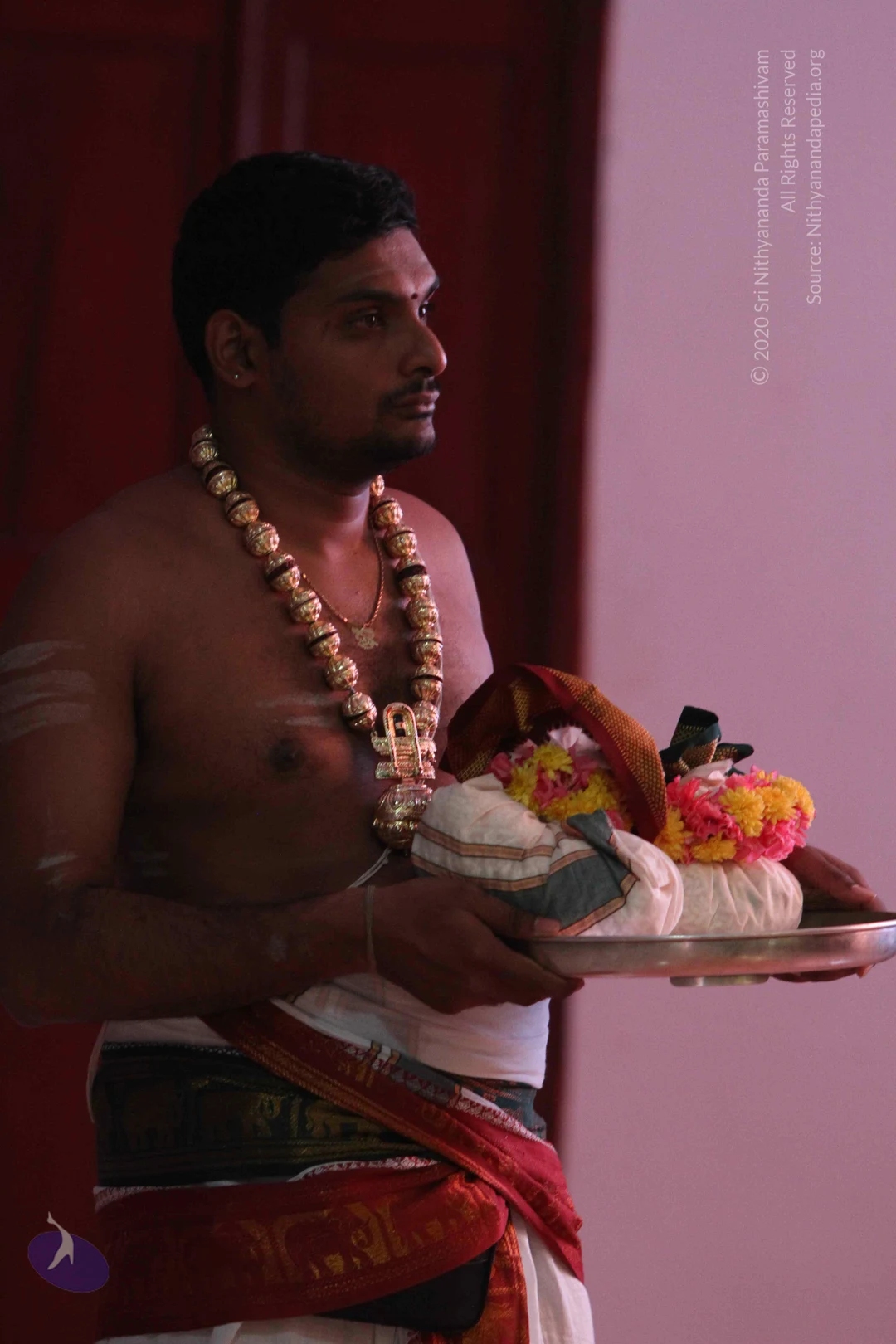
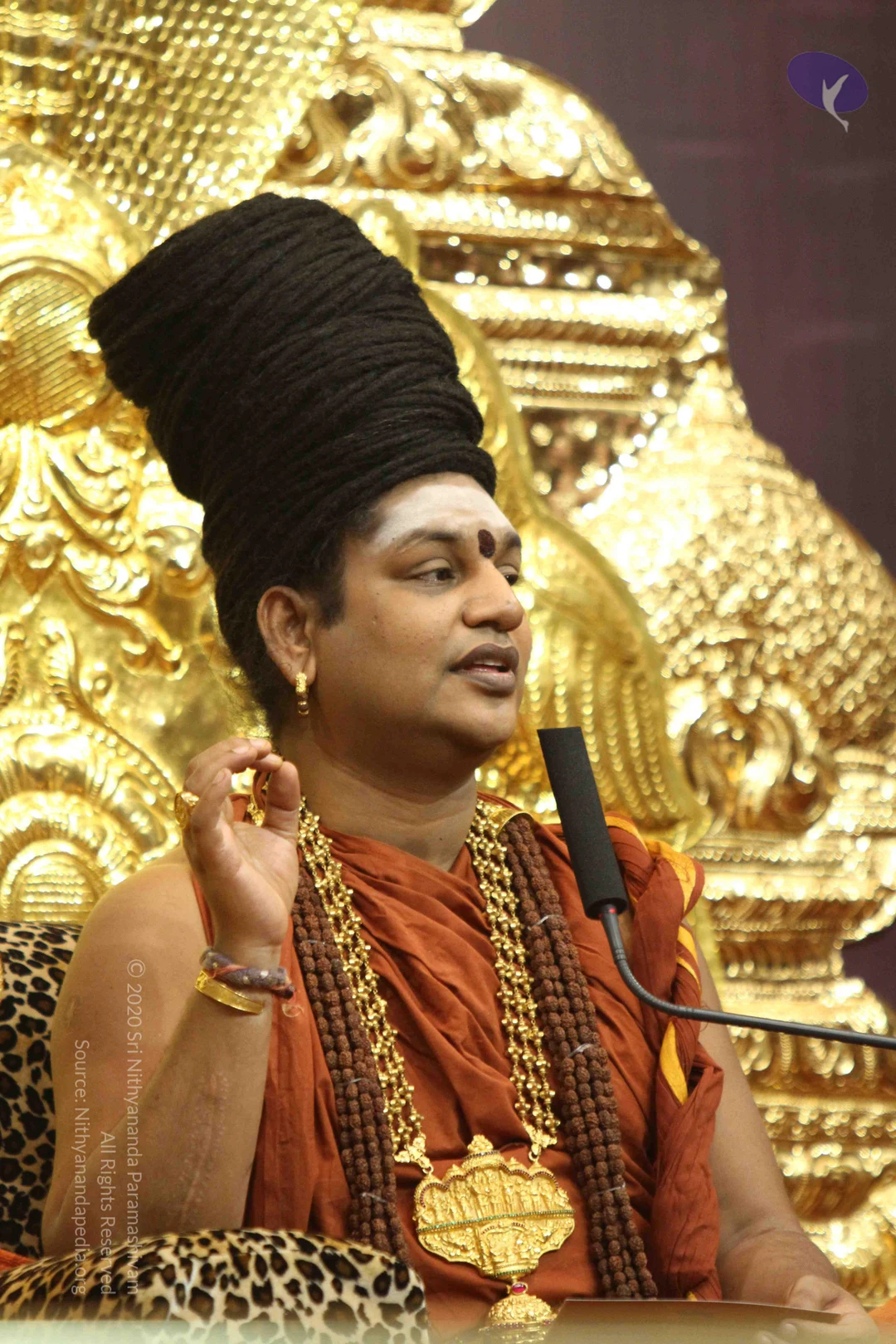
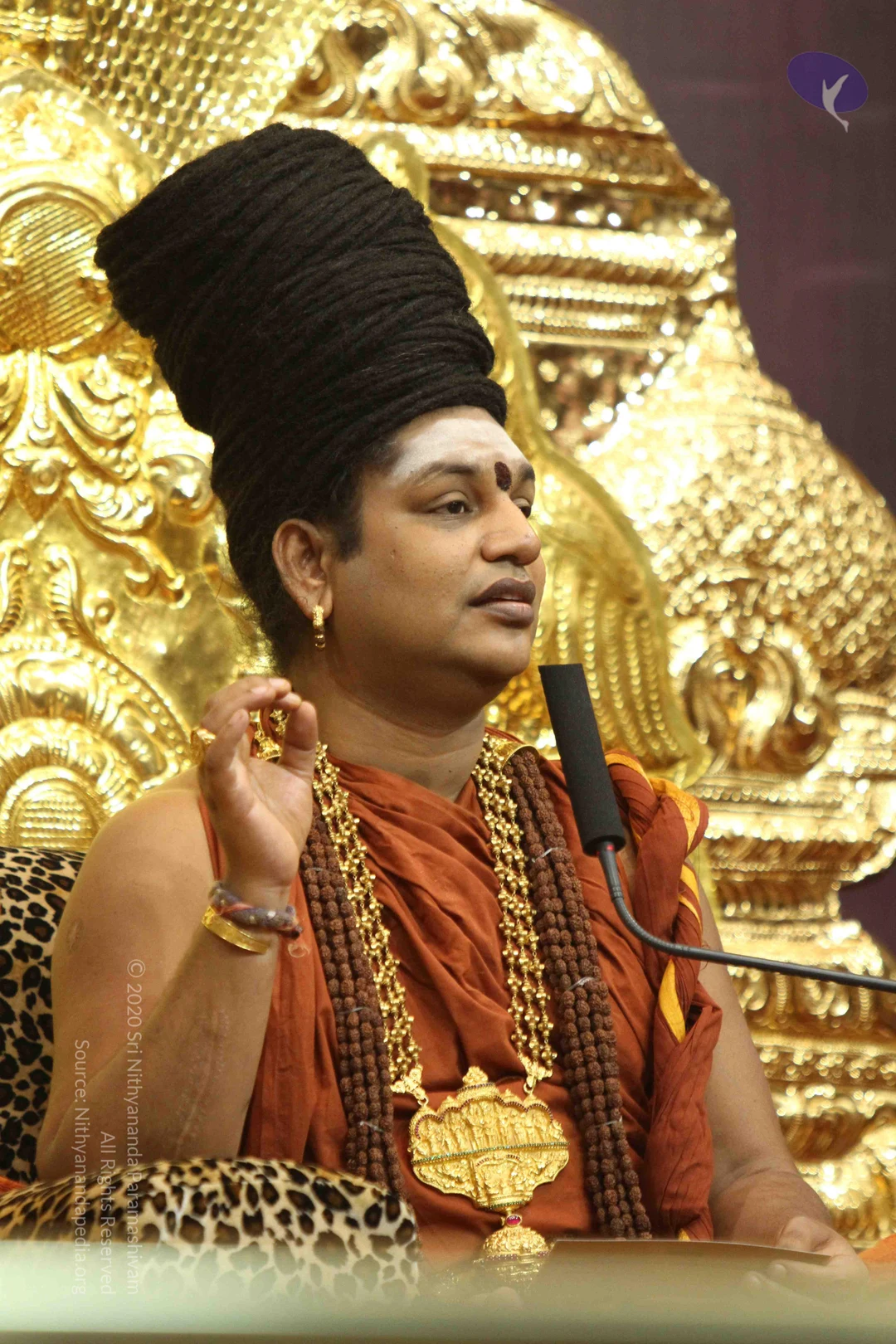
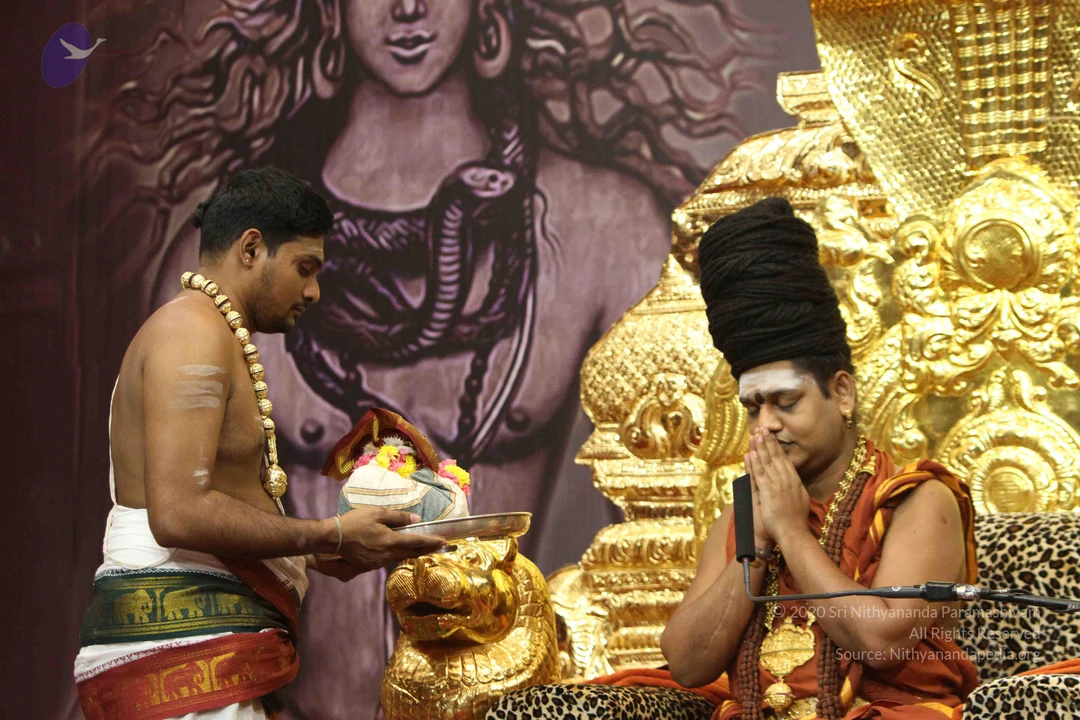
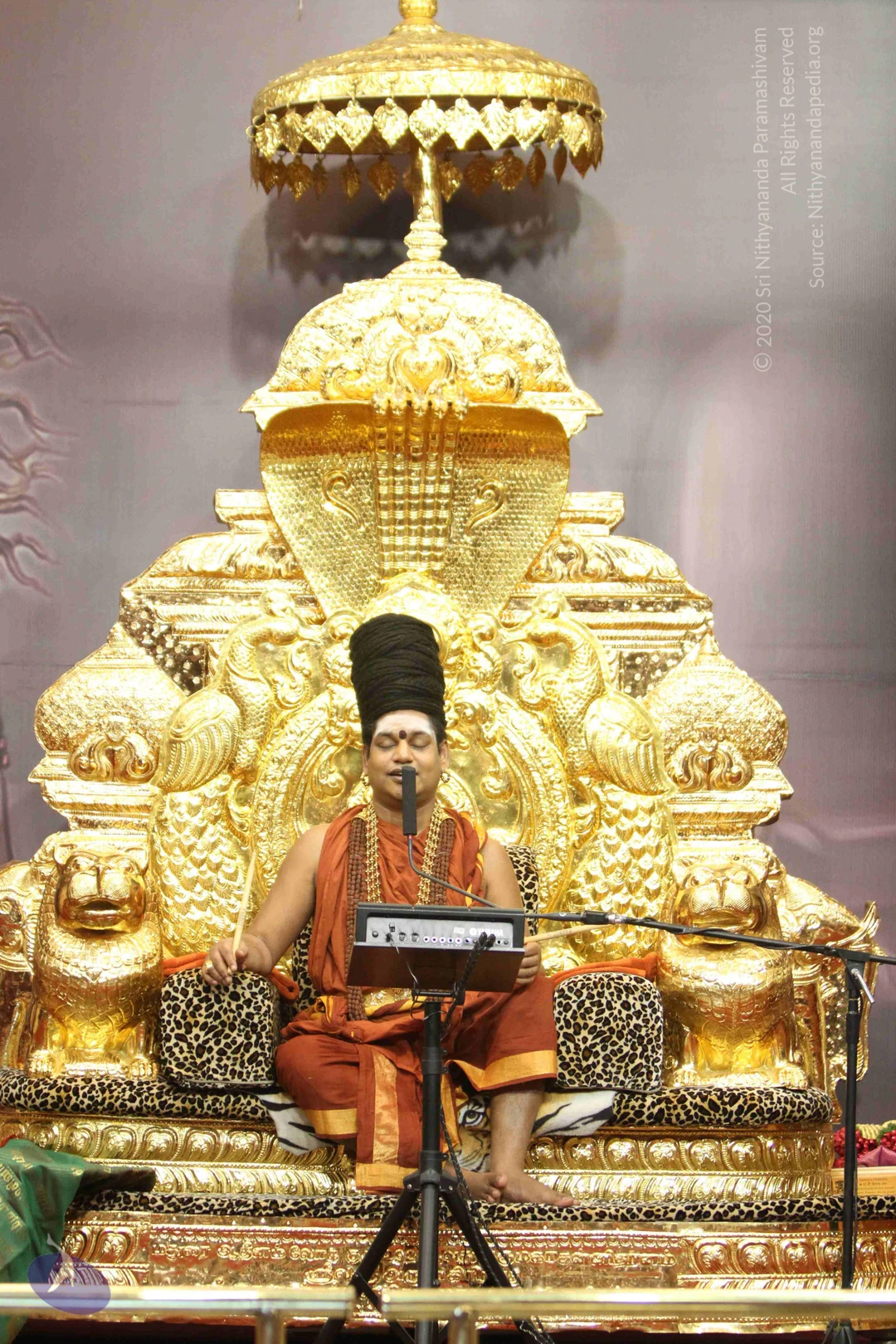
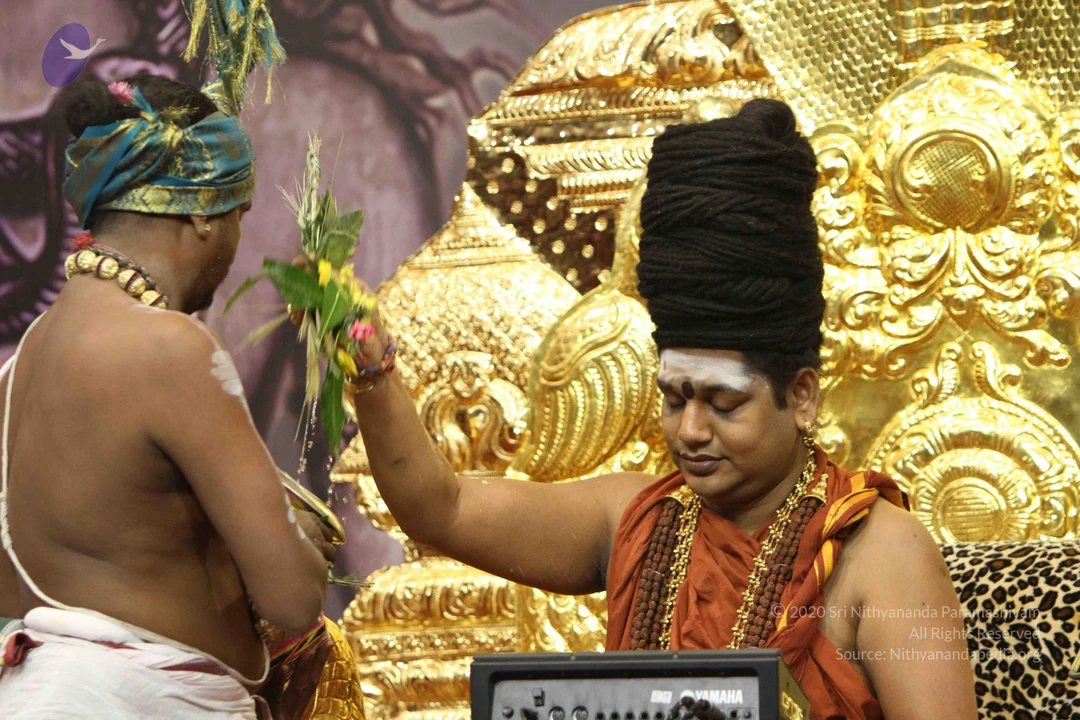
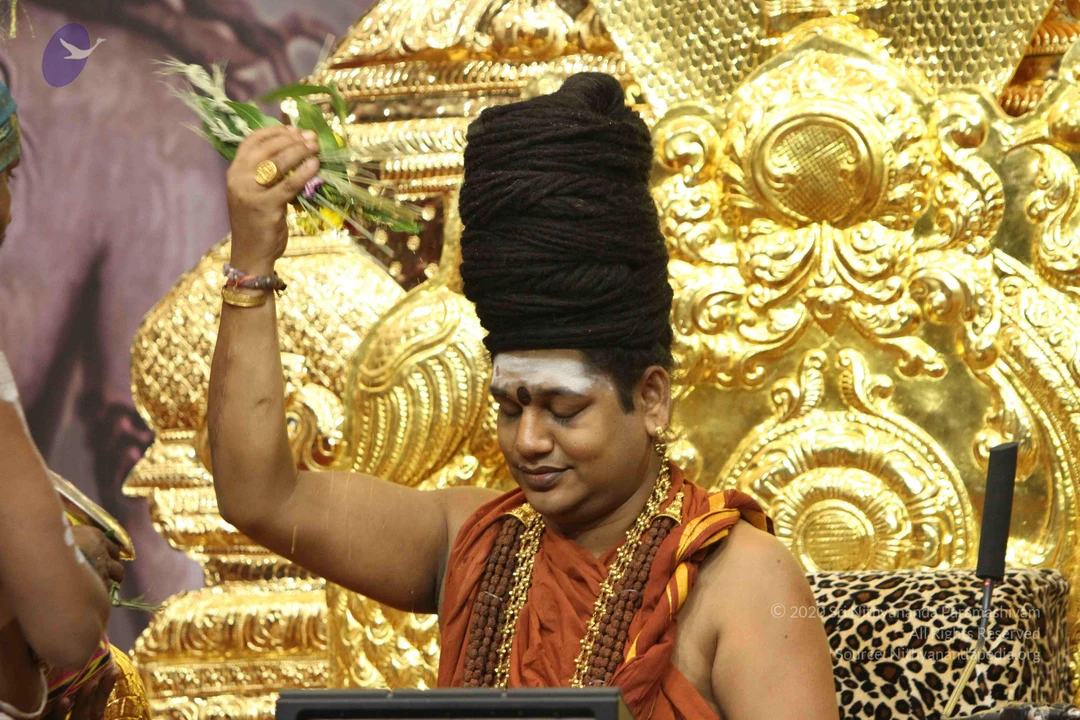
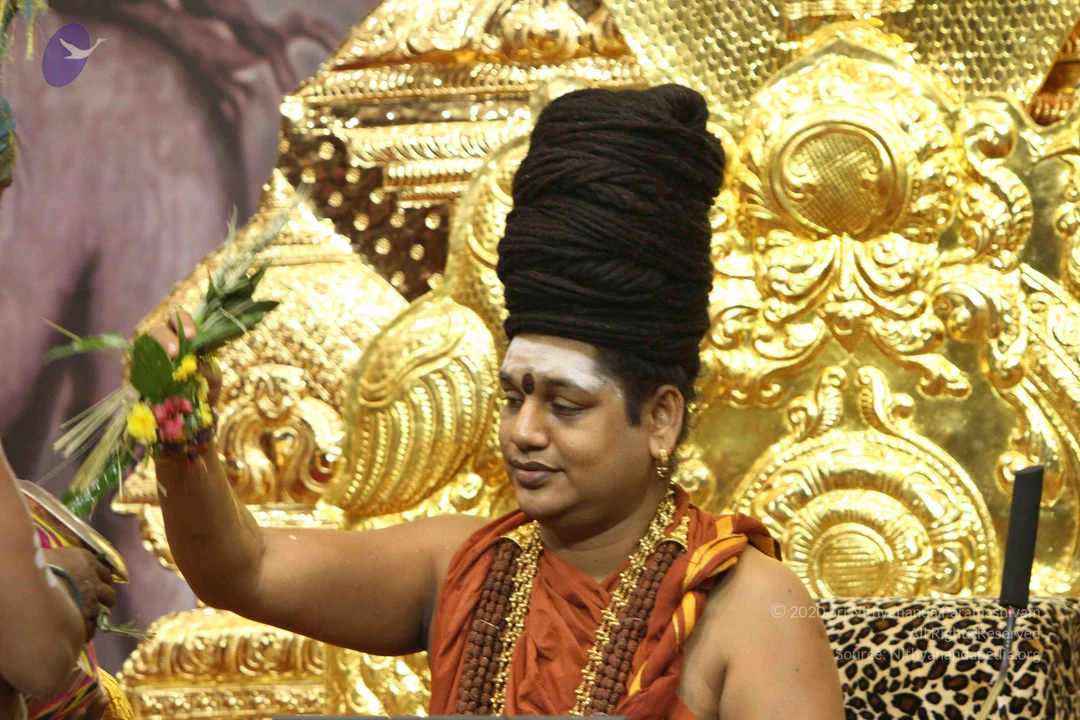
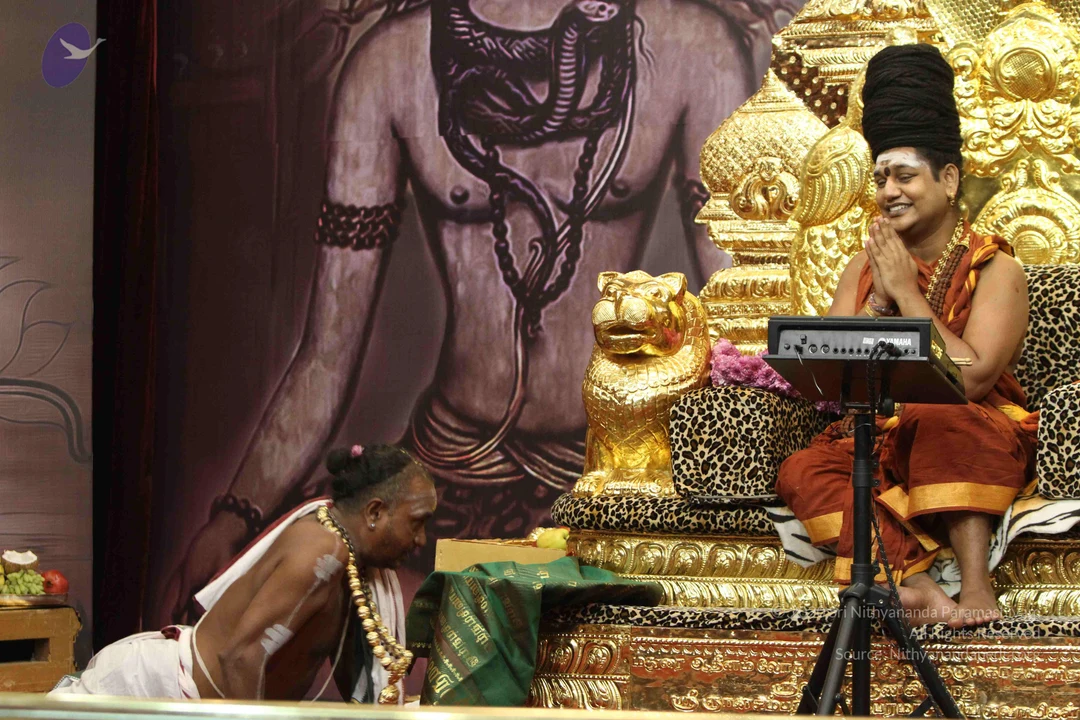
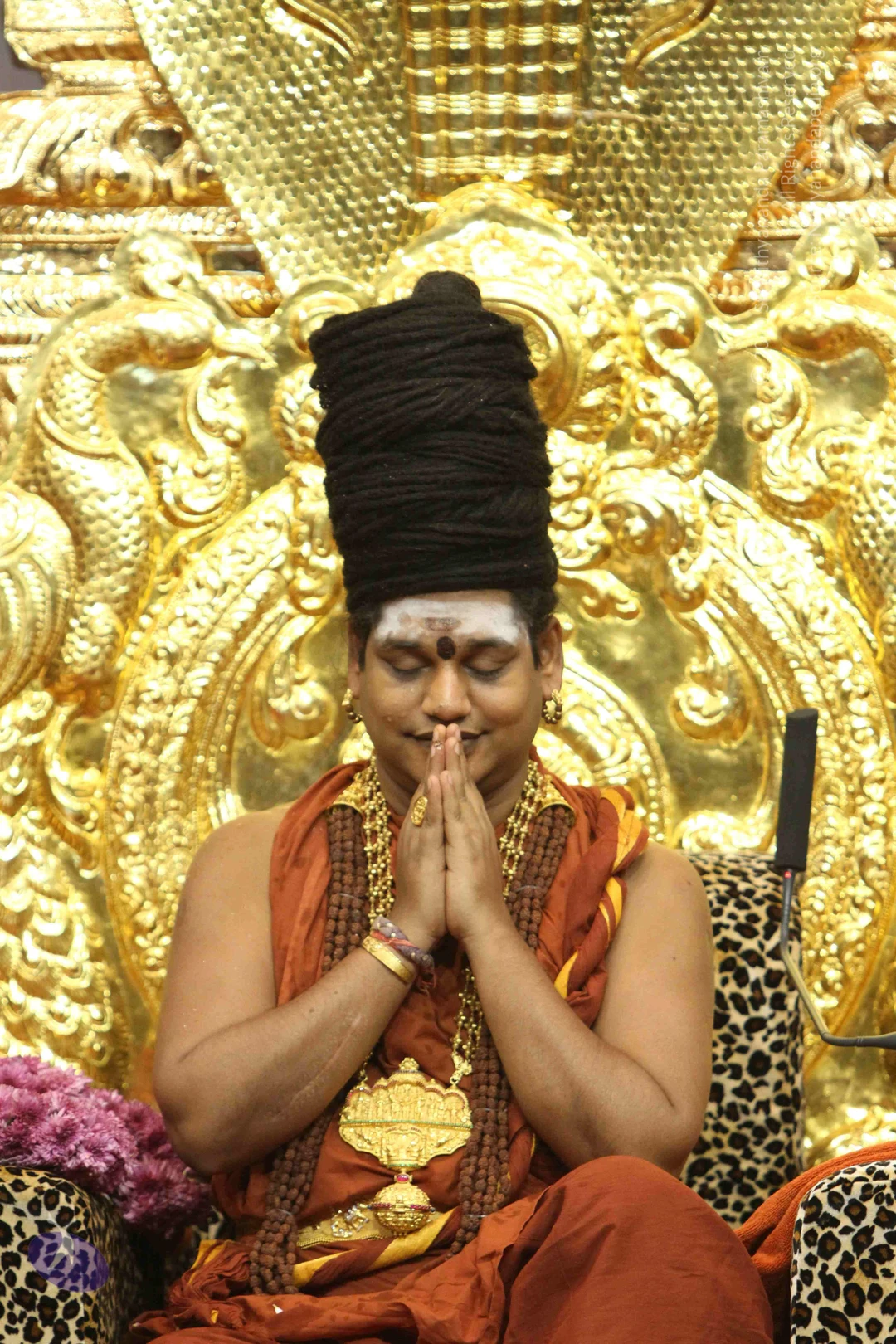
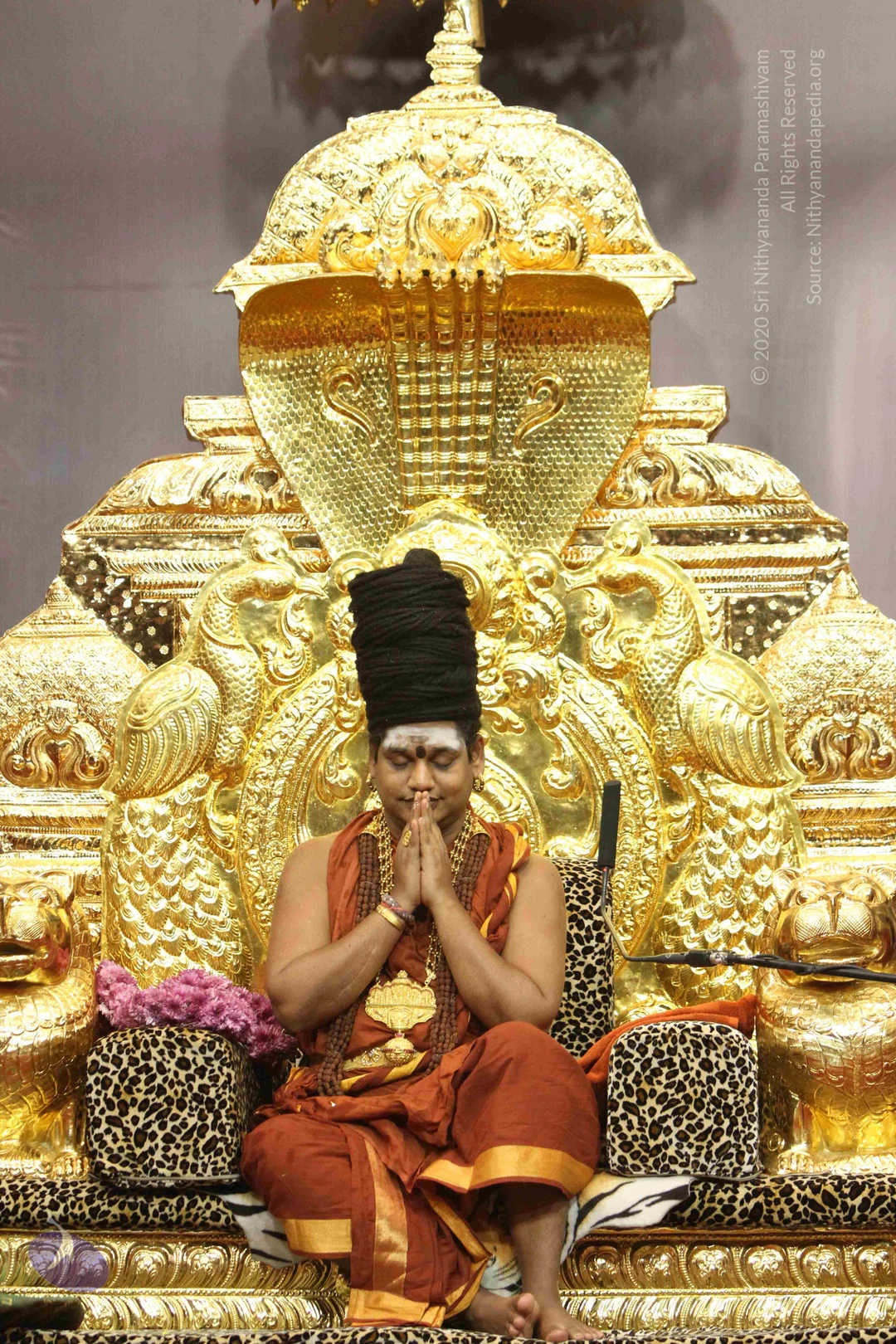
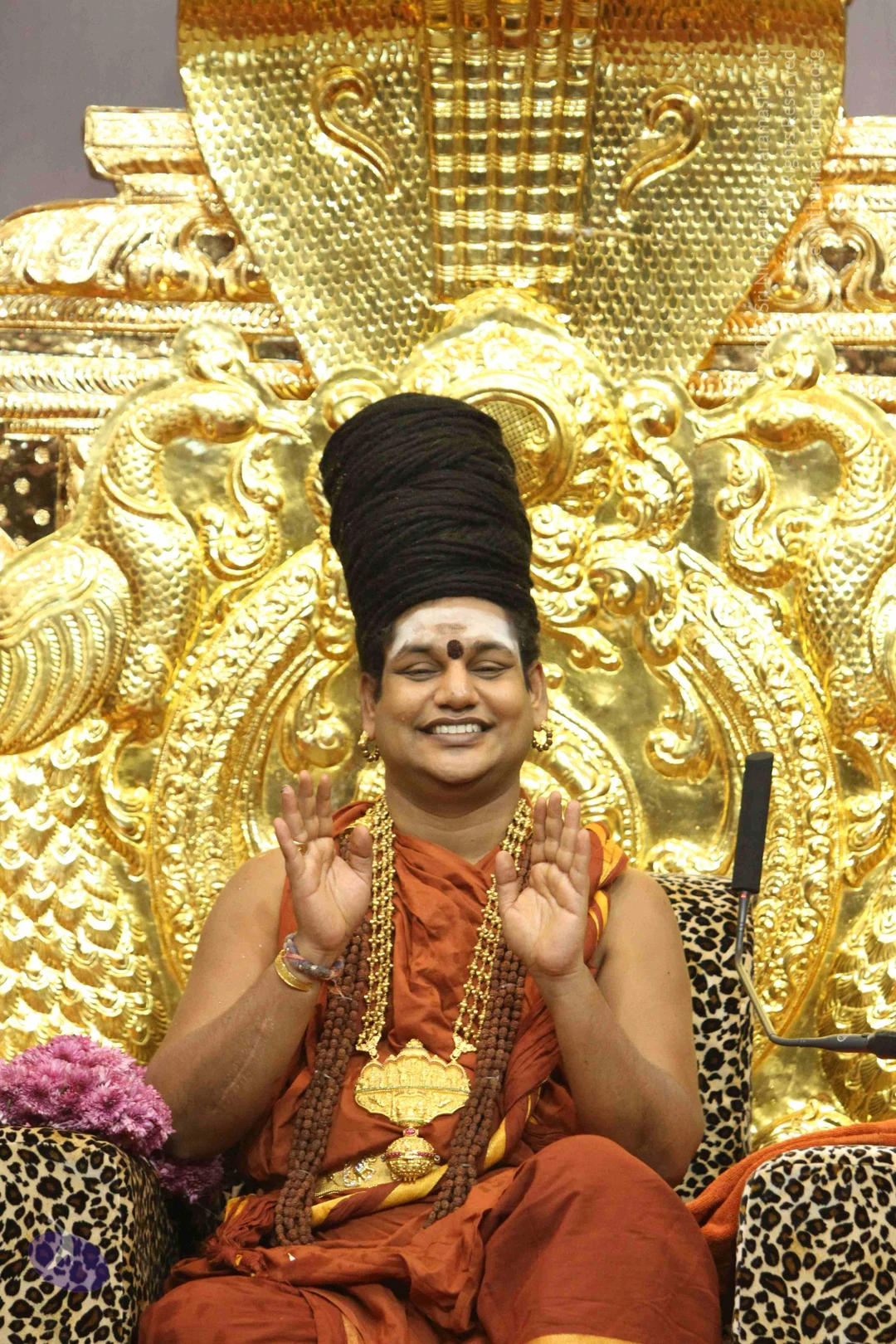
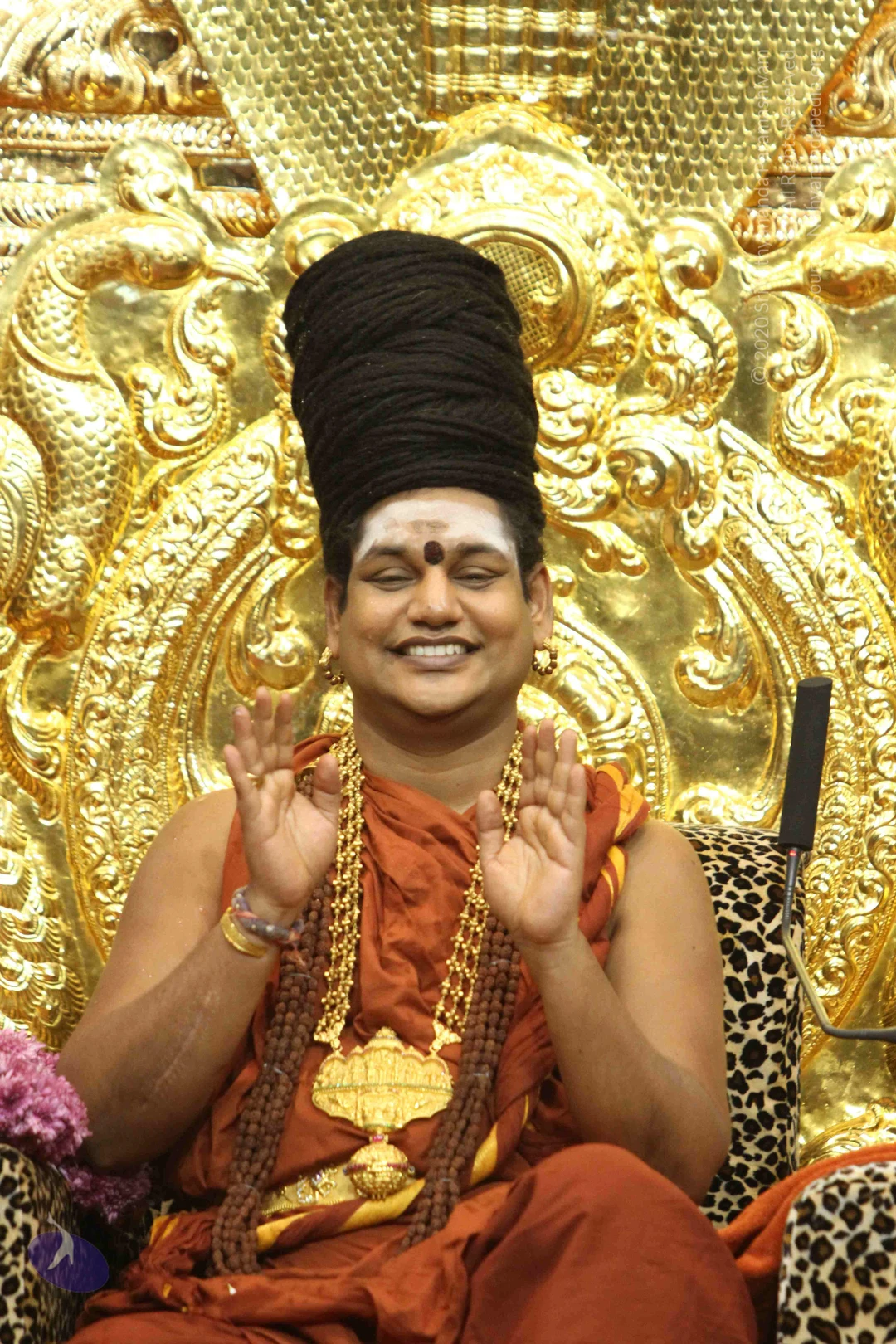
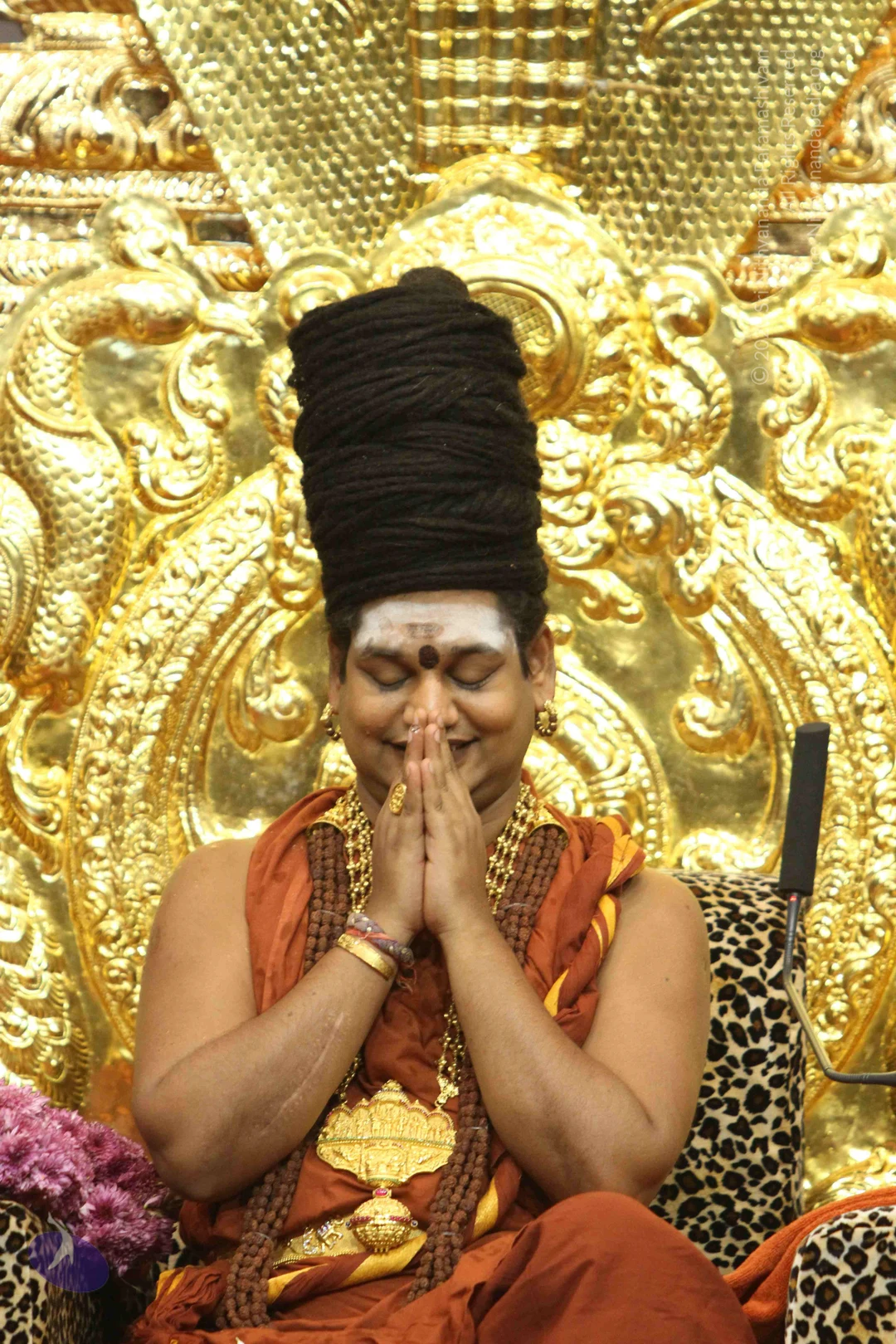
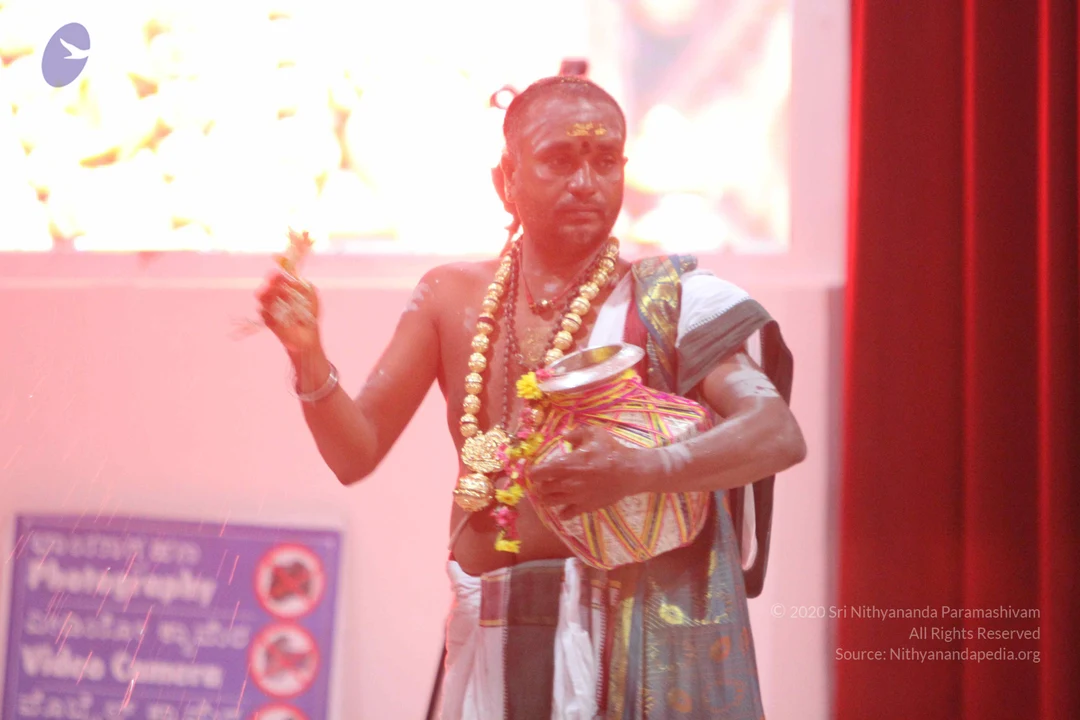
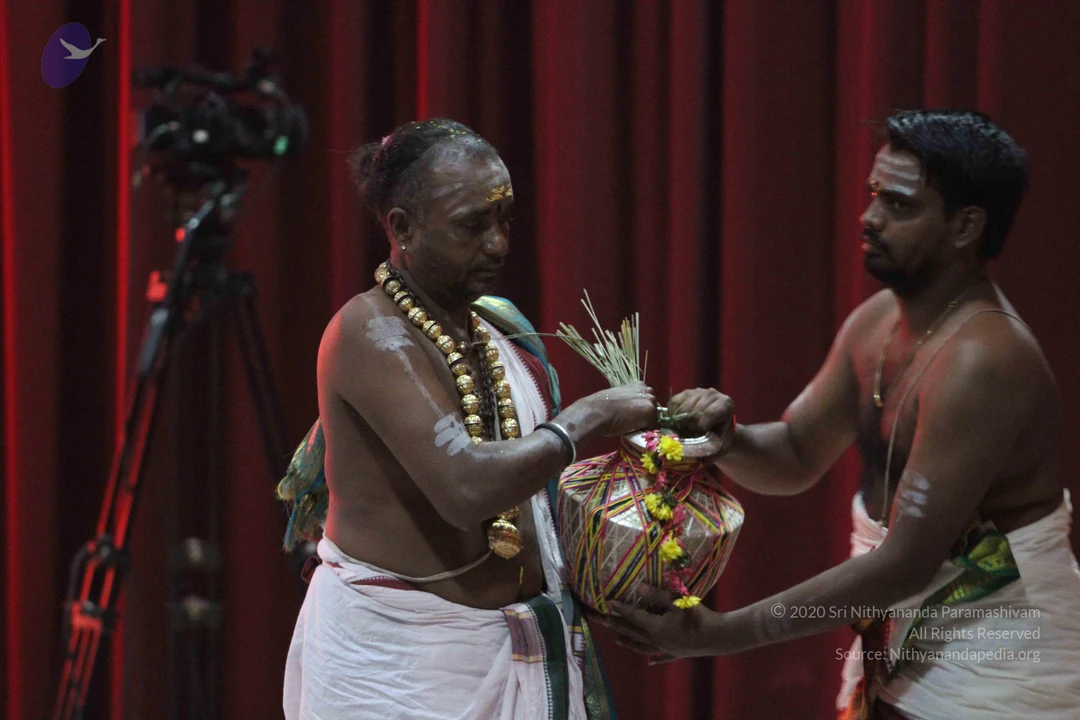
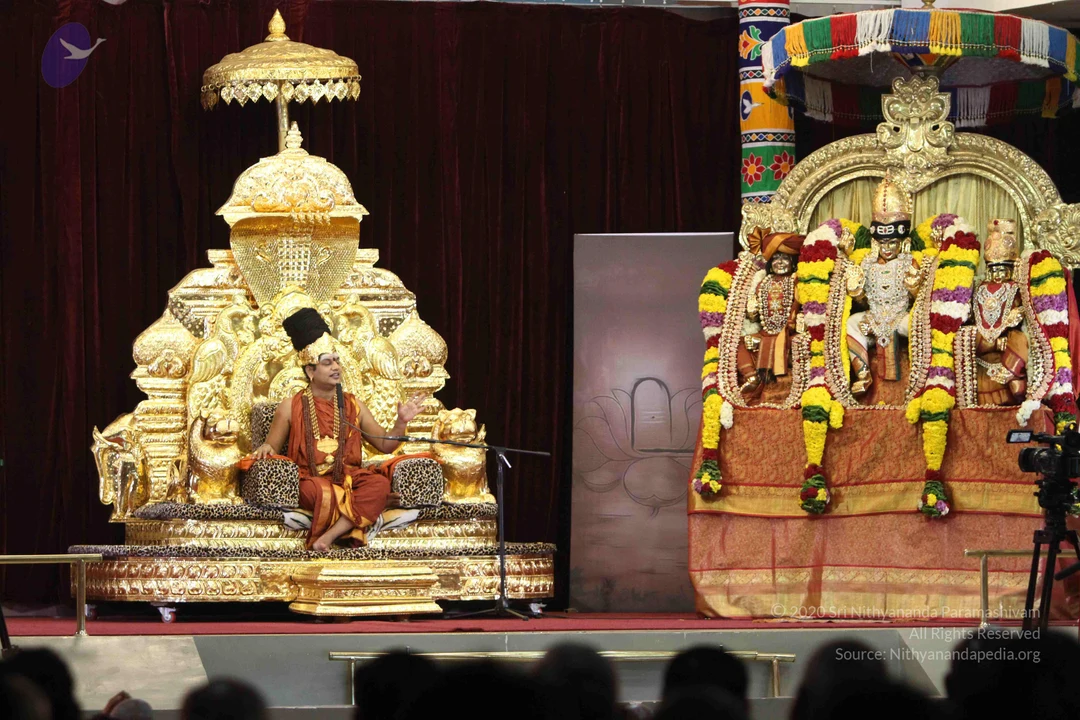
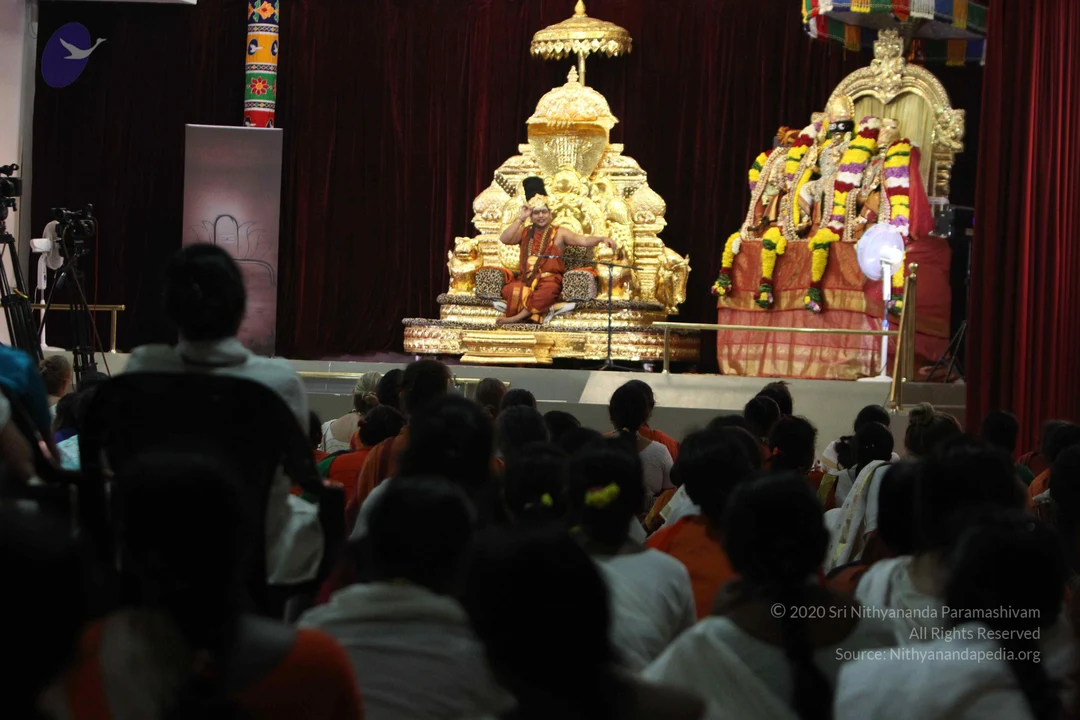
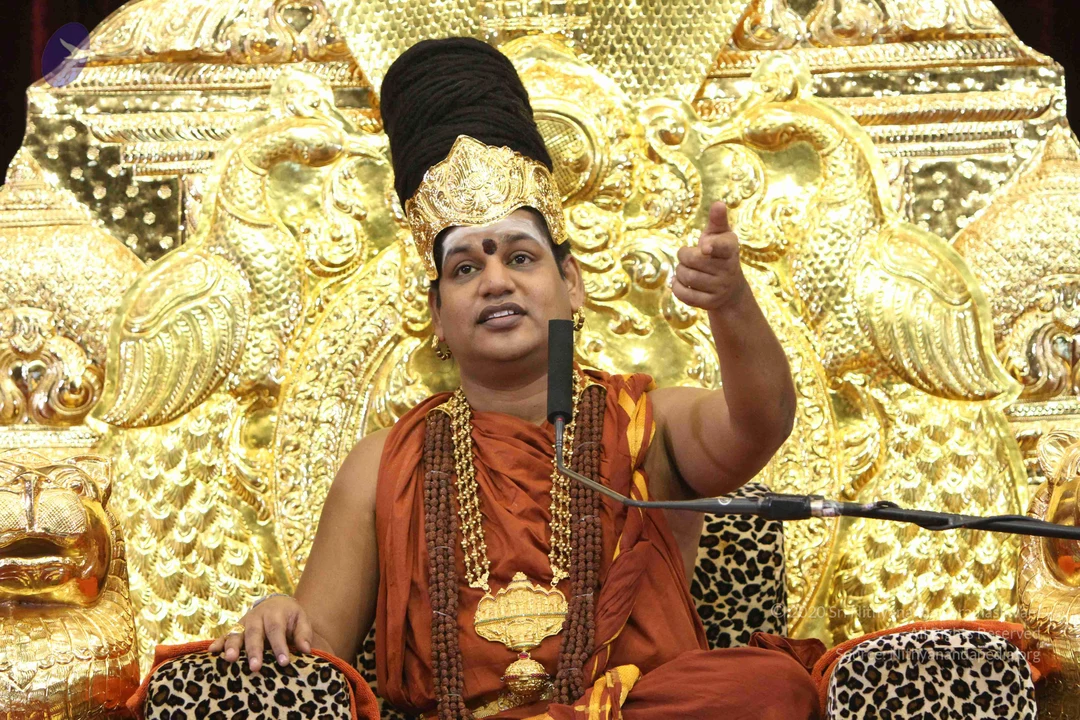
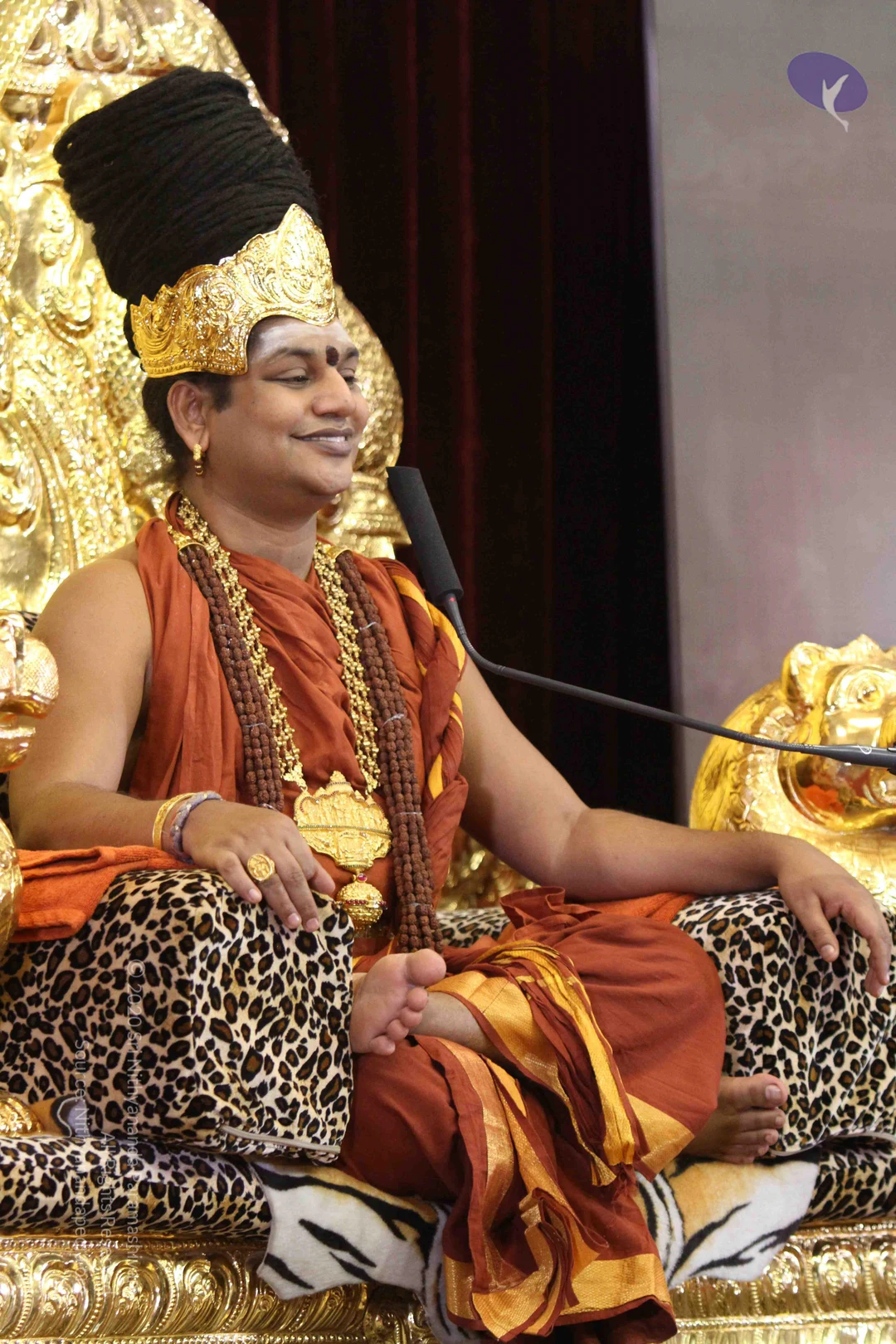
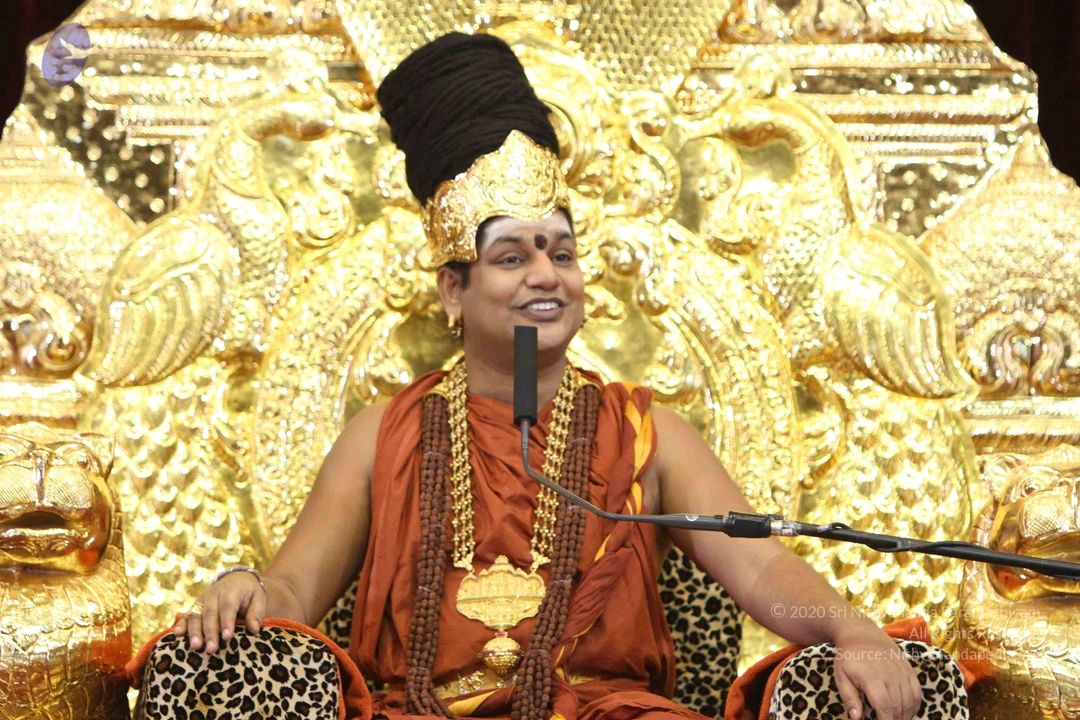
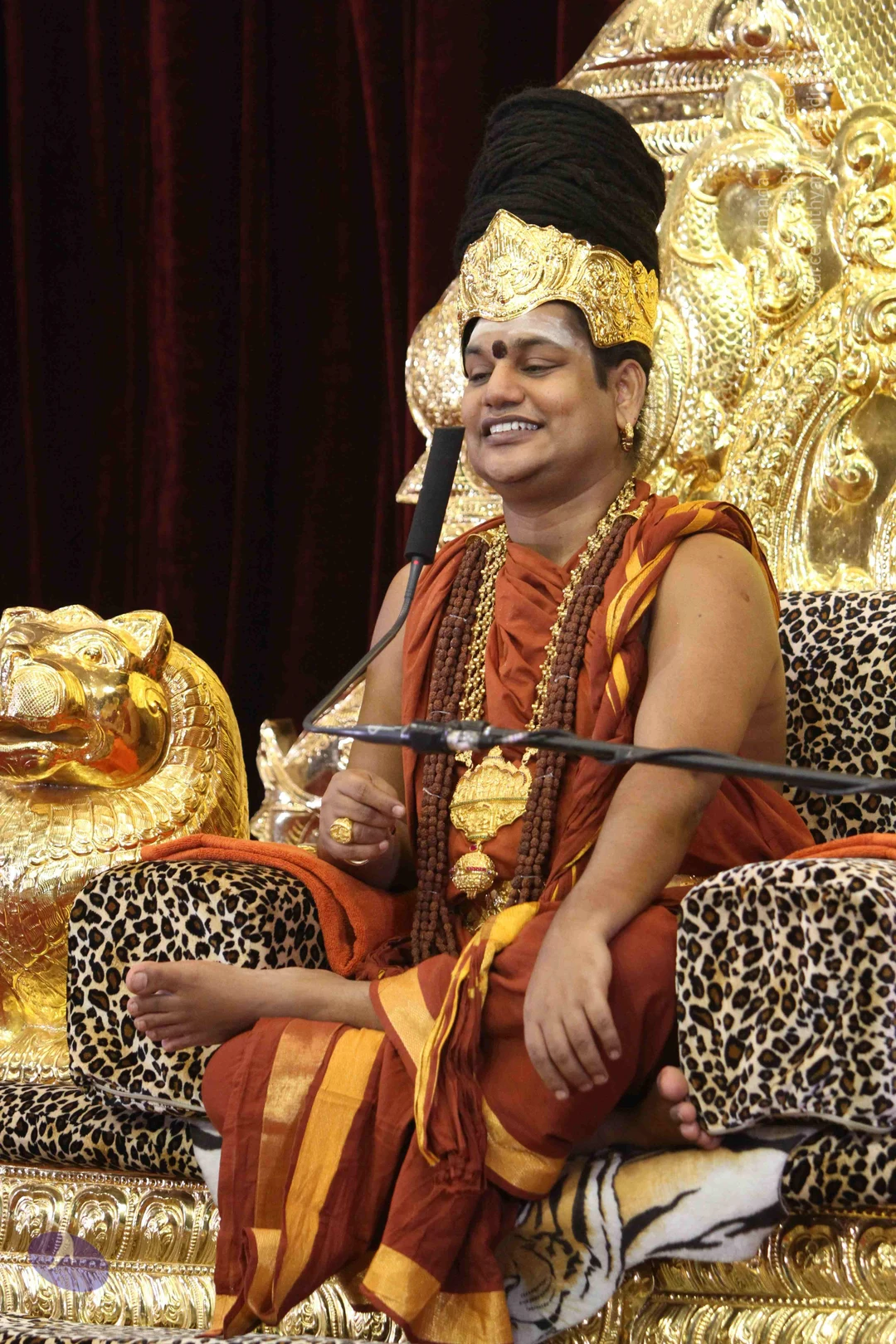
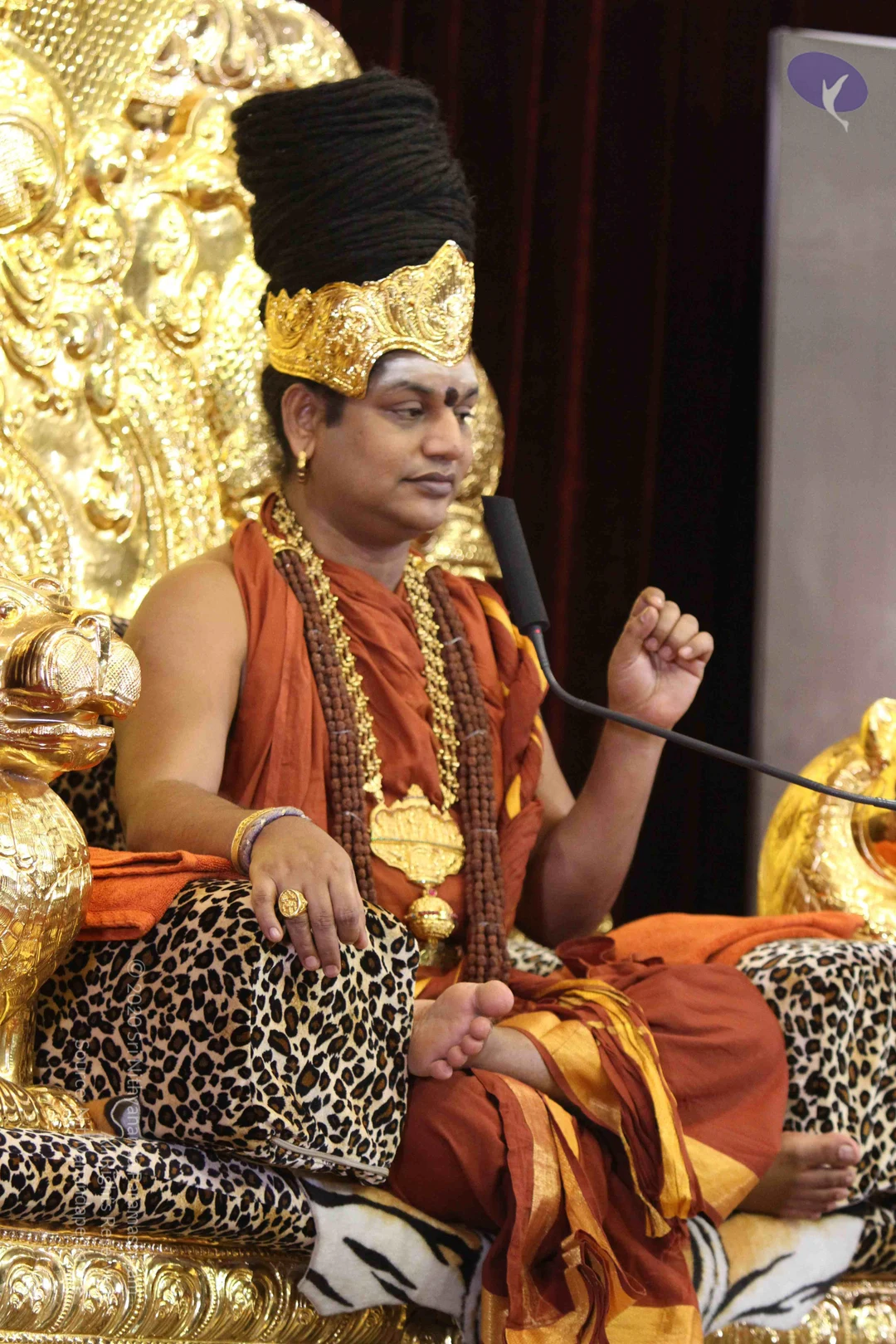
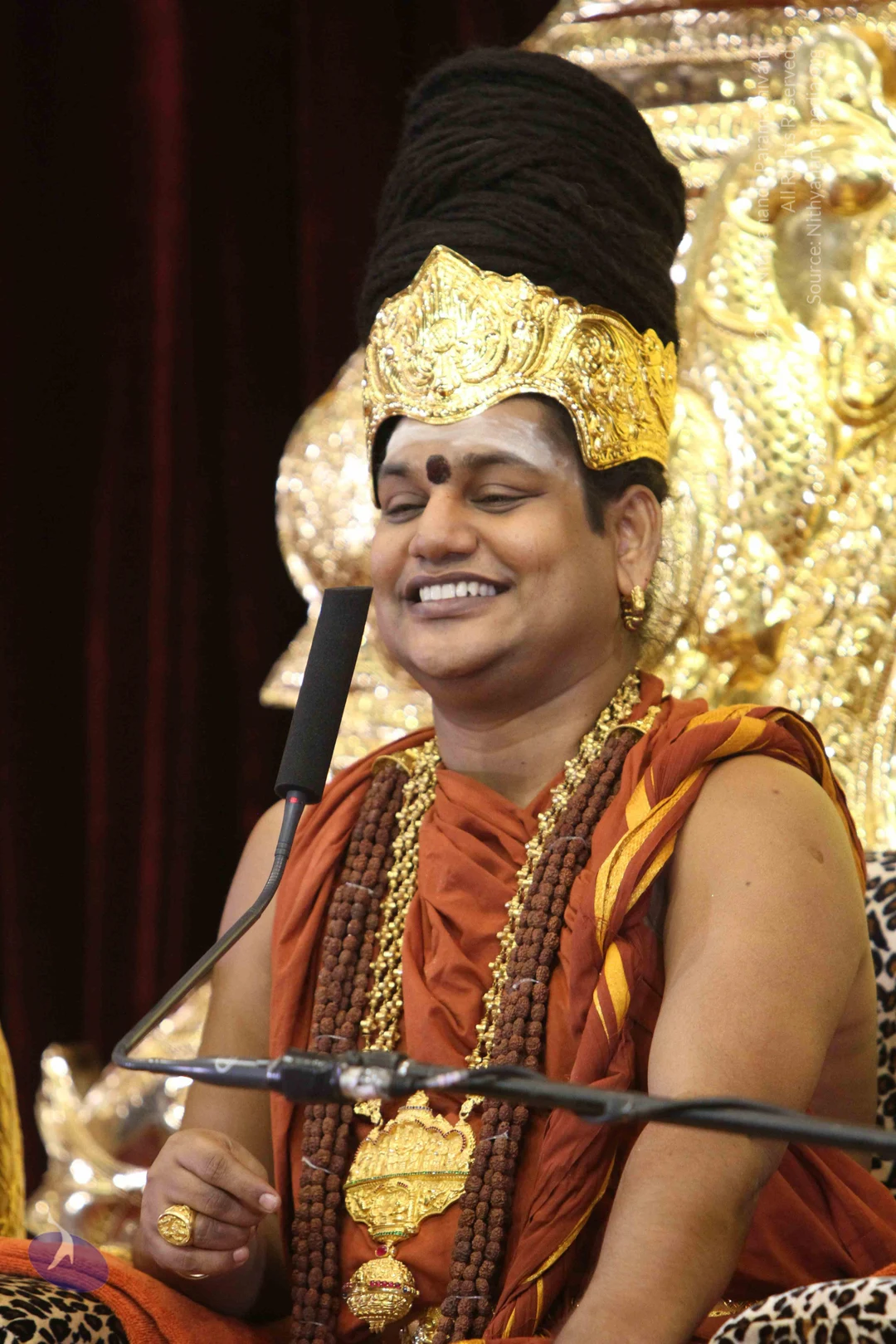
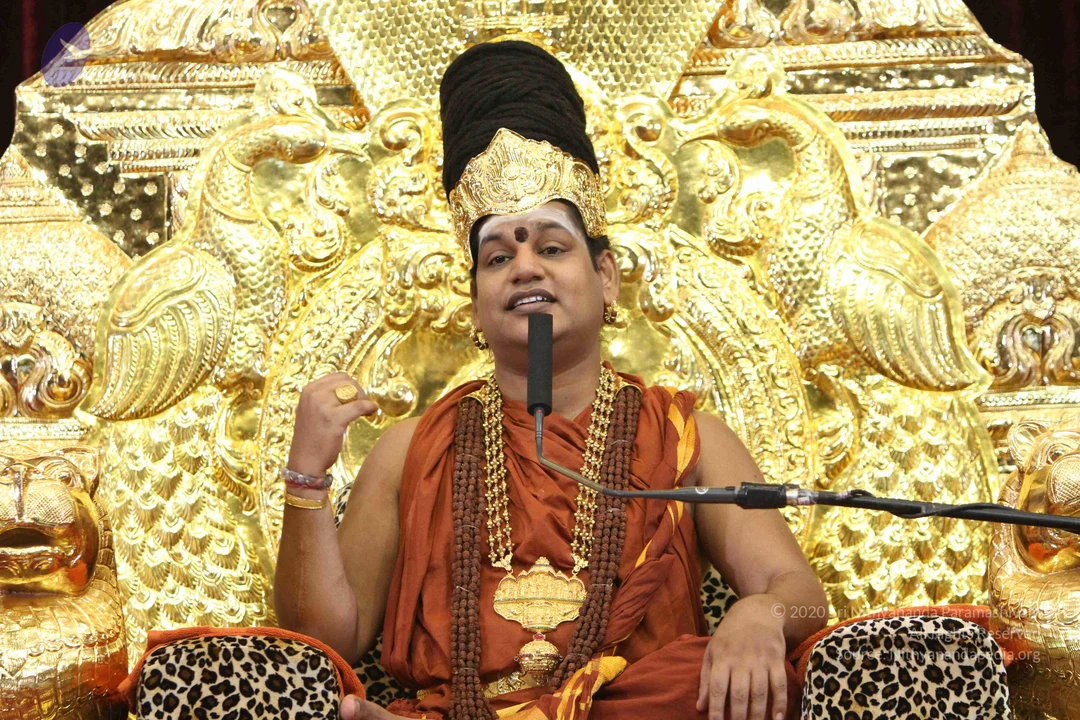
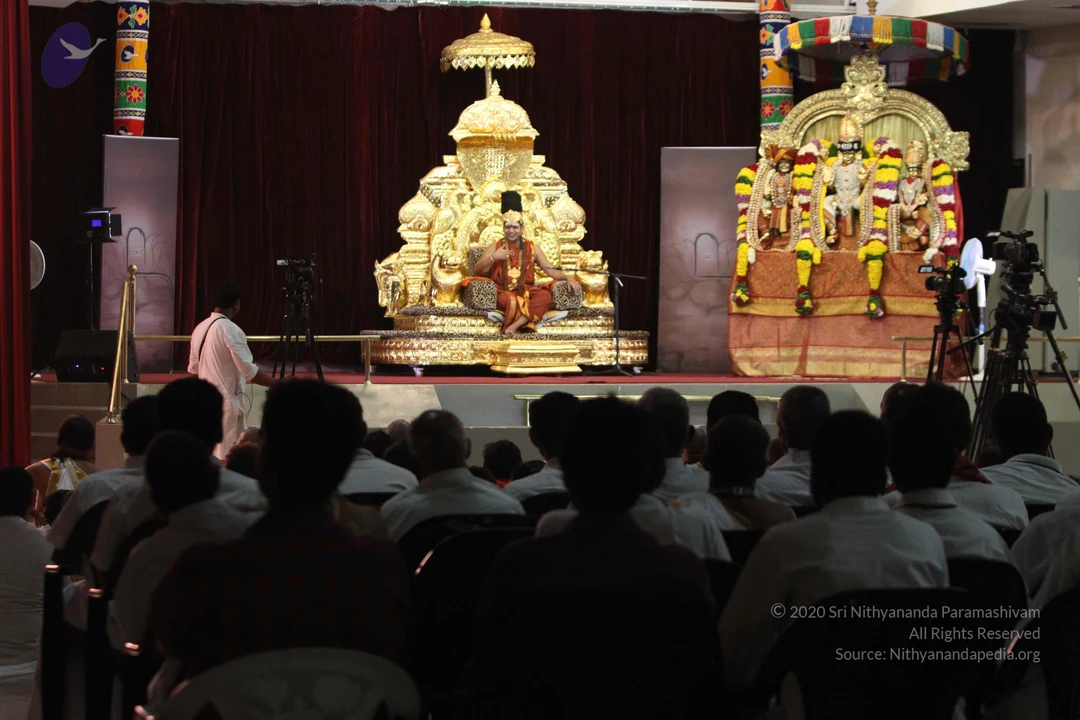
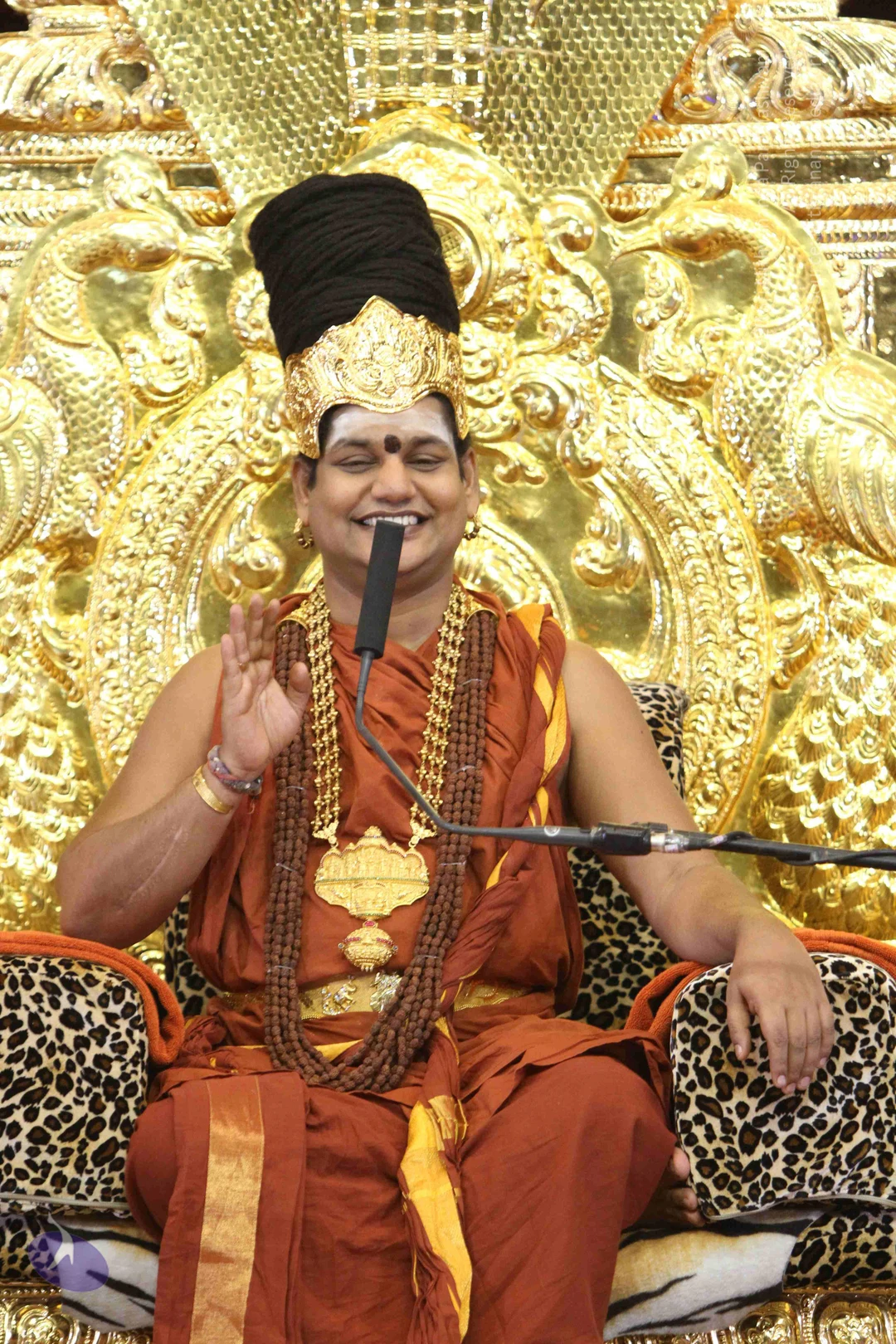
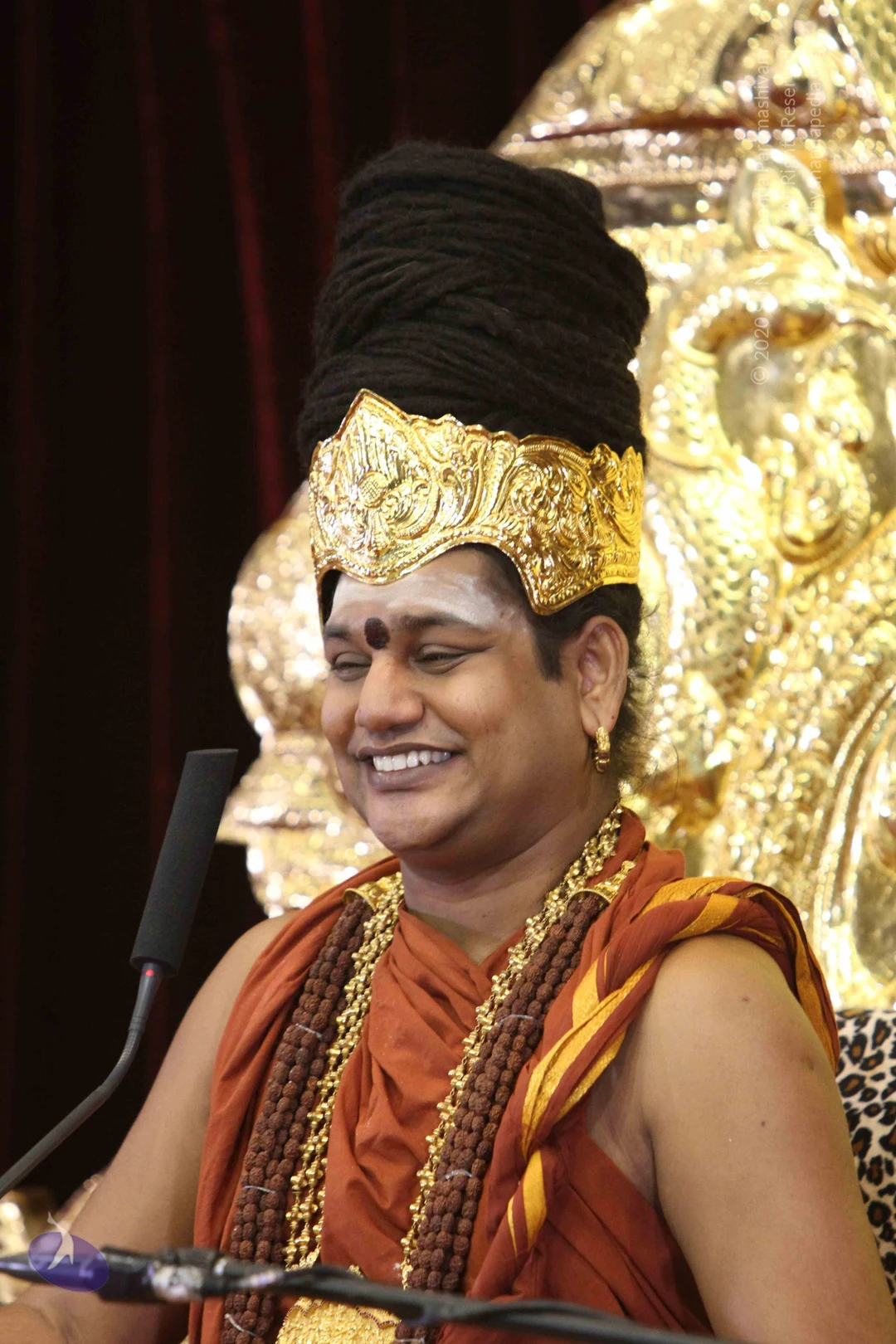
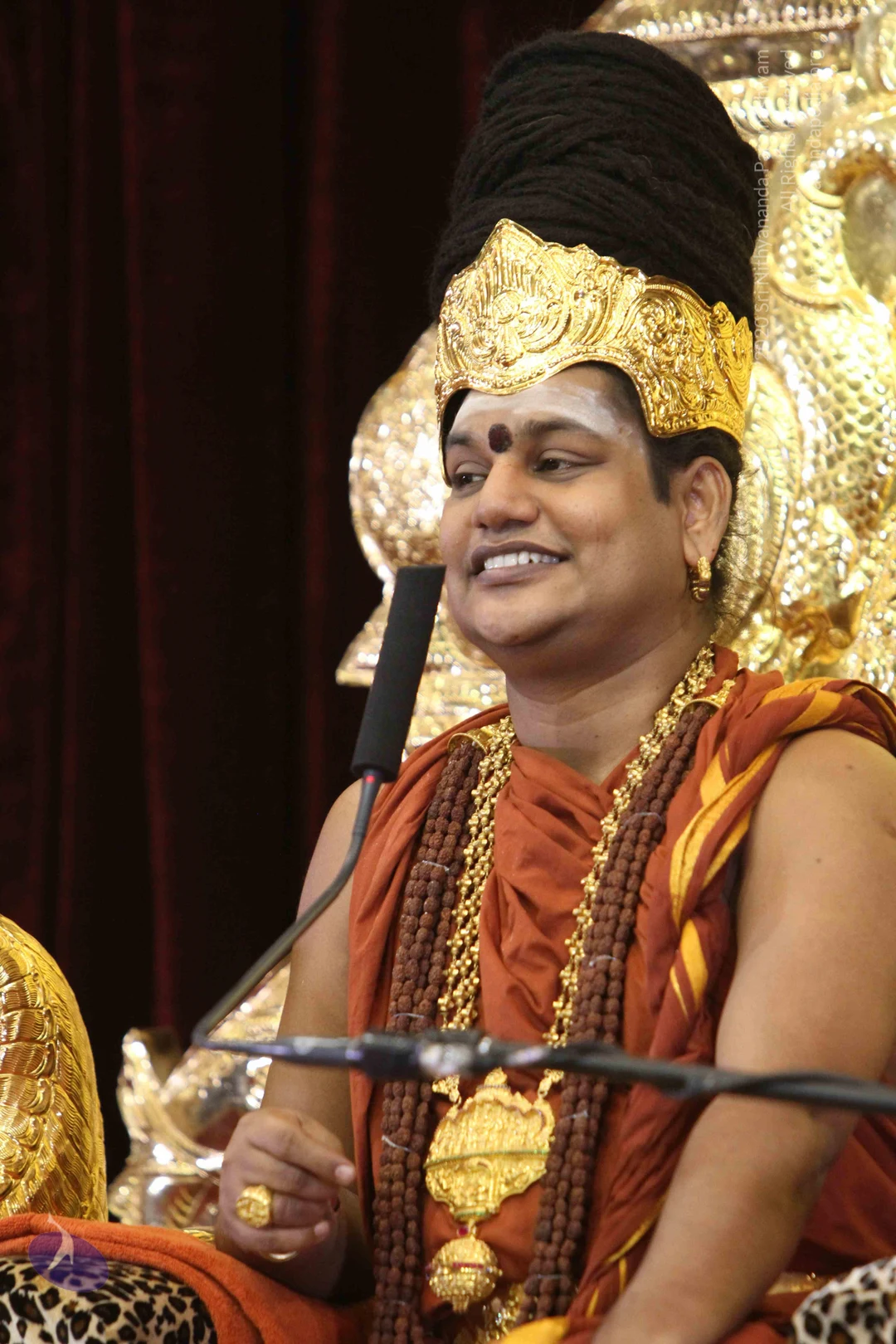
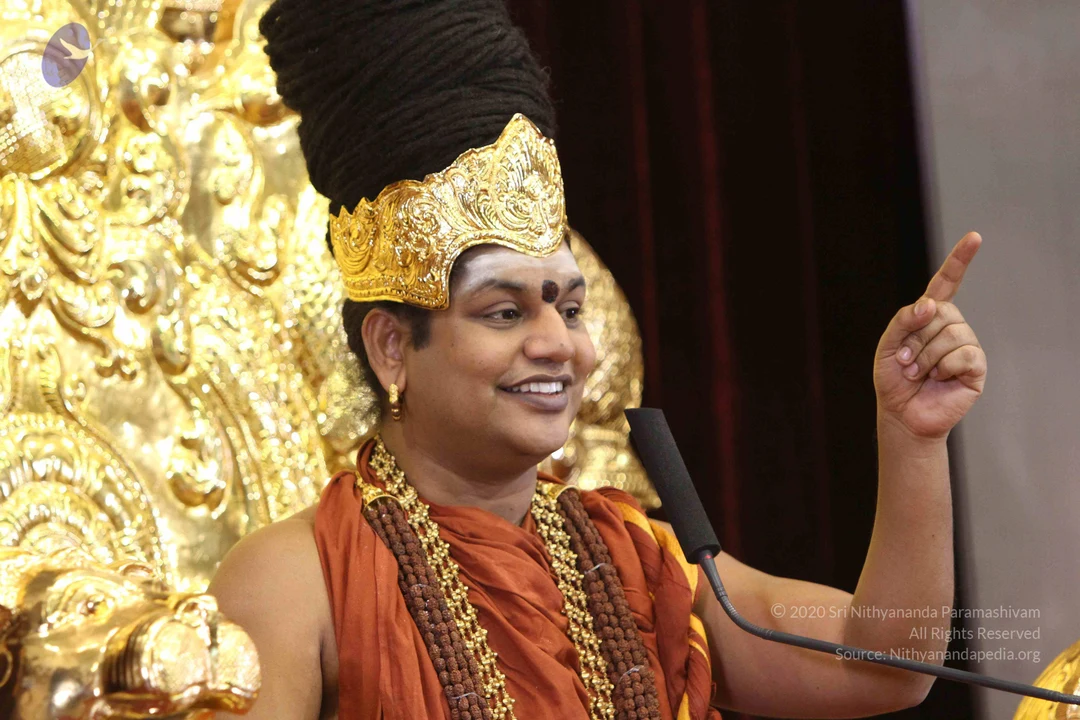
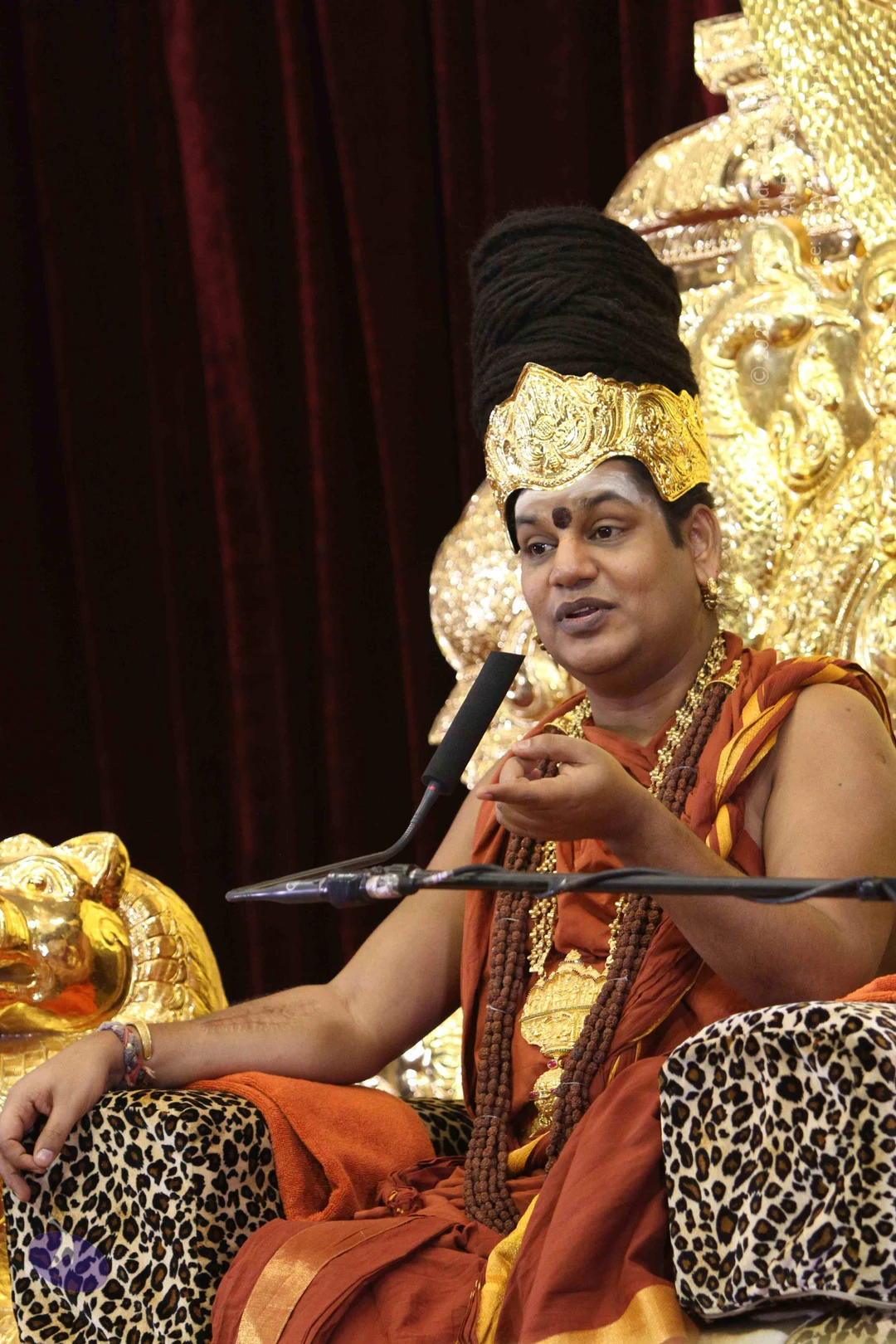
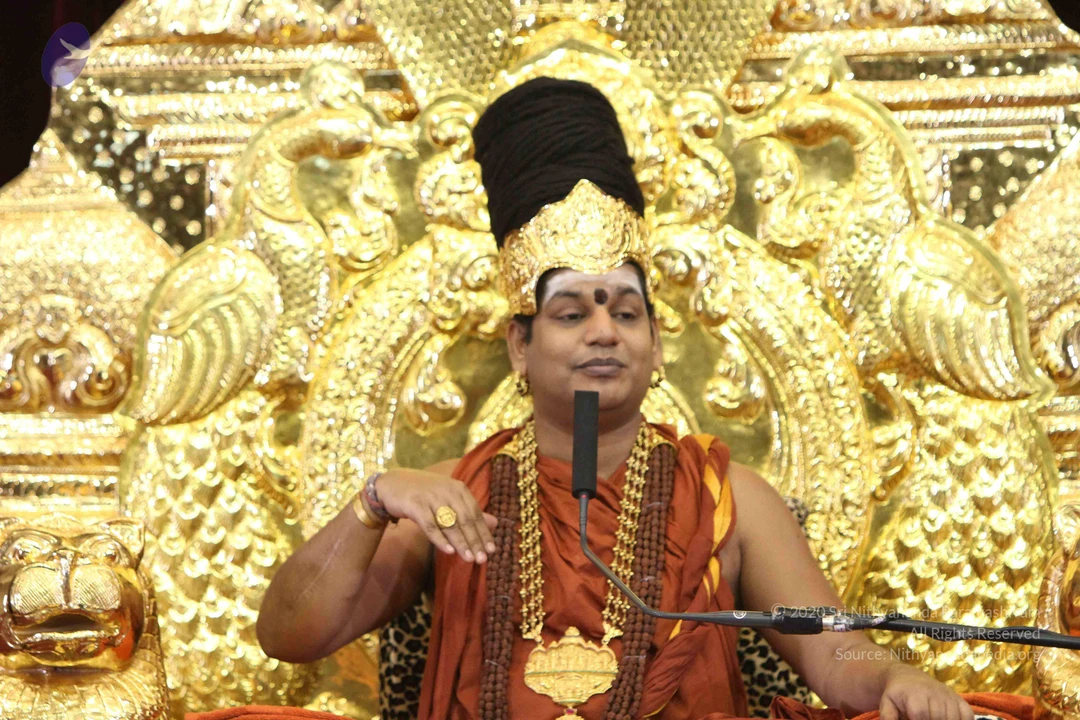
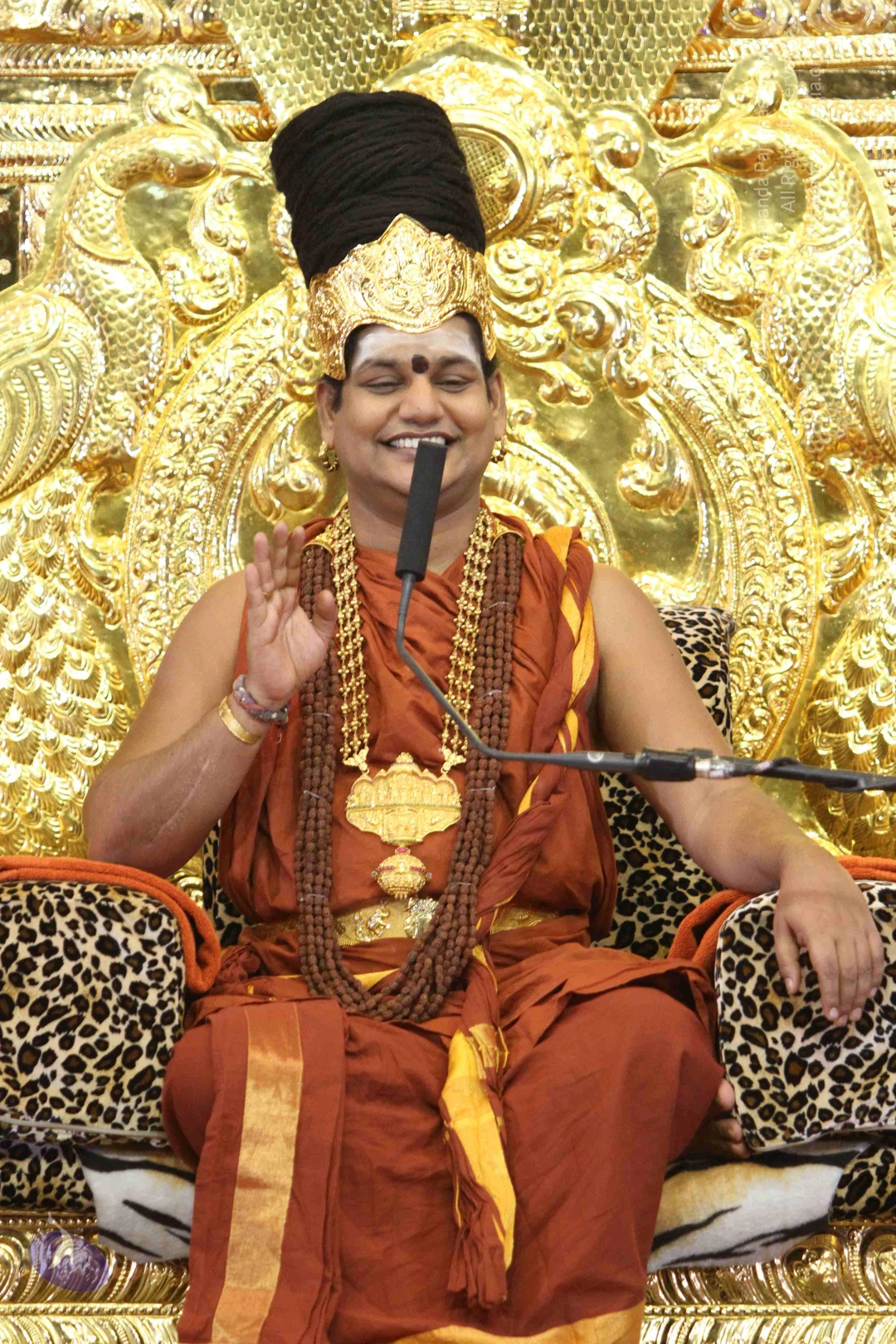
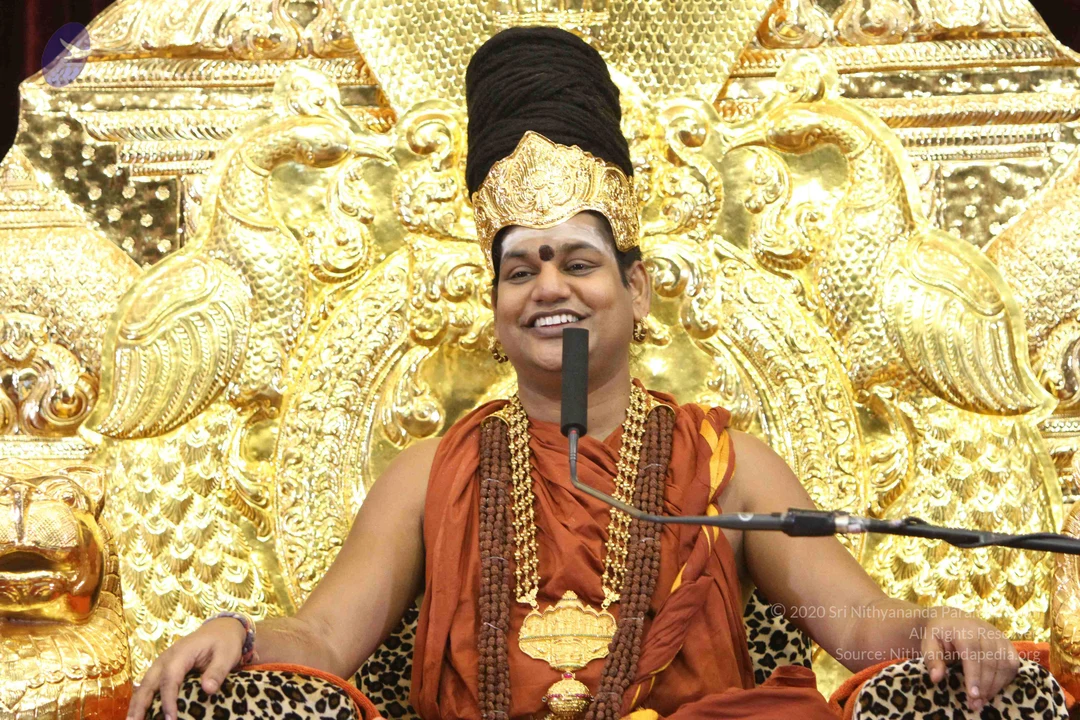
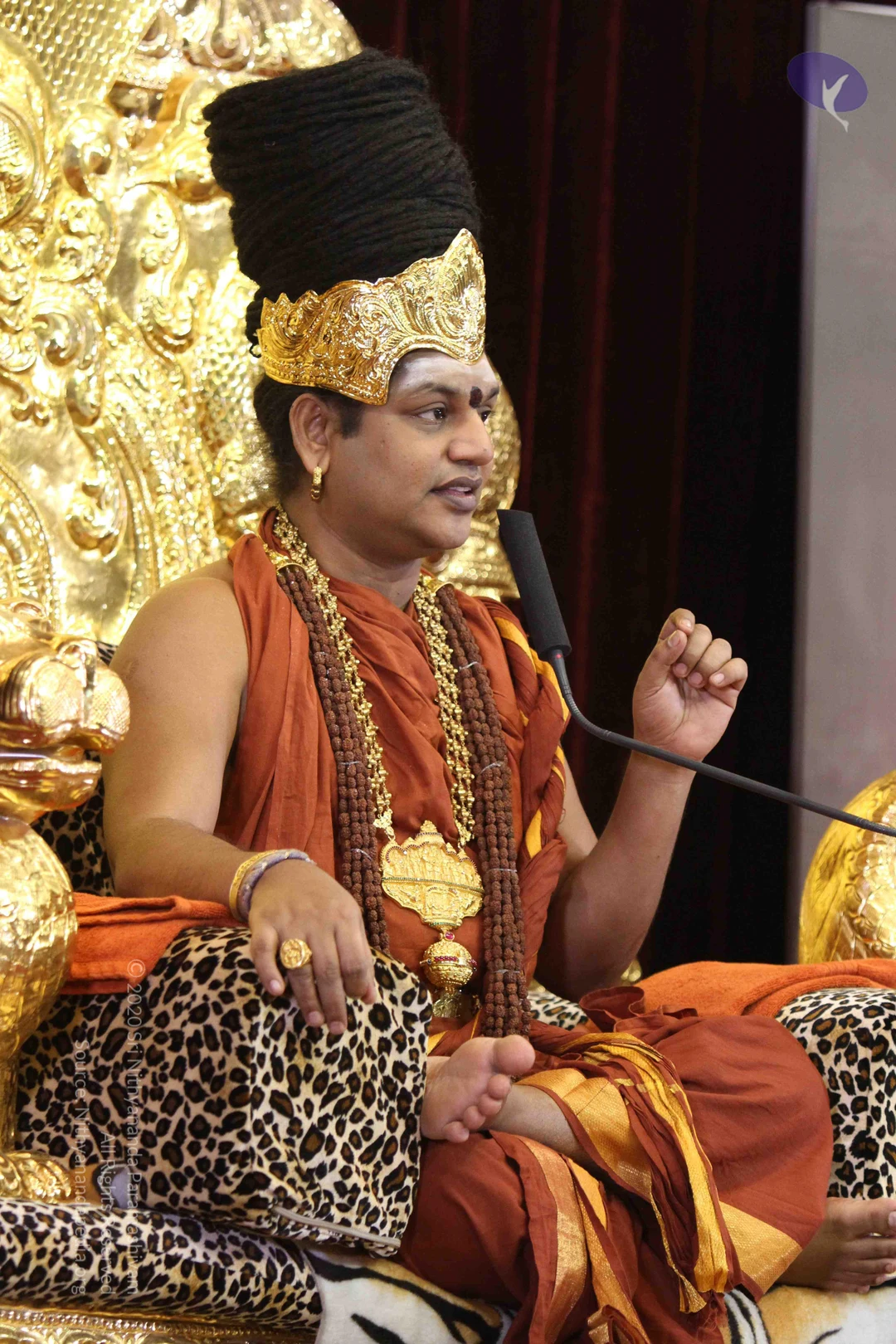
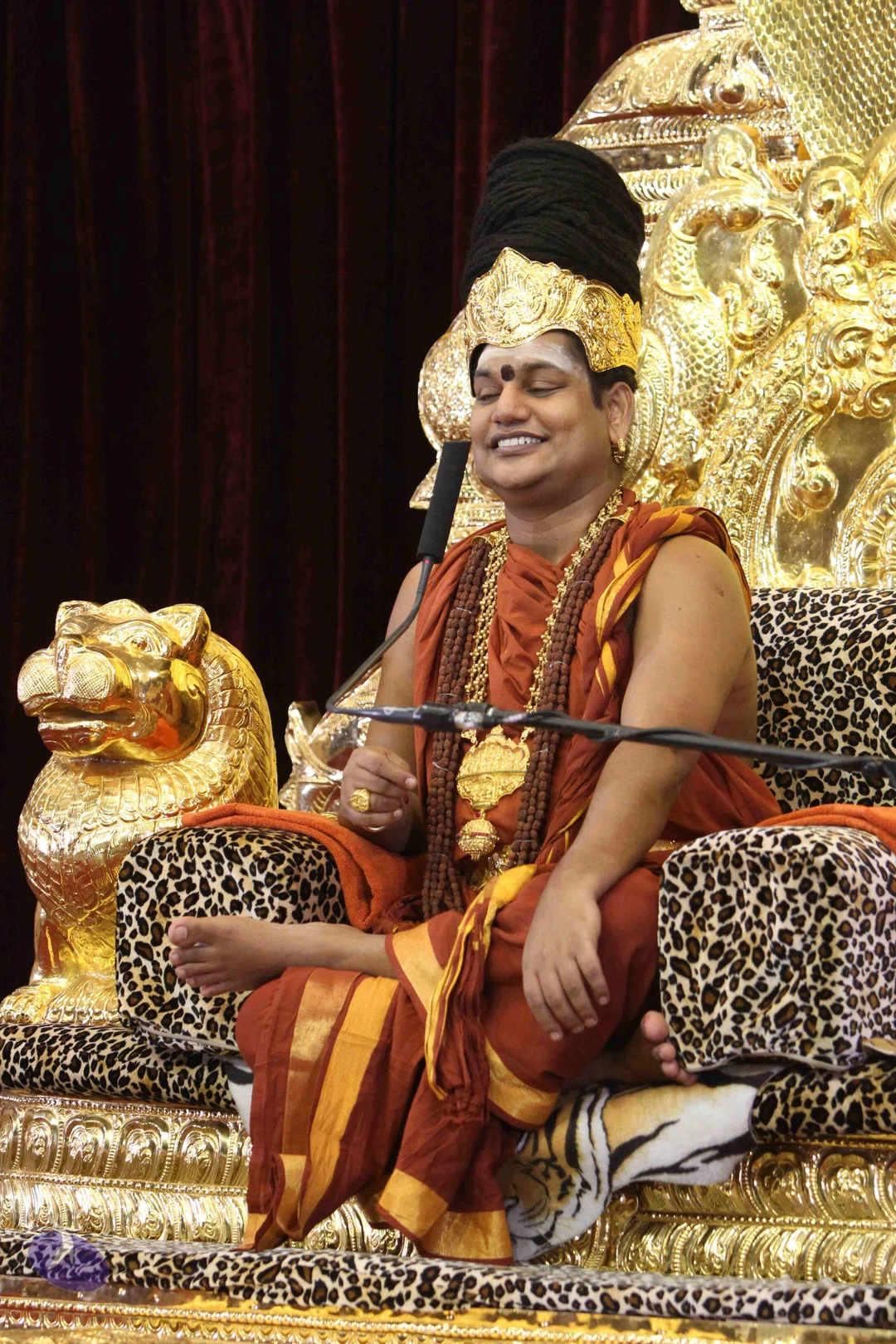
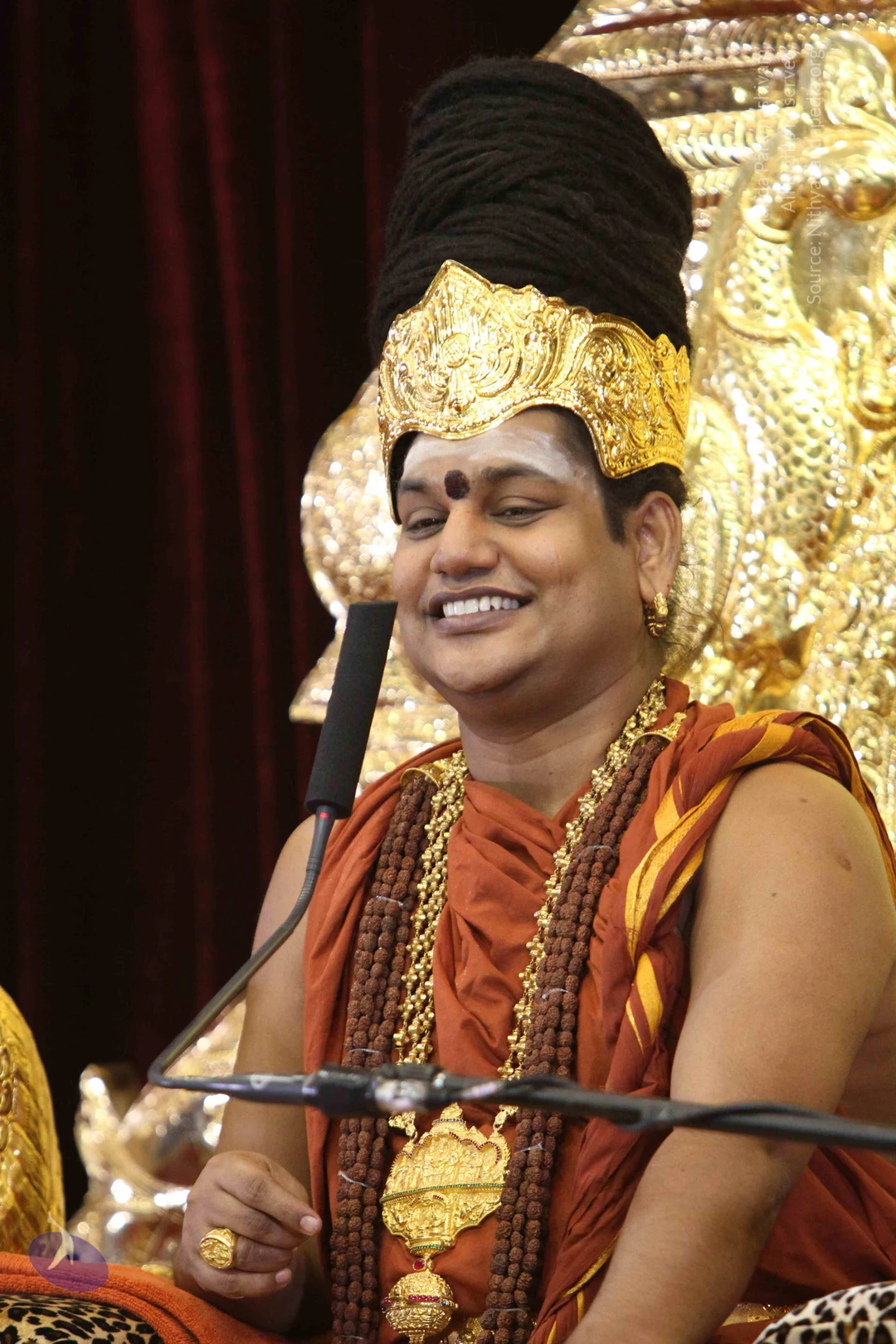
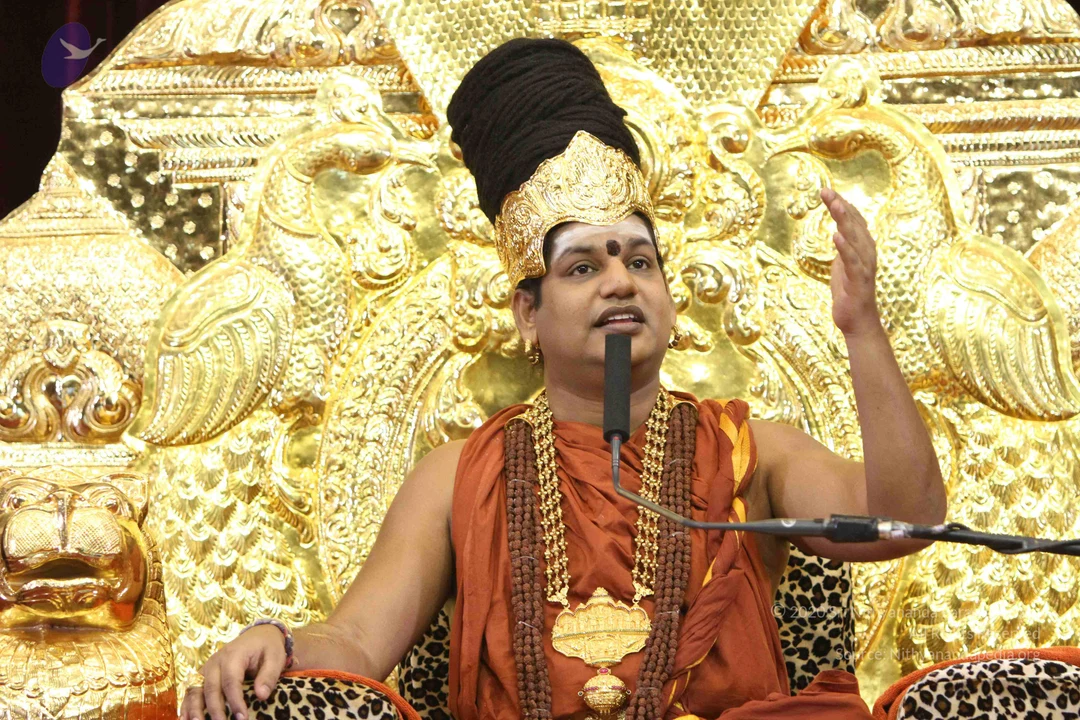
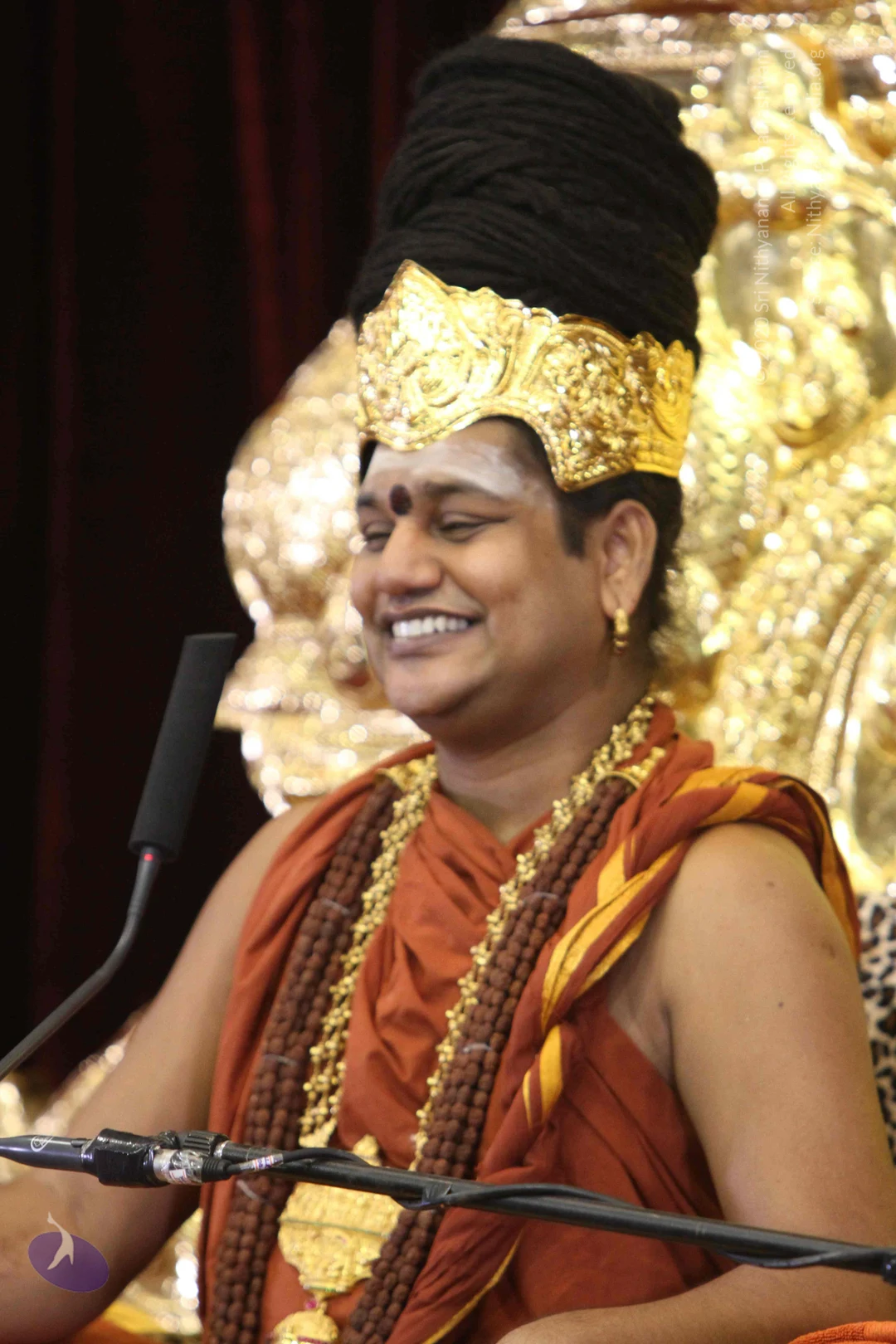
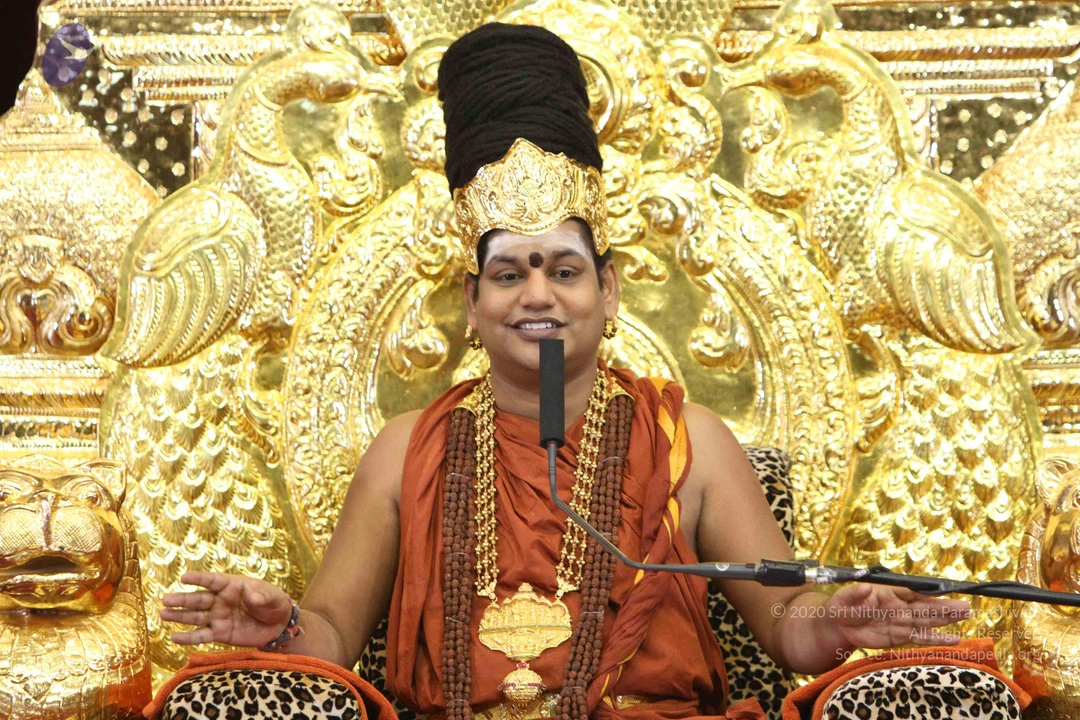
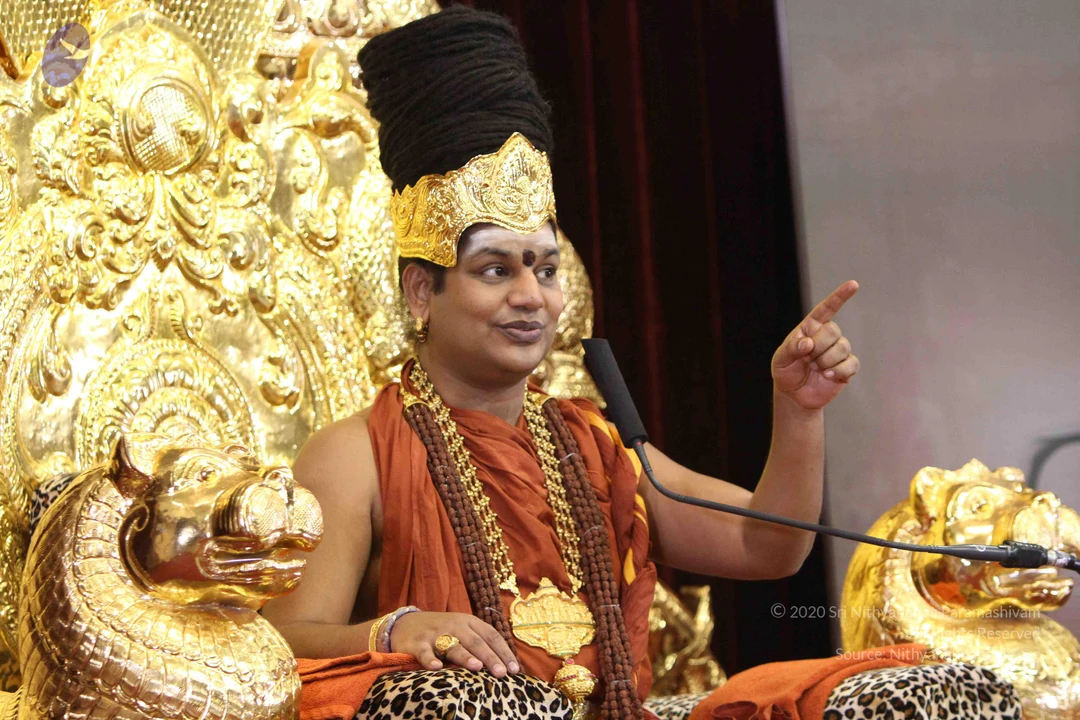
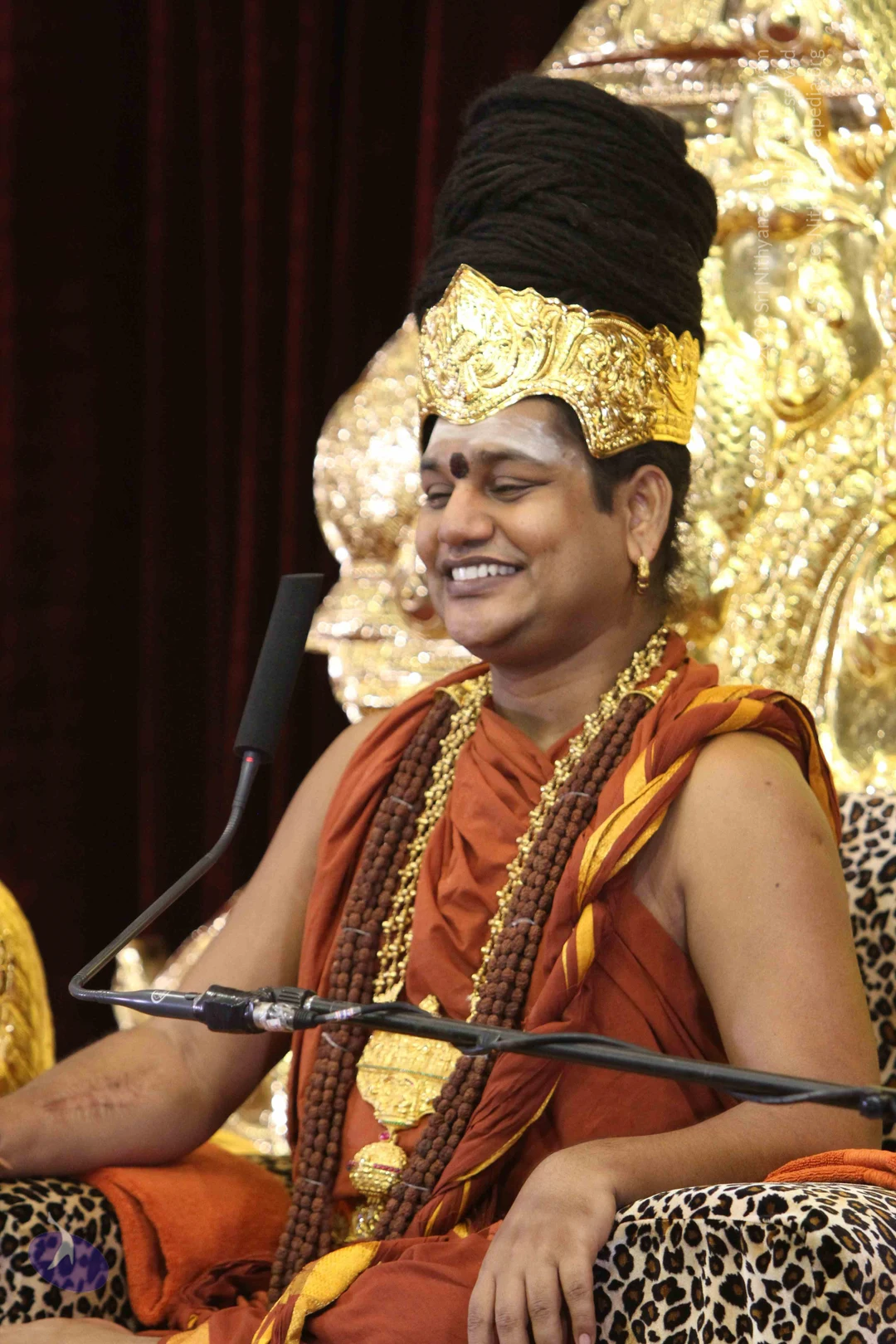
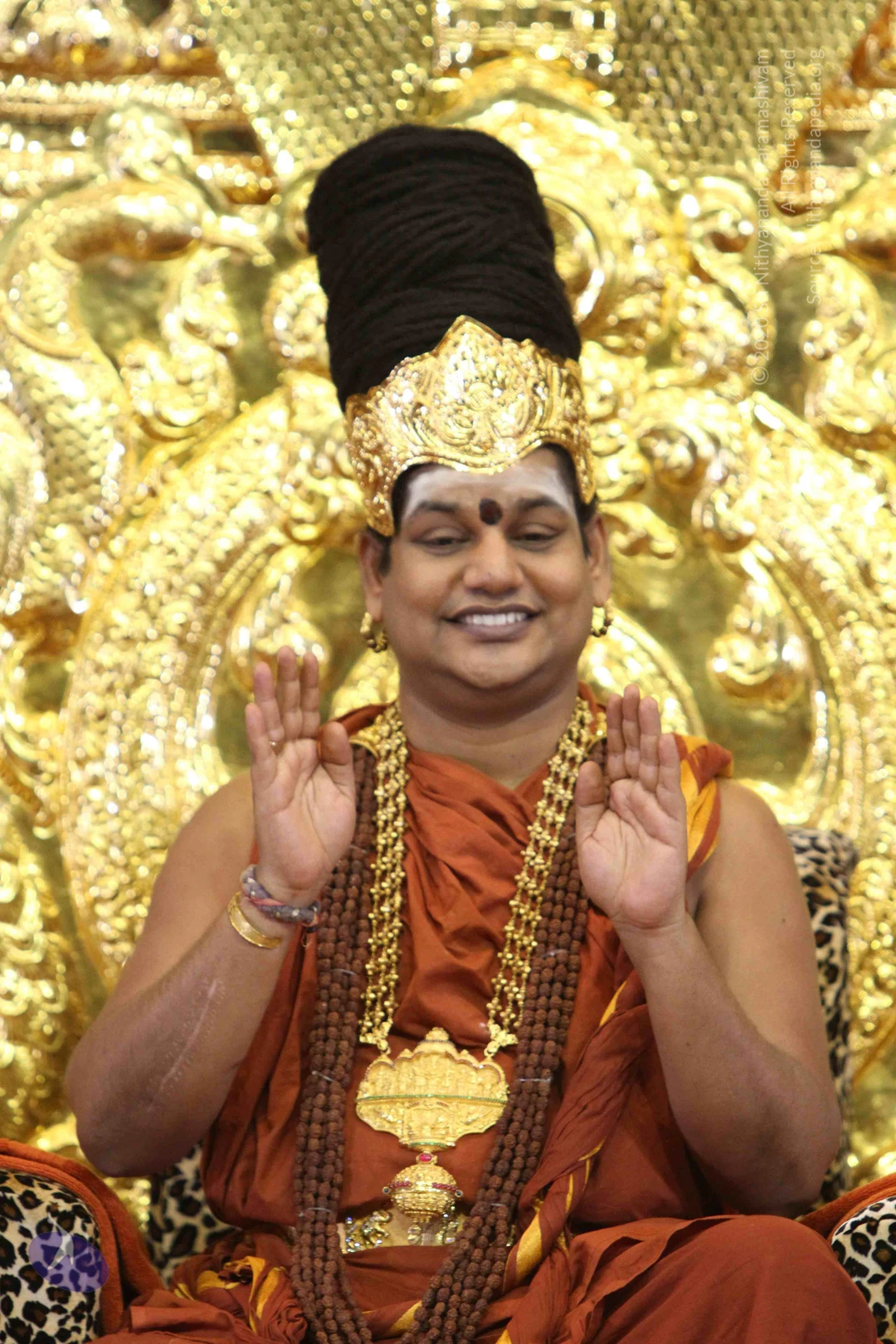
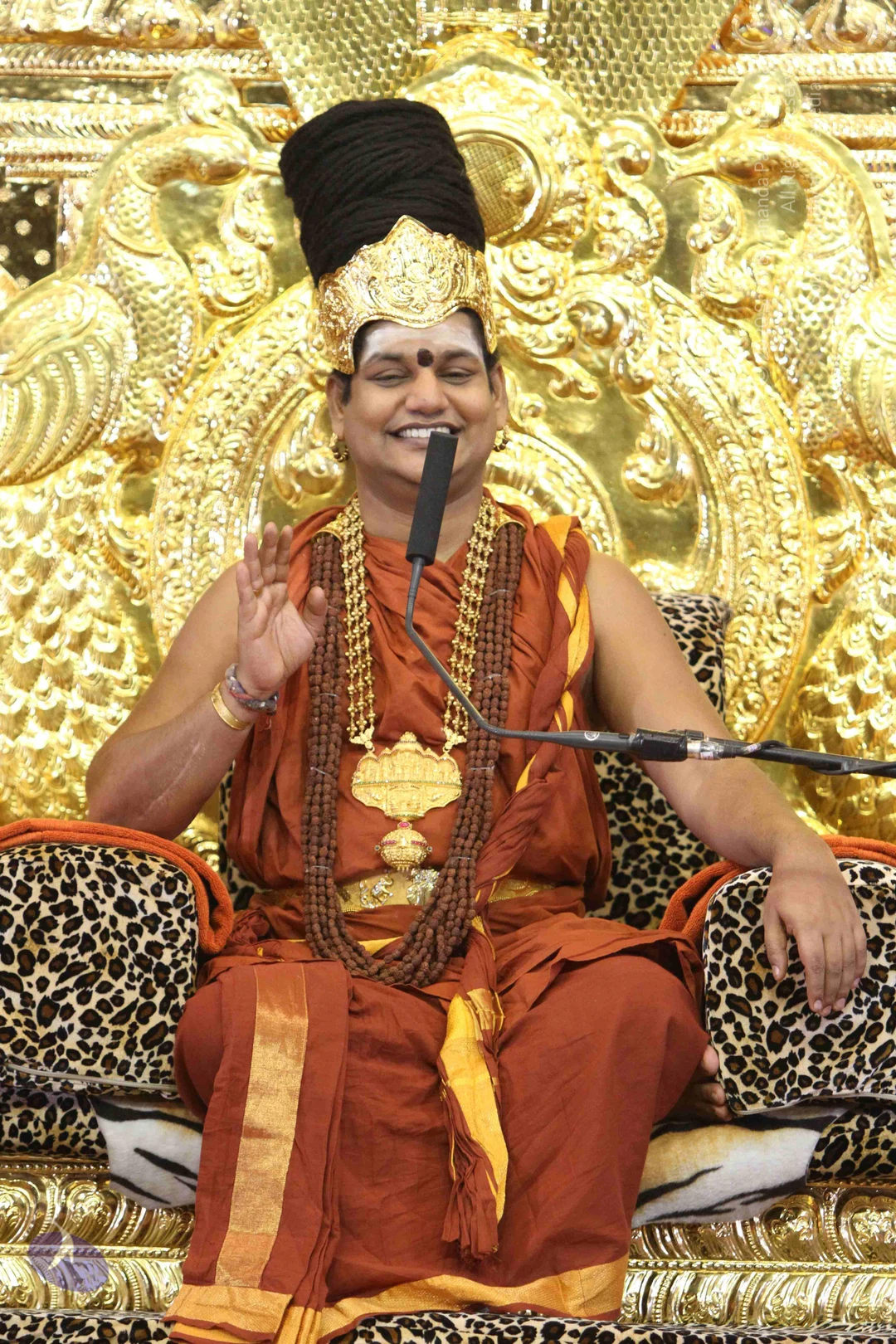
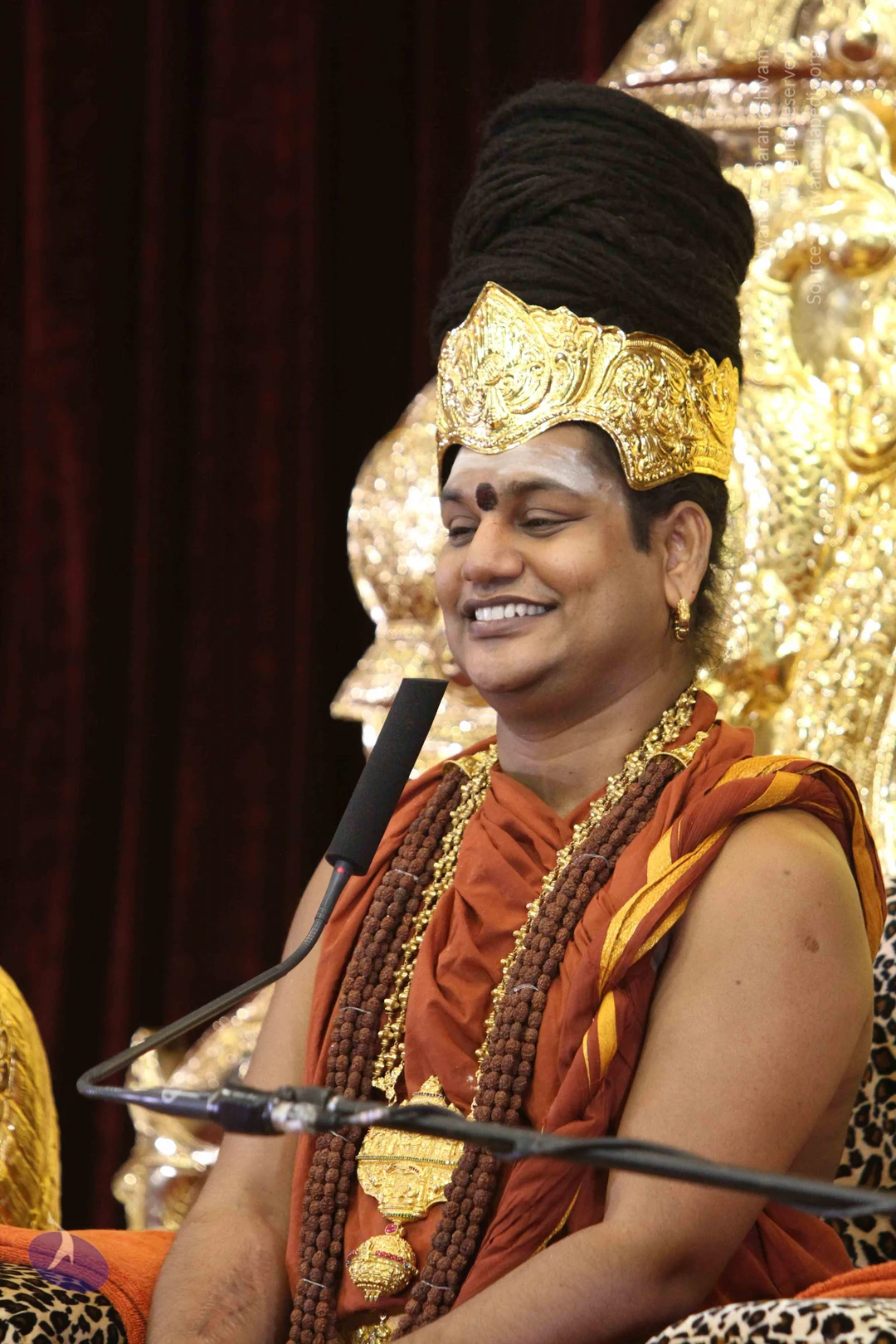
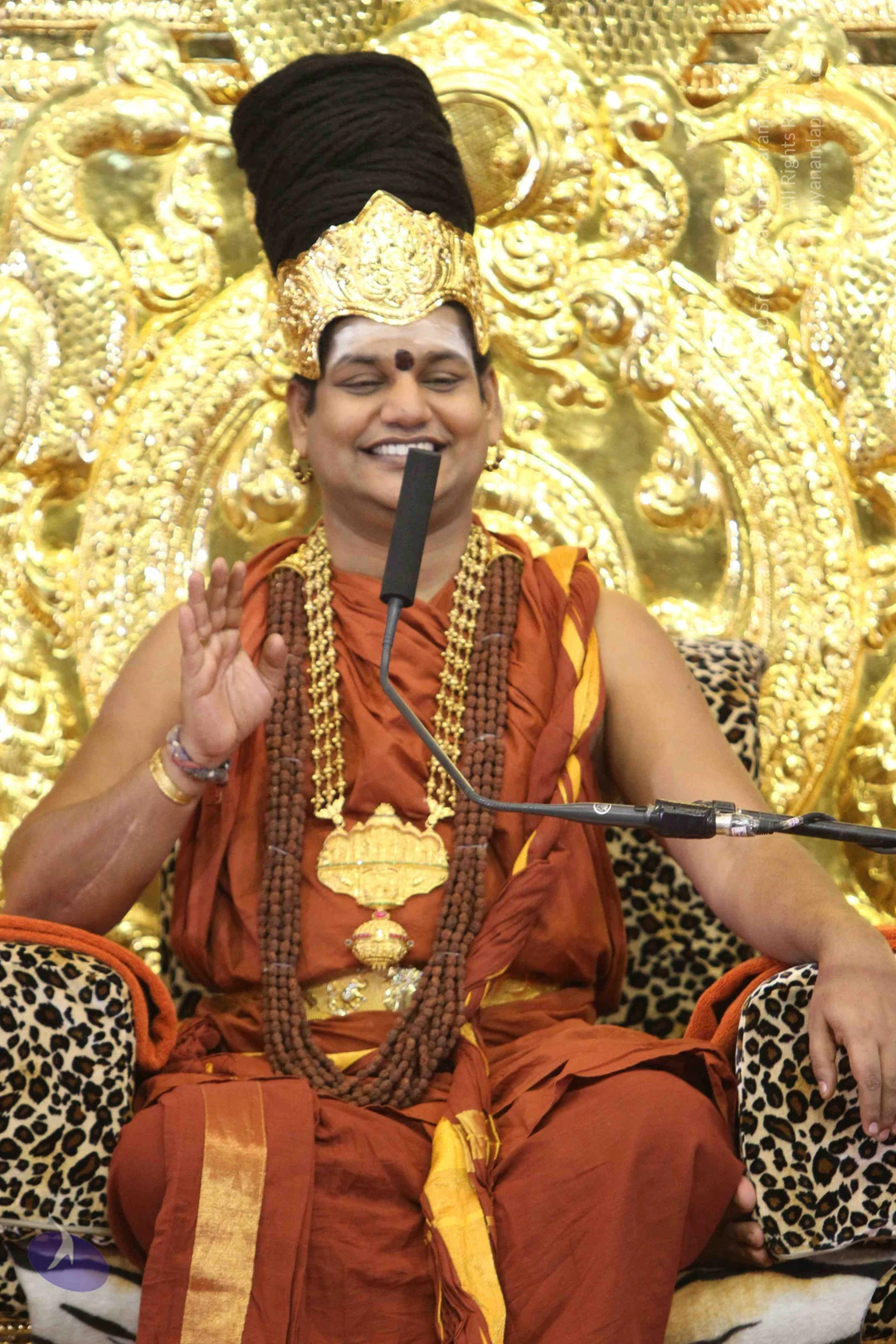
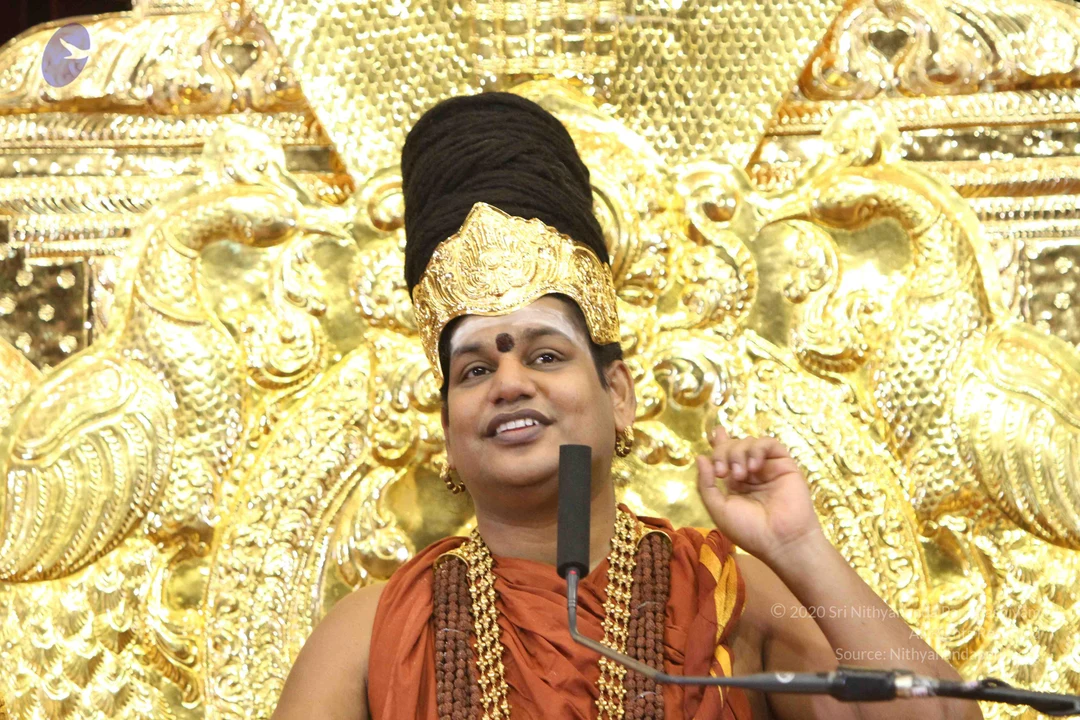
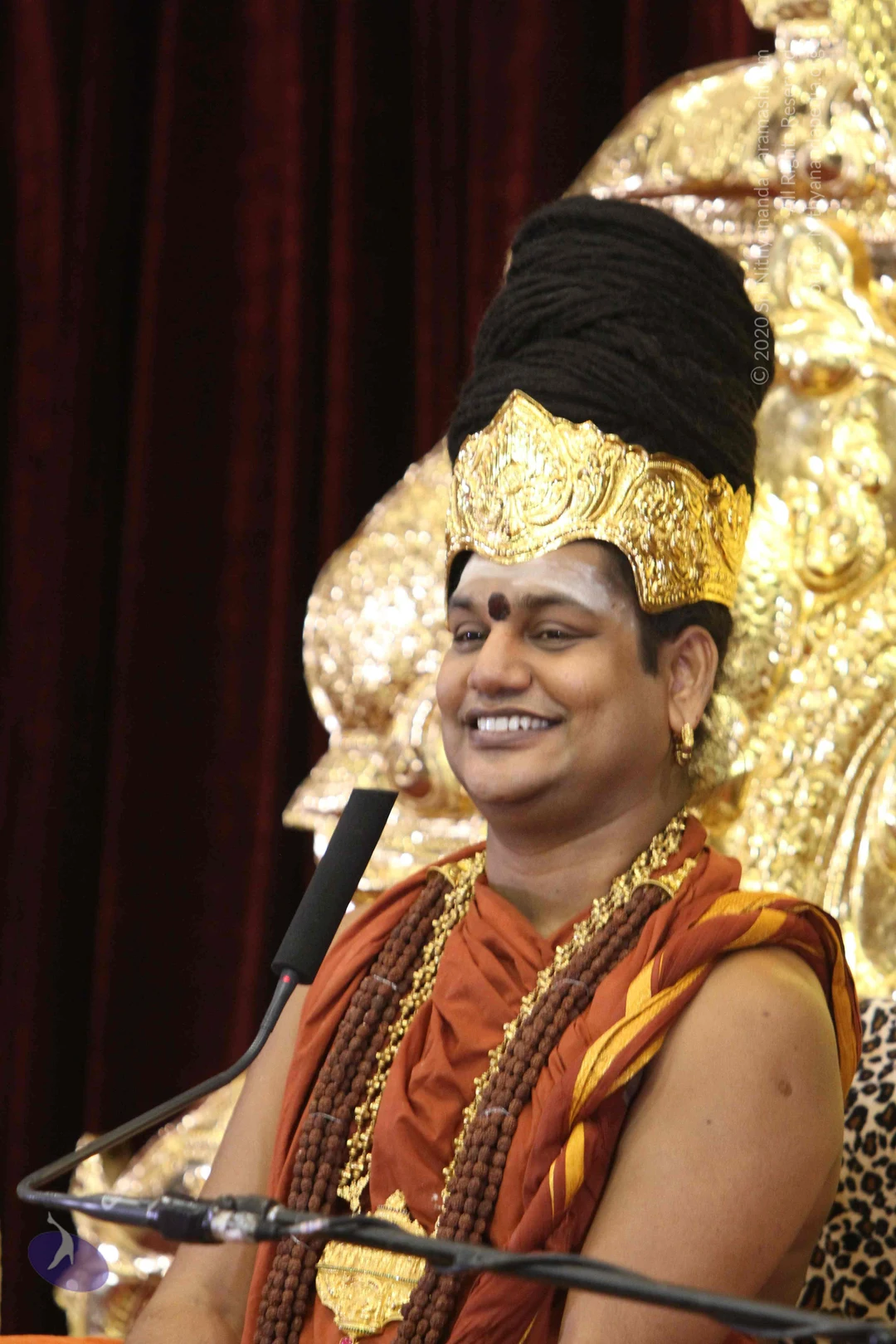
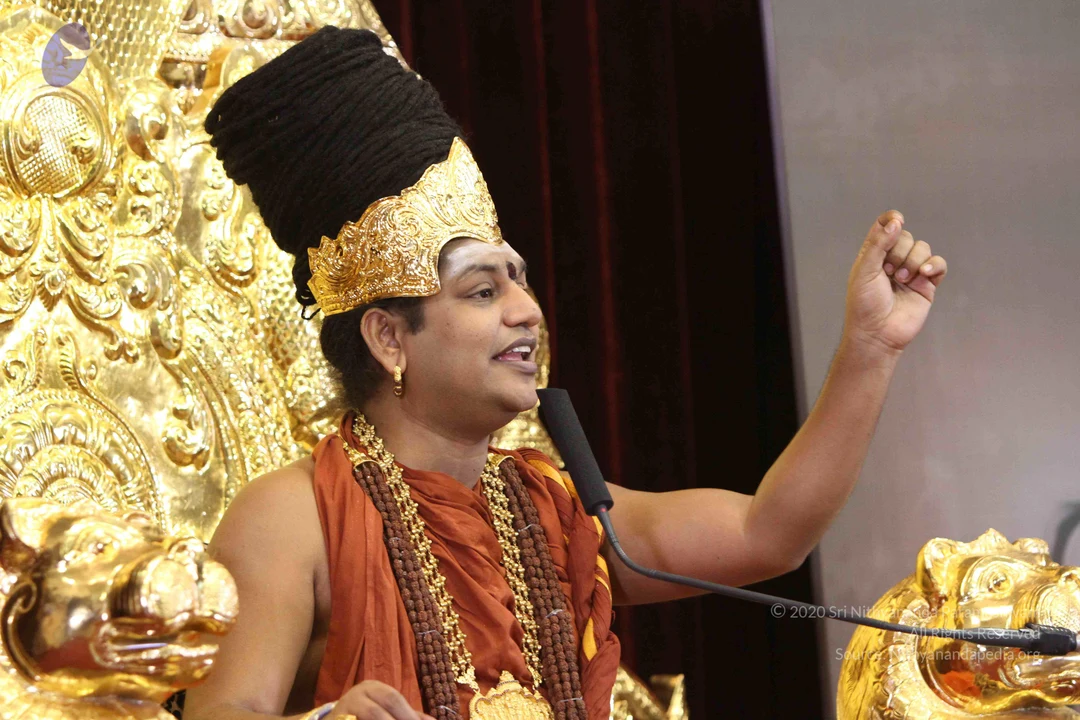
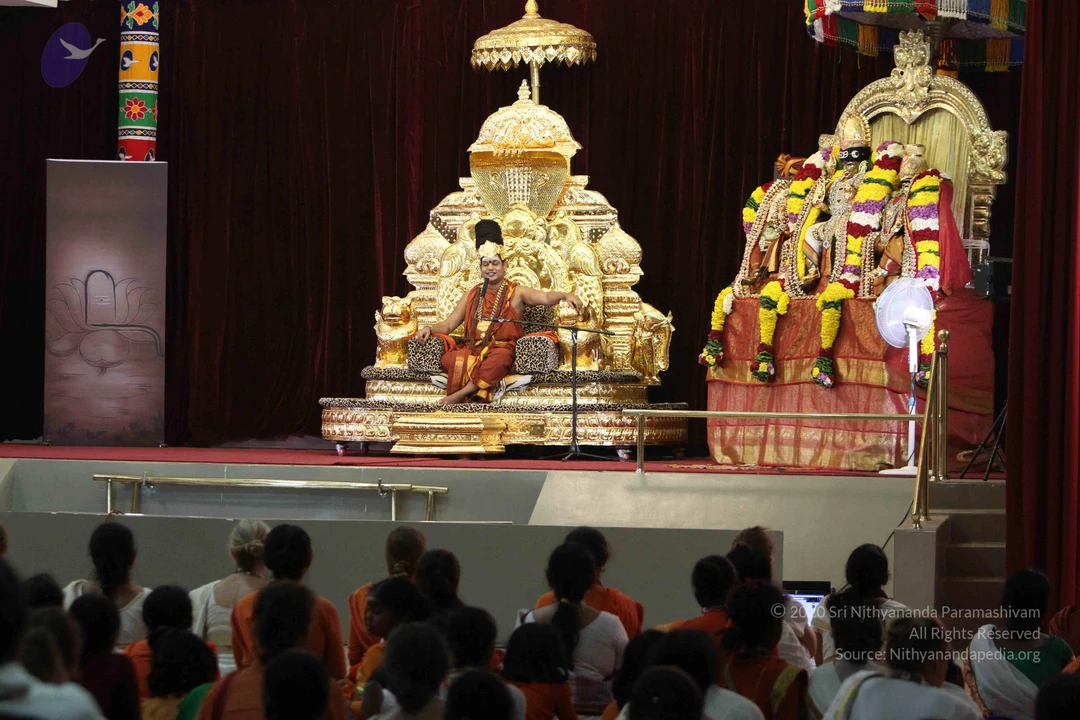
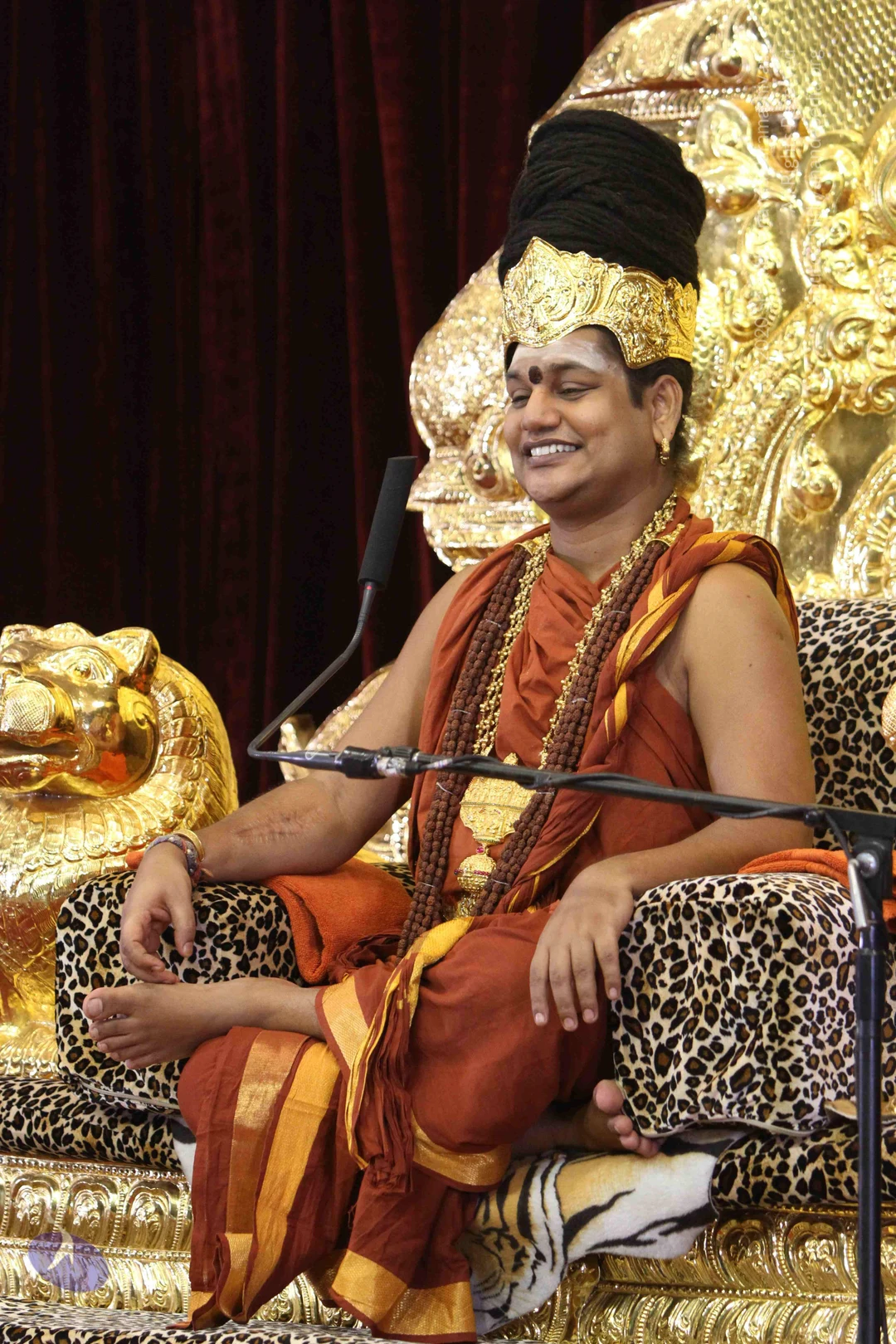
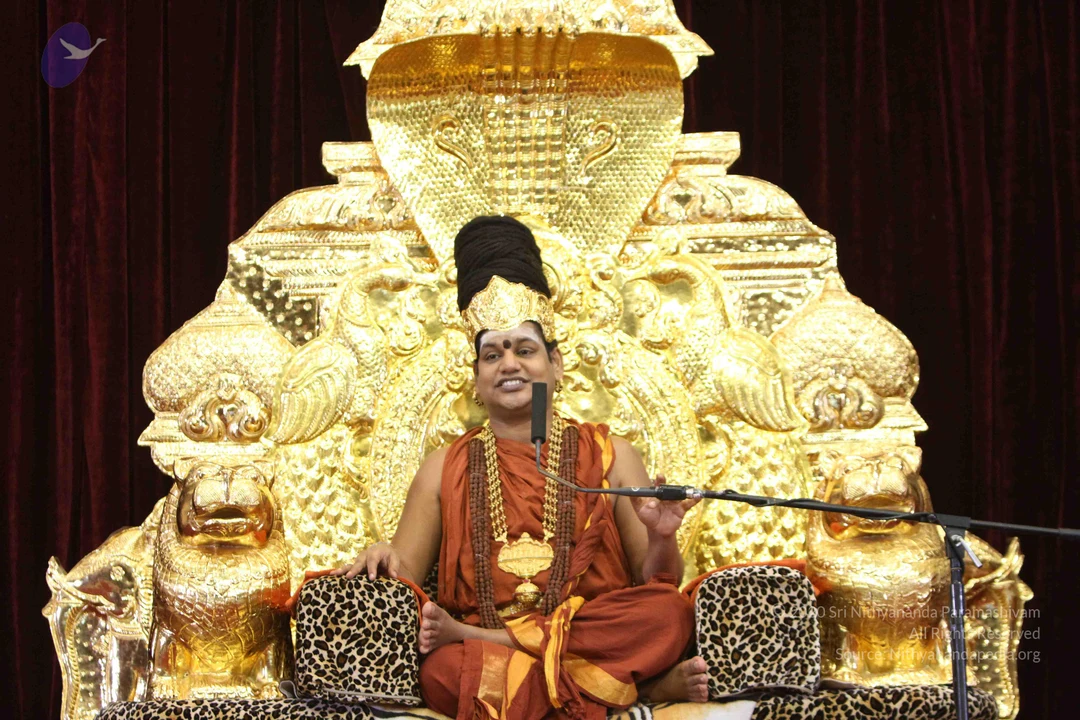
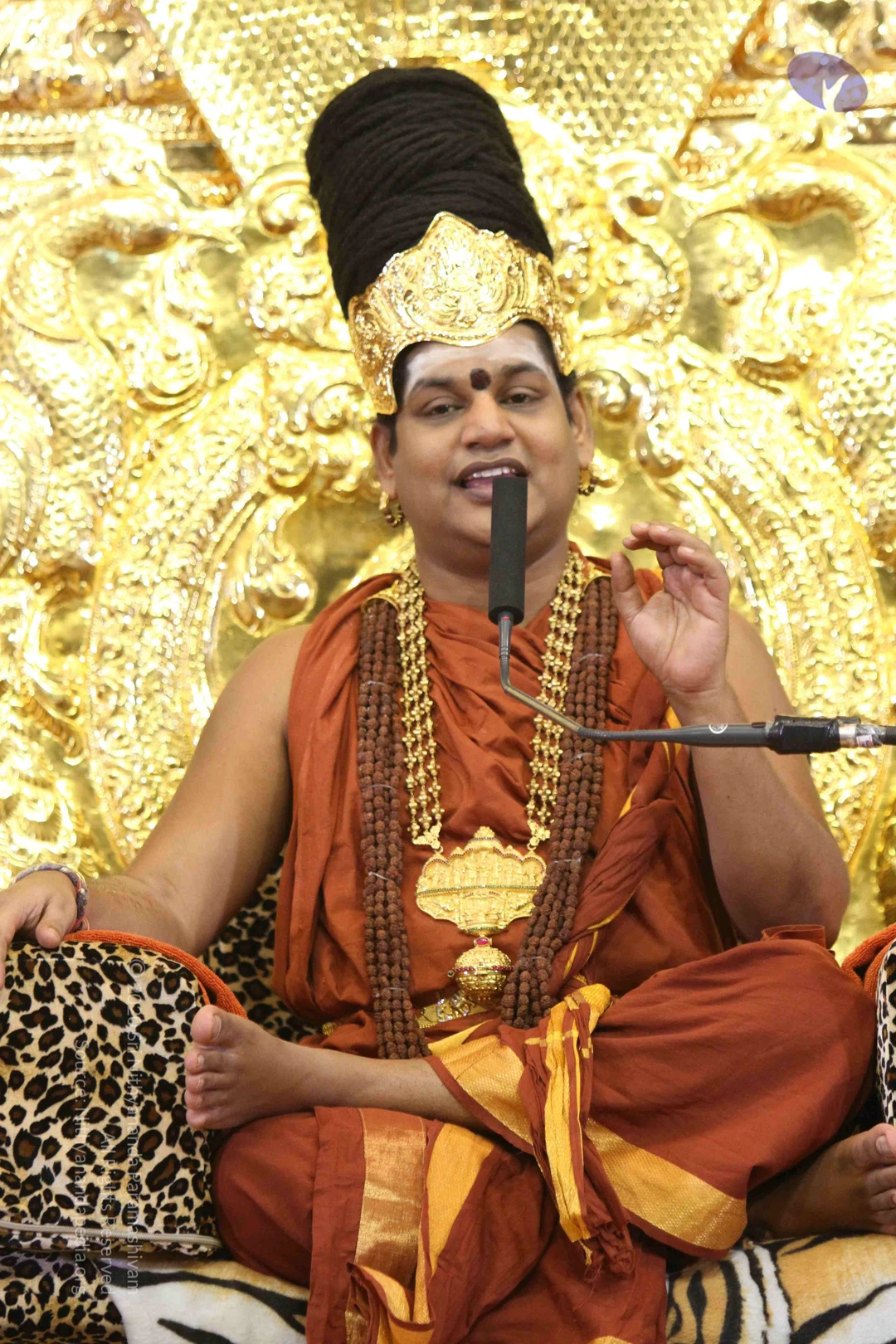
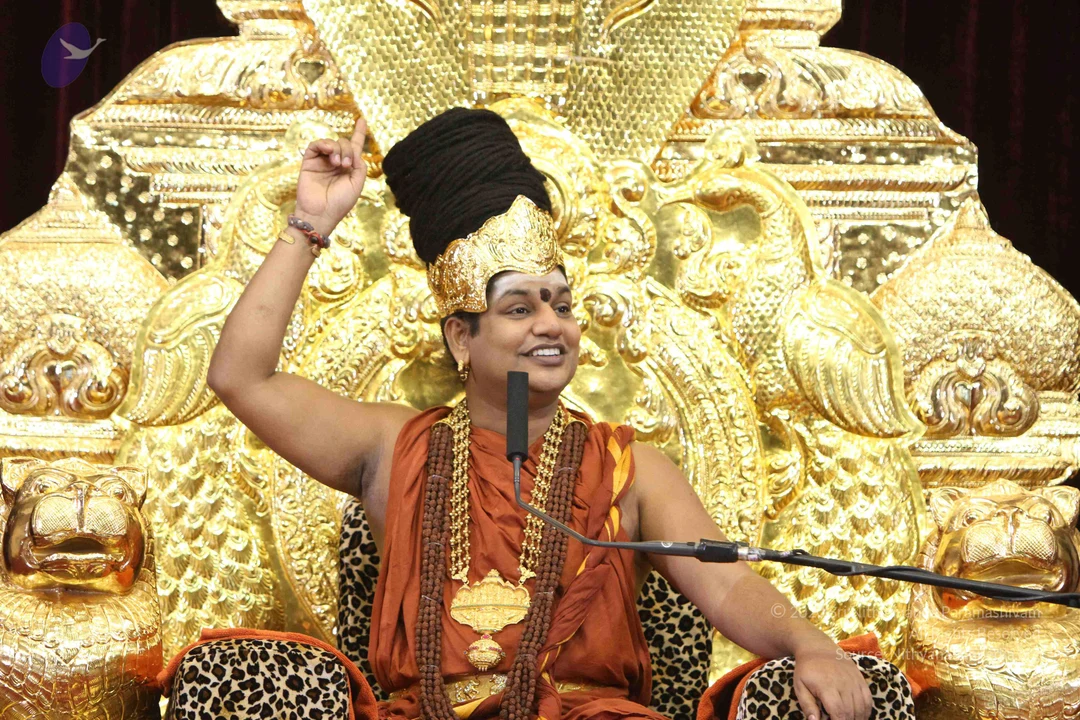
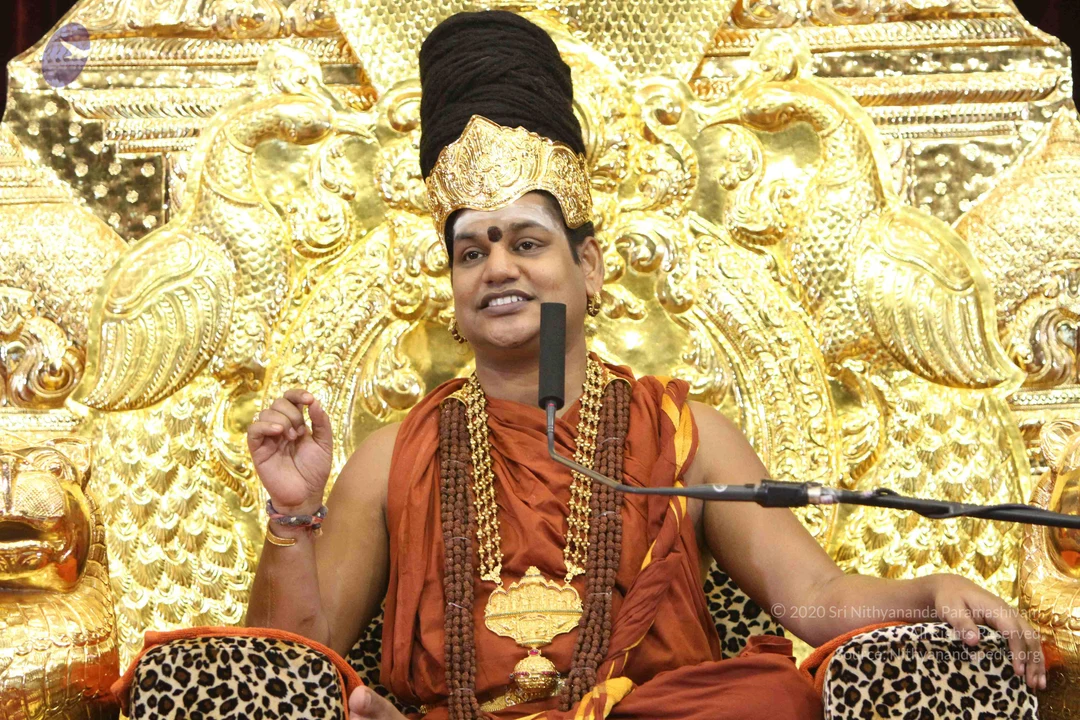
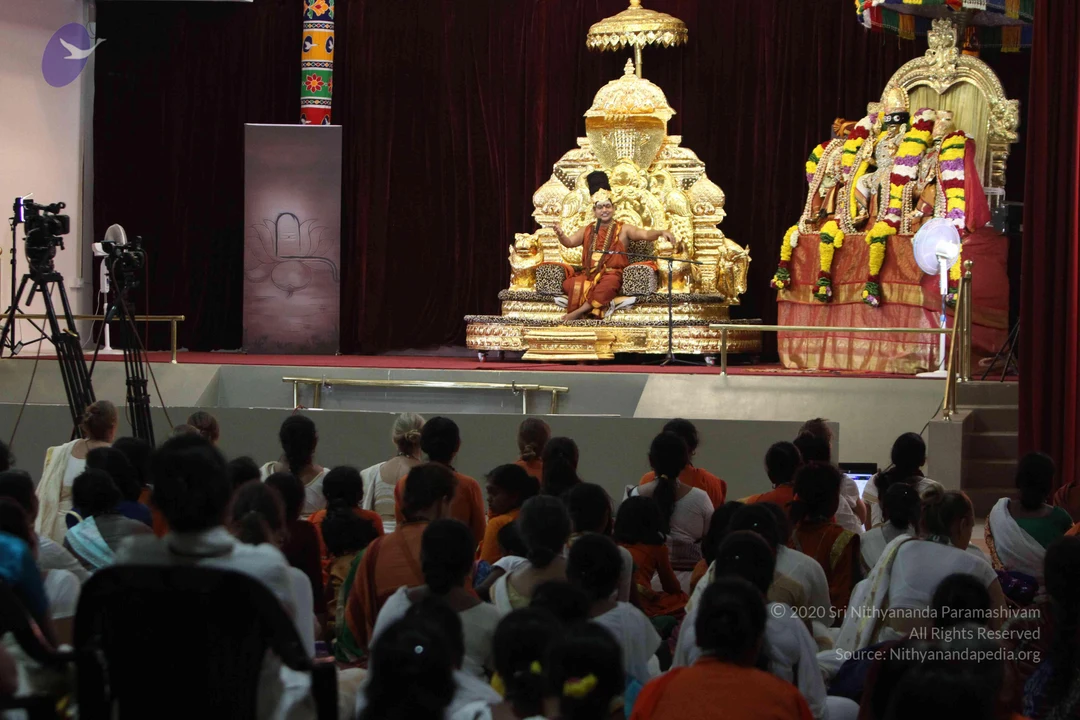
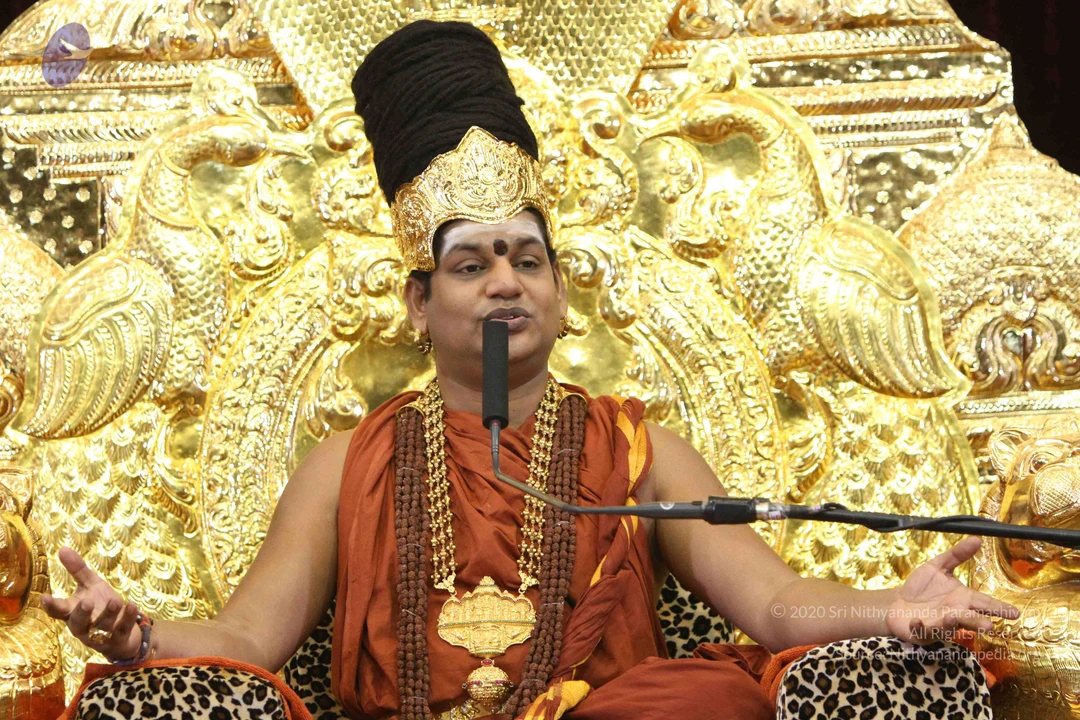
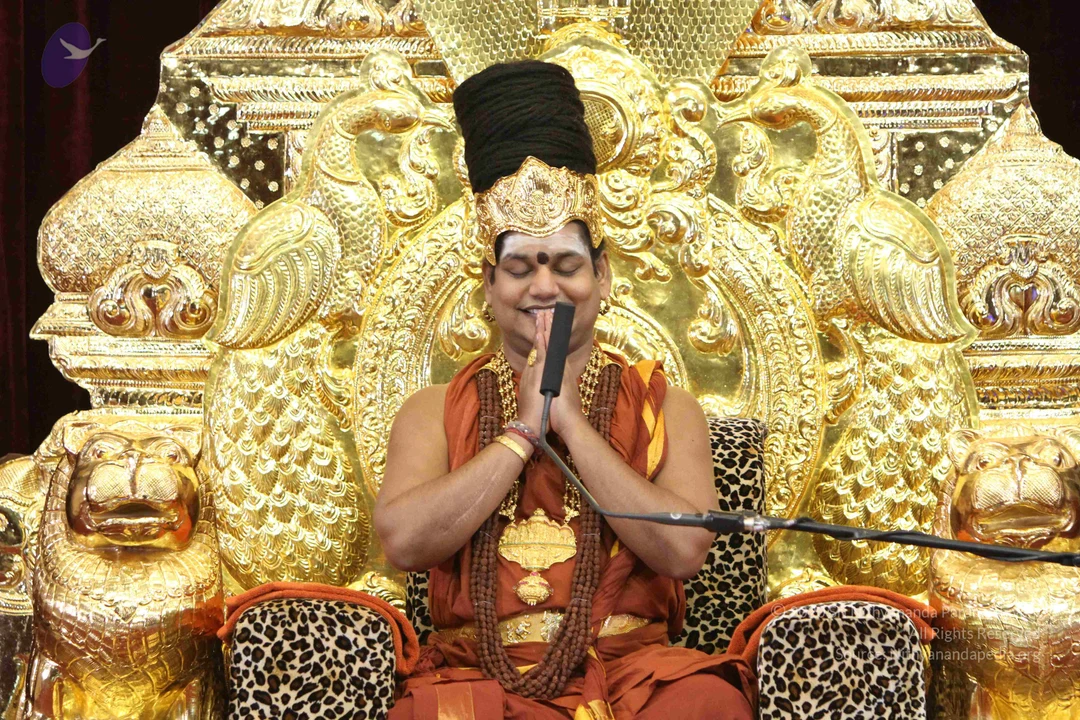
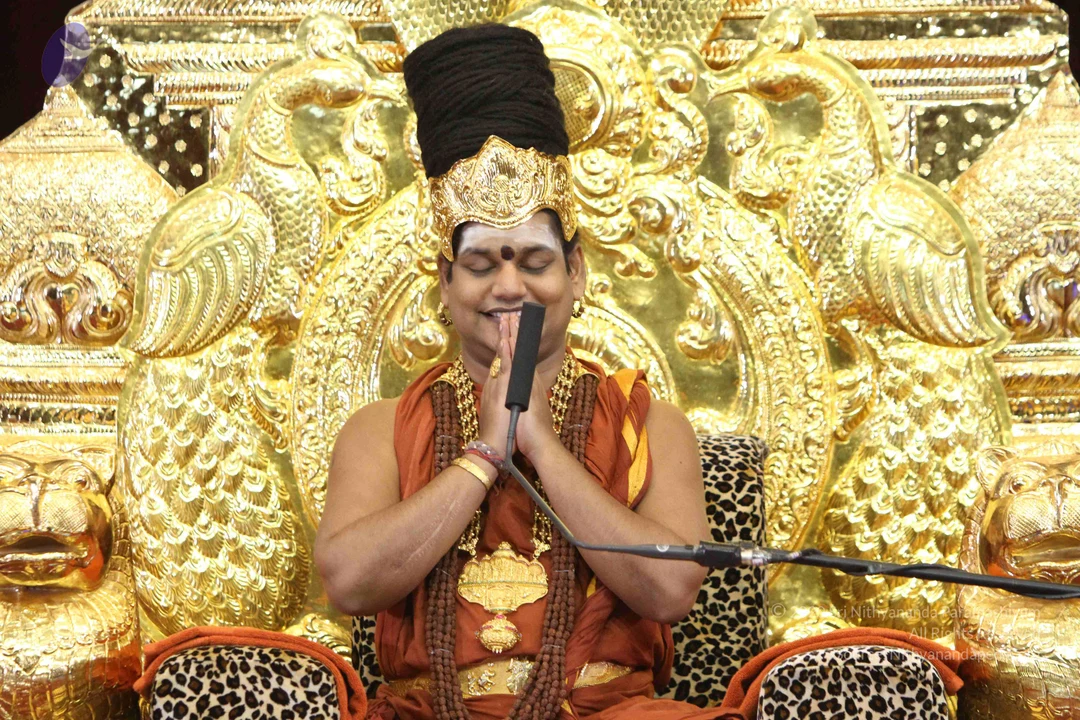
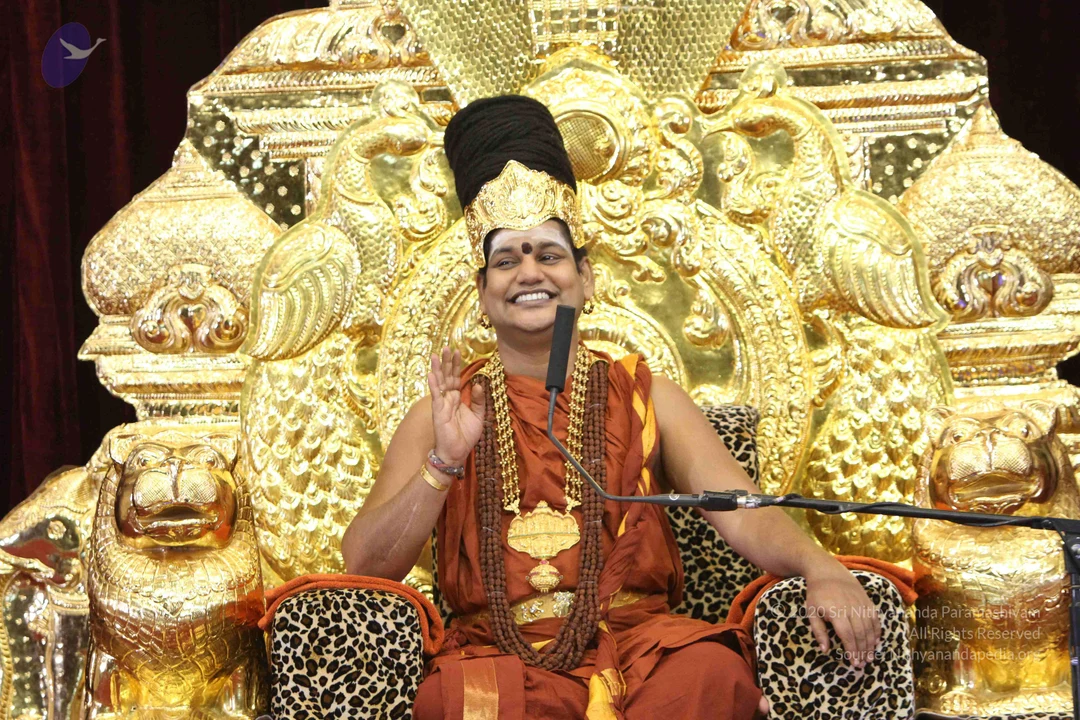
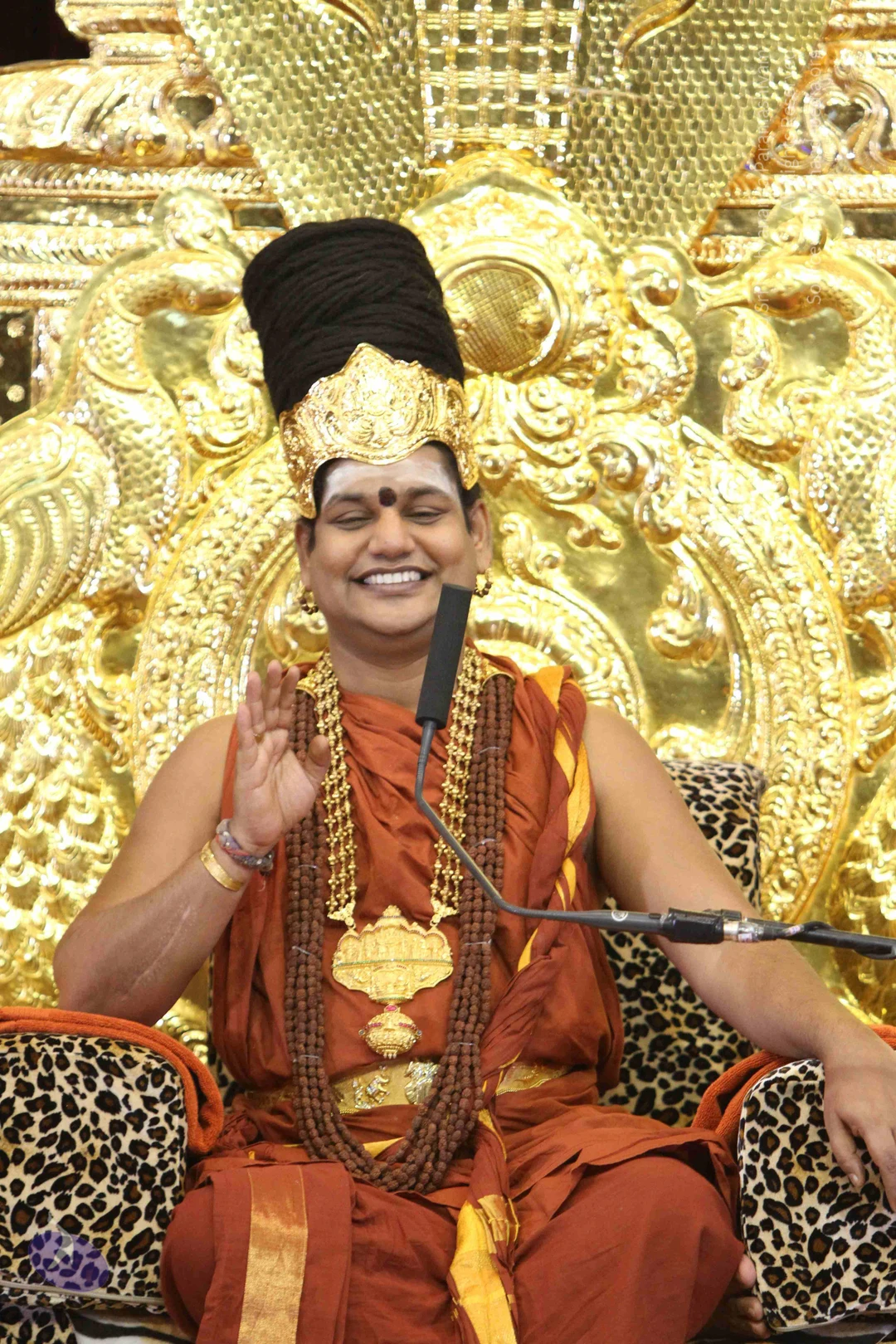
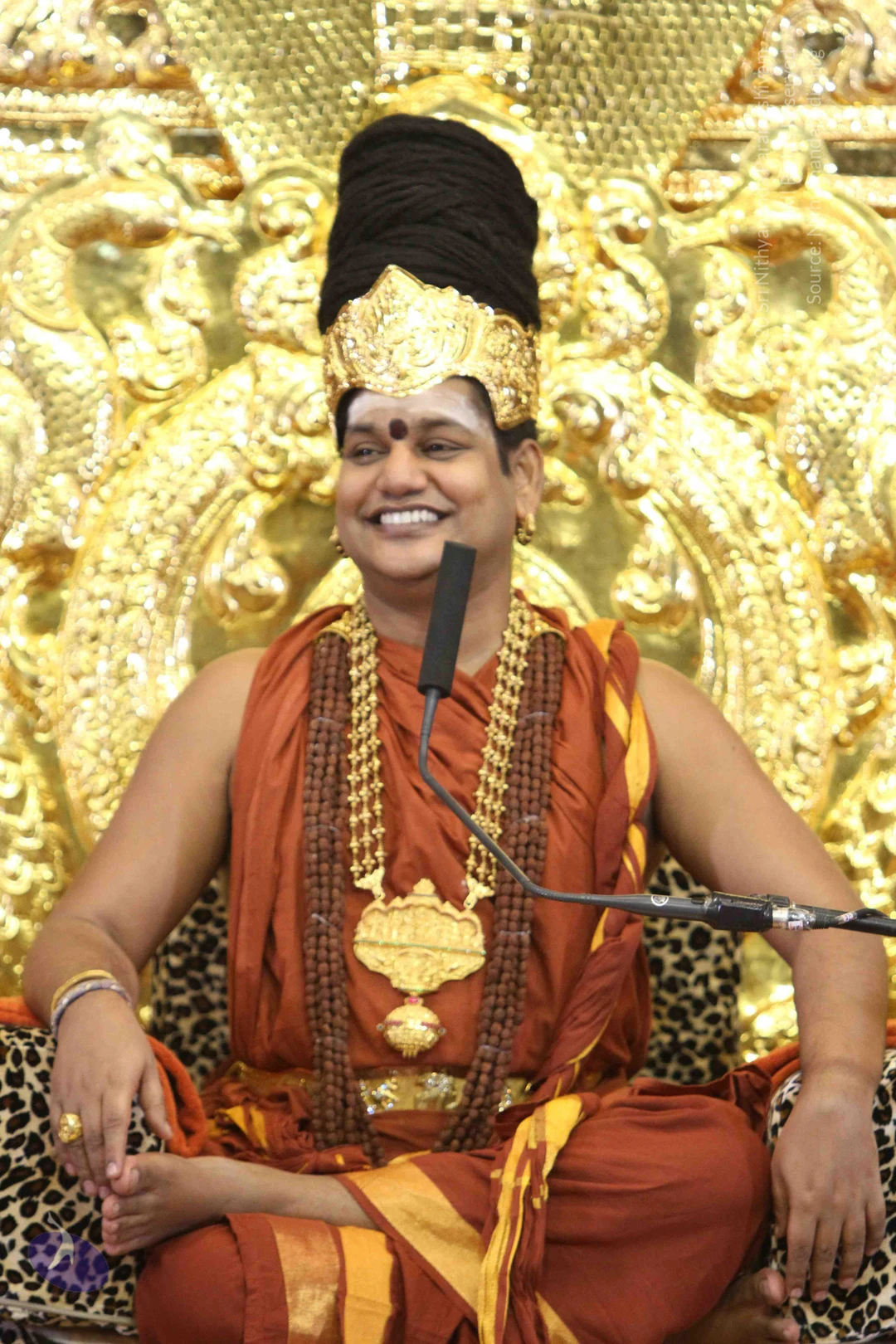
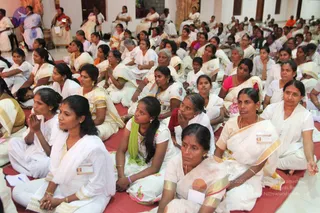
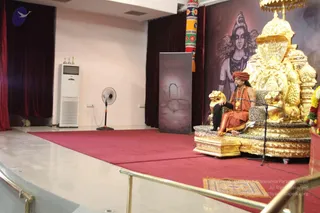
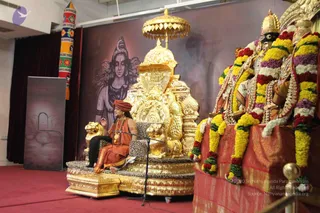
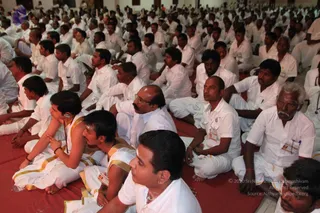
Photos From The Day:
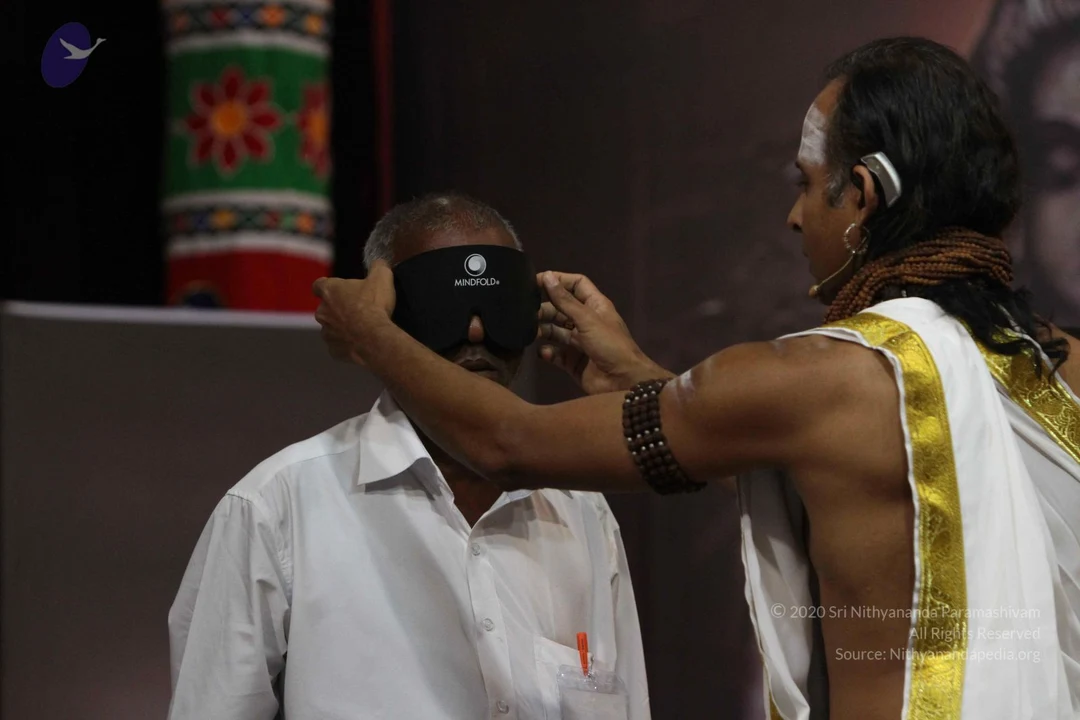
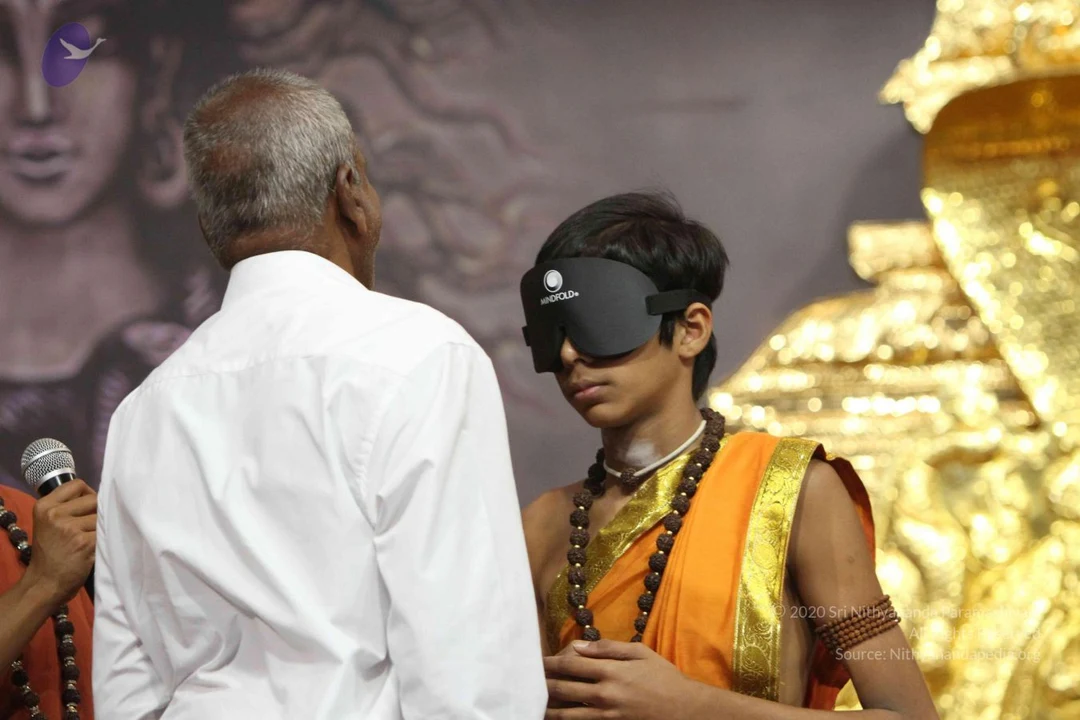
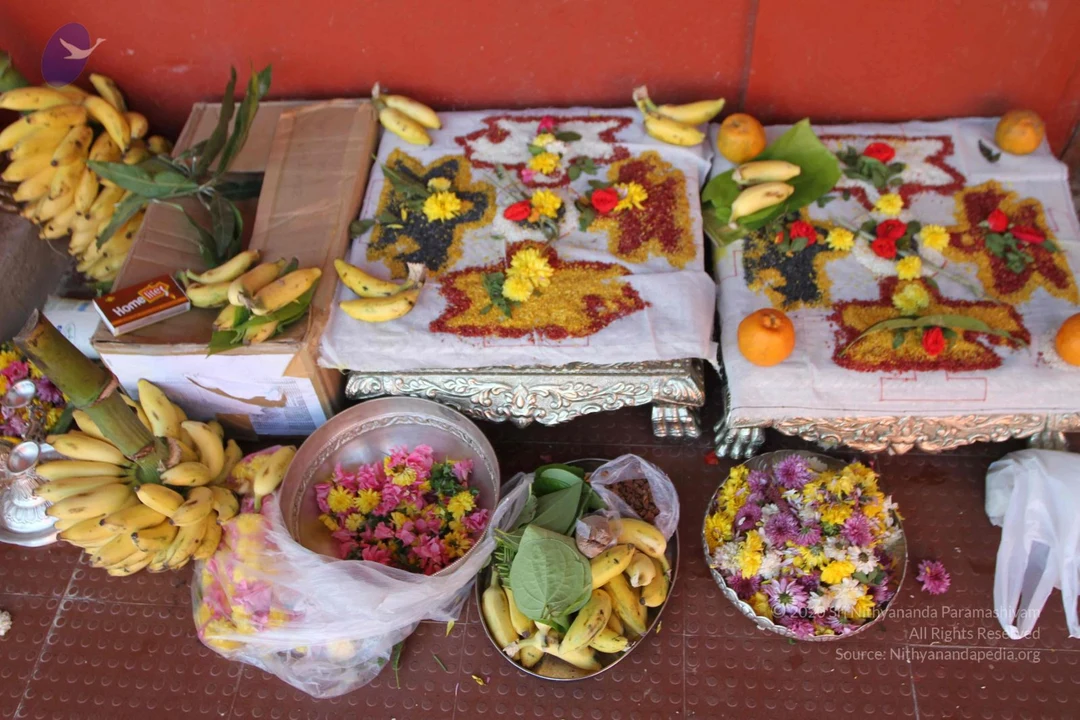
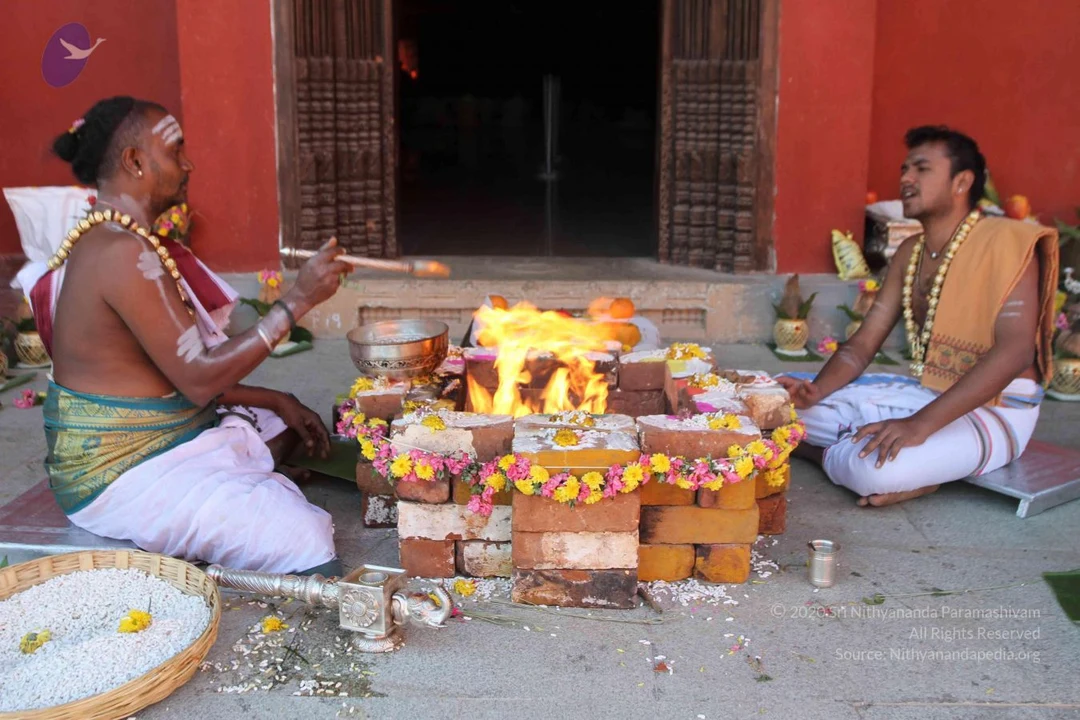
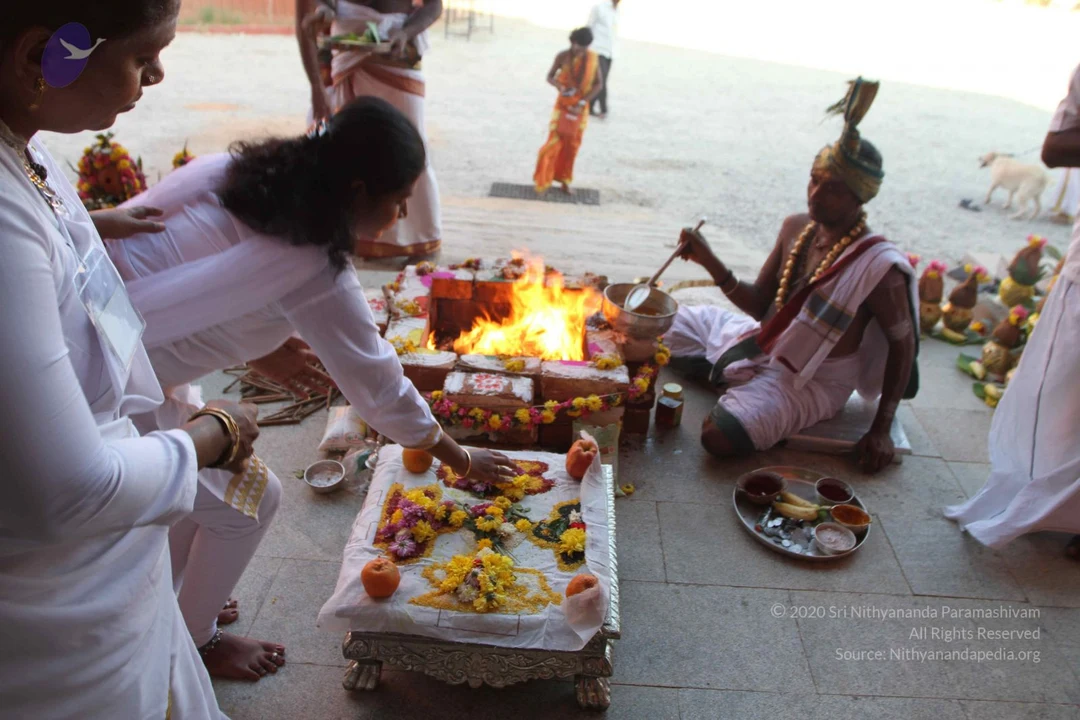
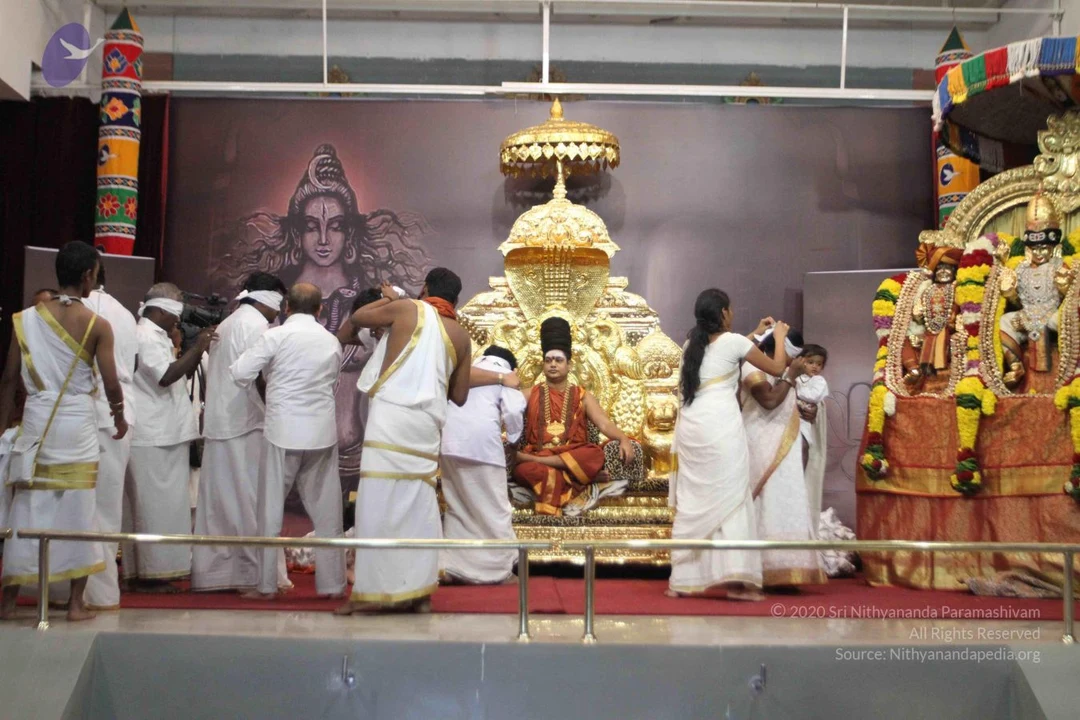
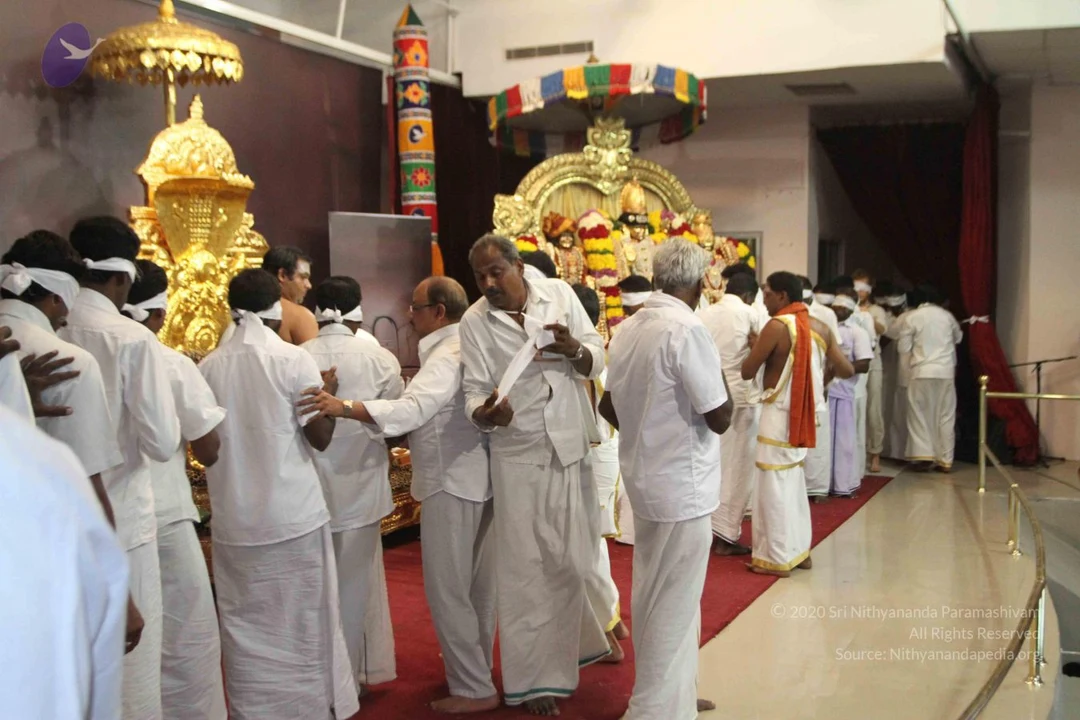
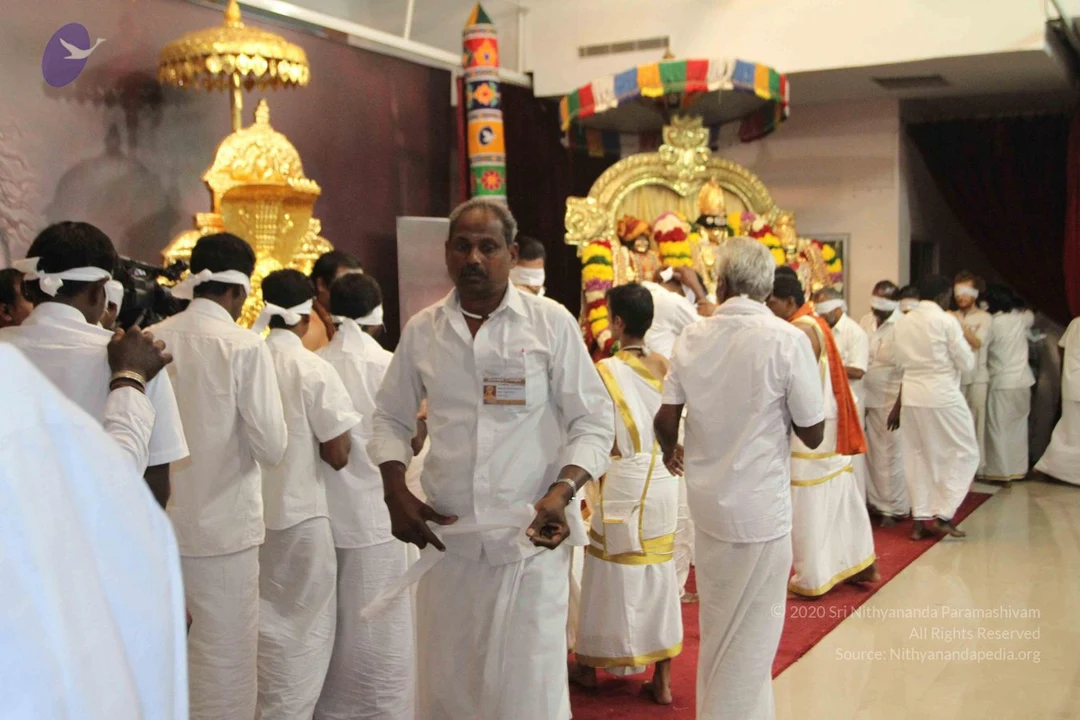
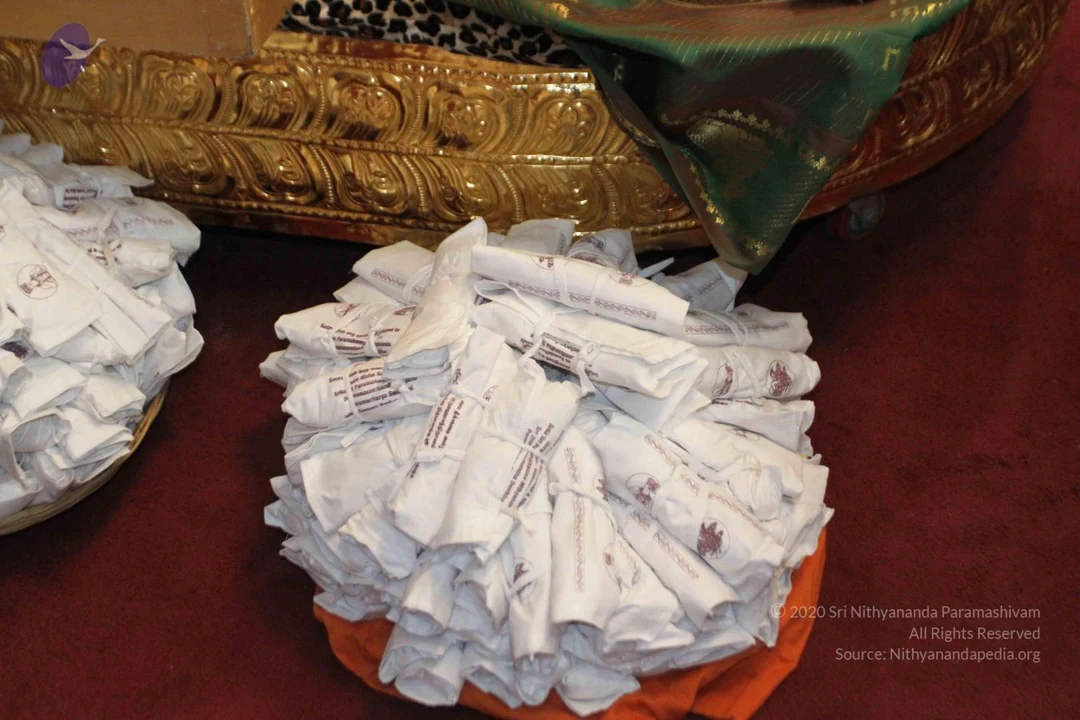
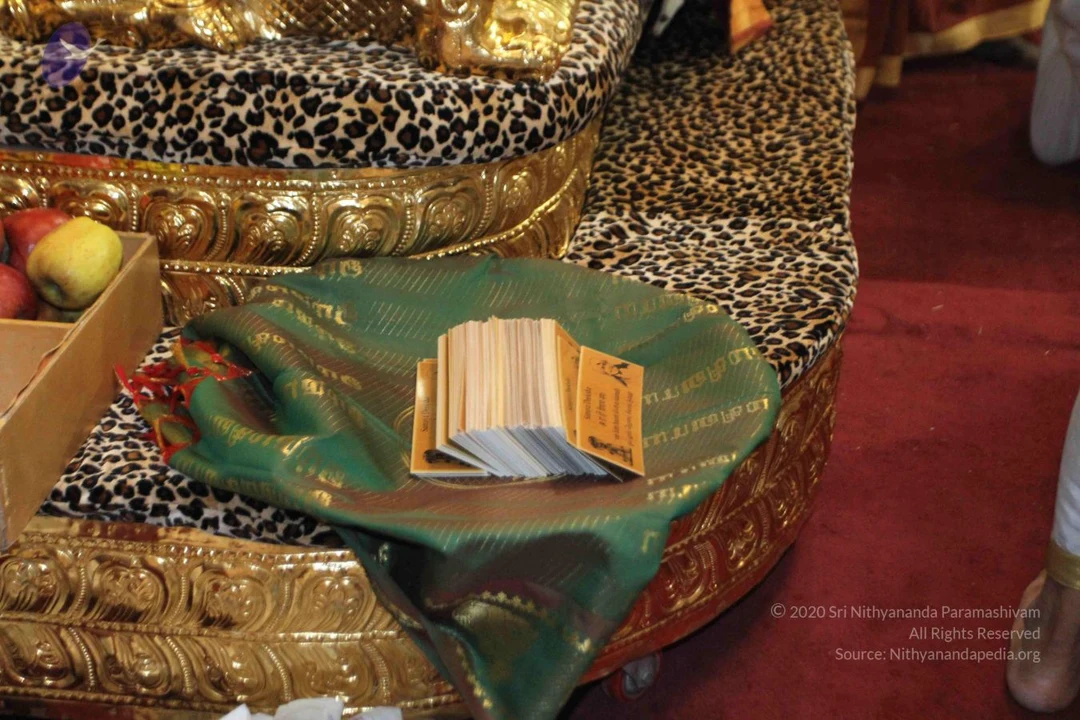
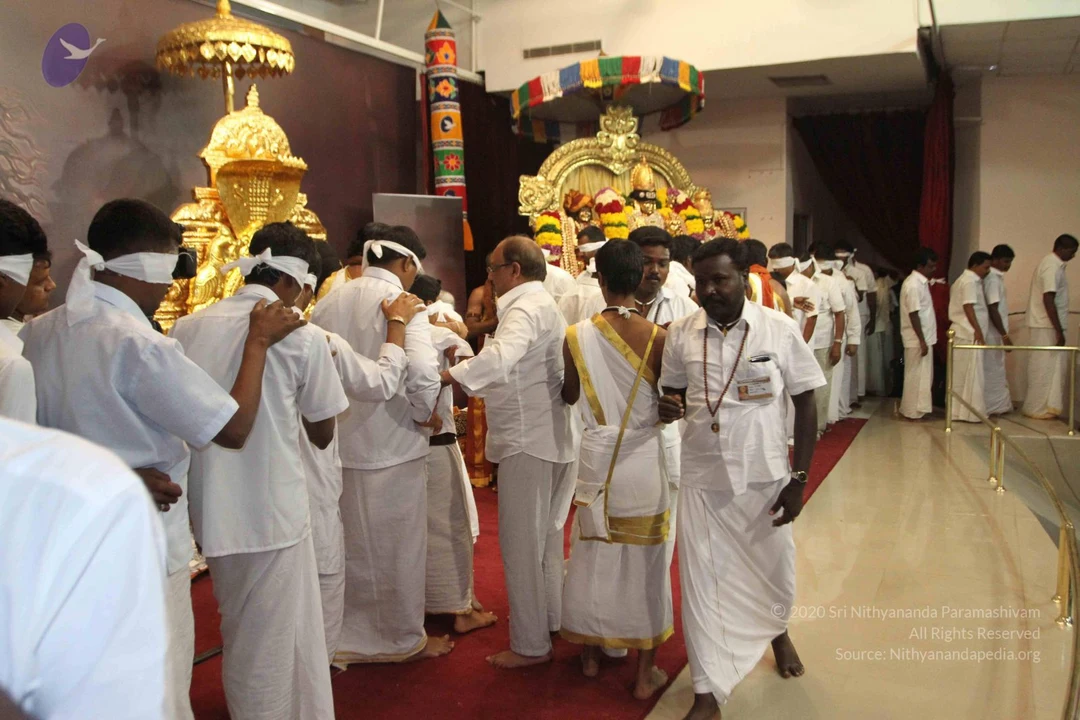
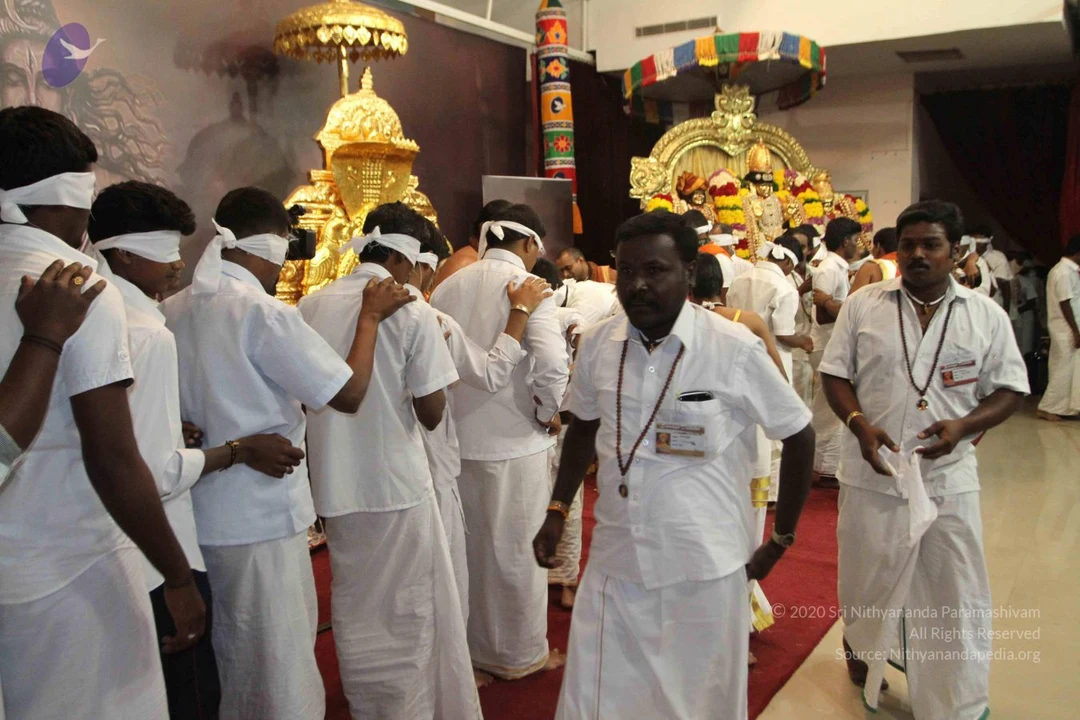
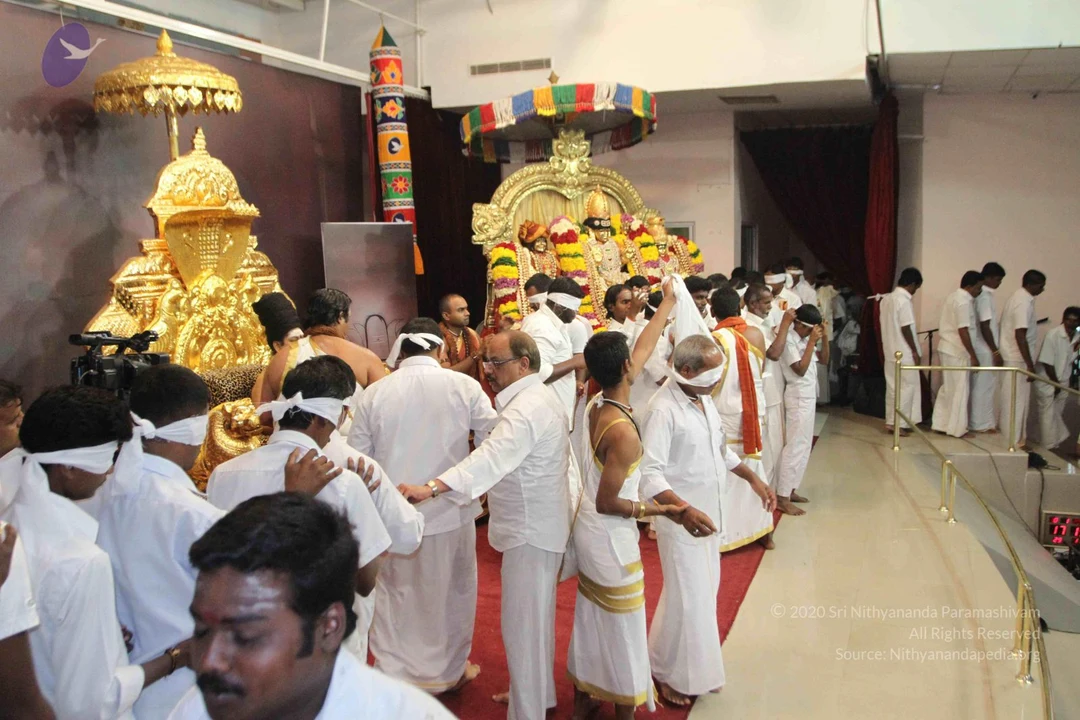
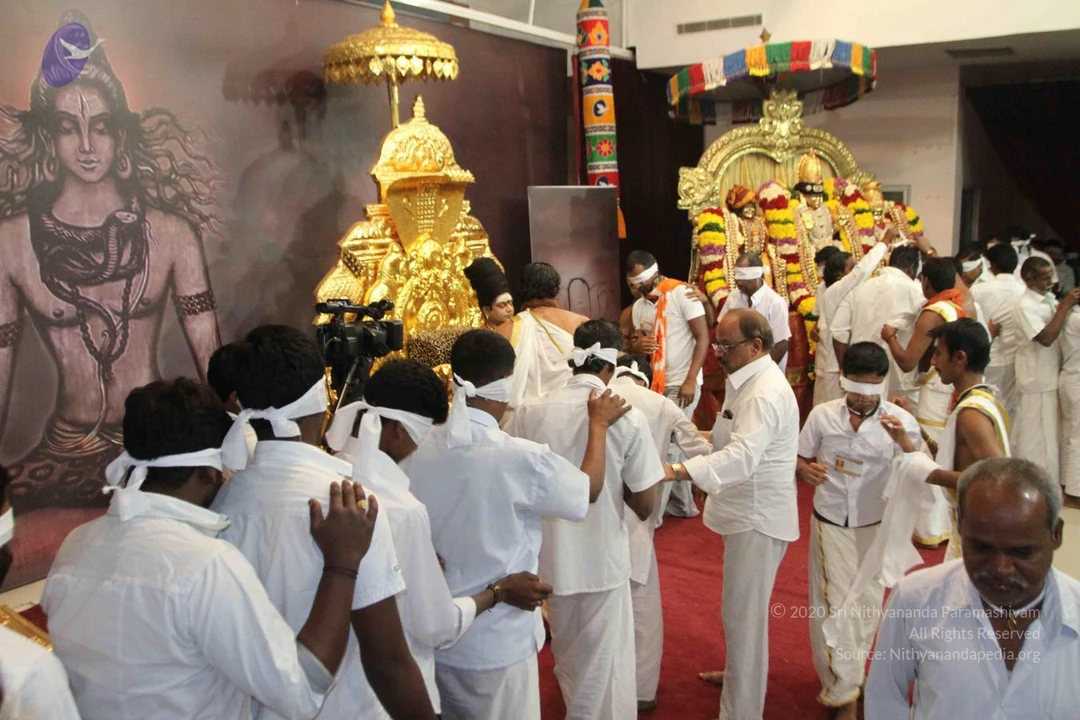
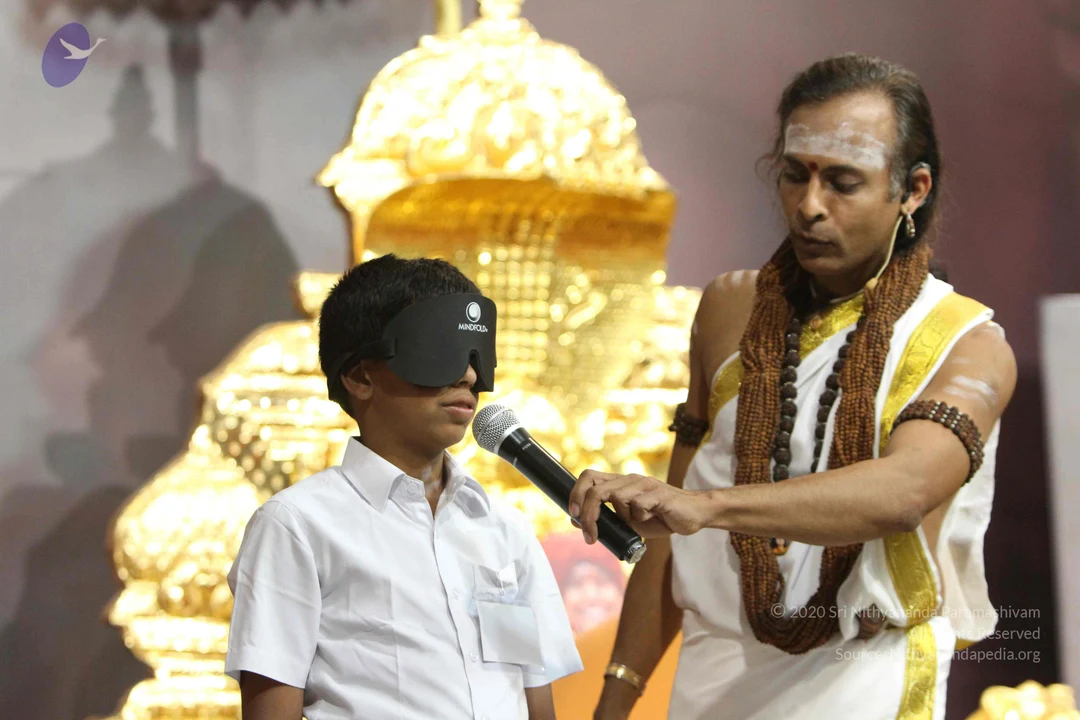
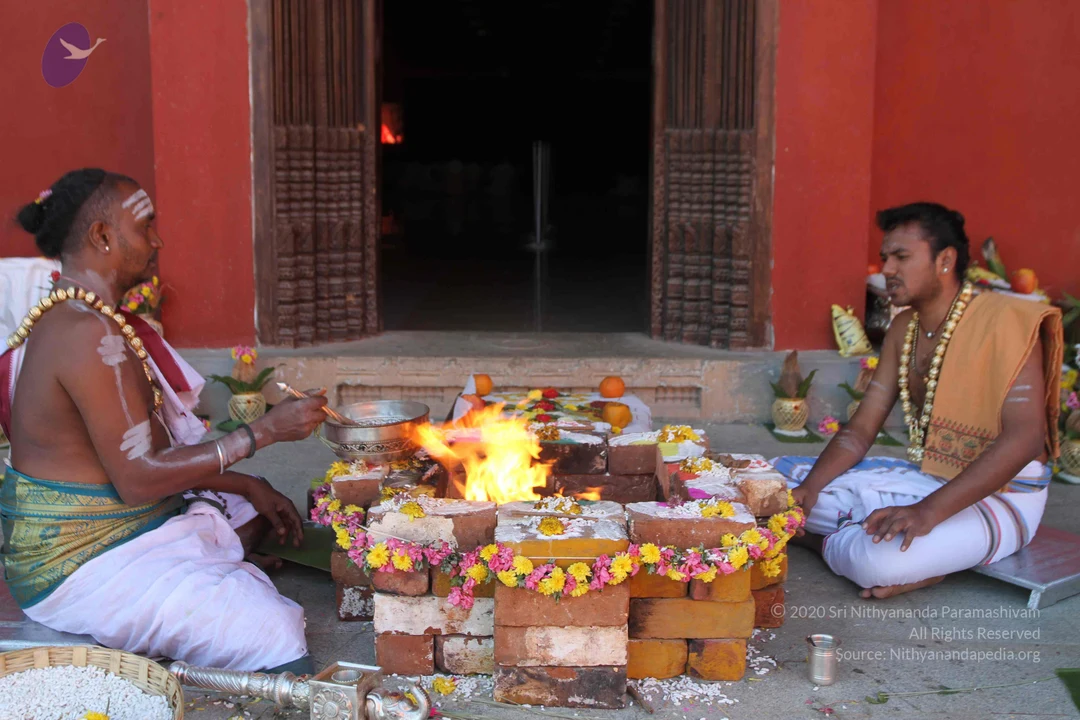
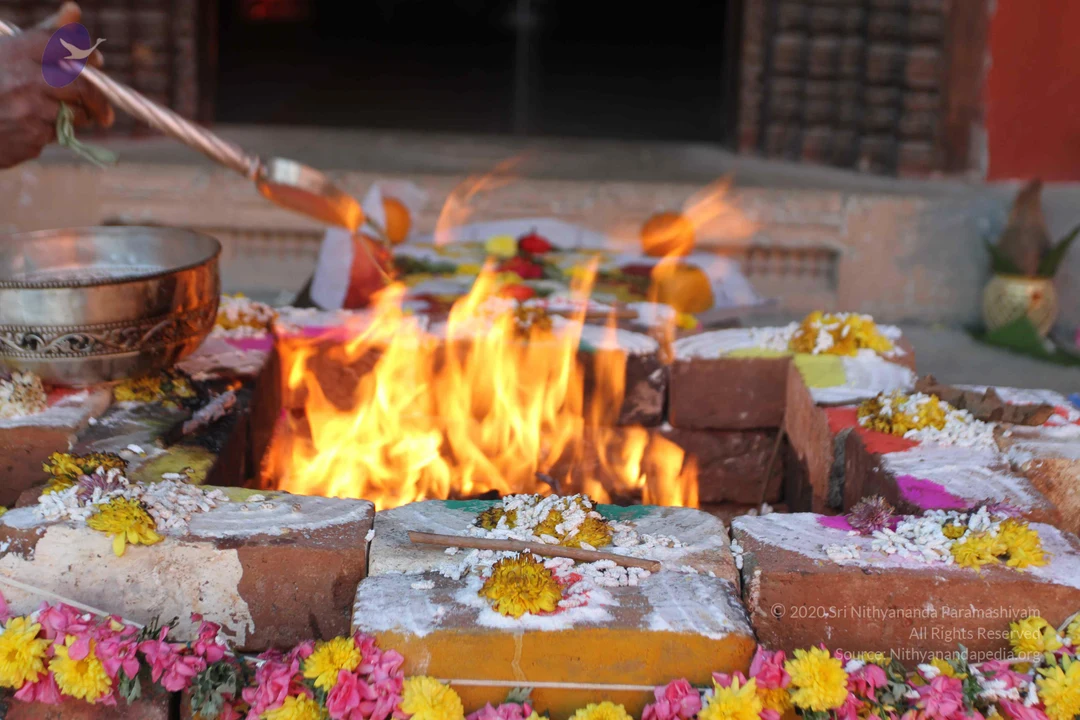
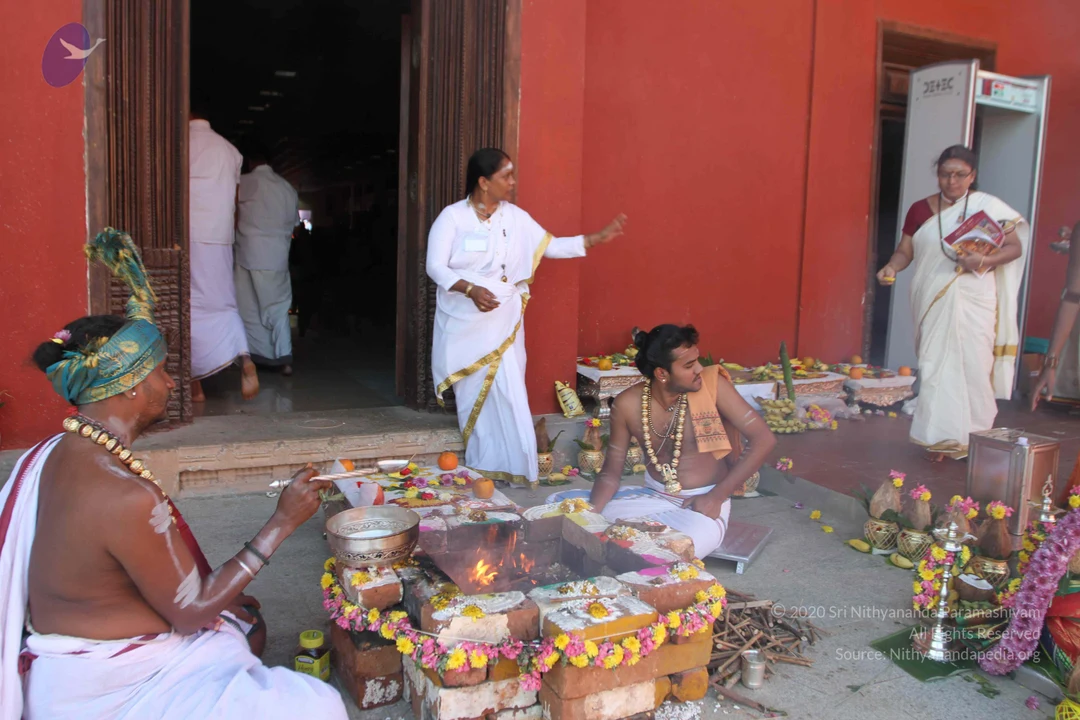
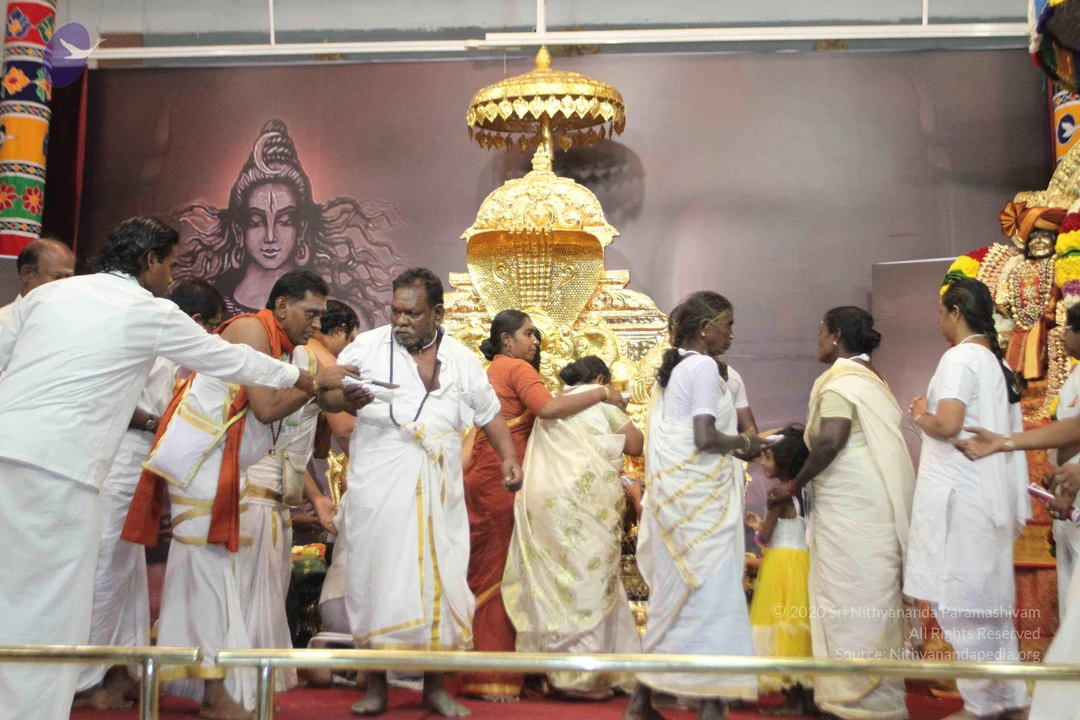
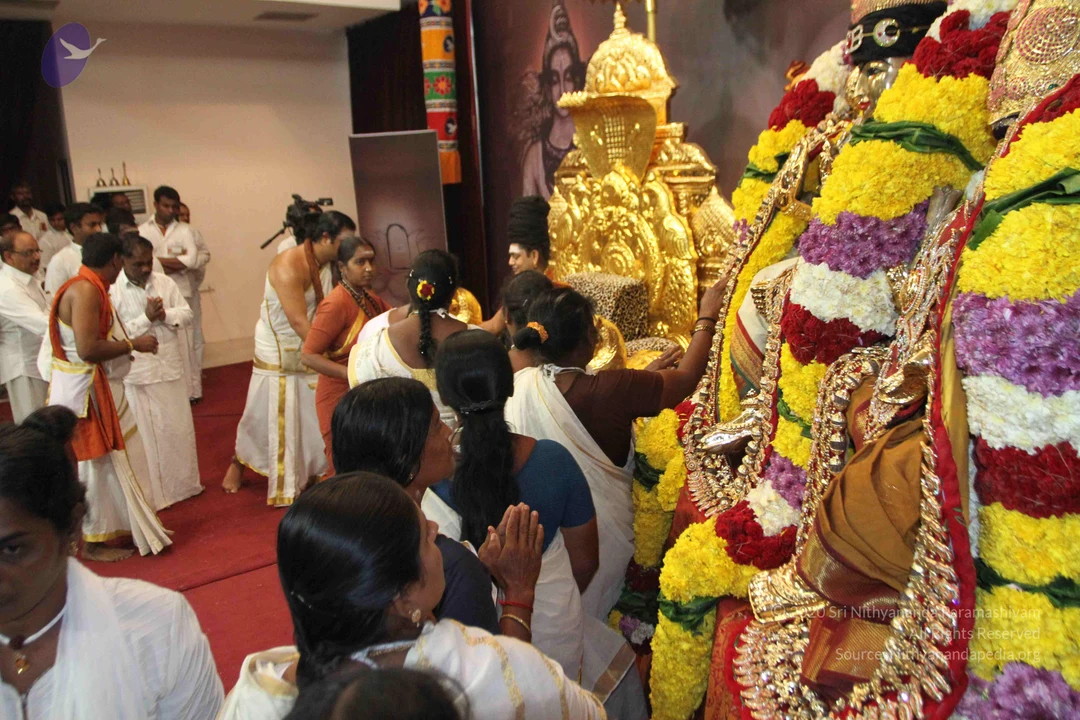
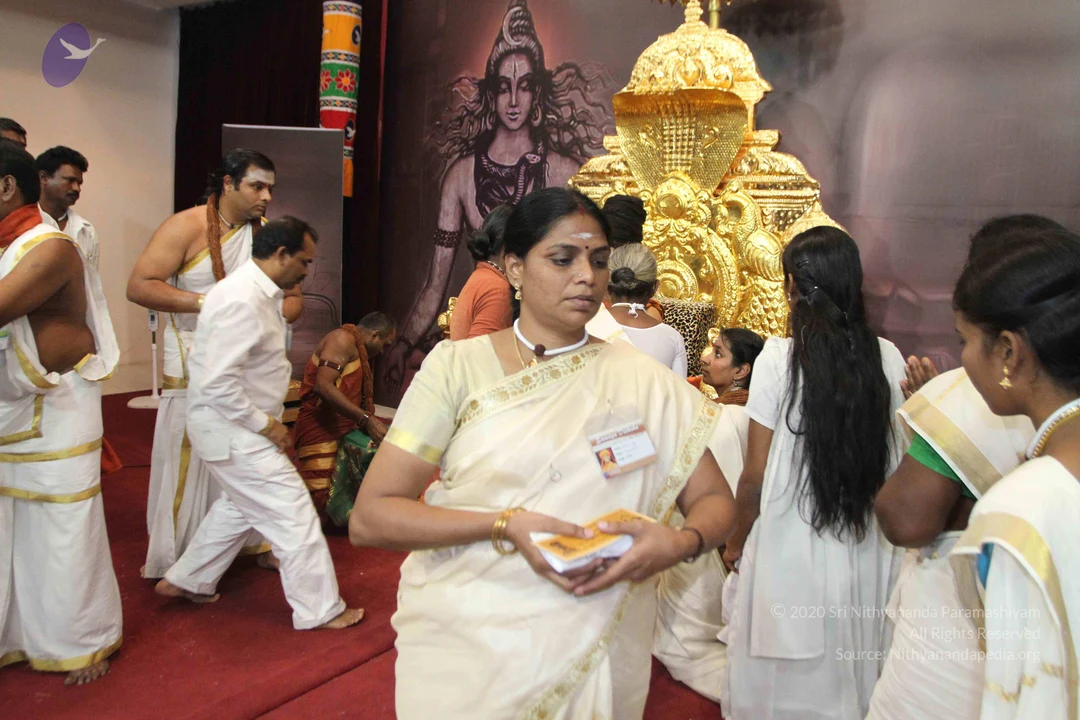
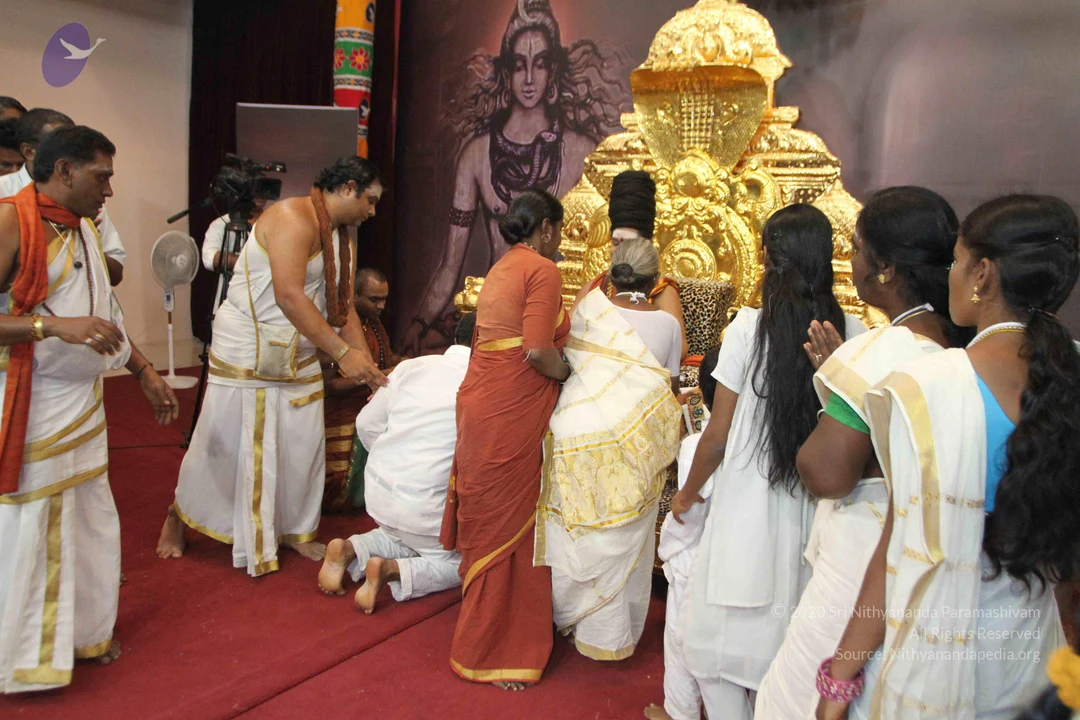
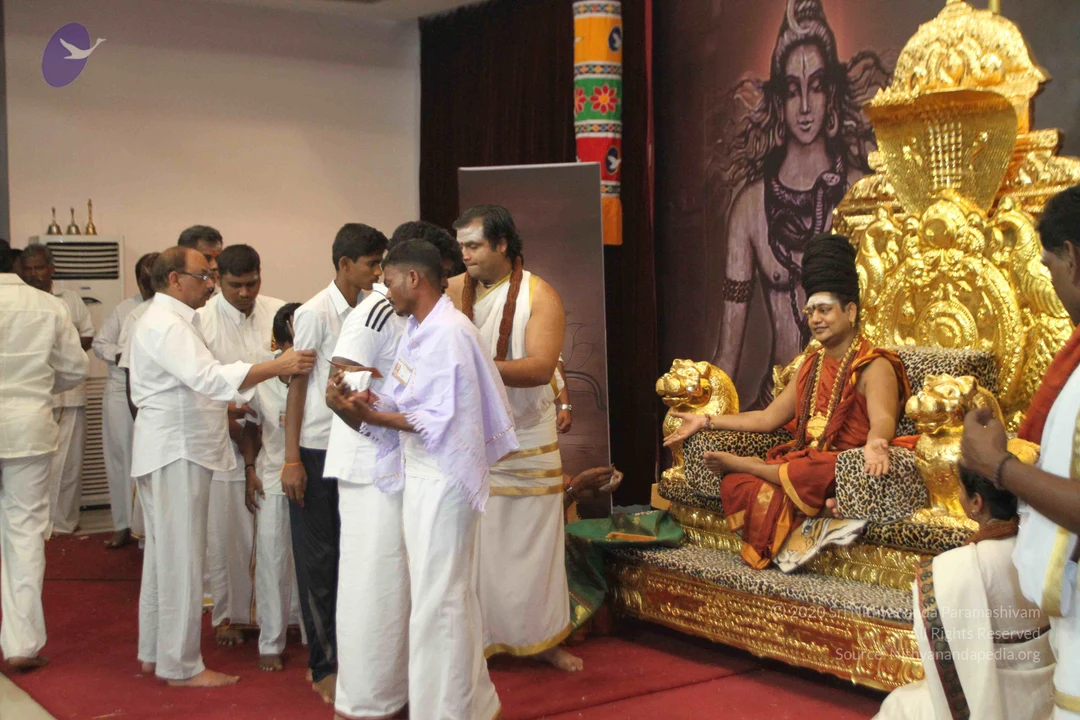
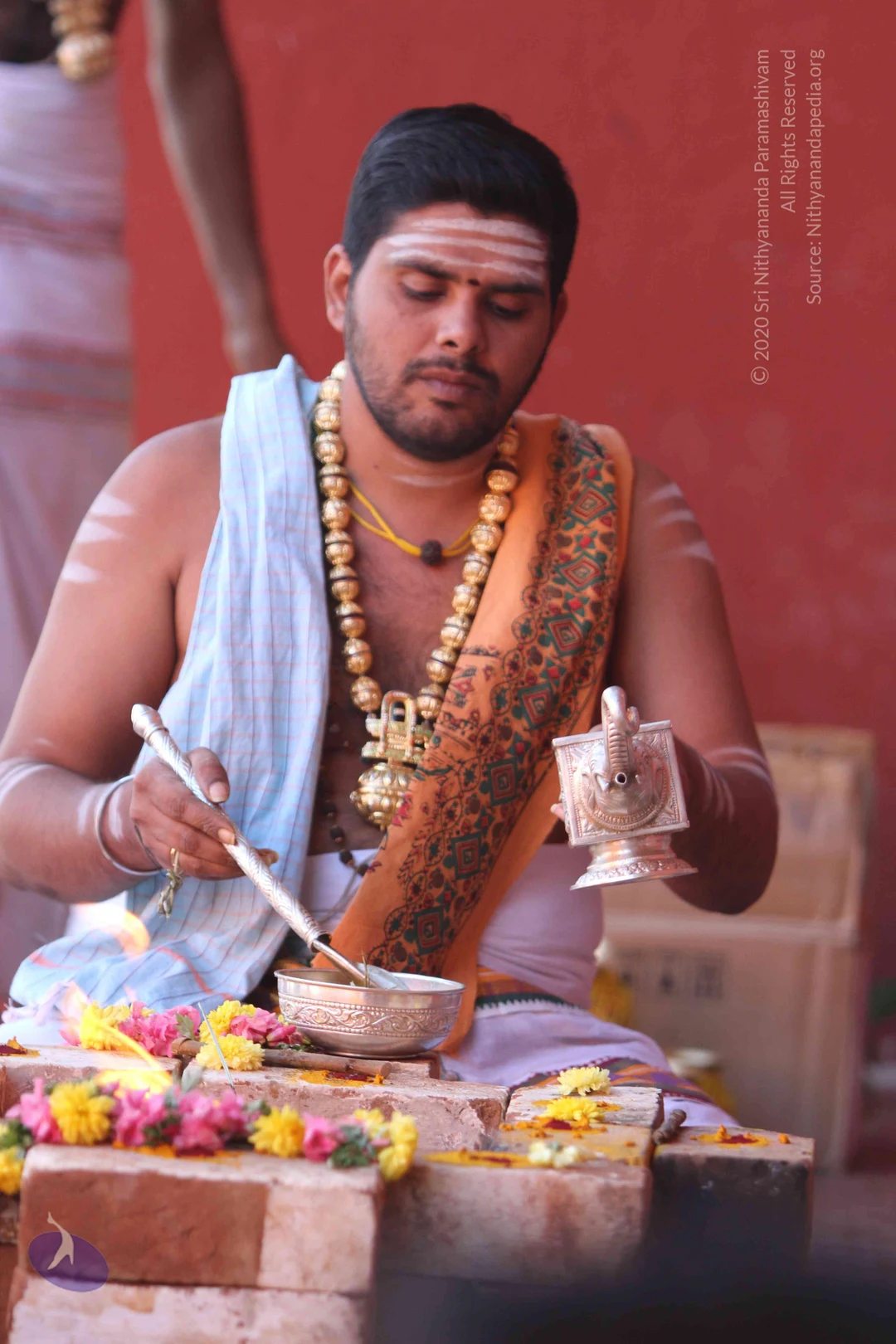
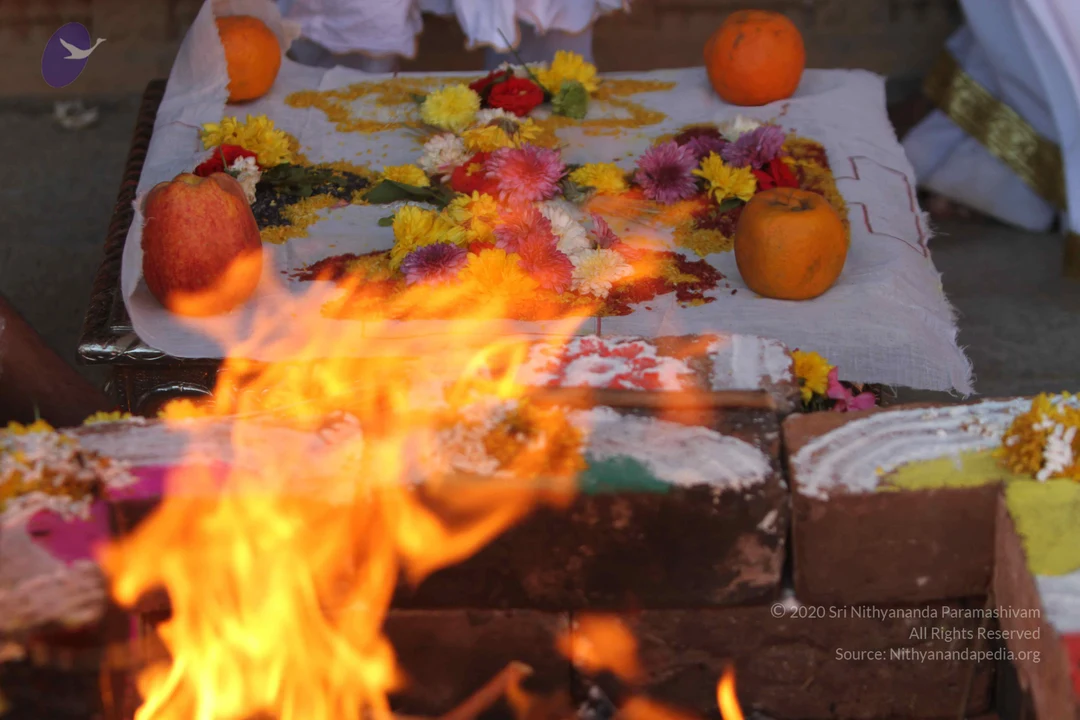
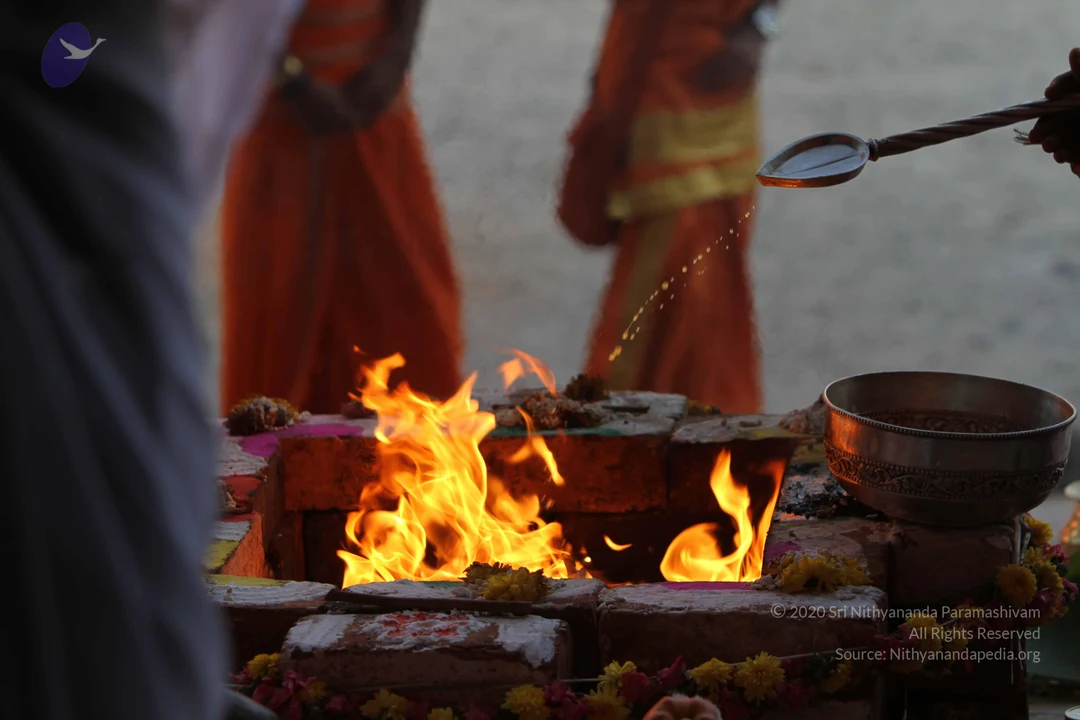
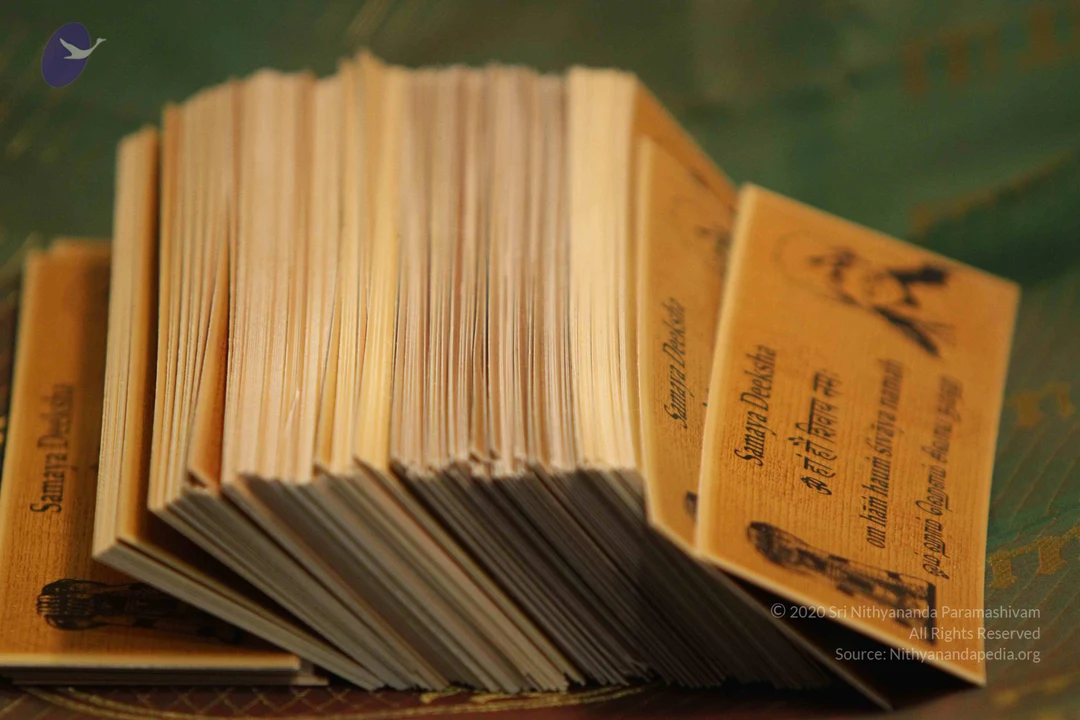
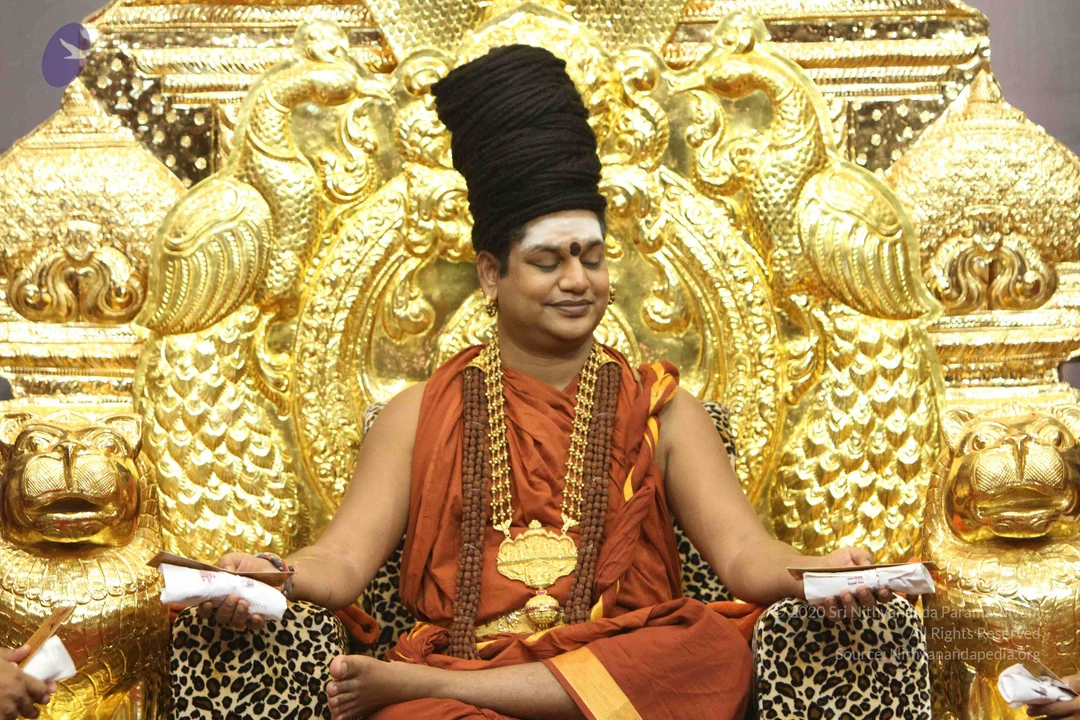
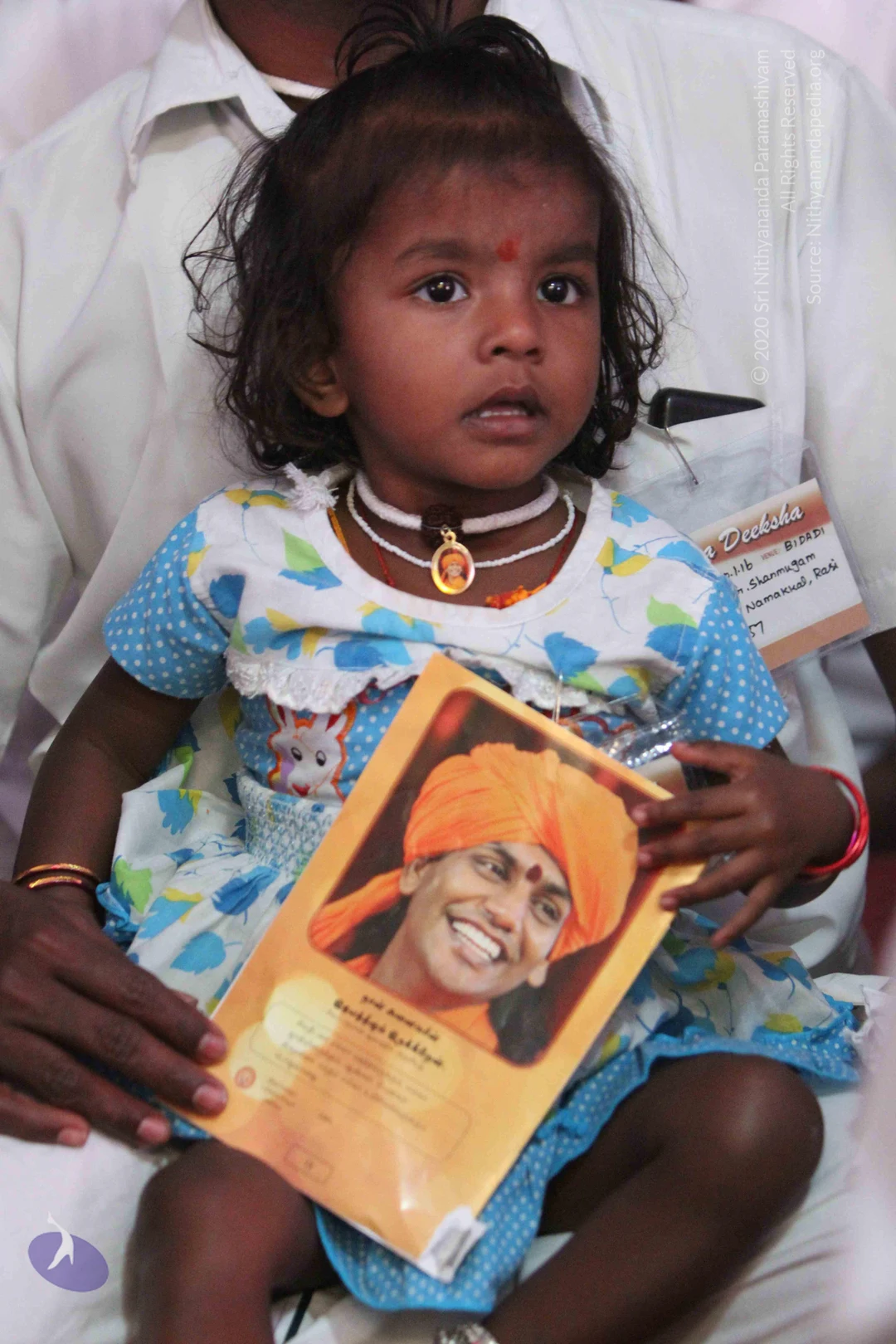
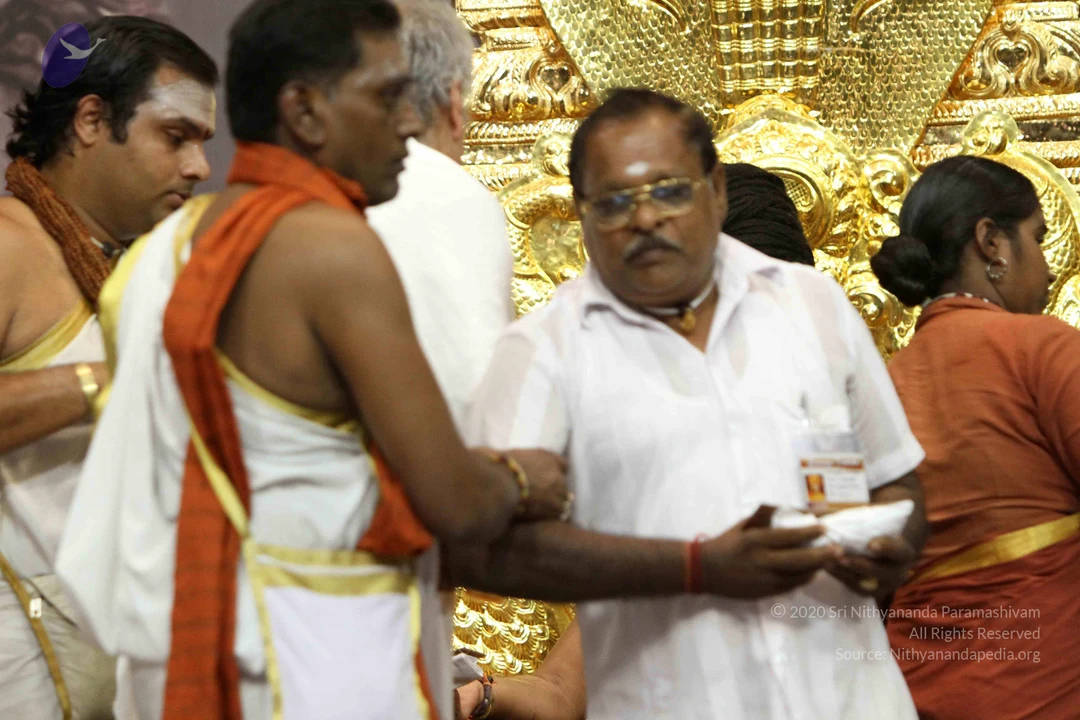
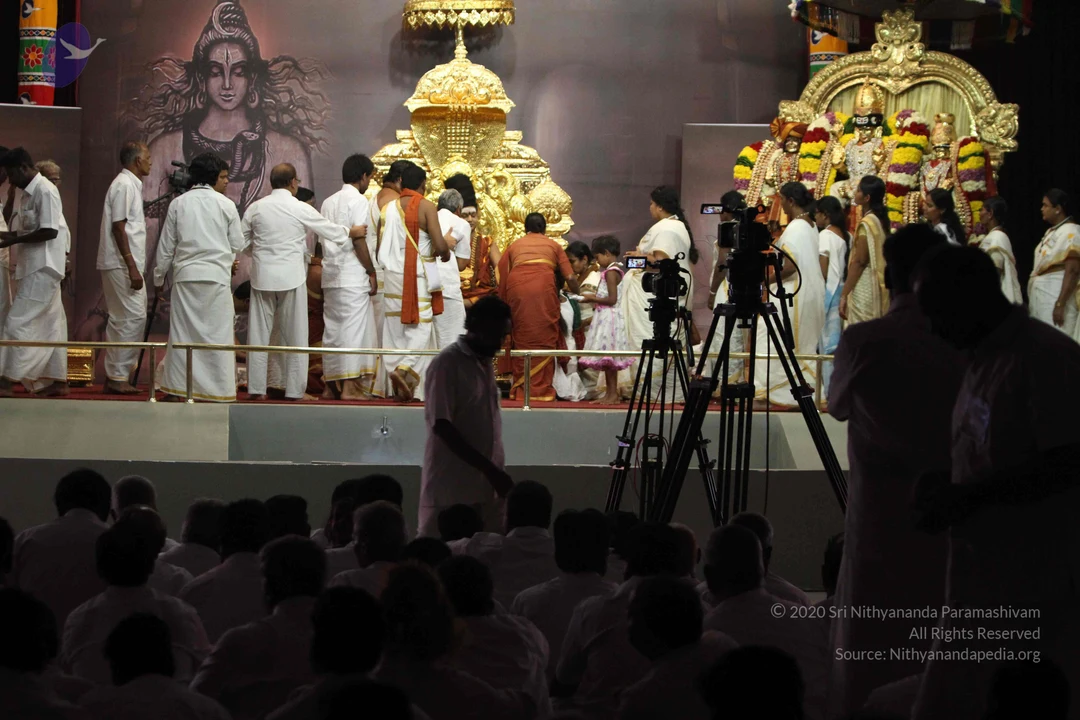
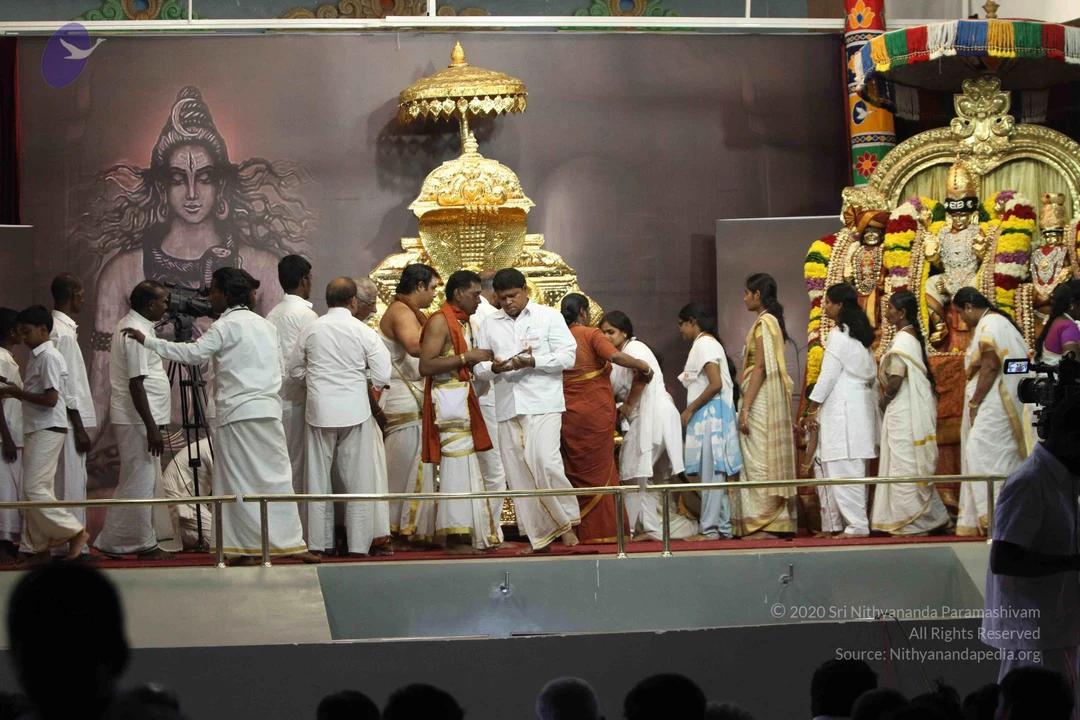
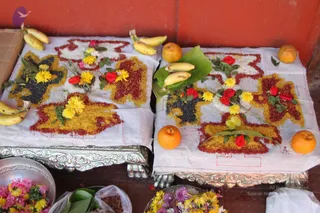
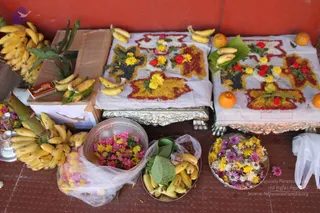
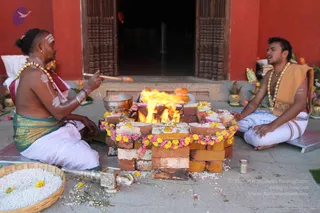
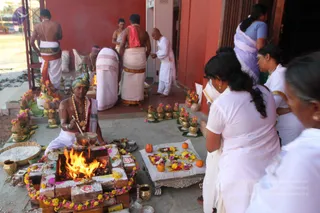
Shiva Deeksha
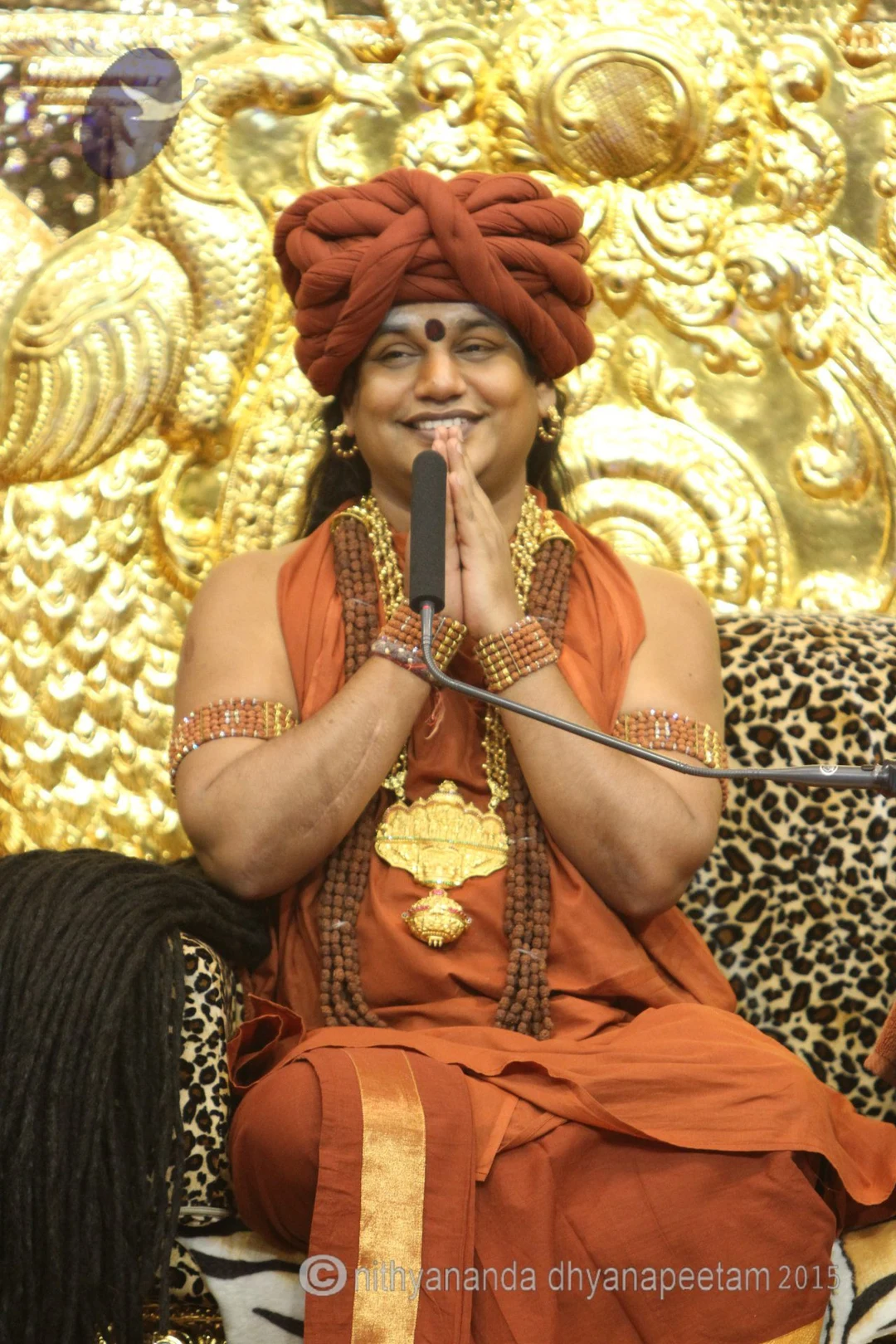
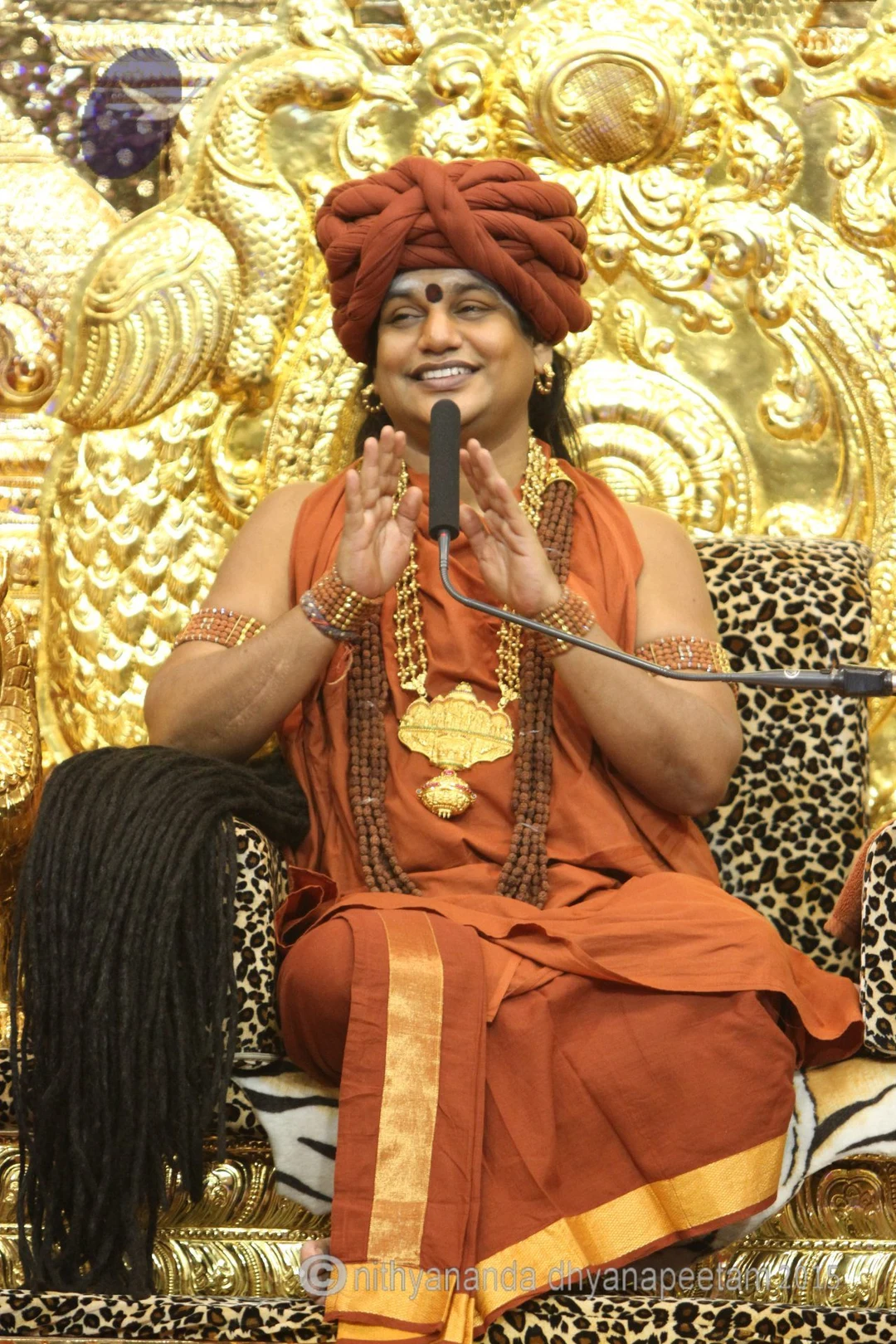
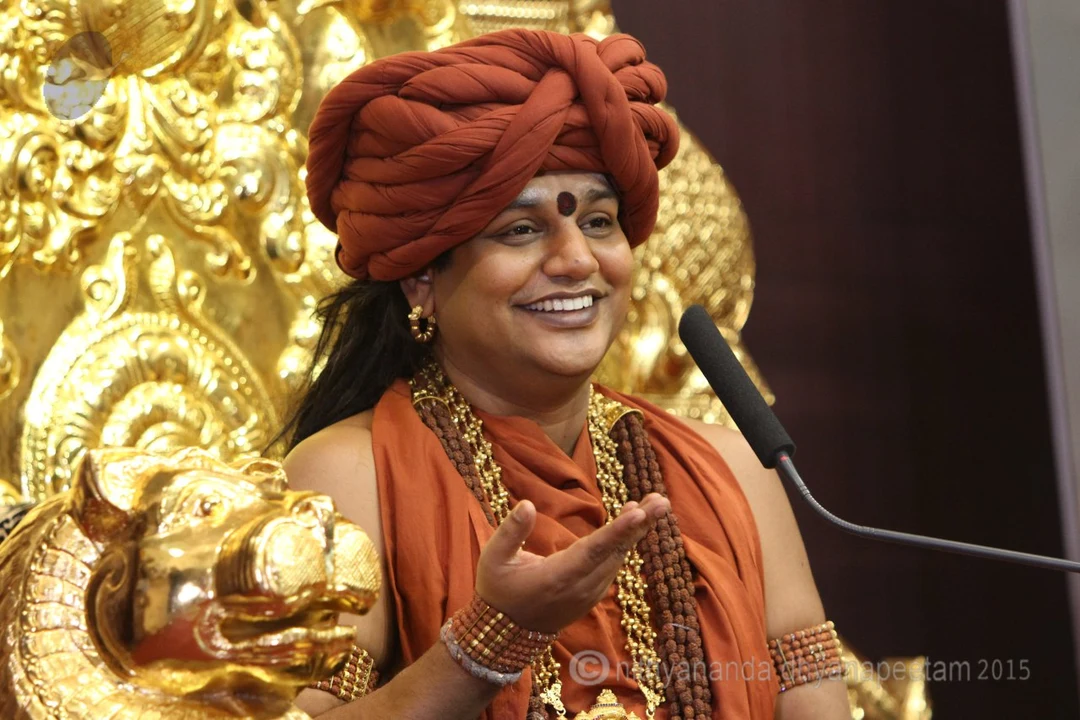
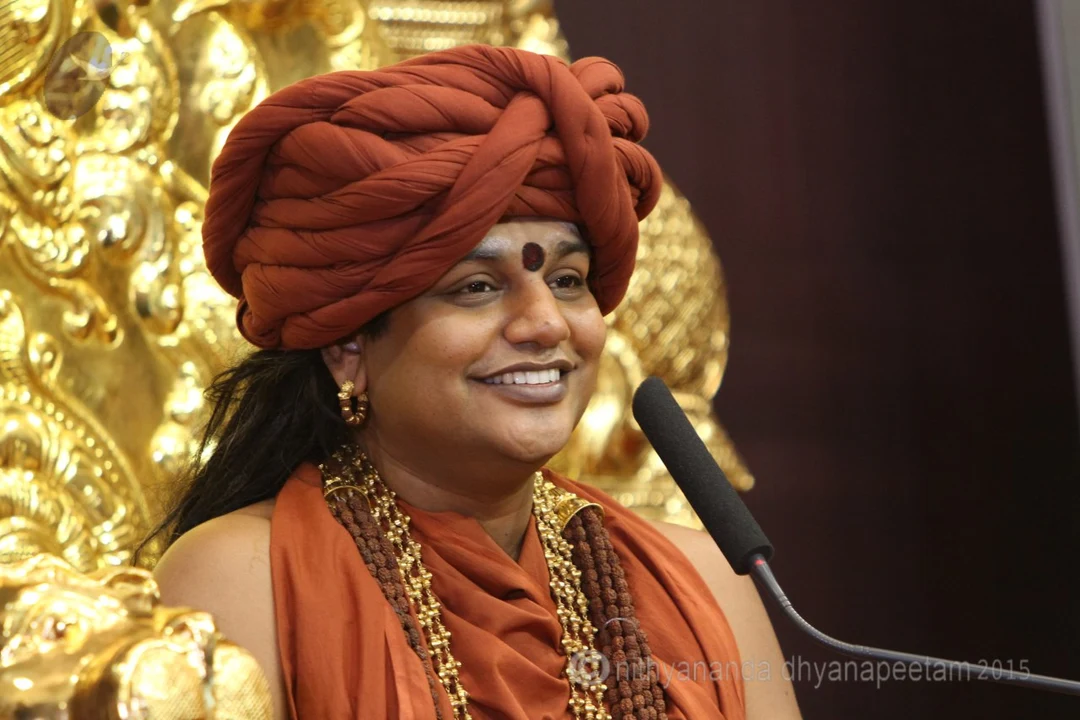
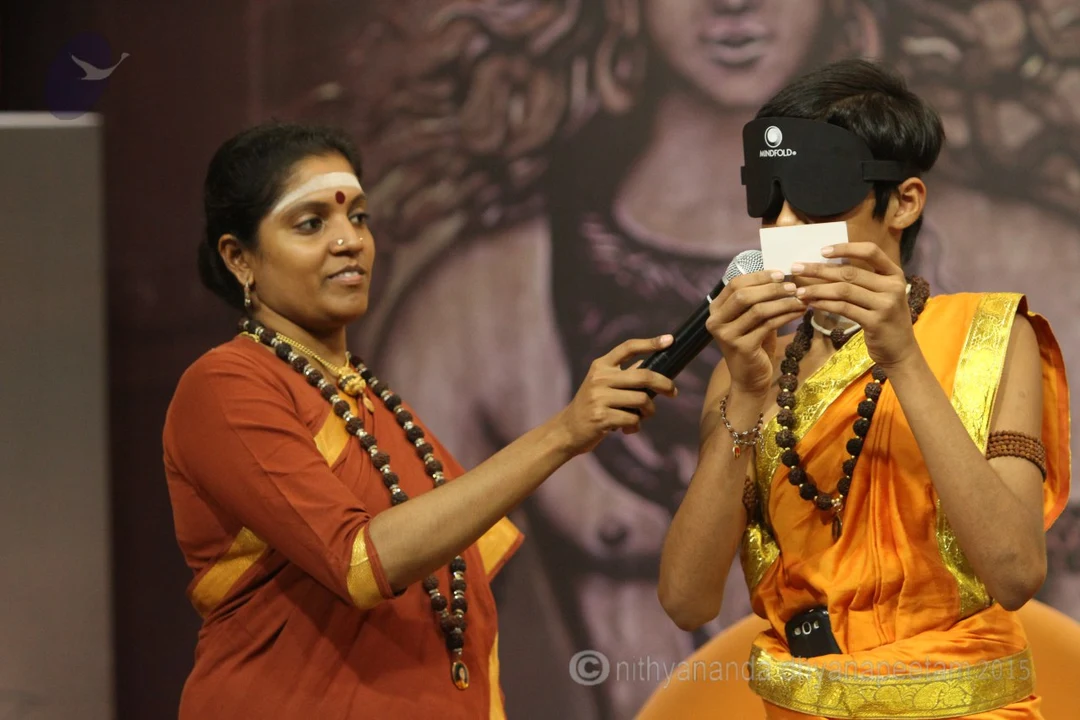
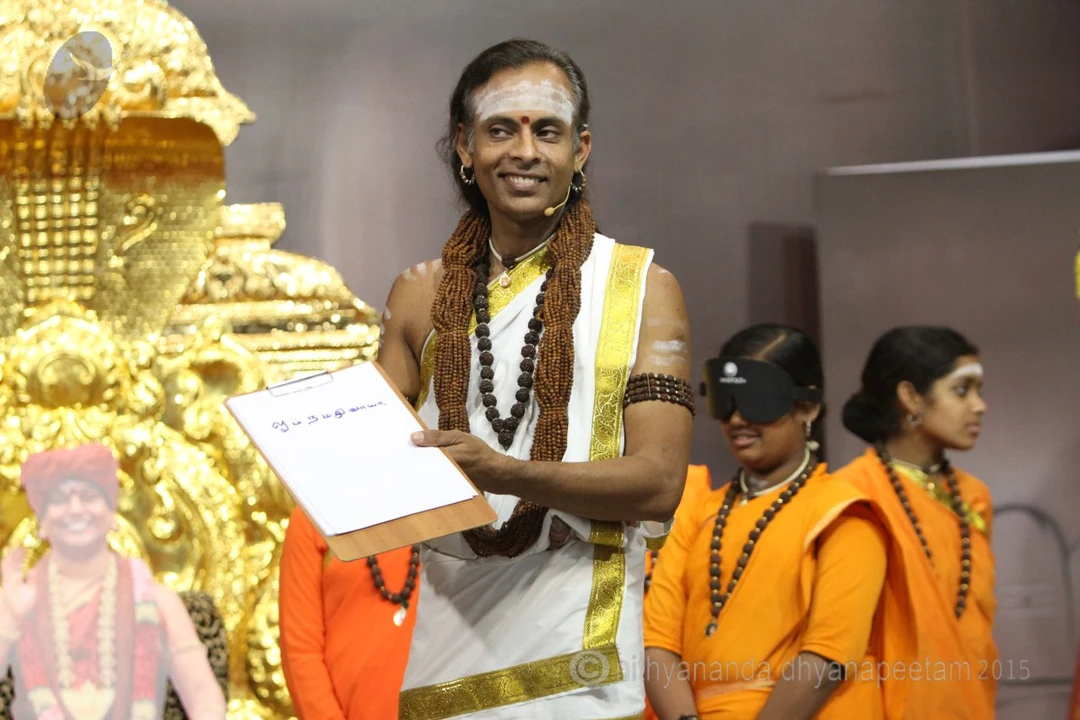
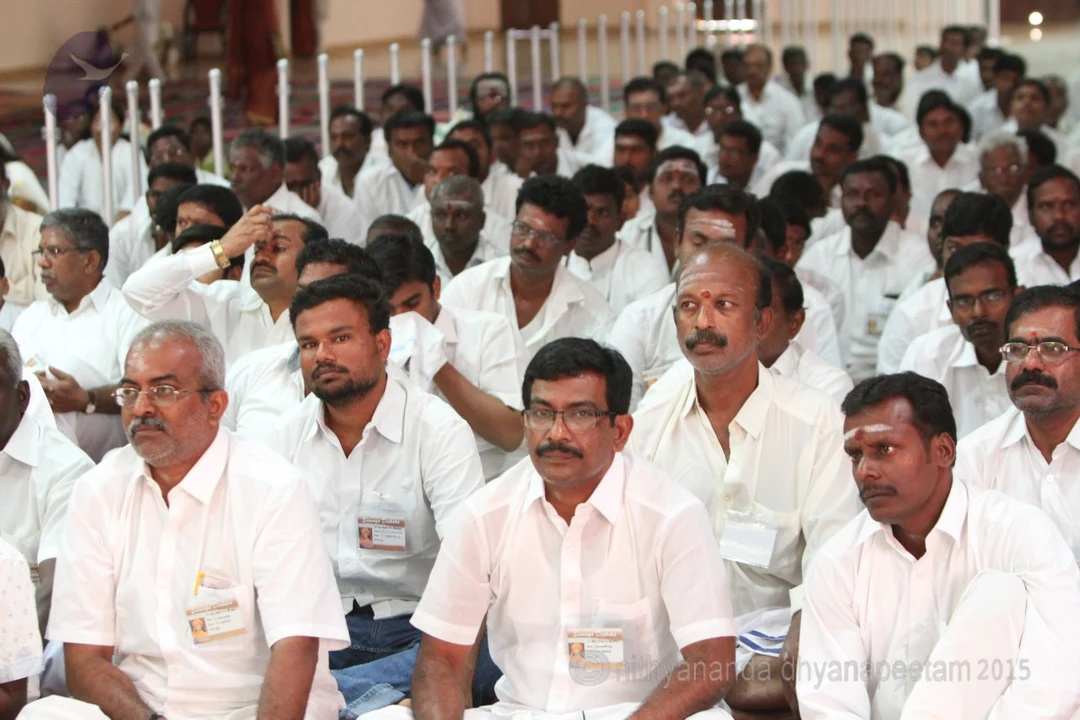
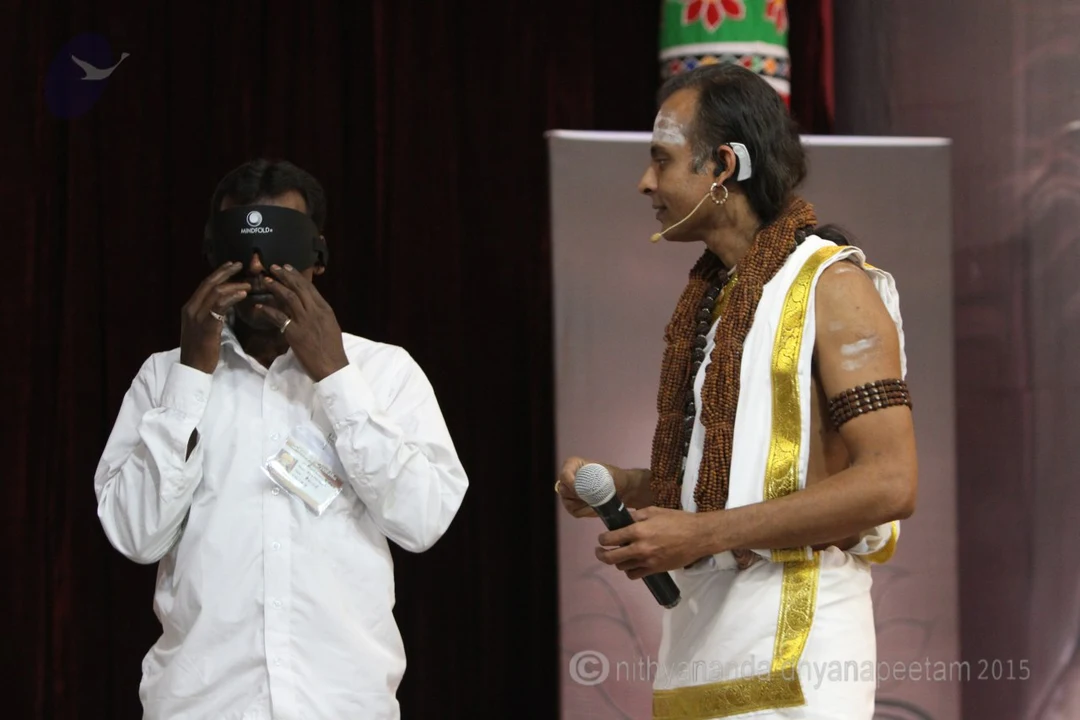
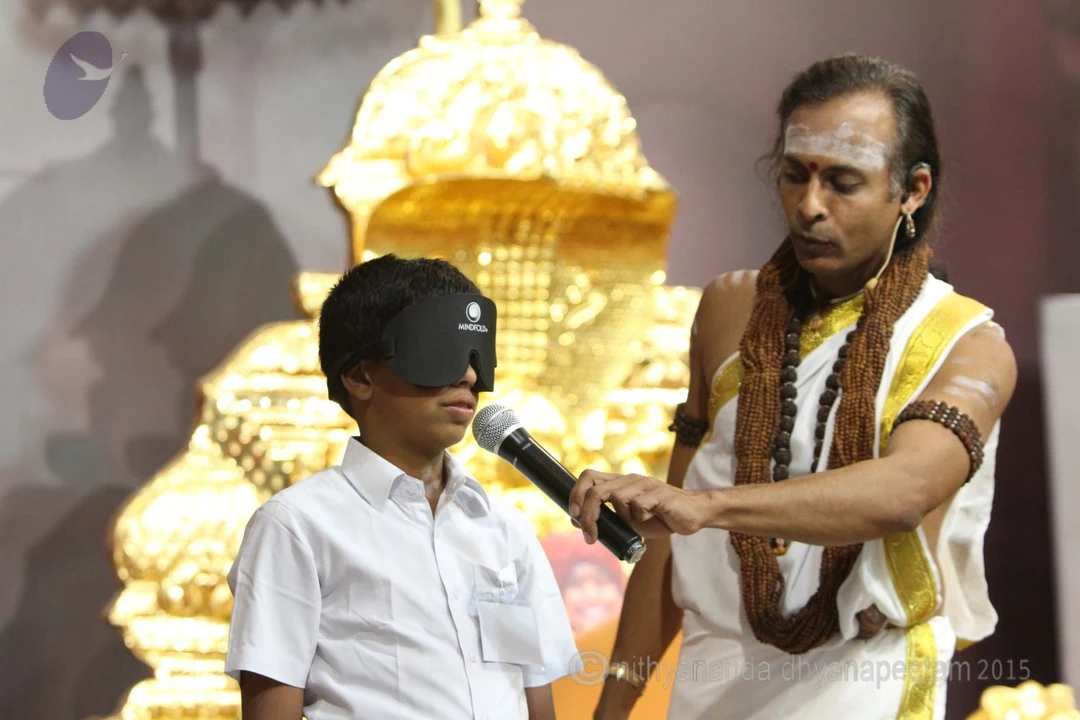
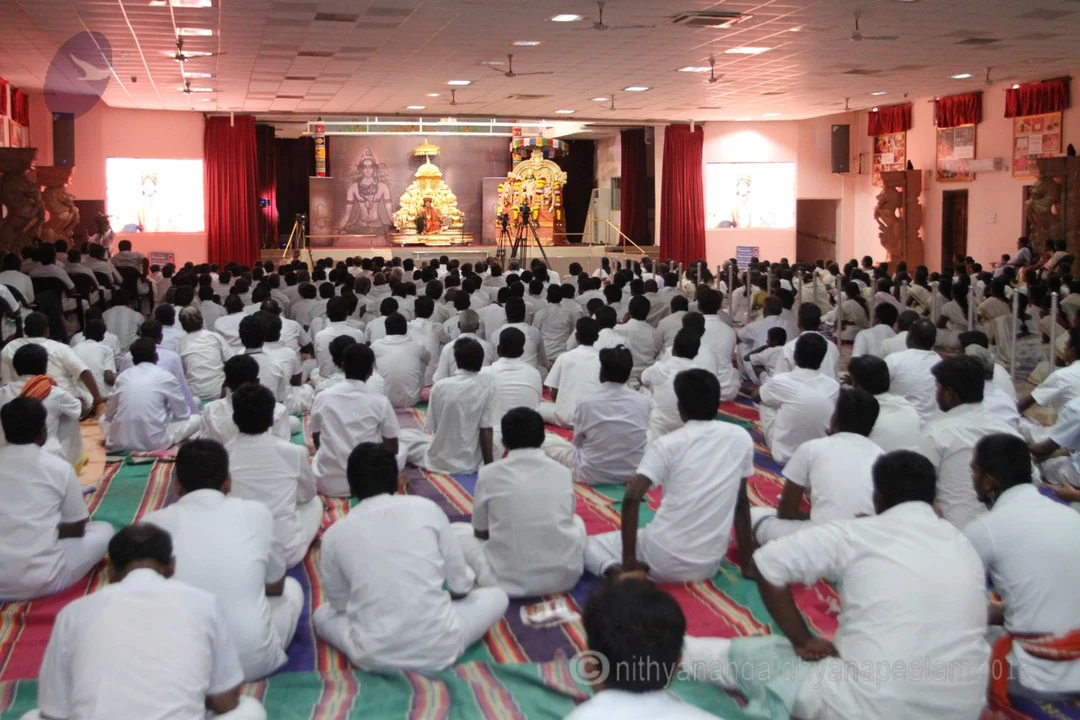
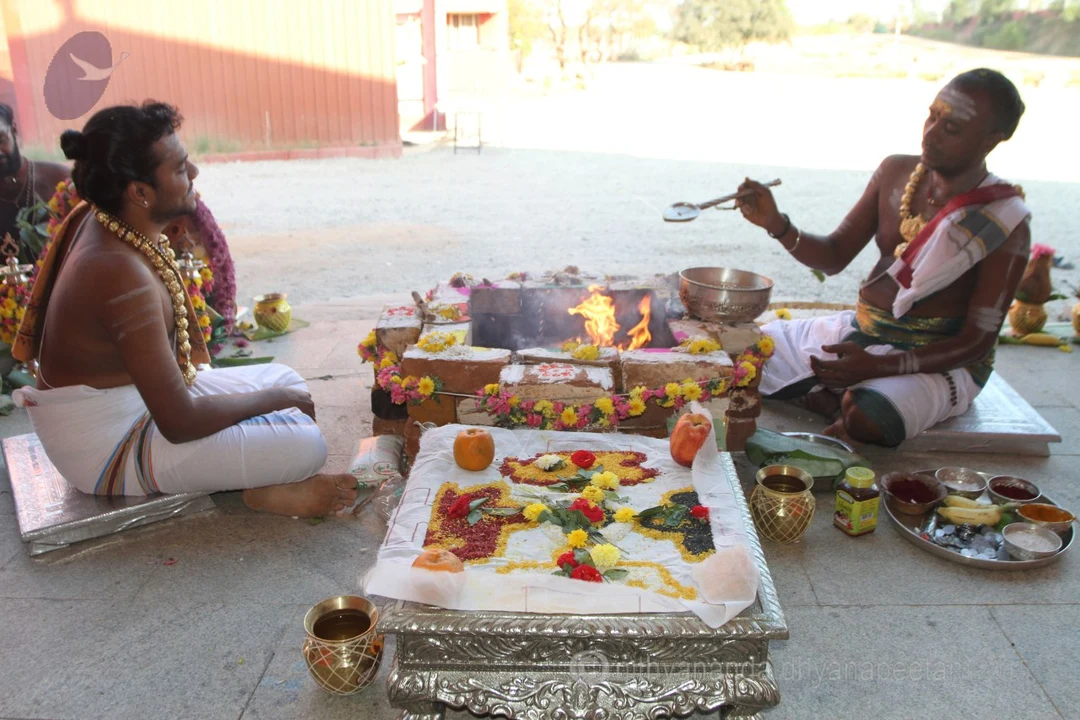
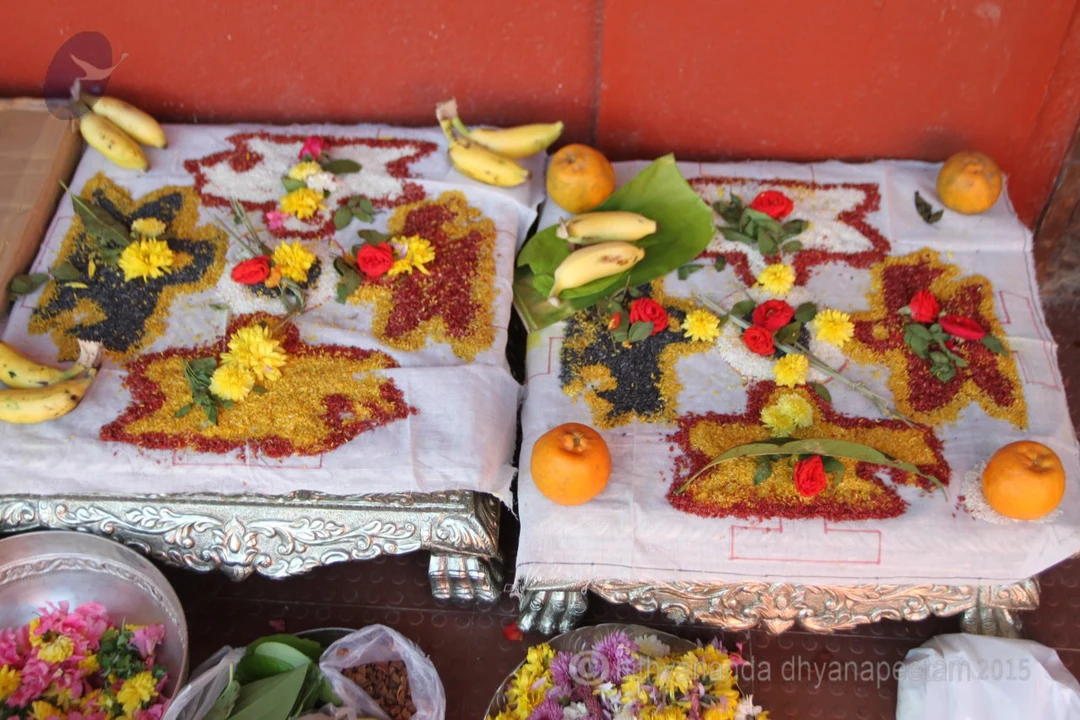
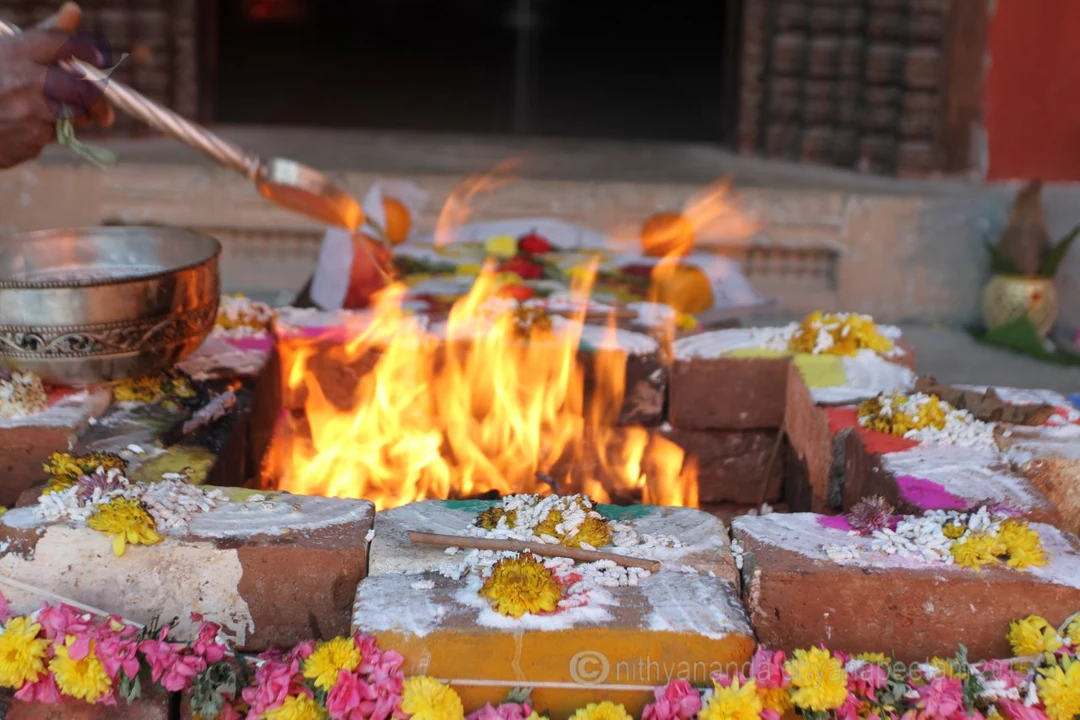
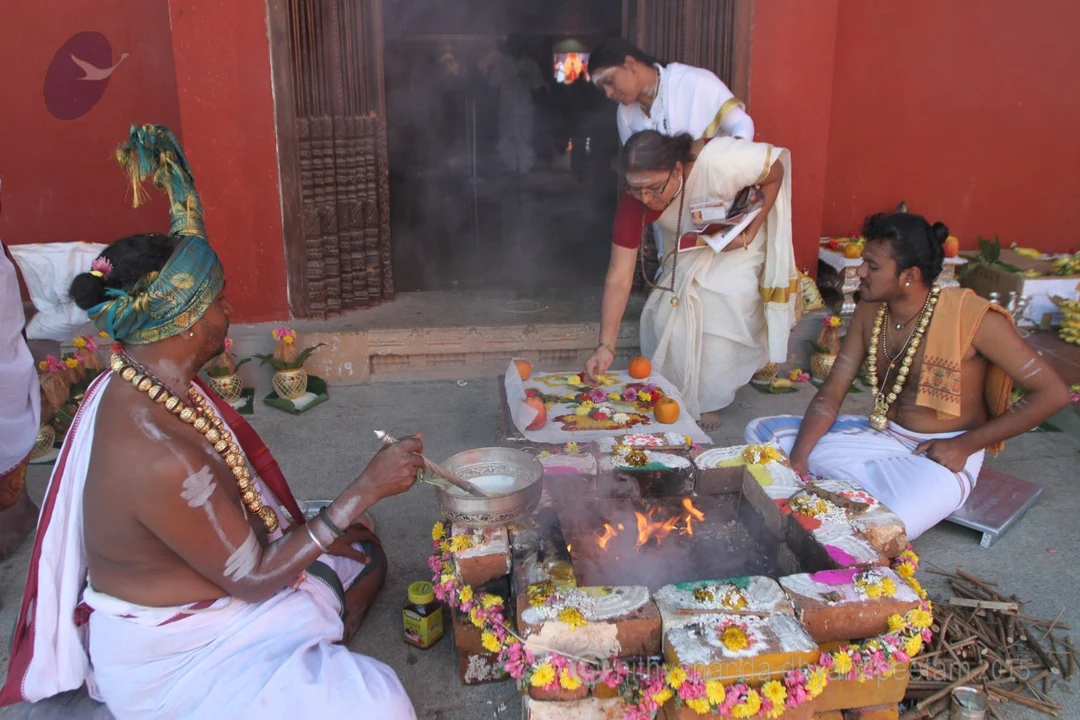
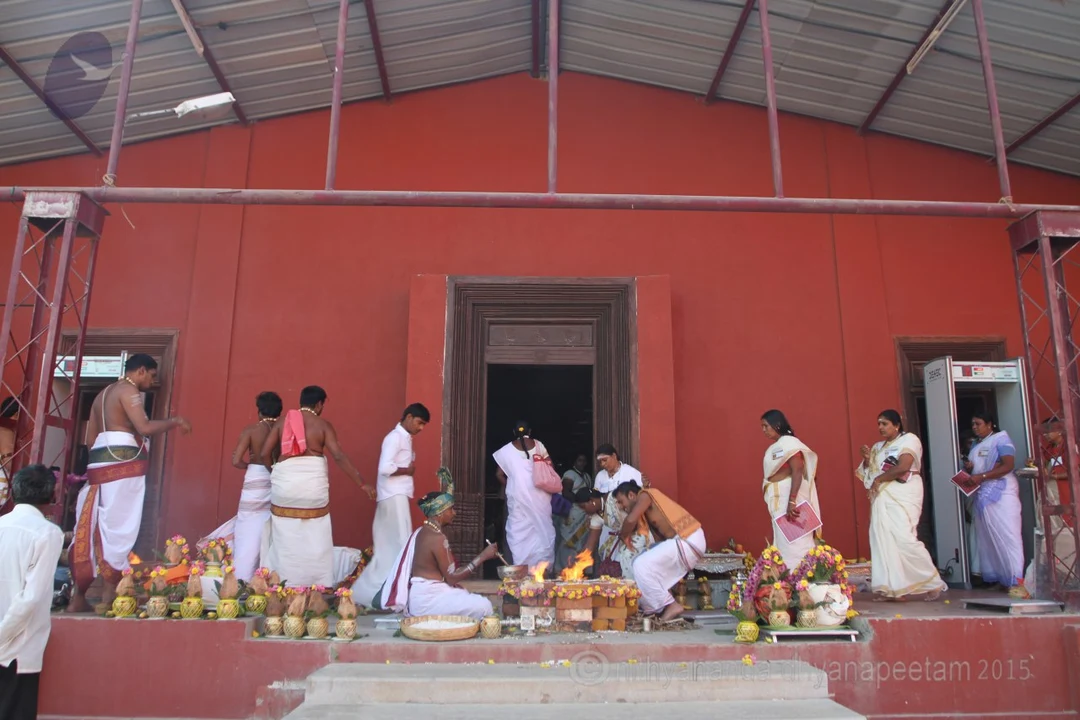
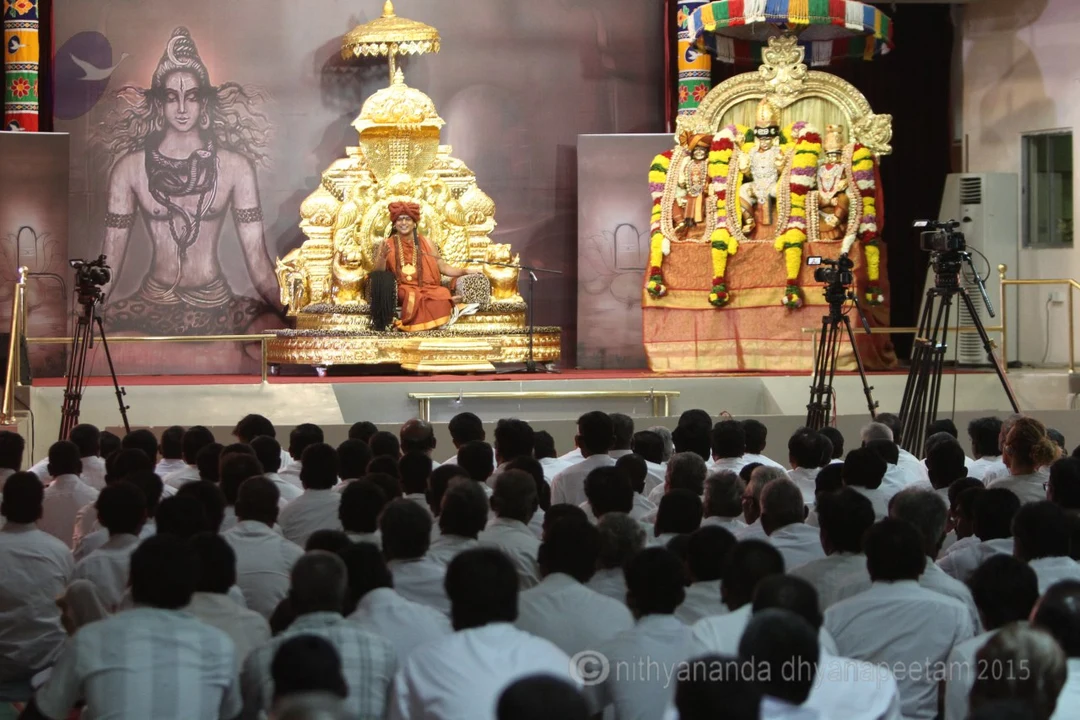
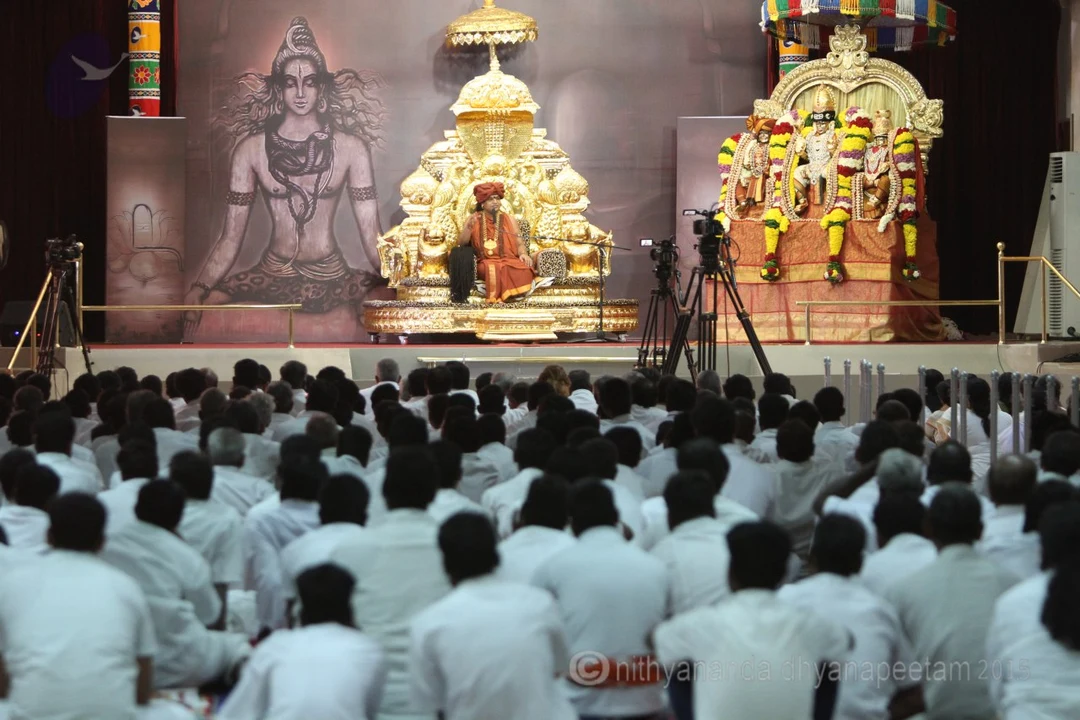
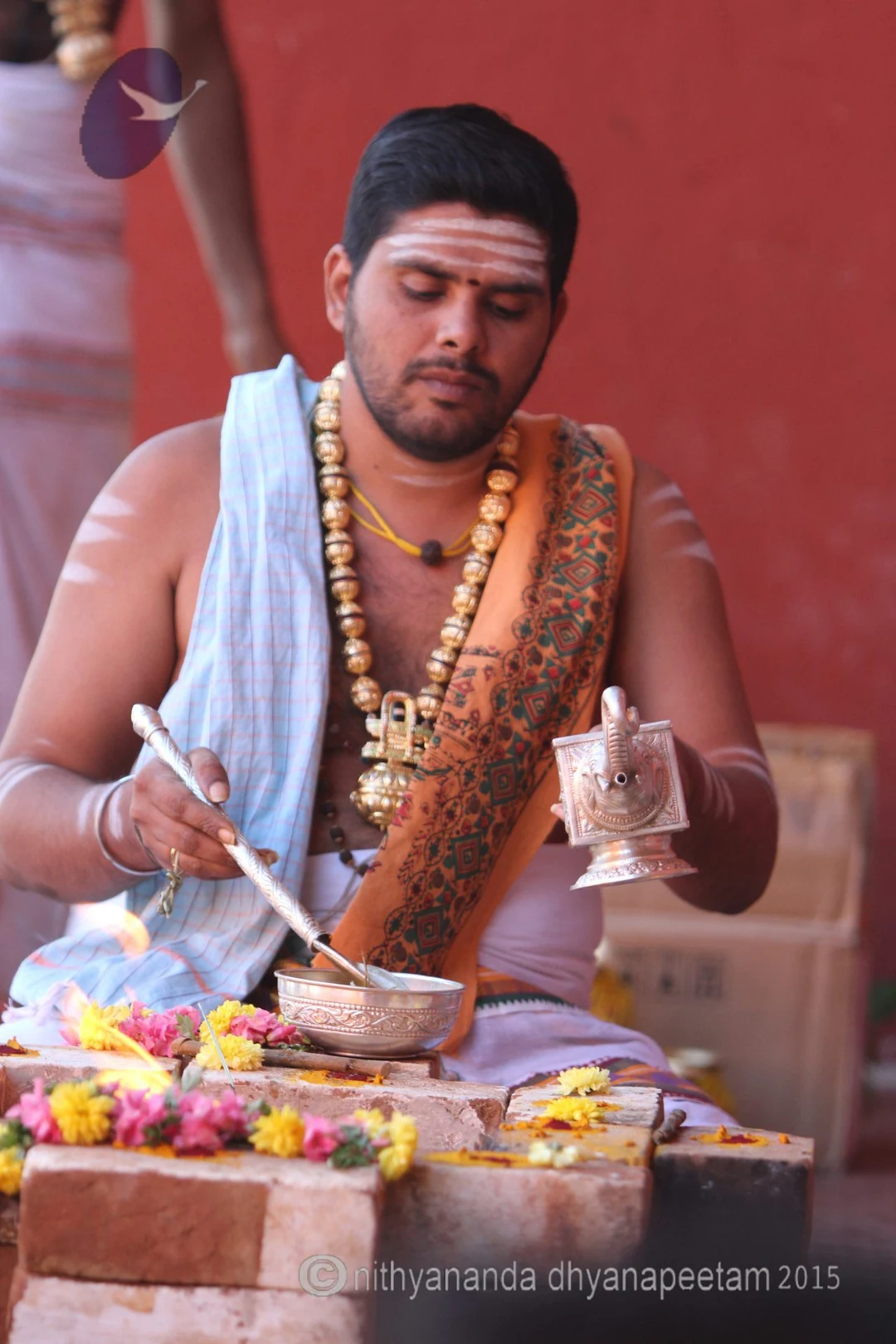
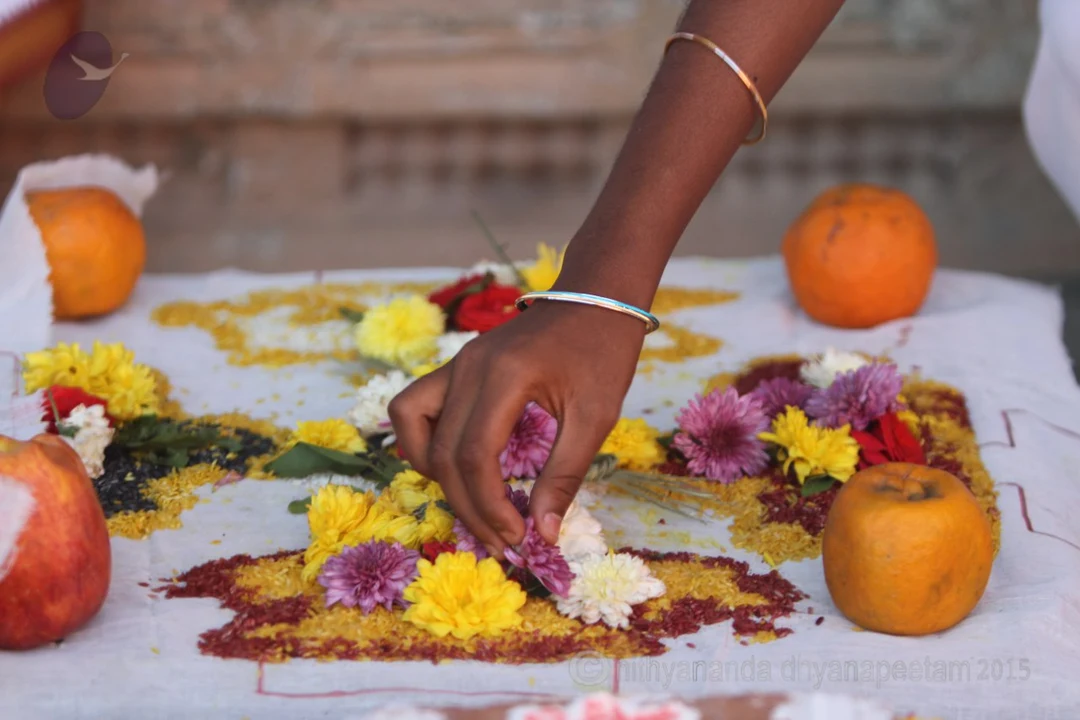
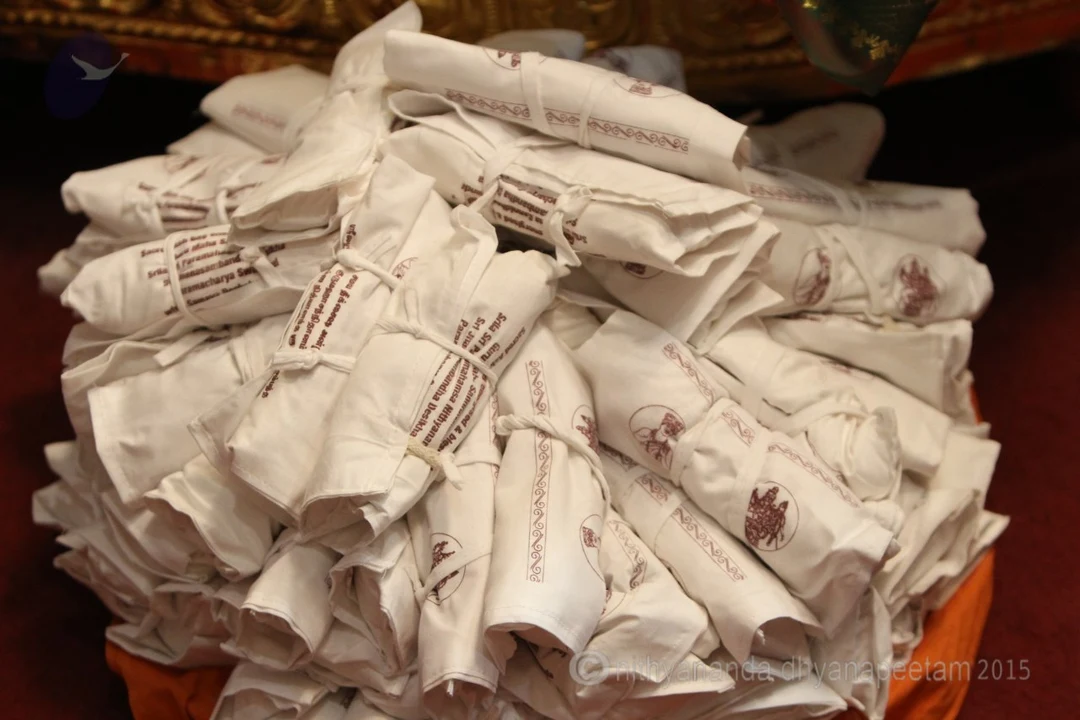
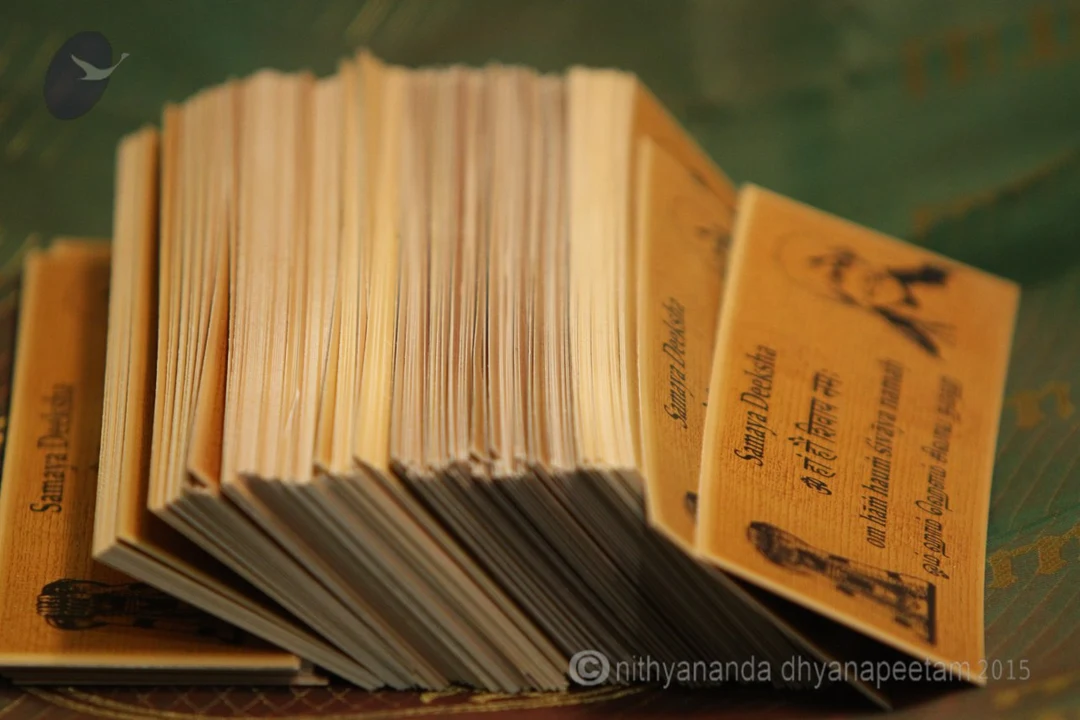
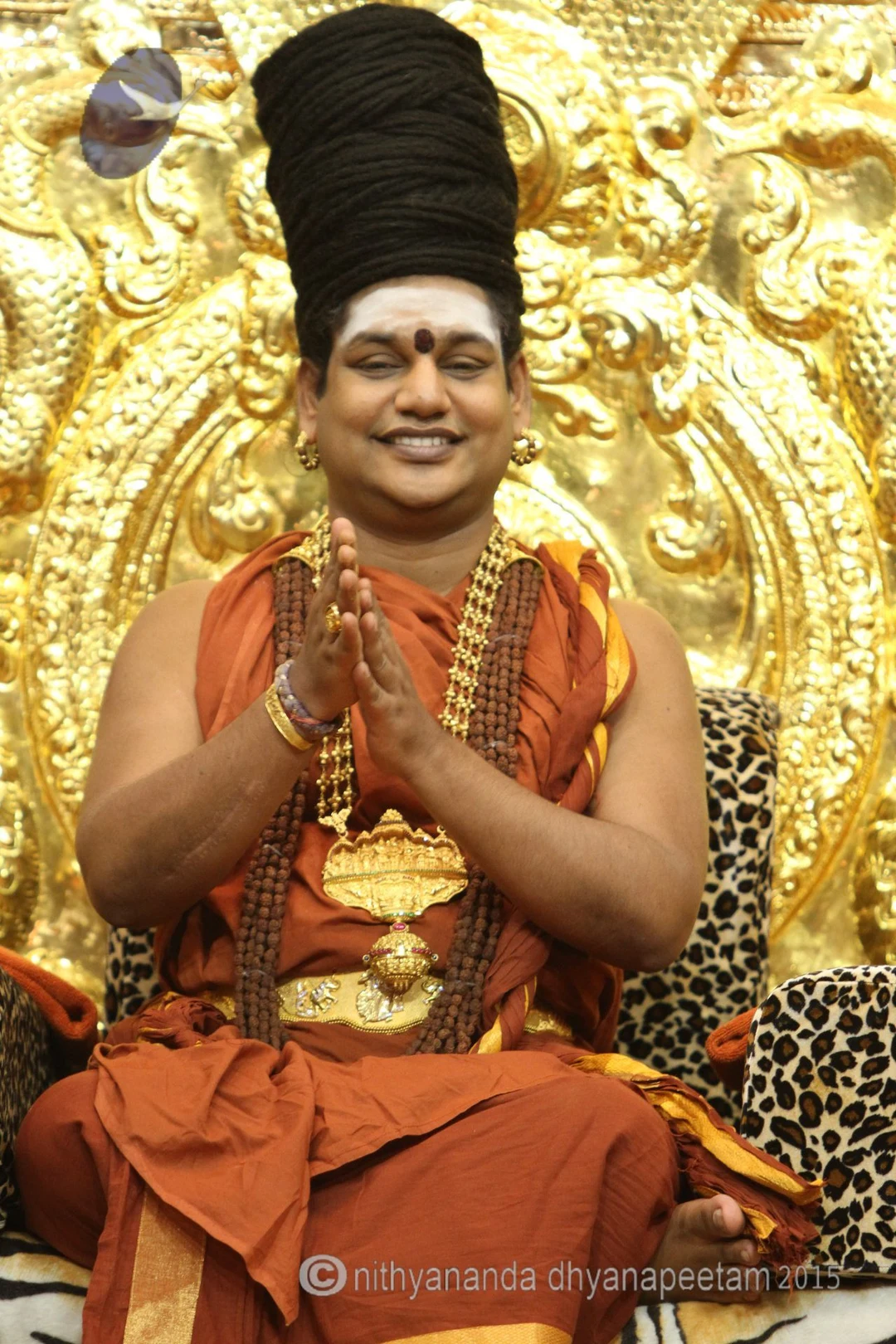
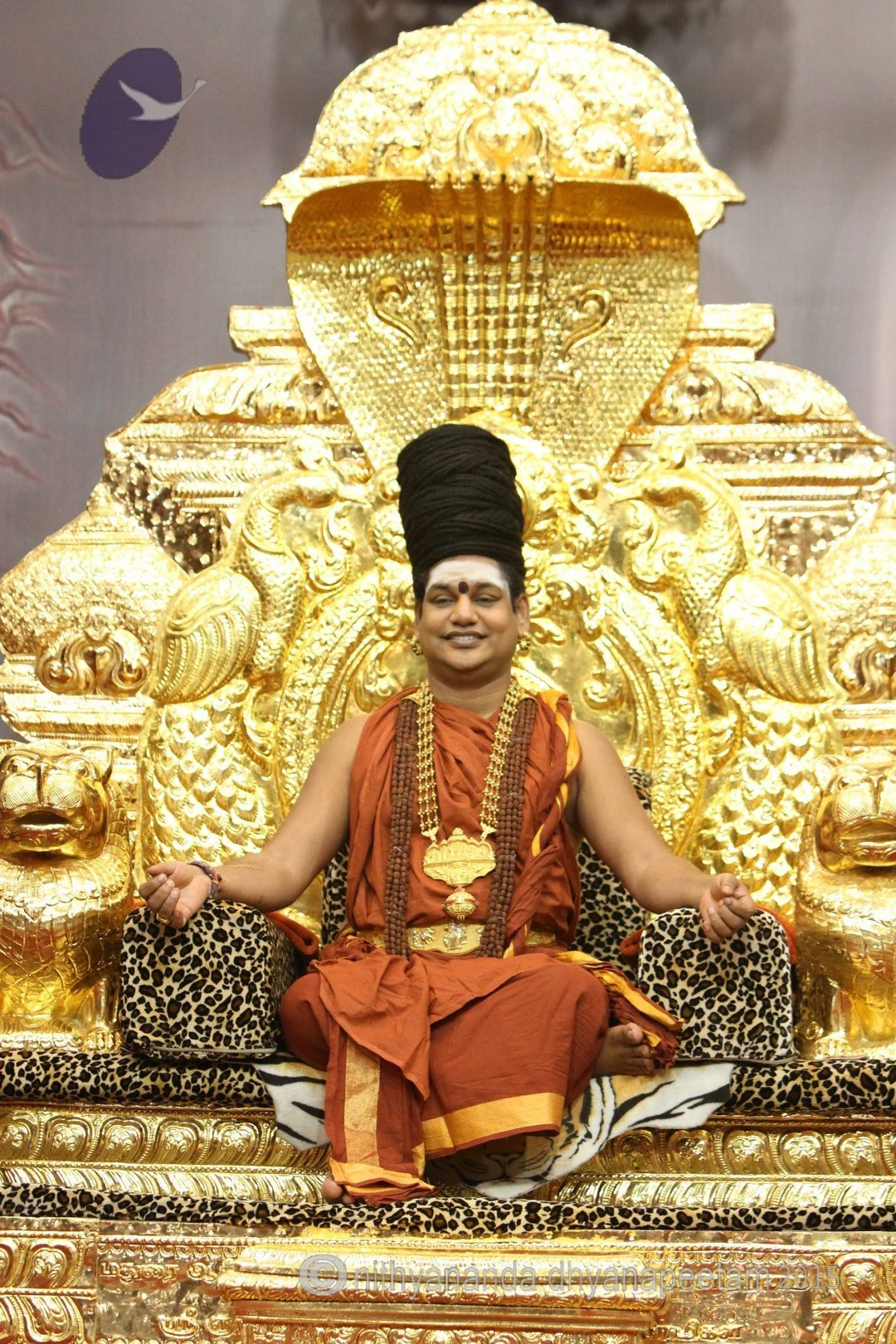
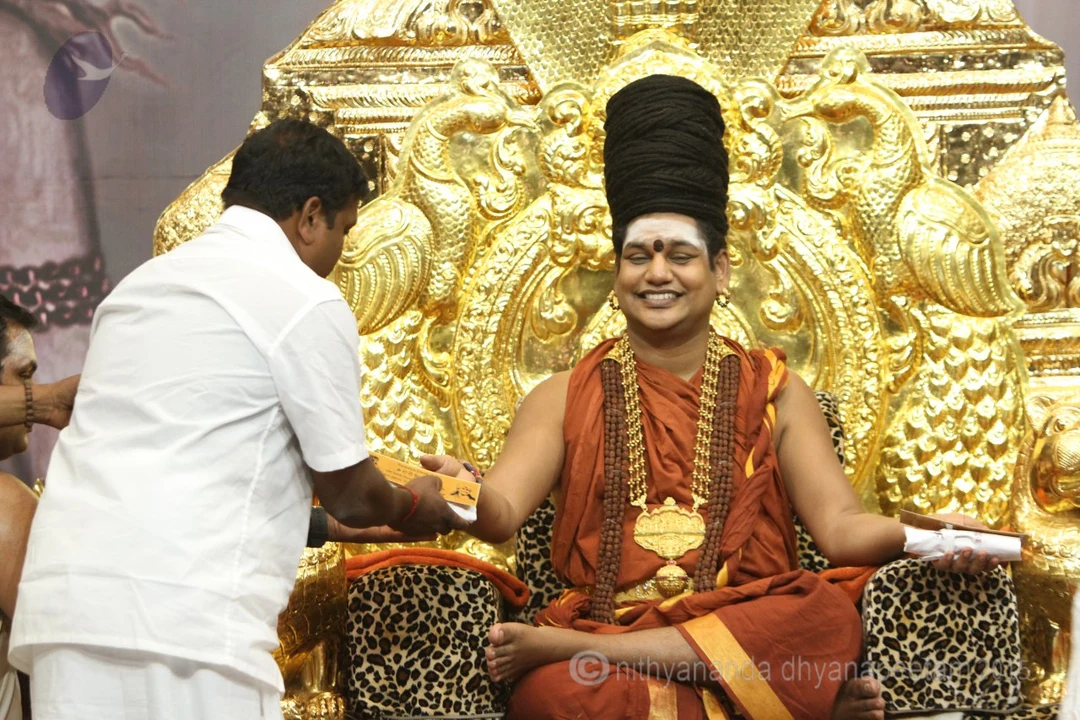
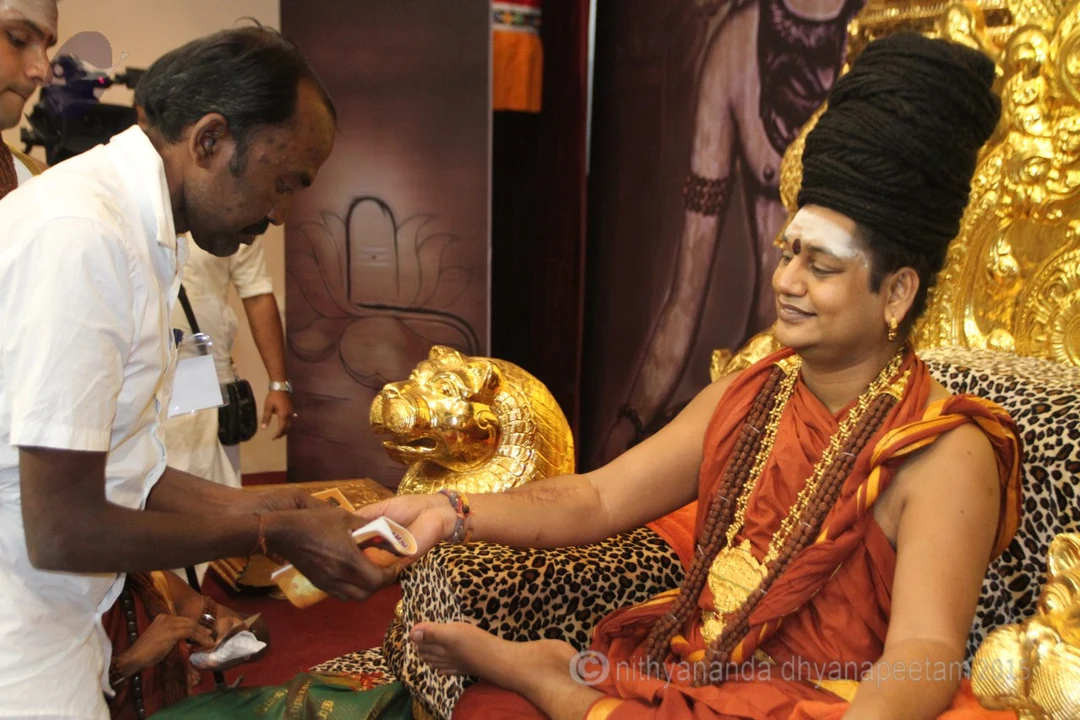
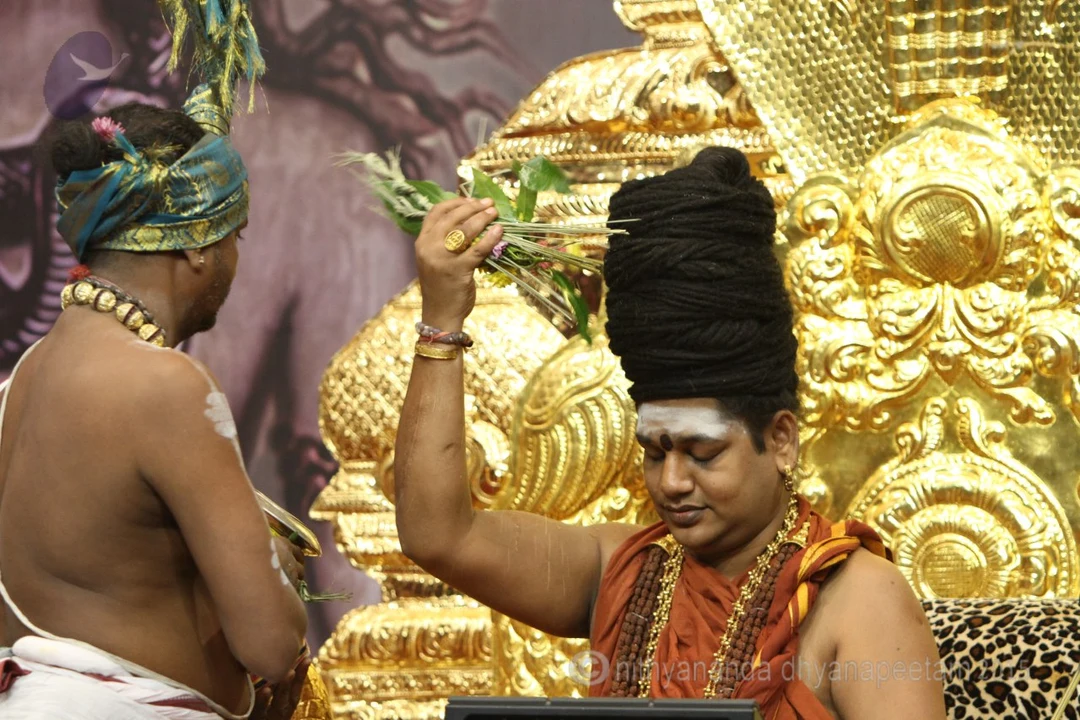
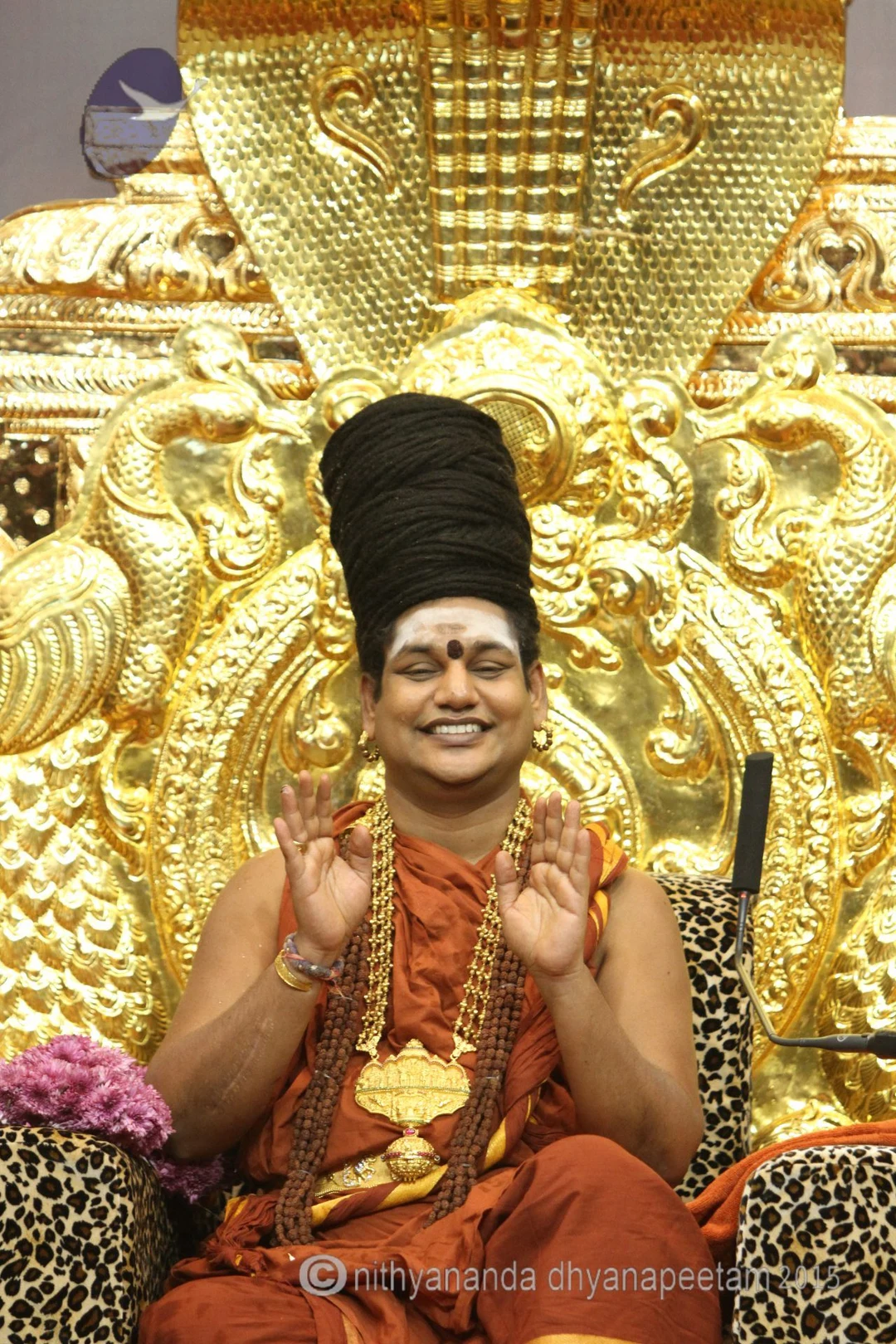
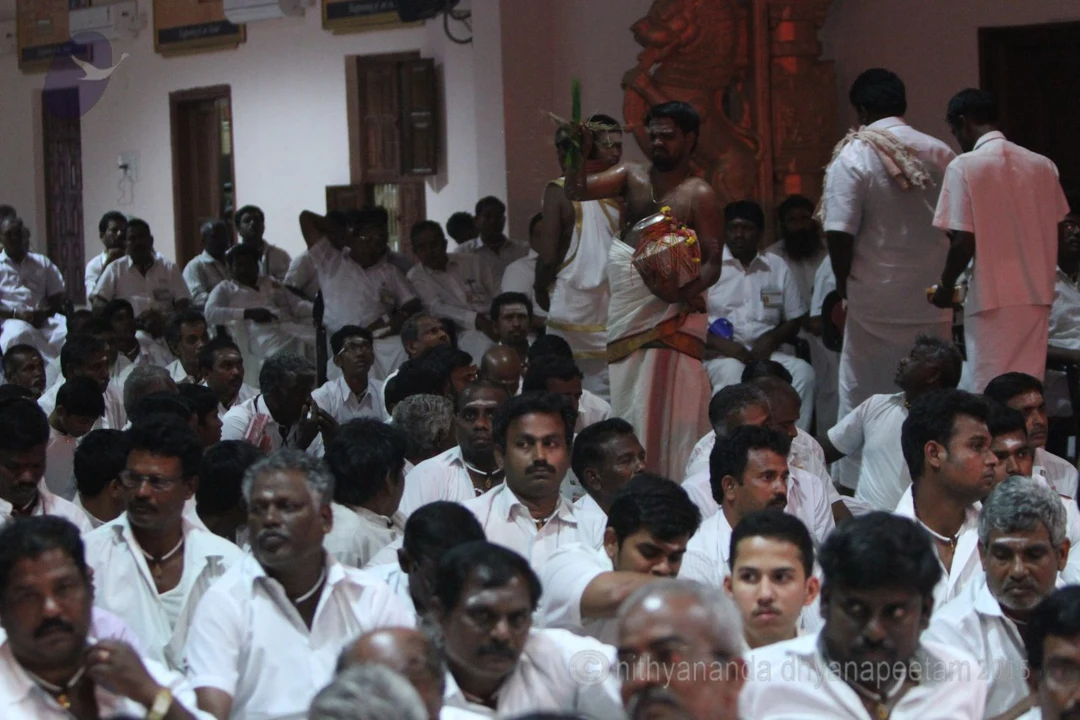
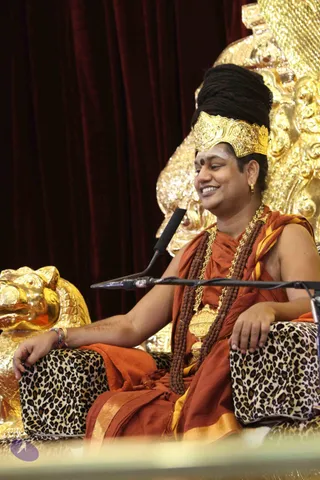
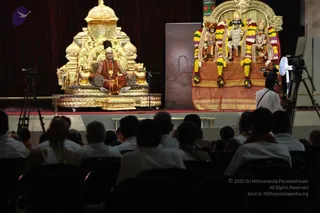
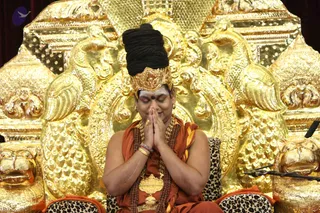
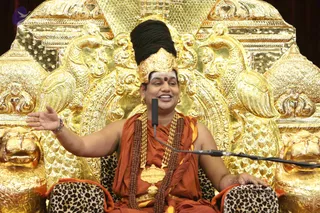
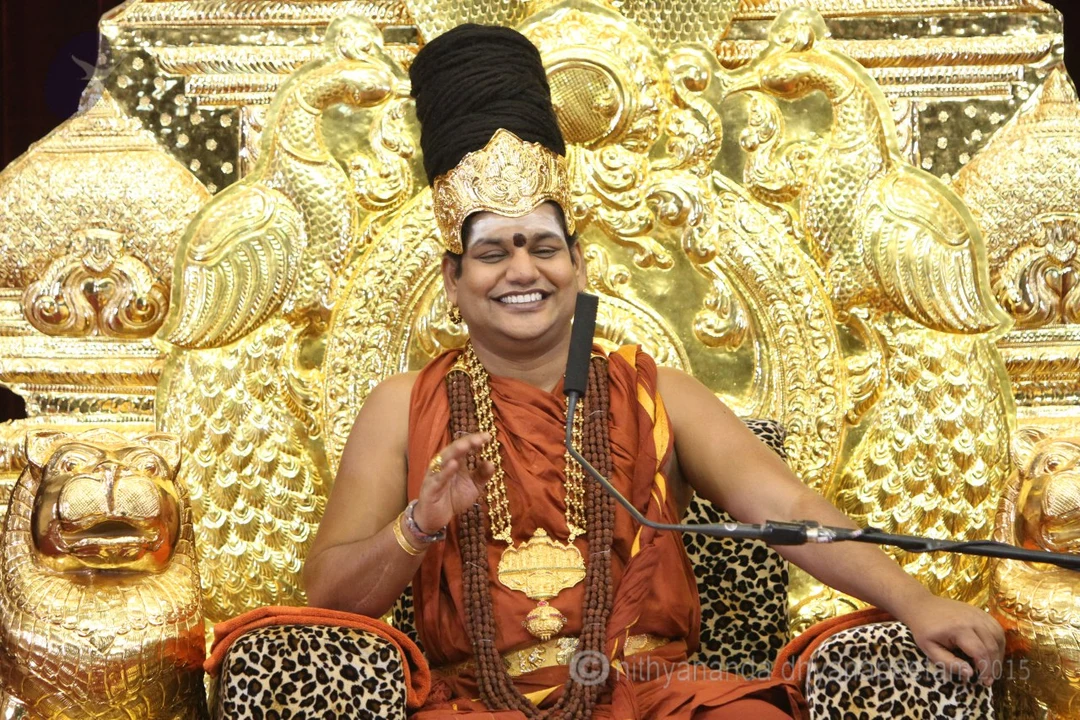
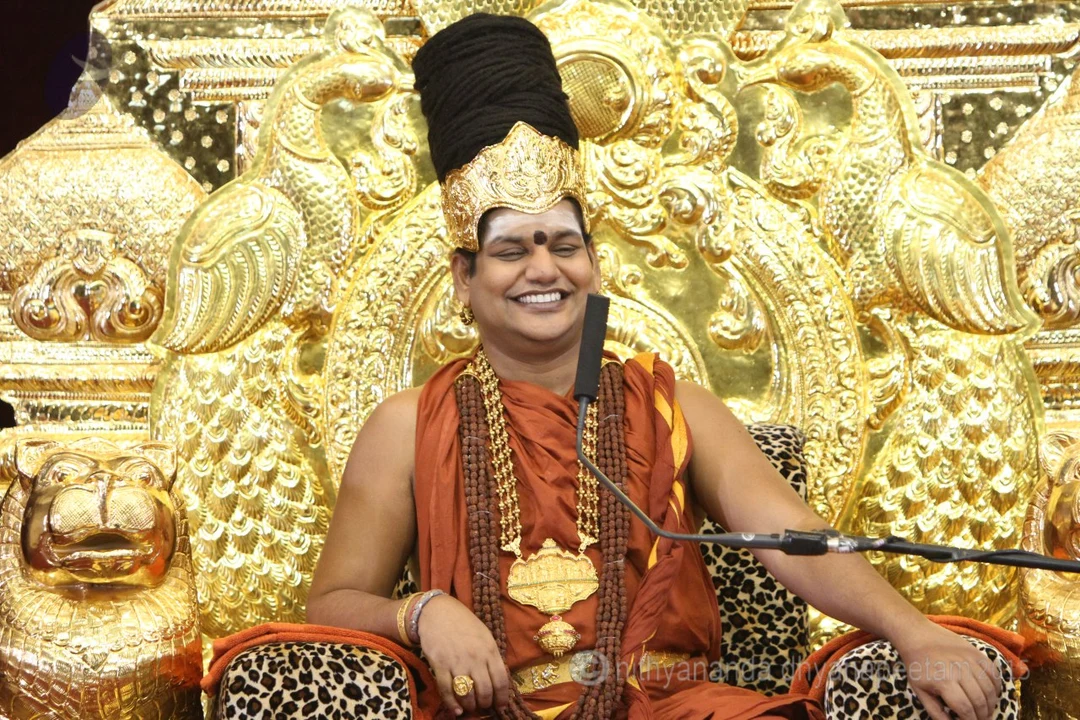
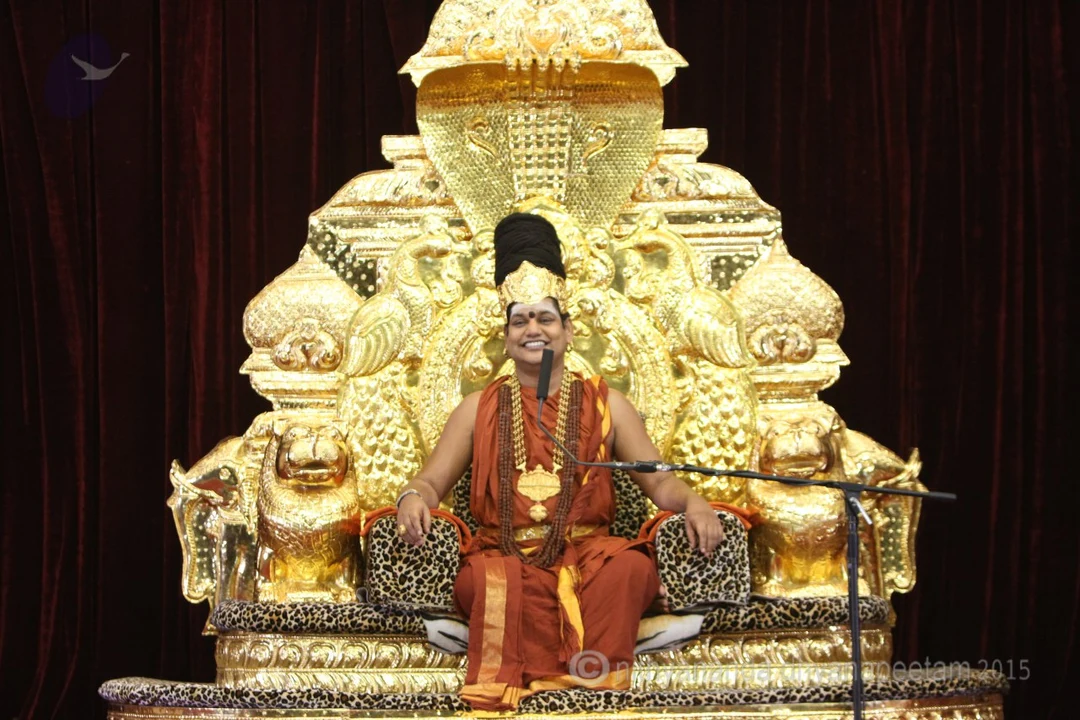
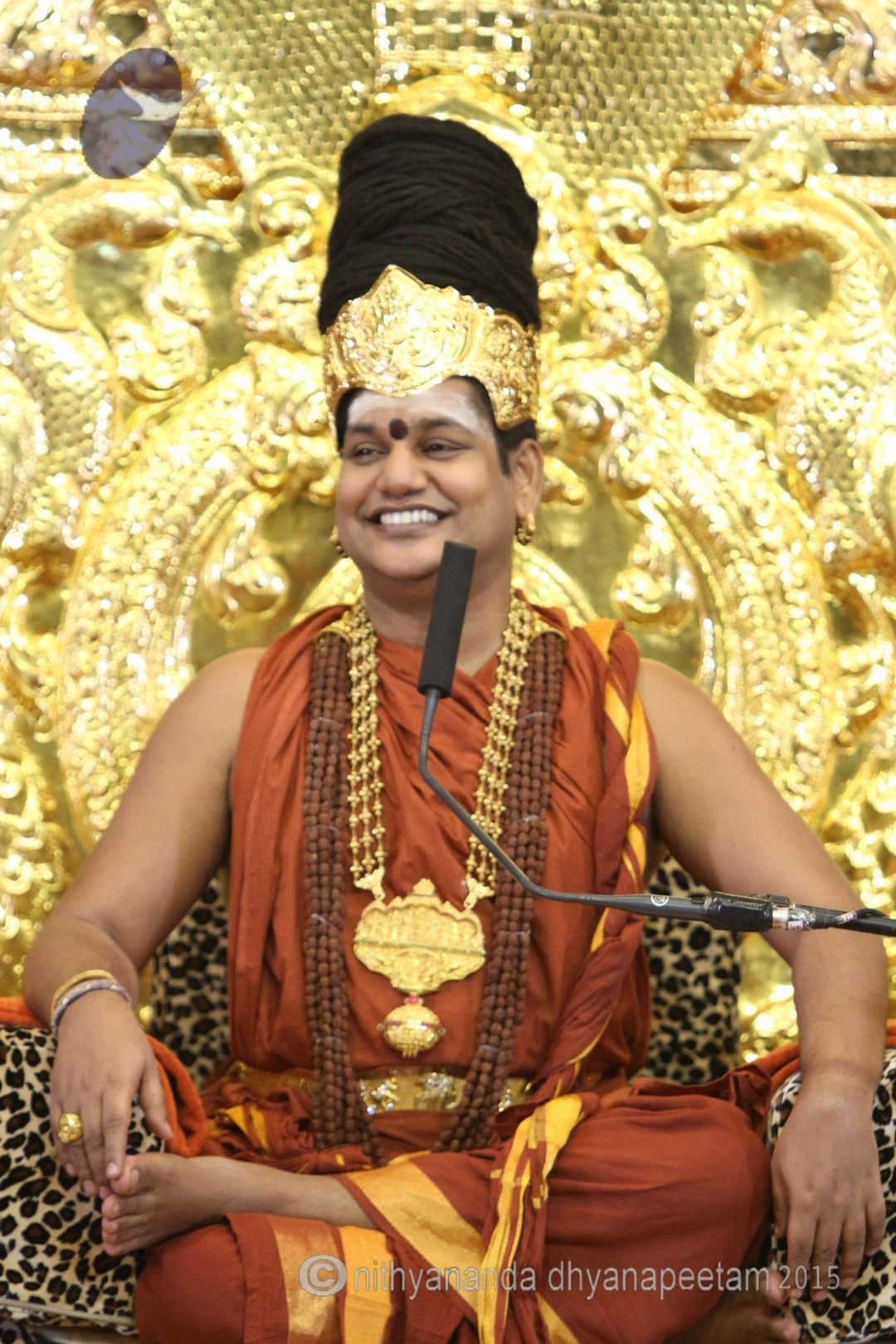
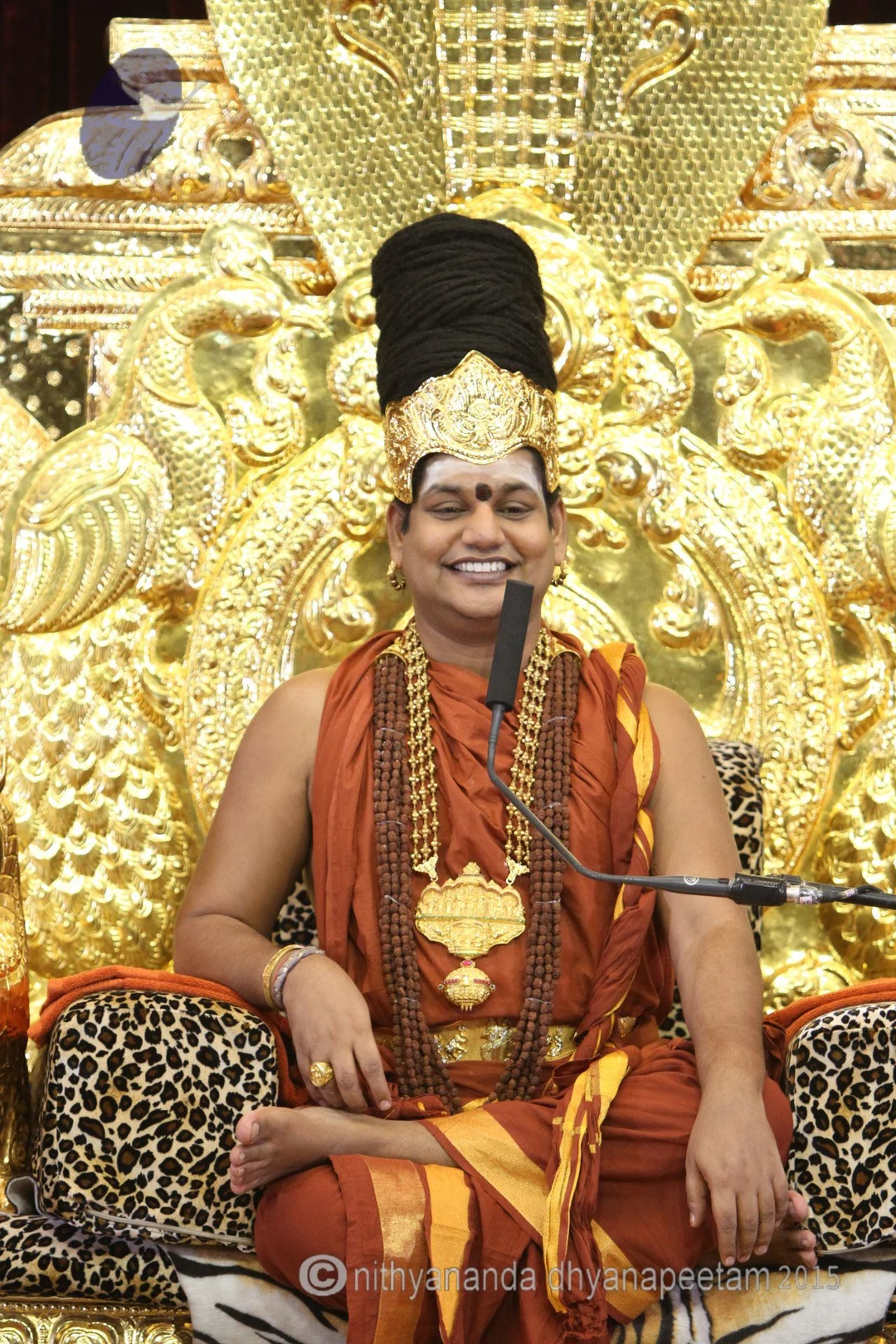
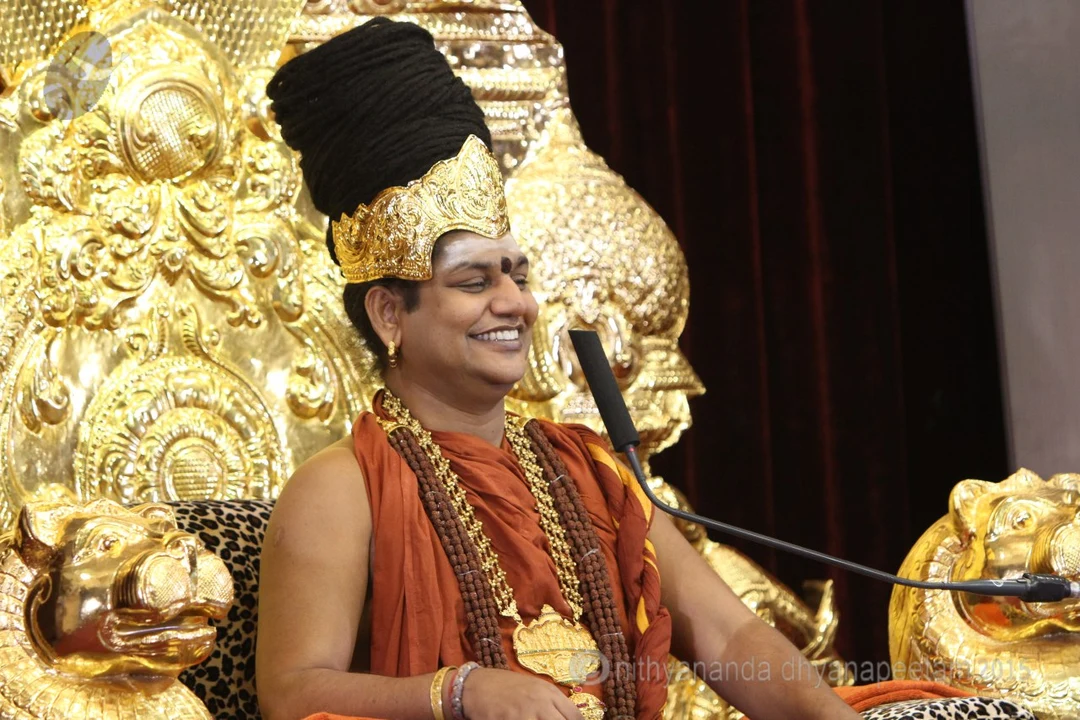
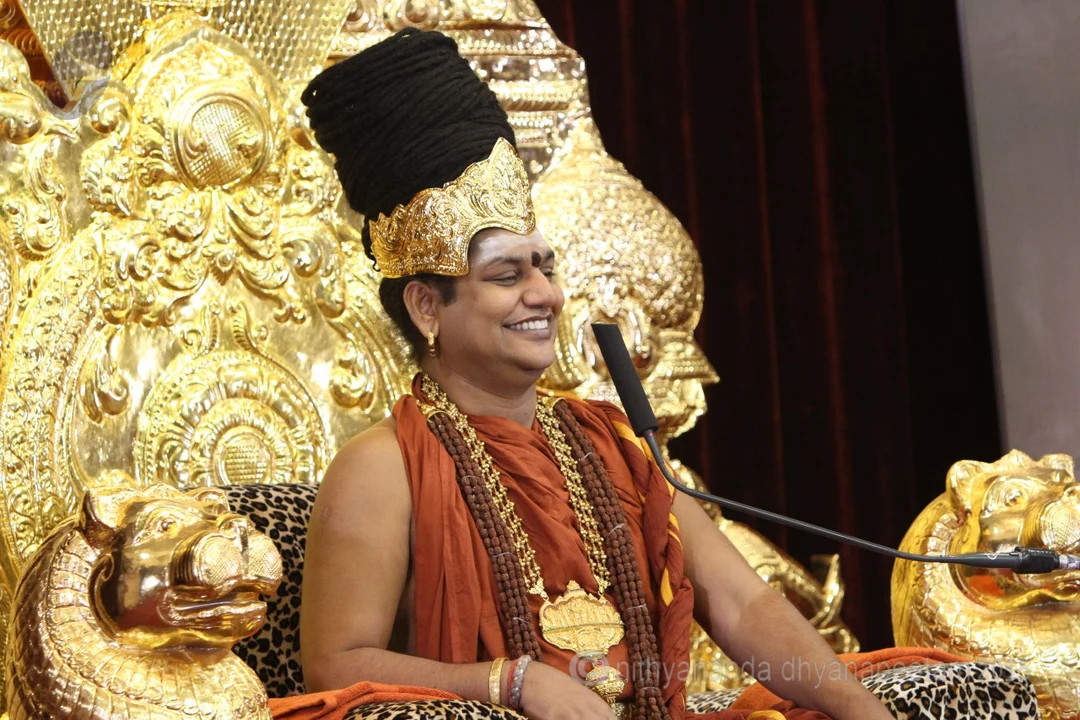
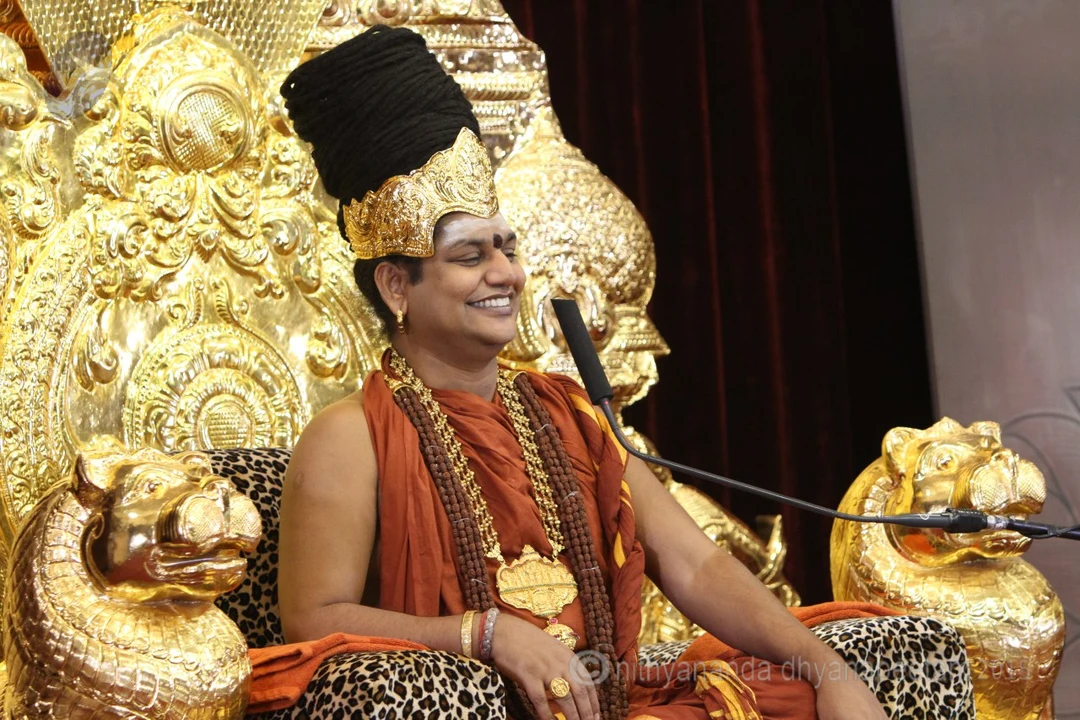
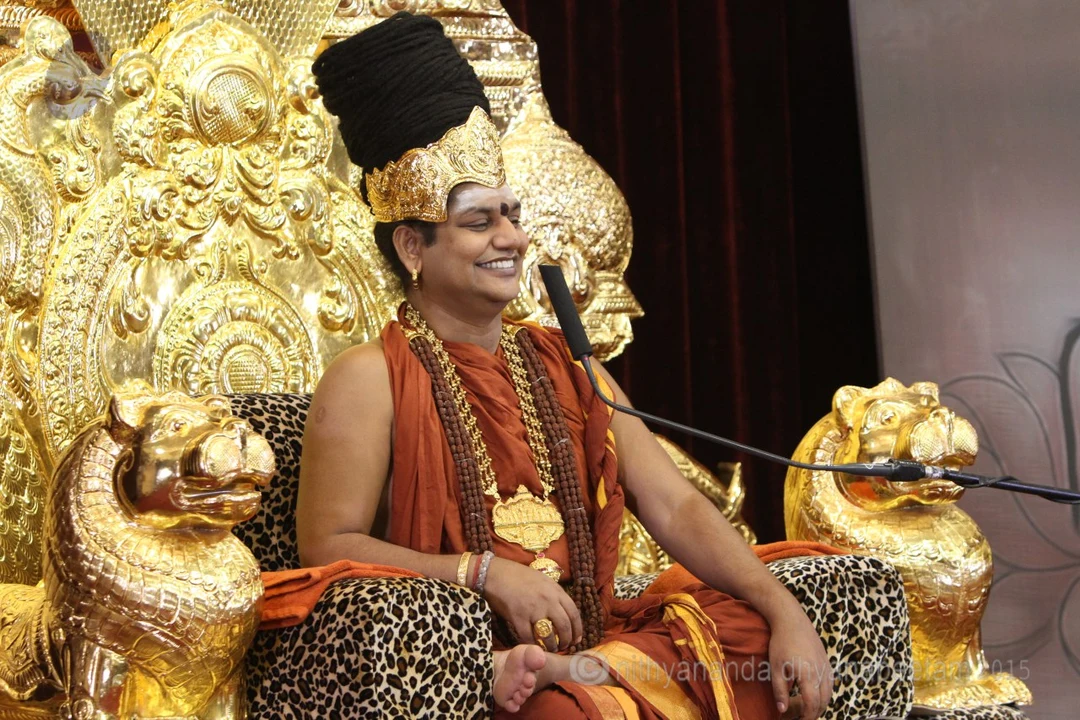
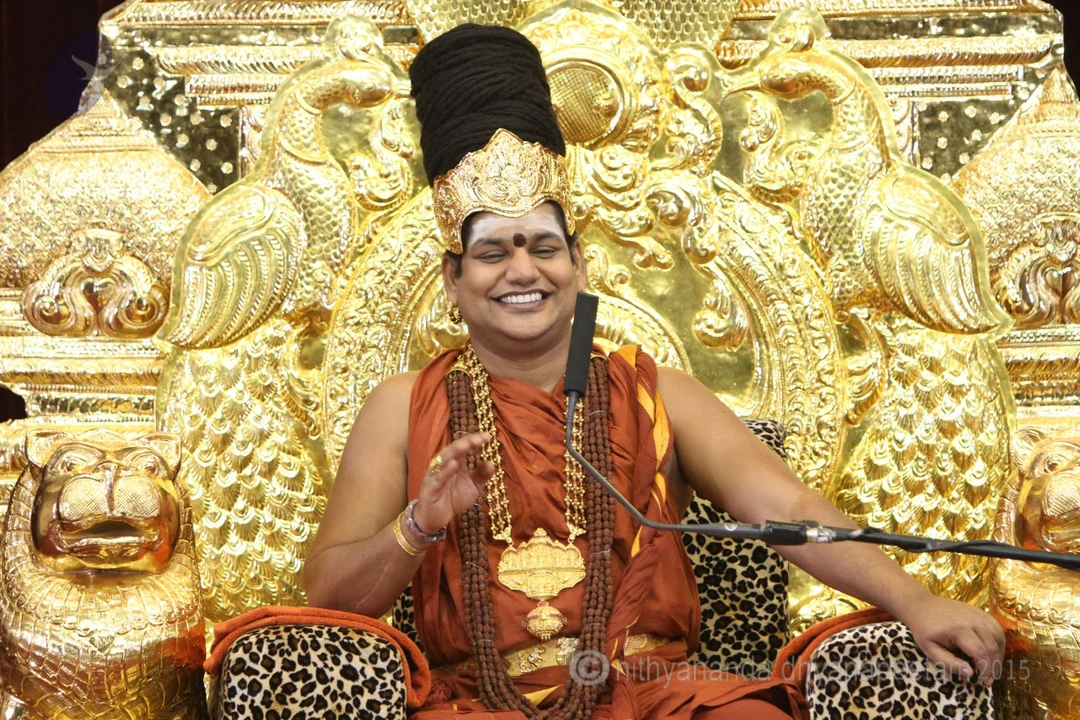
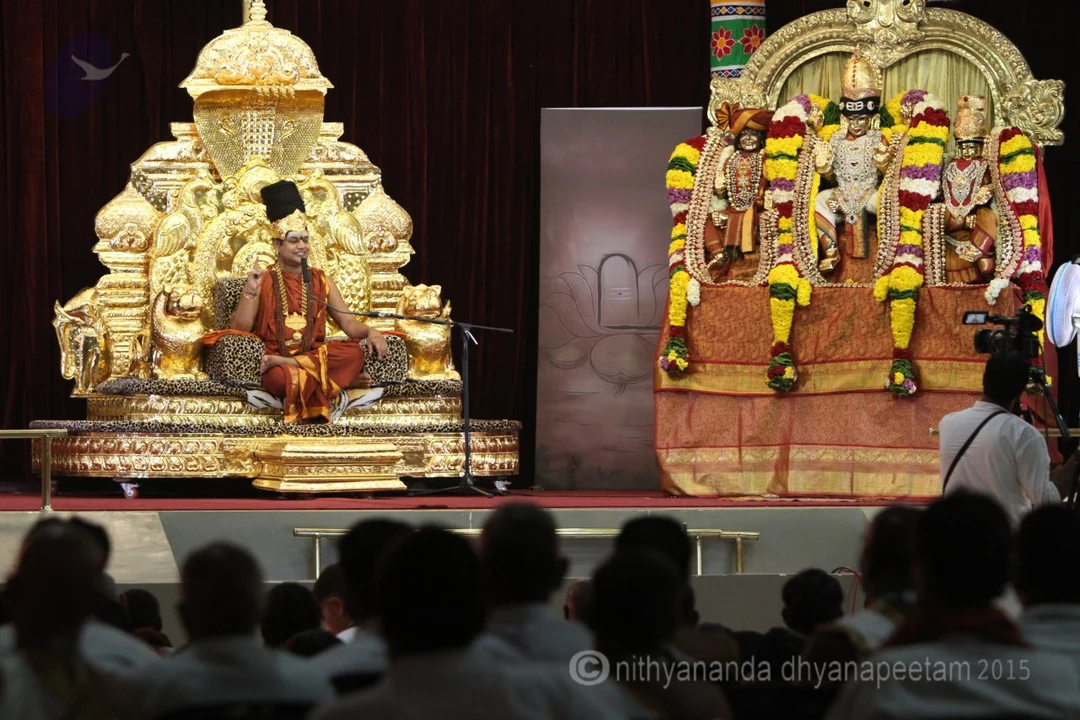
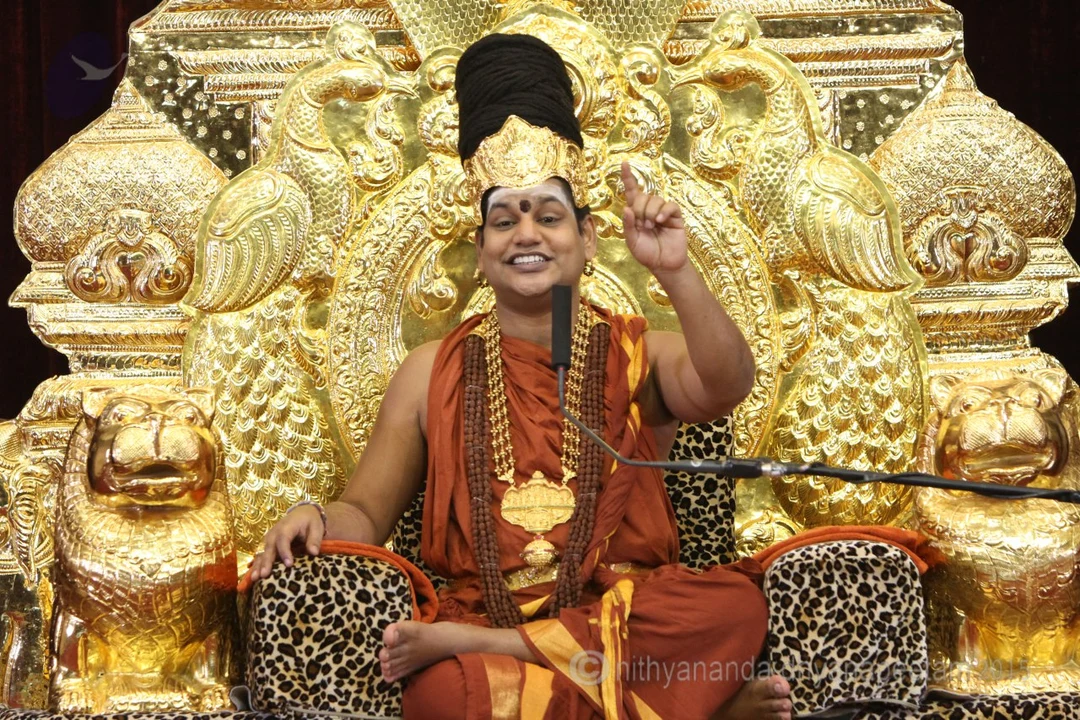
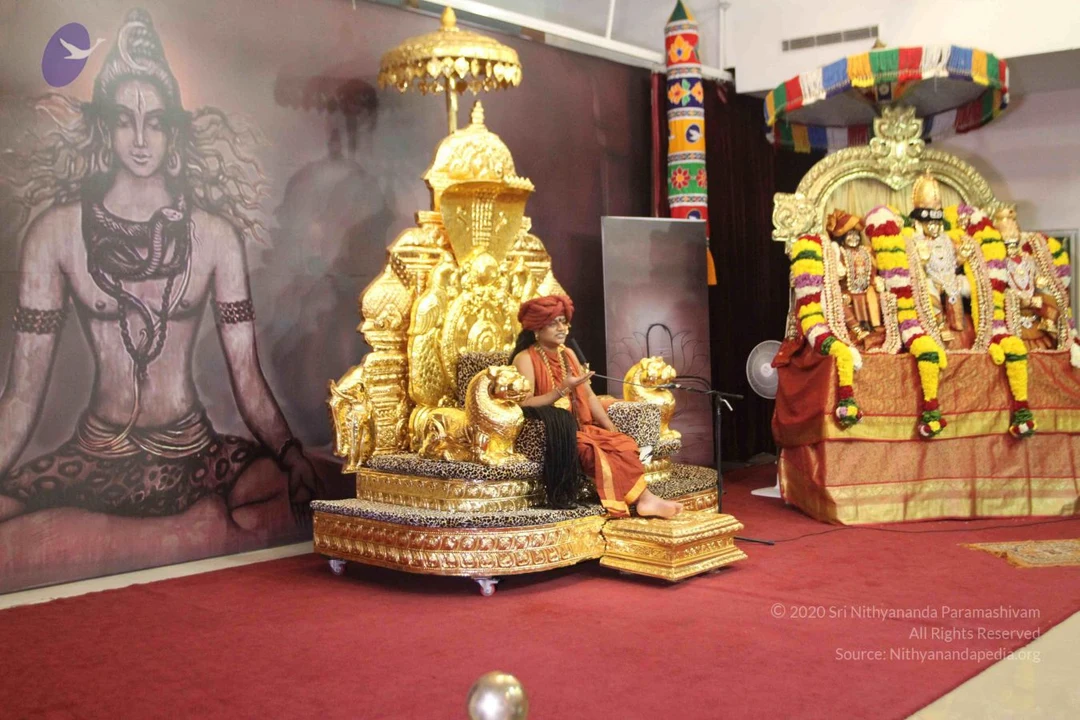
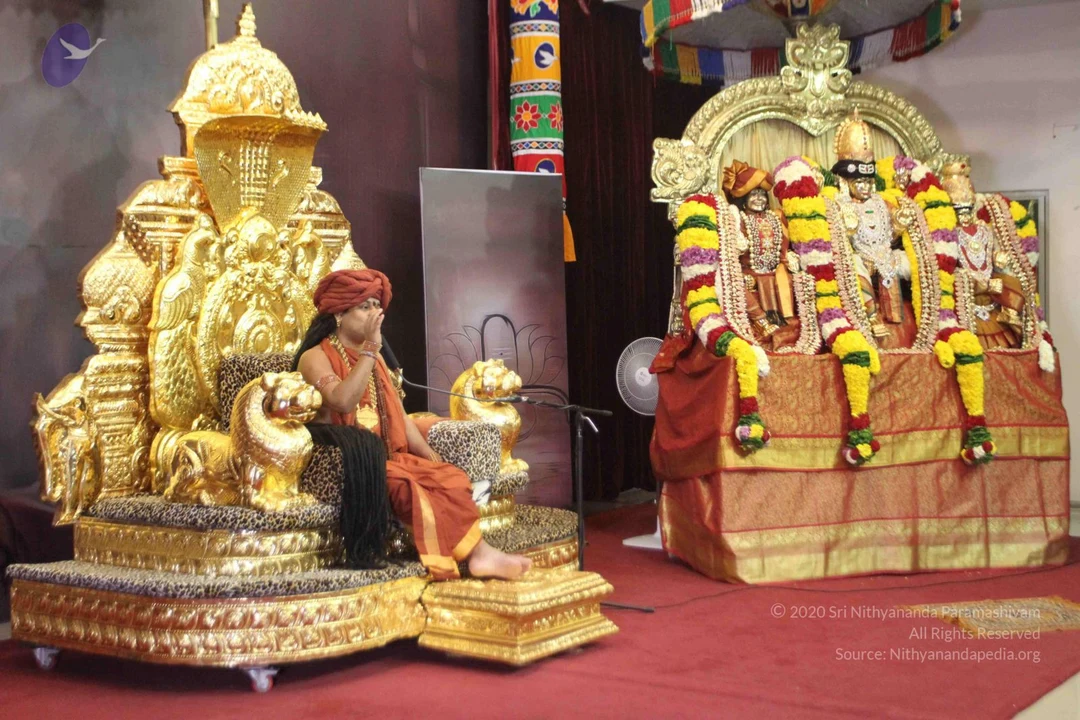
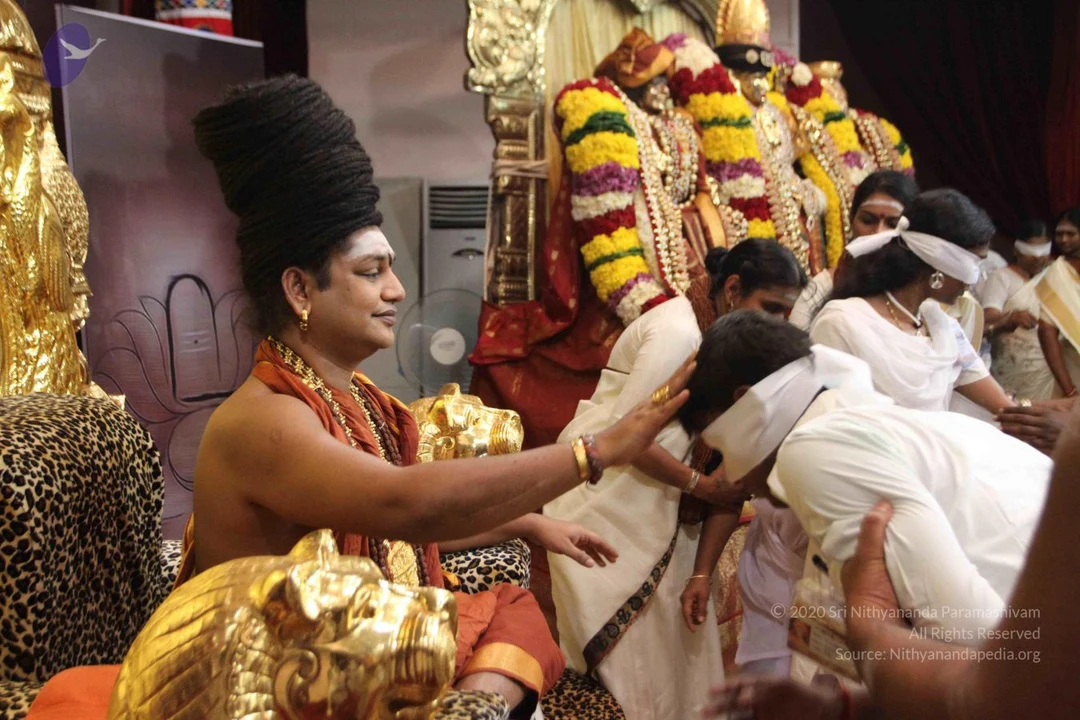
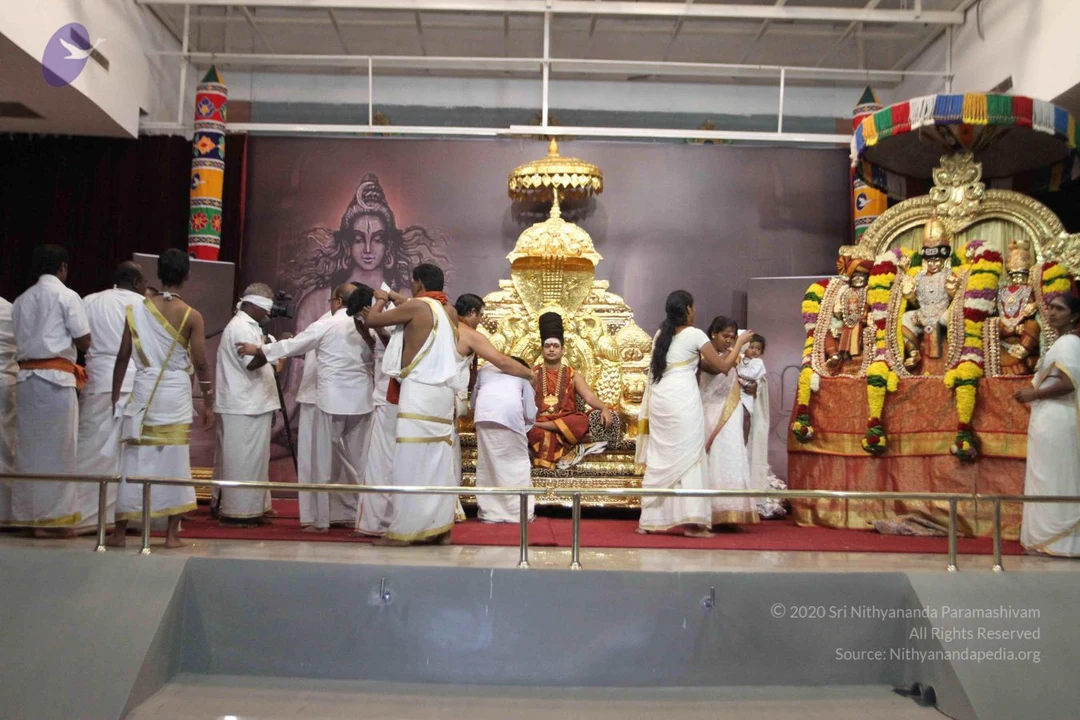
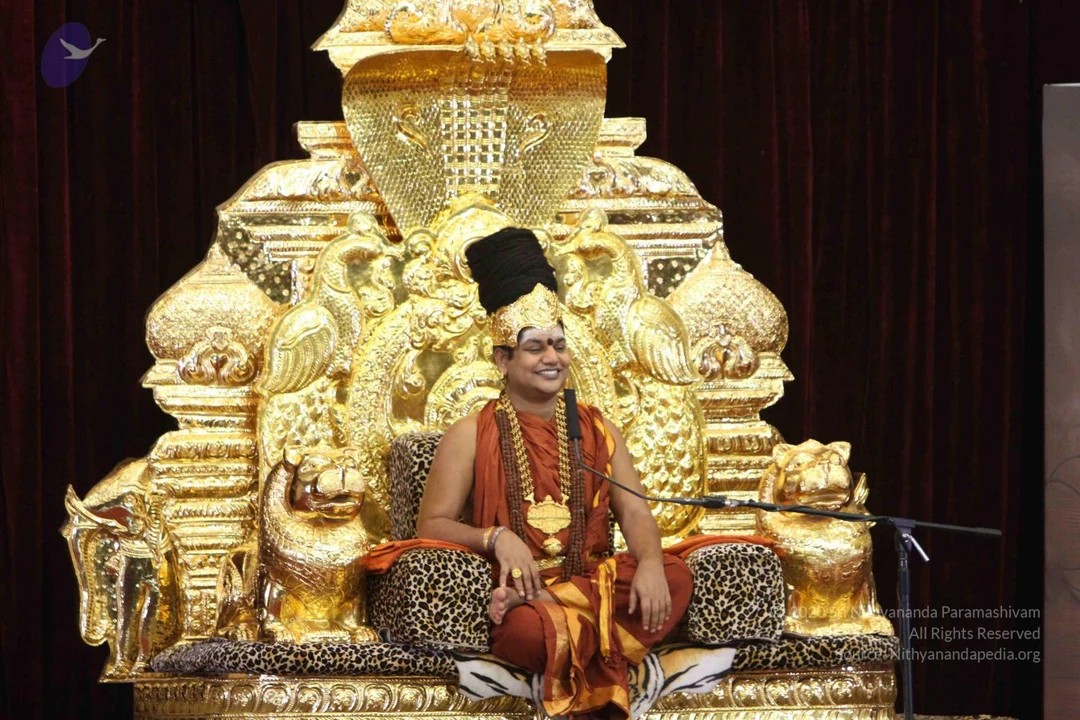
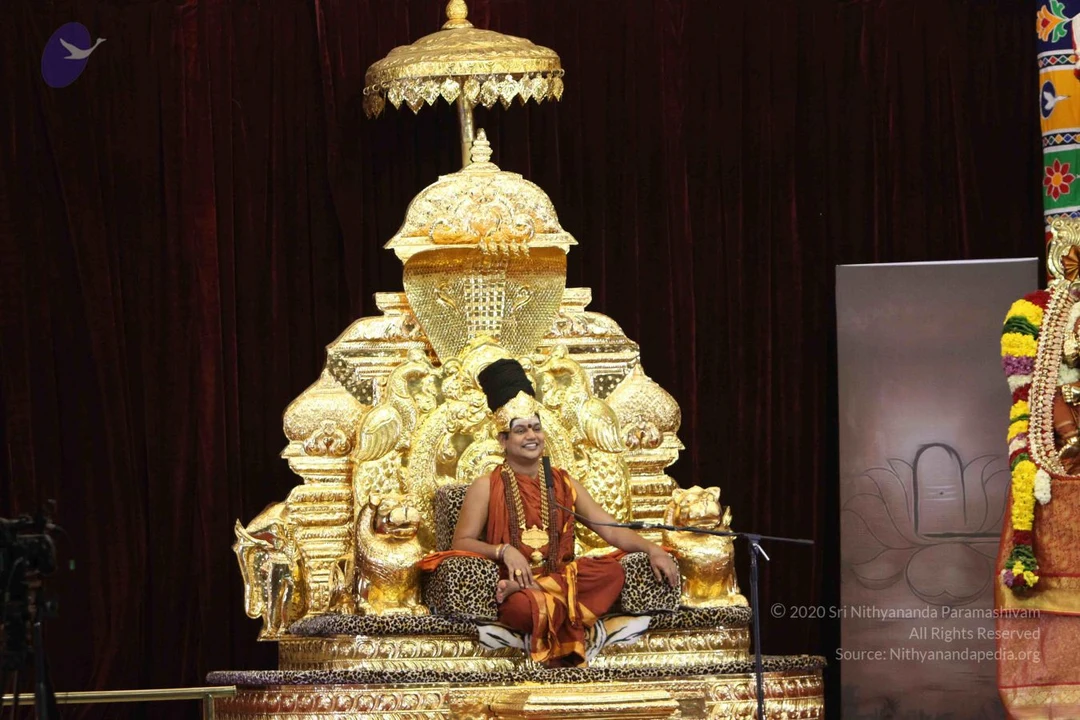
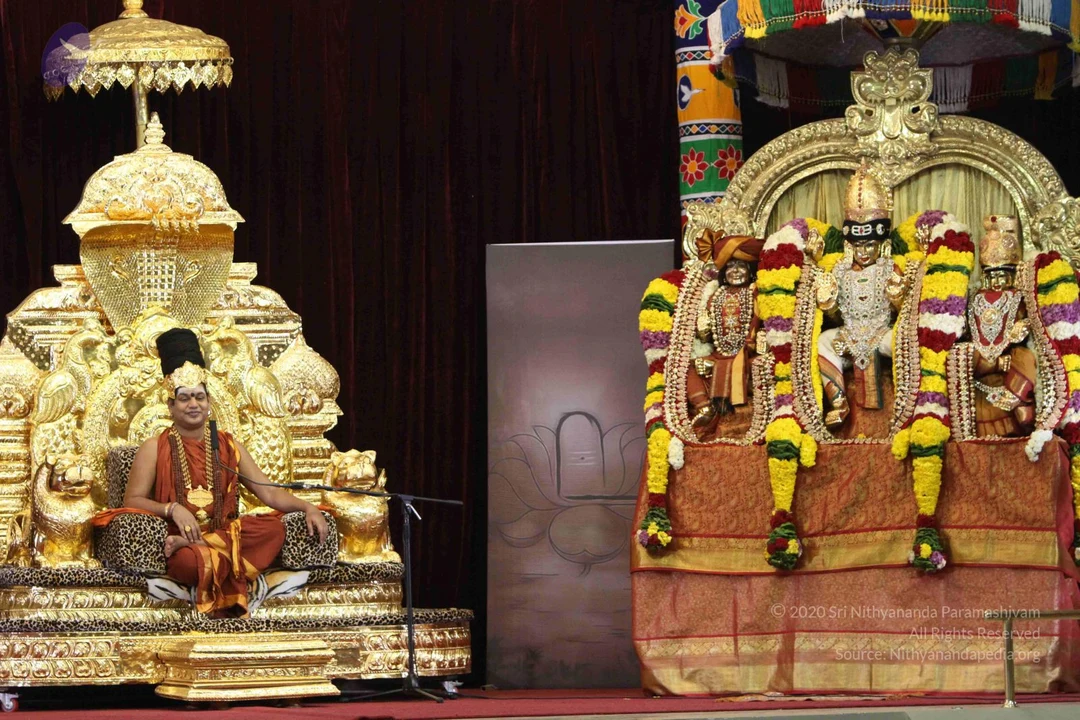
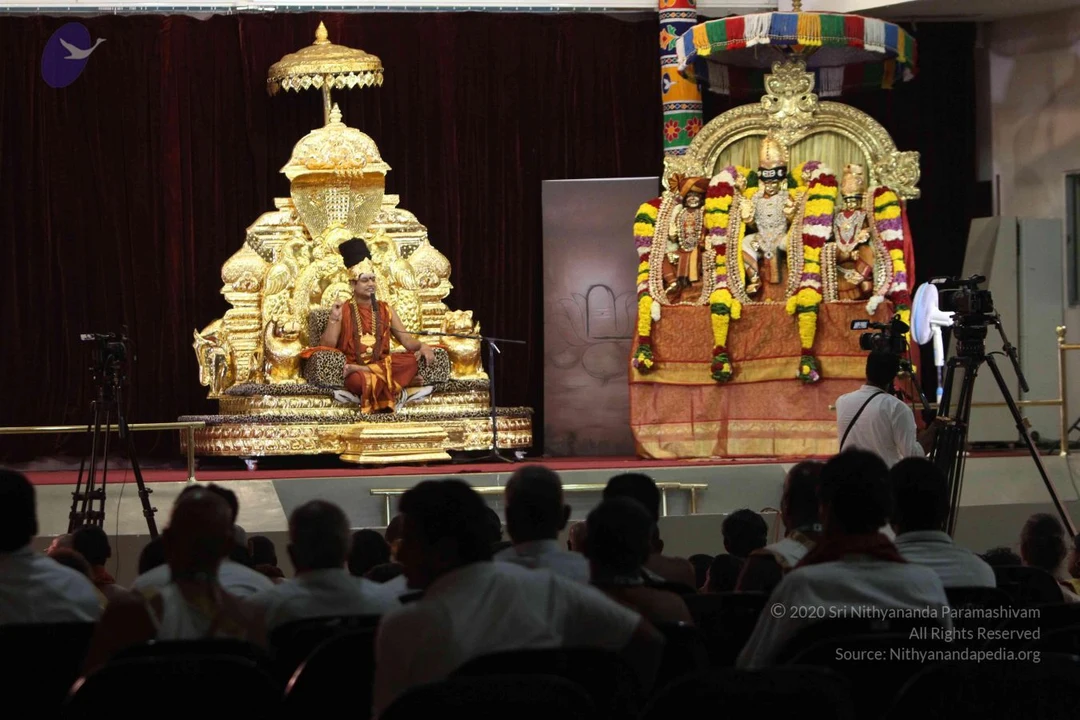
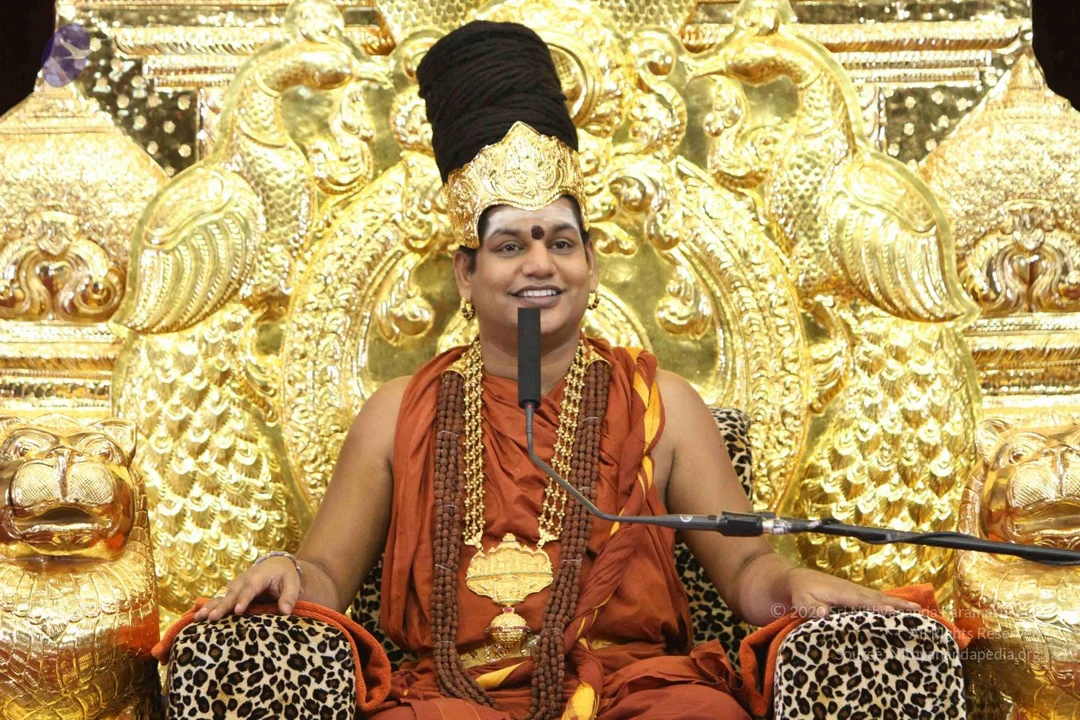
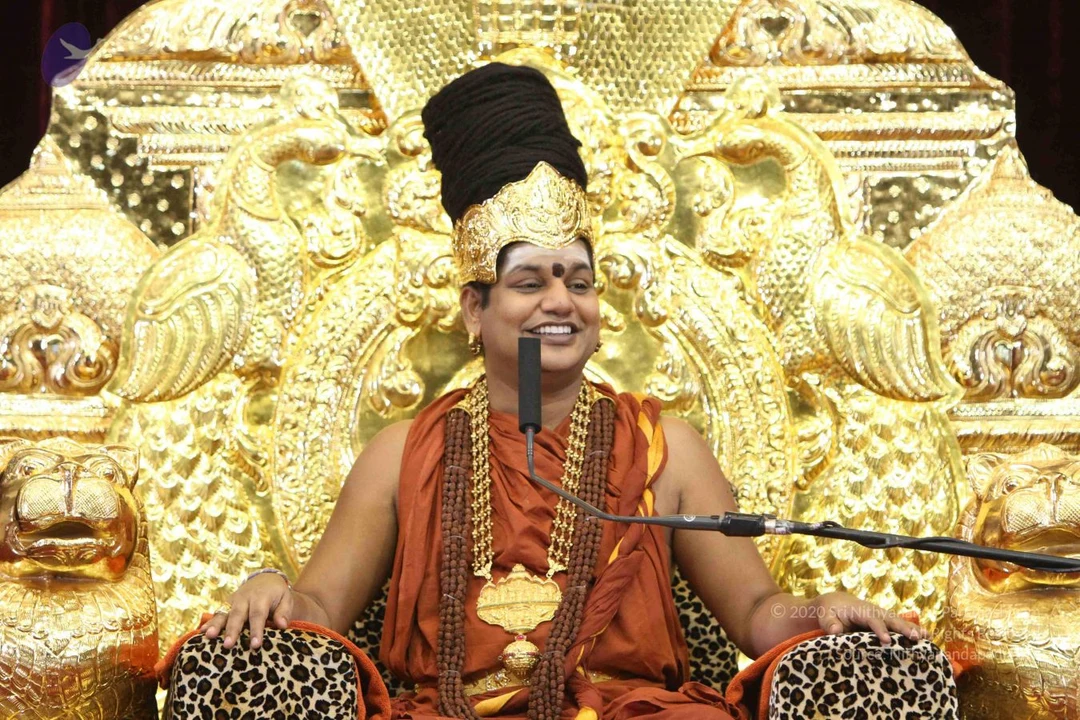
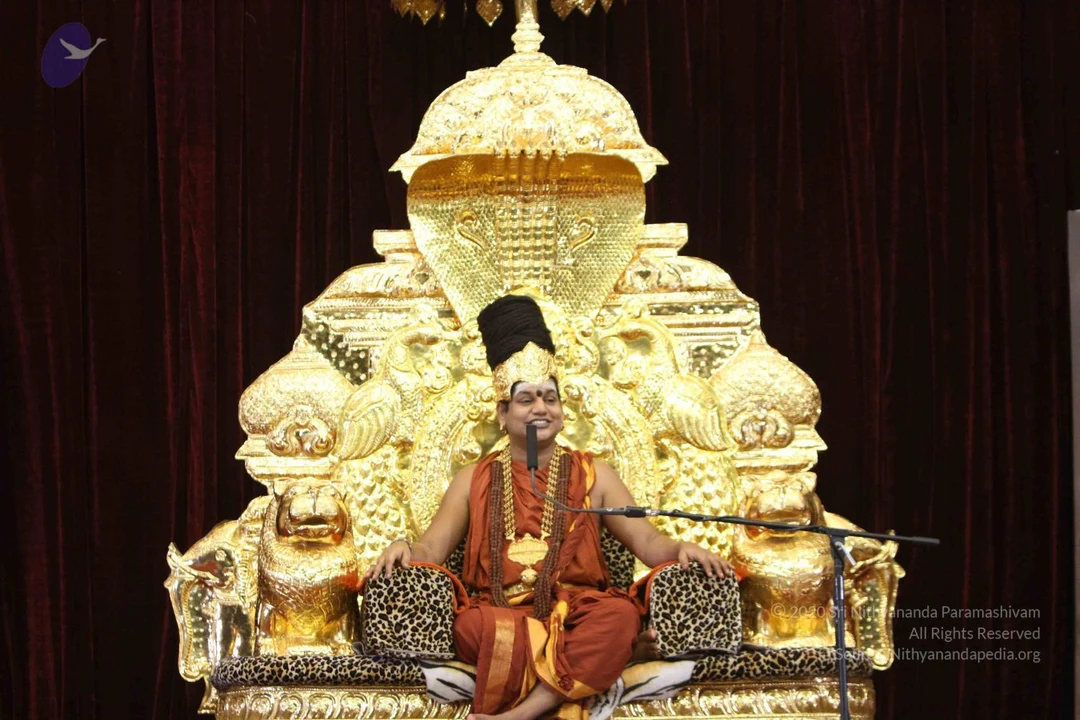
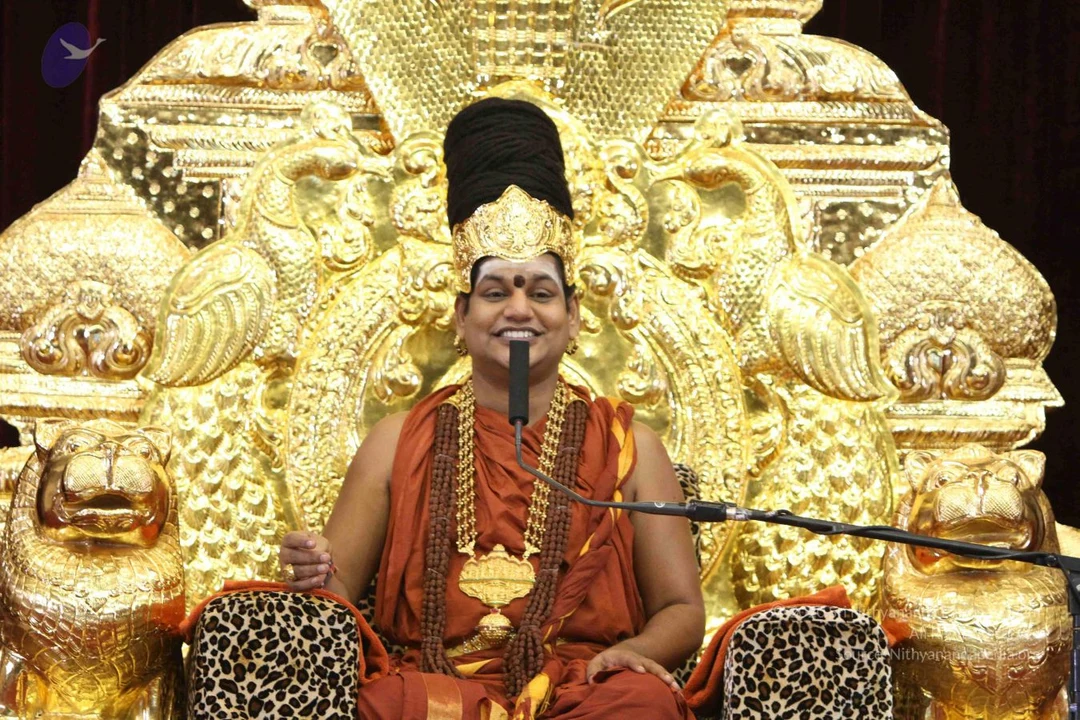
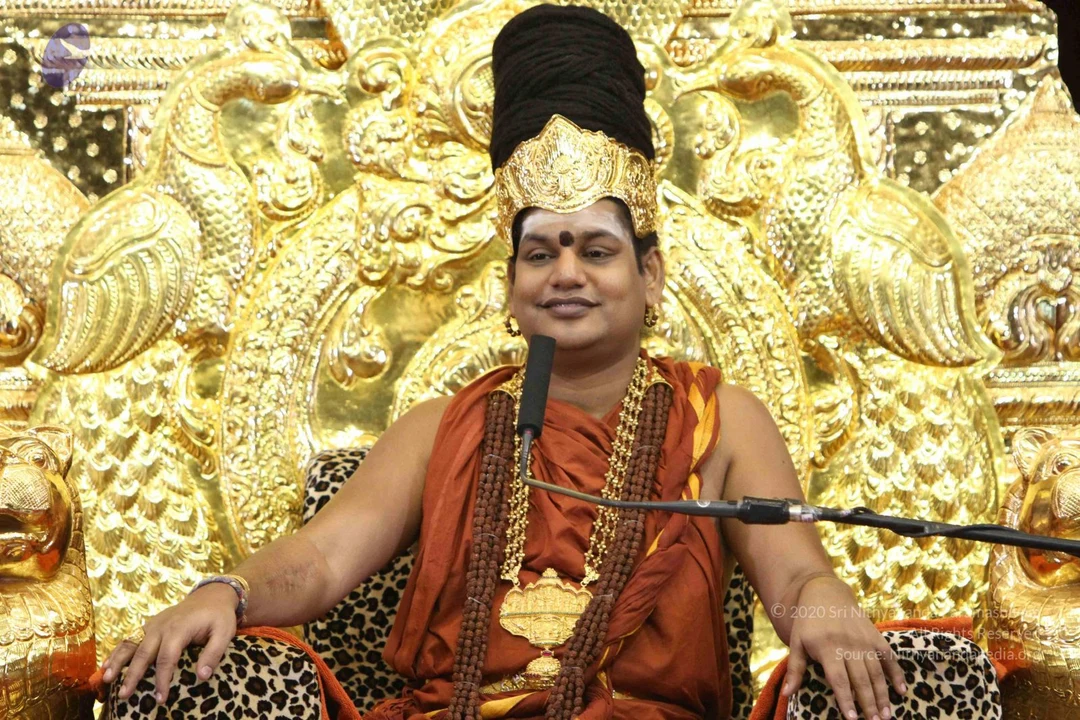
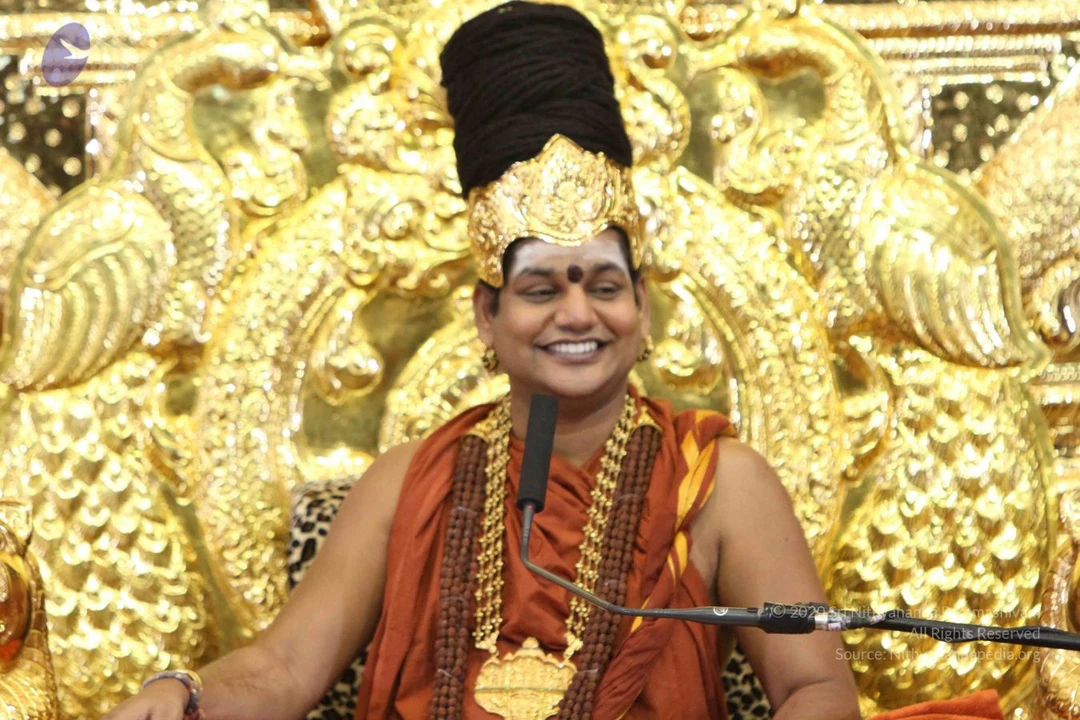
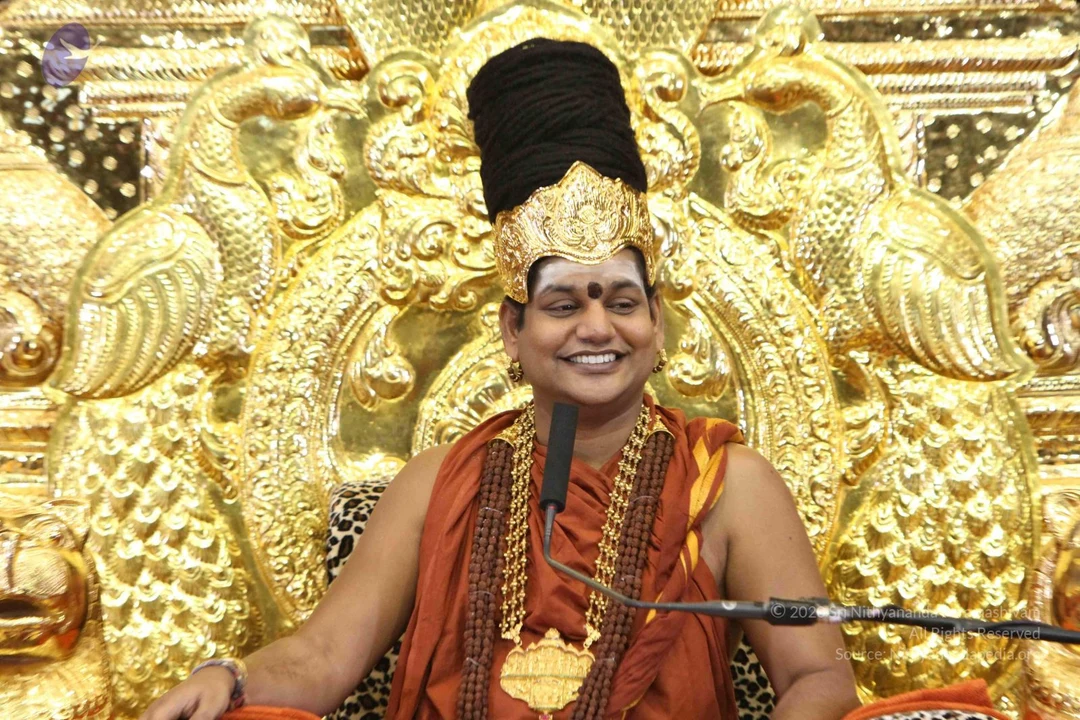
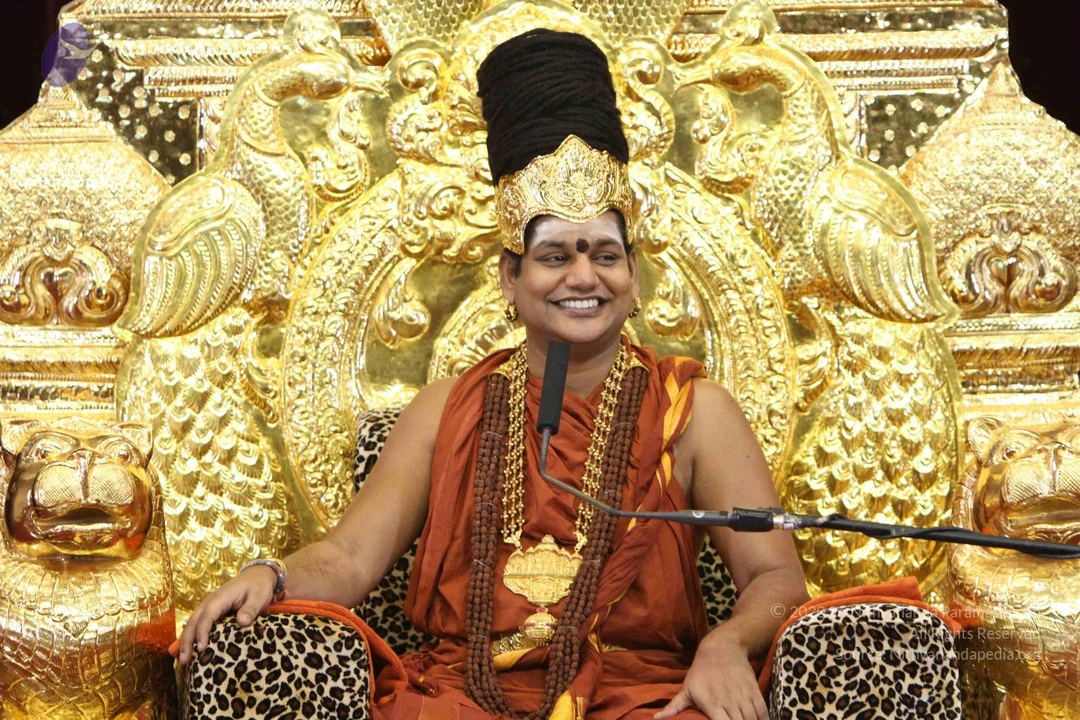
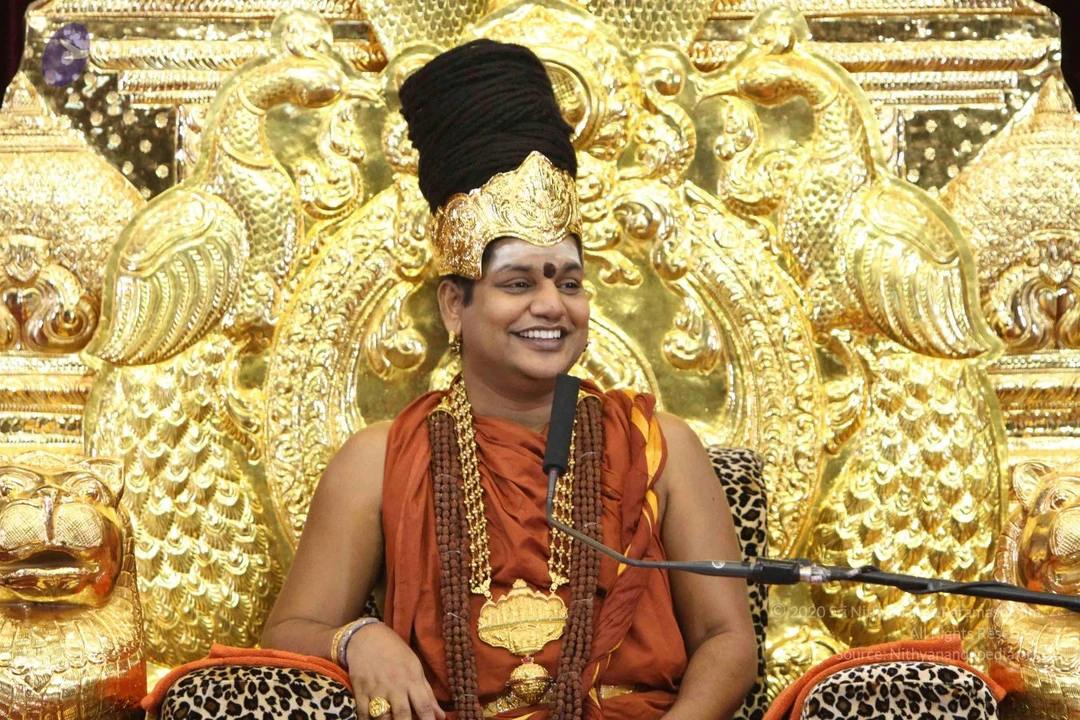
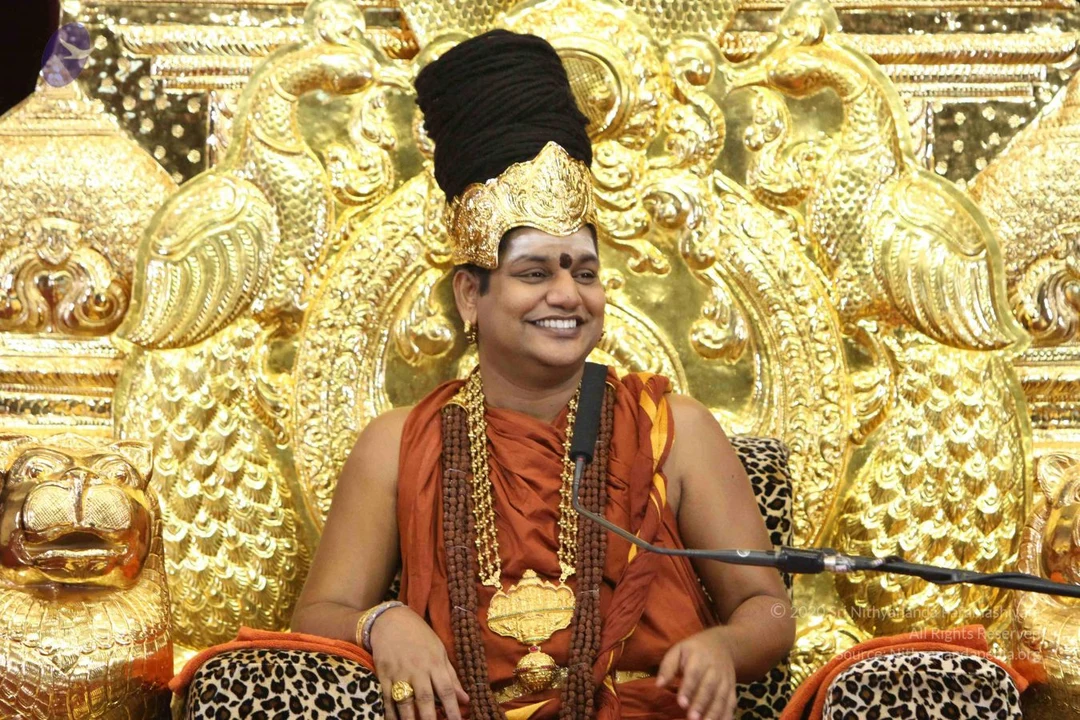
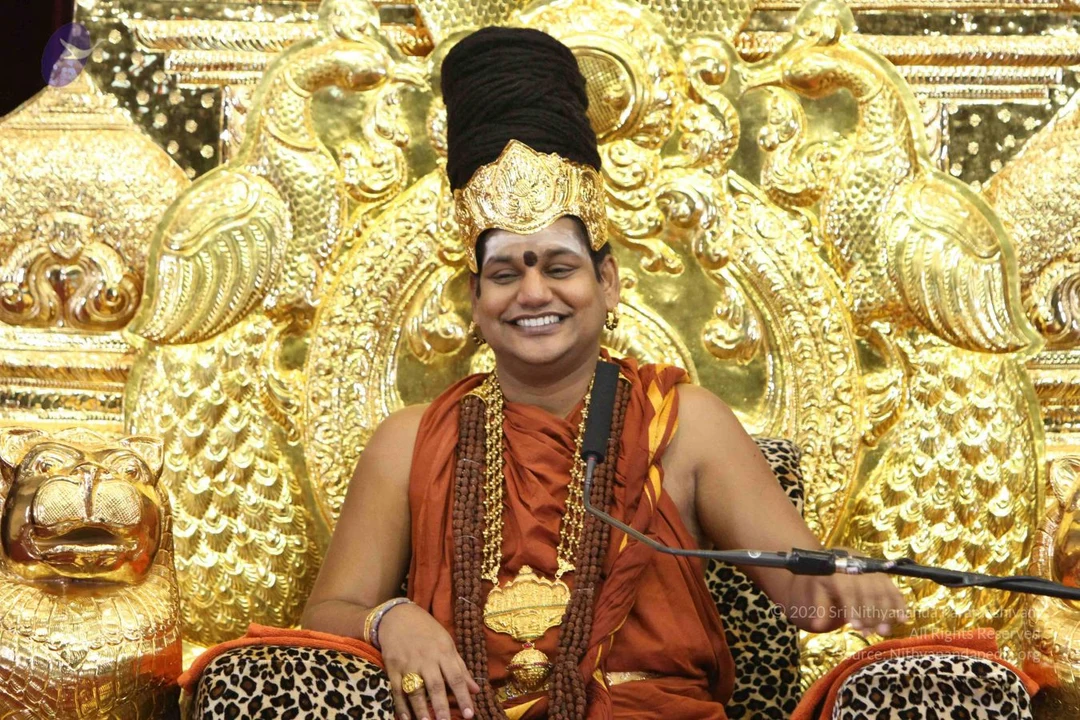
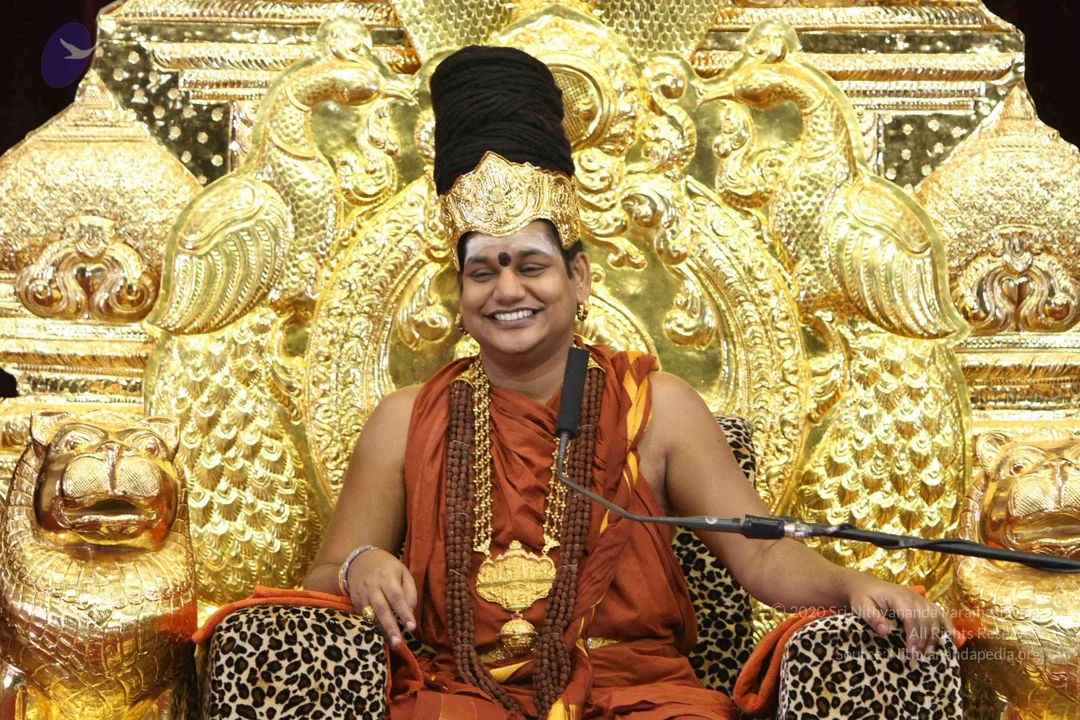
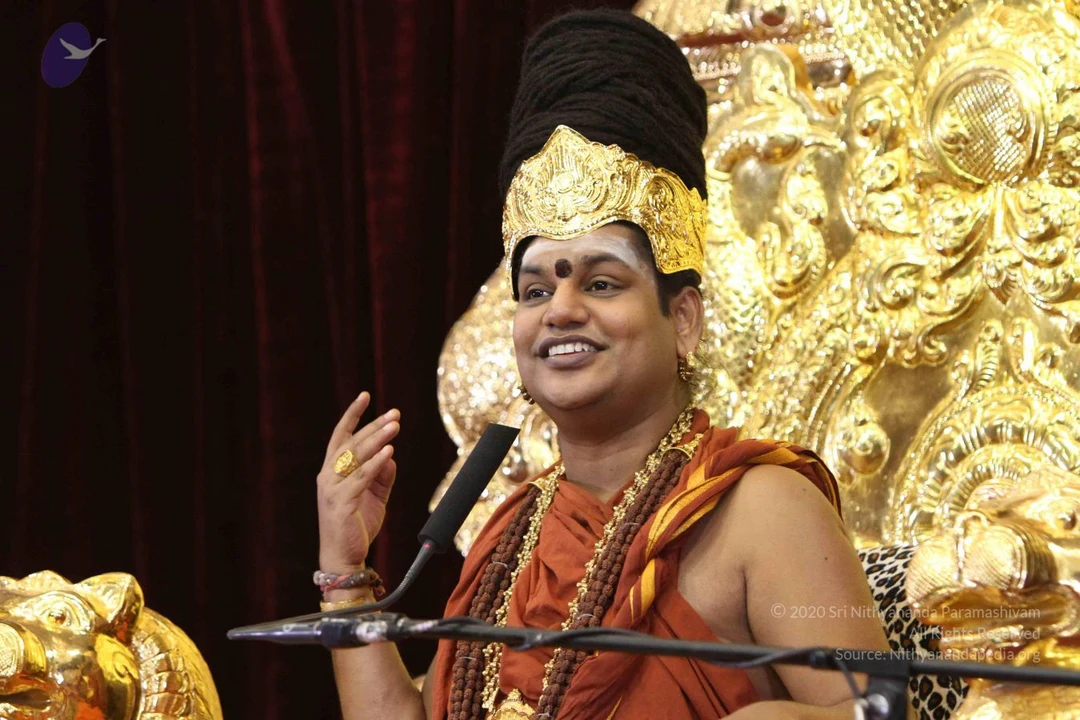
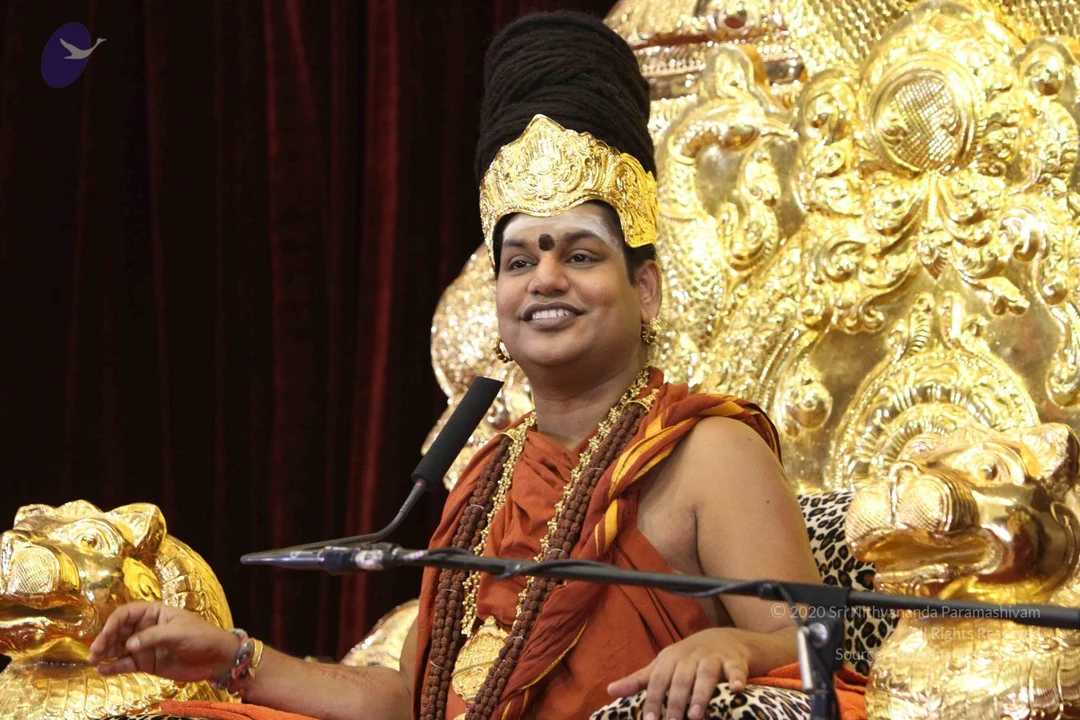
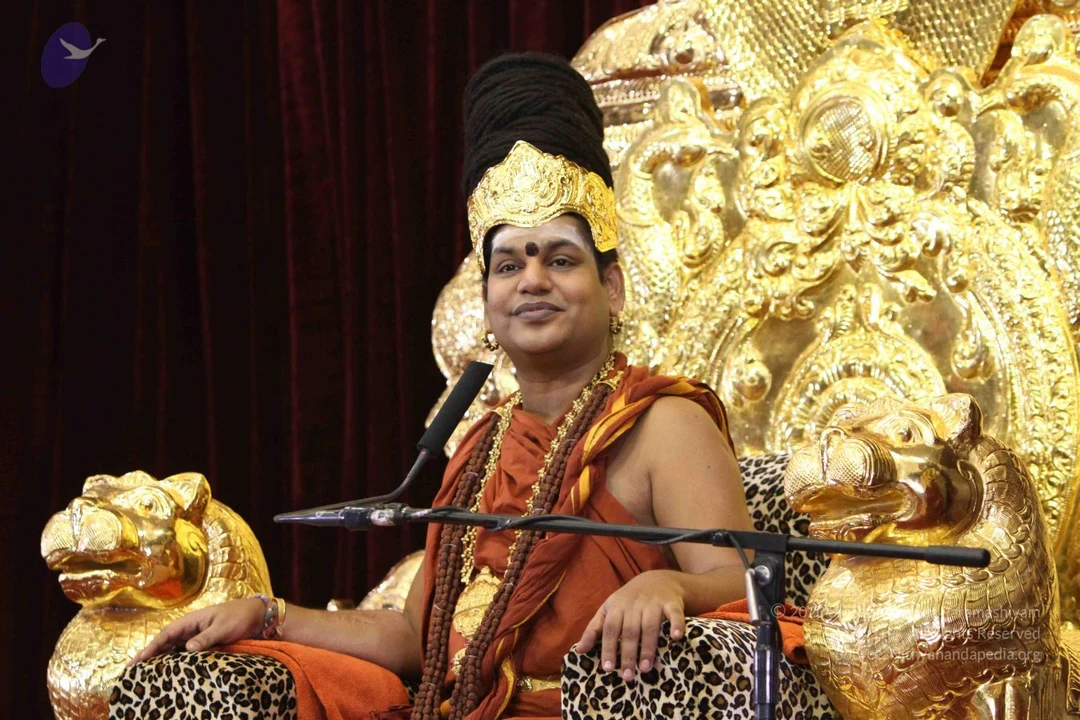
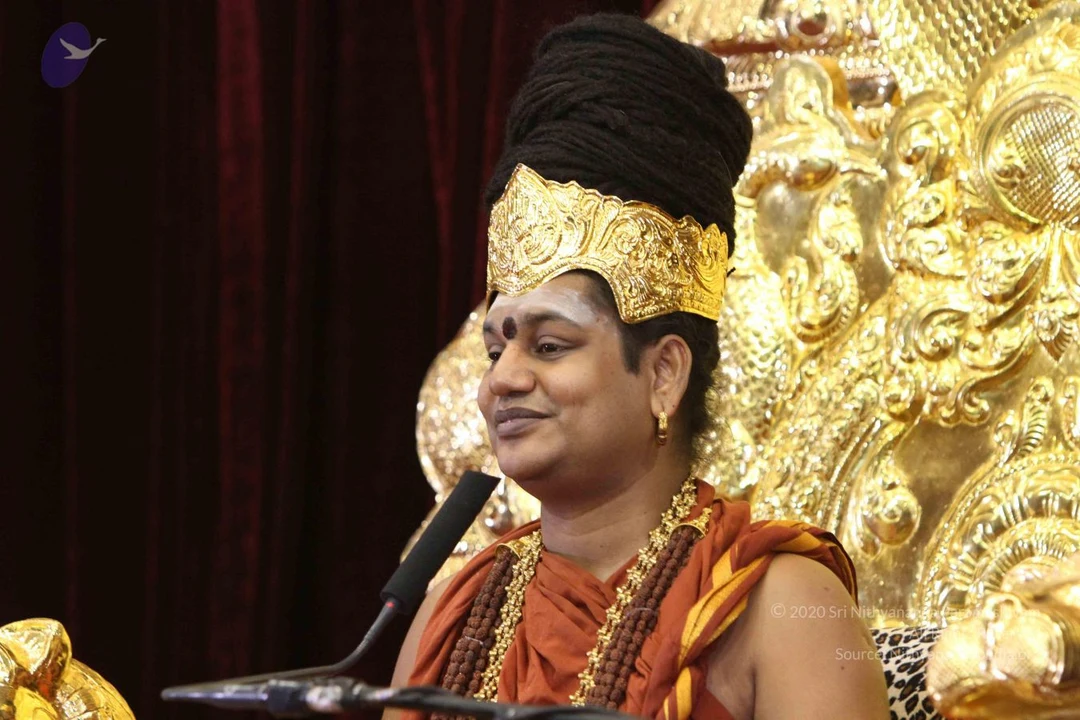
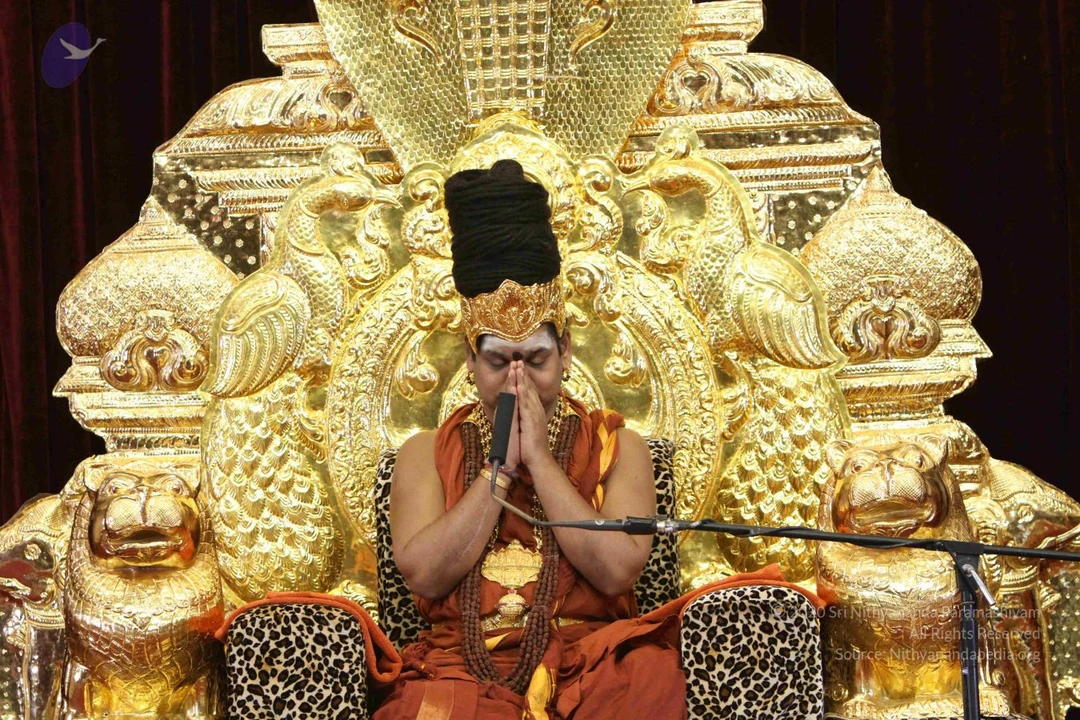
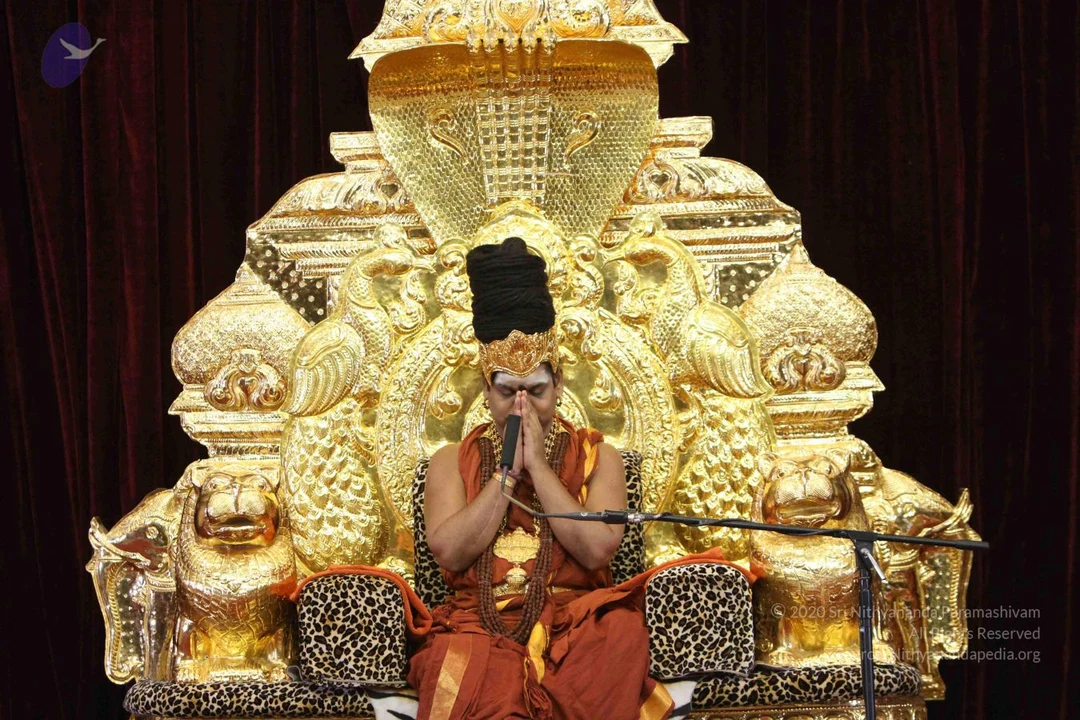
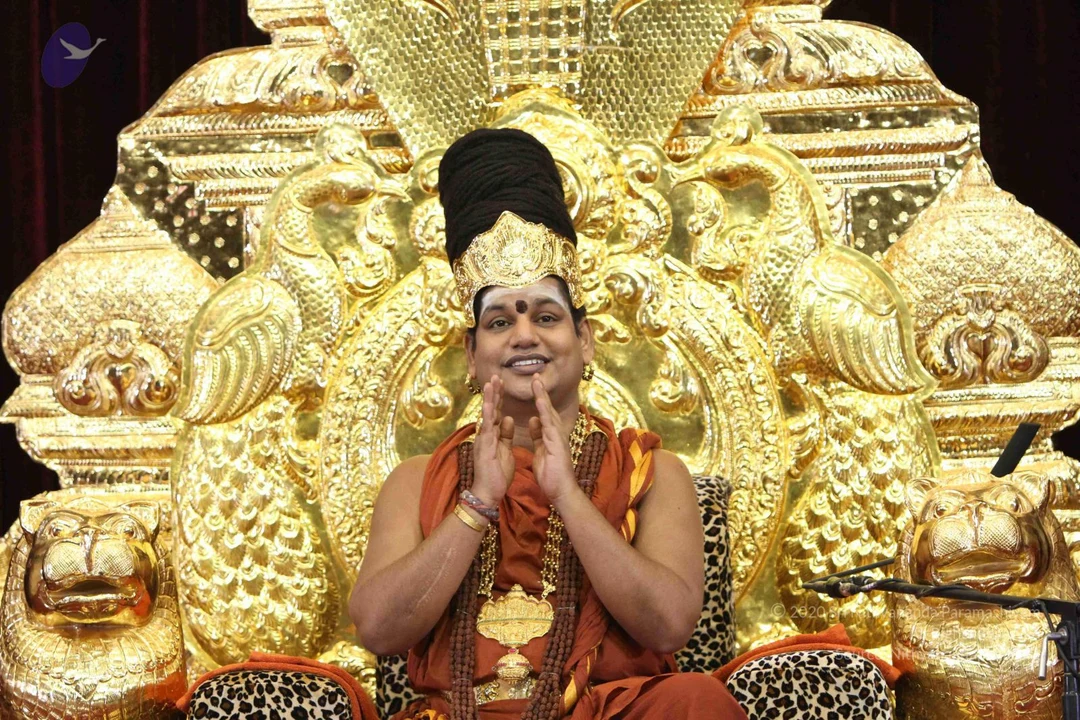
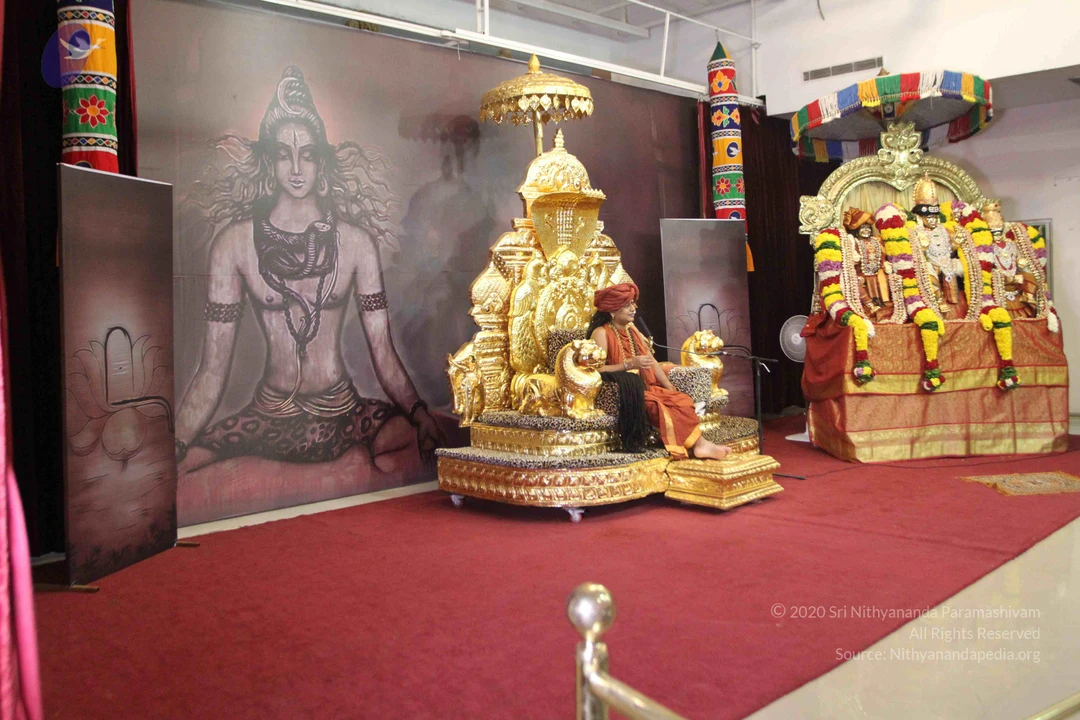
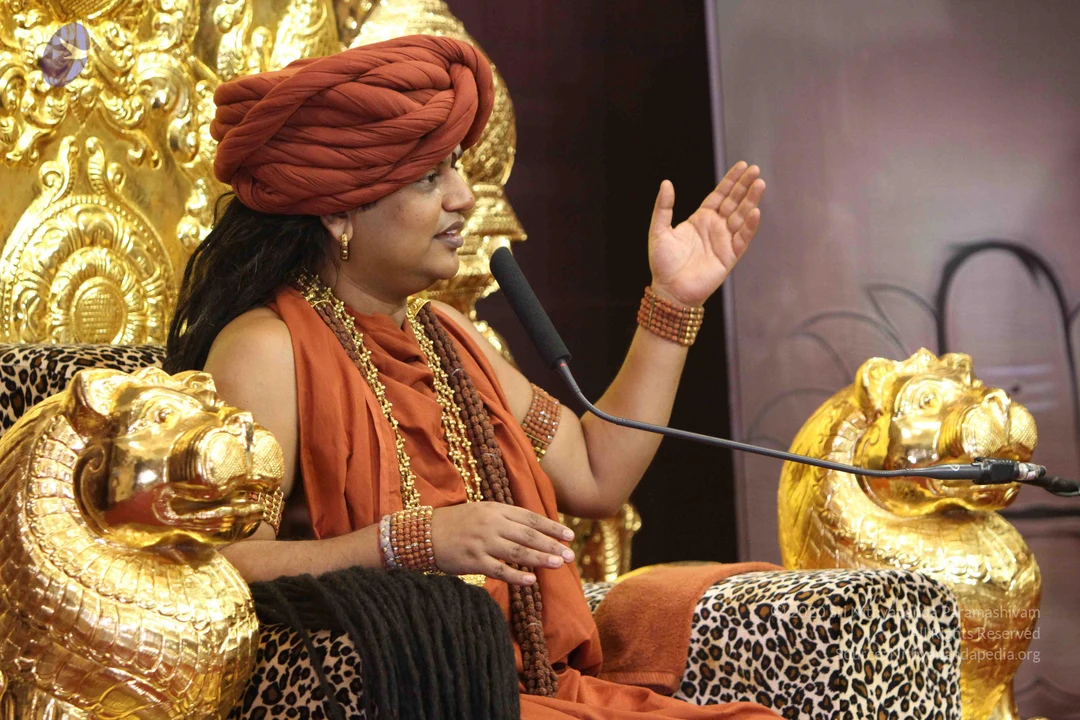
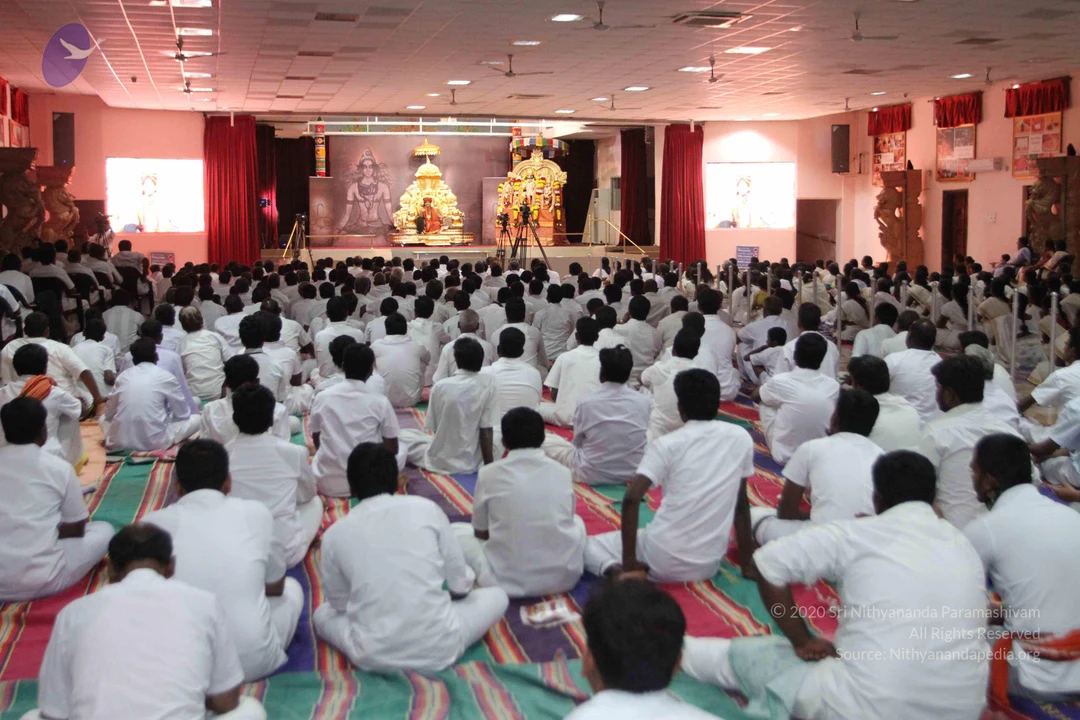
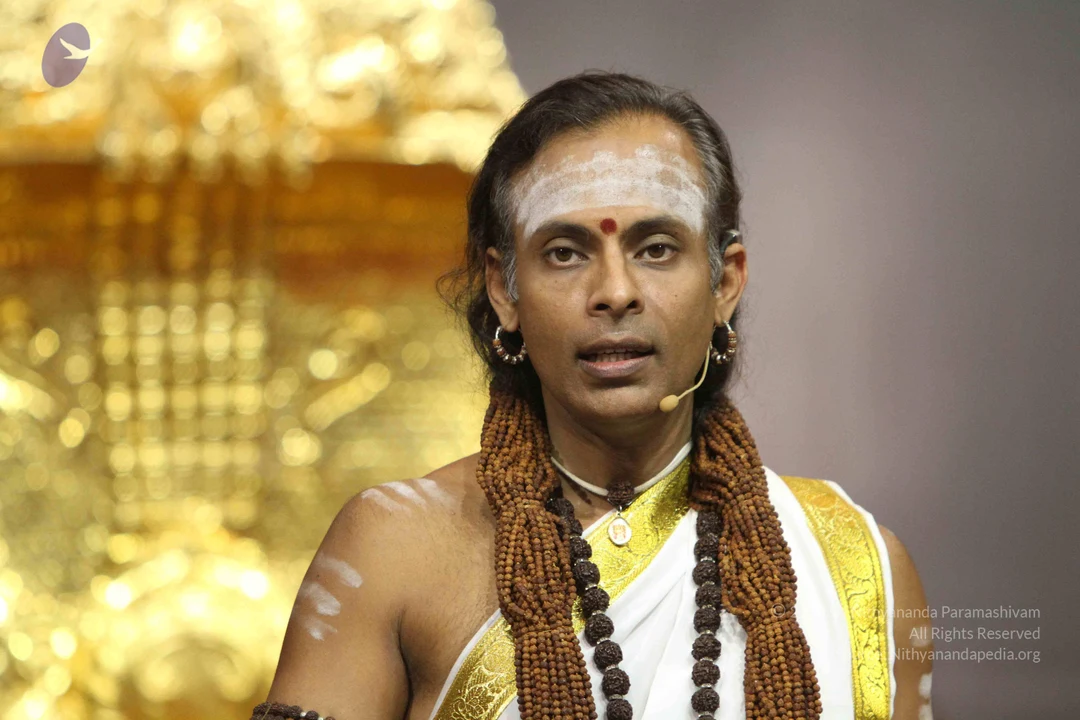
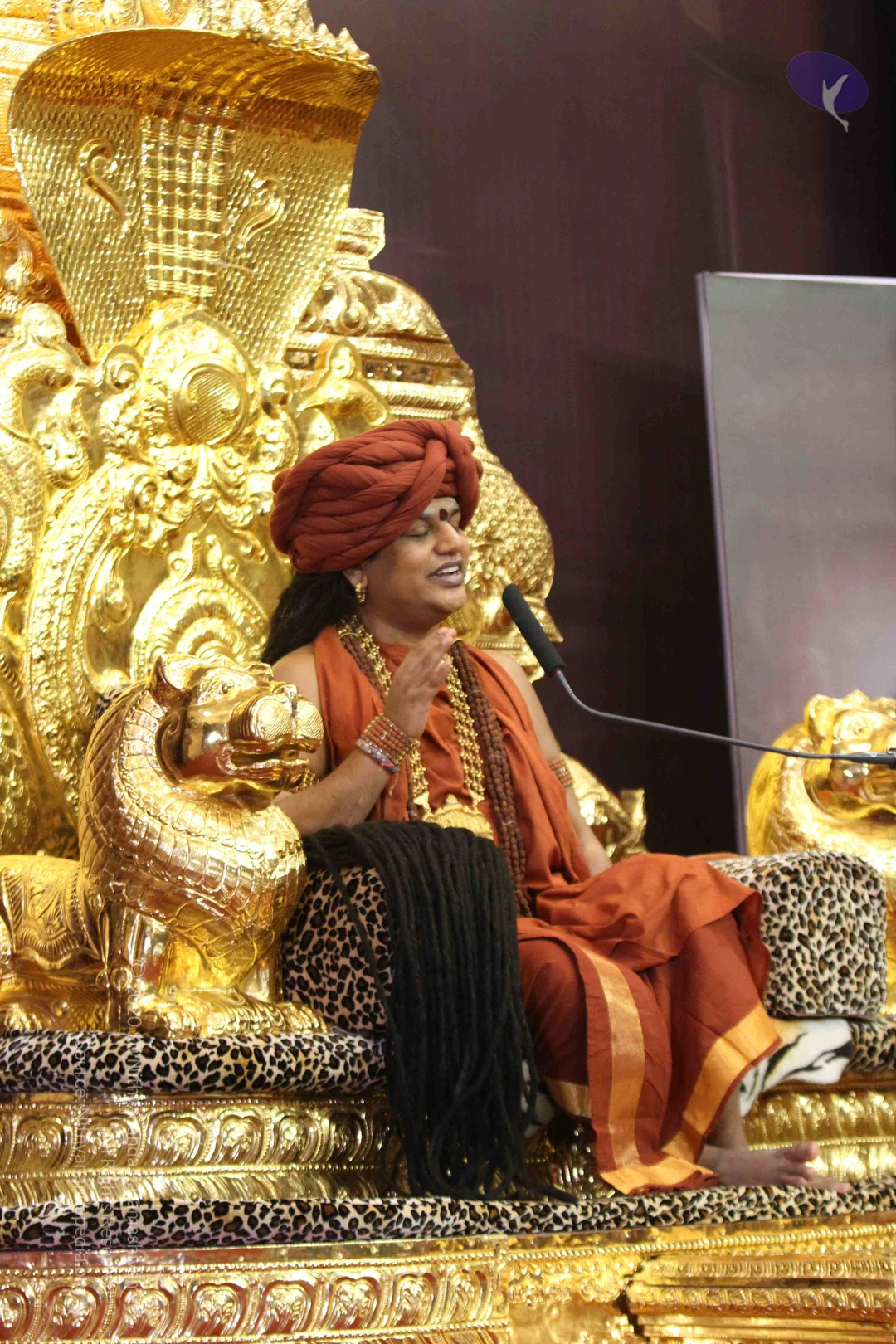
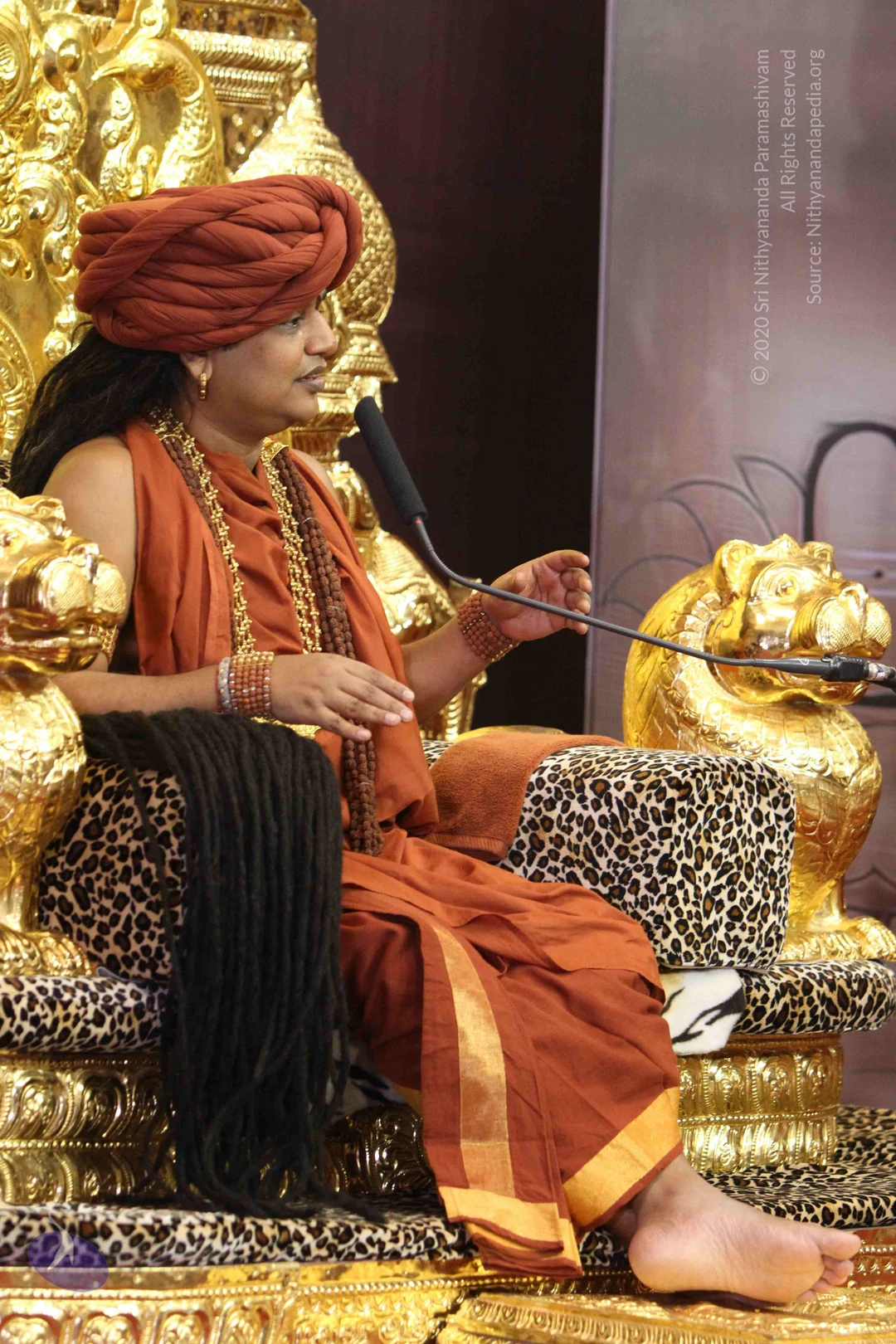
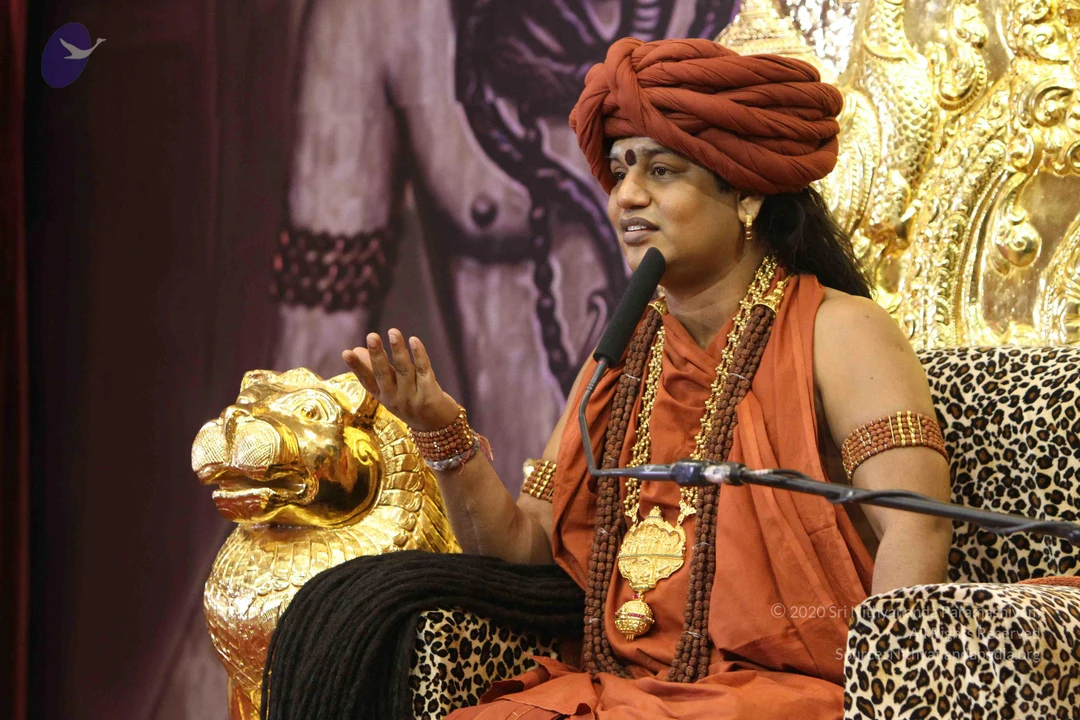
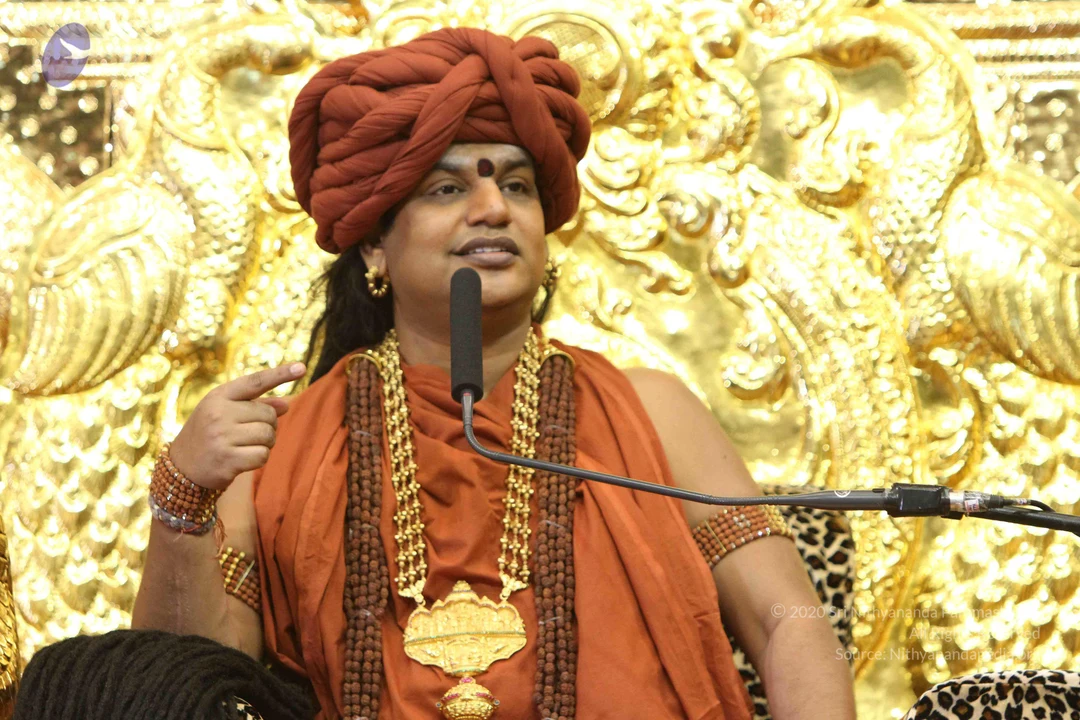
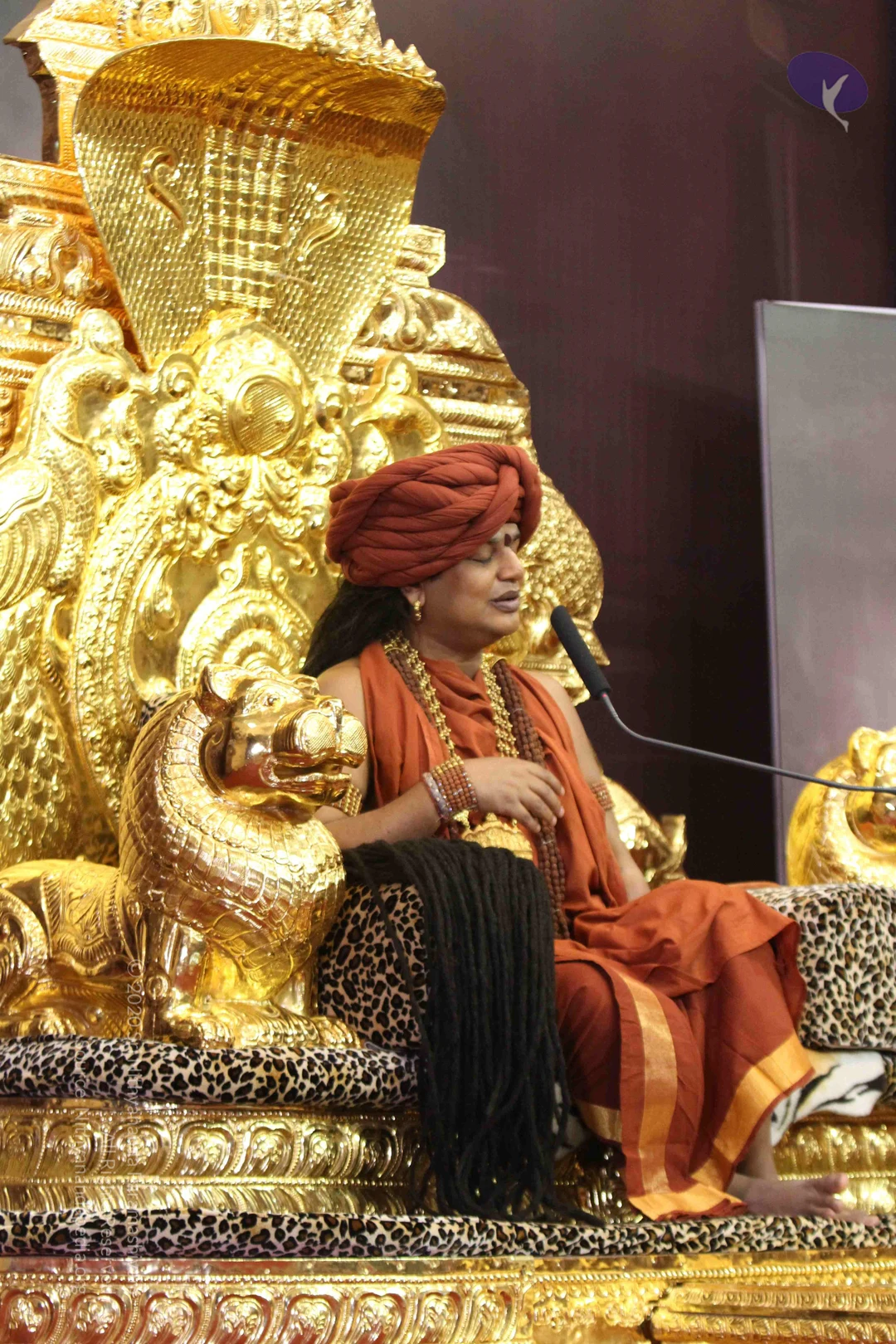
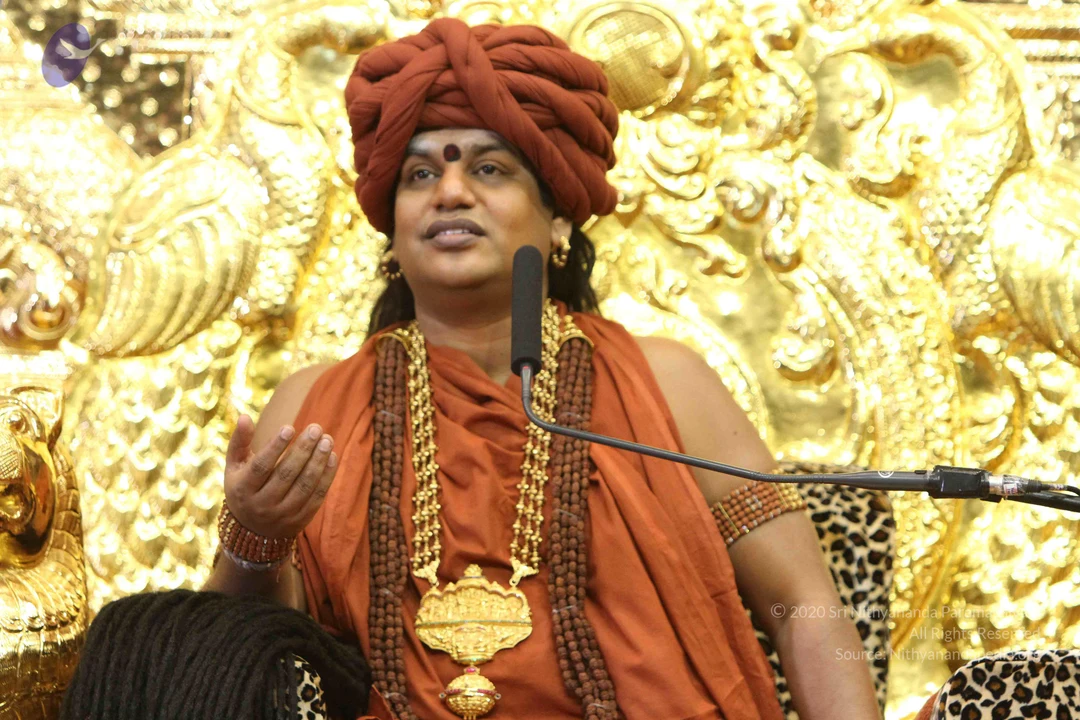
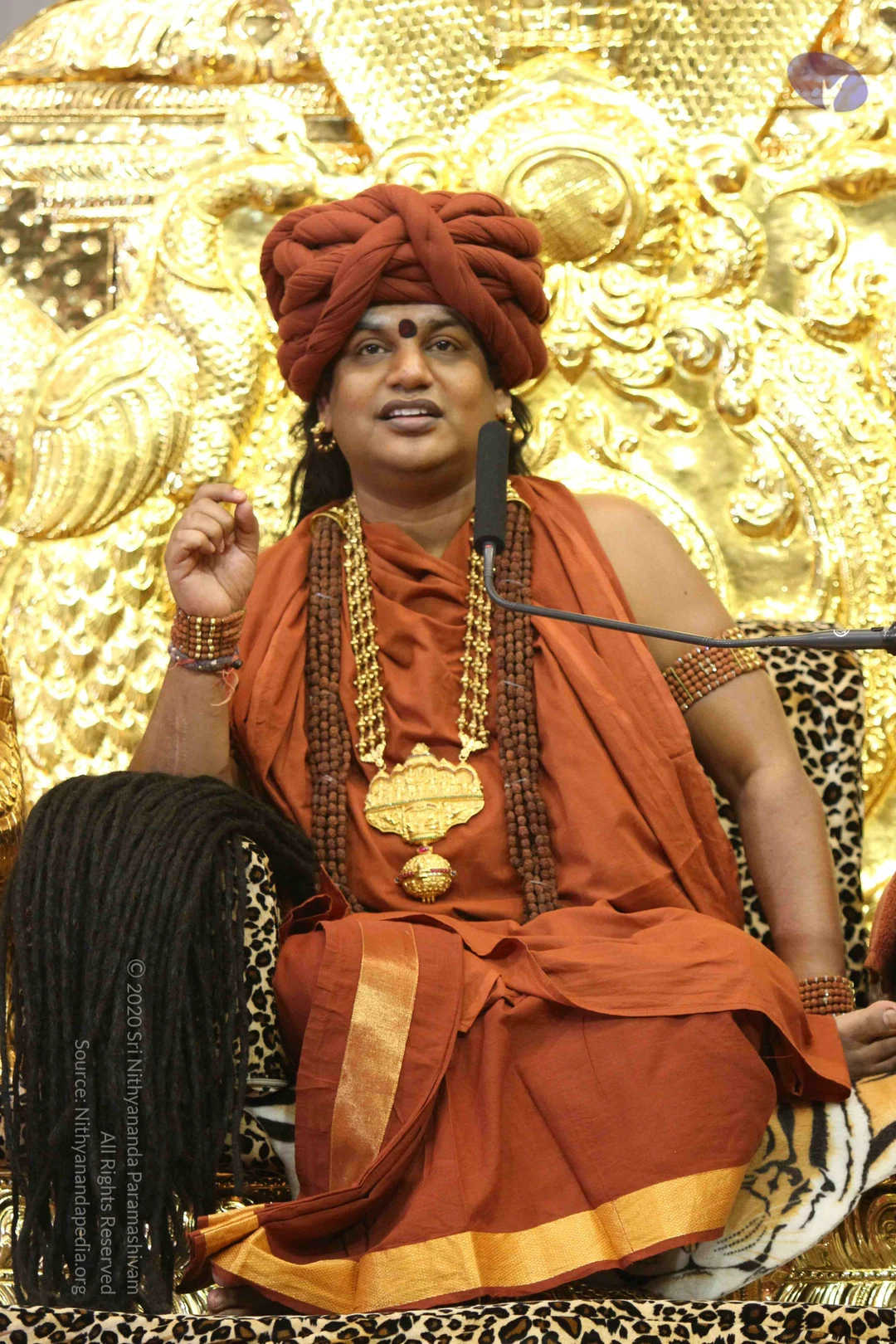
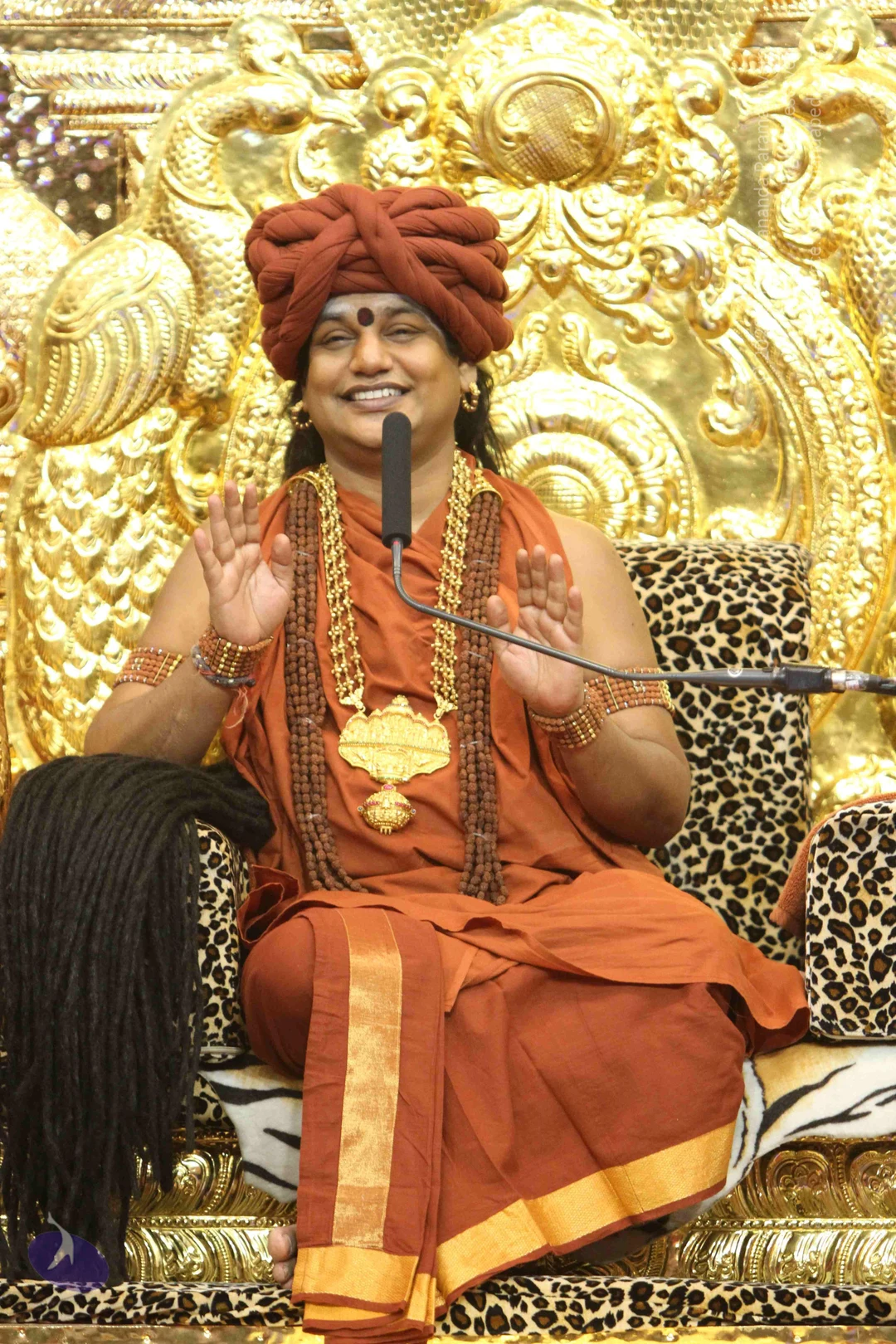
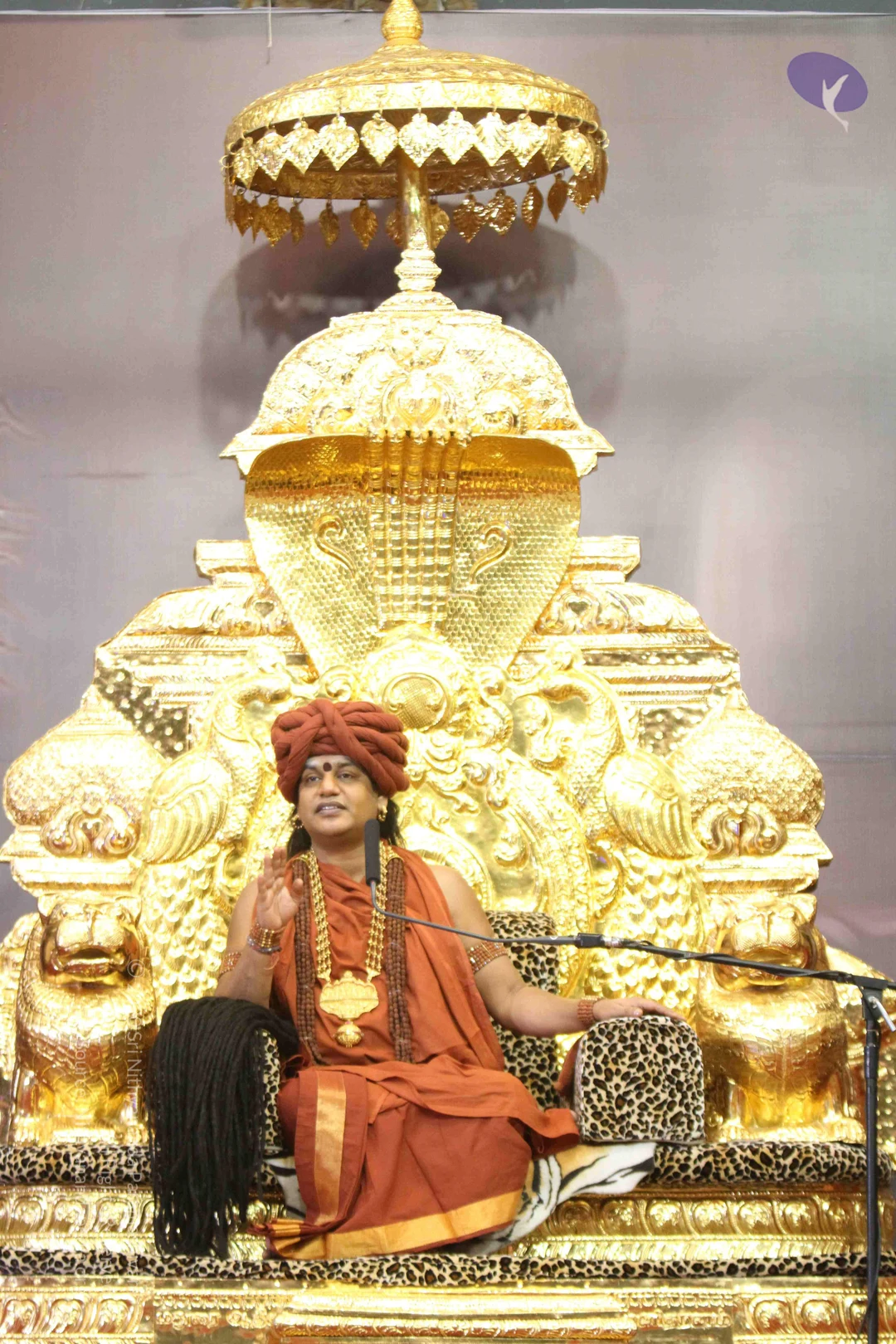
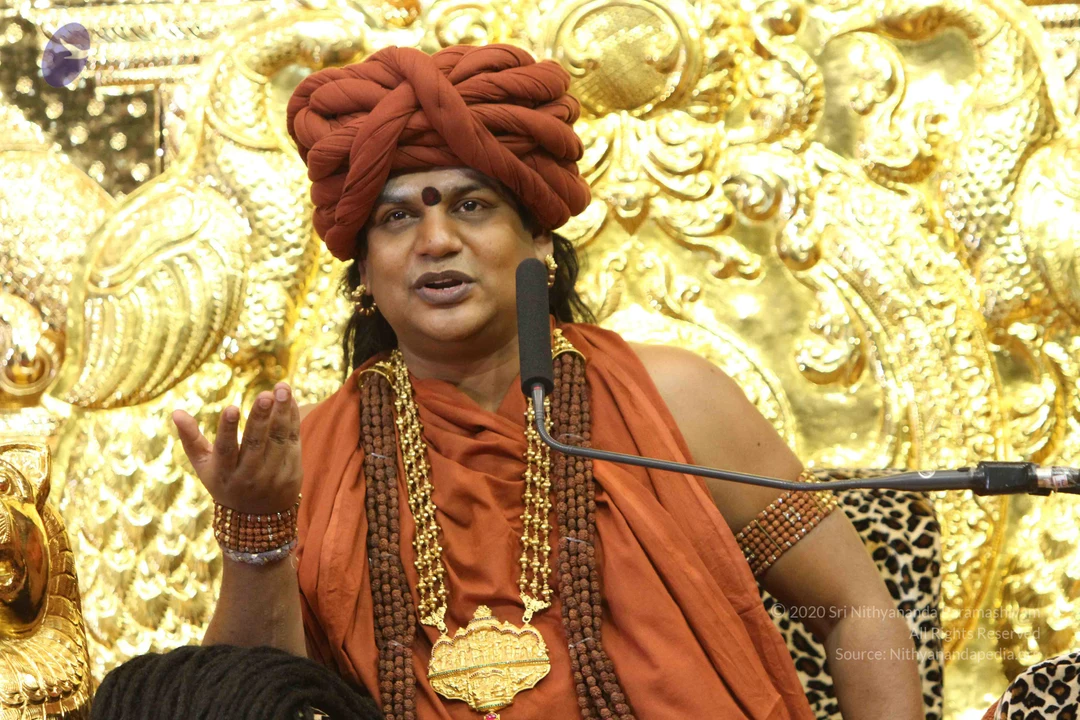
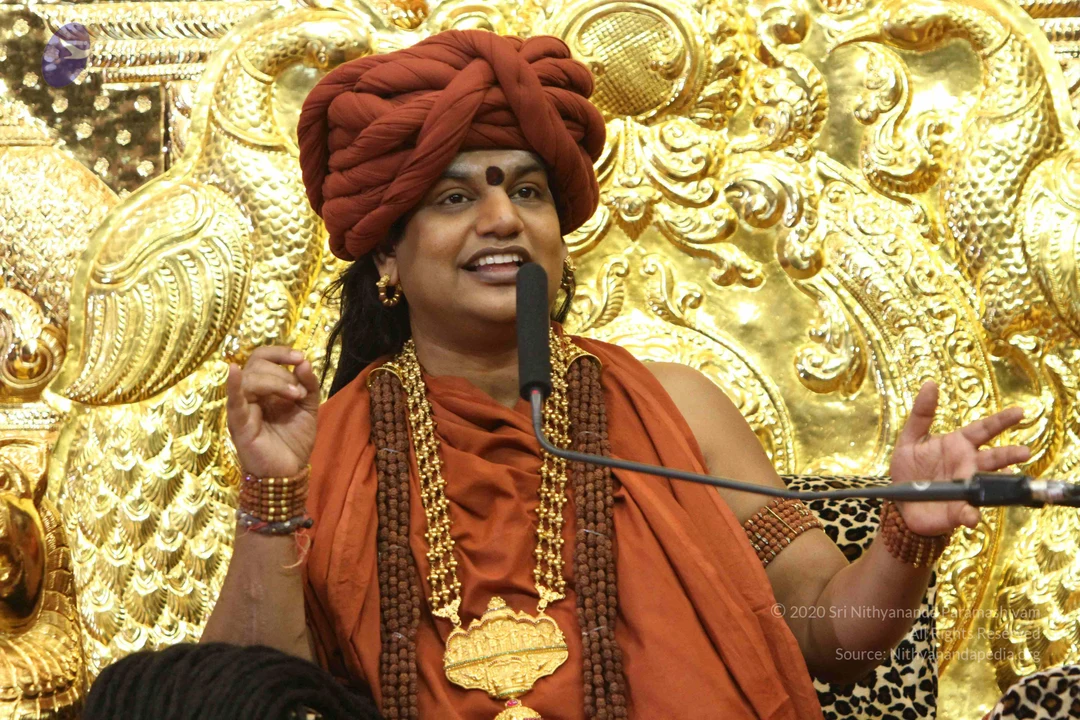
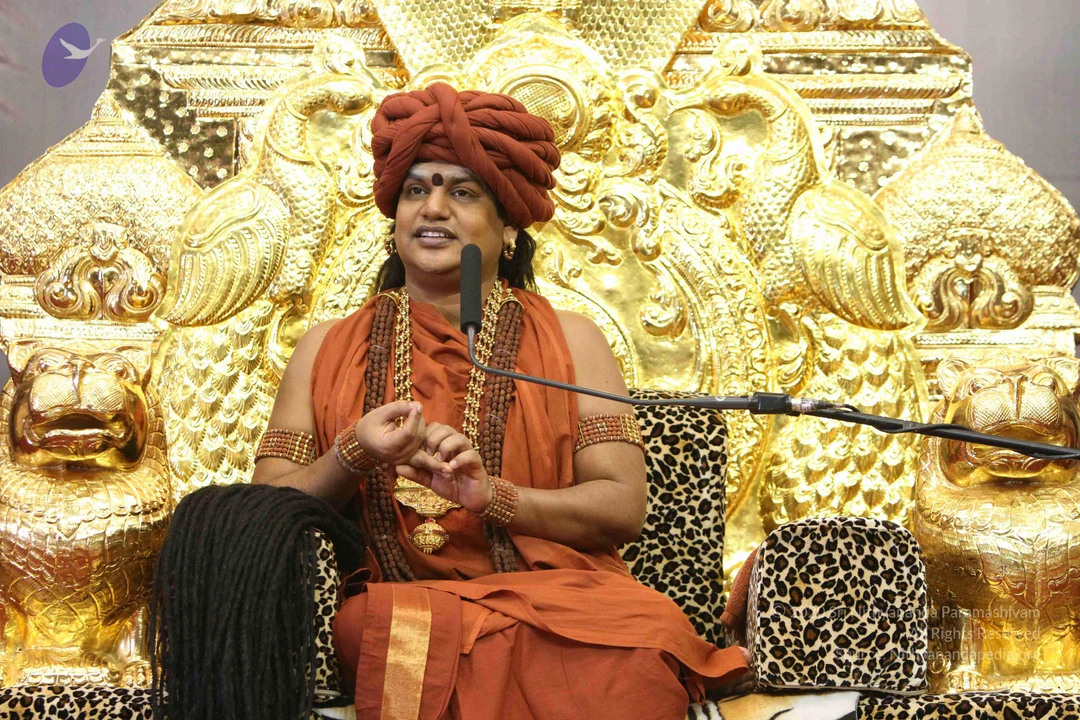
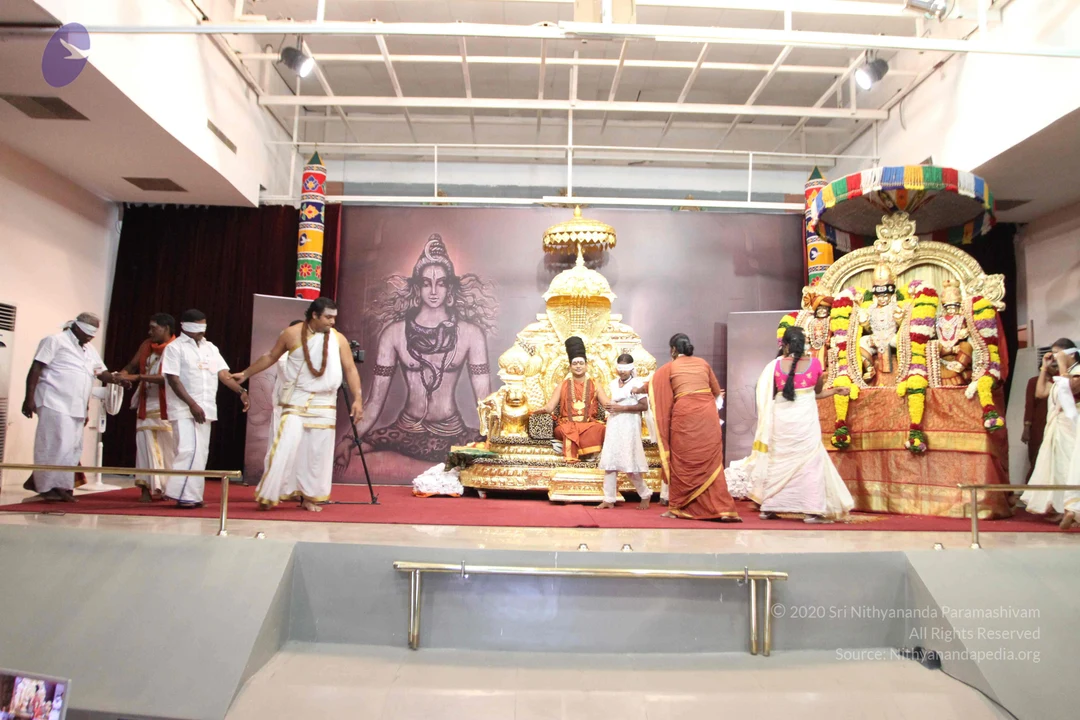
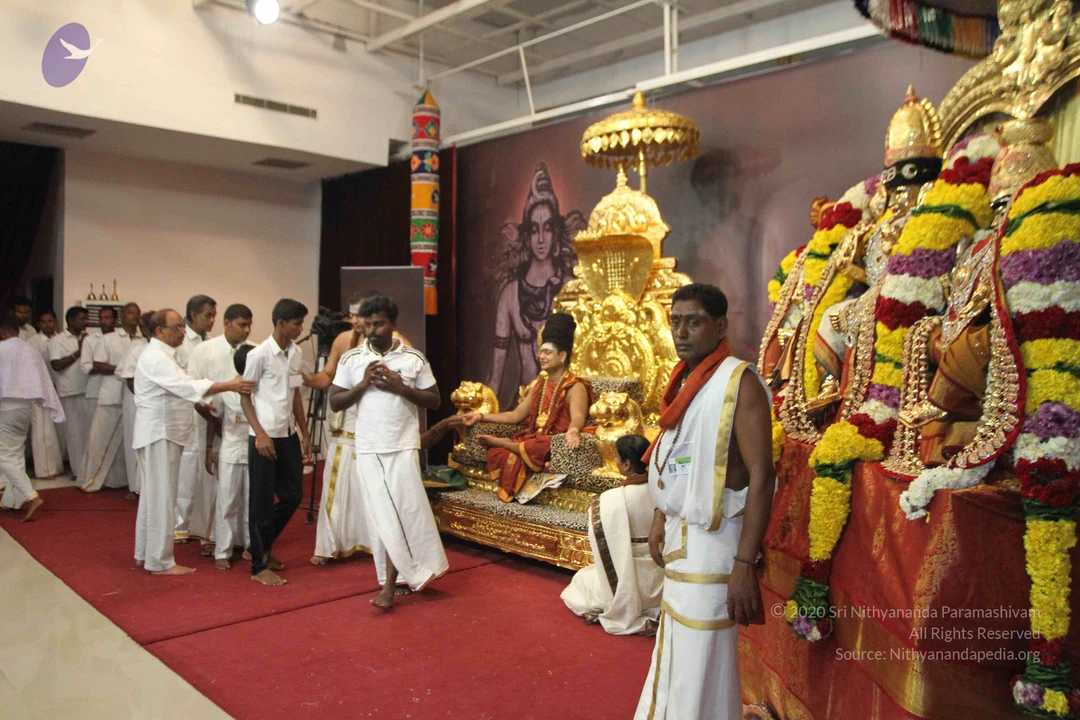
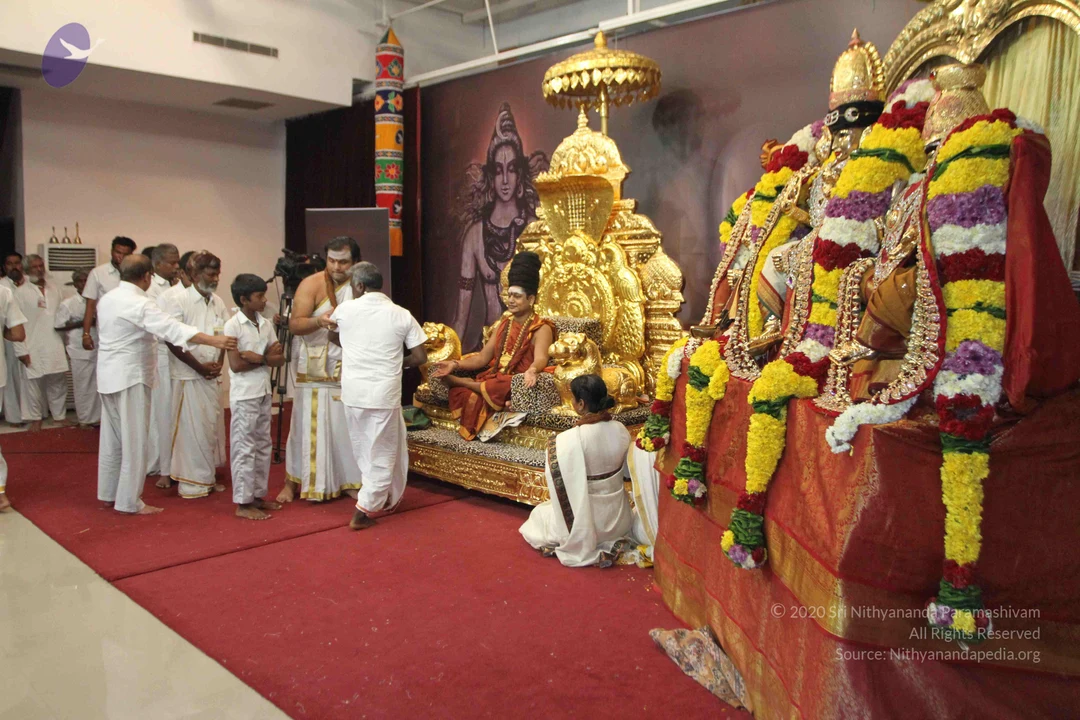
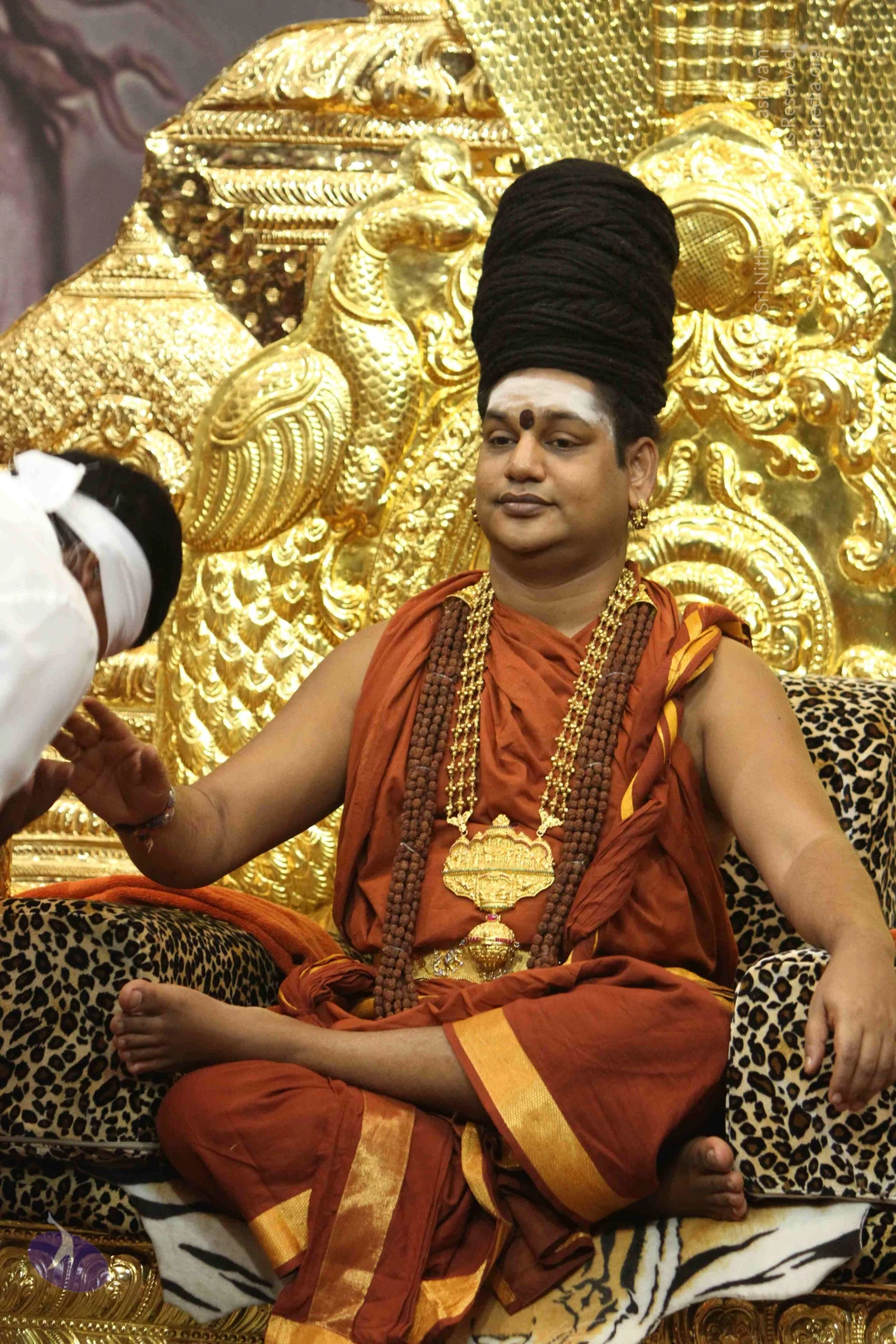
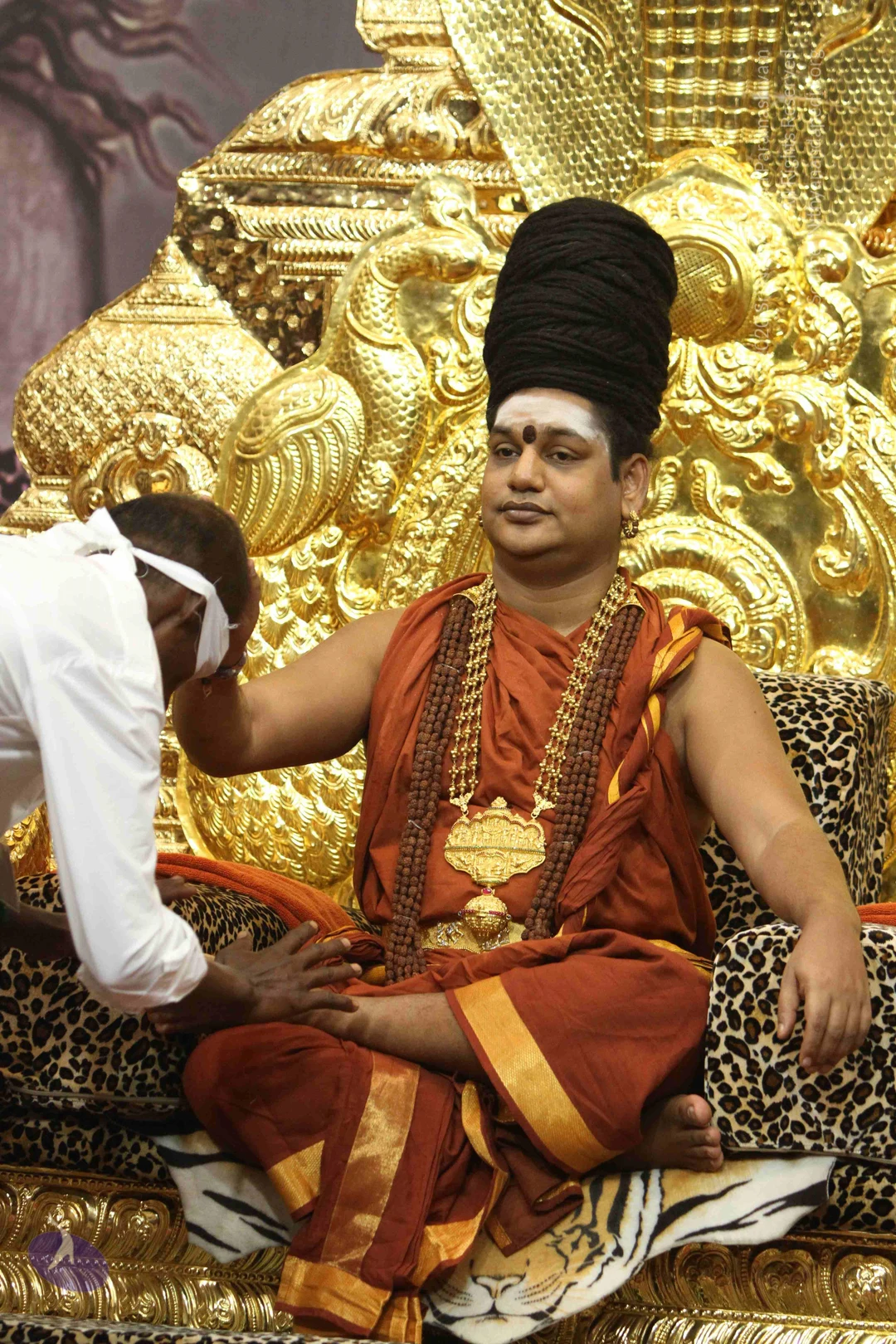
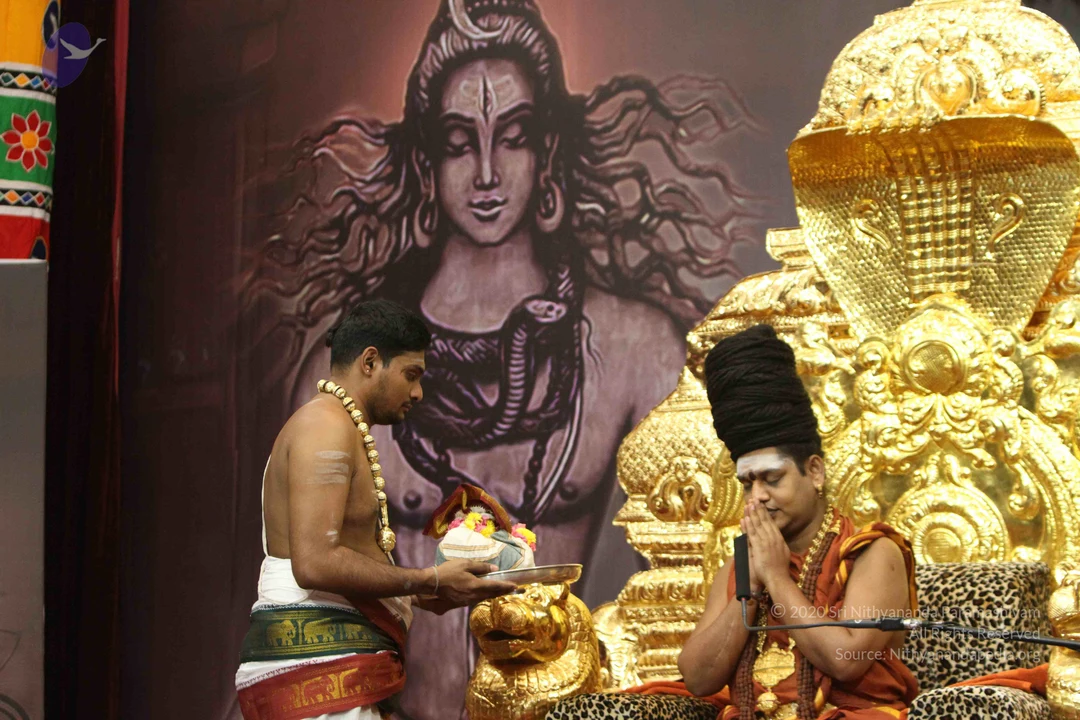
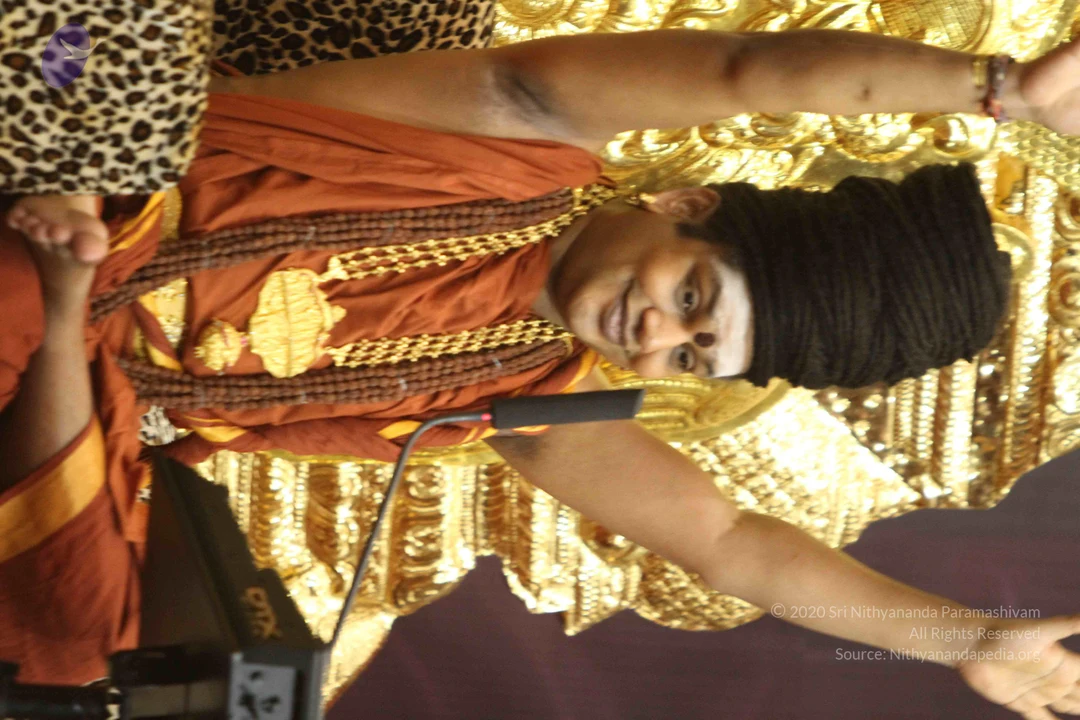
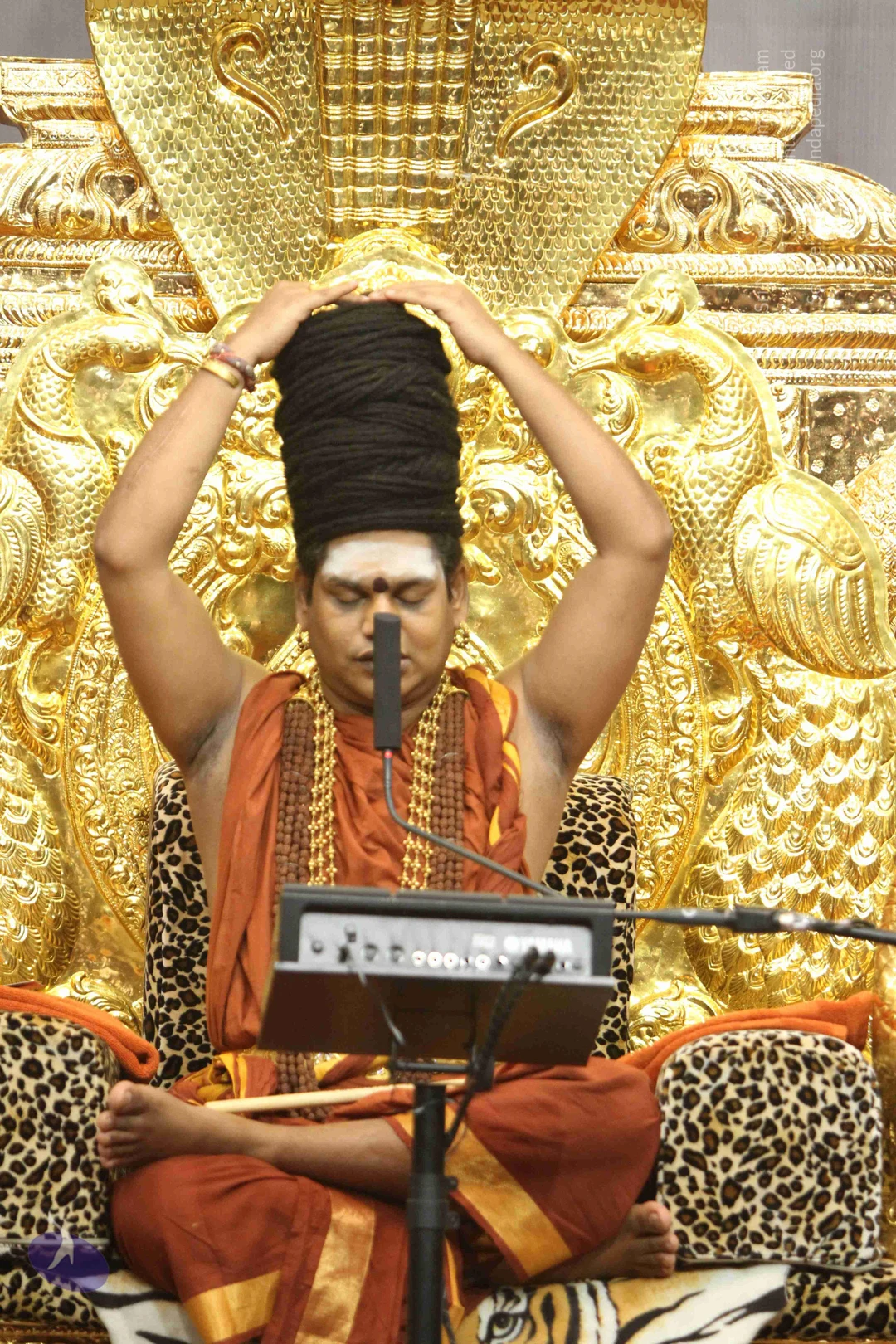
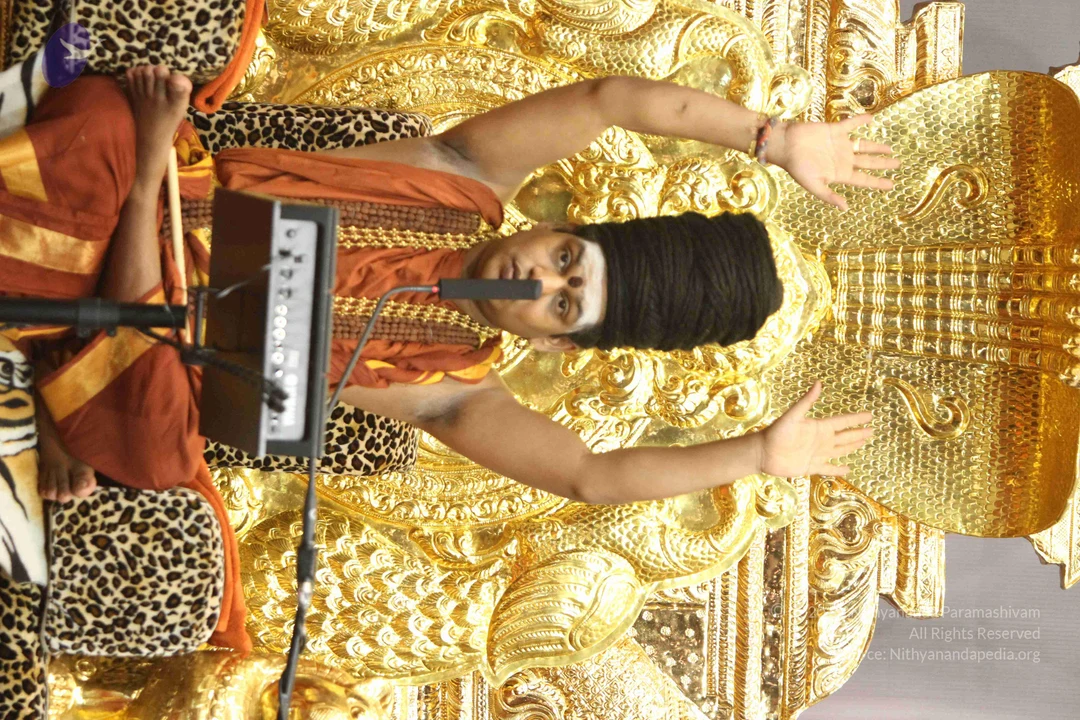
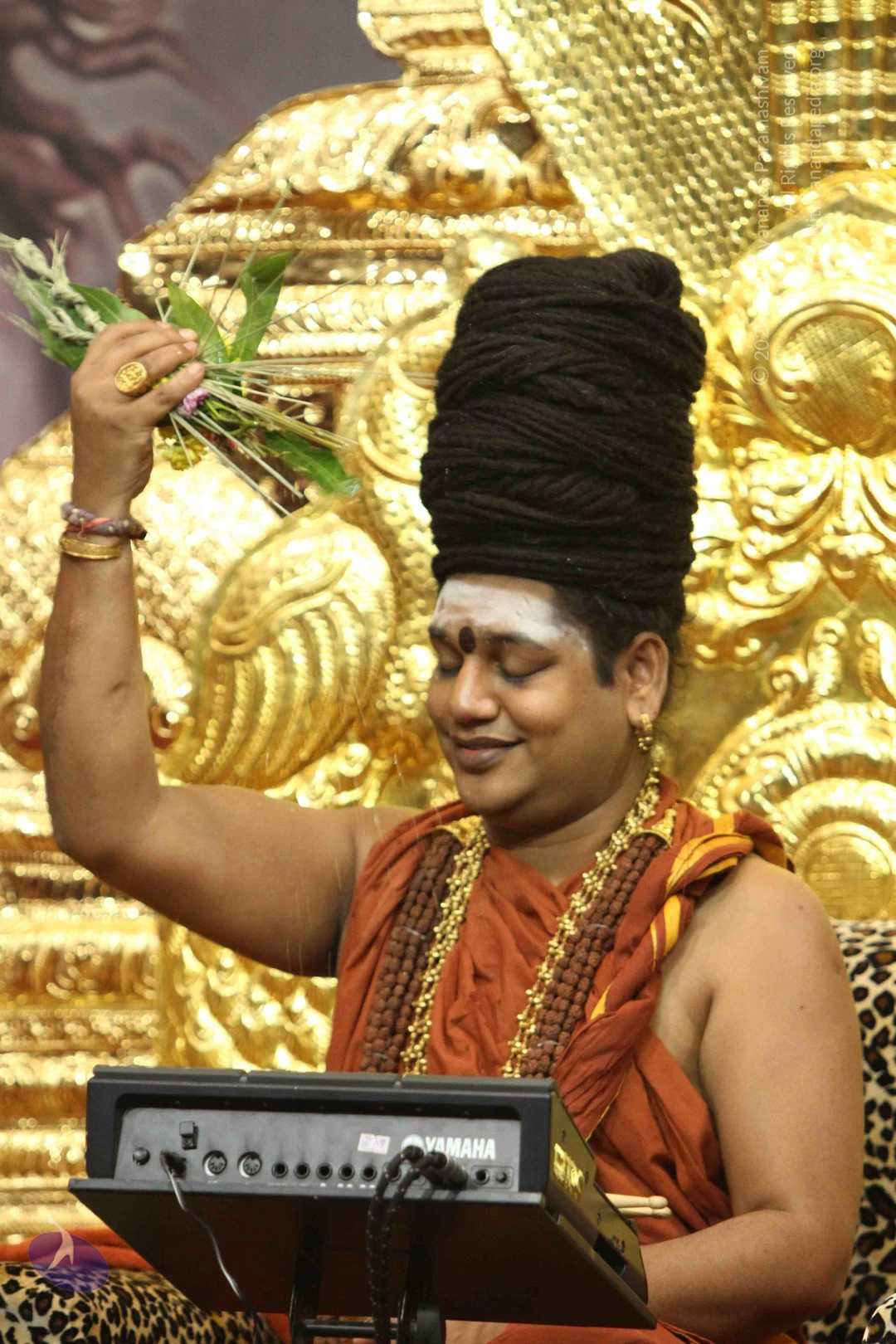
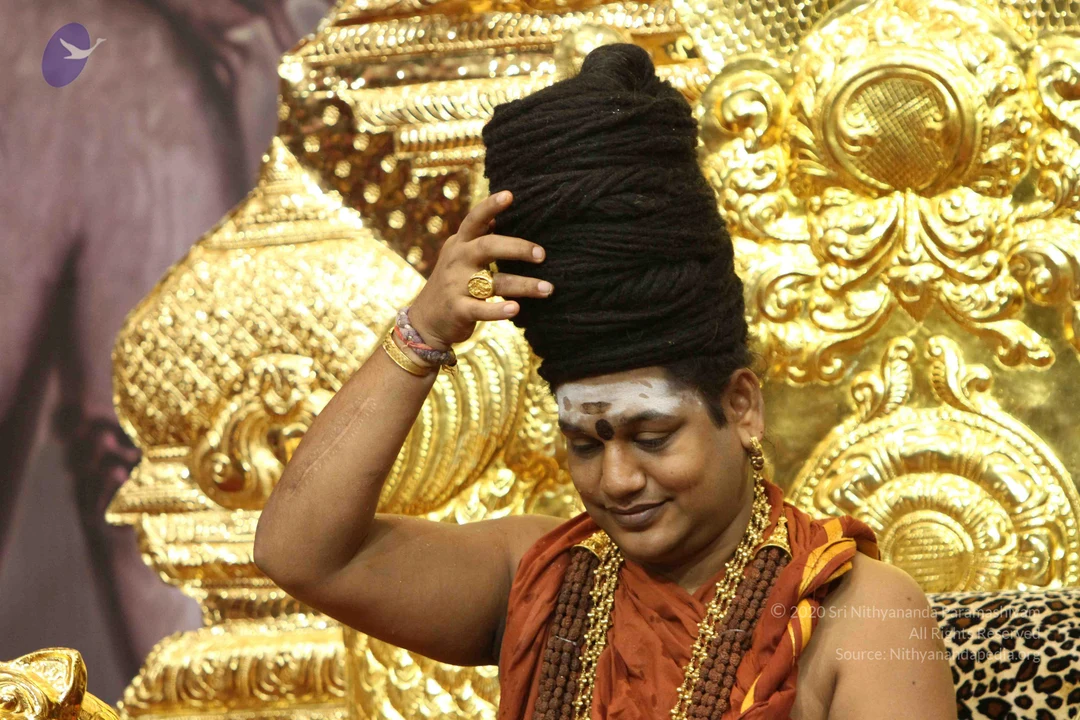
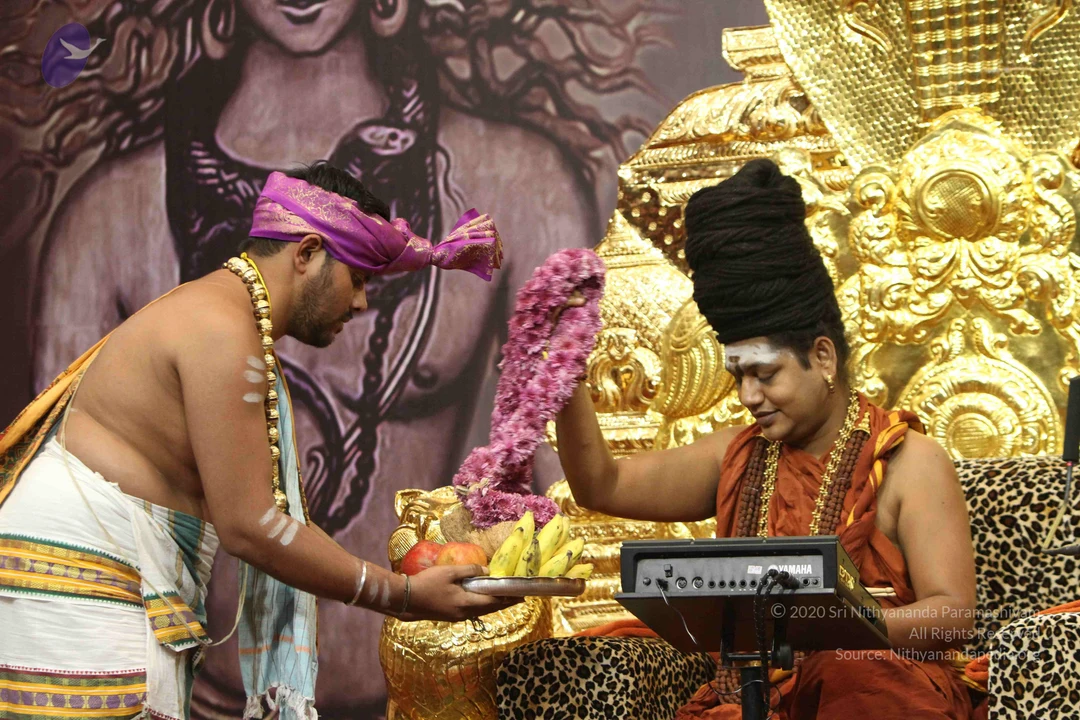
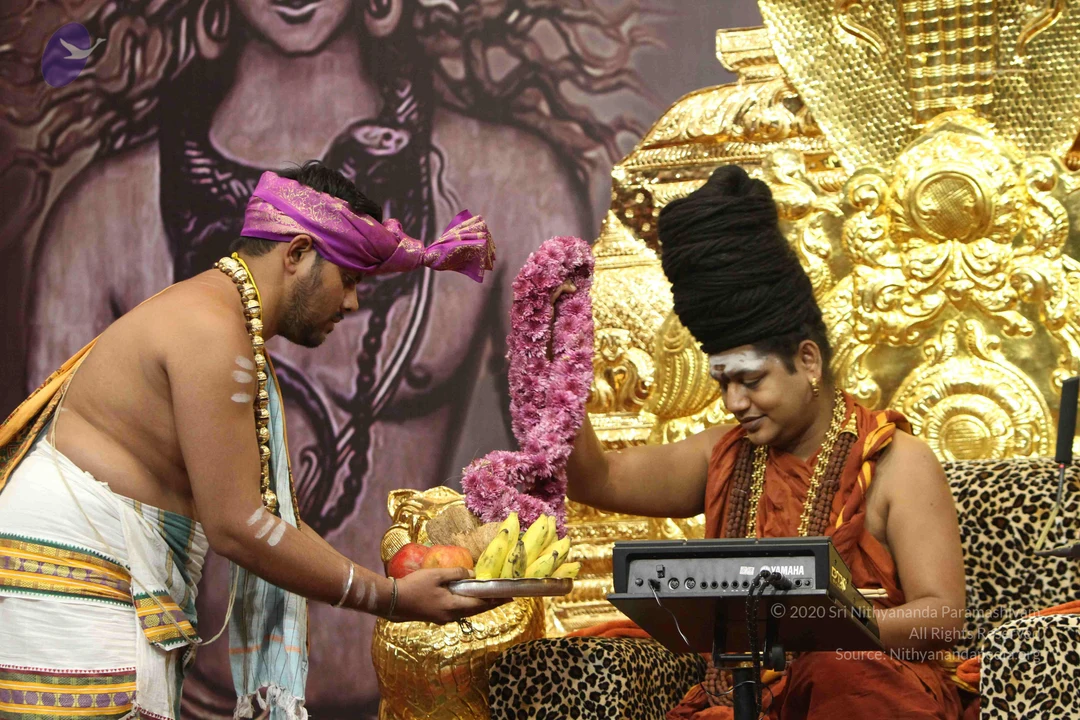
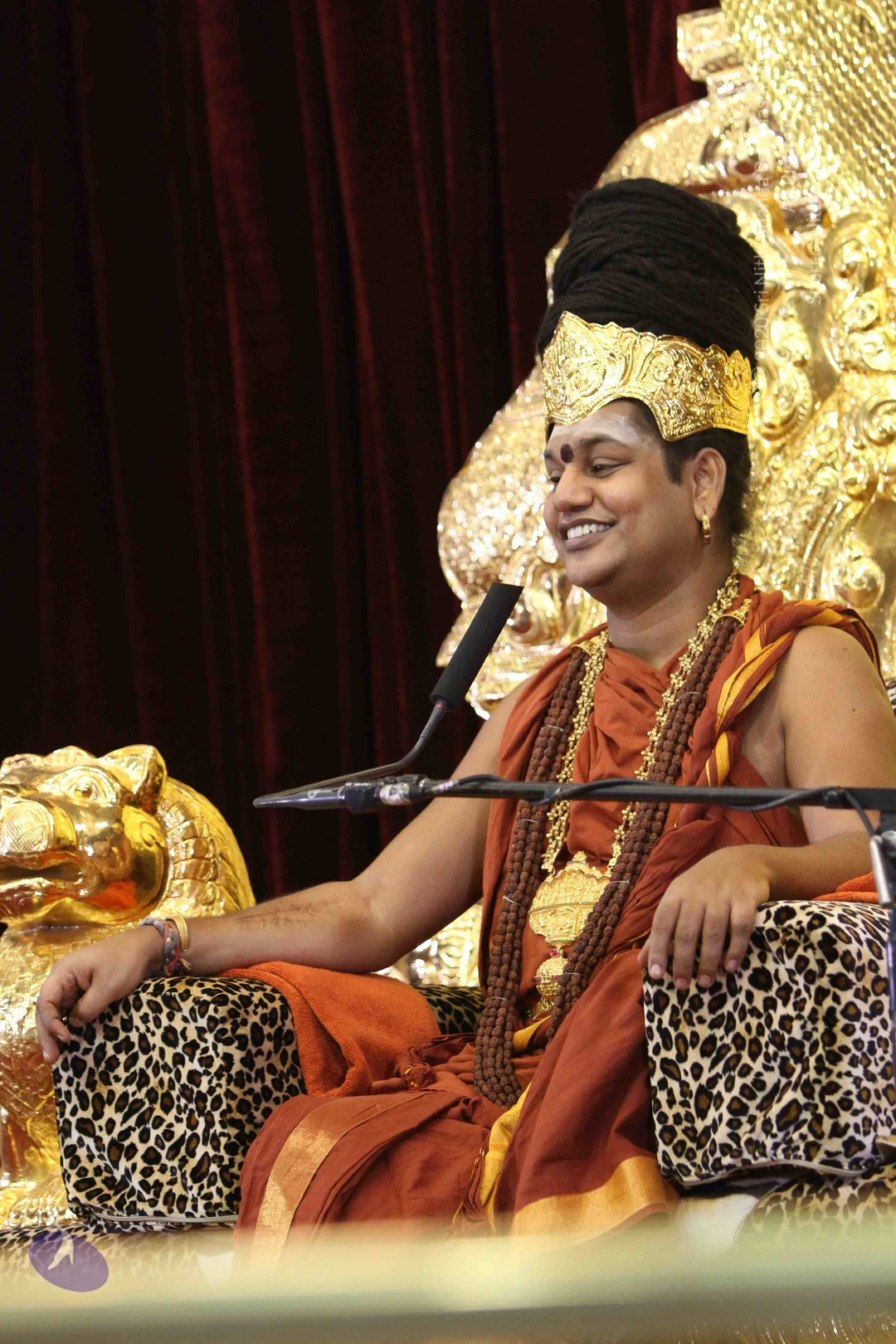
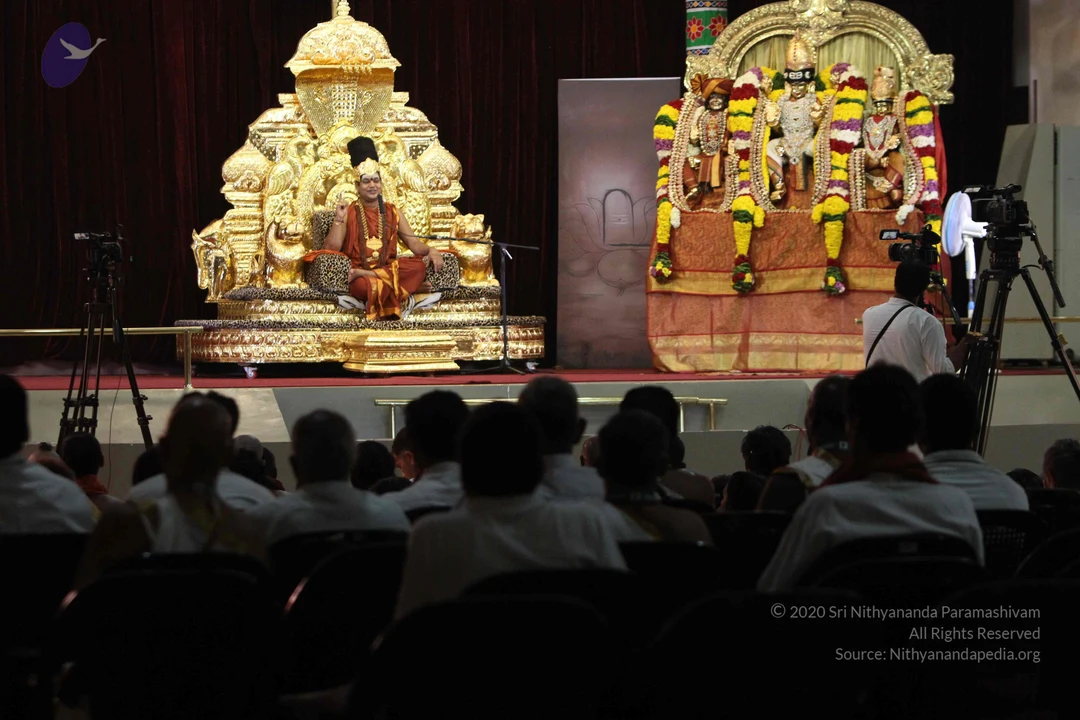
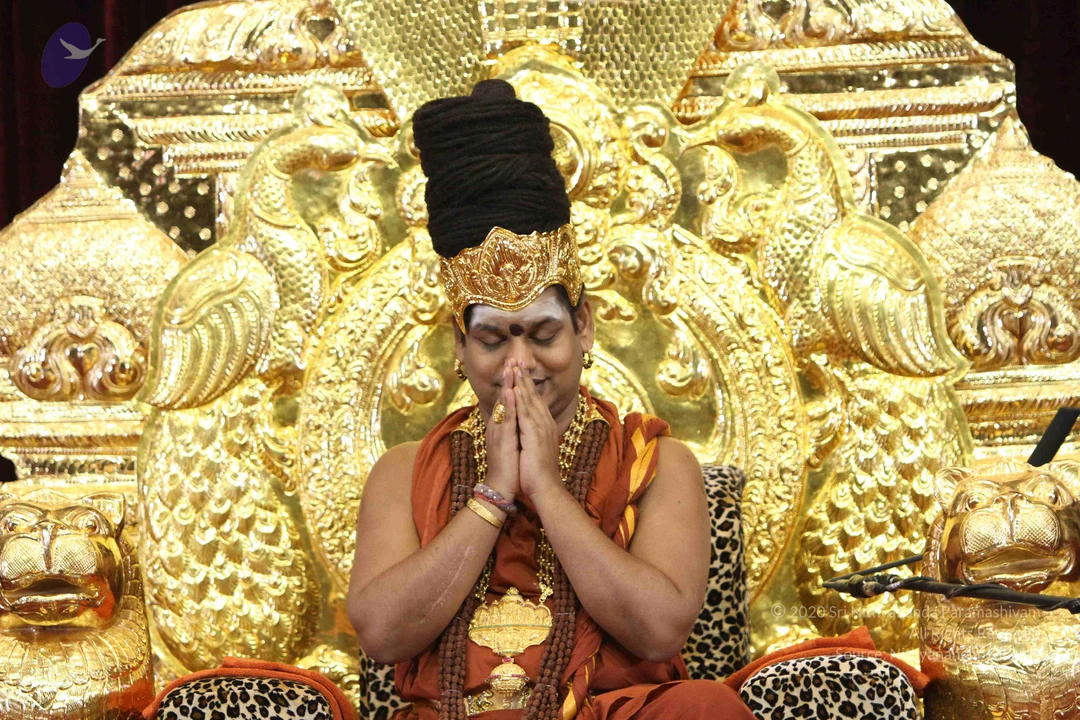
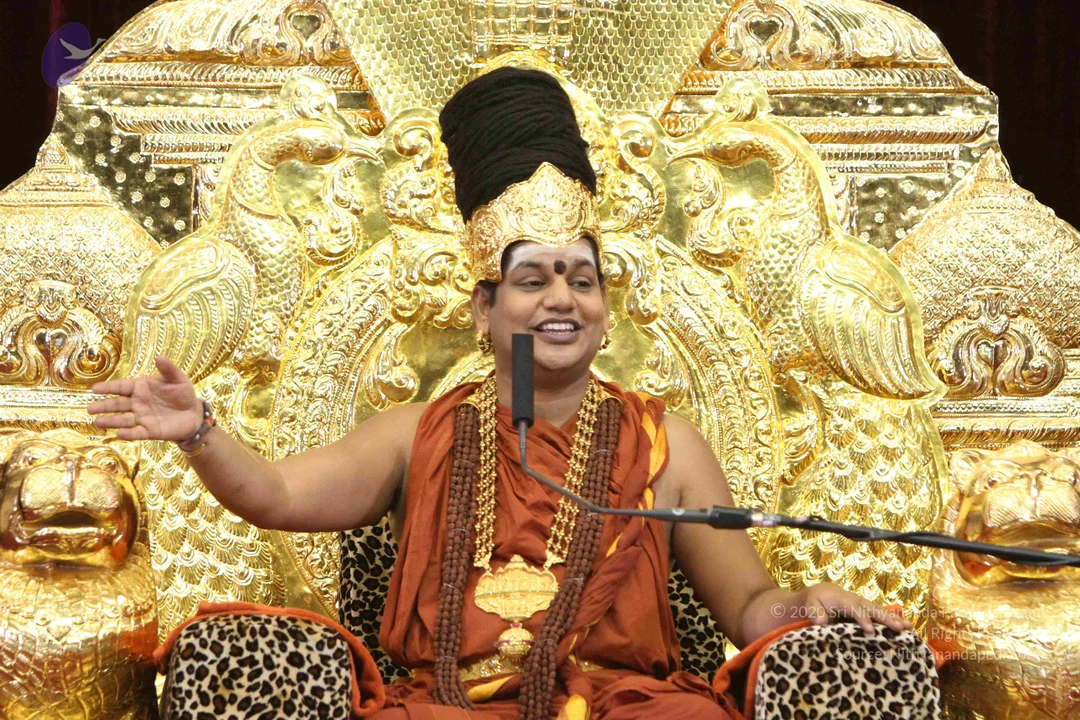
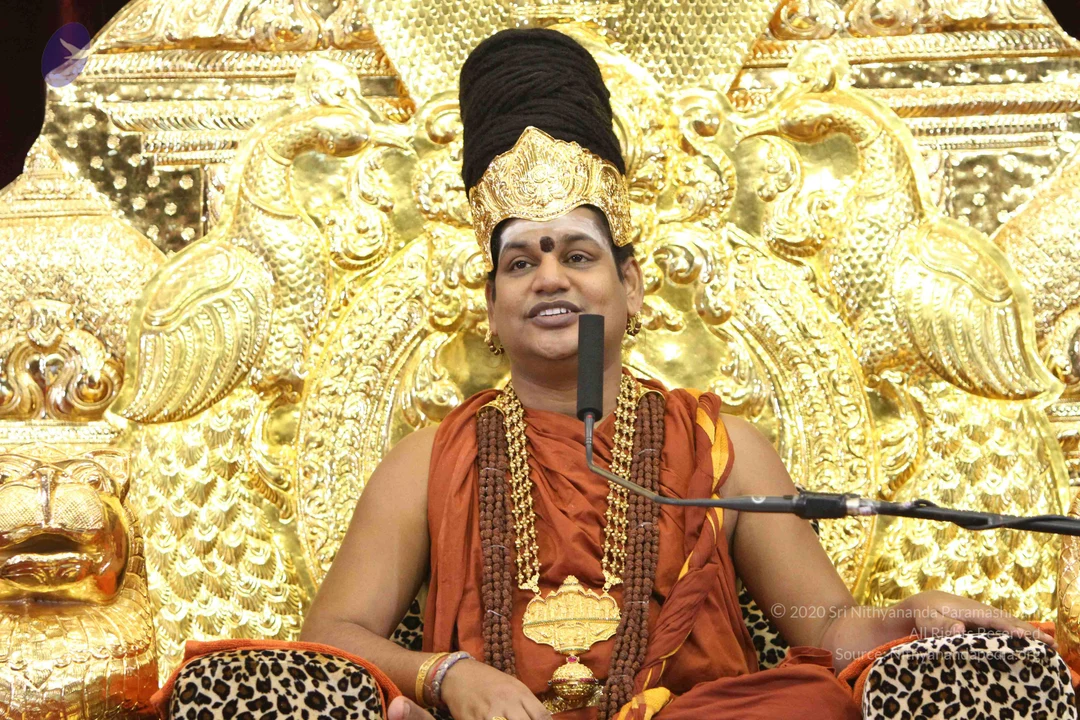
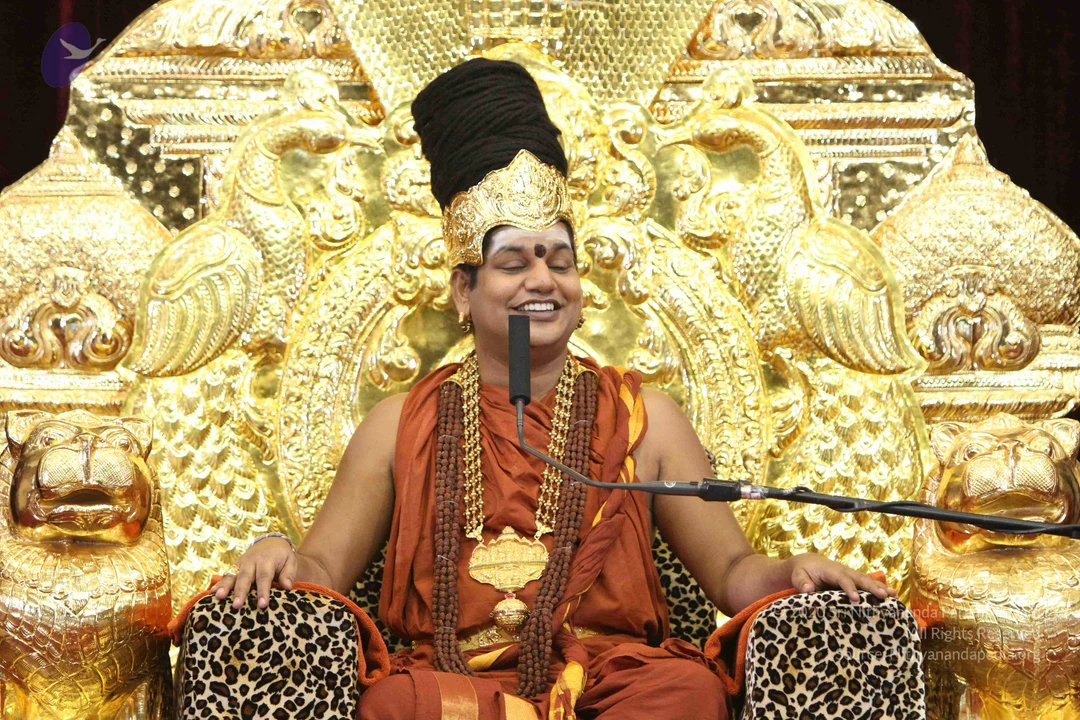
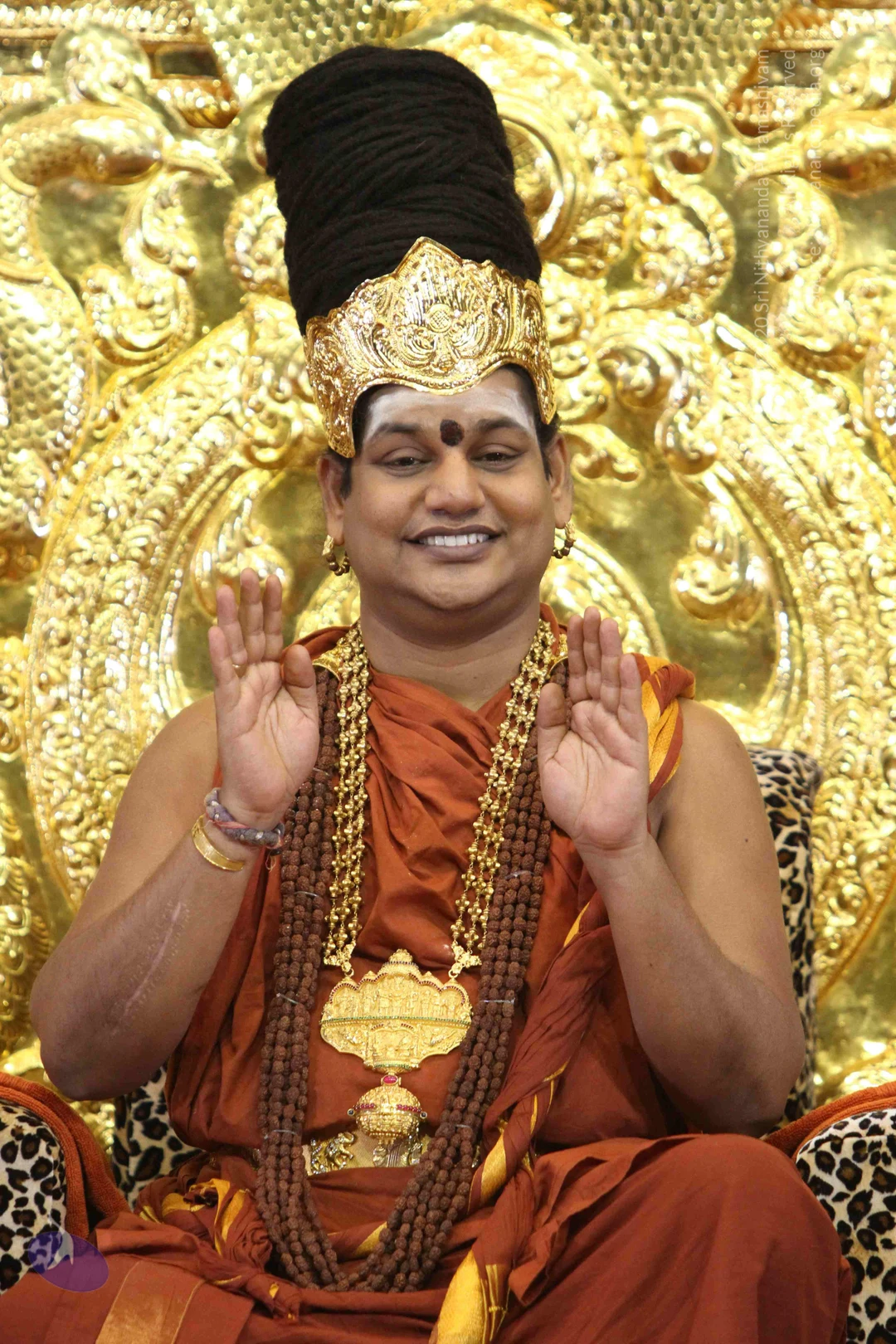
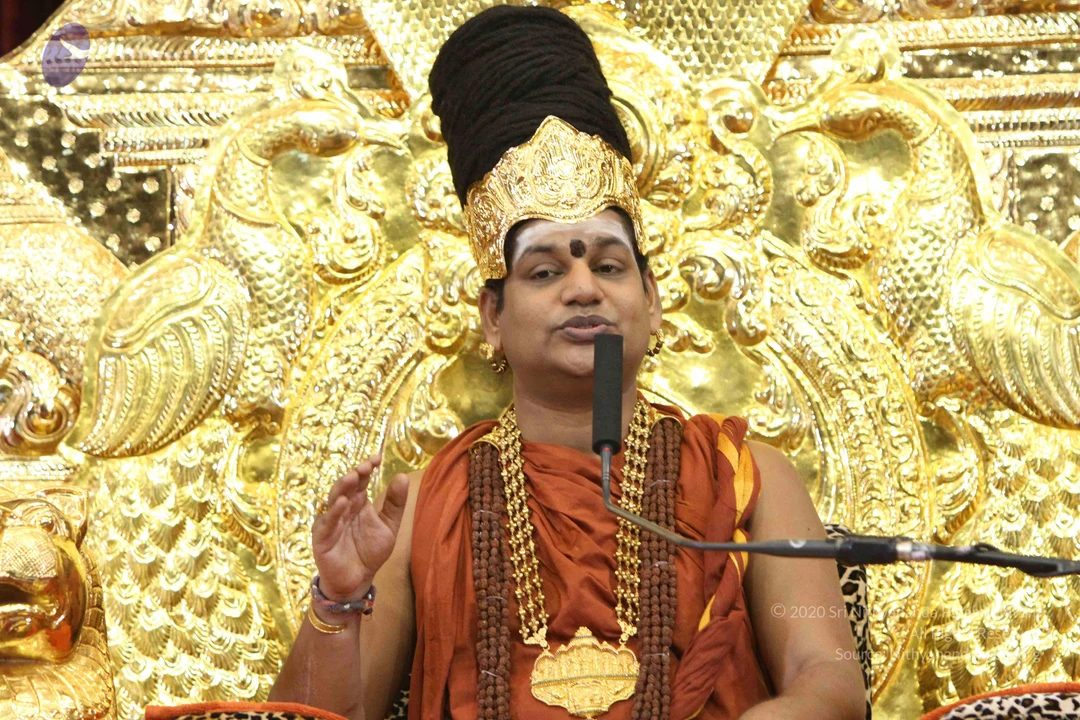
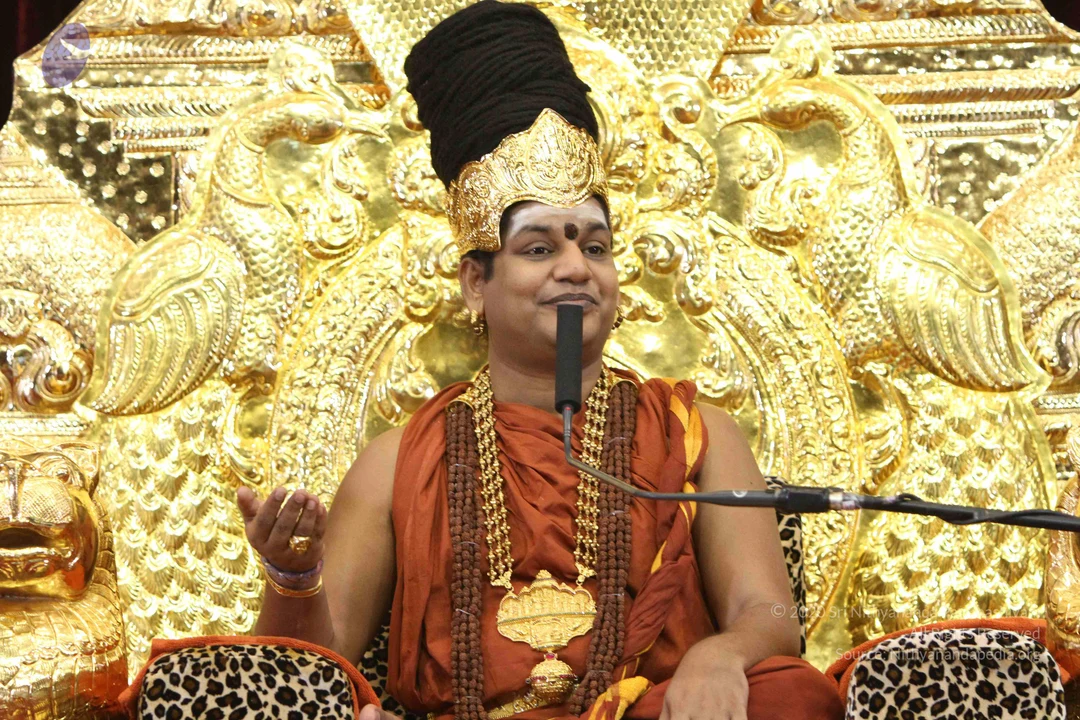
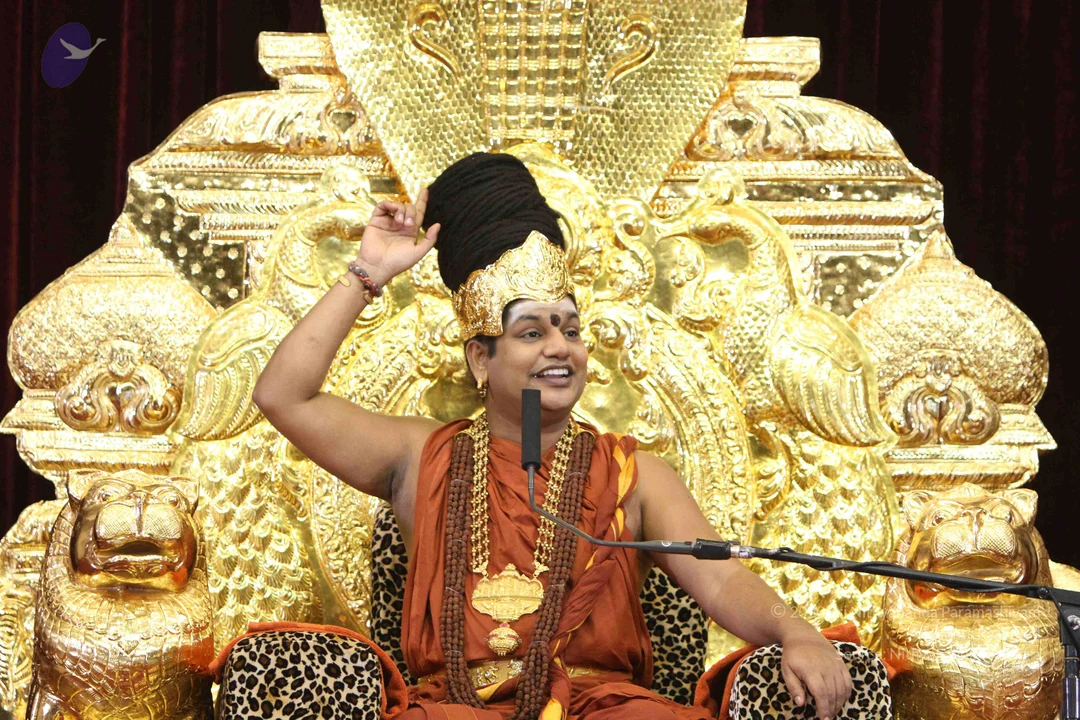
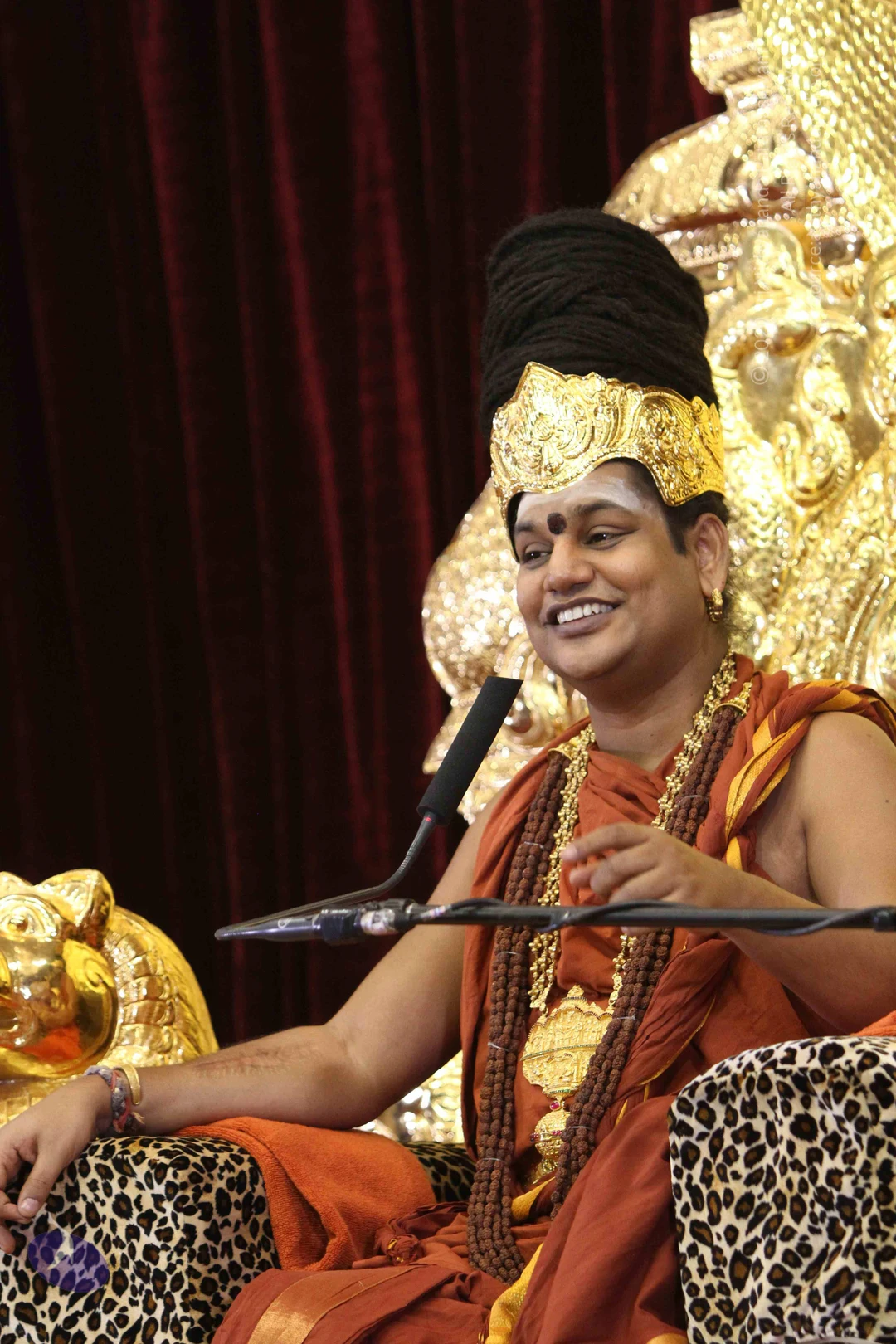
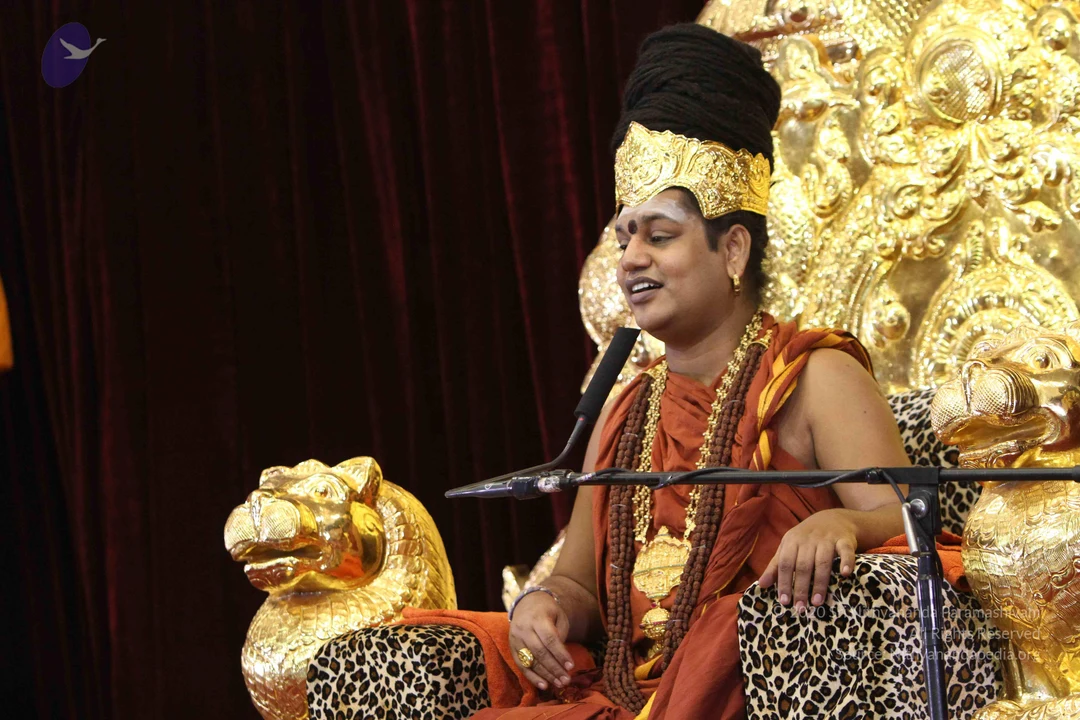
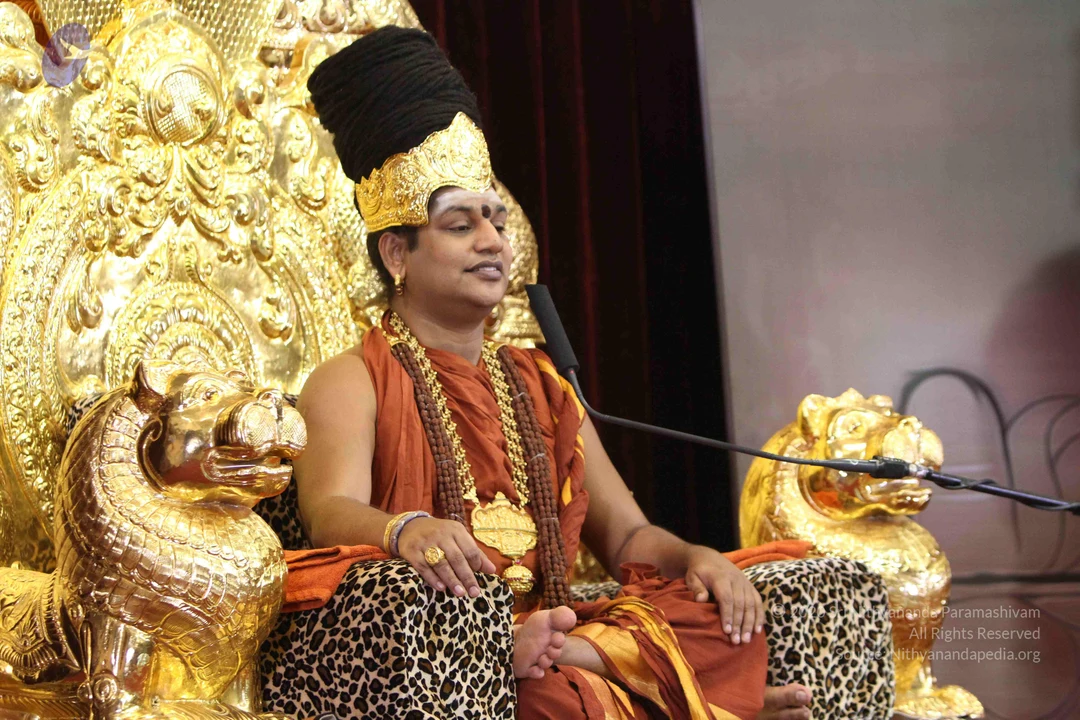
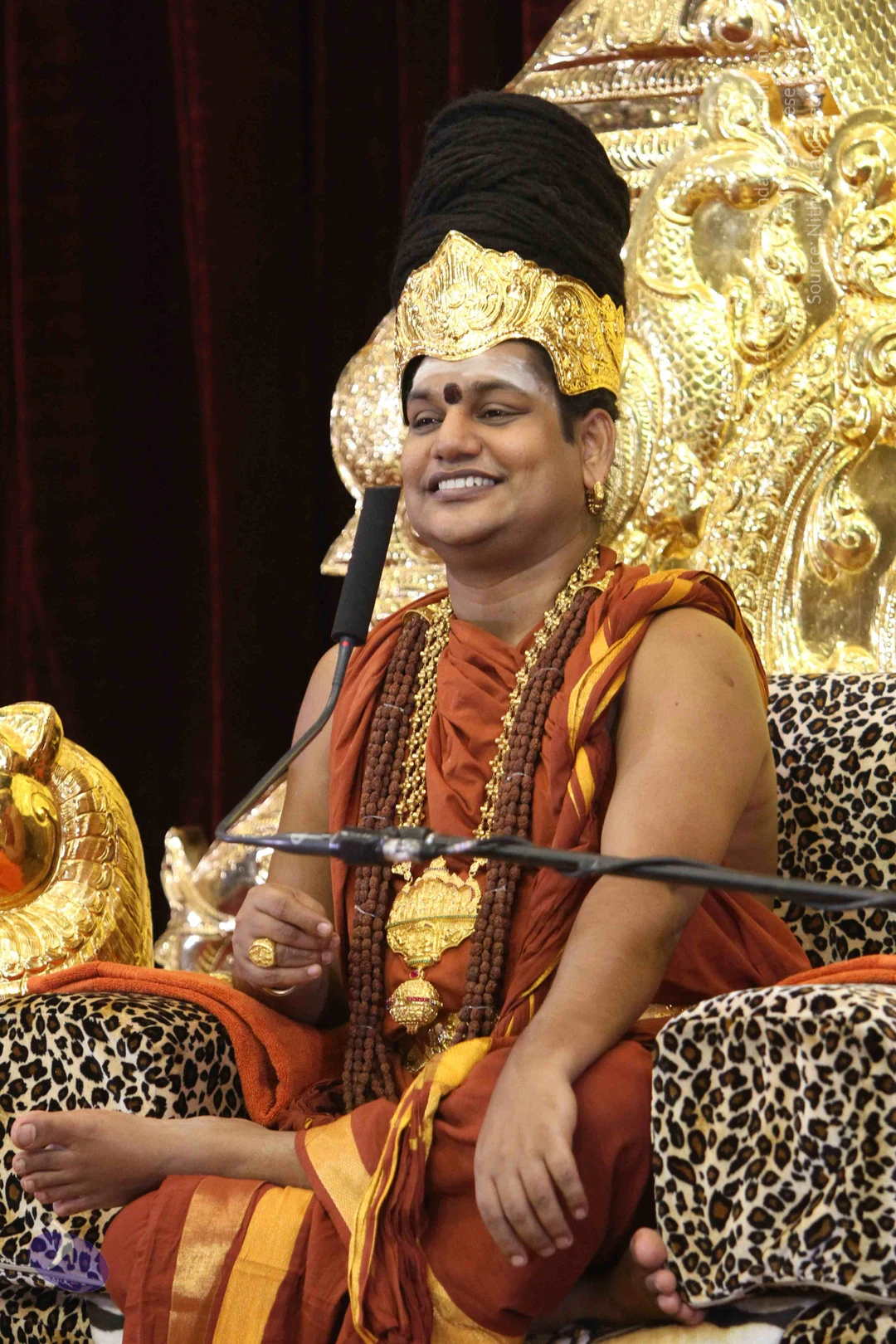
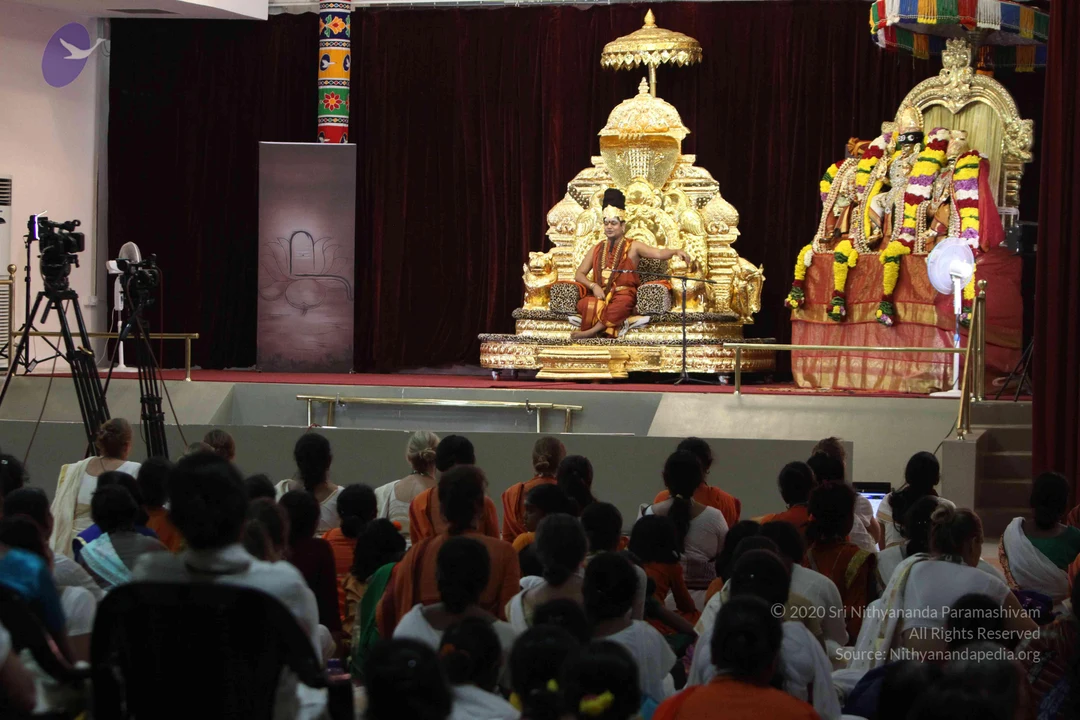
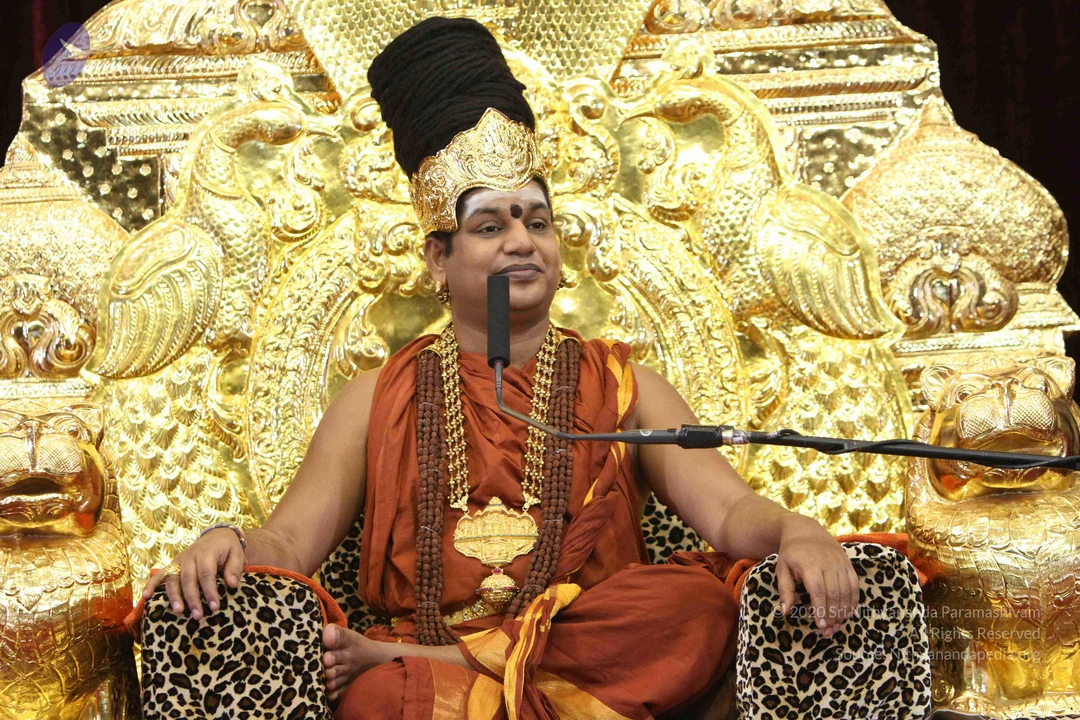
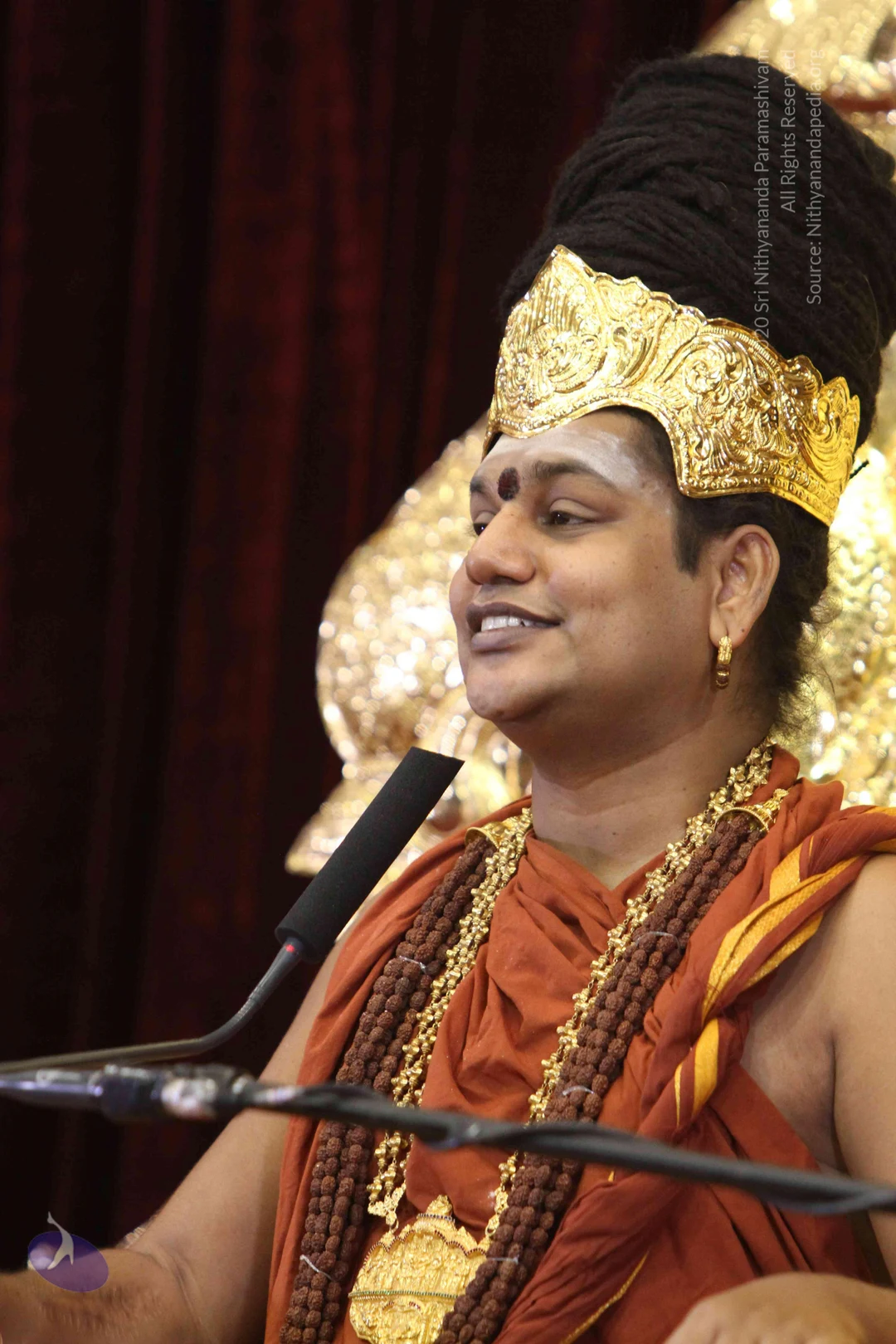
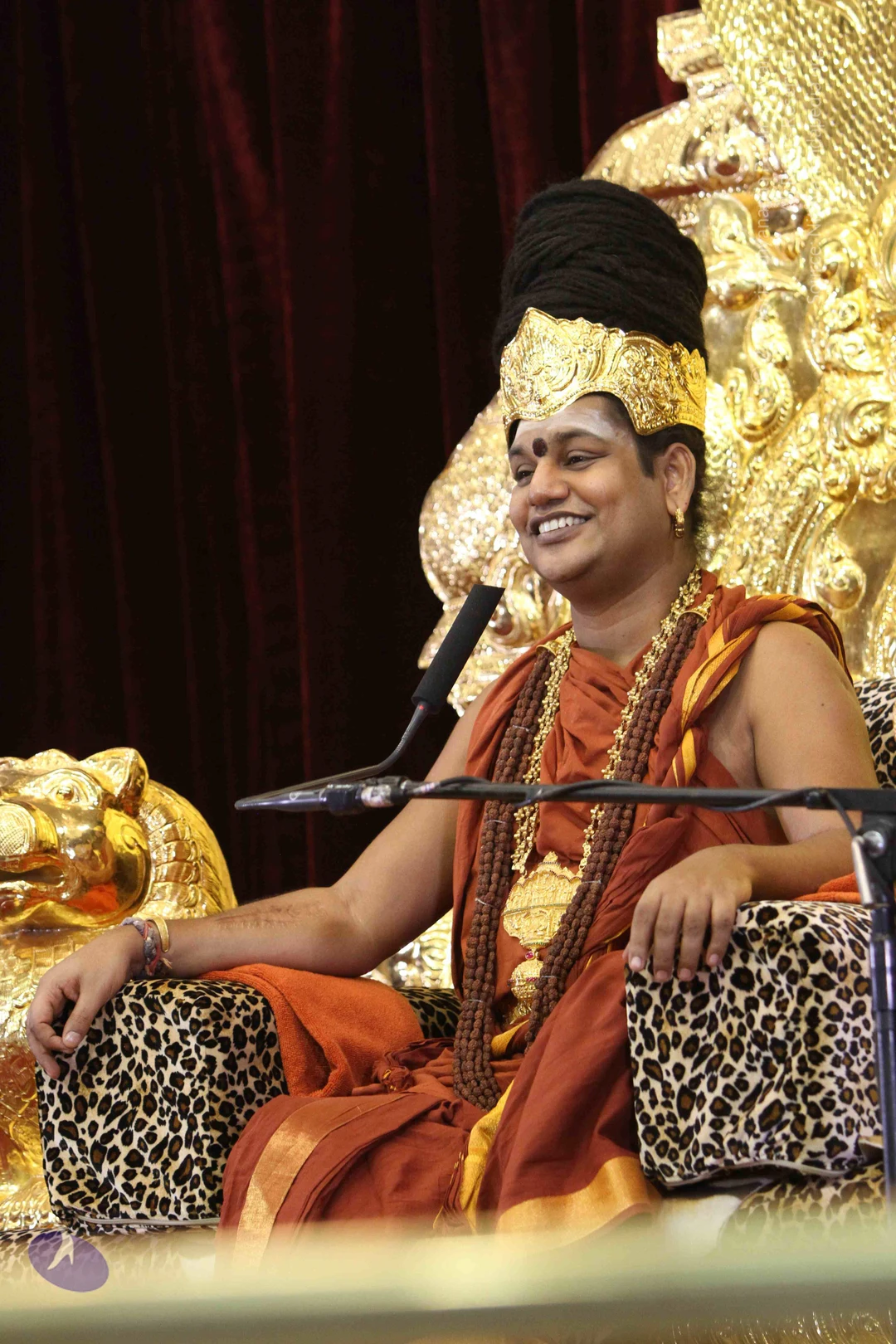
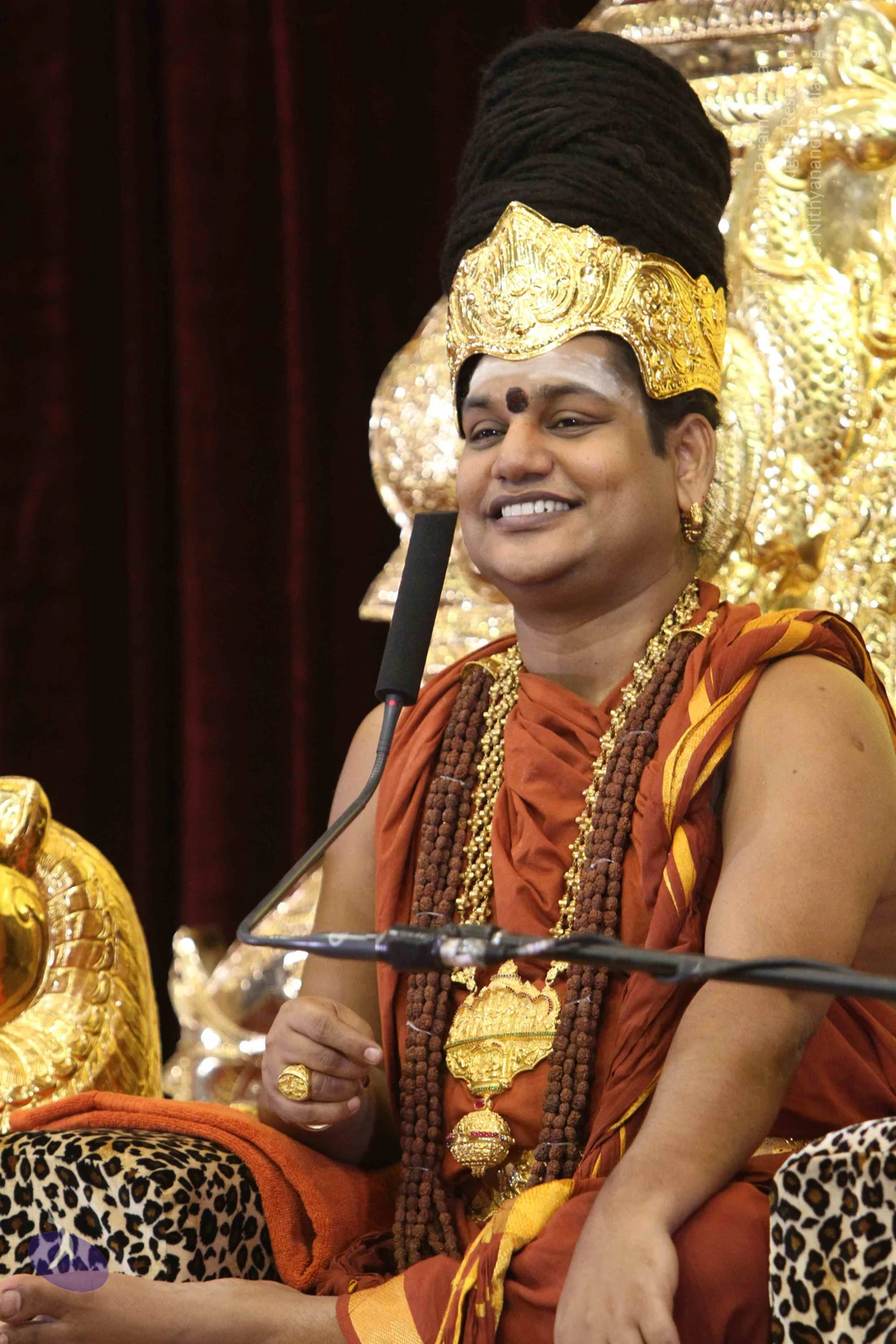
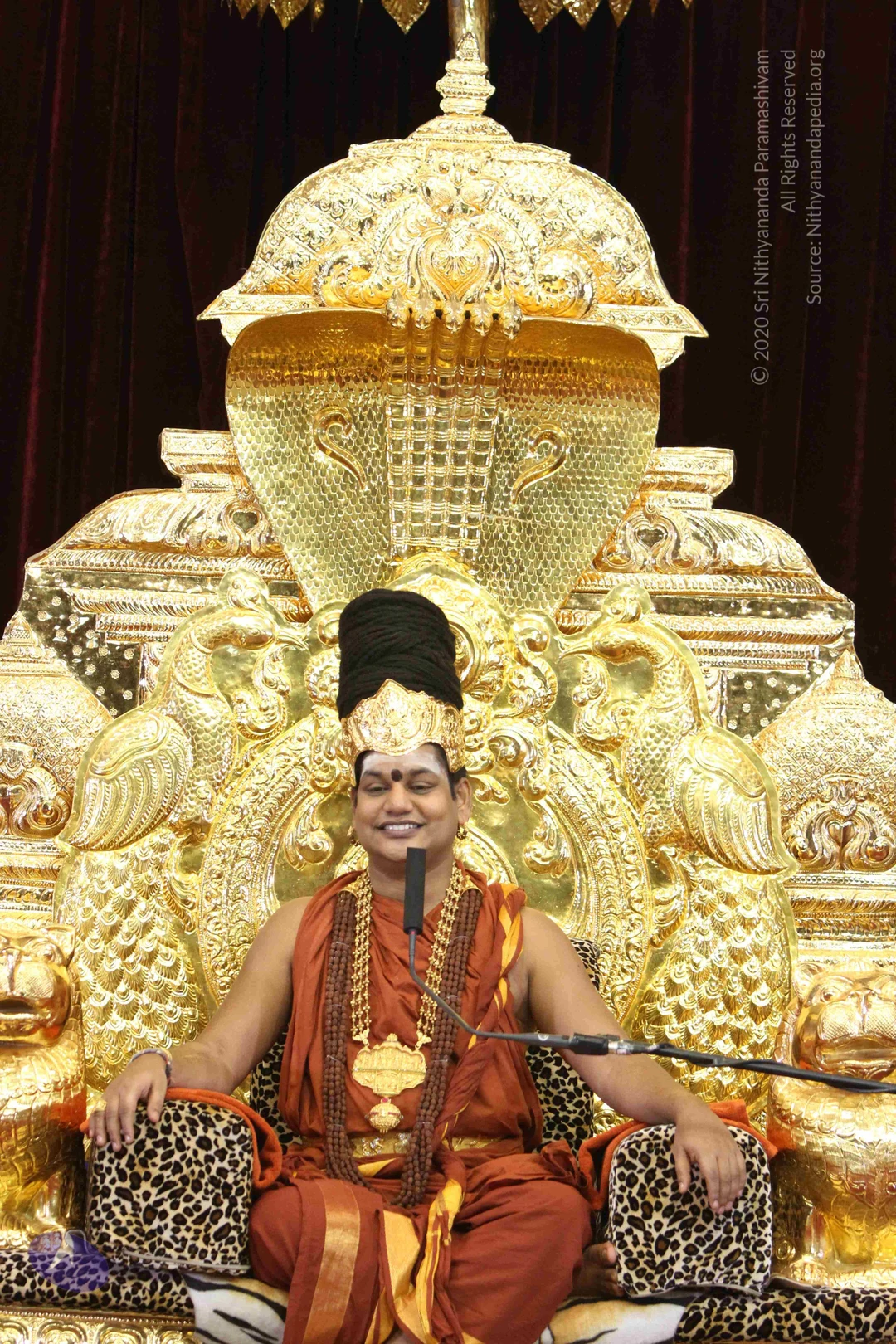
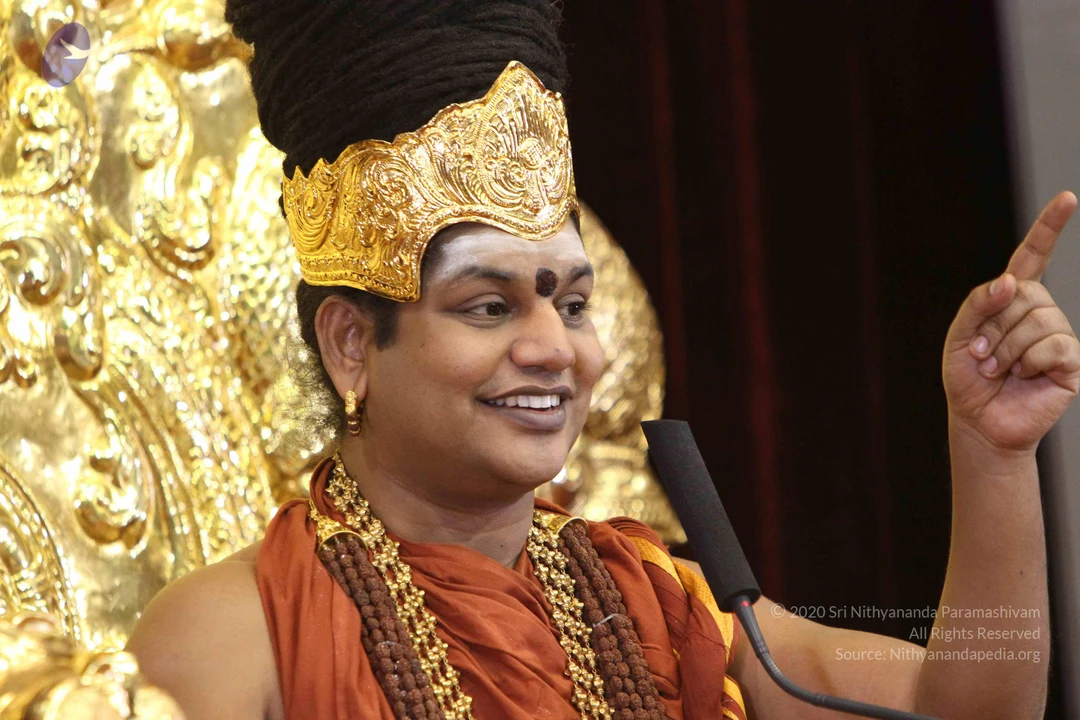
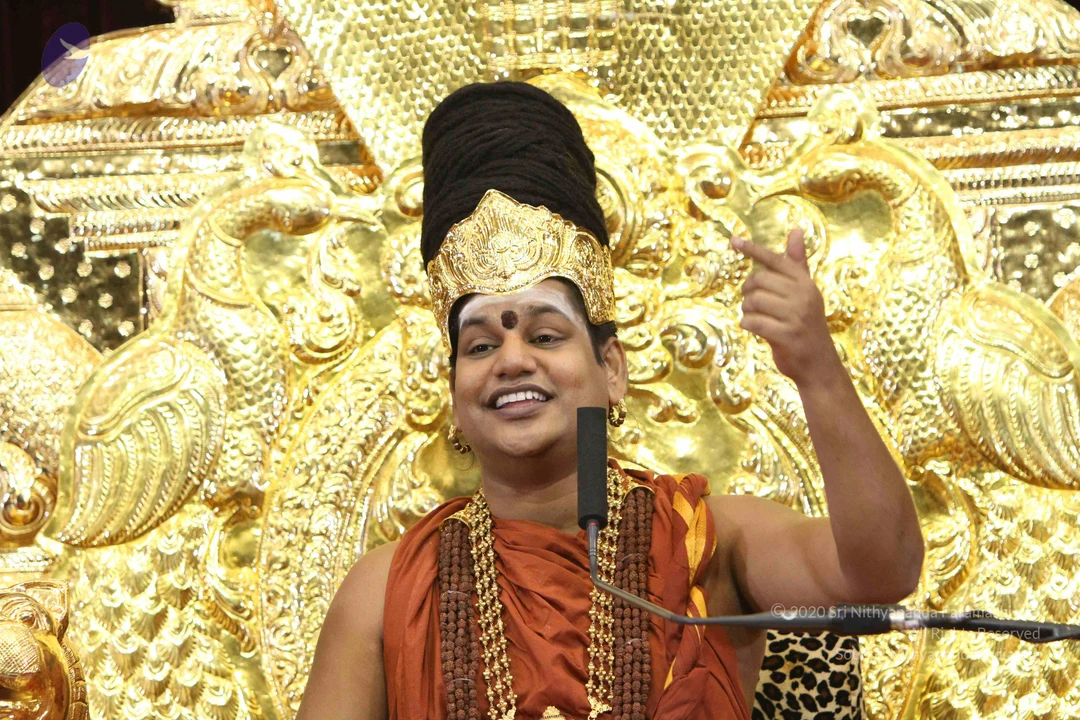
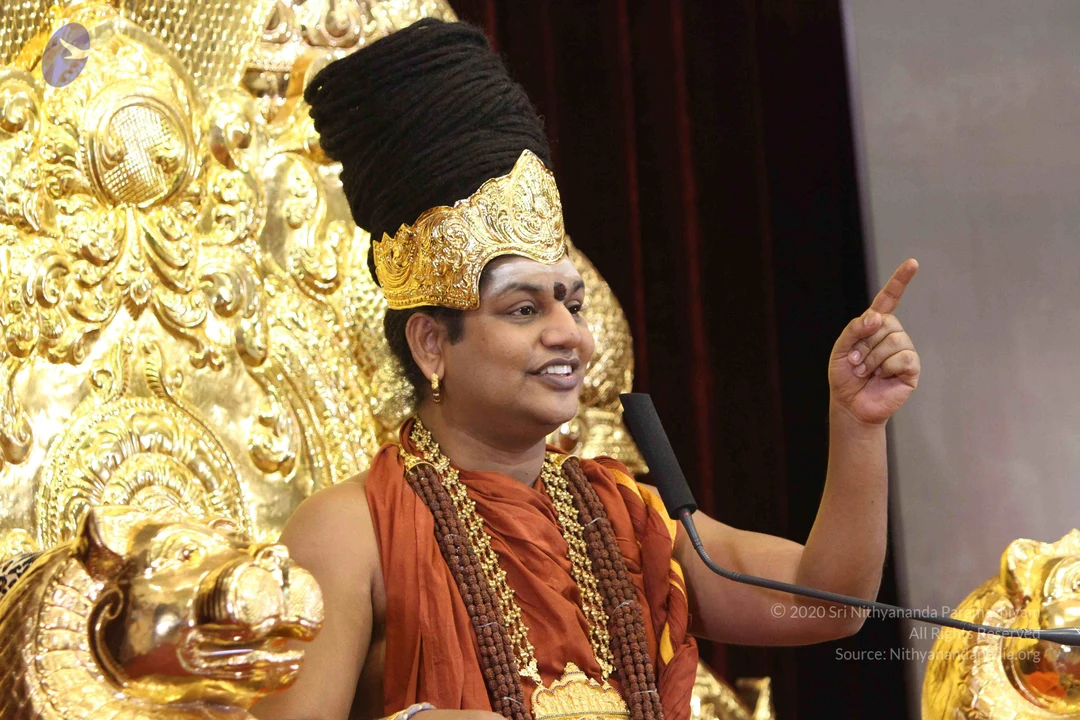
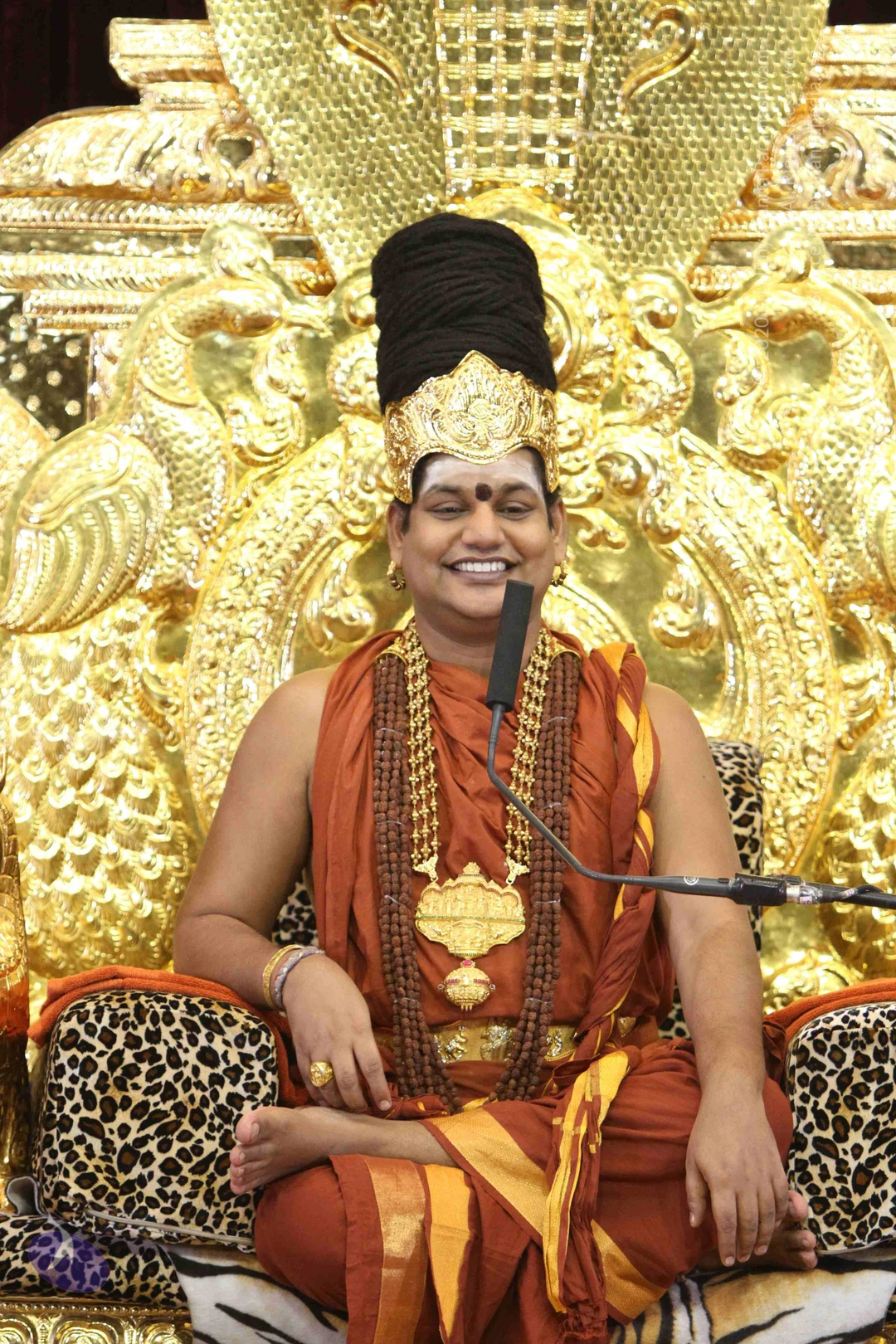
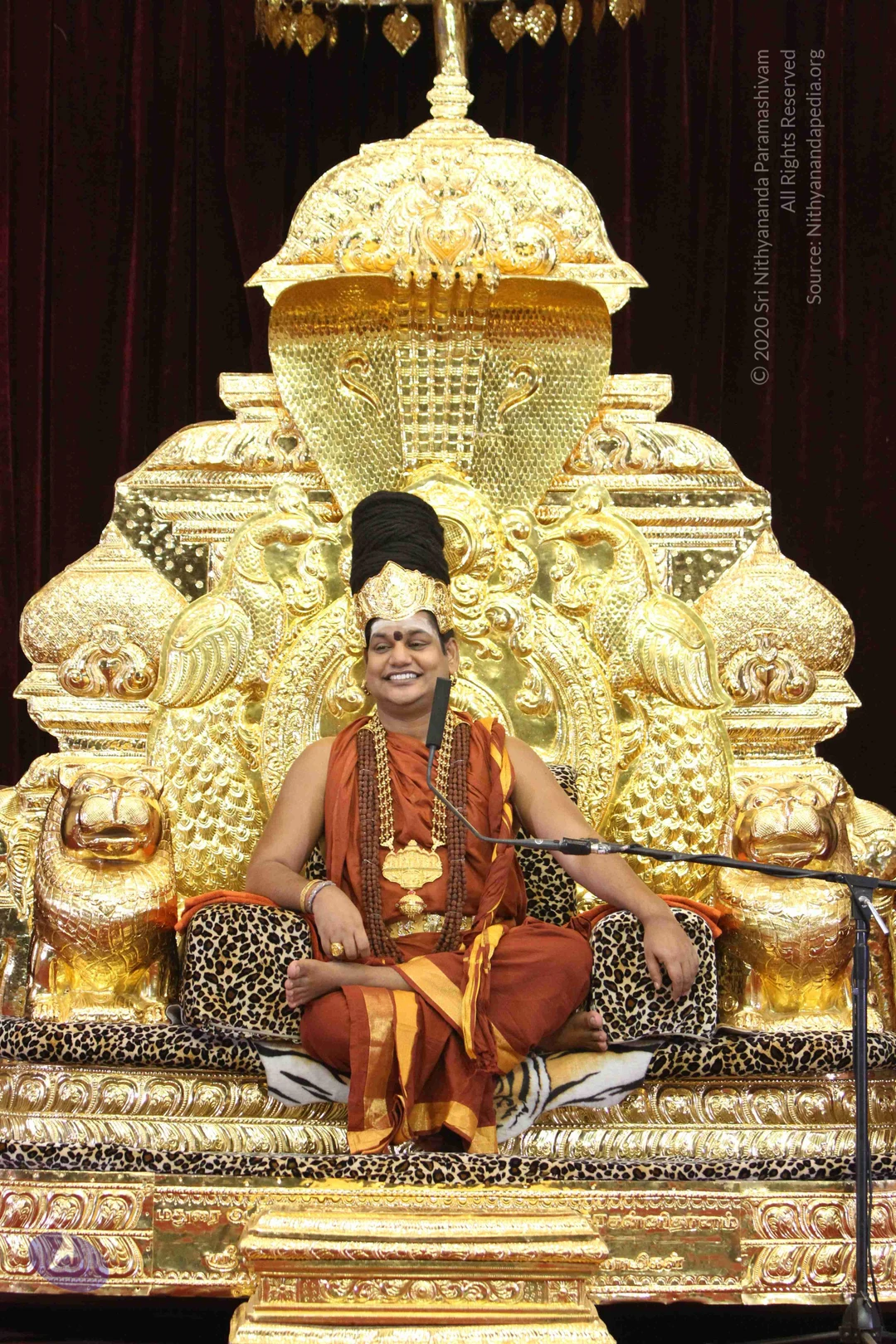
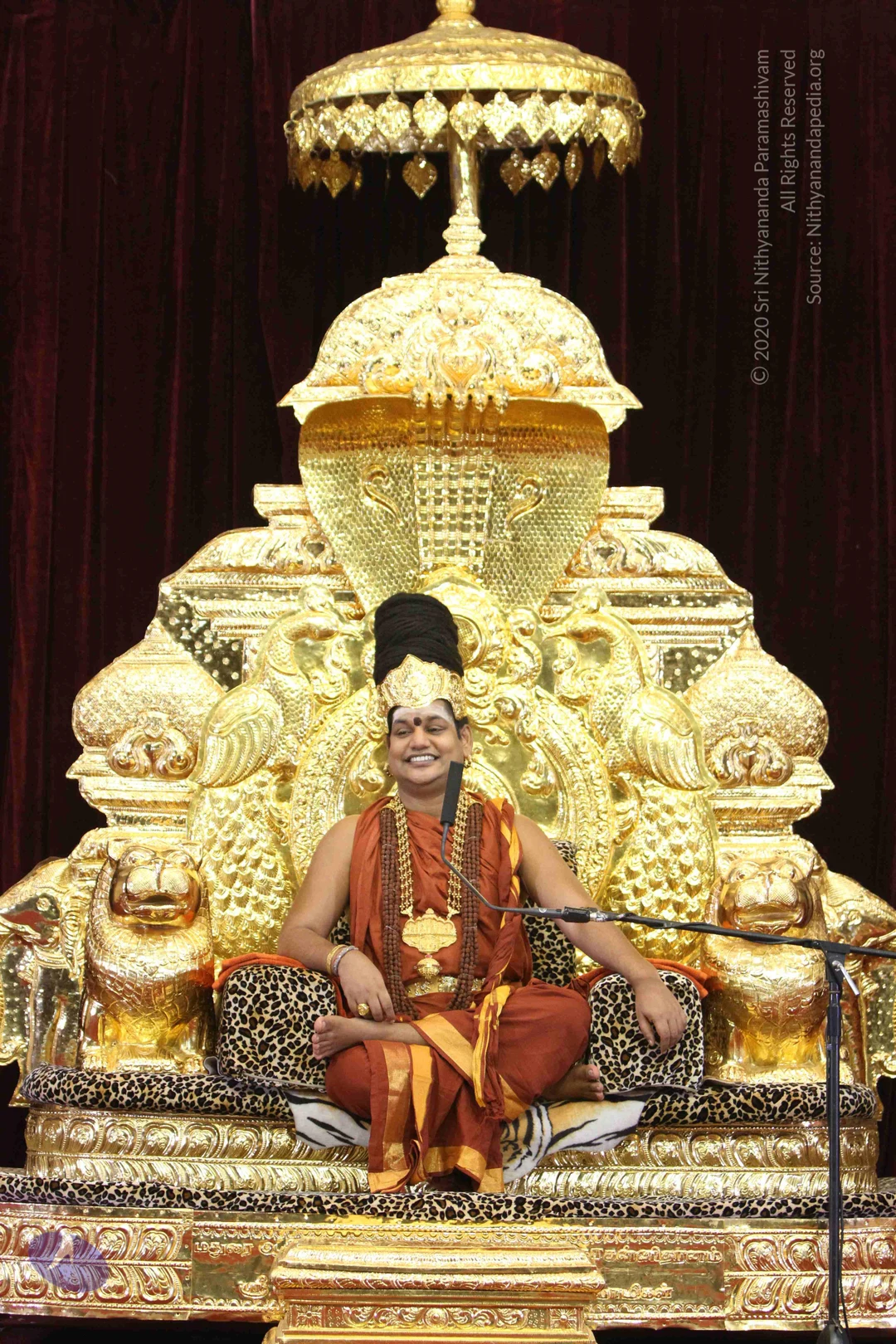
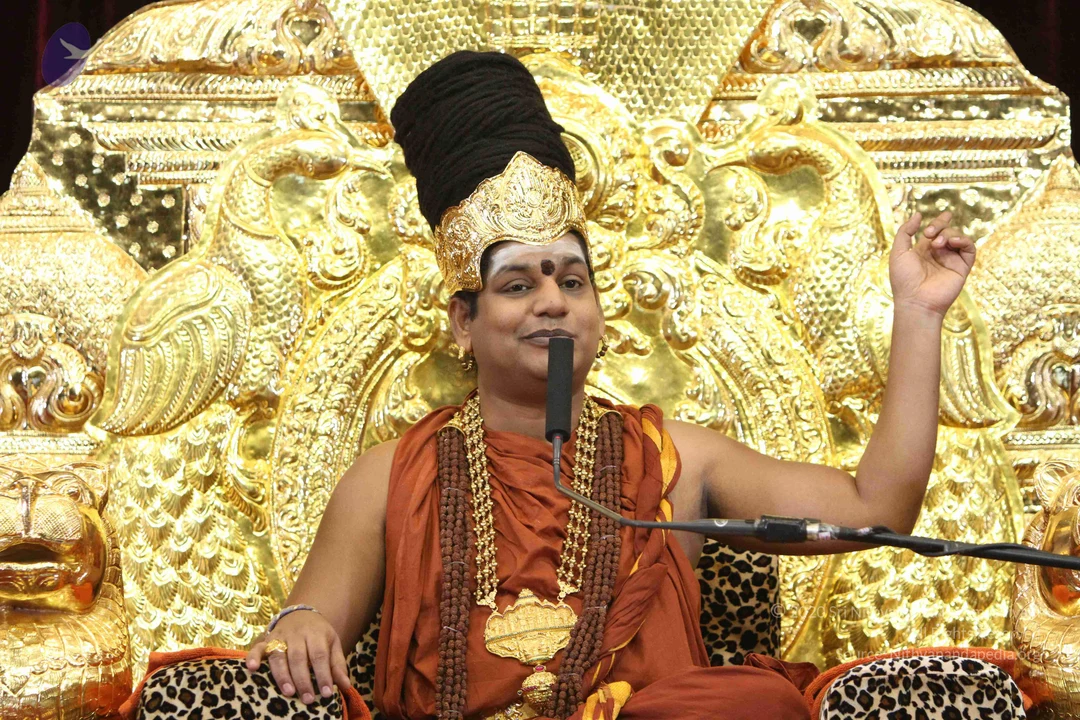
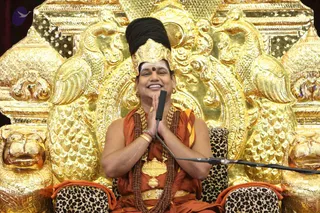
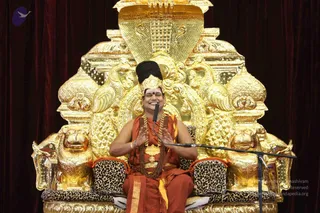
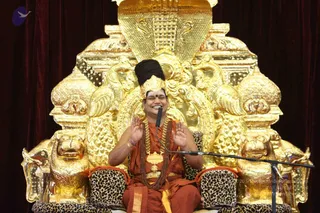
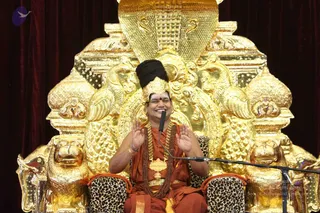
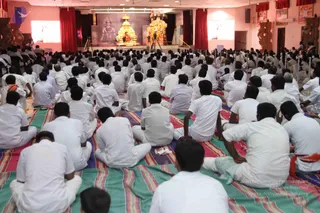
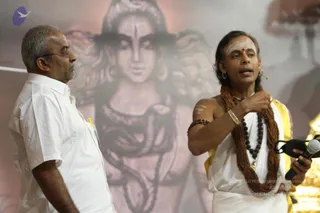
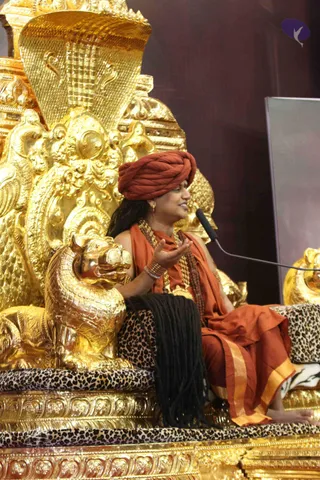
Evening Satsang
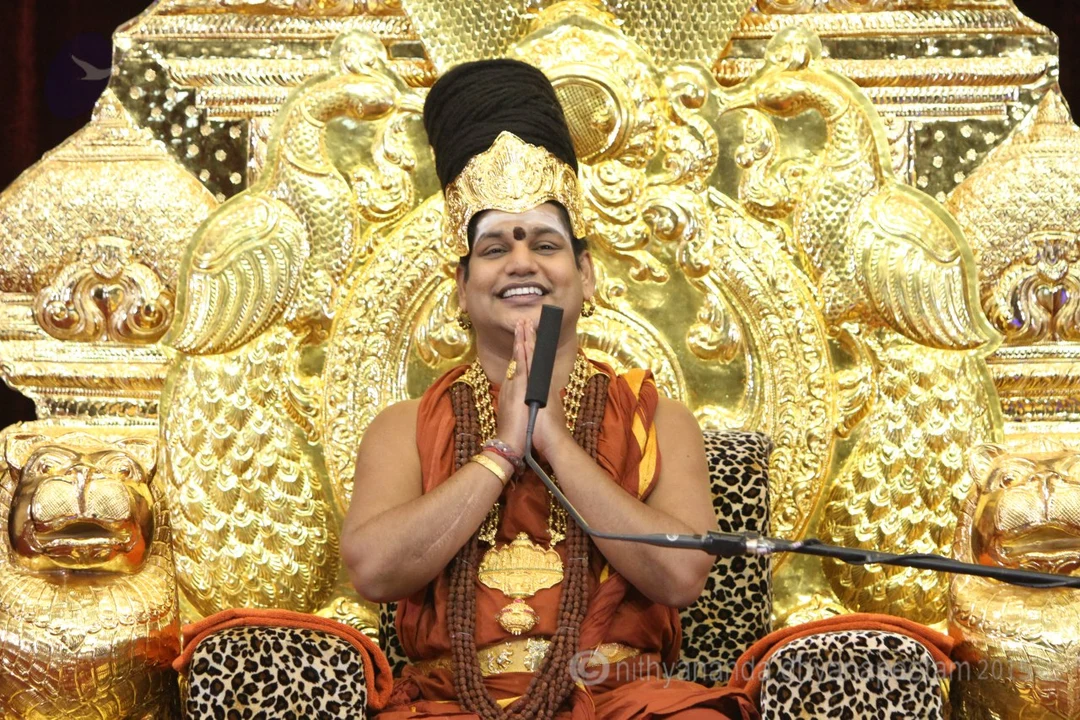
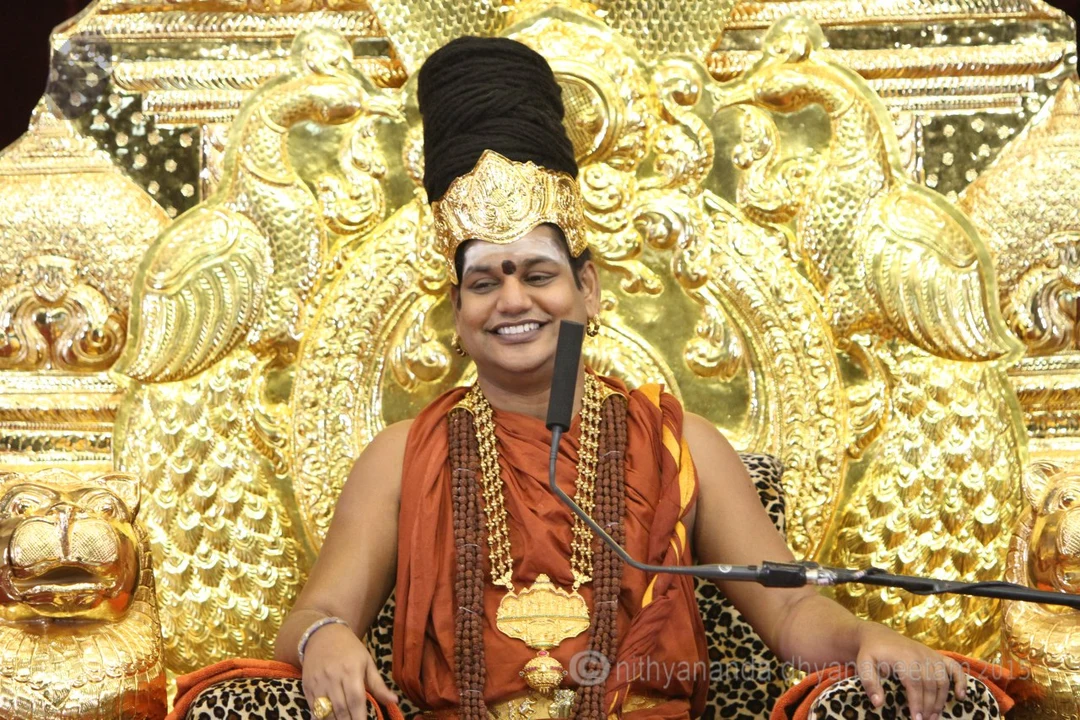
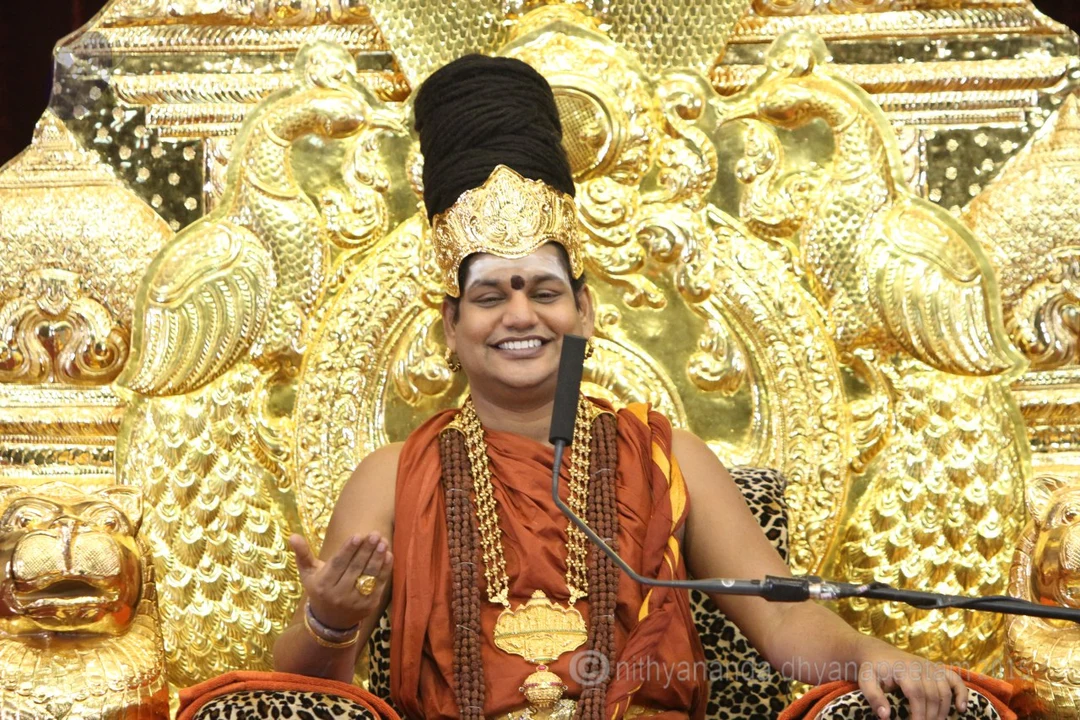
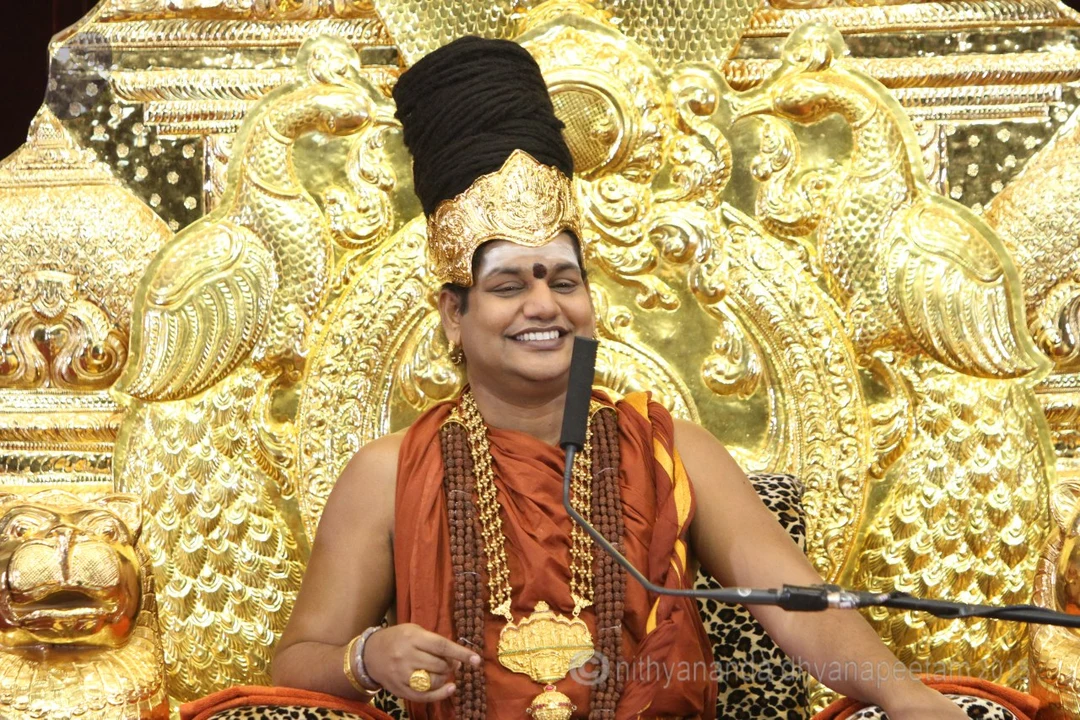
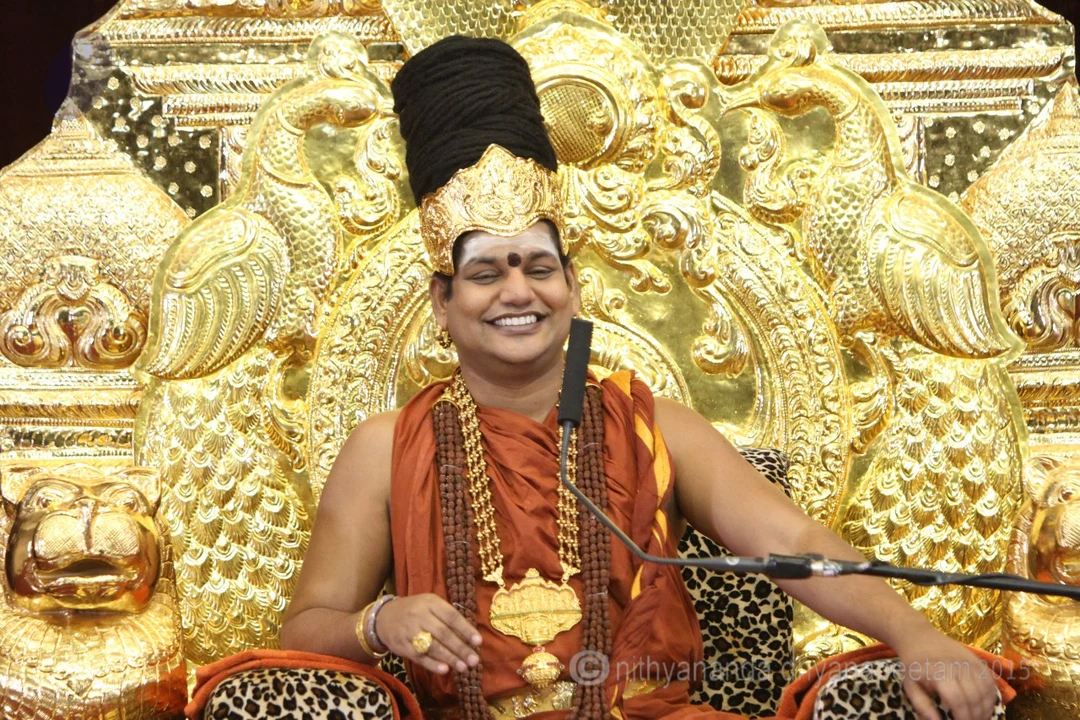
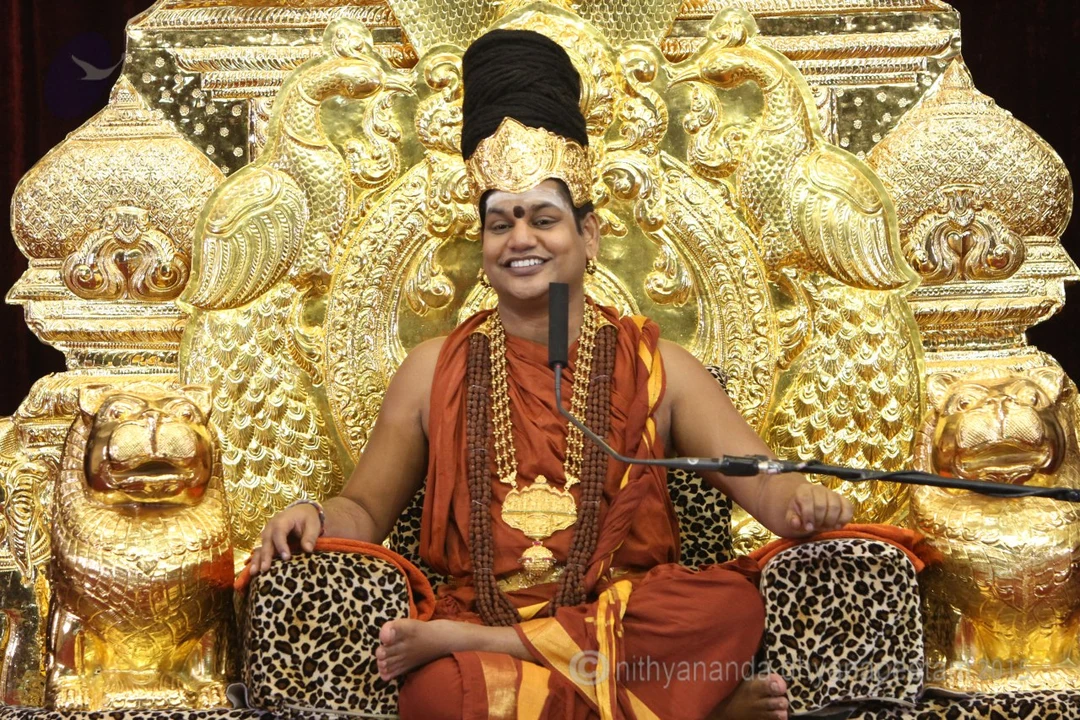

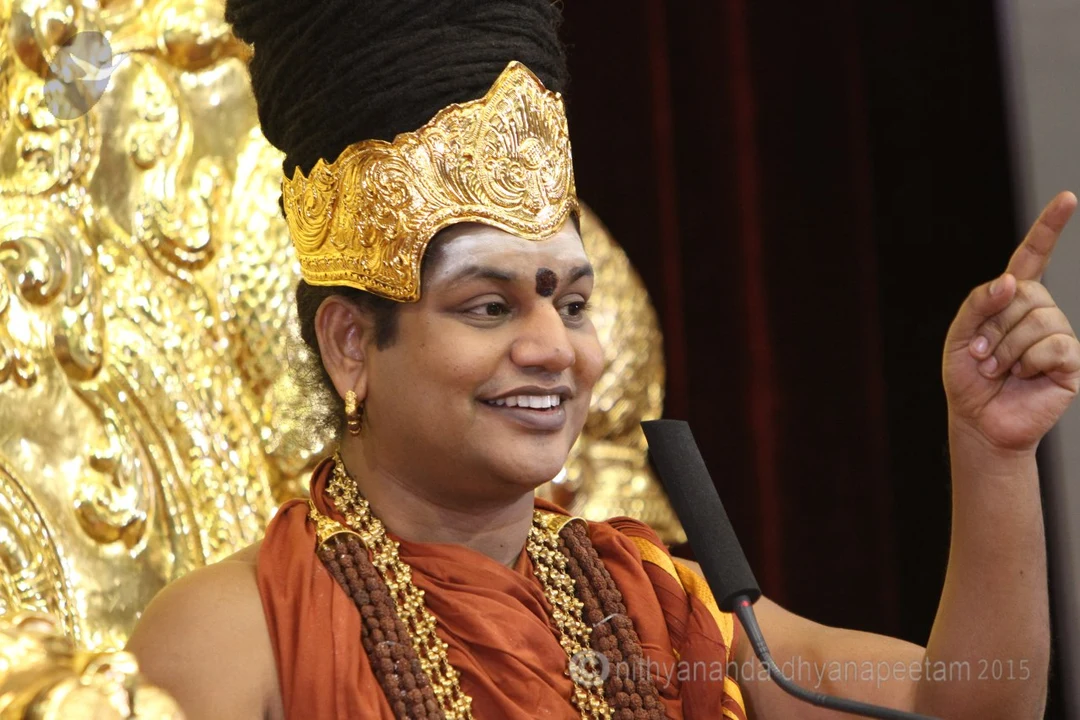
Tags:
Paramahamsa Nithyananda, Nithyananda, Upanishads, Isha Upanishad, Isavasya Upanishad, Shuddha Advaita, Advaita, Aum, Agni. Fire God, Enlightenment, Consciousness,Complete Completion, Kolkata, Hamsananda Swami, Nithyananda Biography, Rama, Upanishadic Rishi, 18th mantra
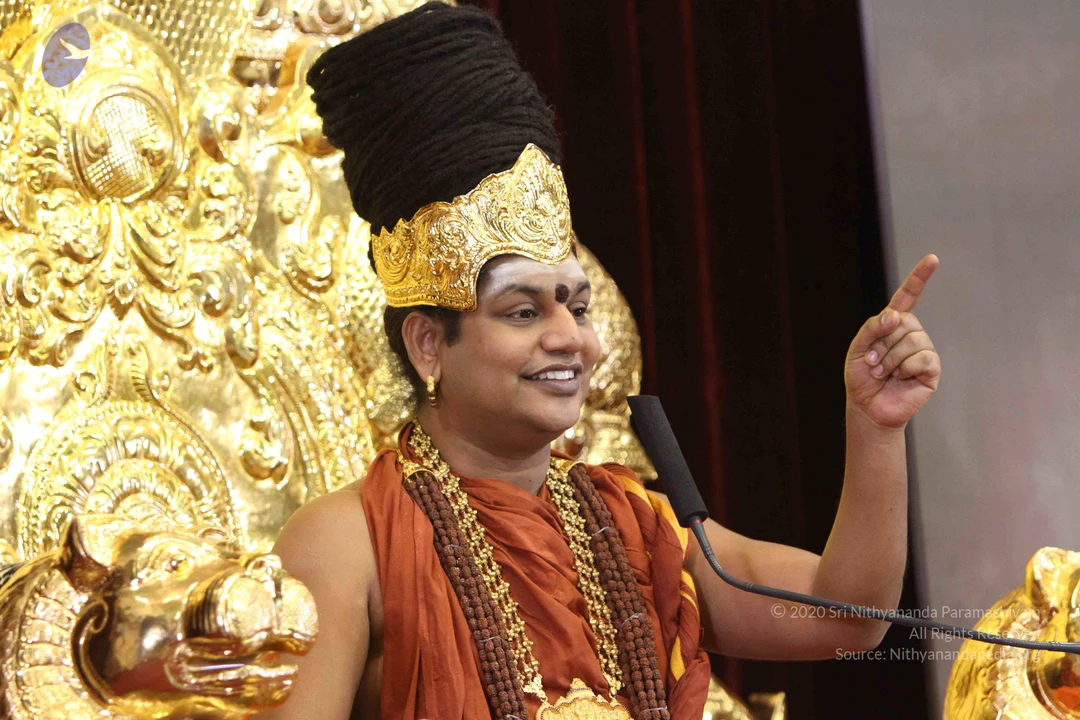
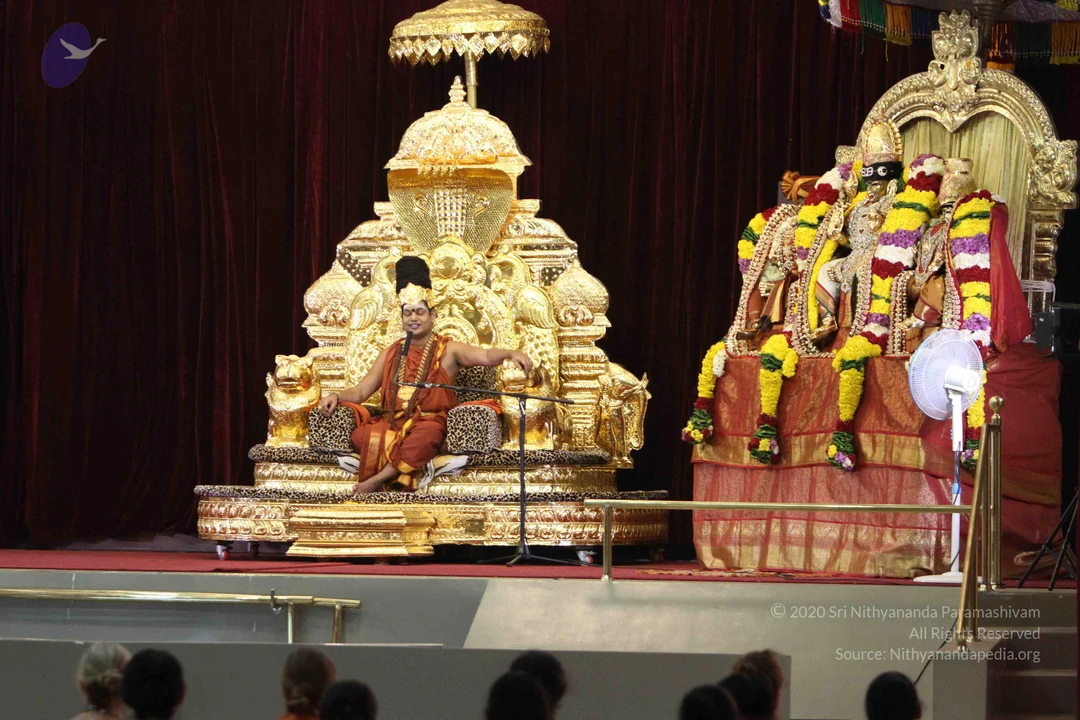
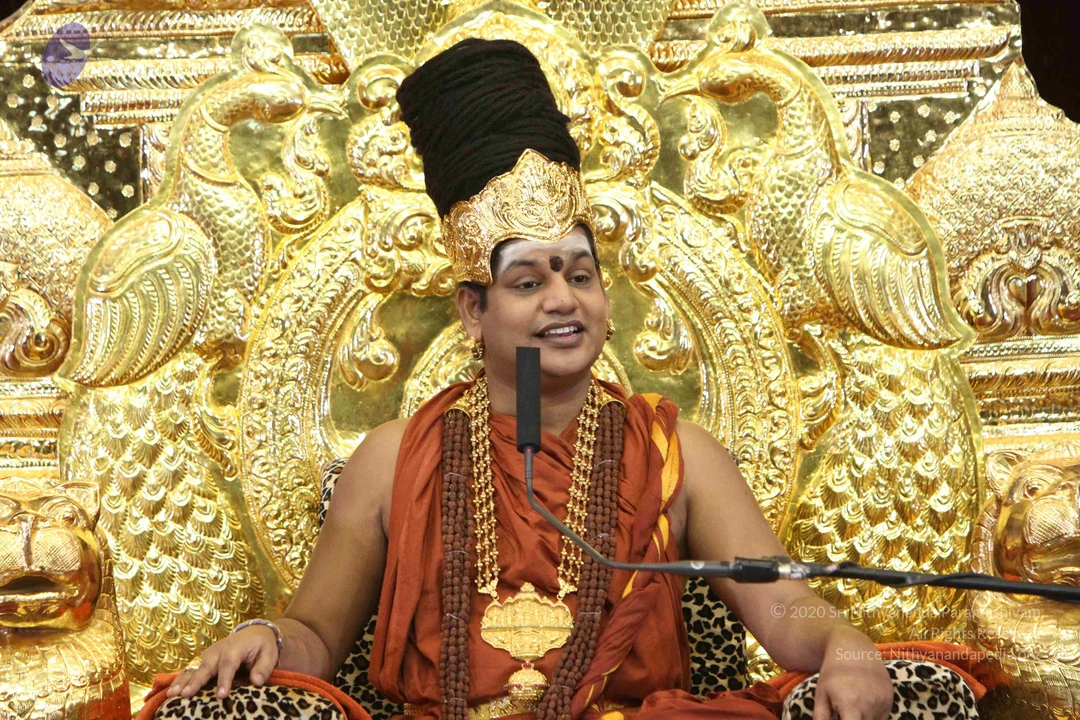
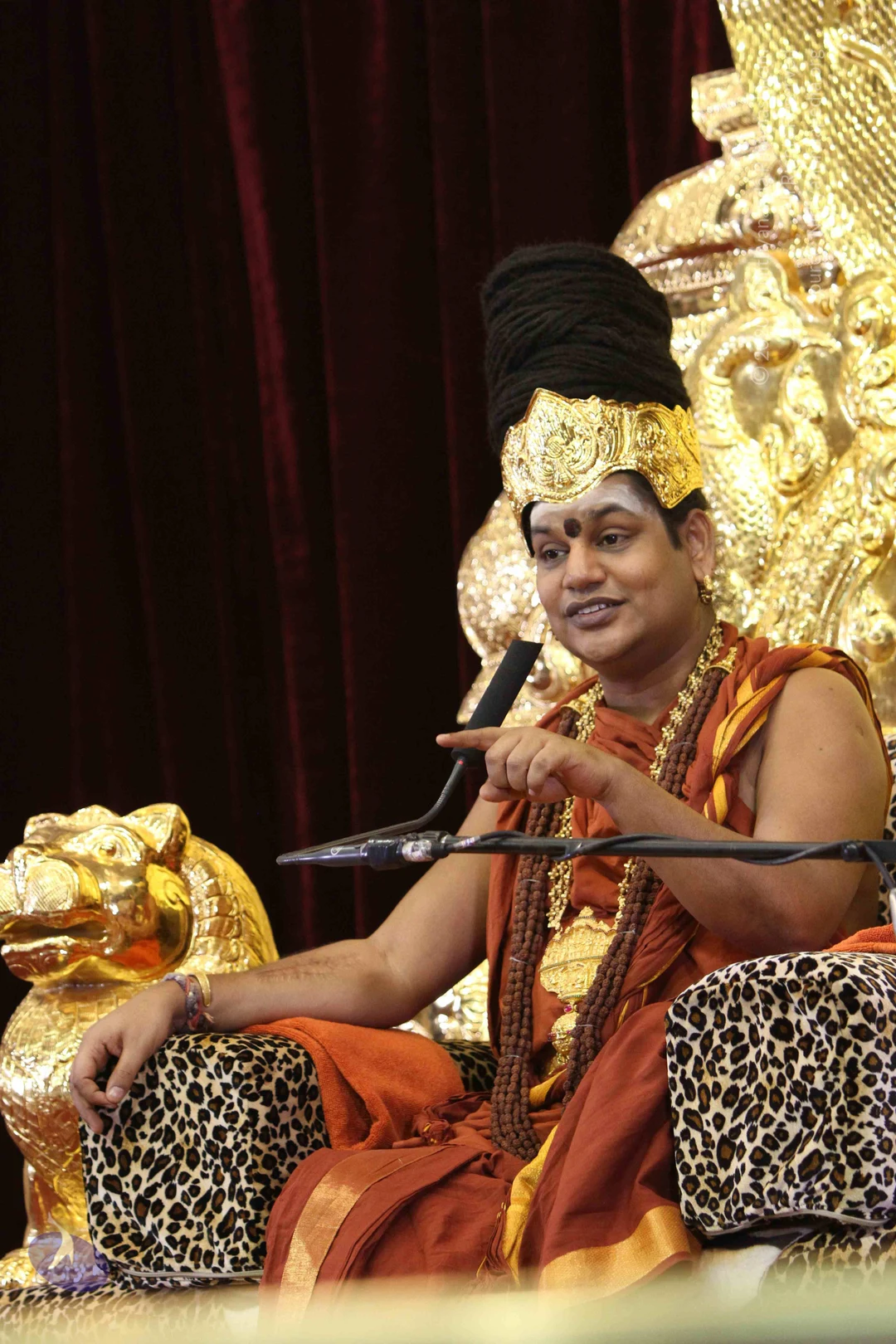
Photos Of The Day:
Shiva-Deeksha
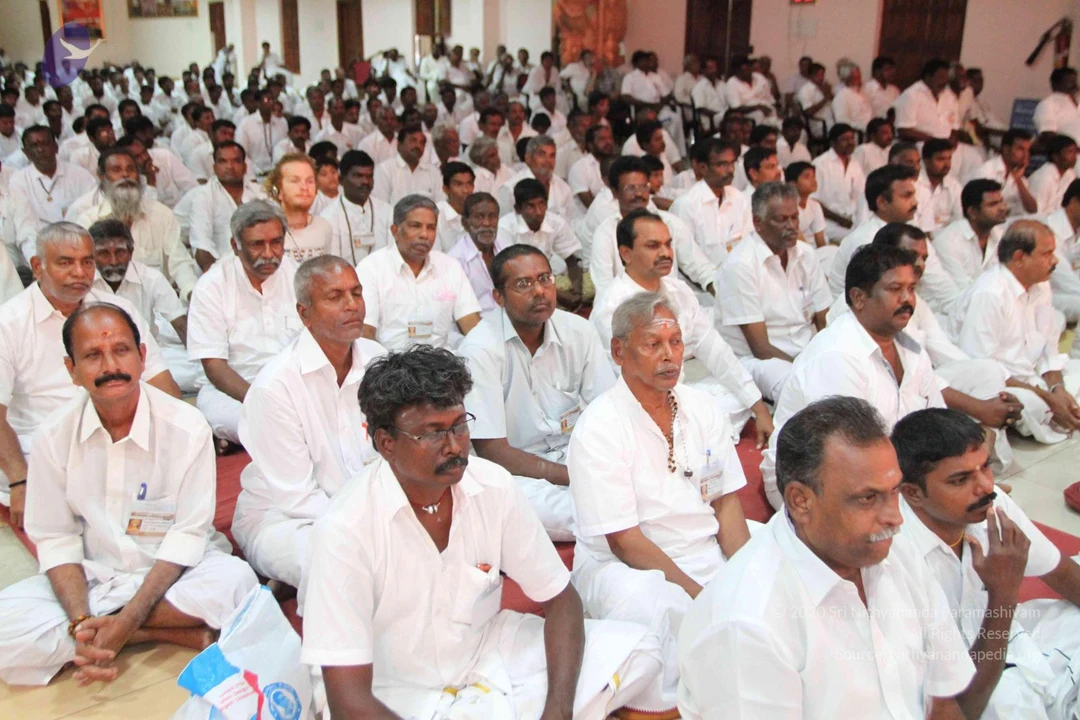
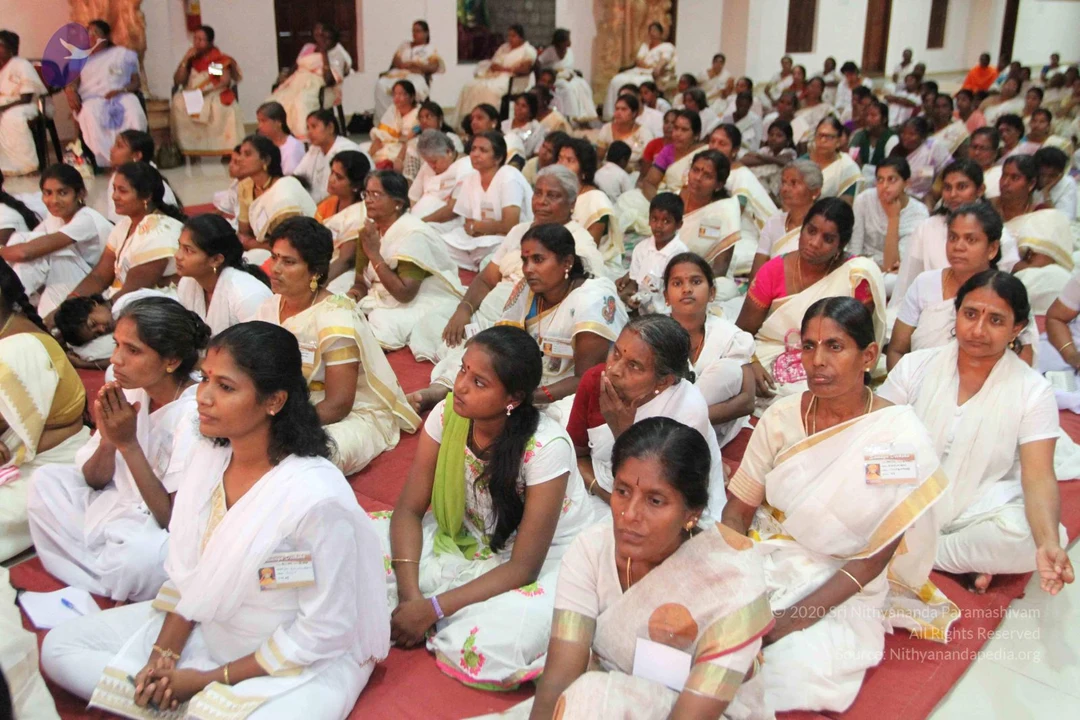
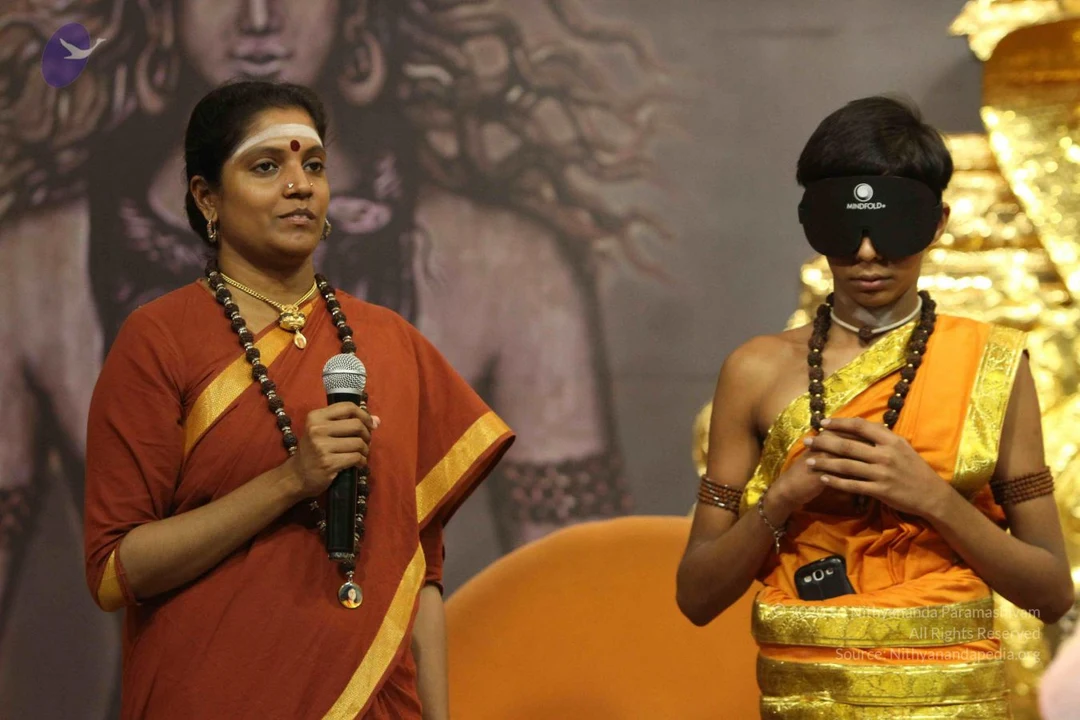
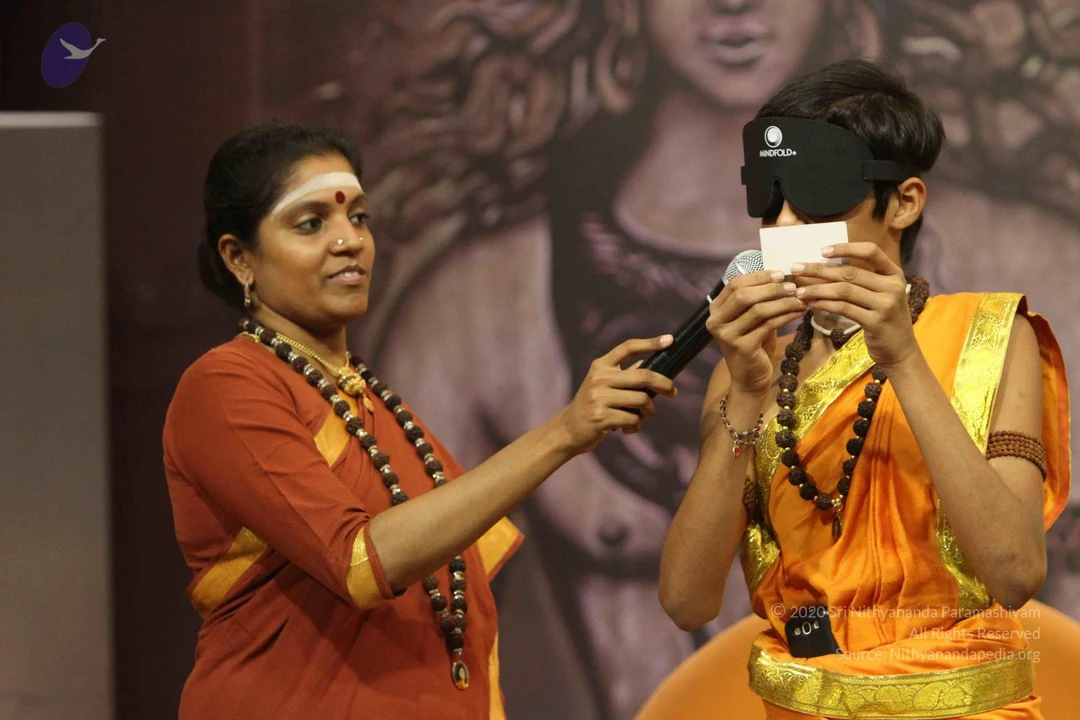
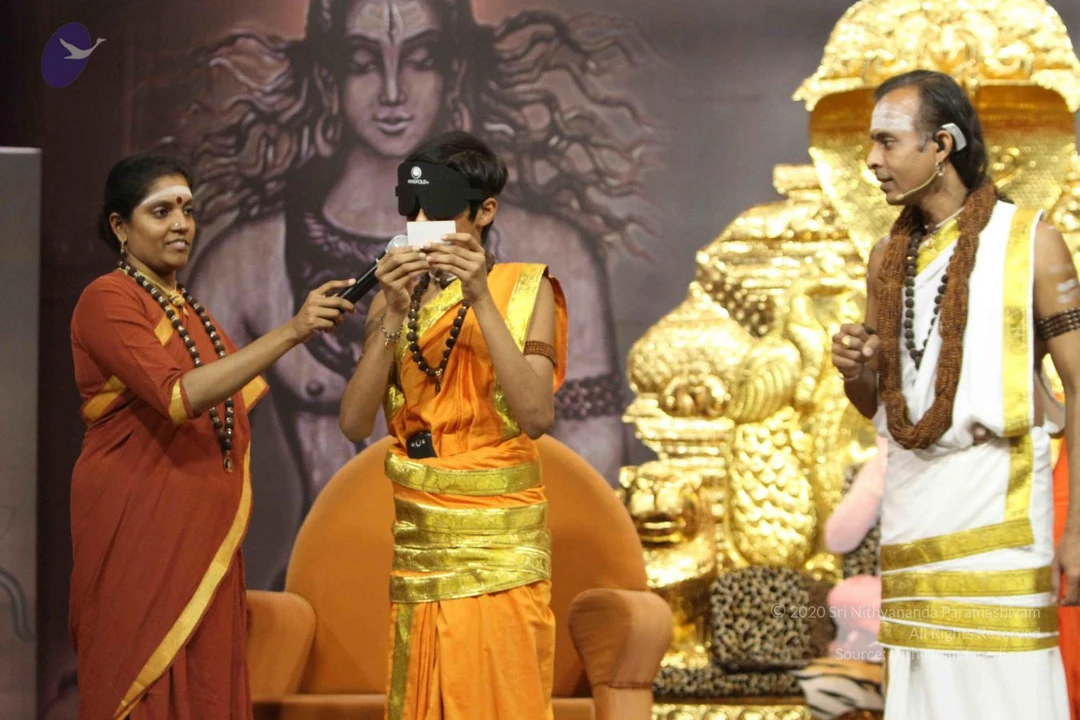
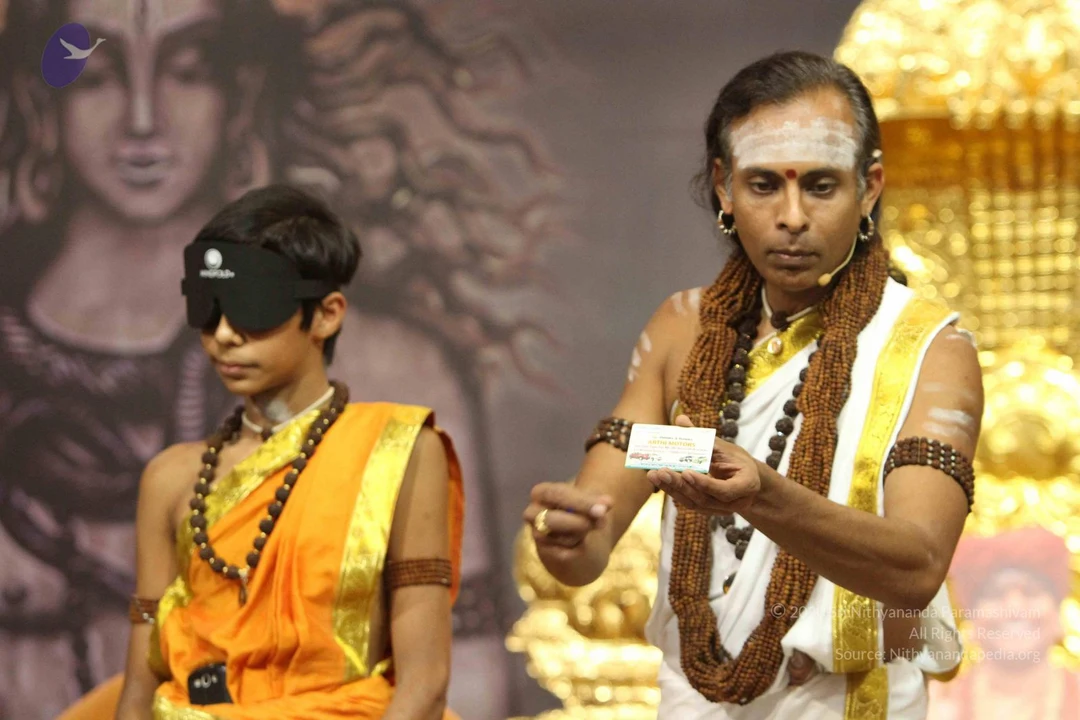
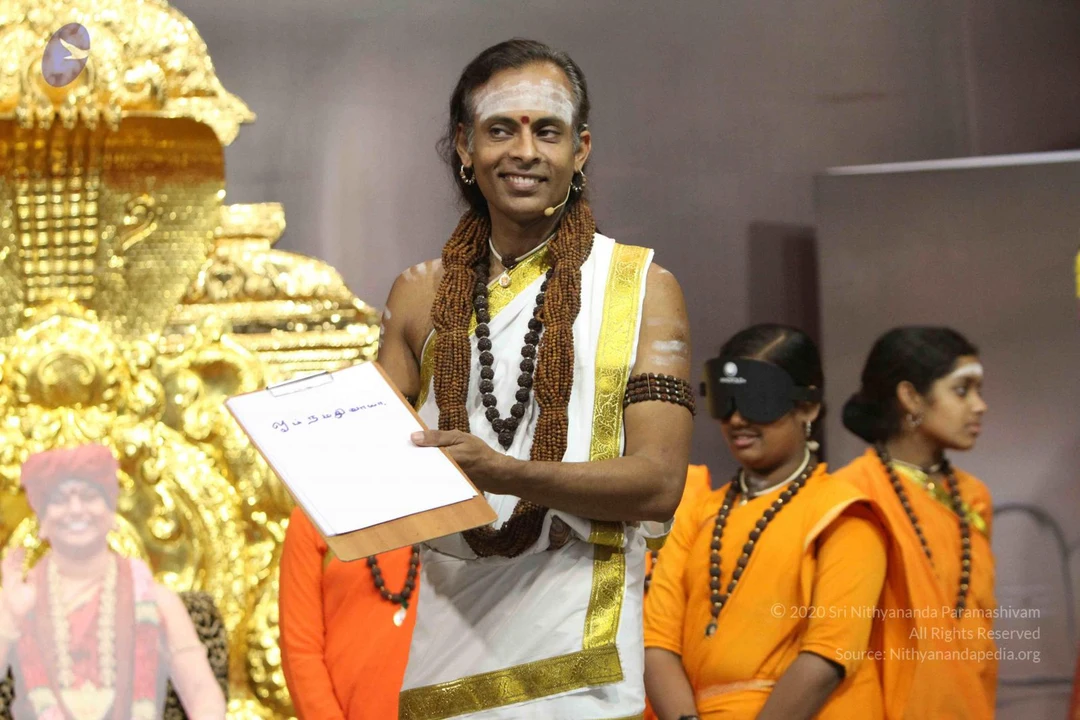
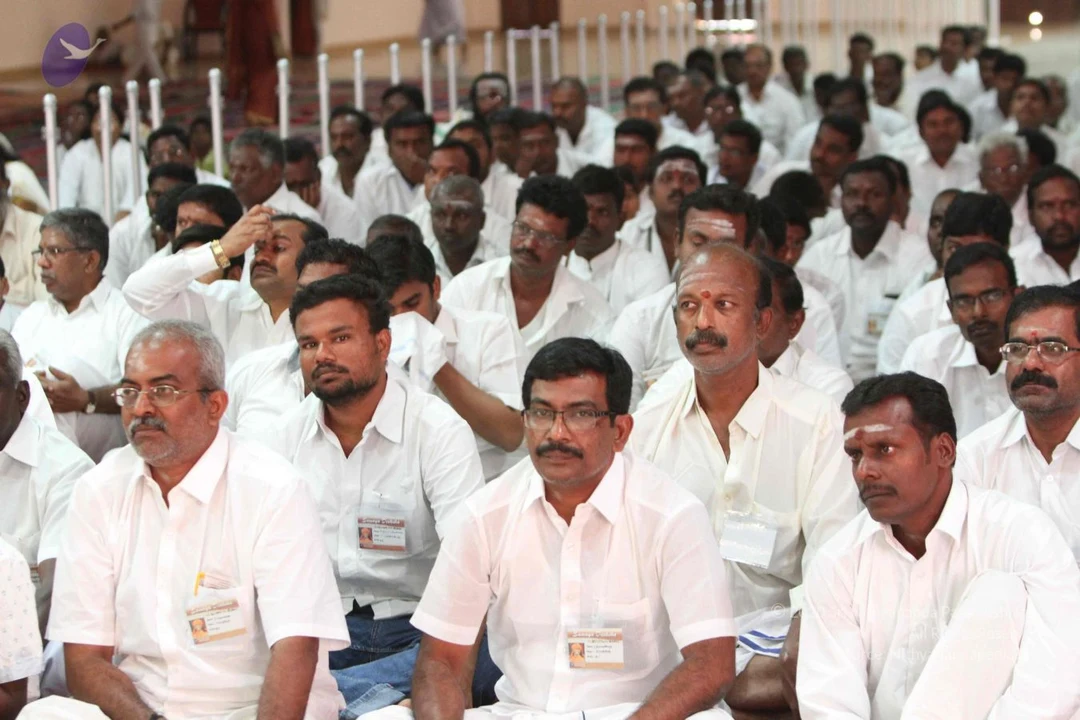
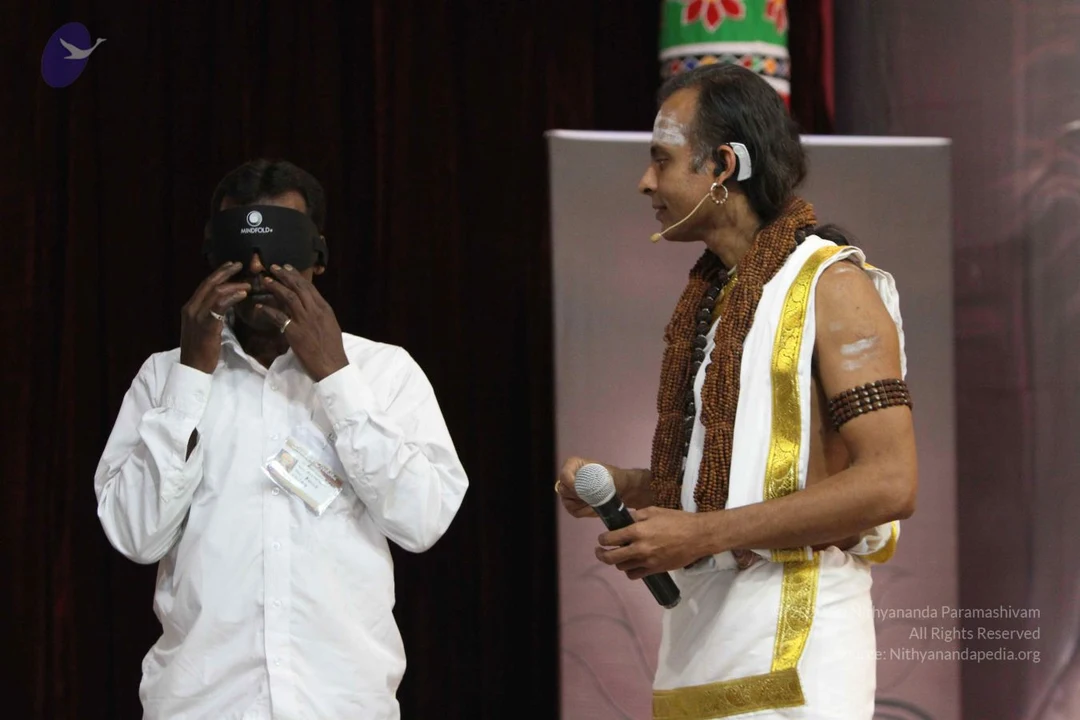
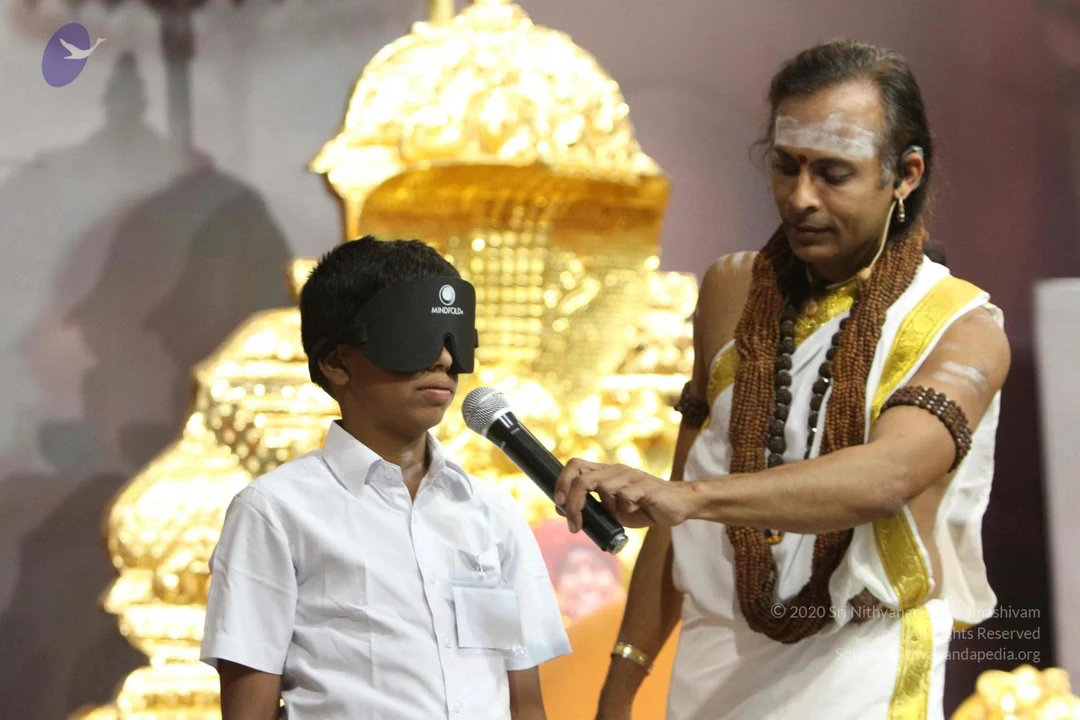
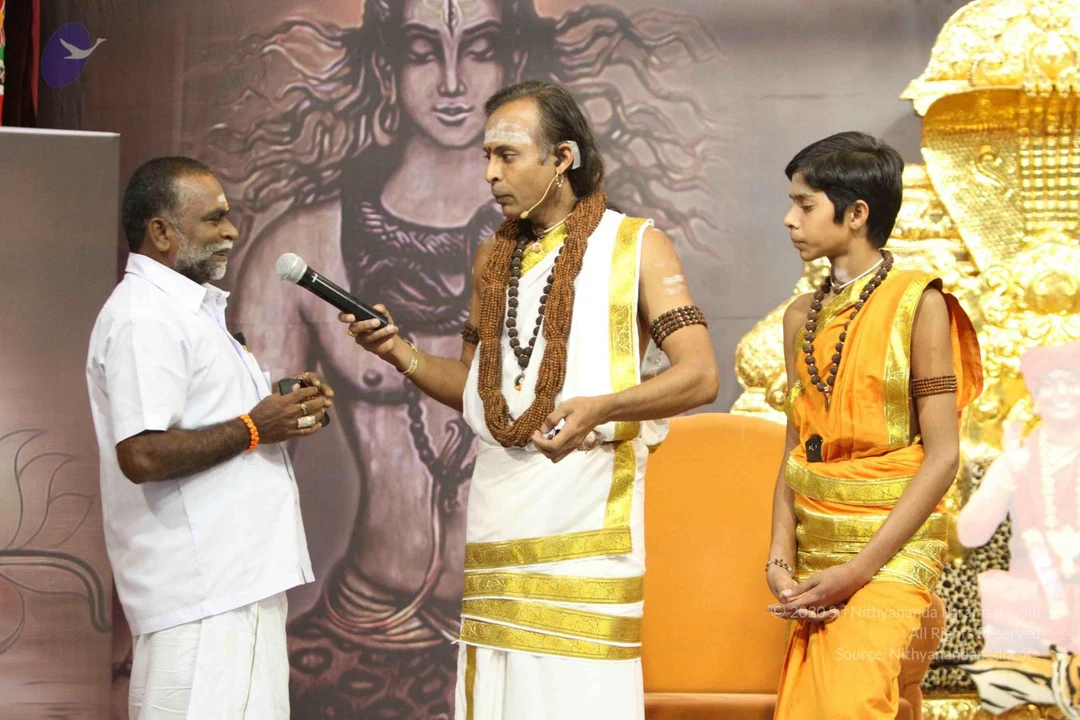
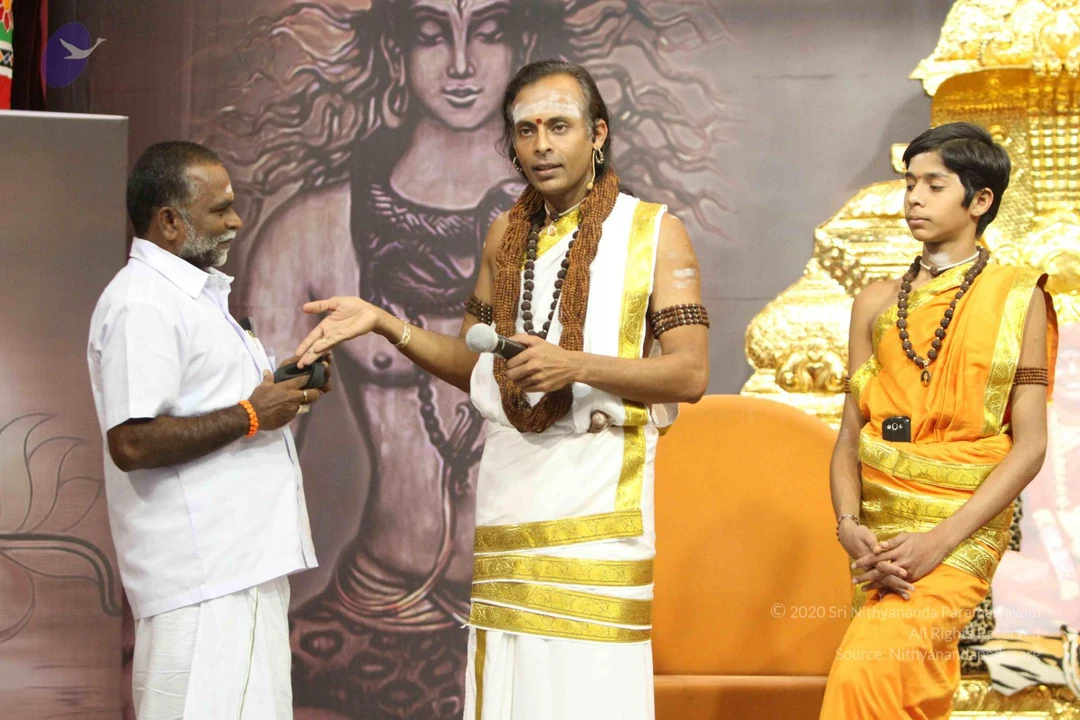
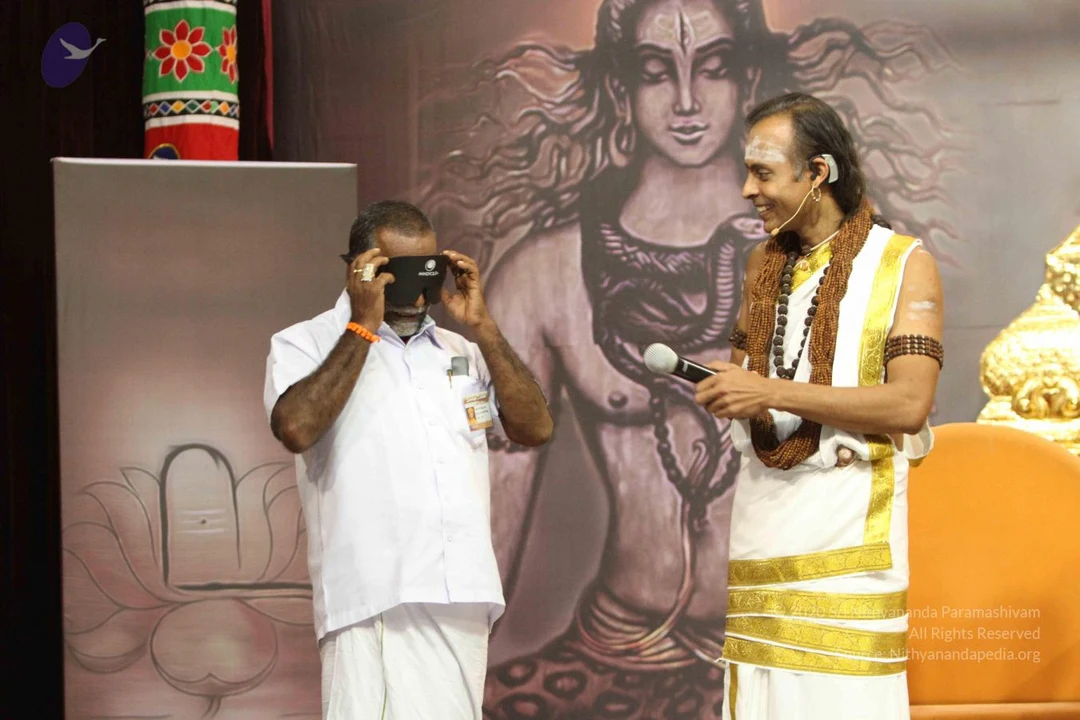
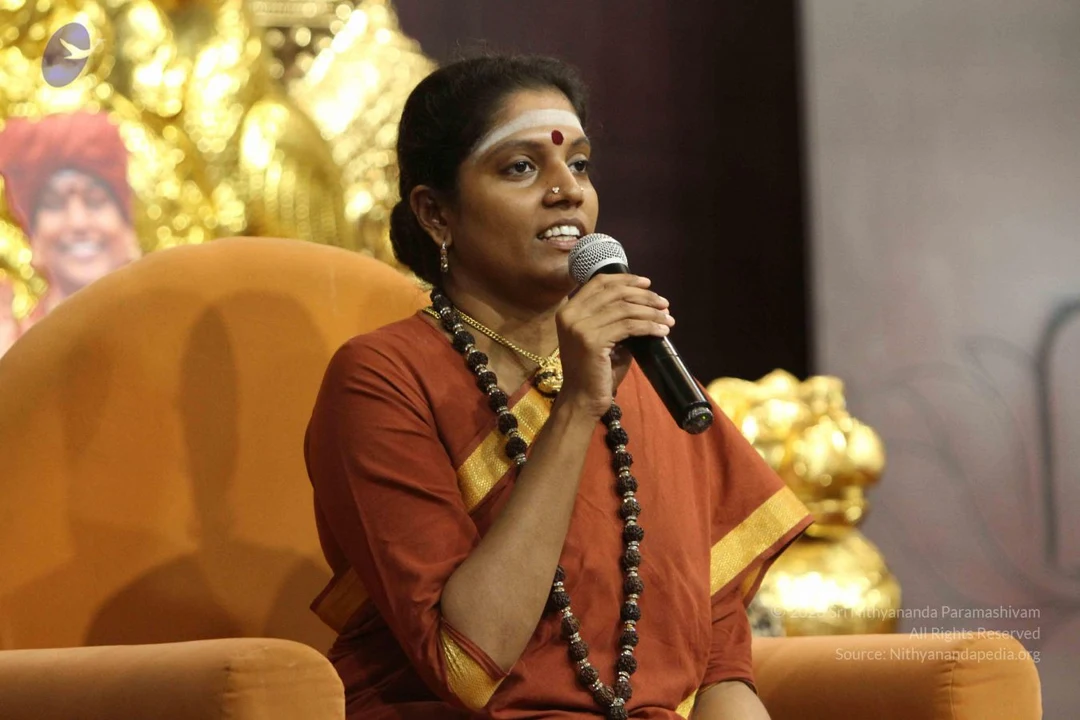
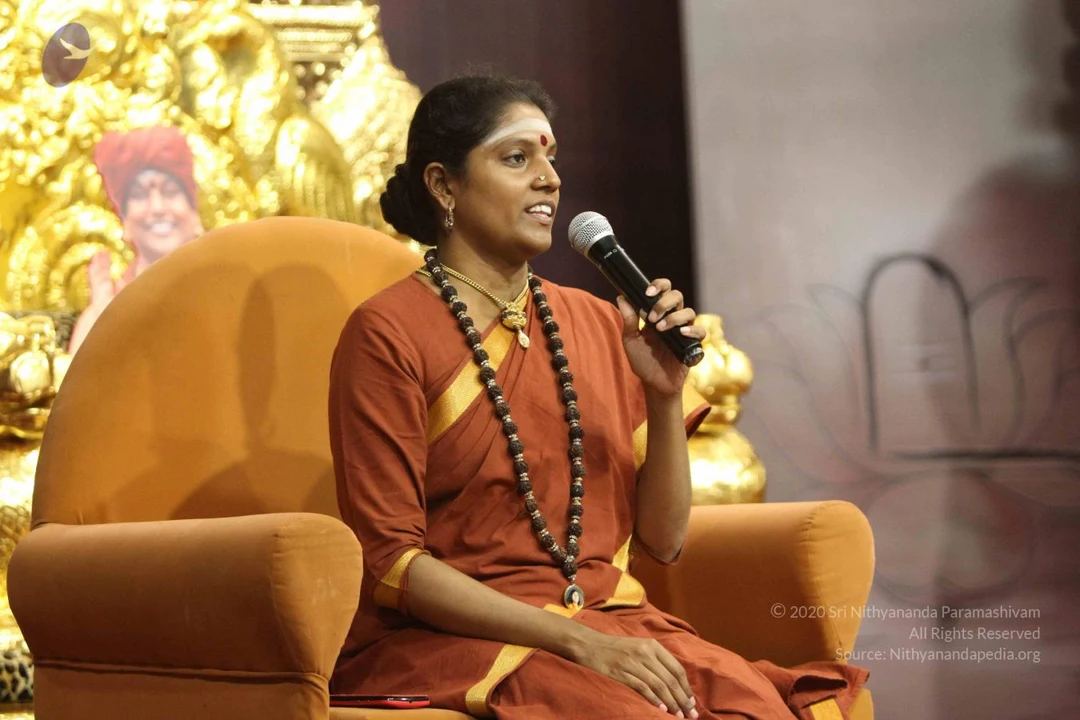
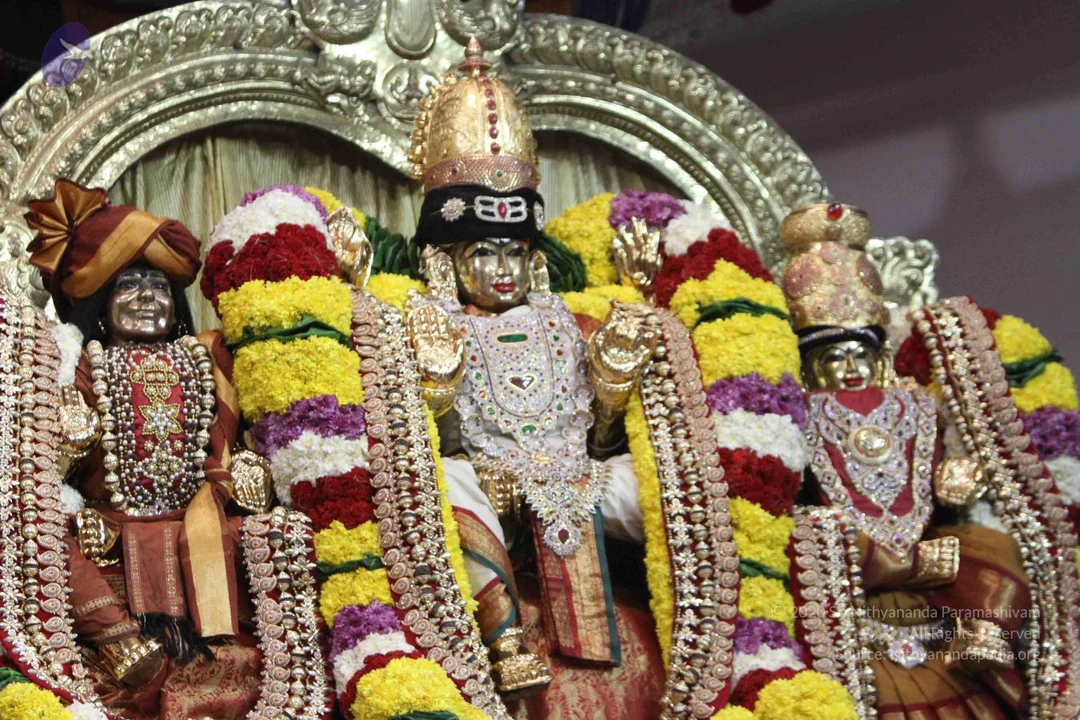
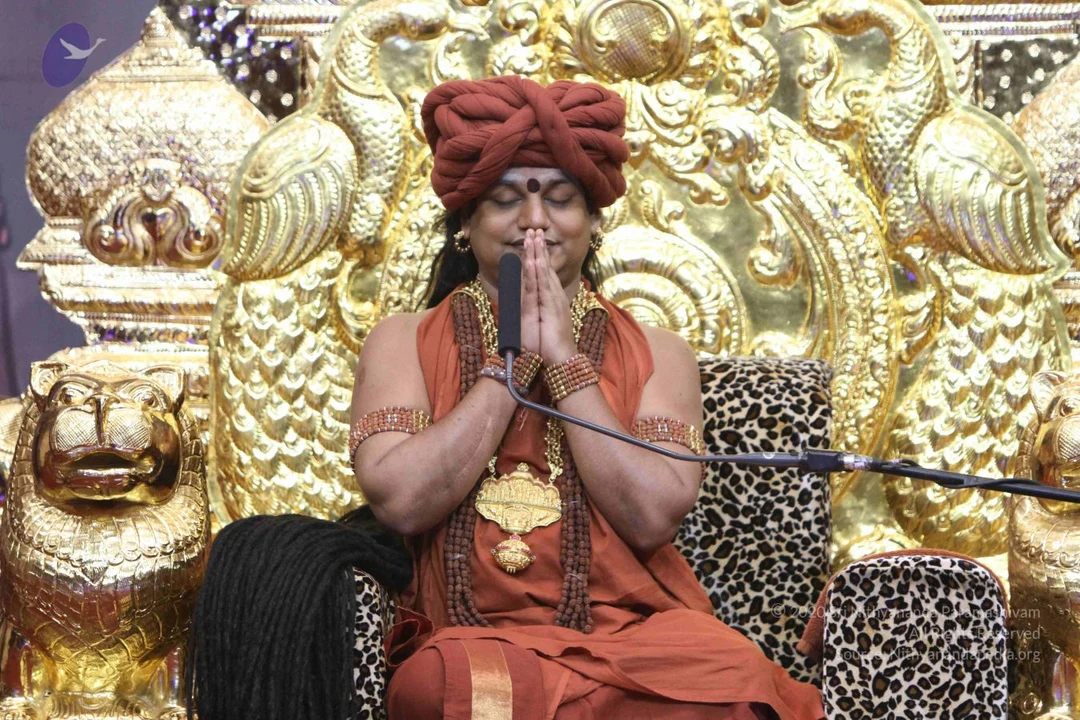
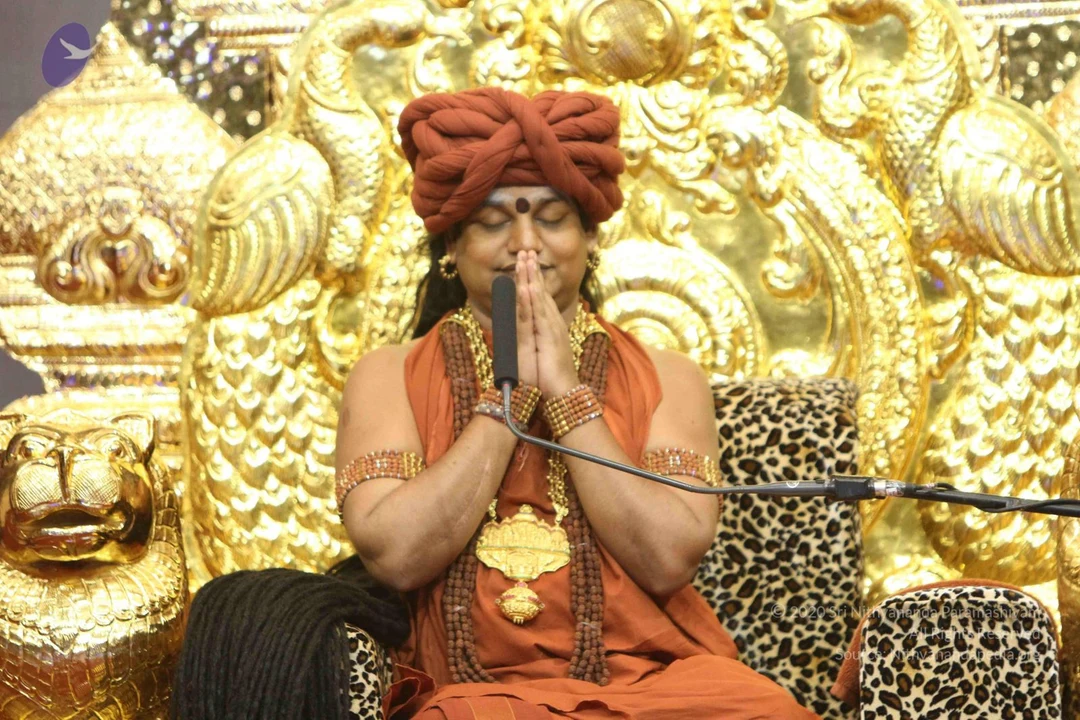
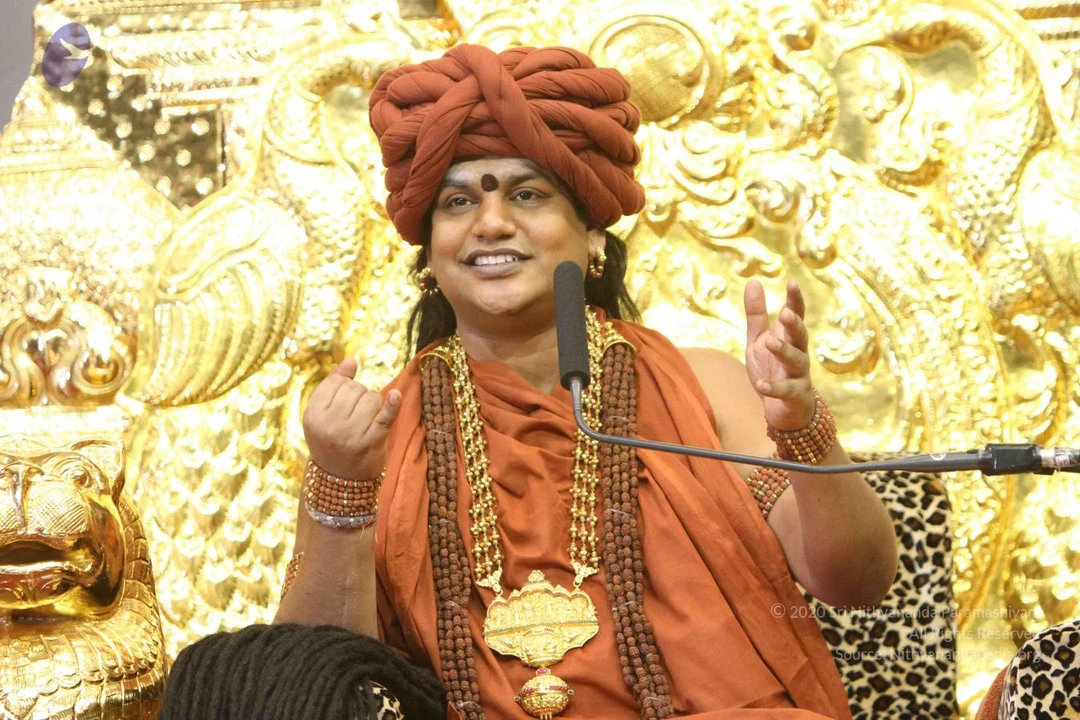
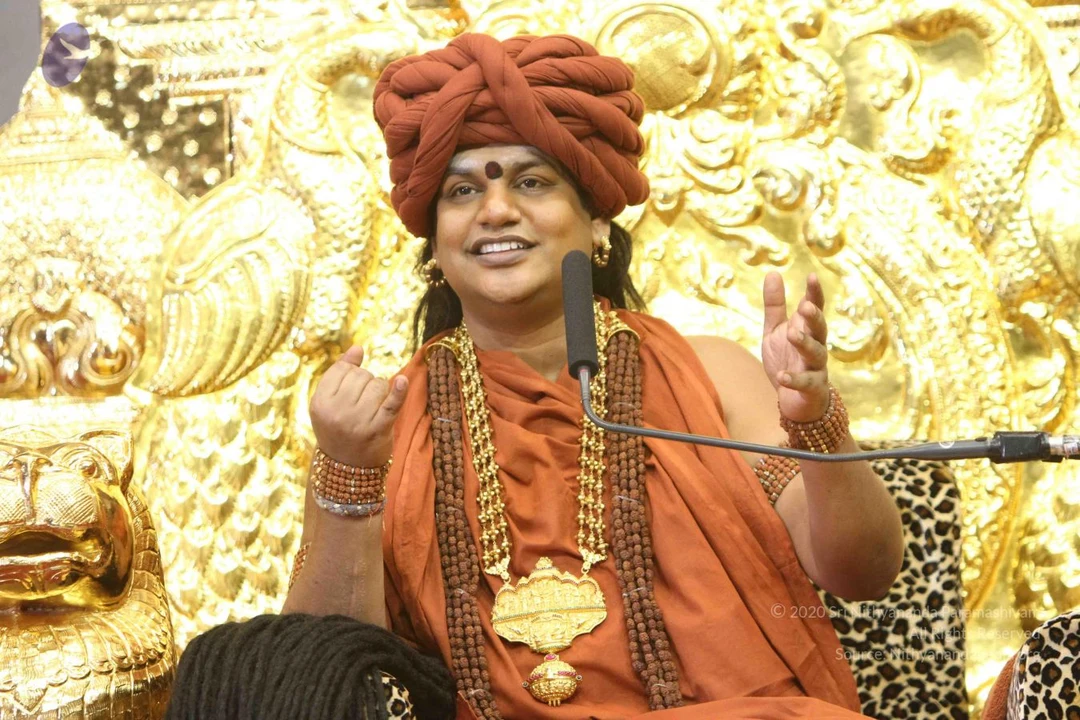
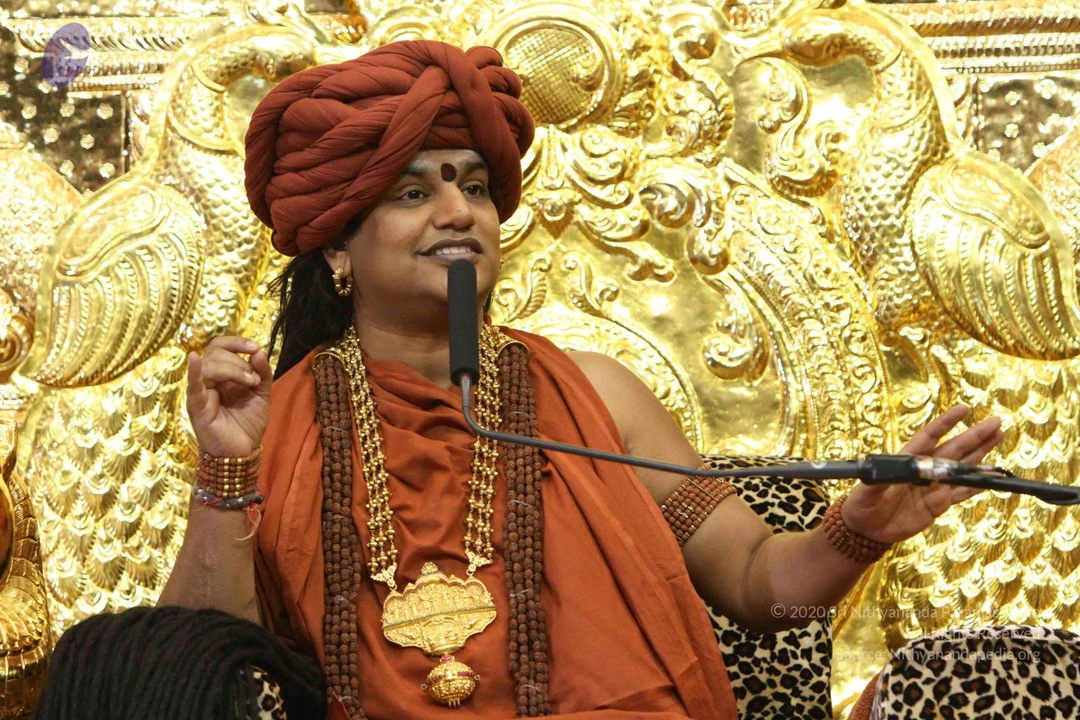
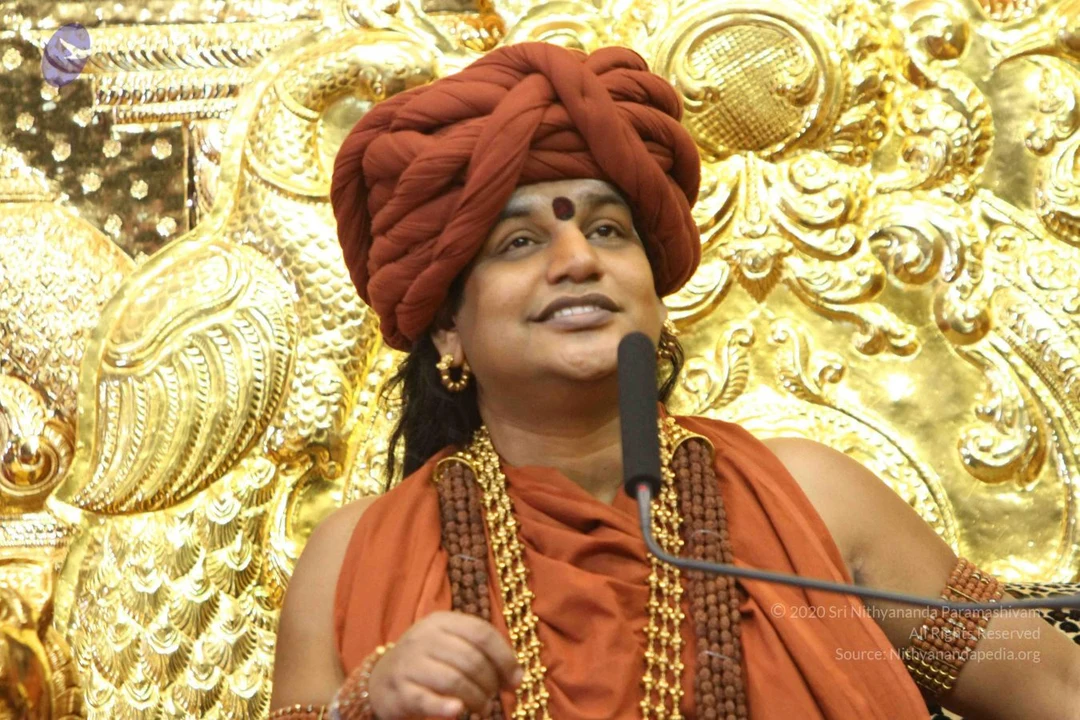
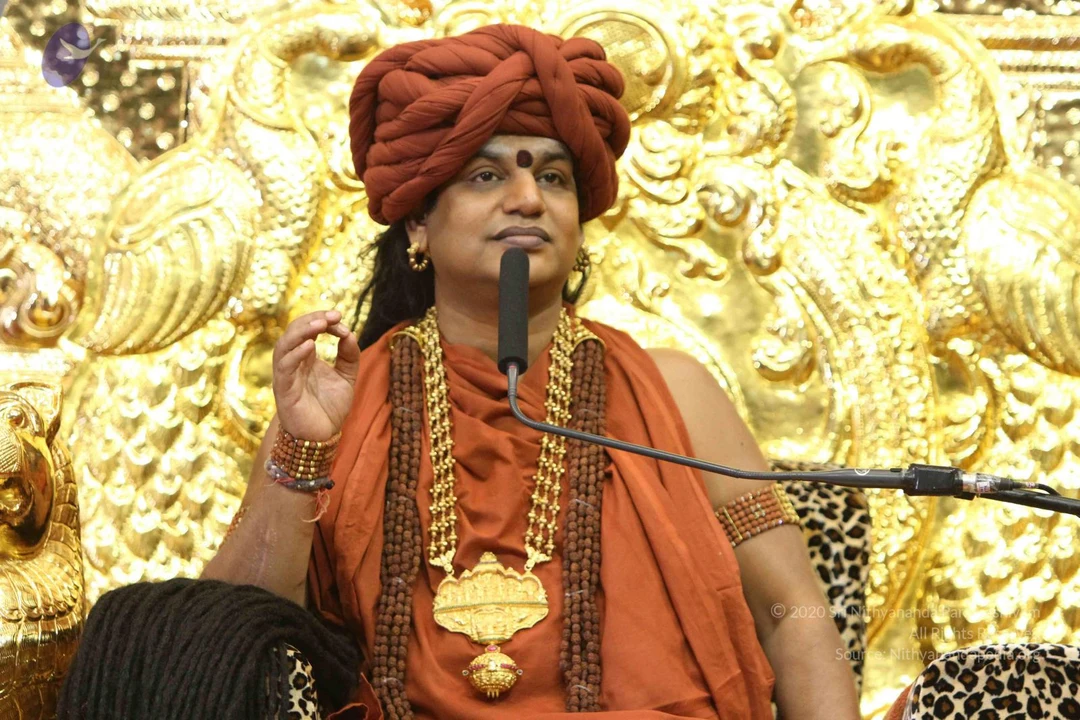
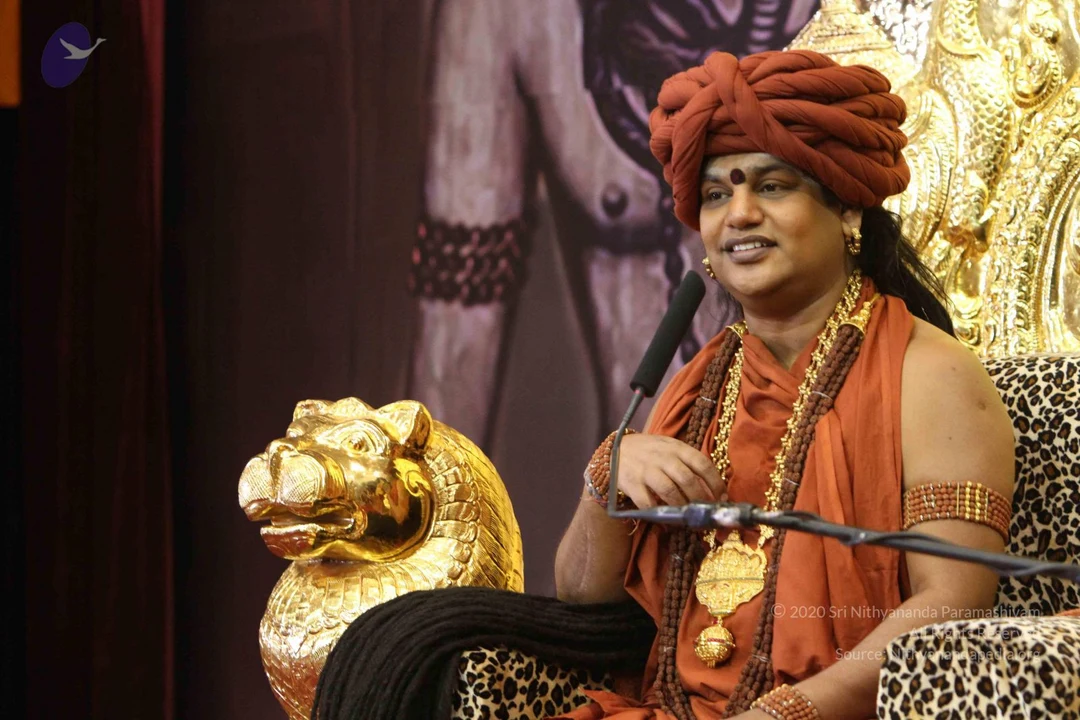
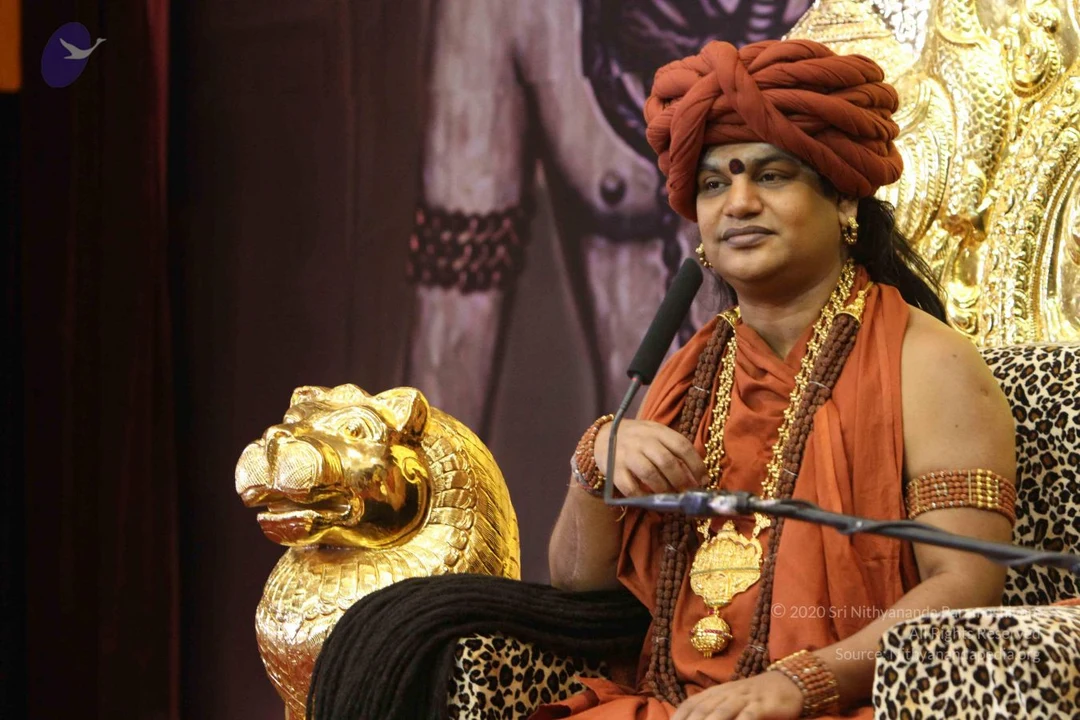
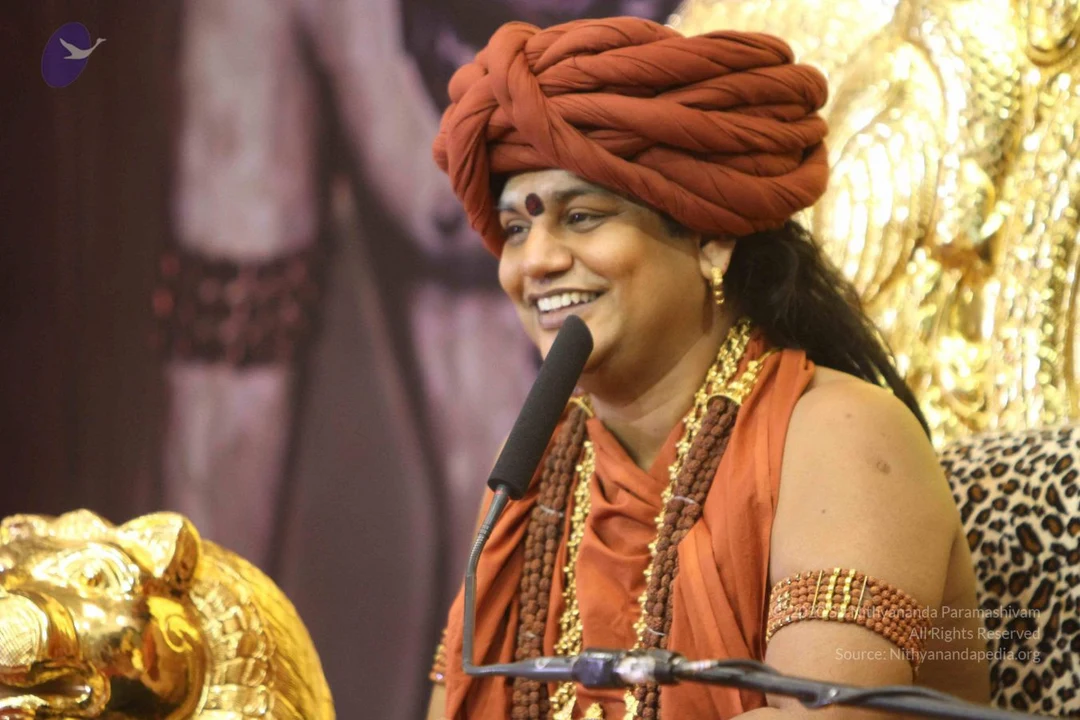
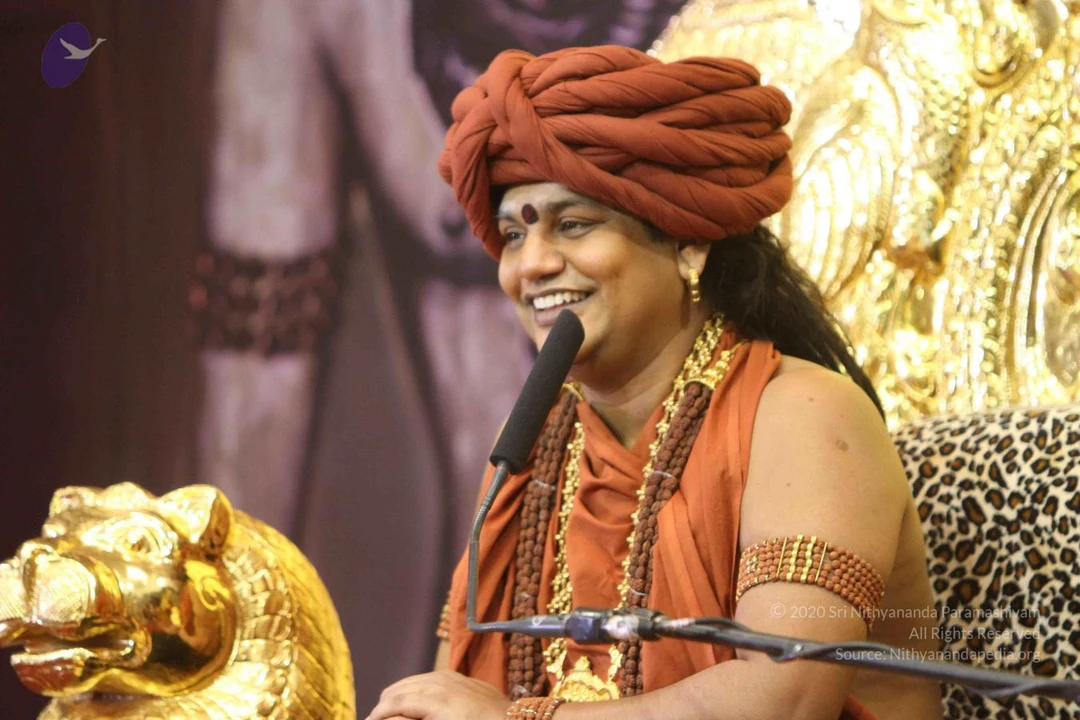
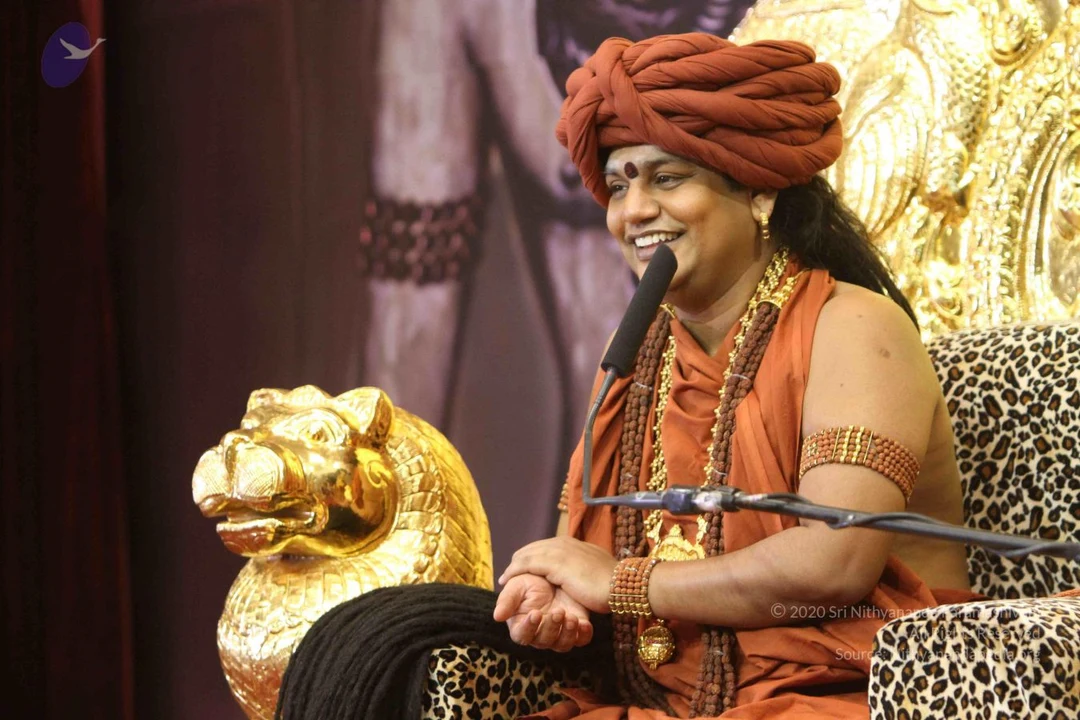
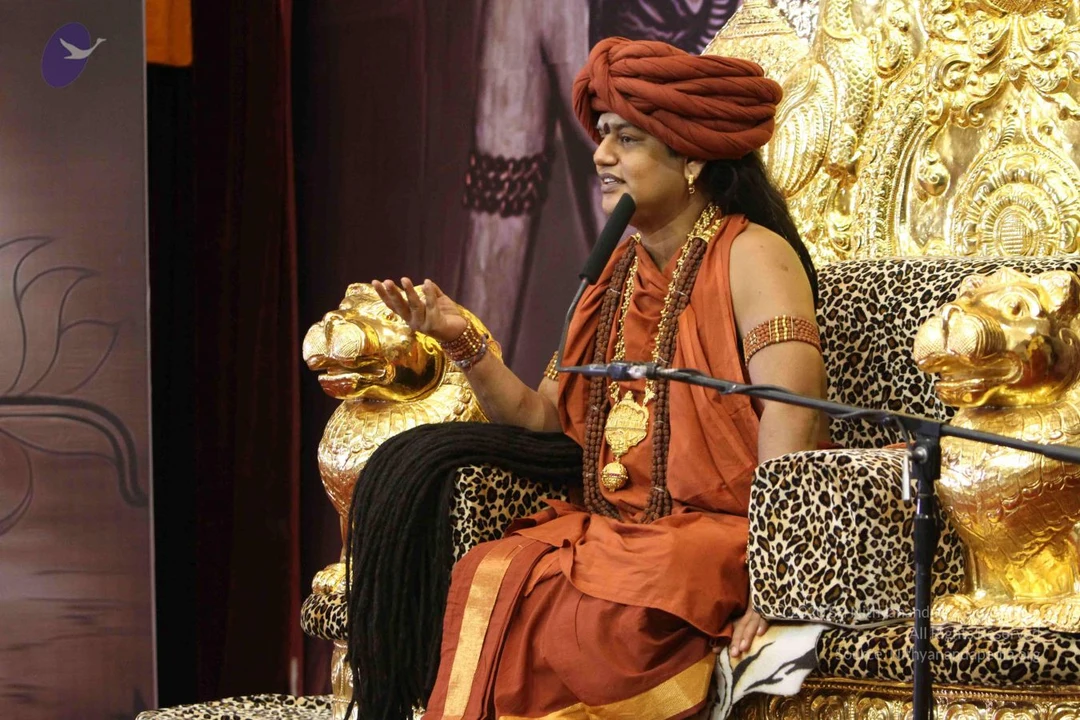
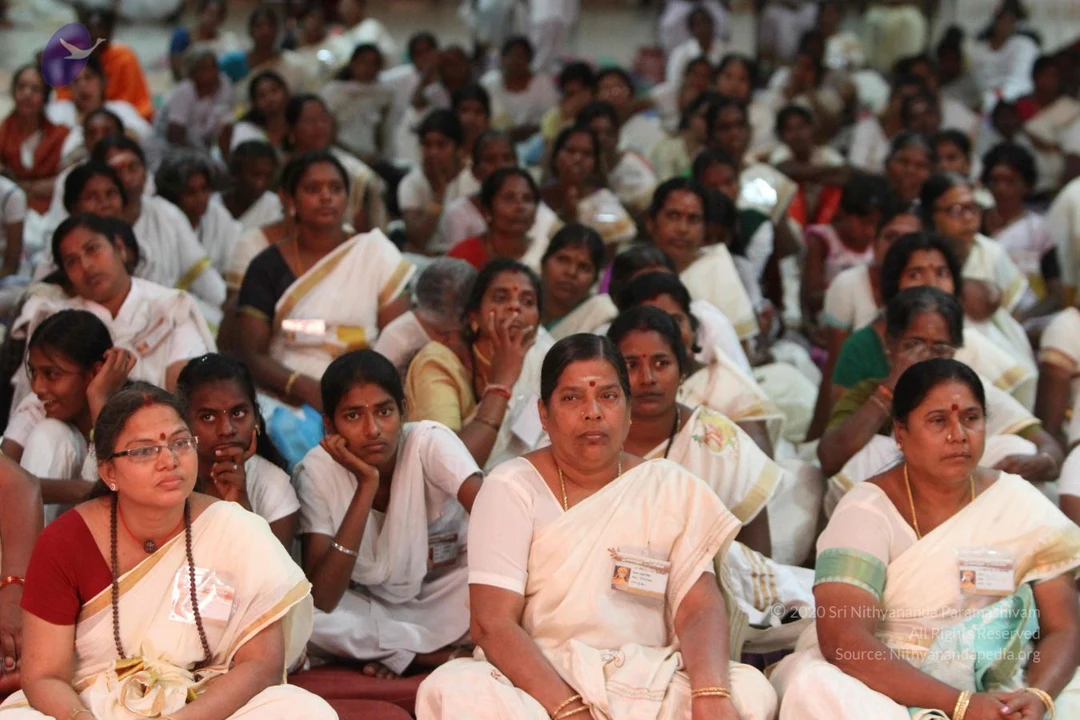
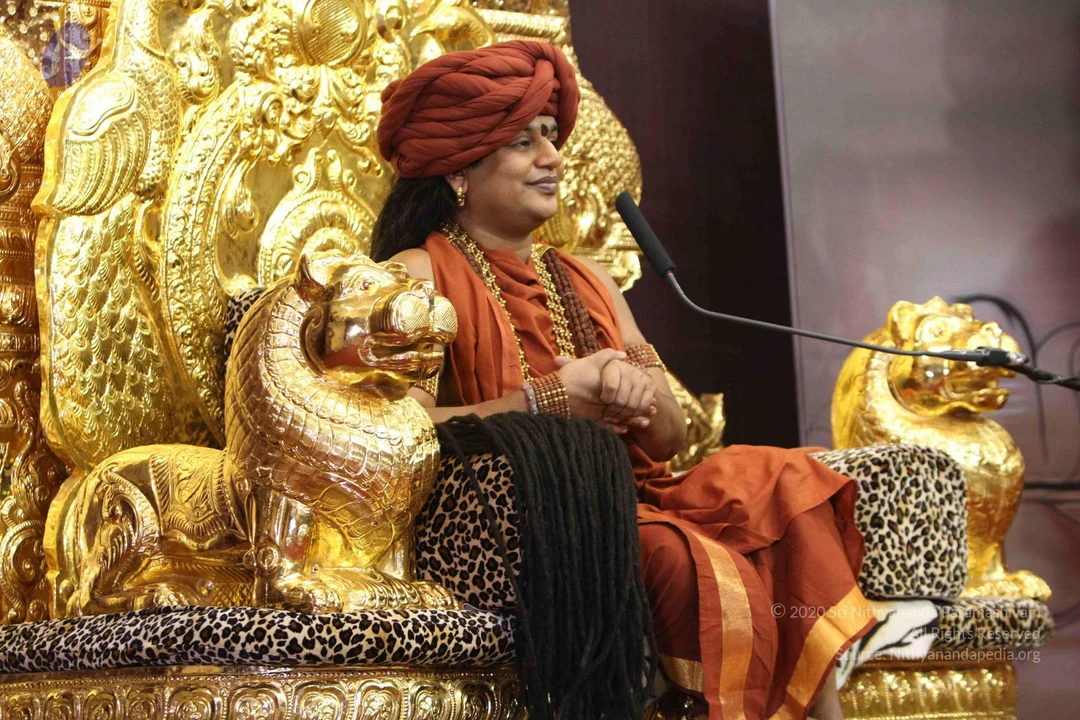
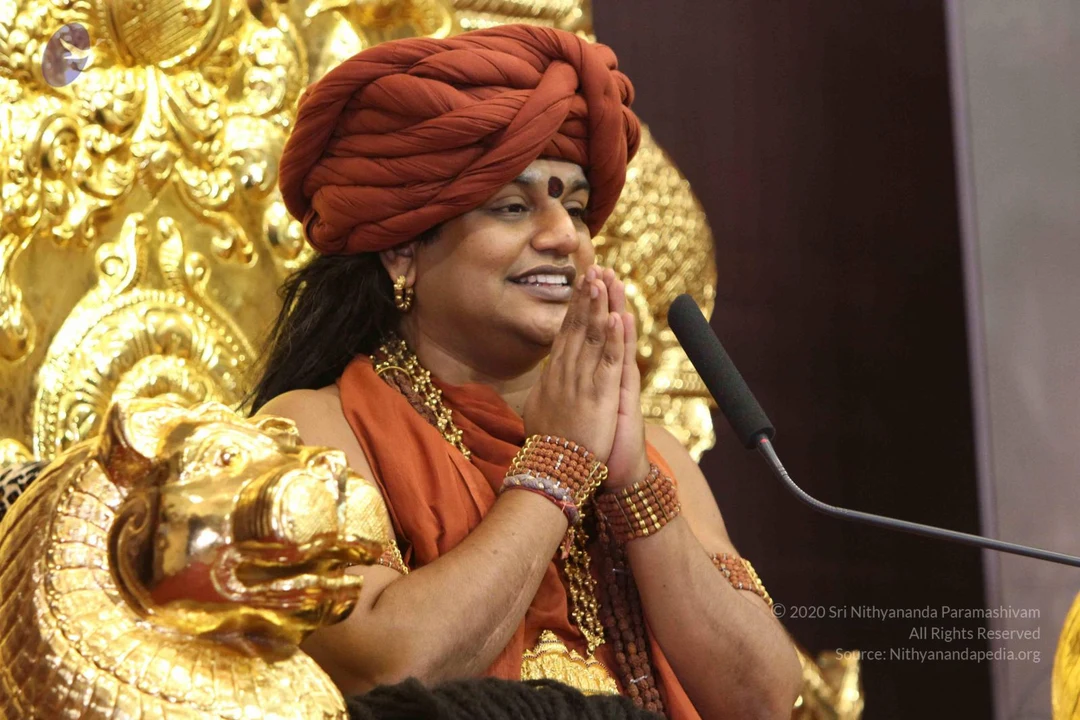
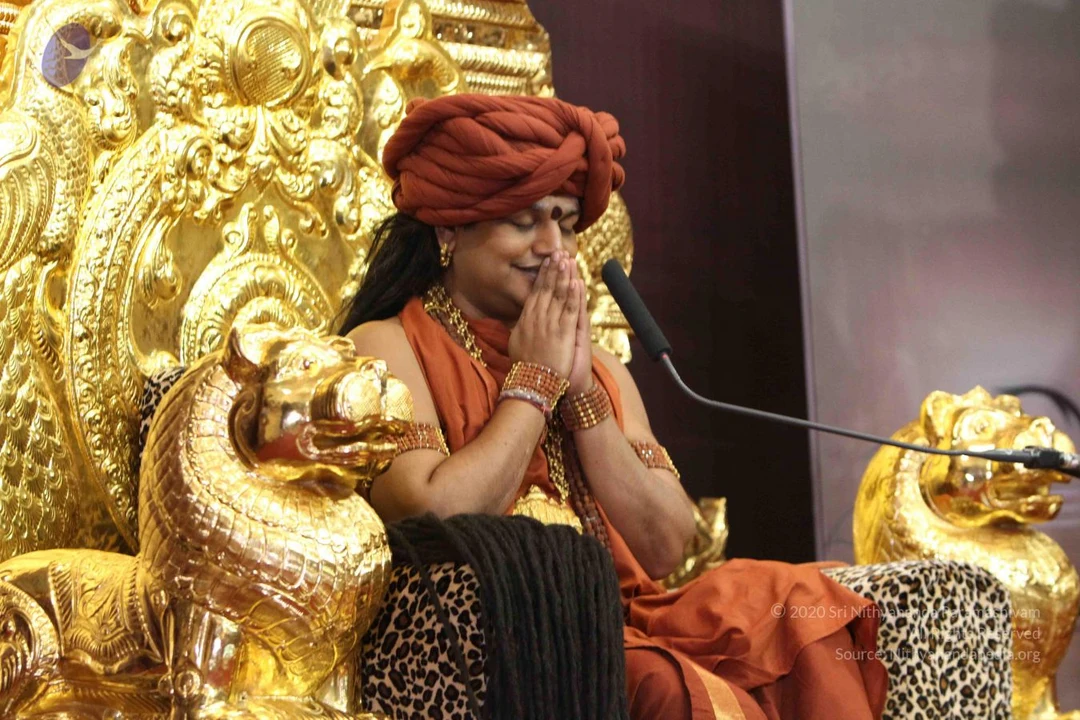
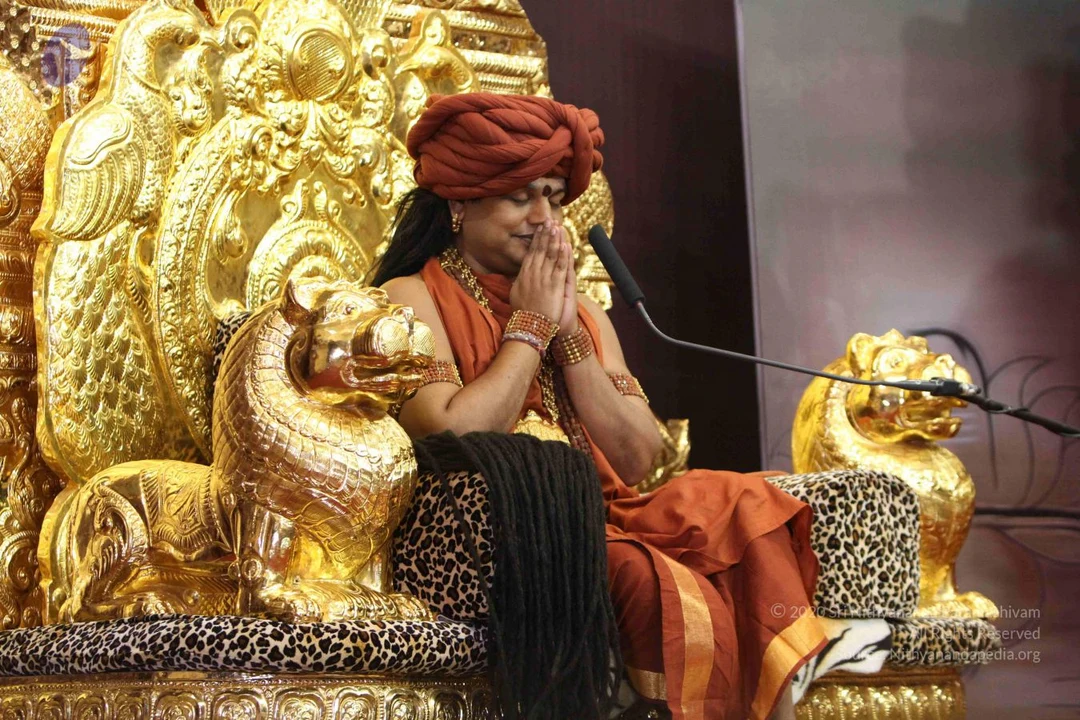
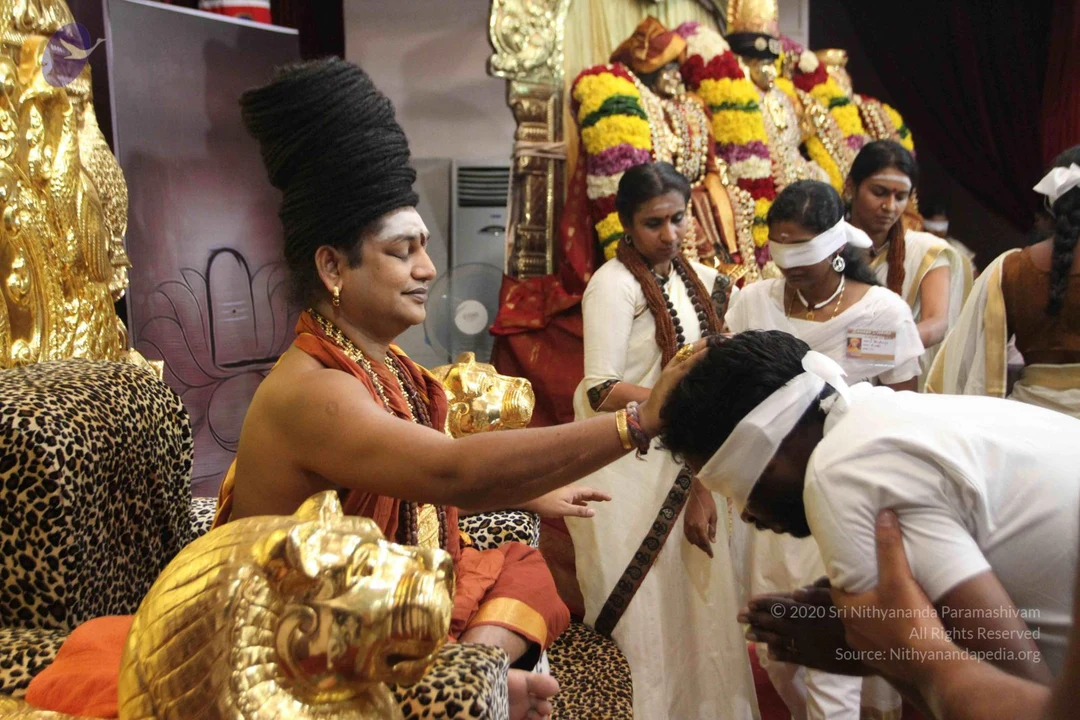
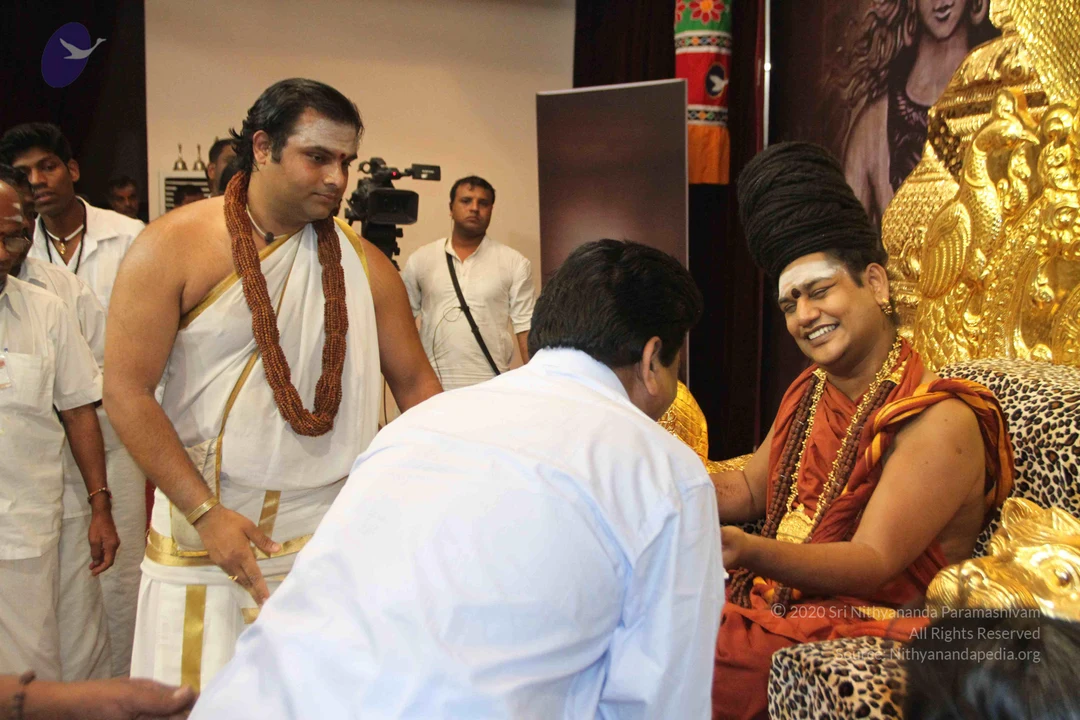
Sparsa-Dheeksha
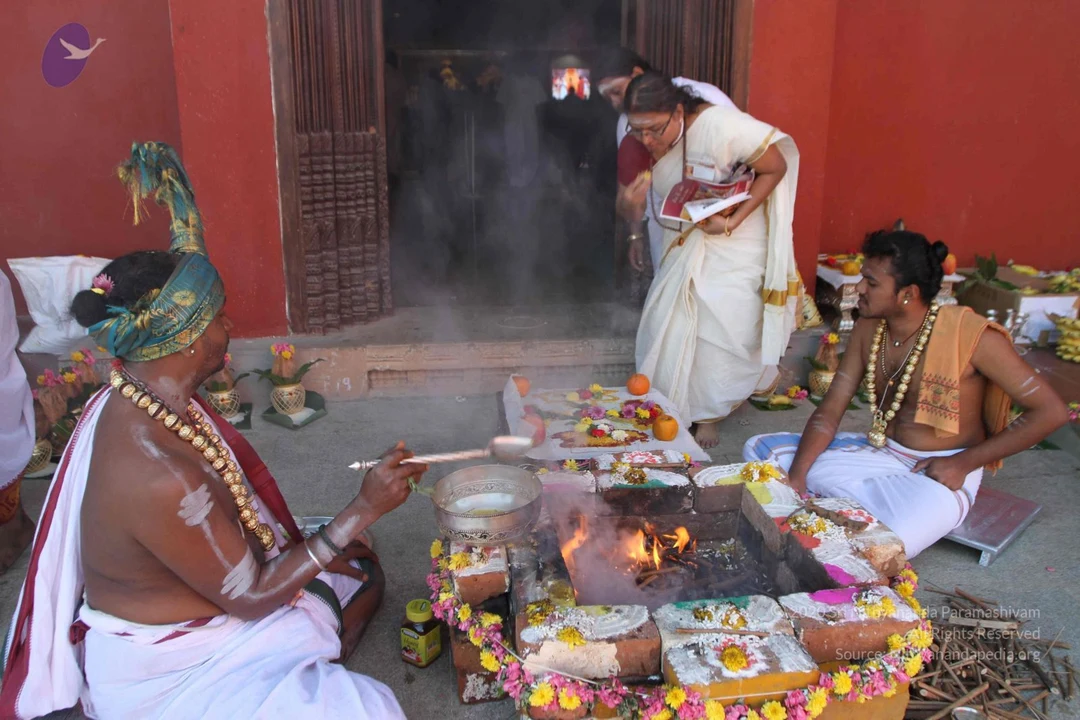
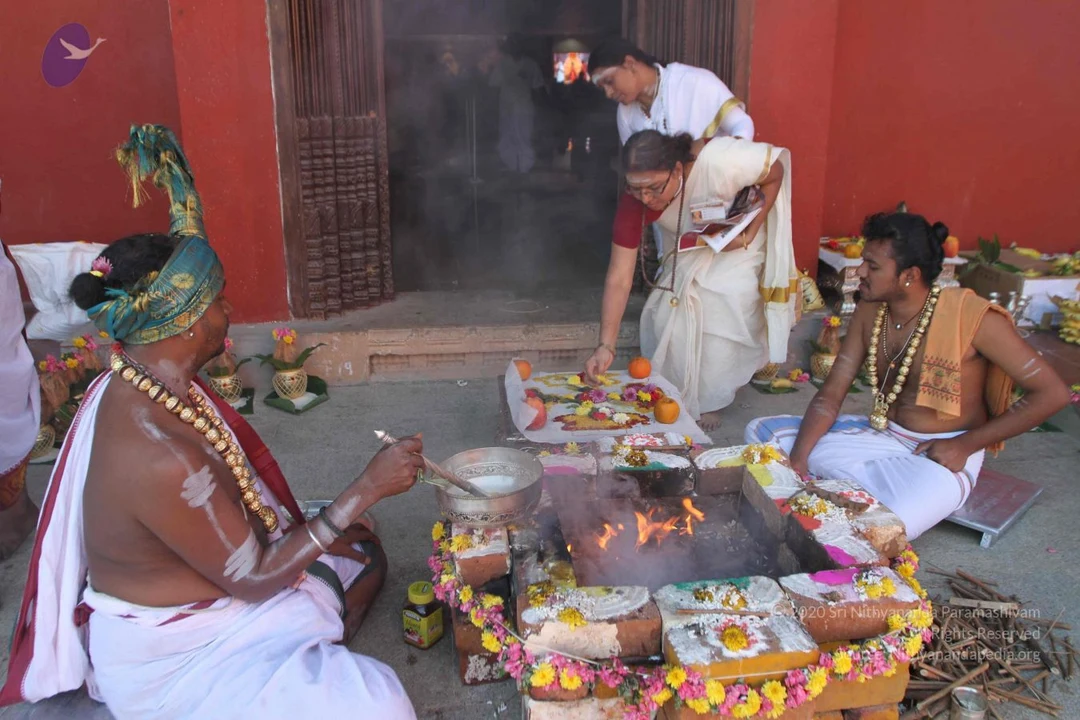
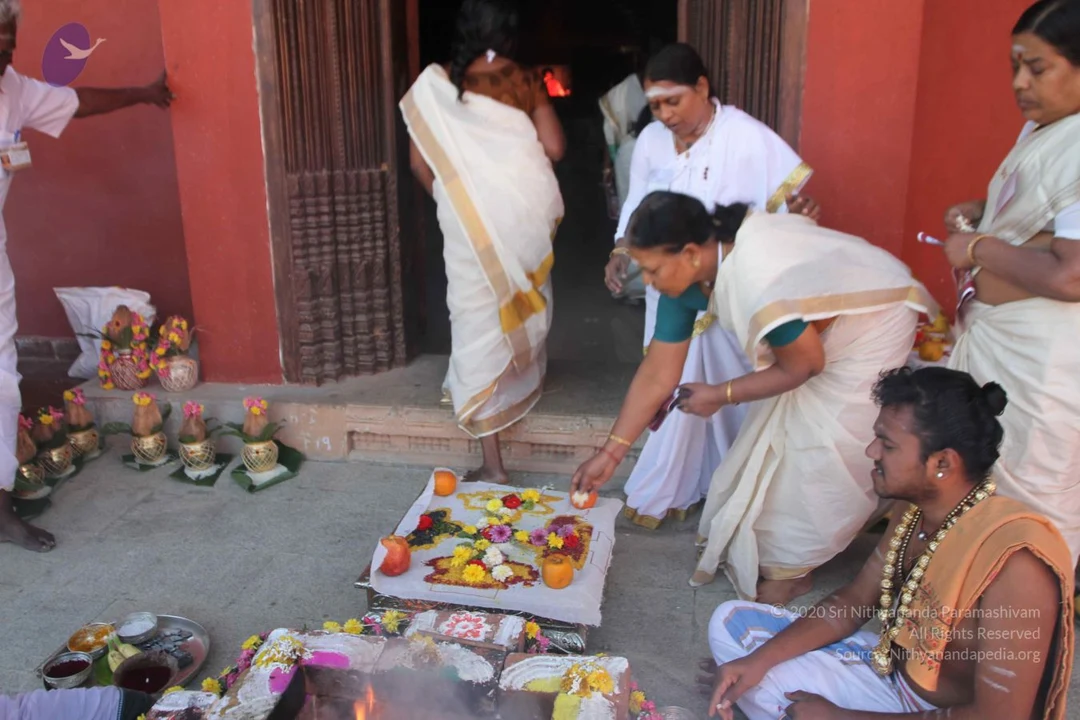
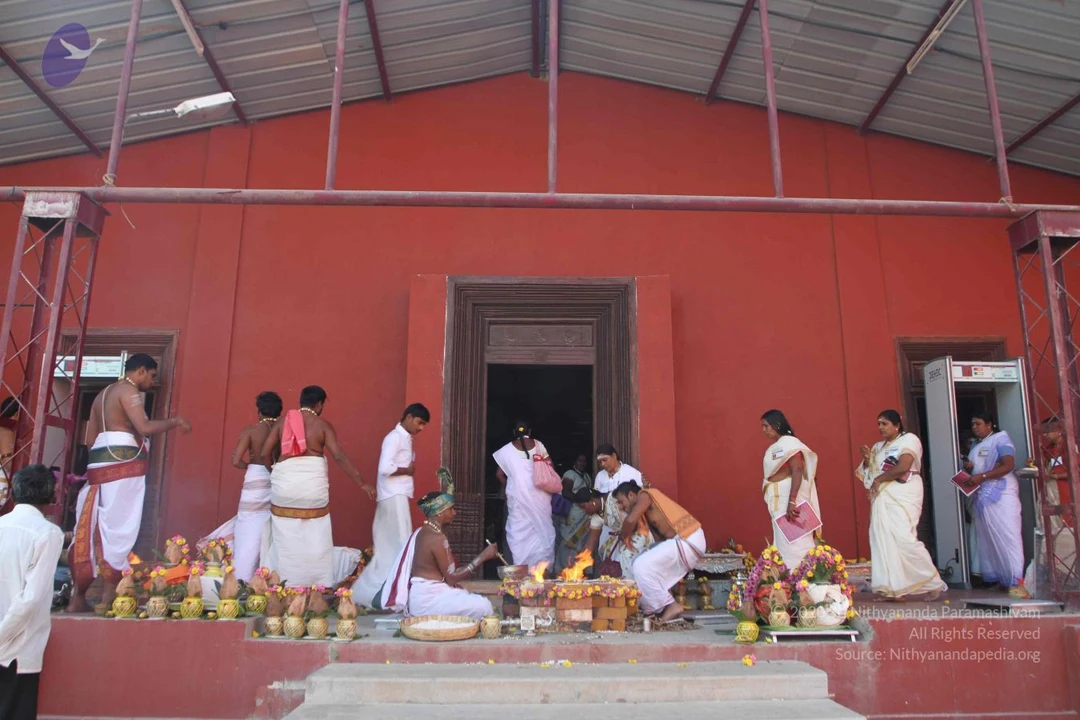
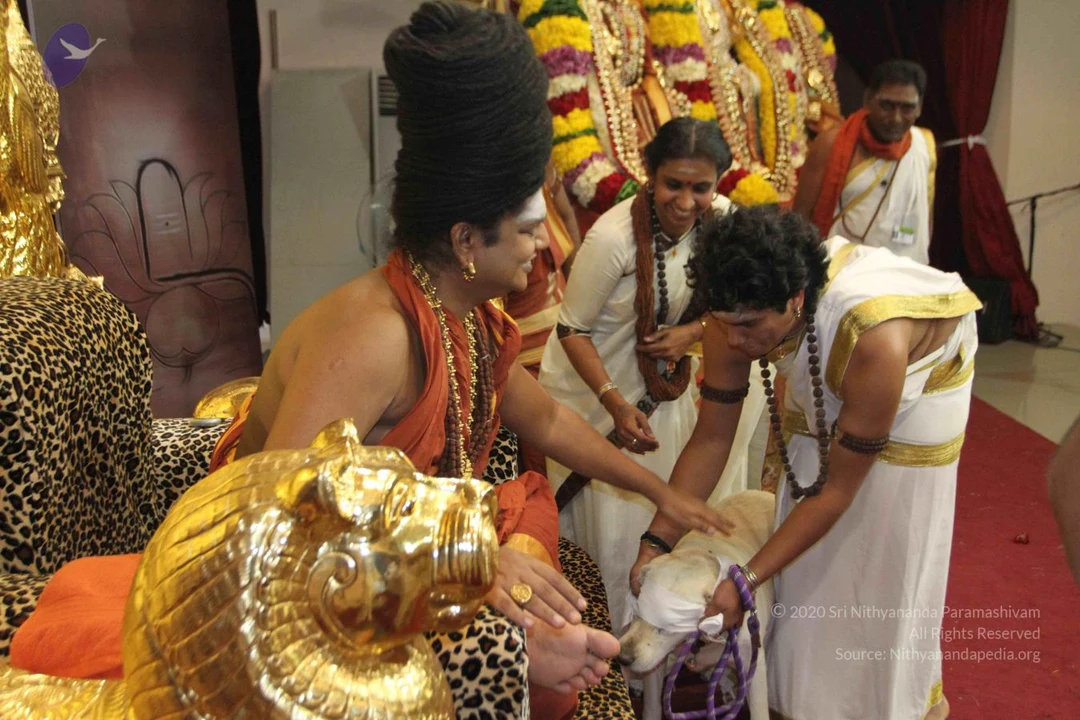
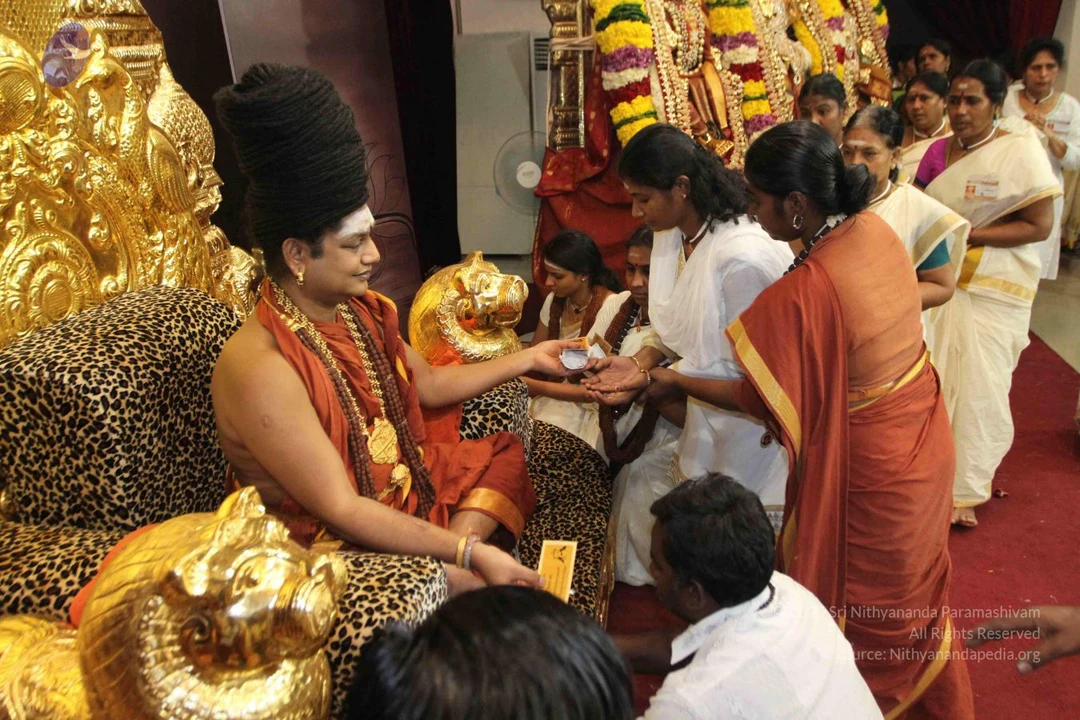
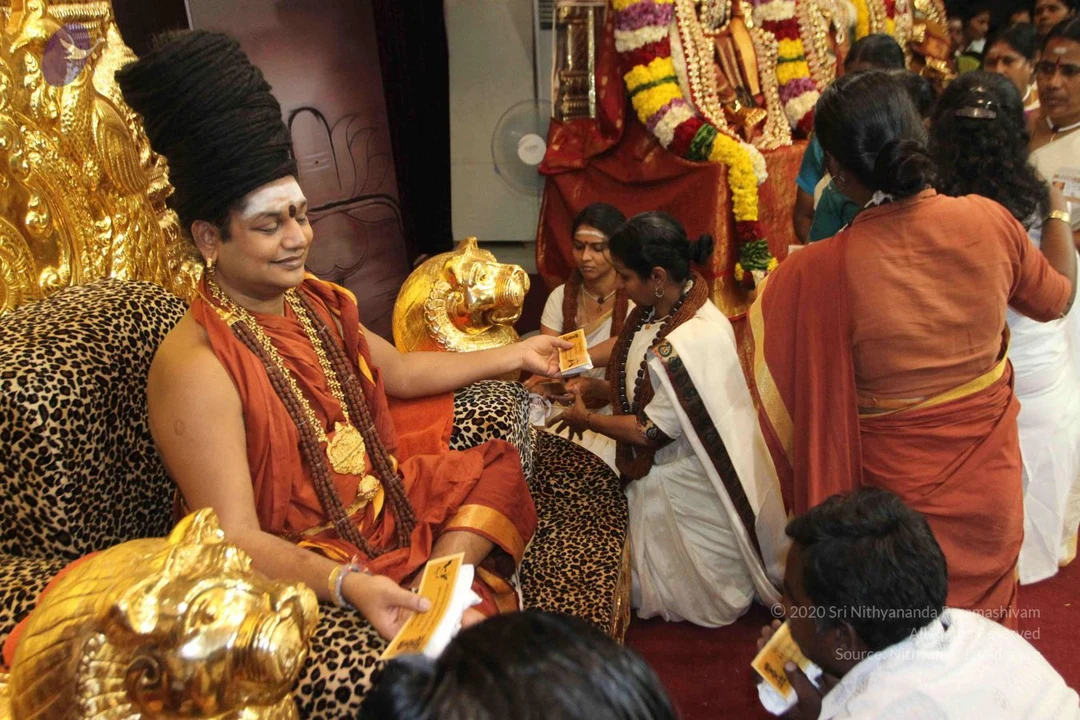
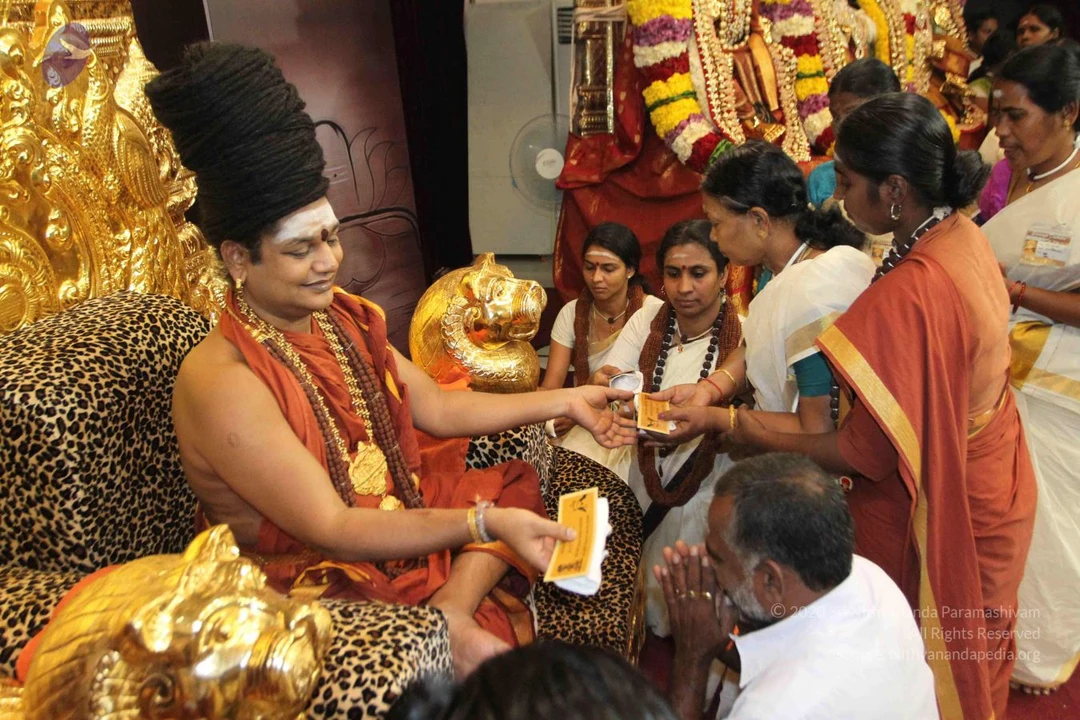
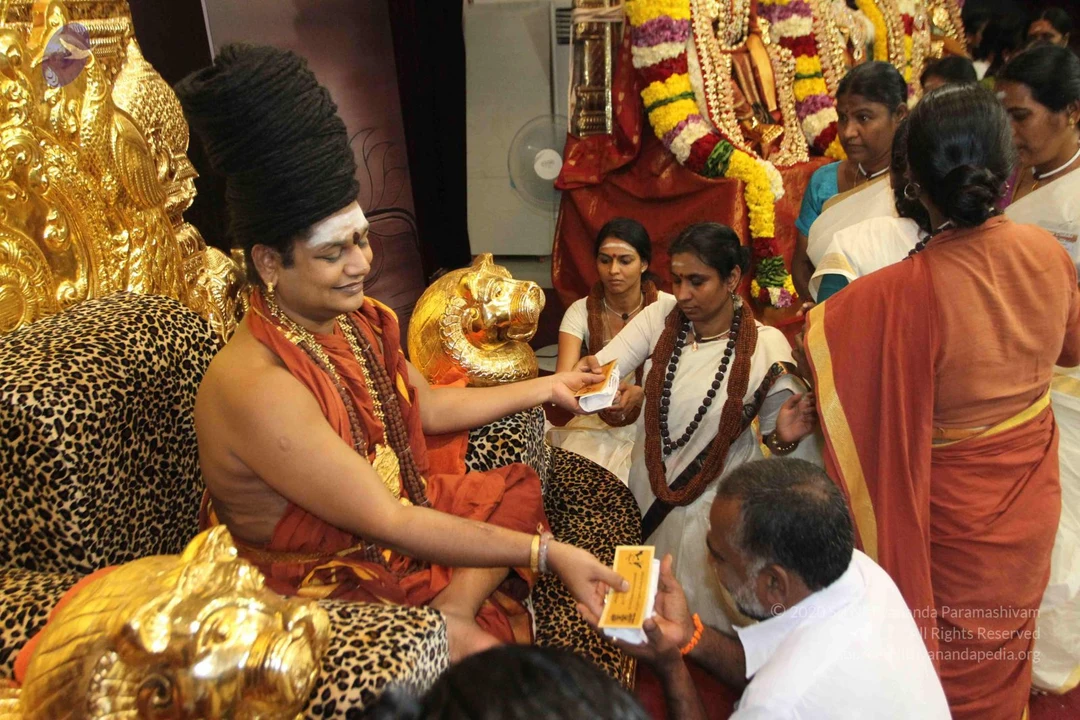
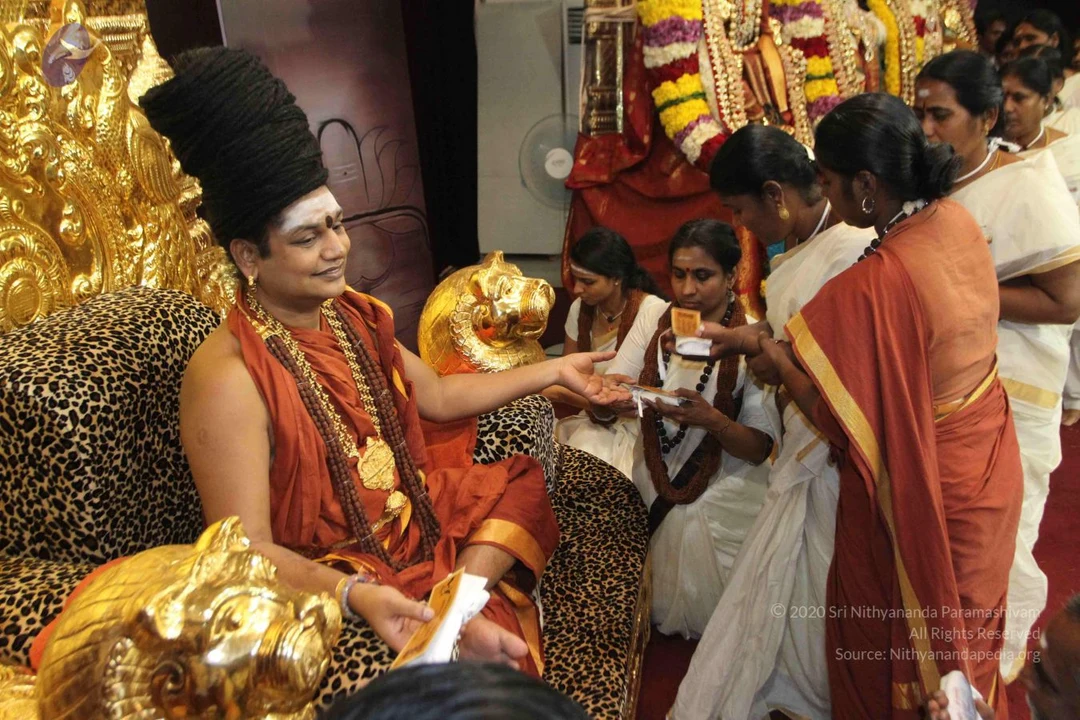
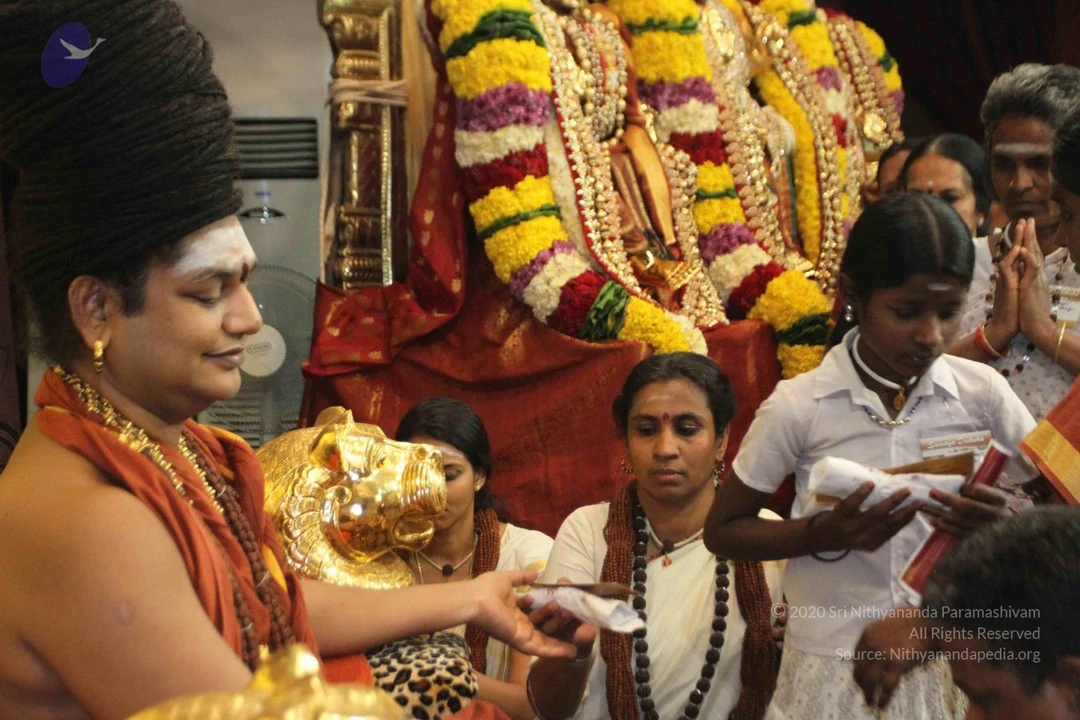
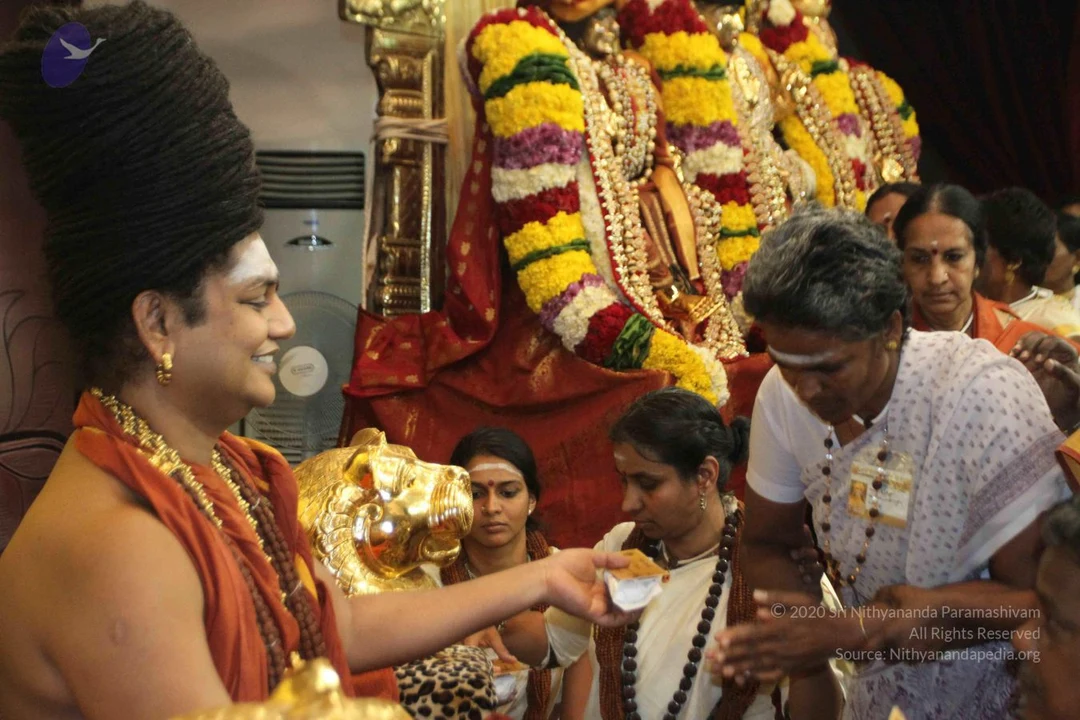
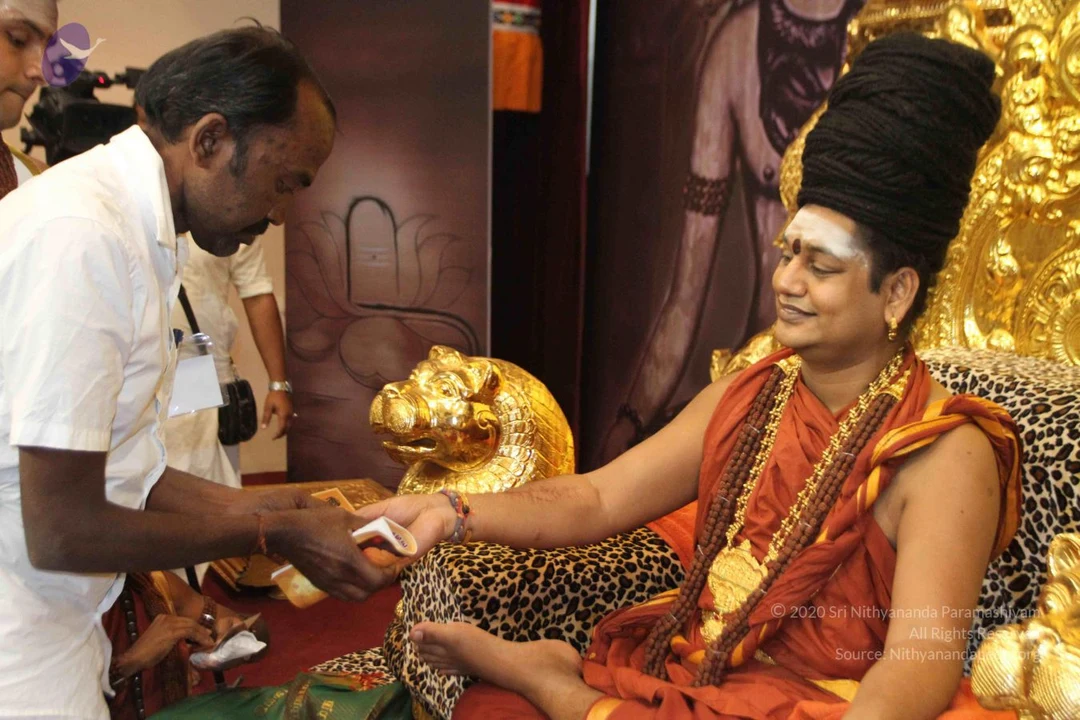
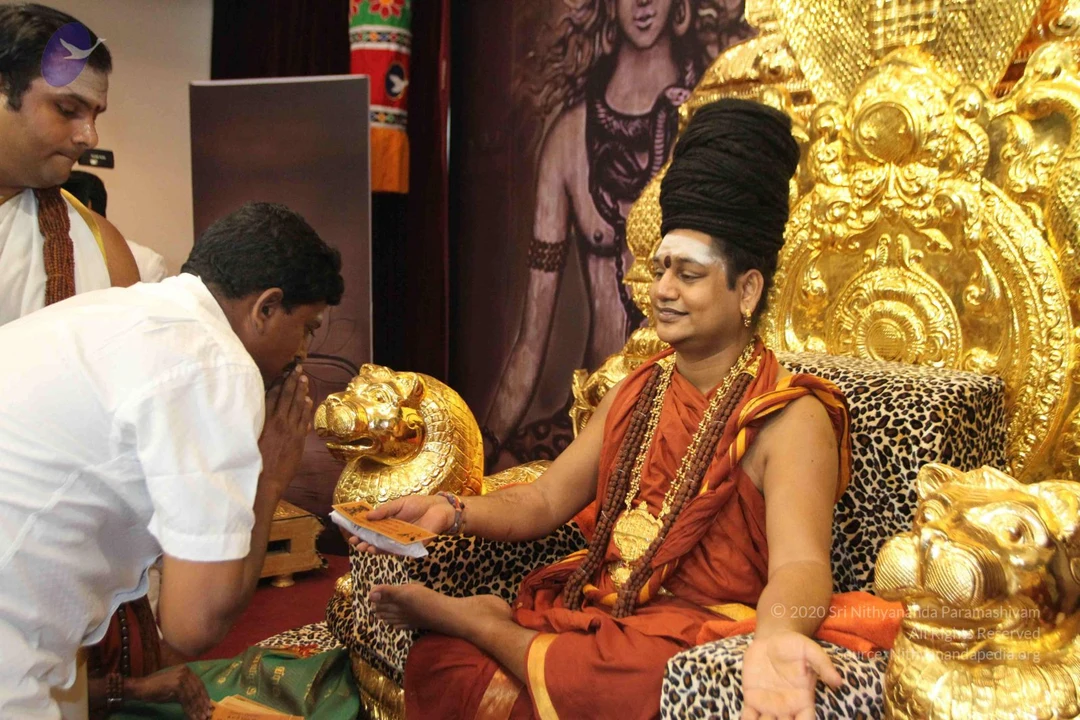
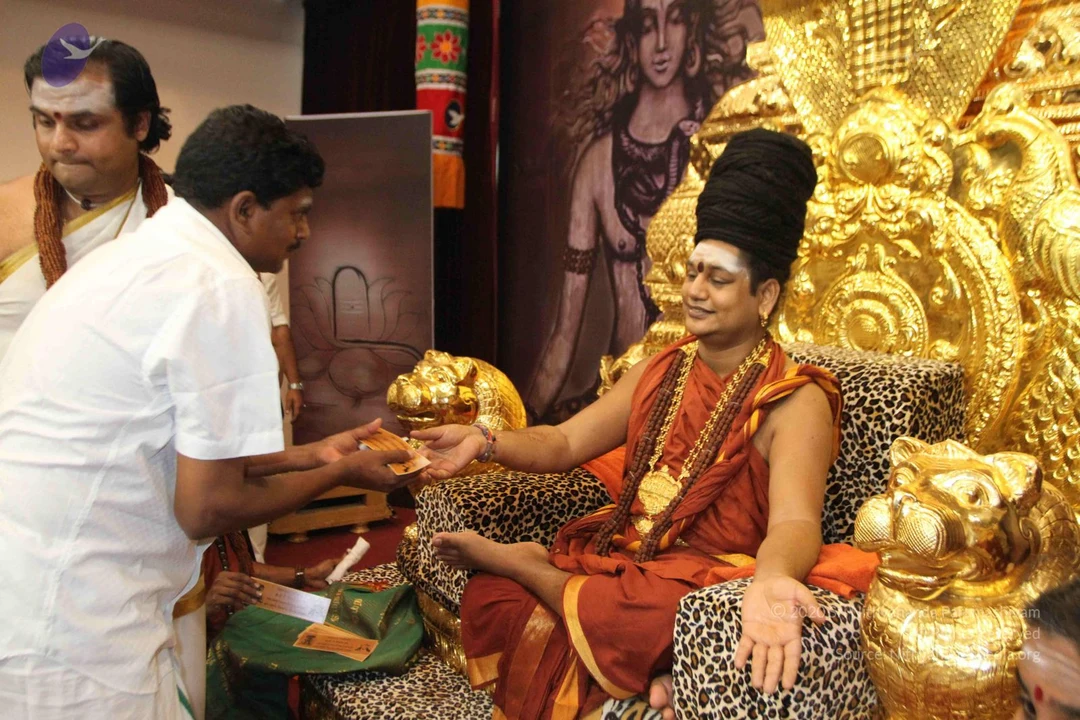
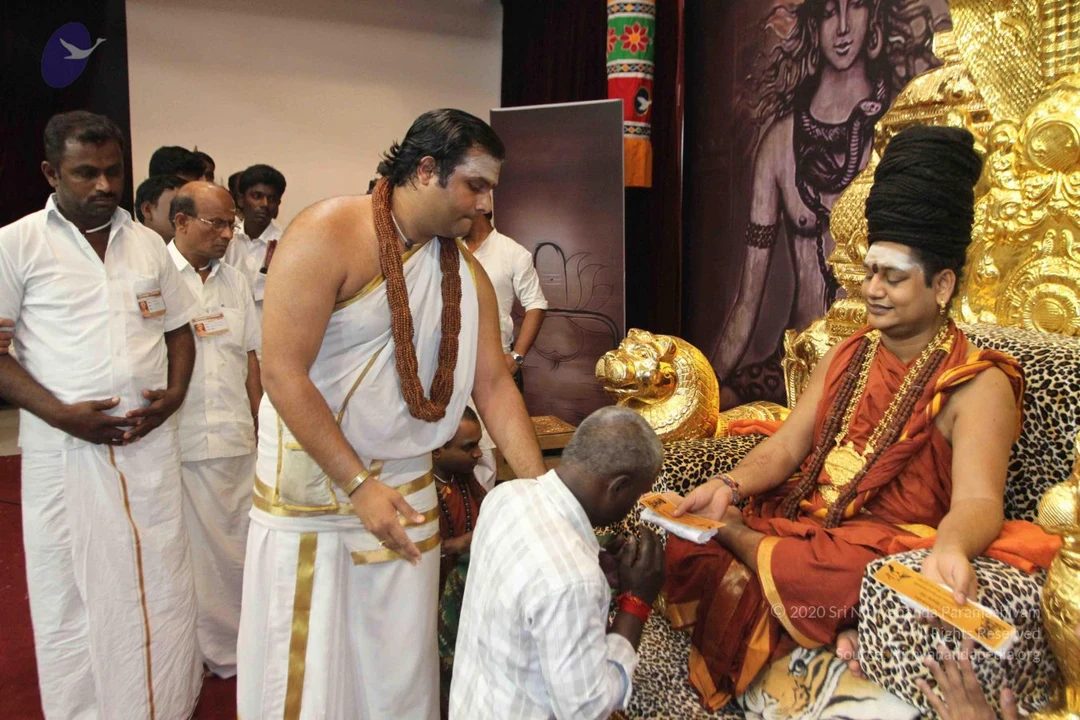
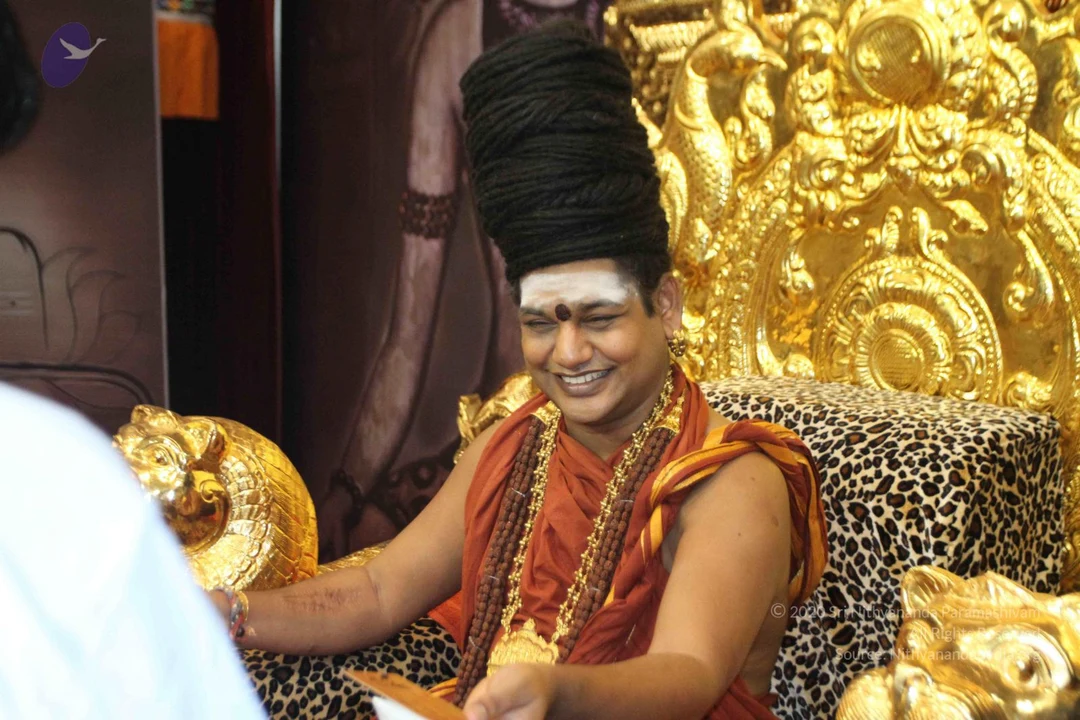
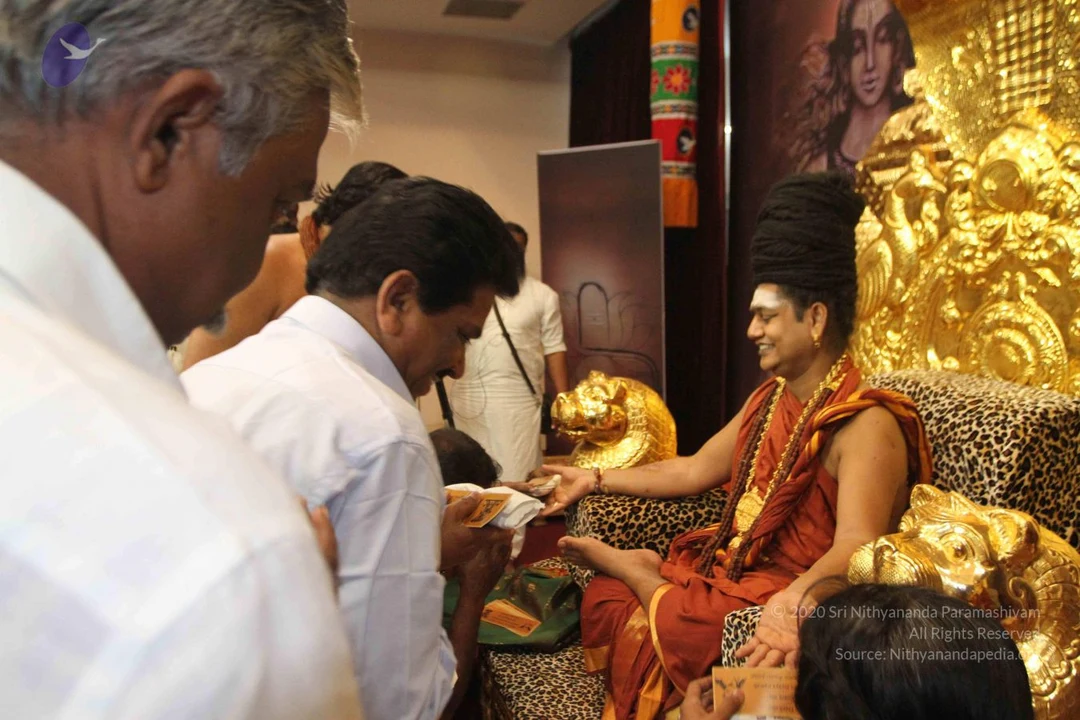
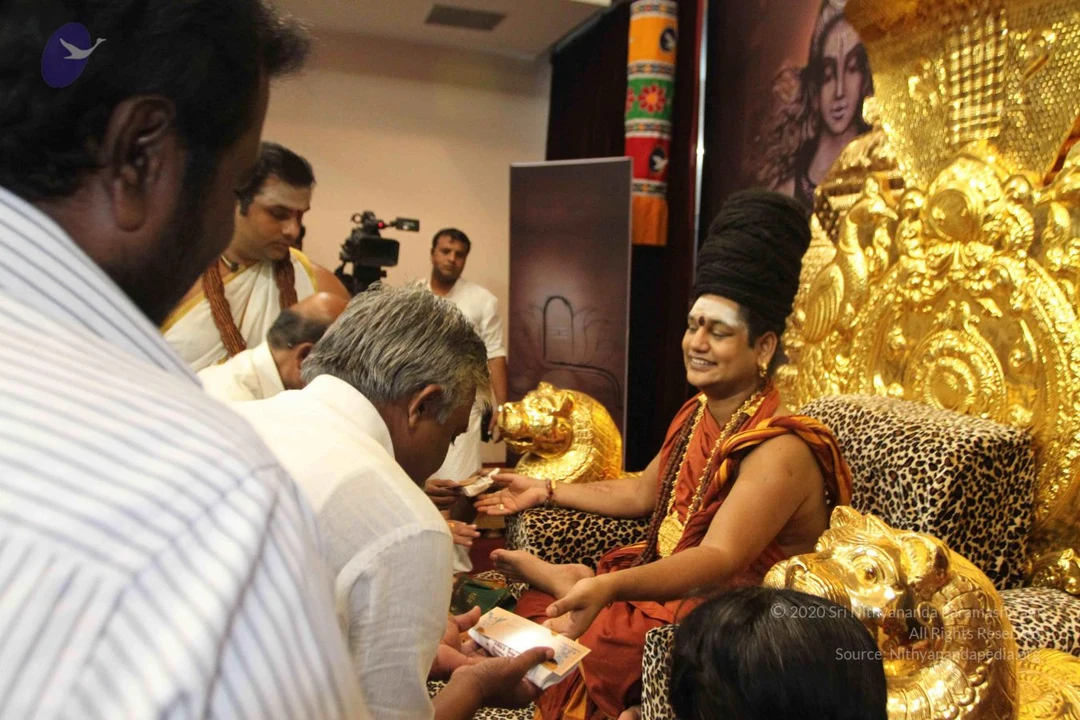
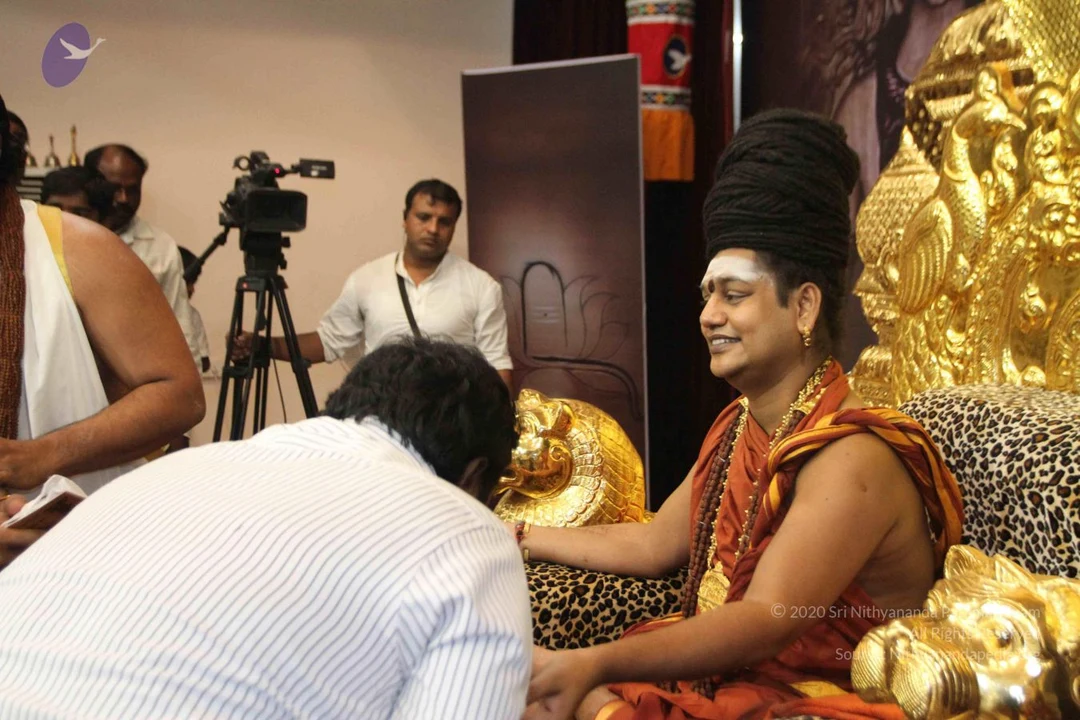
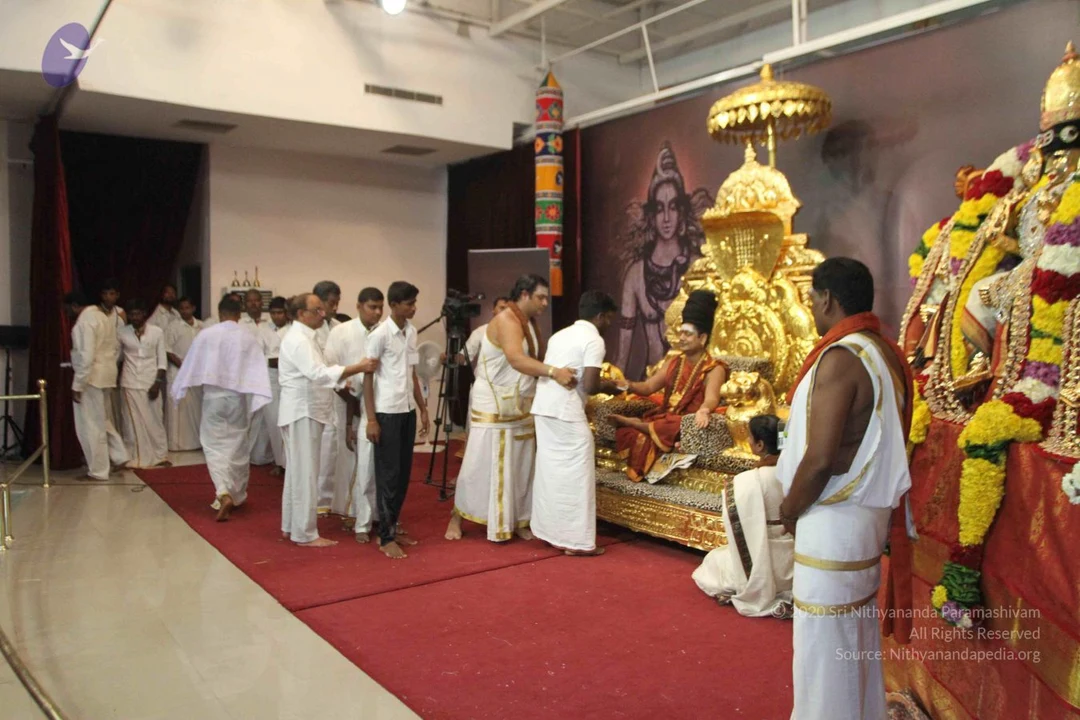

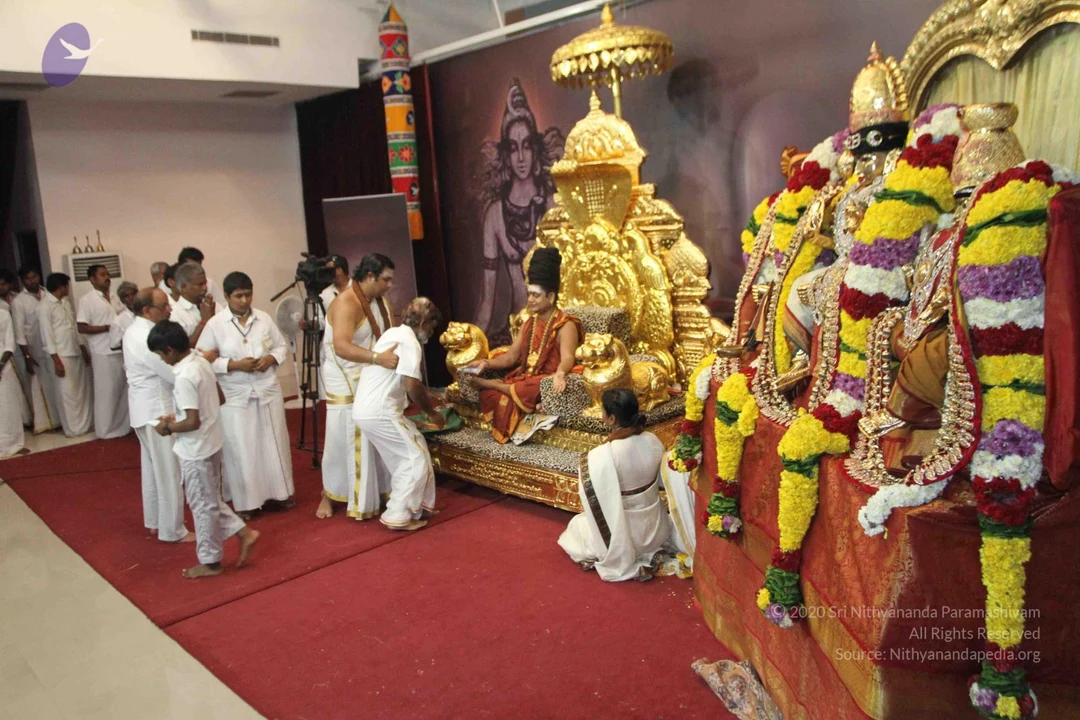
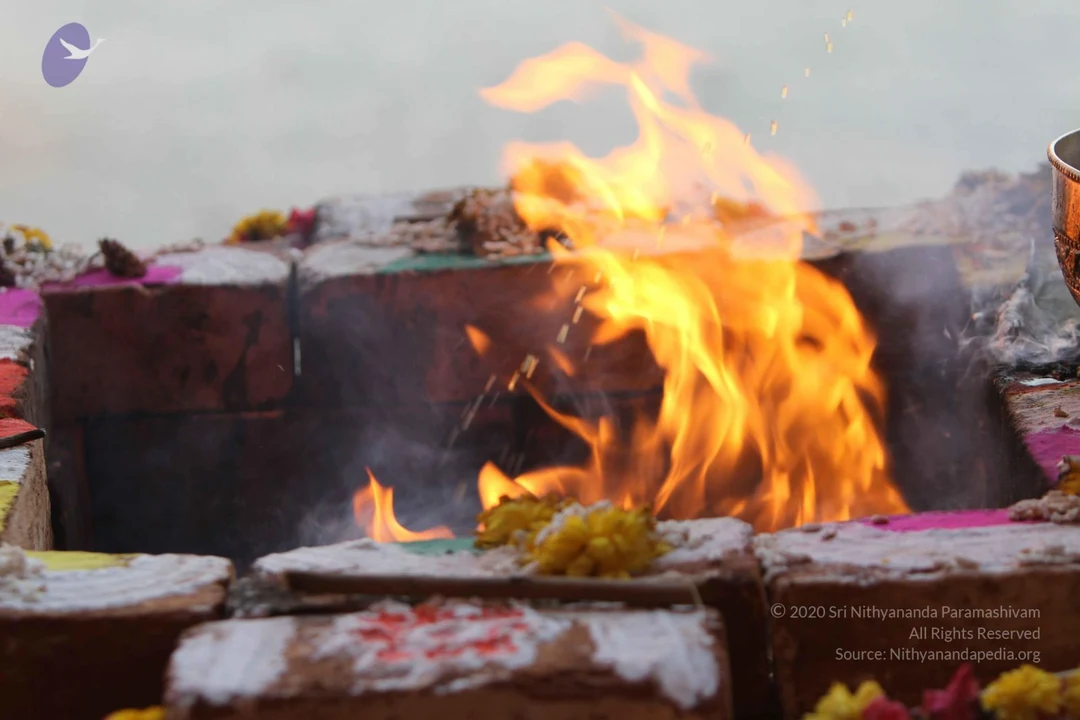
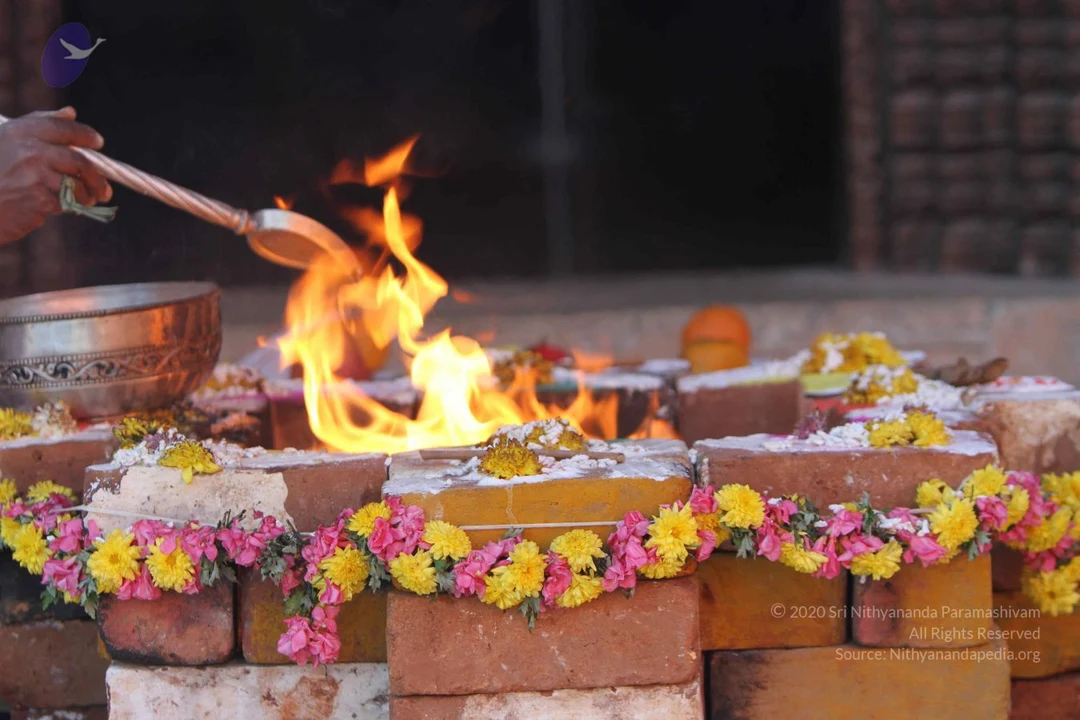

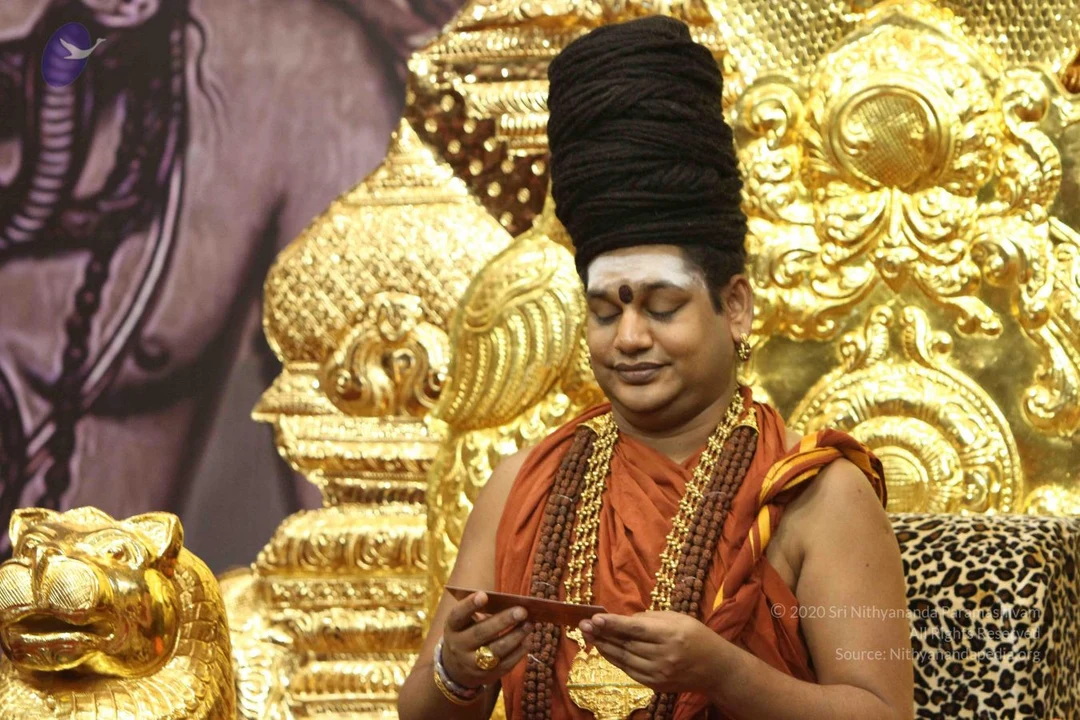
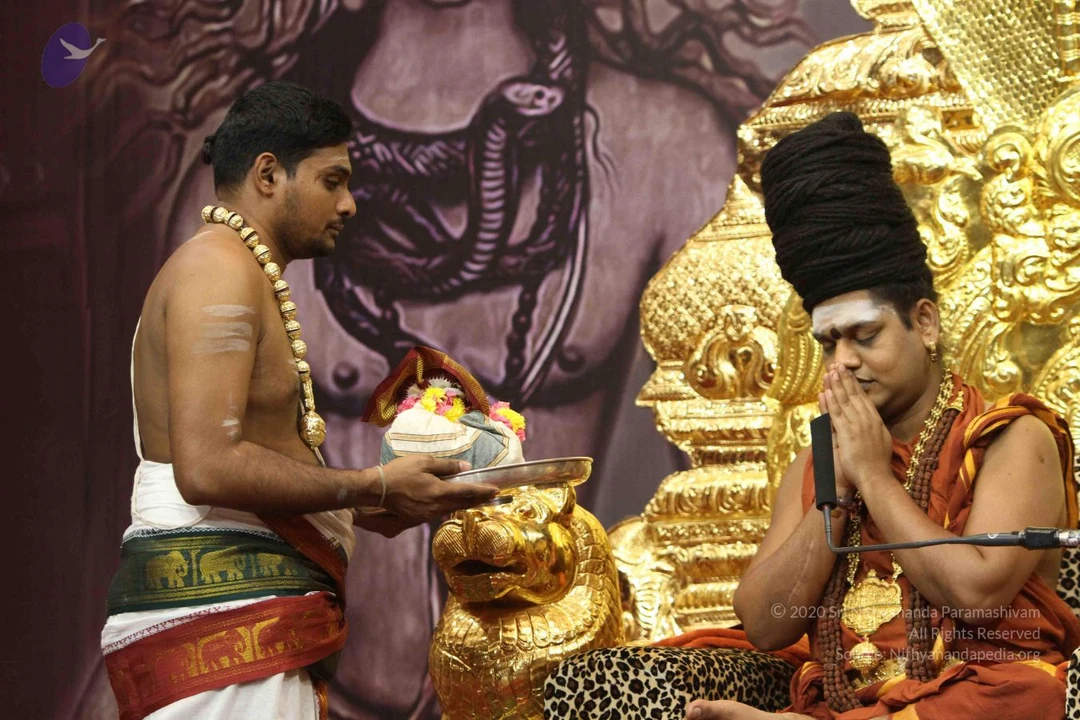
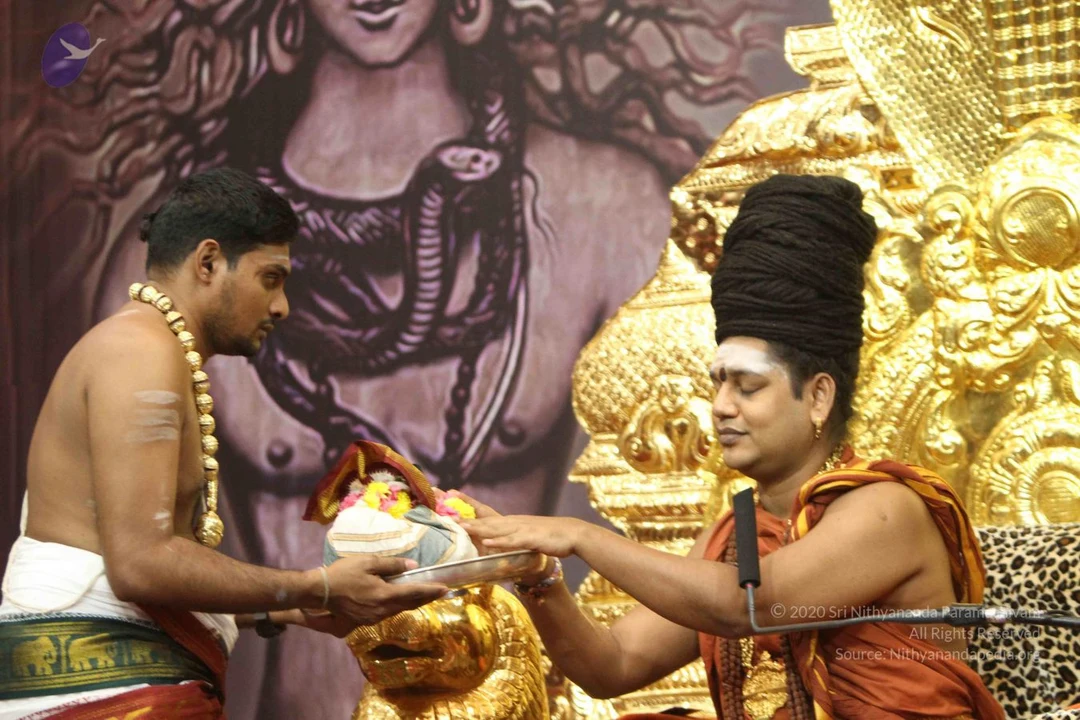
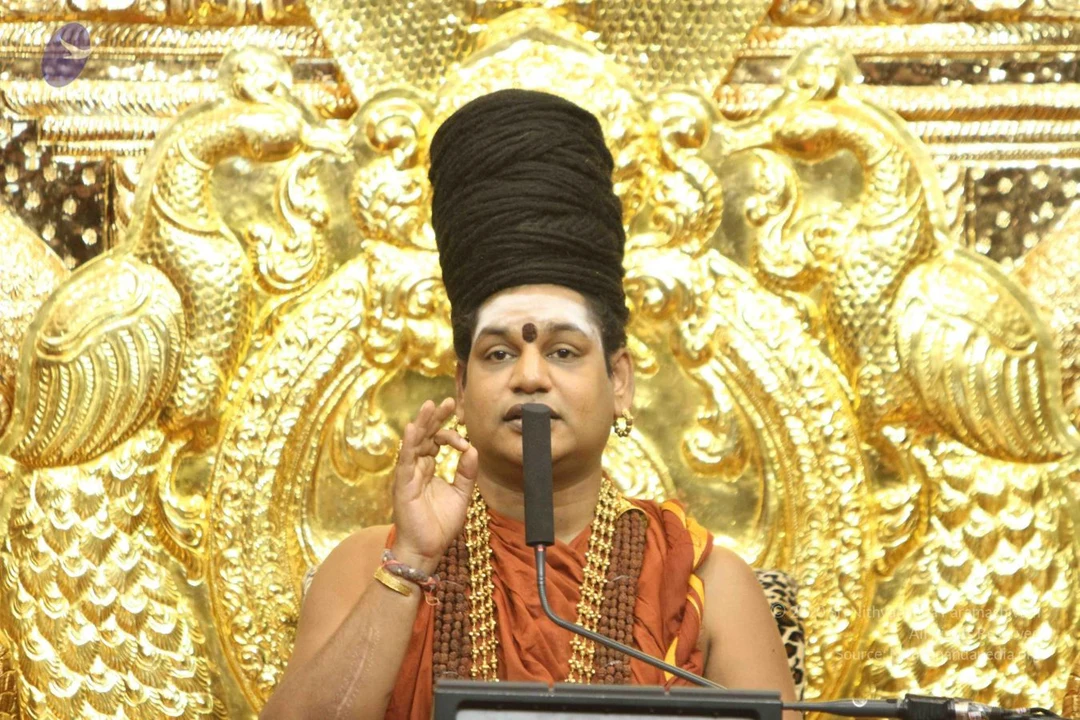
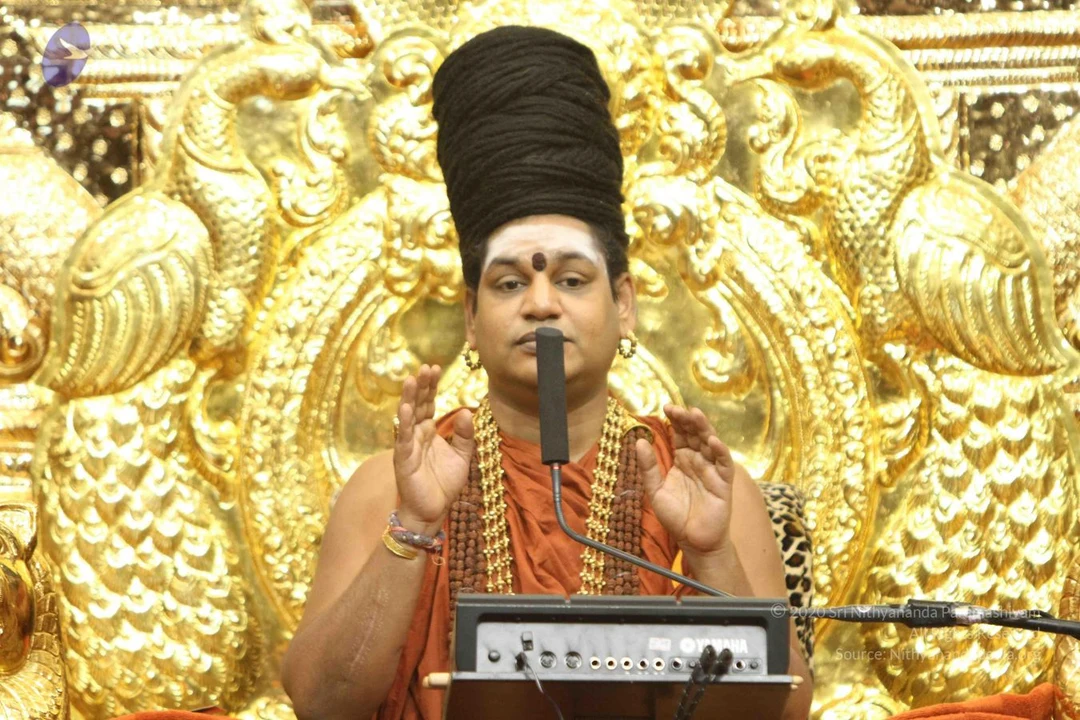
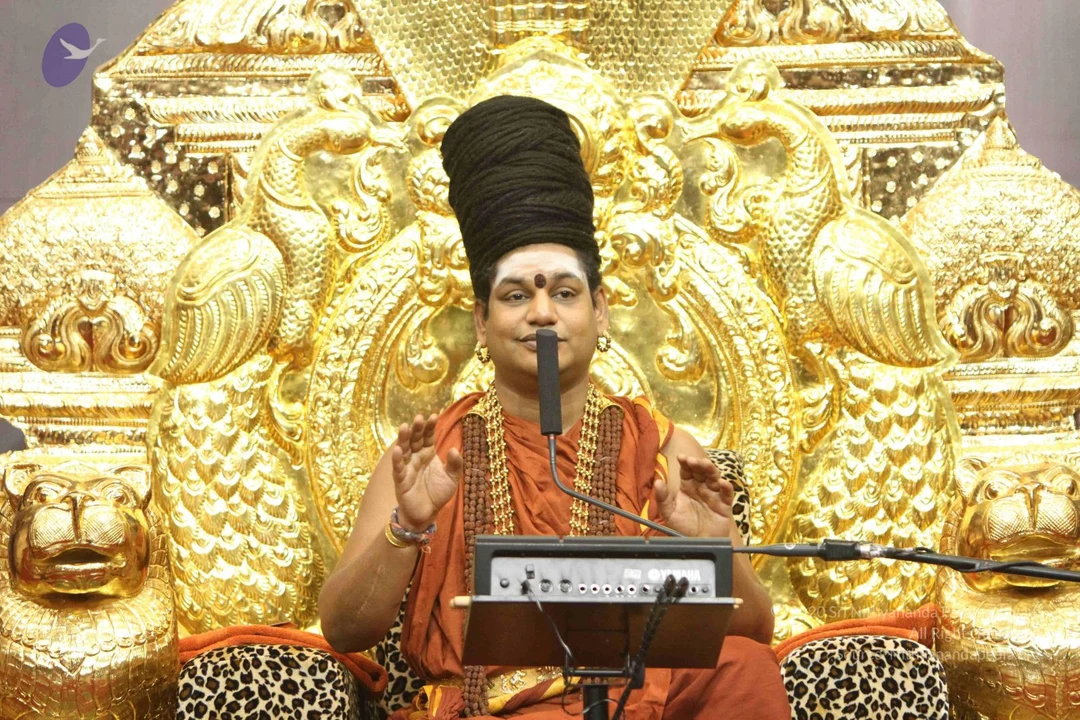
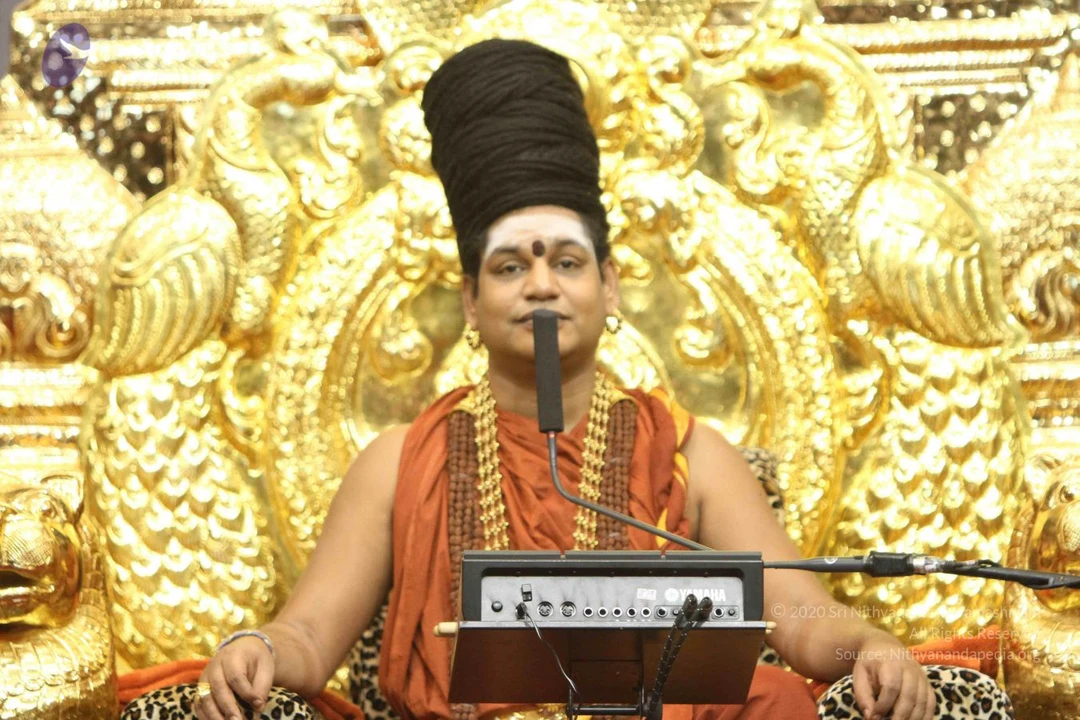
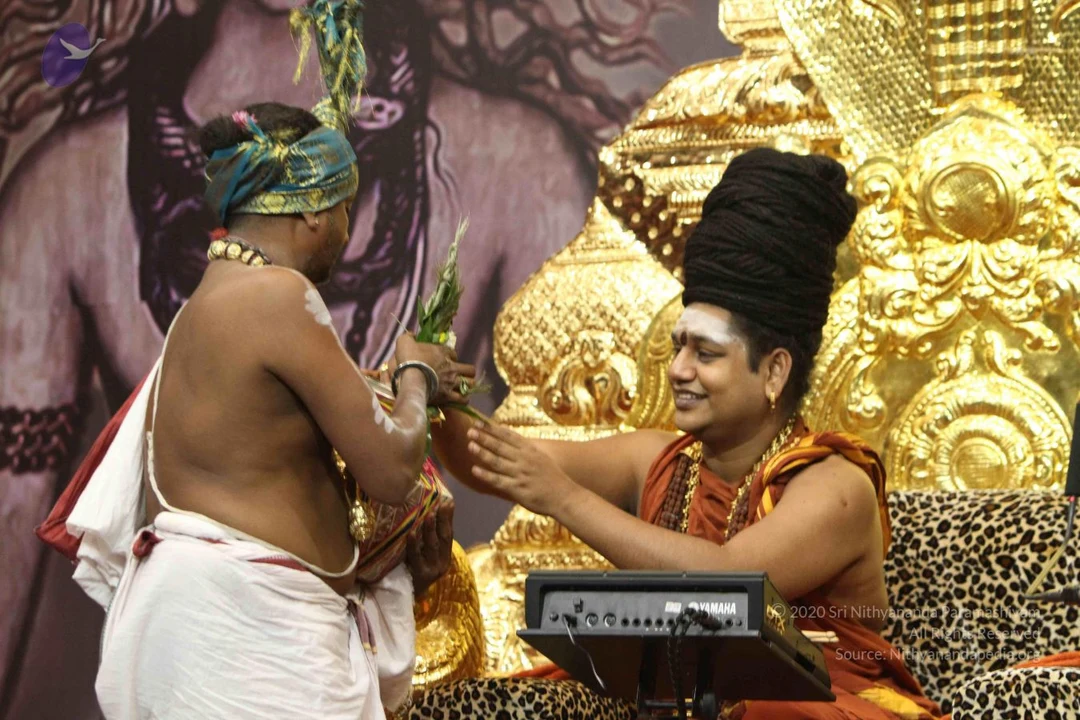
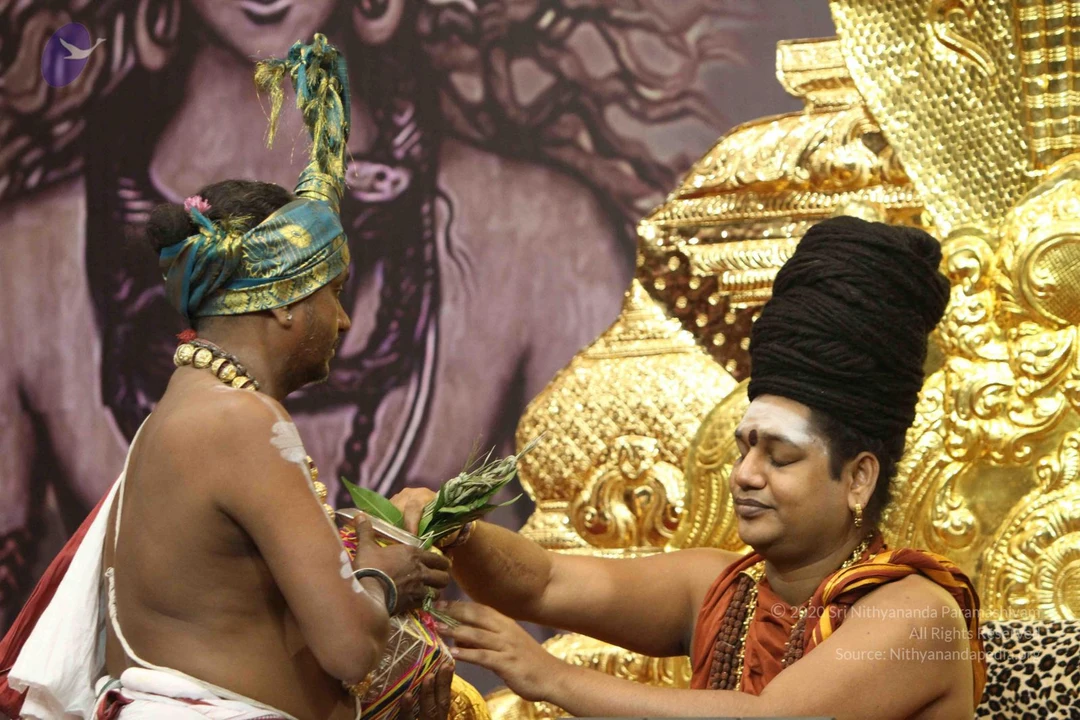
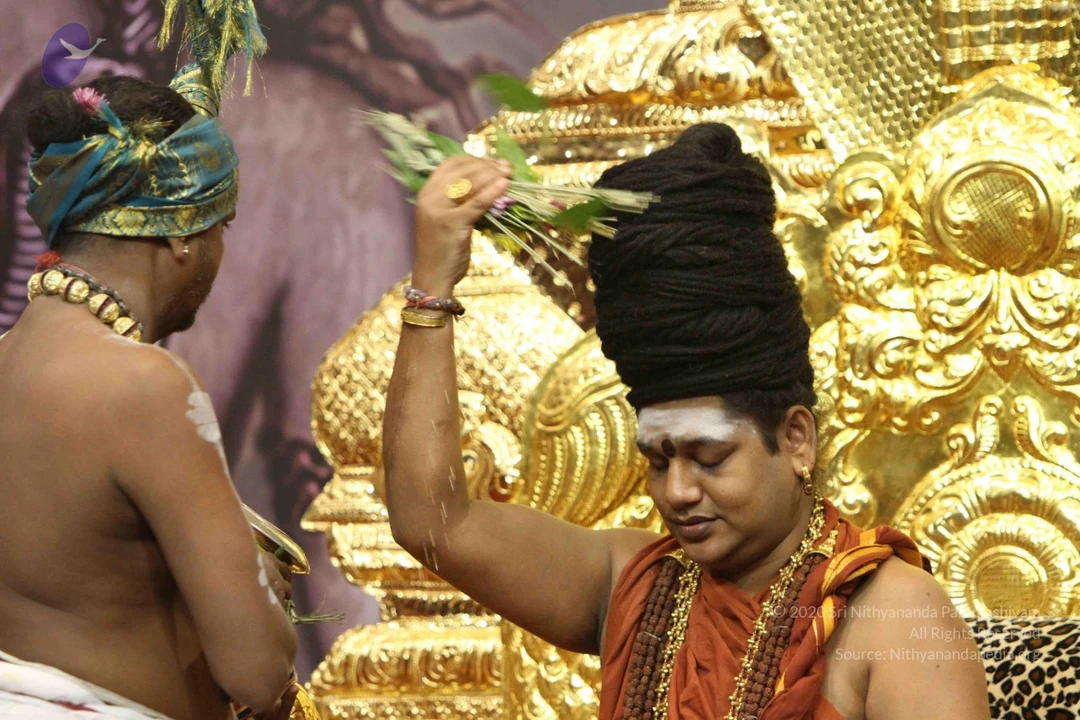
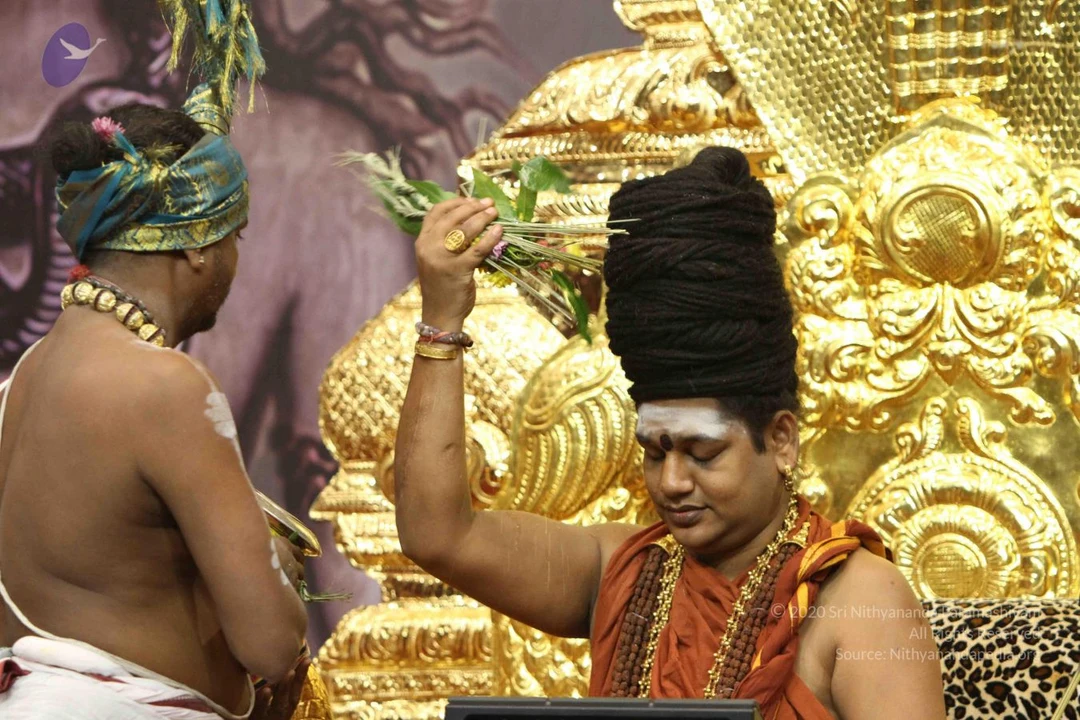
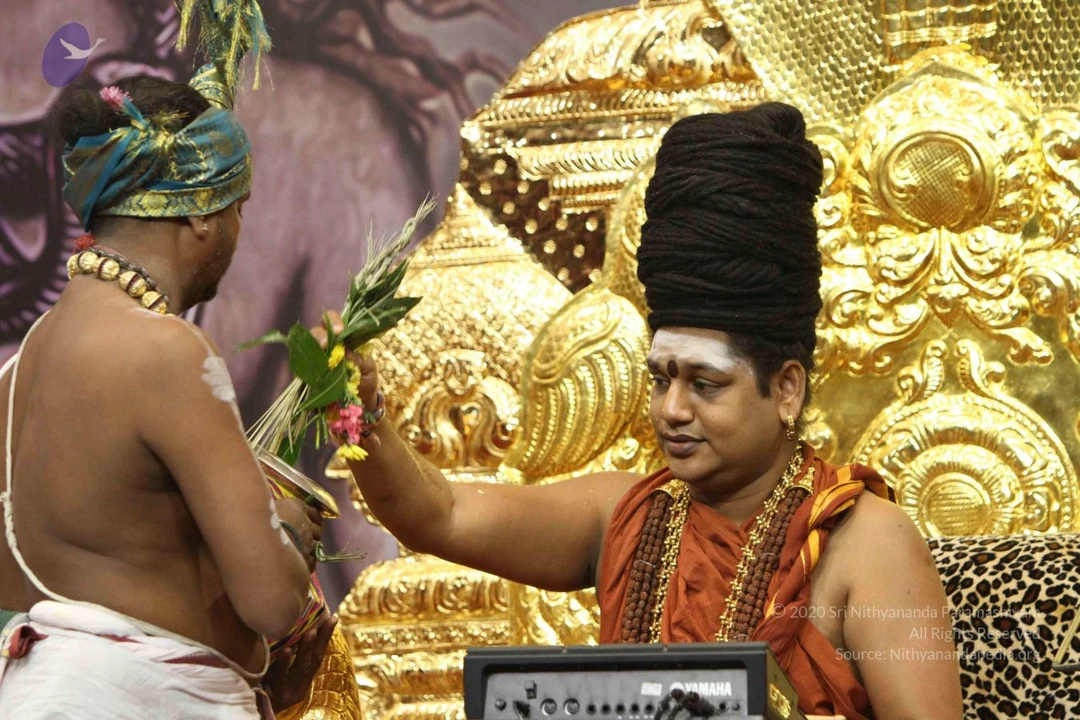
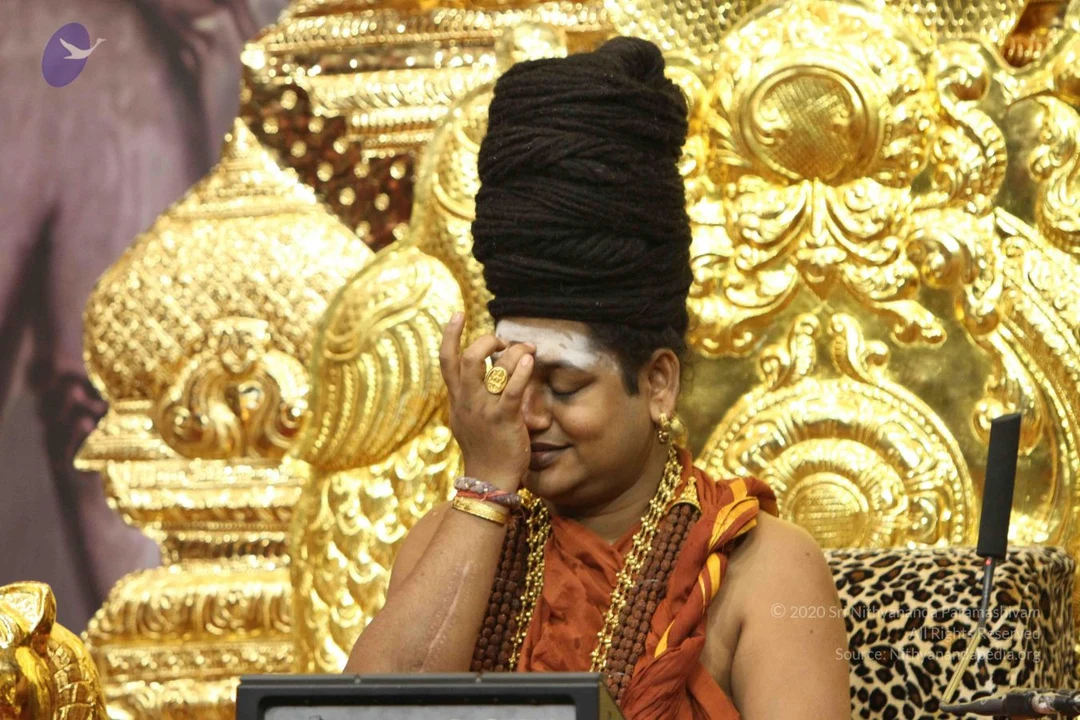
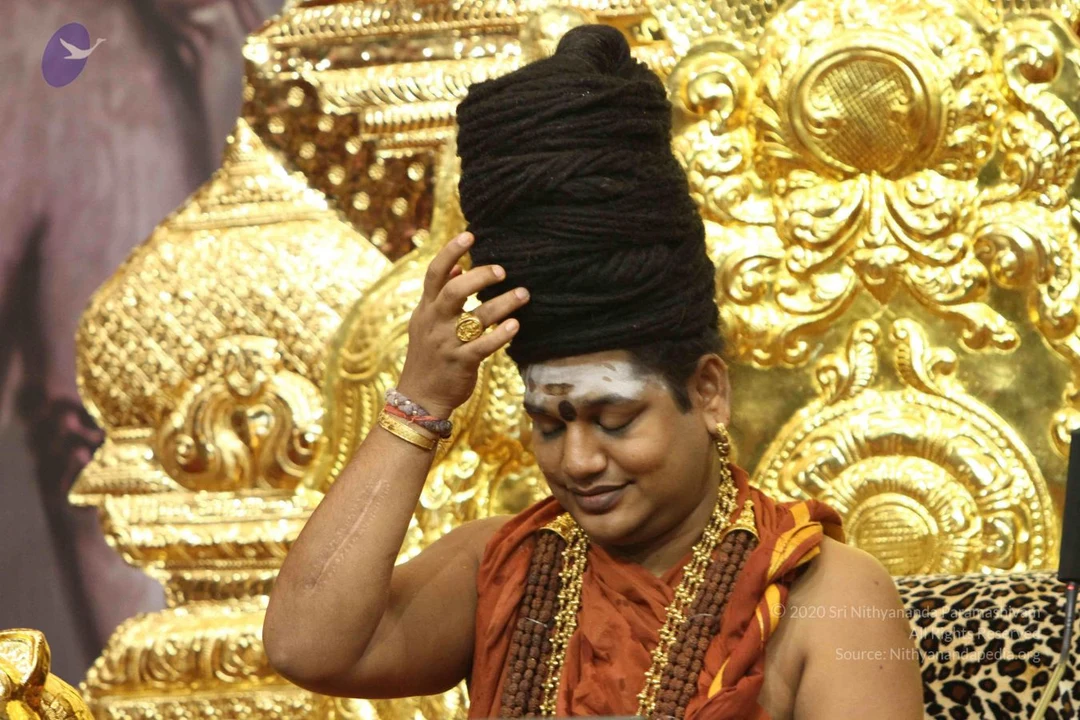
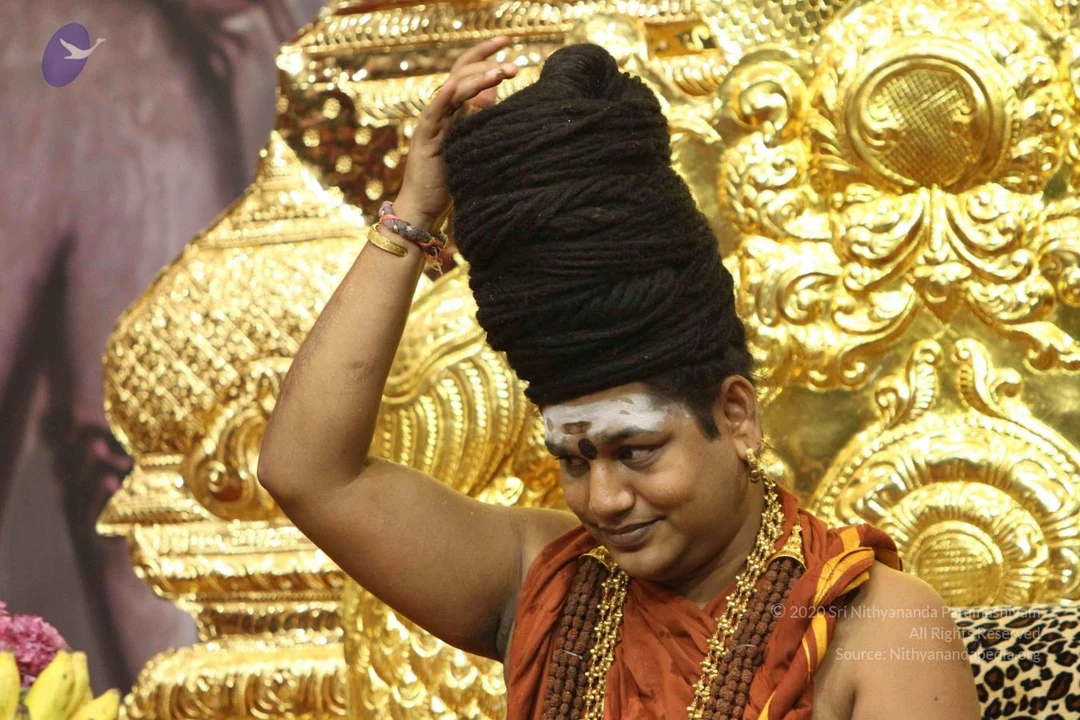

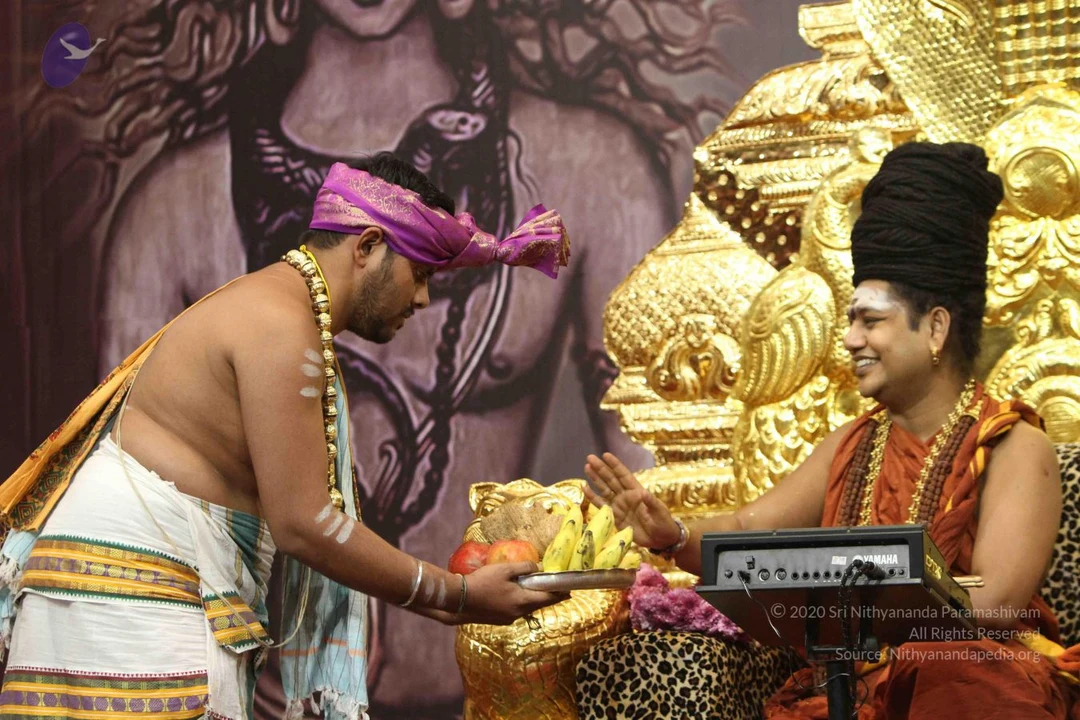
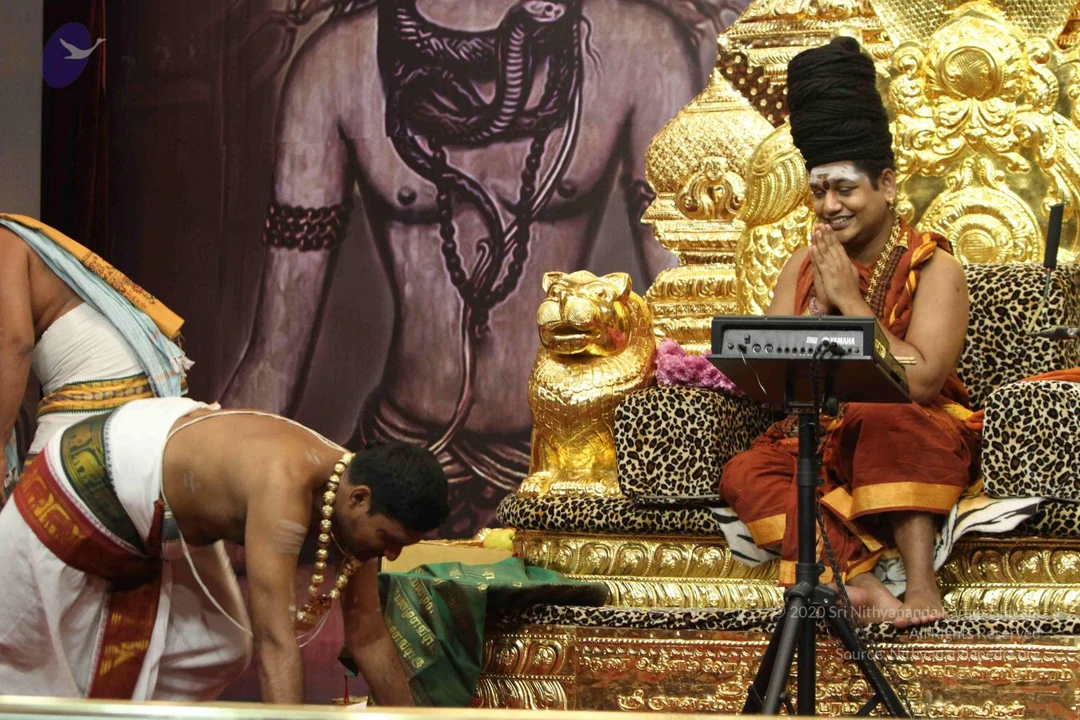
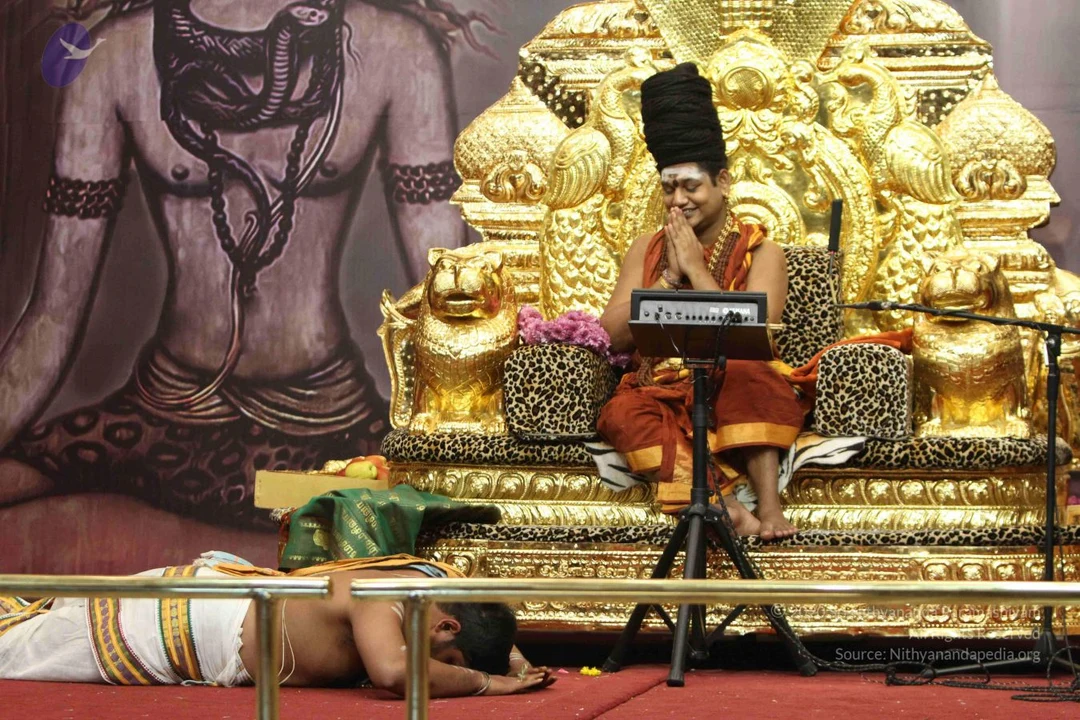
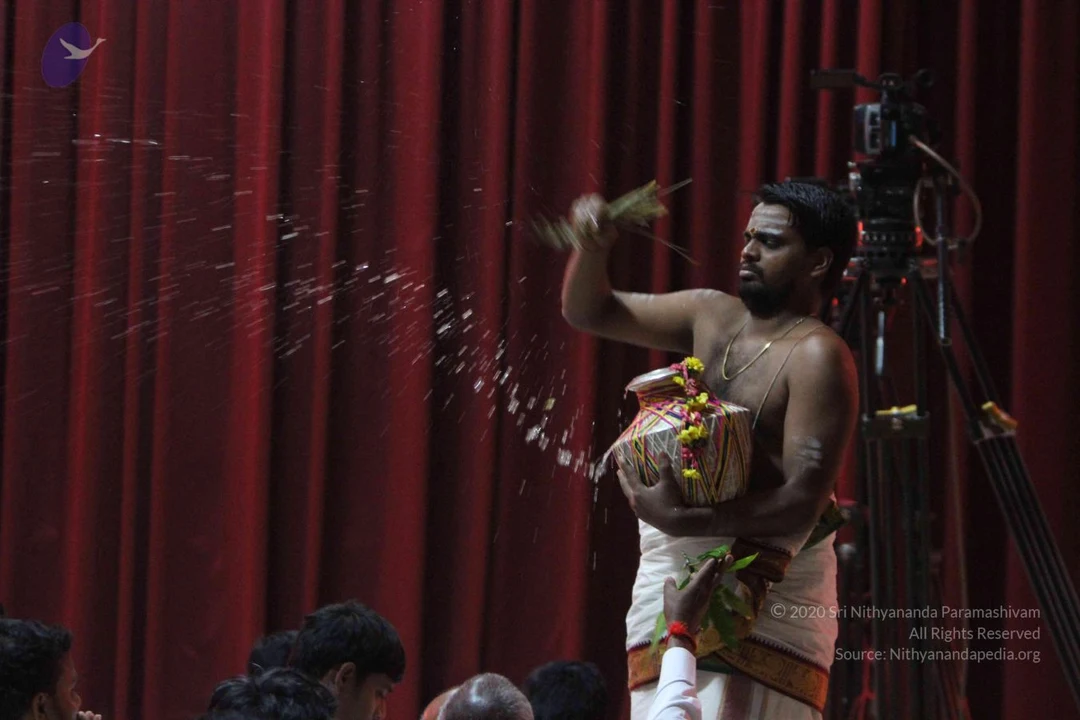
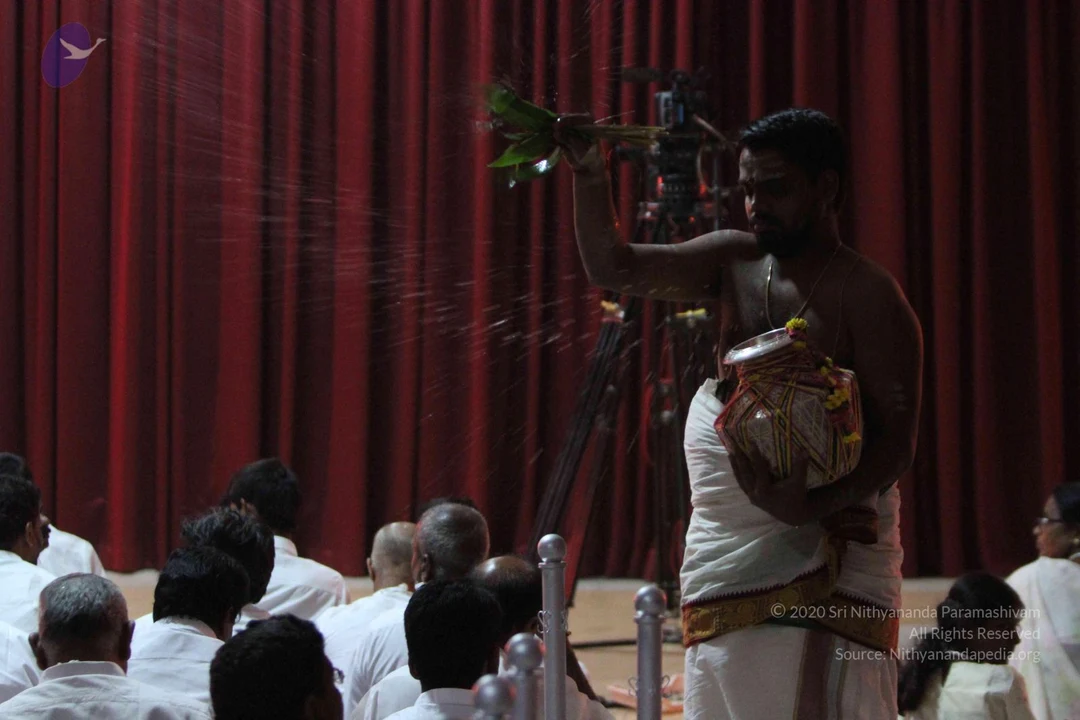
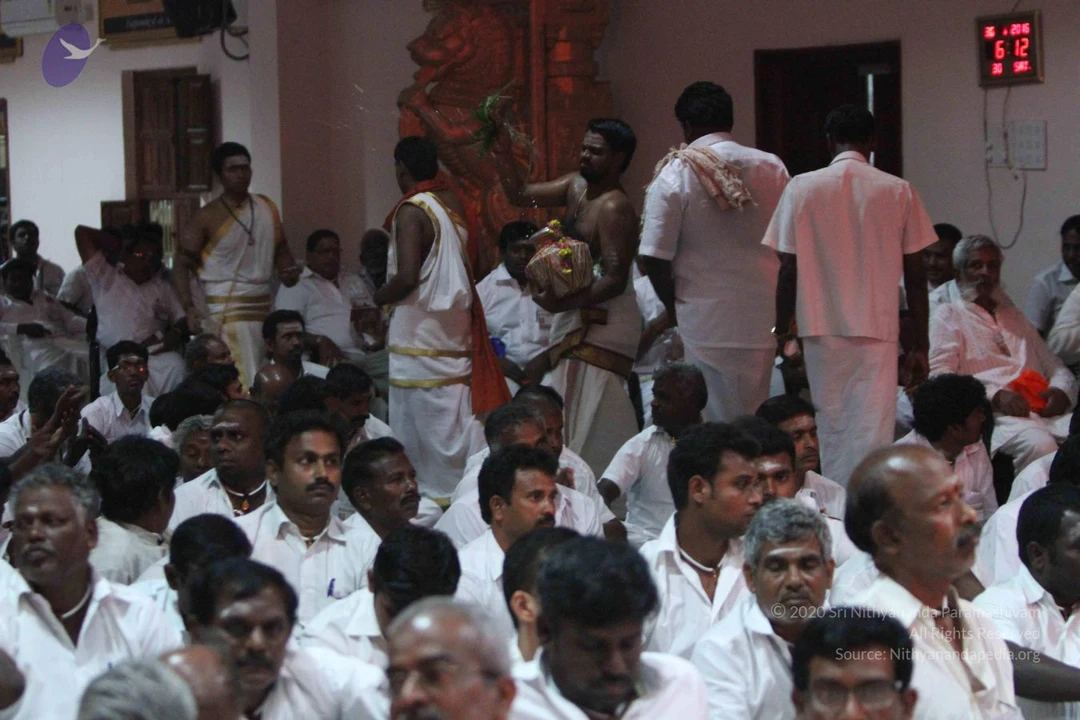
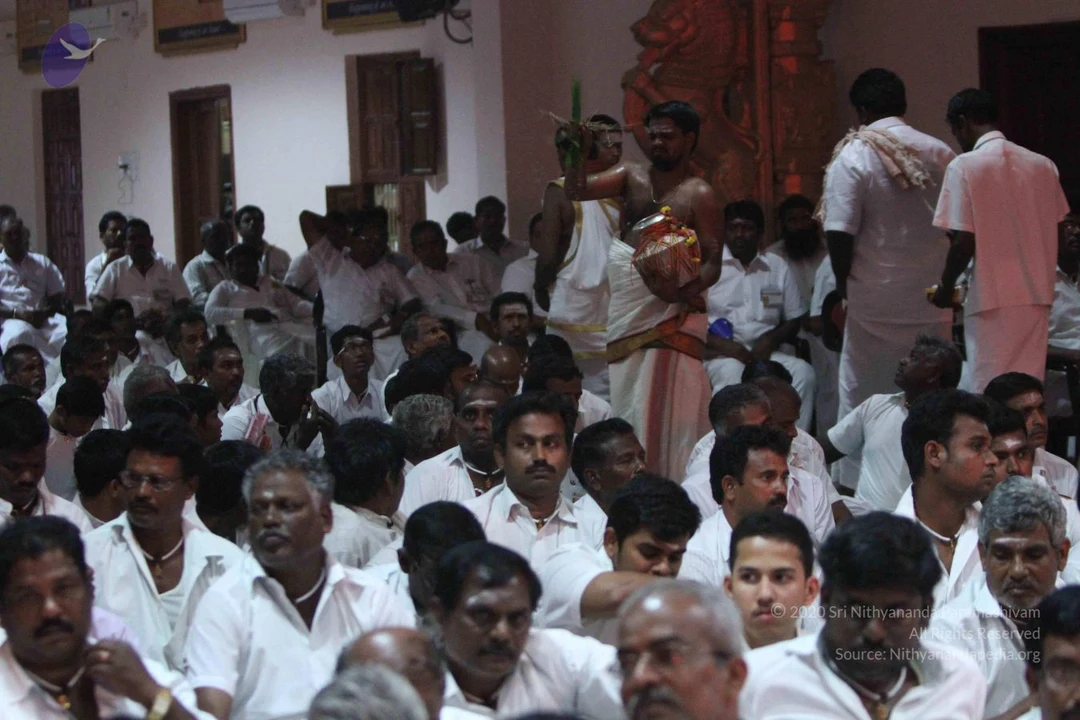
Evening-Satsang
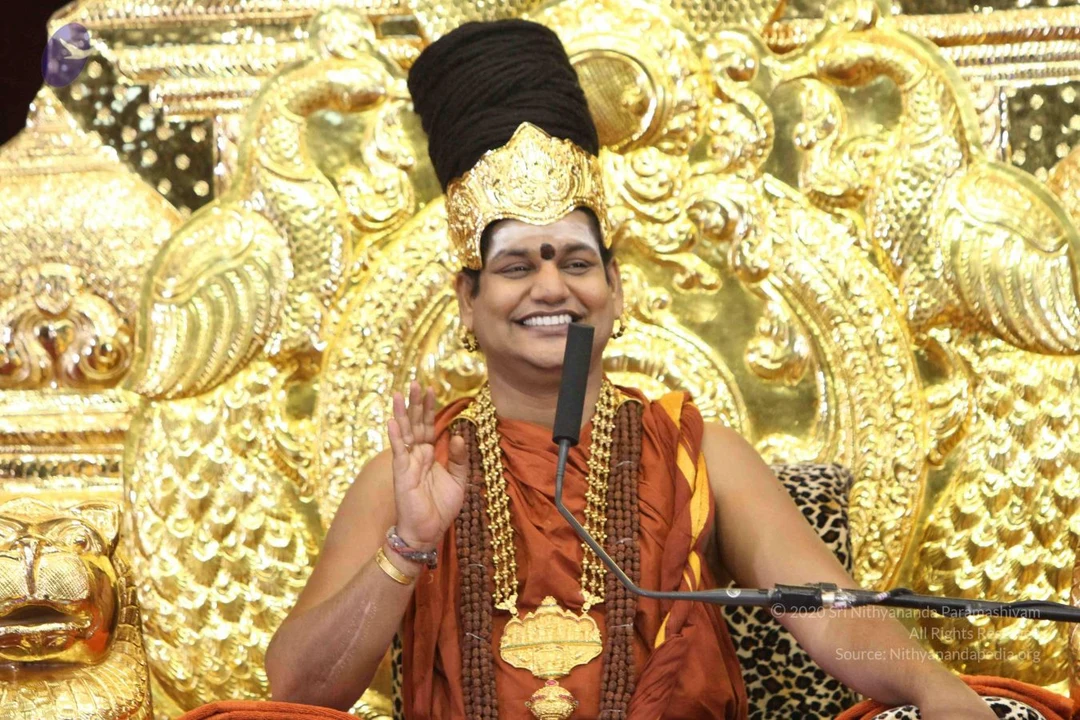
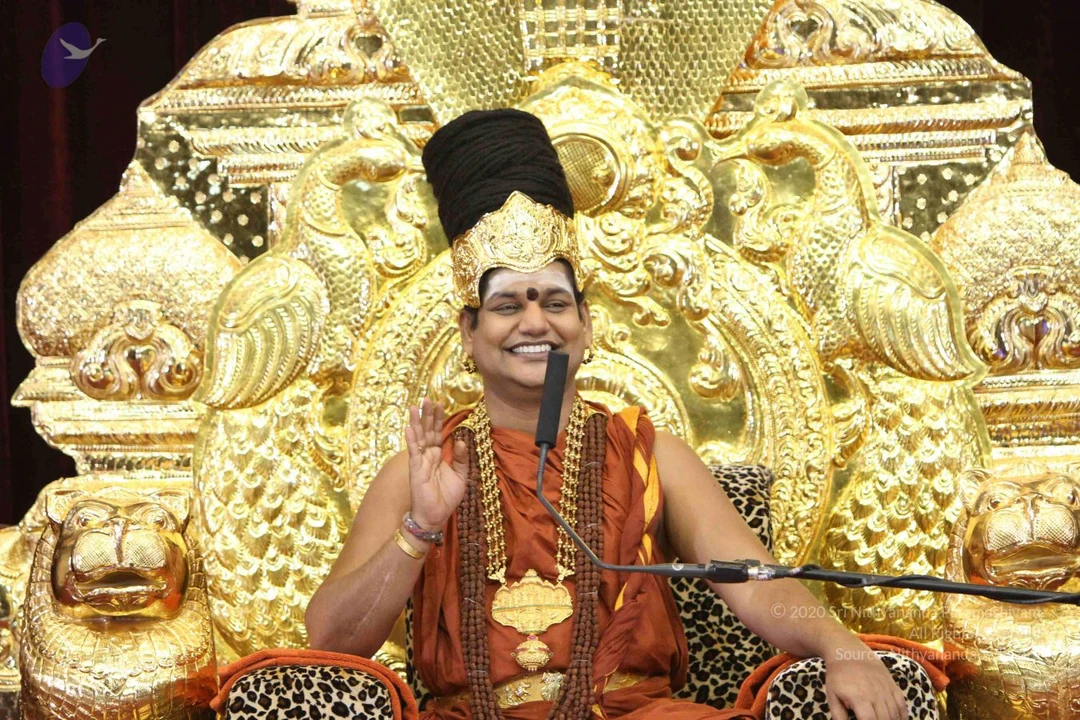
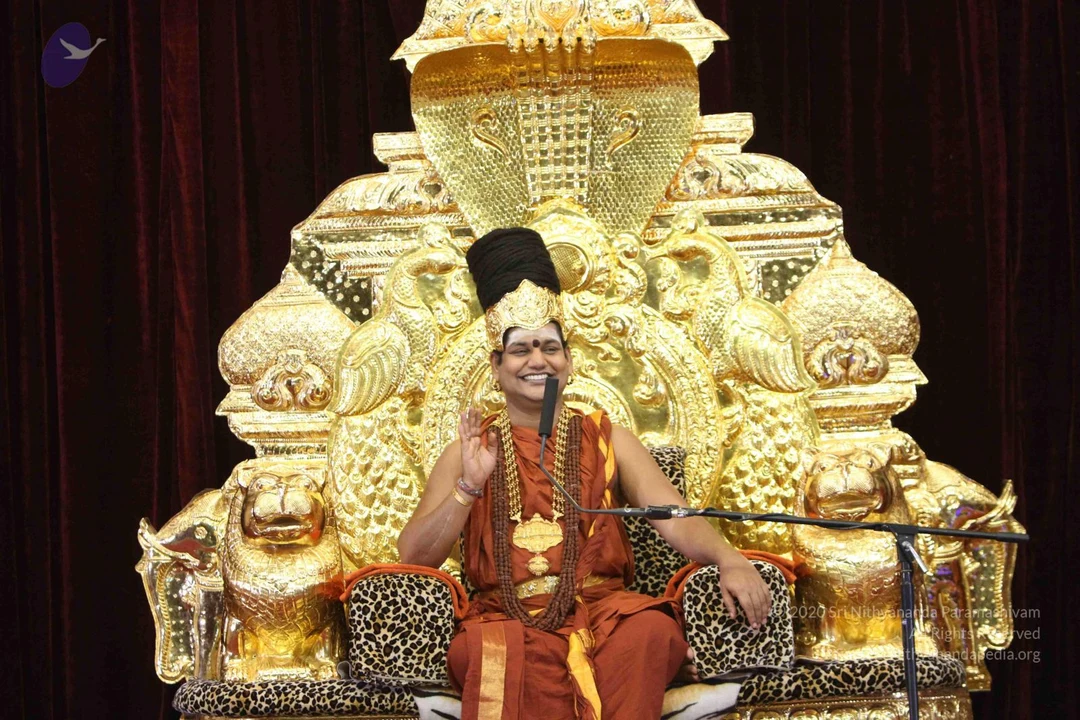
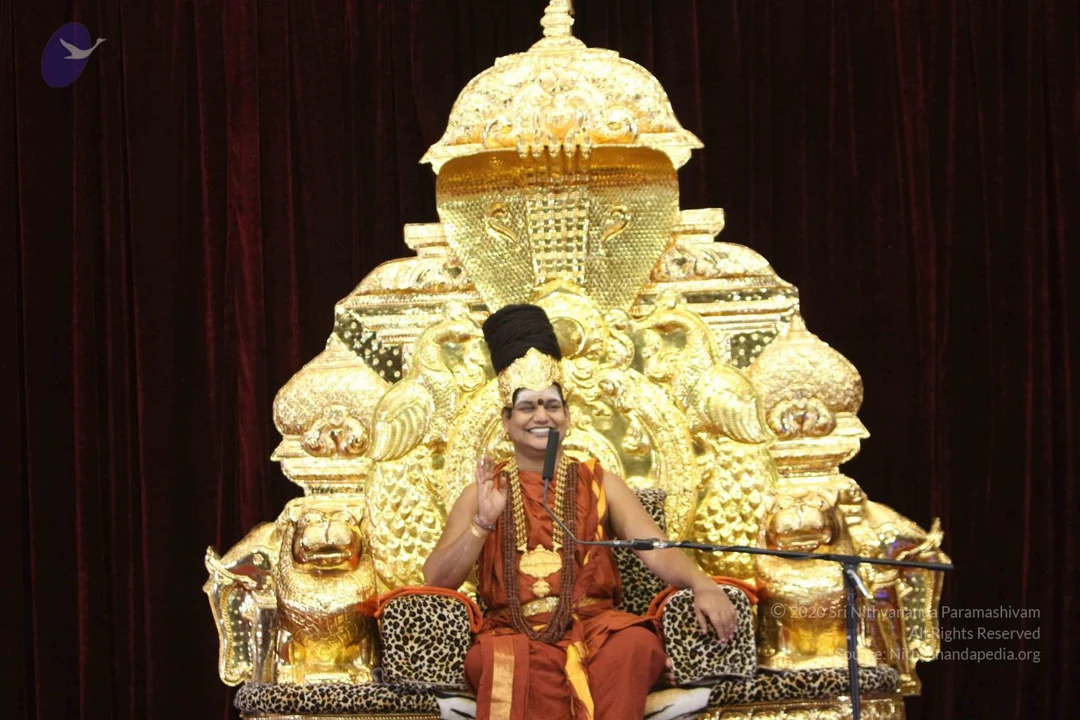
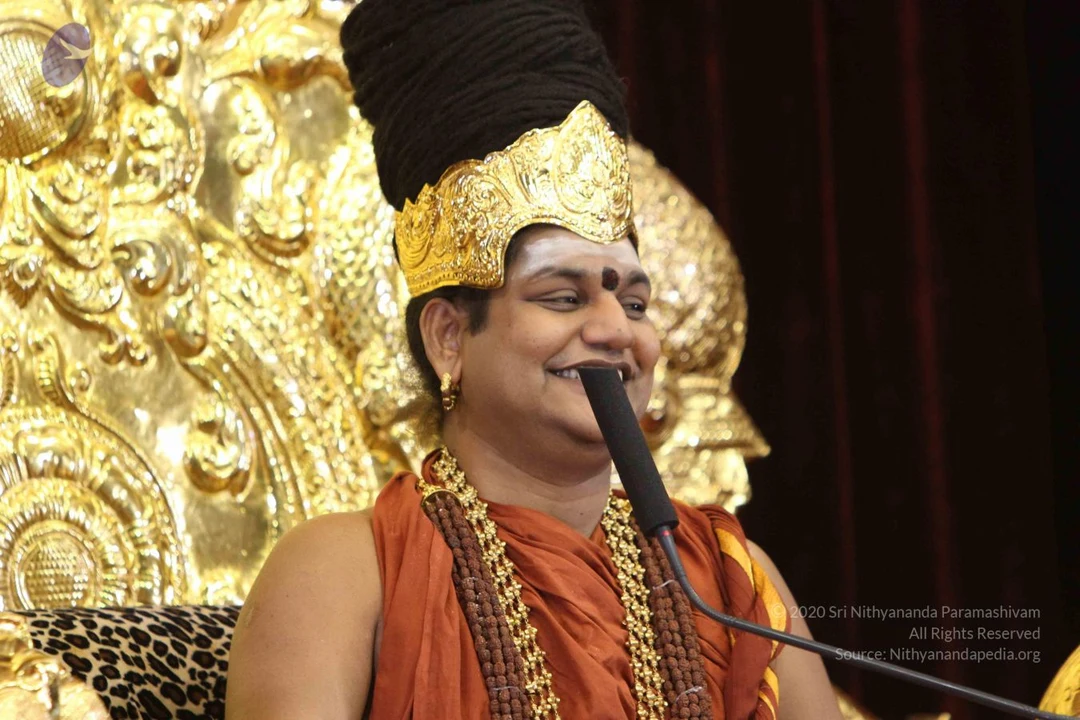
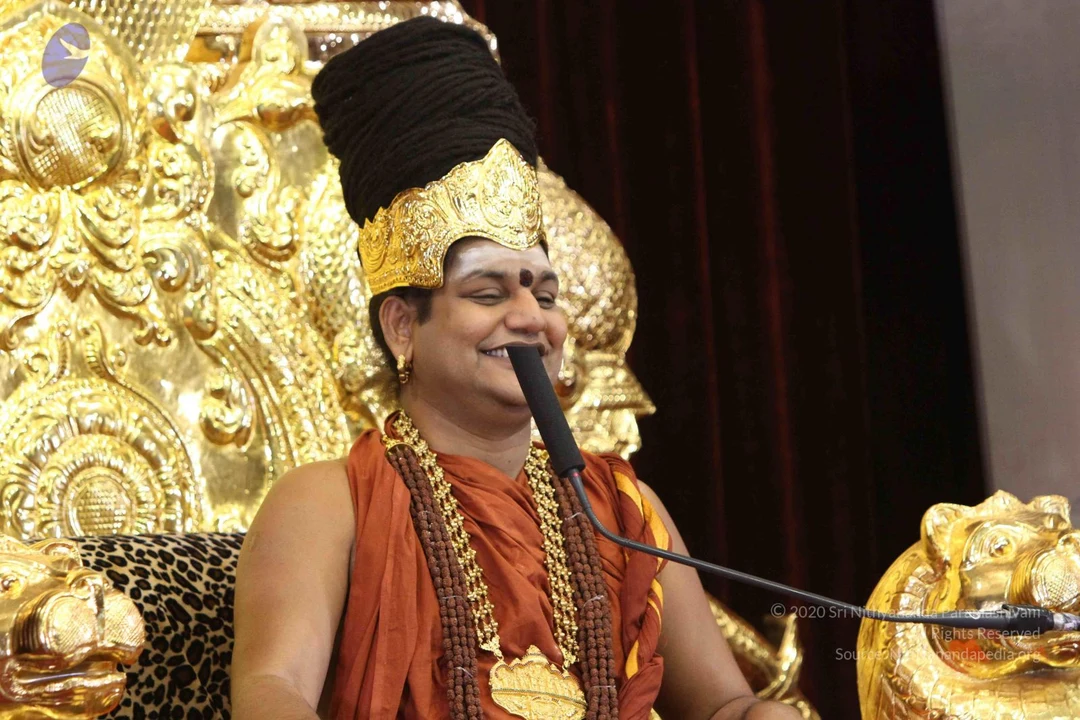
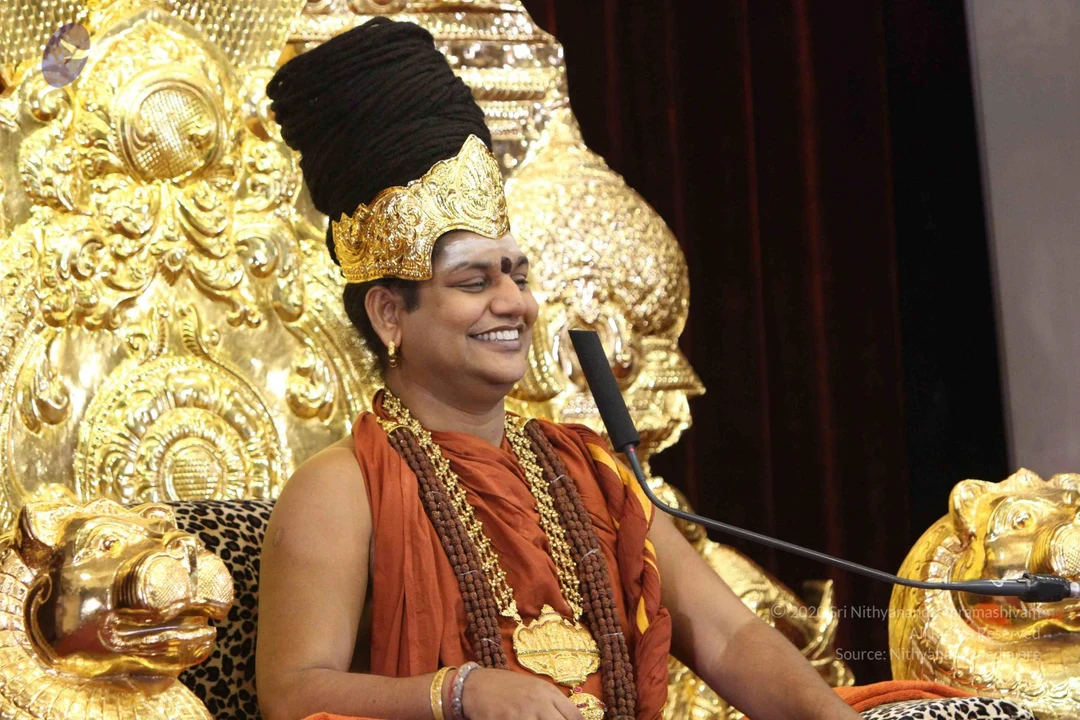
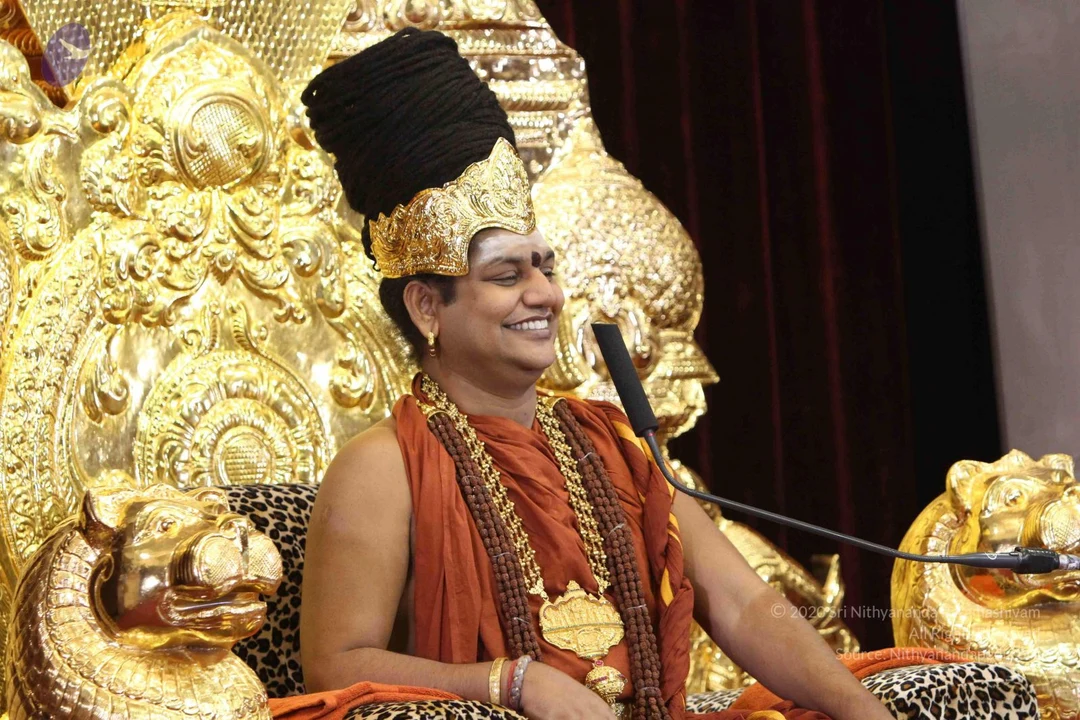
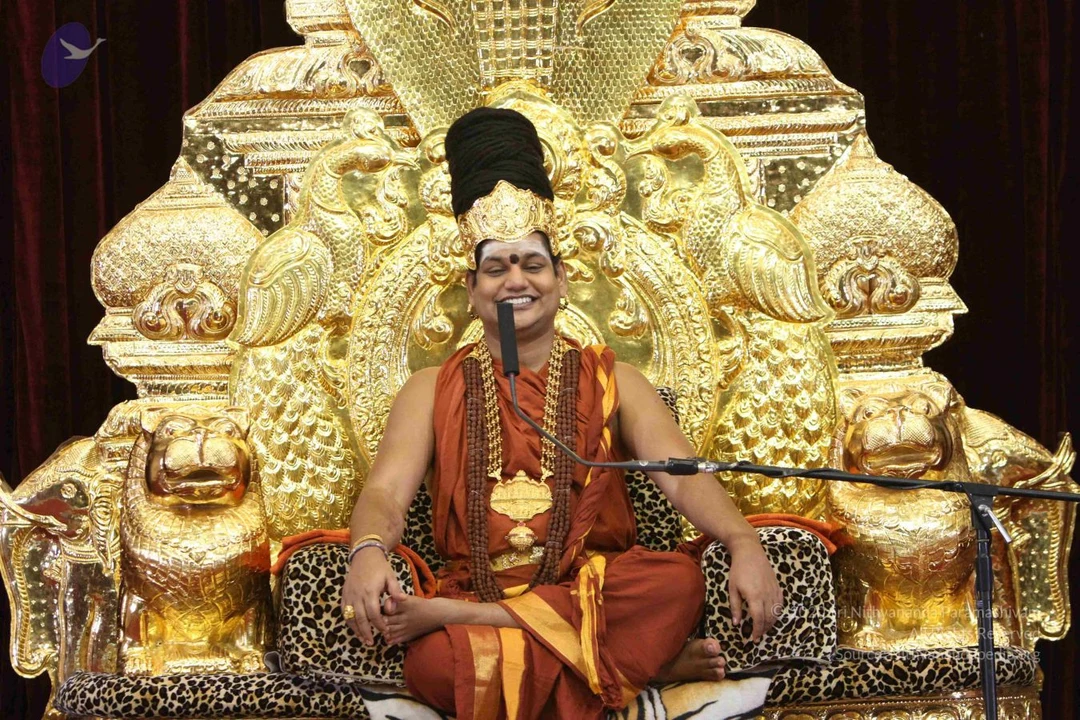
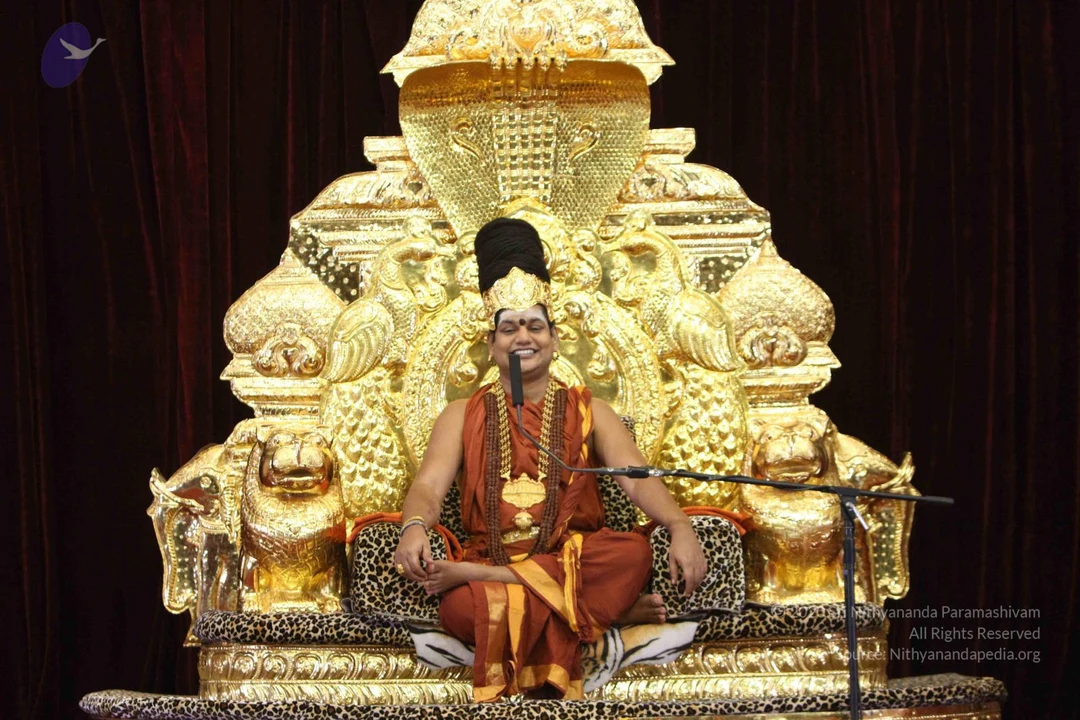
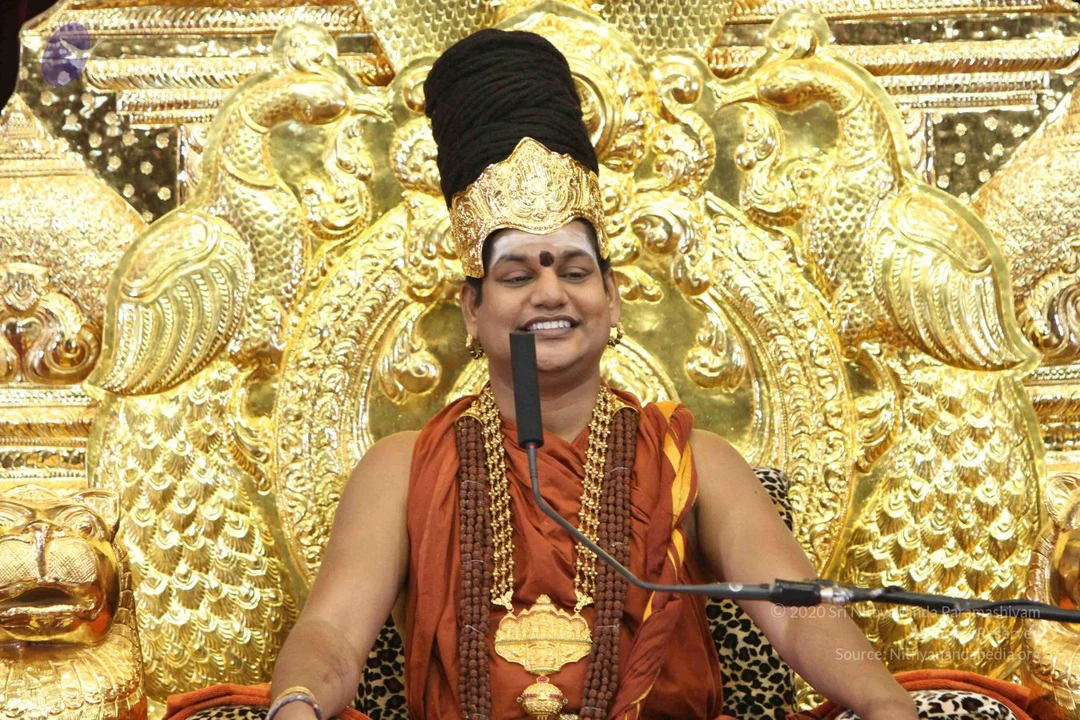
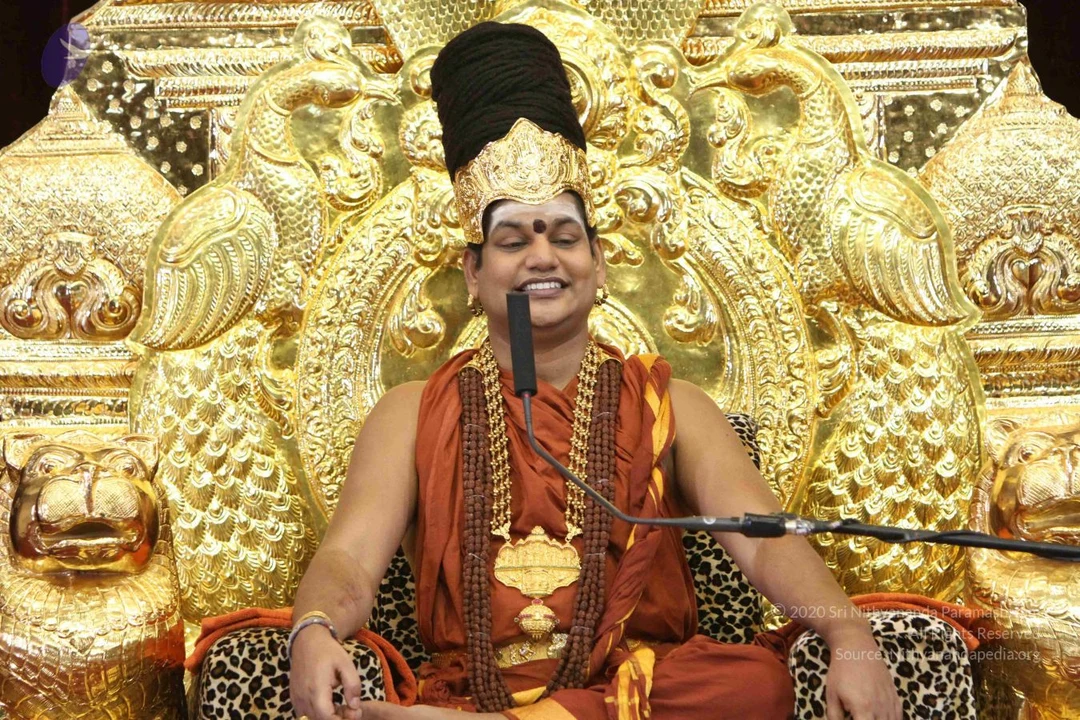
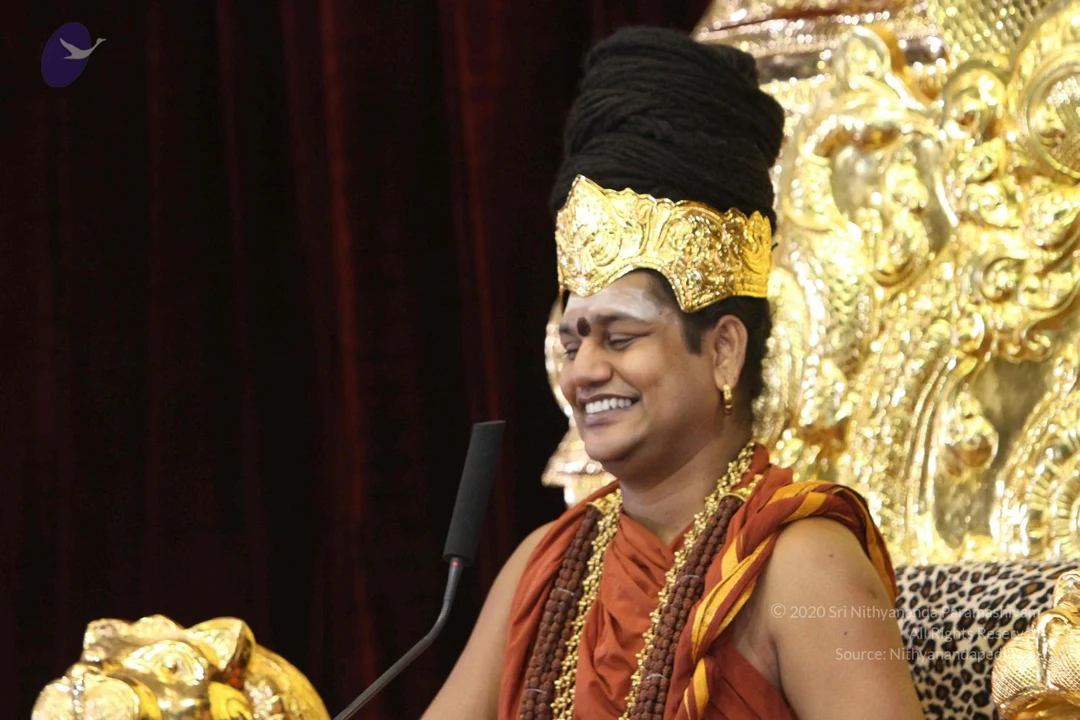
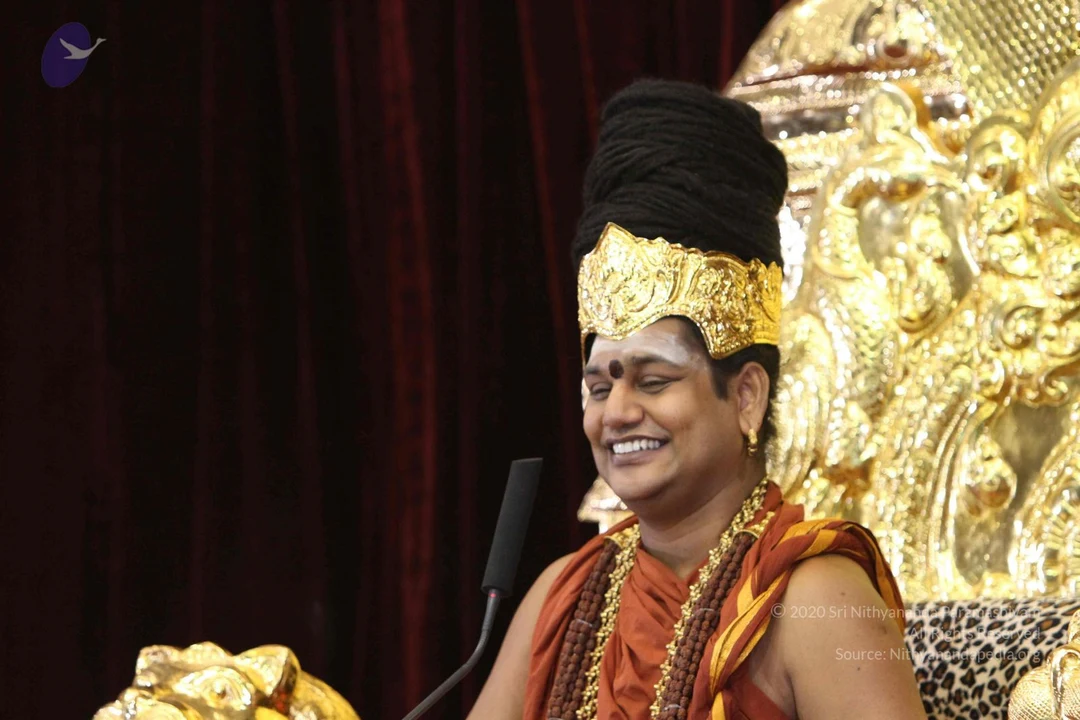
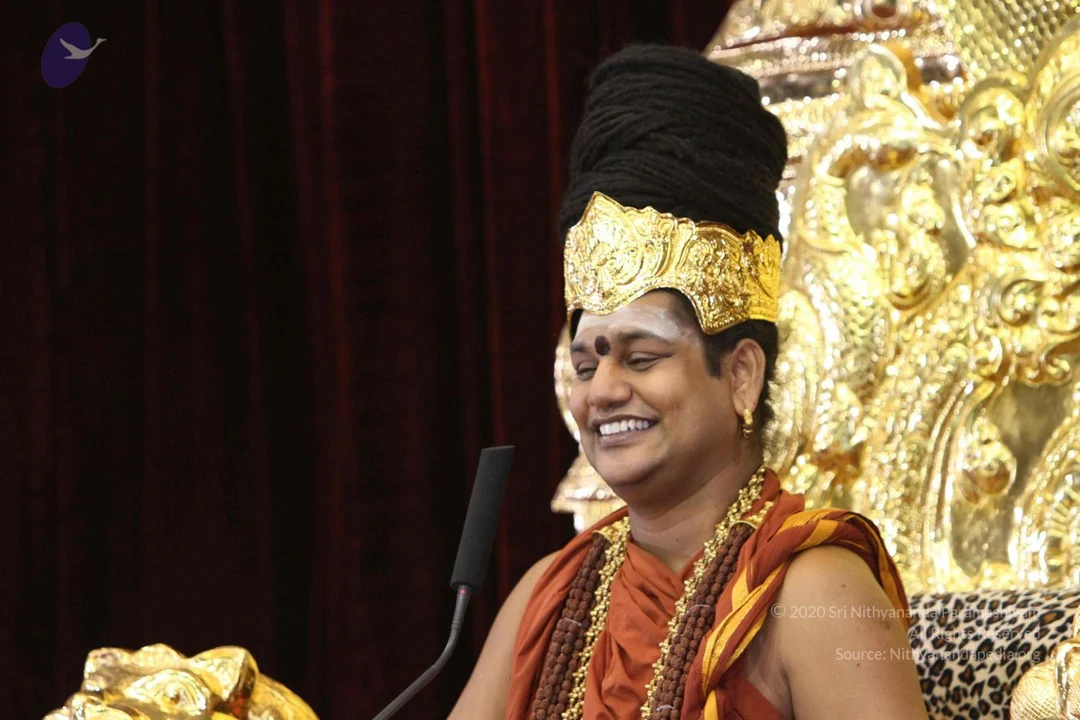
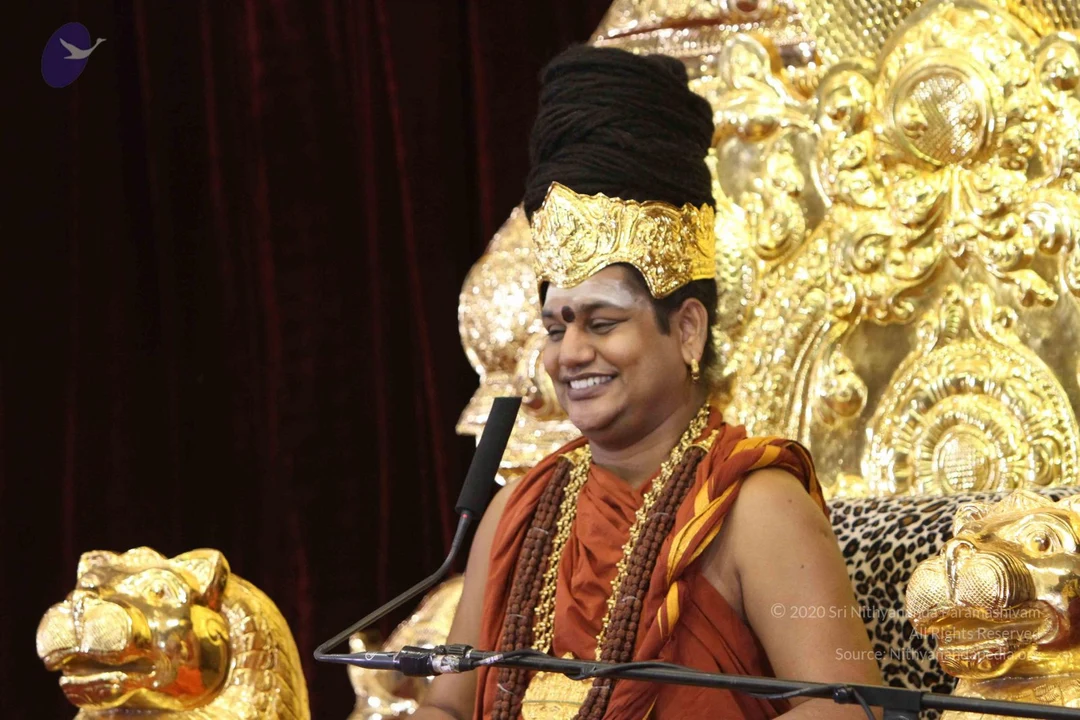
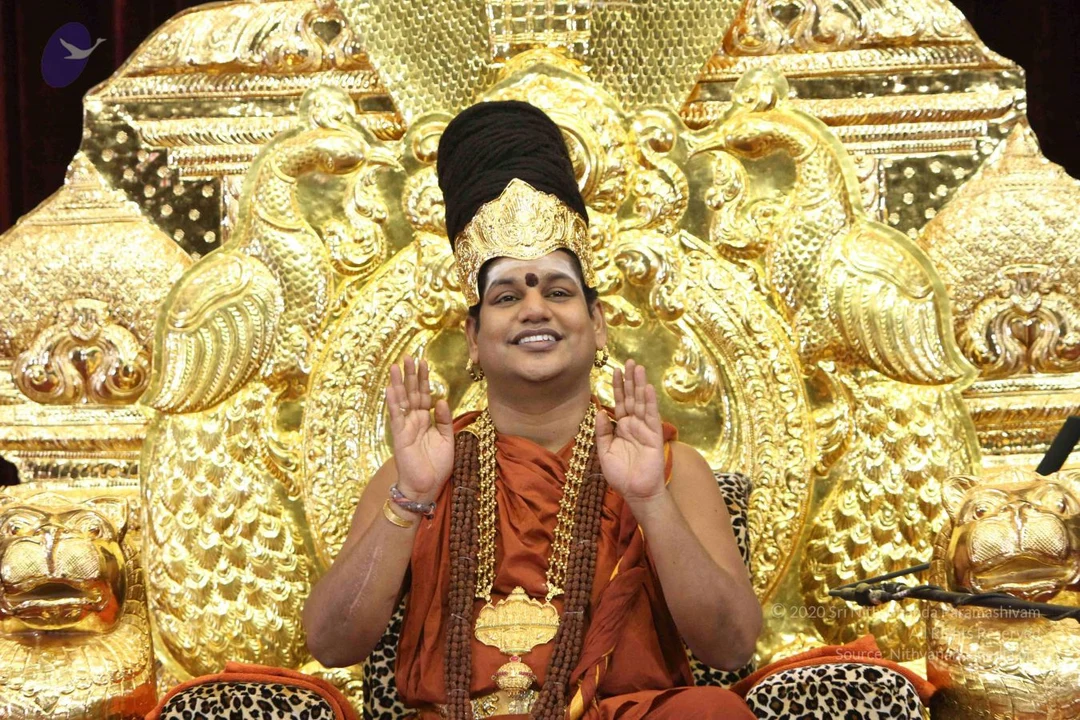
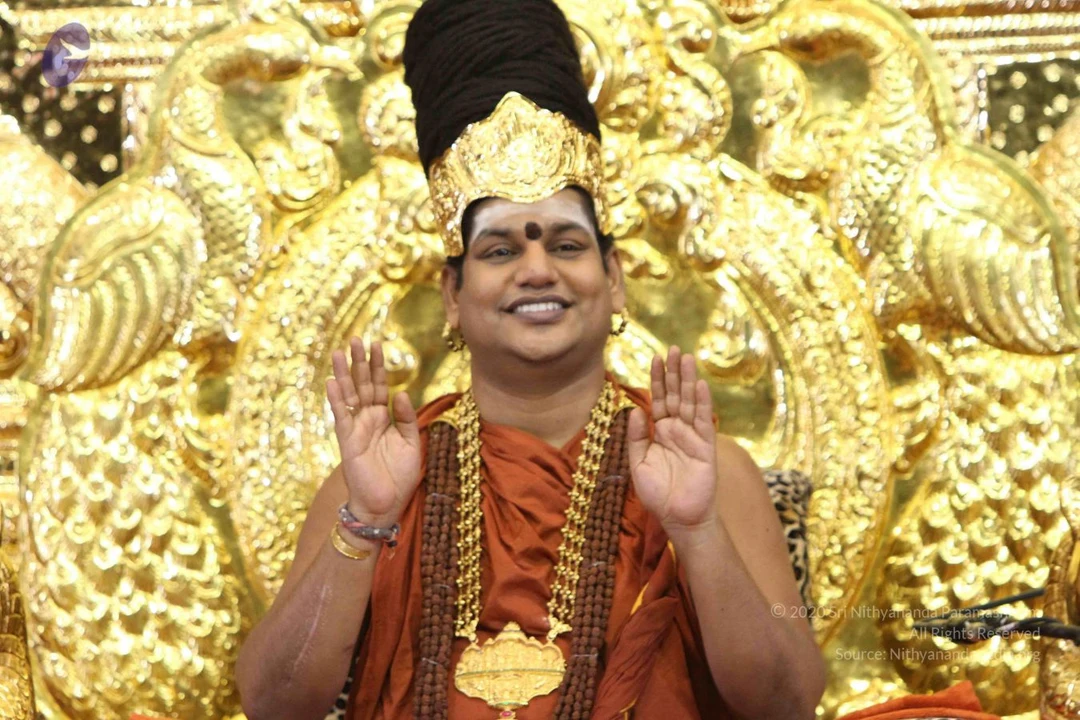
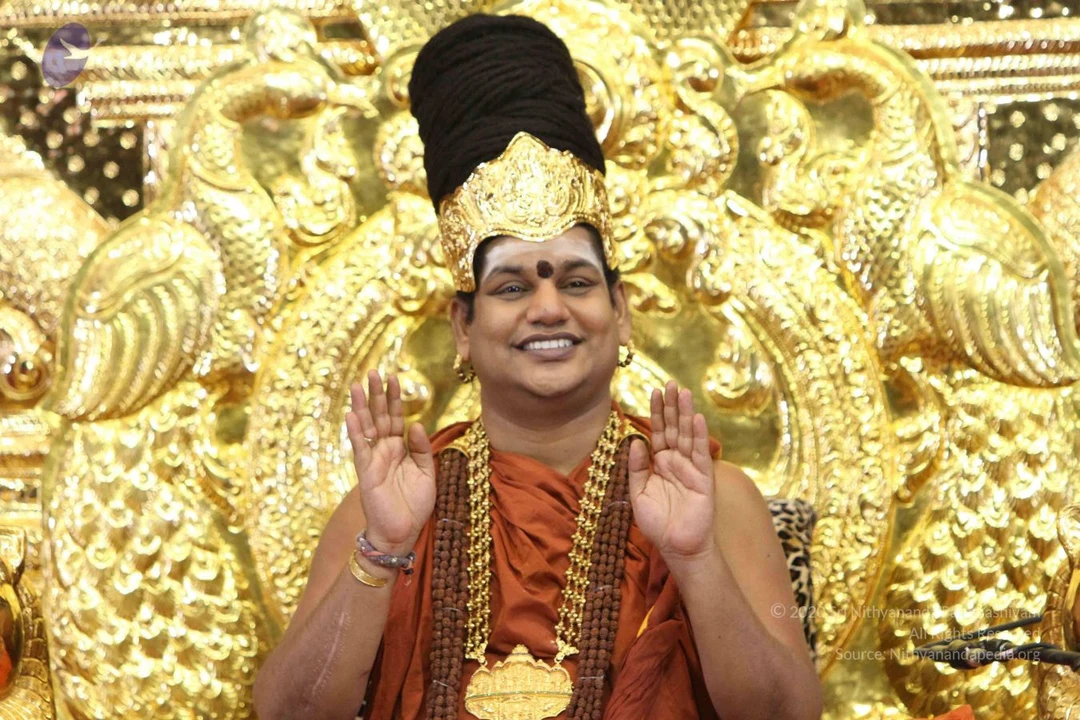
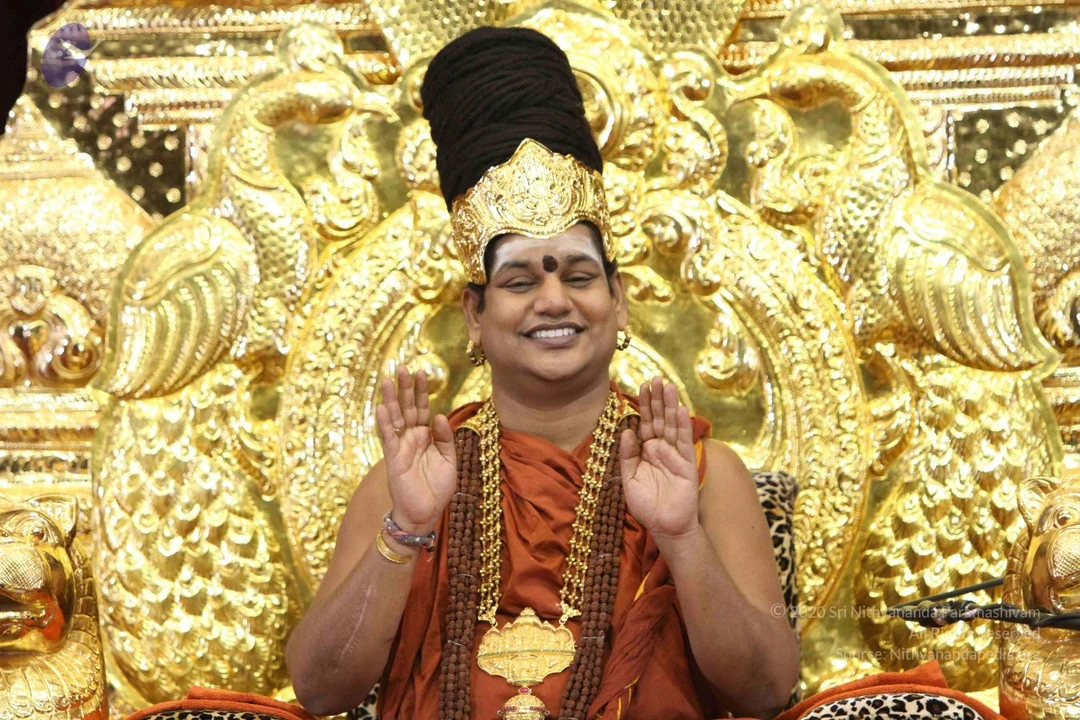
01-Shiva-Deeksha
2-Initiation
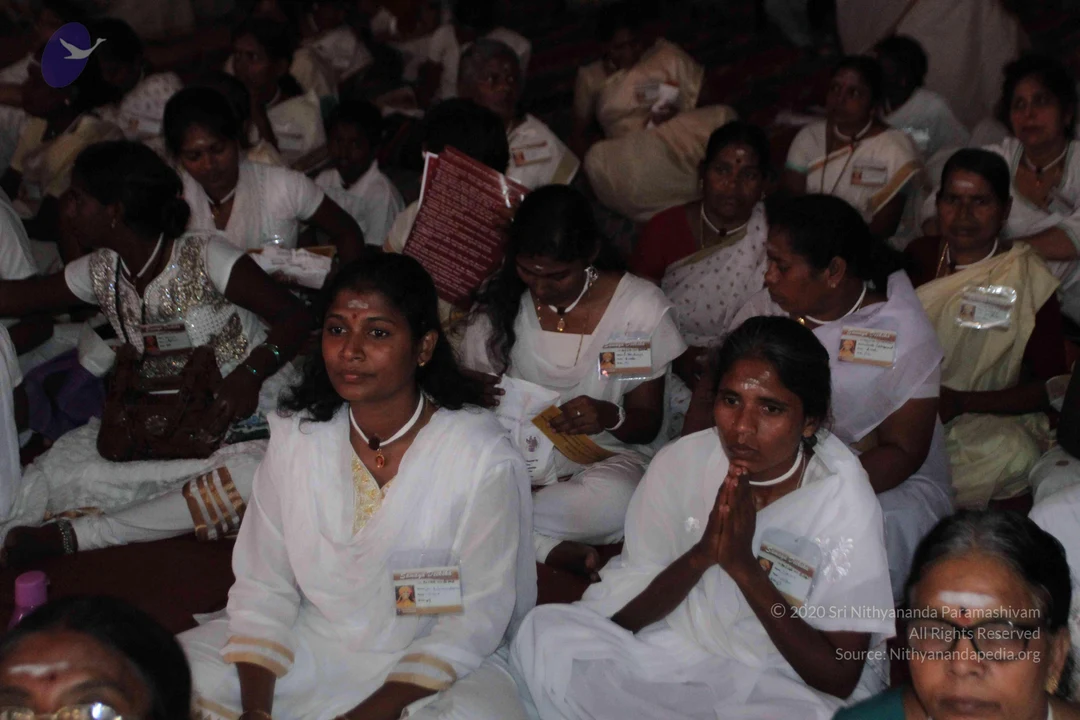
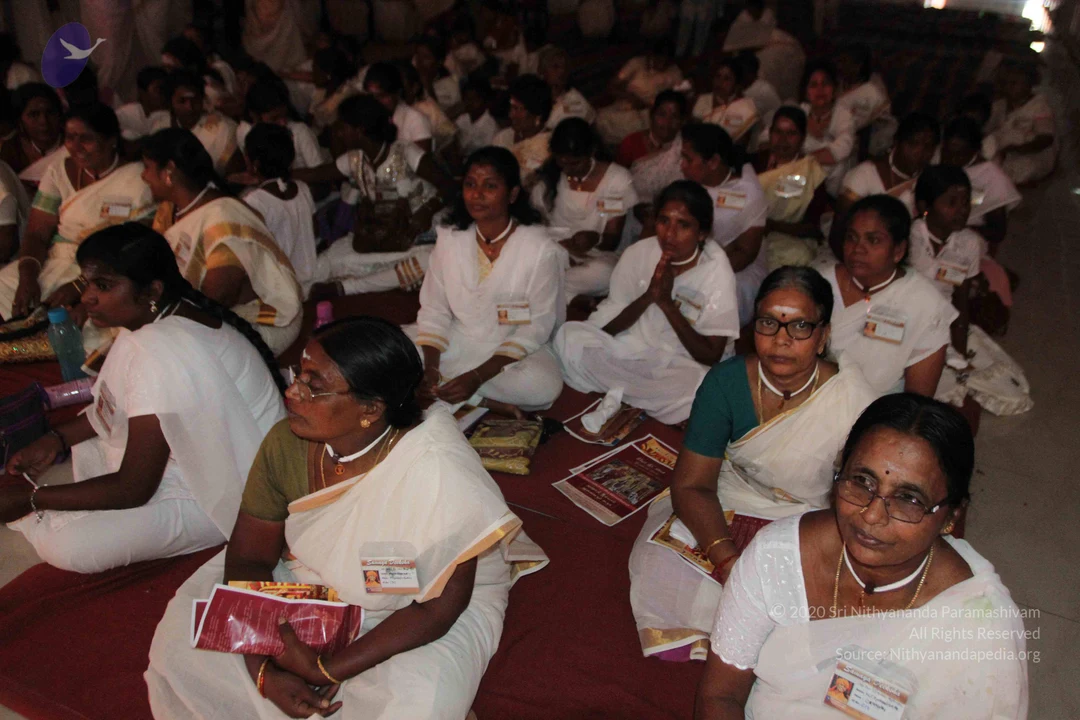
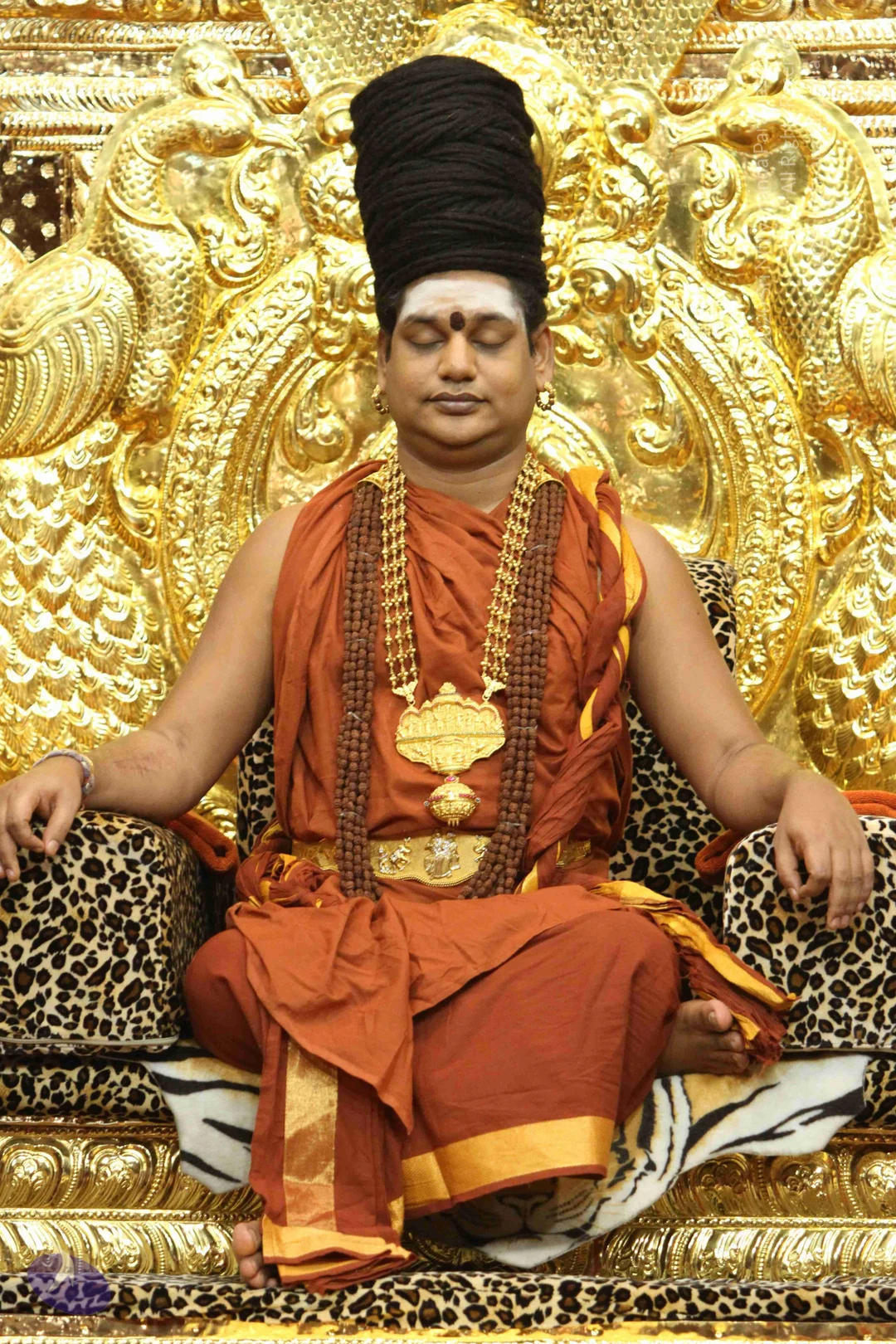
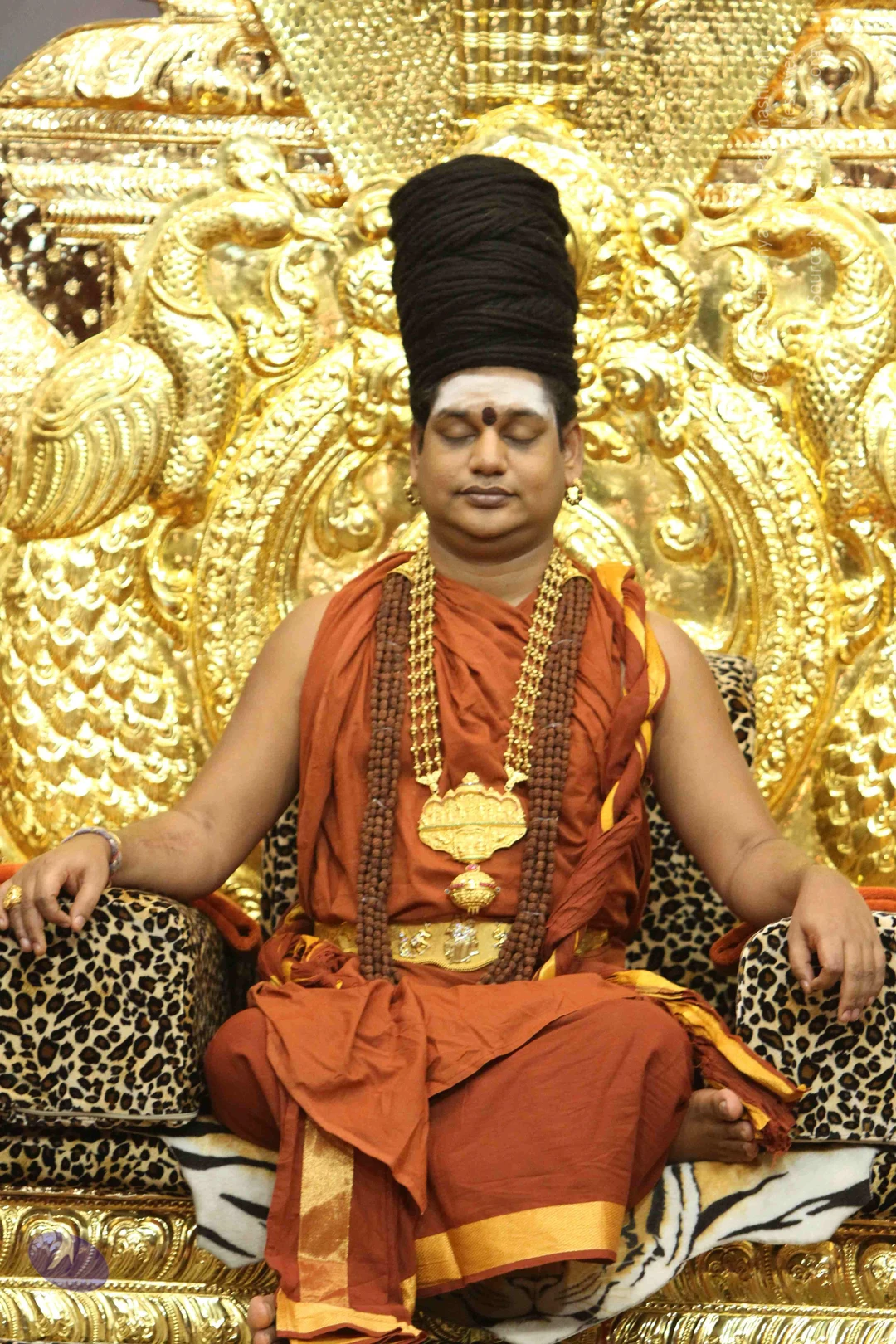
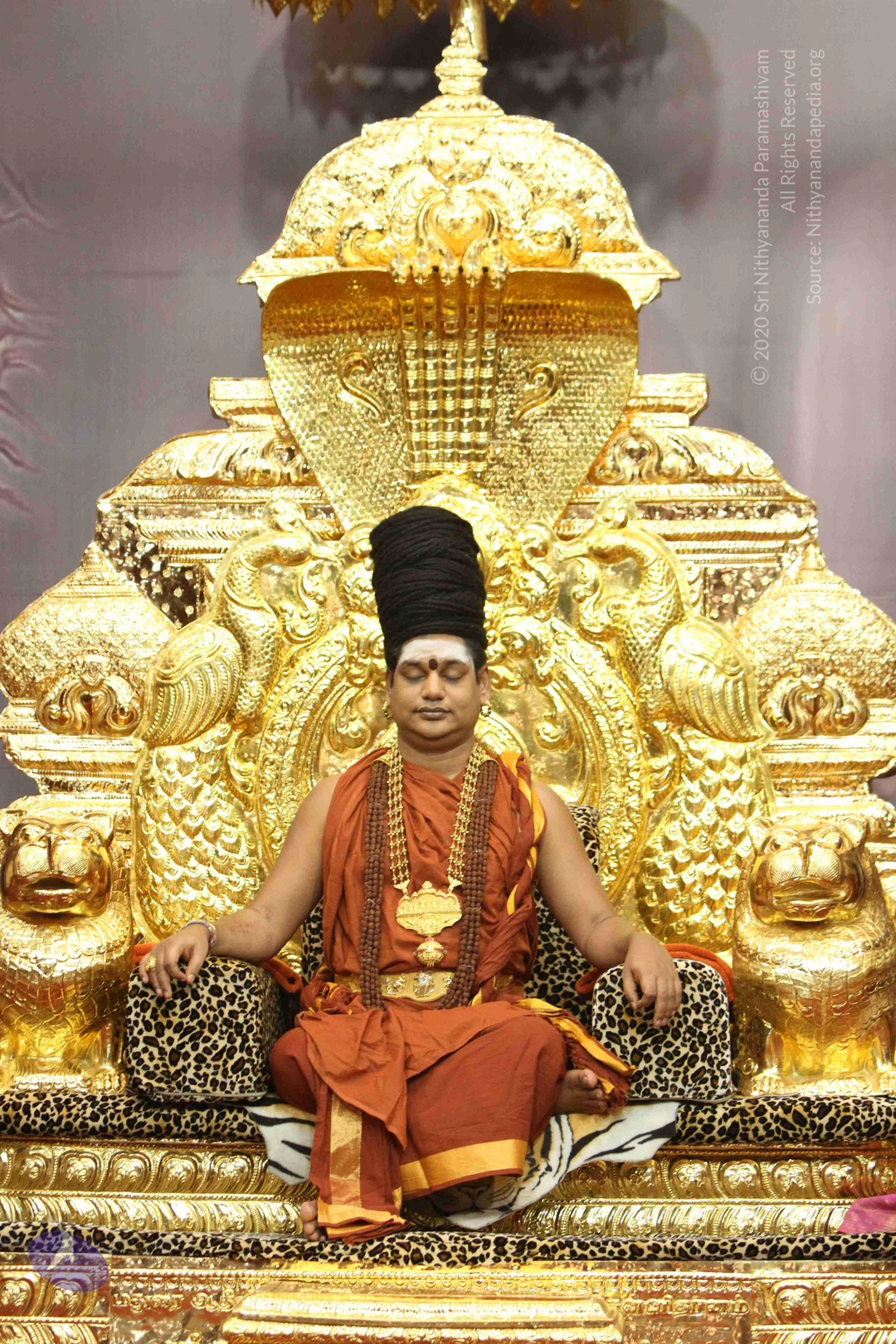
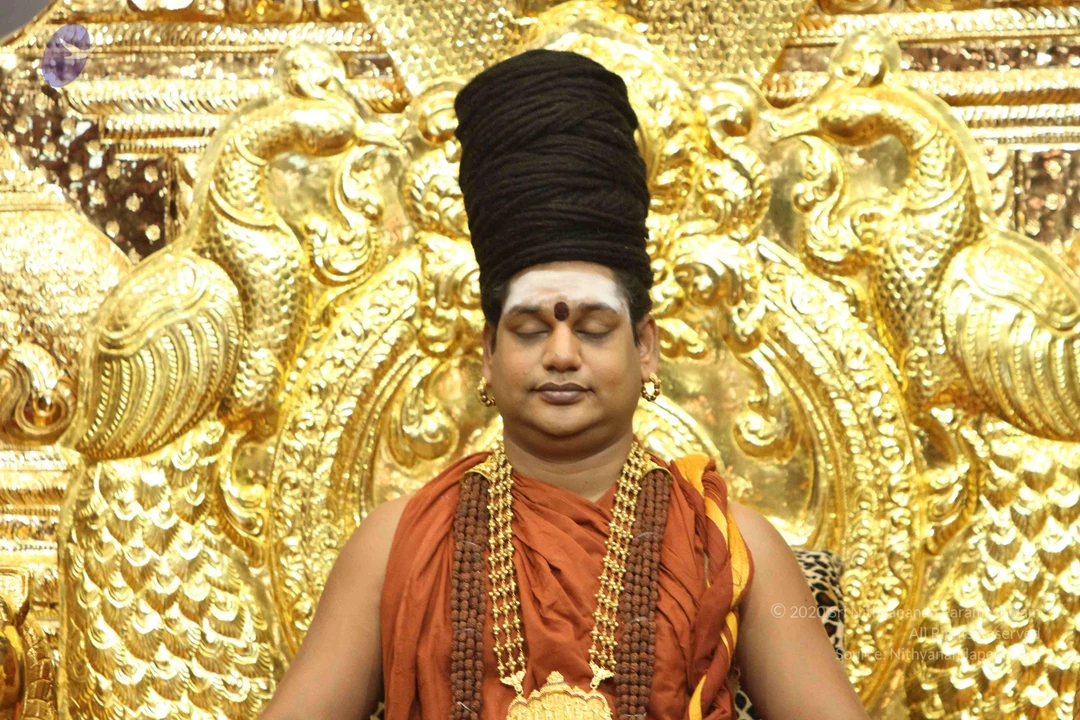
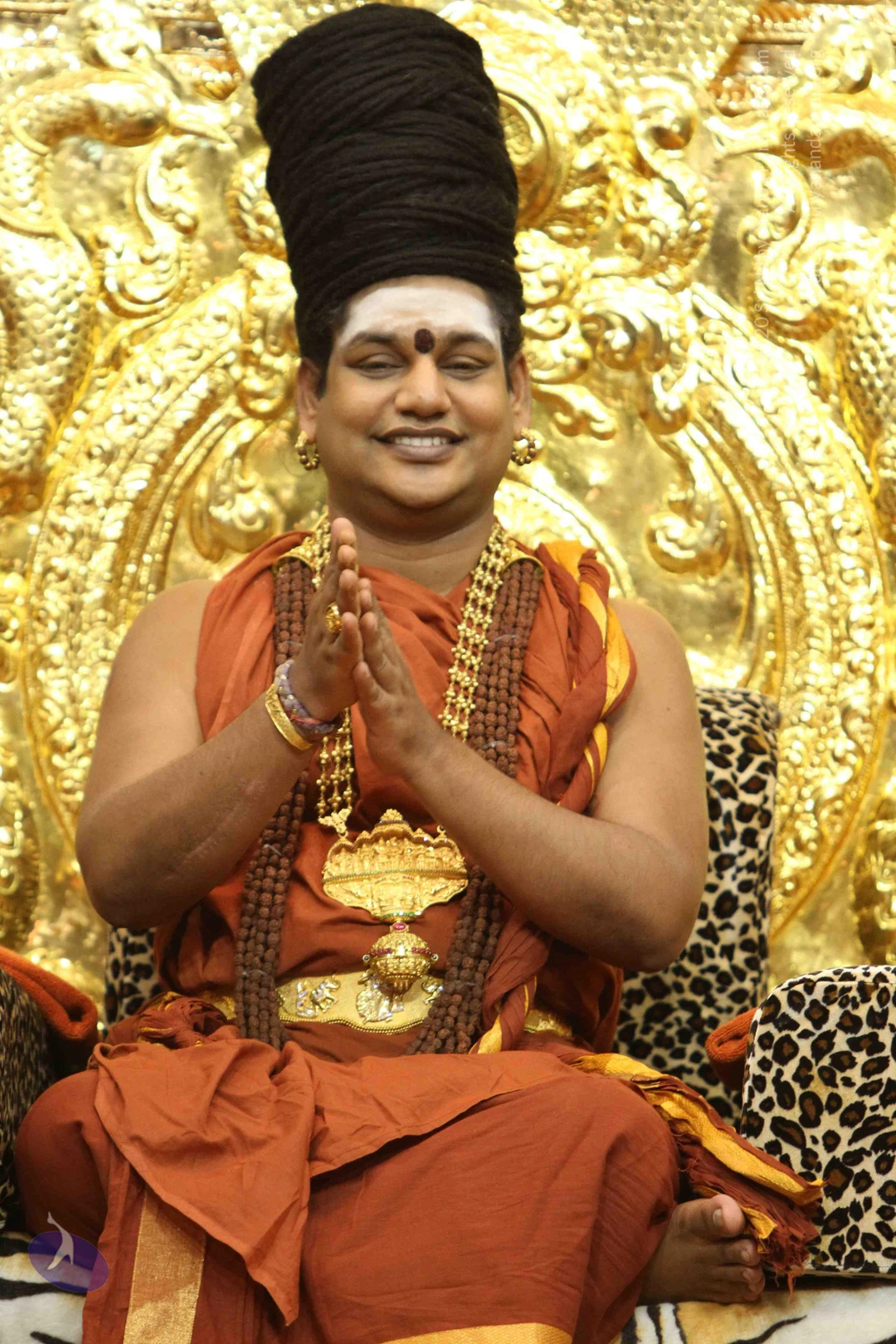
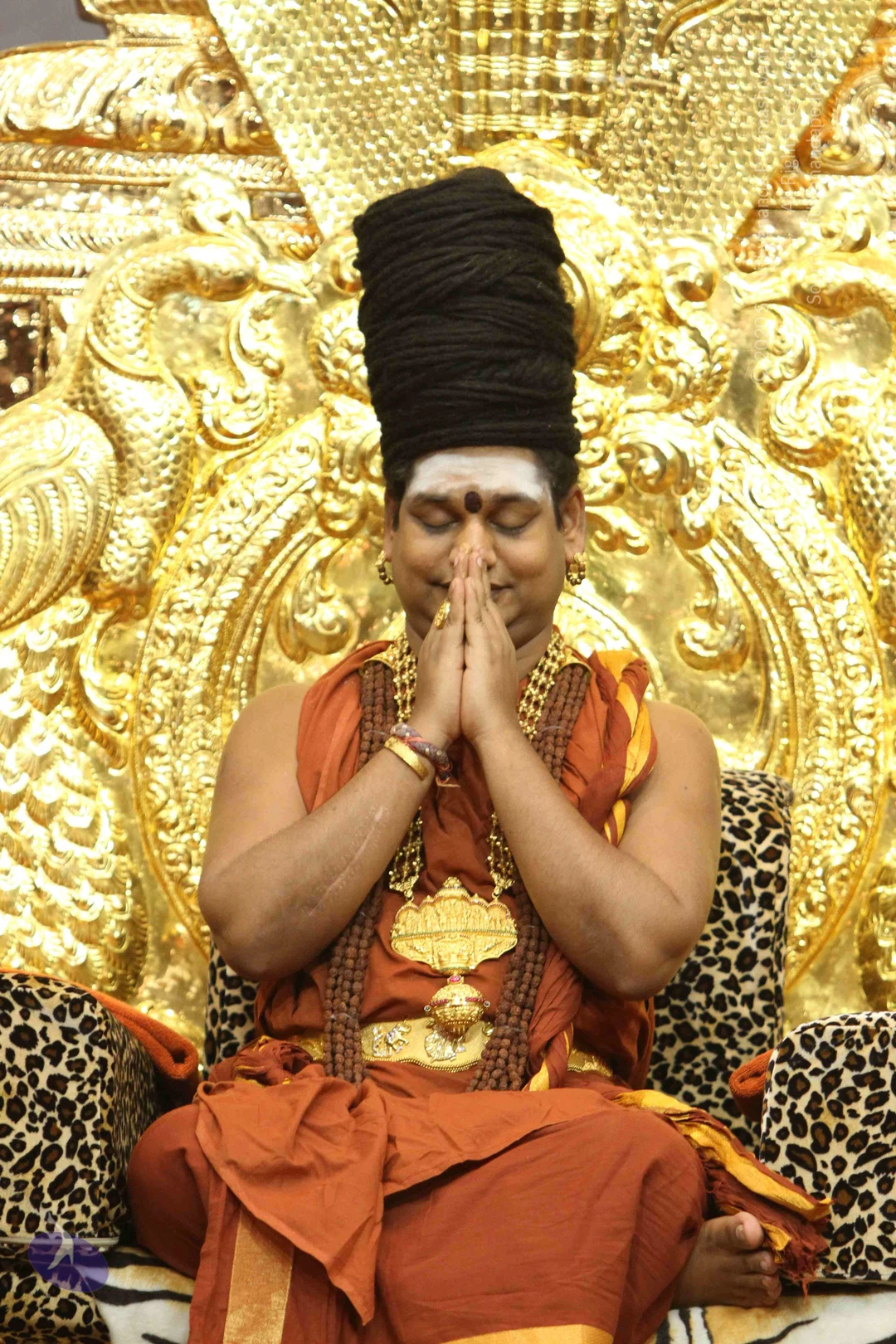
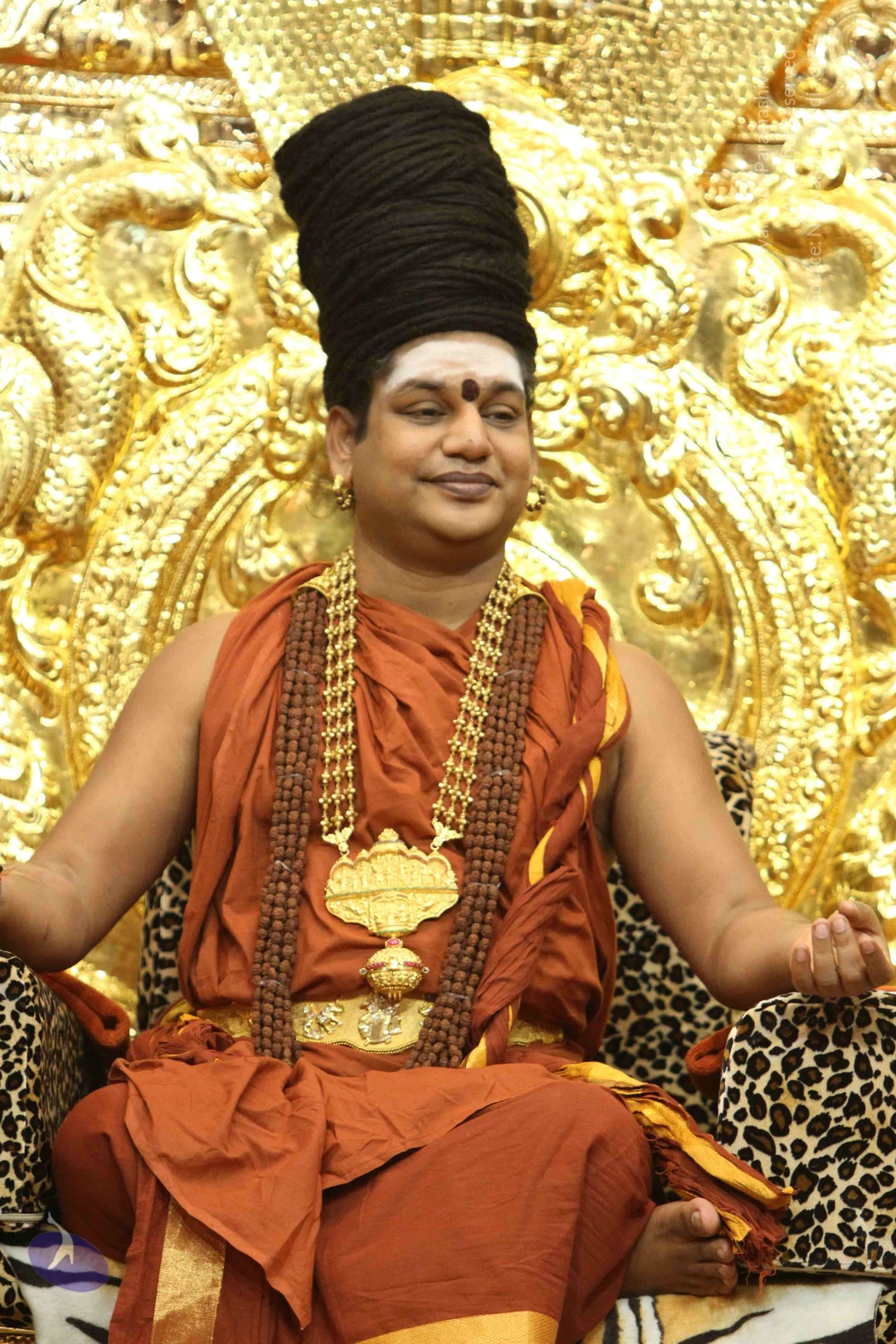
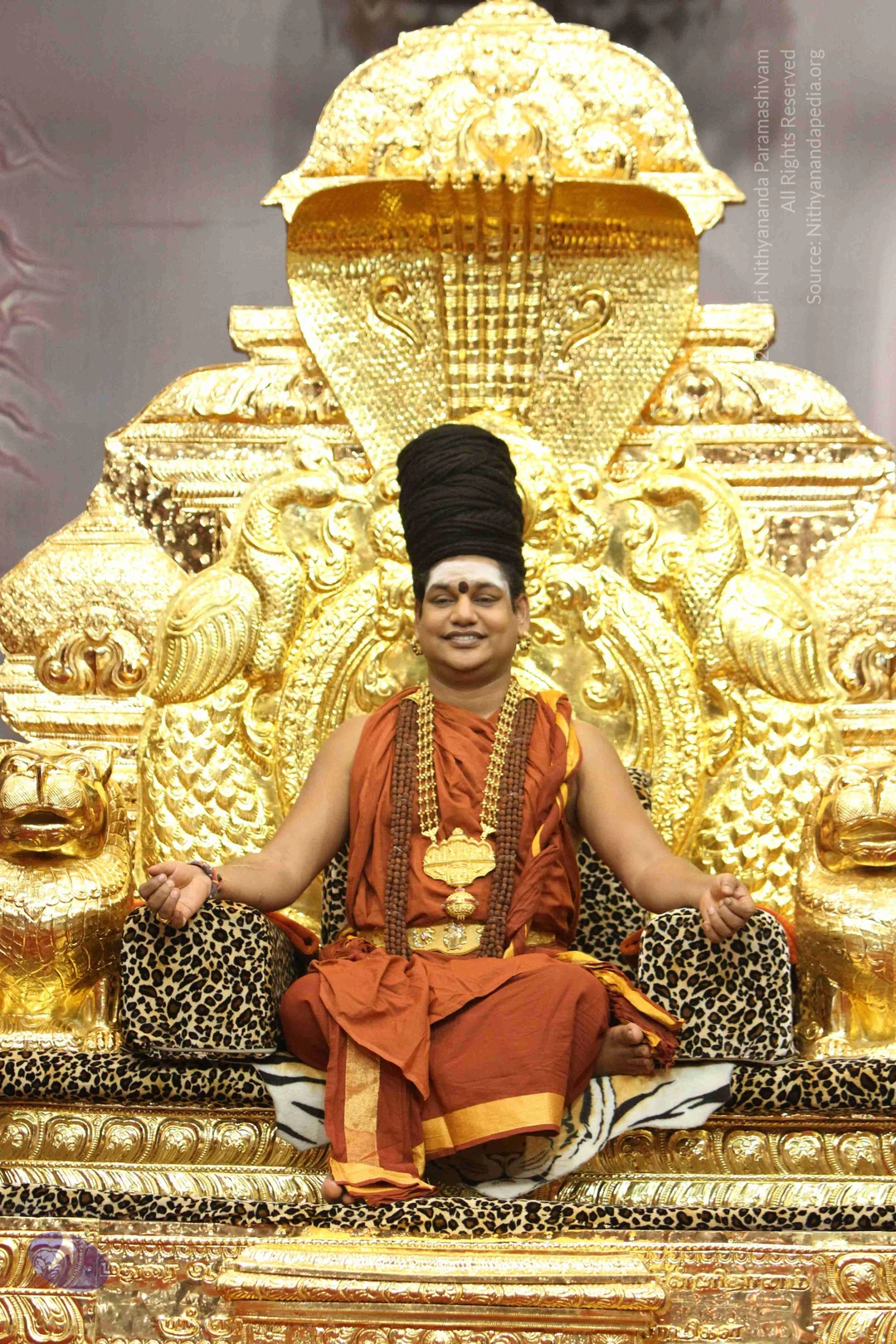
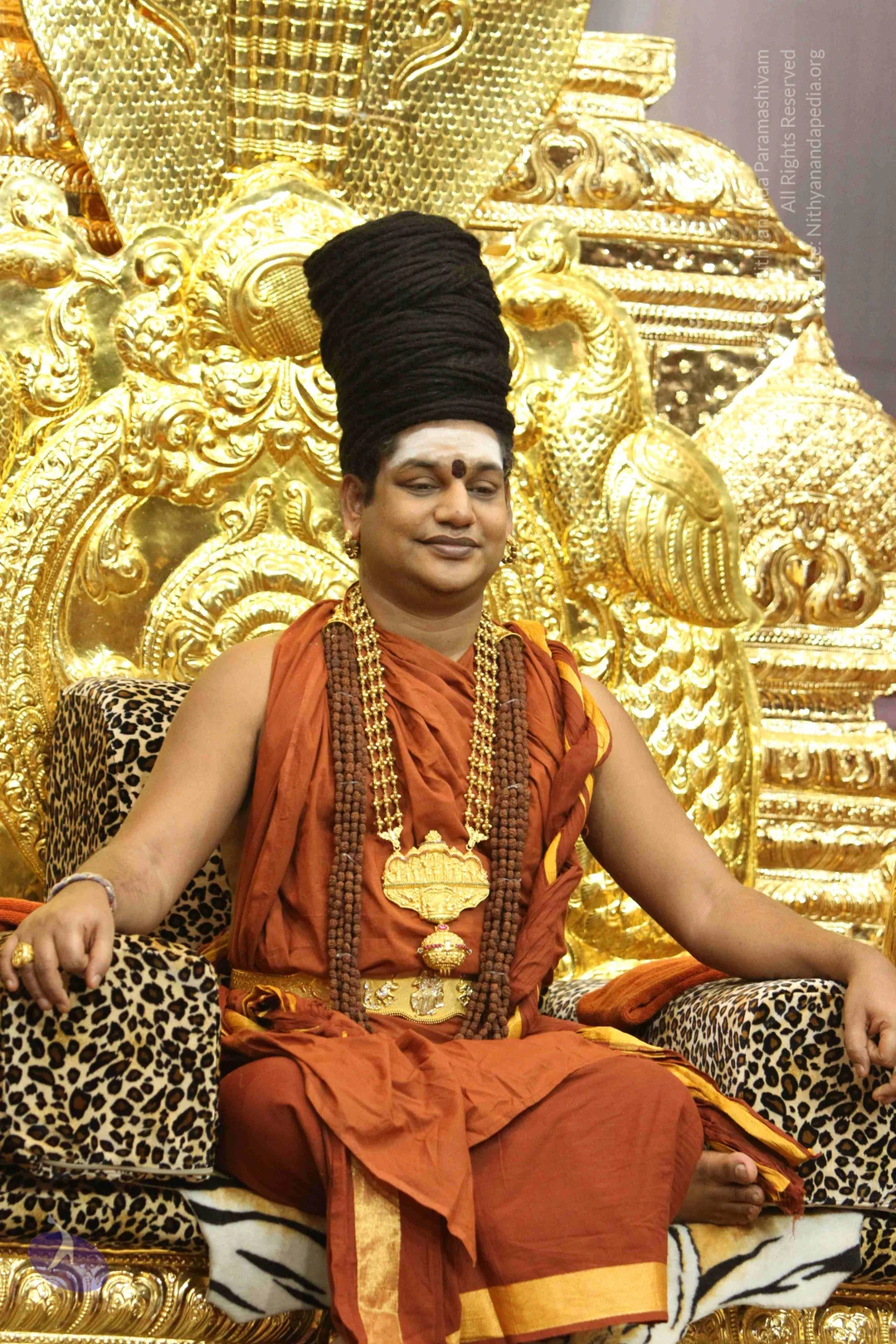
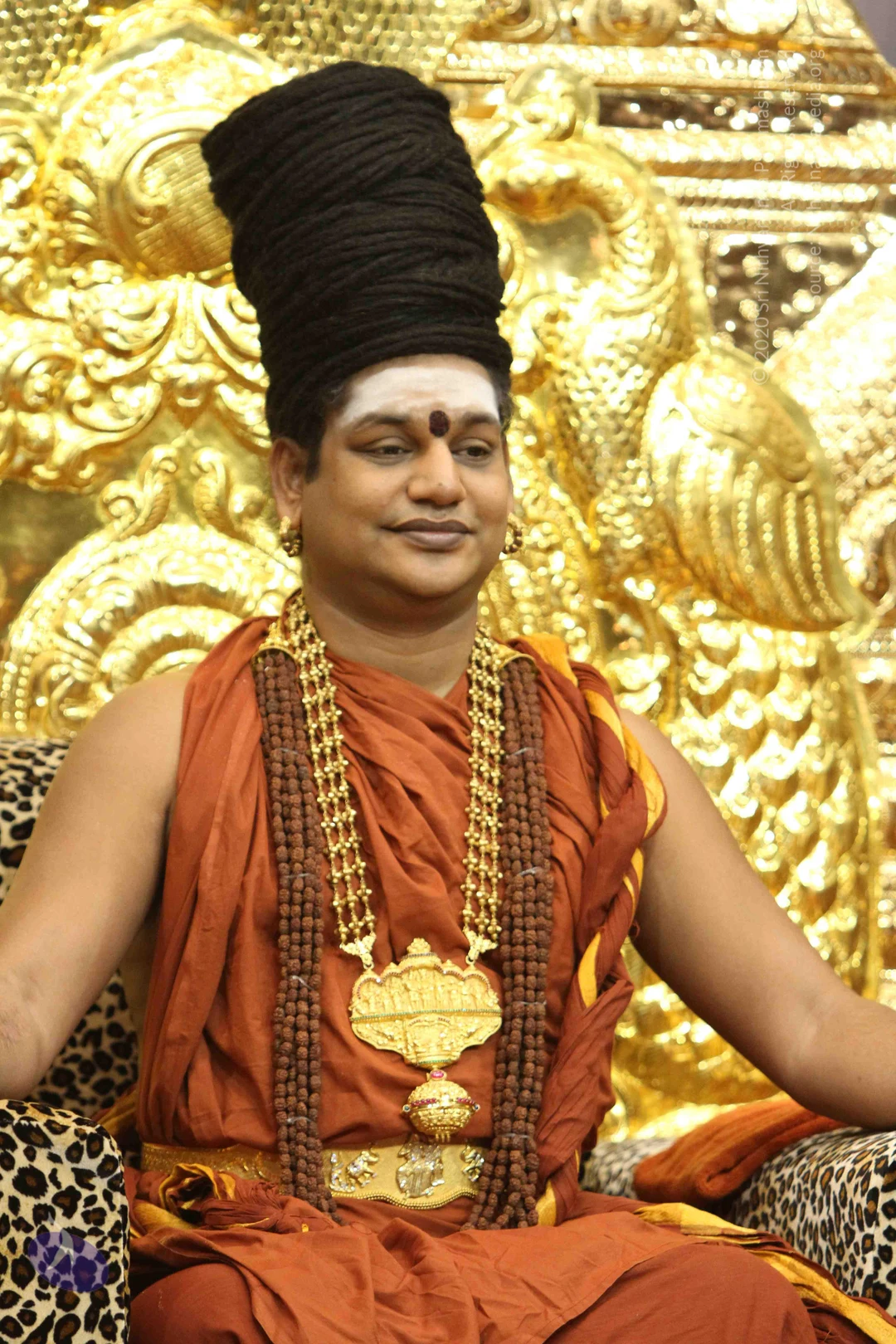
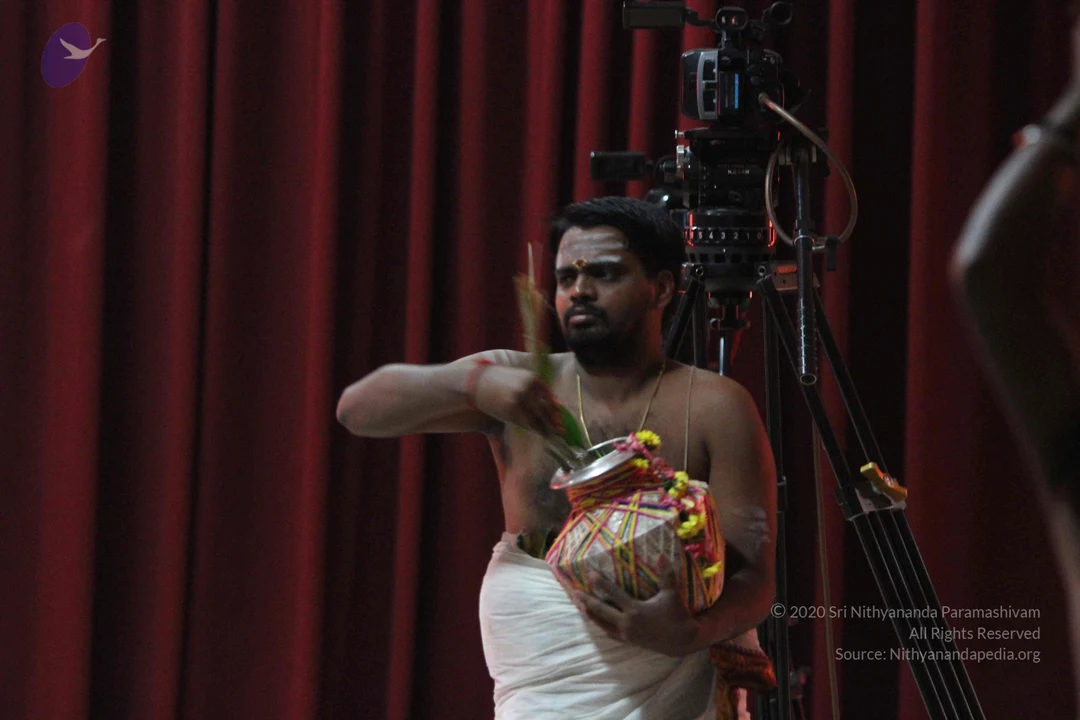
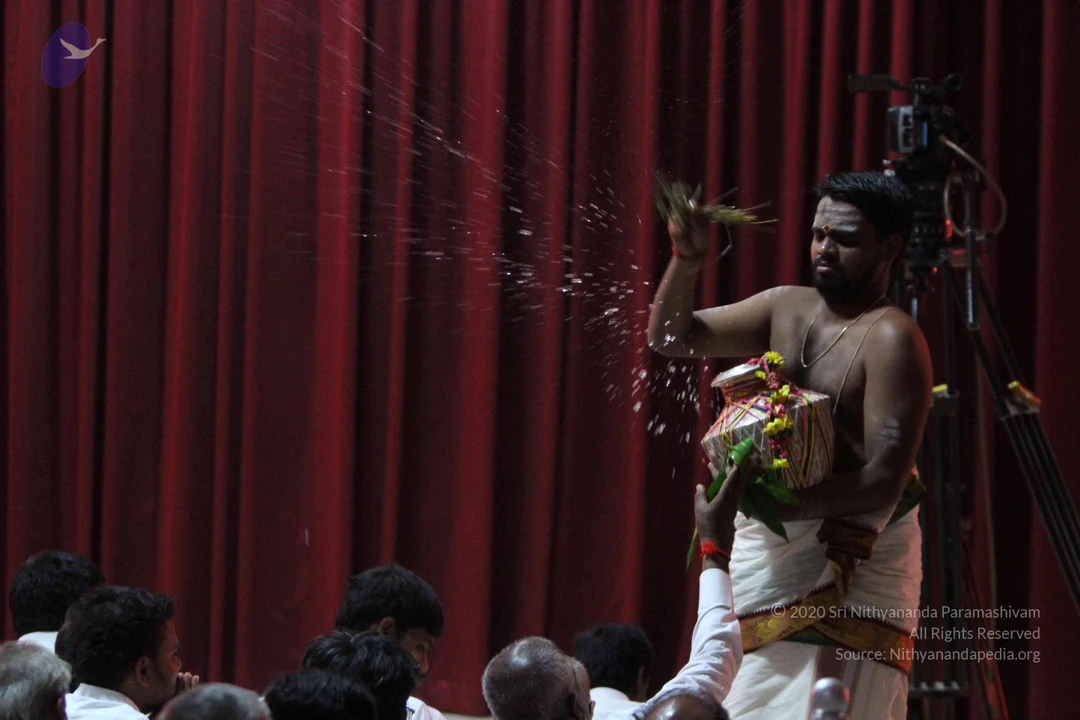
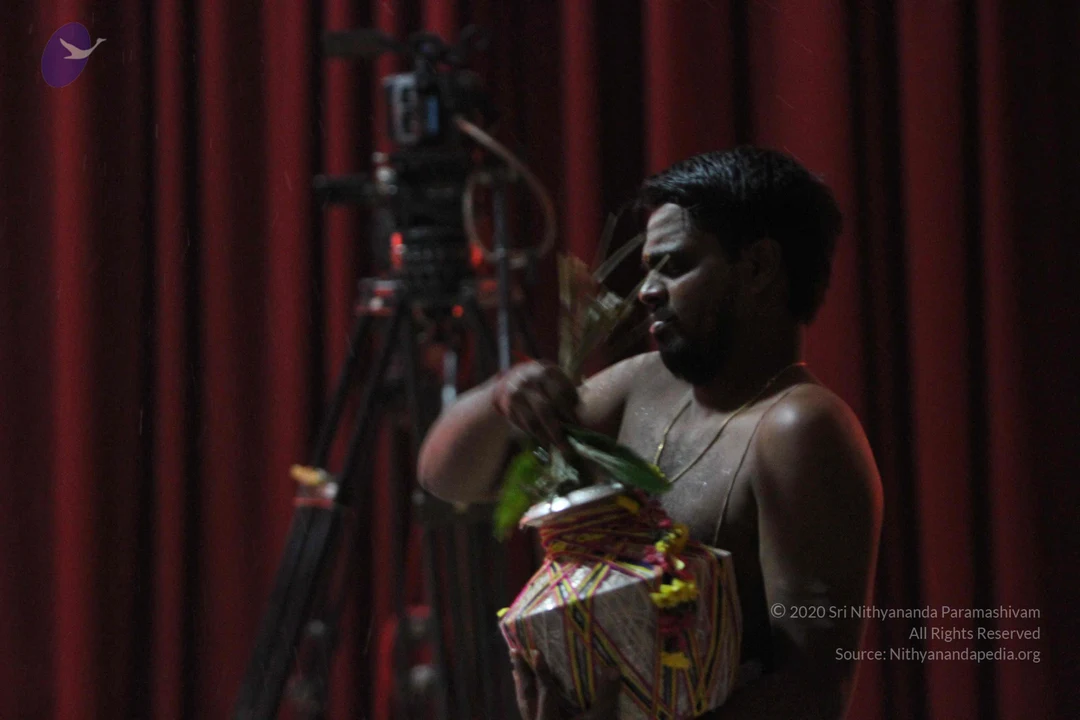
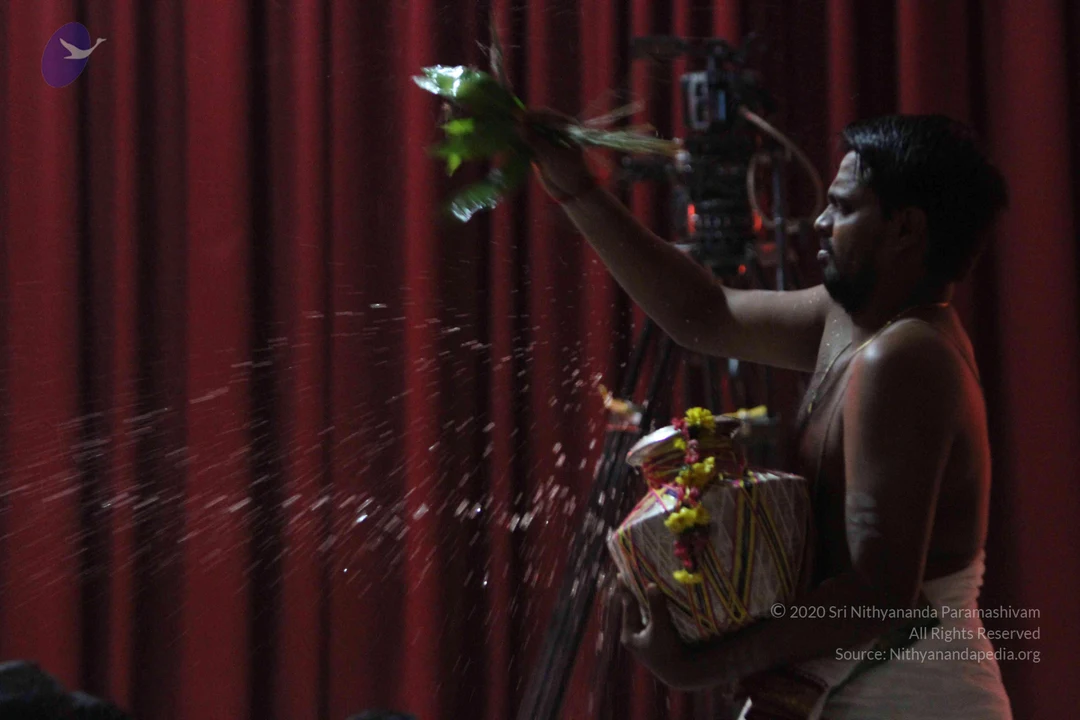
3-Evening-Satsang
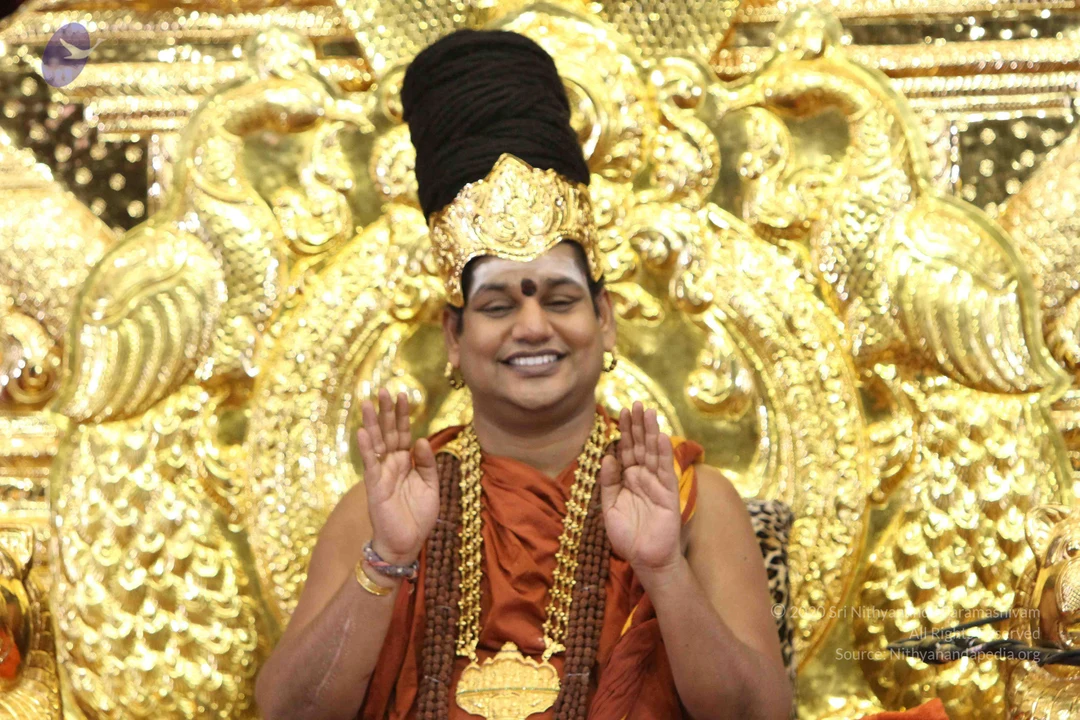
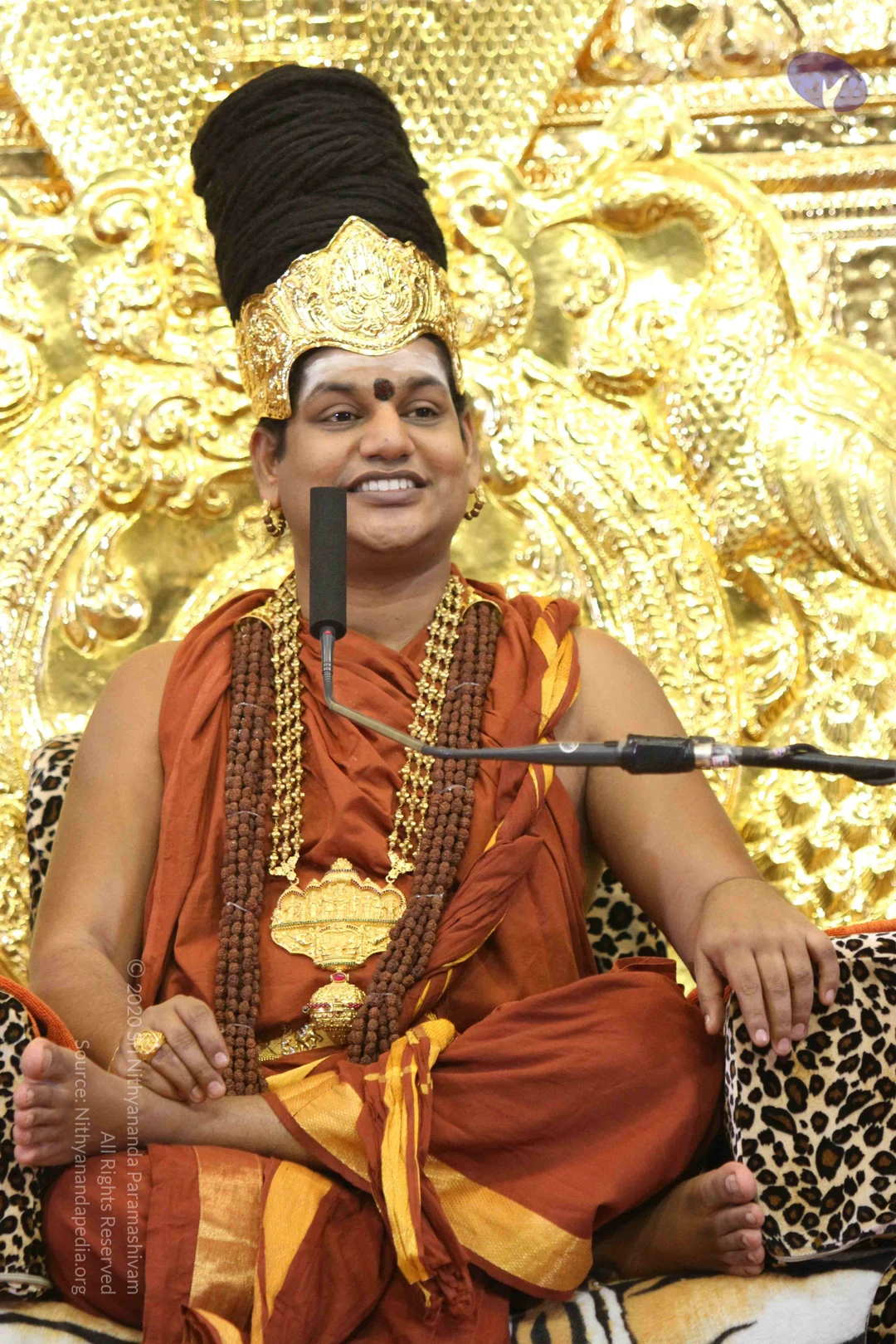
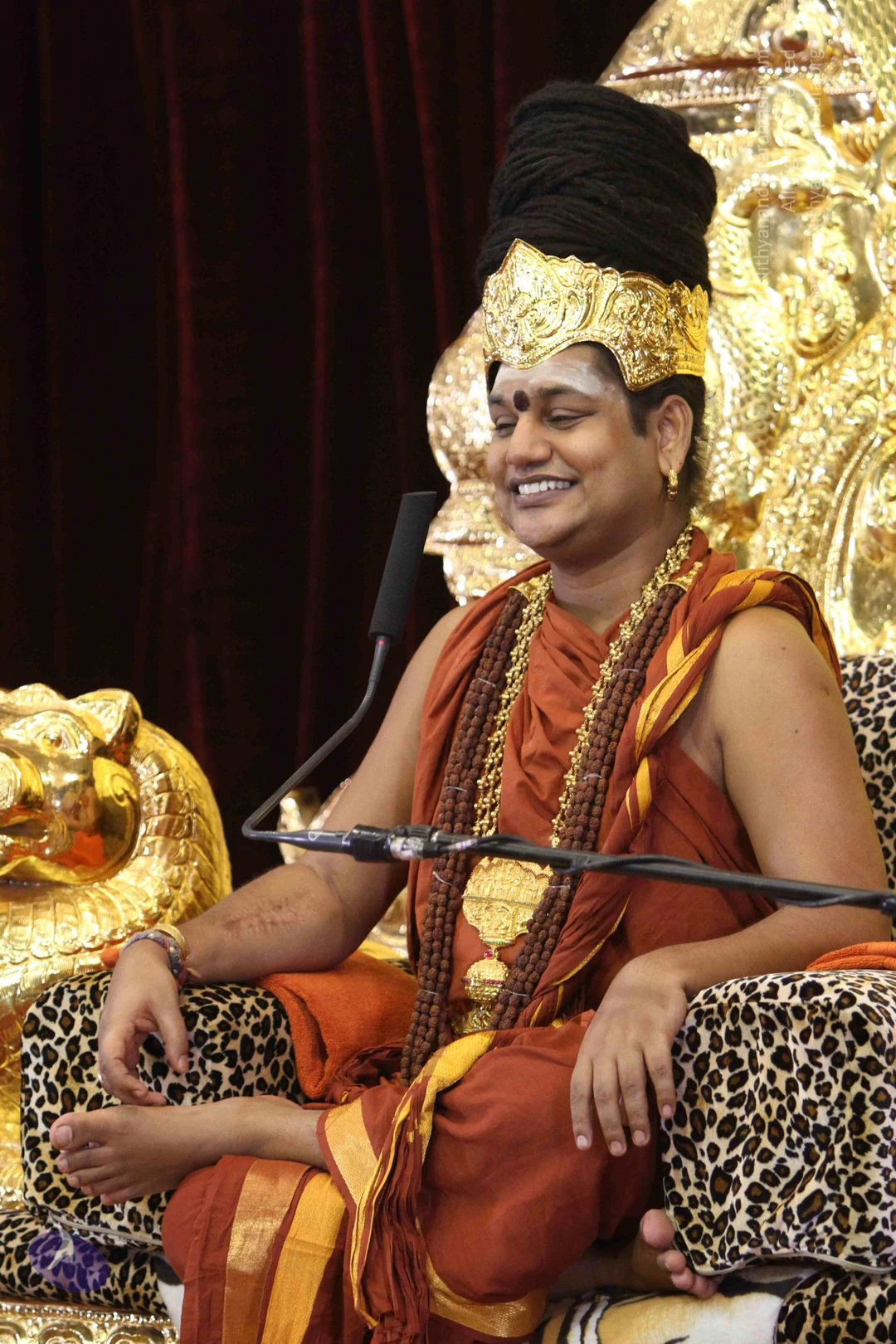
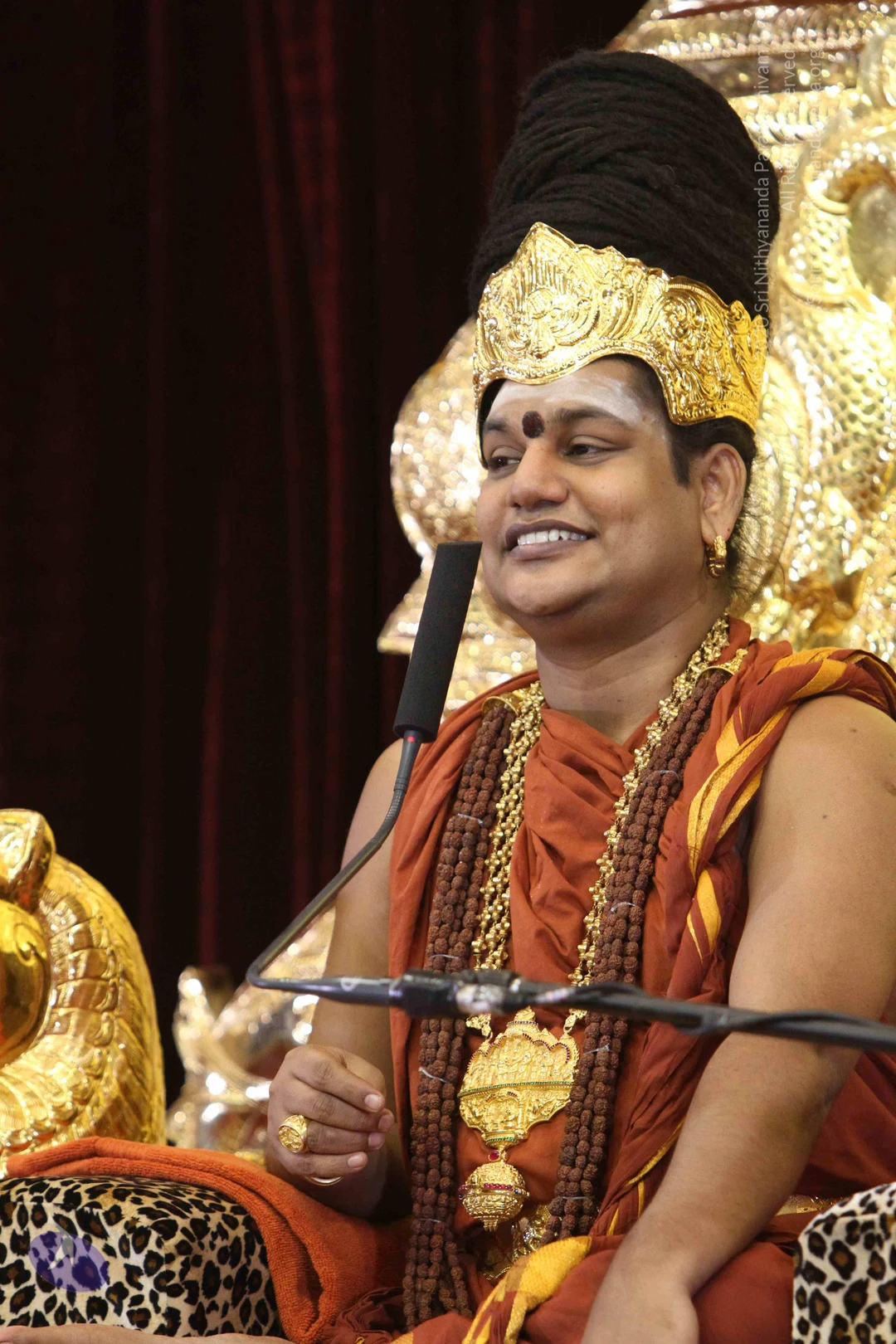
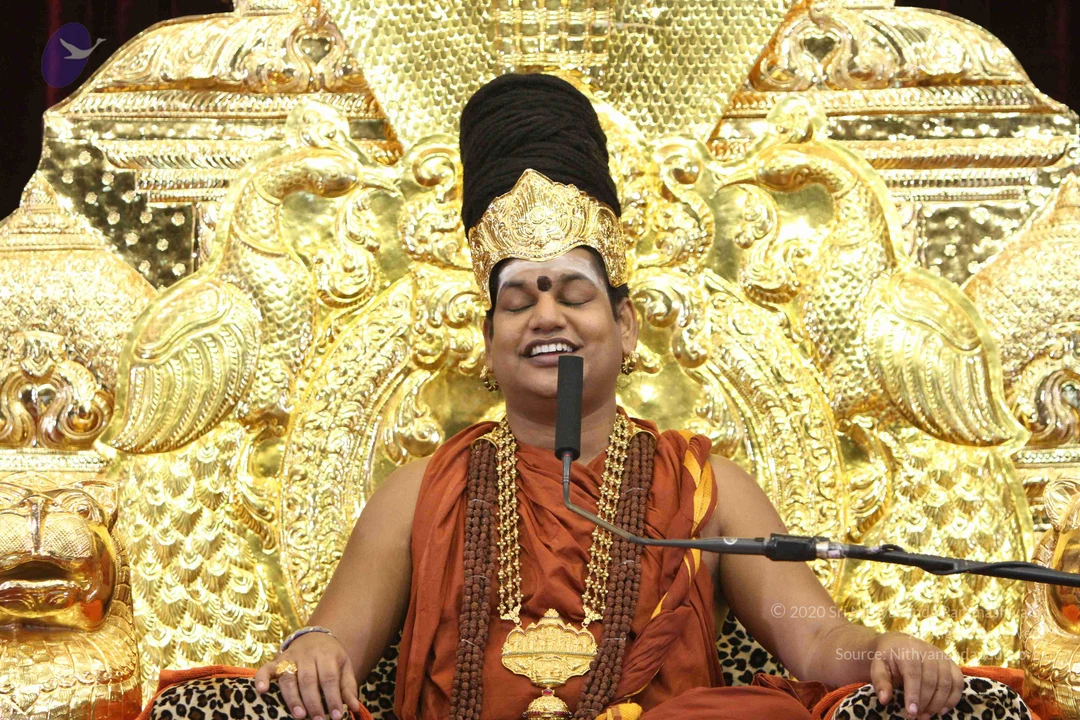
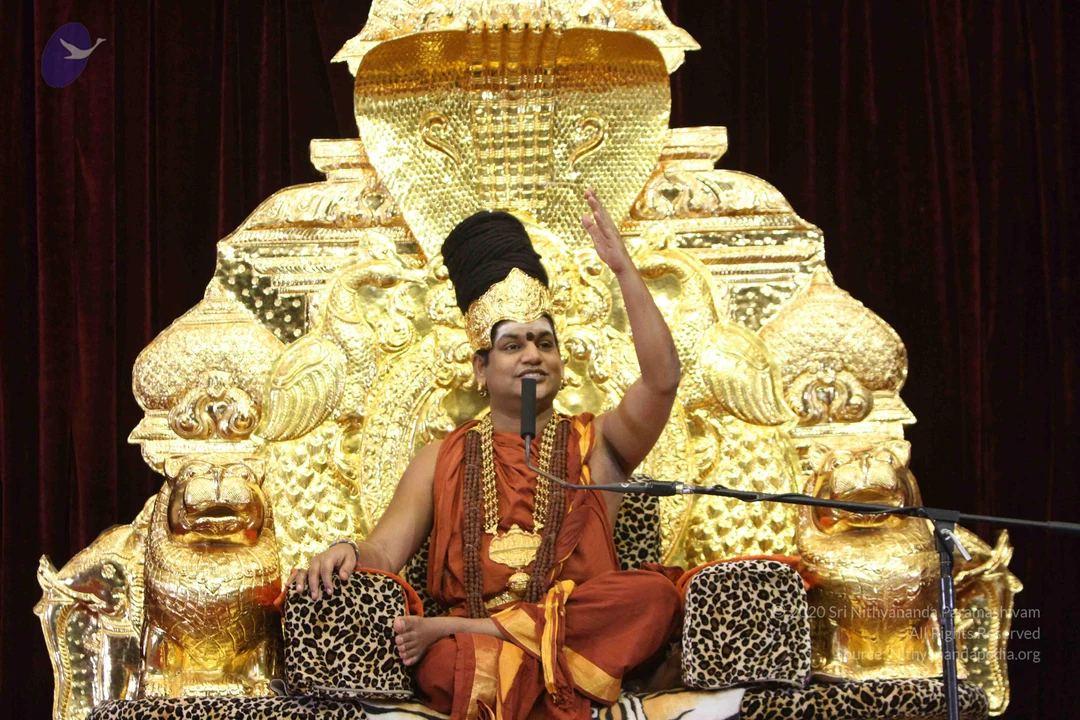
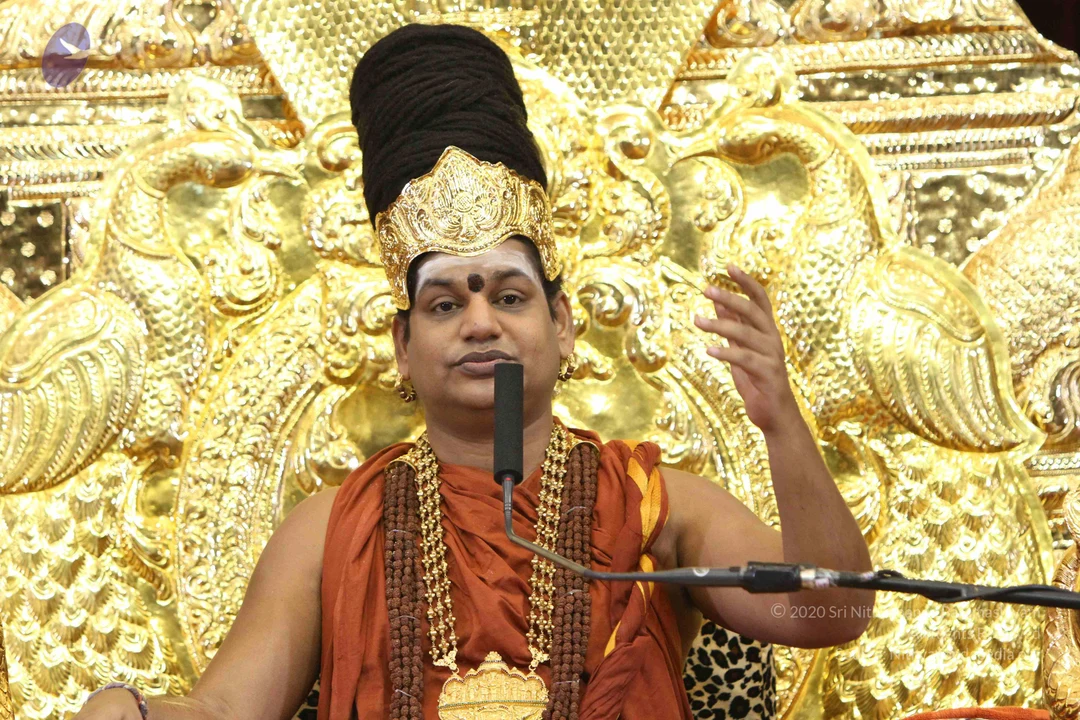
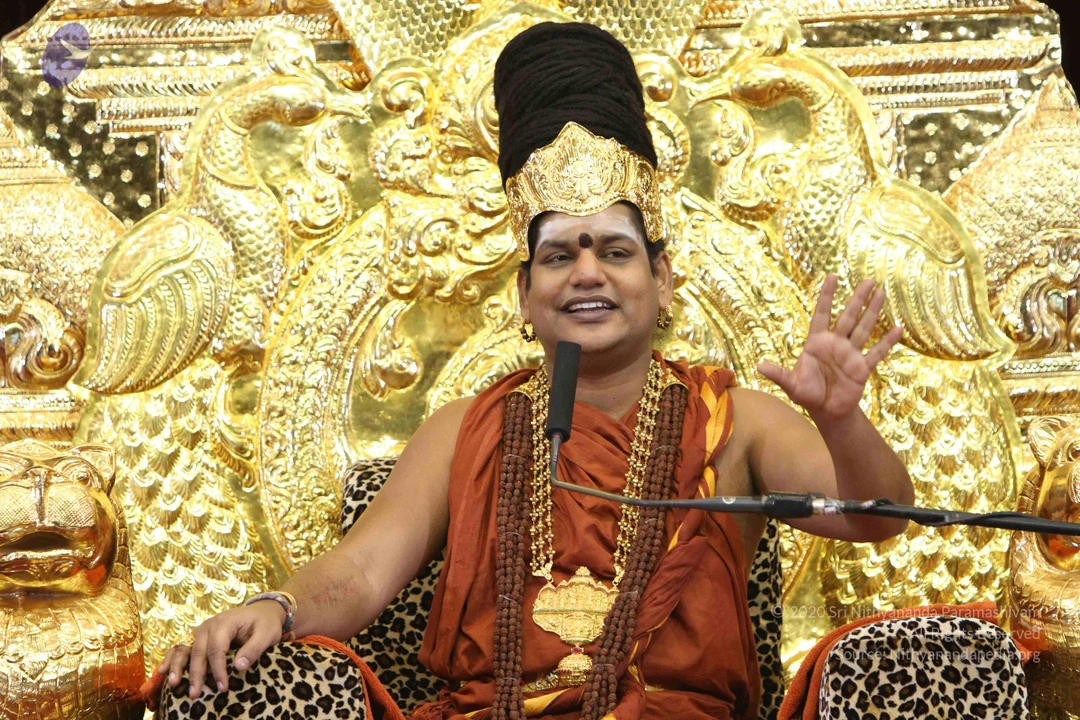
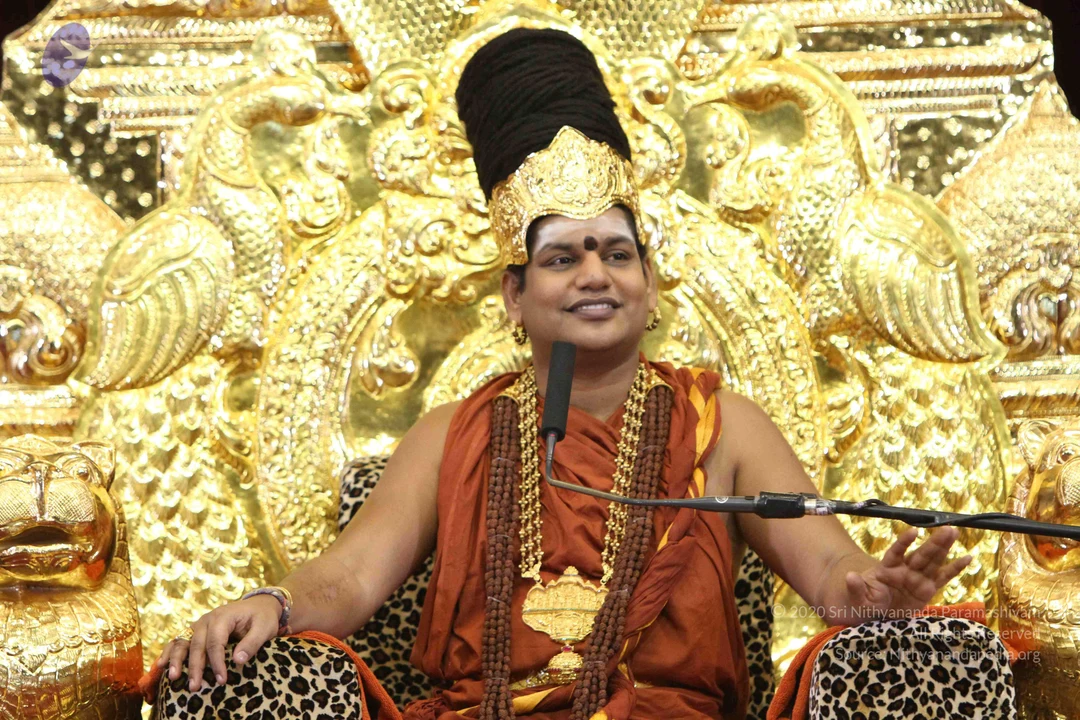
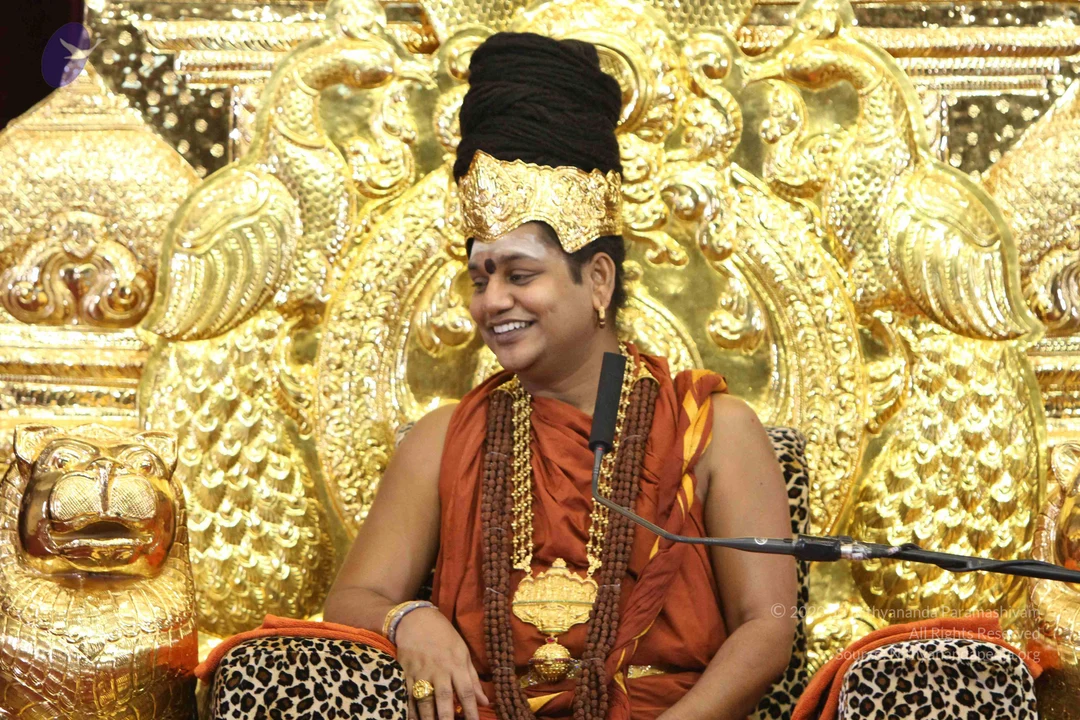
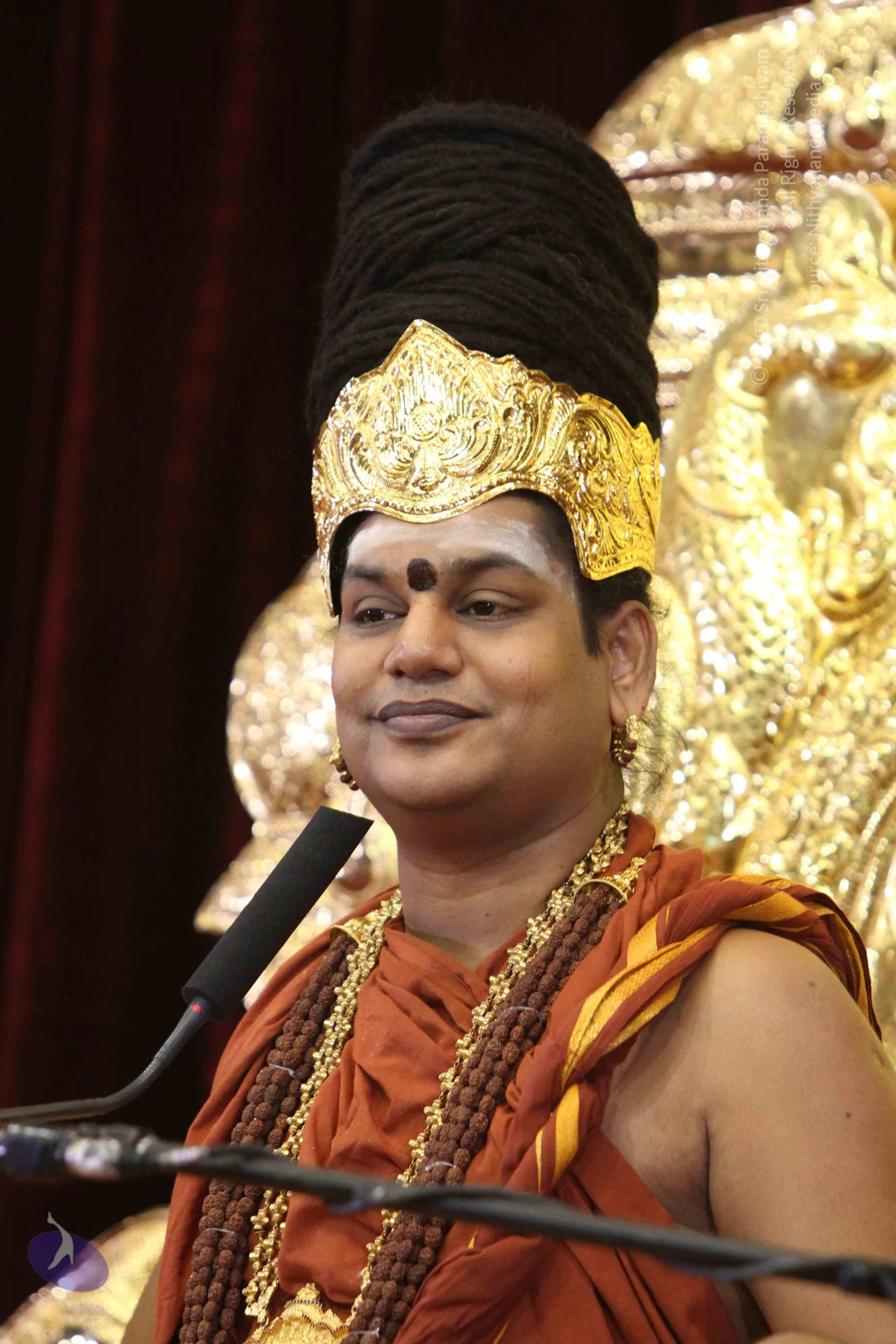
,,
Photos from this day
View all 542 photosShiva-Deeksha
62 photosSource gallery
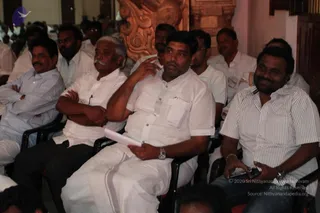
Sparsa-Dheeksha
99 photosSource gallery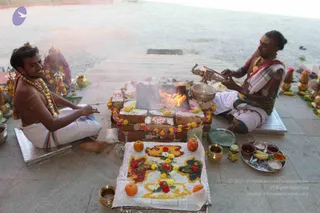
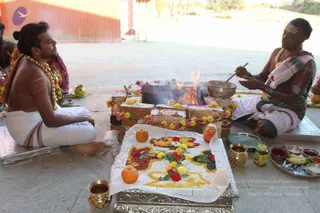
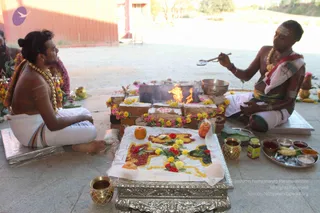
Evening-Satsang
132 photosSource gallery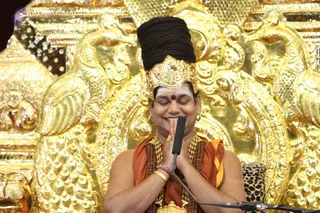
01-Shiva-Deeksha
60 photosSource gallery
2-Initiation
80 photosSource gallery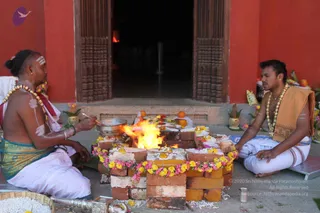
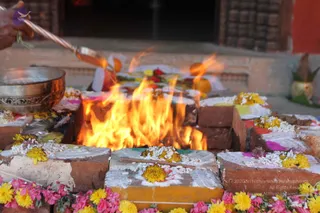
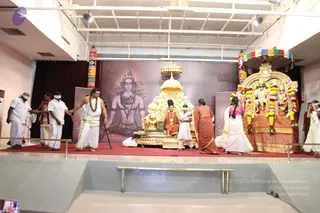
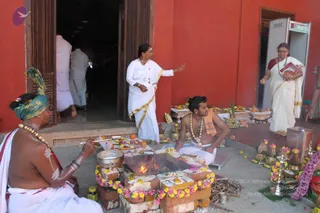
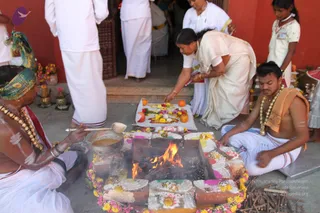
3-Evening-Satsang
67 photosSource gallery