Thursday
30 January 2014
- Dated photos
- 236
- Source pages
- 1
- Media
- 2
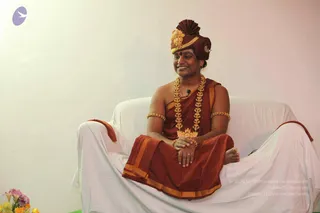
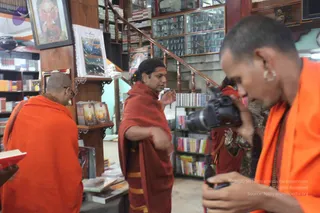
January 30 2014
Original wiki pageDescription:
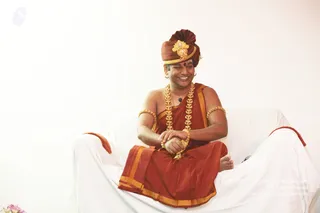
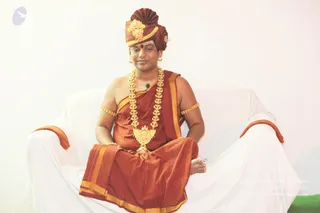
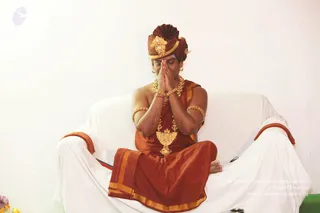
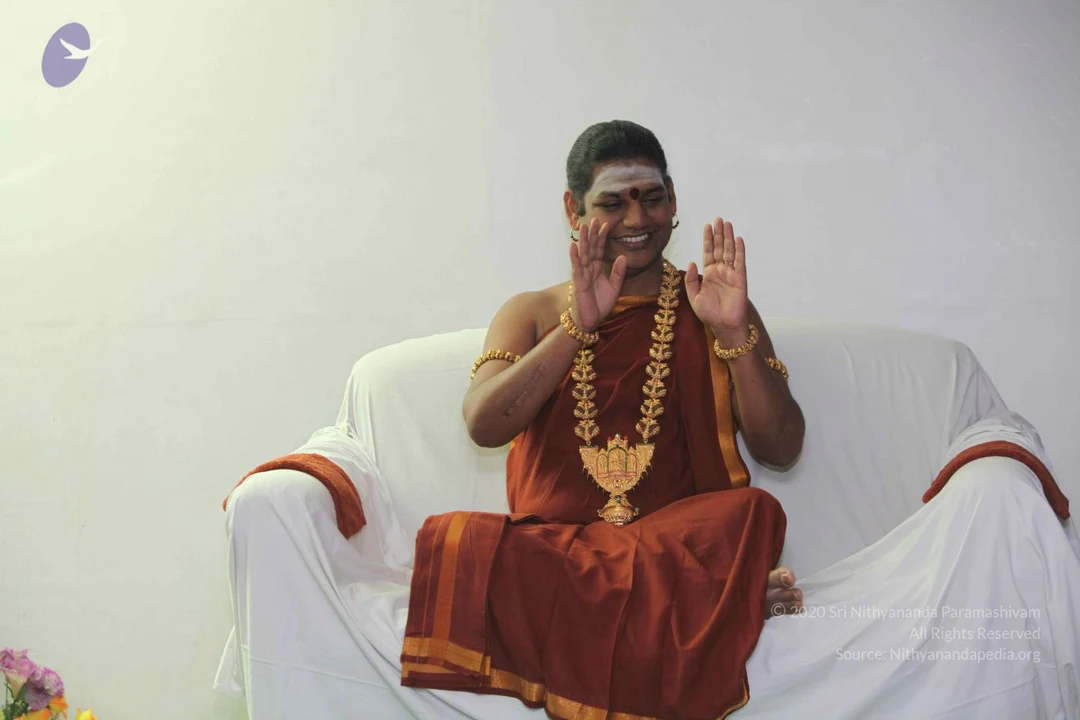
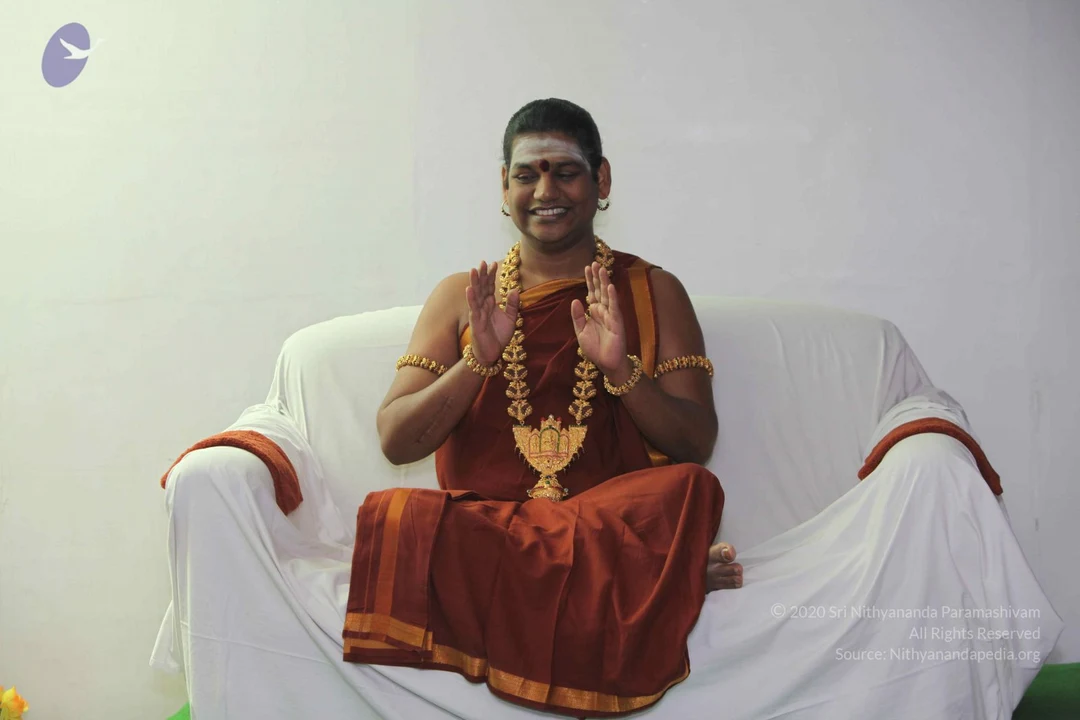
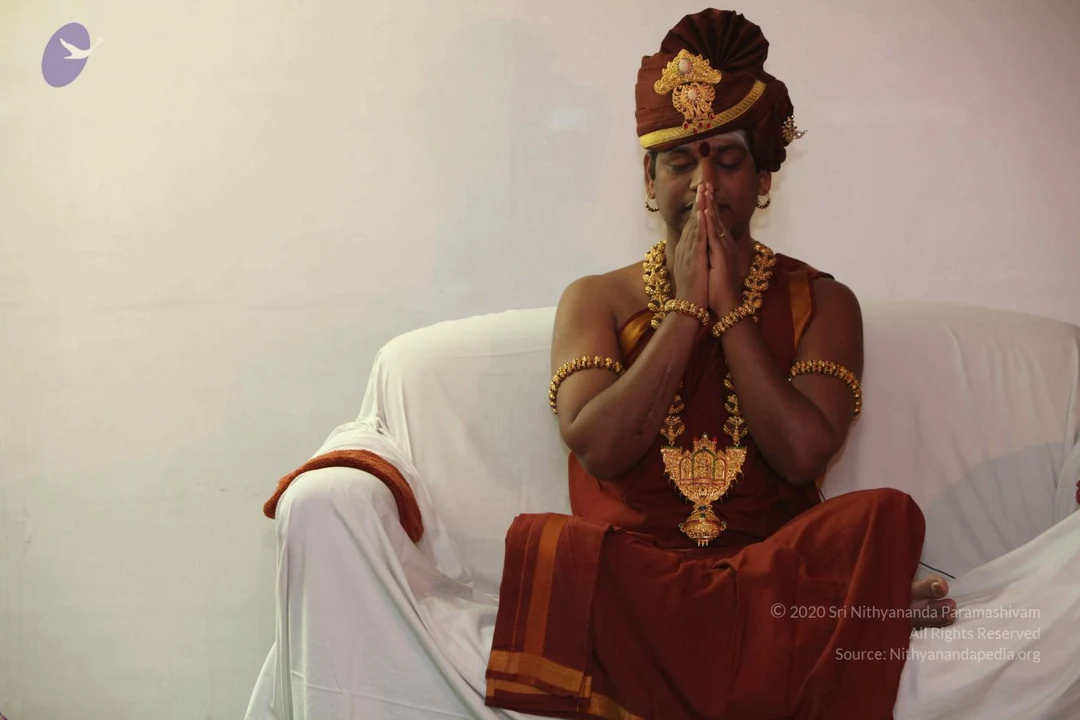
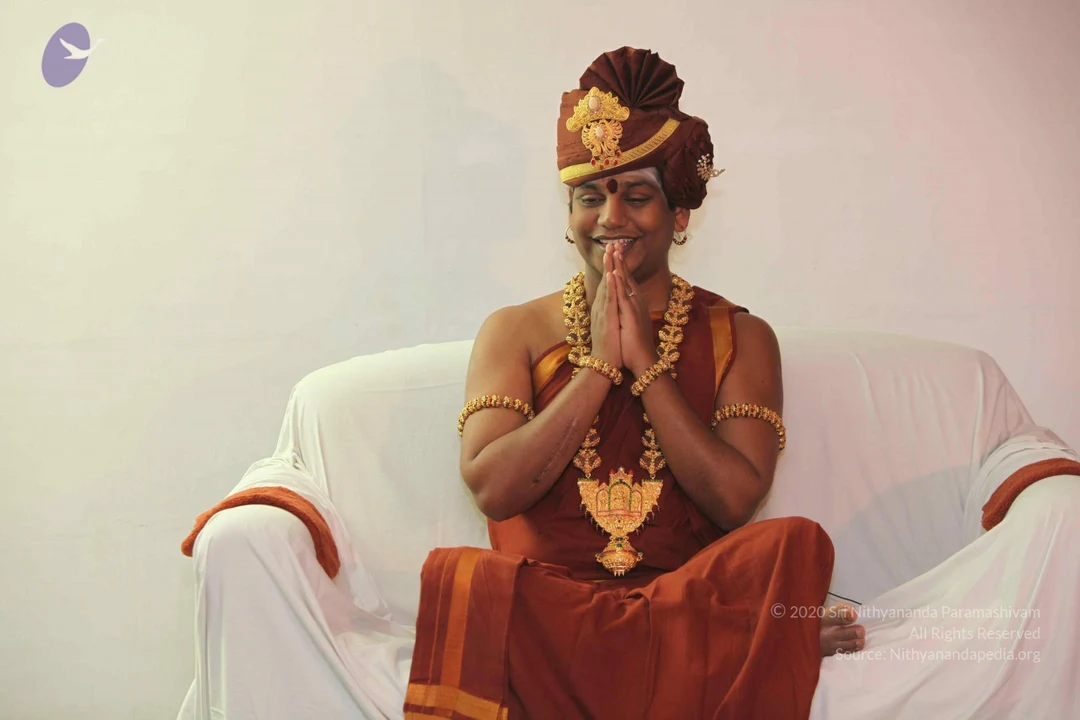
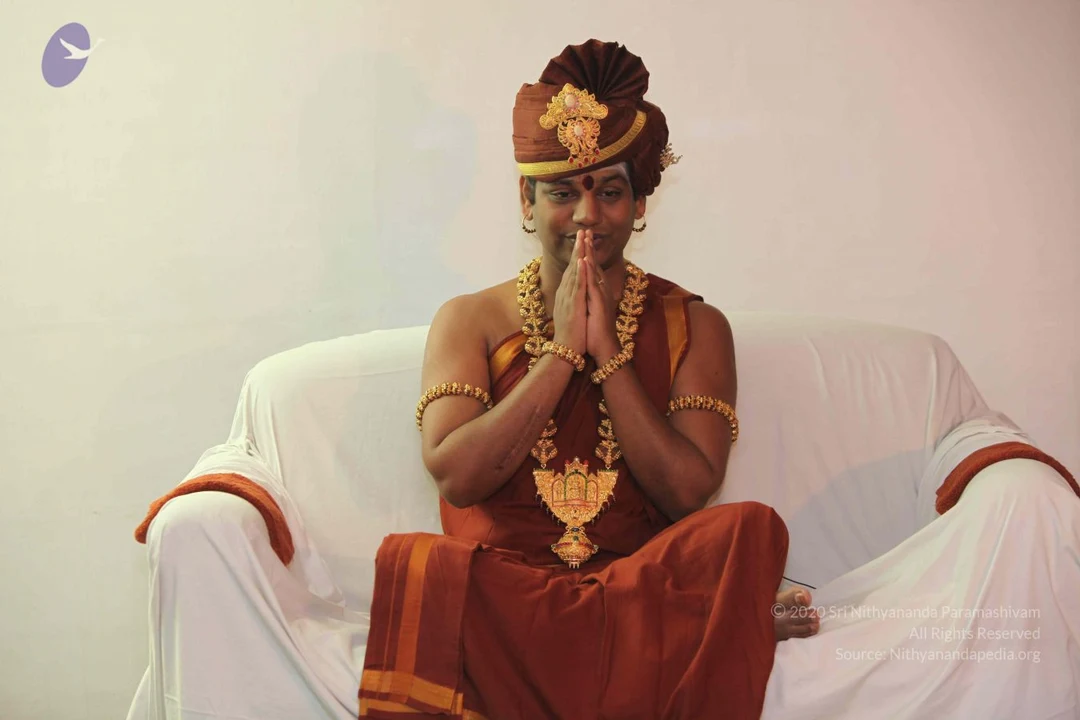
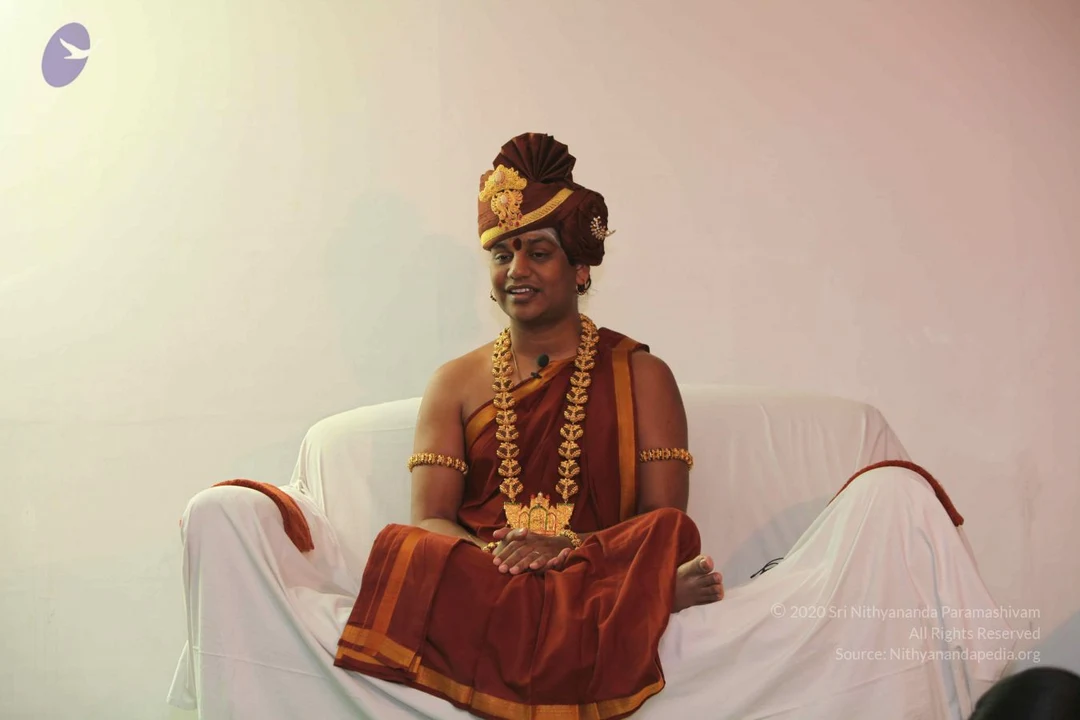
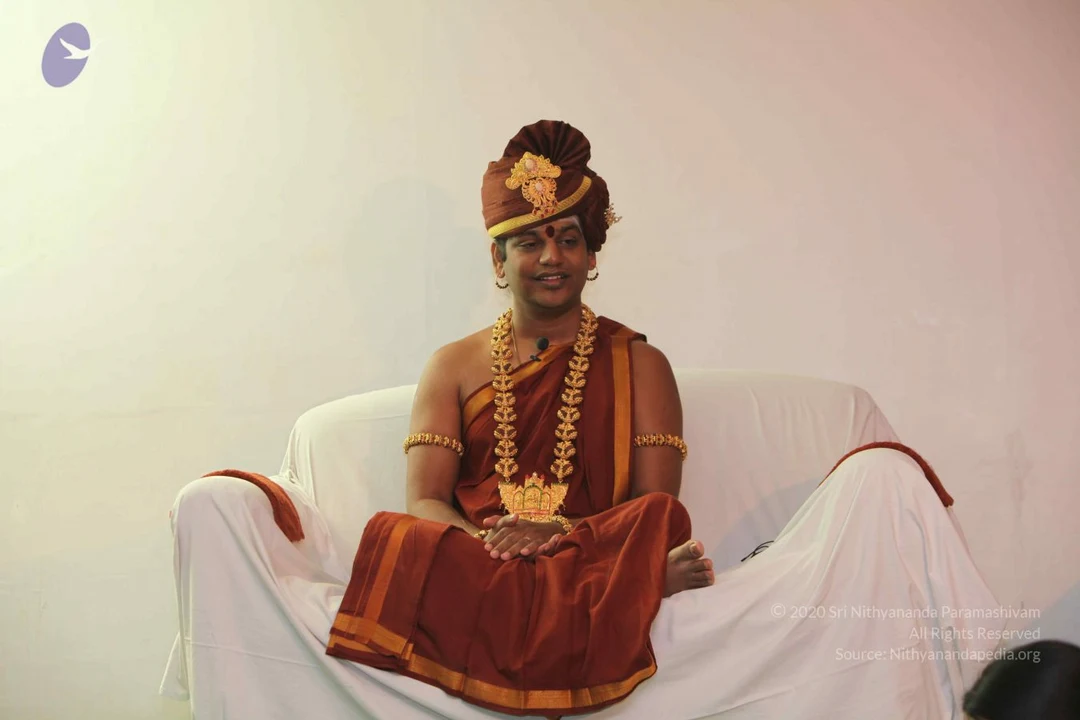
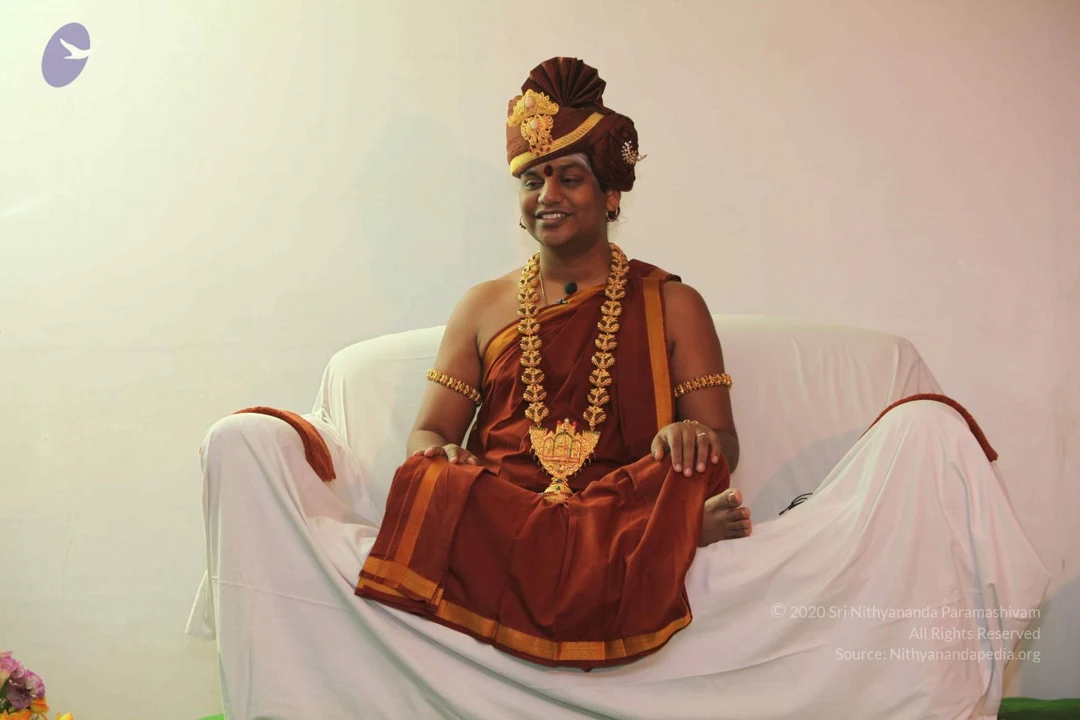
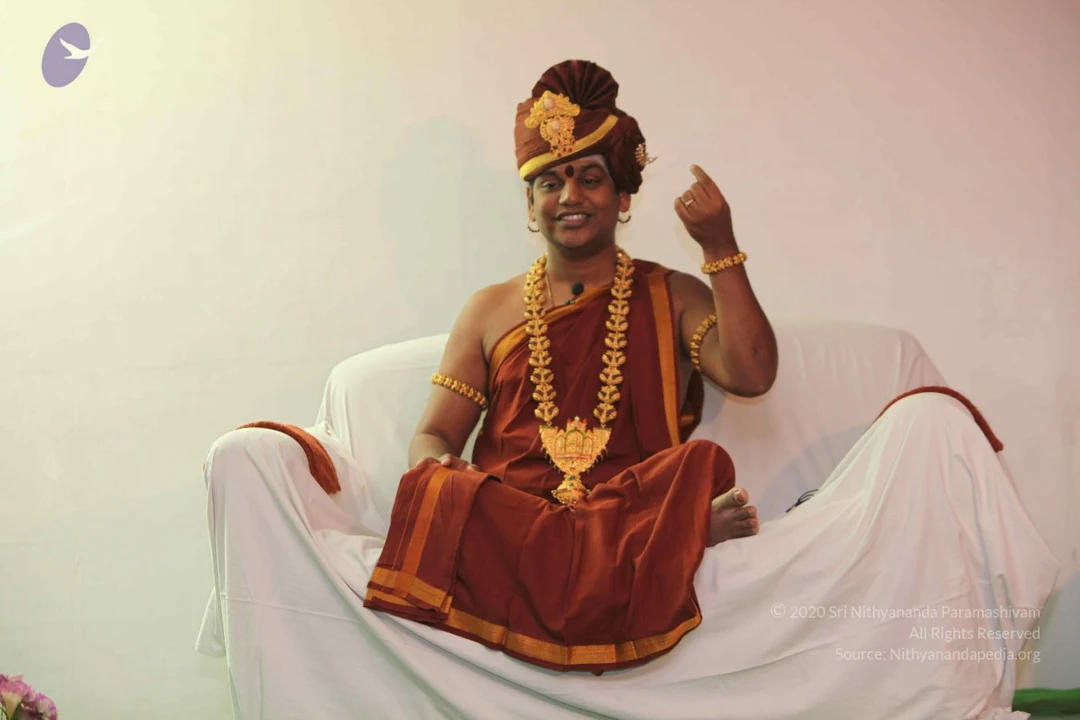
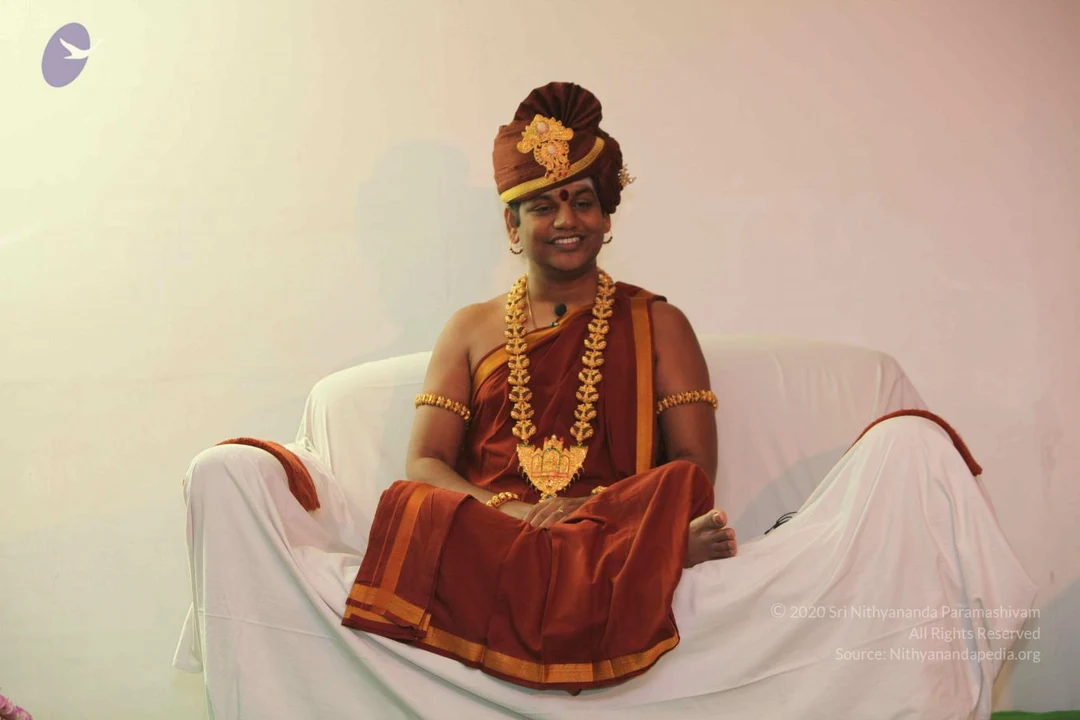
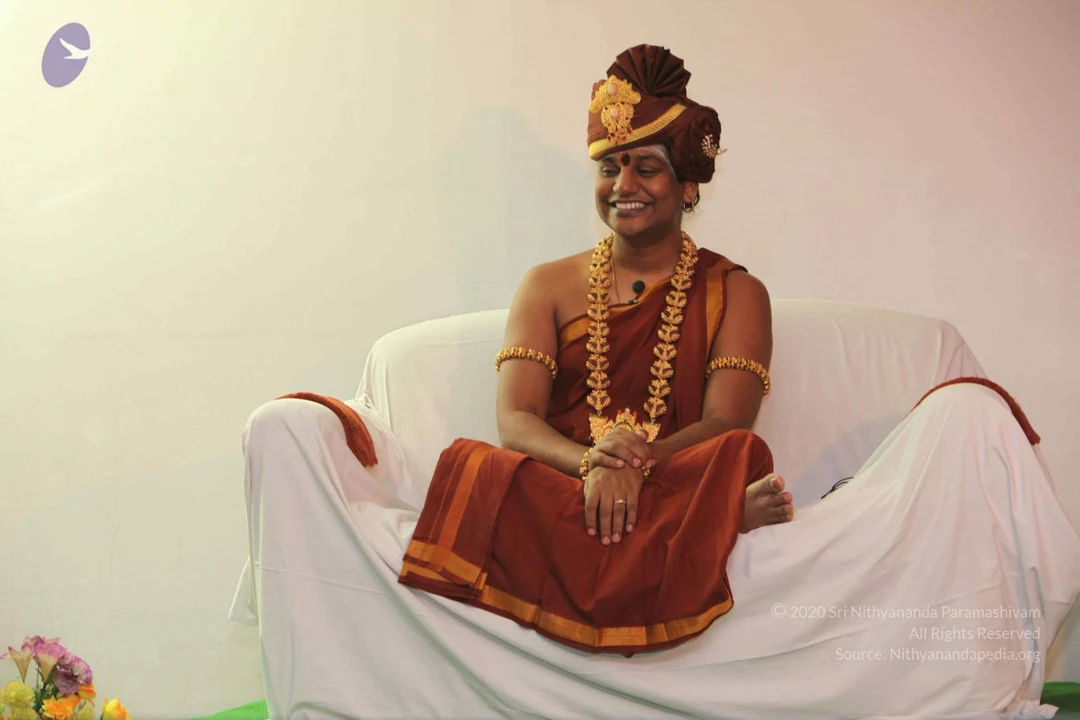
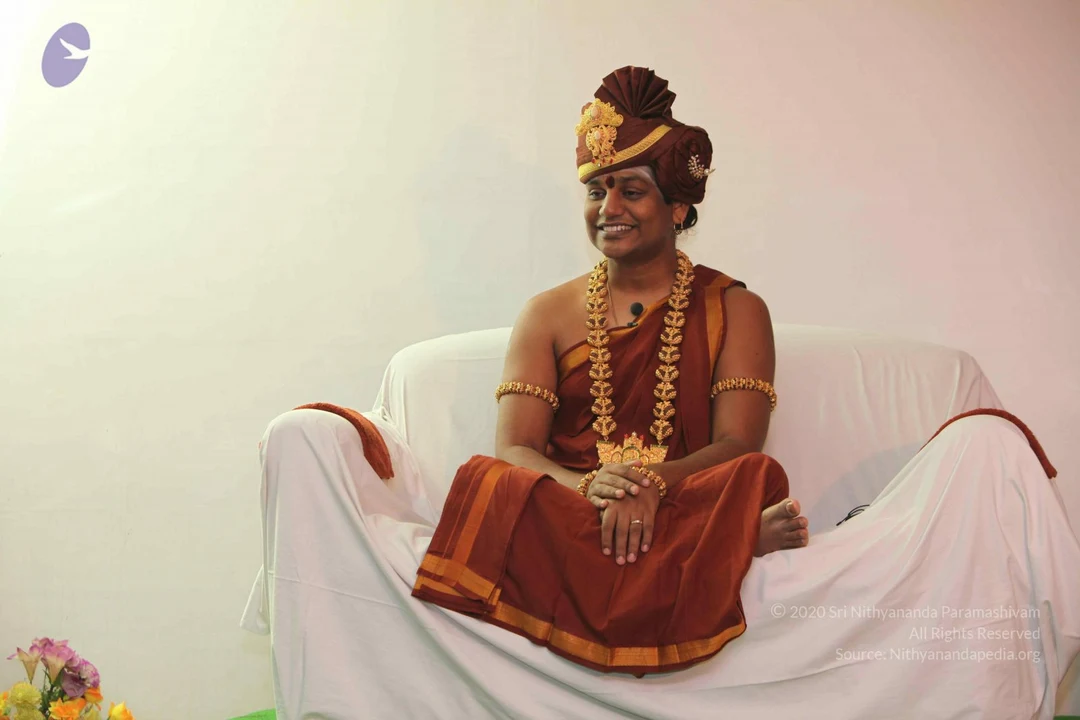
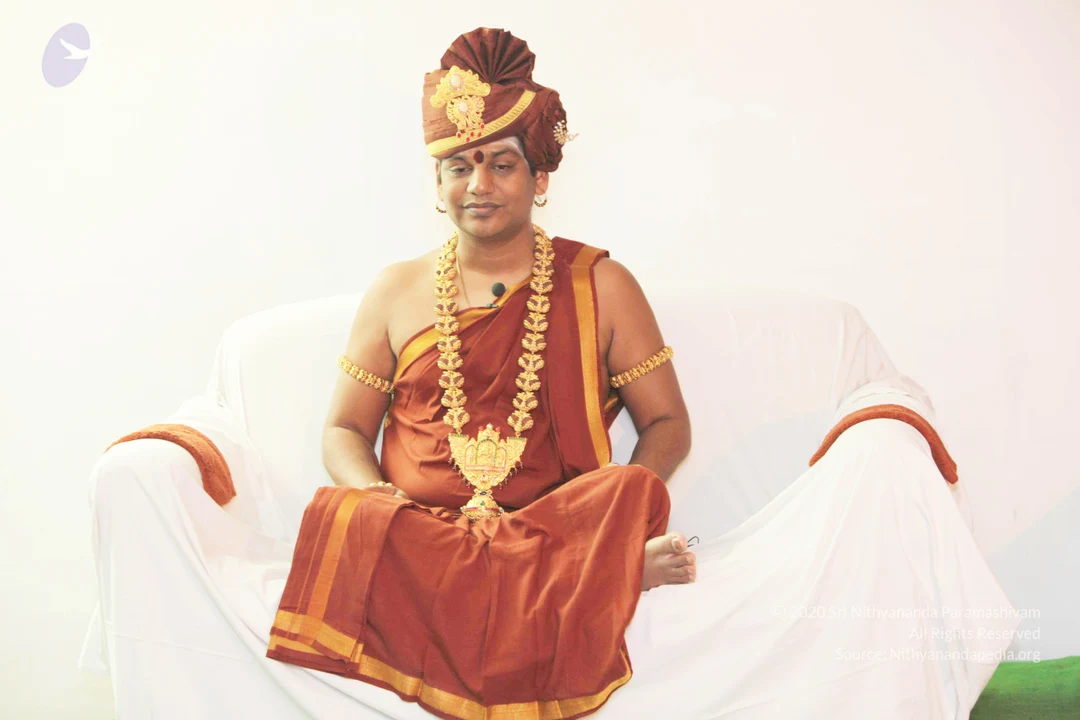
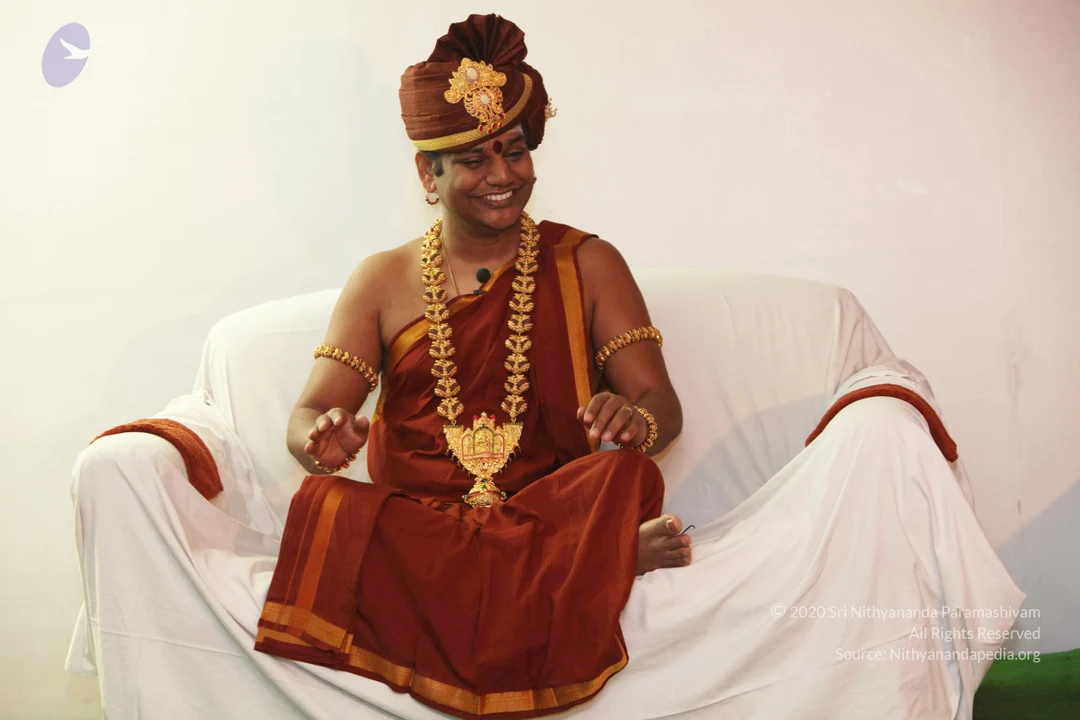
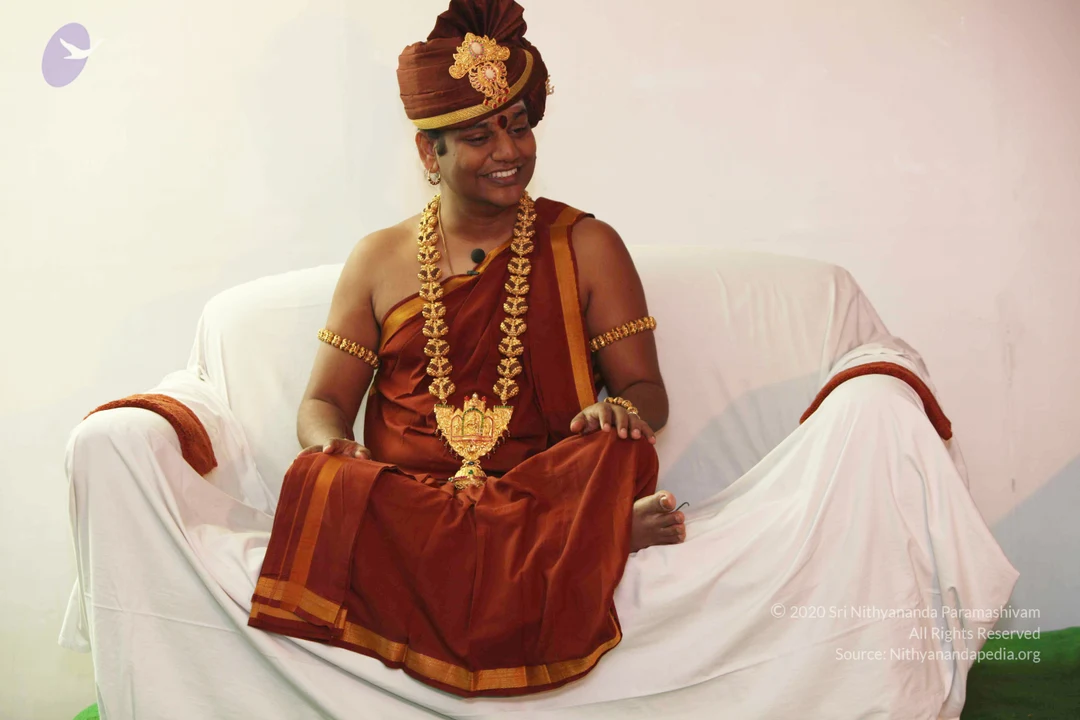
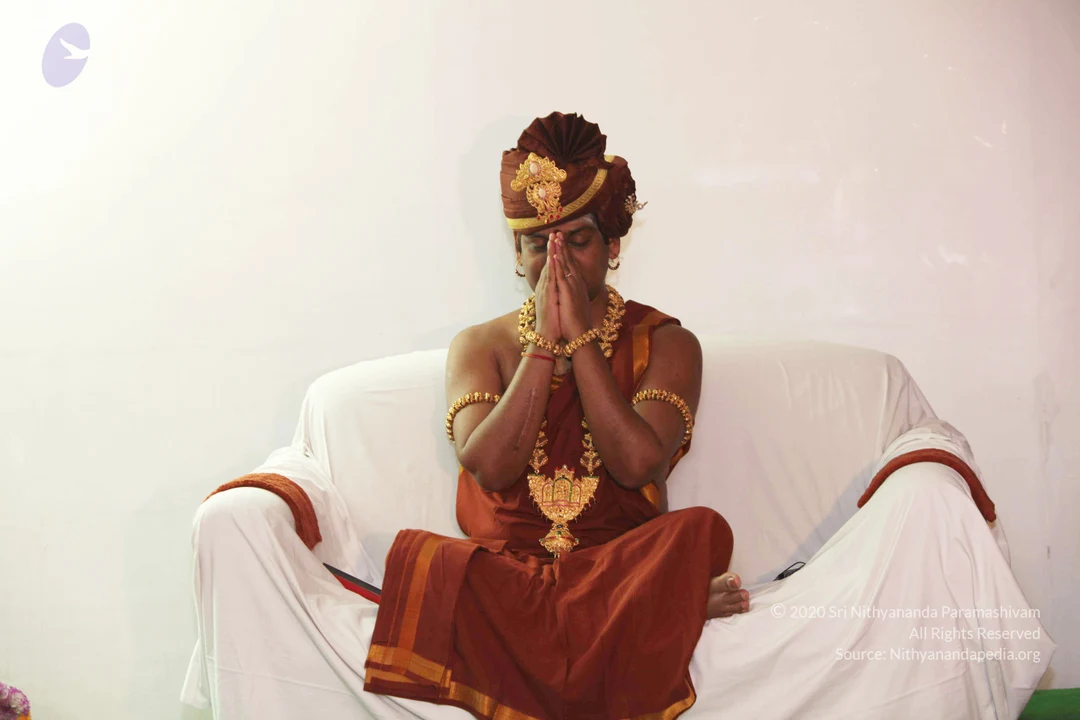
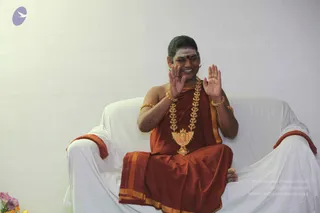
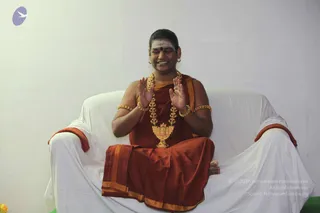
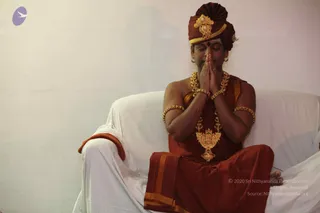
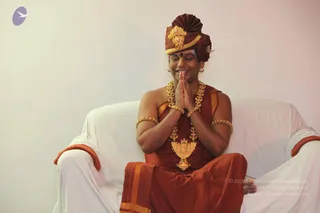
In today’s morning Satsang, Paramahamsa Nithyananda conveys new insights on completion – with our inner child! Most of us are still operating with the pattern of either frightened anxiety or arrogance that we pick up as children, usually in response to powerlessness. But when we make decisions in our life, operating with all three of these patterns, the results are disastrous. This is how we create our own hell. But we can remedy this situation with the spiritual practice of completion and free ourselves from these negative patterns.
Link to Video:
Link to Audio
'Description: Complete with the child inside you by HDH Bhagavan Nithyananda Paramashivam on 30 jan 2014'
Tags:
Paramahamsa Nithyananda, insights, completion, anxiety, arrogance, children, powerlessness, patterns, create, hell, remedy, spiritual practice, free.
Transcript:
Nithyānandeśvara samārambhām Nithyānandeśvari madhyamām | asmat āchārya paryantām vande guru paramparām ||
(00:49)
I welcome all the devotees, disciples, Mahants, Kotharis, Shrimahants, Thanedars, disciples, devotees, followers, visitors. Cities sitting with us in two-way video-conferencing having NayanaDeeksha Los Angeles Arunachalam, Toronto Kailasam, Nithyananda Nagara Bidadi, Warrington UK, Nithyananda Nagaramu Hyderabad, Ohio Prayag, SanHose Madurai, Redondo Beach California, Santafe New Mexico, Kuala Lumpur Palani, Bangalore City Center, Houston Kalahasti, Kulim Tiruttani, Oklahama Somanatham, London Kashi, Nithyanandeshwara Hindu temple Charlotte, Paris Home Temple, Dubai Vaidyanatham, Hosur Dhyanapeetam, Chapala Hollis co Mexico, Monterrey Kedarnath, Hyderabad Gupta Kashi, Vancouver Bhuvaneshwar, New York Varanasi, High Point North Carolina, Port Washington New York, Singapore Singapuram, Bogota Columbia, Monterrey Kedarnath, Chapala Hollis co Mexico, San Diego La Jolla, Hong Kong Seerkazhi, Paris Home Temple, Dubai Vaidyanatham, Ma Muktha Redondo Beach.
I welcome all of you with My love and blessings.
(02:45)
All right, let Me enter into the satsangh. Today I will continue on the same story which I was narrating yesterday on the same sacred truths, the sacred secrets. Please listen. Yesterday I was mentioning about a great sadhu, lived in Tiruvannamalai, Sadhu Om. Tiruvannamalai is not only the place for great masters, well-known masters like a Ramana Maharshi, Seshadri Swamigal, Yogi Ramsurat Kumar – whether you want it or not, in the modern day, Paramahamsa Nithyananda! It is not only the place for the well known masters, it was also a place for great sadhus who just lived and they were doing tapas and left the body, not known to the world. So, this Sadhu Om, he was not much known to the world, but he was a great sadhu. I was telling a story narrated by him. Please listen. Let Me repeat the story.
(04:21)
Every morning, this father and his son, must be seven- eight year old son, both of them go for a walk. Every morning they walk outside their house. One day morning, suddenly, that son started getting frightened seeing a old tree standing in a corner saying, ‘Oh, it is a ghost. It is a ghost.’ started shivering, crying, and holding the father, screaming, telling the father, ‘Please take me away from here. Take me away from here. That is a ghost.’
Please listen, if the father is trying to comfort the child, for the comfort of the child if the father is taking away the child from that tree, I tell you, it is equivalent to me giving up on you. That is the worst thing can happen in your life. Even if you go to Hell, don’t be given up on by Guru; you will simply come out. If you are not given up on by Guru, even if you go to Hell, you will just like that come out. Hell Fire won’t be able to touch you. If you are given up on by the Guru, even Heaven will burn you. There are tons of people who are suffering in Heaven. Indra himself is suffering in Heaven because he can’t go anywhere else. And the Heaven is the most instable place. It was cursed by the Rishis. That is why, whenever you feel any pleasure, you will always feel the insecurity – ‘Will it be there or not?’ The pleasure and insecurity always go hand in hand.
Understand, if you are not given up on by the Master, even Hell cannot touch you; even if you are in hell, Hell Fire cannot touch you, you will come out of it. If you are given up on by the Master, even Heaven will be the worst hell, suffering.
(07:19)
If that father takes away the child for the comfort of the child, saying, ‘Oh My son, don’t worry. You are crying, you are afraid of that ghost, don’t worry, I will take you away.’ If he takes away, it is literally destroying the child, because the child will never know the truth it is not ghost. Just for the sake of comfort of the child if you take away the child, he may not be now afraid of this tree, but tomorrow he is going to be afraid of seeing some other tree. His whole life he is going to suffer with that pattern. This father, who did not take the responsibility of making the child understand and complete with that pattern, he is responsible for the child’s whole life suffering.
A real father, what he should do? He should carry the child in his hands and say, ‘My dear son, don’t worry. The ghost cannot do anything to you. I am protecting you. Come on, I will take you near.’ He should have carried the child near the tree. Naturally, when you carry the child near the tree, what will the child do? It will say, ‘No, no, no’, It will just hold you and cry tightly hiding behind you; like how in Hyderabad Gupta Kashi the kid is hiding from mother. Exactly like that the kid will be hiding behind you, crying, shouting. Sometimes even, the kid may be beating you. You can console the child, but you have no right to take the child away from the tree without removing that fear pattern.
(09:49)
You have to take the child near slowly, slowly, show him, ‘See, see, see....you can see this tree. See I am standing near the tree, nothing is happening to me.’ Then the child will open slowly one eye and see; then close the eyes; ‘No, no, no, no, no. It may be ghost.’ Then, slowly, it will open the other eye and see; then he will have little comfort and he will feel little okay. ‘Oh, it is not a ghost...?’ Father should say, ‘Yes My son. Who told you this as a Ghost?’ Then the child will start blaming, ‘My friend, yesterday told me because I did not give him the candy. He told me this is the ghost and it will catch me.’ Then the father’s responsibility is removing that misunderstanding, ignorance also. ‘No, My son, don’t worry. Because people tell, don’t take things. Look in. see’ Then slowly the father is supposed to take the hand of the child and make that child’s hand touch that tree ‘See, it is only a tree.’ Only this knowledge, like Guru Gita says:
Ajnaana Thimiraandhasya Jnaanaanjana Shalaakaya | ChakshurUnmeelithamena Thasmai Shri Gurave Namaha ||
‘Opening your eyes with the Knowledge Kaajal, the Knowledge eye-liner, and helping you to see the truth.’
(12:04)
Please understand, in Vedic Tradition, the eye-liner is not just a make-up or the dressing up material. It is made out of a ghee lamp. How originally the eye-liner is made you know? The ghee lamp is made to burn. The pure cotton and the pure ghee, cow ghee; the lamp is burnt and you are supposed to stare at that lamp through your Third Eye. The energy of the Third Eye should be stored in that fire. And the smoke settles from that fire - that is made as a ‘Kaajal’, the eye-liner. When that is used, it is healthy for your eyes physically, and the energy of the Third Eye is constantly made to work in both the eyes also. It is a physical and spiritual medicine.
So, originally the masters are supposed to sit and stare at the lamp, make ‘Kaajal’, energize it and share it with people; for them to always have the power of his third eye. The ‘Kaajal’ was, the eyeliner was a gift by the enlightened masters.
Tea was the gift by Bodhidharma. He just tears both his eyelids and throws on the field, and the plant grow from that field is a tea leaf. It’s the gift of Enlightened Masters to his disciples.
That is why the Guru Gita says:
AjnaanaThimiraandhasyaJnaanaanjanaShalaakaya | ChakshurUnmeelithamenaThasmai Shree GuraveyNamaha ||
(14:24)
Please understand, the father should have done this job to the son - taking the son, finally making him touch the tree. Finally, the result should be, the child should be completely free from the fear, he should get down from the father’s shoulders and hug the tree, be comfortable with the tree. That is exactly supposed to be the result. Only then the child is free from the anxiety and adamancy, anxiety and arrogance. If that father has not done this job, please understand, many of our fathers did not do this job. Unfortunately, we did not allow, or they did not do. Sometimes they did not have the patience to do, or we did not allow them to do. Whenever we have not allowed the father to do this job, please understand… in My case also some of the kids are not allowing Me to do this job. Sometimes the children don’t allow the father to do this job.
Listen. Listen. When you do not allow the father to do this job, or the father did not do this job, the loss is for you; your whole life you will be suffering with the deadly combination of anxiety and adamancy, anxiety and arrogance. Please understand, alcohol separately does not kill you. Sleeping pill separately does not kill you. Anti-depressant separately does not kill you. But all these three cocktail simply kills you. The cocktail of all these three kills you immediately.
(16:49)
Anxiety pattern separately does not destroy you. Arrogance pattern separately does not destroy you. Taking decision during the anxiety and arrogance does not destroy you separately. But all these three is a deadly combination, destroys you. Please understand, same way, the arrogance pattern does not destroy you. There are so many people with arrogance pattern, living. The anxiety pattern does not destroy you. There are so many people, anxiety pattern people just take some anti anxiety medicines and living; they don’t get destroyed. There are some people who take major decisions during the anxiety; even they don’t get destroyed. But all these three combination is a deadly combination; it just destroys you for ages. Understand, some of the decisions you make when all these three are together - anxiety, arrogance, and making decision during the anxiety and arrogance, when the anxiety and arrogance joins, it will make you believe as if this anxiety is never going to end, this is the way exactly your whole life is going to be - which is not true. No. It is not going to be this way forever. The moment you stand in the space of Completion, the whole thing is going to be different.
(18:43)
Just today morning, when I was talking to one of My sadhu, one of My Swami, I was telling him, ‘We should make a place for you.’ all that. Today, I was telling him, ‘ehh, it is time. You proved your sincerity. It is time for Me to make a big place for you.’ He could not understand that I will utter these words.
Understand, till you get out of that anxiety pattern, incompletion, your life is going to be hell; but your life is not going to be hell forever. The hell is made by your incompletions. Sometime, unfortunately, you start believing the incompletion is going to be the inevitable part of your life, which is not true. Incompletion will become inevitable part of you, when you know? If the father does not attend that child and says ‘Okay, okay, okay, oh son you are so afraid, don’t worry. Let us go back to the house.’ If he just brings the child back to the home and locks the child inside the home saying ‘see now we are comfortable; no ghost, nothing’, naturally the child will stop crying. He will feel comfortable. Only then the anxiety is going to be the lifestyle of that child. Because, now, everywhere, anywhere he sees the tree, he is going to be shouting, screaming, Bootha! Bootha! Bhoota! Ghost! Ghost! Ghost!
(20:30)
Please listen. All of us unfortunately, all of us, whoever did not have an enlightened being to bring you up – means, literally every one of you, other than Me. I had the fortune and My gurukul kids, they have the fortune. I had the fortune. Three enlightened beings brought Me up. And My gurukul kids are having the fortune; an incarnation is bringing them up. Other than Me and My gurukul kids, all of you guys carry that frightened, arrogant child inside you. Please complete with that child. Every day, whenever you remember, let your thinking be directed towards completing the child inside you. Complete that child which is anxious, frightened, arrogant, tells you, ‘I don’t know what I will do next, but I don’t want to be here.’ Wherever you go, whatever you do, the child will be doing only that – ‘I will not be here. I will not be here. I will not be here. I don’t want to be here.’ ‘Then where you want to be?’ ‘That I don’t know.’ ‘What will you do?’ ‘I will face when it comes.’ ‘When it comes, have you faced now?’ ‘No I have not faced.’ ‘Then how are you going to face tomorrow?’ ‘No. That and all I don’t know. Don’t ask me too many questions. Just I don’t want to be here.’
(22:52)
Please listen. Look in. That frightened, anxious, arrogant child inside you, that is responsible for all the suffering in your life. It goes on instigating you. It goes on pushing you. It goes on torturing you. Please listen. Every night, sit with that child. Understand, every incompletion you have now is from that child, illogical. From that time you have started building this. Why you are carrying it nobody knows.
(24:07)
One of My mentor and master, Ramsurat Kumar, he used to collect garbage from all over Tiruvannamalai. I think he has collected some two-three-thousand bag and he has kept everything safely in a gunny bag near the place where he used to stay. People used to ask him, ‘What is this, you collect all the garbage and keep it next to you?’ He used to tell, ‘aah. Only I am doing or what? Why don’t you look in? You are collecting more garbage than me. Just to remind you that you are collecting so much garbage only I am collecting and keeping. It is symbolically reminding you.’ To tell you honestly, his garbage does not affect him; our garbage affects us, because we keep inside.
People used to respect his garbage....I know. He kept all the garbage on the way to Mahadeva’s chariot. He lived just next to Mahadevas chariot, a small house somebody donated and he was living there. And next to that house he will keep all this garbage gunny bags. So, every year when Mahadeva goes to chariot to climb into the chariot that way needs to be cleaned but the temple authorities will never throw that garbage. They will only keep it aside properly, safely. Once the Mahadeva gets into the chariot, and finishes his round, and comes back, and goes back, they will put that back to same place. His garbage was respected so much, much more than any valuable. It was safely kept, highly respected. And whoever comes, he will show them, ‘ehh, see, this is what you are doing inside.’
(26:25)
Please listen, I don’t want to build a garbage next to Me, but I wanted you to know, you collect, collect, collect so much unnecessary, incompletions from that frightened child. That frightened child goes on building. That child which feels like it will get caught, whether it does some mistake or not it will get caught, people are going to catch him, beat him and he doesn’t know what to do, and he doesn’t want to be here. That frightened child, which is arrogant also, just look.
Every day, sit and see the incompletions you are carrying. Trace them back to that child, frightened child inside you, and see how you were building it from that age till now, this same pattern, and suffering with it. The moment you recognize, that pattern’s power will be lost; it will lose power over you, it will become powerless. Now completing that pattern and dropping will be very easy job for you, because you have taken away life. Once the life is taken away, burning that body is very easy. The moment you recognize that frightened child in you, arrogant child in you, the deadly combination of frightened, arrogant, taking decision during that frightened arrogant moment - that is deadly combination of alcohol, anti-depressant and sleeping pill. Don’t take that. It will separate you from the Master.
(28:51) Everyone, who missed the great fortune of directly being attended by the Master Surgeon who removes the cancer of birth and death, everyone who ran away from his surgery table half-way, mid-way, before starting, before stitching or during surgery, everyone unfortunately took this deadly combination of alcohol, sleeping pill, anti-depressant; means, the deadly combination of frightened anxiety, arrogance and taking decision during that frightened arrogance. These three incompletions put together is a deadly combination. Don’t do it. Don’t have it.
I tell you, how many thousands of child I may have, I will carry all you guys on My shoulder and take you near the tree and make you guys understand that tree is not ghost. I will make you guys, all you guys climb on that tree, and play in that tree, enjoy in that tree, tie a swing and jump around that tree, and live be complete.
(30:42)
Understand, never ever allow these three deadly combination to settle inside you. That is the most powerful incompletion which may destroy you beyond repair. If you just take alcohol, you will get out. Doctor can clear you with some medication. If you just take sleeping pills, stomach wash is enough, you will be out. If you just take anti depressant, you will sleep and get out; no problem. But all these three, will be a deadly combination.
Same way, if you are just arrogant, no problem; Master knows, he will make life will teach you. If you are just anxious, frightened, His love will heal you. But if you have all the three deadly combinations – frightened, arrogant, and making decisions – with these three, you may damage yourself beyond repair.
(32:04)
The essence of today’s satsang: Heal, complete that frightened, arrogant child in you, which is adamant to make decisions when it is frightened, when it is in the space of anxiety. Complete with that child. When you close your eyes and go to bed, you should not even be able to remember that child in you; means, in the young age how you felt frightened, the anxiety about everything, that even memory should not be there. That much complete it. Complete every day, every night; whenever you get a chance, complete.
‘PoornamadahPoornamidamPoornaathPoornamudhachyathey, PoornasyaPoornamaadaayaPoornamevaaVasishyathey’.
Every night, even the day time, whenever you find time… see, in the modern world, nobody works more than two hours or three hours a day. Maximum two to three hours only you work. The remaining time your mind is available to you. So, always, let your thinking be towards the Completion. Every incompletion you have, fear you have, anxiety you have, trace back and see how that frightened child is carrying that incompletion. The moment you understood, now you just need to re-live and complete it and drop it. If you can close your eyes in the day time, close and re-live and complete and drop. If you can’t close your eyes, then tell yourself, ‘Please wait, in the night I will attend to you’. Night before going to sleep, sit and relive, complete and drop.
(34:41)
All the Sannyasis, Brahmacharis, Gurukul kids, Thanedars, Kotharis, Mahants, Shrimahants, Swamis, Goswamis, for all of you, every-night Completion is like a life. You cannot miss every-night Completion. You HAVE to do every night Completion. That is your LIFE. Please understand, every-night Completion is LIFE for all My devotees, disciples, followers. You can miss anything, not every-night Completion; every night Completion HAS TO BE DONE. You can miss even your food, because we are Niraharis; but every night Completion HAS TO BE DONE.
I will continue on this story in further satsanghs. Please sit straight. Let’s move to Kalpataru process. Pick up any one thought you want to make it as reality and pen down that thought. And take few minutes to write all the incompletions, the impossibilities you have around that thought, about that thought.
(36:25)
Photos
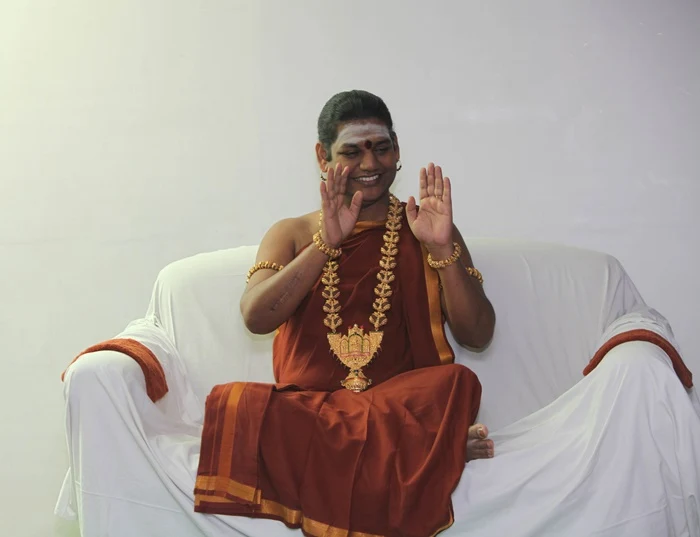
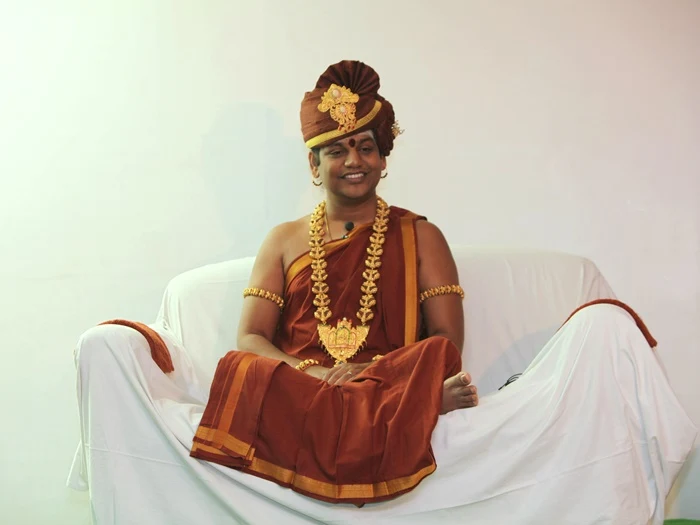
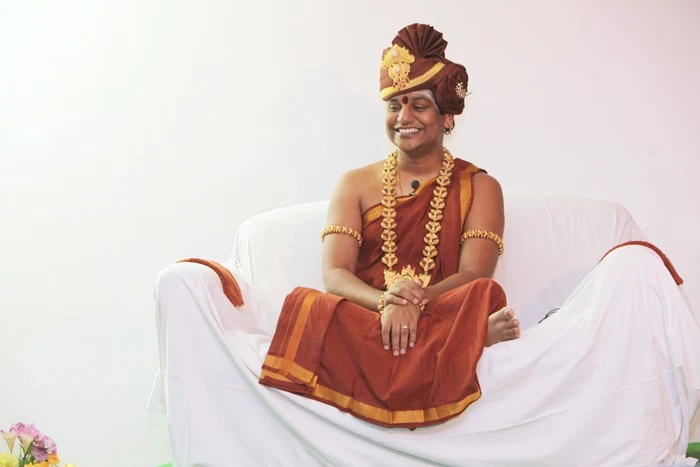
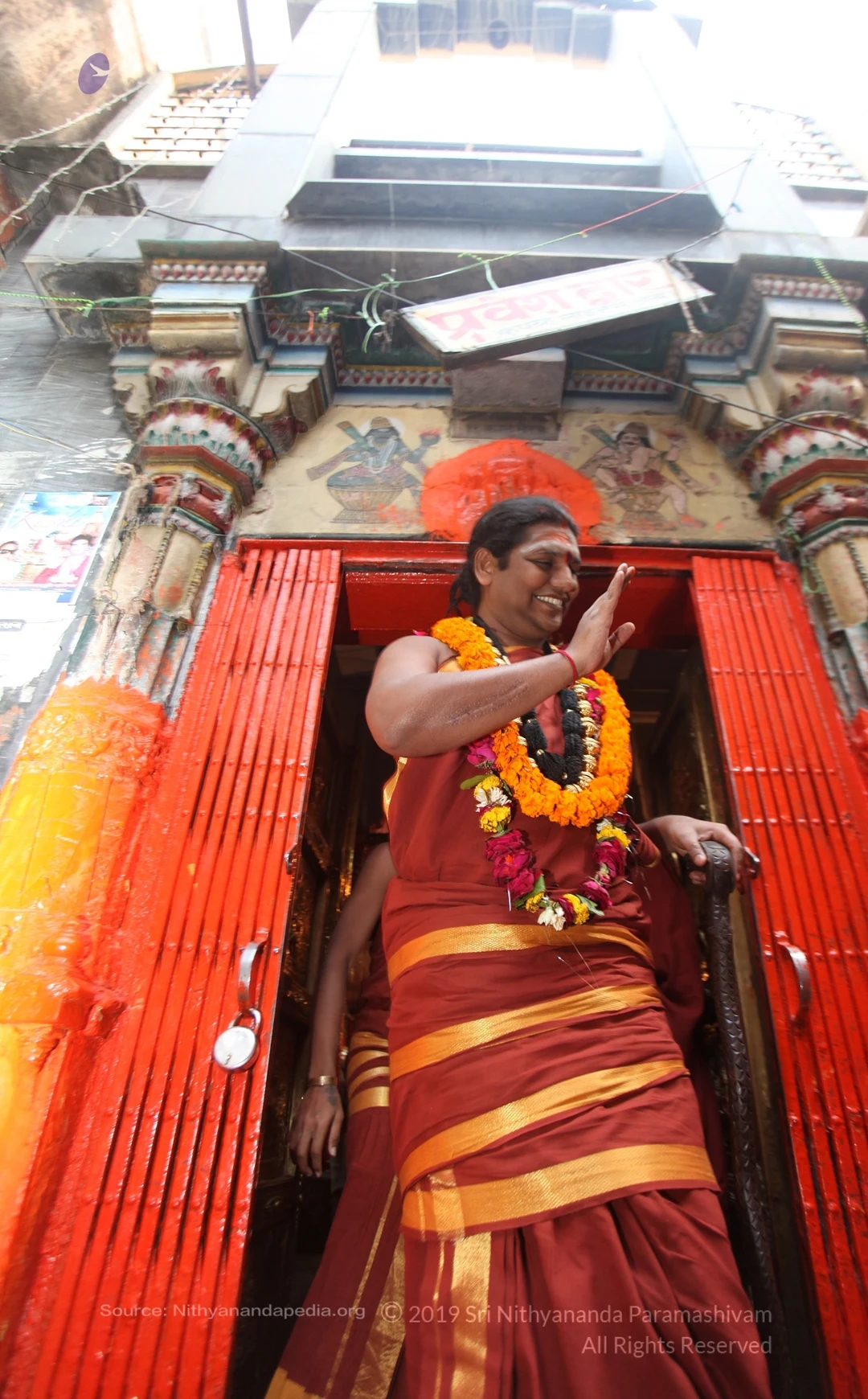
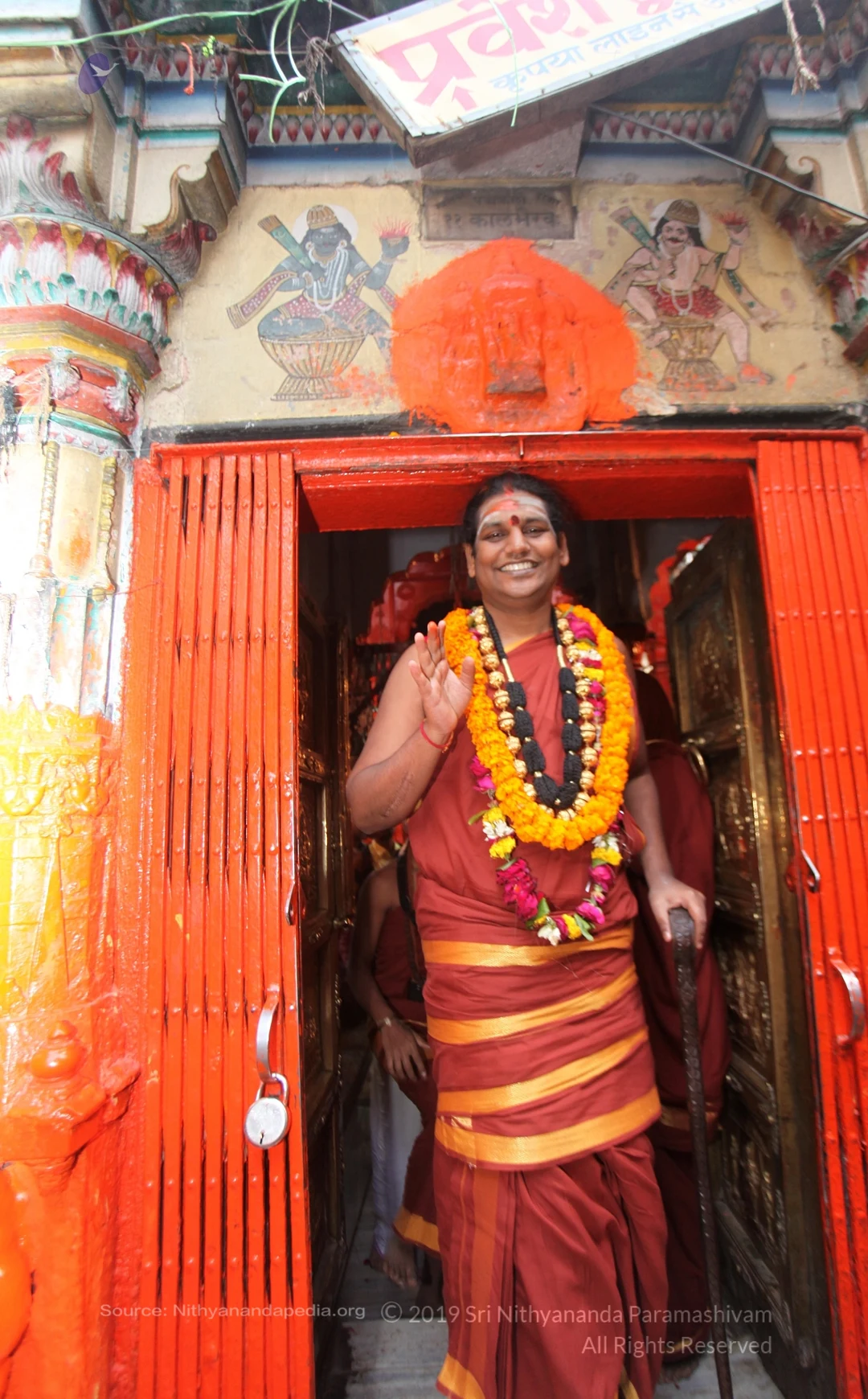
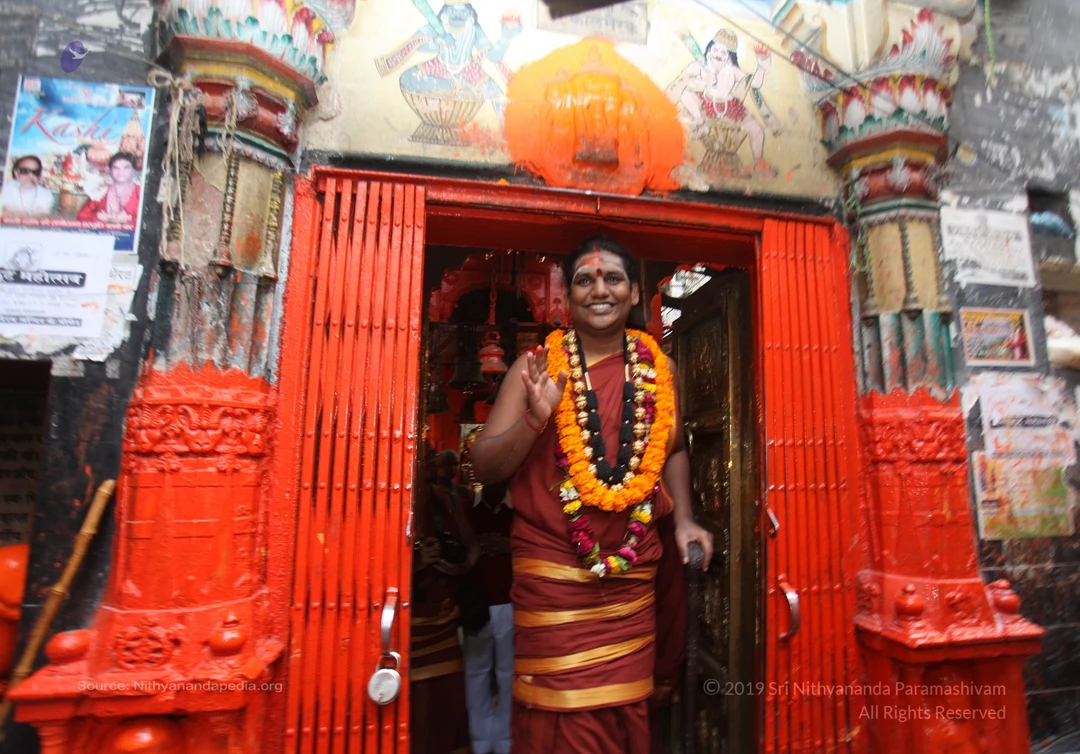
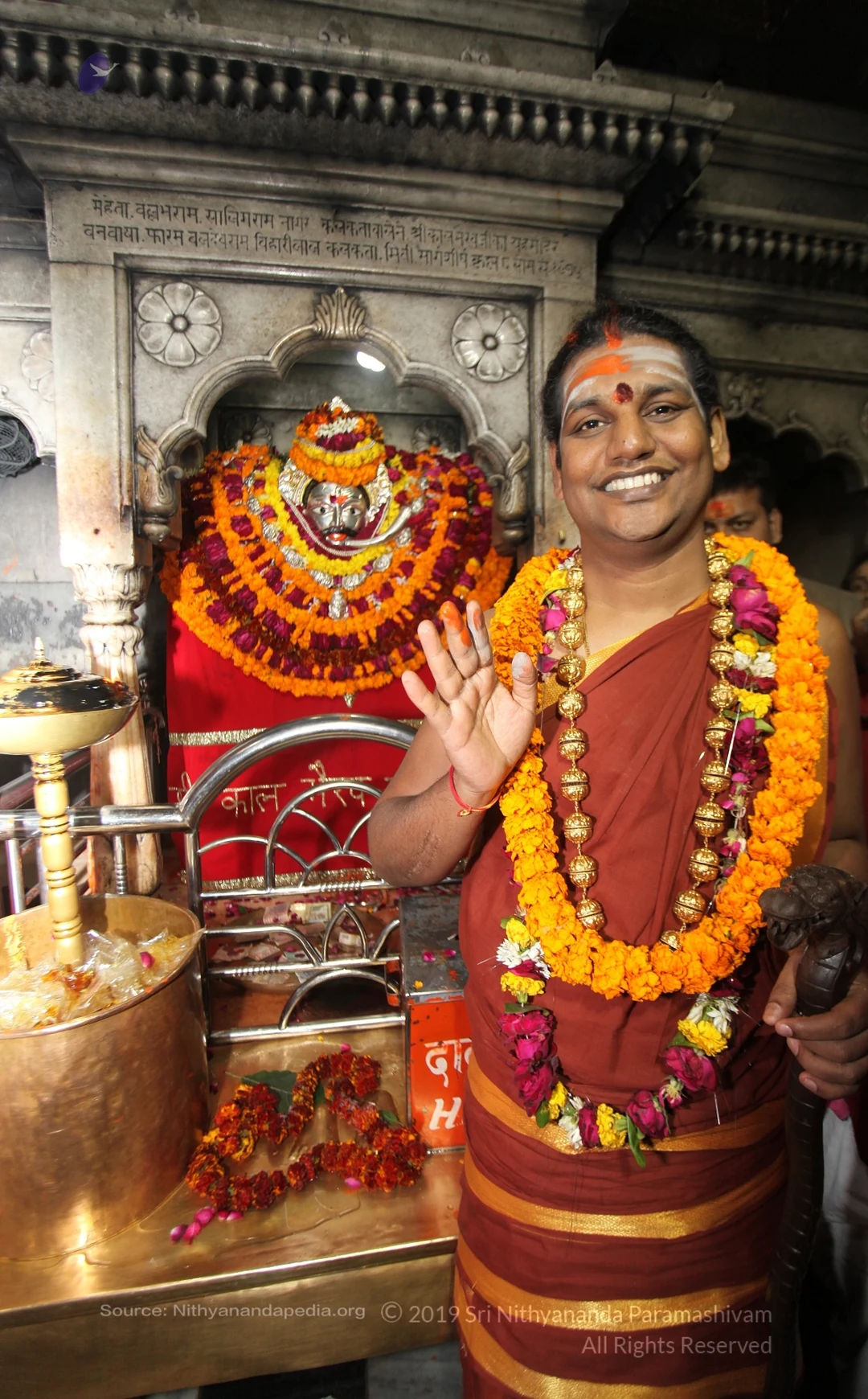
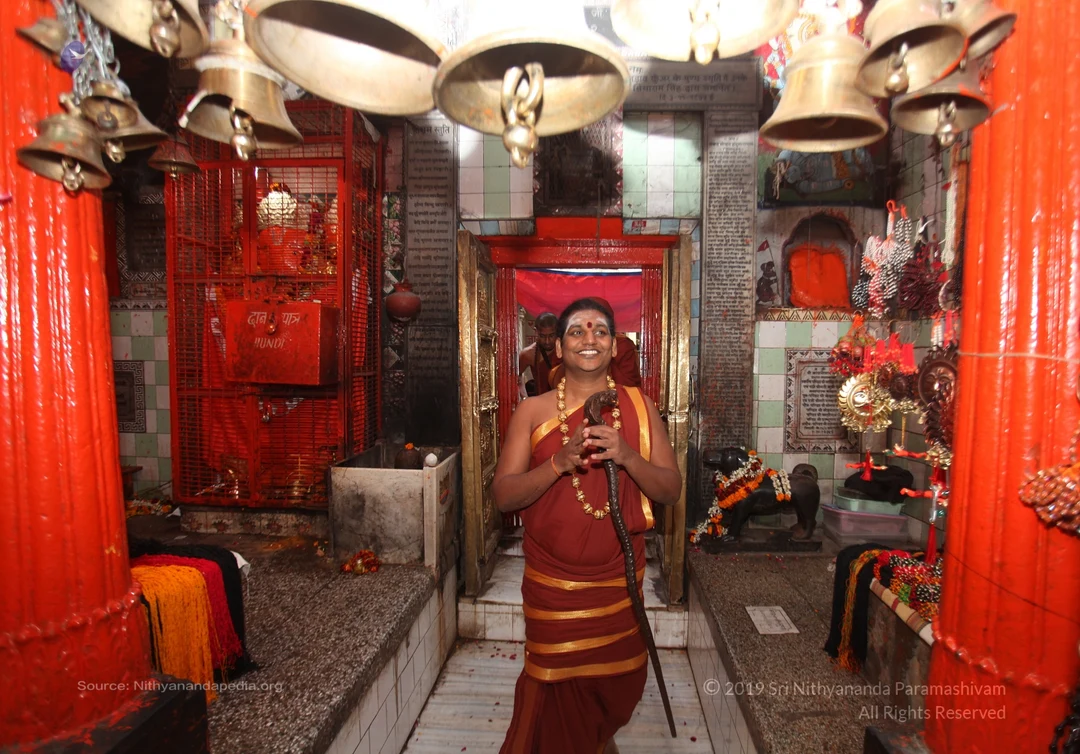
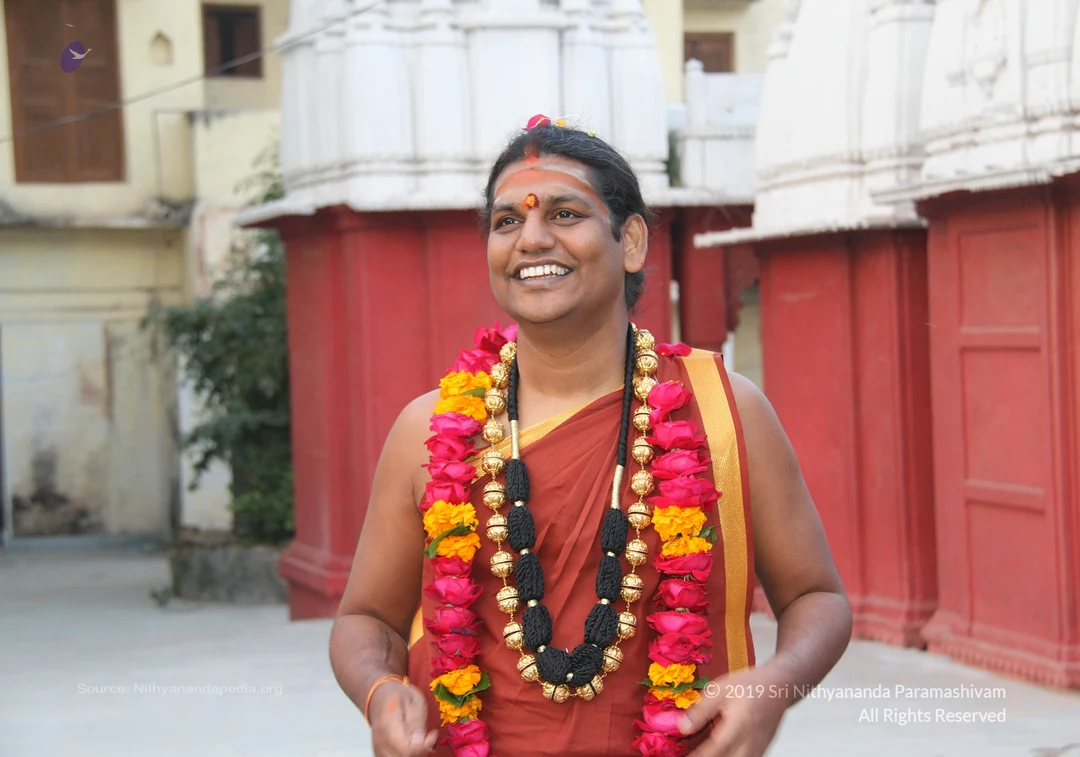
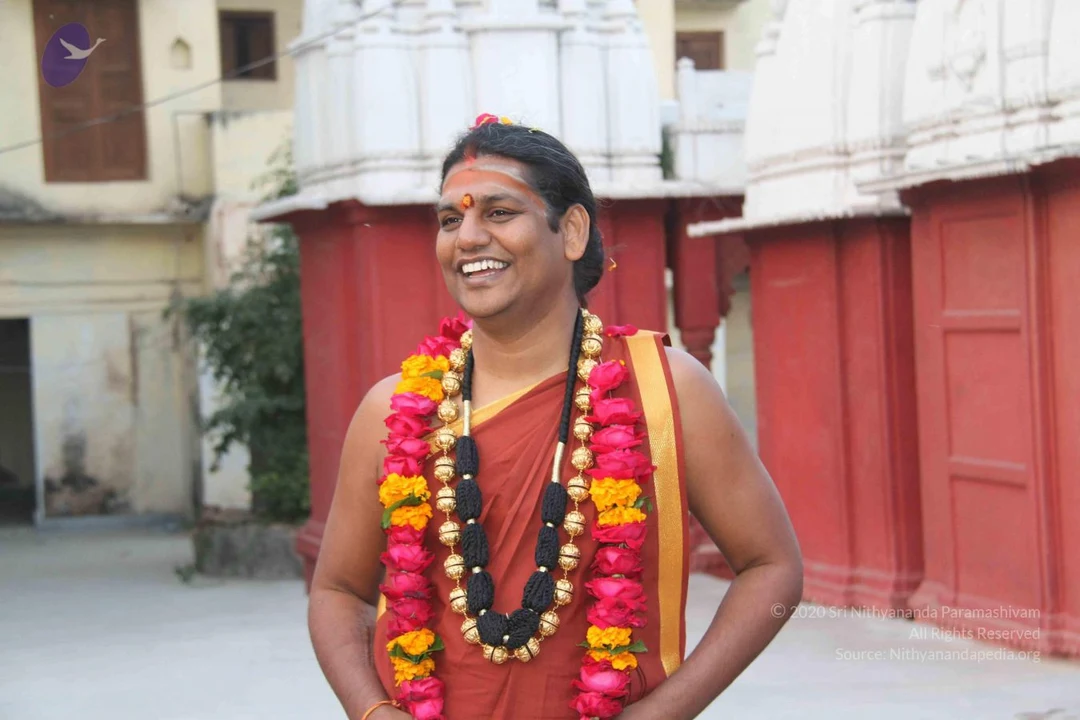
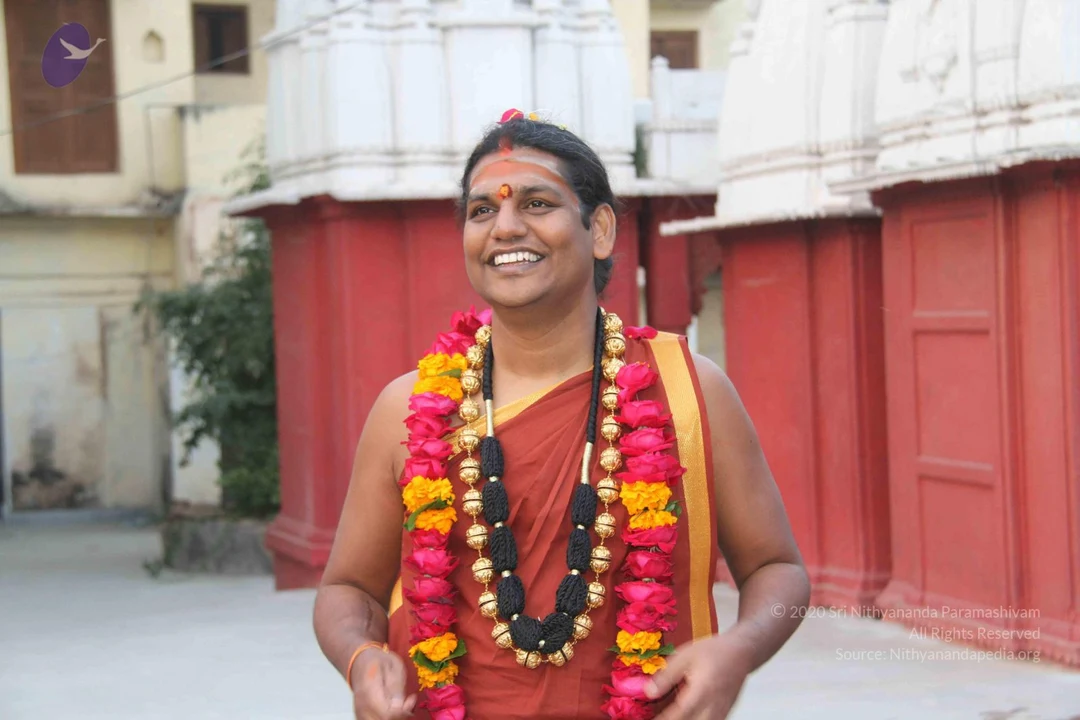
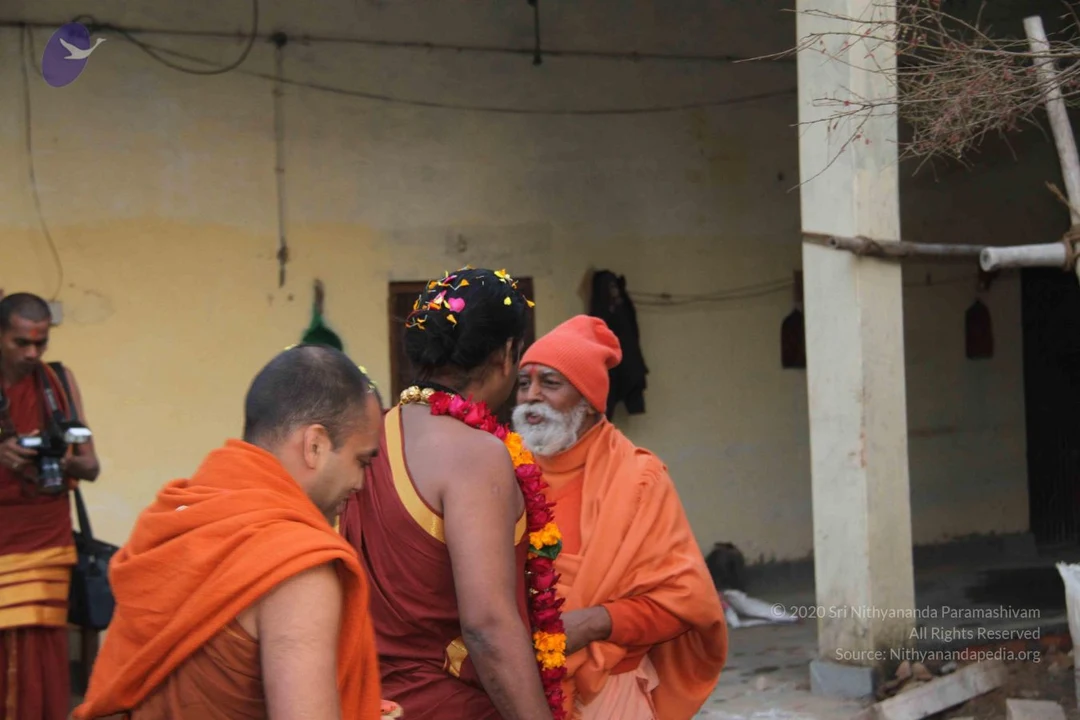
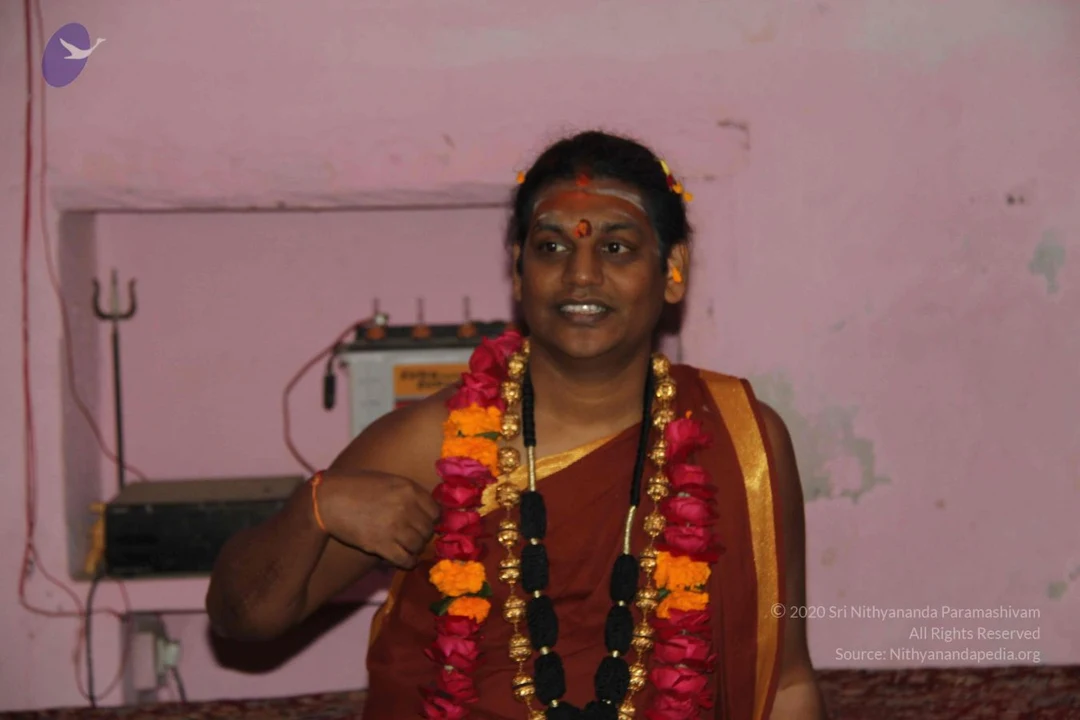
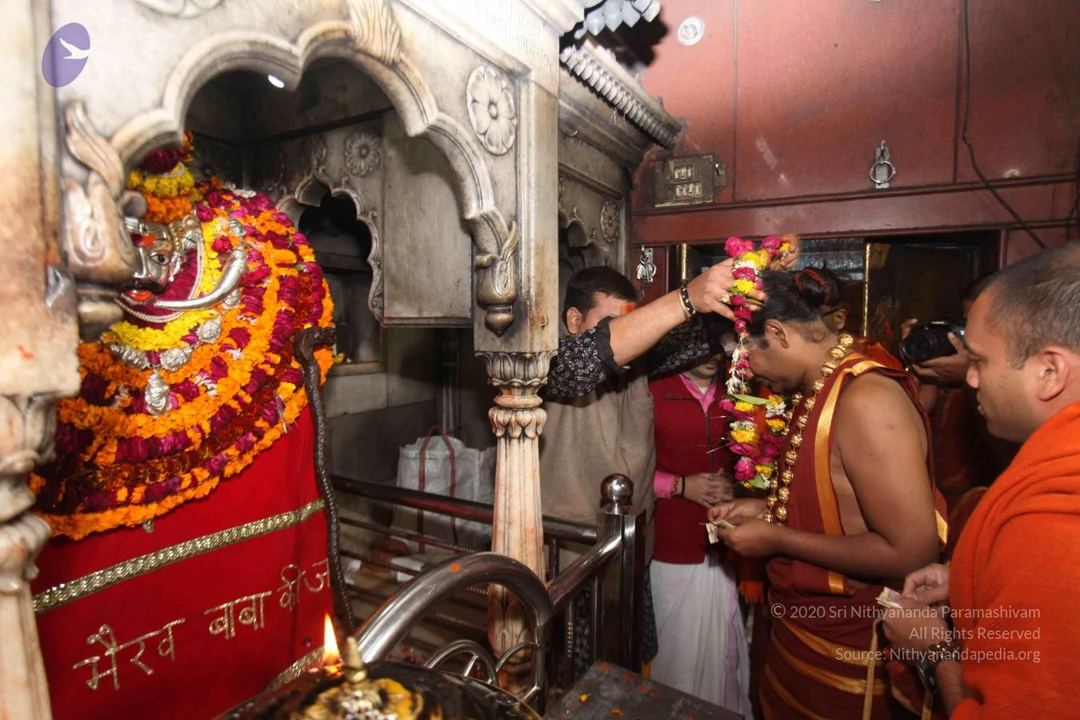
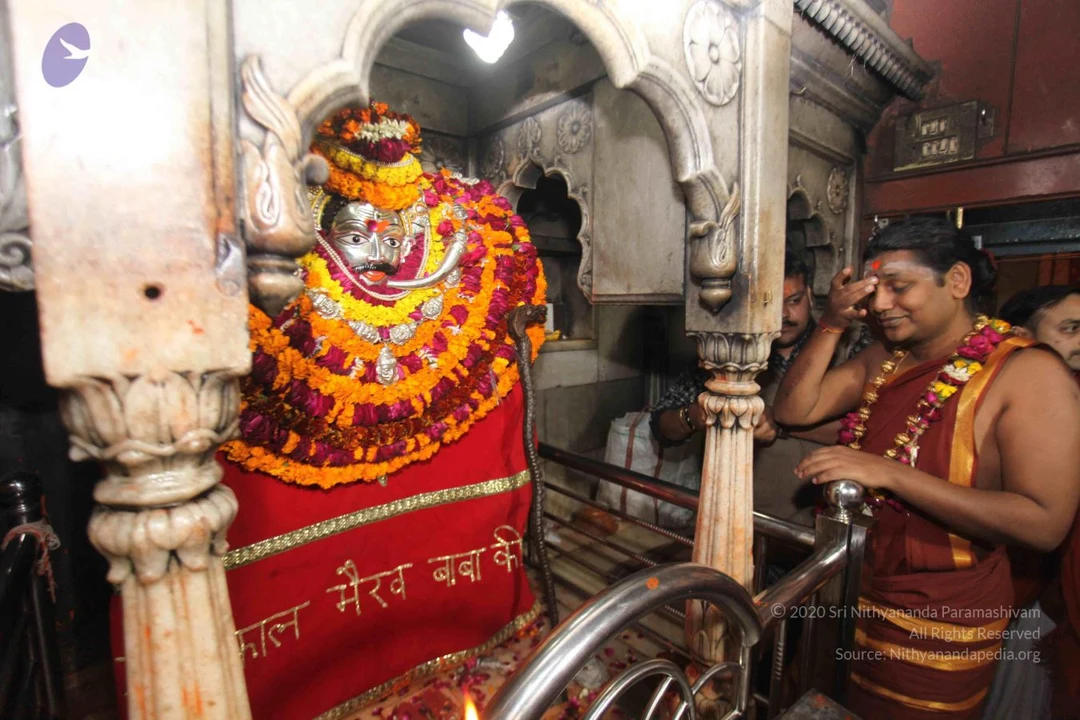
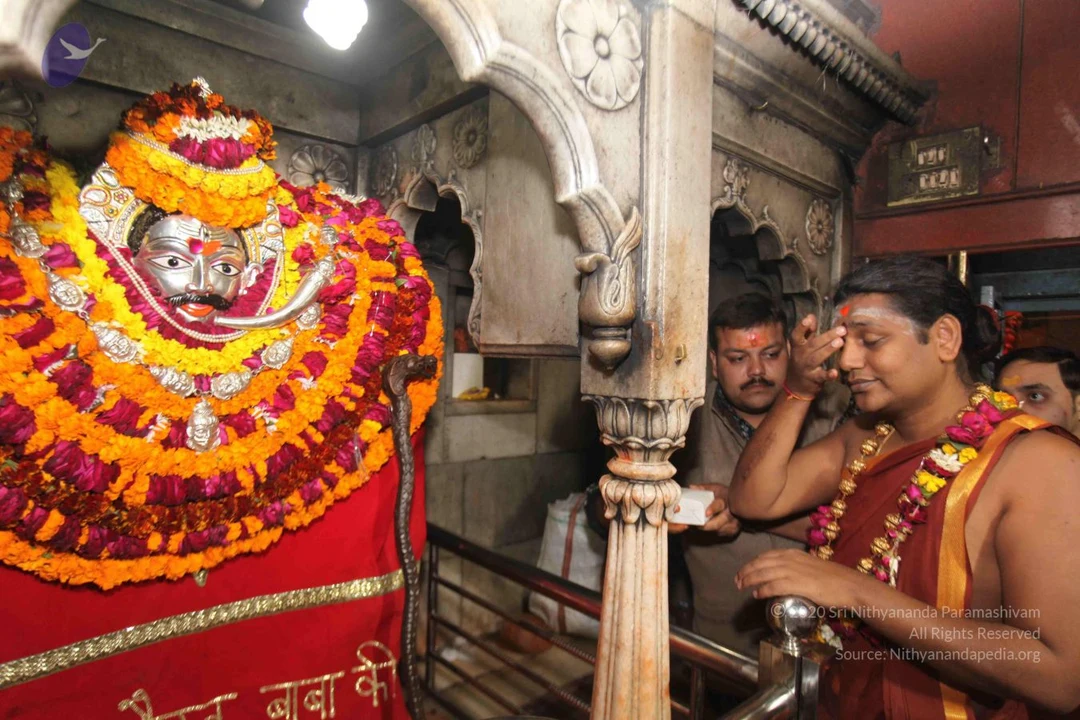
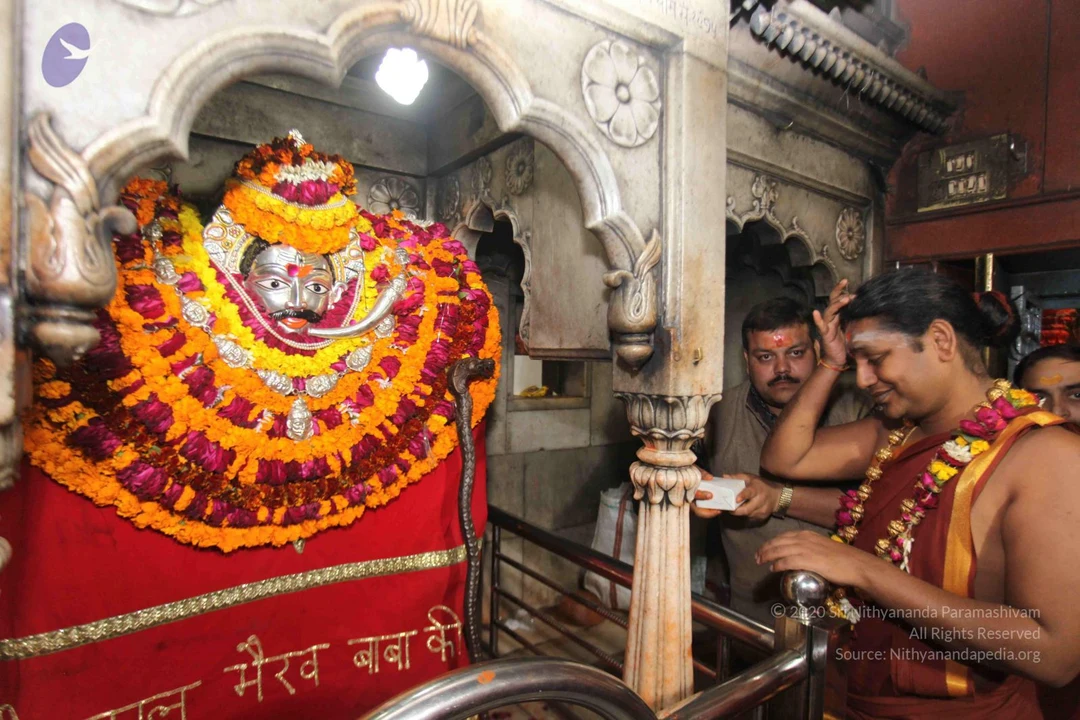
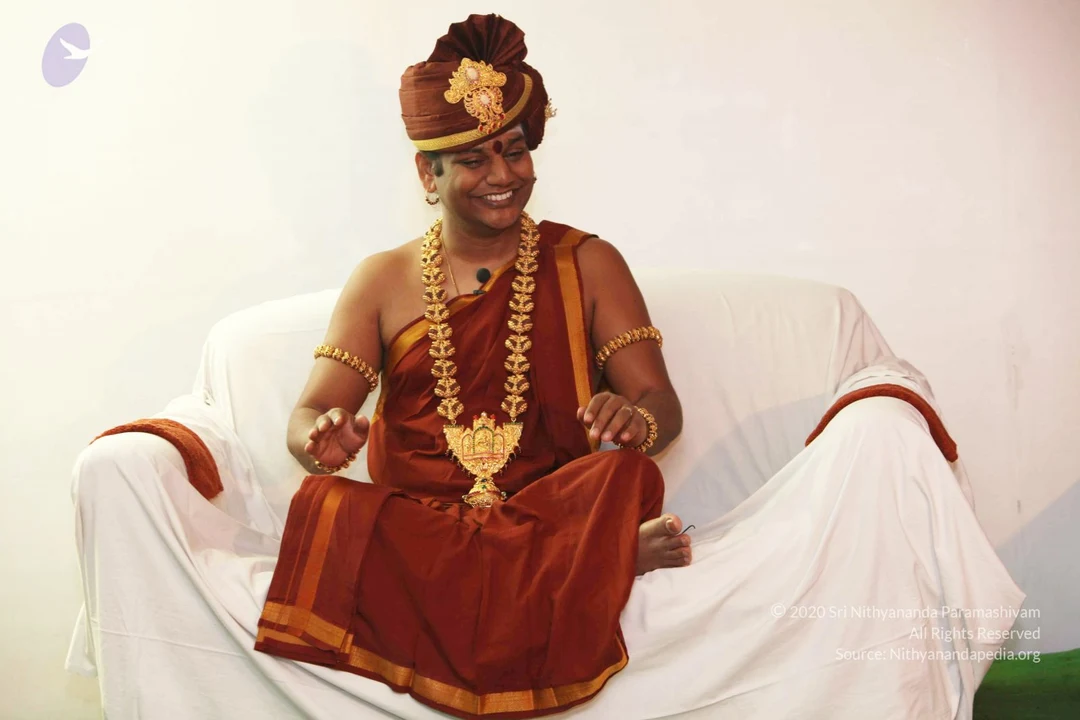
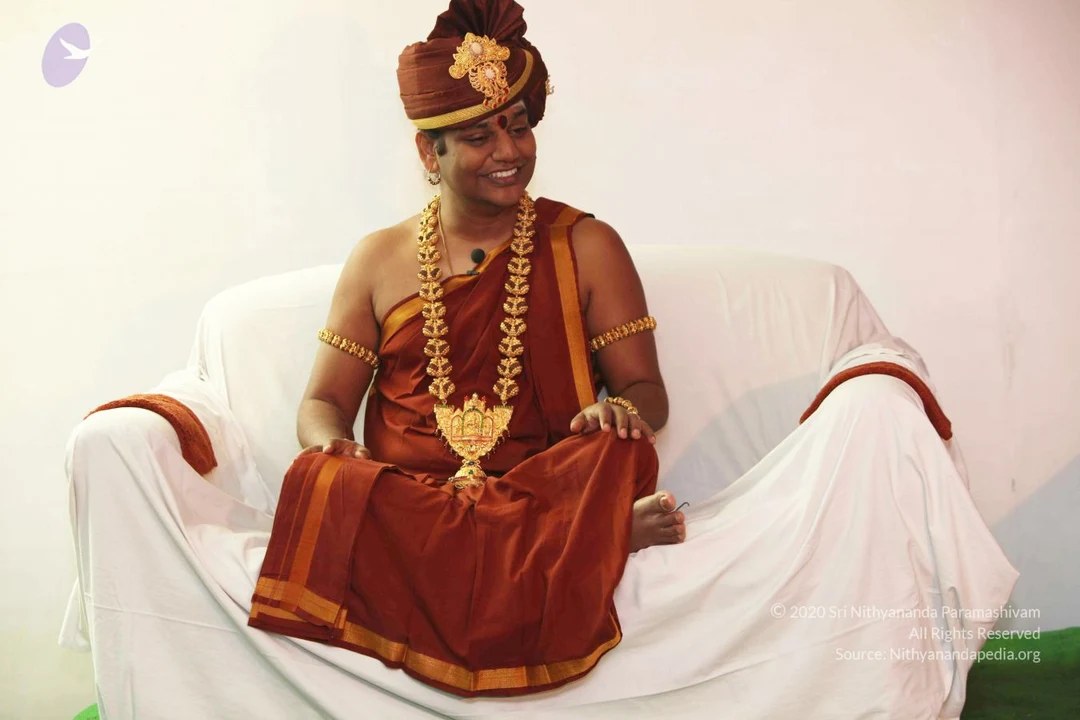
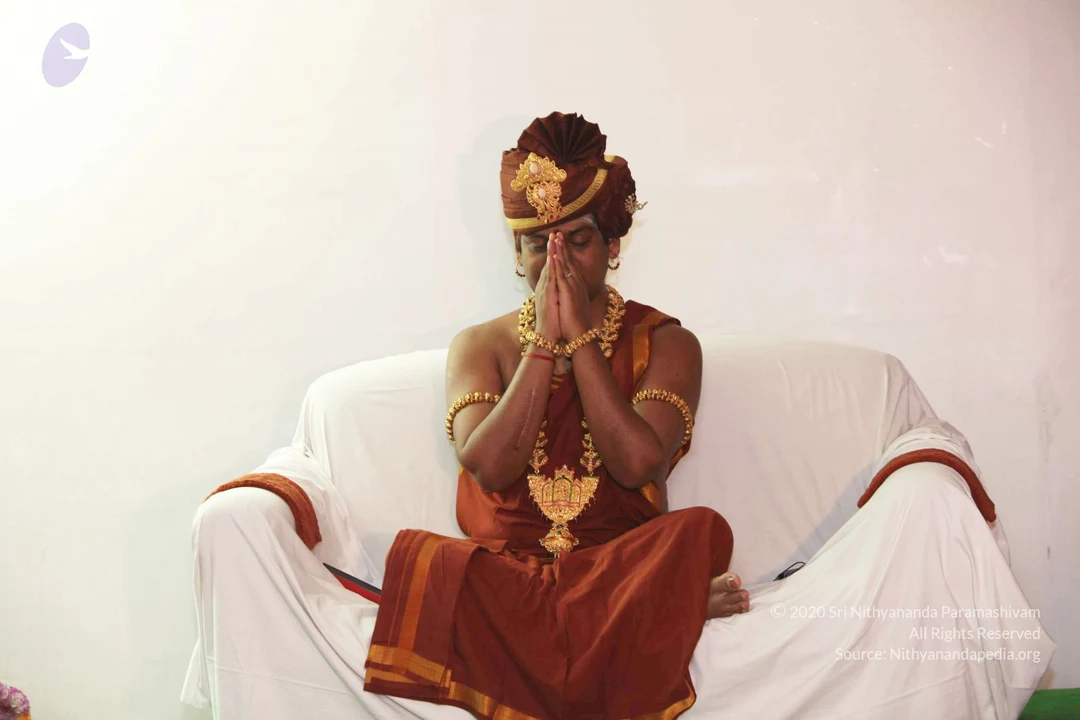
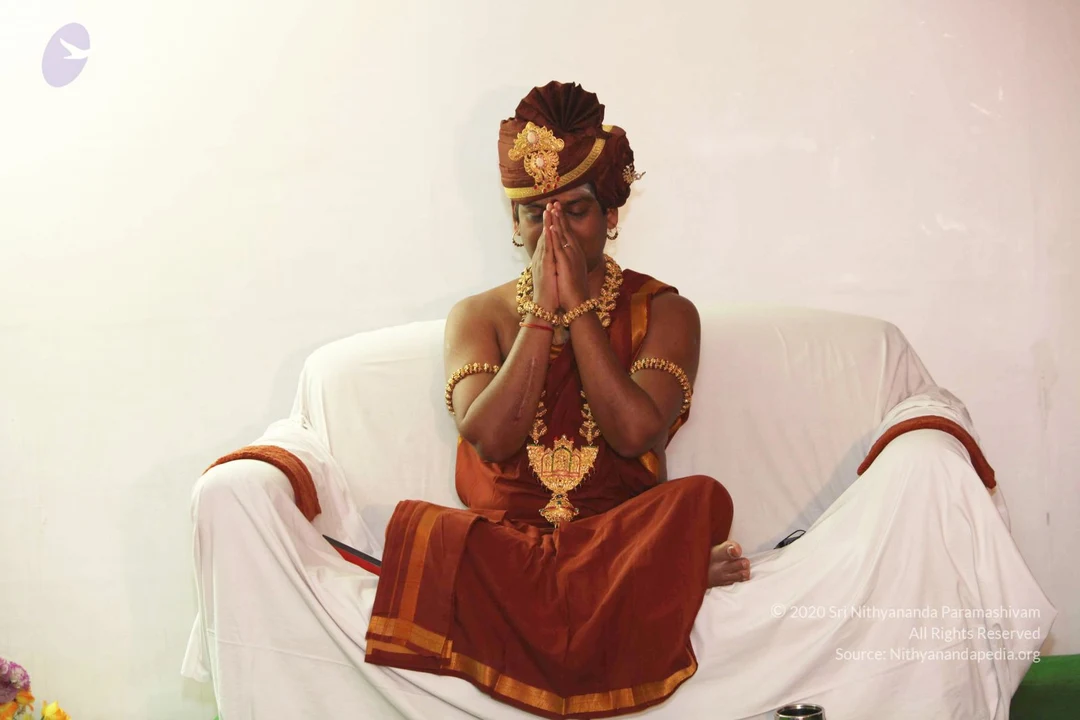
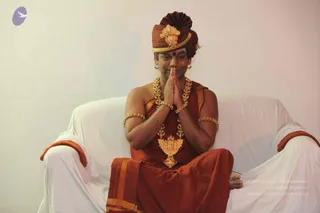
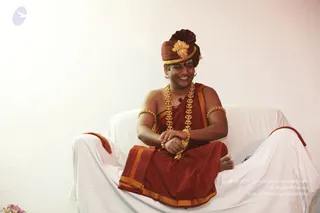
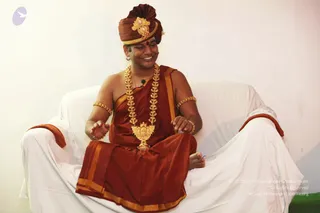
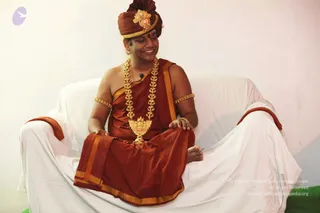
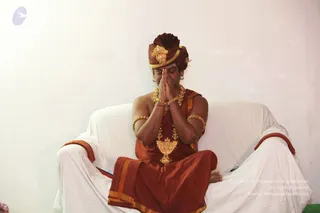
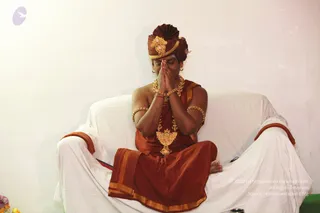
Photos Of The Day:
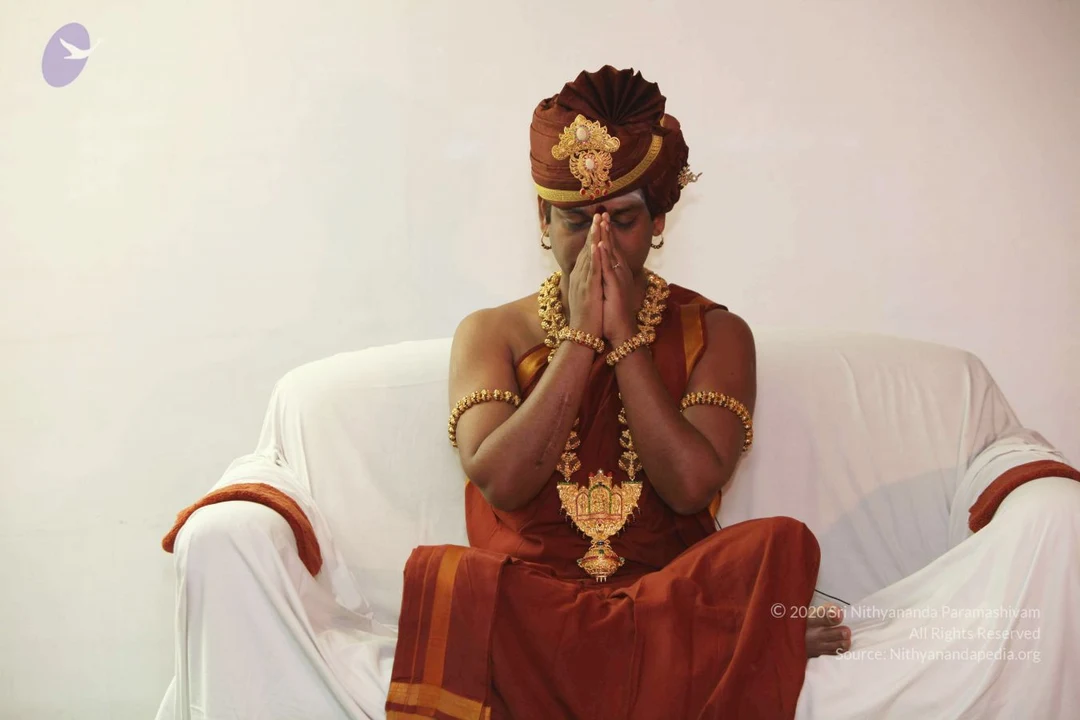
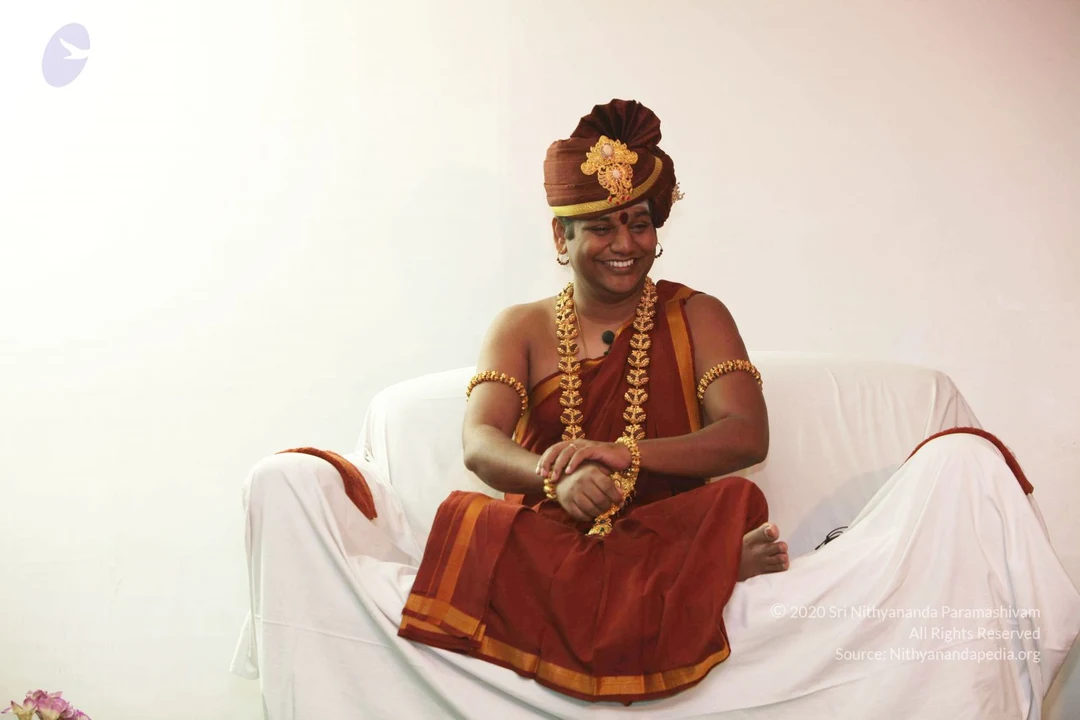
Satsang
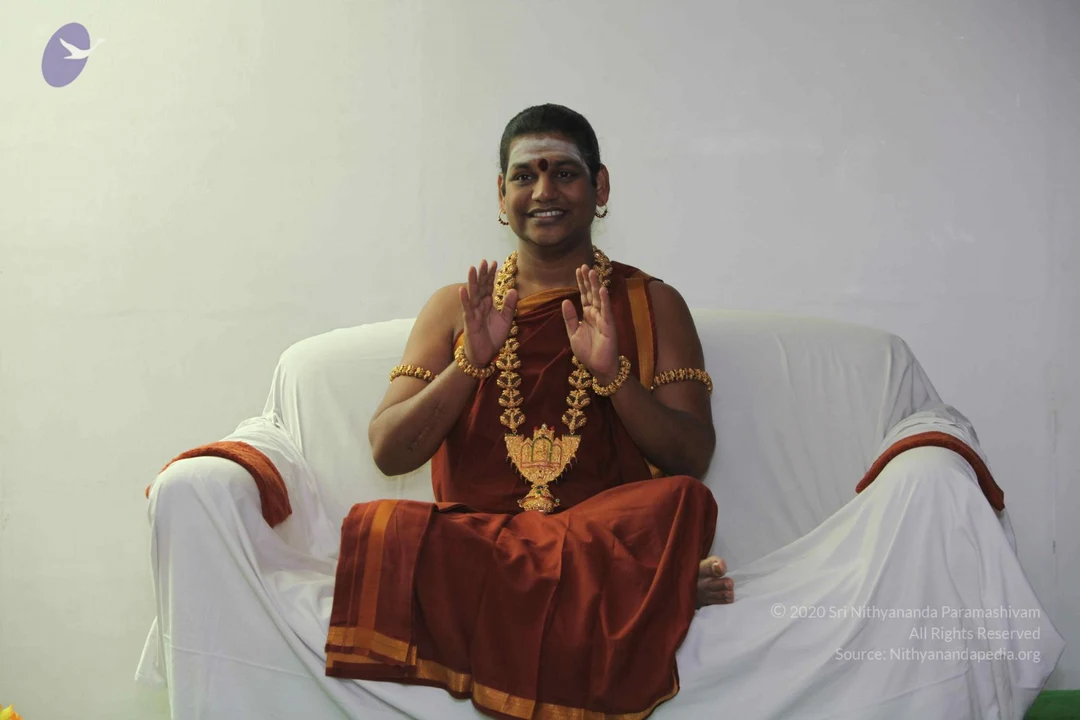

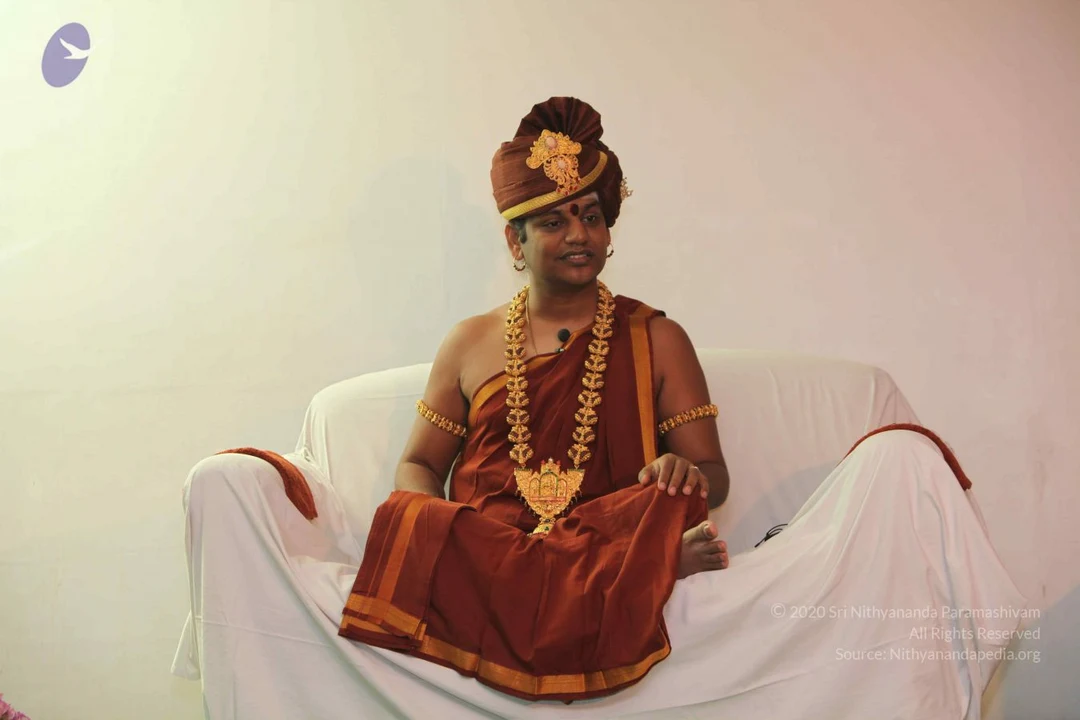
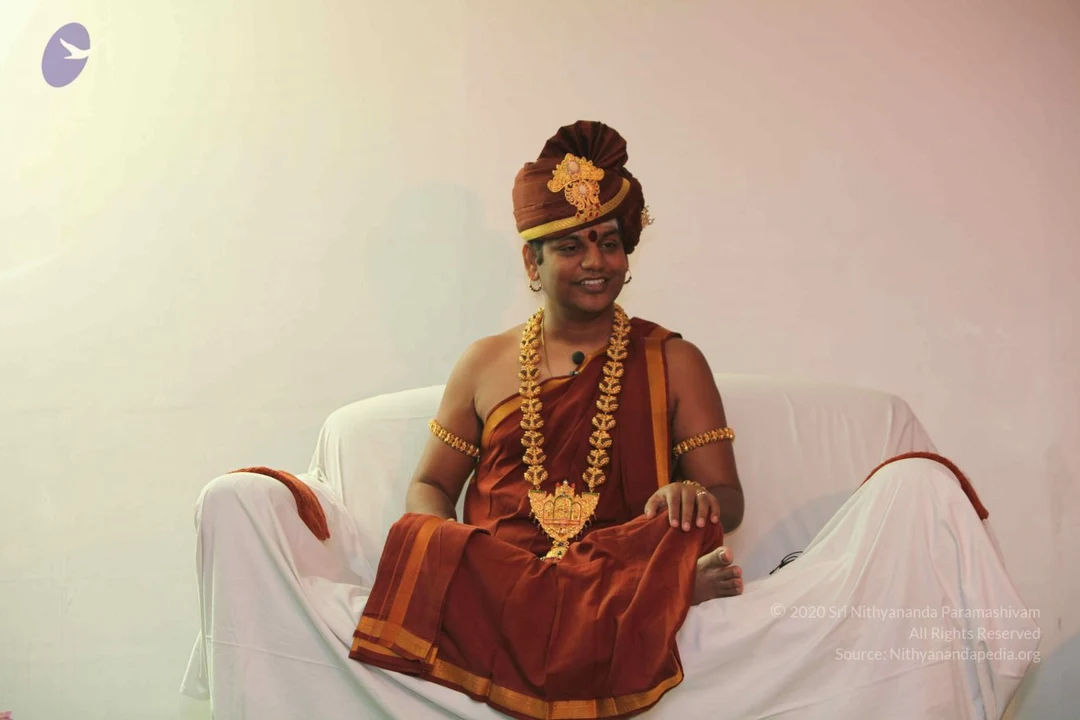


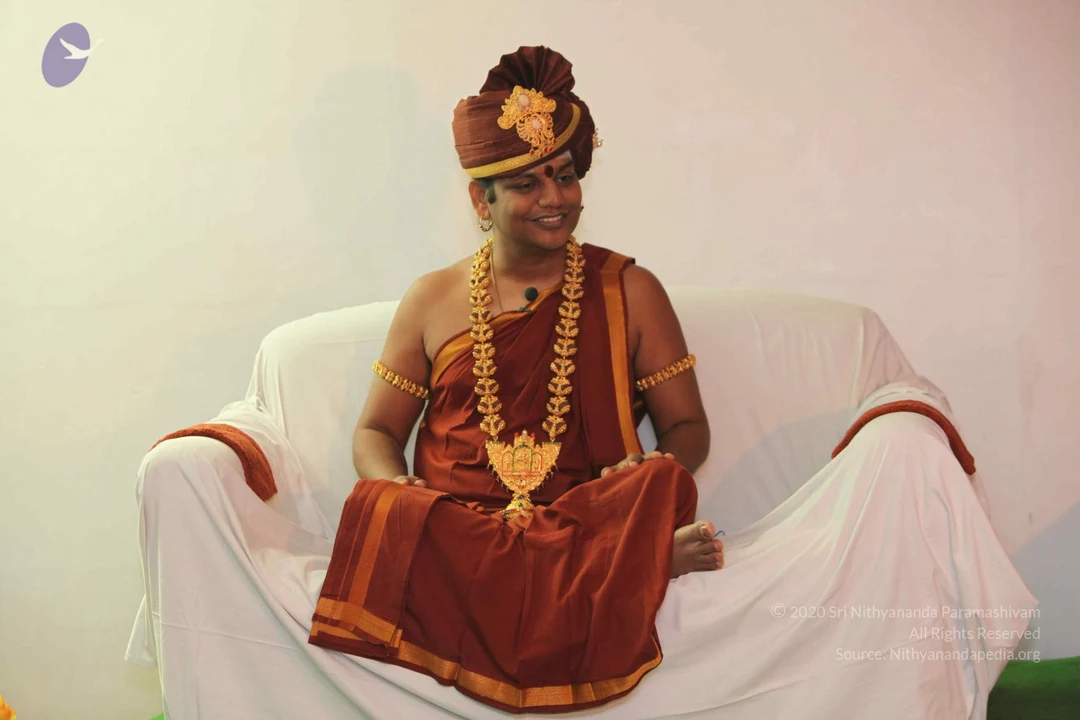
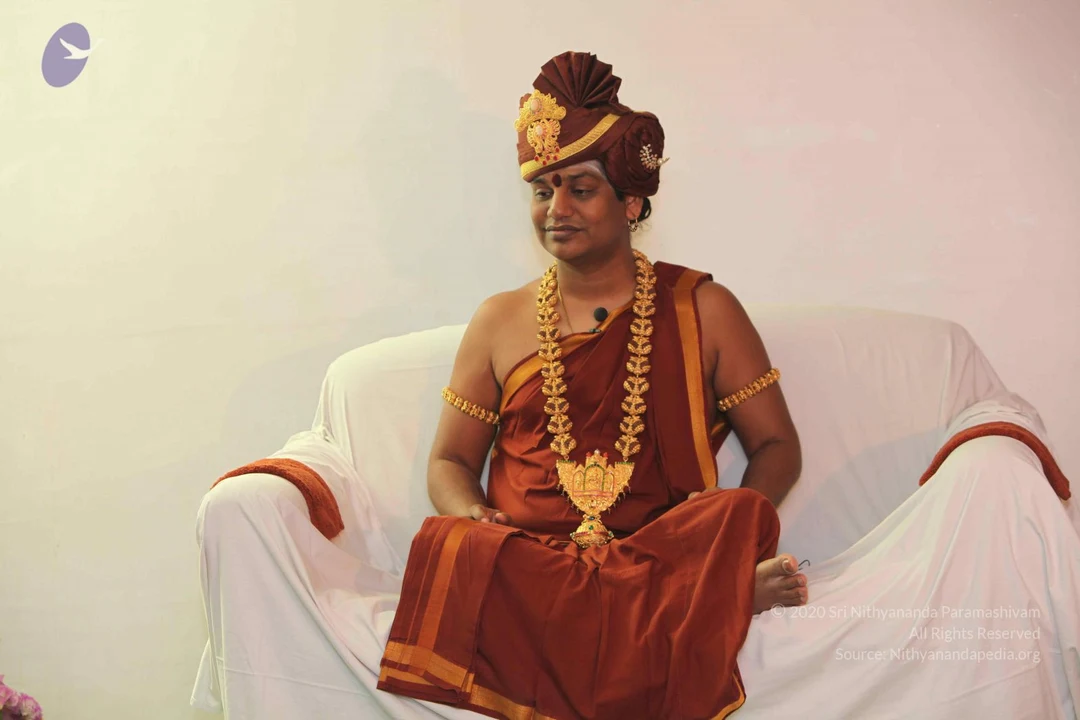
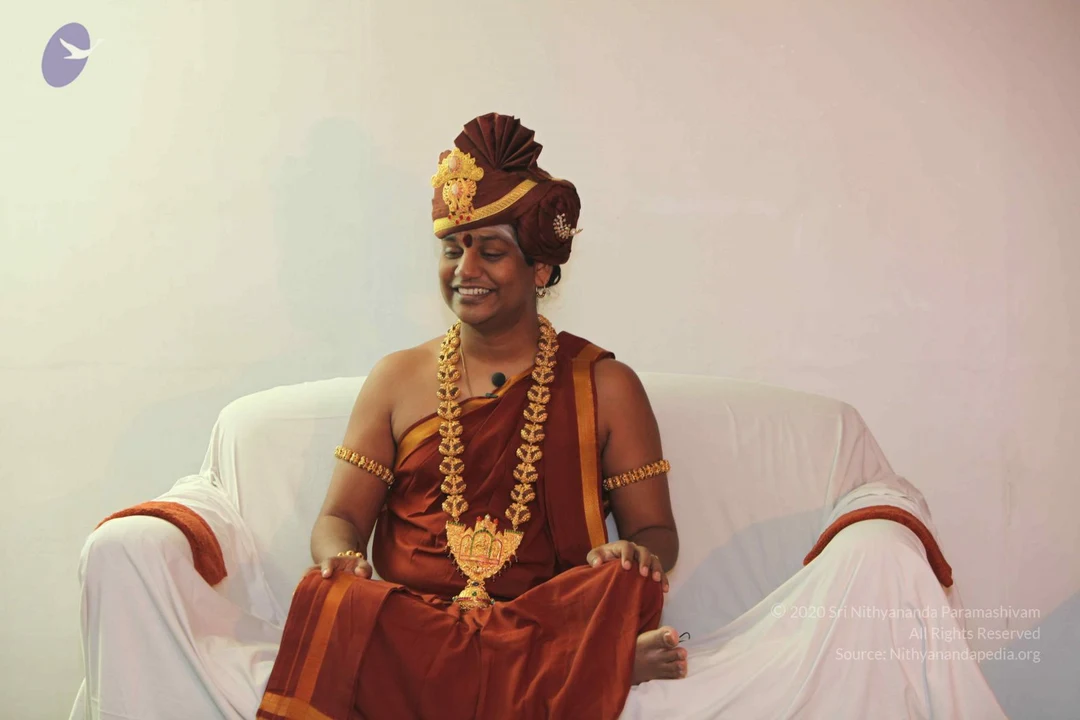
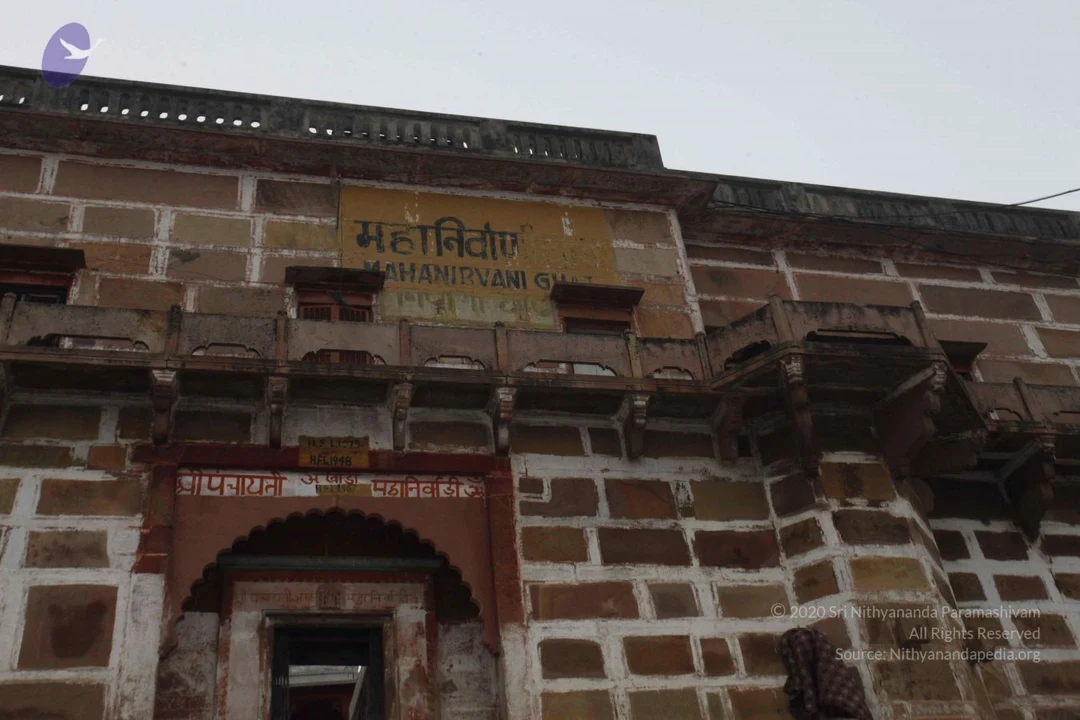
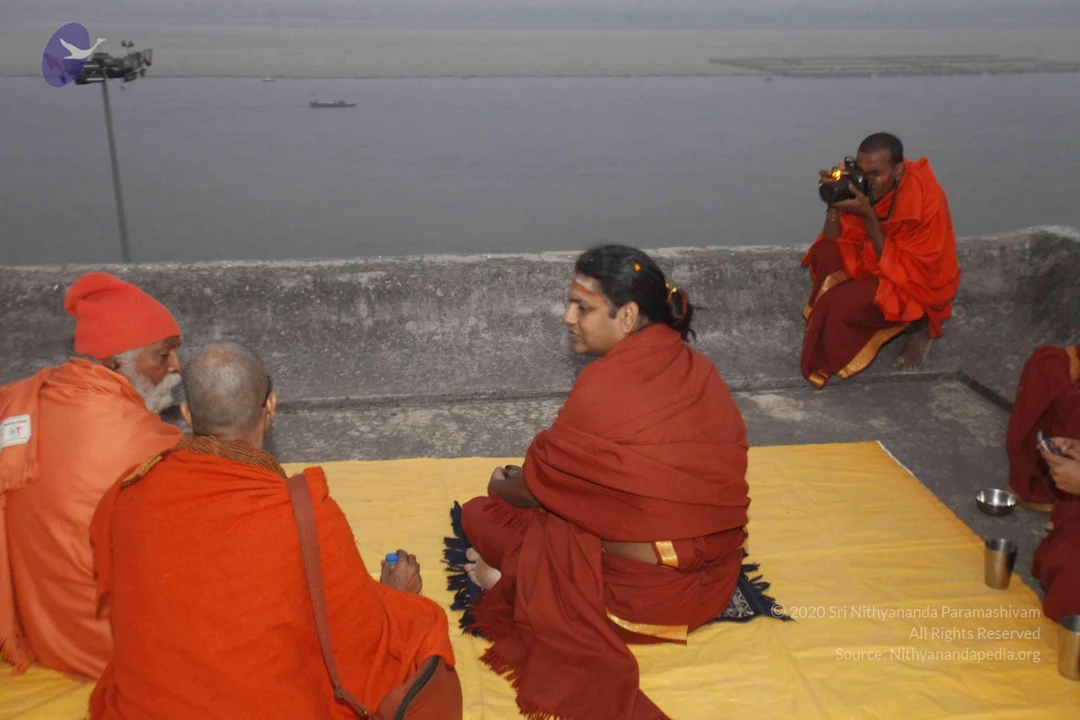
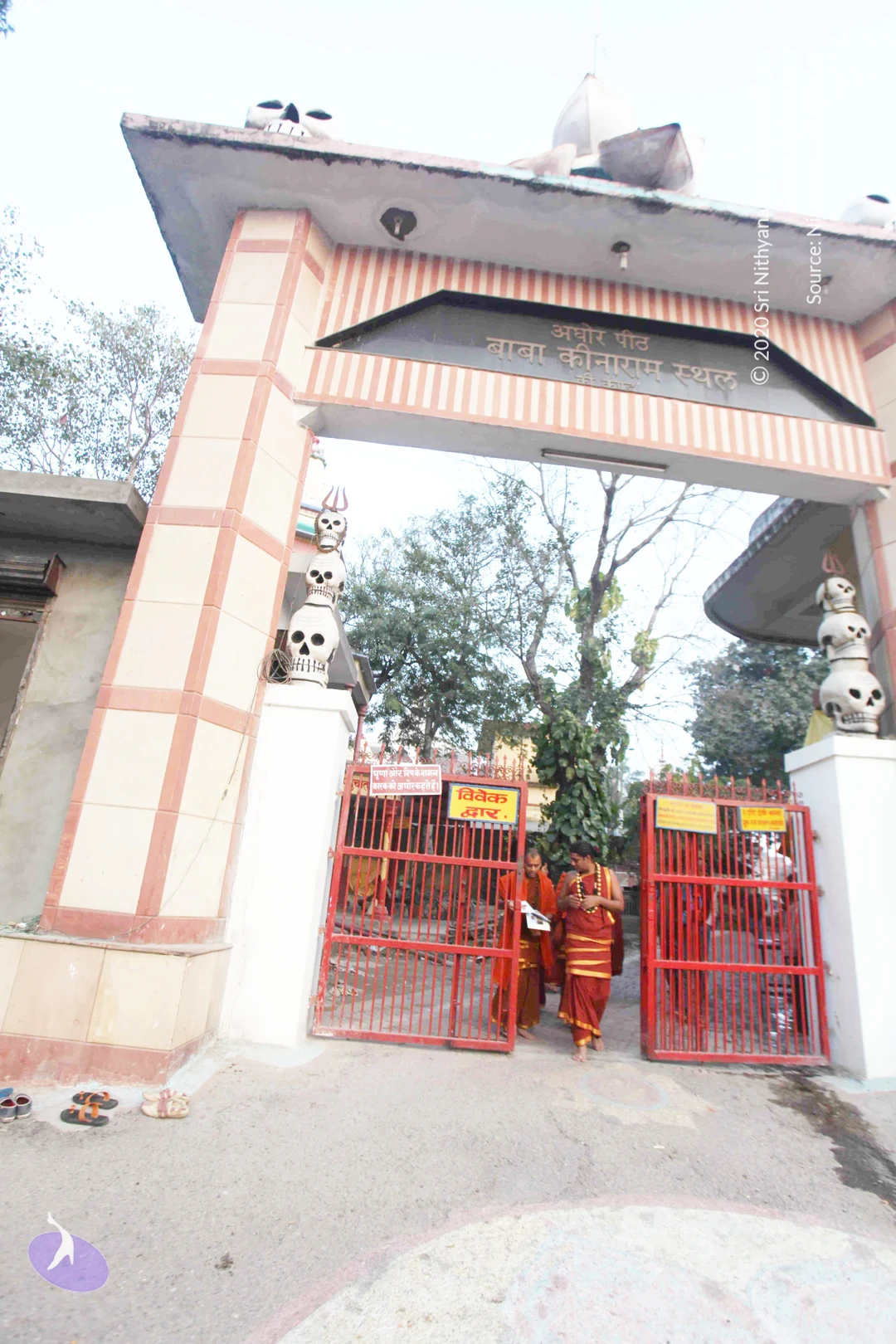
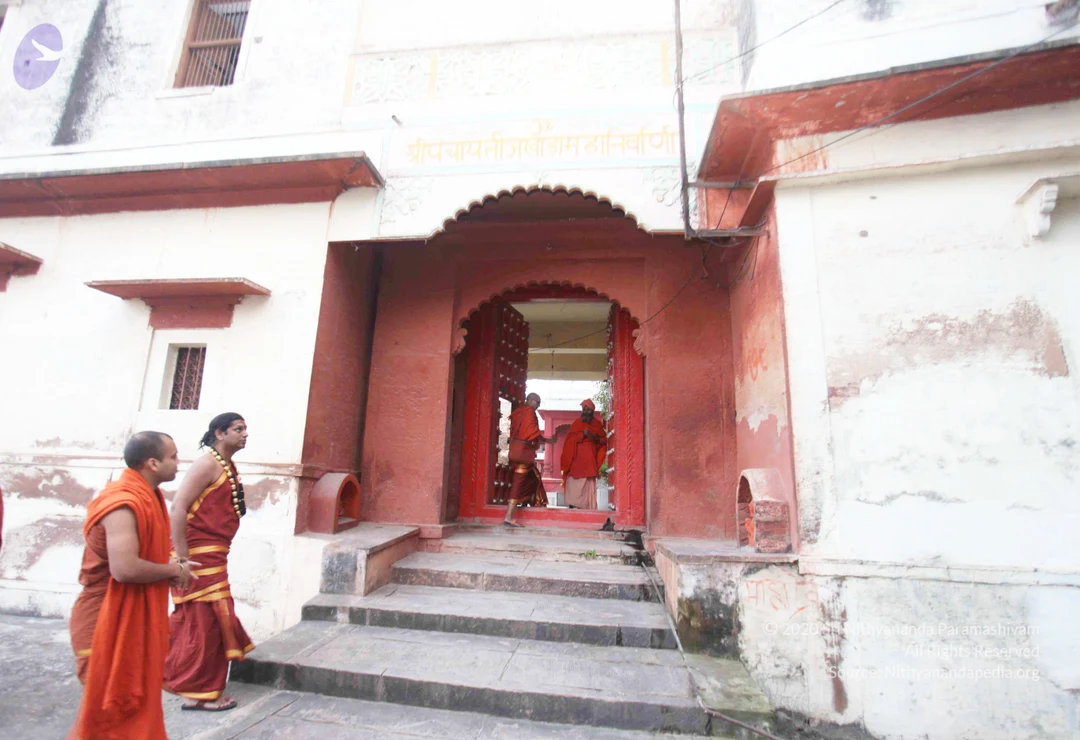
HARIDWAR
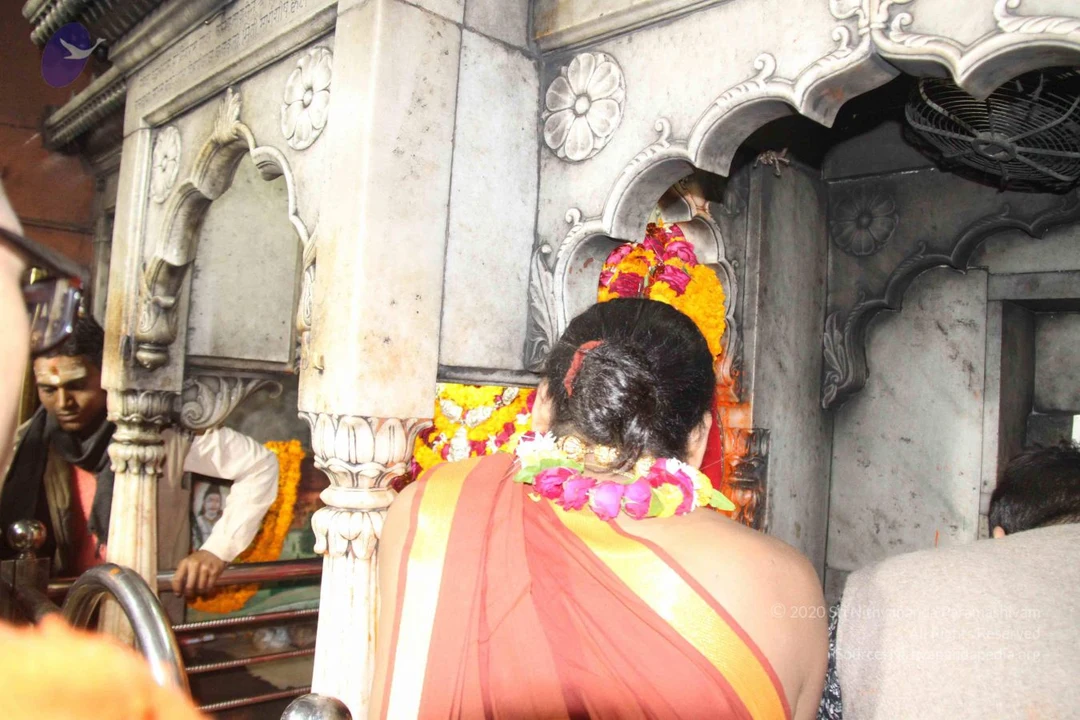
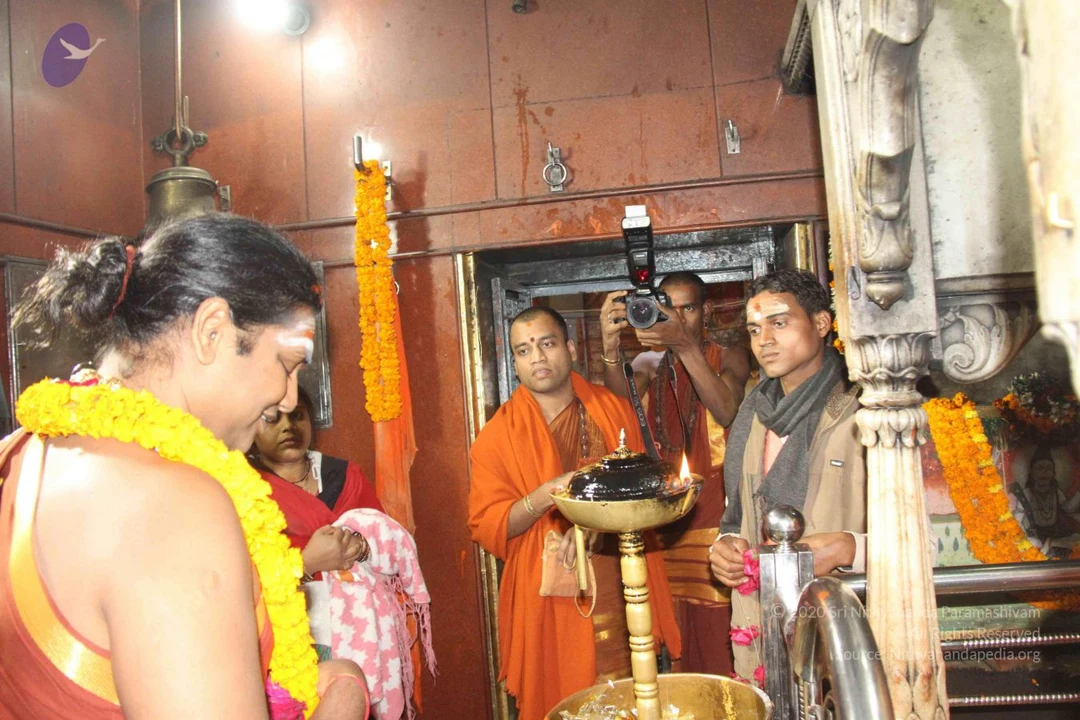
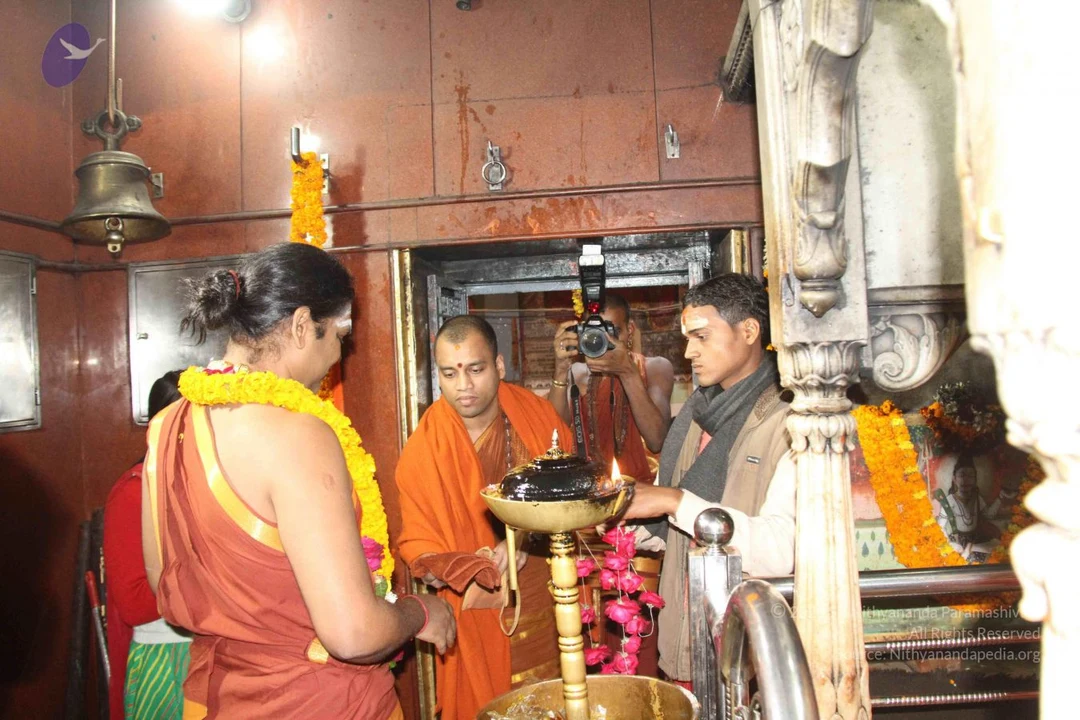
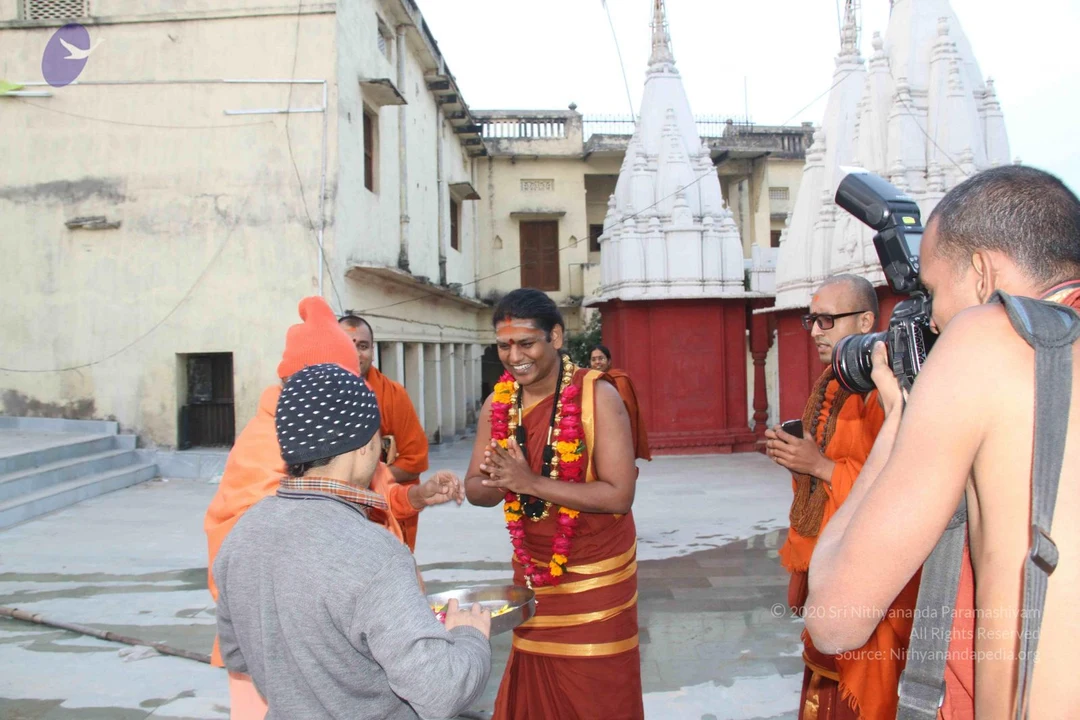
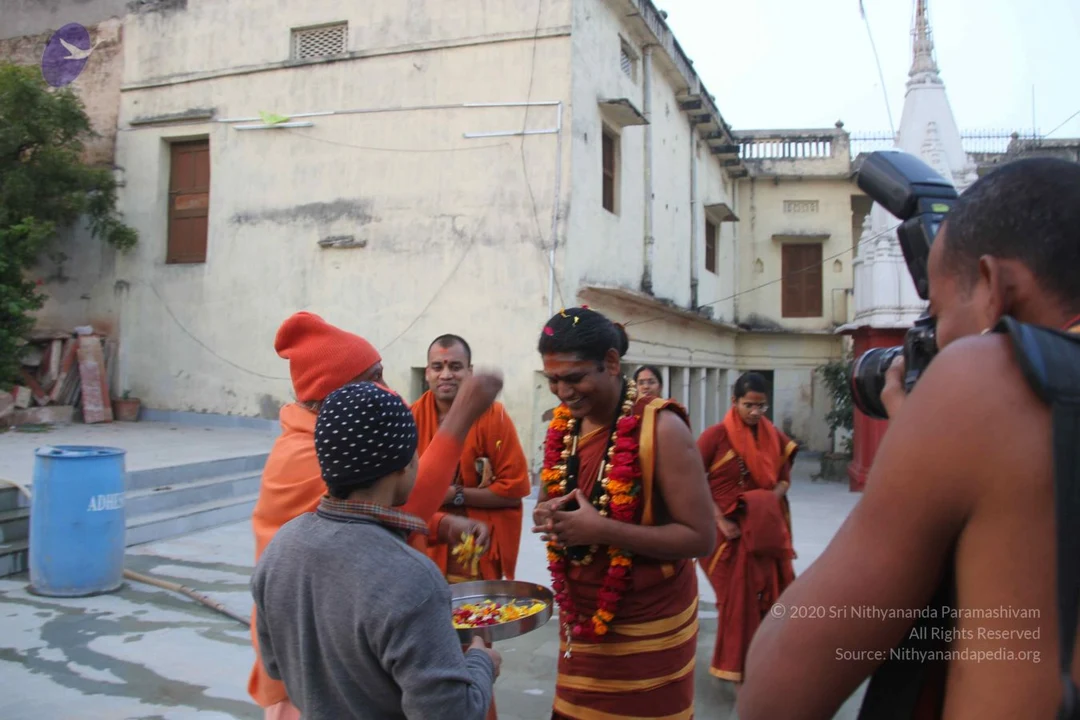
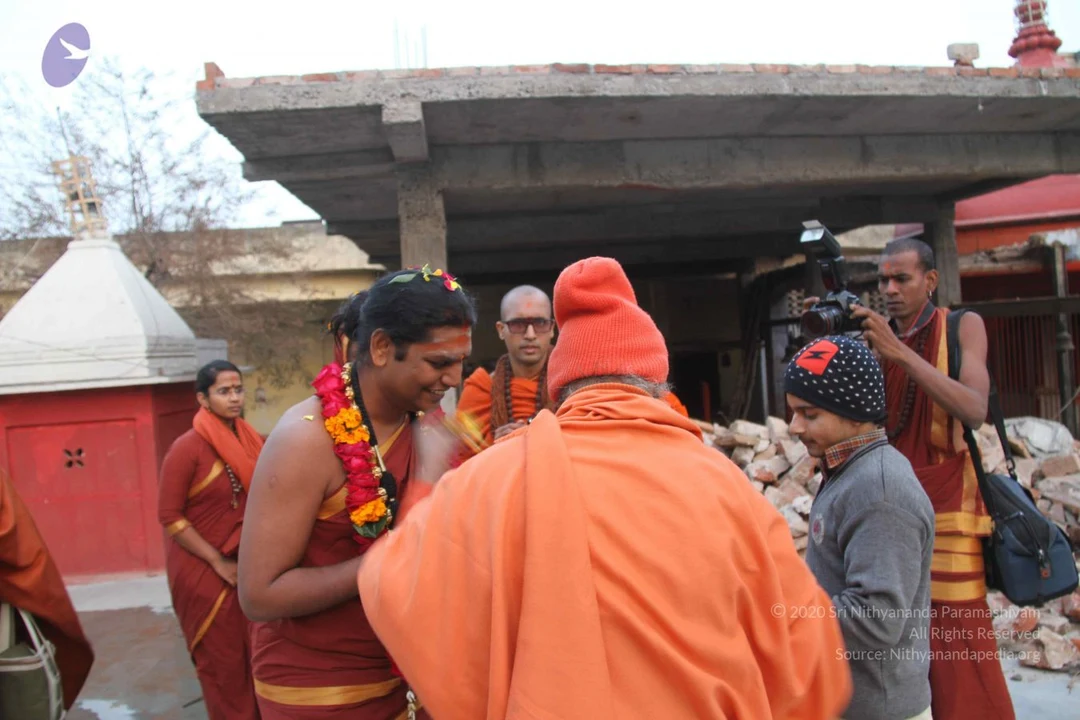
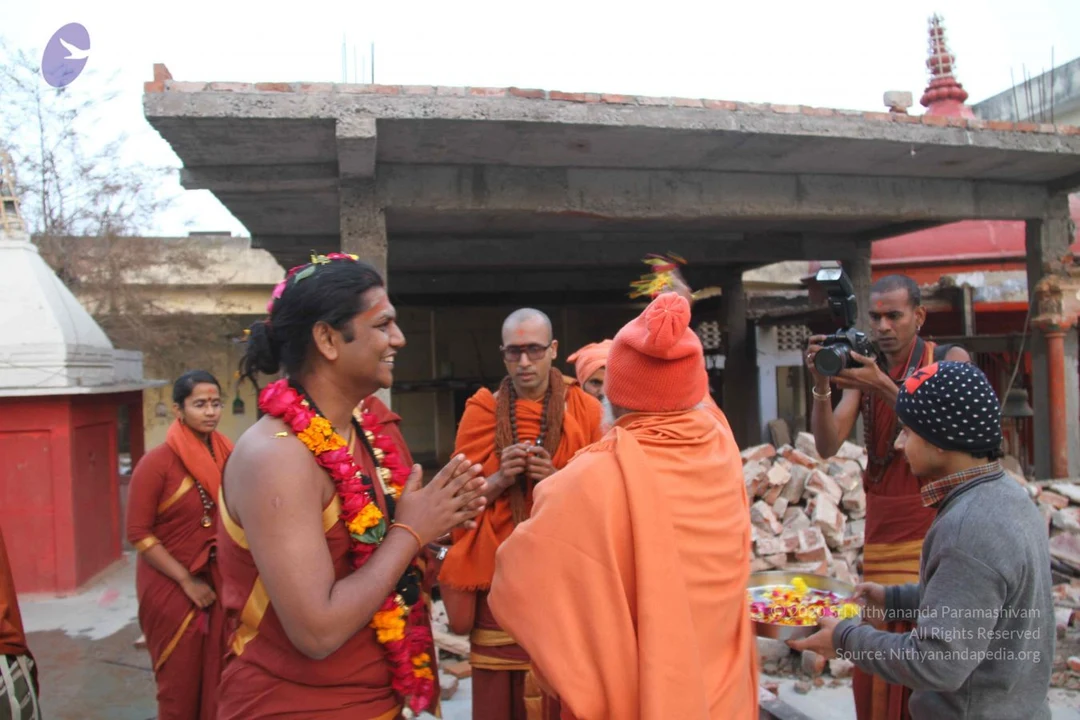
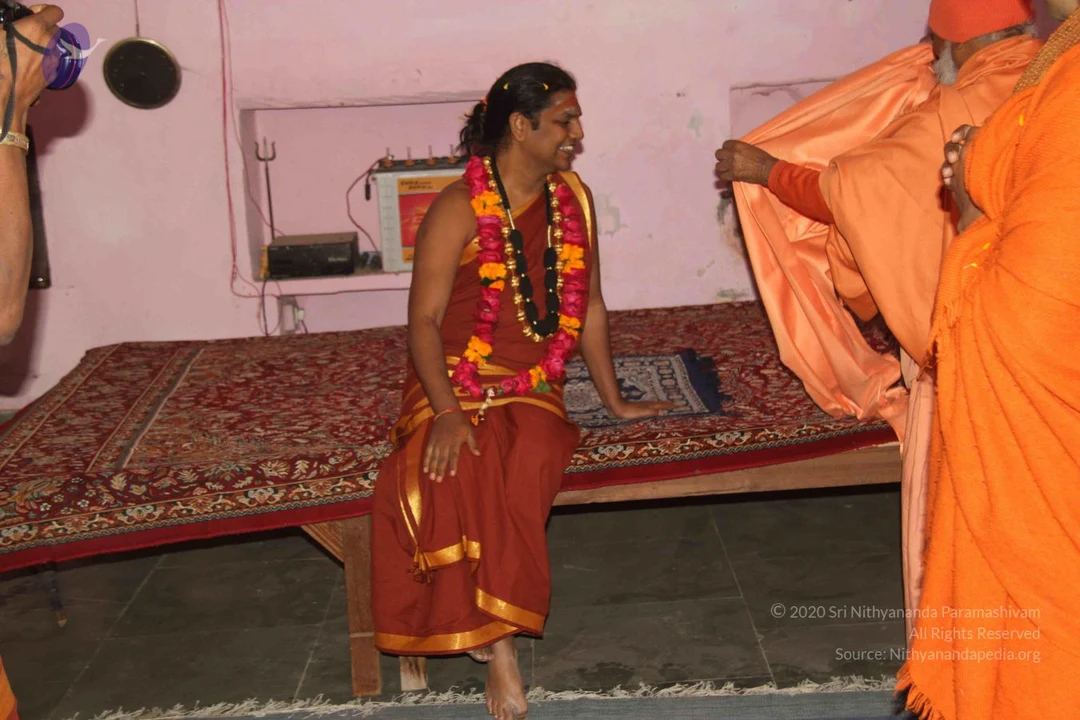
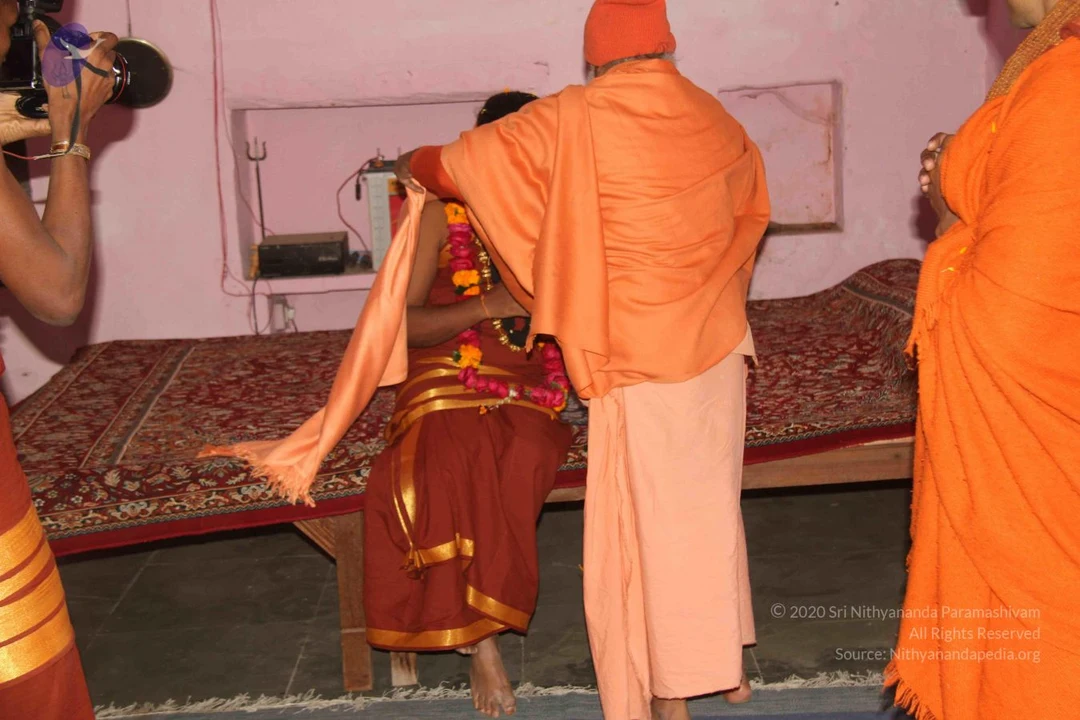
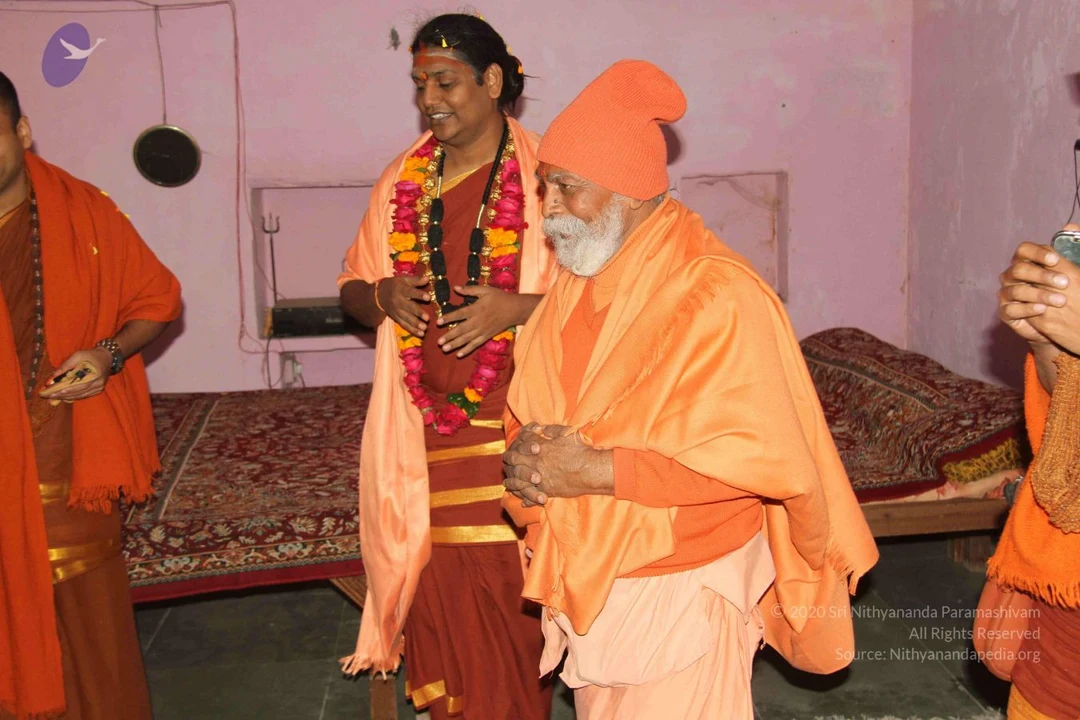
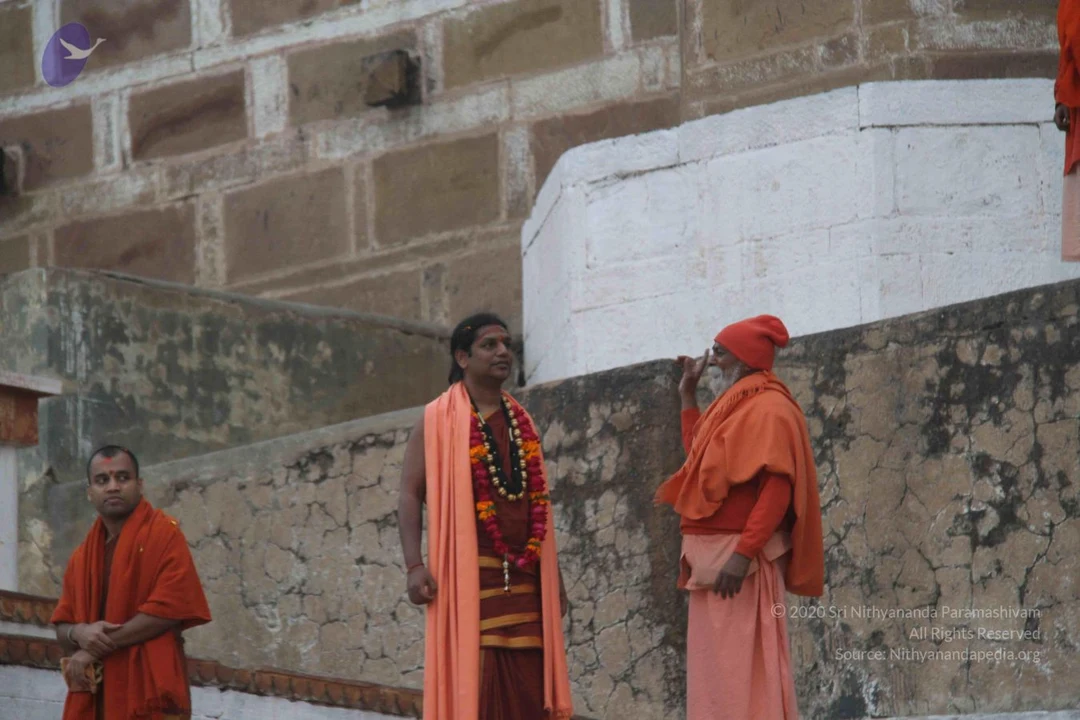
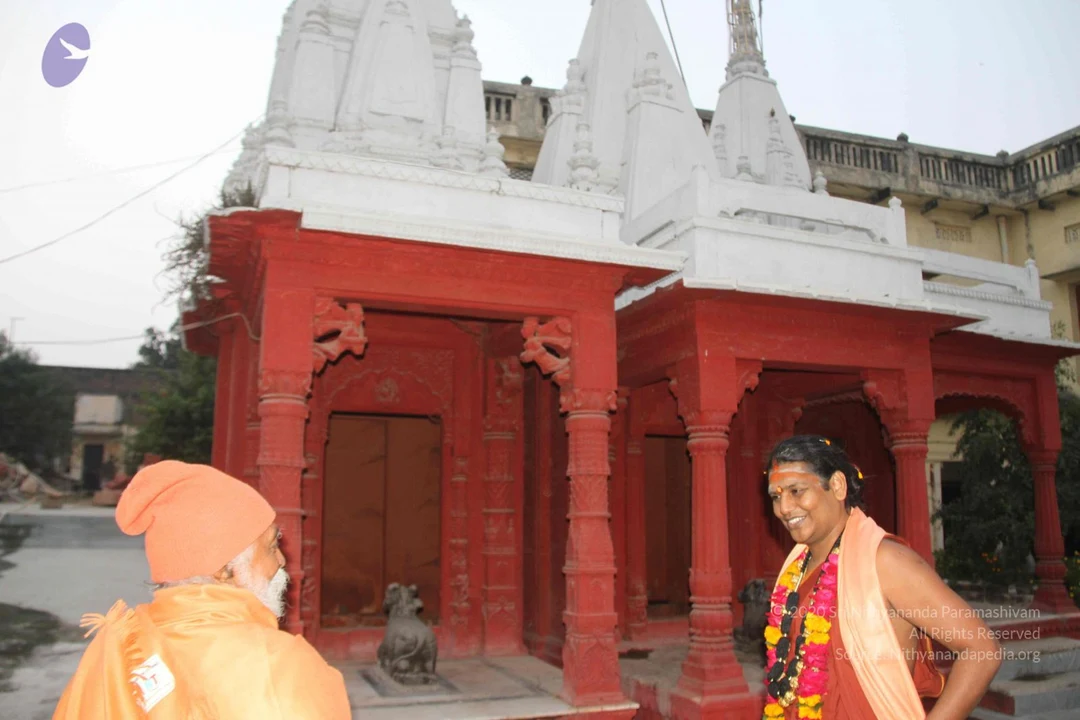
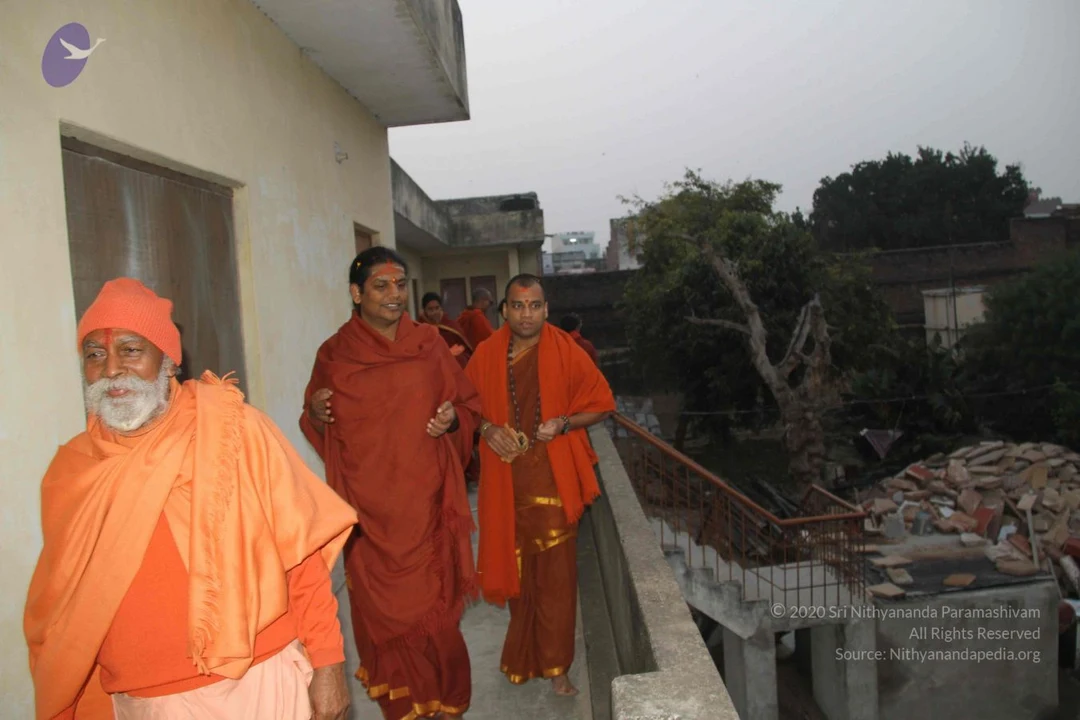
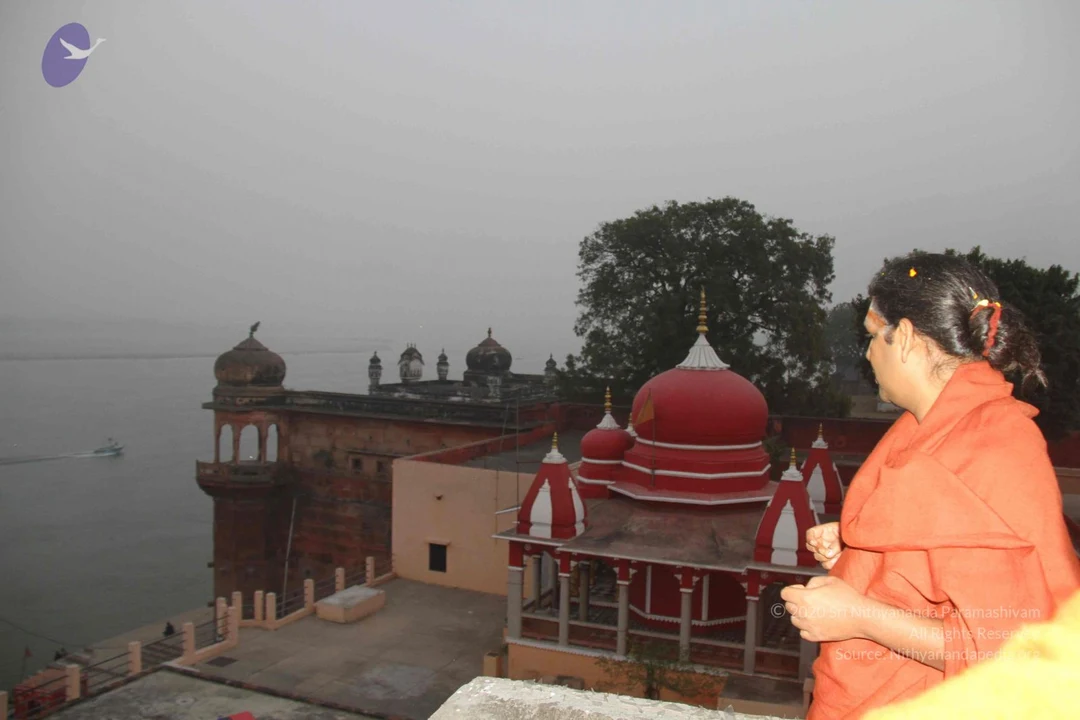
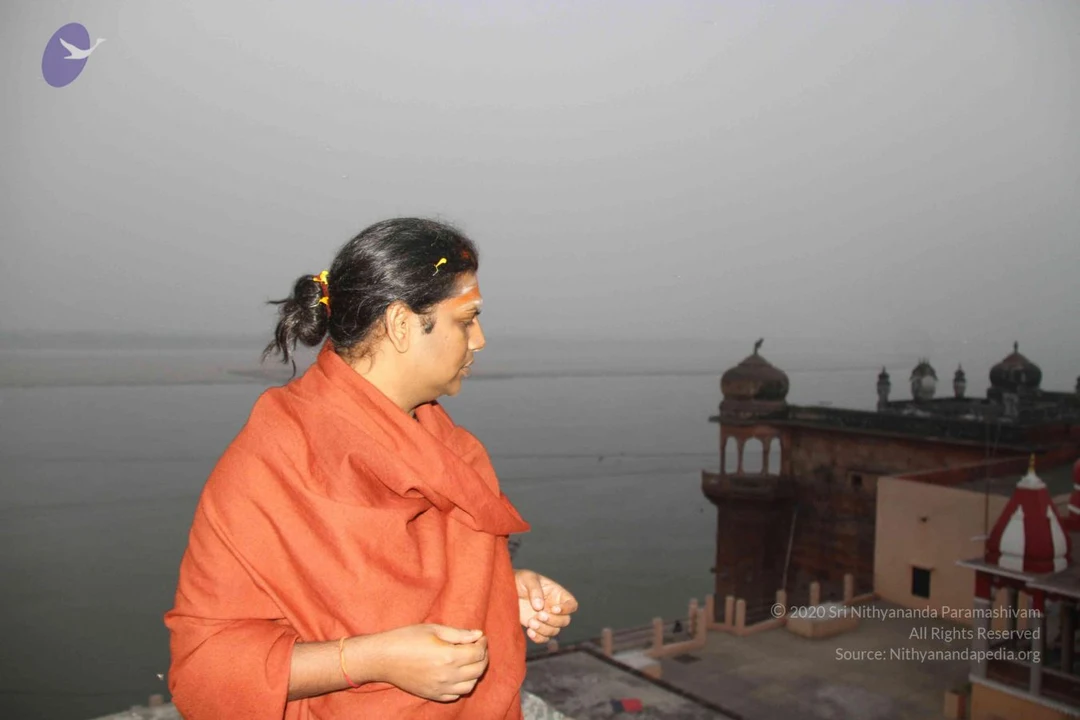


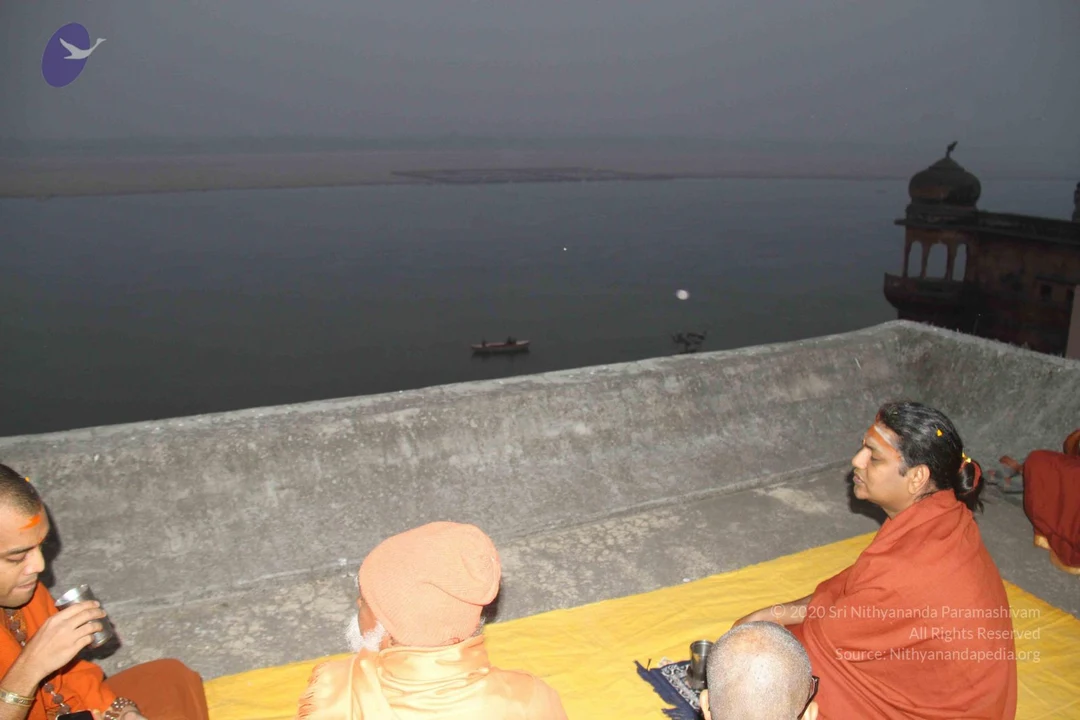
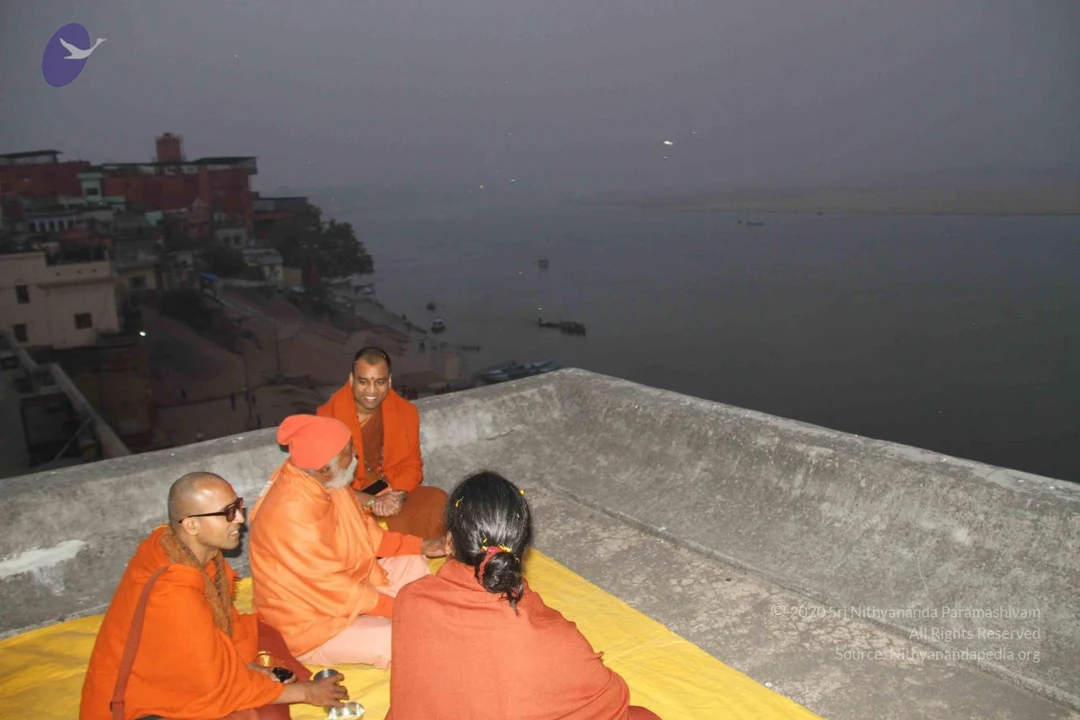
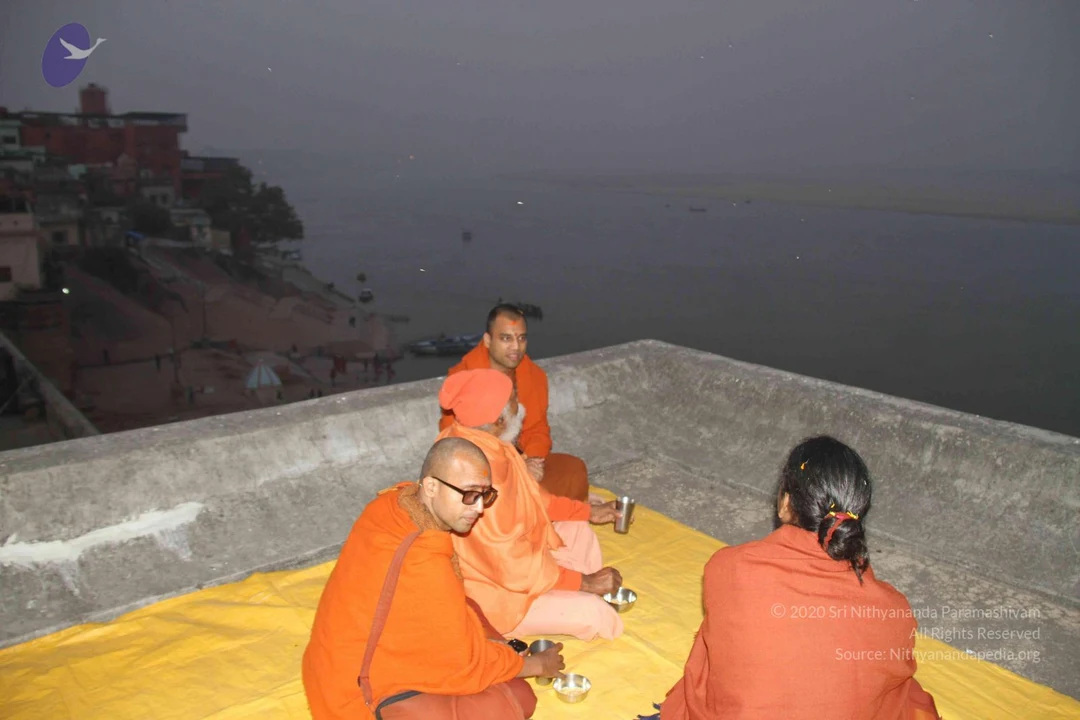
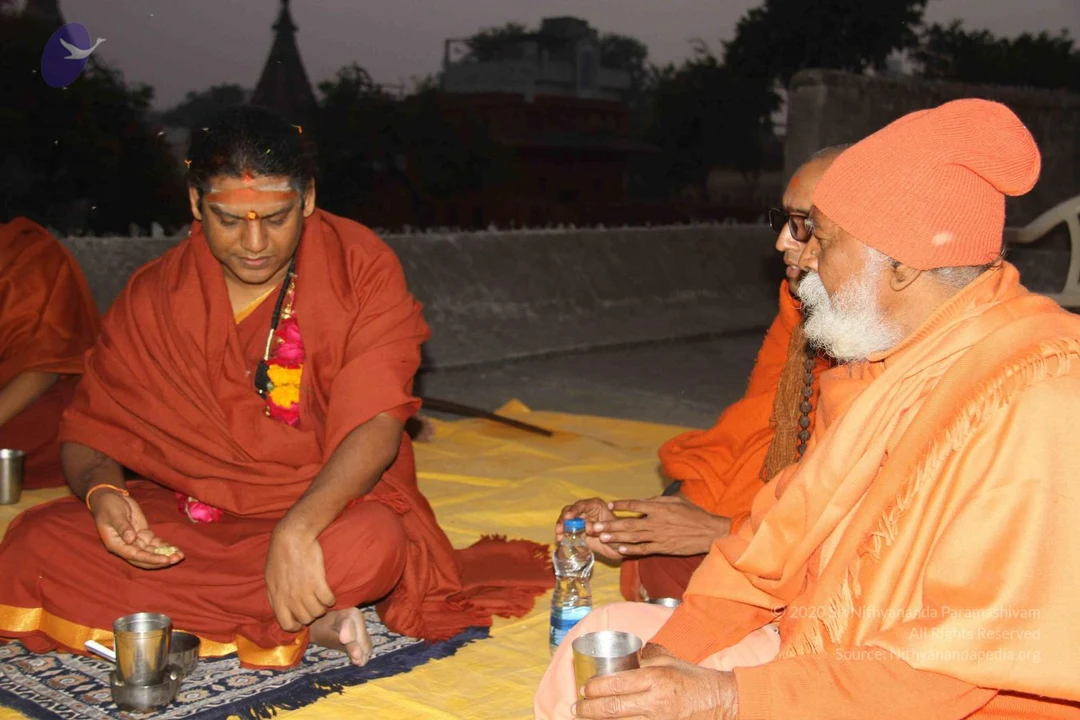
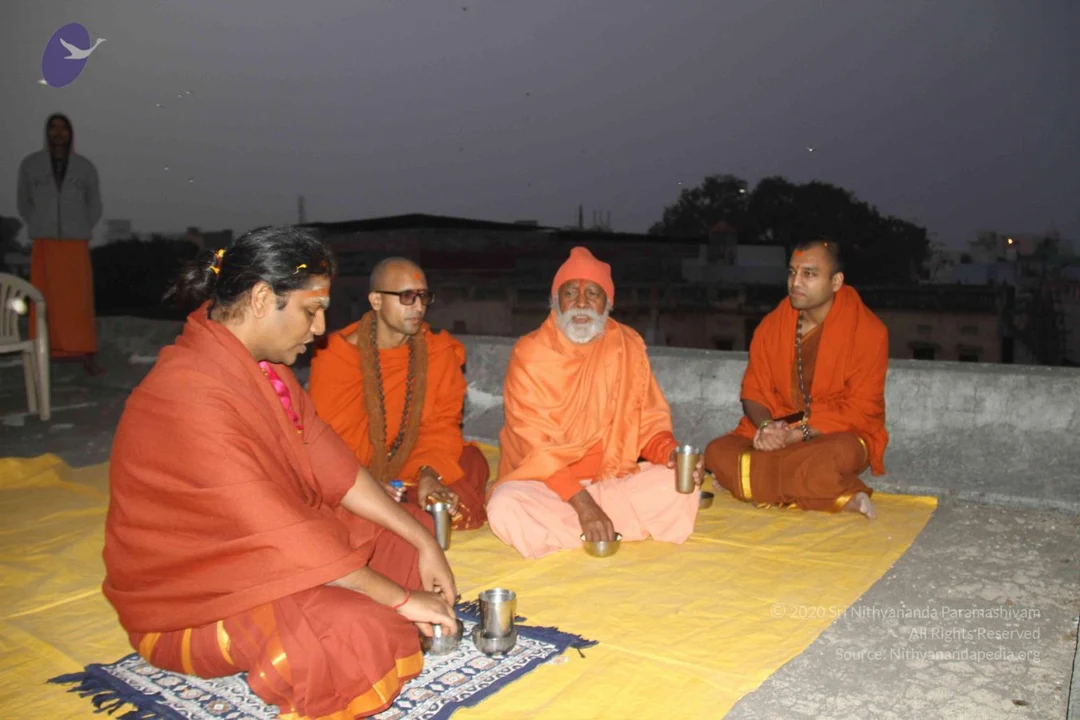

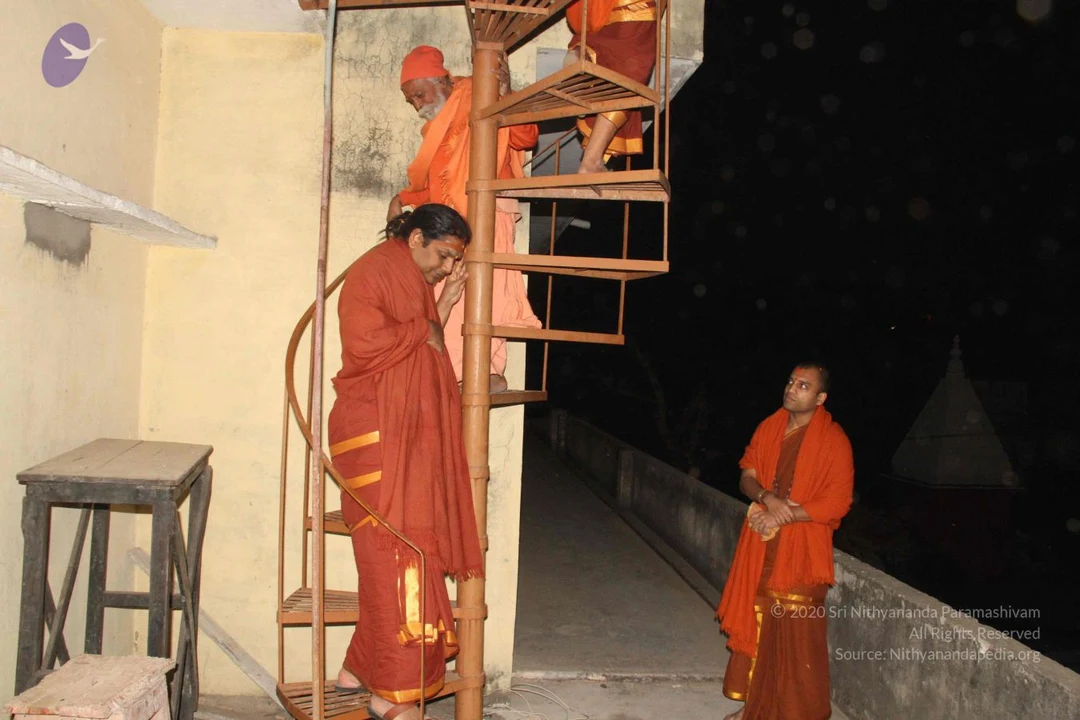
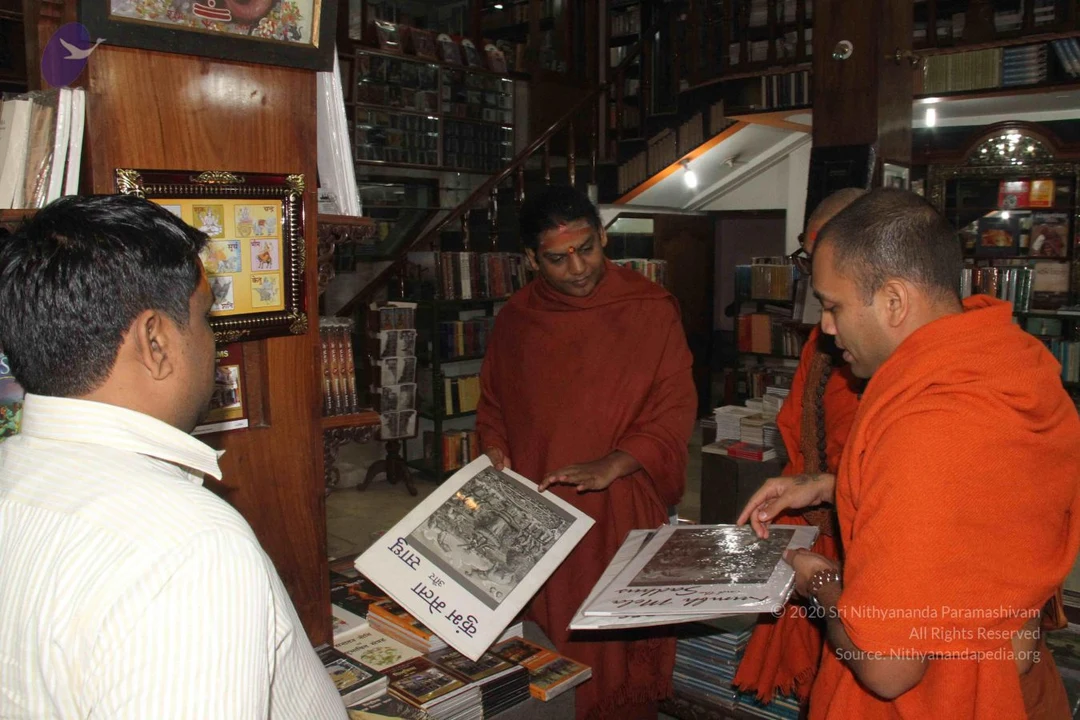




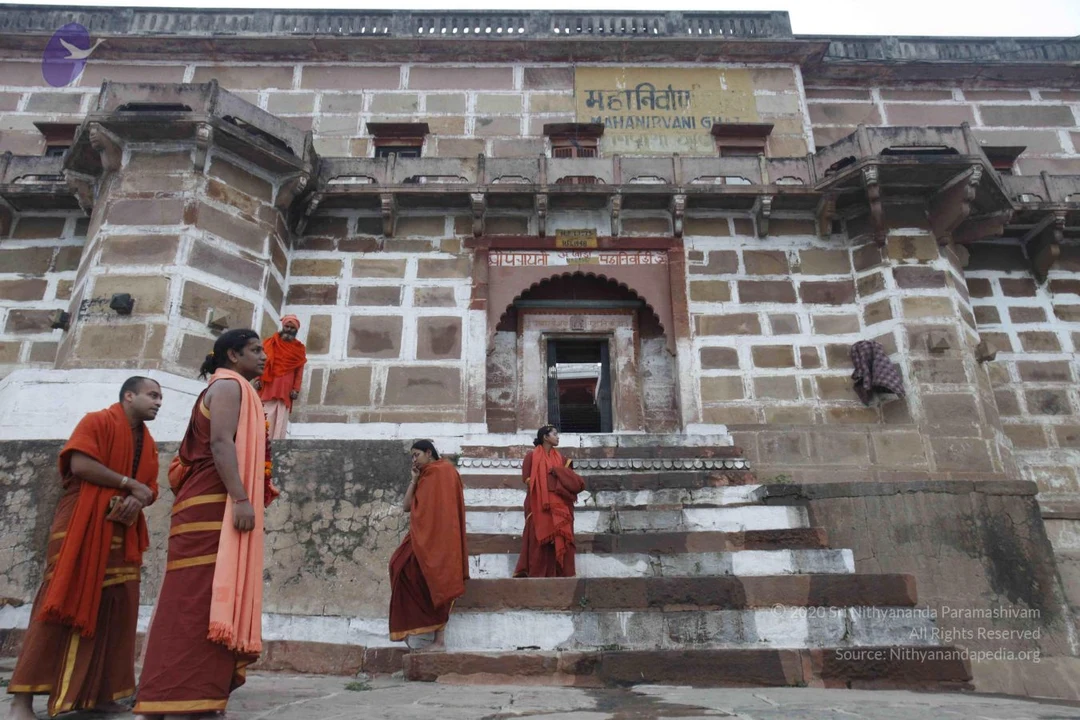
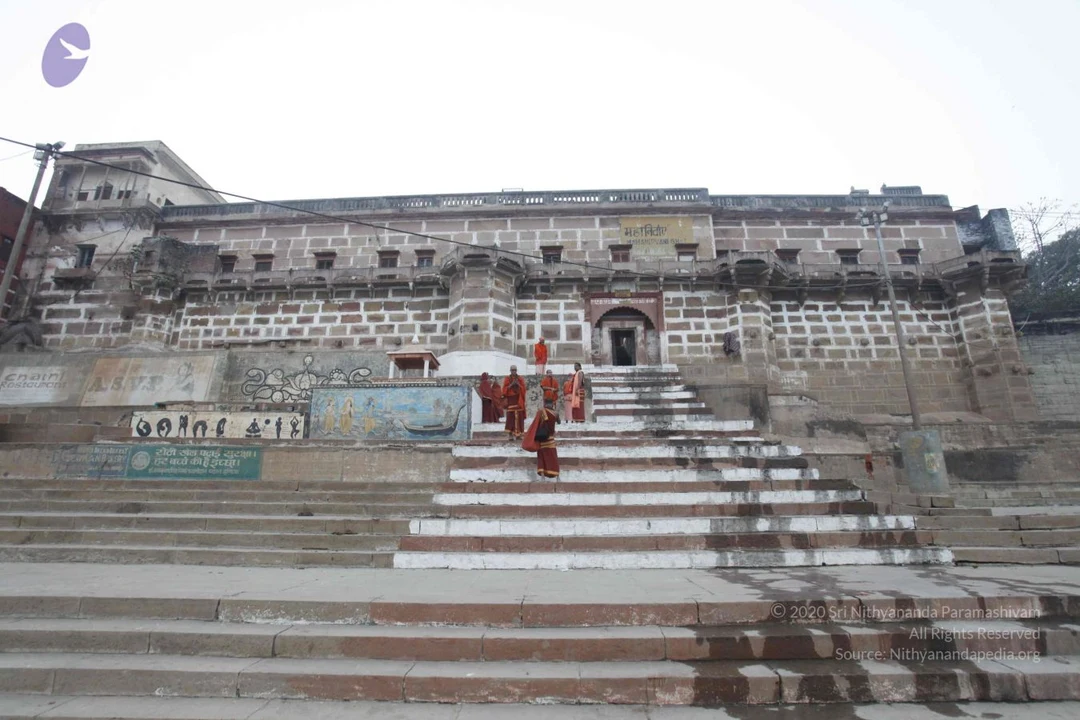
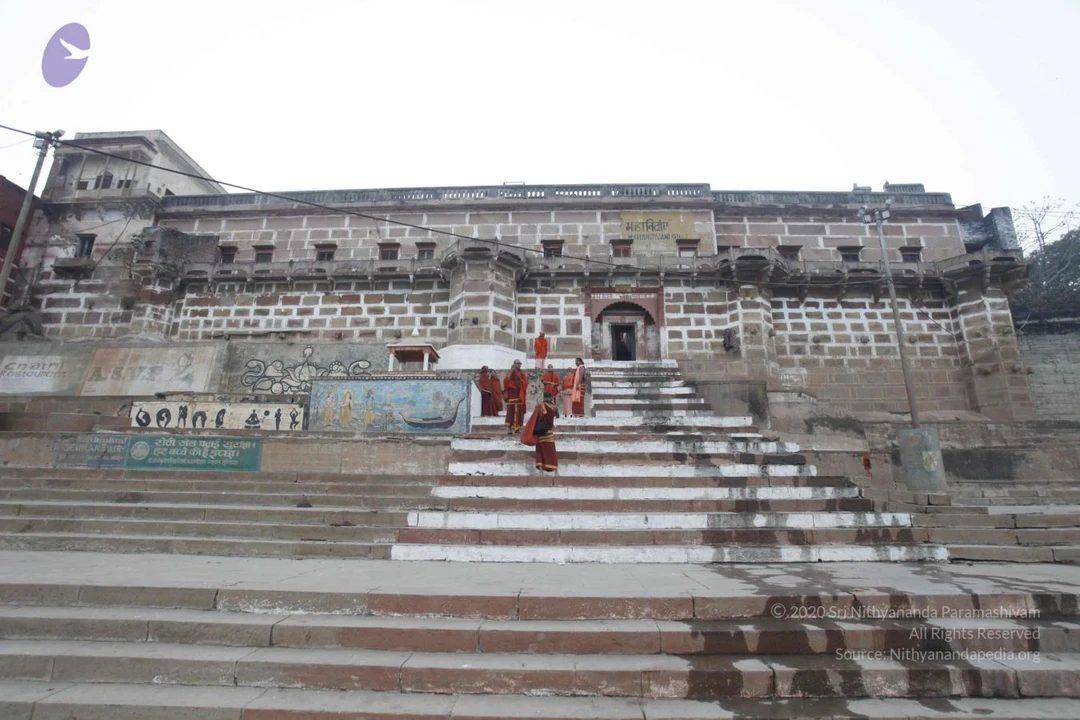
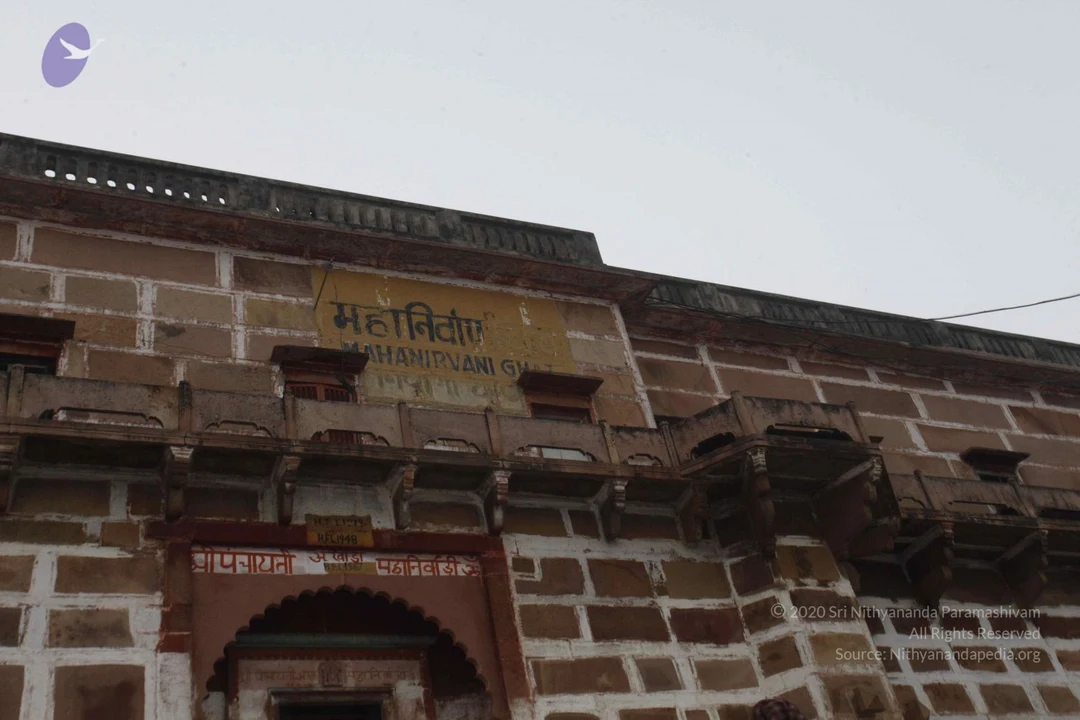
Photos Of The Day:
Satsang
HARIDWAR
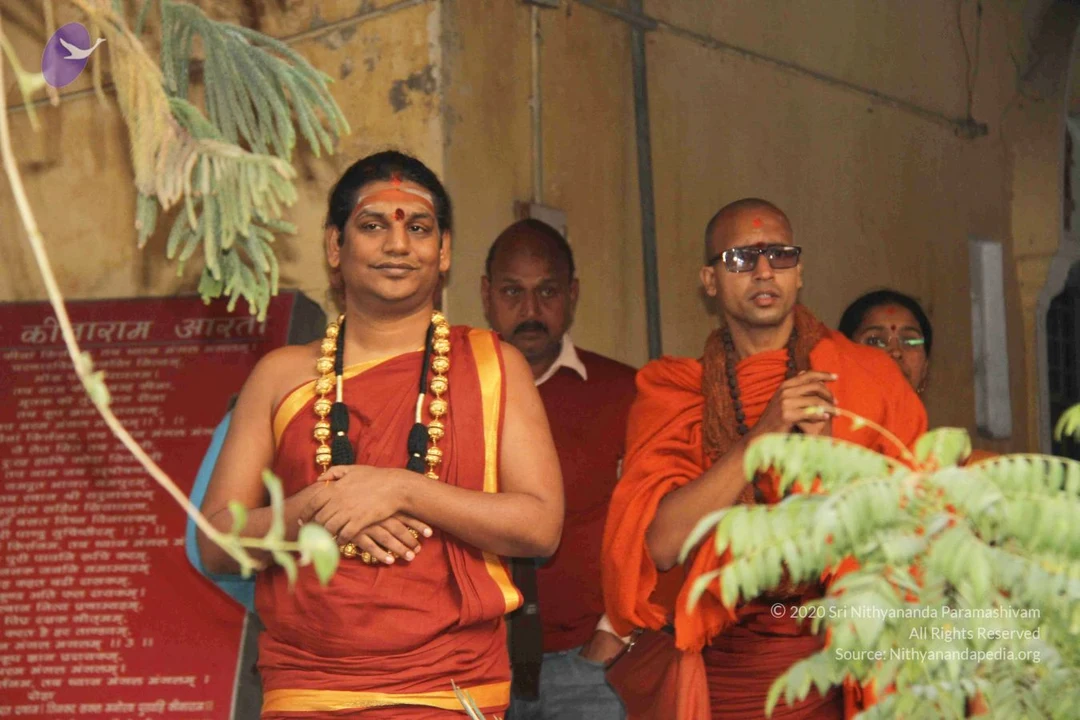
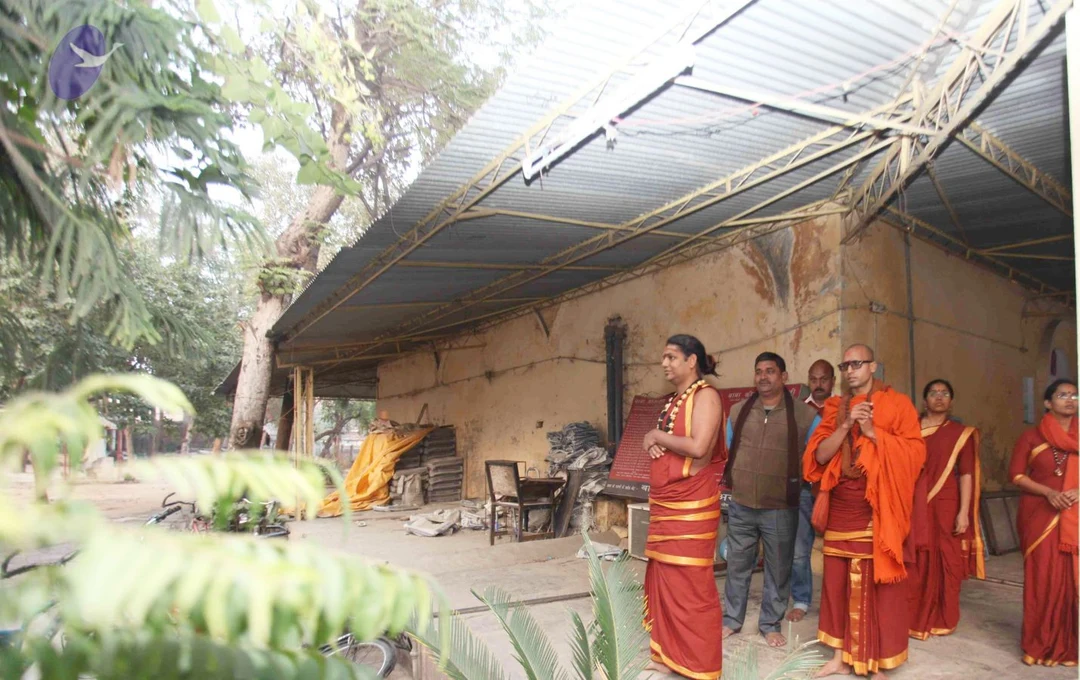
HARIDWAR
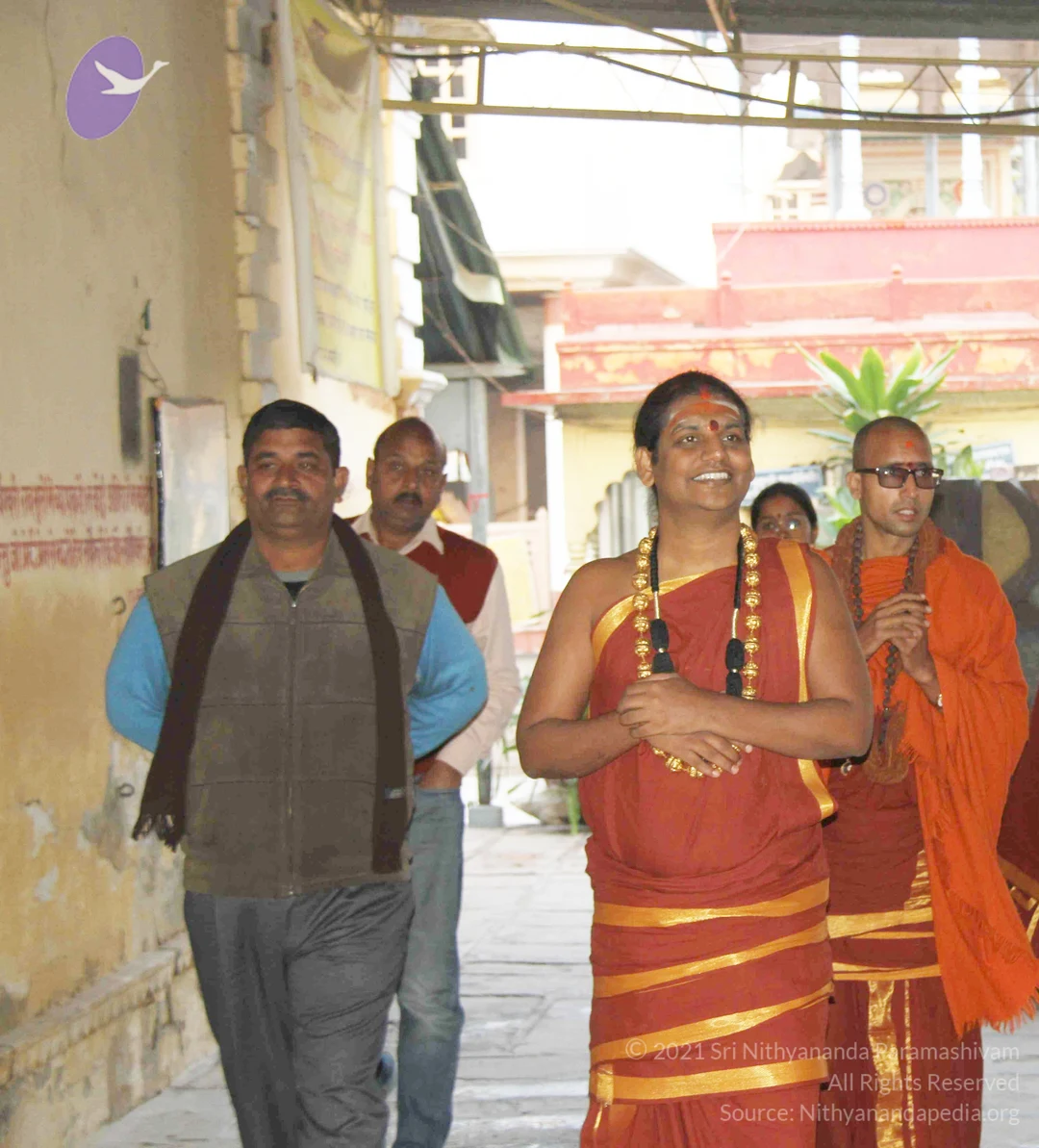
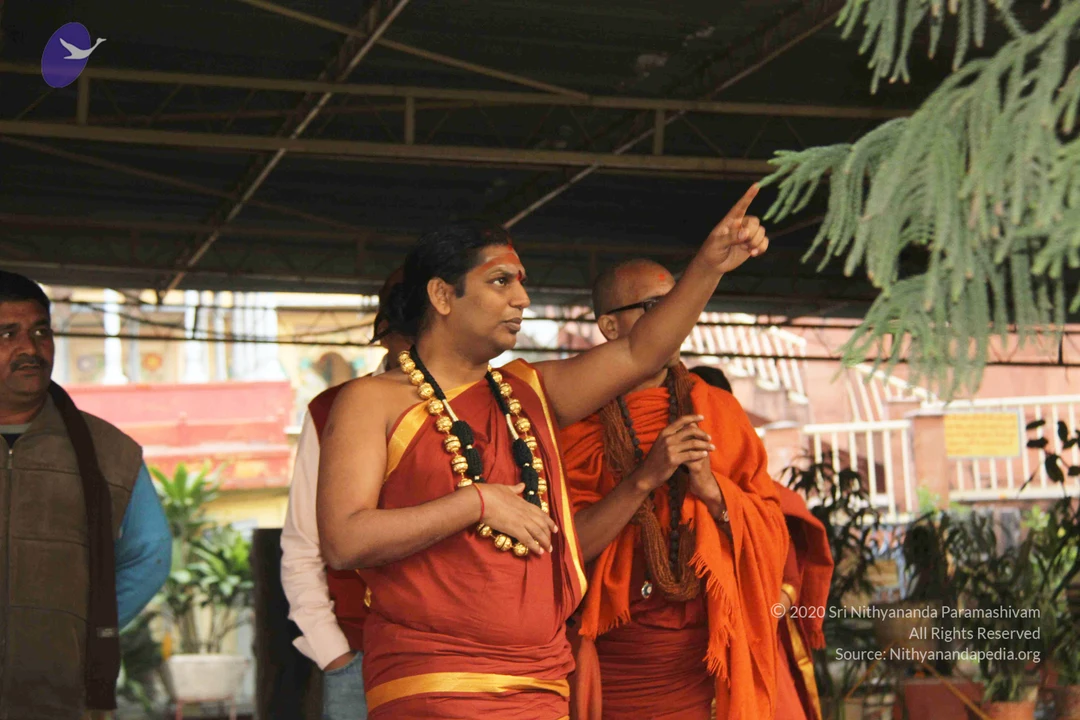
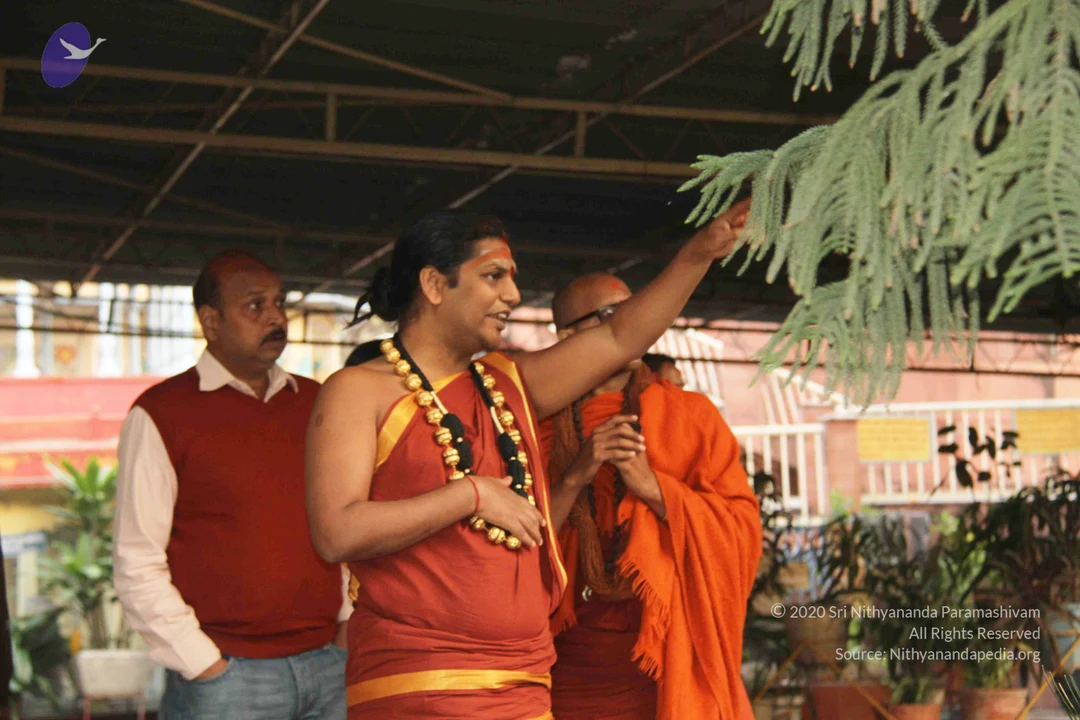
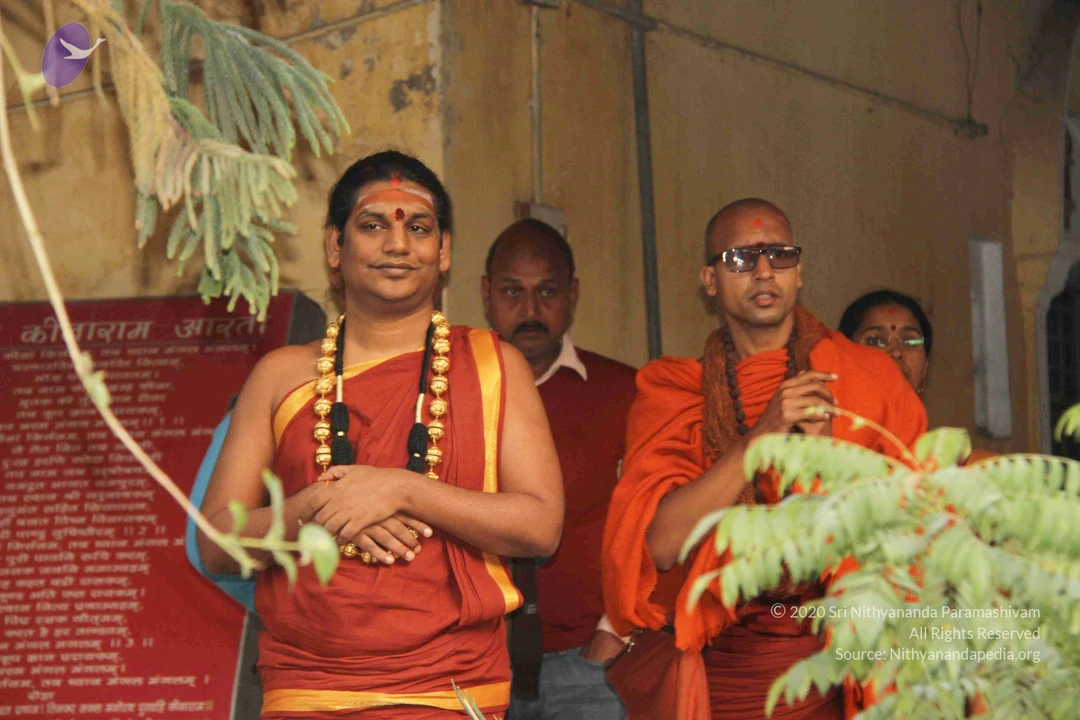
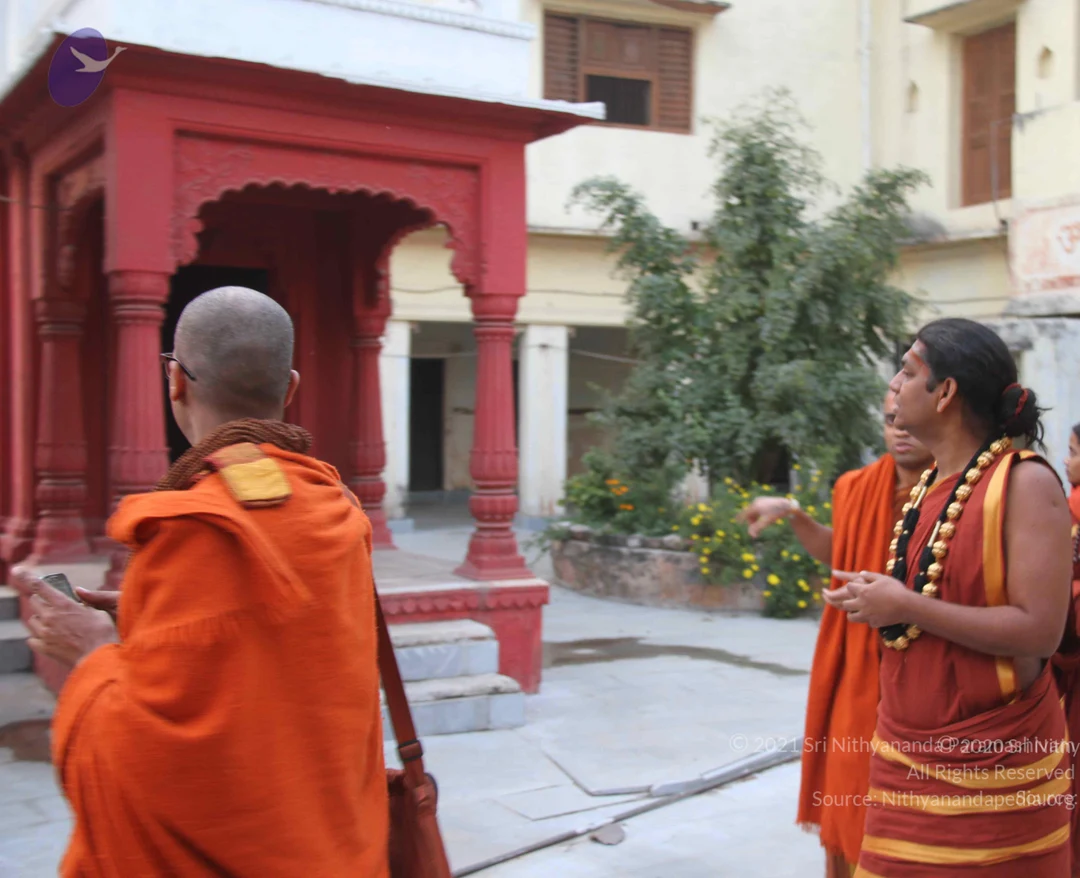
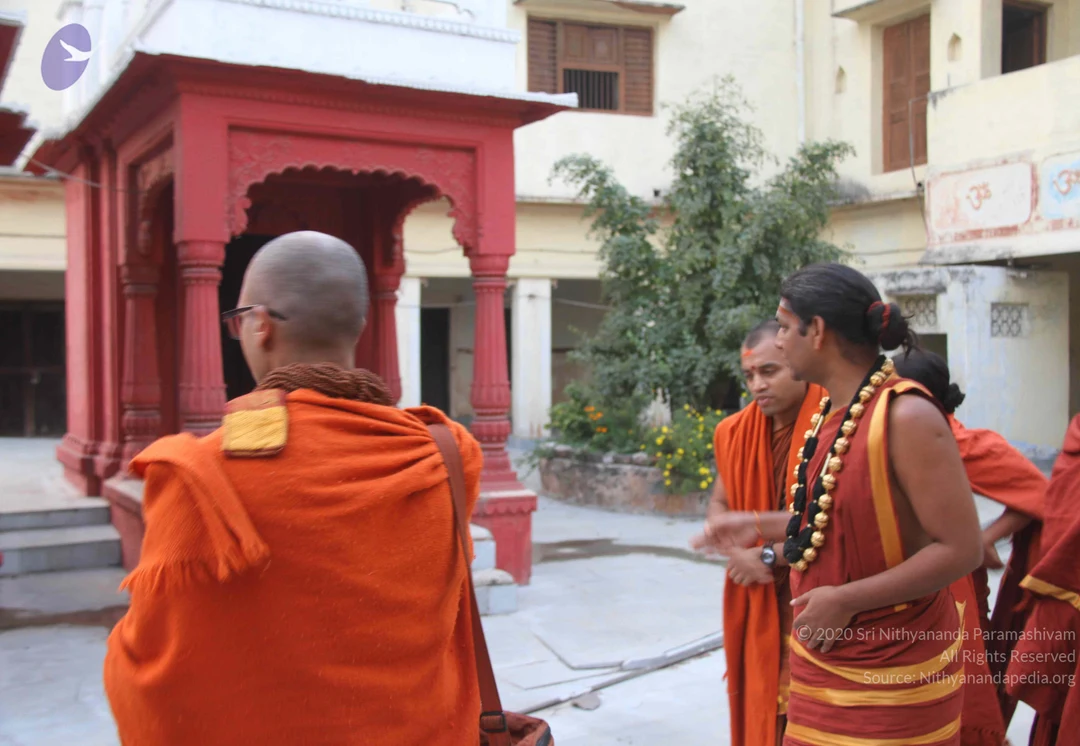
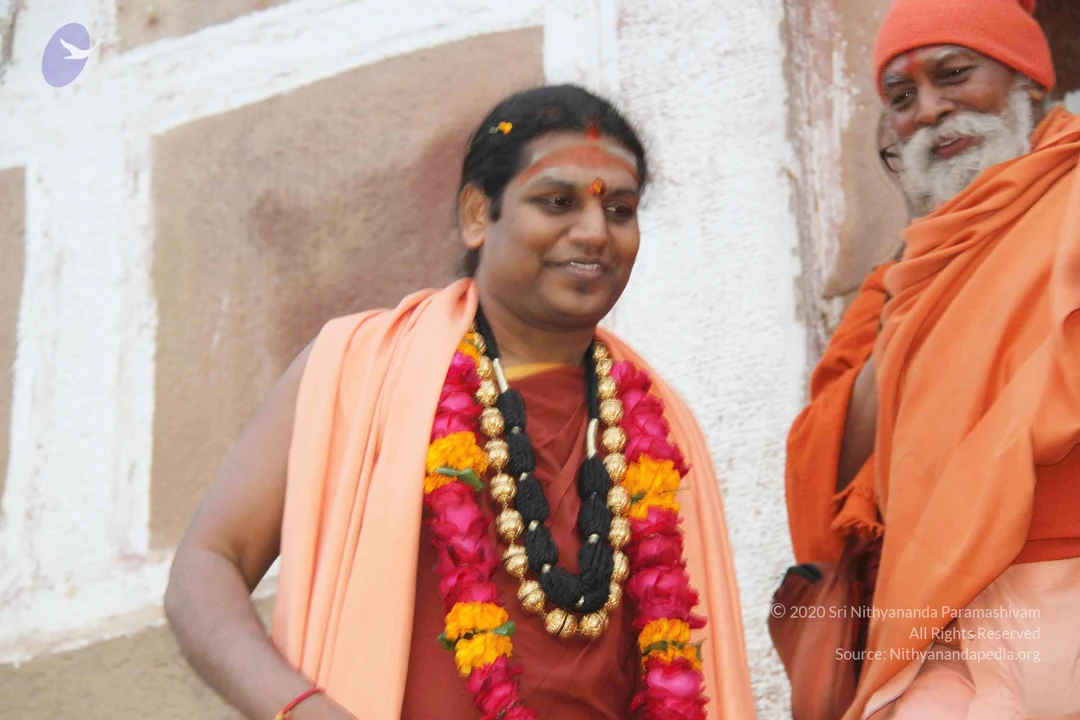
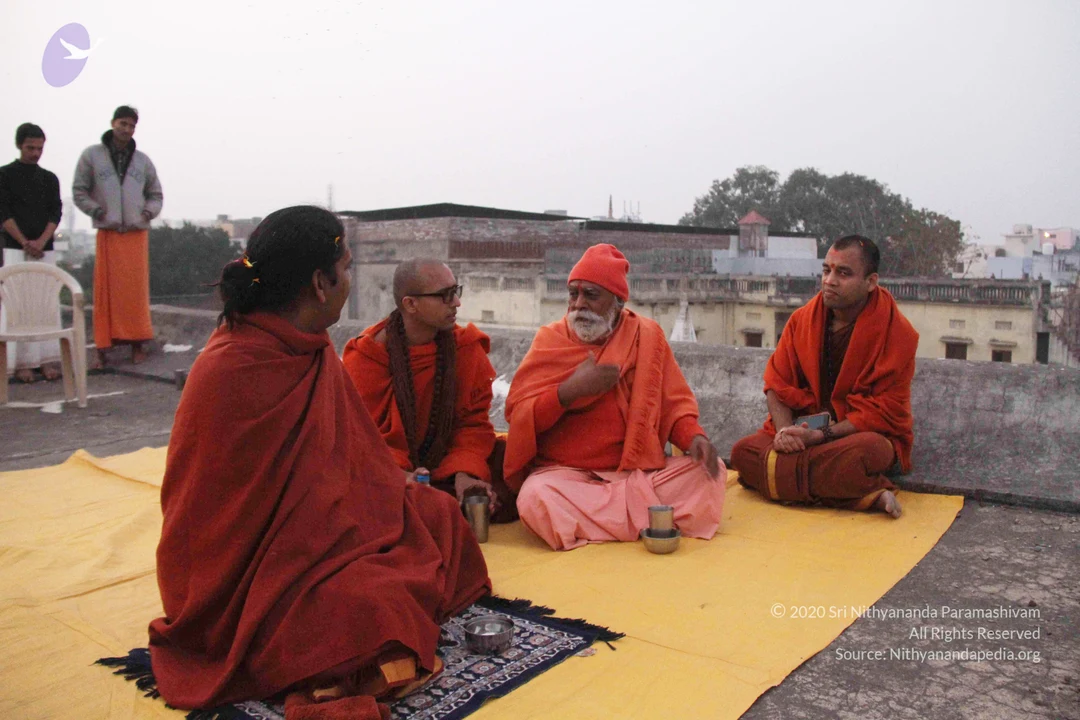
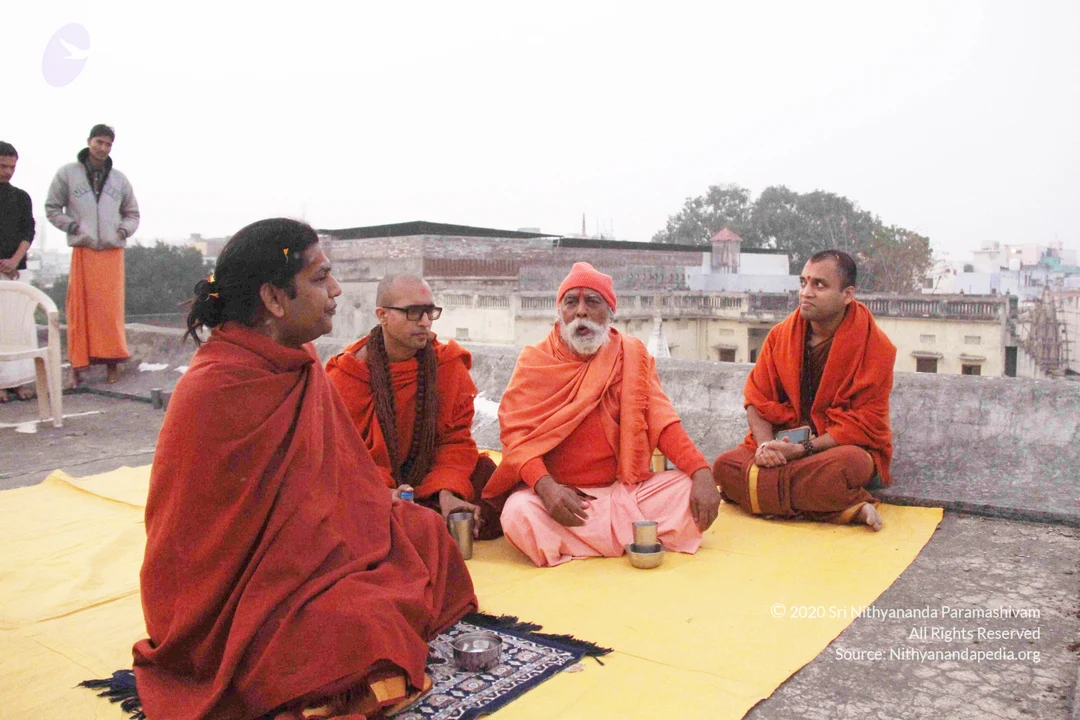
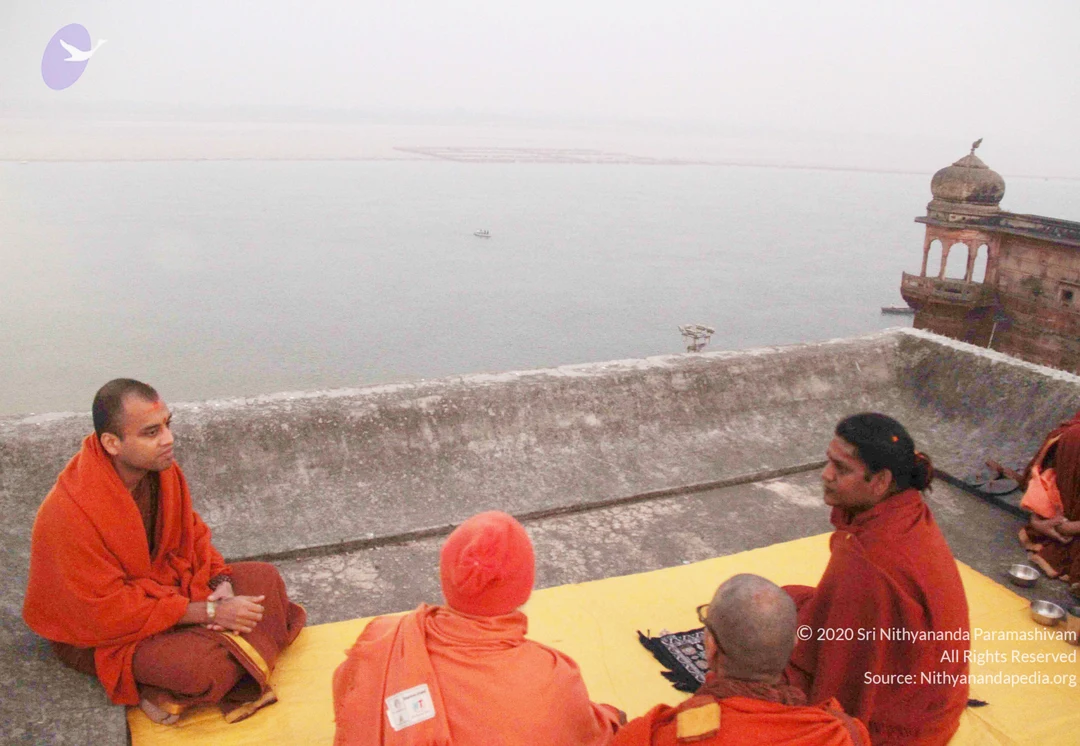
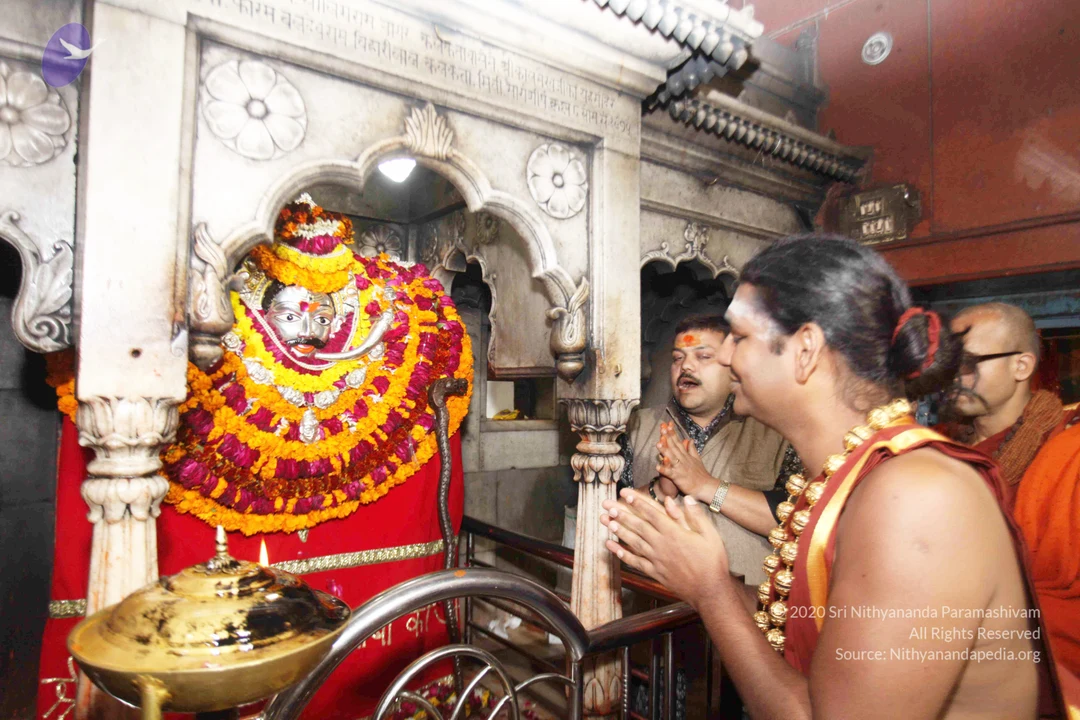
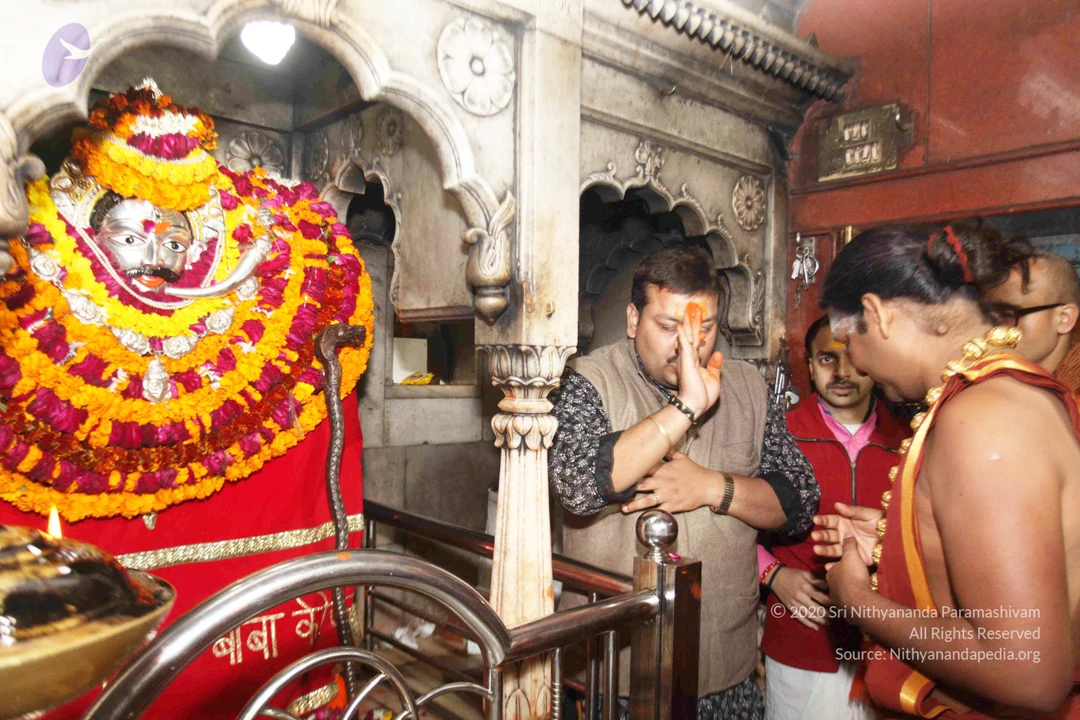
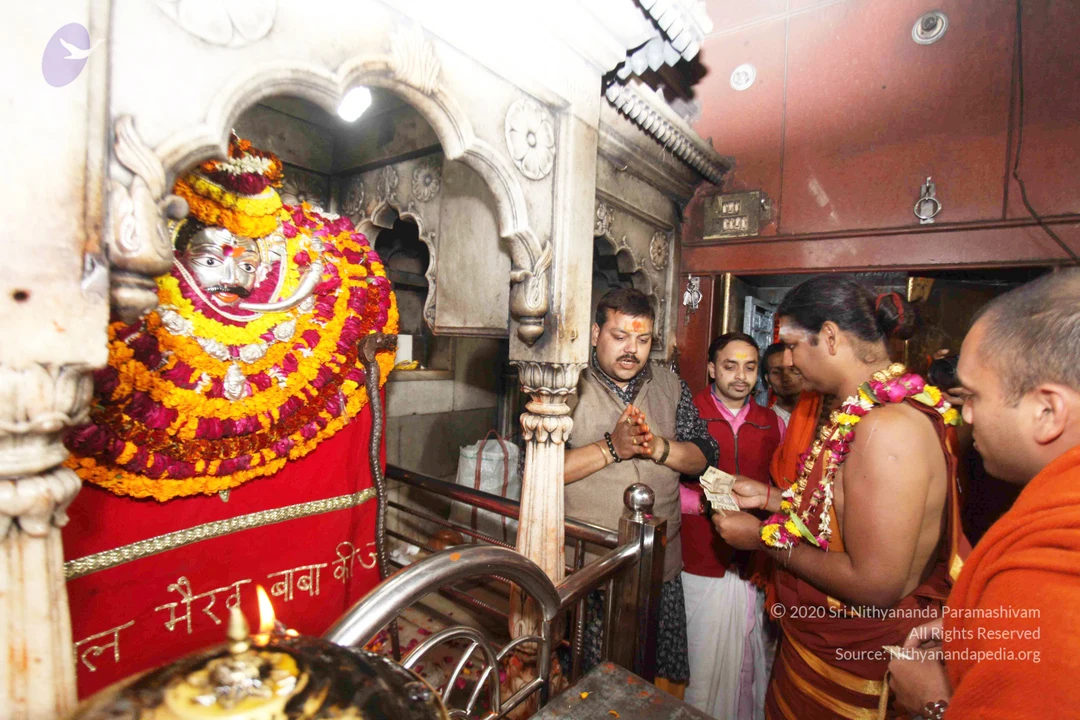
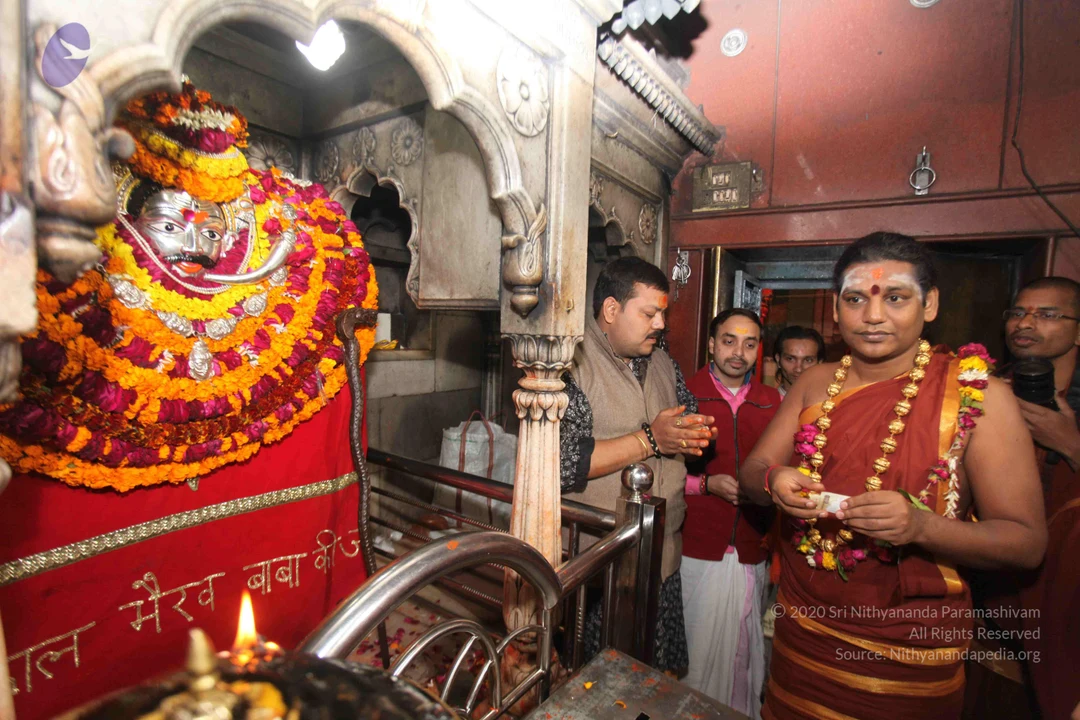
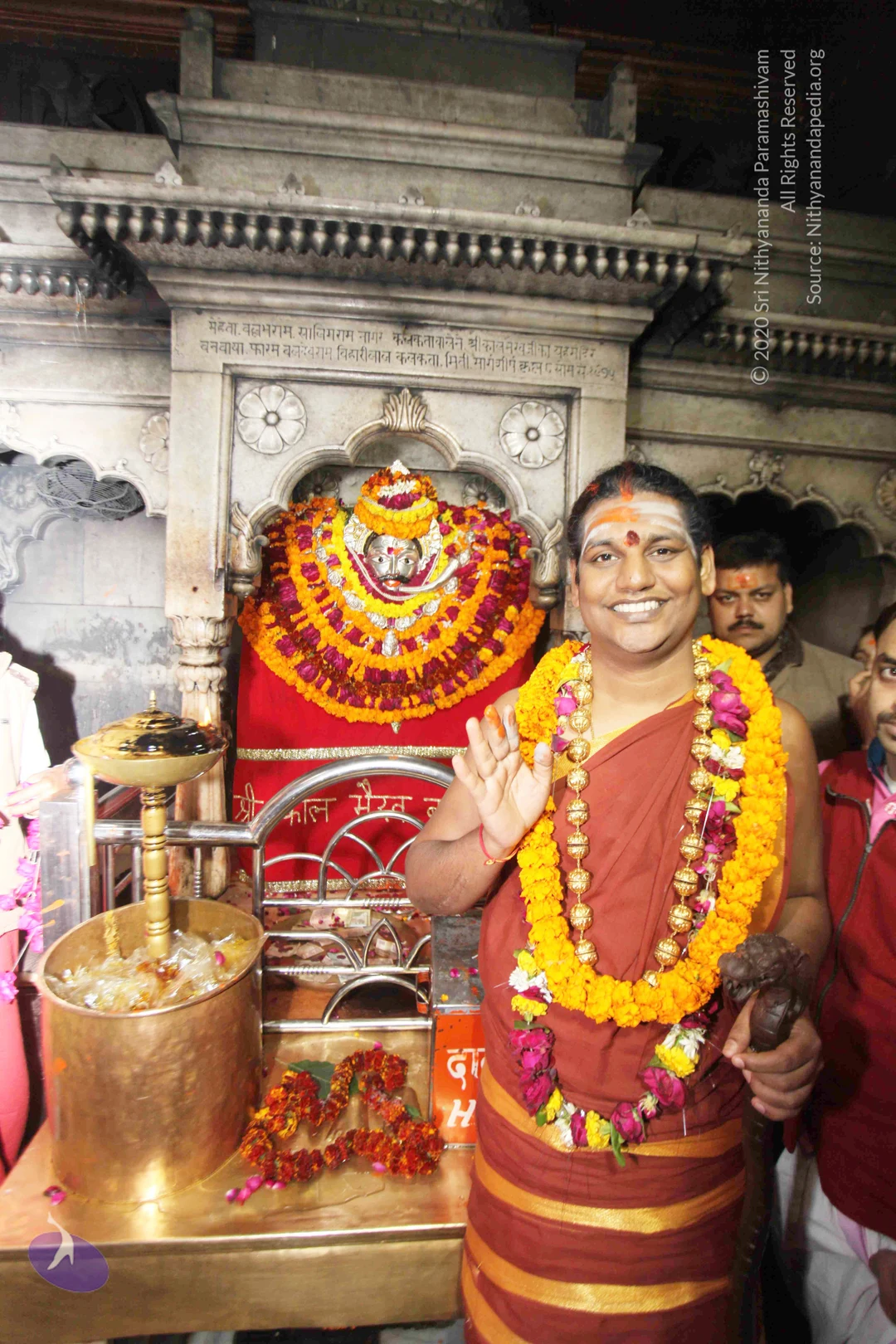
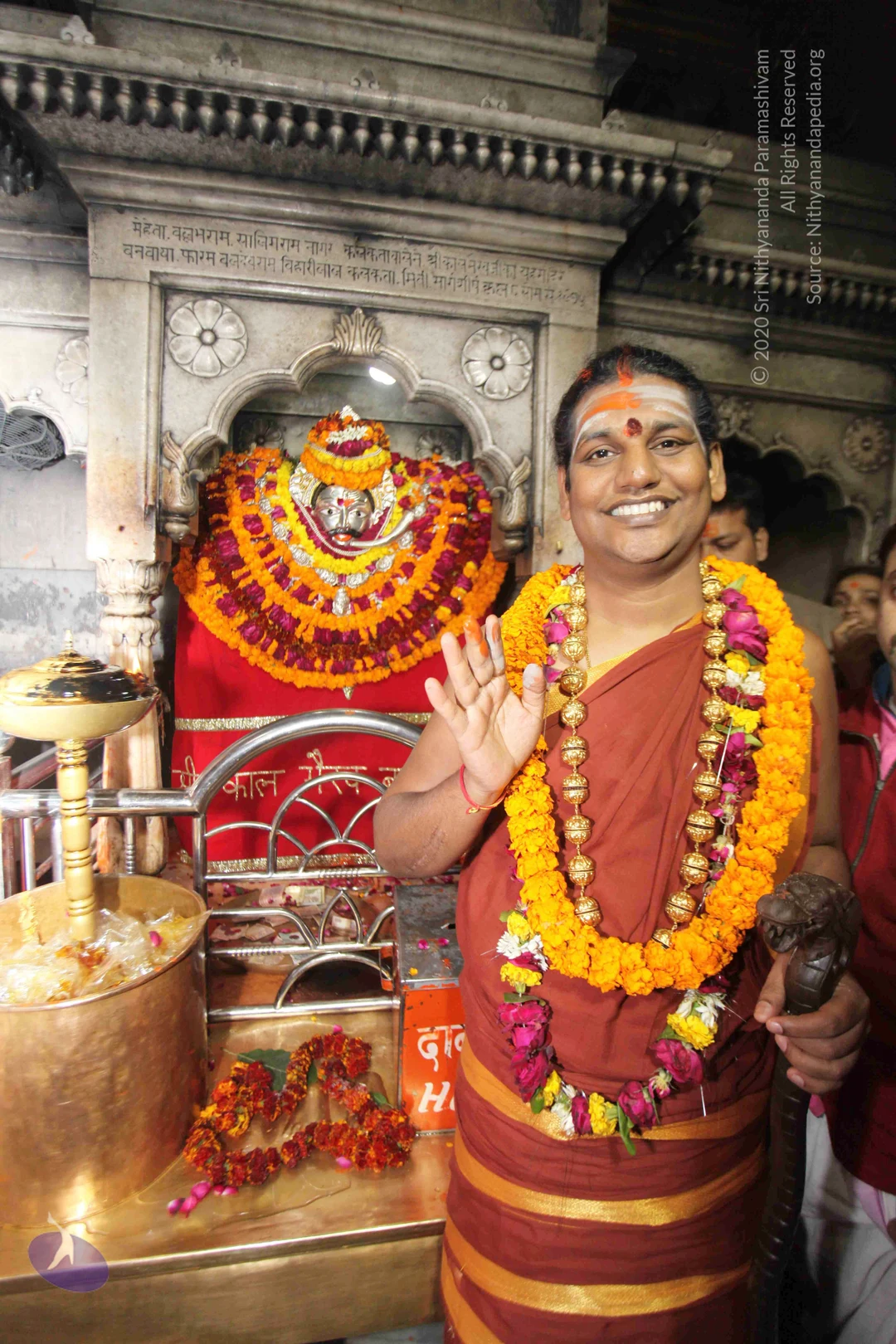
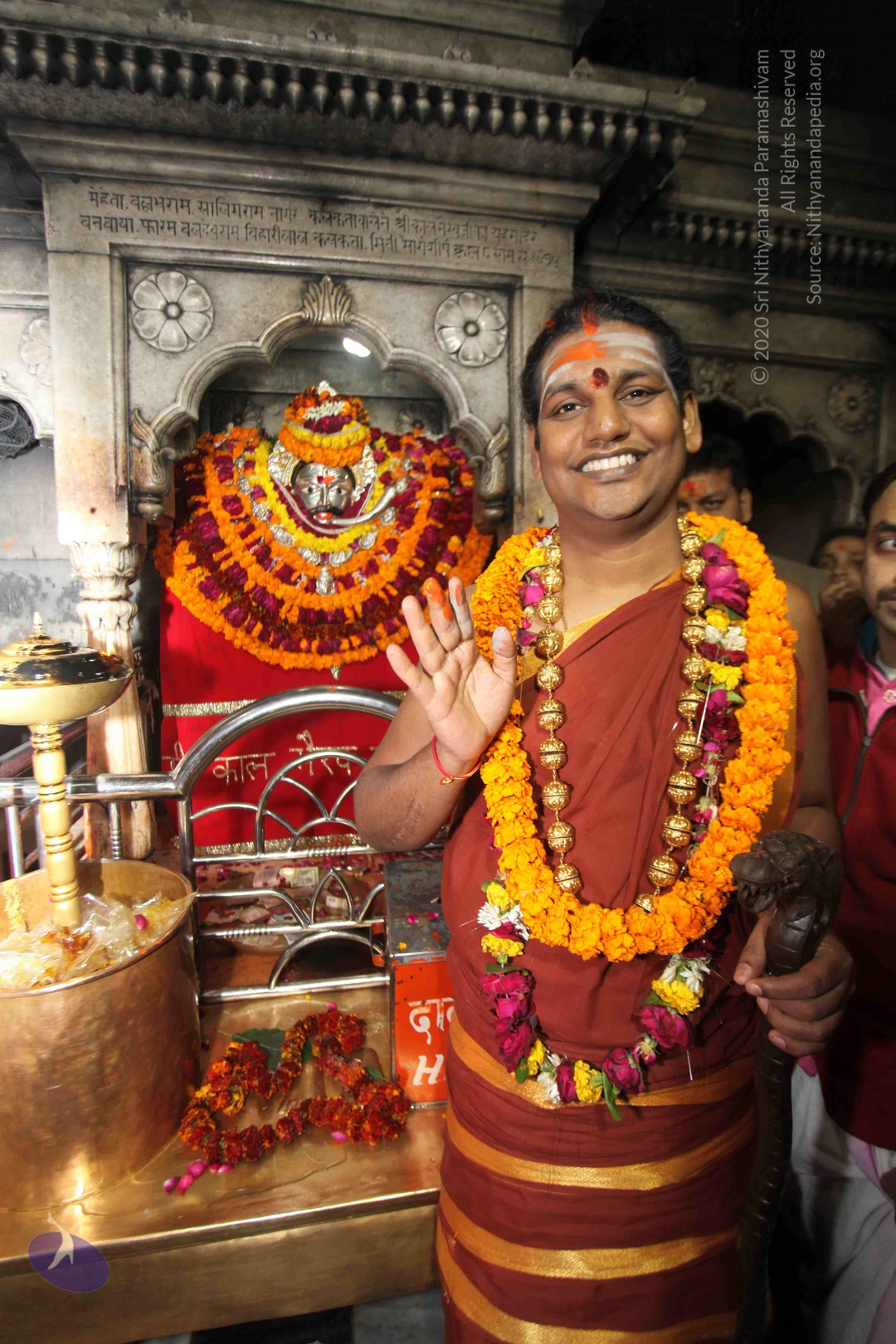
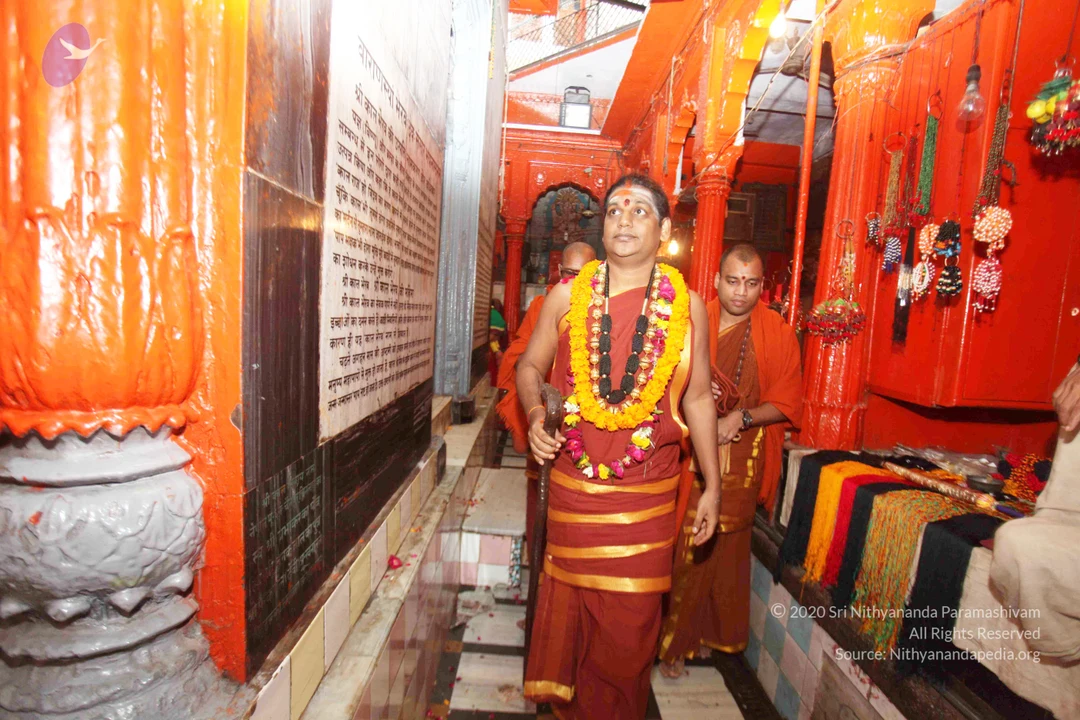
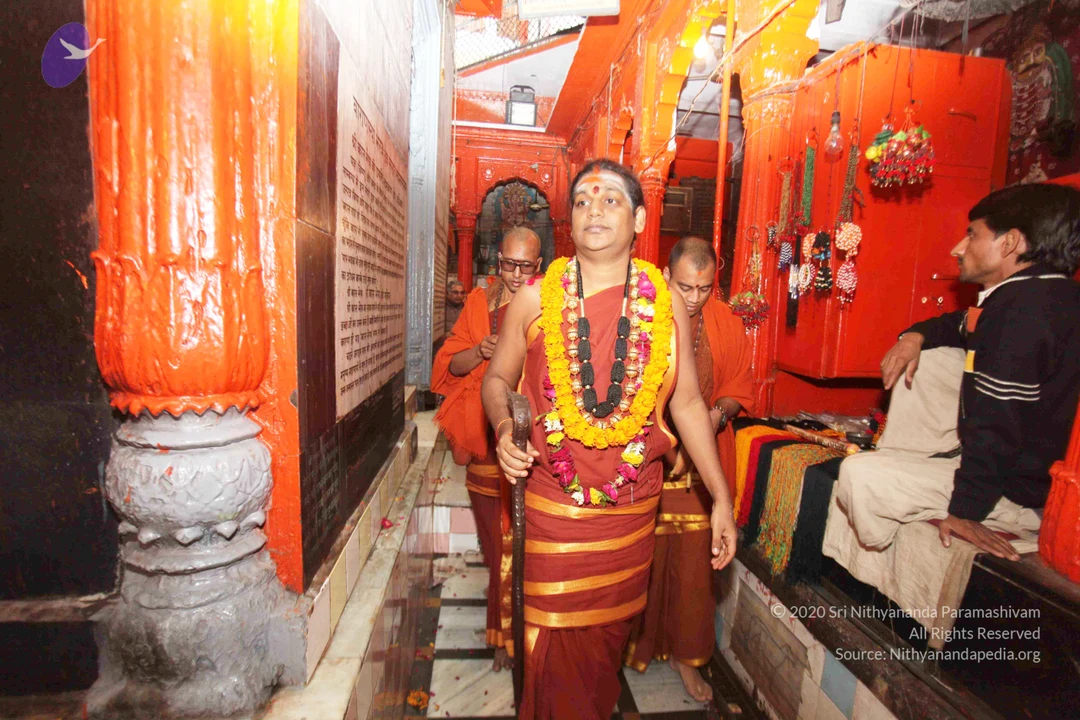
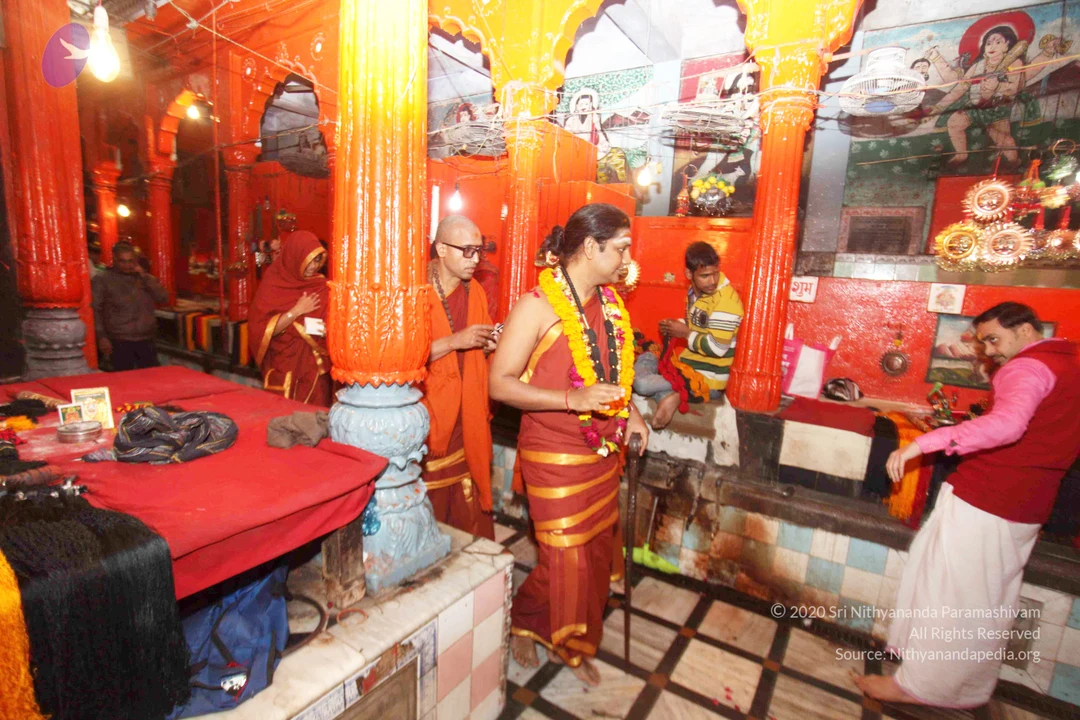
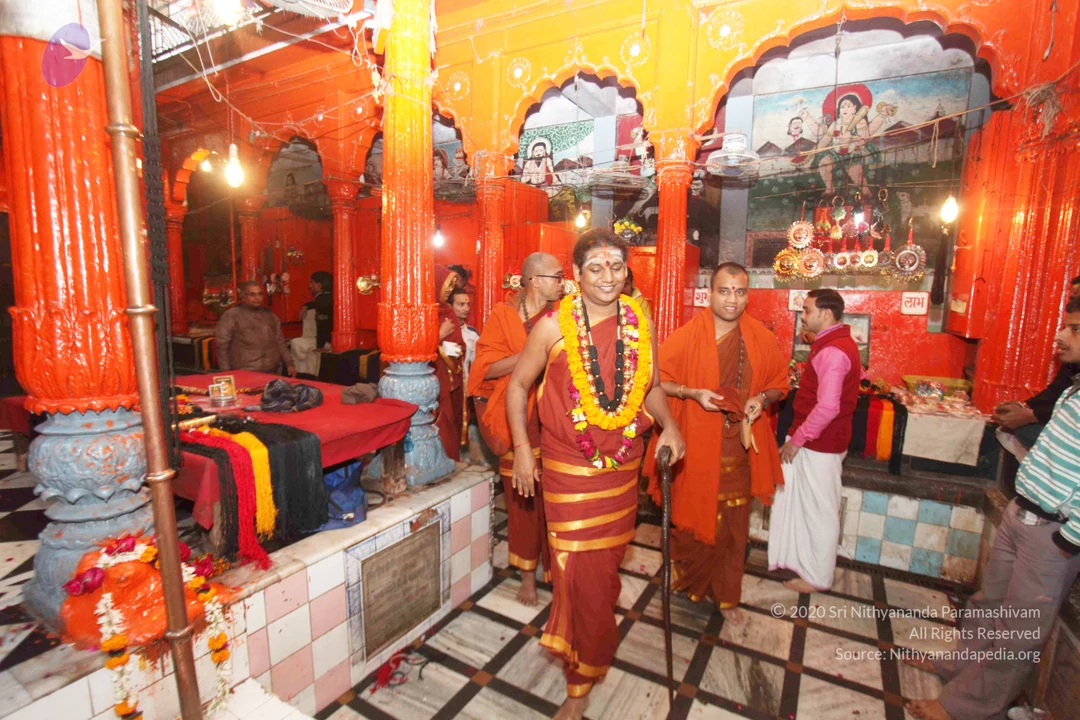
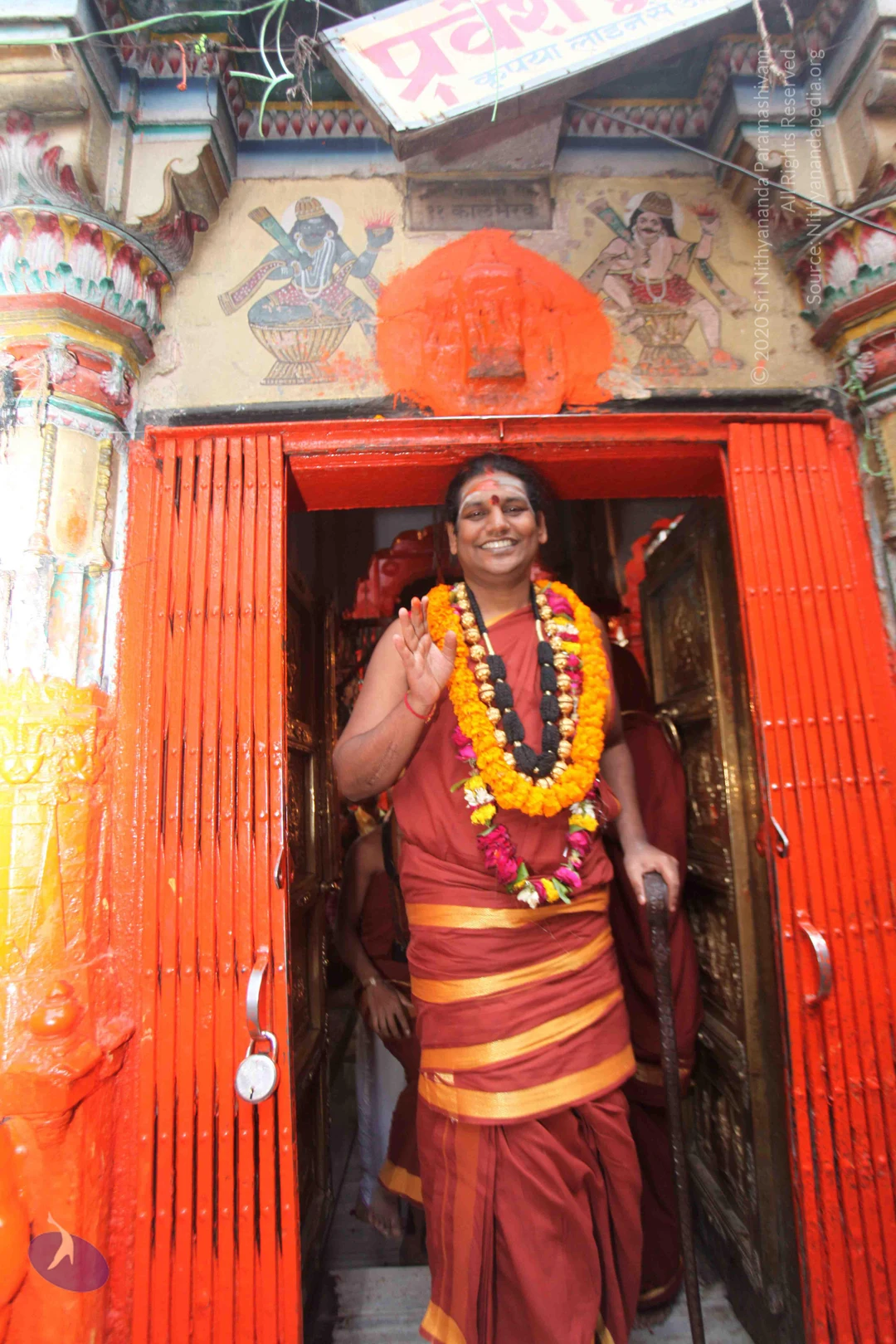
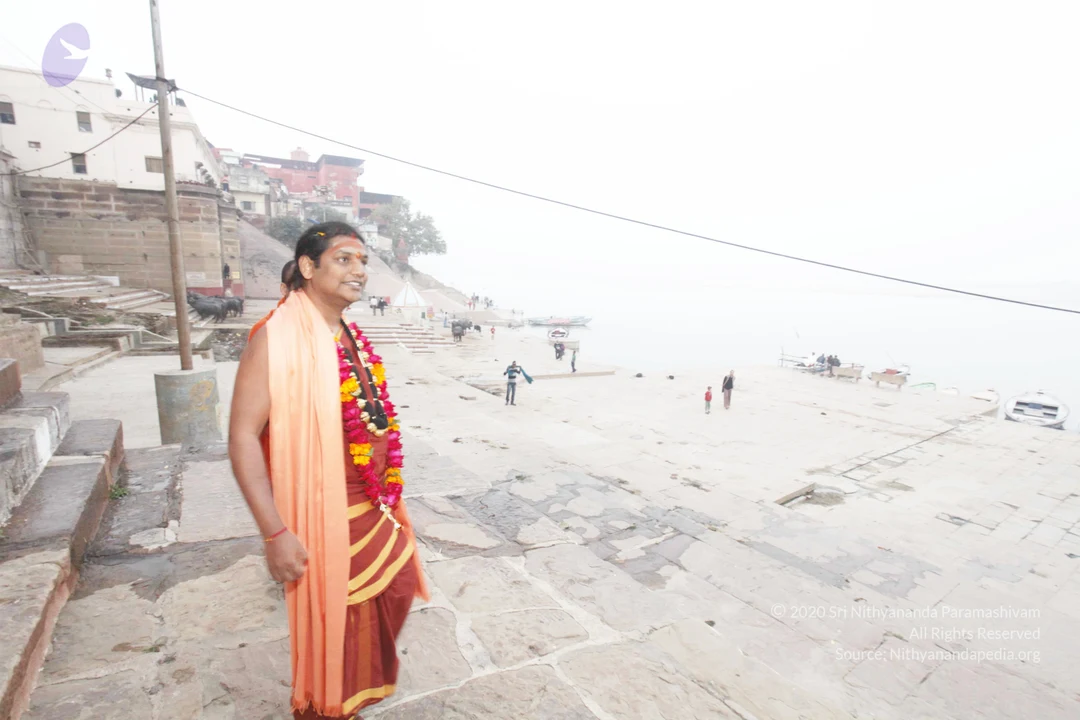
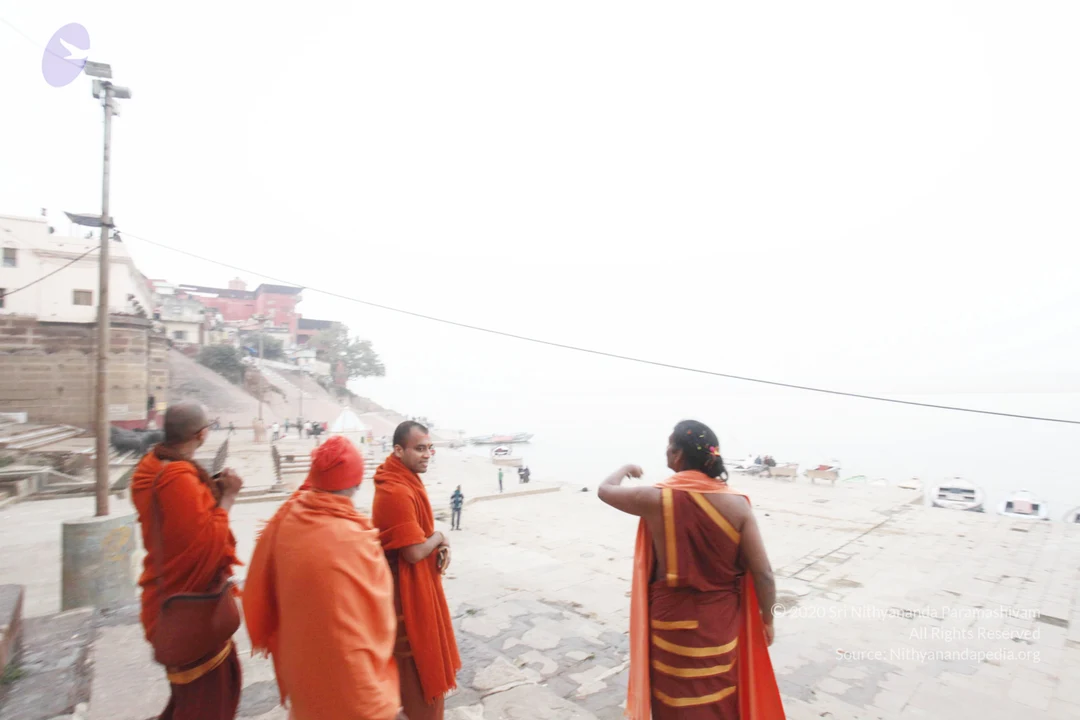
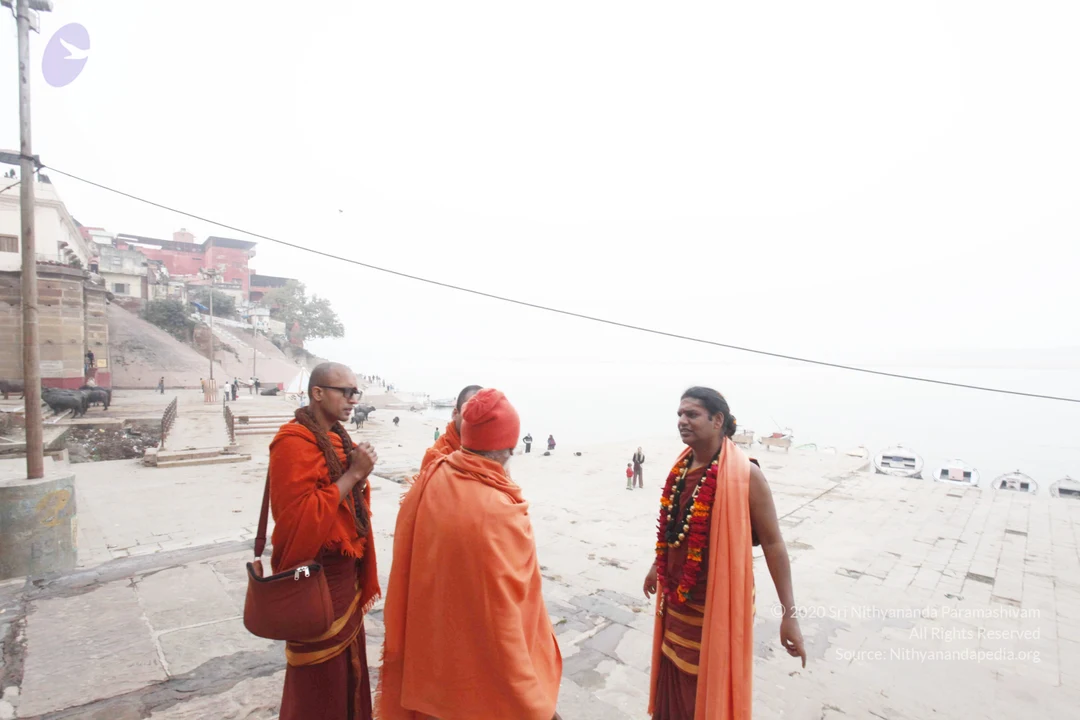
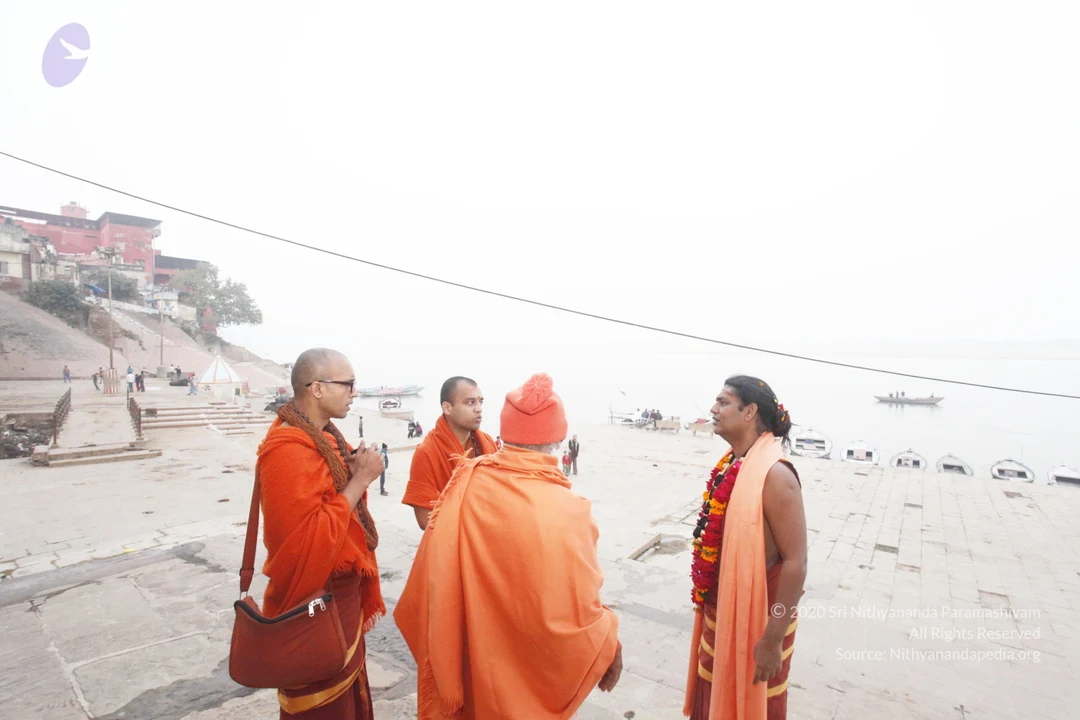
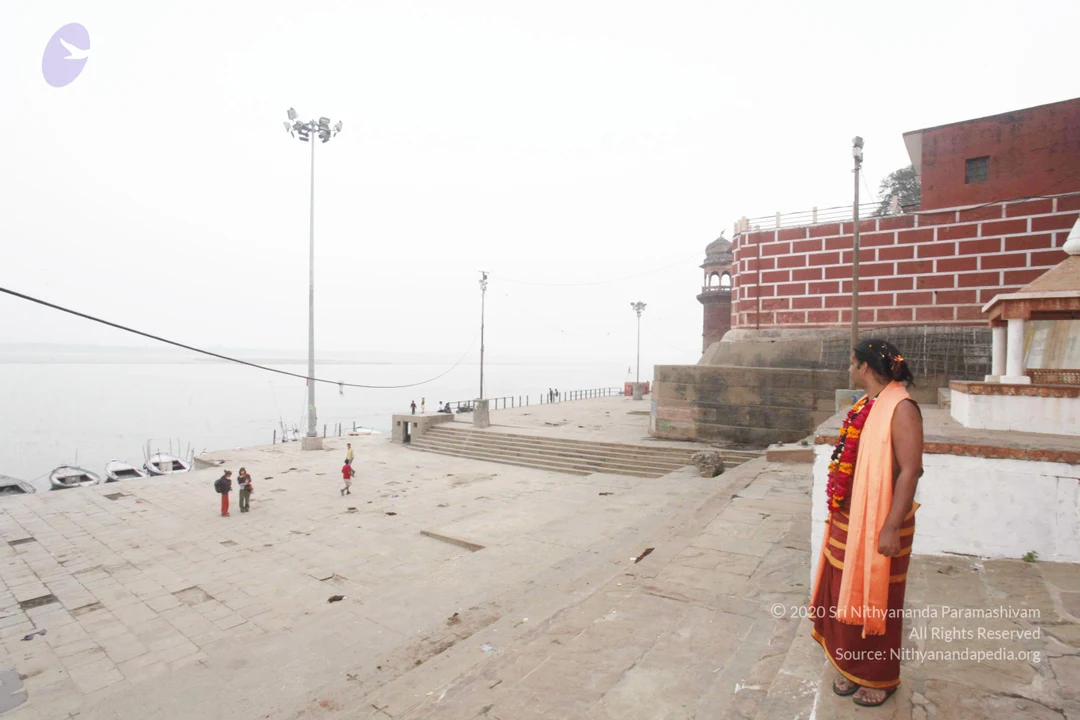
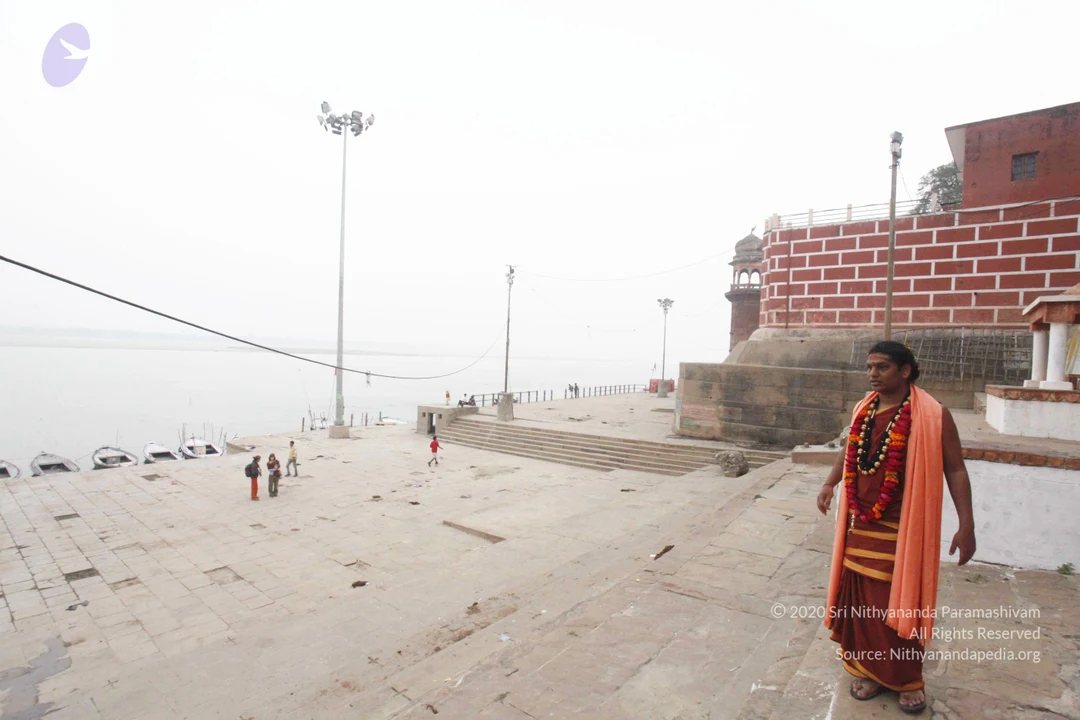
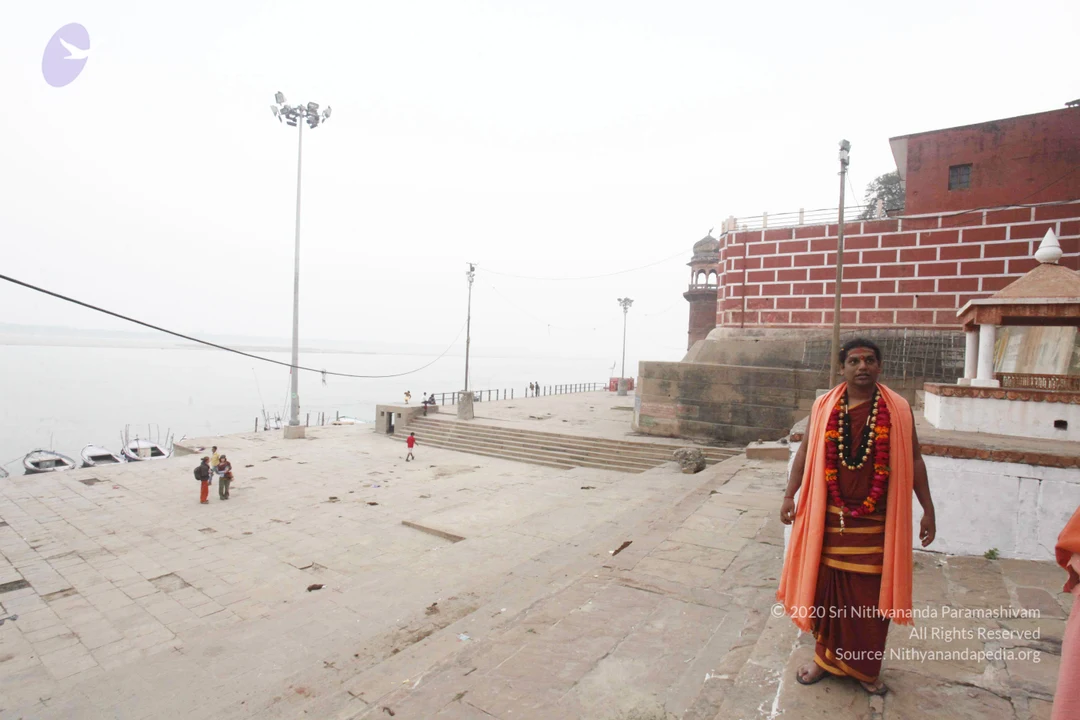
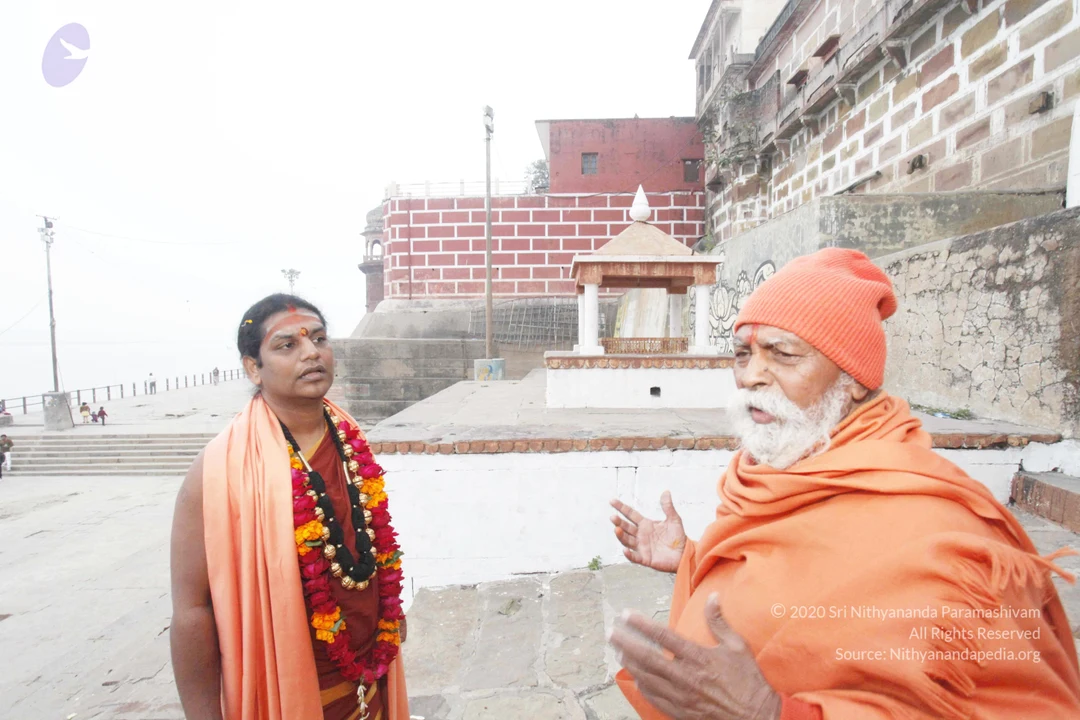
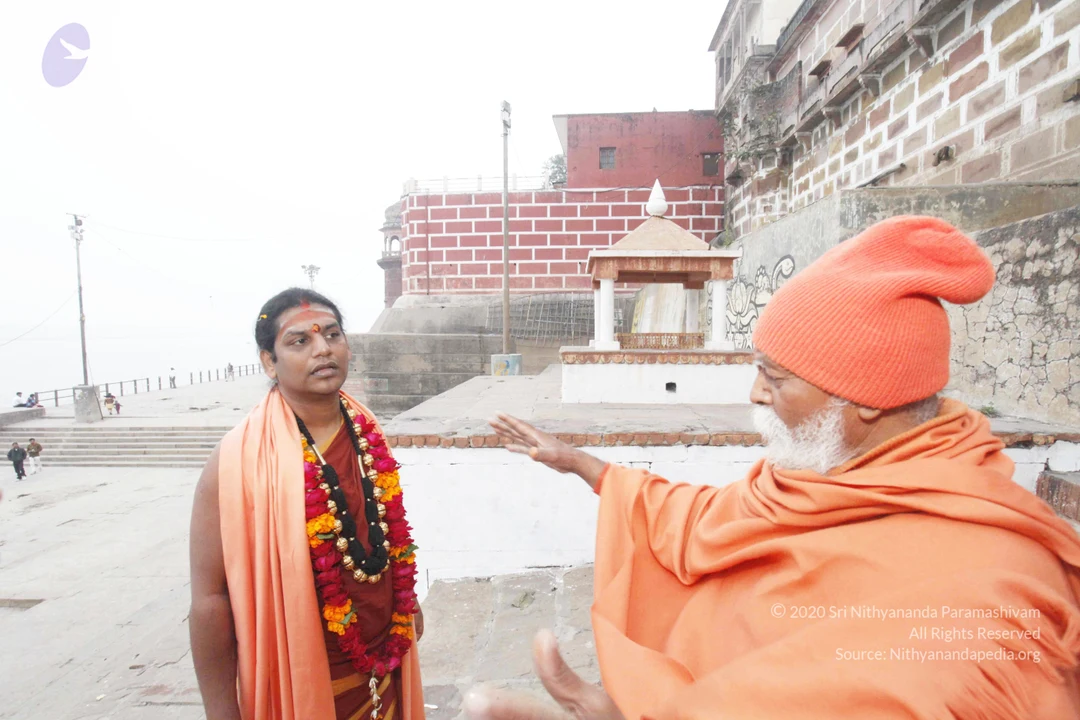
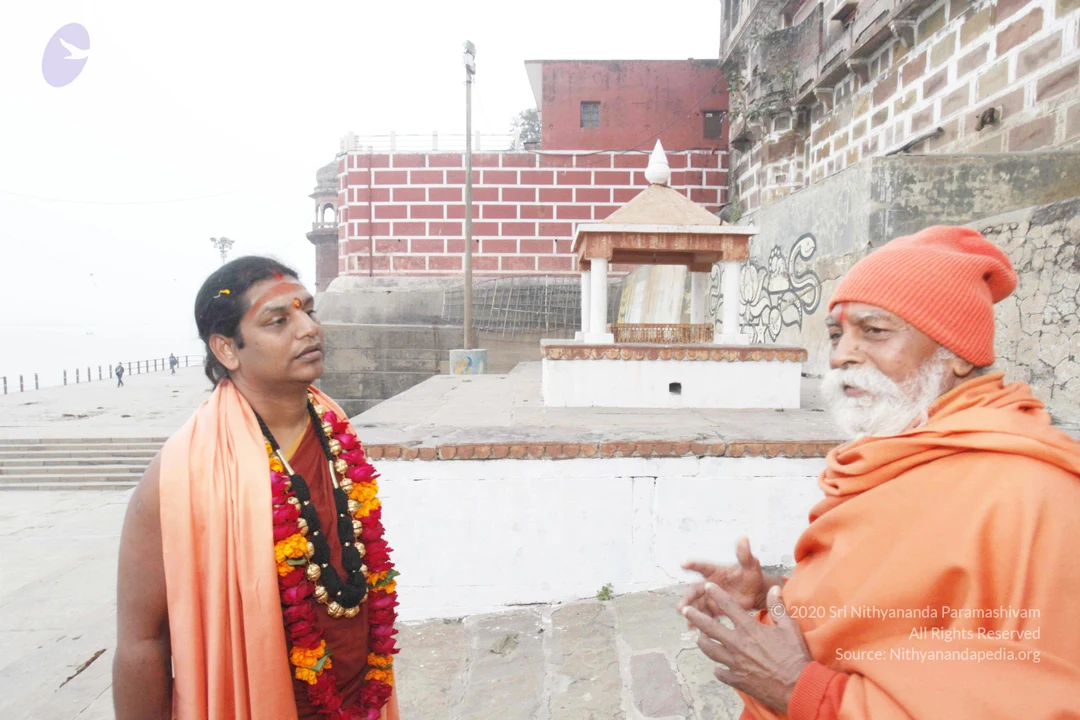
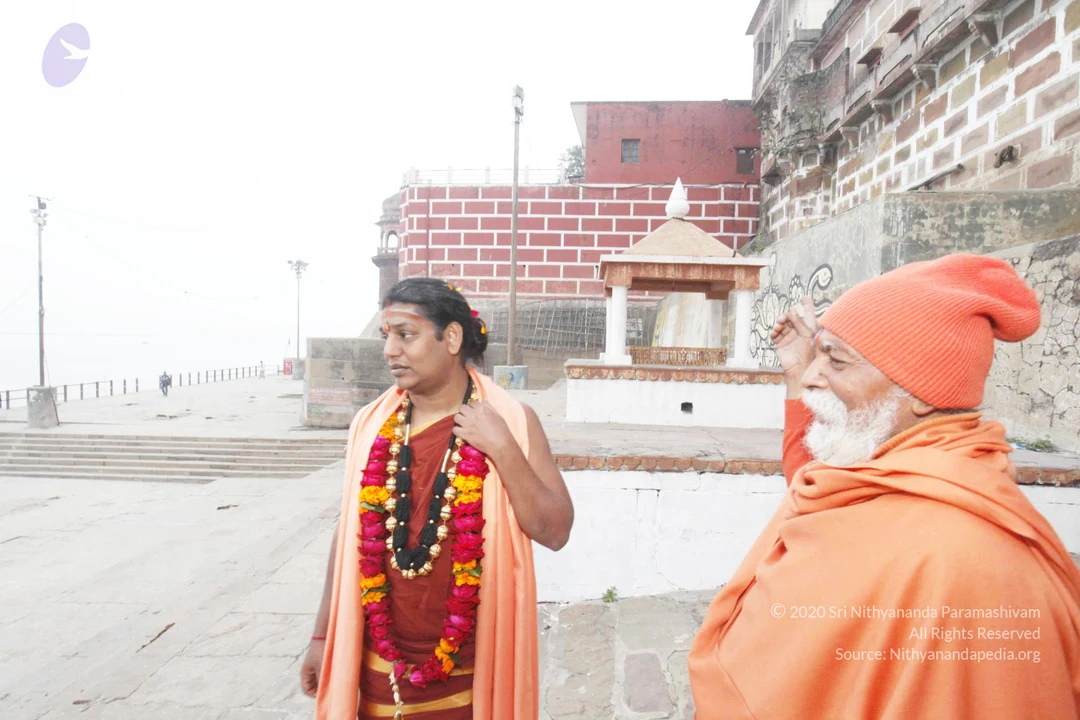
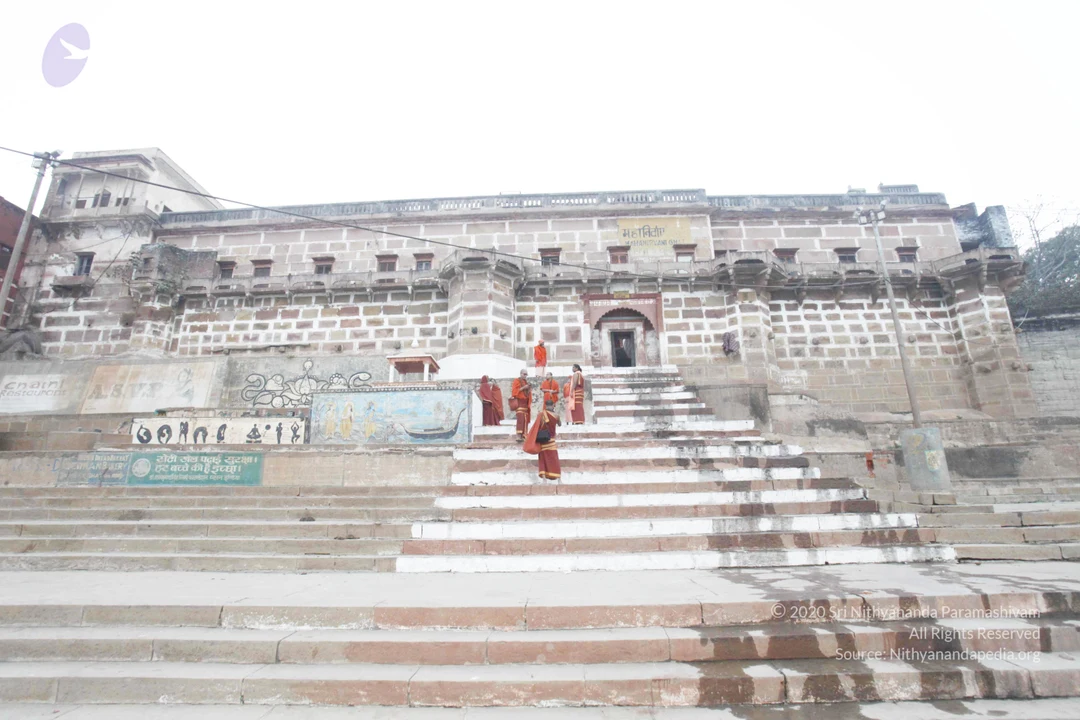
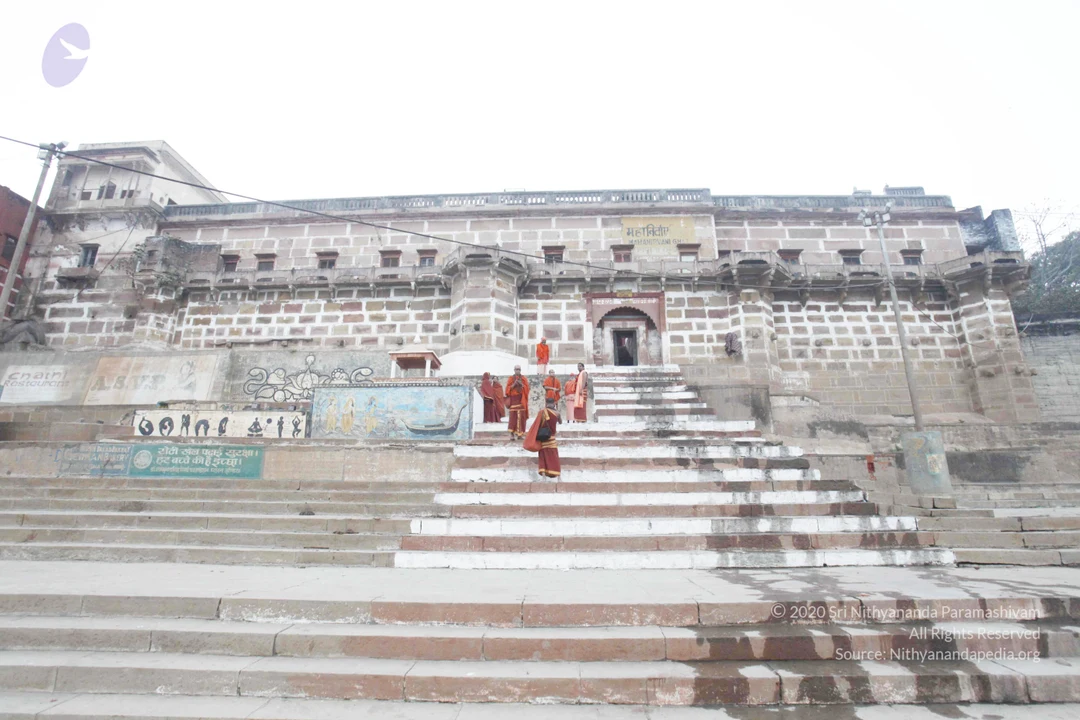
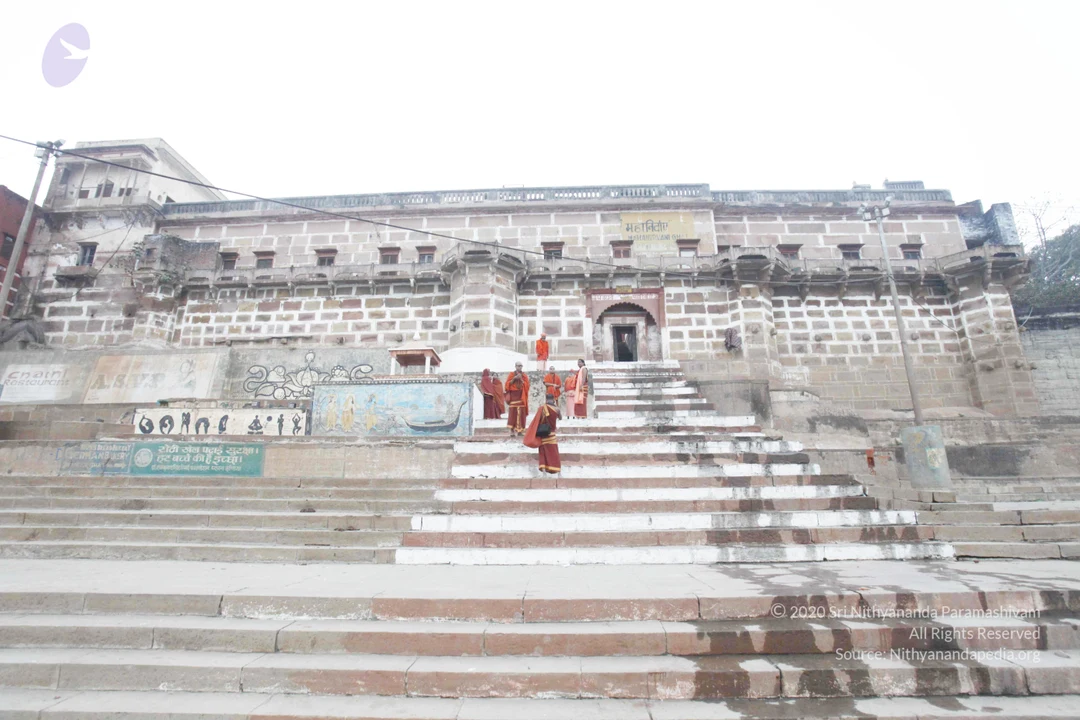
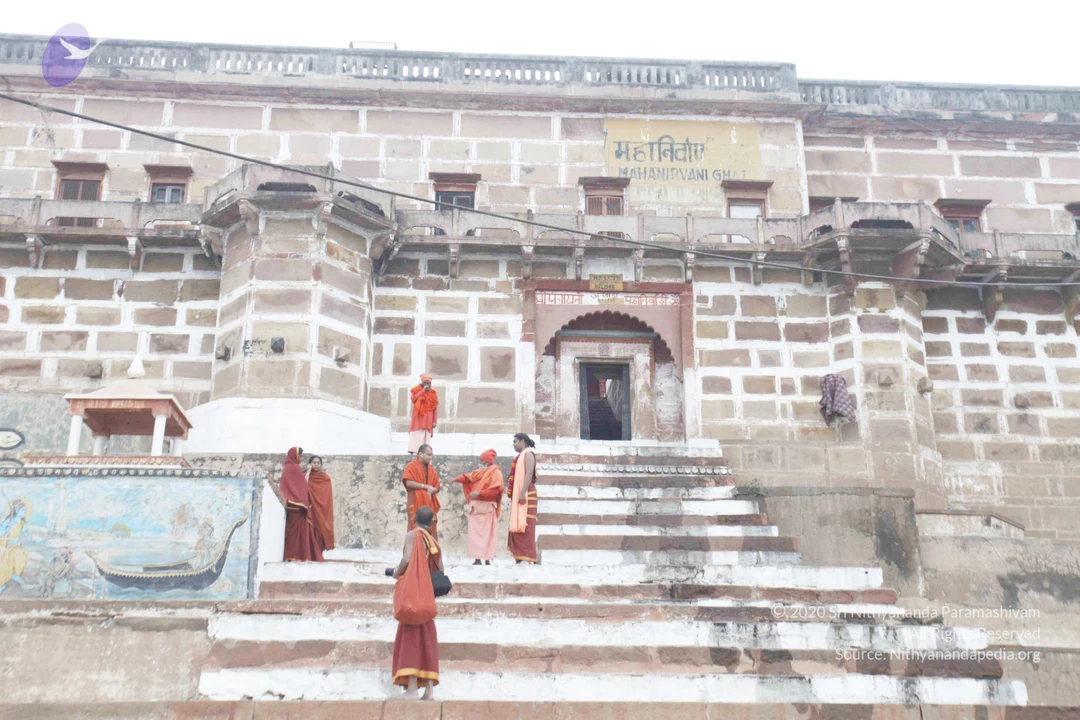
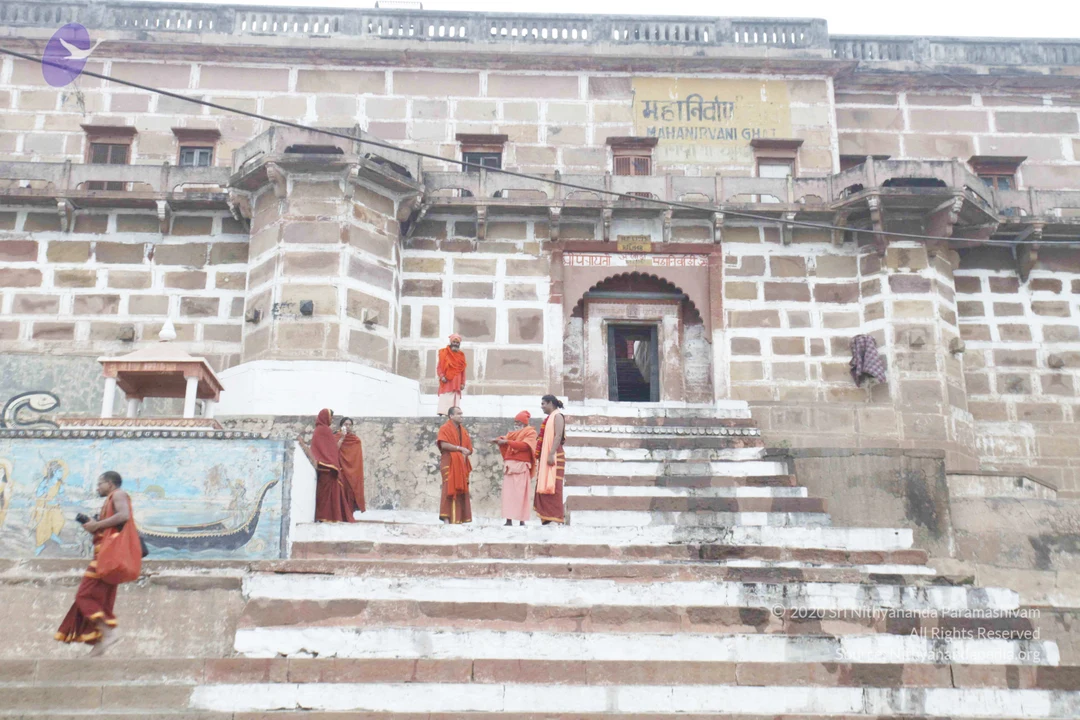
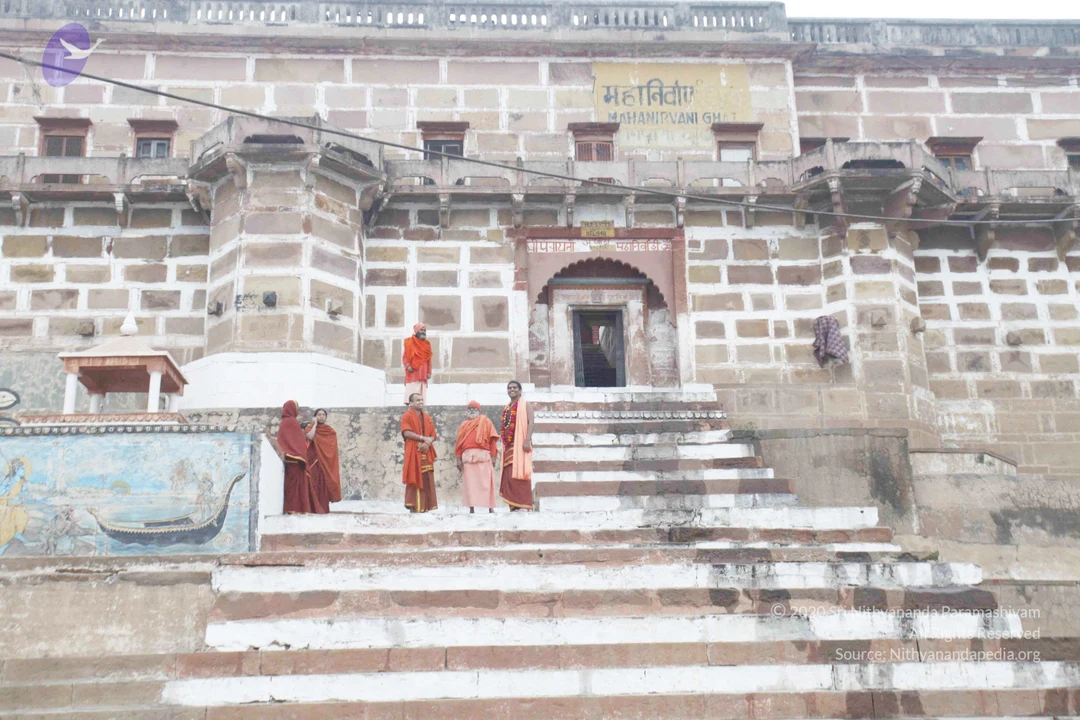
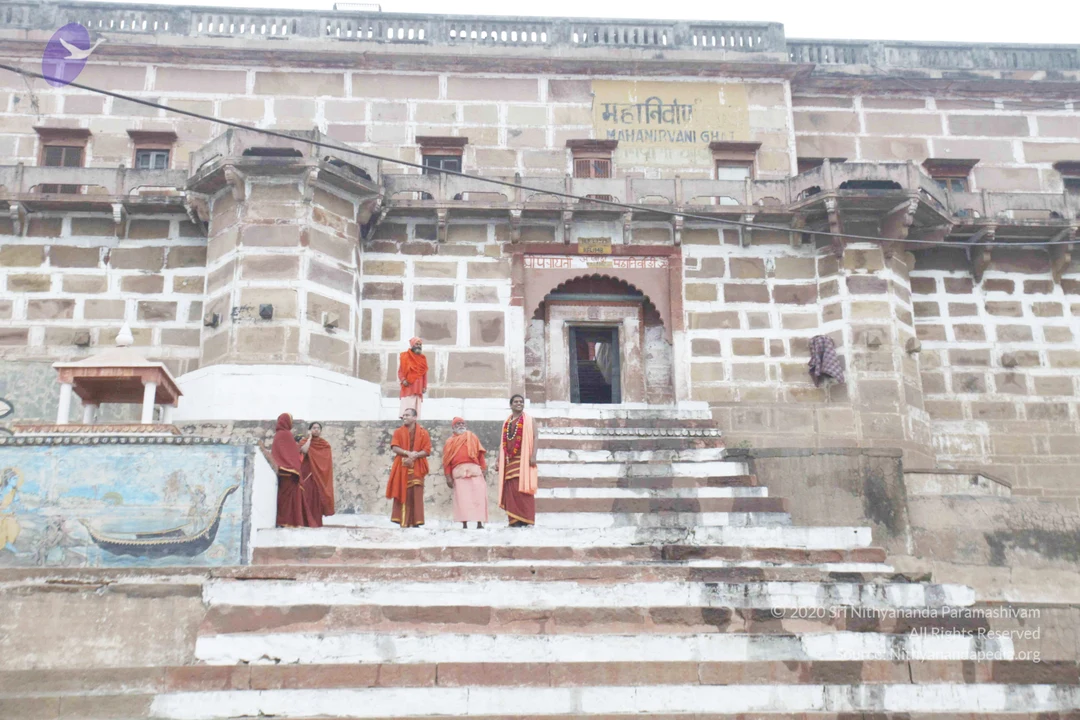
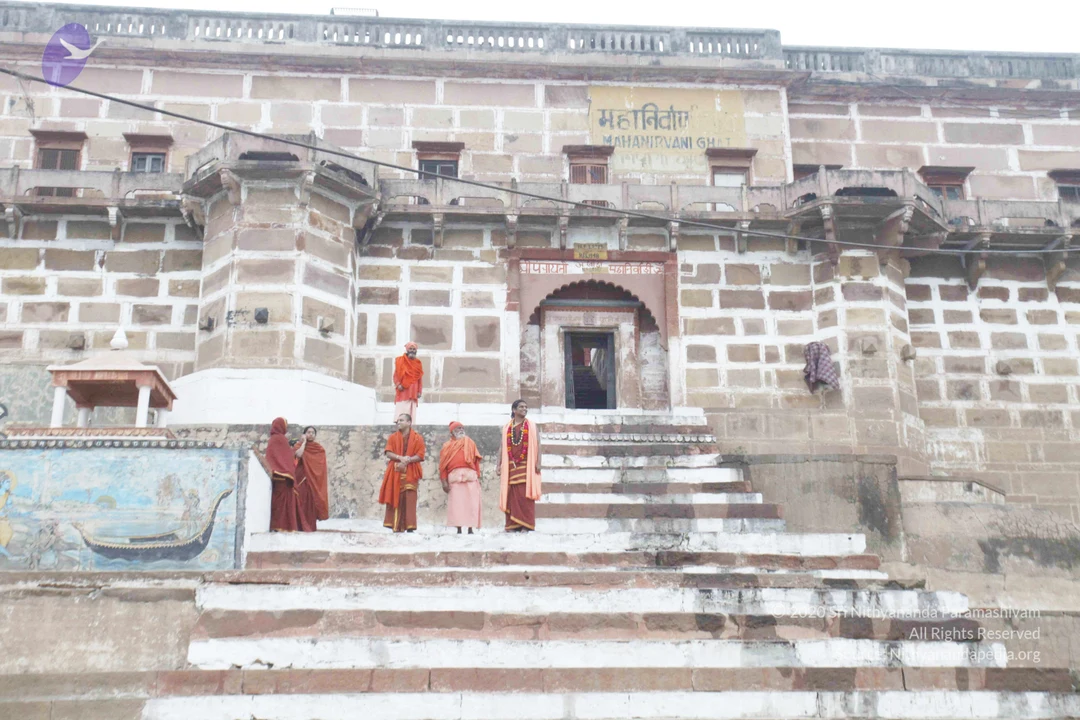
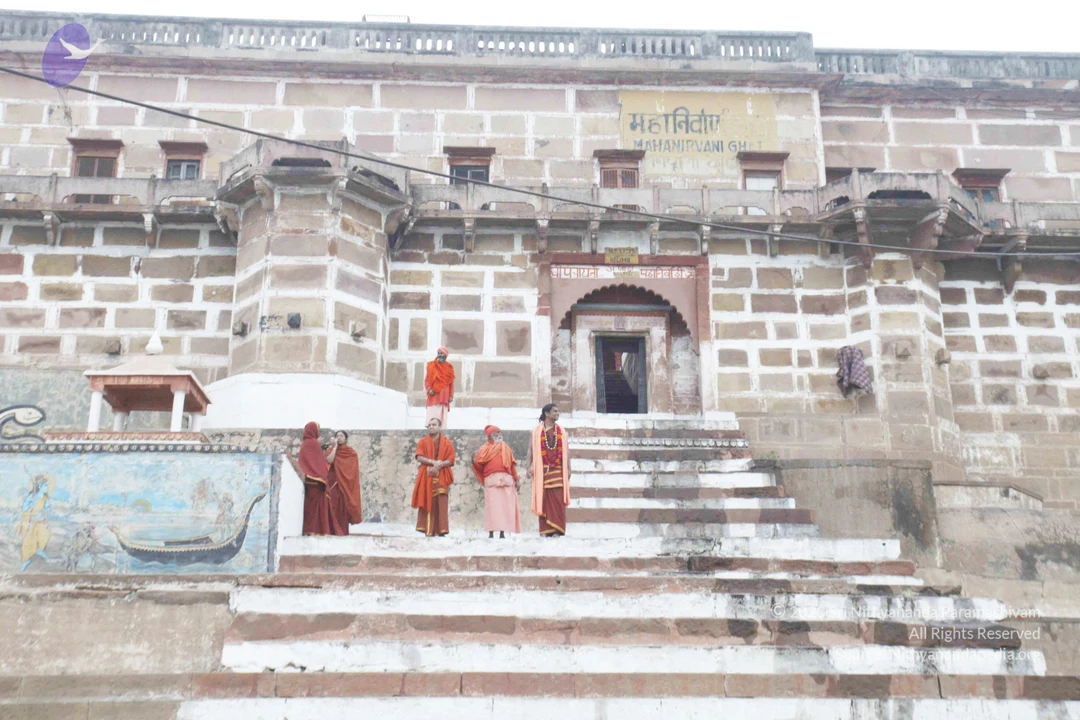
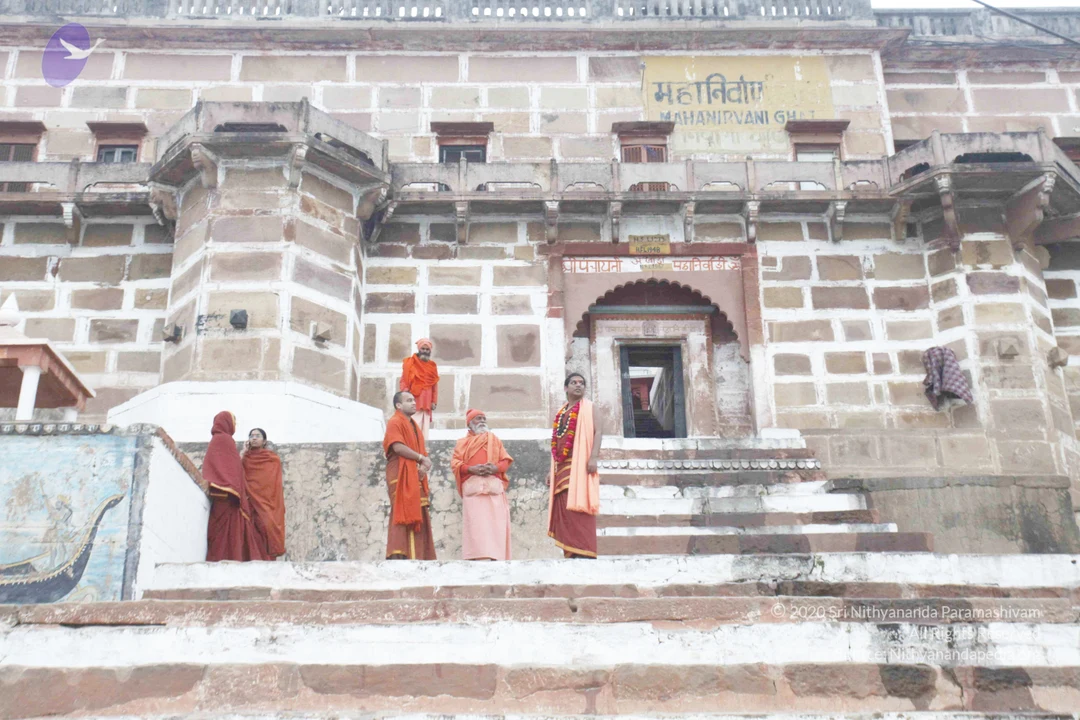
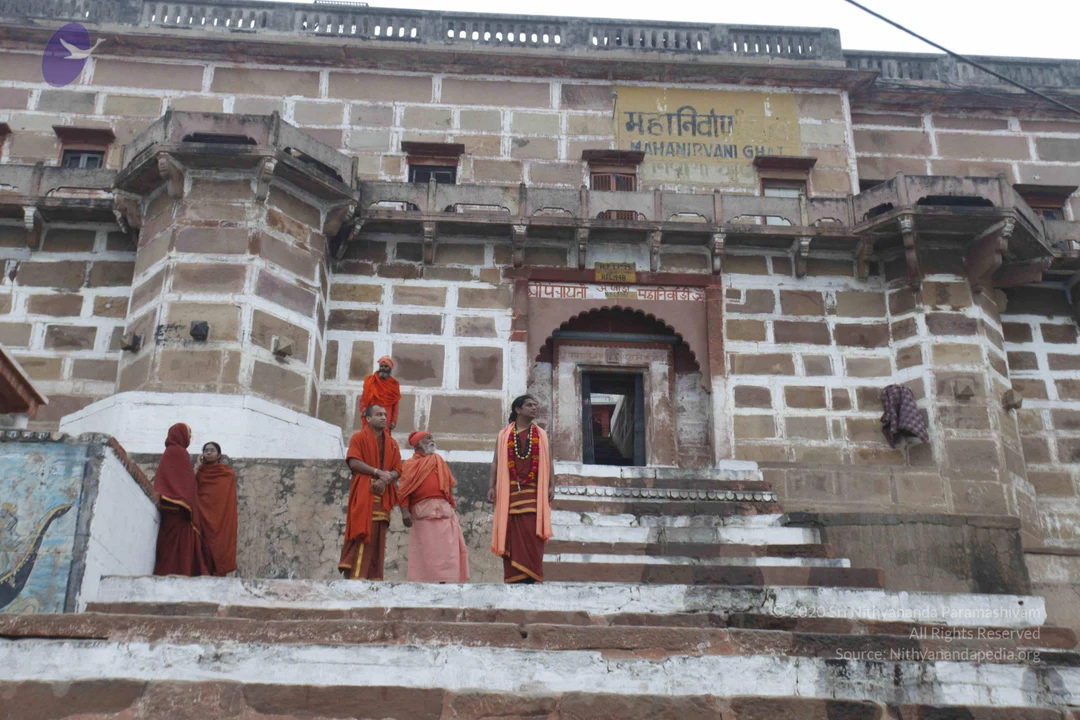
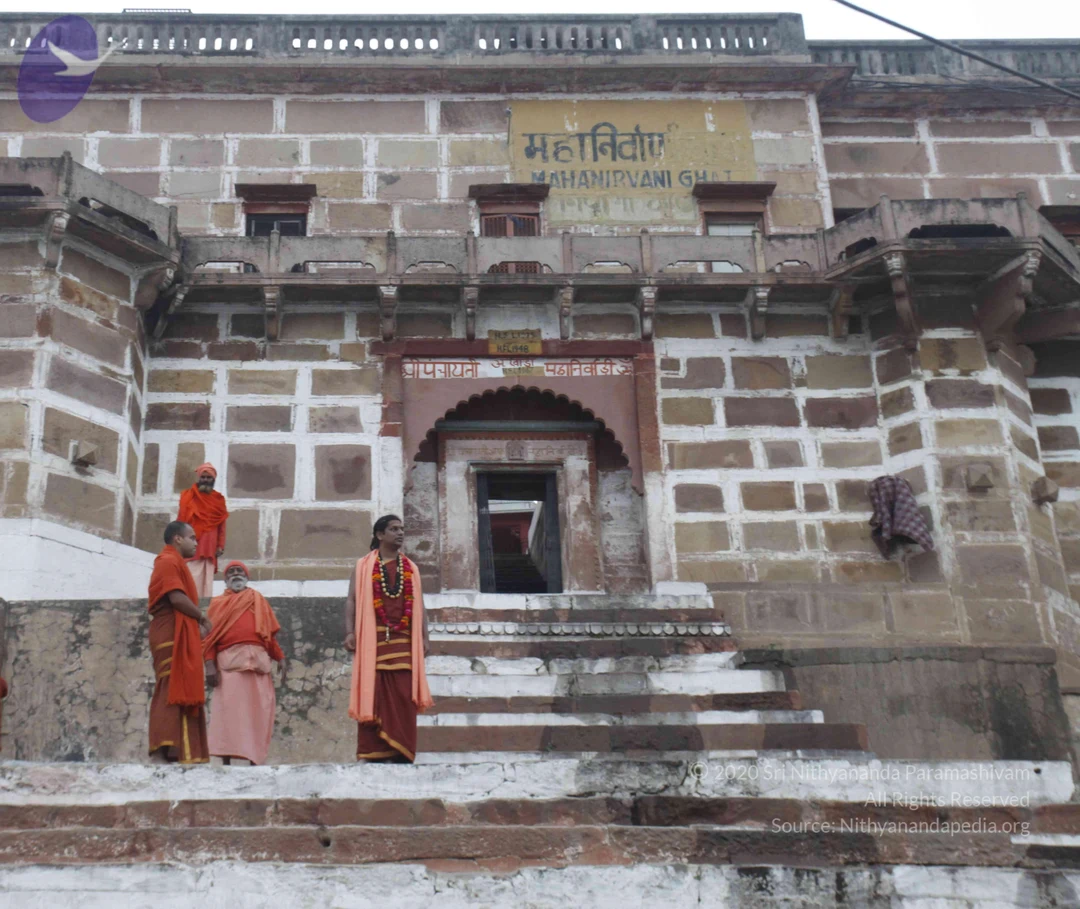
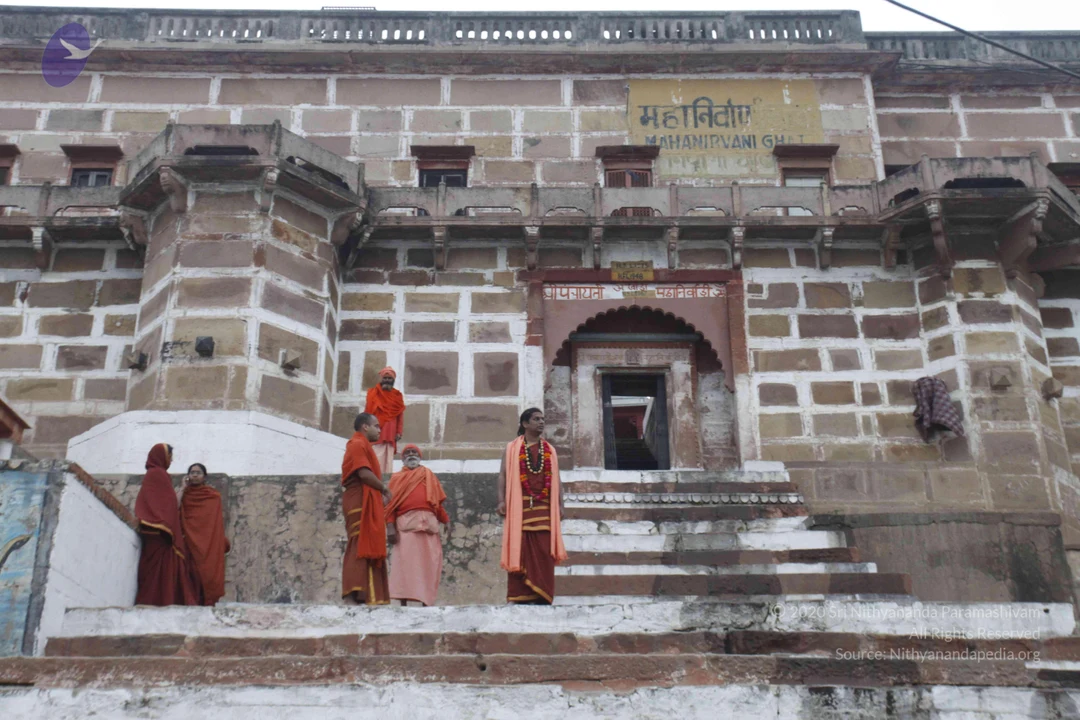
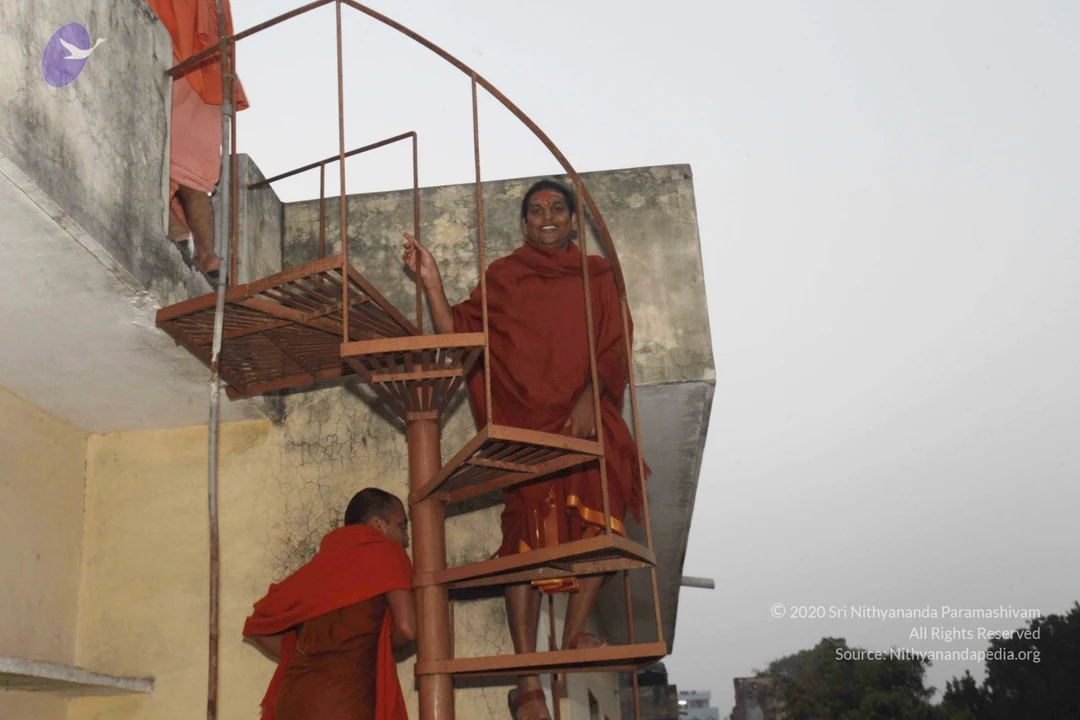
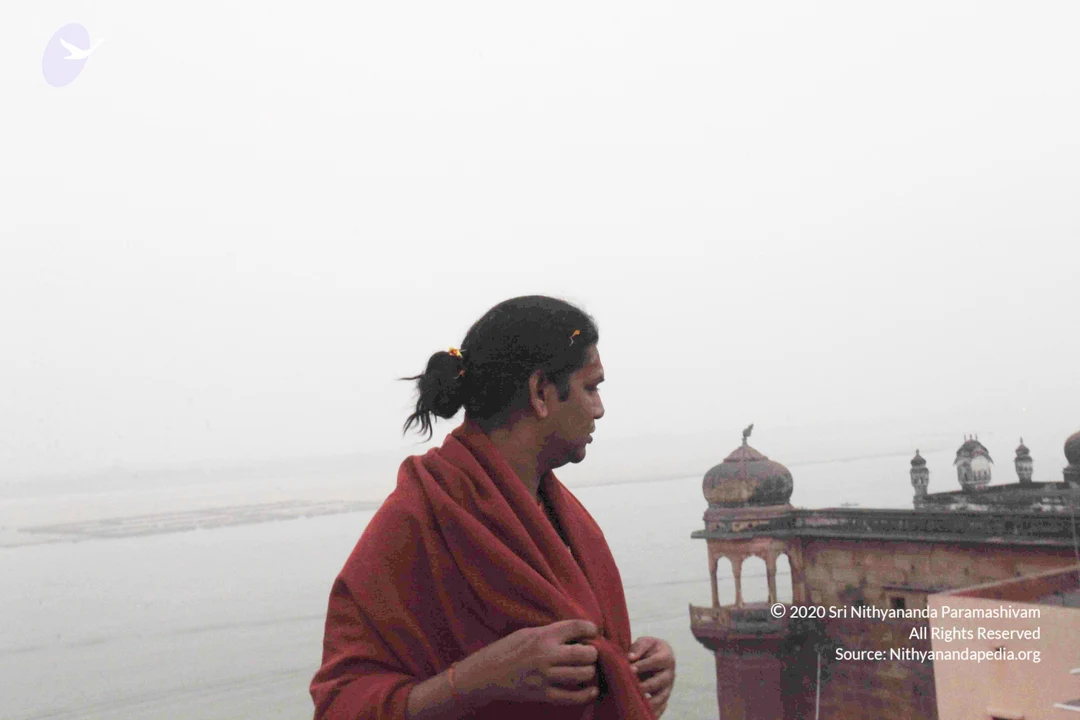
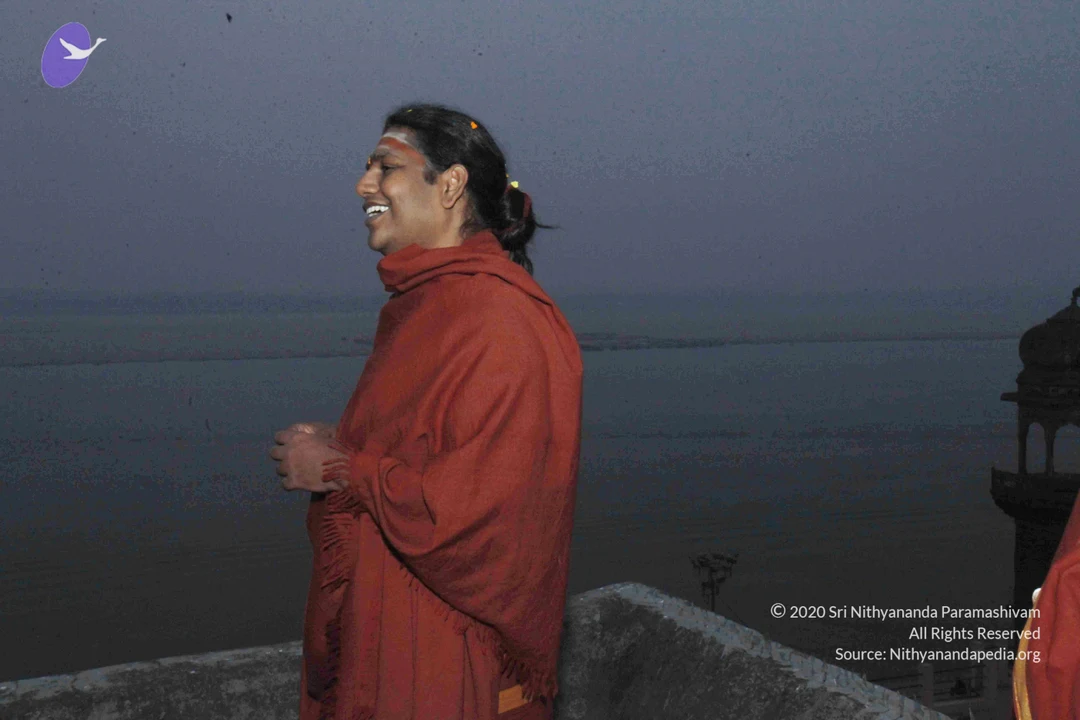
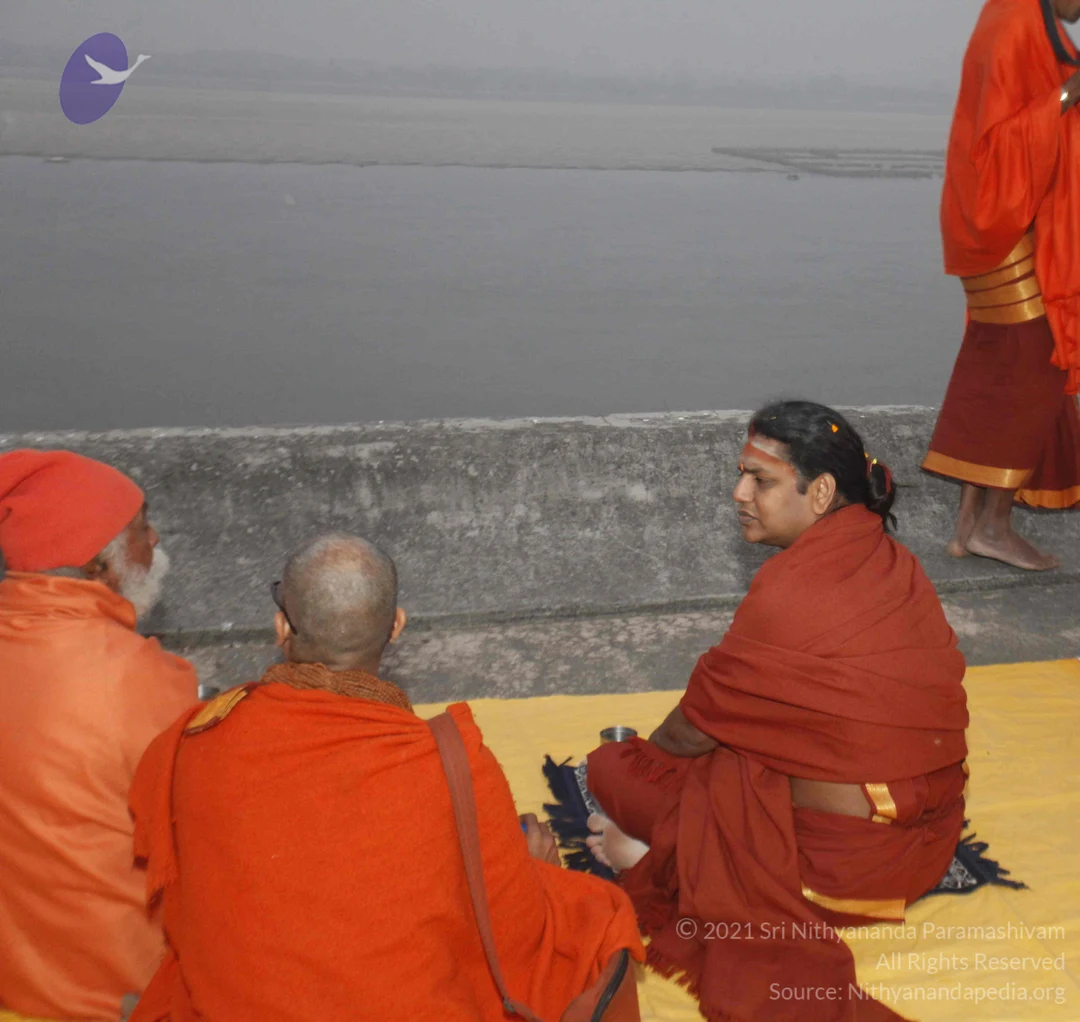
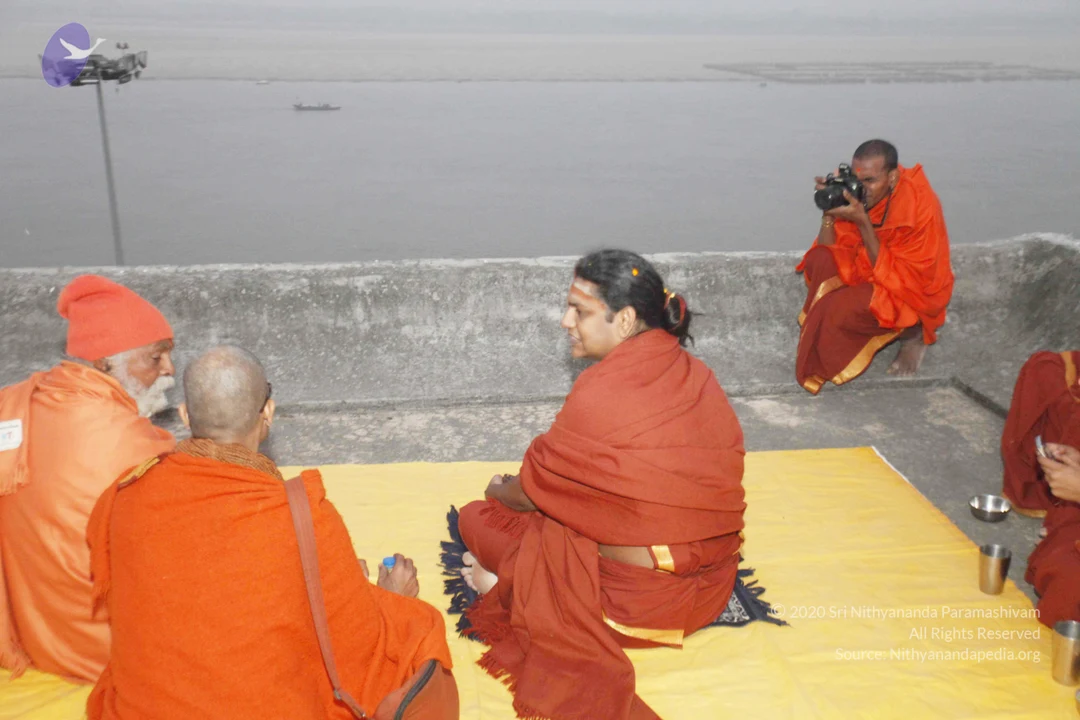
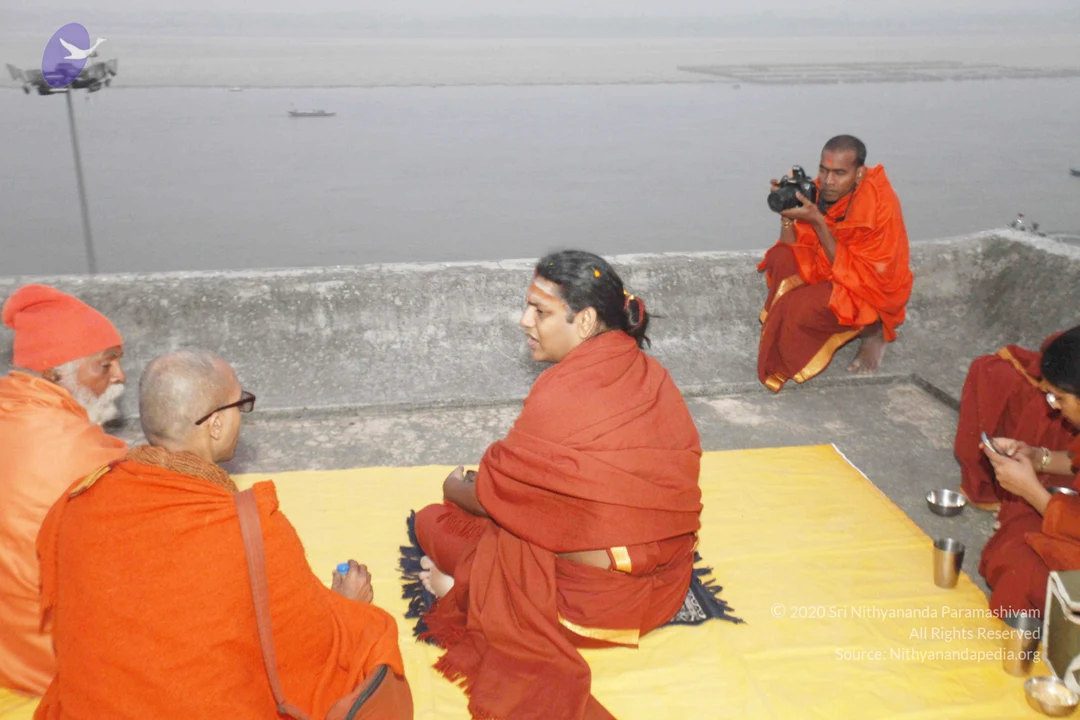
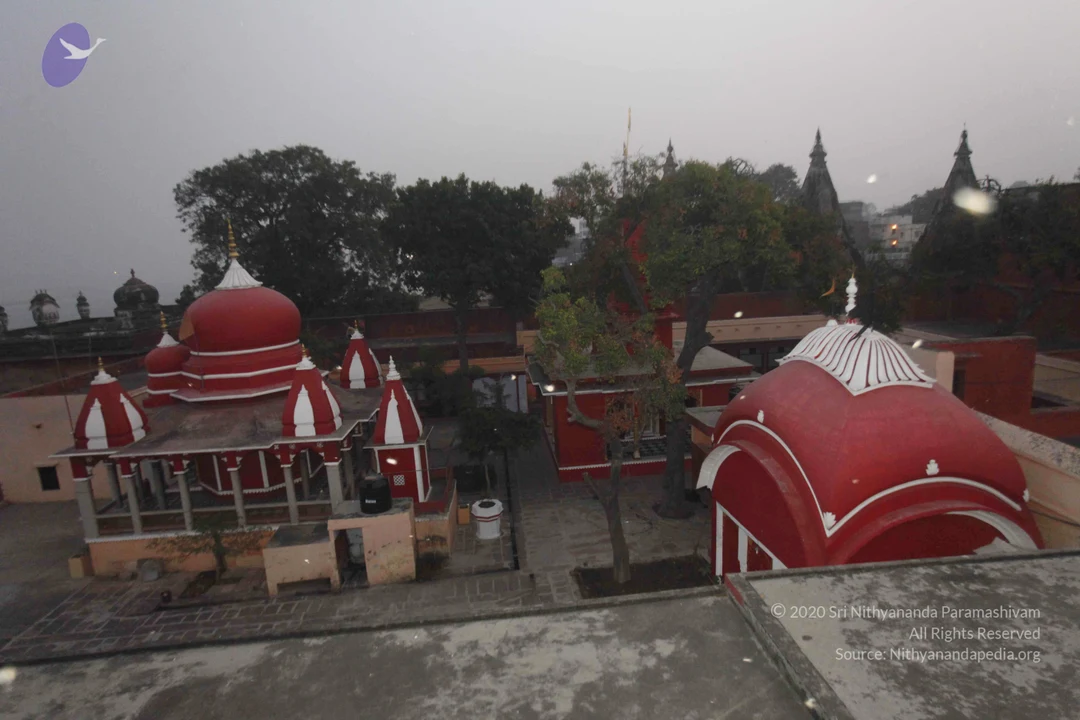
Satsang
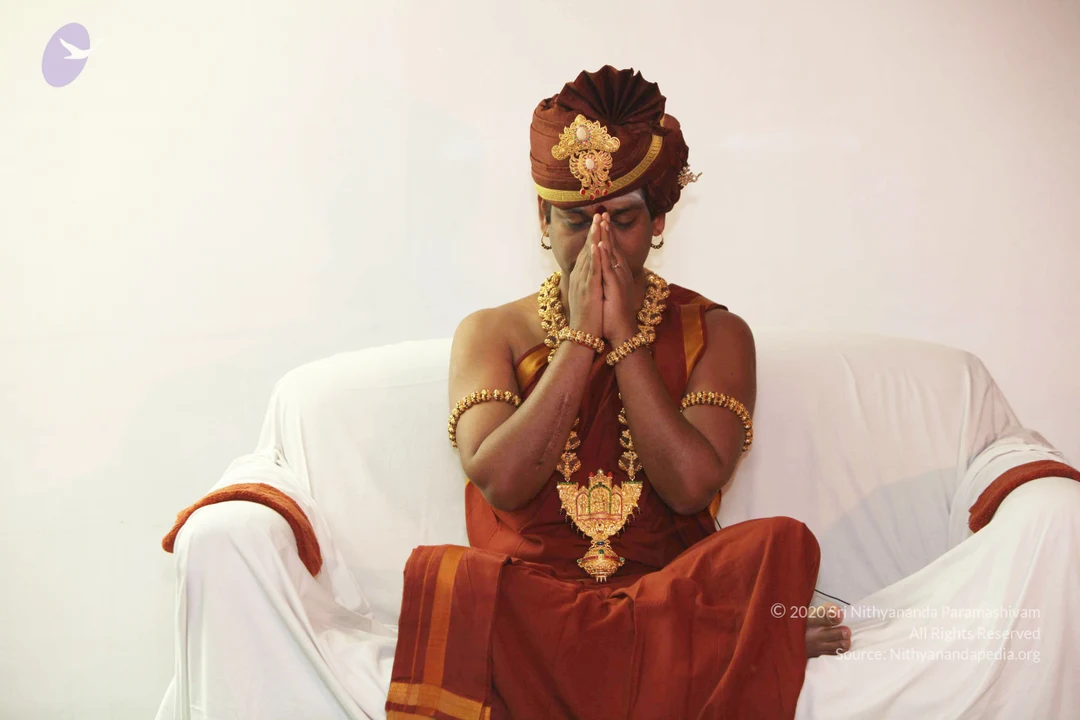
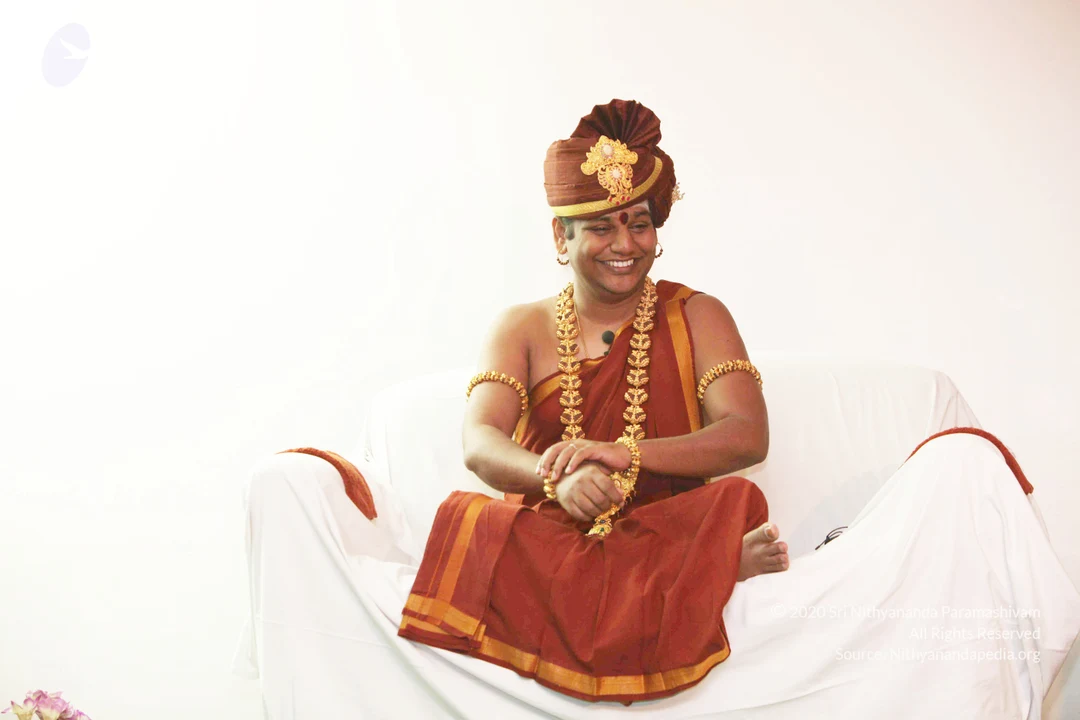
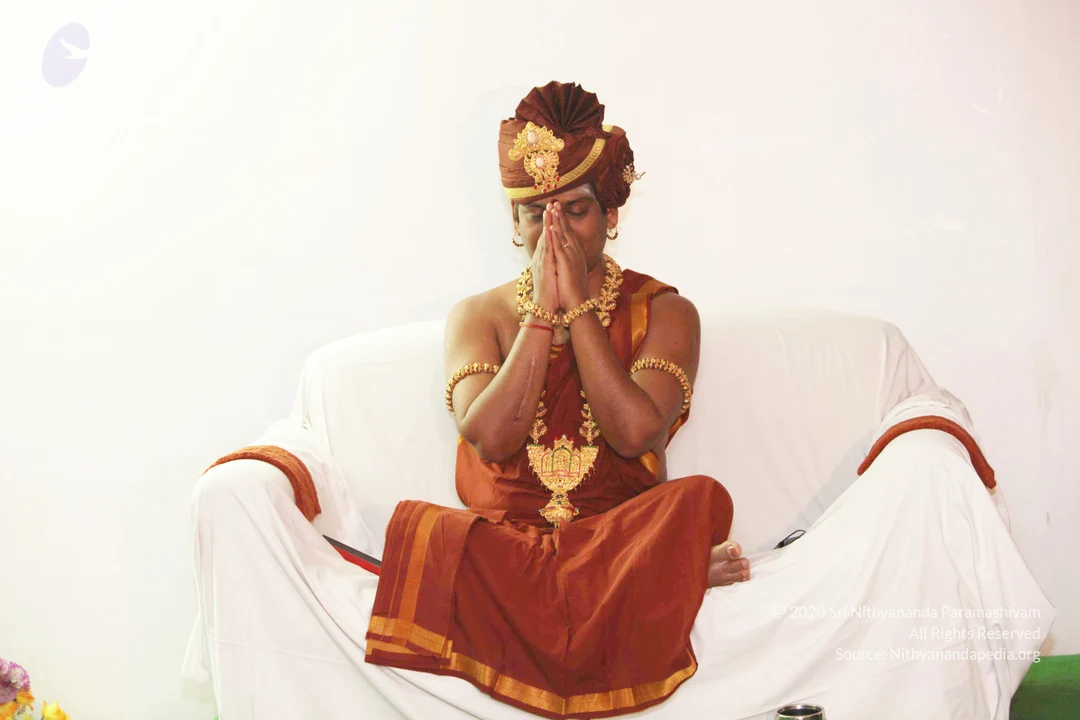
Photos from this day
View all 236 photosPhotos
9 photosSource gallery
Satsang
20 photosSource gallery
HARIDWAR
101 photosSource gallery
Satsang
6 photosSource gallery
HARIDWAR
2 photosSource gallery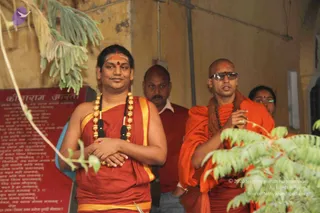
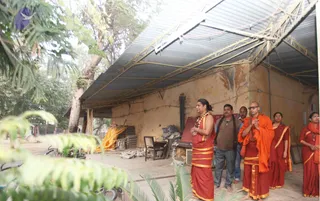
HARIDWAR
95 photosSource gallery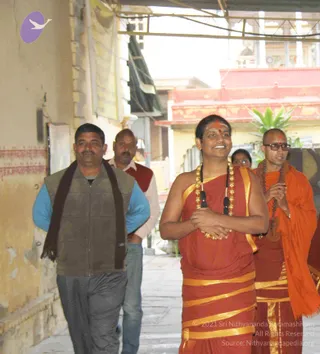
Satsang
3 photosSource gallery