Friday
30 January 2015
Let Your Head and Heart Go Hand in Hand
- Dated photos
- 185
- Source pages
- 1
- Media
- 5
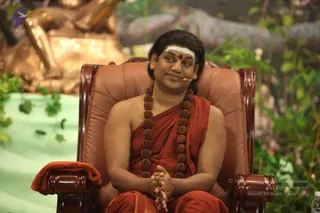
January 30 2015
Original wiki pageTitle
Let Your Head and Heart Go Hand in Hand
Description:
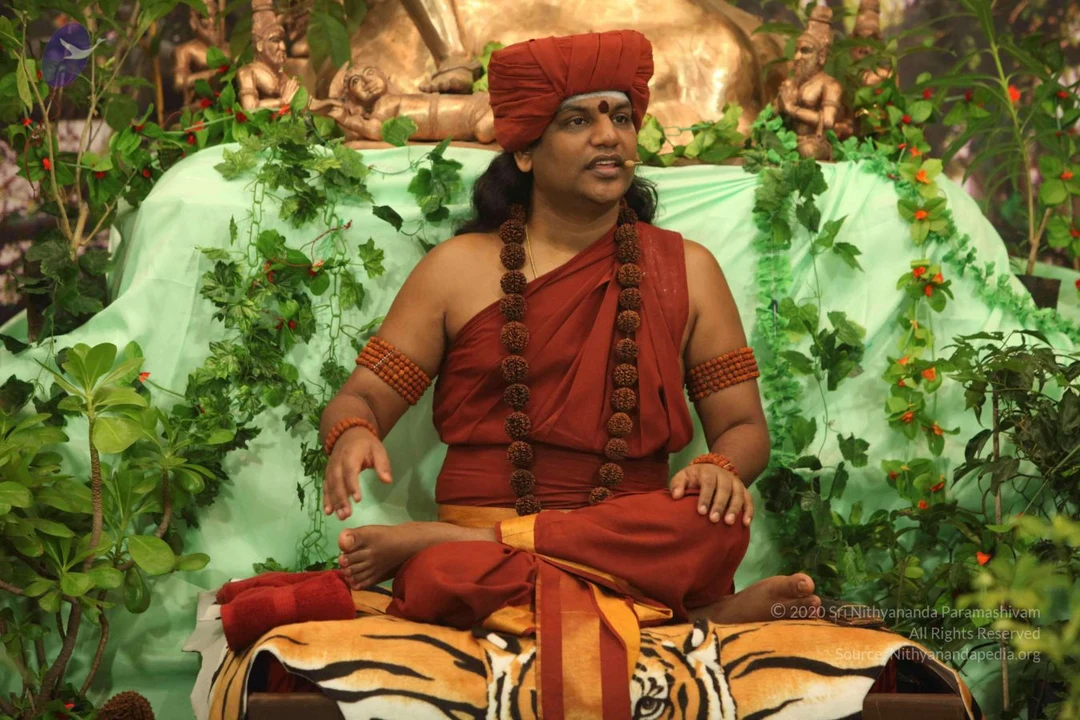
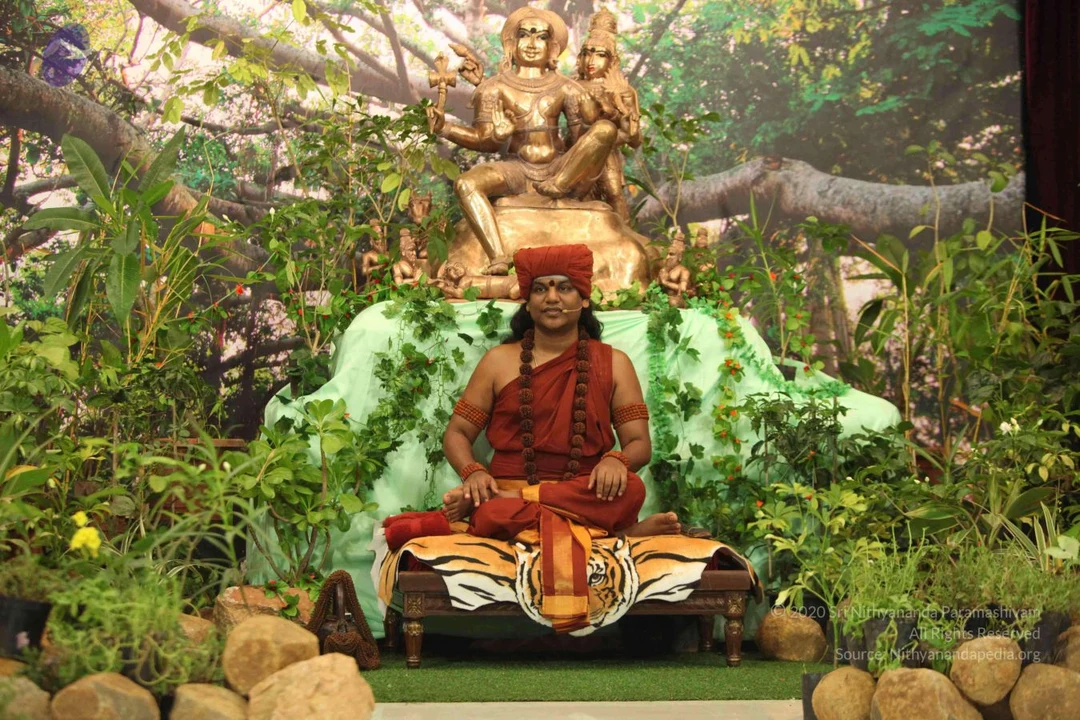
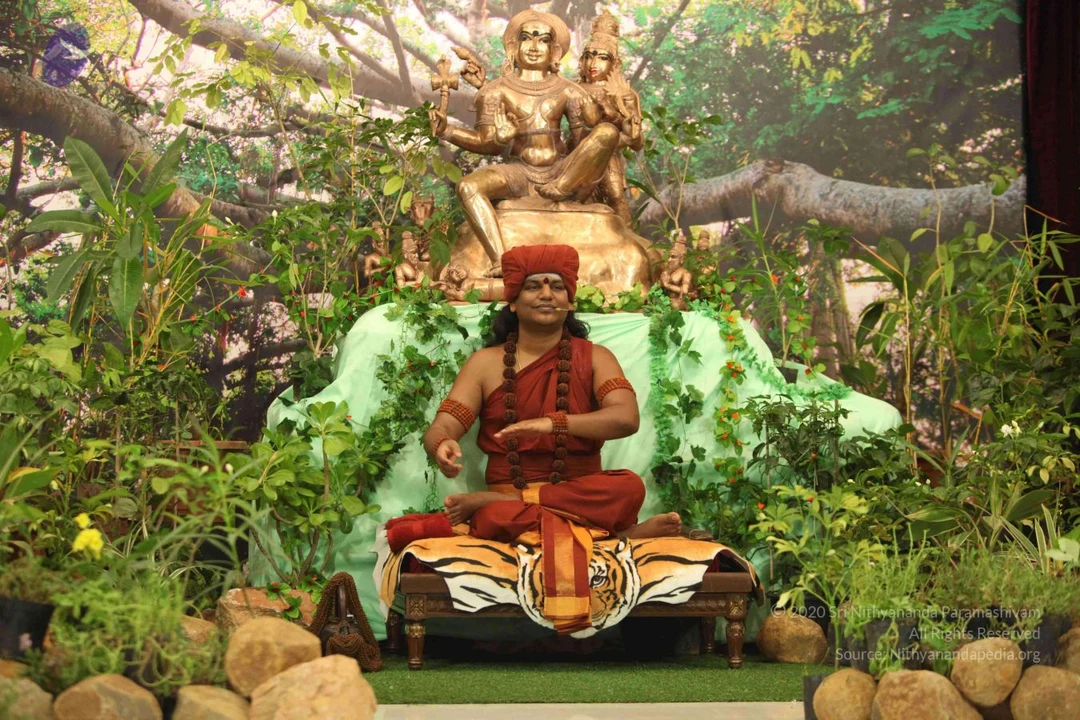
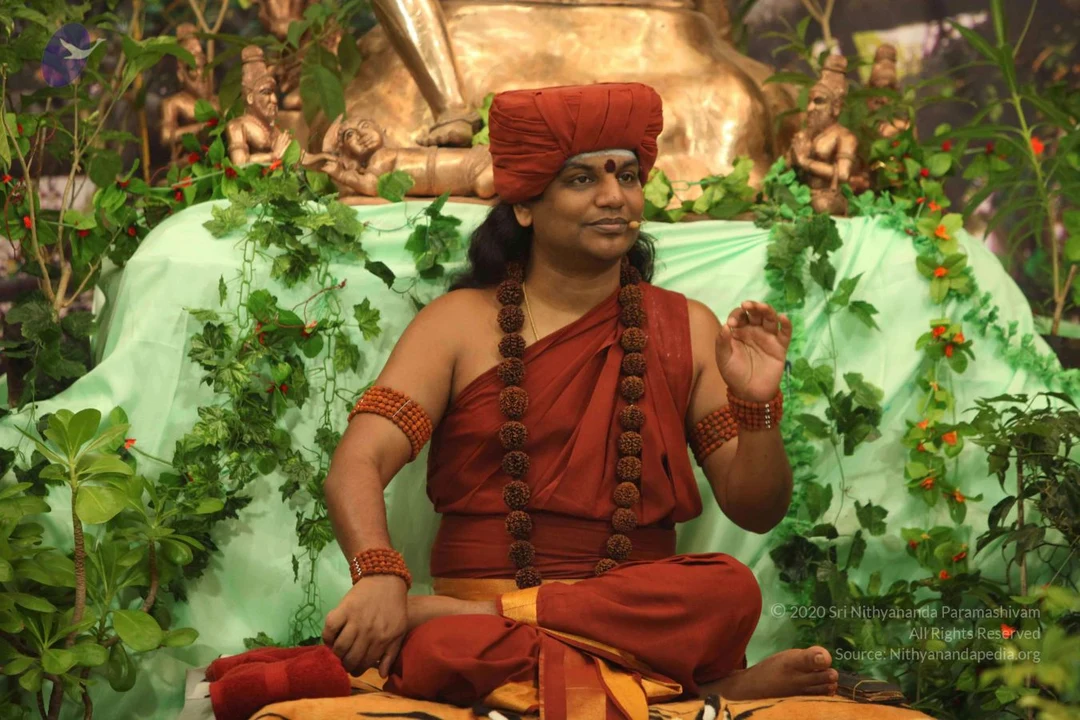
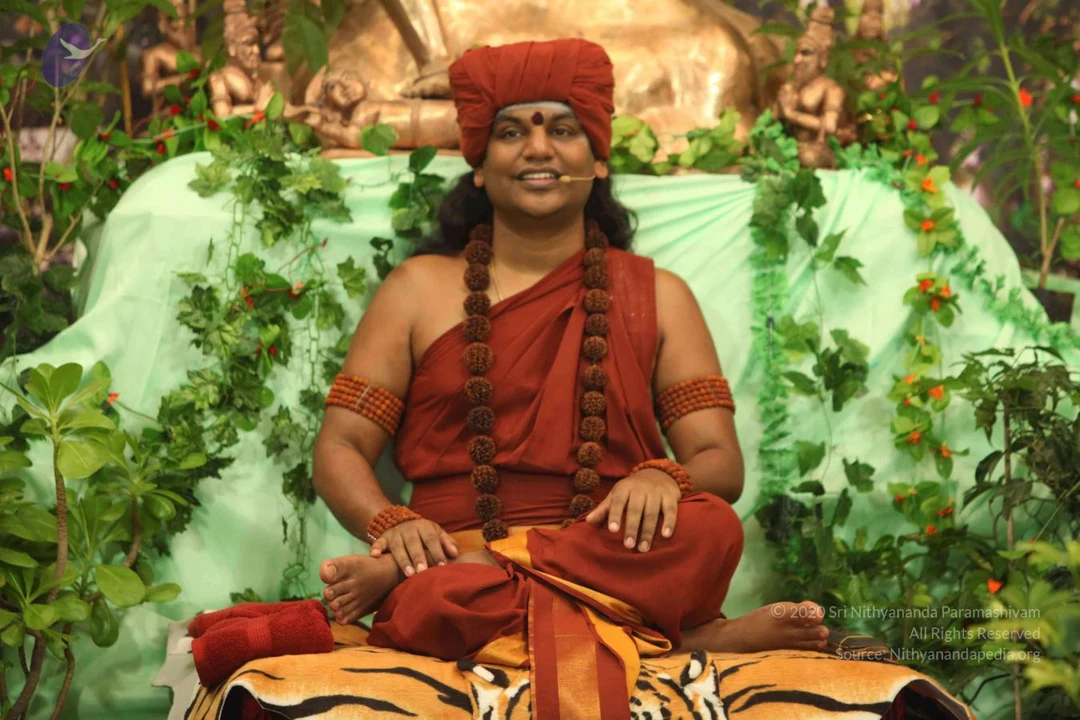
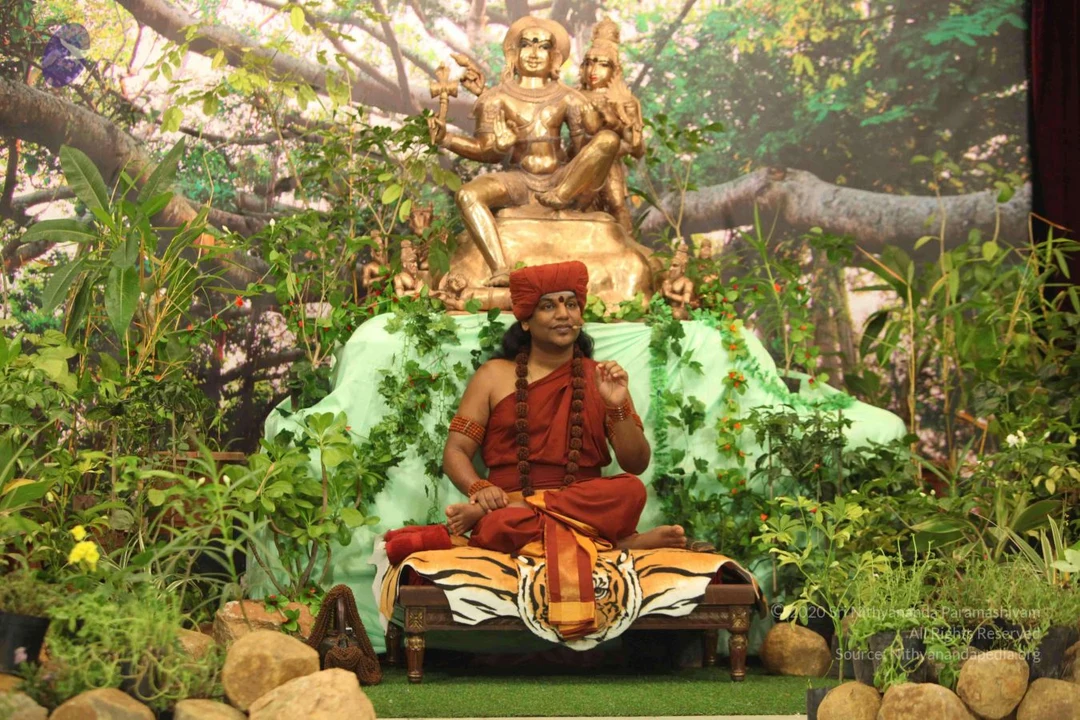
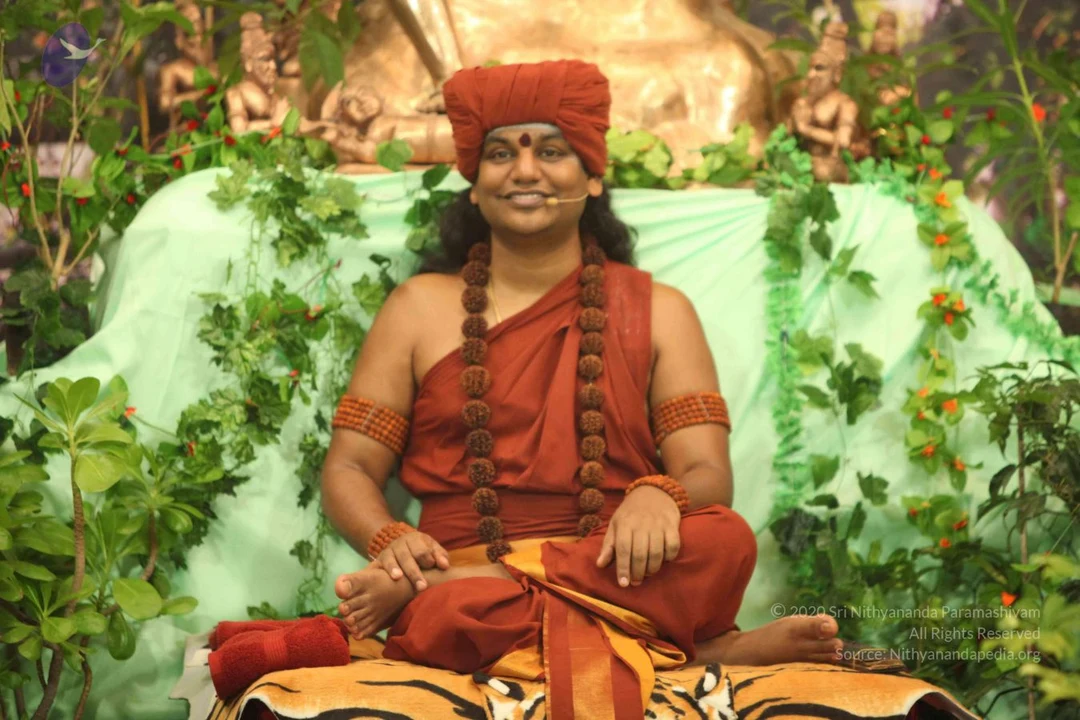
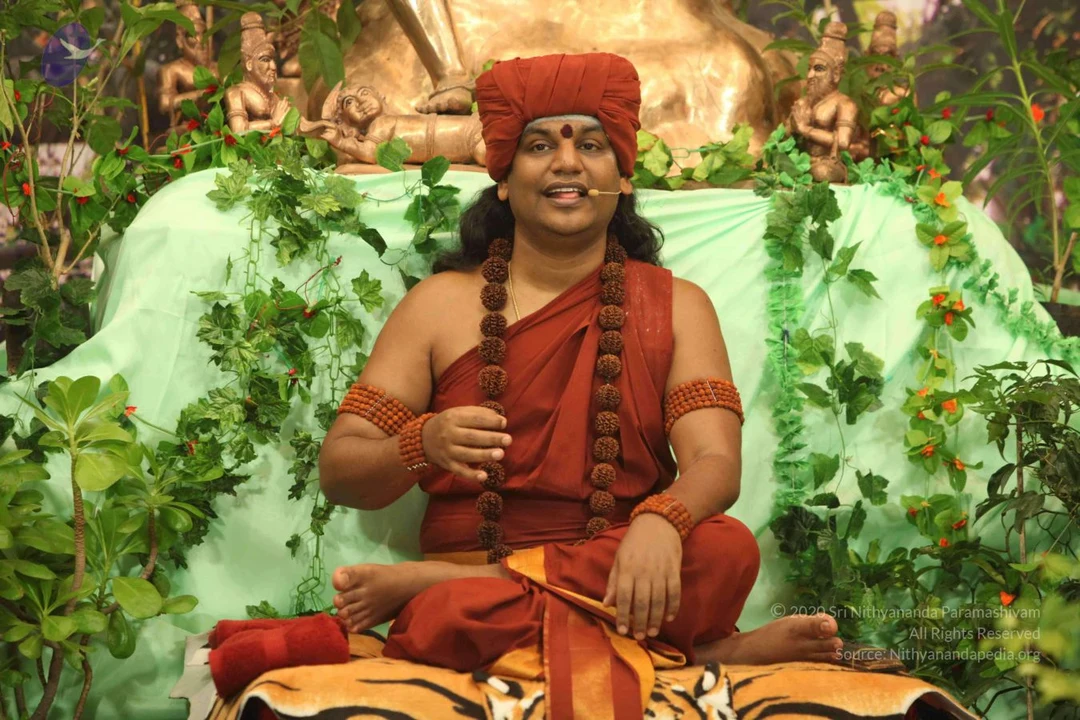
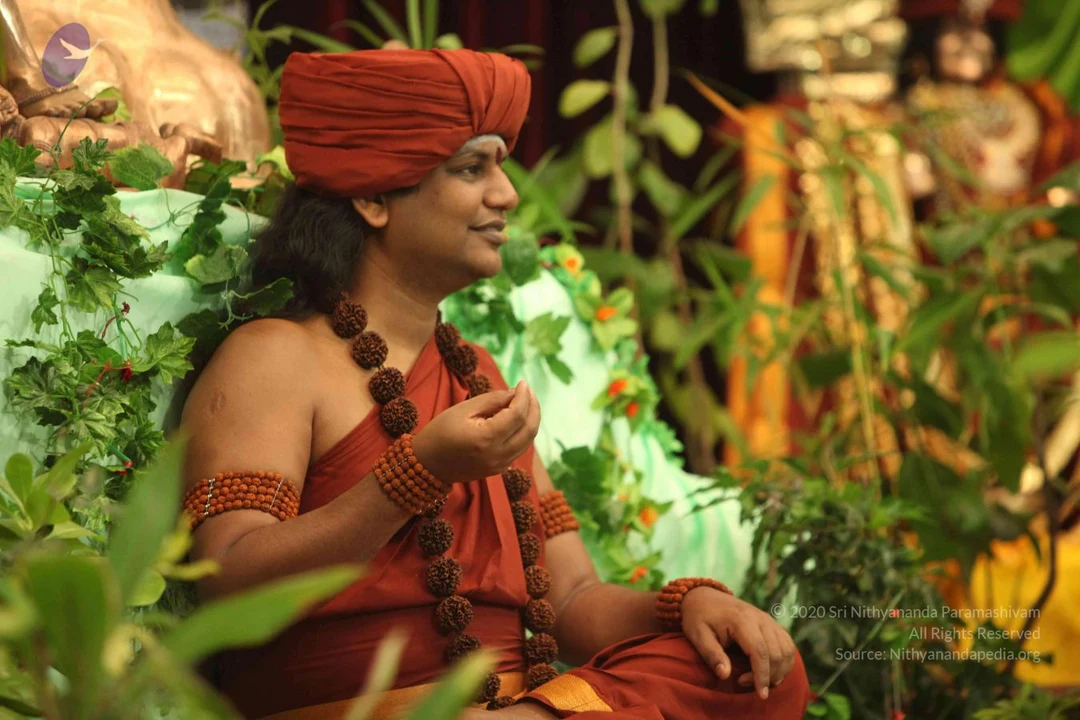
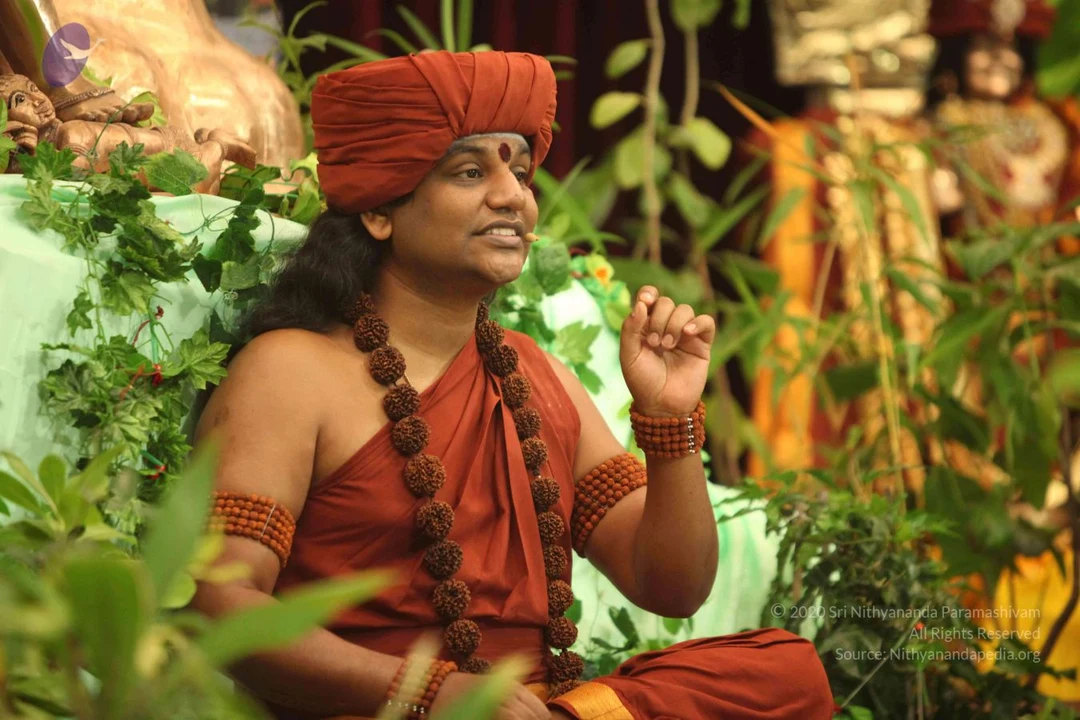
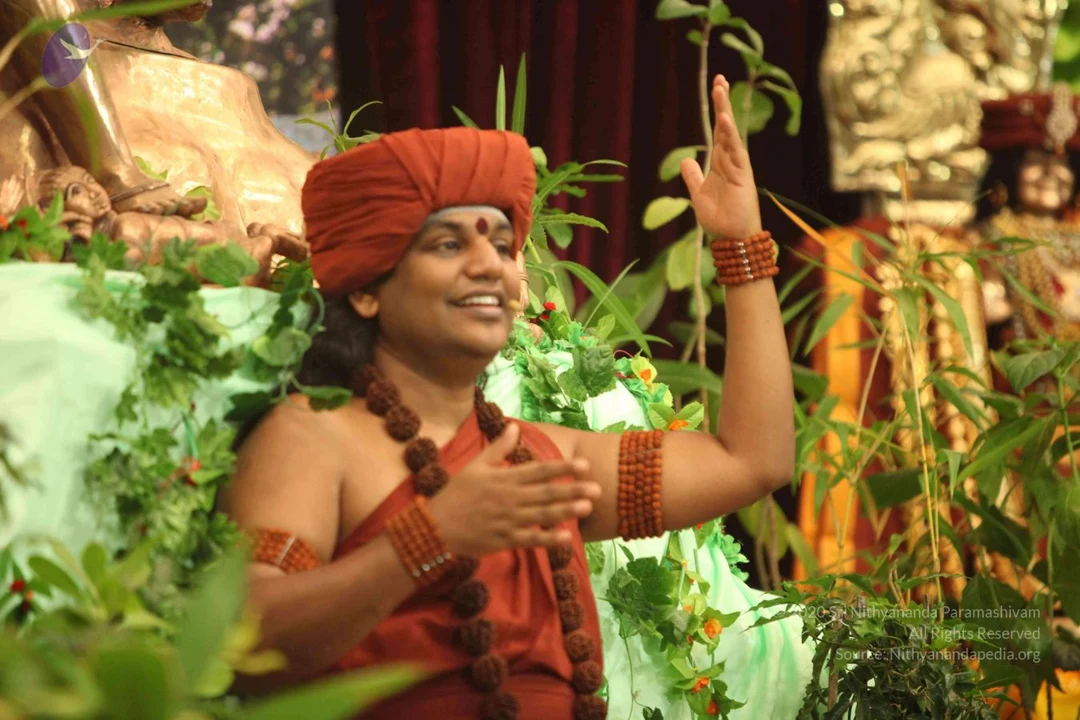
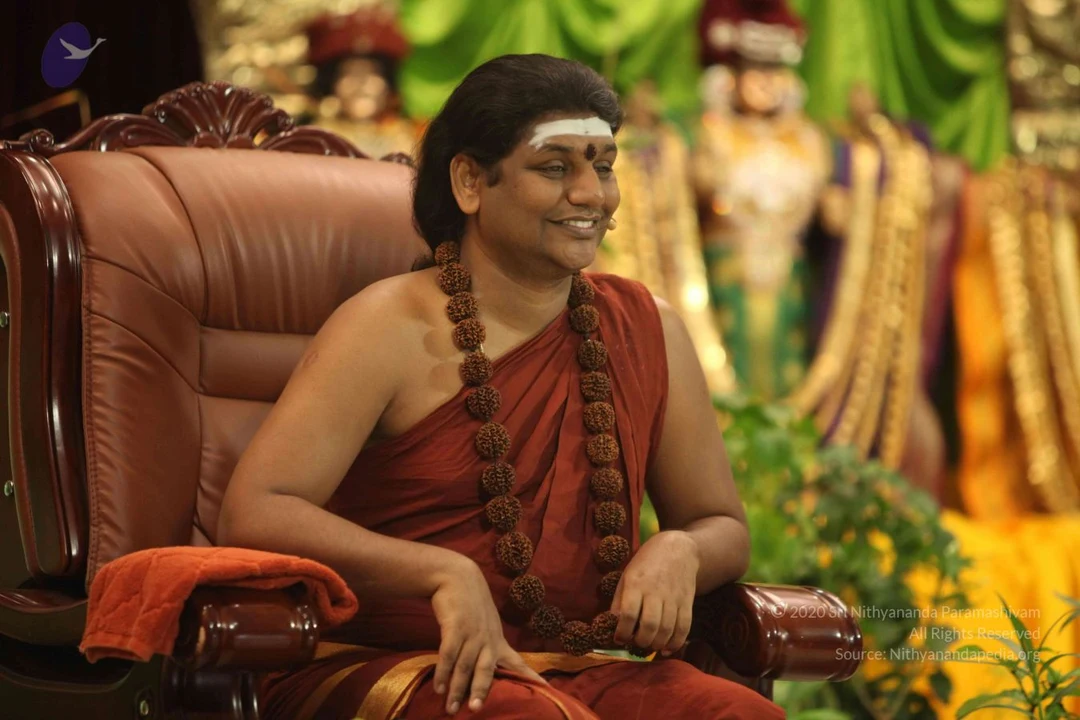
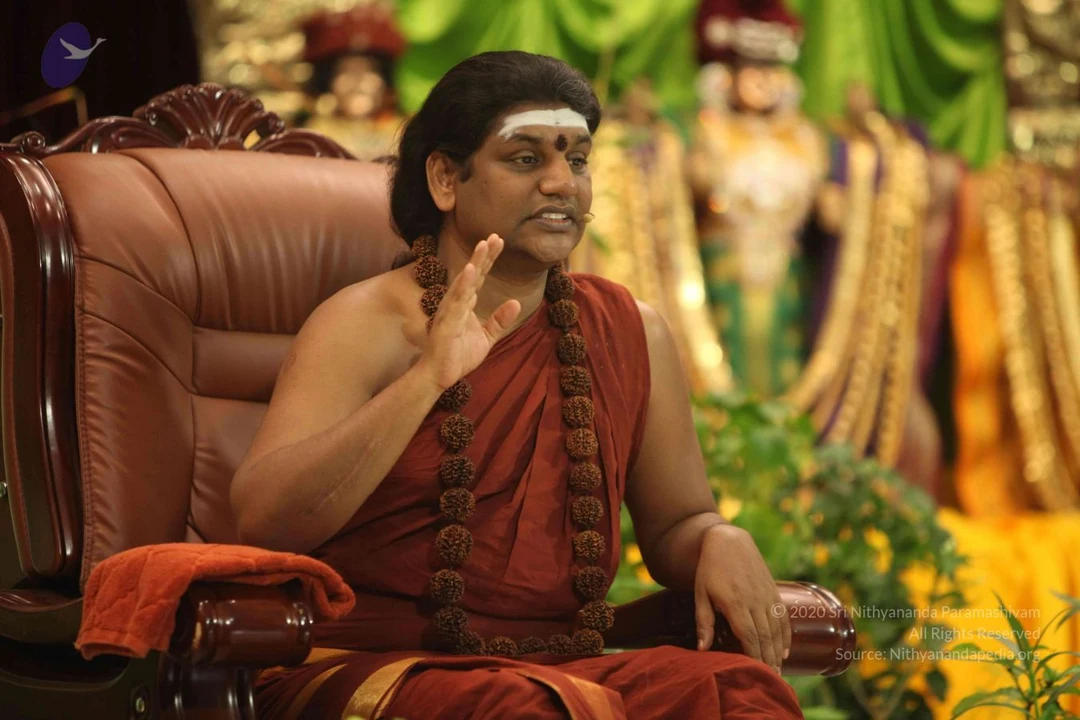
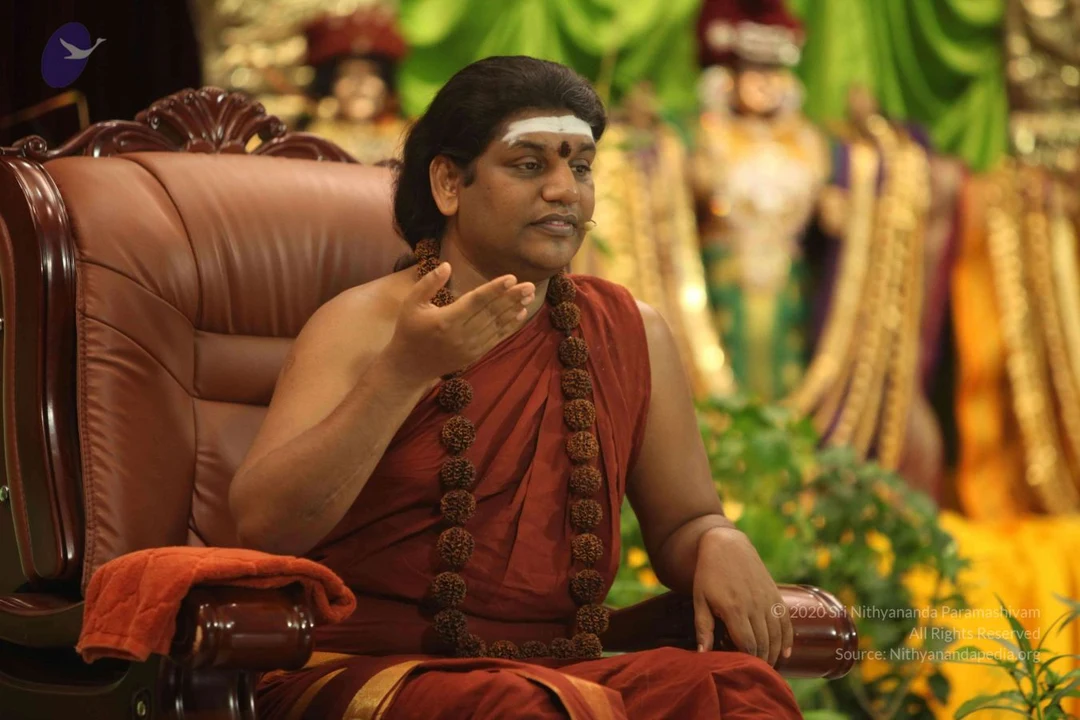
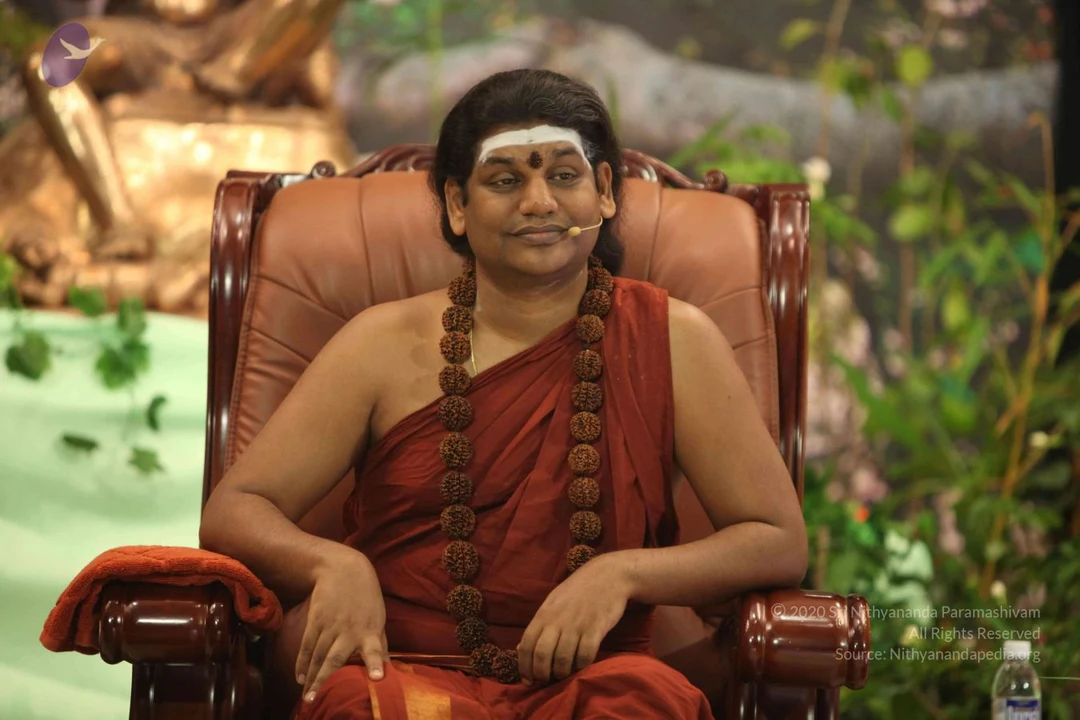
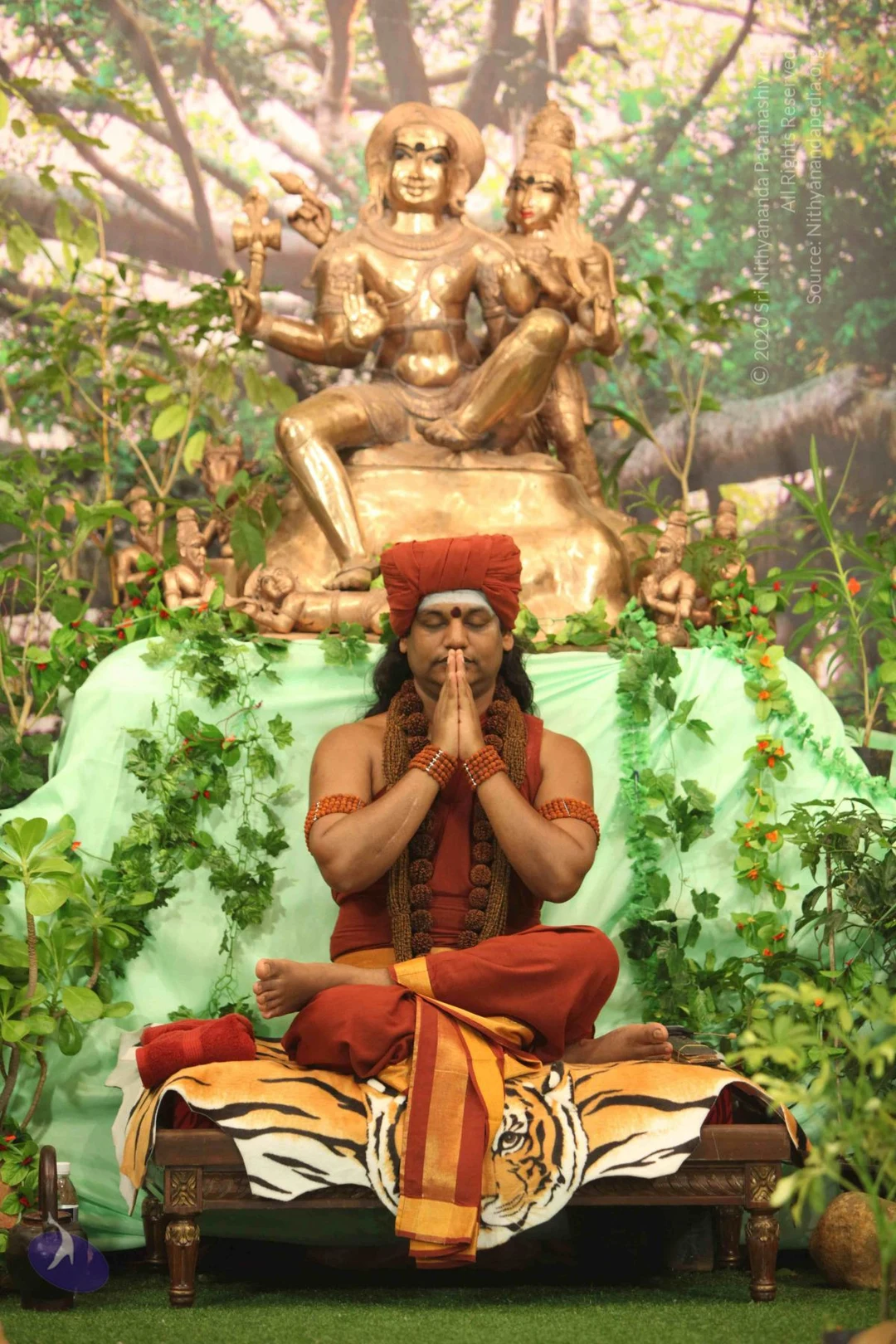
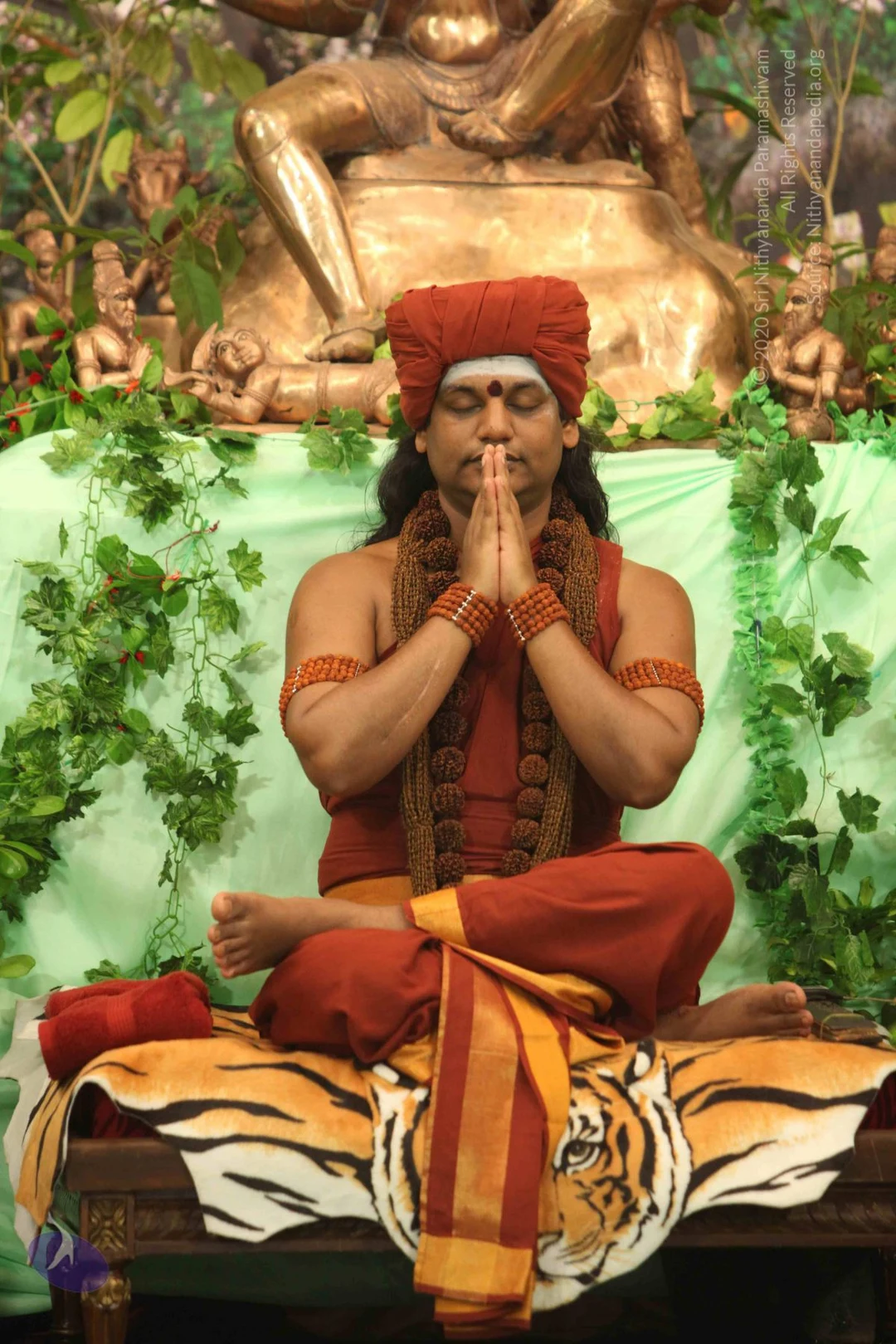
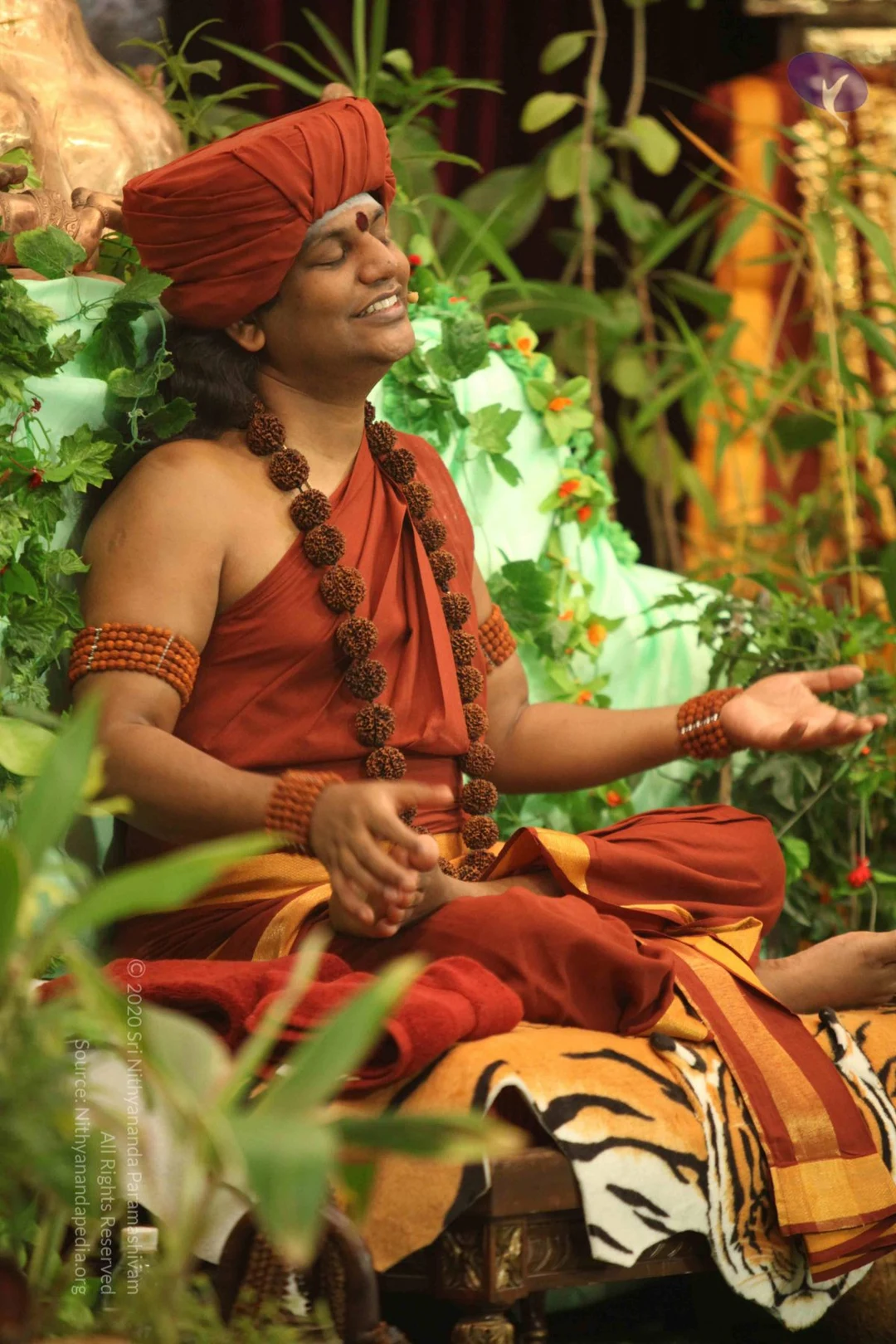
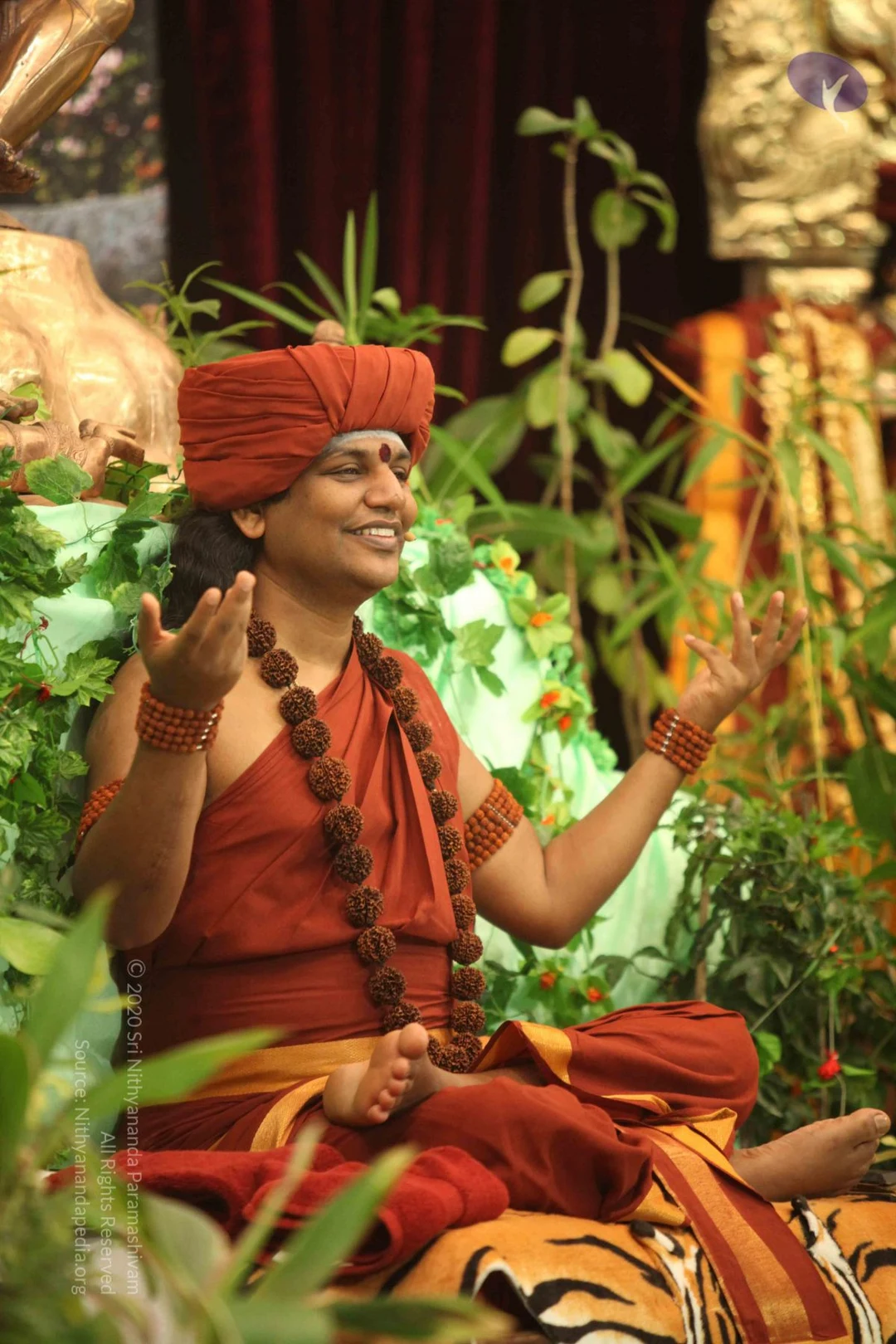
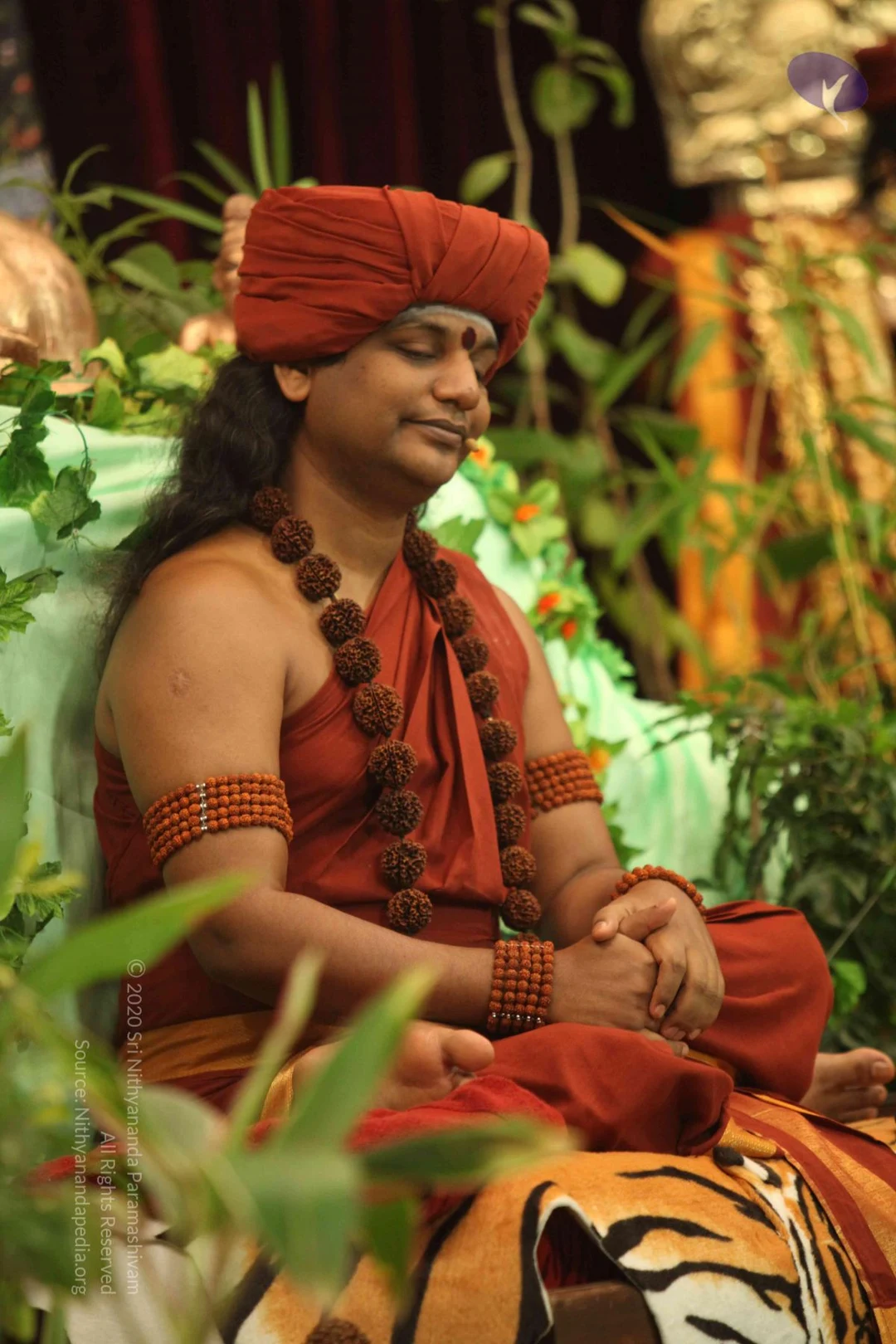
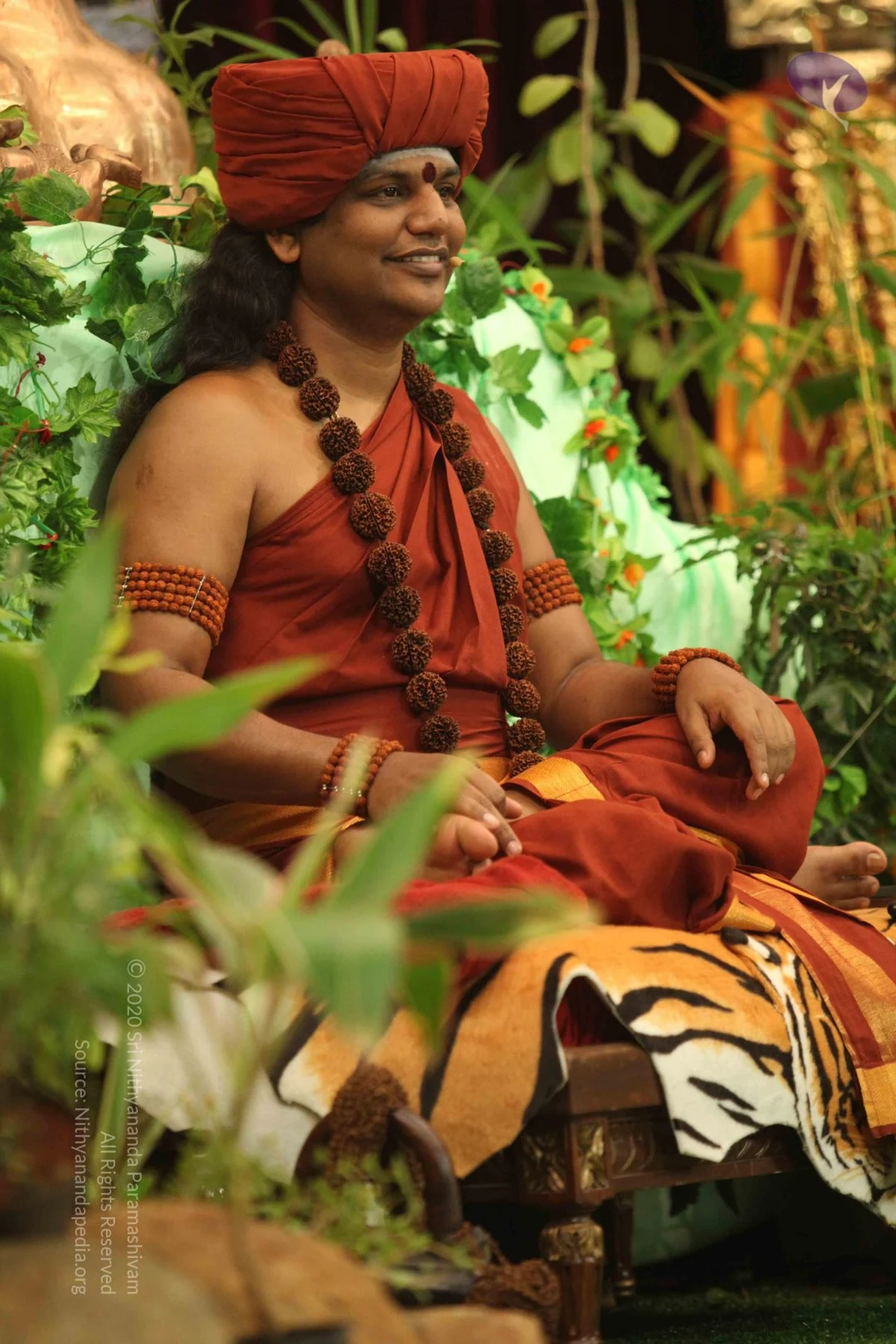
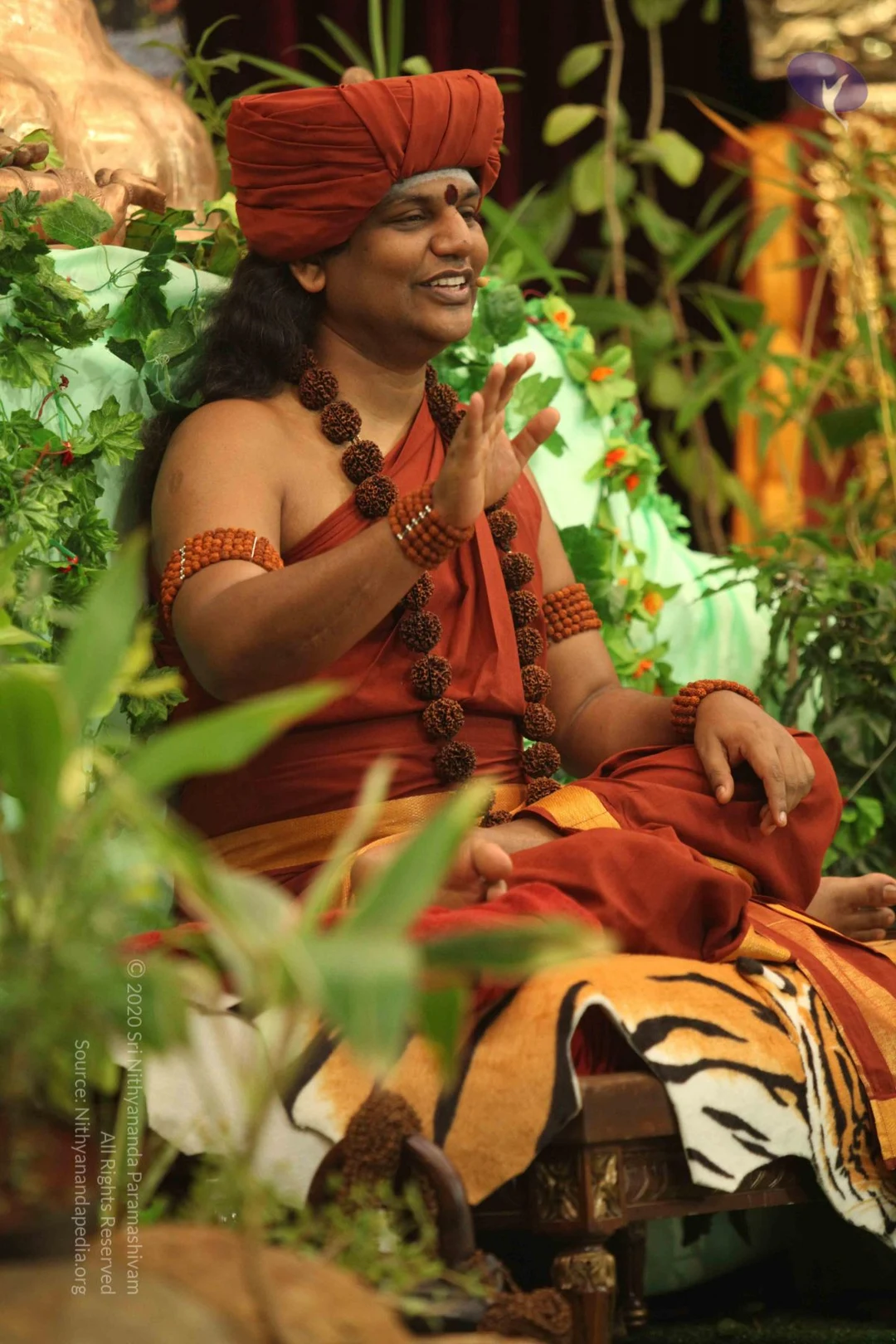
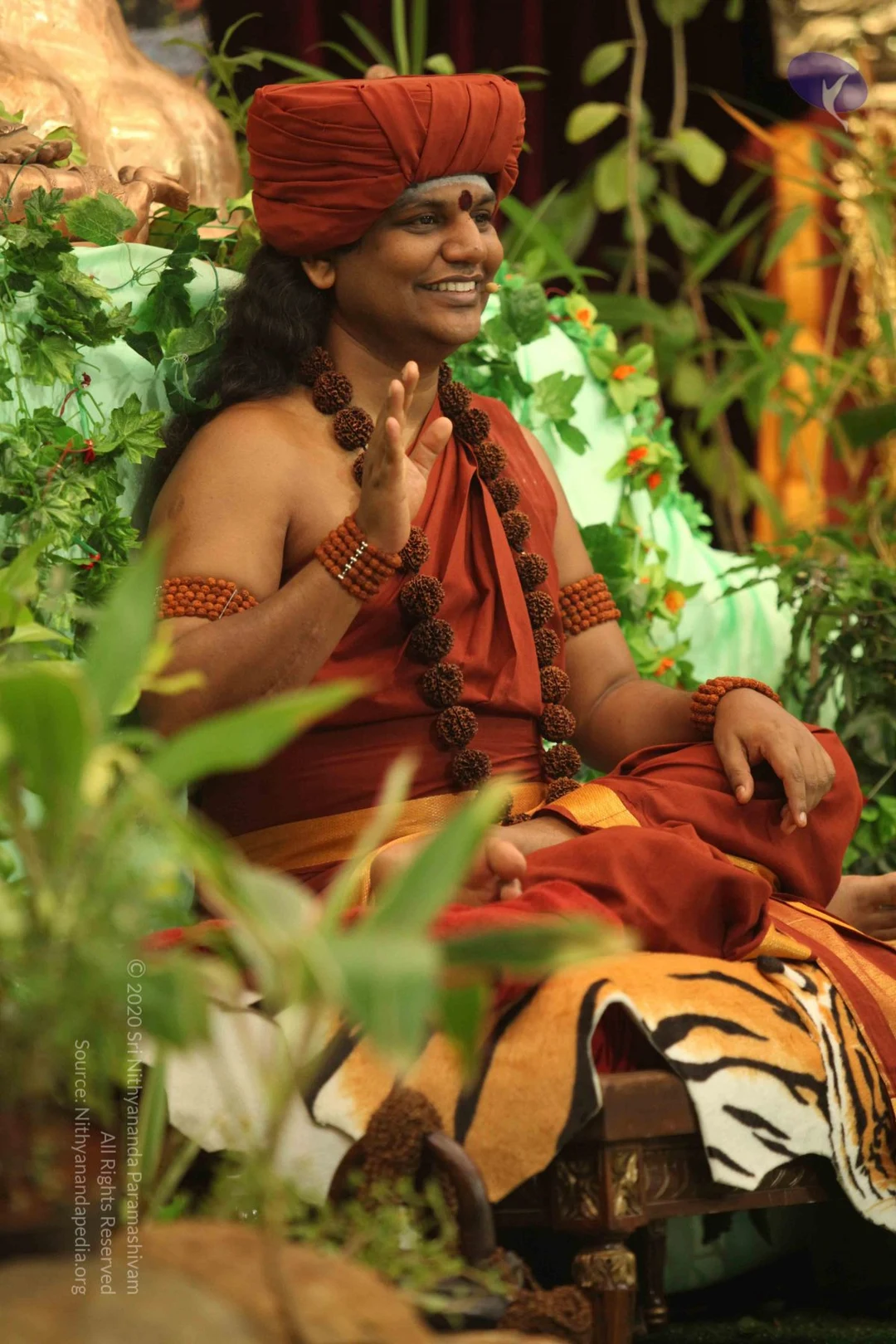
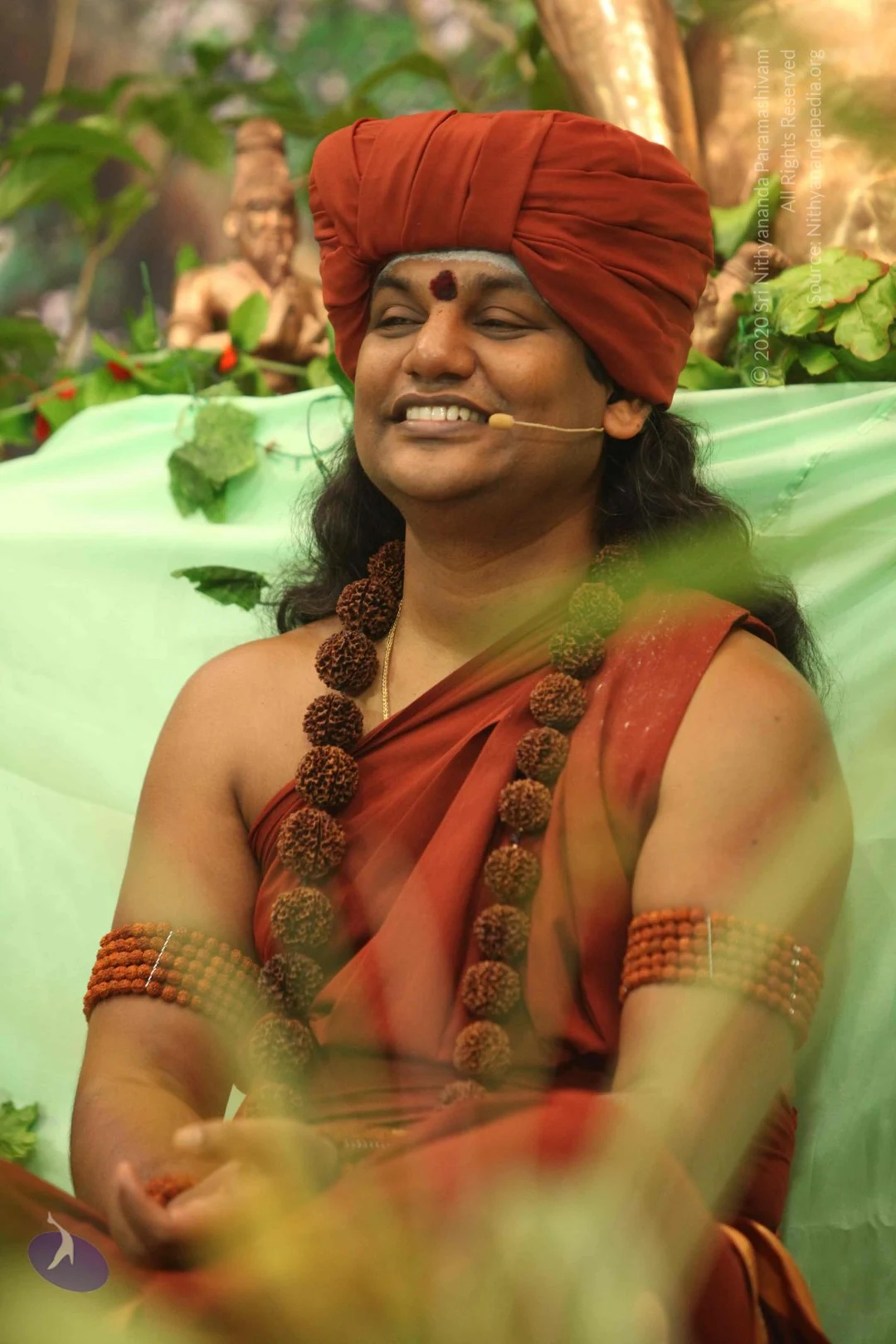
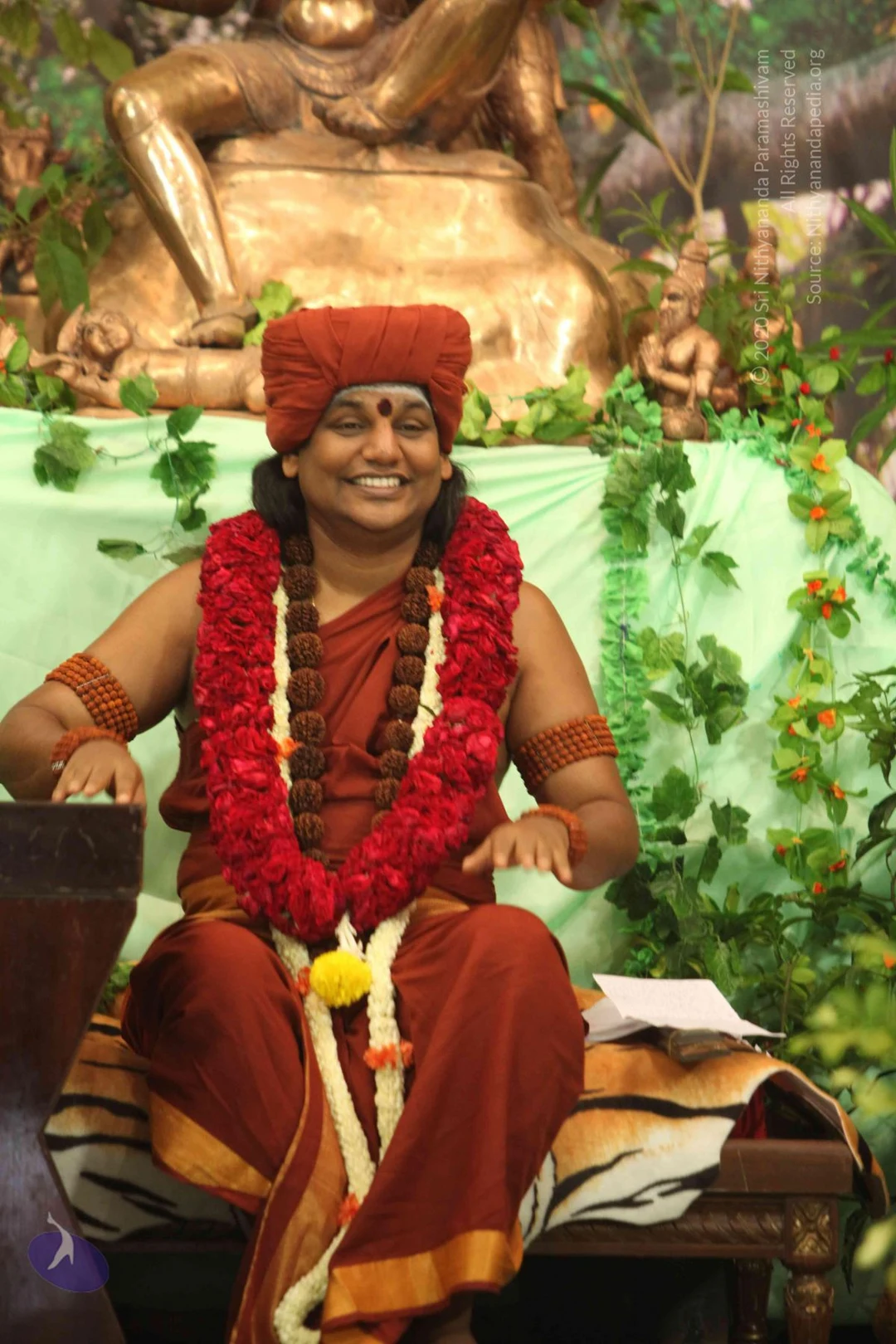
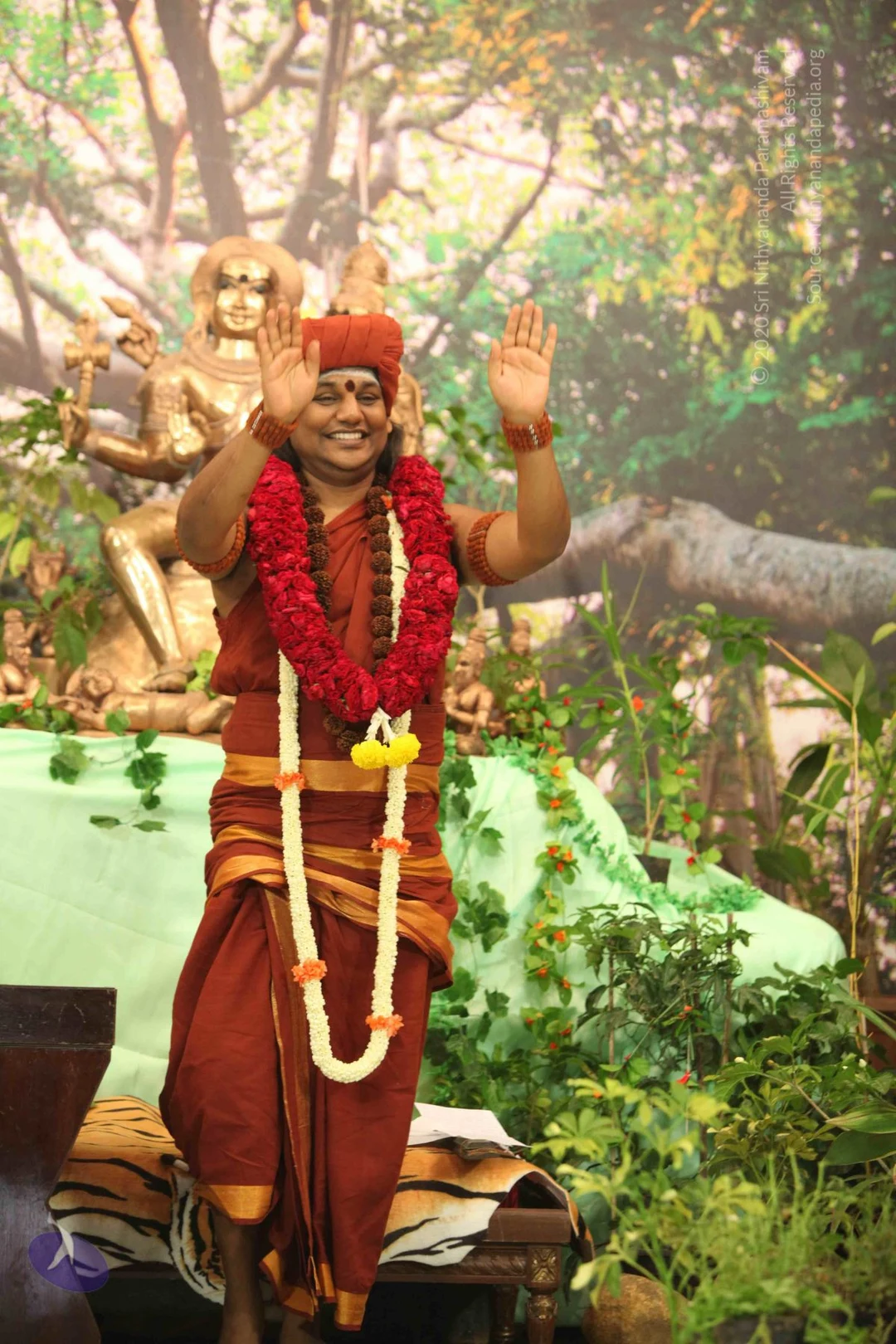
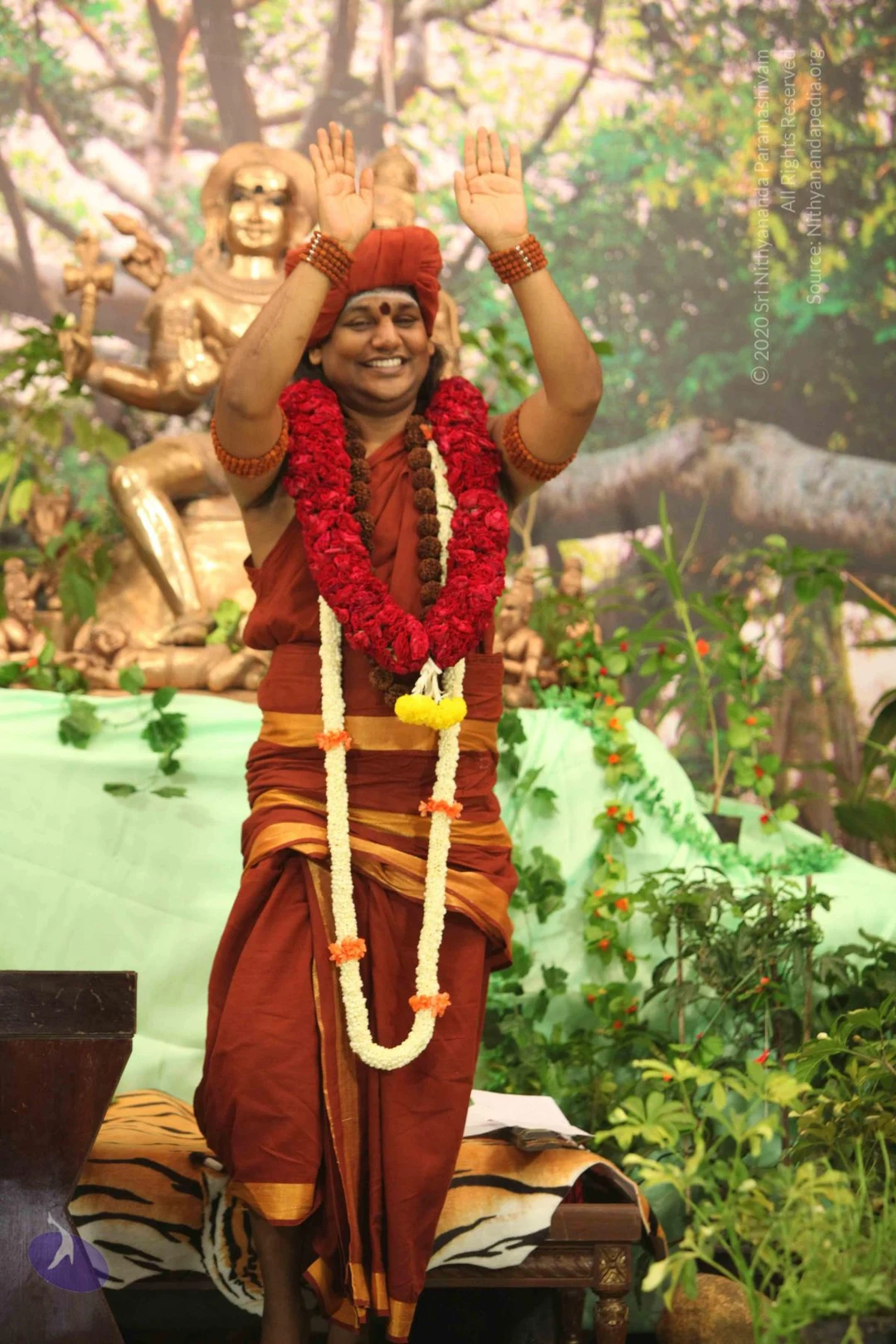
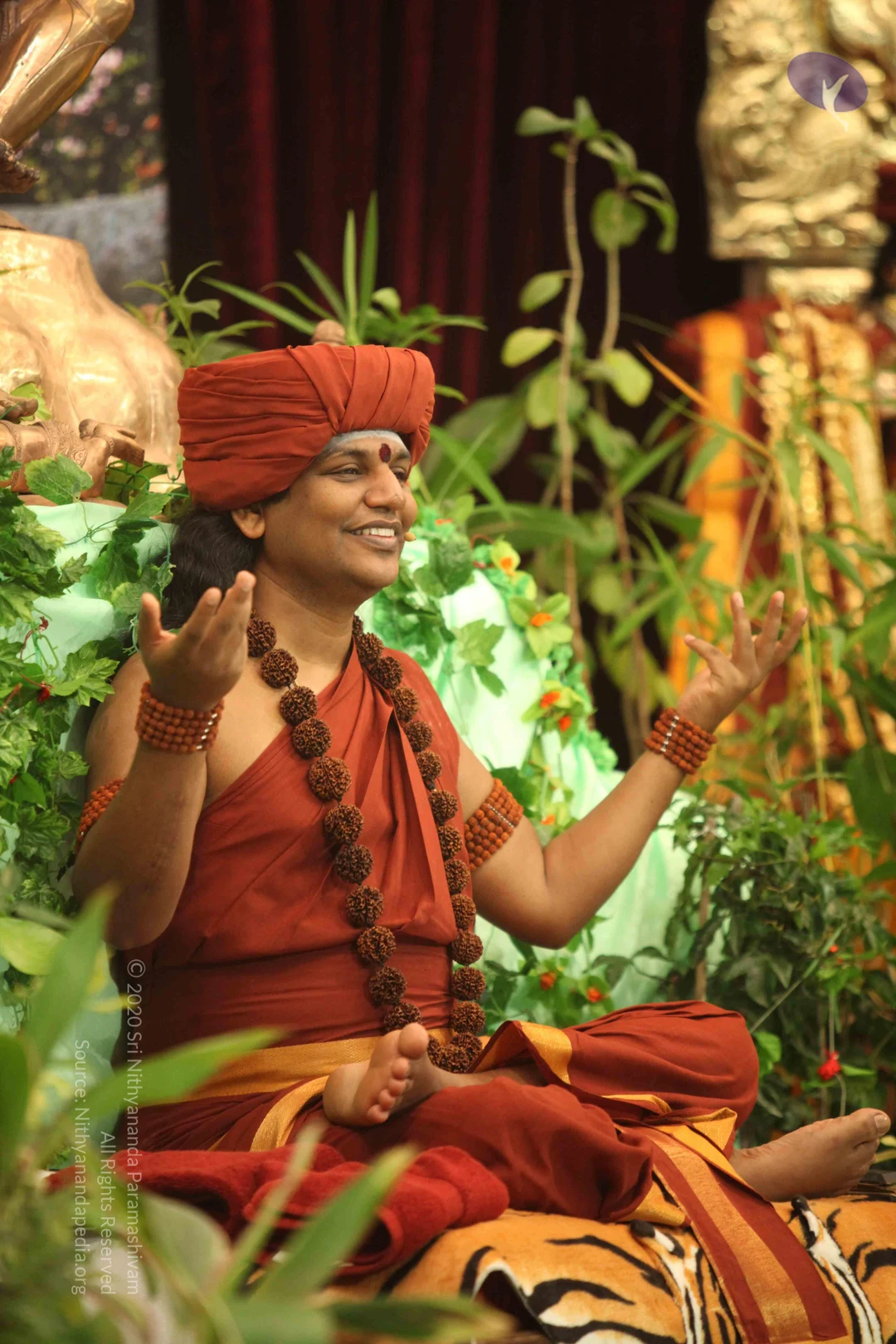
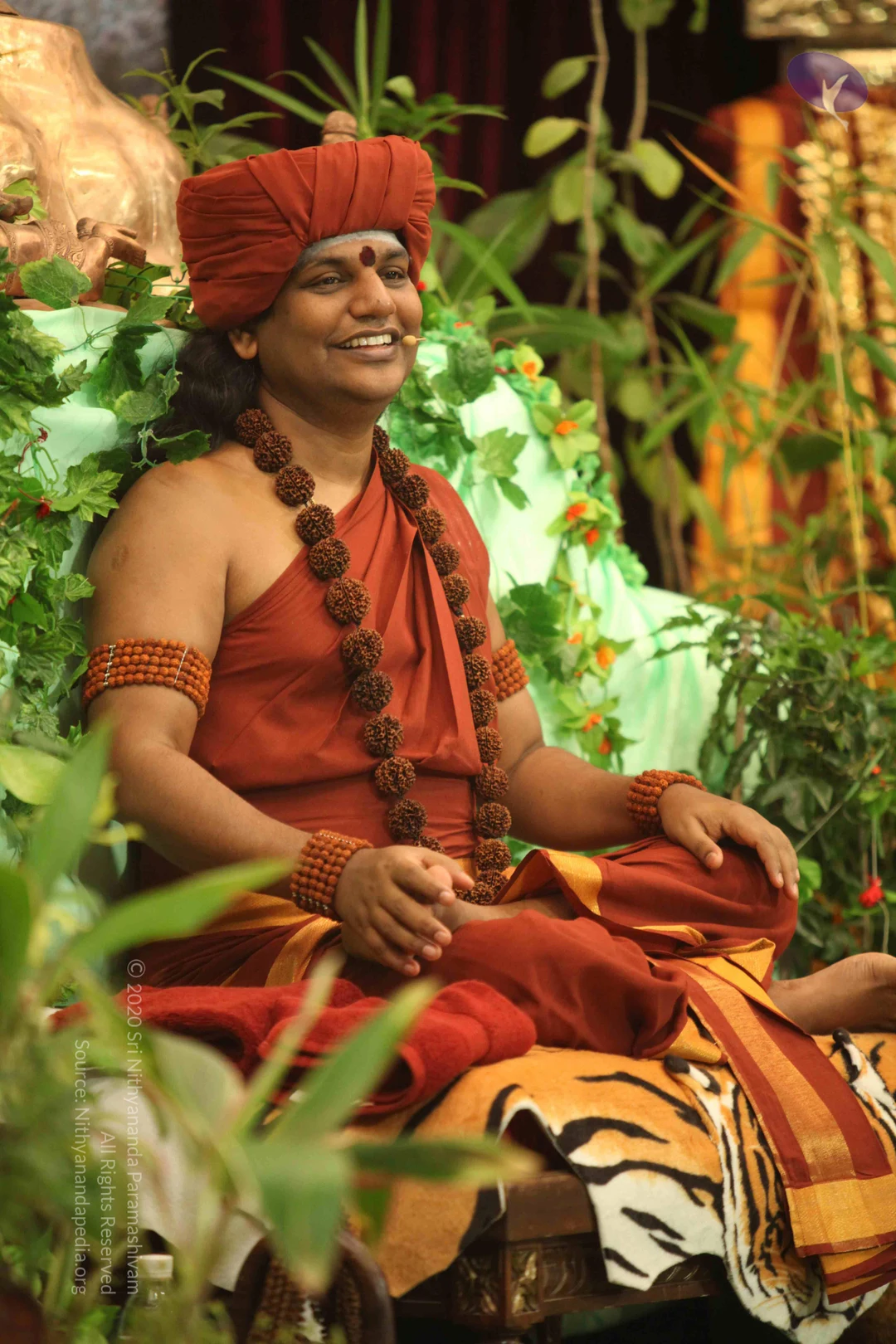
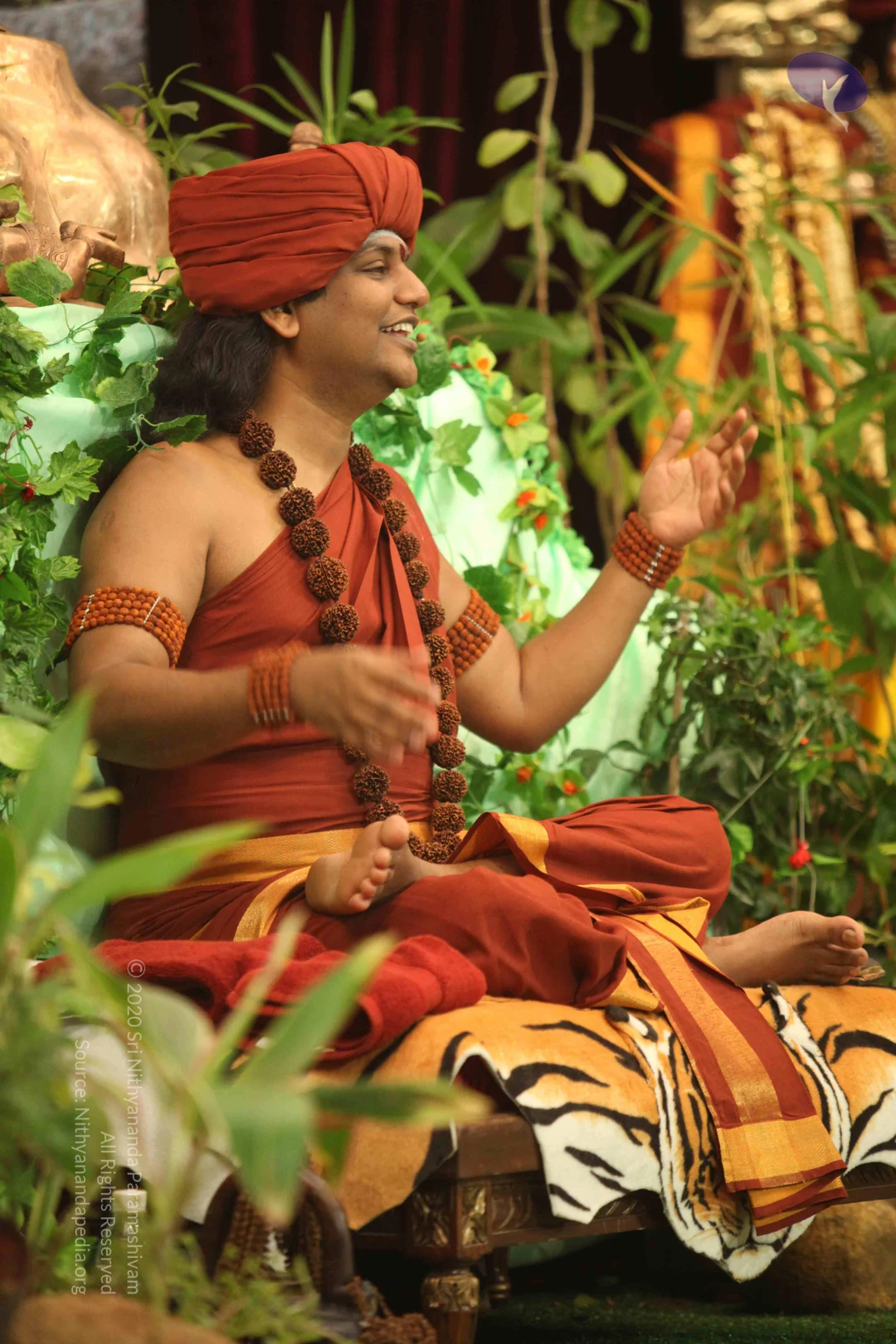
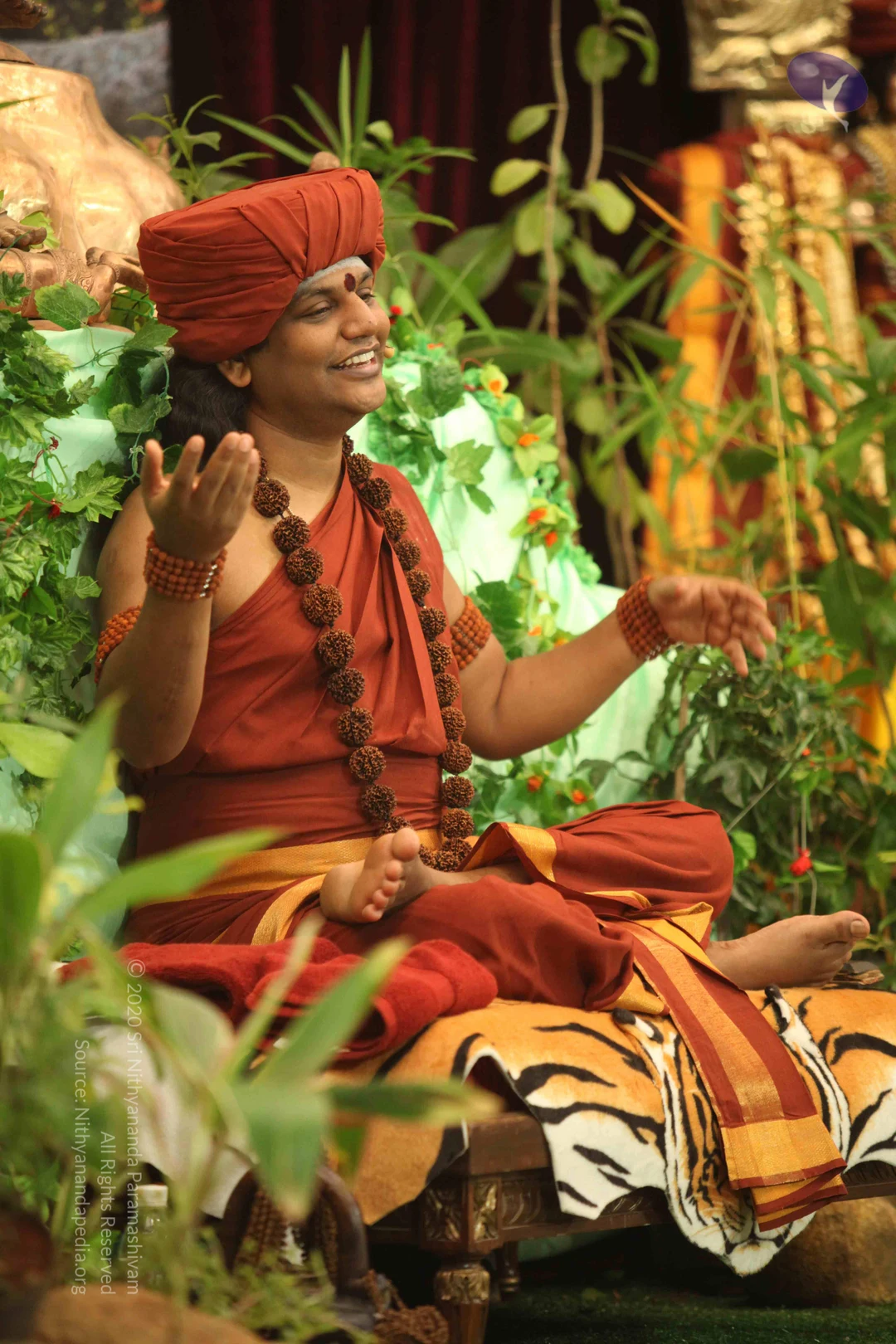
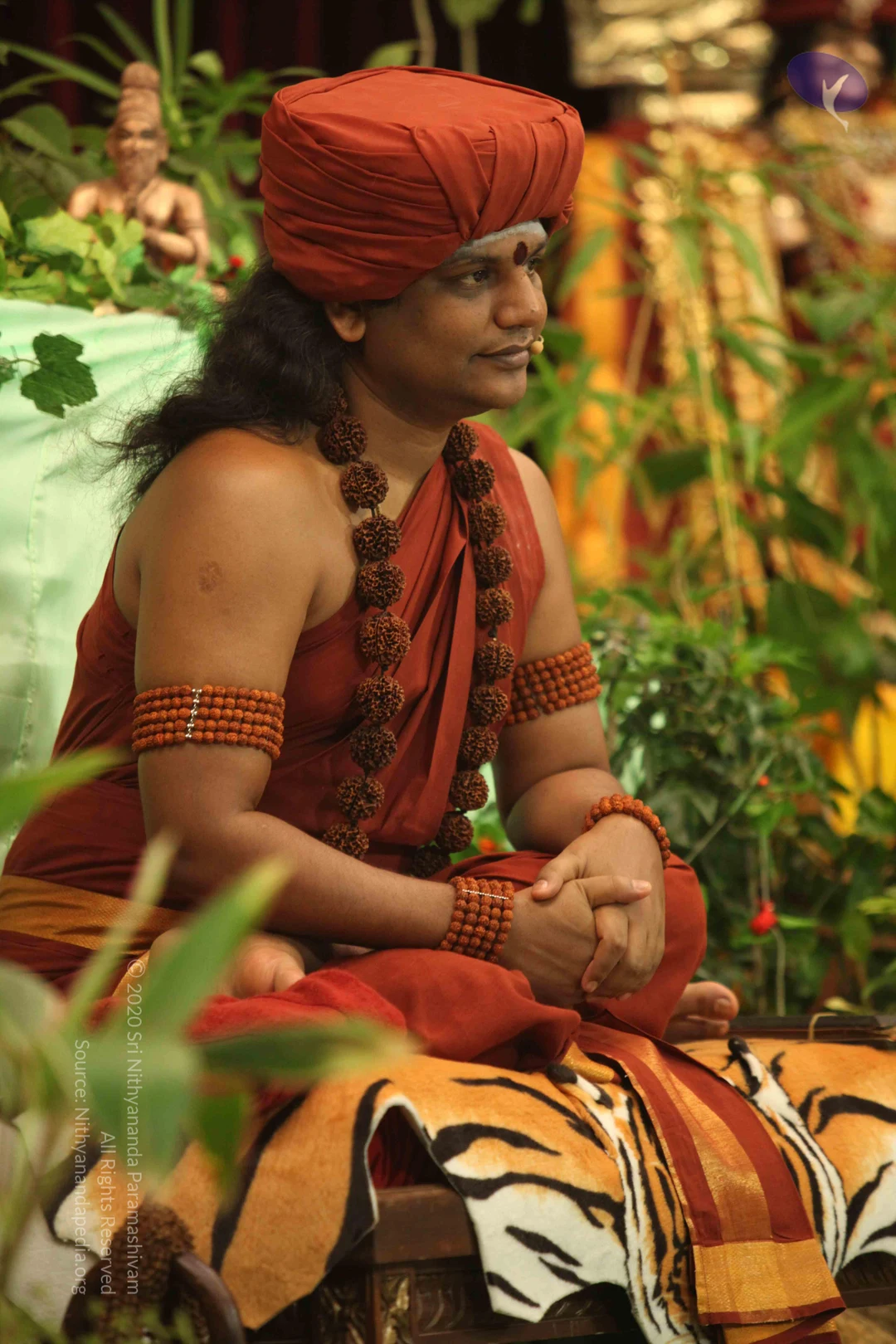
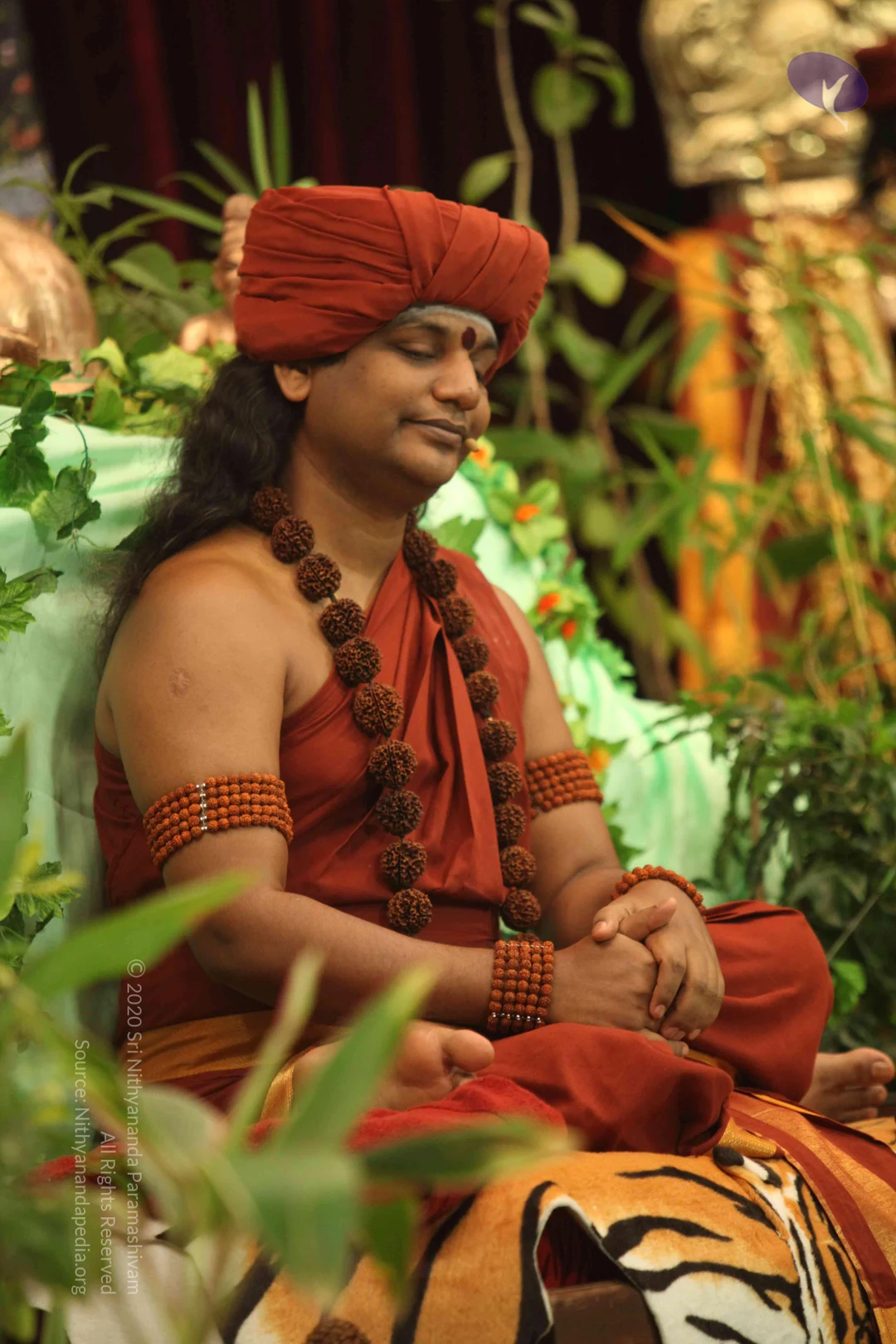
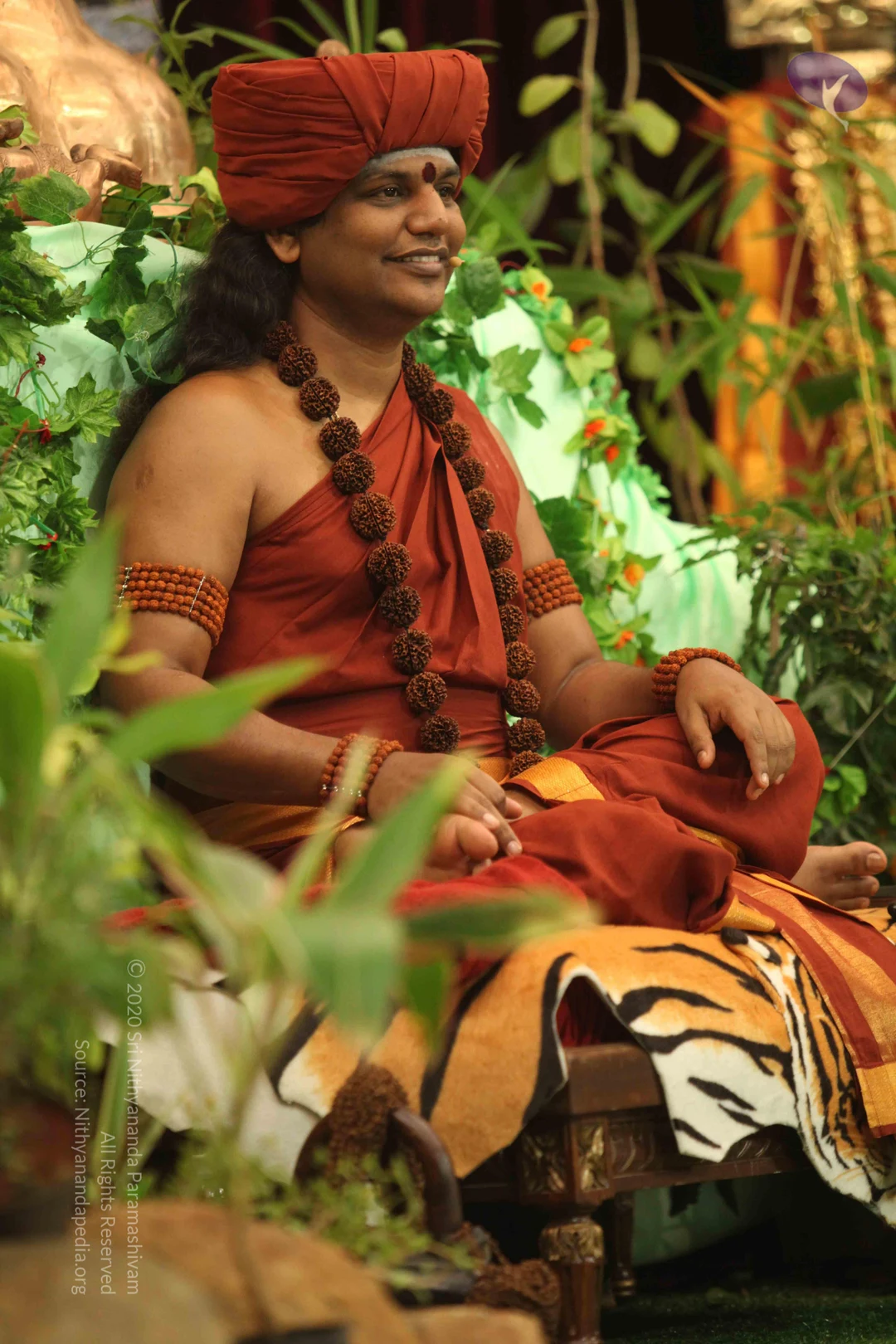
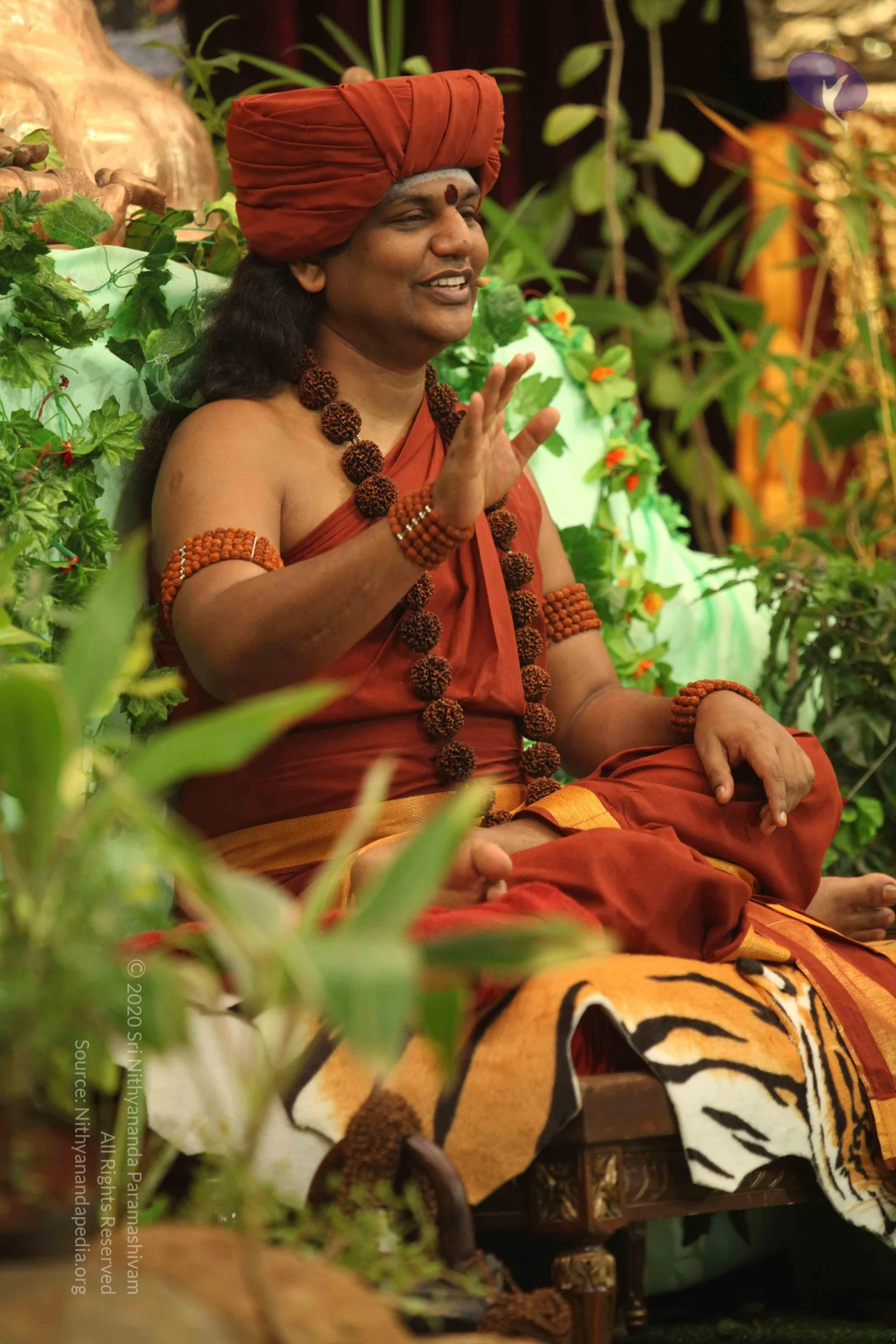
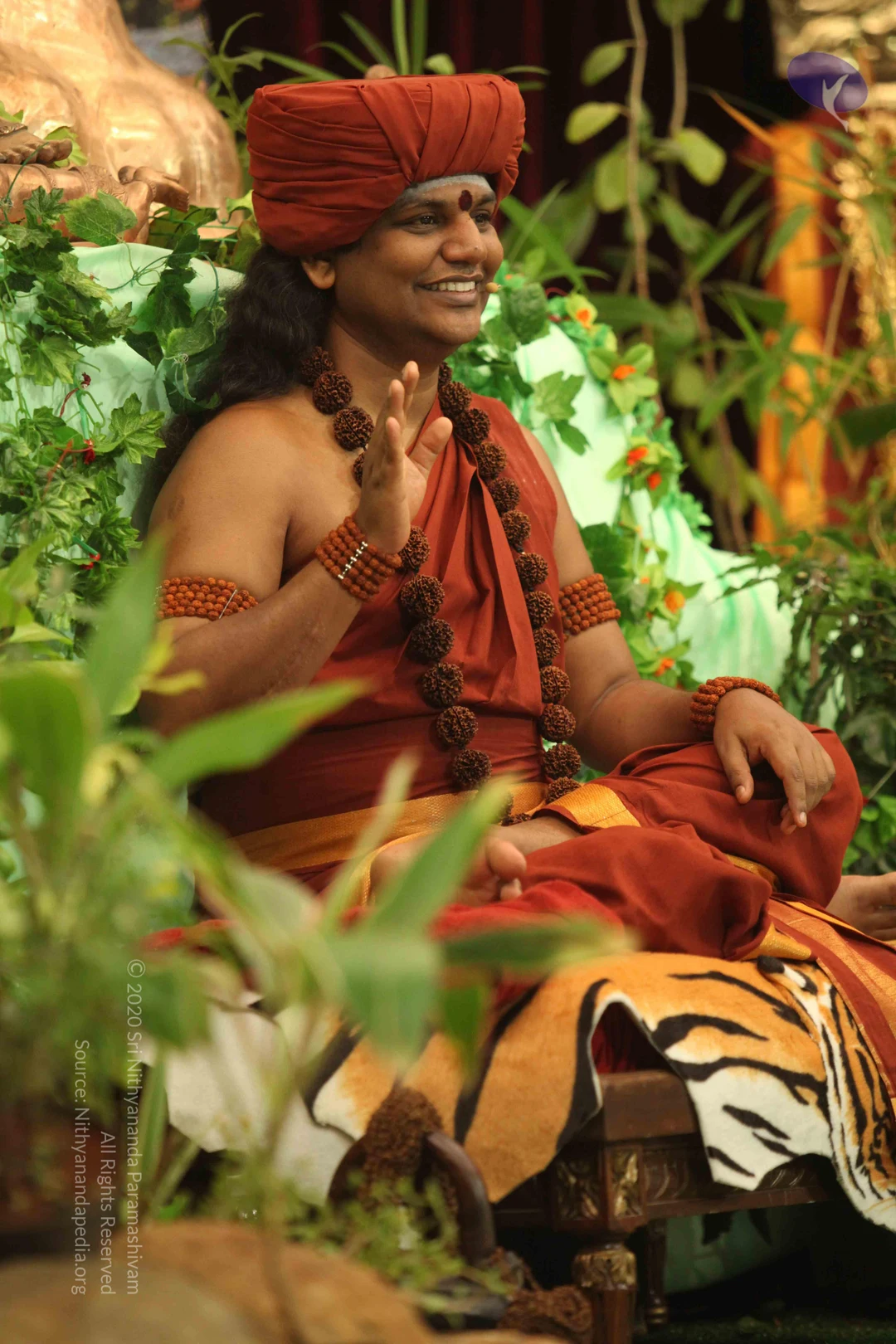
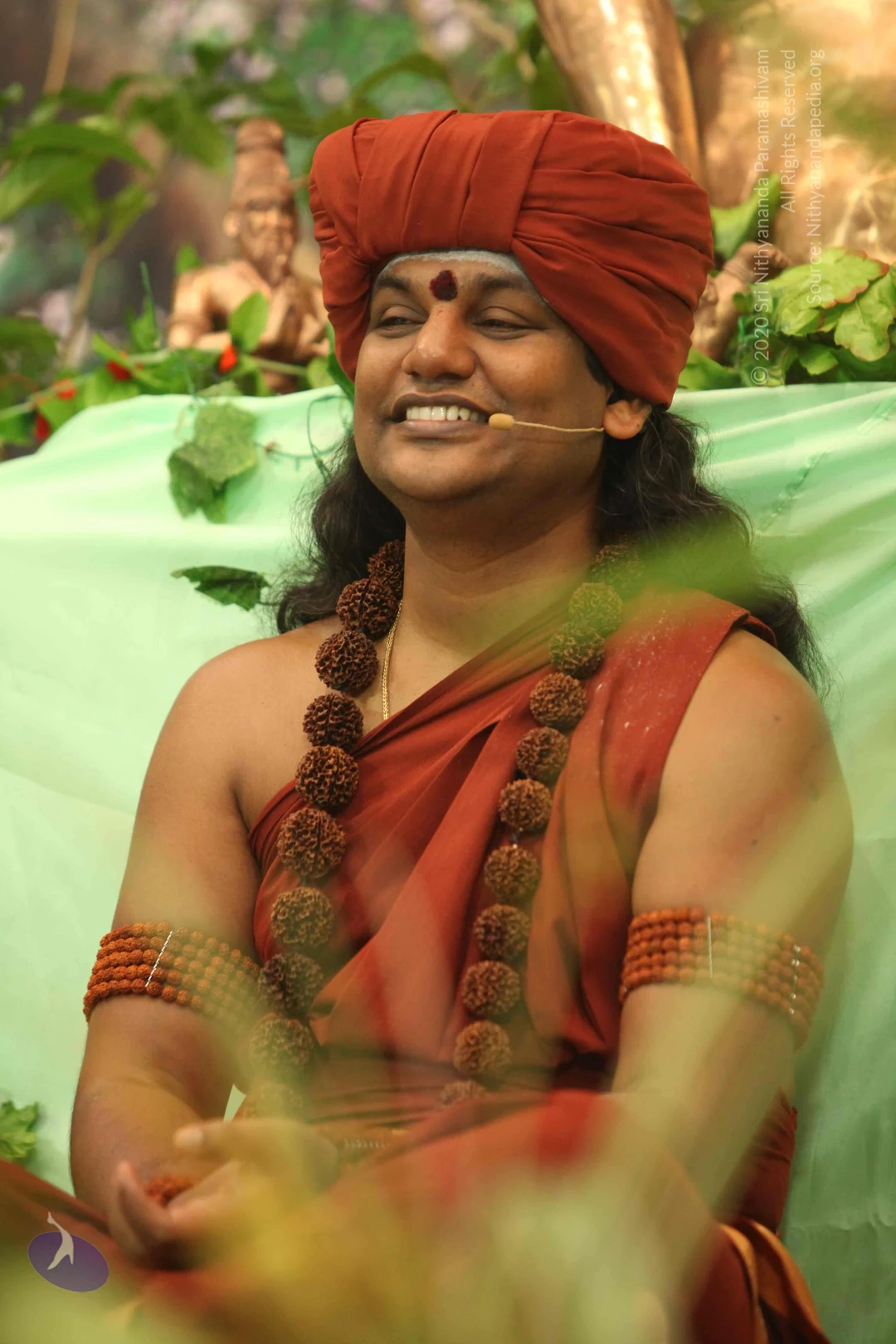
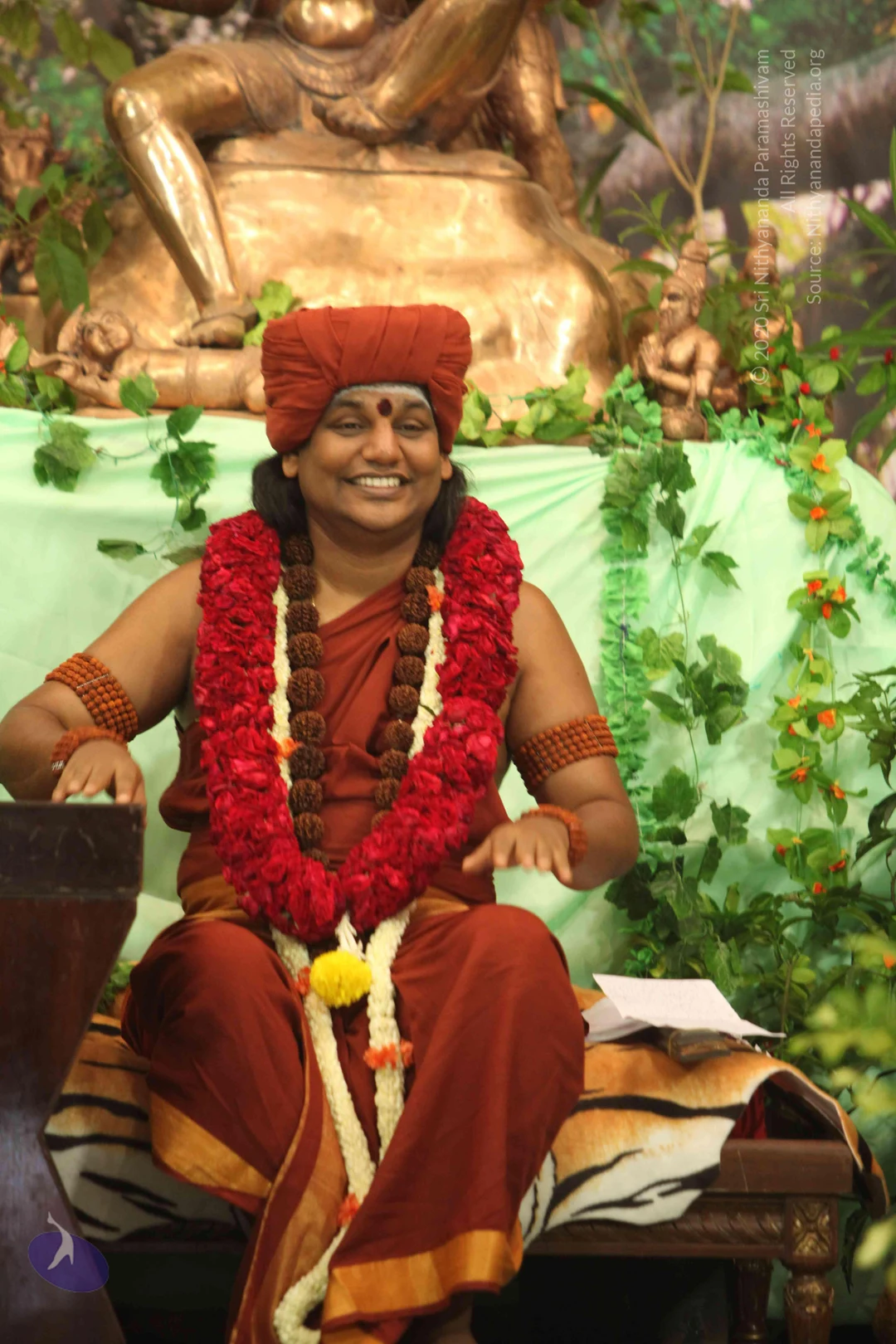
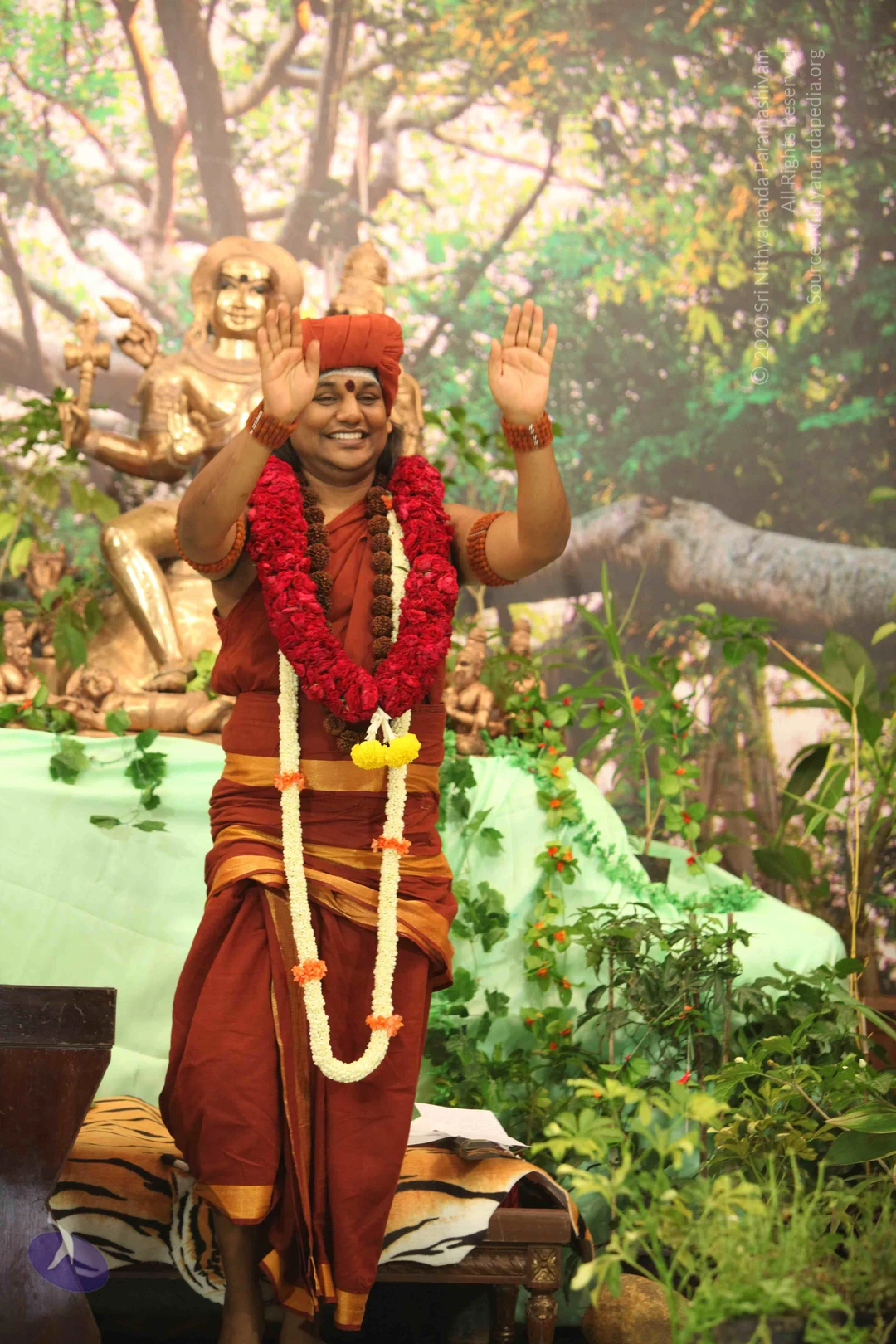
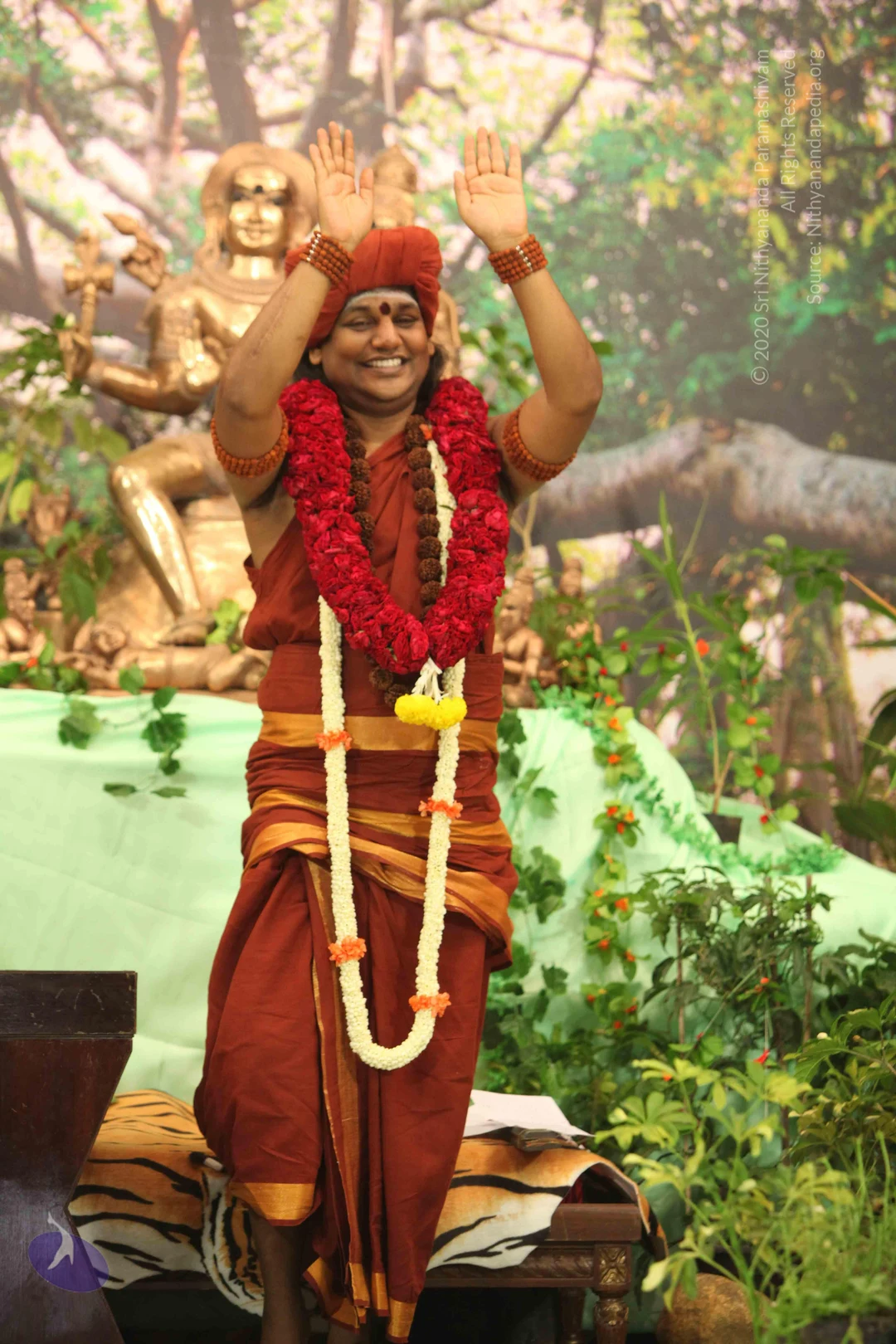
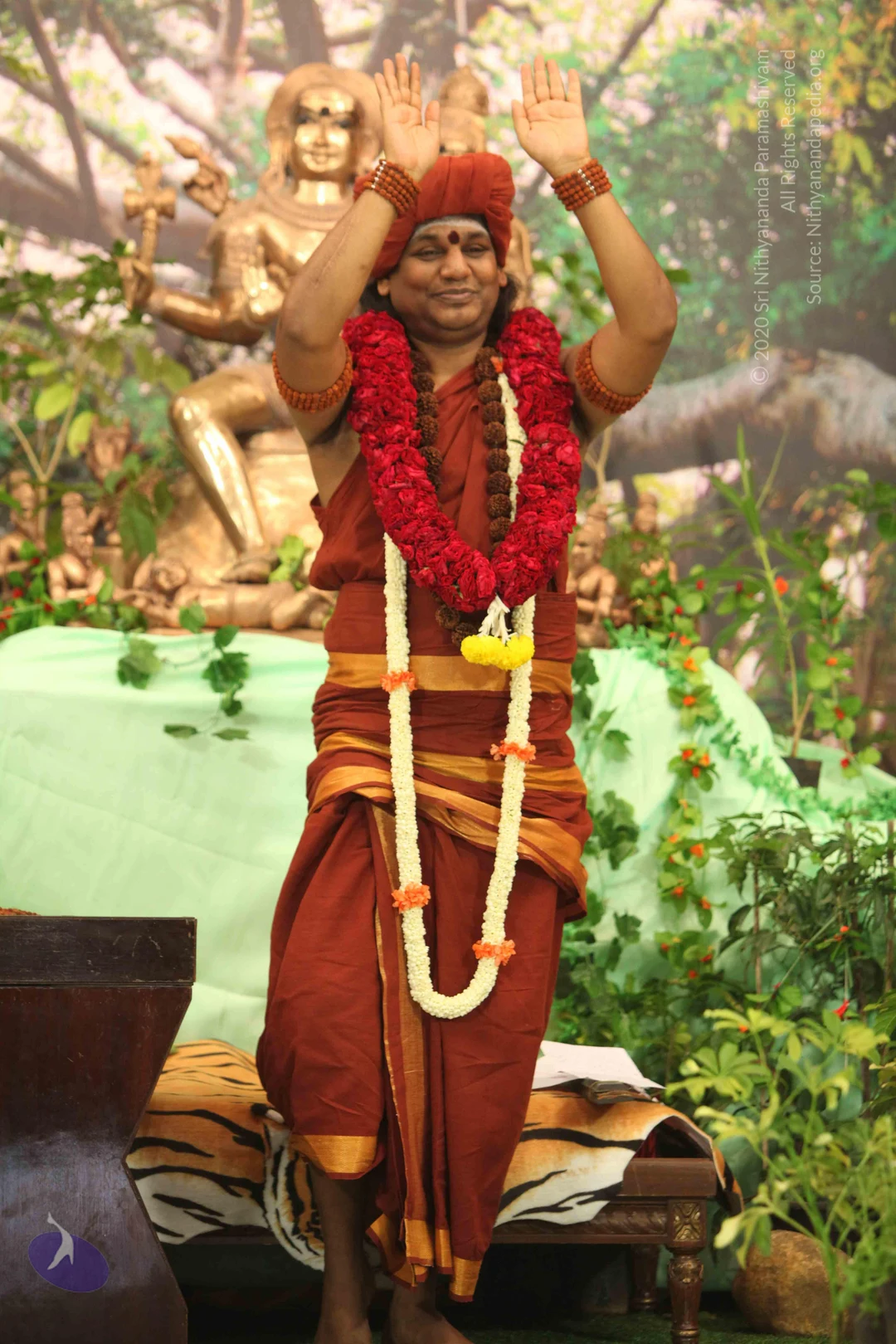
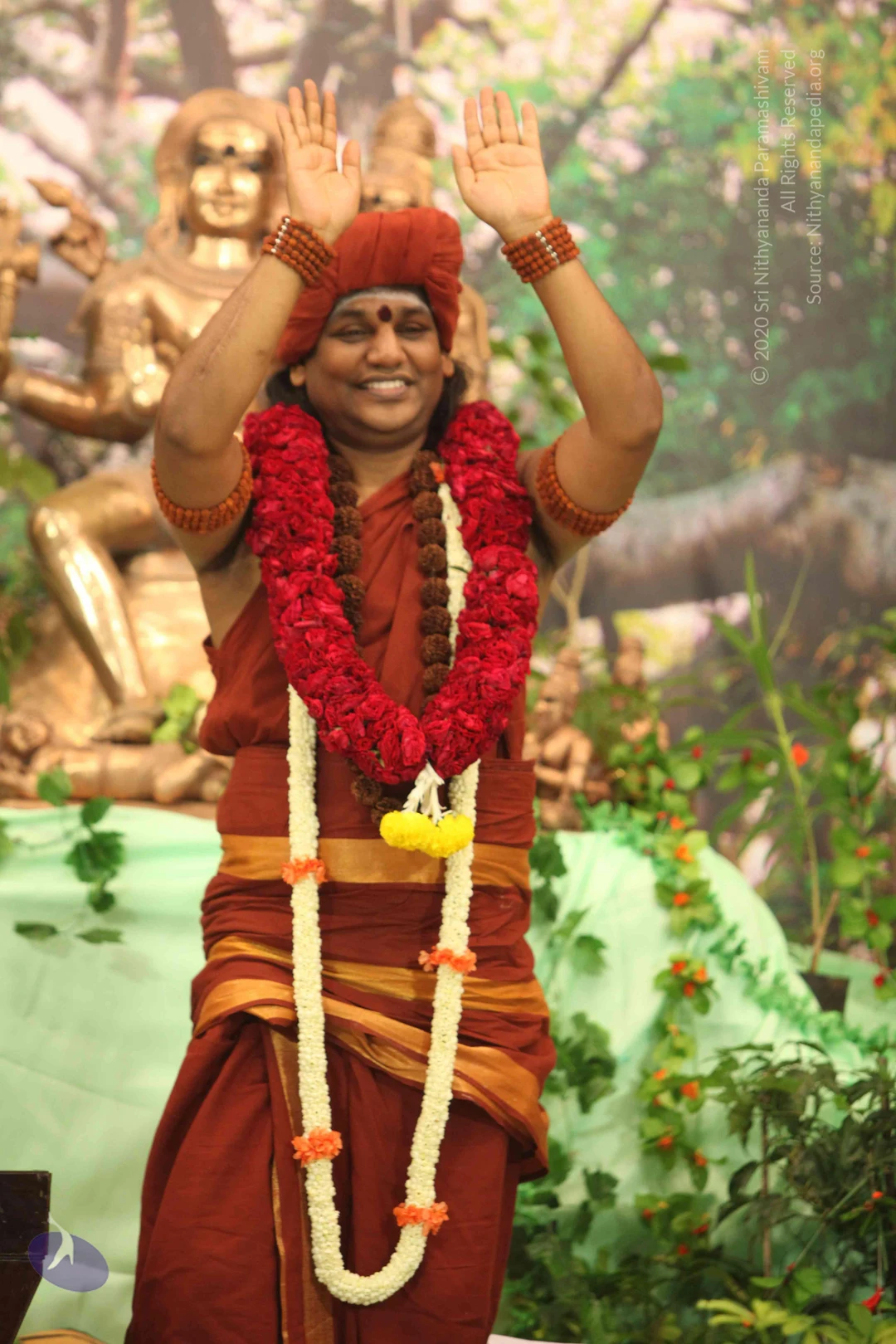
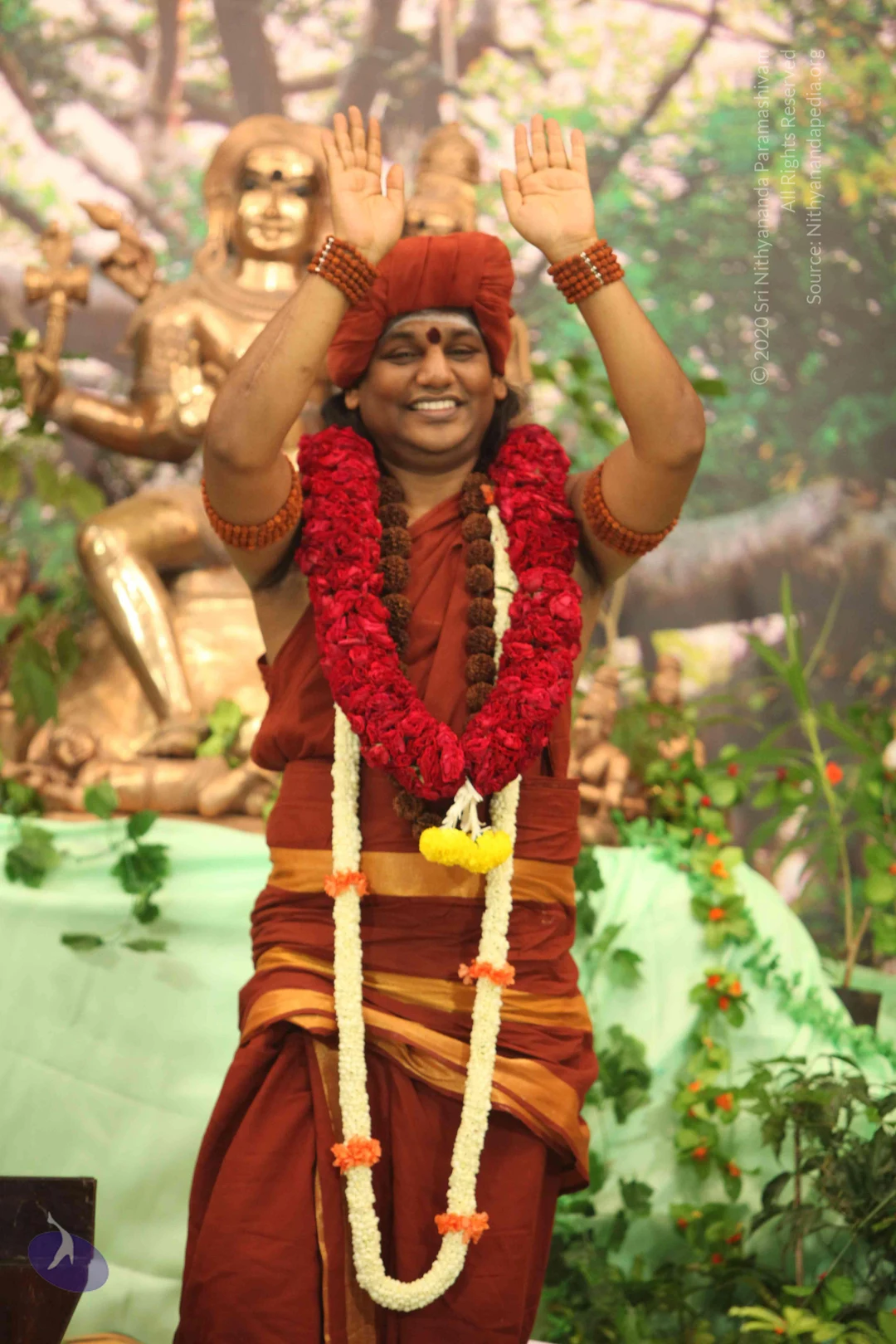
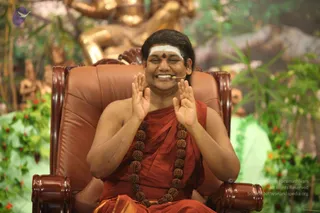
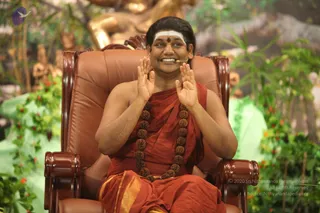
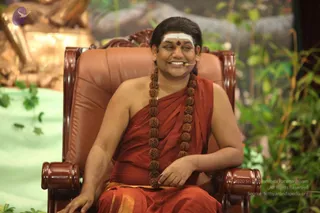
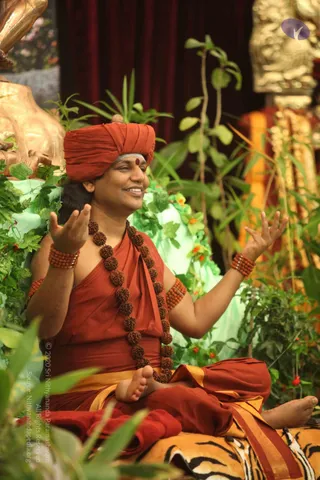
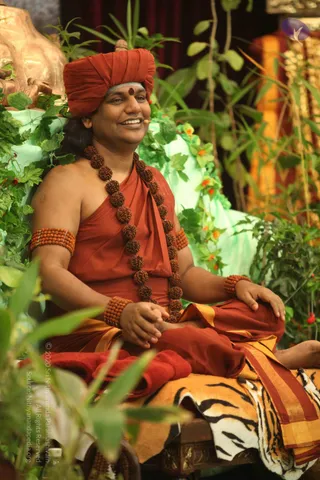
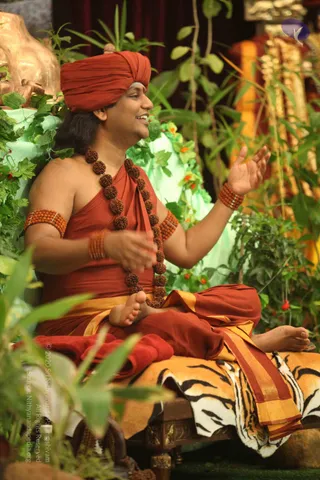
Today’s (30th January, 2015) Morning Satsang continues with the Upanishads Series - Living Advaita. In this profound delivery of the Isha Upanishad, Verse I, Paramahamsa Nithyananda expresses the differences between conclusiveness and inclusiveness, logic and emotion, and the head and heart. Once these two merge, the ultimate reality is perceived and lived as reality.
Link to Video:
| Video | Audio |
Transcript:
Nithyānandeśvara samārambhām Nithyānandeśvari madhyamām | asmat āchārya paryantām vande guru paramparām ||
(00:53)
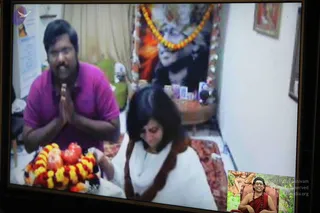
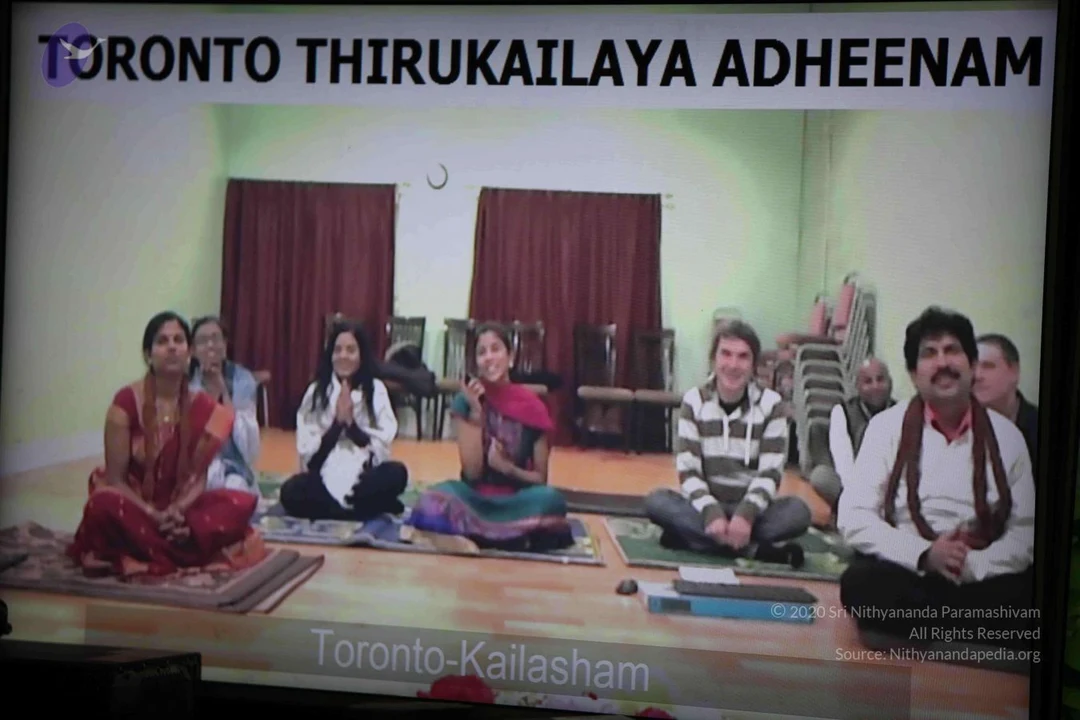
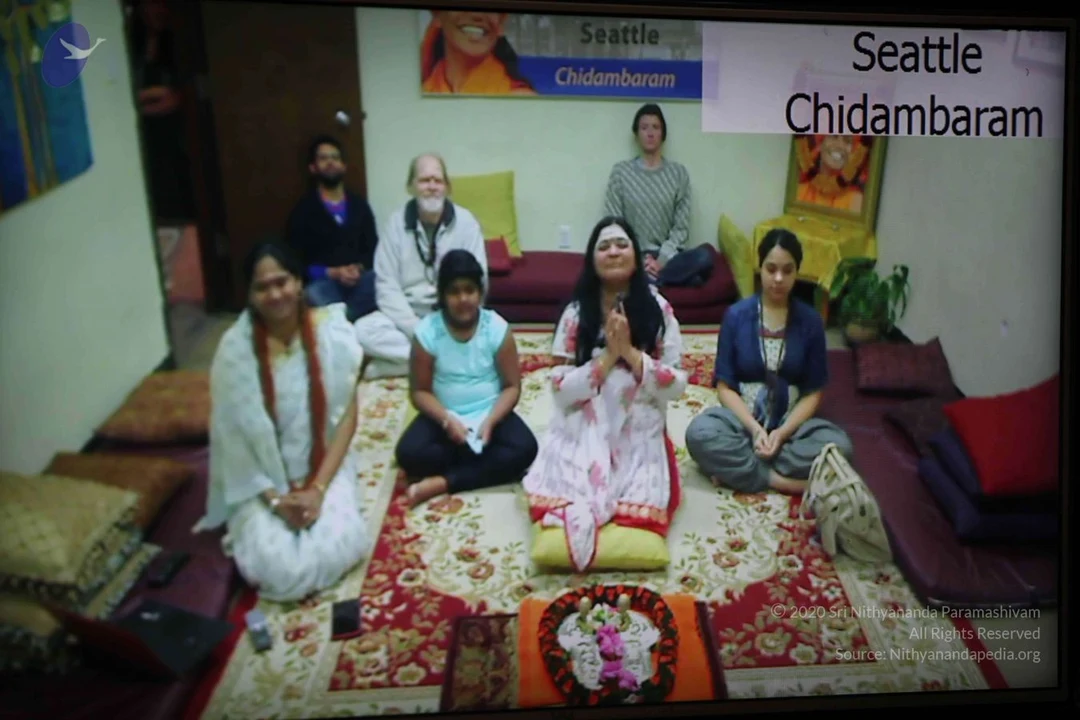
I welcome all of you with My love and respects. I welcome all the devotees, disciples, samajis, satsangis, Shrimahants, Mahants, Thanedars, Kotharis, visitors, viewers, everyone, sitting with us through Nithyananda TV, Sadhna TV, and two-way video-conferencing having Nayana Deeksha. Cities sitting with us having Nayana Deeksha: London, Los Angeles, San Jose, Canberra-Australia, Varanasi, Port Washington-New York, Melbourne-Tiruvarur, Indrani-New Jersey, Seattle-Chidambaram, Hyderabad-Gupta Kashi, Phoenix, Oklahoma, Los Angeles-Hollywood, Kuala Lumpur, Singapore, Houston, Washington, Wisconsin, Romania, North Dakota, Toronto, Hong Kong, Winston-Salem, Vancouver, Charlotte, San Antonio, Dubai, Atlanta and some more cities, Ponca City. I welcome all of you with My love and respects. Let us start with the first sutra of the first Upanishad.
(03:01)
Please understand, I am following the arrangement as per the Advaitic Tradition. Actually, Ishavasya Upanishad is part of the Yajur Veda, not Rig Veda. But, all Advaitic tradition masters commented on Ishavasya first. The arrangement is very unique: Isha, Kena, Katha, Prashna, Mundaka, Mandukya, Aithareya, Taittiriya. This was the set organized way followed by almost all Advaitic masters. But, originally, in the Vedas itself, they are not organized in this way. Ishavasya Upanishad comes in Yajur Veda. So, they are not organized in the way it is commented by Advaitic masters. Maybe the masters felt these Upanishads support one by one your enlightenment process; so they organized it. I am following the structure organized by the Advaitic masters.
(04:57)
The first sutra! Please listen! Let us repeat:
ईशावास्यमिदं सर्वं यत्किञ्च जगत्यां जगत् । तेन त्यक्तेन भुञ्जीथा मा गृधः कस्यस्विद्धनम् ॥ 1 ॥
Eeshaavaasyamidham Sarvam Yathkincha Jagathyaam Jagath | Thena Thyakthena Bhunjeethaa Ma Gridhah Kasyasviddhanam ||
In the original writing, the sutra is “Jagathyaam Jagath” (जगत्यां जगत्). But, if you see, when I pronounce, I will be pronouncing as “Jagathu”. This is the way I heard from My masters. So it is called “Paata Bhedha”. See, the accent, the each master has his own accent. Originally I heard the Upanishads from Isakki Swami, Yogananda Puri, and Vibhootananda Puri – these three. So, when I heard from them, the accent with which I heard is usually revered and respected as “Paatha Bhedha”. And, moreover, when I retain the accent, I also remember them, and it is the way of honouring the Guru. Retaining the “Paatha Bhedha” of Guru – means, the accent of the Guru – without questioning or trying to correct is a kind of respect and reverence shown to the masters in Vedic Tradition. It is called “Paatha Bhedha”. Means, your teacher in your area, the way he teaches, the way he chants, the way the accent is maintained, just retaining it. When I heard this same Upanishads in Ramakrishna Mission in Bengal, the pronounciation and accent is little different: “EeshOvOshyOmidhOm ShOrvOm YOthkinchO JOgOthyOm JOgOth”. Because, in Bengal, all the “ah” will become “oh”. In Bengali, it is never “VivekanAndA”; it is “BiBekanOndO”. So, retaining that accent is the respect given to that Guru, and it is called “Paatha Bhedha” in our tradition. The way I heard exactly from My masters, I am repeating, retaining the “Paatha Bhedha”. The way I chant – “JagathU”, “dhanammm” – all these additions are not actually available in the form of letter in the original verses. But, I just wanted to retain the purity of the “Paatha Bhedha”. I don’t feel “Paatha Bhedha” is any way disturbing the originality of the verses. So I am retaining it as it is.
(09:16)
Let us enter into the verse now.
ॐ ईशावास्यमिदं सर्वं यत्किञ्च जगत्यां जगत् । Om Eeshaavaasyamidham Sarvam Yathkincha Jagathyaam Jagath | Listen!
“By the Consciousness enveloped must this all be, whatever moving there is in the moving world.”
Listen! Yesterday I was explaining two concepts. Later on I tried to ask My sannyasis, ‘How many of you understood?’ Anyhow..... now I am explaining it again. It means, you understand how many understood! 😃!
(10:11)
Two words I introduced: “Inclusiveness” and “Conclusiveness”. Listen! Whenever you operate based on logic, you arrive to conclusions, and move from conclusions to more conclusions. Like Maths: Conclusions! And Science: Conclusions! Your logic, thinking! One of the important component of your life moves in the line of conclusions. It doesn’t care about anything else. It doesn’t care about anything else. One of the biggest problem you face in this way of moving with conclusions..... There are many advantages when you are moving with conclusions. If you want to reach Delhi, if you have a conclusive calculation – how many hours it will take, which road you have to drive, how many kilometres from where you are..... You need a conclusive details; only then you can reach Delhi. So, there are many advantages if you move in the language of logic which is very conclusive. Unfortunately, there are some disadvantages. Even you will feel bored because the life itself is not always conclusive, and life itself is not always logically analyzable and quantifiable or reproducible.
(13:27)
All system, all system, which tries to analyze, quantifies, replicates, reproduces, have their own disadvantages and restrictions. Including astrology, please understand, which is trying to logically calculate, mathematically analyze and try to come to conclusions about life, it can only a rough direction, it can never be a conclusion. That way if you see, the boss will be Kanni Rasi (Virgo), and his driver will be Kanni Rasi (Virgo), and his sweeper will be Kanni Rasi (Virgo). All three will be Kanni Rasi (Virgo). How come the boss is a boss, and driver is a driver, and sweeper is a sweeper? It can only the rough directions.
(15:00)
As per My horoscope, I will never be known even to My next-door person! No, really! I will never be known even to My next-door person! Not in the later years; it says very clearly, even in the whole life! It is only a kind of a direction. We will have to give our own understanding to it. Yes, still I am never known even to the people who live around Me! 😃 So, these conclusions can never be the conclusions as you understand. These conclusions should be looked with the eye of inclusion of circumstantial evidences. See, if you see the circumstantial evidence, this conclusion “I will never be known by anybody” cannot be the conclusion as you understand.
Please understand, the thinking, approaching, planning with that conclusive approach, conclusive way of thinking, many time makes you stop seeing the whole. Conclusion is one of the methodology which has some advantage and disadvantage, but not complete.
(17:13)
Same way, the inclusiveness, the inclusiveness - these people will never be practical. ‘Oh, everything is one and the same. Life is love.’ If you see in depth, even they don’t believe what they are talking. May be in some emotional high they will utter some words. See, this inclusive group is more poets, the people who preach love. I am not against love, listen. But, just like this conclusive way of thinking and living has its own disadvantage, the inclusive way of thinking and living also has its own limitations and disadvantage. See, the language of inclusiveness, it is always vague. ‘I want to reach Delhi. Please give the way. Tell me how.’ These inclusive people, ‘Why do you want to reach Delhi? This itself is Delhi. Why don’t you celebrate here itself whatever way you want to celebrate? This is Delhi. That is Delhi! Delhi is Delhi! Delhi is everywhere! Everywhere is Delhi!’ These inclusive people talk more like drunkards. They don’t make life practical. But, they have a one advantage: They will never be boring or tiring! They will never be boring or tiring! They know the juice of life is in inclusion.
(19:51)
Somewhere this inclusive emotional trend and the type, should meet the conclusive thinking style, and merge together. Only then that being..... See, the Logic – head, is always trying to be conclusive, conclusive, conclusive. The Emotion – heart, always trying to be inclusive, inclusive, inclusive. But, both have their own limitation - advantages and disadvantages. It’s only that being, where both meet and blossoms, only there the ultimately the reality is perceived, lived as reality. Understand…
(21:16)
I have a story:
A drunk man is stopped by the police around midnight 12 o’clock and is asked where he is going at this time of the night.
The man replies, ‘I am going to attend a lecture on alcohol abuse and ill-effects of alcohol on my health.’ Officer: ‘Wow! Really? That sounds interesting! Who is giving that lecture at this time of the night?’ The man replies, ‘My WIFE!’ 😃 Understand? The joke seems to be very inclusive and conclusive! 😃
(22:17)
Look into your life. Most of the time you are stable because of your conclusiveness. You grow because you take the risks and challenges of inclusiveness. But, somehow we will have to meet both and complete both, bring both to Completion. See, a man who want to be conclusive in his life will be very stable - will get married, have a house, get a job in a Fortune 500 company, have a car, and he will know how to drive from house to office. Very stable life! Conclusive! But NO GROWTH! All growth, expansion happens when you operate, when you switch to the mode of inclusive. Only there you get the energy, intensity, clarity, depth, to take risks. Somewhere these two should have Completion in your being. That happens only when you know how the law of life functions, understand? All the Cosmic Law emerges, Dharma itself emerges out of a inner-space where inclusiveness and conclusiveness becomes complete, the emotion and logic become complete.
(24:57)
To run a family, you need inclusiveness. To run the office, you need to be conclusive. To run your life, you need to be inclusively conclusive! Ultimately, when you merge your logic and emotion, inclusiveness and conclusiveness, it should become inclusively conclusive, or conclusively inclusive. Not inconclusive! Listen! This first statement, I can tell you, it is just a shock! It is so inclusive and so conclusive! That is why I am telling you, it can be applied immediately as a technique, and it will be realized as a truth any moment by you. Understand, all these great truths, sometime they are truth, but can’t be applied as a technique. Sometime they are techniques, but can’t be taken as a truth. When there is a gap.......
(27:07)
Yesterday I explained some of the statements, like Ramana Maharshi saying, ‘Nothing will happen without His grace. Only what He wants will happen.’ See, this is a powerful technique if you practice it honestly with integrity; but I have seen many people exploiting it. Many of these so-called religious people, they will do all the mistake and they say, ‘Only if God wills everything happen. Everything happens, finally, by His will.’ One fellow came to Me and he said, ‘I am stuck in poverty. Please bless me. Somehow help me to get out of this poverty.’ I asked him, ‘What is the reason? How this poverty happened?’ ‘Oh, I have fourteen kids.’ I asked him, ‘You could have been a little intelligent.’ He says, ‘What can I do? God gave!’ No, I just looked at him. I did not ask him any further question! Now how I am looking at you guys, same way I looked at him. He understood! I didn’t ask him verbally, ‘Did God come and do everything?’ But he understood!
(28:47)
See, this word can be a powerful technique if you use it honestly. But, it is not truth. How the word exactly uttered by Ramana Maharshi is misused! That is why I am saying there are some things which our masters said, sacred secrets; they are techniques, not truths. So, this word of Ramana Maharshi, ‘Everything happens only by God’s will’ is an amazing technique. If you just use that in your cognition, you will just settle down into the depth of your being. So much of inner healing will happen! You may suddenly wake up to the truth. The truth will be, you will know every clearly where your will is interfering and distorting God’s will, how you can let God’s will prevail without you willing to will against the God’s will. You will be awakened to the truth if you practice that technique sincerely. But that statement itself is not truth. You can see how this guy with fourteen kids, manipulating the same statement! Understand!
(30:42)
Same way, the statement, ‘We are beyond suffering, pain. No suffering can happen to us. No pain can touch us.’, it is a truth; but it cannot be a technique immediately for you to practice. I tried. The moment I heard this truth, ‘We are beyond suffering, pain, I just ran and took the knife and cut my thigh and saw whether we have pain or not. It is a truth, but not technique. And, listen, when there is a gap between truth and technique, you need the guidance of a living Master and practice. See, when I heard, ‘We are beyond suffering and pain’, actually the truth meant, the Soul, Consciousness, what we are originally, not what I think as Me. The truth is, what we are originally is beyond suffering and pain. But I tried it on what I think as Me – body. The truth related to Soul, Consciousness, I tried to test it on My body thinking this is Me. Listen! So, there are many statements - truth, but not technique. There are many truths which can’t be applied as technique. There are many techniques which can’t be taken as truths.
(32:54)
Here, I am telling you, this statement, with all my integrity and authenticity I am telling you, this statement – Eeshaavaasyamidham Sarvam Yathkincha Jagathyaam Jagath (ईशावास्यमिदं सर्वं यत्किञ्च जगत्यां जगत्) – is a truth and technique. It is a truth and technique! You can start practicing now! You can live this as a truth now! You don’t need any Master. You don’t need any practice. You don’t need any preparation. See, when the truth is separate and technique is separate, people are confused, it takes time, they lose faith. It is like, truth is Jnana Yoga, Advaitha Jnana Anubhoothi. “Everything is One”. That Oneness is the truth. So, for you to achieve that, the technique is either Karma Yoga – work selflessly, or Raja Yoga – do all these spiritual practices, or Bhakthi Yoga – celebrate the feeling-connection with the Divine. So, different paths. When the truth and technique is separated, the space for confusion grows, and the space of the grey area becomes more. When there is more grey area, more possibility for exploitation, more possibility for pseudo gurus.
(34:43)
People ask Me, ‘Why there are so many pseudo gurus in Hinduism?’ I tell them, ‘Hinduism is the only tradition which is foolproof. No pseudo guru can exploit it.’ In that case [for that matter], no guru can exploit it. Anybody repeats the Upanishads, in the beginning even if he was pseudo, he will learn it and he will become a right guru! The system is such, anybody who walks into it even with a wrong purpose, comes out with the clarity and understanding and living these truths! Listen! Basically, these great truths are not declared by people who have vested interest, exploitation interest. That is why they have not even declared their name! Authors do not have authority because they are not lending authenticity to these words. See, when a author lends authenticity to some words, he gets authority also over those words. Here, Dharma declares its existence, Dharma expresses its authority, Dharma expands its very core, Dharma is declaring its own life by its own authority. Cosmos is telling you how to live with it. Understand. Cosmos is telling you how to live with it, how to radiate it, how to enjoy it, how to experience it.
(37:45)
When there is no gap between truth and technique, you don’t need any guide, guru, middleman; you just need a guru to tell, ‘No need for any guru!’, that’s all! There is no grey area. Nobody can exploit. Even guru cannot change anything. He just has to repeat. One of the most foolproof, powerful system the spiritual tradition ever evolved on Planet Earth, which can never be manipulated by anybody, any pseudo guru, because it has not left any grey area, is Vedic Tradition! Here there is no grey area, nothing to manipulate. Only with the grey area comes the possibility for manipulation.
ईशावास्यमिदं सर्वं यत्किञ्च जगत्यां जगत् । Eeshaavaasyamidham Sarvam Yathkincha Jagathyaam Jagath | “Whatever is moving in the moving world is enveloped by Consciousness”
I should use the word “filled”. Even “enveloped” is a incomplete word. “Filled”! “Enveloped” means, something which is getting enveloped is away from what is envelope. No!
ईशावास्यमिदं सर्वं यत्किञ्च जगत्यां जगत् । Eeshaavaasyamidham Sarvam Yathkincha Jagathyaam Jagath |
Listen! “Yathkincha Jagathyaam Jagath” (यत्किञ्च जगत्यां जगत्) – “Whatever you think as moving in ever-moving world” – it means, “moving”, “change”, is your perception and factual. Listen! Many time your perception is not factual, your factual is not truth, your truth is not reality. Listen! I am organizing words – Perception, Fact, Truth, Reality. PERCEPTION: Earth is flat. Sun goes around the Earth FACT: Earth is round. Earth only is going around the Sun. TRUTH: Listen! Earth is not exactly round. And, Sun is going around the Earth. REALITY: How the Earth looks, see it from Google map. And Earth and Sun both are going around each other! Understand? Perception, Fact, Truth, Reality. I know, a lot of explanation and understanding is required.
(42:33)
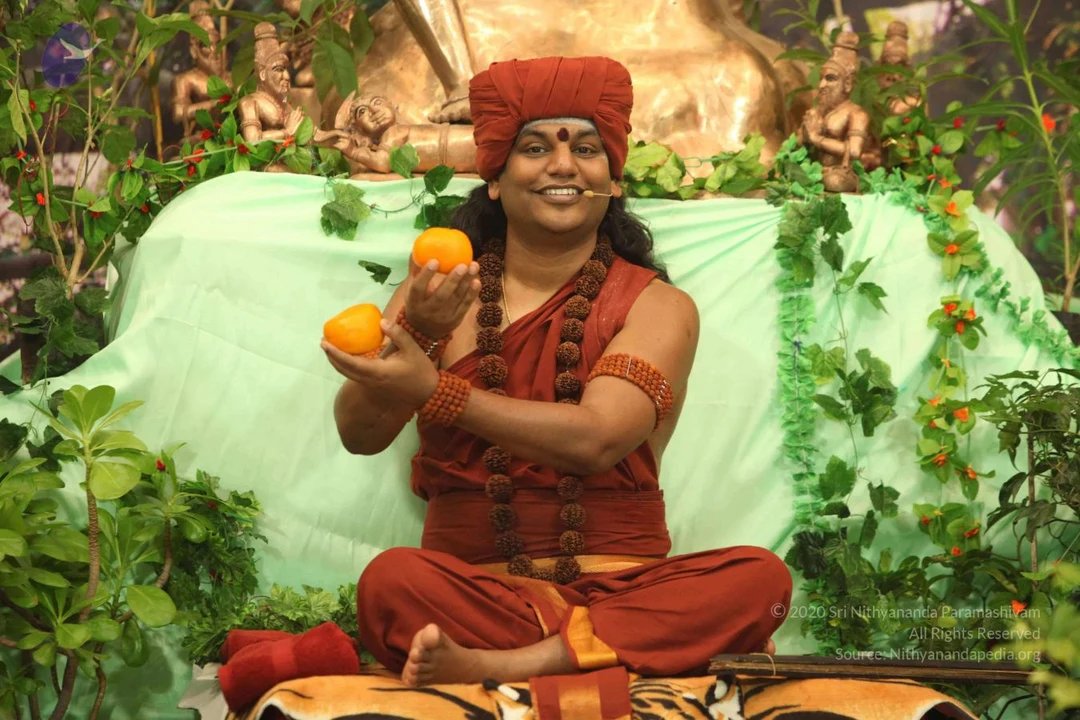
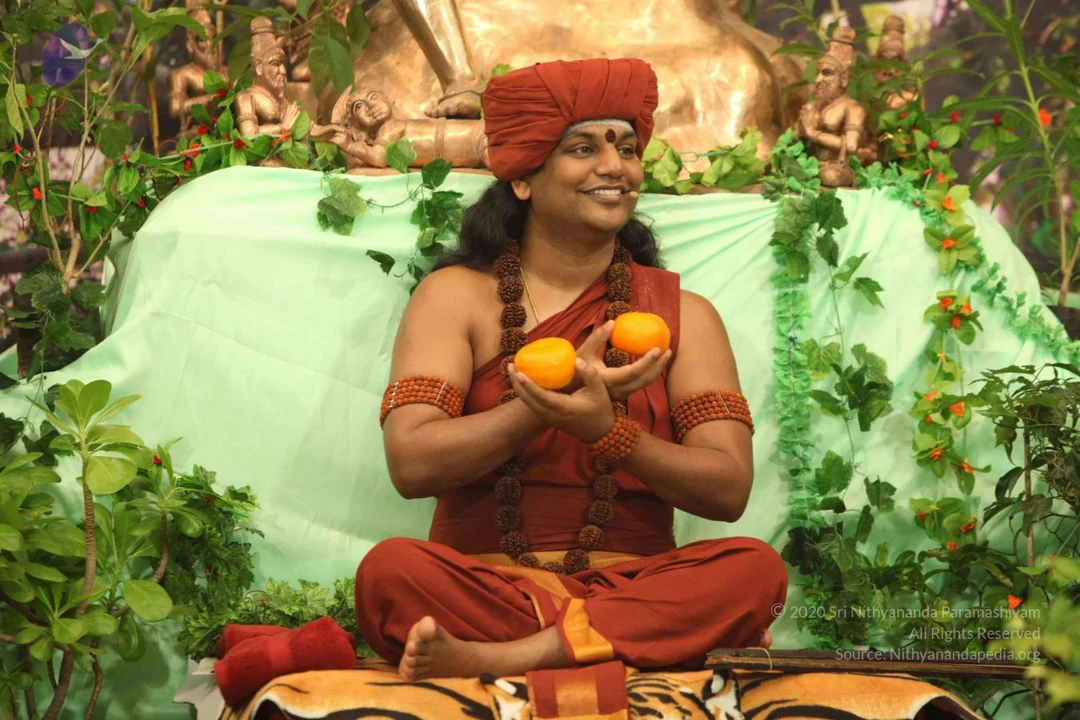
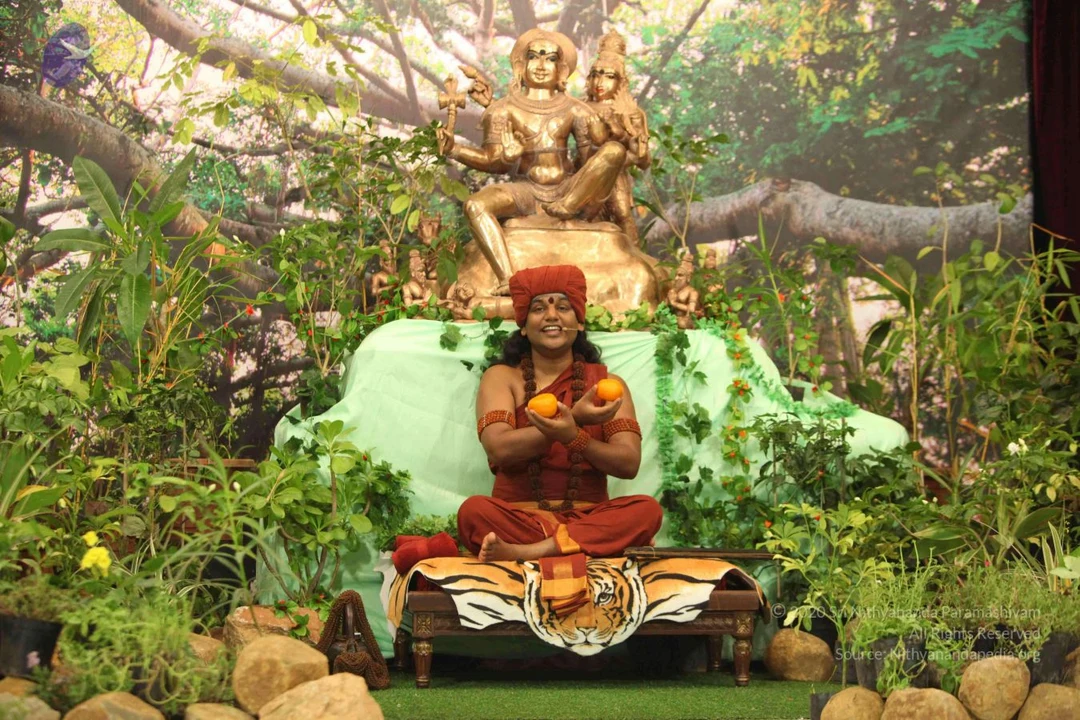
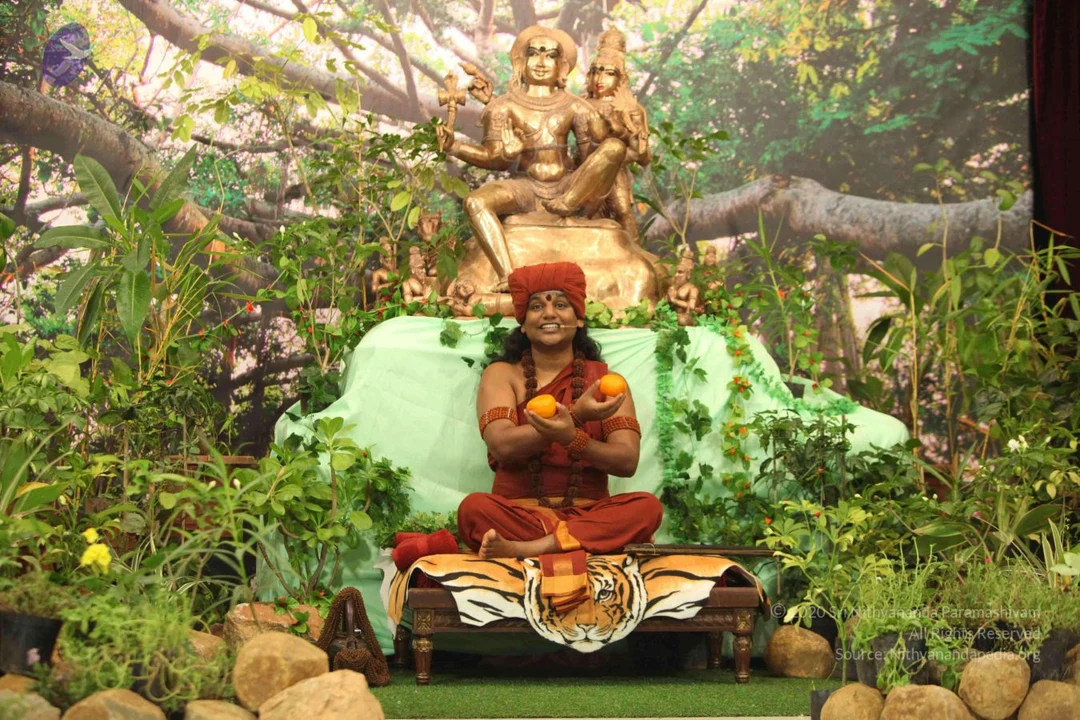
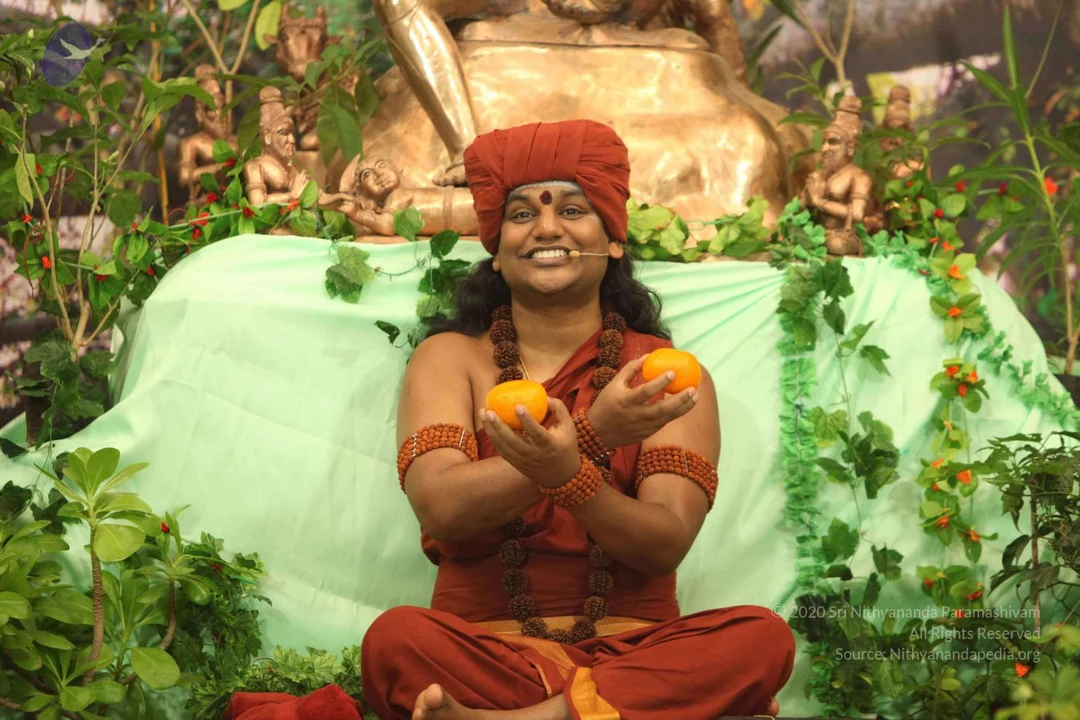
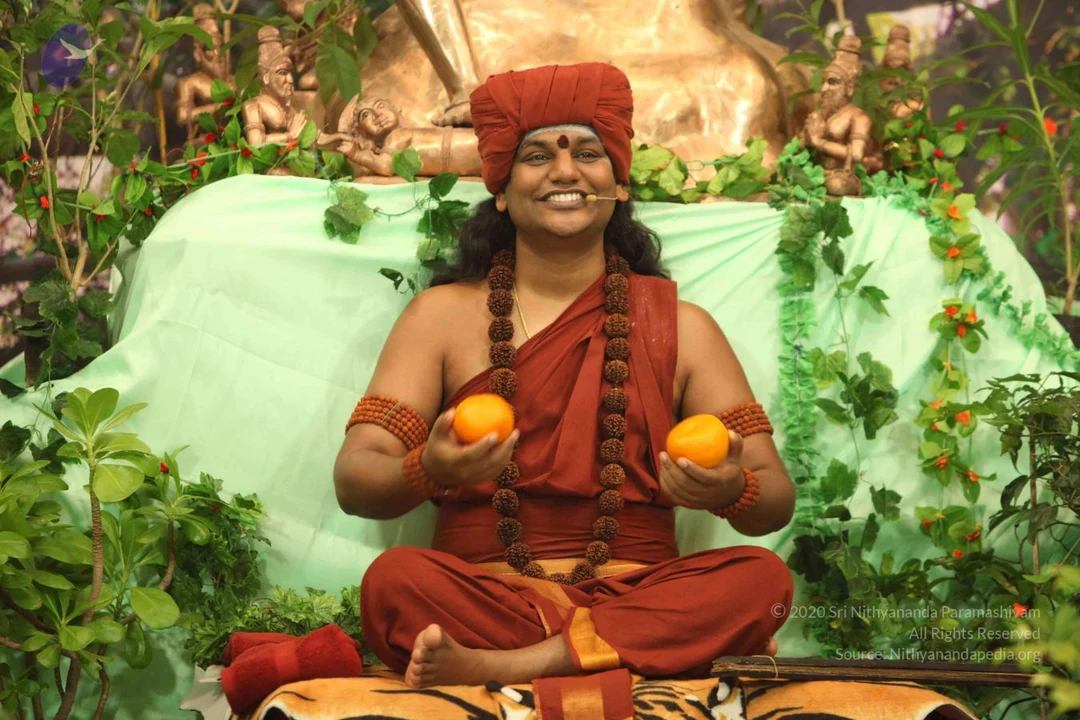
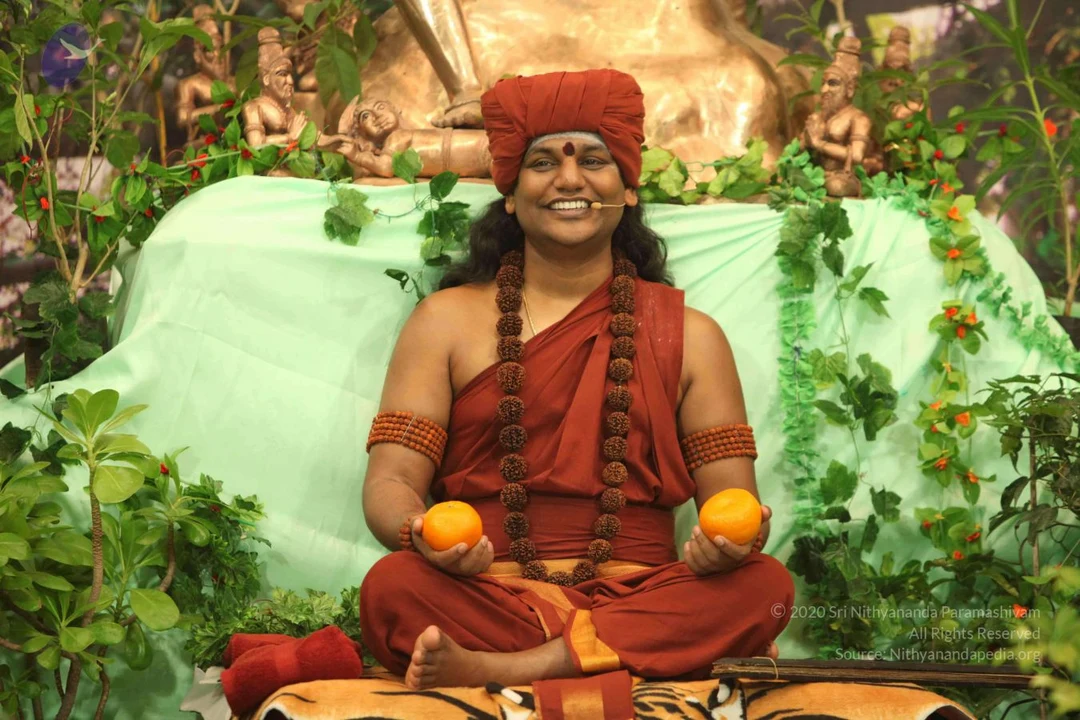
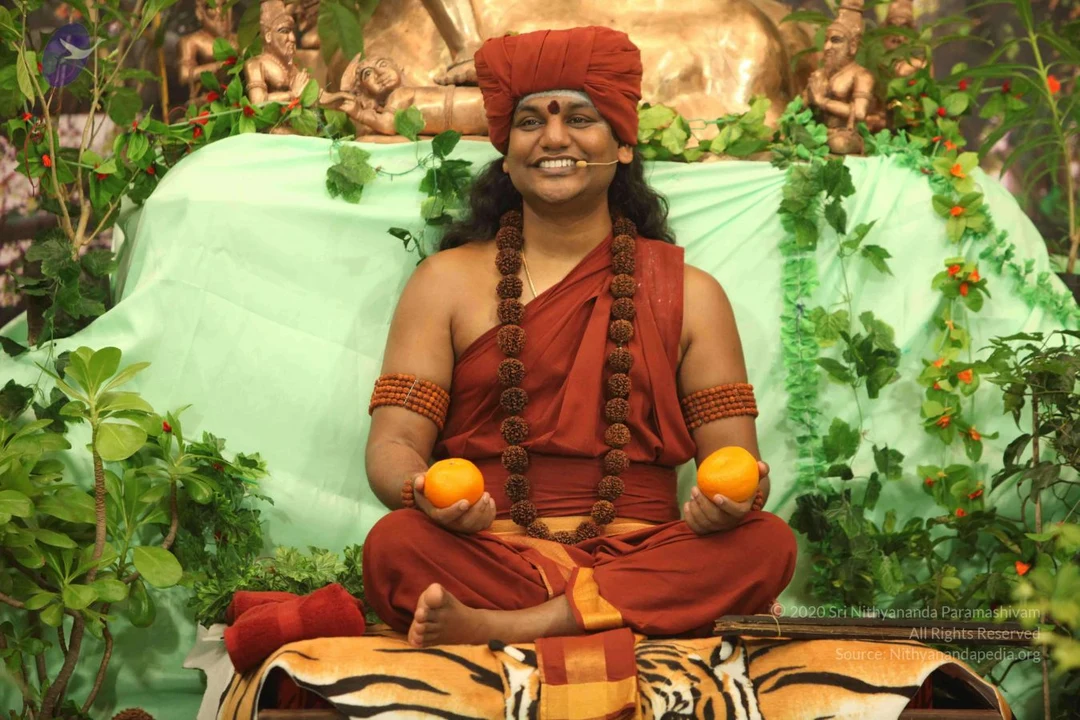
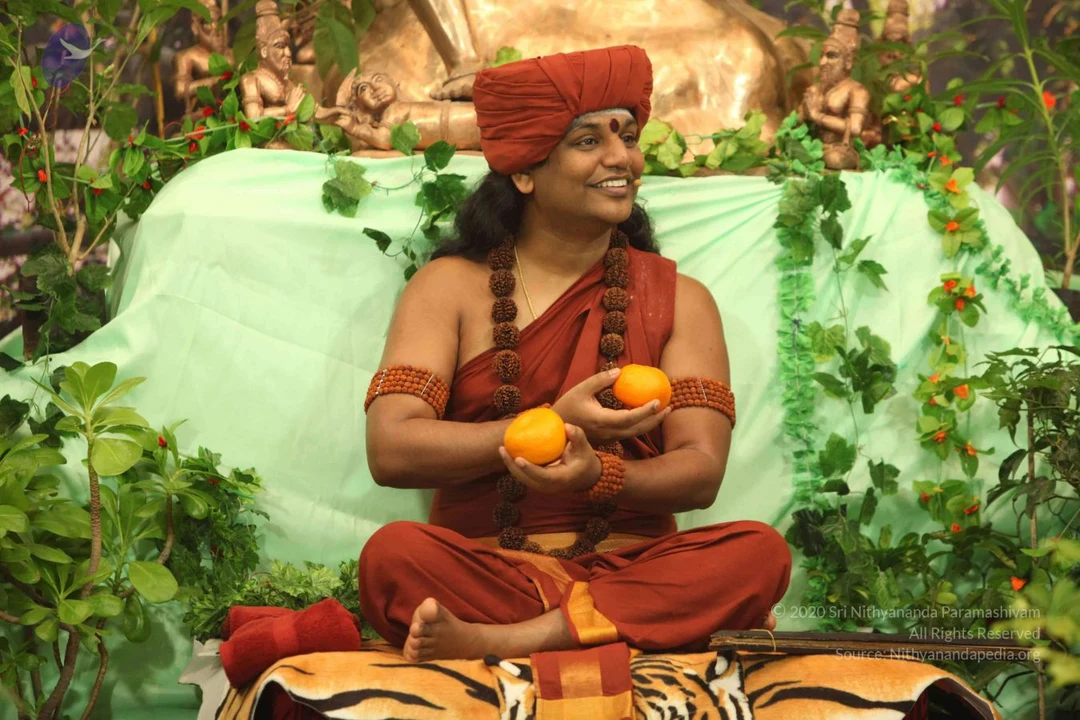
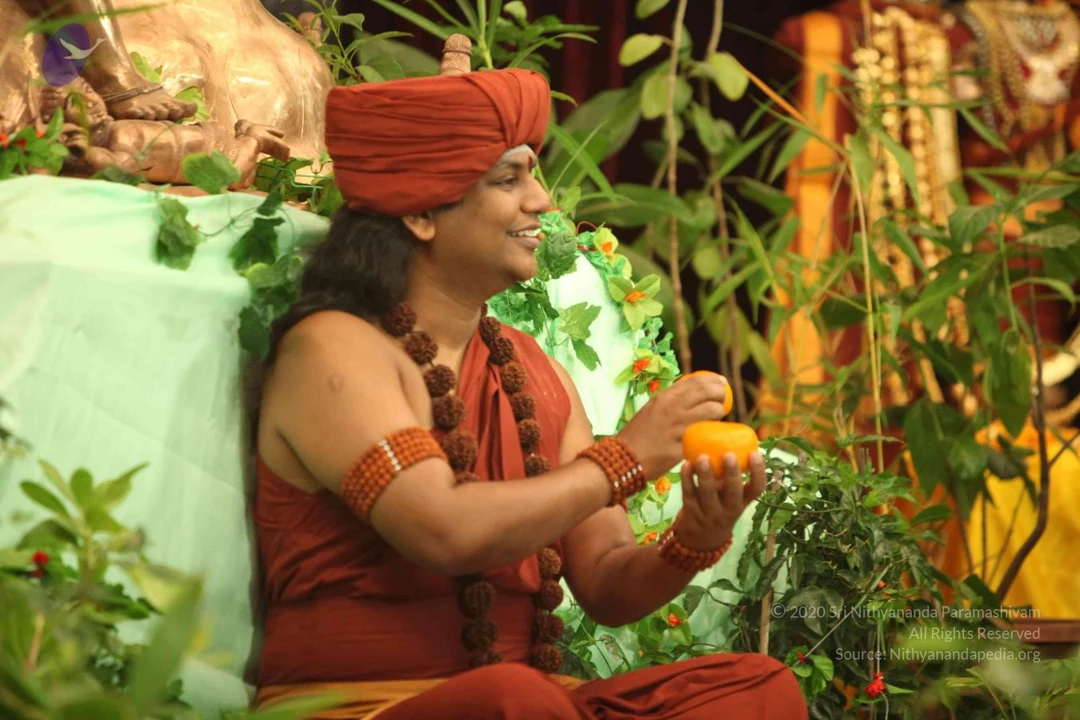
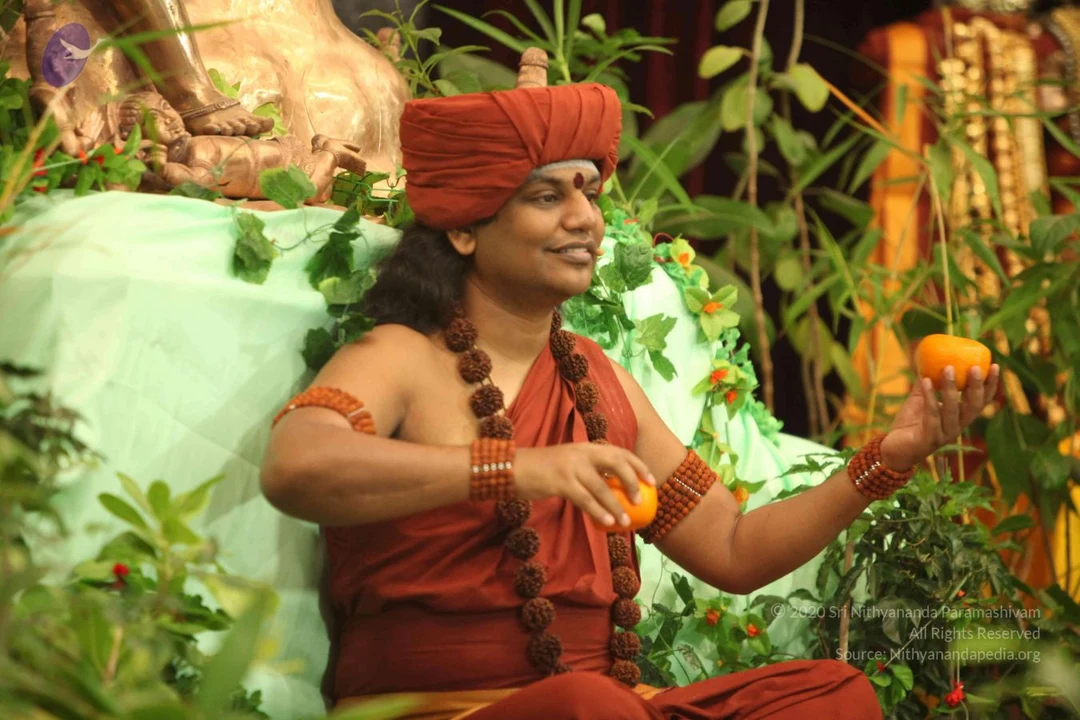
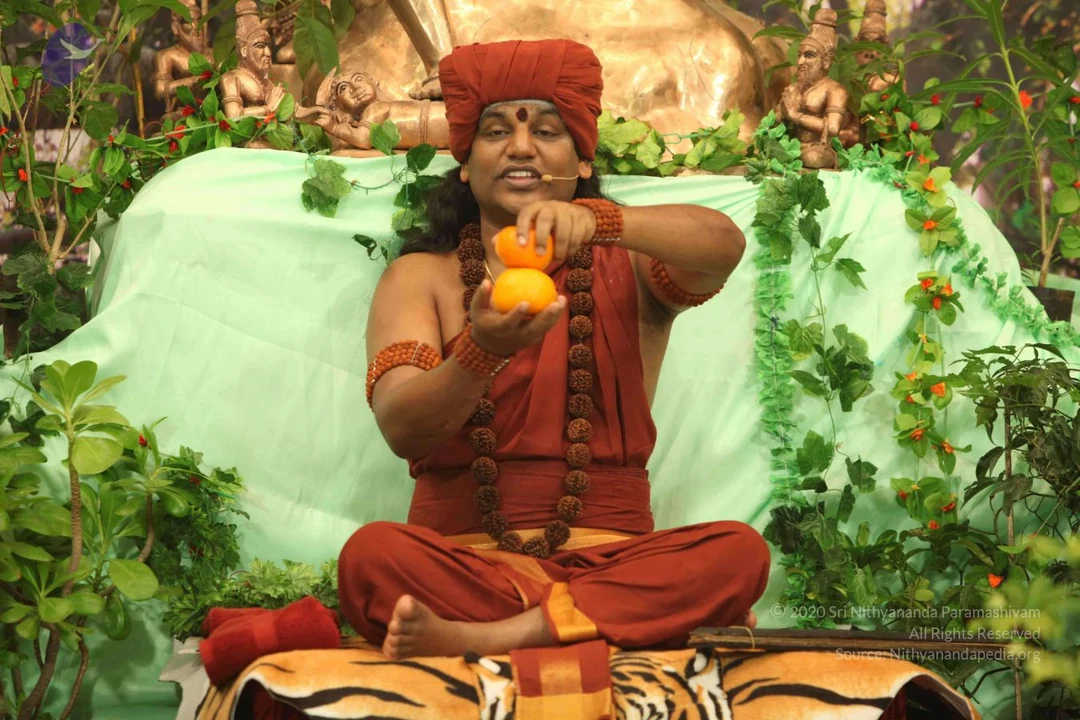
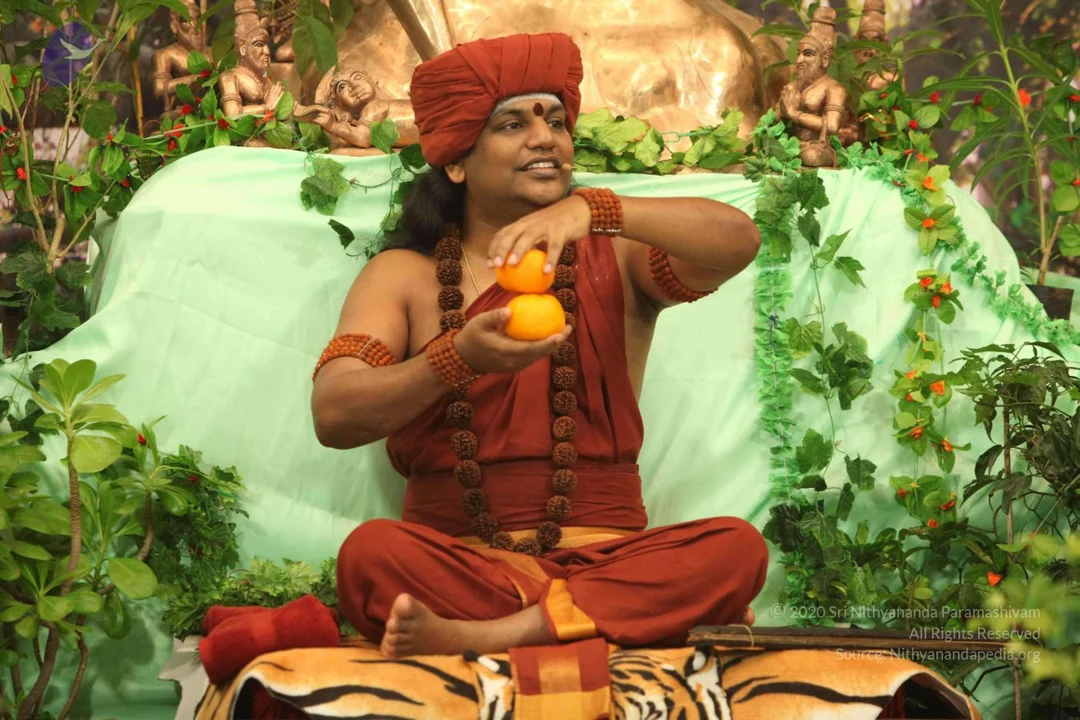
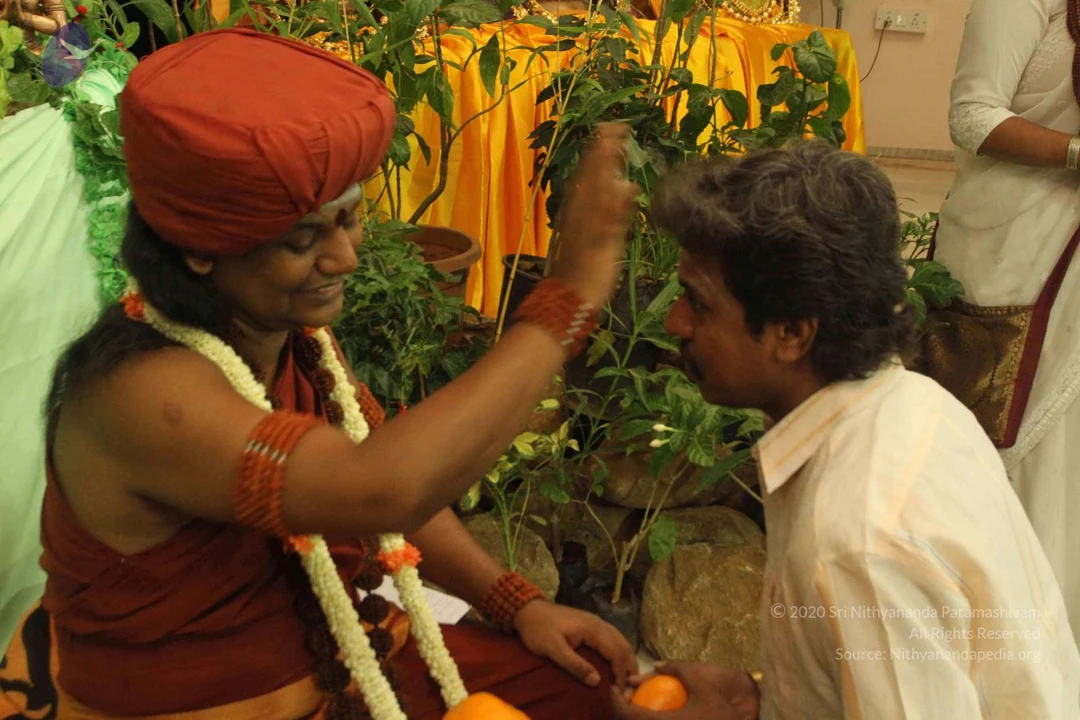
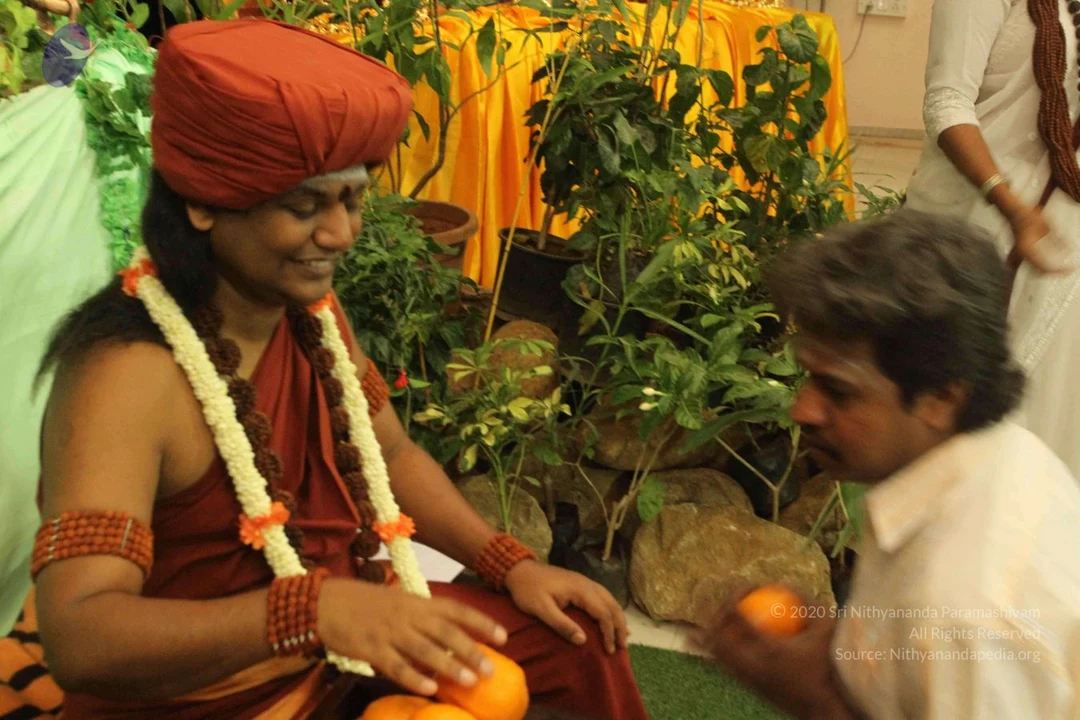
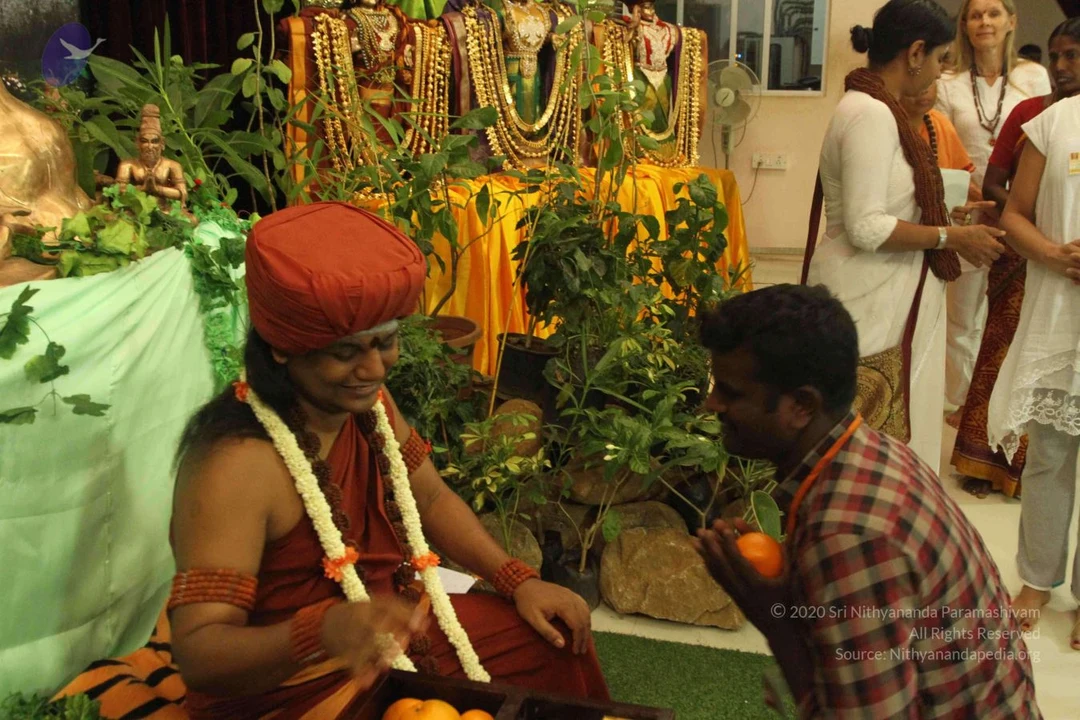
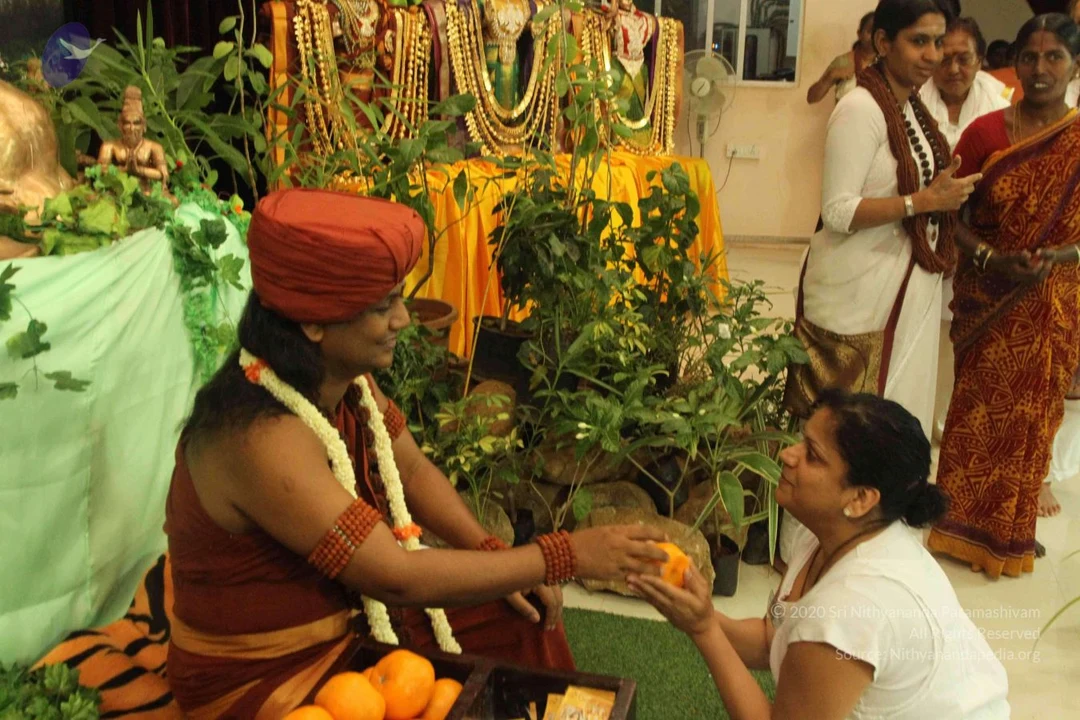
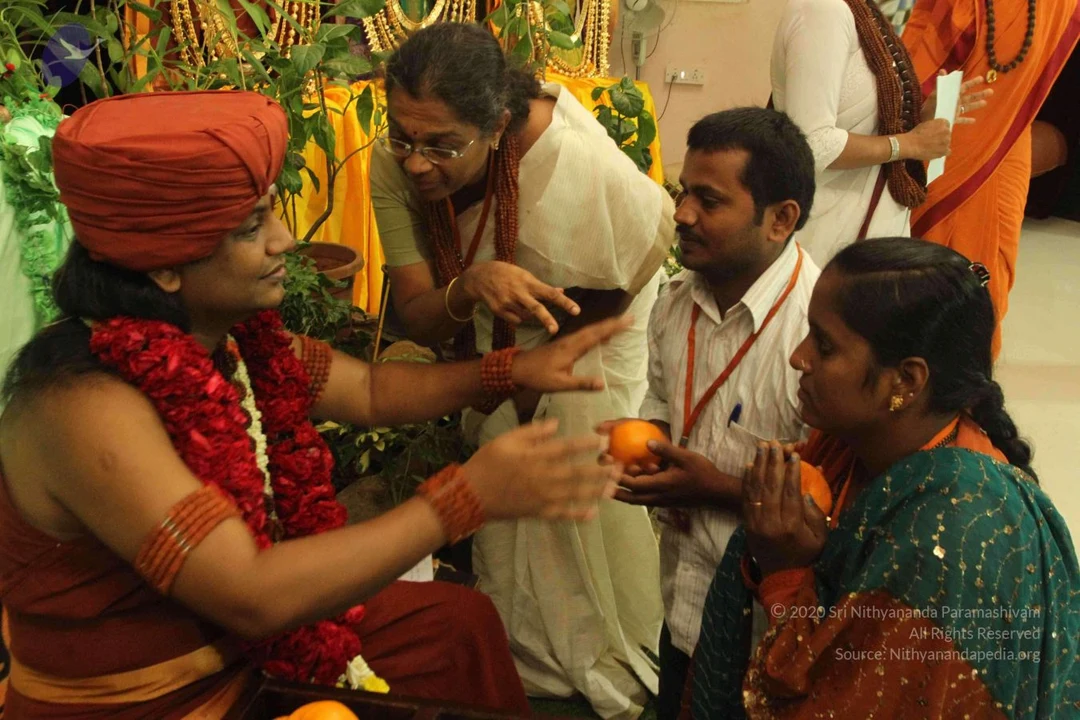
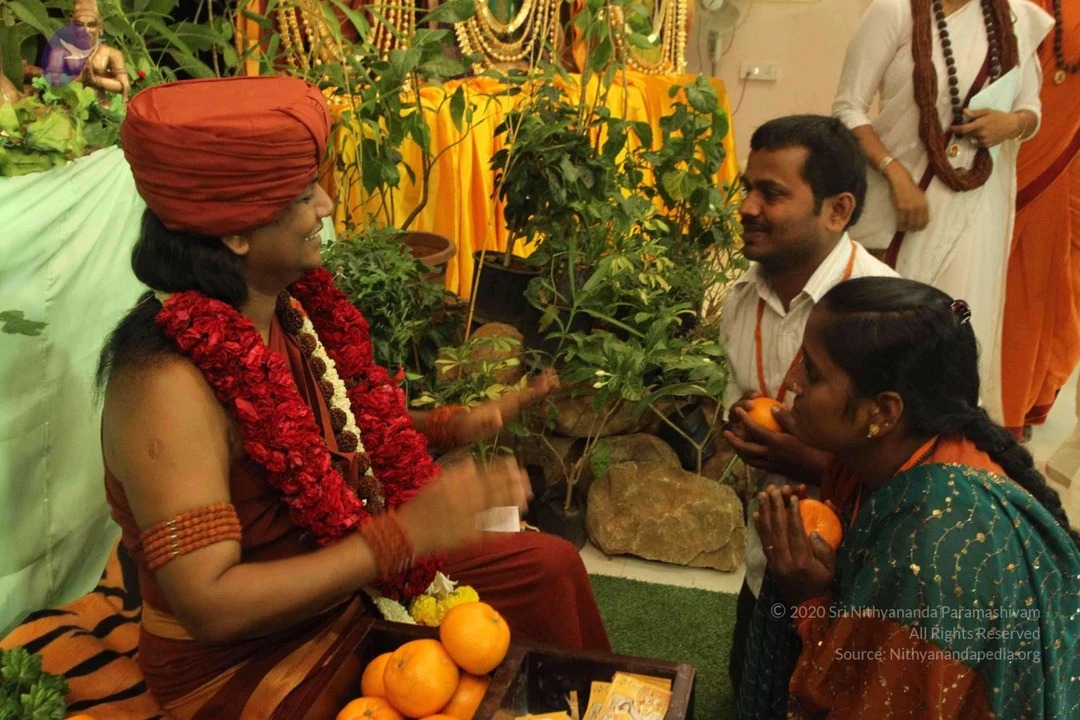
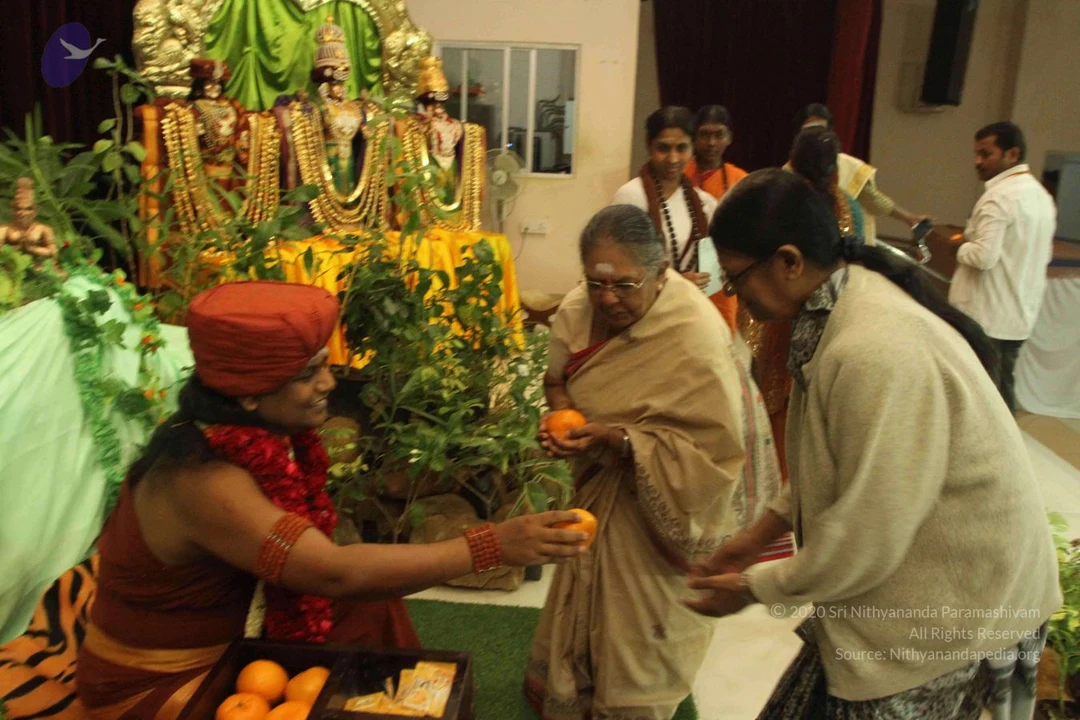
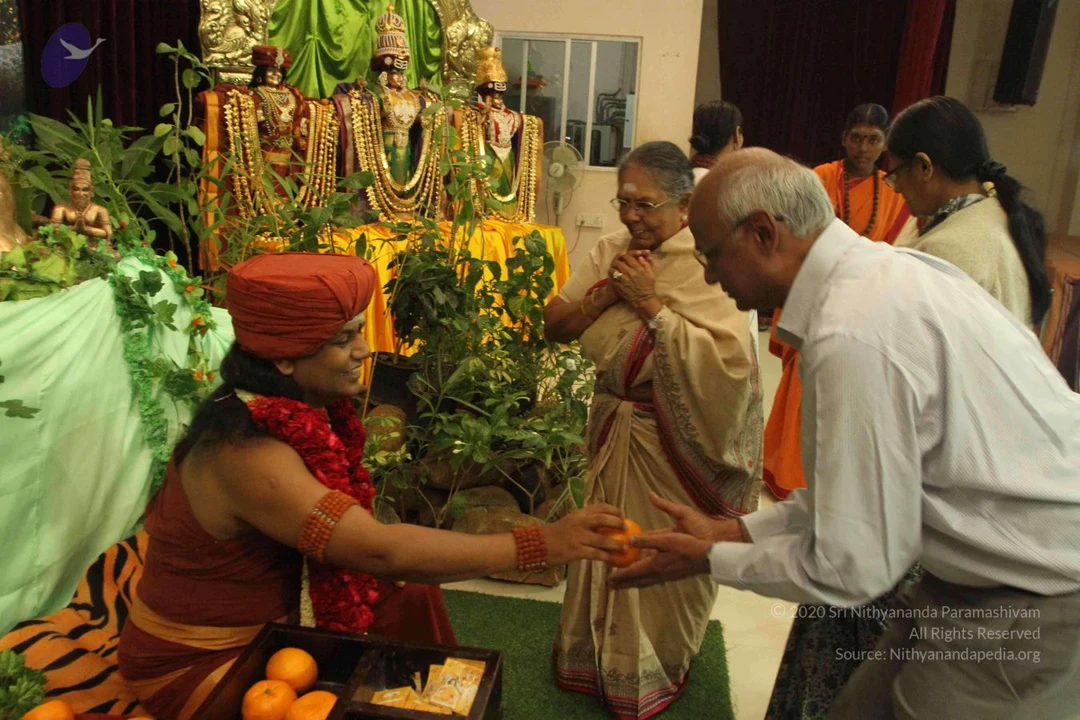
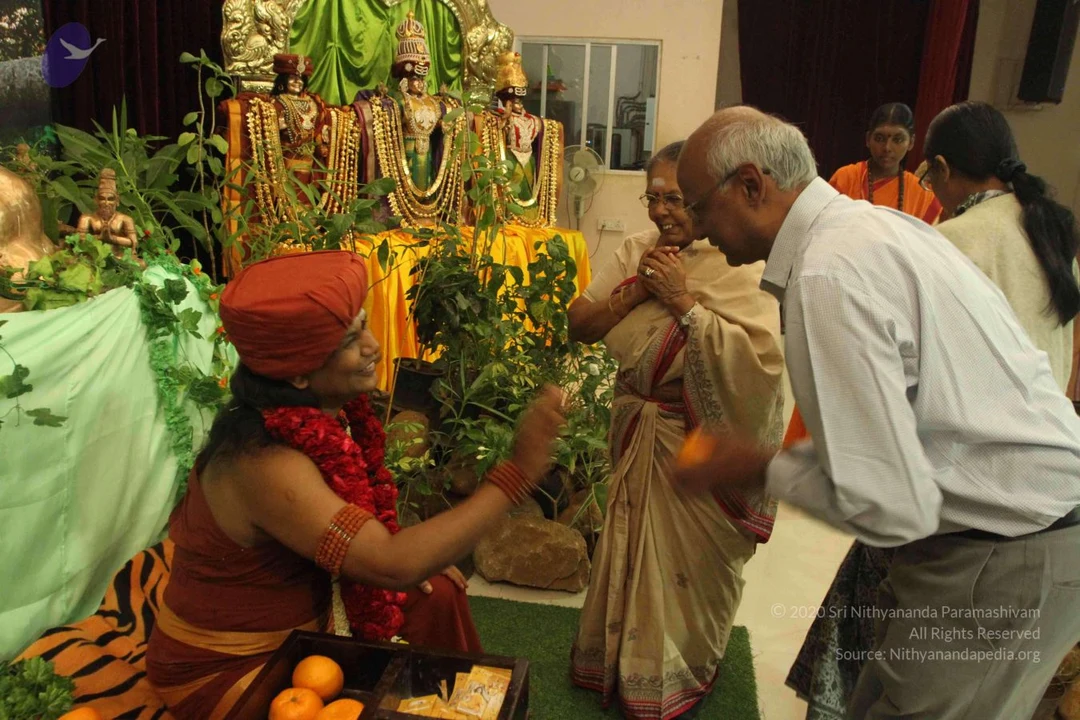
Perception: Earth is flat, because that much only you can perceive. And Sun is going around the Earth, because you see Sun one side (East) in the morning, and the other side (West) in the evening. And he has literally gone around! Then comes Truth…sorry Fact: Fact is, Earth is not flat; it’s round. And Sun is not going around the Earth; Earth is only going around the Sun. Means, a little “expanded perception” – the perception, when it goes little more than your perceived Time and Space. See, the Fact, when it is added for 365 days and few thousand miles..... Listen! Perception is because you can see only few kilometre and few hours. When you can see few thousand kilometre and few thousand hours, it evolves to Fact, Perception evolves to Fact. And when you can see few million miles and few million years, then Fact evolves to Truth where, actually, the Earth is not exactly round, and the Sun is going around the Earth. Please understand, this you need to understand. I will explain. [Two oranges are brought to Swamiji. Swamiji holds one in his left hand, and the other in his right hand].
(44:44)
See, the fruit in My right hand, consider this as a Sun. Fruit in the left hand is Earth. This [Earth] goes around this [Sun] is what you consider as FACT. But you need to know, this whole setup [Sun and Earth together] is going around something! So, in that way, in a few million years, the Sun will go around the Earth once, understand? Because, this whole setup is going around, centered on something. That is what is Truth. And the Reality is, if you see the few “Kalpas” (eons, billions of years)....! First of all, Earth’s shape is neither flat nor round. And it is ever changing. How it is, look at the Google map. And, whether Sun goes round the Earth, or Earth goes round the Sun, both of them are actually going around each other! That is REALITY.
(46:22)
Understand: PERCEPTION is: With a small Time and Space your senses functioning. FACT is: Expansion of the Time and Space within your perception. Actually, your Perception is same, but with expanded Time and Space. That is FACT. TRUTH is: With a expanded Time and Space your Perception getting altered. REALITY is: Your Perception realizing the Truth beyond Time and Space. Understand the definitions: Your perception working within the limitations of Time and Space is PERCEPTION. Your perception working beyond the limitations of Time and Space is FACT. Time and Space altering your perception is TRUTH. Your perception going beyond Time and Space is REALITY.
(48:12)
So, this statement – “Eeshaavaasyamidham Sarvam Yathkincha Jagathyaam Jagath” (ईशावास्यमिदं सर्वं यत्किञ्च जगत्यां जगत्) – it is Truth, not yet Reality. Reality is next statement. Next statement is Reality. This statement – “Eeshaavaasyamidham Sarvam Yathkincha Jagathyaam Jagath” (ईशावास्यमिदं सर्वं यत्किञ्च जगत्यां जगत्) – it is neither Perception nor Fact; it is Truth. Listen! “The world is changing” can be Fact. And, “The Change itself changes” is the Truth. Here, Upanishads are NOT declaring –“Eeshaavaasyamidham Sarvam Yathkincha Jagath” (ईशावास्यमिदं सर्वं यत्किञ्च जगत्). No! They are saying – “JAGATHYAAM Jagath” (जगत्यां जगत्) – “Changing which is established in constantly changing”. It is like, this fruit is moving. It is centered, established on other fruit; that is also moving. This (one fruit) is moving in some way, and this (the other fruit) is moving in other way. So, “the change established in change” – “JAGATHYAAM Jagath” (जगत्यां जगत्). Understand…
(50:22)
Please listen to today’s satsangh at least three-four times, and you yourself define, you paraphrase it – what is “Perception”, what is “Fact”, what is “Truth”, what is “Reality”. Paraphrase it and put it as your status in Facebook. This is the homework for everyone. And debate. Today’s subject for “vaadha-prathivaadha” is: · What is PERCEPTION? · What is FACT? · What is TRUTH? · What is REALITY? · And, how in our life one is overlapping on the other. Whatever you perceive as change is not only changing, it is established on something which is changing. So, actually, by this statement, Upanishad declares: ‘Don’t suffer because of change. The change itself is established on change! Do not have fear or greed because of change, because the change is established on change!’ It is like, things are just moving constantly in front of your mouth - like grapes, fruits, sweets, ice-cream, neem leaf. So many things. You just try to jump and catch that through your mouth. Sometimes, if it is tasty, you celebrate life. If it is bitter, you say, ‘Uggghh! Uggghh!’ Whatever it is, whether it is tasty or bitter, don’t worry; because, it is CHANGING! Changing itself is changing! (53:46) Once more defining:
· “PERCEPTION” is your senses operating within the limits of Time and Space.
· “FACT” means your senses operating beyond the boundaries of Time and Space.
· “TRUTH” means your perception is transformed by the perceived. Because it is too huge; the Time and Space itself is transforming the way you perceive, is TRUTH.
· “REALITY” means, perception beyond the boundaries of perception and Time and Space.
Perception is “Bhoga”. Fact is “Yoga”. Truth is “Jnana”. Reality is “Vijnana”. Perception is “Bhoga” – senses. Perception leads always to “bhoga”, sensory pleasures. Fact leads to always “Yoga” – trying to unite with the higher. Truth leads to “Jnana” – enlightenment. Reality leads to “Vijnana” – living Advaitha, living it.
Title
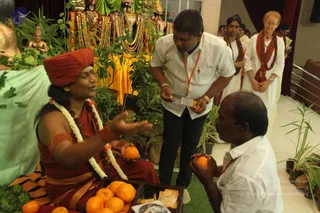
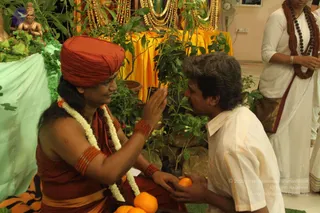
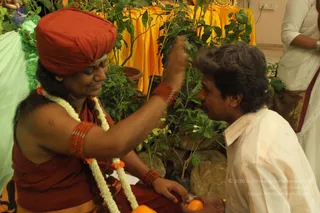
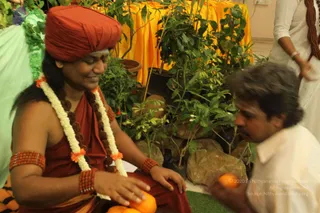
The Wish Fulfilling Touch || Kalpataru Darshan || 30 January 2015
Link to Video:
Title
Nithyananda Times - 30th January, 2015
Description
The daily Video Magazine of Nithyananda Sangha
Link to Video:
Paramashivoham Oneness Capsule 326
Photos
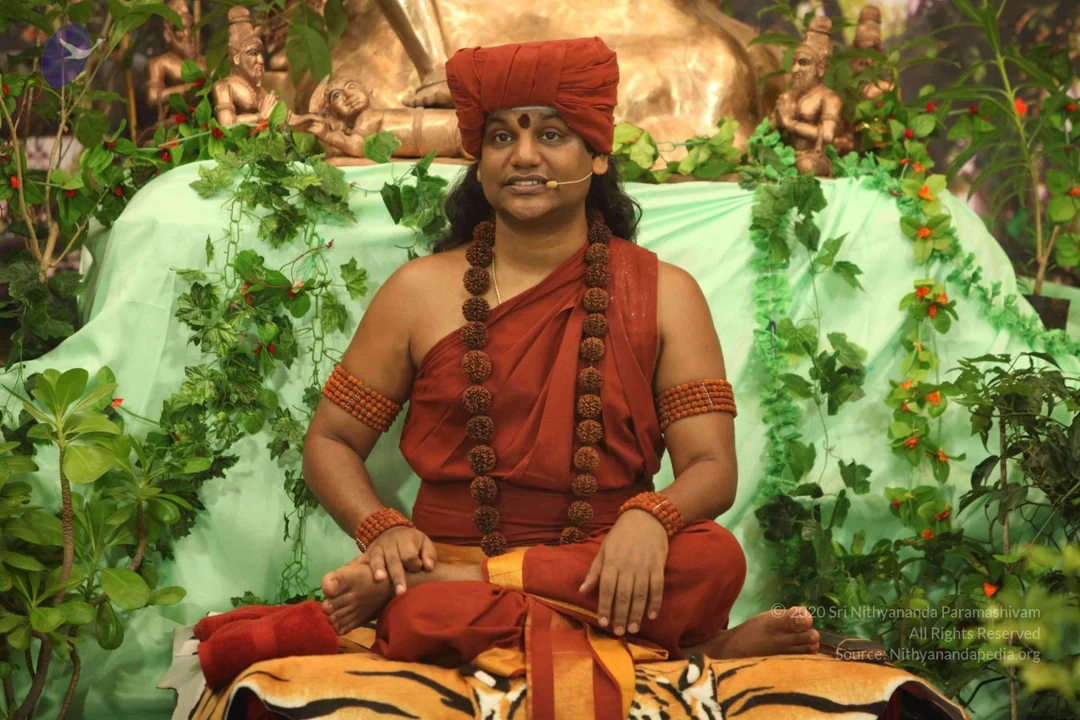
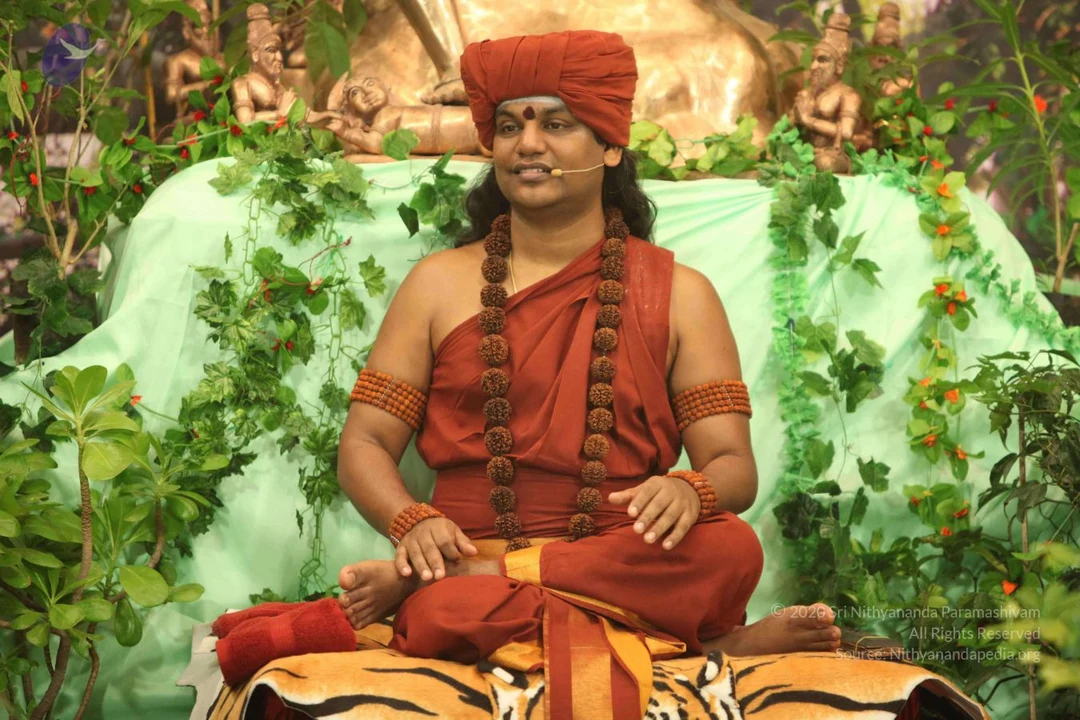
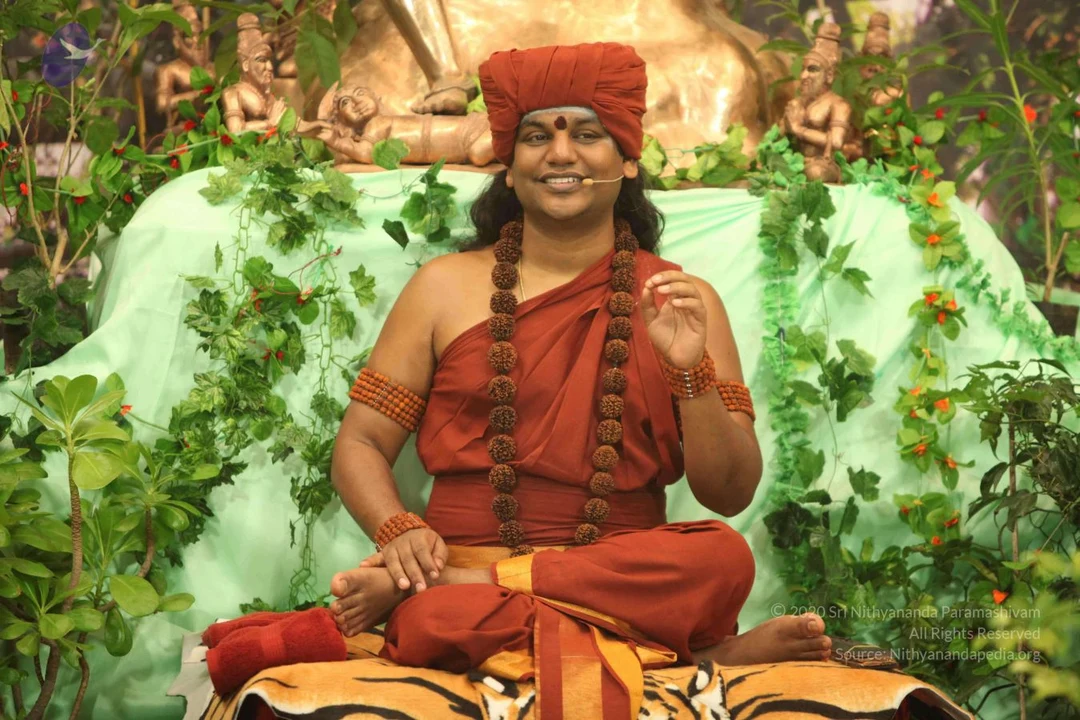
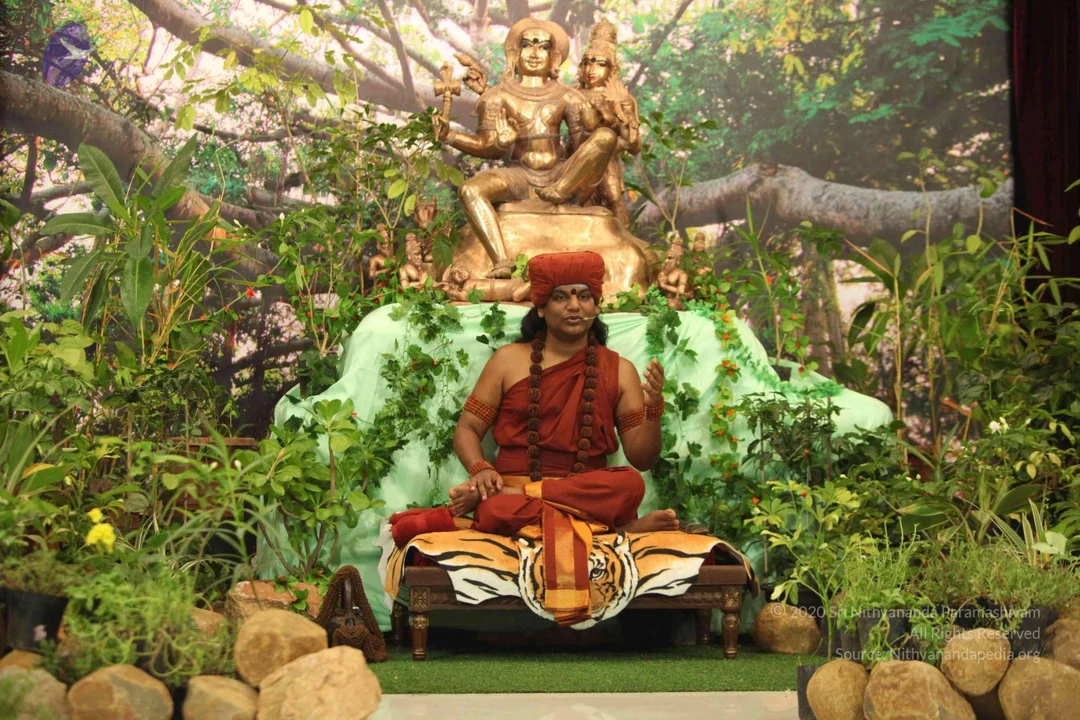
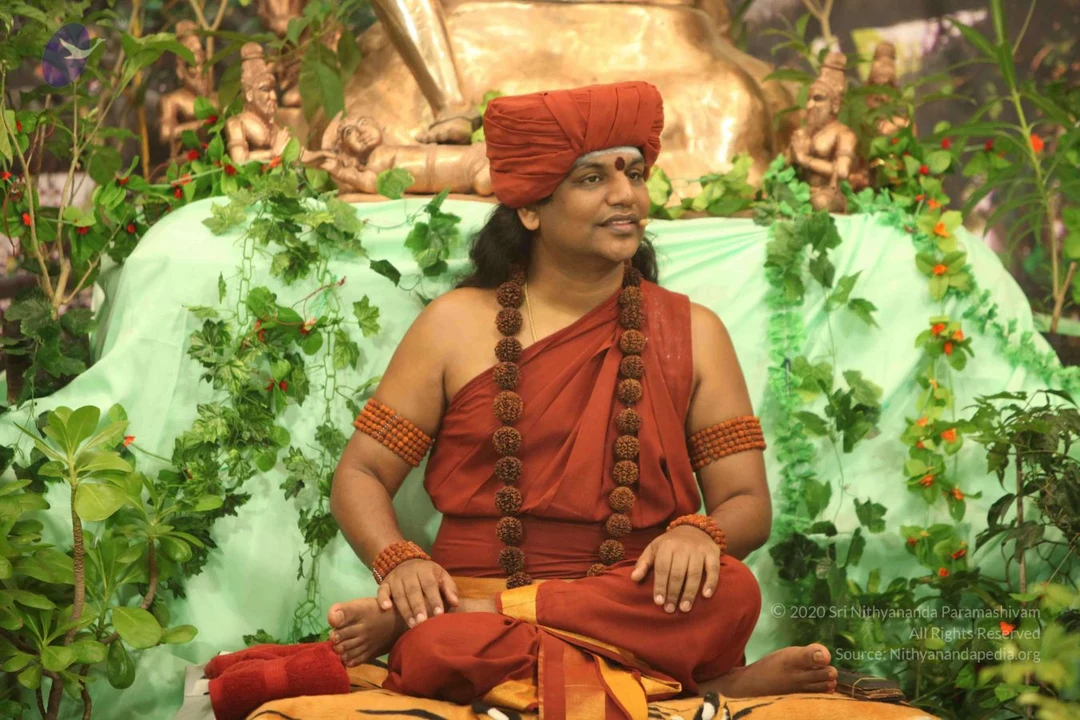
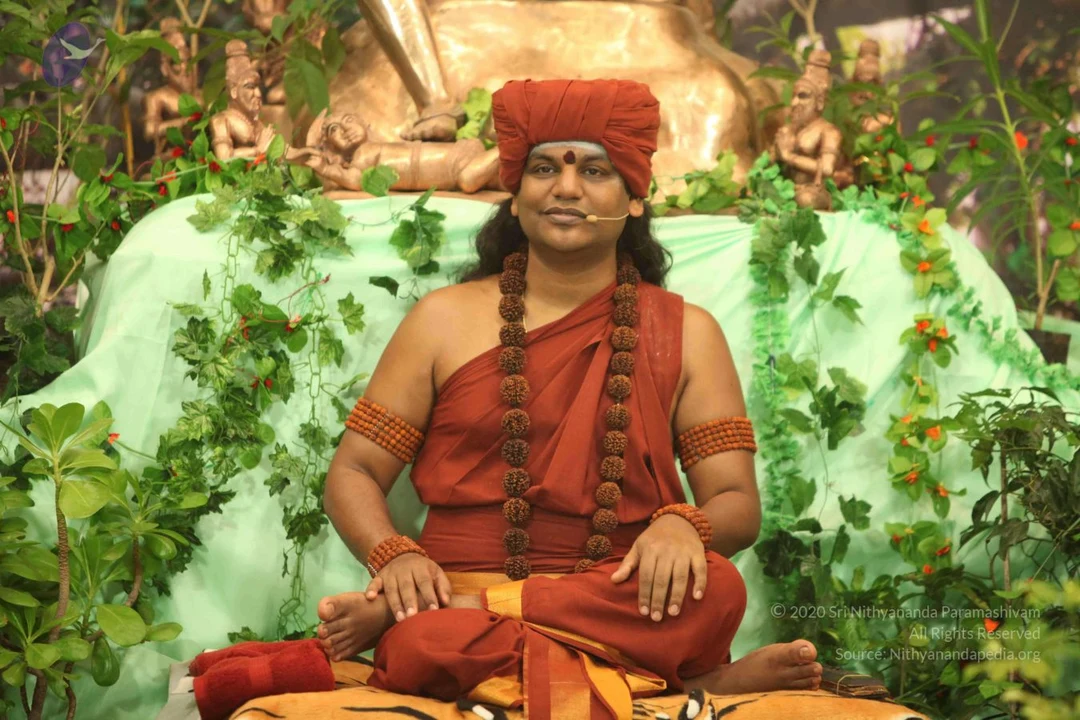
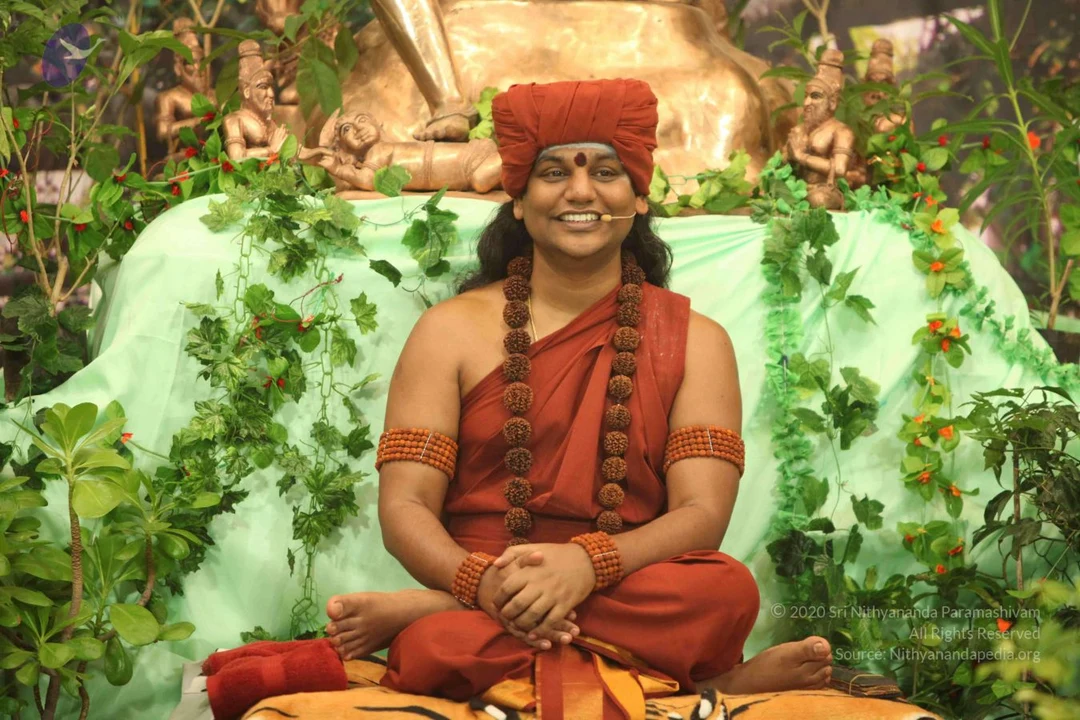
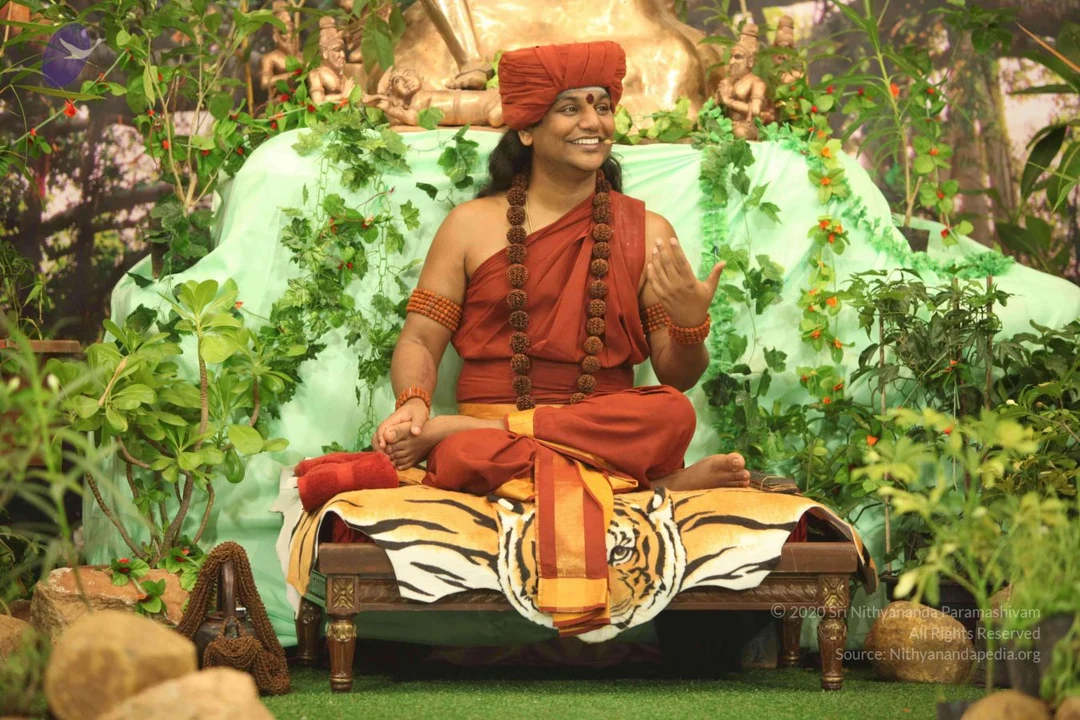
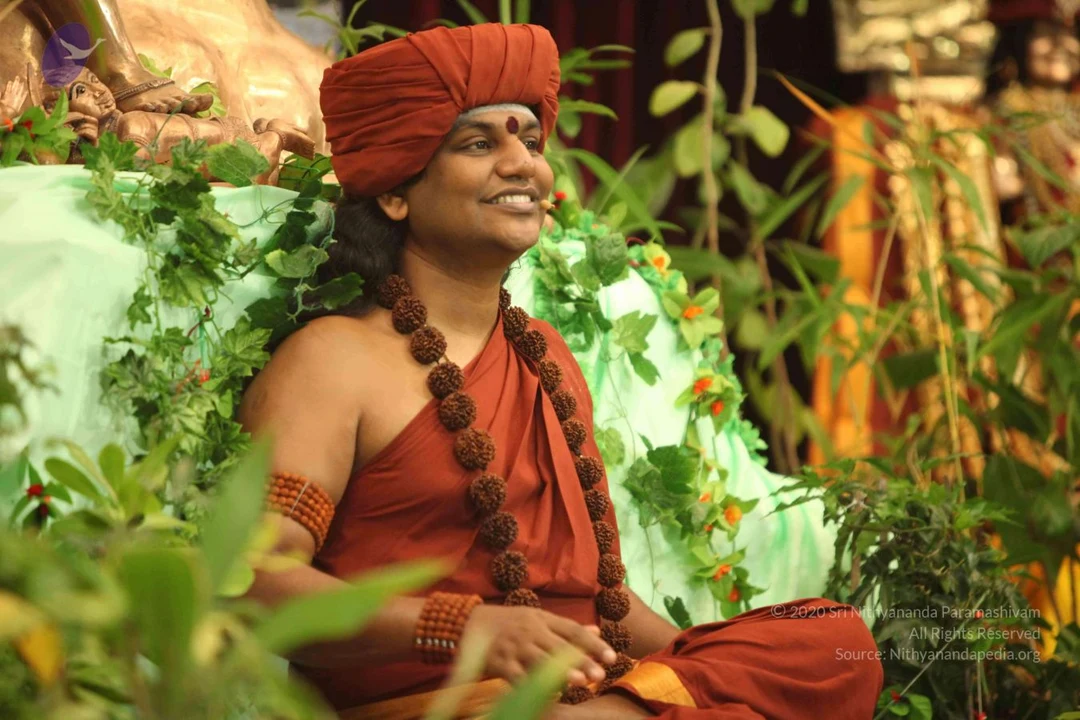
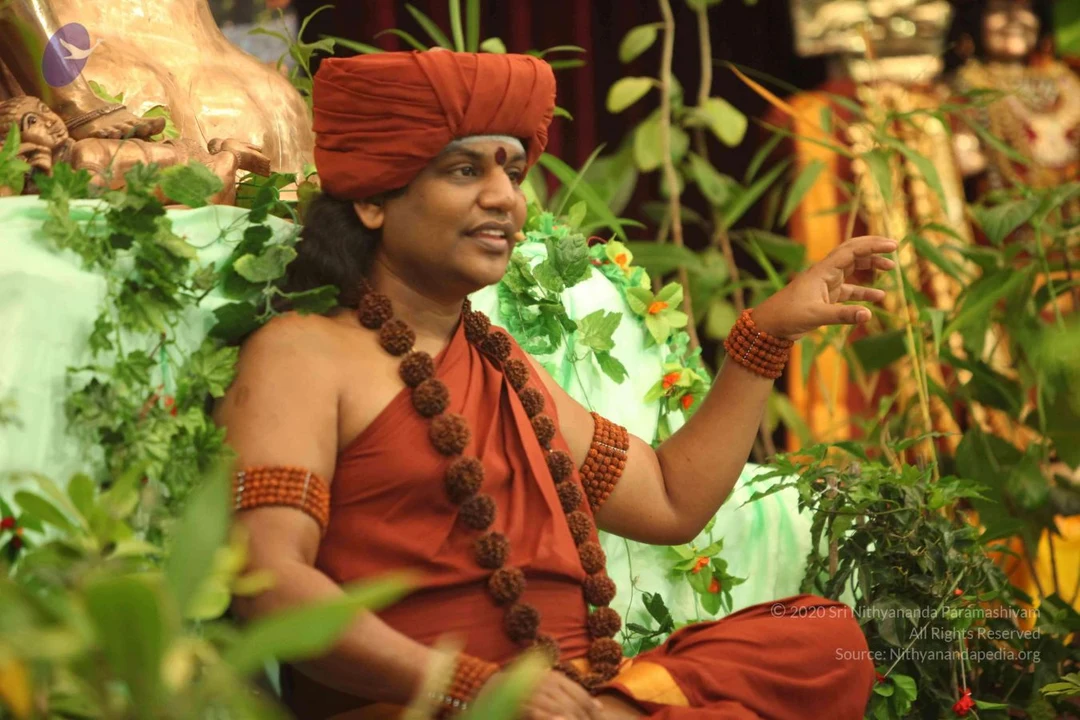
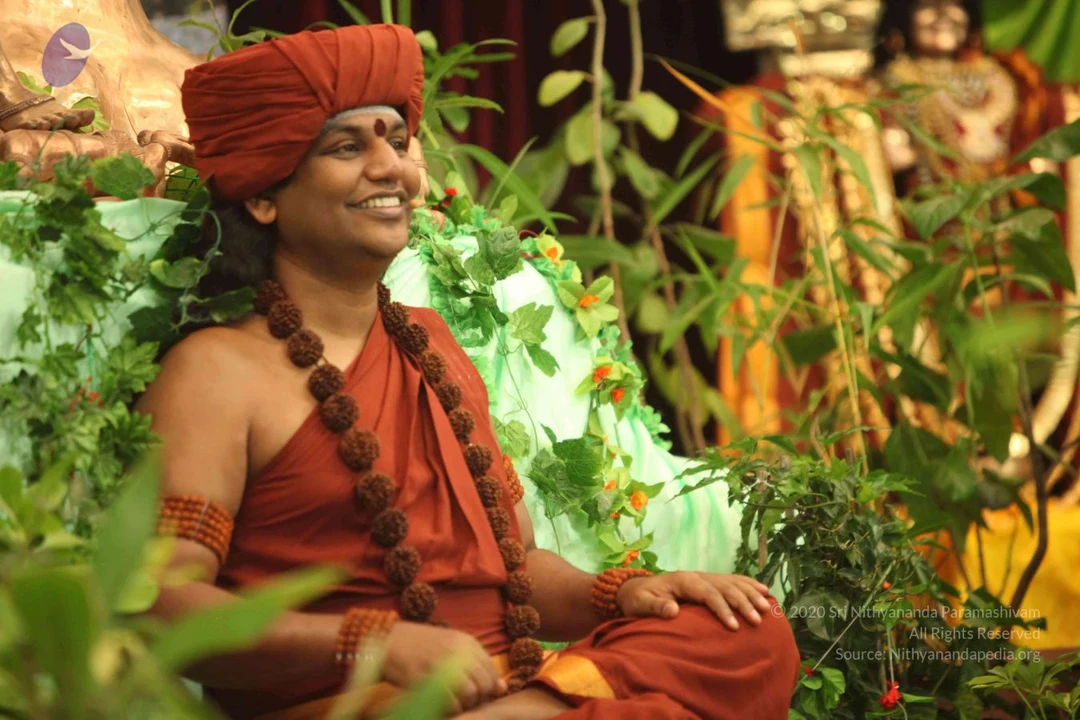
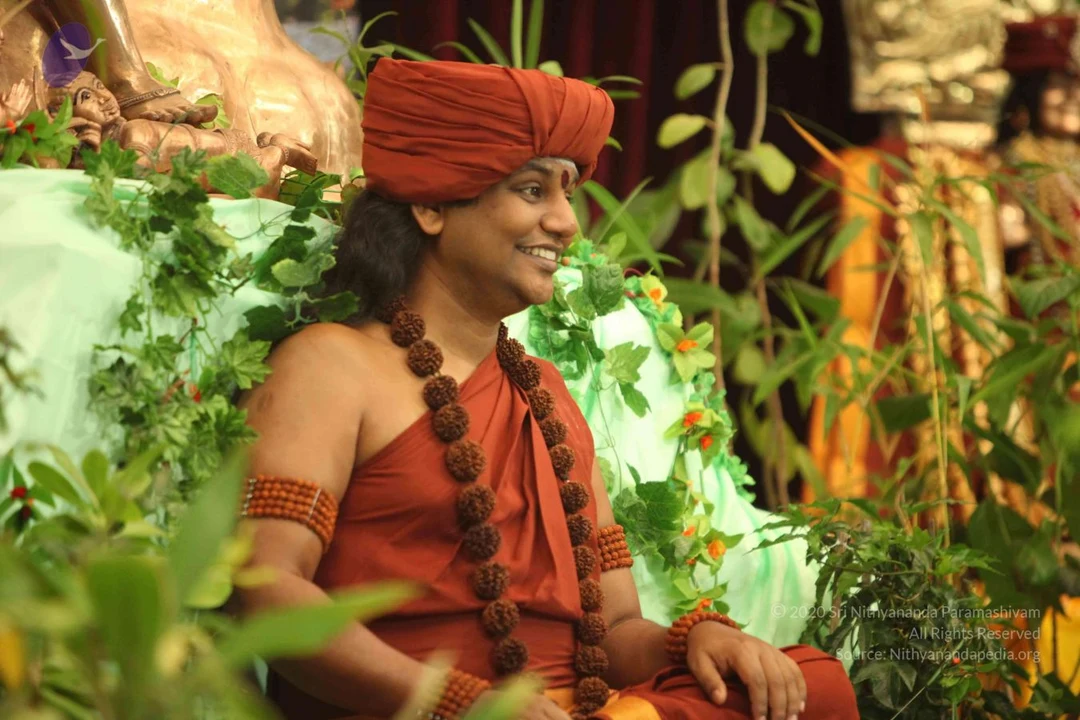
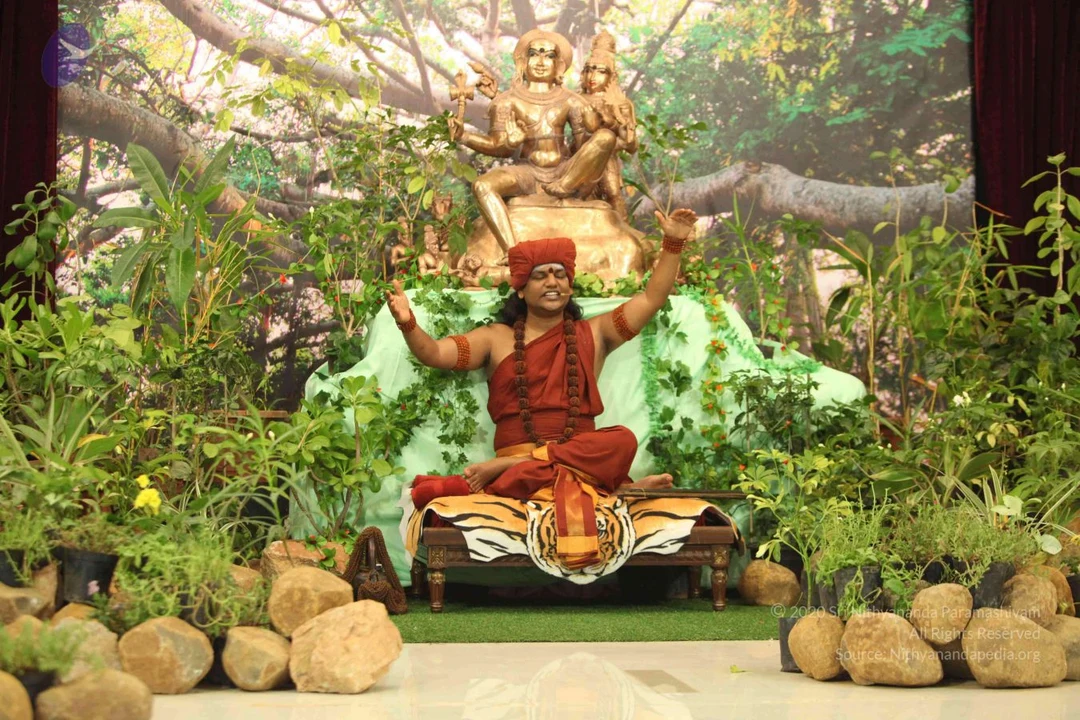
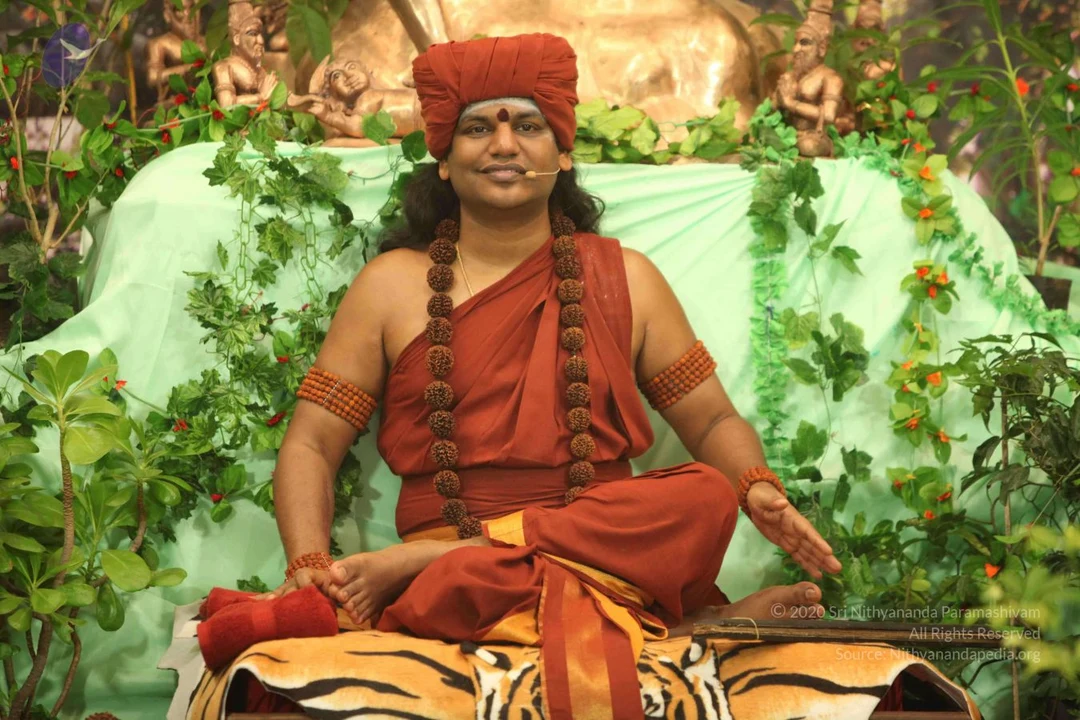
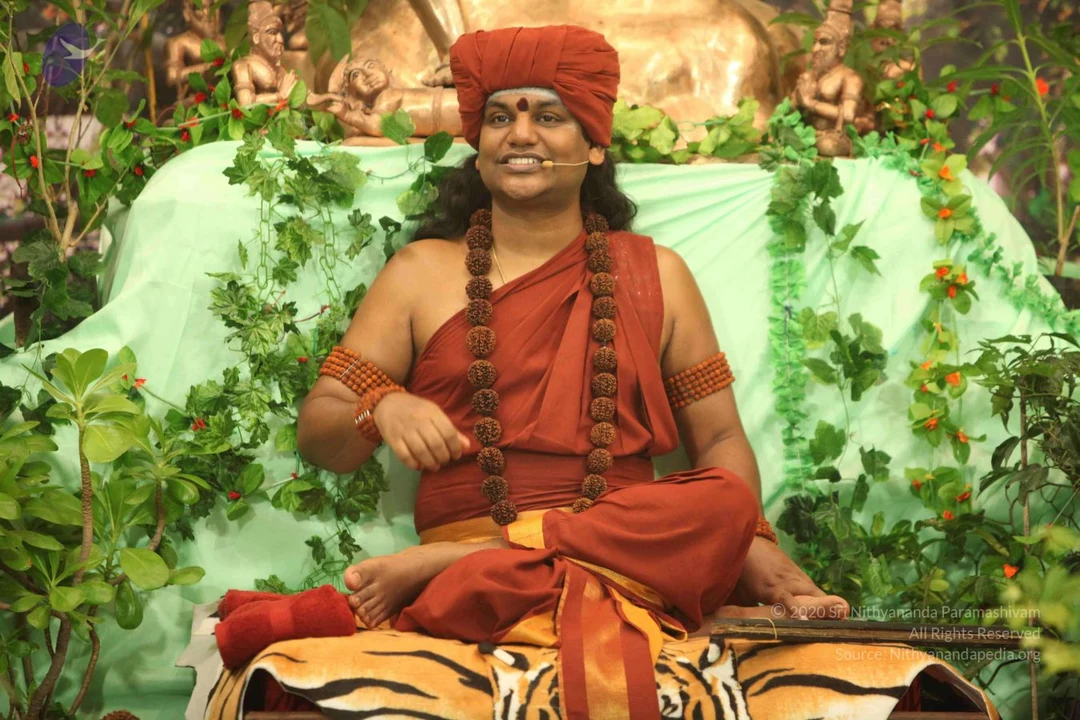
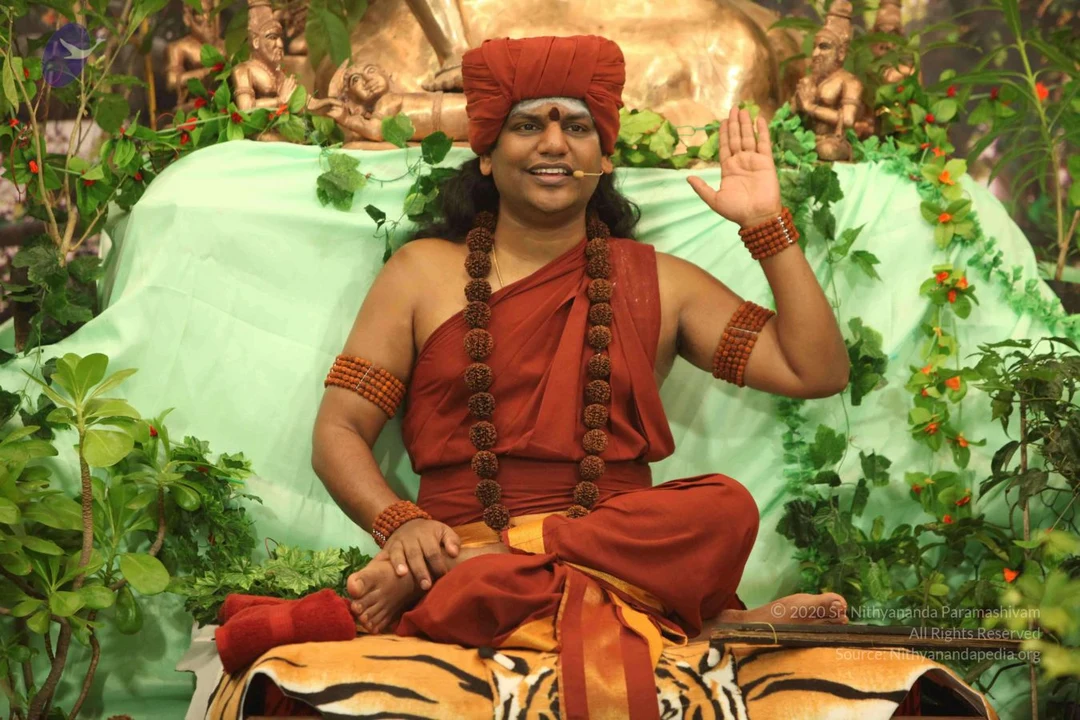
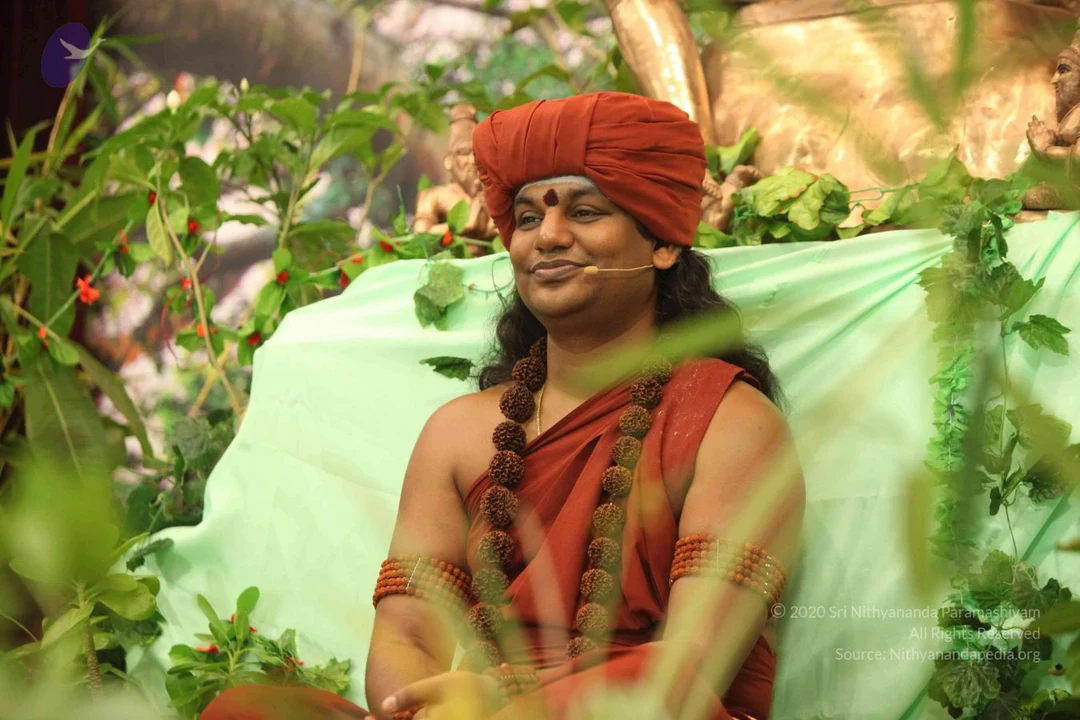
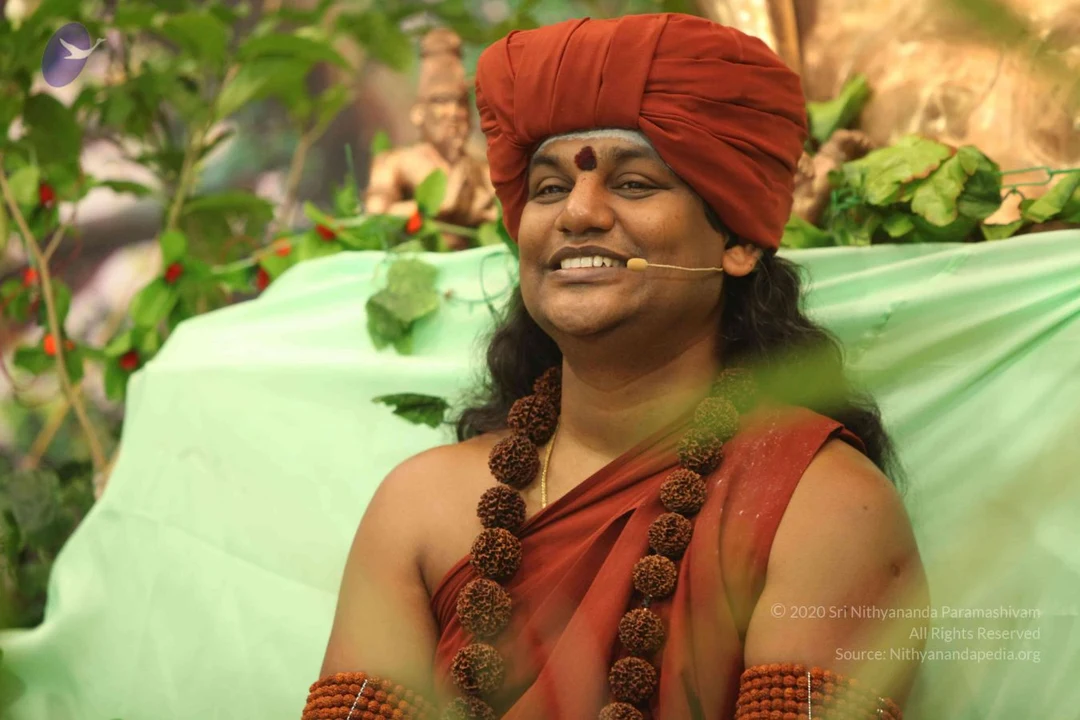
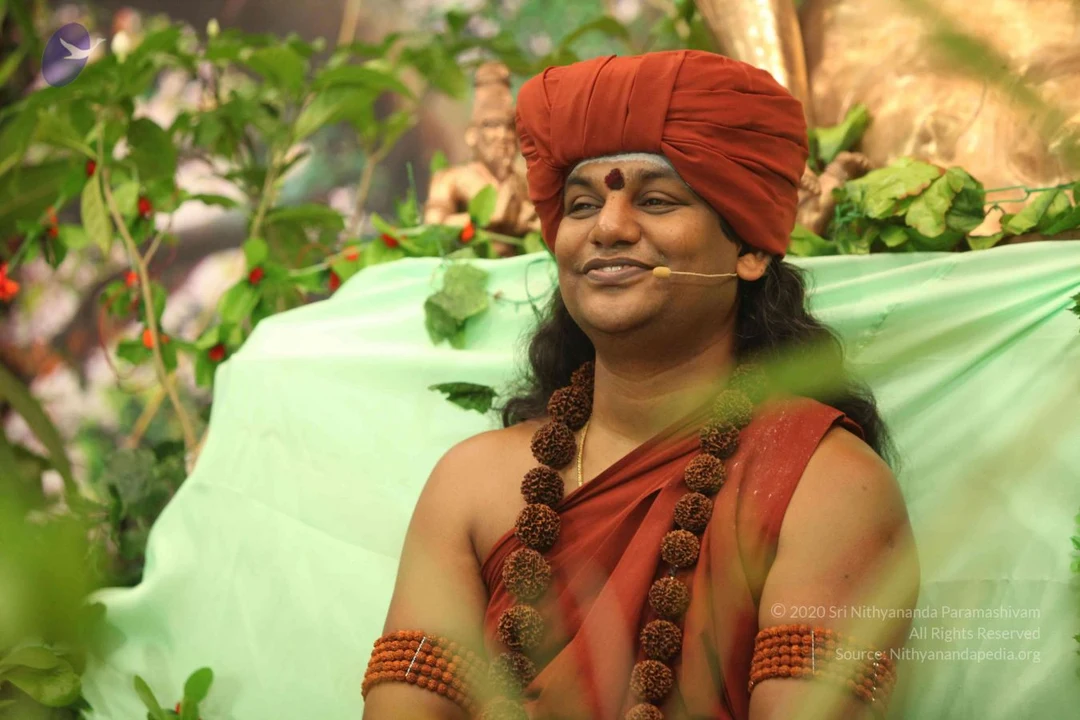
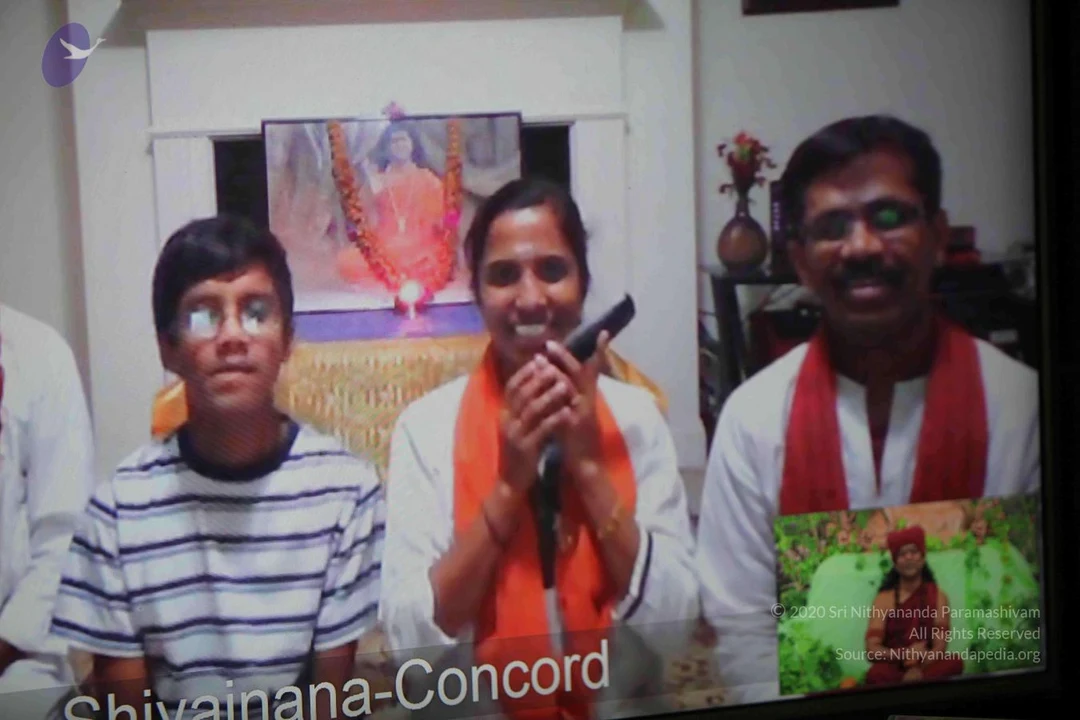
Nithya Satsang-Upanishads
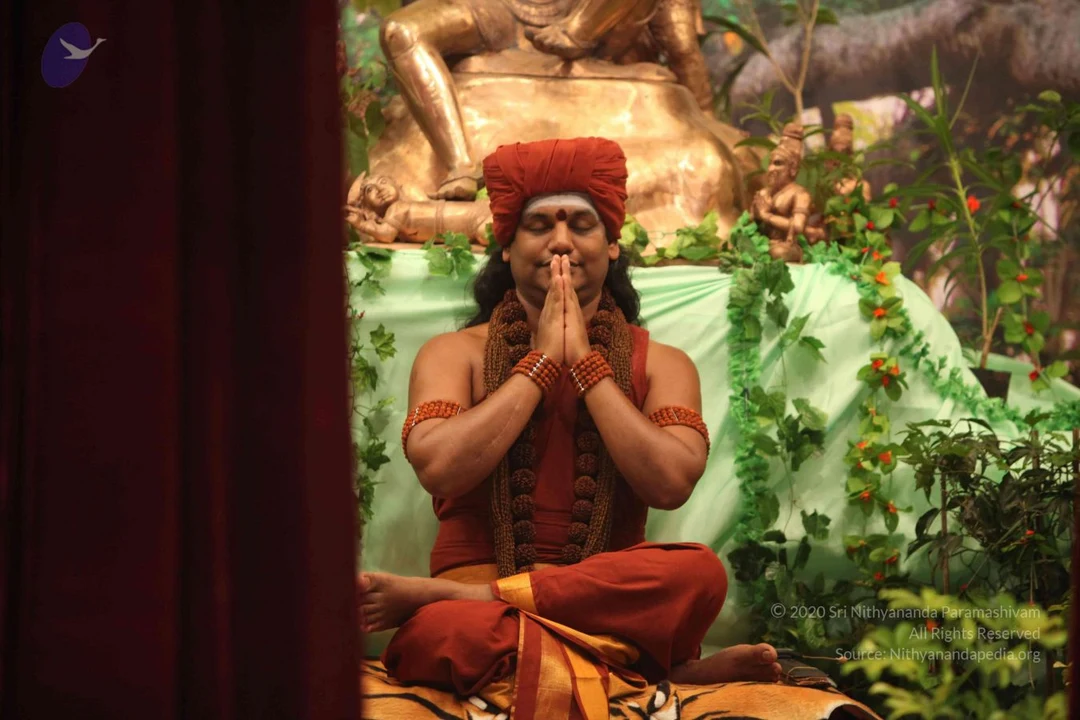
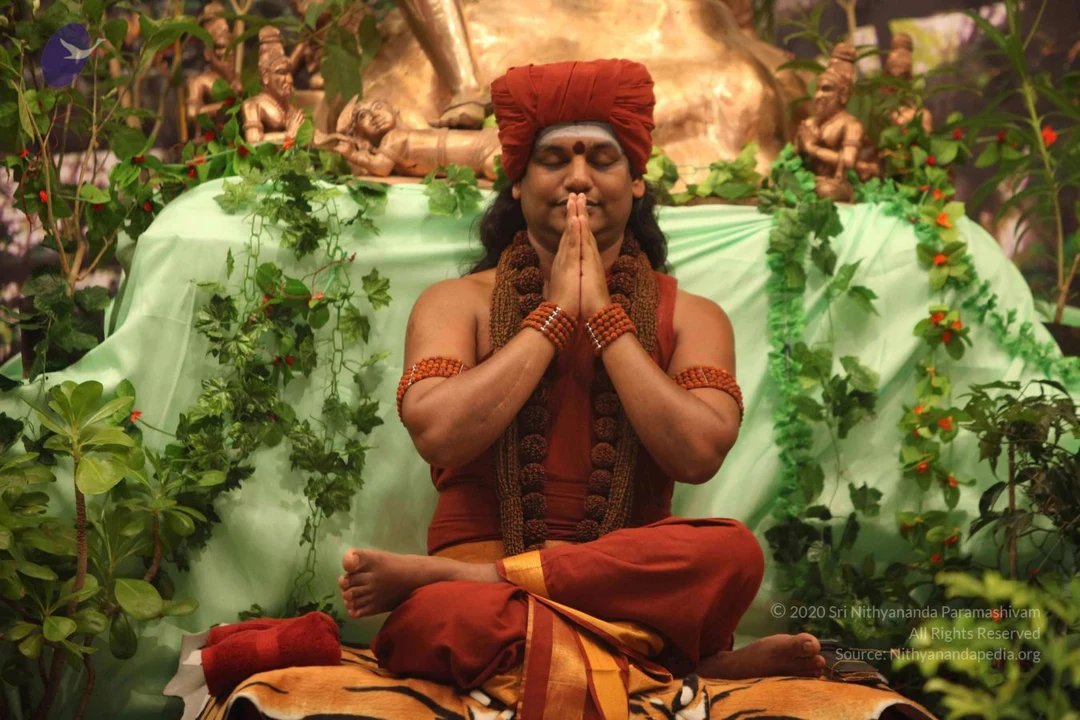
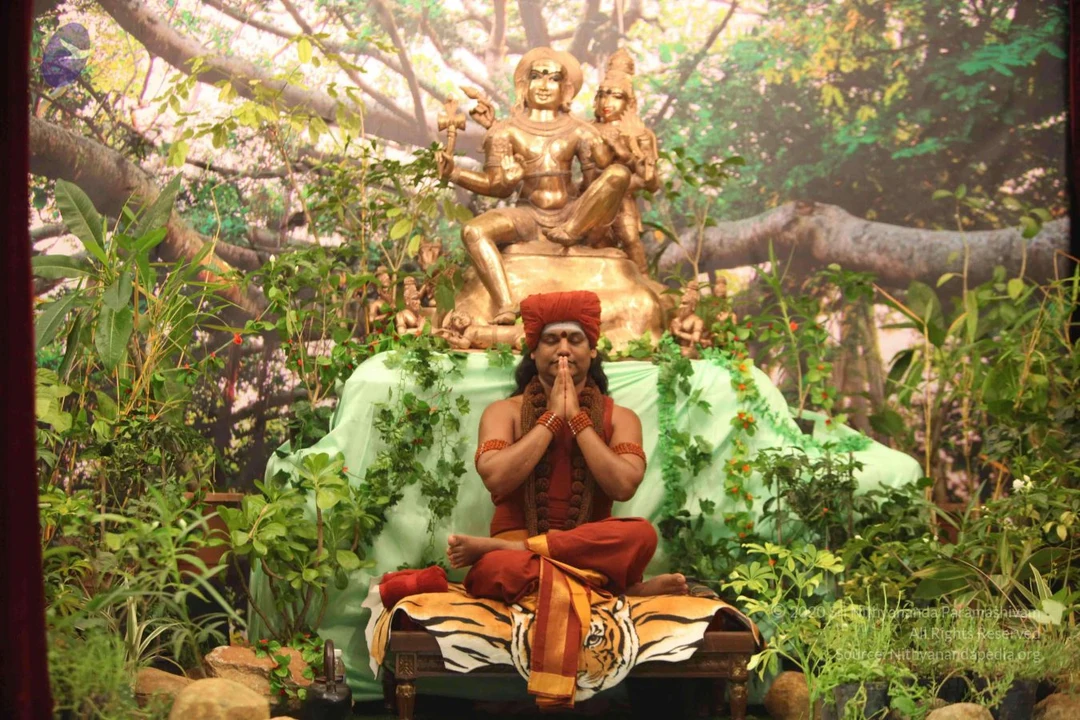

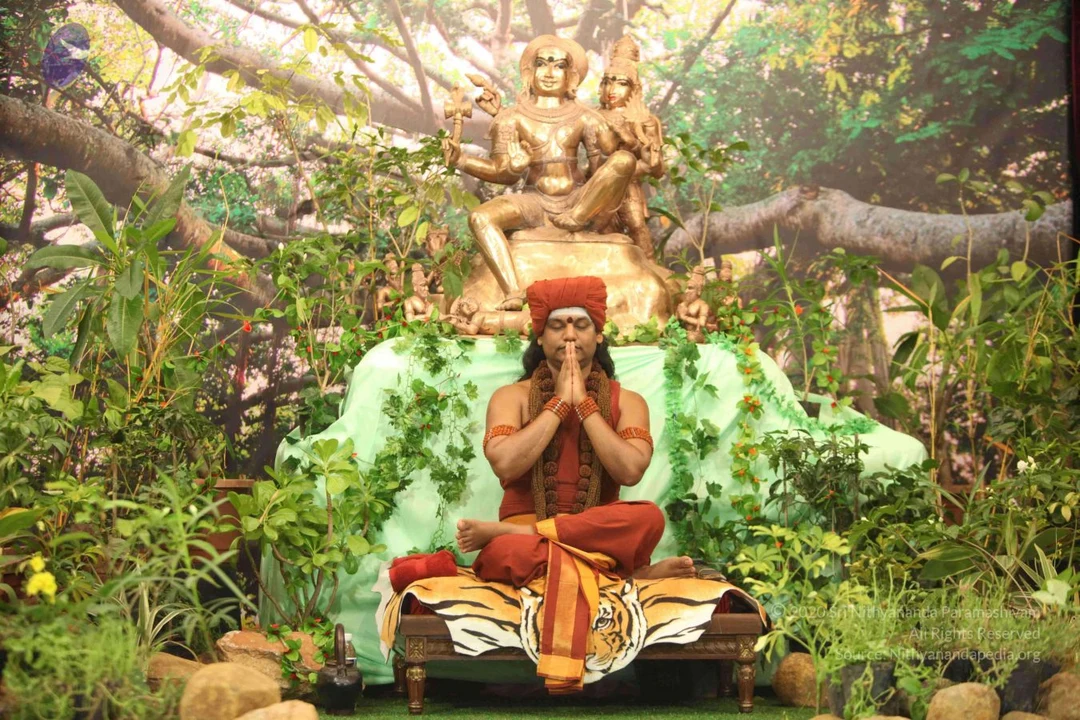
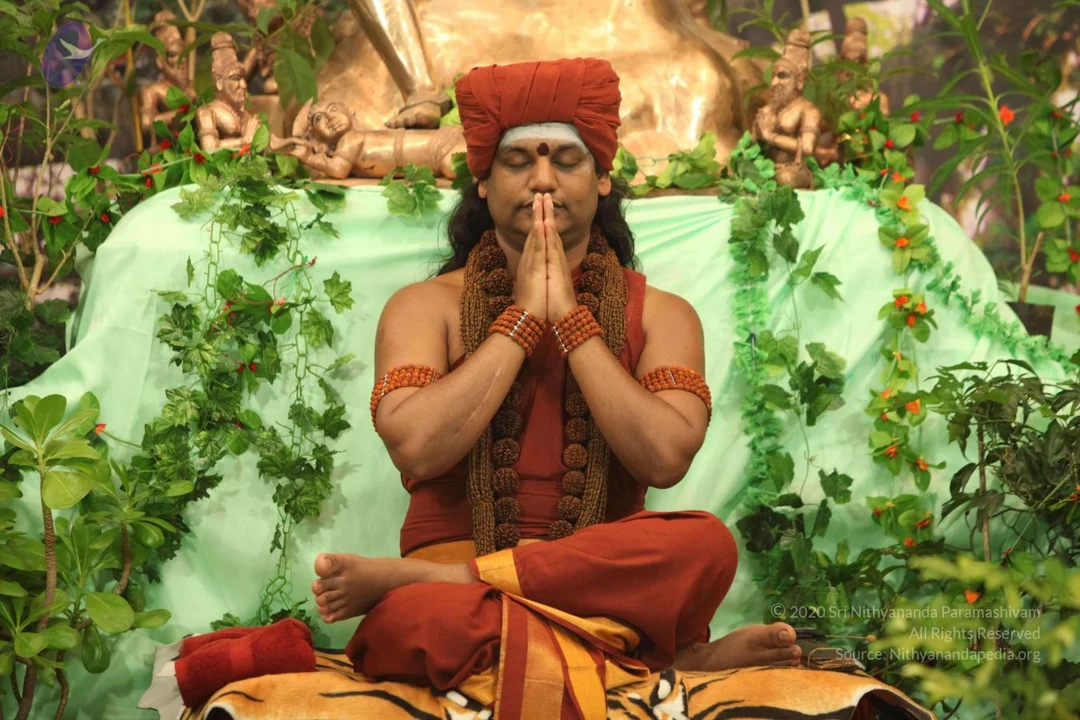
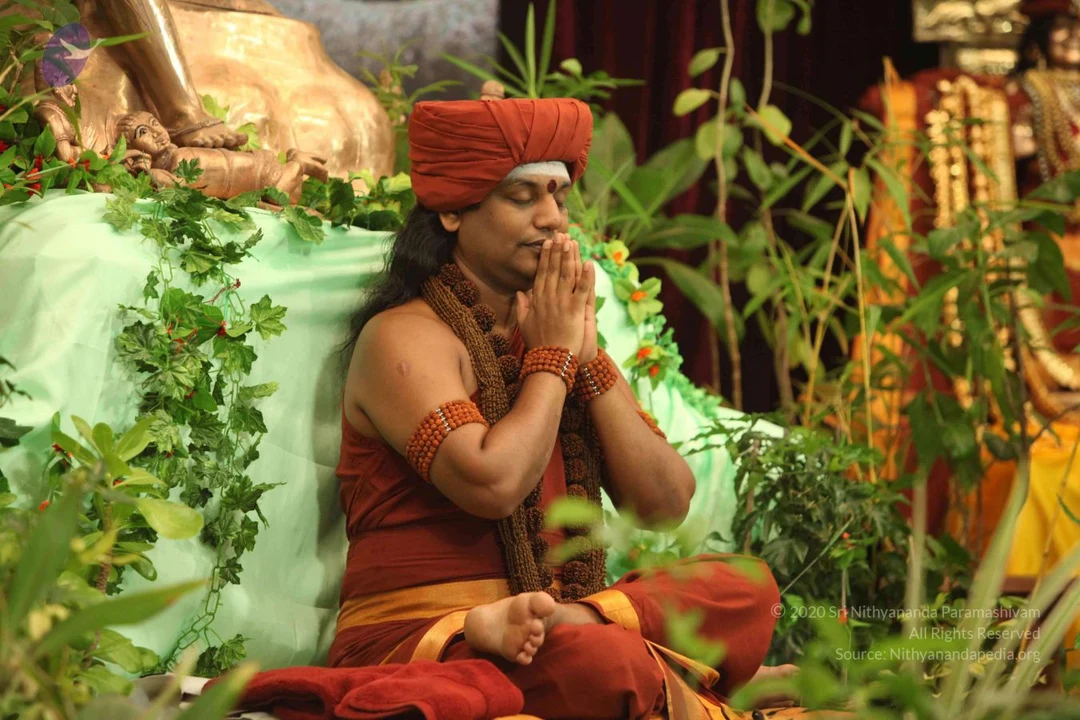
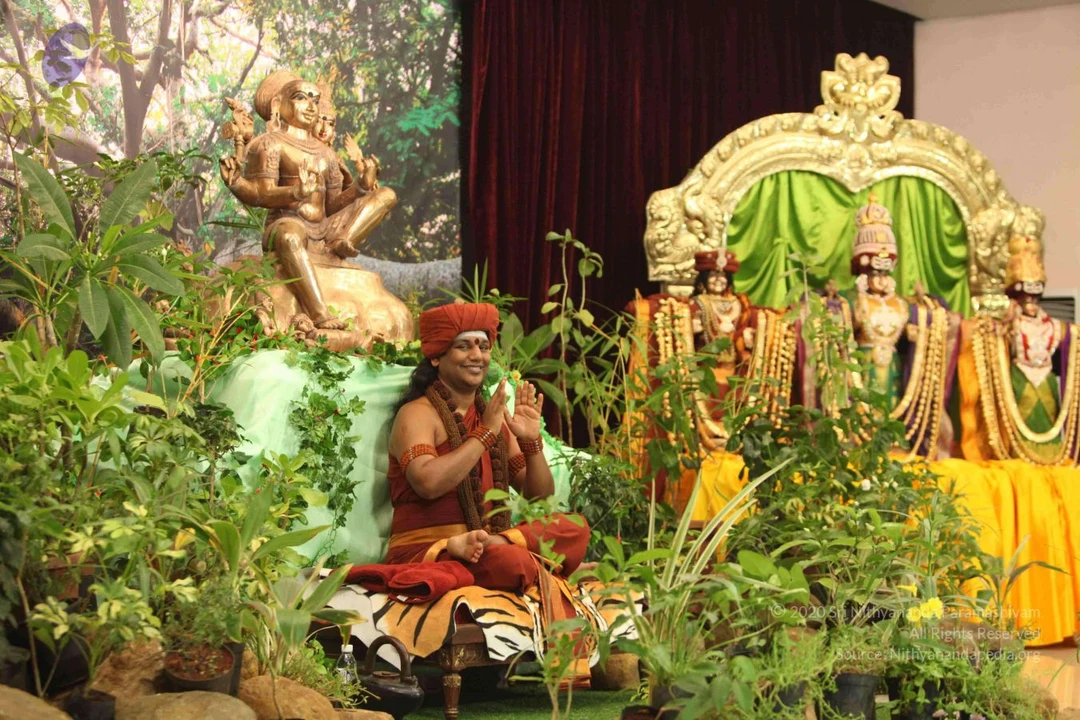
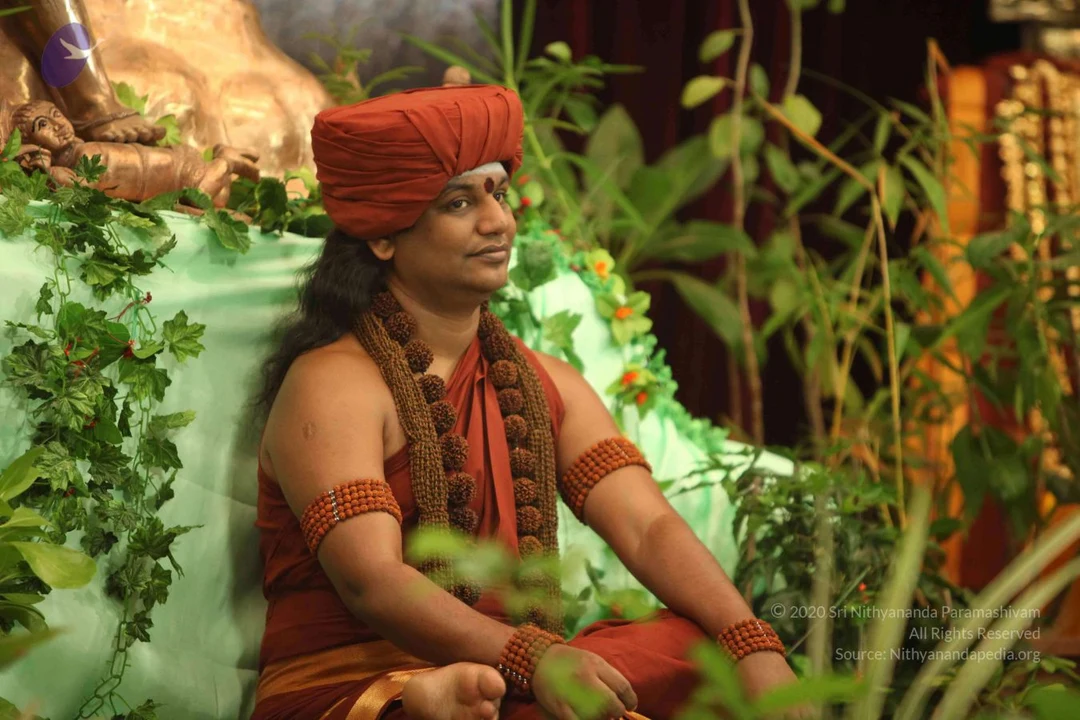
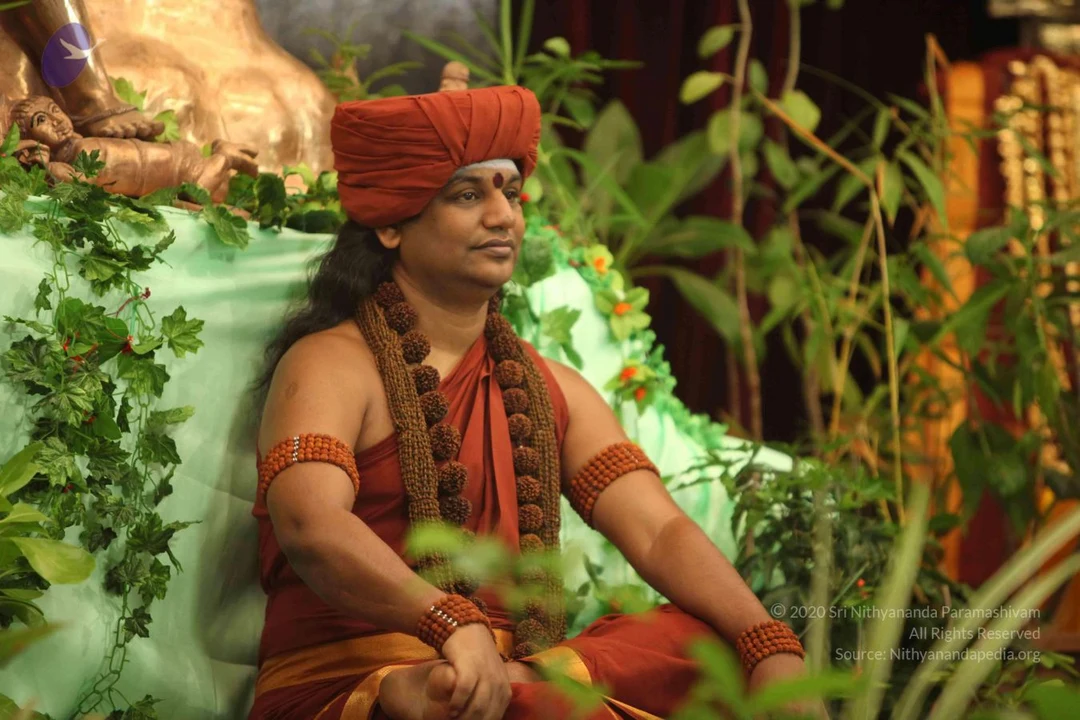
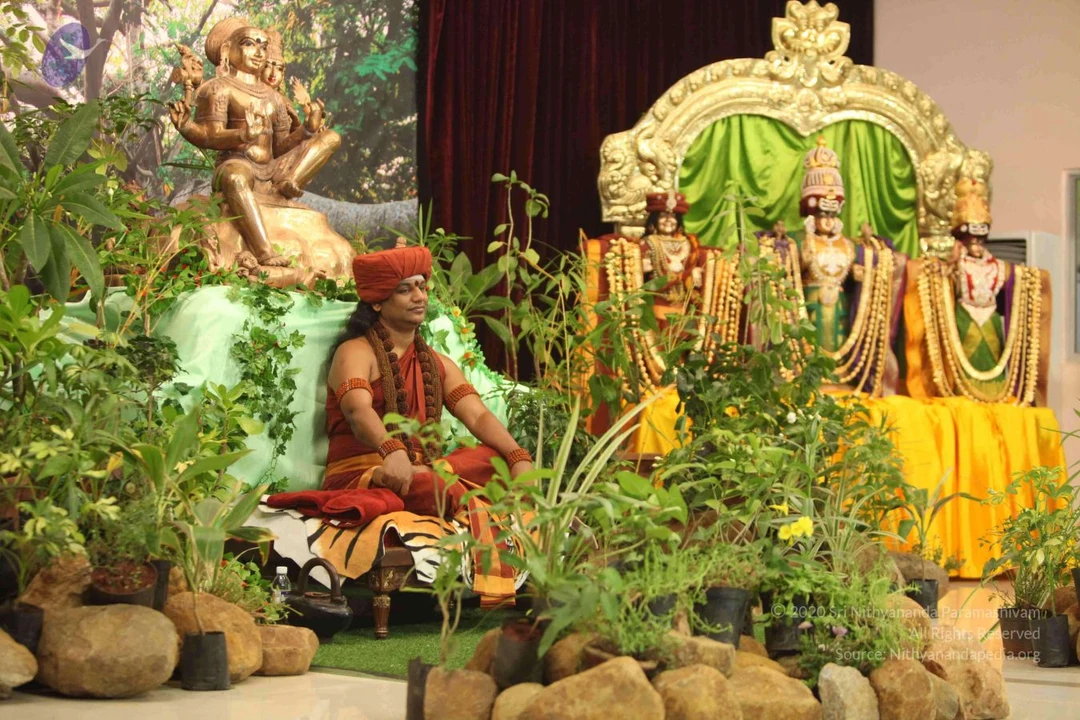
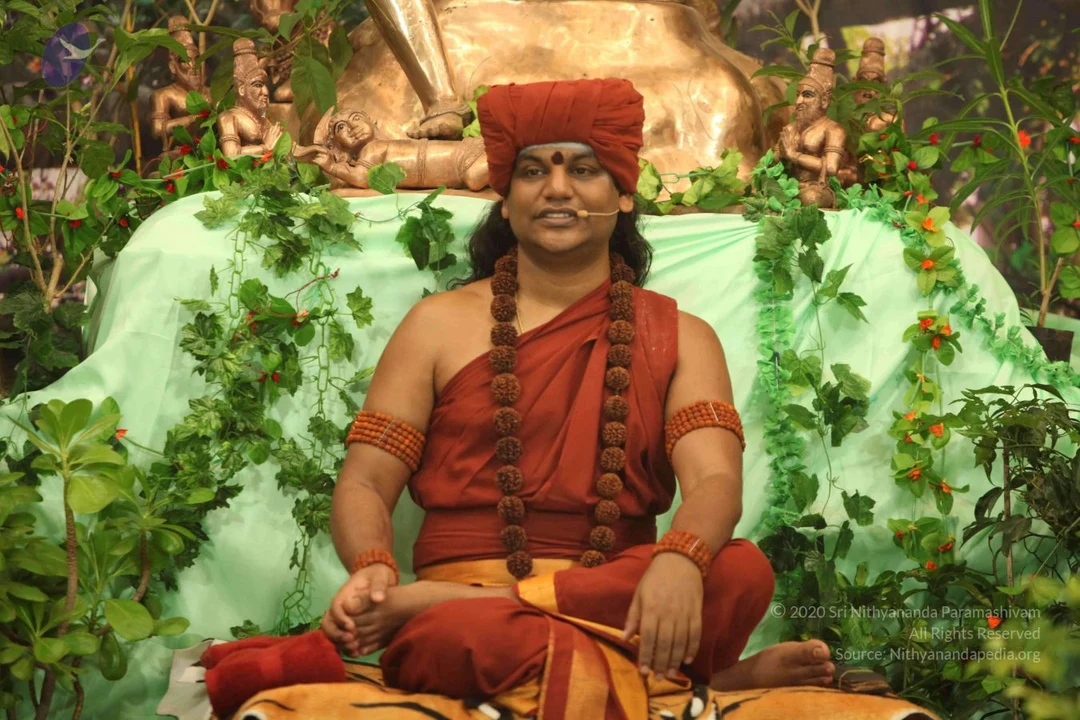
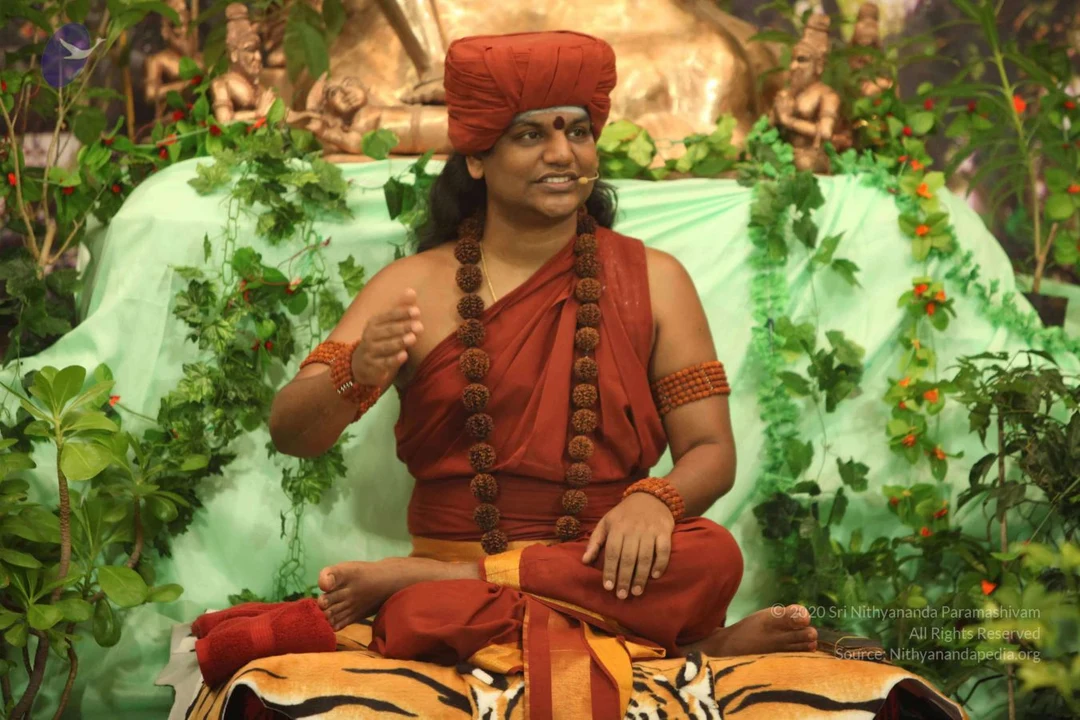
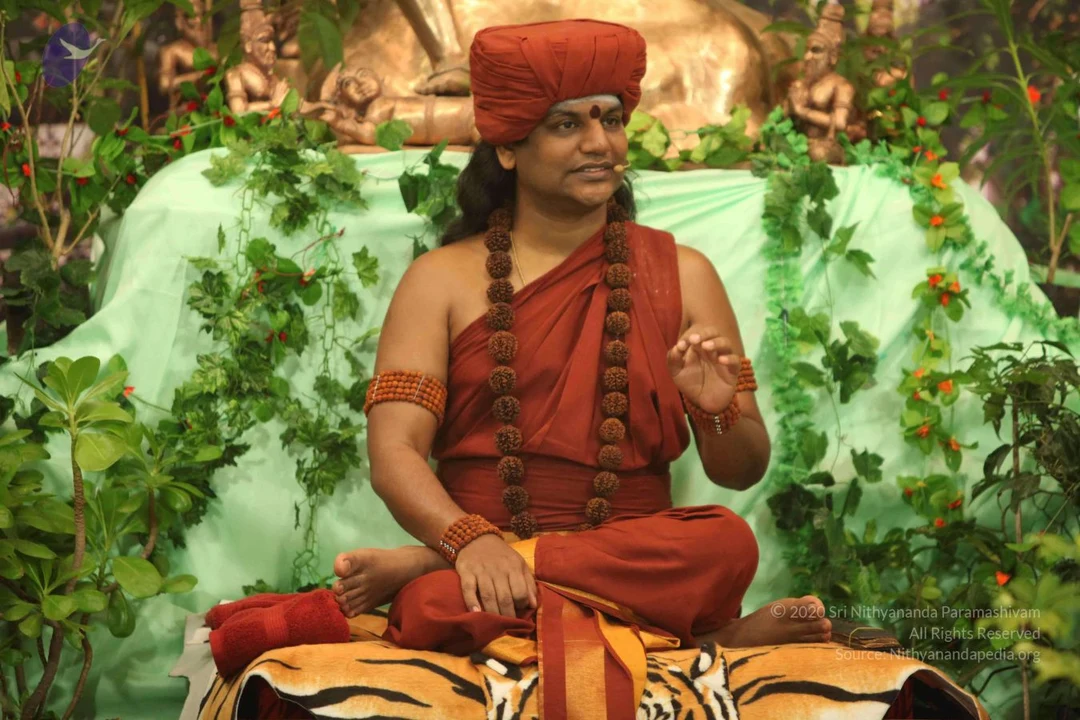
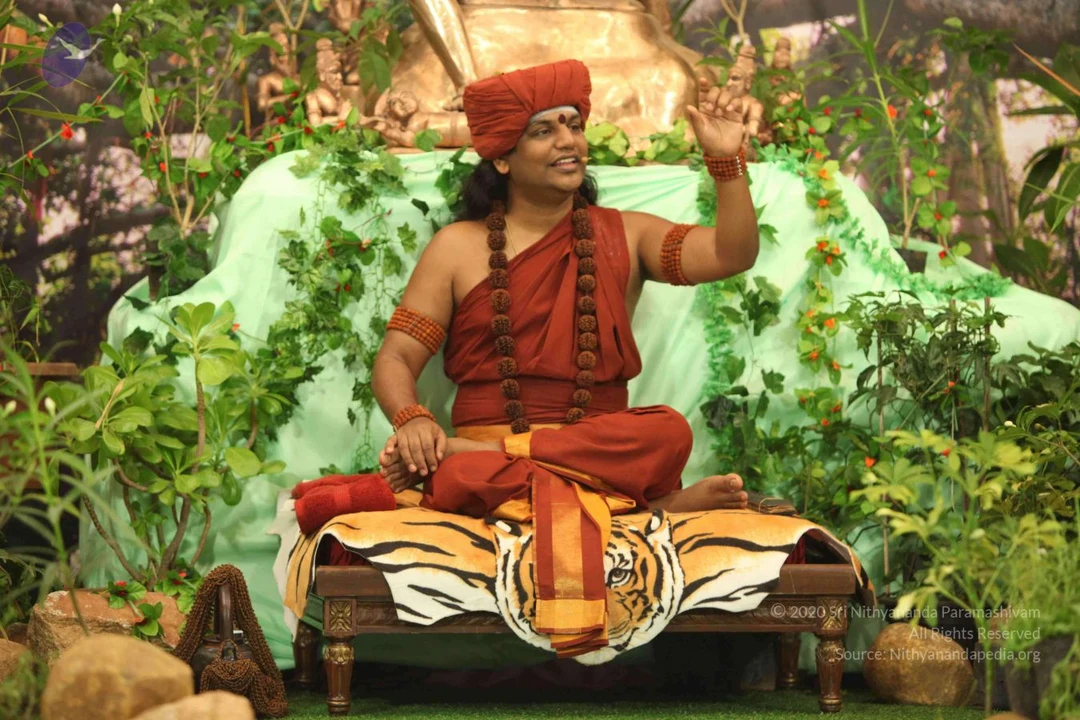
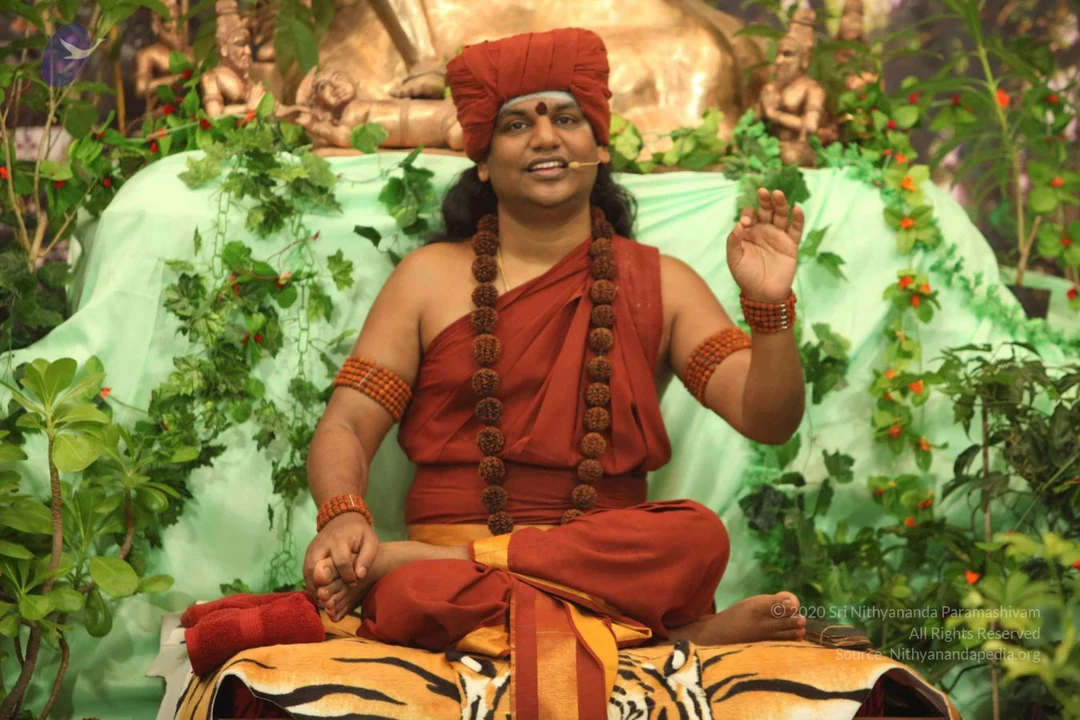
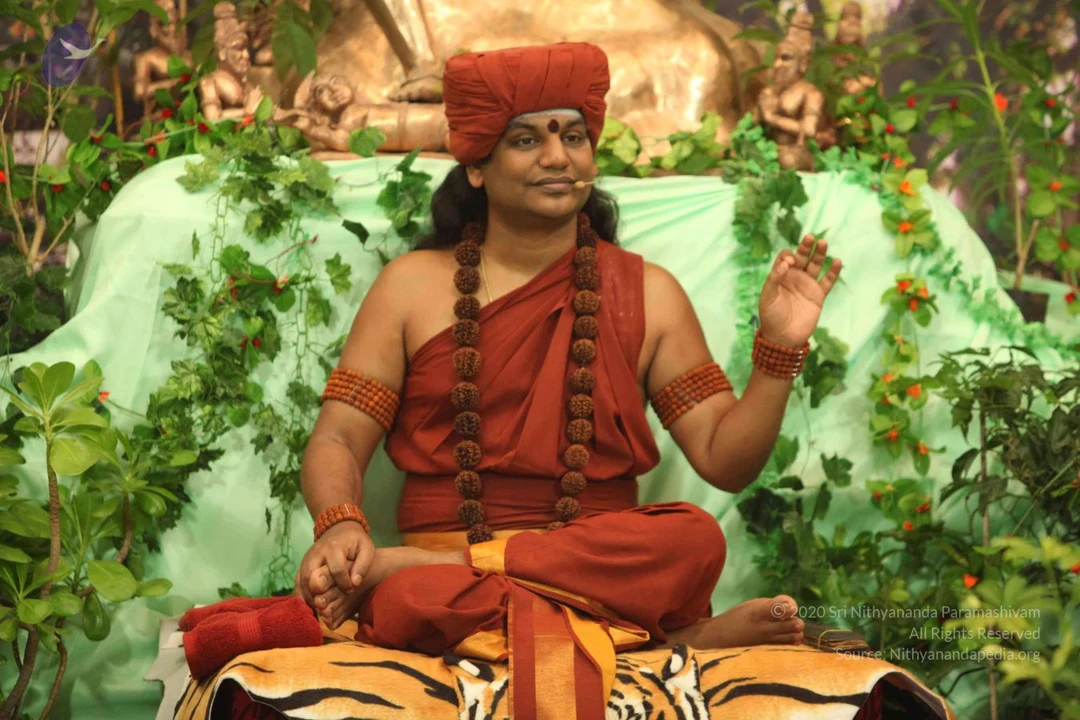
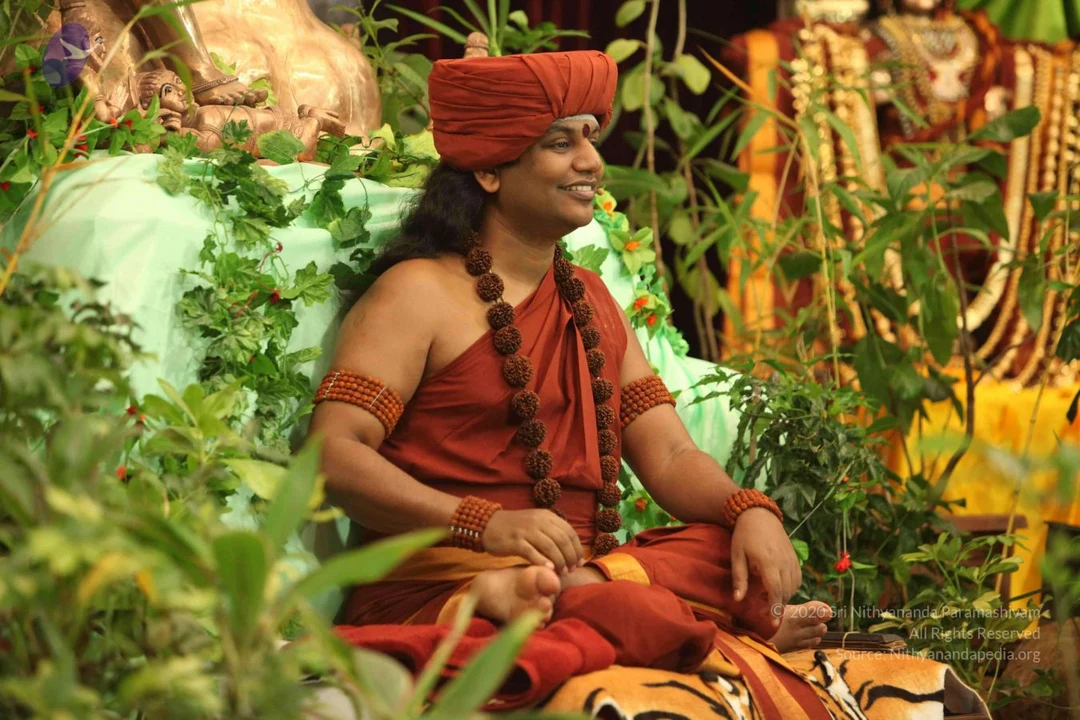
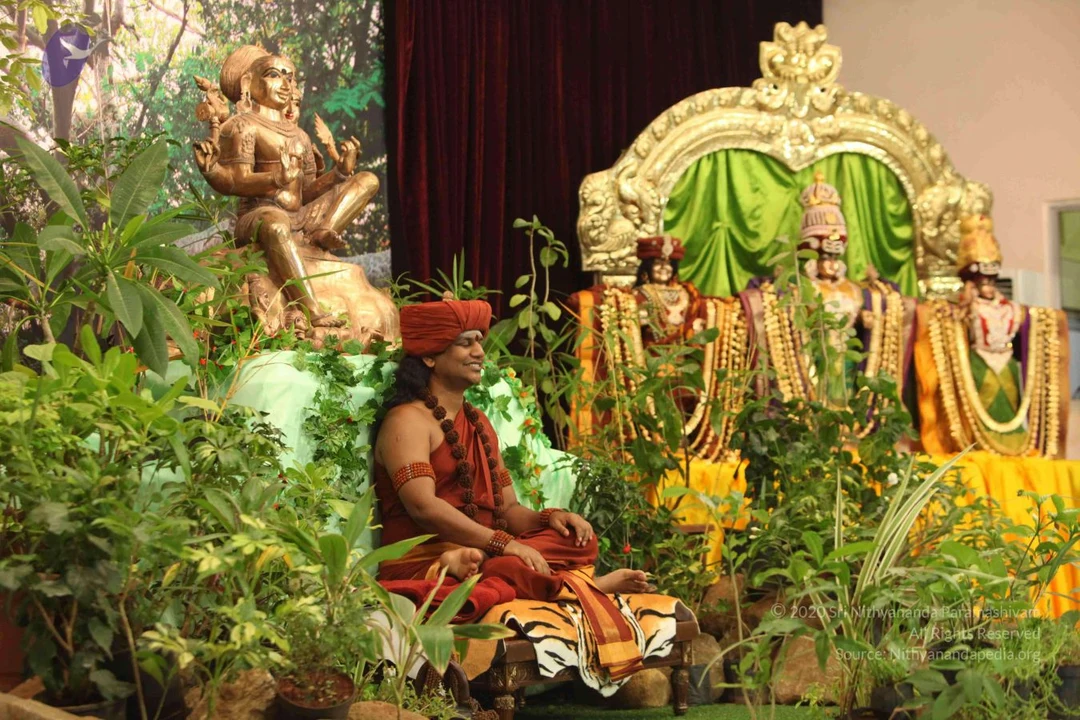
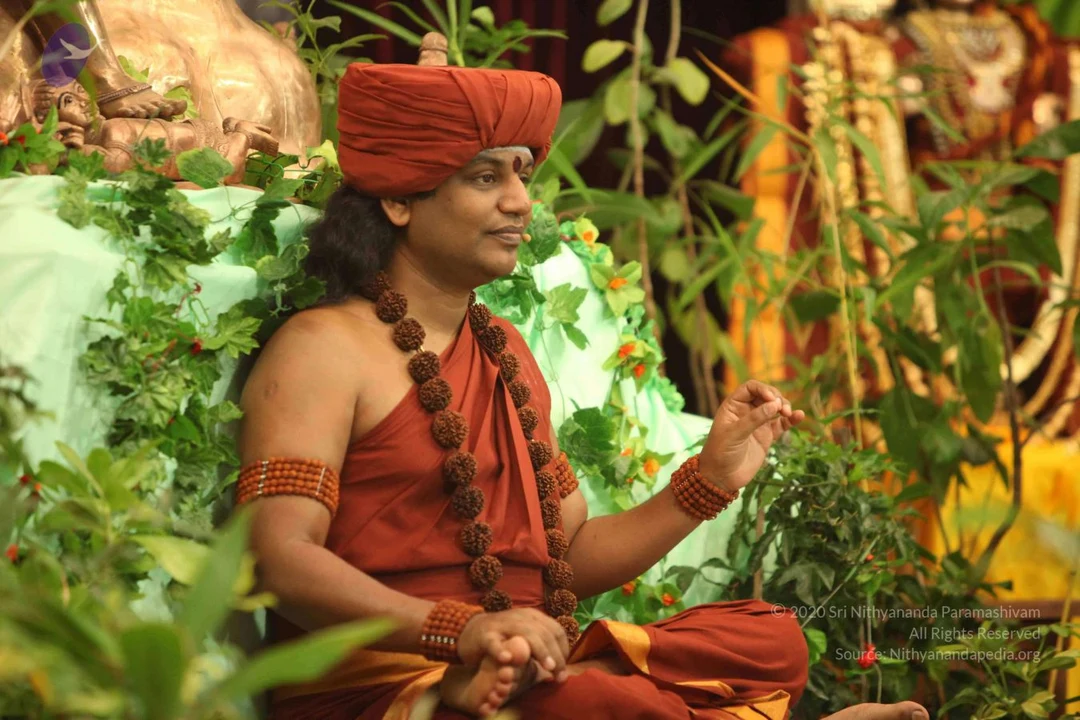
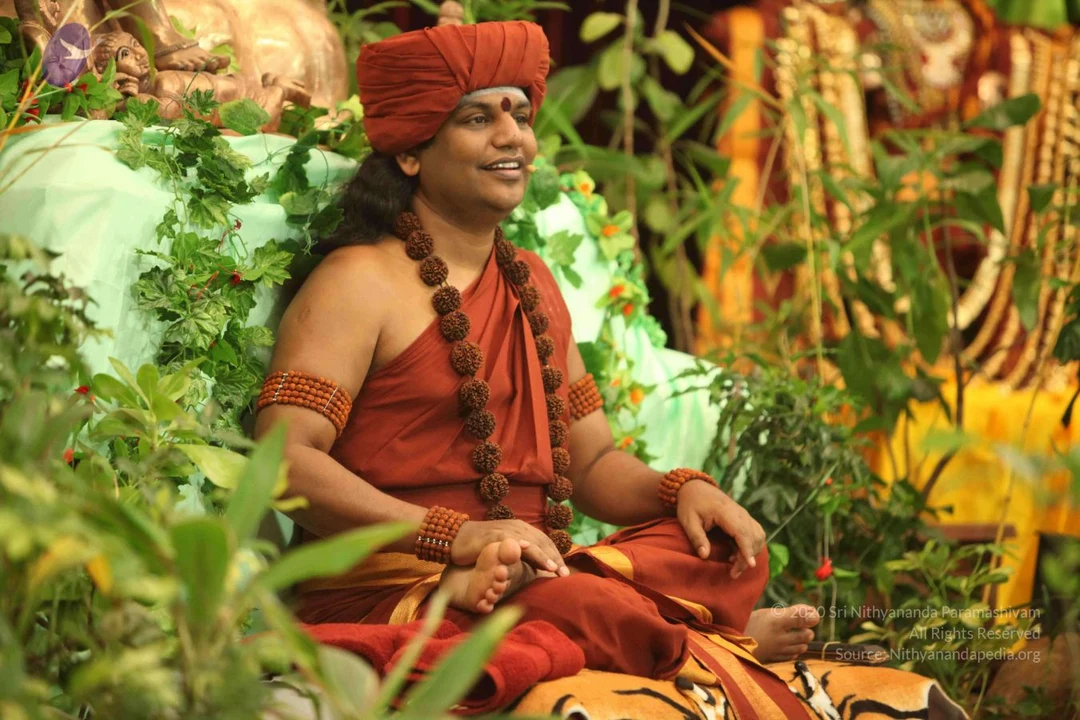
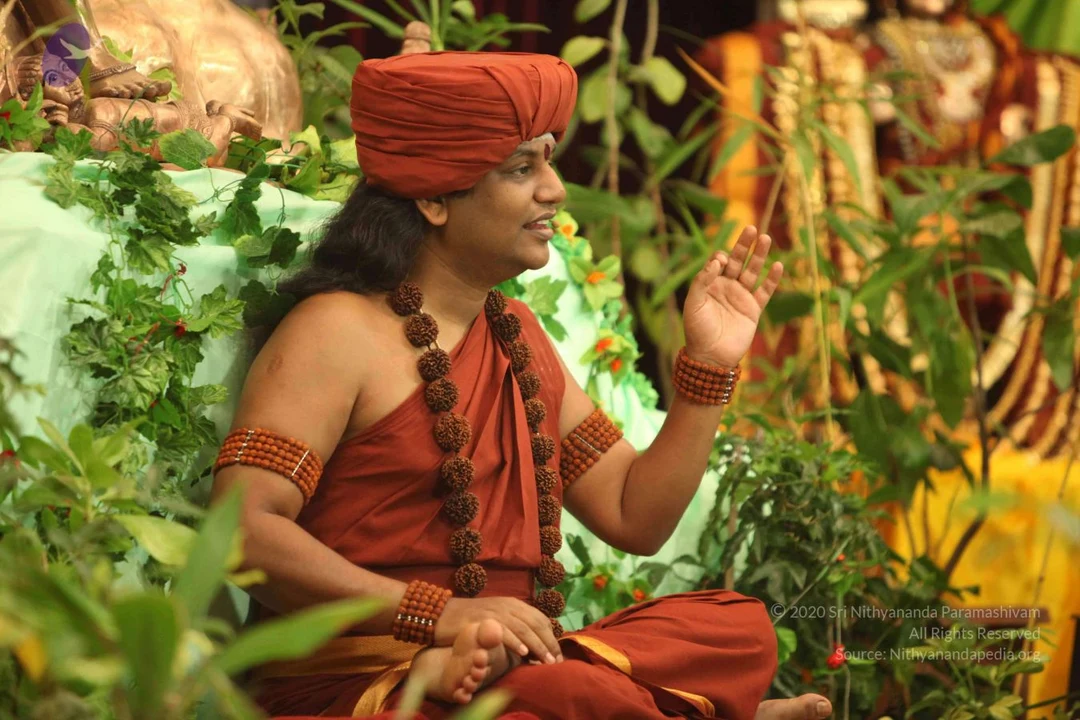
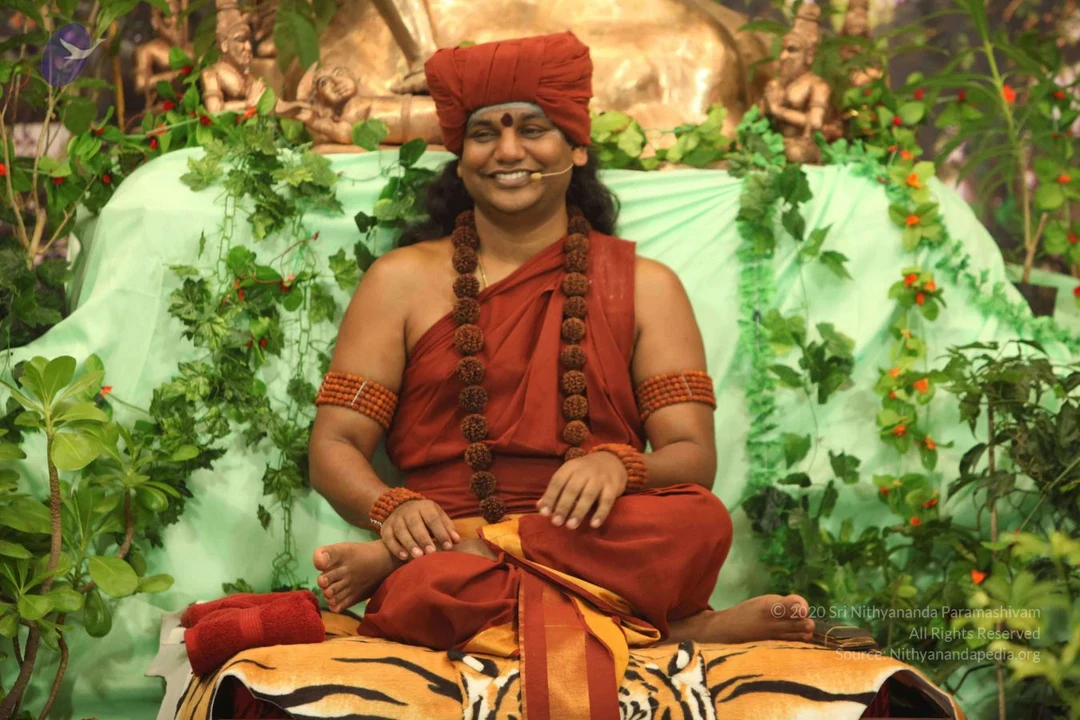
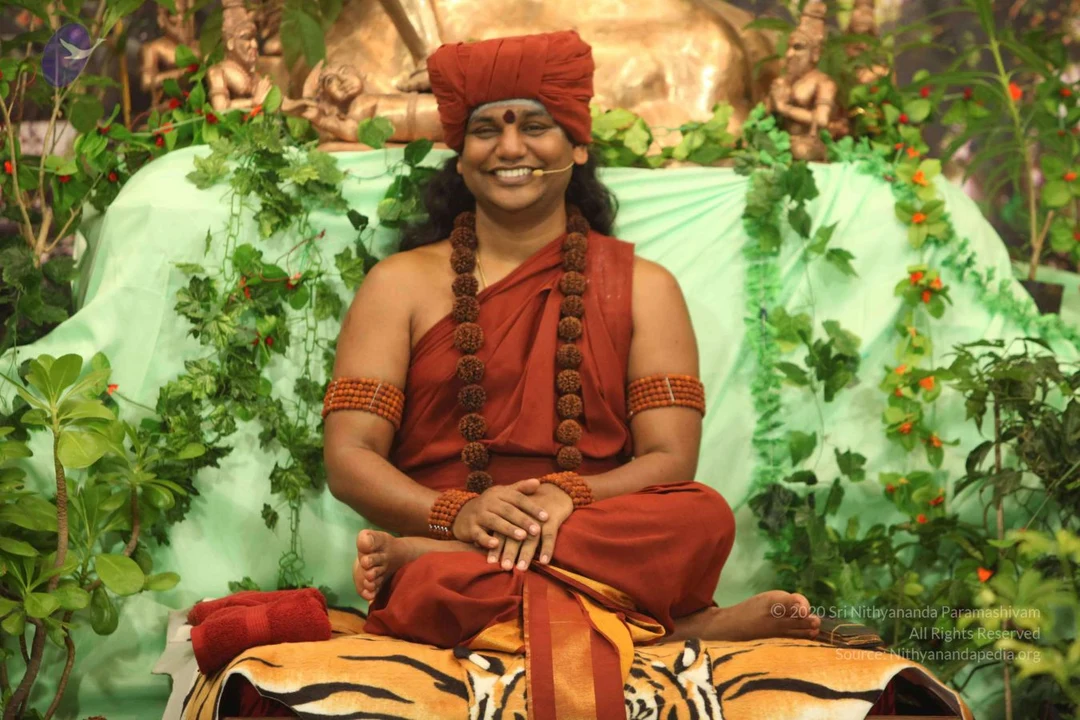
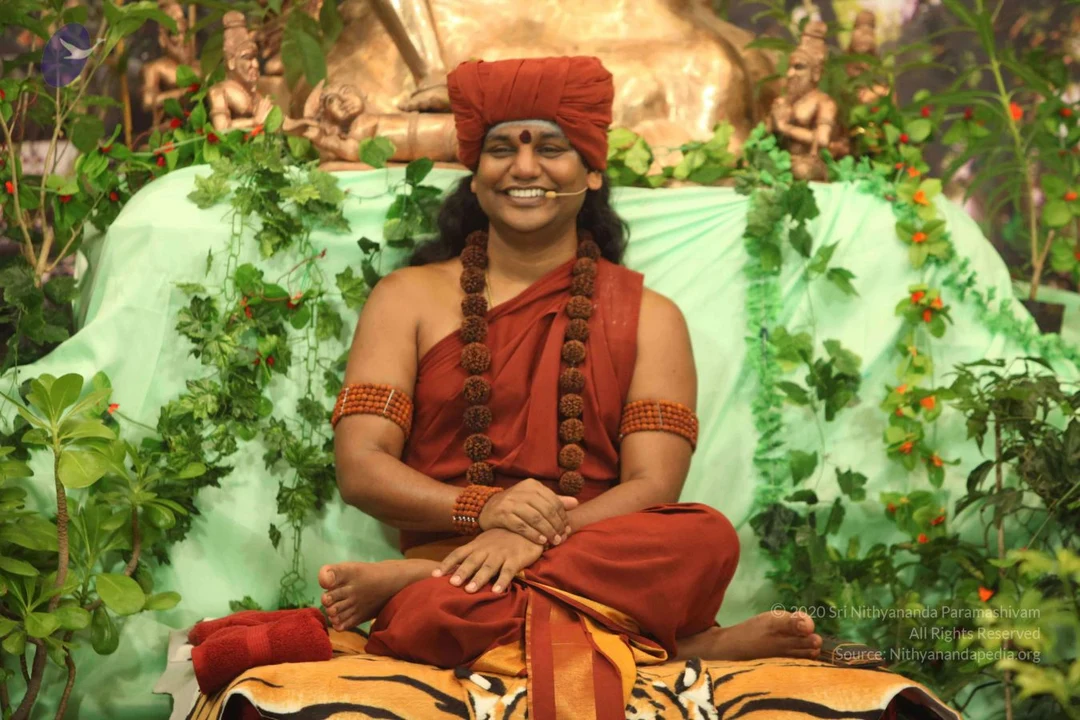
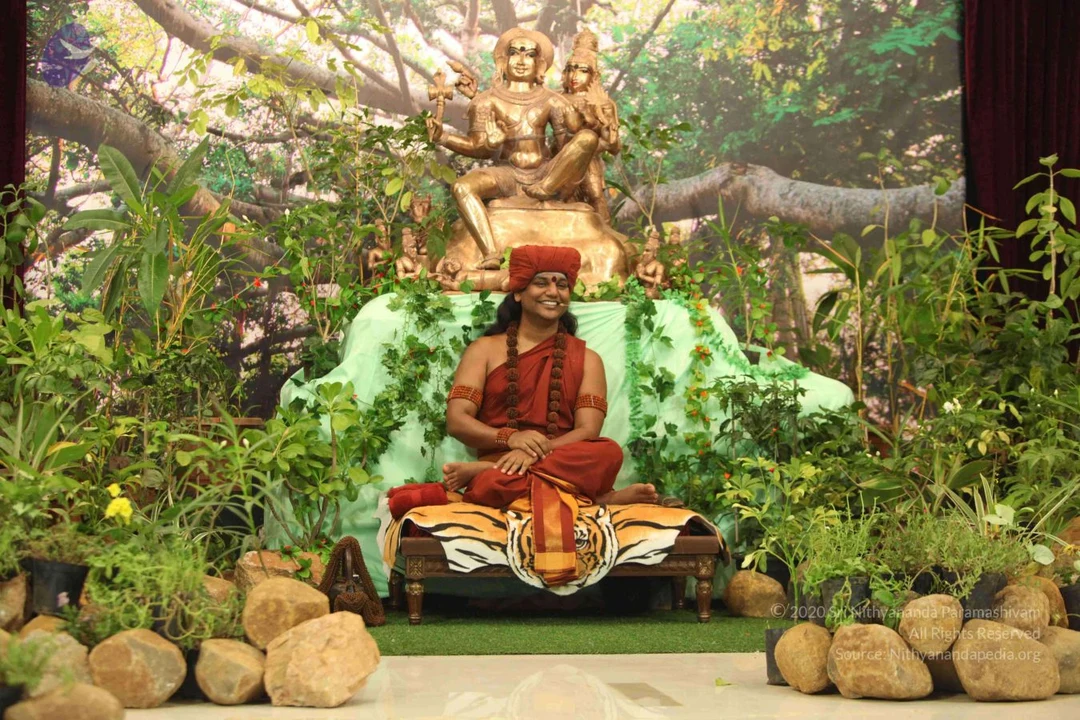
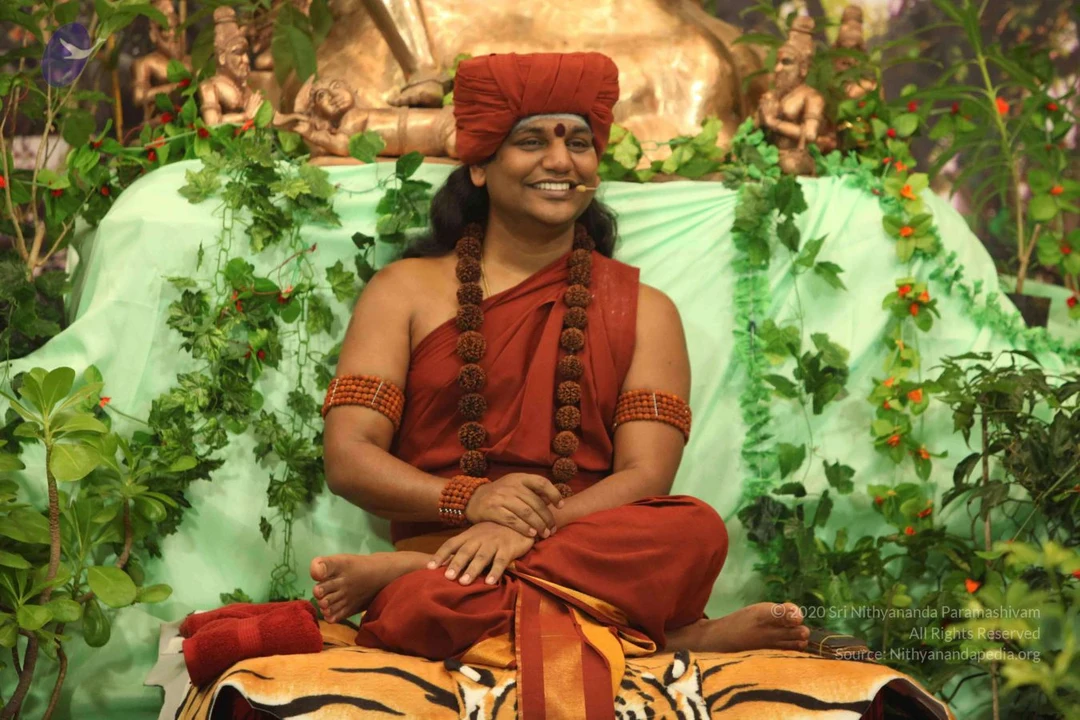
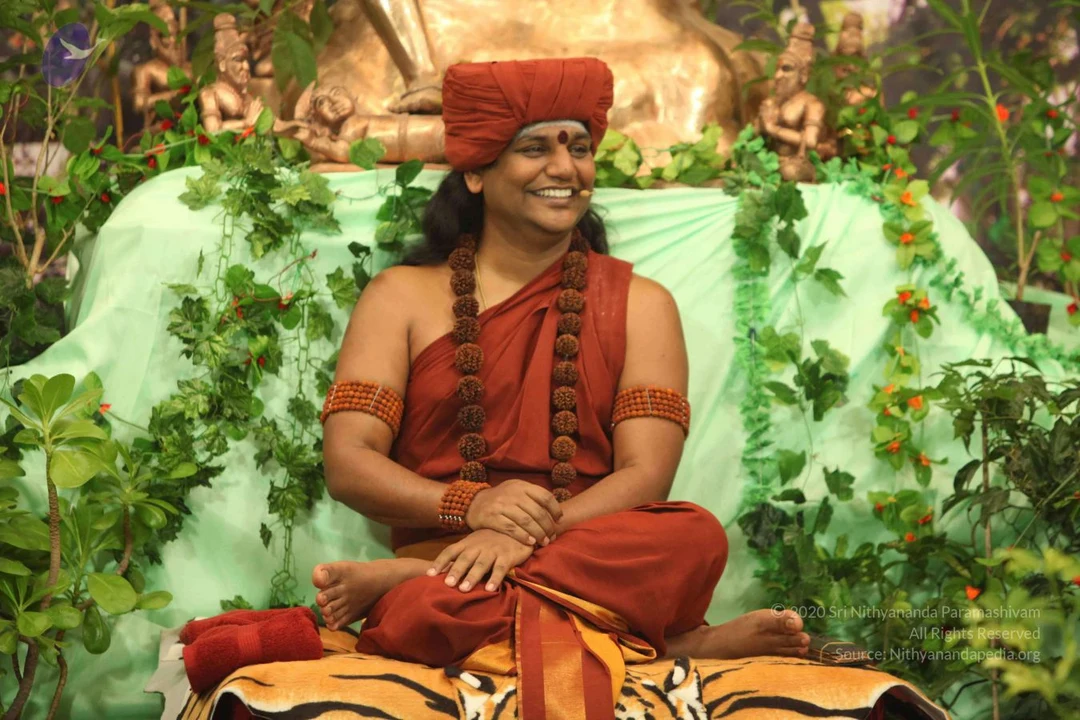
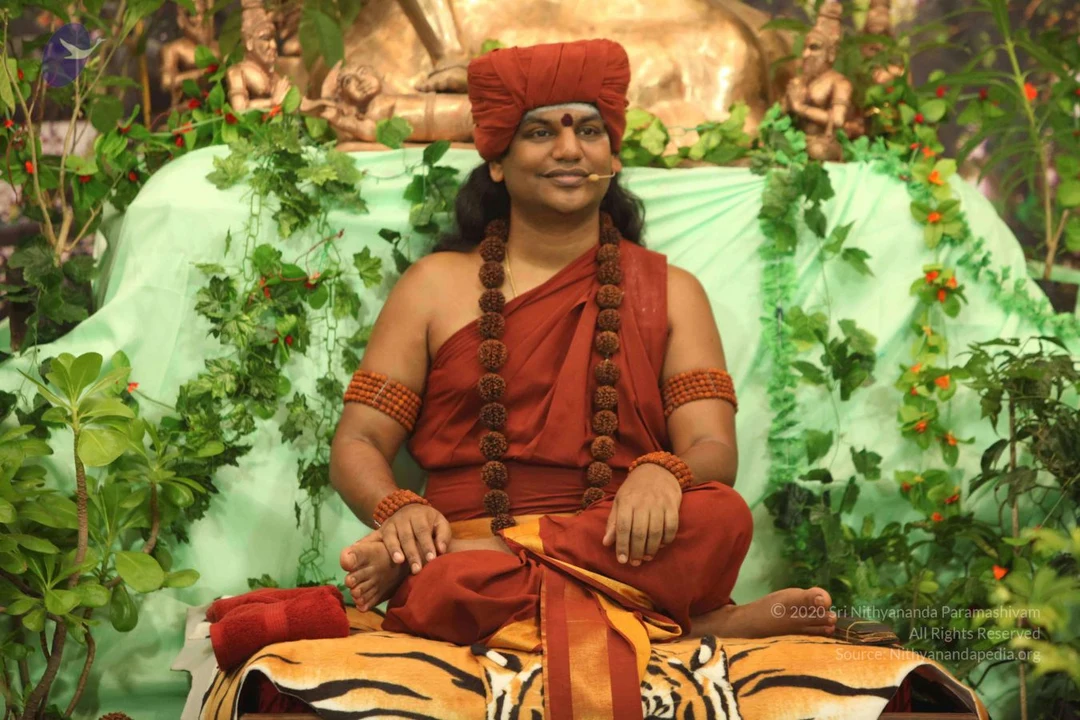
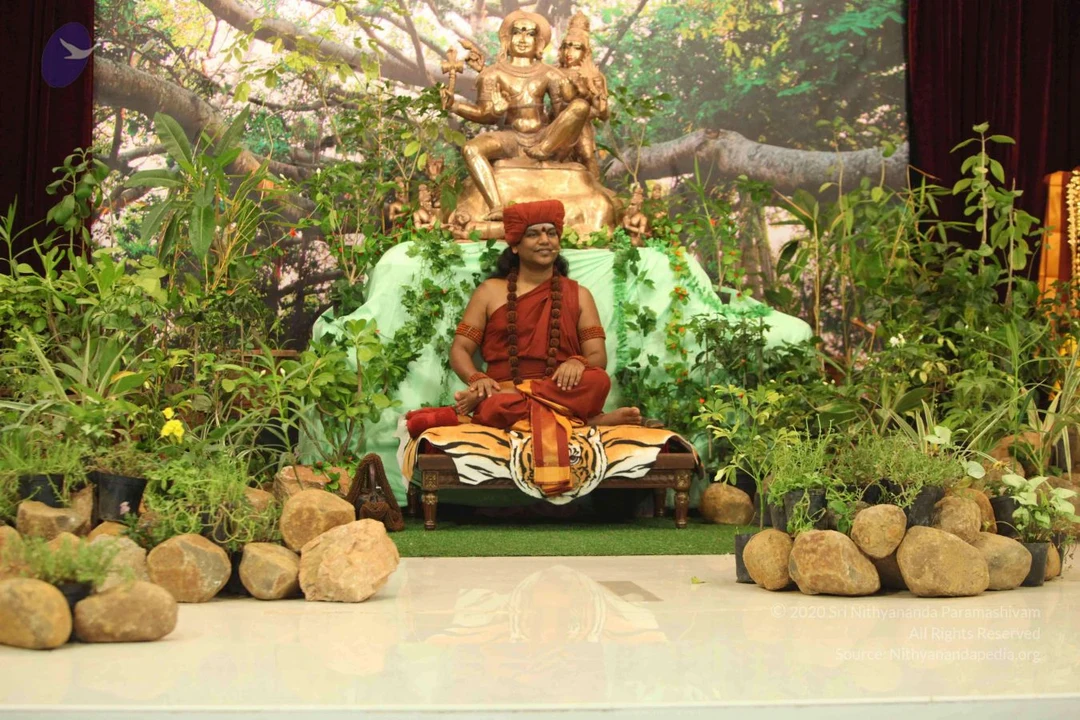
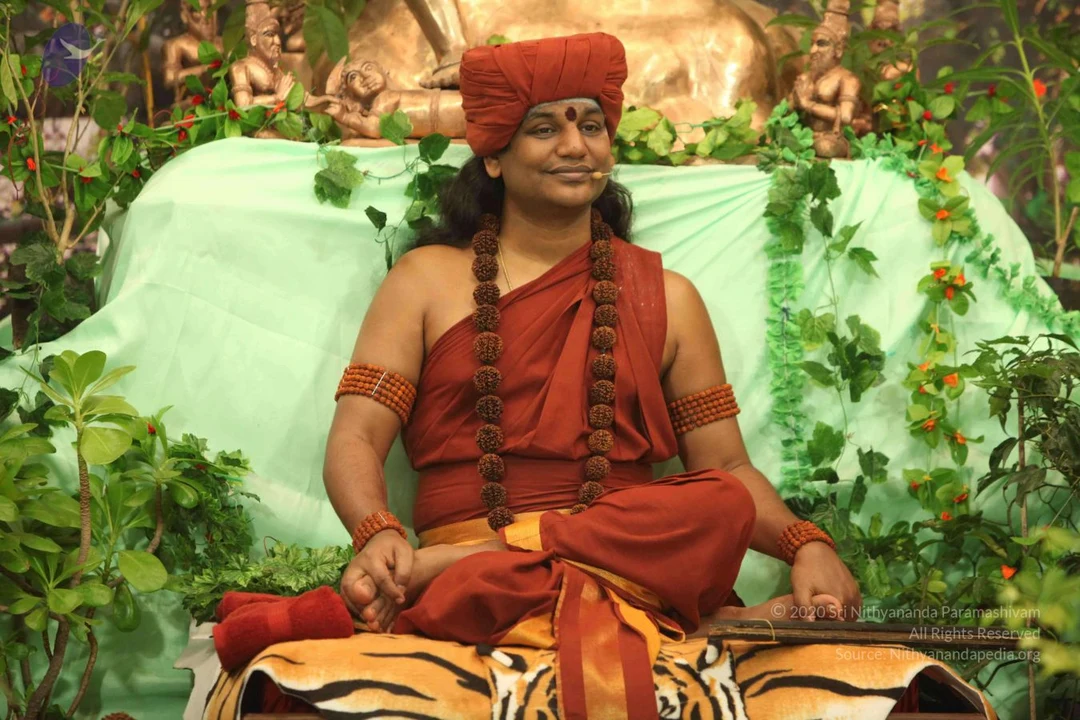
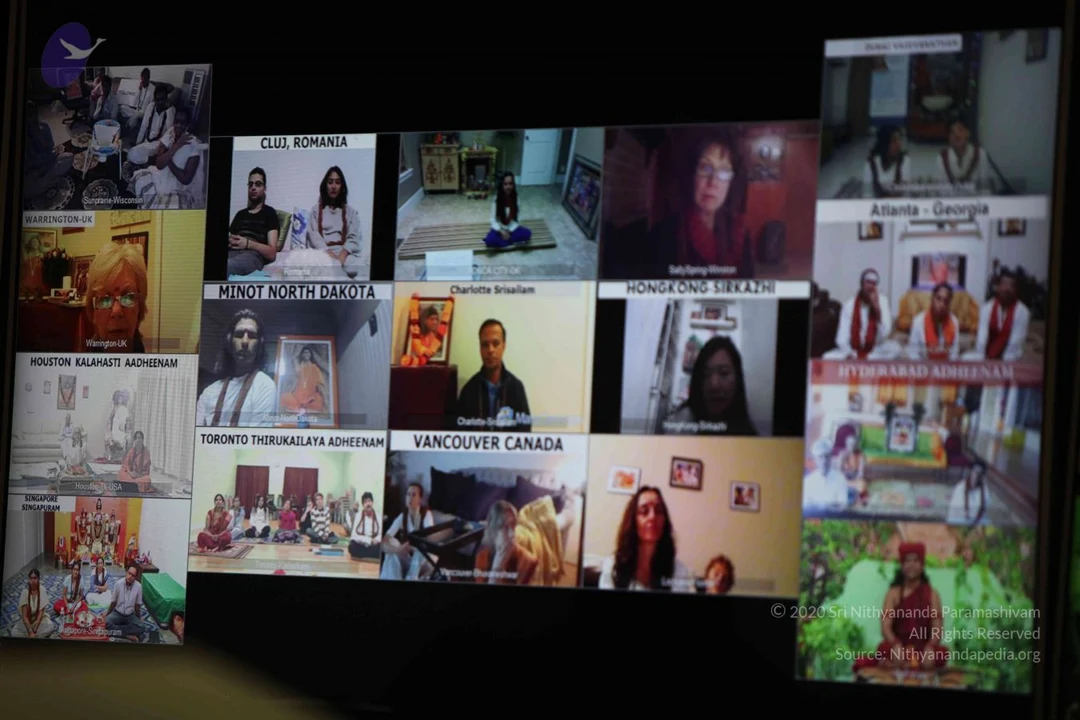
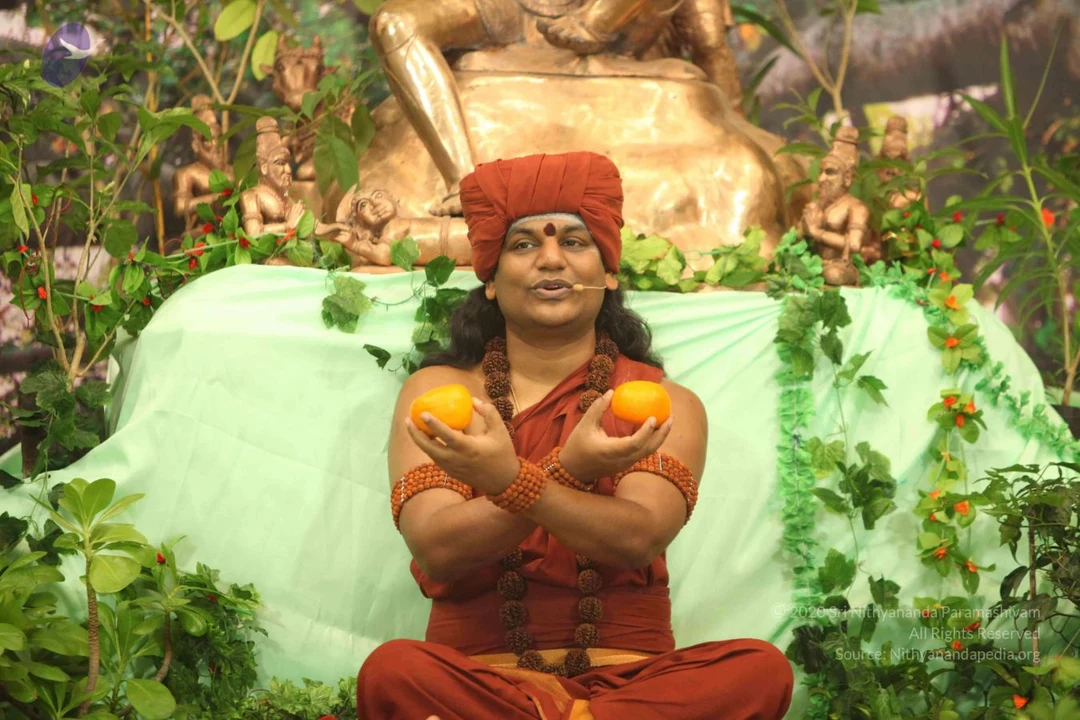
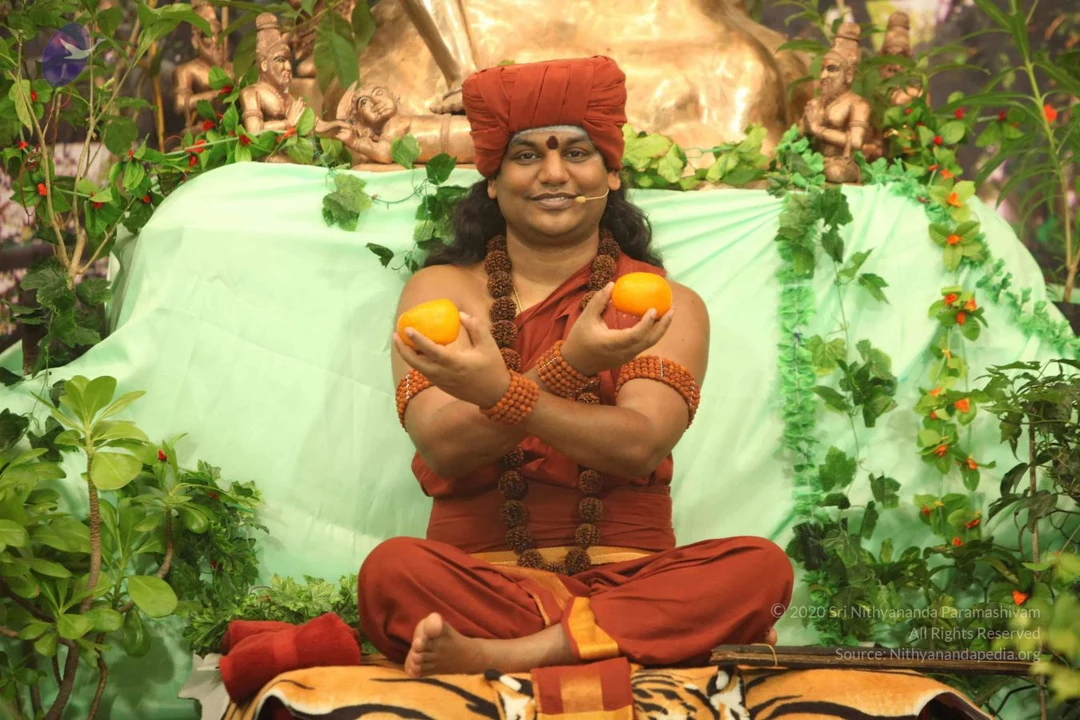

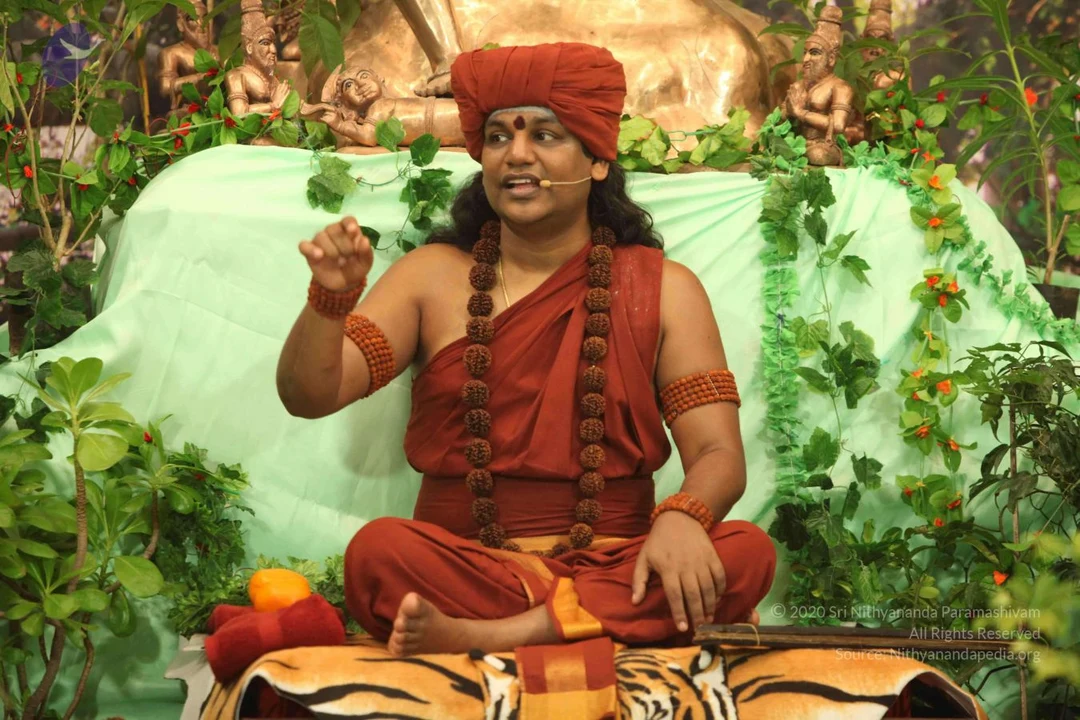
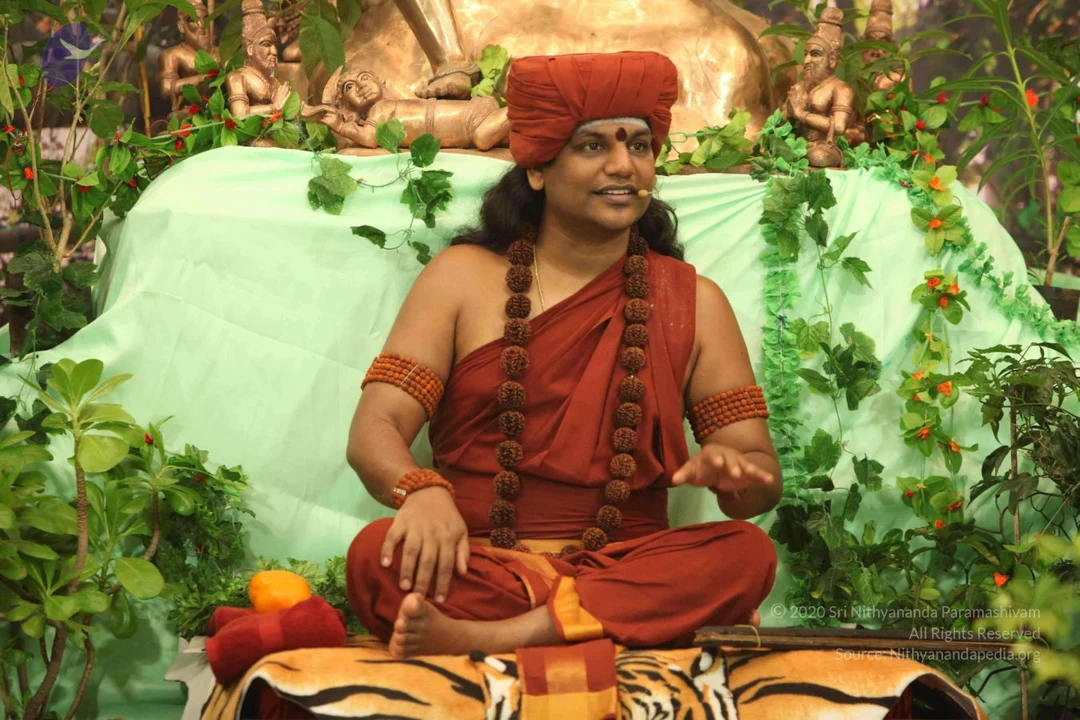
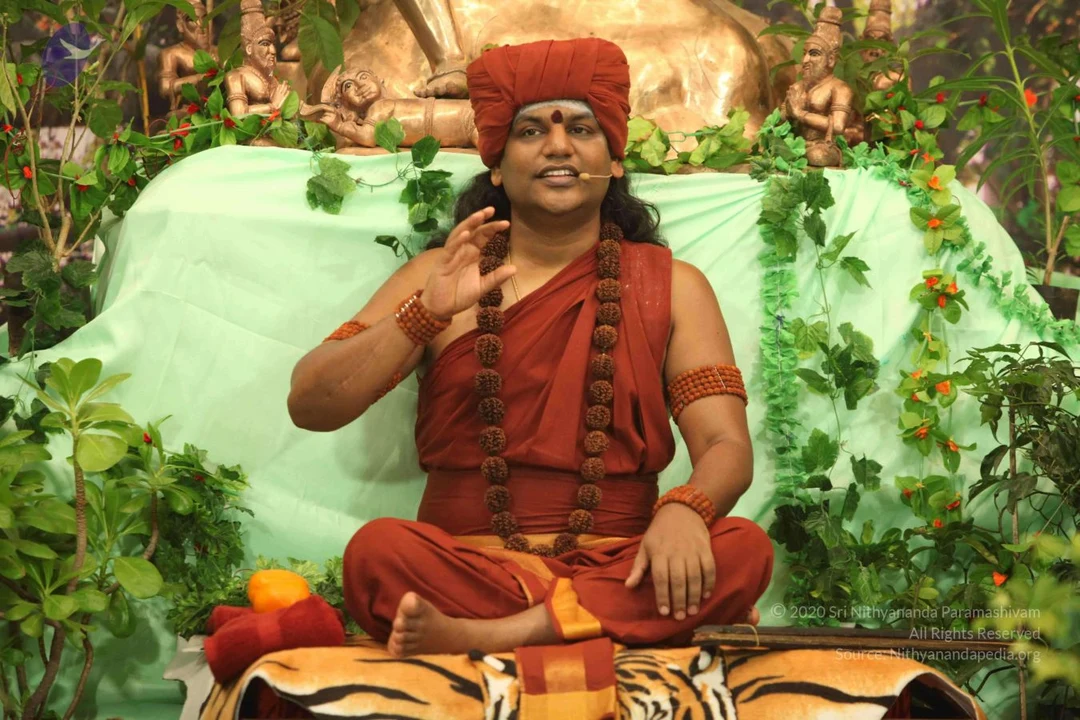
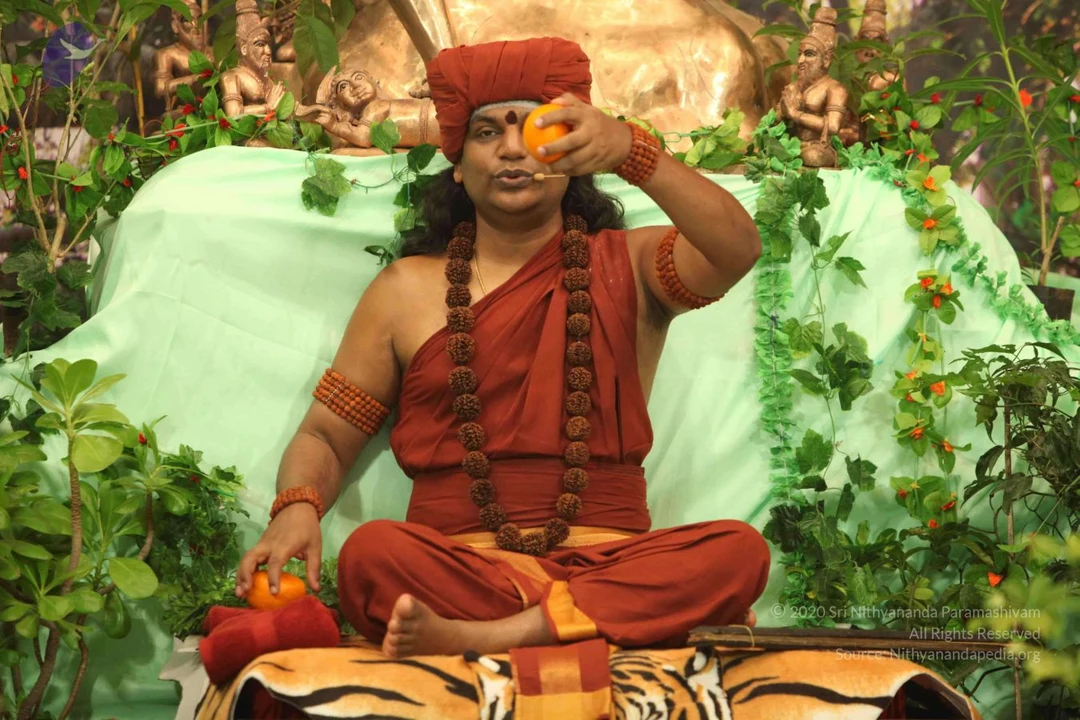

Nithya Kirtans
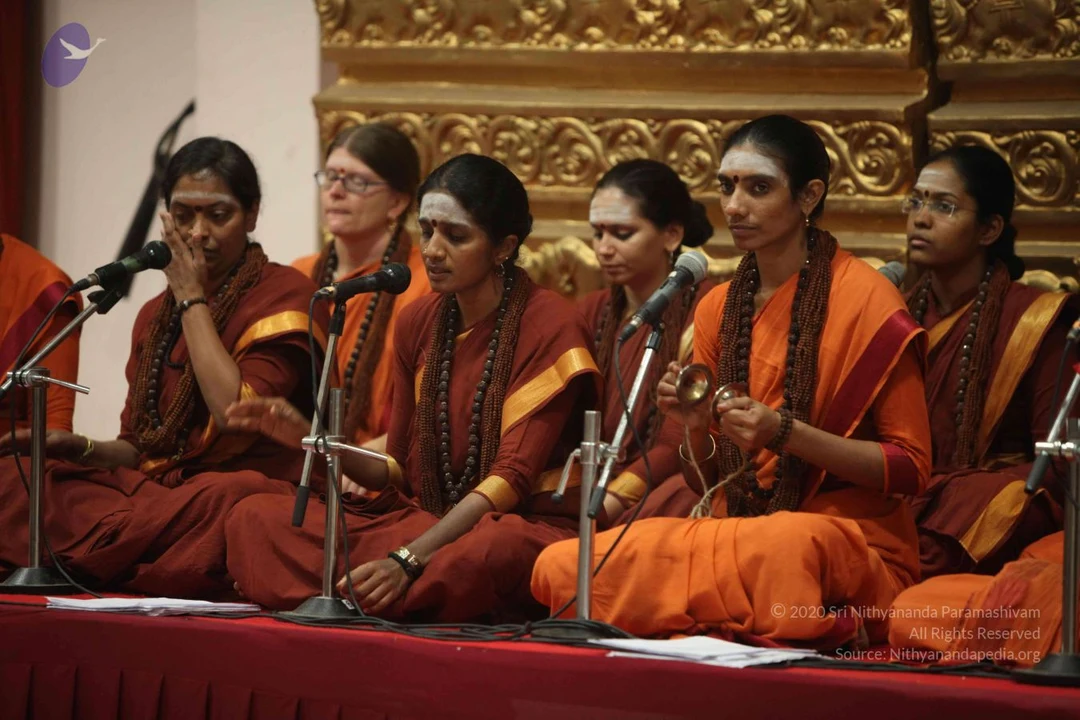
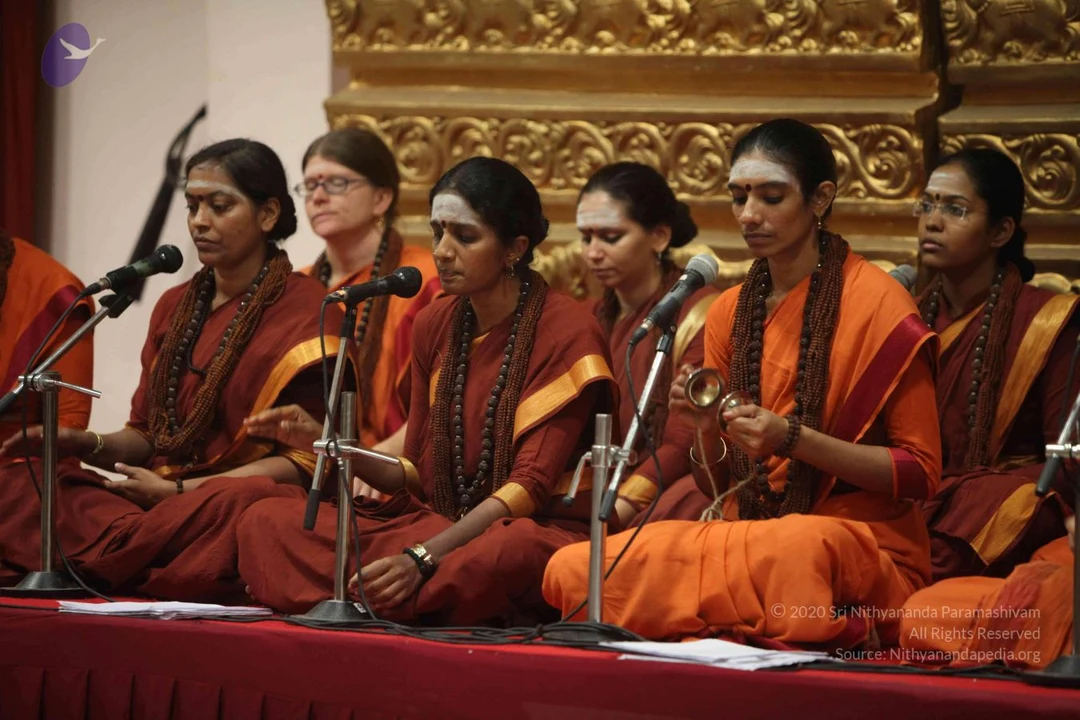
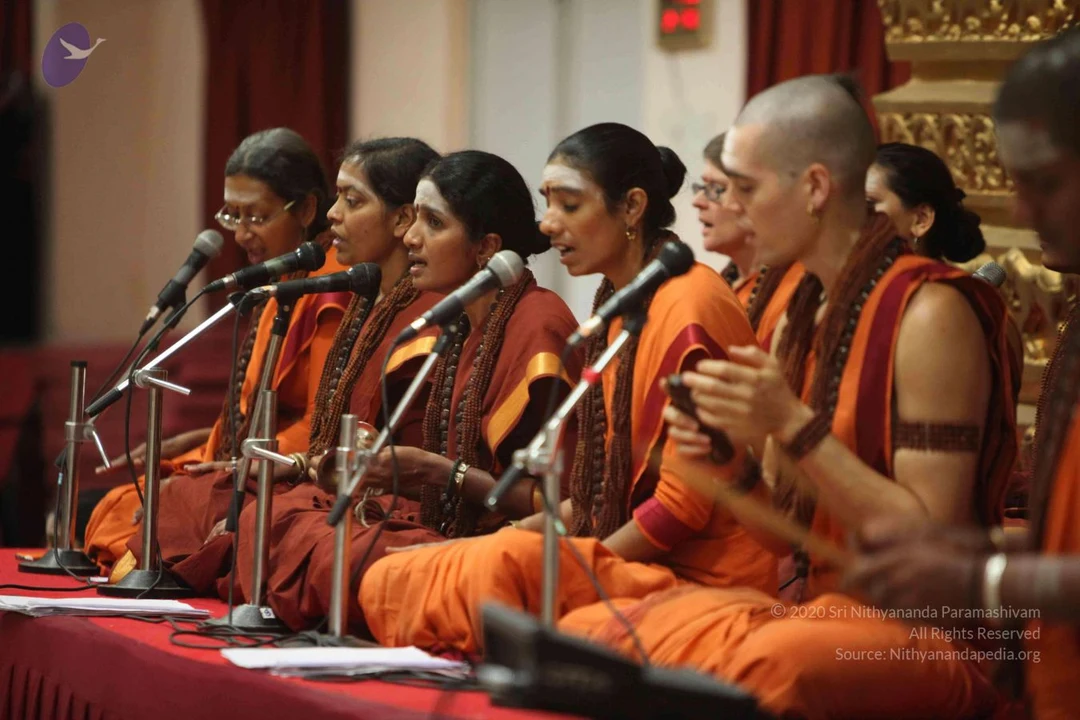
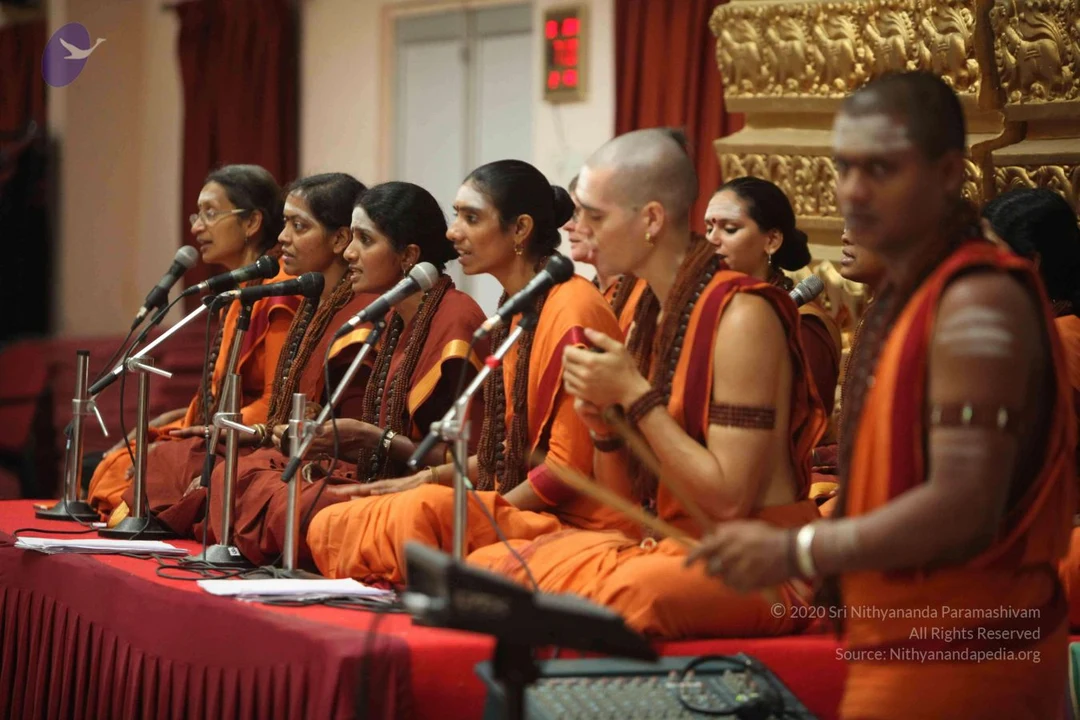
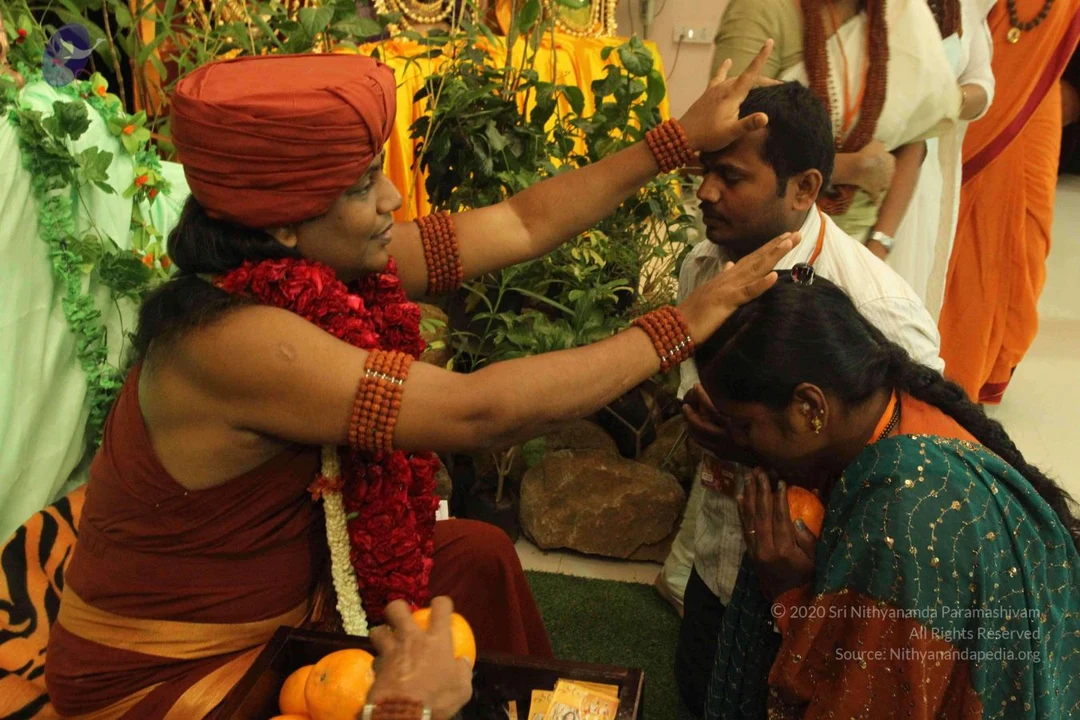
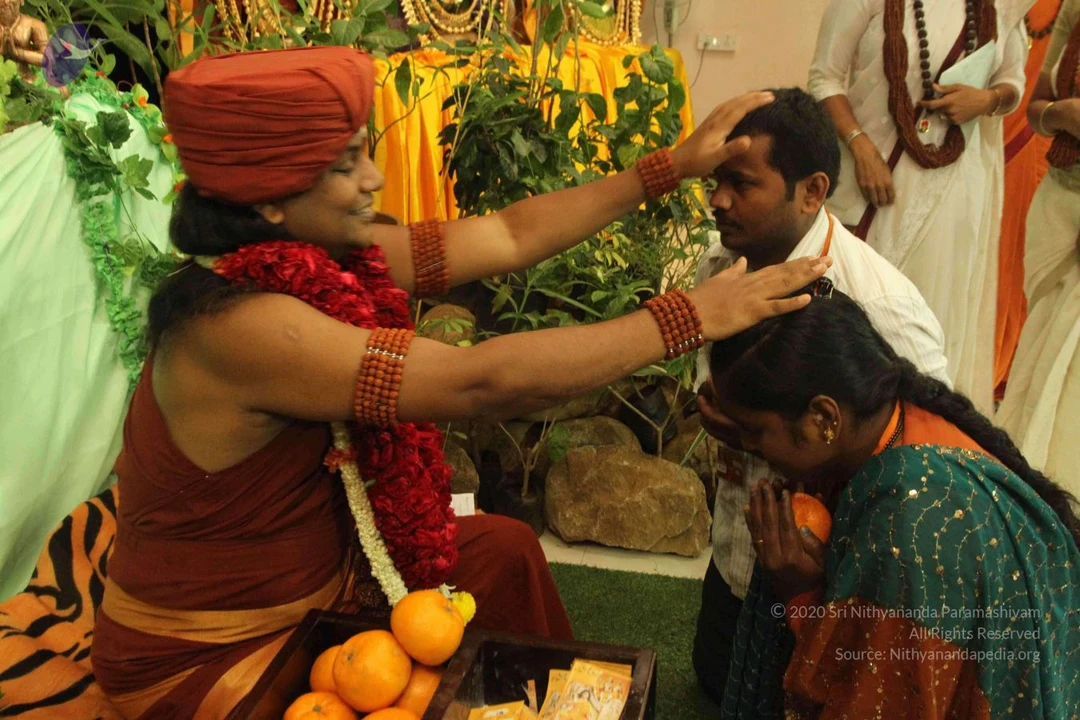
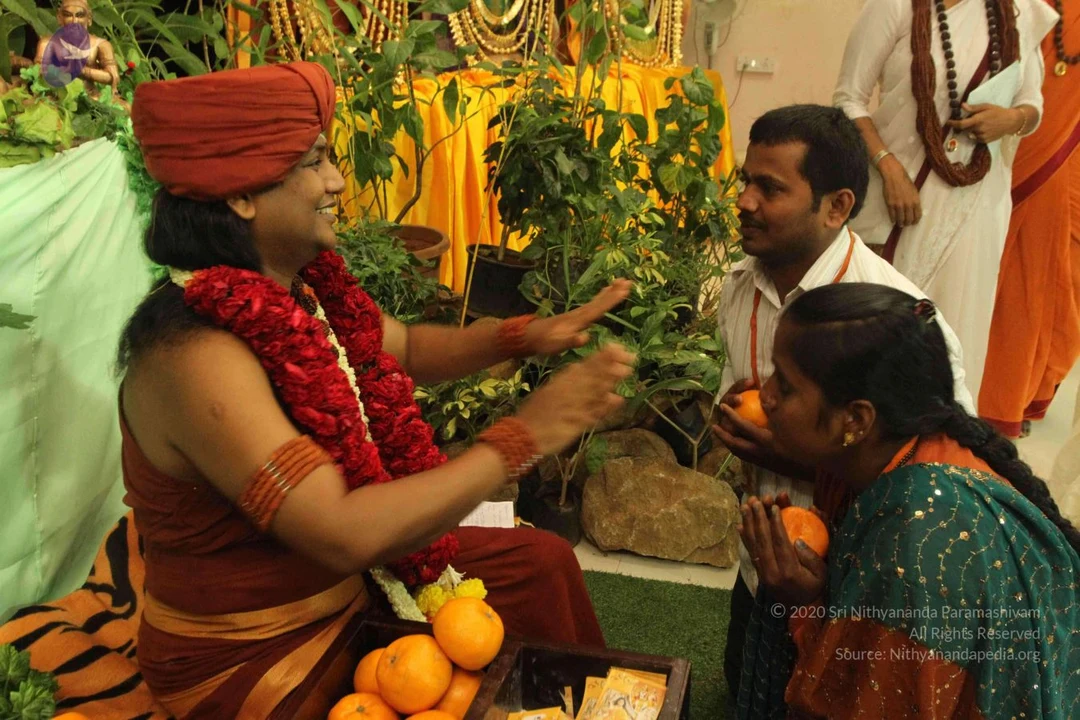
Kalpataru Darshan
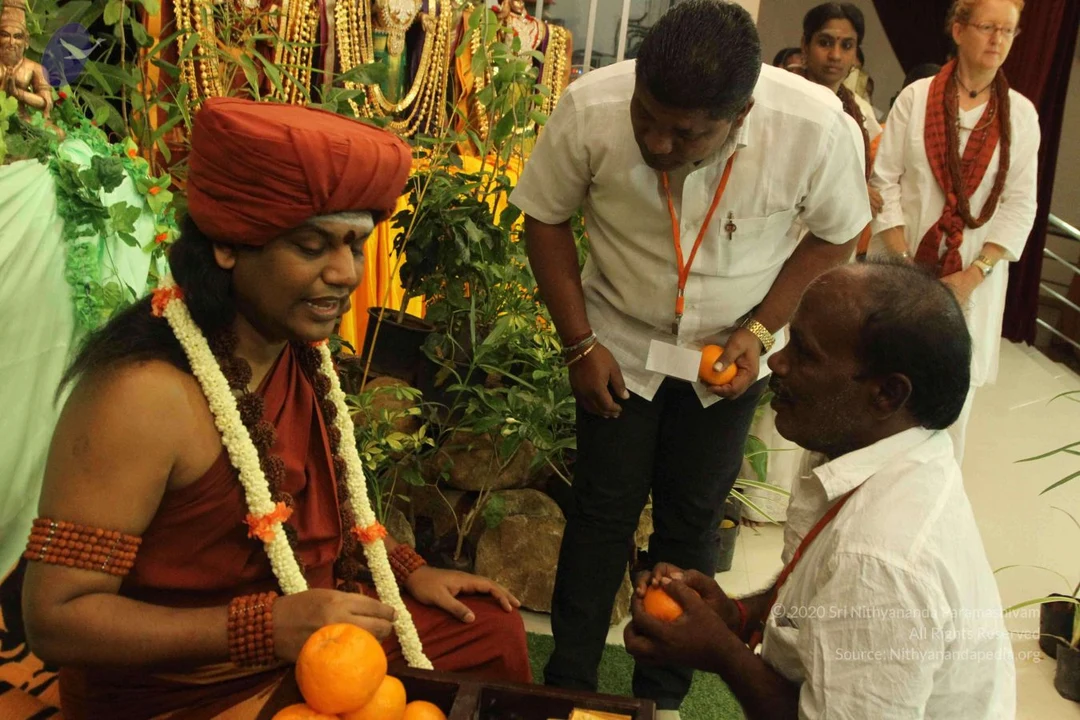
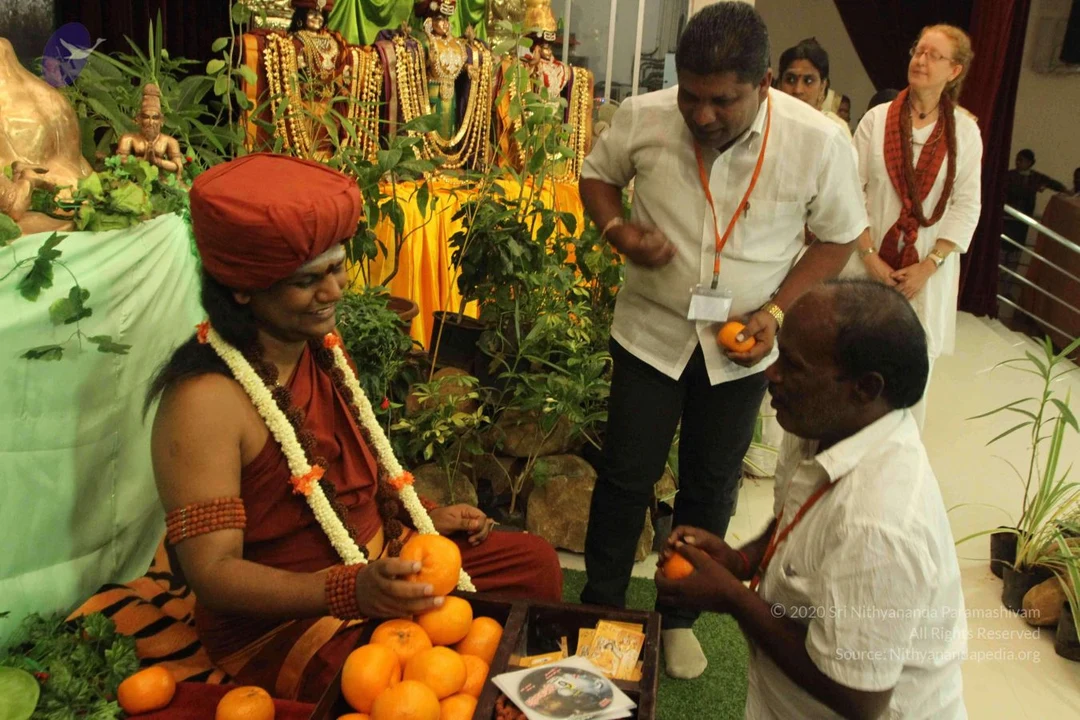
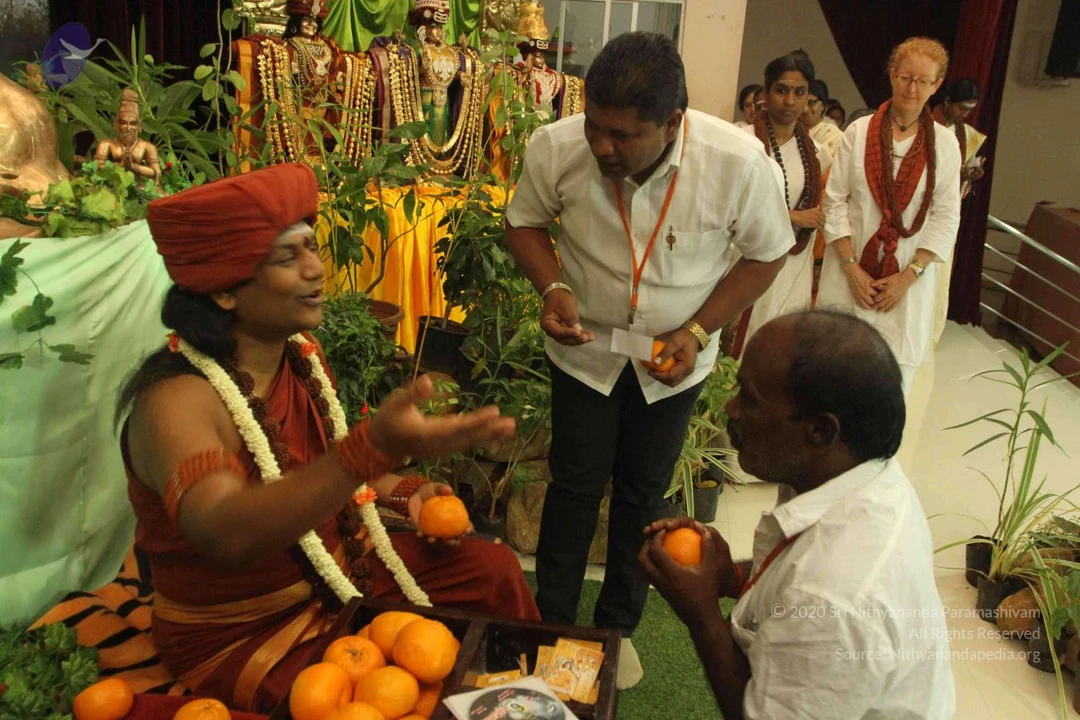
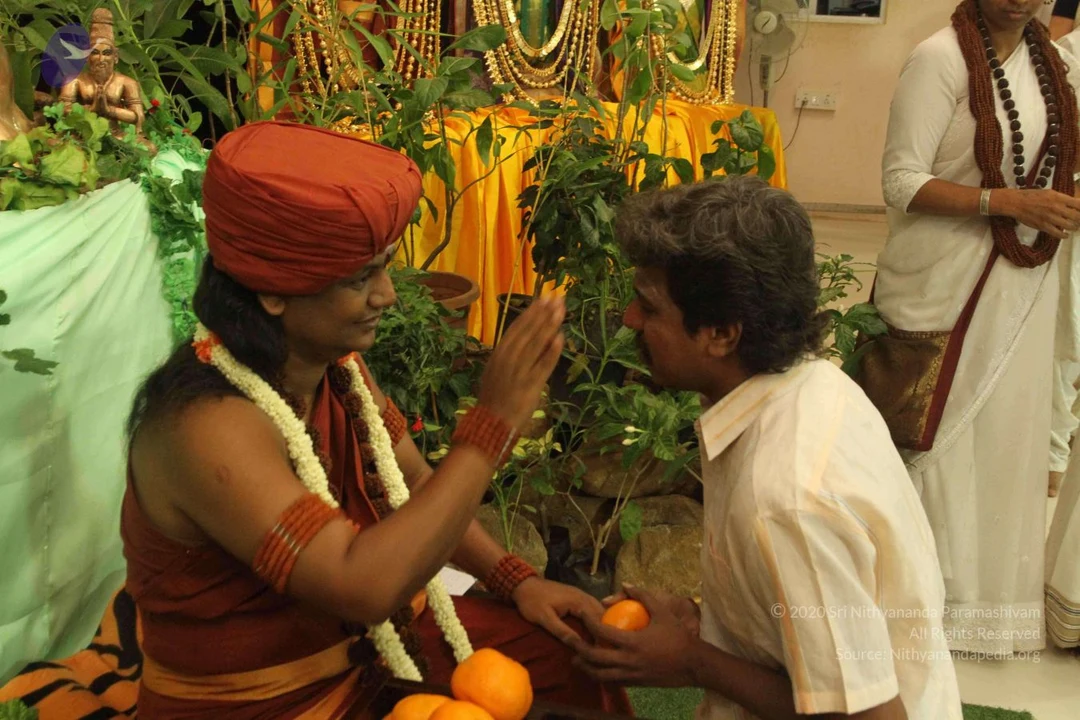
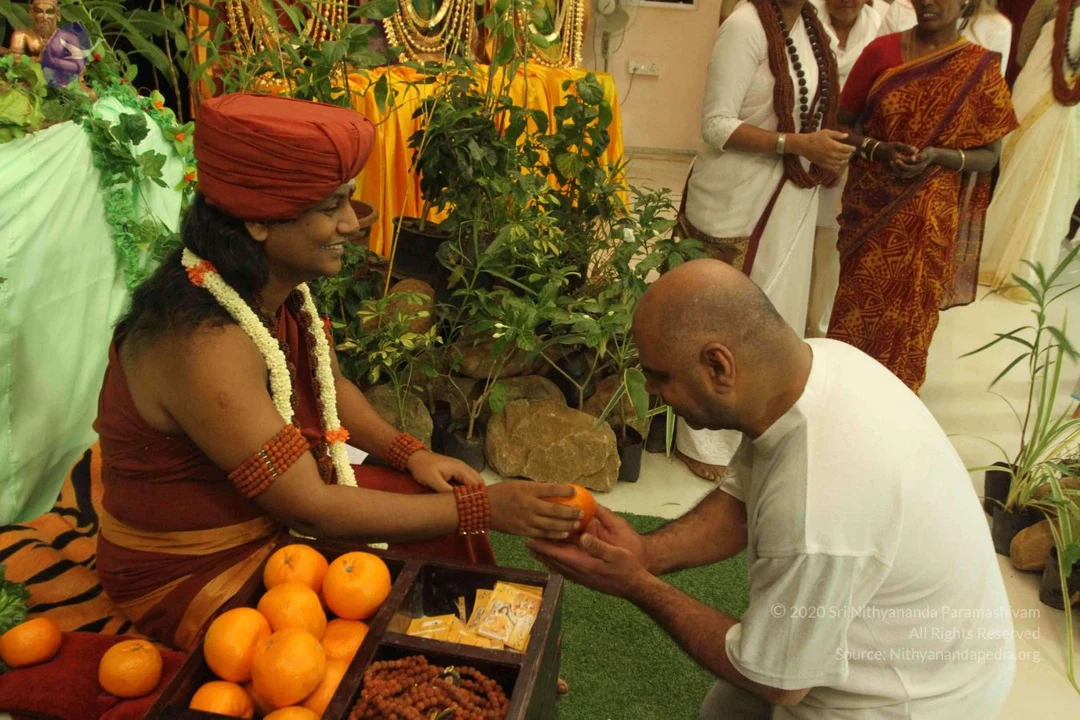
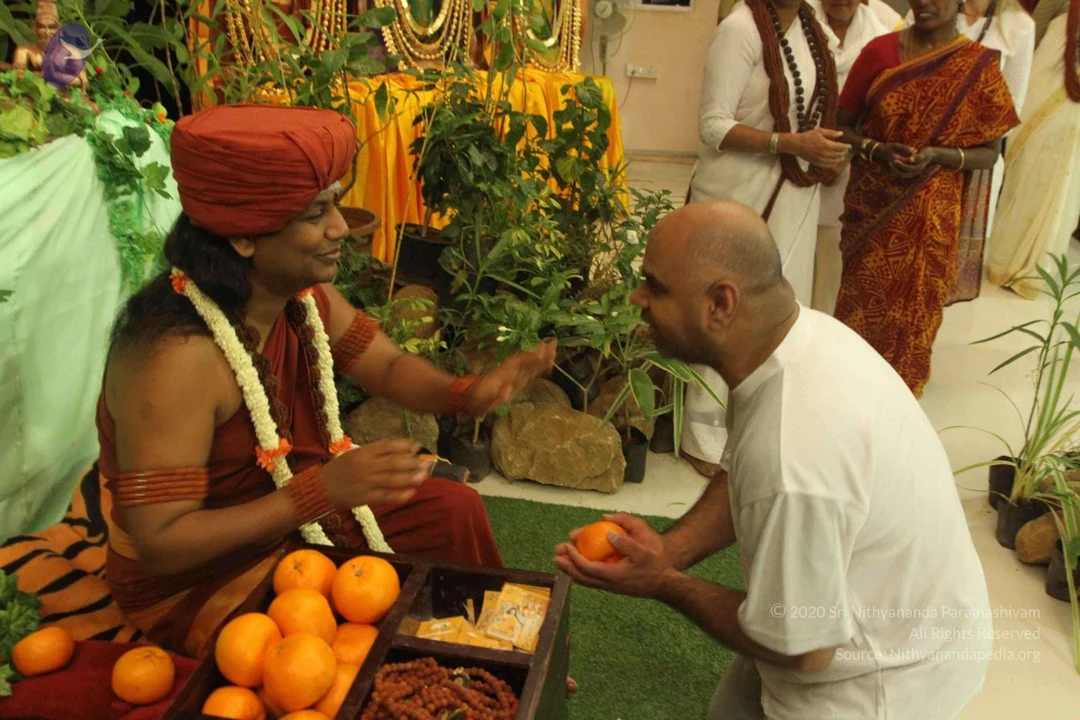
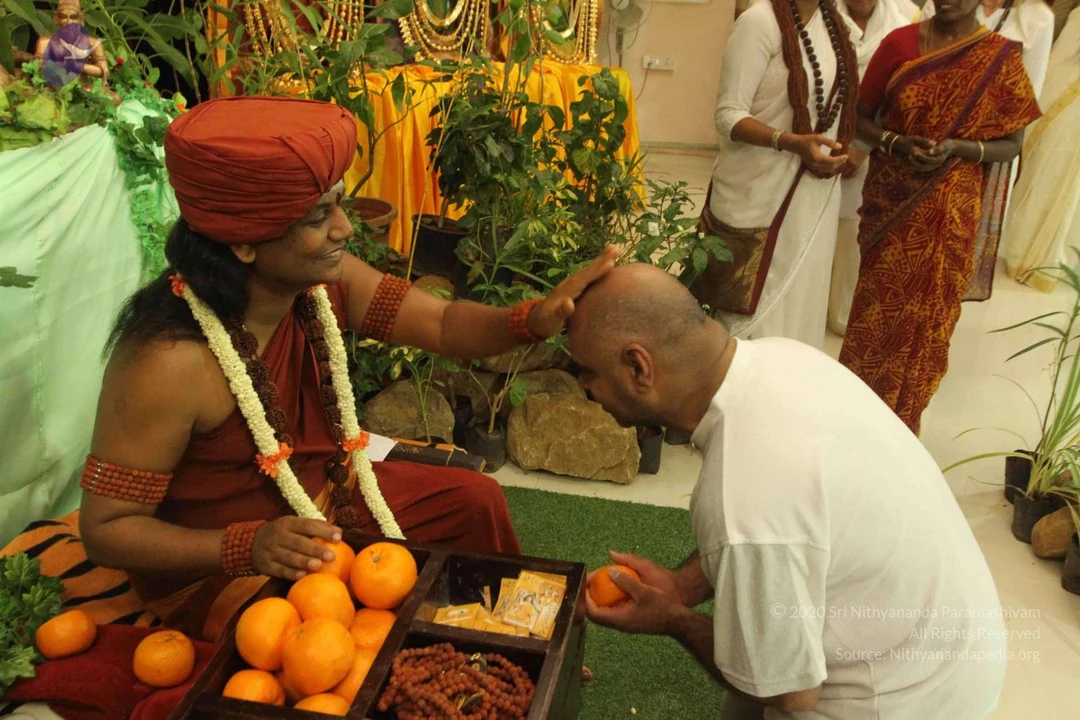

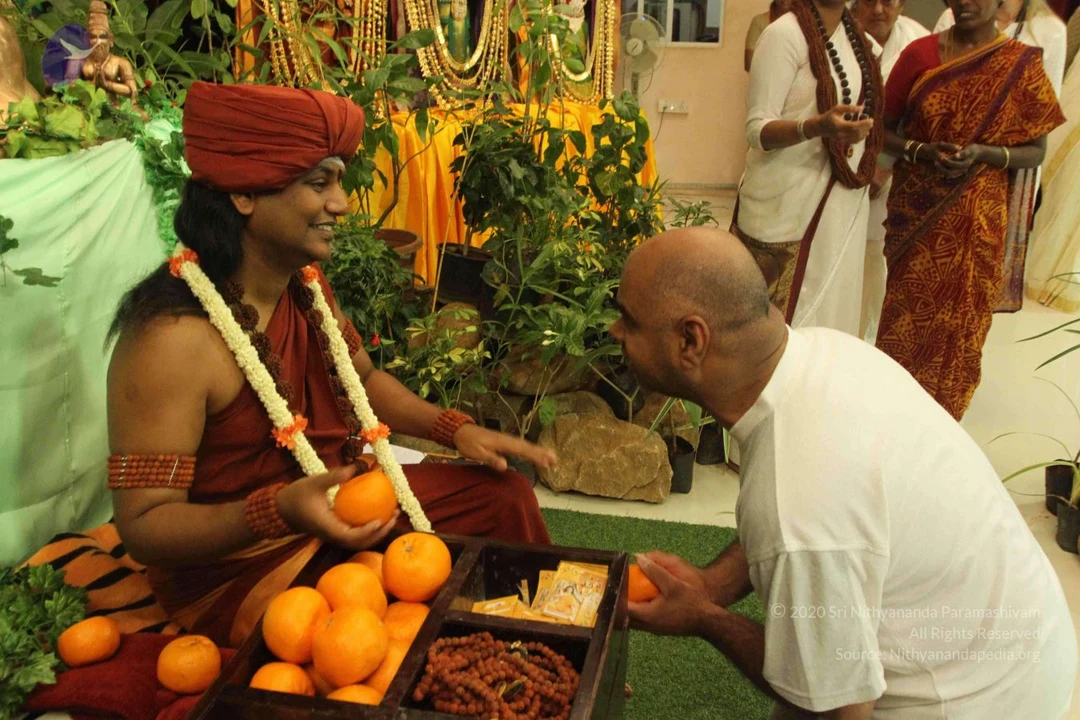
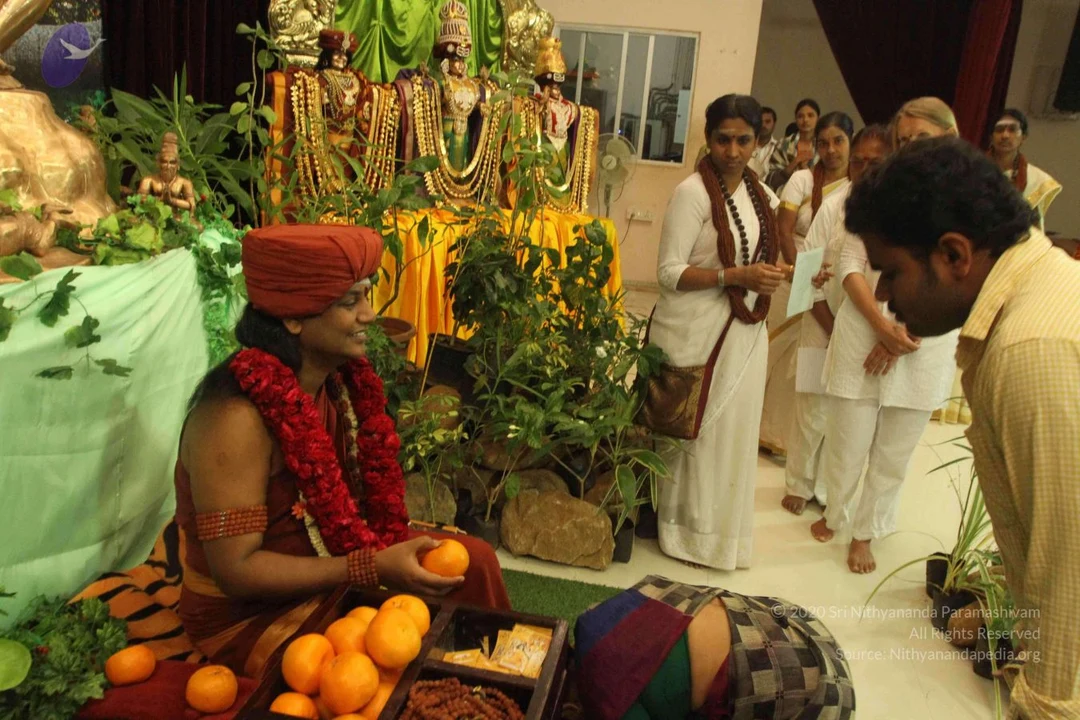
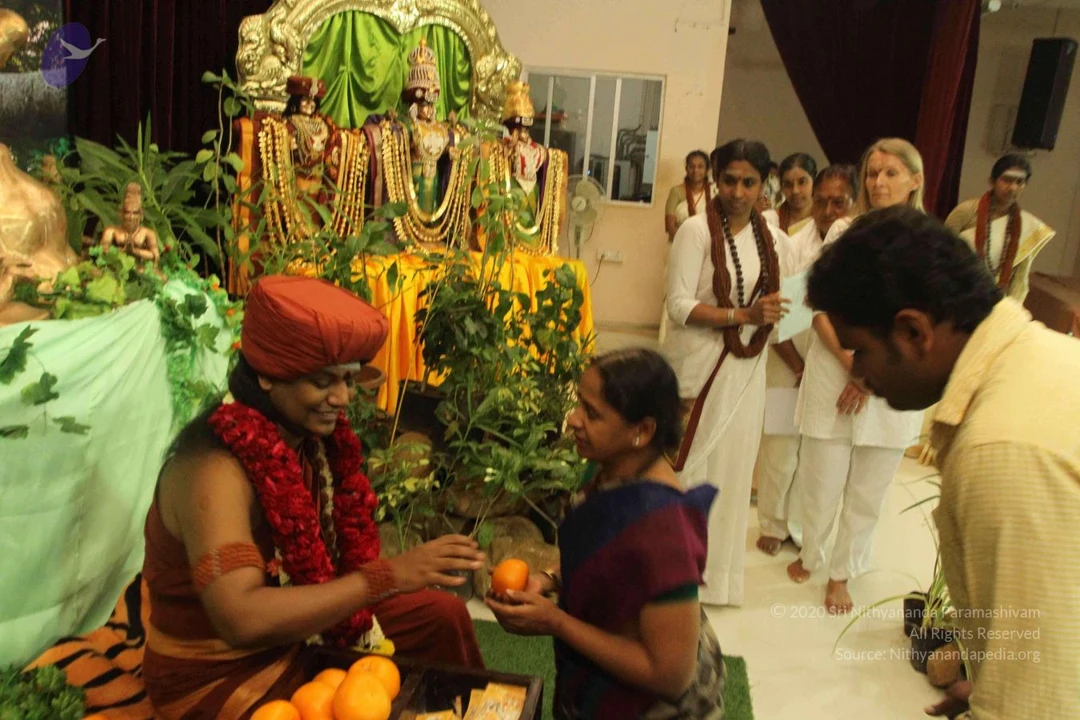
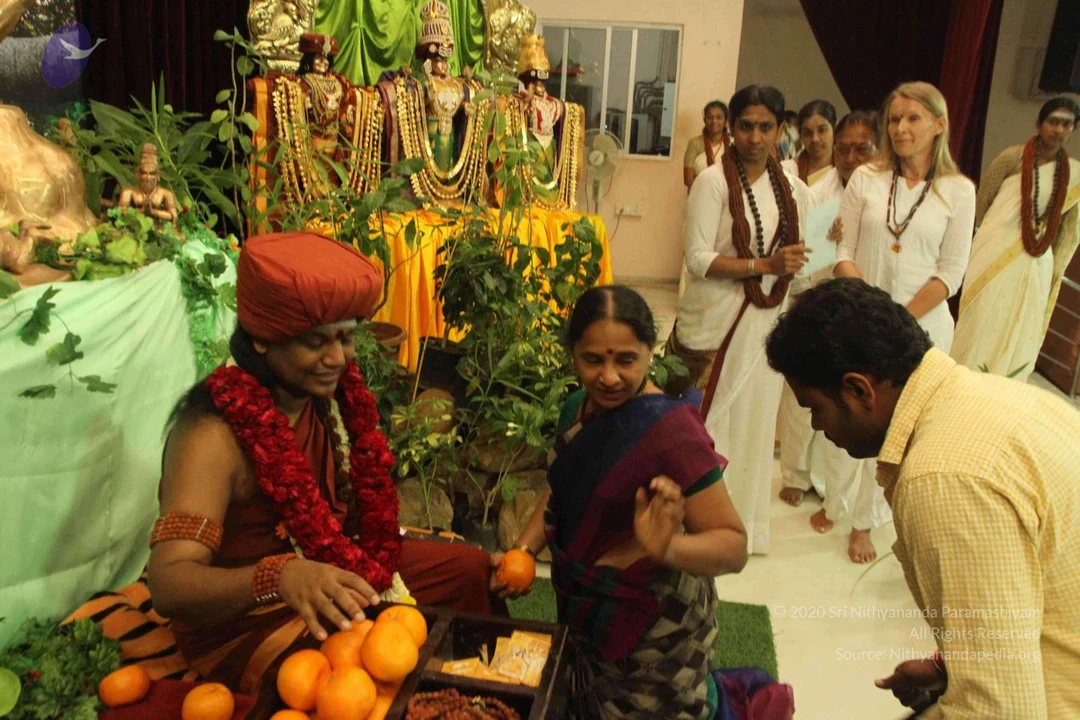
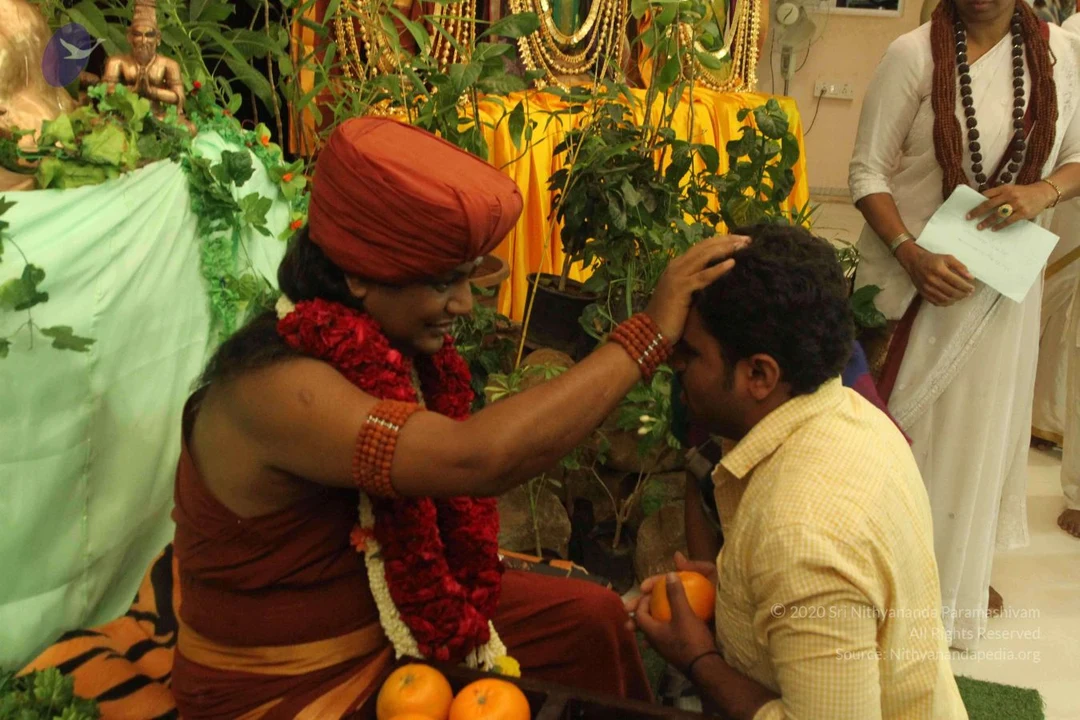
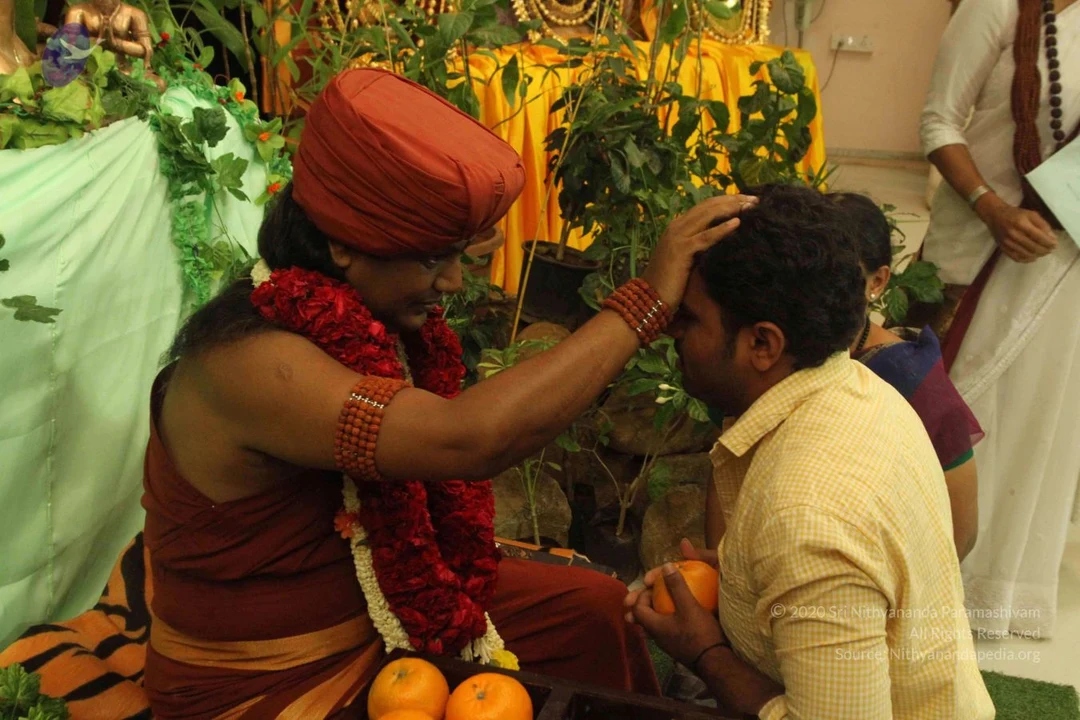
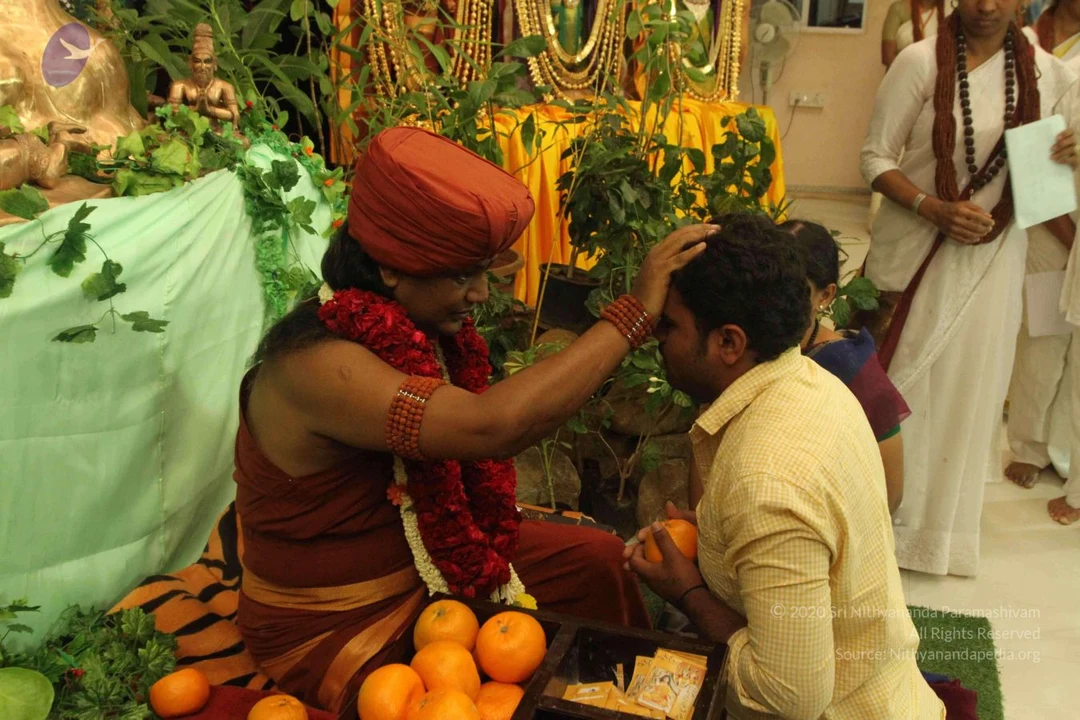

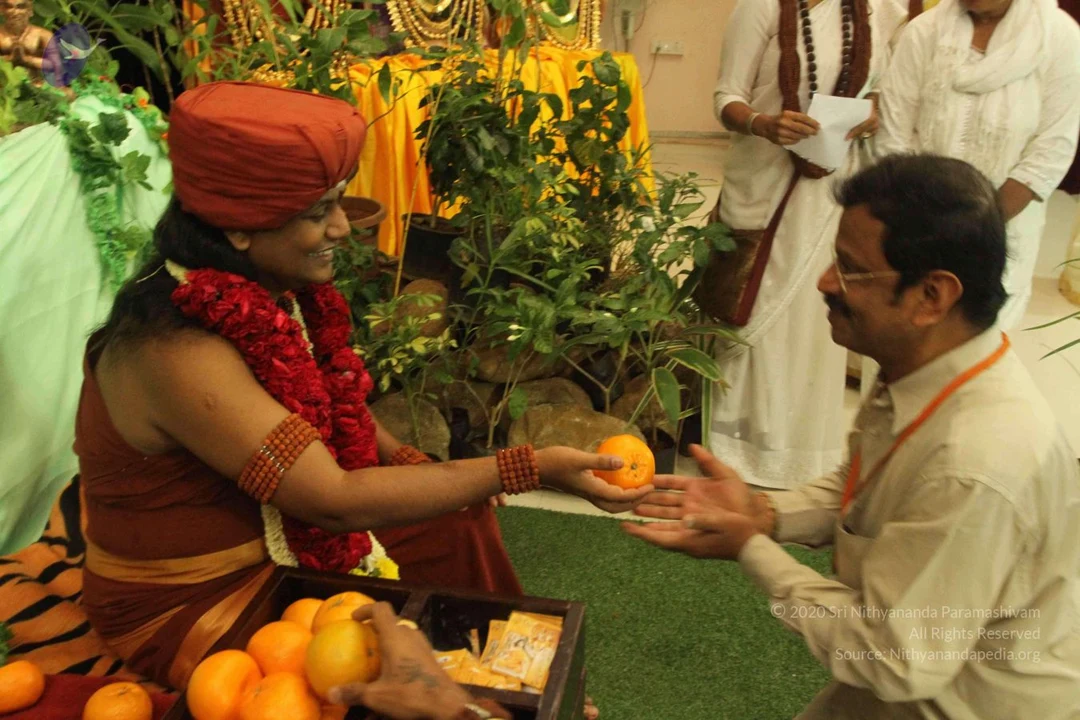
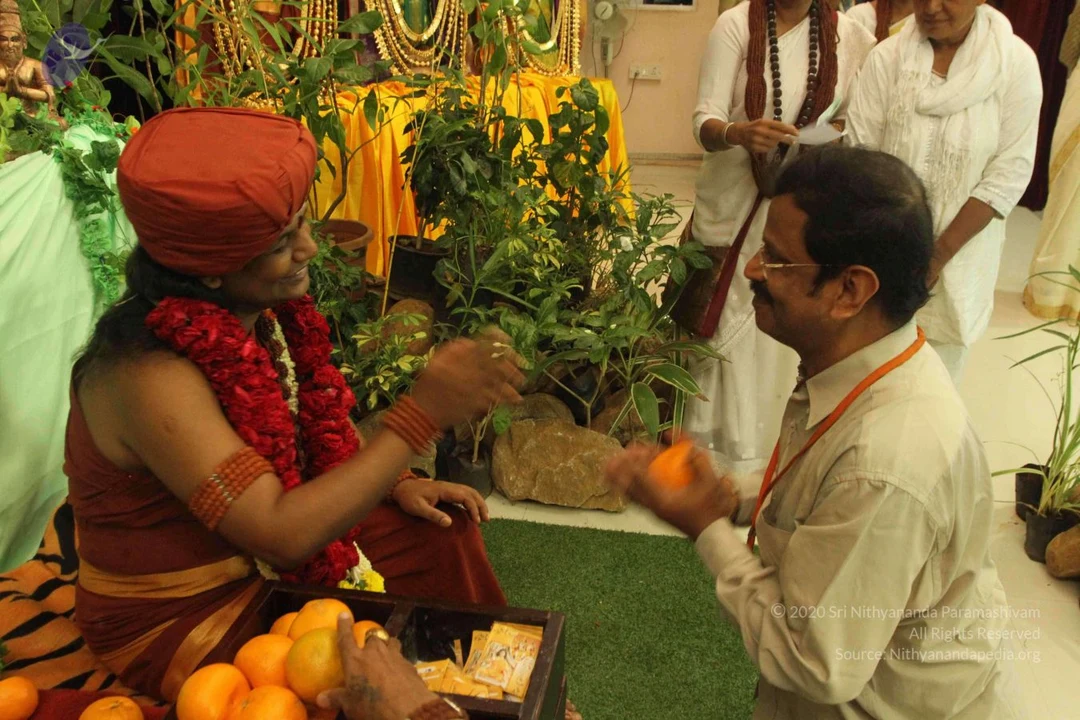
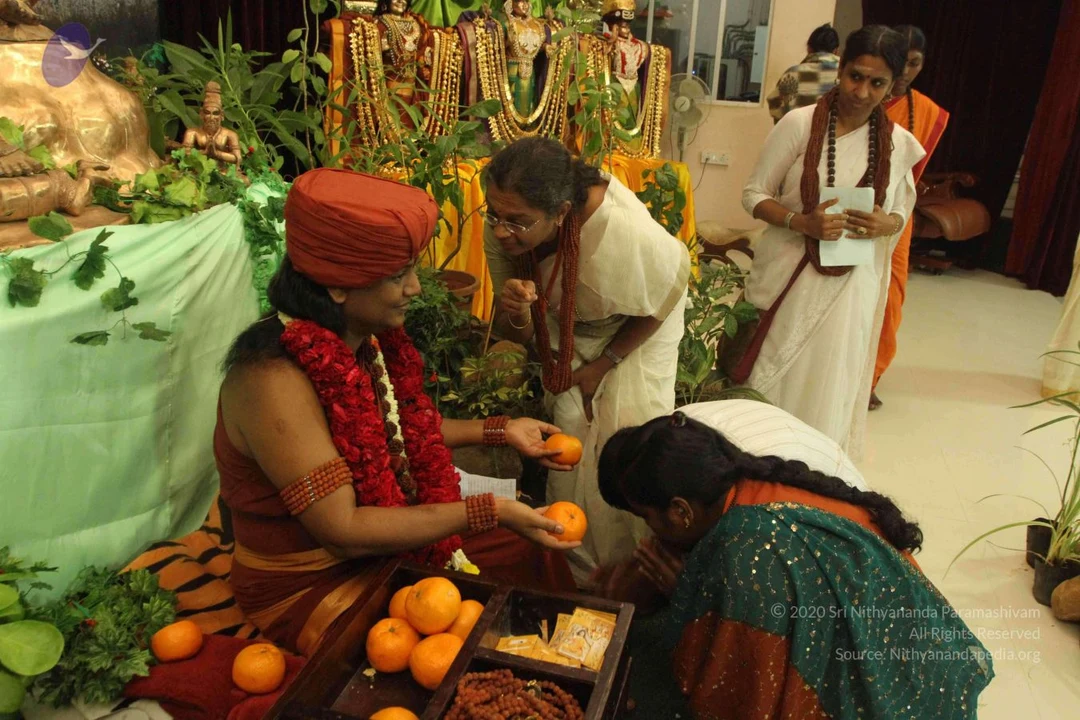
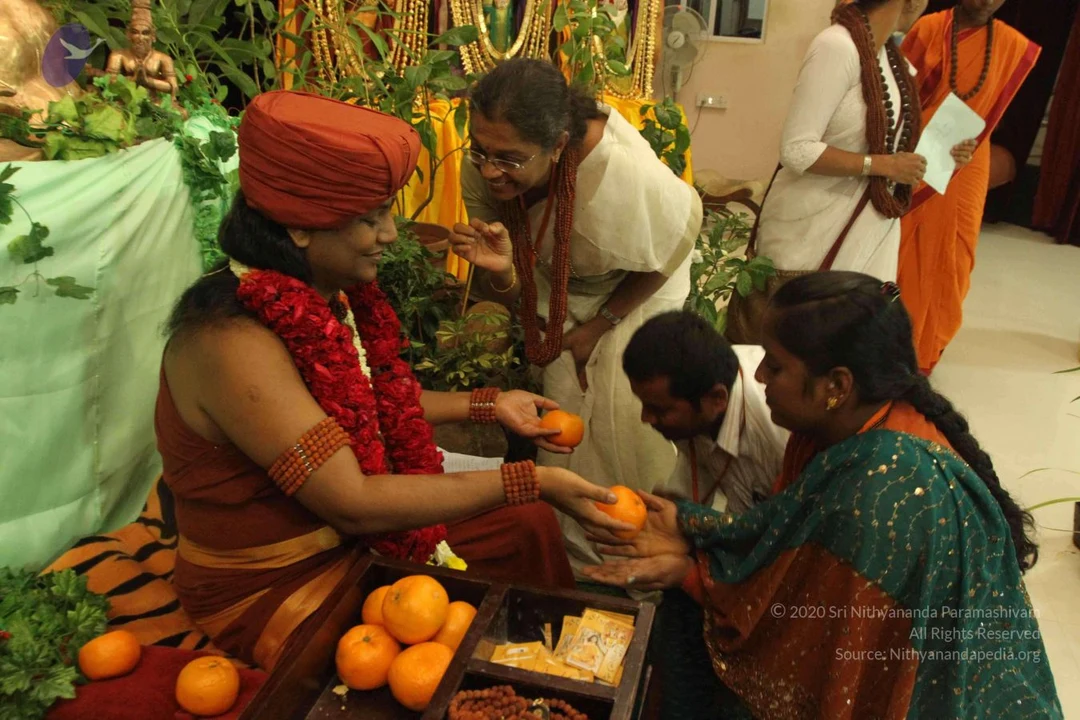
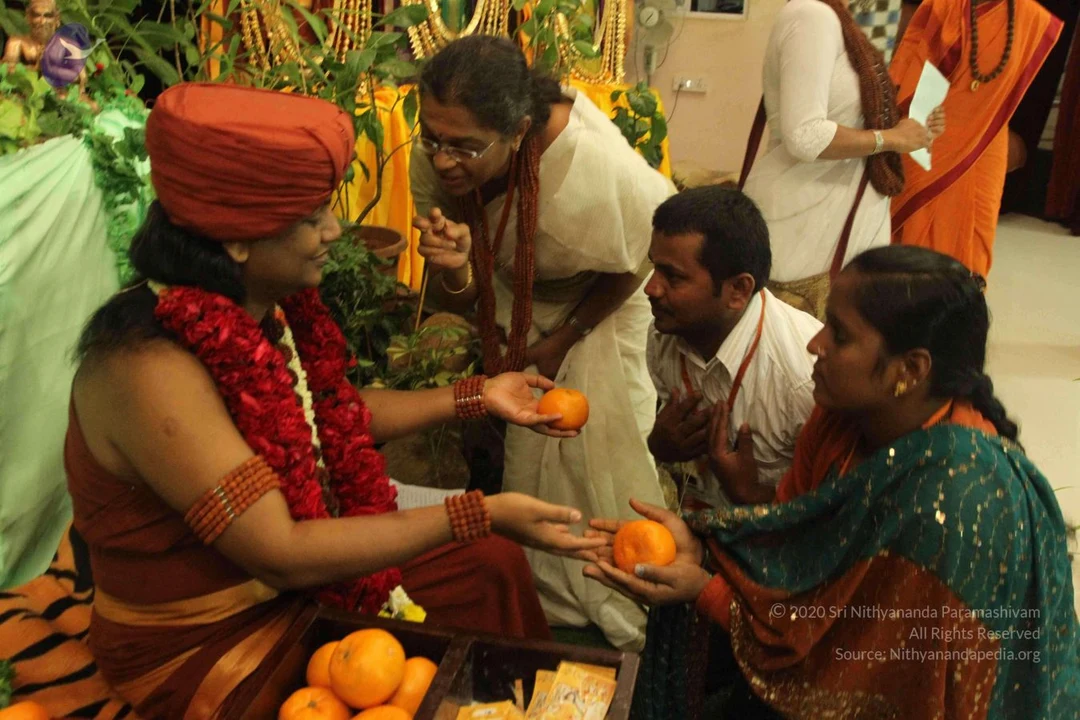
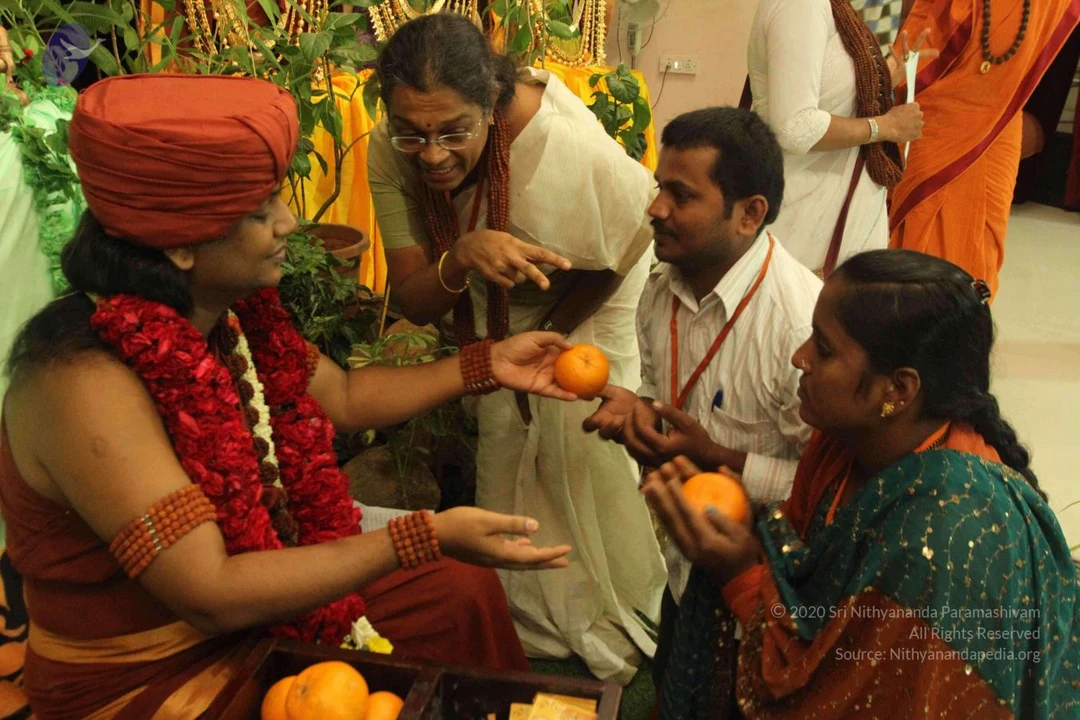

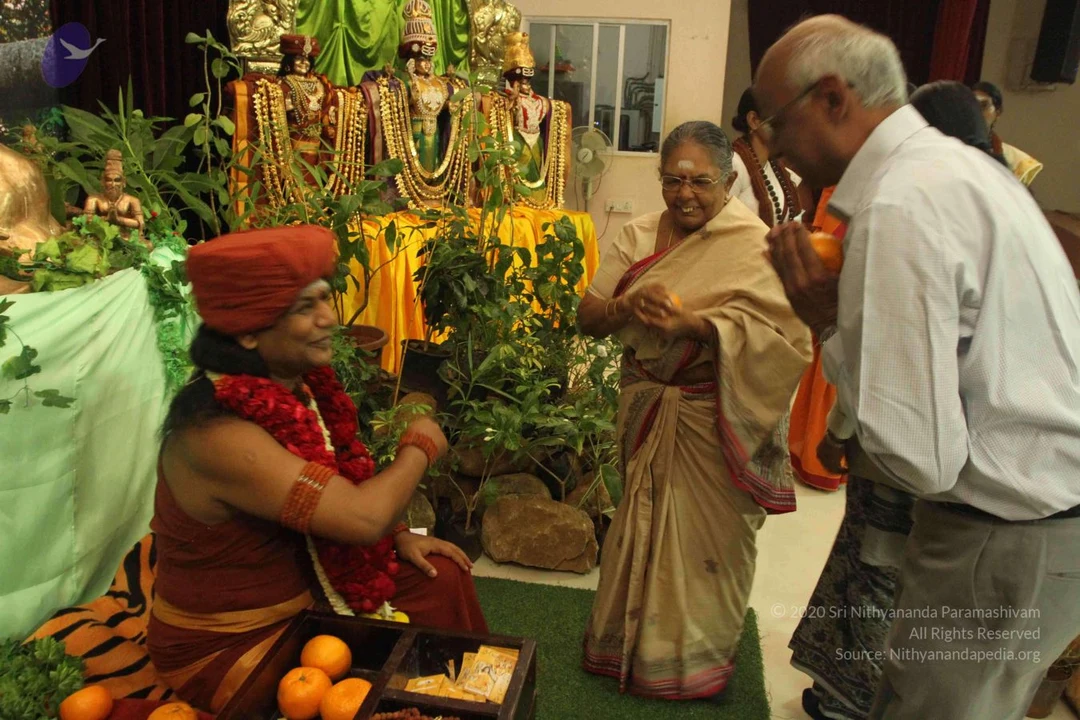
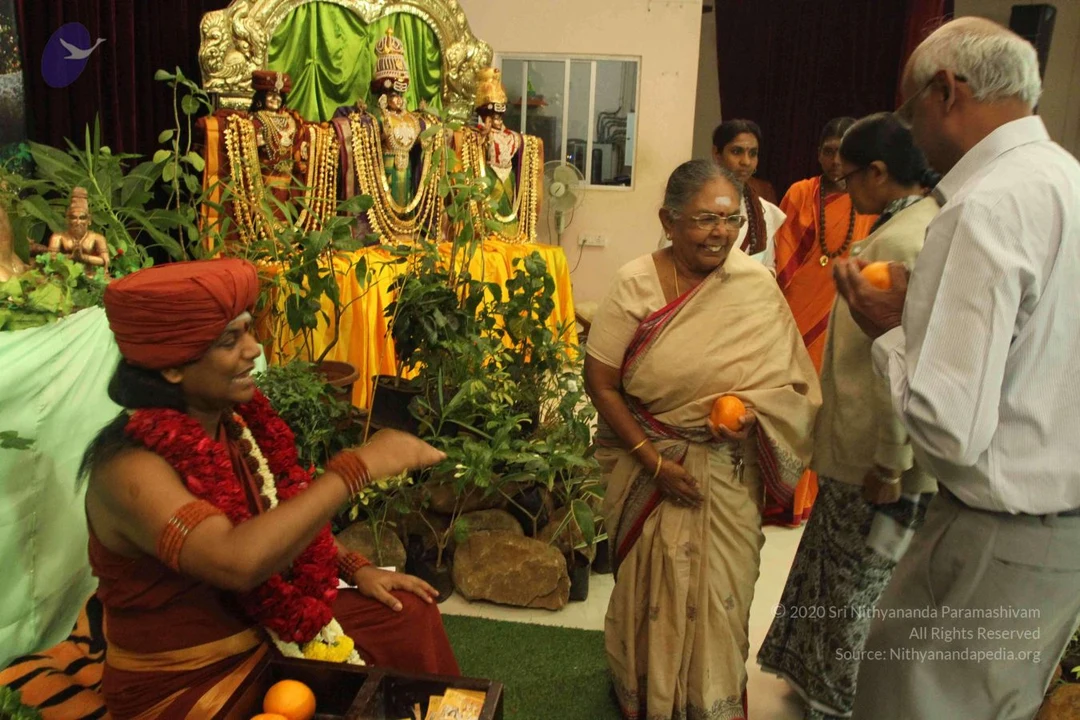
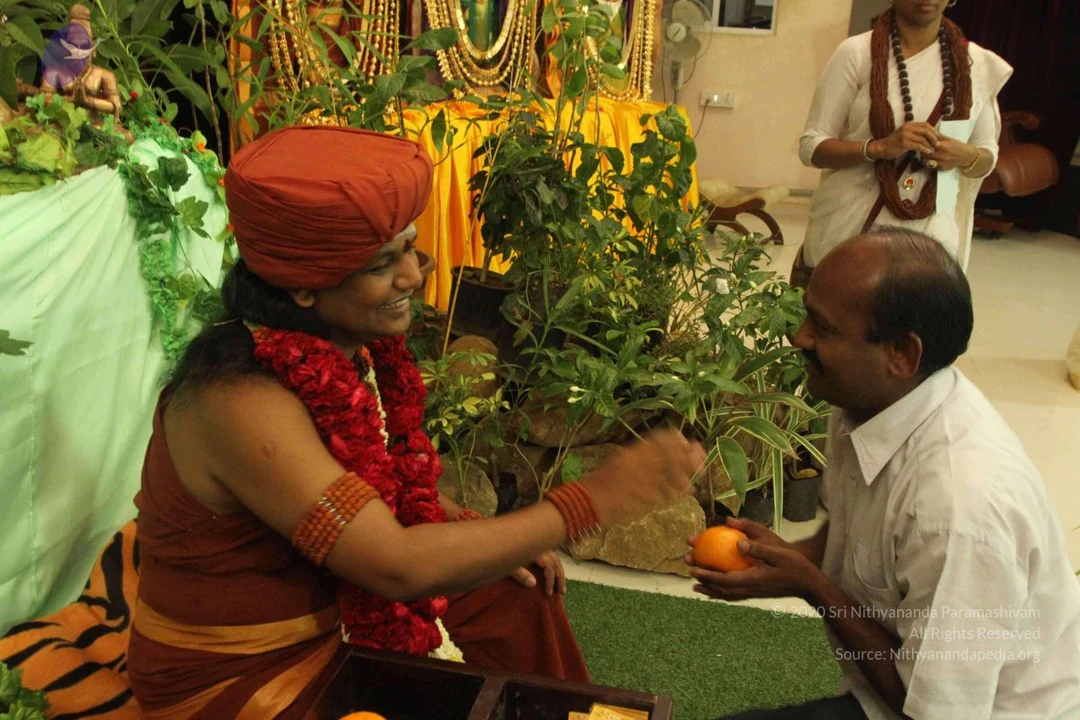
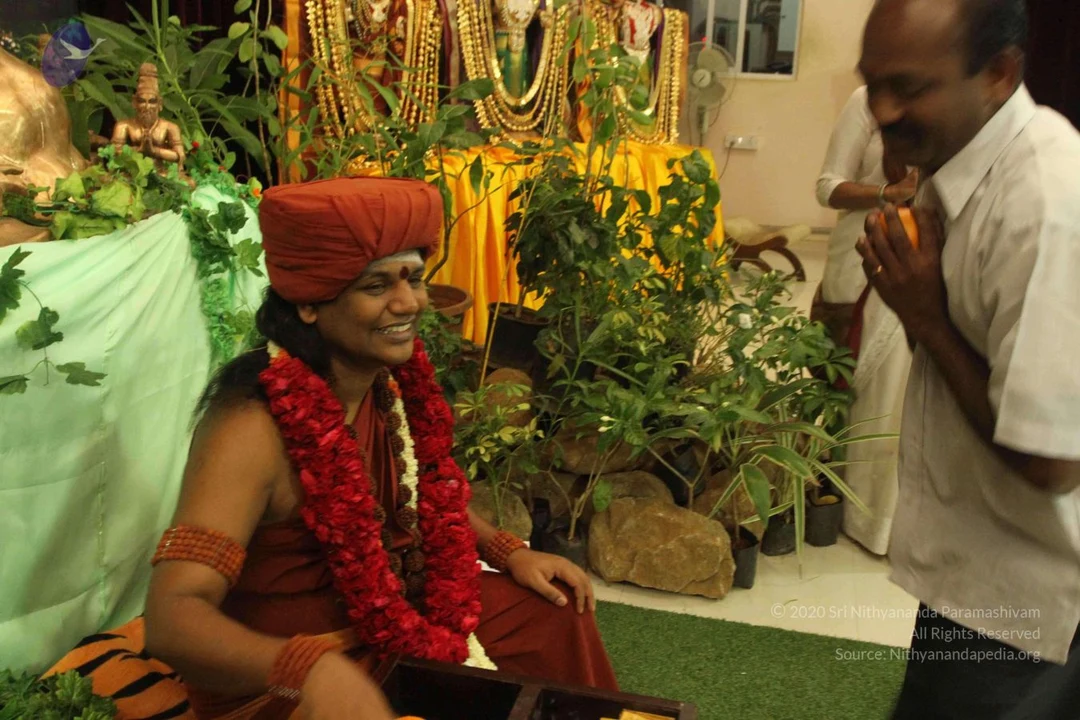
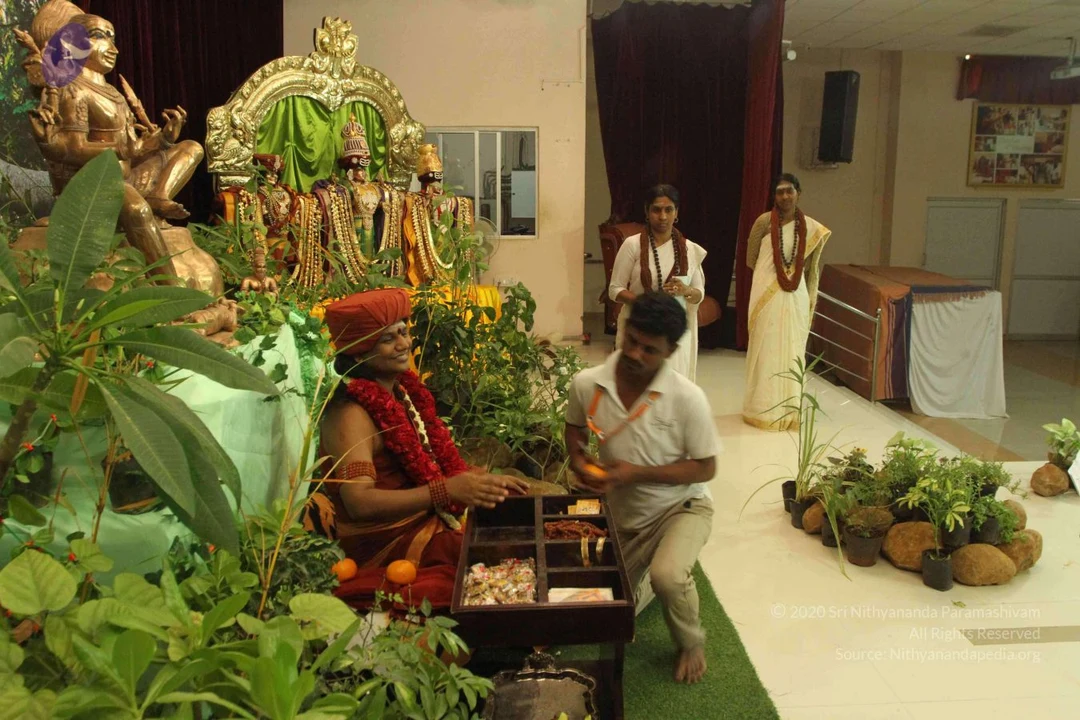
Dial the Avatar with HDH Sri Nithyananda Paramashivam
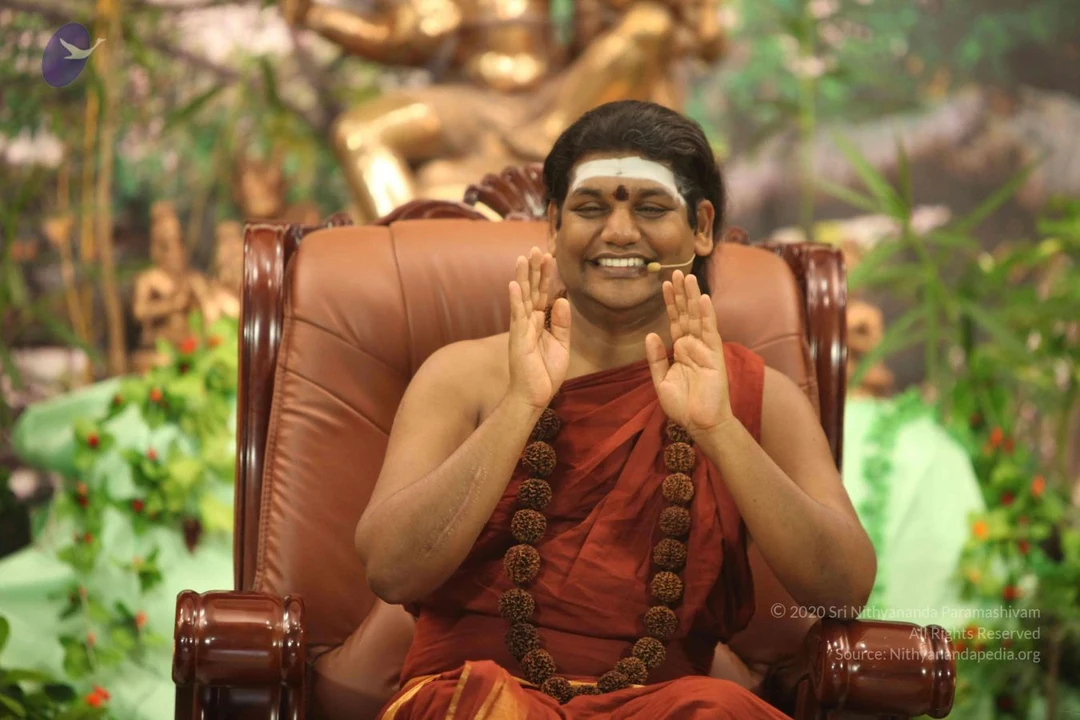
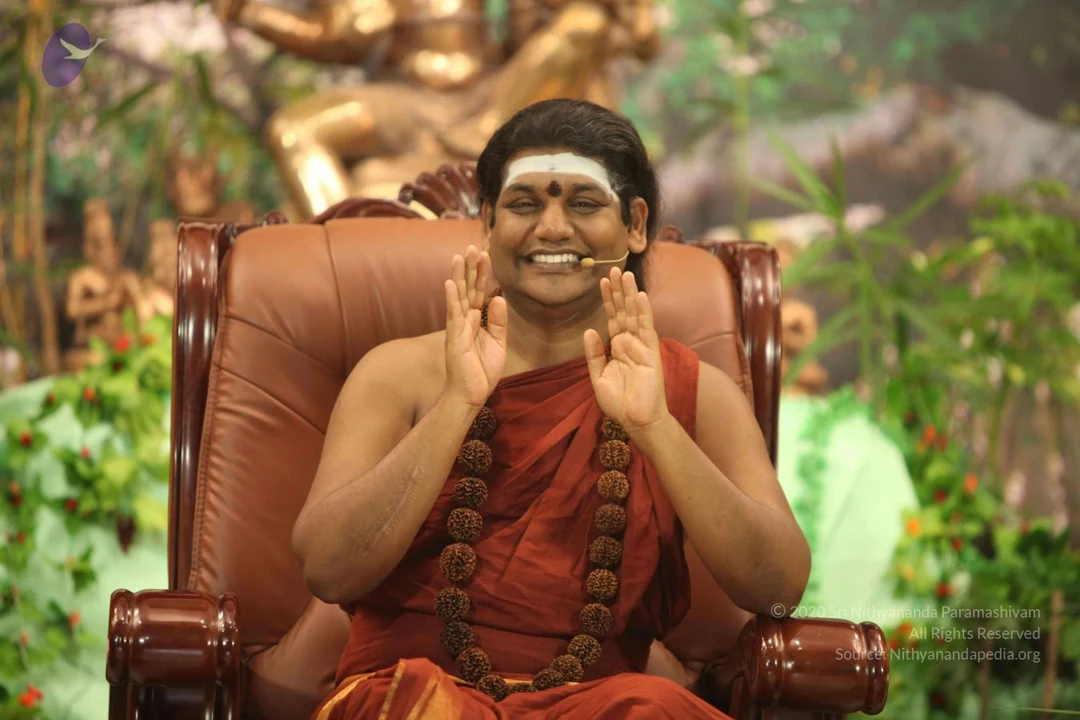
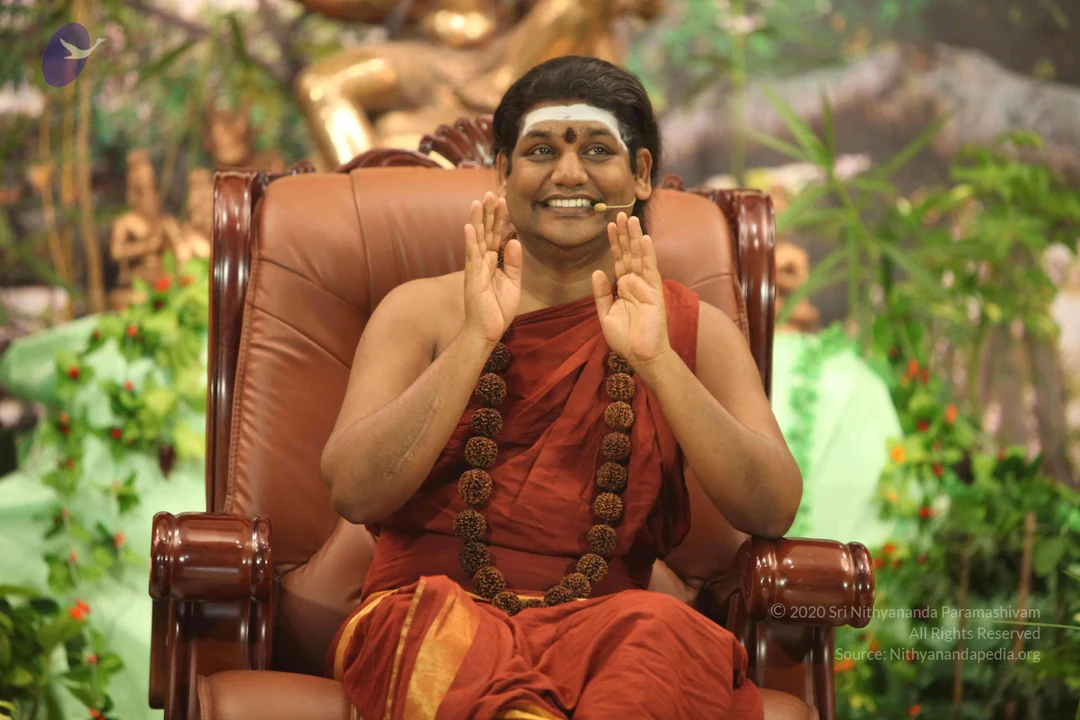
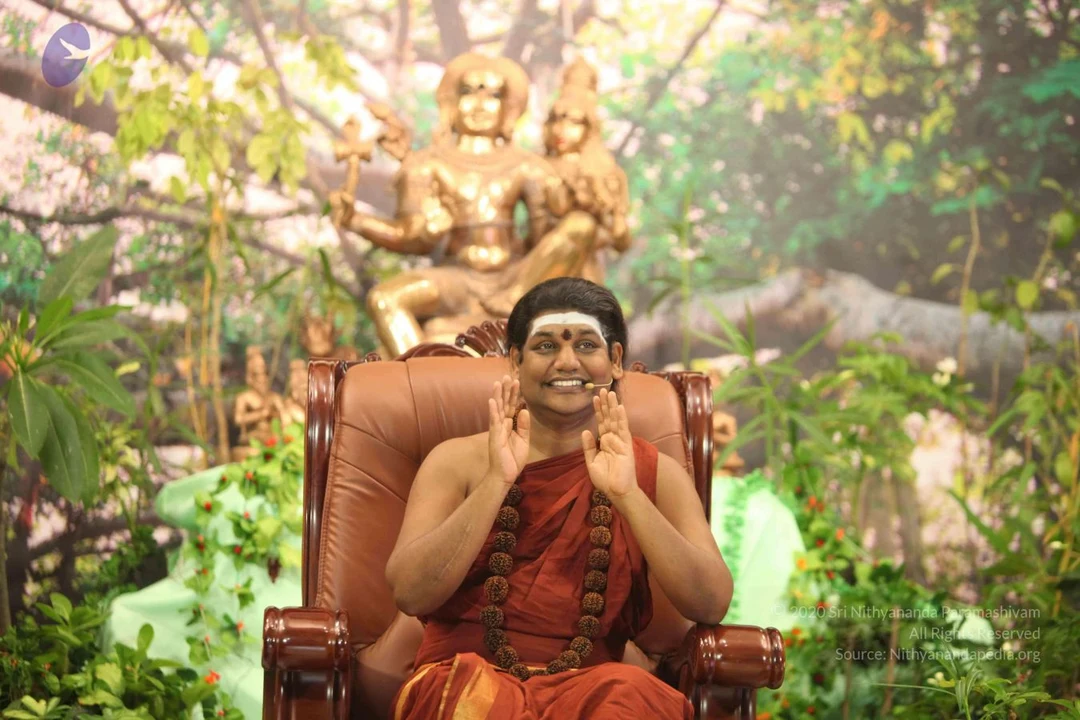
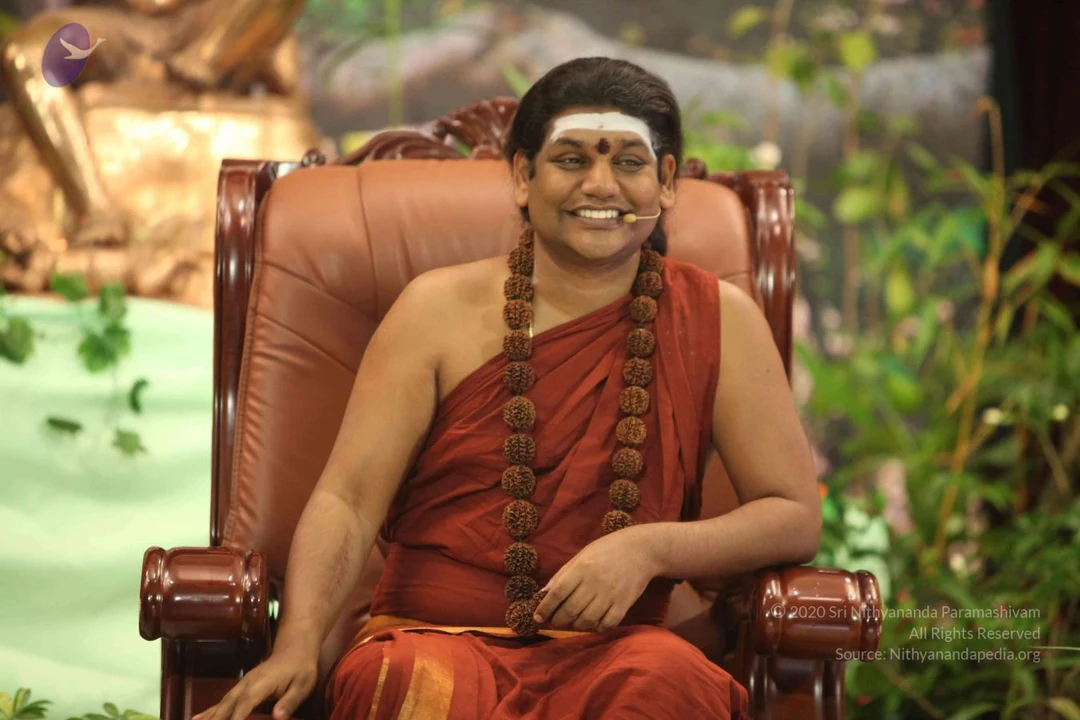
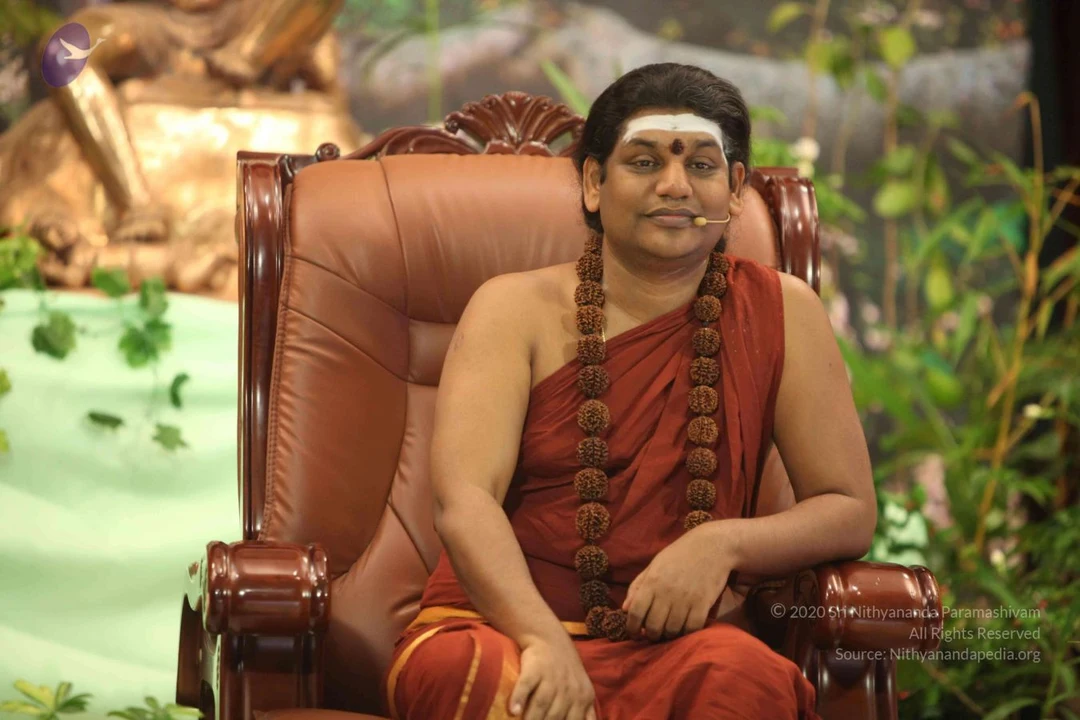
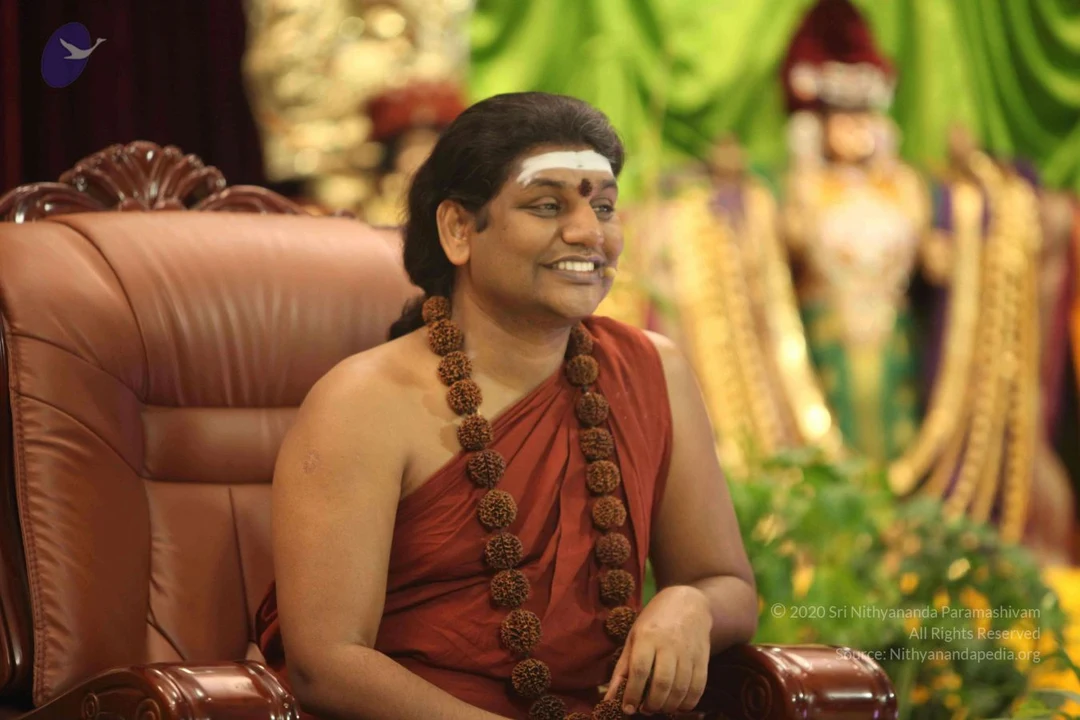
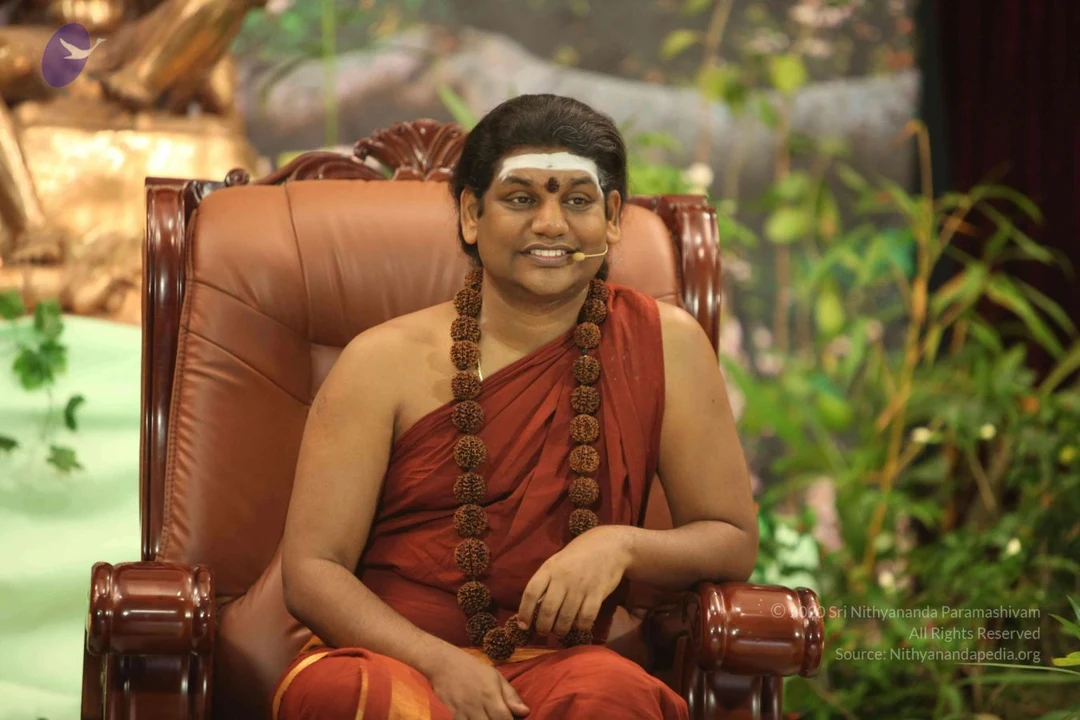
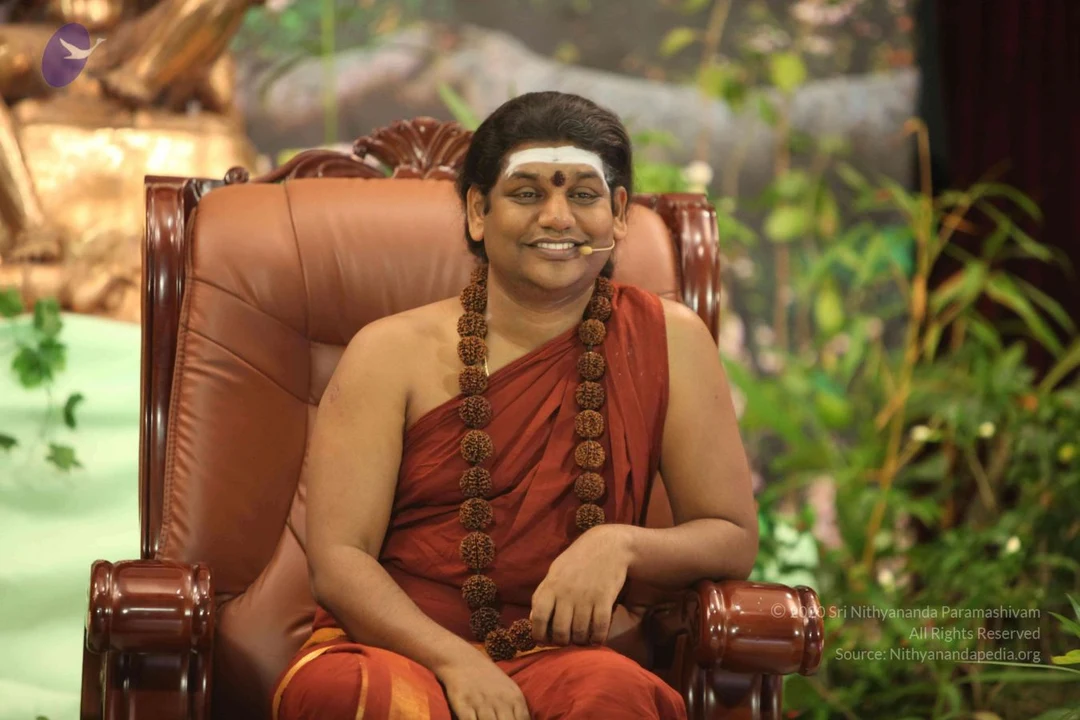
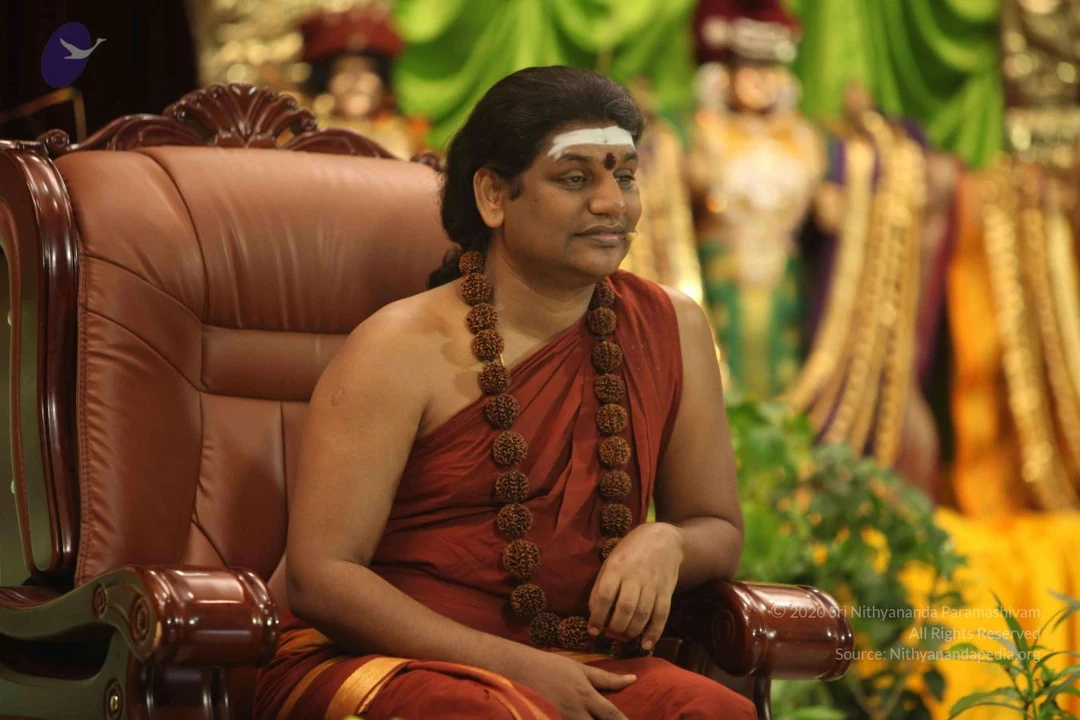
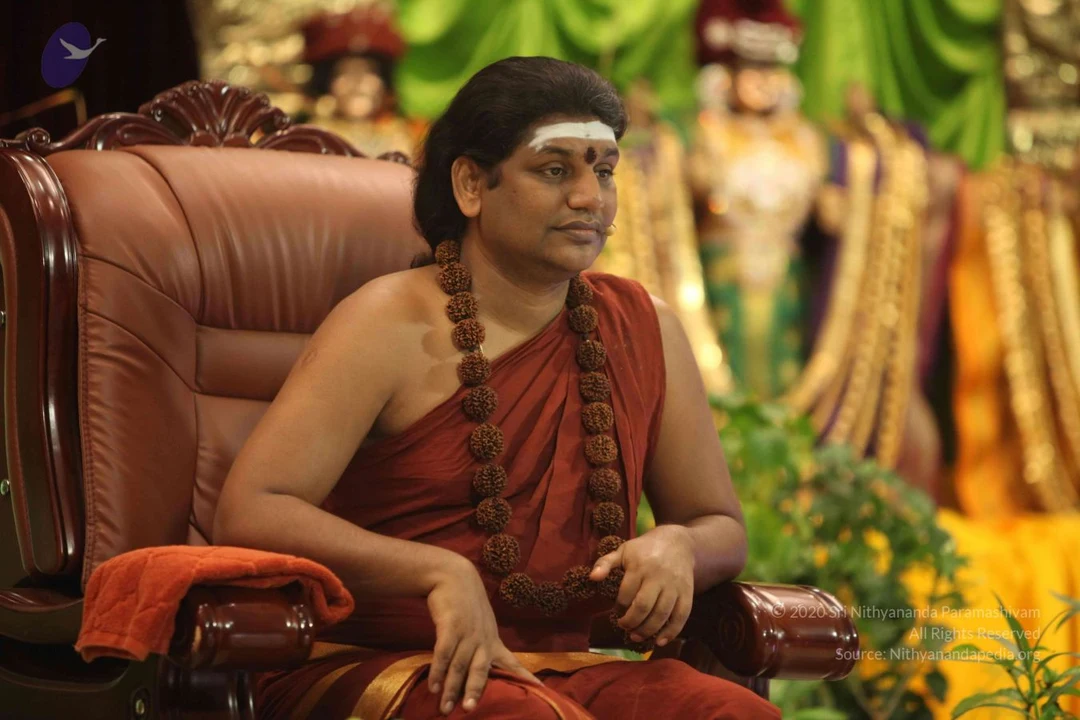
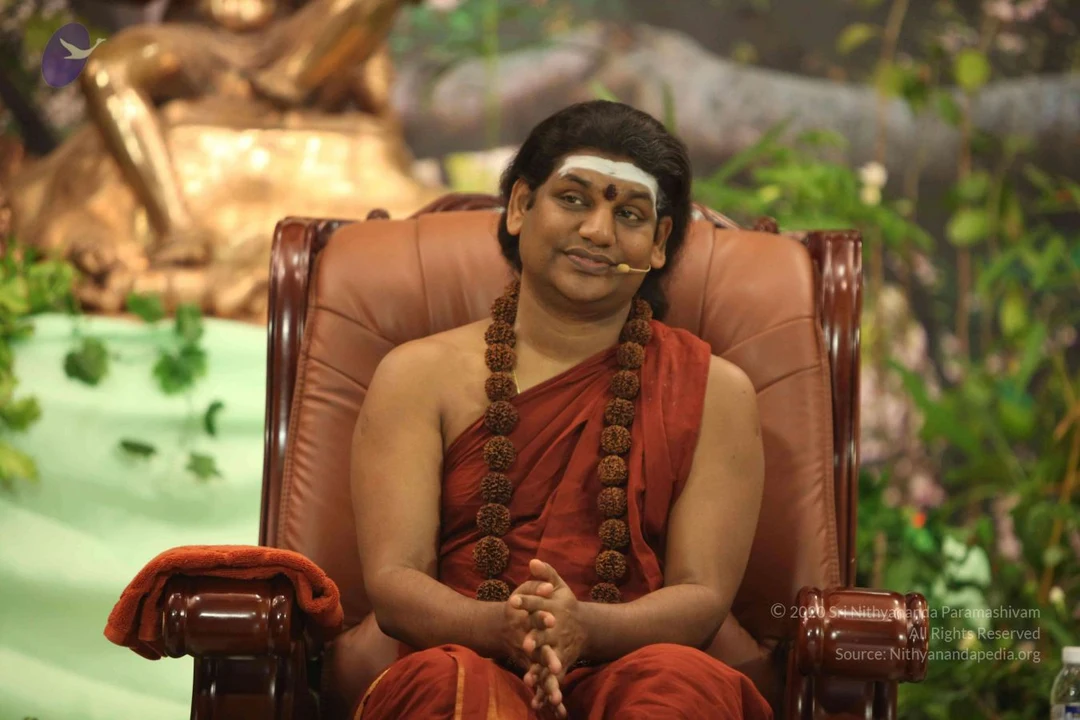
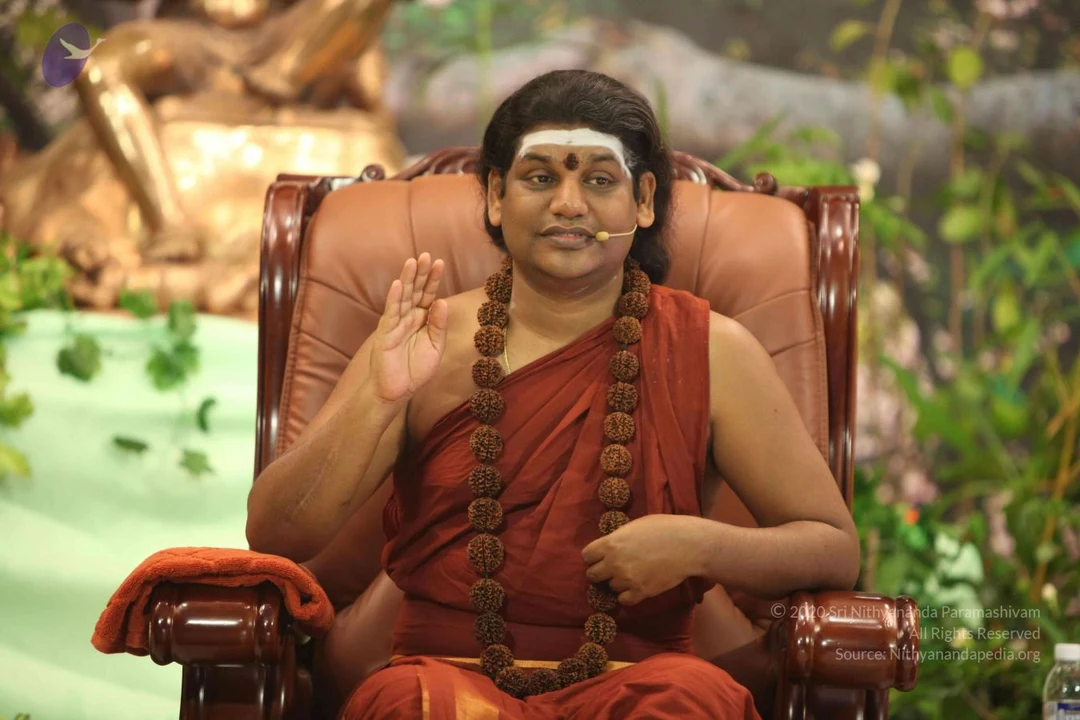
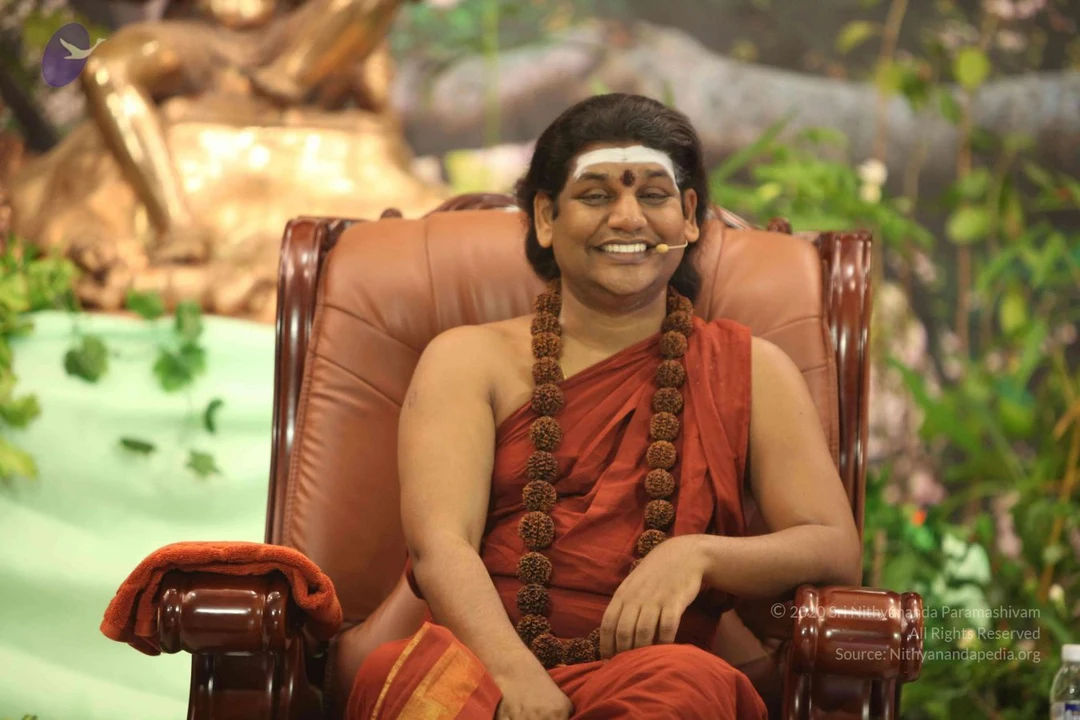
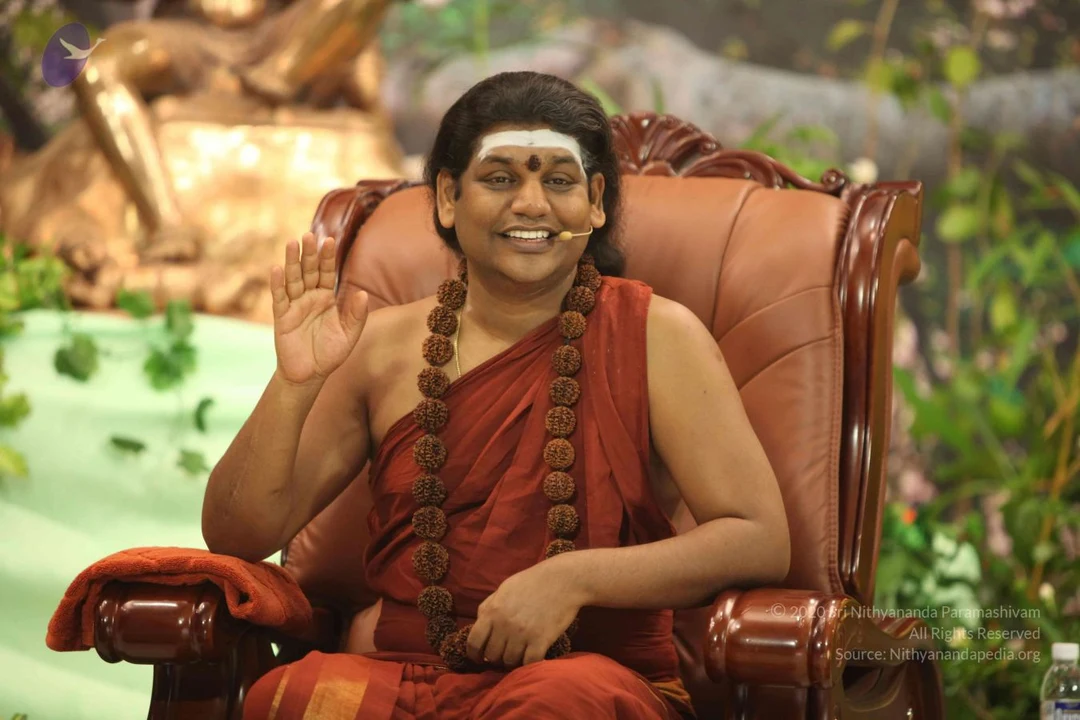
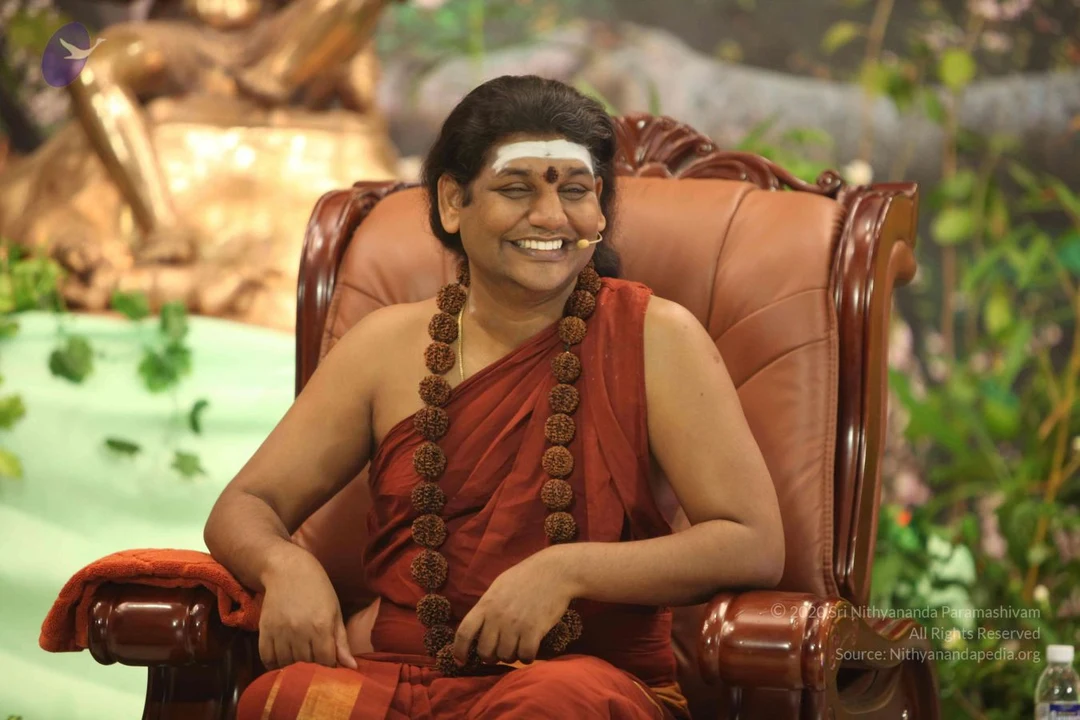
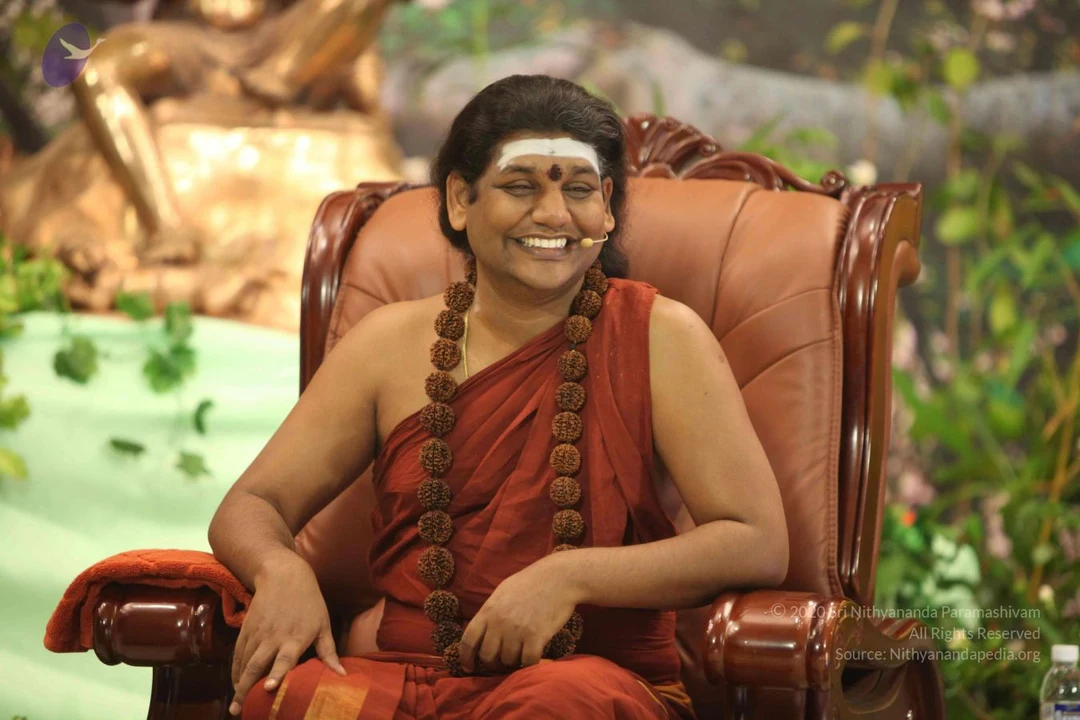
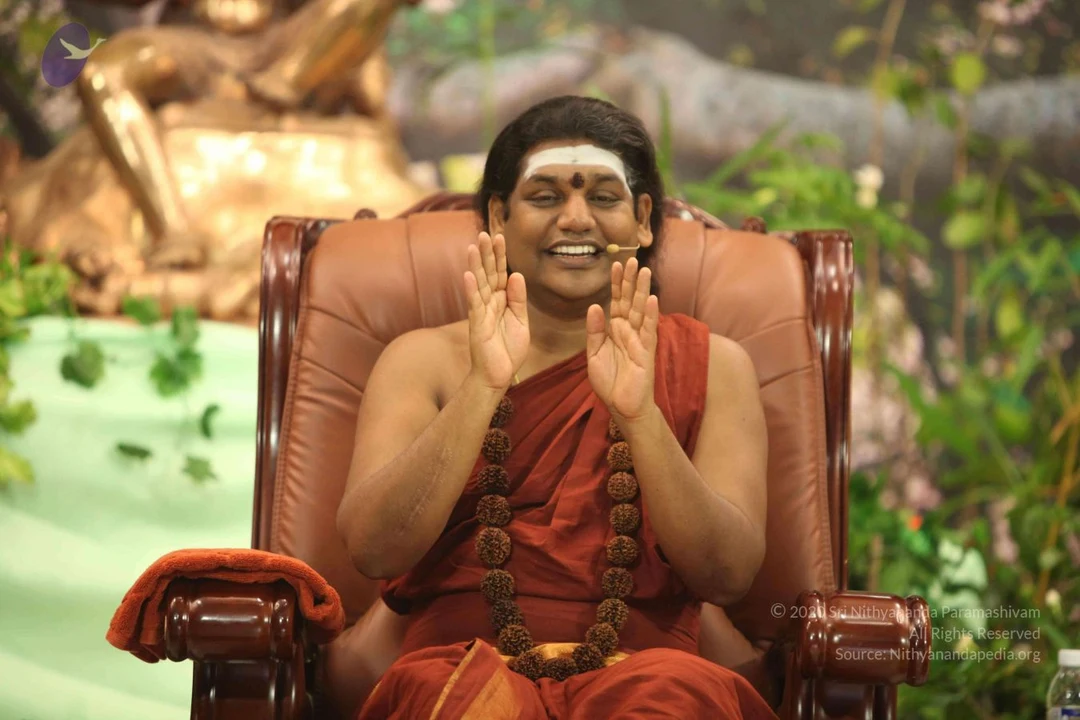
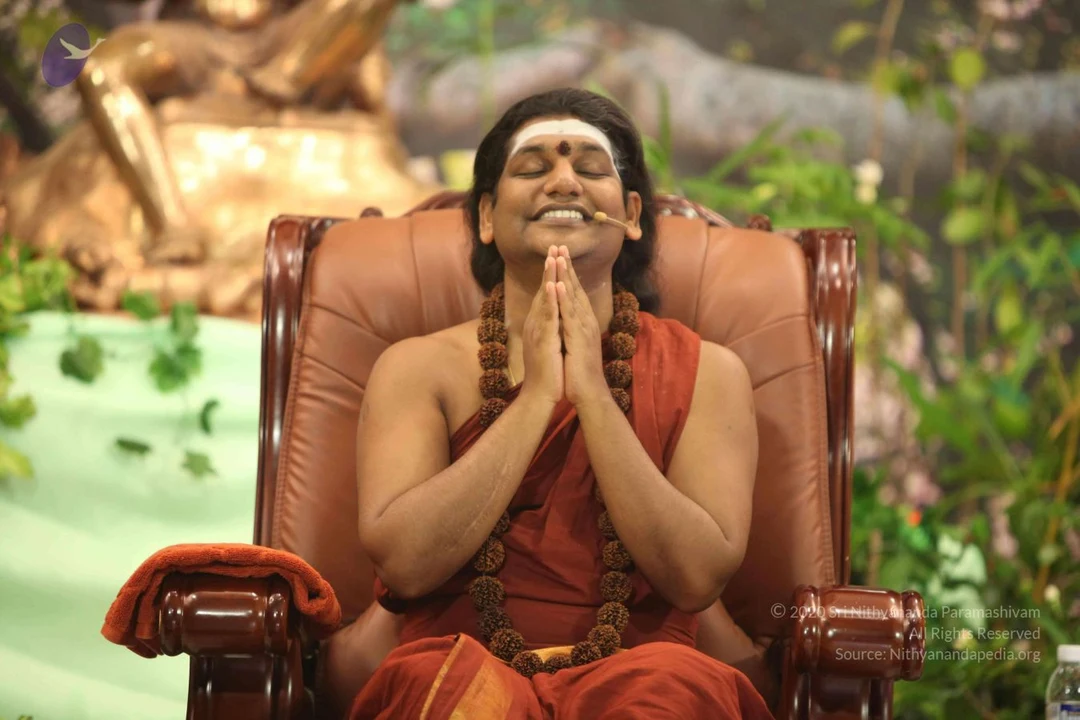
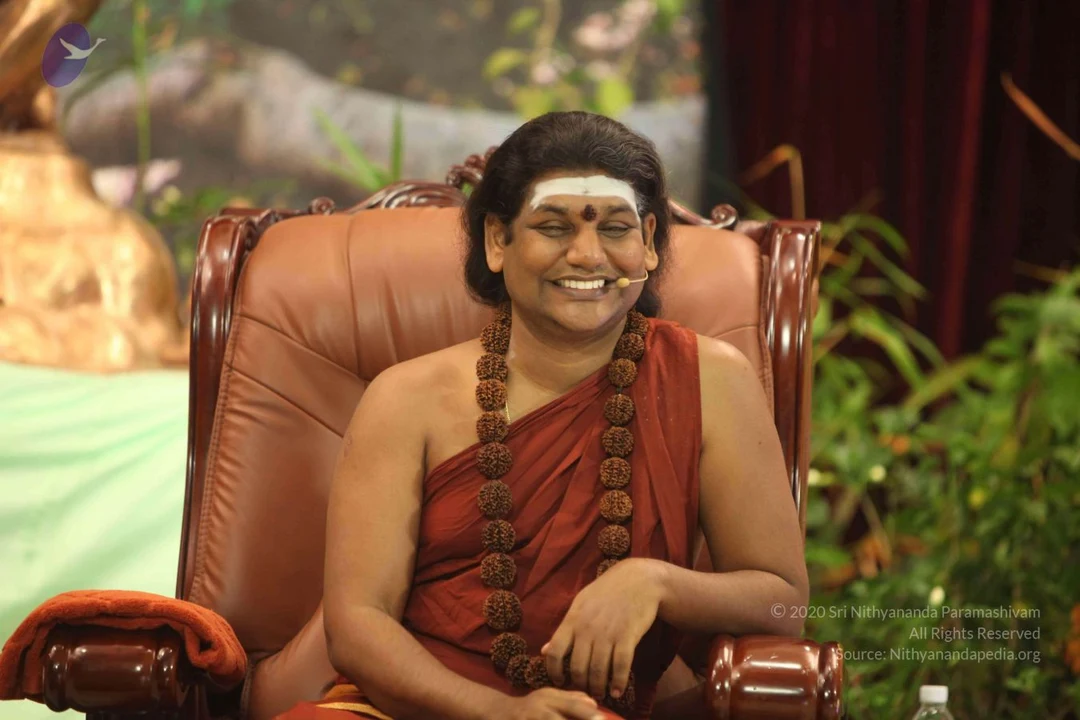
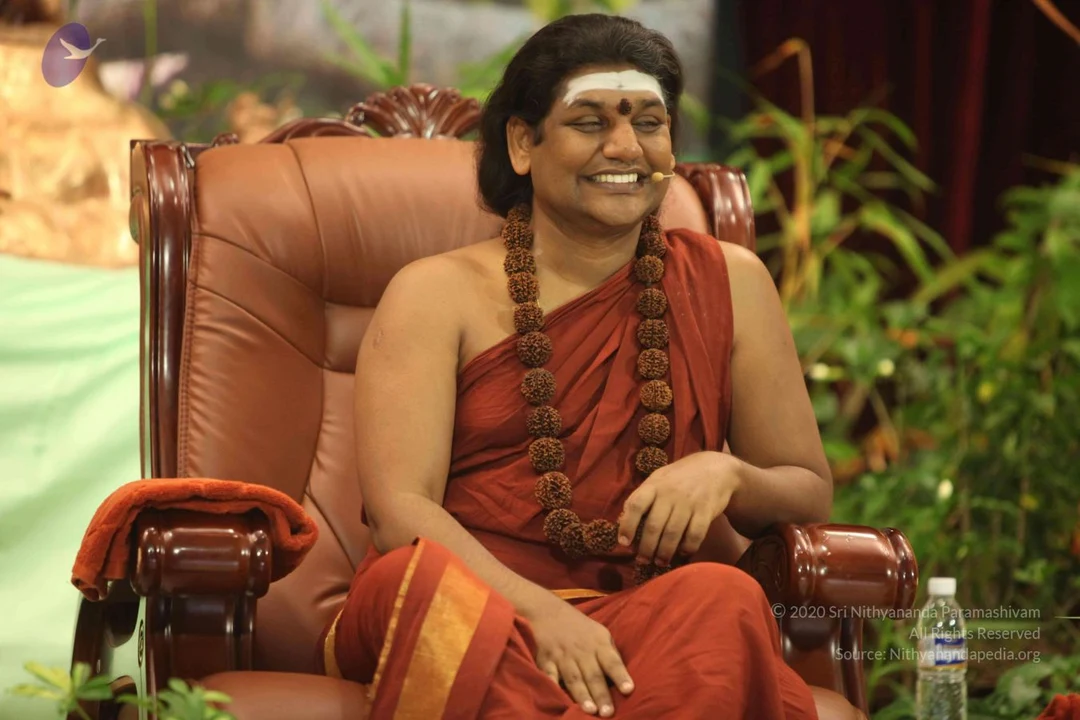
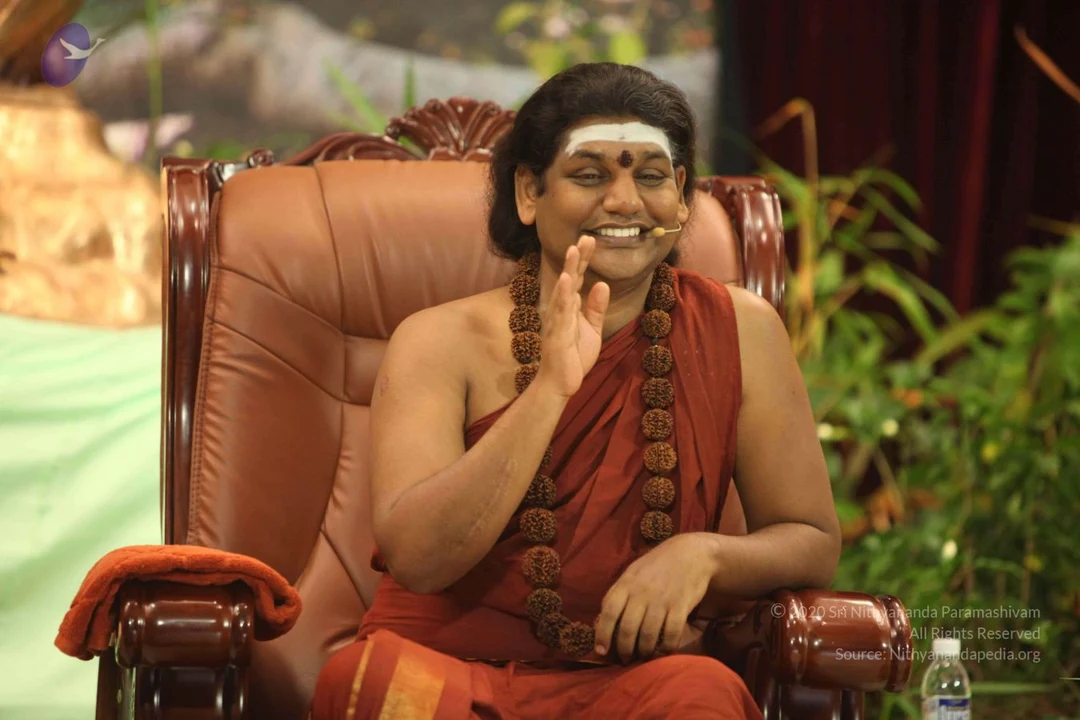
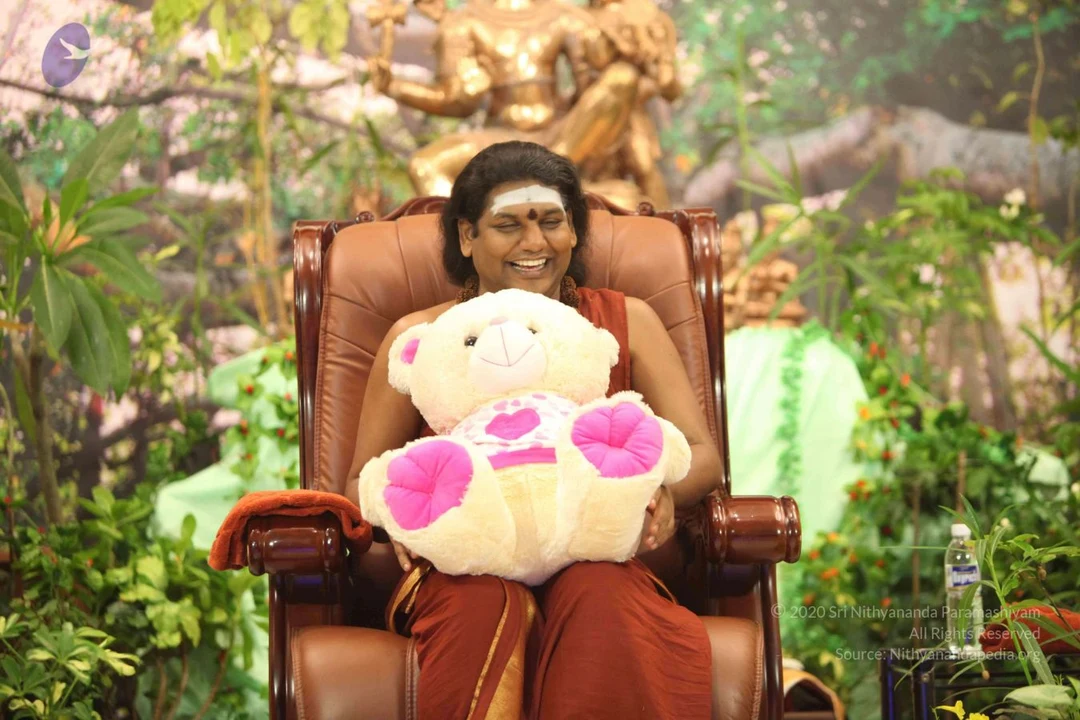

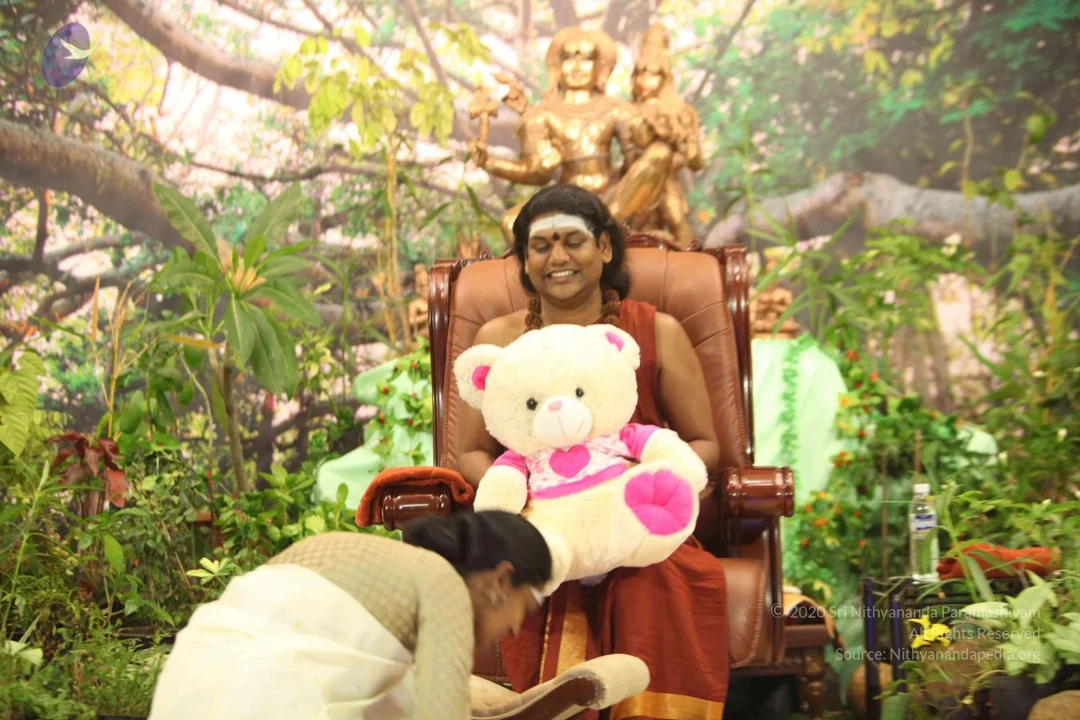
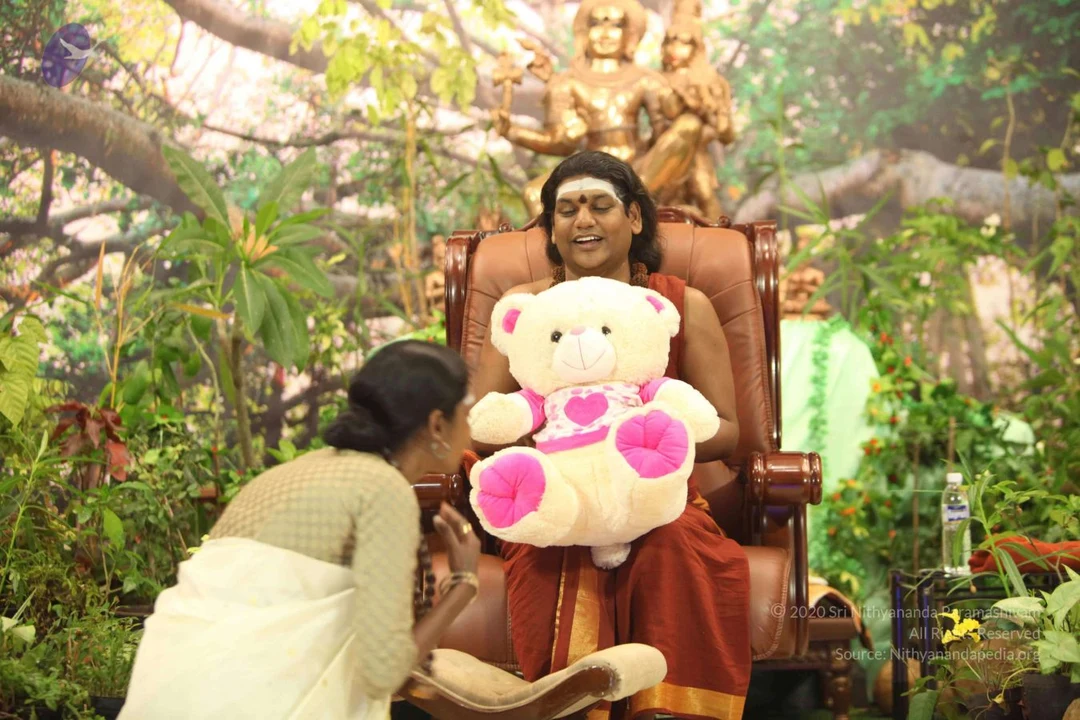
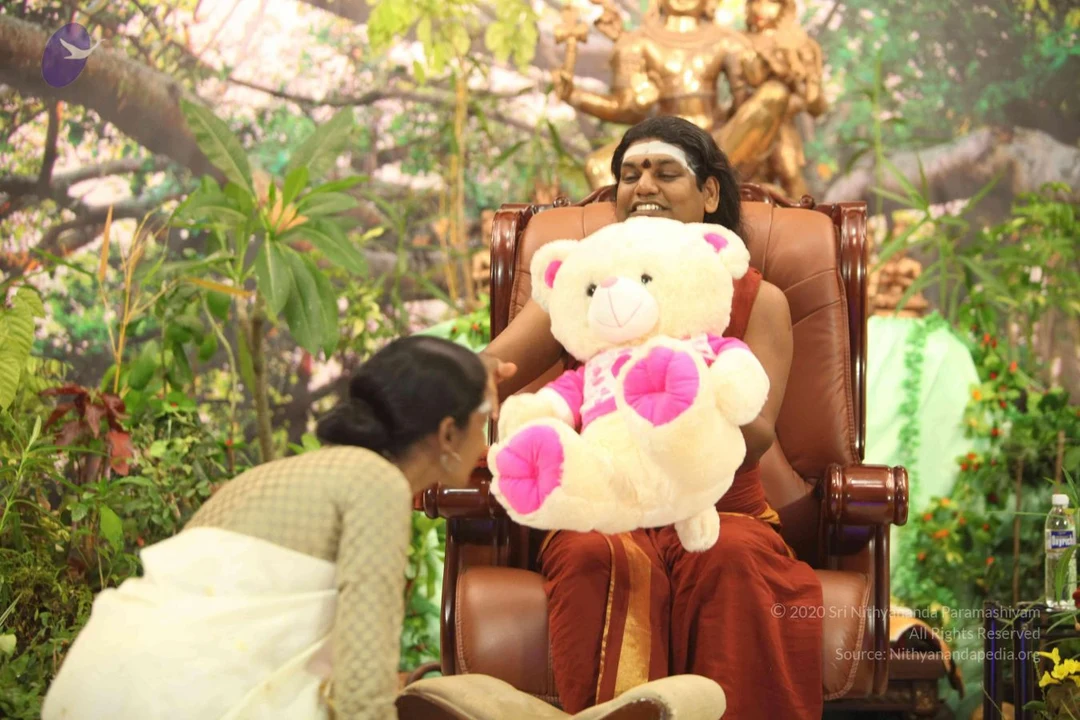
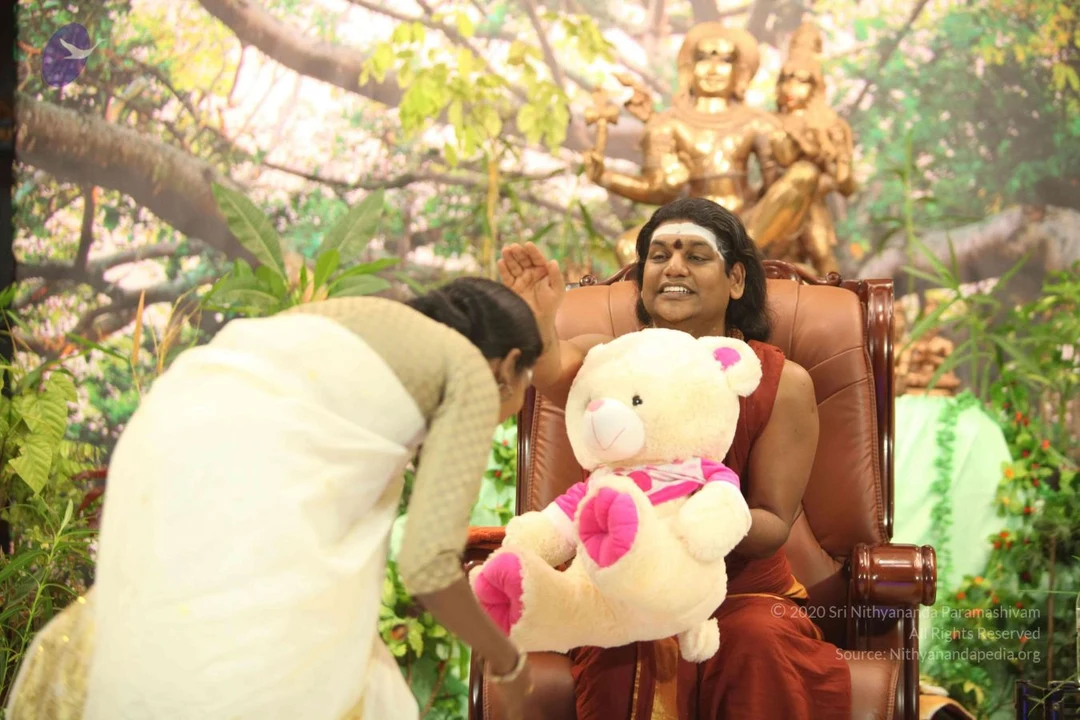
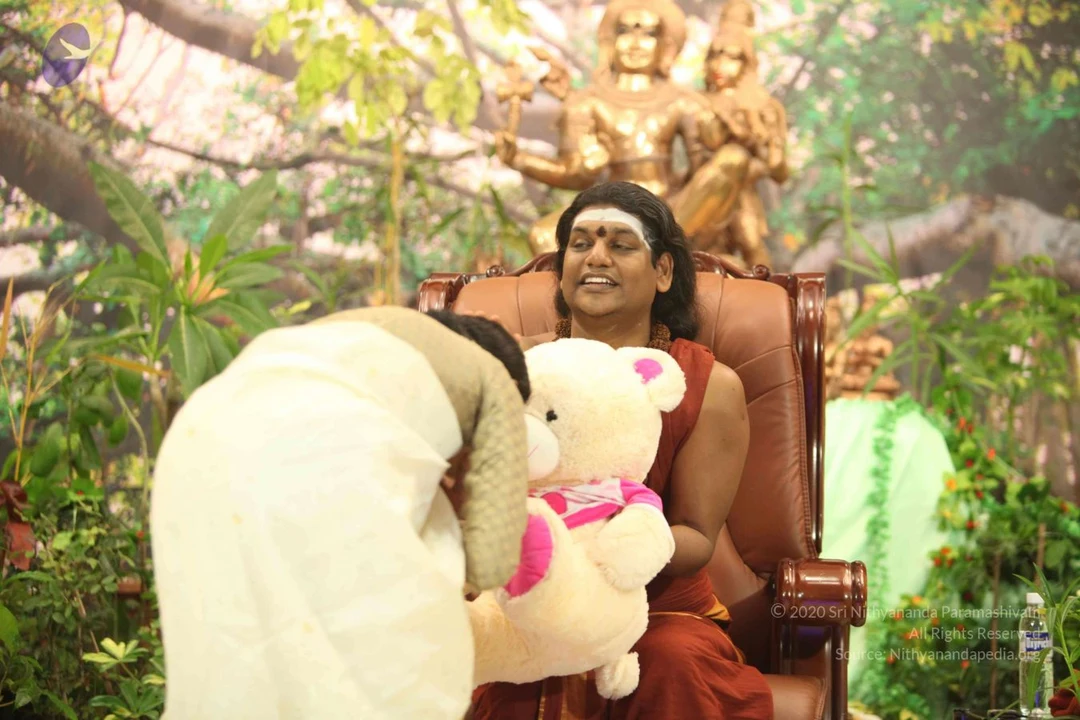
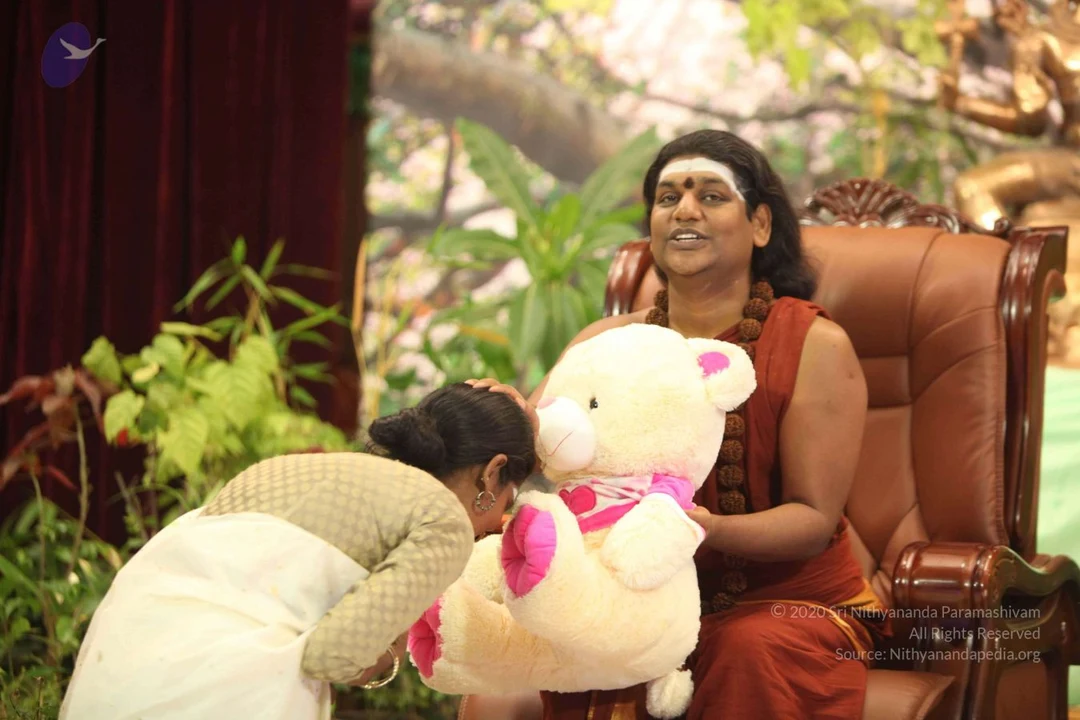
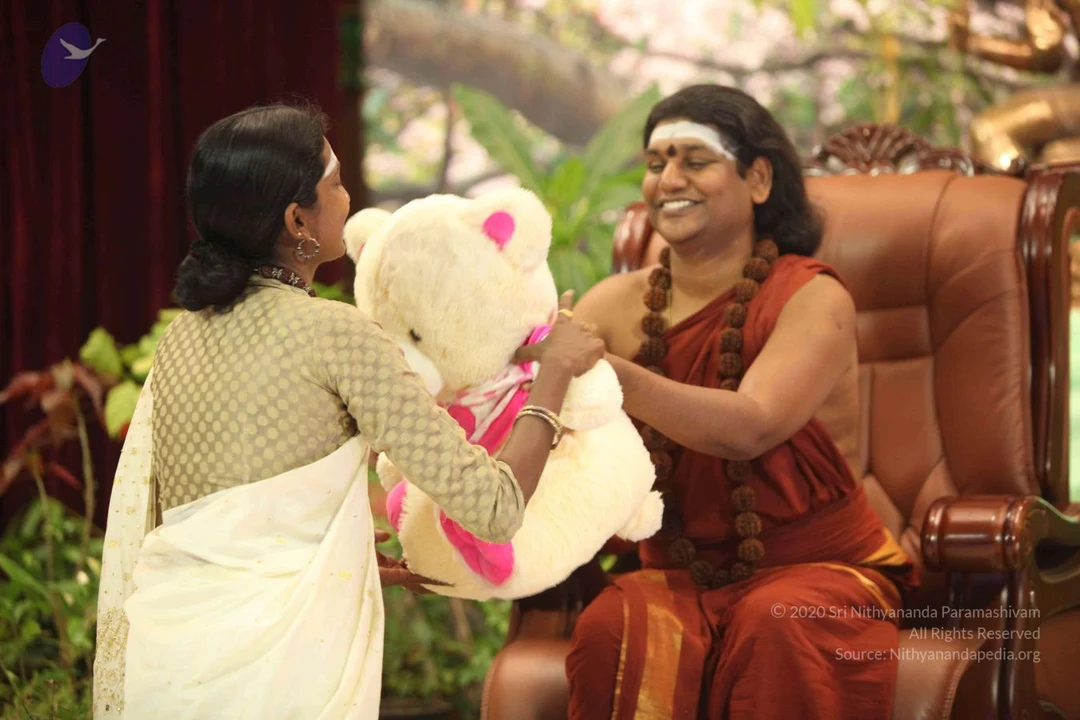

Kalpataru-Dubai
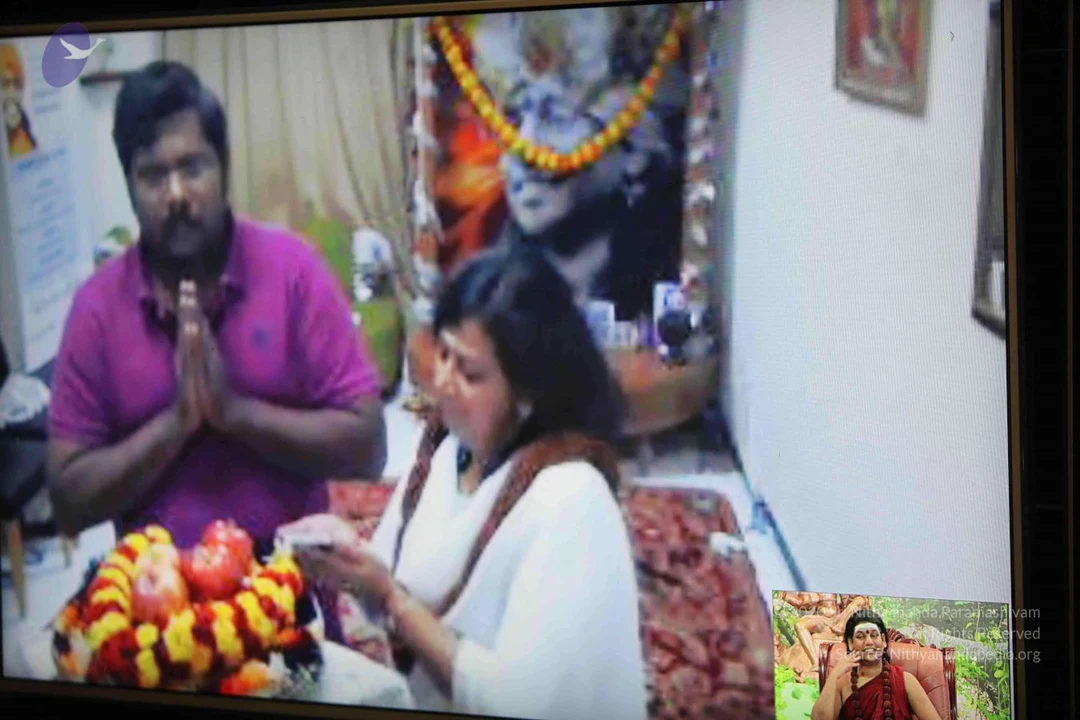
Link to Facebook Page
https://www.facebook.com/ParamahamsaNithyananda/photos/a.321615927926264/782592018495317/?type=3
Tags:
Upanishads,Advaita,Vedic,Isha Upanishad,consciousness,logic ,emotion, Paramahamsa Nithyananda, emotion, heart, reality, nithyananda video
Photos Of The Day:
NithyaSatsang-Upanishads
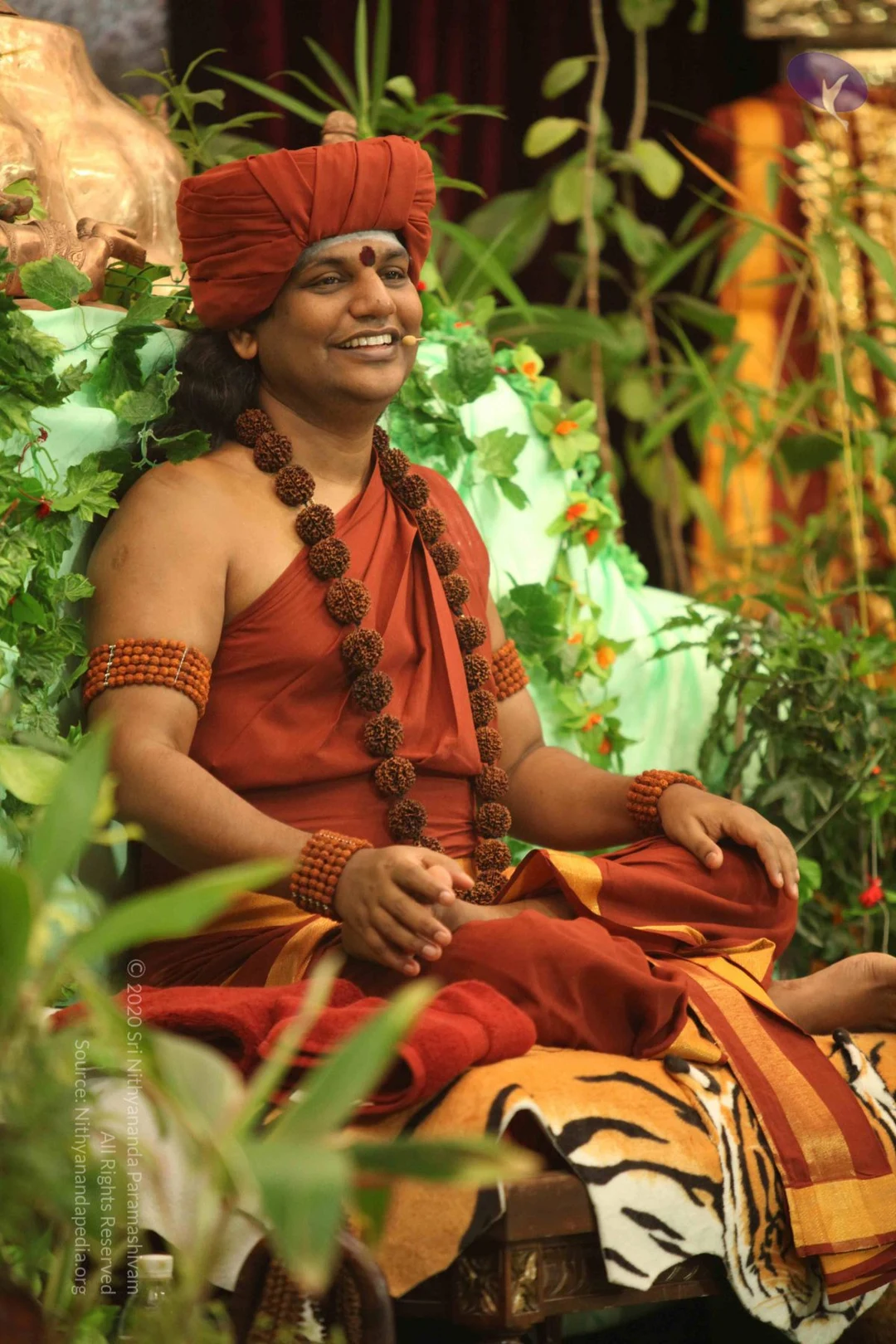
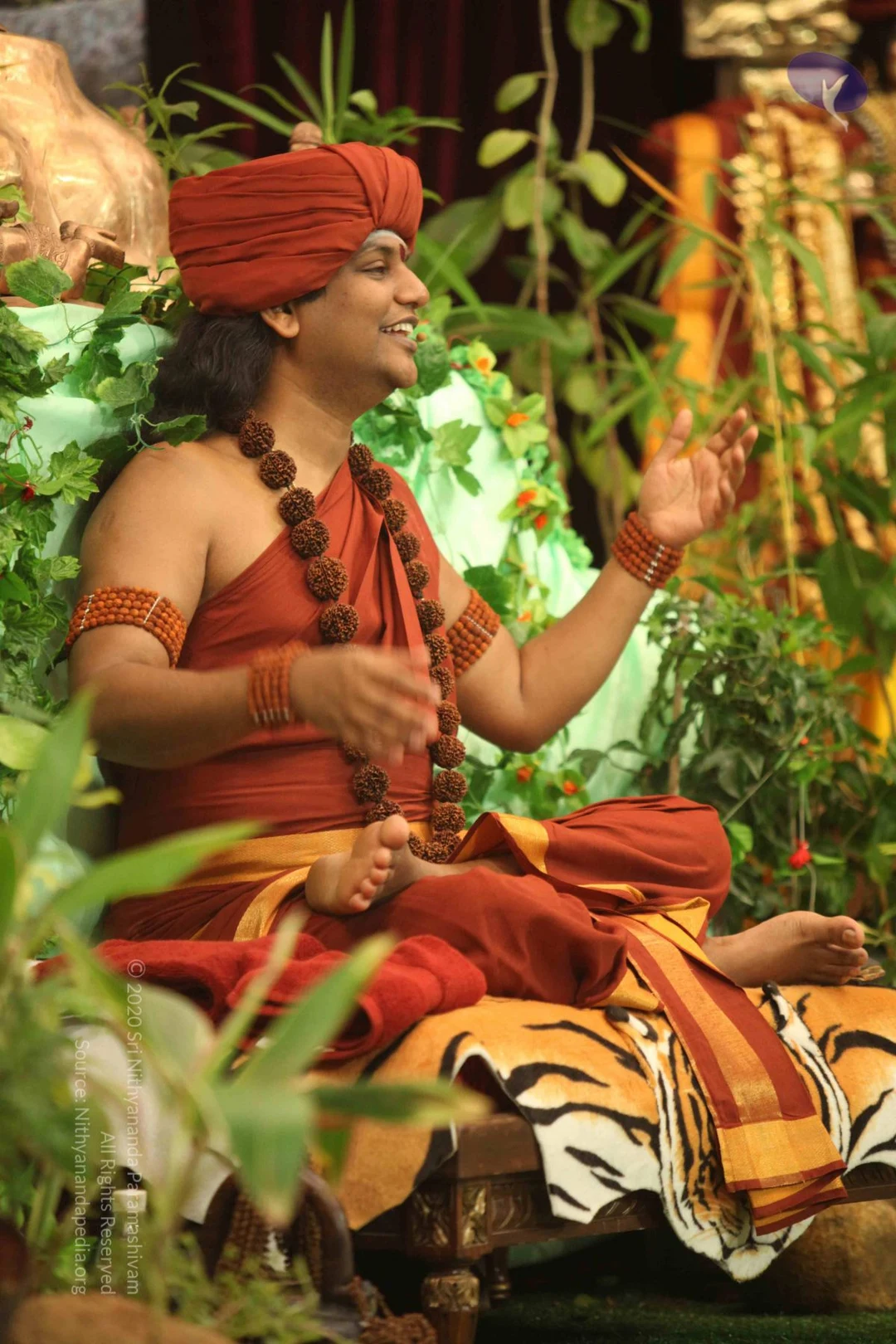
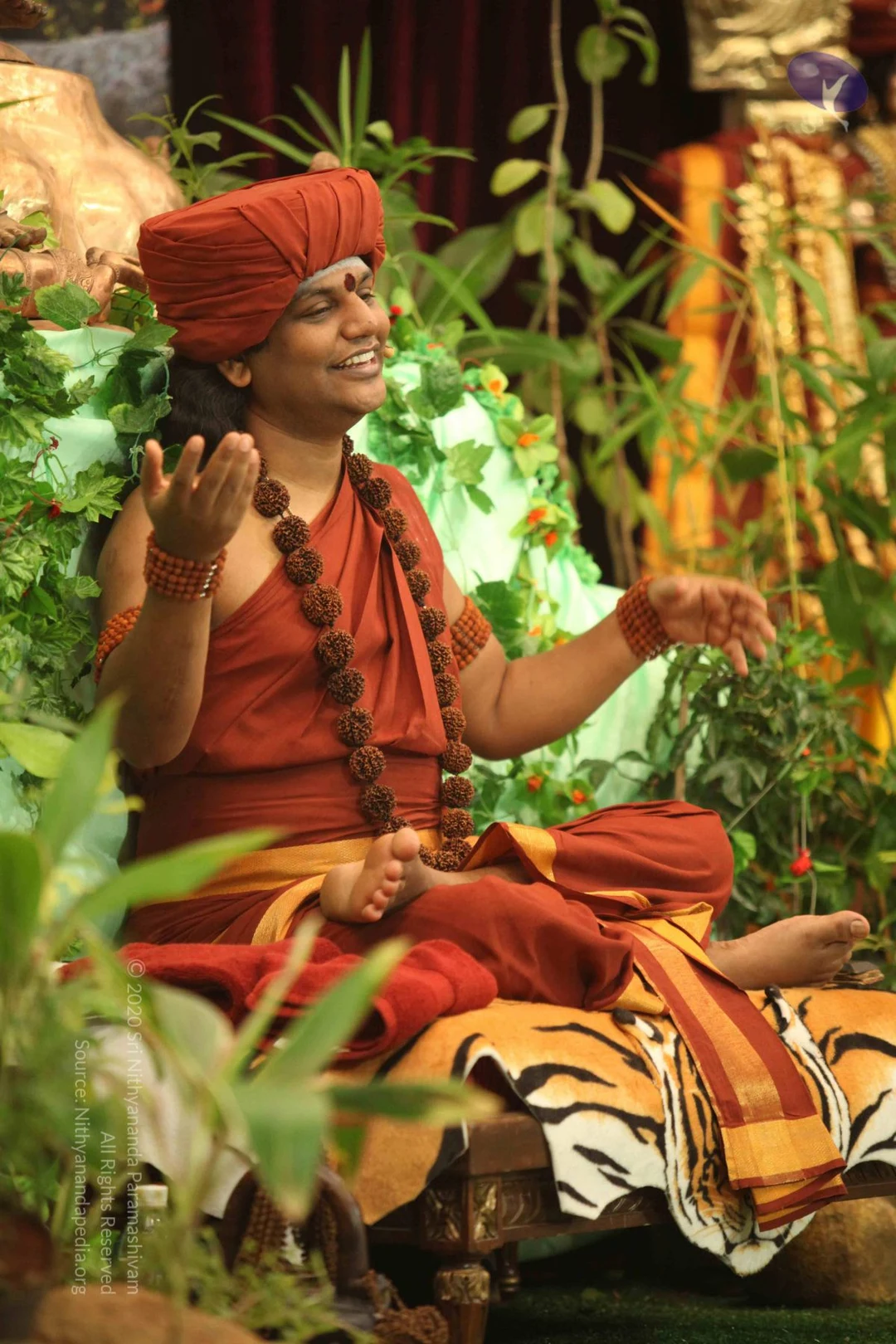
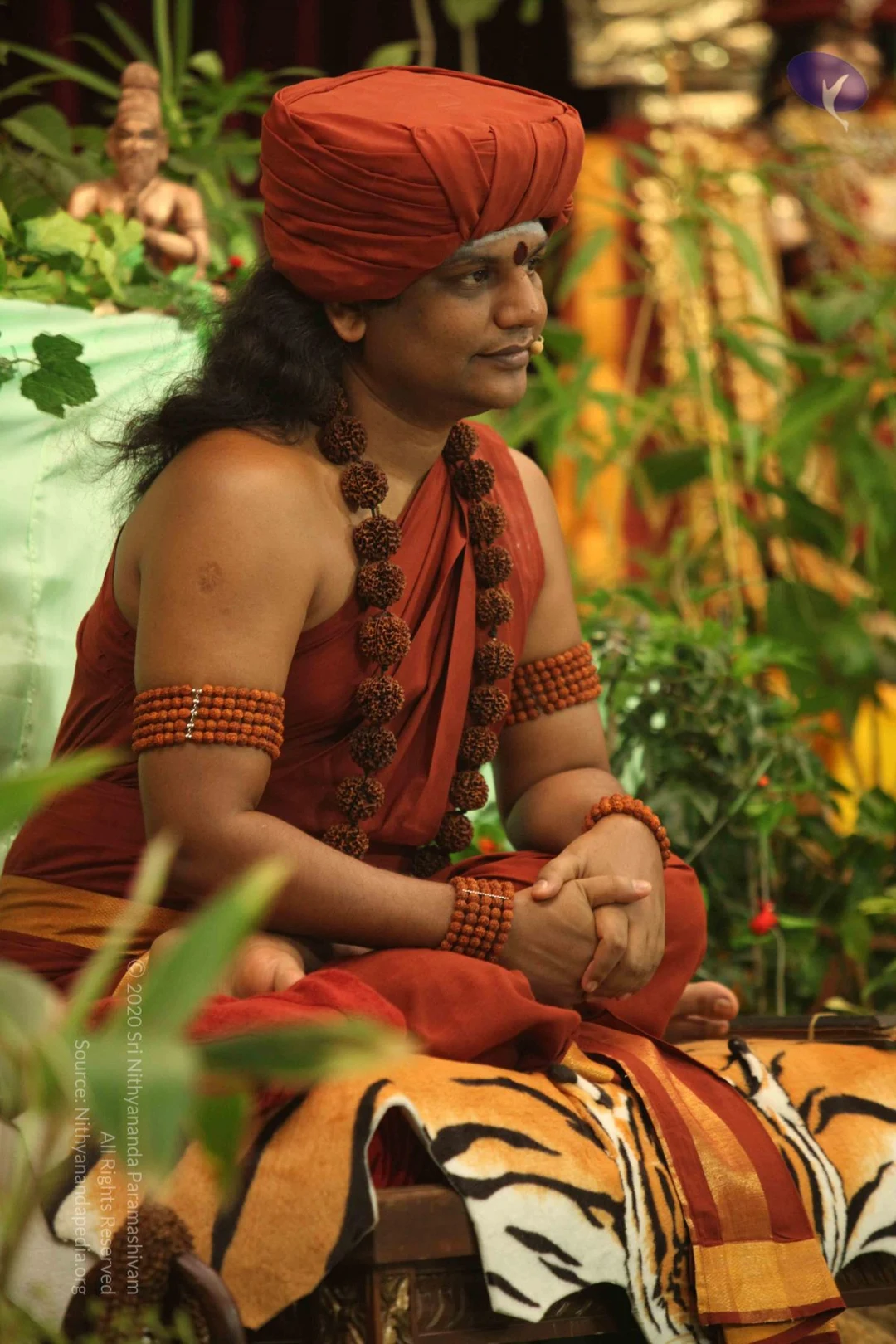
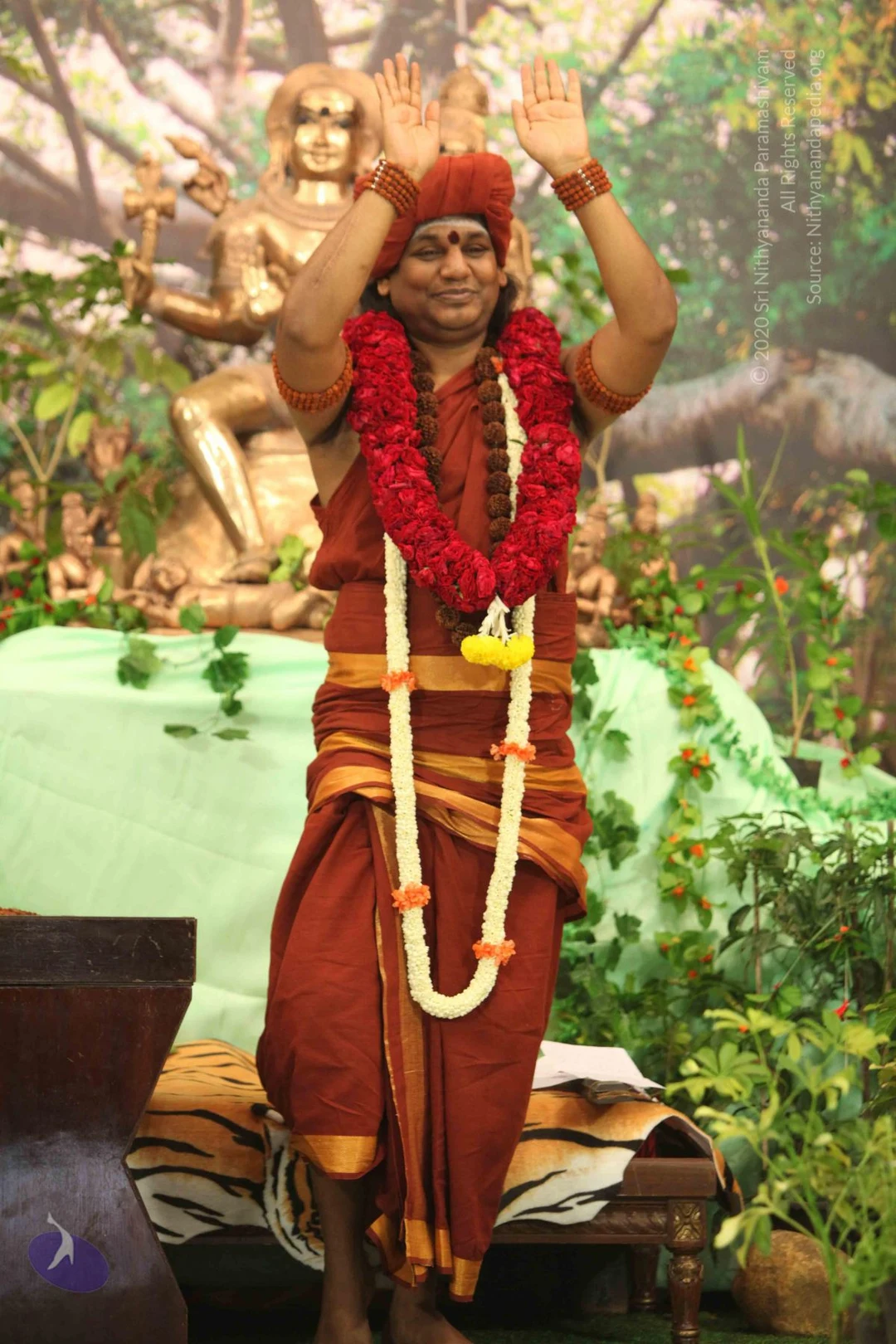
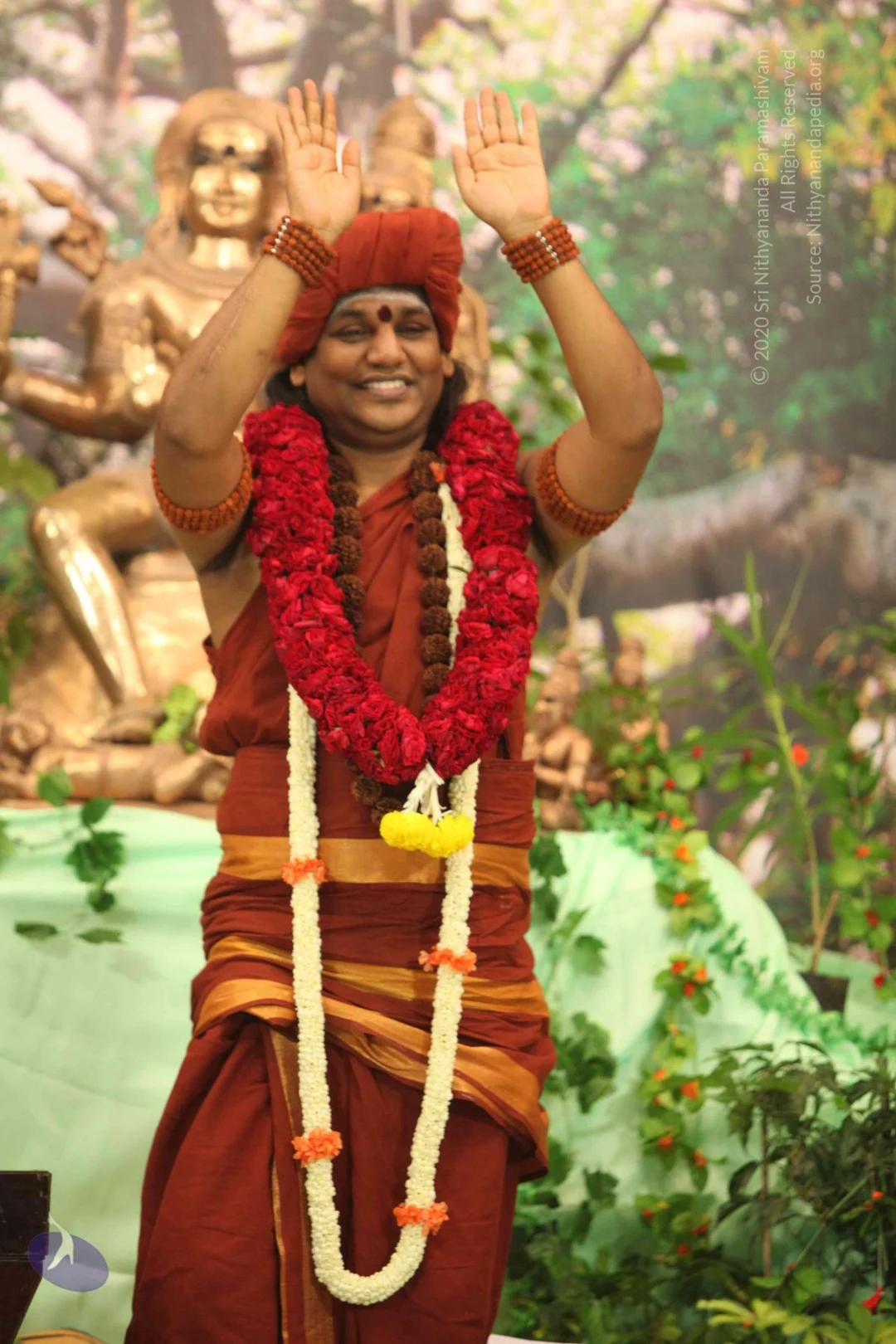
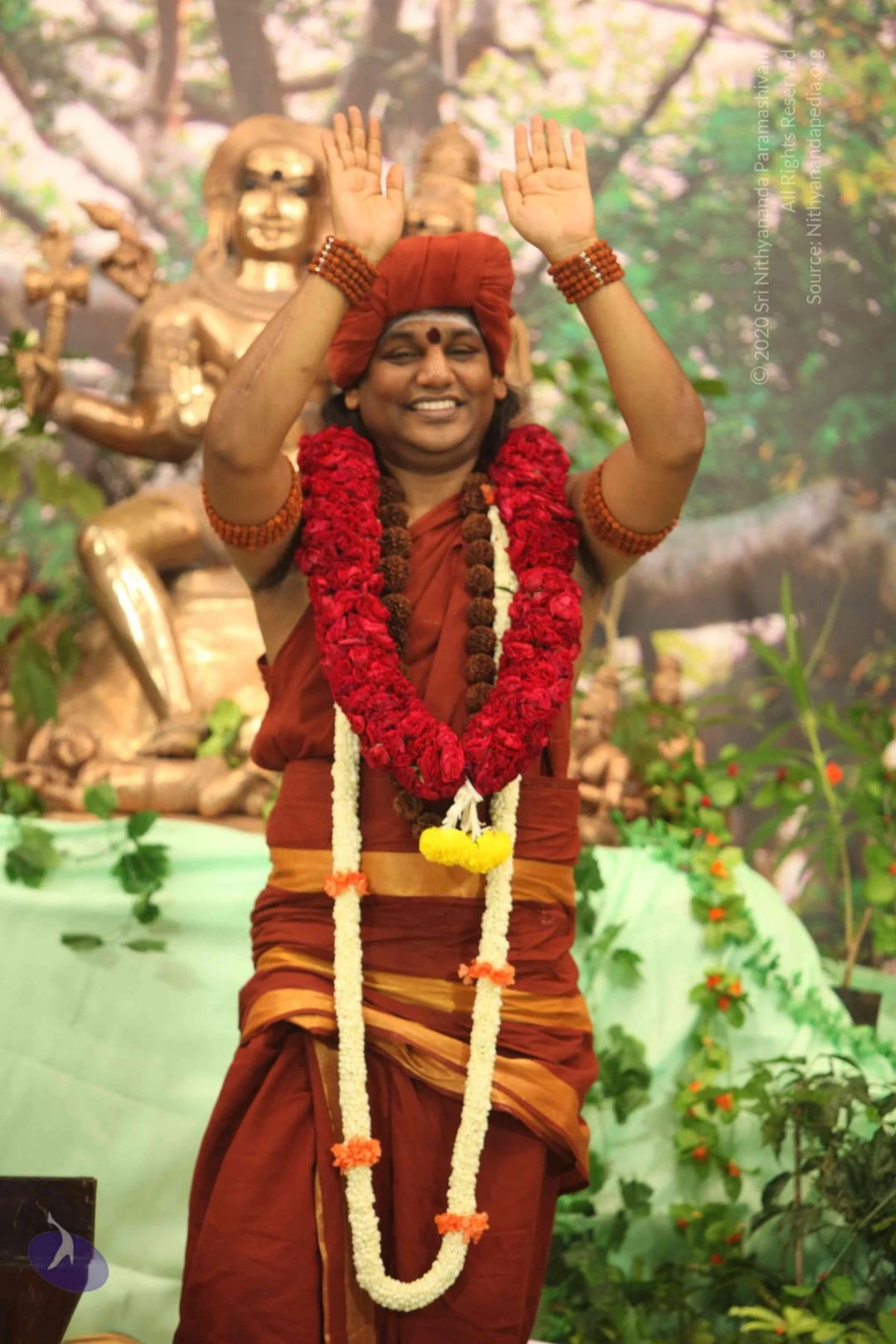
e-Kalpataru-Dubai
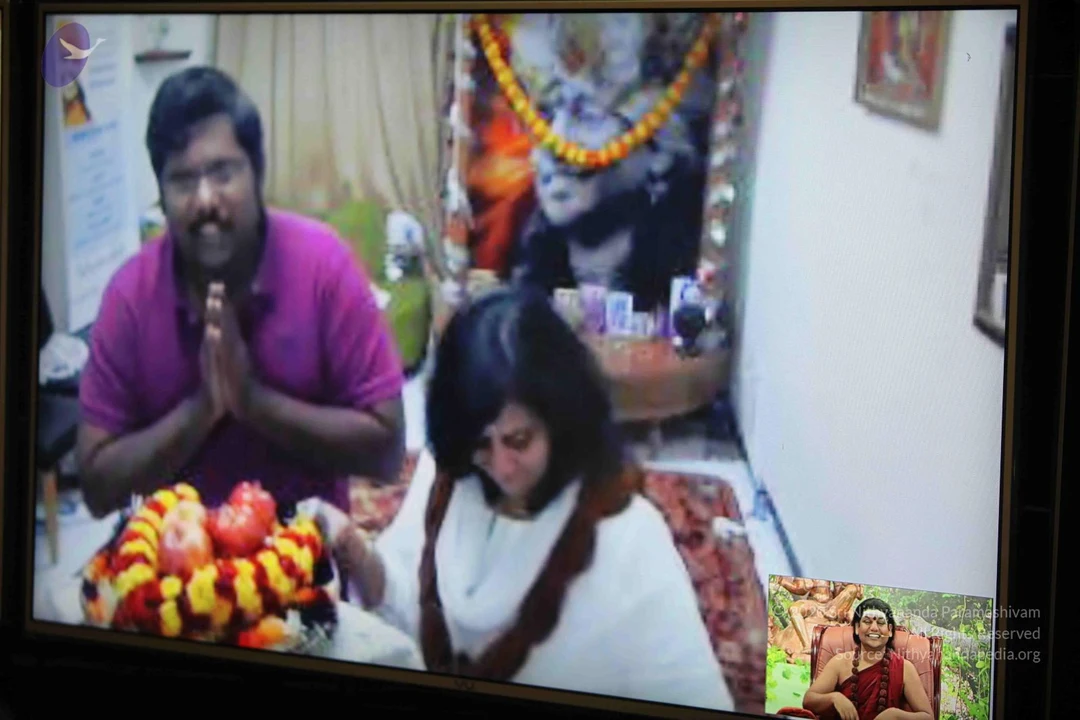
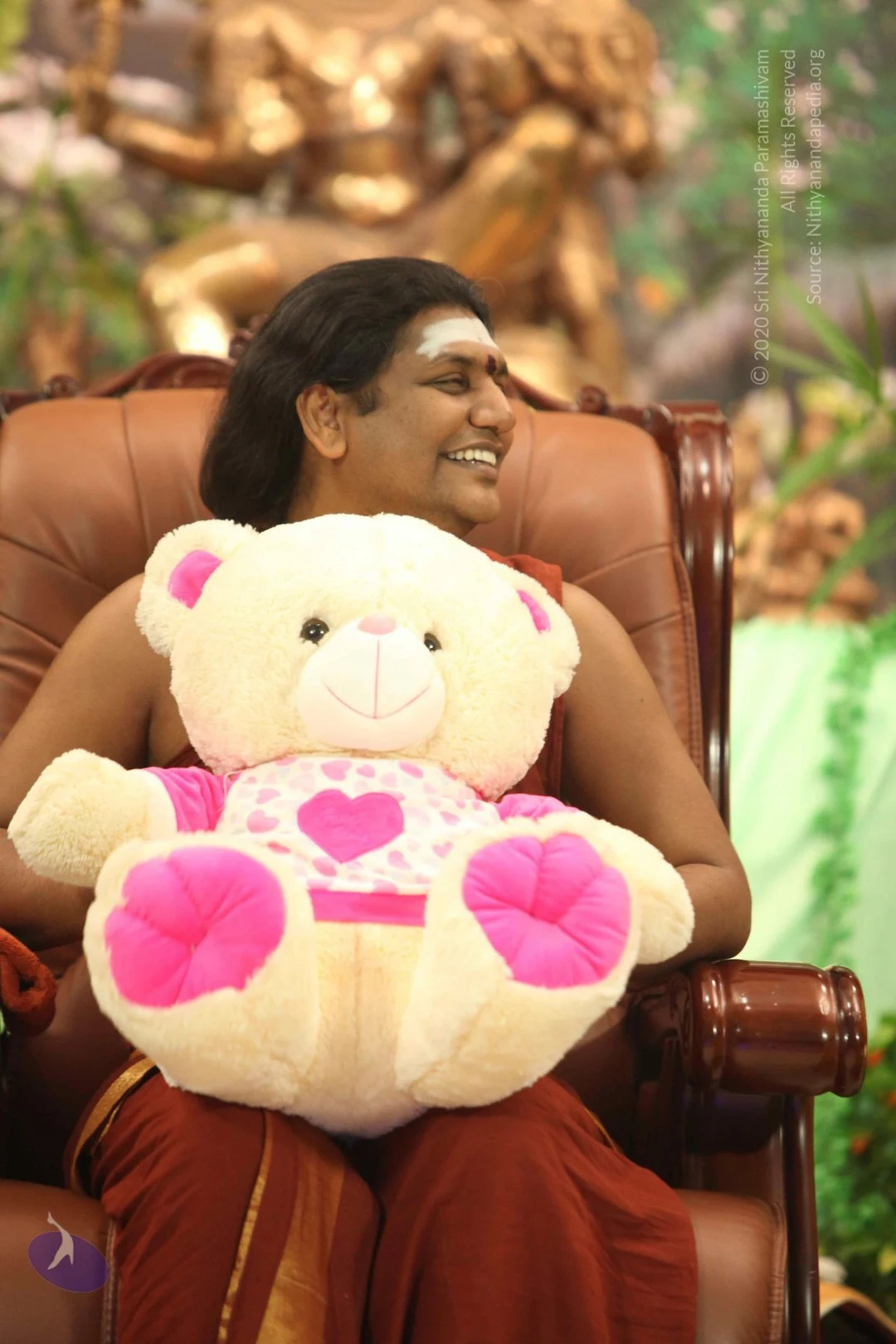

02-NithyaSatsang-Upanishads
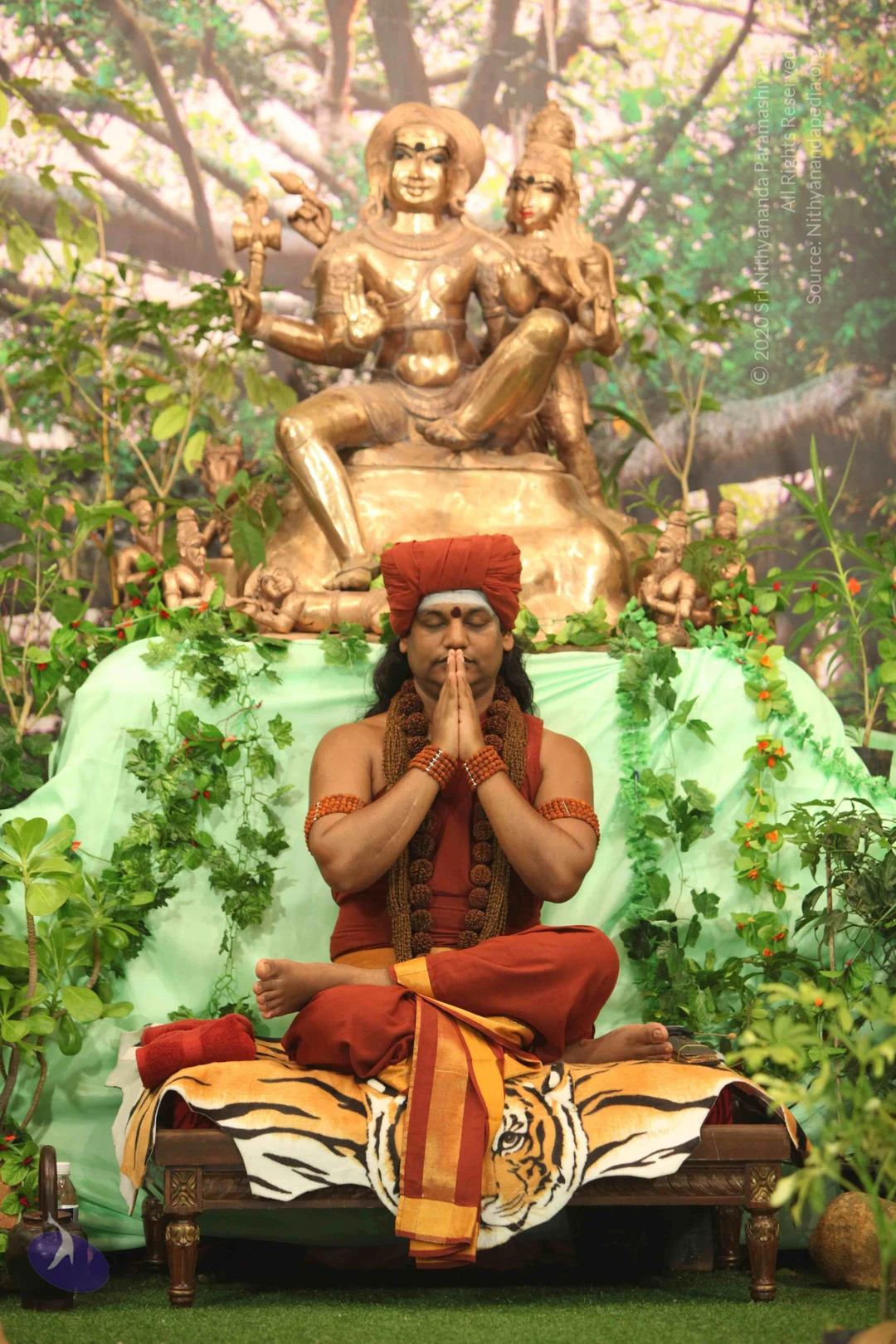
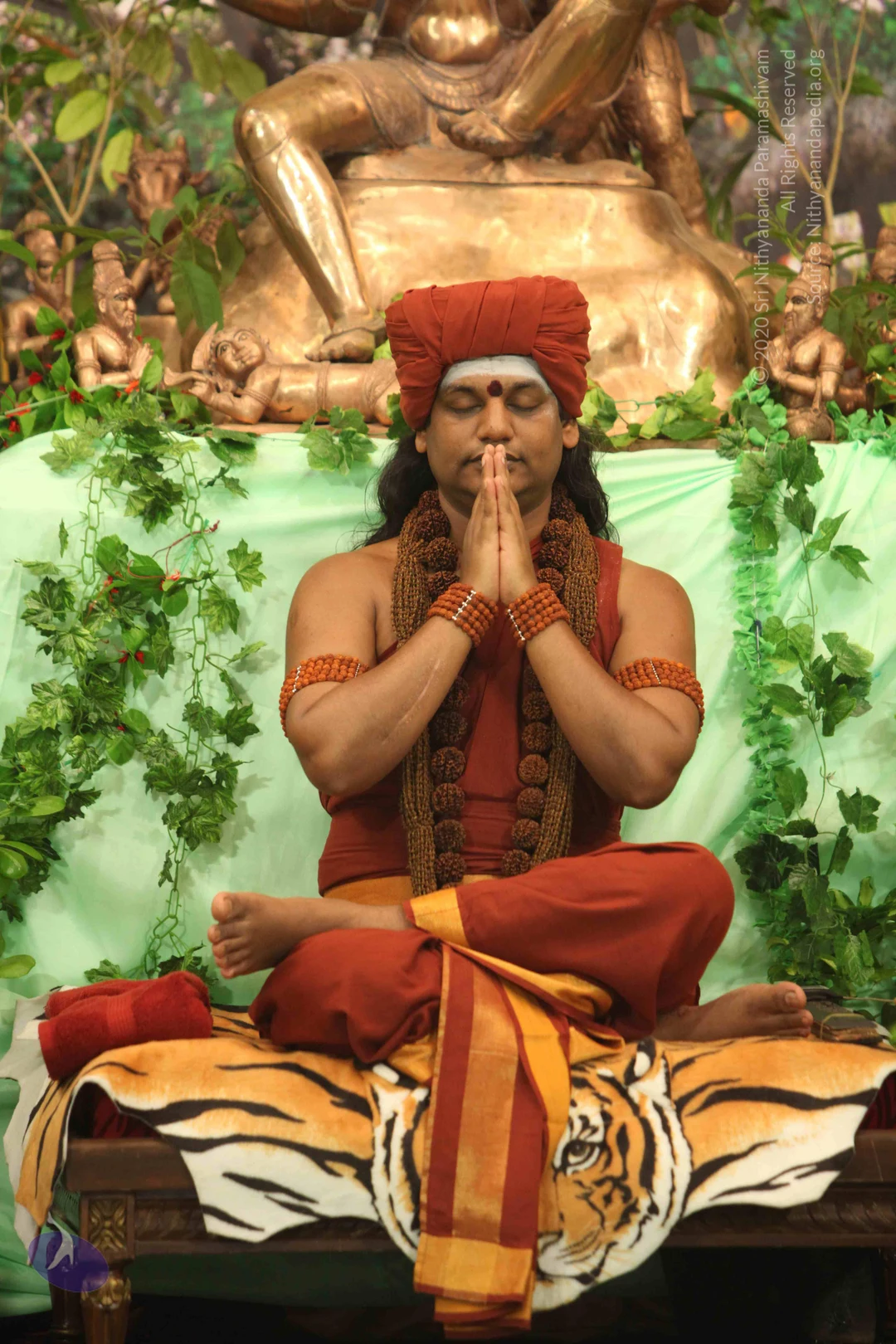
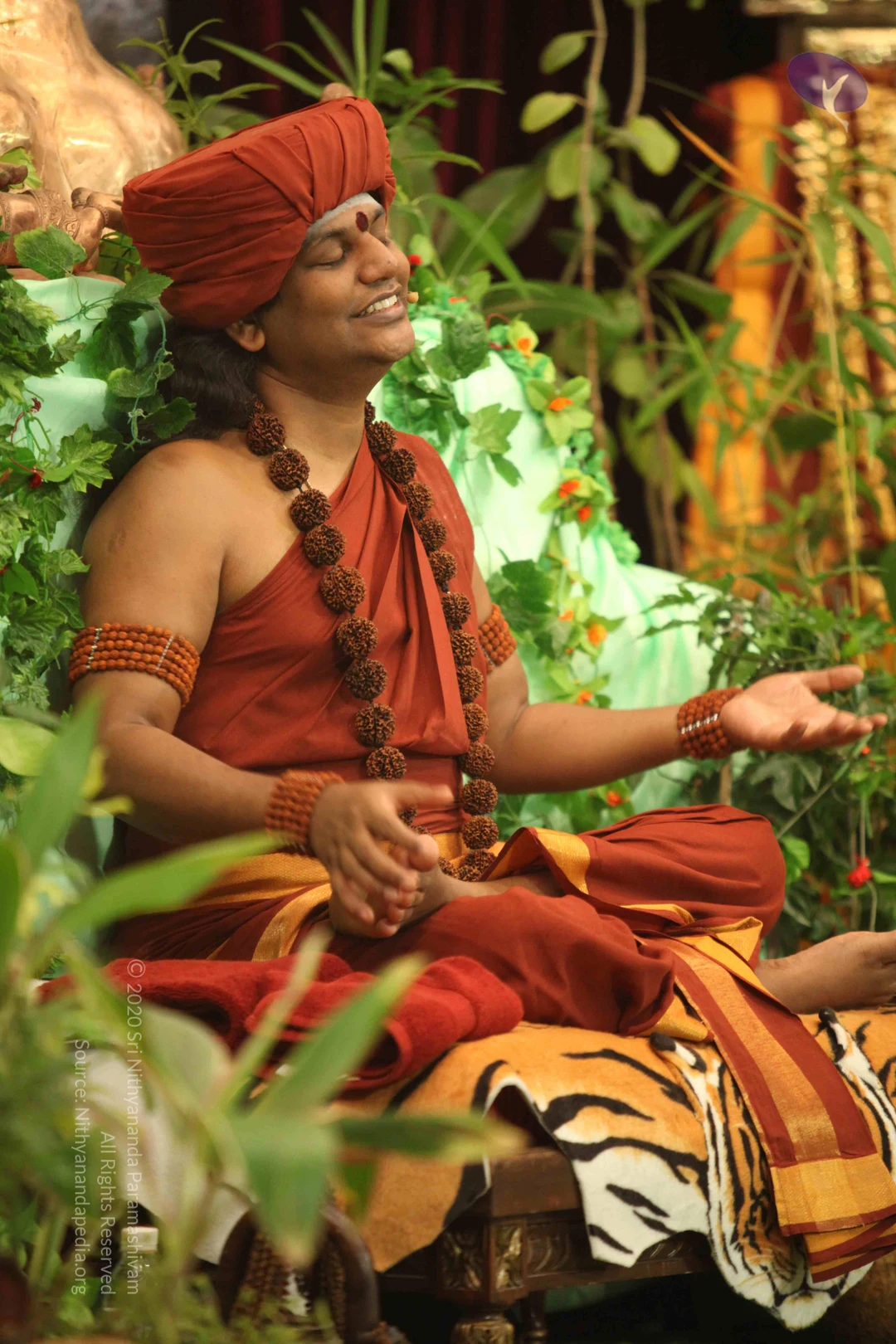
Photos from this day
View all 185 photosNithya Satsang-Upanishads
86 photosSource gallery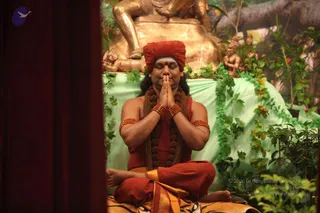
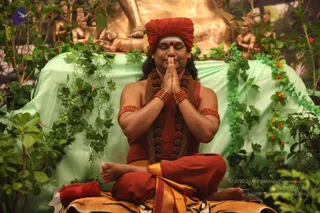
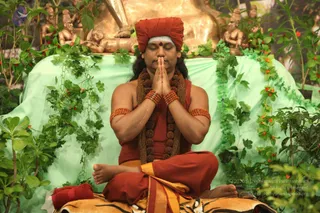
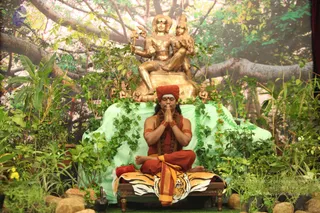
Nithya Kirtans
4 photosSource gallery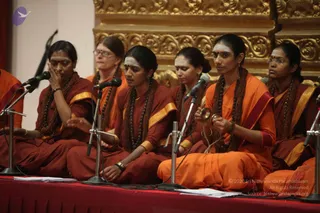
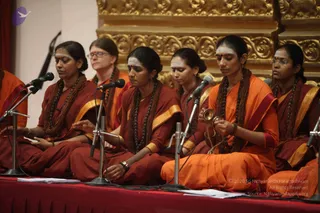
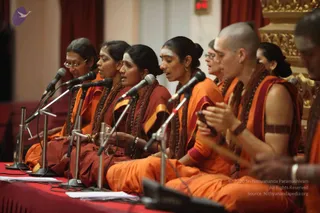
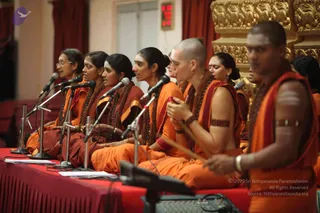
Kalpataru Darshan
38 photosSource gallery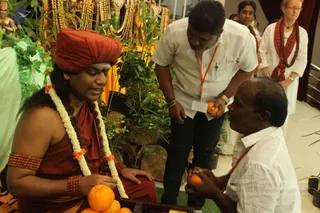
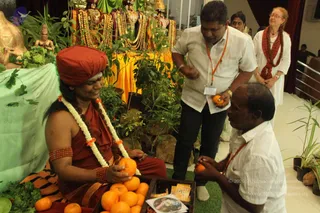
Dial the Avatar with HDH Sri Nithyananda Paramashivam
34 photosSource gallery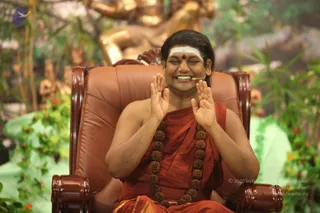

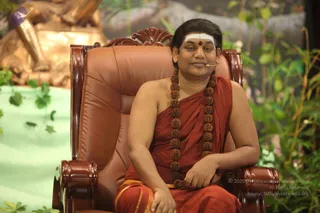
Kalpataru-Dubai
1 photoSource gallery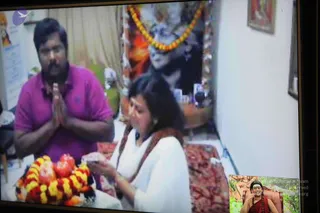
NithyaSatsang-Upanishads
19 photosSource gallery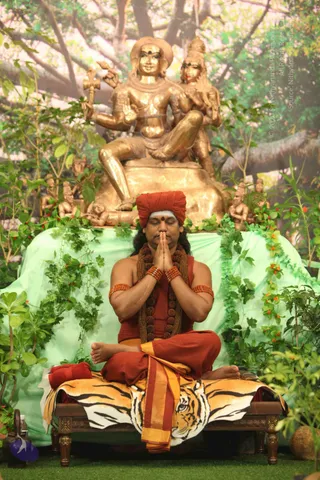
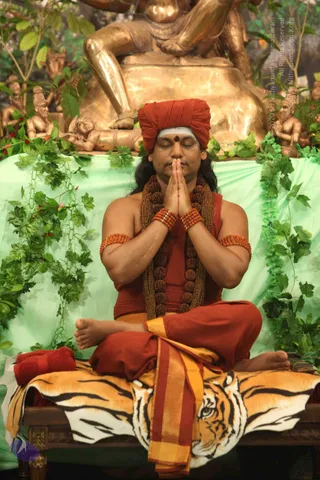
e-Kalpataru-Dubai
3 photosSource gallery